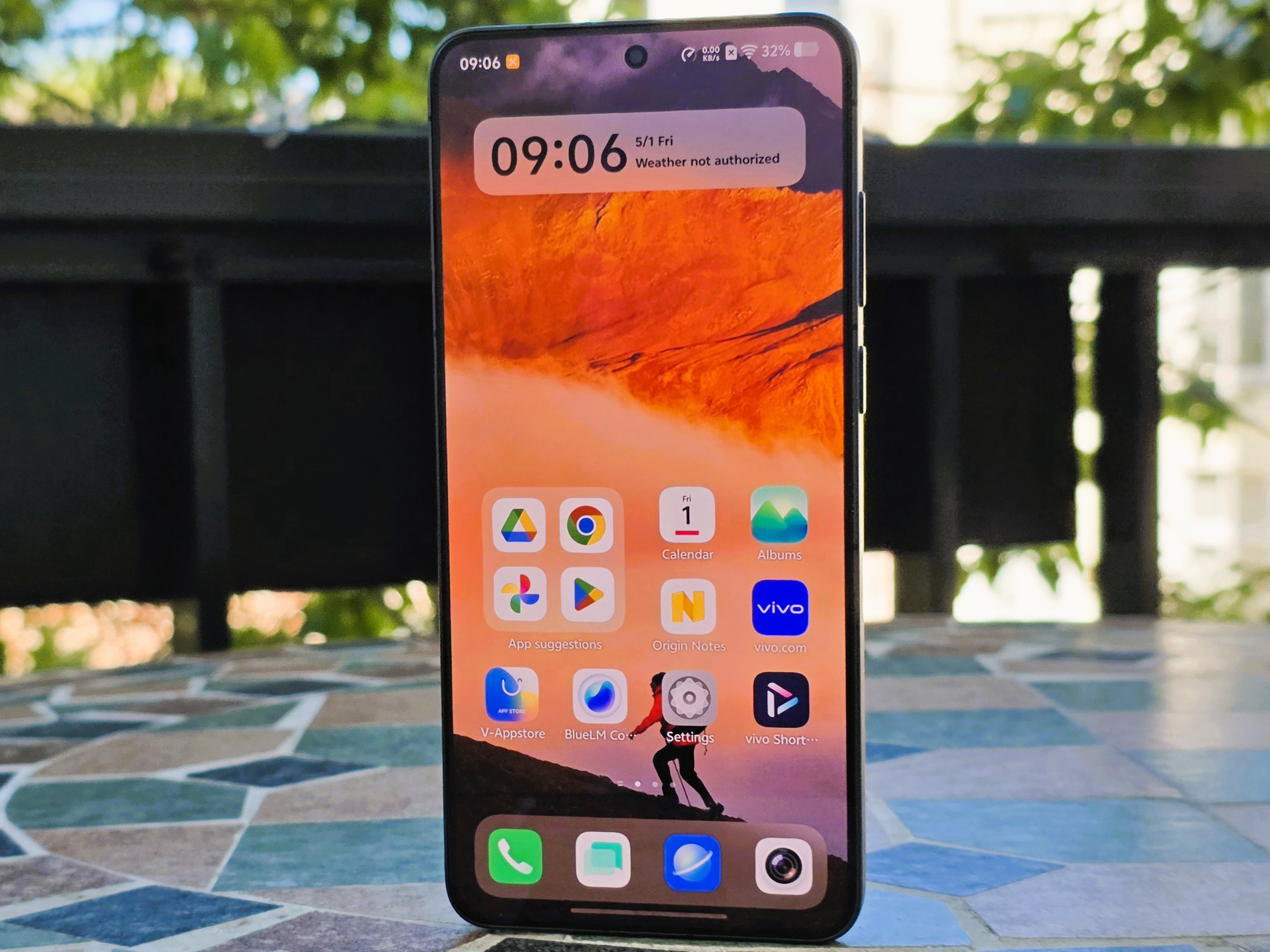
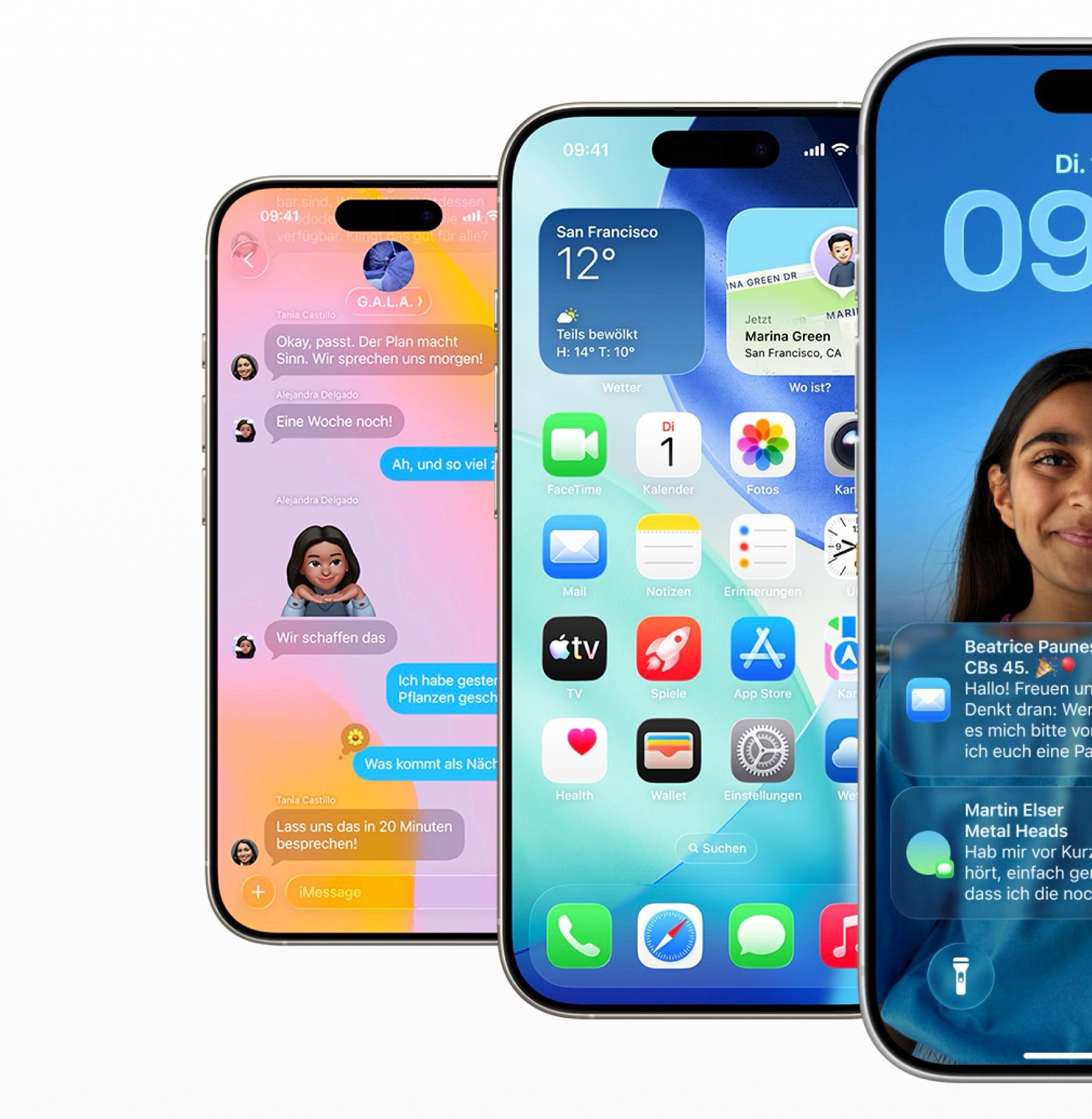
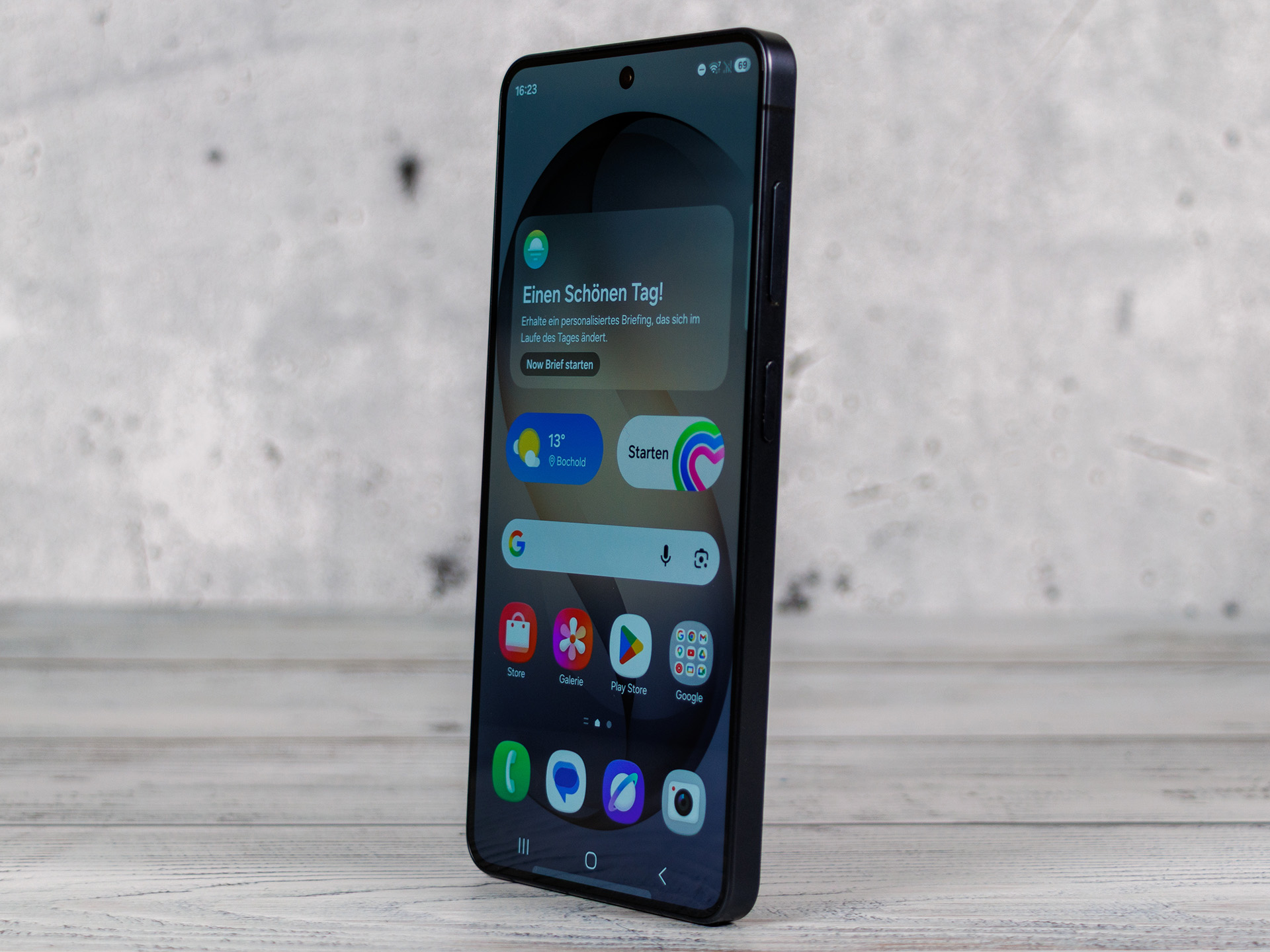
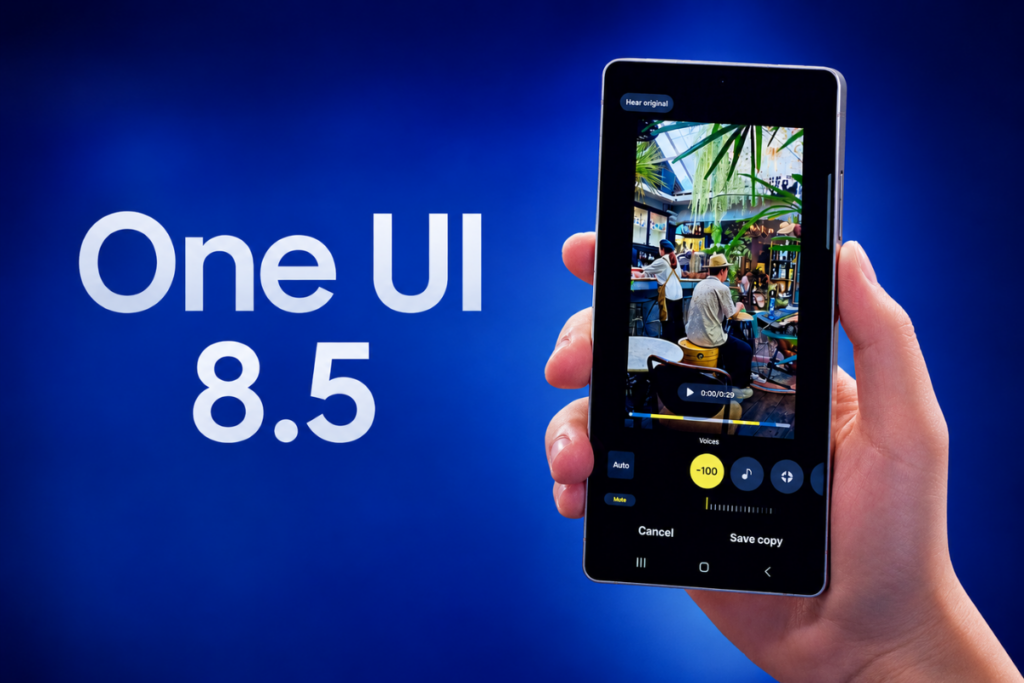
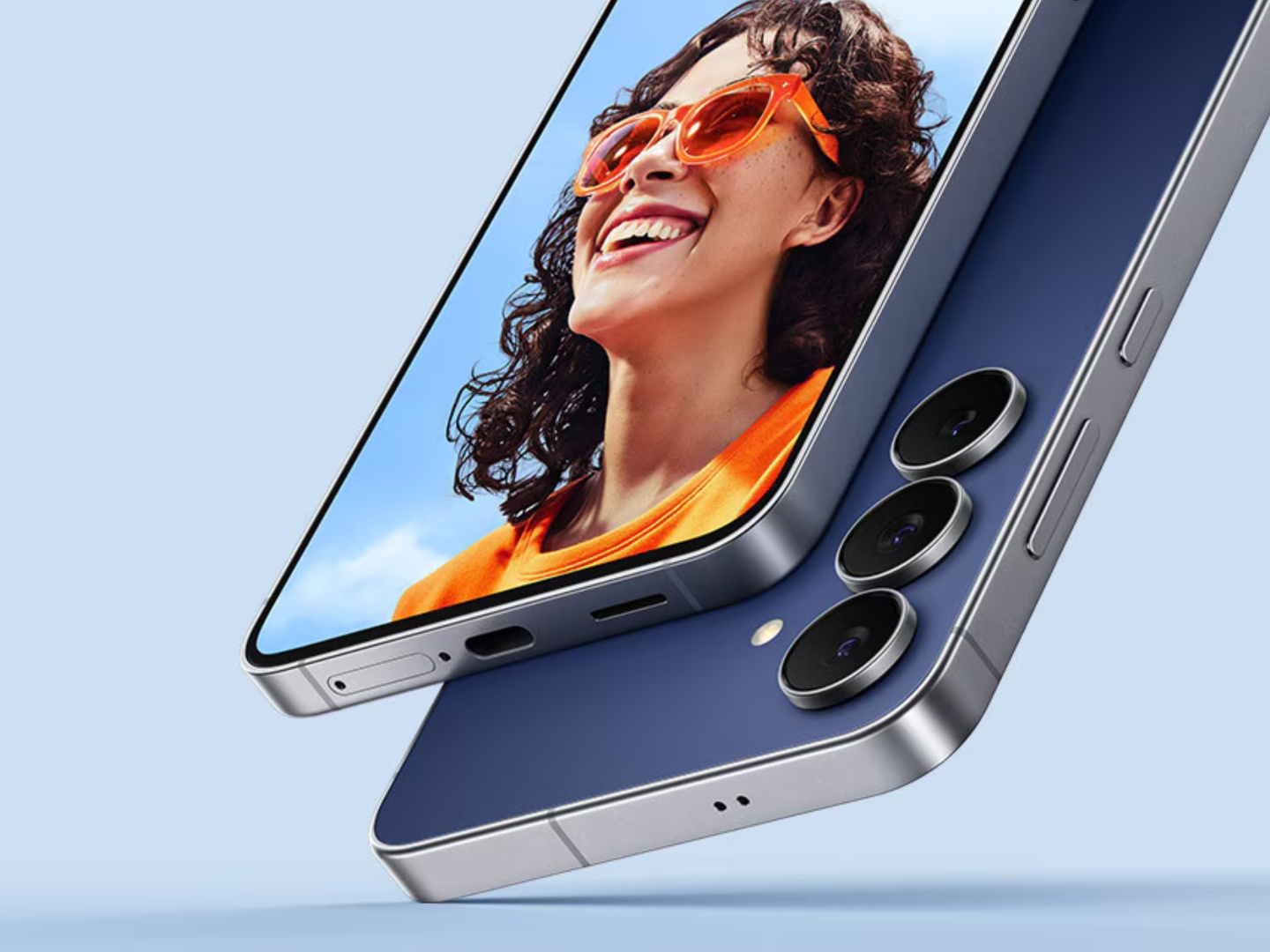
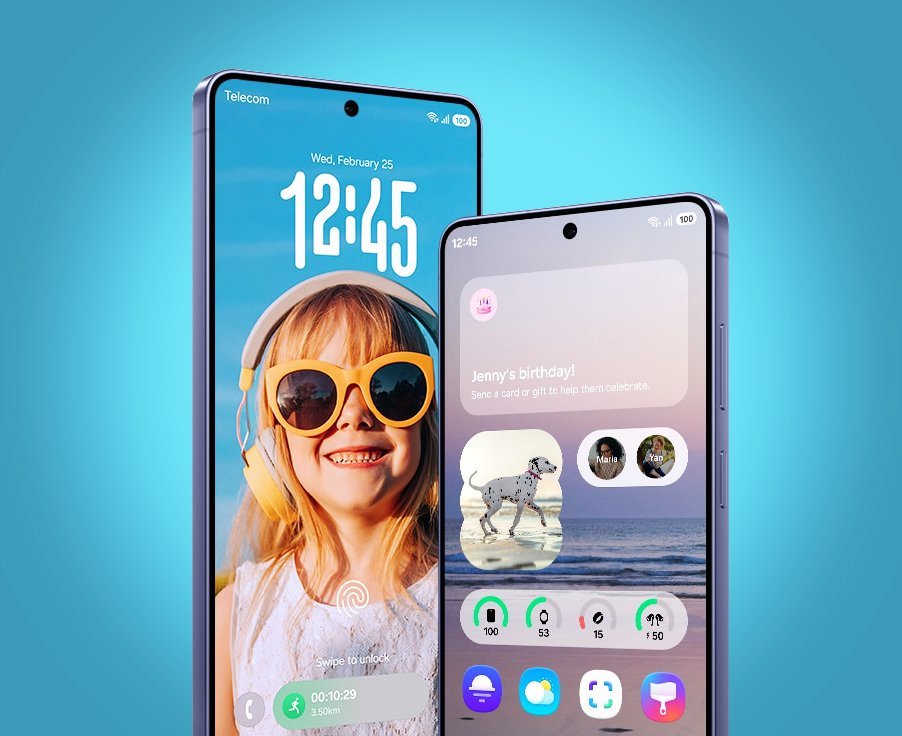
Samsung has officially launched the One UI 9 Beta Program for the Galaxy S26 series. Based on Android 17, the update focuses on smarter customization, accessibility improvements, and stronger security, while also laying the groundwork for Samsung’s upcoming AI-driven mobile features.
One UI 9 Beta rollout starts this week in select countries, including India, the U.S., the U.K., Germany, Korea, and Poland.
Eligible Galaxy S26 users can enroll through the Samsung Members app, continuing Samsung’s familiar beta testing approach.
The Korean tech giant officially confirmed that the Stable One UI 9 will be released with the upcoming foldable Galaxy devices later this year.
One UI 9 introduces several quality-of-life upgrades across the system. Samsung Notes now includes decorative tapes and additional pen line styles, making note-taking feel more personal and visually engaging.
What’s new in One UI 9 Beta
Samsung is also integrating Creative Studio more deeply into the system, allowing users to create customized profile cards directly from the Contacts app without jumping between apps.
Quick Panel is receiving one of its biggest visual refinements in recent years. Users can now independently resize and rearrange brightness controls, media playback, and sound sections, making the panel far more flexible.
Samsung has improved Mouse Key speed adjustments for smoother cursor movement and merged Samsung and Google TalkBack features into a unified package.
The new Text Spotlight feature enlarges selected text inside a floating window, which could genuinely improve readability for users with visual difficulties.
Samsung is also tightening device protection in One UI 9. From a broader perspective, One UI 9 feels less like a dramatic redesign and more like Samsung refining the small frustrations.
For now, Galaxy S26 users are getting the first look at Samsung’s Android 17 vision. If the beta remains stable and feature-rich throughout testing, One UI 9 could end up being one of Samsung’s most polished software updates in years.
Samsung continues to witness impressive sales from its new flagships, encouraging it to ramp up the output of the Galaxy S26 Ultra in May 2026.
Last month, a report surfaced claiming that the Korean tech giant had revised the production plan of the Galaxy S26 series. The modification in production numbers favored the Galaxy S26 Ultra heavily, and the pace is still high.
ZDNet reported last week that Samsung increased Galaxy S26 Ultra output, driven by the strong demand for the flagship models. It’s something different from what the supply chain expected when Samsung ramped April production.
Samsung’s May production targets for the Galaxy S26 series are estimated at:
1 million units for the standard model
200,000 units for the Plus model
1.2 to 1.3 million units for the Ultra model
Compared to Samsung’s earlier May production forecast shared in early April:
Standard model: 700,000 units
Plus model: 200,000 to 300,000 units
Ultra model: 1 to 1.1 million units
Production numbers for the Standard and Ultra models have been increased slightly. Meanwhile, the Galaxy S26 Plus remains the same at around 200,000 units.
An industry source said, “At this stage, more than two months after the Galaxy S26 series launched in March, component orders would normally begin declining. However, orders have remained steady compared to earlier forecasts.”
Samsung is expected to produce around 5 million Galaxy A17 units in May. Production plans for the Galaxy A57 have been slightly reduced, with Samsung projecting an output of around 1.3 million in May, while 900,000 units of Galaxy A37.
The smartphone industry has officially entered its “pill era.” Samsung saw this shift early, and the Now Bar in One UI 7 proved that lock screen interactions could become part of the experience instead of just a holding screen between unlocks.
For years, Android’s lock screen remained mostly untouched. Every major Android skin is now racing toward lock screen utility layers that do more than show notifications: music playback. live activities, delivery tracking, and quick controls.
Samsung Now Bar introduced a cleaner utility strip with proper AOD synergy and contextual awareness baked into the system UI itself. Now the rest of the market is responding, and this is where things get interesting.
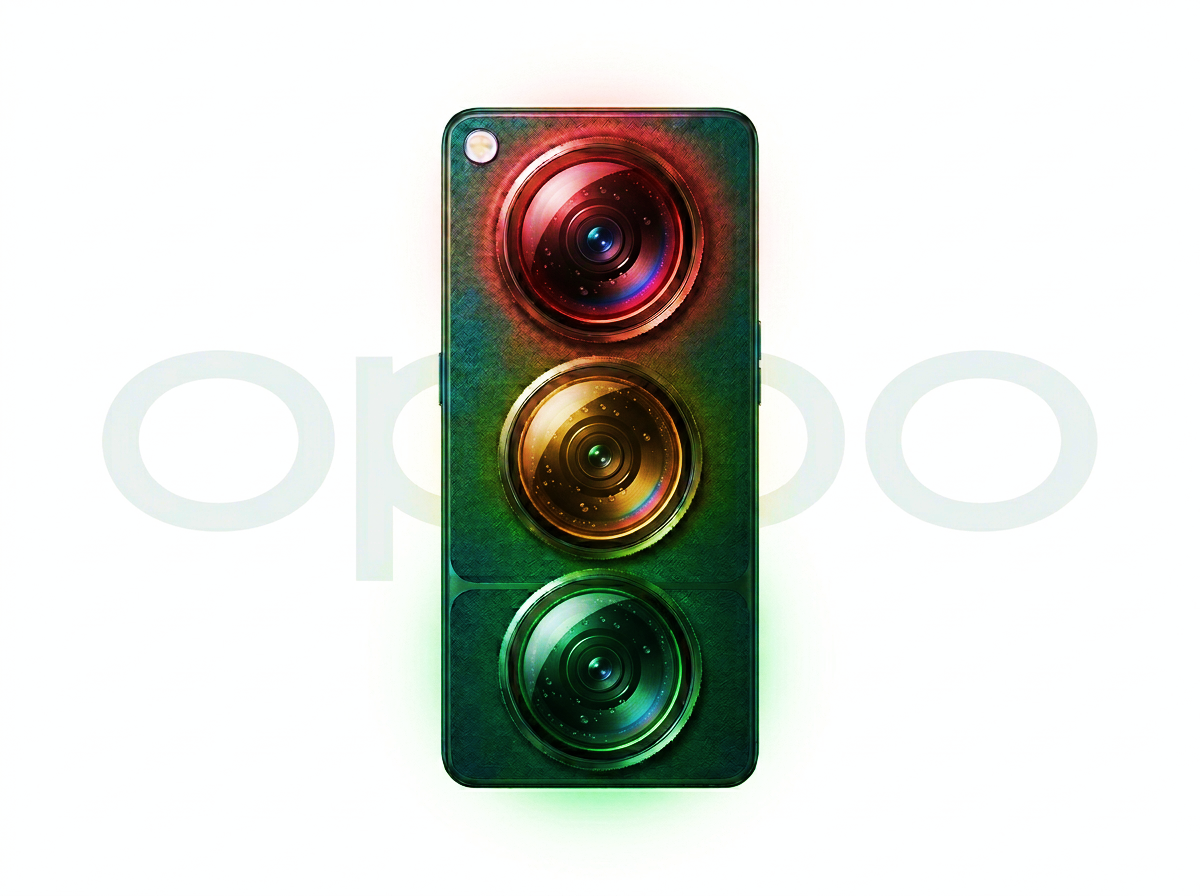
OPPO’s new “Lockscreen Island” implementation inside ColorOS 16.1 is the clearest sign yet that Samsung’s blueprint is shaping Android UX trends. The now-viral @cartidise comparison video made that painfully obvious.
At the same time, here’s the uncomfortable truth for Samsung fans: OPPO’s version currently feels better. The animations have elasticity, the transitions breathe; physics-based curves give the UI a sense of momentum.
Samsung’s Now Bar works well, but visually, it feels rigid next to OPPO’s fluidity. Users may not understand easing curves or frame pacing, but they absolutely notice responsiveness.
The Korean tech giant defined the “what” with Now Bar. No debate there, but OPPO is currently refining the “how” in a way Samsung cannot afford to ignore.
This should be a wake-up call heading into One UI 8.5 and beyond. Not because Samsung is losing its software identity, but because the competition is finally challenging it on finesse instead of features.
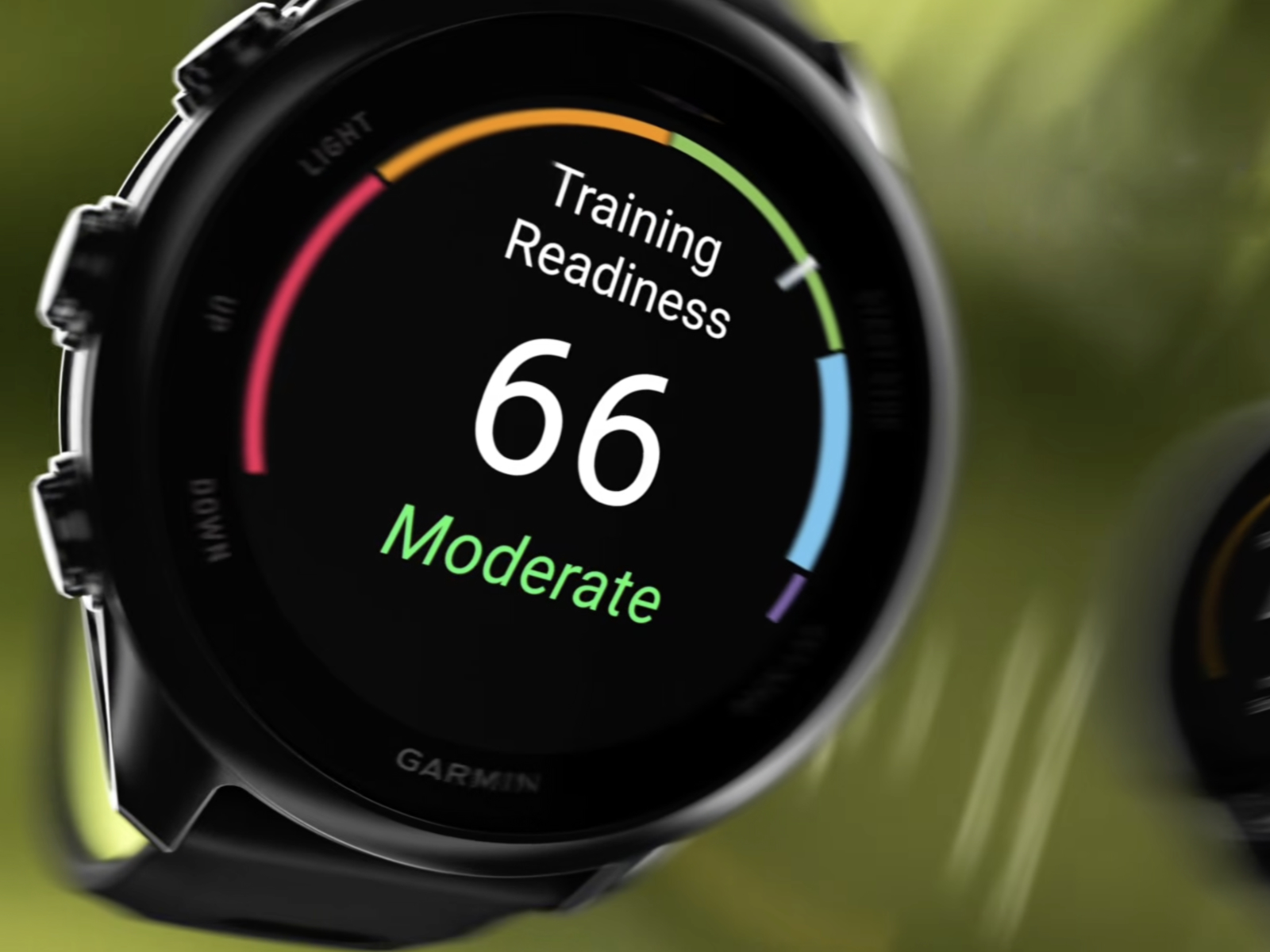
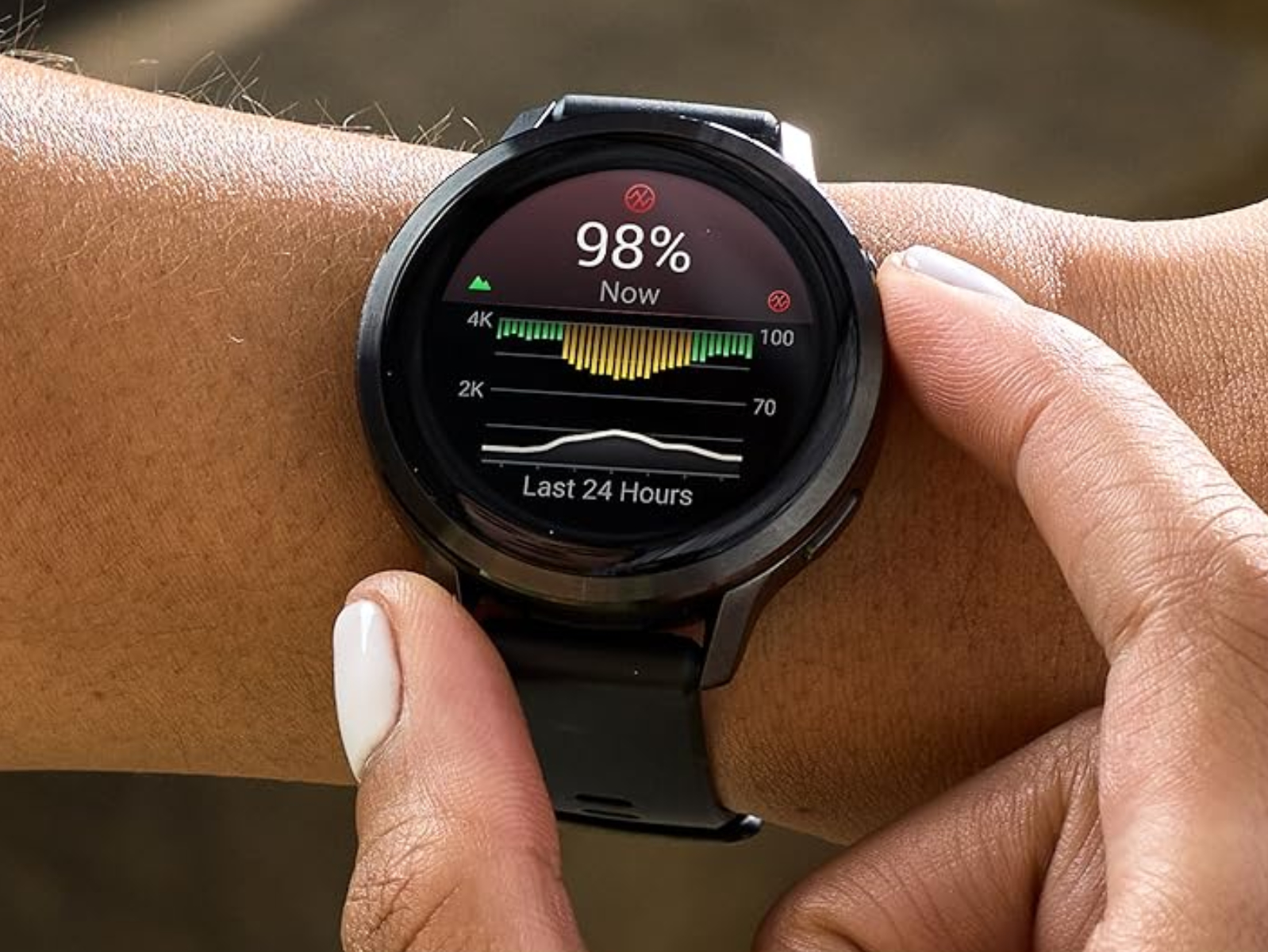
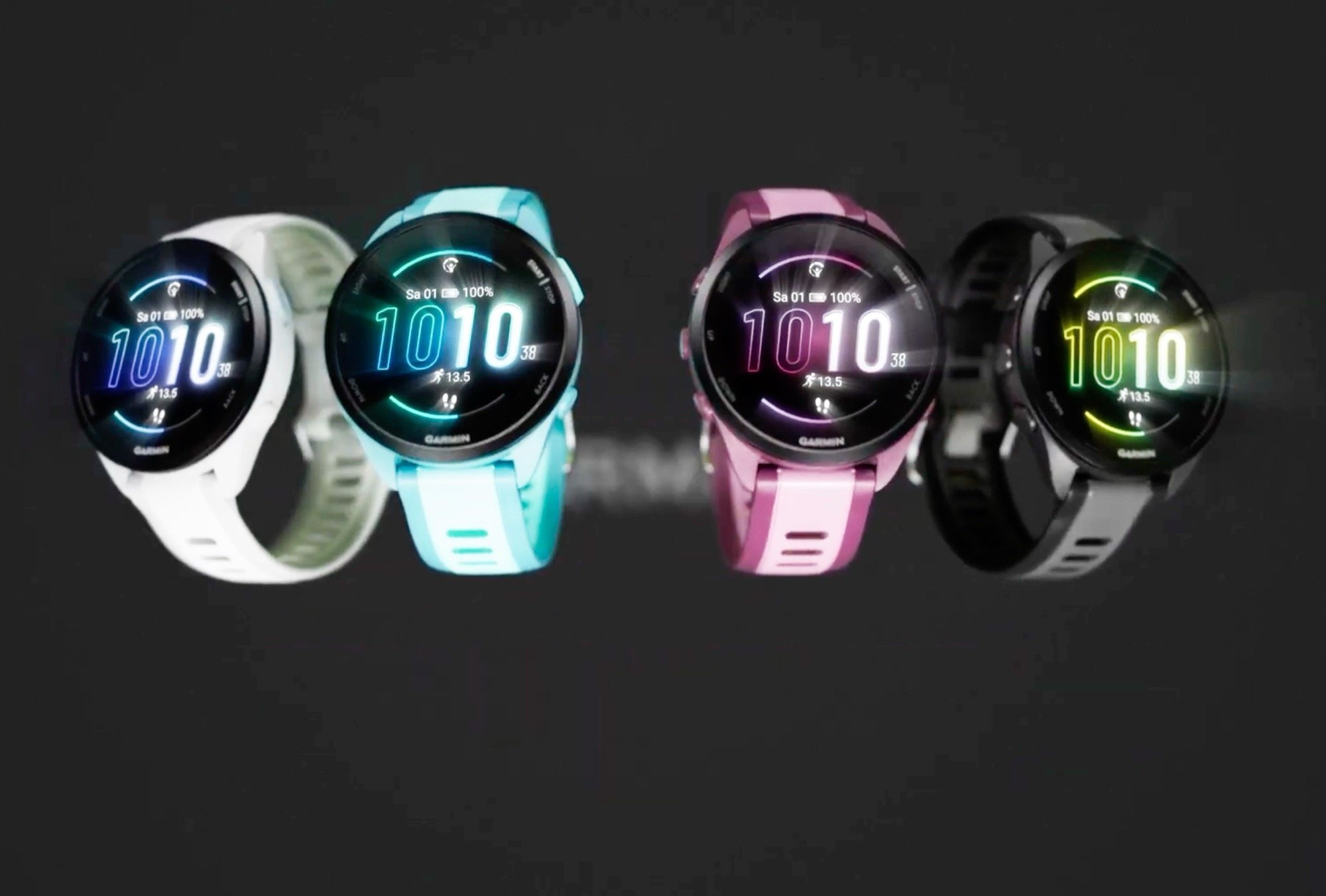
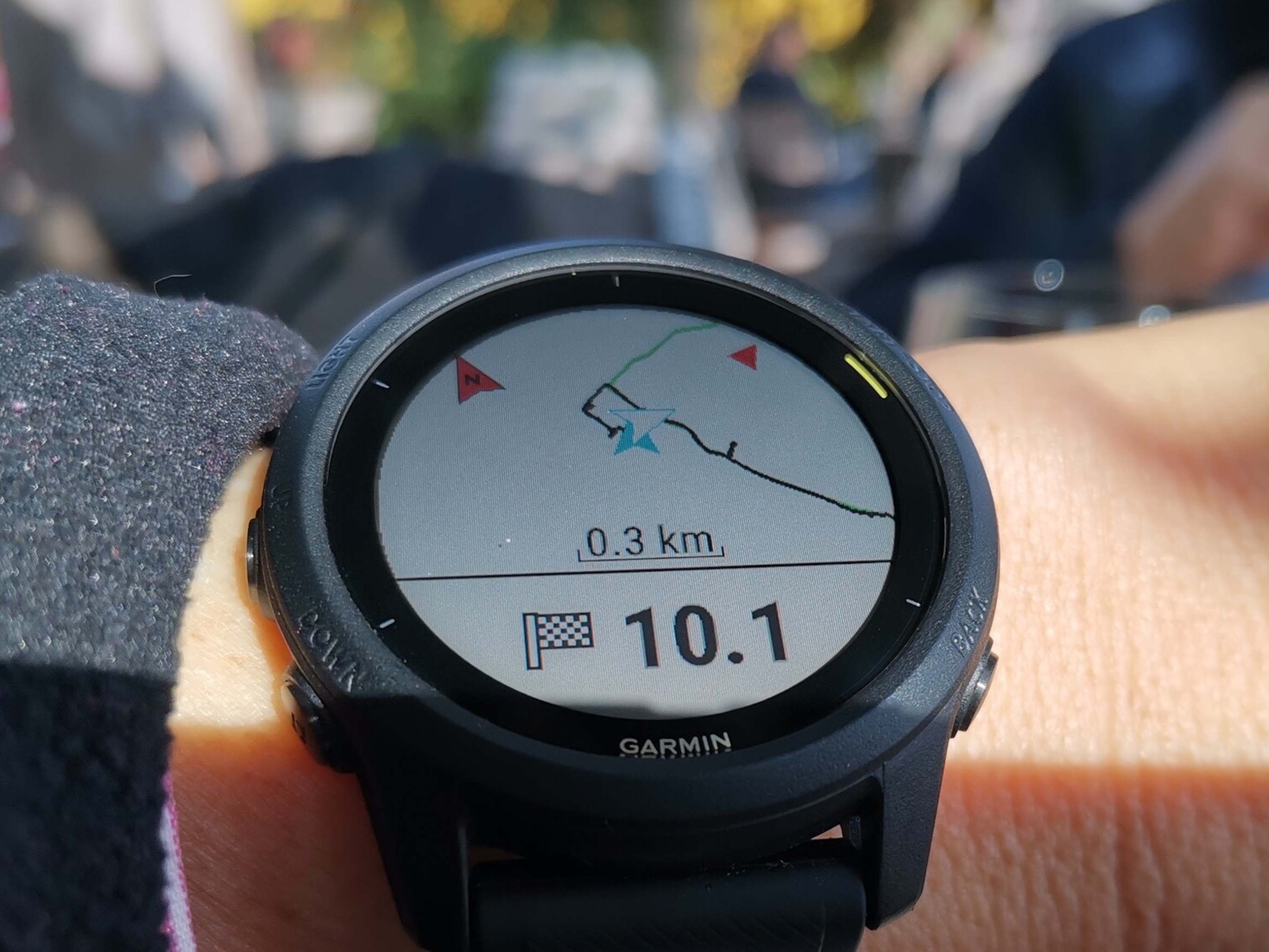
Garmin has confirmed pricing and availability for a new smartwatch. A budget model, the Forerunner 170 still features an AMOLED display, a gyroscope and up to ten days battery life, as well as a dozens of features missing from the Forerunner 165.
Deal | Devil May Cry 5 is available on Steam for less than $5 for the first time. Capcom’s stylish hack-and-slash impresses above all with its challenging combat system and currently costs $4.49 instead of $29.99.
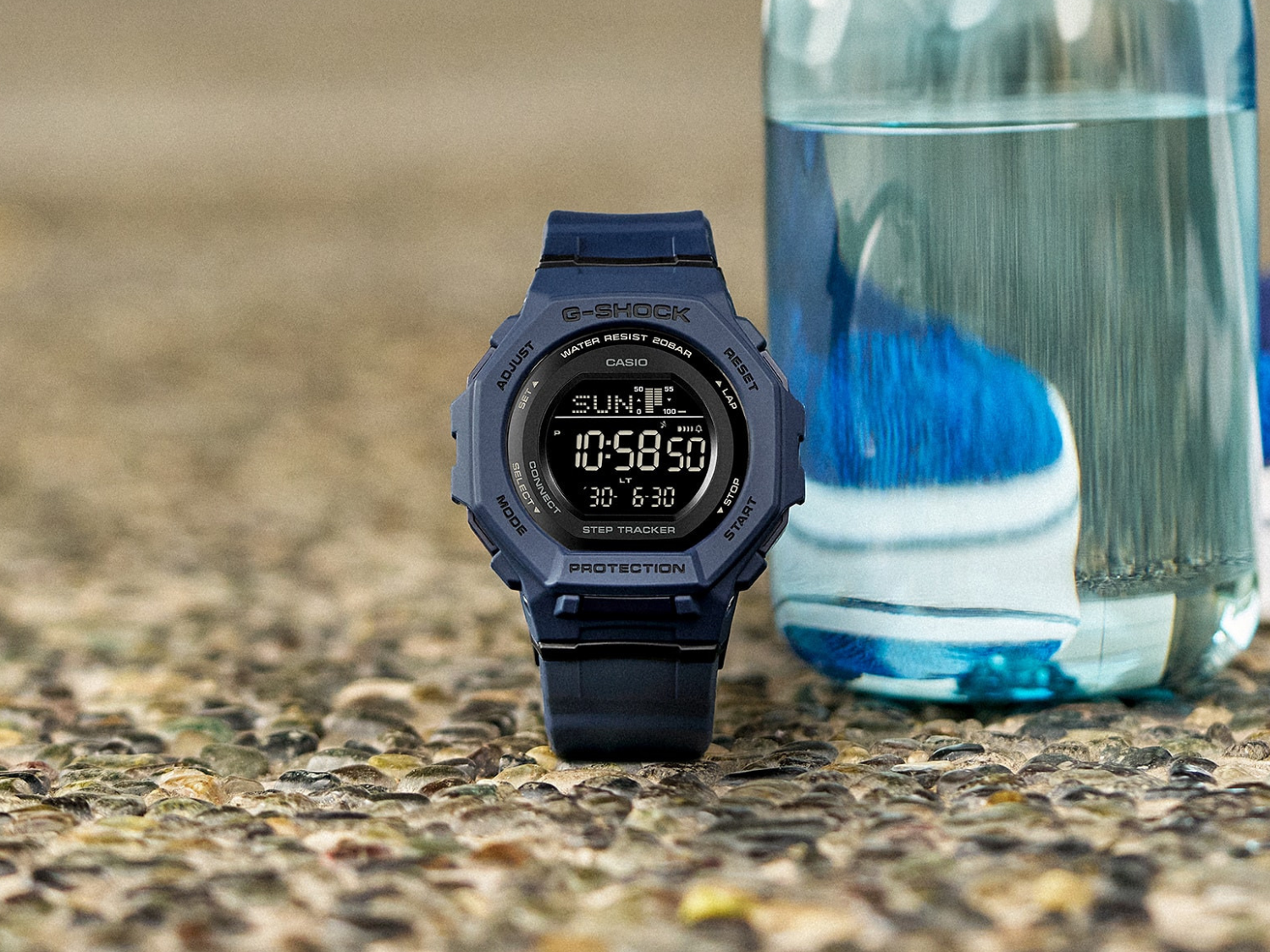
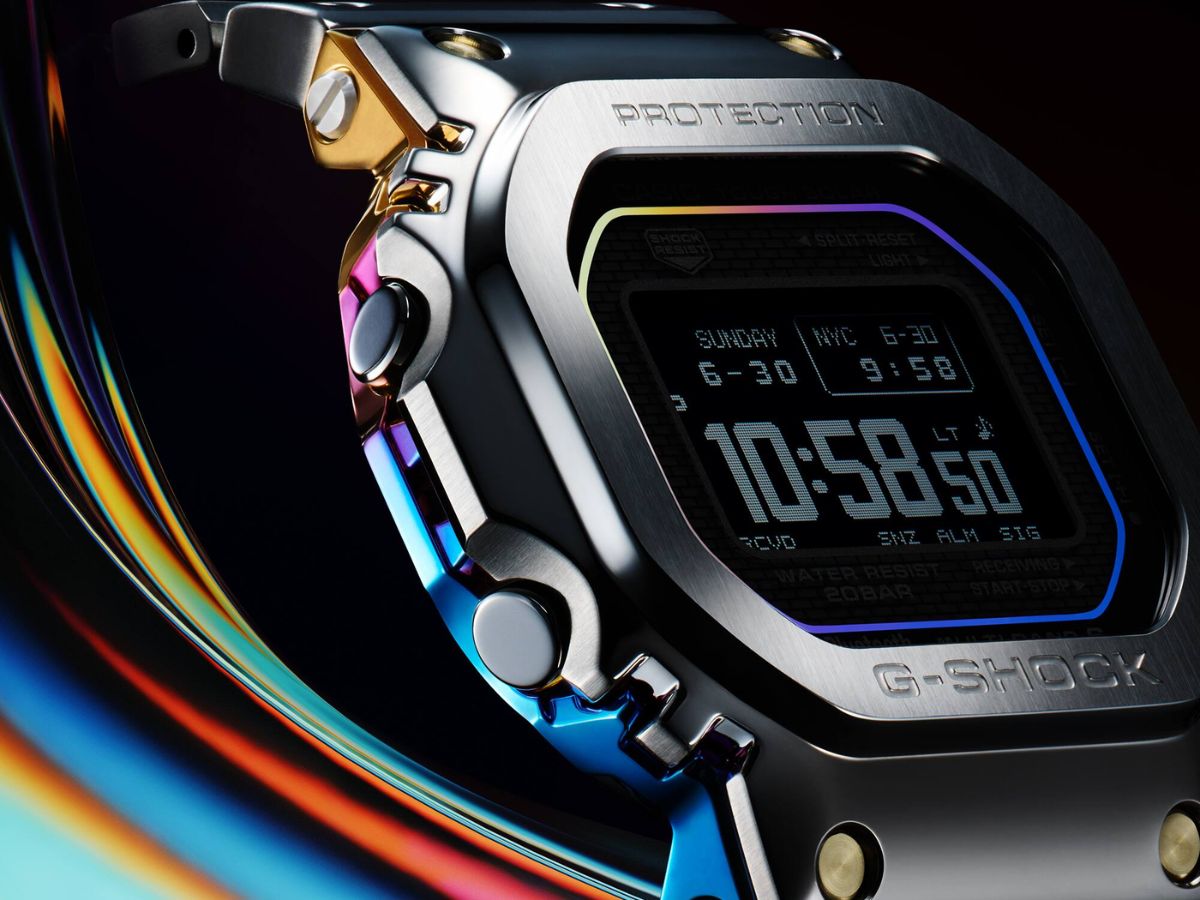
A new GR x G-Shock collaboration watch will be released in the near future. The partnership between Toyota and Casio was announced earlier this year, though the watch’s design has yet to be confirmed.
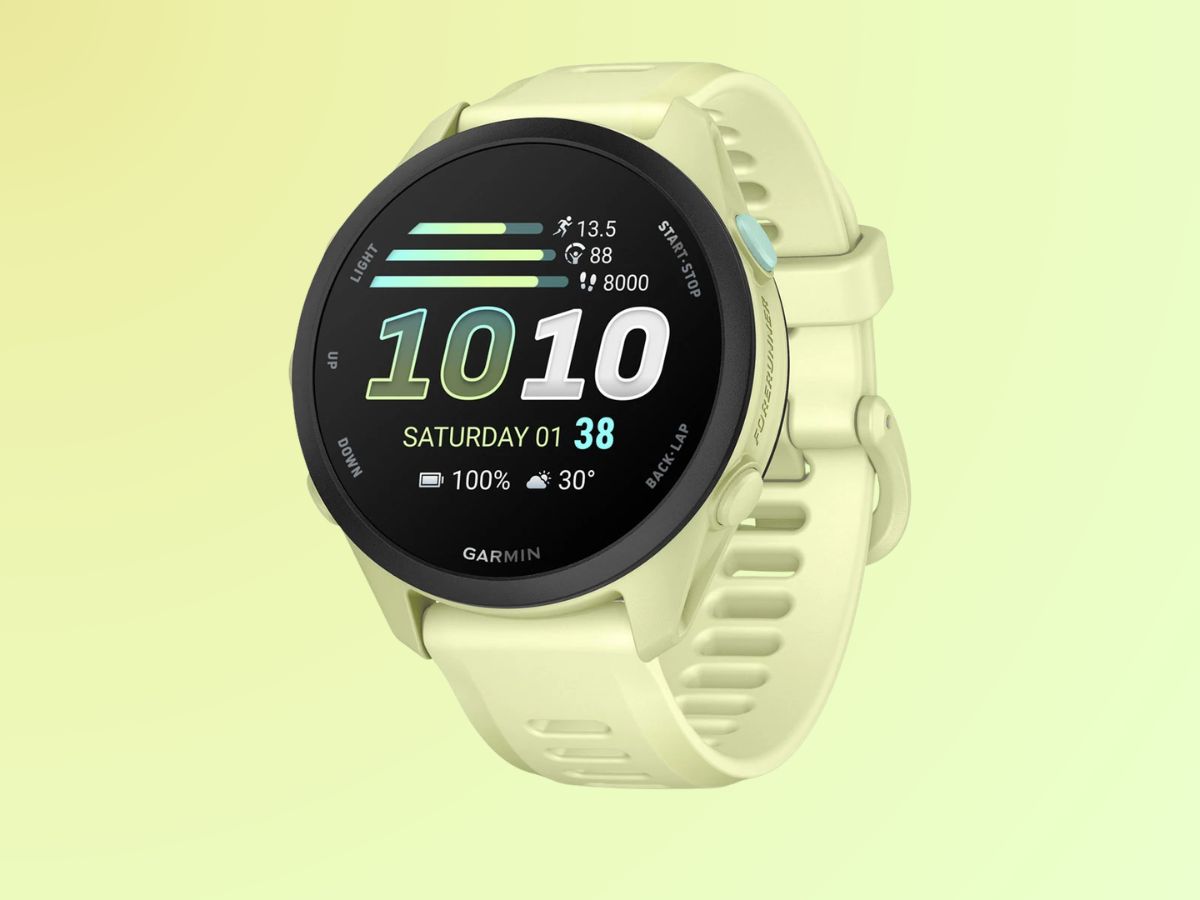
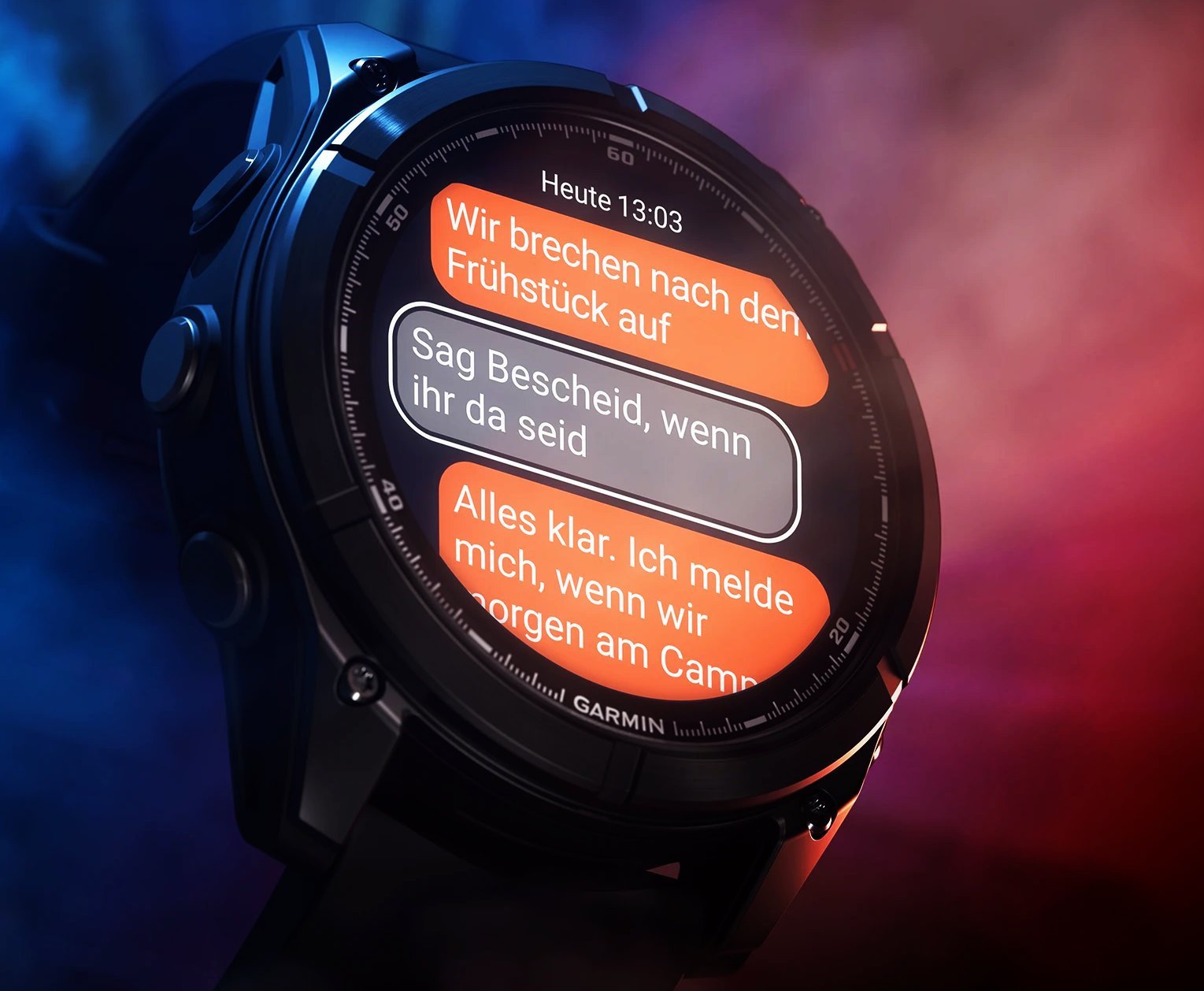
Garmin has announced the new Forerunner 70 smartwatch, which will be released worldwide in the near future. It arrives as a cheaper alternative to the Forerunner 170 smartwatch, with many of the same features. These include GPS, an AMOLED display and popular tools like Morning Report.
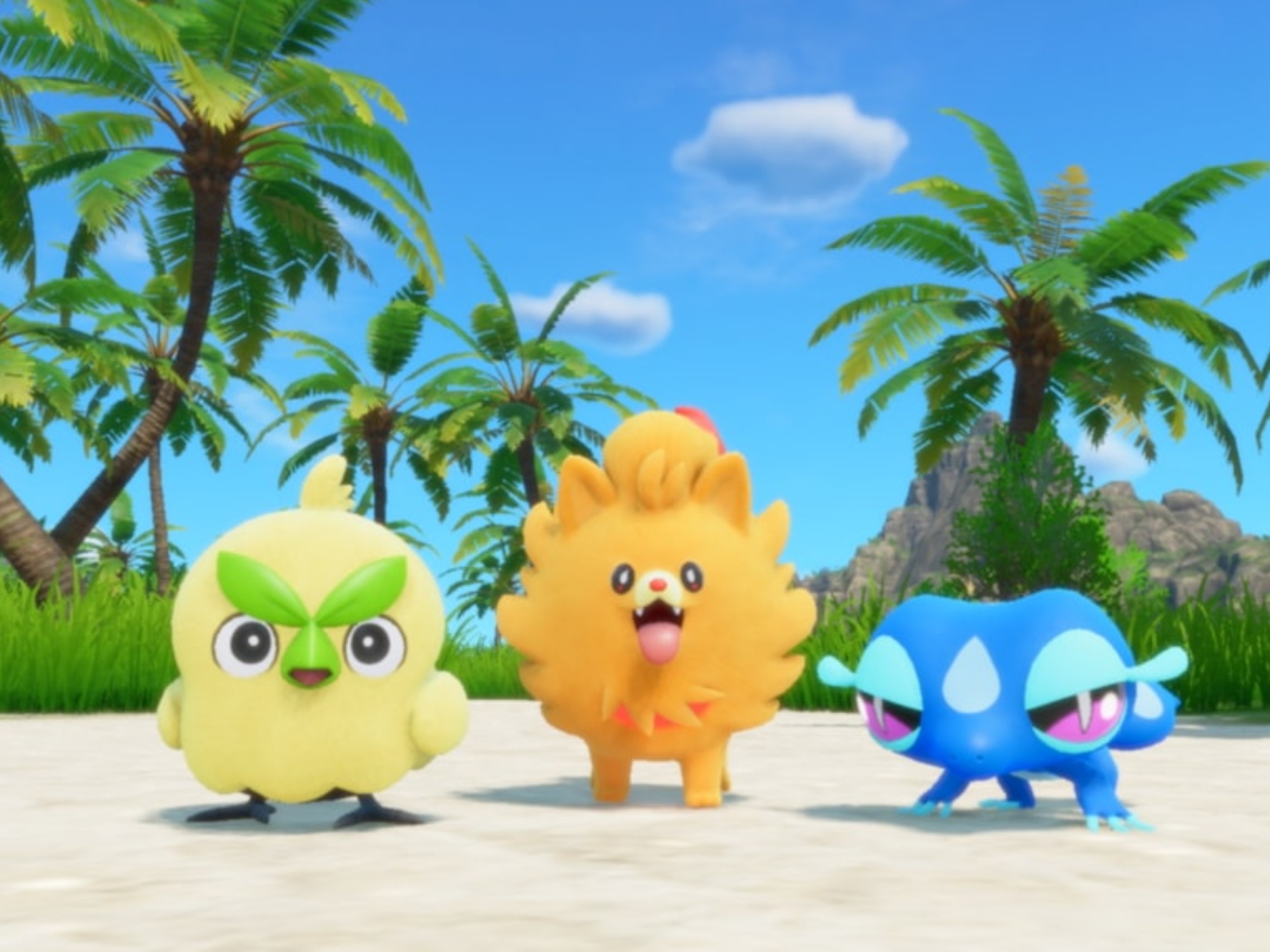
A new leak suggests that fans may have to wait until 2027 for fresh details on Pokémon Winds and Waves. Such a long stretch without updates would be unusual for the Pokémon series, which is why the rumor is currently being debated within the community.
A new update has introduced over a dozen improvements and refinements to one of Garmin's recent mid-range smartwatches. Available globally on Garmin's Beta Program, Beta 17.25 should improve battery life estimates and prevents the Venu 4 from entering recovery mode during a software update.
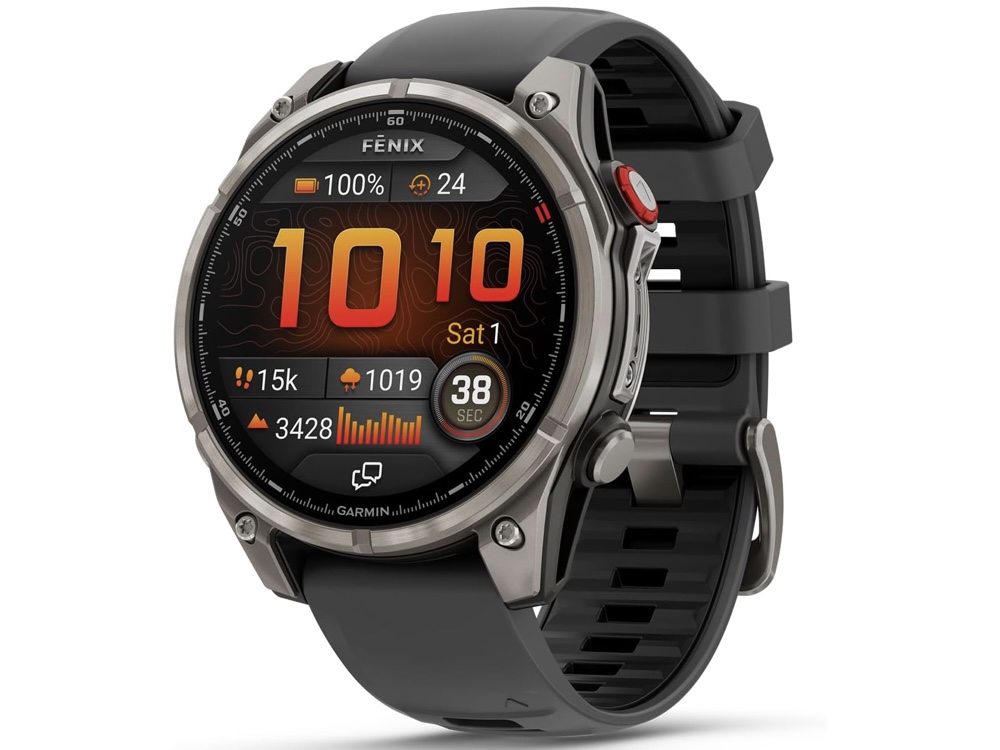
Whether Garmin Fenix 8 Pro, Huawei Watch Fit 5 Pro or Pebble Round 2 - third-party smartwatches are finally better supported by Apple iPhone after the update to iOS 26.5, at least in the EU. Wireless earphones also benefit from the new features.
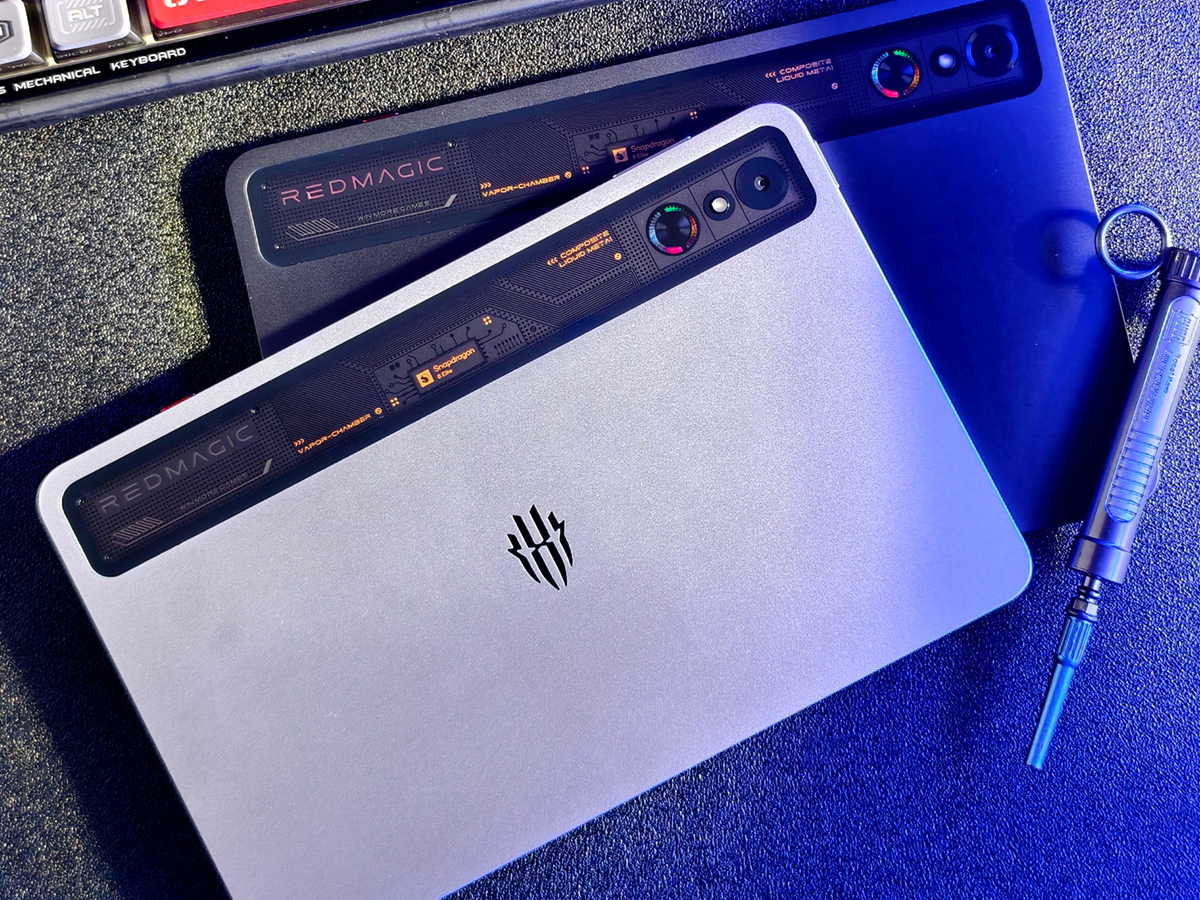
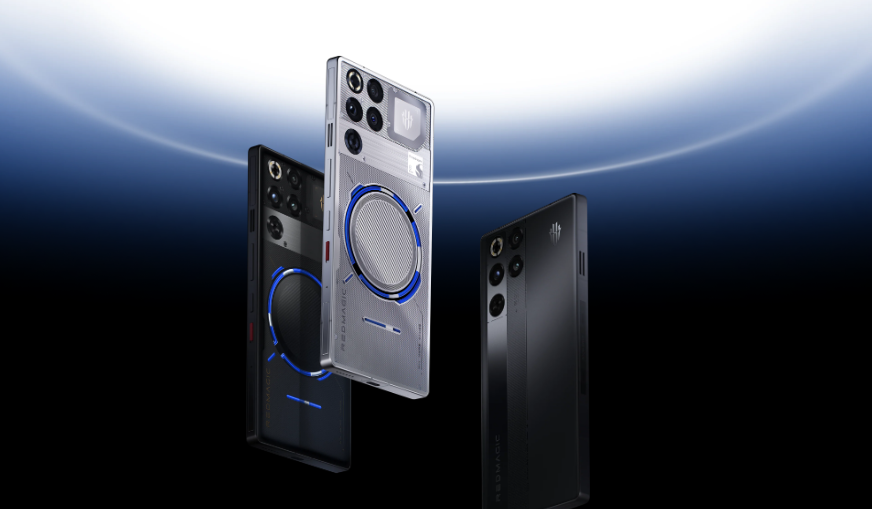
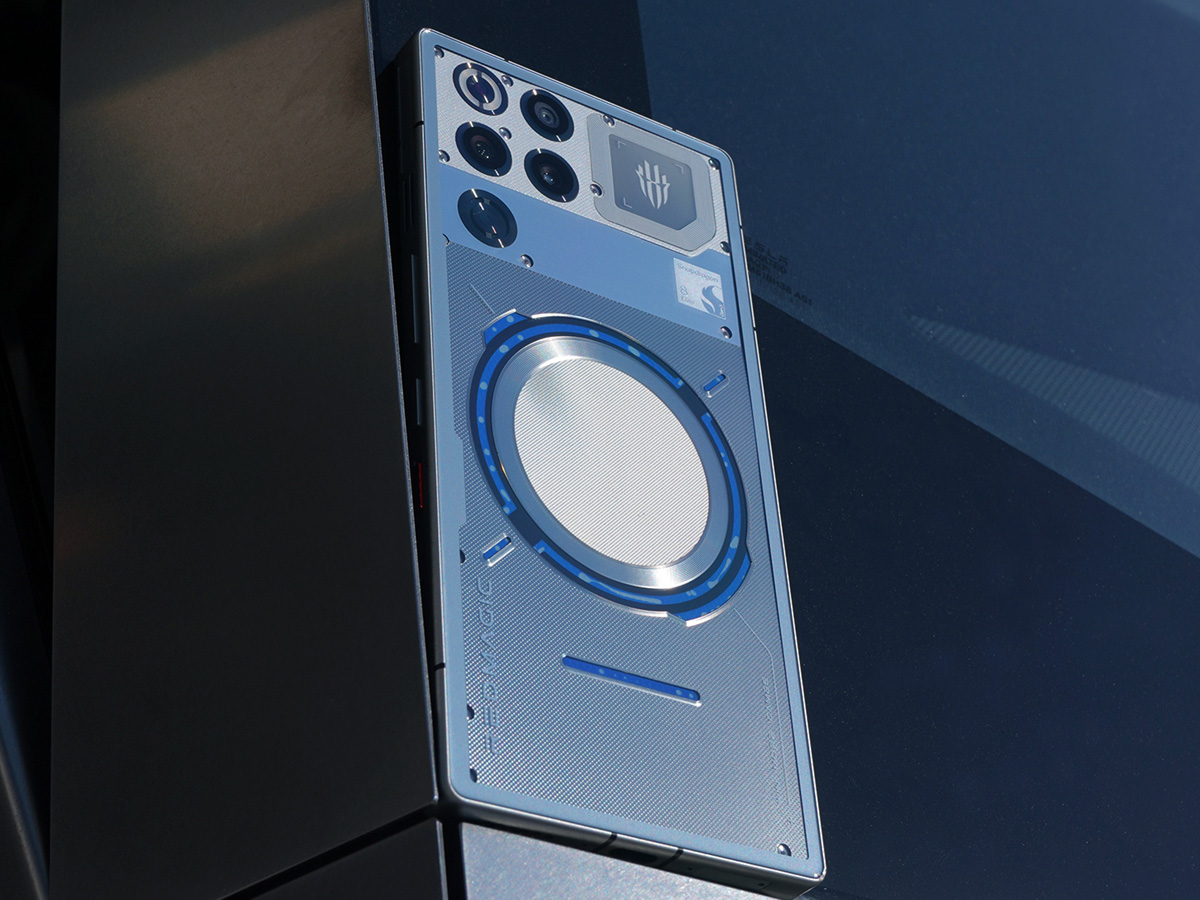
RedMagic will be releasing a new gaming phone in a few days. In the meantime, the company has opened reservations in China for the device, which will be one of the first featuring Qualcomm's Snapdragon 8 Elite Gen 5 Leading Version chipset. The RedMagic 11S Pro departs from the RedMagic 11 Pro in a few other areas, too.
Google is expected to preview Android 17 or at least some of its key features during its Android Show I/O Edition later today, but Samsung decided to jump the gun and announced its Android 17-based One UI 9 beta program for the Galaxy S26 series.
The One UI 9 beta program will be available to Galaxy S26 users in select markets, including Germany, India, Korea, Poland, the U.K. and the U.S starting this week. They can apply to join the beta program via the Samsung Members app.
The accompanying press release details the changes coming with the new firmware update. Samsung Contacts...
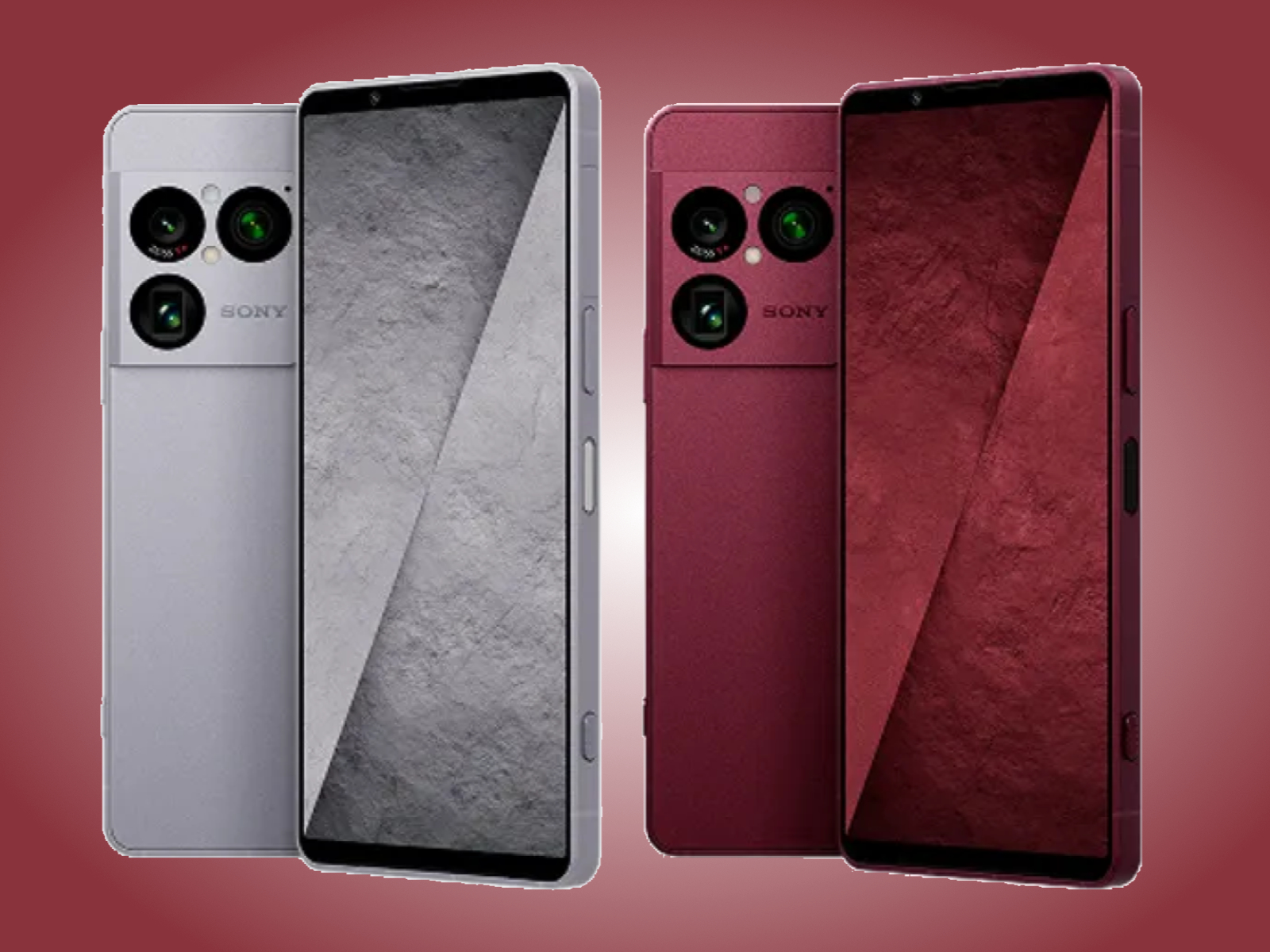
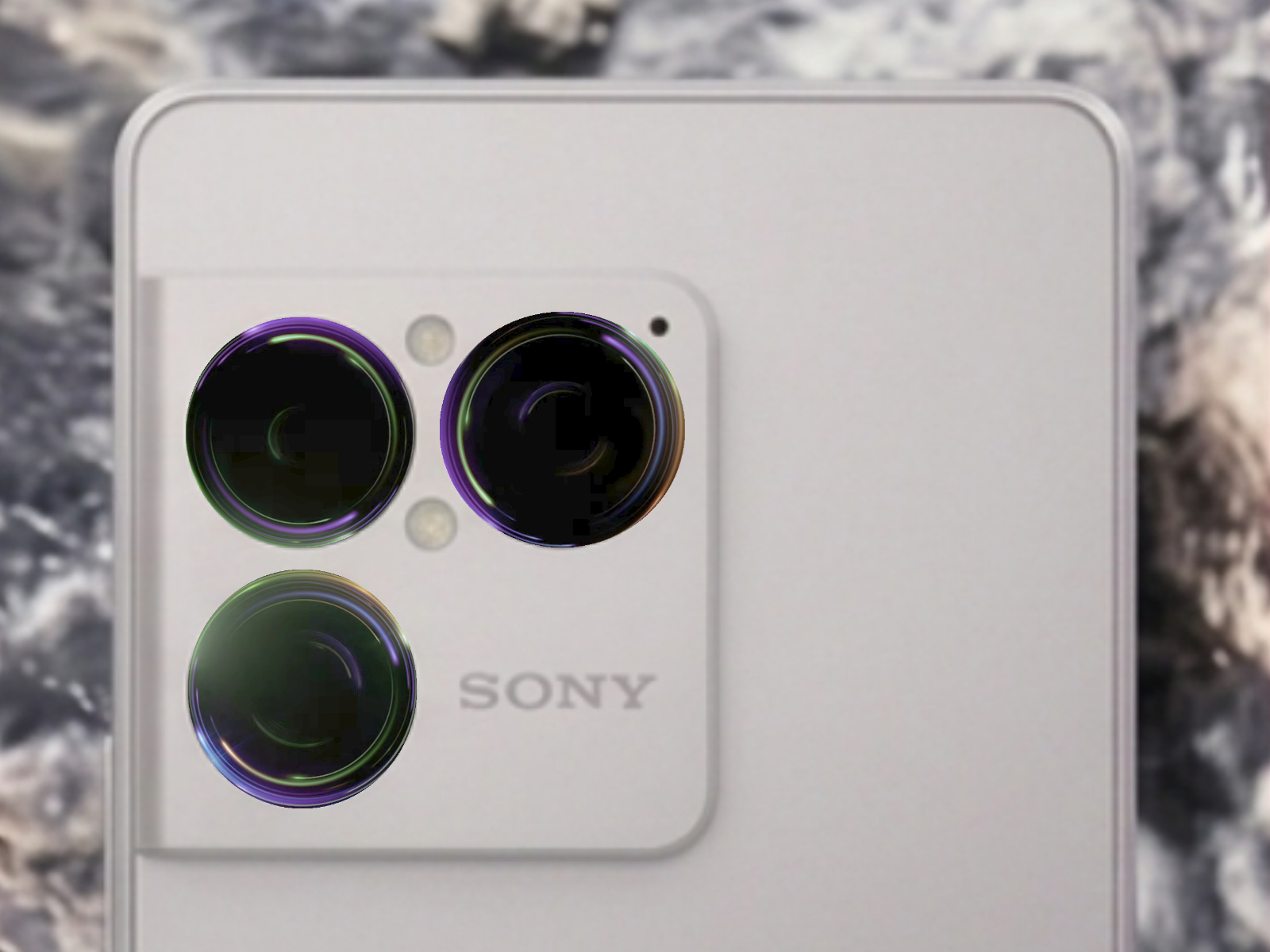
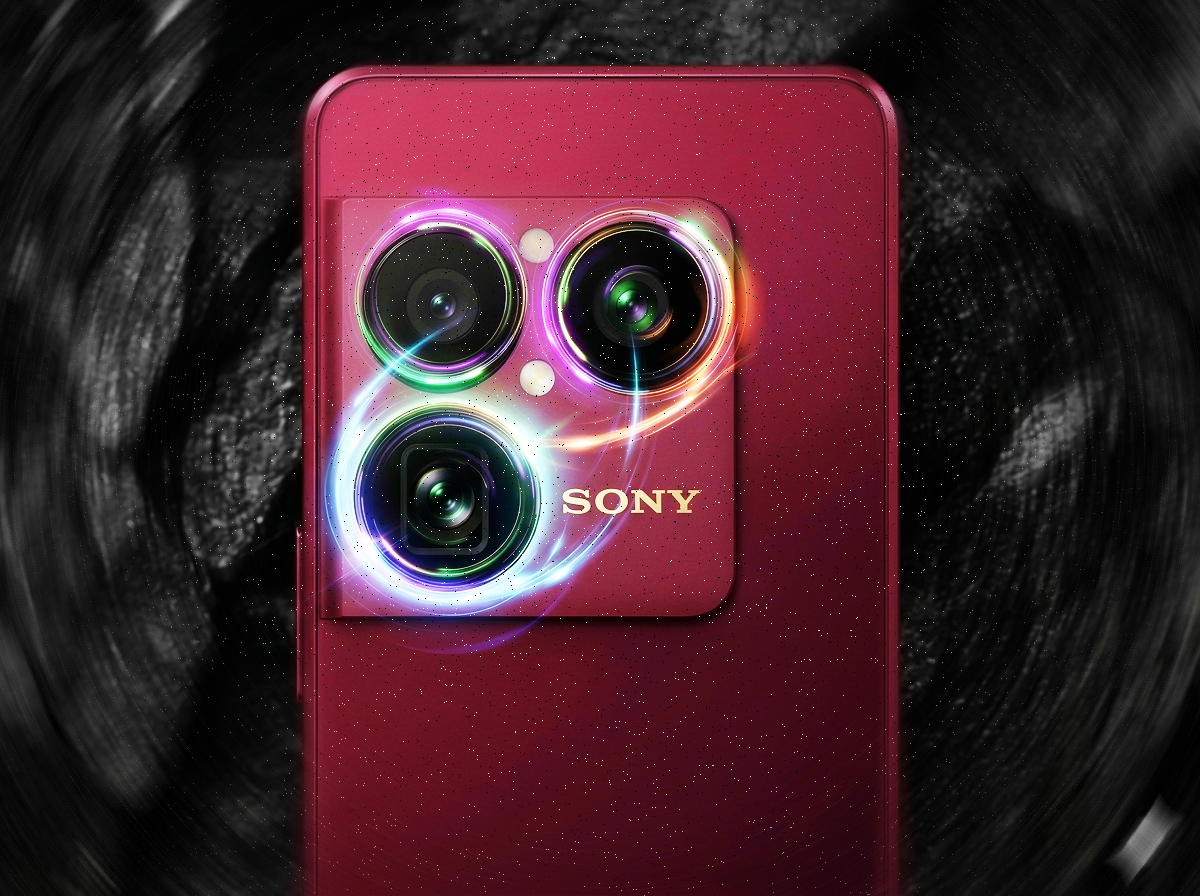
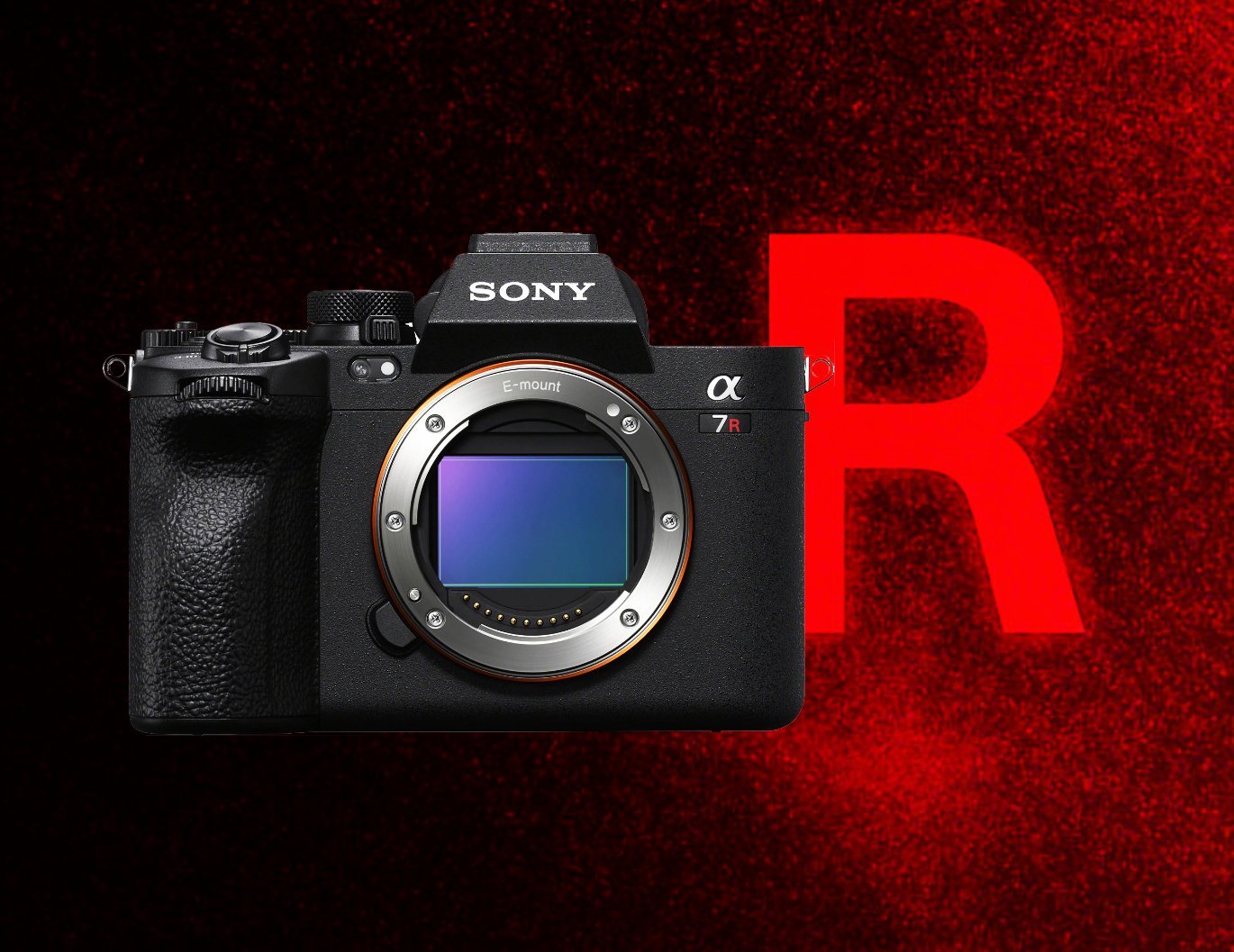
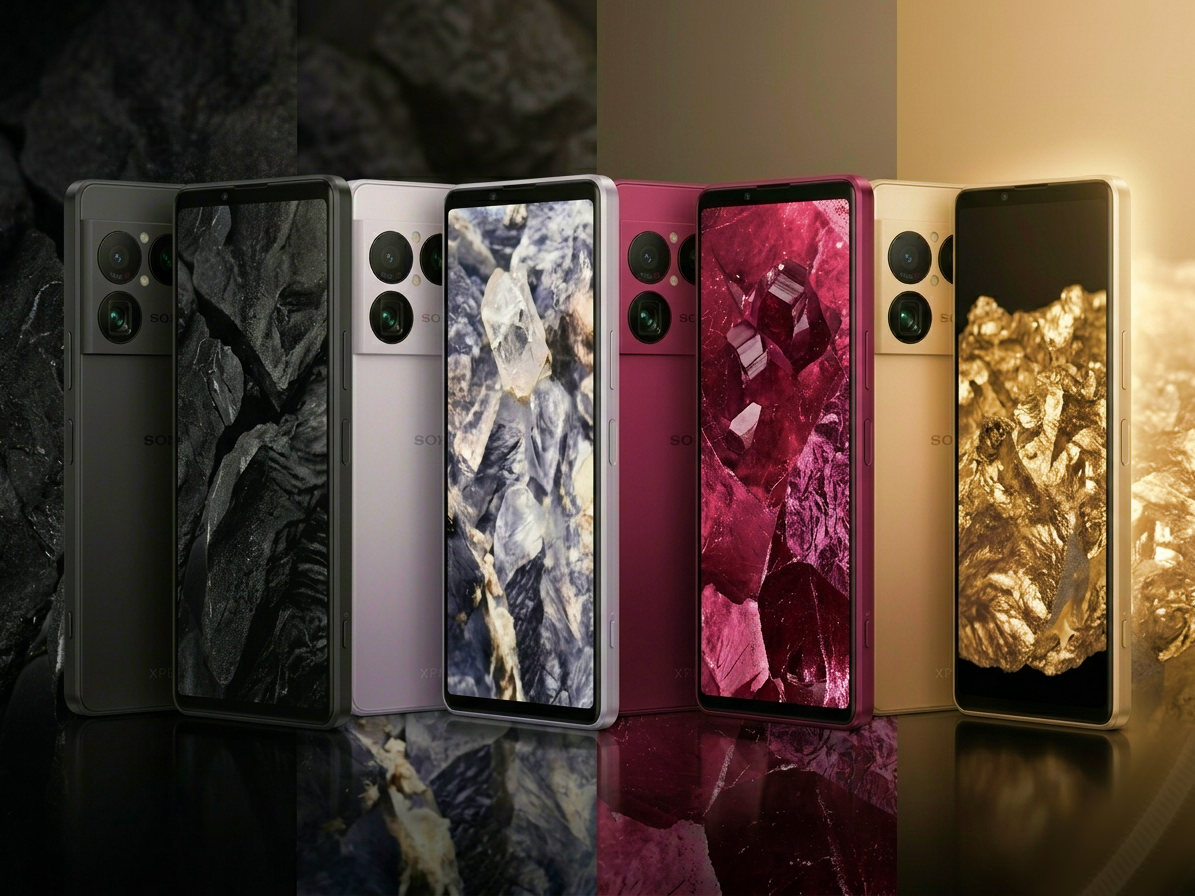
We’re just a day away from the launch of the Sony Xperia 1 VIII, and the leaks keep coming in. The latest additions are official-looking renders of the device in its three launch colorways shared by Roland Quandt.
The Mark 8 will be available in Graphite Black, Ionite Silver, and Garnet Red colors at launch, with a Gold variant rumored to join them as an exclusive option.
The design is in line with the previously leaked CAD-based renders featuring a major redesign of the camera island with three sensors. Per the most recent rumors, Sony is bringing 16mm ultrawide, 24mm main and 70mm...
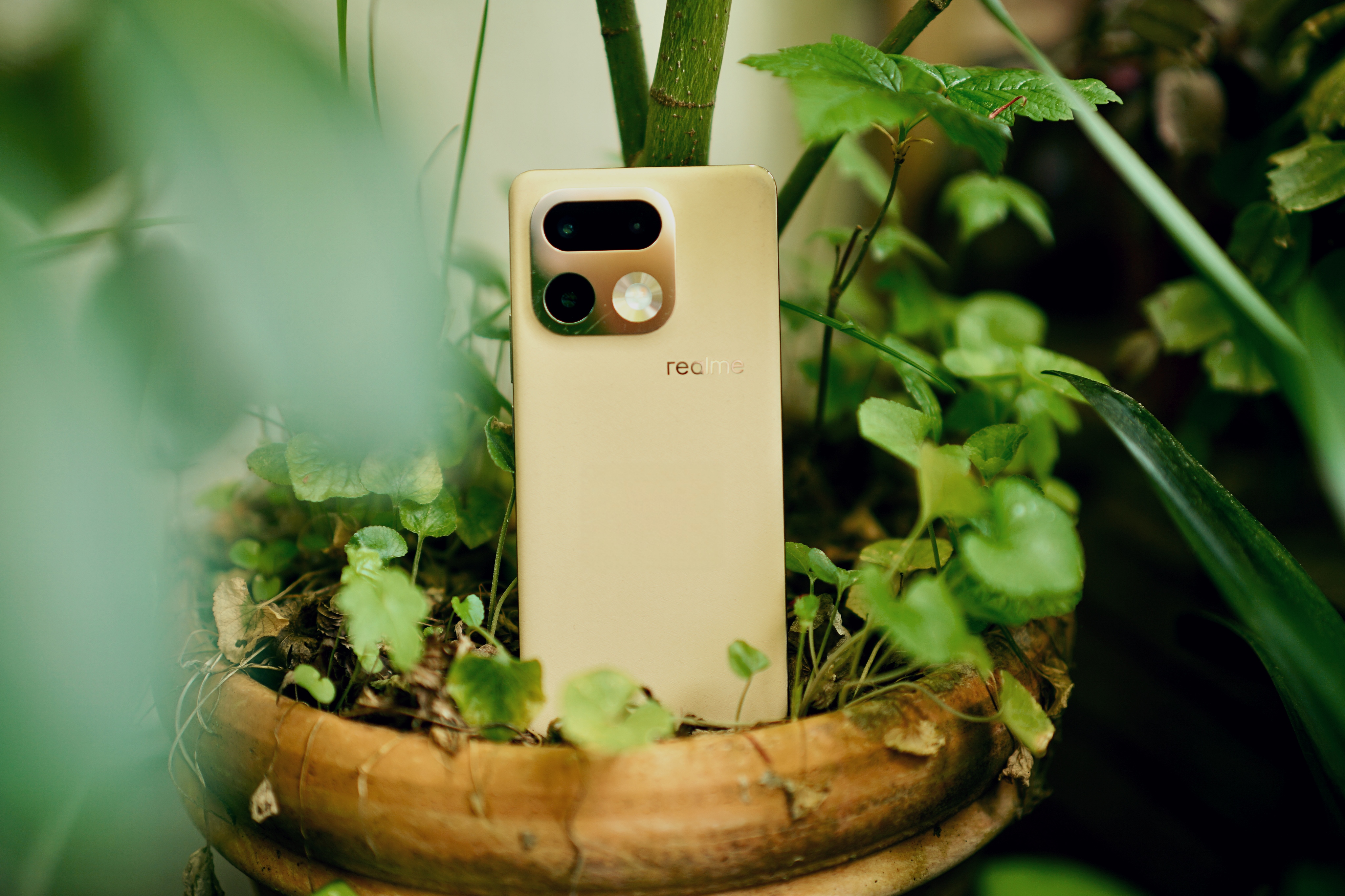
Realme has already launched smartphones with paper-like materials or iridescent backs onto the market. For the Realme 16 Pro+, the manufacturer has once again opted for an unusual material for the back: organic silicone.
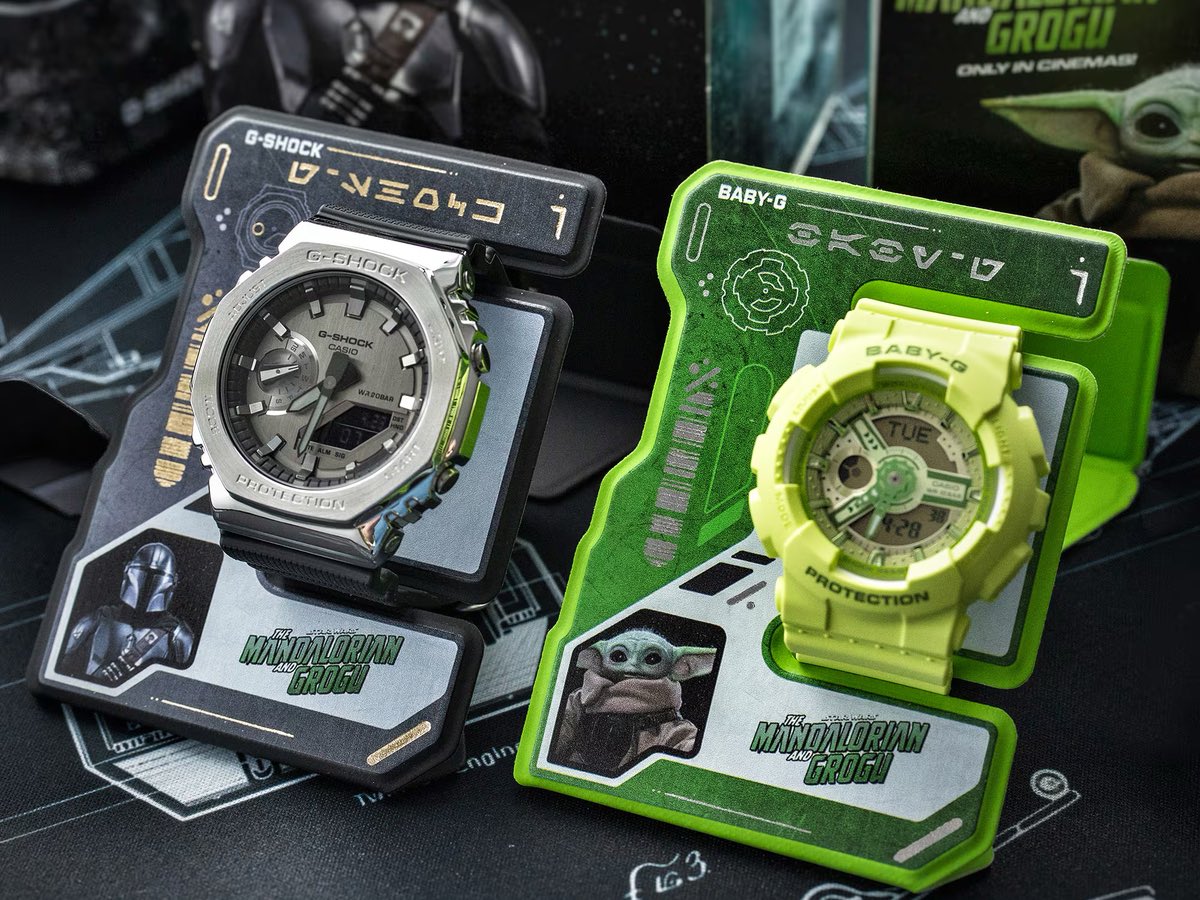
Casio’s latest Star Wars collaboration is finally available in the UK, bringing Beskar-inspired G-Shock and Grogu-themed Baby-G watches to fans ahead of The Mandalorian and Grogu movie release.
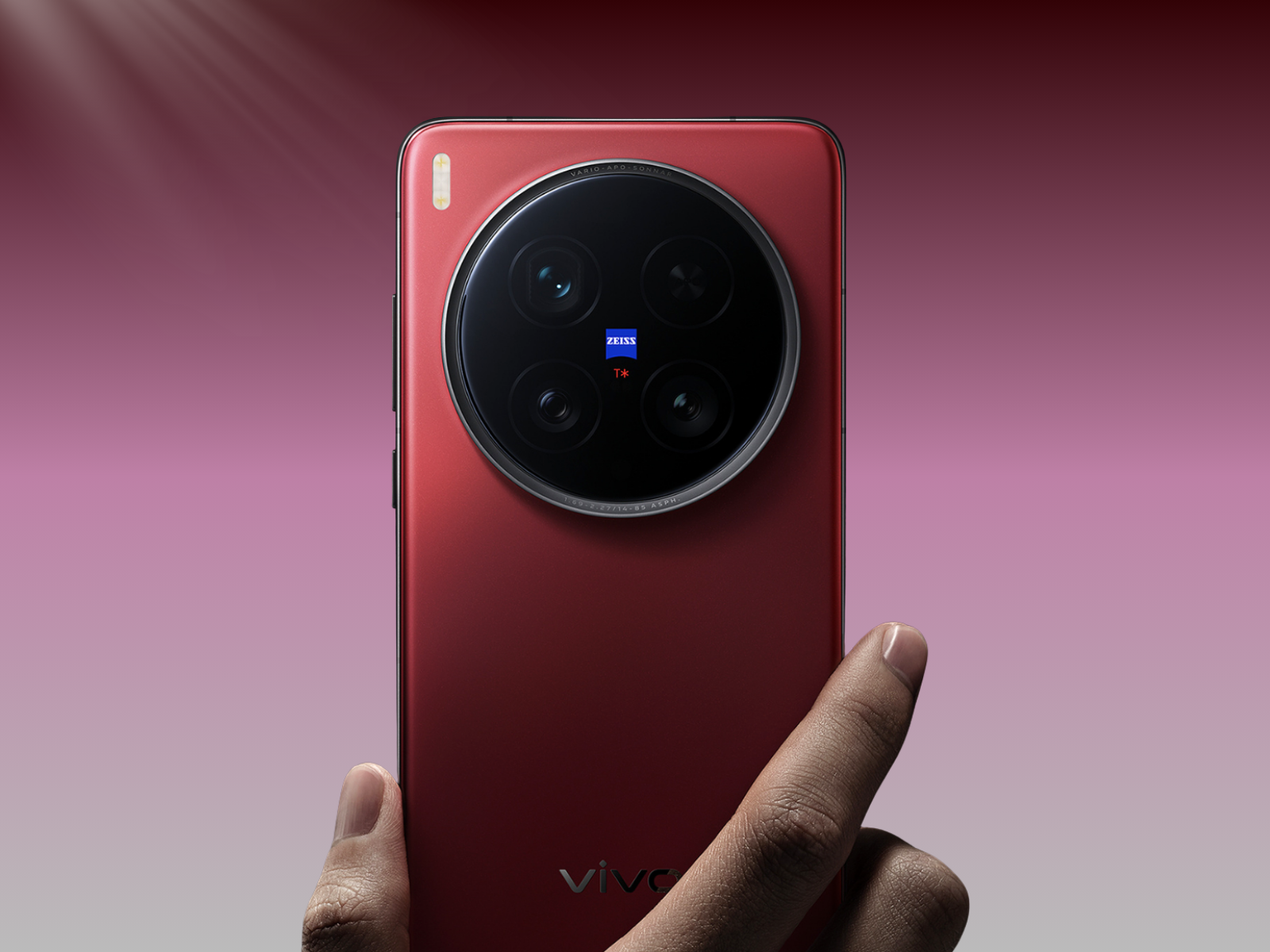
Our testing of the Vivo X300 Ultra revealed one drawback of Vivo’s new flagship phone. This wasn’t entirely unexpected given the X200 Ultra previously exhibited similar issues. The Snapdragon 8 Elite Gen 5-powered device exhibited extremely high power consumption during our review – with potential implications.
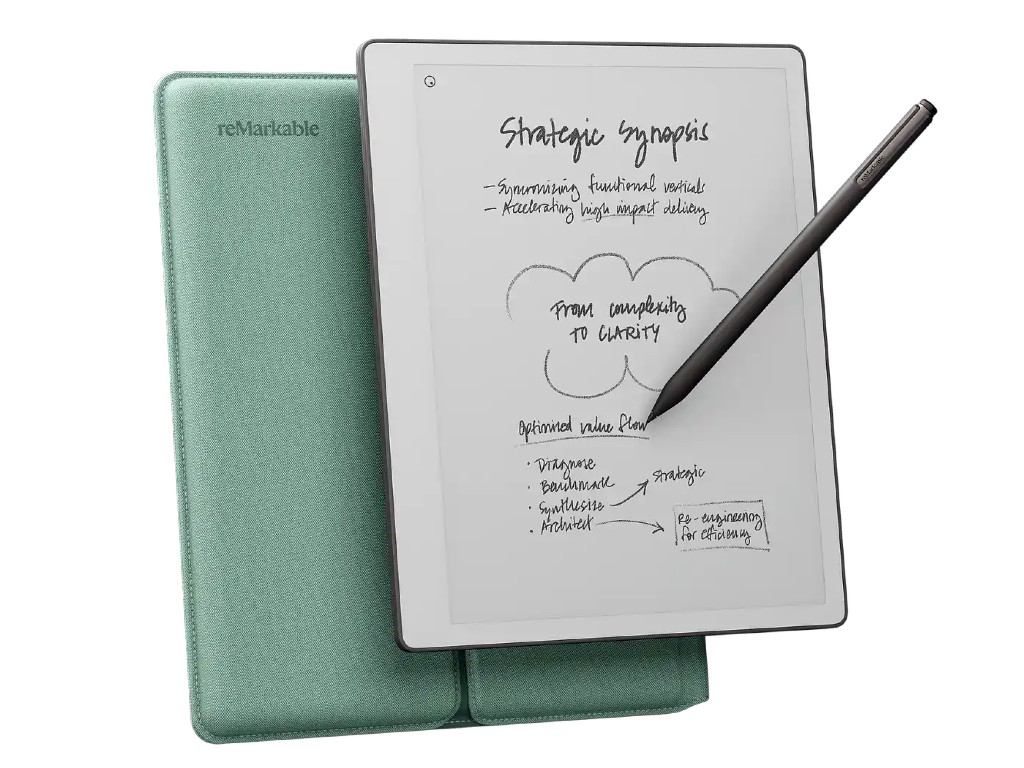
With the Era Lite, PocketBook reveals an affordable e-reader with a frontlit E Ink Carta 1300 display with a pixel density of 300 PPI. The e-reader is as lightweight as a smartphone and supports e-books from a wide variety of sources.
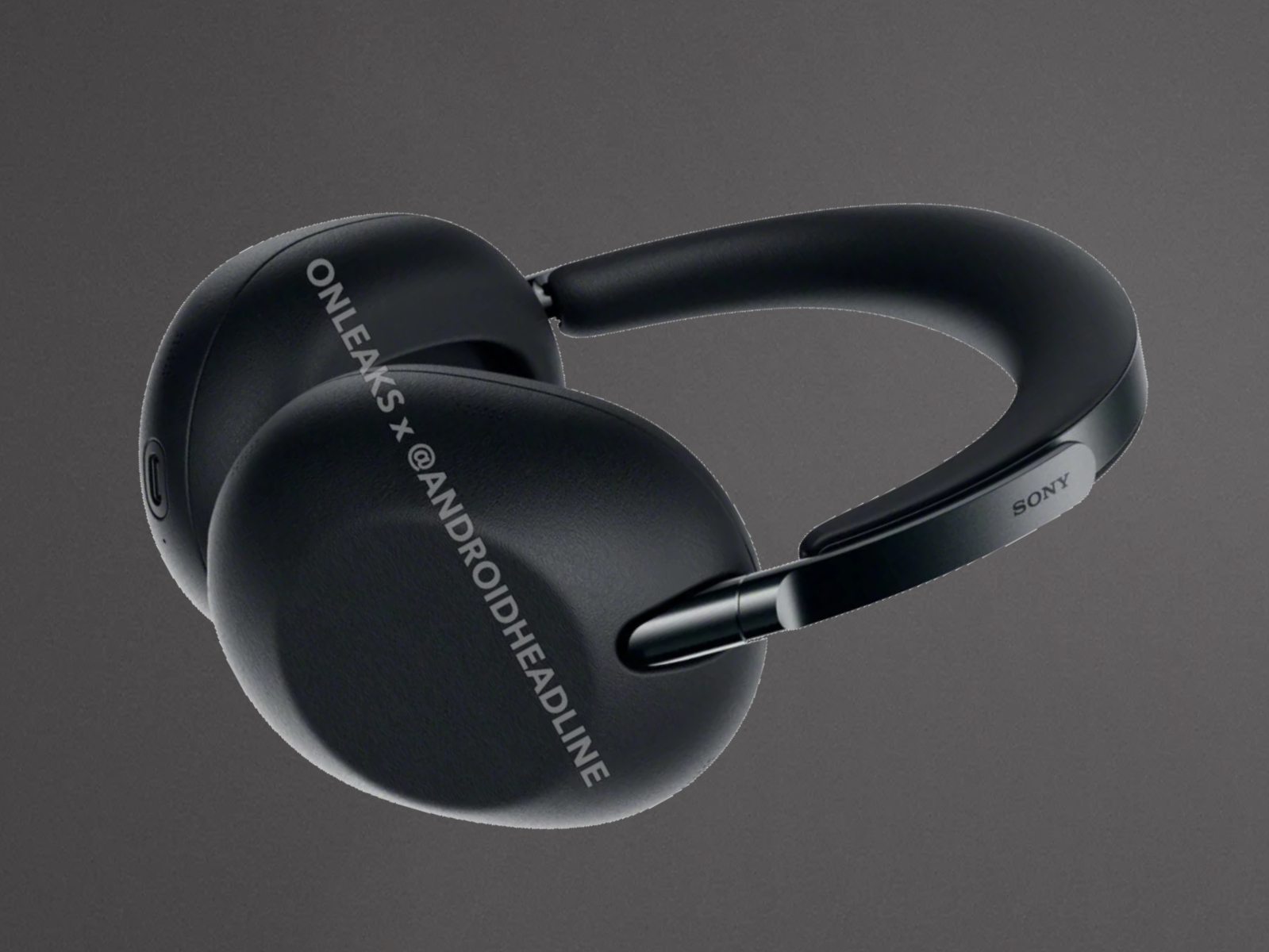
Sony unveiled its latest top of the line noise cancelling headphones, the WH-1000XM6, almost one year ago in May of 2025. Now it seems like the company is getting ready to introduce a refreshed version - meet Sony's The ColleXion headphones.
These are supposedly coming in the near future in two colors, black and white. They seem to have a different hinge compared to the WH-1000XM6, and the cup material could be different too.
Sony The ColleXion headphones leaked renders
The source of these renders claims a fake leather finish may be replacing the matte plastic of last year....
Realme's 16 Series currently includes three smartphones - Realme 16, Realme 16 Pro, and Realme 16 Pro+. These will be joined by the Realme 16T on May 22.
The press release we received from Realme states that the Realme 16T is designed for "everyday use and demanding travel scenarios" and will be positioned as the "8000mAh 3-Day Powerhouse."
That 8,000 mAh battery will be packed inside the 16T's 8.8mm slim body, with support for 45W wired charging. It will also support all-scenario bypass charging.
The Realme 16T will feature a 6.8" display, and while Realme didn't reveal its...
Samsung has just made a big move; the One UI 9 Beta Program is now one step closer to launch for the Galaxy S26 series. It’s big news that appeared just a few hours before Google discusses the biggest Android 17 details.
One UI 9 Beta forum goes live
Samsung has silently created (via TarunVats) a One UI 9 Beta Program landing page for the Galaxy S26 series. The dedicated forums are now available on forums in Germany, India, the UK, and the US.
These forums will be accessible throughout the Beta testing activity. Bugs and feedback reported by users will surface on the dedicated page, and users will also receive responses from moderators.
Creation of Beta forums signals that Samsung is actively working to launch the sign-up window. One UI 8.5 rollout has begun, and the next era of software is about to be kicked off.
Samsung usually brings One UI Beta to six countries, including Germany, India, Poland, South Korea, the United Kingdom, and the United States.
The Beta testing may launch first in Germany, South Korea, the UK, and the US. India and Poland may join the testing phase in the second phase, when Beta 2 lands in Wave 1 countries.
The official One UI 9 will arrive with the Z Fold 8, Z Flip 8, and Z Fold8 Wide. Meanwhile, the Galaxy S26 series may start receiving the Stable update sometime in September this year.
Exclusive | Hitoshi Sakimoto settles a 29-year debate exclusively with Notebookcheck: Final Fantasy Tactics is a rock record. We also got a chance to discuss his London Game Music Festival 2026 debut, made possible by the Game Music Foundation's efforts.
Last week three upcoming members of vivo's X500 family were spotted in the GSM Association's IMEI database: the X500, X500 Pro, and X500e. But there's a plot twist: it turns out that there's a fourth member coming this year too (before the X500 Ultra will presumably arrive in early 2027).
Ladies and gentlemen, vivo is going the Pro Max route, following in the footsteps of Xiaomi, which of course was 'inspired' by Apple. The aforementioned IMEI database now lists the vivo X500 Pro Max too, and thus that's also definitely coming.
According to one past rumor, the X500 Pro Max will have...
After many years of anticipation, Apple finally added support for RCS in iOS 18 in late 2024, and it's been there ever since. There has been a rather significant caveat - these RCS messages you can send between an iPhone and an Android phone are not end-to-end encrypted.
That changes today, with the rollout of iOS 26.5. This version comes with support for end-to-end encryption for RCS. Interoperability with Android is provided by Google, which has also announced that Android device users with the latest version of Google Messages can send end-to-end encrypted messages to people with...
A newly discovered patent hints that Samsung may finally be exploring magnetic S Pen storage for future Galaxy foldable phones, specifically the TriFold.
According to a patent spotted by David from xleaks7, Samsung is experimenting with a Galaxy Z TriFold-like design that includes a dedicated internal magnetic compartment for the S Pen.
Samsung foldable fans have been chasing one feature for years: a properly built-in S Pen slot. The patent confirms that Galaxy users should be hopeful for stylus support in the future foldable models, but not too early.
The magnetic stylus solution that Samsung patented earlier would reportedly stay in place using magnets and charge while docked inside the phone, very similar to how the system works on the Galaxy S26 Ultra.
The patent describes a TriFold device with a dedicated cavity inside the chassis where the S Pen could slide in and recharge. Instead of relying purely on friction or clips, Samsung appears to be considering magnets to secure the stylus in place.
Credit – David from xleaks7
To create enough internal space for the stylus, Samsung would reportedly narrow down the left section of the folding display. Meanwhile, that is the kind of trade-off Samsung engineers probably wrestle with every day when designing foldables.
Recent rumors have suggested Samsung wants the next-gen Galaxy Z TriFold to become thinner and lighter than the original model. But fitting an internal S Pen storage system into a thinner body sounds almost contradictory.
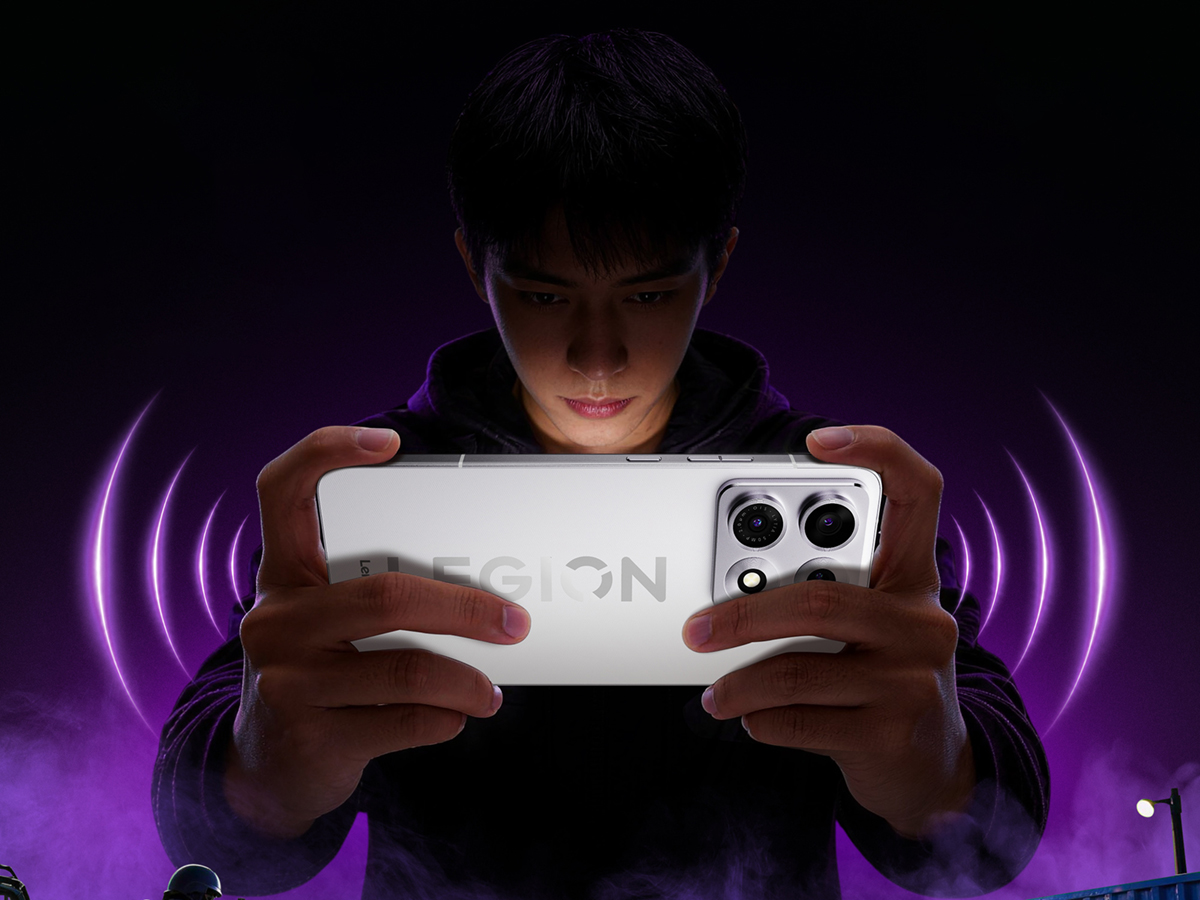
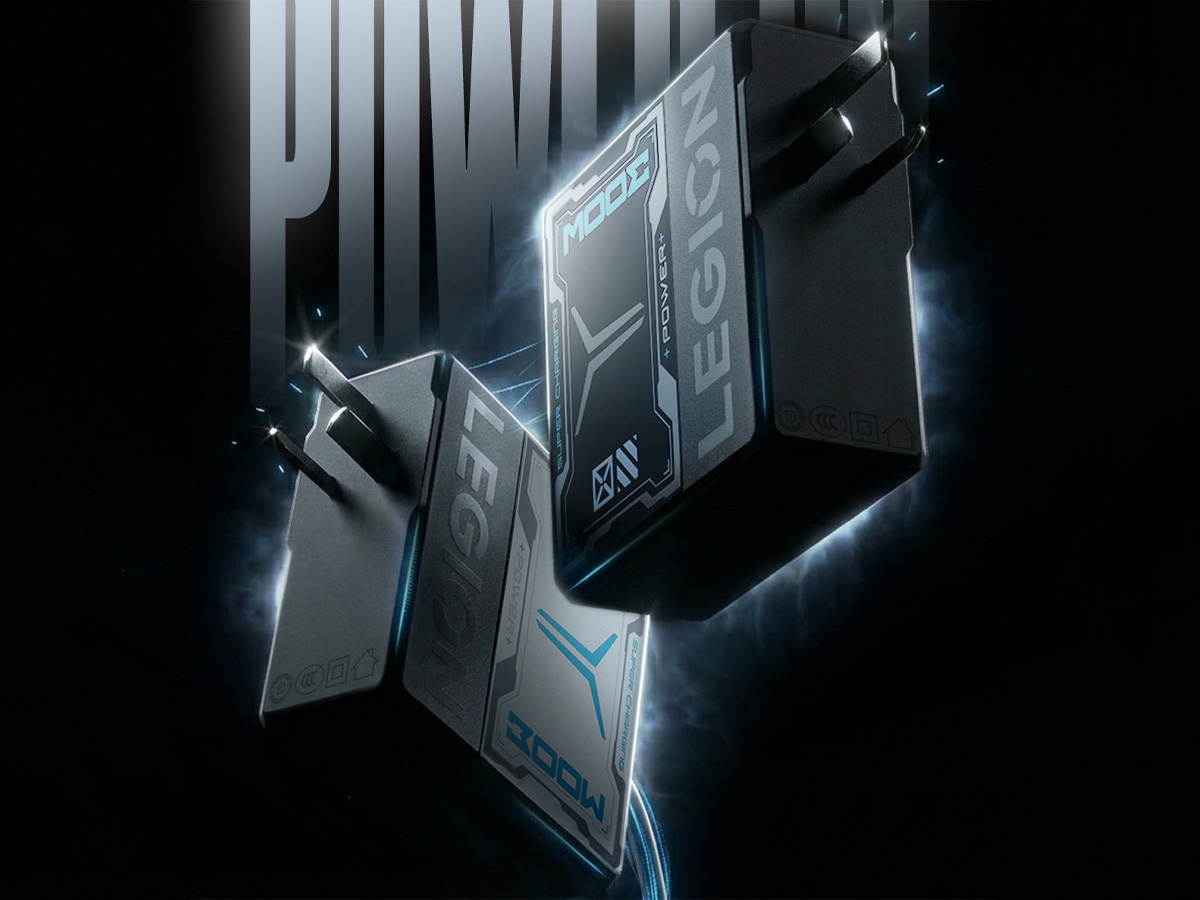
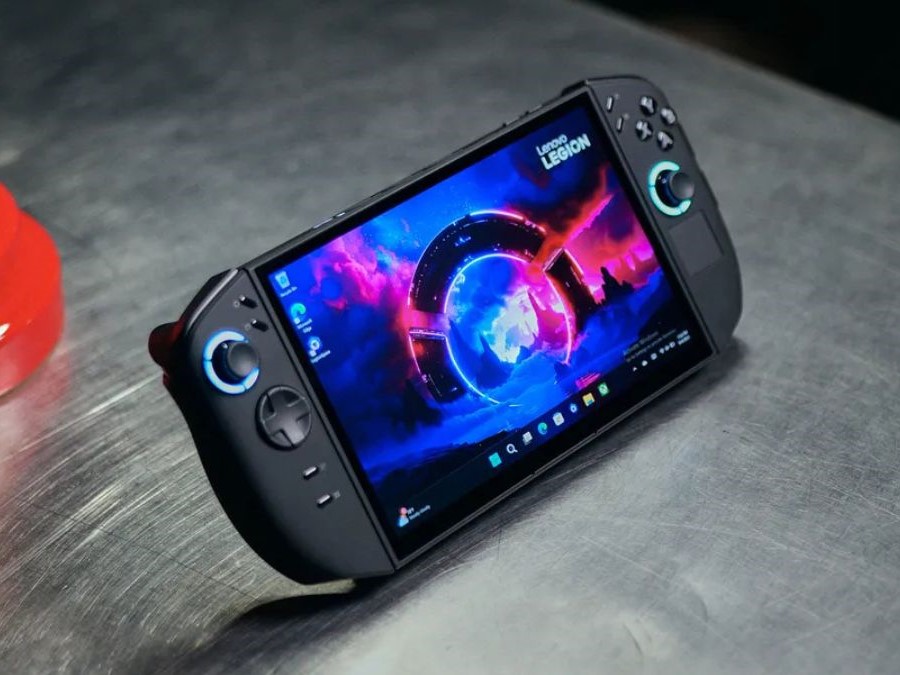
The Lenovo Legion Y70 2026 is the first Legion-branded gaming phone that will be released after the 2022 model. Its launch is set for May 19, 2026, which is around the corner. Just a few days ahead of the event, the company has offered a detailed look at the smartphone.
Google's GTIG has confirmed the first zero-day exploit developed by AI, targeting 2FA in a web admin tool. A mass exploitation campaign was disrupted before it launched.
vivo began the international rollout of the X300 FE last month, and a few days ago, it introduced the smartphone in India alongside the X300 Ultra at an event hosted in New Delhi. The vivo X300 FE (FE means Fashion Edition) will be available in India in Noir Black, Lilac Purple, and Urban Olive colors. The Urban Olive colorway is exclusive to India, at least initially, and we got our hands on one, so let's take a closer look at it.
The retail package for the vivo X300 FE Urban Olive model is the same as for other color versions and includes a nice protective case that matches the phone's...
Samsung has finally started rolling out the One UI 8.5 stable update. Many Galaxy users waited a long time for this Android 16-based update, as it brings new features and improvements. However, the rollout is still in progress, and not everyone has received it yet.
How long did it take? Samsung launched the One UI 8.5 beta program on December 8, 2025. The stable version began rolling out in South Korea on May 6, 2026. This means it took about 5 months from the start of the beta to release the final stable update.
The wider global rollout started on May 11, 2026. While the stable update is now available in many countries, it is being released in phases. Many users are still waiting for their turn.
Who is getting the update and region details:
Samsung is rolling out One UI 8.5 in stages, starting with the newest and flagship devices.
Galaxy S25 series (all models including Edge & FE)
Galaxy S24 series (all models including FE)
Galaxy Z Fold 7 & Z Flip 7
Galaxy Z Fold 6 & Z Flip 6
Galaxy Tab S11 and Tab S10 series
The One UI 8.5 stable update rollout first started in South Korea on May 6. From May 11, it expanded to North America (US, Canada), Europe, India, Southeast Asia, Latin America, Hong Kong, Taiwan, and other major markets.
It is important to know that the rollout speed depends on your device model, carrier, and region. Some users may have to wait a few more weeks. To check for the update, go to Settings > Software update > Download and install. Make sure to back up your phone first.
FYI, the One UI 8.5 software brings a better Quick Panel, smarter Galaxy AI tools, improved performance, and other handy features. It is not a big One UI version jump, but it adds nice polish and fixes.
Even though it took 5 months, the update is finally here for many. If you haven’t received it yet, don’t worry, Samsung is expanding the rollout quickly. Keep checking your phone regularly.
Cross-platform RCS messaging between Android, including Samsung, and Apple iPhones is finally getting proper end-to-end encrypted privacy.
Apple and Google announced that encrypted RCS messaging is now rolling out in Beta for iPhone users running iOS 26.5 and Android, including Samsung Galaxy, users on the latest version of Google Messages.
Once enabled, messages sent between Galaxy phones and iPhones will be protected in transit, meaning nobody in the middle can read them.
For years, conversations with iPhone users often dropped back to old-school SMS behavior. Photos looked worse, reactions were messy, group chats broke easily, and privacy protections disappeared the moment a chat crossed platforms.
Users will now see a new lock icon inside supported RCS conversations, confirming that the chat is encrypted. The feature is enabled by default and will gradually expand to both new and existing conversations over time.
Google says encrypted RCS chats have already been available between Android devices for years through Google Messages. The bigger challenge was extending the same protection to iPhones.
Apple still says iMessage remains the best option for communication between Apple devices. But this update finally gives Android and Samsung users a more secure and modern experience when texting someone on an iPhone.
Now, Samsung users can send high-quality photos, reactions, read receipts, and encrypted messages to iPhones without relying on outdated SMS security.
The rollout is currently limited to beta users on iOS 26.5 with supported carriers, alongside Android users running the latest Google Messages app. A wider release is expected later.
Back in February, a leak suggested that Oppo and Huawei may use a square sensor for their upcoming phones similar to what Apple offered with its iPhone 17 series. Now, new details have emerged about the camera sensor Oppo may be planning to use.
According to the new leak, an Android smartphone maker is currently testing a 1:1 square sensor for the front-facing camera. While the tipster did not name the brand, the emoji used in the post hints that the device in question could be from Oppo.
The 1:1 front camera on the iPhone 17
The brand is reportedly testing a 100MP sensor and it is...
Samsung hasn’t rolled out One UI 9 Beta yet, but the leaked firmware already reveals key changes, with the latest surfacing UI tweaks of Alarm and Timer.
One UI 8.5 is a major visual overhaul, bringing Ambient Design and redesigned apps. That said, the One UI 9, based on Android 17, may largely focus on refinements. Minor tweaks across the software system are expected to be included.
As discovered by SamMobile, One UI 9 is bringing design modifications to Alarm and Timer functions. The former is getting more visible design changes compared to Timer.
Samsung Alarm in One UI 9 looks more vibrant. The interface now features larger text with extended spacing. The button featuring the cross icon has also become bigger, while the Snooze adjustment looks more unified.
On the other hand, Samsung Timer feature has fewer visible tweaks than the Alarm. The only notable change is the size of the clock text, which appears a little larger. The overall aesthetics are largely similar on the latest version.
One UI 8.5 has started rolling out to Samsung users around the world. A wider availability will take time, but Samsung may already move ahead to the next version. One UI 9 Beta may start by the end of May or the beginning of June.
Samsung’s Android 17-based One UI 9 may first arrive on the Galaxy S26 series. The firmware will officially debut with the Z Fold 8 and Z Flip 8. The company may begin the official rollout sometime in September this year.
Samsung is ramping up Galaxy S26 discounts across Europe, offering discounts of up to €400 on the S26 Ultra. The company moves early to defend its lead in shipments against growing momentum behind iPhone 17 series.
The discounts, now appearing through Samsung’s stores in several major European markets, give customers up to €200 off the standard Galaxy S26 models and as much as €400 off the Ultra variant through promotional codes.
Typically, Samsung reserves deeper incentives for later in the flagship promotional lifecycle. This time, the company appears to be accelerating its strategy early, a sign that competition at the premium end of the market is intensifying.
The strategy is clear: keep existing Galaxy users inside Samsung’s ecosystem while slowing Apple’s traction in high-value markets such as Europe, as Chosun reports.
Samsung is pairing direct discounts with trade-in bonuses and subscription-style upgrade incentives, particularly for users purchasing unlocked models.
The European campaign follows a broader push already underway in South Korea. Samsung recently extended its “Galaxy S26 Family Festa” program through the end of the month.
Samsung is reacting not only to Apple’s hardware momentum but also to changing consumer behavior in mature markets.
European buyers are holding onto devices longer, making aggressive trade-ins and early discounting increasingly important tools for driving upgrades.
Galaxy S26 Ultra remains one of the company’s most profitable smartphones, and cutting prices by up to €400 in Europe signals that maintaining market share may currently matter more than protecting premium pricing discipline.
Asus has teased a limited-edition ROG Crosshair motherboard for ROG’s 20th anniversary, reviving the pure-copper heatsink design that helped make the original 2006 AM2 board an overclocking icon. While specifications remain unconfirmed, regulatory references suggest an AM5-based X870E model that blends nostalgic hardware styling with modern ROG branding.
GameStop CEO Ryan Cohen is pushing a $55.5 billion bid to acquire eBay, criticizing its leadership as disengaged and accusing executives of “just milking it.” Cohen says he is prepared to run eBay without a salary, cut nearly $2 billion in costs, and reshape the marketplace into a stronger rival to Amazon.
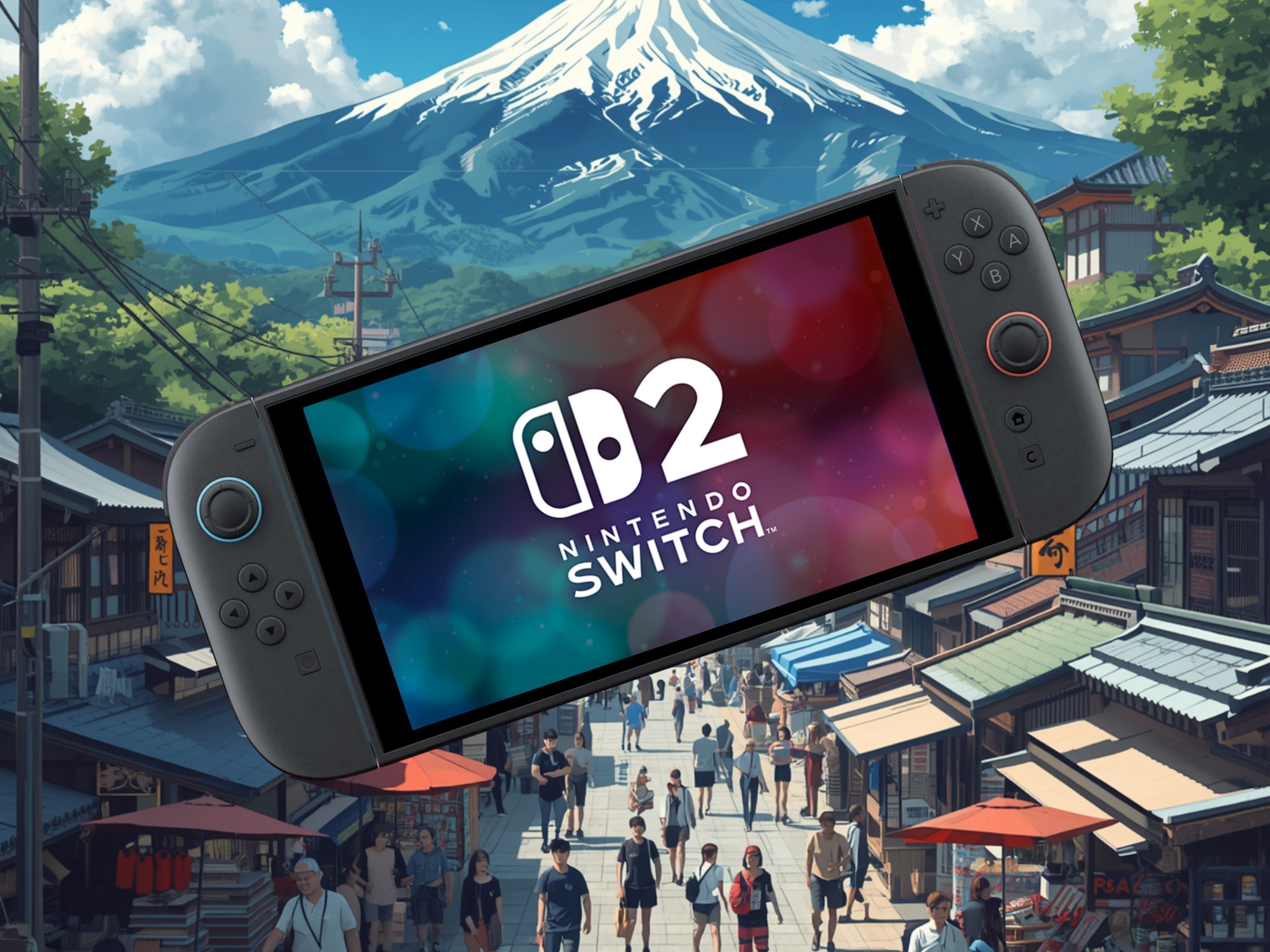
FromSoftware still plans to support Nintendo’s latest console. The Elden Ring Switch 2 port with Shadow of the Erdtree DLC may finally arrive in July. After performance concerns led to a delay, a retailer has posted an estimated release date for the Tarnished Edition.
Huawei’s Developers Conference is usually in June – this year the exact dates are June 12-14. Early bird tickets for the event were sold on April 29, but there is a batch of tickets that will be available from May 13 and another one from May 20.
Tickets start from as little as CNY 88 ($13) for students and CNY 198 ($29) for older devs for a single day (June 14). A two-day pass is CNY 498 ($73) and a pass for the full three-day event (June 12-14) starts from CNY 698 ($102) – there are pricier tickets with better seating for the keynote, fancier catering and nicer “equipment packs” (event...
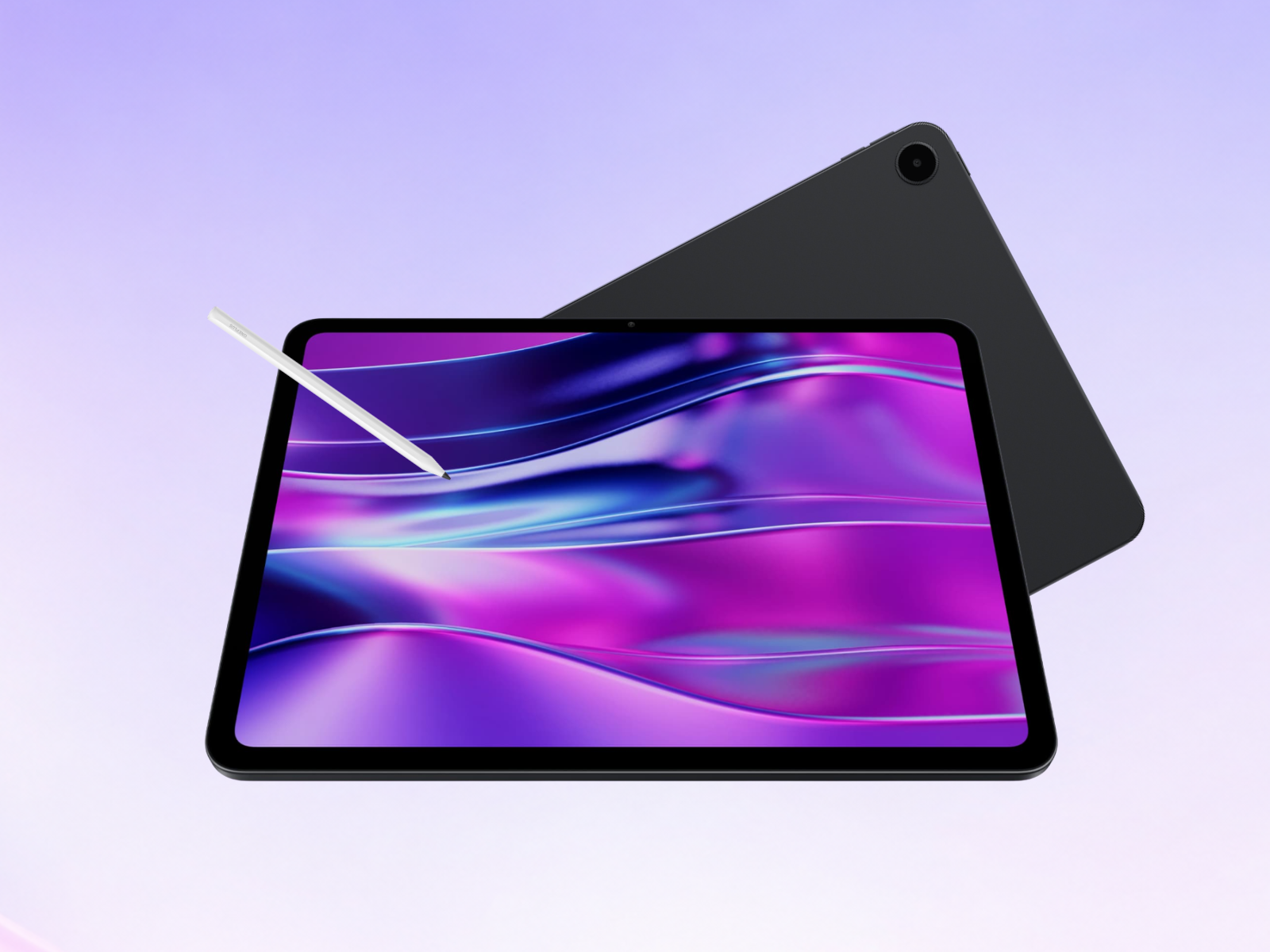
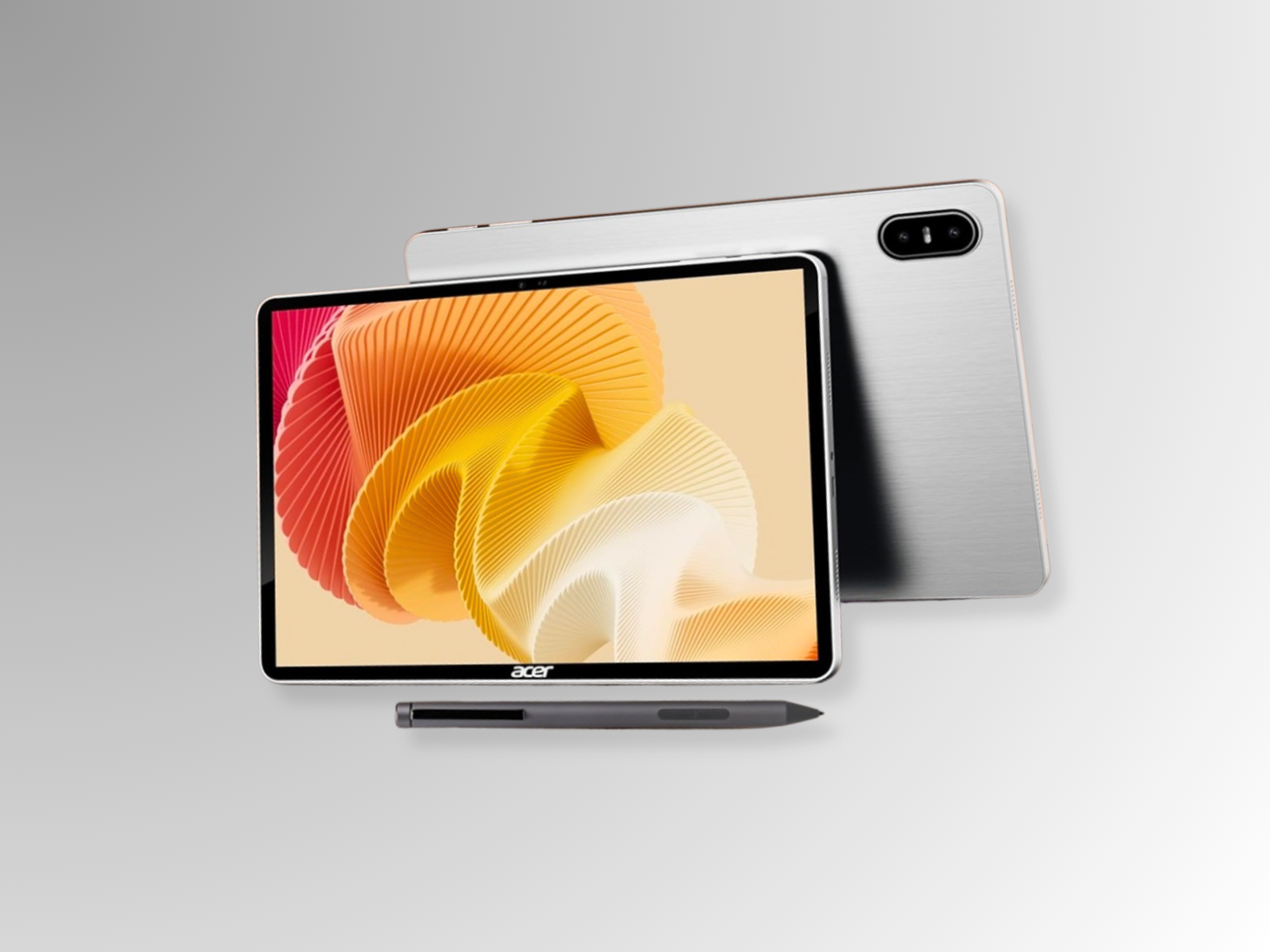
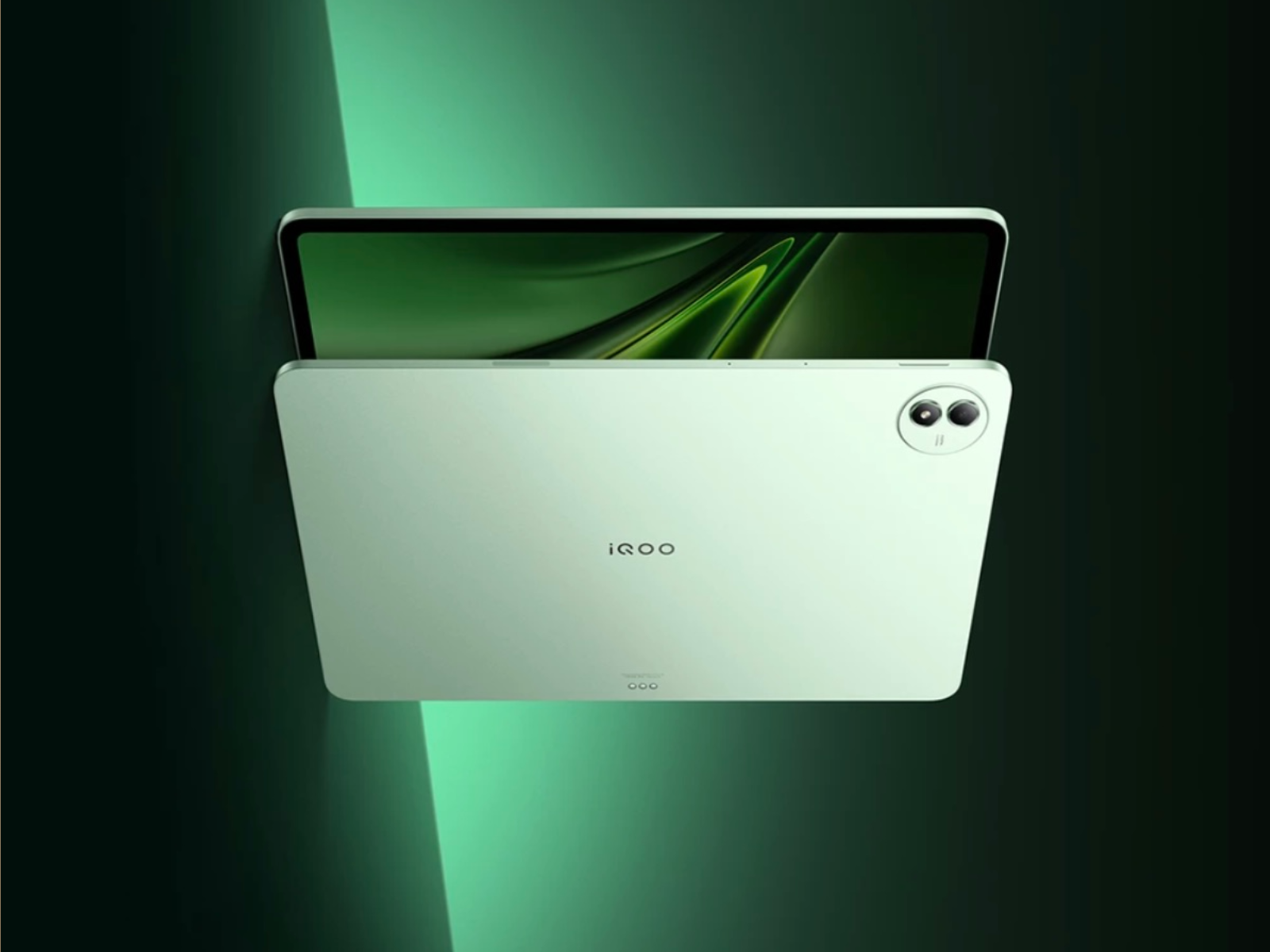
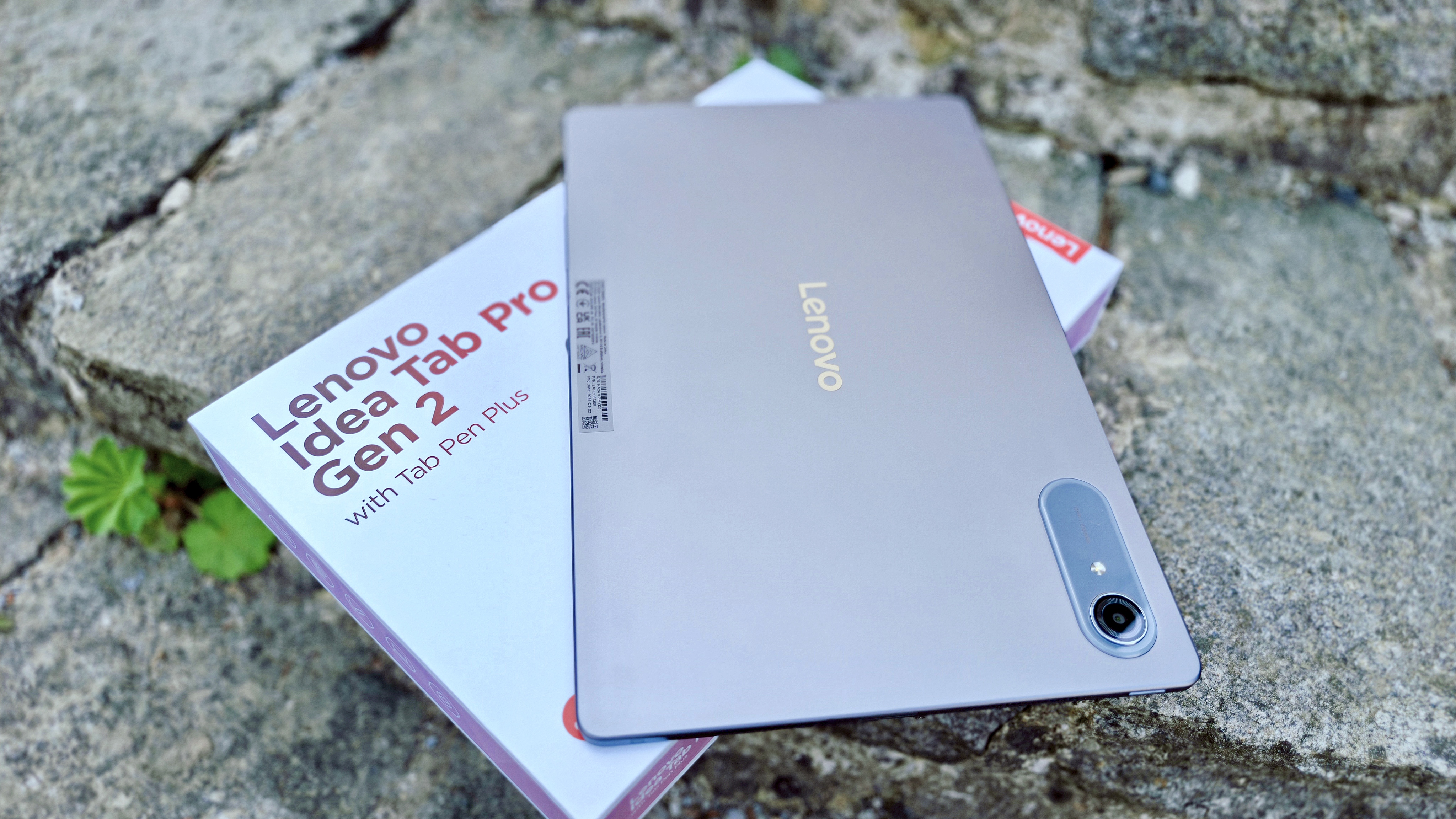
Honor has revealed the Pad 20, its latest Android tablet with a large 12.1-inch display. The tablet is already listed in multiple markets, suggesting that a wider launch could be close.
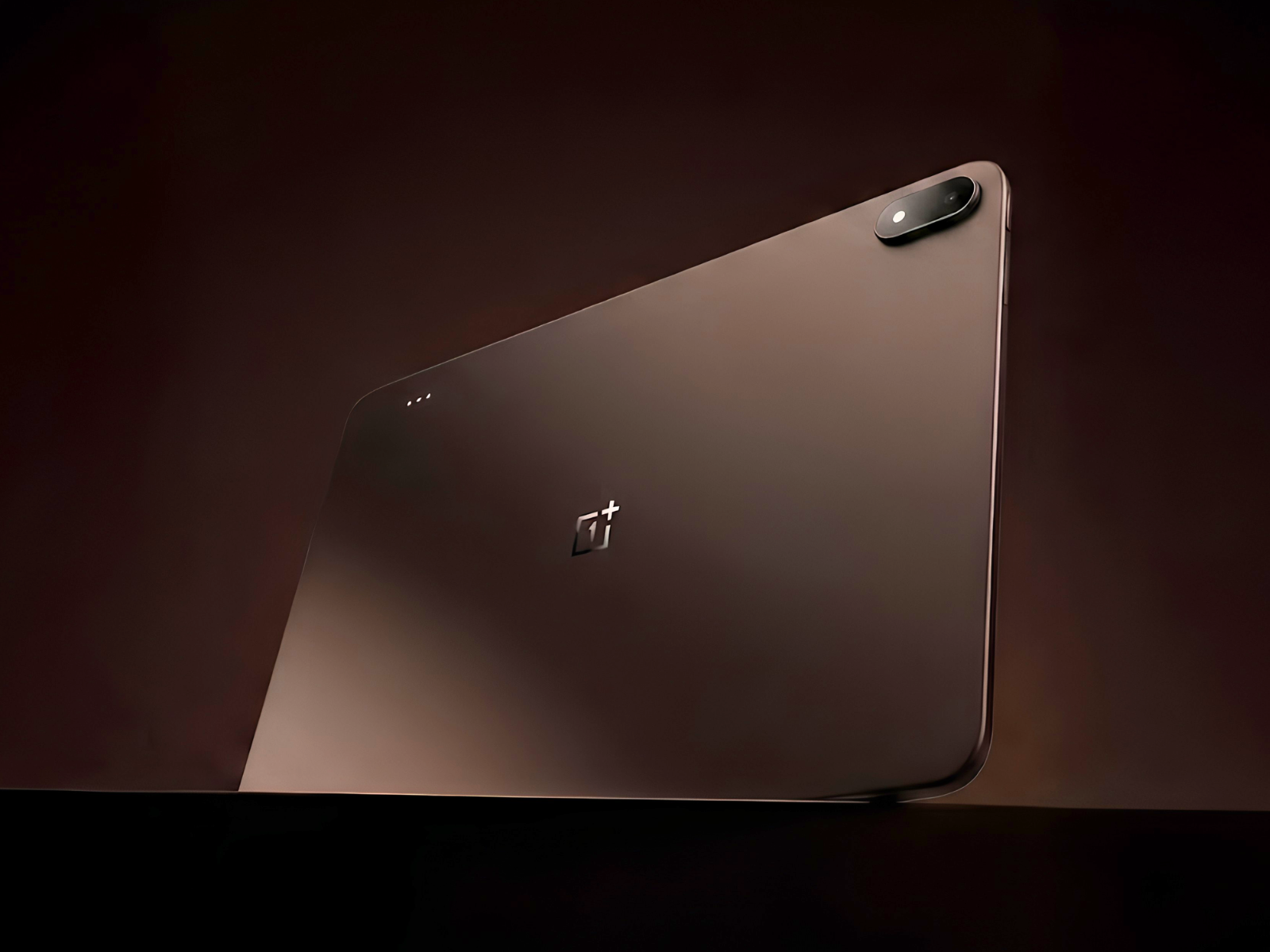
Deal | The OnePlus Pad Go 2 is an affordable Android tablet powered by the MediaTek Dimensity 7300 Ultra chipset. It is currently available in the US for $299 with a promo code. The deal includes free wired earphones and a choice of one additional accessory.
Chinese display panel maker BOE is reportedly trying to supply screens for Samsung's upcoming Galaxy S27. A new report from Korea claims that BOE has seen that TCL-owned CSOT has secured a contract with Samsung for the Galaxy A57 and would like to enter the Korean company's supply chain as well.
Samsung Display is still the main display supplier for the Galaxy A57, but CSOT is the second supplier in terms of volume. With that in mind, Samsung is allegedly considering using BOE as a secondary supplier to Samsung Display for the Galaxy S27, but a decision hasn't been made yet.
This...
[Modern Mondays] begins with an overview of the best Devil May Cry 5 mods ahead of Season 2 of the Netflix series premiering tomorrow. PC players missing out on Special Edition features need not worry—thanks to mods, the best way to play DMC is on PC.
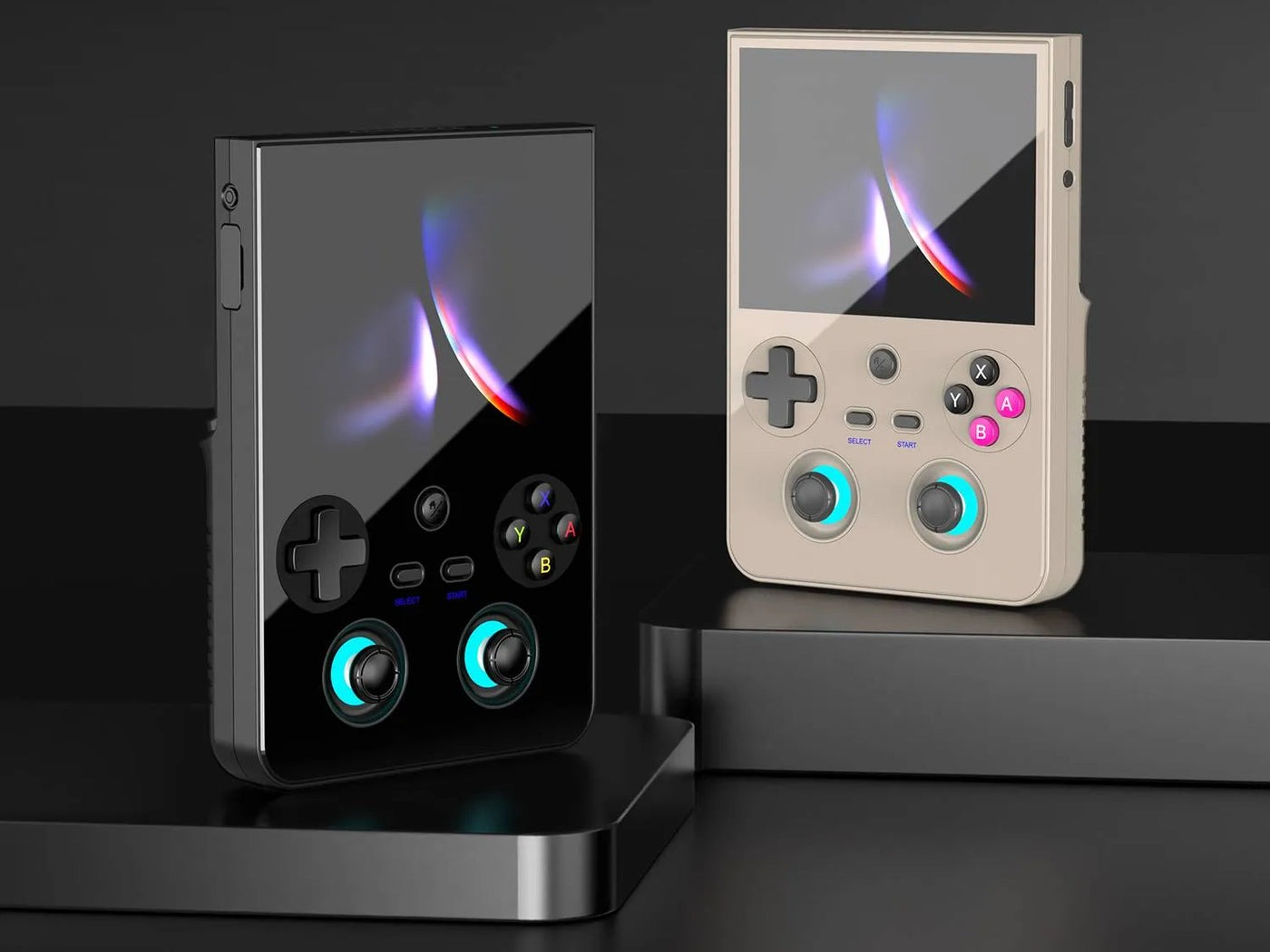
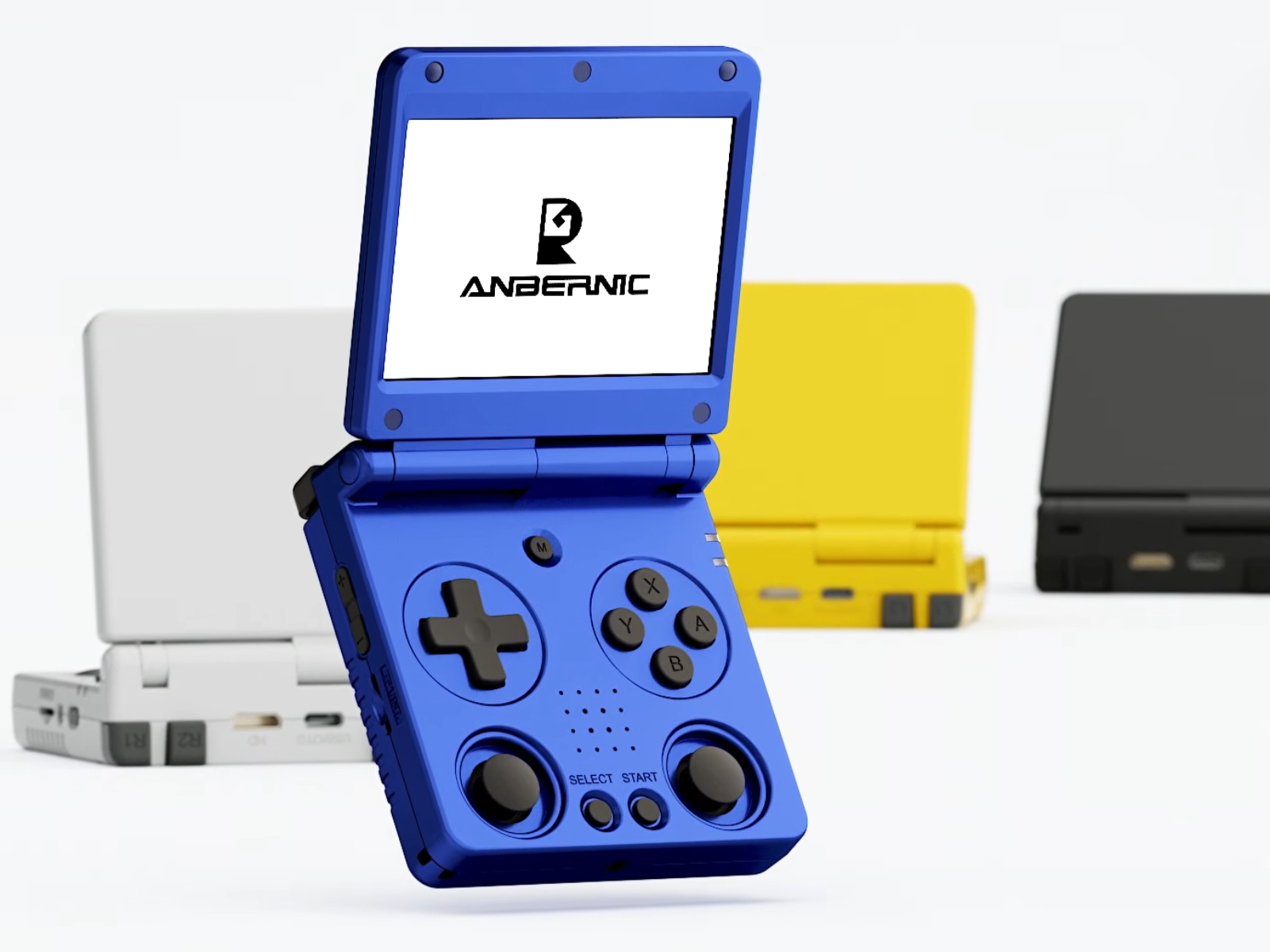
Anbernic's has begun selling the RG Rotate Android gaming handheld on its website. The manufacturer is also offering buyers a discount for a limited time.
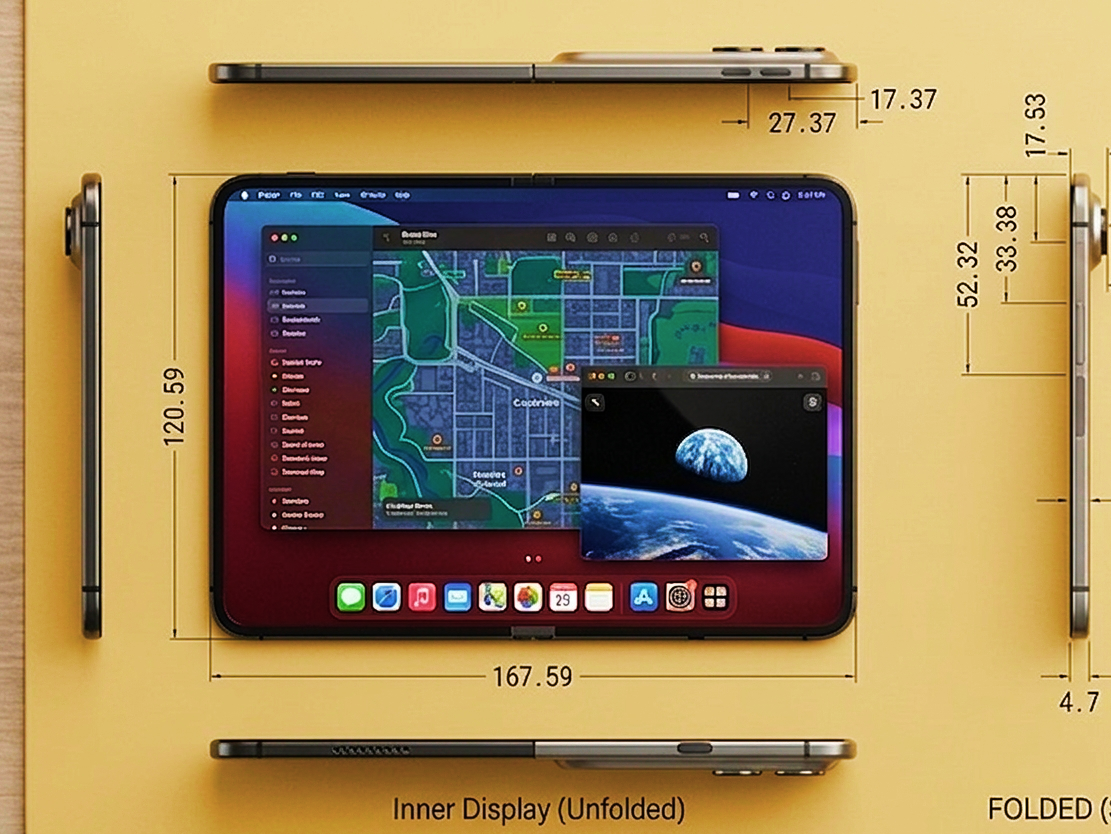
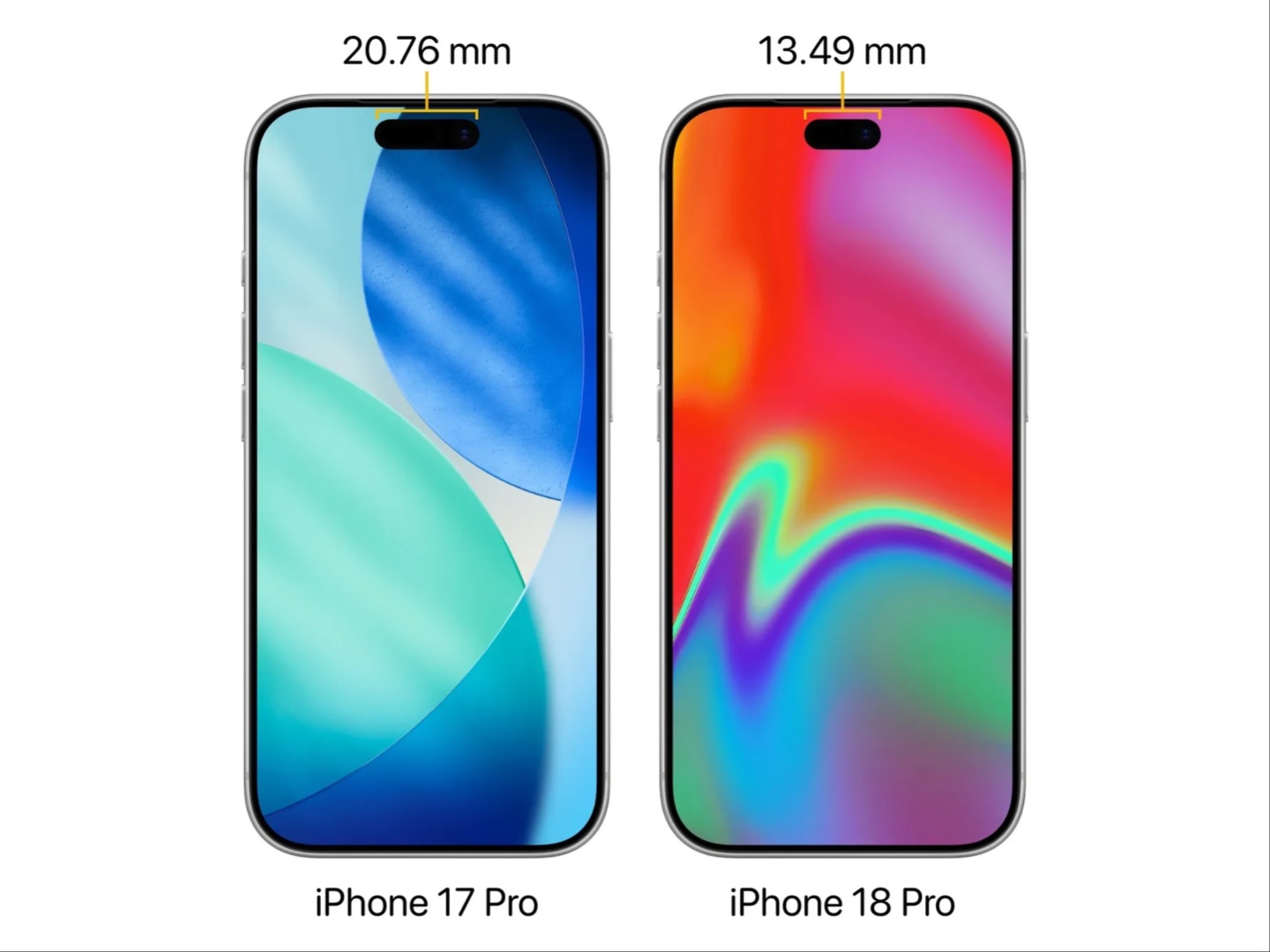
If you were hoping for some bold color options for Apple’s highly anticipated folding iPhone, we have some disappointing news. According to a new report from China, the device, which is currently speculated to launch as the iPhone Ultra, will be available in only two color options.
Possible iPhone Ultra colors (image credit)
The rumor suggests white is a sure lock option, and it will be accompanied by another “subdued color” such as silver or navy blue. The source did not clarify the exact shade of the second color. The whole notion of restrained colors for the folding iPhone actually...
Sony has officially set the date for the next flagship Xperia launch – May 13 (Wednesday). The company just shared a new teaser video on its YouTube channel, which doesn’t reveal much, but it does hint at a new layout for the triple camera.
Even better, the company also posted the live stream link where everyone will be able to watch the Sony Xperia 1 VIII unveiling. This link will become active in less than two days – the event is scheduled for 2am UTC on May 13.
Delving into unofficial info, CAD-based renders show a brand new look for the back of the upcoming Mark 8 model with a...
A journalist may have defied the Forza Horizon 6 review embargo. Playground Games insists it wasn’t at fault for uploading a version of the racing game to Steam ahead of schedule. SteamDB later explained how a journalist is more likely to have exposed the file list and pirated the release.
Casio has listed three new G-Shock Baby-G watches on one of its websites. The BA-110MC-2A, the BA-110MC-6A and the BA-110MC-7A are round hybrid watches, with metallic casing and colorful accents.
The Xperia 1 VIII is launching on May 13. In the meantime, a reliable leaker has published a series of photos detailing Sony's new flagship. Features like a camera shutter button, a capacitive fingerprint scanner and Zeiss T* lens will return for the smartphones' eighth-generation release.
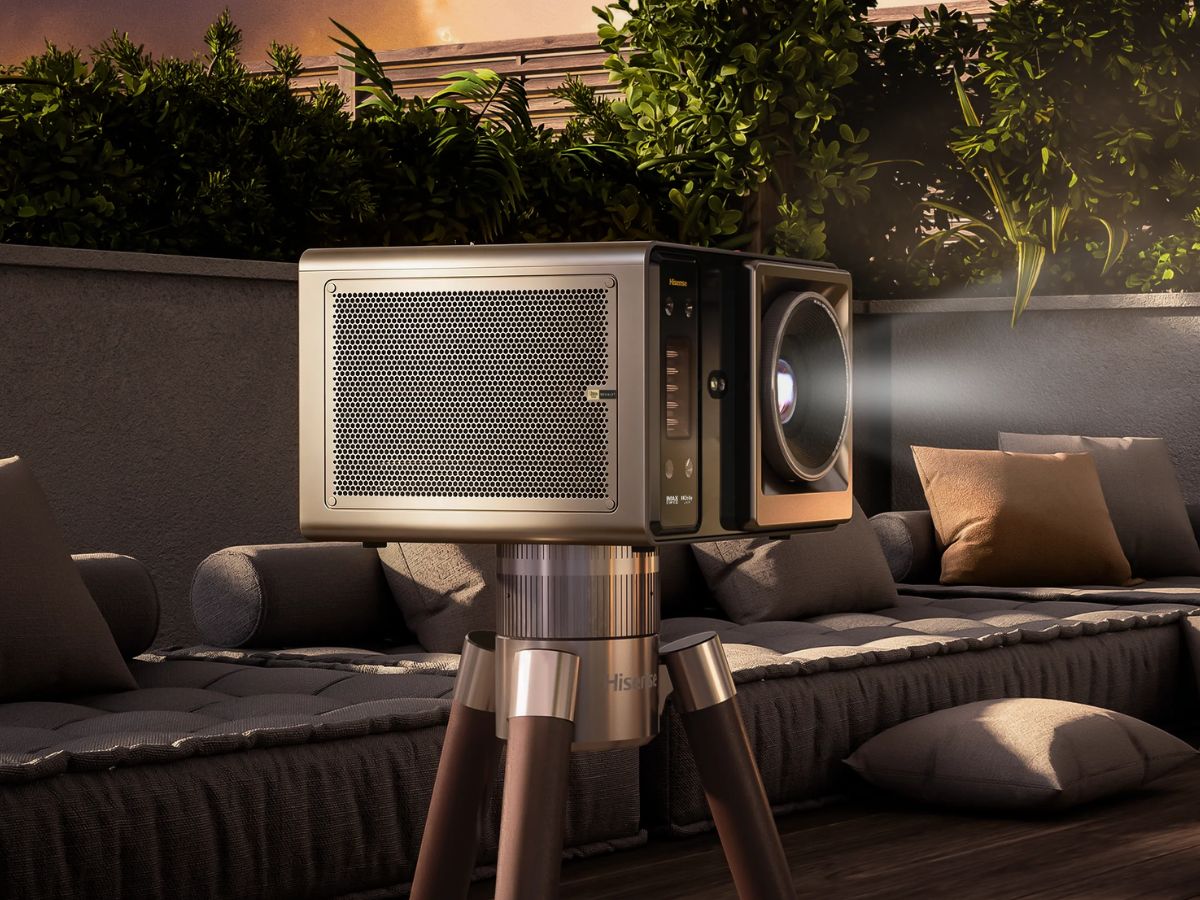
Hisense’s XR10 4K Triple Laser Smart Projector has been officially released in countries globally. Features of this home theater model include a triple laser light source with a relatively high brightness level and liquid cooling.
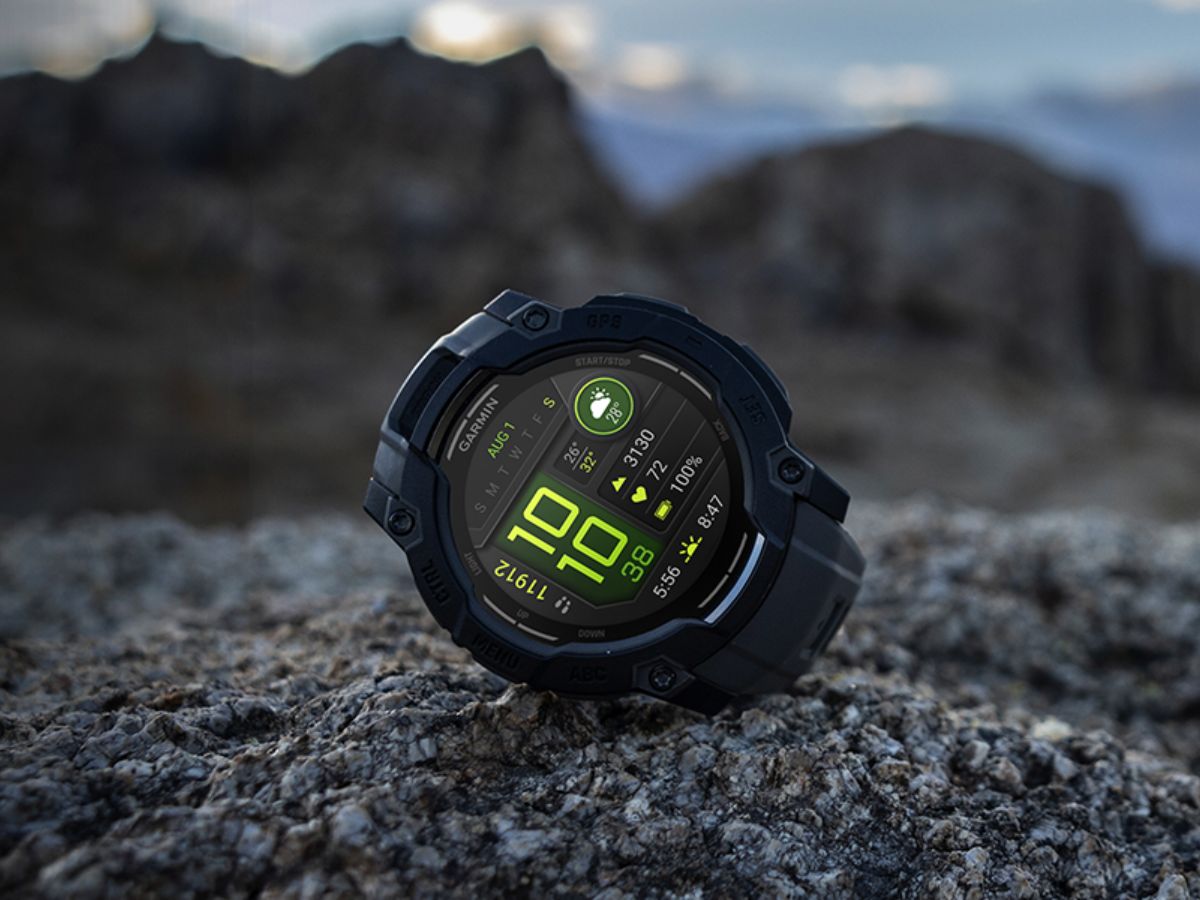
Garmin has released a new stable update, software version 14.14, to users of the Instinct 3 series smartwatches. Included in this release are two new glances and a Morning Report related feature. Plus, there are several other bug fixes and improvements for the wearables.
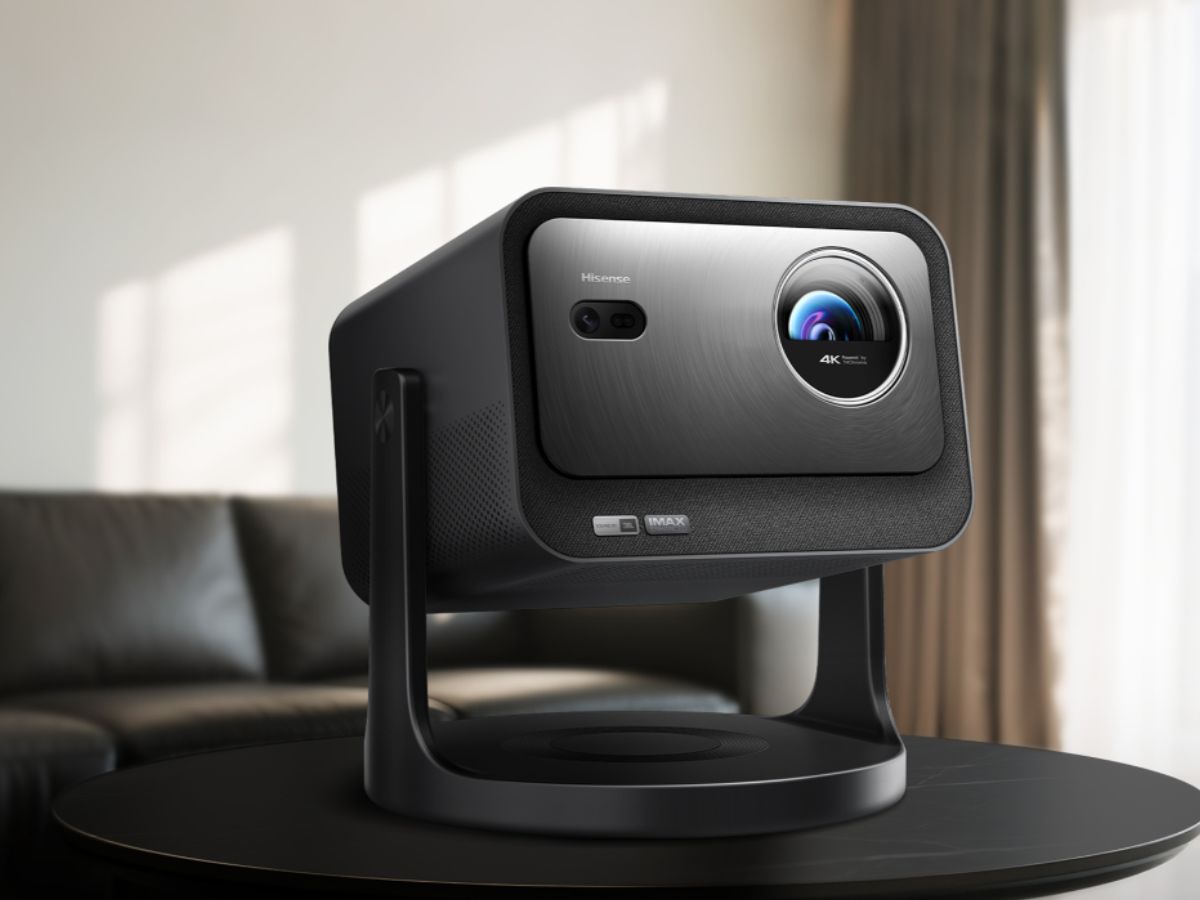
The Hisense C3, a 4K triple laser projector for the home theater, has been released in more countries. Already available in Europe, this model can now be purchased at some retailers in Canada and Australia. Features include an integrated gimbal stand, automatic focus and support for Dolby Vision.
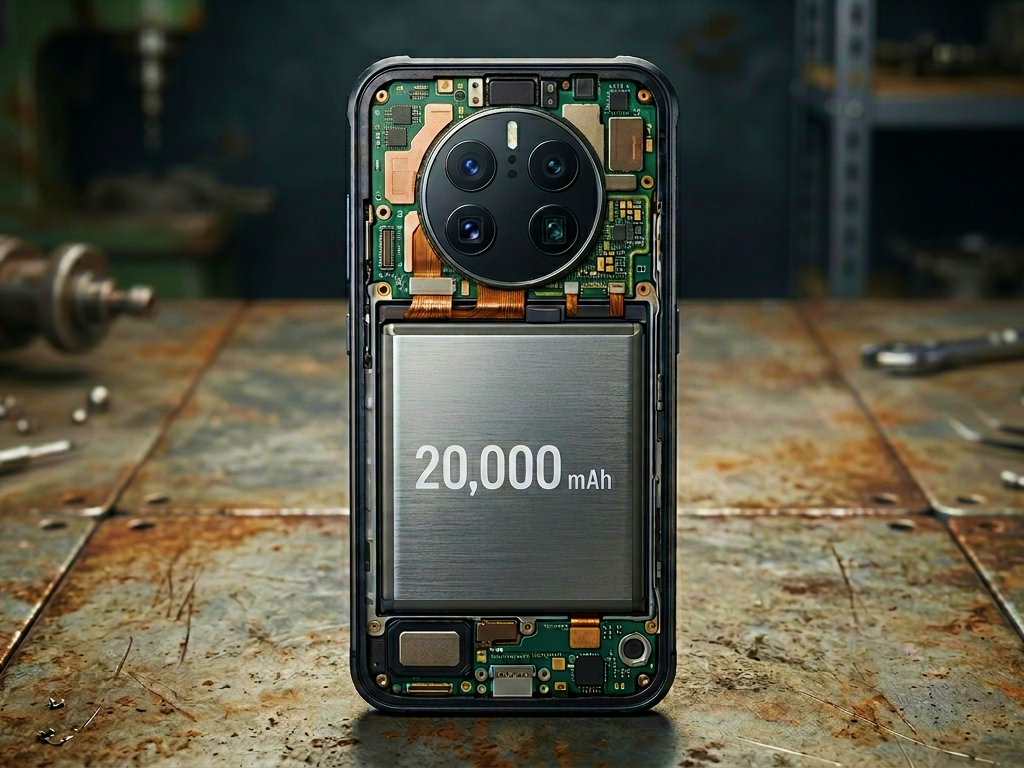
Huawei is about to drop a mid-range phone with a "10,000mAh+++" battery using new materials to claim the title of the industry's largest battery phone maker. Expected to debut in the mid-range Enjoy 100 series, this massive cell aims to surpass current 8,500mAh models like the Enjoy 90 Pro Max and challenge recent 10,000mAh releases from Honor and Realme.
Honor has revealed the Pad 20, its latest Android tablet with a large 12.1-inch display. The tablet is already listed in multiple markets, suggesting that a wider launch could be close.
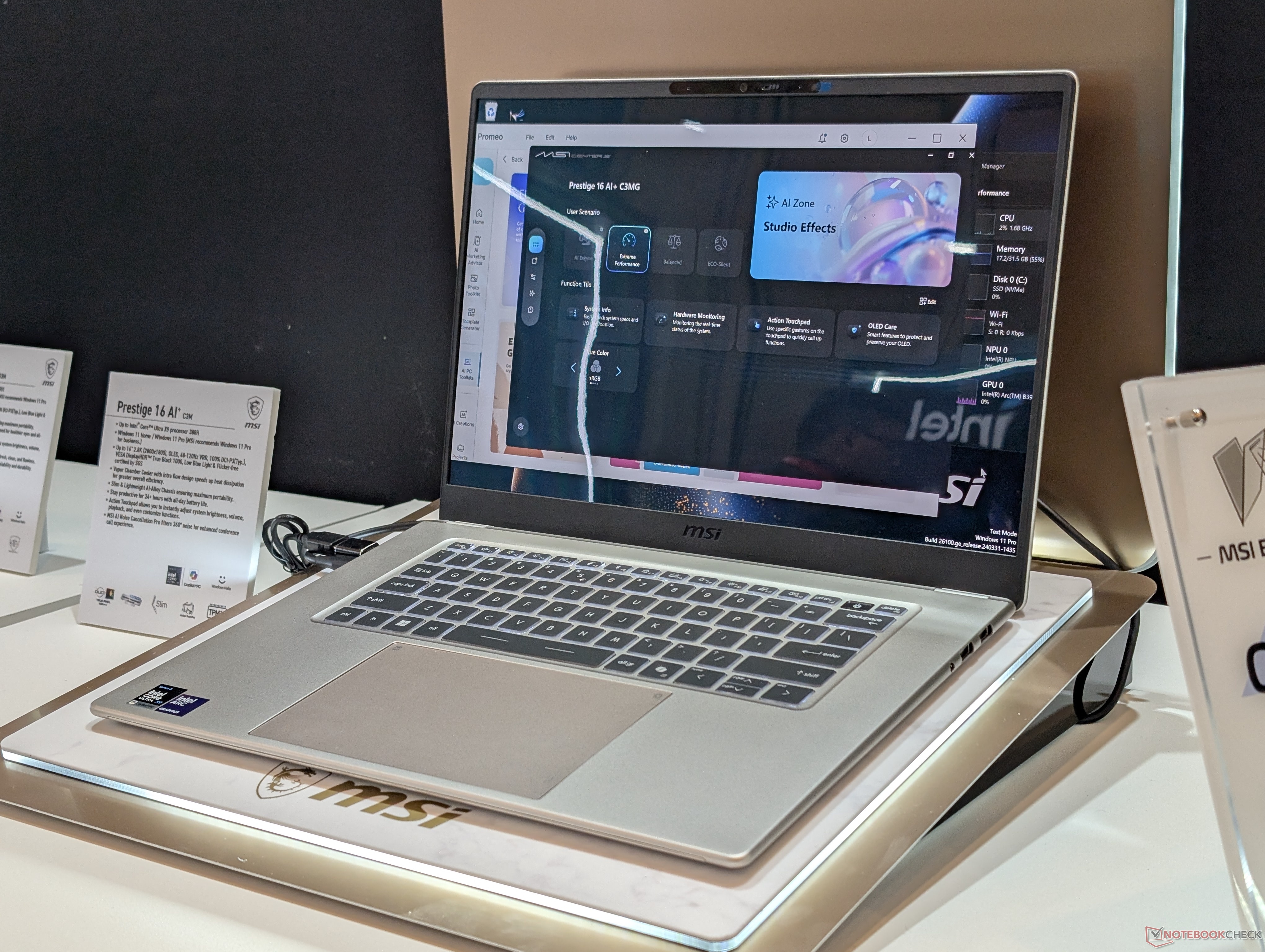
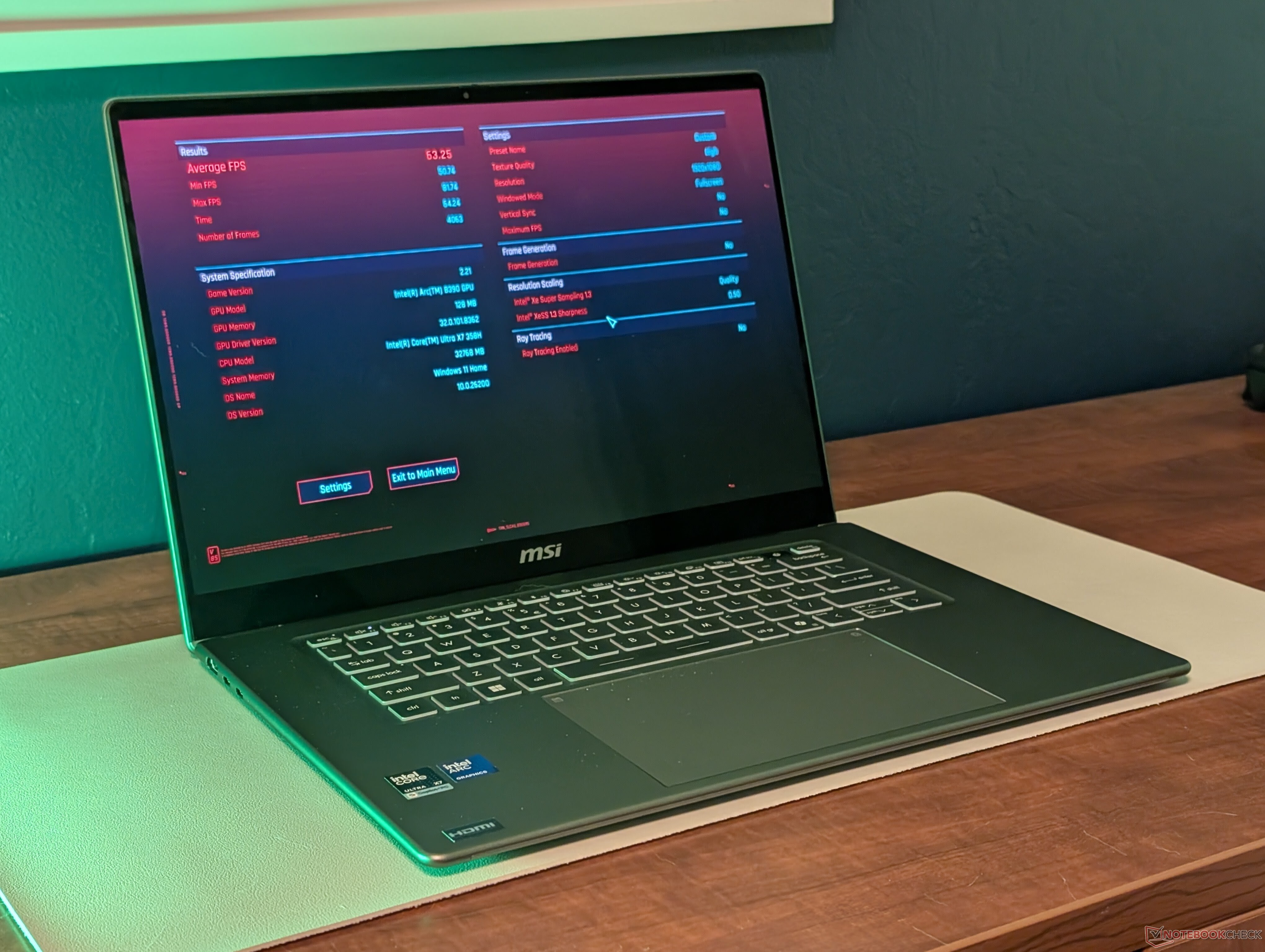
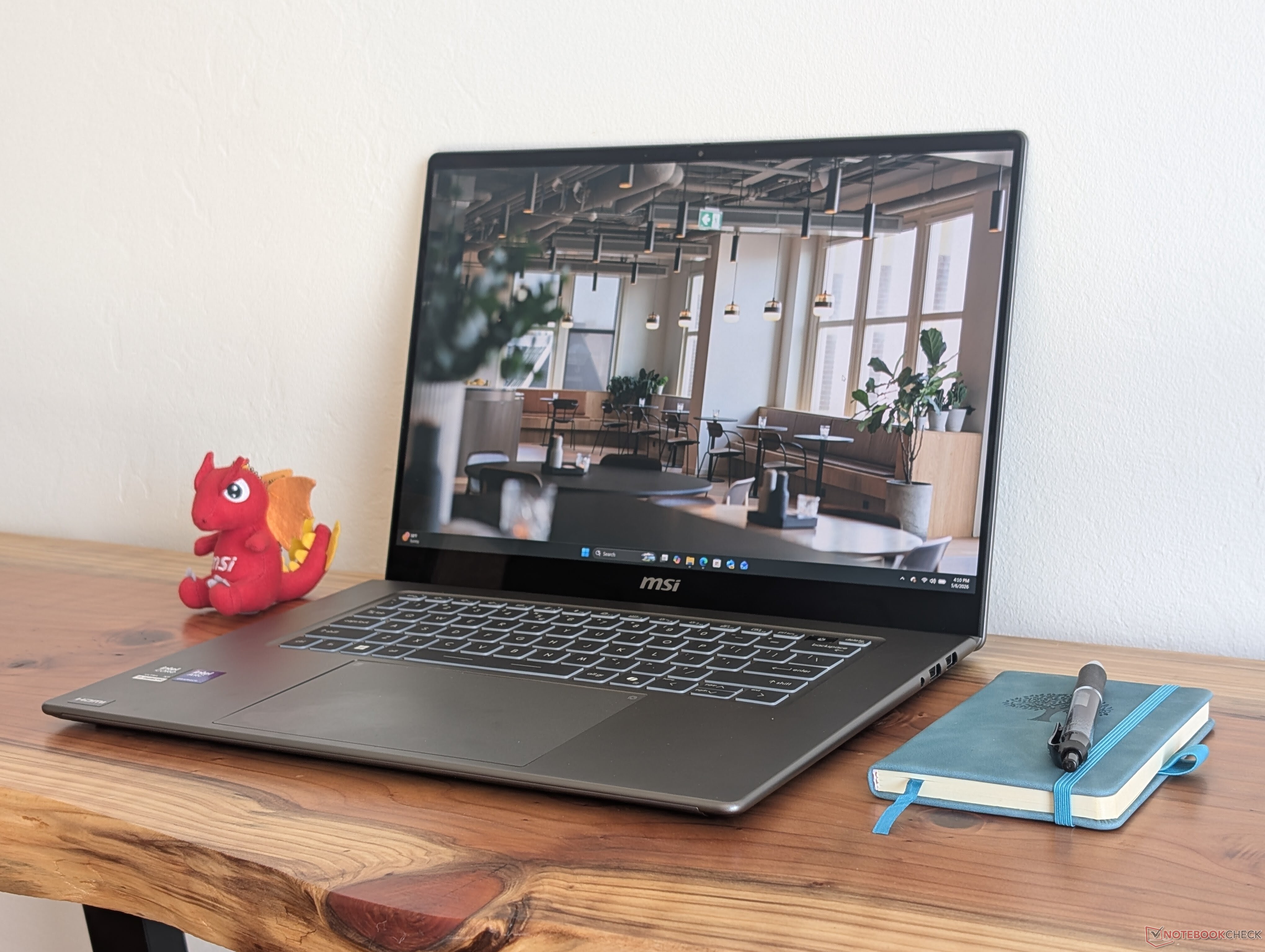
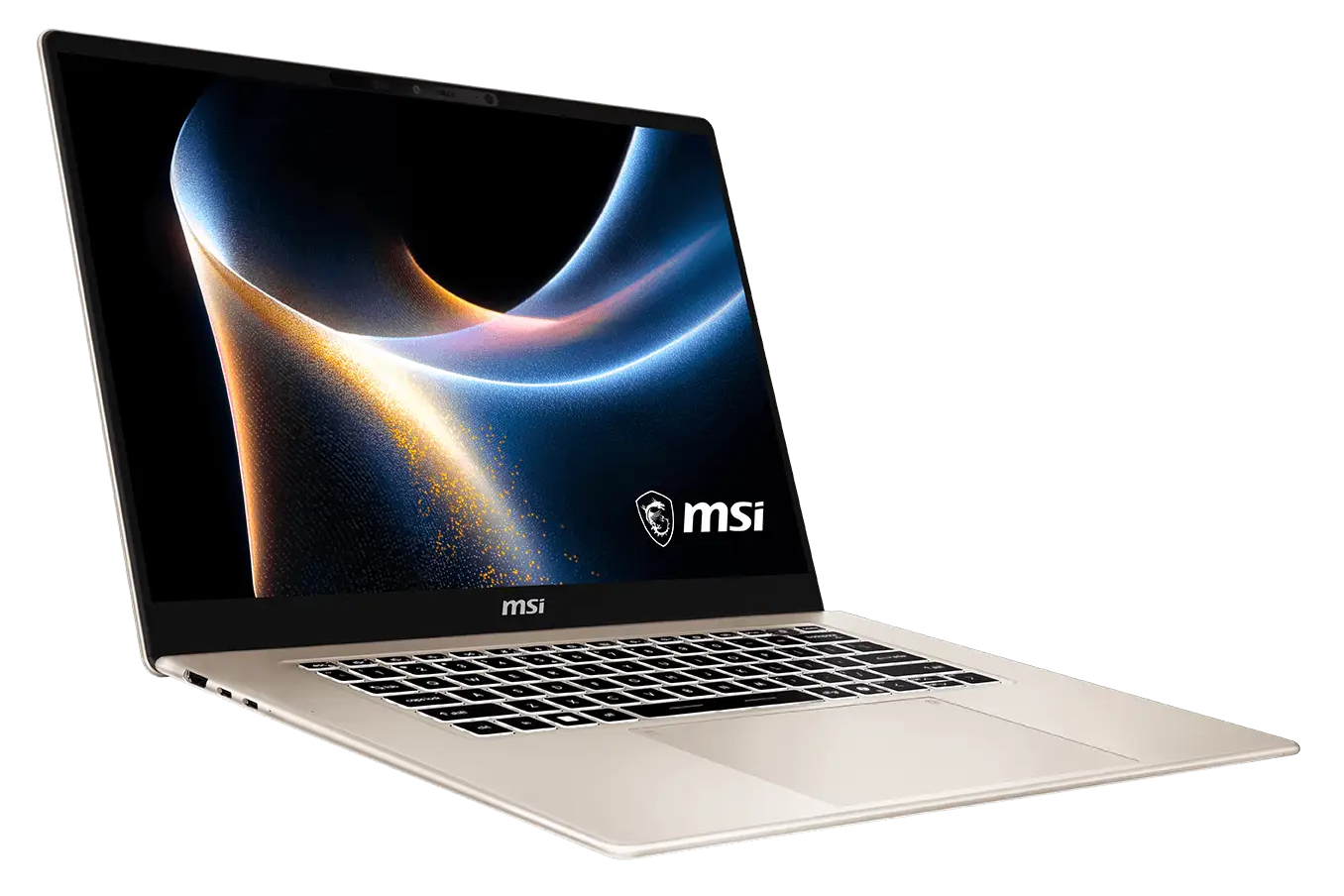
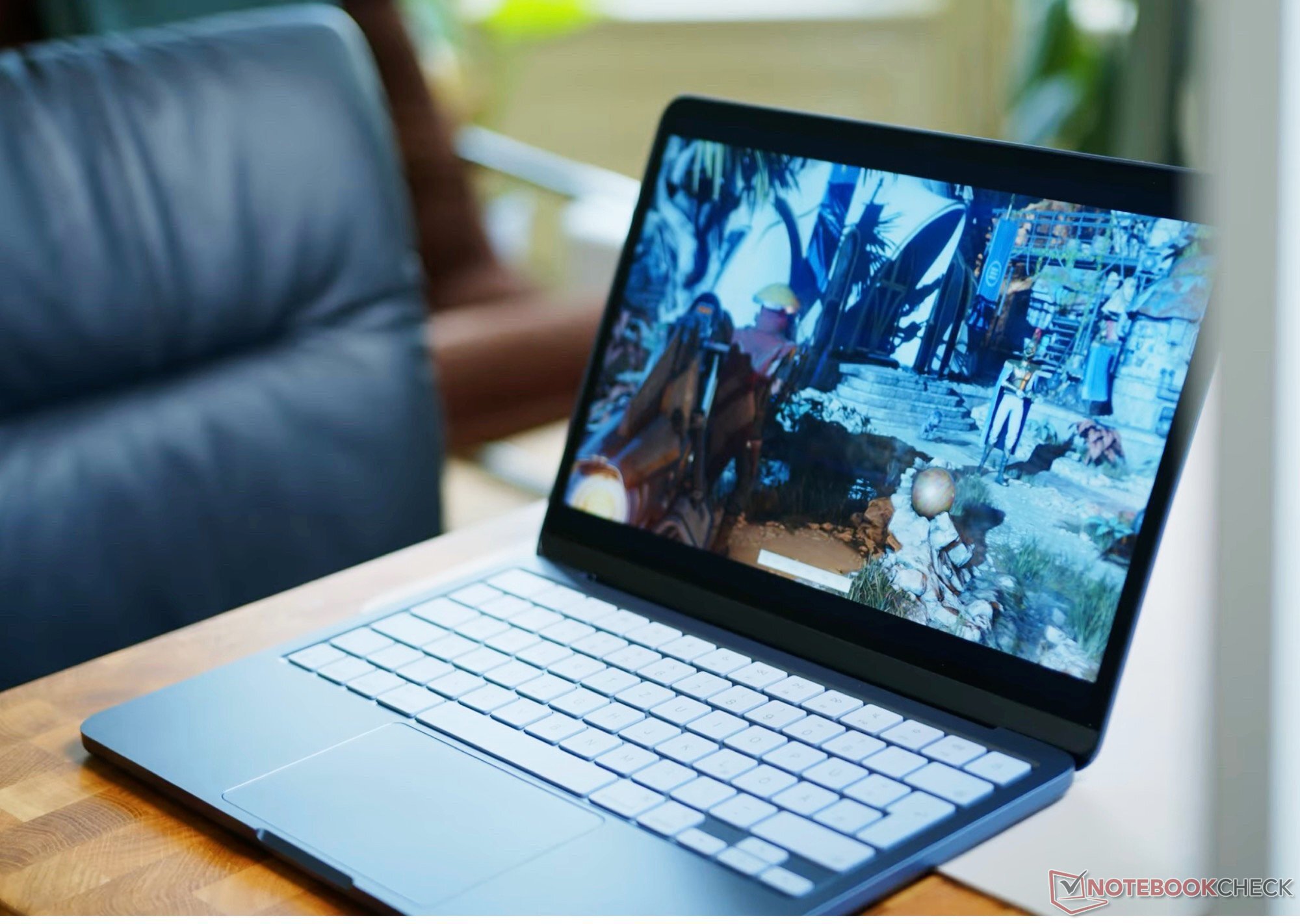
If you want Panther Lake performance in an even thinner and lighter package than the all-popular Dell XPS, then the refreshed MSI Prestige 16 is an excellent place to start.
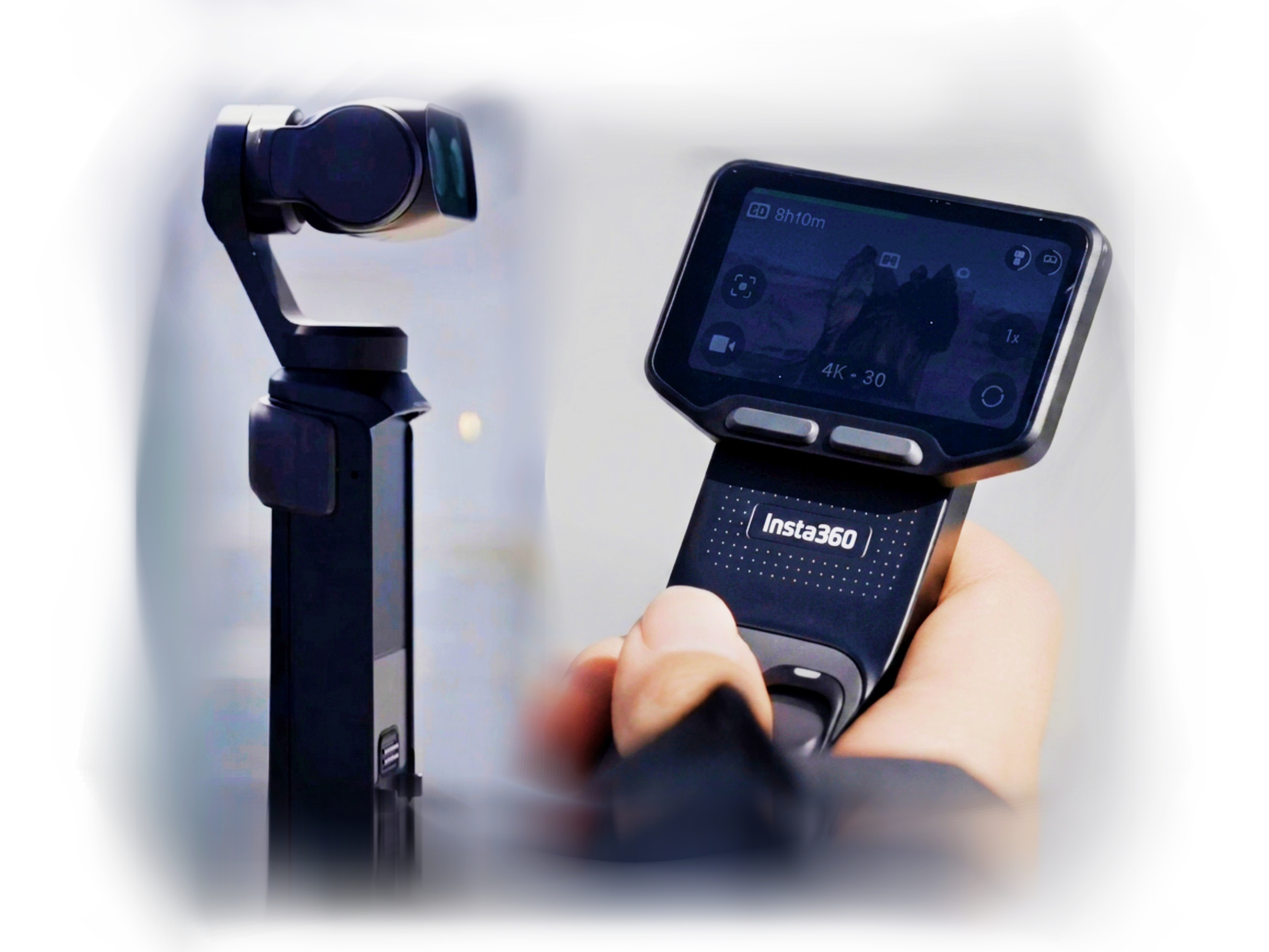
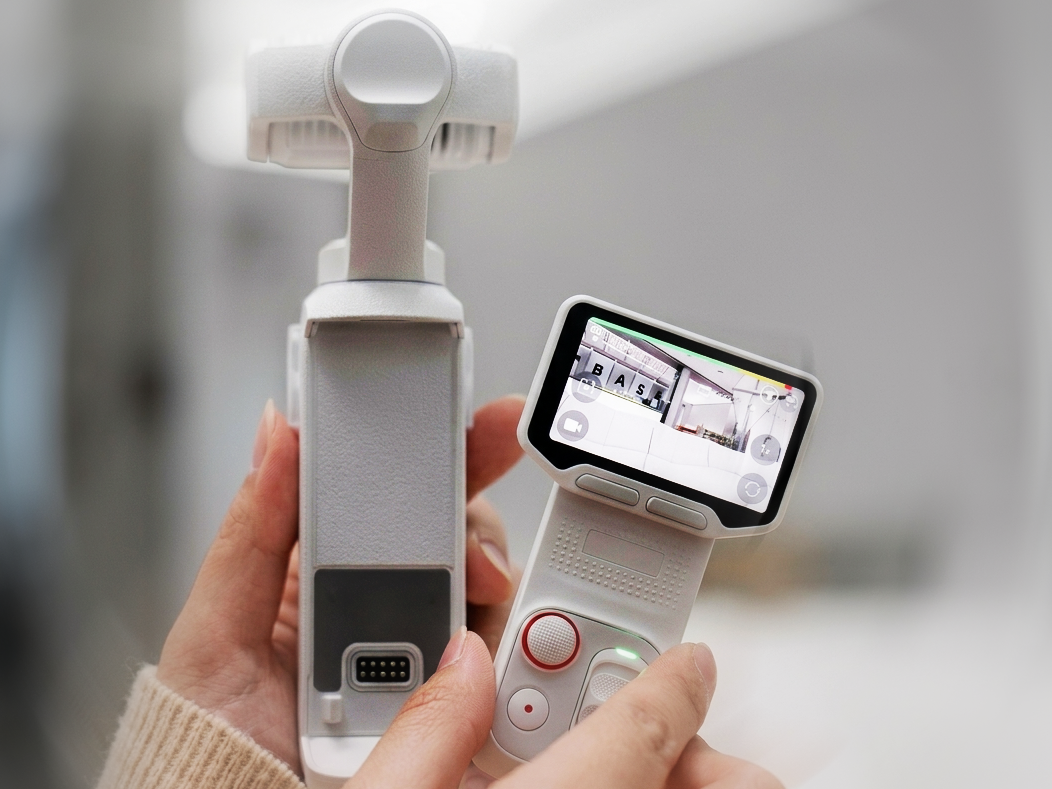
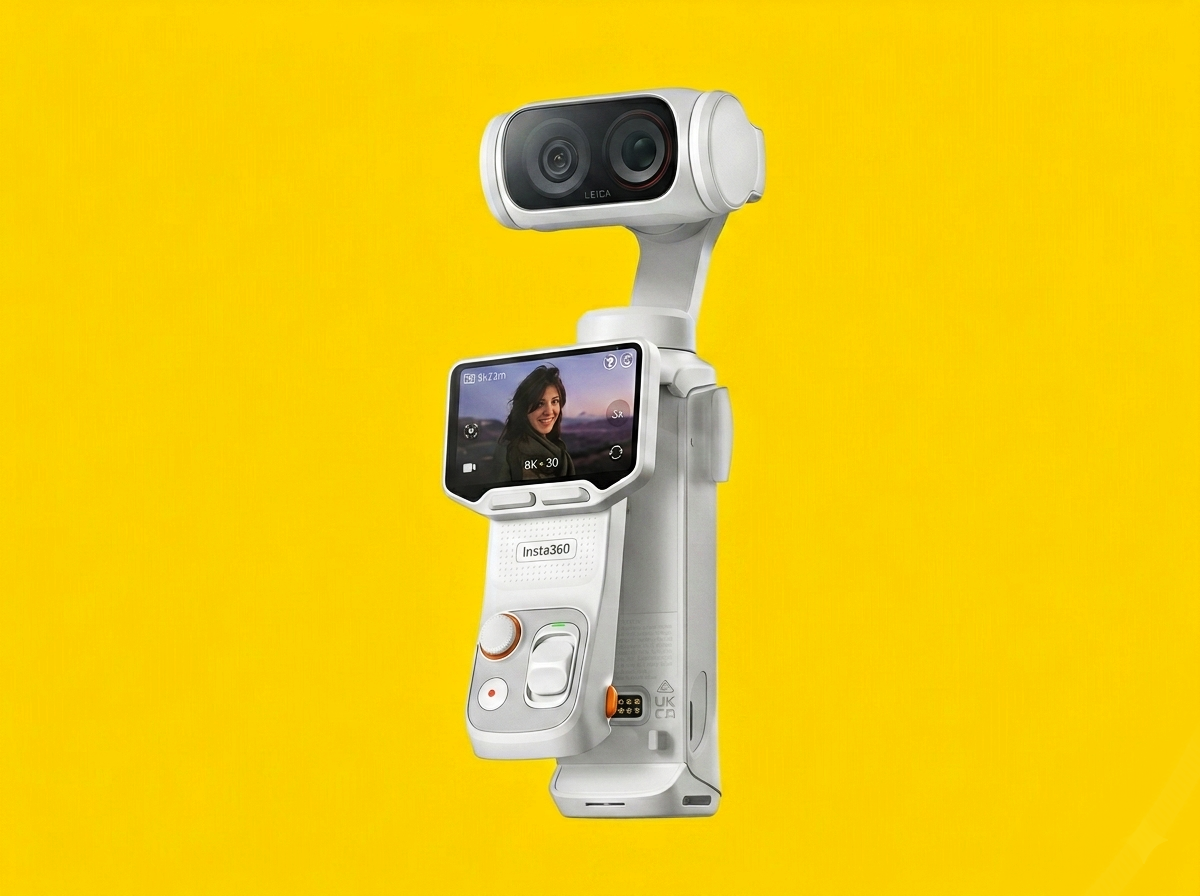
Here comes the latest leaks on the Insta360 Luna Ultra price and specs. Featuring a dual-cam array with a 1-inch main sensor and a detachable OLED touchscreen, the Luna Ultra aims to rival the newly announced DJI Osmo Pocket 4P (which is launching May 14) and pocket cameras from Sony and Canon.
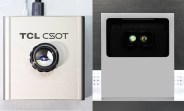
Display Week 2026 was held in Los Angeles last week – it was an opportunity for the world’s largest display makers to showcase their most advanced technologies. TCL CSOT’s presentation focused on eXtended Reality (XR) applications.
The first is a tiny 0.28” display – small enough to be embedded in lightweight smart glasses. However, this tiny display is a single-chip full-color Si-Micro LED panel with the highest pixel density in the world of 5,131ppi.
It has a resolution of 1,280 x 720px, which isn’t enough for VR, but is plenty for an information overlay in AR glasses. In case the...
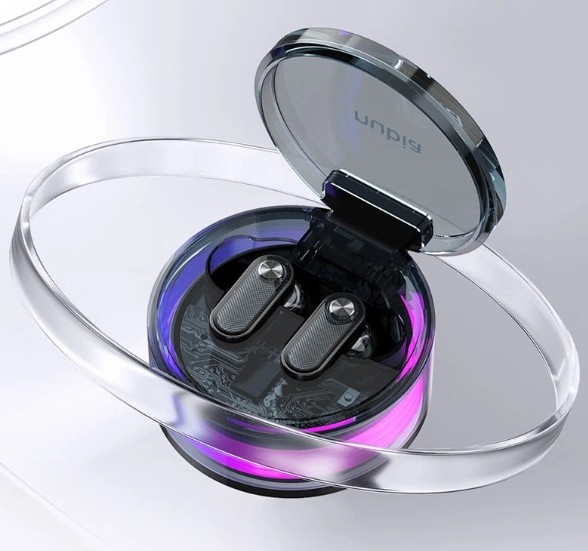
Nubia has launched a new pair of budget wireless earbuds in China, and unsurprisingly, the company is leaning pretty heavily into gaming aesthetics this time. Called the GT Buds, the new earbuds combine a semi-transparent design with RGB lighting, active noise cancellation, and low-latency audio, all while staying under the 300 yuan mark.
The charging case uses a semi-transparent shell that partially exposes the internal structure underneath, alongside built-in RGB lighting effects that give it a more gaming-oriented look. The earbuds themselves follow the same style with transparent accents and lighting details, so they stand out quite a bit compared to the usual plain white or black earbuds dominating this price range.
As for features, Nubia claims up to 35dB active noise cancellation, which should be enough to reduce background noise during commuting or indoor use. The earbuds also support Bluetooth 6.0 and include a dedicated low-latency gaming mode with audio delay reportedly dropping to around 70ms. That won’t completely eliminate lag, of course, but it should still feel slightly more responsive while gaming.
Battery life looks fairly solid as well. Nubia says the earbuds themselves can last up to 6 hours on a single charge, while the charging case extends total usage to around 40 hours. There’s also support for quick voice assistant access through touch controls.
At 269 yuan (roughly $39), the GT Buds are clearly aimed at the budget gaming crowd rather than audiophiles. But honestly, that’s probably where the product makes the most sense anyway. The combination of ANC, low latency, and the transparent RGB-heavy design gives them a fairly distinct identity in a market full of earbuds that mostly look interchangeable now.
The launch also fits pretty naturally alongside Nubia’s gaming-focused smartphone lineup, especially the Neo and RedMagic series. Actual sound quality is still something that’ll need proper hands-on testing once the earbuds become more widely available.
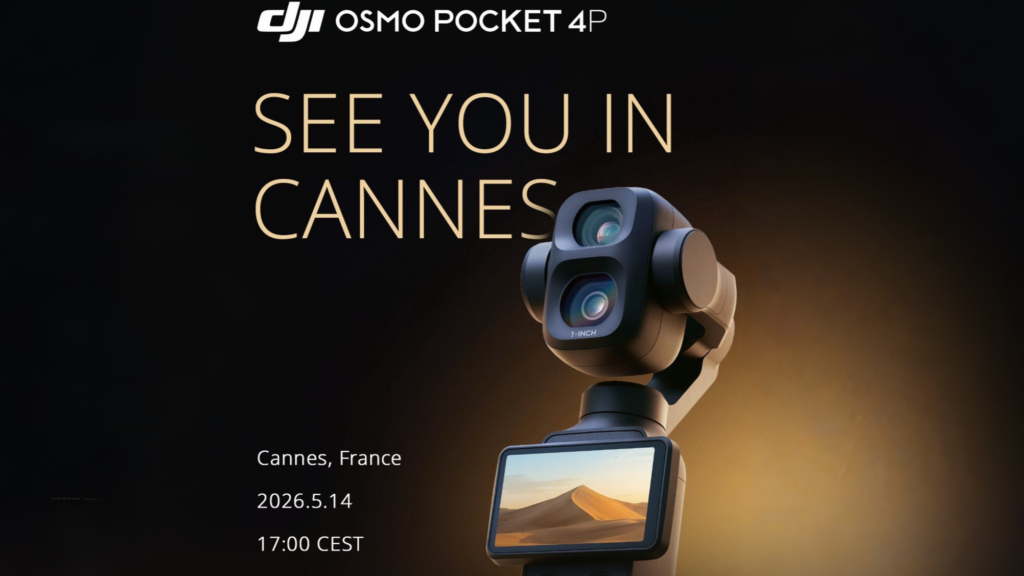
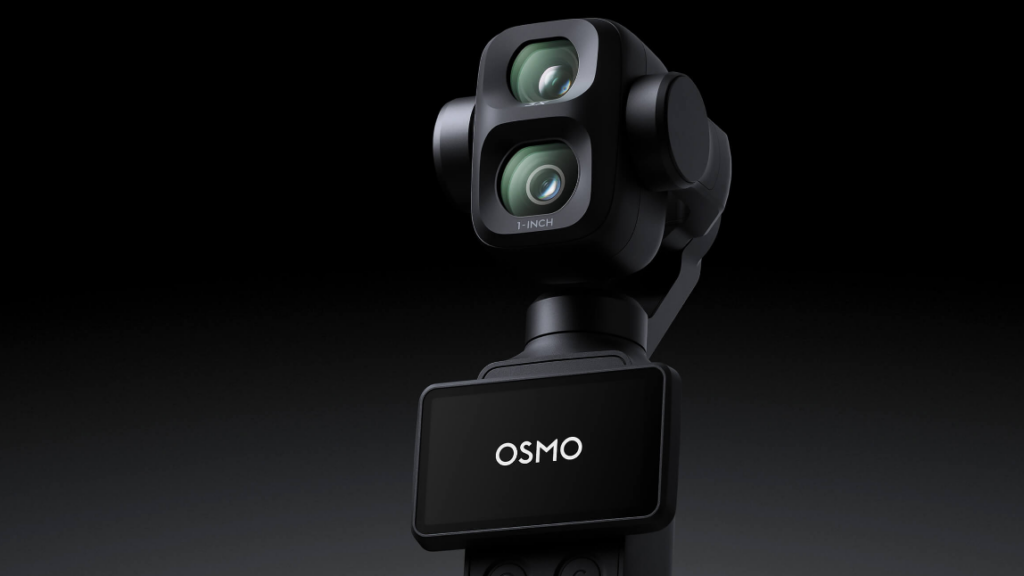
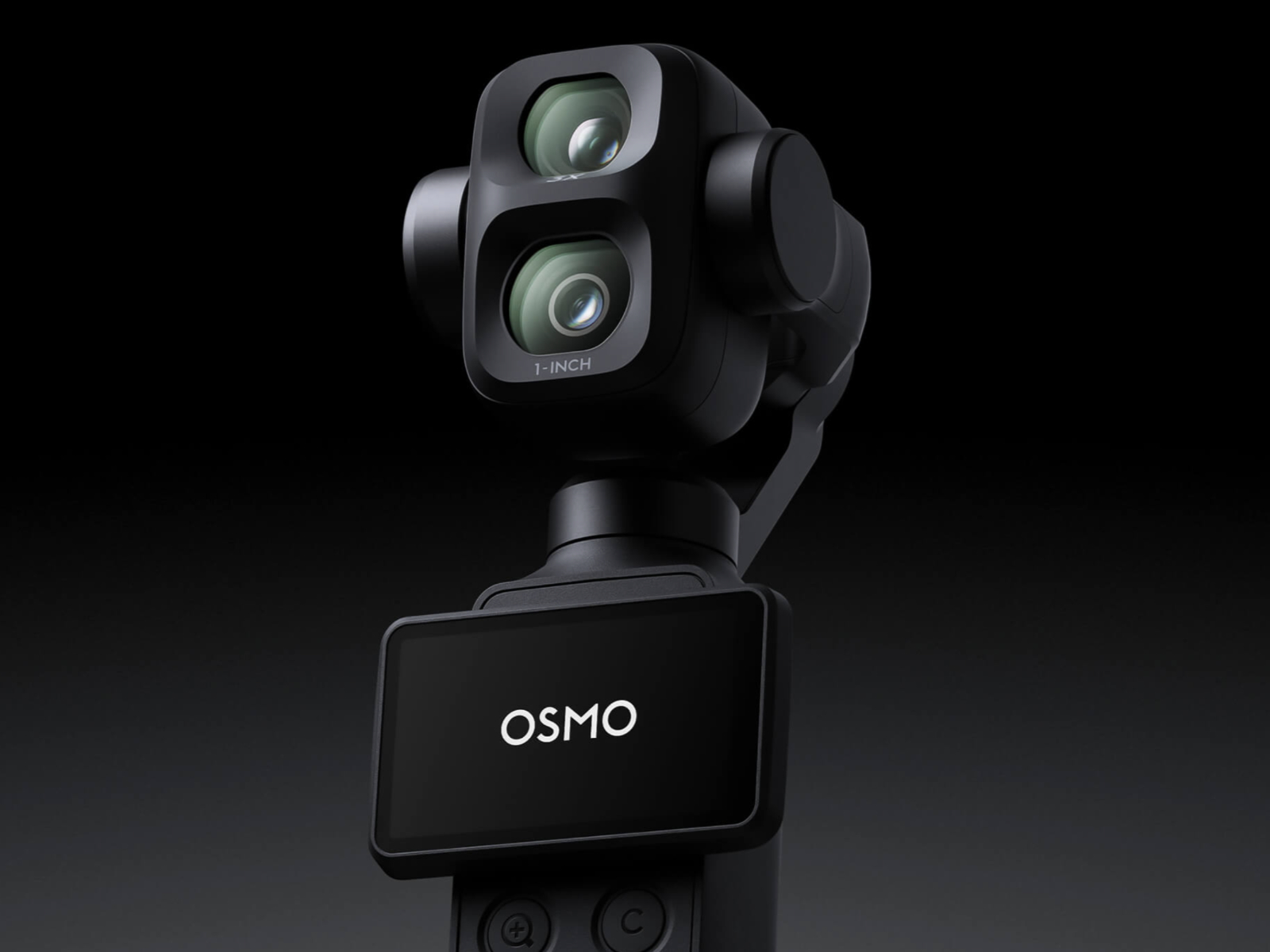
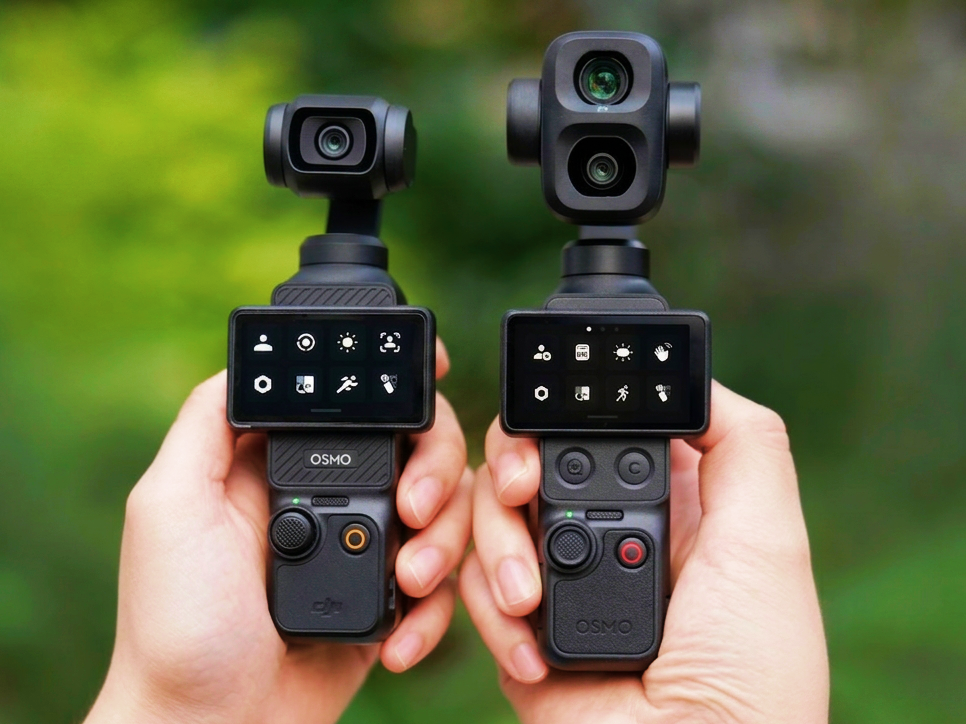
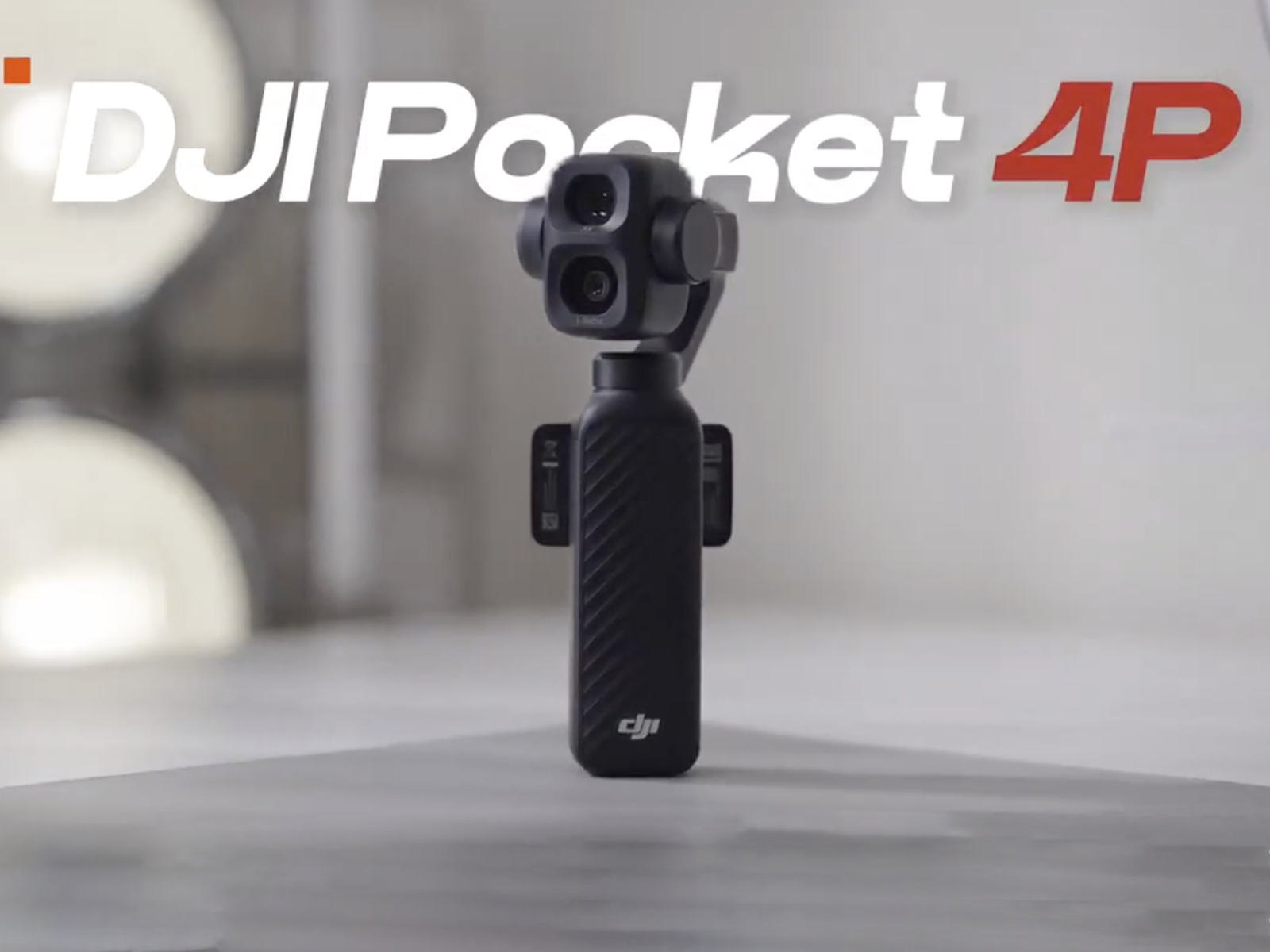
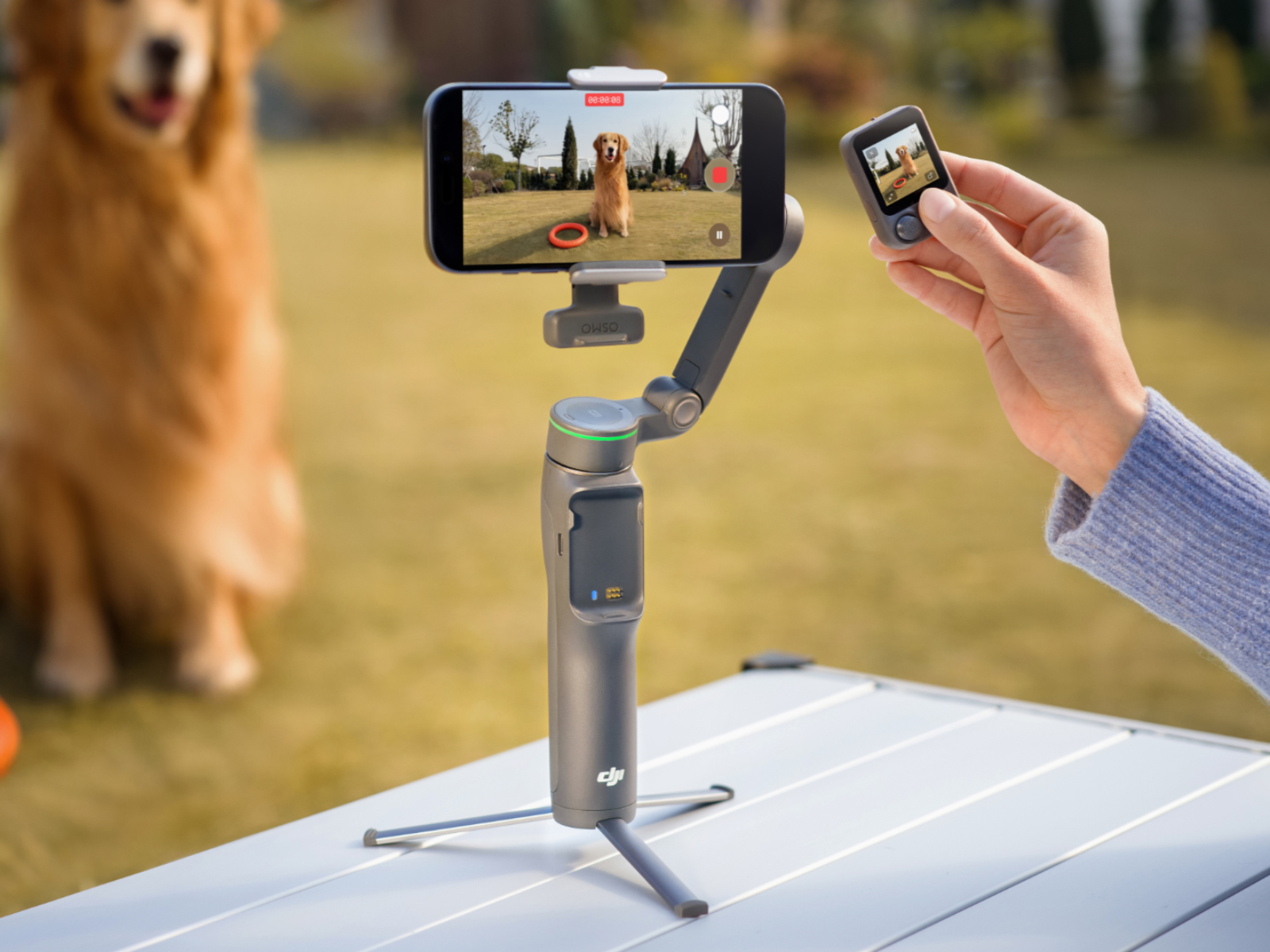
DJI is about to launch the most ambitious Pocket-series camera it has made so far. The company has officially confirmed the global debut of the Osmo Pocket 4P, scheduled for May 14 during the Cannes Film Festival in France. Pre-orders are already live through DJI’s website, and early hands-on units have started appearing through Chinese media outlets and creators ahead of the announcement.
The biggest change this time is the camera setup itself. For the first time in the Pocket lineup, DJI is adding a second lens. The Pocket 4P combines the familiar 1-inch primary sensor from the standard Osmo Pocket 4 with a dedicated 3x telephoto camera, reportedly sitting around a 70mm equivalent focal length.
That may not sound like a huge upgrade at first, but it actually changes the way the Pocket camera can be used. Older Pocket models were mostly limited to wide-angle shooting, which worked fine for vlogging but wasn’t always ideal for portraits, interviews, or tighter cinematic framing. Adding a telephoto lens makes the Pocket 4P noticeably more flexible without forcing creators to rely heavily on digital zoom. Reports also mention a variable aperture system (f/1.7-f/2.8) for the main camera, alongside up to 12x hybrid zoom and around 6x “lossless” zoom depending on the shooting mode.
Outside of the camera hardware, DJI seems to be refining the rest of the experience rather than redesigning everything. The Pocket 4P reportedly supports 10-bit D-Log recording, upgraded ActiveTrack 7.0 tracking, and a larger 2.5-inch rotating touchscreen with brightness reaching 1000 nits. Battery capacity is also said to increase to around 2000mAh for longer recording sessions.
And of course, the signature 3-axis mechanical stabilization system remains one of the main selling points. DJI also appears to be pushing ecosystem integration more heavily this generation, with tighter compatibility expected between the Pocket 4P and the company’s microphones, drones, and creator accessories.
Pricing hasn’t been officially revealed yet, but the Pocket 4P is expected to sit above the standard Pocket 4 in DJI’s lineup. Availability in the US is still uncertain as well, since some recent DJI launches have faced regulatory complications there.
The Pocket 4P isn’t trying to replace larger mirrorless cameras, but it does seem aimed at creators who want more framing flexibility and better image quality without carrying around a full camera setup all day.
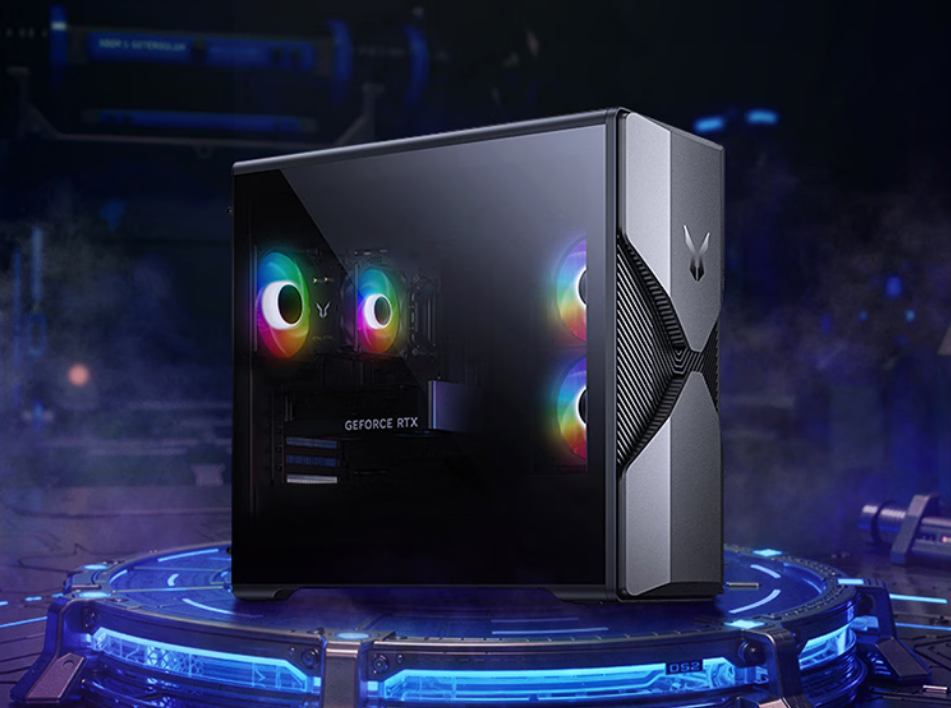
Lenovo is refreshing its pre-built desktop lineup in China. The company’s new Lecoo Bellator Blade 7000 models are scheduled to go on sale on May 13. They are straightforward mid-range gaming PCs that pair Intel’s new Core Ultra processors with Nvidia’s RTX 50-series graphics cards.
Lenovo Lecoo Bellator Blade 7000 Specifications
Inside, these desktops run on the Intel Core Ultra 5 230F. It is a 10-core, 10-thread processor sitting on an Intel H810 chipset motherboard. The chip has a maximum boost clock of 5.0GHz and 24MB of cache. It is a practical processor for a mid-range build, capable of handling standard gaming and everyday desktop tasks.
For graphics, buyers can choose between the Nvidia GeForce RTX 5060 and the RTX 5060 Ti. Both cards are built on Nvidia’s Blackwell architecture and include 8GB of GDDR7 memory on a 128-bit bus. They support Nvidia’s current software features, including DLSS 4 for frame generation and Reflex 2.
Lenovo is shipping all of these configurations with 24GB of DDR5 memory. Storage options include either a 512GB or 1TB PCIe SSD. The entire system runs on a 500W power supply, which is adequate for the power draw of these specific components.
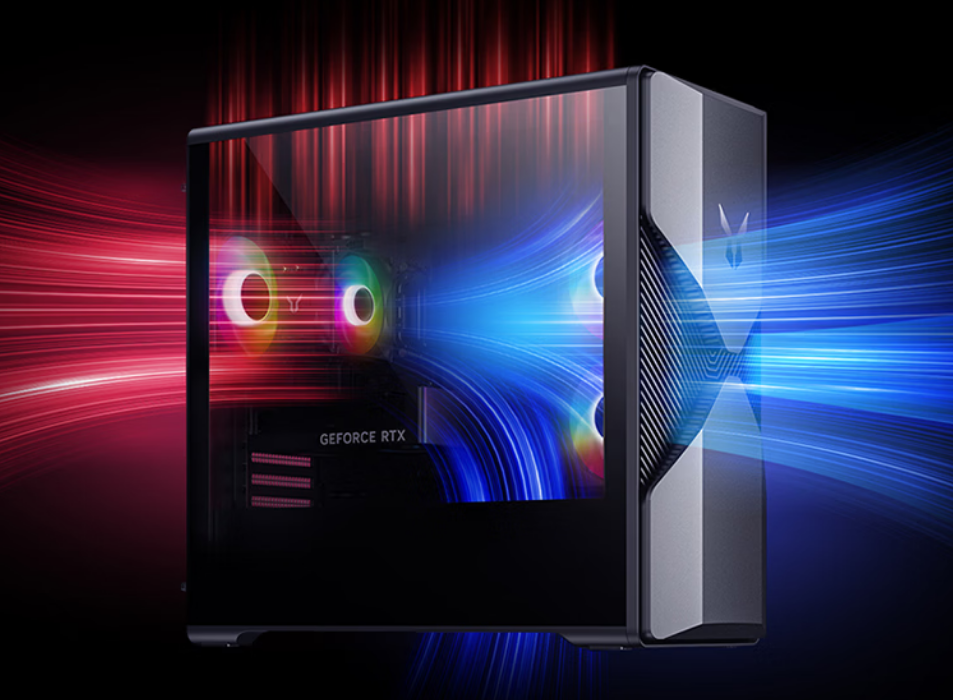
The case design is typical for a modern gaming PC, featuring a glass side panel, some RGB lighting, and an angular front panel. Lenovo says its internal cooling layout can dissipate up to 700W of heat using standard airflow channels. The chassis is built from galvanized steel, using 0.8mm steel for the main body and 1mm steel for structural parts like the motherboard tray and side panels.
If you want to swap parts later, the case offers standard upgrade clearances. It fits graphics cards up to 390mm long (or 420mm if you remove the front fans), CPU coolers up to 165mm tall, and power supplies up to 290mm long. There is room for a 360mm liquid cooler on the top panel, mounting points for up to 12 fans, and a drive cage that holds two physical hard drives.
Connectivity includes Wi-Fi 6, Bluetooth 5.2, and Gigabit Ethernet. The front panel has two USB 3.2 Gen 1 ports and a headphone jack, while the back panel includes a mix of USB 3.2 and USB 2.0 ports, plus standard audio and display connections.
Pricing
The base RTX 5060 model with a 512GB SSD costs 8,199 yuan ($1,206). The RTX 5060 Ti version is 8,499 yuan ($1,250), and increasing the storage to 1TB brings the price to 8,999 yuan ($1,324).
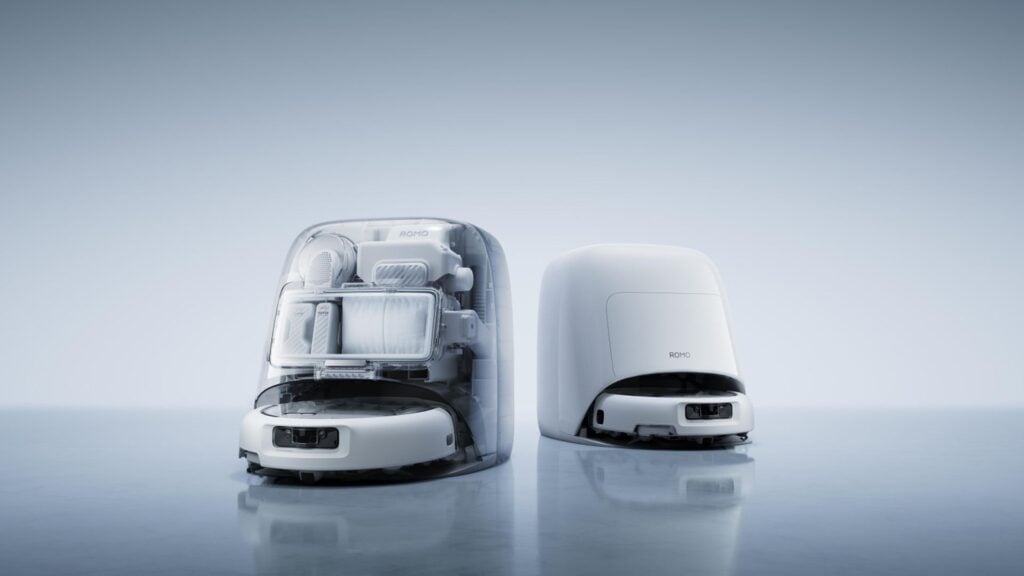
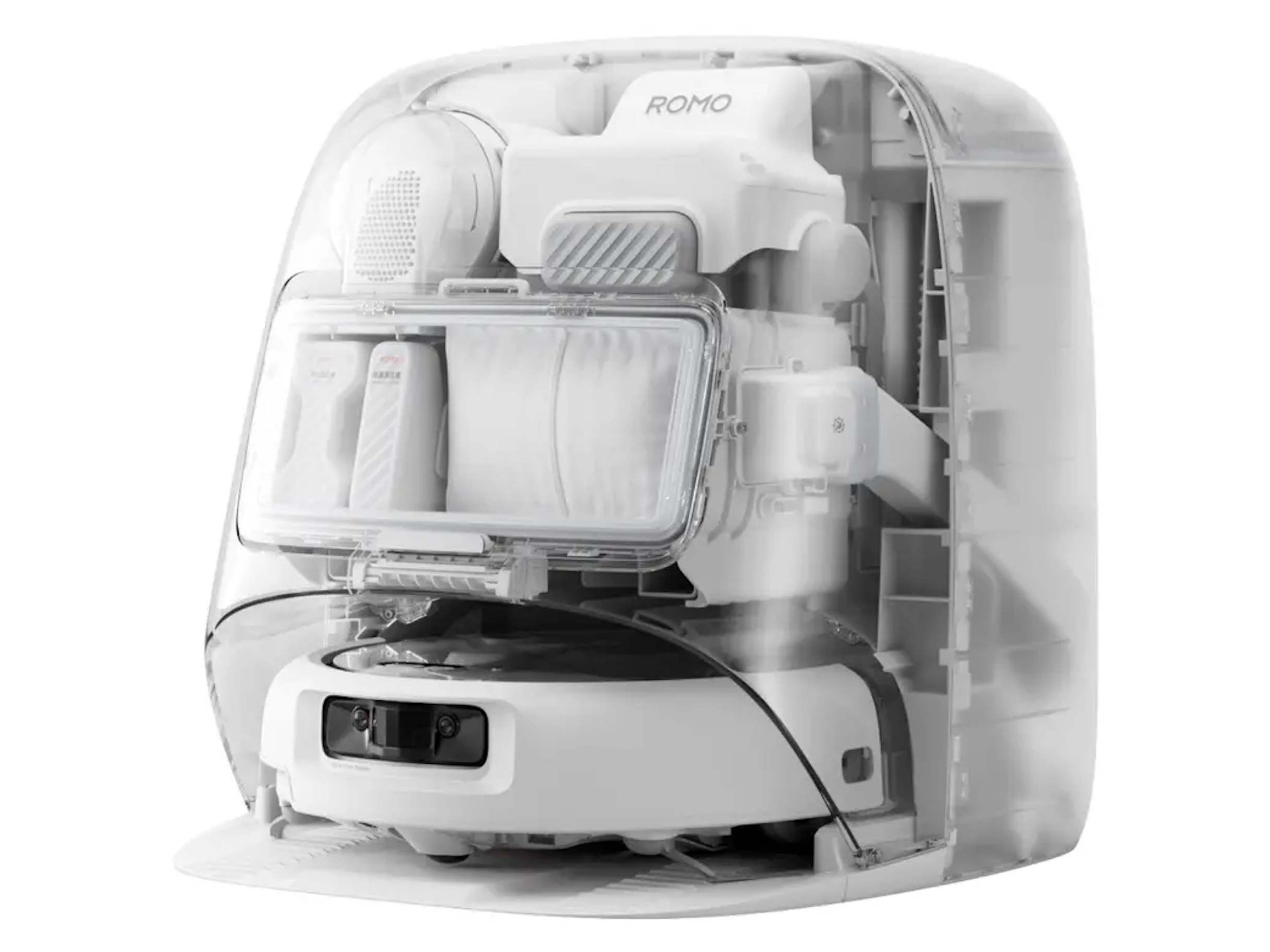
DJI has officially unveiled the new Romo 2 series AI-powered robot vacuum and mop cleaners in China. The lineup includes the Romo P2 and Romo A2 models, focusing on smarter cleaning, advanced obstacle detection, and reduced manual maintenance. The company is positioning the new series as a premium smart home cleaning solution powered by AI and DJI’s spatial sensing technology.
DJI Romo P2, Romo A2 specifications and features
DJI Romo 2 series
The Romo 2 series comes with DJI’s upgraded AI cleaning system that can recognise different floor conditions and cleaning scenarios automatically. The robot can increase suction while cleaning carpets, detect liquid spills for targeted mopping, and intelligently navigate cluttered spaces without needing users to rearrange furniture beforehand.
DJI has equipped the Romo 2 lineup with a new obstacle avoidance system inspired by its drone technology. The setup combines laser radar sensors, fisheye vision cameras, and ToF sensing hardware to identify even small obstacles such as thin cables or pet pads. The system can also detect transparent objects like mirrors and glass surfaces. A built-in dirt-detection light helps the robot spot dust and obstacles in dark environments.
DJI Romo P2
The cleaning hardware includes a radar-adaptive robotic arm capable of swinging up to 123 degrees for improved edge and corner cleaning. DJI says the new design can cover an additional 4.5cm area near walls compared to previous models. The Romo 2 series also features a powerful 36000Pa suction system with intelligent boost mode for carpets and deep dust removal. It supports 8.5cm dual-layer obstacle climbing and includes anti-tangle brush structures for hair management.
DJI has also focused heavily on automation and maintenance. The docking station supports high-temperature self-cleaning, multiple antibacterial features, hot-air drying, UV sanitisation, and automatic sewage cleaning. The robots additionally support voice control, remote video communication, dirt heatmaps inside the DJI Home app, and 55W fast charging.
DJI Romo P2, Romo A2price and availability
DJI has launched four variants under the Romo 2 lineup in China:
DJI Romo P2 (water tank version) – 5,999 Yuan (~$830)
DJI Romo P2 (automatic water supply and drainage ultra-thin base station version) – 6,499 Yuan (~$900)
DJI Romo A2 (water tank version) – 5,499 Yuan (~$760)
DJI Romo A2 (automatic water supply and drainage ultra-thin base station version) – 5,999 Yuan (~$830)
The products are currently available for pre-orders in China through DJI’s official online and offline channels. At this time, there is no official confirmation regarding global availability.
For more daily updates, please visit our News Section.
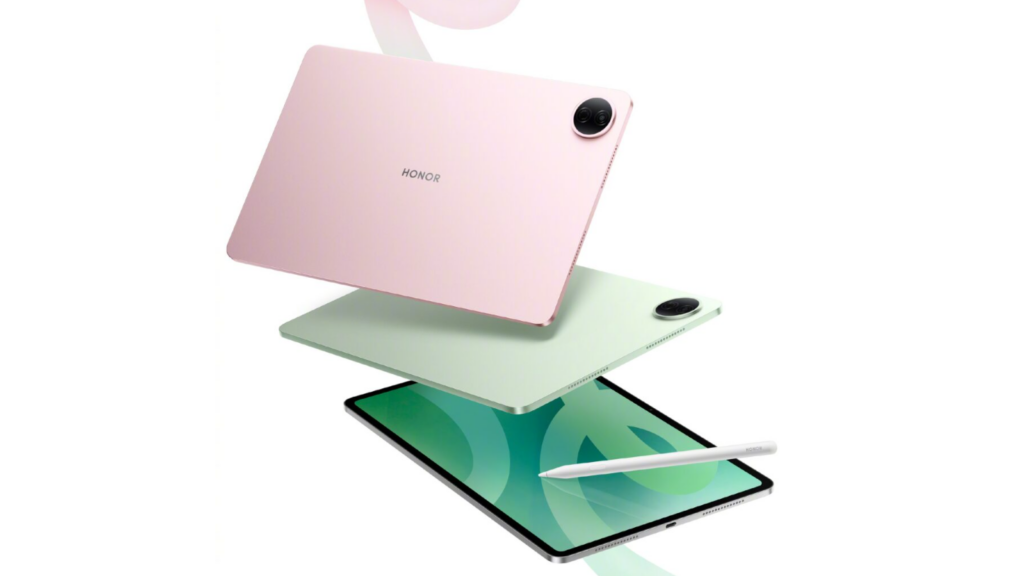
Honor has officially introduced a new tablet aimed at students and note-taking users. Called the Honor Pad 20, the device was announced by Honor’s all-scenario product division earlier today alongside a series of teaser images showing off the design and color options.
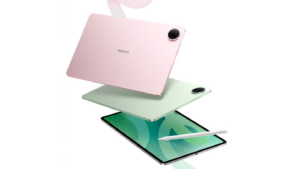
Visually, the tablet keeps things fairly clean and lightweight. The back features a small circular camera module, and Honor is offering the device in a few brighter finishes including Vibrant Pink, Forest Green, and a gray variant. It’s clearly targeting a younger audience rather than going for the usual all-business tablet look.
Honor says the Pad 20 uses a 12.1″ 3K “full-color paper-like” screen, designed to make handwriting and stylus input feel closer to writing on actual paper. Companies have been experimenting with this sort of textured display coating for a while now, especially on productivity-focused tablets, and Honor seems to be leaning heavily into that idea here. There’s also a Soft Light version of the tablet focused on reducing glare and improving eye comfort during longer study or reading sessions.
On the software side, Honor is mentioning several AI-powered learning tools as part of the package, including features aimed at exam preparation and note organization. The overall direction seems pretty clear: this is meant to be a study-focused tablet first.
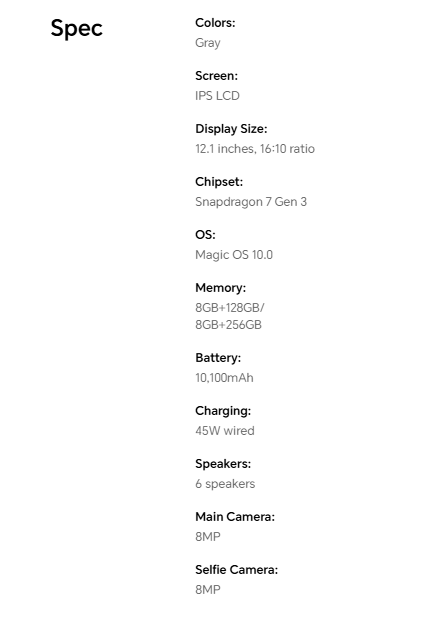
The tablet has already appeared on the company’s official website with a few key specifications confirmed. The listing mentions a Snapdragon 7 Gen 3 chipset, and a 10,100mAh battery with 45W wired charging. Configurations include 8GB RAM paired with either 128GB or 256GB storage.
Pre-orders have already gone live in China through platforms like JD.com, which usually means the official release isn’t very far away. The Pad 20 already feels like Honor refining a formula that has been working fairly well for the company lately: large displays, lightweight designs, and features aimed directly at students and younger users rather than pure flagship performance.
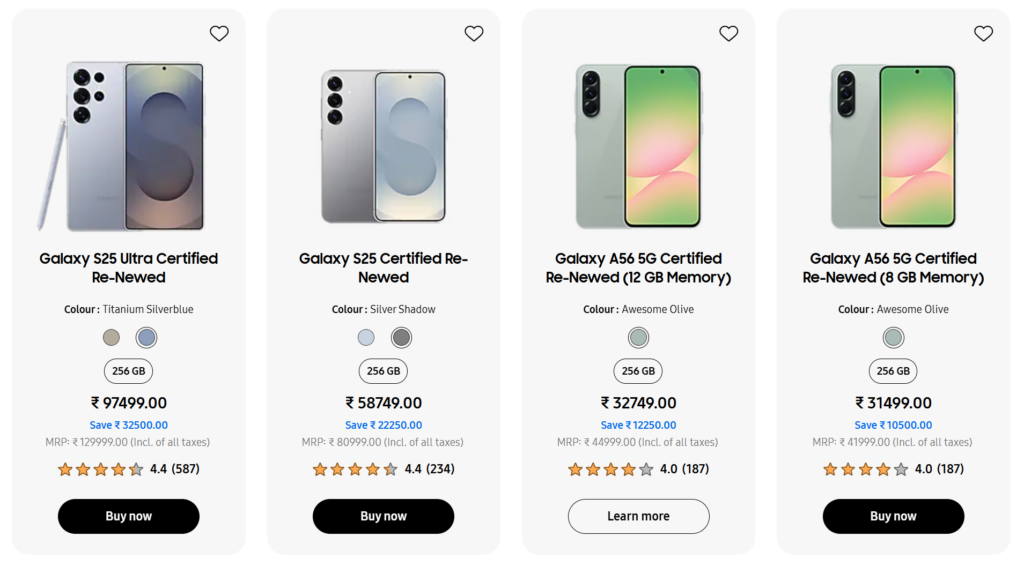
Samsung has officially introduced its Certified Re-Newed program in India, bringing refurbished Galaxy smartphones to buyers looking for premium devices at relatively lower prices. The company-backed initiative includes flagship and mid-range Galaxy models that undergo refurbishment and testing before being resold with an official warranty.
Samsung’s refurbished Galaxy phone program arrives in India
Refurbished Samsung phones now officially available in India
Under the new Certified Re-Newed program, Samsung is offering the following refurbished smartphones:
Samsung says all Certified Re-Newed devices go through detailed inspection, cleaning, testing, and software validation at authorised facilities. The phones are restored using genuine Samsung parts wherever replacements are needed. Each unit is also reset to erase previous user data and updated with the latest available software before sale.
The company is packaging the devices in new boxes along with accessories such as a USB cable, SIM ejector tool, and quick-start guide. Samsung is also providing a one-year manufacturer warranty, similar to what buyers receive with new Galaxy smartphones. According to the company, the program is intended to make premium Galaxy devices more accessible while supporting longer product lifecycles.
While the program adds an official and more trustworthy route for buying refurbished Samsung phones in India, pricing may become an important factor for buyers. Some of the refurbished Galaxy devices are currently listed close to the pricing of brand-new units available through online marketplaces and offline retailers during sales and promotions.
This could make the value proposition less attractive for certain buyers, especially when discounts on new phones are available. However, Samsung’s official refurbishment process and warranty support may still appeal to users looking for added peace of mind over third-party refurbished options.
For more daily updates, please visit our News Section.
Dreame has introduced a new hair dryer to its lineup, the Pocket P10 Cake, in the Chinese market. Priced at 599 yuan ($88), the device is designed primarily around portability and combining standard hair drying with an automated hair oiling system.
Dreame is offering the device in five pastel, dessert-themed colors: Tiramisu Brown, Peach Mochi Pink, Mint Puff Blue, Lemon Parfait Yellow, and Grape Mousse Purple.
Dreame Pocket P10 Cake Specifications
Physically, the P10 Cake is built for travel and small spaces. It weighs around 300 grams and features a 180-degree folding hinge. When collapsed, the dryer is roughly the size of a smartphone, which makes it practical for packing into a gym bag, a carry-on suitcase, or storing in a small bathroom cabinet.
In terms of hardware, the dryer uses a 110,000 RPM motor that generates wind speeds of up to 70 meters per second. According to the manufacturer, this airflow can dry short hair in about 40 seconds, shoulder-length hair in two minutes, and long hair in roughly four minutes.
To manage the heat, it includes an NTC temperature control system. This sensor checks the air temperature 300 times per second to maintain a consistent heat level and prevent accidental heat damage to the hair during use.
The P10 Cake also comes with an integrated hair oil dispenser. Instead of requiring users to apply serums by hand after drying, the device uses a specific nozzle with a refillable capsule chamber.
As the dryer runs, it distributes a scented hair oil, made with camellia seed, jojoba seed, and grape seed oils, directly into the airflow to coat the hair evenly. Each color version comes with a matching scent. Additionally, a built-in negative ion system releases 300 million ions to help reduce frizz and smooth the hair cuticles.
For basic operation, the dryer offers two wind speed settings and four heat modes, including hot and cold air options. It also has a detachable rear cover so users can clean out trapped dust, and a curved handle for a more comfortable grip.
In related news, Dreame has recently unveiled the F20 air fryer with 360-degree hot air cooking for around $45, while the Dreame H70 Ultra Station arrives with 28,000Pa suction and 200°C steam cleaning support.
For more daily updates, please visit our News Section.
SanDisk has partnered with Crayola to release a line of USB-C flash drives designed to look exactly like standard wax crayons. After initially launching globally last year, the officially licensed drives are now making their way to India. They are aimed primarily at students, teachers, and anyone who wants a storage device that doesn’t look like a plain metal or plastic rectangle.
SanDisk Crayola Flash Drive Specifications
From a design perspective, the drive closely mimics the classic Crayola wrapper, complete with the familiar wavy black borders and recognizable font. Pulling off the tip of the crayon reveals a standard USB-C connector. In India, SanDisk is offering the drive in three distinct colors: Mango Tango, Cerulean Blue, and Electric Lime.
Underneath the colorful plastic casing, it is a standard, capable storage drive. It uses a USB 3.2 Gen 1 interface, and SanDisk states it can reach read speeds of up to 300 MB/s. That is fast enough for its intended use case, moving homework assignments, PDFs, photos, and standard media files between laptops, Chromebooks, and iPads. The choice to go exclusively with USB-C rather than the older USB-A standard makes sense here, given that most modern tablets and laptops used in education today rely entirely on USB-C ports.
SanDisk also added a few minor software touches to lean into the theme. When you plug the drive into a desktop computer, it mounts with a custom Crayola icon in the file manager rather than a generic external drive logo. It also supports SanDisk’s Memory Zone app for basic file management and backups.
Because the product is heavily targeted at younger users and their parents, each drive comes bundled with a three-month subscription to the Crayola Create & Play app, alongside access to printable activity sheets. However, SanDisk explicitly notes that the drive is not a toy and includes a standard choking hazard warning for children under three years old due to the small, removable cap.
Pricing and Availability
The SanDisk Crayola USB-C Flash Drive is available now on Amazon India. The base 64GB model costs Rs. 2,769, the 128GB version is Rs. 3,939, and the highest-capacity 256GB model is priced at Rs. 6,029. All three storage tiers come with a five-year limited warranty.
In related news, SanDisk has recently launched a new 1TB portable SSD that delivers read speeds of up to 600MB/s.
For more daily updates, please visit our News Section.
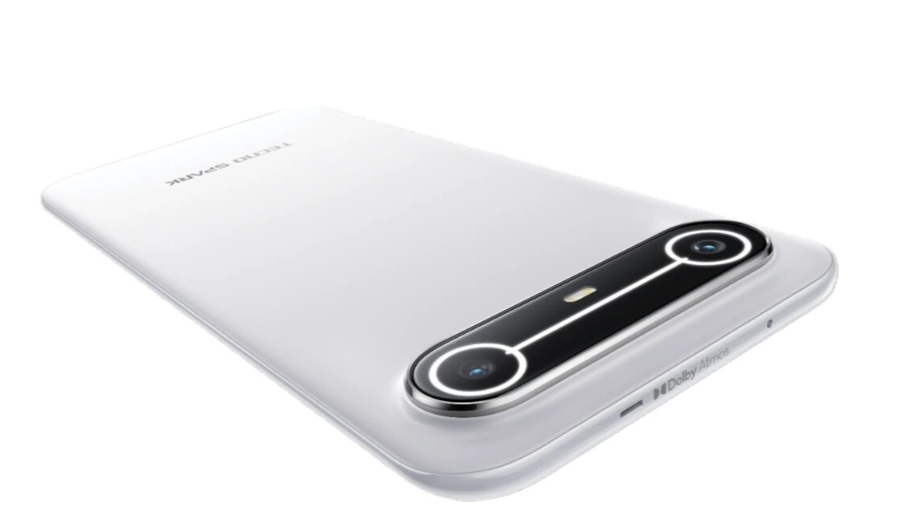
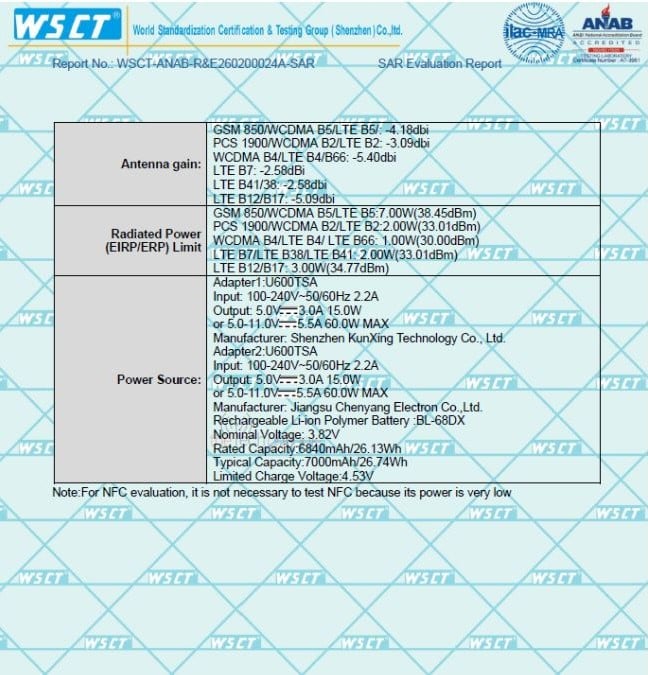
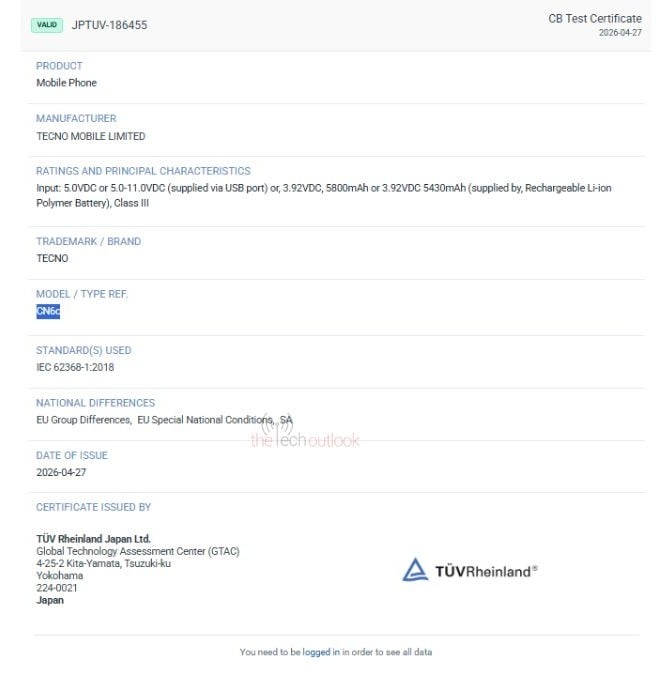
Tecno looks ready to add another model to its Camon lineup. A new device called the Tecno Camon Slim has now appeared across multiple certification platforms, including FCC filings and Tecno’s own Carlcare service database, revealing some early hardware details ahead of launch. The phone carries the model number CN6c and appears to come with 8GB RAM alongside either 128GB or 256GB storage depending on the version.
But the bigger talking point is probably the battery. According to the FCC listing, the Camon Slim uses a battery identified as BL-68DX with a typical capacity of 7000mAh and a rated capacity of 6840mAh. That’s unusually large for a phone that’s apparently being positioned around slimness and design. The same certification also confirms support for 60W wired charging through Tecno’s U600TSA power adapter.
At the same time, things get slightly more complicated depending on the region. A separate TÜV Rheinland certification mentions smaller battery variants rated at 5800mAh and 5430mAh for certain markets, including parts of Europe and Saudi Arabia. So Tecno may end up shipping different battery sizes depending on local regulations or design priorities.
FCC schematics also reveal part of the design. The rear camera setup appears to use a horizontal pill-shaped module with two camera sensors, somewhat similar to the look Tecno used on the Spark Slim. NFC support is also confirmed through the filing, alongside dual-band Wi-Fi, Bluetooth, LTE support, and likely 5G connectivity as well.
As for the rest of the hardware, earlier leaks suggest the phone could use MediaTek’s Dimensity 7100 chip paired with a 6.78-inch AMOLED display and Android 16 running underneath HiOS 16.
At this point, pricing and launch timing still haven’t been officially revealed. But with FCC and TÜV certifications already in place, the announcement probably isn’t too far away now. And honestly, if Tecno really manages to fit a 7000mAh battery into a genuinely slim chassis, that alone could end up being the phone’s biggest selling point.
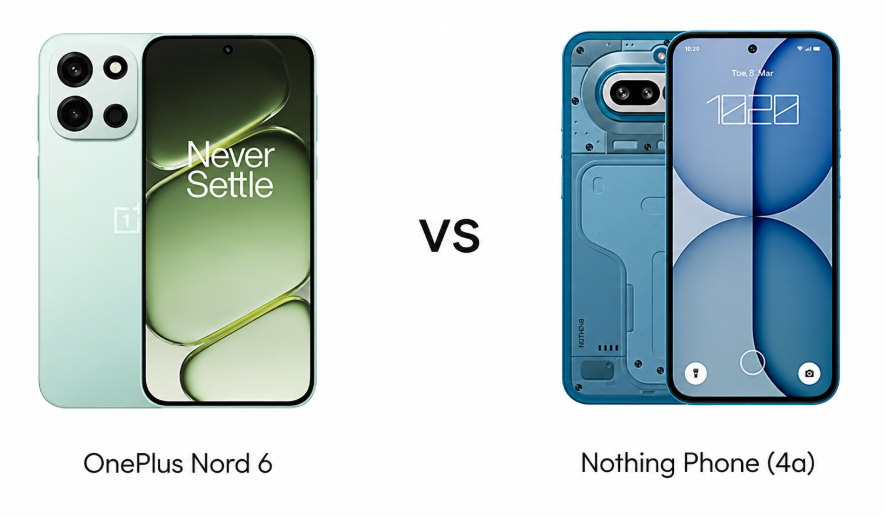
The mid-range smartphone segment is becoming more competitive than ever, and the OnePlus Nord 6 vs Nothing Phone (4a) comparison perfectly shows why. OnePlus is pushing aggressive flagship-grade performance and massive battery life, while Nothing is focusing on standout design, clean software, and a surprisingly versatile camera setup. Both phones target users looking for premium features without flagship pricing, but they take very different approaches to get there. Here’s a closer look at which device delivers the better overall experience for gaming, photography, daily usage, and long-term value.
Major Features:
Feature
OnePlus Nord 6
Nothing Phone (4a)
Winner
Display
6.78-inch AMOLED, 165Hz, 3600 nits peak
6.78-inch AMOLED, 120Hz, 4500 nits peak
OnePlus – Higher refresh rate gives smoother gaming and scrolling
Resolution
1272 × 2772, 450ppi
1224 × 2720, 440ppi
OnePlus – Slightly sharper panel
Protection
OnePlus Crystal Guard
Gorilla Glass 7i
Nothing – Gorilla Glass branding feels more premium
Water Resistance
IP68/IP69K
IP64
OnePlus – Far stronger protection
Chipset
Snapdragon 8s Gen 4
Snapdragon 7s Gen 4
OnePlus – Much more powerful chipset
GPU
Adreno 825
Adreno 810
OnePlus – Better gaming performance
Storage Type
UFS 4.1
UFS 3.1
OnePlus – Faster storage speeds
Rear Cameras
50MP + 8MP
50MP + 50MP Periscope + 8MP
Nothing – Periscope zoom adds versatility
Zoom Camera
No
3.5x optical periscope
Nothing – Dedicated telephoto advantage
Rear Video
4K 60fps
4K 30fps, Dolby Vision HDR
Nothing – Dolby Vision support adds premium video features
Disclaimer: Specs are based on available data. Actual performance may vary. Verify details from official sources before buying.
Design and Display
Build and Feel
OnePlus Nord 6 and Nothing Phone (4a) approach design very differently. OnePlus focuses on durability and aggressive flagship-style hardware, offering IP68/IP69K protection along with MIL-STD-810H certification. It feels more practical for users who want a device that can survive rougher daily usage. The plastic back keeps the phone lighter in hand despite the massive battery inside, while the flat-frame styling gives it a modern, premium appearance.
Nothing Phone (4a) leans more toward visual personality. Its transparent-inspired design language, mini-LED glyph system, and glass back create a cleaner and more distinctive look. It feels more lifestyle-oriented and immediately stands out in a crowded mid-range segment. The phone does not offer the same water resistance level as the Nord 6, but the overall finish looks more premium.
Display Quality
Both devices use AMOLED panels with HDR10+ and strong peak brightness figures, but the Nord 6 clearly pushes harder on display hardware. Its 165Hz refresh rate makes scrolling and gaming feel exceptionally fluid, while the Snapdragon platform can better sustain high refresh gaming. The Nothing Phone (4a) counters with stronger peak brightness and slightly more natural tuning, which may feel easier on the eyes during media consumption.
Verdict
OnePlus Nord 6 is the stronger option for durability, gaming visuals, and smoother responsiveness. The Nothing Phone (4a) feels more stylish and unique, especially for users who value design identity over raw hardware advantage.
Specifications Including Battery
Performance
Performance is one of the biggest differences between these two devices. OnePlus Nord 6 uses the Snapdragon 8s Gen 4 chipset paired with UFS 4.1 storage, delivering near-flagship power. Gaming, multitasking, and long-term performance stability are noticeably stronger here. Heavy applications load faster, and the 165Hz panel complements the powerful GPU particularly well. It feels closer to a premium flagship than a traditional Nord-series phone.
Nothing Phone (4a) uses the Snapdragon 7s Gen 4 with UFS 3.1 storage. Daily performance remains smooth for social media, casual gaming, and multitasking, but it lacks the raw speed and sustained gaming power of the Nord 6. Nothing OS remains one of the cleaner Android skins, though, which helps the phone feel optimized in normal usage.
Battery and Charging
Battery capacity heavily favors the Nord 6, especially in India where it ships with a massive 9000mAh battery. Even the global variant’s 7500mAh unit is significantly larger than the Nothing Phone (4a)’s 5400mAh Indian model. Combined with 80W charging and bypass charging support, the Nord 6 clearly targets power users and gamers. The Nothing device still offers respectable endurance with decent 50W charging, but it prioritizes balance rather than extreme battery life.
Verdict
OnePlus Nord 6 dominates in raw performance and battery endurance. The Nothing Phone (4a) feels smoother than expected thanks to software optimization, but users focused on gaming, longevity, and heavy usage will find the Nord 6 far more capable.
Camera
Main and Secondary Lenses
camera philosophies are very different here. The OnePlus Nord 6 keeps things simple with a 50MP primary camera and an 8MP ultrawide lens. The main sensor should deliver reliable daylight shots with good stabilization and balanced colors, while 4K 60fps recording gives it decent video flexibility. However, the secondary camera setup feels more functional than exciting.
Nothing Phone (4a) is much more ambitious in photography. Alongside the 50MP primary camera, it adds a 50MP periscope telephoto lens with 3.5x optical zoom. This instantly gives it an advantage for portraits and long-range photography, something rarely seen in this segment. Dolby Vision HDR recording also adds a more premium video experience. The ultrawide sensor is similar to the Nord 6 on paper, but the telephoto camera changes the overall versatility completely.
Selfie Camera
Both phones use 32MP selfie cameras, but the Nord 6 supports 4K selfie video recording, making it more suitable for creators and video-focused users. The Nothing Phone (4a) limits selfie video to 1080p, though its image processing may appeal to users preferring softer and more natural skin tones.
Verdict
Nothing Phone (4a) is the more versatile photography phone because of its periscope zoom camera and stronger video features. The Nord 6 counters with better selfie video capabilities and more dependable processing performance during heavy camera use.
Pricing
OnePlus Nord 6 is expected to cost around $460 or ₹39,000, while the Nothing Phone (4a) sits lower at roughly $400 or ₹32,000. That price gap creates two very different value propositions. The Nord 6 asks for more money, but it also delivers significantly stronger hardware in areas like chipset performance, display refresh rate, charging speed, and battery capacity. For users who keep phones for several years or regularly play demanding games, the extra cost feels justified.
Nothing Phone (4a), meanwhile, focuses on offering a more balanced and stylish experience at a lower entry price. The inclusion of a periscope telephoto camera at this price point makes it especially attractive for photography enthusiasts. Its software design and unique LED interface also give it a personality that many competitors lack.
Verdict
OnePlus Nord 6 offers stronger hardware value for power users, while the Nothing Phone (4a) provides better lifestyle appeal and camera versatility for the price. The better value depends heavily on whether performance or overall experience matters more.
Disclaimer: Prices are approximate and may vary based on country, region, launch timing, and applicable taxes. Always check whether the listed price is for a China unit or a global/international variant when purchasing.
Conclusion
OnePlus Nord 6 feels designed for users who want maximum specifications without stepping into true flagship pricing. Its enormous battery, flagship-grade Snapdragon chipset, 165Hz AMOLED display, and aggressive charging speeds make it one of the most performance-focused phones in its category. Features like bypass charging and advanced water resistance further strengthen its appeal for gamers and heavy users.
Nothing Phone (4a) takes a different route by emphasizing personality and camera versatility. The glyph lighting system, cleaner software experience, and periscope telephoto camera help it stand apart from typical mid-range Android devices. It feels more refined in daily lifestyle usage rather than purely benchmark-driven.
Verdict
OnePlus Nord 6 is the better choice for users prioritizing gaming, battery life, and long-term performance. The Nothing Phone (4a) is the more stylish and photography-focused option with a stronger sense of identity. Both phones target different audiences successfully, which makes this comparison more about preference than outright superiority.
Disclaimer: This comparison is based on the specifications provided and is intended for general informational purposes. Actual performance, camera results, battery life, and overall experience may vary depending on real-world usage, software updates, and individual preferences.
A recent report revealed that the Vivo X500 series will include three devices, as their names were found listed in the IMEI database. Now, a report, courtesy of SmartPrix, reveals that another X500-series model has emerged in the said database. At the same time, tipster Digital Chat Station has revealed the primary camera details of the entire X500 lineup.
Vivo X500 Pro Max moniker spotted at IMEI database
As can be seen in the image shared by the publication, the X500 Pro Max has also been registered in the IMEI database. The branding suggests that it will be Vivo’s topmost model this year until the rumored Vivo X500 Ultra arrives in the first half of 2027.
Apart from this, the Vivo X500e, Vivo X500, and Vivo X500 Pro have also been spotted at IMEI database. While the X500 lineup is expected to launch in Spetember this year, it is unclear whether all four models will be unveiled at the same time.
Previous reports have revealed that the X500 Pro Max will feature a 6.9-inch 2K AMOLED screen. Under the hood, it may feature the Dimensity 9600 series chip and a battery of around 7,000mAh capacity with 100W wired and wireless charging support.
Vivo X500 series’ primary camera details tipped
In the above Weibo post, reliable tipster Digital Chat Station has suggested that the X500 lineup is currently undergoing testing with a focus on significant imaging upgrades. According to latest reports, three models in the Dimensity-powered iteration line are being tested with 50-megapixel main cameras featuring approximately 1/1.28-inch ultra-large sensors. Other reports suggest that this could be the upcoming Sony LYT-838 camera sensor.
Furthermore, the higher-end “Pro” and “Pro+” (Pro Max) variants, which are referred to as the “big cup” and “extra-big cup” in the leak, are expected to incorporate LOFIC (Lateral Overflow Integrator Capacitor) sensor technology. This technology is designed to significantly improve dynamic range and prevent overexposure in challenging lighting conditions.
For more daily updates, please visit our News Section.
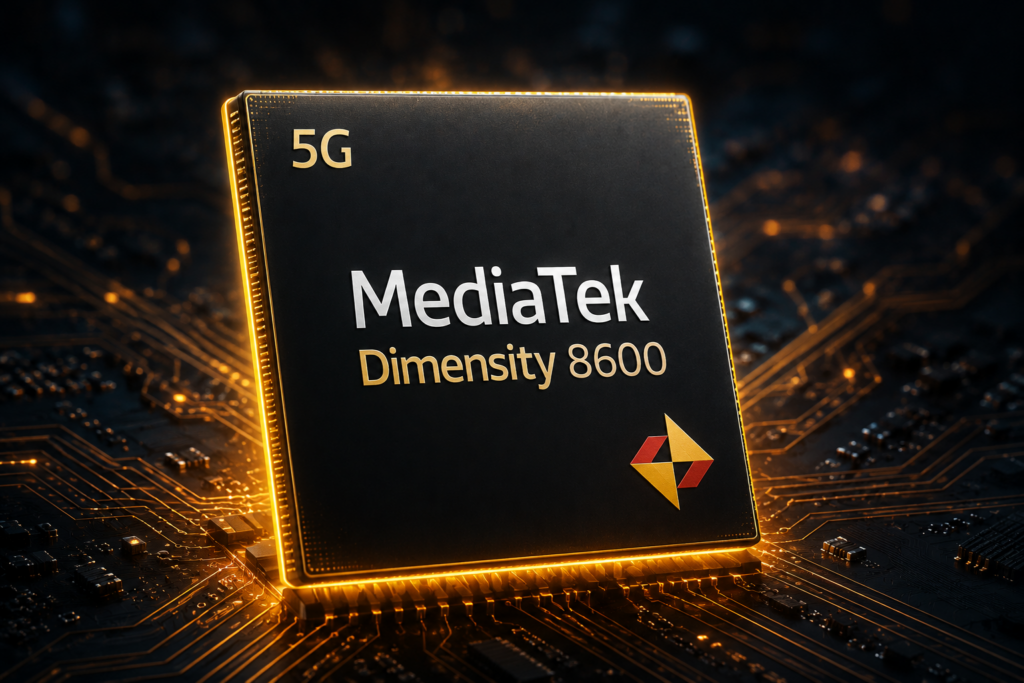
MediaTek will unveil the Dimensity 9600 chip built with 2nm process later this year. This chip is designed to power the upcoming flagship phones, such as Vivo X300 series and Oppo Find X10 lineup. A new development reveals that the brand is also working on a new chip called the Dimensity 8600. Here’s a look at the first details about that have surfaced today.
Dimensity 8600 to be built with 3nm process
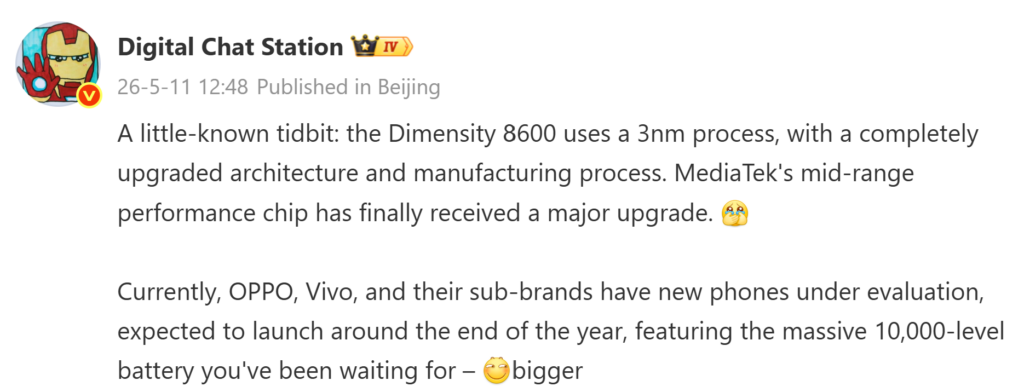
According to a new leak shared by tipster Digital Chat Station, MediaTek’s upcoming Dimensity 8600 chipset is expected to deliver a major generational upgrade for the company’s upper mid-range smartphone lineup. The tipster claims the chip will be built on a 3nm process and feature significant improvements in both architecture and manufacturing technology, marking one of the biggest upgrades yet for MediaTek’s mid-range performance-focused chips.
To recall, the Dimensity 8500, which debuted first in China in January this year, is a 4nm chip. It powers the likes of Redmi Turbo 5, Poco X8 Pro, Honor Power 2, iQOO Z11 (Chinese), Motorola Edge 70 Pro, and Oppo K15 Pro.
Coming back to the leak, it further suggests that smartphone brands such as Oppo, Vivo, Xiaomi, Honor, and their sub-brands are already evaluating new devices powered by the Dimensity 8600. Some of these upcoming phones are also tipped to feature massive batteries exceeding the 10,000mAh mark. The new devices are expected to be launched around the end of this year.
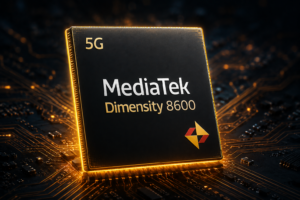
MediaTek Dimensity 8600 (AI-generated image)
One of the upcoming devices appears to be the Honor Power 3. It remains to be seen whether the Redmi Turbo 6 and Poco X9 Pro and successors of the above-mentioned phones will feature the D8500 chip.
For more daily updates, please visit our News Section.
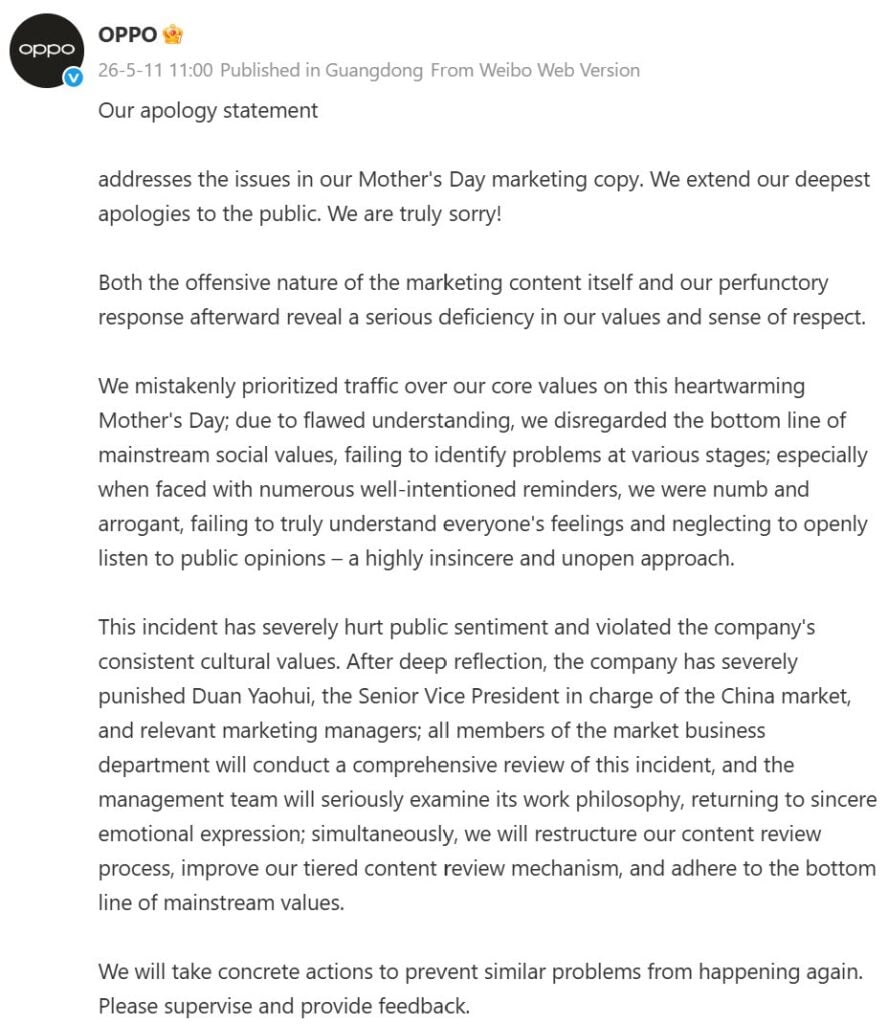
Oppo has found itself at the centre of a major controversy in China following a Mother’s Day campaign linked to the Oppo Find X9 Ultra. What appeared to be an attempt to portray modern mothers with different personalities and interests quickly turned into a social media storm, forcing the company to issue multiple public apologies.
Oppo’s Mother’s Day campaign sparks backlash
Oppo Mother’s Day campaign poster with controversial Chinese text
The controversy began after Oppo shared a promotional poster as part of its “Rewrite My Mom with the Lens” campaign. One particular line in the campaign drew strong criticism online. The Chinese text roughly translated to: “My mom has two ‘husbands’. One is my dad, and the other I see twice a year. She barely dresses up for dates with my dad, but for the other one she can’t wait to wear a wedding dress.”
While the wording sounded controversial to many readers, the intended meaning was reportedly tied to Chinese fan culture. The “other husband” was not meant literally, but referred to a celebrity idol admired by the mother. The “twice a year” reference pointed toward concerts or fan meet appearances. The campaign poster itself showed a woman holding a concert light stick outside what appeared to be a venue, suggesting Oppo wanted to highlight that mothers can still enjoy hobbies, fandoms, and personal passions.
However, many social media users felt the wording was inappropriate for a Mother’s Day campaign and criticised the brand for being insensitive toward family values. The backlash quickly spread across Weibo, with several users calling the campaign vulgar and tone-deaf.
Oppo issues apology after criticism
Oppo’s apology statement on Weibo after campaign backlash
In response, Oppo published an apology on its official Weibo account, admitting that the campaign content and the company’s handling of the issue reflected poor judgement. The company said it had removed all related promotional material and promised to review its content approval process more carefully in the future. Oppo later followed it up with another apology statement as criticism continued online.
Marketing controversies are not unusual in the tech industry, but Oppo’s decision to publicly acknowledge the mistake and respond quickly has also drawn attention.
What do you think about the campaign and Oppo’s response to the backlash?
For more daily updates, please visit our News Section.
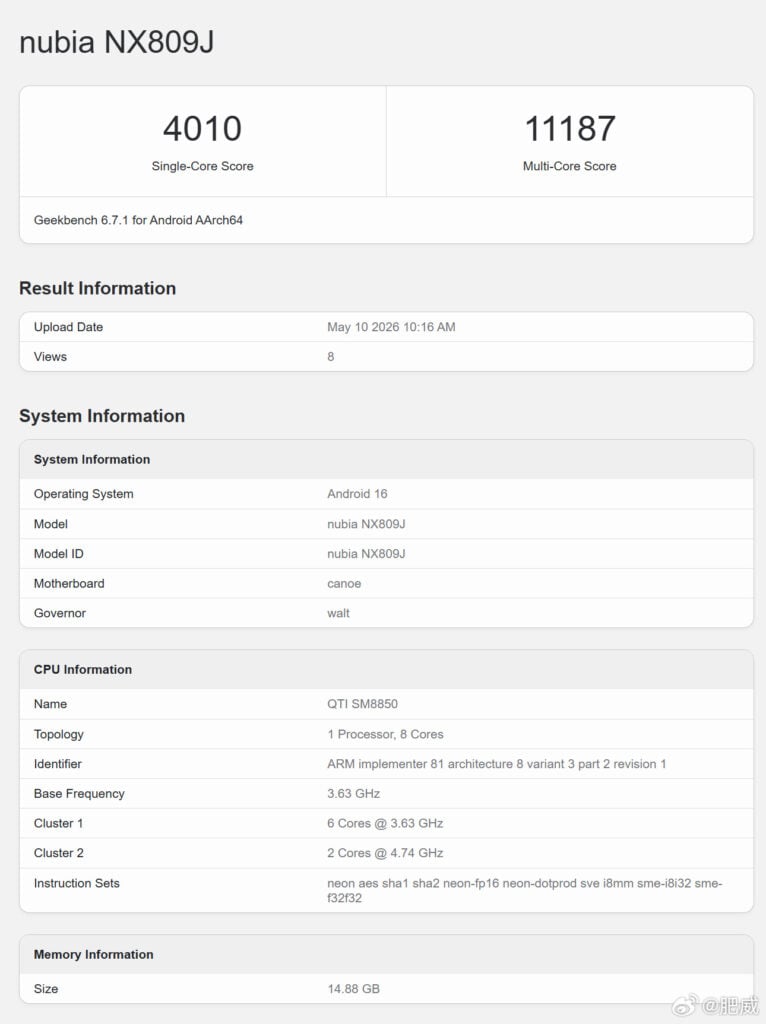
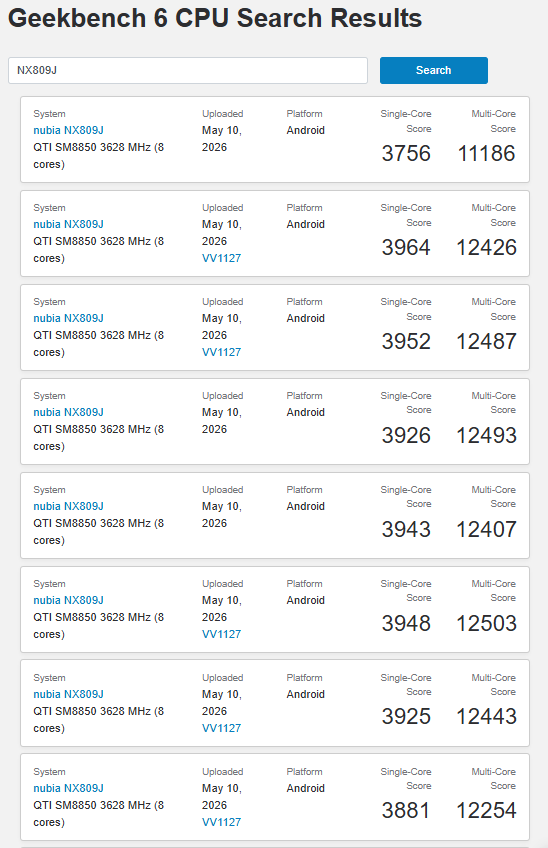
RedMagic’s next gaming flagship is already showing up in benchmarks ahead of launch, and the numbers are pretty wild. A new Geekbench 6 listing believed to belong to the upcoming RedMagic 11S Pro+ has reportedly crossed the 4000-point mark in single-core performance, something that, according to Chinese blogger @肥威, no Android phone had legitimately managed before on the platform.
Multiple Geekbench 6 listings for the device surfaced on May 10 under the model number nubia NX809J. One particular entry reportedly crossed the 4000-point mark in single-core performance, scoring around 4010 points before later disappearing from the database. Even so, several remaining listings still show extremely high scores in the 3900+ range for single-core performance, alongside even stronger multi-core results exceeding 12,000 points in some cases. Altogether, the benchmark results line up pretty closely with RedMagic’s continued focus on aggressive performance tuning and overclocking.
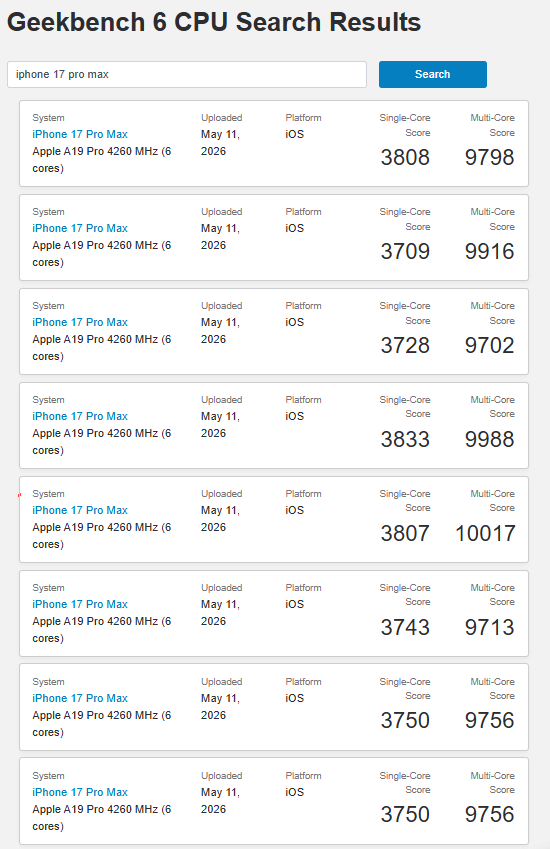
NX809J Geekbench listingsiPhone 17 Pro Max Geekbench listings
RedMagic recently talked about its overclocking process and how it selects the “best of the best” Snapdragon 8 Elite Gen 5 chips, which could explain the jump in peak performance. In simple terms, the company claims to be cherry-picking the strongest chips it can get. There’s also another interesting detail here: instead of the usual Qualcomm ARMv8 labeling, the benchmark references a “QTI SM8850 3628 MHz (8 cores)” configuration.
Of course, raw clock speed only matters if the phone can actually sustain it without overheating. That’s where RedMagic’s cooling setup comes in. The 11S Pro+ is expected to feature an upgraded active cooling fan alongside vapor chamber and liquid-cooling-style thermal systems, continuing the company’s usual approach of prioritizing performance above almost everything else.
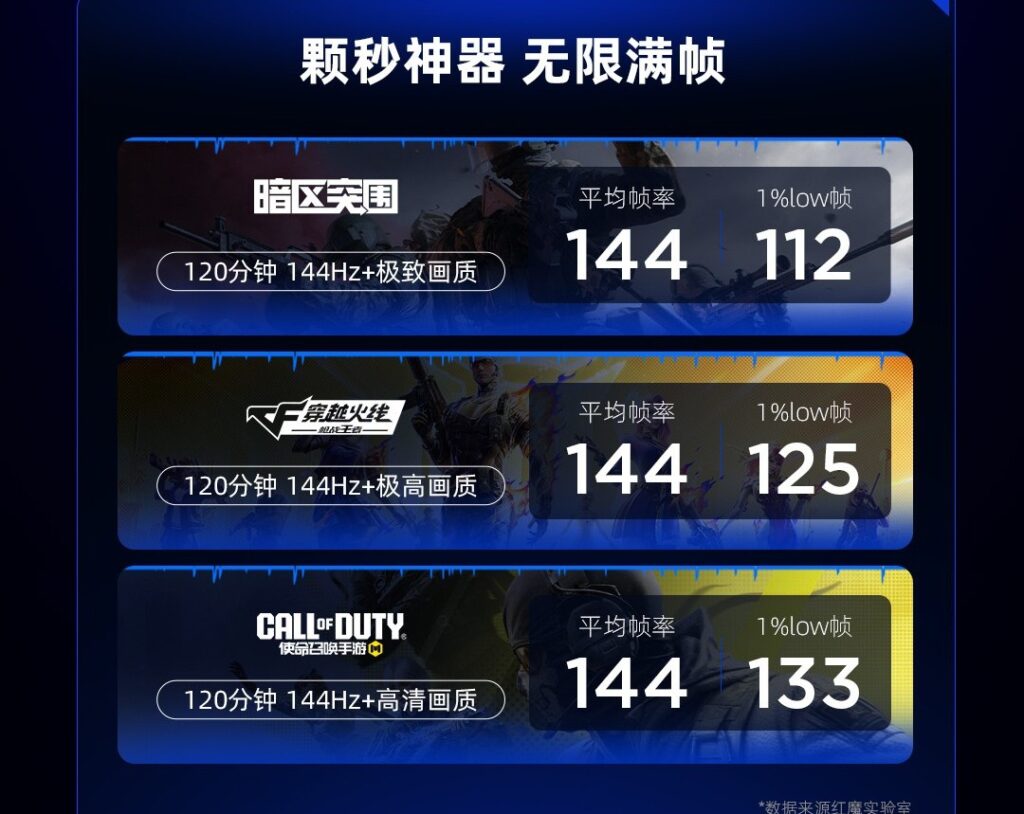
There’s also mention of RedMagic’s custom Redcore R4 gaming chip and the latest version of its CUBE Sky Gaming Engine. According to teaser material, the phone can supposedly run more than 200 games at up to 2K resolution and 144fps while simultaneously using frame interpolation and resolution upscaling.
The full RedMagic 11S Pro series is scheduled to launch in China on May 18, where the company is also expected to announce a new gaming tablet.
Samsung Display may already be experimenting with what comes after today’s smartphone screens, and if a new leak is accurate, the company is looking far beyond foldables this time.
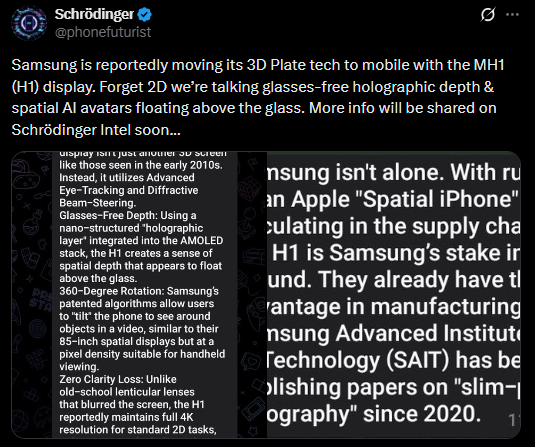
According to information shared by leaker Schrödinger, also known as phonefuturist on X, Samsung is currently researching a holographic display system internally under the codename MH1 or simply H1. The long-term idea reportedly involves a future “Spatial iPhone,” with Apple being mentioned as a possible customer for the technology down the line.
The leak claims the display uses a combination of a nano-structured holographic layer, eye-tracking, and beam-steering technology to create a glasses-free 3D effect directly on the screen. In theory, users would be able to slightly move or tilt the phone and view objects from different angles, almost like looking around them rather than just at a flat image.
Apparently, the system would still preserve full resolution during normal 2D use, which is important because older glasses-free 3D attempts usually came with pretty noticeable compromises in image quality. And honestly, that’s probably the biggest challenge here.
The smartphone industry has experimented with glasses-free 3D before, but most implementations ended up feeling gimmicky or difficult to use consistently. Devices like the Nintendo 3DS worked, but only within a narrow viewing angle, and the effect could break pretty easily if your eyes shifted too far off-center. Samsung’s reported beam-steering approach is supposedly meant to solve some of those limitations by directing light much more precisely toward the viewer’s eyes.
Still, the project is reportedly only in the first phase of research and development. Even the original leak suggests commercialization likely wouldn’t happen any time soon, assuming the technology actually reaches mass production at all.
That said, Samsung Display has a pretty strong history when it comes to pushing new panel technologies into the mainstream. The company played a major role in foldable OLED adoption and has already experimented with glasses-free 3D monitors and spatial displays in other categories. More recently, Samsung introduced hardware-level viewing angle control technology with the Galaxy S26 Ultra, and similar implementations are reportedly expected to appear in flagship phones from Xiaomi, Oppo, and Vivo later this year.
If something like MH1 eventually becomes real, it could open the door to much more immersive interfaces on phones, whether that’s floating UI elements, spatial gaming, or deeper integration with mixed reality ecosystems like Apple’s Vision Pro.
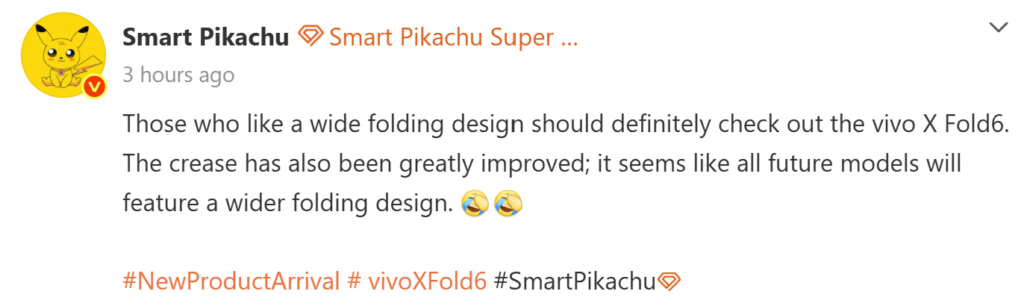
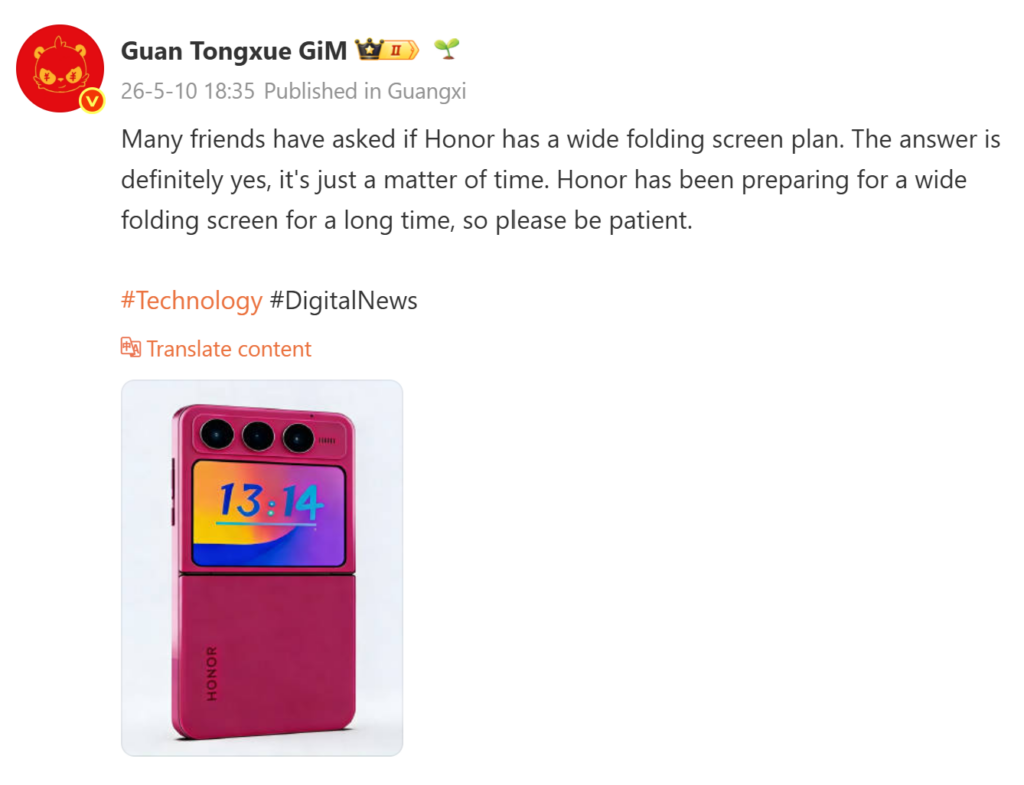
Recently, Huawei unveiled the Pura X Max with a wide foldable design. Speculation is also rife that Samsung may unveil a similar device alongside the Galaxy Z Fold 8 and Z Flip 8 in July this year. Apple is reportedly working on its first foldable phone, possibly called the iPhone Ultra, which may break cover in September this year. Fresh reports suggest a few more brands are also preparing to launch wide foldable phones in the coming years.
Vivo’s wide foldable phone is in development
As seen in the above leak, tipster Smart Pikachu claims that the upcoming Vivo X Fold 6 is expected to bring noticeable improvements to its crease performance. He added that users who prefer large foldable smartphones should keep an eye on the device, as the display crease has reportedly seen major refinements compared to previous generations.
The leak also suggests that Vivo may gradually shift its foldable lineup toward wider “book-style” foldable designs going forward. However, there is currently no clarity on whether such a device will debut this year.
Honor’s wide foldable phone design tipped
According to tipster Guan Tongxue GiM, Honor has been working on a wide foldable phone for a long time. While he did not share any technical details about the device, his post included an image revealing the possible design.
The device appears to feature a triple-camera setup and a secondary screen on the back, along with a wider form factor. When unfolded, it may offer a tablet-like display experience in horizontal orientation. As for the launch timeline, reports suggest that the device may not arrive until Q1 2027.
For more daily updates, please visit our News Section.
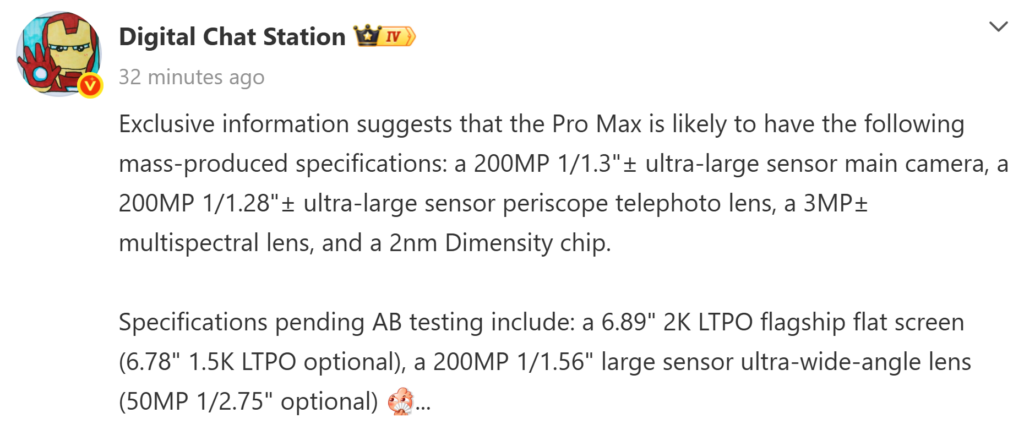
Oppo’s Find X10 series, which is expected to launch in China in October, may comprise three models, namely the Find X10, Find X10 Pro, and Find X10 Pro Max. Tipster Digital Chat Station has been consistently leaking details about the Pro Max variant. Today, he shared another Weibo post revealing key details about its display, cameras, and chipset.
Oppo Find X10 Pro Max’s key details emerge
Oppo Find X10 Pro Max’s key details tipped
According to a new leak shared by tipster Digital Chat Station, the alleged Oppo Find X10 Pro Max could arrive with some of the most ambitious camera hardware seen on a flagship smartphone. The leak claims the device is currently being tested with a 200-megapixel primary camera featuring a massive 1/1.3-inch sensor, paired with a 200-megapixel periscope telephoto camera using a large 1/1.28-inch sensor. As per a previous leak from the same source, the phone may use Samsung’s upcoming HPC sensor.
Oppo is also said to be considering two ultra-wide camera options, including a 200-megapixel sensor with a 1/1.56-inch size or a smaller 50-megapixel 1/2.75-inch sensor. The setup is also said to include a 3-megapixel multispectral sensor.
The leak further reveals that Oppo is internally evaluating multiple display and camera configurations for the device. One of the test variants reportedly features a 6.89-inch 2K LTPO flat display, while another version may use a slightly smaller 6.78-inch 1.5K LTPO panel.
Powering the device could be MediaTek’s upcoming 2nm Dimensity flagship chipset. According to rumors, the chip is tentatively called the Dimensity 9600 Pro. As far as Find X10 Pro and Find X10 are concerned, these could be powered by the Dimensity 9600 and Dimensity 9500 Plus, respectively.
For more daily updates, please visit our News Section.
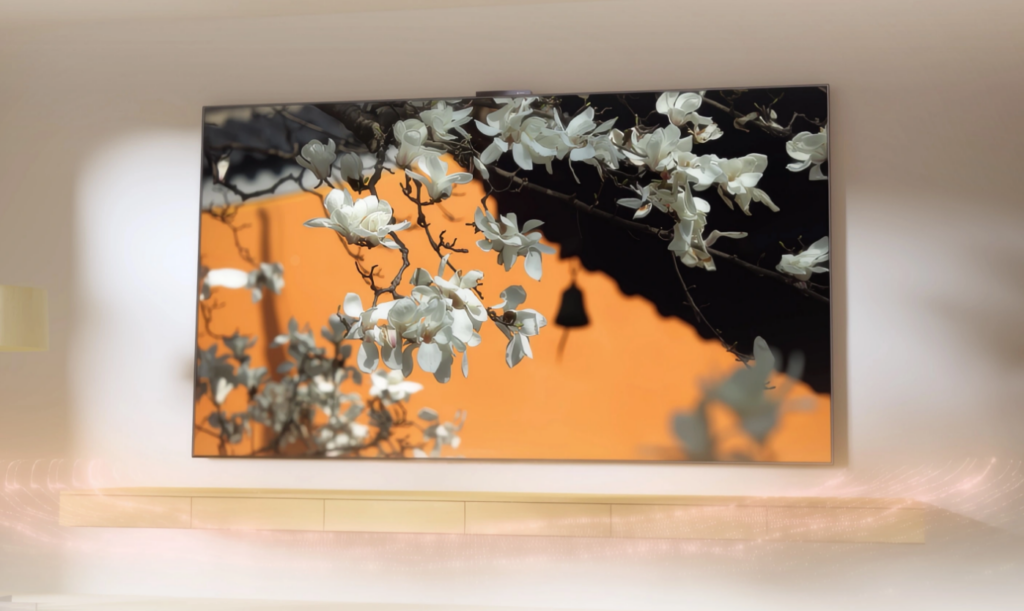
Huawei has released its latest line of 4K TVs, the Smart Screen S7 series. The new lineup ranges from 55 to 98 inches and uses Super MiniLED panels alongside Huawei’s proprietary Honghu processor and HarmonyOS 4.3 software.
Huawei Smart Screen S7 Specifications
All five sizes in the S7 lineup, 55, 65, 75, 85, and 98 inches, use 4K LCD panels with MiniLED backlighting. The 55-inch and 65-inch models have a typical brightness of 400 nits and a peak of 1,200 nits. The 75-inch and 85-inch versions increase that to 450 nits typical and 1,500 nits peak. The largest 98-inch model outputs 500 nits typical and 1,200 nits peak, while also covering 95% of the DCI-P3 color gamut.
Refresh rates vary by model. The 55-inch through 85-inch TVs have a native 120Hz panel, which can reach up to 300Hz using motion enhancement algorithms when connected to a PC or console. The 98-inch version has a 144Hz native refresh rate with a 288Hz motion enhancement mode.
Inside the 55-inch to 85-inch models is Huawei’s new Honghu chipset. These TVs come with 4GB of RAM and 64GB of storage, plus a virtual RAM feature that can allocate an additional 2GB of memory for background tasks.
The TVs run on HarmonyOS 4.3 and include Huawei’s Xiaoyi voice assistant. There is an 8MP camera built into the TV for 1080p video calls, which includes a physical privacy shutter. This camera also powers features like posture detection and distance monitoring to prompt children to sit further back from the screen.
Audio configurations depend on the size. The 55-inch and 65-inch models have a standard 2.0-channel setup with dual 25W speakers. The 75-inch adds two 25W tweeters, and the 85-inch includes a 44W subwoofer for a 2.1-channel system. The 98-inch model uses dual 20W speakers and a 50W woofer.
For connectivity, the 55-inch to 85-inch models include two HDMI 2.1 ports, USB 3.0, USB 2.0, and Wi-Fi 5. The 98-inch version upgrades to three HDMI 2.1 ports and Wi-Fi 6.
Pricing and Availability
The Huawei Smart Screen S7 is available now in a Starry Gray finish. Pricing starts at 3,999 yuan ($600) for the 55-inch model, while the 65-inch version costs 4,999 yuan ($750). The 75-inch variant is priced at 6,999 yuan ($1,050), whereas the 85-inch model retails for 8,999 yuan ($1,350). Huawei has priced the top-end 98-inch version at 12,999 yuan ($1,950).
For more daily updates, please visit our News Section.
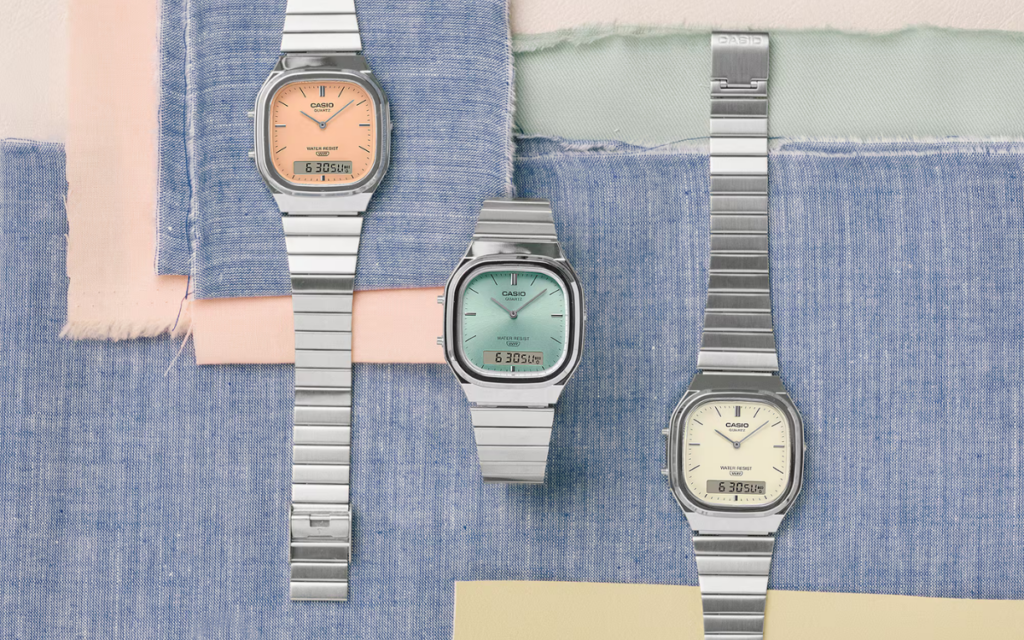
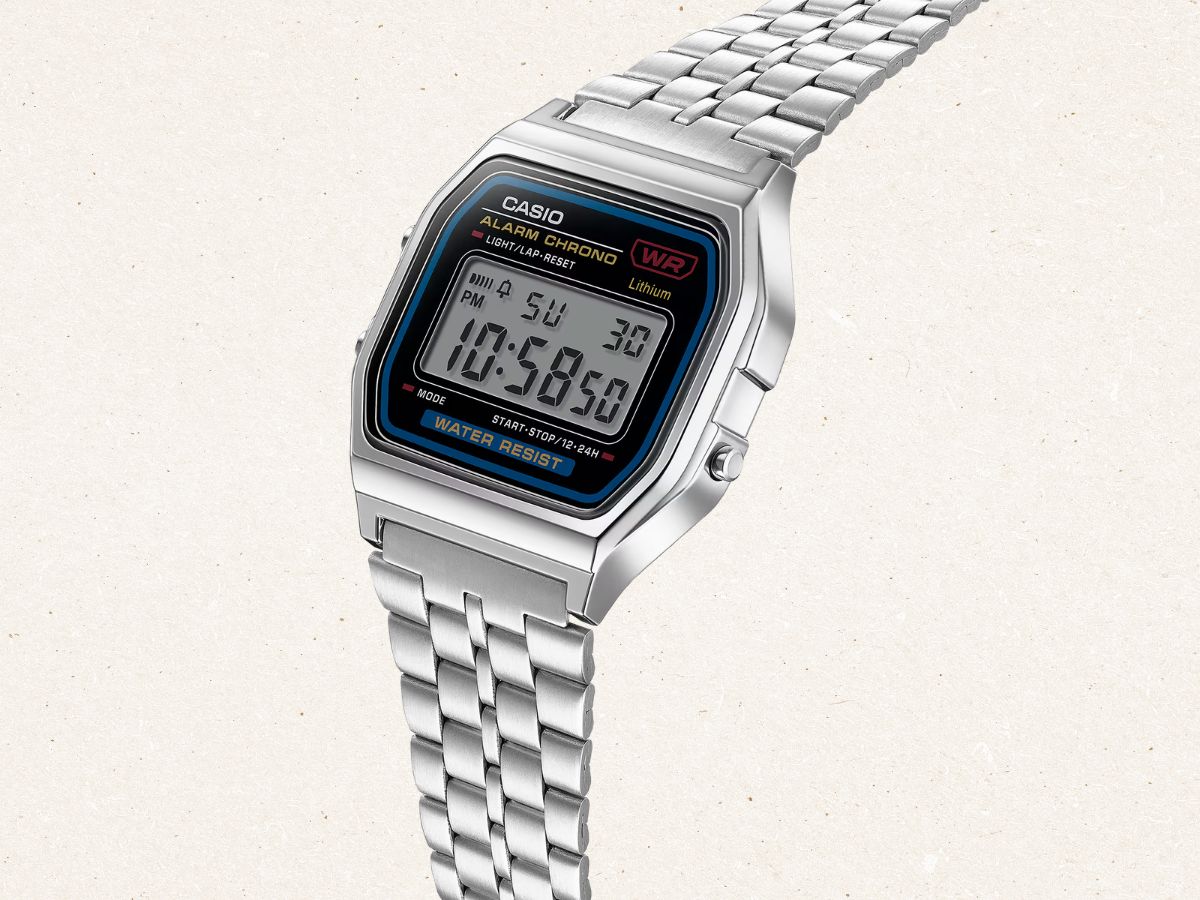
Casio recently brought a new batch of vintage-inspired watches to the US market. The AQ-240E series, which first appeared in online listings last month, is now officially available for purchase. There are three specific models in this lineup: the AQ240E-2A, AQ240E-4A, and AQ240E-7A2, each priced at $69.95.
Design Details
If the design looks familiar, that’s because these watches are essentially an updated take on the older, popular AQ-230 line. Casio kept the recognizable rectangular shape but smoothed out the edges on the case and bezel so it doesn’t look quite as sharp or boxy.
They come with a standard stainless steel band featuring horizontal links, and the clasp is self-adjustable. It is a straightforward, unisex design that doesn’t draw too much attention to itself.
The main difference between the three new models comes down to the dial colors and finishes. The AQ240E-2A has a light blue dial with a sunray finish that reflects the light. The AQ240E-4A features a matte pale orange dial, which looks a lot like a soft salmon pink. Finally, the AQ240E-7A2 is just a simple matte white. All three use the exact same layout: standard analog hands tell the current time, while a small digital screen at the six o’clock position handles the extra functions.
That small digital screen covers the usual Casio features. It gives you dual time tracking, a basic 1/100-second stopwatch, a daily alarm, an hourly chime, and a calendar.
Physically, it is a very small and lightweight watch, especially compared to Casio’s bulkier G-Shock models. It measures 40.9 by 35.8 millimeters, is only 8.1mm thick, and weighs just 51 grams.
The case itself is made of chrome-plated resin rather than solid steel, and the crystal is resin glass, which is essentially plastic. It has basic water resistance, meaning it will survive rain or washing your hands, but you shouldn’t take it swimming. It runs on a standard SR920W watch battery, which Casio says should last about three years.
A new leak has put the launch of the DJI Air 4 back on the table. Last seen over a year ago, the Air 4 would be the first DJI Air drone release in years, following the launch of the Air 3S back in late 2024.
A new and rather interesting AMOLED display is relatively compact, sports a high resolution and is even flexible. This screen can be used with a wide range of systems as well as SBCs such as the Raspberry Pi 5.
Typically, Sony's new Xperia Product Announcements run to over 20 minutes. However, the video associated with Sony's May 2026 Xperia Announcement is set to last a fraction of the time shared for previous Xperia flagships. Currently, Sony is only expected to reveal the Xperia 1 VIII on May 13.
A detailed leak from a reliable tipster says the upcoming Oppo Find X10 Pro Max could feature a groundbreaking triple 200MP camera setup, including a massive periscope telephoto lens. Powered by the unreleased 2nm MediaTek Dimensity 9600 SoC and featuring a large 2K LTPO display, Oppo’s next flagship aims to dominate the premium smartphone market upon its expected October release.
TikTok is the latest social media platform to offer a paid ad-free experience. The short-video platform announced a £3.99 subscription service in the UK, which will be available in the coming months for users aged 18 or older. Apart from removing all ads inside the app, TikTok promises its subscription tier will also prevent user data from being used for advertising purposes. Users can still continue to use TikTok for free with personalized ads.
Other social platforms like Facebook and Instagram also have ad-free subscription tiers in the UK and other regions with the same basic model...
Samsung kicked off the stable One UI 8.5 rollout on May 6. It was first available in Korea and is now spreading to other regions. The stable update rolling out to the Galaxy S25 series first, then older flagships like the S24 series, Z Fold7/Flip7, and even some tablets.
After a long beta program that lasted nearly 5 months, users are finally getting smoother animations, better battery life, fresh Galaxy AI tools like improved “Now Nudge” in the keyboard, and other important changes.
For many older Galaxy phones, it is a solid mid-cycle update. The phased rollout means not everyone has it yet, but it’s coming fast.
Moving from One UI 8.5 to the One UI 9 Beta program. Samsung should open the One UI 9 beta program right away. Samsung’s beta programs usually run 3 to 5 months. Starting One UI 9 beta now would follow the same pattern.
As per leaked information, the internal Android 17 beta testing for S26 models has already started. As per rumors, Samsung could drop public beta by late May or early June. The Galaxy S26 series launched with One UI 8.5, so the device owners are ready for the next big thing. Newer hardware handles beta bugs better anyway.
With the new beta program, you will be able to try cool new AI stuff, design changes, and improvements months before stable drops, usually around September for flagships. You might worry about another long beta program, but that’s exactly why we need it now.
The stable 8.5 rollout is great news today, but the real fun starts with the next beta. Are you planning to stick with the stable software, or are you ready to jump into the beta as soon as it’s available?
Samsung today announced “Samsung AI Week” in the US, running from May 11 through June 7, with the spotlight squarely on Galaxy devices, connected home appliances, and AI-driven entertainment features.
Through the AI Week promo, Samsung is trying to convince buyers in the US that its hardware finally works better together. Phones, watches, TVs, earbuds, and even laundry machines are now being packaged as one giant AI ecosystem play.
At the center of the campaign sits the Galaxy S26 Ultra, paired with products like the Galaxy Watch Ultra and Galaxy Buds 4 Pro.
The company says users can check AI Now Brief on the Galaxy S26 Ultra before workouts, review Energy Score and Sleep Score data, then get adjusted recommendations from Samsung’s Running Coach system.
Samsung also highlighted Gemini integration on the Galaxy Watch Ultra. The company is clearly tying this push to summer fitness trends and events like Global Running Day on June 3.
Meanwhile, the Galaxy Buds4 Pro use Adaptive Noise Control with Voice Detect to lower music volume automatically when outside sounds or conversations are detected.
Samsung used the announcement to showcase its new Micro RGB TV lineup and AI-powered viewing tools aimed at sports fans.
The Korean tech giant also introduced Vision AI Companion, or VAC, which acts like an on-screen assistant during live content. The same AI treatment is coming to monitors like the Smart Monitor M8 and The Movingstyle Essential.
Samsung AI Week runs in the US until June 7 through Samsung’s official online store and participating retail channels.
One UI 8.5 rollout, which started on May 6, has entered its biggest phase yet; Samsung has made millions of Galaxy users celebrate May 11. The reason is simple: the much-awaited software has finally started to arrive.
Samsung today opened a wider One UI 8.5 rollout for various devices. Those devices have started receiving the update in South Korea first. Global rollout followed in merely four days, covering several countries worldwide.
Blessing fans around the world
One UI 8.5 update is hitting the Galaxy S25 series flagships, Z Fold 7 and Z Flip 7 foldables, flagship-killer S25 FE and Flip7 FE, as well as the Galaxy Z TriFold.
Stable One UI 8.5 distribution is underway for these devices worldwide, including the US:
Samsung hasn’t just brought a Korean update to the Global market, but also expanded the scope of rollout. Users in Korea having a Galaxy S24 series flagship, the Z Fold 6 or Flip 6, have also received the One UI 8.5 update.
Devices released in 2024 have joined the party today. However, the Global availability hasn’t yet been achieved, which is strategic. Users can expect the expansion this Wednesday, if any major bug/issue hits the early adopters.
One UI 9 Beta shouldn’t be delayed
With One UI 8.5 making its way to compatible devices, Samsung shouldn’t stop this pace. Android 17 will be unveiled at The Android Show tomorrow. The company should confirm the next era of One UI, the One UI 9.0.
Delaying the Android 17-based One UI 9 Beta will be dangerous for both Samsung and its fans. If the software doesn’t enter Beta testing this month, it could meet the same fate as Samsung’s One UI 7.0, One UI 8.0 and One UI 8.5.
The Apple iPhone receives two new features with the update to iOS 26.5, led by RCS support. This finally makes it possible to send encrypted messages to friends with Android smartphones without having to switch to a third-party platform.
Zendure has introduced the PowerHub, a central control unit for the SolarFlow Mix series that provides comprehensive energy management, including EVs and heat pumps.
The DJI Romo 2 is a new robot vacuum and mop that is intended to compete with particularly high suction power and also comes with smart features. The robot is also said to be able to detect dirt on its own.
LG has officially launched the UltraGear Evo 45GX950B in the US. An upgraded version of the older 45GX950A, this new 45-inch 5K2K OLED monitor introduces new AI features, but the panel and core specifications remain unchanged.
The Pi Slate is a new mobile system based on the Raspberry Pi 5. The device should be fairly versatile and practical for typing longer texts, among other use cases. The Pi Slate is available in several versions.
Sony is tipped to launch its WH-1000XX headphones in May. In the meantime, the over-ear wireless headphones have surfaced in their two rumoured colour options. Rumoured to be arriving for $649, the headphones may be referred to as The ColleXion too.
A few days ago, Pearl Abyss teased that a big new update was in the works for Crimson Desert. And today, the developers have finally released it across all platforms.
Although the next-generation Apple Watch is set to receive a larger battery and more advanced sensors, a long-awaited upgrade is still a long way off as Apple seeks to cut costs in the face of the DRAM crisis.
Garmin is now offering a new update globally. This time, Beta 17.25 and Beta Version 17.25 promise to bring over a dozen new improvements to multiple smartwatches.
ZDNet Korea reports that Samsung might source some OLED panels for the Galaxy S27 from Chinese OEMs. However, it won’t be the only source, with Samsung Display expected to fulfil the remaining requirement.
A leak has revealed promotional images of a new Logitech mouse. The upcoming mouse unfolds into an arc like the Microsoft Surface Arc mouse when in use, and completely folds flat when not in use.
Apple's "Liquid Glass" design was already controversial on the iPhone. On the Mac the new user interface sometimes looks out of place. Apple is set to make improvements in just a few months with macOS 27, as a reliable source has now been able to find out.
Brawl Stars Season 50 Starr Patrol launches May 7 with a free Starr Nova Brawler on May 24, the Void Master Finx boss event, and Brawl Cup Berlin on May 15-17.
Venmo is redesigning its app with a very useful privacy feature. With the new app, during the onboarding process, you will be able to set whether you want your posts to be viewable by everyone by default, only by your friends, or viewable only to you. This is important because a lot of people may not know that the default has so far been sharing with everyone.
You will of course be able to change whatever setting you choose during the onboarding at any later point via the app's settings. There's also an updated flow for sending money which will make it obvious whether that transaction will...
It appears that more Android smartphone makers are preparing to enter the wide-screen foldable segment. Samsung is rumoured to unveil the Galaxy Z Fold8 Wide later this year, with new leaks suggesting that vivo, Oppo, and Honor are also developing their own wide foldables.
Tipster Smart Pikachu shared fresh details about the upcoming vivo X Fold6, while also offering insights into vivo’s future foldable plans.
According to the tipster, the X Fold6 is expected to feature a less noticeable display crease. The tipster further claims that upcoming foldable devices from vivo will adopt a...
The PS5 price hike led to an unusually successful period of console sales. Yet, despite this temporary lift, Sony expects hardware revenue to dwindle as 2026 continues. The Nintendo Switch 2 price increase has also caused panic buying in some regions.
Retailers have started revealing the price of the ROG Strix XG129C. Listed in Australia and the UK, the Asus ROG Strix XG129C contains a 12.3-inch display, dual USB Type-C ports and an adjustable kickstand for use on a desk as a small secondary monitor.
Windows 11 is finally getting an update that will actually benefit users, as the user interface responds much faster with Low Latency Mode and apps also start more quickly. A video now demonstrates the effects of this mode, while Microsoft wants to appease critics.
Casio is rumored to be launching two new G-Shock x International Cetacean Education Research Centre (ICERC) collaboration watches in the near future. The two models, one of which is a Frogman, both have light blue transparent resin casing and matching straps.
The upgraded version of the Ugreen Nexode 200W Charger has been listed at a retailer in the US. The company has suggested that this second iteration of the charging accessory resolves issues such as inconsistent power outputs.
The Trump T1 Phone has been available to pre-order for almost a year. Anyone who paid the deposit of 100 US dollars was supposed to receive the smartphone last September. Now Trump Mobile is suggesting that the smartphone does not even exist and will never be delivered to customers.
Deal | All size and color variants of Garmin's very capable smartwatch are now cheaper than ever on Amazon, as the world's biggest online retailer grants a $250 discount on the 47mm as well as the 51mm version of the still pretty pricey Fenix 8 Pro.
The first phones with 10,000mAh batteries are already on the market from companies like Honor, vivo and Realme. Soon, Huawei will join the exclusive club, according to leakster Digital Chat Station, who claims that the company has developed a “10,000mAh+++” battery.
The exact capacity is not known, but that’s a lot of pluses. Here’s what DCS says: Huawei has developed a new battery material and a new battery system, which will allow it to build a phone with the highest capacity in the industry.
Currently, the nova 15 Max and the Enjoy 90 Pro Max are the phones with the largest...
The privacy- and freedom-respecting mobile OS by UBports is back with a maintenance release for the 24.04-1.x series. Version 24.04.1.3 focuses on fixes and small improvements, touching areas such as desktop apps, docks, and shutdown hanging problems, as well as general bug fixes and security updates.
Nothing has announced a color refresh for its earbuds, the Ear (Open). Originally available in white, buyers across the globe can now purchase it in a new light blue color.
Garmin could be launching a brand new smartwatch in the next few days, as the Forerunner 170 is already listed in an online store, while there are several references to the watch's imminent launch on the web.
HMD has officially confirmed the launch date for its Vibe 2 5G smartphone. The company is launching the budget-range smartphone on 21st May in India. The device will come in three color options, namely, cosmic lavender, nordic blue, and peach pink.
For the first time, scientists have measured the power of jets emitted by a black hole located 7,200 light-years from Earth. And they have also managed to measure their speed, which is impressive, providing a better understanding of these objects.
LG has introduced a new 16-inch panel designed to significantly extend the battery life of OLED-based laptops. Called Tandem ATO, the new display is expected to boost battery life by up to 2.3 hours while delivering high brightness levels, support for variable refresh rates, and solid DCI-P3 coverage.
While Samsung already discontinued its Galaxy Z TriFold across multiple markets, we’ve been hearing about its successor, which is expected to arrive sometime next year. While we wait for more details on that, a new patent discovered by David from xleaks7 showcases a Galaxy Z TriFold-like device with an interesting addition.
Samsung wants to integrate a dedicated space inside the trifold device, which would house an S Pen. According to the patent description, the stylus would be held in place via magnets and charged when stored, similar to how it works on the Galaxy S26 Ultra. To make...
Samsung has officially brought its Certified Re-Newed program to India, opening the door for buyers to pick up refurbished Galaxy phones with an OEM-backed warranty and quality assurance.
The program went live on May 06, 2026, and marks Samsung’s latest attempt to strengthen its presence in India’s growing refurbished smartphone segment. The direct-to-consumer push covers both flagship and mid-range devices.
Unlike third-party refurbishing channels, Samsung is positioning the offering around trust, after-sales assurance, and long-term software support.
Here’s the full list of devices currently available under the program in India:
Samsung Galaxy S25 Ultra (256GB): INR 97,499
Samsung Galaxy S25 (256GB): INR 58,749
Samsung Galaxy A56 (8GB + 256GB): INR 31,499
Samsung Galaxy A56 (12GB + 256GB): INR 32,749
Samsung Galaxy A36 (128GB): INR 23,249
Samsung Galaxy A36 (256GB): INR 24,499
According to the info, every Certified Re-Newed device goes through a detailed in-house refurbishment process. That includes hardware inspection, functional testing, software validation, and complete data wiping before resale.
Samsung says all units are restored using genuine parts and shipped in fresh retail packaging. There’s also a standard one-year manufacturer warranty included with every phone, same as a new Galaxy device.
At present, four devices are available, but the portfolio will expand further over the period. The refurbished Galaxy lineup is now available through Samsung India and the Samsung Shop app across the country.
Sony has stepped up its teaser campaign for its forthcoming Xperia Product Announcement. Anticipated to be the Xperia 1 VIII, the new teaser suggests that the smartphone will be bringing massive camera improvements when it lands in May.
Deal | Soldiers: Heroes of World War II is currently available on Steam at its lowest price yet. The modernized Enhanced Edition of the strategy classic costs just $0.74 and offers tactical World War II missions behind enemy lines, plenty of gameplay freedom and a 4K update – but also cumbersome controls and a punishing difficulty level.
Sony has still not announced a release date for the PS6 – and that may be intentional. High RAM and SSD prices, a still-profitable PS5 and the looming launch of GTA 6 could make a later release more attractive. However, Microsoft’s next Xbox generation means Sony is not entirely without pressure.
First real-world images of the Casio Pro Trek PRW-61D-2 show a cleaner, sharper watch than press renders depicted. The white dial, blue ion bezel, and cyan second hand all land well in person. Global release is set for May 2026, priced around $500.
DJI has finally confirmed when it will be showcasing the Osmo Pocket 4 Pro. Arriving later this week as the Osmo Pocket 4P with a 70 mm telephoto lens, the new release has also been teased as a 'new masterpiece' for the vlogging camera market.
The Anker USB-C to USB-C Cable (3 ft, 240W, Upcycled-Braided) has arrived in two new colorways in the US. This means that customers can now choose between four versions of the USB-IF certified accessory, which has a soft braided exterior.
The Hisense Vidda LightGo portable projector has been launched in China. This 1080p model features a laser light source with wide color gamut coverage. Plus, it has a built-in battery and an integrated stand, making it a truly portable device.
MediaTek is expected to unveil the Dimensity 9600 SoC later this year as its next flagship chip, but the company is also working on the Dimensity 8600 upper-midrange SoC as well. This is important because in recent times, MediaTek's Dimensity 8 series chips have dominated AnTuTu benchmark ratings for upper-midrange phones - it kind of seems like Qualcomm has decided to just hand over this market to MediaTek.
And so, it will be interesting to see where MediaTek takes the 8 series with the next member, the Dimensity 8600. According to a new rumor from China today, this chip will be using a...
Ahead of its May 18 unveiling, RedMagic revealed a few key details about its upcoming RedMagic 11S Pro gaming phone. The brand unveiled the 11S Pro’s design alongside its two color options - Silver Wing and Dark Night.
RedMagic 11S Pro in Silver Wing and Dark Night
As we can see, it will feature a similar look to the RedMagic 11 Pro with a transparent-like look, flush cameras, an active cooling fan and a prominent cutout in the middle for the AquaCore liquid cooling system.
RedMagic also confirmed that the 11S Pro will launch with the Snapdragon 8 Elite Gen 5 Leading...
Samsung Galaxy S24 series is getting One UI 8.5 update, following the Beta-bound models. The company started Beta Program in select countries, but not every user joined the early testing phase and waited for Stable release.
The update first debuted with the Galaxy S26 lineup earlier this year, and now Samsung’s 2024 flagship phones are joining the party with a wave of new Galaxy AI features, smoother animations, and several improvements.
The rollout is currently live in South Korea, where Galaxy S24 users are receiving the stable DZDP (4.5GB) firmware. Users who stayed on One UI 8.0, skipping Beta, are getting the update, though the OTA package is noticeably larger in size.
One UI 8.5 is not a dramatic redesign
Samsung has focused heavily on polish, responsiveness, performance, multitasking, and AI-powered utilities. Several Galaxy AI features introduced with the Galaxy S26 lineup are now expanding to older flagships.
The update also improves system animations, Quick Panel customization, cross-device continuity, battery optimization, and multitasking behavior. Samsung refined various stock apps including Gallery, Phone, Clock, Samsung Keyboard, and My Files.
Global expansion is expected to happen gradually over the next few days, with markets like India, Europe, the US, and other Asian regions likely next in line. Samsung already confirmed broader regional expansion after the Korea debut.
If you own a Galaxy S24, Galaxy S24+, or Galaxy S24 Ultra, you can manually check for the update by heading to:
Settings > Software update > Download and install.
Anker has hinted at new 2026 Prime charging accessories in China. So far, the brand has teased one upcoming release, a 3-in-1 compact charger, which is already available in other markets.
Four new Hisense Vidda C5 series laser projectors have been launched in China: the C5 Master, the C5 UltraMax, the C5 Ultra and the C5 ProMax. The range-topping model’s features include liquid cooling and a native 8,000:1 contrast ratio.
Anker has released a new version of the Nano Power Bank (5K, MagGo, Slim) at its Amazon storefront in the US. This is the sixth variant of the portable charging accessory, with a compact body and both wired and wireless charging outputs.
In addition to the 6.19.13 kernel, which comes with a patch for the "Copy Fail" bug, Parrot OS 7.2 comes with significant updates to parrot-menu and several other tools, as well as an alignment with the Debian project. Thanks to it, this release syncs Parrot with the latest Debian upstream updates.
For its upcoming Magic9 Pro, Honor is apparently preparing a pretty substantial overhaul of its camera-focused flagship series. Besides a significantly upgraded camera system, the Magic9 Pro is expected to bring improvements in several other areas, including its display, battery, chipset and face recognition.
Samsung has now finally brought its Certified Re-Newed program to India. Through this program, the company is offering officially refurbished devices in the country for discounted prices. Right now, you can buy a Certified Re-Newed Galaxy S25 Ultra with 256GB of storage for INR 97,499, a Galaxy S25 with 256GB of storage for INR 58,749, a Galaxy A56 with 8GB of RAM and 256GB of storage for INR 31,499, a Galaxy A56 with 12GB of RAM and 256GB of storage for INR 32,749, and a Galaxy A36 with 128GB of storage for INR 23,249.
Before being put on sale, all of these devices are "rigorously...
Today, Samsung officially released its stable One UI 8.5 update globally, after a pilot run in South Korea. The Galaxy S25 series is not the only one to get the new software. Owners of Galaxy S24 and S23 devices (including the Fan Edition series) should also expect the update in the coming days.
Samsung is also ready with One UI 8.5 for the Galaxy Z Flip7, Z Fold7, Z Flip6, Z Fold6 and the Galaxy Tab S10 and S11 series. Some Galaxy A models are also expected to receive One UI 8.5 these days, but it will likely take a bit longer for Samsung to distribute.
Don't be fooled by the...
Samsung’s Galaxy S24 FE begins picking up its Android 16-based One UI 8.5 update. Initially dropped in South Korea, the Stable update should soon become a Global affair.
The Galaxy S24 FE joins Samsung’s growing list of devices receiving the stable One UI 8.5. Earlier, the company released One UI 8.5 for the Galaxy S25 series, while the Galaxy S24, S24+, and S24 Ultra also began getting the update in Korea.
One UI 8.5 Beta arrived for the Galaxy S24 lineup back in March. After multiple Beta releases, the company is now pushing the finalized stable firmware. The Galaxy S24 FE is among the latest additions to exit the beta phase.
The rollout is currently limited to Beta participants in Korea. Samsung has already confirmed wider availability for regions including Europe, India, North America, Latin America, Southeast Asia, Hong Kong, and Taiwan over the next few days.
One UI 8.5 introduces a cleaner interface, smoother animations, redesigned Samsung apps, and deeper customization controls. Samsung is also bringing several AI improvements that originally debuted with the Galaxy S26 series.
These include upgraded writing tools, smarter communication features, enhanced photo editing capabilities, better content suggestions, improved Bixby interactions, and refined ecosystem sharing tools.
Galaxy S24 FE users can manually check for the update by heading to:
Settings > Software update > Download and install
The firmware is expected to be fairly large, especially for users upgrading directly from One UI 8.0 builds, so using a stable Wi-Fi connection and ensuring enough battery charge is recommended before installation.
Samsung has finally kicked off the official One UI 8.5 rollout for the Galaxy S24 series. The latest software update, which first debuted with the Galaxy S26 Ultra lineup earlier this year, is now making its way to Samsung’s 2024 flagships.
One UI 8.5 official rollout began on May 6 in South Korea, with Galaxy S24, Galaxy S24+, and Galaxy S24 Ultra users now joining the stable release wave.
Samsung already confirmed that the update will gradually expand to more markets over the next few days, including India, Europe, North America, Southeast Asia, and Latin America.
The company spent the past few months running an extensive One UI 8.5 Beta Program. The Beta initially started with the Galaxy S25 lineup before expanding to the Galaxy S24 series in March.
One UI 8.5 is more than just a regular maintenance update. Samsung is bringing several Galaxy AI features introduced with the Galaxy S26 series to older flagship devices.
Some of the headline additions include upgraded Bixby capabilities, AI Call Screening, live voicemail transcription, improved Photo Assist tools, and better cross-device experiences with Quick Share and My Files. Samsung also refined animations, polished the interface, and improved battery optimization.
For Galaxy S24 users currently running the Beta version, the stable One UI 8.5 DZDP build arrives as a smaller patch update. Meanwhile, users upgrading directly from One UI 8.0 can expect a much larger OTA package.
To download the update, head to Settings > Software update > Download and install on your Galaxy S24 device. Since Samsung rolls out firmware in phases, availability may vary depending on region and carrier.
Samsung Galaxy Z TriFold foldable phone joined the One UI 8.5 update party with plenty of 2025 flagship devices.
Galaxy Z TriFold is Samsung’s first dual-folding phone, released in select countries. The company has reportedly produced and sold around 30,000 units worldwide. The sale of the iconic device has ended in Korea and the US.
Samsung shipped the Galaxy Z TriFold with Android 16-based One UI 8, with the new One UI 8.5 elevating the experience. It feels like a mid-cycle update, but the reality is different; you get plenty of ways to improve your experience.
Update [11/05/2026]
Following the initial release on May 6, Samsung has now started the One UI 8.5 update’s rollout to the Galaxy Z TriFold smartphone in the Global market.
What’s new
One UI 8.5 feels tailor-made for a tri-fold device, especially with its deeply customizable Quick Panel. This flexibility becomes crucial on a triple-fold layout, where screen zones can behave like separate workspaces.
Samsung’s UI redesign also leans into multi-panel usability, with bottom-placed search bars and simplified navigation icons improving one-handed reach. This shift helps maintain usability whether you’re using one, two, or all three panels at once.
Galaxy AI is expected to play a bigger role here, with smarter task prediction, AI summaries, and enhanced photo editing tools. This could translate into real multitasking gains, like editing content on one panel while AI suggestions update on another.
Visual changes in core apps such as Gallery, Phone, and Clock bring cleaner layouts and icon-driven navigation. Privacy and cross-device features also get upgrades, including better protection for shared images
For a tri-fold flagship, these changes position One UI 8.5 as a bridge between phone, tablet, and PC-like experiences in a single device.
Samsung has officially ended the One UI 8.5 Beta Program for the Galaxy Z Fold 6 and Galaxy Z Flip 6, and the stable update is now rolling out. The rollout has started in Korea, with more regions expected to follow within the next few days.
Update | Just a few hours after the initial drop, Samsung started releasing One UI 8.5 to the Galaxy Z Fold Special Edition in Korea. Additionally, users of Z Fold 6 and Z Flip 6 who stayed on One UI 8.0 have aslo received the OTA.
After weeks of testing, Samsung has now pushed the stable One UI 8.5 update to the Galaxy Z Fold 6 and Galaxy Z Flip 6. The release marks the first major foldable software upgrade after Samsung debuted One UI 8.5 alongside the S26 series.
The company opened the Beta program shortly after unveiling the S26 lineup, giving foldable users early access to new features and UI tweaks. Now that the beta phase is over, Samsung is shifting to a wider public rollout.
As usual, South Korea is getting the update first. Samsung typically expands stable One UI releases to the US, Europe, India, and other global markets shortly after the initial rollout begins, so wider availability should not take long.
One UI 8.5 is not a dramatic visual overhaul, but it introduces several useful changes that first appeared on the S26 series. Samsung focused heavily on polish, smarter multitasking, and AI-powered features across the system.
How to download the One UI 8.5 update
Galaxy Z Fold 6 and Galaxy Z Flip 6 users can check for the update manually by heading to:
Settings > Software update > Download and install
Since the rollout is happening in phases, the update may not appear immediately for all users.
Samsung’s Galaxy S25 FE seems to have started getting the Stable One UI 8.5 update globally. The release first dropped in South Korea last week. Now, users in India are reporting the availability of the firmware, confirming expansion.
Galaxy S25 FE getting the major One UI 8.5 globally is a significant development. The update elevates the entire user experience with key design changes, system optimization and extra new features from the new flagships.
Samsung put the Galaxy S25 FE in the first wave, which is benefiting its buyers. The Fan Edition phone is getting the flagship-level treatment. Not many features are reserved for the latest flagship, with FE also having most.
The company has recently released the update for the Galaxy S25 series. Users of the Z Fold 7 and Z Flip 7 are also getting the One UI 8.5. It remains to be seen whether second wave kicks off in South Korea today or takes some time.
How to download and install
First, swipe up to open the app drawer where you get Settings icon. Access system Settings and scroll up to reach the Software update menu. Tap Download and install to establish a connection with the software server.
The stable update is safe to install on your device. Meanwhile, creating a backup prior to installation is always recommended. Utilize the temporary cloud backup to avoid any potential loss of data if the firmware is broken.
The iPhone 17 has arguably one of the best front-facing cameras available right now. However, a leaker recently hinted that a similar square image sensor may be coming to future Android flagships from companies such as Oppo. This camera is also rumored to offer a significantly higher resolution.
In 2024, a modern version of the ZX Spectrum was released, however, it was available in the same black version as the original. Now, buyers can purchase The Spectrum in white, which is based on the one-millionth white version of the original that was specially made for Clive Sinclair.
The Xiaomi 17 Ultra is currently one of the best camera phones on the market. We took this flagship phone out for a spin in China and snapped plenty of photos. Does it have any weaknesses after all?
Following several teasers, HMD has confirmed the launch date for the Vibe 2 5G in India and also revealed some of its key specifications. The device will arrive as the successor to the HMD Vibe, which was unveiled in India in September last year.
The HMD Vibe 2 5G is set to launch on May 21 and will be available for purchase via Flipkart as well as offline retail stores.
It will come with a 6,000mAh battery with 18W fast charging support, as confirmed by recent teasers, and a Flipkart page. The handset is also confirmed to offer a 50MP primary rear camera.
The Vibe 2 5G will be...
One UI 8.5 starts releasing for Galaxy Z Fold 7 and Galaxy Z Flip 7 in the Global markets. As scheduled, Samsung has started to expand the availability, with Beta participants getting priority access, starting in India.
On May 6, Samsung announced that the Global One UI 8.5 rollout will begin on May 11, with the promise being fulfilled as the Galaxy Z Fold 7 and Z Flip 7 join the BZDP update party, moments after the Galaxy S25 series.
While the Global rollout has begun, you may not immediately see the update. The expansion is gradual, and a broader availability takes time. The pace of spread will be decided depending on the reliability of the firmware.
Galaxy S25 series, including the S25 Edge, is also getting the update outside Korea. More devices to follow include the Galaxy S25 FE and Galaxy Z TriFold. You may also see the update for the Galaxy Tab S11 series today.
The first wave was completed in South Korea, with the second wave including devices from the year 2024. Users of the Galaxy S24 series, S24 FE, Z Fold 6 and Z Flip 6 should also receive the major update over the next few days.
How to download and install
From the Settings screen, scroll to and select Software update, then select Download and install.
The system will automatically check for updates.
If an update is available, follow the on-screen instructions to perform the update.
If an update is not available, select the back arrow.
If you are on Beta, the update size will be smaller than others. The reason is most of the changes and features are already available in Beta. For users climbing from One UI 8.0 to One UI 8.5, the update size will be significant.
Samsung is expanding the stable One UI 8.5 rollout for the Galaxy S25 series to more markets. After debuting in South Korea earlier this week, the update is now reaching users in India, Canada, Europe, and several other global regions.
The Android 16-based firmware arrives after months of Beta testing and marks Samsung’s first major software refresh for the Galaxy S25 lineup since launch.
Samsung’s Galaxy S25, Galaxy S25+, Galaxy S25 Ultra, and even the Galaxy S25 Edge are now gradually receiving the stable One UI 8.5 build.
Software rollout info:
India [B] – Beta to Stable
Canada [W] – Stable
Europe [B] – Beta to Stable
One UI 8.5 introduces a refined interface with smoother system animations, upgraded Quick Panel customization, improved multitasking, enhanced battery optimization, and several AI-powered additions borrowed from the S26 series.
Users are getting smarter communication tools, upgraded Bixby natural language processing, improved Photo Assist capabilities, better file sharing through Quick Share, and new creative AI experiences across supported Galaxy devices.
However, not every Galaxy S26-exclusive feature has made its way to the Galaxy S25 series. Reports suggest that features like Now Nudge and some AI-powered notification prioritization tools are still missing from the stable release.
Samsung officially started the One UI 8.5 stable rollout in South Korea on May 6. The company later confirmed that markets including the US, India, Europe, Canada, Southeast Asia, Latin America, and Taiwan would follow shortly after.
Deal | Amazon has discounted the Casio MTP–B145D-2A2V from $99 to just $68.95, making it more affordable than before. The analog watch has a stainless steel case, a blue-finished dial, a date window, 50 m (5 bar) water resistance, and a stainless band.
The Xiaomi Gaming Mouse 2 is now available in China, and while it has an affordable price tag, the wireless mouse comes with flagship specs, including the PAW3955XMT sensor and 8kHz polling rate. Its initial price is CNY 349, around $31.
The Oppo Find X10 series is expected to debut in October and is rumored to include the base Find X10, the Find X10 Pro, and the Find X10 Pro Max. While previous leaks have revealed several details about the base and Pro variants, a new leak has now shed light on the camera specs of the Pro Max model.
According to tipster Digital Chat Station, the Find X10 Pro Max will offer a triple 200MP camera setup at the back, along with a 3MP multispectral sensor.
The Oppo Find X10 Pro
The Find X10 Pro Max could feature a 200MP primary camera with a 1/1.3-inch sensor, paired with a 200MP...
Samsung has finally kicked off the official One UI 8.5 rollout for the Galaxy S25 Edge in the US, marking the beginning of the software’s wider global expansion after its initial debut in South Korea last week.
The update first went live on May 6 in Samsung’s home market, and now US users are starting to receive the stable firmware (S937USQU6CZDP) as part of the second phase of the rollout.
This release is particularly notable because Samsung skipped the public Beta Program for the Galaxy S25 Edge. Samsung appears to have finalized the software quietly after extensive internal testing and its Korea-first deployment strategy.
While Galaxy S25 series users participated in One UI 8.5 Beta testing over the past few months, owners of the S25 Edge are jumping straight from One UI 8.0 to the stable One UI 8.5 build.
Built on Android 16, the update introduces a refreshed interface with smoother animations, redesigned system elements, upgraded Quick Panel customization, and several Galaxy AI enhancements.
Users are getting features such as improved natural language processing in Bixby, smarter communication tools, new lock screen customization, and advanced Galaxy AI functions, including Call Screening and Creative Studio.
Samsung initially started the One UI 8.5 rollout in Korea on May 6, but the company had already confirmed that North America, India, Europe, Southeast Asia, Latin America, and other global markets would follow shortly after.
The US rollout now confirms that Samsung’s wider expansion phase is officially underway. You can also manually check by heading to Settings > Software update > Download and install on your device.
Samsung begins the Global rollout of the One UI 8.5 update to the Galaxy S25 series. Initially released in South Korea, the software is now making its way to more regions, starting in the United States.
One UI 8.5 update is an important moment for the users of the Galaxy S25 series in the Global market, as it introduces a more refined design language and a plethora of new features.
Samsung is sequentially rolling out the CZDP (4.4GB) update to the Galaxy S25, S25+, and S25 Ultra. Global availability has started, but a broader (international) one may take some time, probably hours, days, and even weeks.
One UI 8.5 brings select new features from the Galaxy S26 series. Owners are aware of the additions during the Beta testing activity. Features that are missing include Now Nudge as well as AI-powered Notification Prioritise and Summarise.
What I like the most is Quick Share to AirDrop connection, which ends the sharing frustration. Sharing files across Android and Apple devices has become simpler than before, thanks to the upgraded Quick Share application.
How to download and install
From a Home screen, touch and swipe up or down to display all apps, tap Settings > Software update.
If your device finds a new software update, tap Download now.
When complete, a screen will appear advising you that the new software version is ready to be installed; tap Install update.
The device will power down and power back on. A screen will appear stating that the installation has been completed. Tap OK.
The Xiaomi UltraThin Magnetic Power Bank 10,000mAh is now official in China. It's a follow-up to the 5,000mAh model launched in early 2026. This higher capacity variant also sees an upgrade in charging speed, and it's currently available for CNY 349, around $51.
A new Windows tablet in Surface Pro style: the Ninkear S13 combines a modern 2-in-1 design with the latest Intel Core Ultra hardware. Promising on paper, but everyday use shows that in the end it's the price that decides whether the overall package is really worth it.
Panther Lake Arc B390 is a significant upgrade over the Arc 140T in last year's Prestige 16 by up to 80 percent while demanding almost the same amount of power.
Samsung is giving its Bespoke AI refrigerators in the US a meaningful software lift, adding features like AI Vision with Google’s Gemini, more capable Bixby and Now Brief.
Starting May 11, select Family Hub models are receiving a major update that folds in smarter AI Vision recognition powered by Gemini, a more conversational Bixby experience, and a broader Now Brief personalization layer.
AI Vision, new Bixby, Now Brief and more
Samsung says the upgraded AI Vision system can now recognize far more grocery items than before. New cloud-based intelligence and OCR support allow the fridge to identify branded products by reading packaging labels.
Samsung is also leaning harder into predictive grocery tracking. The refrigerator can monitor frequently used items and nudge users when supplies are likely running low.
Bixby is also getting a long overdue overhaul. Instead of rigid voice commands, Samsung wants interactions to feel more conversational.
Users can simply ask for “round ice for my drink,” and Bixby will activate Sphere Ice mode automatically.
The assistant is shown setting a cooling routine based on outdoor temperatures after a back-and-forth conversation.
The Now Brief is becoming more personalized, too. The refrigerator display can now surface recipe videos, ingredient-based meal suggestions, and cooking recommendations generated from foods already inside the fridge.
Samsung is also expanding Voice ID support, allowing Family Hub to recognize individual household members and show personalized reminders, calendars, health summaries, and even interest-based news.
Availability and expansion
The rollout starts in the US today for supported Bespoke AI Family Hub refrigerators. Samsung says the update will expand to 9-inch AI Home displays and more global markets gradually through 2026.
Samsung fans who were still sitting on the fence now have a little more time to jump in. Better yet, Samsung is sweetening the Galaxy S26 Family Festa promotion in South Korea, expanding the schedule and adding extra perks.
The company has officially extended its “Galaxy S26 Family Festa” campaign through May 31 after seeing strong customer interest since the promo kicked off on April 23.
Samsung is also adding fresh rewards and extra perks for Galaxy S26 buyers, making the offer far more attractive for Samsung enthusiasts planning an upgrade this month.
Customers who purchase and activate a Galaxy S26 series device between April 23 and May 31 will continue receiving a 50,000 won game item discount coupon that works through Galaxy Store.
Samsung is also introducing a new review event.
Buyers who share their Galaxy S26 experience on social media can enter for a chance to win prizes, including two CJ integrated gift cards worth 100,000 won and Starbucks e-card vouchers worth 30,000 won.
Throughout May, customers purchasing an unlocked Galaxy S26 model and joining the “New Galaxy AI Subscription Club” can get an additional trade-in bonus of up to 100,000 won on top of the standard trade-in value.
Samsung’s subscription club bundles several useful perks together, including up to 50% guaranteed residual value, Samsung Care+ damage coverage, and discounts on accessories.
Deal | Humble Bundle has added a new game bundle to its current collection. The new bundle, called Heavenly Bullets, is packed with bullet heaven titles. There is a total of 11 items in the bundle, and it will expire on May 30.
Takashi Tezuka, the longtime Nintendo designer and director behind major entries in Mario, Zelda, Yoshi, and other landmark franchises, will retire on June 26, 2026, after 42 years with the company. His departure marks the close of a defining chapter in Nintendo history, highlighting the legacy of a key creative partner who helped turn some of gaming’s most influential ideas into enduring classics.
Nintendo Switch 2 users briefly accessed YouTube through a hidden browser triggered by Super Animal Royale, filling the gap left by the console’s continued lack of an official YouTube or streaming app. The workaround was reportedly blocked within hours, underscoring frustration over Nintendo and Google’s slow progress nearly a year after the console’s launch.
The FCC has extended a waiver allowing software and firmware updates for existing foreign-made routers and drones, including TP-Link routers and DJI drones, until January 1, 2029. The decision, framed as a public safety measure, preserves security patches and bug fixes for millions of devices while broader national security restrictions and legal challenges continue.
Premium wireless headphones occupy a rarified space, far outside the reach of most audio products, and indeed, most people’s budgets. Despite the encroachment of true wireless earbuds, these behemoths have remained a constant presence in the market and are the preferred option, especially among travelers, due to their superior noise cancellation and extended battery life.
Sony has ruled this segment for years with its WH-1000X series of headphones. About a decade or so ago, the company did the unthinkable and dethroned Bose as the market leader in the segment. Later, Apple came along with...
The Yoo Y1, a new Android-based retro handheld from Chinese designer Zhang, is drawing early attention for its premium build, minimalist glass front, 3:2 1620 x 1080 display, TMR joysticks, Hall-Effect triggers, metal frame, and 6,000mAh battery. While its processor remains unconfirmed, the device’s final performance and connectivity features could determine whether it becomes a serious rival to established premium handhelds from Retroid and Ayn.
Contrary to popular belief, enabling Switch 2 GameChat may reduce stuttering. Digital Foundry realized that Capcom RE engine games like Pragmata benefit from voice and video chats. Choosing the smallest window size yielded frame rates up to 60 fps.
We didn't see too many new announcements over the past week, which probably explains why our trending chart has a very similar look to last week. Once again we have the Samsung Galaxy A57 leading the pack, followed by the Galaxy S26 Ultra and the Honor 600 Pro.
[#InlinePriceWidget, 14320, 1#]
The biggest gainer is the Galaxy A17, now up to fourth, followed by the Apple iPhone 17 Pro Max, which retained its fifth position.
The upcoming Xiaomi 17T Pro is already causing a stir, claiming sixth position, while the vivo X300 FE is back in seventh.
The Redmi Note 15 is yet another...
Microsoft’s Japan-set Forza Horizon 6 is already running on many gaming PCs. A full Steam build leaked on Valve’s marketplace, delighting piracy advocates. Online features likely won’t be available until the official Xbox and PC early access debut on May 15th.
Gmktec recently released the NucBox M3 Pro, a mini PC that uses Intel’s 13th-Gen mobile processor. It is a straightforward machine designed to handle standard daily tasks, offering a useful variety of ports and upgrade options for its size.
Gmktec NucBox M3 Pro Specifications
Inside, the computer runs on an Intel Core i5-13500H. This is a 12-core, 16-thread chip that you usually find in mid-range laptops. For graphics, it relies on Intel’s integrated Iris Xe. It handles basic video playback, standard document editing, and running multiple high-resolution monitors without issue. To keep the temperature down, it uses a standard single-fan and copper pipe cooling system with vents on two sides.
The physical footprint is small, the box weighs about 480 grams, but you can still open it up to add parts. It has two M.2 storage slots. The main 2280 slot takes PCIe 4.0 NVMe drives up to 8TB, and the second 2242 slot fits either SATA or PCIe 3.0 drives.
For memory, there are two SO-DIMM slots supporting up to 64GB of RAM. It uses DDR4-3200 memory rather than the newer DDR5. That helps keep the price down, and DDR4 is still fast enough for the office tasks this PC is built for.
The port layout is helpful for multi-monitor setups and connecting everyday peripherals. You can connect up to three 4K displays using the two HDMI 2.0 ports on the back and the USB-C port on the front. The front panel also includes two USB-A 3.2 Gen 2 ports for fast data transfers and a standard 3.5mm audio jack.
On the back, you will find two additional USB-A 3.2 Gen 1 ports for standard accessories like a keyboard and mouse. For networking, it includes Wi-Fi 6 and Bluetooth 5.2.
It also has two 2.5G Ethernet ports on the back, which makes it a practical option for people who want to set up a home server or a custom router. Additionally, the mini PC supports VESA mount, so you can attach it directly to the back of a monitor to keep your desk clear.
Pricing and Availability
The NucBox M3 Pro is available now. The barebones version is currently priced at $329.99.
If you prefer a ready-to-use system with Windows 11 Pro, the 16GB RAM and 512GB storage model is $479.99, and the 32GB RAM and 1TB storage version is $679.99.
In related news, Minisforum has recently launched the M2 Mini PC powered by the Intel Core Ultra 7 356H processor with support for up to 128GB of RAM.
For more daily updates, please visit our News Section.
Minisforum has released the M2, a new mini PC that fits an Intel Core Ultra 7 356H processor into a standard five-inch chassis. It starts at $575 for a barebones model without memory or storage, while a pre-configured version with 32GB of RAM and a 1TB SSD costs $1,039.
Minisforum M2 Mini PC Specifications
Inside, the system runs on Intel’s Panther Lake architecture. The Core Ultra 7 356H is a 16-core, 16-thread chip with a 45W thermal design power (TDP). Minisforum is marketing this device toward AI tasks, pointing to the combined 90 TOPS (trillion operations per second) of processing power, 50 from the NPU and 40 from the integrated GPU.
In practical terms, this hardware allows users to run open-source large language models like Qwen3.5-35B locally. This is a useful feature if you want to test AI tools without relying on cloud services.
Running these local models requires a lot of memory, and the M2 supports up to 128GB of DDR5-5600 RAM across two SO-DIMM slots. For storage, it includes two M.2 2280 PCIe 4.0 slots, which can hold up to 8TB of NVMe storage.
The port selection is practical for a home lab setup. The back of the device has two 2.5 Gigabit Ethernet ports, making it easy to configure as a soft router or a network-attached storage (NAS) device. It also supports Wi-Fi 7 and Bluetooth 5.4. For video output, it has HDMI 2.1, DisplayPort 1.4, and a front-facing USB4 port that supports data, video, and power delivery. You can connect up to three 4K monitors at once.
The chassis measures 130 by 127 by 50mm and weighs 520 grams, which is typical for this class of mini PC. It comes with a VESA mount so you can attach it to the back of a monitor.
To manage heat, Minisforum uses a dual heat pipe cooler and a standard centrifugal fan. According to the manufacturer’s testing, the CPU reaches about 78 degrees Celsius under full load, generating around 42.5dB of noise.
In related news, Chuwi has recently launched the AuBox X Mini PC with an Intel Core Ultra 7 256V processor and support for triple 8K displays, while Dell recently introduced the Pro 5 Micro Mini PC powered by Intel Panther Lake CPUs.
For more daily updates, please visit our News Section.
We’ve tested plenty of pen tablets, pen displays, and styluses over the years. Every product faces the same challenge: how do you balance price and performance? The XPPen Deco 01 V3 has a very clear answer — it delivers an impressive spec sheet, but quietly cuts corners in places you might not notice at first. With 16,384 levels of pressure sensitivity, a 10 x 6.25-inch active area, 220–266 RPS report rate, USB-C connectivity, and Android support, the Deco 01 V3 looks great on paper. But after spending real time with it, you’ll see that this tablet knows exactly who it’s for — and where it can afford to hold back.
Buy the XPPen Deco 01 V3 on XPPen official store and get a 5% off with our exclusive code – GizmoXP
Unboxing and Accessories
Open the box, and the first thing you’ll notice is how much XPPen includes. You get 8 replacement nibs, a screen protector, an anti-fouling glove, a USB-A to USB-C adapter, and more. Purchased separately, these accessories could easily cost $20–30. XPPen bundles them all in, effectively lowering your total cost of ownership. No need to worry about buying a glove or hunting for spare nibs right after unboxing.
Build and Design
Thickness and Weight:
At just 8mm thick, the Deco 01 V3 is one of the slimmest pen tablets in its class. Most tablets in this price range measure around 8.5–9mm. That 1mm difference is noticeable — it slips easily into a laptop bag sleeve without bulging. Weight is also well-controlled.
Surface Feel
The matte surface has a medium-fine texture. The drag resistance sits right in the sweet spot — not so slippery that you lose control, not so rough that long strokes feel tiring. Another nice touch: it resists fingerprints. Most black tablets are fingerprint magnets, but the Deco 01 V3’s matte finish keeps it looking clean. However, durability is a concern. After about a month of use, the most frequently used area showed visible polishing wear. It doesn’t affect functionality, but it may bother users who care about aesthetics. Compared to Wacom tablets, the Deco 01 V3’s surface simply doesn’t hold up as well.
Connectivity
USB-C connectivity is a welcome feature. No adapters needed — just plug in a C-to-C cable to connect to a MacBook or Android device. That said, the USB-C port lacks reinforced shielding, which could lead to loosening over time with frequent plugging and unplugging. We recommend being gentle or using a magnetic cable to reduce wear.
Shortcut Keys
The eight round shortcut keys on the left side are the most distinctive design element of the Deco 01 V3.
The keys have a short travel distance and deliver a crisp, clicky feedback. At about 1cm in diameter, they’re easy to locate with your fingertip. However, the spacing between keys is a bit tight, so blind operation can sometimes lead to mispresses until you get used to the layout.
The shortcut keys are positioned on the left side. That’s fine for right-handed users, but left-handed users will find the placement awkward — and XPPen doesn’t offer a left-handed version.
XPPen’s driver software is mature. Each key can be independently mapped to keyboard shortcuts, mouse functions, modifier keys, system commands, and even application-specific settings. You can save different shortcut profiles for Photoshop, SAI, and Clip Studio Paint — the driver automatically switches when you change software.
If you’re used to keyboard shortcuts, these eight keys will probably go unused. But if you prefer working without a keyboard, they can be helpful. We recommend mapping your most frequent actions (undo, brush, eraser) to the bottom four keys, and less frequent functions (save, new layer) to the top four.
Pressure Sensitivity and Stylus Feel
Pressure Performance
Jumping from 8,192 to 16,384 levels of pressure sensitivity does make a difference — but the law of diminishing returns applies heavily here. The improvement is most visible with very light strokes, such as the faintest pencil hatching, where transitions feel slightly smoother. At normal drawing force, however, the difference between 8,192 and 16,384 levels is hard to perceive. Think of it like display refresh rates: 60Hz to 120Hz is a game-changer, but 120Hz to 240Hz is barely noticeable to most people. This upgrade feels more like a spec war checkbox. If you paint thick, highly textured work that demands extremely nuanced pressure response, you’ll appreciate the difference. But if you primarily do line art or anime-style illustrations, 8,192 levels are more than enough.
Stylus FeelPros:
Battery-free and wireless — no charging worries
Comfortable grip with balanced weight distribution
60° tilt recognition works well, delivering noticeable angle-based brush variation
Cons:
Noticeable nib wobble. This is a common issue with XPPen pens — the nib feels slightly loose in the barrel, creating a subtle “wiggle” sensation when you press down.
High initial activation force. Very light strokes require a bit more pressure than you might expect, which could frustrate users who rely on ultra-fine, delicate lines.
Android Support
XPPen officially supports Android 10.0 and above via the XPPen tools app. In our testing:
Connection was stable, with no disconnects or lag issues
However, the app offers limited functionality — advanced features like pressure curve adjustment still require returning to the desktop driver
It works, but don’t expect the same full-featured experience you get on a desktop.
Final Verdict
The XPPen Deco 01 V3 is a precisely targeted product. It focuses its manufacturing costs on the features that matter most to entry-level buyers — high pressure sensitivity, a large active area, and USB-C connectivity — while making compromises in stylus build quality, surface durability, and shortcut key ergonomics. This isn’t a “buy it blindly” tablet. But if you’re on a tight budget, want a large drawing surface, care about specs, and can accept a few trade-offs in build and feel, the Deco 01 V3 is a solid choice.
Vivo X300 Ultra and Huawei Pura 90 Pro Max represent two very different approaches to the ultra-flagship smartphone experience. Vivo focuses on maximum hardware power with a cutting-edge Snapdragon chipset, massive battery, and an ambitious Zeiss-backed camera setup, while Huawei leans toward refined design, polished software, and balanced flagship usability. Both promise premium experiences, but the real difference comes down to performance, cameras, and overall value.
Major Features:
Feature
Vivo X300 Ultra
Huawei Pura 90 Pro Max
Winner
Operating System
Android 16, OriginOS 6
HarmonyOS 6.1
Vivo – Newer Android platform with flagship Qualcomm ecosystem
Chipset
Snapdragon 8 Elite Gen 5 (3nm)
Kirin 9030S
Vivo – More powerful flagship chipset
Display Type
LTPO AMOLED, 144Hz, Dolby Vision, HDR10+
LTPO OLED, 120Hz, HDR Vivid
Vivo – Higher refresh rate and broader HDR support
Display Size
6.82-inch
6.9-inch
Huawei – Slightly larger display
Resolution
1440 × 3168
1308 × 2880
Vivo – Sharper resolution and higher pixel density
Protection
Armor Glass
Kunlun Glass + anti-reflective coating
Huawei – Added anti-reflective coating advantage
Main Camera
200MP wide
50MP variable aperture wide
Vivo – Larger megapixel sensor setup
Telephoto Camera
200MP periscope, 3.7x optical
200MP telephoto, 4x optical
Huawei – Slightly higher optical zoom
Ultrawide Camera
50MP
40MP
Vivo – Higher resolution ultrawide sensor
Extra Camera Features
Optional Zeiss zoom lenses, gimbal OIS
Variable aperture
Vivo – More advanced camera hardware flexibility
Rear Video Recording
8K@30fps, 4K@120fps
4K video
Vivo – Supports higher video resolution and frame rates
Selfie Camera
50MP AF
13MP ultrawide AF
Vivo – Higher resolution front camera
Selfie Video
4K@60fps
4K
Vivo – More advanced selfie video support
Storage Options
Up to 1TB / 16GB RAM
Up to 1TB / 16GB RAM
Tie – Similar memory configurations
Battery Capacity
6600mAh / 6400mAh
6000mAh
Vivo – Larger battery
Wired Charging
100W
100W
Tie – Same wired charging speed
Wireless Charging
40W
80W
Huawei – Much faster wireless charging
Reverse Charging
Reverse wired & wireless
18W reverse wired & wireless
Huawei – Reverse wired speed specified
Bluetooth
Bluetooth 5.4
Bluetooth 6.0
Huawei – Newer Bluetooth standard
USB
USB Type-C 3.2, DisplayPort
USB Type-C
Vivo – Faster USB standard with DisplayPort support
Fingerprint Scanner
Under-display ultrasonic
Side-mounted
Vivo – More premium biometric implementation
Satellite Features
Emergency SOS via satellite
BDS satellite calling & messaging
Huawei – More advanced satellite communication
Price
~$1500 / ₹1,25,000
~$950 / ₹89,000
Huawei – Significantly more affordable
Disclaimer: Specs are based on available data. Actual performance may vary. Verify details from official sources before buying.
Design and Display
Build and Feel
The Vivo X300 Ultra and Huawei Pura 90 Pro Max both target the premium flagship segment, but they approach design differently. Vivo leans toward a camera-centric identity with Zeiss branding and a slightly more aggressive flagship aesthetic, while Huawei focuses on refinement and elegance with its polished HarmonyOS ecosystem. Both devices feature glass backs, aluminum frames, and IP68/IP69 protection, giving them a premium feel in daily use.
Huawei’s anti-reflective Kunlun Glass gives the display a cleaner outdoor viewing experience, especially under sunlight. Meanwhile, Vivo counters with Armor Glass protection and a more advanced display package. The X300 Ultra also feels more tailored for media enthusiasts thanks to Dolby Vision support and its higher refresh rate implementation.
Display Quality
The Vivo X300 Ultra features a 6.82-inch LTPO AMOLED panel with a 144Hz refresh rate, HDR10+, Dolby Vision, and sharper 1440p resolution. Huawei offers a slightly larger 6.9-inch LTPO OLED display with HDR Vivid and excellent color tuning, but its 120Hz refresh rate and lower pixel density feel slightly behind for a flagship in this category.
Verdict
The Huawei Pura 90 Pro Max delivers a more elegant and balanced flagship experience, but the Vivo X300 Ultra clearly offers the superior display package. Its higher refresh rate, sharper panel, and Dolby Vision support make it more appealing for gaming, streaming, and long-term flagship value.
Specifications Including Battery
Performance
The Vivo X300 Ultra is powered by the Snapdragon 8 Elite Gen 5 chipset paired with UFS 4.1 storage, placing it among the fastest Android phones currently available. Heavy gaming, AI processing, and multitasking feel effortless, and the combination of OriginOS 6 with the flagship Qualcomm chip gives the device a very polished, high-performance character.
Huawei’s Kirin 9030S chipset performs well for daily flagship use, and HarmonyOS 6.1 feels highly optimized, but it is unlikely to match Vivo’s raw GPU power and sustained gaming capability. Huawei still delivers excellent fluidity for normal workloads, especially within its own ecosystem.
Battery and Charging
Vivo packs a massive 6600mAh battery with 100W wired and 40W wireless charging, making endurance one of its biggest strengths. Huawei counters with a smaller 6000mAh battery but pushes wireless charging further with 80W support. Vivo feels more practical for heavy users, while Huawei’s wireless charging convenience stands out for premium buyers.
Verdict
The Vivo X300 Ultra takes a comfortable lead in overall hardware performance and battery endurance. Huawei remains efficient and polished, but Vivo simply feels more future-proof for demanding users and power-focused flagship buyers.
Camera
Main and Secondary Lenses
Camera hardware is where both phones become extremely competitive. The Vivo X300 Ultra uses a massive 200MP primary sensor with gimbal stabilization, paired with another 200MP periscope telephoto lens and a 50MP ultrawide sensor. The optional Zeiss zoom lenses further push its photography ambitions into professional territory. Low-light capture and zoom flexibility are expected to be among the best in the industry.
Huawei counters with a versatile triple-camera setup featuring a variable aperture 50MP main sensor, 200MP telephoto lens, and a 40MP ultrawide camera. Huawei’s image processing has historically been among the strongest in mobile photography, especially for dynamic range and natural tones. The variable aperture system also adds more flexibility in different lighting situations.
Selfie Camera
Vivo includes a 50MP autofocus selfie camera capable of 4K recording, while Huawei offers a 13MP ultrawide front camera with autofocus. Vivo clearly delivers more detail and stronger front-camera versatility for creators and video users.
Verdict
The Huawei Pura 90 Pro Max may produce more natural flagship photography in some situations, but the Vivo X300 Ultra offers a more ambitious and technically advanced camera system overall. Its sensor hardware, Zeiss tuning, and extreme zoom flexibility give it the edge for photography enthusiasts.
Pricing
The Vivo X300 Ultra is priced at around $1500 (approximately ₹1,25,000), while the Huawei Pura 90 Pro Max comes in significantly lower at roughly $950 (around ₹89,000). That creates a major gap between the two devices despite both targeting the ultra-premium flagship category.
Vivo justifies its higher price with a stronger chipset, sharper display, larger battery, advanced Zeiss camera system, and higher-end multimedia capabilities. It clearly positions itself as a no-compromise flagship for users who prioritize performance and camera hardware above everything else.
Huawei, however, offers impressive value considering its premium build quality, flagship cameras, advanced wireless charging, and polished software experience. For many buyers, the lower price makes the Pura 90 Pro Max feel like the more balanced purchase. The savings are substantial without sacrificing too much of the flagship experience.
Verdict
The Vivo X300 Ultra is the better ultra-premium flagship, but Huawei delivers stronger value for money. Buyers focused on top-tier hardware may prefer Vivo, while Huawei feels like the smarter purchase for most premium users.
Disclaimer: Prices are approximate and may vary based on country, region, launch timing, and applicable taxes. Always check whether the listed price is for a China unit or a global/international variant when purchasing.
Conclusion
The Vivo X300 Ultra stands out with its Snapdragon 8 Elite Gen 5 processor, dual 200MP camera system, optional Zeiss external zoom lenses, 144Hz LTPO AMOLED display, and huge battery capacity. It is clearly designed for enthusiasts who want maximum hardware performance with very few compromises.
The Huawei Pura 90 Pro Max focuses more on balance and ecosystem refinement. Features like the variable aperture camera, 80W wireless charging, anti-reflective display coating, and HarmonyOS optimization give it a more polished day-to-day personality. Huawei also feels less aggressively focused on specs and more centered around overall flagship usability.
Verdict
The Vivo X300 Ultra is the stronger flagship overall thanks to its superior performance, display technology, battery capacity, and more advanced camera hardware. However, the Huawei Pura 90 Pro Max remains highly competitive because of its lower pricing and refined premium experience. Users wanting the absolute best hardware will likely lean toward Vivo, while Huawei makes more sense for buyers seeking flagship quality without crossing into extreme flagship pricing territory.
Disclaimer: This comparison is based on the specifications provided and is intended for general informational purposes. Actual performance, camera results, battery life, and overall experience may vary depending on real-world usage, software updates, and individual preferences.
OPPO Find X9 Ultra and Google Pixel 10 Pro XL represent two very different flagship philosophies in 2026. OPPO focuses on cutting-edge hardware with a massive battery, ultra-fast charging, and an aggressive camera setup, while Google leans heavily on AI-powered software, refined photography, and long-term Android support. Both phones sit firmly in the ultra-premium segment, but the real question is whether raw flagship power matters more than a polished smart experience.
OPPO Find X9 Ultra – More advanced camera hardware
Zoom Camera
3x + 10x periscope zoom
5x periscope zoom
OPPO Find X9 Ultra – More versatile zoom setup
Video Recording
8K30, 4K120, Dolby Vision, O-Log2
8K30 (cloud upscaled), 4K60, 10-bit HDR
OPPO Find X9 Ultra – More professional video tools
Selfie Camera
50MP
42MP ultrawide
OPPO Find X9 Ultra – Higher resolution front camera
Battery
7050mAh
5200mAh
OPPO Find X9 Ultra – Significantly larger battery
Wired Charging
100W
45W
OPPO Find X9 Ultra – Much faster charging
Wireless Charging
50W
25W Qi2 magnetic
OPPO Find X9 Ultra – Faster wireless charging
Water Resistance
IP68/IP69
IP68
OPPO Find X9 Ultra – Better durability rating
Extra Features
Infrared port
Satellite SOS, UWB, skin thermometer
Google Pixel 10 Pro XL – More smart ecosystem features
Approx Price
$1150 / ₹110000
$1200 / ₹125000
OPPO Find X9 Ultra – Better hardware value for lower price
Disclaimer: Specs are based on available data. Actual performance may vary. Verify details from official sources before buying.
Design and Display
Build and Feel
The OPPO Find X9 Ultra and Google Pixel 10 Pro XL both target premium flagship buyers, but they deliver very different personalities. OPPO goes for a more aggressive ultra-premium approach with IP68/IP69 protection, optional eco-leather finish, and a bold camera-focused design that immediately feels like a photography flagship. The Pixel 10 Pro XL looks cleaner and more refined with Google’s familiar horizontal camera bar and polished aluminum frame. It feels understated and professional rather than flashy.
OPPO also adds practical extras like an infrared blaster and stronger water resistance credentials, which may matter for long-term durability. The Pixel, meanwhile, keeps things minimalist and polished with tighter software integration and exclusive ecosystem features.
Display Quality
The Find X9 Ultra pushes ahead on paper with a sharper LTPO AMOLED panel, 144Hz refresh rate, Dolby Vision support, and an extremely bright 3600-nit peak brightness. The display feels more cinematic and slightly more immersive for gaming and HDR streaming.
Google’s 120Hz LTPO OLED panel still looks excellent with strong color calibration and excellent HDR tuning. However, OPPO clearly delivers the more hardware-focused display experience.
Verdict
The Pixel 10 Pro XL feels cleaner and more refined, but the OPPO Find X9 Ultra offers the more ambitious flagship hardware package. Its brighter 144Hz display and rugged premium build give it a noticeable edge for multimedia-heavy users.
Specifications Including Battery
Performance
The OPPO Find X9 Ultra is powered by the Snapdragon 8 Elite Gen 5, paired with UFS 4.1 storage and up to 16GB RAM. It is built for raw flagship performance and should comfortably handle high-end gaming, multitasking, and demanding AI workloads. The combination of Qualcomm’s latest chipset and ColorOS optimization makes the phone feel fast and responsive under almost every scenario.
The Pixel 10 Pro XL uses Google’s Tensor G5 chip, which focuses more on AI features, camera intelligence, and software smoothness than outright benchmark dominance. Day-to-day performance should remain excellent, but heavy gamers may still prefer Qualcomm’s stronger GPU advantage.
Battery and Charging
Battery life is one of OPPO’s biggest strengths here. The massive 7050mAh silicon-carbon battery combined with 100W wired and 50W wireless charging gives the Find X9 Ultra a major advantage. It is the kind of setup that feels built for power users.
Google’s 5200mAh battery is respectable, and Qi2 magnetic wireless charging adds convenience, but the slower 45W charging cannot match OPPO’s speed.
Verdict
The Pixel 10 Pro XL focuses more on smart software efficiency, while the Find X9 Ultra prioritizes raw flagship power. OPPO clearly wins for performance enthusiasts and heavy battery users.
Camera
Main and Secondary Lenses
The OPPO Find X9 Ultra delivers one of the most ambitious camera systems in the flagship market. Its dual 200MP setup, including a large periscope sensor, is paired with an additional 10x periscope zoom lens and Hasselblad color tuning. The phone is clearly designed for users who enjoy versatile photography and long-range zoom performance. Video capabilities also feel more professional with Dolby Vision HDR, O-Log2, and cinematic LUT support.
The Pixel 10 Pro XL takes a different approach. Google focuses heavily on computational photography with features like Best Take, Zoom Enhance, and Pixel Shift processing. Its camera tuning tends to produce more natural-looking shots with reliable dynamic range and skin tones. While the hardware is less extreme than OPPO’s, Google’s image processing still remains among the best in smartphones.
Selfie Camera
OPPO offers a sharper 50MP front camera with strong detail retention, while Google’s 42MP ultrawide selfie camera feels more practical for group shots and social content.
Verdict
The Pixel 10 Pro XL is likely the safer point-and-shoot camera for most users, but the Find X9 Ultra feels far more exciting for photography enthusiasts who want maximum zoom flexibility and advanced video tools.
Pricing
The OPPO Find X9 Ultra is expected to cost around $1150 (roughly ₹1,10,000), while the Google Pixel 10 Pro XL sits slightly higher at around $1200 (roughly ₹1,25,000). Despite the smaller gap in global pricing, the difference becomes more noticeable in India, where the Pixel carries a heavier premium.
At its price, the Find X9 Ultra offers stronger hardware value. Buyers get a larger battery, faster charging, a more aggressive camera setup, a higher refresh rate display, and flagship Qualcomm performance. It feels like a specification-heavy flagship designed to outperform competitors on paper.
The Pixel 10 Pro XL justifies its higher price differently. Google’s seven years of Android upgrades, AI-driven features, exclusive Pixel software tools, and cleaner Android experience still hold strong appeal. The phone feels more polished in software execution, even if the hardware specifications are less aggressive.
Verdict
The Pixel 10 Pro XL is priced for users who value Google’s software ecosystem, while the Find X9 Ultra delivers stronger hardware value for the money. OPPO feels like the better deal overall.
Disclaimer: Prices are approximate and may vary based on country, region, launch timing, and applicable taxes. Always check whether the listed price is for a China unit or a global/international variant when purchasing.
Conclusion
The OPPO Find X9 Ultra stands out with its massive silicon-carbon battery, extremely fast charging speeds, dual 200MP camera system, and advanced zoom hardware. It feels like a flagship designed to push hardware boundaries in almost every category. Users focused on gaming, multimedia, battery endurance, and versatile photography will likely appreciate OPPO’s more aggressive approach.
The Google Pixel 10 Pro XL counters with cleaner Android software, deeper AI integration, long-term software support, and Google-exclusive camera intelligence features. Its experience feels smoother and more refined in daily use rather than purely specification-focused. Features like Satellite SOS, Qi2 wireless charging, and advanced AI editing tools help the Pixel maintain its premium identity.
Verdict
Both phones are elite Android flagships, but they target different priorities. The Pixel 10 Pro XL feels smarter and more polished, while the OPPO Find X9 Ultra feels more powerful and feature-packed. For users chasing cutting-edge hardware and better overall value, the Find X9 Ultra emerges as the stronger flagship package.
Disclaimer: This comparison is based on the specifications provided and is intended for general informational purposes. Actual performance, camera results, battery life, and overall experience may vary depending on real-world usage, software updates, and individual preferences.
Xiaomi has added a new cordless vacuum to its home appliance lineup in China. Following the recent release of the 4C model, the company is now introducing the Mijia Wireless Vacuum Cleaner 4. It is priced at 999 yuan (roughly $146) and goes on pre-sale starting today through JD.com.
Mijia Wireless Vacuum Cleaner 4 Specs
The vacuum is built around a brushless motor that operates at 120,000 RPM. According to Xiaomi, it provides 230AW of suction power and a maximum suction force of 25,000Pa. This is standard for the category and is meant to handle everyday household debris like pet hair, food crumbs, and fine dust.
The device comes with a 180-degree blue light integrated into the cleaning head. The light illuminates the floor up to 30 centimeters ahead, which helps make fine dust particles more visible, particularly under furniture or in dimly lit rooms. The cleaning head is also designed to support right-side edge cleaning to help pick up dirt along baseboards.
Internally, the vacuum uses an infrared sensor to monitor the amount of dust passing through the system. When set to Smart Mode, the device adjusts its suction automatically, increasing power when it detects heavier dirt and lowering it on cleaner surfaces to conserve battery life.
To address hair wrapping around the roller, Xiaomi included a dual anti-tangle system. The main floor brush has a built-in comb structure that separates hair as the brush spins. The included motorized mite brush uses a floating mechanism to direct hair straight into the suction channel.
The vacuum is powered by a removable eight-cell 2600mAh battery. Xiaomi advertises a maximum runtime of 90 minutes, though this is limited to the lowest energy-saving setting. In the auto-adjusting Smart Mode, the battery lasts between 18 and 37 minutes, depending on the floor conditions. Using the maximum suction setting depletes the battery in about 10 minutes. Because the battery is detachable, users have the option to swap it out for a charged spare.
For filtration, the device uses a 12-cone cyclone system to separate dust from the airflow, which helps prevent the filter from clogging over time. It features a five-stage filtration setup, including an H13-grade HEPA filter that Xiaomi says captures 99.99% of particles as small as 0.3 microns.
The Mijia Wireless Vacuum Cleaner 4 comes with a standard set of accessories: the main floor brush, the mite brush, and a 2-in-1 crevice tool. It also includes an LED display on the handle to show battery levels and cleaning modes, as well as a wall-mounted dock for charging and storage.
The 2025 Lenovo Yoga 9i 2-in-1 Aura Edition is one of those laptops that quietly wins you over the longer you use it. I’ve been testing it for well over a month now, and during that time, it accompanied me through launch events, flights, hotel stays, editing sessions, and long workdays. I haven’t personally used many competing premium 2-in-1 laptops recently, so I can’t directly compare them against every rival out there. But after spending this much time with it, I genuinely feel this is one of the best premium convertibles currently available.
The unit I tested comes with Intel’s Lunar Lake platform, a 14-inch 2.8K OLED touchscreen, and rotating hinge speakers. On Lenovo India’s website, this configuration is priced at Rs 1,74,005, firmly placing it in premium territory.
Built for travel and everyday productivity
Lenovo Yoga 9i 2-in-1
One thing I appreciated almost immediately about the Lenovo Yoga 9i 2-in-1 Aura Edition (14ILL10) is how practical it feels for frequent travel. I regularly attend launch events that often involve flying from Mumbai to Delhi and back, and those trips can easily stretch into 15 to 18-hour travel days. During those journeys, I’m constantly switching between airports, cabs, hotel rooms, and event venues while continuing to work.
The Yoga 9i handled that lifestyle extremely well.
The Luna Gray finish gives the laptop a premium look without feeling flashy. The aluminum build feels solid and reassuringly sturdy, while the 360-degree hinge remains smooth and firm no matter how often you switch between laptop, tent, or presentation mode.
And that flexibility genuinely becomes useful in real life. During hotel stays, I often used the laptop in tent mode while watching videos or listening to music. At work events or during quick presentations, the stand-style orientation also came in handy. Of course, you can fully fold it back into tablet mode as well, although realistically, because of the size and weight, I still found myself using it primarily as a laptop. Still, having the freedom to use different orientations depending on the situation adds a lot to the overall experience.
Despite being a convertible, the laptop never felt fragile during travel. It’s also reasonably portable for a premium 2-in-1, making it easy to slide into a backpack without becoming a burden during long commutes.
Lenovo Yoga 9i 2-in-1 Lenovo Yoga 9i 2-in-1
The port selection is also practical for a thin premium laptop. You get two Thunderbolt 4 USB-C ports, one additional USB-C port, a USB-A port, and a 3.5mm headphone jack. I also found it interesting that the power button is placed on the side of the laptop instead of the keyboard deck area. It’s something I personally don’t encounter very often on laptops I use, but I eventually got used to it.
The keyboard deserves praise too. Lenovo continues to make some of the best laptop keyboards in the Windows space, and this one feels tactile and comfortable even during long writing sessions. There’s also a fingerprint reader placed as the extreme key on the bottom-right side of the keyboard. It works reliably, although the placement takes a little time to get used to. Also, there are dedicated buttons on the keyboard to switch between Power, Display, and Audio modes.
Lenovo Yoga 9i 2-in-1
The keyboard backlighting is also quite good and genuinely useful in dim environments. One moment where I particularly appreciated it was while typing inside a moving car passing through a tunnel, where the backlit keys remained clearly visible without feeling overly harsh or distracting.
Speaking of productivity, the Yoga 9i 2-in-1 Aura Edition supports the Yoga Pen, but my review unit package did not include it.
Battery life removes charger anxiety
Lenovo Yoga 9i 2-in-1
The biggest highlight of the Yoga 9i has easily been the battery life.
This is one of the few Windows laptops where I genuinely stopped worrying about carrying the charger everywhere. Even during heavier usage involving Chrome tabs, YouTube streaming, article writing, social media usage, and light editing, the battery comfortably lasted through most of my workday.
There were several times I carried a power bank expecting I might need a quick top-up, but honestly, I almost never ended up using it. And if needed, the laptop can conveniently charge through USB-C power banks anyway.
The laptop packs a 75Wh battery, and paired with Intel’s highly efficient Core Ultra 7 258V processor, the endurance is genuinely impressive for a premium OLED convertible. Lenovo bundles a 65W USB-C charger in the box, and charging speeds are fairly quick as well. In my usage, getting close to 50 percent charge in around 30 minutes felt realistic, which is especially useful during tight travel schedules between events and flights.
That kind of reliability matters a lot when you spend most of your day away from a desk.
Another thing I noticed is how quiet the laptop usually remains. During regular usage, fan noise is practically nonexistent. It’s only during charging or heavier workloads that the chassis becomes slightly warm.
That said, my testing conditions were far from ideal. During some of the review period, outdoor temperatures were reaching around 43 degrees Celsius, while indoor room temperatures still hovered between 33 and 35 degrees Celsius. Considering those conditions, the thermals are honestly respectable. During normal unplugged use, the laptop rarely became uncomfortably warm unless I pushed it with intensive workloads.
Lunar Lake delivers smooth everyday performance
Lenovo Yoga 9i 2-in-1
The Yoga 9i configuration I tested comes powered by Intel’s Core Ultra 7 258V processor, paired with 32GB LPDDR5X RAM and a 1TB NVMe SSD. Neither the RAM nor the storage is expandable on this device. For a thin-and-light 2-in-1 laptop, performance feels consistently smooth and responsive.
In daily usage, the laptop handled multitasking effortlessly. I routinely worked with dozens of Chrome tabs open alongside Discord, Microsoft Word, and multiple browser windows without noticing slowdowns. App launches feel snappy, Windows animations remain fluid, and the overall experience feels polished.
The Lunar Lake platform is clearly optimized around efficiency and AI-assisted workloads rather than brute-force benchmark numbers, but for the kind of usage most premium ultrabook buyers actually care about — productivity, multitasking, media consumption, presentations, light photo editing, and office workloads — it performs very well.
The integrated Intel Arc graphics are also surprisingly capable for casual gaming and lighter creative workloads. This is not a gaming laptop by any means, but it can comfortably handle lighter titles and some AAA games at lower settings if needed.
The 1TB SSD also deserves mention because file transfers and application loading speeds feel consistently fast throughout usage.
What stood out most to me, though, is how balanced the overall performance feels. The Yoga 9i never tries to behave like a bulky workstation laptop. Instead, it focuses on delivering a smooth premium ultrabook experience while staying relatively cool, quiet, and battery efficient.
Lenovo Yoga 9i 2-in-1
The laptop also comes with a 5-megapixel IR webcam equipped with a c, and during my usage, I found it to be noticeably better than the average Windows laptop camera. It delivers good sharpness, decent colors, and reliable Windows Hello facial recognition for video calls and meetings, although in some indoor lighting conditions, the image can occasionally appear slightly soft or overexposed. Lenovo has also included a physical privacy shutter for the camera, which is always nice to have for added peace of mind.
OLED display and hinge speakers make this an entertainment powerhouse
Lenovo Yoga 9i 2-in-1
The entertainment experience on this laptop is genuinely excellent.
The 14-inch 2.8K OLED display is easily one of the best aspects of the Yoga 9i. Blacks look deep, colors appear vibrant, and HDR content looks fantastic. Whether I was watching YouTube videos at hotels after events or catching up on shows during flights, the display consistently impressed me. The 120Hz refresh rate also adds noticeable smoothness while scrolling through Windows or browsing websites.
One thing worth mentioning is that the OLED panel uses a glossy glass layer on top, which gives the display a more reflective appearance near windows, under bright office lighting, or while using it outdoors. You can actually notice some of those reflections in a few of the images I’ve included in this review. Thankfully, the issue becomes much less noticeable once you increase the display brightness, since the panel itself gets sufficiently bright for most environments.
But what surprised me even more was the speaker setup.
Lenovo Yoga 9i 2-in-1
I listen to a lot of music while working, and during this review period, I found myself listening to plenty of Michael Jackson tracks because the Michael Jackson movie was released around the same time. Songs like Billie Jean, Smooth Criminal, and Beat It sounded fantastic on this machine.
The rotating soundbar hinge speakers are genuinely impressive. No matter which orientation you use the laptop in, the sound output remains loud, clear, and immersive. That’s the clever part of Lenovo’s implementation — whether you’re using the device in laptop mode, tent mode, or folded back for entertainment, the speakers continue projecting sound effectively.
Lenovo Yoga 9i 2-in-1 Lenovo Yoga 9i 2-in-1
There’s very little distortion even at higher volumes, vocals remain crisp, and overall sound quality is among the best I’ve heard on a Windows laptop this thin.
Windows touch still needs refinement
Lenovo Yoga 9i 2-in-1
Lenovo has added a feature called Circle-to-Do, which I actually found useful over time.
If you swipe inward from the left side of the screen, you can activate the feature and quickly circle or select on-screen content to perform contextual actions. It feels somewhat like an AI-powered shortcut layer built directly into the system. It’s one of those small additions you may initially ignore but gradually start using more often.
That said, while the touchscreen hardware itself is excellent, I still feel Windows 11 is not fully optimized for touch-first usage.
Technically, you can use this laptop entirely without a mouse thanks to the touchscreen. But in real-world use, there are still moments where touch interactions simply don’t behave the way you expect. Certain menus don’t appear properly, some apps still feel designed primarily for mouse input, and occasionally you end up reaching for the touchpad anyway.
Touch support in Windows has definitely improved over the years, but if you plan to use this machine entirely as a tablet replacement, there will still be frustrating moments.
Lenovo Yoga 9i 2-in-1 Lenovo Yoga 9i 2-in-1
Honestly, I feel Microsoft should focus more on refining and streamlining the Windows touch experience instead of pushing Copilot features left, right, and center. Hardware like the Yoga 9i already proves how good premium touchscreen laptops have become. The software experience now needs to consistently catch up across the operating system and third-party apps.
Interestingly, I also feel the industry itself may slowly move in this direction. I wouldn’t be surprised if Apple eventually launches an OLED touchscreen MacBook as early as next year, before gradually expanding touchscreen support across future MacBook models while perhaps keeping non-touch panels limited to entry-level variants. Premium laptop hardware is clearly evolving toward more interactive touch-first experiences, and Windows already has a major head start there — it just needs better optimization to fully capitalize on it.
Verdict
Lenovo Yoga 9i 2-in-1
The Lenovo Yoga 9i 2-in-1 Aura Edition feels like a premium laptop designed around portability, entertainment, battery life, and overall user experience rather than just raw benchmark numbers. And honestly, it succeeds at that.
The OLED display is gorgeous, the hinge speakers are among the best in the segment, battery life is genuinely dependable, and the overall build quality feels premium throughout. Add the flexibility of the 2-in-1 form factor, and this becomes an excellent companion for travelers, content consumers, and productivity-focused users alike.
I haven’t used many rival premium convertibles recently, but after spending over a month with the Yoga 9i, I can comfortably say this feels like one of the best 2-in-1 laptops currently available. I would definitely recommend it to anyone looking for a premium convertible laptop.
That said, one thing buyers should keep in mind is that while Windows 11 generally works well, the touch experience still isn’t always perfectly smooth. There are occasional moments where touch interactions can feel inconsistent or less polished than they should on a device designed to be used in multiple orientations.
PS:Don’t mind the keyboard key smudges visible in some of the images added in this post. The Lenovo review unit sent to me had already been used and reviewed by someone else before reaching me, and it was also fairly dusty when I received it. Also, while Lenovo’s official listing mentions that the Yoga Pen is included in the retail package, the review unit sent to me did not include the stylus.
Rollme has officially launched its newest wearable device, the VistaView AI Smart Glasses. The glasses target athletes, travelers, and outdoor enthusiasts who want innovative technology packed into a lightweight and practical design.
Rollme VistaView Specifications
The glasses are equipped with a 13MP Sony IMX386 HD camera that captures sharp photos and smooth 1080p video at 30 fps. They feature advanced stabilization technology for steady video during motion and offer 32GB of storage for photos and videos, making them ideal for daily use or extended trips.
The VistaView includes multi-coated HD polarized lenses that reduce glare and enhance brightness. Rollme has designed them for outdoor comfort and clarity, providing improved visibility even in strong sunlight.
The glasses feature a stable and comfortable wraparound design for activities like running, cycling, or climbing. They include wind-noise reduction for clear audio, built-in speakers for immersive surround sound, and a touchpad for managing phone calls with ease.
The smart glasses include AI object recognition powered by OpenAI. This feature allows users to point the glasses at objects or text to instantly receive information. The device also supports multilingual translation for conversations, enabling smooth communication across languages while traveling.
The VistaView features a 300mAh battery, allowing 50 minutes of continuous video recording, 10 hours of music playback, and up to 120 hours of standby time.
Pricing and Availability
Rollme VistaView glasses come in a single Blazing Orange color and are priced at $99.99. The package includes the glasses, a charging cable, a protective case, and a cleaning cloth. They are available now through the official Rollme store.
In related news, Rollme recently unveiled the lightweight G9 smartwatch with dual-band GPS, offline maps support, and up to 15 days of battery life
For more daily updates, please visit our News Section.
On May 19, Lenovo will unveil a couple of new devices, including the Legion Y70 (2026) gaming phone, in China. Recently, the device, which bears the model number XT2611, was spotted on China’s 3C certification platform, revealing its fast-charging capabilities. Now, the Y70 has appeared in Geekbench’s database, revealing key details about its chipset, RAM, and Android version.
As seen above, the Motorola XT2611-1 device has surfaced on the Geekbench benchmarking platform. While it is labelled as a Motorola device, it is expected to launch in the Chinese market under the Legion Y70 branding.
The listing reveals that the Legion Y70 is powered by the Snapdragon 8 Gen 5 chipset, paired with 16GB of RAM and Android 16. In Geekbench’s single-core and multi-core tests, the device scored 2615 and 6681 points, respectively.
As for the other specifications, reports suggest that the Legion Y70 will feature a 6.8-inch OLED panel with a 2K resolution and a 144Hz refresh rate. It is also confirmed to pack a massive 8,000mAh battery with support for 90W fast charging.
For heat dissipation, the Legion Y70 is said to feature a robust thermal architecture that includes a 5500mm² VC cooling system, 12W liquid gold thermal interface material, and 10W high thermal conductivity gel. The device will reportedly be available in black and white shades.
For more daily updates, please visit our News Section.
Noise has unveiled NoiseFit Halo 3 smartwatch in India. The new wearable focuses on AI-backed productivity tools, health tracking, and smart convenience features packed inside a premium round-dial design. Alongside fitness monitoring, the smartwatch also introduces tools like QR storage and AI voice transcription.
NoiseFit Halo 3 specifications and features
NoiseFit Halo 3
The NoiseFit Halo 3 comes with a 1.43-inch AMOLED display that supports brightness levels of up to 1000 nits for improved outdoor visibility. The smartwatch features a metal body with curved edges and an integrated strap layout inspired by classic dress watches. It is offered with metal, leather, and silicon strap options.
One of the major highlights is the inclusion of Noise AI Pro. The AI-based system supports voice commands, voice recording, and AI transcription that converts voice notes into text. The smartwatch can also generate personalised wallpapers and provide morning brief summaries that include sleep patterns, activity details, and health information.
The wearable also supports Super Notifications on Android devices, allowing users to receive OTPs, ride updates, and delivery alerts directly on the watch. In addition, it includes a Smart Dashboard with support for up to five widgets, including AQI updates, hydration reminders, music controls, and sleep tracking insights. Noise has also added a feature called Noise Vault, which stores QR codes for movie tickets, flights, concerts, and other passes for quick scanning access.
For fitness and health tracking, the NoiseFit Halo 3 supports heart rate monitoring, stress tracking, and SpO₂ measurement alongside continuous all-day tracking. The smartwatch is rated for water resistance up to 10 metres and is claimed to offer up to seven days of battery life on a single charge.
NoiseFit Halo 3 price and availability
The NoiseFit Halo 3 is priced at Rs 5,499 in India as an introductory offer. It is available through the official Noise website, Amazon, and Flipkart in Black, Brown, and Blue colour options.
For more daily updates, please visit our News Section.
For years, smartphone brands focused on making devices thinner, lighter, and faster. Battery upgrades often felt incremental, with most flagship phones settling between 4,500mAh and 5,500mAh capacities. However, 2026 is beginning to look very different. Smartphone makers are now experimenting with massive battery capacities, with some brands even crossing the 10,000mAh mark.
At first glance, a 10,000mAh smartphone may sound excessive. After all, many modern phones already last an entire day. But changing usage habits, AI-powered features, mobile gaming, and heavy content consumption are pushing battery demands to new levels.
The rise of power-hungry smartphones
Vivo Y600 Pro
Modern smartphones are no longer just communication devices. They are gaming consoles, portable editing machines, AI assistants, navigation systems, and entertainment hubs. Features like on-device AI processing, 2K displays with 144Hz refresh rates, advanced cooling systems, and desktop-grade gaming graphics consume a significant amount of power.
Mobile gamers, for example, can drain a standard flagship battery within a few hours while playing demanding titles like Genshin Impact or Zenless Zone Zero. Similarly, creators who shoot 4K or even 8K videos often carry power banks because traditional battery capacities struggle to keep up.
This is where 10,000mAh phones begin to make sense. Such devices are not necessarily aimed at casual users. Instead, they target power users who want true multi-day battery life without constantly searching for a charger.
Silicon-carbon batteries are changing the game
Honor Win series
A few years ago, fitting a 10,000mAh battery inside a regular smartphone chassis would have made the device bulky and impractical. However, silicon-carbon battery technology is rapidly changing that.
These newer batteries offer higher energy density compared to traditional lithium-ion cells. In simple terms, brands can now pack larger batteries into slimmer bodies without dramatically increasing thickness or weight.
That is why several upcoming flagship phones are expected to feature 8,000mAh to 10,000mAh batteries while still maintaining relatively premium designs. Combined with ultra-fast charging speeds, these devices could significantly reduce battery anxiety for heavy users.
Do average users really need it?
For many users, the answer is probably no. If your daily activities mainly involve messaging, social media, web browsing, and occasional photography, a modern 5,500mAh or 6,000mAh phone is usually more than enough. That’s the reason why Samsung and Apple flagship phones have barely crossed the 5,000mAh mark.
However, battery life has become one of the biggest purchase considerations globally. Even users who do not fully utilise a 10,000mAh battery may appreciate the convenience of charging their phone once every two or even three days.
There is also a psychological factor involved. Consumers often associate bigger batteries with reliability and long-term durability, especially as battery health naturally declines over time.
10,000mAh phones are already here
Poco X8 Pro Max
Chinese smartphone brands are already leading this transition. Vivo and Honor have recently introduced smartphones in China featuring batteries close to or above the 10,000mAh mark. These devices are currently limited to the Chinese market, but there is a strong possibility that global variants could arrive in the coming months.
The Vivo Y600 Pro, for example, packs a huge 10,200mAh battery inside a body that measures 8.2mm in thickness and weighs between 221 grams and 223 grams. Honor, on the other hand, has launched multiple high-capacity devices, including the Honor Win series with a 10,000mAh battery. The device measures 8.3mm thick and weighs 229 grams.
Another interesting model is the Honor Power 2, which features a 10,080mAh battery while maintaining an 8mm profile. It weighs 216 grams, making it slightly lighter than some other ultra-battery smartphones currently available.
What is impressive is that manufacturers have managed to keep the thickness of these devices under 9mm, which is quite good considering the battery capacities involved. However, the weight still hovers around the 220-gram mark in many cases. Once users add a protective case, the overall weight could increase by several more grams, making these phones noticeably heavier than typical mainstream smartphones.
At the same time, the global market is already seeing phones with 9,000mAh-class batteries. Devices such as the Poco X8 Pro Max and OnePlus Nord 6 are pushing battery capacities far beyond what used to be considered standard for mainstream smartphones.
While ultra-large batteries may not become mandatory for everyone, 2026 clearly marks the beginning of a new battery race. And for gamers, travellers, creators, and power users, the era of the 10,000mAh smartphone may finally make perfect sense.
For more daily updates, please visit our News Section.
Redmi unveiled the Redmi K90 and K90 Pro Max smartphones in October last year. Notably, this marked the first time a Redmi flagship arrived with the “Pro Max” branding. Based on that naming pattern, early reports claimed that the upcoming Redmi K100 series would include the Redmi K100 and K100 Pro Max. However, a fresh update now suggests that the company could replace the K100 Pro Max with a different model altogether.
Redmi K100 Pro Max moniker could be dropped
As seen in the screenshot above, reliable tipster Experience More claims that there may not be a Q11U model after all, but instead a Q11X device. Earlier reports suggested that the Redmi K100 Pro Max carried the internal engineering codename Q11U. However, the latest information indicates that Redmi may have replaced the project internally and could launch it under a different branding.
To recall, the Redmi K90 Pro Max reportedly carried the internal codename P11U. Therefore, many expected its successor to follow a similar naming structure with the Q11U codename.
The tipster’s latest claim suggests that the company could launch Q11X instead of Q11U. This has led to speculation that Redmi may drop the “Pro Max” branding for the upcoming flagship altogether. At present, it remains unclear whether the device will debut as the Redmi K100 Ultra or under another name entirely.
Hopefully, additional leaks and reports emerging in the coming weeks will provide more clarity regarding the final branding of the device.
Based on previous reports, the Q11X model has already been spotted running early builds of HyperOS 3 that are reportedly optimized for 2nm architecture. This strongly suggests that the device could be powered by a Snapdragon 8 Elite Gen 6 series chipset. Globally, this device could be rebranded as the Poco F9 Ultra in the global market.
For more daily updates, please visit our News Section.
iQOO is all set to unveil the iQOO 15T, a new flagship offering, later this month. While the launch date is still under wraps, the device has been spotted prematurely in China Telecom’s database, revealing its core specifications. Here’s a look at what the smartphone packs inside.
iQOO 15T specifications (rumored)
iQOO 15T
As per the China Telecom listing, the iQOO 15T will house a 6.82-inch OLED screen, which, according to other reports, will offer a 2K resolution and a 144Hz refresh rate. On the front, it will feature a 16-megapixel selfie camera, while the back panel will house a 200-megapixel + 50-megapixel dual-camera setup.
The images available in the listing reveal a flat display and a raised square-shaped camera module on the back. The rest of the design appears minimalist.
The iQOO 15T will be powered by the Dimensity 9500, which is listed as model number MT6993 in the China Telecom listing. It will come preloaded with Android 16, which will have a layer of OriginOS 6 on top.
According to Digital Chat Station’s recent Weibo post, the iQOO 15T will debut with a special “Monster” edition of the Dimensity 9500 chipset, paired with the company’s self-developed Q3 gaming chip. The post further claims that the device delivered strong gaming performance during early testing.
According to the shared benchmark details, the iQOO 15T achieved an average frame rate of 60.2fps while running Genshin Impact for 30 minutes at 60fps+ extreme settings in a 26-degree room temperature environment. The test also reportedly recorded a 1% low frame rate of 57.8fps, a minimum frame rate of 58fps, and an average power consumption of 4.99W
Coming back to the China Telecom listing, it also reveals May 20 as the iQOO 15T’s release date. The said event will also see the arrival of other devices, such as the iQOO Pad 6 Pro and TWS 5i earbuds.
It will arrive in multiple configurations, including 8GB+256GB, 12GB+256GB, 12GB+512GB, 16GB+256GB, and 16GB+512GB. It will pack a massive 8,000mAh battery with support for 100W wired charging. Reports suggest that it may lack wireless charging support.
The iQOO 15T will measure 163.37 x 76.71 x 8.25 grams and weigh 216 grams. It will be sold in finishes, such as Qingyun, Track Edition, and Legendary Edition.
For more daily updates, please visit our News Section.
Samsung is expected to unveil three foldable phones this July. Recently, we’ve seen leaked third-party cases of the Wide Fold. A new case leak surfaced today sheds light on subtle design tweaks of the Galaxy Z Fold 8 and Wide Fold.
Insider IceUniverse posted a clip showcasing third-party case covers of Samsung’s Galaxy Z Fold 8 and Galaxy Z Fold8 Wide.
The video shows Galaxy Z Fold 7 fitted inside the protective case of the Galaxy Z Fold 8. The camera module appears to have a slightly different alignment. The bottom part may also witness minor changes driven by dimensions.
That said, the Galaxy Z Fold 8 might be familiar to the Fold 7. The company has mastered design in the last year’s foldable model. The focus seems to have shifted to refining the performance and other aspects like battery.
The clip also features case of the Galaxy Z Fold8 Wide. The hands-on experience shows a passport-sized back cover of the device. It also confirms the camera module, featuring dual sensors aligned with an LED flash at the bottom.
Leaks are going to intensify as we approach the July launch window. A supply chain report revealed that the Unpacked event might be held on July 22. The company may be shifting the event from the US to the UK, probably London.
Exclusive | Hitoshi Sakimoto settles a 29-year debate exclusively with Notebookcheck: Final Fantasy Tactics is a rock record. We also got a chance to discuss his London Game Music Festival 2026 debut, made possible by the Game Music Foundation's efforts.
vivo unveiled the X300 Ultra in March in China, and later announced it for the global markets, making it the first Ultra model to debut outside vivo's home country. The vivo X300 Ultra was also launched in India a few days ago at a grand event hosted in New Delhi. The smartphone will be available in India in Eclipse Black and Victory Green colors. We already showed you the X300 Ultra in silver and black shades, so let's take a quick look at the Victory Green colorway now.
[#InlinePriceWidget,14388,1#]
Needless to say, the front of the vivo X300 Ultra's Victory Green model is the same as...
This year brought major problems for Samsung’s mobile business, and the next year may not be different either, which subsequenty result into a price increase for the Galaxy S27 Ultra.
The entire tech industry is witnessing an AI boom, with generative AI and Large Language Models (LLMs) dominating every area of the tech landscape. This boom has created a massive business for memory makers, including Samsung and its rival SK Hynix. Both of these have shifted their current production lines to High Bandwidth Memory (HBM), a high-speed memory for AI data centers and a high-profit maker product.
Since memory makers have diverted production from DRAM to HBM, a crisis for DRAM has appeared across the globe. Smartphone makers, including Samsung and Apple, are facing unease in memory supplies. Due to low production, both demand and prices have increased compared to last year.
Released in late February, Samsung decided to give a price bump for the S26 Plus but decided to keep the base Ultra variant at the previous tag. However, the prices for higher storage have increased by up to $140.
Samsung hasn’t mentioned the price hike for this year’s launch, but this is directly influenced by the memory bill.
For the Galaxy S27 series, Samsung will be using the Snapdragon 8 Gen 6, coupled with LPDDR6 memory. Both of these will be produced with an advanced process, which means a higher component bill. The option here would be for Samsung to go for LPDDR5 to save some cost, but we’ll have to see how it plays out.
Mobile Division loss
While Samsung is creating record profits with its AI chip sales, the mobile division is expecting its first annual loss since the launch of the MX division. Roh Tae-Moon has warned of an upcoming downturn in the business despite strong sales of the Galaxy S26 series.
He previously said that the global rush to build AI infrastructure is taking away smartphone memory chip supplies, pushing the company to increase prices. And more is yet to come.
Future
The RAM and other supplies are likely to see more problems in 2027. So, the situation is likely to get even worse for smartphone makers, and maintaining the prices will get even harder, especially for Samsung. The Korean company somehow offset the damage in early 2026, but it won’t be able to do the same in the year ahead.
Eventually, all factors indicate that Samsung will have to increase the price for the Galaxy S27 Ultra if the situation doesn’t improve.
Valve recently introduced a reservation queue system for the Steam Controller to tackle scalpers and resellers. Now, it seems like the Steam Machine could launch with a similar system.
FeiyuTech officially announced the Feiyu Pocket 4 launch date for May 15-18, 2026, at the Beijing Exhibition Centre. Positioned as a budget alternative to the DJI Osmo Pocket 4, this innovative handheld gimbal camera features a unique sliding screen design, a 50MP 1/1.55-inch sensor, and 4K/60fps video capabilities.
With a 200 MP primary sensor, a 3.5x tele lens, and a 12 MP ultrawide + macro shooter, the Honor 600 Pro has the best camera setup in its price segment. The smartphone not only outdoes midrange competitors but also rivals flagships from Samsung and Google with a premium build and a versatile camera setup.
Deal | The OnePlus Pad Go 2 is an affordable Android tablet powered by the MediaTek Dimensity 7300 Ultra chipset. It is currently available in the US for $299 with a promo code. The deal includes free wired earphones and a choice of one additional accessory.
Welcome to this week's recap. The Sony Xperia 1 VIII was prematurely listed on Amazon, revealing a very hefty price tag - €1,868.99 in Germany, £1,728 in the UK. Sony later announced the official date for the Xperia 1 VIII unveiling - May 13.
The Xiaomi 17T and 17T Pro leaked. We got both specs and renders of the upcoming phones. The Xiaomi 17T will have a 6.59-inch 120Hz AMOLED, and the Dimensity 8500-Ultra SoC with 12GB of RAM, and 512GB of storage. It gets a triple camera system with a 50MP main camera, 50MP 5x zoom, and a 12MP ultrawide. Upfront is a 32MP selfie. Finally, expect a...
Dua Lipa has filed a $15 million lawsuit against Samsung. The famous singer and songwriter accused Samsung of using her image on TV boxes without permission in a campaign that allegedly helped drive consumer purchases.
The complaint by Dua Lipa was filed Friday in the Central District of California and centers on Samsung TV boxes that allegedly featured a backstage photograph of the singer taken during the 2024 Austin City Limits Festival.
According to the filing, Lipa never approved the use of the image and was not compensated for it. The lawsuit argues that Samsung used Lipa’s likeness in a broad retail marketing push tied to its television business.
The filing claims Samsung placed her image directly on cardboard TV boxes distributed to consumers beginning last year. Lipa’s legal team says the placement created the impression that she endorsed Samsung TVs.
The complaint states she had “no say, control, or input whatsoever” regarding the campaign.
The suit also claims the singer attempted to stop the use of the image after learning about it, but Samsung allegedly refused to comply. Court documents describe the company’s response as “dismissive and callous.”
Lipa is alleging copyright infringement tied to the photograph itself. The complaint also raises claims under the federal Lanham Act, which governs false endorsement and trademark-related disputes in the US.
Amid the One UI 8.5 rollout expansion, we are already seeing signs of One UI 9.5. Unfortunately, the current situation isn’t drawing a promising picture of its official release.
For the past few years, Samsung has made major changes to the One UI software. In that case, it is focusing on releasing new software with a flagship phone, for example, One UI 8.5 with the Galaxy S26 series, and making existing phone users wait for the expansion.
Notably, the One UI 8.5 beta program has become the longest ever One UI testing phase. On May 6, 2026, Samsung released stable One UI 8.5 for the Galaxy S25 series in Korea, but the global users are scheduled to get this update later.
Basically, the rollout comes in almost 5 months for Korean users and 5+ months for global users. You know that’s where the problem lies, Samsung’s low-grade development and slow speed have made the program frustrating for even testers.
Another key reason is that the update is missing major additions. Despite bringing new AI features such as call screening, Samsung has held back major improvements like notifications highlight and Now Nudge from the Galaxy S25 update.
One UI 9.5
In the meantime, A new leak has revealed Samsung’s software update development plan, including One UI 9.0 and 9.5. You should know that this update will be based on Android 17. The first recipients of the One UI 9.0 will be the Galaxy Z Fold 8, Flip 8, and WideFold. On the other hand, the One UI 9.5, based on launch tradition, will be unveiled with the Galaxy S27 series, releasing early 2027.
We can expect the One UI 9.5 beta to rollout in December for the Galaxy S26 series, but that’s where the long wait will kick off. The wait for One UI 8.5 expanded farther than expected, and what if Samsung does the same for its successor? It means the update should be dropping in May 2027, if not delayed further. However, we cannot deny the possibility of an earlier release. Yet, Samsung’s track record on software update rollout is declining each year.
On the other hand, what features will remain exclusive to the S27 series and will not come to the S26 series? That’s another important question due for the One UI 9.5 release.
Boox is preparing to launch new ereaders in China later this month. The devices will be sold as the Poke 7 series, and official images show a new and colorful design.
Update | Update: Digital Chat Station claims the Insta360 Luna Ultra has a 3x zoom camera. Fresh Insta360 Luna Ultra leaks seem to give us an ultimate look at the specs of the gimbal camera, which include a 50MP 1-inch sensor main sensor and a 120mm telephoto lens offering 6x optical, 12x lossless zoom. With 32-bit audio recording and a detachable OLED touchscreen, the Luna Ultra aims to dominate the pocket gimbal market with pro-level video specs and AI-powered stabilization.
Vivo's next-generation flagship series has made its first appearance in a global device registry. The X500 lineup may include a new Vivo X500e model in addition to the standard and Pro models.
The RedMagic gaming tablet with the Snapdragon 8 Elite Gen 5 was expected to launch soon, and the company has now confirmed that this compact OLED pad will launch after the 11S Pro, which is set for a May 18, 2026, release in China.
Anbernic has released a new major update for the RG477V handheld that brings some quality of life improvements. There's a revamped launcher and a new control center that puts important settings at players' fingertips.
We’re headed into the second half of 2026, which is when Samsung switches its focus to the Z-foldables. Meanwhile, the S26 series has received some pretty significant price cuts.
We start with the Samsung Galaxy S26. The base model – which finally features 256GB of storage instead of 128GB – is €165 off. There’s the option to upgrade to 512GB, which also involves a discount voucher. All three S26 phones follow the same pattern – straight discount for a 256GB model, discount + voucher for the 512GB model.
Samsung Galaxy...
A Galaxy S26 Ultra user has shared an unfortunate story that their device was dropped on the floor, sustaining some damage even while using a case.
A user named Bradly revealed that his father has recently dropped the Galaxy S26 Ultra on the floor. The images confirmed that the phone has sustained damage on the bottom side of the frame. The user mentioned that the Galaxy S26 Ultra comes with an aluminum frame, which could be the reason that the flagship has been damaged.
Many of the users come up with a similar experience in the comment section, where the phone paint chipped off after falling on the floor. That’s not it; some of the iPhone 17 Pro users also confirmed that they had the paint problem as the device slipped to the ground. Some are calling aluminium too soft to withstand the damage impact, and the titanium would have been far better.
With the Galaxy S24 Ultra, Samsung introduced a titanium frame, which offers improved durability and better design. The phone maker carried the frame with the Galaxy S25 Ultra. However, the Galaxy S26 Ultra reverted to Aluminum. Some objected to the move, and some welcomed the change due to improved color options.
Samsung’s decision to return to Aluminum is closely aligned with Apple, which also said goodbye to the titanium frame with the iPhone 17 Pro series, released last year. This change brought a more refined design, space for a bigger battery, and improved heat dissipation.
However, Samsung didn’t say anything about this, no reason whatsoever, they just made this change. Of course, aluminum is not as strong as titanium, but it is still slightly cheaper than titanium and takes less processing in production. It’s unconfirmed whether Samsung will return the titanium design with future iterations.
CheckMag | As the May 13 launch approaches, official Sony teasers for the Xperia 1 VIII hint at a "full circle" design with illuminated camera modules. But is the glowing camera design a real rival to the Nothing Phone, or simply a marketing campaign?
The Redmi Pad 2 SE was introduced in China in April 2026, and so far, Xiaomi hasn't officially shared anything about the global launch of the affordable tablet. However, for those interested, it's available to import via Giztop with a $229 price tag.
Deal | Developed by an indie studio, Noita is an action roguelite in which you play as a witch and must face numerous enemies. Craft your own spells to forge your own path, but be careful, as many traps await you.
Onyx has released a Bluetooth remote that serves as a physical page-turner for compatible Boox devices. Called Tappy, the remote can flip through pages, scroll through webpages, and control media playback.
Google is hosting the Android Show I/O Edition next week, and we may get new information about One UI 9.0 at the same time.
For starters, The Android Show: I/O Edition is a special Google Android live event, which highlights the upcoming Android update before a full release at the Google I/O conference. This year’s Android Show will air on Tuesday, May 12.
Google has announced that Android is about to get a redesign, which many of the users anticipated, highly inspired by Apple’s Liquid Glass design for iOS devices. That made many from the Samsung community speculate the same for One UI 9.0, which will be based on Android 17.
However, Google’s President of Android Ecosystem has denied these rumors, saying that the new update won’t follow any other operating system. Since Android 17’s liquid glass is out of question, we’ll have to move to another topic.
Last year, Minseok Kang, VP and Head of Smartphone Planning at Samsung Electronics, appeared in a dedicated clip to talk about collaboration with Google. He also teased the Android 16 update for Galaxy devices for the first time at the showcase.
Since Samsung is Google’s biggest Android ecosystem partner, it is likely to participate in Google’s 2026 version of I/O showcase. That said, we’ll be getting a confirmation about the Android 17-based One UI 9.0 update announcement.
However, we aren’t keeping our hopes too high because the Samsung official may limit words to Android 17 and Gemini AI features in the pre-recorded clip.
On the other hand, test builds of the One UI 9.0 beta have already surfaced on the Samsung firmware server. It indicates that the company is ready to initiate the beta program for the Galaxy Sw6 series. However, Samsung has yet to announce the beta campaign launch.
While this year the big news in the Motorola Razr family is the launch of the first book-style foldable, the Razr brand is still very much associated with flip foldables. The company refreshed its offerings with three new models: the Razr 70, Razr 70+ and Razr 70 Ultra. As usual, these will have slightly different names in the US: Razr 2026, Razr+ 2026 and Razr Ultra 2026. Let’s start with the top model.
The Motorola Razr 70 Ultra (aka Razr Ultra 2026) is an iterative update – it uses the same Snapdragon 8 Elite silicon, although it does have the overclocked version (4.47GHz CPU...
Earlier this week, Samsung released One UI 8.5 for Galaxy S25 series users, ending months-long wait created by the beta program, but it is still limited to Korea.
Besides, the S25 series, Fold 7, and Flip 7, alongside TriFold, also received the stable update. In fact, the S25 Edge, which wasn’t included in the beta program, also received the update.
Samsung has been testing the One UI 8.5 update for the S25 lineup since December. The company expanded the program a few times and added top flagships. However, the rollout delay disappointed many users.
The biggest surprise was the zero transparency. Samsung shared no prior information about the stable update schedule. Following the first official release, the company jumped to its Newsroom website and published a press release in all regions.
Despite keeping the release limited to the home market, Samsung finally made a pre-release announcement of the global expansion. Still, it didn’t commit to any specific date, so you, users, keep on wondering when your device will receive the update.
As for the leaks and rumors, Samsung may send One UI 8.5 for all Galaxy S25 series users on Monday, May 11. However, the phone maker has proved all previous rollout dates wrong. So, it’s better to wait for the official release rather than believing in speculations.
You should know that the stable One UI 8.5 will be released as a small downloadable patch for beta participants and a full-size OTA update, weighing nearly 4.5GB for One UI 8.0 users. Those who are looking forward to this update should keep some important things in mind.
Though the update won’t delete any data, it’s suggested that you back up important data to prevent accidental file loss.
Use Wi-Fi to download the full OTA
Don’t interact with the phone during the update installation
Leave the phone for a few minutes once the update installs to settle all background processes
We know that everything has been getting more expensive lately, but the prices of Ultra-class phones have gone too high for many who are interested in getting one.
In last week’s poll, there was a lot of interest in the Oppo Find X9 Ultra with two-thirds of voters showing interest in the device – but only half of those thought that they could afford it. And the X9 Ultra isn’t even the most expensive Ultra on the market, although it does cost more than most.
People are looking at trade-in bonuses, freebies like the Hasselblad Earth Explorer Kit and other ways to try and justify the...
The 2026 Prestige 16 is several steps forward for the series especially with OLED and Panther Lake now coming standard. However, some other changes aren't all roses.
The Nintendo Switch 2 price hike in Japan has produced a surge in console sales. Reminiscent of its launch, jam-packed retailers are again waging war against scalpers. The changes take effect much sooner than in other regions, with buyers suffering a higher percentage increase.
The AOC Agon AG277UX gaming monitor has now gone on sale in China. The dual-mode monitor can switch between 4K at 160 Hz and 1080p at an impressive 320 Hz.
Huawei's Watch Fit 5 Pro is officially global, and is priced at £250. The watch comes in Orange, White, and Black. In the box, you'll find the watch, a nice orange fabric strap (in our case), and the universal wireless charging puck (though one that sadly still ends on a USB-A port).
The lineup's design is very similar to Apple's Watch and Watch Ultra, but this year we are starting to see more difference. The front is no longer a flat glass surface like on the Huawei Watch Fit 4 Pro, and instead, there's a noticeable 2.5D curve to the glass. It's still a sapphire crystal glass, so you...
Deal | The Baseus Blade 100-watt power bank sports an ultra-slim design and 20,000-mAh capacity. Courtesy of Amazon, the capable power bank can now be purchased with an attractive $50 discount for a limited time.
The new Asus ROG Zephyrus Duo GX651 offers perfect multitasking with two identical OLED touchscreens and good software solutions. The performance of the Panther Lake CPU and the GeForce RTX 5090 is very good, but compared to the predecessor from 2023, the results are slightly disappointing.
We’ve been watching the prices of Pixel 10 phones fluctuate over the last few weeks, but it’s rare to see all four non-folding models get solid discounts at the same time. Meanwhile, the Galaxy A37 got its first actual price drop.
The Google Pixel 10 Pro XL is $300 off at the moment – this puts the base model (which has 256GB storage, unlike the other three) at $900. The 512GB model is just over $1,000. We have a detailed comparison article that pits the Pixel 10 Pro XL against the Galaxy S26 Ultra to help you choose between the two flagships.
...
DJI is preparing to take the Pocket series in a slightly different direction this year. After several teasers on Chinese social media, the company has now confirmed that the upcoming Osmo Pocket 4P, sometimes shortened to Pocket 4 Pro, will launch globally. And unlike previous Pocket models, this one is focusing heavily on zoom and more flexible shooting options.
The biggest addition is a dedicated telephoto camera
The Pocket 4P keeps the same 1-inch primary sensor introduced on the standard Osmo Pocket 4, but adds a secondary 3x telephoto lens to the setup. That may not sound revolutionary on paper, but for a compact gimbal camera like this, it’s actually a pretty meaningful change.
One of the biggest limitations of previous Pocket models was that everything had to be shot through a single wide-angle lens. It worked well for vlogging, but portraits, tighter framing, and cinematic shots often relied heavily on digital zoom or cropping. The new telephoto camera changes that.
Early hands-on clips from China suggest the telephoto lens sits around a 70mm equivalent focal length and may use a fairly large 1/1.5-inch sensor. Reports also mention up to 6x “lossless” zoom and 12x maximum zoom overall, which should make the camera much more versatile for travel videos, interviews, and street-style shooting.
Outside of the second camera, the Pocket 4P seems to build directly on the standard Pocket 4. That model already introduced a few major upgrades compared to the Pocket 3, including 240fps recording at 4K, upgraded ActiveTrack, and a brighter rotating display. The upcoming Pocket 4P keeps all of that while adding the extra telephoto hardware. And of course, the signature 3-axis mechanical gimbal is still here, which remains one of the biggest reasons people buy Pocket cameras in the first place.
DJI has been teasing the device with the slogan “See More, Tell More,” which is honestly a pretty accurate summary of what this model seems designed for.
The rollout appears to start in China before expanding globally later. DJI pages for the device have already surfaced in markets like Canada and Mexico. Availability in the US is less clear, though. Similar to some recent DJI products, the Pocket 4P is reportedly facing regulatory hurdles tied to FCC authorization, and at least for now, it doesn’t appear on DJI’s US website.
The MacBook Neo has been a huge hit for Apple, but the surge in demand has also led the company to rethink its chip production strategy. According to a WSJ report, Apple and Intel have just made a “preliminary” chipmaking deal through which Intel’s fabs will be used to manufacture some of the chips that power Apple devices, and that could also include the A27 chips powering the next-gen MacBook Neo.
Taiwanese chip giant TSMC has been exclusively manufacturing Apple chips for years, but its capacity remains tight due to unprecedented demand for artificial intelligence (AI) and high-performance computing (HPC) chips. Therefore, Apple diversifying its chip production partners will help the brand secure additional supply for its entry-level and mainstream-focused chips.
The A18 chip that powers the MacBook Neo and iPhone 16 series is currently manufactured using TSMC’s N3B process technology. That too isn’t unaffected by the ongoing chip shortages, and this has led to a $100 increase in the MacBook Neo’s price, which is a big hike for a $599 product. The deal with Intel will help Apple ensure an optimal quantity of upcoming MacBook Neo laptops in the market.
Apple was also reportedly in talks with Samsung for its chip needs. That could be seen as a backup option in case the need arises. For Intel, this is less about reviving the ‘Intel Inside’ era and more about proving its factories can compete with the world’s best.
Samsung has officially announced that it will stop selling TVs and home appliances in mainland China. The decision follows growing pressure from local Chinese brands that now dominate the country’s consumer electronics market.
The company said the move was made due to “rapidly changing market conditions.” Samsung’s official China website now displays a notice confirming the change. However, the company clarified that after-sales service and customer support will continue normally for existing customers.
AI- Generated Image for representation only
TVs, Refrigerators & More Affected
Samsung will discontinue local sales of several products in China, including televisions, monitors, refrigerators, washing machines, dryers, air conditioners, vacuum cleaners, and air purifiers.
Despite this major withdrawal, Samsung smartphones will still remain available in China. However, the company’s smartphone business has also struggled heavily against domestic Chinese brands and Apple. Samsung once held nearly 20% of China’s smartphone market in the early 2010s, but its share has now reportedly fallen below 1%.
Chinese Brands Continue Growing
Chinese electronics companies have rapidly improved product quality while also offering aggressive pricing. Faster innovation cycles and strong domestic brand loyalty made it increasingly difficult for Samsung to compete in the region.
Samsung’s manufacturing operations in China will continue, as the company still produces devices there for overseas markets.
Samsung Focuses More on AI & Semiconductors
While leaving China’s appliance market, Samsung is seeing massive growth in its semiconductor business. The company is increasingly focusing on AI-related technologies and high-performance memory chips.
In the first quarter of 2026, Samsung reported revenue of 133.87 trillion won and operating profit of 57.23 trillion won. Its semiconductor division alone contributed 61% of the company’s total revenue, driven by booming global AI demand.
Sony’s PlayStation 5 is facing a noticeable slowdown in sales as rising prices and higher production costs continue to affect demand. While game consoles usually become cheaper over time, the PS5 has moved in the opposite direction, becoming significantly more expensive since its launch in 2020.
PS5 Prices Keep Rising Instead of Falling
The PS5 originally launched at $399 for the Digital Edition and $499 for the Disc Edition. After several price increases, Sony now charges around $599 for the Digital Edition and $649 for the Disc model. The latest price hike arrived in March 2026 and added nearly $100 compared to the original launch pricing.
PS5 Sales Drop Sharply
The higher prices are now clearly impacting sales performance. Sony sold 1.5 million PS5 consoles during the quarter ending March 31, 2026, compared to 2.8 million units during the same period last year. This represents a yearly decline of more than 46%.
Full-year PS5 sales also dropped from 18 million units in FY2024 to 16.5 million units in FY2025. Although the PS5 has now reached 93.7 million lifetime sales globally, it is still trailing behind the PS4 during the same stage of its lifecycle.
Rising Costs Are Hurting the PlayStation Business
Sony says the main problem comes from rising memory chip and component costs. According to Sony President and CEO Hiroki Totoki, these higher costs are affecting not only console sales but also software revenue, PlayStation subscriptions, and accessories.
Consumers are also becoming less willing to buy older hardware at higher prices, especially when many expected the PS5 to become cheaper over time.
Sony Does Not Plan Another Price Increase
Despite the slowdown, Sony says there are currently no plans for another PS5 price increase. The company wants to continue operating with the current pricing structure for now after already increasing prices multiple times over the past year.
GTA 6 and PS6 Could Help Sony Recover
Sony remains optimistic about the future of its gaming business. The company expects profits to grow by around 30% next fiscal year, helped by the launch of Grand Theft Auto VI in November.
Sony also confirmed that PS6 development is continuing. However, ongoing research, chip development, and hardware investments for the next-generation console are expected to continue affecting profits in the near future.
RedMagic has officially locked in May 18 for the launch of the RedMagic 11S Pro, and based on the early teasers, the company is doing what it usually does best: pushing mobile hardware as hard as possible.
The teaser itself talks a lot about overclocking, which is basically RedMagic hinting that this won’t be a standard Snapdragon implementation. The Snapdragon 8 Elite Gen 5 “Leading Version” is a slightly boosted variant similar to the special “for Galaxy” chips Samsung uses in its flagships.
According to RedMagic, the chips go through three separate rounds of testing before qualifying for the “Leading Version” label. One of those tests involves running at extremely high clock speeds, and only chips capable of maintaining stable operation at 4.74GHz make it to the next stage.
From there, the selected chips are pushed through additional voltage and frequency stress testing under extreme conditions to evaluate stability, heat, and power efficiency. In simple terms, RedMagic is essentially binning the best-performing Snapdragon 8 Elite Gen 5 chips for the 11S Pro.
For context, most Snapdragon 8 Elite Gen 5 phones so far, including devices from Xiaomi, iQOO, and OnePlus, top out at 4.61GHz. Then there’s the software tuning side of things, which tends to be more conservative on mainstream flagships like Samsung’s Galaxy S26 Ultra.
The end result, at least according to RedMagic’s teaser material, is a phone capable of running over 200 supported games at up to 2K resolution and 144fps, including titles like Call of Duty and “Break Through the Dark Zone.” The company also mentions support for resolution upscaling and frame interpolation during gameplay.
Of course, higher clocks don’t automatically mean better gaming experience. Sustained performance matters more, and that’s usually where RedMagic tries to separate itself. The company has spent the last few generations aggressively experimenting with vapor chambers, internal fans, liquid cooling, basically anything that helps keep the chip running harder for longer. The 11S Pro is expected to continue that trend. The RedMagic 11s Pro is set to launch on May 18 in China.
RedMagic is also launching a new gaming tablet, the Gaming Tablet 5 Pro, which is expected to feature a compact 9-inch OLED display with a very high refresh rate, reportedly up to 185Hz. It’s also tipped to use the same Snapdragon 8 Elite Gen 5 platform, paired with up to 24GB RAM and 1TB storage depending on the version.
Lenovo has officially introduced the Xiaoxin Pro 27 2026 Core Edition in China, targeting users who want a premium all-in-one desktop with a modern design and capable hardware.
Ultra-Slim Body With Eye Comfort Technology
The new model features an ultra-slim 15.8mm chassis, making it noticeably sleeker than traditional all-in-one PCs. Lenovo has also focused on comfort by including TÜV Rheinland low blue light certification and flicker-free display technology to reduce eye strain during long usage sessions. The company further claims that the system operates at noise levels as low as 16dB(A), helping create a quieter workspace environment.
27-Inch QHD 120Hz Display
The Xiaoxin Pro 27 2026 Core Edition comes equipped with a 27-inch QHD display featuring a 120Hz refresh rate for smoother visuals during multitasking, media consumption, and general productivity work. The panel also offers a 96% screen-to-body ratio, giving the all-in-one a more immersive and modern appearance with slimmer bezels around the display.
Intel Core Ultra Chip
Powering the Xiaoxin Pro 27 2026 Core Edition is Intel’s Core Ultra 5 325 processor. The system is paired with 16GB LPDDR5X-7647 onboard memory and a 1TB M.2 PCIe Gen4 NVMe SSD, offering fast application loading speeds and responsive multitasking performance.
High-Resolution Webcam and Harman Audio Setup
Lenovo has also upgraded the communication and entertainment experience on the device. The all-in-one includes a 2592×1944 high-resolution webcam designed for sharper video calls, while intelligent dual microphones with AI voice noise reduction help improve voice clarity. Audio is handled by the Dolby algorithm-tuned Harman 2.0 stereo speakers.
Multiple High-Speed Ports and Wireless Connectivity
In terms of connectivity, the Xiaoxin Pro 27 includes Wi-Fi 6 support along with a wide range of ports. Users get two USB-C 10Gbps ports, two USB-A 10Gbps ports, one USB-A 480Mbps port, an HDMI 2.1 TMDS output, an HDMI-in input, a 1GbE RJ45 Ethernet port, and a 3.5mm combo audio jack.
Accessories and Pricing
Lenovo is also bundling a wireless keyboard and wireless mouse with the system. The Lenovo Xiaoxin Pro 27 2026 Core Edition is priced at 8,999 yuan in China.
Earlier this week, Samsung started rolling out the One UI 8.5 update to the initial set of devices in Korea, with the global rollout set to begin May 11. Ahead of that, the brand has confirmed One UI 8.5 eligibility for an additional 20 Galaxy devices.
The earlier announcement confirms the One UI 8.5 update arrival for high-end devices, including the Galaxy S25 series (including S25 FE and S25 Edge), Galaxy S24 series (including S24 FE), Galaxy Z Fold 7, Galaxy Z Flip 7, Galaxy Z Fold 6, Galaxy Z Flip 6, Galaxy Tab S11 series, and Galaxy Tab S10 series. The latest announcement from Samsung Germany adds 20 more Galaxy devices to the list.
Here’s the fresh list of Galaxy devices confirmed to receive the One UI 8.5 update:
Galaxy S series
Galaxy S23
Galaxy S23+
Galaxy S23 Ultra
Galaxy Z series
Galaxy Z Fold 5
Galaxy Z Flip 5
Galaxy Tab series
Galaxy Tab S9
Galaxy Tab S9+
Galaxy Tab S9 Ultra
Galaxy Tab A series
Galaxy A15
Galaxy A16
Galaxy A17
Galaxy A25
Galaxy A26
Galaxy A34
Galaxy A35
Galaxy A36
Galaxy A54
Galaxy A55
Galaxy A56
Samsung didn’t reveal a rollout schedule for these devices. However, it’s safe to say the update will start rolling out to these devices once it reaches all high-end devices in the initial wave.
The One UI 8.5 rollout kicked off on May 6, but was limited to Korea, with global expansion scheduled to begin May 11 across multiple regions, including Europe, Hong Kong, India, Latin America, North America, Southeast Asia, and Taiwan.
As the rollout expands in batches, the update may take a few days to reach all the users. To manually check for available updates, head to Settings > Software updates and tap Download and install.
We’ll update you with the latest information in our Samsung section. You can visit the page from time to time to stay updated. Or, join our Telegram channel to receive instant alerts when we post new stories.
OnePlus has officially opened reservations for the OnePlus Pad 3 Pro in China, revealing nearly all of the tablet’s key specifications ahead of its first sale. The official listing has revealed the official images, color options, and configurations of the flagship tablet.
OnePlus Pad 3 Pro specifications and features
The OnePlus Pad 3 Pro is powered by Qualcomm’s Snapdragon 8 Elite Gen 5 mobile platform and features a large 40,760mm² cooling system that combines graphite and VC heat dissipation. The tablet runs the latest ColorOS 16 software and introduces a desktop-style free multi-window system.
It features a 13.2-inch TCL CSOT LCD display with a 3392 x 2400 resolution, 315ppi pixel density, and up to a 144Hz refresh rate. The screen supports up to 700 nits manual brightness and 1000 nits peak brightness, along with 100 percent DCI-P3 colour gamut coverage and a claimed deltaE value of around 0.7. OnePlus also says it is the first tablet to receive TÜV Rheinland Smart Eye Protection 5.0 certification.
The tablet packs a 13,380mAh battery with support for 67W fast charging. For photography and video calls, it includes an 8-megapixel front camera and a 13-megapixel rear camera. Audio is handled by an eight-speaker setup consisting of four mid-bass units and four ultra-wideband tweeters, along with dual Hi-Res audio certification. Other features include USB 3.1 connectivity, a magnetic ring antenna system, and support for accessories such as the OnePlus Floating Keyboard with integrated NFC and the OnePlus Pencil 3 Pro stylus.
The OnePlus Pad 3 Pro will go on sale in China from 13 May 2026. It will be available in 12GB+256GB, 12GB+512GB, and 16GB+512GB variants. Color options include Deep Brown and Light Green, while additional promotional material also mentions Dawn Gold, Mocha Brown, and Monet Purple finishes.
Interestingly, the OnePlus Pad 3 Pro appears to be the Chinese-market version of the OnePlus Pad 4, which is already available outside China, including in India. The overall design and hardware specifications between the two devices appear to be nearly identical. Therefore, it is unlikely the Pad 3 Pro will make it to the global market.
For more daily updates, please visit our News Section.
The next week of May could kick off an intensifying news cycle of Samsung’s One UI 8.5 and One UI 9.0 software versions.
Samsung is set to expand the One UI 8.5 rollout next week, and Google’s The Android Show could bring in some juicy information about One UI 9.
One UI 8.5
Samsung started One UI 8.5 official rollout on May 6. At the same time, the company confirmed a Global expansion is scheduled for May 11. Devices that have received an update in South Korea will get it in even more regions.
The list includes the Galaxy S25 series, S25 Edge, S25 FE, Galaxy Z Fold 7, Z Flip 7, Flip7 FE, and Galaxy Z TriFold. Users of these devices, outside Korea, should be ready to grab the major One UI 8.5 software upgrade.
If Samsung goes beyond, flagship devices released in 2024 may start getting the One UI 8.5 upgrade in South Korea. If it happens, users in the Global market will have to wait for a few days to get the software update.
One UI 9.0
Samsung’s Android 17-based One UI 9 is also under development. The company is testing Beta firmware internally, ahead of giving it to users. Google’s The Android Show is scheduled for May 12 and we’re expecting some details from Samsung.
Last year, Google’s The Android Show dedicated to Android 16 brought initial information on the One UI 8. The company also confirmed that the software will make its debut earlier than usual, starting in the second half.
This year, the One UI 9 will debut with the Galaxy Z8 series in July. With The Android 17 Show approaching, Google and Samsung may have been preparing to make an official announcement regarding One UI 9.
Samsung wants you to save up to $300 on the Galaxy S26 Ultra as part of its 2026 Mother’s Day deal in the US.
Galaxy S26 Ultra is Samsung’s most powerful flagship smartphone. It comes with the fastest chipset, a compelling camera, and intelligent AI capabilities. The company is promoting it as the top deal this Mother’s Day.
Samsung has cut straight $200 on all memory variants of the Galaxy S26 Ultra. Be it the base 256GB or the most expensive 1TB model, you get a $200 discount. What makes it more appealing is the $100 credit for an extra purchase.
Galaxy S26 Ultra can be yours for $1,099 for the 256GB version. If you raise the budget by $200, you get the 512GB version, which is practically the best. If your storage needs are higher, go for the 1TB version, which costs $1,599.
As part of the Mother’s Day deal, Samsung has spiked the cash benefits for users. The US website is offering a $100 Samsung Credit. There are three options, including a $30 Clear Case, a Buds 4 Pro, or the Watch Ultra.
You can bundle a Clear Case, which costs nothing, literally, with the smartphone. If you want to utilize the full bonus, you need to bundle the $250 Galaxy Buds 4 Pro for $125 or the $650 Galaxy Watch Ultra for $585.
Even contending with higher memory prices, Nintendo may be designing new consoles. Its latest fiscal report revealed that its research and development budget expanded by 23.7%. Earlier leaks suggested that a cheaper Switch 2 Lite or upgraded OLED model is a possibility.
The Model Y has become the first vehicle to ace the Trump administration's new self-driving safety benchmark. Tesla has also quietly overhauled its color palette for the Model Y and Model 3, retiring an old staple and handing down a flagship hue from the departed Model S and Model X flagships.
Samsung has released new software updates for the Galaxy Buds3 Pro and Galaxy Buds4 Pro TWS earphones.
The update for the Samsung Galaxy Buds3 Pro comes with firmware version R630XXU0AZD2, requires a download of about 8MB, and brings stability-focused improvements to the earphones.
The update for the Samsung Galaxy Buds4 Pro, on the other hand, weighs around 8.5MB and comes with firmware version R640XXU0AZD2. But the Buds4 Pro's update, like the Buds3 Pro's, also focuses on stability, as the changelog says the device's behavior has been improved.
The software update for the...
Video | When one of my favorite games of 2026 gets its own limited-edition GPU, you bet it deserves a full setup video. That is what we did for the Zotac RTX 5070 AMP, in the exclusive styling of Capcom's latest action adventure, and of which there are only about 20 worldwide, and it's definitely one of the cleanest setups we ever put together!
Fresh Samsung Galaxy Z Fold 8 Wide leaks from Alibaba case vendors have (once again) revealed the South Korean company’s wider, 4:3 foldable design aimed at rivaling Apple’s upcoming iPhone Ultra.
There's a new fast charger in Sharge's portfolio, and it seems to be a direct rival to the Anker Nano. Featuring 40W fast charging support, this new adapter is said to be 30% smaller than the regular Apple power brick for mobile, and it even has a design similar to the AirPods case.
The James Webb Space Telescope has recently unveiled an image of the M77 galaxy, located about 45 million light-years from Earth. And it's a unique image that reveals many details about this celestial object, which measures about 90,000 light-years in diameter.
A fresh leak from a credible tipster has revealed a Tianma display with record-breaking 0.35mm bezels and a 240Hz refresh rate is going to feature in an upcoming Android phone. While the OnePlus 16 is rumored to feature 240Hz tech, its 6.78-inch size suggests this compact 6.32-inch panel may belong to a rival like Xiaomi.
Samsung Galaxy Z Fold 8 Wide foldable phone is getting closer to launch, and before that, the phone’s protective case has allegedly leaked online.
Tipster IceUniverse has shared images of the Galaxy Z Fold 8 Wide listing from Alibaba, an online marketplace. The tipster shared two types of cases: one is transparent, and the other could be silicone.
The rear side has a vertical pill-shaped opening on the top left, and the other half is completely open, covering only the bezels around the secondary display. The right side has a power key cutout for an in-built fingerprint sensor.
The main thing about this foldable is its design, a wide outlook, wider than the Galaxy Z Fold 8, but smaller in overall height. The phone will be using the Snapdragon 8 Gen 5 chipset, and it will be the first to bring One UI 9.0 (Android 17) out of the box. Samsung might announce some new AI features in partnership with Google at the launch stage.
Based on the previous information, the Galaxy Z Fold 8 Wide will feature a dual camera setup on the back. One of these is a 200MP main camera, and the other is ultra-wide angle.
Besides, the protective case leak, the Galaxy Z Fold 8 Wide will launch with the Z Fold 8 and Flip 8 in the Unpacked event in the second half of this year.
Deal | All size and color variants of Garmin's very capable smartwatch are now cheaper than ever on Amazon, as the world's biggest online retailer grants a $250 discount on the 47mm as well as the 51mm version of the still pretty pricey Fenix 8 Pro.
Zepp Health will bring new and powerful software features to some very affordable smartwatches, including models we have already reviewed. These will add some genuinely relevant features.
Nothing launched the Ear (open) TWS earphones in September 2024, but they are still offered in a single color - white. Well, the white model will be joined by a new color next week, as Nothing has announced it will launch the blue version of the Ear (open) on May 11.
Nothing hasn't revealed the blue Ear (open) entirely yet, but it did give us a glimpse of the new colorway by sharing its photo on X. You can check it below.
Lots of things are blue: the sky, the ocean, a 1996-era Walkman. Swimming pools, tennis courts, everything by Yves Klein. Ear (open) is blue too.11.05....
The Lenovo Legion Y900 series is making a comeback, and the company has already confirmed two new variants that will be unveiled in China on May 19, 2026. With a new announcement, the brand has confirmed the SoC that will be powering the 13-inch variant.
A new system effectively turns a single-board computer, as well as more or less any other small device into a laptop. This is intended to make it easier to work with. A corresponding camera kit is included with the CrowView Note 14 and allows for use cases such as image recognition.
Nitecore is launching a new flashlight called the P27iX. It is similar to the EDC series, but has a replaceable battery. It also offers very bright light with direct access via dedicated buttons. The smaller P17iX is still missing for the time being.
Garmin is rolling out a new software update for several smartwatches. It promises a wide range of improvements and could significantly improve the user experience in the best case. The update for the Fenix 8 models can be installed easily, but it is not yet being rolled out to all users.
Samsung Display is apparently working on a Holographic display technology, with Apple expected to be the initial consumer for its Spatial iPhone.
A new report from Schrodinger (via AndroidHeadlines) has surfaced details about a Samsung project codenamed MH1, which is a holographic display.
Samsung is building innovative display technology for Apple’s next conceptual leap, but step back, and it makes total sense. These two companies have been swapping money and components for years.
The upcoming iPhone Ultra is already expected to ship with a flexible OLED panel sourced straight from Samsung Display. So Apple tapping Samsung for holographic glass isn’t scandalous; it’s just business.
Well, the project MH1 is currently sitting in phase one of R&D. Samsung hasn’t even cleared the foundational research stage yet. If this technology ever reaches commercial production, we’re looking at 2030 at the earliest.
Samsung has pulled off technically ambitious things before. The foldable display market was a punchline until the Galaxy Z Fold stopped being one.
If the MH1 project somehow reaches a point where the holographic layer is sharp, intuitive, and private, that changes the conversation entirely.
Right now, MH1 is a codename on a whiteboard somewhere in Samsung’s lab. Apple’s spatial iPhone is a rumor wrapped inside a concept and 2030 is a long time to wait for something that might never ship.
Korea Communications Commission, better known as the KCC, has imposed a 640 million won fine on KT after the operator canceled thousands of Galaxy S25 reservations that customers believed were already secured.
Samsung’s Galaxy S25 pre-order campaign has now turned into a cautionary tale for Korean carriers. This was not a small promotional mishap in South Korea, but a breakdown in carrier oversight during 2025’s biggest launches.
The controversy dates back to the Galaxy S25 pre-order, when KT promoted aggressive reservation benefits. Customers were told they would receive event perks unless a separate notice announced the promotion had ended.
KT later claimed an employee’s mistake caused the omission of a key condition. The carrier stated that the promotion was limited to the first 1,000 customers, but that restriction was accidentally left out during the campaign rollout.
Instead of dealing with a few disputed orders, KT ended up canceling 7,127 Galaxy S25 reservations after users had already completed identity verification and payment registration.
The KCC concluded that KT violated Article 50 of South Korea’s Telecommunications Business Act, specifically provisions tied to misleading promotions and consumer harm, via BusinessPost.
The commission determined that KT attracted users through false or exaggerated notices while also restricting subscriptions. Regulators were critical of the mismatch between the promotion and the hidden customer cap.
Korean telecom regulators rarely issue major penalties over isolated customer complaints. A 640 million won sanction signals that the KCC viewed this as systemic conduct serious enough to warrant public corrective action.
KCC Chairman Kim Jong-cheol said regulators would strengthen oversight against false notices, exaggerated promotions, and omissions of important information during mobile subscription campaigns. For Korean carriers preparing for future Galaxy launches, the warning is now very public.
Shuttle has introduced a new SFF PC with support for up to 24-core Intel CPUs. Dubbed the XPC Cube SB860R8, the desktop can also accommodate a whopping 192 GB of RAM and features a ton of expansion and I/O options.
Although the discounts aren’t particularly steep, it’s still good to see Apple’s latest iPhone 17 models getting some price cuts. However, the older iPhone 16 is available with a far more attractive discount. We’ve also found some deals on Google’s Pixel 10 series, Samsung’s latest Galaxy S26 lineup, and a couple of Xiaomi smartphones.
The Apple iPhone 17 and iPhone 17 Pro are currently available with a modest £30 discount. However, the offer is limited to the 256GB storage variants.
Apple iPhone 17
£30 off
...
Samsung might finally be ready to do something with the Galaxy S27 lineup that once felt almost impossible inside the company walls: let BOE into the flagship OLED display club.
I have been covering Samsung’s display sourcing drama since the Galaxy Note 20 and S21 days, and BOE has been hovering around the Galaxy S supply chain for a long time now.
Every year, Samsung Display keeps its iron grip, but this time feels different, as the economics are impossible to ignore right now.
According to SigmaIntel’s latest OLED shipment report, via Korean ZDNet, Chinese panel makers are actively trying to secure OLED supply for Samsung’s flagship Galaxy S series, particularly the standard models.
While the report avoids naming names directly, industry chatter points straight at BOE. Meanwhile, CSOT has already managed to get its foot in the door through the Galaxy A57.
Samsung Electronics wants cheaper panels. Samsung Display wants to protect its dominance. That is the real tug-of-war here. Chinese OLED makers are throwing flexible OLED panels into the market at extremely aggressive prices.
The Korean display maker still controls roughly 99% of Galaxy OLED supply. Weakening its Galaxy monopoly could create ripple effects far beyond Samsung phones. That is why BOE has repeatedly failed to secure final approval.
BOE has been aggressively targeting Samsung and Apple for years because landing flagship supply contracts changes perception overnight. Supplying panels for cheaper phones is one thing. Getting inside a Galaxy S device is prestigious.
PUBG Mobile 4.4 Hero's Crown launches May 12 with a Greek mythology map overhaul, Nimbus Island, a Centaur boss fight, the M1 Garand, and a Blue Lock collab on May 22.
Age of Empires IV: Yue Fei's Legacy is now live on Xbox, PC, and PS5, adding the Jin Dynasty civilization, an 8-mission campaign set during the Song-Jin Wars, four new maps, and two new biomes.
OpenAI has launched GPT-Realtime-2, GPT-Realtime-Translate, and GPT-Realtime-Whisper through its Realtime API, now generally available for production voice agents.
We may have found a crack in the armor of some of the best camera phones on the market right now – and we want you to weigh in.
If you prefer the video explanation you can head this way for our TikTok channel, Instagram or YouTube. Otherwise just read on.
The vivo X300 Ultra and the Oppo Find X9 Ultra are two of the top camera phones of 2026, and although the Samsung Galaxy S26 Ultra can’t quite match them, it has the advantage of a lower price and a wider availability. Everyone’s focus is mostly on the rear cameras, but their selfie modules are respectable as well – the vivo and Oppo...
The Lenovo Idea Tab Pro Gen 2 aims to impress creative professionals with its large 13-inch display, precise stylus and powerful performance. Where the Android tablet shines - and which weaknesses are noticeable in everyday use.
Apps and games are vital to the user experience on smartphones. Advertisements are the primary source of income for most apps, but Samsung is making sure, through Device Care, that excessive ads won’t ruin the user experience.
Samsung has a new Device Care app update for Galaxy users, which adds an actually useful feature. Users can now switch on the newly added toggle to block apps with excessive ads; a practical addition to the application.
Users are generally OK with appropriate ad placements. Things start to worsen once the quota of ads surpasses an understandable limit. Continuous ads can’t let the experience be optimal; their blockage is preferred instead.
The new feature has been added in the Device Care app’s version 13.8.80.7. It is rolling out to Galaxy devices through the Galaxy Store, via Kailash. The rollout is gradual, so you may have to wait a little longer to have it.
Device Care is an app, but it functions functionality is a bit different. It’s accessible right from the Settings of Galaxy smartphones. No need to have the app in the apps drawer and go through a certain set of menus for operation.
Samsung’s Device Care app provides a global Optimize now button. Tapping it optimizes the battery, storage, and memory of phones. It plays a key role in ensuring optimal user experience on Galaxy devices.
Device care is available across a range of Galaxy devices. Meanwhile, the particular feature may be linked to the latest One UI 8.5 software. It remains to be seen whether it’s making its way to devices with older One UI versions.
Vivo's next-generation flagship series has made its first appearance in a global device registry. The X500 lineup may include a new Vivo X500e model in addition to the standard and Pro models.
(Update: Restrictions lifted) GameStop CEO Ryan Cohen’s attempt to buy eBay took an unusual turn after his newly created seller account, used to auction personal memorabilia and promote the bid, was temporarily suspended for suspicious activity.
A Fallout 4 modder has ported the entirety of The Elder Scrolls III: Morrowind into the game’s Pip-Boy and terminals, pushing the needle of what is possible for gamers looking to play games beyond the six retro titles the game already supports on its virtual wearable.
Total Wireless, which is a part of the Verizon Value portfolio of prepaid brands, has announced new unlimited plans for its customers. There are four plans - Total Starter, Total MAX 5G BYO, Total MAX 5G, and Total All Access. All are backed by Verizon's 5G network.
The Total Starter plan costs $35/month and is advertised as an affordable entry point to reliable unlimited data. The Total MAX 5G BYO plan costs $25/month. It's a "Bring Your Own Phone" plan for customers planning to bring a qualifying unlocked device to Total Wireless.
The Total MAX 5G plan costs $50/month and offers a...
Sony is preparing a deeper manufacturing alliance with TSMC as pressure builds from Samsung gaining ground in Apple’s iPhone camera supply chain.
In a recent development, Japan’s Sony disclosed during its fiscal 2025-2026 earnings presentation that it plans to establish a joint venture with TSMC focused on image sensor development and production technologies.
The shaping alliance between Sony and TSMC looks increasingly like a defensive play from the long-time market leader as South Korea’s Samsung edges closer to Apple’s iPhone camera sensor supply business.
Sony is expected to hold the majority stake in the proposed venture. The companies are also said to be exploring new investments tied to sensor production capacity in Japan, potentially backed by government subsidies.
For years, Sony effectively owned the premium smartphone imaging market. Apple relied heavily on Sony sensors across iPhone generations, while Android makers followed the same path for flagship devices.
Apple is preparing to expand its use of Samsung-made CMOS image sensors. Sony still leads the image sensor market, but its leadership in semiconductors may not be comfortable for a long time if Apple diversifies suppliers.
In other words, Sony is not reacting from weakness. It is reacting because Samsung’s expanding relationship with Apple threatens one of the few semiconductor businesses Sony has consistently dominated for years.
Samsung’s latest move has just pushed One UI 9 Beta toward a public release. The company is internally testing the software on its latest flagships. Users are expected to be invited to the Beta Program by the end of the month.
As spotted by TarunVats, One UI 9 Beta is now being tested on Korean models ahead of release. It’s a major development, following the initial Beta firmware discoveries on the software servers of International and the United States.
The most recent build on the Korean server is ZZE9, but the release version will be different. It’s being tested internally, and changes are being made. If the stability is verified by the end of May, a Beta Program opening is likely.
Samsung’s One UI 9 Beta is built on the Android 17 operating system. Google is set to unveil key details about the new OS at The Android Show. The livestream starts on May 12 on YouTube; open to all tech enthusiasts.
Android 17’s teaser hinted at the adoption of Liquid Glass. It brought mixed reactions from the community, with some welcoming and others opposing. Eventually, a Google official confirmed Liquid Glass isn’t happening.
A Samsung leaker also revealed that One UI 9 doesn’t look at Liquid Glass for now. Samsung has its own software design, which isn’t bound by Android. If it wants Liquid Glass, Galaxy users will get it atop Android 17.
We expect Samsung to gradually evolve the frosted glass design. One UI 8.5 paves the way for improvements to the interface. One UI 9 will enhance it and we may see even bigger tweaks in the One UI 9.5 version in 2027.
Samsung has a fresh firmware update for Galaxy A57. As part of its second update, the smartphone is receiving the April 2026 security patch. It’s a significant boost to the system security and stability for the overall user experience.
Galaxy A57 was unveiled alongside the Galaxy A37 in March 2026. Just a week after getting unveiled, the device received first OTA. That update included a security patch dated January 2026, despite being released in April 2026.
Now, users can download the latest firmware update on their Galaxy A57, which carries a PDA build version ending with AZD9, via @raihanhan121.
Samsung revealed last month the content of its April security patch. Exynos-powered models receive fixes for 47 vulnerabilities. It contains 4 specific CVE items from Samsung Semiconductor to ensure stability and reliability.
Users can download the update through Settings > Software update > Download and install.
Samsung’s Galaxy A57 comes with Android 16-based One UI 8.5. The company promises six years of Android and security updates. The rollout of One UI 8.5 has just begun, but One UI 9 will be the first significant upgrade.
The Korean tech giant is running a decent offer on the Galaxy A37 and Galaxy A57 in India. You may have purchased at full price, but the Galaxy A37 is down by INR 5000, while the Galaxy A57 price is slashed by INR 7000.
Earlier, Samsung ran a survey in the UK, and the findings revealed exciting information. Buyers nowadays think twice when it comes to battery life and reliability. Resale value has become a crucial point when buyers pick their new phone.
Deal | The OnePlus Pad Go 2 is an affordable Android tablet powered by the MediaTek Dimensity 7300 Ultra chipset. It is currently available in the US for $299 with a promo code. The deal includes free wired earphones and a choice of one additional accessory.
The rollout kicked off in South Korea on May 6, with a major wave of additional markets, including Europe, Hong Kong, India, Latin America, North America, Southeast Asia, and Taiwan, following on May 11.
Samsung’s One UI 8.5 announcements across regions
Samsung’s Global Newsroom is the primary source for official announcements. US residents have their own Newsroom, which functions better than the Global channel. Meanwhile, there are plenty of regional Newsroom channels.
One UI 8.5 announcements were posted across several regions. The Global, US, and Korean press releases have fewer details than the regional ones. It was discovered during our intense research, and we broke it down for our readers.
It adds the Galaxy S23 series, S23 FE, Z Fold 5/Flip 5, Tab S9, and the entire Galaxy A lineup (3 generations), reflecting a broader support commitment in the European market.
In Germany, Samsung’s A-series phones are the Galaxy A15, Galaxy A16, Galaxy A17, Galaxy A25, Galaxy A26, Galaxy A34, Galaxy A35, Galaxy A36, Galaxy A54, Galaxy A55, and Galaxy A56.
Middle East/UAE
UAE is the most specific on timing
It’s one of the regions that explicitly commits to a May 11 rollout date for a named list of global regions. Well, the same date surfaced for the rollout of the same day Samsung posted the initial release announcement.
May 11 explicitly named for Europe, India, NA, SEA, etc.
As with any large-scale rollout, Samsung notes that specific features, availability, and timing may vary by model and market. That said, some devices may receive the update slightly later than others, even within the same region.
New Blood Interactive’s April Fools’ tip line has evolved into an active fan feedback channel, drawing more than 1,000 voicemails ranging from genuine questions to jokes and food orders. The stunt highlights the publisher’s playful community engagement as it continues work on major updates for titles like ULTRAKILL.
Back in April the first details about the upcoming Honor Magic9 Pro Max got outed, and today a new source out of China brings us even more details about this phone.
The device is said to sport a 6.8" to 6.89" LTPO OLED screen with "1.5K" resolution and 2.5D curved glass, a 200MP main camera using a 1/1.28" type sensor, a 200MP periscope telephoto camera, an ultrasonic fingerprint sensor, 3D face unlocking, high-power wireless charging, and a great level of water resistance.
Honor Magic8 Pro
The device will be powered by the Snapdragon 8 Elite Gen 6 SoC, but it's still unclear if it...
PS4 supporters may be running out of time to prepare for the GTA 6 release date. The PlayStation Store is asking these gamers to purchase a PS5 console before its debut. Recently, Sony and Take-Two Interactive have hinted that the Rockstar Games title is on schedule.
Here is your exclusive first look at the Insta360 Luna Ultra’s retail packaging, which reveals a genius detachable magnetic remote with an integrated OLED display, joystick, and 8K video support. The flexible design is the Luna Ultra’s flagship feature, positioning it as a dangerous rival to the new DJI Osmo Pocket 4 and Osmo Pocket 4P.
iQOO started teasing the upcoming 15T yesterday, and today the prolific leaker who goes by Digital Chat Station on Weibo has revealed its full specs.
The phone allegedly comes with a 6.83-inch QHD+ flat OLED screen, a dual rear camera system (200MP + 50MP), a 16MP selfie camera, and support for 100W wired charging.
iQOO 15T official image
It's powered by the MediaTek Dimensity 9500 SoC, and will have a battery of at least 8,000 mAh. The 15T will apparently be offered in five RAM/storage combos: 12/256GB, 12/512GB, 16/256GB, 16/512GB, and 16GB/1TB. There will be three colorways, and...
After avoiding a Switch 2 price increase, astronomical memory prices forced the manufacturer to act. With a $499.99 MSRP in September, buyers will look for reasons to upgrade. Former Nintendo marketers think that the company should announce a first-party Switch 2 game to compete with GTA 6.
DJI unveiled the Osmo Pocket 4 last month, but for some reason the company didn't also launch the much-rumored Pro version at the same time. The Osmo Pocket 4P (DJI really hates the word "Pro" these days) is still coming, however. And it will be launching internationally very soon.
That's obvious from the fact that DJI has now published a teaser video for the Osmo Pocket 4P on its global YouTube channel. Not only does this show us the device from a few angles, it also confirms its much-rumored key selling point: the addition of a second camera.
And that one is, as you may have...
According to Pearl Abyss, Crimson Desert will receive a new big update soon. While the developers have not revealed the full patch notes yet, they have confirmed it will bring new mounts and a much-requested feature.
We’ve started seeing leaks about the Pixel 11 series, which is due in about three months. However, the Pixel 10 series is available right now – and with a pretty solid discount on the Pro models at the moment.
Google Pixel 10 Pro and Pixel 10 Pro XL
The Google Pixel 10 Pro XL features a 6.8” LTPO display and a 5,200mAh battery. Other than that, it is essentially identical to its smaller sibling. You can watch our video review for an in-depth look at the phone or read about how it compares against the Galaxy S26 Ultra.
...
Casio's GMD-B300 series is now on sale in the US at $135. The compact G-Shock duo features a step tracker, Bluetooth app sync, 200 m water resistance, and a slim build for everyday wear.
Deal | Citadelum is a city builder that takes you back to Ancient Rome. You’ll need to build a powerful and prosperous city, but you’ll also have to conquer new territories and earn the favor of the gods of the Pantheon.
Several new D-Link industrial switches are now shipping in Europe other markets. The DIS-100E is particularly affordable and compact and is designed for harsh environments. However, it does not set any speed records.
Casio's Pro Trek PRW-61D-2, previously spotted only on Casio Japan, has now appeared on Casio International with a May 2026 release tag. The Dragon Eye-inspired outdoor watch features Triple Sensor, Tough Solar, and Multi Band 6, with pricing expected around $500.
Apple and Intel have been in talks for quite some time, and it looks like they have finally found common ground. Intel will now supply some of the chips for Apple’s mobile devices, including iPhone and Mac products.
DJI has just unveiled the Osmo Mobile 8P smartphone gimbal. We assume the "P" stands for "Pro" but for some reason DJI doesn't want to use that word. Anyway, the key feature here is that there's a detachable remote, with a touchscreen that mirrors the view from your phone. The remote has a joystick on it too, giving you great flexibility to control the device from a distance and perfectly frame your shots while using your phone's rear cameras.
The Osmo Mobile 8P comes with ActiveTrack 8.0, which "delivers even more agile subject tracking" to keep you in frame even when you're part of a...
Samsung revealed on May 6 a list of devices getting One UI 8.5 official update. The initial rollout has already started for select premium phones released in 2025 and the update is set to expand on May 11 to devices from 2024.
That was just a formal chart of eligible devices, which is not final. There are plenty of Galaxy phones, foldables and tablets that will receive the update.
Samsung Germany went a step ahead of Global channel, revealing 20 more Galaxy devices getting the One UI 8.5 official update.
The company shared an even more mature rollout plan for 20 devices across Galaxy S flagships, Galaxy Z foldables, Galaxy Tab tablets and mid-range Galaxy A phones.
Galaxy S Series
Galaxy S23
Galaxy S23 Plus
Galaxy S23 Ultra
Galaxy S23 FE
Galaxy Z Series
Galaxy Z Fold 5
Galaxy Z Flip 5
Galaxy Tab Series
Galaxy Tab S9
Galaxy Tab S9+
Galaxy Tab S9 Ultra
Galaxy A Series
Galaxy A15
Galaxy A16
Galaxy A17
Galaxy A25
Galaxy A26
Galaxy A34
Galaxy A35
Galaxy A36
Galaxy A54
Galaxy A55
Galaxy A56
Samsung Germany didn’t mention an exact timeline for rollout. Global expansion is set to take place on May 11 across regions: Europe, Hong Kong, India, Latin America, North America, Southeast Asia, and Taiwan.
May 2026 will be filled with continuous One UI 8.5 releases. Flagships are leading the way, with mid-range and budget phones following later.
Note that the devices listed above are now officially confirmed to receive the update. Meanwhile, the software update’s expansion will take place gradually.
Lenovo has released a new 16-inch ThinkPad featuring Intel Lunar Lake processors. Also available with up to 32 GB of RAM and an 86 Wh battery, the new ThinkPad T16 Gen 4 also features ultra-fast LPDDR5X RAM running at 8,533 MT/s and 1200p IPS displays.
Gamers accustomed to multi-monitor setups may discover Xbox Mode has limitations. When enabled, the console-inspired menus disable additional displays, interrupting multi-tasking. The UI has more advantages for the upcoming Project Helix Xbox console and gaming PCs connected to TVs.
Minisforum has released a new mini-PC globally. Available with the Intel Core Ultra 7 356H and 32 GB of RAM, the Minisforum M2 can be picked up for less than $600 as a barebones unit.
Lenovo is now selling a new 14-inch convertible laptop in North America. Equipped with Intel Panther Lake processors and up to 32 GB of RAM, the IdeaPad 5 2-in-1 (14IPH11) can also be configured with an OLED display and comes with dual M.2 and SODIMM slots despite its size.
Minisforum has unveiled a pair of new NAS devices. Built around Intel's Panther Lake and Wildcat Lake platforms, the All-Flash S5 and All-Flash S7 also contain 10 Gigabit LAN and USB4 expansion.
OpenAI introduces a new Trusted Contact feature aimed at users who are experiencing mental health crises. A user can nominate a trusted adult in their contacts list which OpenAI will notify when their chats veer too far into self harm territory.
The Hisense Smart Audio Glasses G11 have made their debut in China, and while they can be labeled as "smart glasses," they are more like audio glasses with some smart features. They are light in weight, rated for up to 47.2 hours of runtime, and start at CNY 1,189, around $174.
iQOO is reportedly working on the new Neo12 for China, according to a recent leak. Although the launch is still months away, some key specs of the phone have surfaced.
Tipster Smart Pikachu shared on Weibo that the iQOO Neo12 is currently in testing. The device is tipped to be powered by the Snapdragon 8 Elite Gen 5 SoC and may feature a 2K resolution display.
iQOO Neo11
According to the tipster, iQOO is evaluating both passive and active cooling solutions for the Neo12. This could mean support for external cooling accessories or the inclusion of an in-built cooling...
In his latest video, Jon Prosser has showcased what he believes is the final design for the iPhone 18 Pro. The leaker reiterates past leaks, suggesting that most of what we’ve heard about the new Pro models is accurate.
In a recently uploaded promotional video, Lenovo has shed light on some key details regarding its upcoming gaming tablet, the Legion Y900. Arriving later this month in 13" and 11" variants, the flagship gaming tablet appears to be packing quite a lot under its hood.
According to researchers, the largest crater on the Moon may have been caused by an asteroid measuring 260 km in diameter. And astronauts may be able to collect remnants of this event during future lunar missions.
vivo launched the first member of the S1 family in July of 2019, and the last one was the S1 Prime which came out in August of 2020. Six years later, the S series for India is going to get revived in 2026, according to a new rumor from a tipster over on X.
vivo S1 Prime
vivo is allegedly preparing a whole line of S2 devices, though it's unclear how many there will be. No specs have been leaked for any of them either. The only other detail that was outed today is that the S2 handsets will be "mid-price bucket smartphones". That's not a lot to go on, but hopefully more information will...
On May 6, 2026, Samsung announced the rollout of the One UI 8.5 stable update for Galaxy devices. The software remained in Beta testing phase for over five months. Well, the second wave of rollout was crazy enough, spreading blazingly fast.
The day Samsung began One UI 8.5 stable rollout, plenty of Galaxy devices received the update. The availability in Wave 1 was limited to South Korea. However, the Wave 2 rollout covered millions of Galaxy devices on May 11, 2026.
As part of One UI 8.5, Samsung is bringing select AI features from the Galaxy S26 series across the Galaxy ecosystem. The update focuses on enhancing communication and creative experiences on Galaxy mobile phones and tablets.
These devices have received the Stable update first – Wave 1
Galaxy S25, S25 Plus and S25 Ultra
Galaxy S25 Edge
Galaxy S25 FE
Galaxy Z TriFold
Galaxy Z Fold 7 and Z Flip 7
Galaxy Z Flip7 FE
Major expansion on May 11
Samsung devices that have received the update on May 6 in South Korea have received the OTA in the Global markets. The second phase of rollout has also begun in South Korea, before hitting the worldwide market.
The first wave targets flagship models released in 2025, including the Galaxy S25 series, Z7 series foldables, and the TriFold phone. The second wave aimed at the Galaxy S24 series and the Z6 series foldables in South Korea.
In its Global press release, Samsung confirmed that the update is gradually starting to arrive on the Galaxy S25 series, S25 FE, S24 series, S24 FE, Z Fold7 and Z Flip7, Z Fold6 and Z Flip6, Galaxy Tab S11 series, and Tab S10 series.
These devices have received the Stable update – Wave 2
DJI is urging U.S. customers to submit comments to the FCC before 11 May as the agency considers whether to uphold restrictions that could block approval and sales of new DJI drones over national security concerns.
Game consoles usually become cheaper in the years following their launch. Not so the PlayStation 5, which was launched in November 2020 for $399, but five and a half years later costs $599. This obviously has a drastic effect on sales.
The GMKtec NucBox M3 Pro is a new mini PC from the company, and it’s powered by a dated Intel Core i5 13500H. This choice of processor appears to have kept the price low, with the barebone configuration costing $329.99, which can be further dropped with the special M3P15 coupon code.
After the Sony PlayStation 5 already supports a power-saving mode that is supposed to simulate the performance of the next PlayStation handheld, Microsoft is reportedly also working on a similar mode for the next-generation Xbox, not least to improve the battery life of Windows handhelds.
Lenovo's latest AMD-powered 15-inch convertible is now available to purchase in Europe. Released with up to 32 GB of RAM, an 84 Wh battery and a 165 Hz OLED display, the IdeaPad 5 2-in-1 15AGP11 also comes with a choice of Gorgon Point processors up to the Ryzen AI 7 445.
While sporting a wide range of fixes and tweaks as usual, the latest PrismLinux update, labeled 2026.05.05, also comes with a redesigned installer, GNOME 50 support, version 7.0 of the Linux kernel, xLibre migration, as well as a KDE Plasma-based LiveCD with Wayland and auto-login enabled by default.
Anker is kicking things off with the Eufy S2. The new robot vacuum and mop is available for pre-order starting today – including a free gift worth nearly €80. Alongside a wide roller mop, the Eufy S2 comes equipped with features such as a new room fragrance function.
The RedMagic 11 Pro and Pro+ launched in China back in October, and last month a certification revealed that the company was working on the RedMagic 11s Pro. Today, the brand has confirmed the model, although it's using a capital letter s - so it's the RedMagic 11S Pro.
RedMagic says this will be officially introduced at an event taking place on May 18 at 3PM local time in China. The Weibo post that revealed all of this information is also teasing the fact that the 11S Pro has overclocking of some sort.
Unfortunately, no specs for the device have been officially confirmed, and the...
Apple may be experimenting with camera-equipped AirPods, but the bigger question is this: does Samsung already have the groundwork to do it better?
According to Bloomberg, Apple is testing AirPods with low-resolution cameras that feed visual data into Siri and its AI stack.
Apple’s rumored solution reportedly leans on longer AirPods stems to house the camera hardware. Point your earbuds at an object, ask questions, get directions, maybe identify products or landmarks in real time.
A theoretical “Galaxy Buds Vision” would not even need to copy Apple’s approach directly. In fact, Samsung would be smarter to avoid it entirely.
Samsung’s design language has historically been more restrained. The company experimented with bean-shaped form factors, compact buds, and low-profile ergonomics long before Apple started treating earbuds like fashion accessories.
A theoretical “Galaxy Buds Vision” would not even need to copy Apple’s approach directly. Samsung’s design language has historically been more restrained, unlocking an opportunity to position itself as the Android brand, taking a less invasive route.
This category may still sound experimental, maybe even unnecessary. But wearable AI is clearly moving beyond screens.
The difference is that Samsung appears better positioned to build something practical, while Apple once again risks building something attention-grabbing first and useful later.
Users of Samsung phones and tablets are seeing a rare May 2026 Security Policy update in South Korea. It’s available across Galaxy S and GalaxyTablineup, but don’t expect a wider availability outside Samsung’s home ground.
Unlike standard firmware updates that require a full OTA package, this update quietly refreshes Samsung’s security policy files in the background to improve device protection against newly discovered threats.
The update is seemingly tied to Samsung’s SE for Android (Samsung Enhanced) security framework, which works behind the scenes to strengthen device security even between major software releases.
According to Play Store description, these policy files are designed to “help protect your device data” and can be updated whenever new threats emerge, allowing Samsung to react faster without waiting for the next firmware build.
This type of update does not usually introduce visible changes or new features. It plays an important role in Samsung’s layered security ecosystem that includes Samsung Knox, real-time threat detection, and app protection services.
Samsung recently detailed the May 2026 security patch, confirming that it fixes 39 vulnerabilities. Samsung has been moving aggressively with software updates this month, especially as the stable One UI 8.5 rollout gains momentum.
The company officially confirmed that One UI 8.5 started expanding to more Galaxy devices beginning May 6, initially in South Korea before broader global availability.
Security Policy updates, Google Play System updates, and Galaxy app patches now allow Samsung to react much faster to vulnerabilities and malware risks without forcing users to wait for a complete One UI update cycle.
DJI has confirmed that the Osmo Pocket 4 Pro will be receiving a global launch soon. Equipped with 1-inch primary and 3x telephoto cameras, the Osmo Pocket 4P appears set to miss out on a US release, though.
Xiaomi is now selling its soundbar and wireless subwoofer in Europe. Set to be available in more countries soon, the Desktop Speaker Pro Set is comparatively affordable despite featuring built-in RGB lighting, EQ modes and multiple connectivity options.
Pisen has launched the new TP-D108 Bolt power bank in the global market alongside the TP-D178 magnetic power bank. The former boasts a 20,000 mAh battery capacity and comes with a built-in cable and a screen. On top of this, it offers a 67 W output through a single USB-C port or integrated USB-C cable.
Sledding Game was released on April 30, and in only a few days, the game has sold 100,000 copies on Steam. The game is also currently available with a 38% discount, which has knocked its price down to $4.95.
Deal | Men of War: Assault Squad is currently 90% off on Steam. The hardcore strategy game focuses on tactical World War II battles and can be picked up for less than $1 until May 14.
Grand Seiko has unveiled the limited SBGA519 to celebrate 40 years of Wako-exclusive models. The 100-piece Spring Drive watch features an ivory dial, 44GS-inspired case, and launches in Japan on June 4 for ¥869,000.
Deal | FOUNDRY is currently free to play on Steam and should appeal especially to fans of Factorio, Satisfactory and Minecraft. The automation game can be tried out for free until Monday. After that, a 30% discount will keep the price at just under $21 until May 14.
The Nintendo Switch 2 launched last year at $449.99 in the US, and from September 1 it's getting $50 more expensive. It will thus be $499.99. The company says it's doing this "in light of changes in market conditions".
The Switch 2 is also getting CAD 50 more expensive in Canada and €40 more expensive in Europe. In Japan, the hike will go live much sooner, on May 25.
Interestingly, Nintendo is also forecasting a drop in Switch 2 sales over the next year, probably connected with the price hike. In the first full fiscal year since it went on sale, Nintendo sold 19.86 million Switch 2...
Anbernic has refreshed its RG34XX SP handheld with a new model. Apparently more than just a visual refresh, the new Metallic Blue variant also brings a metallic finish to the RG34XX SP that was missing from its existing four colour options.
The new free-to-play autobattler Relic Arena comes from Dota 2 veterans SUNSfan and Jenkins and feels like a meme project that has gone completely off the rails. Players combine absurd relics, let Karl Marx manipulate the economy or send Harambe into battle. So far, the free-to-play title has been well received on Steam.
Netflix has scored a worldwide streaming hit with Swapped, yet critics appear less convinced by the fantasy animated film. Reddit users are now discussing why the movie seems to resonate more strongly with audiences than with reviewers.
The Pokémon Company appears to be testing just how far fans’ passion for collecting really goes. In South Korea, toilet paper, tissues and other paper products with Pokémon designs are now being sold.
Sony has finally confirmed the date of its next Xperia New Product Announcement. Rumoured to be the Xperia 1 VIII, the new flagship is expected to depart from the designs of older Xperia 1 smartphones while featuring Qualcomm's latest Snapdragon 8 Elite Gen 5 chipset.
The RedMagic 11S Pro is now confirmed by the company, and this new gaming phone will feature an overclocked version of the Snapdragon 8 Elite Gen 5. It's expected to retain the same cooling setup as the non-S smartphone.
Compact cameras with large sensors are coveted but rare - the Leica Q3 and the Sony RX1R III dominate the market, but both cameras are extremely expensive. Rumors now suggest that Nikon is also developing a compact camera with a full-frame sensor that could be offered at a lower price.
Full DJI Osmo Pocket 4P (Pro) review confirms the new dual-camera system featuring a 3x optical zoom lens and a 1/1.5-inch sensor. With 6x lossless zoom, ActiveTrack 7.0, and D-Log 2, the Pocket 4P targets professional videographers while challenging flagship smartphones like the iPhone 17 Pro. However, it is heavier and less efficient than the single-cam Osmo Pocket 4.
Snowbreak: Containment Zone is back online on May 8 after a 66-day shutdown sparked by a China Post collab controversy, with generous compensation for all returning players.
Sony just officially confirmed the date of its Xperia 1 VIII unveiling - May 13 at 11:00 AM, Japan time. Sony didn't really add much in the way of information, only saying that "when brilliance comes full circle, the next one is coming."
It's clear that Sony will announce its long-awaited next flagship, the Xperia 1 VIII, but Sony will also announce its high-res flagship full-frame camera, the A7r VI, as well as a new lens - the 100-400mm f/4.5 GM.
We know that the Xperia 1 VIII will usher in a new design, highlighted by a new square camera island, and a body that's ever so slightly...
The official One UI 8.5 update has arrived, and it’s a bit disappointing for the Galaxy S25 series as it lacks some actually useful features from the S26 series.
Samsung spent months marketing One UI 8.5 as the next era of Galaxy AI. The stable rollout landed on the Galaxy S25 series, and users immediately noticed something strange: features that previously worked in Beta were suddenly gone.
Right now, Samsung’s most loyal users increasingly believe One UI 8.5 is not just an update. It is a controlled downgrade designed to preserve feature exclusivity for the Galaxy S26 lineup.
The backlash exploded after a detailed Samsung Members post outlined how features like “Now Nudge,” Samsung Browser’s “Ask AI,” and even the rumored 24MP camera mode either vanished or became blocked.
Samsung’s traditional defense in these situations usually falls back on silicon optimization, thermal headroom, or AI processing limitations. Sometimes that argument is valid; this time, it falls apart quickly.
The community post points out something deeply embarrassing for Samsung’s positioning strategy: Perplexity-powered Bixby features work on lower-spec Galaxy Books, including models that are not officially categorized as AI PCs.
Even worse, Samsung’s software segmentation logic becomes inconsistent across regions because Exynos/Snapdragon optimization differences are no longer large enough to justify feature disparity at this scale.
The 24MP camera mode has become symbolic of the broader frustration surrounding feature parity. So when a feature disappears despite appearing technically viable, people stop assuming engineering constraints.
The Now Nudge situation especially highlights the problem. If the feature worked in internal testing and was later blocked intentionally, Samsung stated to adopters that software capability matters less than launch-year marketing strategy.
Samsung proudly advertises seven years of Android updates, but support without feature parity increasingly feels hollow. Flagship buyers expect evolving functionality throughout a device’s lifespan, especially when the hardware is relevant.
The company still has time to reverse course. Enabling features like Now Nudge, Ask AI integration, or the 24MP camera mode through future One UI updates would calm a significant portion of the criticism overnight.
Sony will be launching a flagship camera with a brand new full-frame sensor in just a few days. The Sony A7r VI can now be reserved at a first retailer in Germany, while rumors have revealed details of the most important new features.
The May 2026 free game lineup for Amazon Prime members has been revealed. Through Luna, eligible users can claim a total of 11 games for $0, and there are hits like Mafia II Definitive Edition and Pro Basketball Manager 2026.
Lenovo is relaunching its 13-inch tablet and equips the Idea Tab Pro Gen 2 with significantly more power and a better display. However, our test results show that there are still some compromises despite the higher price.
The launch of the Osmo Pocket 4P is on the horizon. While DJI has not confirmed a launch date yet, numerous hands-on videos have popped up on Chinese social media confirming various details about DJI's new vlogging camera.
The Huawei Watch GT Runner 2 Racing Legend Edition has been unveiled globally. This new version of the recently released smartwatch has a colorful fabric band and comes with a dedicated watch face.
Apple’s rumored AirPods with built-in cameras have entered the final stages of testing, according to a new report. Details about these next-generation AirPods first surfaced in February this year.
Mark Gurman reports, citing sources familiar with the matter, that the upcoming AirPods are currently in the design validation testing (DVT) stage. Prototypes of the earbuds are reportedly being tested internally.
Apple AirPods Pro 3
Following the DVT phase, which marks the final stages of development, the AirPods will move into production validation testing (PVT), where early...
The latest Bixby app brings new intelligence features to Samsung devices. The changes first appeared on the Galaxy S26 flagships. Now, even more devices are receiving it following the start of the One UI 8.5 update rollout.
Bixby has gained even more intelligence, with Samsung promoting more natural and intelligent conversation. The latest update also improves core functionality, offering you personalized settings control and usage guidance.
What’s new
The latest version focuses on improving everyday usability with a better understanding of conversational commands and personalized guidance.
With this update, users no longer need to remember exact feature names or complicated voice commands. Bixby can now better understand casual language and quickly find the right settings or actions based on what the user actually means.
Samsung is also making Bixby feel more like a real assistant during conversations. Users can speak naturally while switching between tasks, and Bixby can continue handling requests across multiple apps without needing repeated instructions.
Another key addition is device-specific personalized guidance. Bixby now offers tailored help depending on the Galaxy device being used, making it easier for users to discover features and adjust settings in a more convenient way.
The improvements suggest Samsung is continuing to push Bixby toward a more intelligent and context-aware experience.
Samsung’s latest Bixby version is 4.0.80.6, which started rolling out on May 7. A regular update weighs nearly 88 megabytes and you can download it through Galaxy Store.
Seiko has expanded its 5 Sports Field lineup with four new automatic models, adding a bidirectional compass bezel to the brand’s affordable adventure-ready lineup for the first time. The 41mm watches arrive in bracelet and nylon-strap variants, powered by the familiar 4R36 movement.
Due to the ongoing memory crisis, Nintendo has made some new pricing changes across its hardware lineup, including the Nintendo Switch 2 and the original Switch lineup.
CookieRun: Kingdom's Timeline of Fate update launched May 7 with Timekeeper Cookie, Ash Salt Cookie, a fractured timeline story, and new battle systems for Act 2.
Anker has launched a new slim magnetic power bank in China. At just 8.6 mm thick, it matches the Anker Nano Power Bank (5K, MagGo, Slim) but adds two key upgrades, including support for the 2026 China Mobile Power Bank Safety Technical Standard.
Spotify has announced that its AI-powered DJ feature is expanding to more regions and will now support four additional languages. Available to Premium users, the feature can curate a personalized listening experience based on individual music tastes and listening history.
In a recent blog post, Spotify revealed that its AI DJ will now support French, German, Italian, and Brazilian Portuguese.
The company is also expanding availability to Premium users in Austria, Brazil, France, Germany, Italy, Portugal, South Korea, and Switzerland. With this rollout, the AI DJ feature is now...
New details surfacing about the Exynos 2600’s cooling tech, which delivers S26 Ultra-level thermal performance to the standard Galaxy S26 flagship.
Samsung may have finally solved one of the biggest compromises with smaller flagship phones: heat. If the latest findings hold up, this is a major win for Galaxy fans who prefer compact phones without sacrificing sustained performance.
According to a new report, the regular Galaxy S26 delivers thermal performance close to the Galaxy S26 Ultra, despite the Ultra traditionally having a much larger cooling advantage.
The credit apparently goes to Samsung’s redesigned “Tailor 3D TIM (Thermal Interface Material)” cooling solution paired with the Exynos 2600 chip.
TIM is the layer that sits between the processor and cooling hardware, helping transfer heat away from the chip as efficiently as possible. The company describes the new 3D TIM as being shaped like custom-fitted clothing for the components inside the phone.
Instead of a simple flat layer, it is molded to match the uneven heights and gaps between surrounding chips and heat-generating parts on the motherboard.
It’s said that this new design increased the effective thermal contact area by around 118% compared to the previous 2D TIM solutions. According to internal findings, the new design dramatically improved contact coverage for these hotspots.
Modern smartphone processors are no longer the only major heat source. Components like power management chips and UFS storage also generate significant heat under load.
The company says the upgraded cooling setup lowered AP temperatures by 1.18°C and reduced rear surface temperatures by 0.73°C compared to older designs.
That suggests Samsung is taking a more aggressive approach to sustained performance rather than relying purely on larger vapor chambers.
Deal | Back in March, Sony increased the price of the PS5 Disc Edition from $549.99 to $649.99. However, with this bundle deal, you can save $50 on the console and get a free game worth $69.99.
A new equipment order inside Samsung Display’s supply chain may have just revealed where future Galaxy LTPO screens are headed.
According to ETNews, Samsung Display is preparing to bring LTPO backplane tech to its second Gen 8.6 OLED production line. It signals the company is no longer building its next-gen OLED infrastructure solely around laptops.
Samsung Display recently ordered ELA equipment, a core process required for LTPO TFT manufacturing, which is expected to arrive sometime in the first half of 2027, alongside ion implantation systems from Japan.
Instead of buying entirely new systems, the company reportedly plans to convert two existing Gen 6 OLED ELA machines for Gen 8.6 production. The move opens the door for smartphone-grade OLED production on Gen 8.6 lines in the future.
Samsung originally designed its Gen 8.6 OLED roadmap around Oxide TFT technology. The strategy was straightforward: target the growing IT OLED segment, especially premium laptops and tablets.
The utilization of OLED displays has reached 5 percent in 2025, TrendForce reported. Even with Apple expected to accelerate adoption through OLED MacBook Pro models, the market is projected to hit only 7.4% this year.
That said, the South Korean tech giant is effectively transforming Gen 8.6 from a laptop-focused OLED platform into a flexible production base capable of handling future smartphone-class panels.
Industry insiders suggest Samsung wants optionality. If IT OLED demand grows more slowly than expected, the company can pivot capacity toward mobile applications.
The ExpertBook Ultra definitely impressed us at CES 2026 with its thin design and tandem OLED touchscreen, but it's gonna cost customers an arm and a leg.
OnePlus has launched the Nord CE6 Lite in India, a budget-friendly addition to its Nord lineup. The device packs a large battery, a 144Hz display, and a 5G-capable chipset. Pricing starts at INR 20,999 (~$222).
Warhorse Studios creative director Prokop Jirsa says Kingdom Come: Deliverance 2 deliberately preserves mechanical “friction” to make players feel they have genuinely earned progress. The article frames this philosophy as central to the series’ identity, linking its demanding realism and hands-on systems to the cult appeal that emerged from the original game’s rough but uncompromising design.
Sega and Ryu Ga Gotoku Studio’s Stranger Than Heaven received a major spotlight during Xbox’s May 6 showcase, revealing Snoop Dogg as Orpheus, a smuggler and mentor figure who helps guide protagonist Makoto Daito’s musical rise in 1915 San Francisco.
Open earbuds have been gaining traction for a while now, and Oppo’s Enco Clip2 are its latest offering with a host of improvements over their predecessors. They bring dual-drivers co-tuned with Dynaudio, longer battery endurance, alongside updated connectivity and AI features.
But first, let’s see what comes in the box.
You get the charging case, which houses the buds and not much else. No charging cable, no extra cushions or added accessories, just the buds and their case. That’s not too different from competing clip-style earbuds we’ve tested recently.
Our Enco Clip2 review...
Samsung Galaxy S25 users in the US, specifically on T-Mobile, are experiencing a strange battery drain issue. Growing reports from affected users have forced Samsung to develop a solution, and it’s easier than you might think.
Some Galaxy S25 users on T-Mobile may have been facing excessive battery drain in the US. The temporary solution provided by Samsung suggests that the issue is linked to a system app, which can be easily resolved.
It seems the latest version of the Mobile Services app is the primary culprit. That said, the workaround demands a rollback to the previous factory version until the patch arrives.
While the workaround is here, Samsung may patch the problem in the next software update. The rollout of One UI 8.5 has begun, and US users are expected to get it starting May 11.
How to fix Galaxy S25 battery drain
Samsung recommends users to downgrade the Mobile Services app. One moderator in the US community has also shared the steps (via Larry S White) to uninstall updates of this application.
On your Galaxy phone, first open Settings, then open Apps, press the filter and sort icon to the right of Apps. Once done, turn on Show System Apps and search Mobile Services.
Now, you need to hit the Uninstall updates key and confirm it by tapping OK.
Source – Samsung USA
Tip – Before you uninstall updates, take a screenshot of the app’s version number shown at the bottom. Compare the difference in the version number after uninstalling updates to ensure everything was right.
The issue seems limited to the Galaxy S25 series on T-Mobile. Meanwhile, it should also improve the battery drain problem across Samsung phones. Even if you don’t have an S25, try this workaround to check if battery life improves.
Take-Two CEO Strauss Zelnick says he is “deeply disappointed” by BioShock 4’s prolonged delay, citing years lost to creative directions that failed to work. The troubled Cloud Chamber project has since undergone an internal review, layoffs, and leadership changes as 2K attempts to refocus the long-awaited sequel.
Acer has launched the Iconia iM11-22M5G in India. The tablet features an 11.45-inch IPS display, a MediaTek processor, 5G connectivity, and a 7,400mAh battery.
A study examined the measurement quality of a specific Garmin smartwatch. The results are mixed. Although the study has certain limitations, it also allows some recommendations for use.
CCP Games is independent again, but it has also ceased to exist. The developer of the single-shard MMO Eve Online has changed its name as part of its separation from South Korea's Pearl Abyss. At the same time, Eve Online is set to be used in a controlled way for AI research by Google.
Update | A Samsung worker strike could aggravate the memory shortage and raise DRAM prices. The union is asking for a higher percentage of profits earned during the AI boom. If the dispute isn’t resolved, an 18-day manufacturing pause would leave SK Hynix and Micron to make up for a depleted supply. Update (May 8th 5:11 PM GMT): Due to a discrepancy with the source, profit numbers have been removed.
After leaked Amazon listing, fresh marketing images have revealed the redesigned Sony Xperia 1 VIII in all colors. Set for a potential May 20th launch, the 2026 model faces controversy over a rumored price hike and the removal of the continuous optical zoom.
Grinding Gear Games has finally shown off what it has in store for Path of Exile 2’s 0.5 update. Return of the Ancients is arguably one of the biggest patches in the ARPG’s history, and it completely overhauls core mechanics such as Expedition, Breach, Delirium, the endgame Atlas and the Atlas tree.
Huawei has now officially unveiled its latest tablet, the MatePad Pro Max. The device gets a global launch, and is priced at £999.99 in the UK.
The tablet comes with a 13.2-inch 3000x2000 OLED PaperMatte display with 144Hz refresh rate and 1,600-nit peak brightness, 12GB of RAM, 256/512GB of storage, a 50MP rear camera, a 12MP front camera, and support for 66W wired and 40W reverse wired charging.
Huawei MatePad Pro Max official images
In the EU, the battery capacity is 9,760 mAh, while outside of the EU it's 10,400 mAh instead. There's no charger in the box in the EU....
Xiaomi has finally released its new budget gaming monitor globally. Equipped with a 1599R curved screen, the G34WQi 2026 also delivers 400 nits peak brightness and a fast refresh rate for £259.99 in the UK.
Nintendo marketing may have a new strategy to deal with high-profile leaks. An insider thinks a widely spread rumor led to the abrupt Star Fox Switch 2 announcement. Recently, the company has become more spontaneous with major game reveals, relying less on general Directs.
Huawei’s new Watch Ultimate Design Spring Edition is now available in Europe. This special edition smartwatch is the first jeweled offering from the brand, with a titanium case and metal strap. Features include heart health tracking, eSIM cellular calling and an Emergency SOS tool.
Google has joined the growing number of competitors for the screenless Whoop band with the Fitbit Air. Like the Whoop band, this is a fitness tracker without a screen, but unlike the Whoop band, you can use it without a subscription.
That said, Google does have a subscription on offer too: this is called Google Health Premium (previously known as Fitbit Premium) and it's $9.99 per month or $99 per year. Interestingly, Google Health Premium is included for Google AI Pro and AI Ultra subscribers.
Fitbit Air Performance Loop bands
The Fitbit Air tracks your heart rate 24/7, monitors...
Deal | For The King is a strategic RPG in which you’ll explore dangerous locations, fight creatures in turn-based battles, complete challenges, and earn rewards. Every game is unique, allowing you to vary your gameplay.
The next-generation Apple AirPods Pro are said to be almost ready for the market, as Apple is already finalizing the design. A report from Bloomberg reveals details of the new features in advance.
To celebrate Mother's Day, today AT&T has published some interesting data revealing that Americans are texting their mothers three times more than calling them for Mother's Day.
In fact, 75% of Americans prefer texting over calling. They send their mothers three texts for every one call. Houston, San Antonio, and Chicago show moms the most love - they are the top three cities for texting and calling mothers in 2024 and 2025.
If you're wondering which of them is number one, it's Houston, with almost three million more texts and calls than any other city. Six out of the top 10...
Samsung’s recent software update that aimed to fix the 24MP camera bug on the Galaxy S26 Ultra is not just limited to that specific issue, but also addresses the photo and video distortion problem.
Galaxy S26 Ultra received a new firmware update in late April, which quietly resolved the camera distortion issue. The camera-centric update consists of a wide range of improvements to keep the experience elevated.
As spotted by MojoTrick, the camera operator confirmed that the photo and video distortion bug has been addressed in the build released on April 27. Users of the Galaxy S26 phones can now expect a more reliable experience.
Some users reported a distortion problem in certain cases. It was occurring in both photo and video modes on the latest flagships. The software team has identified the root cause and has led to its resolution in the recent patch.
A wide range of S26 Ultra users reported inconsistency with 24MP shots. The device was saving cropped pictures from one side. The preview was looking nice, but the final result was completely different in the Gallery.
Samsung’s prompt resolution is driven by active participation by users. Regular reports and demand for follow-up have led the team to work fast. The result is here: fans around the world are getting improved camera performance.
One UI 8.5 rollout began on various Galaxy devices yesterday. Meanwhile, the company is keeping some signature features limited to the S26 series, such as Now Nudge, AI-powered Notification Summary, and Prioritize.
A new leak has suggested that FromSoftware will unveil its next game at Summer Game Fest. It is said to be a self-published title called 'Cerulean Onslaught.'
Those who couldn’t get the Steam Controller the last time it went on sale will have a chance again tomorrow. Users based in the US and Canada now have the chance to reserve their place in the queue, following which they have 72 hours to make a purchase.
A new leak has suggested that Samsung will equip the Galaxy S26 FE with an Exynos chip. It is unclear exactly which chip it will be, but it’s likely going to be the Exynos 2500.
With a 120 Hz 4K display, a 16-core processor, up to 64 GB of RAM and open source firmware, StarFighter is one of the most powerful Linux laptops on the market. More than three years after its announcement, the laptop is now finally available at short notice.
vivo launched the X300 and the X300 Pro, the first members of the X300 family, back in October, and their successors will probably arrive around the same time this year, if not a little bit earlier.
Today listings in the GSM Association's IMEI database have confirmed that the X500 series will have at least three members: the X500, the X500 Pro, and the X500e.
vivo X500, X500 Pro, and X500e IMEI listings
Yes, it's going to be the X500 family, as vivo will be skipping the X400 devices due to tetraphobia. Obviously, the X500 will be the successor to the X300 and the X500 Pro to...
The upcoming Lenovo launch event is set to introduce a handful of new products, and a GaN power adapter will be one of them. As the brand has confirmed, it will be a compact 300W gaming laptop charger with a built-in wire.
The DK-07 aluminum desk PC now has an alternative that looks more premium, thanks to its wooden top. The DK-07 Wood features a dark walnut finish top that sits on top of a chassis that still does everything the original can.
Windows PCs and laptops could soon feel much snappier, as Microsoft is said to be developing a new feature that optimizes the processor's boost behavior, which should make apps open much faster and menus respond more quickly.
Deal | The latest Humble Bundle — Creature Feature Bundle — is here with nine well-rated VR games. This bundle will expire on June 5, 2026, while the Steam keys will expire on June 3, 2027.
iQoo has officially confirmed the iQoo Pad 6 Pro, iQoo 15T, and iQoo TWS 5i earbuds for the Chinese market. The company has shared a few glimpses of the devices ahead of launch.
Anyone currently shopping for a discounted ZimaCube system could easily fall for a tempting offer. The website zimaproducts.com lists several Zima systems at prices far below market value — but according to manufacturer IceWhale, the site is a scam. What makes it especially concerning: the fake store apparently uses real product images and familiar Zima branding.
Icons flicker like an old CRT display: Elgato’s Stream Deck+ is more than just a control panel — it quickly turns into a creative playground for customizing your setup. One particularly interesting feature is animated icon packs, which transform every key into a tiny display. A Fallout-inspired design especially caught our attention thanks to its unique visual style. Here’s how to install and use it on the Stream Deck+.
As promised last week, Huawei has announced the nova 15 Max at an event in Thailand. The standout feature of the device is the 8,500mAh battery.
If the phone looks familiar, that’s because it appears to be a rebranded version of the Enjoy 90 Pro Max, which was unveiled in China in March.
Huawei hasn’t revealed the chipset powering the phone, but it’s likely the Kirin 8000, which is found on the Enjoy 90 Pro Max. The 6.84-inch OLED panel on the nova 15 Max offers an FHD+ resolution and a refresh rate of 120Hz.
The device has a dual-rear camera setup with a 50MP RYYB main camera...
A new rumor from China today claims Huawei is finally working on switching its Mate flagship line to ultrasonic in-display fingerprint sensors. These are allegedly in testing right now, hopefully everything goes well.
If so, then the ultrasonic sensors would replace the side-mounted fingerprint sensors used in previous Mate generations.
Huawei Mate 80 Pro Max
Yesterday we heard that the Mate 90 Pro Max will come with two telephoto cameras just like its predecessor, but unlike the Mate 80 Pro Max's setup, one of those will be capable of 10x optical zoom, Oppo-style.
Huawei is...
Astronomers have determined the age of a brown dwarf located about 57 light-years from Earth. And this is a major breakthrough in the study and understanding of these celestial objects, which remain very mysterious.
Casio’s new AQ240E retro ana-digi watches are now available in the US for $69.95. The lineup features pastel dials, slim rectangular cases, and classic analog-digital layouts, bundled with practical everyday features.
Update | Updated: Epic Games posts cryptic teaser for new Mystery Games. Epic Games Store has just started giving away two new games. At the same time, it has revealed that it has returned to its Mystery Game promotion strategy. Two games will be up for grabs between May 14 and May 21.
The new Star Fox Switch 2 game could be a prelude to a full-length motion picture. More leaks hint that Illumination will produce a Fox McCloud feature. Nintendo films have become more frequent, as the company looks to expand its console-centric audience.
A new job listing has revealed the next Halo mainline campaign is in the making. It is unclear what stage it is in currently, but it is said to introduce new elements, like a new advanced race that has been previously mentioned in Halo Infinite and the novels.
The Huawei Watch Kids X1 Pro has launched globally. This new smartwatch has a detachable body, which can be converted to a camera with an accompanying accessory. Other features include satellite positioning, a health assistant and an SOS function.
Xiaomi has updated its high-end speaker line-up with a new package. Aimed at recreating a home theatre set-up, the new package combines the company's Sound 2 Pro and Sound 2 Max speakers with its Sound Wireless Audio Connector. The package is said to support spatial audio reconstruction, too.
Xiaomi has updated its Sound 2 Pro speaker with a new version. Still equipped with a metal enclosure and multiple connectivity options, the Sound 2 Pro can now be purchased as a twin pack despite Xiaomi offering four-way speaker pairing.
Hisense revealed its GX Ultra gaming monitor earlier this year. It has some impressive specs, such as a 5K 180 Hz RGB mini-LED panel, 2,000 nits peak brightness, and a DP 2.1 port. It is now up for pre-order on JD.com, a Chinese e-commerce website.
A leaked video reveals "Gemini Intelligence" running on a Google Pixel phone, suggesting a branding shift for Google's AI. As Google prepares for I/O 2026, this new branding reminds us of Apple Intelligence, despite Cupertino's recent $250 million settlement over delayed AI features. But the more important question is: Will Android 17 adopt Apple's Liquid Glass UI design?
A fake Claude AI website is pushing the Beagle Windows backdoor through Google sponsored search results using a trojanized Claude-Pro Relay installer that silently deploys a remote access tool.
iQoo has officially launched the iQoo Z11 and the iQoo Z11x smartphones on the global market. With a massive 9,020 mAh battery capacity, a 144 Hz AMOLED screen, a Snapdragon 7s Gen 4 chipset, and a 50 MP main camera, the brand-new iQoo Z11 offers an interesting set of features for a mid-range smartphone.
Acer has launched the iM11 5G tablet in the Indian market. It comes with an 11.45-inch IPS LCD screen with 2220x1440 resolution and 450-nit peak brightness.
The tablet is powered by the MediaTek Dimensity 7050 SoC, paired with 8GB of RAM and 128GB of expandable storage. As the name implies, the Iconia iM11 5G has 5G support, alongside 4G, Wi-Fi 6, Bluetooth 5.2, and GPS. It also has a fingerprint scanner embedded into the power button.
On the rear there's a 16MP camera and a 2MP macro camera, and on the front an 8MP unit. The device has a 7,400 mAh battery with support for 18W wired...
Samsung Electronics could soon secure another major foundry customer, as AMD is reportedly moving closer to placing orders for Samsung’s 2nm chip technology.
According to Edaily (via Jukan), Samsung Foundry Business Division recently advanced discussions with AMD over manufacturing next-generation 2nm processors.
AMD currently relies heavily on TSMC for processor manufacturing, but the Taiwanese chipmaker is facing capacity pressure from customers, including NVIDIA, Tesla, and Apple.
AMD CEO Lisa Su reportedly visited Samsung’s Pyeongtaek foundry campus in March, where both companies discussed potential 2nm production partnerships.
The talks come as demand for high-performance computing chips continues rising during the rapid expansion of agentic AI systems. Unlike traditional AI chatbots, these systems can perform tasks, increasing demand for both GPUs and CPUs.
Samsung’s improving 2nm yields may help AMD diversify production while giving Samsung another high-profile foundry customer after Tesla. Samsung plans to manufacture advanced AI chips at its Taylor facility.
Deal | Titan Quest Anniversary Edition combines classic hack-and-slay gameplay in the vein of Diablo with ancient mythology. The game has 90% positive user reviews on Steam and is available for just under $4 with an 80% discount until May 11.
Lenovo has updated one of its lightweight 14-inch laptops with cheaper models. Still powered by Intel Panther Lake, the Yoga Slim 7i Aura Edition (14IPH11) is now sold in multiple markets with the Core Ultra 5 322 or Core Ultra 5 325, on top of the Core Ultra 7 355 that was already available.
Xiaomi has revealed that it plans to release a new smartphone globally. Currently sold in India, the Redmi A7 4G will be available internationally in more colours than in India. Hardware like a 120 Hz display and a 5,200 mAh battery returns, though.
Google's Whoop competitor is here, promising first-class comfort and numerous health and fitness features for just $99. Fitibt Air is also compatible with the Apple iPhone and can be used without a subscription, even if a subscription is required for AI features.
Huawei has unveiled a new smartwatch at a recent global launch event: the Watch Kids X1. This wearable has an unusual flippable, twistable body, with cameras at the front and rear to make video calls and capture photos.
The unreleased Amazfit Cheetah 2 Ultra appears to have been teased on social media. The recent post shows the outline of a watch with a similar design to the recently released Cheetah 2 Pro, with one key difference.
Ugreen is now selling its 25,000mAh laptop power bank with a smart display and built-in USB-C cables in the US. Previously released in Europe, the new model can charge up to four devices at once and has one key advantage over Anker's competing model.
Lenovo has released a new 14-inch laptop featuring Intel Lunar Lake processors. Equipped with a 70 Wh battery, the Yoga Slim 7i Aura Edition 14ILL11 adopts the overall design of this year's Panther Lake refresh with the processors of older Gen 10 models.
In Shrimp Game: Krill Confirmed, players pilot armed shrimp submarines through gloomy underwater dungeons full of monsters, loot and boss fights. The looter shooter launched with 95% positive reviews and is completely free to play.
Deal | Poker Quest: Swords and Spades combines roguelike elements with poker cards and is currently 90% off on Steam. The unusual genre mix has 87% positive user reviews and costs less than $1.50 until May 11.
Today, Huawei unveiled the Watch Fit 5 series for the global market, showcasing its sleek fitness trackers packed with new features. We’ve already had a chance to try them out and will highlight the differences between the two models.
A couple of days ago, Motorola confirmed that the Razr Fold will launch in India, but it neglected to set a date. And now we have it – the company’s first book-style foldable will arrive in the country on May 13 (Wednesday).
The Motorola Razr Fold already has a page on Motorola India, which shows two memory options, 12/256GB and 16/512GB, plus three colors to choose from. The first two are Pantone colors, Blackened Blue and Lily White, while the third is the FIFA World Cup 2026 Edition (black base color). There are no prices listed yet, of course.
Motorola Razr Fold in:...
Panic spread quickly after Samsung confirmed plans to discontinue Samsung Messages. Well, the company has silently updated its announcement page. At least for now, Samsung Messages is only being discontinued in the US.
If you live in Europe, Asia, India, or most other regions, you can continue using Samsung Messages app. The company has officially confirmed this distinction, even though much of the online discussion ignored it entirely.
Samsung is pushing Google Messages stateside
Samsung began preloading Google Messages on Galaxy phones years ago, especially in the United States. Google Messages became the centerpiece of Android’s broader messaging strategy, particularly after Apple finally adopted RCS support.
Google Messages already handles Samsung-exclusive integrations on many Galaxy devices, including One UI styling tweaks and deeper RCS support.
Samsung’s official End of Service notice clearly states the change is “Applicable to the U.S. market only.” The company also reportedly confirmed to Bild that there are currently no plans to discontinue it outside the US.
If you’re using Samsung Messages in India, Germany, the UK, South Korea, or elsewhere, you can keep using the app exactly as before. Meanwhile, that doesn’t necessarily mean the Samsung Messages app is safe forever.
The Galaxy S26 series and newer models can no longer download Samsung Messages from the Galaxy Store. Once July 2026 arrives, the app will disappear from the Galaxy Store entirely for other supported US devices as well.
Alongside LG Display, Samsung Display is set to dominate OLED panel shipments for the iPhone 18 Pro and Pro Max, effectively shutting China’s BOE out of the most lucrative tier this cycle.
Apple is expected to lock in OLED panel approvals this month. The outcome looks familiar: Samsung and LG will carry the bulk of the load, while BOE struggles to hold onto even a foothold in the high-end lineup.
At the center of this divide sits LTPO+. Samsung and LG have moved ahead here, refining both performance and production stability, while BOE has not kept pace.
LTPO+ is where the real game is being played. BOE’s limitations are showing up where it matters most, in yields and consistency. That is a serious problem when you are dealing with Pro models that demand tight power efficiency.
Pay attention: Samsung and LG have industrialized LTPO+; BOE is still catching up. Industry insiders say its yields remain inconsistent, and that alone is enough for Apple to look elsewhere.
Samsung Display is projected to ship around 146 million OLED panels to Apple this year. LG Display follows with over 82 million units. BOE sits far behind at roughly 35 million, most of that tied to older or entry-level models.
Even BOE’s partial involvement in the iPhone 17 Pro did not change the trajectory. Quality issues disrupted its supply, and Samsung ended up grabbing that demand. Keeping BOE in the mix gives Apple negotiating power against Samsung and LG.
Hogwarts Legacy 2 could be more closely tied to the new Harry Potter series than many fans would like. On Reddit, players are instead calling for a standalone sequel with more everyday school life, real consequences and a main character who does not stand in Harry Potter’s shadow.
Qualcomm has announced the Snapdragon 6 Gen 5 and Snapdragon 4 Gen 5, its new 4nm chipsets designed for mid-range and budget smartphones. The Snapdragon 6 Gen 5 introduces Wi-Fi 7 and Bluetooth 6.0 but surprisingly downgrades to USB 2.0. Meanwhile, the Snapdragon 4 Gen 5 brings a 77% GPU boost and 4K video recording to the entry-level segment, but loses LPDDR5 support. Controversial?
Genesis AI demonstrates robotic hands cracking an egg one-handed, slicing tomatoes and playing the piano. Although success rates for difficult tasks are only around 60 to 70%, the demonstration is still remarkable for humanoid robotics.
LG has introduced a new 16-inch panel designed to significantly extend the battery life of OLED-based laptops. Called Tandem ATO, the new display is expected to boost battery life by up to 2.3 hours while delivering high brightness levels, support for variable refresh rates, and solid DCI-P3 coverage.
Tesla has nothing much to offer to large families in the US at the moment, though this might change with the introduction of a Cybertruck SUV. Meanwhile, Lexus beat it to a 3-row SUV that exudes the typical luxury for the brand.
The MacBook Neo has sold even better than Apple would have expected. The notebook with iPhone processor, which competes directly with Chromebooks and inexpensive Windows laptops, could soon become more expensive - but also get new colors.
DJI has finally launched the Osmo FrameTap globally. Available with the new Osmo Mobile 8P, the Osmo FrameTap adds remote control capabilities to DJI's smartphone camera stabiliser while doubling as a small viewfinder. The Osmo Mobile 8P serves as a debut for DJI's new Multifunction Module 2, too.
New Govee lights have surfaced, targeting walls in living rooms and bedrooms. The more powerful Floor Lamp 3 plasters open areas with wider-reaching effects. A fresh category for the brand, the Lantern Floor Lamp produces a versatile halo of illumination for work or relaxation.
The consumer PC and laptop market is in absolute shambles. A new report out of Taiwan has now revealed that major motherboard makers like Asus and MSI have revised their shipment targets by quite a bit for 2026. This development is reportedly in response to the detereorating RAM and CPU supply and price situations that have collapsed the consumer tech market.
With a giant 8,500 mAh battery, a programmable X button and a 4,000 nits bright OLED display, the brand new Huawei Nova 15 Max offers interesting features for a mid-range smartphone.
The Withings BodyScan 2 Insider Program is now open in Europe. The scheme will provide a limited number of customers with the ability to purchase this health tracking device ahead of its global launch, and to share feedback with the company.
Some product generations don’t quite live up to their names. A prominent example is AMD’s latest Ryzen AI processors, as demonstrated by the Lenovo IdeaPad Pro 5 14.
While Honor is busy rolling out the Honor 600 and 600 Pro internationally, the European branch of the company has created an Early Bird offer for both phones that combines discounts with several freebies. Let’s have a closer look.
Honor 600 and Honor 600 Pro
In the UK, the Honor 600 Pro has a £200 discount voucher, which drops its price to £700 (this is for a 12/512GB unit). For a gift, you have a choice between the Honor Choice Projector Air Pro (a 550g, 1080p projector with streaming services built-in) and a combo of the Honor Choice Kumi AI Note (a tiny note-taking tool with...
Alongside the Nord CE6, which was unveiled in India today, OnePlus also introduced the Nord CE6 Lite. The more affordable Lite variant comes with a Dimensity 7400 Apex chipset and offers a 7,000mAh battery.
The OnePlus Nord CE6 Lite sports a 6.72-inch LCD display that supports a resolution of FHD+ and a refresh rate of 144Hz. It is claimed to offer 1000 nits in high brightness mode (HBM) and a 240Hz touch sampling rate.
Under the hood, the phone is powered by the MediaTek Dimensity 7400 Apex SoC, which is coupled with up to 8GB of LPDDR4X RAM and up to 256GB of UFS 3.1 storage. It...
Samsung has rolled out a new update for the Wonderland app, bringing a few meaningful improvements for users who create custom motion wallpapers on Galaxy devices.
One of the key fixes restores the 3D motion effect for portrait photos used in motion wallpapers. Some users had noticed that the depth effect was no longer working properly, and this update appears to address that issue.
The update also changes how the app handles photo and video permissions.
Instead of asking for broad access upfront, Wonderland now requests permission only when users actually try to load files. It’s a cleaner and more privacy-friendly approach.
Samsung has additionally fixed a bug that could cause videos and animated elements in wallpapers to randomly stop playing. With this patch, motion wallpapers should now run more reliably without interruptions.
The latest Wonderland update is rolling out through Galaxy Store. The availability seems broad, but not all Galaxy users may see the update immediately. The customization app requires Good Lock to be installed already to function.
Samsung Wonderland May 2026 update changelog
Improved the app so that the 3D effect is applied again when using portrait photos for motion wallpapers.
Changed photo and video permissions to optional permissions, and updated the app to request permission only when loading actual files.
Fixed an issue where videos and animations in wallpapers would occasionally stop.
Samsung is finally pushing May 2026 firmware to its latest premium earbuds, and this time both the Galaxy Buds 3 Pro and Galaxy Buds 4 Pro are getting some attention.
The updates are relatively small in size, but seasoned Samsung users already know the pattern here: these early maintenance builds often lay the groundwork for long-term stability.
Galaxy Buds 3 Pro
Samsung has started releasing a new update for the Samsung Galaxy Buds 3 Pro in South Korea. The firmware carries version R630XXU0AZD2 and weighs in at around 8.28MB.
The official changelog is short, classic Samsung style. After translation, it mentions that “stabilization code related to terminal operation” has been applied.
Galaxy Buds 4 Pro
Seeing the Buds 4 Pro finally join the firmware train in Europe is a notable milestone.
The Korean tech giant has now started rolling out the first meaningful post-launch firmware update for the Buds 4 Pro across parts of Europe, including the Netherlands, Belgium, and nearby markets.
Roughly two months after release, the earbuds are finally getting their first refinement-focused build. The update arrives with firmware version R640XXU0AZD2 and carries a package size of just over 8.5 megabytes.
If you’re holding a pair of Galaxy Buds 3 Pro or Buds 4 Pro, checking for the update only takes a minute.
Govee recently launched a new smart ceiling light featuring dynamic color modes and many other lighting functions. It also offers comprehensive Matter support.
Instagram removes end-to-end encryption from DMs on May 8, 2026. Here is why Meta made the decision, what it means for your privacy, and how to download your chats today.
Lenovo has finally released a new budget gaming laptop globally. Equipped with a 16:10 display this year, the new LOQ 15 features improved I/O too, while also being capable of delivering 15% more wattage to its GPUs than its Gen 10 predecessor.
Introduced in 1988, DR DOS survived all its competitors, and the latest version, labeled 9.0 Revision 648, arrived earlier this month. Its highlights include a full-featured editor, low-level access for direct memory manipulation and code execution via unique commands, core file management, and more.
The Huawei MatePad Pro Max has been launched alongside a couple of other new products. This new tablet is thinner than the 13-inch iPad Pro M5, and it even has a large display with slim bezels.
Citizen’s limited-edition Eco-Drive 50th Anniversary Edition is finally available to buy for $3,095 after debuting back in March. Limited to just 650 pieces worldwide, the timepiece combines Citizen’s solar-powered tech with a textured green washi paper dial and a lightweight Super Titanium case.
The brand new OnePlus Nord CE6 is said to achieve a battery life of up to 2.5 days thanks to a gigantic 8,000 mAh battery. With a Snapdragon 7s Gen 4, a 144 Hz AMOLED display and a waterproof casing starting at the equivalent of $318, the device should offer great value for money.
Snapdragon released its first Gen 5 chips last year with the Snapdragon 8 Elite Gen 5 and the vanilla 8 Gen 5. Now the company is extending this generation into the entry-level and mid-range segments with chips from the 4 and 6 series. Both are focused on longer battery life, smoother UI and improved gaming performance.
Snapdragon 6 Gen 5
The headlining features of the Snapdragon 6 Gen 5 (SM6850) are Adaptive Performance Engine 4.0 and Qualcomm Adaptive Performance FPS 3.0, which promise steady frame rates while gaming. Snapdragon Game Super Resolution is available to upscale visuals...
The Huawei Watch Fit 5 Pro is now officially available outside the Chinese market, and the new Apple Watch Ultra 3 rival improves on many aspects of its predecessor, including a larger display with slimmer bezels and longer battery life. Its launch price in the EU is €299.
The Huawei Watch Fit 5 is now official for the global market, and compared to the last-gen affordable smartwatch, the new entry brings a couple of upgrades, including a brighter AMOLED display. Its launch price in the EU is €199, around $234.
The RPG is set to disappear for good this June, with downloads and in-app purchases ending today, May 7. No offline version is planned, and all player data will be permanently deleted when the servers close.
Samsung has removed three Galaxy phones from the software update support chart in May 2026. Two Galaxy A phones and one Galaxy M phone have reached their end of life, years after receiving regular software updates.
Monthly Updates – No change
Samsung’s May 2026 update chart is identical to April in the Monthly segment; no additions, removals, or transfers.
Removals from Quarterly Updates
Three devices were dropped entirely from the May list (not transferred anywhere, just removed). The budget Galaxy A13, along with the mid-range Galaxy A23 LTE and Galaxy M33 5G models, is no longer eligible for updates.
Galaxy A13 was part of the A13, A14, A14 5G… row in April. In May, that row starts from A14 onward.
Galaxy A23 (non-5G) was listed alongside the A23 5G in April. In May, only the A23 5G remains.
Galaxy M33 5G was part of the M33 5G, M34 5G… row in April. In May, that row starts from M34 5G.
Note that Samsung has already abandoned its Biannual offering. Devices no longer shift from the Quarterly to the Biannual update chart. If flagship, the device stays in Monthly, then moves to Quarterly in the last year of support.
Samsung’s May 2026 security patch brings fixes to 29 Android CVEs and 10 One UI SVEs. The latest security update hasn’t yet started rolling out. Users should be ready for a delay in the May patch rollout due to One UI 8.5.
On May 6, Samsung started releasing the One UI 8.5 update. Galaxy S25 series, Z Fold 7, Z Flip 7 and more phones received the stable update. Samsung plans to open a worldwide rollout for several devices on May 11, 2026.
Samsung may launch Galaxy S26 FE with Exynos SoC in all regions. Earlier this year, the company launched the Galaxy S26 series. As usual, a Fan Edition model with familiar experience will join the lineup by the end of the year.
Exynos is shaping up to be a big deal in the Galaxy S26 FE as Samsung reportedly plans to use its in-house SoC in all regions. The upgrade is expected to be very significant, bringing a major generational shift.
Galaxy S25 FE uses Exynos 2400 fabricated on a 4nm process. The Galaxy S26 FE may come with Exynos 2500, which is made using Samsung Foundry’s 3nm node. It’s going to be a huge technological upgrade.
Earlier, an SM-S741U (S26 FE moniker) was spotted on Geekbench. The device was equipped with an Exynos 2500 chip and Android 17 preinstalled, scoring 2426 points in single-core and 8004 points in multi-core tests.
Image – Exynos 2500 | Source – Samsung
Samsung ships the S26 and S26+ with the Exynos 2600 chipset in most markets. This processor is made using the cutting-edge 2nm process. However, it’s unlikely to power the Fan Edition handset coming later this year.
As for Exynos 2600, Samsung has a different device. The upcoming Galaxy Z Flip 8 may use the 2nm processor in select countries. Snapdragon chipset might return to certain markets, such as the United States and China.
A new leak sheds light on the potential chips for Samsung’s upcoming foldable phones, the Galaxy Z Fold 8, Galaxy Z Fold8 Wide, and Galaxy Z Flip 8.
According to Erencan Yılmaz, Samsung may use Snapdragon chips in the Galaxy Z Fold 8 and Z Fold8 Wide, while the Galaxy Z Flip 8 may go for Exynos.
Last year, Samsung introduced the Galaxy Z Fold 7 and TriFold with a flagship Snapdragon processor. Exynos 2500, which missed adoption in the S25 series, has debuted with the Galaxy Z Flip 7 worldwide.
In 2026, Samsung’s chip choices may remain intact. The book-style foldable phones may opt for Snapdragon, while the clamshell-type folding device would prefer Exynos.
There’s also a chance that the Galaxy Z Flip 8 may use a Snapdragon processor in select markets. The adoption may be similar to the Galaxy S lineup, prioritizing Qualcomm in the US, China, Canada and a few more countries.
Galaxy S26 series comes with the Snapdragon 8 Elite Gen 5 for Galaxy. It’s the fastest application processor in the Android segment. Exynos 2600 is the world’s first 2nm chipset, which powers S26 and S26 Plus in most markets.
Galaxy Z Fold 8 and Fold8 Wide are not just expensive but signature models. Exynos 2600 is nice, but it still lags behind its Snapdragon counterpart. That said, the Fold lineup may pick Snapdragon, just like the S26 Ultra.
Samsung is expected to hold its Unpacked event on July 22 in London.
The Xiaomi BE7200 Pro is a new router from the company, and while it’s a flagship offering, it lacks the NAS capabilities of the BE19000 Pro. It still brings solid specs for a WiFi 7 router, and the retail price is CNY 1,199, around $176.
Deal | Fanatical’s Legendary Bundle includes up to 17 games as Steam keys, including Frostpunk 2, Warhammer 40,000: Rogue Trader Deluxe Edition, The Alters, the award-winning The Berlin Apartment, and many more. You must include at least two games in the bundle. Those who buy four or more save even more.
The OnePlus 15T is the epitome of the extreme leap in quality of Chinese smartphones regarding battery and camera software in recent years. However, our review has revealed a significant compromise resulting from the compact housing, which was not immediately obvious.
Deal | The latest price hike pushed the Lenovo Legion Go 2 with 16GB of RAM and 1TB of storage to $1,599.99. However, thanks to a new deal, you can currently save over $500 on it.
Google has started rolling out a new update for Pixel smartphones. However, while the update brings various fixes and improvements, it fails to fix a major issue that users have been facing since the March update.
A new leak has revealed key details about the OnePlus 16 well ahead of its launch. The Snapdragon 8 Elite Gen 6 Pro flagship is expected to feature a 200MP zoom camera, a large battery, and a BOE display.
Take-Two Interactive boss Strauss Zelnick claims that GTA 6 delays should prevent a time crunch. In an interview, the CEO explained how an extended development schedule benefits both Rockstar Games and its fans. Yet, a recent employee leak described a tense studio with long shifts.
Samsung has accidentally leaked its most exciting budget phone in years - the Galaxy A27. The upcoming A26 successor is expected to feature a Snapdragon 6 Gen 3 chip, a modern punch-hole design with slim bezels, and a 120Hz display, positioning it as a real contender in the €300 price segment assuming it inherits the A26's price tag.
Oppo has secured multiple regulatory certifications for the Reno 16 Pro, hinting at a global release. The device was previously tipped with a 6.32-inch display and a 200MP main camera.
A resurfaced 2003 interview reveals Shigeru Miyamoto described Zelda II: The Adventure of Link as “sort of a failure” and positioned A Link to the Past as the true sequel to the original Legend of Zelda. The remarks underscore the long-running divide over Zelda II, a commercially successful but divisive NES entry remembered for its experimental side-scrolling combat, RPG elements, and steep difficulty.
Intel shares surged to a record high after a Bloomberg report said Apple is in early talks with Intel and Samsung to produce key chips in the U.S., potentially reducing its reliance on TSMC. The prospect of Apple using Intel’s foundry services for future A-series and M-series processors fueled investor enthusiasm, extending a dramatic yearlong rally in the chipmaker’s stock.
Unknown Worlds' design lead, Anthony Gallegos, says Subnautica 2’s development remained focused on delivering “the best Subnautica experience” despite recent legal turmoil involving Krafton and former studio leadership. The sequel enters Early Access on May 14 for $29.99 on PC and day one on Xbox Game Pass, launching with co-op, new biomes, and a playable foundation, but without a complete story as the studio plans roughly two years of updates before a 1.0 release.
A new beta software update is rolling out to some of Garmin’s smartwatches. This version 14.14 release, announced in the brand’s official change log, has a confusing change log, leaving users of the Instinct 3 and related wearables unclear as to its benefits.
Deal | LG has created a hybrid smart TV OLED gaming monitor with mostly positive results. The 39-inch Ultragear thrives with WQHD ultrawide gaming and also serves as a standalone entertainment center. Brightness is average, but the flexibility of the curved 39GX90SA makes this deal appealing.
Leica is said to reissue three cameras and one lens as a limited edition. From the Leica D-Lux 8 compact camera with a large sensor to the Leica M11-P - according to the latest rumors, Leica is planning a whole series of products that will be offered as a "Metal Grey" Limited Edition.
Casio’s EFK-110D automatic watches are now listed in the US at $300. Following the earlier EFK-100 series, these models basically refine the lineup with smaller cases, textured dials, sapphire crystal, and 42-hour mechanical movements.
Deal | Released on September 3, 2019, Children of Morta is an action RPG with roguelike mechanics in which you must explore dungeons and defeat unique bosses. To achieve this, you can embody several characters, each with unique weapons and abilities.
Thanks to Intel's impressive Panther Lake chips, it is now entirely possible to play AAA games on laptops and tablets at 1440p or higher without needing any discrete GPU. The latest example of this is ETA Prime's testing of the OneXPlayer Super V gaming tablet running the Core Ultra X7 358H.
While battery storage systems with 32 kWh and more were the absolute exception just a few years ago, today an increasing number of retailers are offering such models. Here is a brief overview of current developments, advantages, and disadvantages.
Casio’s full-metal GMW-BZ5000RC-1 with rainbow ion-plated case is now on sale in the US after launching in Japan and Europe. It features Tough Solar, Bluetooth sync, and a MIP display, with a price tag of $880.
The Apple MacBook Neo is apparently making Microsoft nervous, because the Windows manufacturer has now paid for a study to "prove" that Windows laptops are both better and cheaper. The results are as revealing as they are misleading.
Amazon has launched its very first 2K video doorbell, the Blink Wired Doorbell 2K+. Plus, there’s a battery version as well, which obviously costs slightly more than the wired one. The Blink Doorbell offers 1920 x 1920p resolution and a 140° field of view. The gadget comes with person detection and two-way audio with noise cancellation.
With a screen, broad compatibility, and long battery life, a new keychain is designed not only to look nice, but also to help if keys or a briefcase are lost. It can also display an emergency contact, for example. The Aura is still available to order at a fairly low price.
AMD reported strong Q1 2026 results, but warned that rising memory and component costs driven by AI demand could weaken PC and gaming hardware sales in the second half of the year. Executives expect gaming revenue to fall more than 20% compared with the first half, even as Ryzen CPU and Radeon GPU demand continues to support year-over-year growth.
Apple is said to be pushing the iPhone 18 launch to next year rather than launching it this September alongside other models in the lineup. This move could be a clever tactic to gain market share, at least that’s what a known leaker claims.
iQoo is expected to expand its flagship smartphone lineup with the iQoo 15T. It is expected to debut sometime in May in China. Ahead of an official announcement, a leaked image has revealed the design language of the iQoo 15T.
The Huawei MatePad Pro Max has been officially showcased. It's a new 13.2-inch OLED tablet from the company that measures as thin as 4.7mm, which is thinner than the 13-inch iPad Pro. The launch is set for May 7, 2026.
Individuals with large stakes in Nintendo stock are asking for a Switch 2 price increase. Investors believe that the memory shortage will hurt the console’s profitability. Other analysts warn that still early in its lifecycle, gamers would reject higher costs and avoid upgrading to the handheld.
Ironmouse has cut ties with Neverness to Everness after claiming Hotta Studio lied about AI use. Players have flagged suspected AI assets across the game's environments.
Fresh "iPhone Ultra" leak suggests Apple’s first foldable will prioritize repairability through a modular internal design and innovative cable routing. Anticipated for a late 2026 launch, the device is expected to feature a 7.8-inch display, the A20 Pro chip, and a record-breaking (for Apple) battery size, setting a new standard for foldable durability and serviceability.
Sony is rumoured to be updating its 1000X line with a tenth anniversary pair of over-ear wireless headphones. In the meantime, the company has released new accessories for its WF-1000XM6 earbuds. The Case Cover for WF-1000XM6 Earbuds may receive an international release, too.
Apple is said to introduce a smaller dynamic island on the Pro and Pro Max variants of the iPhone 18 series. Now, a new leak has hinted that the company will be retaining the notoriously less durable aluminum frame.
The Lenovo G02 is a new handheld designed to emulate retro games. Featuring a 4.5-inch IPS display, the Lenovo G02 comes in multiple colours with more than a passing resemblance to the Anbernic RG40XX V.
The Hubble Space Telescope has recently unveiled an image of a spiral galaxy located about 53 million light-years from Earth. And it is possible to see many details, providing a better understanding of these structures.
The Lenovo Idea Tab Pro Gen 2 shows what a successful tablet update looks like: A stronger display, more power and modern connectivity. The following report explains where it falls short despite its premium claim - for example when it comes to battery and updates.
The Casio A159WE-1 watch has been officially released in Europe. This Vintage model has a classic silver and black design, with colorful accents. Features of the digital model include a stopwatch and an alarm.
Honor has officially launched the Honor 600 series smartphones in the UK market, alongside the all-new Honor 600 Pro Molly Limited Edition. The Honor 600 series features a flagship-level 200 MP main camera, a 6,400 mAh battery, and a compact 6.57-inch AMOLED screen with 8,000 nits of peak brightness.
TCL’s new RM9L 4K UHD HDR RGB-Mini LED Smart TV is now available in the US. Features of the model, available in sizes up to 115”, include up to 9,000 nits brightness and a 288Hz Game Accelerator. Plus, the EU pricing of this TCL TV has been leaked at some retailers.
reMarkable has launched the Paper Pure as its latest E Ink tablet. It replaces the now-discontinued reMarkable 2 and comes with lots of upgrade and a repair-friendly design
Xgimi has launched its new Aura 3 Max Laser TV in China. This new model is said to offer a higher native contrast ratio, as well as an ultra-short throw ratio. It also has integrated speakers and wide color gamut coverage.
OneXPlayer has revealed more details about the OneXPlayer X2 Mini across multiple videos. Shared before releasing the device globally, the new videos highlight that the gaming handheld will feature an innovative touchpad solution that can be used even in docked mode.
Casio is now selling the AE-1600HX-3AV watch at its online store in various European countries. Already available in the US, this rugged model has chunky resin casing in olive green, with an extra-long strap.
From the Samsung Galaxy A07 to the Galaxy S25 Ultra, from the Galaxy Z Fold5 to the Galaxy Tab S11 Ultra - Samsung is starting the rollout of One UI 8.5, bringing numerous new features to over 40 smartphone and tablet models.
Coin cell batteries swallowed by children can cause life-threatening burns to the esophagus. The latest batteries from Energizer are designed to prevent such injuries and protect children through a whole range of mechanisms.
Lenovo is now selling cheaper versions of its 14-inch laptop powered by Snapdragon X2 silicon. Available globally, the Yoga Slim 7x (14Q8Y11) can now be configured with the Snapdragon X2 Plus X2P-42-100 and Snapdragon X2 Elite X2E-80-100, as well as the more powerful X2E-80-100 variant.
The Apple iPhone 18 Pro and iPhone 18 Pro Max are said to receive an improved LTPO+ AMOLED panel, which should offer users two major advantages in particular. The panels are to be supplied by Samsung Display and LG Display, but not by Chinese panel manufacturer BOE.
SpaceX gets the bulk of its rocket and satellite launch money from its commercial endeavor Starlink and is trying to keep its customers happy. The FCC's defunding of SpaceX as a rural Internet provider increasingly looks like an ill-advised move.
Deal | Hearts of Iron IV is one of the most popular grand strategy games of recent years and is currently 70% off on Steam. Paradox Interactive’s complex World War II simulation is available for just under $15 until May 11.
Far Far West could be the next major co-op hit. The wild mix of Wild West, steampunk, fantasy and extraction gameplay launched in Early Access on April 28, has already sold more than half a million copies according to the developers and currently sits at 96% positive player reviews on Steam.
Nothing has launched the CMF Watch 3 Pro as its latest smartwatch in India. The smartwatch first launched in Europe and North America in July 2025, but has now landed in India with a lower price tag.
According to rumors, GTA 6 could take up almost 200 GB of storage. That would mean Rockstar’s open-world game would occupy nearly a third of the usable storage on a standard PS5.
Motorola has just released a trio of premium foldable smartphones. While Samsung is expected to reply this summer with at least three foldables of its own, a prominent leaker has elaborated on Xiaomi's apparent plans for the nascent Mix Flip series.
The bumpy Steam Controller sales launch has raised concerns among fans about the upcoming Steam Machine. Without a proper queue system, many interested buyers could end up missing out.
Fans are debating whether GTA 6 will be able to maintain its impressive trailer visuals in the finished game. The main concerns are not just graphical details, but above all NPC density, traffic and a possible 30 FPS cap on consoles.
Video | A gaming mouse is probably one of the first accessories you will buy for your shiny new gaming laptop, and Razer spearheaded that product category pretty much exactly 20 years ago.
Time to celebrate, and they sent over the 20th Anniversary Boomslang alongside the all-new Viper V4 Pro.
Fresh Huawei Mate 90 Pro Max leaks suggest a return to 10x optical zoom - a hardware-driven move that challenges current sensor-crop trends. Following the global release of the Oppo Find X9 Ultra and its dedicated 50MP 10x periscope, Huawei appears ready to reclaim the ultra-telephoto crown it first established with the P40 Pro+.
Google is hosting "The Android Show I/O Edition" on May 12. The company revealed a short teaser announcement depicting the Android mascot "The Bot" switching on a light bulb. The resulting aesthetic change has sparked concerns among fans that Google may be following Apple's Liquid Glass design language.
The flagship OnePlus Pad 4 is now available for purchase in India. It features the Snapdragon 8 Elite Gen 5 chipset, a 13.2-inch display, and a starting price of Rs. 59,999 (~$631).
Satechi has recently unveiled a brand new desktop charger dubbed the ChargeView 140W. As the name suggests, the 4-port USB-C-based GaN charger can output a maximum of 140 watts, allowing the gadget to juice up high-performance laptops, as well as tablets, smartphones, and the like.
Casio’s new GMD-B300 series adds step tracking and Bluetooth to a compact G-Shock design. Priced at ¥17,600 (~$113), the two watches offer 200 m water resistance, app sync, and lightweight wear, with pre-orders now live ahead of a May 2026 release.
The modding season for the Steam Controller is officially open. Valve has published CAD files for the innovative gamepad and the controller puck to help modders customize the design of the controller to their liking.
So far, Nitecore power banks are not furnished with the CCC mark, which is important for travel in China, especially when flying. Despite being a Chinese brand, Nitecore still had to wait some time for the certification. However, consumers can expect to see the mark soon on Nitecore products.
Lenovo wants to set new standards with a compact gaming tablet with top Snapdragon performance, a 165 Hz display and a whopping 12 GB of RAM. We summarize how good the overall package of the Legion Tab 5 really is - and what compromises are involved.
Zenless Zone Zero Version 2.8 launches today with new agents Promeia and Starlight Billy, plus HoYoverse's official confirmation of a Steam release in Q2 2026.
The Xiaomi Gaming Mouse 2 has been announced, and under the hood, this flagship wireless mouse has the flagship PixArt PAW3955XM. It promises precise movement in competitive games, but the company didn't confirm the polling rate yet.
Deal | The Humble Bundle Choice selection has been updated, and for May 2026, there are hits like Diablo IV and Crysis 3 Remastered. With retail prices considered, the value of the collection stands at $247.92, but they can all be scored for just $14.99.
Macho Nacho Productions’ Tito spotlights the “Kawaii,” a keychain-sized, heavily trimmed Nintendo Wii built by YveltalGriffin and WeskMods that plays full GameCube titles on original hardware, not emulation, inside a CNC-machined aluminum shell that doubles as a heatsink. The project relies on an undervolted Omega-trim motherboard with Thundervolt hardware and a magnetic pogo-pin connector, with an optional dock for full-size controller ports and AV output, though heat buildup can trigger shutdowns without added cooling.
A leak has revealed details of a new Xiaomi smartphone featuring a large 7-inch display. No exact device name has been mentioned yet, though it could be the Redmi K100 Pro Max. The leak outlines a few specifications and a potential launch window.
8BitMods has showcased its BitLink DC Kit, an aftermarket upgrade that converts a Sega Dreamcast controller into a motion-control racing wheel, adding 2.4 GHz wireless play, rumble, RGB lighting, VMU virtual support, and USB-C charging.
Capcom Division 1 says the backlash to Nvidia’s DLSS 5 tech demo version of Resident Evil: Requiem newcomer Grace Ashcroft, criticized for noticeably altered facial features, validated the studio’s original character design. Director Koshi Nakanishi and producer Masato Kumazawa told Eurogamer that fans’ preference for Grace’s in-game look reassured them she had quickly connected with players and become a fan favorite.
Apple has settled a class-action lawsuit for $250 million over the delayed rollout of Siri’s Apple Intelligence features. U.S. owners of iPhone 16 and iPhone 15 Pro models purchased between June 2024 and March 2025 may be eligible for a payout of up to $95. Here is everything you need to know.
Nothing doesn't plan to announce a follow-up to the 2024 Ear (Open) yet. However, a cryptic post by the manufacturer hints at a new color for the pair of open-ear earbuds.

 Login
Login