As AI-powered crypto trading expands, investors are comparing platforms based on automation quality, risk controls, transparency, and the capital required to get started effectively. Those who have spent time searching for the best AI crypto trading bot already know the…
Iranian media have dismissed reports that Tehran is currently collecting transit tolls for the Strait of Hormuz in cryptocurrency, underscoring the confusion surrounding a wartime payment regime that has rattled global shipping and crypto markets. Tehran moves to quash ‘crypto…
Spanish police shuttered a decade‑old manga piracy hub, arrested three people in Almería, and seized €400K in crypto cold wallets hidden inside a wall‑mounted thermometer. Spain’s National Police have shut down a decade‑old online manga piracy operation they describe as…
Passive income from crypto mining without investment has become one of the fastest-growing search trends in 2026. As Bitcoin continues to attract global attention, more users are looking for ways to participate in mining without purchasing expensive hardware or managing…
Galaxy’s Alex Thorn says Strategy now holds more Bitcoin than BlackRock’s IBIT and, if its pace holds, could match Satoshi’s estimated 1.1m BTC stash within two years. Galaxy Digital head of research Alex Thorn has flagged that Strategy’s Bitcoin holdings…
Lido says only about 9% of EarnETH’s TVL is tied to hacked rsETH, roughly $70M has been recovered, and a $3M DAO first‑loss buffer stands between users and any final hit. Lido has outlined the fallout from the KelpDAO rsETH…
The BIS says big crypto exchanges now function as lightly regulated “shadow banks,” turning user deposits into unsecured loans and amplifying leverage that helped trigger a $19B 2025 wipeout. Cryptocurrency exchanges are rapidly evolving into “shadow banks” that offer lending…
ALCUM’s xCUP token doesn’t park copper in a warehouse; it tokenizes a 30‑day, hedged recycling cycle so USDC allocators earn audited industrial margin, not spot‑price roulette. In any exclusive interview with crypto.news, Vytautas Mackonis, founder of Swiss-based copper protocol ALCUM,…
Zcash price rose around 3% on Thursday, holding above the $330 level after breaking out of a descending channel pattern. According to data from crypto.news, Zcash (ZEC) was trading right around that $330 mark at the time of writing. This…
Circle economist Gordon Liao wants Aave v3’s USDC borrow cap pushed toward 50% and optimal utilization cut, betting sky‑high yields will unclog a rsETH‑driven liquidity crunch. Circle’s chief economist Gordon Liao has filed an Aave v3 governance proposal to sharply…
Roughly 93% of GameFi projects are now effectively dead, as tokens plunge 95%, user counts flatline, VCs pivot to AI and RWAs, and even Animoca trims pure gaming bets. Roughly 93% of GameFi projects have failed, with token prices collapsing…
Spark’s SPK jumped 73% after an Upbit KRW listing, 500M+ tokens staked, and F2Pool co-founder Wang Chun’s public regret over selling 83.7M SPK stoked fresh speculative flow. Spark’s native token SPK (SPK) surged as much as 73% in the past…
Yang Haipo, founder of CoinEx, said that the cryptocurrency industry is moving toward an “inevitable endgame.” He believes that Bitcoin’s trillion-dollar value will eventually crash hard.
While many still see long-term growth, others are starting to question, and is there any proof behind this?
Founder Who Knows the Industry From the Inside
When a random critic attacks Bitcoin, it is often ignored. But when CoinEX and ViaBTC founder Yang Haipo shares his view, it draws attention.
According to Yang Haipo, the crypto market may be reaching a turning point where its current model can no longer sustain itself.
In a detailed analysis, Yang says the crypto system mostly runs on new capital entering the market, not on real income from outside users.
Due to this, the crypto industry spends 10’s of billions every year on mining, exchanges, and development, but real income from actual use is still very small. This creates a gap where more money is going out than coming in, which could slowly weaken the system over time.
Yang Haipo: Cryptocurrency is Heading Towards an Inevitable Endgame
Yang Haipo, founder of CoinEX and ViaBTC, published an article expressing despair about the industry, stating that:
Bitcoin's dramatic collapse from its current trillion-dollar market capitalization is… pic.twitter.com/0NZ8HvlG5Q
Yang’s first big point is about Bitcoin itself. Yang argues that Bitcoin does not produce value like traditional businesses. It does not generate profits, and it is not widely used for daily payments. Instead, its price depends mostly on people believing in it.
He also pointed out that Bitcoin needs constant support systems like electricity, internet, and miners. Without them, the network cannot function.
Another issue, he says, is built into Bitcoin itself. Mining rewards keep getting cut over time, so the network will one day rely mostly on transaction fees to stay secure.
But Bitcoin culture is mostly about holding, not spending. Yang says this creates a basic conflict that still has no clear solution.
Industry Spends Far More Than It Ever Earns
Running the crypto industry costs a lot of money every single year. Mining Bitcoin alone burns through $10 billion to $15 billion in electricity and hardware. Exchanges spend another $15 billion to $25 billion on staff, computer systems, legal costs, and advertising.
Now here is the painful part. How much real money does the industry bring in from the outside world? From actual services, real payments, genuine outside demand?
A few hundred million dollars a year. Less than one percent of what it spends.
The gap between what crypto earns and what it costs to run is so large that the only thing that has ever closed it is new people putting fresh money in.
ETFs and Institutions: A Temporary Boost?
The recent bull market has been supported by institutional inflows, especially through Bitcoin ETFs and treasury strategies. Between 2024 and 2025, Bitcoin climbed from around $40,000 to over $120,000. Everyone called it proof that crypto had gone mainstream
But Yang sees this as a short-term boost rather than a permanent solution.
He says that once these inflows slow down, the market could struggle to maintain its current size.
Every time crypto crashed badly in the past, a new group of buyers showed up and saved it. Yang says those recoveries were not proof of strength. They were lucky.
How Much Time Is Left?
Yang’s math on timing is not comforting.
The total pool of usable money sitting inside the crypto system right now is around $200 billion. The system burns through $60 billion to $80 billion of that every year. With no major new source of outside money on the horizon, that gives the current setup roughly two and a half to three years before something breaks badly.
And that is the best-case version. Bear markets make everything move faster. People panic. They pull money out quickly. In 2022, $65 billion drained out of crypto in less than a year.
If that kind of panic happens again from a weaker starting position, the timeline shortens dramatically.
Tether has frozen two Tron-based wallets holding about $344 million in USDT, marking one of its largest enforcement moves to date. One wallet contained roughly $212.9 million, while the other held $131.3 million. The action was carried out in coordination with the U.S. Office of Foreign Assets Control (OFAC) and other law enforcement agencies as part of ongoing investigations into illicit financial activity. The move reflects Tether’s increasing role in supporting global regulators by blacklisting suspicious funds and tightening oversight of stablecoin flows across blockchain networks.
ZEC price is holding above the $300–$320 breakout zone, placing the market at a point where this structure now needs to confirm itself. While the retest continues near $322, higher lows are forming above the reclaimed range, keeping the structure intact. Meanwhile, downside follow-through remains limited, with no return into prior consolidation.
As positioning stays elevated above support, the absence of rejection keeps pressure tilted toward continuation rather than failure. However, this phase does not remain neutral for long, as breakout retests typically resolve into expansion or breakdown. With structure holding and demand building above the breakout zone, the setup is now shifting toward expansion, bringing the $450–$500 range into focus.
ZEC Price Structure Shifts from Trend Break to Expansion Setup
Following the break above the descending trendline, ZEC marked the first shift away from its prior downtrend, establishing a structural change in direction. While the initial breakout removed broader trend pressure, the formation of a double bottom near the $260–$280 zone confirmed a base where accumulation developed.
As accumulation progressed, ZEC moved into a range phase below $300, where price consolidated before expansion. With sustained buying pressure, the breakout above the $300–$320 range confirmed continuation, shifting the market into a higher timeframe bullish structure. Currently, ZEC is retesting the breakout zone while aligning with the 20-day EMA, which is now acting as dynamic support. While price remains above this level, the structure continues to hold, with higher lows forming into the retest.
As long as the 20-day EMA and the $300 zone remain intact, the breakout structure stays valid. Meanwhile, continued compression above this level keeps the setup aligned for expansion, with a move above $350 opening the path toward $420–$450, while the broader structure keeps $500 as the next major upside objective. However, a loss of the $300–$280 region would weaken the structure and shift price back into consolidation, delaying the higher high formation.
Liquidity Positioning Builds Above Current Range
While the Zcash price structure continues to hold, derivatives positioning is also aligning with the current setup. As liquidity clusters build above the $330–$360 region, potential trigger zones for upward movement are forming. Meanwhile, downside liquidity remains relatively thin below $300, reducing immediate pressure unless the structure breaks.
With short-side liquidity positioned above price, upward movement can accelerate once resistance is cleared, as liquidations begin to trigger. However, this dynamic remains dependent on price maintaining its current structure above support. As long as the breakout zone holds and liquidity remains stacked above, the setup continues to favor upside resolution.
Final Outlook
As ZEC continues to hold above the breakout zone, the structure remains aligned with continuation rather than failure. While support at $300 remains intact, repeated compression beneath resistance keeps pressure building toward expansion. Meanwhile, the absence of downside follow-through reinforces the strength of the current setup.
With structure, positioning, and momentum aligned, the path toward a higher high remains open. However, the next move now depends on whether the ZEC coin can convert this structure into expansion, bringing the $450–$500 range into play.
Tether froze over $344M in USDT tied to sanctions evasion and pig-butchering scams, underscoring stablecoins’ role as both crime rails and regulatory choke points. Tether has frozen more than $344 million in USDT in collaboration with the U.S. Treasury’s Office…
Firelight and Sentora wire native, capital-backed cover into XRP DeFi vaults on Flare, turning FXRP staking into institutional-grade exploit and oracle protection. Firelight Protocol has partnered with Sentora to embed a capital-backed protection layer directly into Sentora’s institutional DeFi vault…
Google Cloud has entered into a multi-year strategic partnership with global private equity and investment firm CVC Capital Partners to accelerate the adoption of AI across its portfolio companies. According to an April 23 press announcement, the collaboration spans sectors…
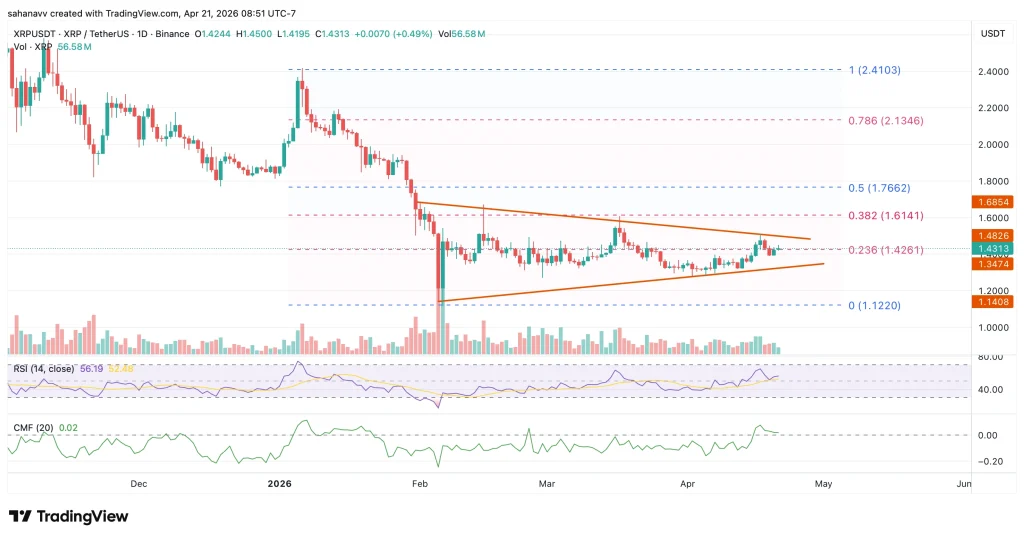
XRP price is eyeing a bullish breakout from a symmetrical triangle pattern that could position it for a breakout above $1.50, a level it has remained below for the past 5 weeks. According to data from crypto.news, XRP (XRP) price…
MetaMask co-founder Dan Finlay is stepping down from ConsenSys citing burnout, as long-time crypto figures such as Bitcoin advocate Preston Pysh also pull back from public roles.
Bitcoin reached multi-month highs at $79,000 as bulls regained control and exchange reserves tightened, signaling buyers returning and reduced sell pressure.
Ruben Hallali, a meteorologist, told French media outlet BFMTV the sudden temperature fluctuation recorded at a weather station at the Charles de Gaulle Airport was unlikely to be a natural event.
The new funding rounds are expected to be completed in the next six months, but the firm has already begun deploying some of the new capital, according to a person familiar with the matter.
The GSR Crypto Core3 ETF is GSR's first crypto exchange-traded product, giving investors access to the top three largest cryptocurrencies by market capitalization.
Matt Klein, a sitting member of the Minnesota State Senate, said he made a bet out of curiosity, while Mark Moran claimed he wanted to see how Kalshi responded to insider trading activity.
New York Governor Kathy Hochul criticized the Trump administration for not implementing any “meaningful ethical standards” to curb insider trading in prediction markets.
Blockstream’s Adam Back discusses why people think he’s Satoshi Nakamoto, while the CEO of OKX Europe said MiCA is “extremely beneficial” for the industry at the latest LONGITUDE event in Paris.
Bitcoin and Ether surged as US liquidity measures and record spot ETF inflows offset investors’ recession fears and their concerns over the war in Iran.
Bitcoin moves closer to $80,000 as data shows traders positioning in futures markets. Will potential profit-taking in the $83,000 to $88,000 range put a cap on the rally?
The ex-FTX CEO said he consulted with his parents and lawyers regarding a recent filing he sent from prison, but claimed to be the ”ultimate author of the documents.”
Need to know what happened in crypto today? Here is the latest news on daily trends and events impacting Bitcoin price, blockchain, DeFi, NFTs, Web3 and crypto regulation.
Thailand’s SEC is seeking feedback on rule changes that would let digital asset firms offer derivatives within existing entities, lowering barriers to market entry.
The prediction platform will use Pyth’s pricing data to settle trades on its new commodities markets, as it expands into assets including oil, gold and crops.
The exchange set maker fees at 0% and taker fees at 0.02% across all pairs, extending near-zero pricing to all users with no volume tiers or subscription requirements.
Aave’s supplied balance tanked after the Kelp DAO bridge exploit, as users pulled funds amid uncertainty over how much of the shortfall the protocol will absorb.
The U.S. Indo-Pacific Command is operating a live Bitcoin node to study its use in cybersecurity. Admiral Samuel Paparo confirmed that the project is still experimental and focused on research, not mining or financial use. The military is examining Bitcoin’s blockchain, cryptography, and proof-of-work system to understand how they can help monitor and secure digital networks. Officials say the goal is to explore stronger protection against cyber threats by using decentralized technology. The effort remains in the testing phase as part of broader defense innovation work.
The Crypto venture fund Pantera Capital, with $3.8 billion in AUM, has urged London-listed Satsuma Technology to sell its remaining $50 million in Bitcoin and return that capital directly to shareholders.
Meanwhile, Satsuma’s stock has collapsed more than 99% from its June 2025 peak, now trading around $0.21 with a market cap of just $25 million.
Pantera Pushes Satsuma to Exit Bitcoin Holdings
Satsuma’s Executive Chairman, Ranald McGregor-Smith, said that pressure is building on Satsuma as key investors are now pushing the company to exit its Bitcoin position.
He said some shareholders “have requested a return of capital,” but did not name them directly.
While he did not directly name Pantera, he said,
“We are exploring options to facilitate these requests while protecting the interests of all shareholders.”
Pantera, which holds around 7% stake in the firm, has invested over $300 million in digital asset strategies and is believed to be among those asking Satsuma to sell its Bitcoin and return the money to investors before more value is lost.
Tensions Build After Earlier Bitcoin Sale
The current situation did not happen overnight. The tension started back in December 2024, when Satsuma sold nearly half of its Bitcoin holdings. The goal was to repay note holders who chose not to convert their loans into company shares.
However, this move upset some investors, including Pantera Capital. Reports say they were unhappy with the decision and even asked for changes in the company’s leadership.
By March 2025, the situation had led to big changes. The company’s CEO, Henry Elder, and CFO Andrew Smith both stepped down.
Now, the pressure is back again. Investors want Satsuma to sell its remaining Bitcoin, and the company must decide its next step carefully.
From $221 Million Dream to a 99% Crash
In August 2024, the London-listed company raised £164 million ($221 million) through a convertible loan note, announcing an ambitious “AI-powered” Bitcoin treasury strategy that put it squarely in the middle of one of the hottest investment trends in the world.
However, after Bitcoin surged above $126,000, it later dropped nearly 40%, hurting company valuations.
At the same time, Satsuma, which used borrowed money to buy near the top, was left in a tough spot.
Following this, Satsuma’s stock has collapsed more than 99% from its peak, now trading near $0.21. However, its market value has dropped to around $25 million.
Monero price has returned to the $370–$400 zone that previously triggered a breakdown, but the reaction this time is not the same. XMR is trading near $370 and holding just below resistance without slipping back into the range. At the same time, more than $18 million in long liquidations have already cleared excess leverage from the market, removing the forced selling pressure that typically drives continuation lower.
The sequence stands out. The flush has already played out, yet price is stabilizing near resistance, with each pullback getting absorbed at higher levels. Everything now converges on this zone, where price behavior and positioning are aligned for a decisive move.
$18M Liquidation Flush Sets Up the XMR Retest
Monero’s move back toward $400 is coming after a full leverage reset in the market, not during it. Long liquidations exceeding $18M forced out overleveraged positions during the previous decline, removing the instability that often drives extended downside. Since that reset, liquidation activity has normalized, and XMR price action has shifted from reactive to controlled.
Open interest remains steady, indicating that positions are being rebuilt gradually rather than aggressively expanded. Participation is returning without imbalance, reducing the risk of forced moves and sudden reversals. XMR price is now testing resistance after the cleanup phase, which typically supports continuation rather than rejection.
XMR Price Holds Below $400 as Breakout Pressure Builds
XMR price is trading directly beneath the $380–$400 resistance band while maintaining support above the $350–$360 range. The structure shows a sequence of higher lows, with each retracement getting absorbed earlier. This keeps price anchored near resistance instead of rotating lower, reflecting sustained demand at higher levels.
While, short-term moving averages are flattening and beginning to turn upward, supporting price without signaling exhaustion. Momentum is improving, but remains controlled, allowing the structure to tighten rather than overextend. There is no rejection at the level, as XMR price is holding where it previously failed, indicating that supply is being tested rather than defended.
As long as XMR price holds above $350, the structure remains constructive. A sustained move above $400 would confirm breakout acceptance and open the path toward $450–$480, while a breakdown below $350 would weaken the setup and expose $320.
$400 Now Defines the Next Move for Monero Price
Monero price is now positioned directly under resistance with a stable structure and reduced leverage risk. Support continues to hold at $350, while repeated tests of the $400 zone are increasing pressure on supply.
The market has not broken out yet, but it is no longer reacting with rejection. The setup is clear, the structure is intact, and price is holding at the level that matters. The next move now depends on whether $400 holds, or finally gives way.
It has been 15 years since Satoshi Nakamoto sent his final known email on April 23, 2011. In the message to developer Mike Hearn, he said he had “moved on to other things” and that Bitcoin was in good hands with Gavin Andresen and the community. This moment is widely seen as Satoshi’s quiet exit from the project he created. Since then, no verified communication from him has ever surfaced, making it one of crypto’s greatest mysteries.
BELIEVE token is back under pressure, dropping nearly 19% in a day as serious legal charges against its founder, Benjamin Pasternak, shake already fragile market confidence.
According to New York Criminal Court records, Pasternak has been charged with second-degree strangulation and assault, with a court appearance scheduled for June 11. The timing couldn’t be worse for a token that has been struggling to maintain relevance.
Pasternak is facing serious charges, including a felony that could lead to at least 2 years in prison, along with fines and restitution. He also faces a misdemeanor assault charge that could carry up to 1 year in jail. The case is tied to an alleged domestic incident, and he has pleaded not guilty ahead of his court hearing.
From Viral Boom to Near Wipeout
The latest drop is only a continuation of a much larger breakdown. BELIEVE, once trading at $0.3569 during its peak in May 2025, has now collapsed to around $0.00075, marking a staggering decline of over 99%.
This isn’t a normal correction. It reflects a complete erosion of confidence, where early hype has given way to sustained selling pressure and a lack of meaningful recovery. The token’s price structure shows no signs of stability, with each bounce failing to hold.
Rug Pull Concerns Resurface
The legal case has also revived earlier concerns around a potential rug pull. Pasternak had previously been linked to allegations involving millions in suspected fund mismanagement, and while those claims remain unresolved, they are now back in focus.
For traders, this creates a layered risk, legal uncertainty, and unresolved financial questions. That combination tends to accelerate exits rather than attract new capital.
At Risk-Off
At this point, BELIEVE is no longer moving on hype or growth; it’s reacting to risk, which makes recovery much harder in crypto markets.
The project itself started as a SocialFi platform on Solana, allowing users to easily launch tokens through social media using a no-code system tied to liquidity pools. Previously known as Clout, it rebranded to BELIEVE in early 2025 and quickly gained traction, pushing its token to an all-time high of $0.3569 while generating over $6 billion in trading volume and $54 million in fees.
Flying Tulip has introduced a circuit breaker to slow or queue withdrawals as DeFi losses mounted in April following a series of large exploits. According to official documentation, the safeguard is designed to limit how quickly funds can leave the…
KPMG has unveiled a new AI-powered assistant designed to change how legal entity controllers and accounting analysts handle month-end closing processes. According to reports, the tool, called KPMG Ignite Financial Close Companion, is built on Google Cloud’s Gemini Enterprise and…
A coalition of crypto firms and advocacy groups has urged U.S. senators to move ahead with a markup of the Clarity Act, warning that delays risk pushing the industry offshore. The push came through an April 23 letter led by…
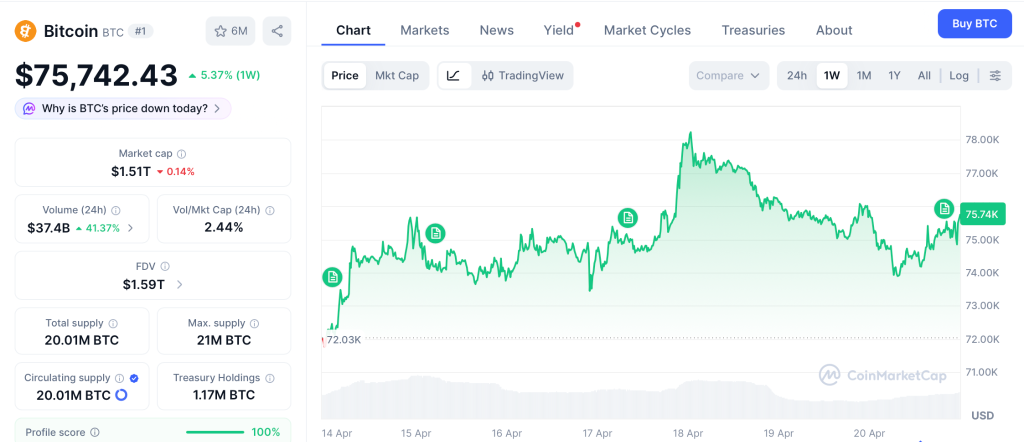
Bitcoin, the pioneer cryptocurrency, jumped roughly 6% over the past week, pushing straight into the key $79K resistance zone. Meanwhile, well-known crypto trader Michael van de Poppe says that as long as the $75,000 support holds, Bitcoin could still move higher toward $85,000–$88,000 in the next one to two weeks.
Why $79K Is Such a Hard Wall to Break
For the past weeks, Bitcoin has been showing healthy price behavior despite a small pullback after testing the $79,468 level.
According to van de Poppe’s analysis, this level is filled with sell orders and short positions that have been building up over weeks. Of this, Bitcoin may pause or move slightly lower before attempting another breakout.
Poppe says that Bitcoin could gather strength again before making another attempt higher. The more likely scenario, and the one van de Poppe lays out clearly, is a three-step process:
First, Bitcoin tests the $79K wall.
Second, it pulls back slightly to gather momentum.
Third, it finds fresh buying strength and pushes through, this time targeting $86,000 with real force behind it.
Poppe notes that “this is not weakness. It is the market doing what it needs to do before a bigger move.”
Coinglass Data Hint, Short Squeeze Setup
Market data also points to a possible short squeeze. According to CoinGlass data, Bitcoin’s funding rate is slightly negative at -0.0092%, while open interest has increased to $60.54 billion.
This means more traders are betting that the price will fall, but Bitcoin is still holding steady.
When this kind of setup plays out, short sellers often get forced to close their positions at the same time. This can quickly push the price higher.
Key Levels Traders Are Watching
Not every analyst is purely bullish. Crypto analyst Ted Pillow laid out the support structure clearly for those watching the downside.
The immediate floor sits near $76,000. Below that, $75,650 and $75,400 are the next meaningful support levels. If selling pressure intensifies further, $74,250 comes into play, and the main line in the sand sits at $73,200, which van de Poppe also identifies as the broader support range that must hold for the bullish case to remain intact.
A failure to reclaim $77,350 in the near term would be the first warning sign that Bitcoin needs more time before its next push higher.
The Digital Asset Market Structure CLARITY Act is hitting a key moment, with Senate talks now slipping into May due to delays around stablecoin rules. Most issues are close to being sorted, but timing is becoming the real problem.
According to the reports, with a tight calendar and a possible July vote window, the bill still has a shot in 2026, but there’s very little room left for further delays.
Against this backdrop, WalletConnect CEO Jess Houlgrave, in an exclusive interview with Coinpedia, shared her take on what this means for crypto adoption and where the Clarity Act still falls short.
Clarity Is Improving, But Not Complete
Houlgrave said the current version of the Clarity Act is “a step forward for the industry,” especially with clearer roles for the SEC and CFTC, defined registration paths, and better treatment of developers and self-custody.
At the same time, she made it clear that the framework is not finished.
“The Senate process is still unsettled on stablecoin yield, the DeFi provisions, and how network tokens are defined in practice,” she said, adding that these are foundational pieces that still need to be resolved.
Stablecoins Move Closer to Real Payments
On stablecoins, Houlgrave pointed to a more practical shift. With frameworks building on top of earlier efforts like the GENIUS Act, she said payment providers now have a clearer path.
“The upside is a permitted payment stablecoin framework, clearer custody rules, and a path to integrate stablecoin rails alongside existing systems,” she explained. That said, compliance remains a key layer, even if the tooling to support it already exists.
The Biggest Unlock for Crypto Adoption
For Houlgrave, the single most important regulatory decision is around self-custody.
“Giving self-custodial infrastructure a clear, durable safe harbour” would unlock growth, she said, pushing back against the idea that non-custodial software should be regulated like financial intermediaries. According to her, that confusion has slowed product development and pushed innovation offshore.
Global Fragmentation Still a Risk
While progress is visible globally, she noted that different jurisdictions are still working with different assumptions.
“Today it works despite the regulatory stack, not because of it,” she said, highlighting the need for interoperability as crypto payments scale across borders.
What Happens If It Passes
If the Clarity Act moves forward, Houlgrave expects immediate shifts in sentiment, even if full implementation takes time.
“Clarity Act passing is the starting gun, not the finish line,” she said.
Still, clearer compliance paths, institutional capital inflows, and deeper banking integration are likely to follow quickly, especially in payments and on-chain settlement.
When Charles Hoskinson and others in the crypto space talk about operating with regulatory clarity today, one name rarely gets the credit it deserves: Ripple.
That is the argument analyst Bradley Kimes made in a recent podcast, and it is starting to cut through as new money flows into crypto and asks the obvious question — how did we get here?
The Fight Most People Have Already Forgotten
The SEC versus Ripple case did not end quietly. It ended after years of litigation, and somewhere between $150 and $200 million was spent by Ripple defending its position. Brad Garlinghouse and Chris Larsen could have walked away earlier. A settlement was available. They chose not to take it.
“Ripple, Brad Garlinghouse, and Chris Larsen could have gotten out of that case much earlier if they were just worried about themselves,” Kimes said. “They could have gotten out free and clear. They chose to stay in for the longer fight for the betterment of the entire space.”
That fight produced something no other crypto project has: a court-tested legal position on token classification, won through litigation rather than granted through lobbying. The clarity that followed did not appear by accident. Someone paid for it.
$13 Trillion Waiting for a Switch to Flip
Kimes frames the current market as a holding pattern. Institutional money is present but not fully deployed. It is, in his words, “sitting on the sidelines” waiting for the Clarity Act to advance through the Senate before making deeper commitments to the projects and infrastructure it already believes in.
The numbers he points to are significant. Around $13 trillion in annual transactional volume tied to GTreasury operations, plus additional multi-trillion flows through Ripple Prime, formerly Hidden Road. None of it, he says, currently runs on blockchain rails.
“That’s a $13 trillion light switch just waiting to go.”
He argues that once regulatory clarity arrives, those flows do not gradually migrate. They move fast. Companies are already sitting on prepared announcements and product launches, fingers on the press release button, waiting for the moment the framework is confirmed.
Why Ripple Is Already Inside the Room
What separates Ripple from most of the projects that will benefit from the Clarity Act, according to Kimes, is that Ripple is not waiting to be let in. It is already inside regulated financial conversations, already past the classification hurdles that others are still navigating, and already connected to the institutional infrastructure that will need to move first.
XRP’s commodity designation, he says, removes constraints that earlier created uncertainty around token holdings and institutional participation. The legal groundwork is done. The regulatory groundwork is nearly done. What remains is the moment the switch flips.
Crypto prices retreated on Thursday as concerns over the fragile U.S.-Iran ceasefire weighed on market sentiment. Bitcoin (BTC) price fell 2% to $77,593 on Thursday as it gave up most of its gains from Wednesday when it hit above $79,000…
This post was updated with a statement from Zach Witkoff. World Liberty Financial co-founder Zach Witkoff has come under renewed scrutiny after body camera footage from a 2022 drug-related arrest resurfaced. According to recently surfaced footage on X, Witkoff was…
Bitcoin price has moved back above $78,000, with momentum supported by a clear return of aggressive buying activity. Binance net taker volume has crossed $1 billion for the third time this month, signaling that demand is coming from active market participants rather than passive positioning.
BTC price move is developing just below the $80,000–$82,000 resistance zone, where price is beginning to compress instead of pulling back. This behavior reflects strength at higher levels, as buyers continue to absorb supply near resistance. With demand building and structure tightening, Bitcoin is now positioned at a point where the next move is likely to be decisive rather than gradual.
$1B Buying Pressure Signals Strong Demand Return
Order flow data is providing a clearer picture of current market behavior. Binance net taker volume exceeding $1 billion on multiple occasions indicates that buyers are executing at market rather than waiting for retracements. This type of activity is typically associated with conviction-driven participation.
The repetition of these spikes is the key factor. Single instances can reflect short-term reactions, but sustained occurrences suggest that demand is consistently entering the market. Each surge aligns with Bitcoin holding or reclaiming higher levels, reinforcing the idea that buyers are supporting price strength rather than chasing extended moves. This shift reduces the likelihood of sharp downside continuation, as supply is gradually being absorbed instead of overwhelming demand.
BTC Monthly Chart Shows Early Reversal Structure
On the monthly timeframe, Bitcoin is forming a Morning Star pattern, a structure that historically appears near the end of corrective phases. The pattern reflects three stages: sustained selling pressure, stabilization, and a recovery attempt.
The significance lies in the transition. The market is moving from a phase dominated by distribution into one where accumulation begins to form. This does not imply immediate upside continuation, but it signals that downside momentum is weakening. Previous cycles have shown that this phase often precedes broader expansion, though it typically involves consolidation before a sustained move develops.
Bitcoin’s current structure is defined by compression below a key resistance band. After establishing a base near $63,000, price has formed a sequence of higher lows, gradually pushing toward the $80,000–$82,000 zone. This behavior reflects controlled strength. Instead of sharp upward moves followed by rejection, price is advancing steadily while holding gains. The absence of aggressive selling near resistance suggests that supply in this region is being tested and partially absorbed.
Moreover, the short-term moving averages are trending upward and supporting price action, reinforcing the shift in momentum. The structure indicates that buyers are maintaining control in the short term, even as the market approaches a critical level. A decisive move above $82,000 would confirm a breakout and shift the structure into a continuation phase, with higher targets coming into play.
Key Levels to Watch
The $75,000 level remains the immediate support, maintaining the current higher-low structure. The $80,000–$82,000 range acts as the primary resistance zone controlling short-term direction.
A breakout above $82,000 opens the path toward $88,000–$92,000, while a drop below $75,000 may extend consolidation toward $70,000.
Final Take
Bitcoin is transitioning into a phase where structure and demand are beginning to align. The coin is no longer reacting to downside pressure but is gradually stabilizing and building upward momentum. The key development is not the reclaim of $78,000 alone, but the behavior around resistance. Now, the BTC price is holding near highs, demand is consistent, and supply is being tested rather than dominating.
If this structure sustains, the probability shifts toward continuation. The next move depends on whether Bitcoin can convert this compression into a confirmed breakout above resistance.
Sportsbook rewards have entered a new phase. A growing share of wagering volume on regulated offshore and crypto-native platforms has shifted from fiat to stablecoins and major tokens, and the promotional terms have evolved with the rails. In early 2026, welcome credits, reloads, and rakeback are defined by settlement speed, custody model, and chain selection rather than flat deposit-match headlines.
Crypto betting platforms have not simply copied the welcome-offer playbook of legacy sportsbooks. They have reworked it around the properties of on-chain payments, and the clearest signal of that rework is the rise of stablecoin-denominated promotions with shorter settlement windows and lower rollover multiples on mid-sized deposits. When a consumer compares operators in the current market, the most useful point of reference is the category of sportsbook bonuses that have already migrated their terms to reflect blockchain settlement, because that cohort illustrates how the underlying rail changes the practical value of an offer far more than the headline number on the landing page suggests. Readers who trace those terms back to the chain layer will notice that the most favorable offer structures tend to cluster around platforms that have embraced native on-chain accounting rather than bolted crypto deposits onto a legacy fiat backend.
How Blockchain Settlement Rewrote Sportsbook Bonus Mechanics
The core difference between a legacy welcome offer and a crypto-denominated one is how quickly funds move between operator, consumer, and settlement layer. On a card or bank rail, a deposit match can sit pending for one to three business days and rollover clearance can wait another two. On a stablecoin rail those windows collapse to minutes, and to seconds on Layer 2 networks. Operators have responded with shorter expiration windows and lower rollover multiples, because faster clearance reduces exposure.
The Stablecoin Shift in Deposit Matches and Rebates
The most visible change in crypto-native sportsbook promotions is the migration of deposit-match language from Bitcoin and Ethereum to dollar-pegged stablecoins. Three years ago a 200 percent match priced in Bitcoin could produce wildly different real-dollar values depending on when the chain confirmed. That volatility pushed platforms to redenominate headline offers in USDT and USDC, and weekly rakeback now pays in stablecoin balances rather than native tokens.
Chain Selection Changes What a Bonus Is Actually Worth
A headline bonus number tells only part of the story when crypto rails are involved. The chain that processes the deposit sets the effective floor on what the bonus produces, because gas costs, confirmation latency, and withdrawal routing drag on redeemed value. A 100 dollar match credited on Ethereum mainnet yields differently than the same match on Polygon or Base, because withdrawal costs differ by an order of magnitude.
Rollover Requirements in a Faster Settlement World
Rollover multiples, which govern how many times a promotional balance must be wagered before it converts to withdrawable funds, have also tightened under faster settlement. Where legacy operators historically priced rollover at 10x or 15x, crypto-native platforms now advertise 4x and 5x on headline offers. Faster settlement cuts the operator’s working-capital cost, and that savings is passed through as tighter terms.
Custody and Self-Custody in the Promotional Flow
The custody model under a crypto sportsbook bonus is one of the least-discussed but most decision-relevant details on any offer page. On a custodial platform, the promotional credit is an internal ledger entry; on a self-custody design, the consumer retains control of the underlying keys and the promotional funds are released against an on-chain signature at clearance. Context on how an exchange wallet moves into on-chain prediction markets helps illustrate how these custody and promotional primitives are evolving across adjacent product lines.
A Side-by-Side View of Crypto and Legacy Bonus Structures
The table below summarizes four common welcome-bonus configurations in the current market, grouped by the underlying rail.
Bonus Structure
Typical Rail
Clearance Window
Rollover Multiple
Deposit match, legacy
Card or bank
One to three days
8x to 15x
Deposit match, stablecoin
USDC or USDT
Minutes
4x to 6x
First-bet credit, native token
Bitcoin or Ethereum
One block confirmation
3x to 5x
Weekly rakeback, stablecoin
Layer 2 network
Instant
1x or no rollover
None of these structures is universally superior; legacy fiat matches still dominate regulated state markets where crypto rails are restricted.
Transparency and On-Chain Audit Trails
A quieter advantage of on-chain bonus architectures is auditability. When a promotional credit is issued as an on-chain token transfer, the hash can be inspected on a public block explorer and the amount independently verified. That capability has no equivalent in the legacy fiat environment, where a deposit match exists only as an operator ledger entry that must be trusted.
Common Pitfalls When Crypto Bonus Terms Meet On-Chain Reality
Crypto-denominated sportsbook promotions bring structural advantages but also introduce pitfalls that legacy fiat offers do not share. The following items capture the most frequent issues.
Chain mismatch: depositing on a different network than the one the bonus clears on, which can block or delay the promotional credit.
Gas and withdrawal fees: ignoring per-chain transfer costs that eat into the real yield of a cleared bonus, especially on Ethereum mainnet during peak periods.
Custody assumption: assuming a platform is self-custodial when it is actually custodial, which changes the dispute process and the speed of withdrawal.
Regulatory Direction and What It Means for Bonus Design
Regulatory activity in the crypto wagering space has moved meaningfully over the last 18 months, and the direction is shaping which bonus structures operators can sustainably offer. Tighter stablecoin oversight, clearer licensing frameworks in offshore jurisdictions, and regulator attention to promotional transparency have pushed operators toward simpler, more auditable bonus language. Broader market analysis of the crypto landscape, including the a16z State of Crypto 2025 market analysis, indicates that institutional capital continues to move deeper into the infrastructure layer that underlies these platforms, which tightens the expectations placed on consumer-facing operators.
Frequently Asked Questions
Do crypto sportsbook bonuses clear faster than legacy fiat promotions?
In most cases, yes. Stablecoin-denominated matches on modern rails typically clear within minutes once rollover conditions are met, while legacy fiat matches can sit in a pending state for one to three business days.
How does chain selection affect the real value of a bonus?
Chain selection sets the floor on gas costs and withdrawal fees that apply to the cleared balance, so the same headline match can produce different real yields depending on which network processes the credit. Layer 2 networks generally preserve more of the nominal value.
Are rollover multiples really lower on crypto-denominated offers?
On the informed segment of the market, yes. Faster settlement cuts the operator’s working-capital cost of holding promotional balances, and that reduction is often passed through as tighter rollover terms. Crypto matches in 2026 often carry 4x to 6x multiples versus 8x to 15x on legacy fiat.
Asteroid Shiba is down nearly 12% in 24 hours, trading around $0.00036. The drop comes as profit-takers exit after one of the most explosive meme coin runs of 2026, where the token surged over 700,000% in a single week from near-zero to a high of $0.00046, driven by viral retail interest and buzz around SpaceX and Elon Musk-linked space narratives.
The sell-off is not tied to any project issue. Early buyers made massive gains fast and cashed out. One wallet turned $575 into $1.17 million in a matter of days. When gains are that large, selling pressure follows naturally.
Bitcoin dominance is also rising, pulling liquidity away from high-risk tokens and making it harder for meme coins to hold momentum. Despite the drop, Asteroid Shiba still holds a market cap above $160 million.
Three Reasons the Rally May Not Be Over
The token’s chart still shows a pattern of higher highs and higher lows since the CTO takeover, a structure that points to sustained buying interest rather than a one-time spike. The jump from near-zero to a nine-figure market cap in days shows early-stage momentum may still have room to run.
The space narrative also remains alive. With the SpaceX IPO story continuing to circulate and Elon Musk keeping space themes in public conversation, Asteroid Shiba stays relevant across social media, which is often all a meme coin needs to attract fresh attention.
Wallet distribution is also healthier than most meme coins at this stage. Larger holders make up a bigger share of participation, and the well-publicised profit stories from early traders are bringing new speculative money back into the token.
The Risk
Meme coins at this stage live and die by attention. The fundamentals here are thin, the volatility is extreme, and one shift in market sentiment can wipe gains fast. The structure looks bullish, but nothing about this token is built to last without continued narrative momentum.
Xiaomi has introduced its MiMo-V2.5 model family, adding multimodal capabilities and advancing its push into top-tier AI systems. According to Xiaomi, the new MiMo-V2.5 and MiMo-V2.5-Pro models combine image, audio, and video processing into a single system, bringing features that…
Bitcoin price rallied to a 12-month high above $79,000 on Wednesday before pulling back to $78,000 as investors booked profits. However, derivatives data suggest the asset may be building momentum for another move higher. According to data from crypto.news, Bitcoin…
Crypto venture firm Blockchain Capital has moved to raise $700 million across two new funds as investment appetite shows signs of concentration despite a slowdown in overall deal flow. Bloomberg, citing a person familiar with the matter, reported that the…
Ruben Hallali, a meteorologist, told French media outlet BFMTV the sudden temperature fluctuation recorded at a weather station at the Charles de Gaulle Airport was unlikely to be a natural event.
The new funding rounds are expected to be completed in the next six months, but the firm has already begun deploying some of the new capital, according to a person familiar with the matter.
The GSR Crypto Core3 ETF is GSR's first crypto exchange-traded product, giving investors access to the top three largest cryptocurrencies by market capitalization.
The CLARITY Act could be completed by the end of May 2026, according to Senator Bernie Moreno, raising hopes for long-awaited crypto regulation. Meanwhile, prediction market odds have slightly improved from 38% to 46%, but delays and political pressure remain doubtful.
On the other hand, a Republican on the Senate Banking Committee is still pushing to delay the CLARITY Act markup to May.
CLARITY Act Timeline Points to End of May Decision
The CLARITY Act, which aims to define crypto market structure, has been stuck in the Senate despite earlier momentum. A delay in the markup process now risks pushing the timeline further.
Speaking at a DC event in Washington, Senator Bernie Moreno said,
“I think we’re going to get it done by the end of May.”
His statement comes at a time when concerns are rising over whether the bill can move forward fast enough.
The delay in scheduling a markup has created uncertainty. Without it, the bill cannot move to a full Senate vote, making timing very important.
Pressure Builds as May Deadline Becomes Critical
Moreno has already warned that missing the May window could push crypto legislation off track for a long time. If the bill does not progress soon, it risks being lost amid a busy political calendar and the upcoming election cycle.
At the same time, he strongly pushed back against banking-sector concerns about stablecoin yields. He called these concerns “noise” and even said they are “completely fake,” urging banks to focus on innovation instead of slowing progress.
At the same time, global competition is increasing.
Treasury Secretary Scott Bessent warned that if the U.S. delays crypto regulation, innovation could move to other countries like Dubai and Singapore. Countries like Russia are legalizing BTC for cross-border trade, and the U.S. risks falling behind.
Clarity Act Odds Jumped On Polymarket Prediction
The uncertainty is already affecting market sentiment. On prediction platform Polymarket, the odds of the CLARITY Act passing in 2026 moved from 38% to 46% after Moreno said we’re going to get the CLARITY Act done by the end of May.
The next few weeks are critical. If the Senate moves quickly and schedules the markup, the bill still has a chance to pass by May.
A post linked to Sam Bankman-Fried claims FTX’s top six investments could be worth about $114 billion as of April 22, 2026, if they had not been sold during bankruptcy proceedings. The projected value is dominated by Anthropic at $82.3B, making up over 70% of the total, followed by SpaceX at $15B. Additional holdings include Solana at $5.1B, Robinhood at $4.9B, Genesis Digital Assets at $3.5B, and Cursor at $3B. The estimate underscores how bankruptcy-driven asset sales, aimed at quickly recovering funds for creditors, may have resulted in significant opportunity costs, as several of these assets appreciated sharply after liquidation.
AI-driven exploits and cross-chain flaws have pushed crypto security risks into focus in 2026, experts at CertiK warn, with losses already crossing $600 million. According to the blockchain security firm, attackers have leaned on a mix of social engineering, infrastructure…
The American Bankers Association has called for more time on stablecoin rulemaking tied to the GENIUS Act, citing gaps in regulatory coordination. The American Bankers Association, in a letter sent Tuesday, urged the U.S. Department of the Treasury, Federal Deposit…
Thailand wants to streamline access to crypto derivatives by allowing firms to operate under a single licensed entity. According to the Securities and Exchange Commission of Thailand, a new public consultation has opened on rules that would let licensed digital…
Following the KelpDAO exploit, the attacker rapidly moved 75,700 ETH, worth about $175 million, and converted nearly all of it into Bitcoin within roughly 36 hours. The swaps were mainly executed through THORChain, a cross-chain protocol that allows direct ETH-to-BTC conversions without intermediaries. The massive transactions pushed THORChain’s volume to around $800 million and generated about $910,000 in fees, highlighting how large-scale hacks can quickly impact liquidity, tracking efforts, and platform revenues.
The live price of the Near Protocol token is $ 1.42116228.
Price predictions for 2026 range from $3.70 to $11.80.
NEAR price may reach a high of $71.78 by 2030.
NEAR Protocol is a high-performance blockchain built to support scalable decentralized applications, with a strong emphasis on speed, low transaction costs, and developer-friendly infrastructure. Its growing presence in sectors like DeFi, gaming, and AI-integrated applications is steadily strengthening its position within the broader Web3 ecosystem.
The NEAR token plays a key role in this growth, powering transactions, staking, and overall network operations. As ecosystem activity and developer engagement continue to expand, the network is gradually building a more solid foundation for long-term adoption. At the same time, price action is beginning to stabilize after a prolonged period of downside pressure, with early signs of base formation emerging near current levels.
This shift has brought renewed focus on NEAR’s recovery potential, as the market looks for confirmation of a sustained move higher. For a deeper outlook, read Coinpedia’s NEAR Protocol price prediction 2026–2030.
Building on its recent stabilization phase, NEAR is now approaching a decisive point where consolidation could transition into expansion. After holding firm within the $1.30–$1.50 demand zone, price action is beginning to show early signs of strength, with higher lows forming and volatility gradually compressing.
This structure typically precedes a directional move. The immediate resistance lies around the $1.60–$1.80 region, which has repeatedly capped upside attempts. A sustained breakout above this zone would confirm a shift in momentum, allowing NEAR to move toward higher liquidity areas around $2.40, followed by a potential extension into the $3.00–$3.20 range.
The move, however, is expected to unfold in phases rather than a straight rally. Initial breakout strength may be followed by short consolidation before continuation, as the market absorbs supply at each level. This aligns with the broader structure, where the asset is transitioning from accumulation into early recovery.
At the same time, confirmation remains critical. Failure to reclaim resistance could keep NEAR range-bound within the current structure, while a breakdown below $1.30 would weaken the setup and delay upside momentum. For April–May 2026, NEAR is expected to trade between $1.30 and $3.20, with a breakout above $1.60 acting as the key trigger for expansion toward the upper range.
Coinpedia’s NEAR Price Prediction 2026
NEAR’s broader trajectory in 2026 is shaping around a transition from accumulation into expansion, with both structural recovery and improving network activity beginning to align. After an extended corrective cycle, the market is now attempting to establish a long-term base, with price stabilizing and gradually shifting away from persistent downside pressure.
Historically, prolonged accumulation near lower levels often precedes stronger upside cycles, particularly when supported by growing ecosystem activity and improving sentiment. In NEAR’s case, continued development around AI-integrated applications, along with steady developer participation, is reinforcing its long-term positioning within the Web3 landscape.
The first confirmation of a broader trend reversal would come from reclaiming the $3.00–$3.50 region, which previously acted as a major breakdown zone. A sustained move above this level would indicate that the market is transitioning from recovery into expansion, opening the path toward higher supply zones.
As momentum builds, the focus shifts to higher targets. If NEAR successfully maintains higher lows and attracts consistent capital inflows, the price could gradually advance through key resistance levels, with intermediate phases of consolidation before continuation.
Under a sustained growth scenario, NEAR could reach the $8.00–$11.80 range by the end of 2026, driven by continued ecosystem expansion, improving market conditions, and confirmation of a long-term trend reversal.
Recent Developments / Catalysts for Near Protocol
Growing traction around AI-integrated blockchain use cases is strengthening NEAR’s narrative as an infrastructure layer for next-generation applications.
Continued developer activity and ecosystem expansion, particularly across DeFi and consumer-facing applications, is supporting long-term adoption signals.
Improving broader market sentiment and capital rotation into fundamentally strong mid-cap altcoins are creating a favorable backdrop for recovery-driven price action.
NEAR On-Chain Analysis
NEAR has officially entered a high-conviction Taker Buy Dominant Phase as of January 2026. The 90-day Spot Taker CVD flipping from neutral to green confirms that aggressive market buyers are now absorbing liquidity faster than sellers, signaling a major return of organic demand.
This bullish on-chain shift, bolstered by Grayscale’s recent spot ETF filing and a supply-tightening inflation cut, highlights growing institutional confidence. NEAR is currently building the structural momentum necessary to challenge key recovery targets near $2.00-$2.10.
Near Protocol Price Prediction 2026 – 2030
Year
Potential Low ($)
Potential Average ($)
Potential High ($)
2026
3.70
7.75
11.80
2027
5.32
11.80
18.28
2028
7.91
18.28
28.65
2029
12.06
28.65
45.24
2030
18.70
45.24
71.78
NEAR Crypto Price Prediction 2026
According to our analysts, Near Protocol’s price projection, the price could range between $3.70 and $11.80, with an average trading price of around $7.75.
Near Protocol (NEAR) Price Prediction 2027
Looking forward to 2027, NEAR’s price could range between $5.32 and $18.28, and an average forecast price of $11.80.
Near Protocol Crypto Price Prediction 2028
In 2028, the price of a single Near Protocol token could range between $7.91 and $28.65, with an average price of $18.28.
NEAR Price Prediction 2029
By the end of 2029, NEAR’s price could range between $12.06 as its low and $45.24 as its high, with an average trading price of $28.65.
Near Protocol Price Prediction 2030
In 2030, Near Protocol price may touch its lowest price at $18.70, hitting a high of $71.78 and an average price of $45.24.
What Does The Market Say?
Firm Name
2025
2026
2030
Wallet Investor
$3.19
$4.40
$22.30
priceprediction.net
$3.98
$5.92
$28.62
DigitalCoinPrice
$5.95
$6.93
$14.80
*The targets mentioned above are the average targets set by the respective firms.
Never Miss a Beat in the Crypto World!
Stay ahead with breaking news, expert analysis, and real-time updates on the latest trends in Bitcoin, altcoins, DeFi, NFTs, and more.
FAQs
What Is Near Protocol?
The protocol promotes the network of computers running a platform for developers to create and launch dApps.
How much is 1 Near Protocol Coin worth?
At the time of writing, the price of 1 NEAR was $ 1.42116228.
What is the NEAR price prediction for 2026?
NEAR price forecasts for 2026 suggest a range between $3.70 and $11.80, depending on adoption growth and market momentum.
What is the NEAR Protocol price prediction for 2030?
NEAR Protocol price prediction for 2030 points to a potential high near $71.78 if long-term adoption and ecosystem growth continue.
Is NEAR Protocol a good long-term investment?
NEAR offers long-term potential due to its scalable design, developer adoption, and cross-chain expansion, but price volatility remains.
What factors influence NEAR price the most?
NEAR price is driven by ecosystem growth, network activity, market liquidity, investor sentiment, and overall crypto market trends.
Bitcoin has finally broken out of its long sideways phase that lasted for weeks between roughly $65,000 and $75,000. Price has now moved into the $77,500–$78,000 zone, shifting the market from consolidation into what looks like an early trend phase. In under two weeks, BTC is up nearly 10%.
Prediction Markets Turn More Bullish at $90K Level
Prediction markets are now showing stronger upside conviction. According to The Kobeissi Letter, Bitcoin carries around a 61–62% probability of hitting $90,000 in 2026, while the chance of $100,000 sits near 42–44%. Additionally:
$80,000 hit: 93% probability (Volume: $520,115)
$90,000 hit: 61% probability (Volume: $418,516)
$100,000 hit: 42% probability (Volume: $1,309,607)
Downside probabilities remain limited but present:
$70K retest: 12%
$65K or lower: under 5% combined
Kalshi data aligns with this structure, showing about a 40% chance of Bitcoin reaching $100,000 by the end of 2026, but only a small probability in the near term.
Macro Tailwinds Support the Move
The rally is not happening in isolation. Easing geopolitical tension, especially the extended Iran ceasefire, has improved global risk sentiment. Equities have stabilized, and crypto is benefiting from that rotation back into risk assets. Ethereum is also recovering near $2,400, while XRP and other altcoins are following slowly.
$100K Possible?
Bitcoin is recovering after a sharp drop from recent highs, but price action remains choppy with no clear breakout yet. It’s hovering near the $80K resistance zone as sentiment slowly improves. $90K and $100K are still long-term possibilities in prediction markets, but not strongly priced in right now, with traders still divided on whether that level is likely in the near term.
The market is bullish again, but not euphoric yet, and that’s typically where stronger trend phases begin. Till then, levels to watch include $73,000 support, with Fed rate cuts and ETF inflows potentially fueling a rally.
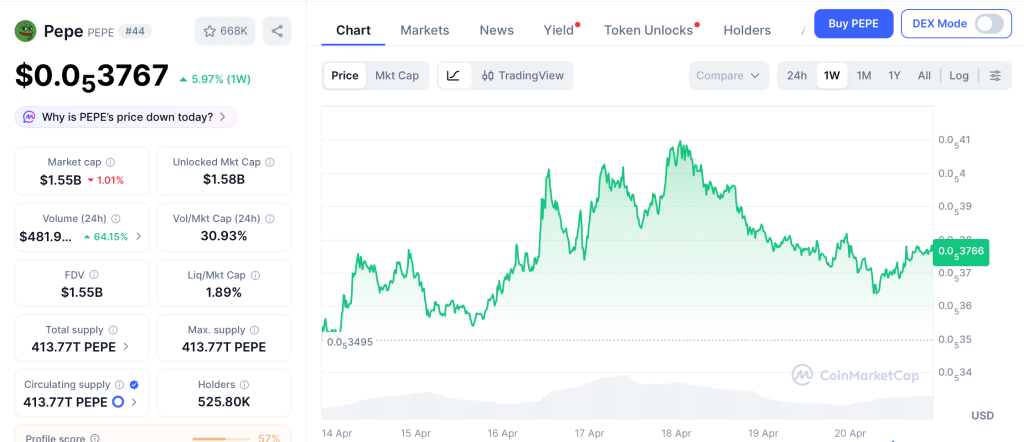
The Pepe coin price prediction is heating up after PEPE printed an 11% rally off whale wallets loading 1.23 trillion tokens, and the chart is now coiling toward $0.0000055 with the Canary Capital spot ETF still under SEC review, per CoinMarketCap. The token sits at $0.0000037, still 86% below its $0.000028 record.
Attention across the meme tape is rotating fast into Pepeto, a presale carrying a confirmed Binance listing that gets closer every day. Pepeto has raised over $9.29 million, and wallet after wallet is reading the setup the first Pepe buyers read back in April 2023.
The Pepe coin price prediction points to $0.0000057 to $0.0000072 for the year on DigitalCoinPrice, and analysts model Pepeto at 100x from the current presale price once the Binance bell rings.
Pepe Coin Price Prediction Builds as ETF Review Runs and Whales Keep Loading
Whale wallets absorbed 1.23 trillion PEPE tokens worth roughly $4.36 million in a single April session per BeInCrypto, the largest accumulation event of the year. A textbook RSI bullish divergence between February and April delivered the 11% rally off the lows.
The Canary Capital S-1 filing for the first spot PEPE ETF still sits with the SEC per CoinMarketCap. The Pepe coin price prediction now carries both on chain demand and a regulatory catalyst that could flip demand overnight.
Pepe Coin Price Prediction Builds as ETF Review Runs and Whales Keep Loading
Whale wallets absorbed 1.23 trillion PEPE tokens worth roughly $4.36 million in a single April session per BeInCrypto, the largest accumulation event of the year. A textbook RSI bullish divergence between February and April delivered the 11% rally off the lows.
The Canary Capital S-1 filing for the first spot PEPE ETF still sits with the SEC per CoinMarketCap. The Pepe coin price prediction now carries both on chain demand and a regulatory catalyst that could flip demand overnight.
Where PEPE Holders Are Rotating Capital Right Now
Pepeto: Real Tools, Real Listing, Real Math
The meme tape does not reward patience, and volatility makes timing the factor that separates the portfolio that prints from the one that bleeds. One week PEPE rips 11% on whale flow, the next it retraces half on derivatives profit taking.
Pepeto’s CoinMarketCap page went live, signalling the Binance listing window is opening. A live token risk scanner reads the meme market in real time, assets move across chains through the zero cost bridge, and a built in scanner finds fresh projects at floor pricing before the crowd.
The cofounder of the original Pepe is behind the build, a SolidProof audit locked the contract, and a senior operator from the Binance exchange team runs the listing playbook.
The presale cleared $9.29 million at $0.0000001865 with 420 trillion tokens out, a fully diluted value near $78 million, and staking at 180% APY. Analysts model 100x the moment Binance trading opens. Pepeto priced at the presale floor with a confirmed Binance debut queued up is the mirror image of that window.
Pepe Coin Price Prediction: PEPE Targets $0.0000055 From $0.0000037
Pepe coin (PEPE) trades at $0.0000037 per CoinMarketCap, sitting 86% below its $0.000028 all time high with a $1.6 billion market cap. Whale holdings climbed from 186.91 trillion to 188.14 trillion in one April session per Santiment, the biggest single day accumulation of 2026.
The technical setup puts PEPE inside a rising channel with $39.78 million in derivatives inflows and a positive 0.0043% funding rate, and a clean close above $0.00000408 opens the path to $0.0000047 and the $0.0000055 target. DigitalCoinPrice projects $0.0000057 to $0.0000072 for 2026, roughly 46% to 85% from here.
Even a full trip back to $0.000028 is roughly 7x across many months, tied to meme sentiment and ETF headlines no model can time. The Pepe coin price prediction has real fuel, but a $1.6 billion cap caps what spot buyers collect on the next leg.
Conclusion
The Pepe coin price prediction carries real momentum, but the truth every Pepe holder admits is the same one. The buyers who turned $500 tickets into millions during the 2023 run are not celebrating. They are still kicking themselves for not buying more when PEPE traded for fractions of a cent.
Pepeto is the second chance the market almost never gives. Same cofounder. Same 420 trillion supply. Plus a SolidProof audit, a live exchange, and a confirmed Binance listing Pepe never had.
Every Pepe holder refreshing a chart right now already knows what a 2,800x move looks like, because they watched it happen once. The $100 tickets that cleared $280,000 in six weeks did not print for the wallets that waited for certainty. They printed for the ones who moved on the setup before the rest of the market noticed. The only question this round is whether they move on what the last cycle taught them, or watch the same trade print for someone else a second time.
What is the Pepe coin price prediction for 2026 after the 11% rally and ETF filing?
Pepe coin price prediction for 2026 targets $0.0000057 to $0.0000072 per DigitalCoinPrice, roughly 46% to 85% from the current $0.0000037 level. The Canary Capital spot PEPE ETF S-1 filing and 1.23 trillion tokens of whale accumulation add structural demand behind the forecasts.
Why are PEPE holders looking at Pepeto right now?
Pepeto offers a presale to Binance listing spread where 100x is mapped at $0.0000001865 with a live exchange already running. The same cofounder behind the original Pepe coin leads the project and a SolidProof audit backs the contract, which separates Pepeto from every token running on pure meme energy.
The Chainlink price prediction just got a fresh catalyst. OpenAssets chose Chainlink as its partner oracle to unlock institutional tokenization for capital markets valued at $68 trillion, and LINK popped 1.47% to $9.38 with a $330,000 short squeeze layered on top, per CoinStats. That is a flag for every desk sizing up the Chainlink price prediction this quarter.
The sharpest read on the Chainlink price prediction right now is not the target LINK prints by October. It is the presale with a live Binance catalyst that can deliver in weeks what LINK stretches across the full year.
Chainlink Price Prediction Lifts as OpenAssets Picks LINK for $68T Tokenization Push
OpenAssets announced the strategic oracle deal with Chainlink on April 20, 2026, and the release tied directly to issuance and distribution of tokenized institutional assets across onchain finance, per PRNewswire. The deal routes trillions in capital markets exposure through LINK’s data stack.
Chainlink still holds roughly 69.9% of the decentralized oracle market with Total Value Secured above $100 billion, and the Chainlink Reserve has absorbed over 3.18 million LINK. With the April 12 Data Streams upgrade now feeding live US stock and ETF prices into DeFi, the Chainlink price prediction carries institutional weight almost no mid cap crosses. Still, a $6 billion cap sets a ceiling on early entry multiples.
Chainlink Price Prediction and the Presale That Is Not Waiting For LINK To Break Out
Pepeto
Watching the LINK forecast unfold across months is the patience that costs a portfolio the trade that resets everything. Pepeto is not a token waiting on approval cycles. The founder who launched the original Pepe coin and grew 420 trillion tokens into an $11 billion market without a single shipped tool engineered this exchange from the ground up.
A senior developer from Binance now runs the listing rollout, and SolidProof signed off on every line of contract code before the presale opened.
Over $9.29 million has moved into the presale at $0.0000001865 across 420 trillion tokens. PepetoSwap strips every trading fee to zero, and the cross chain bridge ties Ethereum, BNB, and Solana together at no cost.
The Chainlink price prediction will keep pulling capital into LINK, but the wallets locking positions today know 100x on Pepeto is built on math that already played out with Pepe. Staking at 180% APY keeps stacking positions daily while the market waits for LINK to break $9.55.
By the time the Chainlink price prediction catches $20, Pepeto will be trading live on Binance and the presale number will be the entry late buyers reference.
Chainlink (LINK) Price Prediction: Live Targets and Key Levels
Chainlink (LINK) trades near $9.38 on April 21, up 1.47% to 2.23% in the last 24 hours on the OpenAssets rally per CoinMarketCap. The token sits 82% below its $52 all time high with a $6 billion market cap.
Changelly projects a May average of $10.50 and a December average of $14.75, while Coinpedia and Flitpay put the base case at $20 to $35 for the year on steady CCIP growth. Cryptopolitan pegs the 2026 range at $7 to $17 with an $11.38 average.
Support sits at $8.55 with resistance at $9.55 and the 200 day EMA near $10. A clean break above $9.15 opens $9.65 and then $10, while losing $8.20 exposes $7.80.
Even the most bullish forecast delivers roughly 3.8x from here, respectable for an oracle with live institutional flows, but short of what a presale entry paired with a Binance listing can print in one event.
Conclusion
The Chainlink price prediction rewards patience, but the wallets that walked out of crypto with generational gains never built those returns on a $6 billion token grinding toward old highs. They built them by spotting the narrow window where a proven founder, live tools, and presale pricing all lined up.
Pepeto lines up that decision. The same cofounder who took the original Pepe from fractions of a cent to $11 billion in six weeks is back, this time with a live exchange, a SolidProof audit, and a confirmed Binance listing Pepe never had. Once the first Binance candle lands, the entry that turned $100 tickets into $280,000 the first time becomes a story instead of a position.
What is the Chainlink price prediction for 2026 after the OpenAssets partnership?
Chainlink price prediction targets for 2026 sit between $14.75 on the Changelly base case and $35 on Coinpedia’s optimistic model, with Cryptopolitan modeling a $17 ceiling. LINK’s 1.47% jump on the $68 trillion OpenAssets deal and 69.9% oracle market share add institutional weight behind the year end projections.
Why is Pepeto the presale wallets are picking alongside Chainlink this cycle?
Pepeto is the presale positioned for 100x because it pairs a SolidProof audited contract, 180% APY staking, and a live zero fee exchange with a confirmed Binance listing ahead. With $9.29 million raised at $0.0000001865 and the same founder behind the original Pepe that reached $11 billion, the setup mirrors every cycle winner’s early entry.
The live price of the AAVE token is $ 91.73164970.
Coinpedia’s forecast suggests AAVE may reach around $650 by 2026 if liquidity flows back into DeFi and adoption continues to expand.
Long-term projections indicate AAVE could potentially climb toward $2,500 by 2040 as decentralized finance infrastructure grows.
Aave (AAVE), a leading decentralized lending protocol, is currently trading within a defined range as both network fundamentals and price structure move into a stabilization phase. With consistent liquidity demand across DeFi markets and ongoing multi-chain expansion, the protocol continues to maintain its position as a core infrastructure layer within on-chain finance.
At the same time, Aave price action remains compressed around the $100 level, with AAVE consolidating for nearly two months while facing resistance near the $110–$120 range. This alignment of steady fundamentals and muted price movement suggests the market may be in a positioning phase rather than a confirmed trend. However, this raises a key question: is this prolonged consolidation signaling accumulation ahead of a breakout, or a lack of momentum to drive the next leg higher?
As 2026 approaches, the answer may depend on whether Aave can translate stable usage into renewed capital inflows and reclaim higher resistance levels. Read on as we break down Aave’s price prediction for April and the broader 2026 outlook.
AAVE’s structure has shifted meaningfully over the past sessions, with price action now reacting to a major DeFi shock rather than following a clean technical trajectory. After attempting to stabilize near higher levels, the asset faced a sharp breakdown as external protocol risk triggered a sudden loss of confidence across the market.
The impact was immediate. A liquidity disruption tied to an exploit-driven event created significant bad debt exposure within the Aave ecosystem, leading to aggressive withdrawals and a rapid decline in total value locked. This translated directly into price pressure, pushing AAVE back toward key support zones and invalidating its short-term bullish structure.
AAVE is now attempting to stabilize after the sell-off. AAVE price is consolidating near lower levels, indicating that the initial wave of panic selling is easing, but the recovery remains fragile. Unlike a standard accumulation phase, this setup is still reactive, meaning upside attempts require strong confirmation before continuation can be sustained.
The immediate focus now shifts to reclaiming lost resistance. A move back above the $110–$115 region would signal that the market is regaining confidence, potentially opening the path toward $125–$130. However, failure to reclaim this zone is likely to keep the asset range-bound, with recovery attempts facing consistent supply pressure.
For April–May 2026, AAVE is expected to trade between $90 and $130, with upside dependent on stabilization above $110. A breakdown below support could extend downside toward the $80–$85 region if risk sentiment weakens again.
CoinPedia’s Aave (AAVE) Price Prediction 2026
Looking ahead, Aave’s 2026 trajectory will be closely tied to the broader evolution of DeFi lending and liquidity conditions across the market.
From a macro standpoint, AAVE appears to be in a reaccumulation phase, with price consolidating despite steady protocol usage. This divergence suggests that while fundamentals remain intact, capital inflows have yet to fully return.
In a bullish scenario, where DeFi activity accelerates and borrowing demand increases, AAVE could move toward the $280 to $650 range, supported by renewed liquidity and ecosystem expansion. A base-case outlook assumes a gradual recovery in DeFi participation, positioning AAVE within the $230 to $450 range over the year. In a more conservative scenario, where market conditions remain subdued, AAVE may continue trading below $130, delaying a breakout despite stable fundamentals.
Recent News/Catalysts For AAVE
Negative Trigger
A major exploit-linked liquidity event created significant bad debt within the Aave ecosystem, triggering large-scale withdrawals and a sharp drop in confidence.
Total value locked declined rapidly as capital exited the protocol, reflecting short-term risk aversion across DeFi markets.
Recovery Drivers
Growing anticipation around Aave V4 is supporting long-term sentiment, with focus on improved liquidity efficiency and institutional readiness.
Selective accumulation at lower levels suggests that larger players are beginning to position after the sell-off.
Ongoing governance improvements aimed at strengthening protocol revenue distribution are reinforcing long-term value accrual.
Aave Crypto Price Prediction 2026 – 2040
Year
Potential Low ($)
Potential Average ($
Potential High ($)
2026
250
420
650
2027
320
550
780
2028
420
700
950
2029
520
900
1100
2030
650
1000
1300
2035
1250
1580
1800
2040
1920
2200
2500
Aave (AAVE) Price Forecast 2026
In 2026, the Aave price could project a low price of $250, an average price of $420, and a high of $650.
Aave Price Prediction 2027
As per the Aave Price Prediction 2027, Aave may see a potential low price of $320. The potential high for the Aave price in 2027 is estimated to reach $780.
Aave (AAVE) Price Prediction 2028
In 2028, the Aave price is forecasted to potentially reach a low price of $420 and a high price of $950.
Aave Crypto Price Prediction 2029
Thereafter, the Aave (Aave) price for the year 2029 could range between $520 and $1100.
Aave (AAVE) Price Prediction 2030
Finally, in 2030, the price of Aave is predicted to remain steady and positive. It may trade between $650 and $1300.
AAVE/USD Price Prediction 2035
In 2035, Aave’s price is projected to reach a low of $1,250 and could potentially climb as high as $1,800.
AAVE Price Forecast 2040
According to the Aave price forecast for 2040, the cryptocurrency could reach a low of $1,920, while its potential high is projected to be around $2,500.
Aave (AAVE) Price Prediction: Market Analysis?
Year
2026
2027
2030
Changelly
$620
$750
$1220
CoinCodex
$600
$720
$1320
WalletInvestor
$680
$800
$1400
Never Miss a Beat in the Crypto World!
Stay ahead with breaking news, expert analysis, and real-time updates on the latest trends in Bitcoin, altcoins, DeFi, NFTs, and more.
FAQs
What is Aave and how does it work in DeFi?
Aave is a decentralized lending protocol that lets users lend crypto to earn interest or borrow assets using collateral, all without banks or intermediaries.
Is Aave a good long-term investment?
Aave is considered a strong long-term DeFi project due to its large liquidity pools, multi-chain support, and continued protocol development.
What is Aave crypto price prediction 2026?
Aave could trade between $250 and $650 in 2026, depending on DeFi growth and liquidity returning to the market.
What is Aave price prediction 2030?
By 2030, Aave may range from $650 to $1,300 as decentralized finance adoption and multi-chain expansion continue.
How high can Aave coin go by 2040?
Aave’s price could potentially reach $2,500 by 2040 if DeFi infrastructure grows and user adoption strengthens.
What is Aave price prediction 2050?
While long-term forecasts are speculative, Aave could exceed $3,000 by 2050 if decentralized finance sees widespread global adoption.
Matt Klein, a sitting member of the Minnesota State Senate, said he made a bet out of curiosity, while Mark Moran claimed he wanted to see how Kalshi responds to insider trading activity.
New York Governor Kathy Hochul criticized the Trump administration for not implementing any “meaningful ethical standards” to curb insider trading in prediction markets.
Blockstream’s Adam Back discusses why people think he’s Satoshi Nakamoto, while the CEO of OKX Europe said MiCA is “extremely beneficial” for the industry at the latest LONGITUDE event in Paris.
Bitcoin and Ether surged as US liquidity measures and record spot ETF inflows offset investors’ recession fears and their concerns over the war in Iran.
Analyst Tim Warren, in his latest video, says while retail investors are losing interest, major institutions like BlackRock, JPMorgan, DTCC, and Goldman Sachs are positioning for a huge move into real-world assets (RWAs). The focus is on tokenizing traditional assets like U.S. treasuries, real estate, bonds, and loans, bringing them onto blockchain rails.
If regulations like the Clarity Act come into place, trillions of dollars could start flowing into this space, making RWAs one of the biggest narratives of the next cycle.
Chainlink: The Backbone of the RWA Ecosystem
Chainlink sits at the center of this shift, acting as the infrastructure layer that connects real-world data to blockchain. It provides key services like secure price feeds, proof-of-reserves verification, and NAV calculations, tools institutions need before moving capital on-chain.
It’s already integrated with major players like SWIFT, Aave, and Ondo Finance. Its cross-chain system (CCIP) allows tokenized assets to move seamlessly across different blockchains with institutional-grade security.
Warren said LINK is trading around $9.15, with a possible short-term dip to $7.5–$6.5. Long-term projections vary widely, with conservative targets near $50 and aggressive estimates reaching $100–$200.
Ondo Finance: Bringing Treasuries On-Chain
Next up is Ondo Finance, which focuses on bringing U.S. treasuries on-chain. Products like USDY and OUSG are already gaining traction, with over $3 billion locked in.
Backed by major firms like BlackRock and Fidelity, Ondo is positioned as a direct link between traditional finance and crypto. It’s trading near $0.25 right now, with a possible drop to $0.20 or even $0.14. But if RWAs take off, projections go as high as $5–$10.
Hedera: Enterprise-Grade Infrastructure
Hedera is another pick, designed specifically for enterprise use. It offers fast speeds, low fees, and compliance-ready systems, things institutions care about.
It’s already being used in real-world cases like tokenized real estate, with backing from companies like Google and IBM. HBAR is around $0.086, with downside risk toward $0.072–$0.055. In a strong cycle, targets range from $0.60 to above $1.
Ethereum: The Core Settlement Layer
Warren also points to Ethereum as the main base for tokenized assets. Most RWAs are already being built or traded on Ethereum because of its deep liquidity and strong ecosystem.
Institutions like BlackRock and JPMorgan are already using it for tokenized products. ETH is around $2,300, with possible dips to $1,600 or $1,200. Long-term projections stretch from $8,000 to as high as $25,000.
Canton Network: Built for Institutional Privacy
Finally, Canton Network is being positioned as a privacy-focused system for institutions. It’s designed for regulated finance, handling assets like treasuries, loans, and money markets.
With firms like DTCC and Goldman Sachs already involved, and plans for live treasury settlements in 2026, it’s gaining traction. It’s trading near $0.15, with projections between $0.50 and $1.60, though Warren says it may not follow typical crypto cycles.
Bitcoin moves closer to $80,000 as data shows traders positioning in futures markets. Will potential profit-taking in the $83,000 to $88,000 range put a cap on the rally?
The ex-FTX CEO said he consulted with his parents and lawyers regarding a recent filing he sent from prison, but claimed to be the ”ultimate author of the documents.”
Bitcoin climbed above $78,000 on April 22, reaching its highest price in 11 weeks, as a wave of short liquidations and improved macro sentiment following Trump’s ceasefire extension combined to push the asset to a key technical level that had…
Crypto protocols have lost more than $606 million to hacks and exploits in just the first 18 days of April 2026, making it the single worst month for theft in the industry since the $1.4 billion Bybit breach in February…
US Labor Secretary Lori Chavez-DeRemer has resigned from the Trump administration amid an active inspector general investigation into misconduct allegations, making her the third cabinet member to depart during the president’s second term. Lori Chavez-DeRemer stepped down as US Secretary…
Shares of American Bitcoin, the Trump family-linked mining company, surged approximately 12% on April 22 after the firm announced it had completed the deployment of 11,298 new ASIC miners at its Drumheller, Alberta site, expanding its active fleet to roughly…
A $290 million exploit on KelpDAO’s cross-chain bridge on April 18, attributed by LayerZero to North Korea’s Lazarus Group, sent shockwaves through DeFi and erased more than $13 billion in total value locked across protocols within 48 hours. Attackers drained…
Kraken says it filed 56m 2025 crypto tax forms, most under $50, and is urging Congress to create a de minimis exemption and let users defer tax on staking rewards until sale. Kraken is using this tax season to put…
North Korea’s Lazarus Group has launched a new macOS malware campaign called Mach-O Man that uses fake online meeting invitations to trick crypto and fintech executives into executing malicious commands on their own devices, according to blockchain security firm CertiK.…
Thailand’s SEC is seeking feedback on rule changes that would let digital asset firms offer derivatives within existing entities, lowering barriers to market entry.
The prediction platform will use Pyth’s pricing data to settle trades on its new commodities markets, as it expands into assets including oil, gold and crops.
Two CIA officers were killed in a car crash in the Mexican state of Chihuahua on April 20 while returning from a counternarcotics operation to destroy a clandestine drug lab, igniting a sovereignty dispute between Washington and Mexico City. Two…
Coinbase has listed FCA‑sandbox‑tested tGBP, letting users move pound‑pegged stablecoins across its app and exchange as it doubles down on local‑currency rails beyond USD. Coinbase is deepening its bet on non‑USD stablecoins, rolling out full support for the pound‑pegged tGBP…
Iran’s Revolutionary Guard seized two container ships in the Strait of Hormuz on April 22, hours after President Trump extended the ceasefire with Tehran indefinitely, while confirming the US naval blockade of Iranian ports would remain in place. Iran’s Islamic…
Kevin Warsh, Donald Trump’s nominee to chair the Federal Reserve, told a Senate confirmation hearing on April 21 that he has made no commitments to the White House on interest rates and would act independently, even as Republican Senator Thom…
Virginia voters have narrowly approved a new congressional map that could shift as many as four House seats from Republican to Democrat, delivering a major boost to the party’s bid to retake the House in the 2026 midterms. Virginia voters…
The US Department of Justice has filed fraud charges against the Southern Poverty Law Center, alleging the civil rights organization made secret payments to extremist informants without proper disclosure. The US Department of Justice announced a federal indictment against the…
American Bitcoin, co‑founded by Eric and Donald Trump Jr., has energized 11,298 new ASICs, lifting owned hash rate to 28.1 EH/s as it doubles down on low‑cost BTC accumulation. American Bitcoin Corp., the publicly listed mining company co‑founded by Eric…
OpenAI has begun charging advertisers on a cost-per-click basis inside ChatGPT, marking its first direct move into the digital advertising market and putting it in competition with Google and Meta. OpenAI has quietly launched a pay-per-click advertising model inside ChatGPT,…
Major US banks are lobbying to slow down new stablecoin legislation, but the White House has intervened directly, telling the banking industry to stand down. US banks are mounting resistance to proposed stablecoin legislation moving through Congress, arguing the rules…
Kraken submitted 56 million crypto tax forms for 2025, most reporting gains under $50, and is now calling on Congress to overhaul what it calls an unworkable reporting threshold. Kraken filed 56 million crypto tax forms with the IRS for…
GSR’s new BESO ETF on Nasdaq actively manages a Bitcoin‑Ethereum‑Solana basket with weekly rebalancing, a 1% fee, and built‑in staking rewards where allowed. GSR is moving from pure market‑making into the center of the ETF arms race, rolling out its…
Chainlink is surging by 1.13% to reach $9.50 with a significant rise in the volume of about 10.5%. The broader crypto market remains uncertain, but Chainlink is quietly approaching a key decision point. After weeks of consolidation, the LINK price is once again testing the $10 resistance zone—a level that has repeatedly capped upside attempts.
This isn’t just another test. Price action is tightening, volatility is compressing, and multiple indicators suggest that a larger move is building beneath the surface. But the bigger question remains—is this a real breakout setup, or another rejection waiting to happen?
On-Chain Activity Shows Weak Demand Growth
A closer look at network data reveals a concerning trend. Active addresses have remained volatile and largely stagnant, fluctuating between roughly 2.5K and 3.5K without any sustained growth.
In a strong bullish phase, rising prices are usually supported by increasing network activity. However, that correlation is missing here. Despite LINK attempting to push higher, user participation is not expanding in a meaningful way. This disconnect suggests that the current move lacks organic demand, making the structure more fragile than it appears.
Exchange Outflows Signal Accumulation
On the other hand, exchange flow data tells a slightly different story. Exchange outflows have been gradually increasing, with recent spikes reaching around 3.4K LINK. This typically indicates that tokens are being moved off exchanges into private wallets, reducing immediate sell pressure.
Such behavior is often associated with accumulation phases, where participants position themselves ahead of a potential move. However, accumulation alone is not enough. Without corresponding demand growth, it can easily turn into short-term positioning rather than long-term conviction.
Price Structure Shows Compression Near Breakout Zone
From a technical perspective, LINK is forming a symmetrical triangle, a classic pattern that often precedes a breakout. Price is compressing between rising support ($8.10 to $8.50) and flat resistance ($9.80 to $10.10), with volatility steadily declining. Currently, the price is approaching the resistance of a decisive triangle, and the indicators suggest a breakout could be on the horizon.
Momentum indicators appear to be indecisive, but a close observation suggests they are improving. The CMF has rebounded and is heading towards the average zone, suggesting liquidity is entering the token. Besides, the OBV has been rising consistently, indicating the rally is slowly flipping bullish. This creates a coiled setup, where the market is preparing for a move but hasn’t yet committed to a direction.
Therefore, if the LINK price breaks above $10.10 and holds, momentum could accelerate towards $10.80 to $11.50. Besides, a breakdown below the support could push LINK back toward $8.50 to $8.10.
Wrapping It Up
Chainlink is approaching a critical turning point, with price compressing near a major resistance level. While accumulation signals are building, the lack of strong network growth raises concerns about the sustainability of any breakout. Until the LINK price confirms strength above $10 with volume and participation, this remains a high-risk setup where a fake breakout is just as likely as a real one.
BitMEX co-founder Arthur Hayes has a message for an industry celebrating the CLARITY Act’s progress through Washington: veto it.
Asked in his Coinpedia interview for a realistic timeline on the bill passing and whether it is genuinely good for crypto, Hayes gave a one-sentence answer that puts him sharply at odds with the rest of the industry.
“The CLARITY Act should be vetoed. We don’t need no regulation.”
The response lands at a moment when crypto’s most prominent companies, executives and lobby groups are pushing hard in the opposite direction, treating the bill as the most important piece of legislation in the industry’s history and racing against a calendar that is closing fast.
Why the Timeline Is Critical
The CLARITY Act has already cleared the House, passed the Senate Agriculture Committee and has White House support. What remains is the Senate Banking Committee markup, a floor vote, reconciliation and presidential signature.
Senator Moreno has stated publicly that the bill either passes by May or it dies until 2027. Policy analysts in Washington have identified May 21, the Memorial Day recess, as the hard deadline. Once senators leave Washington for the recess, midterm campaign pressures take over. Senators facing re-election have little incentive to champion controversial legislation when they need to be in their home states building support.
If the bill misses the May window it does not simply get delayed. Polymarket currently prices a 49% chance of the CLARITY Act being signed into law this year.
What the Bill Actually Does
For those watching the deadline without full context, the CLARITY Act makes important changes to how crypto operates in the United States.
It classifies digital assets into three categories: digital commodities such as Bitcoin, Ethereum and Solana falling under CFTC jurisdiction, investment contract assets that can graduate to commodity status once sufficiently decentralised, and stablecoins governed separately under the GENIUS Act.
It also gives the CFTC exclusive jurisdiction over digital commodity spot markets, ending the SEC’s longstanding claim over the entire asset class.
Hayes says veto it. The industry says pass it before May 21. The calendar will determine which argument gets tested.
A viral thread alleging that Ripple systematically dumps hundreds of millions of XRP on its own holders every month to fund company operations has reignited one of crypto’s oldest debates.
The argument laid out a detailed case against Ripple’s tokenomic structure. The main claim was when XRP launched in 2012, 100 billion tokens were created at genesis. Founders kept 20 billion and handed 80 billion to the company. In December 2017, Ripple locked 55 billion XRP into smart contracts releasing 1 billion per month, of which Ripple typically relocks 70 to 80% and keeps the remainder, roughly 200 to 300 million XRP, to fund operations.
At current prices, that monthly retention is worth approximately $400 million.
“The bull case for the last decade has been “banks are coming”. Ripple still holds around 39 billion XRP in escrow, roughly 39% of total supply Every holder of XRP is being slowly diluted by the company itself, by design, on a monthly schedule that’s written into the blockchain XRP is now down 6 consecutive months,” the post read.
Morgan’s Response
It drew an immediate rebuttal from lawyer Bill Morgan. Morgan rejected the dump theory’s central premise on logical grounds.
“This fool thinks XRP price fell over the last six months because Ripple sells XRP each month,” Morgan wrote. “But even he recognises that Ripple has been selling XRP for many years, so he cannot explain XRP price increases even in months when Ripple sells XRP, nor the overall huge increase in its price since 2013.”
His counter-argument is that XRP price movement correlates primarily with Bitcoin rather than Ripple’s monthly sales activity. If consistent selling were truly suppressing price, that suppression would have been visible across every cycle. Instead, XRP has posted significant gains during periods of identical selling pressure.
Morgan added a long-term framing that other community members echoed. XRP is up 24,602% since Ripple began selling it thirteen years ago. Ripple now holds approximately 33% of total supply in escrow, down from significantly higher levels, meaning the theoretical selling pressure decreases over time rather than compounding.
CFTC‑regulated prediction market Kalshi is wiring Pyth’s oracle and Pyth Pro feeds into its new commodities hub, using first‑party prices to settle gold, oil, gas, and grain event contracts. Pyth Network is extending its oracle footprint into the heart of…
Sameer Group CEO Syed Sameer is offering to broker a private deal to unfreeze Justin Sun’s blacklisted WLFI tokens, drawing backlash from retail holders shut out of negotiations. Syed Sameer, CEO of Sameer Group LLC, has put himself forward as…
The exchange set maker fees at 0% and taker fees at 0.02% across all pairs, extending near-zero pricing to all users with no volume tiers or subscription requirements.
Aave’s supplied balance tanked after the Kelp DAO bridge exploit, as users pulled funds amid uncertainty over how much of the shortfall the protocol will absorb.
Smaller crypto companies across Europe face mounting compliance costs as MiCA moves from framework to enforcement, raising fears of market consolidation.
Russian lawmakers passed a first reading of a bill regulating crypto through licensed intermediaries, with key rules set to take effect in July 2026 and 2027.
XRP is drawing attention from institutional investors, not because of speculation, but because of what it does, according to analysts who appeared on The XRP Podcast.
Mickle, speaking alongside host Paul Barron, said large capital allocators are entering crypto through a fundamentally different channel than before. Rather than picking individual tokens, institutions are now coming in through ETFs and managed products, which has raised the bar for what gets considered.
For Mickle, XRP clears that bar. Cross-border payments remain slow and costly across the global banking infrastructure, and XRP addresses that problem directly. That clarity, he argued, is exactly what institutional decision-makers respond to.
“XRP is going to be a very obvious thing to them in terms of the potential use case. It plays perfectly into where these institutions understand the pain,” Mickle said.
ETF Inflows Signal Shifting Appetite
XRP-linked ETFs recorded $1.28 billion in inflows over eight consecutive days, a run Mickle described as structurally meaningful rather than noise-driven.
Once an asset enters ETF frameworks, he said, it transitions from a speculative position to a portfolio allocation decision. That shift expands the pool of eligible buyers significantly, particularly among funds and institutions that cannot justify direct token exposure.
XRP ETFs are increasingly appearing alongside Bitcoin and Ethereum in institutional conversations, according to Mickle, suggesting the asset is moving into the mainstream of crypto portfolio construction.
Narrative Clarity as a Competitive Edge
Mickle also pointed to something less quantifiable but equally important in institutional finance: simplicity of narrative.
Bitcoin carries a digital gold framing. XRP is positioned to fix inefficiencies in how money moves globally. That operational framing, he argued, is easier to present internally, easier to justify to compliance teams, and easier to allocate around compared to more complex crypto ecosystems.
“Simplicity is what institutions actually buy,” he said.
2026 Outlook
If ETF adoption continues at its current pace and payment infrastructure inefficiencies remain unresolved, Mickle believes XRP may stop being an optional allocation and become a default consideration in institutional portfolios by 2026.
After months of grinding lower inside a falling wedge, the ONDO price chart is finally tightening up and not quietly. With tokenized stocks suddenly back in the spotlight, ONDO might just be sitting on the kind of narrative fuel traders pretend they don’t chase… until they do.
Tokenized stocks narrative suddenly grabs Washington spotlight
Here’s the twist. Tokenized stocks aren’t just a niche experiment anymore they’re getting regulatory attention at the highest level. That alone shifts the tone.
Today Ondo Finance announced on X that Nineteen of the top twenty tokenized stocks on Ethereum now come from Ondo Global Markets. That’s not a small footprint. On Ethereum alone, Ondo’s tokenized stocks and ETFs account for nearly $500 million in total value locked, alongside billions in trading volume and tens of thousands of holders.
And then came the policy angle. A recent statement pointed toward an upcoming “innovation exemption” aimed at facilitating on-chain trading of tokenized securities. Translation? Washington isn’t debating whether this sector should exist but clearly it’s figuring out how to regulate it. Well, that changes things for good in the sector.
Tokenization has Washington's attention.
“We are on the cusp of releasing an 'innovation exemption' to begin facilitating the trading of tokenized securities onchain.”
SEC Chairman Paul Atkins, speaking at the Economic Club of Washington, outlining the regulatory framework… pic.twitter.com/txldrIptrb
ONDO price compresses inside falling wedge structure
Now flip to the chart, because this is where it gets tactical. ONDO price has been stuck in a prolonged downtrend, forming a clean falling wedge pattern since early 2025. Lately, though, price action has shifted into a tight horizontal consolidation box near the lower boundary, which is kinda classic pre-breakout behavior. But here’s the catch: it’s not just any resistance overhead.
The $0.42 level sits right in line with the 200-day EMA band and the wedge’s upper boundary. That makes it a double-layered barrier and the kind that doesn’t break easily unless momentum shows up with intent.
Still, price is creeping toward it again. Slowly. Quietly. And markets love breaking when everyone’s bored. So, what happens next?
If ONDO price manages a clean break above $0.42, that level flips from resistance into a magnet. Not immediately explosive but structurally important. From there, the next major zone sits near $0.80, which aligns with prior resistance clusters.
But let’s be real. None of that matters if the breakout fails. This setup is binary. Either the falling wedge resolves upward, supported by fresh narrative momentum from tokenized securities… or it drifts sideways and fades back into irrelevance.
Right now, though, the timing is hard to ignore. ONDO price is sitting at the edge of a technical breakout while the tokenized stocks story gains traction at both institutional and regulatory levels. That’s not confirmation but it’s definitely a setup worth watching.
RaveDAO (RAVE) is up about 106% on $418m volume after a 95% crash that erased nearly $6b, as ZachXBT alleges insiders ran a pump‑and‑dump and OKX funds the probe. RaveDAO is in full trader mode. CoinGecko and major exchanges show…
CHIP token surged over 85% on Wednesday becoming one of the best performing crypto assets of the day. The token shot up following its listing on Binance which introduces the token with a Seed Tag, flagging it as an early-stage,…
DASH price is sitting right at that uncomfortable edge where patience runs thin and volatility usually kicks the door in. After months of grinding lower since Q4 2025, the daily chart now shows a clear falling wedge structure, and it’s tightening fast. April’s price action isn’t subtle about it either; momentum is compressing, and something’s got to give.
But here’s the catch there’s a ceiling. And it’s not just any ceiling.
Falling Wedge Pressure Builds Toward Key Breakout Zone
The falling wedge has done what it’s supposed to do: squeeze price into a narrowing range while quietly building breakout pressure. Now, DASH price is pressing right into the upper boundary of that structure. Typically, that’s where reversals start to show up.
Except this time, there’s a second wall stacked right on top.
The 200-day EMA around $40 is sitting exactly where the wedge resistance lies. That’s not coincidence ina fact that’s confluence. And in markets, confluence tends to matter more than narratives.
So yeah, breaking $40 isn’t just another level. It’s the most key level right now.
Why $40 Is The Only Level That Matters
As the data suggest, if DASH price clears $40 cleanly meaning a proper breakout, not a weak wick then the structure flips. Simple as that. Now, what happens next depends on how aggressive that move is.
If price rips through $40 with strong momentum, then the $53–$61 resistance zone probably won’t slow things down much. That kind of breakout tends to ignore intermediate levels and go straight for expansion.
But markets aren’t always that generous. If DASH climbs slowly and stabilizes above $40, then $53 and $61 become real checkpoints. Not barriers, but tests. Fail those, and the breakout risks losing steam.
Decentralization Narrative Enters The Conversation Again
And then there’s the timing. While price structures are tightening, the broader crypto space is dealing with a different kind of pressure that’s trust and decentralization doubts.
With recent events involving asset freezes raising eyebrows across the industry, DASH crypto decided to step in with a not-so-subtle reminder. The network publicly stated that it is decentralized and cannot, and will not, censor or surveil users.
PUBLIC SERVICE ANNOUNCEMENT
The Dash network is decentralized and cannot, and will not, censor or surveil its users.
That’s not just PR it’s positioning in people minds that are in fear of assets freezing.
In a market where decentralization is suddenly being questioned again, that message isn’t random. It’s strategic. Whether it actually shifts investor sentiment, though, is a different story.
Robinhood Ventures Fund I has completed a $75 million investment in OpenAI on April 17, 2026. The fund, listed on the NYSE under ticker RVI since March 6, 2026, is Robinhood’s first closed-end vehicle aimed at giving retail investors access to private companies. Alongside OpenAI, it holds stakes in firms like Airwallex, Databricks, Stripe, and Revolut. The fund allows everyday investors to gain exposure to high-growth private tech markets through public trading access.
THORChain is showing a clear shift in momentum as RUNE price pushes higher with a near 10% gain, backed by a sharp rise in network activity. The move follows a prolonged consolidation phase, where price remained capped despite repeated attempts to break higher.
Now, with volume rising across both on-chain and derivatives markets, the breakout is not just a price move, it reflects growing participation and positioning. The current setup places RUNE in a phase where continuation becomes the focus, as structure and activity begin to align.
THORChain’s network data is reinforcing the recent move, with a noticeable increase in activity across key metrics. Daily swap volume surged to approximately $564.2 million, contributing to a broader $427 million in 24-hour volume, marking one of the strongest sessions in recent weeks.
Transaction count also picked up, reaching nearly 285,000 swaps, which signals a clear rise in user participation rather than isolated large trades. Protocol earnings climbed to around $653,000, reflecting strong fee generation and active liquidity usage across the network.
Despite the surge in activity, total value locked remains stable near $127 million, indicating that liquidity conditions have held steady while usage increased. This combination of rising volume and stable TVL suggests that the move is supported by genuine demand rather than short-term volatility.
THORChain (RUNE) Range Breakout Signals Transition Into Expansion
RUNE price has broken above the $0.42–$0.48 consolidation range that capped price for weeks, where repeated rejections confirmed strong supply. The current move shifts that structure, with price now trading near $0.49–$0.50 and holding above the range high, indicating that selling pressure in that zone has been absorbed.
The breakout is backed by a clear increase in volume, which adds strength to the move and reduces the chances of a false breakout. This kind of participation usually reflects active buying at resistance, rather than a slow drift higher.
A key technical shift is now visible, as the 20-day EMA has crossed above the 50-day EMA, confirming a short-term bullish crossover. This signal has been followed by a two-day rally surge, reinforcing that momentum is building rather than fading.
Now, RUNE is approaching the immediate resistance zone around $0.50–$0.52, which acts as the next decision area following the breakout. A sustained move above this region could open the path toward $0.60–$0.65, where previous supply zones exist.
On the downside, the breakout level between $0.46 and $0.48 becomes the key support range. Holding this zone is critical to maintain the current structure and confirm that the breakout remains valid.
Derivatives Data Confirms Fresh Positioning
Derivatives data is aligning with the price structure, showing a clear increase in participation. Trading volume has climbed approximately 45.38% to $132.32 million, while open interest has increased by 17.02% to $22.27 million.
This rise in both metrics indicates that new positions are being built alongside the breakout, rather than the move being driven by short covering alone. The token is seeing fresh capital entering, which typically supports continuation if price holds its structure. Funding rates remain relatively balanced, suggesting that positioning is not yet crowded on one side. This keeps the setup stable and reduces the risk of immediate liquidation-driven reversals.
Final Words
RUNE is now at a continuation point where structure and momentum are aligned. Holding above the $0.48 support keeps the breakout intact, while a push above $0.52 can open the path toward the $0.60–$0.65 zone. As long as price sustains above the reclaimed range, the bias remains tilted toward further upside rather than a return to consolidation.
The crypto market has turned highly volatile after a series of exploits this month, with nearly a dozen incidents shaking confidence across DeFi. The KelpDAO exploit and the sharp RAVE price crash have only deepened the uncertainty, leaving traders cautious. Amid this backdrop, Solana price saw a brief pullback but quickly bounced from local support, showing relative resilience.
However, the bigger test lies ahead. SOL is once again approaching the same resistance that has capped its upside for weeks, bringing it back to a familiar battleground. The question now is, can Solana finally break above $90, or will this become the 8th failed attempt at reclaiming the range?
Solana (SOL) Price Analysis
Solana has been locked in a well-defined range since February, with $89 acting as immediate resistance and $75–$78 as key support. While bulls have repeatedly pushed above $89, they have consistently failed to hold above the $92–$95 supply zone, where sell-side pressure quickly absorbs the move. This repeated rejection confirms that the area remains a strong distribution zone rather than a breakout level—at least for now.
Currently, SOL is once again approaching this resistance, but this attempt shows slightly improved strength. Volume has picked up compared to recent sessions, indicating rising participation. At the same time, RSI is trending upward toward the mid-50s, suggesting building momentum without being overbought, while MACD is turning positive, signaling a gradual shift in buying pressure.
However, the key issue remains a lack of conviction. Despite improving indicators, the price is still trading below the critical breakout zone, and previous attempts have failed at similar setups. This keeps the probability of another rejection very much alive.
A clean breakout and hold above $95–$98 is required to confirm strength. Without that, this remains a range-bound market with repeated sell-offs at resistance.
Wrapping it Up!
Solana is at a decision point, but not a confirmed breakout. If bulls manage to flip $95–$98 into support, the next move could extend toward $105–$115 this month. However, failure to break this zone may lead to another rejection, with the SOL price likely rotating back toward $82 and potentially $75 before any sustainable trend emerges.
Artificial Superintelligence Alliance’s price could hit a maximum trading price of $1 in 2026
With a potential surge, the FET price may record a high of $12.45 by 2030.
As artificial intelligence continues to dominate global headlines, blockchain-based AI infrastructure projects are once again attracting investor attention.
Among them, the Artificial Superintelligence Alliance (ASI) stands out as a strategic merger of major AI-focused blockchain entities.
Founded through the collaboration of Fetch.ai, SingularityNET, and later CUDOS, the alliance aims to create the largest open-source, decentralized ecosystem focused on Artificial General Intelligence (AGI).
The FET token, originally native to Fetch.ai and now central to the ASI ecosystem, serves as the utility, governance, and settlement layer across AI services.
So let’s dive straight into CoinPedia’s Artificial Superintelligence Alliance (FET) price prediction for 2026, 2027, and 2030.
Artificial Superintelligence Alliance (FET) Price Targets For April 2026
The Artificial Superintelligence Alliance (ASI) is expanding its AI agent marketplace, making it easier for users and applications to access various AI services.
If ASI successfully integrates its offerings, it will be able to host AI models on its network, facilitate communication and collaboration among AI agents, and enable users to pay for AI services directly on the blockchain. Additionally, ASI is working to establish partnerships with businesses interested in utilizing AI.
As more people begin to use AI on the network and the demand for computing power increases, this could drive up activity and potentially push the FET price towards $0.32 by late April to May of 2026. The price already reached $0.25 in mid-March, now approaching the 200-day EMA band. It has also found support in the green box, which aligns with a multi-year demand zone. If bearish pressure increases, the price could re-enter this support zone; however, if it continues on its upward trajectory, testing $0.32 could be within reach or even higher.
Unlike many AI tokens driven by hype, the Artificial Superintelligence Alliance (FET) is building a foundation in decentralized compute and autonomous agents. This shift from speculation to real-world utility suggests that FET’s value will increasingly mirror actual network usage. As companies adopt these decentralized services, the organic demand for the token could provide a structural floor for long-term growth.
Technically, FET’s 2026 outlook remains tied to key market cycles. A potential low of $0.0582 serves as a deep support zone during “risk-off” periods. However, as the ecosystem matures, an average price of $0.0913 is expected as it maintains a steady trend. In a bullish breakout scenario, FET could surge toward $0.3013, driven by high-volume demand for decentralized AI infrastructure.
FET Price Prediction 2026 – 2030
Year
Potential Low ($)
Potential Average ($)
Potential High ($)
2026
$0.0921
$0.340
$0.950
2027
$0.173
$0.820
$2.14
2028
$0.468
$1.938
$5.53
2029
$1.40
$4.30
$8.05
2030
$2.126
$6.78
$12.45
FET Price Prediction 2027
Growing wider adoption of autonomous AI agents in supply chains, logistics, and digital services could push FET near $2.14
FET Price Forecast 2028
By 2028, if decentralized AGI frameworks mature and institutional AI infrastructure adopts ASI tooling, FET may approach $5.53.
FET Coin Price Prediction 2029
In 2029, AGI research networks integrate token-based compute markets, and valuation expansion could drive FET toward $8.
What will Fetch AI be worth in 2030?
In a strong AI-dominant economy where decentralized compute markets compete with centralized cloud providers, FET could test $12.45
As per CoinPedia’s FET Price Prediction, the exponential growth observable in the field of artificial technologies will boost the value of AI tokens in the crypto world
If the alliance successfully aligns AI compute markets, decentralized agents, and open-source model hosting under one economic framework, FET could gradually reclaim the $0.950 range in 2026.
Year
Potential Low ($)
Potential Average ($)
Potential High ($)
2026
$0.0921
$0.340
$0.950
Never Miss a Beat in the Crypto World!
Stay ahead with breaking news, expert analysis, and real-time updates on the latest trends in Bitcoin, altcoins, DeFi, NFTs, and more.
FAQs
What is Artificial Superintelligence Alliance (FET)?
Artificial Superintelligence Alliance (FET) is a merged AI-blockchain ecosystem uniting Fetch.ai, SingularityNET, and CUDOS to power decentralized AI services.
What is the Artificial Superintelligence Alliance (FET) price prediction for 2026?
FET could trade between $0.09 and $0.95 in 2026, depending on AI adoption, network growth, and overall crypto market momentum.
What could FET be worth by 2030?
If decentralized AI scales globally, FET may test $12 by 2030, though long-term growth depends on real-world usage and regulation.
What Is the FET Price Prediction for 2040 and How High Can It Go?
By 2040, FET could trade between $25 and $40 if decentralized AI and AGI adoption expand globally with strong ecosystem growth.
What is the price prediction for FET in 2050?
By 2050, FET may exceed $60 in a mature AI economy, assuming sustained adoption, real utility, and stable crypto regulations.
Is FET a good long-term AI crypto investment?
FET offers exposure to decentralized AI infrastructure. Its long-term value relies on adoption, partnerships, and sustainable ecosystem growth.
Cronos coin price is expected to go as high as $0.3000 to $0.3500 in 2026.
CRO crypto may cross the $1 mark, with a potential high of $1.3190 by 2029.
Cronos (CRO) serves as the backbone of the Cronos Chain, a high-performance, open-source ecosystem engineered by Crypto.com. Designed to bridge the gap between traditional finance and Web3, CRO acts as a versatile utility token that facilitates instantaneous, low-cost global transactions while powering a vast suite of DeFi applications, perpetuals, and fiat-integrated markets.
Driven by institutional-grade infrastructure and a rapidly expanding global footprint, CRO’s market performance increasingly reflects a surge in investor confidence and real-world utility. As the network matures into 2026, its role in the next generation of digital asset exchange becomes even more pivotal.
In this analysis, we leverage advanced technical indicators and historical performance models to forecast the trajectory of Cronos. Whether you are a long-term holder or a strategic investor, this guide provides essential price projections for 2026 and through to 2035, helping you determine if CRO/USD is the missing piece for your portfolio.
Currently, the Cronos price is experiencing a period of consolidation on the daily chart, hovering around the key horizontal line at approximately $0.0777, which marks an important multi-year demand range (indicated in green). This phase indicates a decrease in momentum, and if this trend continues, we could observe its persistence into March.
On a more optimistic note, should the price successfully break above $0.1000, we can anticipate a robust move towards the 200-day EMA band, potentially reaching around $0.1200 by late April to may. However, if bearish factors come into play, we might see the price retreat to the lower end of the current demand range, possibly down to around $0.0600.
Recent Updates & Network News
On February 5, 2026, Cronos announced the development of a unified trading platform offering tokenized stocks, commodities, and prediction markets. This expansion is supported by a strategic integration with Fireblocks, providing the secure, institutional-grade custody infrastructure necessary for market makers to trade at scale.
Following this, a post on February 28 announced the Cronos v1.7 Network Upgrade is scheduled for March 10 at 07:00 GMT. This technical maintenance will involve approximately 30 minutes of downtime to align with recent SDK updates and implement RPC performance improvements to ensure long-term chain stability.
CRO Price Prediction for 2026
The weekly chart for CRO/USD reveals a persistent long-term structure defined by a well-established accumulation zone. Since late 2023, Cronos has consistently found a floor within the $0.0500 to $0.1000 demand area. This “buy zone” has historically triggered significant rallies, notably in late 2024 and mid-2025, where the price peaked at $0.3900.
As of early 2026, CRO has returned to this familiar base, setting the stage for its next major move.
The current weekly price action suggests a period of base-building. We are seeing a repeat of the historical pattern where CRO enters a deep consolidation phase before a vertical expansion.
Supply Zone: The primary target for a breakout lies between $0.3000 and $0.3500.
The Pivot Point: Simply hitting the supply zone isn’t enough; for a true trend reversal, CRO must flip this resistance into support to reclaim its 2022 highs.
Moreover, While the price remains flat, the underlying “engine” of the market (indicators) is starting to show signs of exhaustion from the bears:
In MACD for instance we are currently approaching a weekly bullish cross. Historically, this cross has served as the starting gun for intensified consolidation that eventually leads to a breakout at later stage.
CMF is the most encouraging sign. The CMF has bounced sharply from a low of -0.32. This move toward the zero line suggests that selling pressure is fading and capital is starting to stabilize within the ecosystem.
RSI & AO, Both indicate that the “cooling off” period is still in effect. This lack of a clear direction in RSI confirms we are in a neutral accumulation phase, which is often known as the quiet before the storm.
What Makes CRO Interesting in 2026?
In 2026, Cronos (CRO) stands out as a unique bridge between high-finance and retail utility. The landscape shifted dramatically in late august 2025 when Trump Media Group announced a $6.42 billion CRO Digital Asset Treasury strategy, signaling a massive institutional endorsement of the token’s scarcity.
Beyond the headlines, Cronos remains a technical powerhouse with zero downtime over four years. It currently supports 150M+ users via the Crypto.com ecosystem and powers payments for 10M+ merchants. While the broader market has cooled in Q1, Cronos maintains a healthy 100,000 daily transactions, proving its resilience. This blend of “battle-tested” infrastructure and “institutional-grade” liquidity makes it a critical pillar of the 2026 digital economy.
Cronos (CRO) Price Prediction for 2027-2035
Year
Minimum Price ($)
Maximum Price ($)
Average Trading Price ($)
2027
0.1690
0.3490
0.2490
2028
0.3570
0.6990
0.5090
2029
0.7100
1.3190
0.9890
2030
1.3490
2.4010
1.8210
2031
2.4200
4.1990
3.2350
2032
4.2210
7.1000
5.5290
2033
7.1090
11.5050
9.1650
2034
11.5910
18.4510
14.7650
2035
18.4290
28.7110
23.1990
Cronos Token Price Prediction for 2027
By 2027 Cronos token price is expected to trade between $0.1690 and $0.3490. The average expected trading cost is $0.2490.
CRO Price Prediction for 2028
In 2028, CRO price is expected to trade between $0.3570 and $0.6990. The average expected trading cost is $0.5090.
Cronos (CRO) Crypto Price Prediction for 2029
Experts expect Cronos crypto to trade between $0.7100 and $1.3190 in 2029. The average expected trading cost is $0.9890.
CRO Price Prediction for 2030
Based on technical CRO price analysis it is expected to trade between $1.3490 and $2.4010 in 2030. The average expected trading cost is $1.8210.
CRO/USD Price Prediction for 2031
Based on technical analysis by experts, in 2031 CRO/USD is expected to trade between $2.4200 and $4.1990. The average expected trading cost is $3.2350.
Cronos Price Prediction for 2032
Following 2031, in 2032, Cronos price is expected to trade between $4.2210 and $7.1000. The average expected trading cost is $5.5290.
CRO Token Price Prediction for 2033
In 2033, CRO token price is expected to trade between $7.1090 and $11.5050, with an average expected trading cost of $9.1650.Price Prediction for 2034
CRO Crypto Price Prediction for 2034
Based on technical analysis by cryptocurrency experts, in 2034 CRO crypto is expected to trade between $11.5910 and $18.4510. The average expected trading cost is $14.7650.
CRO Price Prediction for 2035
According to technical analysis by top specialists, the CRO price is projected to range from $18.4290 to $28.7110 by 2035. The anticipated average trading price is $23.1990.
Never Miss a Beat in the Crypto World!
Stay ahead with breaking news, expert analysis, and real-time updates on the latest trends in Bitcoin, altcoins, DeFi, NFTs, and more.
FAQs
What is the Cronos (CRO) price prediction for 2026?
CRO is expected to trade within the $0.05–$0.35 range in 2026, with a breakout above $0.30 needed to confirm a bullish reversal.
Can Cronos (CRO) reach $1 by 2030?
Based on long-term projections, CRO could trade between $1.34 and $2.40 by 2030 if adoption and momentum continue.
Is Cronos a good long-term investment through 2035?
Long-term forecasts suggest gradual growth toward higher ranges by 2035, but returns depend on adoption and market cycles.
What could drive CRO price growth in 2026?
Institutional integration, network upgrades, rising utility, and a confirmed bullish MACD cross could support upside momentum.
Crypto Rover says wallets with a “100% win rate” keep trading BTC, ETH and $TRUMP around President Trump’s speeches, reviving long‑running “Trump insider” whale fears. Crypto commentator Crypto Rover has escalated accusations of political insider trading, posting what he calls…
Alphabet Inc.’s Google Cloud has introduced a $750 million fund to help consulting firms and enterprise partners bring agentic artificial intelligence into real-world use cases. The initiative was unveiled at the Cloud Next 2026 conference in Las Vegas and is…
MemeCore’s FDV sits several turns above its circulating cap, leaving heavy unlock overhang, while Shiba Inu trades closer to full dilution after years of burns. As of recent data, MemeCore’s circulating market capitalization is in roughly the $2.8–$4.3 billion range…
MemeCore rips 22% as traders rotate into memecoins and mid‑caps like RAIN, PENGU, XMR, BCH and chase edgeX retrodrop hype instead of de‑risking into Bitcoin. Even with Bitcoin and Ethereum hogging the macro headlines, the most aggressive risk‑taking is happening…
DeFi TVL and DEX volumes are rising on Solana, Arbitrum, Optimism, Polygon, and BNB as NFT gaming races toward a $60.82B market and builders keep shipping through hacks. Capital is quietly rotating back into DeFi even as the industry digests…
MiCA’s July 2026 deadline, the US CLARITY Act plus SEC–CFTC MoU, and the UK/Japan FSMA-style regimes are squeezing out thin‑margin crypto venues in a global licensing reset. Europe’s MiCA regime is entering its endgame, with the transitional period for existing…
The attacker behind KelpDAO’s nearly $300 million rsETH exploit is now laundering funds from Ethereum to Arbitrum and into Tron-based USDT. The attacker behind the nearly $300 million KelpDAO exploit has begun laundering the haul, routing funds through Arbitrum and…
AI trading bots emerge as a practical passive income tool for everyday investors in 2026. In 2026, more everyday investors are focusing on a practical question: how to build a sustainable income stream without relying on constant trading or high-frequency…
UK regulator FCA raided eight London sites over alleged illegal P2P crypto trading, issuing stop notices and escalating its wider crackdown on unregistered platforms. According to Reuters, the UK’s Financial Conduct Authority (FCA) has raided eight locations across London suspected…
North Korea’s Lazarus Group is using “Mach-O Man” macOS malware and fake meeting invites to hijack crypto execs and fund nine-figure DeFi raids. Lazarus, the North Korean state-backed hacking outfit, has rolled out a new macOS malware campaign aimed squarely…
Coinbase’s Quantum Advisory Board has released a new report warning that quantum computing could one day affect crypto security. There is no immediate risk, but it says the industry should start preparing early.
The discussion over Quantum Risk has drawn criticism from Cardano founder Charles Hoskinson over Bitcoin’s chosen security path.
Coinbase Quantum Report Flags Future Risk to Crypto Security
In an X post, Coinbase CSO Philip Martin said that they have released their first detailed paper on how quantum computers could affect blockchain systems.
The board includes researchers from top institutions like Stanford, UT Austin, UC Santa Barbara, and Bar-Ilan University, along with experts from major crypto projects.
Experts say quantum computing is not an immediate threat right now, but it could become a real risk in the future. Today’s machines are not strong enough to break blockchain security, but this could change within the next decade.
Today we've published the first position paper from the Coinbase Independent Advisory Board on Quantum Computing and Blockchain, a group of leading researchers from Stanford, UT Austin, the Ethereum Foundation, and beyond.
The short version: your crypto is safe today. But a…
The main concern is not the blockchain itself, but user wallets. The system that proves ownership of funds could become weak, especially for wallets where key data is already public.
The council clearly says the industry should start preparing now, because waiting too long could make the problem much harder to fix.
What Is Actually at Risk?
Not all parts of crypto face the same risk. Bitcoin’s core system, like mining and transaction history, is mostly safe.
The main risk is at the wallet level. Around 6.9 million BTC could be exposed because their keys are already public. If quantum computers become powerful, they could break these signatures and access funds.
Proof-of-stake networks also have extra risk because of how validators work. So, the bigger issue is user security, not the blockchain itself.
Upgrading Crypto Will Be a Big Challenge
Solutions already exist.
Quantum-resistant cryptography has been in development for years, and new standards have already been approved.
But the real challenge is implementation.
Upgrading millions of wallets, networks, and systems will take years and coordination. These new systems are also heavier, which could affect speed and costs.
Coinbase says it is working with partners and developers to ensure systems are ready when the transition becomes necessary, stressing that no single company can solve this alone.
Charles Hoskinson Questions Bitcoin’s Strategy
When it comes to the quantum computing threat, Charles Hoskinson has raised strong concerns about Bitcoin’s approach. He recently criticized Adam Back’s approcehe of use of SPHINCS+, a quantum-safe signature system, calling it safe but too limited and inefficient.
Lol, let's use the least expressive and interesting PQS to solve the quantum issue. Never change Bitcoin https://t.co/2mcytWyb12
According to him, this approach solves the problem but does not improve Bitcoin’s overall capabilities. He believes a more advanced and adaptable solution should have been considered.
He also warned that once Bitcoin adopts a system, changing it later could take years.
However, quantum risk is not urgent, but ignoring it now could become a problem later.
Coinbase has launched a USDC-INR trading pair in India, allowing users to directly convert Indian Rupees into the USDC stablecoin within its platform. The rollout is part of Coinbase’s regulated re-entry into India after securing FIU-IND registration in 2025 under anti-money laundering rules. The new system reduces dependence on P2P and offshore channels by offering a compliant fiat-to-crypto gateway. It follows phased service expansion across Coinbase products after its return to the Indian market.
As Justin Sun’s lawsuit against World Liberty Financial moves through California federal court, an institutional investor in the Trump-backed platform has broken his silence and given Coinpedia the most detailed account yet of what WLFI says actually happened.
Syed Sameer, CEO of Sameer Group LLC, holds a significant stake in WLFI alongside UAE partners Aryam 1 and Aqua 1, a combined bloc of over $300 million.
Other Institutions Respected Their Lockups
“WLFI says other institutions respected their lockups,” Sameer told Coinpedia. “This arrangement was only granted to him based on that commitment.”
The issue started with an agreement made before the project launched. Sun was given something other investors did not get: early access to his tokens, sent directly to his wallet. According to Sameer, WLFI says the condition was simple — the tokens had to stay locked for one year, with no selling, transfers, or any actions that could hurt the project.
According to WLFI, what happened next broke that agreement. The company claims Sun promoted a 20% staking return for WLFI through Huobi channels, encouraging users to deposit tokens into exchange-linked wallets. WLFI further alleges that those tokens were later moved to other platforms, including Binance.
WLFI then made an even more serious allegation. According to the platform, just before launch, those tokens were used to sell WLFI tokens while a large short bet was opened against the project at the same time. WLFI describes it as a coordinated “dump-and-short” and says the evidence can be seen on-chain.
“This is also an allegation made by many people on X and other channels,” Sameer noted, “as well as a similar track record which he is infamous for.”
Why the Tokens Were Frozen
“WLFI says that is why it moved to lock the tokens in his wallet — not as an arbitrary action, but as a response to what it considered a breach of the original agreement.”
The freeze, Sameer was clear, was not arbitrary.
What is less widely known, according to Sameer, is that WLFI initially chose to stay quiet. The platform did not publicly share its allegations right away, as it wanted to avoid turning a private dispute into a public fight. Sameer says WLFI only responded on X after Sun started publicly challenging its version of events.
By then, the dispute had already spilled into public view. Sun had criticised a March governance vote, calling it rigged, with over 76% of participating tokens coming from just ten wallets. WLFI had fired back, calling Sun’s allegations baseless.
The lawsuit was the next step.
Litigation Will Not Work Out in Justin Sun’s Favor
“It is my personal view that litigation will not work out in Justin Sun’s favor,” he told Coinpedia. “Based on what I know, I believe that WLF will win that case, and it will also only further damage Justin Sun’s relationship and credibility with the WLF team, and even beyond.”
Sameer was candid about why he stepped forward and frank about what he thinks happens if Sun stays the course in court.
On Investor Rights
“As a major institutional investor, I strongly believe every token holder should be treated fairly and in accordance with the spirit of the original investment terms and blockchain principles of transparency,” he said. “However, I am not a lawyer and will not speculate on the legal merits of either side’s position. That is ultimately a matter for the courts or a negotiated settlement.”
Coinpedia also asked Sameer: Does he believe the token freeze violated Sun’s rights as an investor?
His focus is on finding a practical path forward, one that protects value for all stakeholders, not just the two parties in dispute.
Coinbase legal chief Paul Grewal says the company removed New York’s prediction markets lawsuit to federal court, setting up a sharper fight over CFTC authority and state gambling laws.
Volo Protocol has confirmed a $3.5 million exploit affecting select vaults, adding that it has frozen assets and started fund recovery efforts amid ongoing investigation.
Uzbekistan has created a supervised crypto mining zone in Karakalpakstan, allowing foreign sales while requiring proceeds to flow through local bank accounts.
Solana price has rebounded by 6% since its Monday drop as investor confidence returns to the market. It is in the process of forming a double bottom pattern, which could position it for a significant trend reversal in the coming…
Cloud mining apps gain popularity as users seek easier access to Bitcoin and Litecoin rewards. As an increasing number of users seek easier ways to earn cryptocurrency rewards without the need to purchase expensive mining hardware, the popularity of free…
Utility-driven new crypto coins gain momentum as investors target early-stage opportunities in 2026. The biggest winners in new crypto coins 2026 are emerging from projects that combine real-world utility with strong early-stage entry opportunities. As innovation accelerates, investors are focusing…
Meta Platforms has started rolling out internal tracking software on devices used by its U.S.-based employees, gathering data such as mouse movements and keystrokes to support the training of artificial intelligence systems. According to reports, the rollout is part of…
Aave has been under intense pressure following the recent KelpDAO exploit, which exposed vulnerabilities across the broader DeFi ecosystem. The attacker reportedly used a bridge-related flaw to mint fake collateral, borrow real ETH from Aave, and leave behind bad debt estimated at nearly $280 million. The impact was immediate—AAVE price, which was struggling to hold above $115, dropped sharply toward the $85 zone.
Now, even as price attempts a recovery above $93, the underlying signals tell a different story. Capital flows, exchange reserves, and protocol-level activity are no longer aligning with a typical recovery phase, raising concerns about the strength of this bounce.
So the question is, is Aave price simply reacting to short-term fear after the exploit, or is the data pointing to something deeper—like distribution and rising sell pressure?
On-Chain and DeFi Data Reveal Weak Recovery Structure
After the initial price shock, a closer look at both on-chain and protocol-level data reveals that Aave’s recovery may not be as strong as it appears. Exchange flows and DeFi activity are beginning to diverge from what is typically seen during a healthy rebound, raising concerns about whether this move has real strength or is simply a temporary reaction.
Exchange Inflows Spike as Sell-Side Pressure Builds
The exchange reserve chart shows a sharp spike in AAVE balances, climbing to nearly 2.39 million tokens in a short span. This kind of inflow usually indicates that holders are moving assets onto exchanges, often with the intent to sell. Historically, such spikes tend to precede increased volatility or downside moves, especially when not accompanied by strong demand.
Capital Outflows Point to Fading Demand Strength
The DeFiLlama chart doesn’t just show TVL declining—it reflects a broader contraction across the protocol. Alongside TVL dropping, active loans are flattening/declining, indicating reduced borrowing demand. Treasury growth appears stagnant, suggesting limited value accrual, while USD inflows have weakened, pointing to lower fresh capital entering the ecosystem.
The combination of rising exchange reserves and falling TVL creates a clear imbalance—supply is increasing while demand is weakening. This is not a typical recovery setup. While short-term bounces can occur, the current structure leans toward distribution and cautious sentiment rather than strong accumulation. Unless exchange reserves begin to decline and protocol activity stabilizes, any upside move risks being temporary, with downside pressure still firmly in play.
Aave’s price action continues to reflect a weak and reactive structure rather than a strong reversal. After the sharp drop from above $115, the price attempted multiple recoveries but consistently faced rejection near the $100–$105 zone, which now acts as immediate resistance. The broader structure still shows lower highs and sustained selling pressure, indicating that buyers have not regained control.
On the downside, the $85–$90 range remains a critical support zone. Price recently swept liquidity below this level before bouncing back toward $93, but the recovery lacks conviction. Momentum indicators support this view—RSI is hovering around mid-levels (~45–50), showing no strong bullish momentum, while CMF remains negative, signaling that capital inflows are still weak.
The Bottom Line
Aave’s current setup reflects a clear mismatch between price attempts and underlying strength. While short-term bounces are occurring, rising exchange reserves, declining protocol activity, and weak price structure all point toward distribution rather than accumulation.
Unless AAVE price can reclaim and hold above the $100–$105 resistance with strong volume and improving on-chain signals, the path of least resistance remains uncertain, with downside risks still in play. For now, the data suggests that this is not a confirmed recovery, but a fragile consolidation phase where any breakdown could trigger another leg lower.
SEI has delivered a decisive move, rallying over 10% after breaking out of a prolonged downtrend. The shift comes after weeks of compressed price action where sellers maintained control through a series of lower highs. Momentum is now rotating as price structure, network activity, and derivatives data begin aligning. With the breakout confirmed and key resistance levels approaching, SEI price is entering a critical phase that could define its next directional move.
Network Activity Strengthens the Setup
SEI’s network activity shows steady improvement, reinforcing the recent price action. Total Value Locked (TVL) has climbed to $61.44 million, reflecting consistent capital inflows into the ecosystem. Stablecoin market cap on the network stands near $180.11 million, with a 0.94% weekly increase, indicating stable liquidity conditions. USDY dominance remains elevated at 59.43%, highlighting concentrated liquidity within the system.
Daily inflows are approaching $922,835, while decentralized exchange volume is around $6.29 million, supported by perpetual volume of $22.68 million. The data suggests sustained activity rather than a short-lived spike.
SEI Price Structure Signals Early Trend Reversal
SEI has broken out of its falling channel, ending a multi-week downtrend that kept price locked in a sequence of lower highs. SEI price is currently trading near $0.061–$0.062, rebounding from recent lows around $0.055. The breakout confirms a structural shift as price moves above the descending resistance, signaling that bearish control is weakening. The 20 EMA has flipped below price, indicating that short-term momentum is now favoring buyers.
With a clear volume spike visible during the breakout, it confirms a strong participation and reduces the probability of a false breakout. RSI has recovered toward the 58–60 range, showing improving strength while still leaving room for continuation. The structure now suggests the formation of a higher low, replacing the previous downtrend behavior and signaling the early phase of a potential trend reversal.
Key Levels to Watch
SEI is now testing a key resistance band between $0.065 and $0.070, a zone that previously acted as supply and capped upside attempts. A sustained move above this range could open the path toward $0.085–$0.090, aligning with prior breakdown levels.
On the downside, the breakout zone between $0.055 and $0.058 becomes the critical support area. Holding this range is essential to maintain bullish structure and confirm continuation.
Derivatives Data Signals Growing Participation
Derivatives data is reinforcing the strength of the move. Trading volume has surged to approximately $112.32 million, marking a 96.77% increase, while open interest has climbed to around $66.15 million, up 29.35%.
This rise in both volume and open interest indicates that new positions are entering the market, supporting the breakout rather than reflecting short-term covering. Funding rates remain relatively balanced, suggesting the rally is not overcrowded and still has room to expand. The current setup places SEI at a key inflection point where continuation could evolve into a broader recovery trend.
Ethereum price rallied nearly 5% to reclaim the $2,400 mark on Wednesday amid a broader market rebound as crude oil prices fell. According to data from crypto.news, Ethereum (ETH) price rose 4.8% to $2,402 on April 22, extending its monthly…
AI day trading bots gain popularity as traders seek faster execution and better discipline. The rise of the AI day trading bot is changing how traders approach fast-moving markets. In 2026, more active traders are using AI tools to scan…
Stratiphy has introduced a new route for UK investors to regain tax-free exposure to crypto ETNs after recent rule changes limited access. According to the Financial Times, the fintech platform is offering crypto exchange-traded notes through Innovative Finance (IF) ISAs,…
Firefox developer Mozilla revealed that an early version of Anthropic’s Claude Mythos AI identified 271 vulnerabilities in the Firefox browser during internal testing, all of which were patched this week. The findings point to how advanced AI systems are starting…
Russia’s State Duma passed the country’s long-awaited crypto regulation bill in its first reading on April 22, 2026, formally recognizing cryptocurrency as property under Russian law. However, Bitcoin and Ethereum are expected to be among the first approved assets.
Russia Crypto Bill Classifies Crypto as Property
Russia’s State Duma has passed the first reading of a new law titled “On Digital Currency and Digital Rights,” officially recognizing cryptocurrencies like Bitcoin as property.
The bill received overall political support and sets the foundation for a structured crypto framework in the country.
THIS IS MASSIVE FOR CRYPTO
Russia just "PASSED" the crypto regulation bill to allow businesses and companies to use crypto as payment for cross-border and foreign trade settlements, even under sanctions.$BTC and $ETH are expected to be the first assets approved under the… pic.twitter.com/Y3vG7jlqm7
Under the proposed rules, cryptocurrencies can be used for cross-border payments and foreign trade, but they will remain banned for everyday domestic use. This means crypto cannot be used to pay for goods, services, or salaries inside Russia.
Meanwhile, the ruble will continue to be the only legal currency for internal transactions. This shows that Russia is opening the door to crypto, but in a limited and controlled way.
Additionally, the bill also makes crypto mining legal, but with clear conditions. Miners must register their equipment and operate within Russia’s infrastructure. This could help the government track and regulate the industry more effectively.
Strict Rules for Exchanges, Investors, and Banks
The bill gives the Bank of Russia full control over crypto operations. It will license exchanges and brokers, set rules, and supervise all activity in the sector.
License exchanges and brokers
Set rules for operations
Monitor all crypto-related activity
Investors will also be divided into two groups:
Qualified investors (with fewer limits)
Non-qualified investors (limited to around $3900 to $4,000 per year)
This approach aims to protect smaller investors from high market risks.
What Happens Next for Russia’s Crypto Law
If fully passed, the law is expected to come into force on July 1, 2026, with some sections taking effect later. This gives Russia time to refine the system before full implementation.
With over 20 million crypto users, Russia is now building a structured system rather than leaving the market unregulated.
SoFi has added XRP to its crypto platform, and Ripple wasted no time calling it a win. But inside the XRP community, the reaction is more complicated.
The national bank now lets users deposit and hold XRP alongside Bitcoin, Ethereum, and Solana. Ripple framed the listing as a step toward broader participation, arguing that putting XRP inside a regulated banking app means more people can access it with less friction.
The problem is that users cannot withdraw XRP to external wallets. That single limitation has shifted the conversation from adoption to whether this move means anything at all.
Access Is Not the Same as Usage
More people holding XRP inside more systems builds utility over time. Getting into a regulated, nationally chartered bank is not a small thing, and the visibility alone matters.
Critics disagree. If XRP cannot move off the platform, it cannot be used in cross-border payments, DeFi, or self-custody. It sits inside the app and goes nowhere. For an asset whose core value proposition is fast, low-cost settlement, that is a significant caveat.
One community member put it plainly, asking how this increases utility when XRP is locked inside a SoFi account and is not being used for cross-border payments, the way SoFi uses the Bitcoin Lightning Network.
SoFi’s support team responded publicly, confirming that crypto withdrawals are coming soon without giving a specific date.
A Longer Game?
Not everyone is writing the integration off. Analyst Bill Morgan said Ripple may have a deliberate longer-term plan behind the listing. In his view, the limited launch could be intentional, with deeper functionality rolling out once deposit volumes grow. He also flagged RLUSD, Ripple’s stablecoin, as a possible next step if the partnership expands.
Where XRP Stands
XRP currently ranks as the fourth largest cryptocurrency by market cap, sitting at roughly $89B billion. The SoFi listing adds a retail banking channel, but without withdrawal support, its practical impact on network activity remains limited for now.
The debate cuts to something XRP holders have argued about for years: the difference between price exposure and actual utility. SoFi gives users the former. Whether the latter follows depends on what comes next.
The floki price prediction conversation is back in focus after Bitmine scooped up 101,627 ETH worth more than $230 million on April 20, its largest weekly haul of 2026 and the clearest sign treasury firms are loading risk assets before the next leg higher, per CoinDesk.
When public companies accumulate at this pace, every floki price prediction starts reading differently, and the meme coin sector moves from consolidation into recovery. Pepeto has crossed $9.29 million raised because the wallets running this cycle want early entries with working products, audited code, and a confirmed Binance listing ahead. The floki price prediction audience is watching that setup closely.
Treasury Firms Buy the Dip: $230 Million Flows Into ETH in One Week
Bitmine now holds close to 5 million ETH after adding 101,627 coins in seven days, the fastest accumulation of the year, per CoinDesk.
Strong spot flows and calmer leverage point to more durable demand, a Wintermute trader told the publication. For anyone tracking the floki price prediction, this is the same quiet buying pattern that showed up before the 2021 meme coin run, when smart money accumulated ahead of the loudest retail rally in crypto history. The floki price prediction outlook always sharpens when treasury desks move first.
Floki Price Prediction and the Coins Set to Catch the Next Wave
Pepeto: Real Tools Built for the Cycle Treasury Firms Are Front-Running
Crypto’s next leg rewards projects that already ship. Pepeto fits that description, and the proof is the $9.29 million sitting inside the presale from capital tracking the same on-chain signals treasury desks follow. The floki price prediction crowd gets a second-chance entry at a fraction of the cost.
PepetoSwap runs live today with zero swap fees across Ethereum, BNB Chain, and Solana, so every dollar sent in arrives as position without the bleed that chips away at smaller accounts.
PepetoAI scans each contract a wallet touches, flagging honeypot patterns and abnormal whale flows before the damage hits a balance. SolidProof cleared both products before release.
The original Pepe architect who took a single meme token past $11 billion in market cap is the cofounder here, with a senior Binance developer running listing strategy. Staking at 180% APY compounds tokens daily while the listing draws near. This round is moving fast at $0.0000001865, and once trading opens, the entry closes for good.
Floki Price at $0.000031 as Meme Coin Sector Tests Recovery
Floki (FLOKI) trades near $0.000031 on April 21, holding 91% below its $0.0003437 all-time high from 2024, per CoinMarketCap. The project ships more utility than most meme coins, with Valhalla gaming, FlokiPlaces, and a fresh Bitkub listing in early April.
CoinGecko puts the market cap near $270 million, and Cryptopolitan targets a 2026 range of $0.0000230 to $0.0000683. The upper end delivers roughly 135% from here. The floki price prediction math says months of sustained buying are needed to close that gap, while a presale-to-listing entry needs one trading event.
Dogecoin Price at $0.10 as Retail Demand Cools
Dogecoin (DOGE) changes hands near $0.10 on April 21, sitting 86% below its $0.7376 record and flat over the past week, per Blockchain.com. Daily DOGE volume stays above $1.2 billion, but token issuance continues diluting demand, and the Dogecoin price has not cleared $0.11 resistance for weeks. The market cap near $14.7 billion makes any repeat of 2021’s vertical move a multi-quarter project.
A DOGE rally to even $0.30 needs a full macro wave and months of follow-through, and Dogecoin’s own long-standing cycle rhythm has shown that clearly. For the floki price prediction crowd weighing meme entries, that timeline looks slow next to the gap a confirmed Binance listing opens on the day it goes live.
Conclusion
Bitmine loading 101,627 ETH worth $230 million in a single week proves treasury capital is already positioning before the cycle rotates, and the wallets entering the projects built for this moment collect the returns that pure hype stopped producing two cycles back.
While Floki runs one of the more complete meme coin ecosystems with Valhalla and FlokiPlaces, and Dogecoin continues pulling daily volume above $1.2 billion, neither delivers what the floki price prediction audience actually wants: the floor-to-listing spread a presale ahead of a confirmed Binance launch puts on the table.
The preceding round filled ahead of schedule, and new buyers land on the Pepeto website every day as the current stage closes block by block. The price open right now shapes up as the cycle’s single largest return, while every wallet that waited winds up buying at listing price what the presale handed out for a fraction, and the Binance debut is where that full return finally lands.
Is FLOKI or Dogecoin the better meme coin buy for 2026 based on the current FLOKI price prediction?
Pepeto is the stronger 2026 entry when measured against both FLOKI and Dogecoin because the presale at $0.0000001865 comes packaged with a confirmed Binance listing. FLOKI changes hands 91% below its 2024 peak of $0.0003437, with Cryptopolitan modelling a 2026 ceiling of $0.0000683, and Dogecoin at $0.10 still sits 86% off its $0.7376 record with no catalyst on the near-term calendar. Those profiles leave the presale-to-listing spread as the clearer asymmetric trade.
Why is Pepeto drawing capital while the Floki price prediction outlook stays mixed?
Pepeto is drawing capital because the project already ships the tools a meme coin audience usually waits years for: a live zero-fee exchange, a cross-chain bridge, and a contract scanner, all SolidProof-verified. Presale commitments have reached $9.29 million at $0.0000001865, staking runs at 180% APY, and the cofounder is the architect behind the original Pepe that crossed $11 billion in market cap before any product ever shipped.
Bitmine, chaired by Fundstrat’s Tom Lee, has staked an additional 61,232 ETH worth about $142 million via Coinbase Prime, according to on-chain data. This raises its total staked Ethereum to 3.39 million ETH valued at nearly $7.88 billion, representing about 68% of its portfolio. The move comes after a recent large accumulation of over 101,000 ETH, pushing total holdings close to 5 million ETH, or more than 4% of Ethereum’s total supply, reinforcing its aggressive long-term ETH accumulation and staking strategy.
Bitcoin, the pioneer cryptocurrency, is up around 3% to $78,112.87 in the last 24 hours, outperforming the broader market’s 2.47% gain. The rise is mainly driven by easing global tensions following Trump’s ceasefire update and strong institutional buying.
Let’s look at the key reasons why the Bitcoin price is up today.
Trump Extends Iran Ceasefire
One major trigger came from Donald Trump, who announced on Truth Social that the United States will extend its ceasefire with Iran.
However, the extension is at Pakistan’s request, acting as a mediator. It allows more time for Tehran to present its proposal. Meanwhile, the original two-week ceasefire was set to end on Wednesday
However, the situation remains complex as Iran has not officially responded yet. While the US will continue its blockade of Iranian ports.
Institutional Accumulation Race Heats up
At the same time, institutional accumulation continues to strengthen the market. Michael Saylor’s firm, Strategy, recently purchased 34,164 BTC worth around $2.54 billion at an average price of $74,395.
This brings the company’s total holdings to 815,061 BTC, making it the largest corporate Bitcoin holder, ahead of BlackRock’s iShares Bitcoin Trust (IBIT).
This signals an intensifying institutional accumulation race, adding strong support to Bitcoin’s price.
Bitcoin ETF Continues to Record Inflows
Another key factor behind today’s rally is the steady inflow into Bitcoin exchange-traded funds.
Over the past six days, Bitcoin ETFs have attracted more than $1.62 billion in net inflows, creating consistent buying pressure in the market.
Major funds, including BlackRock’s IBIT and products linked to Morgan Stanley, have recorded up to ten consecutive days of inflows, effectively absorbing selling pressure and supporting price stability.
Short Squeeze Adds Fuel to Bitcoin Rally
The rally was also intensified by a short squeeze. CoinGlass data shows more than 107,000 traders were liquidated, with total liquidations reaching $454.87 million in 24 hours.
Short positions alone accounted for a $319.99 million, helping push prices higher quickly.
What to Watch Next for Bitcoin Price
For now, Bitcoin has broken out of a descending broadening wedge, effectively ending the downtrend that had persisted for more than seven months.
If it stays above $78,000, the next possible target is around $81,952.
But if buying slows down or ETF inflows weaken, the price could fall back toward $75,170.
Bitcoin price surged to $78,000 on Wednesday, hitting a new monthly high as strong institutional buying and easing geopolitical tensions boosted investor sentiment. BTC price is 2.5% at $78,029, outperforming a largely flat S&P 500.
According to Walter Bloomberg, Large Bitcoin holders bought around 45,000 BTC in the past week, with many of the purchases happening at the same time. Long-term investors have also added more than 1 million BTC over the last three months, showing growing confidence in the market.
Adding to the bullish sentiment, BitMEX co-founder Arthur Hayes has set an end-of-year Bitcoin price target of $500,000 and a $200 target for HYPE, in an exclusive interview with Coinpedia, while reaffirming that the majority of his personal wealth remains stored in Bitcoin.
Asked to rank the current top ten crypto assets by conviction, Hayes did not hesitate. Among Bitcoin, Ethereum, Solana, XRP, and the rest of the top ten by market capitalization, he said Bitcoin remains his strongest conviction holding, a position backed by where he keeps most of his own money.
The view aligns with a broader narrative that has been building through 2026, as institutional inflows into Bitcoin spot ETFs continue and macro uncertainty drives demand for hard assets. Bitcoin has been the primary beneficiary of that rotation, with analysts pointing to sustained accumulation by large holders as a structural support for prices.
Price Targets For End Of 2026
Bitcoin: $500,000
HYPE: $200
The $500,000 Bitcoin target would mean a substantial move from current levels and puts Hayes among the more aggressive forecasters in the market. The HYPE target of $200 signals strong conviction in the Hyperliquid ecosystem, which has been one of the standout performers in decentralised derivatives trading in 2026.
What Could Blow Up Or Accelerate The Targets
Hayes flagged a single wildcard as the biggest variable that could either accelerate or derail his 2026 targets, though the specific wildcard was not included in the available excerpts of the interview.
Based on his publicly stated macro views, the most likely candidate is a shift in US monetary policy or a significant expansion of global liquidity, both of which he has previously identified as the primary drivers of crypto bull markets.
The best crypto portfolio conversation shifted this week after spot Bitcoin ETFs booked $238.37 million in net inflows on April 20, extending the streak to 5 straight sessions and signalling institutional flows at a tempo not logged since the last cycle low, per Bloomberg. The best crypto portfolio for April 2026 no longer comes together from blue chips alone.
Wallets that compounded the most every cycle paired those anchors with one early-stage allocation. Pepeto has crossed $9.29 million raised, the architect of the original Pepe is building it, SolidProof cleared the contracts, and a confirmed Binance listing is queued. The best crypto portfolio math for 2026 only solves when institutional buying pairs with a presale that carries the widest floor-to-listing gap.
BTC ETFs Post Five Straight Green Sessions as Recovery Capital Comes Back
Spot Bitcoin ETFs drew $238.37 million on April 20, with BlackRock’s IBIT leading at $256.05 million and Morgan Stanley’s MSBT adding $8.1 million, per Bloomberg. The streak marks five sessions of net inflows and the firmest institutional bid since February.
Ether ETFs logged $276 million on the week, Fidelity’s FETH leading at $126 million, per SoSoValue. The best crypto portfolio being assembled through this recovery needs presale exposure, where the distance between buy-in and listing price is the widest return the market still offers.
How ETH, BNB, and Pepeto Line Up Inside the Best Crypto Portfolio for This Cycle
Pepeto: The Presale Slot That Turns a Steady Book Into a Breakout One
Large caps anchor a portfolio, but the books that compound through a full cycle hold one early-stage allocation that carries outsized weight. Pepeto is that slot in April 2026, and the spread a presale opens between entry and first listing is a gap no blue chip priced near recovery can match. The best crypto portfolio heading into the next leg treats this position as non-optional.
The exchange already ships: zero-cost swaps, a cross-chain bridge, and a contract scanner that flags malicious tokens before a wallet touches them, all live and moving volume.
Commitments reached $9.29 million during broad market fear, proof the capital arriving is disciplined, not impulsive. The architect of the first Pepe, who grew 420 trillion tokens into an $11 billion valuation, is building end to end this time with real tools behind it. SolidProof verified every contract, and 180% APY staking compounds daily while the listing window narrows.
At $0.0000001865, analyst models still print 100x to 300x because the FDV stays small and the token powers every swap. The best crypto portfolio pulling ahead this cycle is the one that captured Pepeto before the listing flips the price.
Ethereum Price at $2,307 as BlackRock ETHA Keeps Drawing Inflows
Ethereum (ETH) trades near $2,307 on April 20, up 1.84% over 24 hours according to CoinMarketCap, holding the 3H ascending channel analyst Elja flagged as the short-term decision point.BlackRock’s ETHA keeps drawing flows, and Bitmine’s 101,627 ETH weekly buy pushes treasury holdings near 5 million coins.
Standard Chartered maintains a $7,500 year-end ETH target, with base-case desks modeling $3,200 to $5,000, per CoinGecko. Ethereum anchors any best crypto portfolio as the base layer, but from $2,307 the percentage gains that reshape a wallet need years, while a presale holds the listing-day spread where cycle-defining returns tend to print.
BNB Price at $629 as Binance Keeps Driving Exchange Volume
Binance Coin (BNB) trades near $629.66 on April 21, down 2.3% since Friday, supported by quarterly burns and steady platform volume, per CoinDesk. Fresh Binance launches have historically lifted BNB demand as traders rotate onto the platform, and the upcoming Pepeto listing queues another such event for the BNB order book. Market cap near $85 billion, and the next BNB token burn scheduled for Q3 2026 keep the floor intact.
BNB supplies defensive weight inside any best crypto portfolio, but from $629 the run to $900 prints about 45%, a fraction of what a presale produces when listing clears the full gap. For BNB holders looking to pair their foundation with asymmetric upside, the Pepeto presale sits alongside that stack as the aggressive leg.
Conclusion
Five sessions of BTC ETF inflows and $276 million into ETH products confirm the recovery is already under way, and the wallets assembling the best crypto portfolio are rotating past the large caps toward the one presale entry carrying the widest upside. Pepeto brings the running exchange, the SolidProof-audited contract, the Pepe cofounder, and $9.29 million of capital behind it into one position.
Listing day resets the presale floor for good, and the books that added Pepeto ahead of that reset are the ones running ahead of every other allocation this cycle. The window is still open today, and every block that clears brings closing time one step nearer on every wallet still hesitating.
What belongs in the best crypto portfolio for April 2026?
The best crypto portfolio for April 2026 pairs Ethereum (ETH) at $2,307 and Binance Coin (BNB) at $629 as the large-cap foundation with Pepeto at $0.0000001865 as the presale allocation. Pepeto has raised $9.29 million, runs a live zero-fee exchange and SolidProof-audited contracts, and carries a confirmed Binance listing that closes the floor-to-listing gap neither ETH nor BNB can reproduce from their current market caps.
How do BTC ETF inflows shape the best crypto portfolio right now?
BTC ETF inflows shape the best crypto portfolio because institutional capital returning to Bitcoin historically rotates into altcoins and presale entries within weeks. Spot BTC ETFs drew $238 million on April 20 for a 5-session streak led by BlackRock’s IBIT at $256 million, ETH ETFs added $276 million on the week, and presale allocations like Pepeto capture more of that institutional wave than large caps already priced near recovery targets.
Russia’s State Duma has passed the first reading of a crypto regulation bill that classifies cryptocurrencies as property and allows their use in cross-border and foreign trade settlements. The move is partly aimed at supporting international payments amid sanctions. However, crypto remains banned for domestic payments. The bill gives the Bank of Russia control over licensing exchanges and brokers, while limiting access for non-qualified investors to about $3,900, signaling a tightly regulated but expanding crypto framework.
BlackRock’s iShares Bitcoin Trust recorded a $39.3 million net inflow on April 21, adding 521 BTC, as total Bitcoin spot ETF inflows reached $11.8 million for the day. The fund continues strong momentum with about $1.64 billion in inflows over 10 straight days and nearly $900 million in a recent week, showing steady institutional demand. Meanwhile, Michael Saylor’s Strategy briefly overtook BlackRock in total Bitcoin holdings, highlighting intensifying competition among major institutions accumulating BTC.
As Bitcoin price continues to march higher towards $80,000, Grayscale researchers believe the asset has likely already formed a market bottom and is entering the early phase of a new bull cycle. Bitcoin (BTC) price reached a 10-week high above…
European investors are starting to weigh crypto offerings when choosing banks, even as regulatory gaps and low awareness continue to slow adoption. A Börse Stuttgart Digital survey found that 35% of investors across Germany, Italy, Spain, and France would consider…
Russia’s State Duma has advanced a crypto regulation bill in its first reading, outlining licensing rules, investor limits, and cross-border use provisions. According to state news agency TASS, the proposed law assigns the Bank of Russia as the primary authority…
HackerOne, one of the largest bug bounty platforms in the world, reported there were 85,000 valid bounty submissions in 2025, up 7% from the previous year.
Umbra has shut down its front end to stop hackers, but says it can’t stop the use of its smart contracts or another version of its open-source front end.
Sullivan & Cromwell’s Andrew Dietderich said the company has AI policies to prevent incorrect citations and other errors, but procedures weren’t followed on this occasion.
Coinbase’s quantum advisory board says quantum computing isn’t yet a threat, but has urged for upgrade work to begin, with some blockchains being less prepared than others.
Sun said the suit is to protect his rights as a token holder, but he remains a supporter of President Donald Trump and his administration’s efforts to make the US crypto-friendly.
The start of the week had been pretty volatile for the crypto markets, with the Rave DAO price losing over 98% of its value and a KelpDAO exploit that impacted the AAVE price. Regardless of this, the top tokens, Bitcoin and Ethereum, held their gains and have begun to rise. On the other hand, some of the altcoins have been performing exceptionally well, printing massive bullish candles in the past few days. Memecore, Binance Life & edgeX are among these altcoins, which are surging regardless of the market turmoil.
Memecore (M)
The Memecore price has been rising since the start of the month and has surged over 100% till now, with over a 22% jump in the past 24 hours. The rise seems to be driven by sustained momentum from recent network upgrades, the hard fork that slashed gas fees and improved transaction speeds. On the other hand, the main trigger for volume expansion was the overcrowded long positions in futures, with funding rates spiking by nearly 70%.
Memecore is currently in a strong breakout phase, but it’s approaching a decision point. Price has impulsively moved above the 0.5 Fib and even tapped into the 0.786–1.0 zone ($3.98–$4.73), followed by a rejection. The trend structure is bullish, and CMF staying positive confirms real inflows. As long as price holds above the $3.0–$3.2 zone (previous resistance turned support + trendline), continuation toward $4.7+ is possible. Lose that level, and this likely turns into a fake breakout with a pullback toward $2.5–$2.9 liquidity.
Binance Life (BINANCELIFE)
Binance Life price has plunged by nearly 7% in the past 24 hours, while in the past seven days, the token has attracted over 56% gains. The surge is primarily driven by mentions of exchange listings like Binance, KuCoin or others. There has been no fundamental catalyst, and it is heavily relying on narrative, listings and hype. The rapid vertical moves do not appear to be stable, as these types of rallies usually end up in a liquidity grab, a sharp correction, or a long squeeze.
Price has cleanly reclaimed the $0.30–$0.35 resistance as support and impulsively pushed into the $0.45–$0.50 zone, which previously acted as a rejection area. The structure is bullish with a clear higher-high expansion, and CMF rising sharply confirms real inflows. However, the move is overextended, with RSI in the 80–90 zone signaling exhaustion risk. As long as the price holds above the $0.40–$0.42 support band, continuation toward and beyond $0.50 remains possible. Lose that level, and this likely turns into a bull trap with a pullback toward $0.30–$0.35 liquidity.
edgeX (EDGEX)
edgeX price is up by 4.88% to $1.45 in the past 24 hours, outperforming a broadly positive market, primarily driven by the recent token burn. Nearly 2.5 million tokens were burnt, and nearly 14% of the supply was locked, which has directly reduced the selling pressure and circulating supply. Besides, the token was recently launched, and these phases are known for violent moves, price discovery and thin liquidity effects. Recent trading sessions show massive volume spikes and price swings, which show slow accumulation.
EdgeX is currently trading inside a rising wedge structure, pushing toward a key resistance zone near $1.45–$1.50, where multiple rejections have previously occurred. The overall structure remains bullish with higher lows holding along the ascending trendline. Momentum is steady but not explosive—RSI around 60–62 shows strength without being overbought, while MACD signals the possibility of a bearish crossover. As long as the price holds above the $1.17–$1.18 support zone, continuation toward $1.65+ remains possible on a breakout. However, rejection from this resistance or a breakdown below the wedge increases the probability of a pullback toward $1.05–$0.95 liquidity zones.
Wrapping it Up
Across Memecore, Binance Life, and EdgeX, the common theme is liquidity-driven momentum, not stable accumulation. All three altcoins this week are pushing into key resistance after sharp moves, with RSI signaling late-stage strength. While triggers differ—leverage (Memecore), hype (Binance Life), and tokenomics (EdgeX)—the structure is the same: fast expansion and rising exhaustion risk. Continuation is possible if supports hold, but chasing here is risky, as any failure can lead to sharp pullbacks.
The Bitcoin price prediction from Grok AI and ChatGPT both point toward a digital gold regime in 2026, and Strategy just dropped $2.54 billion on another 34,164 BTC between April 13 and April 19 per Reuters, lifting its treasury past 815,061 BTC and ahead of BlackRock as the largest institutional holder on earth. Bitcoin trades at $76,071 after Michael Saylor posted his “Think Even Bigger” chart on April 19.
That Bitcoin price prediction tracks what every major desk keeps confirming: Bitcoin is not an altcoin; it is the reserve asset replacing gold. Pepeto crossed $9.29 million at $0.0000001865 with a Binance listing closing in, and wallets loading now are not waiting for Grok to print.
Pepeto’s Binance Listing Tightens as the Bitcoin Price Prediction Points Past $200K After Strategy’s Record Buy
Grok AI gives Bitcoin a 2026 bull case ceiling of $250,000 per 24/7 Wall St., a base range of $98,000 to $132,000, while ChatGPT maps a bull case near $180,000 on sustained ETF inflows. Strategy’s April 20 filing confirmed the $2.54 billion buy pushed holdings to 815,061 BTC at $76,071per coin per CoinDesk, overtaking BlackRock’s IBIT as the largest institutional position.
The Bitcoin price prediction has every piece lined up: shrinking exchange reserves, ETF capital returning after March broke the outflow streak, and a corporate treasury race that counts Strategy alone at 3.8% of circulating supply. Returns go to addresses that locked into the right project while $76,071 and extreme fear kept everyone else sidelined.
Crypto News: Pepeto Built What No Other Presale This Cycle Has Attempted
Crypto news headlines rotate every hour, but the returns that reshape wallets live on chain. Shiba Inu turned sub penny entries into balances larger than most careers produce, delivering 49 million percent in weeks. Wallets that arrived 48 hours after listing found a different price while the earliest holders already sat on seven figure outcomes.
Pepeto is building that same speed regardless of where the Bitcoin price prediction lands. Talk on X, Telegram, and Reddit grows louder every day, matching the pattern before every viral meme launch.
The difference between both projects says everything. Shiba Inu had no real tools and lost 93% once hype ran out. Pepeto was built for the opposite outcome. The contract scanner catches dangerous code before a transaction runs, PepetoSwap routes trades across three chains with no fee, the bridge carries tokens across Ethereum, BNB Chain, and Solana with zero gas, and SolidProof cleared every contract before the presale took capital. A senior Binance alumnus manages the exchange, the founder who guided Pepe to $11 billion heads the build, and 180% APY staking compounds entries as listing day tightens.
“Memes pull more eyes than any sector of crypto, but 2026 will kill any project without real infrastructure. Pepeto is everything I wanted the original play to be, and the senior Binance engineer on the core build means the exchange stands at institutional standards,” said the original Pepe coin founder.
Bitcoin (BTC) Price at $76,071 as Strategy Clears 815,061 BTC and AI Models Map $250K
Bitcoin (BTC) trades at $76,071 per CoinMarketCap, up sharply from April lows near $74,300 after the Strait of Hormuz reopening and renewed ETF capital. Strategy holds 815,061 BTC worth $61.56 billion, and spot Bitcoin ETFs pulled close to $1 billion in net inflows last week with BlackRock’s IBIT crossing $100 billion in total assets.
Grok sets the 2026 ceiling at $250,000, ChatGPT maps $180,000, and the base case at $98,000 gives Bitcoin 30% upside. 100x from presale to listing is a gap no $1.49 trillion asset has produced, and the wallets buying Pepeto are positioning for the multiple Bitcoin’s scale now blocks.
Conclusion
The Bitcoin price prediction has Grok, ChatGPT, and Strategy’s 815,061 BTC treasury pointing past $100,000, and crypto news confirms Wall Street keeps building on ramps while corporate balance sheets double down. But returns from a $1.49 trillion base cannot match what a presale priced in fractions of a penny delivers.
When the Bitcoin price prediction finally prints six figures, crypto news will run the headline everywhere. The presale math offers a far higher multiple. A $1,000 entry at the current Pepeto price converts to 5.36 billion tokens, worth $268,000 at a $0.00005 listing price. Analysts back that target on the original Pepe’s all time high, with Pepeto carrying far stronger utility. The Pepeto official website holds the entry open before the Binance listing prints a higher price.
What does Grok AI predict for the Bitcoin price in 2026 and why does Strategy’s 815,061 BTC milestone matter?
Grok targets a Bitcoin top around $250,000 in 2026 with a base case of $98,000 per 24/7 Wall St.. Strategy bought $2.54 billion in BTC between April 13 and April 19, lifting holdings past BlackRock to 815,061 BTC.
What is the best crypto to buy now in 2026 for high returns before the next breakout?
Pepeto is the top presale to buy now because it pairs a SolidProof audited contract, a zero fee exchange, a cross chain bridge, and a contract scanner, all built by the original Pepe founder and a senior Binance developer. The presale has raised $9.29 million at $0.0000001865.
Solana’s price may appear stagnant, but the $85 zone is now turning into one of the most critical levels on the chart. After weeks of sideways movement, Solana price is holding firm near a key demand region while underlying developments continue to build. From shifting staking dynamics to expanding real-world use cases, the network is evolving even as price remains compressed.
This creates a growing divergence between price action and fundamentals, raising a key question: Is Solana (SOL) preparing for a breakout, or losing strength at a decisive level?
Staking Model Overhaul Reshapes Market Participation
One of the most important yet underpriced developments is Solana’s staking system upgrade. Previously, reward distribution heavily favored large holders. A wallet staking 5,000 SOL had nearly 5,000x advantage over a 1 SOL staker in reward probabilities. This created a system dominated by whales.
New: @Tramplin_io, a Solana staking app built around random reward distributions, has changed its rewards system to improve chances for smaller stakers. Under the old system, a wallet staking 5,000 $SOL had 5,000x the odds of a 1 $SOL staker in some draws. Under the new setup,… pic.twitter.com/4drxojFR6F
The new mechanism significantly reduces this imbalance. The advantage in large reward pools (Big Draw) has now been compressed to roughly ~70x, while smaller participants gain relatively higher chances. Additionally, the system introduces structural changes such as reduced draw frequency and more balanced reward allocation.
This is a critical shift. By lowering whale dominance and improving fairness, Solana is increasing participation at the retail level, an essential factor for long-term network strength and liquidity distribution. Such structural upgrades often precede accumulation phases, where fundamentals improve before price expansion follows.
$85 Becomes the Line That Defines Trend
Technically, Solana has been trading within a descending channel, consistently printing lower highs and lower lows. However, the recent price action shows a shift. After tapping the lower boundary of the channel, SOL has stabilized inside a defined demand zone between $80 and $85, where buyers are actively defending downside. This behavior signals absorption of selling pressure rather than continuation of weakness.
The current structure suggests early signs of a potential base formation. A breakout above the channel resistance would confirm a trend reversal, opening the path toward higher levels. On the flip side, losing this zone would invalidate the setup and expose SOL to deeper corrections. At this stage, $85 is not just support, it is the pivot controlling the next directional move.
XRP Integration Signals Real Utility Expansion
Beyond internal improvements, Solana is rapidly expanding its external utility footprint. A recent demonstration showed XRP trading directly via WhatsApp, where a user swapped 0.1 SOL for 5.99 wXRP using a simple chat command. The transaction was executed through an AI-powered interface connected to a non-custodial wallet, routing trades via Solana’s DEX aggregators.
XRP TRADES ON WHATSAPP VIA SOLANA AS YAKOVENKO BOOSTS VIRAL DEMO
XRP is now tradeable through WhatsApp, with a viral demo today showing a user swap 0.1 $SOL for 5.99 wXRP through a chat command. The trade ran through solanaclawagent, an AI bot connected to a non-custodial wallet… pic.twitter.com/pLkg4WoHMK
By enabling trading through messaging platforms, Solana is moving toward seamless, real-world usability. The integration builds on the recent launch of wrapped XRP (wXRP) on Solana via LayerZero, expanding its accessibility across platforms like Raydium, Orca, Kamino, and MarginFi. With ecosystem leaders amplifying this narrative, the focus is shifting from speculation to utility, a key driver for sustained growth.
Key Levels to Watch
The $80–$85 zone remains the critical support, and as long as Solana holds above this range, the current accumulation structure stays intact. A sustained move above $95–$100 is needed to confirm strength, as this level acts as the breakout trigger that could shift momentum in favor of buyers.
If that breakout unfolds, the next area of interest comes in around $110–$120, where the first meaningful resistance and expansion phase is likely to emerge. However, a breakdown below $80 would weaken the structure and expose Solana to further downside, with $70–$75 becoming the next key support zone.
Hackers behind the KelpDAO breach have started moving stolen assets into Bitcoin, using THORChain to convert funds and dramatically increase the network’s activity. One attacker wallet sent funds through THORChain, pushing daily transaction volume to about $211 million, nearly 10× the 30-day average. Around 442 BTC ($33 million) is now spread across more than 400 different Bitcoin addresses, with some of the laundered coins mixed with funds tied to previous North Korea-linked hacks, highlighting ongoing challenges in tracing and recovering stolen crypto.
Elon Musk’s SpaceX revealed that it has secured an option to acquire Cursor, the AI coding assistant developed by Anysphere, in a deal valued at $60 billion later this year, with an alternative $10 billion payment tied to their joint work if the acquisition does not go through.
This signals that the AI coding race has entered a completely different league.
SpaceX Steps In To Buy Cursor With $60 Billion Offer
On 22nd April, SpaceX announced on X that Cursor has granted the company an option to acquire the startup for $60 billion later this year.
If the full acquisition does not happen, SpaceX will instead pay $10 billion, structured essentially as a breakup fee tied to the two companies’ ongoing collaboration. The reasoning behind the deal was stated clearly by SpaceX in their post:
“The combination of Cursor’s leading product and distribution to expert software engineers with SpaceX’s million H100 equivalent Colossus training supercomputer will allow us to build the world’s most useful models.”
They added: “SpaceXAI and Cursor are now working closely together to create the world’s best coding and knowledge work AI.”
However, this partnership makes sense on paper. Cursor is one of the fastest-growing developer tools in tech history.
FTX Missed Billion-Dollar Opportunity
Back in April 2022, FTX’s trading arm, Alameda, invested $200,000 in Cursor for about 5% equity. However, during FTX’s bankruptcy process, this stake was sold at the same price.
Fast forward to today, and that same stake of Anysphere, based on Cursor’s valuation, has crossed $50 billion in recent funding talks.
This makes it one of the biggest missed investment opportunities linked to the FTX collapse.
Why SpaceX Is Not Buying Cursor Right Now – IPO Plan
Interestingly, SpaceX is not rushing to complete the acquisition. The company is preparing for a potential IPO that could value it at around $1.75 trillion, with plans to raise $75 billion.
Closing a major $60 billion acquisition before the IPO would force the company to update its financial filings and disclosures, potentially pushing back the entire listing timeline.
So instead of buying now, SpaceX has locked in the right to buy later, keeping the IPO process clean while securing its position in the AI coding race before a competitor moves in.
What Comes Next
For now, all eyes are on three things, SpaceX’s IPO timeline, the outcome of Cursor’s ongoing $2 billion funding round, and whether the $60 billion acquisition option gets exercised before year’s end.
As demand for AI coding tools continues to rise, the company is positioned at the center of a major tech shift.
FTX liquidators sold the Alameda Research stake in Cursor’s developer, Anysphere, for just $200,000 during the bankruptcy process, missing out on massive upside. Alameda originally backed Anysphere with $200,000 for roughly 5% of the company. Today, SpaceX has secured an option to acquire Cursor for $60 billion later this year or pay $10 billion for their partnership, as it pushes into AI coding tools ahead of a potential IPO. That same stake could now be worth billions based on Cursor’s soaring valuation.
A senior U.S. military commander has described Bitcoin as a cybersecurity tool with potential use in national defense. At a Senate Armed Services Committee hearing on Tuesday, Samuel Paparo said Bitcoin’s role goes beyond financial use cases and can support…
Kevin Warsh signaled support for integrating digital assets into the U.S. financial system during his Senate confirmation hearing to lead the Federal Reserve. During a Senate Banking Committee hearing on Tuesday, Warsh backed the idea that crypto already plays a…
Singapore-based fintech firm Nium has partnered with Coinbase to bring USDC-powered cross-border payments to its global network. According to a Tuesday announcement, the integration plugs Coinbase’s custody, liquidity, and wallet infrastructure into Nium’s platform, allowing businesses to send, receive, and…
Core Scientific is moving to secure $3.3 billion in fresh debt as it scales data center capacity beyond bitcoin mining. According to a Tuesday disclosure from Core Scientific, the company plans to issue senior secured notes due in 2031, backed…
Justin Sun has filed a lawsuit in a California federal court against World Liberty Financial, a DeFi project backed by Eric Trump and Donald Trump Jr., over a dispute involving frozen tokens and governance control.
Sun says the issue began when the team froze all his WLFI holdings, removed his voting rights, and allegedly threatened to permanently burn his tokens. He calls this the breaking point.
Today, I filed a lawsuit in California federal court against World Liberty Financial to protect my legal rights as a holder of $WLFI tokens.
I have always been—and remain—an ardent supporter of President Trump and his Administration’s efforts to make America crypto friendly.…
He also says he tried multiple times to resolve the matter privately, but the team refused to unfreeze his tokens or restore his rights, leaving him with no option but to move to court.
“I have tried in good faith to resolve this situation with the World Liberty project team without resorting to litigation. But the project team has refused my requests to unfreeze my tokens and restore my rights as a token holder. They have left me with no choice but to turn to the courts.”
Frozen Tokens and Lost Control
Sun’s main issue is control over his tokens. He says his WLFI holdings are locked, and he’s fully excluded from governance decisions. He argues there was no clear explanation or justification for the freeze, and that being locked out also prevents him from voting on matters affecting his own investment.
He adds that he was once a major early backer of the project but is now in direct conflict with it.
Governance Proposal Adds Pressure
However, the dispute intensified after a governance proposal from World Liberty Financial introduced stricter rules, including:
A 10% advisor token burn requirement
A 2-year cliff plus 2-year vesting for early investors
Indefinite token locks for users who don’t explicitly accept the terms
Sun criticized this setup, saying it effectively forces investor compliance, especially since frozen holders cannot vote against the proposal in the first place.
Smart Contract Allegations and Backlash
Tension increased further when Sun alleged that the WLFI smart contract may contain a hidden blacklisting function capable of freezing or restricting tokens at will. He raised concerns about transparency and control within the system.
WLFI rejected these claims, accusing Sun of “playing the victim” and making baseless allegations, while also suggesting potential legal action against him, turning the dispute into a full standoff.
Political Context and Court Battle
Despite the lawsuit, Sun clarified that his support for U.S. President Donald Trump and the administration’s pro-crypto stance remains unchanged. He stresses that the dispute is strictly with the project team, not political leadership.
As both sides refuse to back down, the case has now moved into the legal system, raising wider questions about investor rights, governance power, and control in politically linked crypto projects.
Justin Sun, the crypto entrepreneur behind TRON, has taken World Liberty Financial (WLFI) to a federal court in California, accusing the Trump-linked DeFi project of freezing his $WLFI tokens and blocking his ability to vote on governance decisions. Sun says repeated requests to unfreeze his assets and restore his rights were rejected, and he claims the team even threatened to burn his tokens without clear justification. He says that he sought a peaceful resolution first but turned to legal action after failing to reach an agreement, arguing the move undermines transparency and token holder protections.
The BNB price prediction sharpened this week after BNB Chain opened a three day push in Hong Kong from April 19 through April 21, anchored by RWA Demo Day and a technical session with AWS on AI powered DeFi tools per CoinMarketCap. BNB trades at $631 after the $1.02 billion quarterly burn on April 15 removed 1.57 million tokens.
Every BNB rally since 2017 traces to one pattern: an exchange token riding its own venue to returns the broader market cannot match. Pepeto sits on the same launchpad at $0.0000001865, past $9.29 million raised, with a Binance listing ahead and the asymmetric math that turned BNB ICO buyers at $0.15 into some of the largest paydays in crypto.
BNB Chain’s Hong Kong Push Lifts the BNB Price Prediction Into Institutional Territory
BNB Chain gathered builders, venture funds, and infrastructure partners across the three day event per CoinMarketCap. RWA Demo Day showcased early stage real world asset projects, and the AWS session on April 20 rolled out AI powered automation for DeFi, trading, and payment applications. Tokenized RWA on BNB Chain set a fresh record on April 10, the signal that the chain moved from pitch deck talk into scaled adoption.
When the network behind the world’s largest exchange locks AWS into its AI powered DeFi stack, the BNB price prediction becomes a question of supply and demand. Changelly pegs the April ceiling near $671 and May near $697, with a stretch target of $886 later in the cycle. The bull case caps at a 40% move for a large cap.
Where Serious Capital Is Rotating While BNB Waits for the $900 Breakout
Anyone who missed BNB’s run from $0.15 in 2017 to $1,369 at the peak knows the cost of sitting out, and the same window is wide open with Pepeto before the listing closes it. This project shipped a working exchange before the presale sealed its final rounds.
A zero cost bridge routes tokens across Ethereum, BNB, and Solana without skimming a cent, the contract scanner reads every token a wallet touches so last cycle scams never reach this one, and PepetoSwap fills trades at no fee.
SolidProof reviewed every contract before capital entered, a former senior Binance executive leads the listing work, and 180% APY staking compounds positions while the clock runs down.
The builder behind the original Pepe coin leads this, the same one who took 420 trillion tokens with no utility to $11 billion without any working tool. From $0.0000001865, clearing that same peak turns a $1,000 entry into over $100,000. For the BNB price prediction to match that multiple, BNB would need to clear $60,000, a target no analyst has ever put on the chart.
Binance Coin (BNB) Price at $631 as Hong Kong RWA Week Confirms 322M Holder Base
Binance Coin (BNB) trades at $631 on April 21, up 1.06% on the day per CoinMarketCap, with BNB 24 hour volume near $996 million and RSI at 62.5 pointing to neutral to bullish momentum. Support holds at $605 and resistance sits at $669.
The BNB price prediction from Changelly caps April at $671 and May at $697, while CoinGape models a run toward $886 and even $948 before year end, anchored by the quarterly burn and the 322 million holder base per CoinMarketCap history. The BNB ICO entry at $0.15 turned a $10,000 position into about $42 million at today’s level, a multiple no current large cap can replicate.
Conclusion
Here is what most traders will not figure out until the bull run is already priced in. BNB Chain locking AWS into its AI powered DeFi stack, the $1.02 billion burn on April 15, and the Hong Kong RWA push together showed the preview: the chain is firing on every fundamental. Once the next leg of the cycle lands, BNB clears $900, but the wallets that collect generational returns will not get them on a 40% move from an $85 billion asset.
They will get them by entering early stage setups while fear still grips the tape and everyone else sits too anxious to commit. Pepeto at $0.0000001865 with $9.29 million raised, the original Pepe builder on the team, SolidProof on the contract, and a confirmed Binance listing is the setup that fits every requirement and does not wait for anyone.
The next bull leg is close. The buyers entering the Pepeto presale today will be the ones pasted into every trading screenshot the rest of the crowd spends the cycle regretting they did not touch.
What is the BNB price prediction for April 2026 during the Hong Kong RWA week?
BNB trades at $631 today with Changelly projecting a ceiling near $671 for April and $697 for May. The BNB Chain Hong Kong summit and the $1.02 billion quarterly burn on April 15 anchor the upside case.
Why is Pepeto being compared to the early BNB entry?
Pepeto is the next exchange token offering the same asymmetric entry BNB holders captured in 2017, with a confirmed Binance listing ahead and live exchange tools already running. The presale has raised $9.29 million at $0.0000001865 with 180% APY staking.
Pi Network has rolled out Pi Request for Comment 2 (PiRC2), opening its testnet subscription smart contracts for developers and the community to review, test, and give feedback. The move is aimed at stress-testing recurring payment systems inside the ecosystem before full deployment.
The update focuses on a subscription smart contract system that enables recurring payments directly on-chain.
The system allows users to approve a subscription once, after which payments can be executed automatically on a set schedule. Unlike traditional models that lock full funds upfront, Pi’s approach keeps funds in the user’s wallet and only deducts when a payment is triggered.
It is built using Soroban technology from the Stellar ecosystem, using token allowance mechanisms for controlled and secure billing. Developers can also design flexible payment structures, including weekly, monthly, or usage-based models, depending on their application needs.
The framework is aimed at practical use cases such as digital memberships, AI tools, streaming services, e-commerce subscriptions, and local service billing systems. Users retain full control over their subscriptions, with the ability to pause, modify, or cancel at any time.
Security is handled through automated smart contract execution, reducing manual intervention. Transactions are recorded on-chain, making the system transparent and harder to manipulate, while also removing intermediaries from the payment flow.
Community Response
A Pi Network community account, 𝕏 FireSide, described the release as a transparency milestone, stating that smart contract code has been made publicly available on GitHub for testing and auditing. It also highlighted early technical progress, including a Pi Node-based RPC successfully connecting to smart contracts, suggesting deeper infrastructure integration.
The outlook remains mixed. Retail engagement is still strong, but price action is largely driven by speculation rather than real utility at scale. Supply unlock pressure also remains a key factor limiting upside.
APT price prediction for 2026 suggests potential highs of $30.00
Long term forecasts indicate APT could reach $70 by 2030.
Aptos (APT) is a layer-one blockchain network developed to support high-throughput decentralized applications, focusing on scalability, security, and developer efficiency. Since its launch, Aptos has gained attention for its advanced architecture and Move-based smart contract environment. However, despite strong technological foundations, APT’s market performance has remained largely subdued following its initial speculative phase.
Throughout 2024 and 2025, APT experienced persistent price compression, with the token gradually stabilizing near multi-year support levels. While broader market sentiment remained cautious, recent technical structure suggests that APT may now be entering a prolonged accumulation phase. If historical cycle behavior repeats, 2026 could serve as the inflection point where long-term consolidation transitions into a renewed growth phase.
Aptos is currently trading around the $1.00 mark, but the structure tells a very different story beneath the surface. After a prolonged downtrend through late 2025 and early 2026, price has now shifted into a clear accumulation phase, holding within a tight $0.90–$1.10 range while volatility continues to compress.
This kind of price behavior is not random. It typically reflects a market where selling pressure has largely been absorbed, but conviction from buyers is still building. The repeated defense of the $0.90 zone suggests that demand is gradually stabilizing, while the inability to reclaim higher resistance levels indicates that momentum is still in its early stage.
Technically, APT remains capped below the broader descending structure, with the $1.10–$1.20 zone acting as the immediate breakout trigger. A decisive move above this region is required to confirm that accumulation is transitioning into expansion.
For April 2026, APT is likely to trade between $0.90 and $1.30, with upside potential toward $1.40 if breakout strength sustains above $1.20. Failure to hold the range, however, could push the price back toward the $0.80 support zone.
Coinpedia’s Aptos (APT) Price Prediction 2026
As 2026 progresses, Aptos is not in a momentum phase yet, it is in a rebuilding phase, where the market is slowly trying to shift from weakness into stability. After months of decline, APT is now holding near the $0.90–$1.00 region, which is acting as a base. This zone matters because it is where selling pressure has started to fade, and buyers are quietly absorbing supply. These phases usually don’t look exciting, but they often set the foundation for the next big move.
For the structure to improve, the first real signal would be a move back above $1.30–$1.50. That’s the area where the last breakdown happened, so reclaiming it would indicate that the market is no longer in a purely bearish phase. If that happens, the next stretch comes around $2.20–$2.80, where price previously struggled to hold. This zone will likely act as the first real test, whether the move is just a bounce or the start of something bigger.
A stronger shift only comes into play if APT starts holding above $3–$5. That’s where the structure begins to look healthier, with higher lows forming and confidence returning gradually. Once this phase is established, the market typically moves faster, as sidelined buyers start stepping back in. In a broader bullish setup, especially if the overall crypto market supports risk assets, Aptos could extend its recovery toward the $10–$18 range by late 2026. This wouldn’t be a straight move, but rather a step-by-step reclaim of lost levels. On the flip side, if APT fails to hold the $0.90 zone, the recovery narrative weakens. In that case, the price could slip back toward $0.70–$0.80, delaying the entire rebuilding process.
Overall, 2026 for Aptos looks less like a breakout year and more like a year of structure repair, and how well it reclaims key levels will decide how far it can actually go.
Recent Developments / Catalysts For Aptos
Introduction of tokenomics adjustments, including fee burn mechanisms, aimed at improving long-term supply dynamics.
Expansion of institutional-grade trading access, increasing liquidity and broader market participation.
Continued ecosystem growth across DeFi and applications, supporting real network usage and on-chain activity.
Aptos Crypto Price Prediction 2026 – 2030
Year
Potential Low ($)
Potential Average ($
Potential High ($)
2026
10.00
18.00
30.00
2027
13.00
25.00
40.00
2028
20.00
35.00
50.00
2029
24.00
40.00
58.00
2030
36.00
50.00
60.00
Aptos (APT) Price Prediction 2026
The Aptos price range in 2026 is expected to be between $10.00 and $30.00.
Aptos Coin Price Prediction 2027
Aptos could trade between $13.00 and $40.00 in 2027
Aptos (APT) Price Prediction 2028
In 2028, Aptos is forecasted to potentially reach a low price of $20.00. and a high price of $50.00.
APT Price Prediction 2029
Thereafter, the Aptos price for the year 2029 could range between $24.00 and $58.00.
Aptos Price Prediction 2030
Finally, in 2030, the price of Aptos is predicted to maintain a steady positive. It may trade between $36.00 and $60.00.
Based on the historic data and trend analysis of the cryptocurrency along with the market sentiments, here are the possible Aptos price targets for the longer time frames.
Year
Potential Low ($)
Potential Average ($)
Potential High ($)
2031
40.00
60.00
80.00
2032
45.00
78.00
97.00
2033
52.00
88.00
120.00
2040
80.00
120.00
200.00
2050
150.00
250.00
400.00
Aptos Price Prediction: Market Analysis?
Year
2026
2027
2030
Changelly
$26.80
$44.00
$55.00
DigitalCoinPrice
$33.00
$56.00
$68.00
WalletInvestor
$30.00
$45.00
$50.00
Never Miss a Beat in the Crypto World!
Stay ahead with breaking news, expert analysis, and real-time updates on the latest trends in Bitcoin, altcoins, DeFi, NFTs, and more.
FAQs
What is Aptos (APT) and what makes it different from other blockchains?
Aptos is a Layer-1 blockchain built for speed and security, using the Move language to support scalable, low-latency decentralized applications.
What is the Aptos price prediction for 2026?
APT price forecasts for 2026 range between $10 and $30, depending on market conditions, adoption growth, and overall crypto cycle momentum.
Can Aptos (APT) reach $65 by 2030?
APT could approach $70 by 2030 if network usage grows steadily, developers continue building, and broader crypto markets remain supportive.
Is Aptos a good long-term investment?
Aptos shows long-term potential due to strong technology and scalability, but like all crypto assets, it carries risk and requires careful evaluation.
Why has Aptos price remained under pressure in recent years?
APT faced price pressure from early speculation cooling, token unlocks, and weak market sentiment, leading to prolonged consolidation phases.
How Ripple is testing RLUSD in Singapore’s MAS sandbox to enable conditional trade settlements, and why this does not amount to full regulatory approval.
US Navy Admiral Samuel Paparo said Bitcoin’s proof-of-work technology has "really important" computer science applications when it comes to cybersecurity.
The AVAX price prediction is flipping bullish as institutional money pours into Avalanche through the new Bitwise spot ETF, with combined Bitcoin and Ethereum funds pulling $791 million on April 17.
That kind of inflow tells you the bull cycle is real for major cap tokens, yet those valuations compound slowly, month by month, in single and double digit percentages rather than the multiples an early position can deliver. The sharpest wallets treat AVAX as the dip buy, ride the institutional ETF cycle, then funnel excess capital into earlier projects where real multipliers still live.
Floki ran the exact same playbook before its ticker was famous, and Pepeto is running it again today at $0.0000001865, with $9.29 million raised and the Binance listing approaching fast.
AVAX Price Prediction Backdrop as Bitwise ETF Capital Hits NYSE and Bitcoin Reclaims $75,000
Bitwise launched the spot Avalanche ETF (BAVA) on NYSE Arca on April 15 with the first month fee waived on the initial $500 million, according to Invezz. VanEck and Grayscale AVAX ETFs went live earlier in the year, and Bitcoin reclaimed $75,000 this week on ceasefire optimism around the Strait of Hormuz and rising ETF demand according to CoinDesk.
The setup is bullish from here, but the wallets compounding the biggest gains this cycle are not waiting for AVAX to grind from $9 back toward $20. They are entering presale stages most of the market still has not found.
AVAX Price Prediction and the Early Project That Could Outrun Every Large Cap Recovery
Avalanche (AVAX) Price Prediction at $9.20 as Three Spot ETFs Compete for Flow
The AVAX price prediction for 2026 stays constructive after the rejection at $13.50 earlier this month. Avalanche (AVAX) trades at $9.20 with RSI near 50 and price sitting inside a multi year descending triangle according to CoinMarketCap.
Analyst reports on Coingape flag a weekly bullish engulfing candle with a first target near $11.14 and longer dated potential back toward the $144.96 all time high. Daily network transactions climbed above 3.6 million this month, and on April 18 Circle launched the native USDC bridge on Avalanche C-Chain.
From $9.20, the $11 target is a 22% move over several months. Respectable for a portfolio leg, not the multiples a well positioned presale can turn.
Pepeto: The Wallet Pick Analysts Flag Before the Listing Opens
The AVAX price prediction may take the rest of the year to play out. $9 to $11 is a 22% path over several months. This is precisely why Pepeto fits a completely different equation.
Three pieces of infrastructure separate Pepeto from everything else in its bracket. PepetoSwap handles trades at zero cost. Cross-chain routing across Ethereum, BNB Chain, and Solana happens through a native bridge that does not chip into position size.
A contract risk scorer screens for exploit signatures before public money is exposed, and SolidProof signed off on every deployment. The team behind the build matters just as much. The same cofounder who grew the original Pepe into a $7 billion cap runs the project, a senior engineer out of Binance owns the exchange architecture, and 180% APY staking tightens float while the listing approaches.
This listing event could go massive, and the live utility guarantees Pepeto is not a single session wick but a venue traders end up using every day. AVAX from $9.20 does not produce this math. With $9.29 million committed and the Binance listing on the horizon, presale pricing is closing with every round that fills.
Conclusion
The AVAX price prediction is flipping decisively bullish and the dip is a buying window for Avalanche holders. The broader market confirms capital is rotating back into risk. But the wallets building the most aggressive portfolios of this cycle are simultaneously stacking presale positions in Pepeto right now, because a project with a live exchange, the original Pepe architect behind it, a Binance alum on the build, and surging demand at presale pricing is exactly the kind of setup that produced the legendary returns crypto generated in 2021.
Presale buyers who got into the original Pepe walked away with life-changing money, and nearly all of them wish their allocation had been bigger. Pepeto offers a near-identical entry with sharper tools, a clean audit, and a listing locked in. Entries are happening now through the Pepeto official website. 2026 is the year being early changes your life.
The AVAX price prediction for 2026 points to targets near $11.14 by mid year with longer dated potential back toward the $144.96 all time high if the market clears the $13.50 breakout line. Avalanche (AVAX) trades at $9.20 today, so the base case is a 22% move, not the multiples presale entries can produce.
Why is Pepeto the whale pick before the Binance listing?
Pepeto is the whale pick before the Binance listing because it pairs a live zero fee exchange across three chains with a SolidProof audit, 180% APY staking, and the same builder who launched the original Pepe leading the project. Presale price sits at $0.0000001865 with over $9.29 million raised on the Pepeto official website.
In a recent Onchain Economy episode, Michael Arrington doubled down on a long-standing belief that XRP has been misunderstood for years. He pointed out that critics labeling it a “banking coin” missed the bigger picture, arguing that XRP is actually a foundational part of the crypto ecosystem.
“Ripple and XRP have been completely misunderstood in the last decade. Skeptics of XRP would call it the corporate coin, the banking coin.”
Arrington also reflected on entering XRP early in 2017, during the ICO boom, when it traded between $0.03 and $0.05, well before most institutional narratives formed.
Ripple’s Execution Sets It Apart
A major theme in his analysis is Ripple’s consistency. He credited Chris Larson for the original vision and Brad Garlinghouse for executing it over time. Unlike most crypto projects that faded after the ICO era, Ripple continued building through acquisitions and product expansion.
He stresses that this mission-driven approach is what makes Ripple stand out in an industry where many projects have failed to deliver.
Stablecoin Push Could Fuel Growth
Arrington highlighted Ripple’s stablecoin strategy as a trigger catalyst. According to him, this move makes it “inevitable” that more startups will begin building within the XRP ecosystem, similar to how early internet infrastructure attracted developers.
This aligns closely with the earlier breakdown; both point to stablecoins as a growth driver rather than a threat to XRP’s relevance.
Fixing Crypto’s Infrastructure Gap
Another critical point is infrastructure. Arrington stressed that crypto still lacks the advanced tools available in traditional finance, especially for institutional players.
Ripple’s push into prime brokerage (Ripple Prime) was shown as a major step. He said that it was a missing backbone for crypto markets, something that exists in traditional finance but is still underdeveloped in crypto.
Validation: Same Narrative, Stronger Conviction
Overall, his views are focused on XRP’s misunderstood narrative, Ripple’s execution, and the importance of infrastructure and stablecoins.
Arrington concluded in a note that if Ripple continues executing, there may be no upper limit to how big the XRP ecosystem can become.
According to reports, Kalshi plans to launch crypto perpetual futures, expanding beyond prediction markets as regulated derivatives offerings in the US continue to evolve.
The Coinbase Independent Quantum Advisory Council has published a blockchain and quantum position paper, detailing the risks that quantum computers pose to cryptographic systems, as well as possible preventive measures ahead of Q-Day.
The board consists of researchers from the Ethereum Foundation, Stanford, UT Austin, Eigen Labs, Bar-Ilan University, and UC Santa Barbara.
The team acknowledges the current absence of a quantum computer, but that its existence may very well be a reality in the next decade.
For this reason, the team urges immediate preparation for quantum threats across all cryptographic ecosystems, including blockchains, exchanges, wallets, and even hardware:
“The time to start preparing is now, not when it’s urgent.”
Quantum risks to crypto
According to the team, cryptocurrencies are unequally vulnerable to quantum-computer breaches, with wallets bearing the greatest risk due to public key exposure.
While Bitcoin’s infrastructure is touted as “largely safe,” 6.9 million BTC fall in the above-mentioned wallet cohort.
Proof-of-stake chains’ weakness lies in their validator signature schemes, but Ethereum already has a roadmap to eliminate this issue.
Deployment challenges
After two decades of research, the US National Institute of Standards and Technology (NIST) has released several crypto-native quantum-resistant standards.
However, their adoption has proved challenging because quantum-safe signatures are inherently data-intensive. This increases transaction costs, reduces throughput, and demands higher storage.
A greater challenge is coordinating the migration of millions of wallets to quantum-proof systems.
An even greater challenge is promptly deciding what to do with the assets left behind during an upgrade. Will they be frozen, revoked, or just left at the mercy of quantum computers?
Current developments
At the moment, Bitcoin and Ethereum have proposed quantum-safe upgrades, with the latter’s plan also improving scalability.
Solana, Algorand, and Aptos are offering quantum-resistant options to users, and Layer 2 networks like Optimism have already announced deadlines for these transitions.
Meanwhile, Coinbase is developing flexible systems that can accommodate new cryptographic standards while fostering migration to the post-quantum era.
Coinbase lobbying activity for Q1 2026 totaled $1.07 million, the company disclosed in a new Lobbying Disclosure Act filing, targeting the Digital Asset Market Clarity Act, the GENIUS Act stablecoin law, and digital asset tax treatment legislation. Coinbase lobbying in…
Iran war news escalated Tuesday as parliament speaker Mohammad Bagher Ghalibaf stated publicly that Tehran will not accept negotiations under conditions it considers coercive, with the 10-day US-Iran ceasefire set to expire Wednesday and both sides sharpening rhetoric ahead of…
US election news from Texas arrived Monday as Attorney General Ken Paxton filed a lawsuit in Tarrant County district court against ActBlue, the Democratic fundraising platform, alleging it violated the Texas Deceptive Trade Practices Act by continuing to accept gift…
The most urgent crypto scam news on Capitol Hill arrived Tuesday as the House Homeland Security Committee held a joint subcommittee hearing on how transnational criminal organizations use crypto fraud, online scams, and digital extortion to steal from Americans. Crypto…
Coinbase CEO Brian Armstrong announced Monday the launch of Agentic.market, a marketplace platform for Coinbase AI agents that allows autonomous software agents to discover, compare, and purchase services from other agents without API keys, paying in USDC through the x402…
DefiLlama logs 518 crypto hacks and over $17b in losses in 10 years, with attackers shifting from smart contracts to keys, bridges and wallets, as rsETH loses ~$290m. Crypto’s security bill over the past decade has quietly climbed past $17…
study producing major crypto privacy news found that zero-knowledge proof systems including Railgun, PrivacyPools, Aleo, and Aztec are mathematically immune to quantum attacks, because they rely on information-theoretic security rather than encryption, meaning they remain safe even against infinitely powerful…
A 50 page quantum computing crypto risk assessment published Tuesday by Coinbase’s independent advisory board concludes that while today’s blockchains remain secure, a fault-tolerant quantum computer capable of breaking widely used encryption is increasingly plausible and that preparation must begin…
Attorney General Letitia James alleged that Coinbase and Gemini ran unlicensed markets, adding pressure on crypto companies as states move to regulate event-based trading platforms.
Nium integrates Coinbase’s infrastructure to enable USDC-based cross-border payments, allowing businesses to settle in fiat or stablecoins without relying on prefunded accounts.
Kevin Warsh faced intense questions from Senator Elizabeth Warren and other lawmakers over his more than $100 million financial disclosure ahead of a confirmation hearing.
US Federal Reserve Chair nominee Kevin Warsh answered several questions today regarding cryptocurrencies, monetary policy, and the Fed’s independence during his Senate Banking Committee confirmation hearing.
Senate grills Warsh on cryptocurrencies
During the nearly 3-hour public session, pro-crypto Senator Cynthia Lummis questioned whether digital assets should be incorporated into the financial system to give Americans more investment options and consumer protections. Warsh’s response was this:
“Digital assets are already part of the fabric of our financial industry, so yes.”
This statement has widely been interpreted as crypto-advocacy rather than a hostile stance.
Aside from that, Warsh’s financial disclosures previously revealed a $100 million crypto portfolio. He has stakes in Solana, dYdX, Bitwise, Flashnet, and 20 other crypto projects.
On this point, senators raised concerns about potential conflicts of interest in crypto policy formation. His response was a commitment to divest the majority of his financial assets before being sworn in.
Fed independence
Senator Elizabeth Warren questioned Warsh regarding Fed independence, to which he emphasized that he would not be Trump’s “sock puppet,” despite receiving the President’s public endorsement for the position.
As for the Fed’s operations, he called for “a new and different inflation framework,” with less premature Fed commentary regarding interest rates.
What next?
Warsh now awaits written follow-up questions from senators, with his response due April 23.
Afterward, there will be a committee vote on advancing the nomination, followed by a full Senate vote. The timing of these last two events remains uncertain due to the prevailing Department of Justice (DoJ) probe into the Fed’s $2.5 billion headquarters renovation. They may, however, take place before the end of Jerome Powell’s 8-year term on May 15, 2026.
Crypto market reaction
Crypto markets experienced little downward pressure, with the overall market cap down 0.25% to $2.54 trillion. Bitcoin dropped 1% over the last 24 hours, trading at $75,451.
a16z is backing “Monitoring the Situation,” a 24/7 X livestream born from Polymarket meme culture, as tech VCs build their own news-industrial complex. Andreessen Horowitz, also known as a16z, the Silicon Valley venture firm that has raised more than $15…
Ripple announced a structured four phase roadmap for XRP quantum security on Monday, targeting full quantum-resistant cryptography on the XRP Ledger by 2028 in response to Google Quantum AI research showing that current blockchain cryptography could eventually be cracked by…
Kevin Warsh crypto holdings disclosed in his 69-page OGE Form 278e financial filing include indirect stakes in more than 20 blockchain and digital asset companies spanning Solana, dYdX, Polymarket, Dapper Labs, and Lightning Network infrastructure, with combined assets alongside his…
The most significant Fed nomination news from Tuesday’s hearing came not from the nominee but from Republican Senator Katie Britt of Alabama, who signaled the first concrete Republican effort to find an offramp around the Tillis blockade, urging all parties…
Spark’s MonetSupply says Aave’s decision to unfreeze its Core WETH market lets LST/LRT whales farm ~45% weETH loops while aEthWETH sits at 100% utilization, trapping regular users. Aave (AAVE) has decided to unfreeze its Ethereum Core WETH market just as…
The most pointed Kevin Warsh news from Tuesday’s Senate confirmation hearing was his direct answer to the central question senators asked: CNBC confirmed that Warsh told the Senate Banking Committee “The president never asked me to predetermine, commit, fix, decide…
Crypto news today centers on two moves that reshape how traders think about timing. Strategy spent $2.54 billion on 34,164 Bitcoin in its third-largest purchase on record, while Solana crossed $1.1 trillion in quarterly economic activity for the first time ever. BTC trades at $75,742 on April 20.
SOL holds $85.58. But a sharper opportunity is forming below the large cap radar. Pepeto at $0.0000001865 does not need quarterly reports or corporate treasury timing because the Binance listing is the catalyst, not the calendar. The presale has pulled in $9.29 million.
Strategy Loads 34,164 BTC While Solana Breaks Its Own Records
Strategy funded the buy through STRC preferred stock and common equity, pushing its total Bitcoin position past 810,000 BTC. The purchase landed while BTC sat below $76,000 after a 2.5% pullback from U.S.-Iran tensions.
The crypto news today confirms the firm buys when headlines turn negative and holds through recovery.
Solana recorded $1.1 trillion in quarterly volume according to Artemis data. Weekly DEX activity on Solana hit $11.49 billion, passing Ethereum’s $7.62 billion in April for the first time.
Goldman Sachs holds $108 million in SOL ETFs, and total SOL fund assets sit above $1 billion. BTC ETFs added $996 million in weekly inflows. The crypto news today shows institutional capital flowing into both assets, but the largest percentage returns still sit at presale level.
Bitcoin, Solana, Pepeto, and the Crypto News Today That Points to Presale
Bitcoin (BTC) Price at $75,742 as Strategy Buys Third-Largest Haul
Bitcoin (BTC) trades at $75,742 after pulling back from a Friday high near $78,000 per CoinMarketCap. Support sits at $73,800 with resistance at $76,000 where the mid-March rally reversed.
Strategy now holds over 810,000 BTC worth more than $60 billion, making it the largest corporate holder of Bitcoin on the planet. BTC ETF inflows hit $996 million for the week, and the Fear and Greed Index flipped back toward greed for the first time since March.
A close above $76,000 opens $82,000 by end of April according to CoinDCX. But a 10% gain from here gives holders a single-digit monthly return, not the kind of math that rewrites portfolios.
Solana (SOL) Price at $85.58 as DEX Volume Tops Ethereum
Solana (SOL) holds $85.58, up 3% weekly as DEX volume and ETF inflows both climbed. The Alpenglow upgrade targeting 150-millisecond finality stays on track for late 2026, which would make Solana the first blockchain to match Visa’s authorization speed.
Stablecoin supply on the network grew 15 times since January 2025 to $3.8 billion. Resistance sits at $97, and a confirmed close above opens $116 according to Coinpedia.
Analysts project 2x to 3x for Solana this cycle, strong for a $49 billion market cap but far from the multiples that early presale entry creates. The crypto news today makes that gap between large cap returns and presale returns impossible to ignore.
Pepeto Presale Crosses $9.29 Million With Working Tools
A different entry is forming while corporate treasuries move billions into established coins. Pepeto crossed $9.29 million with a full exchange taking shape across Ethereum, BNB Chain, and Solana. PepetoSwap handles trades at zero fees so nothing is lost to platform costs on any swap.
The cross-chain bridge sends tokens between networks without gas charges, delivering every dollar whole. The AI contract scanner reads each token for risks before a buyer puts a single dollar in.
Staking at 180% APY grows positions daily while the window stays open. SolidProof completed the audit, and a cofounder who helped build the original Pepe to $7 billion leads alongside a former Binance executive.
The CoinMarketCap preview page went live, the step that has come right before every major listing since 2021. SHIB went from fractions of a cent to a $40 billion peak while institutions debated Bitcoin’s direction. Pepeto at $0.0000001865 with verified tools and a confirmed Binance listing follows that same pattern.
Conclusion
The crypto news today shows Strategy buying Bitcoin by the billions and Solana printing its strongest quarter ever, but neither gives a new buyer the return that presale positioning creates before a listing fires.
Pepeto at $0.0000001865 with $9.29 million raised, 180% staking, three working products, and a confirmed Binance listing sits where DOGE and SHIB sat before they delivered life-changing returns, and the stages that remain open today are the last chance to lock in this price before the exchange goes live and this entry becomes a number people share with regret.
What is the biggest crypto news today about Bitcoin and Strategy?
Strategy bought 34,164 Bitcoin for $2.54 billion in its third-largest single purchase, pushing total holdings past 810,000 BTC. Bitcoin trades at $75,742 on April 20 with $996 million in weekly ETF inflows supporting the price.
What is Pepeto, and why does it stand out in the crypto news today?
Pepeto is a meme coin presale at $0.0000001865 that raised $9.29 million with a zero-fee exchange, cross-chain bridge, AI contract scanner, and 180% APY staking already running. SolidProof audited the contracts and a Pepe ecosystem cofounder leads the project toward a confirmed Binance listing.
Ethereum price is trading at $2,307 with a modest rise of only 0.17% in the past 24 hours, while the volume decreases by nearly 19.5%, dropping below $16 billion. The second-largest token is showing some signs of recovery, but the underlying data raises caution. While price has rebounded from recent lows and is attempting to push higher, on-chain activity remains inconsistent, raising questions about the strength of the current move.
This creates a divergence between ETH price action and network demand, often a key signal of a fragile trend.
Ethereum Active Addresses Show No Real Growth
Active addresses are one of the important indicators that measure the growth of the platform. On-chain data from Cryptoquant reveals that Ethereum’s active addresses remain volatile without a clear upward trend. While there are periodic spikes in activity, these surges fail to sustain, indicating that user engagement is not expanding meaningfully.
This divergence is pretty vital, as strong upswings are usually backed by consistent growth in network activity, but not isolated spikes. The current data suggests that while the network is stable, it is not attracting enough new demand to justify a sustained uptrend. In simple terms, usage is holding—but not growing.
ETH Price Faces Resistance Within Rising Channel
From a technical perspective, Ethereum is trading within an ascending channel, forming higher lows but struggling near key resistance. The price has repeatedly tested the upper boundary around the $2,400 region, where selling pressure continues to emerge.
The recent push higher lacks follow-through, suggesting that buyers are not aggressively stepping in at higher levels. This keeps the move in the category of a relief rally rather than a confirmed breakout, with the broader structure still in a corrective phase.
Momentum indicators also hint at slowing strength, with MACD heading for a bearish crossover, while the Gaussian channel remains bullish. This is a key divergence signal where the price is attempting to move higher without on-chain demand or technical confirmation. Therefore, the Ethereum price rally appears to be driven by liquidity rather than real accumulation, where the breakouts are not considered sustainable.
Key Price Levels That May Define the Next Move
Ethereum price is sitting at a critical turning point where structure, momentum, and demand are all misaligned, making the next move highly reactive to key levels. If ETH manages to reclaim and hold above the $2,400–$2,450 resistance zone with strong follow-through, it opens the path toward $2,750 and potentially a retest of $3,000, where broader trend continuation can take shape.
However, failure to break this region keeps the move corrective, and a rejection here increases the probability of a pullback toward $2,100, with a deeper sweep into the $1,900–$2,000 demand zone if selling pressure accelerates. Until resistance is flipped into support with conviction, the structure favors a fragile upside with downside risk still firmly in play.
In the most consequential Federal Reserve news in years, Trump’s Fed chair nominee Kevin Warsh testified before the Senate Banking Committee Tuesday that the central bank committed a “fatal policy error” on inflation in 2021 and 2022, and that correcting…
Virginia redistricting reaches its decisive moment today as voters in a statewide special election choose whether to approve a Democratic-drawn congressional map that would shift the state’s House delegation from six Democratic seats and five Republican seats to a projected…
Curve founder Michael Egorov is pushing for chain-wide DeFi security standards after the Kelp rsETH exploit exposed how “centralized” chokepoints can still wreck supposedly decentralized systems. Curve founder Michael Egorov has called for industry-wide DeFi security standards after what he…
A new PACE Act bill would let qualified non‑bank payment firms tap Fed rails directly, cutting fees and delays while dovetailing with the GENIUS Act’s stablecoin regime. A U.S. Congressman has proposed the PACE Act, a bill that would give…
The BNB price stands at $627 while $13.21 billion drained from DeFi lending protocols in 48 hours, and exchange tokens backed by real infrastructure held better than the platforms that froze withdrawals over the weekend.
But a sharper opportunity is forming at presale level. BTC needs months to reach $85,000, and BNB needs a full bull cycle for $1,000. Pepeto with $9.29M raised and a confirmed Binance listing can grow by multiples from one event.
DeFi TVL Crashes $13.21 Billion in 48 Hours While BNB Chain Prepares Osaka Hard Fork for April 28
CoinDesk reported that total DeFi value locked fell from $99.5 billion to $86.3 billion following the Kelp DAO exploit, with Aave alone losing $8.45 billion as depositors fled. Yahoo Finance confirmed BNB Chain’s Osaka/Mendel hard fork activates on April 28 with nine protocol upgrades targeting faster finality.
When DeFi crumbles and BNB Chain keeps building, the BNB price benefits from crypto’s strongest exchange network, but presale entries capture returns that $627 tokens cannot deliver.
BNB Price, Pepeto, and the Top Altcoins During the DeFi Reset
Pepeto: Where Exchange Infrastructure Already Runs While DeFi Rebuilds
Institutions buy the safest assets first, which caps the explosive gains early investors once captured. That is why $9.29M entered Pepeto at presale pricing while DeFi platforms froze markets.
The cross-chain bridge connecting Ethereum, BNB Chain, and Solana moves assets without gas fees and without the bridge layers that just cost DeFi $13 billion. The zero-fee engine protects every position from trading costs, and the contract scanner checks tokens for hidden dangers before capital commits.
SolidProof audited every contract before the presale opened, and the cofounder who built Pepe from zero to $11 billion leads the team alongside a former Binance executive. The CoinMarketCap preview page is live, following the same sequence that came before every recent Binance debut. Staking pays 180% APY on positions that grow daily while BNB price holders wait for $1,000.
Bitcoin (BTC) Price at $75,600 as Strategy Holds 780,897 BTC
Bitcoin (BTC) holds near $75,600 according to CoinMarketCap with Strategy adding $1 billion in purchases last week, total holdings at 780,897 BTC. Resistance sits at $77,000 with support at $71,500.
At $1.4 trillion market cap, $85,000 is 15% that takes months, and the BNB price tracks Bitcoin closely enough that both need patience.
BNB (BNB) Price at $627 as Osaka Hard Fork Targets Faster Finality
BNB (BNB) trades at $627 according to CoinMarketCap, down 55% from its October 2025 all-time high of $1,370 but holding $600 support. The 35th quarterly burn removed 1.57 million BNB worth over $1 billion on April 15, cutting supply to 134.79 million.
The BNB price needs the Osaka/Mendel fork on April 28 and broader recovery before $1,000 becomes realistic, while Pepeto targets 100x from one listing.
Cardano (ADA) Price at $0.47 as Protocol v11 Approaches
Cardano (ADA) trades near $0.47 with CME Futures interest building and Protocol v11 approaching.
Even $1.00 is 113% needing multiple catalysts, and ADA spent most of 2026 stuck in a range while the BNB price moved on stronger fundamentals.
Solana (SOL) Price at $85 as Stablecoin Volume Grows 15x
Solana (SOL) trades at $85 according to CoinMarketCap, down 58% from its cycle high despite stablecoin volume growing 15 times to $3.8 billion.
ETF inflows passed $1 billion, but SOL needs Bitcoin to recover first, and $200 is 141% that depends on rotation timing.
Conclusion
Bitcoin holds $75,600 with Strategy still buying, but 15% returns take months at that market cap. The BNB price at $627 has the Osaka fork and quarterly burns working in its favour, but needs a full cycle to touch $1,000. Cardano at $0.47 waits for catalysts that keep getting pushed back. Solana at $85 needs Bitcoin to move first.
The BNB price at $627 carries strong fundamentals, but the story people forget is what happened to wallets that bought BNB during the original Binance presale at $0.15 in 2017. A $1,000 position at presale turned into over $9 million at the all-time high, and that return came from one exchange listing followed by the growth of the platform underneath. The BNB price history proved that presale entries on exchange tokens produce the kind of wealth that post-listing buyers spend years chasing from prices ten thousand percent higher.
Pepeto follows the same exchange model at an even earlier stage. The presale sits at $0.0000001865 with $9.29M raised, a SolidProof audit, 180% staking yield, a working zero-fee exchange, and a confirmed Binance listing that needs one event to reprice everything. The cofounder who built Pepe to $11 billion and a former Binance executive are building the infrastructure, and the wallets entering now are positioning for the same return that turned BNB presale buyers into millionaires. Every stage that fills is supply post-listing buyers will never access at this price, and the listing date could arrive any day.
What is the BNB price prediction after the Osaka hard fork?
BNB (BNB) trades at $627 with the Osaka/Mendel hard fork activating on April 28 to improve network speed and finality. The 35th quarterly burn removed over $1 billion in supply, supporting long-term price growth toward the $1,000 level.
Why is Pepeto considered a better entry than large cap coins during this market?
Pepeto is a presale at $0.0000001865 with a confirmed Binance listing, live exchange tools, SolidProof audit, and 180% APY that targets 100x from one event. Large caps like BNB, BTC, and SOL need months of recovery for returns Pepeto can deliver from a single listing.
The XRP price gained 7.15% this week and turned April into the strongest month for Ripple holders since September 2025, beating Bitcoin and Ethereum while the broader market stayed flat. Ripple’s partnership with Kyobo Life to pilot Korea’s first tokenized government bond settlement added real demand behind the numbers, and the rally brought XRP back above $1.43 after months of testing lower levels.
A different opportunity is building below the large cap radar. Pepeto crossed $9.29M raised at presale pricing that the open market will never offer again, and the confirmed Binance listing turns every dollar entered today into a position that analysts say could return 50x to 100x, returns the XRP price cannot produce from $1.43.
Ripple (XRP) Posts Best Weekly Rally of 2026 as Kyobo Life Tokenized Bond Deal Goes Live
Yahoo Finance reported that April 2026 is shaping up as XRP’s best month since September 2025, with the token gaining roughly 7.15% in one week while outpacing every major cryptocurrency.
CoinDesk confirmed that Ripple partnered with Kyobo Life on April 15 to launch Korea’s first tokenized government bond settlement through Ripple Custody, opening stablecoin payment rails for the country’s largest life insurer.
When the XRP price breaks through resistance on real partnership news and record ETF inflows, every presale entry with a confirmed exchange listing benefits from the same wave of capital rotating into crypto.
XRP Price, Pepeto, and the Presale Entry That Outpaces Large Cap Returns
Pepeto Presale Crosses $9.29M as Exchange Tools Process Live Volume
Ripple’s rally proves that crypto still rewards patient holders, but the XRP price at $80 billion market value needs months to deliver returns that presale entries can produce from a single listing. Pepeto already collected $9.29M from wallets that entered at $0.0000001865, a price point six decimal places away from where meme coins trade after their first exchange day.
The team behind this presale includes the cofounder who built the original Pepe token from nothing to an $11 billion market cap, and a former Binance executive who shaped the exchange listing process from the inside. SolidProof ran a full independent audit on every contract before the presale opened, and every line of code passed without findings. PepetoSwap already processes trades across Ethereum, BNB Chain, and Solana with zero fees, meaning the exchange does not take a cut from your position when you move between chains.
The AI contract scanner grades any token for hidden risks before your capital touches it. Both tools run on a live platform today, and 420 trillion tokens match the supply structure that powered Pepe from zero to billions. The CoinMarketCap preview page went live, confirming the listing path that preceded every major Binance debut.
Holders who staked before the listing earn 180% annual yield on positions that keep growing while the XRP price needs $2.80 just to double. The Binance listing date could drop any day, and once it does, six decimal zeros turn into a price that early wallets calculated months ago. The presale adds capital faster each round because the wallets inside are not guessing, they ran the numbers, and the math only works at this entry.
Ripple (XRP) Price at $1.43 as April Rally Tests $1.45 Resistance
Ripple (XRP) trades at $1.43 according to CoinMarketCap, up 7.15% on the week and pressing against the $1.45 resistance that rejected every rally in 2026.
Around 36.8 billion XRP sits at a $1.44 cost basis, which means millions of wallets are waiting to sell into any break above that level. Kyobo Life and Rakuten partnerships add real use, but Standard Chartered cut its 2026 XRP price target from $8 to $2.80, and even that number needs months of patience and clean macro conditions.
The XRP price at $85 billion market cap needs $8 just to return 5.6x over the full year, while Pepeto at presale pricing targets 100x from one confirmed exchange event.
Conclusion
The XRP price rally confirms that April 2026 is delivering for holders who waited through six straight losing months, and the Kyobo Life partnership brings Ripple closer to the payment rails it promised for years. But the XRP price path from $1.43 to $2.80 is measured in quarters, not days.
Pepeto at $0.0000001865 with $9.29M raised, a SolidProof audit, 180% staking yield, and a confirmed Binance listing offers the kind of entry where one event changes the math completely, and the presale rounds are filling faster because the wallets inside already know that the XRP price recovery and presale timing are not the same trade.
Ripple (XRP) trades at $1.43 and faces strong resistance at $1.45 where 36.8 billion tokens sit at breakeven. Standard Chartered targets $2.80 for 2026, down from a previous $8 forecast.
Why is Pepeto considered a stronger entry than large cap coins right now?
Pepeto is a presale at $0.0000001865 with a confirmed Binance listing, SolidProof audit, and 180% staking APY that targets 100x from one exchange event. The presale raised $9.29M and rounds close faster each stage.
The Pepe coin price prediction is heating up after Canary Capital filed the first spot PEPE ETF with the SEC on April 8, a move that brought institutional eyes to a meme token at a level never seen before, according to The Block. But the filing alone did not move the price, and that gap between attention and action tells you everything about where PEPE sits right now.
The builder who turned Pepe from a joke into an $11 billion token on 420 trillion coins is now behind Pepeto with a former Binance executive steering the launch, the same supply count, the same viral energy, and a live exchange the original never shipped. The earliest Pepe wallets from April 2023 turned $1,000 into six figures as the token ripped over 7,000% in 30 days on pure meme force.
Pepe Coin Price Prediction Stalls as ETF Buzz Fades and Sellers Take Over
The PEPE ETF filing landed flat. PEPE dropped 4.58% the next day and has not recovered, sitting at $0.0000037 with a market cap around $1.58 billion according to CoinMarketCap. On-chain data shows $2.73 million in PEPE sold in 24 hours while whale wallets stacked 1.23 trillion tokens, a mixed signal that keeps traders guessing.
Even if the SEC approves it, Dogecoin’s example shows meme ETFs bring tiny inflows. Grayscale’s DOGE ETF pulled just $1.4 million on day one against expectations of $12 million. The Pepe coin price prediction runs into the same wall: a token at $1.58 billion with no revenue and a recovery path that caps out around 7x to the all-time high.
Pepe Coin, Pepeto, and the Builder Behind Both Tokens
Pepeto: The Exchange Presale From the Builder Who Already Hit $11 Billion
Pepeto is not another meme presale riding hype into a listing. It is the presale backed by the deepest product build from a founder who already proved what happens when meme energy meets the right moment, and this time real tools sit behind the launch.
The exchange runs on Ethereum with a risk scoring engine that flags bad contracts before your wallet connects, catching hidden ownership traps and liquidity pulls that most traders only spot after the damage is done. PepetoSwap handles every trade at zero cost, and the cross-chain bridge links ETH, BNB, and Solana without charging a cent.
Over $9.29 million raised with wallet counts climbing every round, a former Binance executive guiding the listing path, and SolidProof verifying every contract before the presale took its first dollar. Staking at 181% APY already grows positions while everyone else watches Pepe coin price prediction charts, waiting for a bounce that keeps stalling.
At $0.0000001865 with the same 420 trillion supply, reaching what Pepe hit with nothing equals over 150x, and the exchange turns that peak into a floor. But this window closes the moment the Binance listing arrives, and each round sells out faster than the one before.
Pepe (PEPE) Price at $0.0000037 as ETF Filing Fails to Spark Recovery
PEPE trades near $0.0000037 according to CoinMarketCap, roughly 86% below its December 2024 all-time high of $0.00002803, holding a $1.58 billion market cap. The 50-day EMA sits near $0.0000040, about 3% above spot.
Reaching the all-time high works out to roughly 7.2x, a decent hold but not the kind of return that reshapes a portfolio. At $0.0000037 targeting $0.00002803 over years, the Pepe coin price prediction math pales next to Pepeto at 150x from presale to that same peak.
Final Takeaway
The Pepe coin price prediction proved what the data already showed: PEPE delivered its biggest returns years ago when it climbed past $11 billion on pure meme force with nothing built underneath, and the ETF filing changed the headline but not the chart.
The same builder now runs Pepeto with that same energy, only this time a working exchange backs every token, and in a cycle where crypto draws record institutional capital, this presale carries every reason to push further than the original.
Whale wallets see it, which is why they keep entering while the rest of the market debates the Pepe coin price prediction and waits for a recovery that keeps fading. Not entering Pepeto at the presale most likely means buying after the listing at whatever level those whales decide to sell, the same pattern that turned late PEPE and Shiba Inu arrivals into spectators who spent the remainder of that run regretting they waited too long.
What does the Pepe coin price prediction for 2026 look like compared to Pepeto?
PEPE at $0.0000037 needs a full recovery to its all-time high to deliver 7.2x. Pepeto at presale entry carries over 150x to that same market cap with a working exchange and confirmed Binance listing.
What is Pepeto and why are whale wallets buying it during the PEPE ETF hype?
Pepeto is a zero-fee exchange presale built by the same founder who created the original Pepe coin. Whales enter because $0.0000001865 offers 150x to a market cap that builder already reached.
XRP price is up 1.33% over the past 24 hours, trading near $1.44, largely tracking the broader market move and showing strong positive beta with Bitcoin. However, this upside remains reactive rather than structural, with price continuing to respect key resistance levels. Since the start of the month, XRP has largely moved sideways, failing to establish higher highs despite multiple attempts to break out.
This lack of follow-through highlights a market driven by external momentum rather than internal strength. Buyers are active, but not aggressive enough to reclaim supply zones, keeping the price capped below resistance. As a result, XRP remains in a range-bound structure with a bearish tilt, where rallies are being sold into rather than sustained.
Is XRP Price Losing the Momentum?
The daily chart highlights a clear range-bound structure, with XRP price trading between a well-defined resistance near $1.45 and support around $1.05. Price action has repeatedly tested the upper boundary but failed to sustain a breakout, reinforcing this zone as a strong supply area where sellers continue to dominate. The price continues to respect the descending trendline near the $1.48–$1.50 region, while the lower boundary is gradually rising from the $1.12 lows, creating a squeeze in price action.
From a structural standpoint, the XRP price is trading below the 0.236 Fibonacci level around $1.42, which is acting as immediate resistance. The inability to reclaim this level keeps the upside capped, while repeated rejections from the descending trendline reinforce seller dominance. Momentum indicators remain neutral to slightly weak, with RSI hovering near mid-levels and CMF showing limited inflows, indicating a lack of strong buying pressure.
This type of compression typically leads to expansion. However, given the prevailing trend and repeated resistance rejections, the probability currently leans toward a downside break. A loss of the rising support could accelerate the move toward the $1.12 region, while only a clean breakout above the descending resistance would invalidate the bearish bias and shift momentum in favor of the bulls.
Wrapping it Up—XRP at a Key Turning Point
XRP’s recent strength lacks conviction, with upside moves appearing reactive rather than driven by sustained demand. Until buyers show clear follow-through, the market remains vulnerable to another downside rotation. Hence, keeping the path below $1.20 active while a rise above $1.50 could push the price above $1.61.
Coinbase has suspended trading on 25 perpetual futures contracts and automatically settled all remaining open positions, citing an effort to maintain higher standards across its derivatives marketplace.
The affected contracts span a wide range of tokens including ENS, ORDI, RAY, STX, SNX, TRB, XTZ, 1000FLOKI and others. Each position was settled at a final price calculated as the average index price over the 60 minutes prior to suspension.
Selected settlement prices include ENS at $6.03 USDC, ORDI at $4.663 USDC, RAY at $0.665 USDC, STX at $0.2248 USDC and SNX at $0.29246 USDC. Smaller cap tokens settled at significantly lower values, with NEIRO settling at $0.0000827 USDC and BEAM at $0.001987 USDC.
Why Coinbase Is Cutting These Markets
Coinbase framed the suspensions as part of an ongoing quality control effort rather than a reaction to any specific market event.
“These suspensions reflect our ongoing effort to maintain high-quality derivatives markets by focusing on products that consistently meet our liquidity and market-quality standards,” the exchange said in a statement.
The platform added that streamlining the perpetual futures lineup allows it to focus resources on the contracts that see the most genuine usage while also accelerating its ability to bring new, higher-quality derivatives to market. Coinbase said it would be improving its listing speed over coming months by streamlining internal processes and using advanced evaluation frameworks.
“By maintaining these standards, we ensure our listings maintain price integrity, and provide users with deeper liquidity and better trading experiences,” they said.
The suspensions affect traders who held open positions across these contracts, all of which were closed automatically at the final settlement prices. Traders with positions in any of the 25 affected contracts should verify their settlement prices directly through their Coinbase account history.
HTX stands out in the crowded crypto exchange market as traders prioritize trust and security. Exchanges are a dime a dozen. In 2025 alone, dozens of new exchanges popped up on the crypto scene. A quick survey tells us that…
New York has sued Coinbase Financial Markets and Gemini Titan for alleged state law violations, extending the state’s aggressive campaign against major crypto platforms. New York state has filed lawsuits against Coinbase Financial Markets and Gemini Titan, accusing the crypto…
Tether CEO Paolo Ardoino says USDT supply has hit a record $188b, cementing the stablecoin’s dominance as broader stablecoin liquidity sits near all-time highs. Tether CEO Paolo Ardoino says the circulating supply of USDT has reached a new all-time high…
BASIS opens public waitlist for execution-based crypto yield platform after institutional testing. For years, the most effective yield strategies in crypto have operated quietly behind institutional walls – fast, complex, and largely inaccessible. BASIS is now attempting to change that.…
A survey by Börse Stuttgart Digital shows that 35% of European investors might switch to banks with better crypto offerings, but regulatory uncertainty remains an issue.
A thwarted home invasion near Montpellier adds to France’s surge in violent “wrench attacks,” as high‑profile and doxxed crypto holders are increasingly in criminals’ sights.
The UK government plans a stablecoin and tokenization rules overhaul, appointing former FCA official Chris Woolard to support work on its digital markets strategy.
Most beginners enter crypto because price moves look exciting. The problem starts when they trade without understanding risk. Perpetuals can move fast, and small mistakes get expensive quickly.
That is why readers who scan the best crypto presales often start asking better questions. They want to know how execution works, how losses are managed, and whether the platform gives users more control. TradeView enters that discussion as a top presale crypto project tied to an actual trading system, not just presale crypto tokens alone.
How Crypto Perps Work When You Focus On Safety First
Crypto perps let traders take long or short positions without owning the asset directly. That sounds simple, but the real challenge is controlling risk once leverage enters the trade. Position size, margin, liquidation level, and stop placement all matter before a trade is opened.
Safe trading usually starts with smaller leverage, clear entry rules, and a plan for exit. That matters when readers compare best crypto presales and other crypto coins on presale. A platform becomes easier to judge when it explains how traders can manage exposure instead of just highlighting speed or access. That is where structure matters most.
What TradeView’s Risk Controls Try To Address
TradeView places attention on execution visibility and risk control. It presents trading activity on-chain, which helps users see more of what happens between placing an order and seeing it settle. That matters because many traders worry less about tools and more about hidden execution once markets turn volatile.
The platform also frames itself around reducing blind spots in trading. For readers comparing presale tokens crypto, that makes a practical difference. A platform with clearer execution flow, visible order handling, and user-controlled custody is easier to study than one that only sells the story of a next 100x presale cryptocurrency without showing how trading actually works.
Latest TVX Presale Data for Liquidity and Market Growth
TVX is priced at $0.015 per token right now. The next stage increases that price to $0.02. These price points matter because presale tokens crypto usually move through phases, and each phase gives readers a clearer sense of timing.
TradeView also reports $180,173 raised in USDT so far. During this stage, 12,011,533 TVX tokens have been sold. For readers asking where to buy presale crypto, that offers a direct snapshot. It helps place the project within the wider field of best crypto presales in 2026. Clear sale data does not answer every question, but it gives the round a visible pace.
That makes this presale ICO crypto project easier to compare with other crypto coins on presale and other top presale coin launches in the current market. It also helps new readers understand whether the sale is still early or already moving into a later phase now.
How Risk Management And Execution Fit Together
Safe perp trading depends on more than a stop-loss. It depends on how clearly a platform shows exposure, how quickly orders move, and whether users keep control of their own assets. TradeView tries to frame all three together through on-chain settlement, visible trade flow, and non-custodial design.
That matters because many traders lose money through avoidable confusion, not just bad market calls. If margin levels, liquidation points, and order handling are easier to follow, the user has a better chance of making calm decisions.
It also gives more context than broad marketing language. In a market filled with presale crypto tokens and crypto coins on presale, useful execution details often say more than hype. They show how the platform behaves when pressure rises.
Final Thoughts On Safer Perp Trading
Trading crypto perps safely starts with understanding the system, not chasing speed. TradeView becomes easier to assess when readers focus on its execution model, visible trade flow, and risk-related structure. That matters when comparing best crypto presales, top presale crypto launches, presale tokens crypto, and other crypto coins on presale.
For users building a crypto presale list or researching a next big crypto presale, safety usually begins with transparency. In that sense, TradeView is most useful when studied as a platform first and a token second for new users.
Arthur Hayes does not waste words when he disagrees with a narrative. Asked whether crypto is becoming the backbone of a parallel financial system, given reports of Iran charging crypto tolls on oil tankers, Bitcoin entering nation-state financial conversations and XRP being discussed as cross-border settlement infrastructure, he gave a single sentence in response.
“When I see on-chain evidence that an institution is using XRP at scale then I will believe Ripple supporters,” he said in an interview with Coinpedia. On the Bitcoin toll specifically, Hayes applied the same standard. “I’ll believe Iran is charging a toll in Bitcoin when I see a transaction linked to a vessel’s toll payment,” he wrote on X. “Otherwise it’s just the IRGC trolling the western filthy fiat financial system.”
What the Financial Times Reported
The toll system, as described by Hamid Hosseini, a spokesman for Iran’s Oil, Gas and Petrochemical Products Exporters’ Union, requires tankers to email Iranian authorities with cargo details in advance. Once cleared, a toll of $1 per barrel is assessed, with empty tankers allowed free passage.
Payments must be made within seconds using Bitcoin, specifically chosen to avoid tracking or confiscation under international sanctions. The system is designed to remain functional regardless of what the traditional financial infrastructure does or does not permit.
Whether those transactions are actually occurring at scale and whether they are visible on-chain is precisely the question Hayes is asking.
The Broader Context
The question carries real weight given what is happening in global markets. Jim Rickards, who helped construct the petrodollar system in the 1970s, recently listed Ripple alongside Bitcoin and Tether as plausible currencies for Iran’s reported Strait of Hormuz toll collections.
The parallel financial system narrative is one of the most powerful long-term stories in crypto. Hayes is simply waiting for the ledger to confirm it.
Bitget is expanding its AI “co-pilot” trading push into a full ecosystem spanning retail users, developers, and institutional partners. Bitget is doubling down on AI-native trading, launching an AI ecosystem co-creation plan that aims to turn its Agent Hub and…
Pi Network price has dropped 10% from its weekend high, ending even lower than where it began the week. Despite this, the token could be preparing for a turnaround as three catalysts align to support a bullish recovery. According to…
DoorDash is working with Stripe- and Paradigm-backed Tempo to explore paying delivery workers in stablecoins, as Visa, banks and fintechs plug into Tempo’s rails. DoorDash is teaming up with blockchain project Tempo to explore paying its delivery couriers in stablecoins,…
A fake courier tried to steal a French crypto worker’s private keys at gunpoint, but was disarmed in a struggle, underscoring France’s surge in “wrench” attacks. In the early morning hours of April 11, a French crypto worker and his…
The entity behind the roughly $290 million Kelp DAO breach has started moving large volumes of Ether into fresh wallet addresses, in what appears to be the early stages of obfuscating the stolen funds after the exploit. Data from Arkham…
0G Foundation is wiring Alibaba Cloud’s Qianwen LLM into decentralized infrastructure via token-gated access, seeding one of the first onchain commercial AI agent stacks. 0G Foundation has struck a formal partnership with Alibaba Cloud to bring the Chinese tech giant’s…
The UK Treasury wants stablecoins and tokenized deposits regulated like payment services, backing the push with new rules, BoE coordination and £1m for fintech pilots. The UK Treasury used London Fintech Week to signal its most ambitious push yet to…
Binance is launching Chip (CHIP) with card buy, spot pairs, principal-protected earn and 50x futures, but flags the new seed token with a high-risk warning. Binance is switching on a full product suite around new listing Chip (CHIP), with the…
SEC Chair Paul Atkins unveils an “innovation exemption,” five‑bucket token rules and a CFTC pact, opening a regulated path for tokenized securities on‑chain. Marking the first anniversary of his chairmanship at the Washington Economic Club, SEC Chairman Paul Atkins used…
Researcher Doyeon Park drops a high‑severity CometBFT zero‑day that can stall Cosmos chains securing $8B, spotlighting disclosure gaps in core crypto infrastructure. A critical zero‑day vulnerability in Cosmos’ CometBFT consensus layer has been publicly disclosed by security researcher Doyeon Park,…
Cardano price rallied nearly 12% last week before stabilizing around $0.25 on Tuesday. Now it is close to confirming a bullish reversal pattern on the charts that could position it for more upside in the coming sessions. According to data…
Bitcoin rally boosts altcoin sentiment as BlockchainFX nears final presale milestone. Bitcoin’s latest advance is beginning to reshape sentiment across the digital asset market.That matters beyond Bitcoin itself. Historically, a Bitcoin breakout tends to revive demand for altcoins by drawing…
Amazon has confirmed a new $5 billion investment in Anthropic this Monday to deepen its ties with the startup behind the Claude artificial intelligence models, as demand for AI infrastructure continues to rise. According to a recent report, the latest…
BYDFi marks rapid global growth with 1M users and multiple industry recognitions. Overview Website https://www.bydfi.com Founded 2020 Sector Hybrid crypto exchange (CEX + DEX) Registered Users 1,000,000+ Countries 190+ Spot Trading Pairs 1,000+ Derivatives Pairs 500+ Maximum Leverage 200x KYC…
The Philippine SEC has warned investors against using dYdX and six other crypto platforms, saying they are operating without authorization in the country. According to a Tuesday post on Facebook, the Philippine Securities and Exchange Commission named dYdX, Aevo, gTrade,…
Shipping companies with vessels stranded near the Strait of Hormuz are being targeted by scammers posing as Iranian authorities, demanding Bitcoin or USDt for safe passage.
Promoters of flagged platforms may face fines of up to 5 million Philippine pesos ($89,000) or up to 21 years in prison under Philippine securities law.
New Bank of Korea Governor Hyun-Song Shin supported CBDCs and deposit tokens in his first address, while stablecoins were notably absent from his remarks.
STRC's dropped below its $100 par value, indicating that Strategy will likely pause Bitcoin buying this week, which could help the bears pull price down to $70,000.
A 12-bank European consortium led by Qivalis is partnering with Fireblocks to develop a regulated euro stablecoin under MiCA, targeting launch in the second half of 2026.
BNB price rebounded from its recent drop to an intraday high of $636 on Tuesday amid a broader market recovery. According to data from crypto.news, BNB (BNB) price rose over 2% on Tuesday to $636, bringing its market cap to…
Reabold Resources is considering a plan to use gas from its Yorkshire site to power a small Bitcoin mining operation. However, the company says it is more of an early-stage test rather than a pivot away from energy production. According…
Bitcoin price reclaimed the $76,000 mark on Tuesday as investors await confirmation of a potential peace deal between the U.S. and Iran. According to data from crypto.news, Bitcoin (BTC) price rose 2% to an intraday high of $76,483 on Tuesday…
Alibaba has rolled out a preview of its most advanced AI model yet, stepping up its push into the top tier of global AI development. According to an X post from Alibaba’s Qwen team, the new model, Qwen 3.6-Max-Preview, has…
Japan’s clearing arm JSCC has begun testing whether government bonds can function as digital collateral on blockchain infrastructure. According to a Monday announcement from Japan Securities Clearing Corporation, part of Japan Exchange Group, the firm has partnered with Mizuho Financial…
A fake police raid enabled a $1 million Bitcoin robbery, exposing the rise of wrench attacks and the shift from digital hacks to physical crypto threats.
OCBC has rolled out a tokenized physical gold fund, bringing real-world asset exposure on-chain for institutional investors. OCBC said the product was launched in partnership with Lion Global Investors and digital asset exchange DigiFT, with the GOLDX token issued on…
Coin Center has stepped up its defence of crypto developers, arguing that publishing software code should be treated as protected speech under the U.S. Constitution. According to a report released Monday by Coin Center, Executive Director Peter Van Valkenburgh and…
A push to delay the Senate markup of the CLARITY Act to May has emerged as disputes over stablecoin yield continue to stall progress. According to Punchbowl News, US Senator Thom Tillis has advised Senate Banking Chair Tim Scott to…
Arbitrum has moved to lock down a large portion of funds tied to the Kelp DAO exploit, stepping in as the fallout from the cross-chain breach continues to spread. According to a Tuesday update from Arbitrum, the network’s Security Council…
XRP price is at $1.4311 on April 20, as the 4H chart shows a symmetrical triangle reaching its apex simultaneously with a bearish MACD crossover, compressing an imminent directional resolution into the tightest point of the pattern. XRP (XRP) price…
Bitcoin price is at $76,466 on April 20, pressing the upper boundary of a 4H ascending channel from the February lows while the MACD simultaneously prints a bearish crossover on the same timeframe, creating a directional tension that will define…
The XRP price prediction picture improved this week as CoinGecko showed XRP trading at $1.43 with a 6.7% gain over seven days, outperforming the broader cryptocurrency market which rose 3.2% over the same period, while 24-hour trading volume jumped 23%…
Kash Patel news broke Monday as the FBI Director filed a $250 million defamation lawsuit against The Atlantic and reporter Sarah Fitzpatrick in US District Court in Washington, alleging the magazine published “false and obviously fabricated allegations” in a story…
US election news arrived Sunday when Michigan Attorney General Dana Nessel formally rejected a Department of Justice demand for ballots and voting materials from Wayne County, which includes Detroit, calling the request “as absurd as it is baseless” in a…
KAIO raises $8m from Tether to bring BlackRock‑style funds onchain with $100 tickets. Abu Dhabi-regulated tokenization infrastructure company KAIO has closed an $8 million strategic financing round led by stablecoin issuer Tether, bringing its total funding to $19 million, according…
The Trump Iran deal under negotiation includes a proposal to unfreeze $20 billion in Iranian assets in exchange for Tehran surrendering its stockpile of highly enriched uranium, CNN reported, according to two US officials and two additional sources briefed on…
Sentient’s suspected team wallet just moved 687 million SENT — around $11.52 million and 9.49% of supply — into a fresh address, putting AI-token treasury risk back in focus. A suspected Sentient (SENT) team multi-signature wallet has transferred 687 million…
The crude oil price benchmark Brent reached $94.57 per barrel Monday morning, up more than 5% from Friday’s close, as CNBC reported that Kpler maritime data recorded essentially zero tanker crossings of the Strait of Hormuz on Sunday, with shipping…
Iran peace talks entered their most uncertain phase yet Monday as Vice President JD Vance prepared to lead a delegation to Islamabad alongside envoys Steve Witkoff and Jared Kushner, Axios reported, even as Iran’s Foreign Ministry formally stated it has…
A suspected state‑linked $13m hack has shuttered sanctioned Russian crypto exchange Grinex, cutting a major ruble‑to‑crypto sanctions‑evasion channel. A major Russian cryptocurrency exchange used to funnel money around Western sanctions has shut down after a suspected large‑scale cyberattack that wiped…
A ChatGPT outage struck thousands of users globally Monday, TechRadar reported, with Downdetector recording a spike from under 1,000 reports to over 5,000 within roughly 30 minutes of disruptions first appearing around 10:05 AM ET, as OpenAI confirmed on its…
IRGC news on Monday confirmed that Iran’s Revolutionary Guards declared they will take “necessary action against the terrorist US military” once the safety of the Touska’s crew is confirmed, CNN reported, after the USS Spruance fired on the Iranian-flagged cargo…
Trump news today includes a rare public rebuke of a sitting cabinet member, as President Trump told The Hill that Energy Secretary Chris Wright is “totally wrong” on gas prices, the Washington Examiner reported, insisting prices will fall below three…
Trump’s threat of “lots of bombs” if the Iran ceasefire lapses feeds straight into Bitcoin’s war‑driven volatility and the debate over its safe‑haven role. U.S. President Donald Trump has warned that “lots of bombs start going off” if a fragile…
A whale who made $44.61m on leveraged ETH in two months has topped up a long to 30,000 ETH around $2,288, turning profits into even more high‑gear risk. A leveraged Ethereum (ETH) whale that has earned $44.61 million in profit…
Nasdaq drops 1% and the S&P 500 0.6%, but Bitcoin near $75k and Ethereum around $2.3k show crypto holding up better than U.S. tech — at least intraday. U.S. equities opened the week on the back foot, with Gate’s TradFi…
Iran war news escalated Monday as President Trump renewed his threat to bomb Iranian bridges and power plants if no deal is reached before Wednesday’s ceasefire expiry, NBC News reported, even as Iran’s central military command warned its response to…
Bitcoin price today opened at $74,335, down 1.6% over 24 hours, Yahoo Finance reported, as the asset absorbed the weekend’s Iran escalation significantly better than oil, which surged over 5%, and European equities, which fell over 1%. Bitcoin (BTC) price…
Kelp DAO says a LayerZero “default” single‑validator setup helped enable a $290m rsETH bridge hack, forcing a messy blame game and a rushed security migration. Kelp DAO has pushed back against LayerZero’s official explanation of a $290 million bridge exploit,…
Iran news today centers on Tehran’s formal refusal to send negotiators to Islamabad, Al Jazeera reported Monday, with Foreign Ministry spokesman Esmaeil Baghaei stating that “no clear prospect for productive negotiations is foreseen under current conditions,” even as a US…
Oil price news Monday showed Brent crude jumped 4.3% to $94.18 and WTI rose 5.6% to $88.54, reversing Friday’s 9% collapse as Iran reimposed Strait of Hormuz restrictions over the weekend, the US Navy seized the Iranian cargo vessel Touska,…
Cloud mining platforms attract new users in 2026 seeking simple entry into Bitcoin mining. Interested in participating in Bitcoin mining in 2026 but don’t want to purchase expensive mining hardware? Then cloud mining platforms remain one of the simplest and…
Little Pepe presale nears completion as funding surpasses $28M and tokens sell out rapidly. The traction behind Little Pepe (LILPEPE) is no longer something that can be ignored. The project has now exceeded $28,101,728 in its ongoing presale, getting close…
Kaspa gains steady traction as BlockchainFX draws attention ahead of launch. Ever looked at an empty wallet and wondered why someone skipped that one coin everyone joked about before it turned into a gold mine? Missing out on life-changing gains…
U.S. CLARITY Act faces a May delay as banks fight stablecoin yields, clashing with a White House report that says the lending impact is just 0.02%. The U.S. CLARITY Act, a landmark effort to define stablecoin and broader crypto market…
Passive income strategies in crypto shift from cloud mining to AI trading automation in 2026. The way investors generate passive income in the crypto market is undergoing a noticeable shift. In the past, cloud mining was one of the most…
Ethena price soared over 45% in the past week to $0.134 on Saturday before paring off some of its gains amid a broader market drop. According to data from crypto.news, Ethena (ENA) price rallied to a 10-week high of $0.134…
Memecoin presales gain traction in 2026 as investors chase fast-moving utility-driven assets. Investors are currently fleeing stagnant legacy tokens in favor of high-speed utility assets that offer immediate, double-digit growth potential. While the broader market faces indecision, the best memecoin…
2026’s altcoin rotation is skipping meme narratives and flowing into XRP, BNB, Solana, TRON and Hyperliquid, as traders pay for throughput and real volume. Altcoin flows in 2026 are starting to look less like a classic “altseason blow‑off” and more…
April has already seen over $600m stolen across DeFi, bridges and wallets, turning security from a protocol‑level concern into a full‑blown market risk premium. Fresh aggregate figures show that crypto protocols have already lost over $606m to hacks in the…
On-chain sleuth ZachXBT has raised fresh questions over MemeCore’s M token, urging the project to justify its multibillion-dollar valuation and clarify claims that insiders control more than 90% of the supply. According to posts on X, on-chain investigator ZachXBT has…
OpenGradient’s AI‑focused OPG token will launch via an exclusive Binance Wallet and PancakeSwap TGE on April 21, with access gated by Binance Alpha points. Binance Wallet will jointly launch the exclusive Token Generation Event for OpenGradient with PancakeSwap on April…
Gate has integrated Kasplex Layer 2 on Kaspa, opening a direct bridge for users to move KAS onto an EVM‑compatible DeFi environment. Gate has officially integrated the Kasplex Layer 2 network, allowing users to move Kaspa’s native token KAS between…
DefiLlama founder 0xngmi says Aave’s TVL isn’t being “pumped” by circular borrowing, arguing the platform’s metrics already strip out borrowed assets and loops. DefiLlama founder 0xngmi has pushed back on claims that Aave’s total value locked (TVL) is overstated because…
OKX founder Mingxing “Star” Xu boosts ZachXBT’s bounty on alleged RAVE token manipulation to $25,000 after a 95% crash from roughly $26 to near $1 wipes out billions in value. OKX founder and CEO Star said the exchange will contribute…
Renewable-powered cloud mining gains attention as investors seek simpler crypto income models. As times change, public attitudes towards energy are also evolving. People are increasingly relying on renewable energy sources such as solar and wind power to power “new energy”…
Binance says users and funds are safe after Vercel’s $2m data breach, spotlighting how a single SaaS compromise can ripple across Web3 front ends. Vercel, a widely used cloud hosting and front‑end deployment platform in the crypto ecosystem, disclosed a…
Crypto-backed collateral reshapes forex margin trading with greater flexibility for traders. The use of crypto as collateral for trading in the forex markets is shifting the forex margin trading paradigm. This provides a solution to the inefficiency and inflexibility problems…
Alphabet Inc.’s Google is reportedly in talks with Marvell Technology to develop two new chips designed to improve how artificial intelligence models are run. According to a report by The Information, citing people familiar with the matter, one of the…
Solana breakout and BlockchainFX presale momentum draw investor focus this week. Every so often, the crypto market throws up a combination of signals that makes even the most seasoned traders sit up straight. Right now, Solana is breaking through a…
Projects like Dogeball, Sui, and Avalanche are attracting capital as investors prioritize utility and revenue models. Institutional capital is currently flooding into assets that solve real-world logistical bottlenecks as the global economy faces sticky inflation and a pivotal transition in…
AI stock trading tools gain adoption as U.S. traders seek faster, disciplined market execution. AI is no longer just a buzzword in the stock market. In 2026, many U.S. traders are using AI stock trading tools to scan thousands of…
No-code AI trading apps reshape investing as beginners adopt automated trading tools in 2026. In 2026, the biggest shift in trading isn’t just AI — it’s no-code AI trading. What used to require programming, APIs, and complex setups can now…
Ethereum price fell to an intraday low of nearly $2,250 on Monday as hopes for a peace deal in the U.S.–Iran conflict faded. According to data from crypto.news, Ethereum (ETH) price fell over 3% to $2,258 on Monday before settling…
Piraeus Bank has launched a dedicated AI hub with Accenture and Anthropic, as it shifts from isolated AI use cases to a unified, enterprise-level capability embedded across its operations. Designed as a central engine for building and scaling advanced AI…
Coinbase has rolled out its crypto-backed lending service in the United Kingdom, allowing users to borrow up to $5 million in USDC against digital assets. Coinbase said in a statement on Monday that the new offering lets UK users access…
Need to know what happened in crypto today? Here is the latest news on daily trends and events impacting Bitcoin price, blockchain, DeFi, NFTs, Web3 and crypto regulation.

 Login
Login










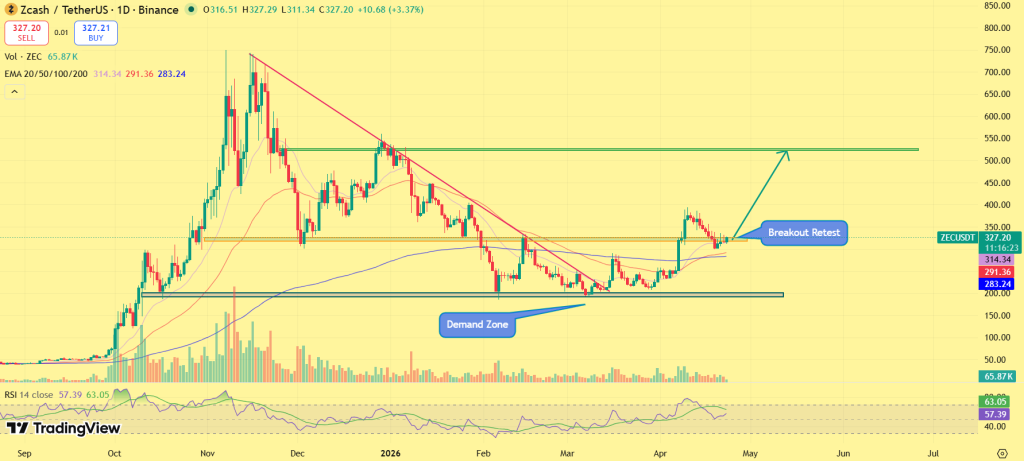
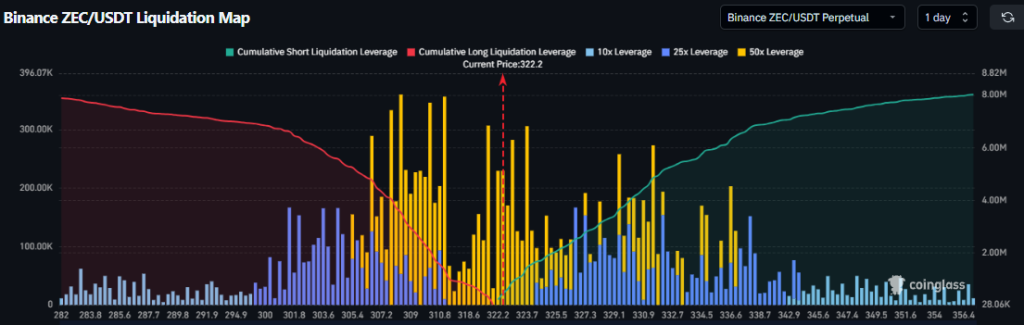















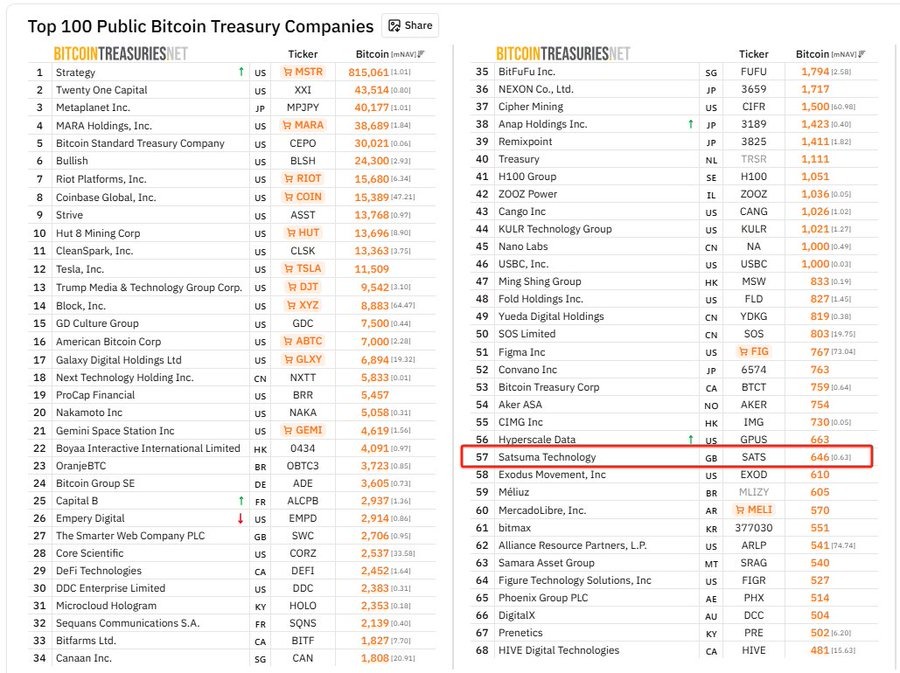
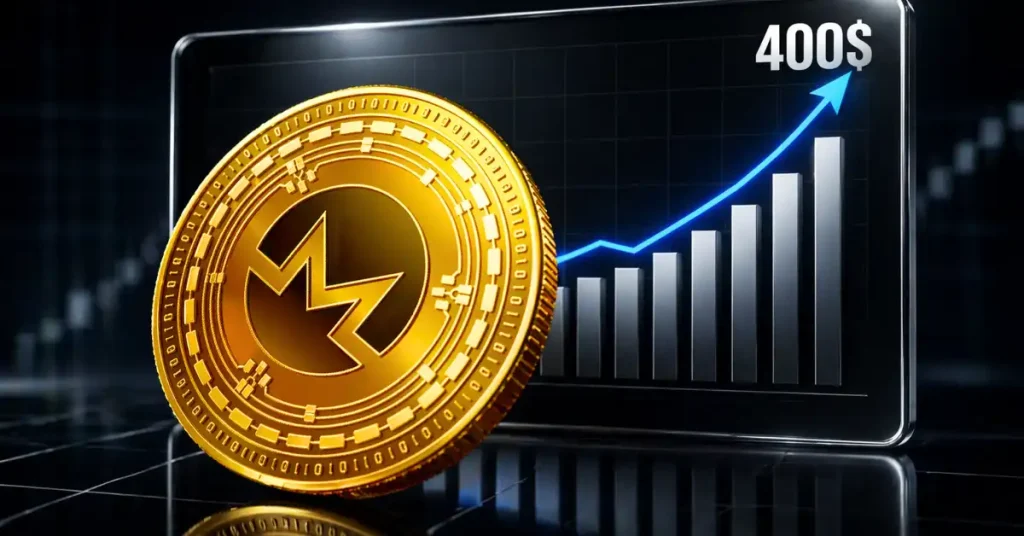

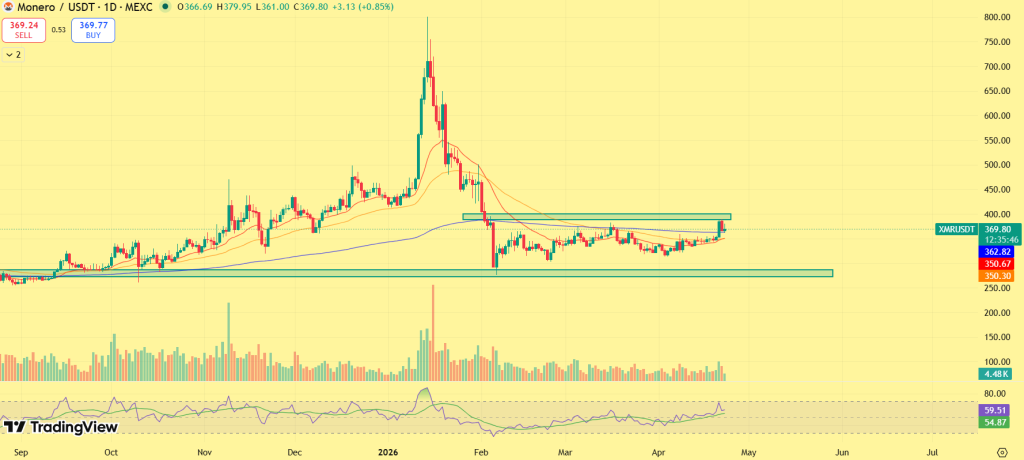

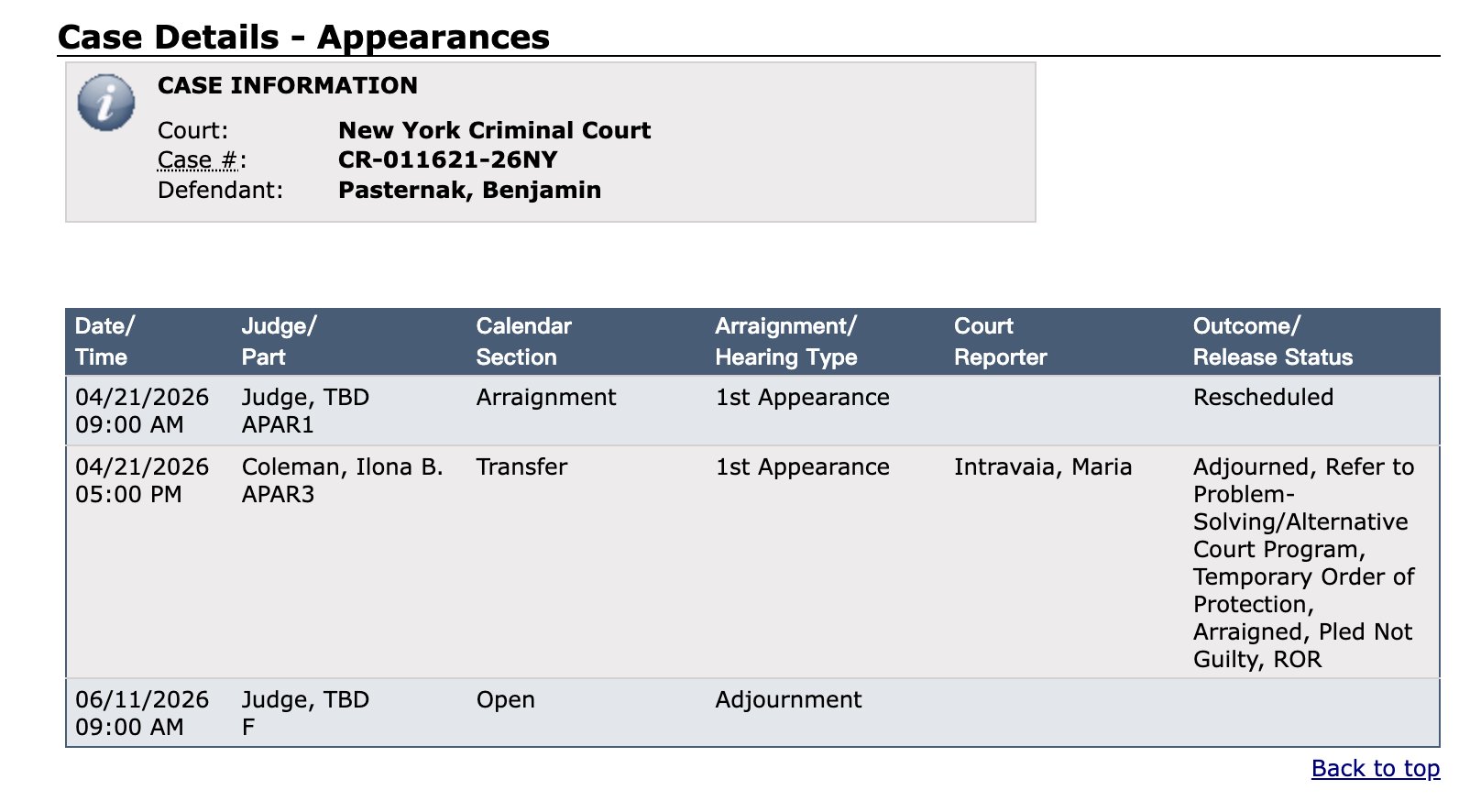




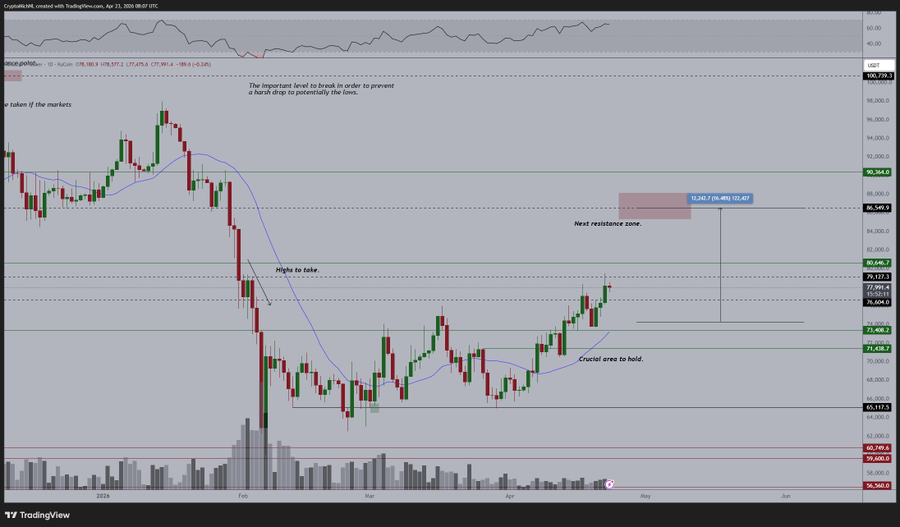
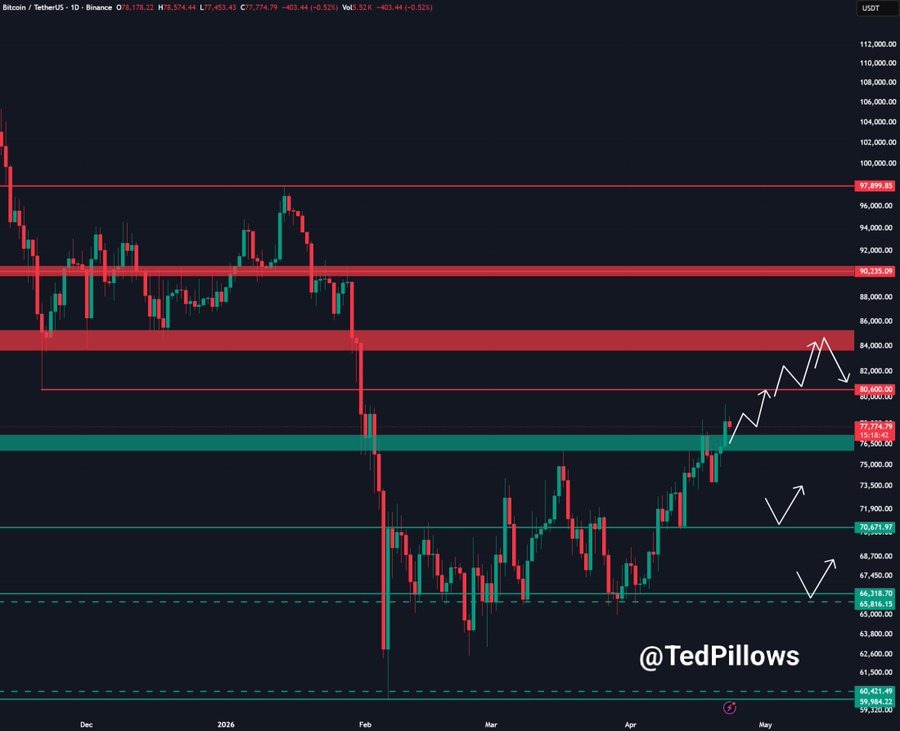




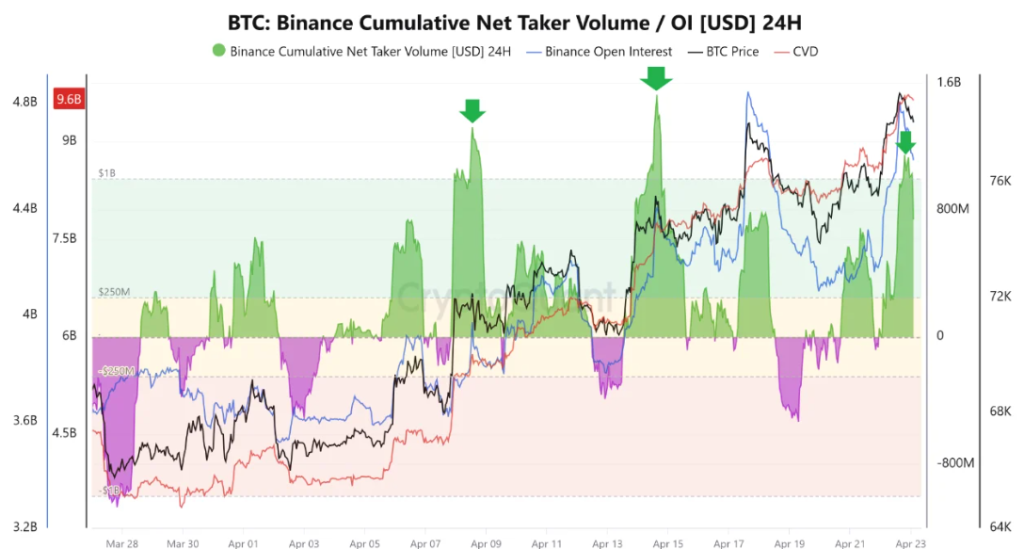
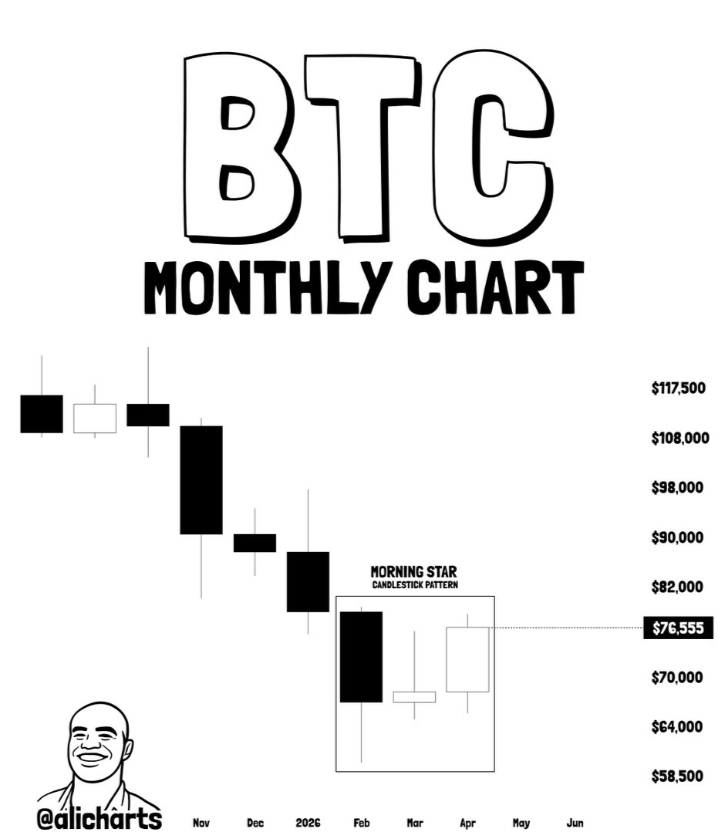
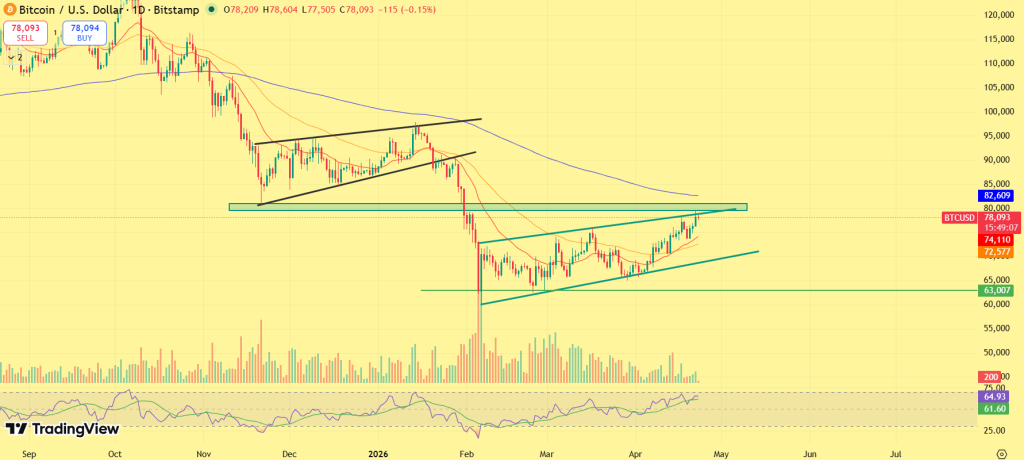



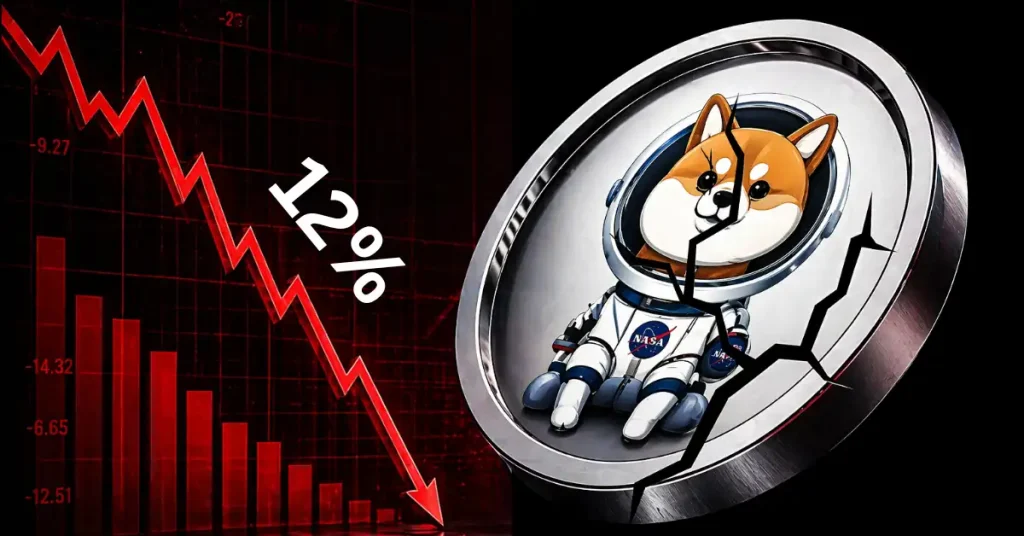







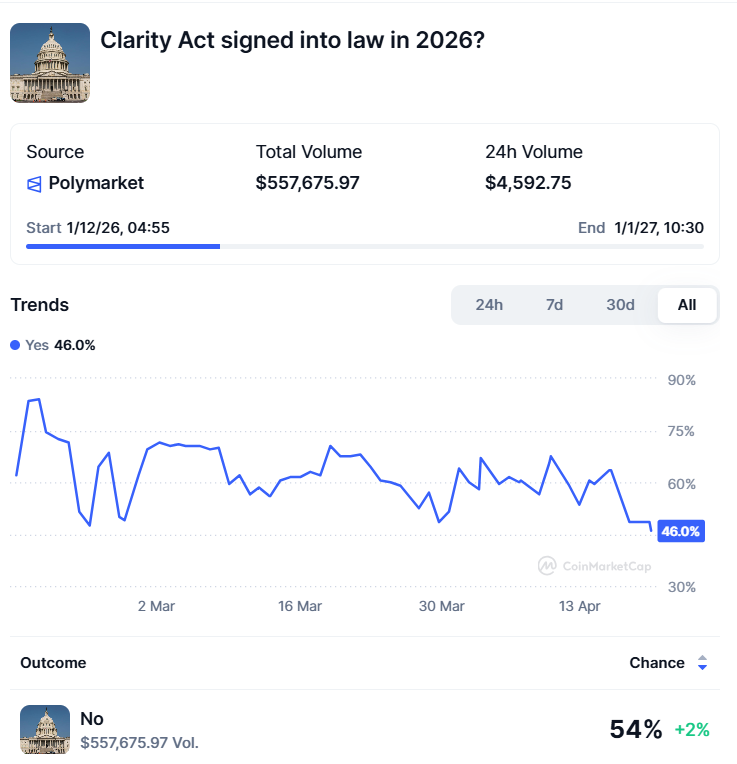








 3.95%
3.95%
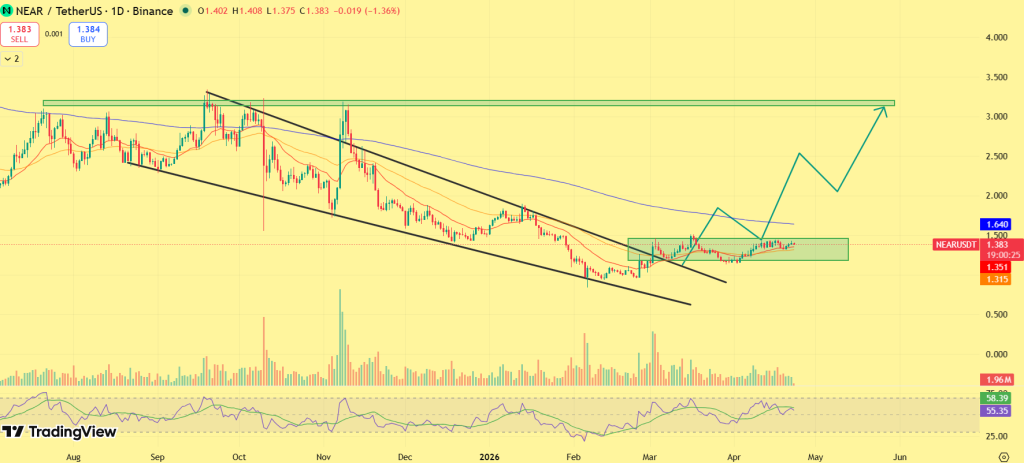
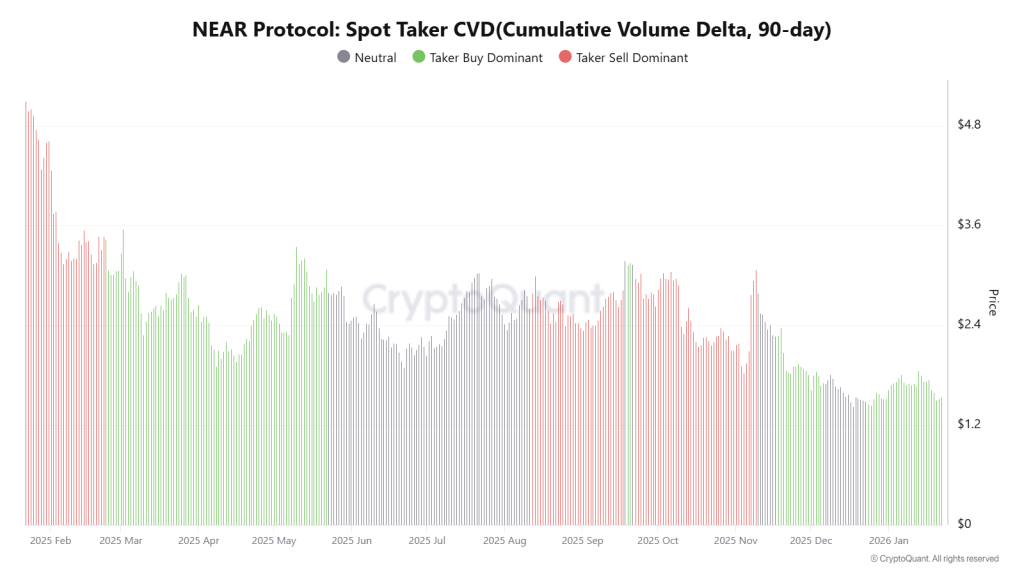
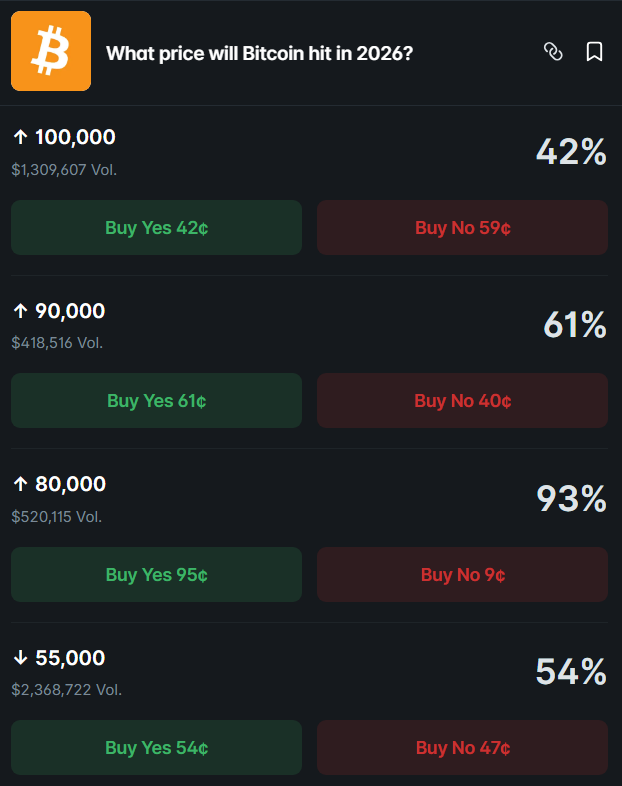
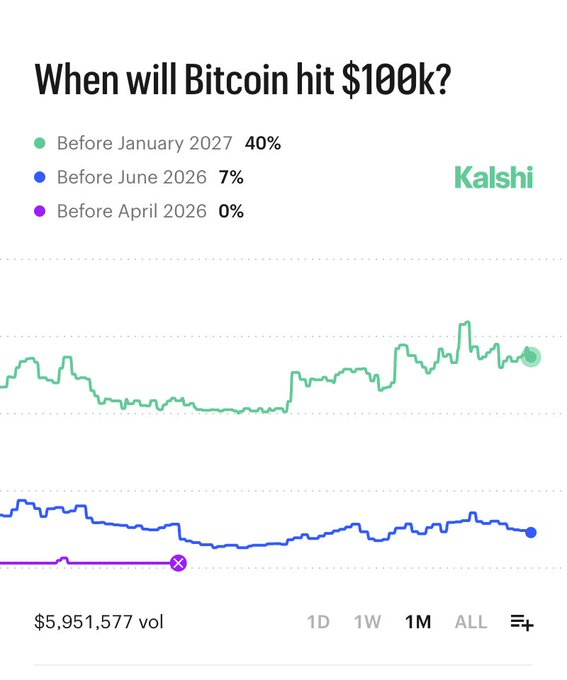

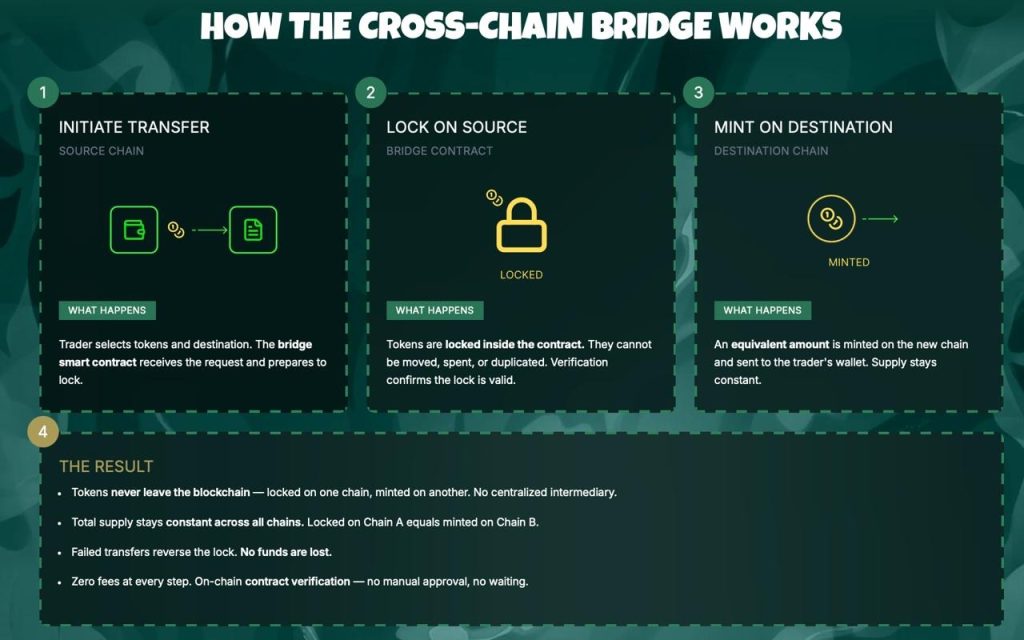
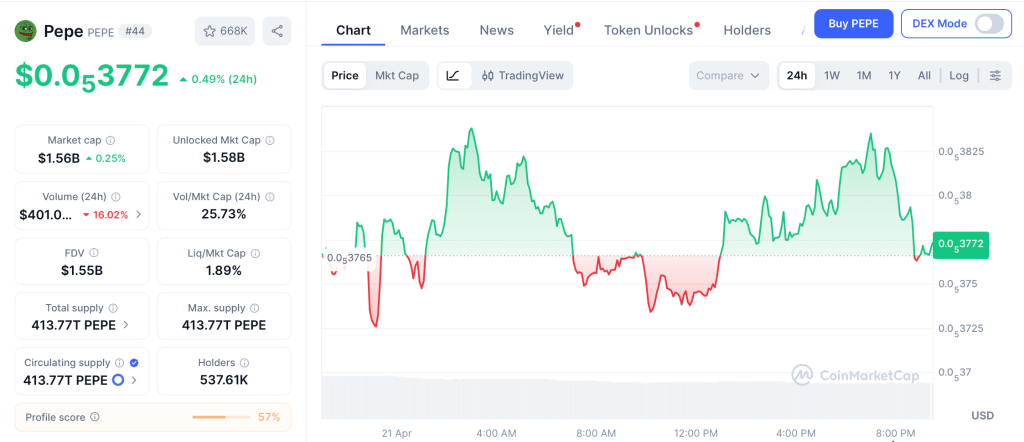
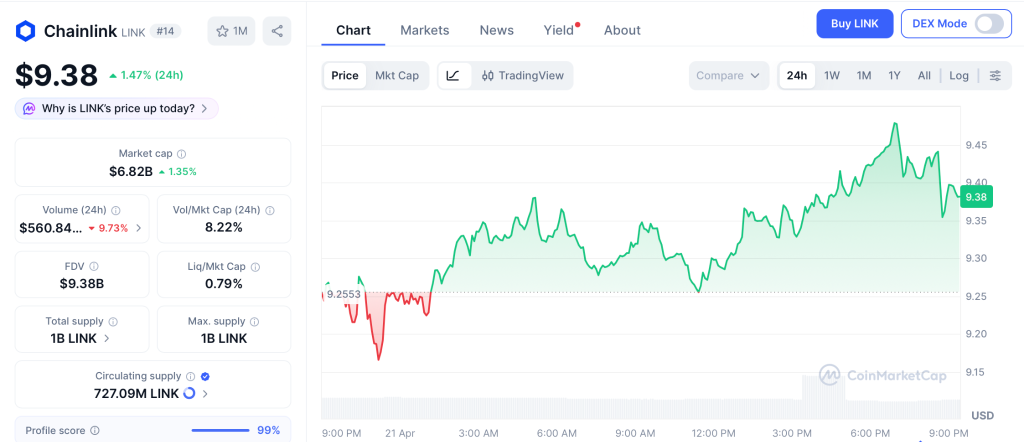
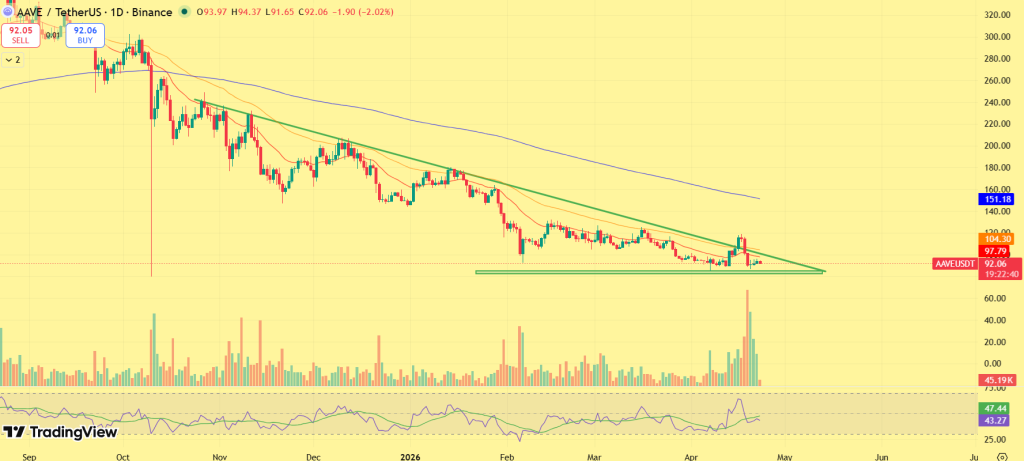















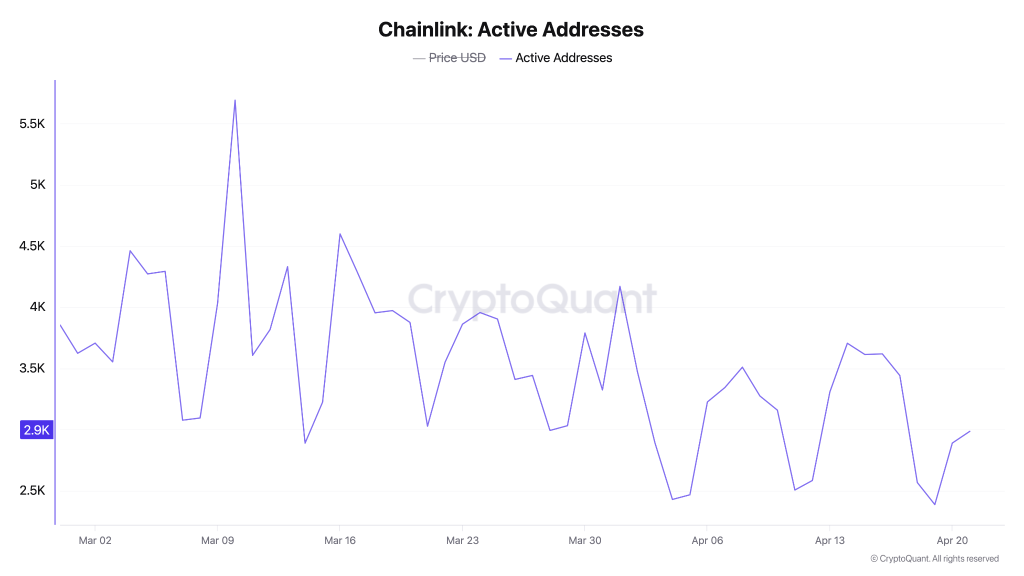
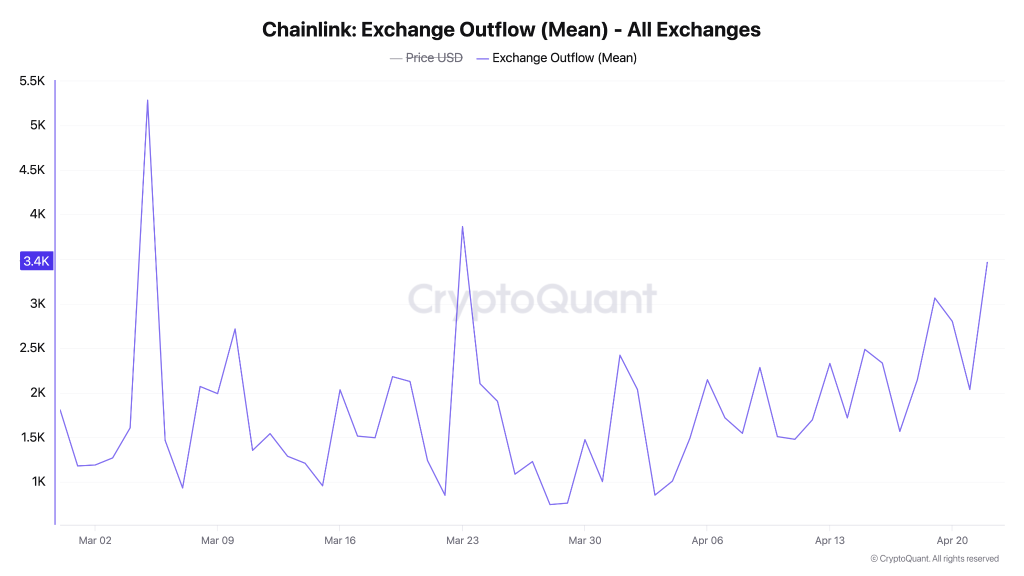
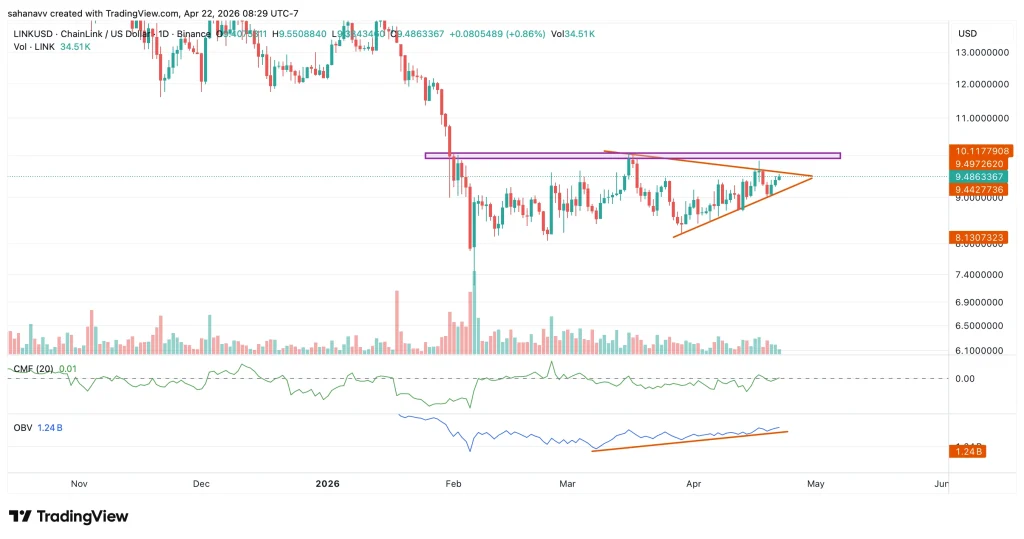






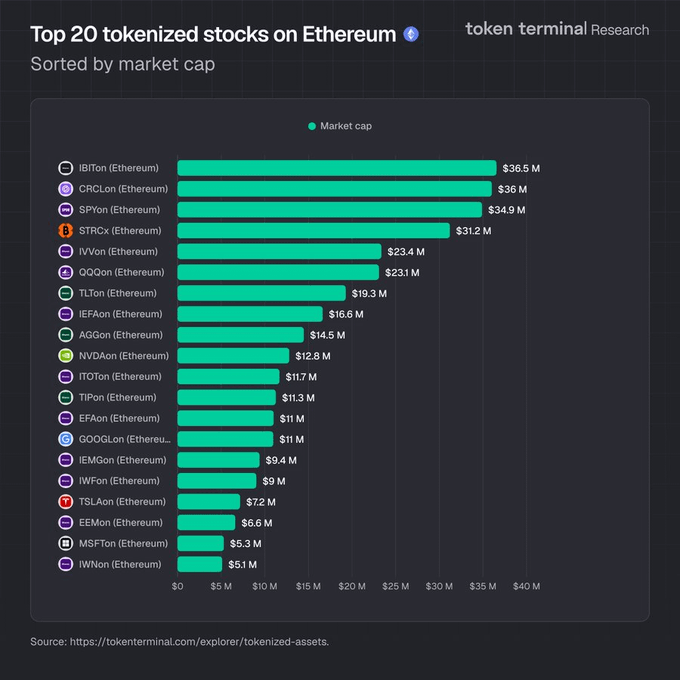
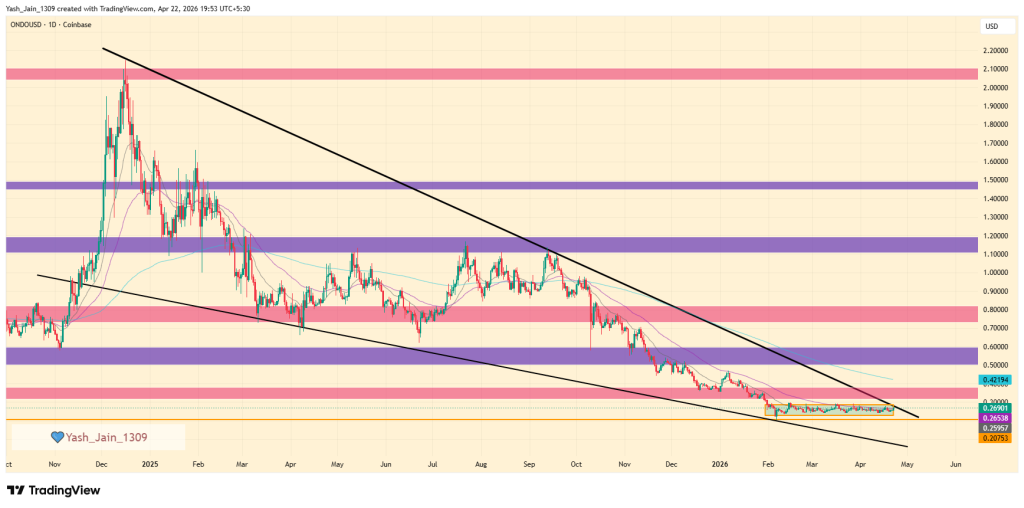


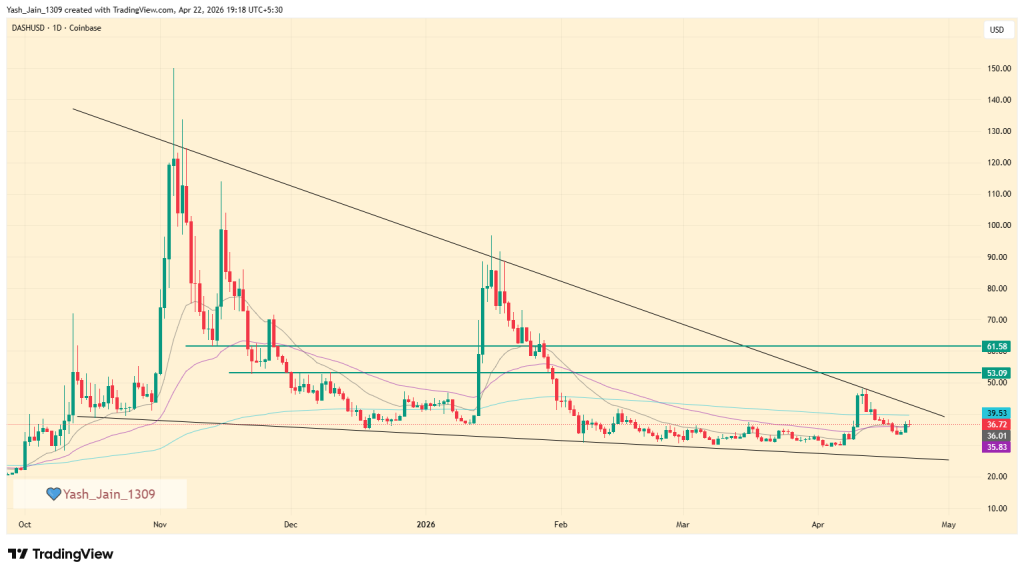



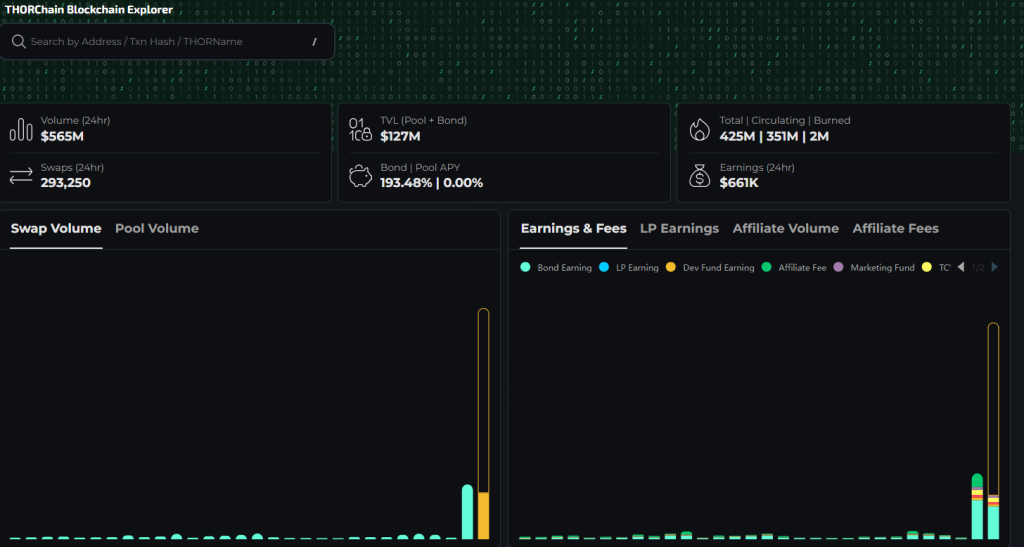
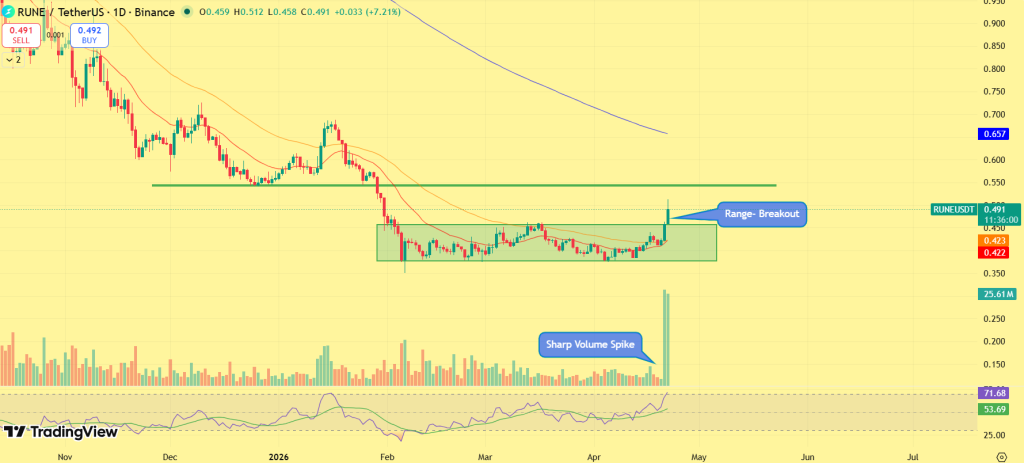

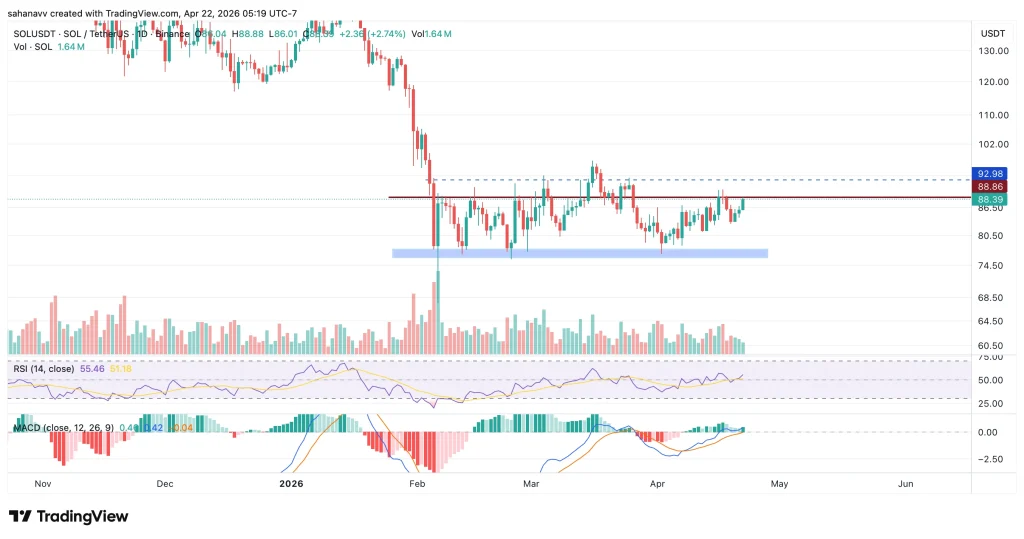
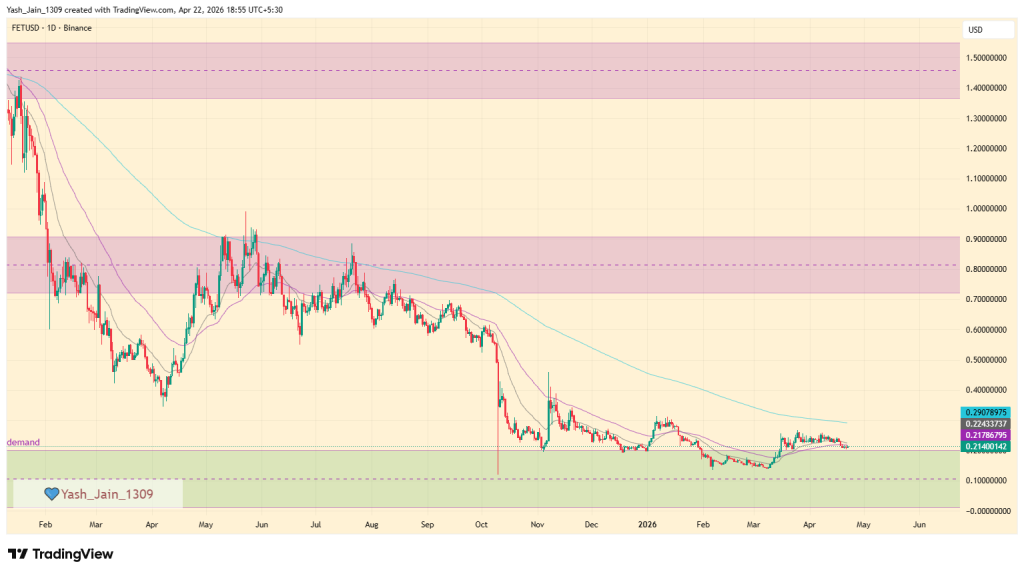
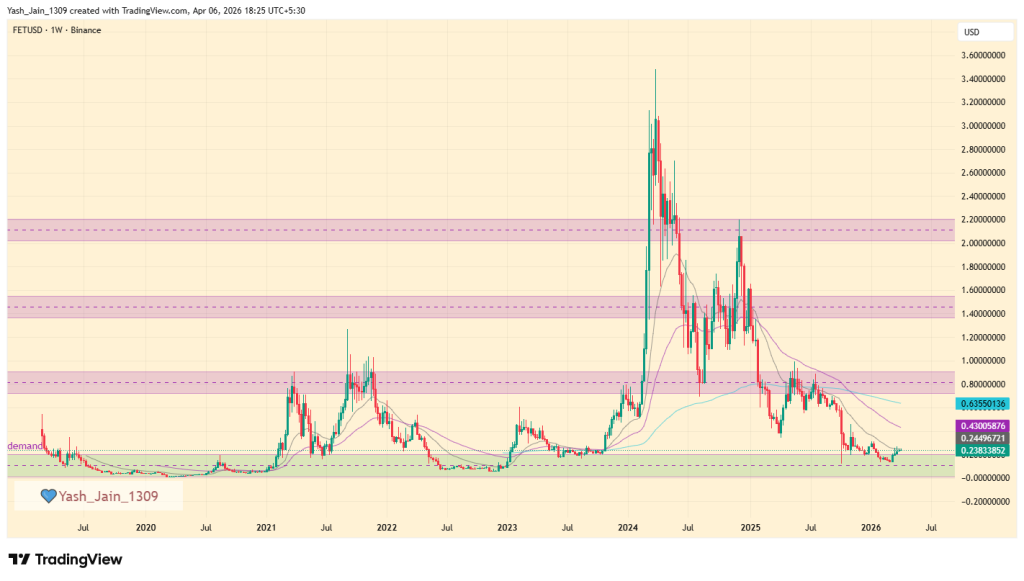
 -0.96%
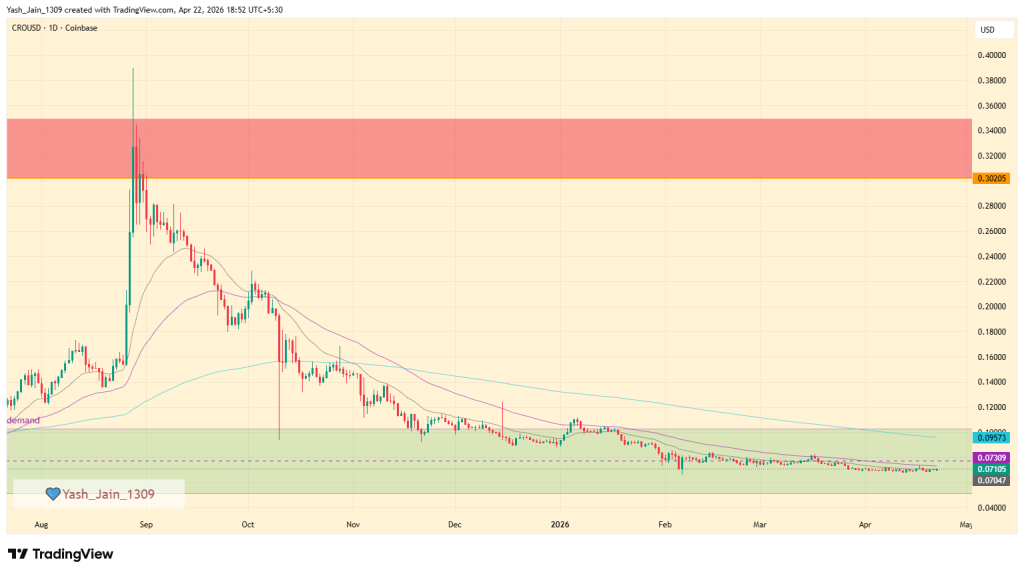
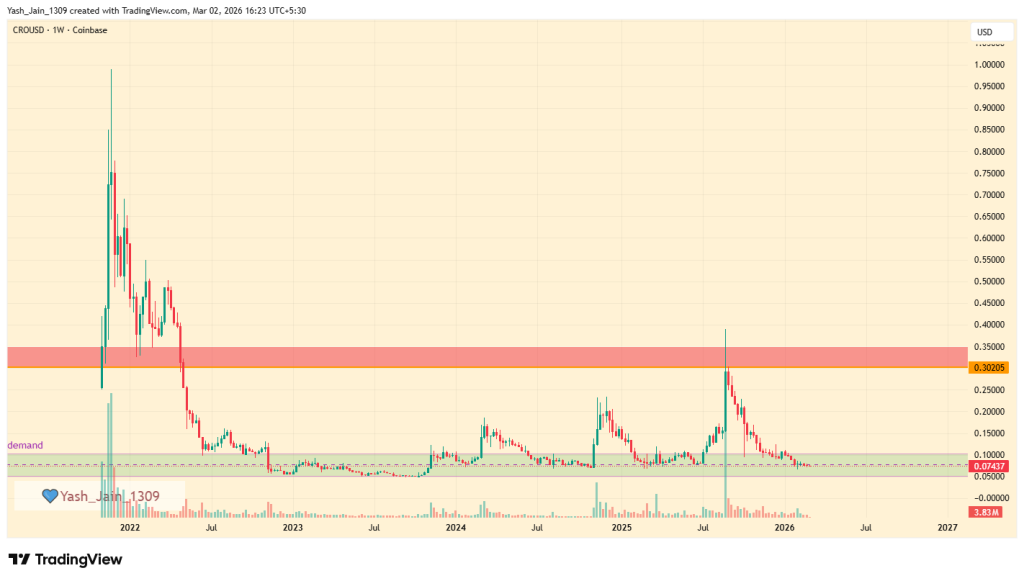
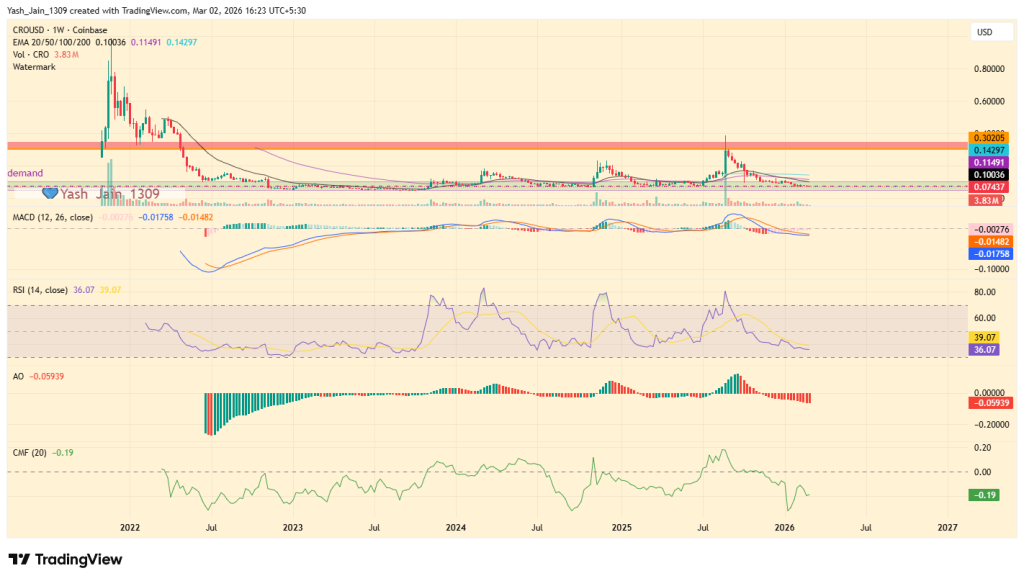
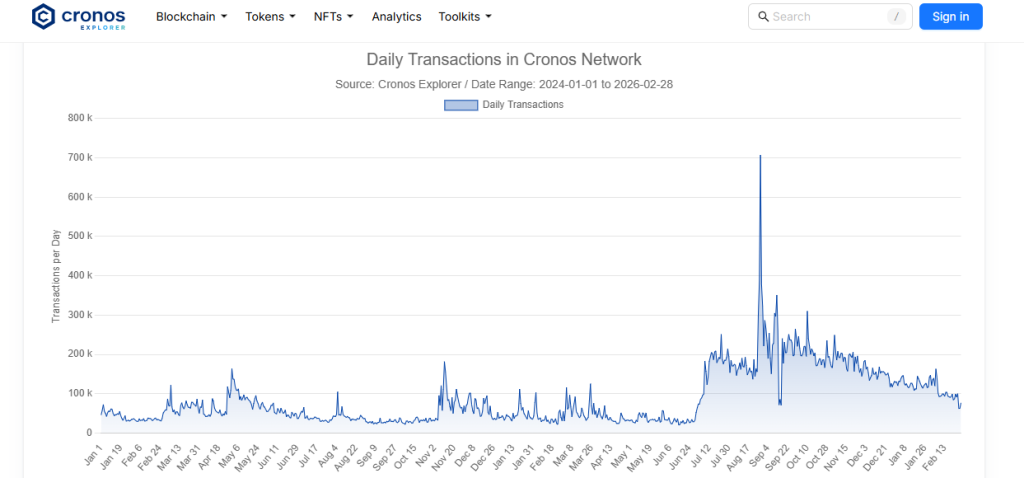
















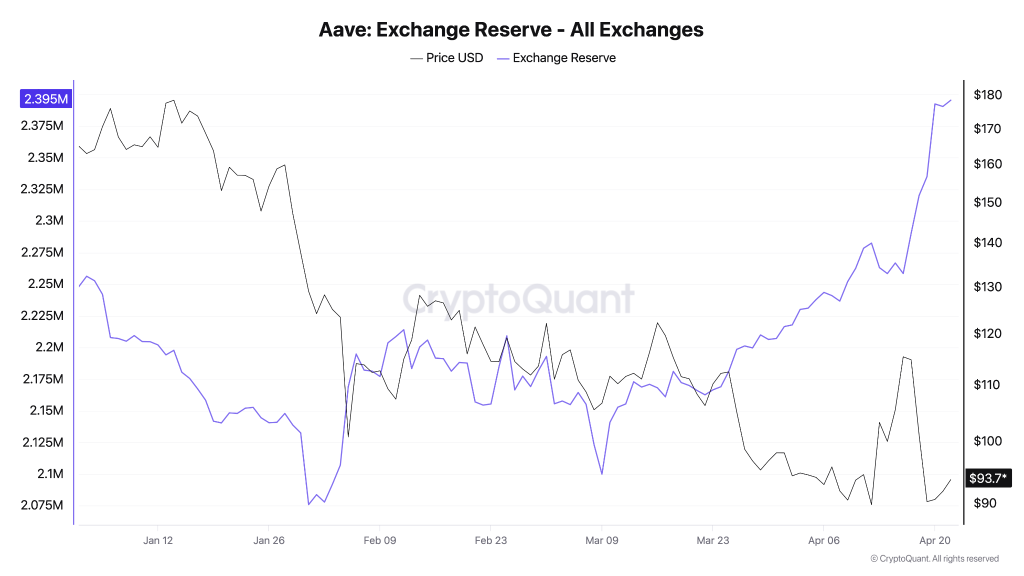
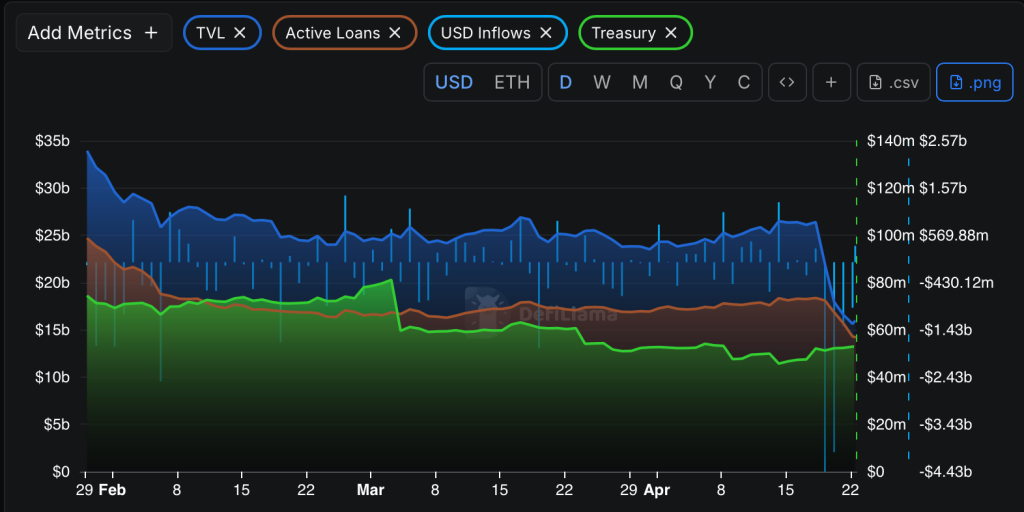
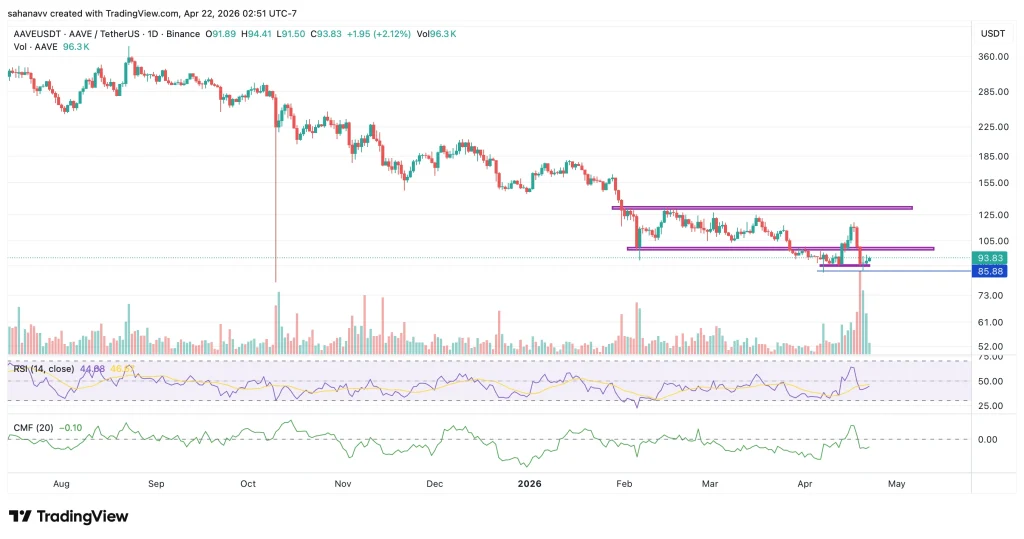

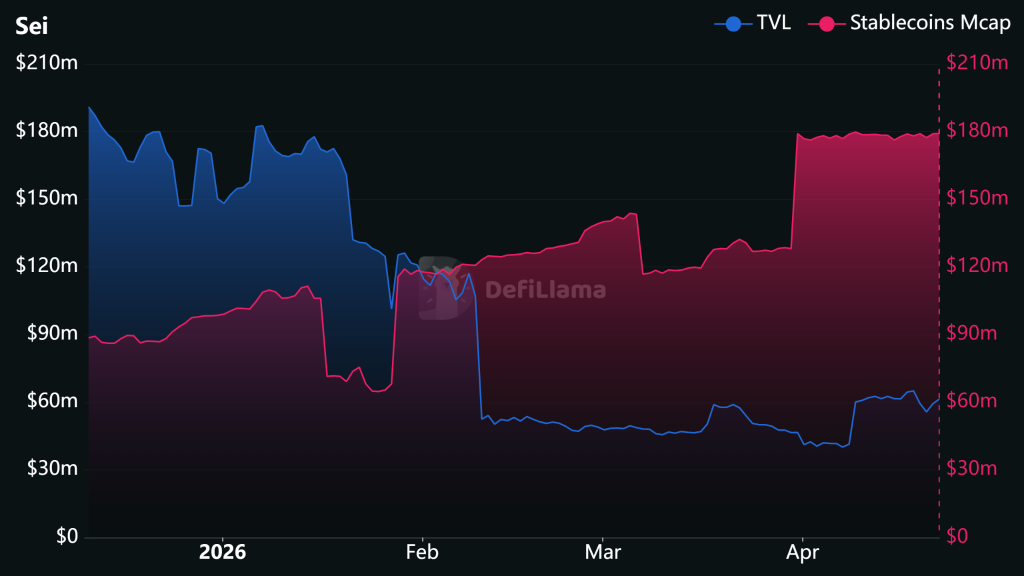
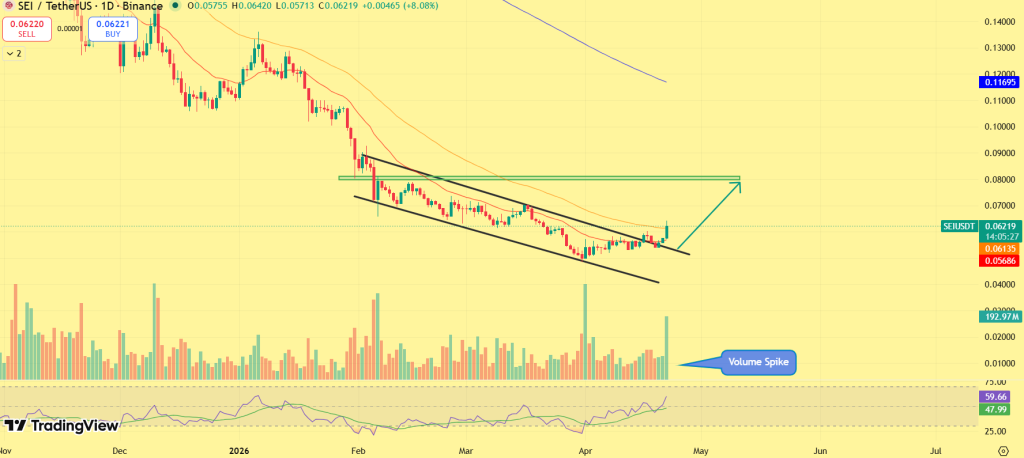
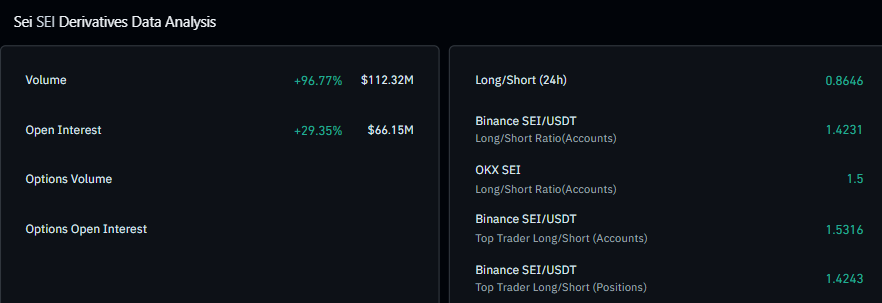






 Russia just "PASSED" the crypto regulation bill to allow businesses and companies to use crypto as payment for cross-border and foreign trade settlements, even under sanctions.
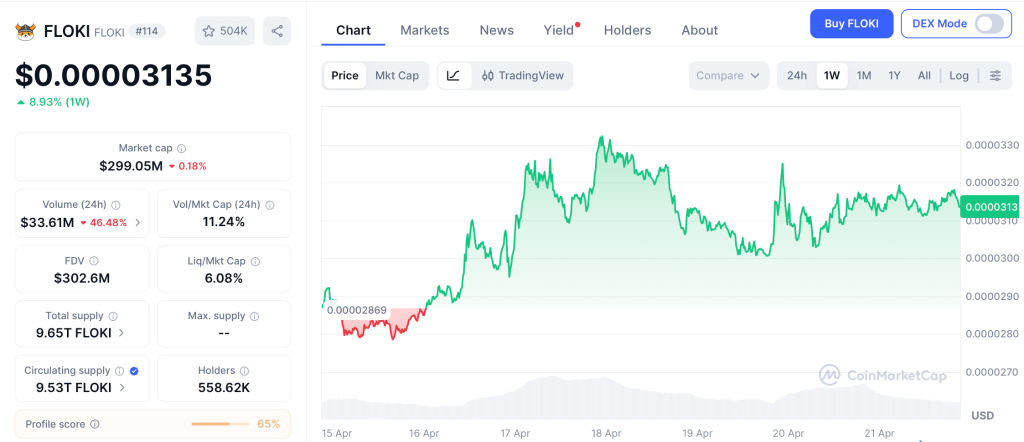

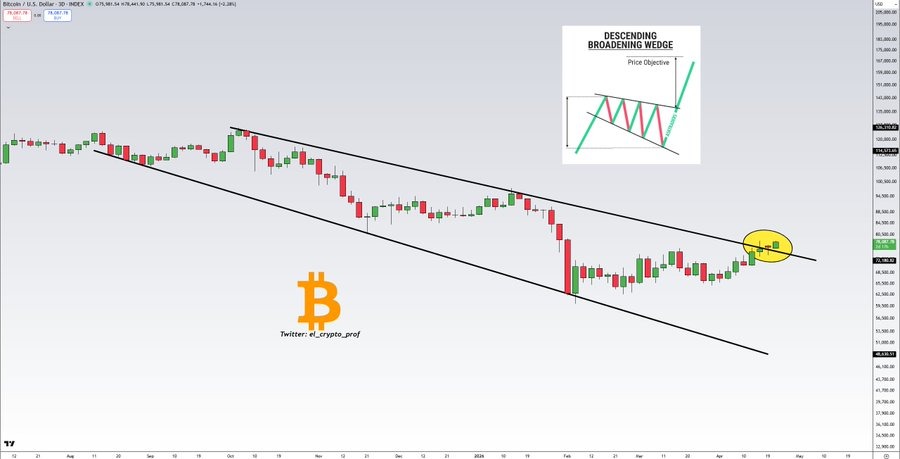


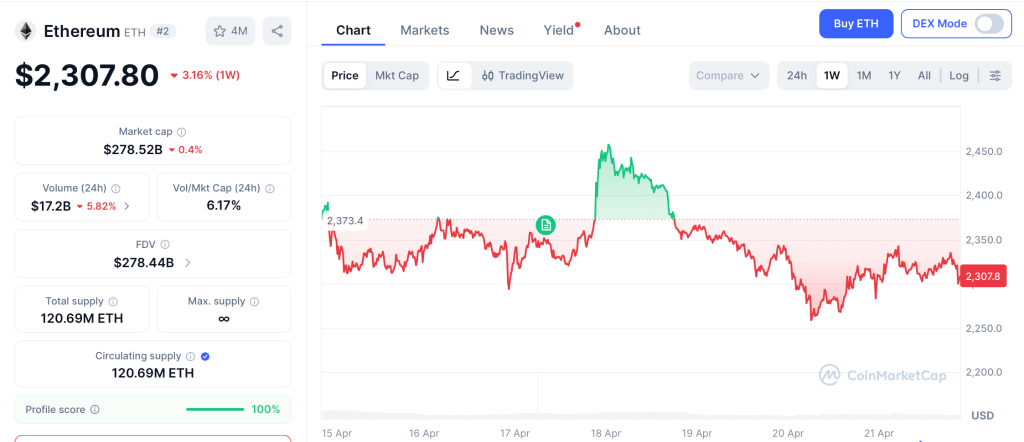











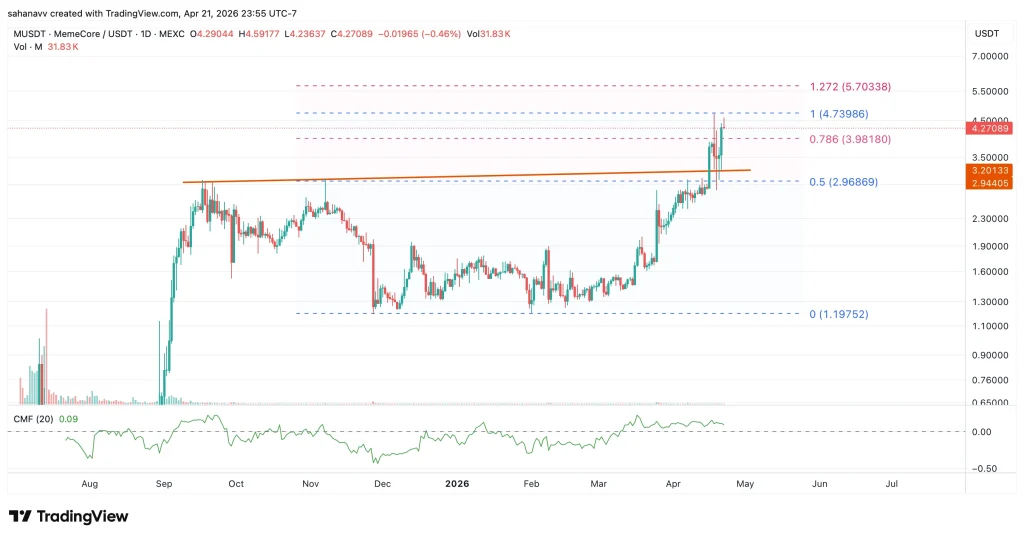
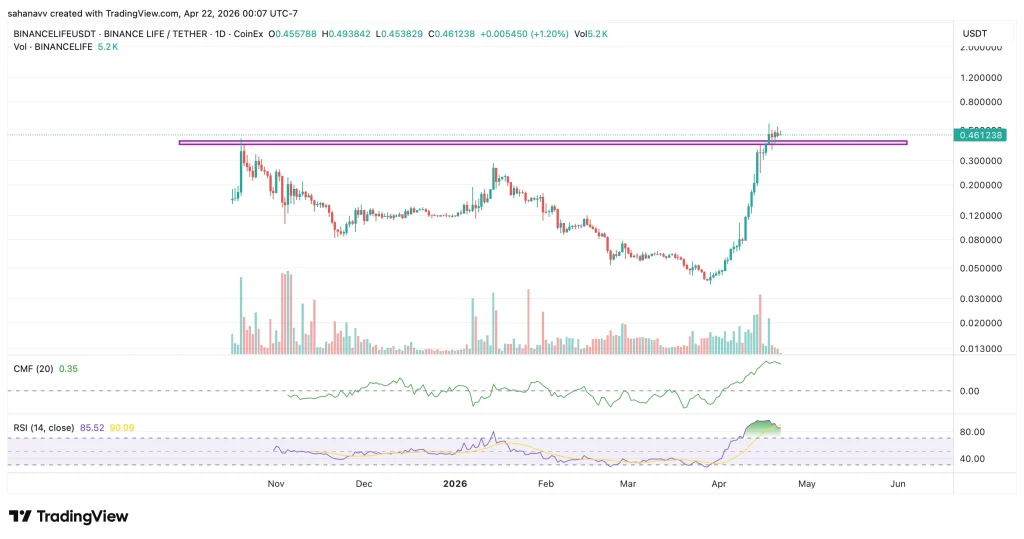
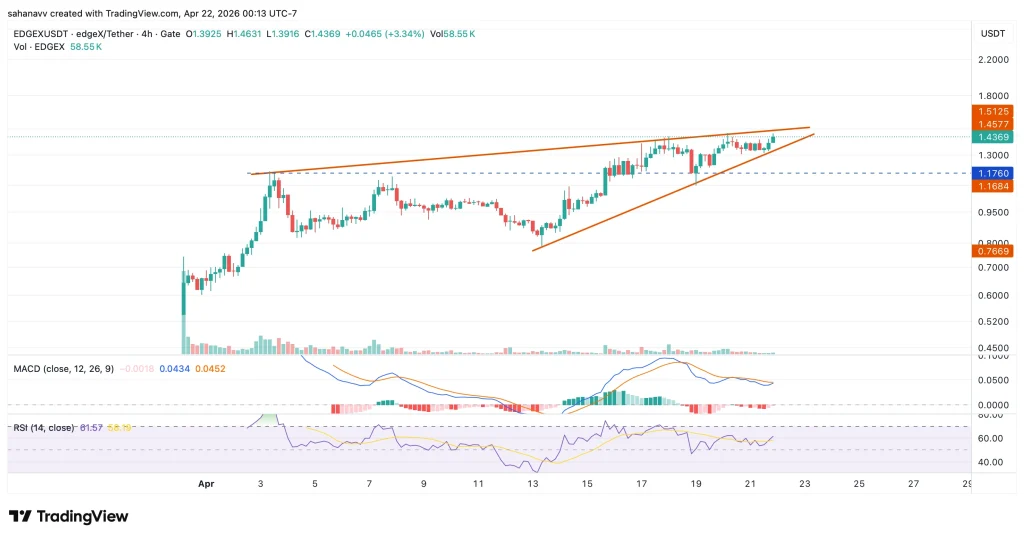
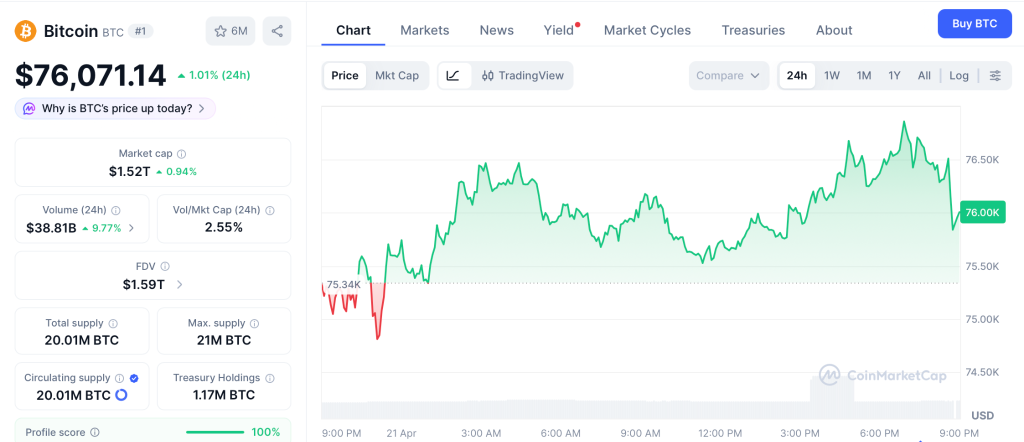
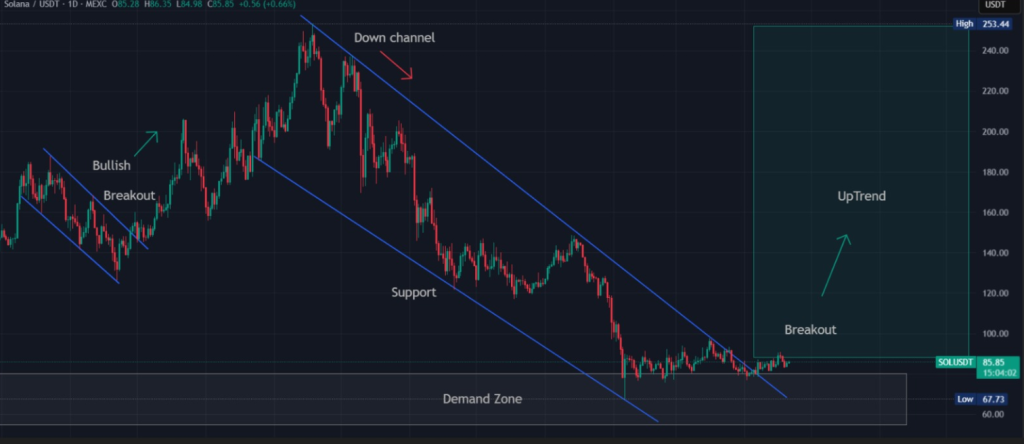

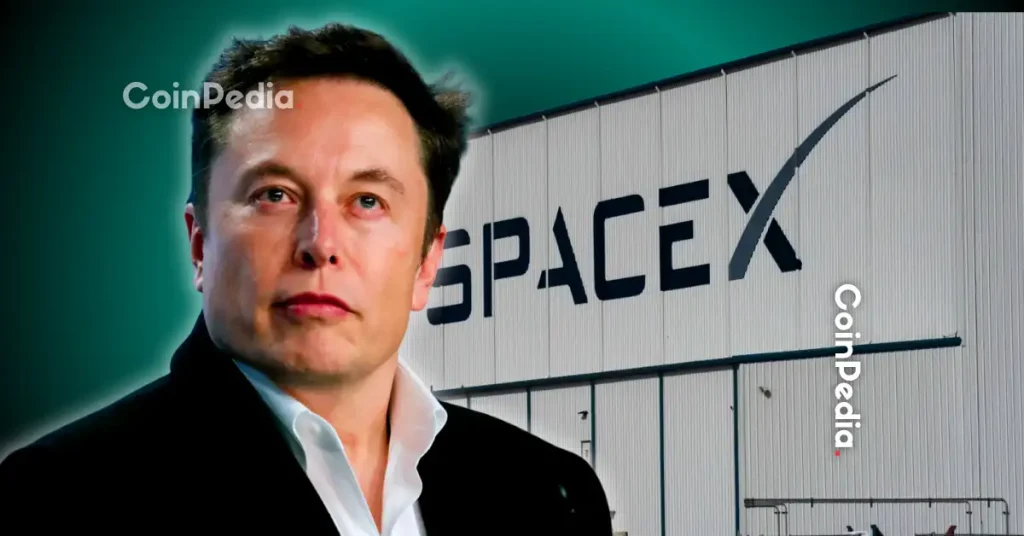
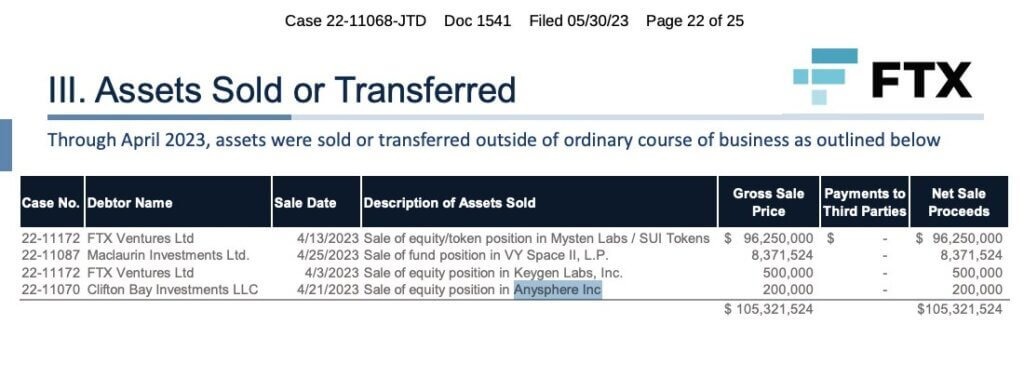







 (@justinsuntron)