Reading view

OnePlus 15R vs Galaxy S24: Is The New OnePlus Better Than Samsung’s Old Classic

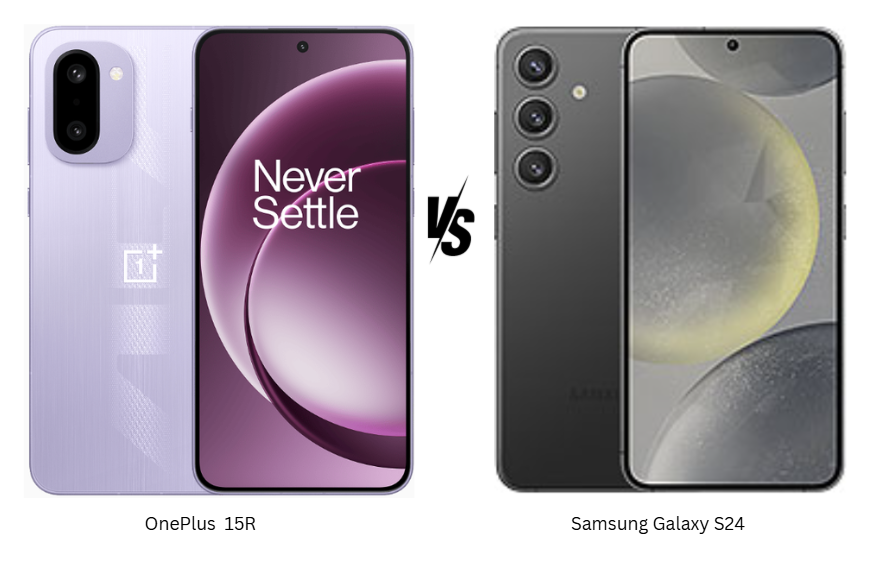
Oneplus 15 R vs Galaxy S24

Choosing between the OnePlus 15R and the Samsung Galaxy S24 isn’t just about brand preference; it’s about timing, priorities, and how long a phone is expected to stay relevant. Buyers comparing these two are typically torn between a newer, future-focused release and a proven flagship from an earlier cycle. With both sitting in a similar price bracket, this comparison matters because it highlights how launch year, long-term value, and evolving user expectations can change what “best choice” really means.
Design and Display 

Build and Feel

OnePlus 15R and Galaxy S24 take very different design philosophies. OnePlus goes for a bold, modern flagship look with aggressive styling, premium coatings, and a “tech-forward” identity that feels built for power users. The ceramic-like finish and tougher water resistance add confidence for long-term use. Samsung, by contrast, sticks to a refined, compact, minimalist design that feels instantly familiar and polished. It prioritizes comfort, pocketability, and brand consistency. The S24 feels like a device designed to disappear into daily life, while the OnePlus 15R feels like a statement phone meant to be noticed.

Display Quality

OnePlus clearly plays the spec card here with an ultra-smooth, ultra-bright AMOLED panel designed for gaming, scrolling, and media consumption. The experience feels dramatic and immersive. Samsung’s LTPO AMOLED focuses more on efficiency, accuracy, and balance, delivering excellent color tuning and adaptive refresh behavior. It may feel less flashy, but it’s extremely controlled and consistent for everyday use.

Verdict

The OnePlus 15R feels more exciting and future-facing, while the Galaxy S24 feels more refined and timeless.

Specifications 

Performance

OnePlus 15R benefits heavily from its much newer launch timeline. Shipping in early 2026 with a next-generation Snapdragon chipset and Android 16, it is positioned for longer relevance and higher sustained performance. It feels tuned for gaming, heavy multitasking, and long-term power users. The Galaxy S24 still performs excellently, but its 2024 silicon and Android version place it a full generation behind. For most daily tasks, it remains smooth, but demanding workloads highlight the age gap more clearly than expected.

Battery and Charging

Battery strategy is where the difference becomes obvious in daily life. OnePlus focuses on endurance and speed, delivering a phone that feels designed for heavy use without anxiety. Fast wired charging reinforces that “always ready” feeling. Samsung leans into balance, offering wireless and reverse charging convenience, but the smaller battery and slower charging feel conservative by 2026 standards.

Verdict

OnePlus 15R feels built for the future, while the Galaxy S24 feels optimized for a previous generation’s priorities.

Camera 

Main and Secondary Lenses

Samsung’s camera system still reflects years of refinement. The addition of a dedicated telephoto lens gives the Galaxy S24 greater flexibility, especially for portraits and zoom shots. Colors, HDR, and video stabilization feel predictable and reliable, which suits casual and professional users alike. OnePlus, however, focuses more on computational photography and sensor quality rather than lens variety. Its main camera performs strongly in most conditions, but the lack of optical zoom limits creative flexibility. Video performance is solid, though Samsung still feels more “broadcast-ready.”

Selfie Camera

OnePlus offers higher-resolution selfies with a more dramatic look, appealing to social media users. Samsung’s front camera prioritizes consistency and accurate skin tones, which feels safer for professional calls and content.

Verdict

Samsung wins on camera versatility and maturity, while OnePlus delivers strong results but with fewer creative tools.

Pricing 

On paper, both phones sit at roughly the same price point, but timing changes everything. Galaxy S24 was launched in early 2024, meaning buyers are paying flagship-level pricing for hardware that is already two years old by the time the OnePlus 15R arrives. Samsung partially offsets this with long software support and ecosystem features, which still hold strong value for loyal users. However, from a pure hardware-for-money perspective, the OnePlus 15R clearly offers more modern internals, a newer platform, and better longevity at the same cost.

Galaxy S24 feels fairly priced for its launch year, but less competitive when viewed from a 2026 lens. OnePlus positions the 15R aggressively, making it feel like a better deal for users who prioritize raw capability and future-proofing.

Verdict

At the same price, the OnePlus 15R delivers stronger value simply because it belongs to a newer generation.

Conclusion

The Galaxy S24 still shines through ecosystem features like Samsung DeX, wireless charging, refined camera tuning, and long-term update promises. It feels like a dependable all-rounder designed for stability, productivity, and brand trust. The OnePlus 15R, however, represents a newer wave of flagship thinking, bigger battery focus, faster charging, higher refresh display, and cutting-edge silicon. Its newer Android version and launch timeline make it feel better aligned with how phones will be used over the next few years.

Verdict

When launch timing is considered, the decision becomes clear. The Galaxy S24 remains an excellent compact flagship, but it now feels like a polished product from the previous generation. The OnePlus 15R feels more forward-looking, more powerful, and better suited for buyers spending flagship money in 2026. 

For long-term value, performance, and future readiness, the OnePlus 15R makes more sense. Samsung still wins for ecosystem lovers, but OnePlus wins overall.

Read More:

The post OnePlus 15R vs Galaxy S24: Is The New OnePlus Better Than Samsung’s Old Classic appeared first on Gizmochina.
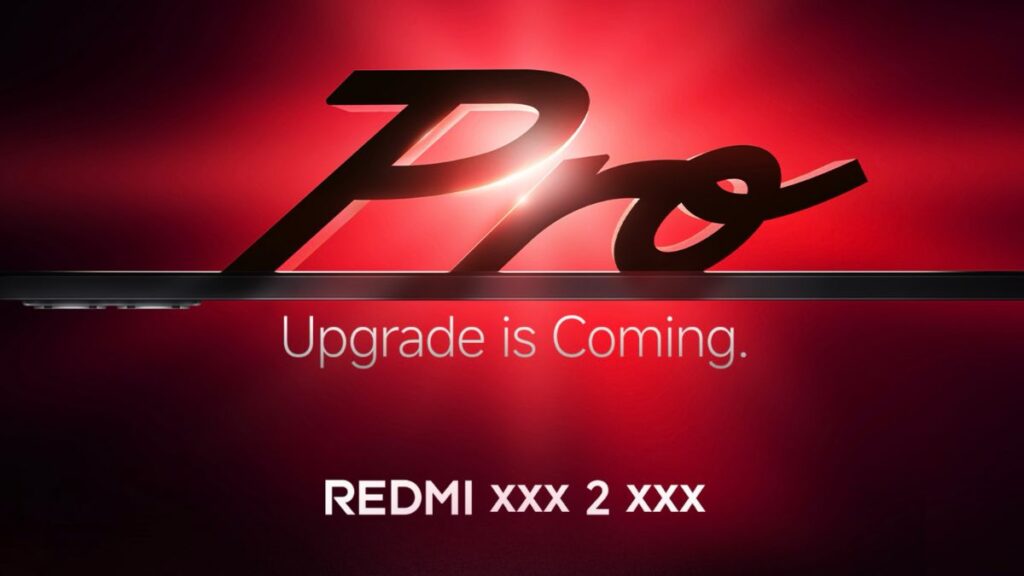
Redmi Pad 2 Pro 5G launching in India soon: Teaser confirms

Redmi Pad 2 Pro

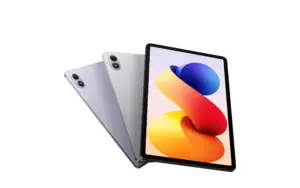
Xiaomi is bringing a new tablet to the Indian market soon. A fresh teaser has confirmed that the Redmi Pad 2 Pro 5G will make its debut soon in the region, while also confirming its availability details. So here’s everything you need to know about its expected specs, launch details, and more.

Redmi Pad 2 Pro 5G Teased in India

Redmi Pad 2 Pro Teaser

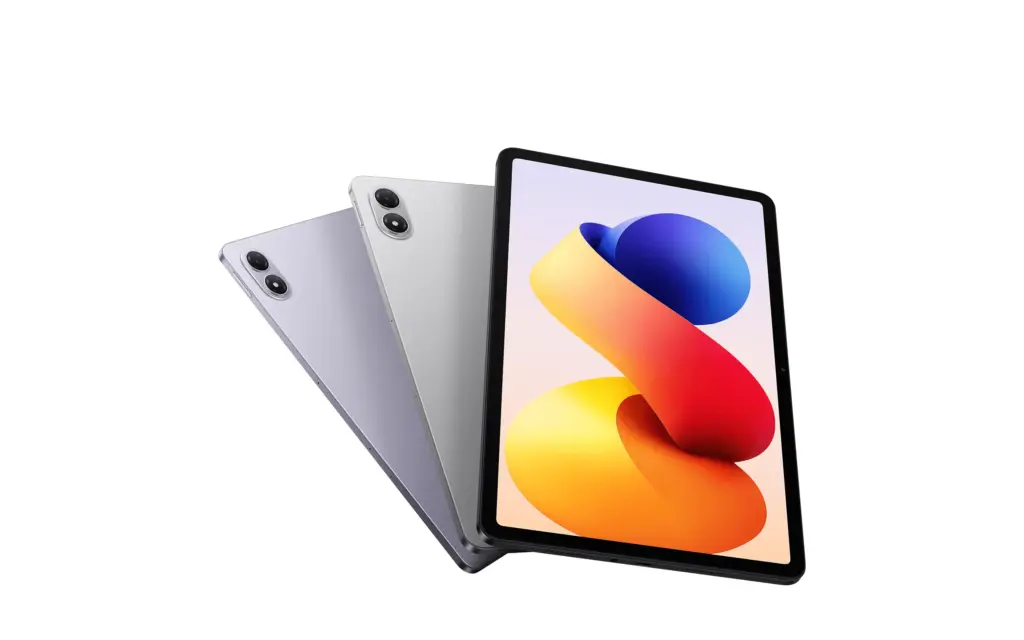
The Chinese tech giant shared a fresh teaser poster that showcases a new tablet model. Looking at the image, we can see the “Pro” moniker right above a tablet, with the bottom carrying “Redmi XXX 2 XXX”. It is pretty clear that this is the Redmi Pad 2 Pro, which was released globally back in September 2025, alongside the Xiaomi Pad Mini and 15T series.

Xiaomi did not reveal any finer details like the launch date, features, or pricing of this tablet in this teaser, but it does confirm the Amazon India and Flipkart availability. This microsite listing also stated that new teasers will follow soon after, revealing more specs in the coming days.

Redmi Pad 2 Pro
Redmi Pad 2 Pro

Redmi Pad 2 Pro Expected Specifications

Based on what we know so far, the Redmi Pad 2 Pro sports a tall 12.1-inch LCD display with a 2.5K resolution, up to 120Hz adaptive refresh rate, a 360Hz touch sampling rate, Dolby Vision, DC dimming support, and up to 600 nits of peak brightness. Under the hood, this global version of this tablet is packed with the Snapdragon 7s Gen 4 that is coupled with up to 8GB of RAM and 256GB of internal storage.

A massive 12,000mAh battery pack powers the Redmi Pad 2 Pro, which supports 33W wired fast charging and 27W reverse charging. Other notable features include quad speakers with Dolby Atmos, WiFi 6, Bluetooth 5.4, a slim 7.5mm metal body, and optional Keyboard and Stylus accessories.

For more daily updates, please visit our News Section.

Don’t miss a thing! Join our Telegram community for instant updates and grab our free daily newsletter for the best tech stories!

The post Redmi Pad 2 Pro 5G launching in India soon: Teaser confirms appeared first on Gizmochina.

OnePlus Pad Go 2 releases in India: Check price, specs, & special launch offers

Just yesterday, OnePlus unveiled a bunch of new products in the global market. The highlight was the budget flagship, OnePlus 15R, which debuted along with the OnePlus Watch Lite and the OnePlus Pad Go 2. While the 15R is going on sale on December 22 and the budget smartwatch hasn’t been confirmed for an Indian release, the OnePlus Pad Go 2 has just rolled out in the region. So here’s everything you need to know.

OnePlus Pad Go 2 Specifications

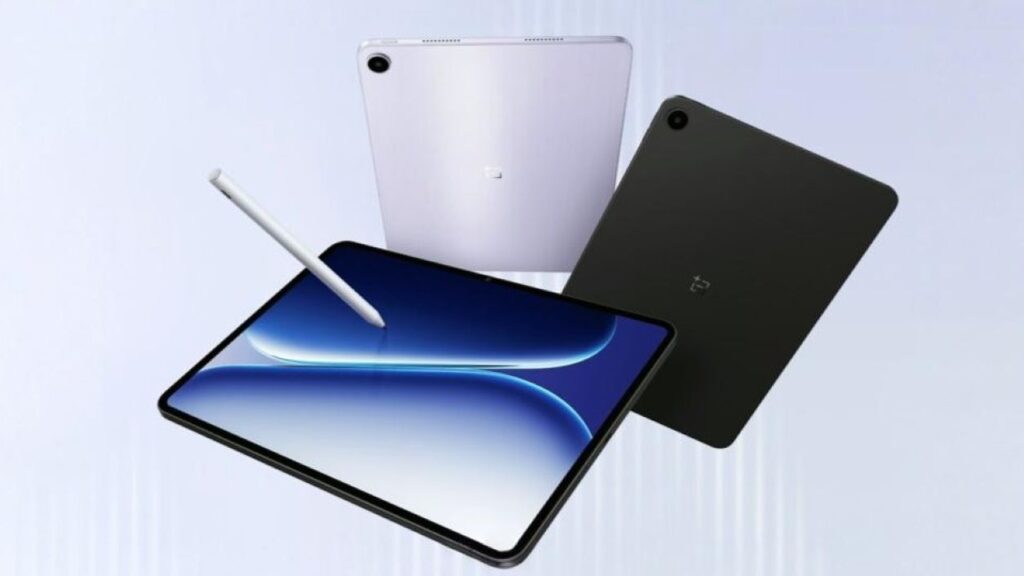
The new affordable tablet from the Chinese brand sports a tall 12.1-inch LCD panel with a 2.8K resolution, up to 120Hz adaptive refresh rate, 900 nits of peak brightness, and Dolby Vision. Under the hood, the OnePlus Pad Go 2 is equipped with MediaTek Dimensity 7300 Ultra SoC, which is coupled with 8GB of RAM and up to 256GB of UFS 3.1 storage.

A massive 10,050mAh battery pack powers this device, which supports 33W wired fast charging. For optics, there is an 8MP shooter on the front and back. Other notable features include Android 16 OS based OxygenOS 16 custom skin out of the box, quad speakers with Dolby Atmos, Bluetooth 5.4, WiFi 6, and various productivity related features like screen mirroring, drag-and-drop file sharing, and more.

OnePlus Pad Go 2

Pricing, Availability, & Offers

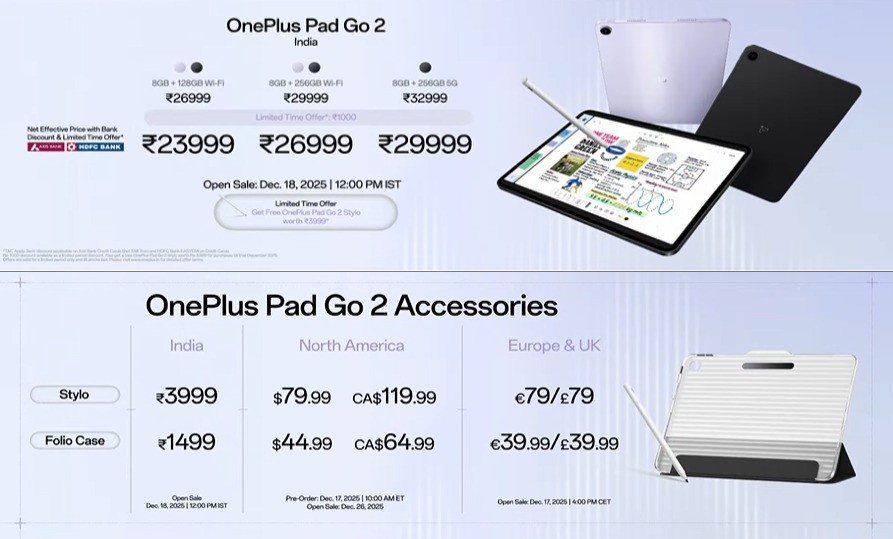
The OnePlus Pad Go 2 arrives in the Indian market in two color options, namely Lavendar Drift and Shadow Black. It is also available in three different variants, so here are the pricing details:

  • 8GB + 128GB (Wi-Fi) – Rs 26,999
  • 8GB + 256GB (Wi-Fi) – Rs 29,999
  • 8GB + 256GB (5G) – Rs 32,999

All three variants are currently on sale via the brand’s official website, Amazon India, OnePlus experience stores, and offline retails like Reliance Digital, Croma, and others. As a part of the introductory launch offer, the OnePlus Pad Go 2 is selling with an instant bank discount of 2,000 INR for select credit card holders. You also get a free OnePlus Pad Go 2 Stylo worth Rs 3,999.

For more daily updates, please visit our News Section.

Tech enthusiast? Get the latest news first! Follow our Telegram channel and subscribe to our free newsletter for your daily tech fix! ⚡

The post OnePlus Pad Go 2 releases in India: Check price, specs, & special launch offers appeared first on Gizmochina.

OnePlus Ace 6T vs Galaxy S24: Why the Cheaper Ace 6T Might Make More Sense

OnePlus vs Samsung

OnePlus Ace 6T vs Samsung Galaxy S24 comparison isn’t just about choosing a phone; it’s about choosing a philosophy. One promises flagship-level power at an aggressive price, while the other delivers a carefully polished premium experience built for long-term use. Buyers looking at these two devices are typically weighing raw value against refinement, making this comparison especially important for anyone deciding whether performance or long-term stability matters more in daily life.

l

Design and Display 

Build and Feel

The OnePlus Ace 6T focuses on visual boldness and durability, using a premium glass-and-metal construction with added ceramic-like coating for a distinctive finish. It feels engineered for power users who value robustness and modern design flair. The Samsung Galaxy S24, by contrast, prioritizes refinement and compact elegance. Its Armor Aluminum frame and Gorilla Glass Victus 2 create a cleaner, more understated premium feel that fits comfortably into daily professional use. The Samsung approach feels more universally polished, while the OnePlus design leans toward performance-first aesthetics.

Display Quality

OnePlus pushes display boundaries with an ultra-smooth high-refresh AMOLED panel, extremely high peak brightness, and rich HDR formats. Content feels immersive and gaming-friendly, especially during fast motion. Samsung counters with a color-accurate LTPO AMOLED display that dynamically adapts refresh rates for efficiency and consistency. While it is less extreme on paper, Samsung’s tuning feels more natural and balanced for long viewing sessions.

Verdict

The Ace 6T feels exciting and bold, while the Galaxy S24 feels refined and dependable.

Specifications 

Performance

The OnePlus Ace 6T is built around a next-generation flagship chipset paired with extremely fast storage and generous memory options. Everyday interactions feel instant, and sustained gaming performance remains stable with fewer slowdowns. Samsung’s Galaxy S24 offers top-tier performance as well, but its experience varies by region due to different chipsets. Still, optimization and thermal management feel mature, making daily usage consistently smooth rather than aggressively fast.

Battery and Charging

Battery life is a defining strength for the Ace 6T. Its large-capacity silicon-carbon battery and ultra-fast wired charging make it feel nearly impossible to drain in a single day. Quick top-ups significantly reduce charging anxiety. Samsung’s smaller battery focuses more on efficiency than brute capacity, delivering reliable day-long endurance but much slower charging speeds. Wireless charging and reverse wireless charging add convenience, though not speed.

Verdict

OnePlus feels built for heavy users and gamers, while Samsung prioritizes balanced, predictable performance.

Camera 

Main and Secondary Lenses

Samsung clearly leads in camera versatility. Its triple-camera system covers wide, ultra-wide, and true optical zoom, making it far more adaptable for travel, portraits, and video recording. Samsung’s video capabilities, including higher resolutions and advanced stabilization, feel more creator-focused. The OnePlus Ace 6T delivers solid image quality from its main sensor, with pleasing colors and reliable stabilization, but its secondary camera feels more functional than exciting.

Selfie Camera

Samsung’s front camera benefits from better autofocus and higher video quality, making it stronger for video calls and social content. The OnePlus selfie camera performs well in good lighting but lacks the same level of detail and dynamic range.

Verdict

Samsung feels tailor-made for photography and video, while OnePlus cameras are competent but not the main attraction.

Pricing 

Pricing dramatically separates these two phones. The OnePlus Ace 6T delivers flagship-level performance, massive battery capacity, and ultra-fast charging at a price that feels aggressively consumer-friendly. It offers exceptional value for users who prioritize speed, endurance, and hardware over brand ecosystem features. The Galaxy S24 costs significantly more, but that premium buys long-term software support, stronger cameras, a refined design, and ecosystem extras like DeX and wireless charging.

For value-focused buyers, the Ace 6T feels like getting more than what is paid for. For users who want stability, longevity, and a well-rounded flagship experience, the Galaxy S24 justifies its higher price with polish rather than raw specs.

Conclusion 

The OnePlus Ace 6T stands out with its massive battery, ultra-fast charging, high refresh-rate display, and cutting-edge performance hardware. It feels tailored for power users, gamers, and anyone who values speed and endurance above all else. Samsung’s Galaxy S24 differentiates itself through long-term software support, superior camera versatility, wireless features, and seamless ecosystem integration that extends beyond the phone itself.

Verdict

The Ace 6T feels like a performance monster offering incredible value, while the Galaxy S24 feels like a refined flagship built for longevity and everyday reliability. Choosing between them depends less on specifications and more on priorities: raw power and charging speed versus camera quality, software support, and ecosystem polish.

In the end, for most users who want the most capability for the price, the OnePlus Ace 6T makes more sense and offers better value.

Read More:

The post OnePlus Ace 6T vs Galaxy S24: Why the Cheaper Ace 6T Might Make More Sense appeared first on Gizmochina.
OnePlus 15s launching in India soon? Compact phone visits BIS

OnePlus 15R

OnePlus recently launched its flagship OnePlus 15 model in the Indian market, with the value flagship OnePlus 15R debuting yesterday. Now, it appears that the next premium compact phone from OnePlus might be arriving soon. A fresh certification sighting in India has revealed a new model, which could be the OnePlus 15s. So here’s everything you need to know.

OnePlus 15s spotted on BIS

In a fresh tweet from @kpgc10kai_, a screenshot of the BIS listing can be seen that showcases an upcoming device that carries the CPH2793 model number. While the certification database doesn’t confirm an official moniker, the tipster believes that this is the OnePlus 15s model. Another tweet from the same person also claimed that the CPH2795 also refers to the OnePlus 15s, while the Chinese exclusive OnePlus 15T variant is expected to carry the PLU110 model number.

OnePlus 15R
OnePlus 15R

Unfortunately, the BIS listing doesn’t reveal any finer details like its launch timeline or specs. But based on what we know so far, the new compact flagship phone is expected to sport a 6.31-inch BOE X3 OLED panel offering a 1.5K resolution and a 165Hz refresh rate. Under the hood, the device is said to feature the Snapdragon 8 Elite Gen 5 SoC.

Rumors have hinted at a gigantic 7,500mAh battery pack that could power this device, which might also support 100W or 120W wired fast charging. For photography, the main camera is expected to be a 50MP Sony IMX906 sensor that is also found on the OnePlus 15 and OnePlus 15R. But reports have also claimed a 200MP Samsung HP5 sensor as well, but this still seems unlikely. Alongside the main camera, the company might bring a 50MP Samsung JN5 telephoto shooter.

For more daily updates, please visit our News Section.

Don’t miss a thing! Join our Telegram community for instant updates and grab our free daily newsletter for the best tech stories!

The post OnePlus 15s launching in India soon? Compact phone visits BIS appeared first on Gizmochina.

Xiaomi’s new budget power bank can power your laptops: Launched in the UK

Xiaomi Power Bank 10000 67W

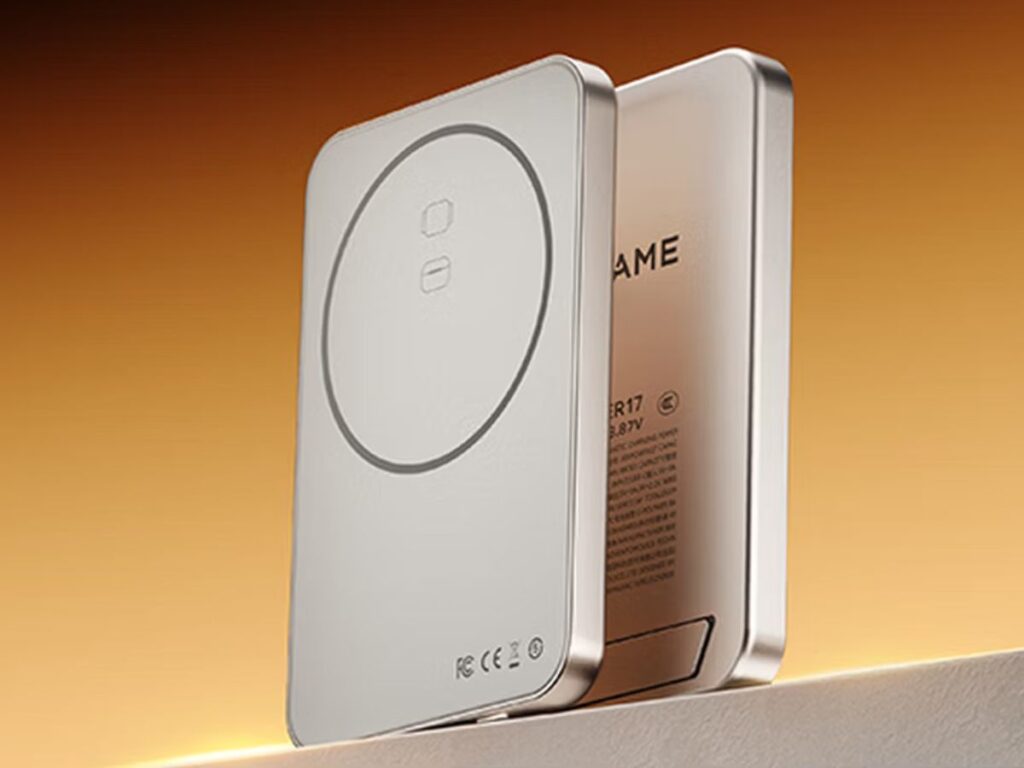
Back in August 2025, Xiaomi announced the new Power Bank 10000 in the brand’s home market of China. This accessory was later released globally, namely in the Eurozone. But now, it is finally rolling out in the UK with a charging output that can power your laptops at a budget price tag.

Xiaomi Power Bank 10000 67W Specifications

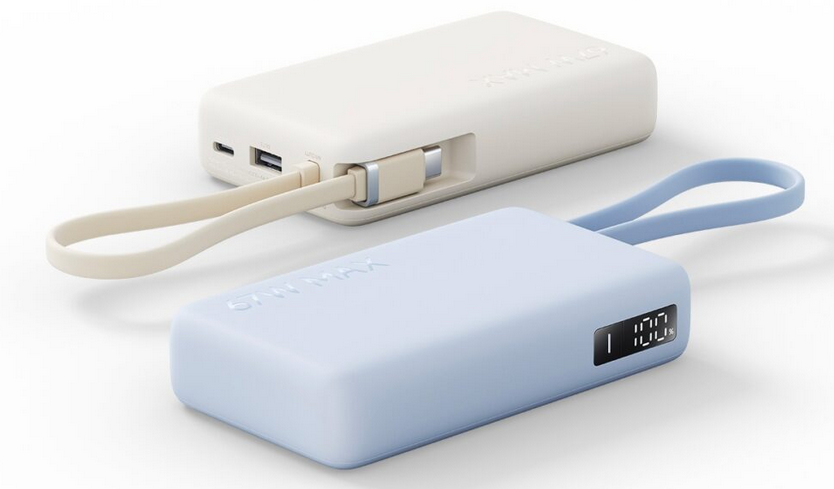
The Chinese tech giant just announced the Xiaomi Power Bank 10000 in the UK, bringing a versatile and portable charging solution to users on the go. As the name suggests, the new power bank houses a large 10,000mAh capacity. You can even check the battery levels via a small digital display on the side. It arrives with an integrated USB-C cable that brings 67W charging, which the brand claims can power up the Xiaomi 15 to full in just under an hour.

Xiaomi Power Bank 10000

Meanwhile, the iPhone 16 Pro can hit 56 percent charge, and the M3 iPad Air 11-inch can reach 33 percent in just 30 minutes. Alongside the built-in cable, the USB-C and USB-A ports allow users to charge three devices at the same time. The Xiaomi Power Bank 10000 also supports fast charging input as well, taking just 1.3 hours to fully charge thanks to its 65W USB-C input.

Talking about its dimensions, the new affordable power bank measures 115 x 66 x 26mm in terms of dimensions and weighs around 247 grams. At the moment, the Xiaomi Power Bank 10000 has just debuted in the UK in two color options. This includes an Ice Blue and a Tan variant. It is listed for purchase from the brand’s official website in the UK for 32.99 Pounds Sterling.

For more daily updates, please visit our News Section.

Tech enthusiast? Get the latest news first! Follow our Telegram channel and subscribe to our free newsletter for your daily tech fix! ⚡

The post Xiaomi’s new budget power bank can power your laptops: Launched in the UK appeared first on Gizmochina.
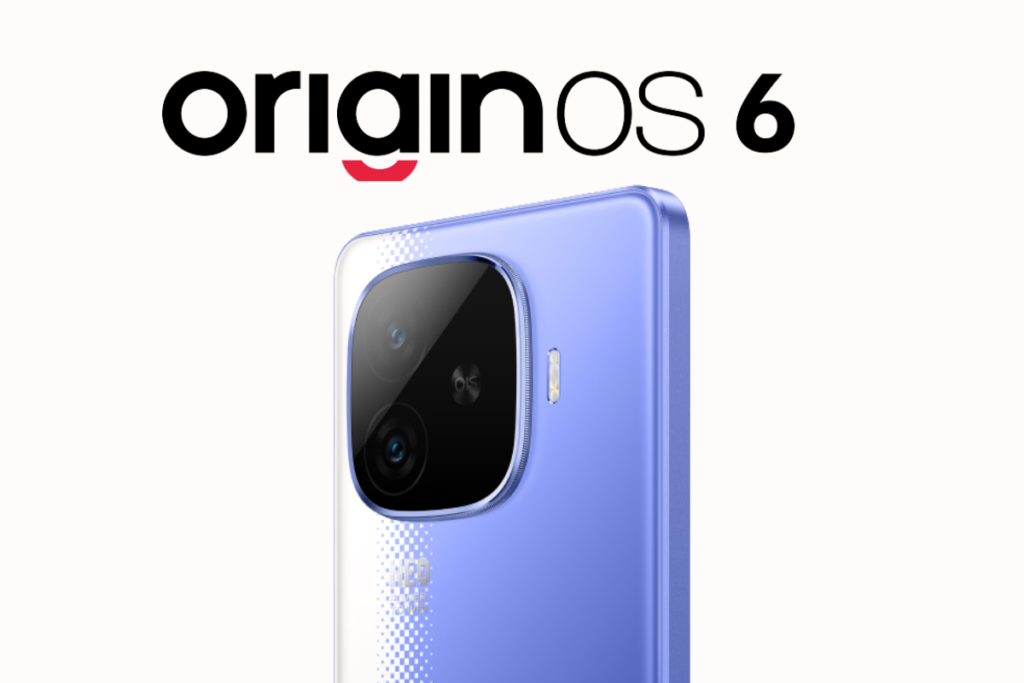
Stable OriginOS 6 update now rolling out to iQOO Neo 10R

iQOO Neo 10R OriginOS 6 update

The OriginOS 6 update, based on Android 16, has nearly reached all eligible high-end phones and is now expanding to mid-range phones. The latest to join the party is the iQOO Neo 10R. The update has arrived right on schedule and is planned to cover more Vivo and iQOO devices over the coming weeks.

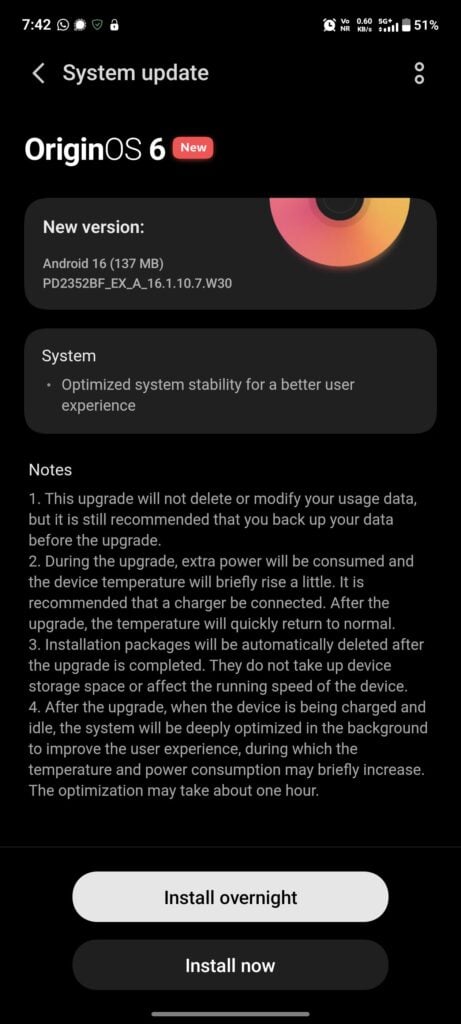
The iQOO Neo 10R is getting the OriginOS 6 update (via) with the firmware version PD2352BF_EX_A_16.1.10.7.W30. For now, it’s available to those who have already installed the beta build. However, its expansion to other users shouldn’t take long.

iQOO Neo 10R OriginOS 6 update

For the beta users, the update package weighs just 137MB, as it only changes the beta state to stable, along with a few improvements. Non-beta users will receive a significantly larger update package with a download size of about 3-5GB.

If you’re rocking an iQOO Neo 10R, go to Settings > About phone > System updates to check for the available update. If the update isn’t available, check back again later. Major updates are usually rolled out in batches, and therefore, may take a little longer to reach your device.

Related: Check the official OriginOS 6 rollout timeline here

Here’s what’s new in OriginOS 6 update

OriginOS 6 is a pretty significant upgrade, especially for Vivo and iQOO devices outside China, as it marks the shift from Funtouch OS. The latest upgrade offers visual enhancements throughout the system, including improved lighting effects, better blur and transparency, and a new system font for improved readability.

The upgrade introduces Origin Island, which shows real-time updates, smart notifications, and timely suggestions. It also enables drag-and-drop sharing between apps. OriginOS 6 also features a redesigned Control Center and notification layout that feels modern and well-organized. 

The lock screen gets new clock styles, deeper layout controls, and new widgets. The update also delivers noticeable performance gains, thanks to the new Origin Smooth Engine, leading to faster app launches, more fluid animations, and smoother multitasking. It also brings meaningful quality-of-life upgrades, such as cross-device features for Windows and Mac, AI-powered captions and search, improved notes, file management, and optimized battery efficiency.

Be sure to visit the Android 16 section on Gizmochina to get the latest updates. Or, if you prefer your news instant and on-the-go, hop into our Telegram channel for rapid-fire software updates and all the biggest tech headlines.

The post Stable OriginOS 6 update now rolling out to iQOO Neo 10R appeared first on Gizmochina.
Xiaomi MiMo-V2-Flash LLM Just Dropped: These Are the Most Interesting Things About It

Xiaomi

Xiaomi has unveiled its most advanced open-source large language model to date, called MiMo-V2-Flash, as part of its expanding push into foundation AI. The new model focuses on high-speed performance and an efficient architecture, with strong capabilities in reasoning and code generation.

Xiaomi positions MiMo-V2-Flash as a direct competitor to leading models such as DeepSeek V3.2 and Claude 4.5 Sonnet. Let’s take a closer look at how the model works, its key features, and how to access it.

Xiaomi MiMo

Purpose-Built for Speed and Agents

MiMo-V2-Flash is a Mixture-of-Experts (MoE) model with 309 billion total parameters and 15 billion active parameters. The model is purpose-built for AI agent scenarios and multi-turn interactions that require fast inference.

Xiaomi MiMo-V2-Flash

Xiaomi uses a 1:5 hybrid attention architecture, which combines Global Attention and Sliding Window Attention (SWA) with a 128-token window. The native context length is 32,000 tokens, and the model is trained with support for up to 256,000 tokens.

This design helps MiMo-V2-Flash maintain high efficiency while scaling across long-context tasks. Xiaomi claims it delivers output faster than several leading models, including DeepSeek and Claude, while maintaining lower operational costs.

Benchmark Performance and Pricing

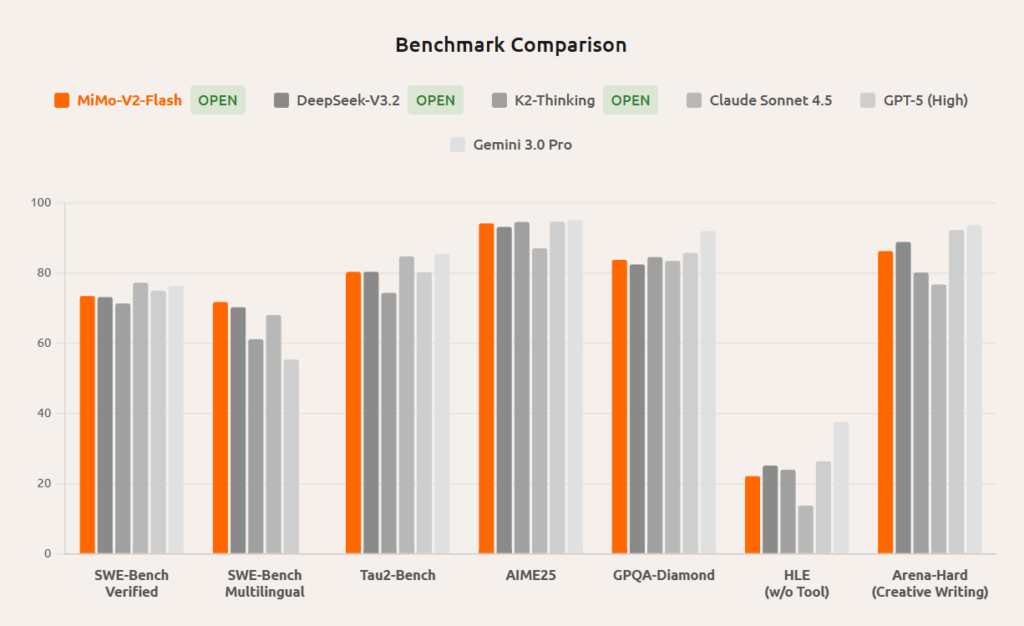
Benchmark results show MiMo-V2-Flash performing at the top tier across various domains. The model ranks in the top two among open-source models in reasoning tasks such as AIME 2025 and GPQA-Diamond.

In software engineering benchmarks like SWE-Bench Verified and SWE-Bench Multilingual, it outperforms other open-source models and reaches levels comparable to GPT-5 and Claude 4.5 Sonnet.

Xiaomi has priced the API at $0.1 per million input tokens and $0.3 per million output tokens. The API is currently available for free for a limited time. According to the company, MiMo-V2-Flash generates responses at 150 tokens per second, while maintaining only 2.5% of Claude’s inference cost.

Technical Innovations Inside

The architecture includes Multi-Token Prediction (MTP), which allows the model to generate multiple tokens in parallel and verify them before output. This method increases decoding throughput without increasing attention or memory overhead. Xiaomi reports that with a three-layer MTP, the model reaches 2.0 to 2.6 times speed improvement compared to standard decoding.

Xiaomi MiMo-V2-Flash

Xiaomi also introduced a new post-training method called Multi-Teacher Online Policy Distillation (MOPD). The technique uses multiple teacher models to guide the student through token-level rewards in an on-policy learning process. It allows the model to achieve high performance with less than 1/50th of the training resources needed in traditional RL pipelines. MOPD also supports plug-and-play teachers, enabling continuous self-improvement cycles.

How to Access It?

Xiaomi has launched a web AI chat interface called MiMo Studio at aistudio.xiaomimimo.com, allowing users to interact directly with the model. The service supports web search, agent workflows, and code generation. It also features a toggle for switching between instant replies and slower “thinking” responses for deeper reasoning.

The model can generate functional HTML web pages and integrates well with development tools like Claude Code and Cursor. Xiaomi has also showcased creative and functional web demos.

Fully Open-Source

MiMo-V2-Flash is fully open-source under the MIT license. Model weights are available on Hugging Face, and all inference code is published on GitHub.

The company contributed inference code to SGLang on launch day and aims to grow developer adoption by offering transparent, low-cost access to high-performance AI tools.

MiMo-V2-Flash reflects Xiaomi’s shift toward becoming a serious player in the AI space. It brings competitive reasoning, fast code generation, and efficient agent deployment to the open-source ecosystem.

In related AI news, China has equipped traffic police with AI-powered smart glasses for real-time vehicle inspections, while a separate report highlights how even so-called “all-AI companies” still require human oversight due to limits in autonomous decision-making.

For more daily updates, please visit our News Section.

Stay ahead in tech! Join our Telegram community and sign up for our daily newsletter of top stories! 💡

The post Xiaomi MiMo-V2-Flash LLM Just Dropped: These Are the Most Interesting Things About It appeared first on Gizmochina.

iQOO 15 Mini reportedly cancelled as compact phones receive lukewarm response

iQOO 15

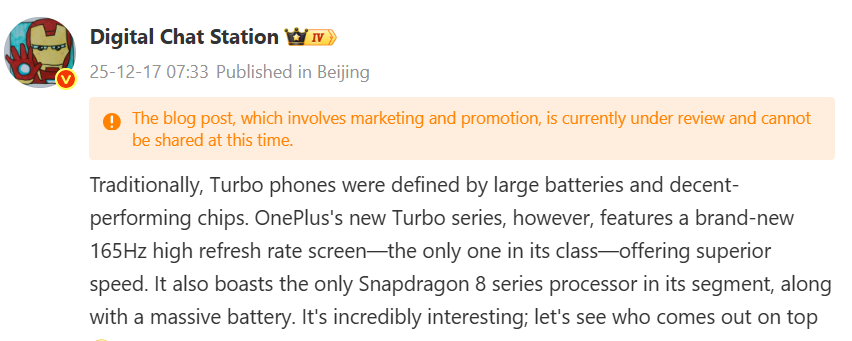
There are a couple of new compact phones in the works. These include the Honor Magic 8 Slim / Mini, the Vivo X300s, the Oppo Find X9s, and the OnePlus 15s / 15T. There have been mixed reports on the existence of the iQOO 15 Mini. In November, tipster Digital Chat Station revealed that iQOO had stopped developing it, but a leak that surfaced a few days later said that it was still in development. However, a new Weibo post by DCS again states that the phone may not see the light of day.

iQOO 15 Mini may have been shelved

As can be seen above, a Weibo user asked DCS whether there was any news about iQOO’s compact phone, which is dubbed the iQOO 15 Mini by the rumor mill. DCS responded by saying, “The project is currently suspended. (machine translated).”

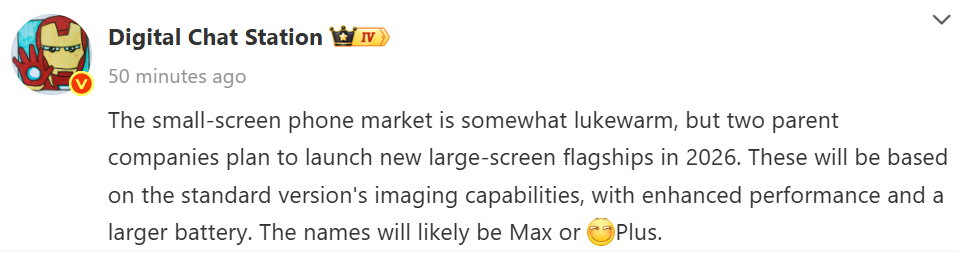
So, what could be the reason behind killing this project? In another Weibo post, the tipster suggests that compact smartphones are losing momentum, prompting two major parent brands to plan larger flagship models for 2026. These devices will sit above standard flagships, offering better cameras, stronger performance, and bigger batteries, possibly carrying “Max” or “Plus” branding.

From a broader industry perspective, compact flagship phones often face practical challenges. Developing a small handset capable of housing Pro-level hardware involves higher research and engineering costs, yet such devices still tend to compromise on sustained performance and battery capacity. As a result, they often end up being priced higher without offering clearly superior specifications, making it harder for compact flagships to appeal to a wider audience.

For instance, the upcoming OnePlus 15s / 15T is still rumoured to lack some essential features, such as an ultra-wide camera and wireless charging, despite being positioned as a top-tier flagship. This reality helps explain why brands may be stepping back from small-screen projects like the iQOO 15 Mini.

As far as rumored iQOO 15 Mini specs are concerned, it was said to feature a 6.31-inch OLED 1.5K display, a Dimensity 9500 or 9500+ chip, a 7,000mAh+ battery, a metal middle frame, and an ultrasonic in-screen fingerprint sensor. It was speculated to launch in April 2026.

For more daily updates, please visit our News Section.

Stay ahead in tech! Join our Telegram community and sign up for our daily newsletter of top stories.

The post iQOO 15 Mini reportedly cancelled as compact phones receive lukewarm response appeared first on Gizmochina.

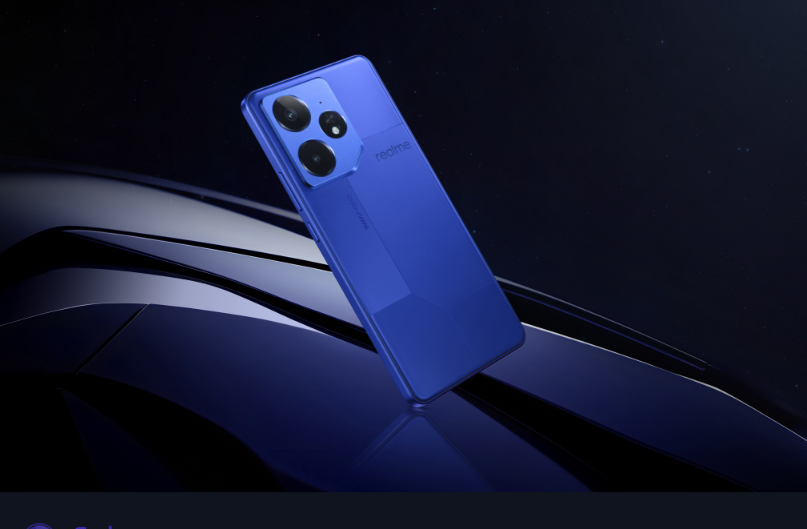
Realme Neo 8 specs leaked again, could be OnePlus 15R / Ace 6T killer

realme-Neo7-submarine

OnePlus unveiled the OnePlus Ace 6T earlier this month in China. It debuted as the world’s first phone powered by the Snapdragon 8 Gen 5 chip. The OnePlus 15R, which landed in India and the global market, is a tweaked version of the same phone. Rumors suggest that Realme is preparing a new Snapdragon 8 Gen 5 phone for China, which may rival the OnePlus Ace 6T.

Realme Neo 8 specs tipped again

Realme Neo 8 specs leak again

The above leak states that the upcoming Realme phone equipped with the Snapdragon 8 Gen 5 chipset will have a durable and premium build, featuring a fully water-resistant body with a metal frame and a glass back.

It is said to be equipped with an ultrasonic in-screen fingerprint sensor and a massive single-cell 8,000mAh battery. Unfortunately, the tipster has not specified the name of the device.

This could be the forthcoming Realme Neo 8, which is expected to feature a Samsung AMOLED flat screen with support for a 1.5K resolution. It is expected to ship with Android 16 and Realme UI 7, but the rest of its specifications are under wraps.

The Realme Neo 8 is one of the many Snapdragon 8 Gen 5 phones expected to release in China in the coming days. Vivo has already launched the camera-focused Vivo S50 Pro Mini powered by the Snapdragon 8 Gen 5. The Moto X70 Ultra and iQOO Z11 Turbo are also expected to feature the Snapdragon 8 Gen 5.

realme-Neo7-submarine
Realme Neo 7

Realme is currently silent on the arrival of the Realme Neo 8. In China, the Realme 16 Pro and 16 Pro+ have already received TENAA certification, indicating that these phones may debut in the coming weeks in the home market. The Neo 8 may launch after the Realme 16 Pro series, likely in January 2026.

For more daily updates, please visit our News Section.

Stay ahead in tech! Join our Telegram community and sign up for our daily newsletter of top stories.

The post Realme Neo 8 specs leaked again, could be OnePlus 15R / Ace 6T killer appeared first on Gizmochina.
iPhone 18 Pro could get a major front redesign with unconventional hole-punch camera placement

Apple’s iPhone 18 Pro and iPhone 18 Pro Max could bring a big change to the front design, according to a new report from The Information. The change would be one of the biggest shifts to the iPhone’s front layout in years.

Apple introduced the notch with the iPhone X in 2017 and switched to the Dynamic Island on the iPhone 14 Pro models in 2022. The current iPhone 17 lineup still uses a pill-shaped cutout for the front camera and Face ID, while under-display solutions have been under development for some time.

The latest report claims Apple is planning to place most of the Face ID hardware under the AMOLED display, leaving only a small cutout for the front-facing camera. Unlike the current centered Dynamic Island, that camera is said to move to the upper left corner of the screen.

If accurate, this would give the iPhone 18 Pro an asymmetrical front design. That would be a departure from Apple’s long-standing preference for centered cutouts and symmetrical layouts. Earlier rumors had suggested Apple would either keep the pill-shaped cutout or simply shrink it further, so this would mark a different direction.

Camera upgrades may also be coming to the back. At least one rear camera, likely the main sensor, is expected to gain a variable aperture. This would allow the camera to physically adjust how much light enters the lens, offering better control over depth of field and low-light shots.

The same report also mentions Apple’s foldable iPhone. The device is said to feature a 5.3-inch display when folded and a larger 7.7-inch display when unfolded. The folded screen is expected to use a roughly 2:3 aspect ratio, while the unfolded display would shift closer to 4:3. This would make the device shorter in its folded form than some existing foldables.

Apple’s first foldable iPhone is now expected to launch alongside the iPhone 18 lineup in September 2026.

As with all early reports, plans could still change, but the details suggest Apple is experimenting with more noticeable design shifts than usual for its next flagship cycle.

Don’t miss a thing! Join our Telegram community for instant updates and grab our free daily newsletter for the best tech stories!

For more daily updates, please visit our News Section.

(Source | Image)

The post iPhone 18 Pro could get a major front redesign with unconventional hole-punch camera placement appeared first on Gizmochina.

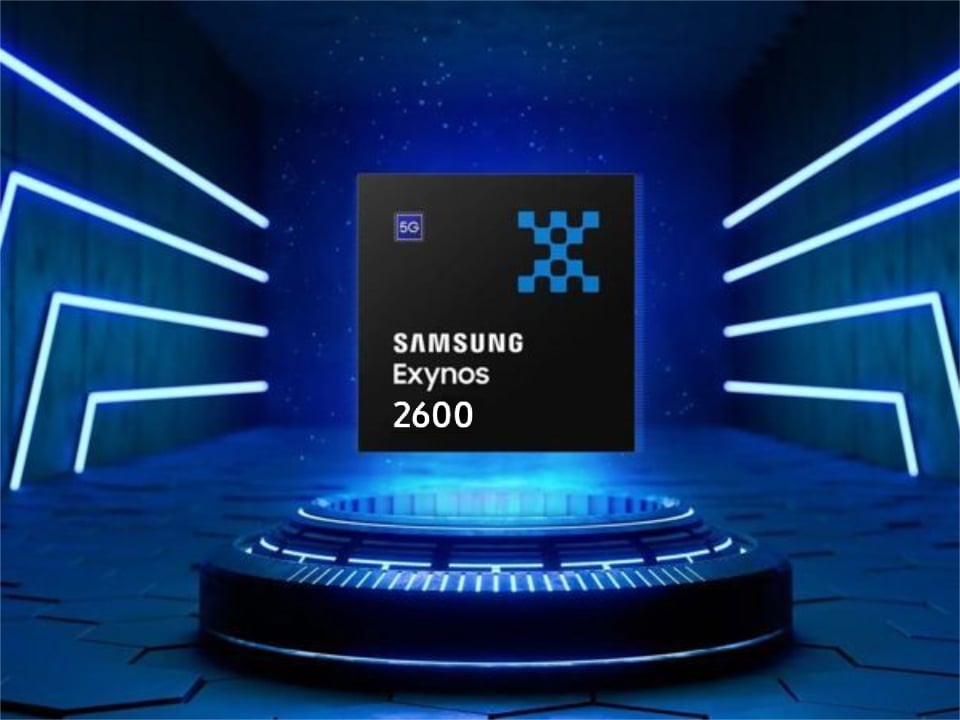
Exynos 2600 leaks with even higher prime core speed, and AMD JUNO GPU

Exynos 2600

The Exynos 2600 has been a big hype for the Samsung Galaxy S26 series, as it’s the world’s first 2nm chip used in a smartphone. Now, a new leak from well-known Samsung tipster Ice Universe gives us what could be the final look at its CPU and GPU configuration.

We’ve already seen early performance hints from Geekbench listings, but this new information suggests Samsung may be squeezing out a bit more power. According to Ice Universe, the Exynos 2600 will stick with a 10-core CPU layout, which aligns with previous leaks.

Exynos 2600

The change could be on the prime core, which is now said to clock at 3.9GHz. That’s slightly higher than the 3.8GHz speed seen in earlier benchmarks, and while the difference sounds small, it could help Samsung push higher peak performance in demanding tasks.

The rest of the CPU setup looks familiar. The three high-performance cores are expected to run at 3.2GHz, while the six efficiency cores are clocked at 2.75GHz. 

On the graphics side, the Exynos 2600 reportedly uses a GPU called AMD JUNO, running at 985MHz. As the name suggests, Samsung continues its partnership with AMD for graphics, which has been a major talking point for recent Exynos chips. 

The GPU is said to support OpenGL ES 3.2, OpenCL 3.0, and Vulkan 1.3, covering all the modern graphics APIs needed for high-end gaming and advanced visuals.

Samsung will gatekeep Exynos 2600

If you’re curious about its performance, the chip scored 3,455 points in the single-core test and 11,621 points in the multi-core test in its latest Geekbench sighting. For comparison, our Xiaomi 17 unit powered by Qualcomm’s Snapdragon 8 Elite Gen 5 reached 3,078 points in single-core and 9,162 points in multi-core.

Even with on-par performance—if not better—Samsung is reportedly planning to use the Exynos 2600 exclusively in the Galaxy S26 and Galaxy S26 Plus for the Korean market. The rest of the world is expected to get models powered by the Snapdragon 8 Elite Gen 5.

Don’t miss a thing! Join our Telegram community for instant updates and grab our free daily newsletter for the best tech stories!

For more daily updates, please visit our News Section.

(Source)

The post Exynos 2600 leaks with even higher prime core speed, and AMD JUNO GPU appeared first on Gizmochina.

From 55 inches to 115 inches, Samsung’s Micro RGB TVs are going big in 2026

Samsung-Micro-RGB-TVs.peg_

The Samsung Micro RGB TVs are set to expand in 2026, signalling the company’s push to bring ultra-premium display technology to a wider range of screen sizes. The new lineup aims to bridge cinematic-scale displays and premium living room televisions under one advanced display platform.

Samsung expands Micro RGB TV lineup for 2026

From 55 inches to 115 inches, Samsung’s Micro RGB TVs are going big in 2026

Samsung has confirmed that its Micro RGB TV range will grow significantly in 2026, with new models spanning 55-inch, 65-inch, 75-inch, 85-inch, 100-inch, and 115-inch sizes. Building on the 115-inch Micro RGB TV introduced in 2025, the upcoming lineup introduces refined display architecture designed to deliver more accurate colors, improved clarity, and smoother motion across all sizes.

At the core of the lineup is Samsung’s Micro RGB display technology, which uses independently lit red, green, and blue LEDs that are smaller than 100 microns. This structure allows for precise light control and better colour accuracy compared to conventional LED panels. Samsung is also pairing this hardware with advanced picture processing features such as AI-based upscaling and motion enhancement to improve brightness control and real-time visual refinement.

The 2026 Micro RGB TVs will be powered by Samsung’s new AI engine, designed to enhance frame-by-frame clarity and realism. Features such as expanded color enhancement and advanced HDR processing aim to improve dynamic range and preserve fine details in complex scenes. Samsung has also confirmed that these TVs achieve full coverage of the BT.2020 colour space, ensuring accurate reproduction of a wider range of colours.

In addition to visual upgrades, the lineup introduces improvements in smart features and audio. Samsung’s updated Vision AI platform enables conversational interactions through Bixby, content discovery, and access to AI-driven tools such as live translation and generative wallpapers.

Samsung plans to showcase the new Micro RGB TV lineup at CES 2026 in Las Vegas, offering a closer look at how the company intends to reshape premium home entertainment across varied screen sizes.

For more daily updates, please visit our News Section.

Stay ahead in tech! Join our Telegram community and sign up for our daily newsletter of top stories.

The post From 55 inches to 115 inches, Samsung’s Micro RGB TVs are going big in 2026 appeared first on Gizmochina.

Official: Xiaomi 17 Ultra is launching next week

Xiamoi 17 Ultra to launch next week

The Xiaomi 17 Ultra has officially been confirmed for launch next week, marking the arrival of Xiaomi’s next ultra-premium smartphone. With Xiaomi and Leica deepening their long-standing partnership, the upcoming flagship is expected to introduce meaningful changes rather than incremental updates, setting the stage for what could be Xiaomi’s most ambitious phone yet.

Xiaomi 17 Ultra launch timeframe officially confirmed

Xiamoi 17 Ultra to launch next week

Xiaomi founder, chairman, and CEO Lei Jun has confirmed that the Xiaomi 17 Ultra will be unveiled next week in China, likely following the company’s usual Thursday launch pattern. Alongside the launch confirmation, Xiaomi also announced a global upgrade to its imaging partnership with Leica. This new phase moves beyond joint development into a “strategic co-creation” model, where both brands collaborate from the earliest stages of product design to reshape mobile photography experiences.

As part of this upgraded collaboration, Xiaomi has introduced a new optical system for smartphones. The highlight is the industry’s first Leica APO-certified telephoto lens for mobile devices, designed to deliver improved colour accuracy, reduced chromatic aberration, and better clarity at long focal lengths. Xiaomi claims this system significantly improves night photography, high-contrast scenes, and telephoto image quality.

Leaks suggest the Xiaomi 17 Ultra returns to a flat display design and uses a high-efficiency panel that delivers clarity exceeding traditional 2K screens while consuming less power. At its core, the device is said to be powered by the Snapdragon 8 Elite Gen 5 chipset, paired with a battery close to 7,000mAh.

Charging capabilities are tipped to include 100W wired and 80W wireless fast charging. The phone is expected to support ultrasonic fingerprint authentication and maintain IP68 dust and water resistance.

The camera setup reportedly shifts to a triple rear camera system. The primary sensor is expected to be OmniVision’s new 50-megapixel OV50X 1-inch sensor with large pixel size and advanced HDR processing. This is likely to be joined by a 50-megapixel ultra-wide camera with macro support and a 200-megapixel periscope telephoto camera, possibly offering up to 5x optical zoom.

In addition to the smartphone, Xiaomi may also unveil a new NAS product at the same event, signalling broader ecosystem expansion alongside the Xiaomi 17 Ultra. For those who are unaware, the 17 Ultra’s blind pre-orders have already started in China. Globally, it is expected to launch in March along with the standard Xiaomi 17.

For more daily updates, please visit our News Section.

Stay ahead in tech! Join our Telegram community and sign up for our daily newsletter of top stories.

The post Official: Xiaomi 17 Ultra is launching next week appeared first on Gizmochina.

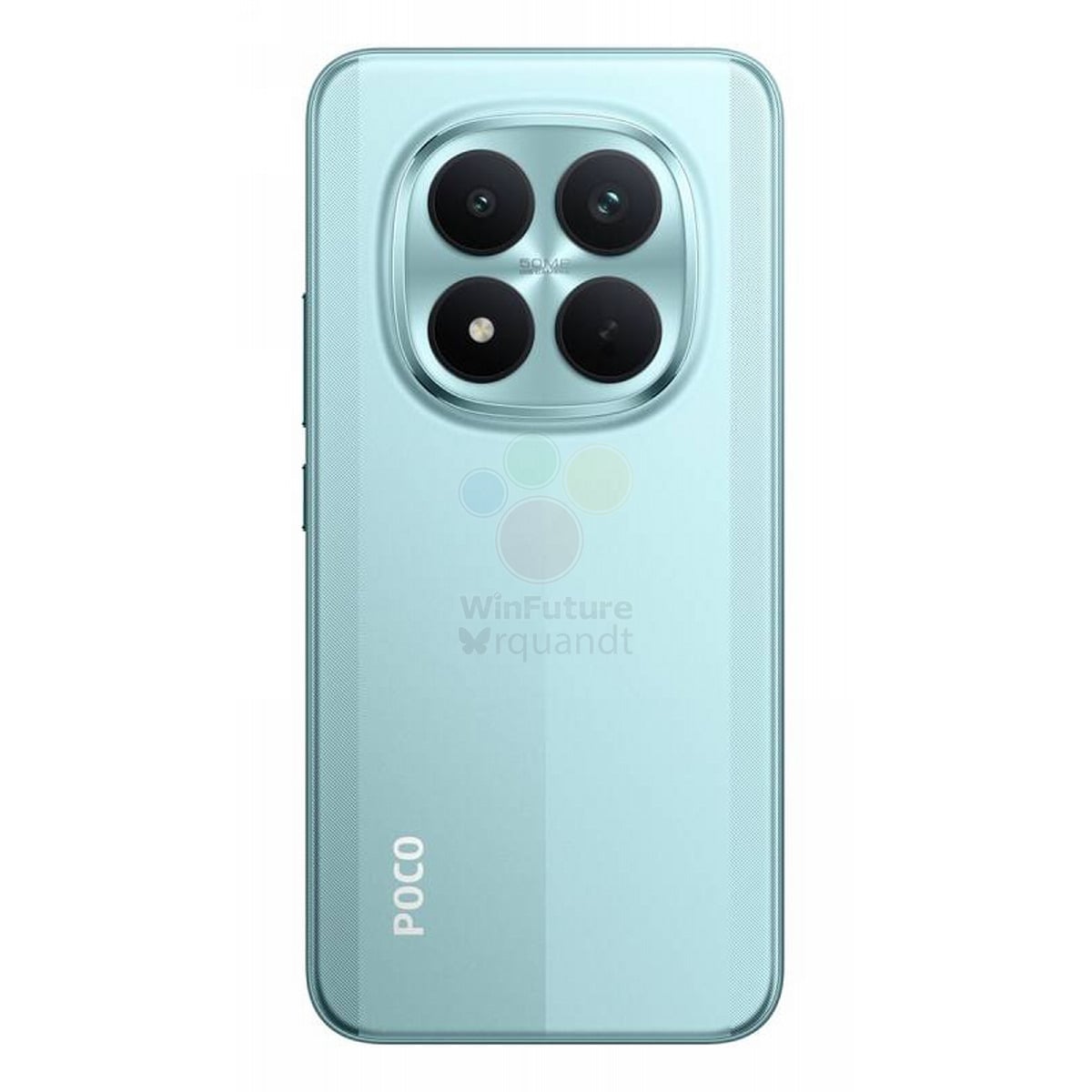
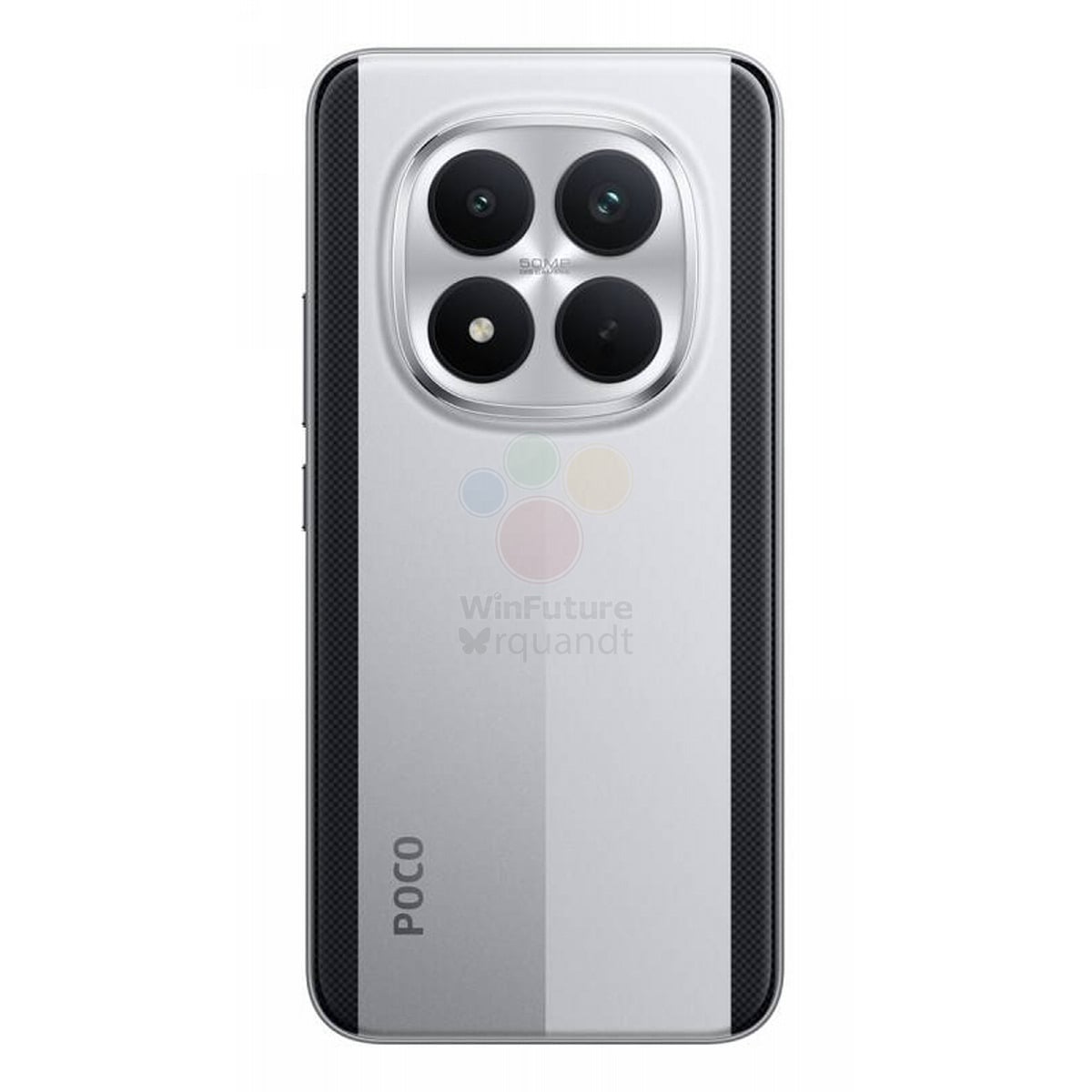
Poco M8, M8 Pro renders, specifications leaked well before January 2026 launch

Poco M8 Pro

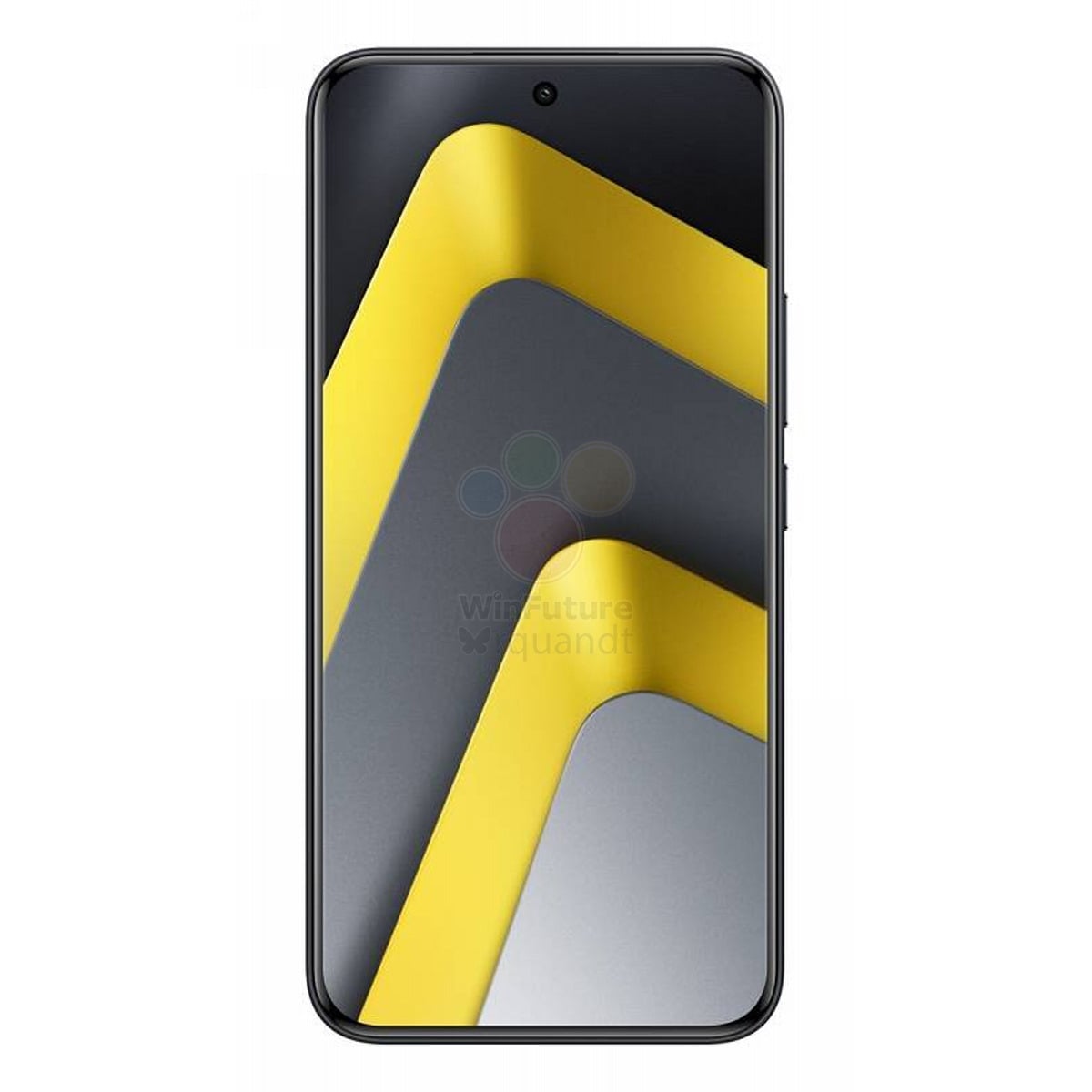
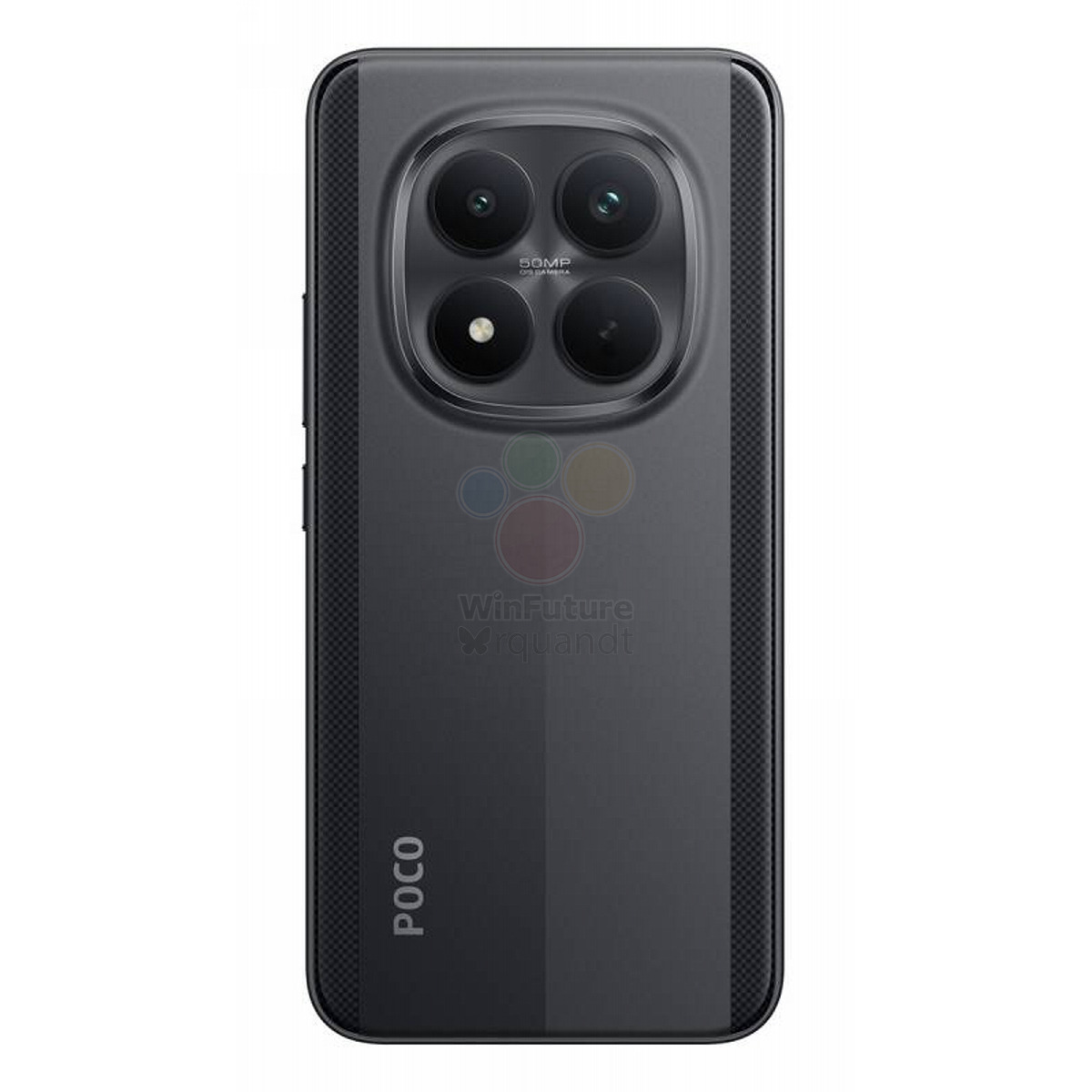
The Poco M8 series, which is expected to include the Poco M8 and M8 Pro, may debut soon, as both models have been spotted on multiple certification platforms. A new report by WinFuture.de has revealed almost everything about the M8 duo, including their official renders.

Poco M8, M8 Pro renders, specifications

Poco M8
Poco M8
Poco M8
Poco M8
Poco M8
Poco M8
Poco M8
Poco M8

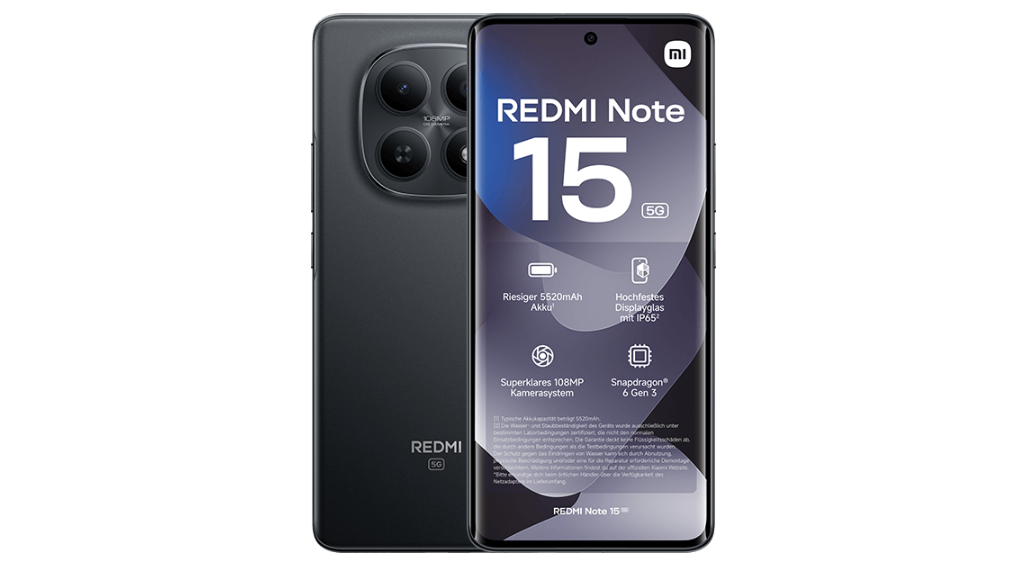
As per the publication, the Poco M8 and M8 Pro are rebadged versions of the Redmi Note 15 and Note 15 Pro+. However, the Poco phones do offer minor changes in design and technical specifications.

As per the report, the Poco M8 Pro will have a 6.83-inch OLED panel that offers a 1.5K resolution (2772 x 1080p) and up to a 120Hz refresh rate. On the other hand, the Poco M8 is expected to arrive with a 6.77-inch OLED FHD+ 120Hz display.

The Poco M8 will be powered by the Snapdragon 6 Gen 3 and a 5,520mAh battery with 45W charging support. On the other hand, the M8 Pro will be equipped with the Snapdragon 7s Gen 4v and a 6,500mAh battery with 100W charging.

Poco M8 Pro
Poco M8 Pro
Poco M8 Pro
Poco M8 Pro
Poco M8 Pro
Poco M8 Pro
Poco M8 Pro
Poco M8 Pro

The Poco M8 may arrive with 8GB of RAM and 256GB of storage, whereas the M8 Pro will be available with 8GB / 12GB of RAM and 256GB / 512GB of storage. The report concludes by stating that the M8 will have an IP65 rating, whereas the M8 Pro will offer an IP68 rating. Unfortunately, the report has no information about the camera specs of both phones.

The leaked renders show that the M8 and M8 Pro will arrive in black, blue and silver shades. The latter has black edges on both sides with a dual-tone look in the middle.

Poco M8 series launch timeframe (rumored)

In a recent X post, tipster Abhishek Yadav also claimed that the Poco M8 Pro will be a rebranded version of the Redmi Note 15 Pro+ with one major difference. While the Note 15 Pro+ has a 200-megapixel main camera, an 8-megapixel ultra-wide lens, and a 32-megapixel front camera, the Poco M8 Pro will have a 50-megapixel main camera, while the rest of the cameras will remain the same.

For more daily updates, please visit our News Section.

Stay ahead in tech! Join our Telegram community and sign up for our daily newsletter of top stories.

The post Poco M8, M8 Pro renders, specifications leaked well before January 2026 launch appeared first on Gizmochina.
Honor Magic 8 Slim / Mini key specifications, color variants revealed

HONOR Magic 8 Pro

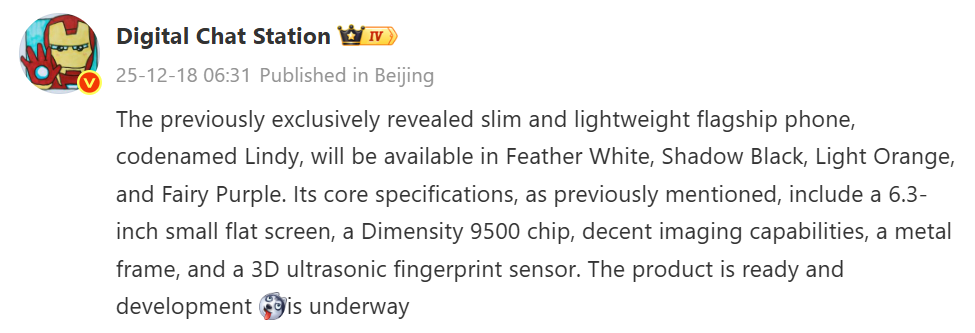
Honor is reportedly working on a compact phone with a slim and lightweight build. Since the official moniker of the device is under wraps, it is being referred to by different names, such as Magic 8 Slim and Magic 8 Mini. In a new Weibo post, reliable tipster Digital Chat Station has revealed the key specifications of this phone, along with its color variants.

Honor Magic 8 Slim / Mini key details tipped

Hoonor Magic 8 Slim / Mini specs tipped

Starting from the front, the Honor Magic 8 Slim / Mini (codenamed Lindy) will feature a 6.3-inch display with a flat design. A previous leak from the same source revealed that it will be an OLED LTPO panel delivering a 1.5K resolution.

Under the hood, the Magic 8 Slim / Mini is expected to feature the Dimensity 9500 chipset. Considering that MediaTek is already gearing up to launch the Dimensity 9500 Plus chipset as its overclocked variant in March or April 2026, the Magic 8 Slim may debut much earlier, probably after the Honor Power 2, which is expected to launch in January 2026.

Without going into details, the tipster mentions in the new leak that the Magic 8 Slim / Mini will offer decent imaging capabilities, a metal frame, and an ultrasonic in-screen fingerprint sensor. It will be available in four finishes, such as Feather White, Shadow Black, Light Orange, and Fairy Purple. He added that the device is ready, and its development and launch are being accelerated.

In a previous leak, the tipster revealed that this slim phone has a thickness of only 5 to 6.x mm despite packing a 5,500mAh battery. At present, there is no information about its fast-charging capabilities, but it is said to support wireless charging.

A previous leak claimed that the Honor Magic 8 Slim / Mini may feature a 200-megapixel main camera, but a newer leak claimed that this sensor could be replaced by a 50-megapixel lens. The camera setup is also expected to feature a periscope telephoto camera.

Previous reports have also suggested that Honor is also working on the Honor Magic 8 RSR (aka Honor Magic 8 Ultra). This will be the company’s ultimate flagship phone powered by the Snapdragon 8 Elite Gen 5. The Magic 8 RSR and 8 Slim / Mini are expected to debut together.

For more daily updates, please visit our News Section.

Stay ahead in tech! Join our Telegram community and sign up for our daily newsletter of top stories.

The post Honor Magic 8 Slim / Mini key specifications, color variants revealed appeared first on Gizmochina.

Honor Win to offer 10,000mAh battery, Snapdragon 8 Elite Gen 5

Honor Win color options

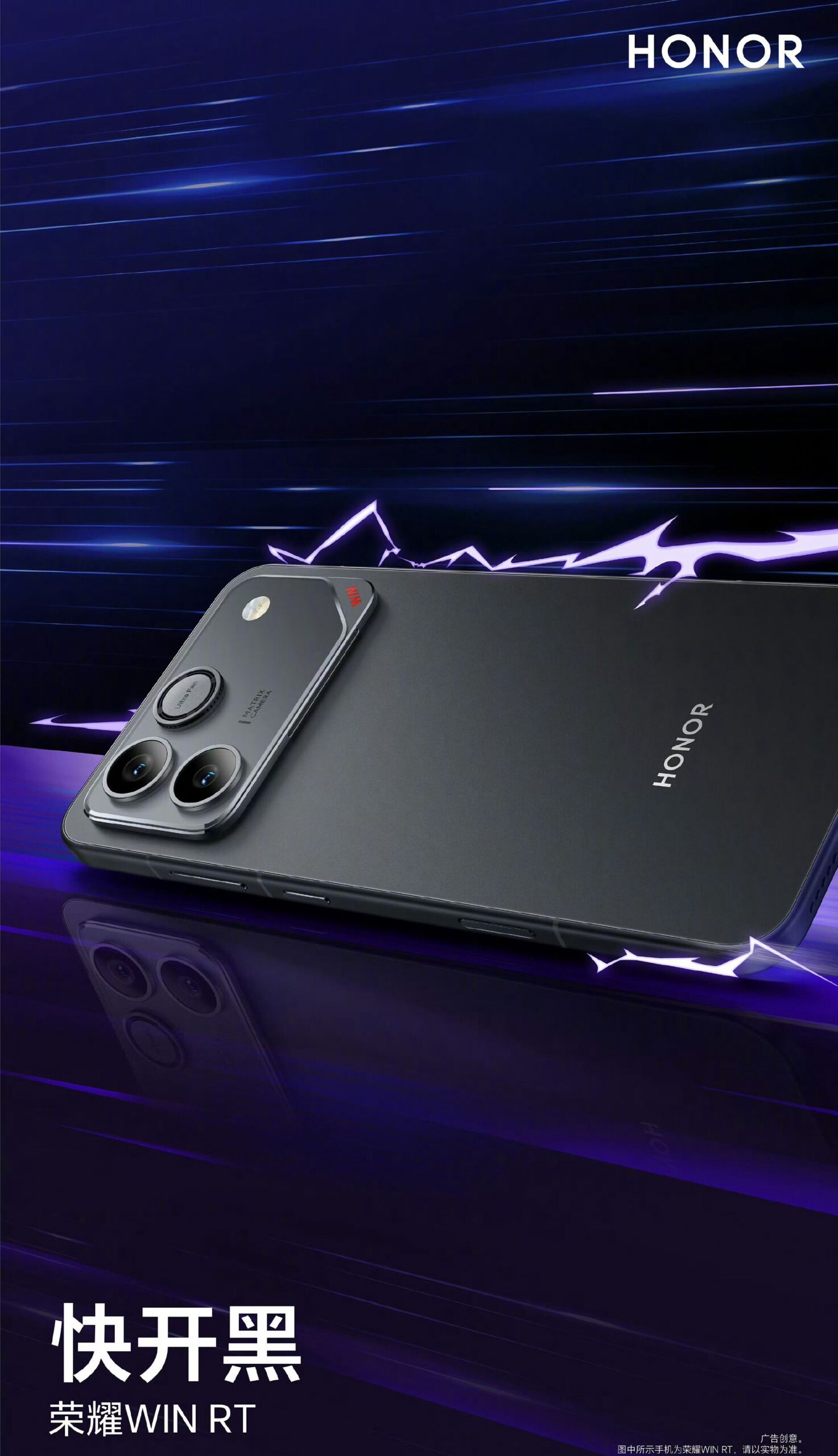
Honor is all set to launch the Honor Win series of smartphones on Dec. 26 in China. The lineup will include dual flagship phones, namely the Honor Win RT and the more powerful Honor Win. There have been reports that these phones will pack huge batteries, and a new official teaser has revealed that the Honor Win will arrive with a 10,000mAh battery.

Honor Win key specs confirmed

Honor Win
Honor Win’s About Phone page

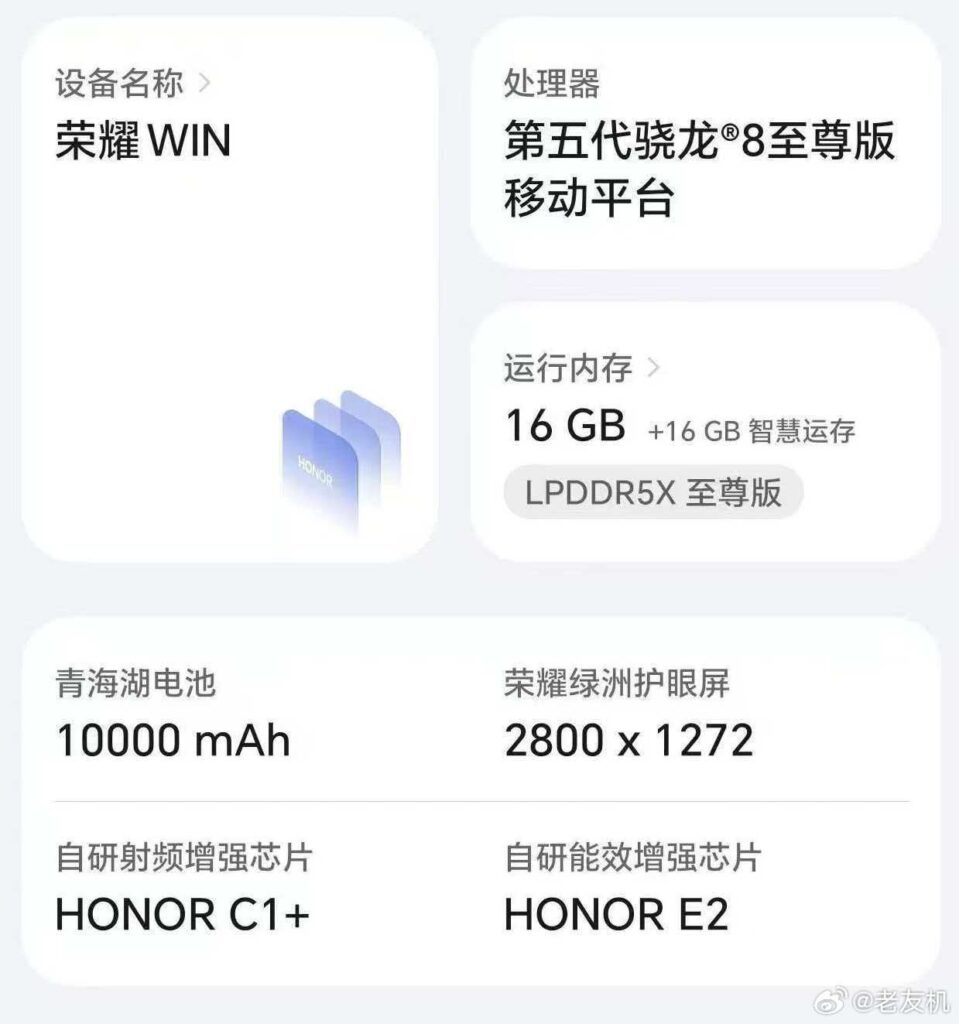
A Weibo user shared an image of the ‘About Phone’ page of the Honor Win, claiming that its 10,000mAh battery is incredible and that it is practically a power bank. The said post was reposted by Honor Performance Optimization R&D Engineer A Yong, bolstering the authenticity of the image.

The ‘About Phone’ image confirms that the Honor Win will feature an OLED panel that offers a 1.5K resolution of 2800 x 1272 pixels. Under the hood, the device is equipped with the Snapdragon 8 Elite Gen 5 chipset.

At present, the Red Magic 11 Pro (Chinese edition) is the only Snapdragon 8 Elite Gen 5-powered phone to pack an 8,000mAh battery. The upcoming Honor Win is even more powerful than the Magic 11 Pro, as it offers an extraordinary combination of a 10,000mAh silicon-carbon battery and the Snapdragon 8 Elite Gen 5.

The Honor Win also features 16GB of LPDDR5x Ultra RAM, coupled with 16GB of virtual RAM. The device is also equipped with Honor’s self-developed chips, such as the C1+ RF enhancement chip and the E2 power efficiency enhancement chip.

Recent reports have revealed that the Honor Win will have a triple camera setup headlined by a 50-megapixel sensor. Its display size is said to be 6.83 inches and is expected to support a 1.5K resolution. It will be available in three shades, such as black, white, and blue.

Honor Win color options

In related news, Honor is also working on the Honor Power 2 equipped with a 10,050mAh battery. However, this upper mid-range phone is expected to feature the Dimensity 8500 chip and is likely to debut in January 2026 in China.

For more daily updates, please visit our News Section.

Stay ahead in tech! Join our Telegram community and sign up for our daily newsletter of top stories.

The post Honor Win to offer 10,000mAh battery, Snapdragon 8 Elite Gen 5 appeared first on Gizmochina.

After Xiaomi, Honor confirms tablet price hike due to soaring memory costs

HONOR MagicPad 13

Honor has confirmed that it will raise prices on its tablet lineup due to the continued surge in memory and storage chip costs. The announcement follows similar moves by Xiaomi, which recently increased prices across multiple tablet models in the Chinese market.

HONOR MagicPad 13

The general manager of Honor’s tablet and IoT division said on Weibo that the company can no longer absorb the rising memory prices. He advised consumers to buy tablets soon before the new pricing takes effect.

Honor tablet price hike

The pricing pressure is tied to a broader trend in the tech industry. Since September, spot prices for DRAM and NAND flash have jumped by more than 300%, according to third-party research firms. Analysts attribute this rise to the growing demand from AI data centers, which is diverting chip supply away from traditional consumer electronics.

Xiaomi was among the first to respond. The company raised the starting price of the Xiaomi Pad 8 from 2,199 yuan ($307.86) to 2,299 yuan ($321.86). It also adjusted the Pad 8 Pro’s base price from 2,799 yuan ($391.86) to 2,899 yuan ($405.86). The entire Redmi Pad 2 lineup saw a uniform 200 yuan ($28.00) price increase, with the entry-level model now starting at 1,199 yuan ($167.86).

Honor is now expected to follow with a similar adjustment. Industry experts believe more brands will implement price hikes or adopt other strategies, such as lowering specifications or redistributing costs across the supply chain.

The impact is not limited to tablets and smartphones. PC components tied closely to RAM and storage are also expected to see price increases, with revised pricing likely to appear starting next year. Prices are already elevated, and potential exits by major players such as Samsung from parts of the market could push costs even higher.

Consumers planning to buy a tablet in the coming weeks may want to act quickly.

For more daily updates, please visit our News Section.

Stay ahead in tech! Join our Telegram community and sign up for our daily newsletter of top stories! 💡

The post After Xiaomi, Honor confirms tablet price hike due to soaring memory costs appeared first on Gizmochina.
OnePlus Watch Lite launches with budget pricing, 3000 nits AMOLED display, & up to 10-day battery

OnePlus Watch Lite

OnePlus just launched the OnePlus 15R in the global market, and alongside this value flagship, the company also released the new OnePlus Watch Lite. This wearable arrives as a budget model, bringing decent specs, proprietary operating system, and much more. So here’s everything you need to know.

OnePlus Watch Lite Specifications

The Chinese brand announced the OnePlus Watch Lite with a 1.46-inch circular AMOLED display that has a 464 x 464 pixels resolution, sapphire crystal glass, and 3000 nits of peak brightness. This screen is housed in a 316L stainless steel frame. The smartwatch measures just 8.9mm thick and weighs around 59 grams. Customers can couple this smartwatch with a black or white fluororubber strap that has a stainless steel buckle.

OnePlus Watch Lite

On a single full charge, the OnePlus Watch Lite can last for up to 10 days. It also runs on the OxygenOS Watch 7.1 and not Google’s Wear OS. Although, it supports both Android and iOS devices (iOS 14 or higher). This is a lighter software compared to Google’s platform, which brings dual sync feature that lets you sync with two devices simultaneously. OnePlus’ new budget smartwatch arrives with heart rate monitoring, blood oxygen tracking, skim temperature mapping, stress levels tracking, and sleep monitoring. There is even support for more than 100 sports modes and fall detection.

Other notable features include fast charging, 44mm casing, an IP68 rating for water and dust resistance. The OnePlus Watch Lite was just announced in the European market and the UK for €159 and £159, respectively. The pricing and availability details for other regions like the US and India are still unknown, so stick around for more.

For more daily updates, please visit our News Section.

Tech enthusiast? Get the latest news first! Follow our Telegram channel and subscribe to our free newsletter for your daily tech fix! ⚡

The post OnePlus Watch Lite launches with budget pricing, 3000 nits AMOLED display, & up to 10-day battery appeared first on Gizmochina.

OnePlus Pad Go 2 launches in India with Dimensity 7300-Ultra, 10,050mAh battery, and 5G connectivity

OnePlus has launched a new tablet in India called the OnePlus Pad Go 2. It was announced alongside the OnePlus 15R and sits in the mid-range category, aimed at users who want a large display and long battery life without moving into premium pricing.

The Pad Go 2 is available in Lavender Drift and Shadow Black. That said, the Shadow Black colour is only offered on the 5G model. Powering the tablet is the MediaTek Dimensity 7300-Ultra, which is built on a 4nm process. OnePlus is offering the tablet with 8GB of RAM, paired with either 128GB or 256GB of UFS 3.1 storage.

Up front, the tablet gets a 12.1-inch LCD screen with a 2.8K resolution. It supports an adaptive refresh rate of up to 120Hz and goes up to 600 nits manually and 900 nits in HBM. Dolby Vision support is included, along with 98% coverage of the DCI-P3 colour space.

On the software side, the Pad Go 2 runs OxygenOS 16, based on Android 16. OnePlus has added features like Open Canvas for multitasking, along with AI tools such as AI Writer and AI Recorder. Audio output comes from a quad-speaker setup.

Battery capacity has also been increased compared to the earlier Pad Go. The new model packs a 10,050mAh battery and supports 33W SuperVOOC fast charging. There’s also 6.5W reverse wired charging, which can be used to charge smaller accessories if needed. For cameras, the tablet includes an 8MP unit on the back and an 8MP camera on the front for video calls.

Pricing and availability:

Pricing starts at Rs. 26,999 for the 8GB + 128GB Wi-Fi variant. The 8GB + 256GB Wi-Fi version is priced at Rs. 29,999, while the 5G model with 256GB storage costs Rs. 32,999. Sales begin in India on December 18.

OnePlus is also selling the Pad Go 2 Stylo for Rs. 3,999 and a Folio Case for Rs. 1,499 separately. The stylus supports 4,096 levels of pressure sensitivity.

Tech enthusiast? Get the latest news first! Follow our Telegram channel and subscribe to our free newsletter for your daily tech fix!

For more daily updates, please visit our News Section.

(Source: OnePlus)

The post OnePlus Pad Go 2 launches in India with Dimensity 7300-Ultra, 10,050mAh battery, and 5G connectivity appeared first on Gizmochina.

Counterfeit RAM Scam Hits Amazon: Fake DDR5 Kits Sold in Sealed Packaging

Counterfeit RAM Scam

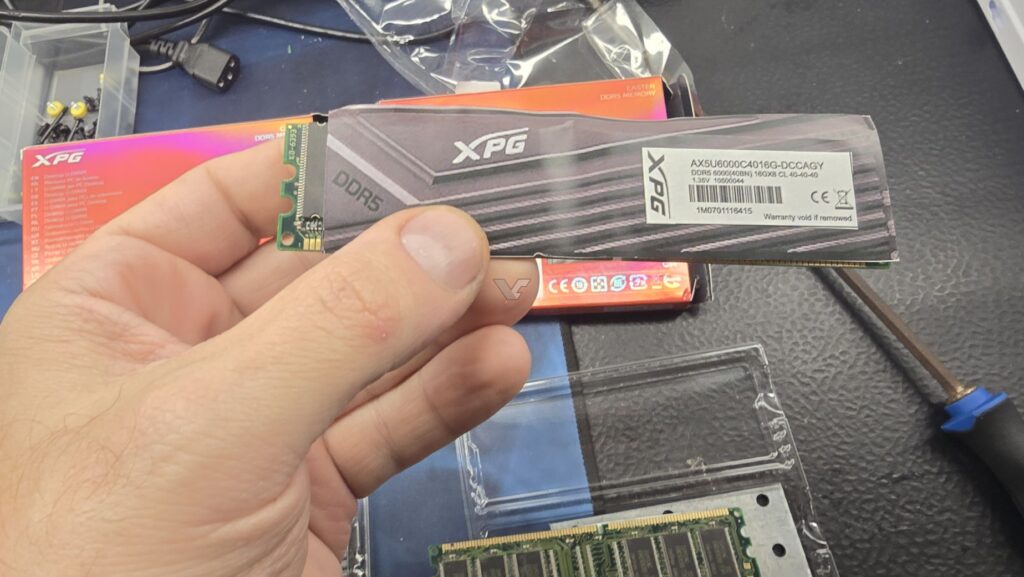
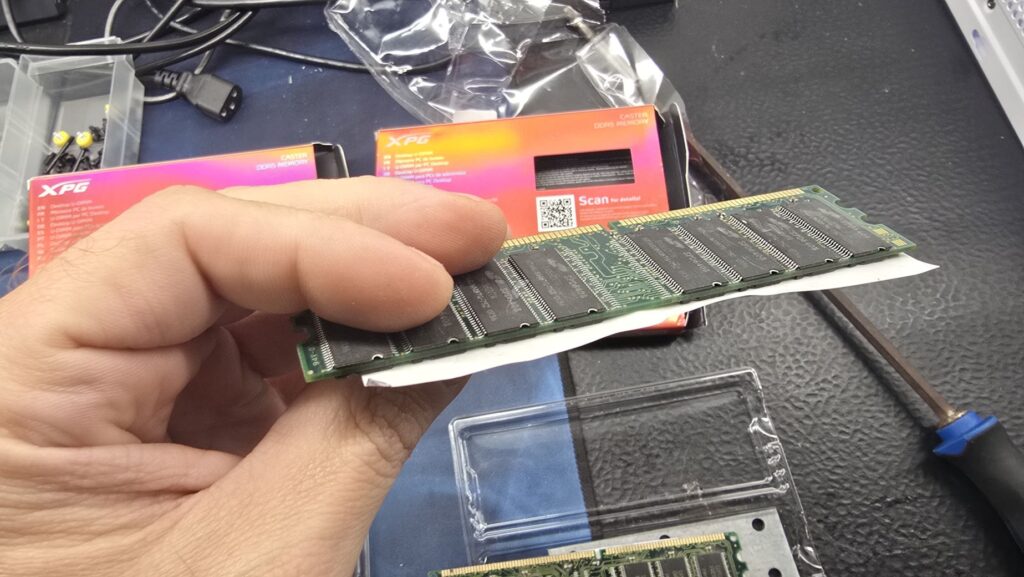
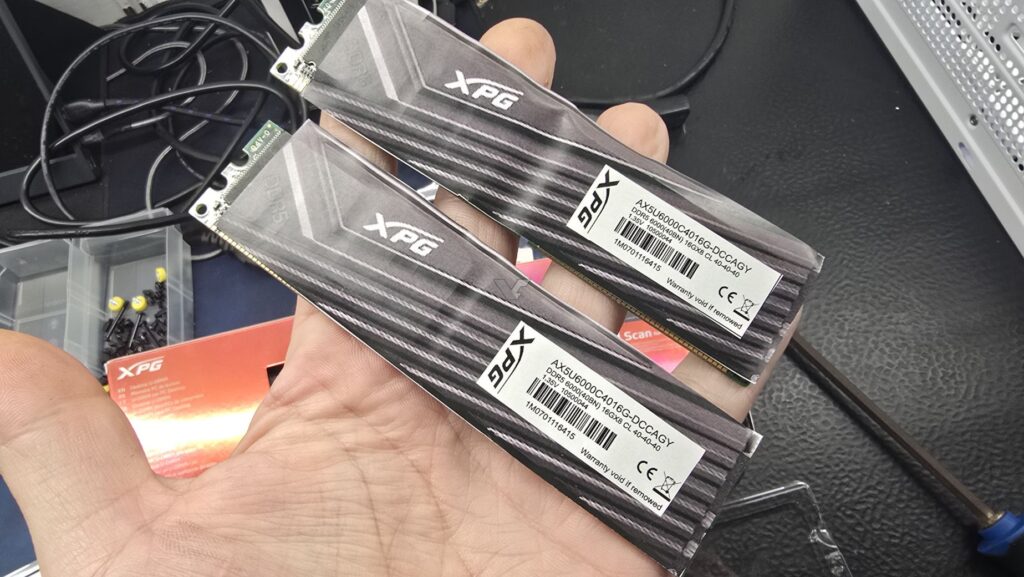
A sophisticated new scam targeting high-end computer hardware has emerged on Amazon, specifically focusing on expensive DDR5 memory kits. According to a report by VideoCardz, fraudsters are deceiving buyers by placing ancient DDR2 modules inside counterfeit packaging designed to look like brand-new, high-performance retail kits.

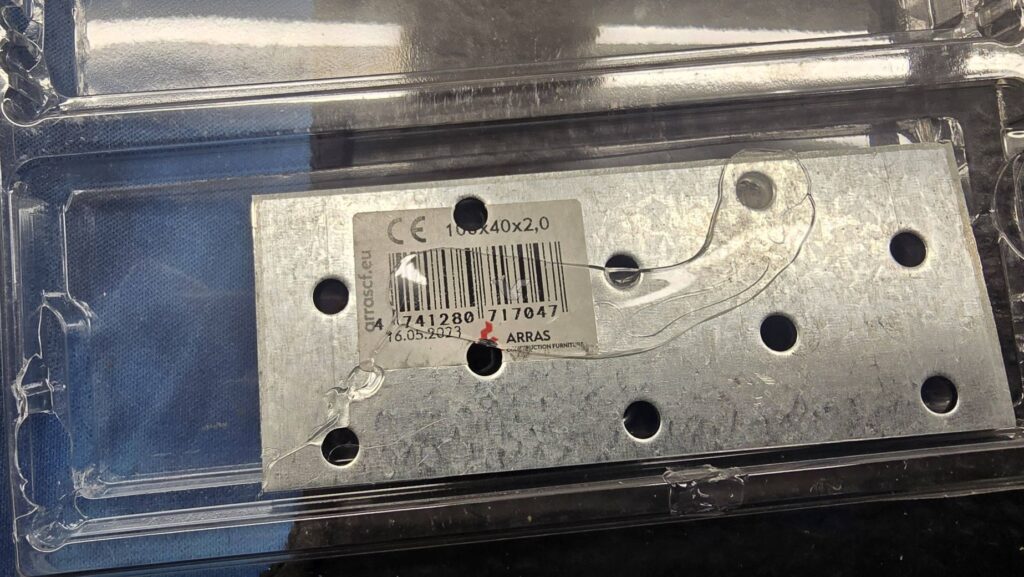
The issue came to light when a consumer identified as BravoNorris purchased four ADATA XPG Caster DDR5-6000 32GB kits from Amazon Spain. While the exterior packaging arrived in factory-sealed plastic wrap and appeared entirely legitimate, the contents inside the third kit were a different story. Upon opening the box, the buyer discovered old DDR or DDR2 memory sticks that had been glued to metal blocks to mimic the weight of modern modules. These fake units were finished with low-quality counterfeit stickers to further the deception.

Counterfeit RAM Scam

This seems to be a classic case of return fraud executed with high precision. In this scenario, a scammer purchases a genuine high-end RAM kit and carefully swaps the expensive DDR5 modules with worthless old hardware and weights. The package is then professionally resealed to look factory-new and returned to Amazon. Because the packaging appears untouched, the automated logistics systems often restock the item as new inventory without a technical inspection of the internal components.

Counterfeit RAM Scam

ADATA has responded to the incident by advising customers to buy memory products only from authorized retail partners instead of unknown third-party marketplace sellers. The company also pointed to its online verification portal and said it will step up consumer education around genuine packaging and security features to help curb counterfeit products.

The rise in hardware fraud is closely linked to the current economic climate in the tech industry. As AI-related demand consumes the global supply of DRAM and NAND flash memory, prices for DDR5 and SSDs have climbed significantly. This scarcity has made high-end memory a lucrative target for organized scammers, and the industry is now bracing for ripple effects that could impact the pricing and security of motherboards, GPUs, and upcoming gaming consoles.

To safeguard against these sophisticated scams, it is recommended to record a continuous, uncut video of the unboxing process. This footage serves as essential evidence if a refund dispute arises. Additionally, buyers should physically inspect the module notch, as DDR5 has a specific alignment that differs from older generations, and use manufacturer websites to verify that the serial numbers on the modules match the retail box.

For more daily updates, please visit our News Section.

Stay ahead in tech! Join our Telegram community and sign up for our daily newsletter of top stories! 💡

(Source)

The post Counterfeit RAM Scam Hits Amazon: Fake DDR5 Kits Sold in Sealed Packaging appeared first on Gizmochina.
OnePlus 15R launches with Snapdragon 8 Gen 5, 7400mAh battery, & 165Hz Display for Rs 47,999

OnePlus 15R

A month after releasing its flagship phone, OnePlus has finally dropped its value flagship. The OnePlus 15R has just made its global debut, packing high end specs and features at a more affordable price point. So here’s everything you need to know about its hardware, design, pricing, and launch offers.

OnePlus 15R
OnePlus 15R

OnePlus 15R: Design & Display

Starting with the OnePlus 13s, the Chinese brand has settled on a new signature design. While the flat rear and front aren’t new, the raised metallic camera module is the most recognizable aspect of the OnePlus 15 series. So at first glance, it looks like a cut down version of the flagship OnePlus 15. The Indian market is also getting an exclusive purple variant that uses fiberglass, but all variants get an IP66 + IP68 + IP69 + IP69K rating for water and dust resistance. It arrives with Corning’s Gorilla Glass 7i for protection.

The OnePlus 15R measures around 8.1mm thick and weighs about 213 grams. Moving to the front, you get a tall 6.83-inch AMOLED display with a 1.5K resolution, TÜV Rheinland Intelligent Eye Care 5.0 certification, 3840Hz PWM dimming, and DC dimming. You get a peak brightness of 1800 nits, although it can go as low as 2 nits (1 nit with Reduce White Point enabled). There is also up to 165Hz refresh rate on select apps, so the phone typically runs a 120Hz. For gaming fans, OnePlus offers a dedicated chip for a 3200Hz touch sampling rate.

Performance

Under the hood, the OnePlus 15R is equipped with Qualcomm’s latest Snapdragon 8 Gen 5 SoC, which offers performance similar to last year’s Snapdragon 8 Elite. The chip is coupled with 12GB LPDDR5X RAM and up to 512TB UFS 4.1 storage. A massive 7400mAh battery pack powers this device, which supports 80W wired fast charging.

Keeping these hefty specs cooled is a 360° Cryo-Velocity Cooling System that includes a 5,704mm² 3D vapor chamber and an aerospace grade aerogel insulation layer for improved heat dissipation. Other notable features include Bluetooth 6, Wi-Fi 7, NFC, stereo speakers, an in-display ultrasonic fingerprint scanner, an infrared sensor, and dual nano SIM support. Out of the box, the OnePlus 15R runs on the Android 16 OS based OxygenOS 16 custom skin.

Camera

For photography, this budget flagship packs the 50MP Sony IMX906 main camera that supports OIS (Optical Image Stabilization), which is the same 1/1.56-inch sensor that is also found on the flagship OnePlus 15. This is paired with an 8MP ultra wide angle lens and a 32MP selfie camera on the front with autofocus. The brand’s DetailMax Engine imaging tech returns on this model, and there is even support for 4K120fps video recording.

Pricing, Availability, & Launch Offers

The OnePlus 15R just debuted in the Indian market in three color options, namely Charcoal Black, Mint Breeze, and Electric Violet. It is also selling in two storage configurations, so here are the pricing details:

  • 12GB + 256GB – Rs 47,999
  • 12GB + 512GB – Rs 52,999

This model is available for purchase from the brand’s official website, OnePlus Store app, Amazon India, offline retail stores, and OnePlus’ Experience Stores as well. First sales are set to kick off on 22nd December 2025, with pre-orders already live. Notably, customers who pre-order get the OnePlus Nord Buds 3 TWS for free. As a part of the introductory launch offer, the OnePlus 15T can be purchased with an instant bank discount of up to Rs 3,000. OnePlus is giving 180 day phone replacement plan as well as a Lifetime Display Warranty for OnePlus 15R owners.

For more daily updates, please visit our News Section.

Don’t miss a thing! Join our Telegram community for instant updates and grab our free daily newsletter for the best tech stories!

The post OnePlus 15R launches with Snapdragon 8 Gen 5, 7400mAh battery, & 165Hz Display for Rs 47,999 appeared first on Gizmochina.
Are Value Flagships Worth It? Here’s What You Sacrifice

Samsung Galaxy S25 FE

Value flagships are all the rage in 2025, becoming the tech industry’s new buzzwords. For a relatively affordable price tag, you can get flagship level performance, powerful camera systems, and a premium design. Sounding too good to be true? It probably is since there is always a slight catch (or two). On paper, these devices seem like “no brainer” buys, but there are always compromises to consider. So in this article, we unpack where brands trim costs and what it means for you as a buyer.

Flagship Performance on a Budget*

At the heart of most value flagships is a powerful SoC, which is often a recent Snapdragon or Dimensity flagship chip. This is coupled with plenty of RAM and storage as well. So you get impressive benchmark scores, smoother everyday performance, and a great gaming experience. But there are a few ways brands can cut corners in this regard.

OnePlus 15R
OnePlus 15R

One of the most common aspects is choosing an older generation flagship chip. An example is the Snapdragon 8 Elite/8 Gen 5 powered devices that are coming out now. While these are still quite powerful, the Snapdragon 8 Elite Gen 5 stands out as the most powerful Android chipset. Similarly, we have the Dimensity 9500 SoC, which is basically just as powerful.

Another area that can impact performance is the thermal dissipation system. A top tier smartphone brings advanced cooling solutions like vapor chambers, heat pipes, and graphite layers. You might find these on gaming or performance focused value flagships, but other models could skip or simplify such a feature entirely. This can lead to thermal throttling, which leads to an inconsistent experience during sustained performance.

Where Display Quality Gets Trimmed

Another common corner cut in value flagships is the display. Premium devices typically use high-end AMOLED panels with top-tier brightness, colour accuracy, and adaptive refresh technologies. To keep costs down, value flagships might employ panels with lower peak brightness, less refined calibration, lower resolution, and a few other downgrades.

Samsung Galaxy S25 FE

In-display fingerprint scanners are quite common for smartphones, but there are different types here as well. An ultrasonic sensor is typically reserved for flagship phones, while anything below these carries an optical scanner. LTPO is another display tech that enables variable refresh rates. This helps conserve battery life without compromising on display smoothness. Fortunately, more and more smartphones are beginning to shift to the more advanced fingerprint scanning tech, but only Chinese brands are leading this shift.

Camera Trade-Offs

Poco F7
Poco-F7

Cameras are one of the biggest battlegrounds for mid-range smartphones. Many value flagships boast high megapixel counts and multi-lens arrays that sound flagship-level on spec sheets. However, delivering truly flagship-class imaging is about more than megapixels. A true premium phone offers larger sensor sizes, better image processing, and software optimizations. Some models even offer special tuning from major camera brands like Hasselblad.

Durability & Wireless Charging

Brands trying to make value flagships cheaper often take out certain features related to charging or use materials weaker materials for the build quality. Wireless charging is one of the first aspects that don’t make the cut. Similarly, Corning Gorilla Glass is often used for a more robust build quality. The Gorilla Glass Victus 2 is a high end glass solution that is better against scratches and shattering. But more affordable models get the weaker and cheaper Gorilla Glass 7i that is often found on mid range phones.

For more daily updates, please visit our News Section.

Tech enthusiast? Get the latest news first! Follow our Telegram channel and subscribe to our free newsletter for your daily tech fix! ⚡

The post Are Value Flagships Worth It? Here’s What You Sacrifice appeared first on Gizmochina.

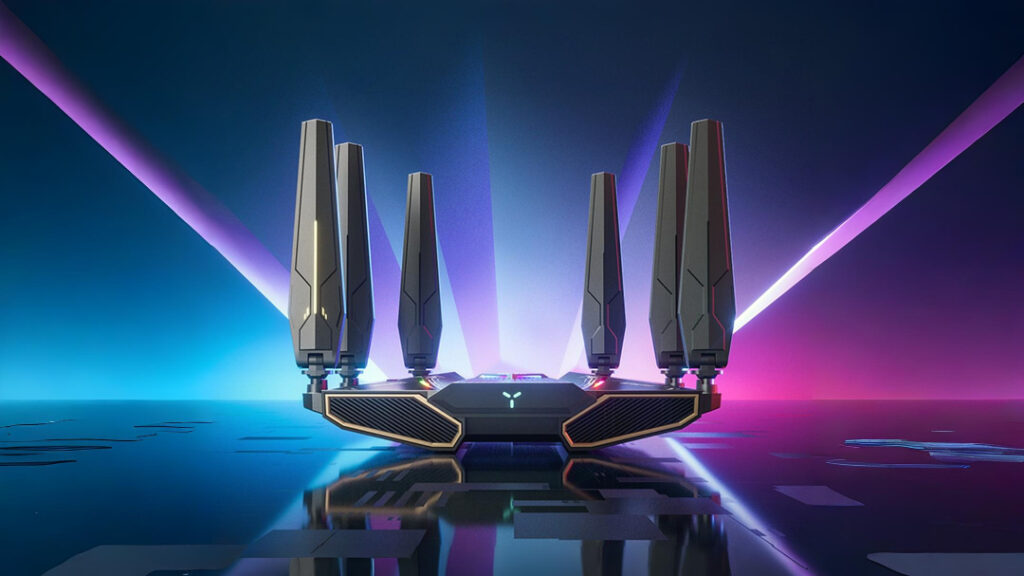
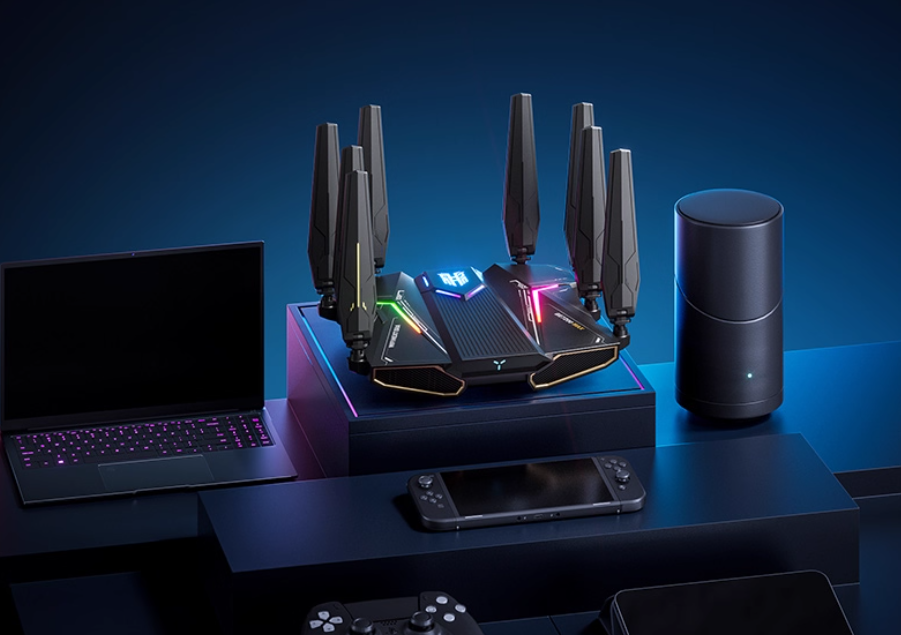
ZTE launches WenTian BE7200 Max octopus router with Wi-Fi 7 & RGB lighting

ZTE WenTian BE7200 Max Wi-Fi 7 router

ZTE has announced a new high-performance router under its WenTian series, the BE7200 Max, priced at 773 yuan during its initial sale period. The device will go on sale on December 25 through ZTE’s official Tmall store. The listed retail price is 879 yuan ($124).

ZTE WenTian BE7200 Max Wi-Fi 7 router

ZTE WenTian BE7200 Max Specs

The WenTian BE7200 Max is designed as a fully loaded Wi-Fi 7 router aimed at home users and gamers. It supports dual-band connectivity with a combined maximum wireless speed of up to 7200 Mbps. ZTE uses its self-developed Wi-Fi 7 main chipset alongside an 8-core, 64-thread acceleration engine to ensure stable performance under high traffic loads.

The router features eight external antennas and supports eight spatial streams, each backed by an independent high-power amplifier. ZTE has integrated its high-gain signal enhancement technology to improve signal stability across larger households and through walls.

The device includes four 2.5GbE Ethernet ports for wired connections and one 10GbE SFP+ port. This allows direct access to 10G optical modems or high-speed NAS setups. It supports dual-WAN and dual-dial configurations for improved load balancing and network redundancy.

ZTE WenTian BE7200 Max Wi-Fi 7 router

ZTE equips the router with 1GB of RAM, enabling support for up to 512 connected devices at the same time. The router also includes a USB 3.0 port that supports light NAS functions, allowing users to connect external storage for private file sharing across smartphones, PCs, and smart TVs via SMB or FTP.

The router includes customizable RGB lighting that adjusts based on network activity, acceleration modes, and system events. ZTE supports up to 250 days of free access to partnered game acceleration platforms. The Smart Life app provides users with real-time latency tracking, interference analysis, mesh networking, and advanced parental controls. The app also supports AI-assisted Wi-Fi placement simulation to help optimize router positioning.

The BE7200 Max features a futuristic design with a passive cooling system. ZTE claims the internal heatsink has a heat dissipation area of 86,904 mm².

In related news, Asus has recently launched the RT BE58 Go Wi-Fi 7 travel router with built-in power bank support, while Ubiquiti has introduced the Dream Router 5G Max featuring Wi-Fi 7, a 10G SFP+ port, and full UniFi OS support.

For more daily updates, please visit our News Section.

Stay ahead in tech! Join our Telegram community and sign up for our daily newsletter of top stories! 💡

The post ZTE launches WenTian BE7200 Max octopus router with Wi-Fi 7 & RGB lighting appeared first on Gizmochina.

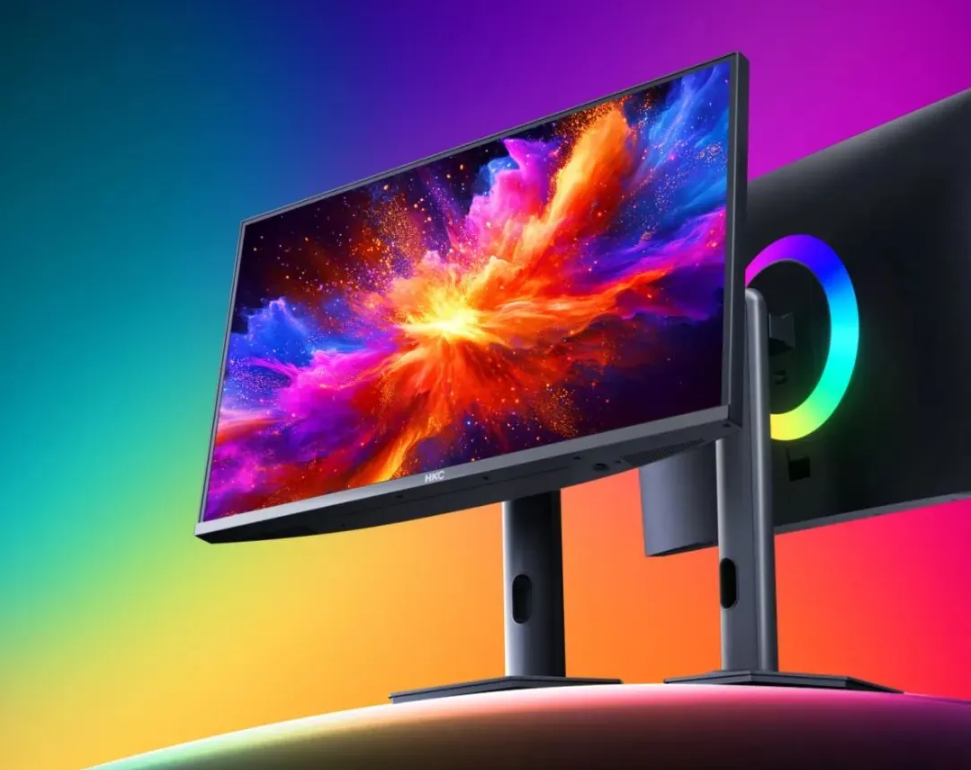
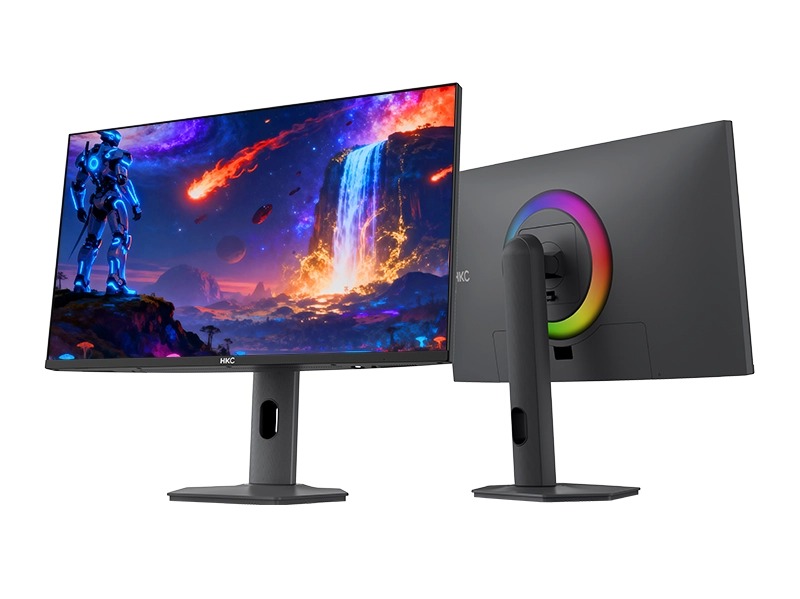
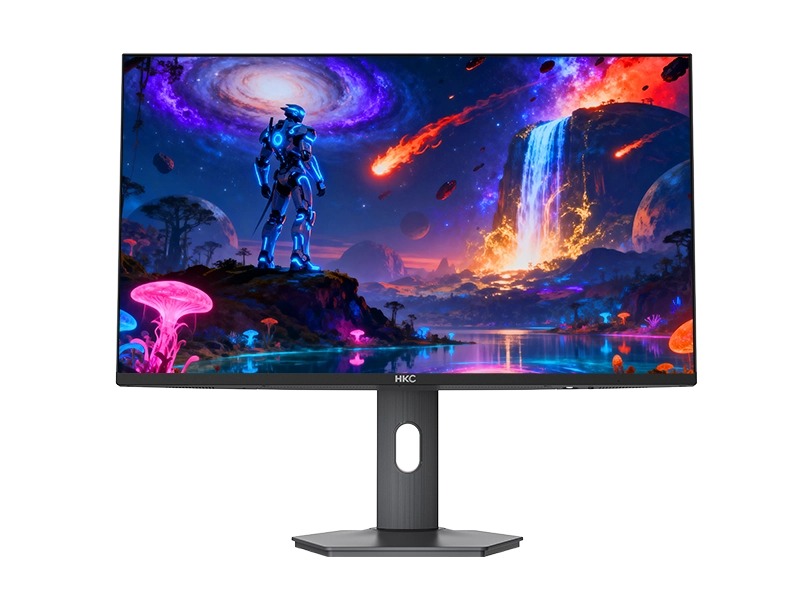
HKC M10 Ultra Introduces RGB Mini LED With 4,788 Dimming Zones and 1,600 Nits Brightness

HKC M10 Ultra

HKC has announced the M10 Ultra, which it calls the world’s first RGB Mini LED monitor. The launch marks a shift from single light control to combined light and color control, with HKC positioning the panel as a step beyond conventional Mini LED and closer to OLED-level performance without OLED’s drawbacks.

HKC M10 Ultra

Traditional Mini LED monitors rely on white or blue LEDs paired with color filters. This approach wastes light energy and introduces color interference, especially in high contrast scenes. RGB Mini LED changes the structure at the backlight level. Red, green, and blue Mini LED chips are integrated directly into the backlight module. When the screen displays red, only the red LEDs are activated. No color filters are required, which reduces light loss and improves color purity.

HKC M10 Ultra

According to HKC, the M10 Ultra uses 4,788 independently controlled dimming zones. Combined with separate control algorithms for red, green, and blue light, the panel forms a micro level light and color control matrix. This design significantly reduces halo effects that often appear on traditional Mini LED displays and allows the LCD panel to deliver deeper blacks closer to OLED. The attached comparison image highlights this difference, showing cleaner blacks and higher color performance than both standard Mini LED and OLED, while avoiding OLED burn in risk.

HKC M10 Ultra
HKC M10 Ultra

Color performance is a key focus. HKC claims 100 percent coverage of sRGB, DCI P3, Adobe RGB, and BT.2020. This exceeds typical Mini LED panels and matches professional grade display standards. The image data notes that RGB Mini LED can exceed 98 percent BT.2020 coverage, compared to around 85 percent for traditional Mini LED and about 90 percent for OLED.

Brightness and efficiency also improve. The M10 Ultra reaches 1,600 nits peak brightness and sustains 1,000 nits full screen. RGB Mini LED systems have shown over 20 percent lower power use compared with QD OLED and standard Mini LED solutions. The monitor uses a low reflection dark coating to reduce glare and prevent washed out images.

The panel measures 31.4 inches and supports 4K at 165Hz and 1080p at 330Hz with dual mode switching. It supports DIC 2.0 and FreeSync simultaneously. For creators, it offers 3D LUT calibration, Delta E below 1 across all color modes, and HDR PQ and HLG curves. Connectivity includes dual HDMI 2.1, full bandwidth DisplayPort 2.1, and a 98W Type C port, paired with an adjustable ergonomic stand.

For more daily updates, please visit our News Section.

Tech enthusiast? Get the latest news first! Follow our Telegram channel and subscribe to our free newsletter for your daily tech fix!

(Source)

The post HKC M10 Ultra Introduces RGB Mini LED With 4,788 Dimming Zones and 1,600 Nits Brightness appeared first on Gizmochina.

WiFi 7 or WiFi 6E: Does Your Home Really Need the Upgrade?

As 2026 gets closer, home internet use is evolving quickly. Homes now stream more high-resolution content, depend on cloud services for work and gaming, and connect many devices at once. Wi-Fi 6E improved performance by opening the 6 GHz band, but Wi-Fi 7 is already appearing in new routers and devices. With faster internet plans and growing network congestion, the real question is whether users should upgrade now or if Wi-Fi 6E will still be sufficient for the next few years.

HUAWEI WiFi Mesh X3 Pro (Wi-Fi 7)

What Wi-Fi 7 Brings Over Wi-Fi 6E

Wi-Fi 7 brings several upgrades that help increase capacity and reducing congestion. It supports channel widths of up to 320 MHz, doubling what Wi-Fi 6E offers. Wider channels allow more data to move simultaneously, improving performance when multiple devices are active. Wi-Fi 7 also increases modulation efficiency, allowing each signal to carry more data, which boosts overall throughput.

Multi-Link Operation and Lower Latency

One of the most practical improvements in Wi-Fi 7 is Multi-Link Operation. This feature lets compatible devices use multiple frequency bands at the same time instead of relying on a single connection. The result is lower latency, faster response times, and more stable connections, especially in homes with heavy network traffic. For gaming and real-time communication, this leads to fewer lag spikes and connection drops.

Real-World Benefits for Streaming and Gaming

For basic use, Wi-Fi 6E already handles 4K streaming and video calls reliably. Wi-Fi 7 becomes more noticeable in homes with several users streaming high-quality content at once or downloading large files. Online gaming benefits from reduced latency, while cloud gaming and high-frame-rate streaming see smoother performance when network traffic increases.

Smart Homes and Multiple Connected Devices

Modern homes often include dozens of connected devices, from cameras and speakers to appliances and sensors. Wi-Fi 7 improves how networks handle many active connections at once, reducing slowdowns caused by congestion. This makes it better suited for large smart homes or households planning to add more connected devices over time.

Cost, Compatibility, and Upgrade Timing

Wi-Fi 7 routers still cost more than comparable Wi-Fi 6E models, and support across devices is not yet widespread. While these routers work with older phones, laptops, and tablets, you only get the full performance gains when paired with Wi-Fi 7-enabled devices.

At the entry level, Wi-Fi 7 routers start at about $100 to $120. Models such as the TP-Link Archer BE3600 offer advertised speeds of up to 3.6 Gbps. For larger homes or office setups, mesh systems like the TP-Link Deco BE25 three-pack are priced from around $180.

Higher-end Wi-Fi 7 routers with faster throughput, such as up to 6.5 Gbps, and added features like 10GbE ports, are typically priced between $180 and $400 or more.

Who Should Upgrade and Who Should Not

Should upgrade now:

  • Households on multi-gigabit internet plans that want to use that speed over Wi-Fi.
  • Large homes with many simultaneous users who stream, game, or work from home.
  • Users who move large files over the local network often, such as content creators editing video.
  • Early adopters who want the longest practical future proofing and who do not mind paying a premium.

Should not upgrade now:

  • Users with sub-gigabit internet or a single household user who streams and browses.
  • People on a tight budget who can get all needed performance from a good Wi-Fi 6E router.
  • Homes where most client devices do not yet support Wi-Fi 7 and will not for some time.

Conclusion

Wi-Fi 7 brings real technical gains that matter most under heavy load and for future high-bandwidth uses. For many households, Wi-Fi 6E still delivers excellent performance today. If you have fast internet, many users, or plan to keep your router for several years, Wi-Fi 7 is a sensible upgrade. If your needs are modest, you can wait and buy a cheaper Wi-Fi 7 system later when prices and device support improve.

The post WiFi 7 or WiFi 6E: Does Your Home Really Need the Upgrade? appeared first on Gizmochina.

Here’s the latest devices getting HyperOS 3 update in India: Xiaomi 14, POCO F7, POCO M7 Pro, & More

Xiaomi just announced that the HyperOS 3 update for the Xiaomi 15 and Xiaomi 15 Ultra in India earlier this month. And just yesterday, we even got the update arriving for the Redmi Note 14 5G in the region. Now, a company executive has confirmed that the next set of devices will get this major software upgrade.

HyperOS 3 arrives on Xiaomi 14, Redmi 13, POCO F7, POCO M7 Pro, & more in India

According to Sandeep Sarma, Associate Director of Marketing and PR at Xiaomi India, the Chinese tech giant is bringing the HyperOS 3 upgrade to a fresh batch of new devices. The new Android 16 OS based custom skin is rolling out on multiple models, so check if your device is eligible for this update:

  • Xiaomi 14
  • Xiaomi Pad 7
  • Redmi Note 14 5G
  • Redmi 13
  • POCO F7
  • POCO M7 Pro 5G
Xiaomi 14 series
Xiaomi 14

We already knew that the Redmi Note 14 5G was receiving this update, but now we finally have official confirmation of the update coming to the high end tablet, along with Redmi and POCO branded smartphones. The HyperOS 3 update brings smoother and more stable performance, along with a refined user interface. There are a bunch of changes to Xiaomi’s Android 16 skin and smoother animations across the board.

One of the biggest new additions to Xiaomi’s HyperOS 3 is the HyperIsland feature that is inspired by Apple’s Dynamic Island. It functions as a pill shaped feature on the top that shows all live activities like music, calls, timers, navigation, and more. In related news, Xiaomi is getting ready to celebrate Christmas with a new watermark in China.

For more daily updates, please visit our News Section.

Don’t miss a thing! Join our Telegram community for instant updates and grab our free daily newsletter for the best tech stories!

The post Here’s the latest devices getting HyperOS 3 update in India: Xiaomi 14, POCO F7, POCO M7 Pro, & More appeared first on Gizmochina.

NexDock’s latest lapdock is a full-fledged laptop without a processor

Ever wanted to pair your smartphone’s processing power with a larger screen for a more PC-like multitasking setup? Most recent flagship phones are powerful enough for this, and some — like Samsung‘s Galaxy flagships and Google‘s newer Pixel flagships — even include dedicated desktop-style software.

You still need the basics, though: a keyboard, trackpad, ports, speakers, and a battery. That’s where NexDock comes in. The company has been working on lapdocks for nearly a decade, and its latest model, the NexDock 6, is now officially in stock and shipping worldwide. According to the brand, it is designed to work with both smartphones and gaming handhelds.

A much-improved display and trackpad

The biggest upgrade comes in the display. The NexDock 6 features a 14-inch WUXGA (1920 × 1200) touchscreen with a 16:10 aspect ratio. It’s rated for up to 400 nits of brightness, covers 100% of the sRGB color space, and includes a low blue light coating.

The trackpad has also been reworked from the ground up, addressing one of the weaker points of earlier models. According to the company, the new trackpad offers improved responsiveness, better palm rejection, and more reliable multi-finger gesture support across Android desktop modes, Windows, Linux, and SteamOS.

Audio has seen a modest upgrade as well, with dual 2W bottom-firing speakers. Battery capacity is rated at 38Wh, with NexDock claiming around six to seven hours of “real-world use” at medium brightness. The USB-C video port can charge a connected device at up to 5V/2A, up from 5V/1A on the previous generation, meaning your phone can actually gain charge while you’re using it.

The NexDock 6 is priced at $229, with shipping, taxes, and duties included for supported regions. Orders ship from Hong Kong to more than 30 countries, including the US, much of Europe, Asia, and Oceania. NexDock says local US inventory is expected to arrive in early 2026.

Don’t miss a thing! Join our Telegram community for instant updates and grab our free daily newsletter for the best tech stories!

For more daily updates, please visit our News Section.

The post NexDock’s latest lapdock is a full-fledged laptop without a processor appeared first on Gizmochina.
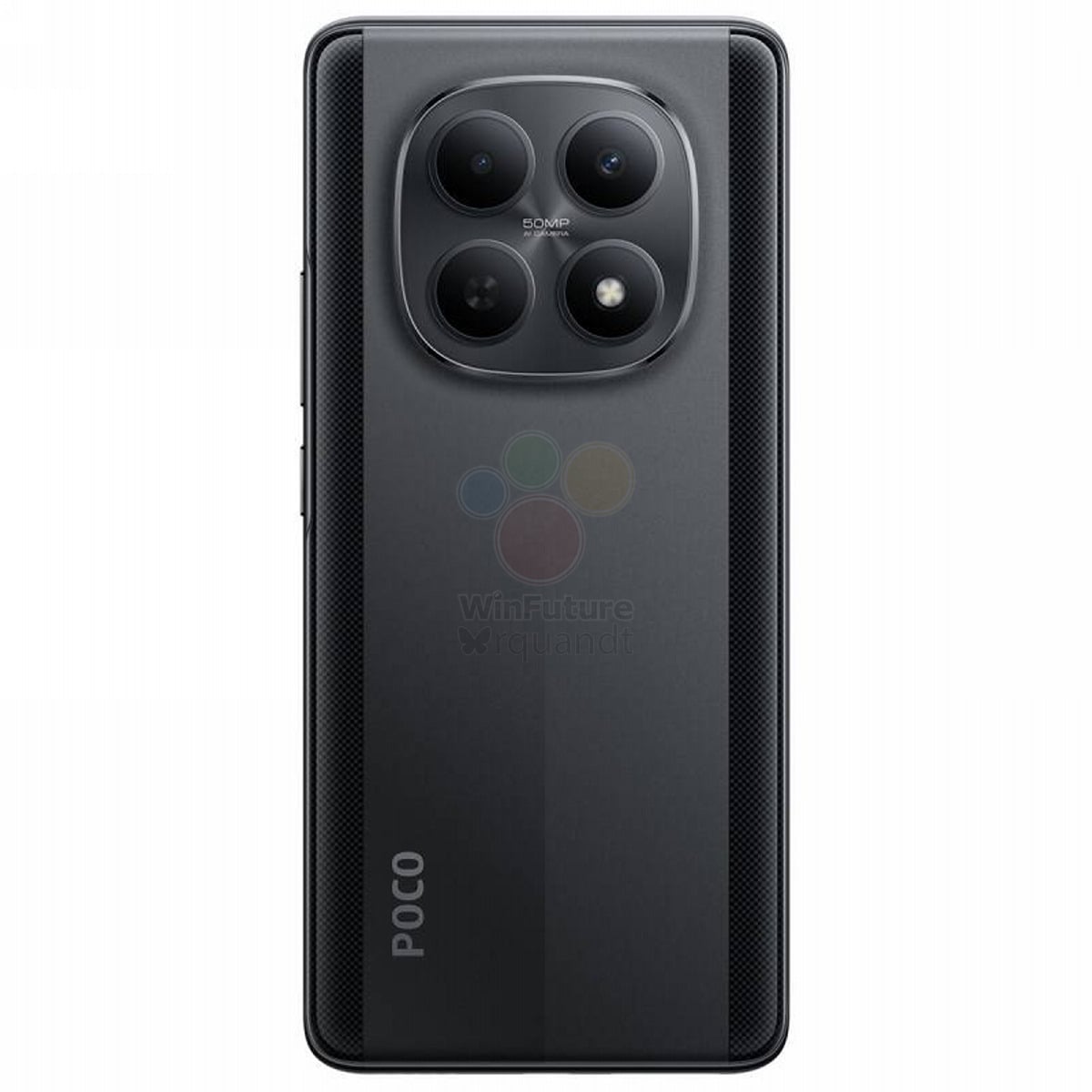
Sennheiser Adds Sakura Pink Option to ACCENTUM Open Open-Ear Earbuds

Sennheiser ACCENTUM Open Wireless Earbuds

Sennheiser has launched a new Sakura Pink color option for its ACCENTUM Open true wireless earbuds in India. The new variant sits alongside the Black and Cream models and keeps the same design, features, and pricing. This update only adds a new color and does not change the hardware or software.
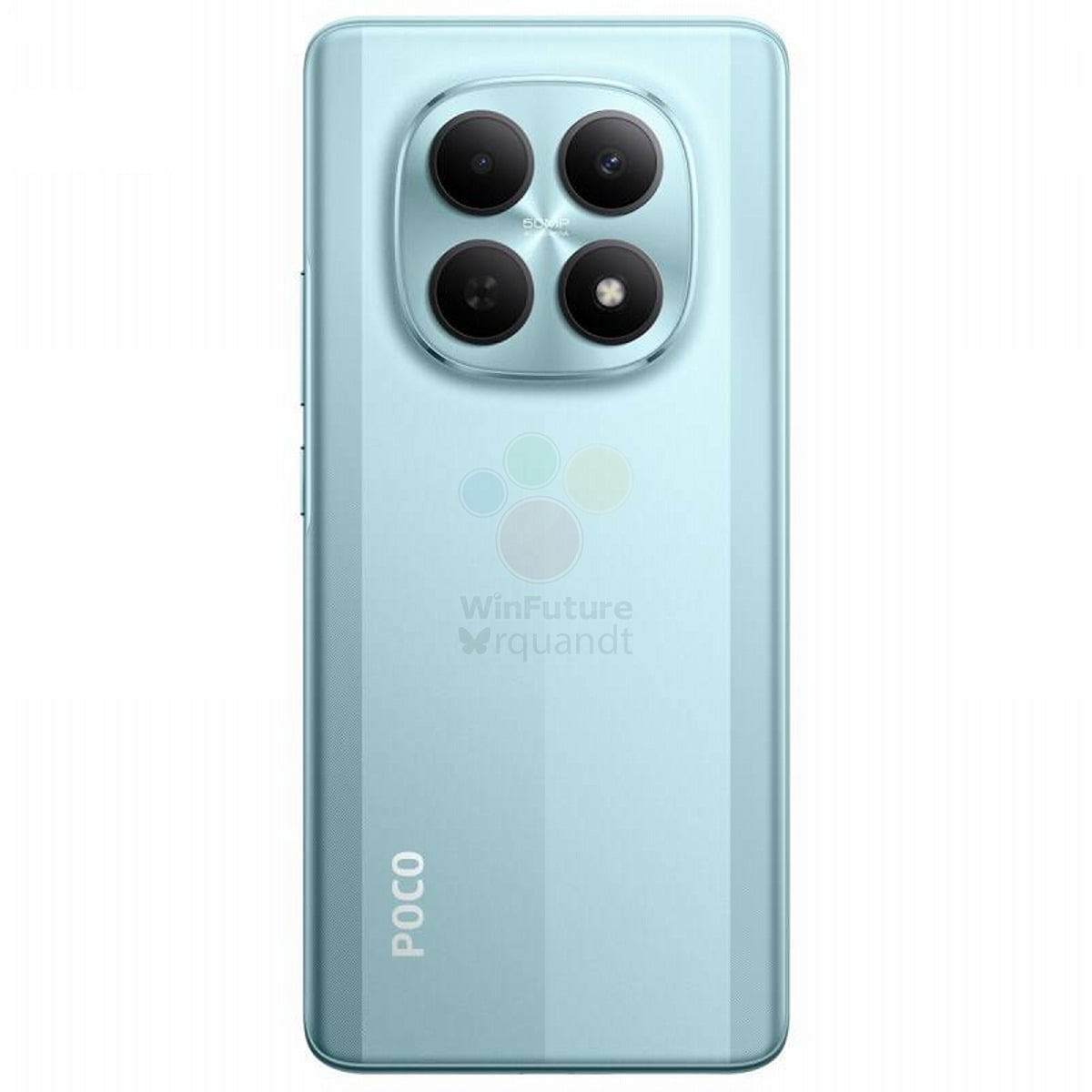
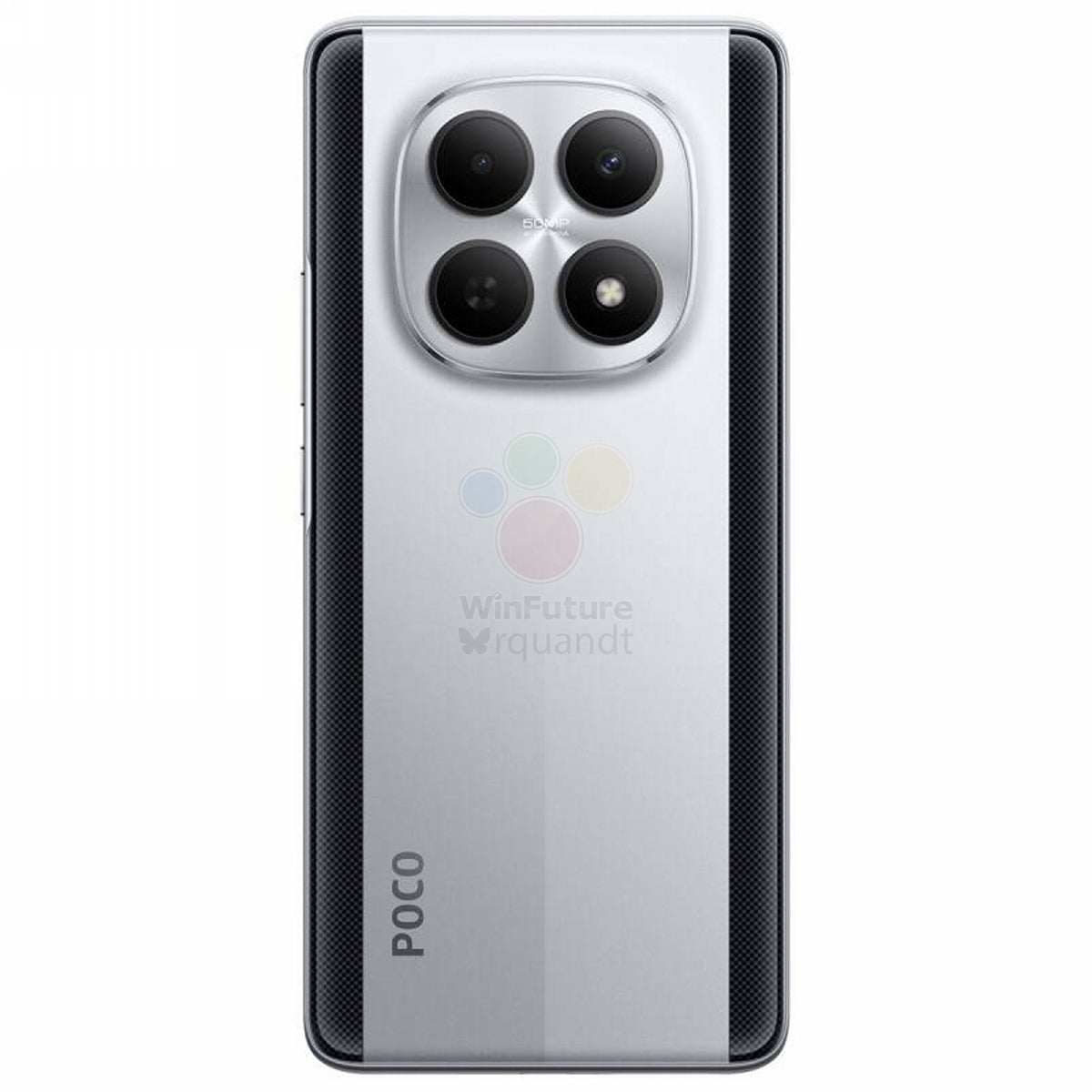
Sennheiser ACCENTUM Open Wireless Earbuds

The ACCENTUM Open uses an open ear design that sits outside the ear canal. This allows users to hear their surroundings while listening to music or taking calls. Each earbud weighs 4.35 grams and uses a custom 11mm dynamic driver. The earbuds support a frequency range of 25 Hz to 15 kHz and offer a sensitivity of 109 dB SPL.

Sennheiser ACCENTUM Open Wireless Earbuds

The earbuds connect using Bluetooth 5.3 with Class 1 support and offer multipoint connectivity for pairing with two devices at the same time. Supported Bluetooth profiles include A2DP, AVRCP, and HFP. Audio is handled through SBC and AAC codecs. Touch controls are built into each earbud and allow users to control music playback, calls, and volume.

For calls, the ACCENTUM Open is equipped with dual MEMS microphones on each earbud. These microphones use beamforming noise reduction to improve voice clarity. The earbuds carry an IPX4 rating, which provides protection against sweat and light splashes. The charging case does not have a water resistance rating.

Battery life remains unchanged across all color options. The earbuds deliver up to six hours of playback on a single charge. With the charging case, total battery life goes up to 24 hours. A full charge takes about one hour. A 10 minute quick charge adds up to one hour of playback. Each earbud has a 36mAh battery, while the charging case includes a 400mAh battery.

The charging case and earbuds together weigh 38 grams. The charging case measures 51.77 x 50.18 x 25.36 mm. Sennheiser offers a one year warranty with the ACCENTUM Open.

Pricing & availability

The Sakura Pink ACCENTUM Open is priced at Rs. 9,990 (~$111) and is available in India through Sennheiser’s official website and Amazon.in.

For more daily updates, please visit our News Section.

Tech enthusiast? Get the latest news first! Follow our Telegram channel and subscribe to our free newsletter for your daily tech fix!

The post Sennheiser Adds Sakura Pink Option to ACCENTUM Open Open-Ear Earbuds appeared first on Gizmochina.
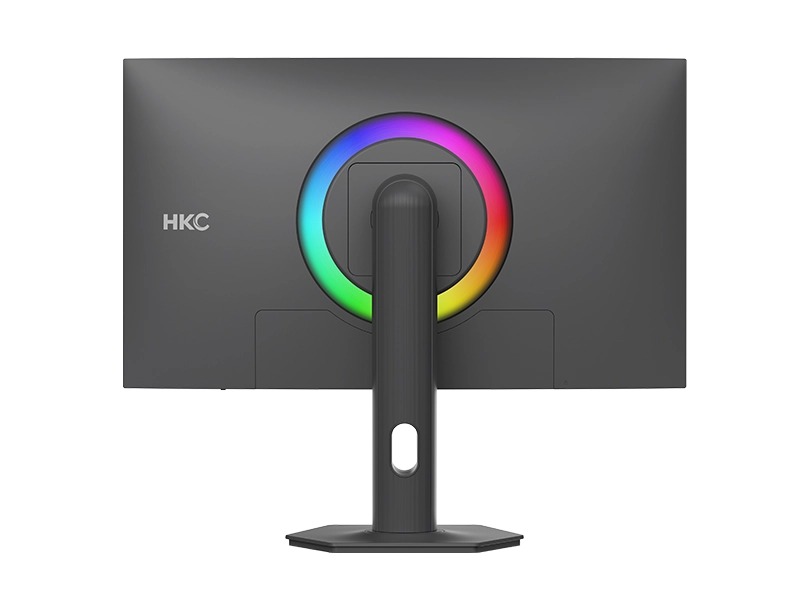
Dyson launches Airwrap Origin for hair styling and quick drying

Dyson Airwrap Origin

Dyson has officially launched the Airwrap Origin in the Indian market. This small tech product is a one stop solution for those looking for quick hair drying, hair styling, and more. So here’s everything you need to know about its features, pricing, and other key details.

Dyson Airwrap Origin Specs and Features

The brand just announced the Airwrap Origin with three attachments that bring access to different functions. You get a 40mm Barrel, Fast Dryer, and Anti Snag Loop Brush, which allow for quick hair drying, curling, smoothening, and shaping your hair, respectively. The new Airwrap Origin is powered by Dyson’s Digital Motor V9 that spins up to 110,000rpm. This generates Coanda airflow for better hair styling.

Dyson Airwrap Origin

To prevent any hair damage caused by heat, it measures air temperature over 40 times per second that keeps the temperature below 150°C. There are three airflow speeds to pick from, along with three temperature levels, and even a Cold Shot function to set styles. The Fast Dryer attachment provides fast hair drying, while the 40mm Barrel allows you to create curls and use the cool mode. Lastly, the Anti Snag Loop Brush helps smoothen your hair and reduce snagging.

Dyson just announced the Airwrap Origin in India in the Nickel/Copper color scheme. It is currently listed for purchase for Rs 39,900. You can buy this product via Amazon India, the brand’s official website, and even physical Dyson stores. This release also arrives shortly after the brand launched the HP2 De-NOx and HP1 air purifiers in India with integrated heating and cooling, and the company has also introduced the Purifier Cool PC1 with 99.95% air filtration.

For more daily updates, please visit our News Section.

Tech enthusiast? Get the latest news first! Follow our Telegram channel and subscribe to our free newsletter for your daily tech fix! ⚡

The post Dyson launches Airwrap Origin for hair styling and quick drying appeared first on Gizmochina.

Motorola Signature (Edge 70 Ultra) Leaks With an Elegant New Look

Motorola Signature (Edge 70 Ultra) in Martini Olive

Motorola’s next premium flagship smartphone just had its full design revealed. While recent rumors had pointed to the company rebranding the Edge 70 Ultra to the Motorola Signature, a new leak has finally offered us a proper look at this upcoming device. So let’s check it out.

Motorola Signature/Edge 70 Ultra Full Design Leaked

Motorola Signature Edge 70 Ultra in Carbon
Motorola Signature (Edge 70 Ultra) in Carbon

The latest leak arrives from known tipster Evan Blass, who shared official press renders of the Motorola Signature on X (formerly Twitter). To recall, Motorola Signature carries the internal codename “Urus” and is set to bring high end specs and features. Looking at the pictures in the tweet, this flagship phone will arrive in at least two color options, namely Carbon and Martini Olive. Just like the base Edge 70, the Motorola Signature also features metal camera module.

That’s not all, the leaked renders also appear to feature a textured rare panel. This is in line with another recent design leak that we previously covered. The textured panel might have a matte finish or vegan leather, which the brand has used quite often for its various smartphone models. Based on what we know so far, the Motorola Edge 70 Ultra/Signature is expected to sport a tall 6.7-inch flat OLED with a 1.5K resolution and a 120Hz refresh rate.

Motorola Signature (Edge 70 Ultra) in Martini Olive

Under the hood, it might be equipped with the new Snapdragon 8 Gen 5 SoC. The rear could pack a 50P triple camera setup that includes a main, ultra wide, and a periscope telephoto shooter. Other notable features likely include up to 16GB of RAM, Android 16 OS out of the box, and an IP rating for water and dust resistance.

For more daily updates, please visit our News Section.

Don’t miss a thing! Join our Telegram community for instant updates and grab our free daily newsletter for the best tech stories!

The post Motorola Signature (Edge 70 Ultra) Leaks With an Elegant New Look appeared first on Gizmochina.
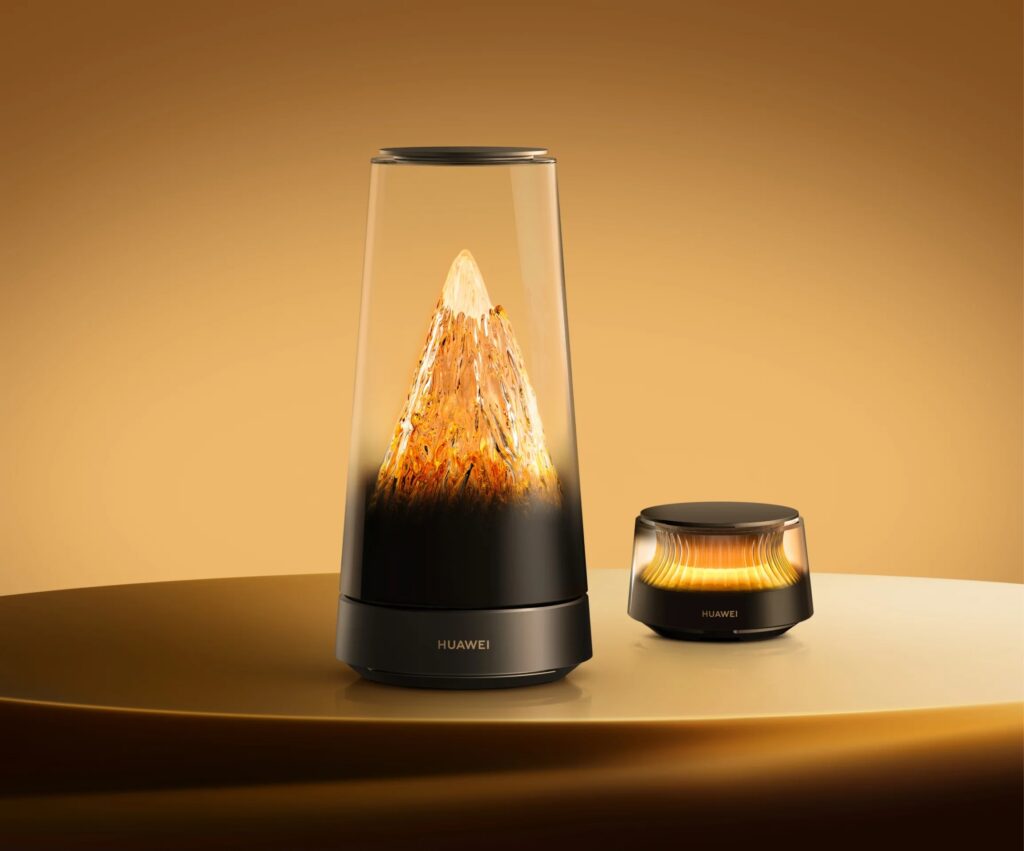
Portronics launches new Iron Beats 5 Prime party speakers with a karaoke mic & RGB lights

Portronics Iron Beats 5 Prime 250W wireless party speakers

Portronics has just released a brand new wireless speaker to bring energy to your next party. The Iron Beats 5 Prime 250W wireless party speakers dropped in India with large, powerful audio drivers, RGB lighting, and karaoke functions right from the get-go. So here’s everything you need to know.

Portronics Iron Beats 5 Prime 250W Specifications

The brand released the new party speakers to meet the various needs of the modern customer. It was designed for parties at your home, outdoor events, and other kinds of big gatherings. The Iron Beats 5 Prime deliver a powerful audio output of 250W through its dual 8 inch subwoofers that support the brand’s bass boost technology. But that’s not all, as Portronics also brings a visual experience thanks to RGB LED lighting strips.

Portronics Iron Beats 5 Prime 250W wireless party speakers

The brand shaped these RGB strips in the shape of a smiley, which brings dynamic lighting to your parties. Taking your parties to the next level, you also get a UHF karaoke microphone and Echo Control for a fun and clear karaoke experience with your friends and family. A sizeable 8,000mAh battery capacity powers these wireless party speaker, which promises up to 6 hours of audio playback. These speakers connect via Bluetooth 5.3, but also support physical connections via USB, Aux-in, and more.

Another notable aspect of this audio product is its portable design that includes a handle and wheel that allow you to drag it along. Portronics has announced the Iron Beats 5 Prime in the Indian market in a lone Black color option. The wireless party speakers are available for an introductory price of just Rs 13,999. You can purchase this model via the brand’s official website, Amazon India, an offline retail stores.

For more daily updates, please visit our News Section.

Tech enthusiast? Get the latest news first! Follow our Telegram channel and subscribe to our free newsletter for your daily tech fix! ⚡

The post Portronics launches new Iron Beats 5 Prime party speakers with a karaoke mic & RGB lights appeared first on Gizmochina.

Do We Still Need Dedicated Gaming Phones in 2026?

Red Magic 11 Pro

The year 2025 marked a decisive turning point for mobile gaming. Rapid advances in silicon technology, led by Qualcomm’s Snapdragon 8 Elite Gen 5 and Apple’s A19 Pro, fundamentally changed what mainstream smartphones can deliver. Performance gains combined with improved efficiency and AI-assisted upscaling pushed flagship phones into territory once reserved for dedicated gaming hardware. As the industry looks ahead to 2026, the line between a gaming phone and a flagship phone has become increasingly difficult to define.

This convergence raises a pivotal question for 2026: Do niche gaming phones still have a place in the market?

Red Magic 11 Pro

Rise of the All-Rounder Gaming Flagship

Mainstream flagships have closed the performance gap that once separated them from gaming-focused devices. Phones such as the OnePlus 15 and iQOO 15 sustain 120fps gameplay in demanding MOBA and battle royale titles without the frame drops or thermal throttling that plagued earlier generations. These gains are not limited to peak benchmarks but extend to long, uninterrupted gaming sessions.

The iPhone 17 Pro / Pro Max reflects the same shift. Hardware-level cooling upgrades, including a proper vapor chamber system, allow the A19 Pro to maintain high performance for longer periods. These changes address historical limitations such as heat buildup and brightness reduction during extended gameplay.

Flagship phones also offer a level of balance that gaming phones often lack. Camera systems remain a priority, software experiences feel refined for daily use, and long-term update support adds real value. For users who keep their phones for several years, a device that performs well across every scenario makes more sense than one optimized for a single task.

Why Dedicated Gaming Phones Still Exist

Dedicated gaming phones have not vanished, but their relevance has narrowed. Devices like the Red Magic 11 Pro+ target a specific audience that prioritizes sustained peak performance over versatility. Active cooling systems with internal fans and advanced heat dissipation allow these phones to run at maximum output for hours without noticeable performance drops.

Gaming phones also integrate features that mainstream flagships rarely match. Physical shoulder triggers provide precise, low-latency input. Displays push refresh rates beyond 144Hz, paired with extremely high touch sampling rates. Dedicated gaming software enables deep system-level control over performance, thermals, network behavior, and notifications.

These advantages matter most in competitive environments where consistency and responsiveness outweigh everyday convenience.

Gaming Phones in 2026: Niche Over Necessity

For the majority of users, a modern flagship already delivers more gaming performance than required. Phones like the OnePlus 15, iQOO 15, and iPhone 17 Pro Max provide stable frame rates, controlled thermals, and a polished daily experience that extends well beyond gaming.

Dedicated gaming phones now serve a narrow group of esports players and enthusiasts who treat gaming as a primary use case. For everyone else, gaming has become a standard capability of premium smartphones rather than a defining category.

As silicon efficiency continues to improve and brands focus on sustained performance instead of short-lived benchmark peaks, the concept of the gaming phone is shifting. In 2026, gaming is no longer a niche feature. It is an expected part of the flagship experience.

For more daily updates, please visit our News Section.

Stay ahead in tech! Join our Telegram community and sign up for our daily newsletter of top stories! 💡

The post Do We Still Need Dedicated Gaming Phones in 2026? appeared first on Gizmochina.
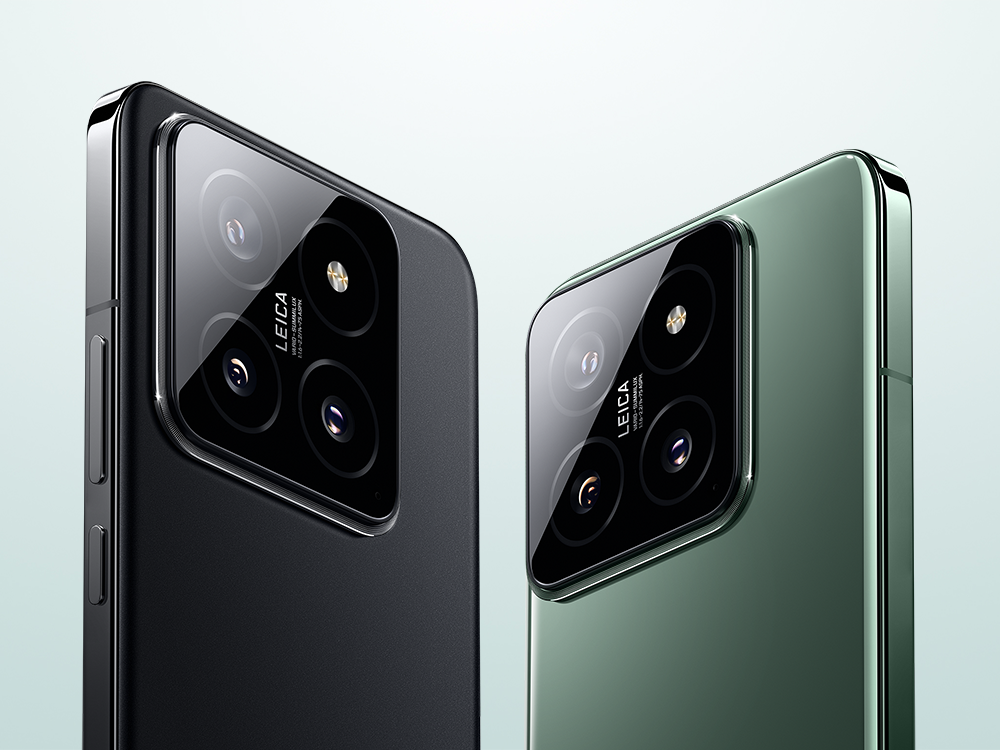
Ai+ Nova Flip teased as the brand’s first flip-style foldable in India

Ai+, the smartphone brand led by Madhav Sheth, is preparing to step into the foldable phone space in India. The company has officially teased its first flip-style foldable smartphone, called the NovaFlip, marking a new direction for the young brand.

The teaser was shared by Madhav Sheth himself on X, where he posted a short video along with the lines “Some things are better when flipped”. The video carries the tagline “SEE YOU ON THE FLIP SIDE” and ends with a clear “Coming Soon” message, confirming that the launch isn’t too far away.

While Ai+ Smartphone hasn’t revealed specifications yet, the teaser does give us a brief look at the phone’s design. The NovaFlip appears in a Silver or Grey finish and looks clean and minimal. On the right side, the volume buttons sit above a power key that also seems to house a fingerprint scanner. Interestingly, the power button is highlighted with a red accent, which adds a bit of contrast to the otherwise muted colour scheme. Antenna lines can also be seen along the frame, and the camera module slightly sticks out from the back panel.

More details are expected to surface in the coming days as Ai+ continues its teaser campaign. The NovaFlip will be the brand’s third smartphone overall, following the launch of the Pulse and Nova 5G in July. Recently, both of those phones also received a new Red colour option, expanding on the five colours they were originally available in.

With the NovaFlip, Ai+ Smartphone is clearly looking to tap into the growing interest around foldable phones in India. The brand is likely positioning the phone as a more accessible alternative to premium flip phones from Samsung and Motorola — a segment that’s still fairly niche in India.

Don’t miss a thing! Join our Telegram community for instant updates and grab our free daily newsletter for the best tech stories!

For more daily updates, please visit our News Section.

(Source)

The post Ai+ Nova Flip teased as the brand’s first flip-style foldable in India appeared first on Gizmochina.

How Snapdragon 8 Elite is Raising the Bar for Tablets

Xiaomi Pad 8 Pro

Tablets are faster than ever before, and at the heart of this improvement is Qualcomm’s Snapdragon 8 Elite. Borrowing the powerful chipset from flagship smartphones, the 8 Elite powers premium tablets from various brands, promising not just faster performance but smarter efficiency and next-gen AI capabilities. But does this chip truly move the needle for tablets? From productivity to gaming, here’s a quick breakdown of what makes the Snapdragon 8 Elite special and why it could be a defining platform for high end tablets.

What’s Under the Hood: A Performance and Efficiency Beast

At its core, the Snapdragon 8 Elite brings a substantial evolution over its predecessors. Built on TSMC’s 3nm process with Qualcomm’s custom Oryon CPU architecture, it offers a significant uplift in raw processing power. Compared to its predecessor, it offers up to a 45 percent jump in CPU performance, while also cutting power consumption.

OnePlus Pad 3 with Snapdragon 8 Elite

This all-new architecture isn’t just about peak performance. It’s designed so that tablets can sustain heavier workloads like editing and gaming. For tablet users, that means apps and services feel snappier and more responsive across the board.

Gaming and Graphics

One of the most striking advancements of the Elite platform is its Adreno GPU. With roughly 40 % faster graphical performance and enhanced efficiency, it brings console-like visuals to mobile devices. Games that once struggled on tablets can now run at higher fidelity, smoother frame rates, and with improved hardware accelerated ray-tracing support. This marks a real level-up for tablets that double as portable gaming rigs.

legion y700 2025
Lenovo Legion Y700 Gen 4 (2025)

For Android tablets, this isn’t just about benchmarks. It’s about delivering deeper, richer experiences in high fidelity titles. Fans of esports titles like COD Mobile can now hit triple digit frame rate, which translates to a more smoother gameplay experience that gives a competitive edge.

Smarter Tablets Through On-Device AI

Apart from just raw speed, the Snapdragon 8 Elite flexes its AI prowess. The Hexagon Neural Processing Unit (NPU) is dramatically more capable, offering up to 45 percent faster AI performance per watt than previous generations. What does this mean in practice? Expect more responsive voice assistants, enhanced real-time language translation, smarter photography, and on-device generative AI that doesn’t require the cloud. Tablet makers can leverage this for everything from adaptive UI features to smarter multitasking.

Xiaomi Pad 8 Pro
Xiaomi Pad 8 Pro

Real-World Impact

Tablets like the OnePlus Pad 3 show how the Snapdragon 8 Elite translates in the real world. Beyond benchmarks, users benefit from fast app switching, lightning-quick rendering of complex spreadsheets, and creative workflows that don’t bog down under load.

The chipset also plays nicely with larger RAM configurations and UFS 4.0 storage, ensuring fast loading and efficient caching of big files. Combined with big batteries on modern tablets, this means sustained performance over hours of use.

For more daily updates, please visit our News Section.

Don’t miss a thing! Join our Telegram community for instant updates and grab our free daily newsletter for the best tech stories!

The post How Snapdragon 8 Elite is Raising the Bar for Tablets appeared first on Gizmochina.
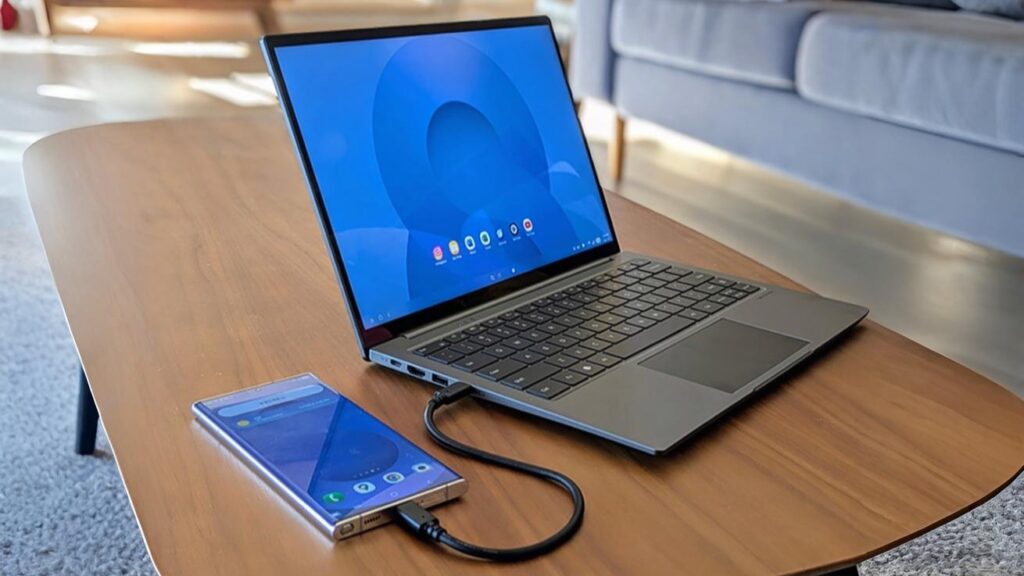
Xiaomi 17 Ultra camera watermarks point to new Leica branding for global markets

Camera watermark leaks are offering an early look at Xiaomi’s upcoming Xiaomi 17 Ultra, and they suggest changes to both branding and camera hardware. The details appear to come from internal testing builds.

One notable point is the naming. In China, the phone is expected to launch as Xiaomi 17 Ultra by Leica, which fits Xiaomi’s current branding. Outside China, however, the watermark references Leitzphone powered by Xiaomi, hinting at a different name for global markets. Xiaomi hasn’t confirmed whether this branding will be used at launch, but the Leitzphone name lines up with a previous leak.

Model numbers also line up with this split. Xiaomi 17 Ultra variants are listed under codes 2512BPNDAG, 2512BPNDAI, and 2512BPNDAC, while the Leitzphone-powered models carry separate identifiers, including 25128PNA1G and 25128PNA1C.

The camera setup also appears to have changed since earlier leaks. Instead of a quad-camera layout, recent leaks point to a triple-camera system. The main camera is said to use a 50MP OmniVision OVX10500U (OV50X) Light Hunter 1050U sensor with a 1-inch format. It’s joined by a 50MP ultra-wide camera using Samsung’s S5KJN5 sensor and a single 200MP telephoto camera based on the S5KHPE sensor.

For reference, the Xiaomi 15 Ultra used a dual telephoto setup: a 50MP IMX858 (1/2.51-inch) sensor for 70mm shots, alongside a 200MP Samsung HP9 (1/1.4-inch) sensor at 100mm. It’s still unclear how Xiaomi plans to compensate for the missing 70mm telephoto this time.

Up front, the selfie camera is listed at 50MP, up from 32MP on the previous Ultra model. Powering the phone is likely to be Qualcomm’s Snapdragon 8 Elite Gen 5 chip, which should bring more room for AI-assisted image processing.

As always with early leaks, details could still change. That said, the watermark data suggests Xiaomi is finalizing both the camera hardware and how the 17 Ultra will be branded in different regions.

Stay ahead in tech! Join our Telegram community and sign up for our daily newsletter of top stories!

For more daily updates, please visit our News Section.

The post Xiaomi 17 Ultra camera watermarks point to new Leica branding for global markets appeared first on Gizmochina.

OnePlus Turbo series may redefine performance smartphones

OnePlus-Ace-6T

Yesterday, OnePlus President Li Jie Louis confirmed that the brand will unveil the all-new OnePlus Turbo series in January 2026 in China. While the company has not officially revealed full specifications yet, multiple credible sources suggest that the upcoming series will target users who prioritize sustained performance and endurance. A recent leak by tipster Digital Chat Station has shared few more details about the new series

OnePlus Turbo series: What to expect?

According to DCS, the OnePlus Turbo series will introduce a newly developed native 165Hz refresh rate display. This panel is said to be exclusive within its price category and has reportedly been redesigned with larger rounded corners for improved visual consistency. Unlike previously used high-refresh panels, this screen is believed to be a fresh implementation rather than a reused solution.

The device is tipped to run on a Snapdragon 8-series chipset, with several reports pointing towards a customised Snapdragon 8s Gen 4 variant, also referred to as a performance-tuned version. Built on a 4nm process, the platform is said to work alongside OnePlus’ in-house gaming optimization engine, enabling better thermal control and more stable output during extended gaming sessions.

Other reports indicate that the phone may pack a battery close to the 9,000mAh range, a figure rarely seen in performance-focused smartphones. OnePlus President has previously hinted that the Turbo series will deliver unusually strong performance and battery life for its segment, positioning it directly against similarly priced performance-centric phones.

For more daily updates, please visit our News Section.

Stay ahead in tech! Join our Telegram community and sign up for our daily newsletter of top stories.

The post OnePlus Turbo series may redefine performance smartphones appeared first on Gizmochina.

Why You Should Be Excited for the Vivo X300 FE

Vivo S50 Pro Mini

Compact smartphones took off this year with a rising trend of devices that are easier to hold and use with one hand. In particular, small premium phones were quite popular with various brands launching their own offerings. Earlier this year, we got the Vivo X200 FE that blended high end specs, capable cameras, and a massive battery in a compact form factor. Now with the release of the Vivo S50 Pro Mini, the successor might be even better. So here’s everything you need to know.

Vivo S50 Pro Mini
Vivo S50 Pro Mini

Vivo S50 Pro Mini: Design & Display

To recall, the Vivo S30 Pro Mini debuted in China in May 2025, with this model getting rebranded as the Vivo X200 FE model for the global market. Considering how the X200 Pro Mini didn’t see a wider release, this was the first taste of a premium compact phone from Vivo. So we expect the brand to make a similar move for the next gen model as well. The S50 Pro Mini just launched with a big design overhaul earlier this week.

Gone is the vertically stacked camera module and the contrasting frame. You now get an iPhone Air inspired horizontal camera island and a metallic frame that blends with the color panel. Meaning, the Vivo X200 FE is also getting a similar new look along with an IP68 + IP69 rating for water and dust resistance. The device could measure just 8.1mm thick and weigh around 192 grams.

Meanwhile, the X300 FE likely sports an identical 6.31-inch LTPO AMOLED display with a 1.5K resolution (2640 x 1216p), a 120Hz refresh rate, 5000 nits of peak brightness, 4320Hz PWM dimming, and an ultrasonic fingerprint scanner for security.

Faster Performance

The older Vivo X200 FE was a premium phone but packed an older MediaTek Dimensity 9300+ SoC, which was already a generation behind the Dimensity 9400 and Snapdragon 8 Elite. But its successor is bringing a notable upgrade in performance thanks to Qualcomm’s new Snapdragon 8 Gen 5. In terms of performance, this chip is on par with the Snapdragon 8 Elite. So you get a true flagship experience. The S50 Pro Mini paired the processor with up to 16GB of LPDDR5X Ultra RAM and 512GB of UFS 4.1 storage.

Impressive Battery Now Meets Wireless Charging

The Vivo X200 FE impressed with its massive 6,500mAh battery pack, which returned on the new S50 Pro Mini, and by extension, the X300 FE as well. Battery capacity and the 90W wired fast charging remain unchanged between the two generations. But this time around, Vivo included 40W wireless fast charging, which makes it in line with other premium compact phones in the market.

Zeiss Camera Tuning

Vivo barely made any changes in the camera department, bringing back the same 50MP triple cameras. Although, Zeiss could be the big game changer here. The one big difference between the S30 Pro Mini and X200 FE was the Zeiss branding on the rear and tuning on the camera system. So the brand may once again bring back the collaboration to make the Vivo X300 FE more in line with the flagship X300 series.

For more daily updates, please visit our News Section.

Tech enthusiast? Get the latest news first! Follow our Telegram channel and subscribe to our free newsletter for your daily tech fix! ⚡

The post Why You Should Be Excited for the Vivo X300 FE appeared first on Gizmochina.
Lenovo Android 16 update: Eligible devices list and rollout timeline

Lenovo Android 16 update

Lenovo isn’t a popular brand when it comes to software updates. However, it does offer major OS upgrades to many of its devices, albeit with some delay, and Android 16 is no exception.

Some Lenovo devices are already receiving the Android 16 update. For the remaining ones, we now have official confirmation (via) on the list of eligible devices and rollout schedule. Review the details below to find out when your Lenovo device will get the update.

Lenovo Android 16 update rollout schedule

2025

  • Lenovo Yoga Tab Plus – TB520FU
  • Lenovo Tab Plus – TB351FU
  • Lenovo Tab – TB311FU
  • Lenovo Idea Tab / Lenovo Tab K11 Gen 2 – TB336FU
  • Lenovo Idea Tab / Lenovo Tab K11 Gen 2 – TB336ZU
  • Lenovo Tab Extreme – TB570FU
  • Lenovo Idea Tab Pro – TB373FU
  • Lenovo Legion Tab (8.8″, 3) – TB321FU

Q1, 2026

  • Lenovo Tab K11 Gen 2 – TB336ZA
  • moto pad 60 pro – XT2571-1

Q2, 2026

  • moto pad 60 lite – XT2573-1

Q3, 2026

  • moto pad 60 neo WIFI – XT2575-1
  • moto pad 60 neo 5G – XT2575-3

Q4, 2026

  • Lenovo Idea Tab Plus / Lenovo Tab K12 – TB361FU
  • Lenovo Idea Tab Plus / Lenovo Tab K12 – TB361ZU

It doesn’t take long to realize that there are no smartphones on the list. Well, that’s because Lenovo hasn’t released phones in the last few years. It primarily focuses on tablets.

The above list doesn’t include Motorola smartphones, as we have a separate post for that. You can check Motorola’s Android 16 eligible devices on this page.

So, if you have a Lenovo or Moto tablet that’s on the list, it’s guaranteed to receive the Android 16 update. This major upgrade, however, doesn’t bring too many visual upgrades or groundbreaking changes. Still, there are some new features to look forward to, such as Live updates, Desktop Window, Group notifications, Embedded Photo Picker, APV codec support, New Emojis, Predictive Back upgrades, HDR screenshots, and Advanced Protection Mode.

You can visit the Lenovo section regularly for the latest updates. If you prefer your news instant and on-the-go, hop into our Telegram channel for the software updates and all the biggest tech headlines, and don’t forget to sign up for our daily newsletter of top stories.

The post Lenovo Android 16 update: Eligible devices list and rollout timeline appeared first on Gizmochina.

Health Connect on Android Is Testing Alcohol Intake Tracking and Medical Records Support

Google Health Connect

Google is building Health Connect into something much bigger than a fitness tracker. As per a new report from Mishaal Rehman (via Android Authority), the company is adding medical records and symptom tracking in upcoming Android versions, trying to catch up to Apple Health’s ten-year head start.

Google Health Connect

Health Connect launched in 2022 to fix Android’s messy health data problem. Before this, fitness apps kept their own data, and users had to manage permissions separately for each one. Health Connect creates a single place where apps can read and write health data after users grant permission. It started with about 40 data types for fitness and wellness.

Google’s November Android Canary release show where Google is headed. Upcoming Android 16 versions will added support for medical records like allergies, vaccinations, and lab results. It also added yoga and meditation sessions. Android 16 QPR2 brought native step tracking. This is the first time Google collected health data directly instead of pulling it from other apps.

Google won’t share user numbers, but Health Connect now comes preinstalled on most phones running Android 14 or newer. Hundreds of apps have added support, including Fitbit, Samsung Health, Google Fit, Nike Run Club, MyFitnessPal, Oura, and Peloton. Developers like it because it cuts down their work and meets Android’s privacy rules.

The interface is getting simpler. As per findings by Rahman, Android Canary builds show a redesigned settings page that lists connected apps first instead of recent data access. Users can now grant or block entire categories of data instead of toggling each type individually. Google removed icons and separate browsing pages, putting everything on one screen.

Google is preparing to add alcohol tracking and a long list of symptoms: different pain types, digestive problems, breathing issues, sleep troubles, and heart symptoms. With medical record support already live, Health Connect is becoming a full health data system, not just a fitness tool.

Apple Health still leads by a wide margin. It’s been on every iPhone for over a decade and works closely with Apple Watch, hospitals, and insurance companies. Samsung Health and Fitbit are still popular, but both now use Health Connect to share data with other apps.

For more daily updates, please visit our News Section.

Don’t miss a thing! Join our Telegram community for instant updates and grab our free daily newsletter for the best tech stories!

(Source: Android Authority)

The post Health Connect on Android Is Testing Alcohol Intake Tracking and Medical Records Support appeared first on Gizmochina.

Realme 16 Pro+ full specs revealed via TENAA listing

Realme 16 Pro+ image

After details of the Realme 16 Pro surfaced recently, attention has now shifted to the higher-end Realme 16 Pro+. The smartphone, believed to be the Chinese variant of the Pro+ model, has appeared on the TENAA certification platform with model number RMX5130, revealing several of its key specifications ahead of an official announcement. While Realme has not yet confirmed launch timelines, the listing offers a clear look at what the Pro+ could bring in terms of hardware.

Realme 16 Pro+ specifications (rumored)

Realme 16 Pro+ image
Realme 16 Pro+

As per the TENAA database, the Realme 16 Pro+ measures 162.45 x 76.27 x 8.49mm and weighs 203 grams, suggesting a slightly bulkier build compared to the standard Pro model. The device is listed with a 6.8-inch AMOLED display featuring a resolution of 2800 x 1280 pixels and a colour depth of over one billion colours. While the refresh rate is not specified, it is expected to be positioned as a high-refresh-rate panel, in line with the Pro+ branding.

On the imaging front, the Realme 16 Pro+ is shown to feature a quad camera setup. This includes a 200-megapixel primary sensor, an 8-megapixel ultra-wide camera, and an additional 50-megapixel sensor, alongside support for up to 3.5x optical zoom. The front camera is listed as a 50-megapixel shooter.

The smartphone is powered by an octa-core processor clocked at 2.8GHz, although the exact chipset name is not mentioned. As per a recent Geekbench listing, it is powered by a tweaked version of the Snapdragon 7 Gen 4.

It runs on Android 16, which is layered with Realme UI 7. Globally, it is expected to receive three OS upgrades and four security updates. Memory options listed on TENAA include 8GB, 12GB, 16GB, and 24GB RAM, paired with 128GB, 256GB, 512GB, and 1TB storage variants.

TENAA lists the Realme 16 Pro+ with a rated battery capacity of 6,850mAh, which could translate to a typical value close to 7,000mAh. As per other reports, it may support 80W fast charging. Other features revealed through the TENAA listing include an in-screen fingerprint scanner and an IR blaster.

For more daily updates, please visit our News Section.

Stay ahead in tech! Join our Telegram community and sign up for our daily newsletter of top stories.

The post Realme 16 Pro+ full specs revealed via TENAA listing appeared first on Gizmochina.

Honor Win, Win RT design, color options revealed ahead of December 26 unveiling

Honor Win series launch date

Honor Win series has officially been locked in for launch later this month, with the brand confirming both the date and early design details. While Honor has stopped short of sharing full specifications, it has revealed enough to signal where the new lineup is headed. Apart from the launch date, the brand has also rolled out the images of the Win series.

Honor Win series launch timeline and design details

Honor Win series launch date
Honor Win color options

Honor has confirmed that the Win series will be unveiled on Dec. 26 at 14:30 (local time) in China. The launch will introduce two models named Honor Win and Honor Win RT, marking a dual flagship strategy for the lineup.

The Honor Win series has been revealed in three shades, such as black, white, and blue. There seems to be a beige color option as well, but that has not been officially confirmed yet. The rear panel features a matte texture that resists fingerprints and sweat, helping to maintain a secure grip during extended gaming sessions. The overall design looks similar to the Redmi K90 series.

Both phones follow Honor’s familiar design language, though there are visible differences between the two. The Honor Win is positioned as the higher-end variant and features a triple rear camera setup, while the Honor Win RT has a dual camera setup. Both phones have the Win-branding and an active cooling fan, reinforcing their gaming-centric approach.

Honor Win series expected specifications

Honor Win black
Honor Win blue
Honor Win white

According to reports, the Honor Win is expected to feature a 6.83-inch 1.5K LTPS flat display with a high refresh rate of up to 165Hz. It is said to be powered by the Snapdragon 8 Elite chipset, which is currently among the most powerful processors in the Android ecosystem. The phone is also tipped to include a 50-megapixel main camera, a metal frame, ultrasonic fingerprint sensor, and full-level water resistance.

Battery capacity is another major highlight, with reports pointing to a battery size of at least 8,500mAh, setting a new benchmark for performance-focused smartphones. Detailed specifications of the Honor Win RT remain under wraps and are expected to be revealed closer to launch. However, it is expected to similar specs as the standard model but is said to be powered by the Snapdragon 8 Elite Gen 5.

For more daily updates, please visit our News Section.

Stay ahead in tech! Join our Telegram community and sign up for our daily newsletter of top stories.

The post Honor Win, Win RT design, color options revealed ahead of December 26 unveiling appeared first on Gizmochina.

Dreame launches its first magnetic power bank with Qi2 support

Dreame, best known for its robotic vacuum cleaners and home appliances, has entered another product category. The company has officially launched its first power bank, a magnetic model called the Air Power 17 / Air Power 17 Pro.

The move follows Dreame’s rapid expansion into new segments over the past few months. Since July, the brand has rolled out or teased products across a wide range of categories, including personal care devices, large home appliances, consumer electronics, and even automotive-related products. The power bank marks Dreame’s first step into mobile charging accessories.

The Air Power 17 series supports Qi2 magnetic wireless charging at up to 15W and is available in two capacity options: 5,000 mAh and 10,000 mAh. Both versions use an aluminum alloy frame paired with AG glass, giving them a relatively premium look for their price.

The 5,000mAh model measures 103 × 58.4 × 8mm, weighs around 125g, and is listed as being just 0.8cm thick. The larger 10,000mAh variant comes in at 103 × 58.4 × 12.8mm and weighs 189g. Both models include a built-in stand on the back with Dreame branding, along with an LED indicator and a USB-C port at the bottom.

In terms of output, the power banks offer 15W wireless charging and up to 20W wired charging via USB-C. They can also charge two devices at the same time, with one connected via cable and the other using wireless charging. Wireless output supports 5W, 7.5W, 10W, and 15W modes, with energy conversion efficiency rated above 60%.

With the Air Power 17 series, Dreame continues its push beyond cleaning products, adding a compact Qi2-compatible power bank to its growing lineup.

Pricing and availability:

The 5,000mAh version is priced at 219 yuan, while the 10,000mAh Pro model costs 259 yuan, with both already available in the company’s home market.

Don’t miss a thing! Join our Telegram community for instant updates and grab our free daily newsletter for the best tech stories!

For more daily updates, please visit our News Section.

(Source)

The post Dreame launches its first magnetic power bank with Qi2 support appeared first on Gizmochina.

REDMI Note 15 5G global variant goes on sale ahead of official launch

Redmi Note 15 Pro+ 5G

Xiaomi has Xiaomi has already announced the REDMI Note 15 series in China and recently in Poland. Now, one model is showing up for sale on Belgian carrier Telenet’s website. The listing reveals pricing and a full set of specifications ahead of any formal launch, confirming that the battery capacity and camera specifications differ from the Chinese variant.

REDMI Note 15 5G

The listing shows the phone priced at €280 for a single 6GB RAM and 128GB storage variant. Telenet is also offering a €30 discount for subscribers. No other memory options are currently listed, and Xiaomi has not commented on the device so far.

According to the carrier page, the REDMI Note 15 5G is powered by Qualcomm’s Snapdragon 6 Gen 3 chipset, which Xiaomi has previously confirmed for the series. The phone measures 164.0 × 75.4 × 7.35mm, weighs 178g, and includes a 5,520mAh battery with support for 45W fast charging. For context, the Chinese version came with a larger 5,800 mAh battery.

On the front, the European model is listed with a 6.77-inch OLED display with a resolution of 1,080 × 2,392 pixels and an in-display fingerprint scanner. Earlier reports mentioned a larger 6.83-inch panel, though it’s unclear which size will be used across regions.

Camera hardware includes a 108MP main sensor, an 8MP ultra-wide camera, and a 2MP secondary lens. That’s a noticeable change from a 50MP main camera for the Chinese variant. The front camera is listed at 20MP, with 4K video recording supported.

Other features include an IP65 rating, Bluetooth 5.3, NFC, eSIM support, and a nano-SIM slot. The phone is shown in Black and Blue, though only the Black model appears in images. An EU Energy Label is also included, hinting that an official announcement may not be far off.

Don’t miss a thing! Join our Telegram community for instant updates and grab our free daily newsletter for the best tech stories!

For more daily updates, please visit our News Section.

(Source)

The post REDMI Note 15 5G global variant goes on sale ahead of official launch appeared first on Gizmochina.

Moto G Power (2026) debuts with 6.8″ 120Hz display & military-grade durability

Moto G Power (2026)

Motorola has officially launched the Moto G Power (2026) in the US and Canada, refreshing its popular budget series. Let’s check out its key specs and pricing details.

Moto G Power (2026)

Moto G Power (2026) Specifications

The phone features a 6.8-inch Full HD+ LCD screen with a 19.9:9 aspect ratio and 120Hz refresh rate. The panel hits up to 1000 nits of peak brightness, supports Display Color Boost and High Brightness Mode, and is protected by Corning Gorilla Glass 7i.

Under the hood, the Moto G Power (2026) runs on the 6nm MediaTek Dimensity 6300 chipset paired with a Mali G57 MC2 GPU. It ships with 8GB LPDDR4X RAM and 128GB UFS 2.2 storage, expandable up to 1TB via microSD, along with RAM Boost support for up to 16GB of virtual memory.

Out of the box, the phone runs Android 16 with Motorola’s My UX interface. It includes signature Motorola features such as Moto Secure, Moto Unplugged, ThinkShield, Family Space, and Hello UX. The device also supports Google’s Circle to Search and Gemini AI for smart interactions like contextual search, reminders, and more.

Moto G Power (2026)

On the camera front, the Moto G Power (2026) includes a 50MP primary sensor with Quad Pixel technology and optical image stabilization (OIS). An 8MP ultra-wide lens supports macro vision. For selfies, it has a 32MP front-facing camera.

The device is backed by a 5200mAh battery that supports 30W TurboPower fast charging. Motorola claims it can last up to two days on a single charge and retain over 80% of its battery health even after 1000 charging cycles.

The Moto G Power (2026) includes IP68 and IP69 water and dust resistance ratings, as well as MIL-STD-810H military-grade durability certification. It supports dual SIM, a side-mounted fingerprint scanner, stereo speakers with Dolby Atmos, Hi-Res Audio, a 3.5mm headphone jack, NFC, and USB Type-C 2.0. The phone measures 166.62 x 77.10 x 8.72 mm and weighs 208g.

Pricing & Availability

The Moto G Power (2026) is priced at $299.99 in the US and will be available universally unlocked starting January 8 via Best Buy, Amazon.com, and Motorola’s official website. It will also roll out via Verizon on the same day, followed by carriers like Cricket Wireless, AT&T, Tracfone, Visible, and others in the coming months.

In Canada, it will be available on January 8 at motorola.ca for CAD 449.99. The phone comes in two Pantone-certified color options: Evening Blue and Pure Cashmere, with a soft vegan leather finish.

For more daily updates, please visit our News Section.

Stay ahead in tech! Join our Telegram community and sign up for our daily newsletter of top stories! 💡

The post Moto G Power (2026) debuts with 6.8″ 120Hz display & military-grade durability appeared first on Gizmochina.
OnePlus Community Sale Brings Massive Discounts on OnePlus 15, Nord 5 & Accessories

OnePlus Community Sale

Adding much excitement for OnePlus fans and tech enthusiasts, the OnePlus Community Sale is live now. It brings some of the most significant discounts of the year across the flagship and popular Nord series, along with fantastic deals on audio accessories.

In case you are wondering, the sale is live on Amazon India and will last until the 18th of this month. Amazon is offering up to a ₹5,000 instant discount with supported credit cards and EMI.  Read further to know the crazy savings that you can avail.

Offers on OnePlus 15 and 13 Series

The cutting-edge OnePlus 15 sees a substantial price drop, making premium flagship ownership more accessible than ever. With bank offers applied, you can take the OnePlus 15 starting at a price as low as ₹68,999. Similarly, the powerful OnePlus 13s is also part of the celebrations, starting from ₹49,999, including bank discounts.

OnePlus 15

Features: Snapdragon 8 Elite Gen 5, Triple 50MP Camera (OIS, Telephoto), 165Hz Display, massive 7,300mAh Battery.

Shop OnePlus 15 from Amazon for as low as ₹68,999. 

OnePlus 13s

Features: Snapdragon 8 Elite Platform, 6.32″ 120Hz LTPO AMOLED, Dual 50MP Rear Camera, 5,850 mAh Battery

Shop OnePlus 13s from Amazon for as low as ₹49,999. 

Offers on Nord Series and Audios

The popular Nord series, known for delivering a great experience at an aggressive price point, is also on sale. Last but not least, the OnePlus Nord 5 and OnePlus Nord CE5 offer exceptional value.

OnePlus Nord 5

Features: Snapdragon 8s Gen 3, 6.8″ 144Hz AMOLED, 50MP OIS Camera, up to 6,800mAh Battery

Shop OnePlus Node 5 from Amazon for as low as ₹30,749. 

OnePlus Nord CE 5

Features: Imensity 8350 Apex, 6.77″ 120Hz AMOLED, 50MP OIS Camera, 7,100mAh Battery

Shop OnePlus Nord CE 5 from Amazon for as low as ₹23,749. 

For the audio aficionados, the noise-cancellation kings, OnePlus Bullets Z2 ANC, are available at an irresistible price. Originally priced at ₹2,999, you can grab them for an effective price of just ₹1,599 with bank discounts!

Bullets Z2 ANC 

Features: 45 dB Hybrid ANC, 12.4 mm Dynamic Drivers, 28-Hour Battery Life, IP55 Rating

Shop OnePlus Bullets Z2 ANC from Amazon for as low as ₹1,599. 

The major savings during this sale are being driven by significant bank offers, which drop the effective prices of these devices drastically. The general sale for other products is mostly starts at ₹23,249, so don’t forget to dive into the OnePlus Community Sale General Amazon Page for offers on other devices.

The post OnePlus Community Sale Brings Massive Discounts on OnePlus 15, Nord 5 & Accessories appeared first on Gizmochina.
This Tiny Wearable AI Camera Records Your Day and Makes Vlogs

Looki L1 wearable AI camera

Looki has launched its new AI-powered wearable, the Looki L1, in the Chinese market. The device was introduced to global markets earlier this year. The company describes it as an ‘AI life manager’ designed to passively record everyday moments and automatically generate vlogs. It is priced at 1,499 yuan ($212) in China.

Looki L1 wearable AI camera

Looki L1 Specifications

The launch comes at a time when interest in AI-first hardware is growing, especially following reports about OpenAI’s upcoming hardware project. While details about OpenAI’s device remain limited, the Looki L1 gives an early look at what this new category of AI wearables could resemble. The product focuses on hands-free, always-on recording paired with AI-driven content organization, an approach that aligns closely with recent discussions around future AI companions.

According to Looki, the L1 automatically records daily life while prioritizing user privacy. All data is stored locally by default, and content is uploaded to the cloud only after the user grants permission. The device supports AI-generated vlogs, AI-powered smart search, and so-called personal life insights through Looki AI, which aim to help users better understand patterns in their daily routines over time.

Looki L1 wearable AI camera

In terms of design, the Looki L1 is compact and lightweight. It measures 50.53 × 16.84 × 48.02 mm and weighs just 32 grams, making it suitable for long hours of wear. Looki uses soft, skin-friendly materials to improve comfort and reduce fatigue during all-day use. The device also carries an IP67 rating for water and dust resistance, allowing it to handle daily outdoor conditions. It is available in black, white, and green color options.

Looki has equipped the device with a wide-angle camera featuring a 16mm-equivalent lens with an f/2.2 aperture and a 109-degree field of view. It supports 4K photo capture and 1080p video recording at 30 frames per second. The camera includes electronic image stabilization and HDR capabilities to handle varying lighting conditions.

The device features a triple-microphone array with intelligent noise reduction, which helps improve voice clarity and capture ambient sound more accurately. It also includes a 1W built-in speaker paired with a Smart PA system for voice feedback and AI-driven audio interactions.

Looki L1 wearable AI camera

In terms of storage and connectivity, the Looki L1 features 32GB of internal storage and saves data locally by default. It supports Bluetooth 5.0 and dual-band Wi-Fi (2.4GHz and 5GHz), and includes a six-axis gyroscope for motion sensing and scene detection.

The device runs on a 375mAh battery that charges fully in about 1.5 hours. Battery performance varies based on the recording mode. Looki claims up to 9 hours of use when recording 5 seconds per minute, 11 hours for 9 seconds every two minutes, and 13 hours for 11 seconds every three minutes.

In related news, Leica has recently introduced the Q3 Monochrom, a new 60MP black-and-white compact camera, and also announced the SL3 Reporter, a full-frame camera that supports 8K video, features in-body image stabilization, and uses an aramid fiber build.

For more daily updates, please visit our News Section.

Stay ahead in tech! Join our Telegram community and sign up for our daily newsletter of top stories! 💡

The post This Tiny Wearable AI Camera Records Your Day and Makes Vlogs appeared first on Gizmochina.

DJI’s next Ronin gimbal could be a bigger upgrade than expected

DJI appears to be gearing up for another major update to its Ronin lineup, and early leaks suggest the upcoming RS 5 may bring more than just minor refinements. Based on newly surfaced details, DJI’s first fifth-generation Ronin gimbal could deliver meaningful improvements over both the RS 4 and the RS 4 Pro, especially in battery life and day-to-day usability.

The latest information comes from leaker Igor Bogdanov, who suggests the RS 5 is positioned firmly as a professional-grade device. If accurate, it would sit above the current RS 4 series and address some of the long-standing pain points filmmakers have had with power and setup efficiency. This lines up with DJI’s busy roadmap, with products like the Avata 360 and Osmo Pocket 4 also expected down the line.

The FCC listing for the RS 5 previously revealed a noticeably larger battery — nearly 60% bigger than the RS 4’s, and even over 10% larger than the RS 4 Pro’s. According to Bogdanov, this should result in around a 15% real-world boost in battery life, which could make a real difference during longer shoots. Fast charging also seems to be part of the package, with the gimbal reportedly able to fully recharge in about one hour.

DJI also appears to be refining the user experience. The RS 5 is said to include a new Z-axis indicator, a small but potentially useful addition that could make balancing faster and less fiddly. Despite the internal changes, the gimbal is still rated for a 3 kg payload, keeping it compatible with a wide range of camera mirrorless and cinema camera setups. There are also mentions of improved intelligent tracking and composition features, though DJI hasn’t shared any specifics yet.

As for launch timing, nothing is confirmed. If DJI sticks to its usual patterns, the RS 5 could debut sometime between late February and early April 2026.

Don’t miss a thing! Join our Telegram community for instant updates and grab our free daily newsletter for the best tech stories!

For more daily updates, please visit our News Section.

(Sources: 1, 2)

The post DJI’s next Ronin gimbal could be a bigger upgrade than expected appeared first on Gizmochina.

Lenovo launches Lecoo Cool 310 desktops with Core Ultra 5 or Ryzen CPUs, up to 16GB RAM

Lenovo Lecoo Cool 310 desktop

Lenovo has launched a new lineup of Lecoo Cool 310 business desktop PCs in China. The systems are now available for purchase and come with three years of on-site warranty service. The Cool 310 series includes both Intel Core Ultra and AMD Ryzen configurations, targeting users who need compact yet capable systems for office and remote work.

Lenovo Lecoo Cool 310 desktop

The Intel-based models are powered by the Core Ultra 5 135H processor, paired with 16GB of RAM and either a 512GB or 1TB solid-state drive. The base configuration with a 512GB SSD is priced at 2,799 yuan (about $392), while the 1TB variant costs 2,999 yuan (about $420).

Lenovo also offers AMD Ryzen R5-3500U-based versions for more cost-sensitive buyers. The variant with 8GB RAM and a 512GB SSD is priced at 1,699 yuan (about $238). The higher-end option with 16GB RAM and the same storage is available for 1,799 yuan (about $252).

Lenovo Lecoo Cool 310 desktop

The Cool 310 desktop features a compact 6.8-liter chassis with a black exterior that blends into office environments. The system comes preinstalled with Windows 11 Home and includes a built-in wireless network card for easy connectivity.

Lenovo equips the system with dual-channel DDR5 memory, which improves performance in multitasking and light creative workloads. Storage options go up to 1TB PCIe SSD, offering faster boot times and quick file access.

Lenovo Lecoo Cool 310 desktop

The Cool 310 includes four front-facing USB 2.0 ports and four rear USB 3.0 ports. It also offers HDMI output, Gigabit Ethernet, and standard audio jacks. Lenovo uses an intelligent cooling system to keep noise and temperature levels under control.

For more daily updates, please visit our News Section.

Stay ahead in tech! Join our Telegram community and sign up for our daily newsletter of top stories! 💡

(JD)

The post Lenovo launches Lecoo Cool 310 desktops with Core Ultra 5 or Ryzen CPUs, up to 16GB RAM appeared first on Gizmochina.

Thunderobot teases lightweight 16-inch gaming laptop ahead of CES 2026

Thunderobot has begun teasing a new gaming laptop ahead of CES 2026, and early details point to an unusual mix of high-end hardware and low weight. The upcoming model, called the Thunderobot Zero Air, is expected to be officially unveiled at the show next month.

According to the teaser, the Zero Air weighs around 1.6 kg, which is fairly light for a 16-inch gaming laptop. The laptop features a 16-inch display and includes a built-in number pad, suggesting it’s aimed at users who want a balance between gaming and productivity.

On the hardware side, Thunderobot appears to be targeting next-generation components. The Zero Air is expected to be among the first laptops to combine Nvidia’s GeForce RTX 50-series laptop GPUs with Intel’s Panther Lake processors. One configuration mentioned includes the Core Ultra 7 366H, with other Panther Lake variants such as the Core Ultra X7 358H also expected to be available for OEMs.

A short teaser video also reveals some of the laptop’s physical design and cooling approach. The Zero Air uses quad heat pipes and places most ports along the rear edge. Visible connectors include Ethernet, HDMI, USB Type-A, and USB Type-C, a layout commonly used to keep cables out of the way during gaming.

For now, Thunderobot hasn’t shared details on display specs, battery size, or final GPU options. Those are likely being saved for the full announcement at CES 2026. Still, the early preview suggests the Zero Air is positioned as a lightweight alternative to traditional gaming laptops, without fully stepping away from high-performance hardware.

Don’t miss a thing! Join our Telegram community for instant updates and grab our free daily newsletter for the best tech stories!

For more daily updates, please visit our News Section.

(Source)

The post Thunderobot teases lightweight 16-inch gaming laptop ahead of CES 2026 appeared first on Gizmochina.

Mechrevo launches S500 desktop with i5-14450HX, 16GB DDR5, 512GB SSD & 8L chassis

Mechrevo S500

Mechrevo has officially launched its new S500 office desktop in China. The system features Intel’s 14th-generation Core i5-14450HX processor and comes with 16GB of DDR5 memory and a 512GB/1TB PCIe 4.0 SSD. The official price starts at 2,499 yuan ($354) and is now up for pre-order.

Mechrevo S500

Mechrevo S500 Specifications

The S500 targets users who need strong computing performance in a space-saving design. The desktop uses an 8-liter mini chassis that supports both vertical and horizontal placement. Mechrevo includes a tool-free disassembly design to make upgrades and maintenance easier.

The system uses a 10-core, 16-thread Intel Core i5-14450HX processor. It runs at a base frequency of 2.4GHz and reaches up to 4.8GHz on turbo. Compared to the previous i5-13420H, the new chip includes more cores, higher boost speeds, and a larger 20MB L3 cache. These improvements result in faster multitasking, better rendering, and smoother performance in demanding tasks.

Mechrevo S500

Mechrevo pairs the processor with 16GB of DDR5 memory rated at 5600MT/s. This high-speed memory increases bandwidth and improves system responsiveness. For storage, the system includes a 512GB/1TB PCIe 4.0 SSD with an option to upgrade to 1TB. The desktop also supports up to four internal storage drives.

The built-in 200W multi-rail power supply delivers stable output for the processor and other components. Mechrevo equips the system with a dedicated cooling solution designed to keep temperatures low while maintaining quiet operation.

For connectivity, the PC includes Wi-Fi 6, Bluetooth 5.2, Ethernet, and dual-display support via HDMI and DisplayPort. The system features ten USB ports, including both USB 3.2 and USB 2.0, to accommodate a wide range of peripherals. The desktop comes with Windows 11 preinstalled.

In related news, Lenovo has recently launched a new mecha-inspired gaming PC powered by up to an Intel Core i5-13400F and an RTX 5060 GPU, while Asus has introduced the ExpertCenter P600 AiO as its first Copilot+ all-in-one PC.

For more daily updates, please visit our News Section.

Stay ahead in tech! Join our Telegram community and sign up for our daily newsletter of top stories! 💡

(JD)

The post Mechrevo launches S500 desktop with i5-14450HX, 16GB DDR5, 512GB SSD & 8L chassis appeared first on Gizmochina.
Casio G-Shock vs Pro Trek in 2026: Which Smart Outdoor Watch Is Right for You?

Casio Pro Trek PRW-61SS-2

Casio has reshaped the idea of a smart outdoor watch by focusing on reliability rather than chasing full smartwatch experiences. As brands like Apple, Samsung, and Garmin continue to expand connected features, Casio has doubled down on its strength in building dependable tools for outdoor use.

Its two flagship lines, G-Shock and Pro Trek, have added smarter capabilities while remaining grounded in distinct design philosophies. One favors brute toughness. The other leans into environmental awareness. Here’s a detailed breakdown of how their smartest features compare in 2026.

Casio Pro Trek PRW-61SS-2

Core Philosophies

Casio has long split its outdoor-focused watches into two clear categories. G-Shock places absolute durability and everyday resilience at the center, with designs built to handle shock, vibration, water exposure, and rough use as part of their core identity.

This philosophy traces back to the brand’s origins in the 1980s, when G-Shock was created as a watch that could survive repeated drops. Over time, that foundation expanded to include advanced shock resistance, 200-meter water resistance, and strict durability standards that made G-Shock a common choice for military use, fieldwork, and extreme sports.

Pro Trek follows a different philosophy. It presents itself as a dedicated outdoor instrument, with sensor systems and interface decisions aimed at users who need more than toughness alone. The ABC sensor suite remains a defining feature in 2026, combining an altimeter, barometer, and digital compass, alongside temperature readings and activity tracking features such as step counting.

Smarter Sensing and Navigation

Pro Trek continues to hold an edge in this area. Its triple sensor system delivers real-time environmental readings directly on the wrist, without relying on a connected phone. Altitude tracking supports climbs, barometric data helps anticipate weather changes, and the digital compass assists with trail navigation. These functions cater to users who spend long stretches outdoors. Bluetooth connectivity further improves the experience by enabling detailed data logging and smoother syncing with trail and weather apps.

G-Shock remains close behind, particularly within the Master of G lineup. Models such as the Rangeman include altimeter, barometer, and compass sensors, with select variants also adding GPS, heart-rate monitoring, and activity tracking. The difference lies in presentation. G-Shock organizes these tools around a durability-first design, pairing rugged interfaces with a feature set that still supports serious outdoor use.

Power and Connectivity

Both lineups rely on Tough Solar charging. Casio’s high-efficiency solar cells allow the watches to run for months with minimal power drain, reducing concerns about battery life during long trips off-grid. Bluetooth smartphone syncing is now standard on many mid and high-end models in both series, enabling automatic time calibration, data logging, and notification alerts.

Where the two differ is in how they handle access to features. Pro Trek focuses on clear sensor readouts and quick access, often using dedicated buttons for the altimeter, barometer, and compass.

G-Shock, in contrast, sometimes places these functions deeper within its interface, requiring users to cycle through modes using a single button. This trade-off helps G-Shock models maintain better shock resistance or accommodate extra tools like tide graphs and moon phase indicators that cater to surfers and marine users.

Wearability and Everyday Use

The contrast is most visible in size and overall styling. Pro Trek watches usually appear slimmer and more refined, while G-Shock models favor a thicker, more rugged build. This distinction matters for people who want a watch that works in everyday urban settings as well as outdoors. Enthusiast discussions frequently point to this ergonomic difference. Pro Trek leans toward more wearable, daily-friendly dimensions, while G-Shock opts for a bold, statement-focused design.

Which Smart Features Matter More?

For pure outdoor tooling, quick access to precise environmental data, dedicated sensor buttons, and lighter wearability, Pro Trek still edges ahead for hikers, climbers, and nature explorers. Its sensor suite is intuitive and centered on exploration.

For all-around rugged tech, resilience that can handle construction sites, surf breaks, or a motorcycle crash as easily as a trail, plus a wide range of smart tools, G-Shock brings versatile features with equally compelling smarts. Master of G models especially blur the line between analog toughness and digital intelligence.

In 2026, both lines offer plenty for tech-savvy adventurers. Choosing between them comes down to whether you prefer the pure outdoor sensor focus of Pro Trek or the indestructible, tech-packed adaptability of G-Shock.

For more daily updates, please visit our News Section.

Stay ahead in tech! Join our Telegram community and sign up for our daily newsletter of top stories! 💡

The post Casio G-Shock vs Pro Trek in 2026: Which Smart Outdoor Watch Is Right for You? appeared first on Gizmochina.

DDR5 RAM prices could cool in six months, says Sapphire PR manager

DDR5 memory prices have climbed sharply in recent months, raising concerns among PC builders and gamers. While many expect the situation to drag on for years, a senior figure from Sapphire believes the spike may not last as long as feared.

Speaking on The Hardware Unboxed Podcast, Sapphire PR manager Edward Crisler addressed the current DRAM situation and urged buyers not to panic. According to Crisler, some of the recent price increases appear to be driven by uncertainty rather than actual supply shortages.

Crisler said DDR5 prices are currently “unreasonable” and could discourage people from building or upgrading PCs altogether. He warned that sustained high memory costs don’t just affect RAM sales but can also hurt demand for other components, including motherboards, cases, and graphics cards.

Despite that, he struck a more optimistic tone on timing. Crisler suggested that prices could begin to stabilize in six to eight months, arguing that vendors are reacting defensively to market conditions. He compared the situation to past pricing reactions around US tariffs, where companies raised prices in anticipation of disruption, even when supply wasn’t immediately affected.

That outlook runs counter to many industry forecasts. Several analysts expect elevated memory prices to continue well beyond 2026, largely due to limited production expansion from major suppliers such as Samsung and SK Hynix, which are prioritizing higher-margin AI and data center demand.

Even if prices remain high, Crisler believes PC enthusiasts will adapt, as they have during previous shortages. He pointed to past periods where builders held onto older hardware longer or adjusted system specs rather than paying inflated prices.

For now, his advice is simple: avoid panic buying. Whether prices ease in months or stay elevated longer, the DDR5 market remains volatile, and buyers may be better off waiting for clearer signals before making major purchases.

Stay ahead in tech! Join our Telegram community and sign up for our daily newsletter of top stories!

For more daily updates, please visit our News Section.

The post DDR5 RAM prices could cool in six months, says Sapphire PR manager appeared first on Gizmochina.
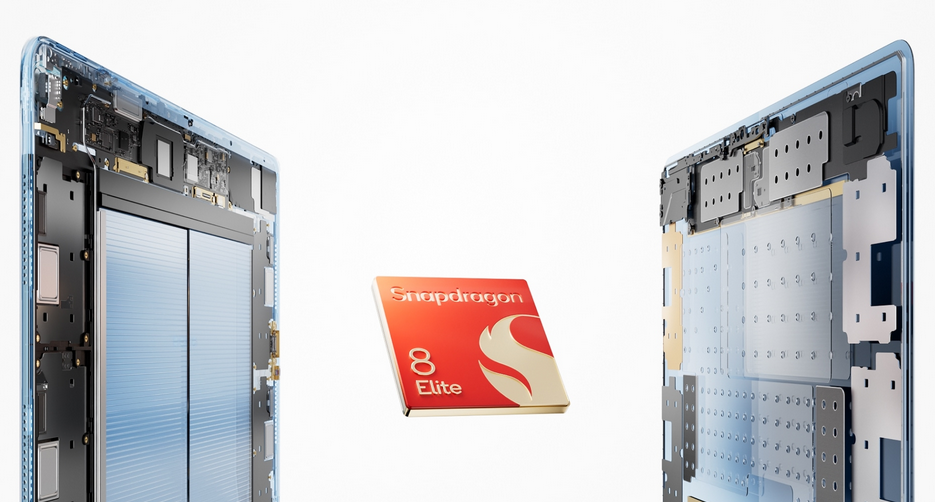
Honor Power 2 specifications leak reveal display, chipset, battery size, color options

Honor Power officially launches with 8000mAh battery

Honor is all set to unveil the Honor Win series of smartphones later this month in China. It is speculated that the brand will announce the Honor Power 2 as a successor to the original Honor Power, which packed a massive 8,000mAh battery, by early 2026. Recent reports have revealed that the Power 2 will pack an even bigger battery. A new leak, courtesy of tipster Digital Chat Station, has revealed several other details about this phone, including its launch timeframe.
Honor Power 2 specifications (rumored)

Honor Power officially launches with 8000mAh battery
Honor Power

According to the tipster, codenamed Saber, the Honor Power 2 will feature a 6.79-inch OLED LTPS screen with a flat design. It will offer a 1.5K resolution of 2640 x 1200 pixels, but there is no information about its refresh rate.

Under the hood, the Power 2 will feature the upcoming Dimensity 8500 chipset. While a previous leak revealed that it will feature a 10,000mAh battery, this new leak reveals the exact size as 10,080mAh. The device will support 80W wired charging and is expected to lack wireless charging support.

Moving on to the cameras, the Honor Power 2 is said to feature a 16-megapixel front camera and a 50-megapixel primary camera on the back. While it is not mentioned in the leak, the device is likely to ship with Magic OS 10 based on Android 16.

The leak further states that the Honor Power 2 will be sold in three shades, including Snow White, Midnight Black, and Sunrise Orange. As far as the release is concerned, DCS claims that the device is tentatively scheduled to launch before the upcoming Chinese Spring Festival, suggesting a January 2026 launch.

For more daily updates, please visit our News Section.

Stay ahead in tech! Join our Telegram community and sign up for our daily newsletter of top stories.

The post Honor Power 2 specifications leak reveal display, chipset, battery size, color options appeared first on Gizmochina.

Thunderobot’s RTX 5090 mini gaming PC is arriving globally to take on ASUS ROG NUC

Thunderobot Mix G2 Mini PC

Back in November 2025, Thunderobot dropped a new company PC for gamers in China. The new Mix G2 Mini PC was dropped with cutting edge performance and Nvidia’s most powerful graphics card in a tiny form factor. But now, it appears that this small gaming rig is coming to the global market to take on ASUS’s latest ROG NUC 2025 model.

Thunderobot Mix G2 Mini PC Goes Global Soon

Following the initial Chinese launch, the company has now shared a new teaser, hitning at the international release of its powerful new gaming mini PC. This system isn’t alone, as Thunderobot will release it alongside the Zero Air gaming laptop. Based on what we know so far, the Mix G2 is a tiny system that is targeting gamers and creators alike. It brings high end desktop level powewr in a body that measures just 3.2 liters.

Thunderobot Mix G2 Mini PC
Thunderobot Mix G2 Mini Gaming PC

Under the hood, the Mix G2 is equipped with Intel’s latest Core Ultra 9 275HX processor, which brings 24 corse and 24 threads with a maximum clock speed of 5.4Ghz. It has a max TDP of 120W and even delivers 36 TOPS AI computing through its NPU. Coupled with this, you get Nvidia’s latest and greatest GeForce RTX 5090 GPU, which has a max TDP 175W, 24GB of GDDR7 memory, Blackwell architecture, 10,496 CUDA cores, and 1824 TOPS of AI performance.

Keep in mind that this is the top configuration as there were more affordable options like the RTX 5080. Thunderobot is set to showcase the Mix G2 mini gaming PC will be unveiled globally during the upcoming CES 2026 event, which is set to kick off on 6th January 2025.

For more daily updates, please visit our News Section.

Tech enthusiast? Get the latest news first! Follow our Telegram channel and subscribe to our free newsletter for your daily tech fix! ⚡

The post Thunderobot’s RTX 5090 mini gaming PC is arriving globally to take on ASUS ROG NUC appeared first on Gizmochina.
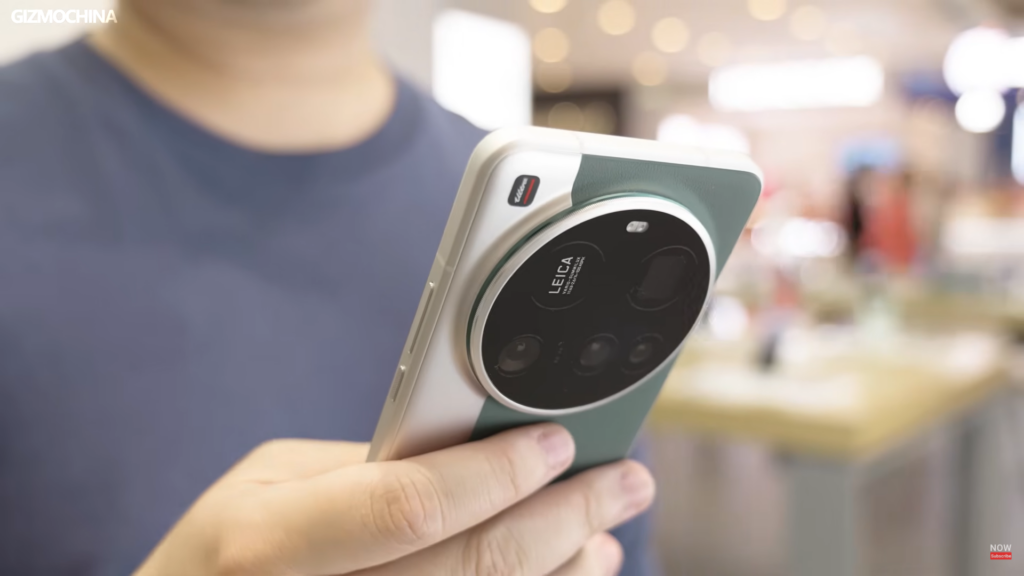
Realme Narzo 90 series debut with up to 144Hz display, 7,000mAh battery, and more

Realme Narzo 90

Realme Narzo 90 series has officially been launched in India, expanding the company’s mid-range portfolio with two new smartphones, the Narzo 90 and Narzo 90x. The new lineup focuses on delivering large displays, long battery life, and modern software, while catering to different price segments. Continue reading ahead to know everything about the Narzo 90 lineup.

Realme Narzo 90 series specifications and features

Realme Narzo 90
Realme Narzo 90

The Realme Narzo 90 and Narzo 90x feature large screens, though the display technology differs between the two models. The Narzo 90 comes with a 6.57-inch Full HD+ AMOLED panel offering a 120Hz refresh rate, high-frequency PWM dimming, and enhanced colour coverage. In comparison, the Narzo 90x sports a larger 6.8-inch HD+ LCD display with a faster 144Hz refresh rate and high brightness mode, aimed at users who prioritise smooth scrolling.

Under the hood, the Narzo 90 is powered by the MediaTek Dimensity 6400 Max chipset, while the Narzo 90x runs on the Dimensity 6300 processor. Both phones support up to 8GB of RAM and 128GB of internal storage and ship with Android 15-based Realme UI 6.0. Realme has also confirmed extended software support for the Pro lineup, including three OS upgrades and four years of security updates.

Realme Narzo 90x
Realme Narzo 90x

Camera capabilities are similar across both devices. Each phone features a 50-megapixel primary rear camera, while the Narzo 90 adds a 2-megapixel secondary sensor. On the front, the Narzo 90 is equipped with a 50-megapixel selfie camera, whereas the Narzo 90x houses an 8-megapixel front-facing sensor. Both phones support AI-powered camera features and video recording up to 1080p.

A major highlight of the Narzo 90 series is the 7,000mAh battery present on both smartphones, paired with 60W fast charging support and reverse wired charging. The Narzo 90 offers higher dust and water resistance ratings, while the Narzo 90x focuses on durability and louder audio output.

Realme Narzo 90 series price in India, availability

The Realme Narzo 90 series is available in multiple variants. The Narzo 90 is priced at Rs 16,999 for the 6GB + 128GB variant and Rs 18,499 for the 8GB + 128GB model, with bank offers bringing the effective prices down to Rs 15,999 and Rs 17,499 respectively.

The Narzo 90x starts at Rs 13,999 for the 6GB + 128GB version, while the 8GB + 128GB variant is priced at Rs 15,499, with bank discounts reducing the prices to Rs 11,999 and Rs 13,499. Both smartphones will be available for purchase via Amazon and Realme’s official website, with sales beginning from Dec. 23 onward.

For more daily updates, please visit our News Section.

Stay ahead in tech! Join our Telegram community and sign up for our daily newsletter of top stories.

The post Realme Narzo 90 series debut with up to 144Hz display, 7,000mAh battery, and more appeared first on Gizmochina.

MSI unveils limited-edition MEG X870E GODLIKE X motherboard with just 1,000 units worldwide

MSI-MEG-X780E-GODLIKE-X-EDITION-Launch-Specs-Price

MSI has unveiled a new and gorgeous MEG X870E GODLIKE X EDITION motherboard on the occasion of the 10th anniversary of the company’s GODLIKE series. And as the name suggests, this is not a mass-market product.

MSI says it will produce just 1,000 units worldwide, and each motherboard will feature a unique serial number along with a numbered gold nameplate.

The X imprint and gold accents on the board make it clear that this is a limited-edition release. The motherboard also features a 3.99-inch Dynamic Dashboard III display that plays a dedicated 10th-anniversary animation when powered on.

MSI is bundling the motherboard with several limited-edition accessories, such as a numbered M.2 Frost Armor matching the motherboard’s serial number, a custom display stand, and even a limited-edition black dragon plush toy.

MSI MEG X780E GODLIKE X EDITION Specifications

Under the hood, the MEG X870E GODLIKE X EDITION sticks closely to what you would expect from a no-compromise AM5 motherboard. The power delivery system uses a 24 (110A SPS) + 2 + 1 phase design, paired with dual 8-pin CPU power connectors and third-generation titanium inductors. 

MSI says this setup is designed to provide stable power for AMD’s Ryzen 9000 series processors, including scenarios involving extreme overclocking.

Memory support includes four DDR5 slots in a dual-channel layout, with MSI claiming support for memory speeds of up to 9000+ MT/s. And for storage, the motherboard includes five onboard M.2 slots, and MSI bundles an M.2 XPANDER-Z SLIDER GEN5 expansion card. 

Moreover, expansion options include two PCIe 5.0 x16 slots and one PCIe 4.0 x4 slot, enough for multi-GPU setups or specialized add-in cards. 

To keep everything running reliably, MSI has designed an extensive cooling solution. This includes a second-generation magnetic M.2 Frost Armor system, dense finned heatsinks, cross-shaped heat pipes, and thermal coverage across the VRM, chipset, and storage areas.

MSI has also added several EZ DIY features, such as a graphics card quick-release button, tool-free M.2 clips, and an EZ Bridge interface. 

As for connectivity, you get 10G and 5G Ethernet, Wi-Fi 7, and Bluetooth 5.4. Audio is handled by a fifth-generation esports audio module with 7.1-channel output, and you can tweak all the software settings through MSI Center. 

The MEG X870E GODLIKE X EDITION is now available in China for 8,888 yuan. Whereas, MSI’s US store lists it at $1300.

For more daily updates, please visit our News Section.

Don’t miss a thing! Join our Telegram community for instant updates and grab our free daily newsletter for the best tech stories!

(Source)

The post MSI unveils limited-edition MEG X870E GODLIKE X motherboard with just 1,000 units worldwide appeared first on Gizmochina.

HyperOS 3 Update Drops on Redmi Note 14 5G in India

Redmi Note 14 5G

Xiaomi is hard at work bringing the HyperOS 3 update to its vast portfolio of smartphones on Xiaomi, Redmi, and POCO branded devices. Earlier this month, the company’s latest software upgrade hit the Xiaomi Band 10 and Redmi Note 14 5G models. And now, the Redmi Note 14 5G users are getting this update in the Indian market as well.

Xiaomi India rolls out HyperOS 3 to Redmi Note 14 5G

Redmi Note 14 5G
Redmi Note 14 5G

The Chinese tech giant is now releasing the Android 16 OS based custom skin to the Redmi Note 14 5G model in India. This update carries the 3.0.2.0.WOQINXM firmware version with a long list of changes and upgrades. So here’s everything in the official HyperOS 3 changelog:

  • Smoother and more stable
  • Refined compiler instructions enhance performance and responsiveness while lowering power use
  • Improved memory allocation and recovery increase available system memory
  • Improved integrated frequency scheduling boosts system efficiency and reduces power consumption
  • Improved short-video playback efficiency for better battery life
  • Optimised graphics: A new window-rendering mechanism reduces graphics-rendering load
  • Smoother system animations: Fine-tuned animations across 100+ system scenes for smoother, more natural motion

Apart from the latest Android iteration, a major new addition to the HyperOS 3 is Xiaomi’s HyperIsland feature that is inspired by Apple’s Dynamic Island. So it is basically a pill shaped feature on the top that shows all live activities like music, calls, timers, navigation, and more. Xiaomi built this feature to give more information at a glance, while adding intuitive and seamless interactions as well. In related news, Xiaomi is getting ready to celebrate Christmas with a new watermark in China.

For more daily updates, please visit our News Section.

Don’t miss a thing! Join our Telegram community for instant updates and grab our free daily newsletter for the best tech stories!

The post HyperOS 3 Update Drops on Redmi Note 14 5G in India appeared first on Gizmochina.

Xiaomi accidentally confirms HyperOS 4, hinting at an early release

Xiaomi HyperOS 4 update

The HyperOS 3 rollout is still underway, but it appears the brand has already begun working on its next iteration, HyperOS 4. Xiaomi may have accidentally mentioned it in an official announcement on the global bug report channel.

The next major HyperOS upgrade was mentioned in issue #6 of the latest weekly bug report, which concerns the system launcher force-closing issue. The status of the issue reads, “the fix will be implemented in the upcoming OS4 Major Update.” Here, OS4 refers to the HyperOS 4 update.

HyperOS 4

HyperOS 4 update might arrive early

This is the first time Xiaomi has officially mentioned HyperOS 4. The bug report channel doesn’t reveal anything else. However, it suggests that Xiaomi may already be working on HyperOS 4, especially since multiple users are facing issues, and fixes for them will be included in the next upgrade. The update could also arrive earlier than we’re expecting.

This year, Google released Android 16 in June, earlier than its usual timeline. Samsung was quick to follow it up with a stable release in July, while other brands took a little longer. The tech giant is expected to follow a similar timeline for Android 17. So, a quicker HyperOS 4 release is definitely on the cards.

This also means Xiaomi may not have enough time to prepare for HyperOS 3.1. Therefore, the brand may skip this incremental upgrade and instead focus directly on HyperOS 4.

As of writing this post, Xiaomi hasn’t confirmed anything regarding HyperOS 4, including an early release. However, it’s unusual to mention “OS4” when there are dozens of devices waiting for HyperOS 3. Anyway, we’ll keep you posted with the latest developments around HyperOS in our Xiaomi section.

If you prefer your news instant and on-the-go, hop into our Telegram channel for the software updates and all the biggest tech headlines, and don’t forget to sign up for our daily newsletter of top stories.

The post Xiaomi accidentally confirms HyperOS 4, hinting at an early release appeared first on Gizmochina.

Google End of Year Sale: Discounts up to ₹10,000 on Pixel 10 and 9 Series

Google End of Year Sale

As 2025 draws to a close, Google is giving Pixel fans a significant reason to celebrate. The tech giant has officially kicked off its End of Year Sale, offering substantial price cuts and other goodies on its flagship smartphone lineup.

Expected to last till January 2, the sale provides a good opportunity for users to upgrade to the latest Pixel devices, including the newly released Pixel 10 and the versatile Pixel 9 series.

Big Savings on the Pixel 10 Series

The highlight for the sale is unarguably the Pixel 10 family. For those eyeing the base Pixel 10, Google is offering an instant cashback of ₹7,000 on EMI transactions made via HDFC Bank credit cards.

To know more about offers on Google Pixel 10 visit Google Store.

PIxel 10 Pro XL

However, the deals get even better for the “Pro” models. The Pixel 10 Pro, Pixel 10 Pro XL, and the innovative Pixel 10 Pro Fold are all eligible for a massive ₹10,000 instant cashback. These incentives effectively lower the barrier to entry for Google’s most powerful hardware, featuring the latest Tensor chips and industry-leading camera capabilities.

Use the provided links for the Pro or Pro XL to know more about the deals.

Google Pixel 10 Pro/XL: Google Store

Please Note: When you buy something using the links in our articles, we may earn a small commission at no cost to you.

Offers on Pixel 9 and More

If you are looking for a more budget-friendly entry into the Google ecosystem, the Pixel 9 series remains a compelling choice. During this sale:

  • The Pixel 9 is priced starting at ₹58,399.
  • The Pixel 9a starts at an attractive ₹44,999.

Both models come with an additional ₹5,000 instant cashback for HDFC Bank credit card users on EMI plans. Even the premium Pixel 9 Pro Fold sees a price adjustment, currently listed at ₹1,63,999 with a ₹4,000 cashback offer.

Please Note: When you buy something using the links in our articles, we may earn a small commission at no cost to you.

Beyond Smartphones: Accessories on Sale

The discounts extend beyond just phones. To complete the “Made by Google” experience, the Pixel Watch 3 is now available for ₹22,915, while the Pixel Buds Pro 2 have been discounted to ₹19,900. These price drops make it easier than ever to build a cohesive ecosystem of devices that work seamlessly together.

So, do check other offers on the Google Store as a part of the Google End of Year Sale.

The post Google End of Year Sale: Discounts up to ₹10,000 on Pixel 10 and 9 Series appeared first on Gizmochina.

Alleged HMD Pulse 2 Pro surfaces on Geekbench, revealing chip details, RAM, and performance

A new HMD smartphone has surfaced on Geekbench, offering an early look at what appears to be the HMD Pulse 2 Pro. The device shows up under the codename “Pearl” and reveals several key hardware details.

The Geekbench listing identifies the motherboard as “ums9230_6h10.” At first glance, this points toward Unisoc’s T606 or T615 platforms, but the CPU configuration tells a different story. The chip features two performance cores clocked at 1.82GHz and six efficiency cores running at 1.61GHz, which doesn’t match the T606 series, where all cores operate at the same frequency.

Instead, the setup closely aligns with the Unisoc T7250. That lines up with an earlier leak for the Pulse 2 Pro. Those listings mentioned a T615 chip, but that now appears to be a mislabeling, possibly due to overlapping internal codenames.

The Geekbench listing further reveals 4GB of RAM and shows the phone running Android 15. If Android 16 introduces higher minimum RAM requirements, the Pulse 2 Pro may need to rely on Android Go for long-term software support.

According to a recent report, more phones with just 4GB of RAM could launch next year as memory prices continue to rise. The 2024 Pulse Pro was offered in 4GB, 6GB, and 8GB variants, so it remains to be seen whether the Pulse 2 Pro will still get an 8GB option, especially given its entry-level positioning.

Overall, the benchmark points to a familiar formula for HMD’s budget lineup. The Pulse 2 Pro appears to focus on basic functionality rather than raw performance.

HMD hasn’t confirmed the device yet, but with benchmark listings and retailer leaks now stacking up, an official announcement may not be far off.

Don’t miss a thing! Join our Telegram community for instant updates and grab our free daily newsletter for the best tech stories!

For more daily updates, please visit our News Section.

(Source)

The post Alleged HMD Pulse 2 Pro surfaces on Geekbench, revealing chip details, RAM, and performance appeared first on Gizmochina.

Realme 16 Pro+ Geekbench listing reveals chip, brand claims it outperforms Snapdragon 7 Gen 4

Realme 16 Pro Gold Teaser

Realme is all set to unveil the Realme 16 series of smartphones in January 2026. While interest is building around the new lineup, the rumour mill is actively leaking details about it. Recently, the Realme 16 Pro was spotted on Geekbench with the Dimensity 7300 chip. Now, the Realme 16 Pro+ has reportedly surfaced on the same benchmarking platform, revealing its chipset, RAM, and OS.

Realme 16 Pro+ Geekbench listing

Realme 16 Pro+ Snapdragon chip

Reports have revealed that the RMX5131 model number belongs to the upcoming Realme 16 Pro+, and the same device has now appeared on Geekbench. The company has officially claimed that the 16 Pro+ packs a Snapdragon chip that is stronger than the Snapdragon 7 Gen 4.

The Realme 16 Pro+ Geekbench listing reveals that it is powered by a Qualcomm chip that includes a prime core clocked at 2.80GHz, three cores operating at 1.84GHz, and four cores running at 2.80GHz. The metadata of the Geekbench listing also reveals that the chip features the Adreno 722 GPU.

Realme 16 Pro Plus Geekbench-

Interestingly, the above chip details are an exact match with the specifications of the Snapdragon 7 Gen 4. This indicates that the Realme 16 Pro+ chip could be the same Snapdragon 7 Gen 4 with some tweaks.

The listing further reveals that the Realme 16 Pro+ has 12GB of RAM and runs Android 16. The company has already confirmed that the device will feature the Realme UI 7 skin on top of the Android OS. It has also revealed that the Pro series will receive three years of OS upgrades and four years of security updates.

Realme has already revealed the Realme 16 Pro series and its collaboration with popular designer Naoto Fukasawa. The entire series will come in color options such as Master Gold, Master Grey, Camellia Pink, and Orchid Purple. Apart from the 16 Pro series, the brand will also announce the Realme Buds Air 8 alongside, in shades like Master Gold, Master Grey, and Master Purple.

For more daily updates, please visit our News Section.

Stay ahead in tech! Join our Telegram community and sign up for our daily newsletter of top stories.

(via)

The post Realme 16 Pro+ Geekbench listing reveals chip, brand claims it outperforms Snapdragon 7 Gen 4 appeared first on Gizmochina.

BEPOCAM 4-Channel Dash Cam Deal: Full 360° Car Protection for Under $50

BEPOCAM Dash Cam

BEPOCAM 360° 4-Channel Dash Cam is designed for drivers who want complete visibility and reliable protection on the road. With full 360° coverage and multi-camera recording, it offers added confidence for daily driving and parking. Now available at a discounted price, this limited-time sale makes it one of the best moments to purchase for those looking to upgrade their in-car safety setup.

Deal and Availability:

BEPOCAM 360° 4-Channel Dash Cam is available on AliExpress at a limited-time discounted rate. Originally priced at $54.15, you can now get it for $49.17 by applying the coupon code: G85N8VGMI2U2. The promotion runs from December 15 through December 30 and is available while stock lasts.

Full 360° Coverage With 4 Cameras

BEPOCAM 360° dash cam uses a true 4-channel system to record the front, rear, left, and right sides of your car at the same time. Each camera has a wide 180° viewing angle, creating full panoramic coverage with minimal blind spots. The lenses are adjustable and rotatable, allowing you to fine-tune angles based on your car’s layout for maximum visibility in all directions.

High-Resolution Video Recording Options

This dash cam offers flexible recording modes depending on your storage and clarity needs. You can record in 4K for the front camera with 720P for the rear and side cameras, or switch to 2.5K front with 1080P on the other three cameras. This setup ensures sharp license plate capture, clear road details, and reliable side and rear footage in daily driving or incidents.

Clear Viewing With Built-In Display

A 3-inch IPS screen makes it easy to preview footage, adjust settings, and review recordings directly on the device. The interface is simple to use, with smooth menu navigation and on-screen playback. Time-lapse recording is also supported, making it useful for long parking sessions without filling up storage too quickly.

Fast Wireless Connectivity

The BEPOCAM dash cam includes built-in 5GHz WiFi, allowing quick connection to the BEPOCAM mobile app. Through the app, you can preview live footage, download videos, and share clips wirelessly. The app works on both Android and iOS, making it convenient to manage recordings without removing the memory card.

Optional GPS Tracking Support

GPS features are available through an external GPS kit (sold separately). Once connected, the dash cam records driving speed, vehicle location, and route history. Footage can be played back on Windows or Mac using GXPlayer, with routes displayed on Google Maps. This is useful for trip tracking, accident review, and insurance documentation.

Reliable Night Vision Performance

For nighttime driving and low-light conditions, the dash cam uses infrared night vision with 8 IR LEDs. Combined with WDR (Wide Dynamic Range), it balances bright headlights and dark areas for clearer footage. This helps reduce glare and improve visibility when driving or parking at night.

24-Hour Parking Surveillance

With a hardwire kit (not included), the BEPOCAM supports continuous parking protection. Time-lapse mode records at 2 frames per second, saving storage while keeping long-term coverage. Collision detection automatically locks a 10-second video if an impact is detected, even when the car is parked. The system starts quickly in about 5 seconds, ensuring reliable monitoring.

Smart Safety Recording Features

A built-in G-sensor detects sudden impacts and automatically locks important clips to prevent overwriting. Loop recording saves videos in 3-minute segments, overwriting the oldest files when storage is full. Locked videos are stored separately, ensuring critical evidence is always protected.

Storage Support and Requirements

The dash cam supports microSD cards up to 256GB. For best performance, a U3 or Class 10 high-speed card is recommended. The memory card is not included and must be purchased separately.

Heat-Resistant Power System

Instead of a battery, BEPOCAM uses a supercapacitor, which is safer and more durable. It handles extreme temperatures from -20°C to 65°C, making it suitable for hot summers and cold winters. This design avoids battery swelling or explosion risks. Power is supplied through USB-C (5V / 2A).

Easy Installation and Wide Compatibility

The compact design fits most car models without blocking the driver’s view. Installation is straightforward, supported by a step-by-step graphic guide. Adjustable camera angles allow a customized setup based on vehicle size and layout.

Items Not Included

The package does not include a microSD card, an external GPS kit, or a hardwire kit for parking mode. Cloud storage and remote monitoring features are also not included in this.

BEPOCAM 360° 4-Channel Dash Cam is designed for drivers who want complete visibility, strong night performance, and reliable parking protection. With flexible resolution options, wireless app control, and a heat-safe power system, it offers solid all-around protection for everyday driving and long-term vehicle security.


The post BEPOCAM 4-Channel Dash Cam Deal: Full 360° Car Protection for Under $50 appeared first on Gizmochina.

Thinking of Buying the OnePlus 15? The Community Sale Makes it Cheaper

OnePlus 15 in Sand Storm

If you’ve been waiting for the right moment to buy the OnePlus 15, this might be it. As part of the ongoing OnePlus Community Sale, the flagship smartphone has received a noticeable price cut, making it more appealing for buyers who were previously on the fence. So here’s what you need to know.

OnePlus 15 is Cheaper Right Now

The Chinese brand has just dropped the OnePlus Community Sale in the Indian market, bringing big discounts on multiple smartphone models and even some hearables. One of the highlights of this promotional sale is the deal on the OnePlus 15, the company’s latest flagship phone. To recall, this performance focused premium phone debuted with a starting price tag of Rs 72,999 for the 12GB + 256GB configuration.

OnePlus 15 in Sand Storm
OnePlus 15

But during the new Community Sale, OnePlus is bringing back the special launch offers for the OnePlus 15. In other words, the OnePlus is getting an instant discount of up to Rs 4,000 to Axis Bank and HDFC Bank credit card holders. Keep in mind that this deal is also available on EMI purchases with up to six months of no-cost EMI available on select cards.

This brings the effective price down to just Rs 68,999. Alongside the OnePlus 15, the OnePlus 13s is also getting a discount, which now starts from Rs 51,999. Similarly, the latest Nord series models like the Nord 5 and Nord CE 5 are seeing a similar discount, starting from Rs 30,749 and Rs 23,749, respectively. A bunch of hearables have also gone on sale, including the OnePlus Buds Pro 3 (Rs 7,799), Bullets Z2 ANC (Rs 1,599), Nord Buds 2R (Rs 1,599), and Nord Buds 3 (Rs 1,749).

Please Note: When you buy something using the links in our articles, we may earn a small commission at no cost to you.

For more daily updates, please visit our News Section.

Tech enthusiast? Get the latest news first! Follow our Telegram channel and subscribe to our free newsletter for your daily tech fix! ⚡

The post Thinking of Buying the OnePlus 15? The Community Sale Makes it Cheaper appeared first on Gizmochina.

Snapdragon 8 Gen 5 vs Snapdragon 8 Elite: Benchmarks, spec sheet, and more

Snapdragon 8 Gen 5 vs Snapdragon 8 Elite

The Snapdragon 8 Elite Gen 5 was announced in September, and Qualcomm quickly followed it up with another chip release — the Snapdragon 8 Gen 5. The newer chip also features Oryon cores, but doesn’t bear the “Elite” moniker for some reason.

Besides the weird naming scheme, Qualcomm weirdly compared the Snapdragon 8 Gen 5 to a two-year-old 8 Gen 3 chip rather than the Snapdragon 8 Elite at the chip announcement. So, where does the Snapdragon 8 Gen 5 settle into the Snapdragon 8-series? Can it beat the Snapdragon 8 Elite? Let’s dig deeper into the benchmark scores and key differences to figure it out.

Snapdragon 8 Gen 5Snapdragon 8 Elite
AnnouncedNovember 2025October 2024
Process nodeTSMC’s 3nm (N3P)TSMC’s 3nm (N3E)
CPU cores8-core8-core
CPU cores2 x 3.8 GHz — Oryon (3rd gen)
6 x 3.32 GHz — Oryon (3rd gen)
2 x 4.32GHz — Oryon (2nd gen)
6 x 3.53GHz — Oryon (2nd gen)
GPUQualcomm Adreno GPU
Ray tracing support
Snapdragon Elite Gaming features
Qualcomm Adreno 830 GPU
Ray tacing support
Snapdragon Elite Gaming features
NPUQualcomm Hexagon NPU
Agentic AI support
Qualcomm Hexagon NPU
MemoryLPDDR5X, up to 4.8 GHzLPDDR5X, up to 5.3 GHz
StorageUFS 4.1UFS 4.0
CameraQualcomm Spectra Triple ISP (20-bit)
Up to 320MP single camera
up to 108MP single camera with zero shutter lag
Up to 48MP triple cameras with zero shutter lag
real-time semantic segmentation (limitless)
4K/120fps video recording
1080p/480fps slow-mo video recording
Qualcomm Spectra Triple ISP (18-bit)
up to 320MP single camera
up to 108MP single camera with zero shutter lag
up to 48MP triple cameras with zero shutter lag
limitless real-time semantic segmentation (up to 250 layers)
8K/30fps video recording
1080p/480fps slow-mo video recording
ConnectivitySnapdragon X80 5G modem
Download speed: 10 Gbps (peak)
Upload speed: 3.5 Gbps (peak)
Wi-Fi 7 (peak speed: 5.8 Gbps)
Bluetooth 6.0
Snapdragon X80 5G modem
download speed: up to 10 Gbps
upload speed: up to 3.5 Gbps
Wi-Fi 7 (peak speed: 5.8 Gbps)
Bluetooth 6.0

Snapdragon 8 Gen 5 vs Snapdragon 8 Elite: Benchmark score

We are yet to see a smartphone with the latest Snapdragon 8 Gen 5 chip in the global market. However, the unreleased OnePlus 15R was recently spotted on Geekbench with a single-core score of 2,784 and a multi-core score of 9,329.

The Realme GT 7 Pro, powered by the Snapdragon 8 Elite, pulls higher scores: 3122 in the single-core test and 9507 in the multi-core test. That’s about a 12% increase in the single-core score, but a modest 2% gain in multi-core performance.

Single coreMulti core
Snapdragon 8 Gen 52,7849,329
Snapdragon 8 Elite3,1229,507

So, the newer Snapdragon 8 Gen 5 can’t match the Snapdragon 8 Elite’s performance despite featuring the latest Oryon cores. The reason is lower CPU speed and the lack of high-bandwidth memory. We’ll learn about more key differences below.

Note: We’ll update the section with benchmark scores from additional platforms, including 3DMark and AnTuTu, once we have tested a Snapdragon 8 Gen 5 smartphone.

Snapdragon 8 Gen 5 vs Snapdragon 8 Elite: Key differences that matter

The Snapdragon 8 Gen 5 is fabbed using TSMC’s 3nm (N3P) process, which offers slightly better performance compared to TSMC’s 3nm (N3E) process used for the Snapdragon 8 Elite.

The CPUs also bring several important differentiations. The Snapdragon 8 Gen 5 has third-gen Oryon cores, while the 8 Elite features second-gen Oryon cores. The (2 prime + 6 performance) core setup is there on both chips, but the Elite chip benefits from much higher clock speeds.

The GPU differences aren’t very clear. Qualcomm hasn’t announced which Adreno GPU is inside the Snapdragon 8 Gen 5. However, according to recent leaks, it’s Adreno 840, the same GPU inside the Snapdragon 8 Elite Gen 5, but with a lower peak frequency and a trimmed-down version of the sliced GPU architecture.

In contrast, the Snapdragon 8 Elite features an Adreno 830 GPU. It’s difficult to say which chip has the more powerful GPU without testing the device or reviewing the benchmarks. We’ll run gaming-specific benchmarks once we get the device and update the article.

The connectivity aspect doesn’t bring any differences, as both feature the same X80 5G modem with up to 10Gbps download speeds, Wi-Fi 7, and Bluetooth 6.0. The cameras bring several differences, though. The 8 Gen 5 features a 20-bit AI ISP, which offers a more usable dynamic range and smoother gradients compared to the 18-bit ISP used in the 8 Elite chip.

The Snapdragon 8 Elite allows up to 8K/30fps video recording, the newer 8 Gen 5 chip peaks at 4K/120fps. While this may seem a downgrade, it isn’t. The 4K/120fps is more practical for users than 8K. The latter is more of a marketing spec. Even the Snapdragon 8 Elite Gen 5 supports up to 4K/120fps recording, not pushing to 8K.

Stay up-to-date with the latest chip breakthroughs and major headlines in tech! Join our Telegram community for instant updates and grab our free daily newsletter!

The post Snapdragon 8 Gen 5 vs Snapdragon 8 Elite: Benchmarks, spec sheet, and more appeared first on Gizmochina.

Hand-Carved G-Shock MRG-B2000KT-3A Limited Edition Watch Launches in United States

G-Shock MRG-B2000KT-3A

Casio‘s G-Shock MRG-B2000KT-3A is now available in the US after launching in Japan and the UK. Arizona Fine Time sells it for $8,000, while Chrono24 listings start at $6,242. Stock is limited everywhere.

G-Shock MRG-B2000KT-3A

The watch pulls from Japanese sword-making. The titanium bezel is based on the tsuba sword guard and has a hand-carved phoenix made using Shishi-Aibori hammering. Each bezel is different because craftsmen carve them individually with hammer and chisel. Green DLC coating gives it the kuroganeiro black iron look seen in forged steel. Four emeralds sit in the bezel screws and represent wisdom and spiritual strength.

G-Shock MRG-B2000KT-3A

The case shows “nie,” the crystallized edge pattern found on tempered sword blades. Casio creates this by recrystallizing pure titanium. Brown AIP coating makes it harder and adds a copper color. A metal plate at 9 o’clock says “2025 LIMITED.” The dial ring has a red-to-orange gradient. The dial features an arrow feather design from the hamaya charm used for protection. Yamagata Casio makes all exterior parts through precision machining.

The strap uses dark green Durasoft fluorine rubber. It’s soft, tough, and won’t wear out or discolor easily. It has a Bishamon tortoiseshell pattern. The titanium clasp is deep hardened with the same brown AIP coating as the case.

The watch has 20-bar water resistance, solar charging, Bluetooth time correction, and multi-band radio control for Japan, North America, Europe, and China.

Don’t miss a thing! Join our Telegram community for instant updates and grab our free daily newsletter for the best tech stories!

For more daily updates, please visit our News Section.

(Source, via)

The post Hand-Carved G-Shock MRG-B2000KT-3A Limited Edition Watch Launches in United States appeared first on Gizmochina.

Oppo Find X9 Ultra’s battery size teased officially; Yes, it’s massive!

At Find X9 series launch, Oppo said "In 2025, no 7000, no flagship"

Oppo has plenty of new phones lined up for the first half of 2026. However, one phone that Oppo fans are eagerly waiting for is the Find X9 Ultra. The company has already confirmed it will not launch a flagship phone without a 7,000mAh battery. Now, Oppo Find series product manager Zhou Yibao has officially hinted at the battery size of the X9 Ultra.

Oppo Find X9 Ultra battery size teased

When a netizen asked Yibao to reveal the Find X9 Ultra’s battery size, he responded with the words “unprecedentedly powerful.” In another Weibo post, the Oppo executive revealed that it is well over 7,000mAh in capacity.

Oppo Find X9 Ultra battery size teased

Earlier, tipster Smart Pikachu claimed that the Find X9 Ultra will have the largest battery compared to other Ultra-branded phones such as the Galaxy S26 Ultra, Xiaomi 17 Ultra, Vivo X300 Ultra, and Honor Magic 8 RSR, also known as the Magic 8 Ultra.

Oppo is also expected to launch the Find X9s and Find X9s Plus alongside the Find X9 Ultra. Despite being a compact phone with a 6.31-inch screen, the Find X9s is said to pack a battery of around 7,000mAh capacity. Likely, with the Find X9 Ultra being a larger device featuring a 6.8-inch screen, it may house an even bigger battery, although it is unclear whether the capacity will reach 7,500mAh.

At Find X9 series launch, Oppo said "In 2025, no 7000, no flagship"
At Find X9 series launch, Oppo said “In 2025, no 7000, no flagship”

As per reports, the Find X9 Ultra is expected to feature the Snapdragon 8 Elite Gen 5 chip. Its rear camera setup is expected to include a 200-megapixel Sony IMX09E main camera with OIS support, a 50-megapixel ultra-wide camera, and a pair of 50-megapixel periscope telephoto cameras. The phone is also expected to come with other features such as an ultrasonic in-screen fingerprint sensor, 80W wired charging, 50W wireless charging, and ColorOS 16 based on Android 16.

For more daily updates, please visit our News Section.

Stay ahead in tech! Join our Telegram community and sign up for our daily newsletter of top stories.

The post Oppo Find X9 Ultra’s battery size teased officially; Yes, it’s massive! appeared first on Gizmochina.

Big Apple leak reveals 30+ products in prep for launch in 2026 and beyond

Apple products leak for 2026 and beyond

Apple’s product roadmap for 2026 and beyond may have just leaked in unusually broad detail, and yes, it includes Apple’s long-rumored first foldable iPhone. The information, unearthed by MacRumors, reportedly comes from an Apple prototype device running an early build of what we now know as iOS 26.

According to the report, the prototype device was sold, after which the buyer shared access to the beta software. The build carries the version number 23A5234w and is internally labeled as iOS 19, not iOS 26. This discrepancy actually helps confirm its age. It is an early beta of the operating system that eventually shipped as iOS 26.

Apple products leak for 2026 and beyond

What makes this discovery notable is the sheer scope of unreleased hardware referenced inside the software.

MacRumors was able to extract a lengthy list of unannounced Apple devices — spanning iPhones, iPads, Macs, wearables, home products, and even future silicon. Several of the codenames and model identifiers align with existing rumors, adding weight to the rumor. 

Below is the full list of products referenced in the beta.


AirTags and Home Devices

  • AirTag 2 — B589
  • Apple Studio Display 2 — J427, J527
  • Apple TV — J355
  • HomePas (base variant) — J490
  • HomePad (mounted variant) — J491
  • Possible smart home camera — J229
  • Tabletop robot — J595
  • HomePod mini 2 — B525

iPads

  • iPad 12 — J581, J582 (Wi-Fi and Cellular)
  • M4 iPad Air (11/13-inch)  — J707, J708, J737, J738 (Wi-Fi and Cellular)

iPhones

  • iPhone 17e — V159
  • iPhone Air 2 — V62
  • iPhone 18 Pro — V63
  • iPhone 18 Pro Max — V64
  • Foldable iPhone — V68

Macs

  • Low-cost MacBook (A18 Pro) — J700
  • M5 Pro / Max MacBook Pro (14/16-inch) — J714c, J714s, J716c, J716s
  • M5 MacBook Air (13/15-inch) — J813, J815
  • M5 Mac Studio (M5 Max / Ultra) — J775c, J775d
  • M5 Mac mini (M5 / Pro) — J873g, J873s
  • M6 14-inch MacBook Pro — J804
  • M6 Pro / Max MacBook Pro (14/16-inch) — K114c, K114s, K116c, K116s

Wearables and Spatial Devices

  • Vision Air — N100
  • AR glasses prototype — N421
  • Mac-connected AR glasses — N107
  • Cheaper Vision Pro / second-generation Vision Pro — N109
  • AI smart glasses — N50 / N401
  • Apple Watch Series 12 — N237, N238 (Wi-Fi and Cellular)
  • Apple Watch Ultra 4 — N240

Chips

The beta also references several upcoming Apple silicon projects:

  • U3 (Ultra Wideband) — T2034
  • M5 Pro / Max / Ultra — T6050
  • M6 — T8152
  • A20 / A20 Pro — T8160
  • S11 — T8320

Unknown Codenames

Several identifiers appear without clear links to existing rumors:

  • N110
  • N209
  • N216
  • J349
  • J190
  • J226

For more daily updates, please visit our News Section.

Stay ahead in tech! Join our Telegram community and sign up for our daily newsletter of top stories.

(Source)

The post Big Apple leak reveals 30+ products in prep for launch in 2026 and beyond appeared first on Gizmochina.

This smart ring can run for weeks without charging, offers unique offline feature

Smalth Titanium smart ring

Smalth Titanium has been officially announced as a new-generation smart ring focused on everyday health tracking with minimal user involvement. The brand has revealed that the ring is built around long battery life, offline functionality, and a durable design, aiming to make health monitoring less intrusive.

Smalth Titanium focuses on offline tracking and durability

Smalth Titanium - Offline record
Smalth Titanium – Offline record

At the heart of Smalth Titanium is its ability to track health data even without a constant connection to a smartphone. The ring can store up to seven days of complete health information internally, allowing users to go offline without losing important insights. Once reconnected to the companion app, the stored data syncs automatically, ensuring continuity without manual effort.

The ring is crafted using medical-grade titanium, chosen for its lightweight feel and long-term comfort. This material also improves resistance to corrosion and daily wear, making it suitable for extended use across different environments. Smalth has deliberately kept the design screen-free, allowing the ring to blend naturally into daily routines without distractions.

Battery life is one of Smalth Titanium’s defining strengths. Under normal usage, the ring can last between five and seven days, while lighter usage can stretch battery life to nearly twelve days. When paired with its charging case, the total battery life can extend beyond thirty days, reducing the need for frequent charging.

Smalth Titanium smart ring

This endurance is achieved through efficient power management and low-consumption sensors rather than oversized hardware. Alongside battery performance, the ring supports heart rate monitoring, sleep tracking, activity logging, recovery insights, and waterproof protection.

With multiple size options and a neutral aesthetic, Smalth Titanium is positioned as a wearable that supports health quietly, without demanding constant attention from the user.

Small titanium price and availability

The Smalth Titanium is listed for $88 on the company’s official website. It is available in only a black shade.

For more daily updates, please visit our News Section.

Stay ahead in tech! Join our Telegram community and sign up for our daily newsletter of top stories.

The post This smart ring can run for weeks without charging, offers unique offline feature appeared first on Gizmochina.

LG Micro RGB evo could redefine high-end LCD televisions

LG MIcro RGB evo

LG Micro RGB evo has been officially announced ahead of CES 2026, marking LG’s entry into the flagship RGB television segment. While the company has not shared pricing or availability timelines yet, it has confirmed that the new TV represents a major step beyond MiniLED technology. Recognized with a CES 2026 Innovation Award, the Micro RGB evo sets the tone for LG’s next phase in premium home entertainment.

LG Micro RGB evo brings OLED-level control to RGB displays

LG MIcro RGB evo
LG Micro RGB evo

At the core of the LG Micro RGB evo is a new Micro RGB backlight system that uses extremely small individual RGB LEDs. These LEDs are controlled with OLED-like precision, drawing from over a decade of LG’s OLED development. This allows finer control over colour and brightness compared to conventional MiniLED TVs, resulting in more accurate image reproduction.

Powering the display is the upgraded Alpha 11 AI Processor Gen 3, which features a Dual AI Engine with Dual Super Upscaling. This setup processes two different AI enhancement techniques at the same time, improving sharpness while keeping visuals natural and well-balanced. The processing also enables RGB Primary Color Ultra, delivering full colour reproduction across BT.2020, DCI-P3, and Adobe RGB standards, all certified by Intertek.

The Micro RGB evo also introduces Micro Dimming Ultra, managing over a thousand dimming zones for precise control of light and contrast. This helps preserve detail in both bright highlights and darker scenes, placing it among the highest-performing LCD TVs in terms of contrast accuracy.

Beyond picture quality, LG continues to focus on personalisation through its webOS platform. Features such as Voice ID, AI Picture and Sound Wizard, and a customised home screen adapt the experience to individual users. AI Concierge, AI Chatbot, and AI Search further simplify content discovery.

The LG Micro RGB evo, model MRGB95, will be offered in 100-inch, 86-inch, and 75-inch sizes. Visitors can experience the TV firsthand at LG’s booth during CES 2026 in Las Vegas from January 6 to January 9.

Please Note: When you buy something using the links in our articles, we may earn a small commission at no cost to you.

For more daily updates, please visit our News Section.

Stay ahead in tech! Join our Telegram community and sign up for our daily newsletter of top stories.

The post LG Micro RGB evo could redefine high-end LCD televisions appeared first on Gizmochina.

FEVM unveils a 1-liter mini PC with AMD’s latest Strix Halo chip

FEVM FAEX1 Launch Specs Price

FEVM, a China-based brand focused on compact mini PCs, has launched its second system, the FAEX1. The new machine adopts a familiar cheese-grater aesthetic reminiscent of Apple’s designs, but incorporates a 16-core AMD APU and up to 128GB of LPDDR5X-8533 memory into a compact 1-liter chassis.

FEVM FAEX1 Specifications 

The FAEX1 measures 220 × 133 × 35mm and uses a CNC-machined aluminum alloy shell to achieve its glossy, industrial look. Despite its size, the mini PC is unusually generous with ports. 

Both the front and rear panels include two USB-C 40Gbps ports, two USB-A 10Gbps ports, HDMI 2.1, DisplayPort 2.0, an SD 4.0 card reader, a 3.5mm headphone jack, and an OCuLink 4i port for connecting external GPUs.

For connectivity, FEVM sticks to the latest standards. The FAEX1 supports dual-band Wi-Fi 7 and Bluetooth 5.4, alongside a 2.5GbE RJ45 port for wired networking.

Powering the system is AMD’s Ryzen AI Max+ 395 “Strix Halo” processor. It’s a 16-core APU built on AMD’s Zen 5 architecture, offering 32 threads, a Radeon 860S GPU with 40 RDNA 3.5 compute units, and an integrated XDNA 2 AI accelerator for on-device AI workloads.

To keep all of that in check, FEVM says the FAEX1 uses a 160W cooling solution that combines two active fans with a large vapor chamber. According to the company, this setup allows the mini PC to maintain peak performance even under sustained heavy loads.

Memory options include either 64GB or 128GB of soldered RAM, and storage is handled through three PCIe 4.0 x4 M.2 2280 slots for SSDs.

In China, the FAEX1 starts at 10,999 yuan for the 64GB barebones configuration with no SSD. The 128GB version costs 13,999 yuan, which roughly translates to $1,550 and $1,970, respectively, at current exchange rates.

For more daily updates, please visit our News Section.

Stay ahead in tech! Join our Telegram community and sign up for our daily newsletter of top stories.

The post FEVM unveils a 1-liter mini PC with AMD’s latest Strix Halo chip appeared first on Gizmochina.

❌