Reading view

Xiaomi Gaming Monitor G27i 2026 Launches Globally With 200Hz Refresh Rate and HDR400
Xiaomi Gaming Monitor G27i 2026

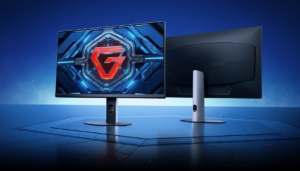
Xiaomi has started the global rollout of its Gaming Monitor G27i 2026, a new 27-inch display aimed at gamers. It follows the recent release of the Mini LED Gaming Monitor G Pro 27Qi 2026 and focuses on high refresh rates, fast response times, and accurate colors at a lower price point.
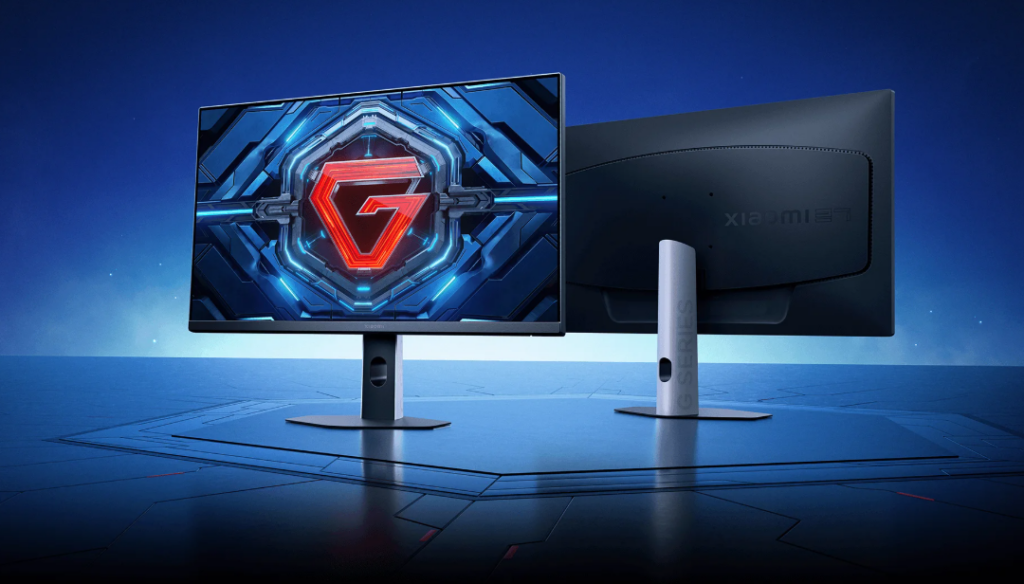
Xiaomi Gaming Monitor G27i 2026

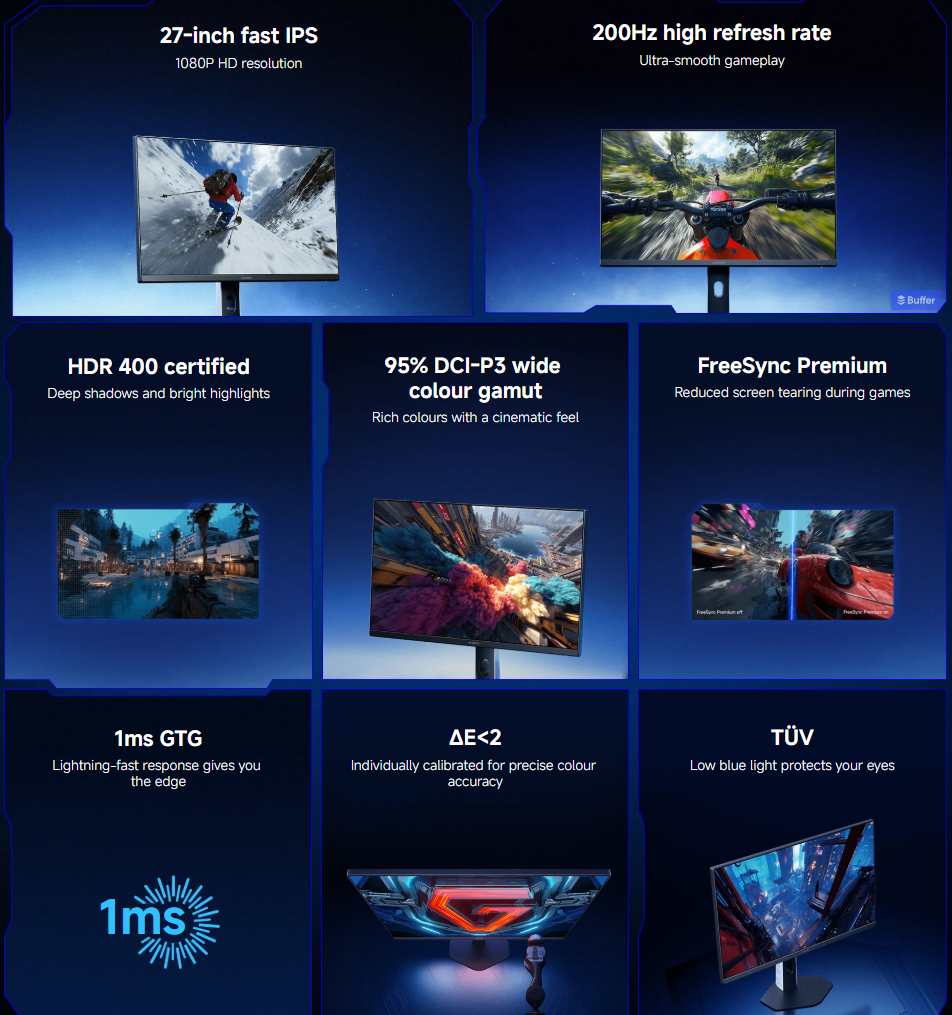
The G27i 2026 uses a 27-inch Fast IPS LCD panel with a Full HD resolution of 1920 × 1080 pixels and a 16:9 aspect ratio. It supports a 200Hz refresh rate in supported modes, along with a 1ms GTG response time when set to the Ultrafast option. Xiaomi states this combination helps reduce ghosting and motion blur in fast-moving scenes. In the official specification sheet, the panel refresh rate is listed at up to 165Hz, which suggests that 200Hz may depend on specific settings or inputs.

The panel offers wide 178-degree viewing angles and a typical brightness level of 250 nits. Peak brightness reaches up to 400 nits, allowing the monitor to meet VESA DisplayHDR 400 certification. This improves contrast between bright and dark areas, helping details remain visible during gameplay. The static contrast ratio is rated at 1000:1.
Xiaomi Gaming Monitor G27i 2026

Color performance is a key focus, as the monitor comes with factory calibration to achieve Delta E values below 2. The monitor supports 100 percent sRGB and 95 percent DCI-P3 color gamut coverage, along with 8-bit color depth capable of displaying 16.7 million colors. This makes it suitable for gaming, video playback, and general content creation.

The G27i 2026 supports FreeSync Premium and is also listed as G-Sync compatible. This helps reduce screen tearing and stuttering when frame rates fluctuate. Eye comfort features include TÜV Low Blue Light certification and DC dimming to reduce flicker during long sessions.

The monitor features an ultra-narrow bezel design and a tilt-adjustable stand with a range of minus 5 degrees to plus 15 degrees. It also supports 75 × 75 mm wall mounting. Physical controls are handled through a joystick button. Connectivity includes one DisplayPort 1.4, one HDMI 2.0 port, a 3.5 mm audio jack, and a DC input. The monitor consumes up to 36W of power and weighs 3.6 kg with the stand.

Pricing & availability

The Gaming Monitor G27i 2026 is priced at SGD 199 (~$157) in Singapore.

Don’t miss a thing! Join our Telegram community for instant updates and grab our free daily newsletter for the best tech stories!

For more daily updates, please visit our News Section.

The post Xiaomi Gaming Monitor G27i 2026 Launches Globally With 200Hz Refresh Rate and HDR400 appeared first on Gizmochina.
HyperOS 3 rollout nears completion as Xiaomi pushes the final batch

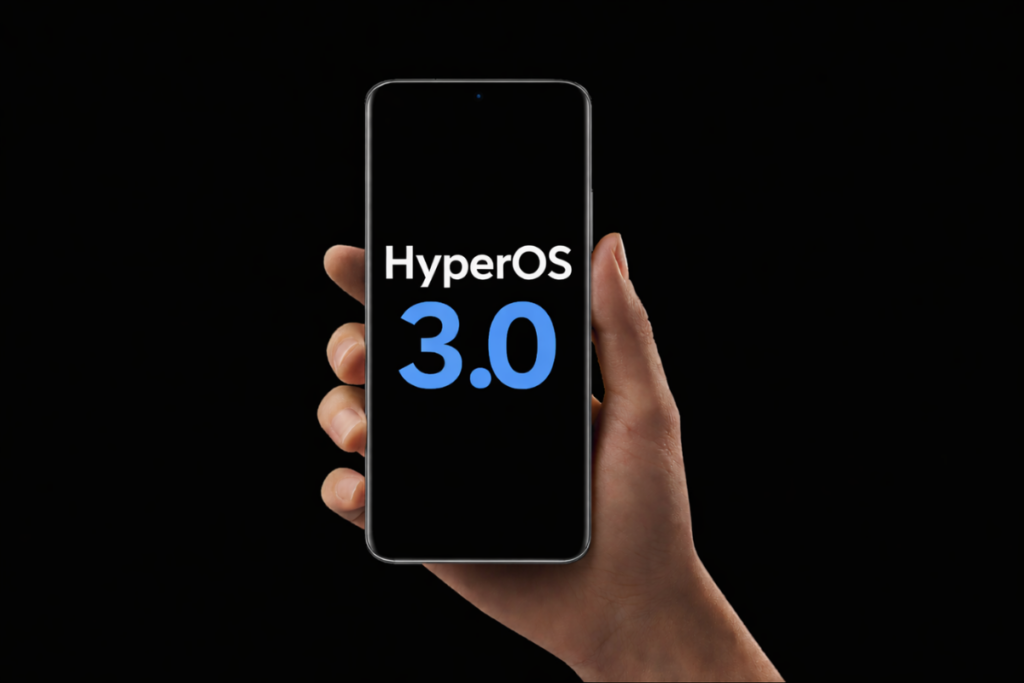
Xiaomi HyperOS 3.0 rollout progress

Xiaomi’s HyperOS 3 rollout began in October 2025 and has been gradually expanding to a long list of eligible devices. The update is now available on dozens of its devices, and only a few models are pending the HyperOS 3 upgrade. It appears Xiaomi won’t take long to wrap it up, as it has already begun the rollout for the last batch of eligible devices.

Here’s a list of Xiaomi, Redmi, and POCO devices that are still waiting for the HyperOS 3 update, as shared by Xiaomi Time:

  • Xiaomi 13T
  • Redmi Note 15 Pro 4G
  • Redmi 14R
  • Redmi 15 (LTE & 5G)
  • Redmi 15C (LTE & 5G)
  • Redmi A4
  • POCO C85 (LTE & 4G)
  • POCO C75 5G
  • POCO M7 5G
  • POCO M7 Plus
  • Redmi Pad Pro
  • POCO Pad

While some of these devices may have started receiving beta builds in select regions, the stable release has yet to appear. However, we expect the rollout to be completed by the end of February, as the HyperOS 3.1 release is also around the corner.

Xiaomi has already completed the first batch of the HyperOS 3.1 beta release and has recently opened the second batch. So, the development is happening at a rapid pace, and therefore, we’re expecting the stable rollout to begin as soon as next month. Check the list of Xiaomi devices receiving the latest beta update here.

To stay updated with the latest news about HyperOS, visit the Xiaomi section regularly. Or, you can join us on Telegram to get instant notifications about the latest HyperOS updates, along with the biggest tech headlines.

The post HyperOS 3 rollout nears completion as Xiaomi pushes the final batch appeared first on Gizmochina.
Xiaomi Pad 8 global variant appears on Geekbench revealing chipset details and CPU scores

Xiaomi Pad 8

The Xiaomi Pad 8 seems to be getting ready for a wider release, and a new Geekbench listing suggests the global launch may not be far off. The tablet’s international variant has now shown up on the benchmark database.

Xiaomi Pad 8

This isn’t the first sign of movement either. The Pad 8 Pro appeared on Geekbench earlier, and together the two listings make it look like Xiaomi is preparing to bring the full Pad 8 lineup to more markets. So far, the series has only been available in China, where it launched back in September 2025 alongside the Xiaomi 17 series.

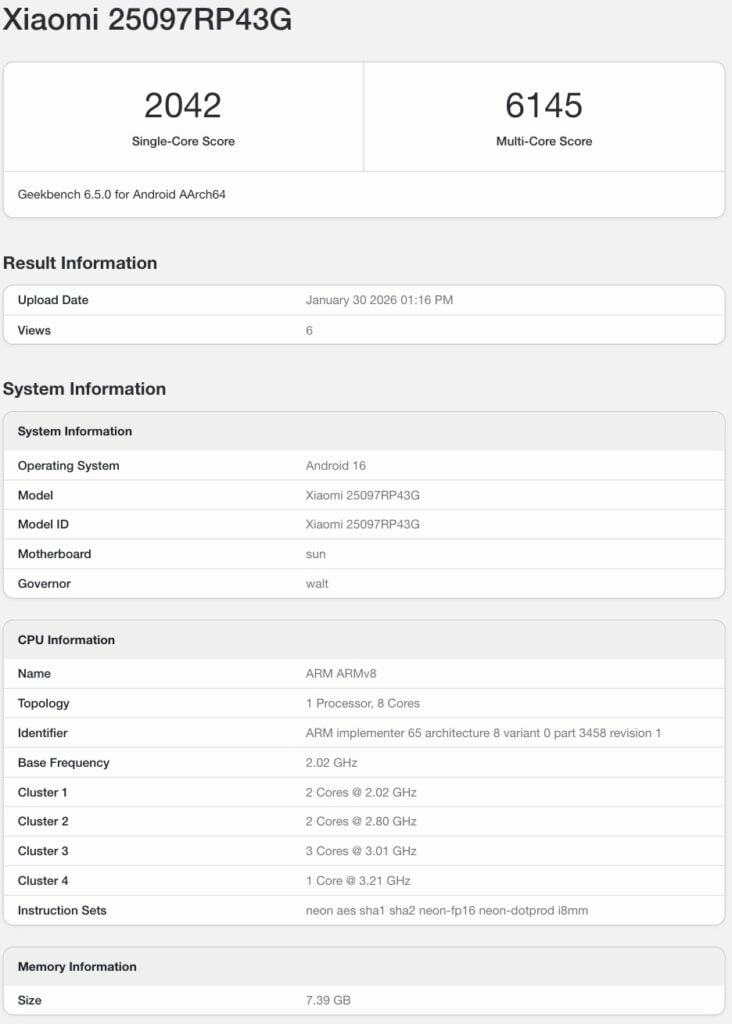
The new listing belongs to a device with the model number 25097RP43G, which is believed to be the global version of the standard Pad 8. According to the Geekbench entry, the CPU core configuration is as follows:

  • 2 × 2.02GHz
  • 2 × 2.8GHz
  • 3 × 3.01GHz
  • 1 × 3.21GHz

This layout matches the Chinese variant exactly, effectively confirming the presence of the Snapdragon 8s Gen 4 chipset. The test unit is listed with 8GB of RAM.

Performance numbers are solid. The tablet scores just over 2,000 points in single-core tests and around 6,100 points in multi-core. That places it comfortably ahead of the Snapdragon 7+ Gen 3-powered Xiaomi Pad 7, which recorded 1,877 and 5,106 points in single- and multi-core tests respectively.

In day-to-day use, this should translate to smoother multitasking and better performance in heavier apps, which is where tablets tend to show their limits.

The software version is listed as Android 16, which likely means it will ship with Xiaomi’s newer HyperOS build out of the box.

If the Chinese model is anything to go by, the Pad 8 should feature an 11.2-inch LCD panel with a 144Hz refresh rate, a large 9,200mAh battery, and 45W wired charging.

Tipster Abhishek Yadav has suggested that Xiaomi could launch the Pad 8 series globally in early March 2026, possibly around the time of MWC. That would line up with the recent increase in leaks and certifications.

For now, the Geekbench appearance doesn’t tell us everything, but it does confirm one thing: the Xiaomi Pad 8 is no longer China-only, and its global release is likely getting close.

Don’t miss a thing! Join our Telegram community for instant updates and grab our free daily newsletter for the best tech stories!

For more daily updates, please visit our News Section.

(Source | Via)

The post Xiaomi Pad 8 global variant appears on Geekbench revealing chipset details and CPU scores appeared first on Gizmochina.
HyperOS 3 Nears 100% Rollout: Full List of Every Device Getting the Update Soon

Xiaomi HyperOS 3 (Android 15) update

Xiaomi’s HyperOS 3 update rollout has now technically reached around 95 percent completion. As of right now, the brand’s major Android 16 OS based update has already dropped on a vast majority of eligible smartphones and tablets across the Xiaomi, POCO, and Redmi branded models. Only a handful of these devices are set to receive this update, as Xiaomi is nearing the final wave of updates. So here are all the models left, and when they are expected to receive the HyperOS 3 update.

Xiaomi HyperOS 3 Update: Which Models Will Get the Update?

While Xiaomi hasn’t published a complete official list in one place, tracking data and rollout plans show hundreds of phones and tablets have already got HyperOS 3 or are rolling out under staged OTA campaigns. These include flagship and mid-range models from the Xiaomi, Redmi and POCO families throughout late 2025 and early 2026. Some of the first in line, apart from new announcements, were the Xiaomi 15 series and Redmi Note 14 lineup.

HyperOS 3.1 update

The Chinese tech giant’s rollout was phased and region specific, with many devices getting the update earlier in China ahead of the global variants. Xiaomi has already been working through models in batches throughout October 2025 to early 2026, and its completion target is set for March 2026. So here’s a list of all the eligible devices that have yet to receive the HyperOS 3 update:

Xiaomi & Redmi Models

  • Xiaomi 13T
  • Redmi Note 15 Pro 4G
  • Redmi 14R
  • Redmi 15 4G
  • Redmi 15 5G
  • Redmi 15C 5G
  • Redmi 15C 4G
  • Redmi A4

POCO Models

  • POCO C85 4G
  • POCO C85 5G
  • POCO C75 5G
  • POCO M7 5G
  • POCO M7+

Tablets

  • Redmi Pad Pro (WiFi & 5G variants)
  • POCO Pad

In related news, the Xiaomi 14 Civi finally received the HyperOS 3 update, while the company is already rolling out the HyperOS 3.1 update for eligible models.

For more daily updates, please visit our News Section.

Tech enthusiast? Get the latest news first! Follow our Telegram channel and subscribe to our free newsletter for your daily tech fix! ⚡

(Via: 1, 2)

The post HyperOS 3 Nears 100% Rollout: Full List of Every Device Getting the Update Soon appeared first on Gizmochina.
The Best Ultra Slim Power Banks in 2026

Anker-Nano-Power-Bank

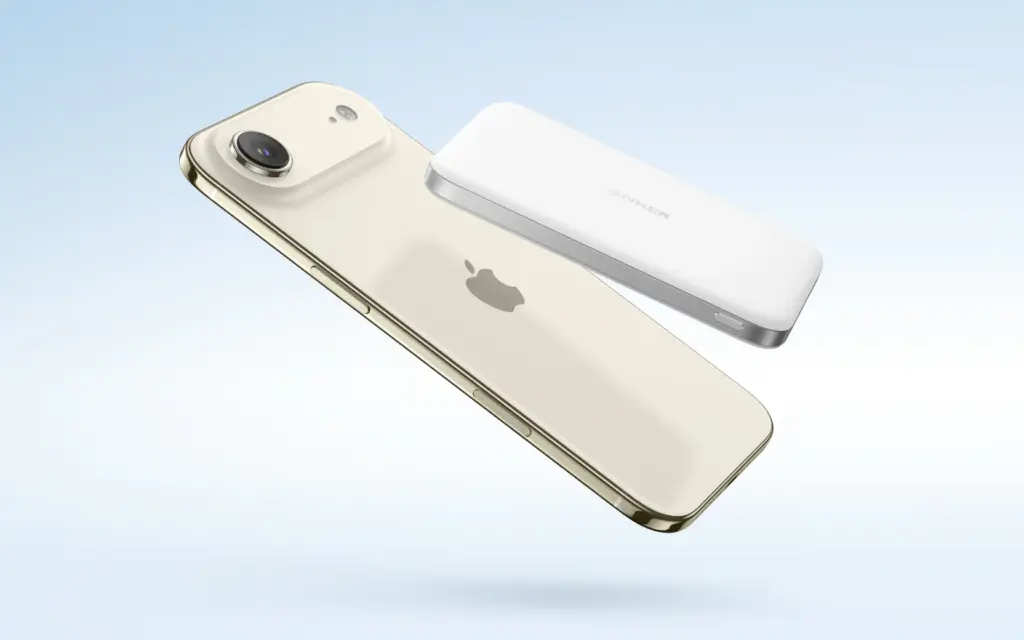
Ultra-slim magnetic power banks have become essential for users who need reliable charging without adding bulk. The latest models in 2026 focus on Qi2 certification, fast USB-C speeds, and form factors that complement modern smartphones. Here’s a closer look at some of the best options available right now.

Anker Nano Power Bank

Anker Nano Power Bank

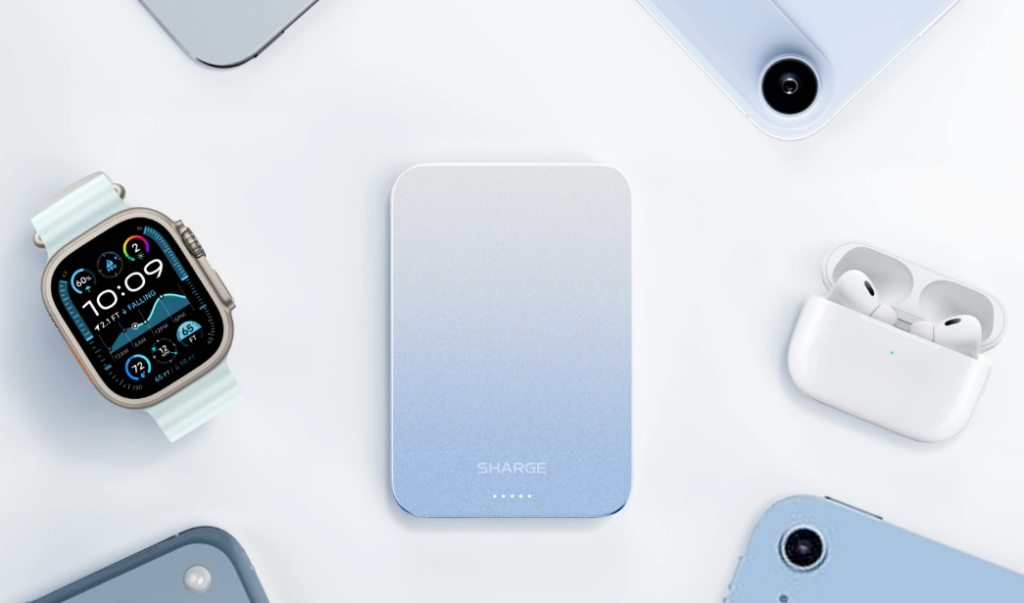
Anker has unveiled the Nano Power Bank as the slimmest and most advanced model in the lineup so far. It measures just 0.34 inches thick, weighs 122g, and targets MagSafe-compatible iPhones from the iPhone 12 to iPhone 17 series. The power bank supports 15W Qi2-certified magnetic wireless charging and includes a two-way 20W USB-C port, all packed into a compact, pocket-friendly design.

It can charge an iPhone 17 Pro to 25% in around 34 minutes while staying comfortably cool, thanks to a graphene cooling system combined with dual NTC sensors that keep temperatures below 104°F. The skin-friendly back panel, anodized metal frame, and four color options give it a premium feel that matches its performance. It suits iPhone users who want reliable, stylish charging while on the move.

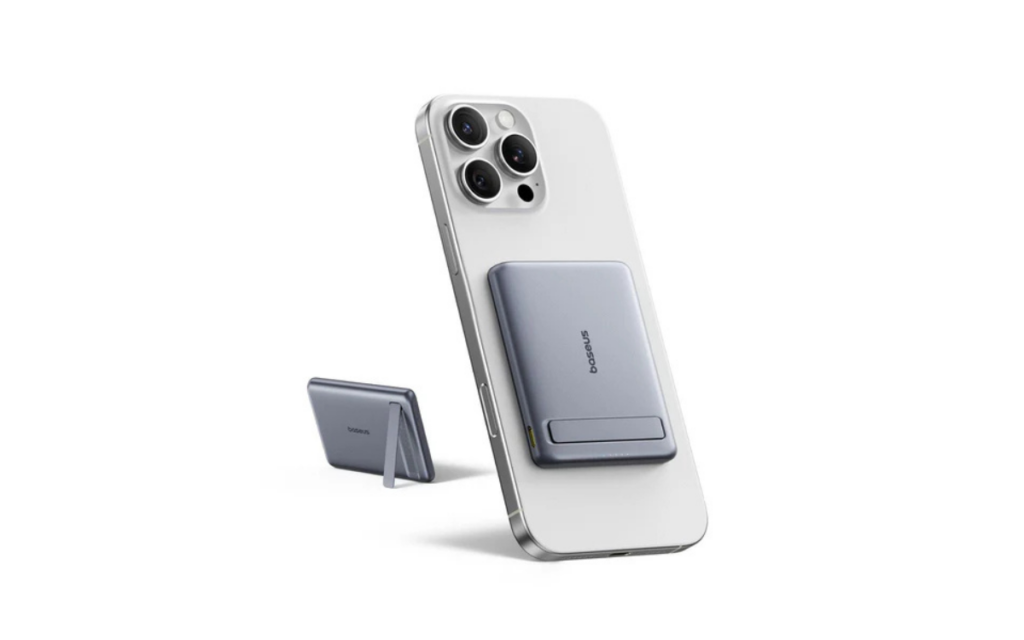
Baseus PicoGo AM31 Mini

Baseus PicoGo AM31 Mini

If hands-free use is a priority, the Baseus PicoGo AM31 Mini power bank checks every box. It’s smaller than a credit card at 3.4 x 2.3 x 0.45 inches and includes a built-in aluminum kickstand that works in both portrait and landscape orientations.

The AM31 supports 15W wireless charging and 20W wired charging over USB-C, using Tesla-grade battery cells paired with a triple-layer heat management system for consistent performance. Its liquid silicone finish, combined with an anodized aluminum body, gives it a premium look while improving durability.

The power bank features an 11N magnetic hold and full Qi2 certification, allowing it to securely snap onto iPhones as well as Android phones that support Qi2 magnetic charging.

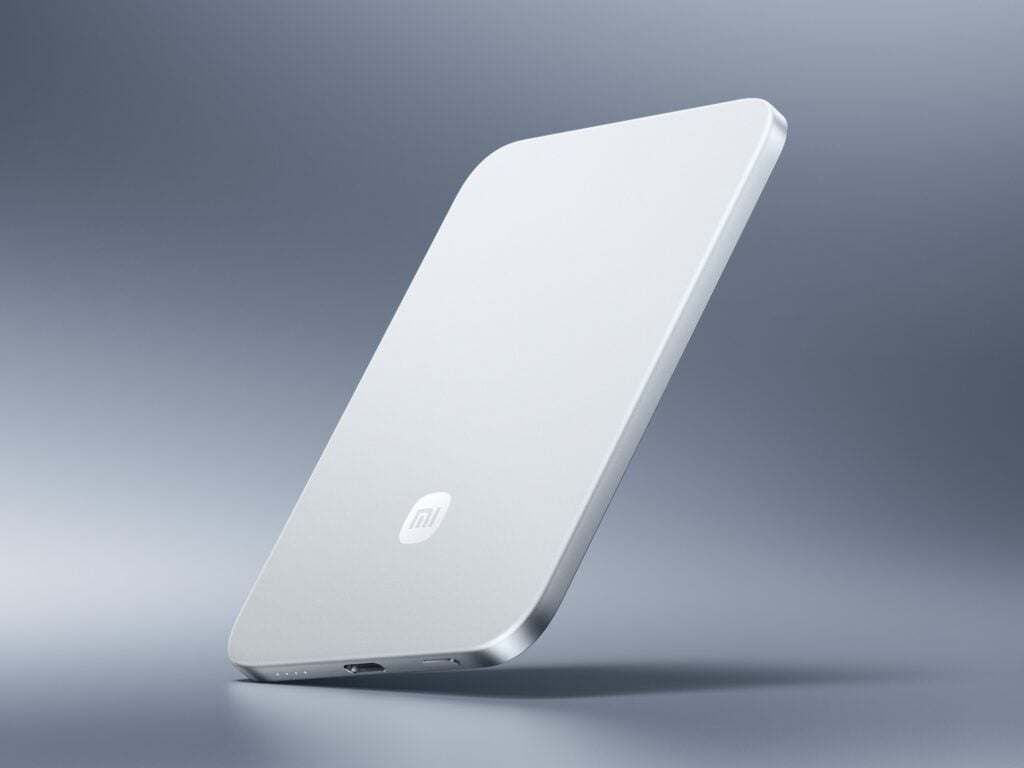
Xiaomi Ultrathin Magnetic Power Bank

Xiaomi UltraThin magnetic power bank

The Xiaomi Ultrathin Magnetic Power Bank is an engineering feat, squeezing 5,000mAh into a mere 6mm chassis that weighs just 98g. Designed for extreme portability, it’s a natural fit for slim phones like the iPhone 17 Pro and Xiaomi 15 Ultra, matching their metallic aesthetics.

While it supports 15W wireless charging and an impressive 22.5W USB-C output, there’s a catch: it only delivers 7.5W of wireless power on iPhones due to the lack of Qi2 certification. That makes it best suited for Android users or those who value form factor above peak iPhone performance.

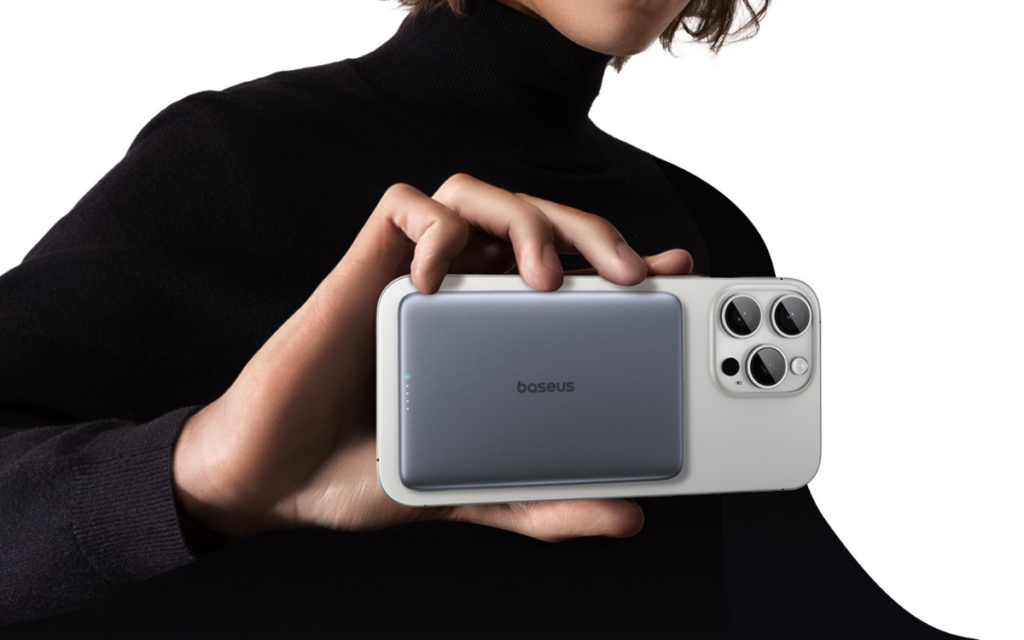
Baseus PicoGo Ultra-Slim

Baseus PicoGo Ultra-Slim Qi2 Magnetic Power Banks

Baseus offers two ultra-thin PicoGo models, giving users a choice between lighter 5,000mAh (4.6oz) and longer-lasting 10,000mAh (7.8oz) variants. Both support Qi2-certified 15W wireless and 20W+ wired charging, with a slick 0.3-0.5 inch slim body, card-size design, and liquid silicone + aluminum alloy housing.

The 10K version even bumps wired output to 27W, charging iPhones, iPads, and even some USB-C tablets efficiently. Available in four colors (Black, Grey, Pink, Titanium), these power banks stand out for their durability, thermal control, and long-lasting style.

Sharge AeroMag

Sharge AeroMag

The AeroMag series fuses luxury-grade materials with practical design. Both 5K (125g) and 10K (192g) models feature aerospace-grade anodized aluminum with graphene cooling, keeping the bank and your phone cool even during long calls or streaming sessions.

Certified with Qi2, the AeroMag hits 15W magnetic wireless and 20W wired output. Even better, it can charge two devices simultaneously, wireless for your phone and wired for your earbuds. With a premium finish and N52 magnet array for a shake-proof grip, this is the go-to for those who want power with polish.

For more daily updates, please visit our News Section.

Stay ahead in tech! Join our Telegram community and sign up for our daily newsletter of top stories! 💡

The post The Best Ultra Slim Power Banks in 2026 appeared first on Gizmochina.
HyperOS 3 update finally arrives for Xiaomi 14 Civi

Xiaomi 14 Civi
Xiaomi 14 Civi

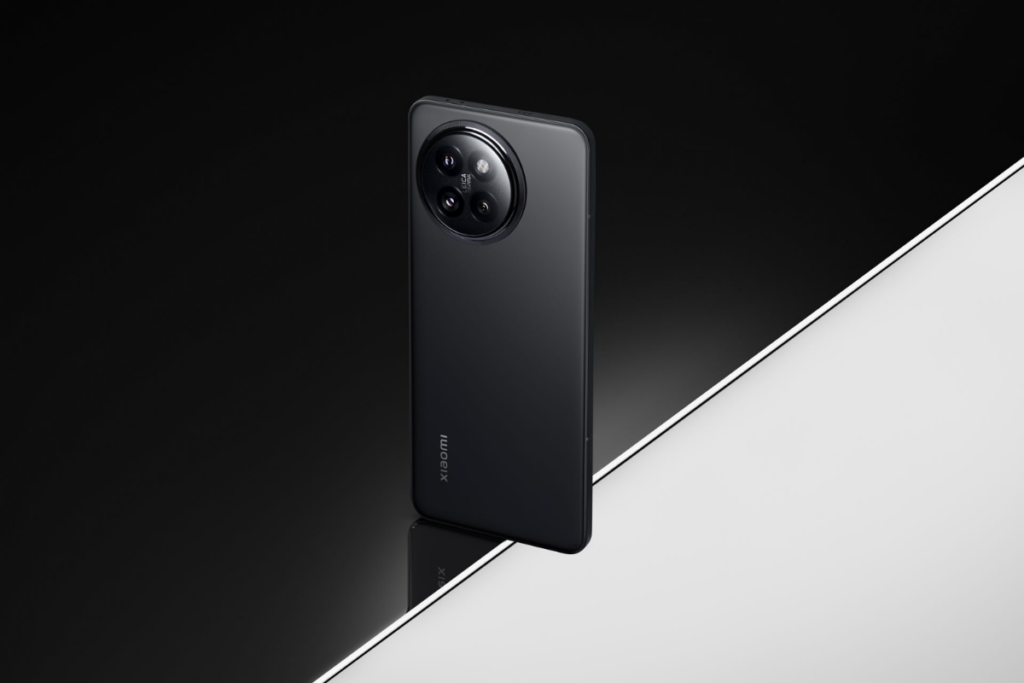
Xiaomi has finally started rolling out the much-awaited HyperOS 3 update for the Xiaomi 14 Civi users, while the regular Xiaomi 14 models received it a month ago. Anyway, the update is finally here for Xiaomi 14 Civi, and it brings loads of exciting stuff, including a bundle of new features and dozens of improvements.

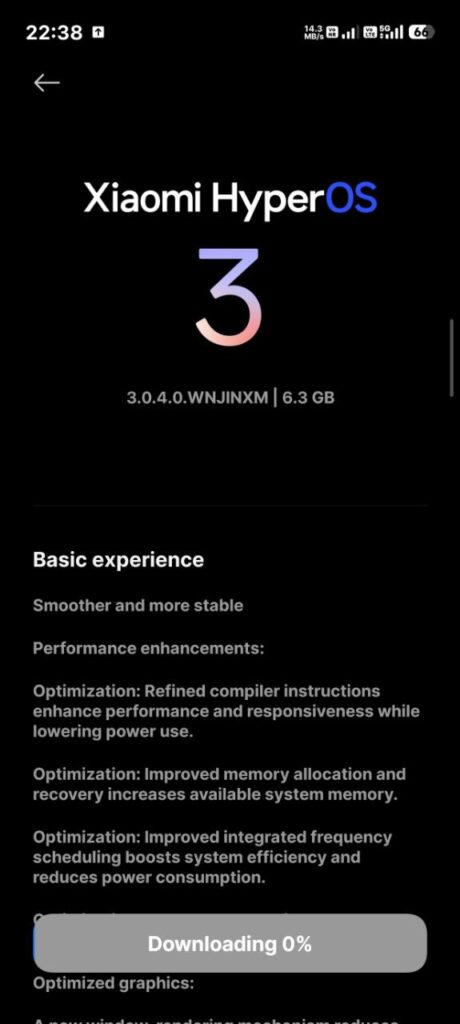
The HyperOS 3 update, based on Android 16, is initially rolling out in India with the firmware version 3.0.4.0.WNJINXM. It’s a massive update package with a download size of about 6.3GB. So, it’s best to download it over a stable Wi-Fi connection.

Xiaomi 14 Civi HyperOS 3 update

Since Xiaomi rolls out updates in batches, it may take a few days for all users to receive them. If you’re rocking a Xiaomi 14 Civi, check for available updates manually by navigating to Settings > About phone, then tapping the HyperOS logo. To ensure a smooth upgrade to HyperOS 3, ensure that the device has sufficient space on the internal storage and it’s charged to at least 50%. You can back up important data for added safety.

After upgrading to HyperOS 3.0, you’ll have plenty to explore and play with, including a new HyperIsland, which lets you monitor live activities without opening the app. The updated lock screen now includes AI Cinematic Lock Screen, AI Dynamic Wallpapers, and more new features, allowing greater customization for a more personalized, dynamic lock screen experience.

HyperOS 3 also focuses on AI, with new features such as AI Writing, AI Speech Recognition, AI Search, and AI Translate. The software now features Gemini integration for a more useful software experience. Additionally, Xiaomi has made over 100 improvements to HyperOS 3 to deliver a faster, smoother experience.

The company is also working on HyperOS 3.1, which would still be based on Android 16, and is expected to bring useful upgrades to the software. It has already started recruiting people for the beta program. Unfortunately, the Xiaomi 14 Civi is not on the beta list, but it should receive the update once the stable rollout begins.

To stay updated with the latest news about HyperOS, visit the Xiaomi section regularly. Or, you can join us on Telegram to get instant notifications about the latest HyperOS updates, along with the biggest tech headlines.

The post HyperOS 3 update finally arrives for Xiaomi 14 Civi appeared first on Gizmochina.
Xiaomi heavily discounts battery replacements on dozens of older phones

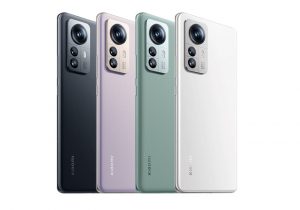
Xiaomi 12S Pro

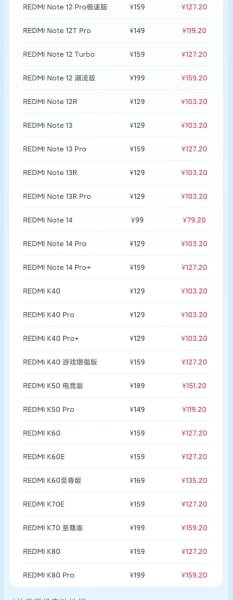
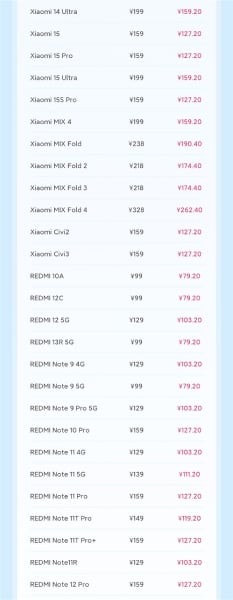
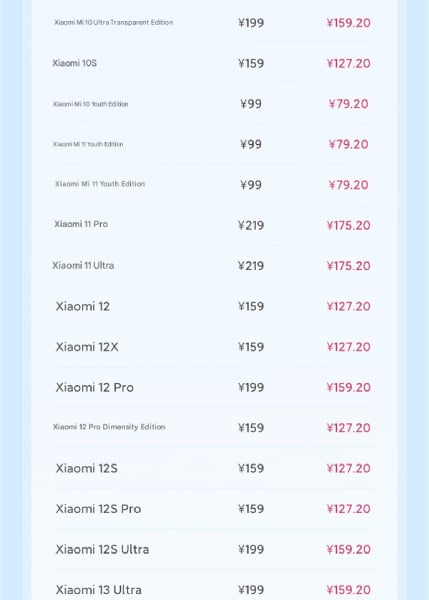
Xiaomi is kicking off February with a new round of after-sales perks. The company has announced its February Super Service Week, running from February 1st to February 8th, during which the brand is offering discounts on battery replacements, device cleaning, and appliance servicing across China.

The headline offer this time is a 20% discount on smartphone battery replacements. According to Xiaomi, the program will cover 70 phone models with replacement prices starting at 79.2 yuan after the discount. 

The list goes back to 2020

What’s notable is how far back the supported models go. The list includes several older flagships, such as the Xiaomi 10 series, Xiaomi 11 Pro, and Xiaomi Mix Fold.

For instance, the Xiaomi 10 series was launched back in February 2020. At the time, CEO Lei Jun described the Xiaomi 10 as a product designed to break free from strict price constraints and push Xiaomi firmly into the high-end smartphone market.

The battery discount isn’t limited to flagships either. Xiaomi says models like the Redmi 10A, Redmi Note 9, Redmi K40 series, and even the newer Redmi K80 series are also part of the program. 

Beyond phones, Xiaomi’s Super Service Week also includes double discounts on old appliances for trade-ins, 50 percent off deep cleaning and maintenance for laptops, and a fixed price of 99 yuan for cleaning and maintenance of air conditioners and washing machines.

Xiaomi Service is also using the campaign to remind users about everyday battery care, encouraging more “scientific” charging habits and avoiding extreme temperatures to help extend battery life. 

Xiaomi has been running such programs regularly in China to let users make the most out of their smartphones. For now, though, these initiatives are limited to just the mainland. 

It’s hard not to wish Xiaomi would bring similar programs to global users as well, especially as phones get more expensive and people hold onto their devices longer than ever.

For more daily updates, please visit our News Section.

Stay ahead in tech! Join our Telegram community and sign up for our daily newsletter of top stories! 💡

The post Xiaomi heavily discounts battery replacements on dozens of older phones appeared first on Gizmochina.

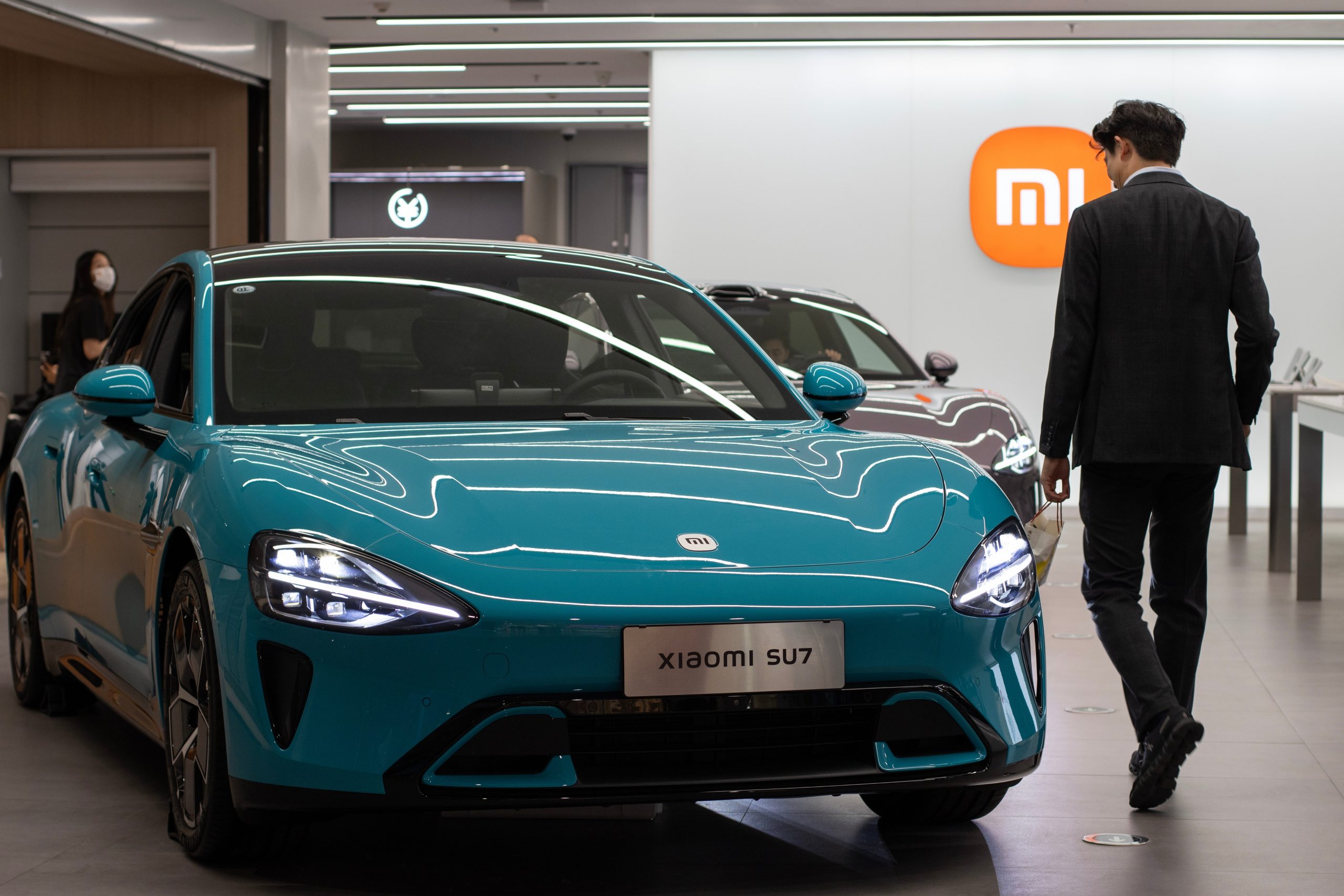
Chinese NEV startup sales ranking, HIMA: 57,915, Xiaomi: 39,000+, January 2025

The first month of 2026 saw a collective decline across the Chinese automotive industry, partially due to that the tax exemption policy for NEV had just ended.

The post Chinese NEV startup sales ranking, HIMA: 57,915, Xiaomi: 39,000+, January 2025 appeared first on CarNewsChina.com.

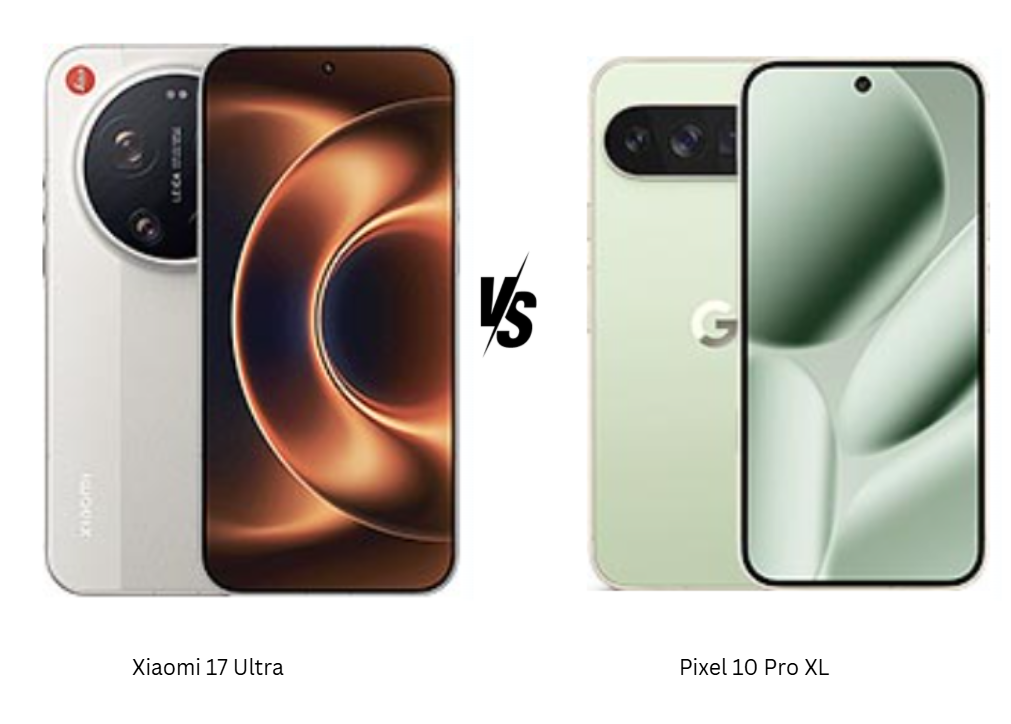
Xiaomi 17 Ultra vs Pixel 10 Pro XL: Specs, Camera, Battery, and Price Compared

xiaomi vs pixel

Xiaomi 17 Ultra and Pixel 10 Pro XL are two of the most powerful Android phones you can buy right now. Both promise top-tier performance, excellent cameras, and premium features, but they go about it very differently. One focuses on bigger hardware and faster charging, while the other leans on software and smart features. This comparison breaks down which one actually delivers the better flagship experience.

Design and Display 

Build and Feel

Xiaomi 17 Ultra goes for a bold, camera-centric identity that feels engineered for power users. Its materials and visual weight give it a professional, almost tool-like presence. The Pixel 10 Pro XL takes the opposite route with a restrained, minimalist design that blends seamlessly into daily life. Xiaomi feels more expressive and experimental, while Pixel feels calmer and more refined. One draws attention, the other avoids it, and that difference is immediately noticeable in everyday handling.

Display Quality

Both phones deliver flagship LTPO panels with excellent HDR and adaptive refresh rates. Xiaomi prioritizes visual punch with extremely high brightness and contrast, making content feel cinematic and vibrant. Pixel focuses on accuracy, offering cleaner whites, more natural colors, and consistent tuning across apps. Xiaomi’s display feels more dramatic, while Pixel’s feels more controlled and reliable over long use.

Verdict

Xiaomi wins on visual impact. Pixel wins on balance and refinement.

Specifications 

Performance

Xiaomi 17 Ultra is built for raw performance. Its Snapdragon chipset delivers top-tier speed for gaming, multitasking, and heavy camera use with ease. Pixel 10 Pro XL, powered by Google’s Tensor chip, emphasizes AI-driven efficiency rather than peak benchmarks. Everyday tasks feel smooth and intelligent, but it lacks the headroom power users may expect. Xiaomi feels faster under pressure; Pixel feels optimized for routine use.

Battery and Charging

Battery life strongly favors Xiaomi thanks to its much larger capacity and extremely fast wired and wireless charging. Long days feel less stressful, and short charging sessions go a long way. Pixel’s battery life is stable and predictable, but charging speeds are conservative. Google clearly prioritizes longevity and thermal stability over speed.

Verdict

Xiaomi dominates in endurance and charging. Pixel focuses on efficiency and consistency.

Camera 

Main and Secondary Lenses

Xiaomi’s camera setup is aggressively hardware-driven. Its large main sensor and high-resolution periscope lens deliver excellent detail, strong low-light results, and standout zoom performance. It feels designed for users who enjoy versatility and control. Pixel relies more on computational photography, producing consistently natural images with excellent dynamic range and dependable color science. Xiaomi often delivers more dramatic shots; Pixel delivers safer, more predictable results.

Selfie Camera

Both phones perform well, but the Pixel’s front camera excels in focus reliability and social-ready processing. Xiaomi offers more detail, while Pixel offers better consistency.

Verdict

Xiaomi suits photography enthusiasts. Pixel suits users who want effortless, reliable results.

Pricing 

Price Comparison

Xiaomi 17 Ultra is priced at approximately $1000, while the Pixel 10 Pro XL sits higher at around $1200. This gap significantly changes the value conversation. Xiaomi delivers stronger battery life, faster charging, and more aggressive camera hardware for less money. Pixel positions itself as a premium experience rather than a spec-heavy bargain.

Is the Price Justified?

Xiaomi feels generous, offering flagship hardware that clearly exceeds expectations at its price. It appeals to users who want maximum capability per dollar. Pixel’s higher price is tied to long-term software updates, deep AI integration, and ecosystem reliability. That premium makes sense for users who value longevity and simplicity over raw specs.

Verdict

Xiaomi offers superior value. Pixel charges more for software polish and long-term support.

Disclaimer:
Prices are approximate and may vary based on country, region, and applicable taxes.

Conclusion 

Xiaomi 17 Ultra stands out with its massive battery, ultra-fast charging, powerful chipset, and camera system built for versatility and zoom. It feels like a device designed to push limits. The Pixel 10 Pro XL differentiates itself through clean software, advanced AI tools, and years of guaranteed updates. It feels designed for stability, intelligence, and long-term reliability rather than experimentation.

Final Verdict 

Xiaomi 17 Ultra is the better overall smartphone. It delivers stronger performance, a far better battery and charging, more advanced camera hardware, and a lower price. Pixel 10 Pro XL remains an excellent choice for users deeply invested in Google’s ecosystem, but Xiaomi offers a more complete flagship experience with fewer compromises.

Read More:

The post Xiaomi 17 Ultra vs Pixel 10 Pro XL: Specs, Camera, Battery, and Price Compared appeared first on Gizmochina.
Xiaomi Launches 34-Inch G34WQi 2026 Curved Gaming Monitor Outside China

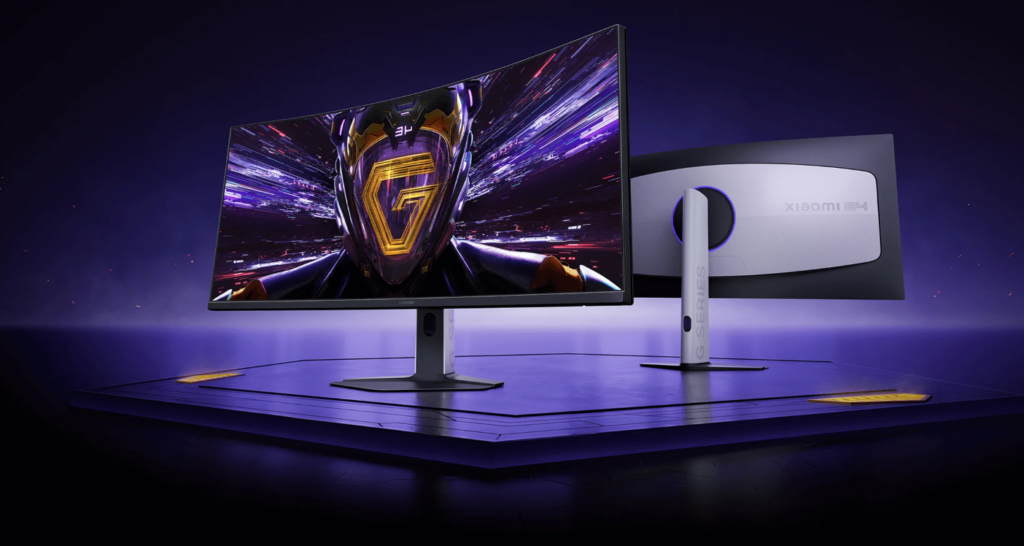
Xiaomi has quietly released the Curved Gaming Monitor G34WQi 2026 in Australia, marking the first market outside China to receive the display. The monitor was listed toward the end of 2025 and is currently only available in Australia and China. In China, it is sold under the name Redmi G34WQ 2026. Xiaomi has not shared details about availability in other regions.

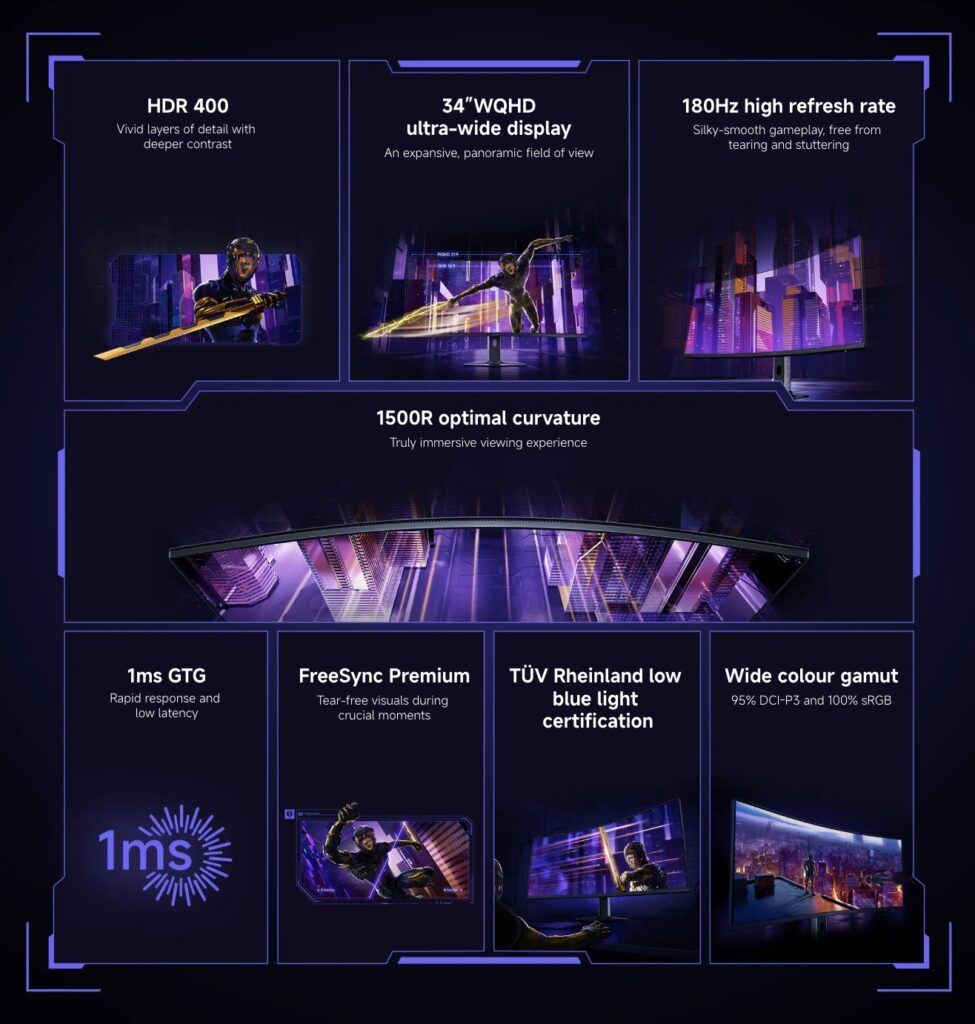
The monitor uses a 34-inch WQHD panel with a 3440 × 1440 resolution and a 21:9 aspect ratio. It features a 1500R curve that is designed to match natural eye movement and keep viewing distance consistent across the screen. Xiaomi states that the ultra-wide format offers around 30 percent more screen space than a standard 16:9 display, which can benefit both gaming and multitasking.

For gaming performance, the G34WQi 2026 supports a 180Hz refresh rate and a 1ms GTG response time. This setup aims to reduce motion blur and ghosting in fast-moving scenes. FreeSync Premium is also supported, allowing the refresh rate to stay in sync with the GPU to reduce tearing and stuttering.

The display meets HDR 400 standards and reaches up to 400 nits of peak brightness. It has a 3500:1 contrast ratio for stronger separation between dark and bright areas. Color coverage includes 95 percent DCI-P3 and 100 percent sRGB. The panel supports 10-bit color depth and can display up to 1.07 billion colors. Xiaomi lists color accuracy at Delta E below 2.

For long sessions, the panel is TÜV Rheinland certified for low blue light and uses DC dimming to reduce flicker. The stand supports height adjustment, tilt, swivel, and VESA wall mounting at 100 × 100 mm. The monitor weighs 6.5 kg with the stand and uses ultra-narrow bezels.

Connectivity includes two DisplayPort 1.4 ports, two HDMI 2.0 ports, one audio port, and one DC IN port. Power input is rated at 24V 2.71A, with a total power rating of 65W. Viewing angles are rated at 178 degrees horizontally and vertically. Physical dimensions with the stand are 811.3 mm by 277.3 mm by 521.5 mm.

Pricing & availability

In Australia, Xiaomi has priced the monitor at AUD 599 but is currently offering it at AUD 449, which converts to roughly $313. The monitor is expected to arrive in other markets soon.

For more daily updates, please visit our News Section.

Stay ahead in tech! Join our Telegram community and sign up for our daily newsletter of top stories.

The post Xiaomi Launches 34-Inch G34WQi 2026 Curved Gaming Monitor Outside China appeared first on Gizmochina.
Xiaomi Pad 8 Pro Global Specs Leak via Geekbench With Flagship Performance

Xiaomi Pad 8 Pro

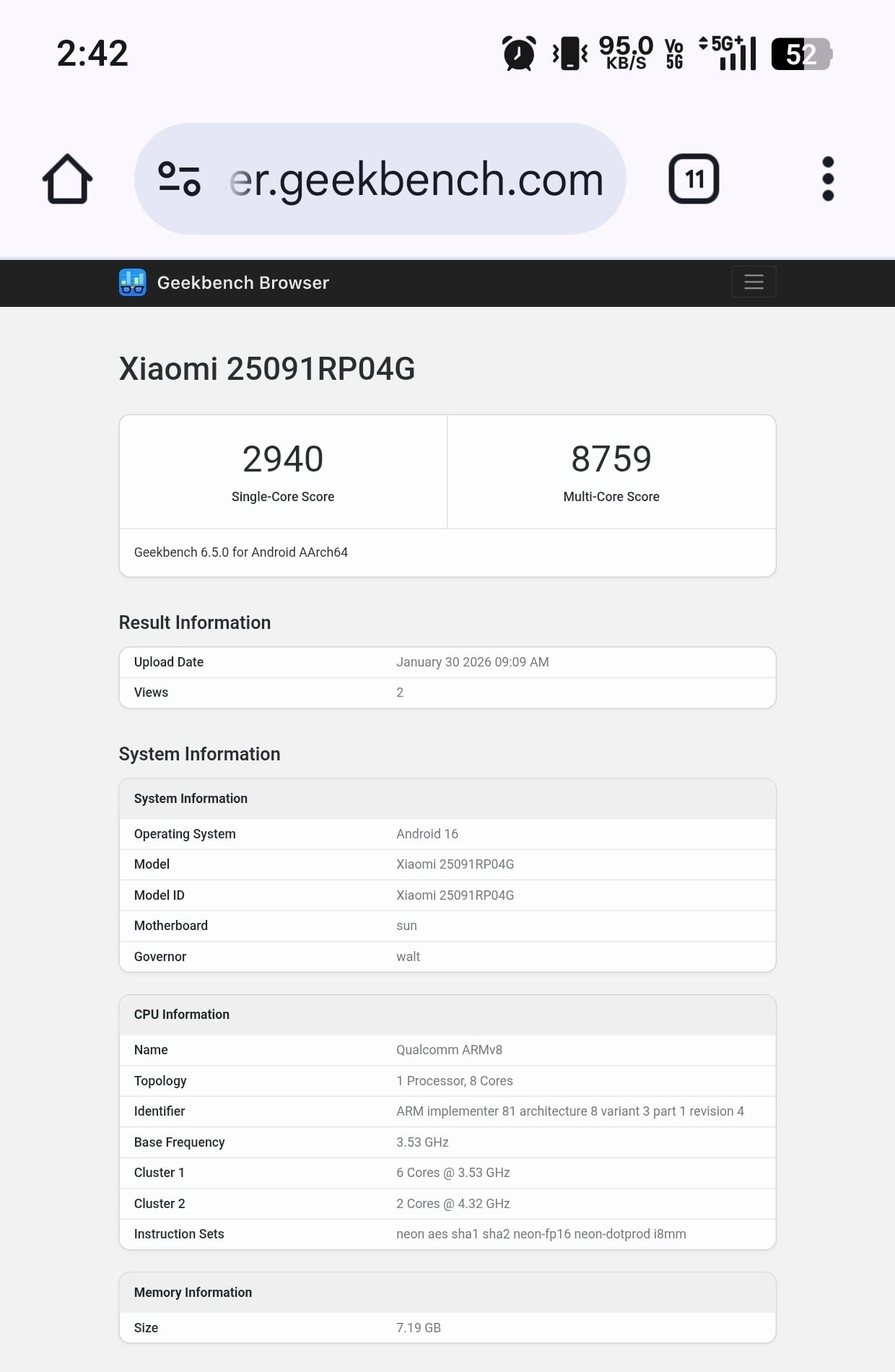
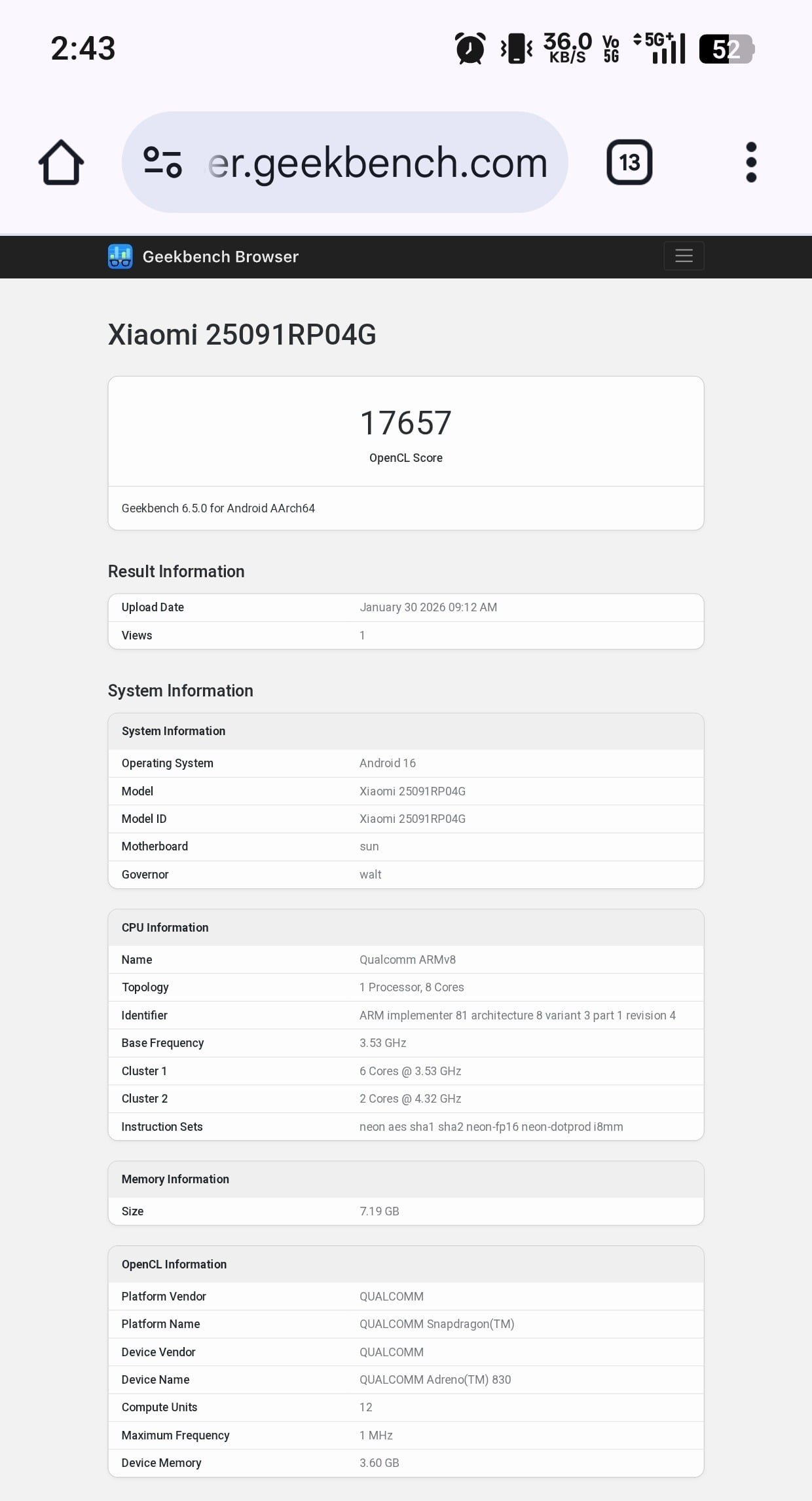
Earlier this month, the global variant of Xiaomi’s Pad 8 Pro tablet made an appearance on the UAE’s TDRA certification database with model number 25091RP04G. Now, this tablet has also emerged on Geekbench, giving us some initial insights into its hardware.

As per the Geekbench listing, the Xiaomi Pad 8 Pro will start with 8 GB of RAM, which could likely be paired with 256 GB of internal storage. Performance results from the benchmarks reveal a single-core score of 2940 and a multicore score of 8759. These scores closely match the Chinese version that was reviewed late last year. It also confirms that the tablet features a Snapdragon 8 Elite chip.

Xiaomi Pad 8 Pro

Xiaomi has not confirmed a global launch date for the Pad 8 Pro. The same applies to the Xiaomi 17 smartphone series. Still, a recent leak from a European retailer suggests that the Xiaomi 17 could launch internationally soon, which may also signal progress on the Pad 8 Pro’s global release.

Xiaomi Pad 8 Pro (Chinese version) features

The Xiaomi Pad 8 Pro features an 11.2-inch 3.2K LCD with a resolution of 3200 × 2136 and a 3:2 aspect ratio. The display supports up to a 144Hz refresh rate, 12-bit color depth, 345 PPI, and 800 nits of peak brightness. It supports HDR10, Dolby Vision, and HDR Vivid. TÜV eye protection and DC dimming are included for improved viewing comfort. The Matte Edition uses AG nano-texture etching and an AR coating, which cuts 99 percent of stray light and reduces reflectivity by 70 percent.

The tablet is powered by Qualcomm’s Snapdragon 8 Elite, a 3 nm chipset with an octa-core CPU clocked up to 4.32GHz and an Adreno GPU. Xiaomi claims AnTuTu scores exceeding 3 million, making it suitable for multitasking, 4K video editing, and native-resolution gaming.

For more daily updates, please visit our News Section.

Stay ahead in tech! Join our Telegram community and sign up for our daily newsletter of top stories!

(Source, via)

The post Xiaomi Pad 8 Pro Global Specs Leak via Geekbench With Flagship Performance appeared first on Gizmochina.
Xiaomi Mini LED G Pro 27Qi 2026 Gaming Monitor Launched with 180Hz, 2K Resolution & 2,000 Nits Brightness

Xiaomi Mini LED Gaming Monitor G Pro 27Qi 2026

Xiaomi has quietly released its latest Mini LED gaming monitor, the Mini LED Gaming Monitor G Pro 27Qi 2026. The monitor first appeared on Xiaomi’s global website in early December and has now reached retail shelves in Australia, marking its first confirmed market launch.

Xiaomi Mini LED Gaming Monitor G Pro 27Qi 2026

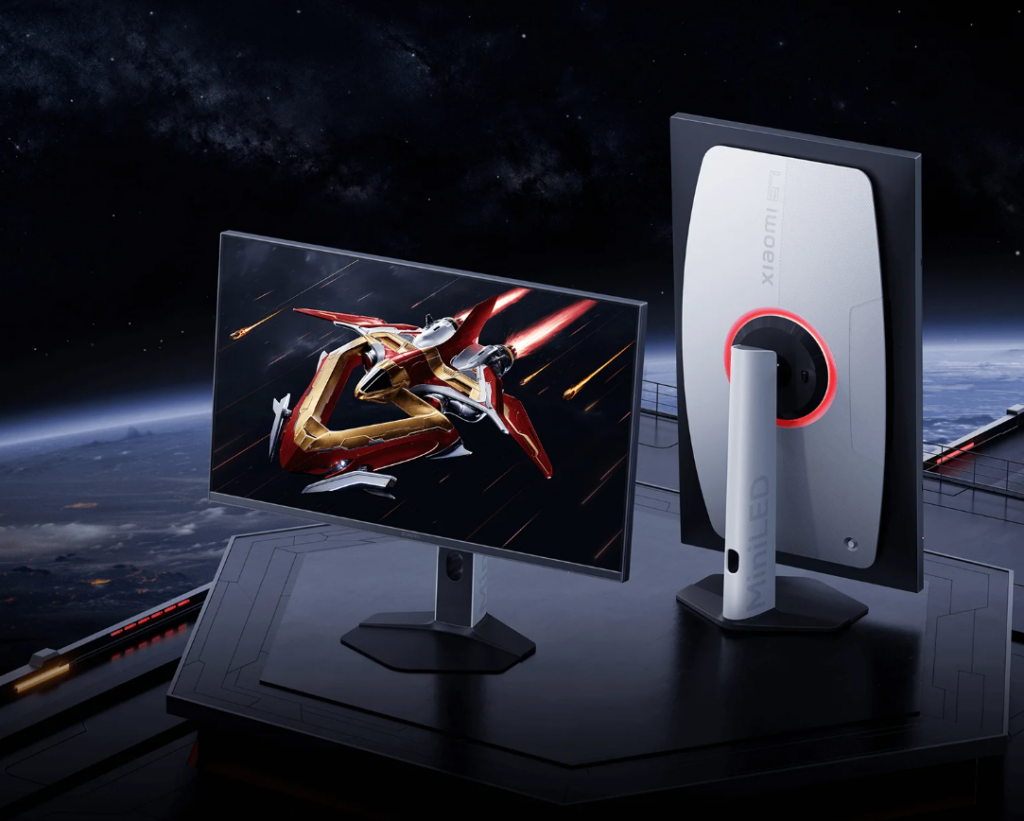
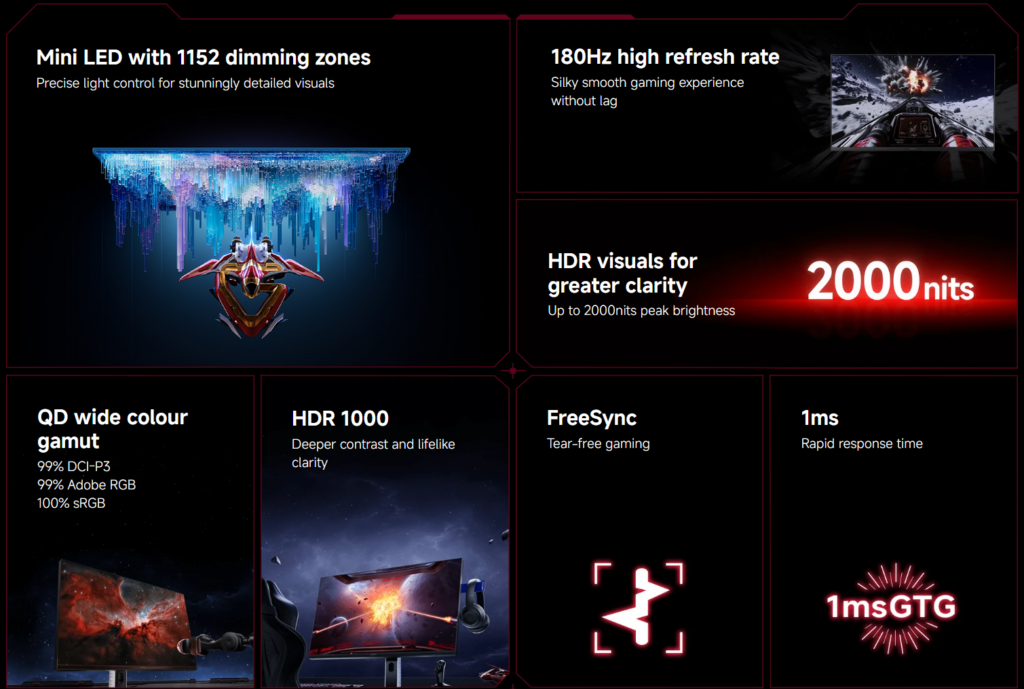
The G Pro 27Qi 2026 features a 27-inch Fast IPS panel with a 2560 × 1440 resolution and a 16:9 aspect ratio. It uses Mini LED backlighting with 1,152 local dimming zones, designed to deliver precise light control and improved contrast. Xiaomi combines this with a global dimming engine, a proprietary local dimming algorithm, and AI-based scene recognition to dynamically adjust brightness based on on-screen content.

The monitor supports a 180Hz refresh rate and a 1ms GTG response time, targeting smooth gameplay with reduced motion blur and ghosting. Variable refresh rate support and AMD FreeSync help keep the display in sync with the GPU to reduce screen tearing and stuttering in fast-moving scenes.

Xiaomi Mini LED Gaming Monitor G Pro 27Qi 2026

HDR performance is a major focus. The panel reaches up to 2,000 nits of peak brightness and supports HDR1000. Xiaomi claims dark detail reproduction down to 0.0001 nits, allowing brighter highlights and deeper blacks in supported games and content. The display also uses a QD wide colour gamut, covering 100 percent sRGB, 99 percent DCI-P3, and 99 percent Adobe RGB. It supports 1.07 billion colours with 10-bit colour depth and is factory calibrated to achieve a ∆E value below 1.

In terms of design, the monitor features slim bezels on three sides, rear backlight effects, and a retractable headphone holder. The hexagonal base supports height adjustment up to 120mm, tilt from 5 degrees forward to 21 degrees backward, swivel up to 35 degrees on either side, and full pivot for portrait use. VESA 75 × 75mm wall mounting is also supported. Connectivity includes two HDMI 2.0 ports, two DisplayPort 1.4 ports, a DC input, and an audio jack. Power consumption is rated at 65W.

Pricing & availability

The Mini LED Gaming Monitor G Pro 27Qi 2026 is priced at AUD 699 in Australia, but an initial sale has reduced the price to AUD 499. Xiaomi has not confirmed availability in other regions yet.

Don’t miss a thing! Join our Telegram community for instant updates and grab our free daily newsletter for the best tech stories!

For more daily updates, please visit our News Section.

The post Xiaomi Mini LED G Pro 27Qi 2026 Gaming Monitor Launched with 180Hz, 2K Resolution & 2,000 Nits Brightness appeared first on Gizmochina.
Xiaomi HyperOS 3.1 Update: New Features, Smarter UI, & Eligible Device List

HyperOS 3.1 update

Xiaomi’s HyperOS 3.1 is the next major update of its custom Android skin. This builds on the Android 16 OS based HyperOS 3, bringing an enhanced UI, smarter intelligent features, and improved ecosystem integration. There are also various bug fixes and much more. So here’s everything new and all the devices eligible for the update.

Xiaomi HyperOS 3.1 beta update
Xiaomi HyperOS 3.1

Enhanced Super Island

One of the main features of the HyperOS 3.1 update is an upgraded Super Island, which is Xiaomi’s take on Apple’s Dynamic Island. It is more interactive and informative than before, bringing support for Live Updates from third party apps such as music, reminders, and timers. This makes the pill shaped widget a real dynamic hub that is more intuitive than static notification bubbles.

Redesigned System Animations & App Interfaces

The update rewrites core system apps such as Gallery and Weather with new animations for smoother interactions. Xiaomi has also introduced iOS-like motion and transition animations, paired with redesigned system elements like the recent apps view and animation curves to make the UI feel more polished and fluid.

Lock Screen & Depth Effects

HyperOS has always been a highly customizable Android skin, and the HyperOS 3.1 update builds on this further. The Chinese tech giant is expanding lock screen customization, allowing users to apply depth effects that let subjects verlap the clock, edit wallpapers on the lock screen, and more.

Native AirPods Support

Xiaomi is improving the cross platform integration with Apple’s ecosystem, adding native support for Apple AirPods on HyperOS 3.1. So now, supported Xiaomi branded devivicse will get a pop up for pairing Apple’s TWS earbuds along with access to spatial audio, which was initially exclusive to Apple products.

iPhone Call Interoperability

Another ecosystem highlight is the ability to answer phone calls on your Xiaomi phones directly from an iPhone when devices are linked.

New Accessibility Options

Accessibility settings have also been enhanced with a new primary menu dubbed Assistant. This offers more convenient access to accessibiliy features like Active Visual Perception.

Quick Gestures

On certain devices like the Redmi K90 Pro Max, HyperOS 3.1 unlocks quick gesture controls for navigation and shortcuts.

Performance & System Improvements

Xiaomi has also made a bunch of enhancements to the performance and stability with HyperOS 3.1:

  • A redesigned recent apps menu
  • Improved memory management and multitasking
  • Smoother animations and reduced frame stutter
  • Enhanced power and resource optimization
  • Faster app launch speeds

Motion Sickness Reduction

With the new Super Island, Xiaomi has also refined visual cues and added a Motion Sickness reduction feature to help minimize visual discomfort during scrolling and other fast visuals.

Eligible Devices List for HyperOS 3.1

Note: Only devices eligible for Android 16 are expected to receive HyperOS 3.1. Older hardware stuck on Android 15 won’t be able to support this update due to stricter system requirements. So here are all the models getting this major update:

  • Redmi Note 14 Pro+
  • Redmi Note 14 Pro
  • Redmi Note 14 Pro 4G
  • Redmi Note 14
  • Redmi Note 14 4G
  • Redmi Note 14S
  • Redmi Note 15
  • Redmi Note 15 Pro
  • Redmi Note 15 Pro+
  • Redmi K90
  • REDMI K90 Pro Max
  • Xiaomi 14 Ultra
  • Xiaomi 14
  • Xiaomi 14 Pro
  • Xiaomi 14T
  • Xiaomi 14T Pro
  • Xiaomi Mix Fold 3
  • Xiaomi Mix Fold 4
  • Xiaomi Mix Flip
  • Xiaomi Mix Flip 2
  • Redmi Note 13R
  • Redmi Note 13 Pro 4G
  • Redmi Note 13 Pro
  • Redmi Note 13 Pro+
  • Xiaomi Civi 4 Pro
  • Xiaomi 13 Ultra
  • Xiaomi 13T Pro
  • Xiaomi 13 Pro
  • Xiaomi 13
  • Redmi 15 4G
  • Xiaomi 15
  • Xiaomi 15 Pro
  • Xiaomi 15S Pro
  • Xiaomi 15T
  • Xiaomi 15T Pro
  • Xiaomi 15 Ultra
  • Redmi K80 Ultra
  • Redmi K80 Pro
  • Redmi K80
  • Redmi Turbo 5 Max
  • Redmi Turbo 5
  • Redmi K70E
  • Redmi K70 Pro
  • Redmi K70
  • Redmi Pad 2 Pro
  • Redmi Pad 2
  • Redmi Pad 2 4G
  • Redmi Pad SE 4G
  • Xiaomi Pad 7 Ultra
  • Xiaomi Pad 7 Pro
  • Xiaomi Pad 7
  • Xiaomi Pad 8
  • Xiaomi Pad 8 Pro
  • Redmi A3
  • Redmi A3 Pro
  • Xiaomi Civi 5 Pro
  • Redmi 13X
  • Xiaomi 17 Ultra Leica & Leitzphone
  • Xiaomi 17 Pro Max
  • Xiaomi 17 Pro
  • Xiaomi 17
  • Redmi Turbo 4 Pro
  • Redmi Turbo 4
  • Redmi Turbo 3
  • Xiaomi Pad 6S Pro 12.4
  • Xiaomi Pad 7S Pro 12.5
  • Xiaomi Pad Mini
  • Redmi K60 Pro

Keep in mind that HyperOS 3.1 will roll out in batches, starting with the ongoing beta testing in China.

For more daily updates, please visit our News Section.

Don’t miss a thing! Join our Telegram community for instant updates and grab our free daily newsletter for the best tech stories!

The post Xiaomi HyperOS 3.1 Update: New Features, Smarter UI, & Eligible Device List appeared first on Gizmochina.
❌