Login
Login
Snapdragon 8 Gen 5 Heat Issues Explained and How Gen 6 Could Fix Them
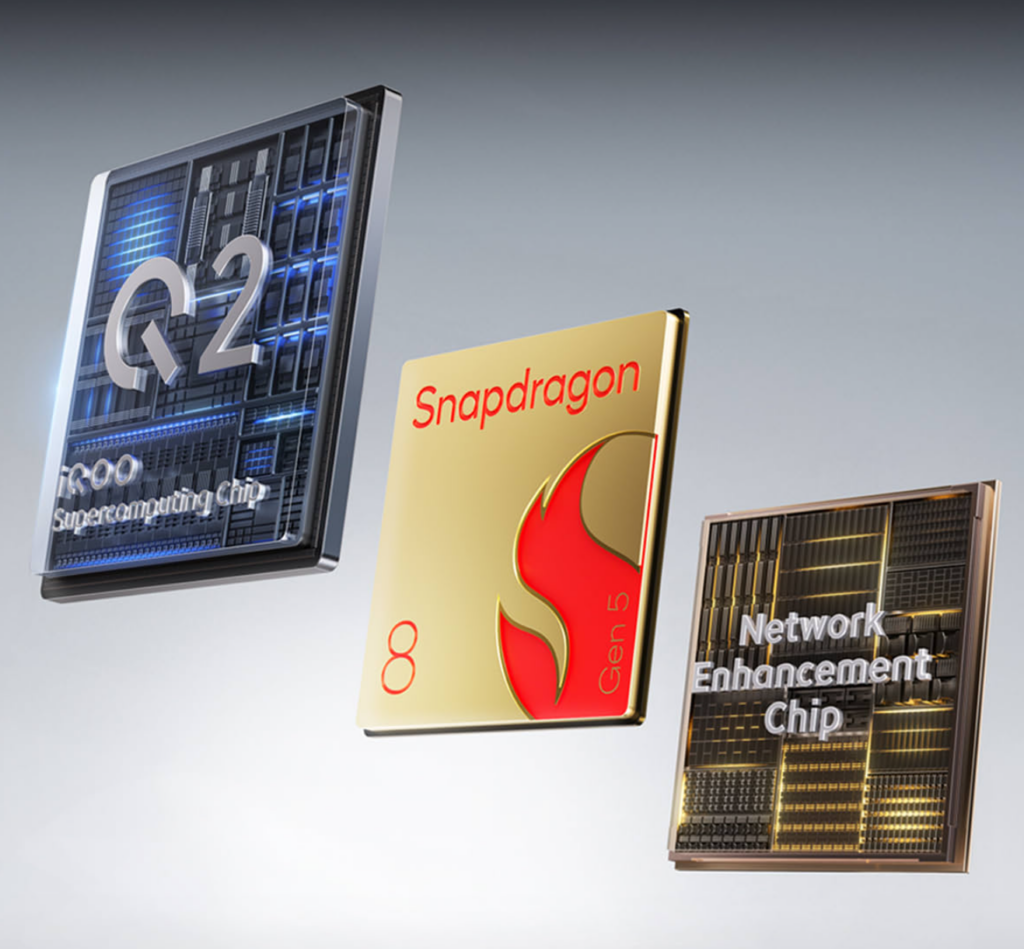
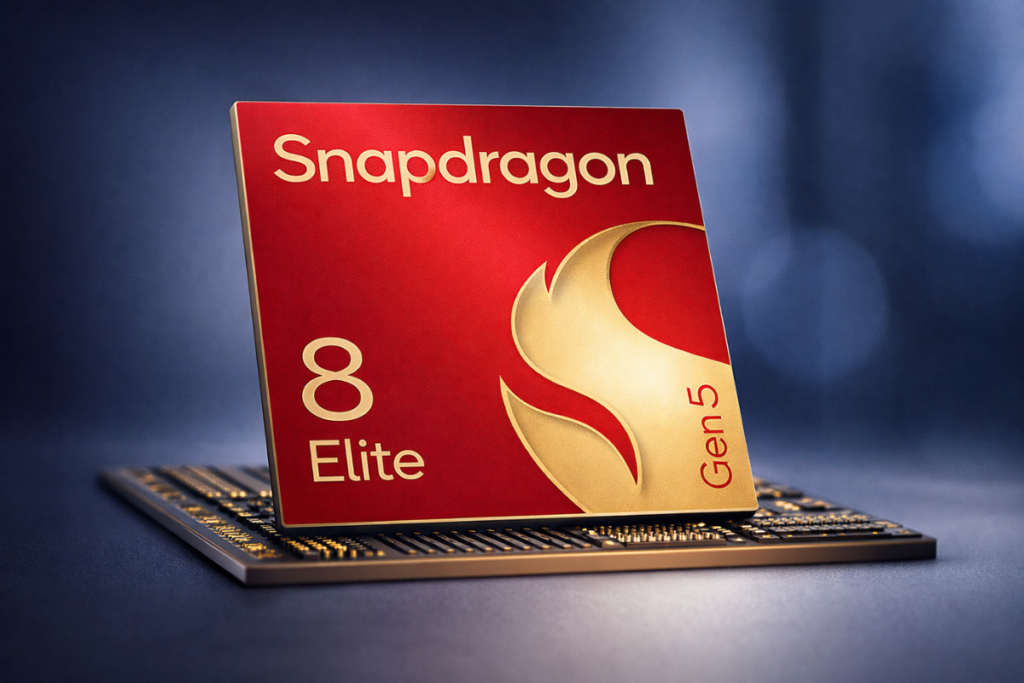
Snapdragon’s latest flagship processor is a scorching performer in more ways than one. Qualcomm’s Snapdragon 8 Gen 5 chipset delivers blazing-fast performance for 2026’s Android flagships, but early tests show it also runs extremely hot. With great power comes great heat: some benchmark stress tests pushed this chip to a searing 56°C internally, which is far too hot to hold comfortably. While everyday tasks won’t reach such extremes, heavy gaming or rendering can turn your phone into a hand-warmer and even trigger emergency cooldown measures. Here’s what you need to know about the 8 Gen 5’s thermal issues and what they mean for you.
Blistering Temperatures in Stress Tests
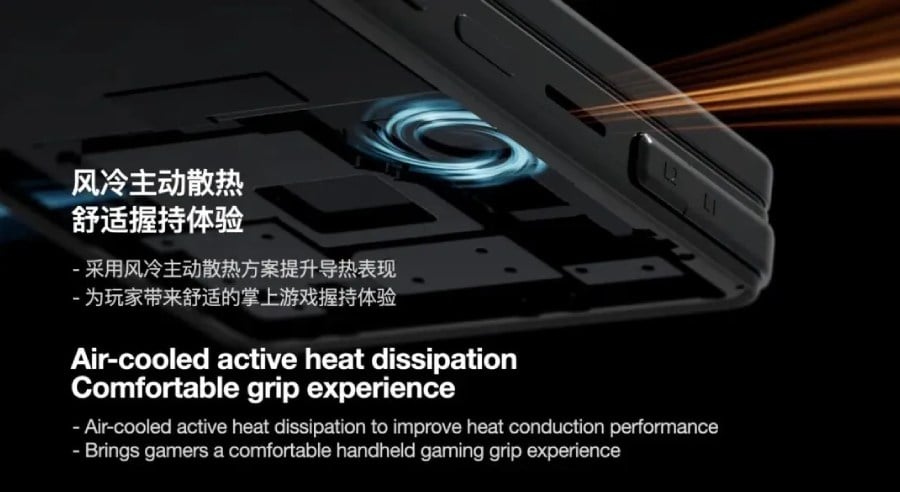
A clear example comes from the Red Magic 11 Pro, a gaming phone built specifically for sustained performance. According to testing reported by Android Authority, the device shut down during a 3DMark stress test despite using an active cooling fan and a dedicated thermal system. This result shows that even phones designed for gaming struggle to control the Snapdragon 8 Gen 5 under maximum load.
Standard flagship phones fare worse. In testing of the Nubia Z80 Ultra, reported by PhoneArena, surface temperatures exceeded 50°C, making the phone uncomfortable to hold. Without active cooling, the device was forced to reduce performance quickly to prevent further heat buildup. These results highlight how difficult it is for passive cooling systems to handle this chip during sustained workloads.
Big Performance Drops Under Load
Excess heat leads directly to thermal throttling. In GPU stress tests, some Snapdragon 8 Gen 5 devices saw performance drop by more than 50 percent from the start of the test to the end. In extreme scenarios, sustained heat forced the chip down to less than one third of its peak performance.
By the end of prolonged tests, the Snapdragon 8 Gen 5 was running slower than the previous generation flagship processor. While the chip excels at short bursts of speed, it struggles to maintain those levels without aggressive cooling. In long gaming or rendering sessions, older chips that generate less heat can sometimes deliver more consistent performance.
Gaming Phones Help, But Only to a Point
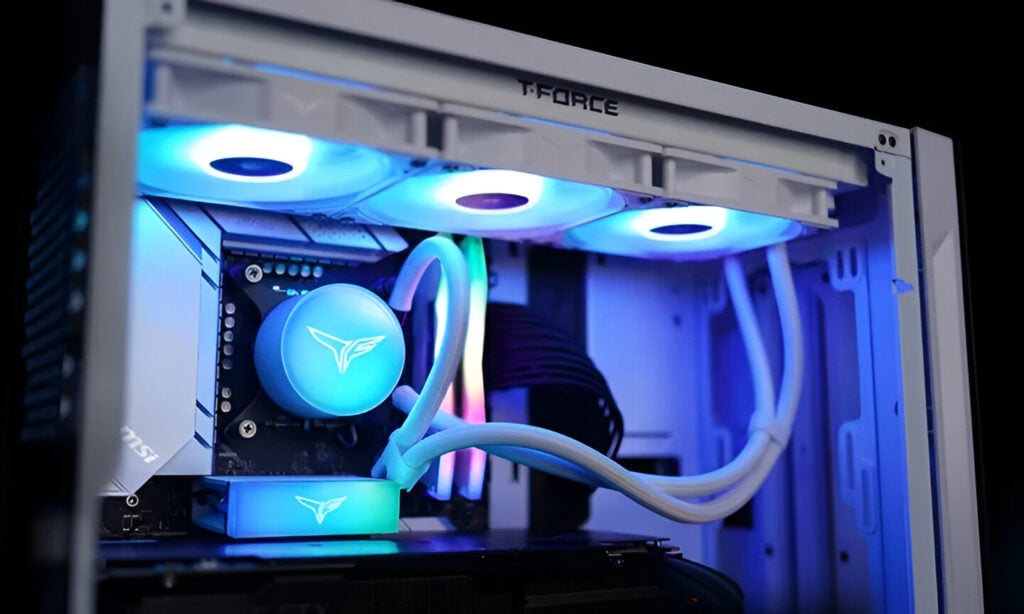
Gaming phones still handle the Snapdragon 8 Gen 5 better than standard flagships. Larger vapor chambers, liquid cooling systems, and internal fans allow devices like the RedMagic 11 Pro to sustain performance for longer periods. However, testing confirms that even these phones can suffer shutdowns or severe throttling during extreme workloads.
This points to a wider issue across the industry. Cooling systems are struggling to keep up with the power demands of modern flagship processors. Raw performance gains are increasingly limited by how effectively heat can be removed from the chip.
Daily Use Is Mostly Fine
For most users, these thermal issues will rarely appear. Reports from long-term daily use show no noticeable overheating or throttling during common tasks. Web browsing, messaging, navigation, video streaming, and casual gaming do not push the Snapdragon 8 Gen 5 close to its limits.
Heat problems mainly occur during sustained high-load scenarios. Extended gaming sessions, graphically demanding titles, emulation, and heavy rendering workloads are where performance drops become noticeable. Casual users will experience fast and smooth performance, while power users may see dips during long sessions.
Looking Ahead: Cooling Tech to the Rescue?
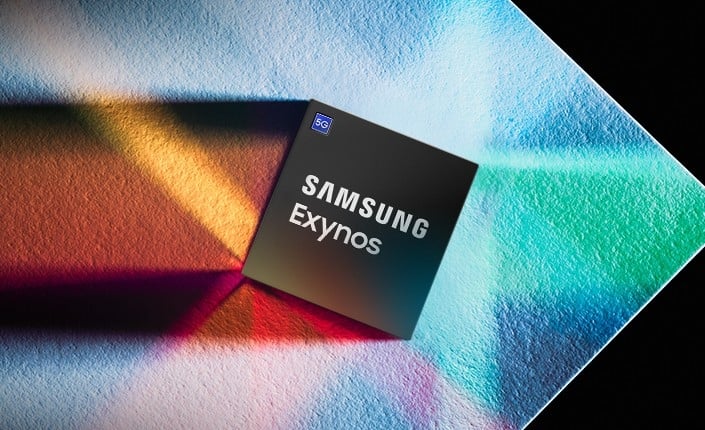
Thermal challenges like these have phone makers and chip designers looking for new solutions. Interestingly, Samsung has developed a “Heat Pass Block” (HPB) technology that could help tame hot chips in the future. HPB essentially adds a tiny heat-sink layer directly on top of the processor to dissipate heat more effectively. It first appeared in Samsung’s Exynos 2600, where it delivered about a 16% improvement in thermal resistance thanks to a copper layer that helps draw heat away from the silicon. Rumor has it Qualcomm might adopt this Heat Pass Block tech in the next Snapdragon 8 Gen 6 processor to help rein in temperatures. If true, that could allow next-gen phones to run cooler or at least sustain peak performance longer than the 8 Gen 5 does.
In the meantime, expect smartphone brands to get increasingly creative with cooling. We’re already seeing bigger vapor chambers in devices (Apple even added one in the iPhone 17 Pro for the first time), and some gaming phones include mini internal fans. The Snapdragon 8 Gen 5 shows that cooling is now as critical as raw performance. For everyday use, it remains a powerful and reliable chip. Under sustained workloads, however, heat management has become the defining challenge for flagship smartphones.
For daily updates, please visit our News Section.
Stay ahead in tech! Join our Telegram community and sign up for our daily newsletter of top stories!
(Sources: Android Authority, PhoneArena)
The post Snapdragon 8 Gen 5 Heat Issues Explained and How Gen 6 Could Fix Them appeared first on Gizmochina.



















![Samsung Galaxy Watch 8 (2025) 40mm Bluetooth Smartwatch, Cushion Design, Fitness Tracker, Sleep Coaching, Running Coach, Energy Score, Heart Rate Tracking, Graphite [US Version, 2 Yr Warranty]](https://www.gizmochina.com/wp-content/plugins/aawp/public/image.php?url=YUhSMGNITTZMeTl0TG0xbFpHbGhMV0Z0WVhwdmJpNWpiMjB2YVcxaFoyVnpMMGt2TkRGUWREUkdZVXRKZDB3dVgxTk1NVFl3WHk1cWNHYz18MTc3MDkzMTQ3Ng=)
![Samsung Galaxy Watch Ultra (2024) 47mm LTE AI Smartwatch w/Energy Score, Wellness Tips, Heart Rate Tracking, Sleep Monitor, Fitness Tracker, GPS, Titanium White [US Version, 1Yr Manufacturer Warranty]](https://www.gizmochina.com/wp-content/plugins/aawp/public/image.php?url=YUhSMGNITTZMeTl0TG0xbFpHbGhMV0Z0WVhwdmJpNWpiMjB2YVcxaFoyVnpMMGt2TlRFeE1IQlFha0pSYTB3dVgxTk1NVFl3WHk1cWNHYz18MTc3MDkzMTQ3Ng=)