Reading view

Samsung reportedly raises Galaxy A-series prices in India, A56 hit hardest

Samsung is reportedly raising the prices of its Galaxy A series phones in India. Most of the models are getting pricier by INR 1,000, while the Galaxy A56 hit hardest with a potential increase of INR 2,000 in the country.

Galaxy A phones are considered expensive in India, and this increment would slash the appeal of the smartphones. Samsung hasn’t officially disclosed this price revision, but the information came out from a trusted source.

Tipster AbhishekYadav claimed yesterday that Samsung Galaxy A series phones’ prices will be increased in India. The source also shared possible increments, including an INR 1,000 for most models and an INR 2,000 for the A56.

Earlier this year, Samsung released the Galaxy A56 in India in three different configurations.

  • The 8GB model costs INR 41,999 for 128GB storage and INR 44,999 for 256GB internal memory.
  • There’s a special variant that features 12GB of RAM and pairs 256GB of storage, costing INR 47,999.

At present, the smartphone is available at a lower price than the launch price.

Samsung usually slashes prices of its Galaxy A and M series phones to improve sales. This decision, however, opposite, seems to have been triggered by the fact that the costs of key hardware materials such as DRAM continue to rise.

The situation is expected to worsen in the following year. As the AP, camera, and DRAM prices see a static uptrend, smartphone makers may reduce the capacity of key solutions such as RAM, which would hit all categories.

Scoop: Starting Monday, Samsung India will increase prices of its Galaxy A-series smartphones by ₹1,000, while the Samsung Galaxy A56 will see a higher hike of ₹2,000.

— Abhishek Yadav (@yabhishekhd) December 13, 2025

The post Samsung reportedly raises Galaxy A-series prices in India, A56 hit hardest appeared first on Sammy Fans.

$15M fund to support Indian startups in Saudi Arabia

India Accelerator (IA), India’s leading multi-stage, fund-led accelerator, is set to launch its accelerator program in Saudi Arabia, backed by a dedicated $15 million fund to support Indian startups entering and scaling in the Kingdom. The initiative is supported by the National Technology Development Program’s (NTDP) Empowering Accelerators product, advancing Saudi Arabia’s growing innovation mandate under Vision 2030.

The initiative will focus on startups across AI, Sustainability, Electric Mobility (EV), PropTech, and DeepTech- sectors closely aligned with the Kingdom’s Vision 2030 priorities and NTDP’s mission to accelerate technology-led economic transformation.

The first cohort, scheduled for launch in March 2026, will support 8–10 high-potential startups, providing them with structured market-entry support, regulatory guidance, access to local partnerships, and investor connectivity. Applications for the inaugural batch opened on December 8, 2025, and remained open until February 28, 2026.

Ashish Bhatia, Founder, India Accelerator, said: “Saudi Arabia is emerging as one of the world’s most forward-looking innovation markets. Through this partnership with NTDP, we aim to offer Indian startups a trusted, structured pathway to scale in the Kingdom. This collaboration reinforces our commitment to enabling cross-border expansion and building meaningful linkages with global innovation ecosystems.”

Ibrahim Neyaz, CEO of the National Technology Development Program (NTDP), added: “Saudi Arabia and India are home to two advanced startup ecosystems. Through our partnership with India Accelerator, we are opening new pathways that enable Indian entrepreneurs to collaborate with Saudi partners, tap into the Kingdom’s evolving technology and investment landscape, and contribute to the growth of its digital economy. This partnership strengthens the connection between our ecosystems and helps deepen long-term collaboration between the two countries in technology and investment.”

The partnership with NTDP establishes a strong foundation for deeper engagement across the GCC, expanding India Accelerator’s global footprint and advancing its mission to support founders beyond domestic markets.

The National Technology Development Program (NTDP) is a flagship initiative of Saudi Arabia, dedicated to accelerating the Kingdom’s digital economy and positioning it as a global hub for emerging technologies. NTDP drives growth by enabling startups and technology companies through strategic funding, international partnerships, policy integration, and talent development.

Through Products spanning venture financing, incubation and acceleration, R&D-industry collaborations, and global scaling programs, NTDP empowers local and international entrepreneurs to innovate and expand from Saudi Arabia to the world. Aligned with Vision 2030, NTDP is unlocking opportunities in deep tech including AI, robotics, semiconductors, health, and sustainability; while catalyzing job creation, investment, and GDP growth.

India Accelerator (IA), the country’s preeminent seed-stage startup accelerator, and the recipient of the “Best Accelerator of the Country” award from Start-up India in 2022. Our commitment to fostering innovation and supporting upcoming founders has consistently positioned us at the forefront of the Indian start-up ecosystem. Along with the Accelerator, we are also very active in early-stage investments through its Joint Venture ‘Finvolve’ and its 3 AIFs & a Gift City Fund. IA is not just about funding; it is a holistic ecosystem enhancer that provides startups with the necessary tools, mentorship, and network to thrive in the competitive landscape.

The post $15M fund to support Indian startups in Saudi Arabia appeared first on My Startup World - Everything About the World of Startups!.

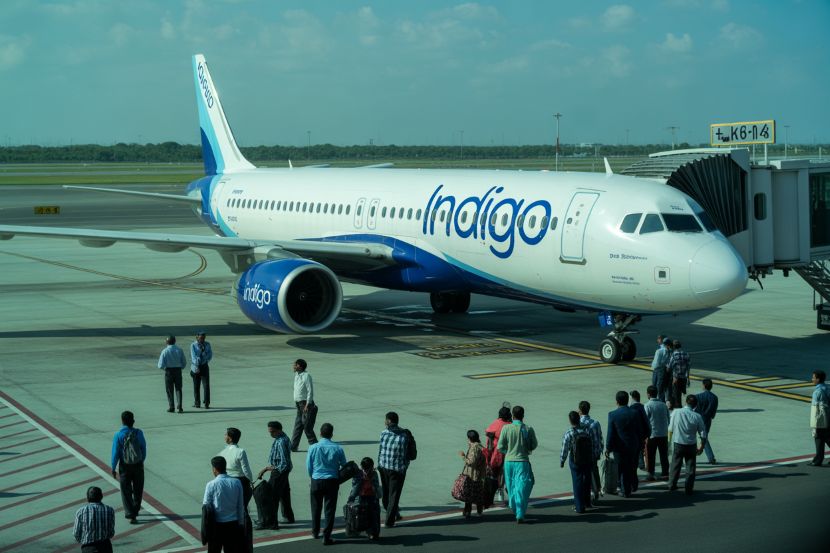
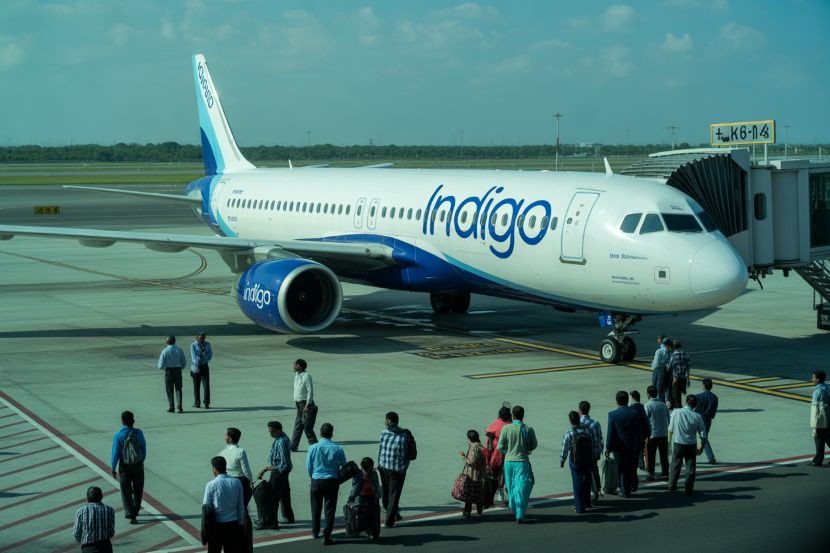
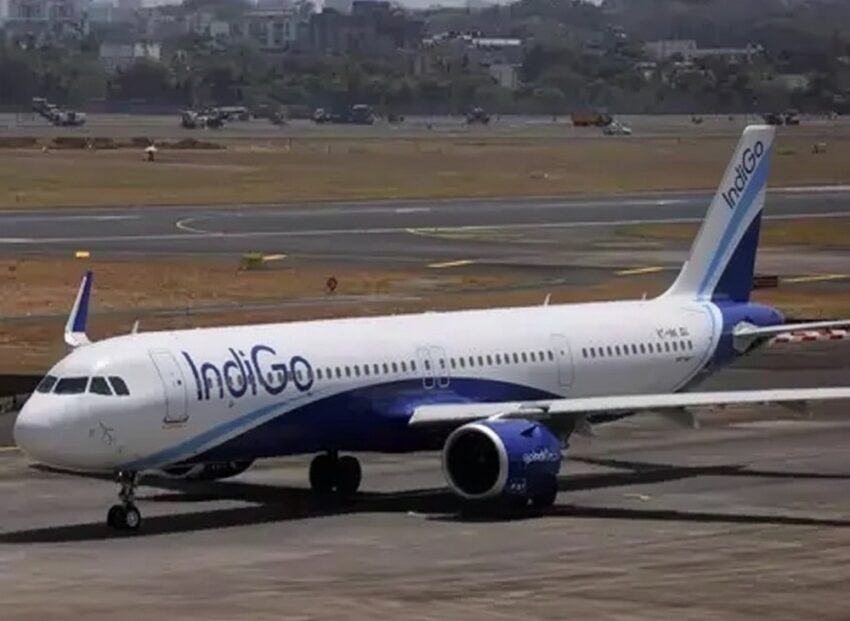
IndiGo Soars to New Heights in Indian Aviation with Over 2,050 Flights Operating Today Marking the Airline’s Fifth Consecutive Day of Unstoppable Operational Stability and Resilience

IndiGo Soars to New Heights in Indian Aviation with Over 2,050 Flights Operating Today Marking the Airline’s Fifth Consecutive Day of Unstoppable Operational Stability and Resilience
IndiGo,

IndiGo, India’s leading low-cost carrier, has achieved an impressive milestone in the aviation sector, operating over 2,050 flights today. This marks the airline’s fifth consecutive day of flawless operations, demonstrating its exceptional resilience and operational stability. With a revised flight schedule in place and strict adherence to government regulations, IndiGo continues to provide unmatched service to its passengers. The airline’s ability to maintain over 2,000 flights without major disruptions highlights its commitment to delivering safe, reliable, and efficient air travel. This achievement underscores IndiGo’s dominant role in the Indian aviation industry and its unwavering dedication to passenger satisfaction.

IndiGo’s Continued Operational Stability and Remarkable Recovery: A Strong Day for Indian Aviation

IndiGo, India’s leading low-cost carrier, has once again demonstrated remarkable resilience and operational stability, marking its fifth consecutive day of smooth operations. Today, the airline is set to operate over 2,050 flights, continuing its recovery following adjustments to its flight schedule. These adjustments, made in accordance with government regulations and best practices, ensure that the airline maintains its high standards of reliability and efficiency.

The airline’s unwavering commitment to operational excellence is reflected in its ability to maintain service across 138 destinations, all of which remain fully connected, ensuring that passengers can rely on IndiGo for both domestic and international travel. The airline’s wide network has been a key factor in its recovery, as it provides essential connectivity between major cities and popular tourist destinations across the country and beyond.

Analyzing IndiGo’s Recovery: Operational Excellence

IndiGo’s recent operational report highlights its unwavering commitment to maintaining a high standard of service despite the challenges faced over the past few weeks. Yesterday, the airline successfully operated over 2,050 flights, an impressive feat that underscores its ability to handle the demands of a large, dynamic network. Of the numerous flights scheduled, only two were affected by cancellations due to technical difficulties—an exceptionally low rate of disruption in comparison to industry norms.

IndiGo has consistently demonstrated its ability to handle unforeseen disruptions efficiently, and the airline’s swift response to these cancellations is no exception. Passengers impacted by the cancellations were promptly rebooked on alternate flights, ensuring minimal inconvenience. The airline’s customer service team handled the rebooking process seamlessly, ensuring that affected passengers continued their journeys with minimal delays.

Strengthening Customer Confidence

IndiGo’s ability to recover from disruptions and resume normal operations is vital to maintaining passenger trust and confidence. The airline’s prompt rebooking system and transparent communication with passengers helped mitigate the effects of these minor disruptions. It’s this commitment to customer service that has allowed IndiGo to retain its position as one of the most trusted airlines in the country.

The airline’s efforts to adhere to strict operational guidelines and government regulations have not only ensured recovery but also helped prevent any further widespread disruptions. By focusing on maintaining the highest standards of safety and reliability, IndiGo has demonstrated that it can handle high volumes of traffic while keeping passenger comfort and satisfaction at the forefront.

Future Outlook: A Positive Recovery Path

Looking ahead, IndiGo is poised for continued success in the coming days and weeks, with the airline’s flight schedule returning to normal and no major disruptions anticipated. As travel demand steadily increases, IndiGo’s reliable service and operational excellence position it as a leader in the Indian aviation industry.

With its robust recovery plan and adherence to regulatory standards, IndiGo has proven that it can navigate complex operational challenges effectively. As India’s aviation sector continues to recover from the effects of the pandemic, IndiGo’s commitment to seamless operations will play a crucial role in ensuring the stability of the country’s air travel infrastructure.

In conclusion, IndiGo’s ongoing operational recovery reflects not only its resilience but also the strength of its systems, customer service, and adherence to high standards. With over 2,050 flights scheduled today and minimal cancellations, the airline’s impressive operational stability serves as a beacon of hope for the future of aviation in India.

DateFlights OperatedSame Day Cancellations
8 Dec>1,7001
9 Dec>1,8000
10 Dec>1,9002
11 Dec>1,9504
12 Dec>2,0502
13 Dec>2,050 (expected)

“We remain committed to maintaining the accuracy of our updated flight schedule and urge our passengers to disregard any misleading reports regarding widespread cancellations within our network. We have instructed all airport partners to display the revised flight schedules on terminal screens to ensure clarity and prevent confusion. With more than 325,000 customers flying with us each day, we deeply appreciate the trust they continue to place in our services.” – IndiGo representative

IndiGo, India’s top low-cost carrier, has reached a remarkable milestone, operating over 2,050 flights today. This marks its fifth consecutive day of seamless operations, showcasing the airline’s exceptional resilience and stability. With a revised flight schedule and adherence to government regulations, IndiGo continues to lead the industry in reliability and passenger satisfaction.

The post IndiGo Soars to New Heights in Indian Aviation with Over 2,050 Flights Operating Today Marking the Airline’s Fifth Consecutive Day of Unstoppable Operational Stability and Resilience appeared first on Travel And Tour World.

JBL Flip 7 is now available at Just Rs. 12,999

JBL Flip 7 deal

As holidays are coming, so are the deals at various retailers. Meet the JBL Flip 7, your fist-sized fun machine that laughs at “small talk” with blooming bass and bold vibes! The compact beast turns beach hangs, road trips, or shower jams into epic sound parties.

Now, the JBL Flip 7 will cost you around ₹12,000 (effectively), whereas the MRP of the product is ₹18,999. If you make the payment through the selected bank cards, you can get 7.5% instant discount up to ₹1500. Which makes the JBL Flip 7 price just ₹12,000.

Please Note: When you buy something using the links in our articles, we may earn a small commission at no cost to you.

JBL Flip 7 Features and Specifications

The JBL Flip 7 portable speaker packs 25W of dynamic driver power into a cylindrical purple design measuring 2.8D x 7.2W x 2.7H in cm and weighing 558g for easy handling. It features a 3-inch woofer, 0.6-inch tweeter, 16-ohm impedance, and 80 dB signal-to-noise ratio, with Bluetooth wireless connectivity, app control, and stereo pairing for immersive 2.0 surround sound. AI Sound Boost analyses music in real time for peak acoustic performance and minimal distortion

Built tough with IP67 waterproof, dustproof, and shockproof ratings. It suits indoor/outdoor use like parties, travel, gaming, or music on smartphones, tablets, TVs, and more. The 4800 mAh lithium polymer battery delivers 16 hours of playtime and 2.5 hours of charge via 5V input, complete with a quick guide, safety sheet, and warranty card.

The compact size and budget friendliness make this a perfect gift for this holiday. If you want to know more deals on gadgets just go through our deals section.

The post JBL Flip 7 is now available at Just Rs. 12,999 appeared first on Gizmochina.

Slovenia’s New Digital Nomad Visa: Unlock Your Dream Life in Europe With Work and Travel!

Slovenia’s New Digital Nomad Visa: Unlock Your Dream Life in Europe With Work and Travel!

As more countries adjust to the evolving demands of the remote work era, Slovenia has recently introduced a digital nomad visa to attract global professionals seeking to live and work in Europe. This new visa, launched on 21 November 2025, presents a unique opportunity for remote workers from around the world, including India, to set up their base in Slovenia for up to a year. This move positions Slovenia as a vibrant and accessible destination for those seeking to combine their professional lives with the beauty and tranquility of Europe.

Nestled in the heart of Europe, bordered by Italy, Austria, and Croatia, Slovenia is renowned for its breathtaking alpine landscapes, charming cities, and rich cultural heritage. Known for its historic wineries, intricate lace-making traditions, and peaceful pace of life, Slovenia is increasingly becoming an attractive location for remote professionals looking for more than just a temporary escape. With the new visa, Slovenia aims to make its way into the digital nomad scene, offering an enriching European experience for those who can work remotely.

How the Digital Nomad Visa for Slovenia Works

The Slovenian digital nomad visa is designed for remote workers who wish to live and work in Slovenia for up to a year, without needing to establish local employment or business ties. The visa is particularly appealing to remote employees, freelancers, or business owners who work for companies based outside of Slovenia. The permit is non-renewable, but it comes with significant advantages, including the freedom to explore 29 Schengen Area countries for up to 90 days without requiring additional visas or paperwork.

For those looking to live in a country that offers both work-life balance and easy access to other European destinations, Slovenia’s new visa is an enticing proposition. Moreover, families can join the primary applicant, making it an ideal choice for individuals seeking a long-term remote working experience in Europe.

Eligibility Criteria for the Slovenia Digital Nomad Visa

The eligibility requirements for the Slovenia digital nomad visa are clear and straightforward. To qualify, applicants must meet the following criteria:

  1. Age Requirement: Applicants must be at least 18 years old.
  2. Valid Passport: A valid non-EU/EEA passport is required for the application.
  3. Remote Work: The applicant must be employed, freelancing, or operating a business remotely for a company located outside of Slovenia.
  4. Income: The applicant must prove an income of at least 3,200€ (approx. ₹3,39,363) per month. This is twice the national average net monthly salary in Slovenia, ensuring that applicants are financially self-sufficient during their stay.
  5. Clean Criminal Record: A certified criminal background check is necessary to demonstrate a clean legal history.
  6. Health Insurance: Applicants will need to have valid international health insurance that covers them during their stay in Slovenia.

These requirements ensure that only those with the necessary financial means and clean legal backgrounds will be granted the visa, aligning with the country’s desire to attract responsible and sustainable remote workers.

Documents Required for the Digital Nomad Visa

Applicants for the Slovenia digital nomad visa will need to provide several key documents. These include:

  • A copy of the passport.
  • Proof of remote work, such as employment contracts or freelance agreements.
  • Previous bank statements, typically covering the last 3, 6, or 12 months, to show financial stability.
  • A certified criminal background check to verify the applicant’s legal standing.
  • Proof of international health insurance with coverage in Slovenia.
  • An address of accommodation in Slovenia, which could be a rented apartment or a booked hotel.
  • A completed visa application form, along with the original and a copy of all requested documents.

It is essential for applicants to bring both the original and a copy of each document to their visa appointment to ensure a smooth application process.

When and Where to Apply for the Slovenia Digital Nomad Visa

The official application process for the Slovenia digital nomad visa has yet to be fully detailed by the government. However, prospective applicants are encouraged to monitor the official Slovenia government website for the most up-to-date information regarding application procedures, deadlines, and any changes to requirements.

While the visa has only recently been launched, it is expected that detailed guidelines for application submission, including where to submit the application and what forms to fill out, will be provided soon. It is recommended that individuals interested in applying stay informed through the government website or consular services to avoid missing crucial updates.

Why Choose Slovenia for Your Remote Work Adventure?

Slovenia offers an ideal combination of affordable living, natural beauty, and easy access to the rest of Europe, making it a compelling choice for remote workers. The capital city, Ljubljana, is known for its scenic beauty, where outdoor cafés line the Ljubljanica River, surrounded by baroque architecture, lush parks, and a vibrant cultural scene. The slower pace of life in Slovenia makes it an excellent location for those who wish to balance work and leisure, offering peaceful surroundings while still providing modern amenities and connectivity.

Additionally, Slovenia’s proximity to countries like Italy, Austria, and Croatia opens up a wealth of travel opportunities. Whether exploring the stunning Julian Alps, Lake Bled, or the UNESCO-listed Škocjan Caves, the possibilities for exploration are endless.

Conclusion: Slovenia’s Digital Nomad Visa Opens Doors to Europe

For Indian professionals looking for a remote working base in Europe, Slovenia’s new digital nomad visa offers a golden opportunity. With the visa, remote workers can enjoy the charm of this picturesque country while benefiting from the ability to travel freely across the Schengen Area. Whether for a year-long stay or a family adventure, Slovenia’s blend of natural beauty, culture, and modern infrastructure makes it a destination worth considering for any remote worker.

As Slovenia steps onto the map for digital nomads, the new visa policy presents an exciting chance for Indian workers to expand their horizons, blending work and travel in one of Europe’s most beautiful and accessible destinations.

The post Slovenia’s New Digital Nomad Visa: Unlock Your Dream Life in Europe With Work and Travel! appeared first on Travel And Tour World.

India’s IndiGo Airline Struggles with Flight Cancellations: What Travelers in Delhi, Chandigarh, and Dubai Need to Know About Recovery Plans

India’s IndiGo Airline Struggles with Flight Cancellations: What Travelers in Delhi, Chandigarh, and Dubai Need to Know About Recovery Plans
India's IndiGo Airline Struggles with Flight Cancellations

India’s leading airline, IndiGo, has been in the midst of a significant operational crisis, causing widespread flight cancellations and travel disruption across its network. The airline, which dominates India’s domestic air traffic with a 65% market share, saw thousands of flights grounded after new regulations on crew scheduling and Flight Duty Time Limitations (FDTL) led to staff shortages. To investigate the causes of this meltdown and prevent future recurrences, IndiGo has appointed an experienced aviation consultant. Captain John Illson, a veteran with over four decades of experience in aviation, is tasked with identifying the operational failures and providing a roadmap for recovery.

Massive Flight Disruptions: The Scale of IndiGo’s Crisis

The crisis began in early December 2025 when IndiGo struggled to adjust its operations to comply with recently strengthened crew duty regulations imposed by India’s Directorate General of Civil Aviation (DGCA). The regulatory change caused significant disruptions as crew shortages led to delays and cancellations. By mid-December, IndiGo had already seen thousands of flights cancelled, with passengers left stranded across India and beyond. While the airline initially struggled to regain its balance, IndiGo has now managed to stabilize its operations, gradually increasing its daily flight count.

Investigation to Uncover Root Causes: Captain Illson Takes Charge

To address the crisis and restore passenger confidence, IndiGo has enlisted Captain John Illson, a former senior advisor with the Federal Aviation Administration (FAA). With over 40 years of global aviation experience, Captain Illson will review the airline’s operational processes, including crew scheduling, technology systems, and infrastructure management. He will also evaluate IndiGo’s risk management strategies and provide recommendations for improving operational reliability.

The appointment of an independent aviation consultant reflects IndiGo’s commitment to identifying both immediate issues and long-term improvements. Captain Illson’s findings will be critical not just for IndiGo’s recovery but for the broader Indian aviation sector, as industry analysts closely monitor the airline’s future steps.

Airline’s Response: Compensation and Stabilization Efforts

In response to the disruptions, IndiGo has taken several steps to compensate passengers. Those most affected by the cancellations have been offered travel vouchers worth 10,000 Indian rupees (approximately £85), alongside standard refund options. While this may offer some relief to frustrated travelers, the financial impact on IndiGo has been significant. Analysts have revised the airline’s earnings forecasts due to the added operational costs and compensation liabilities.

By December 12, IndiGo was operating over 2,000 flights daily, adhering to a reduced schedule that ensured full coverage of all its 138 destinations. However, the airline still faced challenges at some airports, notably in Ahmedabad and Chandigarh, where delayed or cancelled flights continued to cause passenger inconvenience.

Regulatory Oversight and Government Response

The Indian government, through the DGCA, has closely monitored IndiGo’s efforts to stabilize its operations. Officials from the DGCA have visited IndiGo’s headquarters to assess the airline’s recovery progress. Further intensifying scrutiny, the DGCA dismissed four flight inspectors who were responsible for overseeing IndiGo’s operational compliance and safety protocols. This action reflects the seriousness with which the regulator is addressing the airline’s performance and safety lapses.

Additionally, the DGCA has stationed two teams at IndiGo’s offices near Delhi to provide real-time oversight. One team is focused on operational metrics, such as fleet availability, pilot numbers, and crew utilization, while the other is dedicated to resolving passenger-facing issues caused by the widespread disruptions.

What Travelers Should Do: Tips for Managing Flight Delays

While IndiGo works to resolve its operational challenges, travelers are advised to stay informed about potential delays and cancellations. Here are some helpful tips for navigating the ongoing disruption:

  • Check Flight Status Frequently: Always check flight status on IndiGo’s website or app before heading to the airport, especially if you’re flying from cities like Ahmedabad, Chandigarh, or Delhi.
  • Know Your Rights: Ensure that you are aware of compensation policies. IndiGo is offering refunds and vouchers for most affected passengers.
  • Stay Updated: Keep track of terminal flight information and other updates that IndiGo has shared with airport partners to avoid confusion.
  • Prepare for Alternative Options: If your flight is canceled, consider alternative routes or airlines, particularly for international flights where connecting options like Dubai or Amsterdam might help.

The Road Ahead: Restoring Confidence in India’s Aviation Sector

The disruption faced by IndiGo has sparked a larger conversation about the state of India’s aviation industry. With IndiGo controlling a significant portion of domestic air traffic, any operational issues within the airline inevitably affect the entire sector. Some industry voices are now calling for a more diversified market, suggesting that India’s aviation ecosystem could benefit from having more evenly distributed market share among several carriers.

As IndiGo works to recover from this crisis, the findings from Captain Illson’s review will be critical in shaping the airline’s future operations and its broader role in the Indian aviation market. The ongoing oversight from the DGCA and the airline’s commitment to improving its operational systems are expected to guide the industry toward more robust risk management strategies and better customer service standards.

Final Thoughts on IndiGo’s Crisis and Recovery Efforts

IndiGo’s response to its flight disruption crisis has been swift, but it is clear that this is just the beginning of a lengthy recovery process. The airline’s efforts to stabilize its operations, alongside regulatory scrutiny and an independent review, will be pivotal in rebuilding trust with travelers. As the investigation continues and reforms are put in place, it will be interesting to see how IndiGo evolves and whether India’s largest airline can maintain its leadership position in the industry.

The post India’s IndiGo Airline Struggles with Flight Cancellations: What Travelers in Delhi, Chandigarh, and Dubai Need to Know About Recovery Plans appeared first on Travel And Tour World.

Uttarakhand Launches Winter Tourism Initiatives with Snow Leopard Sightings, Heli-Skiing and Himalayan Car Rally to Boost State and National Tourism Growth

Uttarakhand Launches Winter Tourism Initiatives with Snow Leopard Sightings, Heli-Skiing and Himalayan Car Rally to Boost State and National Tourism Growth

Soul-stirring Himalayan landscapes and a bouquet of exciting new initiatives on winter tourism are getting ready to position Uttarakhand as an attractive destination throughout the year. The new programs that are being introduced include snow leopard sightings, heli-skiing, and the Himalayan Car Rally, all combined in the state’s sustained effort toward developing tourism and ensuring regional development.

The initiatives, cleared on the directives of Chief Minister Pushkar Singh Dhami, are aimed at providing facilities to leisure tourists and those who like adventure, keeping Uttarakhand’s potential to attract tourists during all seasons of the year. The plans have laid emphasis on developing winter tourism and creating new infrastructure while leveraging the state’s established strengths in eco-tourism and adventure sports.

A New Vision for Winter Tourism in India

Uttarakhand’s snow leopard sighting tours, inspired by similar initiatives in Ladakh, are set to become a major draw for wildlife tourism. The program will be launched in the Gangotri National Park, located in Uttarkashi, an area known for its rich biodiversity and snow leopard population. The introduction of this unique wildlife experience is expected to appeal to nature lovers and eco-tourists, positioning Uttarakhand as a top destination for wildlife tourism in India.

The heli-skiing program, planned for locations like Auli, Khaliya Top, and Bedni Dhar, will attract adventure tourism enthusiasts from both India and abroad. By offering high-altitude skiing, trekking, rappelling, and other extreme sports, Uttarakhand is set to become a key player in the growing winter sports tourism market in India. The Himalayan Car Rally, which will take participants through Uttarakhand’s scenic hill regions, combines sports tourism and adventure travel to offer a thrilling, yet culturally immersive experience. This event is expected to draw a diverse audience, increasing tourism revenue and promoting tourism-related businesses across the region.

Tourism Growth: Driving Economic Impact and Job Creation in Uttarakhand

These new tourism initiatives are poised to have a significant impact on Uttarakhand’s tourism economy, creating a sustainable growth model for the state’s local communities. The introduction of snow leopard tourism and heli-skiing will generate new employment opportunities in hospitality, tourism services, and adventure tourism. This will also provide income opportunities for local residents who can participate in guiding services, homestays, and local tours.

With increased international interest in eco-tourism and adventure sports, these initiatives will not only boost domestic tourism but also attract international travelers. The economic benefits of expanded tourism will support the local economy by creating jobs and enhancing business opportunities in areas such as transportation, retail, and food services.

Sustainable Tourism: A Key Focus for Uttarakhand’s Long-Term Development

As India’s tourism industry continues to recover, Uttarakhand’s focus on sustainable tourism is crucial for its long-term growth. The state’s commitment to eco-friendly practices and conservation efforts will ensure that tourism development does not come at the cost of its natural heritage. By integrating sustainability into its tourism plans, Uttarakhand can preserve its breathtaking landscapes while offering travelers an authentic and responsible tourism experience.

For example, the introduction of snow leopard tourism not only helps in wildlife conservation but also educates tourists about the importance of protecting endangered species. Similarly, the development of heli-skiing and other adventure sports will prioritize sustainable practices, ensuring that the growing demand for winter sports tourism doesn’t damage the fragile ecosystems of Uttarakhand’s high-altitude regions.

Future Impact: Positioning Uttarakhand as a Premier Destination for Sustainable Tourism

Looking to the future, Uttarakhand’s tourism initiatives are likely to have a profound long-term impact on both the state’s economy and tourism sector. By diversifying its tourism offerings to include eco-tourism, adventure tourism, and cultural tourism, the state is setting itself up for sustainable growth that benefits both visitors and locals alike. The successful implementation of heli-skiing, snow leopard tours, and the Himalayan Car Rally will help position Uttarakhand as a global tourism leader in winter sports and wildlife tourism.

The rise in tourism will stimulate local economies, strengthen job creation, and expand Uttarakhand’s global visibility as a destination that balances economic development with environmental sustainability. As India’s tourism landscape continues to evolve, Uttarakhand is on track to become a leading example of how sustainable tourism can drive economic growth and community development. The state’s investments in its tourism infrastructure will ensure that Uttarakhand remains a top-tier destination for nature lovers, adventure seekers, and eco-conscious travelers.

Sustainable Tourism Growth in Uttarakhand

Snow leopard sighting tours, heli-skiing, and the Himalayan Car Rally give Uttarakhand’s tourism industry a new lease of life. These initiatives will infuse broader values into the concept of sustainable tourism through higher-order tourists, local economic enterprise, and environmental protection. Lying amidst all varieties of eco-tourism opportunities, adventure sports, and cultural events, Uttarakhand will soon be counted among India’s most significant tourist destinations, fostering long-term economic and ecological sustainability.

The post Uttarakhand Launches Winter Tourism Initiatives with Snow Leopard Sightings, Heli-Skiing and Himalayan Car Rally to Boost State and National Tourism Growth appeared first on Travel And Tour World.

IHG Hotels & Resorts Expands in India with New Holiday Inn Resort in Lonavala, Set to Open in 2027

IHG Hotels & Resorts Expands in India with New Holiday Inn Resort in Lonavala, Set to Open in 2027
IHG Hotels & Resorts

IHG Hotels & Resorts is making a significant move in India’s booming leisure tourism market with the announcement of a new Holiday Inn Resort in Lonavala, scheduled to open in 2027. This expansion underscores IHG’s commitment to strengthening its presence across India’s fast-growing leisure destinations. Holiday Inn Resort Lonavala will provide travelers with a scenic and relaxing getaway, nestled in the lush greenery of Lonavala, a region famous for its natural beauty. Positioned conveniently along the NH-48 Expressway, the resort will offer excellent access and visibility, becoming a prime choice for visitors.

With IHG Hotels & Resorts’s expanding portfolio in India, this new venture aligns with the brand’s strategy to cater to the rising demand for quality accommodations in popular leisure destinations like Lonavala. The resort will feature modern amenities, making it an ideal destination for both relaxation and recreation.

A Scenic Getaway in the Heart of Lonavala

Lonavala, nestled amidst the Western Ghats, has long been a sought-after destination for those looking to escape the hustle and bustle of urban life. The town’s natural beauty, with its rolling hills, waterfalls, and picturesque landscapes, makes it a perfect retreat for tourists looking for tranquility and adventure. Positioned conveniently along the NH-48 Expressway, the new Holiday Inn Resort Lonavala will enjoy easy access to both the city and its surroundings, offering a perfect blend of accessibility and scenic charm.

With a prime location on this vital transportation corridor, the resort is expected to attract both leisure travelers and business guests looking for an ideal blend of convenience and relaxation. The accessibility factor also sets the property up as the region’s next premier destination for both short-term and long-term stays.

The Holiday Inn Brand’s Commitment to Comfort

Holiday Inn Resorts have long been known for their consistent comfort and guest-centric approach. The new resort will feature 100 well-appointed rooms, offering visitors a relaxing and comfortable stay. The rooms are designed to provide a balance of modern convenience and relaxation, ensuring that guests have a memorable stay surrounded by the natural beauty of Lonavala. Guests can look forward to a range of amenities, including three distinct dining options, recreational facilities, a swimming pool, a spa, and a fitness center.

Whether guests are looking to unwind by the pool or indulge in a rejuvenating spa treatment, the Holiday Inn Resort Lonavala will be equipped to meet all their needs. Additionally, the resort will offer a blend of local and international cuisines, giving guests the opportunity to explore a variety of flavors while enjoying the picturesque views of the town.

IHG’s Commitment to Expanding in Leisure Destinations

The opening of the Holiday Inn Resort in Lonavala comes as part of IHG Hotels & Resorts’ larger expansion strategy within India’s rapidly growing leisure and tourism sector. With a strong presence in urban areas and the development of new hotels in key destinations, IHG aims to bring its global brands to some of India’s most popular travel destinations.

Sudeep Jain, the Managing Director of IHG Hotels & Resorts in South West Asia, remarked that Lonavala has earned its place as one of West India’s most popular leisure destinations. He emphasized that this new resort would solidify the company’s presence in the region and offer travelers the best in comfort, innovation, and service. The move demonstrates IHG’s ongoing efforts to cater to both domestic and international tourists seeking memorable experiences in well-known tourist destinations like Lonavala.

This deal not only highlights IHG’s strategy to dominate in the leisure market but also underscores the growing importance of Lonavala as a premium destination. With its proximity to Mumbai and Pune, Lonavala attracts a steady stream of both weekend travelers and holidaymakers.

Emproy Hospitality’s Role in Shaping Lonavala’s Future

Emproy Hospitality LLP, a key player in the hospitality industry, will play a significant role in developing and operating the resort. Rajeev Jain, the Managing Partner of Emproy Hospitality LLP, expressed excitement about their partnership with IHG, citing that the new resort will set a new benchmark for hospitality in the region. He emphasized the potential of Lonavala as a destination for both nature lovers and leisure travelers.

With IHG’s expertise and operational excellence, Emproy Hospitality aims to offer a truly unique experience for guests, combining the best of nature with world-class hospitality. According to Jain, the resort will become a preferred choice for guests seeking to escape the noise of urban life and reconnect with nature in an upscale setting.

IHG’s Expanding Footprint in India

This development is part of IHG Hotels & Resorts’s broader strategy to increase its footprint across India. Currently, IHG operates 51 hotels in the country, spanning across six brands, including Six Senses, InterContinental Hotels & Resorts, Crowne Plaza, voco Hotels, Holiday Inn Resort, and Holiday Inn Express. With a strong pipeline of 72 hotels scheduled to open in the next three to five years, IHG is aggressively pursuing growth in the Indian market, where the demand for quality hospitality services is on the rise.

India’s tourism industry has experienced significant growth over the past decade, driven by both international and domestic visitors. The country’s rapidly expanding middle class and growing international connections are contributing to the surge in leisure travel. With the launch of more resorts and hotels in destinations like Lonavala, IHG is positioning itself to capture the increasing demand for quality accommodations in popular tourist locations.

The new Holiday Inn Resort Lonavala aligns with IHG’s focus on expanding its essentials category and increasing its share of the growing Indian market. As leisure tourism continues to boom, resorts like this one will play a pivotal role in meeting the demand for comfortable and accessible accommodations.

A Bright Future for Holiday Inn Resort Lonavala

Looking ahead, the Holiday Inn Resort Lonavala is set to be a popular addition to the leisure destination portfolio in India. With its idyllic setting, world-class amenities, and the trusted Holiday Inn brand, the resort will undoubtedly cater to the needs of a diverse range of travelers. Whether it is for a relaxing weekend getaway, a family vacation, or a corporate retreat, the resort promises to provide an unforgettable experience.

In conclusion, the partnership between IHG Hotels & Resorts and Emproy Hospitality LLP for the development of Holiday Inn Resort Lonavala marks a significant step forward in IHG’s growth strategy in India. The project is expected to contribute to the region’s burgeoning tourism sector, while providing guests with an ideal escape in one of India’s most scenic locations. With a prime location, exceptional amenities, and the backing of two established hospitality leaders, Holiday Inn Resort Lonavala is poised to become a landmark property in the area.

The post IHG Hotels & Resorts Expands in India with New Holiday Inn Resort in Lonavala, Set to Open in 2027 appeared first on Travel And Tour World.

Cygnett And Wyndham Bring Anamore Registry Collection To Rajasthan, Redefining Luxury Travel

Cygnett And Wyndham Bring Anamore Registry Collection To Rajasthan, Redefining Luxury Travel

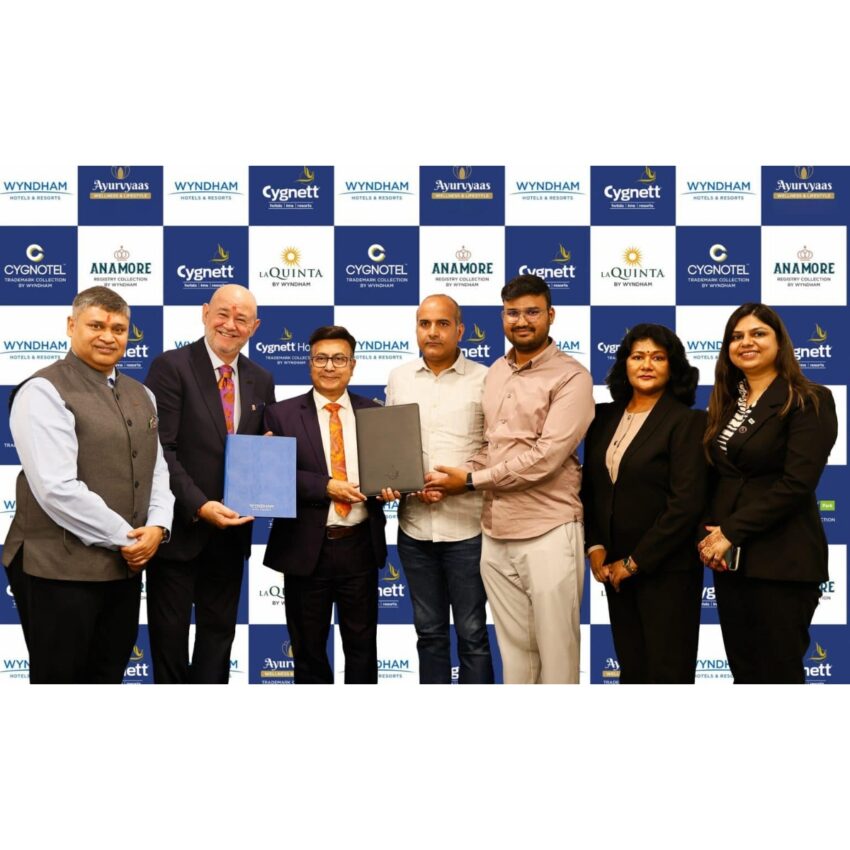
Rajasthan is ready to open the door to a new era of experiential luxury as Cygnett Hotels & Resorts along with Wyndham Hotels & Resorts declare the signing of two resorts in Pushkar and Kukas, Jaipur under the Anamore Registry Collection by Wyndham. For the travelers, the new hotels are not only the reason but also a good opportunity to experience a different Rajasthan where cultural depth, celebration-driven travel, and modern luxuries are mixed up. Moreover, the state will have a significant impact on tourism and hospitality in two of its most visited areas.

At the top of the story, the collaboration itself stands out. By aligning Anamore, Cygnett’s luxury brand, with Wyndham’s globally recognised Registry Collection, the partnership brings together Indian design sensibilities and international operational expertise. According to information shared by Cygnett Hotels & Resorts on its official platform, the group continues to expand across segments while remaining focused on destination-led hospitality, an approach that fits seamlessly with Rajasthan’s tourism narrative.

A Strategic Alliance Shaping Destination Travel

The Registry Collection by Wyndham is known globally for its carefully curated independent luxury properties that reflect local character while offering the benefits of an international network. By entering this collection, Anamore positions itself for greater global visibility, especially among high-spending international travellers seeking authenticity alongside comfort.

Industry observers have indicated that this alliance strengthens Cygnett’s ambition to grow its luxury footprint without diluting its Indian identity. Wyndham executives, in indirect remarks, have also highlighted that Rajasthan remains central to their upper-upscale and luxury expansion strategy in India, given the state’s enduring appeal for heritage, leisure and celebration travel.

Pushkar: A New Hub for Weddings and Wellness

The first project, Anamore Registry Collection by Wyndham Pushkar, is arguably one of the most impactful developments announced for the region. Spread across 18 acres with 288 rooms, the resort is designed to be among Rajasthan’s largest luxury wedding and events destinations. With 20,000 square feet of banquet space, expansive lawns and multiple dining venues, it is expected to attract large-scale destination weddings, conferences and social gatherings.

From a travel perspective, Pushkar’s spiritual ambience combined with high-end leisure facilities creates a compelling proposition. Wellness offerings under Blum Mudra by Ayurvayaas, along with dedicated recreation zones, are aimed at extending guest stays beyond traditional pilgrimage visits. Slated to open by end-2026, the resort is likely to generate sustained employment and ancillary tourism activity, benefiting local communities and service providers.

Kukas, Jaipur: Expanding the Luxury Corridor

Further east, Anamore Registry Collection by Wyndham Kukas Jaipur will rise across 25 acres in one of Jaipur’s fastest-growing hospitality corridors. The greenfield project will feature 150 rooms, 30,000 square feet of banquet space, curated culinary concepts and outdoor event venues, positioning it as a versatile luxury resort for both leisure and MICE travellers.

Kukas has steadily emerged as an extension of Jaipur’s luxury landscape, offering proximity to heritage sites while allowing for large-format resorts. Travel experts suggest that this development, expected to open in early 2029, will strengthen Jaipur’s appeal for longer stays, particularly among international guests looking for resort-style accommodation near cultural landmarks.

Boosting Tourism and the Hospitality Economy

Beyond brand expansion, the twin signings are expected to deliver tangible benefits to Rajasthan’s tourism and hospitality ecosystem. Large-scale resorts drive demand across transport, handicrafts, cultural performances and food supply chains. With Pushkar and Jaipur already established on global travel maps, these new luxury additions will help diversify the state’s offerings from heritage hotels to contemporary experiential resorts.

Cygnett’s leadership has indirectly expressed that Anamore represents a natural progression into soulful luxury, rooted in Indian culture. Wyndham, meanwhile, has signalled that partnerships like these allow global travellers to experience destinations such as Rajasthan through a more immersive and refined lens. Together, the brands appear aligned in creating destinations rather than just accommodation.

A Travel-Led Vision for Rajasthan’s Future

As Rajasthan continues to balance heritage preservation with modern tourism demands, developments like Anamore Pushkar and Kukas Jaipur underline a shift towards experience-driven travel. These resorts are not just places to stay; they are envisioned as spaces where weddings, wellness, cuisine and culture intersect.

The promise for tourists is to explore Rajasthan with a new perspective and luxury. At the same time, the initiatives put the state firmly in the map of India’s highest luxury tourism places, which are continuously developed without losing the original character of the place.

Image Credit: Cygnett Hotels and Resorts

The post Cygnett And Wyndham Bring Anamore Registry Collection To Rajasthan, Redefining Luxury Travel appeared first on Travel And Tour World.

Ahmedabad and Udaipur Set to Benefit from the Introduction of Vande Bharat Express, Providing a Faster, More Comfortable and Convenient Rail Link

Ahmedabad and Udaipur Set to Benefit from the Introduction of Vande Bharat Express, Providing a Faster, More Comfortable and Convenient Rail Link

The introduction of the Ahmedabad–Udaipur Vande Bharat Express will greatly benefit both cities by offering a faster, more comfortable, and convenient rail link. With speeds of up to 160 km/h, this semi-high-speed service will significantly reduce travel time between Ahmedabad and Udaipur, providing a quicker alternative to existing services. In addition to its speed, the Vande Bharat Express will enhance passenger comfort with modern amenities such as spacious seating, advanced safety features, and a smooth, reliable journey. This new service not only improves the travel experience for commuters and tourists but also strengthens regional connectivity, making travel between Gujarat and Rajasthan more efficient and accessible.

The Ahmedabad–Udaipur Vande Bharat Express is set to redefine rail travel between Gujarat and Rajasthan, promising passengers a faster, more comfortable, and modern travel experience. This semi-high-speed service aims to enhance convenience for both business and leisure travelers, reducing travel time while offering cutting-edge amenities. With the launch on the horizon, Indian Railways is preparing to provide a solution that addresses the growing demand for efficient and comfortable travel options.

Project Launch and Preparations

This new Vande Bharat Express service follows extensive upgrades to the Udaipur–Himmatnagar–Ahmedabad rail corridor. With the successful electrification of this section, the project has moved forward at a rapid pace, and the train is anticipated to commence operations as early as late January or February. This new service will offer a faster and more efficient alternative to the current trains operating on the same route, making it an exciting development for passengers in both states.

The introduction of the Ahmedabad–Udaipur Vande Bharat Express has garnered significant attention because it connects two cities of great economic and cultural importance. The aim is simple: reduce travel time while delivering a contemporary, seamless experience that aligns with India’s broader vision to modernize its rail network and enhance passenger services across the country.

Route, Stations, and Speed Focus

The Vande Bharat Express will operate between Ahmedabad’s Asarwa Junction and Udaipur City Station, covering a distance of around 270 kilometers. This direct link is expected to enhance rail connectivity between the two states, providing passengers with a quicker, more reliable way to travel between Gujarat and Rajasthan.

The semi-high-speed train is designed to reach speeds of up to 160 km/h, a feature that will significantly reduce travel time between the two cities. While speed is a central aspect of the service, the emphasis is also on comfort and efficiency. Passengers will enjoy modern amenities and a smooth, pleasant journey, a welcome change for those accustomed to slower trains with fewer facilities.

For regular commuters, this new service is a significant upgrade. It will cut down travel time considerably and provide a much more comfortable ride compared to the slower, older trains currently in service. Additionally, tourists traveling between the two cities will benefit from a more reliable and faster option, allowing them to explore the rich cultural heritage of both Ahmedabad and Udaipur without the time constraints imposed by traditional rail services.

Potential for Future Expansion

Looking ahead, there are discussions about extending the Vande Bharat Express service to Chittorgarh Junction, further enhancing regional connectivity. This potential extension is contingent upon the completion of a pit line at Chittorgarh. If completed, this extension could provide passengers with a faster, uninterrupted rail connection deeper into Rajasthan, offering a more convenient option for travelers looking to explore the region.

Furthermore, there are growing calls for additional long-distance services connecting Udaipur with major cities such as Mumbai and Chennai. The Udaipur–Ahmedabad rail section is now fully electrified, making it suitable for handling long-distance trains. This infrastructure development has paved the way for discussions about expanding rail services, driven by the need for better connectivity and more transport options for both tourists and business travelers.

Boosting Regional Connectivity

Expanding rail services to cities like Mumbai and Chennai would have far-reaching benefits for tourism and regional economic growth. Udaipur, with its stunning palaces, lakes, and historic sites, draws visitors from around the world. Improved rail connectivity to major cities would make it easier for tourists to visit, further boosting the local economy. Additionally, Udaipur’s rich cultural offerings make it an ideal destination for travelers seeking a unique experience.

For business travelers and students, the enhanced rail network would offer an affordable and practical alternative to air travel. Flights between these cities are available, but they can be expensive, especially for frequent travelers. A dedicated train service would provide a more cost-effective, comfortable, and convenient option, encouraging more people to opt for rail travel over flights.

The Ahmedabad–Udaipur Vande Bharat Express will offer a faster, more comfortable, and convenient rail link, reducing travel time and enhancing passenger experience with modern amenities, boosting regional connectivity between Gujarat and Rajasthan.

Growing Anticipation for the Service

With the launch of the Ahmedabad–Udaipur Vande Bharat Express approaching, anticipation is building among passengers and stakeholders alike. If the service begins on schedule, and if additional connections and extensions are implemented in the future, it will mark a significant step forward in India’s efforts to modernize its rail system. The Vande Bharat Express will not only provide a faster, more efficient travel option between Gujarat and Rajasthan but will also contribute to the overall expansion of India’s high-speed rail network, offering passengers a state-of-the-art travel experience.

The post Ahmedabad and Udaipur Set to Benefit from the Introduction of Vande Bharat Express, Providing a Faster, More Comfortable and Convenient Rail Link appeared first on Travel And Tour World.

Thailand and Cambodia Travel Woes Escalate as Advisory, Curfew and Border Tensions Disrupt Tourism, What You Need to Know Before Planning Your Trip

Thailand and Cambodia Travel Woes Escalate as Advisory, Curfew and Border Tensions Disrupt Tourism, What You Need to Know Before Planning Your Trip
Thailand, Cambodia,

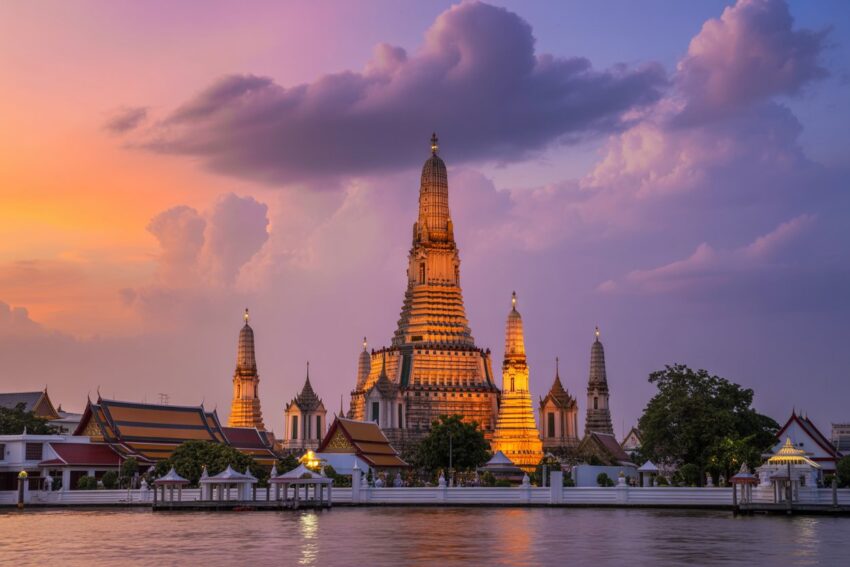
Travel advisories, a curfew in Thailand’s Trat province, and border tensions resulting from continuous military battles are all contributing to the increasing travel disruptions in Thailand and Cambodia, which are negatively affecting tourism and making travel challenging and dangerous for visitors. Travelers are advised to stay away from affected areas, especially those close to the border, since both nations are experiencing increased security and border restrictions. Flight cancellations, delays, and major disruptions to land transport between Thailand and Cambodia have resulted from the fighting. If travelers intend to traverse the border regions, they should stay informed about the most recent cautions and think about delaying their travels. Anyone traveling to or within the region should prioritize their safety as the situation is still unstable. Travel difficulties have increased as a result of the rising war between Thailand and Cambodia, particularly in areas along their shared 817-kilometer (508-mile) border. Travelers wishing to visit these Southeast Asian locations should be aware of the changing circumstances and possible effects on their travels, as a curfew has been enforced in Thailand’s southeast Trat region and tensions are rising.

Rising Tensions and Escalating Clashes

The ongoing skirmishes between the two nations have intensified following the tragic death of a Cambodian soldier in May. What began as a border dispute has rapidly escalated, displacing hundreds of thousands of people on both sides of the border. Despite U.S. President Donald Trump’s intervention in brokering a ceasefire in October, fighting resumed earlier this month, plunging the region into chaos once again.

The Thai military has confirmed the imposition of a curfew in the Trat province, which borders Cambodia, due to the ongoing violence. As both nations exchange fire across their shared border, the Thai forces claim to have targeted military objectives in Cambodia, while Cambodia accuses Thailand of striking civilian infrastructure. This conflict has led to several casualties and severe disruption, including the displacement of over 650,000 civilians. As of December 14, at least 16 Thai soldiers and 10 civilians have been killed, with hundreds more injured.

The Impact on Tourism

With the Thai-Cambodian border becoming increasingly volatile, travel plans to both countries are being impacted. Thailand, a major Southeast Asian tourism hub, has witnessed travel disruptions with many routes being re-routed or canceled. Cambodia, known for its rich cultural heritage and iconic destinations like Angkor Wat, is also seeing a decline in tourist arrivals due to concerns over safety and ongoing military operations.

The curfew in Thailand’s Trat province has especially impacted travelers heading to popular destinations in the southeastern region. While major cities like Bangkok remain relatively unaffected, border towns and provinces like Trat and Koh Kong are experiencing heightened security measures. Tourists in these areas are advised to stay updated on local advisories and avoid non-essential travel near the border.

Official Travel Advisories

As the conflict continues, both Thailand and Cambodia have been included in travel advisories from several countries, urging caution for travelers. Here are the key advisories:

  • United States: The U.S. Department of State classifies Thailand at Level 2 – Exercise Increased Caution and advises against travel within 50 km of the Thailand-Cambodia border due to ongoing military clashes and security risks. Travel.state.gov
  • Canada: The Canadian government lists Thailand at Level 2 – Exercise Increased Caution and explicitly advises against travel within 50 km of the Thailand-Cambodia border. This includes areas like Trat and Koh Kong, which are near the conflict zones. Travel.gc.ca
  • Australia: Australia’s Smartraveller service recommends caution throughout Thailand, with a high degree of caution in border regions. The advisory also specifically mentions the risk to travelers crossing into Cambodia. Smartraveller.gov.au
  • UK Foreign Office: The UK has advised against all but essential travel to areas within 50 km of the border, including Trat and Koh Kong, and stresses the heightened risk of military actions. Thetimes.com

Cambodia’s travel advisory echoes these sentiments, with the Australian government urging visitors to exercise caution, especially near border areas, and to avoid the regions affected by the conflict. Smartraveller.gov.au

Flights and Border Crossings Affected

The escalating border tensions are also likely to disrupt flights to and from both Thailand and Cambodia. Although major international airports in cities like Bangkok (Suvarnabhumi) and Phnom Penh remain operational, there are increased security measures and potential delays.

Travelers planning to cross the border by land should be prepared for delays or even temporary shutdowns of border crossings. Border regions such as Poipet in Cambodia and Aranyaprathet in Thailand, popular entry points for travelers, could see further closures or limited access as the conflict continues.

What You Need to Know Before Planning Your Trip

  1. Monitor Travel Advisories: Both Thailand and Cambodia have issued warnings, and tourists should closely monitor their embassy’s travel advisories. Changes in security conditions can happen rapidly, especially in regions near the border.
  2. Expect Delays and Cancellations: Flights into Cambodia’s Siem Reap or Phnom Penh and Thai destinations like Trat, Pattaya, and even Bangkok could be affected due to increased military presence and restrictions. It’s advisable to check with airlines for any changes to flight schedules.
  3. Avoid Border Areas: Travelers should avoid crossing the Thailand-Cambodia border for the time being. The situation remains tense, and safety in these areas cannot be guaranteed. Use alternative routes or consider rescheduling trips to avoid the conflict zones.
  4. Prepare for Security Checks: Expect heightened security, especially in the Trat province of Thailand and along border areas. Both Thai and Cambodian authorities have ramped up their military operations, which may cause delays at checkpoints and border crossings.
  5. Keep Emergency Contacts Handy: With the curfew and unrest in the region, tourists should have emergency contacts ready, including embassy numbers and local emergency services. It’s advisable to keep a close eye on local news and follow the guidance of authorities.

2025 Tourism Impact

Thailand and Cambodia have both seen a decline in tourism due to the ongoing conflict and the resulting security concerns.

  • Thailand: Thailand welcomed approximately 30.3 million foreign tourists in 2025, a slight drop compared to pre-pandemic years, reflecting the challenges posed by the ongoing border conflict. Major source markets include Malaysia, China, India, and Russia, with cities like Bangkok and Pattaya continuing to attract visitors despite regional tensions. However, border areas like Trat have experienced a significant reduction in tourist numbers. Khaosodenglish.com
  • Cambodia: Cambodia recorded about 4.38 million international tourists in 2025, which marks a decline from the previous year. The drop in tourist arrivals is attributed to the conflict along the border, as well as concerns regarding travel safety in affected regions. Siem Reap and Phnom Penh remain the primary destinations for international travelers, but areas near the border such as Koh Kong have seen a significant decrease in visitor numbers. Nis.gov.kh

Thailand and Cambodia are facing escalating travel disruptions as travel advisories are issued, a curfew is imposed in Thailand’s Trat province, and border tensions rise due to ongoing military clashes, severely impacting tourism and making travel unsafe for tourists.

Conclusion: Stay Informed and Safe

As the situation between Thailand and Cambodia remains fluid, potential disruptions to travel are expected to continue. Tourists planning to visit these countries should take extra precautions, monitor news sources, and keep an eye on any updates regarding the border conflict. Both countries offer unique cultural experiences, but with the current volatility, it’s crucial to stay informed and flexible with your travel plans.

If you must travel, make sure your safety is the priority. By staying up-to-date with the latest developments, you can avoid the worst impacts of the ongoing tensions and enjoy a secure and enjoyable trip in the future.

The post Thailand and Cambodia Travel Woes Escalate as Advisory, Curfew and Border Tensions Disrupt Tourism, What You Need to Know Before Planning Your Trip appeared first on Travel And Tour World.

British Band Blue and South Korean Group Everglow Electrify the Orchid Music Festival in Gangtok, India, Elevating Tourism and Cultural Tourism in the Region: Check It Out Now

British Band Blue and South Korean Group Everglow Electrify the Orchid Music Festival in Gangtok, India, Elevating Tourism and Cultural Tourism in the Region: Check It Out Now

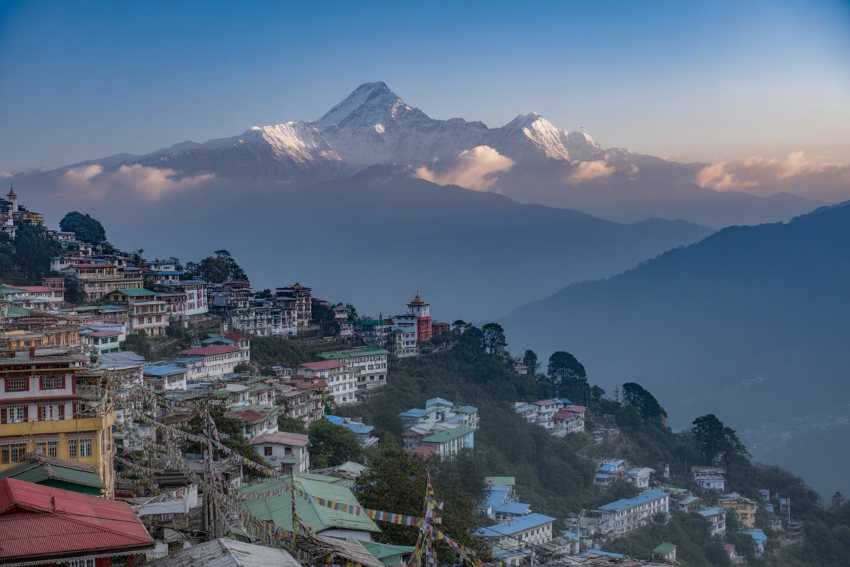
Sikkim, one of India’s most picturesque states, is no stranger to breathtaking landscapes and vibrant cultural heritage. However, it recently experienced a different kind of allure: the Orchid Music Festival in Gangtok, which not only highlighted the state’s natural beauty but also brought a wave of cultural and tourism attention to the region. The festival, which was held at the iconic Paljor Stadium, marked a stellar blend of international and local musical talent, with performances from the British band Blue and the South Korean group Everglow.

This annual festival, backed by the Sikkim government, has quickly evolved into a major draw for visitors from across India and abroad. Over the years, it has become one of the most anticipated musical events in the region, showcasing the vibrancy of K-pop music alongside traditional Indian and Nepali sounds. However, what set this year’s edition apart was the sheer magnitude of international recognition it garnered, thanks to the star-studded line-up that featured global sensations.

Blue brought their unmistakable sound to the festival, continuing their 25th anniversary tour with an unforgettable performance in Gangtok. For their Indian fans, it was an opportunity to relive the timeless magic of hits like “All Rise” and “One Love,” songs that have defined the band’s career for over two decades. The crowd’s palpable excitement was a testament to the enduring appeal of the British band, with thousands in attendance cheering and singing along to their classic hits.

Meanwhile, Everglow, the popular K-pop group from South Korea, made a significant impact with their performance. Known for their energetic choreography and infectious beats, they brought a fresh wave of energy to the festival. Their hit tracks like “Dun Dun” and “La Di Da” had the crowd dancing in unison, as they showcased the global reach and appeal of K-pop music. The enthusiastic reception of Everglow illustrated not just the universal appeal of Korean music but also the rapidly growing K-pop fanbase in India and the wider region.

While the international artists dazzled the crowd, the festival also offered a platform for local talent, with performances from the renowned Nepali singer Neetesh Jung Kunwar and Sikkim’s own folk-fusion band Sofiyum. The inclusion of these artists highlighted the festival’s commitment to celebrating diverse musical genres, merging Sikkim’s rich folk traditions with contemporary global music influences. It was an incredible showcase of the region’s evolving cultural landscape and its openness to international collaborations.

This blend of international pop culture with Sikkim’s traditional music makes the Orchid Music Festival an essential part of the state’s tourism landscape, bringing attention to a region that is often overshadowed by its more famous counterparts like Kerala and Goa. Festivals like these have an enormous impact on the travel and tourism sector, not just in the immediate vicinity but across the entire region. They serve as a magnet for tourists, driving both domestic and international visitors to Gangtok and nearby areas.

The ripple effect of such an event is often felt in multiple sectors. For instance, the tourism industry witnessed a sharp spike in bookings for hotels, resorts, and transportation services. Tourists from various corners of India, as well as foreign nationals, flocked to Sikkim to witness this extraordinary cultural phenomenon. Hotels in Gangtok and surrounding areas reported a significant increase in reservations, with many visitors booking their stays months in advance.

Moreover, the Orchid Music Festival‘s success serves as a reminder of the potential that musical events hold for boosting regional economies. In places like Gangtok, where the tourism sector primarily thrives on its natural beauty, events like the Orchid Music Festival offer a new revenue stream. This creates a unique opportunity for local businesses, from tour operators to restaurants, who benefit directly from the influx of music festival attendees. The economic impact is significant, as visitors tend to spend not just on tickets but also on local experiences, food, and souvenirs.

The Sikkim government’s backing of this festival further cements the region’s growing importance as a destination for cultural tourism. The state’s officials are likely to continue supporting such initiatives, not only for the cultural enrichment they bring but also for the economic benefits they provide. As the festival continues to grow in stature, it has the potential to attract even more renowned global acts, making it a fixture in the annual global music festival calendar.

From a travel perspective, events like the Orchid Music Festival can transform regions from being relatively unknown to being high on travelers’ bucket lists. In this case, Sikkim is increasingly seen as a must-visit destination, especially for those looking to combine nature, culture, and music in one unique experience. The state’s charm lies not just in its landscapes but also in its ability to bring together diverse cultural expressions, offering a rich blend of entertainment and exploration.

The festival also brings attention to Gangtok, Sikkim’s capital, as a cultural hotspot. In addition to the Orchid Music Festival, visitors can explore other attractions such as the Rumtek Monastery, the Enchey Monastery, and the scenic Tsomgo Lake. With the region’s increasing accessibility via road and air travel, Gangtok is becoming more viable as a year-round destination, and events like this only add to the allure.

Another important aspect is the sustainable tourism that can accompany events like these. As tourism increases, there’s a growing emphasis on ensuring that the region’s natural resources are preserved. Sustainable travel practices, such as promoting eco-friendly accommodations and responsible tourism, are essential for maintaining the balance between economic growth and environmental conservation. The Sikkim government has already shown a keen interest in promoting eco-tourism initiatives, and events like the Orchid Music Festival could be an excellent platform for encouraging more responsible travel.

With all these factors in play, Sikkim’s Orchid Music Festival emerges as not only a cultural celebration but also a significant driver of tourism for the region. As it continues to evolve and attract international audiences, it stands as a shining example of how music, culture, and tourism can intersect to create an unforgettable experience for travelers from around the world.

In conclusion, the Orchid Music Festival has undoubtedly made its mark on the global map, offering something for everyone—from fans of K-pop to those interested in traditional Nepali folk music. More than just a musical event, it has proven to be a transformative experience for Gangtok, Sikkim, and the broader tourism industry. As the festival continues to grow, so too will the opportunities for travelers seeking to explore this unique part of India.

The post British Band Blue and South Korean Group Everglow Electrify the Orchid Music Festival in Gangtok, India, Elevating Tourism and Cultural Tourism in the Region: Check It Out Now appeared first on Travel And Tour World.

Air India to Operate Three Hundred Additional Flights as IndiGo Faces Capacity Reductions in India

Air India to Operate Three Hundred Additional Flights as IndiGo Faces Capacity Reductions in India

Air India has announced that it will add around 300 extra flights during the winter season to help offset capacity cuts imposed on IndiGo by the government. The move comes after a 10% reduction in IndiGo’s operations on several key domestic routes, and is intended to ensure passengers continue to have enough travel options during one of the busiest times of the year.

As India’s largest domestic airline, any change in IndiGo’s schedule has a noticeable impact across the industry. To manage this, the government has reassigned some of IndiGo’s routes to Air India, Air India Express, and Akasa Air. These adjustments are aimed at keeping flights running smoothly on major corridors such as Delhi Mumbai and other important metro connections, helping maintain stability and continuity in India’s aviation network.

Government’s Strategic Response to Capacity Shortages

In response to the IndiGo capacity cuts, the Ministry of Civil Aviation is overseeing the redistribution of 1900 affected routes. The government’s primary goal is to prevent any single airline from dominating the market and to ensure fair distribution of flights across the domestic sector. This redistribution includes temporarily reassigning routes to other carriers, such as Air India, to ensure that passenger demand is met without disrupting services.

Air India, which has already started making adjustments, is using its spare capacity to absorb the additional flights, including deploying its Boeing 777 widebody aircraft on high-demand routes like Delhi to Mumbai. This move helps increase the airline’s capacity without affecting its regular flight schedule.

Air India’s Response and Operational Adjustments

Air India confirmed that its proposed flight additions will rely on spare capacity already available in its network. The airline is keen to ensure minimal disruption while managing the new routes added due to IndiGo’s capacity cuts. The airline has been working closely with the Ministry of Civil Aviation to coordinate the movement of aircraft, crew schedules, and fleet rotations to meet the temporary demand.

Air India’s increase in flights comes as IndiGo has been struggling with operational issues, including crew management challenges, new pilot duty rules, and adjustments to its network. The carrier has been operating over 2050 flights per day under its revised schedule, with daily passenger volumes exceeding 3.2 lakh travelers.

In addition to increasing flights, Air India has been closely monitoring passenger demand and adjusting schedules as needed to maintain operational stability. The airline’s flexibility in fleet management and crew deployment has helped mitigate the impact of the capacity cuts, ensuring that passengers are not left stranded during peak travel times.

Impact of IndiGo’s Capacity Cuts on the Indian Aviation Market

The reduction in IndiGo’s capacity has led to immediate adjustments across the domestic aviation sector. With IndiGo being India’s largest carrier, the cuts have created a supply-demand imbalance, particularly on key routes like Delhi to Mumbai and Chennai to Bengaluru. Other airlines, including Air India, Akasa, and SpiceJet, have had to adjust their operations to absorb the increased passenger traffic resulting from the capacity shortfall.

To address these challenges, Indian airlines are focusing on optimizing aircraft rotations, adjusting crew schedules, and offering additional flights where possible. The industry is also closely monitoring aircraft occupancy rates, which have surged in response to the reduction in capacity from IndiGo.

IndiGo’s Efforts to Stabilize Operations Amid Cuts

Meanwhile, IndiGo is working to stabilize its operations under the revised capacity guidelines. The carrier has already operated over 2050 flights for two consecutive days under its new schedule, a clear sign of its efforts to manage the capacity reduction efficiently. The airline has also implemented operational measures to ensure clear communication with passengers regarding updated flight timings and other disruptions caused by the cuts.

With the government’s involvement and industry cooperation, the immediate challenges caused by IndiGo’s reduced capacity are being addressed. The Ministry of Civil Aviation continues to monitor the situation, working with all airlines involved to ensure that passenger needs are met while maintaining a fair and balanced aviation market.

Future Outlook for Indian Airlines and Passenger Growth

Looking ahead, India’s aviation sector is gearing up for significant growth, with the Ministry of Civil Aviation setting ambitious targets of handling 95 million passengers and 1.6 million tonnes of cargo by 2026. These goals highlight just how important a strong, dependable air transport network will be in meeting the country’s rapidly growing appetite for air travel.

Air India, alongside other domestic carriers, is playing a key role in this journey by adapting to market shifts and making the most of available fleet resources. Close coordination between airlines, airports, and the Civil Aviation Ministry will be crucial to keeping the sector on a steady growth path.

As the industry continues to evolve, ongoing collaboration between airlines, government bodies, and regulators will shape the resilience of India’s aviation market—ensuring it can reliably serve both domestic travellers and international passengers in the years ahead.

The post Air India to Operate Three Hundred Additional Flights as IndiGo Faces Capacity Reductions in India appeared first on Travel And Tour World.

IndiGo Appoints Chief Aviation Advisors LLC to Conduct Independent Review of Flight Disruptions, Update You Need to Know

IndiGo Appoints Chief Aviation Advisors LLC to Conduct Independent Review of Flight Disruptions, Update You Need to Know

In a strategic move aimed at addressing recent operational disruptions, IndiGo, India’s largest airline, has appointed Chief Aviation Advisors LLC, led by Captain John Illson, to conduct an independent root cause analysis. The decision was approved by IndiGo’s Board on December 12, 2025, following recommendations from the airline’s Crisis Management Group (CMG). This step is a part of IndiGo’s ongoing efforts to enhance operational efficiency and strengthen its standing in the aviation industry.

Captain John Illson Brings Over Four Decades of Expertise to IndiGo

Captain John Illson, the seasoned aviation expert leading the Chief Aviation Advisors LLC, brings a wealth of knowledge to the project. With over 40 years of experience in aviation, Captain Illson has an extensive background working with major global carriers and regulatory bodies such as the Federal Aviation Administration (FAA), International Civil Aviation Organization (ICAO) and the International Air Transport Association (IATA). His expertise spans across global aviation strategy, safety leadership and setting international standards, making him an ideal candidate for the review.

Captain Illson’s deep experience in the aviation industry also includes working on the development of new aircraft technologies, ensuring that the review will be grounded in the most up-to-date and industry-recognized practices. This independent assessment of IndiGo’s operations is expected to yield valuable insights, not only into the specific issues causing recent disruptions but also into the broader scope of operational processes that can be improved within the airline.

A Comprehensive Review to Address Operational Challenges

IndiGo’s recent operational challenges, which led to massive flight disruptions, prompted the airline’s Board to commission an independent review. The airline’s Crisis Management Group (CMG), which was formed to address these disruptions, recommended bringing in an external expert to analyze the situation comprehensively. This recommendation was approved by IndiGo’s Board, underscoring the airline’s commitment to transparency and operational excellence.

The review will focus on identifying the root causes of the operational disruptions that affected a significant number of IndiGo’s flights. The aim is to uncover both immediate and underlying issues that may have contributed to the disruptions. Captain Illson and his team will evaluate every aspect of IndiGo’s operational framework, including scheduling, flight management, communication systems and ground services. The goal is not just to address the specific disruptions but to pinpoint broader opportunities for improvement.

As part of the process, Captain Illson’s team will collaborate closely with IndiGo’s senior management to gain an in-depth understanding of the airline’s operational challenges and examine how those challenges could have been mitigated. The independent nature of the review ensures that the findings will be impartial, with a clear focus on operational efficiency and long-term sustainability.

Opportunities for Improvement in IndiGo’s Operations

In addition to identifying the root causes of recent disruptions, the independent review will also explore potential opportunities for improvement within IndiGo’s operations. This could include recommendations for enhancing operational protocols, optimizing flight schedules and streamlining communication channels between departments. By focusing on these areas, IndiGo aims to mitigate future disruptions and improve overall passenger experience.

The review is expected to focus on specific issues such as flight delays, cancellations and the communication of such disruptions to passengers. Furthermore, it will likely evaluate the effectiveness of the airline’s response strategies during times of operational stress. These insights will not only help address current concerns but also lay the groundwork for strengthening IndiGo’s operational resilience in the face of future challenges.

Moving Forward with Confidence

The review process will be carried out promptly, with Captain Illson and his team expected to submit a comprehensive report to IndiGo’s Board upon completion. The findings of this report will provide IndiGo with clear, actionable recommendations, aimed at improving the airline’s operational capabilities and reducing the likelihood of future disruptions.

IndiGo’s decision to appoint Chief Aviation Advisors LLC and commission this expert review underscores the airline’s dedication to its passengers and the broader aviation community. The airline continues to prioritize transparency, accountability and operational excellence as part of its long-term strategy. By actively addressing the root causes of operational disruptions, IndiGo is demonstrating its commitment to becoming a more resilient and efficient airline.

The post IndiGo Appoints Chief Aviation Advisors LLC to Conduct Independent Review of Flight Disruptions, Update You Need to Know appeared first on Travel And Tour World.

Cygnett Hotels & Resorts Elevates Hospitality Standards with Key New Appointments of Rahul Rana, Sanjit Kumar Thakur and Ravvinder Bhola

Cygnett Hotels & Resorts Elevates Hospitality Standards with Key New Appointments of Rahul Rana, Sanjit Kumar Thakur and Ravvinder Bhola

Cygnett Hotels & Resorts has taken significant strides in enhancing its leadership team with the appointment of three seasoned professionals to pivotal roles. These strategic hires signal the company’s commitment to elevating its service standards, expanding its operational capabilities and fostering innovation in the rapidly growing hospitality industry. The appointments of Rahul Rana as Director – Culinary, Sanjit Kumar Thakur as Corporate Learning & Development Manager and Ravvinder Bhola as General Manager – Information Technology, underline the company’s focus on bringing in top-tier talent to help drive its continued success.

A Culinary Expert to Lead the Charge: Rahul Rana

Cygnett Hotels & Resorts has appointed Rahul Rana as its new Director – Culinary, a role that will be crucial in refining the culinary experience across the company’s growing portfolio of properties. With over 22 years of global experience in the hospitality and culinary industries, Chef Rana brings a wealth of expertise to his new position. Having worked with leading international hotel chains such as Accor, Marriott, Hyatt, InterContinental and Sarova Hotels, Rana has accumulated significant expertise in culinary operations across diverse regions including the United Kingdom, the Caribbean, the Maldives, Indonesia, Kenya and India.

Chef Rana’s career is highlighted by his ability to drive innovation in modern culinary techniques and large-scale buffet presentations. He has also launched a number of standalone specialty restaurants, focusing on a variety of cuisines including modern Pan-Asian, Peruvian and Kenyan dishes. With his vast experience, Rana is poised to lead the culinary strategy at Cygnett Hotels & Resorts, ensuring guests receive an unparalleled dining experience that aligns with the brand’s commitment to excellence.

Strengthening People Development with Sanjit Kumar Thakur

In another strategic move, Cygnett Hotels & Resorts has appointed Sanjit Kumar Thakur as its Corporate Learning & Development Manager. Thakur’s appointment strengthens the company’s focus on people development, which is a key factor in ensuring the delivery of exceptional hospitality services. With nearly 15 years of experience in the hospitality industry, Thakur has worked with prominent brands such as Taj, Oberoi, Radisson, Sarovar and Accor. His background in human resources management and deep operational knowledge will prove invaluable in his new role.

Thakur holds a degree from the Institute of Hotel Management (IHM) Kolkata and an MBA in Human Resources Management from IEC University. His wealth of experience in training, employee development and leadership initiatives positions him as a perfect fit to lead Cygnett Hotels & Resorts’ learning and development programs. Thakur’s expertise will help ensure that the company’s team members remain well-equipped with the skills necessary to meet the evolving needs of guests and enhance service delivery across the organization’s properties.

Digital Transformation and IT Leadership with Ravvinder Bhola

As part of its strategy to embrace digital transformation and improve operational efficiency, Cygnett Hotels & Resorts has appointed Ravvinder Bhola as General Manager – Information Technology. Bhola’s extensive experience in hospitality technology spans more than two decades and includes leadership roles with hotel brands such as Starwood, Taj and Marriott across India and international markets. His vast expertise in IT operations, system deployments and digital transformation will play a pivotal role in enhancing the technology infrastructure at Cygnett Hotels & Resorts.

Bhola is known for his leadership in building secure, resilient and guest-centric technology ecosystems. His work in IT governance, risk management and compliance, as well as his experience in large-scale system deployments, will be instrumental in helping the company remain at the forefront of technological advancements in the hospitality sector. As the hospitality industry continues to evolve with new technological demands, Bhola’s leadership will ensure that Cygnett Hotels & Resorts is equipped to deliver seamless, technology-driven guest experiences.

The Vision for Growth and Excellence

These key leadership appointments at Cygnett Hotels & Resorts reflect the company’s dedication to its growth strategy and service excellence. According to Sarbendra Sarkar, the Founder and Managing Director of Cygnett Hotels & Resorts, the company is committed to bolstering its leadership team with professionals who bring a diverse range of skills and expertise. Sarkar emphasized that with their combined experience, the new appointees will help maintain the high service standards that Cygnett Hotels & Resorts is known for, while also supporting the brand’s expansion plans across India.

The appointments come at a time when Cygnett Hotels & Resorts is rapidly expanding its footprint in the Indian hospitality market. The company’s growth trajectory is driven by a strong focus on enhancing guest experiences, leveraging technology and ensuring a commitment to sustainability. With these strategic hires, the company is better positioned to maintain its leadership in the competitive Indian hospitality landscape.

Conclusion

With the appointments of Rahul Rana, Sanjit Kumar Thakur and Ravvinder Bhola, Cygnett Hotels & Resorts is poised to continue its upward trajectory in the hospitality industry. These seasoned professionals bring valuable expertise in culinary innovation, people development and technology leadership, all of which are essential for maintaining the company’s reputation for excellence. As the company expands its presence across India, these appointments will play a key role in ensuring that Cygnett Hotels & Resorts remains at the forefront of the hospitality sector, consistently delivering exceptional experiences for its guests.

The post Cygnett Hotels & Resorts Elevates Hospitality Standards with Key New Appointments of Rahul Rana, Sanjit Kumar Thakur and Ravvinder Bhola appeared first on Travel And Tour World.

Wyndham and Cygnett Hotels Join Forces to Redefine Luxury Travel in India with New Pushkar and Jaipur Properties

Wyndham and Cygnett Hotels Join Forces to Redefine Luxury Travel in India with New Pushkar and Jaipur Properties

Cygnett Hotels & Resorts has announced an exciting collaboration with Wyndham Hotels & Resorts, unveiling two new luxury resorts under the Anamore Registry Collection by Wyndham brand. These properties, located in Rajasthan, promise to elevate the hospitality experience in India, setting new standards for luxury travel in the region.

Expanding Luxury Horizons with Anamore Pushkar

The first of these properties, Anamore Registry Collection by Wyndham Pushkar, is set to become one of Rajasthan’s largest luxury destination resorts. Spanning an impressive 18 acres, this resort will offer 288 opulent rooms designed to provide a luxurious and memorable stay. Positioned as a prime location for destination weddings and events, the resort will feature 20,000 square feet of banquet space, making it an ideal venue for grand celebrations and corporate events.

The resort’s expansive grounds will include lush lawns, multiple dining venues offering curated cuisine, a bar and a wellness zone, Blum Mudra by Ayurvayaas. This dedicated wellness area will focus on holistic health experiences, making it a key feature of the resort’s luxury offerings. With recreation zones and a wide range of amenities, Anamore Pushkar is poised to redefine experiential travel in the region. The resort is scheduled to open its doors to guests by the end of 2026.

Anamore Kukas Jaipur: A Greenfield Luxury Experience

The second property, Anamore Registry Collection by Wyndham Kukas Jaipur, will be located on a 25-acre greenfield site. This luxury resort will offer 150 meticulously designed rooms, providing an intimate yet luxurious stay. The resort will also feature 30,000 square feet of banquet space, ideal for hosting large gatherings, weddings and corporate functions. Curated dining concepts, wellness facilities and premium outdoor event areas will further enhance the resort’s appeal.

Anamore Kukas Jaipur is situated within one of the most sought-after hospitality corridors in Jaipur, making it a prime location for both domestic and international luxury travelers. The resort will combine culturally rich experiences with contemporary luxury, offering a seamless blend of traditional Rajasthan and modern design elements. The opening of this property is anticipated for early 2029.

Strategic Partnership to Strengthen Indian Hospitality

The partnership between Cygnett Hotels & Resorts and Wyndham Hotels & Resorts is a significant milestone for both companies. Sarbendra Sarkar, Founder and Managing Director of Cygnett Hotels & Resorts, highlighted that the Anamore brand represents the company’s entry into the luxury hospitality segment. This partnership with Wyndham combines local expertise with global standards, allowing the creation of destinations that celebrate India’s rich cultural heritage while offering internationally recognized service.

Sarkar emphasized that the signing of these two luxury resorts under the Anamore Registry Collection by Wyndham marks a pivotal moment for Cygnett Hotels & Resorts, positioning the brand as a key player in the Indian luxury hospitality market. The collaboration with Wyndham’s global reach and systems ensures that these resorts will meet the highest standards of service, providing guests with an exceptional and unforgettable experience.

Wyndham’s Commitment to Indian Luxury Travel

Rahool Macarius, Market Managing Director of Wyndham Hotels & Resorts for Eurasia, shared his enthusiasm about the new properties in Rajasthan. He stated that the addition of Anamore Pushkar and Kukas Jaipur strengthens Wyndham’s strategic expansion in India’s luxury hospitality sector. He further explained that Rajasthan’s growing importance in Wyndham’s development plans highlights the region’s potential as a top destination for luxury travel.

The collaboration with Cygnett Hotels & Resorts brings together Wyndham’s operational excellence and brand strength with locally inspired designs and experiences. Macarius emphasized that this partnership would provide luxury travelers with distinctive and culturally immersive experiences, offering a combination of modern amenities and authentic local experiences.

Rajasthan: The Perfect Setting for Luxury Resorts

Rajasthan has long been one of India’s most sought-after destinations for luxury tourism, attracting visitors with its royal history, majestic palaces and vibrant culture. The new resorts in Pushkar and Jaipur are set to further enhance the region’s appeal, offering travelers unparalleled luxury experiences that showcase the best of Rajasthan’s heritage and contemporary hospitality.

As luxury tourism continues to grow in India, the partnership between Cygnett Hotels & Resorts and Wyndham Hotels & Resorts will contribute significantly to the region’s tourism landscape. These two new properties are expected to attract both domestic and international travelers, bringing global attention to Rajasthan’s hospitality offerings and further solidifying its position as a leading luxury destination.

Conclusion

The collaboration between Wyndham Hotels & Resorts and Cygnett Hotels & Resorts represents a new chapter in the evolution of luxury travel in India. With the opening of Anamore Pushkar and Kukas Jaipur, both brands are set to provide travelers with world-class hospitality in one of India’s most culturally rich regions. These new properties will not only contribute to the growth of the Indian luxury travel market but will also elevate Rajasthan’s reputation as a top-tier destination for luxury tourism. As the resorts near their opening dates, anticipation is building for the exceptional experiences they are set to offer.

The post Wyndham and Cygnett Hotels Join Forces to Redefine Luxury Travel in India with New Pushkar and Jaipur Properties appeared first on Travel And Tour World.

Goa, Kerala, Manali, Mussoorie, Nainital, and Rishikesh Lead India’s Winter Travel Boom as Gen Z and Millennials Drive Demand for Wellness, Adventure, Experiential Stays, and Unique Accommodations

Goa, Kerala, Manali, Mussoorie, Nainital, and Rishikesh Lead India’s Winter Travel Boom as Gen Z and Millennials Drive Demand for Wellness, Adventure, Experiential Stays, and Unique Accommodations
winter destinations

Goa, Kerala, Manali, Mussoorie, Nainital, and Rishikesh are fast becoming the most sought-after winter destinations in India, fueled by a rising trend among Gen Z and Millennial travellers who crave experiences beyond traditional holidays. Airbnb’s 2025 Winter Travel Trends Survey highlights that winter is now the preferred season for Indians looking to combine flexible schedules with meaningful, lifestyle-focused travel. With their scenic landscapes, pleasant climates, and a wide array of wellness, adventure, and cultural activities, these destinations cater to both short getaways and extended stays. From yoga retreats and wellness programs to immersive road trips, slow travel, and community-based tourism, younger travellers are redefining winter travel by seeking unique accommodations, experiential stays, and opportunities for shared social moments over conventional sightseeing.

This shift marks a broader transformation in India’s travel landscape, as more people embrace winter as the ideal time for leisure. Gen Z and Millennials are at the forefront, choosing colder months for trips that blend relaxation, exploration, and personal growth. Flexible work arrangements, school holidays, and the desire for enriching experiences are driving this surge, making winter the most dynamic season for domestic travel in recent years.

The survey indicates that over 55% of Indian travellers embark on a winter trip annually, highlighting a strong and consistent interest in year-end travel. Flexible work schedules, school vacations, and a growing appetite for travel experiences that integrate relaxation, wellness, and adventure are key drivers behind this surge. Winter has evolved from being just a seasonal escape to a lifestyle opportunity for those seeking meaningful and rejuvenating getaways.

Younger travellers are spearheading this movement, with Gen Z and Millennials representing nearly half of all winter travellers. Unlike traditional tourists, these travellers prioritise experiences over possessions, seeking unique stays that go beyond conventional holiday options. Digital detox retreats, slow travel adventures, road trips, and community-focused tourism are now at the forefront of winter travel preferences.

Domestic destinations reflecting scenic beauty, climate comfort, and experiential offerings are seeing the highest demand. Goa, Kerala, Manali, Mussoorie, Nainital, and Rishikesh have emerged as the most popular winter travel hotspots. These destinations not only provide natural charm and pleasant weather but also cater to lifestyle-driven experiences such as yoga, wellness programs, adventure sports, and cultural exploration. For many travellers, these trips offer the ideal balance between relaxation and activity, whether for a short break or an extended stay.

The survey also points to the rising appeal of spiritual and wellness-focused destinations. Cities such as Varanasi and Vrindavan are gaining attention for travellers looking to blend introspection and mindfulness with travel. The increasing popularity of these destinations reflects a desire to combine cultural immersion with personal growth, indicating that Indian travellers are seeking more than conventional sightseeing.

Social travel experiences are becoming the norm, with the majority of winter trips undertaken with partners, friends, or extended families. Group bookings are steadily rising, highlighting a shift toward collective travel experiences that foster bonding and shared memories. This trend also reflects the growing importance of planning trips that can accommodate diverse interests and ages within the same group.

Accommodation preferences are evolving alongside travel behaviour. There is a rising demand for villas, larger homes, and distinctive stays on Airbnb, offering privacy, comfort, and the opportunity to live like a local. Travellers increasingly value personalised spaces that enhance convenience, enable immersive experiences, and provide an authentic connection with their surroundings. The combination of privacy and local culture is becoming a defining factor in winter travel planning.

The survey underscores that winter tourism in India is entering a phase of significant growth. Lifestyle flexibility, younger generations’ enthusiasm for travel, and the increasing emphasis on meaningful experiences are reshaping the travel landscape. Winter is no longer merely a time to escape—it has become a season of enrichment, exploration, and connection.

As domestic travel strengthens, the rise of winter-focused trips reflects broader societal trends, including wellness-oriented lifestyles, conscious spending, and a desire to create lasting memories. With destinations offering a mix of adventure, spirituality, and comfort, Indian travellers are redefining what it means to enjoy the colder months.

Airbnb’s 2025 Winter Travel Trends Survey highlights a larger cultural movement: travel is becoming more intentional, immersive, and experience-driven. For Gen Z and Millennials, winter travel is not just a holiday—it is an opportunity to combine exploration, wellness, and social connection, all while enjoying the comforts of unique and personalised accommodations. This evolving trend signals a transformative period for India’s domestic tourism, positioning winter as the most vibrant and sought-after travel season of the year.

The post Goa, Kerala, Manali, Mussoorie, Nainital, and Rishikesh Lead India’s Winter Travel Boom as Gen Z and Millennials Drive Demand for Wellness, Adventure, Experiential Stays, and Unique Accommodations appeared first on Travel And Tour World.

ASEAN-India Tourism Exchange Programme 2025: Guwahati Launch Signals Deepening Ties And Tourism Diplomacy

ASEAN-India Tourism Exchange Programme 2025: Guwahati Launch Signals Deepening Ties And Tourism Diplomacy
The ASEAN-India Tourism Professionals Exchange Programme 2025 Commences in Guwahati.

The collaborative spirit between India and the nations of Southeast Asia was significantly strengthened as the pivotal ASEAN-India Tourism Professionals Exchange Programme 2025 was successfully launched in Guwahati, the bustling commercial heart of Assam. This high-level exchange, meticulously organized by the Assam Tourism Development Corporation Ltd. (ATDC) under the distinguished guidance of the Ministry of External Affairs, was instituted as a strategic effort to foster deeper understanding and cooperation across the expansive bilateral tourism landscape. The initiation of the programme represented a tangible commitment by both sides toward harnessing the immense potential for growth within the travel and hospitality sectors. The multi-phased initiative, scheduled to run from December 12 to 17, has been strategically planned to unfold across three key Indian destinations: Guwahati, Kaziranga, and New Delhi.

The Genesis of a Collaborative Year

The foundation for this significant exchange was established by the proclamation of the ASEAN-India Year of Tourism, an initiative designed to elevate the movement of tourists and professionals between the two dynamic regions. Through this dedicated period, several collaborative avenues were explored, leading directly to the conception of this structured exchange programme. The participation of India at major international tourism platforms, such as the aforementioned MATTA Fair 2025, served as a crucial precursor, allowing the distinct and diverse offerings of the Indian states, particularly those in the often-underexplored Northeast, to be effectively presented to a global audience. It was clearly articulated that the North East, with its unique ecological diversity, ancient traditions, and distinctive cultural practices, was ready to be integrated more fully into the popular international tourist circuits.

The Inaugural Guwahati Segment and Delegation Composition

The proceedings of the programme commenced with the arrival of the forty-one esteemed delegates representing ten ASEAN Member States on December 12. The strategic importance of the event was reflected in the comprehensive representation from the Southeast Asian bloc. The participating nations and their respective delegate numbers underscore the comprehensive nature of the engagement: four delegates were provided by Cambodia, eight by Indonesia, four by Lao PDR, four by Malaysia, four by Myanmar, three by the Philippines, three by Singapore, four by Thailand, two by Timor Leste, and five by Vietnam. The representation across these varied nations ensures that a broad spectrum of perspectives, challenges, and opportunities from the Southeast Asian tourism ecosystem are being brought to the negotiation table, allowing for a truly regional approach to collaboration.

A Celebration of Assam’s Natural Heritage

A crucial element of the Guwahati leg was the planned cultural immersion activity, which served to immediately contextualize the discussions being held. Upon their arrival, the visiting delegates were immediately immersed in one of the region’s most iconic experiences: a captivating sunset cruise on the mighty Brahmaputra River. This experience was not simply a leisure activity; it was a deliberate demonstration of the potential inherent in Assam’s river-based tourism offerings. The river, being the lifeline of the region, was showcased as a primary venue for sustainable engagement.

As the cruise moved along the majestic waterway, the delegates were given a practical illustration of how community experiences along the riverbanks could be integrated into sustainable tourism models. The importance of ecological preservation and the sensitive promotion of the riverine culture were highlighted, showing that tourism growth could be achieved harmoniously with environmental stewardship. The successful staging of this initial engagement was regarded as having set a positive and constructive tone for all subsequent sessions, establishing a benchmark of experiential learning that was expected to be carried forward into the next destinations.

Structuring Policy Dialogue for Future Growth

Following the foundational interactions in Guwahati, the programme is slated to transition to the natural environment of Kaziranga, the world-renowned habitat for the one-horned rhinoceros. This segment is intended to shift the focus toward wildlife tourism management, conservation efforts, and the intricacies of operating sustainable eco-tourism enterprises in protected areas. Lessons from Kaziranga’s globally recognized conservation success are expected to be shared, providing valuable insights to delegates from countries facing similar challenges in biodiversity protection and tourism management. The practical application of conservation principles in a high-tourist-flow area will be studied closely, allowing comparative analyses to be drawn against similar sites in the ASEAN region. The importance of community buy-in and local employment in successful eco-tourism models will be a central theme explored during the field visits.

The Broader Vision for Bilateral Cooperation

The ASEAN-India Tourism Professionals Exchange Programme 2025 is viewed as being far more than a simple gathering of industry experts; it is interpreted as a vital strand in the expansive tapestry of India’s Act East Policy. The entire endeavor is underpinned by the conviction that people-to-people connections, particularly those forged through tourism, form the bedrock of resilient and enduring international relations. By focusing on professional exchange, the programme ensures that the relationship is built upon sustainable economic principles and mutual respect for cultural diversity.

The successful implementation of the exchange programme and the subsequent execution of the policy recommendations are expected to solidify India’s position as a key strategic partner for the ASEAN bloc, not just in tourism, but across the entire spectrum of diplomatic and commercial engagement. It is anticipated that the knowledge shared and the networks established will serve as a lasting resource, helping to guide the development of the tourism sector in a manner that is both economically robust and environmentally responsible across the entire Indo-Pacific region. The sustained growth of tourism is expected to act as a powerful catalyst for regional prosperity and understanding, demonstrating the transformative potential of focused international collaboration. The outcome of the six-day programme, particularly the policy directives issued from New Delhi, is eagerly anticipated by tourism professionals throughout the regions.

The post ASEAN-India Tourism Exchange Programme 2025: Guwahati Launch Signals Deepening Ties And Tourism Diplomacy appeared first on Travel And Tour World.

Winter Treks in the Himalayas, India and Nepal: Seven Snow-Covered Trails Offering Scenic Grandeur and Memorable Travel Experiences

Winter Treks in the Himalayas, India and Nepal: Seven Snow-Covered Trails Offering Scenic Grandeur and Memorable Travel Experiences

During the winter months, the Himalayan region across India and Nepal is transformed into a serene landscape shaped by snow, silence, and dramatic mountain light. Forest paths are softened under fresh snowfall, alpine lakes freeze into glassy mirrors, and distant peaks glow under crisp winter skies. This season has long been regarded as a rewarding period for trekking, as trails become quieter and scenery appears at its most pristine. For travellers seeking meaningful outdoor journeys, winter treks in the Himalayas are often chosen for their balance of challenge, beauty, and introspection. Routes ranging from gentle weekend trails to demanding high-altitude expeditions are made accessible during this period, allowing both beginners and experienced trekkers to find suitable experiences. Snow trekking in India offers a distinct travel dimension, combining adventure tourism with cultural encounters in remote mountain villages. With proper preparation, winter trails are safely undertaken and are remembered for their crisp mornings, panoramic views, and immersive natural surroundings. The following selection of Himalayan treks highlights routes that are widely regarded for their snowfall, scenic value, and contribution to sustainable mountain tourism across the Indian subcontinent.

Kedarkantha Trek, Uttarakhand, India

Overview and Trail Experience

The Kedarkantha Trek in Uttarakhand, India, has been widely recognized as one of the most approachable winter trekking routes in the Himalayas. The trail is accessed via Sankri village and is gradually guided through pine forests, open clearings, and frozen water bodies such as Juda Ka Talab. Snow coverage is consistently experienced between December and April, making it a preferred winter destination.

Scenic Highlights and Travel Appeal

A summit altitude of 12,500 ft is reached after steady ascents, where sweeping views of Swargarohini, Bandarpoonch, and Black Peak are revealed. Sunrise from the summit is especially valued within trekking tourism, as light spreads across snow-laden ridges.

Why the Trek Is Valued

This route is often selected for first-time winter trekkers due to its manageable gradients, well-marked paths, and rewarding summit views. The experience is considered an ideal introduction to Himalayan winter travel in India.

Brahmatal Trek, Uttarakhand, India

Overview and Trail Experience

The Brahmatal Trek is set in the Chamoli district of Uttarakhand, India, and is distinguished by its frozen alpine lake. Beginning from Lohajung, the route winds through oak and rhododendron forests that are fully snow-covered during peak winter months.

Scenic Highlights and Travel Appeal

At an altitude of 12,250 ft, uninterrupted views of Trishul and Nanda Ghunti are presented. The frozen Brahmatal Lake remains the focal point of the journey and is often photographed for its tranquil winter setting.

Why the Trek Is Valued

This trek is appreciated for offering expansive Himalayan views without excessive crowds. Its mythological association with Lord Brahma adds cultural interest to the travel experience.

Dayara Bugyal Trek, Uttarakhand, India

Overview and Trail Experience

The Dayara Bugyal Trek is frequently chosen for short winter itineraries. Accessed from Natin village, the trail is characterized by gentle slopes and steady ascents, making it suitable for a wide range of travellers.

Scenic Highlights and Travel Appeal

At 12,300 ft, Dayara Bugyal opens into vast alpine meadows that are completely covered in snow during winter. Peaks such as Bandarpoonch and Gangotri dominate the skyline, enhancing the sense of openness.

Why the Trek Is Valued

The wide snowfields are favored for photography and beginner-level winter activities. The trek is often recommended as an accessible introduction to alpine meadows in India.

Sandakphu Phalut Trek, West Bengal, India and Nepal

Overview and Trail Experience

The Sandakphu Phalut Trek follows a historic route along the India–Nepal border. The trail is known for its gradual climbs and its integration of local village stays, which contribute to community-based tourism.

Scenic Highlights and Travel Appeal

At 11,930 ft, views of Everest, Lhotse, Makalu, and Kanchenjunga are presented, making this trek unique in the Eastern Himalayas. The Sleeping Buddha formation of the Kanchenjunga range is particularly admired at sunrise.

Why the Trek Is Valued

The combination of snow trails, cultural encounters, and teahouse accommodations makes this route appealing for winter travellers seeking comfort alongside scenic diversity.

Nag Tibba Trek, Uttarakhand, India

Overview and Trail Experience

The Nag Tibba Trek is located close to Dehradun and is often selected for short winter getaways. With an altitude of 9,915 ft, the trek is completed within two to three days.

Scenic Highlights and Travel Appeal

Snow-covered oak forests and open summit views of Bandarpoonch, Kedarnath, and Srikanth ranges are encountered. The proximity to urban centers has contributed to its popularity among weekend travellers.

Why the Trek Is Valued

This trek is regarded as suitable for families, beginners, and small groups. It offers a compact winter travel experience without extended logistical planning.

Kuari Pass Trek, Uttarakhand, India

Overview and Trail Experience

The Kuari Pass Trek, also known as the Curzon Trail, holds historical significance and scenic appeal. Forested paths transition into open ridgelines as the route progresses toward higher elevations.

Scenic Highlights and Travel Appeal

At 12,516 ft, views of Nanda Devi dominate the landscape. Snow-covered Gorson Bugyal provides a dramatic camping environment and is considered one of the visual highlights of the trek.

Why the Trek Is Valued

This trail is valued for combining forest walks, alpine meadows, and panoramic ridges within a single itinerary, offering a comprehensive Himalayan travel experience.

Chadar Trek, Ladakh, India

Overview and Trail Experience

The Chadar Trek in Ladakh, India, is regarded as the most demanding winter trek in the country. Conducted between mid-January and February, the route follows the frozen Zanskar River.

Scenic Highlights and Travel Appeal

At an altitude of approximately 11,000 ft, trekkers walk directly on ice, surrounded by towering rock walls and frozen waterfalls. Temperatures can fall below minus 20 degrees Celsius, creating extreme conditions.

Why the Trek Is Valued

This trek is internationally recognized for its rarity and intensity. It provides insight into winter life in Ladakh and is recommended only for well-prepared and experienced trekkers.

Frequently Considered Travel Questions

Suitable Treks for Beginners

Kedarkantha, Dayara Bugyal, and Nag Tibba are commonly identified as beginner-friendly winter treks in India.

Essential Packing Considerations

Layered clothing, microspikes, trekking poles, sunglasses, waterproof gloves, and high-energy food items are generally advised.

Solo Travel Considerations

Short routes may be undertaken solo with caution, while higher-altitude treks are considered safer with organized groups or certified operators.

Ideal Winter Trekking Season

December to March is widely regarded as the most suitable period, with peak snowfall typically occurring between January and February.

Winter trekking across the Himalayas of India and Nepal continues to attract travellers seeking immersive natural experiences and seasonal adventure tourism. These trails are remembered not only for snow and mountain views but also for the calm, perspective, and cultural depth they offer. When approached with preparation and respect for mountain environments, winter treks provide lasting value within responsible travel journeys.

The post Winter Treks in the Himalayas, India and Nepal: Seven Snow-Covered Trails Offering Scenic Grandeur and Memorable Travel Experiences appeared first on Travel And Tour World.

India’s Airfares to Dubai, Male, Mauritius, and Toronto Skyrocket Amid IndiGo Disruptions: How Travelers Are Coping with Increased Ticket Prices

India’s Airfares to Dubai, Male, Mauritius, and Toronto Skyrocket Amid IndiGo Disruptions: How Travelers Are Coping with Increased Ticket Prices
India’s Airfares to Dubai, Male, Mauritius, and Toronto

Travelers from India are currently grappling with sky-high airfares, as operational disruptions at IndiGo, one of the largest budget carriers in the country, send flight prices soaring on international routes. Despite the Indian government’s attempts to control fares by introducing caps on domestic airfares, international ticket prices are still climbing, causing inconvenience to passengers looking to travel during the peak holiday season.

The IndiGo crisis has spilled beyond domestic flight delays and cancellations, significantly impacting international routes as well. Prices for popular routes from Delhi to destinations like Dubai, Male, Mauritius, and Toronto have surged by 30-150%, leaving many passengers scrambling for alternatives.

A Sharp Rise in International Flight Prices

The price of a round-trip flight from Delhi to Denpasar, Indonesia has seen a staggering increase, now standing at Rs 1 lakh, compared to Rs 36,000 earlier. Similarly, flights to Dubai, once priced between Rs 18,000-22,000, are now priced at Rs 55,000 for a one-way journey.

For long-haul travelers, a trip to Male, Maldives, now costs Rs 1 lakh, which is nearly double the earlier rate of Rs 40,000-45,000. Even Mauritius has witnessed a dramatic fare hike, with round trips now priced at Rs 74,000 — up from Rs 40,000-45,000.

Impact on Flight Schedules and Limited Seat Availability

The airfares have been impacted not only by the ongoing IndiGo disruptions, but also by a limited inventory of seats. The Indian government’s cap on domestic fares, which restricts flights up to 500 km to Rs 7,500 and those above 1,500 km to Rs 18,000, has done little to prevent international airfares from rising.

Due to IndiGo’s operational chaos earlier in December, the airline’s winter schedule was slashed by 10%, leading to further reduction in available seats on several international routes. As a result, passengers traveling to major international hubs in the Middle East, Europe, North America, and Southeast Asia are experiencing fewer flight options, rising fares, and considerable uncertainty regarding their travel plans.

Flight Disruptions and Operational Chaos: A Traveler’s Nightmare

The IndiGo flight crisis has caused widespread delays, cancellations, and missed connections, particularly on domestic flights. With numerous last-minute rebookings, passengers are facing long wait times at airports. This disruption has had a domino effect on international flights, especially those requiring a domestic connection.

Many international passengers depend on domestic flights to reach major airports like Delhi, Mumbai, Bengaluru, and Hyderabad to connect with their international flights. But with IndiGo’s seat inventory already limited due to the flight chaos, passengers are forced to either pay the increased prices or opt for fewer alternatives.

What Travelers Can Do to Minimize Costs

  1. Book Early: Due to the current limited availability of seats on international routes, booking early remains crucial. Consider securing your tickets well in advance to avoid paying premium prices.
  2. Monitor Prices: With fares fluctuating due to supply and demand, it’s a good idea to monitor airfares for your desired routes regularly. Online tools can help you track the price changes and make adjustments to your travel plans accordingly.
  3. Alternative Airports: Look for alternative airports that might have better availability and lower prices. For instance, flying out from Mumbai or Bengaluru instead of Delhi might offer more options and potentially lower prices.
  4. Flexibility: If possible, remain flexible with your travel dates. Prices can vary significantly depending on the time of year, and adjusting your departure or return dates could result in a cheaper fare.
  5. Travel Insurance: Given the current uncertainty in flight operations, especially for international travel, investing in travel insurance that covers flight cancellations, delays, and missed connections can save you a significant amount of money in the event of further disruptions.

Continued Strain on Airline Operations

While IndiGo CEO Pieter Elbers has stated that the airline’s operations are returning to normal, the long-lasting effects of the operational issues on both domestic and international travel will be felt well into the high-demand holiday period. IndiGo, which serves several international routes, is currently struggling to meet the soaring demand amid capacity restrictions.

Despite the disruptions, airfares continue to remain elevated due to strong seasonal travel demand during the Christmas and New Year holidays. These events, combined with ongoing flight schedule issues, have created a volatile environment for passengers who were hoping for a stress-free holiday travel experience.

Key Takeaways for International Travelers

  • Expect higher airfares across major international routes.
  • Limited seat availability could result in fewer flight options.
  • Plan your travel well in advance to secure lower prices.
  • Be prepared for potential disruptions and adjustments to flight schedules.

As the holiday season continues, the ongoing disruptions in the Indian aviation industry are expected to keep international airfares elevated for the foreseeable future. For travelers looking to get away to destinations like Dubai, Male, and Mauritius, the best advice is to act quickly and book flights as soon as possible to lock in the best fares.

The post India’s Airfares to Dubai, Male, Mauritius, and Toronto Skyrocket Amid IndiGo Disruptions: How Travelers Are Coping with Increased Ticket Prices appeared first on Travel And Tour World.

Ginger Ahmedabad, Kristar by IHCL Opens, Enhancing the New Tourism Appeal with its High-Quality Accommodations for Business and Leisure Travelers

Ginger Ahmedabad, Kristar by IHCL Opens, Enhancing the New Tourism Appeal with its High-Quality Accommodations for Business and Leisure Travelers

Indian Hotels Company Ltd. has announced a significant move in boosting Ahmedabad’s hospitality with the opening of its new hotel, Ginger Ahmedabad, Kristar. This new hotel brings comfort, affordability, and modern design into one basket, striving to provide both business and leisure travelers with a unique, comfortable experience. Situated in the bustling neighborhood of Thaltej, the hotel is favorably placed to address the emerging requirement for luxury accommodation in the city. The expected opening of Ginger Ahmedabad, Kristar, is sure to make a significant impact in Ahmedabad tourism, especially by luring high-end tourists, business travelers, and domestic travelers who are in quest of quality and comfort along with convenience and luxury.

A Boost to Ahmedabad’s Tourism and Business Travel

Known as the commercial capital of Gujarat, Ahmedabad is experiencing a steady rise in business tourism due to its thriving industrial and educational sectors. With more than 3 million tourists visiting annually, the city is growing in popularity as both a tourism hub and business center. As global tourism demand increases, particularly from India’s expanding middle class and international visitors, there is a growing need for hotels that can cater to business executives, conference attendees, and leisure tourists alike.

The launch of Ginger Ahmedabad, Kristar directly contributes to meeting the city’s growing hospitality demands, offering 100 rooms with modern amenities, flexible meeting spaces, and high-end services. This expansion will likely result in more tourism-driven revenue, helping to fuel the local economy, especially for hotels, restaurants, and transportation services.

Cultural and Economic Impact: Strengthening Local Tourism Infrastructure

The addition of Ginger Ahmedabad, Kristar to the city’s tourism infrastructure will enhance the city’s attractiveness to both international tourists and domestic travelers. As Ahmedabad becomes more connected to global markets and increasingly accessible through expanded air connectivity, the demand for quality, affordable luxury accommodations like Ginger Hotels is expected to rise. This new hotel will cater to the rising business tourism demand from major cities like Mumbai, Delhi, and Bangalore, along with international visitors exploring the city’s rich history, culture, and modern attractions.

Beyond business tourism, Ginger Ahmedabad, Kristar will also have a positive impact on cultural tourism by giving guests easy access to key cultural landmarks in the region, including the Sidi Saiyyed Mosque, Sabarmati Ashram, and the Calico Museum of Textiles. With its strategic location near both historical attractions and modern shopping districts, the hotel serves as a gateway to exploring the city’s cultural vibrancy.

Supporting Sustainable Tourism Growth

As tourism in Ahmedabad continues to grow, sustainability is becoming an increasing focus. Ginger Ahmedabad, Kristar has committed to sustainable practices, offering guests an eco-friendly experience that reduces environmental impact while maintaining high service standards. The hotel’s incorporation of energy-efficient systems, waste reduction practices, and local sourcing contributes to a growing trend of sustainable tourism in the region.

By adopting green hospitality practices, Ginger Ahmedabad, Kristar aligns with the global demand for responsible tourism, ensuring that Ahmedabad’s tourism sector can grow in a way that respects the city’s natural environment and cultural heritage. This focus on sustainability will help establish the city as a destination that appeals to eco-conscious travelers looking for luxury that doesn’t compromise on environmental responsibility.

Long-Term Impact on Regional Tourism Development

The opening of Ginger Ahmedabad, Kristar is just one part of a larger strategy to bolster tourism infrastructure across Gujarat and India. The development supports regional tourism by providing an accessible, luxurious base for travelers while helping to increase international tourism arrivals. As more visitors come to explore the cultural richness and historical significance of Ahmedabad, Ginger Ahmedabad, Kristar will contribute to the local economy by supporting small businesses, artisan communities, and tourism-related services.

By focusing on creating a well-rounded tourism ecosystem, which includes luxury accommodations, sustainable practices, and cultural immersion, Ginger Ahmedabad, Kristar is helping to solidify Ahmedabad’s status as a top destination for both business and leisure tourism in India.

Elevating Ahmedabad’s Hospitality Sector and Tourism Appeal

Simply put, Ginger Ahmedabad, Kristar ushers in a new era of unprecedented growth in the hospitality space of Ahmedabad by infusing the right mix of affordable luxury into the modern-day tourist’s comfort. With a strategic location, practices that aim at sustainability, and concern for guest satisfaction, this hotel is bound to play an imperative role in Ahmedabad’s emerging tourism industry. Thus, with the evolving face of Ahmedabad, Ginger Ahmedabad, Kristar will contribute manifolds in luring more and more tourists to the city, ensuring economic development while providing sustainable tourism to the region for decades to come.

Image Source: IHCL

The post Ginger Ahmedabad, Kristar by IHCL Opens, Enhancing the New Tourism Appeal with its High-Quality Accommodations for Business and Leisure Travelers appeared first on Travel And Tour World.

India’s Mizoram Unveils Winter Festival 2025 with Major Cultural Events, Adventure Tourism, Community Travel Initiatives, and Seasonal Attractions to Drive Visitor Inflow: Check It Out Now

India’s Mizoram Unveils Winter Festival 2025 with Major Cultural Events, Adventure Tourism, Community Travel Initiatives, and Seasonal Attractions to Drive Visitor Inflow: Check It Out Now

Mizoram, one of the most scenically gifted states in Northeast India, is preparing for a transformative tourism season as it unveils an expanded Winter Festival 2025 along with a series of festive attractions reaching into early January. The State’s tourism administration has outlined a vibrant programme that positions Mizoram as a compelling seasonal destination for domestic and international travellers seeking cultural variety, adventure-based recreation, and immersive community experiences. The announcement marks a strategic shift in how the State intends to integrate holiday festivities into a broader travel and tourism framework, aiming to convert the year-end celebratory period into an economic and cultural asset.

Set against the natural beauty and highland setting of Aizawl and neighbouring regions, the Winter Festival 2025 is scheduled to take place at the extensively prepared Lammual grounds from December 15 to 20. In addition, a Christmas-themed showcase on December 23 will add another layer to the State’s seasonal line-up. The programme will extend beyond urban centres and culminate in early January with the Cherry Blossom festivities at Phuaibuang, further distributing tourism opportunities across rural landscapes.

What distinguishes this year’s planning is the State’s intention to link festive events with sustainable tourism, adventure travel, local livelihood generation, and community-based hospitality. Through an integrated approach, Mizoram seeks to shape the holiday season into a high-value tourism window that encourages extended stays, multi-destination movement, and meaningful visitor engagement.

A New Direction for Festive Tourism

Festive tourism has emerged globally as a significant niche within the travel sector, driven by travellers who seek holiday events, seasonal landscapes, and unique cultural environments. Mizoram’s updated festival strategy aligns with this international trend while developing a region-specific model grounded in local aesthetics, traditions, and natural assets.

The Winter Festival 2025 aims to operate as a showcase of the State’s cultural rhythm during the Christmas and New Year period, a time when Mizoram is known for its distinctive combination of spiritual, communal, and celebratory elements. With carefully curated attractions such as a full seasonal backdrop, a dedicated costume parade, and expansive carol performances, the programme intends to give travellers an immersive sense of the State’s festive identity. Decorations across Lammual and its surrounding areas are planned to reflect a harmonious fusion of winter themes and traditional motifs, creating a memorable visual environment for visitors.

This holistic approach reinforces Mizoram’s broader tourism narrative—one centred on warmth, community, natural beauty, and cultural inclusiveness. The festival environment is structured to attract families, youth travellers, cultural enthusiasts, photographers, and adventure seekers alike.

Cultural Performances and Entertainment Hubs

A defining strength of the Winter Festival 2025 is its multi-layered entertainment roster, featuring a range of performances and activity zones designed to reflect both local creativity and contemporary trends. The festival will draw prominent music collectives that previously gained recognition through regional showcases. The programming features live band performances, DJ acts, dance events, stage shows, and dedicated children’s entertainment zones.

By infusing modern elements alongside cultural displays, the festival’s entertainment strategy broadens its demographic appeal. Youth travellers, weekend holidaymakers, and urban visitors are expected to gravitate towards these high-energy events, while families may explore play zones, game corners, and a large assortment of curated stalls.

The presence of regional performers from across the Northeast also contributes to cultural tourism, as travellers interested in indigenous music, dance, and art forms will have opportunities to experience the region’s creative diversity in a single destination. The festival positions itself not only as a celebration but as a cultural interface where visitors can access the artistic languages of Mizoram and wider Northeast India.

The Travel Significance of the Sunset Event at Sakawrhmuituai

One of the most striking additions to this year’s seasonal line-up is the special sunset-viewing event planned for New Year’s Eve at Sakawrhmuituai, a hilltop location renowned for panoramic views. Travellers will have the opportunity to gather at this picturesque site to watch the final sunset of the year—an experience increasingly sought after within the experiential travel segment.

Such curated natural-viewing events have gained prominence across global tourism markets, as they blend outdoor recreation with symbolic storytelling. For Mizoram, the sunset gathering provides multiple benefits:

  1. Strengthening adventure and eco-tourism through guided travel to elevated viewpoints.
  2. Creating high-impact visual experiences that resonate with digital travel trends.
  3. Encouraging movement beyond Aizawl, thereby dispersing tourism-generated revenue across surrounding localities.
  4. Showcasing the region’s environmental richness at a moment of symbolic transition—the end of the year.

This initiative aligns with the State’s broader objective of combining landscape-based experiences with festive tourism, positioning Mizoram as a destination where natural beauty forms a central part of holiday celebrations.

Cherry Blossom Season as a Post-Festival Attraction

Extending the festive travel window beyond December, the State will host the Tlaizawng (Cherry Blossom) Paradise programme on January 6 and 7 at Phuaibuang. This event highlights the natural allure of Mizoram’s highlands during the onset of cherry blossom season, drawing nature lovers, photographers, and eco-travellers who seek floral landscapes without travelling to traditional cherry blossom hubs abroad.

The Cherry Blossom programme features:

  • A dedicated concert space.
  • Mass rod-fishing at the Tuivai, which appeals to recreational anglers and rural tourism enthusiasts.
  • An adventure hiking route at Hriangmual Tlang, catering to trekking-focused travellers.
  • Tent accommodations for visitors seeking outdoor living experiences.
  • A village market selling fresh, locally sourced vegetables and agricultural produce.

This extension of festive tourism into January marks a deliberate attempt to avoid a seasonal tourism dip and maintain visitor interest into the new year. The State intends to leverage its climactic distinctiveness—cool weather, blooming landscapes, and hilltop scenery—to keep tourist activity stable across early winter months.

Linking Travel, Tourism, and Community Development

An essential new perspective in this year’s tourism strategy is the emphasis on community-based tourism. Through the Mizoram Banakaih (Handholding) Scheme, local families are invited to register their homes as homestays. This initiative aims to transform domestic spaces into micro-tourism hubs, thereby strengthening rural participation in the tourism economy.

Community-based tourism provides several advantages:

  1. Enhanced cultural immersion: Visitors gain firsthand exposure to local customs, cuisine, and household environments.
  2. Diversified accommodation options: Travellers can opt for personalised lodging beyond conventional hotels.
  3. Economic circulation: Income generated through tourism remains within local communities, improving household livelihoods.
  4. Sustainable travel: Homestays operate with lower environmental footprints compared with commercial lodging establishments.
  5. Inter-village tourism flow: With visitors travelling between multiple homestay locations, rural economies benefit from widespread micro-expenditures.

Incorporating community travel into the festive tourism framework represents a progressive shift towards decentralised tourism development, where local culture becomes both a host and beneficiary of visitor movement.

Rural Tourism and Local Economies

Inter-village travel encouraged during the festive season strengthens the rural tourism ecosystem. Visitors exploring rural sites—whether for adventure activities, cherry blossom viewing, or homestay experiences—contribute to the local economy through small-scale expenditure on food, crafts, accommodation, and mobility.

As travellers participate in charity stalls, interact with local producers, and explore village markets, the economic gains flow directly to farmers, artisans, and small vendors. This approach supports a circular tourism economy, where benefits loop back into the community instead of being absorbed solely by large service providers.

Additionally, the introduction of adventure hiking routes, open-air sites, fishing events, and hilltop sunset viewings diversifies the tourism landscape. Such diversification is essential for long-term tourism resilience, enabling rural areas to become dependable travel destinations rather than occasional add-ons to urban itineraries.

Positioning Mizoram in India’s Tourism Landscape

India’s Northeast has seen increasing domestic and international interest over the past decade. Mizoram, with its pristine hills, distinctive cultural heritage, and tranquil environment, is well positioned to draw travellers looking for a less commercialised destination. The Winter Festival 2025 enhances this appeal by offering:

  • A structured, event-based reason to visit during the holiday season.
  • Accessibility for families, youth travellers, adventure enthusiasts, and cultural tourists.
  • Multiple tourism products—festivals, performances, landscapes, adventure routes, and community stays.
  • A cohesive narrative of celebration intertwined with natural beauty.

By designing an extended festive itinerary, the State increases the likelihood that travellers will stay longer, explore more areas, and engage more deeply with local culture.

In a broader national context, Mizoram’s initiative contributes to India’s efforts to promote regional tourism diversity. As travellers increasingly seek destinations beyond metropolitan hubs, Northeast India—with its untouched forests, indigenous cultures, and distinct seasonal charm—can evolve into one of the country’s major tourism clusters.

Travel & Tourism Impact: A Holistic View

The Winter Festival 2025 and allied events are poised to create measurable impacts across multiple dimensions of Mizoram’s travel economy:

  1. Tourist Footfall Expansion
    A multi-day festival combined with New Year and Cherry Blossom attractions encourages sustained visitor inflow.
  2. Brand Building for the State
    Seasonal programming creates a recognisable tourism identity centred on cultural vibrancy, natural beauty, and community participation.
  3. Improved Local Employment
    Performers, event staff, food vendors, artisans, homestay operators, and local transport providers stand to gain from increased tourist activity.
  4. Diversification of Tourism Products
    Adventure hikes, sunset viewing, fishing events, and cherry blossom trails diversify Mizoram’s offerings beyond conventional sightseeing.
  5. Strengthened Rural Connectivity
    Tourism-driven inter-village movement enhances financial circulation in rural pockets.
  6. Year-Round Tourism Potential
    By extending festive events into January, the State strategically widens its tourism window, reducing off-season stagnation.
  7. Cultural Preservation and Promotion
    Festivals and homestays give local traditions a platform to flourish while also enabling cultural exchange between visitors and communities.

A New Perspective on Festive Travel in Northeast India

This year’s festive programming positions Mizoram as an exemplar of how seasonal celebrations can evolve into engines of regional tourism. Rather than treating festivals as standalone events, the State integrates them into a comprehensive travel experience involving landscapes, adventure, culture, and community interaction.

This integrated model illustrates a trend likely to influence other regions in India seeking to maximise tourism through culturally grounded, sustainability-oriented programmes. For travellers, it presents a unique opportunity to encounter a destination where festive warmth meets environmental splendour and community hospitality.

Conclusion

With the Winter Festival 2025, the New Year sunset gathering, and the Cherry Blossom festivities, Mizoram is not simply hosting events—it is crafting a year-end travel narrative shaped by culture, nature, community, and experiential tourism. This expanded festive itinerary strengthens the State’s position in India’s tourism landscape and offers visitors an immersive alternative to conventional holiday travel.

Through its strategic focus on community-based tourism, rural economic development, and experiential attractions, Mizoram demonstrates how festive seasons can be reinvented as transformative tourism opportunities that benefit both travellers and local residents.

The post India’s Mizoram Unveils Winter Festival 2025 with Major Cultural Events, Adventure Tourism, Community Travel Initiatives, and Seasonal Attractions to Drive Visitor Inflow: Check It Out Now appeared first on Travel And Tour World.

Effotel by Sayaji Set To Transform Ranjangaon Into Maharashtra’s New Business-Travel Hotspot

Effotel by Sayaji Set To Transform Ranjangaon Into Maharashtra’s New Business-Travel Hotspot

Ranjangaon, Maharashtra, the industrial heartland, is going to be home to a new hospitality landmark and Effotel by Sayaji, Ranjangaon is going to open its doors by March 2028, thus redefining business travel and local tourism. This will be marked as the first major branded hotel in town, and it is a milestone project that is made possible by SeaHorse Hospitality Consulting Services, one of the most reputed hotel advisory firms in India recognised as the best for creating successful brand-partnerships in unmarked markets.

For those who’ve travelled through Ranjangaon’s bustling industrial corridors, the announcement brings fresh optimism not just for corporate visitors, but also for leisure travellers eager to explore Maharashtra’s hinterlands. Sandeep Roy, Founder and CEO of SeaHorse Hospitality Consulting, was quoted describing the deal as a strategic move that positions the new property to capture premium corporate demand and extend Ranjangaon’s appeal beyond its factories and industrial parks.

Landmark Partnership with Sayaji Hotels

The hotel brand partnership was officially signed in late November 2025 by key stakeholders from Ranjangaon Hotel LLP, Sayaji Hotels LLP, and SeaHorse Hospitality Consulting. Sayaji Hotels brings an established operational framework to this venture, known for blending warm service with modern efficiency. SeaHorse’s role included comprehensive advisory from asset planning to brand alignment, leveraging over 30 years of hospitality consulting expertise.

SeaHorse Hospitality Consulting specialises in strategic hotel brand placements, feasibility analysis and revenue optimisation services that are particularly crucial for new-market entries like Ranjangaon. Their bespoke strategies help properties achieve maximum market impact while balancing investor returns with brand integrity.

A Hotel Designed for Business and Beyond

Effotel by Sayaji, Ranjangaon will be purpose-built to meet the needs of both corporate and leisure travellers. Spread across 36,000 sq ft, the property will boast:

  • 50 contemporary rooms, including 4 suites
  • All-day dining restaurant for up to 80 guests
  • Rooftop lounge bar with panoramic views, seating 130
  • Dedicated MICE facilities – a 3,000 sq ft banquet and a 500 sq ft conference hall
  • Wellness amenities including a gym and spa

These amenities will serve both corporate retreats and social tourism, making Ranjangaon more inviting to visitors who might otherwise bypass the region.

In interviews shared during the signing, local partners expressed confidence that the hotel will create “a hospitality anchor” in Ranjangaon, suggesting secondary gains for local businesses like restaurants, transportation services, and cultural tour operators.

Boosting Local Tourism and Regional Connectivity

Though historically known for industrial output, Ranjangaon’s strategic location roughly 50 km from Pune Airport positions it well for integrated tourism growth. Hotels of branded calibre often become a catalyst for additional hospitality investments, encouraging leisure travellers to explore Maharashtra’s rich cultural offerings, vineyards, forts and rural experiences beyond traditional urban hubs.

Travel analysts noted that such developments can diversify visitor profiles. Where once the region might have seen only transit visits from corporate guests, the presence of an upscale hotel encourages weekend breaks, events, weddings and regional tourism circuits.

SeaHorse Hospitality’s portfolio reflects this trend. The firm has brokered successful brand partnerships across India from Best Western Plus in Udaipur to Sarovar and Pride group properties elsewhere, illustrating how strategic hospitality projects can transform local tourism ecosystems.

Broader Impact on Hospitality Sector

Industry observers highlight that Ranjangaon’s first branded hotel aligns with broader hospitality trends in India, where secondary cities are gaining traction due to rising corporate travel and emerging domestic tourism demand. The new hotel is expected to:

  • Amplify regional visibility for tourism boards
  • Generate employment across hospitality and support services
  • Attract event tourism through modern MICE facilities
  • Encourage ancillary investments in retail and leisure

While high-profile destinations remain popular, India’s mid-tier markets are now seen as the next frontier for hospitality growth, especially with well-executed advisory support that matches local potential with brand strength.

Looking Ahead: Human Stories Behind the Blueprint

The project is progressing and local stakeholders as well as industry veterans are expressing their positivity. The hotel for the Ranjangaon communities is not just a building made of bricks and cement; it is an opportunity that they can show off their local hospitality, culture and connectivity to a wider audience.

Image Credit: Sayaji Hotels

The post Effotel by Sayaji Set To Transform Ranjangaon Into Maharashtra’s New Business-Travel Hotspot appeared first on Travel And Tour World.

India November 2025: Tata Nexon threepeats at #1 in market up 18.7%

The Tata Nexon is the best-selling vehicle in India for the 3rd straight month.

After smashing its monthly volume record in October, the Indian new wholesales market continues on its exceptional momentum in November with deliveries up another 18.7% year-on-year to 417,495. This the 2nd highest monthly volume in Indian history below last month. Once again, responsible for this great result is the introduction of a new GST structure (GST-2.0), which cut tax on entry-level cars from around 28% to 18%. Year-to-date volumes are up 4% to a record 4,126,144.

The Top 3 carmakers all beat the market with Maruti Suzuki up 21% to 41% share vs. 39.5% so far this year, Tata up 22% to reclaim the #2 spot for the second time in the past three months, and Mahindra up 21.9% to #3. Hyundai (+4.3%) is a lot more shy and is now in danger of losing the #3 year-to-date position to Tata, whereas it ranked #2 over the Full Year 2024. Other great performers include Citroen (+140.5%), Skoda (+90.3%) and Renault (+30.3%).

Over in the models charts, the Tata Nexon (+46.4%) scores a third consecutive win, distancing the YTD leader the Maruti Suzuki DZire (+79%). The Maruti Suzuki Swift (+33.9%) is also in great shape, up seven spots on October to #3. The Mahindra Scorpio (+22.9%) and Tata Punch (+21.5%) also outpace the market in the remainder of the Top 10. The Maruti Suzuki Victoris is the best-selling recent launch at #13, well above the Skoda Kylaq at #34.

Previous month: India October 2025: Sales up 17.3%, monthly volume record smashed at 466,814

One year ago: India November 2024: Maruti Suzuki Baleno best-seller in record market

Full November 2025 Top 14 All locally made brands and Top 90 All models below.

India November 2025 – locally made brands:

PosBrandNov-25%/24Oct2025%/24PosFY24
1Maruti Suzuki170,97141.0%+ 21.0%11,627,86939.5%+ 0.2%11
2Tata57,43613.8%+ 22.0%3528,72612.8%+ 2.0%43
3Mahindra  56,36613.5%+ 21.9%2574,68713.9%+ 18.0%24
4Hyundai50,34012.1%+ 4.3%4529,46212.8%– 6.0%32
5Toyota30,0857.2%+ 19.5%5317,4237.7%+ 15.3%55
6Kia25,4896.1%+ 23.7%6261,6096.3%+ 10.8%66
7MG5,7541.4%– 4.4%864,0551.6%+ 19.3%88
8Skoda5,4911.3%+ 90.3%767,0981.6%+ 119.3%711
9Honda5,2041.2%+ 4.0%955,6781.3%– 11.7%97
10Renault3,6620.9%+ 30.3%1034,2200.8%– 11.9%1110
11Volkswagen3,3420.8%+ 10.2%1134,8810.8%– 6.4%109
12Nissan1,9080.5%– 18.5%1220,7020.5%– 23.0%1212
13Citroen1,2240.3%+ 140.5%136,7080.2%– 2.5%1313
14Jeep2530.1%– 29.9%143,0560.1%– 22.0%1414

India November 2025 – models:

PosModelNov-25/24Oct2025/24PosFY24
1Tata Nexon22,434+ 46.4%1181,186+ 22.4%310
2Maruti Suzuki DZire21,082+ 79.0%2195,416+ 29.1%18
3Maruti Suzuki Swift19,733+ 33.9%10170,495+ 5.0%66
4Tata Punch18,753+ 21.5%9157,522– 15.7%101
5Hyundai Creta17,344+ 12.2%5187,968+ 7.8%25
6Maruti Suzuki Ertiga16,197+ 6.9%3175,439+ 0.8%53
7Mahindra Scorpio15,616+ 22.9%6161,103+ 4.5%79
8Maruti Suzuki Fronx15,058+ 1.2%7159,188+ 9.4%811
9Maruti Suzuki Wagon R14,619+ 4.6%4179,663+ 3.5%42
10Maruti Suzuki Vitara Brezza13,947– 6.5%16157,606– 7.7%94
11Maruti Suzuki Baleno13,784– 15.4%8150,448– 7.7%117
12Maruti Suzuki Eeco13,200+ 24.7%12126,155– 0.7%1212
13Maruti Suzuki Victoris12,300new1330,057new37 –
14Kia Sonet12,051+ 30.2%1494,461– 8.6%1716
15Hyundai Venue11,645+ 19.4%18105,033– 2.3%1414
16Maruti Suzuki Grand Vitara11,339+ 11.7%2195,612– 17.3%1613
17Mahindra XUV3X010,601+ 38.5%1590,698+ 15.1%1920
18Maruti Suzuki Alto10,600+ 42.0%2779,055– 19.8%2117
19Mahindra Bolero10,521+ 49.3%1193,436– 0.4%1818
20Mahindra Thar10,234+ 17.5%17107,326+ 54.8%1322
21Toyota Innova + Hycross9,295+ 18.2%20102,058+ 2.7%1515
22Toyota Hyryder7,393+ 52.2%1978,688+ 35.2%2227
23Kia Carens6,530+ 15.1%2471,127+ 16.5%2426
24Kia Seltos6,305+ 17.5%2566,831– 5.8%2523
25Mahindra XUV7006,176– 32.1%2280,251– 3.8%2019
26Tata Tiago5,988+ 11.1%2376,408+ 22.4%2324
27Hyundai Aura (Xcent)5,731+ 34.9%2957,026+ 11.2%2729
28Hyundai Exter5,705– 0.7%2662,296– 21.2%2621
29Toyota Glanza5,032+ 32.2%2847,989+ 3.3%2930
30Hyundai Grand i104,559– 19.6%3049,740– 16.4%2825
31MG Windsor4,025+ 28.0%3442,777+ 583.3%3258
32Hyundai Elite i203,777– 3.8%3542,934– 24.2%3128
33Tata Harrier3,771+ 174.5%3325,032+ 20.6%4143
34Skoda Kylaq3,538new3143,204new30 –
35Toyota Taisor3,177– 12.2%3231,811+ 57.4%3542
36Tata Altroz3,013+ 44.6%3633,035– 24.1%3331
37Honda Amaze2,763+ 5.1%3729,493+ 9.3%3835
38Toyota Fortuner2,676– 6.6%4131,755+ 1.2%3634
39Maruti Suzuki XL62,556+ 2.9%3832,500– 14.9%3432
40Maruti Suzuki Ignis2,316+ 5.1%4424,088– 7.7%4338
41VW Virtus2,225+ 52.7%4720,466+ 8.0%4547
42Renault Triber2,064+ 38.9%3920,464+ 0.5%4744
43Nissan Magnite1,908– 18.5%4520,591– 23.4%4436
44Tata Safari1,895+ 21.2%4617,032– 21.6%5141
45Honda Elevate1,836+ 10.1%4819,019– 24.9%4837
46Toyota Rumion1,818+ 0.8%4017,996+ 27.1%5052
47Maruti Suzuki S-Presso1,747– 23.5%4218,892– 27.8%4939
48Mahindra XEV 9e1,423new4325,011new42 –
49Maruti Suzuki Celerio1,392– 41.5%5320,465– 42.0%4633
50Mahindra BE 61,314new4913,830new53 –
51Renault Kiger1,151+ 47.8%588,360– 19.7%5956
52Skoda Slavia1,120– 1.0%5012,760– 7.0%5553
53Tata Curvv1,094– 78.6%5226,427+ 41.5%4040
54VW Taigun1,077– 28.1%5113,937– 19.5%5245
55MG Comet897+ 49.5%577,639– 31.3%6054
56Citroen C3861+ 330.5%593,647+ 40.8%6768
57Hyundai Alcazar840– 60.6%5413,057– 20.0%5448
58Maruti Suzuki Jimny802– 18.8%634,948– 35.2%6559
59Hyundai Verna709– 41.5%6010,651– 34.4%5751
60Honda City605– 14.7%647,166– 33.3%6155
61Skoda Kushaq586– 61.5%559,786– 35.2%5849
62Kia Syros544new6127,307new39 –
63Tata Tigor488– 43.2%5612,084– 25.5%5650
64Renault Kwid447– 18.1%655,396– 33.2%6460
65Maruti Suzuki Invicto410– 5.5%683,432+ 7.6%6964
66Mahindra XUV400404– 59.6%752,764– 61.5%7061
67MG ZS EV400– 17.2%625,515– 10.0%6363
68Toyota Hilux331+ 122.1%663,588+ 31.3%6867
69MG Hector278– 74.9%716,213– 66.0%6246
70Toyota Camry222+ 70.8%692,149+ 12.5%7169
71Citroen C3 Aircross208+ 3.5%70940– 31.6%7974
72Jeep Compass157– 16.5%731,527– 45.7%7266
73Skoda Kodiaq153– 32.0%671,247– 27.2%7670
74MG Astor149– 72.8%781,489– 85.4%7357
75Citroen Basalt139+ 195.7%721,324+ 11.4%7575
76Skoda Octavia94new8996new91 –
77Toyota Vellfire86+ 0.0%741,218+ 38.4%7777
78Jeep Meridian63– 63.6%761,164+ 5.1%7876
79Kia Carnival58– 75.9%771,361+ 174.4%7478
80Toyota Land Cruiser 30055new80171new88 –
81Mahindra Marazzo47+ 422.2%87328+ 27.6%8481
82VW Tiguan38– 51.9%82239– 76.1%8765
83Hyundai Ioniq 524+ 9.1%85165– 67.3%8979
84Jeep Wrangler19new81291new85 –
85Citroen E C316– 73.8%79738– 57.1%8072
86Jeep Grand Cherokee14n/a8674n/a92 –
87Hyundai Tucson6– 92.9%83682– 54.8%8173
88MG Gloster5– 96.4%84422– 76.2%8371
89VW Golf2n/a90239n/a86 –
90Kia EV91new9121new94 –

Source: Manufacturers

Christmas Markets In Delhi, India That Should Be Explored This December For A Festive Travel Experience

Christmas Markets In Delhi, India That Should Be Explored This December For A Festive Travel Experience

During the month of December, Delhi, India, is observed transforming into a lively winter destination where celebrations, lights and festive charm are experienced at every turn. For travellers arriving in the capital during the holiday season, the city’s Christmas markets are regarded as some of the most vibrant places to explore. Each market is presented as a unique blend of seasonal décor, handcrafted goods, regional delicacies and cultural performances that enhance the overall festive mood. These gatherings are not merely shopping venues; rather, they are curated spaces where communities come together, traditions are celebrated and travellers are offered memorable glimpses into the city’s multicultural identity.

A walk through these markets allows visitors to enjoy illuminated pathways, music-filled corners and stalls displaying artisanal creations from across India. Whether a visitor is accompanied by family, enjoying a short holiday, or simply seeking an atmospheric winter experience, these markets provide an inviting environment to embrace the season. With themes ranging from sustainability to European-inspired festivities, each marketplace holds its own distinct character. The following guide presents the best Christmas markets in Delhi that should be explored this December, ensuring that every traveller captures the joyful spirit of the holidays while discovering the cultural richness of India’s capital.

Christmas Markets in Delhi, India That Should Be Explored This December

1. Dilli Haat Christmas Bazaar, INA

At Dilli Haat, a vibrant blend of handicrafts, regional cuisines and cultural showcases is observed every December, and the space is transformed into a festive attraction. During the Christmas period, the market is adorned with seasonal décor, handmade ornaments and colourful displays created by artisans from different states of India. Travellers visiting the bazaar are offered diverse shopping opportunities, including unique gifts, handcrafted keepsakes and traditional textiles. Cultural performances, folk music and regional dance acts are often organised, adding to the immersive winter experience. Food enthusiasts are also able to explore numerous stalls offering traditional snacks and authentic dishes from across the country.

Dates: 16th December – 31st December
Entry: Ticket available at the venue

2. German Christmas Market, Chanakyapuri

In Chanakyapuri, a European-style festive atmosphere is recreated at the German Christmas Market, bringing a touch of Germany to India’s capital. This celebrated annual event is recognised for its lively ambience, seasonal stalls and cultural highlights. Authentic German delicacies, baked treats and festive beverages are offered to visitors, creating an enjoyable family-friendly experience. Christmas carols, elaborate decorations and imported products further elevate the festive charm. Workshops designed for children and adults allow travellers to engage with creative activities, making the outing both interactive and enjoyable.

Dates: 13th December – 14th December
Tickets: Available on District by Zomato

3. Select Citywalk Christmas Carnival, Saket

At Select Citywalk in Saket, one of Delhi’s most frequented lifestyle destinations, a grand Christmas carnival is showcased to visitors. The entire space is illuminated with elaborate decorations, themed structures and seasonal installations that create a radiant holiday atmosphere. Pop-up stalls offering festive products, souvenirs, accessories and gourmet treats encourage travellers to browse at leisure. Live performances, festive music and special appearances by Santa are hosted at various intervals, making the venue a favourite for families and photography enthusiasts. Interactive photo booths and specially curated festive zones also enhance the experience for those seeking memorable holiday captures.

Dates: 16th December – 23rd December
Entry: Free

4. Christmas Earth Mela, Italian Embassy

The Christmas Earth Mela at the Italian Embassy is presented as a distinctive event where sustainability and festive celebrations are combined. Visitors are encouraged to explore eco-friendly products, organic foods and environmentally conscious lifestyle items. Workshops on green living, interactive sessions and live music performances are arranged throughout the event, continually promoting awareness alongside celebration. The market is recognised for its serene atmosphere, curated stalls and emphasis on mindful gifting, making it an attractive destination for travellers seeking a meaningful festive outing.

Dates: 13th December – 14th December
Tickets: Available on BookMyShow

5. The Sorbet Soiree, Sunder Nursery

Set within the picturesque landscape of Sunder Nursery, The Sorbet Soiree is known for its elegant and stylish festive setting. Travellers visiting this market are welcomed with curated brands, artisanal décor items and gourmet selections that reflect contemporary tastes. Live music, curated food corners and thoughtfully designed festive installations create a relaxed yet refined ambience. The market is especially admired for its scenic beauty, making it an ideal location for leisurely strolls, photography and weekend outings during the holiday season.

Dates: 19th December – 20th December
Tickets: Available on District by Zomato

6. British Council Christmas Fair, Kasturba Gandhi Marg

At the British Council, a warm and inviting Christmas fair is presented each year, offering books, festive crafts and seasonal treats. The event is ideal for travellers seeking a calm, family-friendly festive environment. Numerous activities are organised for children, including storytelling sessions and creative engagements. Visitors are also able to explore curated stalls featuring crafts, baked goods and holiday-themed items. The fair’s cosy setting makes it suitable for those who prefer a quiet and culturally rich festive experience.

Date: 13th December
Entry: Free

7. Bikaner House Christmas Pop-Up, India Gate

At Bikaner House near India Gate, an elegant Christmas pop-up is showcased, featuring premium brands, designer collections, artisanal goods and luxury gift options. Travellers are offered a refined festive shopping experience within a heritage environment. The venue’s sophisticated décor, gourmet food corners and curated selection of products make it a preferred stop for those seeking upscale holiday gifting. The architectural charm of Bikaner House further enhances the festive mood, providing visitors with a memorable seasonal outing.

Date: 22nd December
Entry: Free

8. DLF Promenade Christmas Market, Vasant Kunj

At DLF Promenade in Vasant Kunj, a lively Christmas market is arranged with fashion stalls, décor items, festive treats and gourmet food offerings. Families frequently visit the venue to enjoy the sparkling décor, live performances and numerous holiday-themed activities. Workshops for children, festive installations and scenic photo points contribute to the market’s popularity among travellers. The extended event duration ensures that visitors throughout December can enjoy the festive ambience.

Dates: 10th December – 28th December
Entry: Free

The post Christmas Markets In Delhi, India That Should Be Explored This December For A Festive Travel Experience appeared first on Travel And Tour World.

Travel Made Easier: Air India Partners with Scoot for Enhanced Connectivity Across Asia and Australasia

Travel Made Easier: Air India Partners with Scoot for Enhanced Connectivity Across Asia and Australasia

In a strategic move to enhance its global reach and offer travelers more seamless connections, Air India has entered into a new interline partnership with Scoot, the low-cost subsidiary of Singapore Airlines. This partnership will significantly improve connectivity for passengers traveling across Asia and Australasia, allowing them to access over 60 destinations that were previously out of reach with Air India alone. This partnership marks a crucial development for both airlines, as they look to offer greater convenience and more flight options for their passengers.

Enhancing Travel Connectivity Across Asia and Australasia

With the new partnership, Air India passengers can now easily book connecting flights to more than 60 destinations across Asia and Australasia, including key cities. The expanded network allows passengers to effortlessly transfer between Air India’s long-haul flights and Scoot’s budget-friendly services. By joining forces, both airlines are creating a robust global network that offers travelers greater flexibility and improved connectivity.

The interline agreement will facilitate smoother flight transfers, making it easier for passengers to navigate their way to far-reaching destinations without the hassle of booking multiple separate flights. This collaboration is expected to attract travelers seeking affordable and efficient ways to travel between India and key cities across the Asia-Pacific region.

Key Benefits for Air India and Scoot Passengers

One of the key advantages of this partnership is the ability for passengers to book a single ticket for their entire journey. This eliminates the need for separate bookings and creates a seamless travel experience, even when changing airlines mid-journey. With more than 60 destinations available through this collaboration, both Air India and Scoot can now cater to a wider range of travel needs, including both business and leisure travelers.

Passengers can also look forward to smoother connections with improved baggage handling. This interline agreement allows for the checked baggage to be transferred automatically to the connecting Scoot or Air India flight, ensuring that travelers don’t need to reclaim and recheck their luggage during layovers. This added convenience makes international travel significantly easier, especially for those flying long-haul to multiple destinations in one trip.

Strategic Expansion to Tap into Growing Asian and Australasian Markets

For Air India, this partnership is a significant step in expanding its reach in the burgeoning markets of Southeast Asia. As Indian outbound tourism continues to grow, especially in the post-pandemic travel landscape, the demand for convenient and affordable travel to popular holiday destinations. The Air India-Scoot collaboration positions both airlines well to capitalize on this surge in regional travel demand.

Similarly, for Scoot, the partnership with Air India opens up new avenues to tap into the Indian travel market. India is one of the fastest-growing travel markets globally, and the chance to connect with Air India’s extensive network across. The deal will enable Scoot to expand its offering to Indian travelers seeking affordable, high-quality travel options within Asia and beyond.

Strengthening the Singapore Airlines Group’s Global Presence

This partnership also reinforces the Singapore Airlines Group’s commitment to enhancing connectivity across the Asia-Pacific region.

Furthermore, with the upcoming launch of new routes between India and Southeast Asia, the collaboration between Scoot and Air India is expected to improve the region’s tourism infrastructure, making it easier for travelers to explore and connect with new destinations.

A New Chapter in Air India’s Global Strategy

For Air India, this partnership with Scoot is a clear indication of its broader global strategy to improve its position in the competitive airline market. The new interline agreement with Scoot marks a continuation of these efforts, demonstrating Air India’s commitment to offering more convenient and flexible travel options for its growing customer base.

Looking Ahead: More Partnerships to Come

This new partnership between Air India and Scoot is just the beginning of what is likely to be a series of collaborations aimed at improving air travel connectivity globally. As international travel continues to rebound post-pandemic, airlines are focusing more on strategic partnerships to increase their network reach and offer passengers an enhanced travel experience. For travelers, this means even more options for booking affordable, seamless international flights across a variety of global destinations.

With this new interline partnership, Air India and Scoot are paving the way for more accessible, efficient, and affordable air travel, setting a new standard for collaboration in the airline industry.

Conclusion

The interline agreement between Air India and Scoot is a game-changer for travelers looking to explore more of Asia and Australasia. By combining their extensive networks, both airlines are offering a level of connectivity and convenience that is sure to appeal to global travelers. Whether for business or leisure, this partnership opens up a world of new possibilities, reinforcing both airlines’ commitment to providing seamless travel experiences for their passengers.

Image Credit:- Air India

The post Travel Made Easier: Air India Partners with Scoot for Enhanced Connectivity Across Asia and Australasia appeared first on Travel And Tour World.

India’s Nilgiris Mountain Railway: Why the Country’s Slowest Train Offers One of the World’s Most Scenic Travel Experiences

India’s Nilgiris Mountain Railway: Why the Country’s Slowest Train Offers One of the World’s Most Scenic Travel Experiences

In an era defined by high-speed travel, rapid connections, and modern transit systems, the enduring charm of slow journeys has been steadily rediscovered. This renewed appreciation is especially evident in the growing interest surrounding the Nilgiris Mountain Railway, celebrated as India’s slowest train and cherished as one of the most captivating routes in the country. Operating in Tamil Nadu, this historic line moves at a modest pace of just 9 km per hour, yet its allure lies precisely in its unhurried rhythm. As the train glides from Mettupalayam to Ooty, passengers are carried through dramatic landscapes within the Western Ghats, a region recognised globally for its ecological and cultural importance. The route has been acknowledged as a UNESCO World Heritage Site, reflecting its engineering significance and timeless appeal. Travellers from India and abroad are drawn to its vintage steam locomotives, narrow-gauge track, and the rare rack-and-pinion system that allows the climb through steep gradients. With its blend of natural beauty, heritage engineering, and nostalgic ambience, the Nilgiris Mountain Railway has been viewed as far more than a mode of transport. Instead, it has been embraced as an immersive journey that captures the spirit of India’s mountain tourism.

A Living Heritage Across the Western Ghats

The Nilgiris Mountain Railway has been upheld as a defining symbol of India’s railway heritage. Constructed during the early 1900s under the British administration, the line was engineered to connect the plains of Tamil Nadu with the elevated terrain of the Nilgiris. Its inclusion in the Mountain Railways of India UNESCO group has highlighted not only its architectural significance but also its successful preservation over more than a century.

The train’s gentle pace has not been viewed as a drawback; instead, it has been perceived as an essential part of the journey. The slow climb has been dictated by the unique geographical setting, where narrow cliffs, sharp bends, and steep ascents have required deliberate speed management. Travellers have consistently regarded this slowness as a gift, granting ample time to absorb the panoramic views that define the region.

The original wooden coaches, coupled with steam locomotives that continue to operate on the steepest stretches, have contributed to an atmosphere reminiscent of a bygone era. The steady sounds of the locomotive, the scent of burning coal, and the rhythmic motion of the train have all added layers of nostalgia to the journey.

Engineering Marvel in Tamil Nadu’s Hills

The Nilgiris Mountain Railway has been admired for its rare rack-and-pinion system, designed to enable safe ascent on one of the steepest railway climbs in Asia. This mechanism has involved a toothed rail placed between the running rails, allowing the locomotive to grip the track securely while climbing gradients that would otherwise be impossible for standard trains.

The 46-kilometre route has been characterised by 208 curves, 16 tunnels, and 250 bridges, each representing the challenging engineering solutions required to build a railway in such a rugged region. The combination of steep slopes, deep valleys, dense forest cover, and frequent streams demanded intricate construction planning.

Passengers have often noted that these features transform the journey into a continuous sequence of breathtaking moments. As the train winds through forests, crosses elevated viaducts, and emerges from tunnels, the landscape shifts dramatically, providing uninterrupted visual interest.

The Journey: From Mettupalayam to the Blue Hills

The journey typically begins at Mettupalayam, a town located at the foothills of the Western Ghats. From this point, the terrain has been observed to change rapidly, with flat plains giving way to steep and verdant mountainsides. The railway ascends gradually, and each curve reveals a different facet of the Nilgiris.

Several stations along the route have long been appreciated by travellers for their rustic charm and unique scenic value. Hillgrove, one of the early stops, has been widely known for its wildlife sightings, especially bonnet macaques and the surrounding lush vegetation. Coonoor, a larger and well-known station, marks the midpoint of the route, offering views of tea estates and mist-covered valleys. Other stops such as Wellington, Aravankadu, Lovedale, and Ketti have maintained their old-world station architecture, enhancing the heritage experience.

The full journey spans approximately five hours, but the duration has rarely been seen as excessive. Instead, visitors have consistently expressed that the unhurried nature of the route encourages deeper engagement with the landscape. The casual pace offers a rare opportunity to disconnect from urban haste and experience travel as an act of contemplation.

Scenes of Forests, Waterfalls, and Tea Estates

The Western Ghats, through which the railway passes, has been one of the world’s most biodiverse regions. As the train ascends, passengers transition from dry deciduous forests to dense shola woodlands and rolling tea gardens. Waterfalls become visible during various sections, particularly in the monsoon and post-monsoon months, when streams swell and cascade down the slopes.

Tea plantations have dominated much of the upper section of the route. The neatly lined tea bushes covering the gentle contours of the hills have created striking patterns across the landscape. These estates, combined with the persistent mist that envelopes the hills, have contributed to the poetic beauty often attributed to the Nilgiris.

The region’s cool climate has further enhanced the appeal of the journey, offering a refreshing contrast to the warmer plains below.

The Bollywood Legacy: A Cultural Milestone

The cultural significance of the Nilgiris Mountain Railway has been magnified through its association with Indian cinema. A globally recognised Bollywood song from the film Dil Se was filmed on this railway, giving it enduring fame. The slow pace of the train enabled performers to move safely during the shoot, although harnesses were used for added protection.

This cinematic connection has continued to draw film enthusiasts to the route, adding another dimension to its identity as a travel destination.

A Journey Treasured for Its Experience, Not Its Speed

Travellers have often agreed that the Nilgiris Mountain Railway represents far more than a means of transportation. Its ability to blend natural beauty, cultural history, and engineering ingenuity has made it an exceptional travel experience in India. The slow speed, instead of being perceived as a limitation, has been regarded as its defining strength, offering passengers the luxury of viewing landscapes at a pace that invites reflection.

The railway has stood as a testament to India’s commitment to preserving heritage while celebrating the spirit of exploration. For visitors seeking an immersive encounter with Tamil Nadu’s mountains, this iconic route has remained one of the most rewarding journeys.

The post India’s Nilgiris Mountain Railway: Why the Country’s Slowest Train Offers One of the World’s Most Scenic Travel Experiences appeared first on Travel And Tour World.

Passengers Left Stranded Across India as Major Airlines Cancel Over 20 Flights Including Air India, SpiceJet, British Airways, and More Disrupting Travel to Bengaluru, Chennai, Mumbai, New Delhi, Hyderabad, Kolkata, and More

Passengers Left Stranded Across India as Major Airlines Cancel Over 20 Flights Including Air India, SpiceJet, British Airways, and More Disrupting Travel to Bengaluru, Chennai, Mumbai, New Delhi, Hyderabad, Kolkata, and More

In recent days, travelers across India have faced severe disruptions due to multiple flight cancellations at some of the country’s busiest airports. From Kolkata’s Netaji Subhash Chandra Bose International Airport to New Delhi’s Indira Gandhi International, passengers have been impacted by over 20 cancelled departures, with both domestic and international routes hit hard. These cancellations have caused a ripple effect, leaving thousands stranded and scrambling to find alternative travel options. A total of 20+ flights have been cancelled across major destinations including Bengaluru, Pune, Mumbai, Shivamogga, Srinagar, London, and Darbhanga.

Cancellation Table

AirportFlight IDAircraft TypeDestinationDateDeparture Time (IST)
Netaji Subhash Chandra Bose Int’l (Kolkata)AKJ1565B38MBengaluru International (BLR / VOBL)Saturday01:55 PM
Netaji Subhash Chandra Bose Int’l (Kolkata)AKJ1562B38MPune / Lohegaon Air Force Base (PNQ / VAPO)Wednesday09:30 AM
Netaji Subhash Chandra Bose Int’l (Kolkata)AKJ1562B38MPune / Lohegaon Air Force Base (PNQ / VAPO)Saturday09:30 AM
Chennai International Airport (Chennai)SEJ647B738Chatrapati Shivaji International (BOM / VABB)Wednesday08:45 AM
Chennai International Airport (Chennai)SEJ647B738Chatrapati Shivaji International (BOM / VABB)Saturday08:45 AM
Chennai International Airport (Chennai)SEJ2923DH8DShivamogga (RQY / VOSH)Thursday02:55 PM
Rajiv Gandhi International Airport (Hyderabad)BAW276B788London Heathrow (LHR / EGLL)Sunday07:25 AM
Bengaluru International Airport (Bengaluru)AKJ1323B38MLokpriya Gopinath Bordoloi International (GAU / VEGT)Thursday09:55 AM
Bengaluru International Airport (Bengaluru)AKJ1311B38MPune / Lohegaon Air Force Base (PNQ / VAPO)Tuesday06:35 AM
Bengaluru International Airport (Bengaluru)AKJ1323B38MLokpriya Gopinath Bordoloi International (GAU / VEGT)Thursday09:55 AM
Chatrapati Shivaji International Airport (Mumbai)SEJ661B738Indira Gandhi International (DEL / VIDP)Thursday06:45 AM
Indira Gandhi International Airport (New Delhi)BAW256A35KLondon Heathrow (LHR / EGLL)Thursday10:50 AM
Indira Gandhi International Airport (New Delhi)SEJ661B738Srinagar / Srinagar Air Force Base (SXR / VISR)Saturday10:25 AM
Indira Gandhi International Airport (New Delhi)AKJ1405B38MDarbhanga (DBR / VEDH)Friday08:55 AM

Total Cancellations: 20+ flights

Netaji Subhash Chandra Bose International Airport (Kolkata)

Kolkata’s Netaji Subhash Chandra Bose International Airport (VECC) has been particularly affected, with several flights cancelled on key routes:

  • AKJ1565 (B38M) to Bengaluru International Airport (BLR / VOBL) was cancelled on Saturday at 01:55 PM IST.
  • AKJ1562 (B38M) to Pune / Lohegaon Air Force Base (PNQ / VAPO) saw cancellations on Wednesday and again on Saturday, both at 09:30 AM IST.

These cancellations disrupted travel to popular domestic destinations, particularly affecting passengers heading to Bengaluru and Pune. As a result, many travelers had to rebook flights or adjust their plans on short notice.

Chennai International Airport (Chennai)

Chennai International Airport (VOMM) also experienced significant disruptions, with several cancellations affecting both domestic and international flights:

  • SEJ647 (B738) to Chatrapati Shivaji International Airport (Mumbai) (BOM / VABB) was cancelled on Wednesday and Saturday at 08:45 AM IST.
  • SEJ2923 (DH8D) to Shivamogga (RQY / VOSH) was cancelled on Thursday at 02:55 PM IST.

These cancellations left many passengers from Chennai stranded or forced to seek alternate routes to their destinations. The cancellations particularly impacted travelers with connections to Mumbai and Shivamogga.

Rajiv Gandhi International Airport (Hyderabad)

Hyderabad’s Rajiv Gandhi International Airport (VOHS) faced a major international cancellation that disrupted long-haul travel:

  • BAW276 (B788) to London Heathrow (LHR / EGLL) was cancelled on Sunday at 07:25 AM IST.

The cancellation of this international flight caused significant inconvenience for passengers traveling from Hyderabad to the UK, particularly during the busy holiday season. As travelers from Hyderabad looked to rebook their flights, they faced limited options for connecting to London and other European destinations.

Bengaluru International Airport (Bangalore)

At Bengaluru International Airport (VOBL), a few cancellations affected key regional and domestic routes:

  • AKJ1323 (B38M) to Lokpriya Gopinath Bordoloi International (GAU / VEGT) was cancelled on Thursday at 09:55 AM IST.
  • AKJ1311 (B38M) to Pune / Lohegaon Air Force Base (PNQ / VAPO) was cancelled on Tuesday at 06:35 AM IST.

These cancellations, particularly to Pune and Gauhati, caused disruption for passengers traveling for business or family reasons. Bengaluru airport cancellations continue to impact travelers who rely on these routes for timely connections.

Chatrapati Shivaji International Airport (Mumbai)

Mumbai’s Chatrapati Shivaji International Airport (VABB) also faced disruptions as a significant flight was cancelled:

  • SEJ661 (B738) to Indira Gandhi International Airport (DEL / VIDP) was cancelled on Thursday at 06:45 AM IST.

This domestic cancellation between Mumbai and New Delhi caused inconvenience for passengers, especially those with time-sensitive business meetings or family commitments in the capital. Mumbai flight disruptions like these have forced travelers to reconsider their travel plans and explore alternate routes.

Indira Gandhi International Airport (New Delhi)

New Delhi’s Indira Gandhi International Airport (VIDP) was not immune to the cancellations either, with several flights affected, including:

  • BAW256 (A35K) to London Heathrow (LHR / EGLL) was cancelled on Thursday at 10:50 AM IST.
  • SEJ661 (B738) to Srinagar / Srinagar Air Force Base (SXR / VISR) was cancelled on Saturday at 10:25 AM IST.
  • AKJ1405 (B38M) to Darbhanga (DBR / VEDH) was cancelled on Friday at 08:55 AM IST.

These cancellations in New Delhi affected both international and regional travel. The flight to London was particularly frustrating for those with urgent travel needs, while the cancellations to Srinagar and Darbhanga impacted passengers traveling for holidays or personal reasons.

Reasons Behind the Flight Cancellations

While the exact reasons for these flight cancellations are not always made clear by the airlines, they often stem from operational issues, maintenance requirements, and weather-related disruptions. With the ongoing challenges in the aviation sector, especially in the aftermath of the COVID-19 pandemic, airlines have faced staffing shortages, aircraft maintenance delays, and unexpected weather conditions that have all contributed to flight disruptions.

Impact on Passengers

The widespread flight cancellations across major airports have left passengers stranded and frustrated. As holiday travel picks up, the disruption has created added stress for those with tight schedules or critical appointments. Many travelers were left scrambling for alternate flights, and in some cases, they had to endure long wait times or even cancel their plans altogether.

The cancellations also highlight the need for better communication and support from airlines, which could ease the burden on passengers in such situations. Airlines are advised to improve their real-time flight status updates and provide clearer information about cancellations, rebooking options, and compensation.

What Passengers Can Do

Travelers affected by the flight cancellations should immediately contact their airline for rebooking options. Many airlines are offering free rebooking for affected passengers or providing alternate routes. It’s also recommended to stay updated with real-time flight information through the airline’s website or customer service channels.

For those who need to travel urgently, considering nearby airports or alternative routes might help in finding available flights. Passengers may also be entitled to compensation for cancellations that were not caused by weather-related factors, depending on the airline’s policies.

Conclusion: Preparing for Future Disruptions

Flight cancellations in India have highlighted the ongoing challenges in the aviation sector. The disruptions at airports like Netaji Subhash Chandra Bose, Chennai, Bengaluru, Mumbai, Hyderabad, and New Delhi have affected thousands of passengers, causing frustration and travel delays. As the holiday season approaches, travelers are urged to stay vigilant and informed about flight statuses to minimize the impact of these cancellations on their plans.

The key takeaway for travelers is to always check their flight status, stay connected with the airline for updates, and remain flexible with travel plans to handle any unforeseen disruptions. As airlines continue to navigate operational challenges, passengers should be prepared for the possibility of further cancellations and delays in the near future.

The post Passengers Left Stranded Across India as Major Airlines Cancel Over 20 Flights Including Air India, SpiceJet, British Airways, and More Disrupting Travel to Bengaluru, Chennai, Mumbai, New Delhi, Hyderabad, Kolkata, and More appeared first on Travel And Tour World.

Air India and Scoot Open New Travel Doors for Indian Travelers to Explore Vietnam, Malaysia, Thailand, and Australia – Here’s What to Know About the Latest Expansion

Air India and Scoot Open New Travel Doors for Indian Travelers to Explore Vietnam, Malaysia, Thailand, and Australia – Here’s What to Know About the Latest Expansion
Air India and Scoot Open New Travel Doors

Air India has taken a bold step to expand its global footprint by entering into a new interline partnership with Scoot, a low-cost subsidiary of Singapore Airlines. This collaboration aims to strengthen Air India’s presence in the Asia-Pacific region, offering seamless connectivity for travelers from India to over 70 exciting destinations spread across Southeast Asia, North Asia, and Australia. By leveraging Singapore as a central hub, Air India travelers can now access previously unexplored destinations, including Macau in China, Padang and Labuan Bajo in Indonesia, and Chiang Mai in Thailand. This new initiative promises to open up affordable travel options for those looking to explore Asia and Australasia with enhanced convenience and access.

A Groundbreaking Partnership: Air India and Scoot Join Forces

In a move designed to cater to the increasing demand for affordable travel within Asia and beyond, Air India has formed an innovative partnership with Scoot, a well-known low-cost carrier. This partnership significantly boosts Air India’s network, especially by linking India to new international destinations that were not previously available through any other partnerships. As the aviation industry continues to grow, particularly within the Asia-Pacific region, this collaboration seeks to capitalize on rising travel demand, offering travelers more choices and access to lesser-known but increasingly popular destinations.

Scoot’s expansive network of over 70 destinations across 18 countries is now within reach for Air India’s passengers, who can seamlessly travel from Delhi, Mumbai, or Chennai to Singapore and connect to these extended routes. By tapping into Scoot’s network, Air India is positioning itself as a prominent player in providing budget-friendly travel options while simultaneously offering a wide range of exciting new travel possibilities.

The Power of Connectivity: Expanding Air India’s Global Reach

With Asia becoming a global aviation hub, the demand for seamless connectivity has grown exponentially. Air India’s new alliance with Scoot positions both airlines to meet this growing appetite. The partnership allows Air India to serve destinations that are becoming increasingly popular with Indian travelers. Cities like Macau and Labuan Bajo in Indonesia, Kota Kinabalu and Ipoh in Malaysia, and Koh Samui in Thailand are now more accessible than ever before.

Previously, Indian travelers had limited options to reach these exciting locations, but now, with a single booking, they can easily connect from India to destinations like Nha Trang in Vietnam and Davao in the Philippines. This expanded route map adds variety and accessibility, ensuring that travelers have a broader selection of unique, far-flung destinations to choose from.

A Seamless Travel Experience: How the Partnership Enhances Your Journey

For Indian travelers who have long desired to explore the hidden gems of Asia and Australasia, this partnership opens up a world of opportunities. By booking a single ticket with Air India, travelers can connect with Scoot at Singapore, where they can continue their journey to an array of exciting destinations across the region. The beauty of this partnership lies in its simplicity and convenience. Whether you are looking to explore the rainforests of Malaysia, the beaches of Vietnam, or the vibrant cities of Thailand, this interline agreement makes it all possible.

Additionally, for travelers who are keen on exploring Southeast Asia for business or leisure, this partnership allows for greater flexibility, shorter transit times, and, most importantly, cost-effective travel. Air India’s full-service offering combined with Scoot’s low-cost model creates a unique blend of comfort and affordability that appeals to a wide range of travelers.

A New Era for Tourism in Asia and Australasia

This partnership also benefits the tourism industry in Asia and Australasia by driving more inbound travelers from India. As more Indian nationals explore new destinations across the region, the demand for local tourism services will increase, benefiting local economies and encouraging the development of new attractions. Countries like Vietnam, Indonesia, and Malaysia are set to receive a significant boost in tourist arrivals thanks to the ease of access facilitated by this new travel alliance.

Moreover, Singapore benefits from being a central hub for travel in the Asia-Pacific region. It not only strengthens its position as a leading global aviation hub but also draws more international tourists to explore the city-state, all thanks to its central location within the partnership.

What Travelers Can Expect: Tips for a Smooth Journey

As Air India and Scoot work together to provide a more connected travel experience, passengers can expect several benefits when booking their travel:

  1. Convenience: Connecting flights through Singapore make it easy to visit new destinations without the hassle of multiple stopovers.
  2. Affordability: The low-cost nature of Scoot offers budget-conscious travelers a chance to explore new regions at lower prices.
  3. Diverse Destinations: Whether you’re seeking cultural experiences in Macau, beach escapes in Thailand, or urban adventures in Malaysia, there’s something for every traveler.
  4. Smooth Transfers: Air India’s seamless connection to Scoot ensures minimal wait times for passengers, enhancing the overall travel experience.

Travelers looking for unique experiences, less-traveled destinations, and affordable prices will find this partnership a game-changer in the travel industry.

A Global Collaboration for the Future of Travel

The collaboration between Air India and Scoot signifies more than just expanded routes; it represents a broader shift toward improving global travel accessibility and offering a variety of options for Indian travelers eager to discover Asia and Australasia. With the partnership, travelers are set to enjoy a richer, more diversified set of travel choices, and Air India is well-positioned to cater to the growing demand for international travel in the region.

The post Air India and Scoot Open New Travel Doors for Indian Travelers to Explore Vietnam, Malaysia, Thailand, and Australia – Here’s What to Know About the Latest Expansion appeared first on Travel And Tour World.

Indian Railways Leads the Charge in Green Innovation and Renewable Energy Integration, Paving the Path to Eco-Friendly Travel

Indian Railways Leads the Charge in Green Innovation and Renewable Energy Integration, Paving the Path to Eco-Friendly Travel

Indian Railways is leading the charge in green innovation and renewable energy integration, making significant strides toward an eco-friendly future for rail travel. By accelerating its electrification efforts, integrating solar and wind power, and investing in hydrogen-powered trains, Indian Railways is transforming its operations to reduce carbon emissions and enhance sustainability. These cutting-edge technologies are not only modernizing the infrastructure but also establishing Indian Railways as a global leader in eco-friendly travel. This ambitious journey towards cleaner and greener transportation is setting new standards for the future of travel in India and around the world.

Electrification for a Sustainable Future

One of the cornerstone initiatives of Indian Railways’ modernization plan is the ambitious electrification project, which seeks to reduce the environmental impact of the railway network. By moving away from coal and diesel-powered engines to electric ones, the railways are significantly lowering carbon emissions while improving the efficiency of operations.

The broad gauge network of Indian Railways is now 99.2% electrified, a remarkable achievement that marks a key milestone in the transformation process. Prior to 2014, approximately 21,801 kilometers of the railway network were electrified, but the pace of electrification has accelerated in recent years. Between 2014 and 2025, an additional 46,900 kilometers of track will be electrified, contributing to a dramatic reduction in the use of fossil fuels. This transformation is expected to substantially decrease the carbon footprint of the Indian Railways system, further supporting the country’s commitment to achieving its climate goals.

Electrification not only supports environmental sustainability but also increases operational efficiency. Electric trains are faster, more energy-efficient, and require less maintenance compared to their coal and diesel counterparts, helping Indian Railways reduce both operating costs and environmental impact.

Technological Innovation in Locomotives

In addition to electrification, Indian Railways is embracing cutting-edge technology in locomotive development. The introduction of new locomotives powered by three-phase IGBT (Insulated Gate Bipolar Transistor) technology marks a significant leap in energy efficiency. These modern engines feature regenerative braking technology, allowing them to recapture and reuse energy that would otherwise be lost during braking, improving their overall energy efficiency.

At the same time, the Indian Railways is committed to preserving its historical legacy. Traditional steam engines continue to operate on UNESCO-accredited mountain railways, scenic tourist trains, and special seasonal services. These heritage locomotives provide passengers with a unique and nostalgic travel experience while keeping the charm of the old railway system alive.

Renewable Energy for a Green Future

To ensure the sustainability of its electrification project, Indian Railways is turning to renewable energy sources. The railways have already made impressive strides in this area, and by November 2025, it is expected that approximately 812 MW of solar power and 93 MW of wind energy will be generating electricity to power the railway network. This renewable energy initiative will play a key role in reducing the environmental impact of the railway system.

In partnership with the Solar Energy Corporation of India (SECI), Indian Railways is also set to secure 100 MW of solar energy under Round the Clock (RTC) conditions. This innovative solution guarantees a continuous and reliable supply of energy, which is essential for the smooth operation of the railway system, even when solar power generation is not possible.

Looking ahead, Indian Railways is preparing to integrate an additional 1,500 MW of renewable energy capacity, a combination of solar, wind, and energy storage technologies. This hybrid system will provide a robust and sustainable energy solution for the railways, supporting its long-term environmental goals while ensuring a reliable power supply for operations.

Future-Ready Technologies: Hydrogen-Powered Trains

In a bold move toward the future, Indian Railways is exploring hydrogen-powered trains as part of its effort to reduce the sector’s carbon footprint. A pilot project for hydrogen-powered trains is already underway, signaling a transformative shift in how the railways can operate in an environmentally sustainable manner. Hydrogen trains produce zero emissions, emitting only water vapor as exhaust, making them a promising solution for reducing the environmental impact of train travel.

The hydrogen-powered train initiative reflects Indian Railways’ commitment to embracing alternative energy technologies. If successful, the project could pave the way for a nationwide rollout of hydrogen-powered trains, further reducing the carbon footprint of the entire railway system.

Massive Investment for Continued Modernization

In the fiscal year 2023-24, Indian Railways allocated ₹29,614 crore towards traction expenses, a clear indication of the government’s commitment to modernizing the railway system. This substantial investment covers not only electrification and renewable energy but also improvements to infrastructure, rolling stock, and passenger services. These efforts will not only enhance the operational efficiency of the railways but also provide a more comfortable and reliable travel experience for millions of passengers.

A Vision for a Sustainable and Efficient Future

With a focus on electrification, renewable energy, and technological innovation, Indian Railways is positioning itself as a leader in sustainable and efficient transport. The ongoing modernization of the railway system, coupled with the adoption of alternative energy technologies like hydrogen, will play a crucial role in reducing India’s carbon footprint while providing a world-class travel experience.

Indian Railways is leading the charge in green innovation by integrating renewable energy and advanced technologies, paving the way for a sustainable, eco-friendly future in rail travel. With efforts in electrification, solar and wind power, and hydrogen-powered trains, it sets a new benchmark for sustainable transportation.

As the country’s railways continue their transformation, the future looks promising. With a commitment to sustainability, efficiency, and innovation, Indian Railways is set to become a model of modern, environmentally-friendly travel, creating a cleaner, greener future for generations to come.

The post Indian Railways Leads the Charge in Green Innovation and Renewable Energy Integration, Paving the Path to Eco-Friendly Travel appeared first on Travel And Tour World.
❌