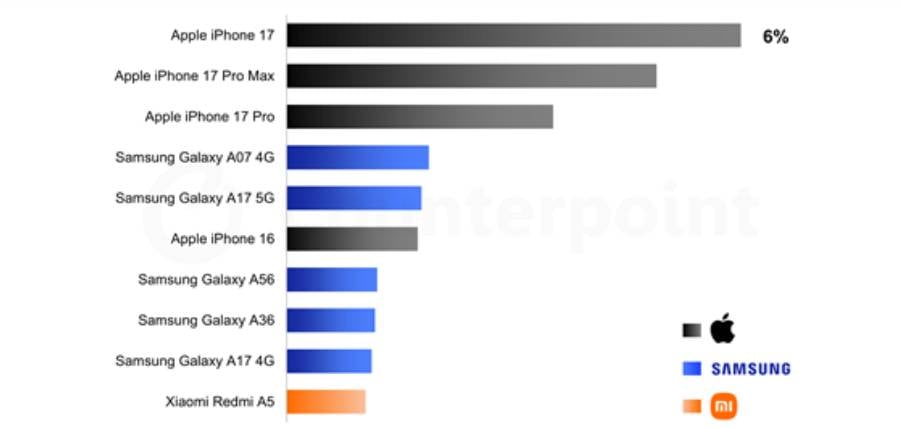
The global smartphone market in early 2026 turned out to be increasingly top-heavy. According to market research firm Counterpoint Research, the iPhone 17 was the best-selling smartphone globally in Q1 2026, grabbing 6% of all global smartphone sales on its own.
The iPhone 17 Pro Max and iPhone 17 Pro followed right behind in second and third place, meaning Apple owned the top three spots on the list entirely.
Senior analyst Harshit Rastogi says the iPhone 17 outperformed its predecessor by a clear margin. The base model got meaningful upgrades this time with more storage out of the box, a higher-resolution camera, and a faster screen refresh rate. This narrowed the gap between the standard and Pro models, which seems to have pushed more buyers toward the cheaper option.
Sales in China and the US grew by double digits year-over-year. South Korea was even better, where sales tripled compared to the previous generation.
Android’s budget segment dominates the market
On the Android side, Samsung dominated with five spots in the top ten, all from its Galaxy A budget lineup. The Galaxy A07 4G was the top-selling Android phone of the quarter, driven by demand in the Middle East, Africa, and Latin America. Samsung is now promising six years of software updates on these devices.
The Galaxy S26 Ultra didn’t crack the top ten, though Samsung says it opened stronger than the S25 Ultra did.
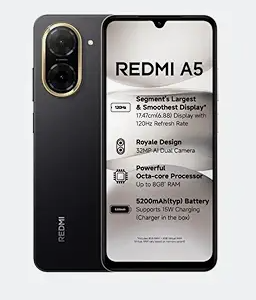
Redmi A5
The only Chinese brand to make the list was Xiaomi, with the Redmi A5 landing at number ten. It’s also the cheapest device on the list and has held steady demand in emerging markets since launch.
All in all, the top ten phones accounted for 25% of all global smartphone sales, the highest share ever recorded for a first quarter. Two things explain that: iPhone 17 demand stayed strong, and a memory chip shortage pushed up component costs, which squeezed Android manufacturers trying to compete at lower price points.
Counterpoint’s Karn Chauhan says the overall phone market is likely to shrink in 2026, with the budget segment taking the hardest hit. Manufacturers seem to know this already, as most are shifting resources toward higher-end products rather than racing to sell volume.
2026’s flagship race is already settled, at least on paper. The phones launched between January and April — from Samsung, Xiaomi,OPPO, Vivo, Honor, Motorola, Huawei, and iQOO — will define what a high-end Android phone looks like for the rest of the year.
New chipsets will come, but these are the devices most people will be comparing, buying, and arguing about through December. So here’s what actually shipped, and what each one is trying to do.
January
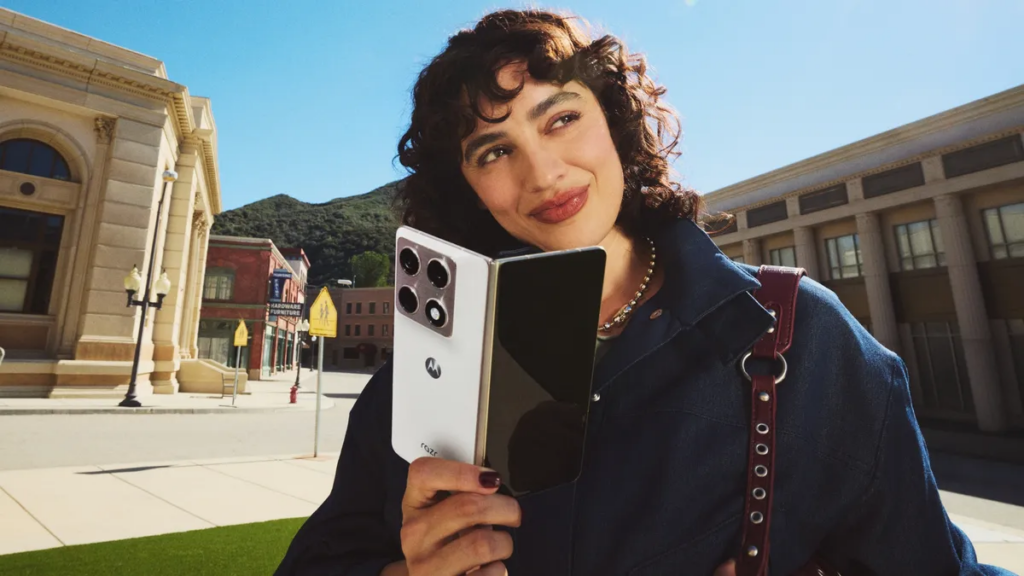
Motorola Razr Fold
Motorola introduced the Razr Fold at CES 2026 as its first book-style foldable. Unlike the Razr’s usual clamshell form, this one opens up like a tablet, with an 8.1-inch 2K LTPO inner display and a 6.6-inch cover screen. The cover screen is large enough that you can handle most everyday tasks without unfolding the device.
The camera setup is all 50-megapixel across the board: a Sony LYTIA main sensor, an ultra-wide with macro support, and a periscope telephoto with 3x optical zoom. There’s also a 32MP camera on the outer display and a 20MP shooter on the inner screen. Video recording supports Dolby Vision. The phone also supports Motorola’s Moto Pen Ultra stylus.
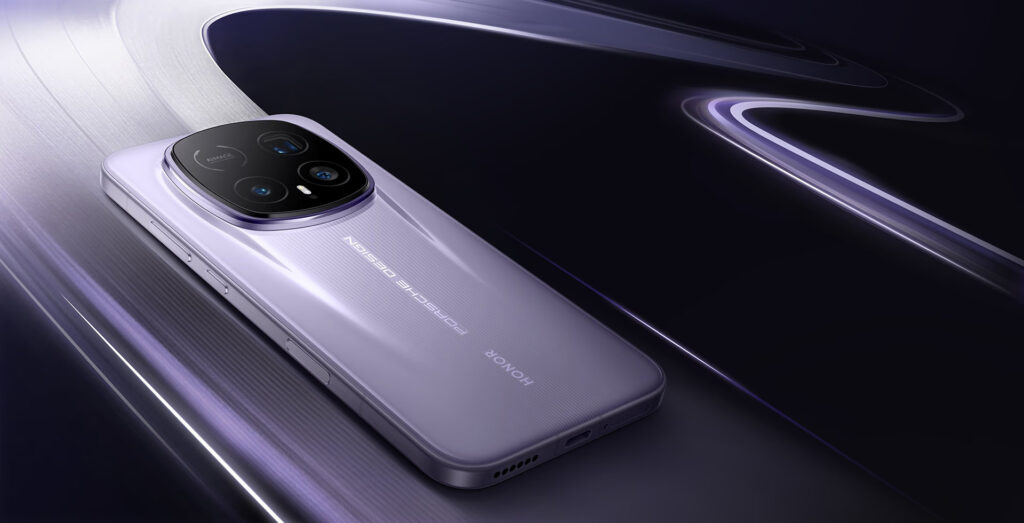
Honor Magic 8 RSR Porsche Design
Honor kicked things off with the Magic 8 RSR Porsche Design, which went on sale in China on January 23rd. The phone is what it sounds like: a high-end device made in collaboration with Porsche Design, with finishes called Slate Gray and Moonstone, and a back panel made of microcrystalline nano-ceramic material that Honor says has a Mohs hardness rating of 8.5.
Inside, it runs Qualcomm’s Snapdragon 8 Elite Gen 5, with configurations going up to 24GB of RAM and 1TB of storage. The camera setup includes a 50MP main sensor, a 50MP ultra-wide, and a 200MP telephoto with 3.7x optical zoom and up to 100x digital zoom. Battery is 7,200mAh with 120W wired and 80W wireless charging. It also supports satellite communication and IP68/IP69K water resistance.
Honor is also selling an optional photography kit with a magnetic grip, filter adapter, and external telephoto lens. It runs MagicOS 10 with Porsche Design-themed UI elements layered on top.
February
Samsung Galaxy S26 Series
Samsung’s February Unpacked event brought the Galaxy S26, S26+, and S26 Ultra. The base S26 has a 6.3-inch FHD+ Dynamic AMOLED 2X display, while the S26+ bumps that up to 6.7 inches at QHD+ resolution. Both have 1-120Hz adaptive refresh rates and Gorilla Glass Victus 2.
Galaxy S26 and S26 Plus
Depending on your region, these phones ship with either the Exynos 2600 or the Snapdragon 8 Elite Gen 5. The main camera across the standard models is a 50MP sensor, paired with a 12MP ultra-wide and a 10MP telephoto with 3x zoom. The S26 has a 4300mAh battery, the S26+ has a 4900mAh battery, and both support Qi2 wireless charging at 20W.
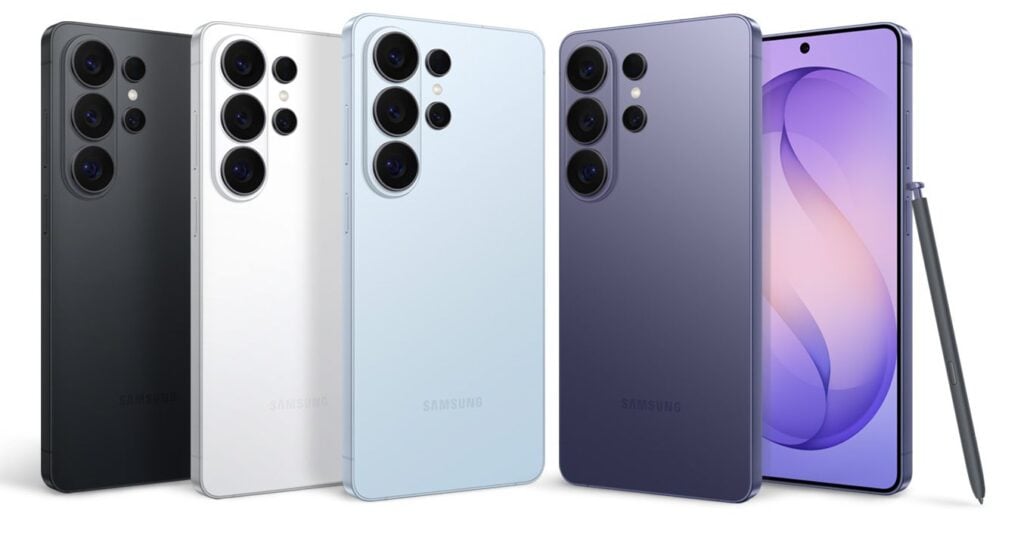
Samsung Galaxy S26 Ultra
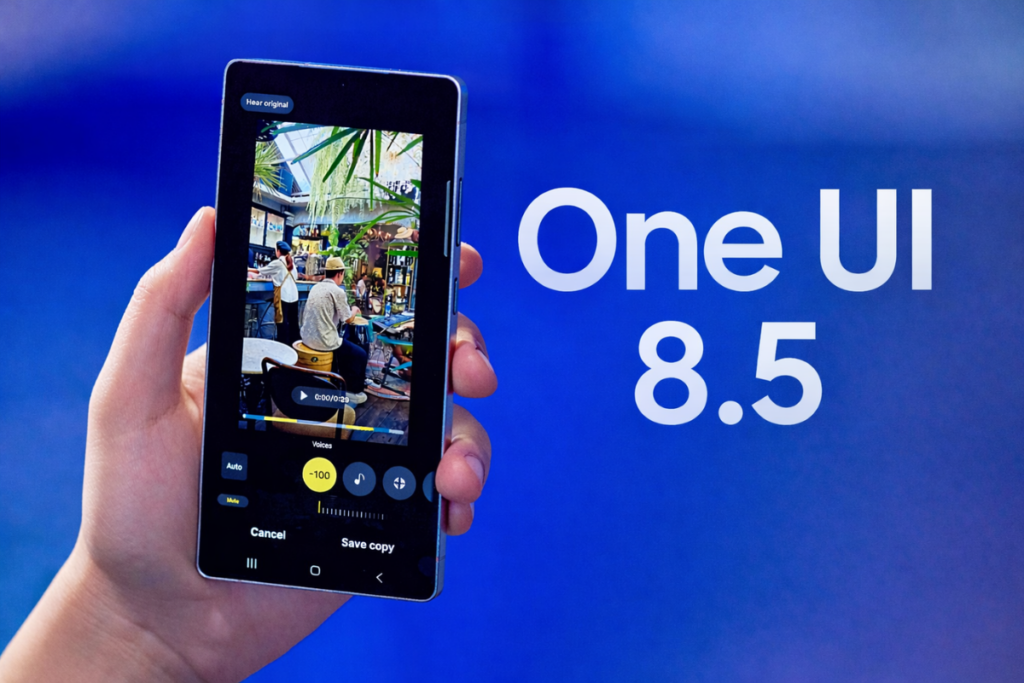
The S26 Ultra takes a different direction. It has a 6.9-inch QHD+ display with Gorilla Armor 2, runs exclusively on the Snapdragon 8 Elite Gen 5, and includes a 200MP main camera, a 50MP ultra-wide, a 10MP telephoto at 3x, and a 50MP periscope lens at 5x zoom. Battery is 5000mAh with Super Fast Charging 3.0. The S Pen is still here. The software on all three runs One UI 8.5 on Android 16, with AI features like Photo Assist, Now Brief, and Creative Studio built in.
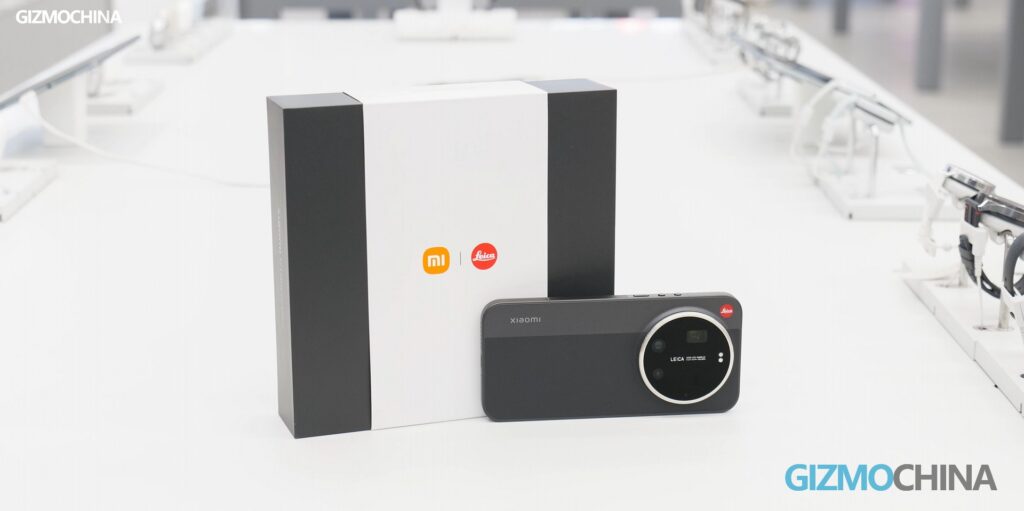
Xiaomi 17 Ultra
Xiaomi launched the 17 Ultra in China in February, and it arrives with one of the more interesting camera setups of the year. The main camera uses a 1-inch Light Fusion 1050L sensor co-developed with Leica, shooting at 50MP. The telephoto is a 200MP Leica-certified lens that supports lossless optical zoom between 75mm and 100mm, going up to 400mm digitally. The ultra-wide is a 50MP sensor with 115-degree FOV.
The display is a 6.9-inch OLED with up to 3,500 nits peak brightness, 1-120Hz adaptive refresh rate, and Dolby Vision support. It runs Snapdragon 8 Elite Gen 5, and Xiaomi says the phone can mirror and control Apple devices through its HyperOS 3.0 software.
The battery is 6,800mAh, the largest in any Xiaomi Ultra device. It charges at 90W wired and 50W wireless. Despite all of that, Xiaomi says the 17 Ultra is the thinnest Ultra device it has made, at 8.29mm.
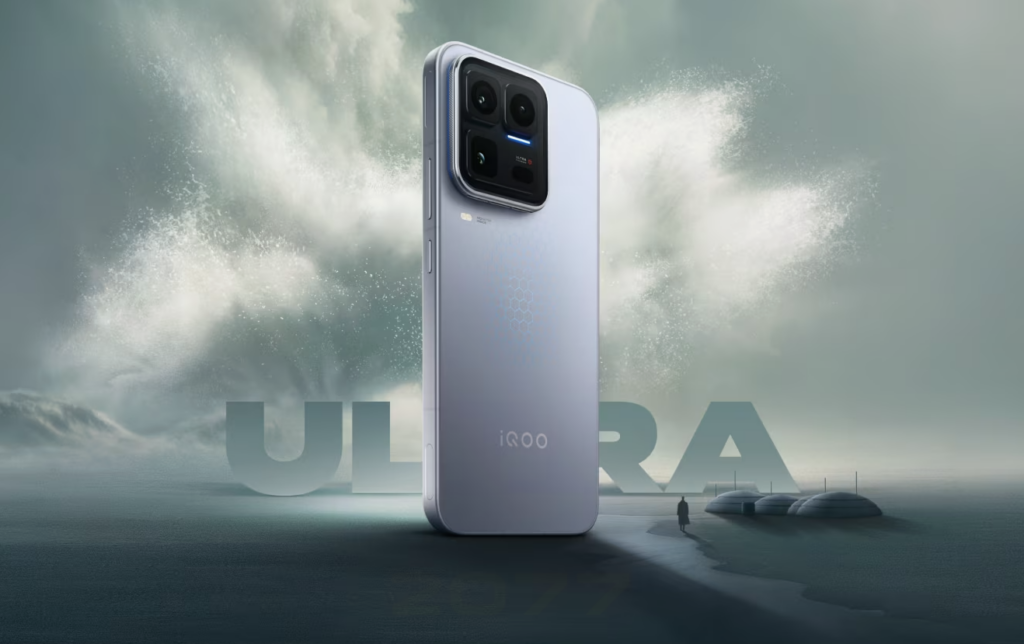
iQOO 15 Ultra
The iQOO 15 Ultra is a performance-first phone, and it makes that clear from the spec sheet. The display is a 6.85-inch flat Samsung AMOLED at 2K resolution with a 144Hz refresh rate and 8,000 nits peak brightness. The touch sampling can go up to 4000Hz.
The phone runs Snapdragon 8 Elite Gen 5 alongside iQOO’s in-house Q3 esports chip, and the company claims an AnTuTu score of 4.51 million.
iQOO 15 Ultra
For cooling, it has a 59-blade fan and an 8,000mm² vapor chamber. The phone also includes pressure-sensitive shoulder triggers and a 500Hz gyroscope. Battery is 7,400mAh with 100W wired and 40W wireless charging.
On the camera side, it’s a triple 50MP system consisting of main, ultra-wide, and periscope telephoto with 3x optical zoom. Not the headline feature here, but solid. It runs OriginOS 6 on Android 16 and supports 8K video recording.
March
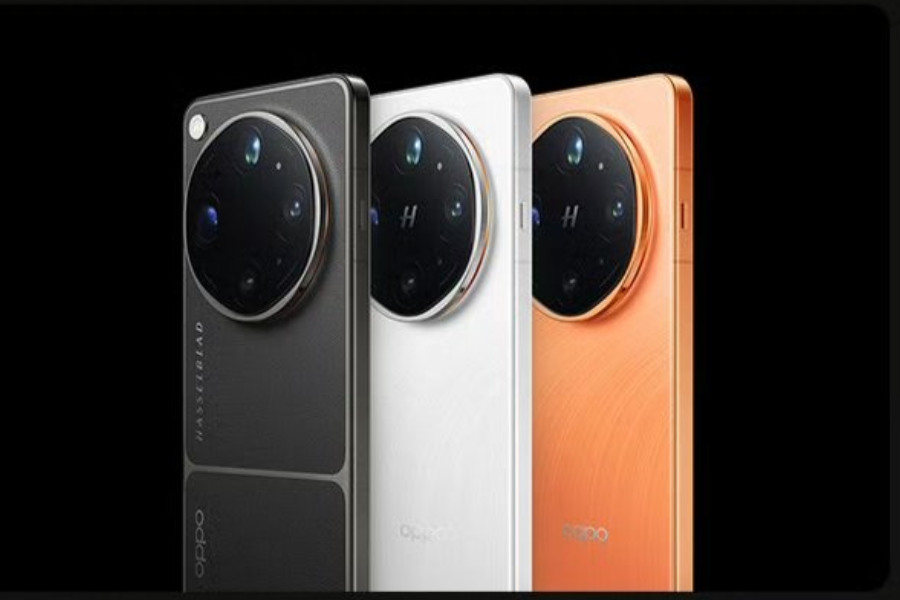
OPPO Find X9 Ultra
OPPO’s Find X9 Ultra is the most camera-forward device on this list. It’s the only 2026 flagship to use two 200MP cameras, one for main and another for 3x telephoto. Both deliver maximum detail in portrait and general photography. There’s also a dedicated 50MP 10x optical zoom telephoto and a 50MP ultra-wide.
OPPO is leaning hard on the Hasselblad partnership here. The new Hasselblad Master Mode includes features like True Detail for 8K output across six focal lengths, a full-link ProXDR pipeline, and nine film presets that try to simulate real film color behavior rather than just slapping a filter on.
Video-wise, it supports 8K at 30fps and 4K at 120fps in 10-bit Log format, along with custom 3D LUT import and an ACES color management workflow. TILTA accessories like ND filters and manual focus grips are available for it. The phone runs Snapdragon 8 Elite Gen 5 with a 144Hz 2K display, a 7,050mAh battery with 100W wired and 50W wireless charging, and IP66/IP68/IP69 water resistance.
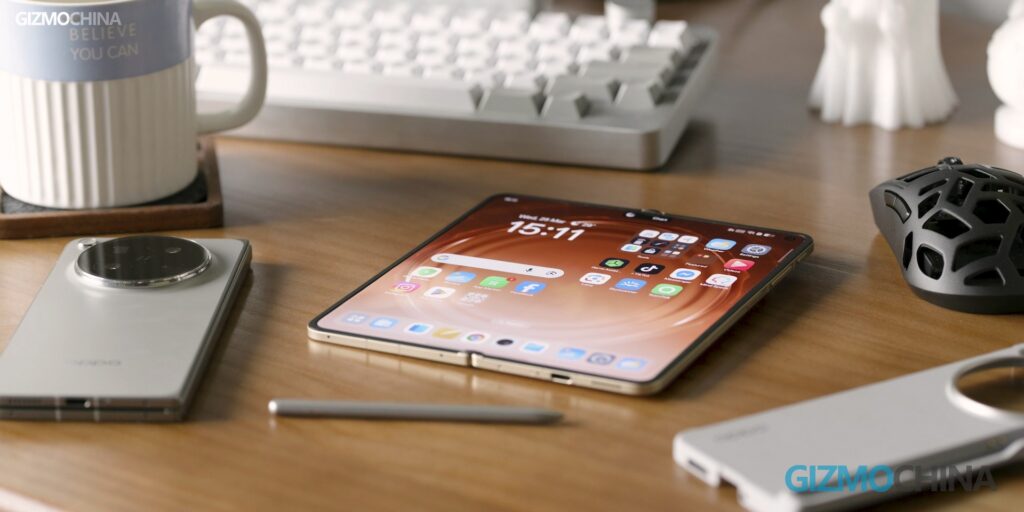
OPPO Find N6
OPPO’s Find N6 is pitching itself as the world’s flattest foldable, and the engineering behind that claim is genuinely interesting. The hinge uses a bionic four-axis structure built with chip-level polymer 3D printing, reducing surface unevenness to 0.1mm. Paired with memory glass that restores up to 99.9% flatness after folding, the crease situation is about as controlled as any foldable has managed. It’s TÜV certified for 600,000 folds.
The inner display is an 8.12-inch QXGA+ foldable OLED, and the outer cover screen is a 6.62-inch FHD+ AMOLED, both running 1-120Hz adaptive refresh with 240Hz touch sampling. The outer panel peaks at 3,600 nits.
Cameras follow the same Hasselblad-partnership playbook as the Find X9 Ultra: a 200MP main with dual-axis OIS leads, supported by a 50MP ultra-wide, a 50MP 3x telephoto, and a dedicated Danxia color calibration lens. It supports 8K stills and 4K 120fps Dolby Vision video.
The chipset is the Snapdragon 8 Elite Gen 5, paired with a 6,000mAh battery, 80W wired and 50W wireless charging. It folds to 8.93mm and weighs 225g, with IP56/IP58/IP59 ratings.
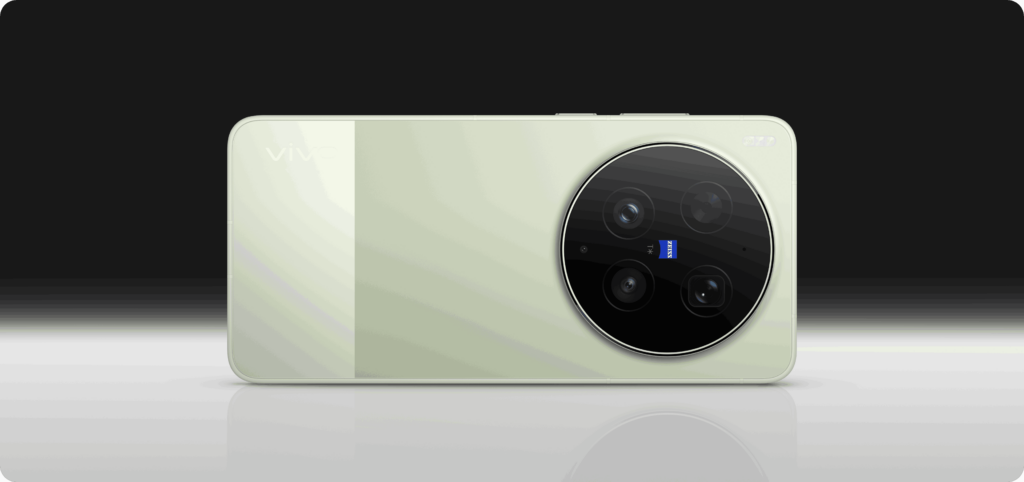
Vivo X300 Ultra
Vivo’s X300 Ultra follows a similar camera-first philosophy as the Find X9 Ultra, but leans into a Zeiss partnership instead of Hasselblad. The camera array includes a 50MP ultra-wide (Sony LYTIA 818), a 200MP main camera (Sony LYTIA 901), and a 200MP telephoto (Samsung HP0) with gimbal-level stabilization.
Vivo X300 Ultra – Victory Green
Vivo is also selling two external teleconverter modules, one for 200mm and one for 400mm. The imaging system supports 4K 120fps Dolby Vision and 4K 120fps 10-bit Log recording, along with 3D LUT imports and ACES workflows.
The display is a 6.82-inch 2K LTPO AMOLED at 144Hz. Battery is 6,600mAh with 90W wired and 40W wireless charging. It runs OriginOS 6 on Android 16 and carries IP68/IP69 ratings.
April
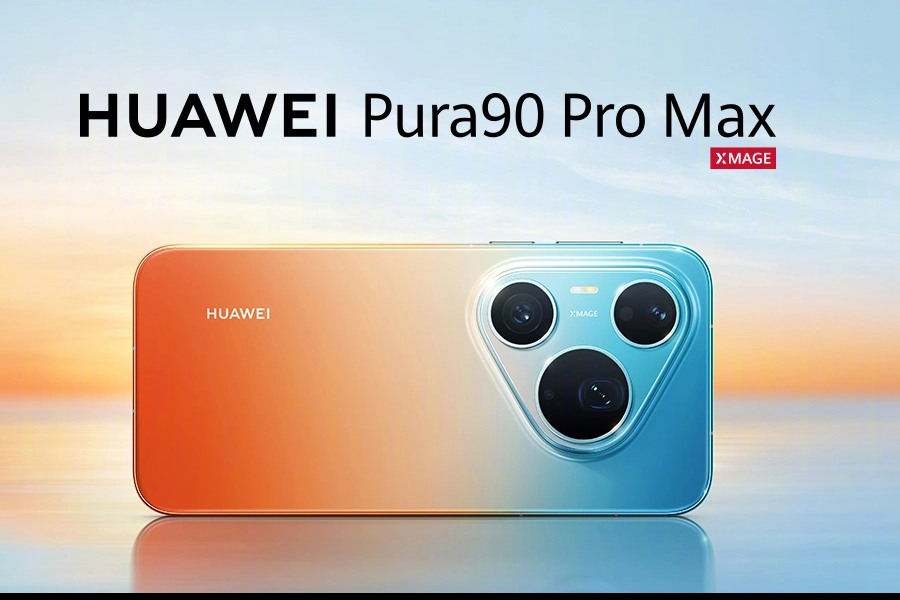
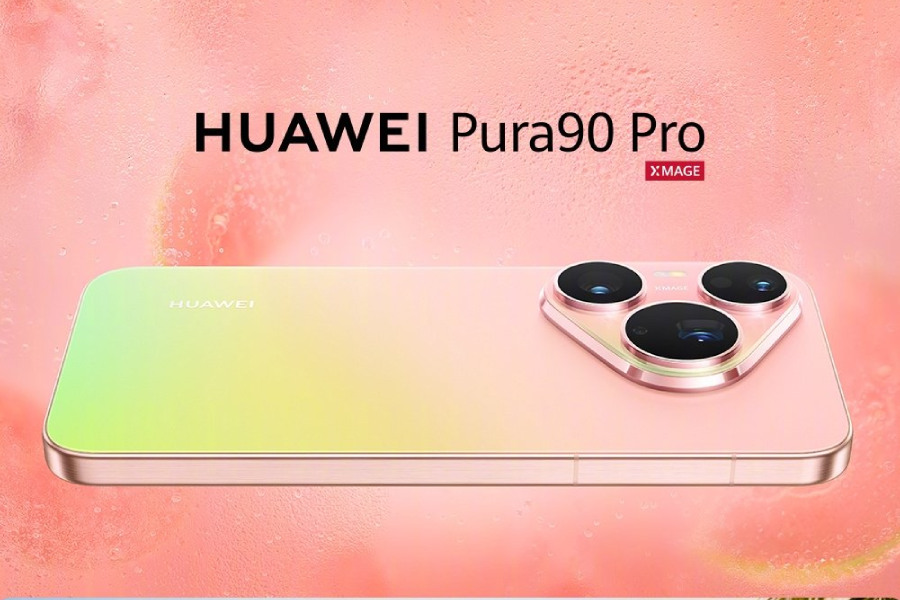
Huawei Pura 90 Pro and Pura 90 Pro Max
Both the Huawei Pura 90 Pro and 90 Pro Max share the same XMAGE imaging philosophy and a Red Maple multispectral lens, but the Pro Max gets better hardware meaningfully across the board.
The Pro Max camera system leads with a 50MP RYYB main sensor (1/1.28-inch) with OIS, LOFIC tech, and a variable aperture from f/1.4 to f/4.0. The telephoto is a 200MP RYYB periscope unit with 4x optical zoom, up to 8x optical-quality zoom, CIPA 7.0 stabilization, and what Huawei calls an industry-first three-in-one super concentrating prism. Rounding it out is a 40MP RYYB ultra-wide.
The standard Pro keeps the same main sensor and aperture setup but steps down to a 12.5MP ultra-wide and a 50MP periscope telephoto.
Both phones run on the Kirin 9030S, a step below the Kirin 9030 Pro found in the Pura X Max foldable. Huawei claims a 200 percent improvement in NPU image understanding over the previous generation, with gains in AI ISP color processing, telephoto video clarity, and stabilization accuracy. AI features are central to the software pitch — AI pose recommendations, composition assist, portrait retouching, and one-click photo creation are all present, alongside an upgraded Xiaoyi assistant with real-time pointing recognition and voiceprint detection.
The Pro Max has a 6.9-inch display; the Pro gets 6.6 inches. Both use single-punch-hole cutouts. The Pro Max also gets Kunlun glass protection, which Huawei says cuts reflections by 70 percent and improves scratch resistance up to 16 times over standard glass. Both phones run HarmonyOS 6.1.
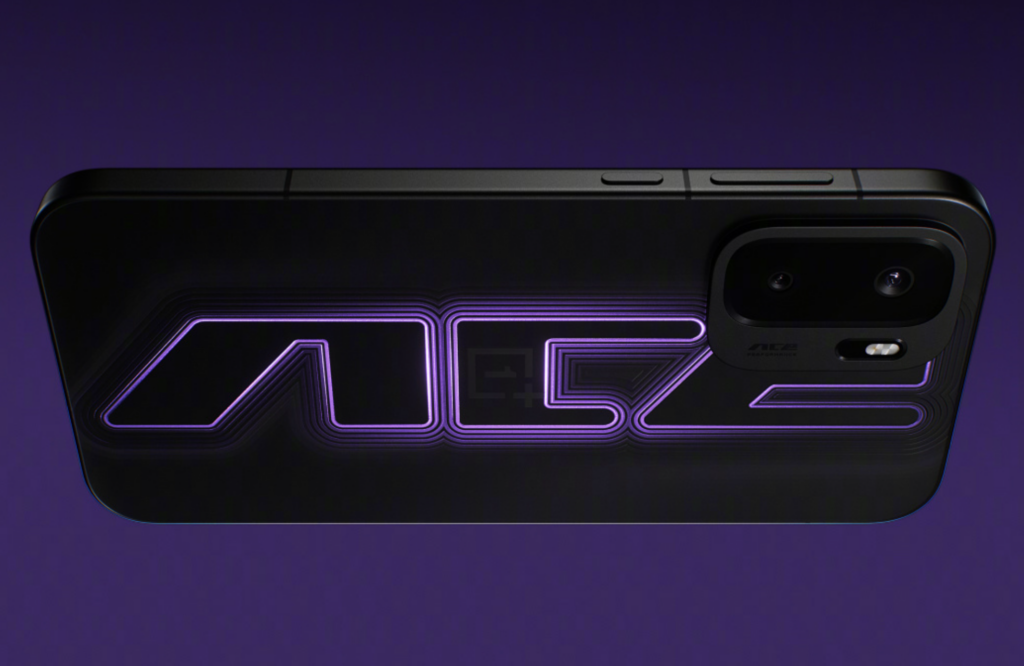
OnePlus Ace 6 Ultra
The OnePlus Ace 6 Ultra is squarely aimed at mobile gamers. It runs on the MediaTek Dimensity 9500, built on TSMC’s third-gen 3nm process, with OnePlus claiming a 32% performance uplift and 55% better power efficiency over the previous generation.
Keeping things cool is a 6,000mm² vapor chamber that sits alongside a Glacier Cooling System and a deeper integration of OnePlus’s Wind Chaser Gaming Kernel.
OnePlus Ace 6 Ultra
The headline accessory is an optional Strix Gaming Controller with a joystick-free layout, mechanical triggers rated at 1.8ms response time, a dedicated e-sports chip, and support for magnetic cooling modules. It’s the kind of peripheral ecosystem you’d more typically associate with a dedicated gaming phone brand.
The display is a 6.78-inch 1.5K LTPS OLED at 165Hz with 4,000Hz instantaneous touch sampling. As for cameras, it has a 50MP main with OIS and an 8MP ultra-wide unit. The battery is a large 8,600mAh dual-cell unit with 120W wired charging. It runs ColorOS 16 on Android 16, and carries IP66/IP68/IP69/IP69K ratings.
For more daily updates, please visit our News Section.
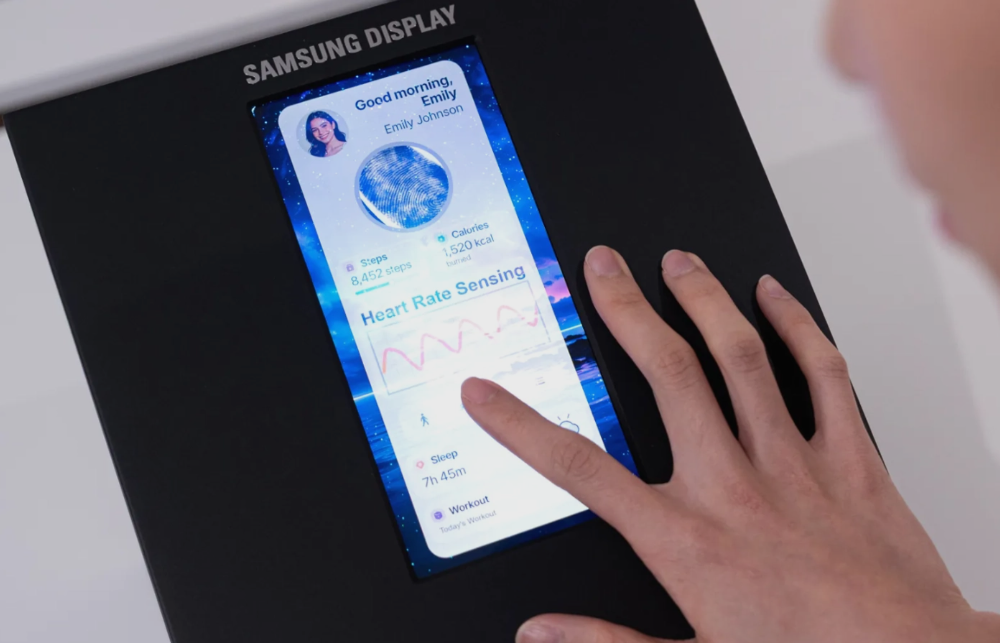
At SID Display Week 2026 in the United States, Samsung showcased a range of next-generation display technologies that could redefine how smartphones are used in daily life. The highlight of the event was the shift from traditional screens to multi-functional displays that combine visuals, health tracking, and privacy features.
One of the most impressive innovations is the Sensor OLED display. This technology allows users to measure heart rate and even blood pressure simply by placing a finger on the screen. It works by using light emitted from the display, which reflects off the skin and is captured by built-in sensors. This removes the need for smartwatches or separate health devices, making smartphones more useful for quick health checks.
Samsung also introduced the Flex Chroma Pixel display, which focuses on brightness and color accuracy. It can reach up to 3,000 nits of brightness and covers 96% of the BT.2020 color range. The goal is to deliver richer colors while improving power efficiency, especially for future premium devices.
Another key feature is Flex Magic Pixel technology, designed for privacy. It limits viewing angles so sensitive content like messages or health data stays hidden from people nearby, without affecting the main viewing experience.
Samsung also showcased a stretchable Micro LED display aimed at automotive use, along with improvements in EL-QD display efficiency.
Overall, Samsung is pushing toward displays that do much more than just show content. Future smartphones could act as health monitoring tools, offer built-in privacy, and deliver better visual performance, all through a single screen.
Samsung has quietly increased prices for a bunch of its budget and mid-range Galaxy phones in India, and this is not the first time this year. The latest revision, which took effect in early May 2026, marks the sixth price hike so far in 2026.
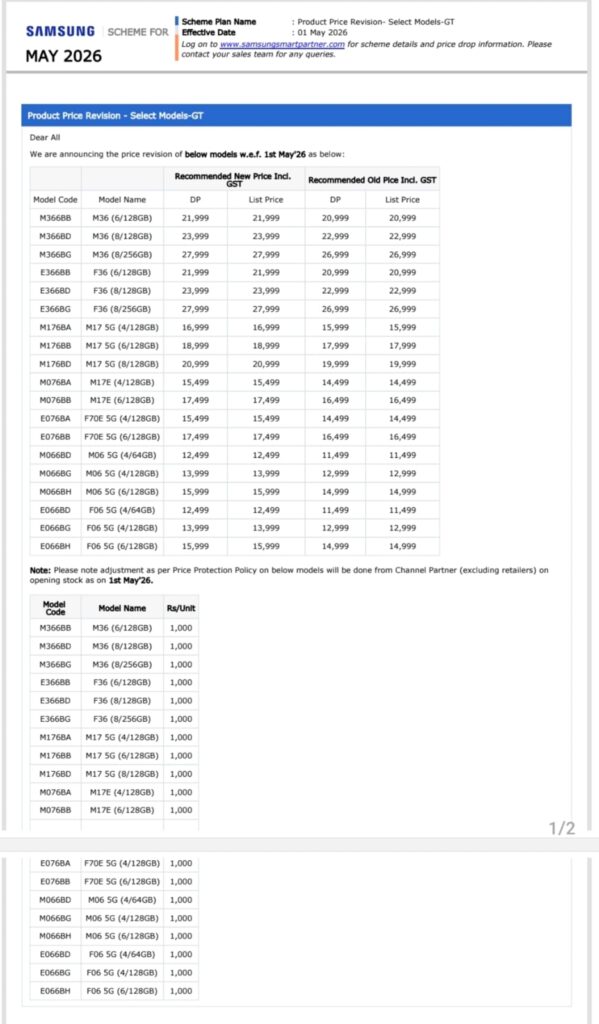
This time, the increase hits models across the M and F series, including the Galaxy F06, F36, F70e, M06, M17e, M17, and M36. Based on updated listings on Samsung’s official website, most variants have gone up by a flat ₹1,000.
The change was first pointed out by tipster Abhishek Yadav on X, who shared what looks like internal communication sent to retailers.
For the more affordable models like the Galaxy F06 and M06, prices now start at ₹12,499 for the 4GB/64GB variant, going up to ₹15,999 for the 6GB/128GB version. For context, the 4GB/128GB version of the Galaxy F06 was priced at ₹9,999 at launch and now stands at ₹13,999.
The F36 and M36 series now sit between ₹21,999 and ₹27,999 depending on the configuration. Mid-tier options like the F70e and M17e have also seen a similar ₹1,000 bump across variants, while the Galaxy M17 lineup now starts at ₹16,999 and goes up to ₹20,999.
Samsung has not officially explained the reason behind the repeated increases, but the broader industry trend gives some context. Component prices, especially memory and storage, have been climbing due to demand from AI infrastructure and data centers, and that shift seems to be trickling down to consumer devices.
What stands out is how frequent these adjustments have been. Samsung has been revising prices almost every month this year, and while ₹1,000 might not sound like much to some buyers, it starts to add up over multiple hikes.
Seasonal sales on platforms like Amazon and Flipkart could offset some of the increase, depending on discounts and exchange offers. So the actual street price may still look reasonable in some cases. Still, if this trend continues, these phones are slowly drifting away from their original “budget” positioning.
The AI boom has resulted in TSMC battling to increase its manufacturing capacity for clients to fulfill 3nm chip orders, leaving a massive opportunity for Samsung to capitalize on. However, even though the Korean giant has made strides in bringing its 2nm GAA technology to U.S. soil in the form of its Taylor plant, its reliability in manufacturing higher volume at stable yields remains in question. While there have been talks of Samsung becoming a viable alternative to TSMC, companies like Tesla and Qualcomm are only considering a dual-sourcing strategy because they now have a backup option to a foundry that […]
Apple has once again raised the possibility of making its chips at Fabs besides TSMC, as it is in early talks with Intel and Samsung. Intel & Samsung Emerge As Potential Fix To Apple's Supply Constraints Affecting Its Consumer Chips Bloomberg has just dropped some big news surrounding Apple, which is in early talks with Intel and Apple to secure additional supply for its consumer lineup. The report highlights that Apple has held "exploratory" discussions with the two semiconductor firms as it aims to diversify the production of its chips. The company has so far relied upon TSMC for its […]
TSMC is turning into a victim of its own success as the world's preferred chip foundry, leaving its heretofore prized customers such as Apple in a bind of sorts as they suddenly find themselves crowded out by AI hyperscalers. In its frustration, Apple is now reportedly exploring the possibility of dividing up its silicon load between Samsung, Intel, and TSMC rather than remaining largely TSMC-exclusive. Apple is looking for contingencies by tentatively probing Intel and Samsung as additional vectors for manufacturing its custom chips According to Bloomberg's Mark Gurman, Apple has already held "early-stage talks" with Intel for using its […]
Samsung might have a lot of faults, but a lack of innovation is certainly not among those. As a case in point, look no further than the recent SID exhibition in the United States, where Samsung just unveiled two revolutionary display technologies, unlocking a veritable suite of biomarker-led applications in the process. Samsung flexes its innovative muscle with the "Flex Chroma Pixel" and "Sensor OLED" The famous tipster Ice Universe has just detailed two new display technologies that Samsung recently showcased at the SID exhibition. Samsung's "Flex Chroma Pixel" display combines next-gen emissive materials, such as phosphorescent sensitized fluorescence (PSF), […]
Samsung is not expected to fundamentally alter the prevailing mold when it launches the Galaxy Z Flip 8 later this summer. Even so, the South Korean tech behemoth is looking at a few iterative improvements that are likely to improve the device's ergonomics and aesthetics. Samsung Galaxy Z Flip 8 will weigh 8 grams less than its Flip 7 counterpart, and come equipped with a new hinge and a crease-free display South Korea-based Yeux1122 has now published a new blog post detailing that the Galaxy Z Flip 8 will be slimmer than its Flip 7 counterpart by around 0.5mm, courtesy […]
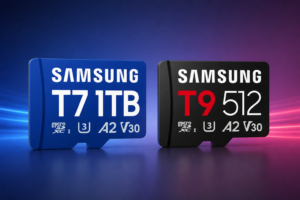
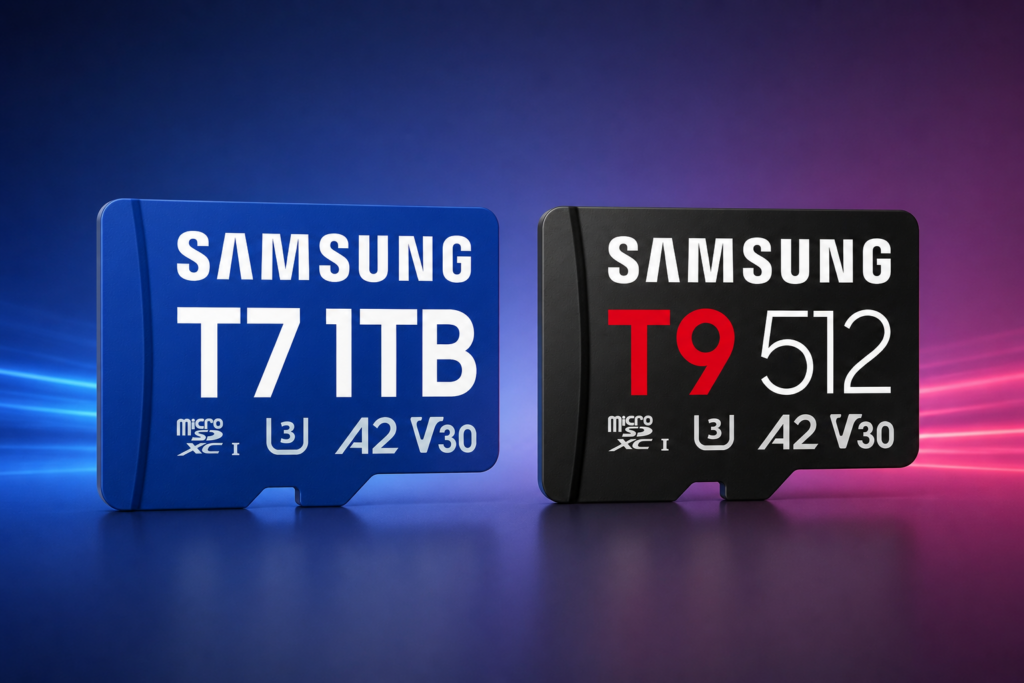
Samsung has expanded its removable storage portfolio in India with the introduction of the T7 and T9 microSD cards. The new lineup signals a shift in branding while addressing growing demand for faster and higher-capacity storage. Here are all the technical details about the new microSD cards from Samsung.
Samsung T7, T9 microSD card key specifications
Samsung T7 and T9 microSD cards
The T7 microSD card is positioned for everyday users looking to expand storage across smartphones, tablets, laptops, and gaming devices. It offers capacities ranging from 128GB to 1TB, with read speeds of up to 170MB/s. This makes it suitable for regular file transfers, media storage, and casual gaming needs without noticeable slowdowns.
The T9 microSD card is aimed at users who handle larger files and need quicker access speeds. With read speeds reaching up to 200MB/s and write speeds up to 130MB/s, it supports demanding tasks such as high-resolution video recording and fast data transfers. It also includes a six-layer protection system designed to safeguard data in varied environments, including use in drones and action cameras.
Samsung is also introducing a simplified naming approach with this launch. The new T series replaces earlier options such as EVO Plus and PRO variants, aligning removable storage with its existing portable SSD naming. The idea is to make it easier for buyers to understand performance tiers while maintaining consistency across categories.
Samsung T7, T9 microSD card: Price and availability
In terms of pricing, the T7 microSD card starts at Rs 4,849 (~$50) for the 128GB variant, going up to Rs 30,399 (~$320) for the 1TB model. The T9 range begins at Rs 5,989 (~$65) for 128GB and reaches Rs 18,999 (~$200) for the 512GB option. Both series will be available in India from the first week of May 2026 through online and offline channels.
For more daily updates, please visit our News Section.
The upcoming Samsung Galaxy Z Flip 8 has surfaced in fresh leaks, pointing towards a refined design rather than a major overhaul. Early details suggest Samsung is focusing on improving the overall experience while keeping core hardware familiar.
Focus shifts to hinge and display refinement
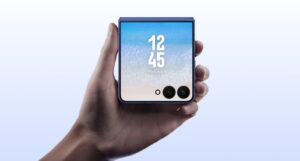
Samsung Galaxy Z Flip 7
According to a tipster on Naver, Samsung may introduce a redesigned hinge mechanism aimed at reducing the visible crease on the Galaxy Z Flip 8’s inner folding display. The improvement could make the screen appear nearly flat when unfolded, addressing one of the most noticeable aspects of flip-style foldables.
The same hinge change is also expected to slightly alter the device’s dimensions. Reports indicate the phone could be marginally wider while becoming around 0.5mm thinner when folded. The weight is also tipped to drop to about 180 grams, compared to roughly 188 grams on the Samsung Galaxy Z Flip 7, making it easier to handle over long periods.
While the design may see subtle refinements, the internal hardware is expected to remain largely unchanged. The device is likely to feature a 4,300mAh battery paired with 25W wired charging, similar to the previous generation. Other elements such as speakers, vibration motor, and cover display are also tipped to carry forward without major upgrades.
Camera specifications could include a 50-megapixel primary sensor and a 12-megapixel ultra-wide lens, along with a 10-megapixel front camera placed on the inner display. The handset is also expected to run on Samsung’s upcoming 2nm Exynos 2600 chipset, aligning with the brand’s approach for its flip series.
The Galaxy Z Flip 8 is expected to debut alongside other foldables at a Galaxy Unpacked event rumoured for July 22 in London. Pricing may see a slight increase due to rising component costs, although exact figures are yet to be confirmed.
For more daily updates, please visit our News Section.
Samsung appears to be preparing a subtle yet noticeable visual change for its next major software update. Early leaks around One UI 9 indicate that the company is refining how its media player looks and reacts during playback, hinting at a more immersive experience.
One UI 9 media player may get dynamic color integration
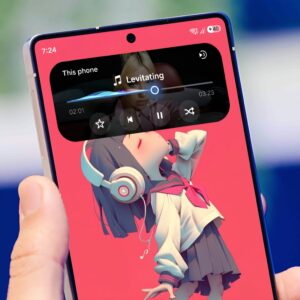
In One UI 9, Media Player seek bar changes its color as per the song
Information shared by tipsters Tarun Vats and Rajesh Rajput suggests that the media player in One UI 9 could feature colour-shifting elements. Instead of sticking to a fixed design, the playback bar and interface accents adapt based on the album art of the track being played. This creates a more responsive visual layer that changes in real time as users switch songs.
Screenshots indicate that this effect also extends to the Now Bar, where colours appear to blend with the overall interface. The shift is subtle but adds a sense of continuity between content and UI. The idea is to make the interface feel more connected to what the user is listening to, rather than remaining static.
In One UI 9, the media player seek bar dynamically changes color based on the album theme.
— Rajesh Rajput (Technobuzz) (@iRaj_r) May 2, 2026
This approach aligns with a broader trend where software interfaces adapt dynamically to content. By syncing colours with music, Samsung appears to be focusing on making everyday interactions feel more engaging without adding complexity to the user experience.
Work on One UI 9, which is expected to be based on Android 17, has already begun internally. Early builds were spotted running on the upcoming Samsung Galaxy S26 series as far back as March. Since then, more glimpses of the software have surfaced through leaked images and short clips.
The same source, Tarun Vats, has previously shared accurate timelines for earlier One UI releases and Galaxy launches, which adds credibility to this update. The redesigned media player is likely to debut with upcoming foldable devices such as the Samsung Galaxy Z Fold 8 and Samsung Galaxy Z Flip 8.
For more daily updates, please visit our News Section.
Samsung’s security update rollout, which had lagged in the last couple of months, is finally getting back on track. The April 2026 security patch started rolling out to the Galaxy S26 series on the very first day of April, and it has gradually expanded to over a dozen Galaxy devices since.
Here’s a list of Galaxy devices that have started receiving the April 2026 security update:
Galaxy S series
Galaxy S26, S26+, S26 Ultra
Galaxy S25, S25+, S25 Ultra, S25 Edge, S25 FE
Galaxy S24, S24+, S24 Ultra, S24 FE
Galaxy S23, S23+, S23 Ultra, S23 FE
Galaxy Z series
Galaxy Z TriFold
Galaxy Z Fold 7, Z Flip 7, Z Flip 7 FE
Galaxy Z Fold Special Edition
Galaxy Z Fold 6, Z Flip 6
Galaxy Z Fold 5, Z Flip 5
Galaxy Z Fold 4, Z Flip 4
Galaxy A series
Galaxy A57, A56, A55, A54, A53
Galaxy A37, A36, A35, A34
Galaxy A26, A25
Galaxy A16, A15
Galaxy A07, A07 4G
Galaxy M series
Galaxy M54
Galaxy M16
Galaxy Tab series
Galaxy Tab S10+, Tab S10 Ultra
Galaxy Tab A11+
Galaxy XCover series
Galaxy XCover 7, XCover 7 Pro
Galaxy XCover 6 Pro
Samsung releases software updates in batches, so even if your device is on the list, it may take a few days before the update shows up. You can manually check for updates by navigating to Settings > Software updates > Download and install.
The April 2026 security patch, like any other, fixes vulnerabilities found in the previous software version. It doesn’t include new features or visual upgrades, but it strengthens security to keep the device safe from critical security flaws.
The April security patch, in particular, addresses 47 vulnerabilities in total. Of these, 33 come from Google as part of the Android Security Bulletin for April 2026, 10 from Samsung Mobile, and the remaining 4 from Samsung Semiconductor. Some of those Samsung-specific patches are related to Device Care and DeX.
There are still many more Galaxy devices in line to receive the latest security update. The rollout should gradually cover them over the coming days and weeks. We’ll update the list periodically to ensure it remains fresh. You can revisit the page later for the latest information.
While the security update rollout is back on track after being delayed in February and March, Samsung is still struggling with One UI 8.5. The company hasn’t begun rolling out the update despite a really long beta program. Hopefully, the wait will be over soon. You can check the One UI 8.5 eligible devices list here.
We’ll update you with the latest developments in our Samsung section. You can visit the page from time to time to stay updated. Or, join our Telegram channel to get instant updates.
Samsung has announced that it is celebrating the 2026 version of Star Wars Day by bringing 8 new Star Wars artworks to the Samsung Art Store for its Art TVs.
This “May the 4th” celebration is a collaboration between Samsung and Disney, which helped to curate some of the most iconic characters and scenes from the movie series. It also expands Disney’s existing collection of artworks on the Art Store.
Here’s how Samsung described the 8 new Star Wars artworks entering the Art TVs:
“It highlights memorable moments from across the Star Wars saga on Samsung Art TVs, from Jedi Master Yoda igniting his lightsaber to confront Darth Sidious, to C-3PO and R2-D2 traveling to the palace of Jabba the Hutt. With these additions, the Samsung Art Store now features 28 Star Wars artworks, offering a broader selection of scenes and characters to explore.”
These artworks are available to download from the Art Store starting today.
DDR6 memory development is in full swing with major DRAM makers including Samsung, SK Hynix & Micron all racing towards completion to meet growing AI demands. The Next Chapter of DRAM Just Kicked off With Samsung, SK Hynix & Micron All In The Race To Complete DDR6 Development & Deployment By 2028-2029 As AI continues to demand speedier and higher-capacity memory, DRAM makers are now initiating the development plan for next-gen standards. Last year, JEDEC announced the LPDDR6 standard, bringing improved performance and efficiency versus LPDDR5. LPDDR memory has already become the favorite of the AI industry, offering faster speeds, […]
Samsung continues to improve its 2nm GAA process with its second iteration, which will be utilized for the Exynos 2700, enabling the company to introduce the direct successor to the Exynos 2600. While the upcoming chipset’s release will serve to reduce the Korean giant’s dependency on Qualcomm and lower its expenditure on outsourced silicon, it can also help restore its non-memory and semiconductor businesses, which are currently facing a 1 trillion won deficit ($679.21 million). Analysts predict that, depending on the Exynos 2700’s capabilities, Samsung should be able to reduce its deficit to around $543.47 million During the first quarter […]
In July last year, Samsung released the Galaxy Z Fold 7 and Flip 7 as the first phones to feature Android 16-based One UI 8.0. Despite having the same Android version, One UI 8.5 has officially surpassed its predecessor in test duration, as Galaxy device users are still waiting for this update.
The One UI 8.0 beta program kicked off on May 28 with the Galaxy S25 series, with the stable update released on September 15th. So, One UI 8.0 for the Galaxy S25 series with a major Android release adopted in 3 months and 18 days.
On December 7, 2025, Samsung opened the One UI 8.5 beta program for the same lineup. However, it’s still not closed as of May 3rd. Subsequently, its overall test duration has expanded to 4 months and 26 days.
Since One UI 8.5 is based on Android 16, its platform is already tested and adapted to the Galaxy S25 series. So, the only thing that the company needed to do was to test the latest One UI 8.5 features on top of Android 16.
Eventually, the question arises, why take such a long time? From a technical point of view, this rollout delay is unexplained. The development and testing of this software update should have been completed by March.
There’s no point in taking such a long time in distribution, as it has nothing to test on the platform upgrade. So, the only work that has to be done on the new feature is compatibility with eligible phones.
Even if the compatibility is taking time, along with bug solving. The lack of transparency is another major issue with Samsung, which hasn’t announced any details on the rollout to bring a resolution to consumers.
Samsung will significantly elevate the Galaxy S25 Ultra experience, but the arrival of the Horizontal Lock camera feature is uncertain.
Galaxy S26 Ultra comes with enhanced camera sensors, including the new ALoP technology. The main camera features a wider aperture, which offers a new Super Steady video recording mode called Horizontal Lock.
Horizontal Lock camera feature relies on hardware, and its expansion to the Galaxy S25 Ultra looks less likely. A moderator claimed way back in March that the optimization is underway, but no follow-up surfaced since then.
Samsung’s Horizontal Lock feature works on the synchronized utilization of gyro and acceleration sensors. The camera sensor does nothing alone, but an entire system works in parallel to keep the scene steady across angles.
Galaxy S26 Ultra went viral due to this impressive camera technology. It ends the need to carry a gimbal to record steady videos. Even if you rotate your phone 360 degrees, the recording remains the same as shown in the preview.
Giving it on the Galaxy S25 Ultra isn’t impossible, but it can’t happen if there’s a need for specific hardware. Samsung didn’t provide the tool in the Beta Program, and Stable update is very likely to skip it when it starts rolling out.
Galaxy S26’s features are coming to older Samsung phones, but the most impressive ones are still exclusive to the latest flagships, including the Now Nudge, 24-megapixel camera mode and AI-powered Notification handlers.
One UI 8.5 update may start rolling out on May 4. It would initially arrive in South Korea and then expand to the Global markets. Samsung is actively preparing for the expansion to a wide range of its Galaxy devices this month.
Samsung hasn’t closed the One UI 8.5 beta program, making it the longest software testing campaign to date. This is not an achievement to take proud at, but a matter of shame for the world’s largest smartphone-selling company.
The program opened on December 7 for the Galaxy S25 series. The first beta was released on the same day of enrollment, and the company has expanded the number with 9 more betas to date. These updates introduced a couple of new features and UI upgrades, as well as bug fixes for the participating models.
Later on, a couple of other phones, such as Galaxy Z Fold 7/Flip 7, as well as previous-gen flagships such as S24 and S23 series, also joined the program.
Image – One UI 8.5 update page
Past leaks and rumors had it that the beta program would conclude on April 30th with a stable release for Korean users. This speculation included expansion to global users in early May.
However, none of that happened, making the One UI 8.5 the longest beta program the company has ever opened. The total length of the test has reached 4 months and 26 days, and the counter is still on.
Still, Samsung hasn’t announced a release date for the final build, but it could get it done before mid-May. However, nothing is certain from this point of view. For example, past leaks regarding the rollout have been proven false, and we will only believe it when Samsung actually releases the update and closes the program.
Chip manufacturer Samsung is experiencing strong demand for its 4-nanometer process due to strong demand from the memory market, suggests a report in the Korean press. The details suggest that Samsung Foundry has secured orders that extend into 2027's production, and according to a source, the 4-nanometer process' stability has played a role in ensuring the strong demand. Samsung Foundry Purportedly Experiencing Strong Demand For Its 4-nanometer Chip Manufacturing Process Today's report is the second over the past couple of days that claims high yields for Samsung's 4-nanometer manufacturing process technology. This technology, dubbed SF4, began mass production in 2021 […]
When we talk about mobile software updates, three names come into mind – Apple and Samsung. Why is that? Apple is consistent with iPhone software development and rollout, two metrics that Samsung follows but cannot achieve. However, the scale of deployment matters, which is why Samsung comes second.
Let me help you understand the scenario and the reason you are here.
Apple
Apple has a systematic channel for software update development and release. The chain starts at its developer conference – WWDC, where all of the new software features are announced. Simultaneously, it releases a developer beta to all eligible devices so that they can participate. The same goes for the public beta campaign; all eligible iPhones can enter without restrictions on the number of models.
After months of testing, Apple releases the new iOS software update soon after the release of the latest iPhones. Users have become familiar with this pattern for years. They know what’s heading their way and when. Importantly, Apple keeps this process consistent.
The same goes for Pixel phones: Google releases updates for all Pixels at once, and the rollout is the same. Unlike Apple, Google changes its release date based on the development of the software. It means it has to cope with the Android ecosystem partners and ensure that their experience doesn’t lag.
On the positive side, Google keeps everyone posted about the development roadmap to the final release date.
What’s important?
It’s about approach; Apple has an unmatched consistency, everything is transparent and familiar to the users. The same goes for Pixel phone users.
What about Samsung?
Samsung used to act like a leader in this segment, but not anymore. The company had an annual developer conference, but that is no longer the case. It now announces a beta program with three models, prioritizes new software for new launches, and delays the rollout for old devices.
Unlike Apple and Google, Samsung publishes no prior information about its software development roadmap, shares no estimated launch date, or anything else regarding the final rollout. So, basically, existing Galaxy device owners don’t know when they will receive the next update because there’s no pattern in software development or the rollout.
I’ve also seen many people taking sides with Samsung on this matter, saying it launches more devices in the market at once. So, it can’t release the firmware update for all devices. Let’s agree to this for once, but why can’t it be transparent, share a development roadmap, and the final release date? What’s the loss in sharing a timeline and abiding by it?
That goes for a more consumer-friendly answer, but here’s a more befitting fact. Apple allows all eligible iPhones to test the latest iOS software update. For those who don’t know, Apple sells almost an identical number of iPhones as combined Galaxy devices each quarter. And, Samsung cannot even open the beta program for all S-series at once.
In the Apple ecosystem, users don’t wait for an update, protest about that in online forums, or wait endlessly. The iPhone maker gives them the after-sales service they deserve. Meanwhile, Samsung has become the opposite; you buy an expensive Ultra model, get a new pre-installed software, next year, you have to protest to get new features from the newest Ultra model, and keep on wondering about the final release.
One UI 8.5
The latest update has become a topic of discussion, but due to a lack of transparency. Users first protested against Samsung’s denial of the latest AI features to the previous flagship. Once confirmed, they are now waiting for the final release.
Basically, the beta program opened in December 2025, and the test continues through April 2026. In between, Samsung launched the Galaxy S26 series as the first phone with One UI 8.5. And, the beta is still open as of early May 3rd.
Galaxy smartphone users don’t know when this update will drop on their devices; there’s no announcement in this regard.
Conclusion
Yes, you may have a different opinion on this, but when it comes to consumer satisfaction, transparency plays lead role. This element is completely lacking in Samsung’s software ecosystem. Consumers want the best after-sales services, and they should get them because that’s what they’re paying for. Unfortunately, Samsung is taking consumers for granted just by offering them flashy hardware upgrades with new models and overlooking the after-sales service.
One UI 8.5 rollout is about to begin, and dozens of Galaxy models are lined up to receive this feature-rich upgrade that doesn’t look like an incremental upgrade at all. It brings numerous visual upgrades, new features, and expanded customization options that really level up the software experience.
Among the long list of changes coming to One UI 8.5, there are five features I am most excited about. I really wish Samsung would bring them to the majority of eligible devices.
1. Modern Liquid Glass interface with smoother animations
Liquid Glass interface in One UI 8.5
One UI 8.5 introduces Liquid Glass design for the first time on Galaxy devices. We know where the inspiration comes from (hello, Apple). The updated design language emphasizes transparency, floating surfaces, rounded controls, and soft depth effects across core apps and the system UI, making One UI feel more premium and modern.
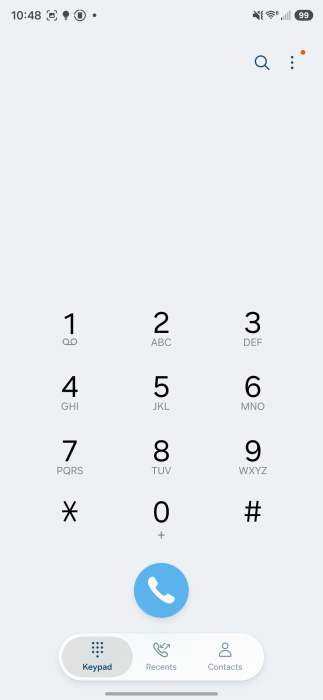
Part of this new design language includes floating navigation bars with semi-transparent panels and more pronounced blur and shadow layering to create a “glass” feel. You’ll see it in the Settings app and first-party apps like Dialer, Gallery, and Calculator, replacing the traditional flat, rectangular navigation bar. The back button and other controls appear as separated floating elements, allowing more room for content.
The new Liquid Glass design is most prominent in Samsung’s own apps, but other areas, including notifications, widgets, and the control center, also receive a subtle glass-style treatment.
2. Fully customizable Quick Panel
Quick Panel customization in One UI 8.5
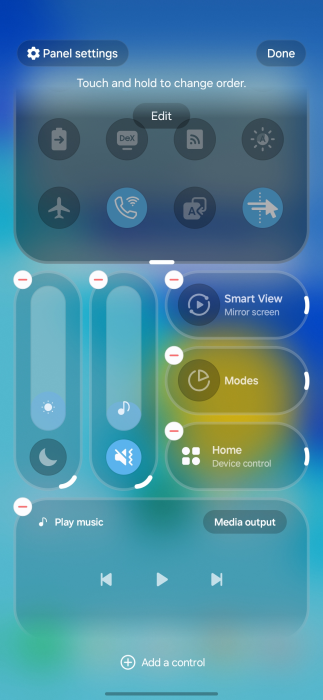
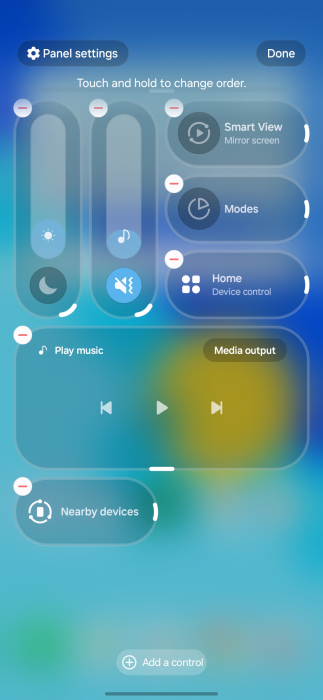
The Quick Panel in One UI 8.5 is receiving its biggest customization update yet. You can now move tiles and widgets wherever you want, resize them, or change their orientation to create a layout that is perfect for you. You can even remove every toggle to get an almost empty panel.
Brightness and volume sliders are also part of the latest changes, with the ability to switch between horizontal and portrait-style layouts. You can customize the panel however you like instead of using Samsung’s default layout. The panel can become messy if you over-customize, but Samsung’s got you covered. You can easily reset to the default layout.
3. Calling gets a major AI upgrade
Image credit: Sammobile
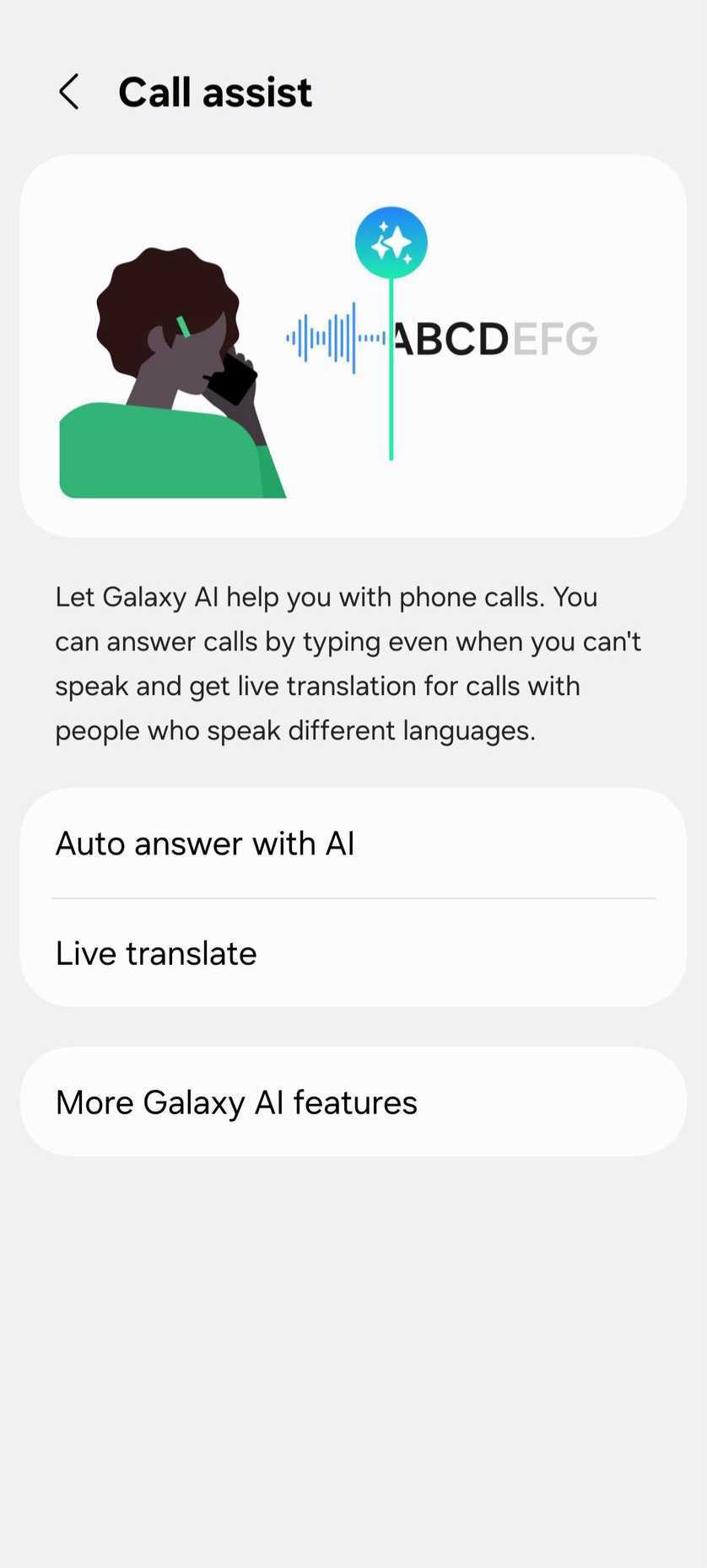
One UI 8.5 brings major upgrades to calling, now allowing the phone to automatically answer unknown or suspected spam calls. The AI assistant asks the caller’s purpose, shows you a live transcript, and lets you decide whether to pick up or mark as spam. This is a big step up from the manual Bixby Text Call, helping you avoid interruptions from robocalls or telemarketers.
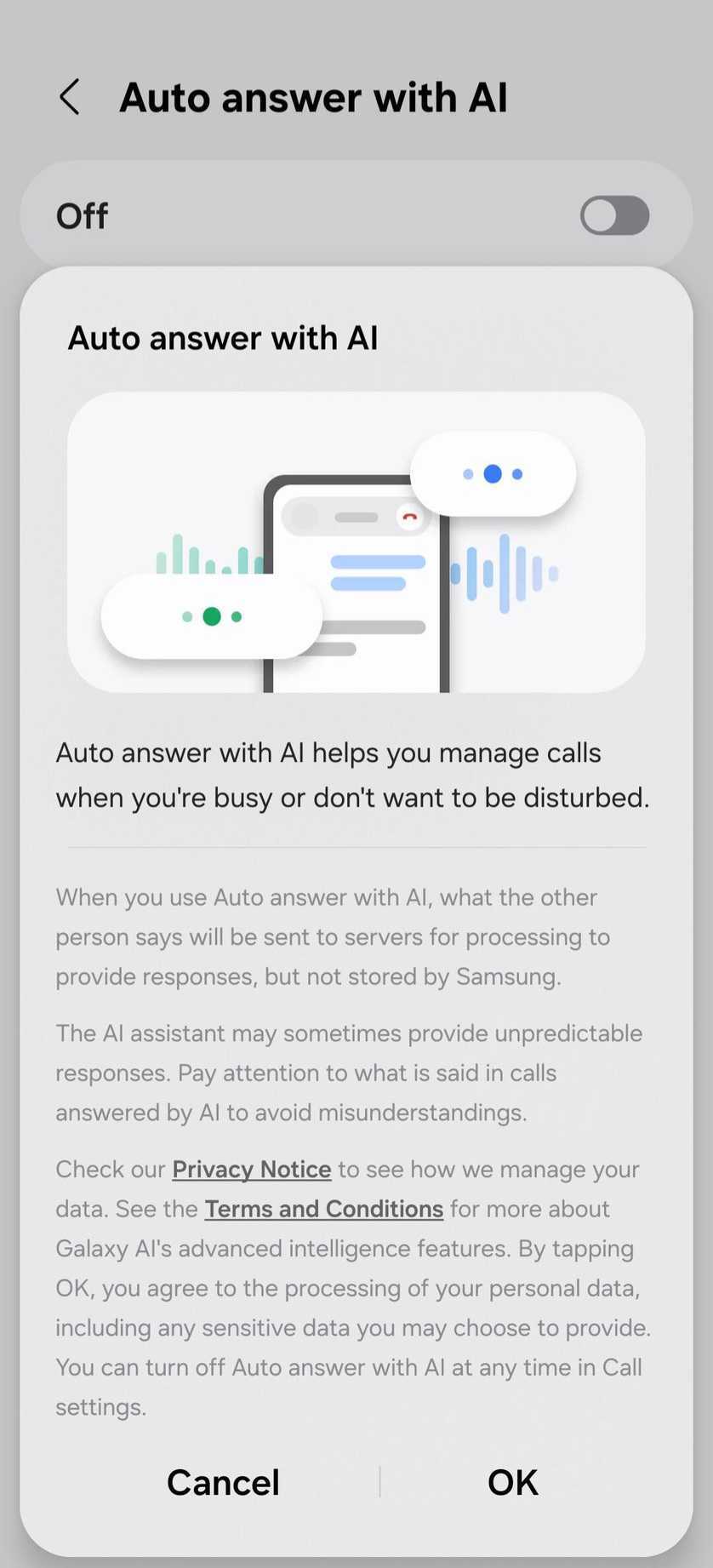
You can also enable the auto answer with AI feature to let the device automatically answer calls after a specific delay (5-30 seconds) and provide a live text transcript. This is particularly useful when you are busy or have Do Not Disturb enabled, allowing you to see the caller’s query via a live transcript before even picking up the call.
One UI 8.5 also introduces a direct voicemail feature that lets callers leave a voice message directly on your device rather than a carrier server. You can see the live transcript of the voicemail as it is being recorded in real-time.
Even during a normal call, you can see real-time call options, making it easier to follow in loud environments. Another small but useful upgrade is that the Now Bar shows a dedicated counter for missed calls, making it easier to track without unlocking the device.
4. A new Creative Studio app for AI creativity
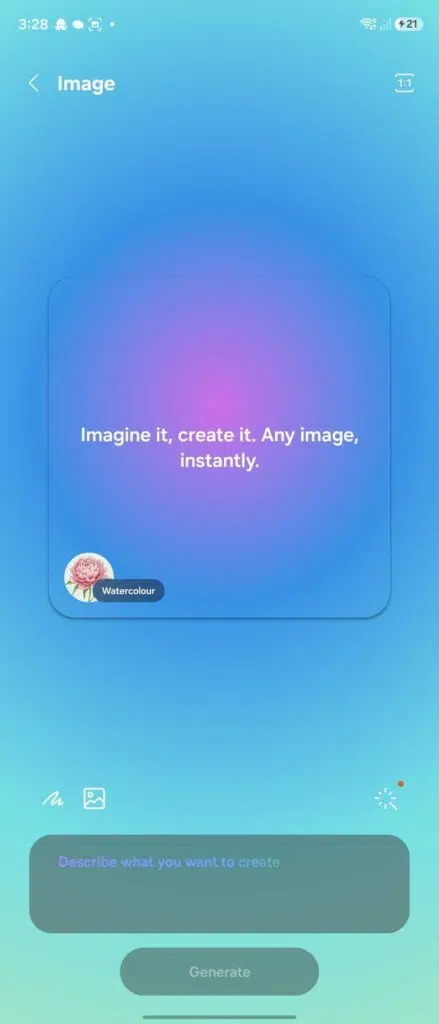
Samsung has added a new Creative Studio app in One UI 8.5, which is basically a central hub for generative AI creativity. The app lets users create wallpapers, stickers, greeting cards, invitations, and profile cards with simple sketches, existing photos, or text prompts.
Image credit: Sammyfans
The app supports multiple aspect ratios (such as 16:9 and 4:3) and various art styles, including Childhood Sketch, Marker Drawing, and Oil Painting.
5. Sharing files got a lot easier (even with Apple devices)
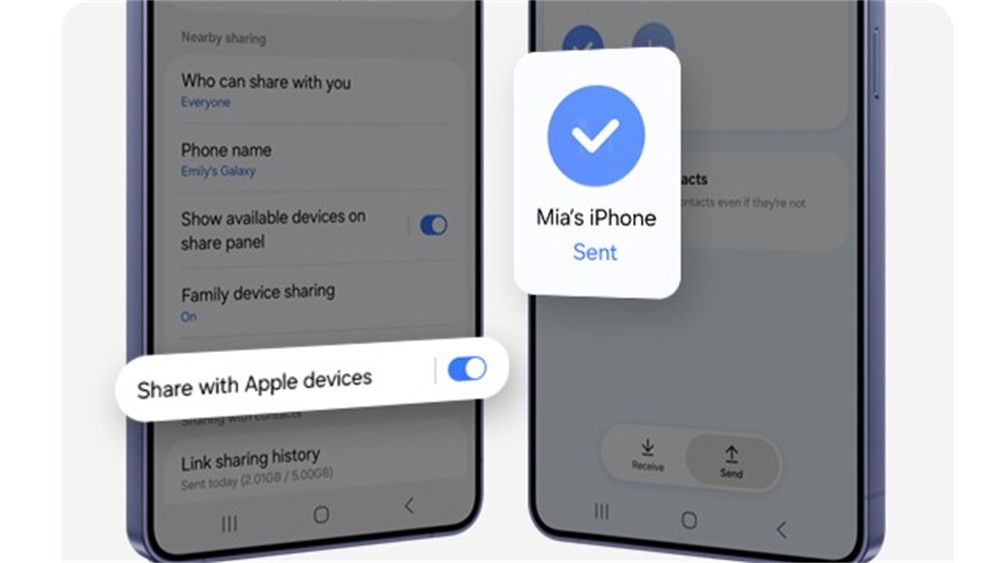
Samsung has made significant upgrades to file sharing to bridge the gap between its ecosystem and other platforms, particularly Apple devices. A major addition is a new “Share with Apple devices” option in the Quick Settings menu, enabling seamless, high-speed transfers to iPhones, iPads, and Macs that use AirDrop.
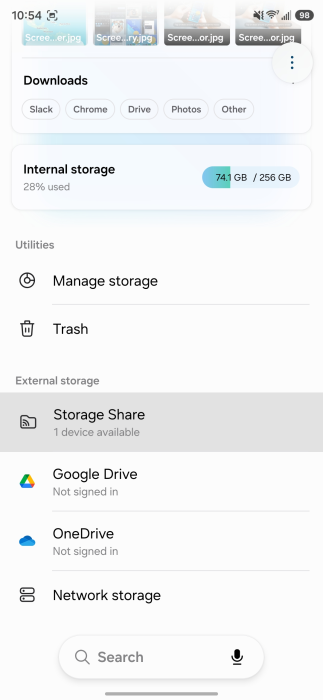
One UI 8.5 also makes it easier to access the storage of one Galaxy device directly from another through the My Files app. For example, you can browse photos, music, and documents stored on your Galaxy Tab directly on your Galaxy phone, provided both devices are signed into the same Samsung account.
We’ll keep sharing with you the latest One UI updates in the Samsung section on this website. You can visit that page regularly to get fresh details. Or, if you prefer news on the go, make sure to follow our Telegram channel.
CPUs or GPUs, but require lots of memory for running Agentic AI, and this demand is spiraling to unseen levels as DRAM constraints persist. CPUs Running Agentic AI Will Be Equipped With Up to 400 GB of Memory, Further Crushing The DRAM Supply Chain Memory makers are earning big profits but are also unable to meet the demand. We have seen reports on how major manufacturers are rapidly expanding their production facilities, but these are yet to become operational, and Samsung itself has stated that 2027 will be worse for the DRAM industry than 2026, so it's looking like a […]
There is an interesting leak about the Galaxy S27 Ultra’s camera system. Samsung may be removing a camera instead of upgrading it.
Samsung moved to a dual telephoto setup with the Galaxy S21 Ultra, enabling long-range zoom on its flagships. That shift is a big part of why the S Ultra lineup is still considered among the most capable camera phones today. It helps maintain clarity across different zoom levels without relying too heavily on cropping from the main sensor. If you haven’t guessed it already, the 3x telephoto lens is expected to be removed on the S27 Ultra.
According to reliable tipster Ice Universe, the 200MP main sensor will take on more of the workload. What does that actually mean? The main sensor would need to maintain image quality as you crop in, up to around 5x, where the periscope telephoto would take over.
While the 200MP figure still sounds impressive, there is a reason the Galaxy S26 Ultra uses 16-to-1 pixel binning, combining data from 16 pixels into one. The result, as you know, is a 12MP output. The phone can either crop into the 12MP binned output, or use the full 200MP image for more detail when zooming, which can introduce noticeable noise, especially in moderate to low light.
There is a third option, which is to rely on AI to manage that noise. But that approach also has its limits, often introducing artifacts. That is why Chinese smartphone makers like Oppo and Vivo are bundling their flagships with physical teleconverters instead of pushing digital zoom too far on 200MP sensors.
There have also been reports suggesting Samsung could use a larger 1/1.12-inch 200MP ISOCELL sensor, which would help with image quality overall. However, based on past trends, a significantly larger 200MP sensor from Samsung itself does not seem very likely either. The company started with the 1/1.22-inch ISOCELL HP1 in 2021, and this year’s HP5 measures 1/1.56-inch.
So why remove the 3x telephoto in the first place? A refreshed camera layout is reportedly being considered, and the reason may be the addition of magnets for Qi2 compatibility. Removing the 3x lens could free up internal space for a proper magnetic ring and better accessory support.
That leads to a bigger question. What matters more here: camera versatility or Qi2 and magnetic accessories? Or is this simply a cost-saving decision that also enables a new design direction?

 Login
Login