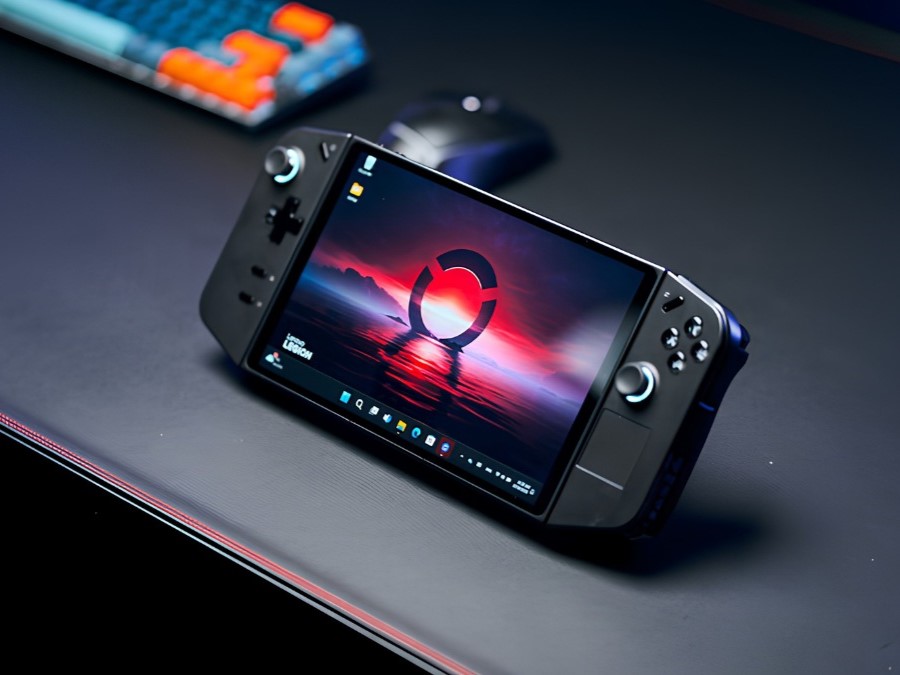
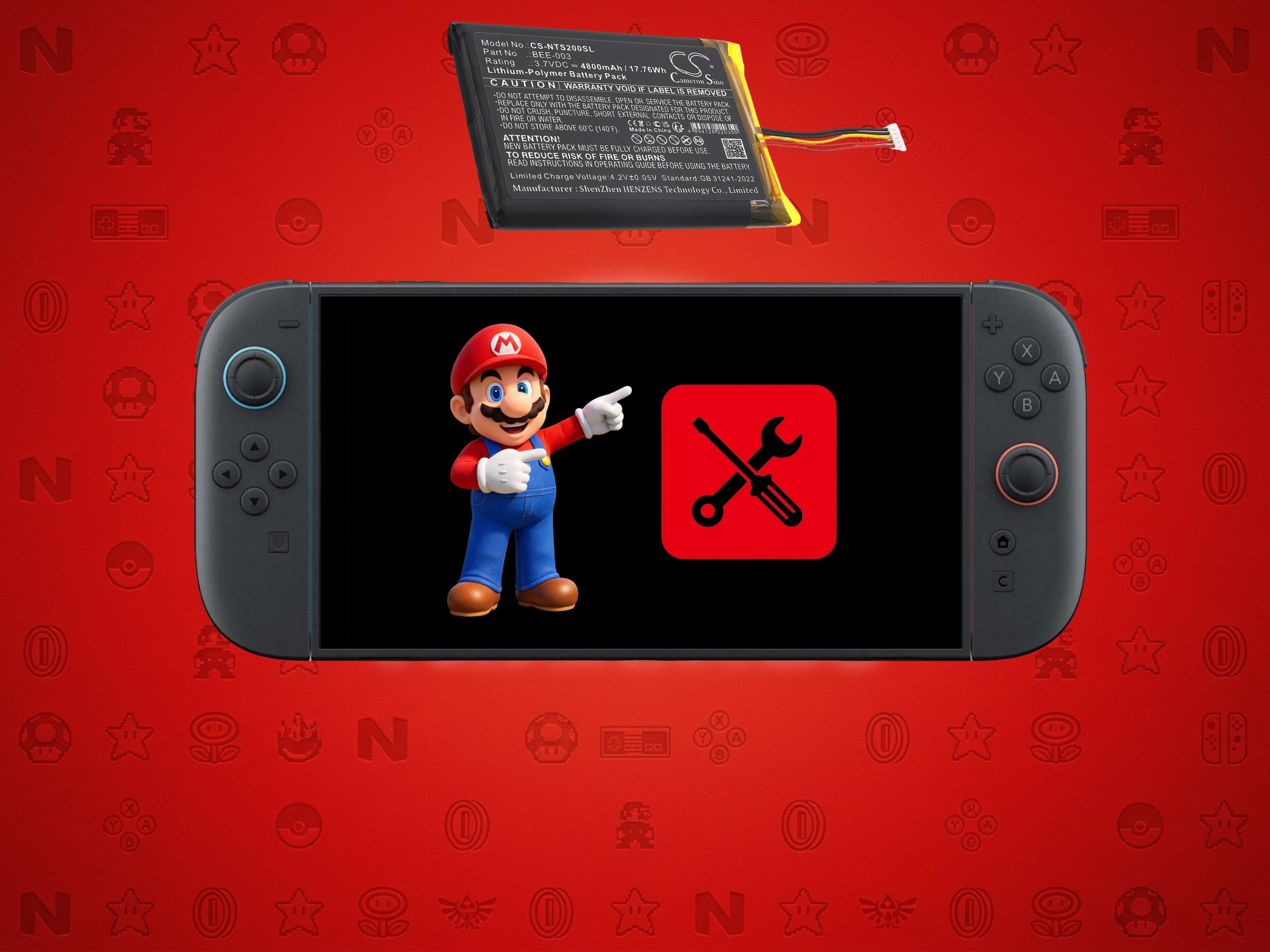
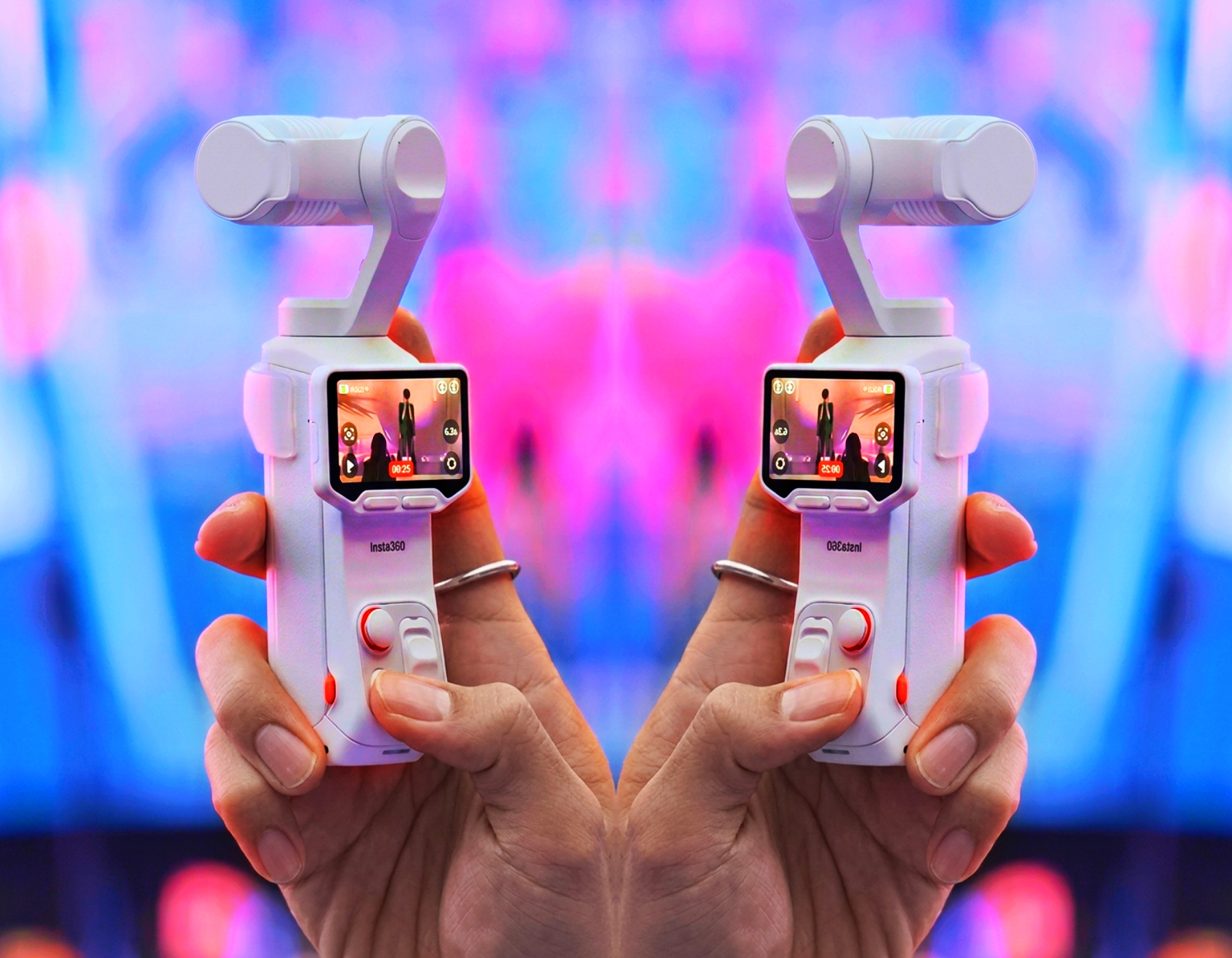
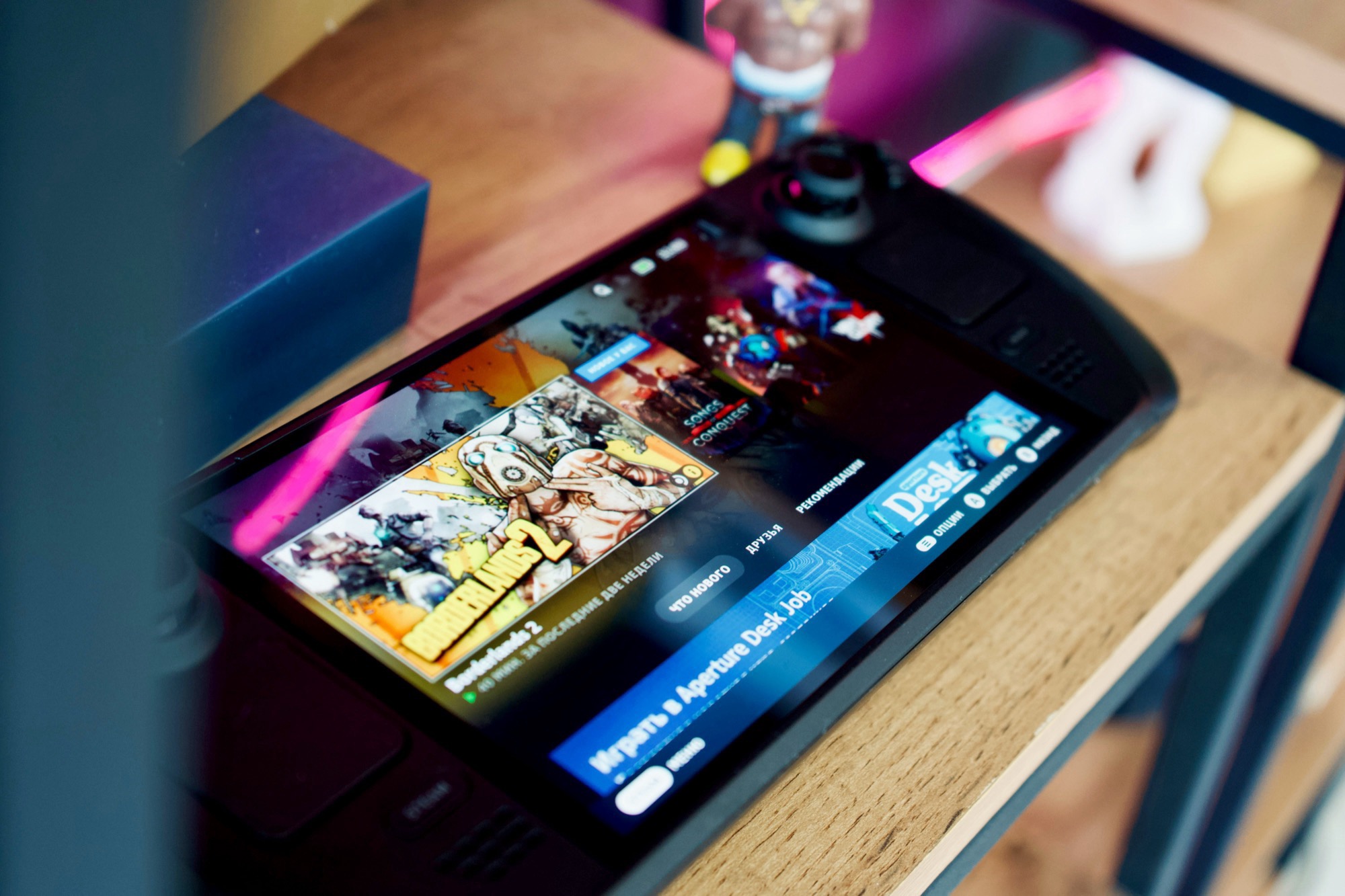
Deal | Europa Universalis IV is currently cheaper than ever on Steam: the historical strategy sandbox costs around $5 instead of $50. In return, players get enormous depth, hundreds of playable nations and almost 400 years of history – but also a fairly steep learning curve.
Take-Two CEO Strauss Zelnick has confirmed that GTA 6 will not include real-world product placements. Instead of Coca-Cola or Nike, fictional brands such as Burger Shot and Pißwasser will remain the consumer goods of Rockstar’s satirical game world – much to the relief of many fans.
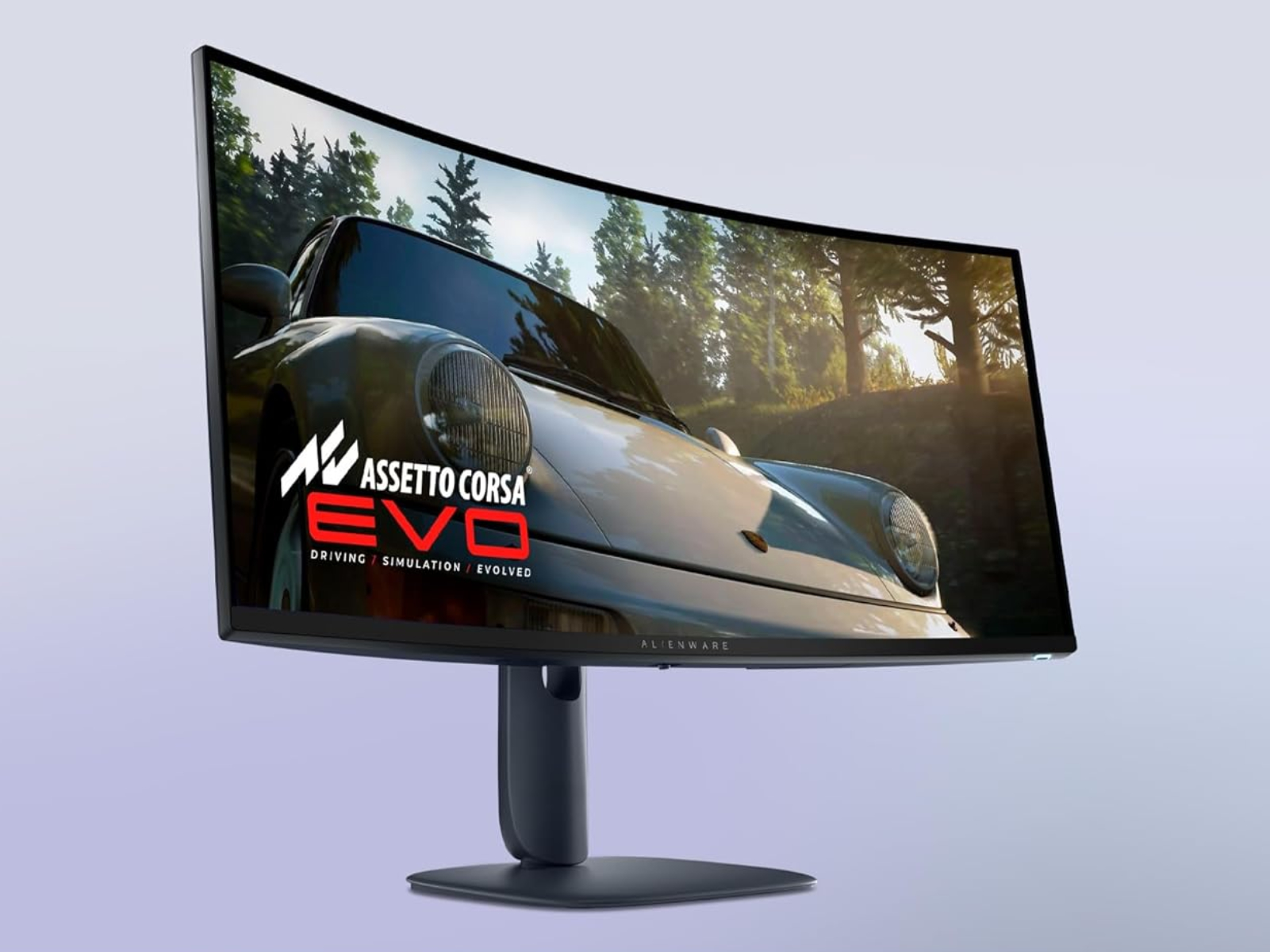
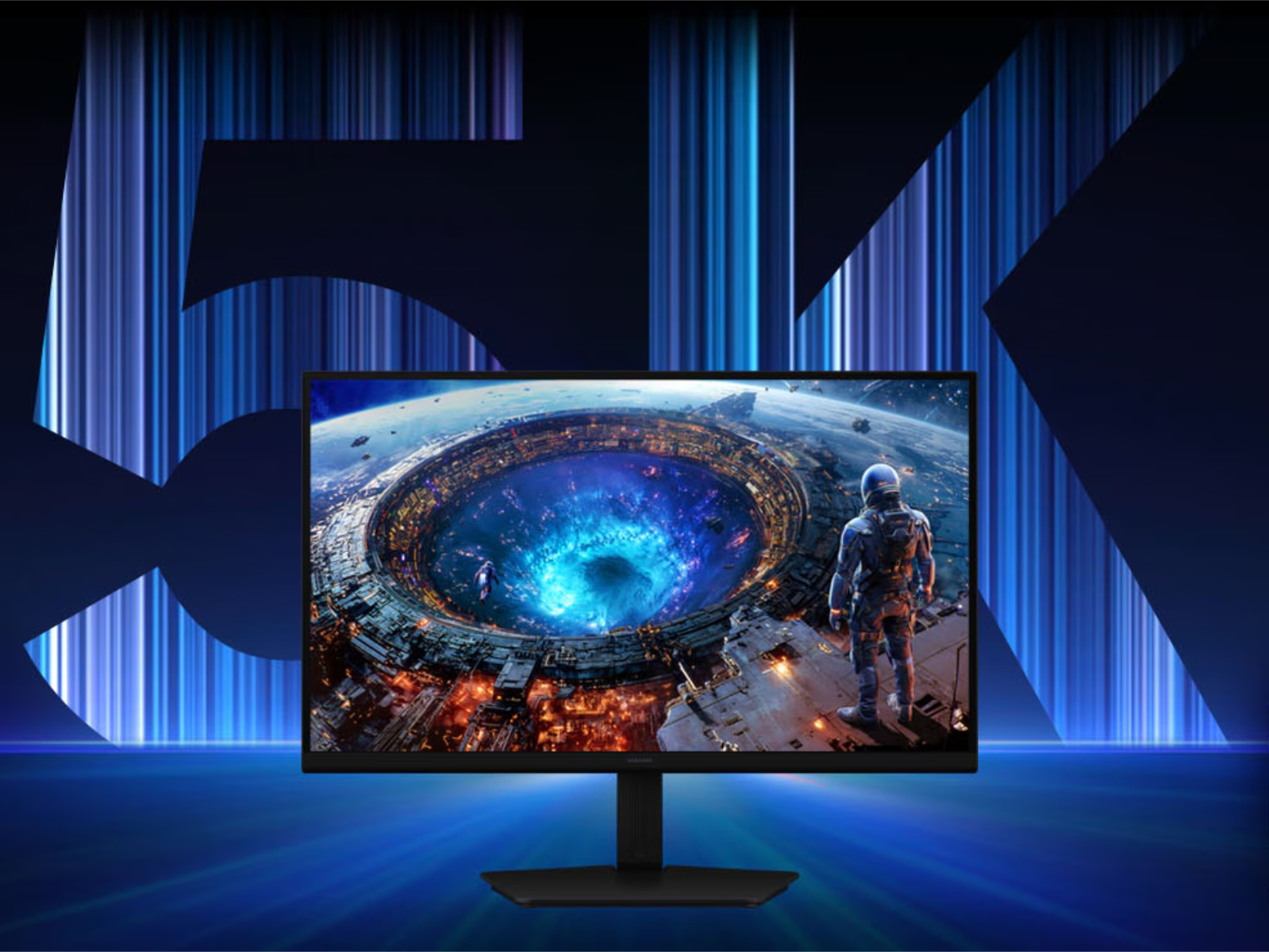
AOC has unveiled a brand new gaming monitor featuring up to a whopping 720Hz refresh rate for speedy, fast-paced gaming. The 4-layer tandem OLED panel is also impressively bright, reaching the 1500 nits mark in smaller areas.
GameHub, the popular PC games emulation app for Android devices, has received several key features in a new update. Among them is support for the Epic Games Store, faster Steam load times, and portrait mode.
Samsung may have brought a significant upgrade to the Studio app in One UI 8.5. Galaxy users will have an even better editing experience while creating movies using the built-in Studio app.
Galaxy S25 series may begin receiving One UI 8.5 update on Monday. Samsung plans to open the rollout on May 9 in North America. After missing the April 30 target, the company is probably considering May 4 for rollout.
In the latest build of Galaxy S25 Ultra, tipster Alfaturk spotted a new “Preview color” option inside the “Project settings” screen. The addition hints that the company has upgraded the Studio experience on its Galaxy devices.
The new “Preview color” option features three options for color range, including Auto, SDR and HDR. Selecting the preferred option will display content in preview in the selected color range, making editing more precise.
If you pick the Auto option, the preview will match the color range to the content of your projects.
Selecting SDR will force the preview function to use the standard color range for images and videos.
Lastly, the HDR option triggers the preview to show a wider range of color and contrast for brighter, more vibrant images and videos.
Samsung’s Studio app isn’t a widely used app for editing. It has a limited set of features that just deliver nominal tweaks. Users rely on third-party apps like VN and CapCut for video editing.
Still, Samsung’s upgrading Studio app with new capabilities is a welcome move. The addition seems silent, which might also have appeared on the previous versions of One UI software.
Rising memory prices continue to hurt purchase power of smartphone buyers. The beginning of May 2026 marks another wave of price hike across mid-range and budget Samsung phones in India.
According to AbhishekYadav, at least seven Samsung phones have faced a price hike in India. The revised prices are also in effect, raising the costs by Rs 1,000.
The affected models include the Galaxy M36, Galaxy F36, Galaxy M17, Galaxy M17e, Galaxy F70e, Galaxy M06 and Galaxy F06. The company has already hiked prices of premium A series phones over the past few months.
Unlike previous waves, the May wave of price hikes is static. All models, including their storage variants, are seeing an equal jump of INR 1,000. Here is the information about previous and revised prices in India:
While the smartphone industry is worried about rising memory prices, Samsung is silently running a deal on the Galaxy S25 Ultra 1TB variant in the US.
If you want incredibly larger storage on your smartphone, you can pick up the Galaxy S25 Ultra with 1TB storage in the US. The smartphone is currently $300 down from its launch price and undercuts the S26 Ultra by $240.
Samsung launched the Galaxy S25 Ultra with 12GB RAM and 1TB storage in the US, and the list price was huge, $1,660. Galaxy S26 Ultra costs more than its predecessor, $1,800, but it comes with 16GB RAM integration.
Galaxy S25 Ultra is an epic smartphone that ships with Snapdragon 8 Elite processor. Its 12GB RAM handles seamless execution of AI tasks. It also impresses with its gaming performance, thanks to the software optimization.
Samsung’s S26 Ultra is indeed better than the S25 Ultra, but the latter doesn’t disappoint too. Getting an S25 Ultra still makes sense in 2026, as its highest memory variant is available for $240 less than the latest model.
The Korean tech giant has all four standard and three online-exclusive colors in stock. Benefits jump up to $580 if you trade in your existing device. Bundling ecosystem products avails you up to 40 percent additional discount.
The only string is that you need to purchase a carrier-unlocked device. Carrier-branded models are no longer eligible on Samsung’s website. With the unlocked version, you get peace of mind as it allows easier network switching.
Buy Galaxy S25 Ultra 1TB for $1,360 from Samsung.com
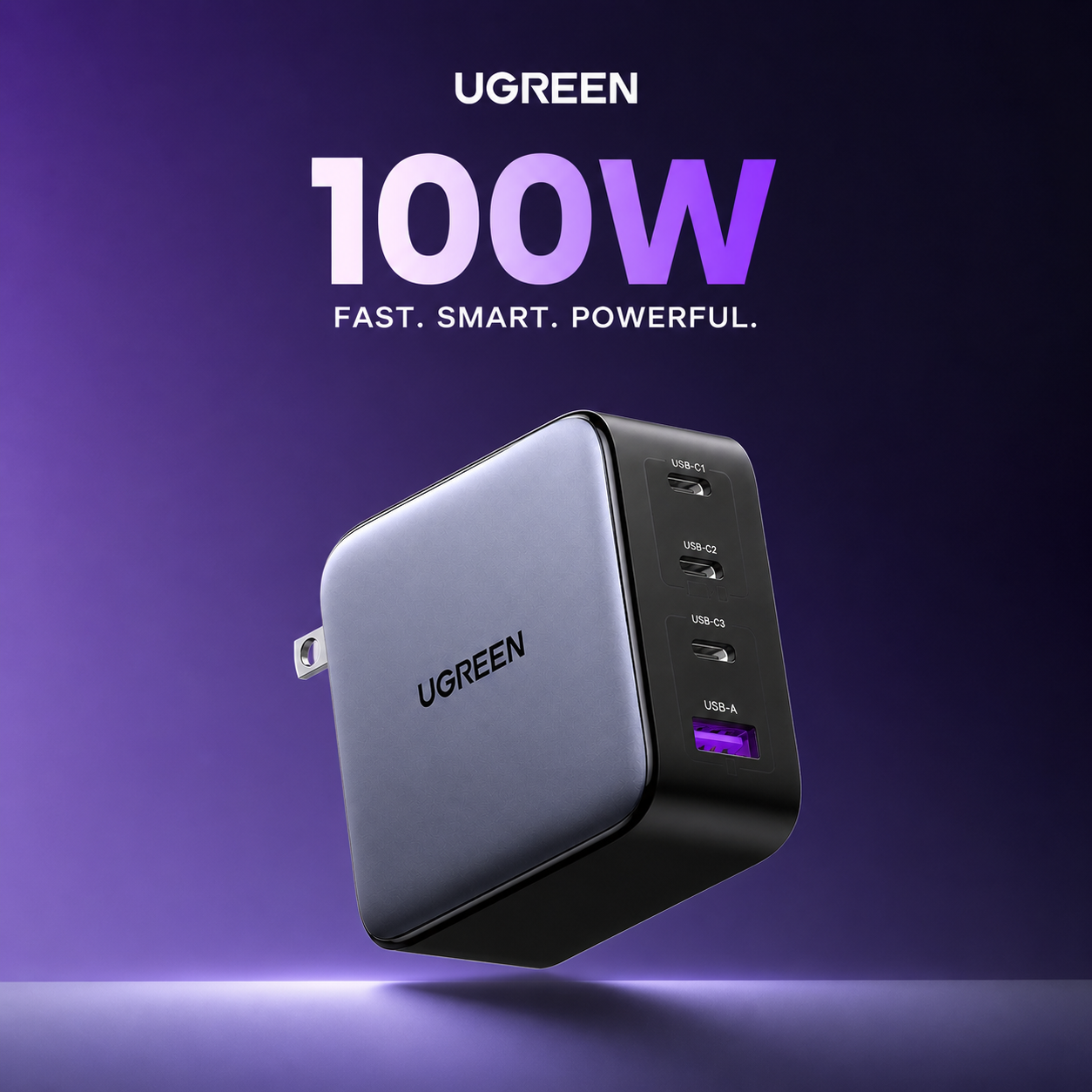
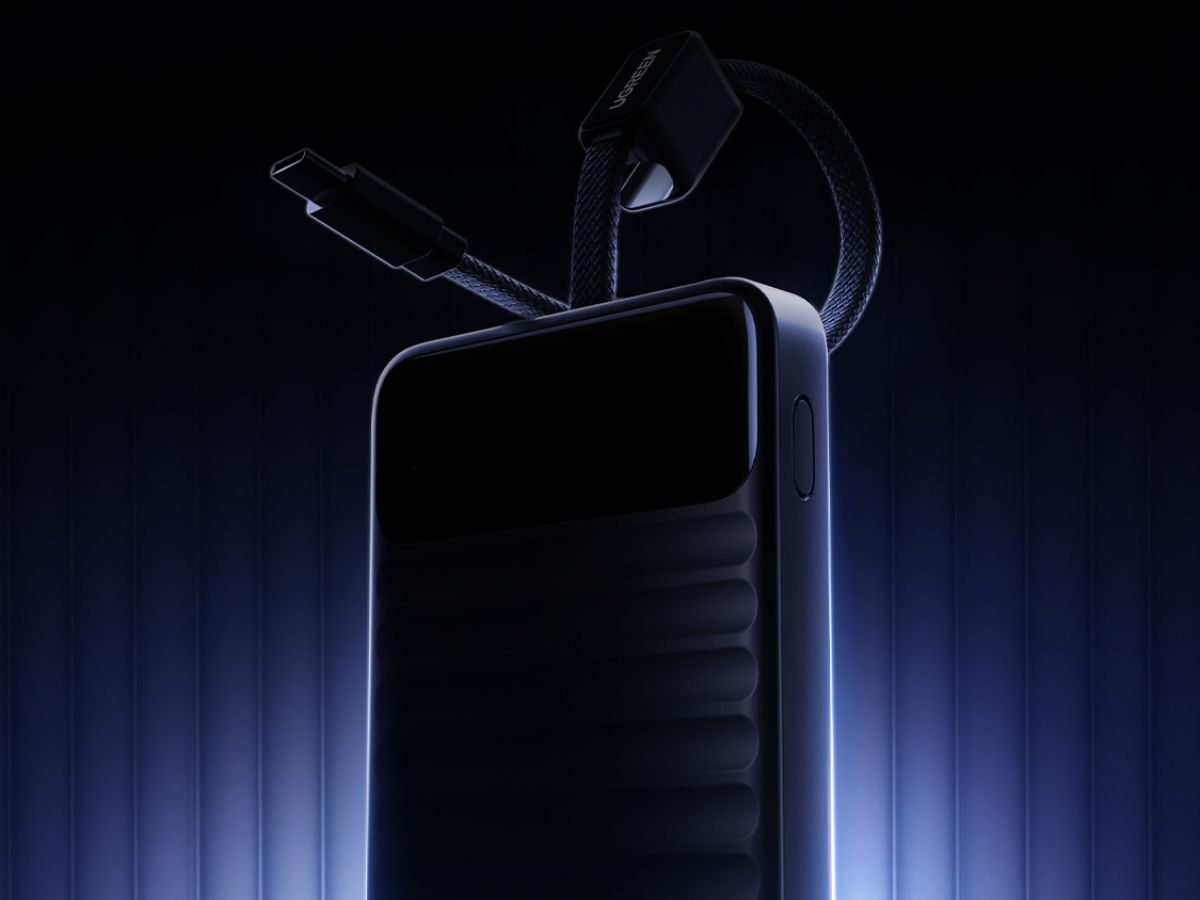
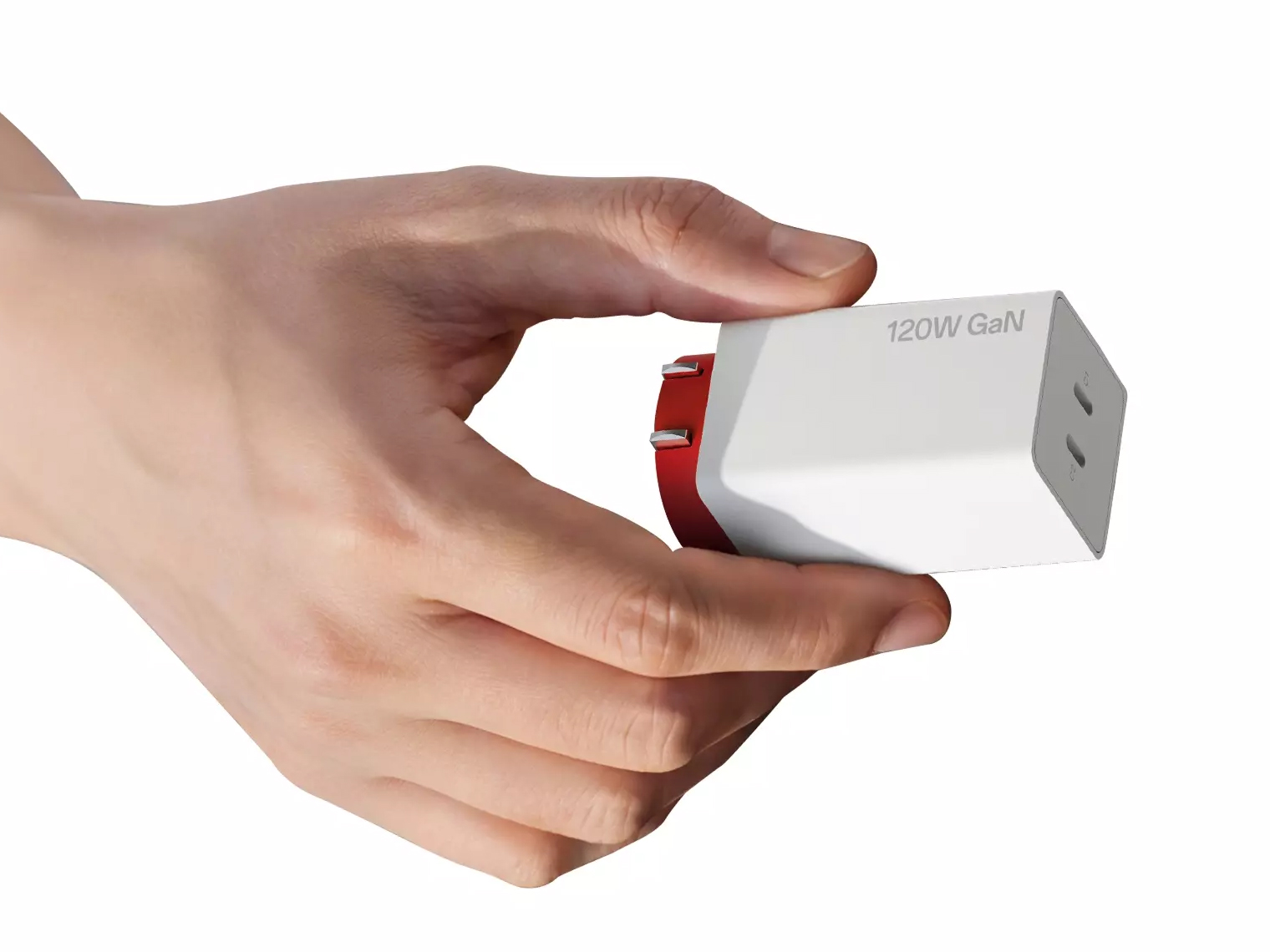
Deal | Ugreen’s highly reviewed Nexode 100 W GaN charger with four USB ports has received a solid discount on Amazon for a limited time, dropping its price down to its all-time low. With a compact form factor and a foldable prong design, the charger offers 100 W of output across four USB (three USB-C and one USB-A) ports.
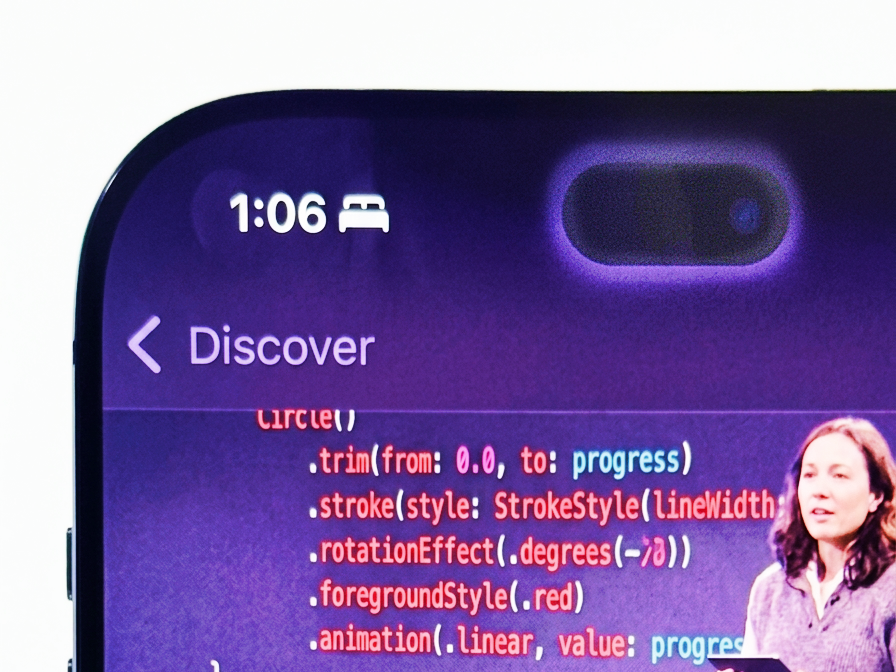
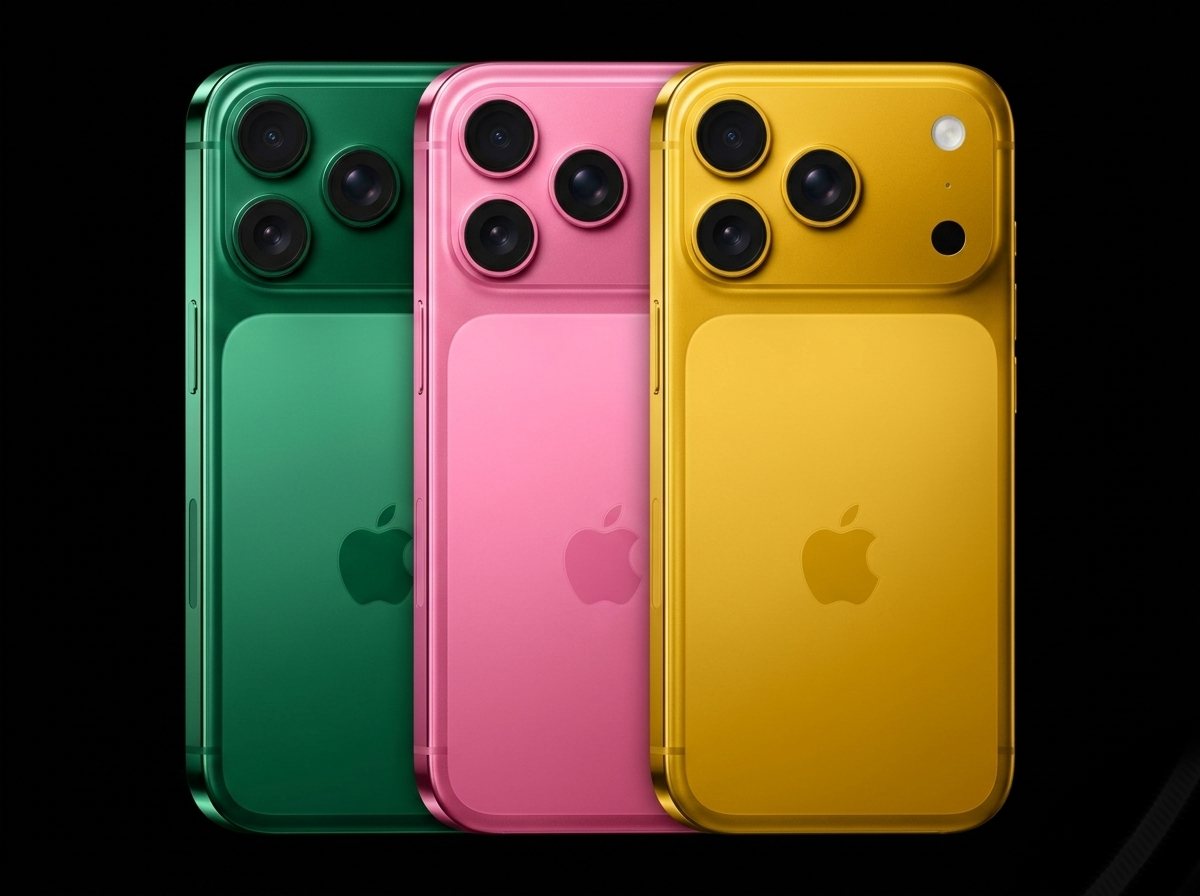
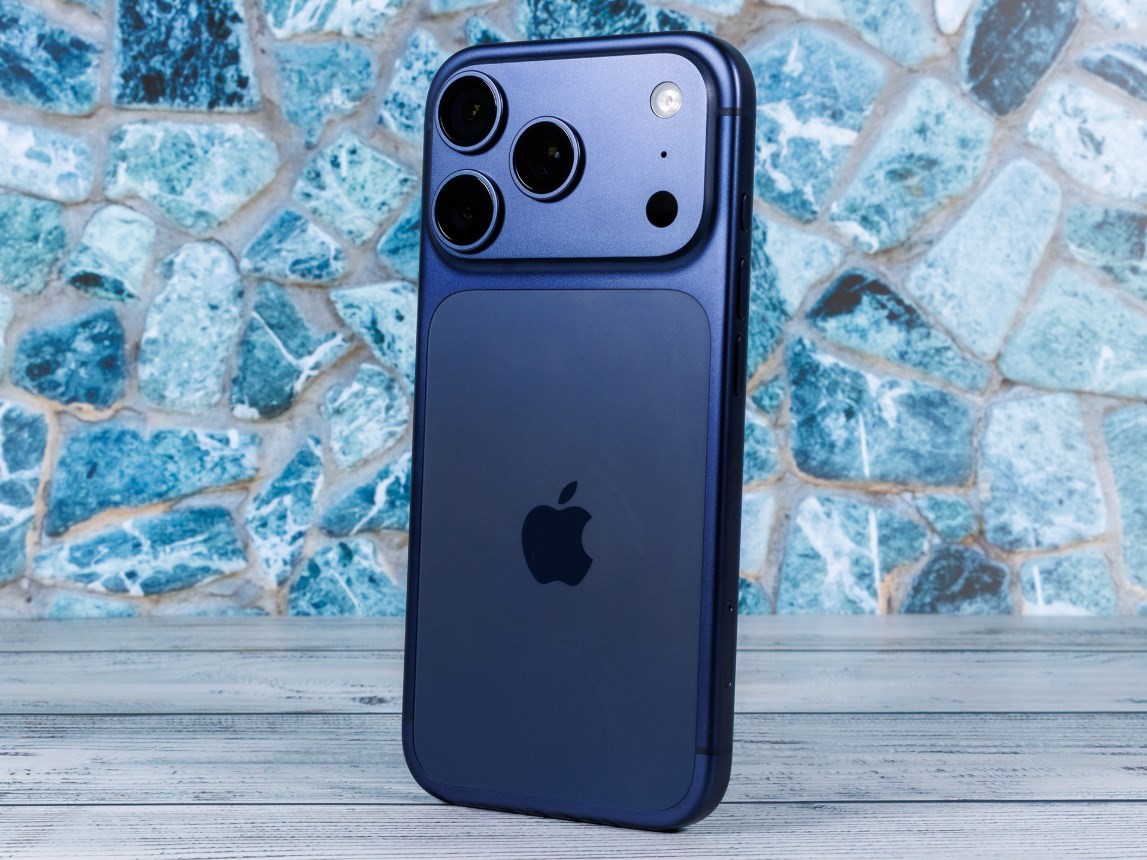
An alleged real-world image of an iPhone 18 Pro prototype has leaked, seemingly confirming the 25-30% smaller Dynamic Island rumors we’ve been hearing. Apple’s upcoming 2026 flagships are rumored to feature TSMC’s first 2nm chip - the A20 Pro SoC and a variable aperture main camera.
Apple’s entry-level Mac pricing has shifted as the 256GB Mac mini is officially discontinued worldwide, raising the starting price to $799 - global pricing is also affected. With the M4 Mac mini now requiring a higher investment, we ask whether the M5 MacBook Air offers better value.
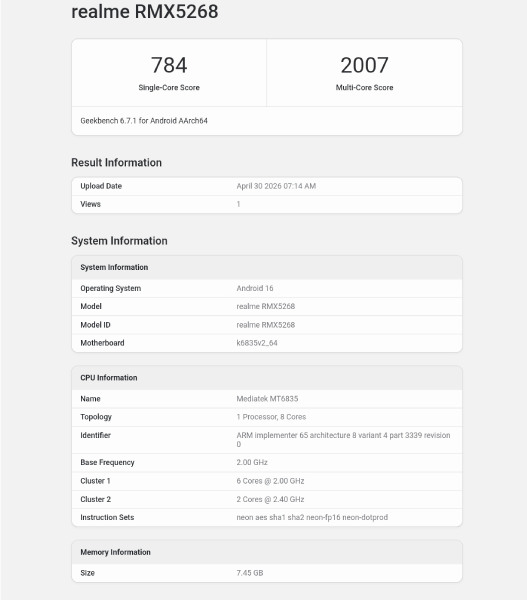
Realme launched the Realme 15T last September, and its successor, the 16T, is rumored to arrive soon. While there's no word from Realme about the 16T's launch yet, a Realme device bearing model code RMX5268 and rumored to be the Realme 16T, has appeared on Geekbench with its key specs.
The RMX5268 scored 784 and 2,007 points in Geekbench's single and multi-core tests, respectively. It's listed in the benchmark database with Android 16 and 8GB RAM; however, a previous rumor claimed the 16T will also offer a 6GB RAM option.
Realme 15T
Powering the RMX5268 is MediaTek's MT6835...
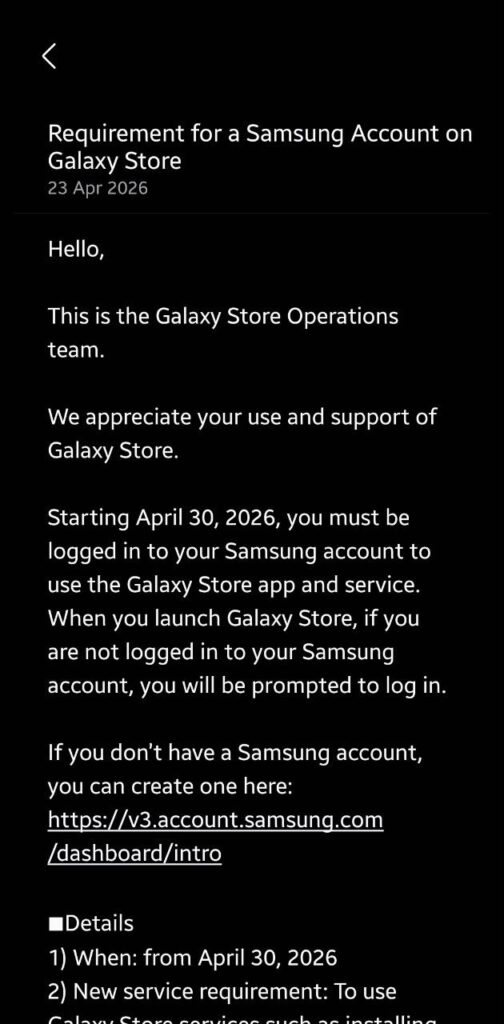
Samsung has just patched the broken update system of an app. Galaxy users reported that the Bixby Vision requires an update while using, but the Galaxy Store had nothing to install. Well, a new update has arrived, and the problem is solved.
Bixby Vision is getting updated to version 5.0.00.14. It’s available for installation, unlike the previous broken alerts. Now, the Galaxy users are getting the update key working, which was not accessible before.
Earlier, using Bixby Vision had become a complete frustration. Galaxy users run the app, and it alerts them to install the new version, but Galaxy Store has nothing. Several users reported having the same problem in various markets.
It often happens with Galaxy Store and Play Store apps. This is because of the sequential rollout of app updates, which spread slowly. The installed app pushes an update alert, but limited coverage renders a failed update.
This update hides two possibilities:
Bixby Vision update has become available widely.
Samsung is rolling out a patched version of Bixby Vision.
If you use the Bixby Vision app, check for its latest update in the Galaxy Store. You may also get an update notice right after opening the app. Tapping the update button takes you to the app’s landing page in the Galaxy Store.
Even if you don’t see a new version available for download, waiting a bit is the only option. The expansion might still be rolling out slowly. The expansion usually takes a couple of days to reach a broad range of users across countries.
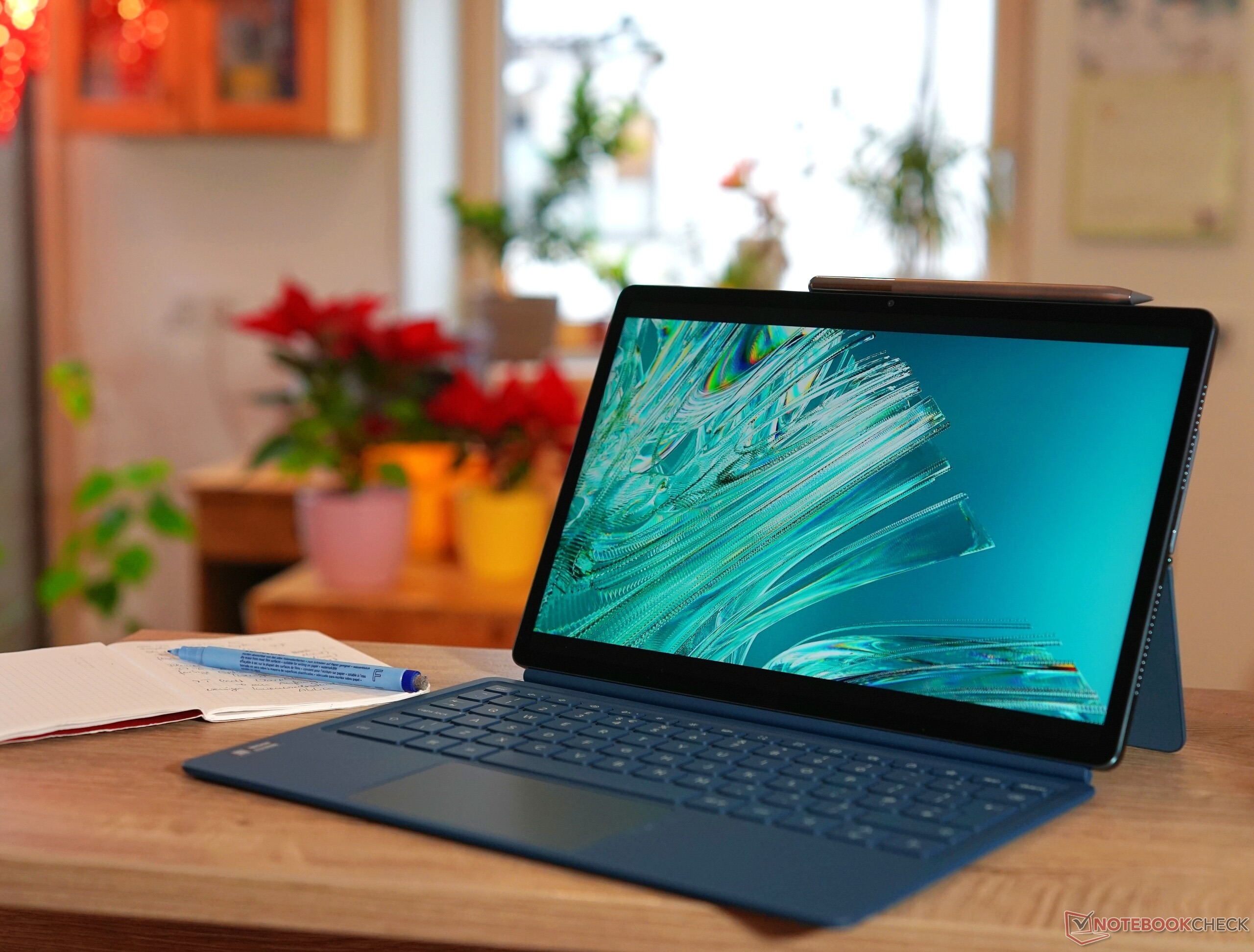
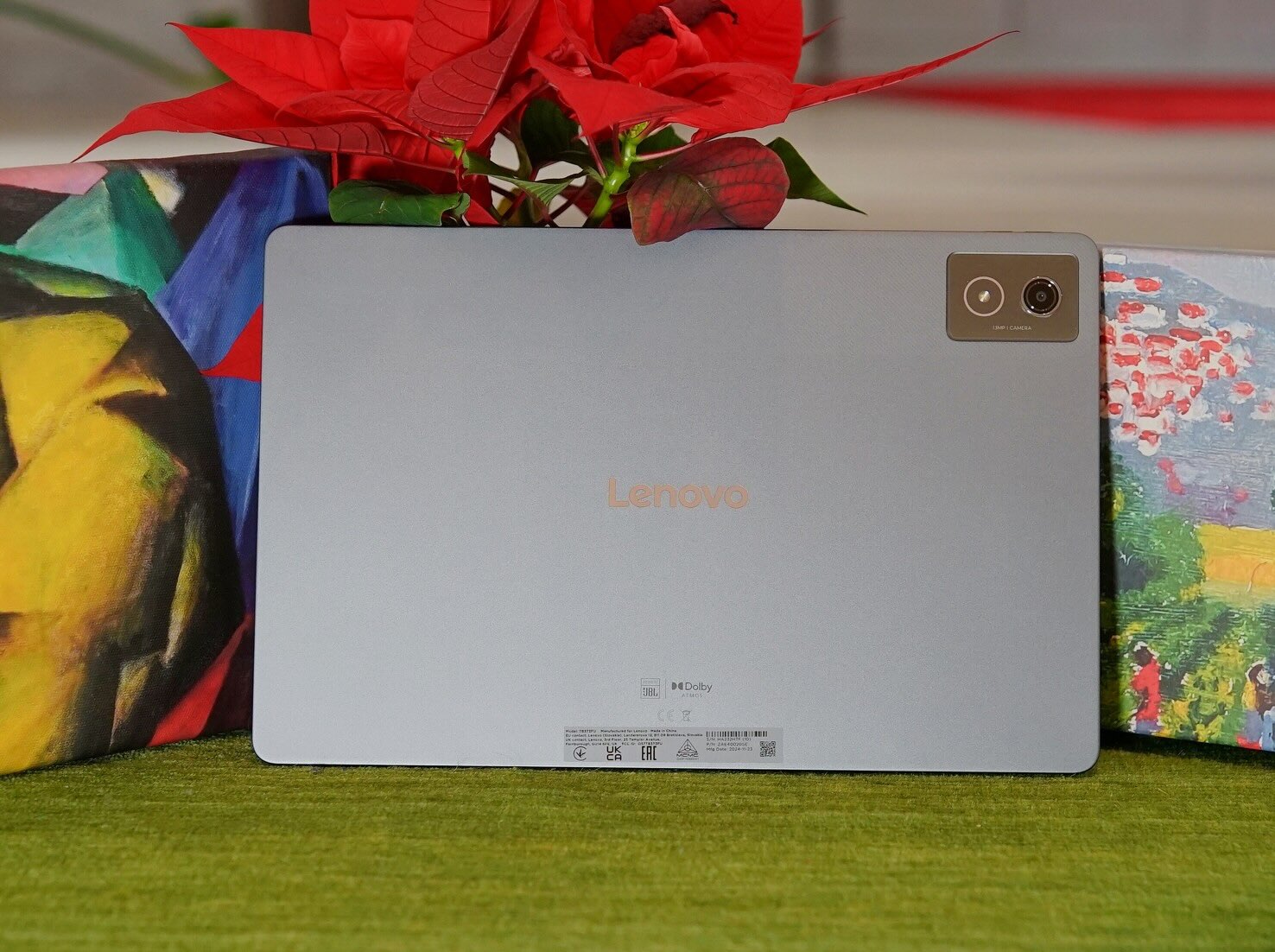
Deal | Courtesy of an ongoing sale on Lenovo's official US online store, the well-reviewed Lenovo Yoga Tab Plus is now available with a lucrative 36% discount for a limited time. The tablet sports a 12.7-inch 3K display as well as a decently capable processor that can chew through the vast majority of daily tasks.
With the iX3 Flow Edition, BMW is showcasing a hood that can display animated patterns using E-Ink technology. According to the German automaker, the technology is production-ready. However, pricing and a potential market launch have not yet been announced.
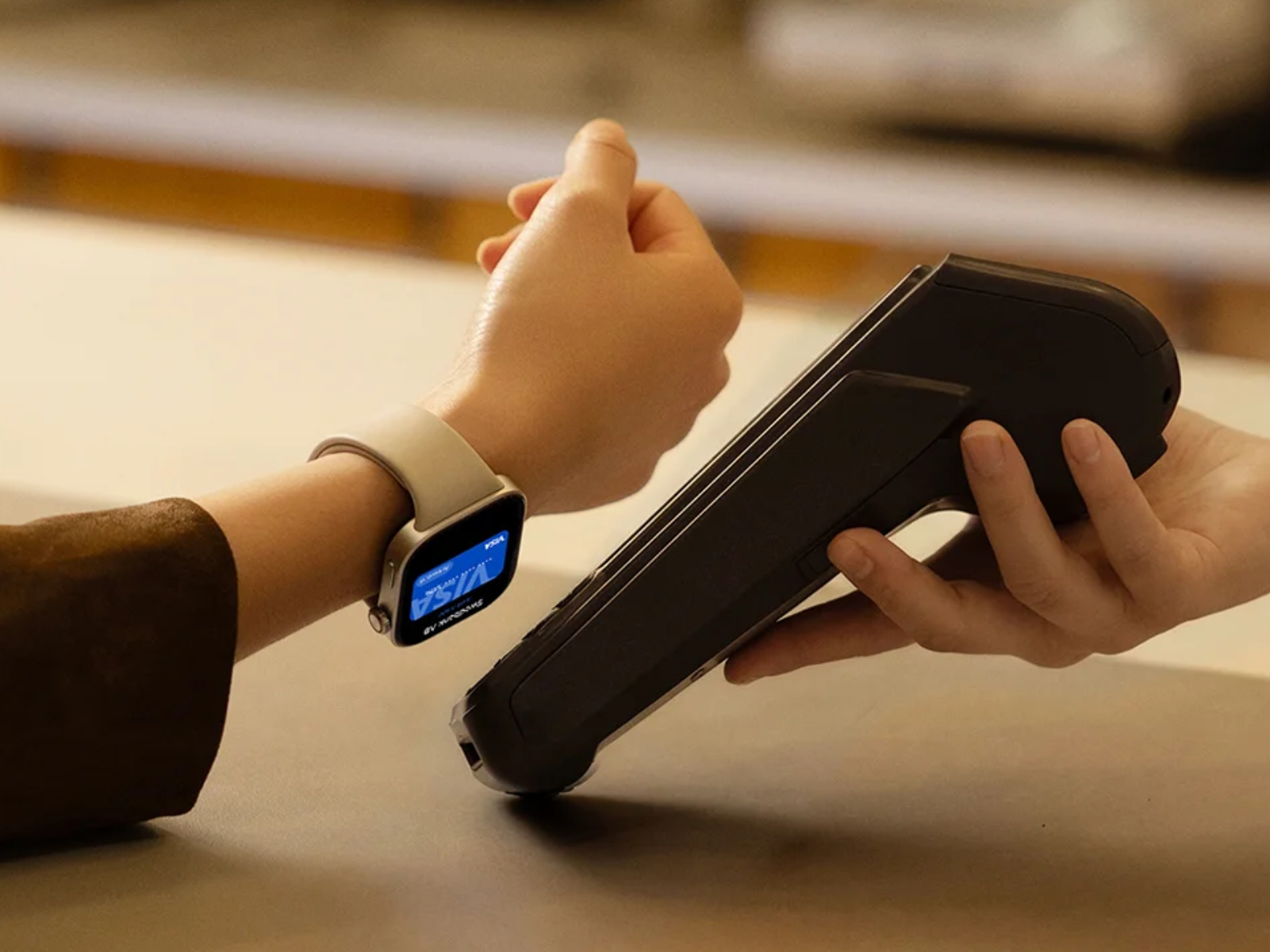
Xiaomi has revealed that it will be launching a new smartwatch globally. Offered in three colours, the Redmi Watch 6 will also be available as the Redmi Watch 6 NFC with tap-to-pay support. Both variants feature 2,000-nit AMOLED displays and up to 24 days of battery life too.
Game Quest: The Backlog Battler makes your unused Steam library fight back. In the arena, you face the neglected “corpses” of your own backlog. The less you’ve played a game and the more you paid for it, the stronger it becomes. A demo is already available on Steam.
Deal | Steam is giving away Overcome Your Fears - Caretaker, a psychological horror walking simulator, for free until May 7. Normally $5.99, the indie title holds a "Mostly Positive" rating and takes roughly an hour to complete.
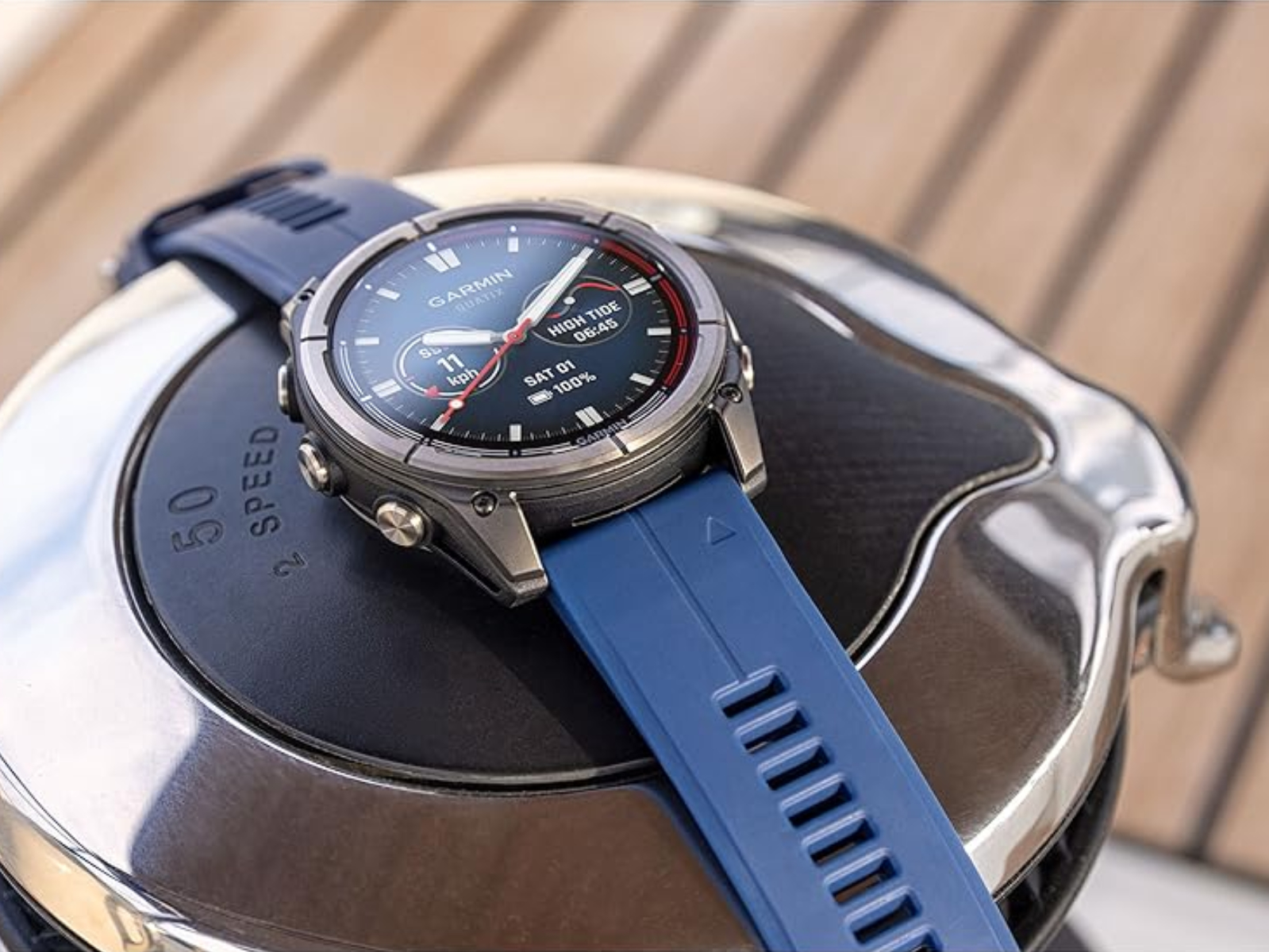
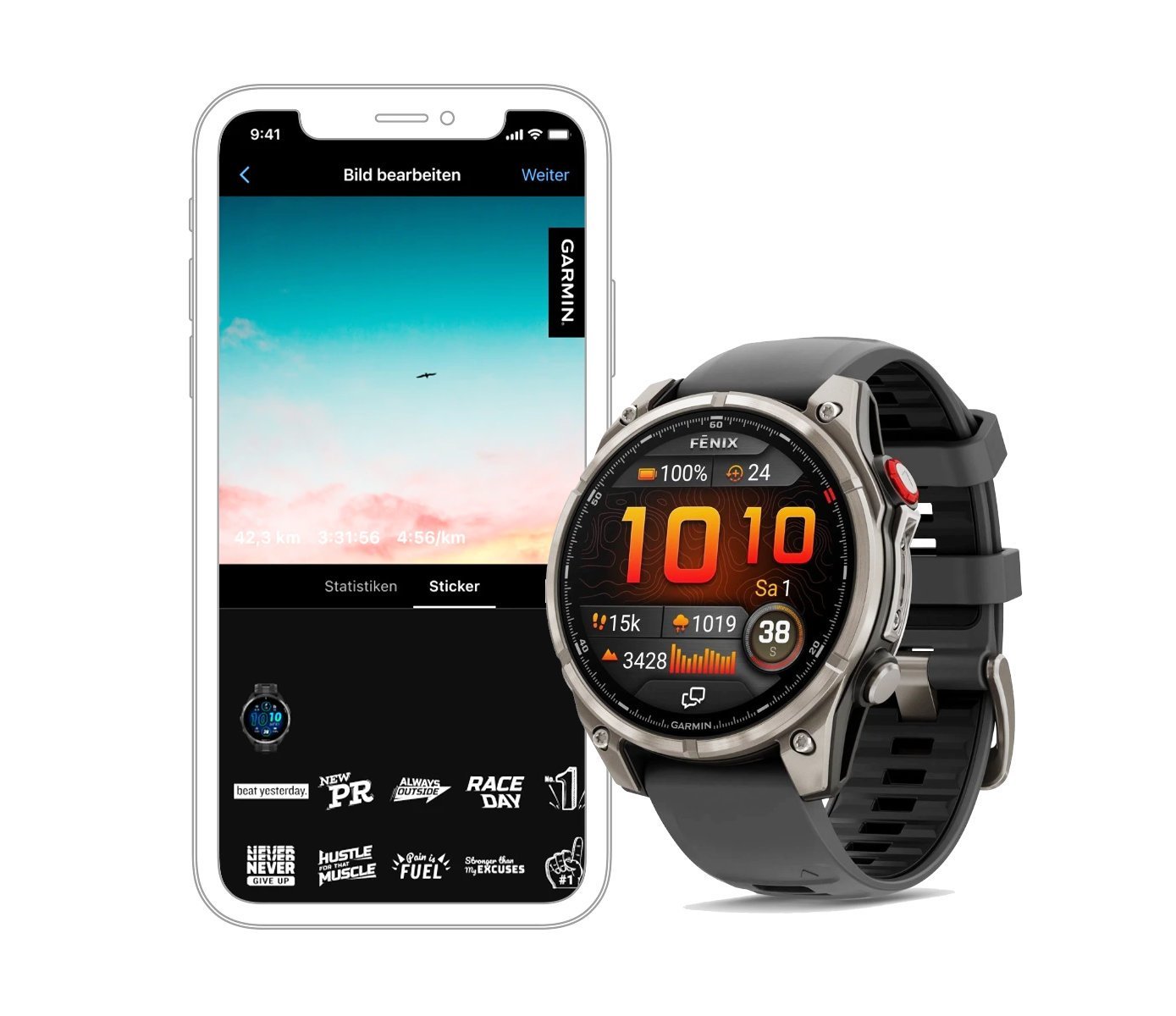
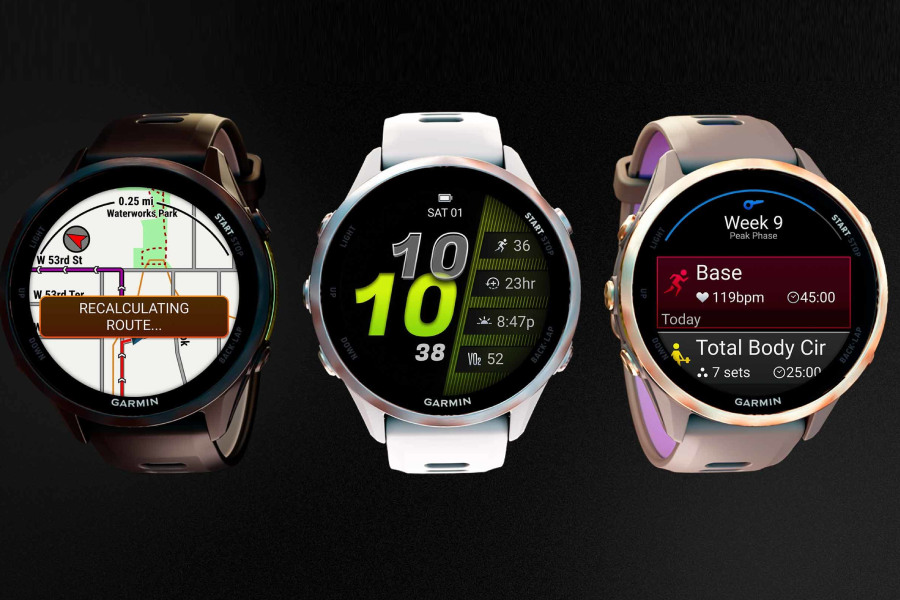
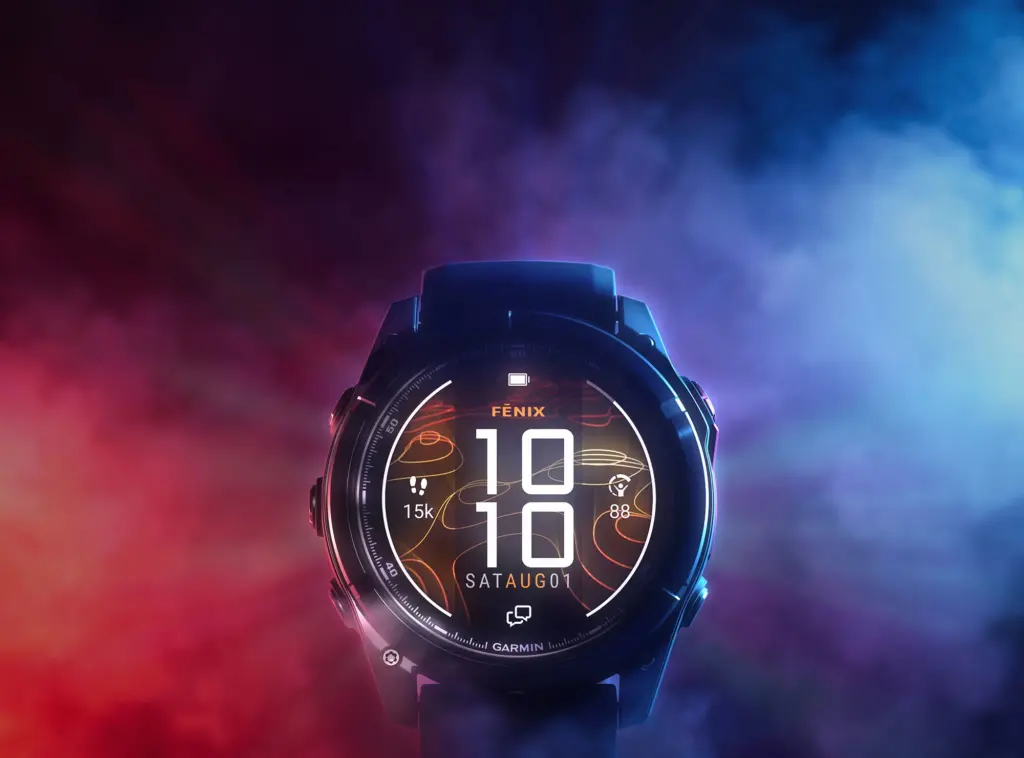
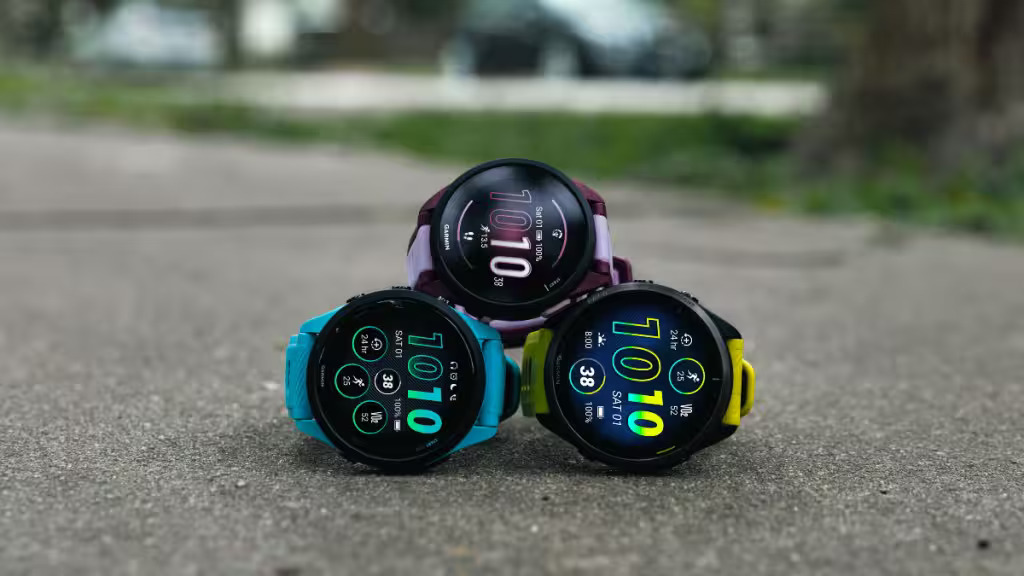
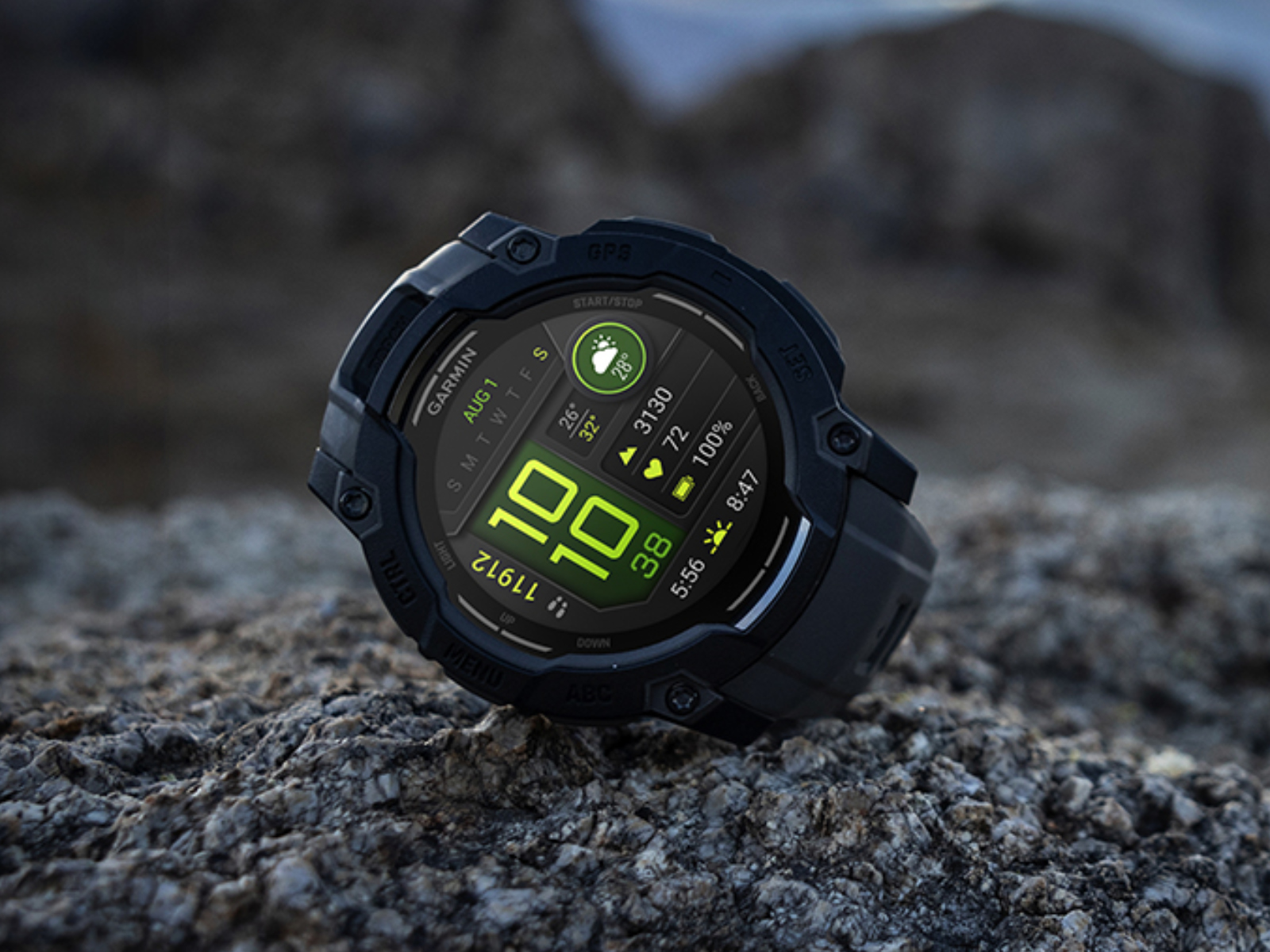
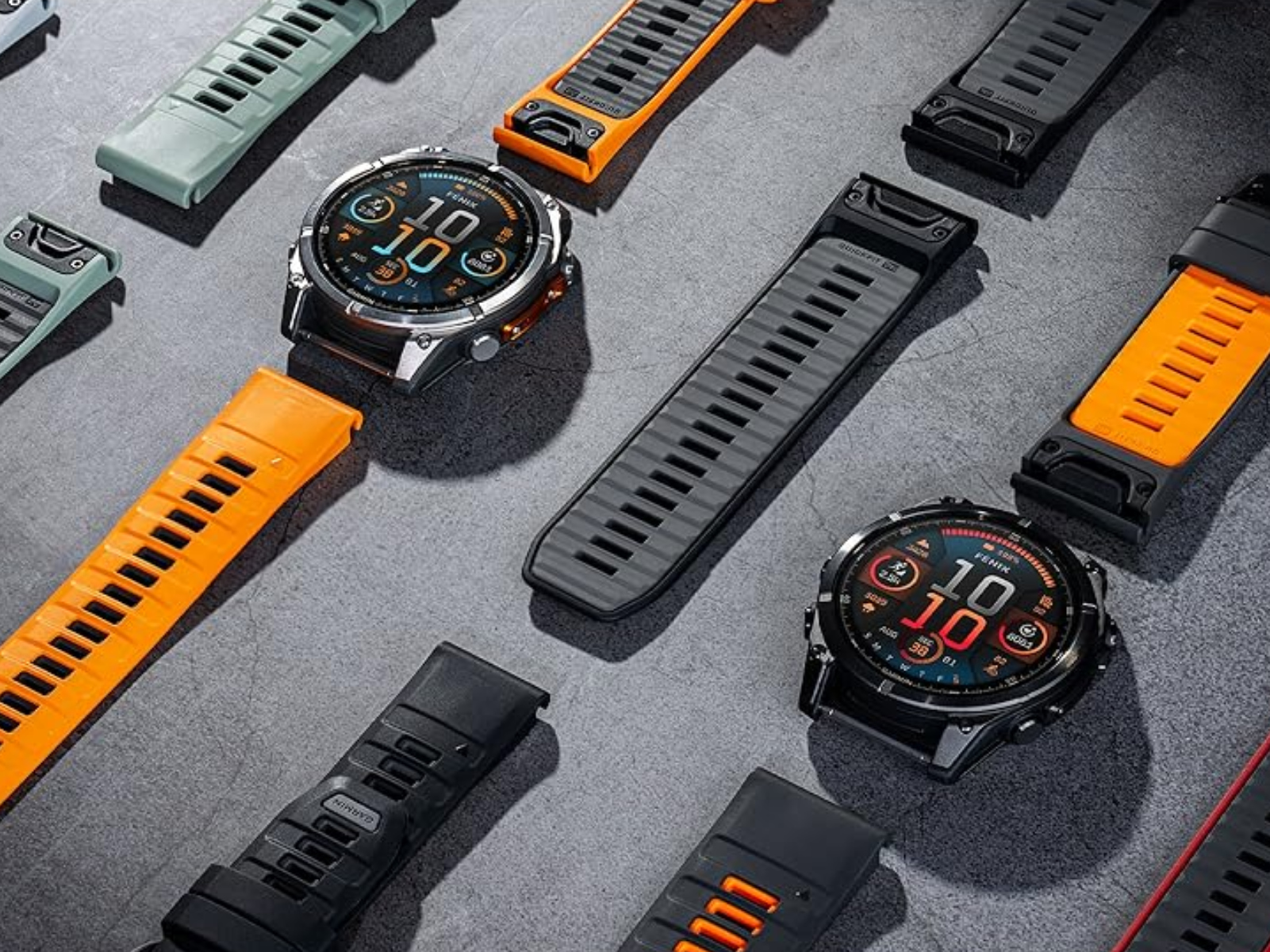
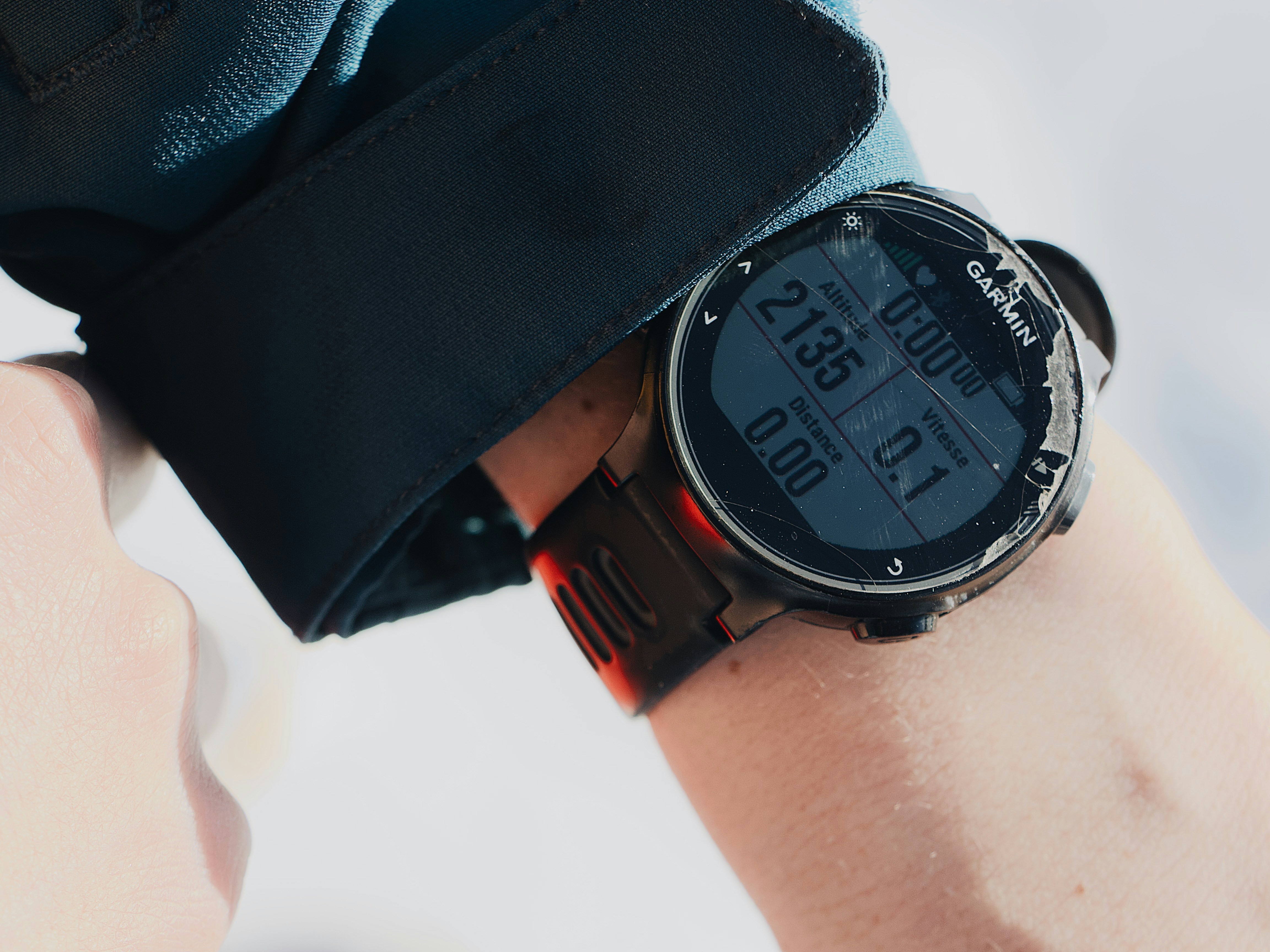
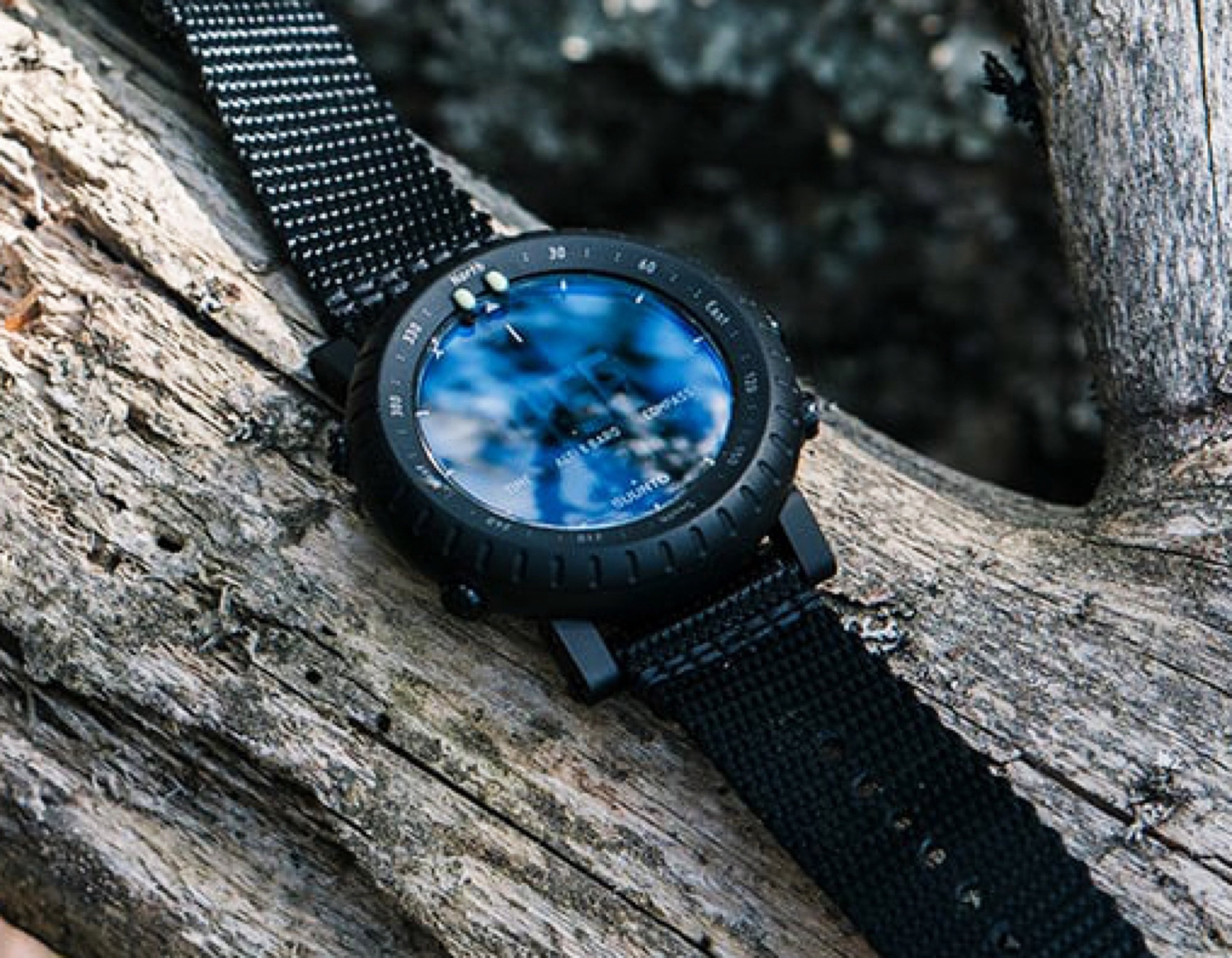
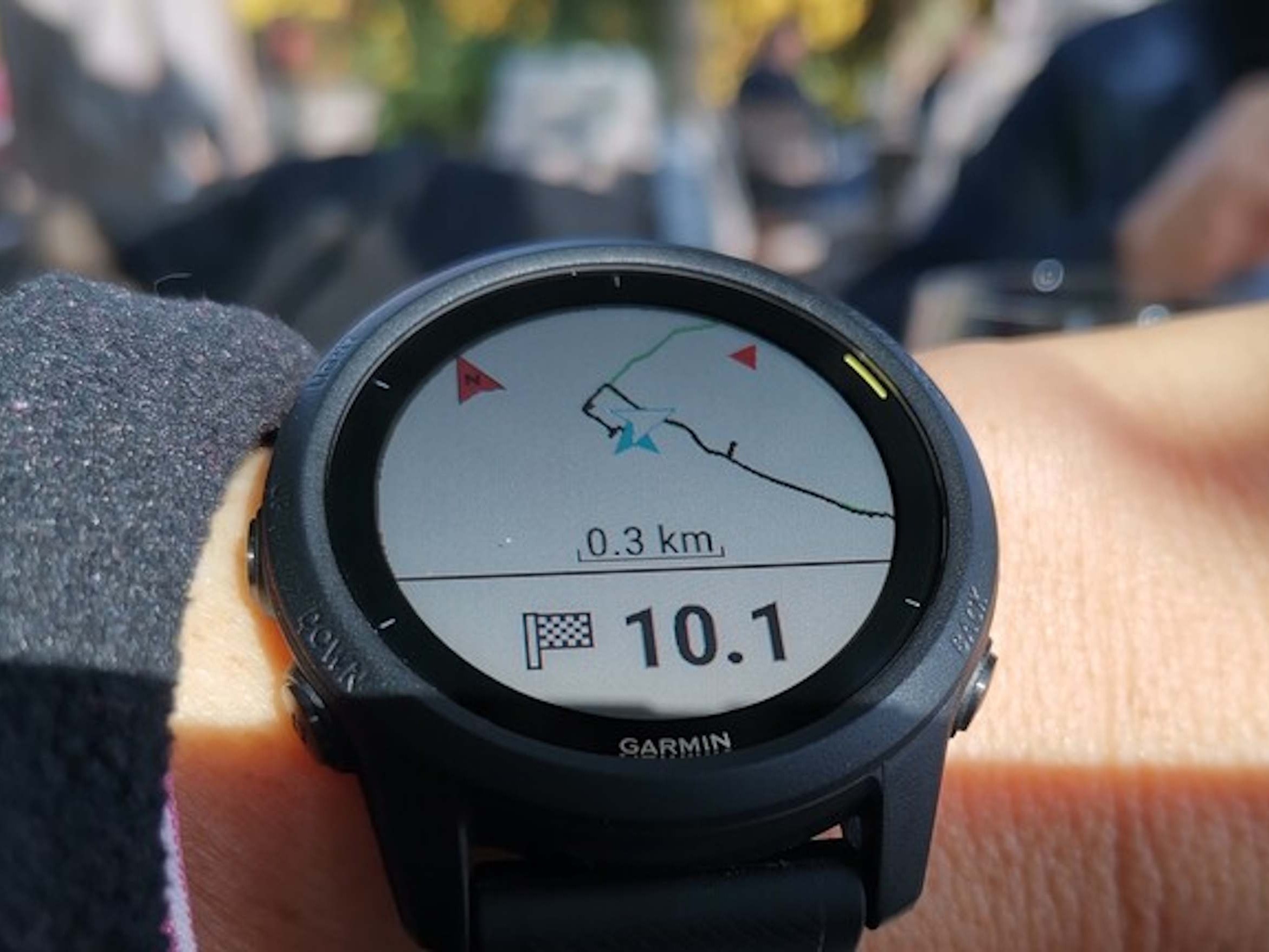
Garmin claims to have improved many of its high-end smartwatches with a new update. Available without needing to connect your Fenix 8 or Fenix 8 Pro to a computer, the new update is said to have refined the maps and Wi-Fi user experience for the Enduro 3 and Quatix 8, too.
Tesla has managed to deliver a sub-$30,000 car without compromises to North America thanks to the reduction of tariffs for Chinese cars in Canada. Imported from Tesla's Giga Shanghai factory, the Model 3 is now the cheapest it has ever been.
Amid accusations of vibe coding, questionable licensing and open-source practices, unwanted telemetry and unfair paywalling, many users are moving away from Booklore.
MSI has introduced a brand-new high-performance SBC (single-board computer), dubbed the MS-CF27. With up to 8-core Intel CPU and 32 GB of RAM, the 3.5-inch SBC offers a healthy set of features.
Samsung may actually be losing money on its new Galaxy S26 series. The phones have been on discount since day 1 and continue to be. Other Samsung devices such as the Galaxy A37 and Galaxy Z Flip7 have also received discounts. Phones from Google, OnePlus, Xiaomi, and Apple have received price cuts as well.
The Samsung Galaxy S26+ and the Galaxy S26 Ultra are on sale with a £170 discount. Notably, customers can also get £100 off at checkout. The Galaxy S26, on the other hand, is only eligible for the £100 off.
Samsung Galaxy...
Galaxy S26 Ultra may alter your 24MP camera setting to 12MP when you exit Pro mode, and Samsung’s going to investigate the issue.
Samsung has recently addressed a camera bug linked to the 24MP camera mode on the Galaxy S26 Ultra, but it now requires another patch due to the Pro mode behaviour.
A user reported in the Korean community that the Galaxy S26 Ultra is failing to preserve the 24MP camera setting when exiting Pro mode. This is despite the “Keep 24 MP resolution” toggle enabled inside the camera settings.
Galaxy S26 Ultra has a dedicated page for the 24MP camera. There are two options inside the settings; one lets you activate the 24MP resolution, while the second allows you to fix the 24MP resolution in the camera app.
Samsung’s moderator has responded to the user and thanked them for the feedback. The root cause will be investigated, and a patch will be provided if the team manages to reproduce the camera resolution problem.
Pro mode in Galaxy S26 Ultra has two resolution options: 12MP and 50MP. Earlier, users demanded the 24MP mode right in the Pro mode. This feature request is also under consideration and could be provided in the future.
With the second April update, Samsung patched the close-up camera issue. The smartphone is altering the entire picture. It was specifically happening while the 24MP resolution was enabled, and the shot was taken in close range.
May 2026 security patch should address the Pro mode bug, but it’s not very likely. If the update comes out in the next few days, the bug will stay unresolved.
The RAM crisis is expected to heavily influence smartphone pricing going forward, but apparently Apple won't be fazed by any of it. According to a new research note from analyst Jeff Pu, Apple is preparing some "aggressive pricing" for its upcoming iPhone 18 Pro and iPhone 18 Pro Max.
Unfortunately, Pu doesn't put a number on that, and leaves us speculating. But past reports from Ming-Chi Kuo have stated that both Pro models would start at the same prices as their predecessors.
In the US, that's $1,099 for the iPhone 18 Pro and $1,199 for the iPhone 18 Pro Max. Everything other than...
Nearly three months have passed since the official One UI 8.5 was unveiled, yet the update hasn’t arrived for older models. Well, May 2026 is going to be a crucial and exciting month for Samsung users awaiting a digital refresh.
One UI 8.5 was first unveiled in December 2025 as a Beta Program for Galaxy S25 series. Galaxy Z Fold 7 and Z Flip 7 joined the Beta in early 2026. April was an epic month for Samsung users, with several models joining the testing.
What makes May 2026 important
May 2026 is the month when Samsung will open the One UI 8.5 rollout. Starting with the Galaxy S25 series, it will expand to multiple models. The company may start the distribution on May 4, starting with the Galaxy S25 lineup.
One UI 8.5 Stable
April 30 was rumored as Stable update’s opening date in South Korea. The update didn’t arrive as rumored, and May 4 is the next tentative timeline. Canadian carriers also prepare to push new updates on the 9th of the month.
Galaxy S24 series, S23 series, Z Fold 6, Z Flip 6, Z Fold 5, and Z Flip 5 are also in the Beta Program. Additionally, Samsung invited the Galaxy S25 FE, S24 FE, and S23 FE, along with some budget phones and the Tab S11 tablets.
Devices that are in the Beta Program are highly anticipated to get the Stable update this month. The release may not arrive at the same time for all models. Users should expect a gradual expansion, with newer models in priority.
One UI 9 Beta
Soon after One UI 8.5 enters stable distribution, Samsung will fast-track the preparations for One UI 9 Beta, based on Android 17. Owners of the Galaxy S26 series may receive One UI 9 Beta by the end of May or the beginning of June.
This software will officially arrive with the Galaxy Z Fold 8 and Z Flip 8. Expect a Beta testing phase of almost four to five months. Stable One UI 9 update may begin rolling out to users sometime in September or October this year.
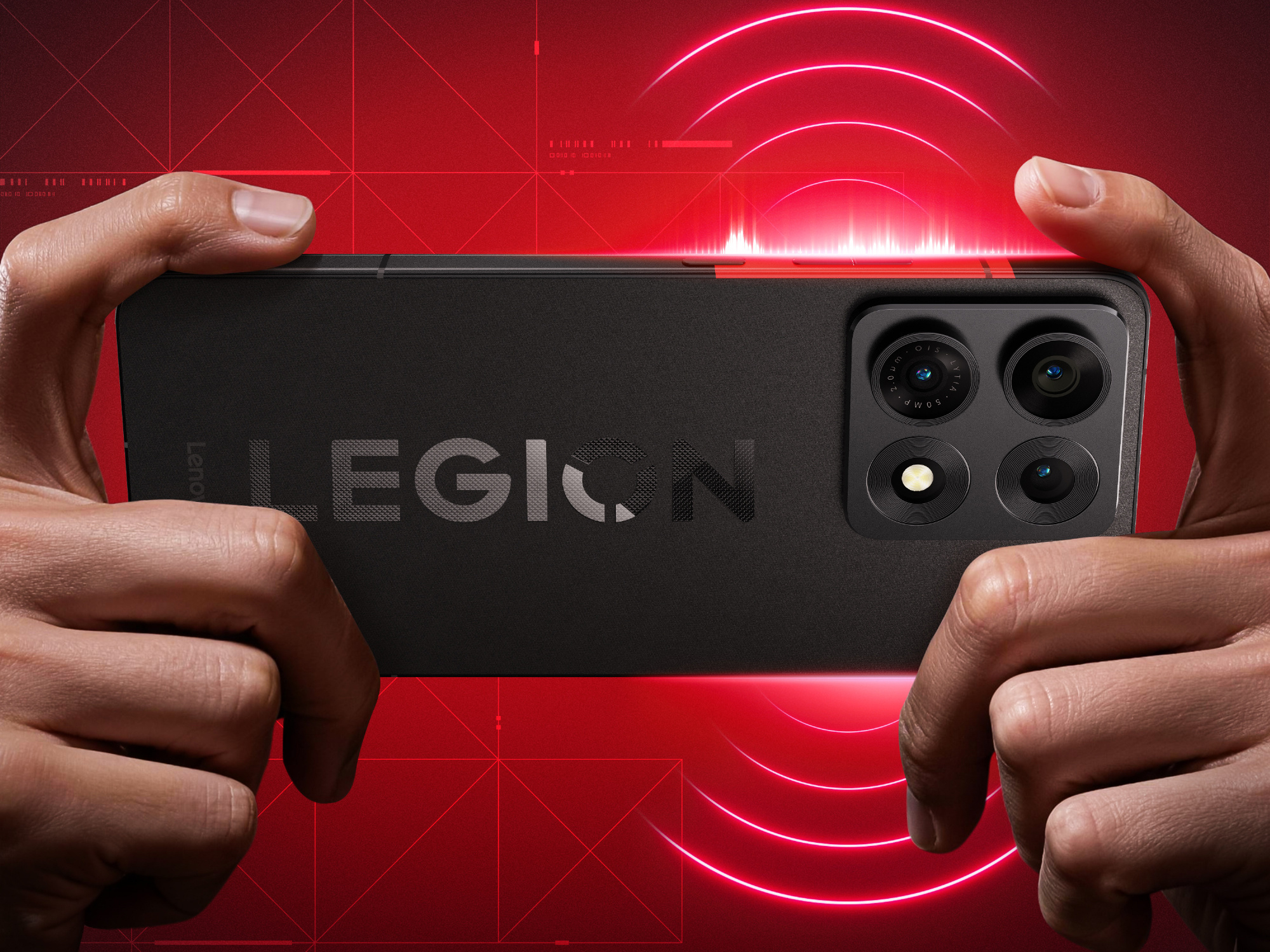
The Legion Y70 2026 gaming phone is Lenovo's attempt to revive its Legion-branded smartphone lineup, and it's set for a May 19 launch in China. With a new teaser, Lenovo has confirmed that the device will miss out on the top-tier chipset that rivals such as the RedMagic 11 Pro and iQOO 15 Ultra feature.
The London High Court in the UK ordered Samsung to pay ZTE a $392 lump sum in a global patent dispute. The court’s ruling on the global patent licensing battle came this Friday, requiring Samsung to pay a lump sum amount.
According to MLex, the UK High Court judge Richard Meade ruled that Samsung must pay a lump sum of $392 million after the company failed to renew the previous 2021 deal with ZTE.
Samsung requested the court to cap the payout at under $200 million. ZTE sought a huge payout of $731 million from Samsung. The determined payout is higher than Samsung’s request and lower than ZTE’s demand.
ZTE sued Samsung in Brazil, China, and Germany. Samsung, on the flip side, sued ZTE in London in December 2024, seeking a determination of the fair, reasonable, and non-discriminatory – or FRAND – terms of a patent licence.
Reuters reported that Samsung and ZTE declined to comment on the London court’s ruling. Meanwhile, the payout ruling is a blow to both companies, as it’s far worse than what was requested and sought in return.
England is a popular jurisdiction for patent litigation as it can set global FRAND terms, following a landmark 2020 UK Supreme Court ruling. The same is true for courts in China, where ZTE is separately seeking a ruling on FRAND terms.
The return of Exynos literally harmed Qualcomm’s Snapdragon chip share in the Galaxy S26 series, but the damage isn’t that significant.
Qualcomm still believes its relationship with Samsung is stable. Snapdragon still powers more than 70 percent of models in the Galaxy S26 series. The adoption rate of Samsung’s in-house Exynos chip is calculated to be around 30 percent.
Galaxy S26 Ultra is the highest-selling model in the lineup. Next comes the standard Galaxy S26, followed by the Galaxy S26 Plus. Ultra ships with Snapdragon globally, while the other two use Exynos in most countries.
Exynos 2600 is the world’s first mobile chip made using 2nm GAA technology. Qualcomm is reportedly opting for TSMC’s 2nm tech for the production of its upcoming Snapdragon 8 Elite Gen 6 series processors.
Samsung is working on Exynos 2700 for the Galaxy S27 series, but the next Ultra model is widely expected to retain a Snapdragon chip. Meanwhile, Exynos’ share may rise from the current 30 percent to around 50 percent.
Qualcomm and Samsung have signed a multi-year partnership. It is said that the MoU requires Samsung to continue using Qualcomm’s chip tech in its Ultra-tier flagship device; however, it’s not officially confirmed.
Early benchmarks of Exynos 2700 surfaced on Geekbench. The scores were nearly similar to Exynos 2600, showing stability. The performance will improve further as the development, which is ongoing, progresses.
Warhorse Studios addressed backlash over alleged AI-driven translation practices during a Reddit AMA, following outrage sparked by the departure of a Czech-to-English translator who said his role was being replaced by AI. The studio insisted AI is only used in early production, not in final game content, and said it is hiring human English translators while teasing a “huge immersive RPG” without confirming its identity.
Realme first launched the C100 in some parts of Asia earlier this month, and now the device is being listed in Europe left and right. It's priced at €269 with 128GB of storage and €299 with 256GB.
It will be up for grabs in Sprouting Green and Blooming Purple, with 4GB of RAM. In Europe, the phone has a battery with a rated capacity of 6,600 mAh, that's going to be advertised as a larger typical capacity as always happens, but it won't quite reach the 7,000 mAh its Asian sibling has.
Realme C100 in Sprouting Green and Blooming Purple
The rest of the European C100 is expected to...
Samsung Galaxy phones set to receive new software updates in Canada next week, which could be the One UI 8.5 too. Users are eagerly awaiting this update, as the Beta Program was just available in select countries.
Enthusiast theonecid posted a carrier’s software roadmap, which indicates that recent Samsung phones are scheduled to receive new updates in Canada on May 9, and the release is highly likely to bring One UI 8.5 features.
The chart mentions the S25 series, the Z Fold 7, and the Z Flip 7. Optimizations + Security Updates are mentioned as the potential content, but it won’t be simply a security booster, as the One UI 8.5 rollout is expected to start on May 4.
Apart from this, the Galaxy S25 Edge and Galaxy S25 FE are also listed. Samsung’s running Beta Program for the Galaxy S25 FE, meanwhile, there’s no such thing for the company’s first (and probably the last) slim phone.
One UI 8.5 comes with a slew of new features and a dynamic user interface. Samsung has also tailored select AI features from the Galaxy S26 series for the Galaxy S25 series, Z Fold 7, and Z Flip 7, and deployed them in Beta.
You get extended Quick Panel customization with the major update. Good Lock apps have also gained new tricks to elevate personalization and performance. The AirDrop connection for Quick Share is worth paying attention to.
One UI 8.5 was originally rumored to come out on April 30. Meanwhile, the Labour Day holiday in South Korea may have delayed the push. Now, the next tentative rollout date is May 4 for South Korea and select countries.
Samsung News app is gradually becoming Google Discover, with the latest update adding support for short-form video content in the US and UK.
On May 1, Samsung announced its collaboration with PA Media to introduce short-form video content on the Samsung News platform. Besides, the company says more updates are planned for 2026 and beyond.
Around 13 months ago, Samsung introduced the Samsung News app. It replaced the original Samsung Free app, which was a Discover alternative. The new platform allows you to curate your feed on the minus-1 screen.
Samsung believes the addition of short video marks a significant step toward delivering innovative, multi-media news experiences. Samsung will continue to explore new formats that bring information to life in innovative, accessible ways.
In recent years, Shorts and Reels have become pretty popular. They save users’ time and deliver the content instantly. The viewer is no longer required to tune into a lengthy video to get informed about the content.
Samsung News is getting short-video support in the US and UK. The feature offers audiences snackable, reliable updates that fit seamlessly into their daily routines.
PA Media will join a host of leading global video partners for Samsung News, including PEOPLE, Allrecipes, Eatingwell, Food & Wine, Byrdie, Travel + Leisure, and Entertainment Weekly.
More updates in 2026 and beyond
Following the launch in March 2025, Samsung News continues to evolve in new ways. The company revealed that more updates are planned for 2026 and beyond.
If you are a Samsung Galaxy user waiting for the next software update, you are not alone. Many people (thanks to the unconfirmed release date) have been checking their phones daily for the One UI 8.5 stable version.
Let me clear everything for you. Here’s a simple and clear update on where things stand with One UI 8.5 and the upcoming One UI 9 beta.
One UI 8.5 stable rollout:
Almost here. Samsung had planned to roll out the stable One UI 8.5 update on April 30 in South Korea for the Galaxy S25 series. But it got delayed by a day or two because of the Labour Day holiday on May 1.
As per latest information, the update hasn’t started yet. However, reliable sources say it should begin very soon, most likely on or around May 4, first in South Korea, followed by more markets including India, US, Europe, and others.
The Galaxy S25 series (S25, S25+, S25 Ultra, etc.) will see it first, as the S25 series has been in beta testing program for months. You can expect the rollout to spread fast in May to more devices. The Galaxy S24 series, recent foldables (Z Fold 7 / Z Flip 7), and many mid-range models like A-series should follow in the next few weeks.
To be excited, the One UI 8.5 update brings smoother animations, better AI features, easier sharing with iPhones, and some nice quality-of-life improvements.
One UI 9 Beta:
Still a few weeks away. Samsung is wrapping up the One UI 8.5 beta program, and the company has already started early internal testing for the next big version – One UI 9 (based on Android 17). A few S26 users have already installed and tested the leaked One UI 9 internal beta version.
The public beta (where regular users like you can try it) is expected to open in late May or early June 2026. It will probably start with the latest flagships first, the Galaxy S26 series. The full stable One UI 9 is likely to come around August 2026, probably launching with the new Galaxy Z Fold 8 and Z Flip 8.
While you are waiting for the notification to hit your phone, make sure your phone is backed up and has enough battery and storage.
You can continue checking the Samsung Members app, that’s where beta invites and update news usually appear first. If you are on a supported device, you might even get a notification soon.
Stay tuned, and I will keep you posted if anything changes. Which phone do you have? Drop a DM on our X handle @thesammyfans, and I can tell you when to expect your update.
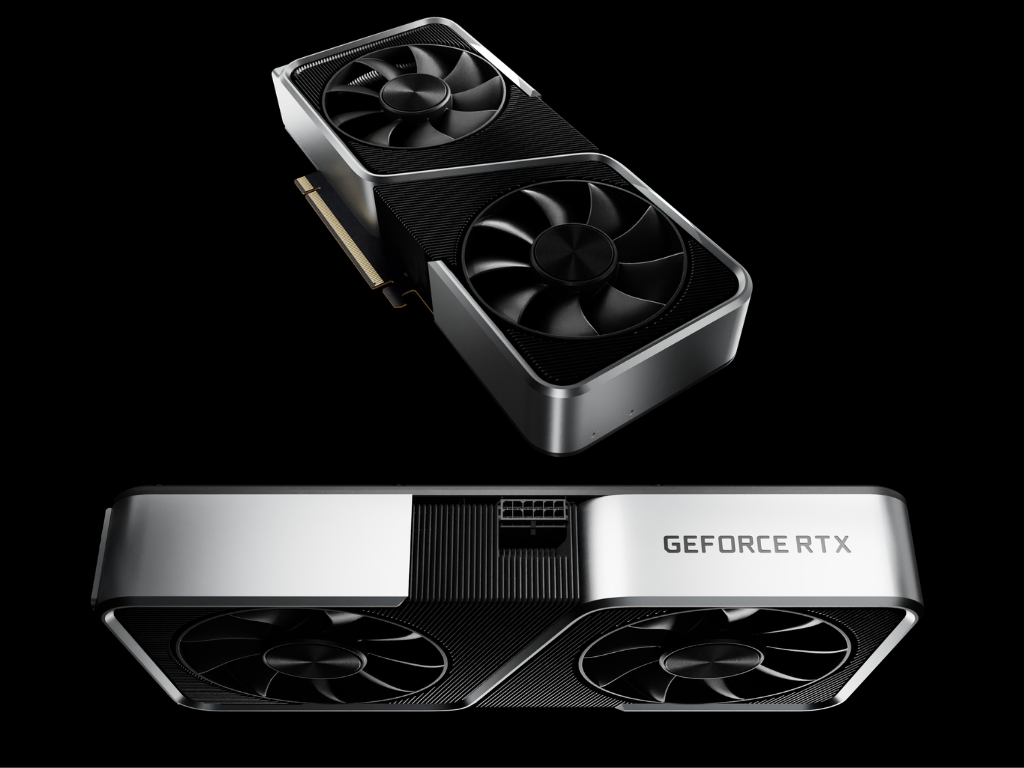
Reports from Chinese industry forums and leakers claim Nvidia will restart production of the GeForce RTX 3060 12GB in June 2026, with add-in board partners targeting a July launch to offset delays and uncertainty around an entry-level RTX 50-series release amid ongoing GPU and memory shortages. The move would rely on newly fabbed Samsung 8nm Ampere chips rather than clearing old stock, but pricing and supply remain key uncertainties that will determine whether the card can credibly serve budget buyers.
Reggie Fils-Aimé claims that Amazon made illegal requests to gain a competitive edge. The former Nintendo of America President says he refused the demands, which led to one of several disagreements. Later, Amazon didn’t list Switch 2 games or the console at launch due to rumored pricing disputes.
Reggie Fils-Aimé claims that Amazon made illegal requests to gain a competitive edge. The former Nintendo President says he refused the demands, which led to one of several disagreements. Later, Amazon didn’t list Switch 2 games or the console at launch due to rumored pricing disputes.
Next year the original iPhone turns 20 - or rather, it's the 20th anniversary of its launch, as we doubt any units are still around. Apple has long been rumored to be planning something special to mark the occasion, and a few days ago a report talked about a 20th anniversary iPhone coming with a quad-curved screen.
As it turns out, that won't be a special anniversary iPhone model - instead, that rumor was actually talking about a redesign coming to the Pro series. So the iPhone Pro and Pro Max released in 2027 will have that quad-curved screen design, which Chinese smartphone makers had...
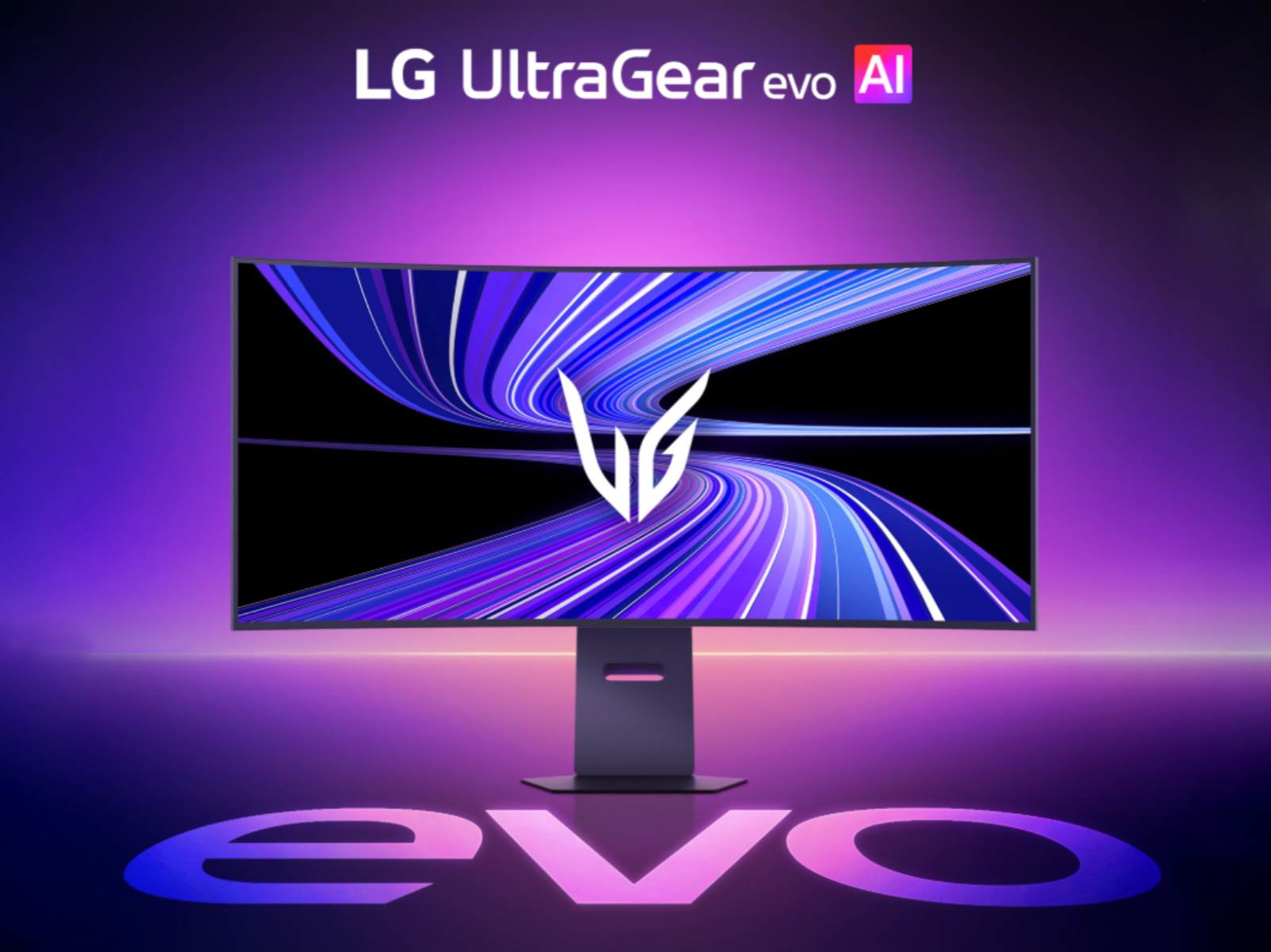
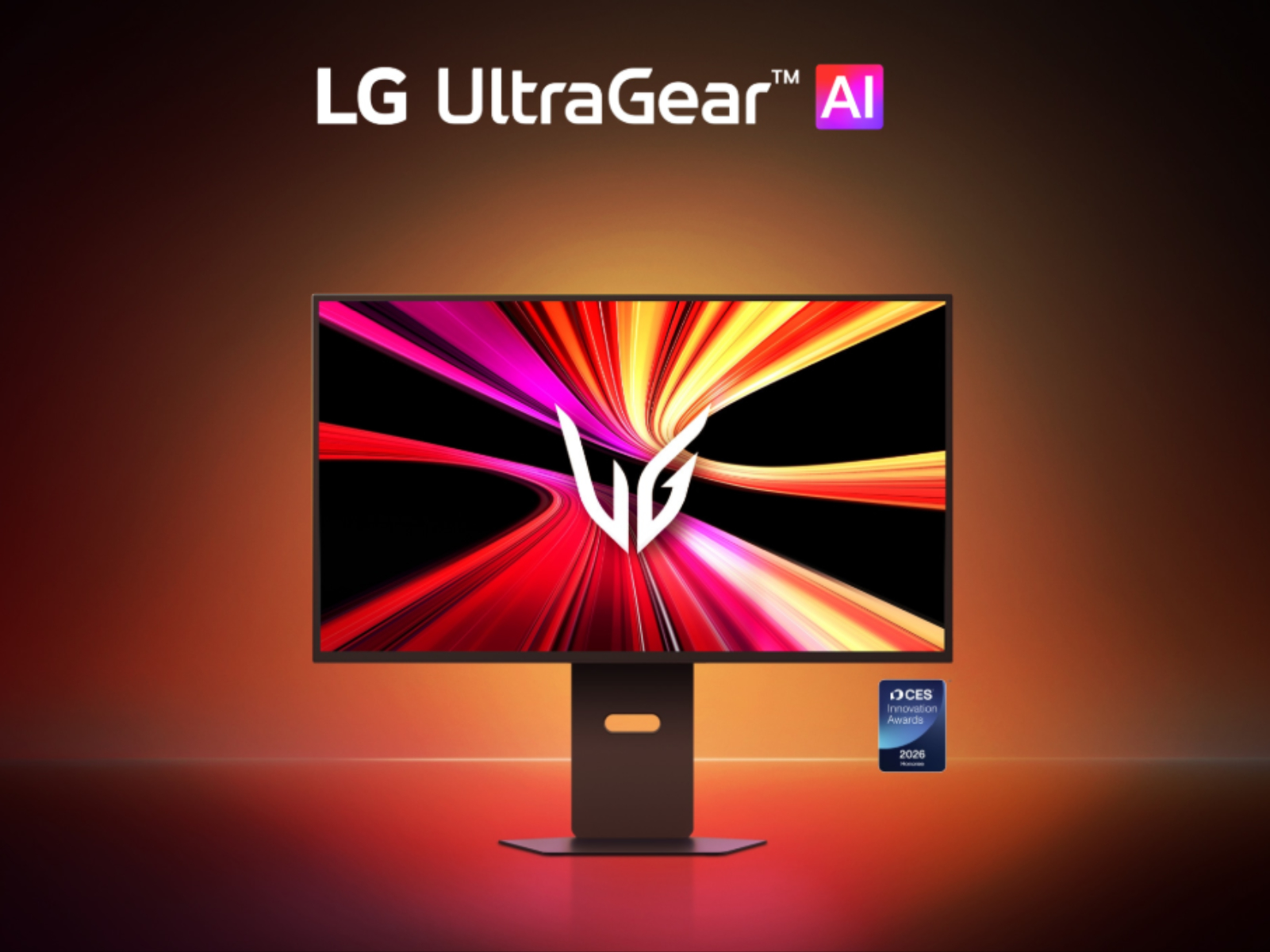
The UltraGear Evo 45GX950B is LG's latest 45-inch OLED gaming monitor. Equipped with a bright panel and Dual Mode refresh rate technology, the 45GX950B also boasts a built-in processor that can upscale games to its native 5K2K resolution.
LG has released a new 32-inch gaming monitor with two significant upgrades from its predecessor. Featuring a 4th Gen Tandemo Primary RGB Tandem OLED panel, the UltraGear 32GX870B is significantly cheaper than the older 32GX870A, too.
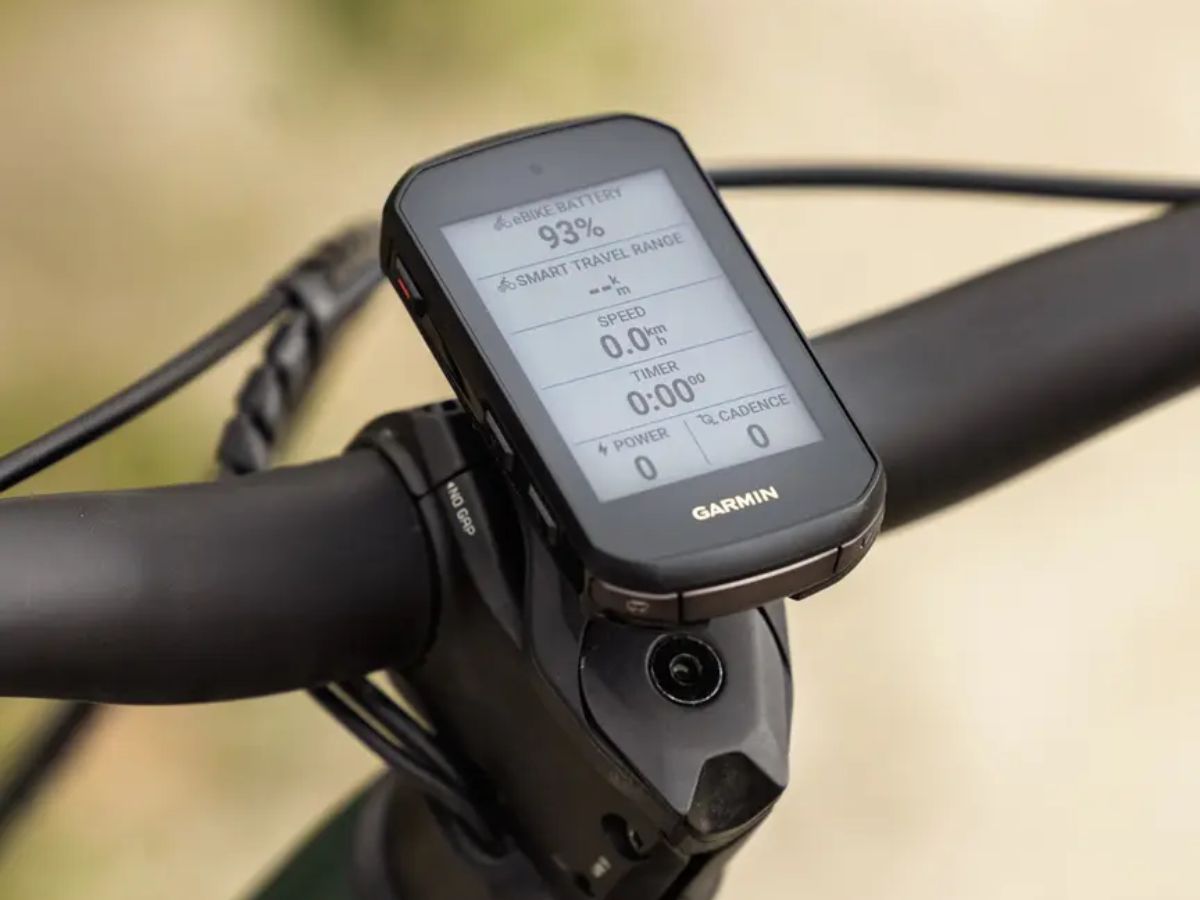
A new Garmin and Bosch integration has started to roll out. Currently in beta testing for users of the brand’s Edge bike computers, support for the Bosch smart system eBike allows you to view metrics like speed and remaining battery level on the accessory. Plus, the feature could roll out to Garmin smartwatches in the future.
Changes to the PlayStation DRM should not negatively impact most gamers. On the other hand, an insider expects Sony to conduct more online license verifications to prevent PS5 jailbreaks. Responding to new exploits, a 30-day check could deactivate pirated games or even brick consoles.
The M249 is CS2's most expensive weapon at $5,200 - and its most useless. With worse stats than guns half its price, zero pro pick rate, and a kill reward identical to budget rifles, Valve's forgotten LMG is less a weapon, more a $5,200 mistake.
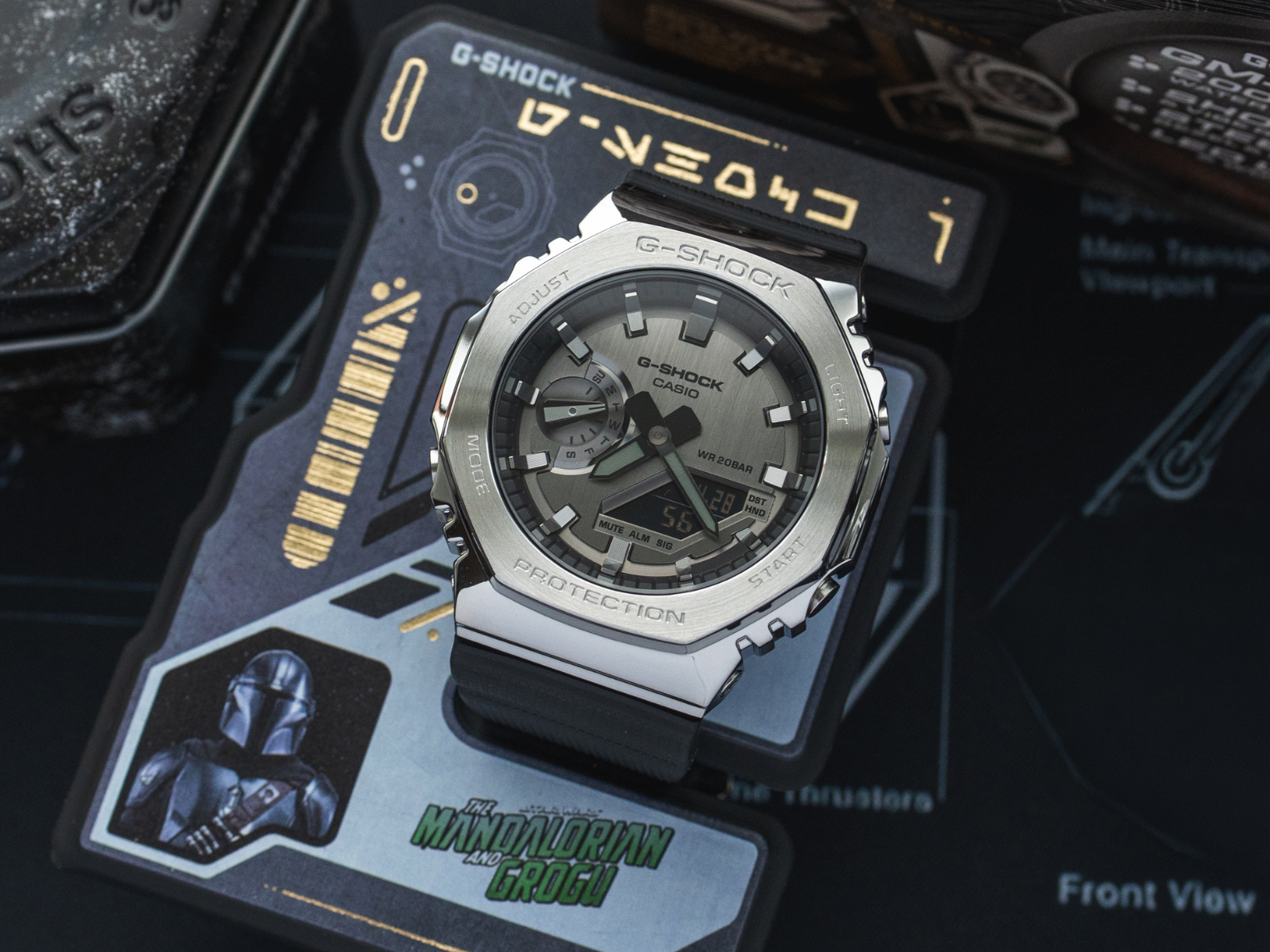
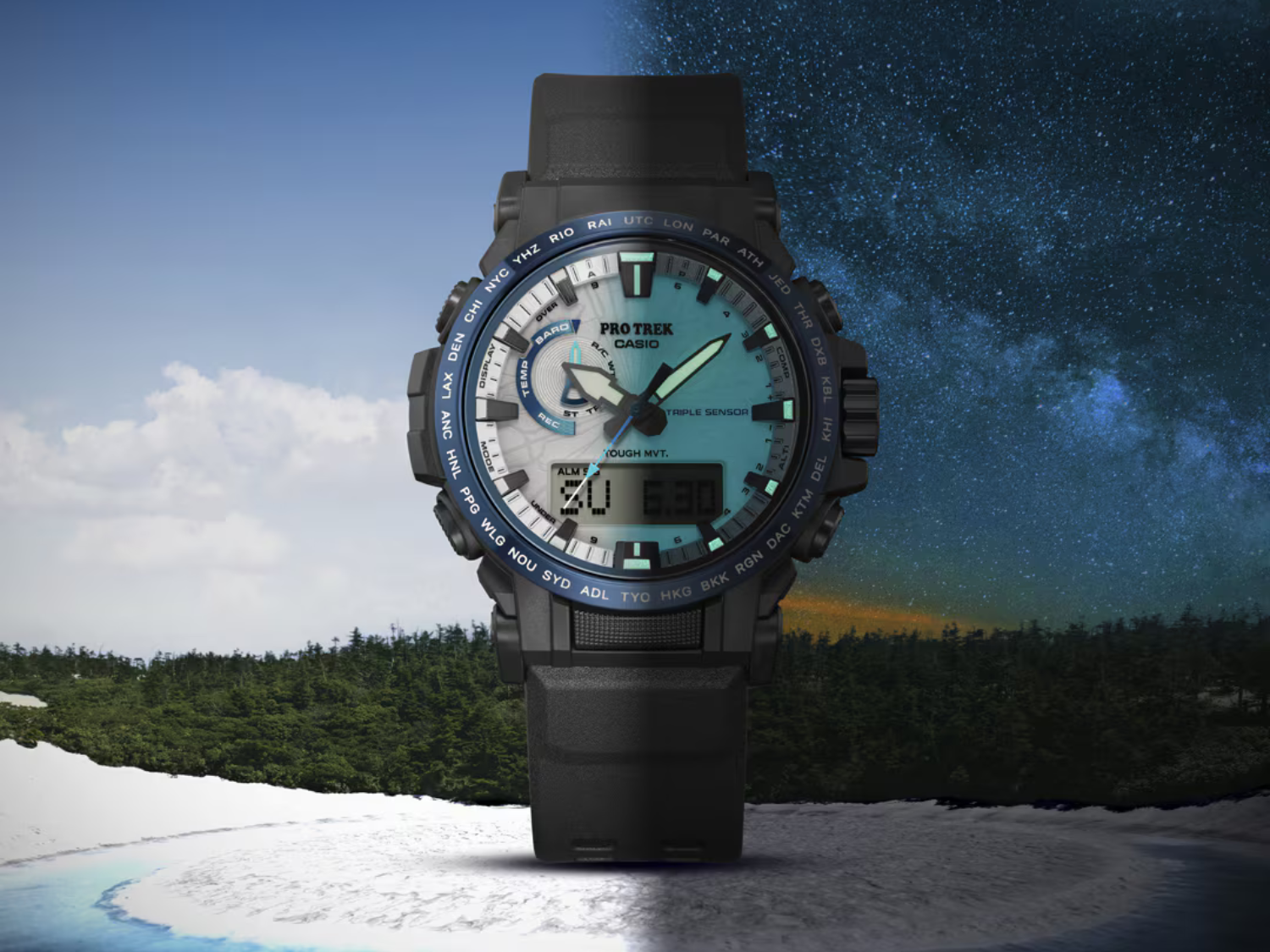
Casio’s Mandalorian-themed G-Shock GM2100-1ASW is now up for pre-order in the US at $220 after its release yesterday. Based on the GM-2100, it gets a Beskar-inspired metal bezel and includes a magnetic display stand, with release timed ahead of the May 22 film.
Fresh new report from top analyst suggest Apple will maintain a $1,099 starting price for the iPhone 18 Pro, defying rising industry memory costs. By utilizing an aggressive pricing strategy for base models while increasing costs for high-storage tiers, Apple aims to gain market share as Android competitors face supply-chain-driven price hikes.
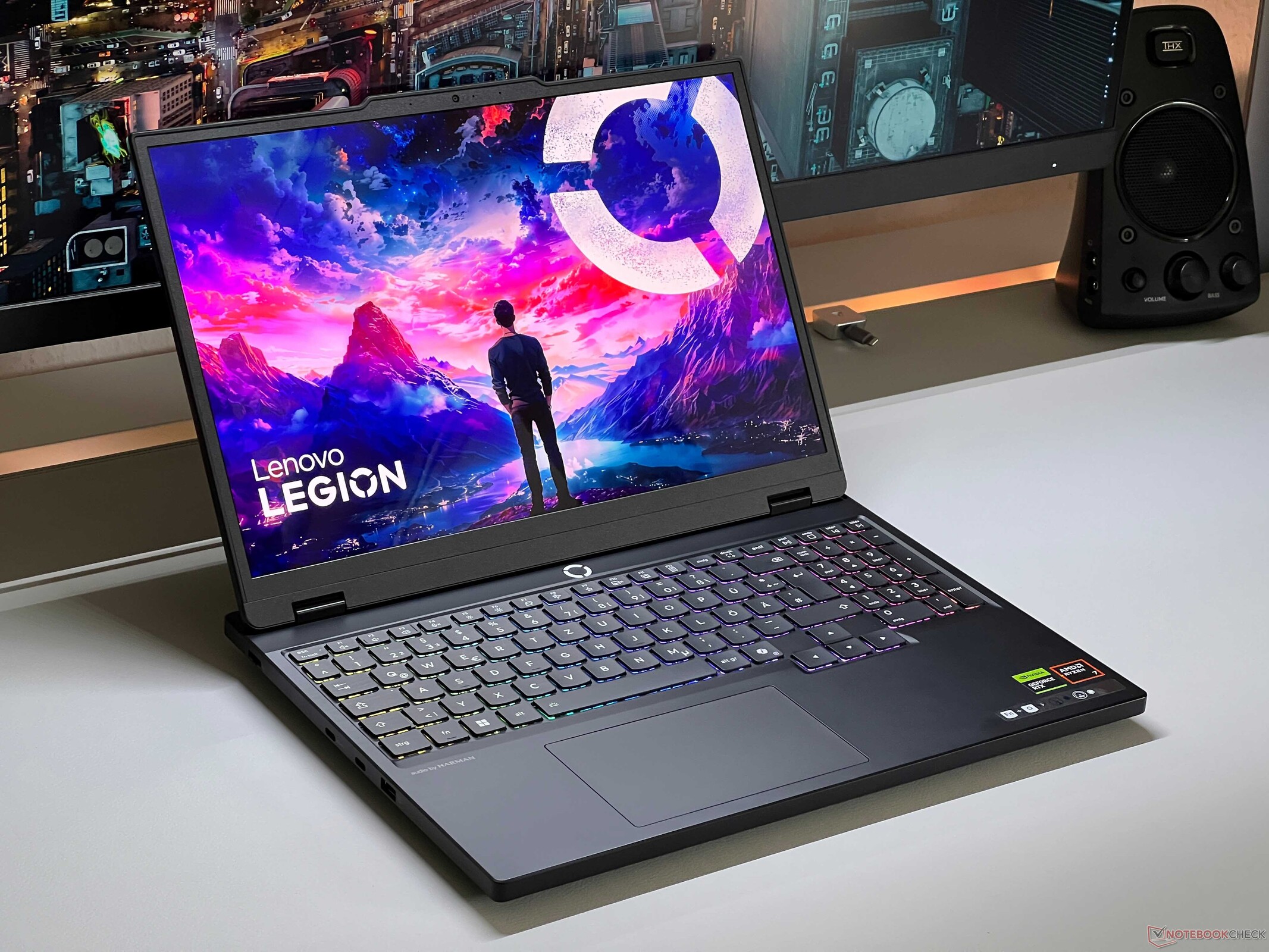
The latest flagship Lenovo runs almost 10 dB(A) quieter for a mere 10 percent graphics performance deficit which may be well worth the trade-off for most gamers.
Deal | The well-reviewed Lenovo Idea Tab Pro tablet is now available with a sizable 36% discount on Lenovo's official US online store, offering a great opportunity for budget tablet enthusiasts. The tablet sports a 12.7-inch 2.9K IPS display with a 144 Hz refresh rate and a powerful Dimensity 8300 SoC.
Spotify has started to verify non-AI artists, in a bid to increase "authenticity and trust for the artists behind the music". It's also a surefire way to imply that any artist who isn't verified is most likely AI.
The Verified by Spotify badge will signify that the artist in question has consistent listener activity and engagement over time, a good standing with Spotify's platform policies, and "an identifiable artist presence both on and off-platform, like concert dates, merch, and linked social accounts".
It goes without saying, but AI-generated or AI-persona artists are not...
Right after Gemini deployment, Android Auto widget support is finally starting to look like a real, usable feature rather than a half-finished experiment.
Early versions of Android Auto widget support felt unfinished. Digging into version 16.8.161804, Google has quietly reworked the entire experience, as discovered by Android Authority.
The internal codename “Earth” is gone. In its place, a much cleaner and user-facing label: Car Widgets. It sounds obvious, but naming matters. It signals this feature is moving closer to prime time.
Google uses a widget picker that mirrors the Android home screen experience. There’s a featured section, a full list of widgets, and even preview screens before placing anything on the dashboard.
Additionally, there’s the small detail that makes a big difference. A search bar now sits at the top. It sounds basic, but in a driving environment where speed matters, being able to quickly find a widget is critical.
Google I/O 2026 kicks off on May 19, and this is exactly the kind of feature Google likes to showcase on that stage. A more customizable, widget-driven car interface fits neatly into its larger Android story.
If that happens, Android Auto widgets could go from hidden code to public rollout pretty quickly.
Samsung Wallet now supports the MARTA Breeze transit card, bringing full fare access to compatible Galaxy devices across the Atlanta transit network in the US.
The integration taps into the Metropolitan Atlanta Rapid Transit Authority (MARTA), which operates buses, rail lines, and regional connections across the metro area.
With Breeze support now live, Samsung Galaxy users can store and use their transit cards directly on their phones, without a physical card.
Regional systems such as CobbLinc, Ride Gwinnett, Connect Douglas, and ATL Xpress are also part of the same ecosystem, meaning a single digital card can cover a wide portion of Atlanta’s commuter network.
How to setup Breeze inside Samsung Wallet
Users head into Samsung Wallet, navigate to the transit section, and search for Breeze. From there, they can either create a new virtual card or transfer an existing physical one by entering the required details.
Riders can pick from available fare options or regional passes, accept the terms, and complete the transaction using a saved payment method. Once done, the card appears in the Quick Access panel, ready for use.
Topping up is handled inside the wallet interface, where users enter an amount and confirm payment via debit or credit card. The experience mirrors what you would expect from a dedicated transit app.
Riders do not need to unlock their phone or open the app. This low-friction approach aligns with how transit systems worldwide are shifting toward open-loop and NFC-based ticketing.
Users can view card details, balances, and transaction history directly within the wallet. There is also support for backup and restoration, allowing a Breeze card to be transferred between Galaxy devices if needed.
This is another step in Samsung’s push to make its wallet a central hub for everyday essentials. With MARTA now onboard, Samsung is filling that gap in a key US metro and setting the stage for similar rollouts elsewhere.
A new report has shared that the rumored 20th anniversary iPhone could spawn a new design language for the Pro models. The special edition phone is expected to be revealed next year with quad-curved edges.
At the beginning of every month, AnTuTu publishes charts showing us which devices had the best average score the previous month. So now these are available for April. Keep in mind that these are averages, not high scores, and that only benchmarks completed in China count.
Without further ado, let's start with the flagship realm, where the iQOO 15 Ultra dominates, followed by the iQOO 15 and the RedMagic 11 Pro+. As you can see, the Realme GT 8 Pro was next, followed by the Oppo Find X9 Ultra, the OnePlus Ace 6 Ultra, the Honor Magic8 Pro, the Honor Magic8, and the vivo X300 Ultra....
The vivo S50 got unveiled in December alongside the S50 Pro mini, and today vivo also announced the S50t. Now, if you're wondering what's different in this model compared to the original S50, brace yourself, as it's just one detail and we're willing to bet you can't guess what.
If you said "the UFS storage version", then you're correct. The S50 uses UFS 4.1 storage, while the S50t goes with the older (and cheaper) UFS 3.1. That's it. That's the only difference. In every other respect, the two handsets are identical.
So, the S50t, like the S50, comes with a 6.59-inch 1260x2750 AMOLED...
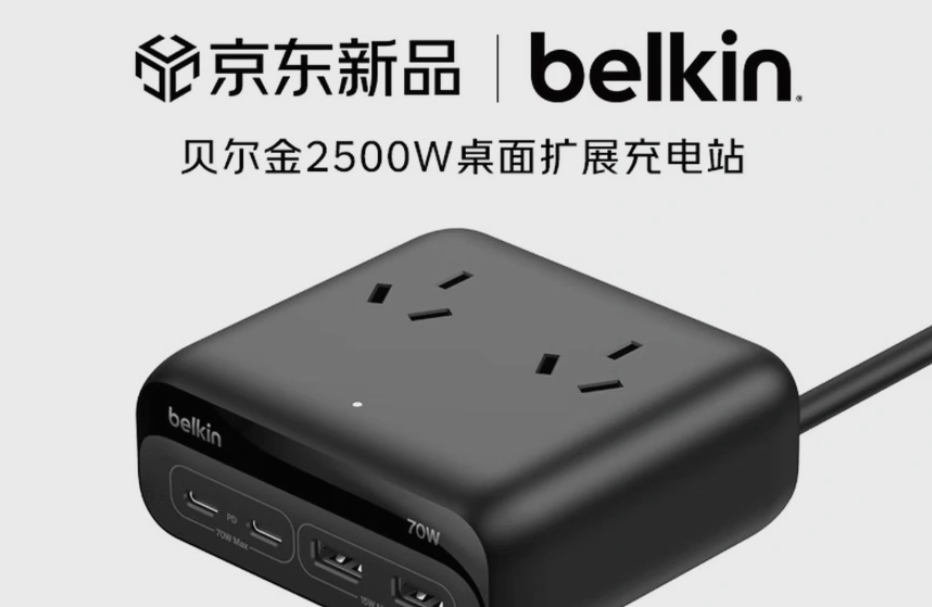
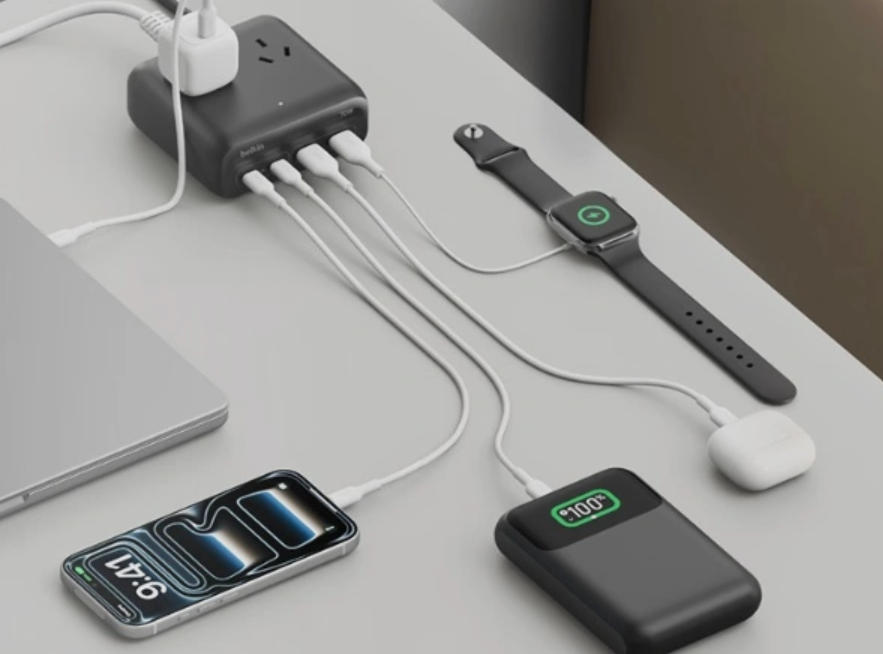
Belkin has introduced a new high-power desktop charging solution, expanding its range of multi-device chargers. The newly listed 2500W desktop charger is now available on JD.com for 329 yuan, with a slightly lower launch price of 326 yuan. This product is designed for users who need to power multiple devices at once without cluttering their workspace.
Compact Design with Multiple Ports
The charger features a compact desktop form factor with dimensions of 101 × 82.98 × 41.5 mm and comes in a matte black finish. Despite its small size, it offers a powerful and versatile setup. The front panel includes four USB ports, two USB-C ports rated at 70W each, and two USB-A ports offering 12W output. In addition, the charger includes three AC outlets, with two placed on the top and one at the back, making it suitable for both charging and powering devices.
High Power Output and Practical Features
One of the key highlights of this charger is its ability to support up to seven devices simultaneously. With a total power capacity of 2500W, it can handle everything from smartphones and laptops to household electronics. LED indicator lights on the top panel provide clear status updates, adding to its ease of use.
Low Power Alternative: 70W GaN Desktop Charger
Belkin’s 70W GaN 7-in-1 desktop charger (model SRZ001) offers a slightly lower power alternative. It also includes three AC outlets and four USB ports, with USB-C ports supporting up to 70W output and PPS charging. The device measures 96 × 83 × 42 mm, weighs 480 grams, and comes with a 1.5-meter cable.
Both chargers focus on convenience, multi-device support, and efficient power distribution. The 2500W model stands out for heavy-duty use, while the 70W GaN option is better suited for everyday charging needs.
Anker has introduced its first in-house AI chip platform called “Thus.” The new chip will officially debut on May 21, 2026, during its launch event in New York City. This marks the company’s move into custom silicon, focusing on bringing advanced AI features directly to compact devices like wireless earbuds.
Built for Speed and Efficiency
The Thus chip is based on Compute-in-Memory (CIM) architecture, which combines processing and memory into a single unit. Instead of moving data between separate components, it processes data where it is stored. This reduces latency, improves speed, and lowers power consumption, key for small, battery-powered devices. Anker claims the chip delivers up to 150× more AI computing power compared to its earlier audio products.
Smarter Audio with On-Device AI
A major highlight of the Thus chip is real-time AI processing directly on the device. This allows features like noise cancellation and voice enhancement to work faster without relying on cloud processing. It also improves privacy and ensures more stable performance in different environments.
First Product: AI-Powered Earbuds
The chip will first appear in a new flagship pair of earbuds launching alongside it. These earbuds are expected to feature advanced “Clear Calls” technology using AI-based environmental noise cancellation. The setup includes eight microphones and bone-conduction sensors to filter background noise and improve call clarity.
Anker plans to expand the Thus chip beyond audio products into mobile accessories and other smart devices. The goal is to bring faster, more efficient on-device AI to a wider range of everyday products.
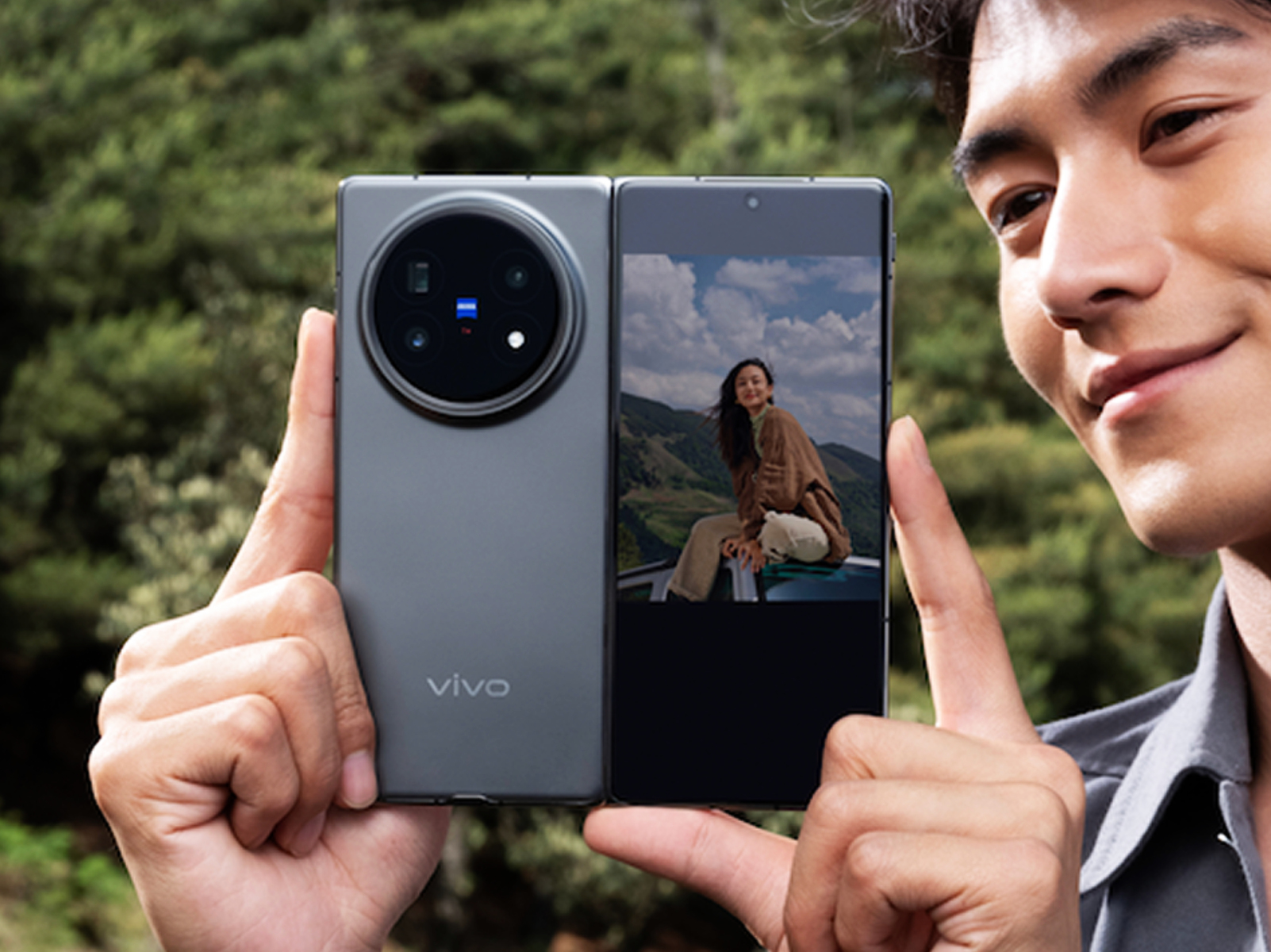
Vivo has quietly launched the Vivo S50t smartphone in China. It may seem like a new smartphone altogether, but it’s essentially a reworked version of the Vivo S50 launched late in 2025. The differences are small. You might even miss them.
The biggest change is under the hood. Vivo has swapped faster UFS 4.1 storage for UFS 3.1 here. That’s not the kind of downgrade you’ll notice immediately in day-to-day use. Everything else remains largely intact.
The small storage change also affects the price. The 12GB RAM and 512GB storage model starts at 3,299 yuan, though it drops to 3,199 yuan for a limited time. The 16GB + 512GB version comes in at 3,599 yuan. The Vivo S50, in comparison, costs around 100 yuan for the 12/512GB variant.
Vivo S50t Specifications
The design hasn’t changed much either. The phone keeps a slim profile, measuring as thin as 7.49mm in some color options, with a satin-finish glass back and an aluminum frame. Vivo is offering it in four finishes: Confession, Serenity Blue, Inspiration Purple, and Space Black.
The display is a 6.59-inch AMOLED panel with a 1.5K resolution and support for 120Hz refresh rate, along with HDR and a P3 color gamut. It also has some eye-comfort features, including low blue light tech and high-frequency PWM dimming.
Inside, the phone runs on the Snapdragon 8s Gen 3 chip, paired with LPDDR5X RAM. It ships with OriginOS 6 based on Android 16. There’s also a large 6,500mAh battery, while the charging is capped at 90W wired, with no wireless charging support.
As for the camera, the rear setup includes a 50MP main sensor, an 8MP ultra-wide, and a 50MP periscope telephoto lens using Sony’s IMX882 sensor. The selfie is a 50MP unit. Both the front and rear cameras include dedicated flash units.
Other features include an ultrasonic fingerprint sensor, Wi-Fi 6, NFC, Bluetooth 5.4, and a range of standard sensors. There’s also an IR blaster and an X-axis linear motor.
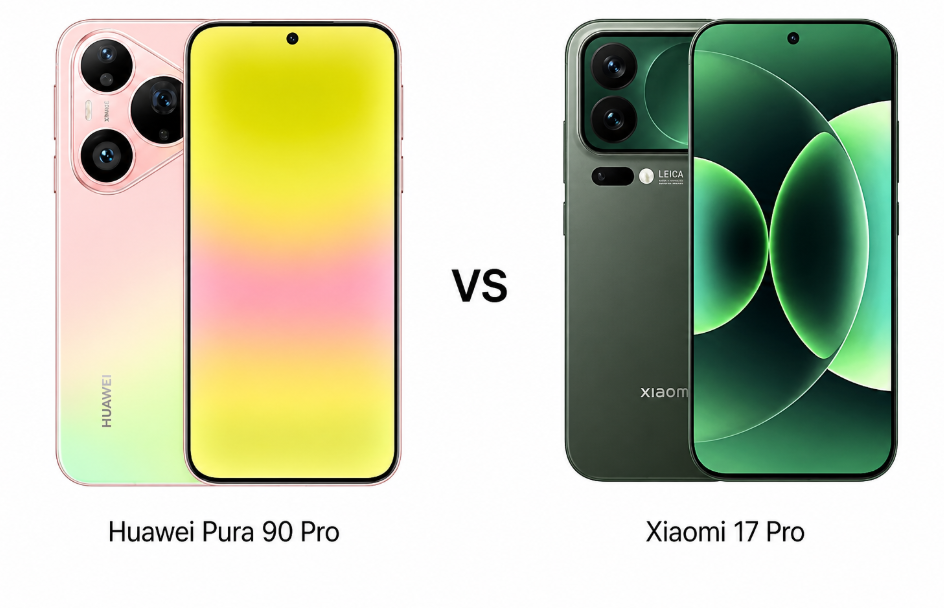
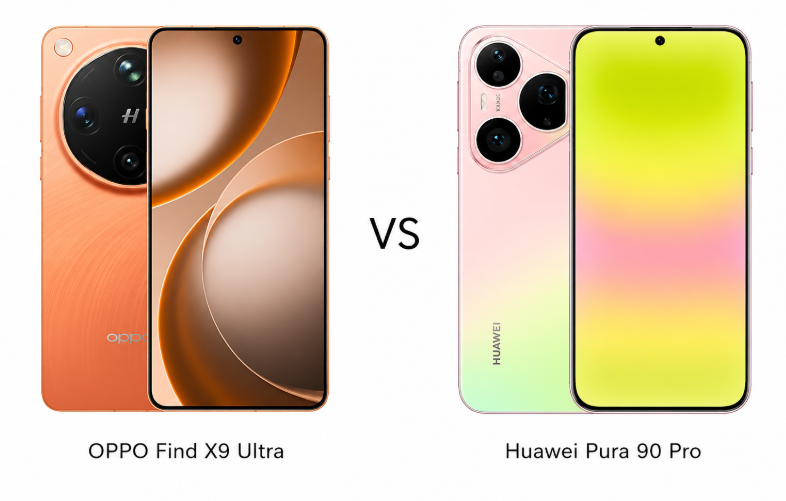
Two flagship phones, two very different approaches to what a premium smartphone should be. The Huawei Pura 90 Pro leans into durability, refined camera control, and a polished ecosystem, while the Xiaomi 17 Pro goes all-in on cutting-edge hardware, performance, and standout features. This comparison matters for buyers deciding between reliability and raw innovation. With both devices sitting in a similar price bracket, the real question isn’t just which is better on paper, but which one actually delivers more value in everyday use.
Please note: Huawei Pura 90 Pro is expected to launch in the second week of May, so some specifications may still change or be refined closer to the official launch.
Disclaimer: Specs are based on available data. Actual performance may vary. Verify details from official sources before buying.
Design and Display
Build and Feel
Both phones use premium materials with glass and aluminum, but the experience differs slightly. The Huawei Pura 90 Pro feels more rugged with IP68/IP69 protection, giving it an edge in durability under harsher conditions. The Xiaomi 17 Pro, while also IP68 rated, focuses more on refinement with its Dragon Crystal Glass and slightly more modern finish. Xiaomi also introduces a secondary rear display, which adds a unique functional touch. Huawei leans toward a solid, dependable flagship feel, while Xiaomi feels more experimental and feature-rich.
Display Quality
Huawei offers a sharp LTPO OLED panel with smooth 120Hz refresh and balanced color output. However, Xiaomi pushes things further with higher brightness, Dolby Vision, HDR10+, and a much higher PWM dimming rate. The display feels more vibrant and versatile, especially for HDR content. The secondary display also adds usability benefits that stand out in daily use.
Verdict
Xiaomi 17 Pro delivers a more advanced and feature-packed display, while Huawei focuses on durability and consistency.
Specifications Including Battery
Performance
Huawei’s Kirin 9030S is capable of everyday tasks and optimized for HarmonyOS, but Xiaomi’s Snapdragon 8 Elite Gen 5 is on another level. It delivers significantly higher performance, better efficiency, and stronger GPU output for gaming and heavy workloads. The Xiaomi feels faster and more future-proof, especially with UFS 4.1 storage. Huawei remains smooth, but Xiaomi clearly targets power users.
Battery and Charging
Both phones offer large batteries, but Xiaomi takes the lead with a bigger capacity and much faster 100W wired charging. Wireless charging is equal on paper, but Xiaomi’s reverse wireless charging is far more powerful. Huawei still offers reliable endurance, but Xiaomi feels more aggressive and convenient for fast top-ups.
Verdict
Xiaomi 17 Pro dominates in performance and charging, making it the better choice for demanding users.
Camera
Main and Secondary Lenses
Huawei focuses on versatility with a variable aperture main sensor and strong 4x telephoto performance. It excels in controlled lighting and offers consistent image quality. Xiaomi, however, brings a more advanced camera system with a larger sensor, 5x periscope zoom, and Leica tuning. It also supports 8K recording and more advanced video formats, making it feel more complete. Xiaomi’s setup feels more flexible and modern overall.
Selfie Camera
Huawei’s 13MP ultrawide selfie camera is functional and supports 4K video, but Xiaomi’s 50MP front camera offers far more detail and better versatility. It feels more aligned with current flagship expectations, especially for content creators.
Verdict
Xiaomi 17 Pro delivers a more powerful and versatile camera system, while Huawei focuses on consistency and control.
Pricing
The Huawei Pura 90 Pro is priced at around $800 (₹75,000), while the Xiaomi 17 Pro comes in lower at about $700 (₹62,000). This creates a noticeable price gap despite Xiaomi offering more advanced hardware in several areas.
Is the Price Justified?
Huawei justifies its price with durability, optimized software, and a refined camera experience. However, Xiaomi clearly offers more aggressive value with a stronger chipset, better display, faster charging, and more advanced camera capabilities. The pricing strategy makes Xiaomi feel like a more competitive flagship option.
Verdict
Xiaomi 17 Pro offers significantly better value for money, while Huawei feels slightly overpriced for what it delivers.
Disclaimer: Prices are approximate and may vary based on country, region, launch timing, and applicable taxes. Always check whether the listed price is for a China unit or a global/international variant when purchasing.
Conclusion
Huawei stands out with its rugged IP69 rating, satellite messaging support, and variable aperture camera, which gives it a unique edge in durability and photography control. Xiaomi, on the other hand, pushes innovation with a secondary rear display, top-tier chipset, advanced video capabilities, and ultra-fast charging. It feels more forward-looking and feature-packed overall.
Verdict
Huawei Pura 90 Pro is ideal for users who prioritize durability and stable performance. Xiaomi 17 Pro is the better all-around flagship with stronger performance, better features, and higher value, making it the more sensible choice for most users.
Disclaimer: This comparison is based on the specifications provided and is intended for general informational purposes. Actual performance, camera results, battery life, and overall experience may vary depending on real-world usage, software updates, and individual preferences.
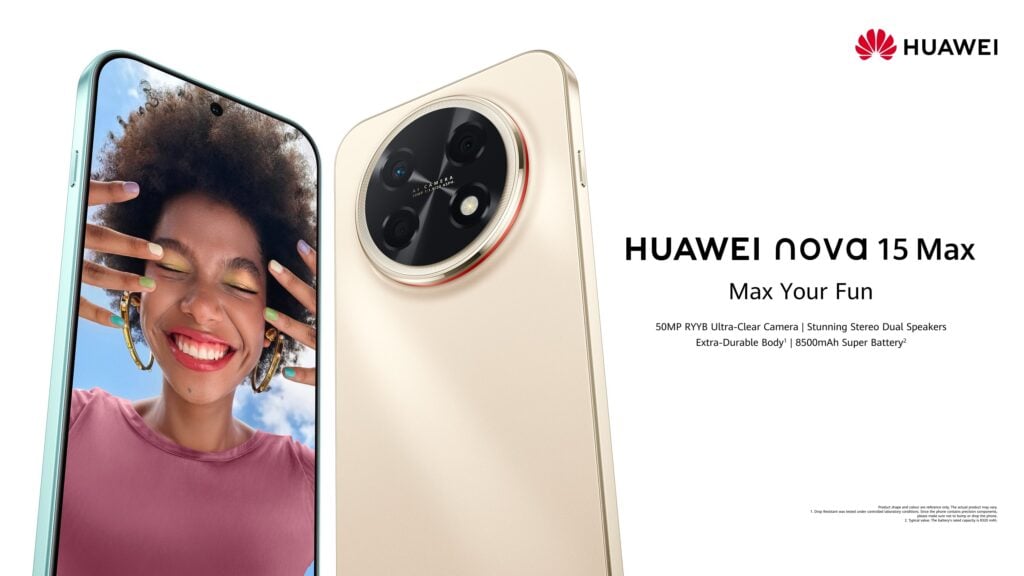
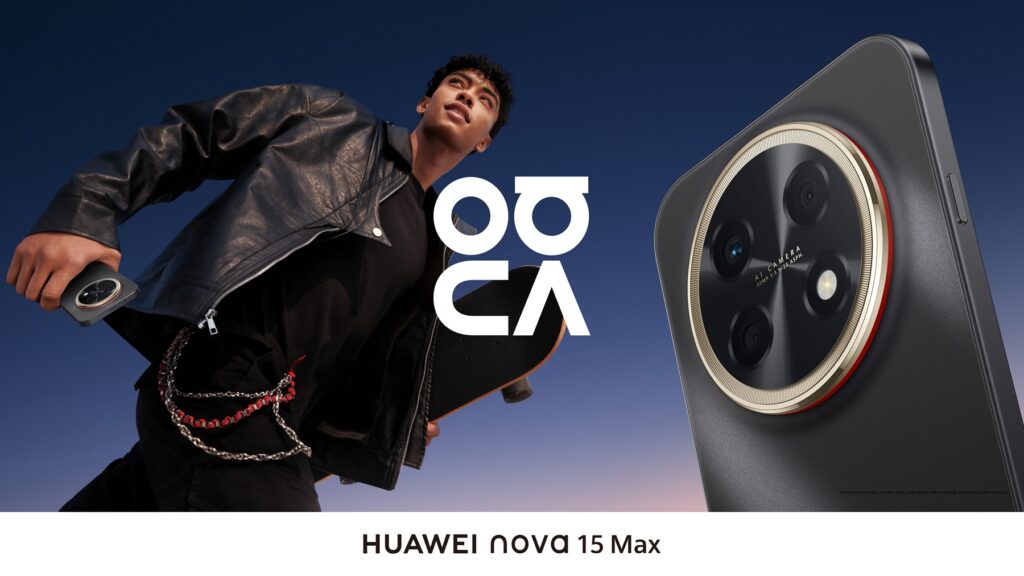
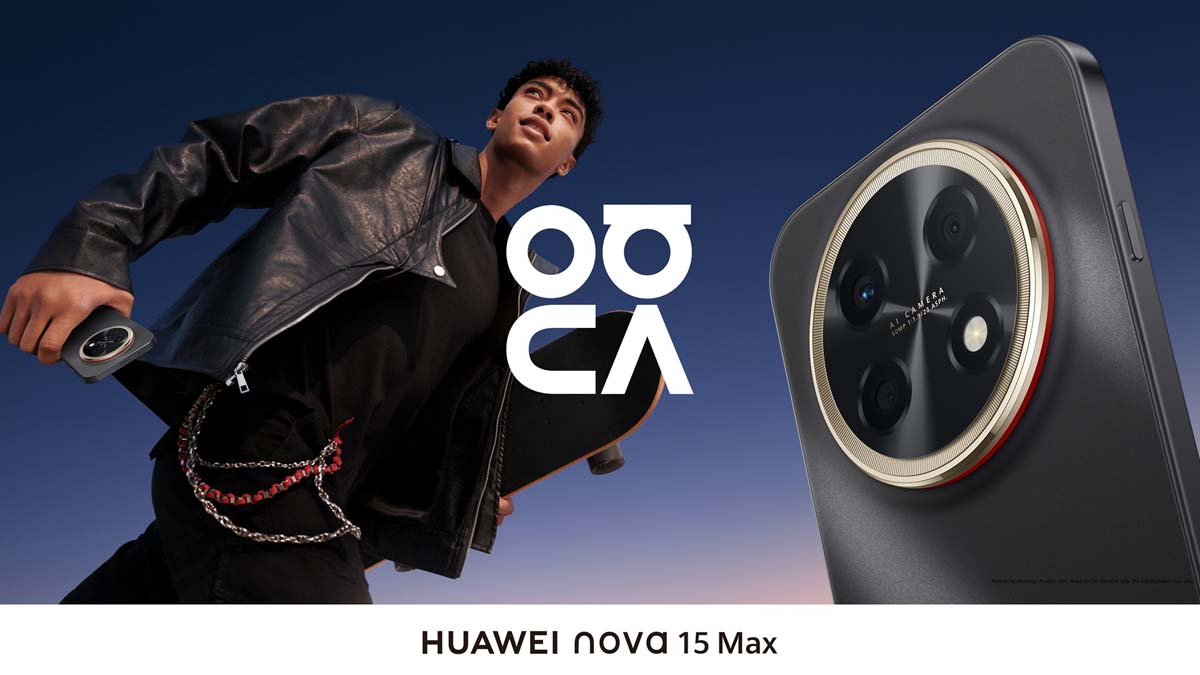
Huawei has started teasing the Nova 15 Max, confirming it will be unveiled at a global launch event in Bangkok on May 7, 2026. The phone will join the rest of the Nova 15 lineup, which already includes the standard, Pro, and Ultra models that debuted in China late last year.
The company has already shared a few official images and some early details. The Nova 15 Max is set to pack a massive 8,500mAh battery pack, which is unusually large even by current standards. If it performs as expected, it could easily stretch beyond a full day, possibly even two for lighter users.
Huawei is also highlighting a 50MP RYYB main camera, which should help with low-light performance, along with stereo speakers. The design is very different compared to the rest of the Nova 15 series, at least from what has been shown so far. Color options have been confirmed as well.
The Nova 15 Max is expected to be closely related to the Enjoy 90 Pro Max, which launched in China earlier this year. That device comes with a 6.84-inch AMOLED display, Kirin 8000 chipset, 40W charging, and basic but usable cameras.
So this looks like a familiar strategy. Take an existing model, tweak it slightly, and position it for global markets under a different name. In this case, the big selling point is clearly battery life.
The phone is expected to sit somewhere in the mid-range segment, aimed at users who care more about endurance and screen size than flagship-level performance.
Huawei is also expected to announce a few other products at the same event, including the Watch Fit 5 series and a new MatePad Pro Max tablet, so May 7 could end up being fairly packed.
With the launch just around the corner, more details around pricing, storage variants, and availability should not be too far away. If the battery holds up in real use, the Nova 15 Max could end up being one of the more interesting endurance-focused phones this year.
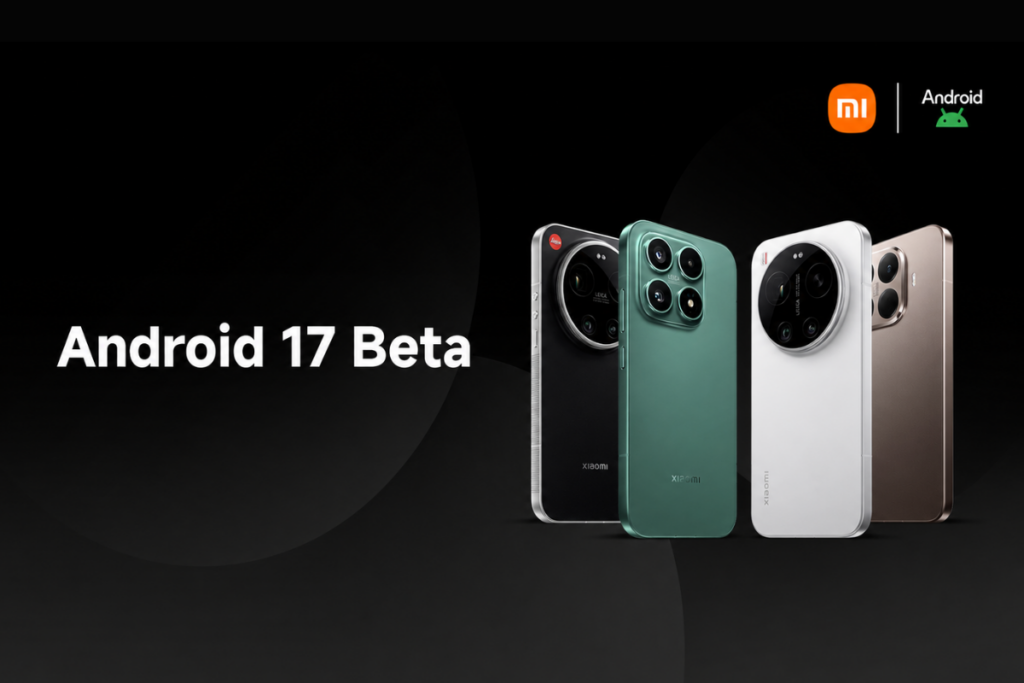
Xiaomi’s Android 17 Developer Preview program has just gone live, and it brings an unexpected upgrade to HyperOS 3.3. The company has restricted the beta program’s access to a limited number of high-end smartphones initially, with broader device support coming in the near future.
The Developer Preview program is currently available for four Xiaomi devices: Xiaomi 17, Xiaomi 17 Ultra, Xiaomi 15T Pro, and Leica Leitzphone powered by Xiaomi. If you’re rocking any of these devices, you can sign up for the testing program and get access to the upcoming features and upgrade well ahead of the public release. This release, however, signals a major shift in Xiaomi’s naming strategy for its HyperOS skin.
As spotted by Ximi Time, the Android 17 beta build for Xiaomi devices comes with HyperOS 3.3, skipping HyperOS 3.2 for some reason. This suggests Xiaomi won’t make the jump to HyperOS 4 but will pair HyperOS 3.3 with Android 17.
How to get Android 17 beta on your Xiaomi device
Remember that beta builds are prone to having bugs or unfinished features. Some apps may face compatibility issues. Therefore, it’s best to avoid such builds altogether or install them on a secondary device.
Before installing a beta build, it’s highly recommended to back up important data to cloud storage or copy it to a different device to be on the safe side.
Step 1: Ensure your phone is running the required firmware version.
Xiaomi 17: OS3.0.301.0.WPCMIXM
Xiaomi 17 Ultra: OS3.0.9.0.WPAMIXM
Leica Leitzphone powered by Xiaomi: OS3.0.9.0.WPAMIXM
Xiaomi 15T Pro: OS3.0.11.0.WOSMIXM
Step 2: Download the correct Android 17 beta build for your Xiaomi phone.
Step 3: Copy the downloaded ROM upgrade ZIP file to the internal storage (if it isn’t there already)
Step 4: Go to Settings > About phone > tap the Xiaomi HyperOS logo at the top of the page.
Step 5: Tap Xiaomi HyperOS at the top for 10 times > click the three-dots icon in the top-right corner > select Choose update package.
Step 6: Select the ROM upgrade file you downloaded in step 2 and install it.
This is a major upgrade, and so the installation time could be longer. It’s best to charge your device at least 40% before the installation. Also, ensure the device has at least 10GB of free space for a smoother installation and better performance.
If you face major issues or want to revert to a previous stable build for any reason, you can download the required firmware using the links given below and flash it on your phone the same way. However, this could result in data loss. So, back up your important data beforehand.
We’ll keep tracking the latest developments on Android 17 and post them in the Xiaomi section on this website. Remember to visit the page at least once in a while to get fresh details. Or, you can follow our Telegram channel to get instant updates.
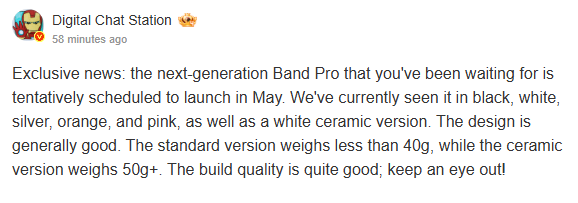
A new leak suggests Xiaomi is getting ready to launch its next Pro smart band, likely to be called the Xiaomi Smart Band 10 Pro. The information comes from tipster Digital Chat Station, who says the device could arrive as early as May 2026.
The band is expected to come in a range of colors, including black, white, silver, orange, and pink. What stands out, though, is a white ceramic version. That is not something we usually see in this segment, and it could give the wearable a slightly more premium feel.
Build quality is “quite good,” according to the tipster. The regular version reportedly weighs under 40 grams, while the ceramic variant goes over 50 grams, which makes sense given the material.
For some context, the Band 9 Pro launched back in October 2024 with a 1.74-inch AMOLED display, slim bezels, and up to 21 days of battery life. It was much lighter at just 24.5 grams, so the near doubling in weight suggests Xiaomi may be trading some comfort for improved build, battery life, and additional features.
As for what is new this time, details are still limited. The Band 10 Pro is expected to bring some improvements in design and possibly display or health tracking.
The timing is interesting. Xiaomi is also rumored to be preparing the Xiaomi 17 Max for a late May launch, so there is a chance both devices could be announced together.
For now, this is still based on leaks, but if accurate, the addition of a ceramic option could help Xiaomi push the Mi Band slightly further upmarket without moving away from its usual value-focused positioning.
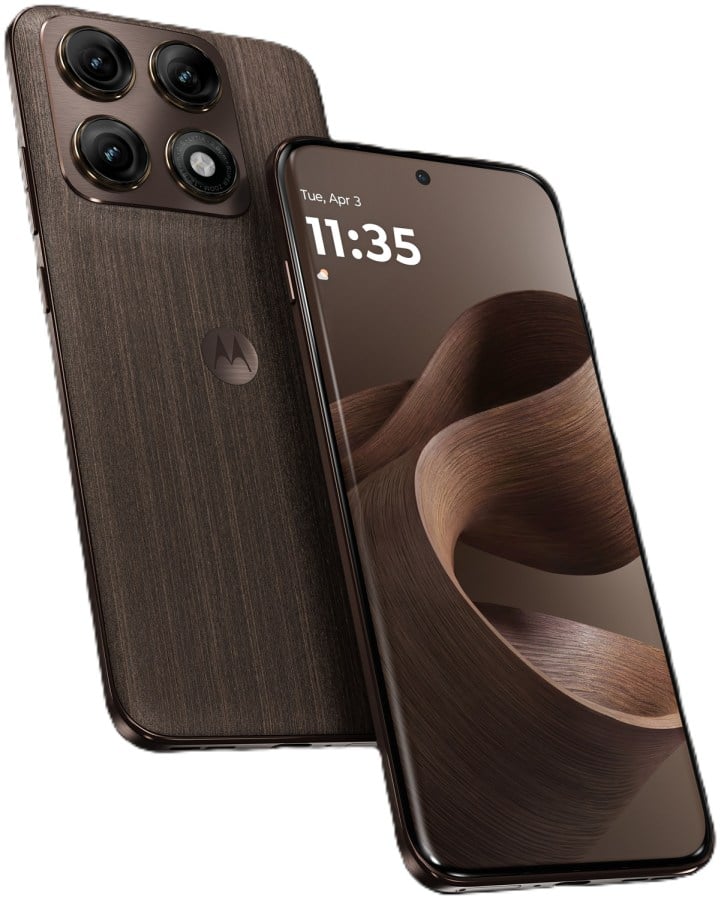
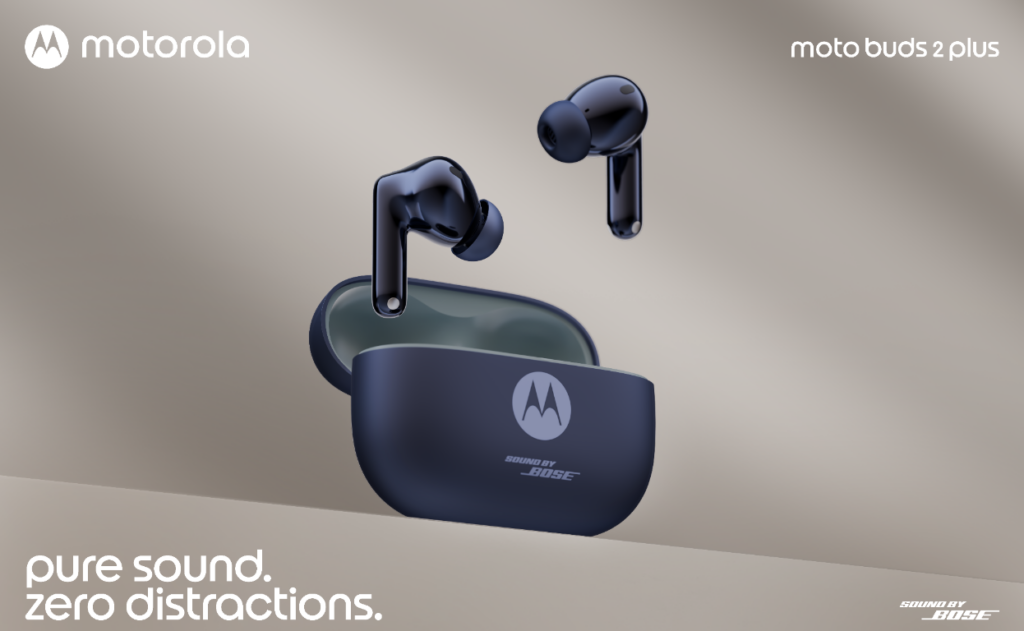
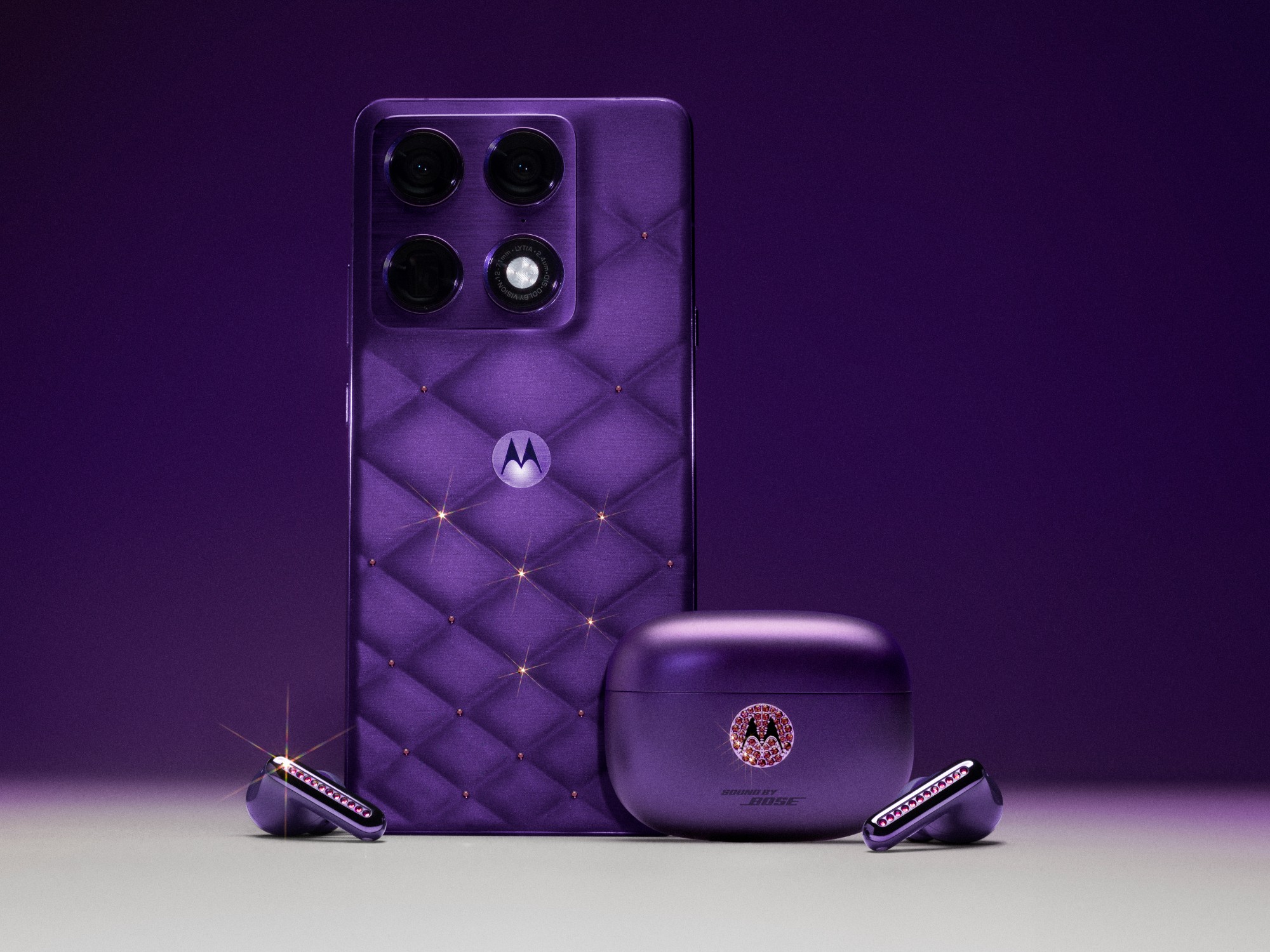
Motorola has introduced a Brilliant Collection version of the Motorola Signature, giving its ultra-premium phone a design built around Swarovski crystals, a Pantone color finish, and sustainability claims. The company has also launched the Moto Buds 2 Plus in the same new design.
The new edition uses PANTONE Violet Indigo with a silk-inspired rear material. Motorola says the design is inspired by constellations, with 20 hand-placed amethyst Swarovski Crystals arranged in a 3D-quilted pattern. The crystals are meant to catch light as the phone moves, while the darker violet finish gives the device a night-sky look.
This launch is part of Motorola Collections, a platform the company uses for limited design-led versions of select devices. Earlier collections included a Swarovski crystal edition in August and a FIFA World Cup 26 Collection.
The Motorola Signature itself sits in the brand’s high-end portfolio. Motorola says the phone offers what DXOMARK ranked as the best camera in its category. It is powered by the Snapdragon 8 Gen 5 Mobile Platform and includes what Motorola describes as the largest battery in its category among ultrathin phones.
The Brilliant Collection model also carries several durability and sustainability details. Motorola says the device uses more than 63 percent recycled metals and 100 percent recycled aluminum in the mid-housing. It also includes recycled plastics, with the upper speaker bracket made from 65 percent post-consumer recycled plastic and 20 percent Ocean Bound Plastic.
The phone uses silicon-carbon battery technology and is rated for a 1200-cycle battery life. Motorola says this helps maintain battery performance without affecting the ultrathin design. For durability, the device meets MIL-STD-810H military-grade standards, carries IP68 and IP69 ratings, and uses Corning Gorilla Glass Victus 2 for added protection.
Pricing & availability
The Motorola Signature and Moto Buds 2 Plus from the Brilliant Collection will be released in the coming weeks. In the UK, the bundle is priced at £1,199, which is around $1,616.
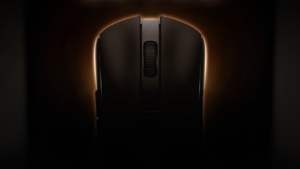
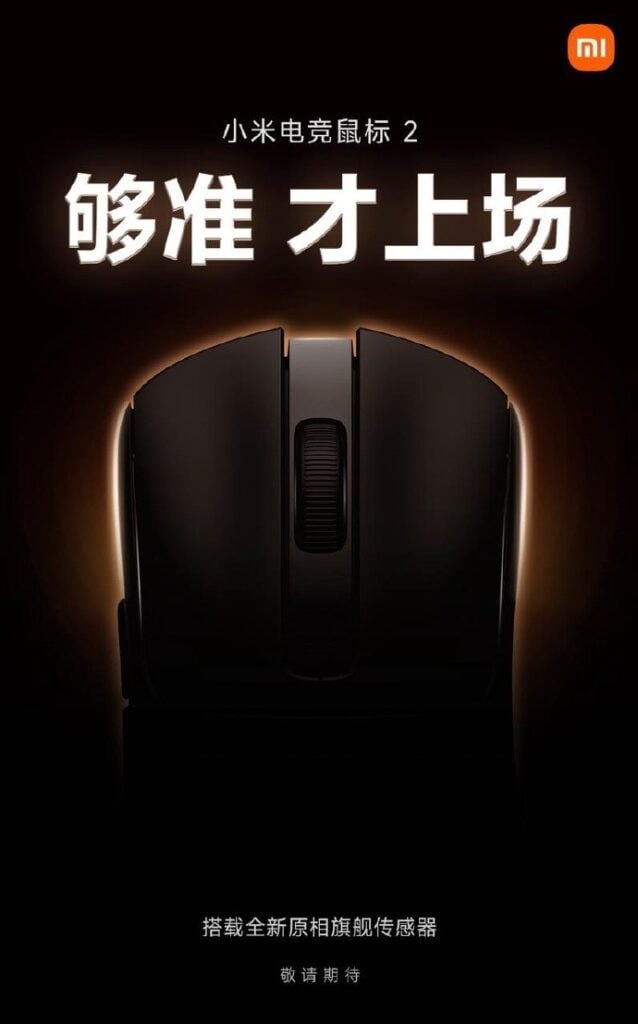
Xiaomi has officially teased its upcoming PC peripheral, the Xiaomi Gaming Mouse 2. According to a recent post from the company’s Weibo account, the new mouse is being developed with competitive players in mind, featuring what the company describes as esports-level tuning.
While the complete specifications haven’t been shared just yet, the promotional materials confirm that the device will be equipped with a new flagship sensor from PixArt. The exact model of the sensor remains unannounced.
Alongside the PixArt hardware, the mouse will include a high-end controller to manage inputs. Xiaomi’s current marketing for the device focuses on reliability and accuracy, using the tagline: “Precision earns you a spot. Stability wins you the game.”
To get an idea of what the Gaming Mouse 2 might offer, it is helpful to look at the company’s previous release. In September 2024, Xiaomi launched the Mouse X1. That model featured a lightweight 65-gram design and an optical sensor capable of 26,000 DPI. It also supported an 8,000Hz polling rate for quicker response times.
For battery life, the X1 included a 530mAh battery, which provided up to 110 hours of wireless use when connected via its 2.4 GHz USB receiver at a standard 1,000Hz polling rate.
Given the hardware included in the X1, the Gaming Mouse 2 will likely build on that foundation with the updated PixArt sensor and controller. Xiaomi hasn’t shared pricing or a specific release date yet, noting only that the device is coming soon. More technical details should become available as the launch approaches.
For more daily updates, please visit our News Section.
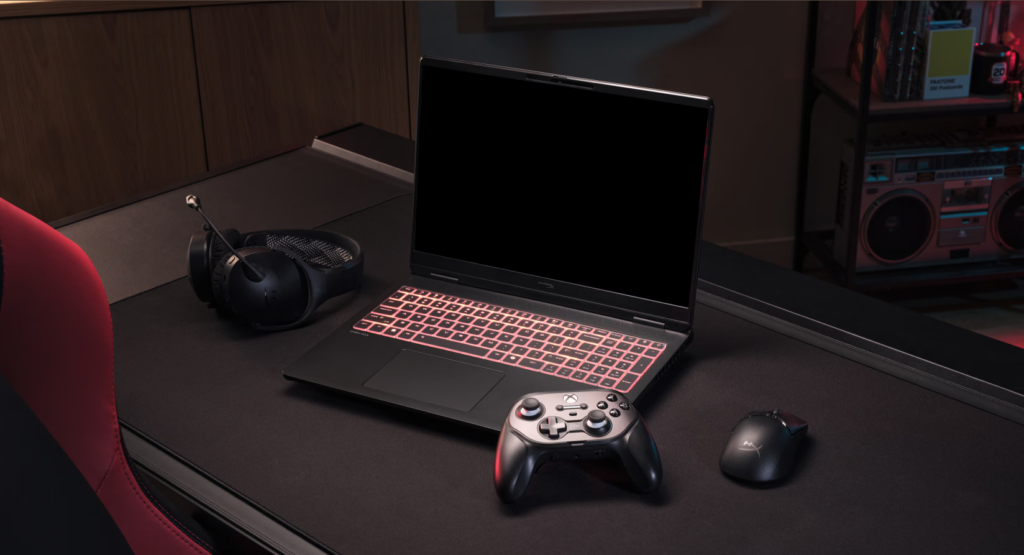
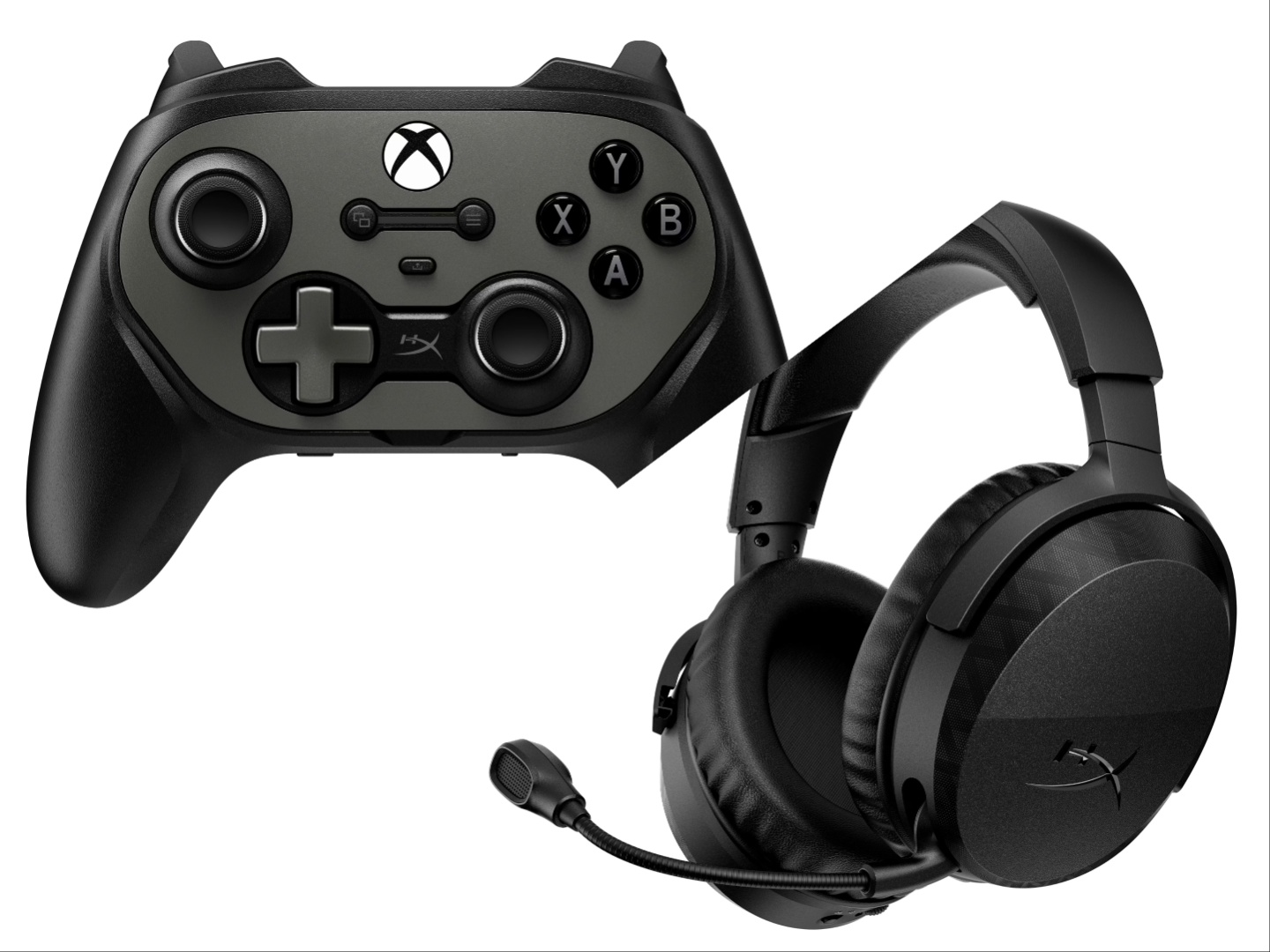
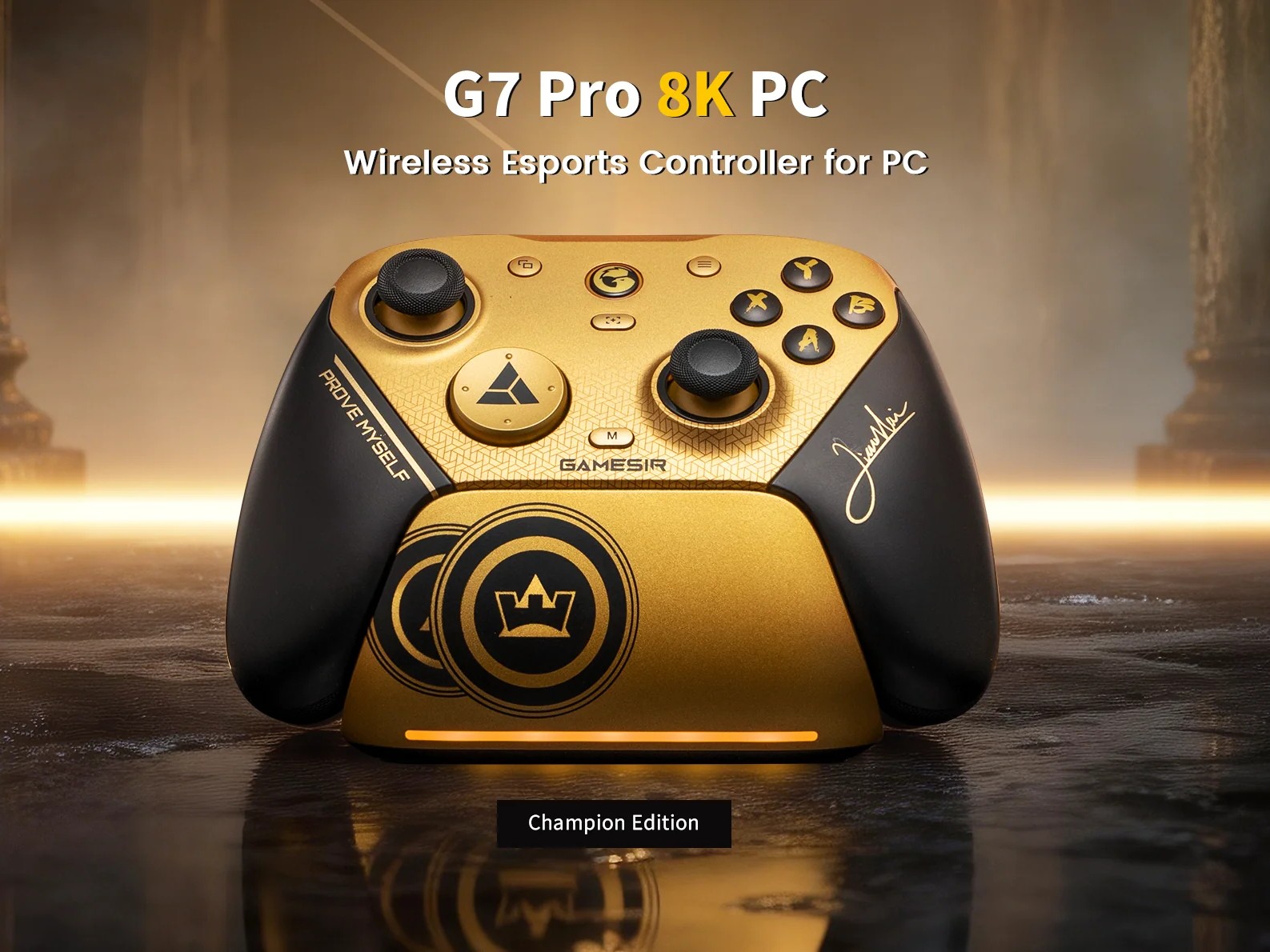
HP has launched new hardware in its HyperX gaming line, including a new controller and a refresh of the Cloud Stinger 3 headsets.
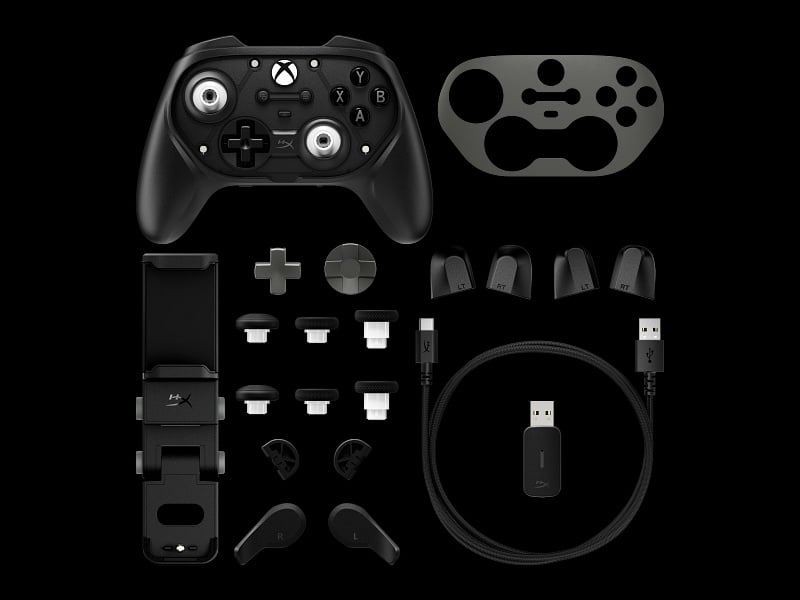
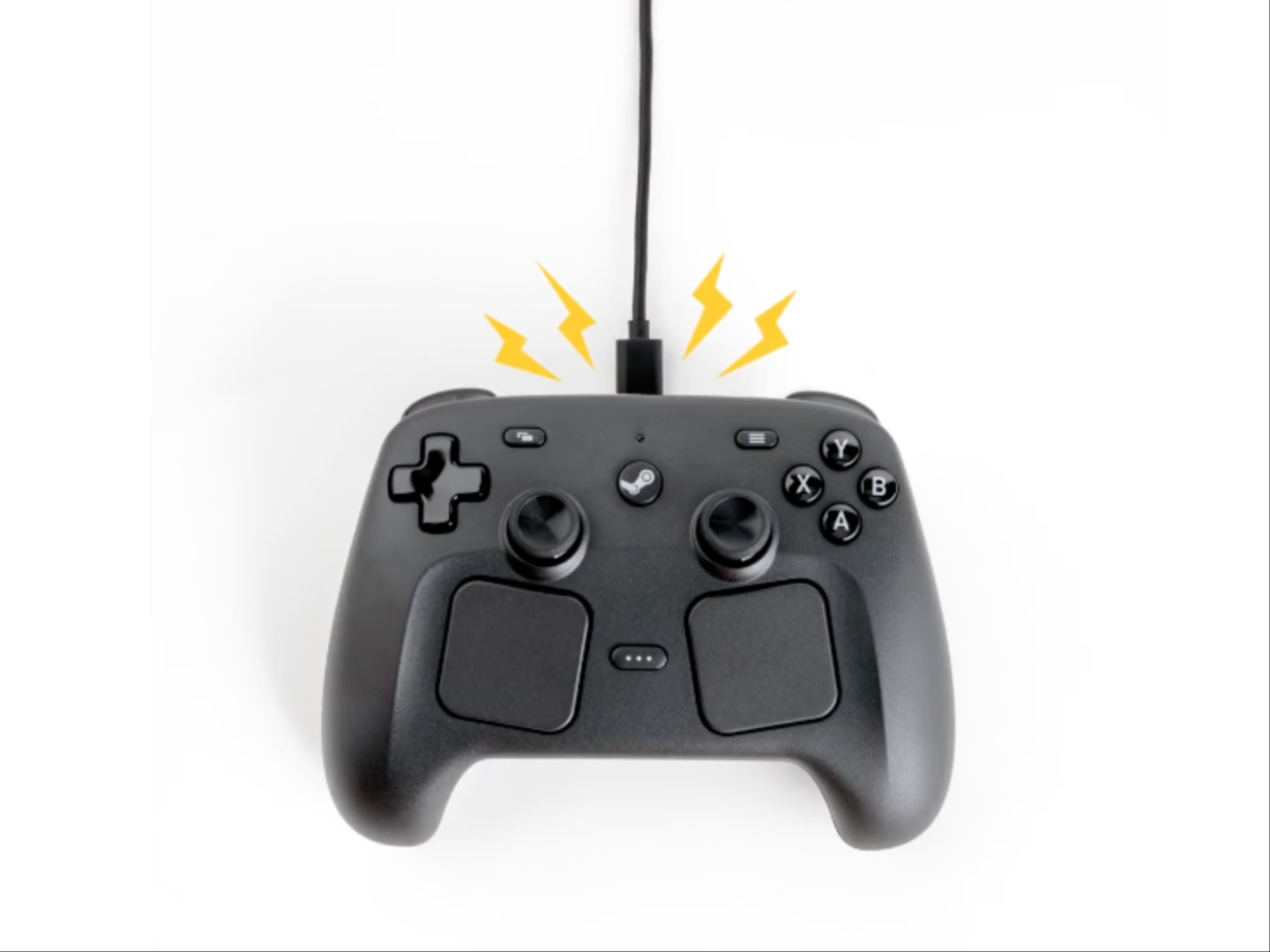
The new controller is called the HyperX Clutch Talon, which has tool-free customization, interchangeable sticks, D-pads, triggers, and back paddles. HP also says users can extend customization through 3D-printable parts.
The controller uses Hall Effect sticks and triggers, which are designed to reduce drift and improve precision during gameplay. It also includes three-stage trigger locks and reprogrammable back paddles for faster inputs. Platform support covers PC, Android, and Xbox, while dual wireless connectivity and up to 30 hours of battery life round out the feature set.
HP has also introduced the HyperX Cloud Stinger 3 and CloudX Stinger 3 headsets. The lineup includes wired and wireless options, with low-latency 2.4GHz wireless support on select models and Bluetooth support on the wireless version. The headsets feature stainless steel headband sliders, a lightweight build, memory foam ear cushions, and a noise-cancelling microphone with mute controls.
Battery life is one of the main upgrades on the Cloud Stinger 3 Wireless, which is rated for up to 80 hours. The headset family is built around comfort and durability, while keeping the entry price lower than many gaming headsets.
HP is also moving its HyperX NGENUITY software out of beta after an extended testing phase. The platform adds deeper control over HyperX gear, including audio tuning, microphone settings, device performance, and personalization tools.
The latest NGENUITY Audio Engine is powered by HEAR360 and includes parametric and graphic equalizers, game and chat balance, advanced spatial audio, and spatial chat. It also supports real-time dynamic microphone processing, voice monitoring, EQ presets, and AI noise reduction. Performance controls include adjustable actuation points, Rapid Trigger sensitivity, SOCD options, and mouse sensor tuning. Users also get a customizable dashboard, searchable remapping, and macro recording.
Pricing & availability
The HyperX Clutch Talon Controller is expected this summer on HyperX.com for $159.99. The Cloud Stinger 3 headsets are available now on HyperX.com starting at $49.99. NGENUITY is available to download today.
For more daily updates, please visit our News Section.
Headphone Zone has teamed up with ddHiFi to launch two new budget in-ear monitors in India. The Iris is priced at Rs. 2,999, while the Skyfall costs Rs. 3,999. Both models have been built for audiophiles and are available through Headphone Zone’s website.
The two IEMs were developed with Demond Ding, founder of ddHiFi. Headphone Zone says the project started with a simple question. Did India really need another budget IEM, or could the segment get something more interesting at an entry-level price?
Iris and Skyfall are built around a fully solid 3D-printed medical-grade resin shell. This type of construction is usually found on more expensive IEMs, including the Moondrop Blessing 3 and DITA Audio Project M. Headphone Zone is also using hand-painted marbled faceplates sealed under clear resin. Iris comes in marbled green, while Skyfall gets a marbled blue finish. Since the patterns are made by hand, each pair will look slightly different.
The Iris is the simpler of the two. It uses a single 10mm dynamic driver with a beryllium-plated diaphragm. Its tuning focuses on vocals and instruments, instead of the usual bass-heavy sound many budget IEMs chase. Headphone Zone says the Iris is better suited for rock, acoustic, pop, R&B, and jazz. It ships with a 3.5mm silver-plated OFC cable and uses a 0.78mm 2-pin connector. The company also says it pairs naturally with the Headphone Zone X ddHiFi Hi-Res DAC.
Skyfall sits slightly higher in the lineup and costs Rs. 3,999. It uses a hybrid setup with one 10mm nano-titanium dynamic driver and one custom balanced armature. A two-way crossover handles the pairing through electronic RC components and acoustic design. The sound is tuned to be warm, full-bodied, and smoother at the top end, making it better suited for longer listening sessions. Headphone Zone lists cinematic music, soundtracks, hip-hop, and electronic music as its ideal use cases.
Skyfall also gets a 4.4mm balanced high-purity silver-plated OFC cable with an aluminium shell. It is designed to pair with the Headphone Zone X ddHiFi Hi-Res DAC Pro.
For more daily updates, please visit ourNews Section.
There is an interesting leak about the Galaxy S27 Ultra’s camera system. Samsung may be removing a camera instead of upgrading it.
Samsung moved to a dual telephoto setup with the Galaxy S21 Ultra, enabling long-range zoom on its flagships. That shift is a big part of why the S Ultra lineup is still considered among the most capable camera phones today. It helps maintain clarity across different zoom levels without relying too heavily on cropping from the main sensor. If you haven’t guessed it already, the 3x telephoto lens is expected to be removed on the S27 Ultra.
According to reliable tipster Ice Universe, the 200MP main sensor will take on more of the workload. What does that actually mean? The main sensor would need to maintain image quality as you crop in, up to around 5x, where the periscope telephoto would take over.
While the 200MP figure still sounds impressive, there is a reason the Galaxy S26 Ultra uses 16-to-1 pixel binning, combining data from 16 pixels into one. The result, as you know, is a 12MP output. The phone can either crop into the 12MP binned output, or use the full 200MP image for more detail when zooming, which can introduce noticeable noise, especially in moderate to low light.
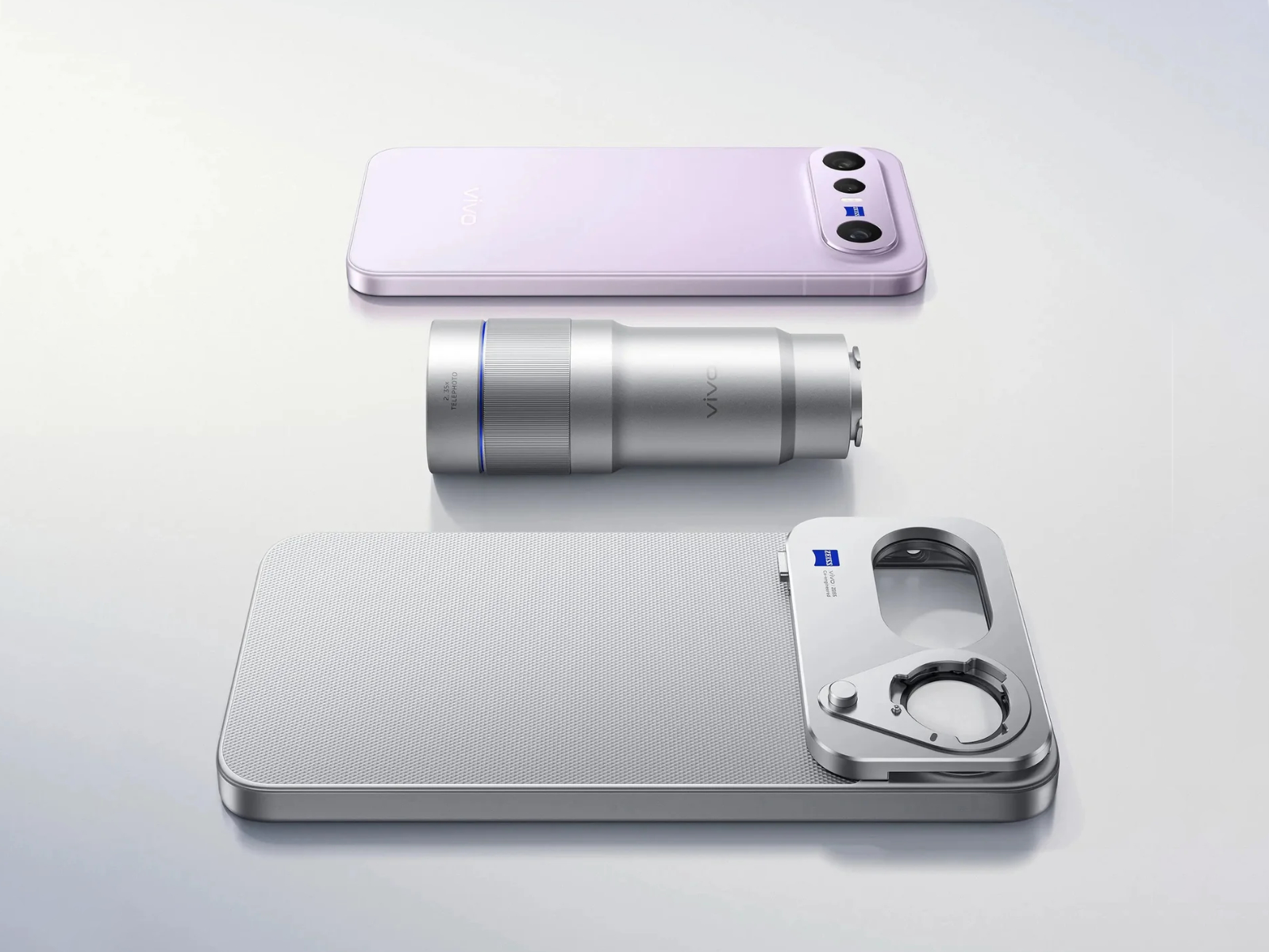
There is a third option, which is to rely on AI to manage that noise. But that approach also has its limits, often introducing artifacts. That is why Chinese smartphone makers like Oppo and Vivo are bundling their flagships with physical teleconverters instead of pushing digital zoom too far on 200MP sensors.
There have also been reports suggesting Samsung could use a larger 1/1.12-inch 200MP ISOCELL sensor, which would help with image quality overall. However, based on past trends, a significantly larger 200MP sensor from Samsung itself does not seem very likely either. The company started with the 1/1.22-inch ISOCELL HP1 in 2021, and this year’s HP5 measures 1/1.56-inch.
So why remove the 3x telephoto in the first place? A refreshed camera layout is reportedly being considered, and the reason may be the addition of magnets for Qi2 compatibility. Removing the 3x lens could free up internal space for a proper magnetic ring and better accessory support.
That leads to a bigger question. What matters more here: camera versatility or Qi2 and magnetic accessories? Or is this simply a cost-saving decision that also enables a new design direction?
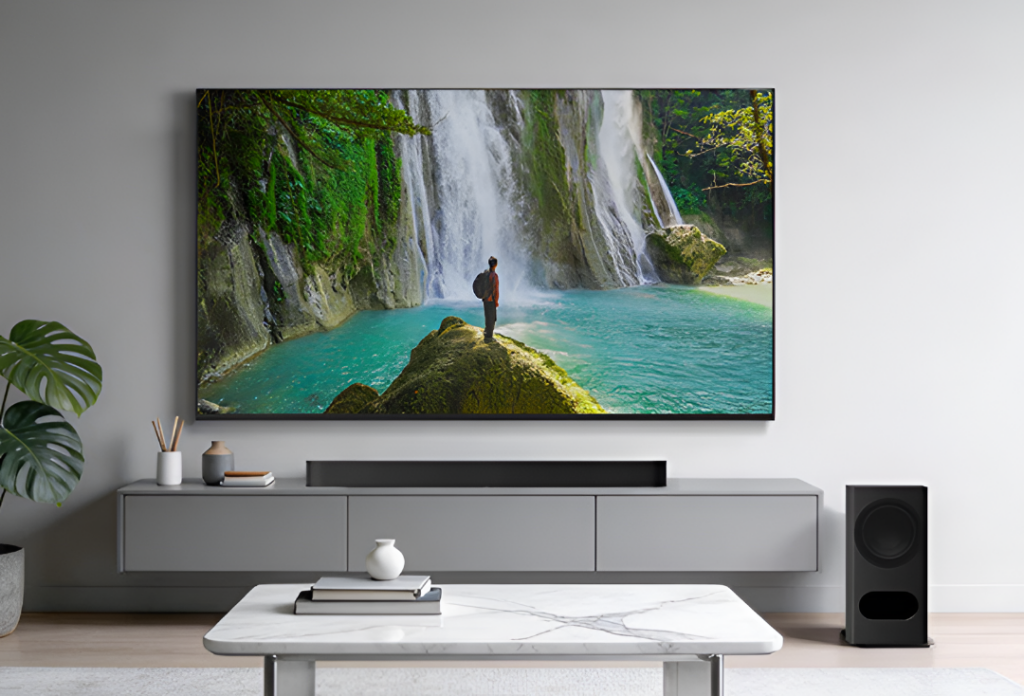
Sony has launched the HT-B500 soundbar in China, a 3.1-channel audio system designed to enhance home entertainment setups. The soundbar is now available on JD.com at a price of 2,341 yuan ($342).
Sony HT-B500 Specifications
The Sony HT-B500 soundbar features a 3.1-channel audio configuration with a front-facing physical three-channel setup. It comes with a dedicated center channel speaker that enhances vocal clarity. The system also includes a powerful wireless subwoofer, which is engineered to produce deep and impactful bass.
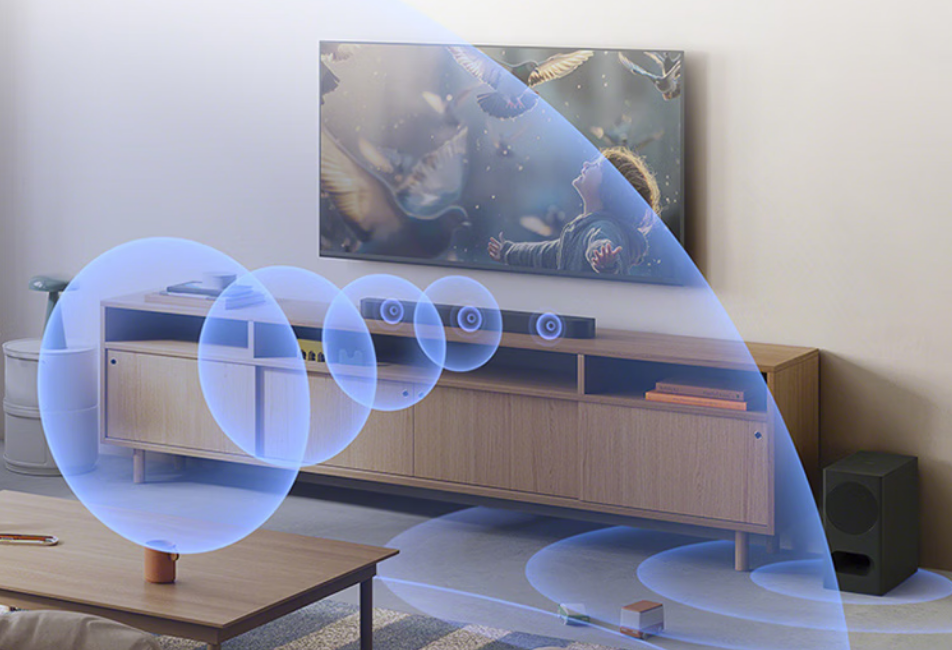
The soundbar supports advanced audio formats such as Dolby Atmos and DTS:X. It equips Sony’s Vertical Surround Engine (VSE), which simulates overhead audio without requiring additional ceiling speakers. Alongside this, it features S-Force Pro Front Surround technology, which expands the soundstage horizontally.
Sony also integrates its one-touch 3D upmix surround technology into the HT-B500. This feature intelligently processes standard stereo or 2-channel audio sources and converts them into a more immersive 3D surround sound output. As a result, even streaming content with basic audio can feel richer and more spatial. The soundbar further comes with AI Voice Enhancement 3.0, which separates dialogue from background noise in real time.
In terms of connectivity and usability, the soundbar supports Bluetooth 5.3, enabling wireless audio streaming from smartphones, tablets, and laptops. It equips DSEE (Digital Sound Enhancement Engine) technology, which enhances compressed audio files by restoring lost details for improved sound quality. The device also features HDMI eARC output and optical input.
The HT-B500 sports a slim and minimalist design with a metal grille and rounded edges, making it suitable for both wall mounting and tabletop placement. It comes with a compact form factor that allows flexible placement in different room setups.
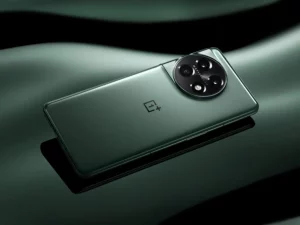
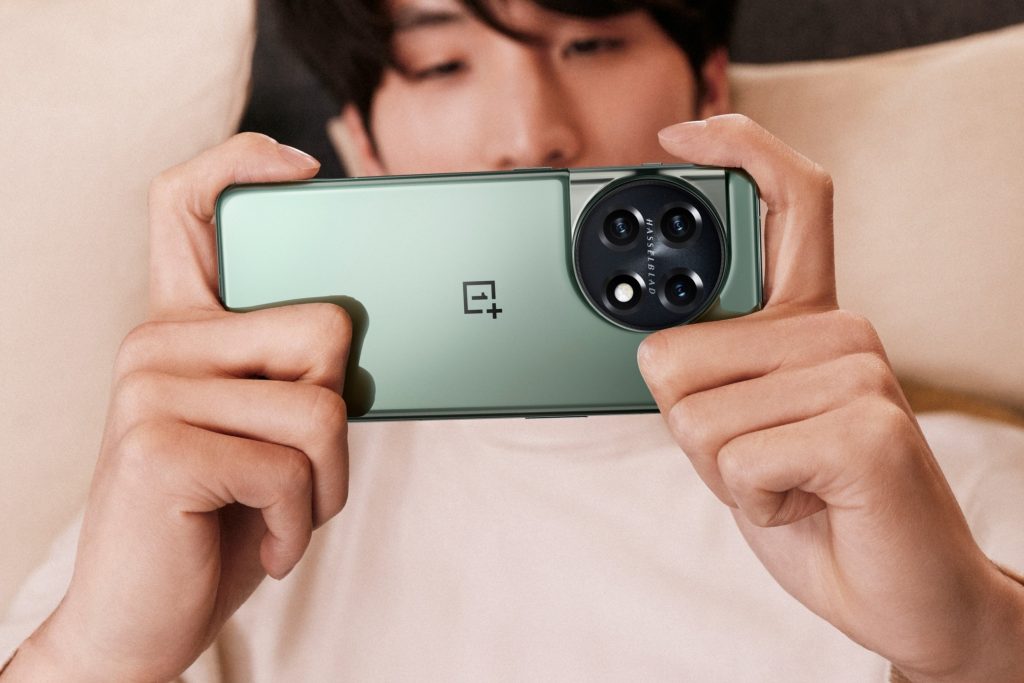
If you are still using the OnePlus 11 in 2026, it has aged well. The phone is now over 3 years old and likely still handles everyday tasks without much friction. Apps open quickly, scrolling feels smooth, and the charging speed is what you can rely on. In a lot of ways, the OnePlus 11 might not feel like a 2023 smartphone or outdated per se.
However, now is the right time to upgrade from it since it’s more about what happens next.
The upcoming OxygenOS 17 is expected to be its last major update for the OnePlus 11. That means it will no longer be moving forward with future Android versions.
At the same time, the Snapdragon 8 Gen 2 inside the OnePlus 11 is now a few generations behind. You might not feel the difference immediately, but it will start to appear in small ways, if it hasn’t. And it could be anything from slightly longer load times, less efficient battery use, or fewer performance gains in newer apps and games.
None of this makes the OnePlus 11 unusable. It just makes it easier to justify moving on.
What to look for if you’re coming from a OnePlus 11
If you’ve used a OnePlus phone for a while, your expectations are pretty clear, even if you don’t think about them directly.
You expect fast charging that actually changes how you use the phone. Plug in for a few minutes, and you’re good again. You expect performance that doesn’t need explaining. No stutters. No weird slowdowns. And you expect software that doesn’t constantly get in your way.
You might get that combination in the OnePlus ecosystem itself. Or if you want to move, we have those options too.
The List: OnePlus 15R
The OnePlus 15R could be an easy upgrade because you are sticking to the known OnePlus ecosystem. It runs on Snapdragon 8 Gen 5, which is a noticeable jump from the 8 Gen 2. Not just in peak performance, but in how stable everything feels. Its thermal management is also better if you are into gaming.
More importantly, you get a 48% bigger battery at 7400mAh.Even the charging is fast here at 120W, with 50% charging claimed in 15 min.
Moving on, the 15R also has a 165Hz AMOLED panel. In comparison, the OnePlus 11 has a 120Hz panel. While the difference may not be noticeable immediately since few apps support a 165Hz refresh rate, games like Call of Duty Mobile, Clash of Clans, Brawl Stars, and Real Racing 3 are optimized to make use of it.
Key Specs:
Snapdragon 8 Gen 5
7,400mAh battery
165Hz AMOLED display
55W fast charging
OxygenOS 16
Why OnePlus 11 users will like it: It feels familiar in the ways that matter. Fast, smooth, predictable. You don’t need to relearn anything.
Why they won’t: The cameras are fine. Not bad. But this isn’t the phone you buy if you’re obsessed with photography.
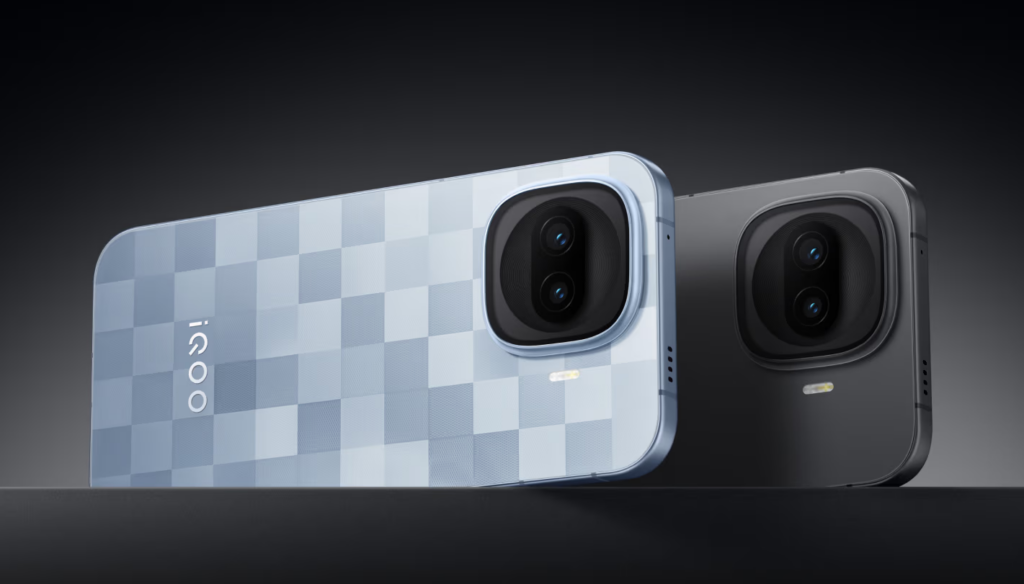
iQOO 15R
The iQOO 15R is the performance-focused alternative. Internally, it’s nearly identical to the OnePlus. Same chipset, same general performance ceiling. Even the camera setup mirrors the OnePlus. It has a 50MP main, 8MP ultrawide, and again, no telephoto. This seems to be a consistent trade-off across this segment.
The battery size is even bigger here at around 7,600mAh, and charging goes up to 100W. So just plug it in, and it fills up quickly.
The difference here is the display, which is a 144Hz AMOLED panel. Slightly lower refresh rate than the OnePlus options, but not something most people will notice.
Key Specs:
Snapdragon 8 Gen 5
~7,600mAh battery
144Hz AMOLED display
100W fast charging
Long software support window
Why OnePlus 11 users will like it: It delivers the same “fast and practical” experience, but with even bigger numbers.
Why they won’t: Software experience feels different, and the cameras are average.
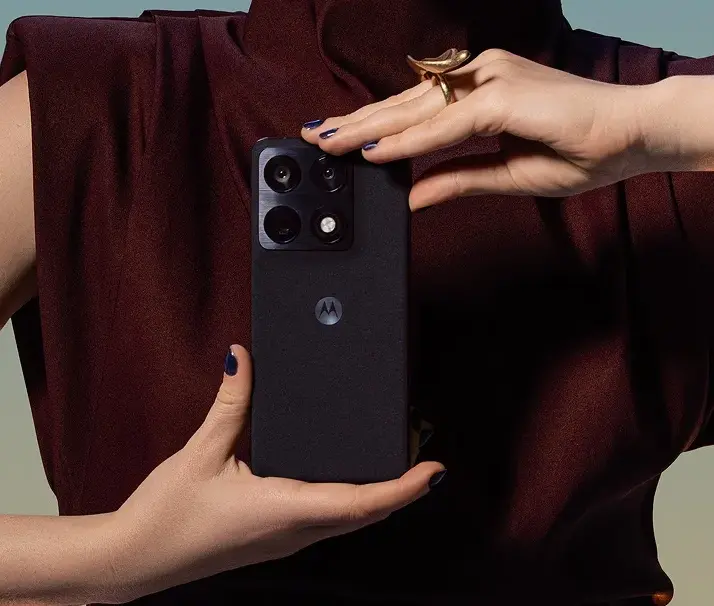
Motorola Signature
The Motorola Signature is the outlier here. It’s thinner, lighter, and more design-focused than most phones in this category.
It still runs a Snapdragon 8 Gen 5 with 16GB RAM and 512GB storage as standard. What stands out is the design. It’s thinner than most phones in this category, lighter, and still manages to include a high-brightness display and strong durability ratings.
Key Specs:
Snapdragon 8 Gen 5
16GB RAM, 512GB storage
165Hz display
IP68/IP69 rating
Premium lightweight design
Why OnePlus 11 users will like it: It keeps a relatively clean Android experience, and it feels different in a good way.
Why they won’t: It’s expensive. And it doesn’t lean into fast charging the way OnePlus does.
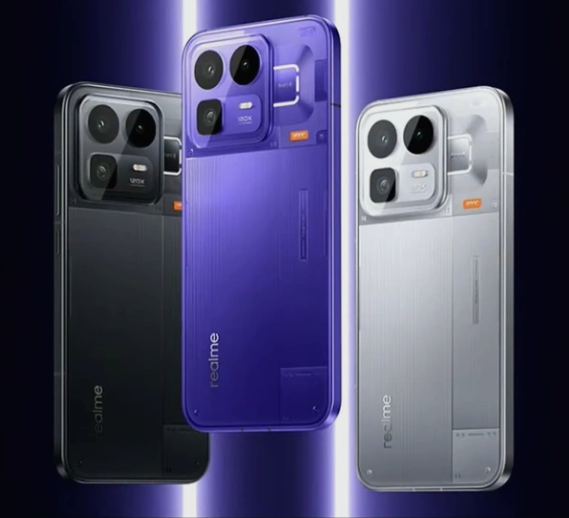
Realme Neo 8
The Realme Neo 8 is another phone running on the same Snapdragon platform, but it’s closer to a flagship in terms of features.
The display is a 6.78-inch AMOLED panel with a 165Hz refresh rate and an unusually high peak brightness rating of 6500 nits. More importantly, this is one of the few phones here with a proper telephoto lens.
Its 50MP periscope camera offers 3.5x optical zoom, alongside a 50MP main sensor and an 8MP ultrawide. This alone makes it more versatile than the OnePlus and iQOO options.
Its battery capacity is also larger at 8000 mAh. The charging, however, is a bit slow at 80W, but given the battery size, it’s still practical. There’s also an RGB LED on the back for some extra visual flair.
Key Specs:
Snapdragon 8 Gen 5
16GB RAM, 1TB storage
165Hz display
IP68/IP69 dust and water resistance
RGB LED design with glass back and metal frame
Why OnePlus 11 users will like it: The camera system is more versatile, especially with the periscope zoom. The battery is big, too, and the display is bright and smooth, without any inconsistency.
Why they might not: Charging is slower than that of the OnePlus 11, and the RGB lighting and overall design might feel a bit loud if you prefer something minimal.
Best overall pick for a OnePlus 11 user
For most people, the answer is the OnePlus 15R.
Not because it’s the most powerful. It isn’t. Not because it has the best camera. It doesn’t.
It’s the best because it feels like a continuation. You get a much newer chip, a significantly larger battery, and the same general experience you’re already used to. There’s no adjustment period. No trade-offs that feel surprising.
For more daily updates, please visit our News Section.
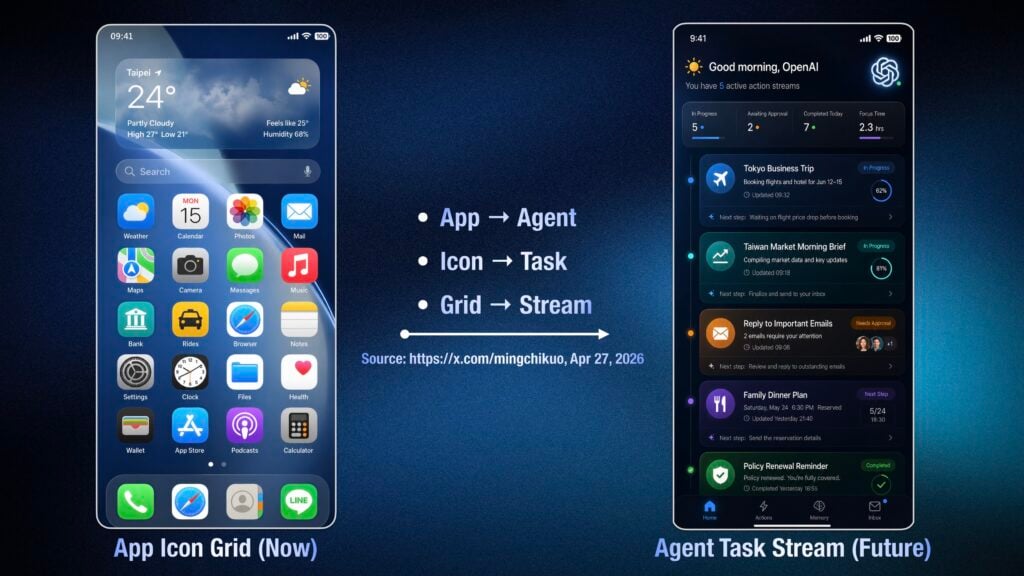
OpenAI might be looking beyond just software. A new report suggests the company is exploring an “AI agent phone,” and the idea behind it is quite different from how smartphones work today.
The details come from analyst Ming-Chi Kuo, who claims OpenAI is thinking about a device where you don’t really move between apps the way you normally would. Instead, a built-in AI agent handles tasks for you, end to end.
So rather than opening your calendar, checking messages, and switching between apps to plan something, you would just ask. The AI would figure out the rest, pulling in the right information, suggesting options, and even completing actions if needed. It sounds simple on paper, but it is a big shift from the current app-based model.
We have seen early attempts at this before. The Rabbit R1 tried to reduce reliance on apps, though in a much more limited way. What OpenAI is reportedly working on seems more ambitious, basically bringing that idea into a full smartphone rather than a companion gadget.
On the hardware side, the report mentions collaborations with MediaTek and Qualcomm to build a chip that is better suited for AI-heavy tasks. Manufacturing could be handled by Luxshare, which already works with large-scale consumer electronics.
That said, this is not something arriving anytime soon. Kuo suggests specs and suppliers could be finalized around late 2026 or early 2027, with production possibly starting in 2028. So even in the best case, this is still a few years out.
There are also some obvious hurdles. Replacing apps, or even just reducing their role, means dealing with a lot of existing ecosystems and habits. People are used to how phones work, and changing that is not easy.
Still, if this direction holds, it gives a glimpse of where things might be heading. Less tapping through apps, more just asking for what you want and letting the system handle it.
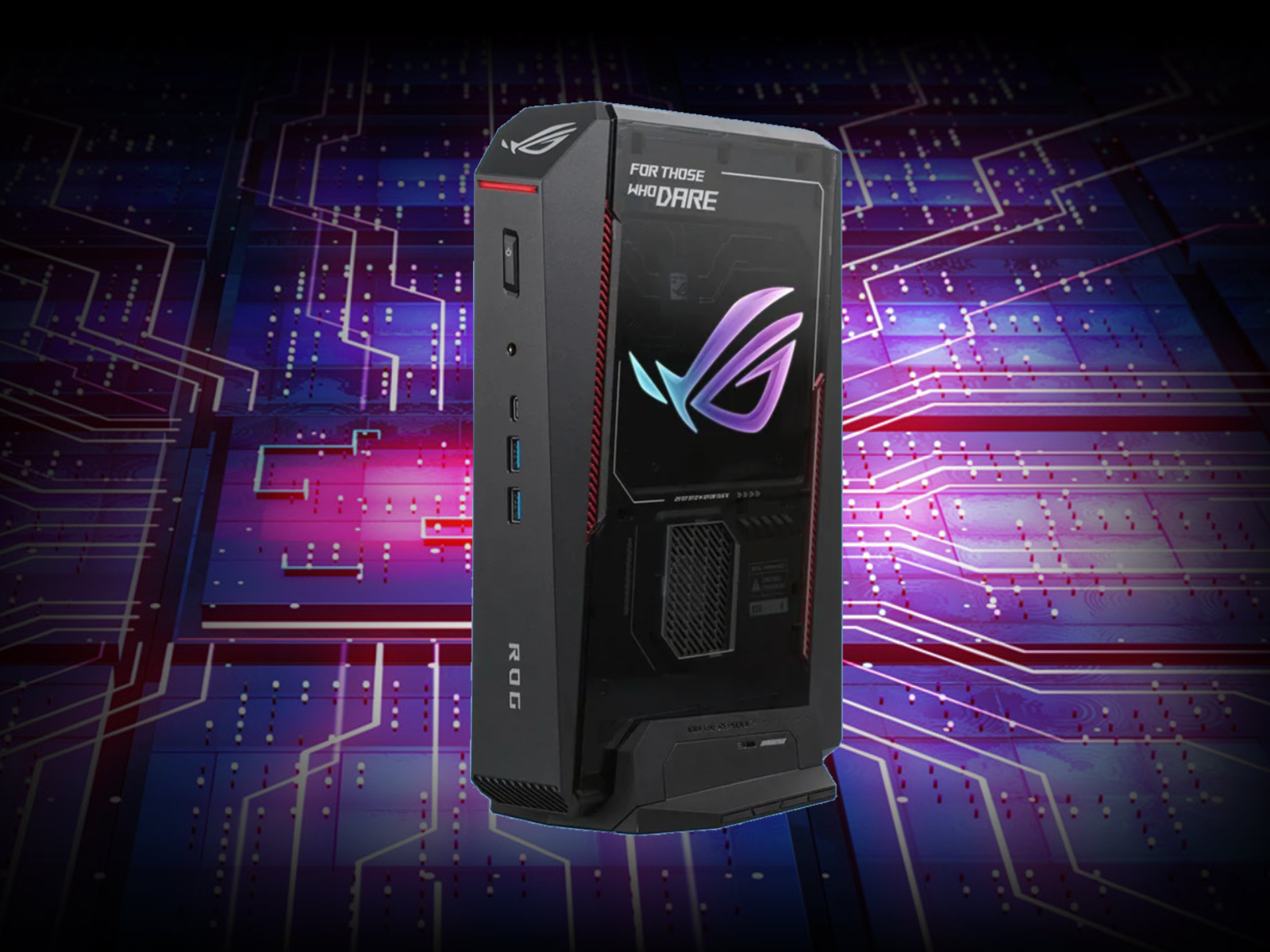
Asus has teased that a new ROG NUC is in development. Allegedly launching in May 2026, the new gaming mini-PC features various design tweaks to distinguish itself from last year's release, including a simplified stand.
Despite its struggles, publishing Xbox games on the PS5 has benefited Microsoft. However, multiplayer and live-service ports generated the most revenue, according to new sales data. If the company pivots back to Xbox exclusive games, it could become more strategic with its ports.
Ubisoft has been teasing Assassin's Creed Black Flag Resynced ahead of its July 9 launch, and in a recent AMA, the developers revealed something that didn’t sit right with fans. They have made some disappointing changes to the iconic hidden blade compared to the original game.
The Xiaomi Smart Band 10 was launched in June 2025, and so far, the company hasn't said anything about a Pro model. However, a new report from a reliable leaker suggests that the upgraded version of the wearable is set for an imminent launch.
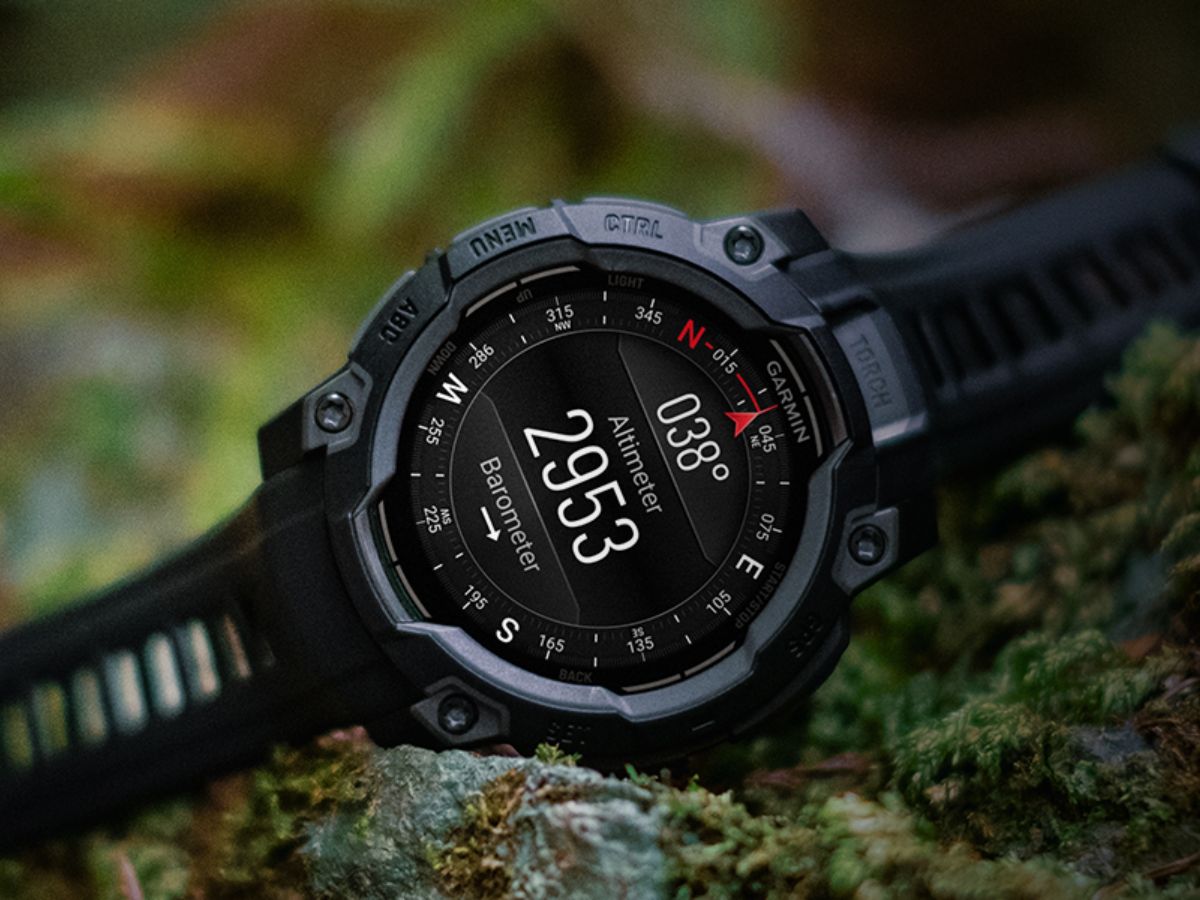
Several Garmin rugged smartwatches are currently receiving a new beta update. The version 14.13 release tackles a bug linked to the wearable’s navigation function. However, another issue does not appear to be resolved in this update.
The AirPods Max are the only full-sized headphones Apple has ever made. It was certainly a surprise when the original model first dropped back in 2020, still bearing the AirPods name despite not being particularly pod-like. At $549, they were also expensive, even compared to the other premium wireless headphones on the market. And then they just sat there without receiving many updates, with the 2024 iteration only introducing a USB-C port and new colors.
Six years from that original release, Apple has finally launched the AirPods Max 2. At first, second, or maybe even a third glance,...
Microsoft has officially announced that it's started to roll out Xbox Mode to Windows 11 "in select markets". It will be available on desktops, laptops, and tablets, and it promises to bring "a console-inspired Xbox experience to more players than ever".
Xbox Mode makes it easier to jump into your games, with a controller-optimized full screen experience "that is built for play". Xbox Mode's "streamlined interface" puts your library and recently played titles within easy reach, and it also minimizes background distractions.
It lets you browse and launch games with your controller...
Apple hints at unavoidable Mac and MacBook price hikes as CEO Tim Cook has officially warned of prolonged shortages for the Mac mini and Mac Studio due to unprecedented AI demand and surging memory costs. Global supply constraints, driven by AI server prioritization, have led to "unavailable" listings and the removal of high-RAM Mac Studio models.
Casio is all set to launch three new G-Shock watches, namely Magma Mudmaster GWG-B1000MG-1A9, MTG-B4000 Black IP, and the GD-B300, in Japan in May 2026. The former features a magma-inspired design, while the latter two ship with a Bluetooth smartphone link.
Xiaomi launched the Smart Band 9 Pro in October of 2024, and now it looks like the company is hard at work on its successor. According to a new rumor out of China, the Smart Band 10 Pro could launch as early as next month.
Xiaomi Smart Band 9 Pro
It will allegedly be offered in black, white, silver, orange, and pink, and, interestingly enough, there will be a white ceramic version too. The standard, non-ceramic iteration is said to weigh less than 40g, while the ceramic option is over 50g. The build quality is apparently very good. More details will probably be outed soon, so stay...
Apple has announced its financial results for the quarter ending March 28. In a press release, the company reported revenue of $111.2 billion, marking a 17 percent increase compared to Q2 last year. Apple also noted that the iPhone 17 lineup is its most popular to date.
Tim Cook, Apple’s CEO, said the company delivered its best-ever March quarter, with the iPhone also posting a record March performance. He added that Apple’s Services segment reached an all-time high.
Meanwhile, Apple’s CFO Kevan Parekh revealed that Apple generated over $28 billion in operating cash flow. In a...
A new analysis from Insuranceopedia is putting repair economics back into focus. Even with insurance in place, Samsung Galaxy users are paying noticeably more than Apple iPhone owners when something goes wrong.
Repairs for Samsung devices average between $100 and $120 under Samsung Care+, while comparable fixes under AppleCare+ land closer to $75. That gap can stretch as high as 60 percent depending on the type of damage.
The study models real-world scenarios, where cracked screens dominate claims, followed by more serious damage and a smaller share of full replacements.
On paper, plans from Samsung and Apple look similar. Monthly fees are in the same ballpark, and coverage categories overlap.
Apple sticks to a fixed fee structure, which keeps costs predictable across its lineup. Samsung’s pricing varies by device and repair type, which introduces a wider spread in out-of-pocket expenses.
Samsung’s shift toward premium hardware over the past few years, including foldables like the Galaxy Z Fold series, has pushed average repair costs upward. These devices are more complex to fix and naturally more expensive to service.
Insuranceopedia’s model attempts to reflect typical user behavior.
Most users deal with minor damage, fewer face major issues and very few lose or replace their phones entirely. Even under those assumptions, Samsung’s average still lands well above Apple’s.
Insurance is meant to reduce uncertainty. In this case, the data suggests that for Galaxy users, the final bill can still come with more variation than expected.
Rumor has it that Oppo is developing a Samsung Good Lock-style customization app for its ColorOS 17 and OnePlus OxygenOS 17.
Samsung has always been an inspiration for its rivals, including Apple and Google. The top smartphone vendors borrow features from Samsung’s One UI, and Chinese brands are also doubling down recently.
The Korean tech giant has mastered the software segment in the Android world. Chinese phone makers ship their phones with moster hardware, yet they fail to deliver the experience that Samsung phones offer to users.
Good Lock is a famous customization engine among Samsung fans. After years of regional restriction, the company has made it a Global affair. Now, it seems Oppo and OnePlus users are set to get something like Good Lock.
Android 17-based ColorOS 17 and OxygenOS 17 are rumored to introduce a dedicated customization suite. It remains to be seen whether it will be a standalone app with specific sections or feature Samsung-like module approach.
Samsung’s Good Lock has Theme Park for themes, Home Up for home screen, Camera Assistant for camera, Wonderland for wallpapers, Keys Cafe for keyboard, LockStar for lockscreen, NavStar for navigation buttons and so on.
Image via SammyFans
Oppo might first target the most useful Good Lock plugins that help users customize their devices. The next generation could focus on the modules that allow users to access experimental features restricted by the operating system.
Samsung users may benefit from the entry of Oppo and OnePlus. With the competition intensifying, Samsung would invent more. Good Lock is a result of years of hard work; a copy can be created, but the experience can’t be easily.
Casio has quietly unveiled the A140WE series - a new Retro line entry with a rounded case, sunray dial, steel bracelet, and ~$70 price tag. Three colorways will launch soon: dark blue, dark gray, and gold.
Volkswagen just did something Tesla has been promising since 2020 and actually launched a $25,000 EV. The new ID. Polo even boasts the rumored Tesla Model 2 affordable EV battery size.
The Galaxy S26 is Samsung's most compact and affordable smartphone in its flagship lineup. But the competition is fierce and never sleeps. Is this minor update enough? We've summarized the review once again.
The Ugreen P6 Power Bank series has been teased on social media. An image of one model from the new range reveals a more unusual textured casing, and also confirms some features of this accessory.
Samsung’s response arrived on the One UI 8.5 rollout missing the rumored April 30 timeline.
The company, responding through a US community moderator, revealed that April 30 was never decided as the One UI 8.5 rollout date. The response also indicates that the release is still not finalized and may face a delay too.
April 30 might have been planned, just like Beta 9 and Beta 10, but Samsung never announced specific dates. Korea celebrates Labour Day today, which is designated as a mandatory holiday across the country.
If the rollout had started yesterday, the software staff would have been on holiday today. In that case, Samsung had no control over the spread of the software update, even if it may have contained harmful bugs and issues.
The response mentions two more terms:
1. Testing results
Samsung prioritizes testing results to decide the release date for updates. The Beta testing was so long and intense, and the software is almost stable. Meanwhile, the final rollout decision is up to the lab engineers.
2. Regional considerations
The moderator’s comment mentions “regional considerations” as a reason that impacts release timelines. South Korea’s Labour Day holiday makes sense here, practically and theoretically as well.
May 4 is the next likely date for the opening of the Stable One UI 8.5 update. It’s Monday, Samsung’s favorite day to release One UI Beta and Stable updates. May 4 could be for South Korea only or for the Global audience.
One UI 8.5 introduces Ambient Design language. It also enables Quick Share to AirDrop sharing, the most useful addition. Beta testers also praise the software’s fluidity and stability, as compared to the One UI 8.0 software.
A leaked Xbox Store listing reveals Forza Horizon 6 clocks in at 144.84 GB on console and 156.65 GB on PC - a huge jump from FH5's launch size. This should give us a solid idea of just how ambitious and massive Japan's open world truly is.
Huawei has officially announced that the Nova 15 Max smartphone will be launching soon with a large 8,500 mAh battery capacity. However, the brand hasn’t yet confirmed the official launch date but has revealed key features of the smartphone.
Canon’s latest 2026 gimbal camera patent reveals a refined auto-folding design to rival the DJI Osmo Pocket 4 and the upcoming dual-lens Insta360 Luna Ultra. The patent focuses on durability and intelligent power management to compete in an increasingly crowded vlogging market.
The Seiko Presage SSK049 GMT, previously a U.S. exclusive, is now listed on Seiko UK at £520 (available June) and Seiko Australia at AU$925 as a pre-order. This is the Silver Bullet Cocktail Time's first confirmed international expansion.
The mid-range Oppo Reno 16 series has been confirmed for a May launch in China. Additionally, a leak has shed light on the Reno 16 Pro global model's specifications and launch timeline.
Oppo unveiled the Find X9 Ultra in China last week, and in our review, we found it to be a great cameraphone with a capable camera system that captures great stills, whether it's day or night. While we obviously clicked all the pictures with the Find X9 Ultra on Earth, if anyone was curious how Oppo's flagship takes photos of the Earth from outside its atmosphere, Oppo's got you covered.
Oppo teamed up with the folks at the YouTube channel SentIntoSpace to send the Find X9 Ultra to the edge of Space and capture the Earth with the phone's cameras. You can watch the video below to see the...
Camera Assistant could gain support for many more Samsung phones with One UI 8.5 update. Users of various mid-range and budget Galaxy devices would be allowed to tweak the stock camera and access some experimental settings.
Samsung’s Camera Assistant allows you to tweak the stock camera app. You can also add select new features that are not enabled by default. There’s also an option to select priority between focus and shutter speed for photos.
Various Samsung devices already support the Good Lock module. The next wave of expansion will likely cover mid-range and budget-tier phones, along with the entire Galaxy Tab S series tablet portfolio.
Tipster Alfaturk posted a Samsung device list on X, which is expected to become compatible with Camera Assistant following the One UI 8.5 rollout.
These Samsung phones may support Camera Assistant
Galaxy A36
Galaxy A35
Galaxy A34
Galaxy M36
Galaxy M35
Galaxy M34
Galaxy Tab S11 series
Galaxy Tab S10 series
Galaxy Tab S9 series
Galaxy Tab S8 series
Galaxy Tab S10 FE
Galaxy Tab S9 FE
One UI 8.5 is in the works, and the Beta Program is available for select models. Beta is limited to certain markets, whereas the stable release is likely to be available later this month.
Galaxy S25 series would have received One UI 8.5 yesterday, but the rollout was delayed due to the Labour Day holiday in South Korea. Now, the rollout is expected to kick off on May 4 in the Global market as well.
Valleytech Custom Solutions is launching the Tanmatsu LoRa Radio Deck in Q2 2026. This open-source terminal uses the new ESP32-P4 SoC to get you decentralized mesh networking in a pocket-sized, modular form factor.
Casio has launched Mandalorian and Grogu themed G-Shock watches based on GM-2100 and BA-110 models. The collection includes a magnetic display stand and releases May 1, 2026 across the US, UK, and EU ahead of the film’s May 22 debut.
Motorola recently unveiled a wide range of devices, including the new Razr 70 series, Moto G87, Moto G47, Moto G37, and Moto G37 Power. Alongside these launches, the company has also expanded its Brilliant Collection with new additions.
Originally introduced in August 2025 in collaboration with Swarovski, the Brilliant Collection now includes the Motorola Signature and the newly launched Moto Buds 2 Plus.
The Brilliant Collection Motorola Signature and Moto Buds 2 Plus are offered in a Pantone Violet Indigo finish and feature Crystals by Swarovski.
Motorola says the devices...
Samsung has now officially discontinued the LPDDR4 and LPDDR4X RAM solutions. The company has placed a notice on its official website, which reads “This product has been discontinued.”
Recently, supply chain rumors claimed that Samsung is shutting down the production of LPDDR4 and LPDDR4X RAM. Mid-range and budget phones will now feature next-gen DRAM solutions such as LPDDR5 and LPDDR5X.
Rising demand for AI memory led DRAM and NAND flash prices to go up significantly. Samsung has revamped its legacy production lines. The facilities will now produce LPDDR5 series RAMs, rather than LPDDR4.
Additional rumors suggest the Korean tech giant could utilize LPDDR6 RAM in the Galaxy S27 Ultra next year. The product doesn’t officially exist, but it’s in the product pipeline and even teased by Samsung officials.
Utilization of LPDDR5 series DRAMs could lead OEMs to pass increased costs to consumers. It’s a win for consumers, but they might be required to pay more.
The newer generation of RAM would result in better processing and faster execution. It could also improve the battery life and thermal behaviour, given the generational edge.
At present, Samsung has LPDDR5 and LPDDR5X RAM along with UFS 4.0 and UFS 3.1 NAND flash memory chips. UFS 5.0 is also in the works, which could be seen in the S27 Pro and Ultra models in the year 2027.
Invincible VS launched on Steam April 30 to decent critic scores, but user reviews tell a whole different story - pre-order bonus failures, a 90-minute story mode, and aggressive skin pricing have already put Skybound's new fighter on somewhat shaky footing.
Casio’s new Pro Trek PRW-61D-2 gets a sapphire crystal, upgraded lume, and a dial inspired by Japan’s "Dragon Eye" phenomenon. It is equipped with the Triple Sensor suite, Tough Solar, and Multi Band 6, with pricing expected around $500.
A few days ago, Samsung released the One UI 8.5 Beta 2 update for the Galaxy S23 series, Galaxy Z Flip5, Galaxy A36, and Galaxy A35. Now, the brand has expanded the rollout of the second One UI 8.5 beta to the Galaxy A54.
The One UI 8.5 Beta 2 update for the Galaxy A54 comes with firmware version A546EXXUJZZD9 and requires a download of about 500MB.
You can check the One UI 8.5 Beta 2 update's changelog below for more details:
Fixed an issue where Bluetooth auto scan does not work when entering Bluetooth settings.
Camera function stabilization.
Fixed an issue where...
vivo is expected to unveil the X Fold6 within the next two months. If the company follows its usual release cycle, the foldable could arrive in June. Ahead of any official confirmation, new details about the device have surfaced online.
Initial details about the vivo X Fold6 surfaced in November last year, suggesting it would feature a 200MP camera and the Snapdragon 8 Gen 5 chipset. However, a new leak now claims the foldable will instead be powered by the MediaTek Dimensity 9500 SoC.
vivo X Fold5
According to tipster Digital Chat Station, the handset will sport an 8.02-inch UTG...
A new report says that nearly 1 in 2 phones may support satellite connectivity by 2030, with Samsung and Apple leading the charge.
Counterpoint Research, in their latest report, reveals that Samsung and Apple would dominate the satellite smartphone expansion by 2030. The segment has started to evolve, with Samsung is the dominant player in Android world.
Apple’s iPhone 14 was the first phone to ship with satellite connectivity in 2022. Huawei entered the market by bringing its first device in 2023. Now, the market has nearly 10 OEMs that have launched satellite network-compatible phones.
Satellite connectivity is an impressive technology that can save lives in danger. One can reach out to emergency support even out of network. Just point to the satellite and send the emergency message for rescue when needed.
The report declares Apple as the leading brand in terms of NTN-capable smartphone shipments, while Samsung leads the Android ecosystem.
Huawei and Google follow the proprietary NTN approach. Other Android players, including Samsung, Xiaomi, OPPO, HONOR, and vivo, have aligned with 3GPP NTN to enable broader scalability and interoperability.
Additionally, Qualcomm has been at the forefront among Android chipset players in enabling satellite connectivity through its Snapdragon X80 and X85 modems, followed by Huawei, Google, and Samsung.
The partnerships entered into by T-Mobile with SpaceX, AT&T with AST Mobile, and Rogers with SpaceX in the US, along with Apple’s tie-up with Globalstar, have helped bring satellite connectivity to smartphones.
Meanwhile, network operators in other regions, like Europe and China, are not rushing to offer satellite connectivity.
Research Vice President Peter Richardson said, “Nearly one in two smartphones is expected to support satellite connectivity by 2030. Apple, Google and Samsung will lead in terms of overall penetration.”
Brand new Galaxy Buds series is coming alongside the first AI glasses, and Samsung officially confirmed the devices at its Q1 2026 earnings call.
Samsung has been working on several projects, including AI glasses and Galaxy Buds Able series. After bringing the first XR Headset, the company is actively developing more devices to expand its growing portfolio further.
According to the info, Samsung repeated that the AI glasses are in the works and plans to expand the earbuds lineup. Rumors suggest the company is working on Buds Able, which come with clip-on design without bone conduction.
Galaxy Buds 4 and Buds 4 Pro are the latest hearable products from Samsung. They are evolved editions of the Galaxy Buds 3 and Buds 3 Pro. Galaxy Ring and Galaxy XR are also here as new product offerings from Samsung.
On April 30, Samsung disclosed its earnings for the first quarter of the year. The company’s chip business grew almost 50-fold, driven by memory and AI demand. The company also predicted a supply shortage in 2027.
Samsung’s smart glasses could be powered by Android XR platform. It would also feature Galaxy AI and work as a companion gadget. It’s said to pack a 12MP camera. speakers and microphones to hear and answer queries.
Gigabyte has introduced a new 240 Hz QD-OLED gaming monitor backed by an advanced cooling system. The monitor features a 32-inch 4K screen, 0.03 ms GTG response time, 1000 nits HDR peak brightness, and AMD FreeSync Premium Pro and Nvidia G-Sync for smooth and stutter-free gameplay.
Valve has released a new SteamOS 3.8.3 beta update, which brings several improvements and fixes, while adding "even more support" for the upcoming Steam Machine.
Huawei has confirmed the global launch of a new Nova 15 series device, the Nova 15 Max. The phone is expected to debut at an event in Thailand on May 7. Notably, the company previously introduced the Nova 15, Nova 15 Pro, and Nova 15 Ultra in China in December 2025.
The company has shared images and key specifications of the Nova 15 Max on X. The device features a refreshed design compared to the rest of the Nova 15 lineup.
A few key specs of the Nova 15 Max have also been confirmed, with the standout being its massive 8,500mAh battery. The device will also feature a 50MP RYYB rear...
Galaxy S26 Ultra has earned major awards across three countries in Europe. Samsung’s latest flagship phone continues to set standards. It has already impressed multiple independent evaluation agencies worldwide.
Samsung announced the Galaxy S26 Ultra has won three awards in Europe. The phone has been recognized by the largest consumer organizations in the Benelux region, Belgium’s Testaankoop and the Netherlands’ Consumentenbond.
The device achieved the highest score at both organizations, earning the title “Best in Test.” Additionally, Tweakers of the Netherlands and Belgium awarded the Galaxy S26 Ultra its Innovation Award.
With a score of 8.6 out of 10 from the Consumentenbond and a rating of 84 out of 100 from Testaankoop, the Galaxy S26 Ultra clearly emerges as the winner of extensive smartphone comparison tests.
This triple recognition highlights the technological lead of the Galaxy S26 Ultra.
Galaxy S26 Ultra recognitions
Consumer Reports of the United States awarded Galaxy S26 Ultra their prestige award. The independent test agency highlighted the phone’s display and camera capabilities, which beat Apple’s latest flagship iPhones.
In addition, the Galaxy S26 Ultra impressed multiple European firms in their reviews. These recognitions may sound boring as news, but they matter a lot as they ensure the reviews help buyers make their purchase decision.
Consumentenbond, Tweakers, and Testaankoop serve as essential proof of the quality it promises to consumers.
Galaxy S26 Ultra is powered by the fastest Snapdragon 8 Elite Gen 5 processor. Privacy Display technology makes it stand out of competition. This built-in solution safeguards your screen from different angles from peaking eyes.
Samsung’s Galaxy S26 Ultra is gaining traction among Apple users who became victims of the iPhone lockout issue. The iPhone maker is reportedly working to fix the bug, but the damage may have already happened.
Galaxy S26 Ultra is a true competitor to the iPhone 17 Pro Max. Not just the camera, the performance aspect is also worth looking at. Other alternatives come with letdowns that can’t please Apple users switching to Android.
Some iPhone users have been facing a lockout issue for months, ending up considering the Galaxy S26 Ultra as an alternative. An upcoming iOS 26 release will likely address the issue, but many have already decided to switch.
For context, the iPhone is locked out for users who have used special characters as the passcode. A recent update has damaged the Czech keyboard, which has banned users from entering the complete passcode to unlock iPhone.
Even if they deliver on the fix, I’ll purchase an Android soon because of how much better the cameras are …
Since the complete passcode can’t be typed, the device remains locked. And a locked iPhone is nothing but useless; just receiving calls is allowed. Apple would add the removed characters again to let user unlock iPhone.
Samsung phones are also facing issues; even the Galaxy S26 Ultra isn’t safe. The company has recently addressed the 24-megapixel close-up shots.
When a user’s frustration hits its peak, they just decide to switch sides. Apple’s issue isn’t widespread, but the damage is huge. Galaxy S26 Ultra is succeeding in attracting Apple fans, given its capable camera technology.
“Even if they deliver on the fix, I’ll purchase an Android soon because of how much better the cameras are. The Samsung Galaxy S26 Ultra is my top pick at the moment.”
A new leak has surfaced, revealing that Samsung is actively developing Galaxy Book laptops running Google’s Aluminium OS, Android 17 underneath, with One UI 9 sitting on top.
Three tiers are in the works: low-end, mid-range, and flagship. The flagship model is apparently quite sleek, but the report acknowledges that Apple’s MacBook Neo may have already forced Samsung to rethink some design choices.
Google’s Aluminium OS project isn’t exactly a secret. It’s a serious swing at putting Android on PCs, with Gemini baked in, targeting everything from budget boxes to premium detachables.
Samsung looks like one of the first major OEM partners coming along for the ride. The transition from Chrome OS to Aluminium OS would be a natural evolution.
One UI 9, Galaxy AI, and a smarter DeX
These laptops are expected to ship with Galaxy AI features baked in, which Samsung has been aggressively pushing across its entire portfolio this year.
An improved version of DeX is reportedly coming, one designed to work tightly alongside DeX on Galaxy phones and tablets. No launch date exists yet. Google I/O 2026, just weeks away, is the likely stage for a software announcement.
Samsung has spent a decade trying to make the PC category matter. Android might be the only card it hasn’t fully played.
Deal | This open-world action RPG was released back in 2023, offering a magical world for players to explore. And for a limited time, you can claim it for free.
Preorders for Plaion Replai and SNK’s 1:1 Neo Geo AES+ reproduction have hit a snag in the U.S. and Canada, where buyers currently can’t order directly from Plaion’s site due to state-by-state tax registration requirements triggered by unexpectedly high demand. Plaion is directing customers to Amazon for the $249.99 standard and $349.99 Anniversary editions with a listed November 12, 2026 delivery, while the $1,000 REPLAI-exclusive Ultimate Edition remains unavailable until compliance is completed around late May.
The Lenovo Legion Go with the Ryzen Z1 Extreme processor and 512GB of storage was launched with a $699.99 price tag. However, it has been hit with a price hike, which has taken its price to $1,000.
Despite the ongoing memory chip crisis, Omdia reported a 1% rise in global smartphone shipments for Q1. Total shipments during the first three months of the year reached 298.5 million units, fueled by vendor front-loading. This is when smartphone companies strategically push inventory volumes in anticipation of rising component costs.
Samsung regained the title as the world’s number one smartphone brand, thanks to 65.4 million shipments for the period, which represents an 8% rise compared to the same time last year. The Galaxy S26 series is seeing strong demand, and the recently...
Supply-chain leaks point to Samsung Display as the exclusive OLED supplier for Apple’s iPhone 20 in 2027. Three separate sources surfaced within a single week, all describing the same panel.
Leaker Ice Universe wrote on X that Apple may market this thing as a “Liquid Glass Display.” What sells the illusion isn’t aggressive bending. Light gets guided inside the panel so the bezel appears to vanish, and the edge stays readable without distortion.
The optical trick requires stripping out the polarizing film that sits on conventional OLEDs. Leaker Digital Chat Station flagged this on Weibo, calling it a “pol-less” panel.
It points directly at Samsung’s COE technology, which stands for color filter on encapsulation. Samsung applies the color filter straight onto the encapsulation layer. Thinner stack, about 30 percent better brightness, roughly 25 percent less power draw.
Samsung first put COE into the Z Fold 3 in 2021. The S26 Ultra is the first non-foldable phone to adopt it, and ETNews reported last September that timing is intentional. Samsung wants the tech to be mature before Apple gets there.
Samsung held the exclusive on every iPhone X panel back in 2017 and charged around $110 to $120 per module. Apple spent years after that building up LG Display and BOE as alternatives, but on high-end LTPO panels, Korean suppliers still own the top shelf.
Display Supply Chain Consultants analyst Ross Young has said under-display Face ID may not be production-ready for a 2027 launch. Apple’s device, reportedly code-named V72 internally, is slated for the fall of that year.
If Samsung lands this contract, it won’t just be a supplier win. It will be confirmation that no matter how hard Apple tries to diversify, Samsung Display keeps ending up at the center of its most important product.
Fallout co-creator Tim Cain says his YouTube channel is nearing its end, as he has run out of topics after three years of sharing industry stories and development advice. In the same update, Cain suggested he may build one final game before retiring again, while noting he doesn’t want to create another Fallout entry or a new IP that enriches others.
The mid-range Oppo Reno 16 series has been confirmed for a May launch in China. Additionally, a leak has shed light on the Reno 16 Pro global model's specifications and launch timeline.
According to a new rumor, Samsung is currently working on Galaxy Book branded laptops that will run Android 17 with One UI 9 on top. Before you think that's insane, remember that Google itself is in the (very lengthy) process of merging ChromeOS with Android. What will come out of that is Aluminum OS, which itself is based on Android.
Now it's not clear if these Samsung laptops will actually be running that, or if the Korean company is developing its own One UI 9 layer for laptops in order to simply slap it onto normal phone-oriented Android 17, unfortunately this report doesn't go into...
Apple is rumored to be getting really serious about Ultra branding in the coming months, with the iPhone Fold expected to actually be launched as the iPhone Ultra. There will also be a MacBook Ultra, and a new pair of AirPods Ultra.
These will basically be the AirPods Pro 3, but with added cameras. The cameras will be used by Siri - that is, the new, revamped, AI-ified Siri powered by Gemini, which is (hopefully) finally coming in iOS 27 later this year.
The AirPods Ultra have been rumored before, and presumably those cameras will be there so you can ask Siri about what you're...
Gamers who neglect a stowed-away Nintendo console risk damaging the system. The Switch 2 battery could suffer from swelling or reduced capacity when not charged for 6 months. On social media, Nintendo Support has suggested ways to ensure the forgotten consoles survive.
Valve co-founder Gabe Newell’s decade-old claim that consoles have shifted from bespoke graphics designs to PC-derived hardware has largely been validated, with modern systems relying on x86 architectures and AMD-based GPUs alongside PC-like features such as upscaling. As Valve and Microsoft move toward PC–console hybrids—via a new Steam Machine iteration and the rumored “Project Helix”—the divide between console and PC ecosystems continues to narrow, emphasizing shared hardware foundations and cross-library play.
The latest Insta360 Luna Ultra leaked hands-on videos reveal a white "Panda" colorway and a dual-camera system featuring 6x in-sensor zoom. Designed to rival the DJI Osmo Pocket 4 Pro, the upcoming gimbal camera features a dedicated zoom lever and joystick, with an anticipated launch in May/June.
New Seiko Selection open heart watches have been revealed in Japan. Each of the eight metal timepieces has a cut-out on the dial, revealing the watch’s movement.
Google's Gemini can now easily generate files for you. Supported formats are: Workspace files (Docs, Sheets and Slides), .pdf, .docx, .xlsx, .csv, LaTeX, Plain Text (TXT), Rich Text Format (RTF) and Markdown (MD).
This feature is now available globally to all Gemini users. All you need is a prompt and Gemini will generate the file you want. Google says this new feature "will allow you to easily move your work into different applications" without the need to copy, paste, and reformat.
For most of the supported formats, once Gemini has created the file you asked it for,...
Deal | Medieval Dynasty is a survival and strategy RPG set in the Middle Ages. You’ll need to build your own village and attract new inhabitants to help it thrive. But there are many dangers, and you’ll have to face them using weapons and tools.
Samsung's upcoming Galaxy S27 series has recently been rumored to arrive with a big design overhaul - moving the camera island. In fact, the Galaxy S27 Ultra could look something like this:
This is not a leaked image, it's just a speculative render based on the aforementioned rumor. From the same source, the prolific Ice Universe, comes another revelation: Samsung is going to be changing the S27 Ultra in the actual camera department too, not just the location of the camera island.
Apparently, the 3x telephoto camera from the S26 Ultra (and its predecessors) will be gone in the S27...
The Garmin Connect app is said to receive a range of new features, from functions inspired by social networks such as Instagram, to improved privacy protection and workout enhancements.
Valve may already have stacks of the Steam Machine waiting in warehouses. An insider noticed that the company has been importing shipments of “Game Consoles.” It recently hinted that, despite concerns about a high price, an update on the mini PC's release date would come soon.
The OnePlus 15T makes a strong impression in our review. Thanks to Qualcomm's high-end chipset and an especially bright OLED screen, the compact OnePlus phone should appeal to fans of smaller smartphones. Battery life is also exceptionally good.
Blaze Entertainment has unveiled two retro-inspired handhelds based on the Commodore 64 and ZX Spectrum, each packed with 25 classic games. The devices blend nostalgic design with modern features — but come at a noticeably higher price than typical emulation handhelds.
The Mega Man: My Play Watch combines an eye-catching retro design with unusual watch faces and a version of Mega Man 2 that can be played directly on the wrist. With a heart rate sensor and a pedometer, the watch offers simple health features.
Microsoft wants to make things clearer for developers and keep them in the loop for updates to Project Helix. It has announced a new show that will detail the current state and progress on the next-generation Xbox console.
Alongside the three new 2026 Razrs, the Moto G87, G47, G37, and G37 Power, Motorola has also introduced the Moto Buds 2 Plus TWS earbuds. These will go on sale later today at Motorola.com for $149.99.
They are obviously the successors to the original Moto Buds+, launched back in 2024, and they're $50 cheaper than those. Like their predecessors, the Moto Buds 2 Plus feature sound by Bose, which still strikes us as odd - Bose makes its own TWS earbuds, after all, and these are competing in the same space (though not at the same price, granted).
Anyway, the new Moto earbuds sport 11mm...
You would be hard-pressed to build a gaming PC without a CPU and GPU from either Nvidia, Intel or AMD. However, GPUSpecs does just that, by building a gaming PC using only parts developed and built in China, and yes, it can play games.
Amazon has added three new games to Luna for Prime members to download and play. All three games have a deadline and must be claimed before it expires.
The Core Ultra X7 358H set the bar high for Panther Lake especially in terms of performance-per-watt. The Core Ultra 9 386H, however, is a bit less impressive.
The Volla Phone Plinius (Plus) combines a modern design with a particularly robust body and a Google-free Android version. With a 120 Hz OLED display, a 64 MP main camera and a replaceable 5,300 mAh battery, the smartphone offers a reasonable range of features.
Someone has developed a DIY solution for those who want to use the advanced haptic features of the DualSense controller on PC, wirelessly. The solution does require a Raspberry Pi Pico and some tweaking.
As Dreame is headed towards an IPO, most likely in the US, aiming to raise tons of money, the company has recently 'diversified' its range of products to make itself more interesting to investors. We say 'diversified' quote-unquote because vaguely talking about things doesn't really count as launching them. Case in point: the smartphones.
These were first talked about in China in February, then the company upped the ante by talking about gold phones in March. It's already the end of April and no specs have been revealed for any of them, but you'll be happy to hear that Dreame has once...
Skyworth has officially released the A9H Wallpaper TV, a high-end RGB Mini LED television with an ultra-slim body. The TV is available in two sizes, 75 inches and 85 inches, and is priced at 10,499 yuan ($1,538) and 11,499 yuan ($1,684) respectively.
Skyworth A9H Wallpaper TV Specifications
True to its Wallpaper TV moniker, the A9H boasts an ultra-slim, 3.9cm-thin body that sits perfectly flush against the wall when mounted. It features a sleek 90-degree flat frame design, resembling a minimalist picture frame and offering a deliberately artistic touch to modern living spaces. The TV supports both true flush mounting and recessed installation.
Skyworth equips the A9H with a 4K RGB Mini LED panel featuring a resolution of 3840 x 2160 pixels. The 75-inch model includes 3,168 local dimming zones, while the 85-inch version offers 4,350 zones.
The TV supports a peak brightness of up to 4,500 nits and a refresh rate of up to 300Hz. Skyworth claims the display achieves 103% of the BT.2020 color gamut, offers a color accuracy of less than ΔE 0.6, and delivers a color volume of 140%.
The company integrates its Chameleon AI picture quality chip S7 to improve clarity, color accuracy, and brightness with real-time processing and AI light control. It also features a dual-layer anti-glare coating and wide viewing angle compensation for reduced reflections and consistent colors from any position.
Skyworth has partnered with Harman Kardon for a 7.1.2-channel sound system with dual soundbars and a maximum output of 270W.
In terms of system functionality, the A9H operates on a Coolita-based OS with AI-powered voice control and content recommendations. It offers access to over 1,000 artworks via an art display mode and gaming features like VRR and ALLM.
Skyworth designed the A9H with eye comfort in mind, reducing harmful blue light by up to 75% and eliminating flicker. Both models include 4GB of RAM and 64GB of storage, with USB expansion support for up to 2TB of additional storage.
For connectivity, these include HDMI 2.1, USB 3.0, AV input, RF input, and Ethernet port.
In related news, TCL recently announced the A400 Pro NXTVISION TV for Europe, featuring a 4K QD-Mini LED display with a 144Hz refresh rate.
For more daily updates, please visit our News Section.
Motorola recently unveiled the Motorola Edge 70 Pro in India. The Rs 38,999-priced phone packs a massive 6.8-inch AMOLED 144Hz screen, a Dimensity 8500 chip, 50-megapixel dual rear cameras, and a 6,500mAh battery. While the Edge 60 Pro from last year featured a telephoto camera, the Edge 70 Pro arrives without one.
The brand has now launched a slew of new phones for the global market, such as the Moto G37, Moto G37 Power, Moto G47, Moto G87, Razr 70, Razr 70 Plus, and Razr 70 Ultra. Alongside these devices, the Lenovo-owned brand has also unveiled the global version of the Edge 70 Pro. Here’s a look at how it differs from the Indian edition.
Global Motorola Edge 70 Pro specifications and price
Motorola Edge 70 Pro (Global)
Priced at 799 euros in Europe, the global version of the Motorola Edge 70 Pro features a 6.78-inch AMOLED panel offering a 1.5K resolution and up to 5000 nits of peak brightness. Under the hood, it features the Dimensity 8500 Extreme chip, paired with 12GB of LPDDR5X RAM and 512GB of UFS 4.1 storage.
It also supports 15W wireless charging and 10W reverse wireless charging, in addition to 90W wired charging for its 6,500mAh battery. The device supports eSIM + nano SIM functionality.
For photography, it features an additional 50-megapixel periscope telephoto camera with 3.5x optical zoom, alongside a 50-megapixel ultra-wide lens and a 50-megapixel primary camera. The global version measures 7.19mm in thickness and comes in four Pantone shades: Chicory Coffee, Zinfandel, Lily White, and Titan.
Motorola Edge 70 Pro (Global)Motorola Edge 70 Pro (Global)Motorola Edge 70 Pro (Global)Motorola Edge 70 Pro (Global)
In comparison, the Indian version of the Edge 70 Pro supports up to 5200 nits of brightness, and its display size is officially listed as 6.8 inches. It packs the same chipset and is available in 8GB and 12GB RAM variants with 256GB of internal storage. It houses the same battery but lacks wireless charging support. The Indian version also misses out on the periscope telephoto camera and eSIM support.
Motorola Edge 70 Pro Plus for the Indian market?
Recent reports have revealed that the Indian market may receive another model called the Motorola Edge 70 Pro Plus. In all likelihood, this model could be a rebranded version of the global Edge 70 Pro.
For more daily updates, please visit our News Section.
While most smartphones today can record audio and even generate AI-based transcripts, relying on a phone for long meetings or interviews is not always ideal. Notifications, incoming calls, battery drain, and limited recording flexibility can quickly become distractions. That is where the itel Zeno AI Weaver comes into play. Instead of juggling multiple apps, it combines recording, transcription, translation, and AI-generated summaries into a compact standalone gadget designed specifically for capturing conversations and turning them into organized notes.
Slim design that fits anywhere
itel Zeno AI Weaver
The first thing that stood out to me was the size. The recorder is the exact size of a standard debit or credit card, making it incredibly easy to carry around. It is also slim enough to slide into a pocket without adding bulk. Despite its compact form factor, the build does not come across as cheap and still feels sturdy in hand.
The bundled leather case adds a more premium feel while also protecting the device during daily use. It also includes a cutout at the bottom, allowing the charging connector to attach directly to the pogo pins on the recorder without removing the case.
One of the more practical additions is MagSafe compatibility. I used it attached to the back of the Motorola Signature during a couple of meetings, and it stayed securely in place. This made it easier to carry around compared to traditional bulky voice recorders.
itel Zeno AI Weaveritel Zeno AI Weaver
The front features a small display that shows the recording and battery status, with buttons positioned on either side of the device. The recessed button on the right acts as the power/function button. To power it on, you can press it once, while a long press of around seven seconds turns it off. Once the device is powered on, a long press on this button starts or stops recording, and the recorder vibrates to confirm the action. Since it is a multifunction button, you can also tap it once to check the battery and Bluetooth connection status.
Meanwhile, the switch-like button on the left is used to toggle between Call and Meeting modes. It is worth noting that switching modes while a recording is in progress automatically stops the ongoing recording. Personally, I found the Meeting mode more useful, as it recorded voices with better clarity.
Recording quality is surprisingly clear
itel Zeno AI Weaver
A voice recorder is only as good as its audio capture, and this is where the Zeno AI Weaver performed well. During testing, I used it in different environments, including a quiet room, a noisy café, and a crowded media briefing.
The multi-microphone setup with noise reduction did a good job isolating voices. Background chatter was reduced to a manageable level, making conversations easier to understand during playback. Even when multiple people spoke during meetings, voices remained reasonably clear.
The one-touch recording feature is convenient. Instead of opening an app and navigating through menus, I could simply start recording instantly. For journalists or professionals who need to capture sudden conversations quickly, this can be genuinely useful.
Battery life also turned out to be dependable. I did not need to charge it frequently during my usage period, and the claimed long standby time appears realistic for moderate users.
AI transcription makes the biggest difference
itel Zeno AI Weaver
The main reason to consider this recorder is its AI functionality. Through the companion AI Recorder app, recordings are automatically converted into text. I tested it with interviews and meeting discussions, and the transcription accuracy was fairly reliable in clear speaking conditions.
What I liked most was the flexibility of the summaries. Instead of getting only raw transcripts, the app can organize recordings into different formats such as meeting minutes, interview highlights, task lists, and structured notes.
For work-related discussions, this saved a surprising amount of time. Instead of replaying long recordings repeatedly, I could quickly scan the generated summaries and key points.
The translation support is also useful. I tested recordings containing mixed English and Hindi conversations, and the results were decent enough for reference purposes.
The app experience
itel Zeno AI Weaver
The AI Recorder app by Turing Intelligence acts as the control center for the device. Pairing was straightforward, and syncing recordings did not take long.
Inside the app, recordings are neatly organized with transcripts and summaries available in one place. Users can select a recording and tap on AI Templates to access options such as Brief Summary, Meeting Minutes, Bulleted Notes, Interview Notes, Follow-Up Email, Presentation, Create To-Dos, and more. Sharing files is simple, and exporting text-based summaries is useful if you need to send meeting notes quickly.
To view a translated version of a recording, users can open a recorded file, tap on View Transcript, and then select Translate from nearly 40 supported languages.
However, the biggest limitation is the subscription model. The itel Zeno AI Weaver comes with a free tier that includes up to 300 minutes of AI transcription and summaries per month, which should be enough for casual users or occasional meetings. However, users who rely heavily on transcription may need to consider the paid plans.
The Pro subscription, priced at around Rs 1,350 per month, unlocks features such as speaker identification, translation support, enhanced transcription accuracy, advanced AI summaries, and up to 1,200 transcription minutes per month. There is also an Unlimited plan priced at roughly Rs 2,050 per month that removes transcription limits altogether while adding extended cloud-based features.
As for the hardware itself, the recorder is currently available on Amazon India for around Rs 11,819. That additional subscription cost is something buyers should keep in mind before investing in the device.
Storage and usability
itel Zeno AI Weaver
The itel Zeno AI Weaver comes with 32GB of internal storage, which the company claims is enough for up to 40 hours of recordings stored directly on the device. The offline recording capability is another advantage because the recorder does not rely entirely on internet connectivity to capture audio.
I also appreciated that it works as a dedicated tool. While smartphones already offer recording and transcription features, having a separate device means fewer distractions and better focus during conversations.
Final thoughts
The itel Zeno AI Weaver feels less like a traditional recorder and more like a compact productivity assistant. Its biggest strengths are portability, clean audio capture, and AI-powered transcription tools that genuinely reduce manual work.
I would have appreciated a simpler and more direct name, such as “itel Zeno AI Recorder,” as it would immediately communicate what the product actually does. The term “Weaver” feels more abstract and may not instantly connect with users looking for an AI-powered voice recorder.
It is not a cheap purchase, especially once subscription costs are considered, but for journalists, students, researchers, and professionals who regularly deal with long conversations or meetings, it can become a useful everyday companion.
If your workflow involves constant note-taking, interviews, or discussions that need documentation, the Zeno AI Weaver offers a more efficient way to manage them without constantly staring at a notebook or phone screen.
For more daily updates, please visit our News Section.
Xgimi has officially launched the X50 Ultra and X50 Ultra Max projectors in China, marking its latest addition to the premium home theater market. The X50 Ultra starts at 15,499 yuan ($2,266), while the X50 Ultra Max is priced at 19,499 yuan ($2,850). Both models feature high-end specs, including 4K resolution, advanced image processing, and RGB pure laser light sources.
Xgimi X50 Ultra and X50 Ultra Max Specifications
The X50 Ultra Max uses a DLP projection system powered by a new 0.47-inch DMD chip with SST architecture. The projector delivers native 4K resolution at 3840 x 2160.
It achieves up to 7000 CVIA brightness and a native contrast ratio of 10,000:1, which increases to 100,000:1 with dynamic contrast processing. Xgimi equipped this projector with its self-developed X-Vision image processing chip, which uses intelligent optimization to enhance picture quality in real time.
The projector includes a bionic stepless aperture system (F/2.0 to F/7.0) for enhanced contrast and depth, along with a 70mm high-transmittance optical lens for optimal light efficiency and clarity. It offers a throw ratio of 0.98-2.0:1 with lossless optical zoom, preserving image quality at varying distances.
For sound, the projector features dual 12W Harman Kardon speakers with Dolby and DTS support. It is IMAX Enhanced and certified for Dolby Vision and HDR Vivid. The device supports gaming at 1080p with a 240Hz refresh rate and 4K at 60Hz, along with VRR and ALLM for low-latency performance.
The X50 Ultra shares many features with the Ultra Max but reduces brightness to 6000 CVIA and contrast to 9000:1 (90,000:1 with dynamic contrast). It uses the same MediaTek MT9681 processor, 4GB RAM, and 64GB storage. The system runs on GMUI 6 and supports multi-screen interaction through AirPlay, DLNA, and the Xgimi app.
Xgimi equipped both models with a wide array of ports, including three HDMI (one with eARC), USB 3.0, USB 2.0, optical audio out, LAN, and a standard audio jack. For wireless connectivity, these support Wi-Fi 6 and Bluetooth 5.2.
Xgimi designed the projectors with an all-metal chassis and a vertical grille design. Both models also support flexible placement with a vertical lens shift of ±130% and horizontal shift of ±50%. The devices operate at a noise level of up to 28dB and weigh 8.2 kg for the Ultra Max and 7.6 kg for the Ultra.
Flagship smartphones in this price range are no longer just about specs; they’re about personality and priorities. The Oppo Find X9s Pro and iQOO 15 take two very different approaches despite sitting at a similar price point in India. One leans heavily into camera innovation and a refined, compact feel, while the other pushes raw power, display tech, and performance-focused features. This comparison matters for buyers who want clarity between a balanced flagship experience and a spec-driven powerhouse, especially when both options look equally compelling on paper.
Major Features:
Feature
Oppo Find X9s Pro
iQOO 15
Winner
Display Type
LTPO AMOLED, 144Hz, 1800 nits peak
LTPO AMOLED, 144Hz, Dolby Vision, 6000 nits peak
iQOO 15 – Much brighter + better HDR support
Display Resolution
1216 × 2640 (~460 ppi)
1440 × 3168 (~508 ppi)
iQOO 15 – Sharper and higher resolution
Chipset
Dimensity 9500 (3nm)
Snapdragon 8 Elite Gen 5 (3nm)
iQOO 15 – More powerful CPU & GPU
GPU
Immortalis-G925
Adreno 840
iQOO 15 – Stronger graphics performance
RAM & Storage
Up to 16GB / 1TB, UFS 4.1
Up to 16GB / 1TB, UFS 4.1
Tie – Same configurations
Main Camera
200MP + 200MP (tele) + 50MP UW
50MP + 50MP (periscope) + 50MP UW
Oppo – Higher resolution + dual 200MP
Zoom
2.8x optical
3x optical (periscope)
iQOO 15 – Better optical zoom
Selfie Camera
32MP, 4K video
32MP, 4K video
Tie – Same specs
Video Recording
8K, 4K@120fps, Dolby Vision
8K, 4K@60fps
Oppo – Higher frame rate + Dolby Vision
Battery
7025 mAh
7000 mAh
Oppo – Slightly larger
Wired Charging
80W
100W
iQOO 15 – Faster charging
Wireless Charging
50W
40W
Oppo – Faster wireless
Build Protection
IP66/IP68/IP69
IP68/IP69
Oppo – Extra IP66 rating
Audio
Stereo speakers
Stereo + Hi-Res + Snapdragon Sound
iQOO 15 – Better audio support
Connectivity
Wi-Fi 7, BT 6.1
Wi-Fi 7, BT 6.0
Oppo – Newer Bluetooth
USB
USB-C (OTG)
USB-C 3.2 (OTG)
iQOO 15 – Faster data speeds
Special Features
Hasselblad tuning, XPAN
Bypass charging, color-changing back
Tie – Different advantages
Disclaimer: Specs are based on available data. Actual performance may vary. Verify details from official sources before buying.
Design and Display
Build and Feel
The Oppo Find X9s Pro leans toward a compact flagship approach with a refined, premium build and strong IP ratings, making it feel more manageable and comfortable for daily use. The iQOO 15, on the other hand, takes a bolder route with a larger footprint, premium materials, and even a color-changing rear panel option that adds visual flair. Both devices offer solid durability, but the iQOO feels more experimental, while the Oppo feels more polished and practical.
Display Quality
The Oppo features a sharp LTPO AMOLED panel with a 144Hz refresh rate and good peak brightness, delivering smooth visuals and balanced colors. However, the iQOO 15 pushes things further with higher resolution, significantly higher peak brightness, and support for Dolby Vision and advanced HDR formats. This results in a more immersive and vibrant viewing experience, especially for streaming and gaming.
Verdict
The Oppo Find X9s Pro is better suited for those who prefer a compact, balanced flagship feel. The iQOO 15 stands out for display excellence and visual impact, making it the more immersive option overall.
Specifications Including Battery
Performance
The Oppo Find X9s Pro runs on the Dimensity 9500, delivering flagship-level performance with strong efficiency and smooth multitasking. It feels fast and reliable for most users. The iQOO 15, powered by the Snapdragon 8 Elite Gen 5, clearly targets peak performance with higher clock speeds and a more powerful GPU. This translates into better sustained gaming performance and future-proofing. The difference is noticeable under heavy workloads, where the iQOO pulls ahead.
Battery and Charging
Both phones pack large silicon-carbon batteries, but Oppo slightly edges ahead in capacity. Still, iQOO compensates with faster 100W wired charging and useful features like bypass charging, which is especially beneficial for gamers. Oppo’s wireless charging is faster, making it more convenient for mixed usage. Each takes a different approach—one prioritizes endurance, the other flexibility and speed.
Verdict
The iQOO 15 is the stronger performer with better raw power and charging versatility. The Oppo Find X9s Pro remains a solid choice for balanced performance and slightly better battery endurance.
Camera
Main and Secondary Lenses
The Oppo Find X9s Pro takes a bold approach with dual 200MP sensors, focusing heavily on detail, zoom clarity, and advanced imaging features like Hasselblad tuning. It delivers a more “flagship camera-first” experience with strong computational photography. The iQOO 15 uses a triple 50MP setup with a periscope lens, offering consistent performance across all lenses. While it may not match Oppo’s sheer resolution, it provides reliable color balance and versatility. Oppo feels more experimental and premium, while iQOO feels controlled and consistent.
Selfie Camera
Both devices feature similar 32MP selfie cameras with 4K video support. The output is sharp and usable in most lighting conditions, with minimal difference between the two. Oppo’s tuning may lean slightly toward richer tones, while iQOO keeps things more neutral.
Verdict
The Oppo Find X9s Pro is the better choice for those who prioritize high-resolution photography and advanced camera features. The iQOO 15 delivers dependable, all-round camera performance without pushing extremes.
Pricing
The Oppo Find X9s Pro is priced at around $870 (₹73,000), while the iQOO 15 comes in at about $600 (₹73,000). Despite the large gap in USD pricing, both devices fall into a similar price bracket in India due to regional pricing differences, taxes, and market strategies. This makes the comparison more interesting, as buyers in India are essentially choosing between two differently positioned flagships at the same cost.
Value for Money
At this price point, the iQOO 15 offers exceptional value with a more powerful chipset, superior display, and faster charging. It feels like a performance-focused flagship at a competitive price. The Oppo Find X9s Pro justifies its pricing through premium camera hardware, compact design, and a more refined overall experience. It appeals more to users who prioritize photography and usability over raw specs.
Verdict
The iQOO 15 delivers better value on paper, especially for performance-focused users. The Oppo Find X9s Pro feels worth it for those who prioritize camera innovation and a more balanced flagship experience.
Disclaimer: While the iQOO 15 and OPPO Find X9s Pro share an identical base launch price of ₹72999 in India, their market positioning differs. The iQOO 15 is frequently available at a lower effective price through aggressive bank offers and discounts, whereas the OPPO Find X9s Pro often maintains its premium pricing and scales significantly higher for top-tier storage variants. Actual prices may vary based on retailer, current promotions, and specific model configurations.
Conclusion
Oppo Find X9s Pro stands out with its dual 200MP camera system, Hasselblad enhancements, and compact flagship approach. It feels like a device designed for photography enthusiasts who also want a manageable form factor. The iQOO 15, meanwhile, focuses on raw power, next-gen display technology, and gamer-friendly features like bypass charging. Its feature set feels more aggressive and performance-driven.
Verdict
iQOO 15 is the better choice for most users, offering stronger performance, a superior display, and better overall value at the same ₹73K price point. The Oppo Find X9s Pro still stands out for its advanced camera system and more refined, compact feel, but unless photography is the top priority, the iQOO 15 makes more sense as a complete and future-proof flagship.
Disclaimer: This comparison is based on the specifications provided and is intended for general informational purposes. Actual performance, camera results, battery life, and overall experience may vary depending on real-world usage, software updates, and individual preferences.
The Realme 16 series already has three members, and it’s soon set to become four. The upcoming Realme 16T has made an early appearance on Geekbench, revealing what we can expect under the hood.
According to the listing, the Realme 16T (model number RMX5268) is powered by the MediaTek Dimensity 6300. That’s actually a downgrade over last year’s Realme 15T, which uses MediaTek Dimensity 6400.
The Geekbench data shows a CPU setup with two performance cores clocked at 2.4GHz and six efficiency cores at 2.0GHz. Graphics duties are handled by the Mali-G57 MC2 GPU. The tested unit comes with 8GB of RAM and runs Android 16.
If that configuration sounds familiar, that’s because it is. The Realme 15T’s chipset, for instance, offered slightly higher clock speeds at 2.5GHz on its performance cores, alongside the same GPU. As a result, the differences here may come down to optimization rather than raw performance.
What else do we know
Outside of benchmarks, earlier leaks from tipster Abhishek Yadav point to multiple variants for the 16T. The phone is expected to ship in three configurations: 6GB RAM with 128GB storage, 8GB with 128GB, and 8GB with 256GB.
As for the design, the phone is said to come in Starlight Red, Starlight Black, and Aurora Green shades. These names don’t confirm much on their own, but they hint at glossy or gradient finishes.
Realme 16
There’s no official launch date yet; however, the phone is expected to arrive as soon as next month.
Alongside it, Realme could also announce the Realme P4R smartphone, which will come in Silver Glare, Titanium Glare, and Lavender Glare. Its base variant could start at 4GB RAM and 128GB storage, with additional options of 6GB/128GB and 6GB/256GB. We will keep you in the loop with new details.
For more daily updates, please visit our News Section.
Choosing between the Oppo Find X9s and Pixel 10 isn’t just about specs; it’s about what kind of smartphone experience matters more. One pushes raw power, battery, and cutting-edge hardware, while the other focuses on software intelligence, camera consistency, and long-term reliability. For buyers in the premium mid-range segment, this comparison highlights whether performance-driven value or refined smart features make more sense in daily use.
Major Features:
Feature
Oppo Find X9s
Google Pixel 10
Winner
Display
6.59″ AMOLED, 1216×2640, 120Hz, 3600 nits peak
6.3″ OLED, 1080×2424, 120Hz, 3000 nits peak
Oppo – Higher resolution & brighter
Protection
Gorilla Glass 7i
Gorilla Glass Victus 2
Pixel – Stronger glass protection
OS
Android 16, ColorOS 16
Android 16, 7 major updates
Pixel – Longer software support
Chipset
Dimensity 9500s (3nm)
Tensor G5 (3nm)
Oppo – Higher clock speeds
Storage
UFS 4.1
UFS 3.1 / 4.0
Oppo – Faster storage standard
Rear Camera
50MP + 50MP (3x) + 50MP UW
48MP + 10.8MP (5x) + 13MP UW
Oppo – Higher resolution sensors
Video
4K@120fps
4K@60fps
Oppo – Higher frame rate
Selfie
32MP, 4K video
10.5MP, 4K video
Oppo – Higher resolution
Battery
7025 mAh
4970 mAh
Oppo – Much larger battery
Charging
80W wired
30W wired + wireless + reverse
Oppo – Faster wired charging
Wireless Charging
No
Yes (15W, Qi2)
Pixel – Wireless support
Connectivity
Wi-Fi 7, Bluetooth 6.1, IR
Wi-Fi 6e, Bluetooth 6.0
Oppo – Newer standards + IR
Extras
Infrared port
Satellite SOS, Circle to Search
Pixel – Unique smart features
Price
$730 / ₹60,000
$800 / ₹70,000
Oppo – More affordable
Disclaimer: Specs are based on available data. Actual performance may vary. Verify details from official sources before buying.
Design and Display
Build and Feel
The Oppo Find X9s leans toward a more rugged and futuristic approach with higher durability ratings, including IP66/IP68/IP69 protection. It feels engineered for tougher environments while still maintaining a premium finish. The Pixel 10, on the other hand, focuses on refined minimalism with Gorilla Glass Victus 2 on both sides and a clean aluminum frame. It looks more polished and subtle, which may appeal to users who prefer a classic flagship aesthetic. The Oppo feels slightly more experimental, while the Pixel feels more mature and balanced.
Display Quality
Oppo clearly pushes boundaries with a larger AMOLED panel, higher resolution, and an impressive peak brightness of 3600 nits. This makes it more immersive and easier to use outdoors. The Pixel 10 counters with HDR10+ support and a more color-accurate OLED panel, though its brightness and resolution are slightly lower. The Pixel’s display feels more tuned for consistency, while Oppo’s feels more aggressive and vibrant.
Verdict
Oppo wins for sheer display power and durability, while Pixel 10 offers a more refined and color-accurate experience.
Specifications Including Battery
Performance
The Oppo Find X9s runs on the Dimensity 9500s built on a 3nm process, paired with UFS 4.1 storage, delivering strong raw performance and faster data speeds. It is clearly optimized for heavy multitasking and gaming. The Pixel 10’s Tensor G5 focuses more on AI-driven performance and efficiency rather than raw power. While it may not dominate in benchmarks, it offers smoother real-world optimization and long-term software support with up to seven Android upgrades. Oppo feels faster under load, while Pixel feels smarter in daily use.
Battery and Charging
Oppo takes a massive lead with its 7025 mAh battery and 80W fast charging, making it ideal for heavy users and quick top-ups. The Pixel 10’s 4970 mAh battery is smaller but adds wireless charging, reverse charging, and bypass charging, improving versatility. Oppo prioritizes endurance, while Pixel focuses on convenience and balance.
Verdict
Oppo wins for performance and battery power, but the Pixel 10 stands out for efficiency and long-term reliability.
Camera
Main and Secondary Lenses
Oppo offers a powerful triple 50MP setup, including a telephoto lens with 3x optical zoom and a strong ultrawide sensor. It delivers consistency across all lenses and supports high frame rate 4K video. The Pixel 10, however, focuses on computational photography with its 48MP main sensor and 5x telephoto lens. Features like Pixel Shift and Ultra-HDR enhance real-world shots significantly. While Oppo provides hardware strength, Pixel leans heavily on software processing, often producing more balanced and natural images.
Selfie Camera
Oppo includes a higher resolution 32MP selfie camera with wider video capabilities, making it more suitable for content creators. The Pixel’s 10.5MP front camera may seem modest, but it benefits from better image processing and consistent color tones. Oppo feels sharper, while Pixel feels more natural.
Verdict
Pixel 10 wins for overall photography experience, while Oppo leads in hardware versatility and video flexibility.
Pricing
The Oppo Find X9s is priced around $730 (₹60,000), while the Pixel 10 comes in higher at approximately $800 (₹70,000). This places Oppo in a more aggressive value position, especially considering its larger battery, faster charging, and stronger hardware specifications. The Pixel 10 justifies its higher price through software support, AI features, and camera optimization.
Is the Price Justified?
Oppo feels like a performance-focused deal, offering flagship-level specs at a slightly lower price. It is clearly aimed at users who want maximum hardware for their money. The Pixel 10, however, feels like a long-term investment with better software longevity and smarter features. The extra cost reflects a more refined ecosystem rather than raw specifications.
Verdict
Oppo offers better value for money, while Pixel 10 justifies its price with software and camera excellence.
Disclaimer: Prices are approximate and may vary based on country, region, launch timing, and applicable taxes. Always check whether the listed price is for a China unit or a global/international variant when purchasing.
Conclusion
The Oppo Find X9s stands out with its massive battery, ultra-fast charging, and powerful hardware setup, making it ideal for power users and gamers. It also includes features like an infrared port and advanced connectivity options that add practical value. The Pixel 10 differentiates itself with long-term Android updates, AI-powered features like Circle to Search, satellite SOS, and a cleaner software experience. It feels more future-proof and ecosystem-driven.
Verdict
Oppo Find X9s is the better choice for users who prioritize performance, battery life, and raw specifications. Pixel 10 is more suitable for those who value camera intelligence, software longevity, and a refined daily experience.
Disclaimer: This comparison is based on the specifications provided and is intended for general informational purposes. Actual performance, camera results, battery life, and overall experience may vary depending on real-world usage, software updates, and individual preferences.
The new Rapoo P101 aims to deliver a premium-style magnetic charging experience without carrying a premium price tag. Priced at Rs 1,299 during the ongoing sale, this 10,000mAh power bank offers Qi2 wireless charging, strong magnetic alignment, and 22W wired fast charging in a compact form factor. I spent some time using it with both the iPhone 17 and the Motorola Signature, and here’s what I found.
Compact design with strong magnetic hold
Rapoo P101 Qi2 magnetic power bank
One of the first things I noticed about the P101 was its magnetic grip. Once attached to the phone, it stays in place properly without shifting around too much. That matters because weak magnetic alignment can easily interrupt wireless charging during daily use.
The power bank itself is fairly compact considering it packs a 10,000mAh battery. At around 189g, it does add noticeable weight to the phone, but it still feels manageable for travel or daily commuting. The rounded edges also make it easier to hold while attached to the device.
Rapoo P101 Qi2 magnetic power bank
Rapoo says it supports MagSafe and Pixelsnap compatibility, which should help it work well with a wide range of compatible devices.
Wireless charging performance
Rapoo P101 Qi2 magnetic power bank
The P101 supports up to 15W Qi2 wireless charging. During my testing with the iPhone 17, the charging speed felt fairly consistent.
I started charging the phone at 20 percent battery, and after 15 minutes, it reached 36 percent. That works out to roughly 1 percent per minute during the test. Considering the iPhone 17 reportedly features a 3,692mAh battery, the wireless charging performance felt decent for a compact magnetic power bank.
Rapoo P101 Qi2 magnetic power bank
The charging experience was also stable. I did not notice random disconnects or interruptions while using it magnetically attached to the phone. However, as can be seen above, the iPhone 17 displayed “slow charger”, which is fairly common with wireless charging accessories and does not necessarily reflect inconsistent performance in day-to-day use.
Wired charging is noticeably faster
Rapoo P101 Qi2 magnetic power bank
Where the P101 becomes more impressive is wired charging. The USB-C port supports up to 22W output with PD and PPS support.
Using wired charging on the iPhone 17, the battery went from 36 percent to 70 percent in 20 minutes, which felt significantly quicker than the wireless mode.
I also tested it with the Motorola Signature, which packs a 5,200mAh battery. Wireless charging performance there was slower, moving from 6 percent to 11 percent in around 20 minutes. However, once again, wired charging delivered much better results, taking the phone from 51 percent to 75 percent in the same 20-minute period.
Rapoo P101 Qi2 magnetic power bank
So while the wireless charging is convenient for casual top-ups, the wired mode is clearly the better option when you need faster charging in a short amount of time.
Useful features for daily use
Rapoo P101 Qi2 magnetic power bank
The P101 also includes useful additions like multiple charging protocol support including PD3.0, PPS, QC3.0, and Apple charging standards.
The P101 has LED indicators that make it easy to understand its charging status at a glance. During use, I noticed that the indicator glows green while charging devices through the wired connection, while a blue light appears during wireless charging
Rapoo has included several safety protections, too, including temperature control and short-circuit protection, which is reassuring for long-term use. The power bank can be charged via an 18W charger, and it takes nearly 3 hours to achieve a full charge.
Final thoughts
Rapoo P101 Qi2 magnetic power bank
For Rs 1,299, the Rapoo P101 feels like a solid value-focused magnetic power bank. The Qi2 support, reliable magnetic hold, and especially the fast wired charging performance make it practical for everyday use.
Wireless charging speeds are decent rather than exceptional, particularly on larger battery phones, but the convenience factor is strong. If you want a compact magnetic power bank that also doubles as a fast wired charger when needed, the P101 does a good job balancing both.
For more daily updates, please visit our News Section.
The global version of the iQOO Z11 has now surfaced on its first benchmark, and it looks a bit different from the one that launched in China.
A new Geekbench listing for the device, carrying the model number I2512, confirms that the phone will run on Qualcomm’s Snapdragon 7s Gen 4 globally. Its Chinese counterpart uses a MediaTek Dimensity 8500 chip instead.
What the Geekbench listing reveals
The listing confirms the chip identity through the CPU and GPU combo. The chipset is built around an octa-core CPU configuration consisting:
1 core clocked at 2.71GHz
3 cores at 2.40GHz
4 cores at 1.80GHz
Graphics duties are handled by the Adreno 810 GPU, paired with 12GB of RAM. The device is also listed as running Android 16.
In terms of raw numbers, the phone posts a single-core score of 1,214 and a multi-core score of 3,091 on Geekbench.
Despite the chipset, the global model may share the same battery and charging specs. The Chinese Z11 packs a massive 9,020mAh unit. It also supports 90W wired charging and includes features like reverse charging.
Certifications hint at a wider launch
The global iQOO Z11 has already appeared on multiple certification platforms, including Indonesia’s SDPPI and Thailand’s NBTC. These are usually early signs that a launch isn’t too far off.
iQOO Z11 (China)
What’s missing, at least for now, is any listing in India. That could mean a delayed rollout, or simply that iQOO is prioritizing other devices first. There’s also the possibility that the company is spacing out releases to avoid overlap with upcoming Vivo-branded phones.
Either way, the Geekbench adds another piece to the puzzle. The global iQOO Z11 is on the way. It just might not be the same phone that debuted in China.
For more daily updates, please visit our News Section.
A previous report suggested that the Xiaomi Civi 6 was still in the works, pushing back on earlier rumors that the device might have been scrapped entirely. Now, fresh details about the lineup have surfaced online, courtesy of tipster Digital Chat Station.
According to the insider, Xiaomi may introduce two models in the Civi 6 lineup this year: a standard model and a Pro model. So far, the series has featured only one model per generation.
Xiaomi Civi 6 and Civi 6 Pro Specifications (Expected)
The specs shared by the tipster also reveal a clear difference between the two. The standard Civi 6 is said to feature a 6.59-inch 1.5K display paired with MediaTek’s Dimensity 8500 chipset.
The Pro version steps things up with a larger 6.83-inch 1.5K screen and the higher-end Dimensity 9500 processor.
As for the cameras, both models are expected to include a 50-megapixel periscope telephoto lens with 5x optical zoom.
Imaging is also expected to remain a key selling point, thanks to Xiaomi’s partnership with Leica. Since the Civi 4 Pro introduced the Leica Summilux optical system, the series has relied on Leica’s color tuning and optical processing. The Civi 6 is expected to continue that collaboration, maintaining a focus on color accuracy and image consistency while expanding hardware capabilities.
The launch is expected sometime in the first half of the year.
Notably, previous Civi models, including the Xiaomi Civi 3, were limited to the Chinese market. There is a possibility that the Civi 6 could also remain China-exclusive.
Alternatively, Xiaomi may choose to rebrand one of the models for global markets, similar to how the Xiaomi Civi 5 Pro was rebranded as the Xiaomi 15 Civi.
For more daily updates, please visit our News Section.
Two flagship giants have just stepped into the spotlight, the OPPO Find X9 Ultra and the Huawei Pura 90 Pro, and both are officially announced, with their market release scheduled for May 2026. This comparison matters because these devices represent two very different flagship philosophies: one pushing extreme hardware limits, the other refining a balanced premium experience. For buyers deciding where to invest, this clash highlights whether raw power or smart optimization delivers the better long-term value.
Major Features:
Feature
OPPO Find X9 Ultra
Huawei Pura 90 Pro
Winner
Build & Protection
Gorilla Glass Victus 2, eco leather option, IP68/IP69
Disclaimer: Specs are based on available data. Actual performance may vary. Verify details from official sources before buying.
Design and Display
Build and Feel
The OPPO Find X9 Ultra delivers a more premium and rugged feel with Gorilla Glass Victus 2, eco leather options, and IP68/IP69 protection. The design feels bold and flagship-focused, especially with its large camera module and premium finish. In comparison, the Huawei Pura 90 Pro keeps things more refined and minimal with a glass build and Kunlun Glass 2 protection. It feels cleaner and slightly more elegant, appealing to users who prefer subtle design over statement looks. The OPPO leans toward power-user aesthetics, while Huawei balances premium feel with practicality.
Display Quality
OPPO clearly pushes boundaries with a 6.82-inch LTPO AMOLED panel featuring 144Hz refresh rate, Dolby Vision, and extremely high peak brightness. It feels more immersive and future-ready. Huawei’s 6.6-inch LTPO OLED panel is still excellent, offering HDR Vivid and smooth visuals, but capped at 120Hz and slightly lower resolution. It remains sharp and comfortable for daily use but lacks the same visual punch.
Verdict
OPPO Find X9 Ultra wins with a more advanced and immersive display, while Huawei Pura 90 Pro suits users who prefer a balanced, elegant experience.
Specifications Including Battery
Performance
The OPPO Find X9 Ultra is powered by the Snapdragon 8 Elite Gen 5, making it one of the most powerful Android devices available. It handles gaming, multitasking, and AI-heavy tasks effortlessly. The Huawei Pura 90 Pro runs on the Kirin 9030S, which is efficient and smooth for daily use but does not match OPPO’s raw performance. OPPO feels more future-proof, while Huawei prioritizes stability and optimization through HarmonyOS.
Battery and Charging
OPPO dominates with a massive 7050mAh battery paired with 100W wired and 50W wireless charging. It is clearly built for heavy users who demand long endurance and quick top-ups. Huawei’s 6000mAh battery is still strong, with 66W wired and 50W wireless charging, delivering reliable all-day usage. However, OPPO’s battery setup feels more aggressive and power-focused.
Verdict
OPPO Find X9 Ultra leads with top-tier performance and battery tech, while Huawei Pura 90 Pro offers a more balanced and efficient approach.
Camera
Main and Secondary Lenses
OPPO takes a clear lead in hardware with its quad-camera setup, including dual 200MP sensors and advanced periscope zoom options. The versatility here is unmatched, especially for zoom and detail-heavy shots. Huawei, however, focuses on smart photography with its variable aperture 50MP main sensor and strong color tuning. While it lacks OPPO’s extreme hardware, it often delivers more natural and consistent images. OPPO feels like a camera powerhouse, while Huawei leans toward refined photography.
Selfie Camera
OPPO again offers stronger numbers with a 50MP front camera capable of 4K video, making it ideal for content creators. Huawei’s 13MP ultrawide selfie camera is more about convenience and group shots, but it lacks the same level of detail. OPPO’s approach feels more premium and future-ready.
Verdict
OPPO Find X9 Ultra wins on sheer camera hardware and versatility, while Huawei Pura 90 Pro focuses on balanced and natural photography output.
Pricing
The OPPO Find X9 Ultra is priced around $1150 (₹1,10,000), placing it firmly in the ultra-premium category. In contrast, the Huawei Pura 90 Pro comes in at about $800 (₹75,000), making it significantly more affordable. The price gap is noticeable and plays a major role in decision-making. OPPO targets users who want cutting-edge specs without compromise, while Huawei offers a more accessible flagship experience.
Is the Price Justified
OPPO justifies its higher price with top-tier performance, an advanced display, and one of the most powerful camera systems available. It feels like a no-compromise flagship. Huawei, however, delivers strong value by offering a premium build, solid performance, and a capable camera system at a lower cost. It feels like a smarter buy for users who want flagship features without overspending.
Verdict
OPPO Find X9 Ultra is worth it for power users, while Huawei Pura 90 Pro stands out as the better value-for-money option.
Conclusion
OPPO Find X9 Ultra stands out with its extreme camera hardware, massive battery, ultra-bright display, and flagship-level performance. It is clearly designed for users who want the best specifications available. Huawei Pura 90 Pro differentiates itself with HarmonyOS optimization, a refined camera system with variable aperture, and a more balanced overall experience. It feels more polished in day-to-day usage rather than spec-heavy.
Verdict
OPPO Find X9 Ultra is the better choice for users who prioritize performance, battery, and camera versatility. Huawei Pura 90 Pro makes more sense for those seeking a premium experience at a lower price with balanced features.
A fresh leak has given us a clear look at what the Insta360 Luna Ultra might look like before its official debut. A report from Thenewcamera reveals hands-on photos of the upcoming Luna series, along with key specifications pulled from the camera’s on-screen menu.
The Luna lineup, co-developed by Insta360 and Leica, was briefly shown at the NAB Show 2026 recently. However, the reveal was more of a teaser than a full-fledged debut.
The new report, however, shows the device from all angles, along with its software.
Insta360 Luna Series Specifications
The Luna series is said to use a 1-inch sensor paired with an f/1.8 lens. It also supports 10-bit iLog color and up to 14 stops of dynamic range.
The interface shown in the images lists 8K recording as an option, alongside 4K and 2.7K modes, although it’s not clear if 8K will be fully supported at launch or arrive later through software updates.
What stands out more is the design. The camera appears to use what leaks describe as a “twisted modular design.” The gimbal head can be detached or rotated, suggesting that Insta360 may be experimenting with a more flexible form factor.
There’s also a 2-inch OLED touchscreen that flips and rotates, which should make it easier to shoot selfies or frame shots from awkward angles. Brightness could top out at around 1,000 nits.
The Luna lineup itself is expected to split into two main models. The single-lens variant could be called the Luna Pro. Meanwhile, the dual-lens Insta360 Luna Ultra adds a telephoto module alongside a wide lens for up to 3x optical zoom and 6x lossless zoom. They will go head-to-head with DJI’s Pocket series gimbals.
There’s no official launch date yet, but according to rumors, the gimbals may arrive sometime in May. As DJI waits for regulatory clearance for its Pocket 4, Insta360 may have a short window to make a name for itself in this category.
For more daily updates, please visit our News Section.
CMF has finally confirmed the India launch of the CMF Watch 3 Pro after teasing its arrival earlier this year. The smartwatch was originally introduced globally in July 2025, and the latest announcement suggests that its India debut is now close. The upcoming wearable is expected to strengthen CMF’s presence in the affordable smartwatch segment in the country.
CMF Watch 3 Pro specifications, expected price
CMF Watch 3 Pro
The CMF Watch 3 Pro features a 1.43-inch circular AMOLED display with a 466 x 466 resolution, 60Hz refresh rate, and brightness of up to 670 nits with automatic adjustment support. The smartwatch comes with an aluminium alloy middle frame and a liquid silicone strap. It also carries an IP68 rating for dust and water resistance.
For health tracking, the smartwatch includes a four-channel optical heart rate sensor that is said to improve accuracy by over 10 percent compared to the previous generation. It also supports continuous SpO2 monitoring, stress tracking, advanced sleep analysis with sleep zone insights, and women’s health tracking. The device supports more than 130 sports modes and includes automatic workout detection for selected activities.
CMF has also added AI-based fitness features such as a running coach, personalised recovery guidance, and workout summaries. Other features include gesture controls, voice note transcription, real-time news updates, and integration with OpenAI’s ChatGPT. Users can also access more than 120 watch faces through the Nothing X app on Android and iOS devices.
The CMF Watch 3 Pro packs a 350mAh battery. According to the company, the smartwatch can last up to 13 days under typical usage conditions. With heavier usage, the battery life is said to last around 10 to 11 days, while enabling the always-on display feature may reduce usage time to around 3.5 to 4.5 days.
The smartwatch is expected to launch in India sometime in May and will likely be available through Flipkart and offline retail stores. Pricing details have not been confirmed yet, but reports suggest it could arrive in the sub-Rs 7,000 (~$75) segment.
For more daily updates, please visit our News Section.
As scheduled, OnePlus has launched the OnePlus Pad 4 in India. It’s the top-of-the-line big screen offering from the brand with Qualcomm’s best processor, a 12-bit screen, and accessory support.
The device comes with a 13.2-inch LCD panel with a 3.4K resolution (3,153 × 2,048 pixels) and a 144Hz adaptive refresh rate. The display also supports Dolby Vision, 12-bit colour depth, and peak brightness of up to 1,000 nits.
OnePlus Pad 4 OnePlus Pad 4
Under the hood, the tablet runs on Qualcomm’s flagship Snapdragon 8 Elite Gen 5 chipset. It is paired with up to 12GB of LPDDR5X RAM and up to 512GB of UFS 4.1 storage. It also has a 40,670 sq mm vapour chamber for heat management.
Software is handled by OxygenOS 16, with a set of productivity features that bring it closer to a desktop-style workflow. These include resizable floating windows, drag-and-drop support between apps, improved file management, and second-screen functionality.
On the AI side, the tablet includes tools such as AI Writer, AI Summary, AI Translate, AI Painter, and an AI Recorder that can transcribe and summarise audio in real time.
Rest of the specs
For audio, the Pad 4 uses an eight-speaker setup split between four woofers and four tweeters with spatial audio support. Connectivity includes Wi-Fi 7, Bluetooth 6.0, and an AI-based antenna system designed to stabilise wireless performance.
The device has a metal unibody design measuring 5.94mm thick and weighing 672g. It ships with a 13MP rear camera and an 8MP front camera. A 13,380mAh battery powers the tablet, with claimed usage of up to 20 hours of video playback and around seven hours of gaming. Charging is supported at 80W wired speeds.
Accessories include the OnePlus Stylo Pro, which offers improved pressure sensitivity, and an upcoming smart keyboard with a trackpad and backlit keys.
Pricing and Availability
In India, pricing starts at Rs. 59,999 for the 8GB + 256GB variant, while the 12GB + 512GB model is priced at Rs. 64,999. With launch offers, effective prices drop to Rs. 54,999 and Rs. 59,999, respectively. The tablet will be available from May 5 via Amazon, Flipkart, OnePlus’ online store, and offline retailers
For more daily updates, please visit our News Section.
Power banks aren’t just for phones anymore. Laptops, gaming handhelds, cameras, and even tablets that once comfortably lasted a day are now part of the charging equation. And with devices pulling more power than before, the expectations from a power bank have quietly changed, too.
100W used to feel like overkill a few years back. But now it’s almost the baseline if you want something that can reliably handle a laptop, not just top up a phone on the go.
So instead of treating power banks as backup accessories, this list looks at them the way they’re actually being used today. These are some of the best options over 100W that can realistically keep up with laptops, phones, and everything in between.
EcoFlow Rapid Pro (300W)
EcoFlow’s Rapid Pro is the one that tries to do everything at once. It has a 27,650mAh, or 99.54Wh capacity, which fortunately is still under the usual airline battery limit, and it tops out at 300W total output.
EcoFlow says the pack can deliver 140W from a single port and that the unit includes a built-in 60cm cable, a 4-port layout, and an LCD for live status. The company also says it can recharge to 80 percent in 20 minutes with its 320W desktop charger.
This is a lot of hardware for a battery pack, and that is the point. It is for the person with a laptop, a phone, a handheld, and maybe another laptop nearby.
The Rapid Pro 300W’s appeal is not just the headline wattage. It is the fact that EcoFlow is willing to use almost all of the current USB-C power envelope and still keep the battery within travel-safe limits.
Cuktech 20 Ultra (210W)
Here, you get a 25,000mAh battery and 210W total output. Its primary USB-C port can deliver 140W output, and supports PD 3.1.
The Cuktech 20 Ultra has a TFT display that shows battery level, power, voltage, and current. Cuktech also says the bank has a 110W input and can refill to 40 percent in 19 minutes.
The design matters here, too. It features a signature semi-transparent frosted body that allows you to faintly see the internal battery cells and tech elements. It also has a built-in color screen that shows real-time stats like battery percentage, voltage, amperage, and power flow.
The powerbank body is roughly the size of a cola can, and can easily fit into a bag rather than a flat slab.
Xiaomi 212W HyperCharge 25000
Like Cuktech, the Xiaomi 212W HyperCharge Power Bank 25000 is built around a transparent design. The exterior uses a three-sided transparent panel that pleases you with the look of the internals.
Underneath the styling, the specs are real. The powerbank supports 212W maximum output across three ports. 140W is available from the main USB-C port, 120W from USB-A, and support for up to 120W charging on compatible Xiaomi phones.
It also has a smart color display and can recharge itself in about 2.5 hours with a 100W charger.
For safety, the powerbank has a high-precision temperature monitor and an advanced control chip to ensure stable discharge.
Anker Laptop Power Bank (165W)
Anker’s 25,000mAh Laptop Power Bank is built around convenience. The company says it has dual built-in cables, one of them retractable, and that it can charge four devices at once.
Its output tops out at 165W total, with 100W available from a single USB-C port. It also has a smart display that shows output, temperature, and estimated charging time, while pulling the retractable cable triggers animated icons on the display.
With enough capacity to charge an iPhone 16 up to 4.5 times or a MacBook Air (M3) 1.3 times, it is flight-approved and built for both work and travel.
The Anker Laptop Power Bank 165W is easiest to live with, as you do not have to think about bringing a separate cable wherever you go.
Ugreen Nexode 25000 (145W)
Ugreen’s Nexode 25,000mAh bank sits in the middle of the pack, but that is not a bad place to be. Ugreen rates it at 145W total output, with 140W from a single USB-C port, and says it supports PD 3.1, PD 3.0, and QC 3.0.
There’s nothing particularly flashy here. The design is more industrial, and the focus is on stable output rather than extra features.
The company also includes a 240W USB-C cable in the box. That is useful because this sort of bank is only as good as the cable you pair it with.
Baseus Blade HD 100W
Baseus took a different route with the Blade HD. Instead of being thick and compact, it’s flat like a thin notebook. It’s around 18mm thick, 10 percent lighter, and 17 percent smaller than the previous version.
The trade-off is lower output. It tops out at 100W, which is still enough for many laptops but doesn’t leave as much headroom as the others.
Its capacity is 20,000mAh, which is slightly lower than most of the models above, but still enough for a full laptop charge and then some.
Xiaomi 165W Power Bank (10,000mAh)
Xiaomi’s 165W Power Bank 10000 is the smallest battery here, and that is the whole appeal. Xiaomi says it has a 36Wh battery, which makes it air-travel friendly, and that it can deliver up to 165W across two ports.
It also has an integrated cable that can hit 120W while keeping things compact. Xiaomi says the pack can self-charge at up to 90W. It also includes a color display and an integrated cable that doubles as a carrying loop.
For more daily updates, please visit our News Section.
Amkette has expanded its productivity-focused XS Series lineup with the launch of the XS Flow Plus, XS Natural Plus, and XS Flow 2 Speed wireless mice. The new range targets users managing hybrid work setups and multiple devices, while bringing features usually seen in premium peripherals to a more affordable price segment. Continue reading ahead to know more about the new XS series offerings.
Amkette XS Series specifications and features
Amkette XS Flow 2 Speed
The Amkette XS Flow 2 Speed stands out with its metallic hyper-fast vertical scroll wheel designed for navigating large spreadsheets, lengthy documents, and content-heavy webpages. According to the company, the scroll wheel can move through up to 20,000 rows with a single flick.
The mouse supports tri-mode connectivity that includes 2.4GHz wireless, wired USB Type-C mode, and three Bluetooth channels for connecting with multiple devices. It also offers adjustable DPI up to 8000, horizontal scrolling, silent buttons, and a web-based control center for macros and button customization across Windows and macOS systems.
Amkette XS Flow Plus
The Amkette XS Flow Plus and Amkette XS Natural Plus focus on productivity and comfort with support for up to 6400 DPI and a 1000Hz polling rate. Both models support vertical and horizontal scrolling along with multi-device connectivity for up to four devices simultaneously.
The XS Flow Plus includes dual metallic scroll wheels, RGB lighting modes, and an 800mAh rechargeable battery with Type-C fast charging. Meanwhile, the XS Natural Plus features a vertical ergonomic design and an OLED display that shows battery level, DPI, and connectivity mode information.
AmketteXS Series price and availability
Amkette XS Natural Plus
The Amkette XS Flow Plus is priced under Rs 2,299 (~$24), while the XS Natural Plus is available under Rs 2,199 (~$23). The XS Flow 2 Speed is priced at Rs 3,299 (~$35). The new wireless mice will be available through leading e-commerce platforms and retail stores across India.
For more daily updates, please visit our News Section.
Apart from unveiling the Motorola Razr 70 lineup, Motorola has also announced a few new G-series smartphones, including the Moto G37, Moto G47, and Moto G87. Among them, the Moto G47 arrives as a refreshed successor with noticeable upgrades across the display, design, battery, and camera departments. The device also introduces improved durability features and a newer chipset aimed at delivering better overall experience.
Moto G47 specifications and features
Moto G47
The Moto G47 features a 6.67-inch Full HD+ LCD display with a 120Hz refresh rate and protection from Corning Gorilla Glass 7i. Compared to its predecessor’s HD+ panel, the new display offers a sharper viewing experience.
The phone is powered by the MediaTek Dimensity 6300 chipset paired with 8GB RAM and up to 256GB of UFS 2.2 storage. Users can further expand storage by up to 1TB through a microSD card slot.
For photography, the Moto G47 includes a 108-megapixel primary rear camera with support for 3x lossless zoom, alongside a 2-megapixel macro sensor. On the front, the device comes with an 8-megapixel selfie camera placed inside the punch-hole display cutout.
Moto G47
The smartphone packs a 5,200mAh battery with support for 20W wired charging and 6W reverse wired charging. Motorola has also included stereo speakers with Dolby Atmos support, a 3.5mm headphone jack with Hi-Res Audio support, NFC, eSIM compatibility, and a side-mounted fingerprint scanner. The phone runs on Android 16-based Hello UX and carries an IP64 rating along with MIL-STD-810H certification for added protection.
Moto G47 price and availability
The Moto G47 comes in Pantone Nautical Blue, Pantone Fuchsia Red, and Pantone Impenetrable color options. Motorola says the smartphone will roll out across Europe, Asia Pacific, META regions, and select global markets in the coming weeks. The European pricing starts at €319 (~$370).
For more daily updates, please visit our News Section.
Garmin’s running watch lineup doesn’t look simple at first. And to be honest, it isn’t, especially if you’re navigating it for the first time. Multiple series and overlapping feature sets might confuse even a seasoned user.
But if you look past the marketing names, the logic is actually quite simple. There’s a clear entry point, a middle ground, a flagship for the data-obsessed, and a separate branch for people who spend more time on trails than roads.
What matters isn’t just which watch is the best, but which one actually fits how you run. Some lean heavily into data. Others prioritize battery life. One or two try to do everything.
Here are the best Garmin smartwatches if you’re into running.
Garmin Forerunner 970
The Garmin Forerunner 970 sits at the top of Garmin’s running-focused lineup. It’s the watch to get if you’re a runner and want the absolute best set of features.
It has a large 1.4-inch AMOLED display with a 454 × 454 resolution, multi-band GPS with SatIQ for better accuracy, and a battery that can stretch to around two weeks in smartwatch mode. In GPS mode, it still holds up long enough for most long runs or race days.
More than the hardware, the software is the stronger part here. It includes features such as Training Readiness, which analyzes your sleep, stress, recovery time, and HRV status to give you a rough sense of whether you should push or hold back.
Another feature, Running Economy, tries to measure how efficiently you’re moving. And of course, there are others like Training Status and Acute Load.
There’s also full mapping support, which remains one of Garmin’s quieter advantages over many competitors. You don’t always need it—but when you do, it’s there.
What makes the 970 work is balance. It’s not as rugged or heavy as the Fenix line, but it still feels like a complete tool. For marathoners, triathletes, or anyone who treats training like a structured system instead of a casual habit, this is the one that makes the most sense.
Garmin Forerunner 570
The Garmin Forerunner 570 sits in what Garmin clearly treats as the “default” option for dedicated runners. Not entry-level. Not excessive. Just enough.
It comes in two sizes, both with AMOLED displays, and features a lighter build than the flagship. Its battery life is shorter than the 970’s, but you can still expect around 10 to 11 days in smartwatch mode, depending on the version. It also supports multi-band GPS tracking.
The Forerunner 570 offers features like adaptive plans, race predictions, and detailed recovery insights that factor in sleep and stress. However, it places less emphasis on extras you might not use. You don’t get the same level of mapping or premium materials as the 970—and that’s kind of the point.
The 570 is a more practical choice for many runners. It gives you most of Garmin’s useful training tools without pushing you into a higher price tier or adding features that only matter in niche situations.
Garmin fēnix 8 Pro
The Garmin fēnix 8 Pro is not strictly a running watch. It’s closer to a multi-sport outdoor device that happens to be very good at running.
You notice it immediately in the design. It’s heavier, more rugged, and built with materials meant to handle rough conditions rather than just daily training.
It includes features like advanced mapping, multi-band GPS, and sensors for altitude and navigation. More interestingly, it has a built-in flashlight, which comes in handy if you run early in the morning or late at night. There are also safety features tied to satellite connectivity, which matter more once you’re off-road.
For trail runners, there’s ClimbPro, which provides real-time data on current and upcoming climbs during courses, including gradient, distance, and elevation gain.
The fēnix 8 Pro is available in three sizes—43mm, 47mm, and 51mm—and battery life varies depending on the version you pick. The official claim is up to 27 days of runtime in smartwatch mode.
Garmin Enduro 3
The Garmin Enduro 3 is a different kind of watch. It’s not the most advanced in terms of display or even software polish, but as its name suggests, it’s built to last—and that mostly comes down to its battery life.
The Enduro 3 comes with a Power Sapphire lens that passively charges the watch using sunlight. With it, Garmin claims up to 90 days of runtime in smartwatch mode and up to 320 hours in GPS-only mode.
To get there, Garmin has made some clear trade-offs. The display isn’t AMOLED, and it lacks a built-in speaker and microphone. The design is still rugged, though, with a titanium bezel and a lightweight strap.
This is a watch for ultra-runners who do 50K, 100K, or multi-day stage races. Situations where charging isn’t just inconvenient; it’s not an option.
It still includes useful features like mapping and ClimbPro, along with a built-in flashlight, so it’s not stripped down to the basics.
Garmin Forerunner 165 Music
The Garmin Forerunner 165 Music sits at the other end of the lineup. It’s smaller, lighter, and far more approachable.
You still get an AMOLED display, which is important. Garmin used to reserve those for higher-end models, but now even entry-level options include them. The watch weighs around 39 grams, making it easy to wear all day without thinking about it.
It still offers solid battery life, around 11 days in smartwatch mode. And the core features are all here: GPS tracking, wrist-based heart rate monitoring, sleep tracking, and guided training plans through Garmin Coach. Nothing feels missing if you’re just getting into running.
The Music version adds offline playback, allowing you to store and listen to music without a phone. The Forerunner 165 Music is the one to consider if you don’t want to overthink things. It covers the basics, looks good, and doesn’t feel overwhelming.
For more daily updates, please visit our News Section.
There has been a steady stream of questions around OnePlus for a while now. Earlier this year, a report even suggested the brand might be shutting down. That didn’t happen, of course. But something else is clearly going on behind the scenes.
According to multiple Chinese outlets and industry sources, Oppo has now internally merged OnePlus and Realme into what it calls a “sub-series business unit.”
The structure behind Opp’s new sub-series unit
The new unit will reportedly be led by the CEO of Realme, Sky Li. On the marketing side, Xu Qi, who was previously in charge of Realme’s global marketing, is now overseeing marketing and service systems for both OnePlus and Realme.
On the product side, Oppo has created a dedicated product center with separate domestic and overseas teams. Li Jie, President of OnePlus China, is heading this structure and will report to Pete Lau, co-founder of OnePlus. Wang Wei, a former Realme executive, has been appointed as deputy general manager.
Then there’s the engineering shift. Realme’s R&D team is being folded back into Oppo entirely. Imaging, hardware, and other technical departments are no longer operating independently. They’re now part of Oppo’s system.
Some of this integration was already visible. Realme had started moving into Oppo’s headquarters earlier, and its after-sales service in China has been handled by Oppo’s network since April 1, 2026. Phones, tablets, and even IoT products are now supported through the same service infrastructure.
None of this confirms how distinct the brands will remain in the long run. For now, Oppo seems to be aiming for efficiency with fewer silos, more shared resources, and tighter control over how its sub-brands operate. Whether that changes how OnePlus or Realme devices feel to users is something that will likely become clearer over time.
For more daily updates, please visit our News Section.
Flagship upgrades are no longer just about power; they’re about how intelligently a phone balances performance, camera innovation, and everyday usability. The OPPO Find X9 Ultra and Find X9 Pro 5G sit close in pricing but take slightly different approaches to what a premium smartphone should deliver. One leans toward pushing limits with cutting-edge hardware and camera versatility, while the other focuses on efficiency, endurance, and a more balanced experience. This comparison breaks down which one actually makes more sense, depending on how a flagship is used daily.
Major Features:
Feature
OPPO Find X9 Ultra
OPPO Find X9 Pro 5G
Upgrades
Build
Glass / eco leather back, aluminum frame
Glass back, aluminum frame
Ultra offers eco leather option for a more premium feel
Water Resistance
IP68/IP69
IP68/IP69
Same
Display Type
LTPO AMOLED, 144Hz
LTPO AMOLED, 120Hz
Ultra has higher refresh rate (144Hz vs 120Hz)
Resolution
1440 x 3168 (~510 ppi)
1272 x 2772 (~450 ppi)
Ultra has sharper display
Brightness
1800 nits (HBM), 3600 nits (peak)
1800 nits (HBM), 3600 nits (peak)
Same
Chipset
Snapdragon 8 Elite Gen 5 (3nm)
Dimensity 9500 (3nm)
Ultra uses higher-end Snapdragon chip
GPU
Adreno 840
Arm G1-Ultra
Ultra has stronger GPU
RAM/Storage
Up to 16GB / 1TB (UFS 4.1)
Up to 16GB / 1TB (UFS 4.1)
Same
Main Camera
200MP (1/1.12″)
50MP (1/1.28″)
Ultra has larger sensor and higher resolution
Telephoto
200MP 3x + 50MP 10x periscope
200MP 3x periscope
Ultra adds extra 10x zoom lens
Ultrawide
50MP
50MP
Same resolution
Video Recording
8K + 4K up to 120fps
4K up to 120fps
Ultra supports 8K video
Selfie Camera
50MP (f/2.4)
50MP (f/2.0)
Pro has slightly wider aperture
Wi-Fi
Wi-Fi 7 (tri-band)
Wi-Fi 7
Ultra specifies tri-band
Bluetooth
6.0 (aptX Adaptive, LHDC 5)
6.0 (aptX HD, LHDC 5)
Ultra adds aptX Adaptive
Battery
7050 mAh
7500 mAh
Pro has larger battery
Charging (Wired)
100W
80W
Ultra charges faster
Wireless Charging
50W
50W
Same
Reverse Charging
10W wireless + wired
10W wireless
Ultra adds reverse wired
Extras
—
Satellite connectivity (1TB model)
Pro adds satellite support
Price
$1150 / ₹110,000
$1000 / ₹100,000
Pro is more affordable
Disclaimer: Specs are based on available data. Actual performance may vary. Verify details from official sources before buying.
Design and Display
Build and Feel
The OPPO Find X9 Ultra brings a more distinctive upgrade with its optional eco leather back, giving it a more premium and functional grip compared to the standard glass finish on the Find X9 Pro. Both retain IP68/IP69 durability, but the Ultra feels more purpose-built, almost like a step closer to a professional-grade device. The Pro sticks to a cleaner, more traditional flagship design that feels polished but less unique. This difference subtly reflects their positioning: Ultra for standout appeal, Pro for refined simplicity.
Display Quality
The biggest upgrade comes with the Ultra’s 144Hz LTPO panel and higher 1440p resolution, making visuals sharper and smoother than the Pro’s 120Hz, lower-resolution display. While the Pro adds 2160Hz PWM dimming for eye comfort, the Ultra prioritizes raw visual clarity and fluidity. Both share similar brightness and HDR capabilities, but the Ultra’s panel feels more immersive, especially for gaming and high-quality video playback.
Verdict
The Ultra delivers clearer upgrades in display sharpness and smoothness, while the Pro focuses on comfort and balanced viewing.
Specifications Including Battery
Performance
A major upgrade on the Ultra is the Snapdragon 8 Elite Gen 5, offering stronger peak performance and better graphics handling compared to the Dimensity 9500 on the Pro. The Pro remains efficient and smooth, but the Ultra clearly targets users who want maximum power and longer-term performance headroom. This difference becomes noticeable in gaming and heavy multitasking, where the Ultra feels more aggressive and future-ready.
Battery and Charging
Interestingly, the Pro takes the lead in battery size with a 7500mAh unit, making it a clear upgrade for endurance compared to the Ultra’s 7050mAh. However, the Ultra counters with faster 100W charging, making it more convenient for quick top-ups. The Pro feels optimized for long usage cycles, while the Ultra leans toward speed and performance-driven usage.
Verdict
The Ultra upgrades performance and charging speed, while the Pro upgrades battery capacity and efficiency.
Camera
Main and Secondary Lenses
The Ultra introduces a significant upgrade with a quad-camera system, adding a second periscope lens for extended zoom versatility. This allows both mid-range and long-range optical zoom, something the Pro cannot fully match with its single 200MP periscope setup. The Pro still offers strong image quality, but the Ultra clearly pushes further in versatility and professional-level flexibility. This difference is especially noticeable in zoom photography and advanced shooting scenarios.
Selfie Camera
Both devices share similar 50MP selfie cameras, but the Ultra benefits slightly from improved processing and higher-end video capabilities. The difference isn’t dramatic, but the Ultra feels a bit more refined overall.
Verdict
The Ultra delivers a clear upgrade in zoom range and video capability, while the Pro remains strong but less versatile.
Pricing
The OPPO Find X9 Ultra is priced at around $1150 (₹110,000), while the Find X9 Pro comes in at about $1000 (₹100,000). The price gap is moderate, positioning the Ultra as a premium step-up rather than a completely different tier.
Value for Money
The Ultra justifies its higher price with tangible upgrades in display resolution, refresh rate, chipset power, and camera versatility. It feels like a device built to push limits. Meanwhile, the Pro offers better battery life and a more balanced overall experience at a slightly lower cost. For many users, those practical advantages may feel more relevant than extreme upgrades.
Verdict
The Ultra is worth it for those wanting noticeable upgrades, while the Pro offers stronger value through balance and efficiency.
Disclaimer: Prices are approximate and may vary based on country, region, launch timing, and applicable taxes. Always check whether the listed price is for a China unit or a global/international variant when purchasing.
Conclusion
The Find X9 Ultra stands out with its dual periscope zoom system, higher-resolution 144Hz display, and flagship Snapdragon chipset, clear upgrades that push performance and imaging further. The Find X9 Pro focuses on a different kind of upgrade with its larger battery, efficient performance tuning, and cleaner design approach. It feels less about extremes and more about consistency.
Verdict
The Find X9 Ultra is the better choice for users looking for clear, high-impact upgrades in performance and camera versatility. The Find X9 Pro, however, feels like the smarter option for those who value battery life, efficiency, and a more balanced flagship experience without chasing every top-end spec.
Disclaimer: This comparison is based on the specifications provided and is intended for general informational purposes. Actual performance, camera results, battery life, and overall experience may vary depending on real-world usage, software updates, and individual preferences.
The upcoming Xiaomi 17 Max has been in rumors for quite some time, but the brand hasn’t officially confirmed it yet. Early rumors suggested that it would break cover in April, but recent reports have claimed that its arrival has been pushed to May. Now, a new leak from tipster Digital Chat Station offers a more precise timeframe for its launch. The same Weibo post also highlights some of the key specifications of the device.
Xiaomi 17 Max launch timeline (rumored)
Xiaomi 17 Max launch timeframe, key specs tipped by DCS
According to the leak, the Xiaomi 17 Max is currently expected to launch in China in the second half of May. This suggests that the brand may start teasing its arrival in the first week of May. At present, there is no clarity whether it will be released in markets outside of China.
Xiaomi 17 Max key specifications (rumored)
The Xiaomi 17 Max is said to feature a large 6.9-inch flat OLED display that supports a 1.5K resolution. It may also adopt LIPO packaging technology for ultra-slim and symmetrical bezels on all four sides, giving the phone a near bezel-less appearance.
Xiaomi’s Pro models, such as the 17 Pro and 17 Pro Max have a secondary screen on the back. Being a non-Pro model, the 17 Max will not have a rear display and instead use the extra internal space for a significantly larger battery.
The phone is tipped to include to pack an 8,000mAh battery, which could make it the biggest battery ever seen on a Xiaomi-branded smartphone. Reports also suggest that the device could support 100W wired charging and 50W wireless charging.
The Xiaomi 17 Max is expected to feature Qualcomm’s Snapdragon 8 Elite Gen 5 chipset. For photography, the handset may include a 200-megapixel Samsung HPE primary camera. It is also expected to feature a 50-megapixel periscope telephoto camera with 3x optical zoom support and a 50-megapixel ultra-wide snapper.
In addition, the phone is tipped to feature an ultrasonic fingerprint scanner, advanced water and dust resistance, and symmetrical dual speakers. The device could arrive in black and white color options initially.
For more daily updates, please visit our News Section.
Flagship smartphones are no longer just about power; they’re about how that power translates into everyday experience. The OPPO Find X9 Ultra and iPhone 17 Pro Max represent two very different philosophies: one pushes hardware boundaries with aggressive specs, while the other refines performance through tight optimization and ecosystem strength. This comparison matters for buyers deciding between raw innovation and polished consistency, especially at premium price points where every detail shapes long-term value.
OPPO – Higher resolution and more zoom flexibility
Video Recording
8K@30fps, 4K@120fps, Dolby Vision, 10-bit, O-Log2
4K@120fps, Dolby Vision, ProRes, ProRes RAW
iPhone – ProRes and advanced video ecosystem
Selfie Camera
50MP, 4K video
18MP, 4K video, 3D depth
OPPO – Higher resolution sensor
Battery
7050mAh
4823–5088mAh
OPPO – Much larger battery
Charging
100W wired, 50W wireless, reverse wireless
Wired PD (50% in 20 min), 25W wireless, reverse wired
OPPO – Much faster wired and wireless charging
Connectivity
Wi-Fi 7, Bluetooth 6.0, NFC, IR blaster
Wi-Fi 7, Bluetooth 6.0, NFC, UWB
iPhone – UWB and satellite features
Biometrics
Ultrasonic in-display fingerprint
Face ID (3D)
iPhone – More advanced biometric system
Price
$1100 / ₹103,000
$1200 / ₹150,000
OPPO – Lower price for higher specs
Disclaimer: Specs are based on available data. Actual performance may vary. Verify details from official sources before buying.
Design and Display
Build and Feel
The OPPO Find X9 Ultra focuses on a premium yet slightly experimental design with options like eco leather alongside glass, paired with strong durability ratings, including IP68/IP69. It feels engineered for rugged flagship use while still maintaining a refined aesthetic. The iPhone 17 Pro Max leans toward a more polished and consistent premium finish with Ceramic Shield 2 and a clean aluminum frame. Apple’s design feels more familiar and predictable, while OPPO adds a bit more personality and versatility in materials.
Display Quality
OPPO pushes ahead with a sharper 1440p LTPO AMOLED panel and a faster 144Hz refresh rate, delivering smoother scrolling and slightly crisper visuals. Its peak brightness advantage also helps outdoors. The iPhone’s display, while limited to 120Hz, offers excellent color tuning, brightness consistency, and anti-reflective coating, making it easier on the eyes in daily use. Apple’s panel feels more balanced, while OPPO’s feels more aggressive and spec-driven.
Verdict
OPPO wins on raw display specs and smoothness, while the iPhone delivers a more refined and natural viewing experience.
Specifications Including Battery
Performance
The Snapdragon 8 Elite Gen 5 inside the OPPO Find X9 Ultra is built for peak Android performance, especially in gaming and sustained workloads. Paired with higher RAM options, it feels extremely future-ready. The Apple A19 Pro, however, continues Apple’s dominance in efficiency and real-world optimization. It handles heavy tasks effortlessly with consistent performance, and iOS tuning gives it an edge in fluidity. OPPO feels more powerful on paper, but Apple feels more stable in execution.
Battery and Charging
OPPO clearly dominates battery capacity with a massive 7050mAh unit, translating into longer endurance. Charging is also significantly faster with 100W wired and 50W wireless support. The iPhone focuses more on efficiency, offering reliable all-day usage but slower charging speeds overall. Apple’s approach feels safe, while OPPO’s feels aggressively convenient.
Verdict
OPPO leads in battery and charging, while the iPhone maintains a performance edge through optimization and efficiency.
Camera
Main and Secondary Lenses
OPPO takes a bold approach with dual 200MP sensors and multiple periscope zoom lenses, offering extreme versatility, especially for long-range photography. It feels designed for users who want flexibility and experimentation. The iPhone 17 Pro Max sticks to a more balanced triple 48MP setup, but enhances it with LiDAR and advanced video capabilities. Apple’s tuning produces more consistent and natural results, especially in mixed lighting, while OPPO focuses on pushing hardware limits.
Selfie Camera
OPPO offers a higher resolution 50MP front camera, delivering sharper selfies and more detail. The iPhone’s lower resolution sensor is supported by advanced depth sensing and video features, making it more reliable for video calls and content creation. Apple’s front camera feels more refined, while OPPO’s is more detail-focused.
Verdict
OPPO excels in hardware versatility and zoom, while the iPhone remains stronger in consistency and video performance.
Pricing
The OPPO Find X9 Ultra is priced around $1100 (₹103,000), while the iPhone 17 Pro Max sits higher at about $1200 (₹150,000). The price gap is noticeable, especially in markets like India, where Apple carries a premium markup. OPPO positions itself as a value flagship with aggressive specs, while Apple continues its premium pricing strategy.
Is the Price Justified
OPPO offers more hardware for the price, particularly in display, battery, and camera flexibility, making it feel like a better value on paper. The iPhone justifies its price through ecosystem integration, long-term software support, and consistent performance. It feels less about specs and more about experience.
Verdict
OPPO delivers stronger value for money, while the iPhone appeals to those prioritizing ecosystem and long-term reliability.
Disclaimer: Prices are approximate and may vary based on country, region, launch timing, and applicable taxes. Always check whether the listed price is for a China unit or a global/international variant when purchasing.
Conclusion
OPPO stands out with its massive battery, ultra-high-resolution camera system, faster charging, and higher refresh rate display. It feels like a device built to push limits and offer maximum features. The iPhone 17 Pro Max focuses on refinement with its powerful A19 Pro chip, advanced video capabilities, ecosystem benefits, and long-term software stability. Apple’s approach feels more polished, while OPPO’s feels more ambitious.
Verdict
The OPPO Find X9 Ultra is ideal for users who want cutting-edge specs, longer battery life, and camera versatility. The iPhone 17 Pro Max suits those who value consistency, video performance, and ecosystem integration. The better choice depends on whether raw hardware or refined experience matters more.
Disclaimer: This comparison is based on the specifications provided and is intended for general informational purposes. Actual performance, camera results, battery life, and overall experience may vary depending on real-world usage, software updates, and individual preferences.
The first half of the year has already seen foldable phones from Honor and Oppo. The Honor Magic V6 and Oppo Find N6 are both powered by the Snapdragon 8 Elite Gen 5. Now, Vivo is expected to unveil the Vivo X Fold 6 foldable phone around June this year in China. Since the Vivo X Fold 5 featured the Snapdragon 8 Gen 3, there has been speculation that the new model would feature the Snapdragon 8 Gen 5 chipset.
A new leak that surfaced today appears to dismiss those expectations, as it points to a Dimensity chipset instead. The leak also reveals key details about the X Fold 6’s displays, cameras, and battery. Here’s a look at what to expect from Vivo’s next foldable.
Vivo X Fold 6 specifications leaked
Vivo X Fold 6 specs leak by DCS
According to tipster Digital Chat Station, the Vivo X Fold 6 will feature an 8.01-inch inner foldable screen and a 6.51-inch outer display. While no additional details about the cover screen were shared, the inner display is said to support a 2K resolution and include a UTG layer.
The Vivo X Fold 6 is expected to feature the Dimensity 9500, which is currently MediaTek’s most powerful chipset. The device is also tipped to pack a battery with around 7,000mAh capacity, suggesting it could offer the largest battery seen on a foldable phone so far. It is also expected to support wireless charging.
For photography, the rear camera setup is said to include a 200-megapixel primary camera along with two 50-megapixel sensors for ultra-wide and periscope telephoto photography. The device is also expected to feature a 20-megapixel front-facing camera and another 20-megapixel camera on the inner display.
For security, the Vivo X Fold 6 is said to feature a side-mounted fingerprint sensor. The leak also claims that the device will offer high-level water resistance, suggesting it may carry an IP58/IP59 rating similar to the previous generation.
For more daily updates, please visit our News Section.
Today, Oppo released the following poster to confirm that the Reno 16 series will be announced in May in China. The lineup will arrive as the successor to the Reno 15 series, which includes multiple models such as the Reno 15, Reno 15 Pro, and Reno 15c. Several leaks have already revealed details about the Reno 16 series. Here’s a look at what to expect from the upcoming models.
Oppo Reno 16 series teaser arrives
Oppo Reno 16 series teaser
Shown above is the first teaser for the upcoming Reno 16 series for the Chinese market. The brand has already started receiving pre-orders in the country.
Global markets may have to wait longer, as the brand is currently focused on releasing the Oppo Find X9 Ultra and Find X9s in additional regions over the coming weeks. As a result, the Reno 16 lineup could debut globally around July.
Oppo Reno 16, Reno 16 Pro specifications (rumored)
According to recent reports, the Oppo Reno 16 will be a compact model featuring a 6.32-inch display. Meanwhile, the Reno 16 Pro will be a larger variant equipped with a 6.78-inch OLED LTPO screen offering a 1.5K resolution. Both phones are expected to feature flat panels with ultra-thin bezels.
The Reno 16 series is expected to run on ColorOS 16.1 based on Android 16. While the Reno 16 may feature a Dimensity 8500 chipset, the Pro variant is said to come with the Dimensity 9500s SoC. There is no information yet about the Reno 16’s battery, but the larger model is rumored to pack a battery with around 7,000mAh capacity.
The Reno 16 Pro’s camera setup may include a 200-megapixel primary camera, accompanied by an ultra-wide lens and a periscope telephoto camera. At present, there are no details about the Reno 16’s cameras, but it may offer the same camera setup as the Pro model while using different sensors.
The Reno 16 Pro is also expected to arrive in multiple configurations, including 12GB+256GB, 12GB+512GB, 16GB+256GB, 16GB+512GB, and 16GB+1TB. It may be available in white, black, purple, and green color options. There is currently no information about the Reno 16’s configurations or color variants.
For more daily updates, please visit our News Section.
Xgimi has launched its new MIRA 4K and MIRA 4K Pro short-throw projectors in China. The standard MIRA 4K is priced at 6,499 yuan ($950) and delivers 2000 ISO lumens of brightness. The Pro variant, priced at 7,999 yuan ($1,170), offers 3000 ISO lumens for brighter and sharper visuals. Both models feature a 0.175:1 ultra-short throw ratio, allowing users to project a 100-inch image from just 19.3 cm away.
Xgimi MIRA 4K Pro Specifications
The MIRA 4K Pro uses a 0.39-inch DMD chip paired with a high-transmittance coated lens to enhance light efficiency and image clarity. The projector supports native 4K resolution with compatibility for 2K and 4K input signals. It includes advanced image optimization technologies such as AI-SR for super resolution, AI-PQ for picture quality adjustments, and AI-HDR for frame-by-frame dynamic clarity enhancements.
Xgimi has designed the MIRA 4K Pro to deliver professional-grade color performance. It covers 110% of the BT.2020 color gamut and achieves a Delta E value of under 1 for accurate reproduction. The system supports technologies like HDR Vivid and HDR processing, which improve contrast, brightness, and color depth in compatible content.
The projector features integrated 36W speakers tuned by Harman Kardon. The 2.1-channel audio system delivers 360-degree sound with bass that reaches down to 55Hz. Xgimi has included support for Dolby Audio and DTS:X to enhance the cinematic experience.
Xgimi equips the MIRA 4K Pro with the MediaTek MT9681 processor, 2GB of RAM, and 64GB of storage. The system runs on GMUI 6.0 and supports multi-screen interaction via AirPlay and DLNA. Its smart features include automatic keystone correction, obstacle avoidance, wall color adaptation, and TÜV Rheinland-certified eye protection.
In terms of connectivity, the projector includes three HDMI ports (one with eARC), USB 2.0 and USB 3.0 ports, a 3.5mm audio jack, optical audio output, and LAN support. Wireless connectivity options include dual-band Wi-Fi 6 and Bluetooth 5.2.
The device consumes up to 200W of power, operates at 32dB noise levels, and weighs 5.3 kg.
In related news, Xgimi has recently introduced the RS30 series 4K projectors, bringing enhanced gaming capabilities and professional-grade color accuracy.
For more daily updates, please visit our News Section.
Xgimi has officially launched its RS30 series projectors in China, introducing new optical and light engine technologies aimed at redefining home cinema and gaming. The lineup includes models with native 4K resolution, ultra-low latency for gaming, and professional-grade color accuracy.
Xgimi RS30 Series Specifications
The RS30 Pro features a 0.47-inch DMD chip and Xgimi’s custom X Master red ring lens with a high-transmittance coating for enhanced image clarity. It delivers up to 3600 ISO lumens with a 4000:1 native contrast ratio and includes a stepless bionic aperture (F/2.0 to F/5.0) for adjustable brightness and contrast.
The RS30 Pro Max delivers up to 4800 ISO lumens and 4100 CVIA lumens, while maintaining a native contrast ratio of 4000:1. The RS30 Ultra boosts brightness further to 6100 ISO lumens and 5200 CVIA lumens.
Xgimi equipped the lineup with its QuaLas42 laser light engine. This engine uses 20 laser diodes to deliver stable brightness, consistent illumination, and 98% BT.2020 color gamut coverage. The series achieves precise color accuracy, with a Delta E value of less than 0.8, allowing accurate reproduction of content in Rec.709, DCI-P3, and Adobe RGB color spaces.
The RS30 Ultra Max sits at the top of the lineup. It features the same core optical system but introduces a higher-performing dual-blade bionic aperture. This system adjusts up to F/7.0, raising the native contrast ratio to 7000:1. The projector outputs 6800 ISO lumens and provides exceptional dynamic contrast of up to 80,000:1.
The projectors feature a flexible optical zoom system with a 1.2-1.5:1 throw ratio, allowing a 100-inch image from 2.7 to 3.4 meters. They offer ±130% vertical and ±50% horizontal lens shift for versatile installations.
Xgimi included a range of advanced usability options, including flexible lens shift, automatic keystone correction, and obstacle avoidance through its Eagle Eye 5.0 optical system.
The series also caters to gamers with MediaTek‘s MT9681 chipset and a dedicated gaming processor, offering a 1ms response time and refresh rates up to 240Hz. These support VRR, AMD FreeSync Premium, custom display modes, and AI-powered latency optimization for a seamless gaming experience.
Connectivity features include dual HDMI 2.1 ports with eARC support, Wi-Fi 6, Bluetooth 5.2, USB 3.0 ports, and optical audio output.
The projectors come with 3GB RAM, 64GB storage, and run on GMUI 6.0. These feature dual 12W Harman Kardon-tuned speakers with support for Dolby Audio, DTS Virtual:X, and IMAX Enhanced sound formats. These also support HDR formats, including HDR Vivid and Dolby Vision.
Pricing and Availability
The RS30 series models are priced at 8,822 yuan ($1,290) for the RS30 Pro, 10,199 yuan ($1,475) for the Pro Max, 11,499 yuan ($1,681) for the Ultra, and 13,499 yuan ($1,974) for the flagship Ultra Max. These models are expected to launch later this year as the Horizon series in the global market.
For more daily updates, please visit our News Section.
Xiaomi’s Mijia Smart Servo-oscillation Electric Toothbrush Pro has appeared on the company’s global website, pointing to a possible wider launch outside China. The toothbrush is already available in Xiaomi’s home market, but the company has not shared global pricing or country-wise availability yet.
The main change here is the new servo-oscillation motor. Xiaomi says the brush can vibrate while sweeping at up to a 60-degree angle, giving it three times wider cleaning coverage. The movement is designed to copy the Bass brushing method, where the bristles sit at a 45-degree angle to the gum line and clean two to three teeth at a time. Xiaomi claims the brush can deliver up to 92 percent cleaning efficiency.
The toothbrush also uses a six-axis gyroscope to understand which part of the mouth is being cleaned. It changes its behaviour depending on the surface. On the chewing surfaces, it reduces the sweep angle and increases vibration frequency. On the sides of teeth, it increases the sweep angle to cover more area.
A colour display on the handle gives users live feedback while brushing. It can show brushing time, missed spots, cleaning status, and plaque levels. There is also a pressure warning system. When the user brushes too hard, the toothbrush vibrates, the indicator on the back blinks red, and the power output drops to reduce the risk of gum damage.
Xiaomi is offering two brush heads with this model. The cleaning head has dual spiral columns and crescent-shaped bristles for daily use. The soft head has a circular wrapped layout with graduated bristles for sensitive gums. Both use copper-free bristle insertion, soft rubber coating, and bristle colour indicators. Xiaomi says the brush head should be changed every three months.
The toothbrush connects to the Xiaomi Home app through Bluetooth Low Energy 5.4. Users can create custom brushing plans, adjust cleaning parameters, check recent brushing reports, view plaque risk status, and get oral care suggestions.
Battery life is rated at up to 180 days in gentle mode and 90 days in standard mode. It charges through USB Type-C, and a two-minute top-up is enough for one deep clean. The toothbrush comes in blue and white.
For more daily updates, please visit our News Section.
Motorola has announced the Moto G37 as the most affordable model in its latest Moto G lineup. The phone was introduced alongside the Moto G87, with the G37 positioned as a budget 5G handset with a high refresh rate screen, a large battery, and added durability claims.
The Moto G37 features a 6.67-inch LCD display with Full HD+ resolution and a 120Hz refresh rate. The screen is protected by Corning Gorilla Glass 7i. For audio, Motorola has included stereo speakers with Dolby Atmos tuning, wired Hi-Res Audio support, and a 3.5mm headphone jack.
The phone runs on the MediaTek Dimensity 6300, a 6nm octa-core chipset clocked at up to 2.4GHz. It is paired with 4GB of LPDDR4X RAM. Motorola is also advertising up to 12GB RAM, but this includes up to 8GB of RAM Boost virtual memory taken from internal storage. Storage options include 64GB, 128GB, and 256GB of UFS 2.2 storage, with microSD expansion up to 1TB.
Motorola has also changed the camera setup. The Moto G37 uses a 50MP f/1.8 main camera with PDAF and quad-pixel binning for 12.5MP output, along with a 2-in-1 ambient and flicker light sensor. There is no ultrawide camera. The front camera is an 8MP f/2.0 fixed-focus unit. Both cameras record up to 2K video at 30fps.
The phone packs a 5,200mAh typical battery, with a 5,100mAh minimum rated capacity for EU energy labelling. It measures 166.23 x 76.50 x 7.85mm and weighs 191g. Other features include IP64 splash resistance, MIL-STD-810H certification, 5G sub-6GHz, Wi-Fi 5, Bluetooth 5.4, NFC, FM radio, USB-C 2.0, Android 16, Hello UX, Moto Secure, Gemini, and Circle to Search.
Motorola has not shared wider availability details in the provided data. However, the Moto G35 5G launched in Europe at €199 in September 2024, and the Moto G37 is positioned around 25 percent higher year-on-year based on the same pricing context.
For more daily updates, please visit our News Section.
Motorola has introduced the Moto G87 as its latest G series smartphone and the successor to last year’s Moto G77. The phone brings a sharper display, a higher-resolution main camera, stronger durability ratings, and Android 16 out of the box.
A 200MP camera leads the upgrade list
The biggest upgrade is the rear camera system. The Moto G87 packs a 200MP main sensor with Optical Image Stabilization and Ultra Pixel technology, which Motorola claims improves light sensitivity by 16 times for low-light photography, along with 2x lossless zoom. An 8MP ultrawide with an f/2.2 aperture rounds out the back, while the front gets a 32MP shooter for selfies and video calls. Features include Auto Smile Capture, Portrait Mode across 24mm, 35mm, and 50mm focal lengths, and Google Photos tools like Magic Eraser, Photo Unblur, Reimagine, and Auto Frame.
The display gets brighter and sharper
The phone features a 6.78-inch 1.5K Extreme AMOLED display with a 1272 x 2772 pixel resolution, 120Hz refresh rate and up to 5000 nits peak brightness. Motorola says the resolution is 17 percent higher than standard Full HD. The screen is protected by Corning Gorilla Glass 7i.
Performance, battery and software
Under the hood, the Moto G87 runs on the 6nm MediaTek Dimensity 6400 chipset, with two Cortex-A76 cores clocked at 2.5GHz and six Cortex-A55 cores at 2GHz, paired with an Arm Mali-G57 MC2 GPU. It comes with 4GB or 8GB LPDDR4x RAM, 128GB or 256GB UFS 2.2 storage, and microSD expansion up to 2TB. RAM Boost can virtually expand memory up to 24GB.
The device packs a 5200mAh battery with 30W TurboPower charging. Other features include dual SIM support, 5G, 4G VoLTE, Wi-Fi 6, Bluetooth 5.4, GPS, GLONASS, USB Type-C, NFC, an in-display fingerprint scanner, stereo speakers, Dolby Atmos, USB Type-C audio and Hi-Res Audio support. Motorola says audio output is up to 280 percent louder than the previous generation.
For durability, the Moto G87 carries IP66, IP68, and IP69 ratings, along with MIL-STD-810H certification. It is rated to survive drops from up to 1.2 meters. The phone measures 164.58 x 77.37 x 7.38mm and weighs 183g.
Pricing & availability
The Moto G87 starts at 399 euros (around $466). It will roll out across EMEA and Latin America in the coming weeks.
For more daily updates, please visit our News Section.
Motorola is bringing the Moto Buds 2 Plus to North America, while also giving the earbuds a more fashion-led treatment through its new Brilliant Collection. The earbuds were initially launched early last month in multiple global markets. The markets. The Brilliant Collection is a new variant that adds Swarovski crystals and a Violet Indigo finish for markets outside the region. Specification-wise, it is identical to the regular Buds 2 Plus.
What does the North America launch include?
In the United States, the Moto Buds 2 Plus launch in PANTONE Silhouette on Motorola.com from April 30, priced at $149.99. Motorola says the earbuds are built with Sound by Bose technology, Dynamic Active Noise Cancellation, Spatial Audio, and Hi-Res Audio support with LHDC. The setup uses 11mm drivers for bass and Knowles balanced armatures for clearer detail.
For calls, the earbuds include six microphones with Environmental Noise Cancellation and high signal-to-noise ratio support. Users can also enable CrystalTalk AI through the Moto Buds app to reduce background noise and make voices clearer in loud places.
Battery life is listed at up to nine hours on a single charge and up to 40 hours with the charging case. Motorola has also added Dual Connection for pairing with two devices, Audio Share for connecting two sets of Moto Buds 2 Plus to one phone, and Wear Detection, which pauses audio when the earbuds are removed.
How does the Brilliant Collection version stand out?
Motorola is also placing the Moto Buds 2 Plus inside its new Brilliant Collection, alongside the Motorola Signature phone. This version comes in PANTONE Violet Indigo and is designed around a constellation theme. Each earbud carries 12 Swarovski crystals, while the case has 41 hand-placed Swarovski crystals around the Motorola logo.
The Brilliant Collection version of the Moto Buds 2 Plus will roll out in select markets across Europe, the Middle East, Africa, Latin America, and Asia-Pacific in the coming weeks. North America, for now, gets the standard Silhouette version.
Edifier has launched its flagship Lolli5 ANC earbuds in the Chinese market. These will be available on JD.com starting May 6, priced at 539 yuan ($78).
Edifier Lolli5 ANC Specifications
The Lolli5 ANC earbuds include a charging case with a smart touch display for music control, mode switching, camera activation, and AI features. It displays time, battery, and date, and users can customize it with wallpapers, photos, or GIFs.
Edifier has equipped the earbuds with 13mm dual composite LCP diaphragm drivers to deliver powerful bass, rich mids, and detailed highs. These support the LDAC codec for high-resolution audio at up to 990 kbps and feature dual Hi-Res Audio Wireless certifications.
The Lolli5 ANC earbuds feature adaptive active noise cancellation that adjusts to the user’s environment, offering effective noise reduction and resistance to wind noise outdoors. These also include a 3+3 microphone system with feedforward, feedback, and voice microphones to enhance call clarity.
In terms of smart features, the earbuds use Doubao and DeepSeek dual AI integration to offer real-time translation across 21 languages, meeting transcription, and AI-driven Q&A via a companion app, making them practical for both entertainment and productivity.
The earbuds feature Bluetooth 6.0 for stable connectivity and low power consumption, along with dual-device pairing for seamless switching between devices. These offer up to 32 hours of battery life with ANC off and 24 hours with ANC on, providing 6 to 8 hours of playback per earbud on a single charge.
Additionally, these include an IP55 rating for dust and water resistance, making them ideal for workouts and daily use, along with a low-latency gaming mode and in-ear detection for automatic playback control.
In related news, Ugreen has recently introduced the HiTune X8 clip-on earbuds featuring Hi-Res Audio, LDAC support, AI-powered translation, and up to 46 hours of battery life, while Baseus has also unveiled the MC2 clip-on earbuds with a massive 60-hour battery, IP67-rated durability, and LDAC audio support.
For more daily updates, please visit our News Section.
For a long time, Poco has been associated with value-first smartphones—devices that make calculated compromises to deliver strong performance at aggressive prices. That identity hasn’t disappeared, but it has clearly evolved. Over the past few years, Poco has been steadily moving beyond just “budget killers” and into a space where it challenges flagship devices, albeit with a different set of priorities.
The Poco X8 Pro Max feels like the clearest example of that shift so far. Instead of trying to be a perfectly balanced all-rounder, it leans heavily into performance and battery life. After using it as my daily driver, it’s evident that this focus works—but it also comes with some noticeable trade-offs.
Design and usability: Solid, practical, slightly bulky
Poco X8 Pro Max
The design is clean and modern without being particularly distinctive. The flat frame and curved corners give it a familiar feel, and the overall finish is understated. The RGB lighting around the camera module adds a bit of personality, though in day-to-day use, it feels more like a novelty than a functional feature.
What stands out more is the build quality. The combination of a metal frame and Gorilla Glass gives the phone a sturdy, well-constructed feel. The added IP68/IP69K ratings also bring a level of durability that isn’t always guaranteed in this segment.
Poco X8 Pro Max
That said, the size and weight are hard to ignore. This is a large and relatively heavy phone, and while I got used to it after a few days, one-handed use is not comfortable. It’s clearly designed for users who prioritize screen size and battery capacity over compactness.
The ultrasonic in-display fingerprint sensor is one of the better implementations I’ve used recently. It’s quick, accurate, and works reliably even with slightly wet fingers—something optical sensors often struggle with.
Display: Consistent and easy to enjoy
Poco continues its strong track record with displays here. The 6.83-inch AMOLED panel is sharp, bright, and well-suited for both media consumption and gaming.
In everyday use, scrolling feels smooth thanks to the 120Hz refresh rate, and the brightness levels are more than adequate for outdoor visibility. Watching HDR content on platforms like Netflix or YouTube is a genuinely enjoyable experience, with good contrast and vibrant colors.
Out of the box, the color profile leans toward a more saturated look. I switched to a more natural setting, which made the display feel more balanced for regular use. It’s a minor adjustment, but one worth making depending on your preference.
For gaming, the display holds up well with responsive touch input and consistent performance. It’s not just impressive on paper—it translates into a reliable real-world experience.
Performance: Where the phone truly shines
Performance is the defining strength of the Poco X8 Pro Max. The Dimensity 9500s chipset may sit just below top-tier flagship processors, but in practical use, the difference is difficult to notice. This review unit has 12GB of LPDDR5x and 256GB of UFS 4.1 storage.
Day-to-day tasks feel fast and fluid. Apps open quickly, multitasking is smooth, and there’s enough headroom to handle heavy workloads without slowing down.
Gaming performance is particularly impressive. I spent time playing titles like BGMI and Genshin Impact, and the phone maintained stable frame rates even during extended sessions. What stood out most wasn’t just peak performance, but how well it sustained that performance over time.
Thermals are managed reasonably well. The phone does get warm during long gaming sessions, but it doesn’t throttle aggressively or cause noticeable stutters. Instead, performance drops gradually, which makes the experience feel more consistent.
The benchmark results suggest that the Poco X8 Pro Max could deliver flagship-grade performance, backed by an impressive AnTuTu score of 2.71 million and strong Geekbench 6 scores of 2,588 in single-core and 8,289 in multi-core tests. These numbers indicate excellent processing power for gaming, multitasking, and demanding AI-driven tasks. Meanwhile, the CPU throttling test shows the device retaining around 84% of its peak performance under sustained load, suggesting decent thermal management and stable performance during extended gaming sessions.
Camera: Capable, but not a priority
The camera system reflects the phone’s overall philosophy—functional, but not the main focus.
The 50MP main camera performs well in good lighting conditions. Photos have strong contrast, vibrant colors, and good detail. However, the processing can be a bit aggressive, especially with saturation, which sometimes affects color accuracy.
The 2x zoom, achieved through cropping, is surprisingly usable. It retains a decent amount of detail and works well for portraits and close-up shots.
In low light, the main camera still delivers usable results, though the images show signs of heavy processing. Noise reduction and sharpening are quite noticeable, but the overall output remains acceptable for the price range.
The ultrawide camera is the weakest link. It’s fine for occasional use in good lighting but lacks detail and consistency, especially in low-light scenarios.
Selfies are decent, with a wider field of view that’s genuinely useful, but they don’t stand out in terms of detail or accuracy.
Overall, the camera setup does the job, but it’s not competitive with the best in this segment.
Battery life and charging: A standout feature
Battery life is easily one of the biggest highlights of the Poco X8 Pro Max. With a massive capacity that goes up to 9,000mAh in some regions, this phone delivers exceptional endurance.
In my usage, which included gaming, streaming, and regular social media activity, the phone comfortably lasted a full day with plenty of charge remaining. With lighter usage, stretching it to two days is entirely realistic.
Charging such a large battery could have been a drawback, but the 100W fast charging keeps things practical. A full charge takes just over an hour, which feels reasonable given the battery size.
The addition of reverse charging is also useful. I ended up using the phone to charge smaller devices, effectively turning it into a backup power source when needed.
Software: Feature-rich, but not the cleanest
The Poco X8 Pro Max runs HyperOS 3 based on Android 16. The feature set is extensive, with customization options, AI tools, and improved ecosystem connectivity.
However, the experience isn’t as polished as it could be. The interface can feel cluttered, especially with the number of pre-installed apps and system notifications. It takes some effort to clean things up and make the experience feel streamlined.
Performance is generally smooth, but I did encounter occasional stutters and minor inconsistencies. Nothing major, but enough to notice.
This remains one of Poco’s weaker areas, particularly when compared to competitors that offer a cleaner and more refined software experience.
Final verdict: Powerful, but focused
The Poco X8 Pro Max is not trying to be everything for everyone, and that’s clear from the moment you start using it.
It excels in performance, offers excellent sustained gaming capabilities, and delivers some of the best battery life in its segment. These strengths make it a compelling choice for users who prioritize power and endurance.
At the same time, the compromises are equally clear. The camera system is average, and the software experience lacks polish.
If your priorities are gaming, performance, and long battery life, the Poco X8 Pro Max is easy to recommend. However, if you’re looking for a more balanced device with better cameras and cleaner software, you might want to consider alternatives.
Personally, I see this as a specialist device rather than a true all-rounder. It does a few things exceptionally well—and if those align with your needs, it’s absolutely worth the price. It is priced at Rs 42,999 (~450) for the 12GB+256GB variant and Rs 46,999 (~$500) for the 12GB+512GB edition.
For more daily updates, please visit our News Section.
Deal | The Casio Pro Trek PRW-6900YB-3 has returned to its all-time low price, with Amazon and Casio discounting the solar-powered, Triple Sensor outdoor watch from $520 to $312 (40% off). It pairs a rugged, bushcraft-themed design with ABC sensors, Multiband 6 atomic timekeeping, and a flame-retardant Cordura strap.
Tudor has officially launched the Black Bay Chrono Carbon 26 with the livery of the VCARB 03 car. A direct successor to last year’s Carbon 25, the watch comes with a 42 mm carbon fiber case, a fixed tachymeter bezel, a screw-down crown, chronograph pushers, and the same MT5813 automatic chronograph movement with 70 hours of power reserve.
The latest gaming handheld from Anbernic goes on sale in a few days. The innovative handheld with a rotating display will be available at prices starting at $88 and is designed to handle retro games that were developed for systems like the Game Boy Advance, the PlayStation 2 or the Nintendo Wii.
DJI has shared a new teaser video about its long-awaited Osmo Pocket 4P vlogging camera. At the same time, its US spin-off has hinted at a few of the features coming the way of DJI's first Pro-branded Osmo Pocket that will help distinguish it from the competition.
A new controller and headset lineup has been added to HyperX’s offerings. The controller is Xbox licensed and comes with swappable components, while the Cloud Stinger 3 headsets feature 50mm dynamic drivers.
A leaked benchmark result has provided early insights into the state of Intel's Arc G3 Extreme processor. Equipped with 14 cores, the Arc G3 Extreme will bring Intel's powerful Arc B390 graphics to gaming handhelds like the next MSI Claw, too.
Deal | As a recent arrival, the 77-inch LG C6H is tempting many buyers to upgrade. The OLED TV boasts a superior panel to the LG C6 and C5, making images brighter and clearer. A trusted retailer has the display on sale for $2499, a significantly lower deal price than Amazon.
Anyone waiting for the prices of gaming PCs, laptops, smartphones and SSDs to fall again will probably have to wait years. Samsung, one of the world's largest memory manufacturers, expects the crisis to worsen in 2027.
The first May 2026 PC free game giveaway has been announced on the Epic Games Store. Consisting of two games, the storefront's next giveaway will be given away for PC gamers on May 7 for macOS and Windows gamers.
Garmin has pushed a new update to one of its smartwatches. Software version 5.10 resolves a bug linked to some watch faces and brings another settings-related improvement to this Lily series wearable.
Xgimi has launched two new ultra short throw projectors in China: the Mira 4K and the Mira 4K Pro. These models offer different maximum brightness levels, but otherwise share the same features. These include an integrated 360° sound system and wide color gamut coverage.
Motorola has confirmed pricing and release dates for its new foldables in the US. Including the Razr Fold, the Razr 2026 series will be available in May, starting at $799.99 for the entry-level Razr 2026.
We knew the iQOO Z11 series would eventually make its way outside of China, and we now have confirmation thanks to listings for the iQOO Z11 and iQOO Z11x in Malaysia. Both devices are listed on vivo Malaysia’s online store, with buyers having the option to reserve the right to purchase a unit between April 27 and May 6. The latter date is when both devices will be launched in Malaysia, and they will immediately be available for open sale.
The international Z11 has some design changes to the Chinese variant, and it actually resembles the vivo T5 Pro in terms of looks. If this turns out...
Samsung Electronics just posted its financial report for the first quarter of this year. The head of the mobile division (MX), TM Roh, is worried that said division might experience its first-ever annual loss. We’ll see what the rest of the year holds, but for Q1 at least Galaxy phones remained in the black.
Samsung MX and the Network Businesses division brought in KRW 38.1 trillion in consolidated revenue and made KRW 2.8 trillion in operating profit during the first quarter.
Sales are higher than the year-ago quarter – the numbers for Q1 2025 were KRW 37 trillion in revenue and KRW...
YouTube's picture-in-picture feature has been around for some time now, but until recently, it wasn't available to non-Premium users outside the US. You'd have to be either a Premium subscriber or be based in the US.
Starting this week, YouTube is opening up the feature to non-Premium users globally, but with a small caveat. Non-paying Android and iOS users will be able to play long-form, non-music content in PiP mode. Users in the US are not affected by this change, though.
In this regard, YouTube is putting Premium Lite members and non-Premium users on the same level, restricting...
Samsung has launched Galaxy Book 6 Enterprise Edition, the first Galaxy Book designed for Enterprise users. It features an Intel Core Ultra Series 3 chip with a set of custom capabilities specifically brought for Enterprises.
The Galaxy Book 6 supports ease of configuration and deployment for organizations with a custom OS Imagine, BIOS configuration, logo customization, asset tagging for management, and Windows Autopilot.
Galaxy Book 6 Enterprise Edition brings biometric authentication with a built-in fingerprint sensor and an IR camera for fast, password-free sign-in via Windows Hello. This system provides privacy and seamless access.
This laptop follows the National Institute of Standards and Technology (NIST) requirements. Its discrete Trusted Platform Module (dTPM) enables cryptographic features such as creating and storing cryptographic keys. The dTPM works on hardware and software levels. On top of that, Samsung Knox provides multi-layer security and privacy for user data, protecting against cyber threats.
The new Intel chipset has a powerful NPU with up to 49 TOPS, processing AI features on-device. Samsung confirmed that several of the Galaxy AI features will come pre-installed on the device. These are:
AI Select
Note Assist
AI Cut Out
Intelligent Search
Additionally, Samsung will also be serving this notebook with cross-device features such as:
Quick Share
Multi Control
Nearby Devices
Second Screen
Storage Share
Link to Windows
Samsung Find
The Galaxy Book 6 Enterprise Edition is available in the U.S. and other selected markets starting April 30, 2026.
Samsung has proved the leaks and rumors about the One UI 8.5 rollout wrong, as the software was expected to be released today.
Leaks from tipsters and consumer services previously indicated that the One UI 8.5 will kick start the rollout on April 30 in Korea. This is a normal practice, as it keeps the initial rollout limited to the home market. The next part of the information suggests that the software update will expand to other countries in early May.
April 30 is about to end, and Samsung hasn’t initiated the update in Korea. Many members of the Samsung community have expressed their disappointment. Some used strong words, while some sided with Samsung, putting leaks and rumors to create unease among Galaxy smartphone users.
On the other hand, Korea has entered a holiday mode with Labor Day, and some are predicting it to be the reason behind the rollout delay.
Yes, the leaks and rumors could be wrong, and the upcoming holiday might be the reason behind the delay. But a key point is overlooked in the entire scenario. The company itself is at the center of the entire misconception.
The phone maker announced One UI 8.5 beta in early December. The software is based on Android 18, the same as One UI 8.0. After two months of testing, Samsung launched the software with the Galaxy S26 series in late February.
Since then, the beta program has expanded at least four times. So, Samsung let several occasions go by to announce a stable release date for its existing beta devices.
Even with the latest delay, Samsung hasn’t come up with a clarification on the situation or why the update rollout is taking time. Is it a bug, a later date, or some other reason that’s holding the company back from releasing the newest software? The Galaxy S25 series and other eligible phone users had high hopes for today’s rollout, but the wait time just extended.
A retailer has revealed pricing for MSI's long-awaited Claw 8 AI+ refresh. Unfortunately, the new Glacier Blue Edition release will be more expensive than existing Claw 8 AI+ handhelds.
The next-generation Samsung Galaxy Book could not only leave Intel and AMD behind, but also Windows. According to the latest rumors, Samsung is planning three brand new laptops that will be delivered with One UI based on Android, from an affordable entry-level notebook to a flagship laptop.
The next MSI Claw has been detailed before its official debut. Featuring the Intel Arc G3 Extreme and an 80 Wh battery, the Claw 8 EX AI+ has been priced at €1,599 with 32 GB of RAM and a 120 Hz display, too.
Garmin has begun offering a new update for the Instinct 3 series. Also available on the Instinct Crossover AMOLED, the beta update lacks any of the bugs that Instinct 3 and Instinct Crossover AMOLED owners have been complaining about publicly.
MSI has introduced a brand-new high-performance SBC (single-board computer), dubbed the MS-CF27. With up to 8-core Intel CPU and 32 GB of RAM, the 3.5-inch SBC offers a healthy set of features.
The new Ugreen Wireless Car Charger has been spotted in a certification database. A leaked image of the charging accessory suggests that it will have an improved design compared to its predecessor, the MagFlow Magnetic Wireless Car Charger 25W.
Deal | The Legion 5i Gen 10 comes with an Intel Core i7-14700HX processor, 16 GB of RAM, 1 TB of storage, and an RTX 5070 Laptop GPU. The star of the show is the 15-inch 165 Hz OLED, which can output up to 1,000 nits, but it would've been nice to see some Thunderbolt or USB4 ports at this price point.
The Xgimi Titan Noir projector’s Kickstarter crowdfunding campaign is gaining attention worldwide. The series of three models, each with a relatively high native contrast ratio, began crowdfunding in late April 2026. As the campaign has reached a funding goal, all backers will now receive a free gift.
Xiaomi has finally released its Wi-Fi 7 mesh router system internationally. Available across the Eurozone, the Mesh System BE3600 Pro can be purchased as a single router or as a multi-pack that comes preconfigured to work as a mesh network out of the box.
The upcoming Tecno Pova 8 5G is now quite close to its official unveiling, we'd wager, since it's already been listed in the Google Play Console. The listing brings with it the image of the phone that you can see below.
It also reveals that the Pova 8 5G has a screen with 1080x2344 resolution, 6GB of RAM, and the MediaTek Dimensity 7100 chipset at the helm.
The device was recently spotted in the Geekbench online database with the same chipset and RAM amount. It will run Android 16 from day one. A past certification revealed that the Pova 8 has a 7,750 mAh battery.
Via
Motorola's huge announcement didn't only contain three new Razrs, the Moto G87, and the Moto G47. The company has also made the Moto G37 and Moto G37 Power official.
The G37 comes with a 6.67-inch LCD touchscreen with a 120Hz refresh rate and Gorilla Glass 7i on top, the MediaTek Dimensity 6300 SoC, 4GB of LPDDR4X RAM, 64/128/256GB of expandable UFS 2.2 storage, and a 5,200 mAh battery with support for 20W wired charging. It runs Android 16.
On the rear there's a 50MP camera (alone in some markets, paired with an 8MP ultrawide in others), and on the front you get an 8MP snapper for...
It was widely anticipated that Samsung would start stable One UI 8.5 rollout in South Korea on April 30. We spent our day refreshing the Korean community, but the One UI 8.5 seems to be delayed due to the holiday tomorrow.
May 1 is Labour Day, a designated holiday in South Korea. Samsung hasn’t confirmed the delay in the rumored timeline, but users awaiting the One UI 8.5 update are now pointing to the holiday tomorrow as the prime reason.
If Samsung had released One UI 8.5 today, its expansion couldn’t have stopped tomorrow even if a major bug is discovered. The next possible release timeline is around May 4, which is also Monday, a nice day for Samsung updates.
Earlier this month, we saw a rumored timeline for Beta and Stable update dates. The release dates for Beta 9 and Beta 10 were perfectly accurate. However, the Korean Stable rollout missed, and Labor Day holiday is the reason.
Samsung never announced April 30 or May 4 as the dates for One UI 8.5 rollout. It’s all based on rollout patterns and speculations. Holding off the distribution may have been necessary to balance workers and consumers, both.
Why is May 4 the next likely date?
May 4 fits well for the Stable rollout. April 30 is avoided due to holiday on May 1st. The 2nd of the next month is Saturday, which is also a less appropriate day. Sunday is the universal holiday, which makes Monday the most likely day.
The information is based on information available on the internet and discussions in Samsung’s Korean community. Stay tuned with SammyFans for latest Samsung news and updates as well as Members app for notices.
Samsung’s Galaxy A57 smartphone isn’t chasing headlines. It’s chasing something harder to market: the feeling that your phone simply won’t let you down.
New research by Samsung UK paints a picture that anyone who’s watched their battery crawl toward zero on a packed train will immediately recognise.
Twenty percent of UK adults report genuine stress when battery levels drop. Two-thirds feel stressed losing internet connection and the average person hits two tech frustrations every single day.
The Galaxy A57’s headline claim is a battery that lasts up to two days on a single charge. Photography on mid-range devices used to mean acceptable, and the smartphone pushes past that.
Enhanced camera hardware paired with intelligent background optimisation handles the full spectrum, bright afternoon light, murky concert venues, and the chaotic split-second you actually want to capture.
Samsung is calling it Awesome Intelligence, which is a marketing name. The AI tools here target productivity and photo enhancement. Such an integration earns trust quietly over weeks rather than wowing you in a demo.
Six generations of OS upgrades and six years of security patches; for a mid-range phone, that commitment is striking.
Annika Bizon, Samsung UK’s VP of Mobile Experience, put it plainly: “Value today is about more than what you pay upfront.”
Samsung is back where it belongs; Q1 2026 global smartphone market share report from Omdia confirms the Korean giant grabbed 22% of worldwide shipments, overtaking Apple’s 20%.
Meanwhile, the numbers underneath that headline are ugly for almost everyone else.
The usual story plays out every year. Apple surges in Q4 on holiday iPhone demand, Samsung slips to second, and then Q1 rolls around, and order is restored. That cycle held again, and what’s different this time is the damage sitting below the top two.
Xiaomi finished third but lost 19% of its shipments year-on-year.
Omdia pointed directly at Xiaomi’s heavy reliance on sub-$200 devices, and that tracks: budget hardware is getting crushed by component prices that keep climbing, partly driven by AI memory demand eating into the supply chain.
OPPO landed fourth with a 6% yearly decline, while Vivo was fifth, down 7%. That said, Samsung was the only Android brand in the top five that actually grew shipments, up 8% year-on-year, whereas Apple managed 10%.
Ranked seventh, HONOR somehow posted 19% yearly growth, the fastest of any manufacturer in the top ten. The Middle East and Africa carried that performance.
Video | There is no doubt that Apple once again manages to put together a product that defies all rational explanation for its respective price tags, and while the Studio Display and the higher-end Studio Display XDR offer a remarkable front-of-screen experience, they are definitely not for everybody.
It looks like Dell is preparing to present a new Alienware gaming monitor. Arriving in the wake of the AW3425DW's international release, the Alienware AW3926QW could well operate at 5K2K with a 165/330 Hz Dual Mode refresh rate and up to 1,500 nits peak brightness.
Some of Garmin's top smartwatches are now eligible to receive new updates. Containing over a dozen changes since a recent beta release, Beta Version 22.27 resolves numerous crashes that were said to have occurred when running older firmware.
A reliable leaker has shared new insights into the Vivo X Fold6. Surpassing the Galaxy Z Fold7 with a 7,000 mAh battery and impressive camera hardware, the X Fold6 is also rumoured to be one of the first foldables that leverages a MediaTek Dimensity 9500 chipset.
Deal | Airborne Kingdom takes city-building into the skies: instead of constructing a traditional city on the ground, players build a flying metropolis. The unusual city builder is 80% off on Steam until May 1 and costs less than $5.
Samsung is seemingly finally doing what the fanbase has been asking for, as the company is reportedly getting rid of the aging 3x telephoto shooter from the Galaxy S27 Ultra. However, the end result might disappoint some fans.
Deal | Dungeon Keeper 2 is an absolute strategy classic, best known for shifting the perspective to the side of evil. The game is currently available on Steam for $0.99 instead of $4.99, marking the first time it has dropped below $1.
Deal | The well-reviewed Lenovo Idea Tab Pro tablet is now available with a sizable 36% discount on Lenovo's official US online store, offering a great opportunity for budget tablet enthusiasts. The tablet sports a 12.7-inch 2.9K IPS display with a 144 Hz refresh rate and a powerful Dimensity 8300 SoC.
OpenAI is reportedly working on its own smartphone that would rely far more on AI agents than on traditional apps. According to analyst Ming-Chi Kuo, the device could enter mass production in 2028. However, none of this has been officially confirmed.
Windrose has had a strong Early Access launch, but players will still have to wait a while for its first major content update. Developer Kraken Express has announced that the next biome, the Ashlands, will arrive in six months at the earliest. Until then, the focus will be on bug fixes, performance improvements and a new feedback platform.
The EU’s common charger directive has officially expanded to include laptops as of April 28 2026. Following the expiration of a 16-month transition period, all new laptops sold in the European Union with a power rating of 100W or less must now support USB-C charging. This regulation aims to reduce environmental impact by cutting 11,000 tonnes of e-waste annually and saving consumers millions of euros.
Several Casio MTP-B190 tank-style watches are being released in markets worldwide. In the US, the company recently began selling the MTPB190D-1BV and the MTPB190D-7BV, with metal straps. Plus, the leather strap MTP-B190L-7BV is set to launch in Europe in the near future.
Xgimi has launched the RS30 Pro, the RS30 Pro Max, the RS30 Ultra and the RS30 Ultra Max. Expected to be released globally as the Horizon 30 series, these 4K laser models offer features like support for Dolby Vision, IMAX Enhanced and AMD FreeSync Premium.
A free browser demo shows how 3D Gaussian Splatting could bring real-world locations into games with near-photorealistic results. The experience still stutters and feels shaky in places, but as a technical preview, the shooter is impressive.
Sodium-ion batteries have spent years as the promising underdog of EV chemistry. CATL is now ready to take mainstream the cheaper lithium-free technology with the largest ever Na-ion battery order.
Fans are hoping that HBO’s Harry Potter series will not only retell familiar scenes but also bring overlooked supporting characters into the spotlight, giving the show more room for interesting subplots. Several names are already being discussed on Reddit.
A new leak suggests Xiaomi’s next sub-flagship device, expected to be the standard Redmi K100, could see a notable price increase. The device may start at around CNY 4,000 (~$584) in China, marking a roughly 54% price increase over its predecessor, which launched at CNY 2,599 (~$380).
Shuttle has unveiled yet another mini PC with support for desktop-class Intel Arrow Lake-S CPUs. The mini PC also sports a plethora of connectivity options, and up to 96 GB of DDR5 RAM.
The OnePlus Pad 4 has been launched in India as the successor to the OnePlus Pad 3, which made its debut in the country in September 2025.
OnePlus’s latest flagship Android tablet comes with the Snapdragon 8 Elite Gen 5 chipset, which is paired with up to 12GB of LPDDR5X RAM and 512GB of UFS 4.1 storage. The tablet features a metal unibody design and measures 5.94 mm in thickness, while weighing 672 grams.
It sports a large 13.2-inch LCD display that offers a refresh rate of 144Hz, 3,392 x 2,400-pixel resolution, 540Hz touch sampling rate, and up to 1,000 nits in high-brightness...
A major update like One UI 8.5 is not a routine Samsung patch. They rewrite large chunks of your system. Treat it casually, and you risk what seasoned users call a “dirty install” experience, glitches, battery drain, or worse, data loss.
Samsung’s recent update track record has improved, especially with One UI 8.x builds. Still, no rollout is bulletproof; a little prep goes a long way.
Here’s what you should take care of before hitting that “Download and install” button:
Storage and system readiness
One UI updates are heavy. The download itself is large, but the real demand comes during installation, when the system unpacks files and rebuilds partitions. If your storage is nearly full, things can break mid-process; clear the clutter.
Data safety
Backing up your data is your safety net. It takes a few minutes, but skipping it can cost you hours, or worse, permanent loss. Backup photos, contacts, messages, documents; everything that would hurt if it vanished.
Battery level
Keep your device above 60 percent; an update that gets interrupted due to power loss can corrupt the system. That’s how you end up stuck on a boot screen.
Heat is the silent killer
Don’t install updates on a hot phone. If you’ve been gaming or using the camera heavily, give it time to cool down. High temperatures can trigger throttling or cause installation hiccups, even a green line problem on the display.
Network stability
Downloading a multi-gigabyte update over mobile data is asking for trouble. Use a stable Wi-Fi connection, a reliable one. Interrupted downloads can corrupt update packages or force restarts.
App ecosystem check
Before installing One UI 8.5, update your apps from the Galaxy Store and Play Store. Developers usually push compatibility updates alongside major Android and One UI releases.
During installation
Once the update begins installing, leave the phone alone. The process can take several minutes, sometimes longer, depending on the device. Interrupting it midway is one of the fastest ways to break a perfectly good phone.
Don’t rush the update just because the notification popped up. Free up space, back up your data, plug in your phone, and make sure everything is in order.
Samsung has rolled out the One UI 8.5 beta 2 (build ZZD9) for the Galaxy A54, focusing largely on bug fixes and system stability.
This update addresses a Bluetooth issue where auto-scanning would stop working after entering Settings, via SamsungUpdatess. Samsung has also improved overall camera stability, which should result in a more consistent shooting experience.
Another fix targets the quick panel, where adjusting brightness and volume could get interrupted. The Direct Voicemail feature has been refined to consistently use Samsung’s built-in text-to-speech engine by default.
Overall, the Galaxy A54 phone’s One UI 8.5 Beta 2 appears to be a maintenance update aimed at smoothing out core features rather than introducing anything new.
On April 16, Samsung launched One UI Beta Program for Galaxy A54. Upon registration, users in eligible countries have received the first Beta. Now, the second update has arrived with the necessary patches based on feedback.
Samsung is expected to begin rolling out the Stable One UI 8.5 update today. Galaxy S25 users are desperately waiting for the major update. Meanwhile, Galaxy A phones should expect their updates by the end of this month.
Huawei’s Pura X Max is set to face stiff competition from the Samsung Galaxy Z Fold8 Wide and Apple’s iPhone Ultra. Now, a video comparing iPhone Ultra dummy units to the Pura X Max reveals a nearly identical footprint for Apple's first foldable iPhone. But how heavy is it?
A new report indicates that Microsoft could be closer to announcing new Surface PCs than previously expected. Allegedly, the Surface Pro 12 and Surface Laptop 8 could launch as soon as May 2026 with Intel Panther Lake and Qualcomm Snapdragon X2 processors at the helm.
Canon is set to launch a brand new full-frame camera in just a few days, which will apparently be €350 cheaper than the EOS R6 III, despite some better features. The EOS R6 V is said to record 7K RAW videos and be equipped with a fan.
It is looking likely that we are finally going to see Intel Panther Lake Arc G3 and Arc G3 Extreme processors for handheld gaming consoles in the coming months. But, you don't need to wait for Intel to officially release the Arc G3 processors to know how they perform, as ETA Prime has simulated the performance of the SoCs.
The Division Resurgence launched on PC in early access on April 28 via Ubisoft Connect, with cross-play, cross-progression, and a full PC launch set for August.
Anbernic has officially confirmed full specifications for its next retro gaming handheld. At the same time, the company has showcased the Anbernic RG Rotate as part of the same lengthy unboxing video, too.
Gaming is rapidly becoming more expensive due to the DRAM crisis. If you don't want to spend over €3,000 on an Nvidia GeForce RTX 5090, you can now buy a defective graphics card from a retailer and try your luck with a repair - but the RTX 5090 is still not cheap.
Deal | The Playism Publisher Bundle 2026 is a new addition to Humble Bundle, and it brings a total of 19 games that are playable on the Steam Deck. They fall in different categories and are worth over $270 combined. However, this deal has brought the total down to just $13.
OnePlus has launched a new high-end Android tablet in India. Equipped with a Snapdragon 8 Elite Gen 5 chipset, the OnePlus Pad 4 also contains a 144 Hz display that delivers up to 1,000 nits peak brightness. OnePlus has confirmed pricing and availability, too.
Samsung earned a record $31.8 billion profit in Q1 2026. The electronics giant more than doubled its revenue as the global AI boom fuelled its semiconductor income.
Deal | The GMKtec M8 mini PC can be found with an attractive 25% discount every other month on Amazon. It appears that the product has dropped to the aforementioned discount price yet again, granting bargain hunters a neat opportunity despite the prevailing pricing insanity.
Motorola launched the Edge 70 Pro in India last week with three 50MP cameras - a primary, an ultrawide, and a selfie. Now, Motorola has introduced the global version of the Edge 70 Pro featuring an additional 50MP camera, which is a periscope telephoto unit with 3.5x optical zoom, 50X "Super Zoom Pro," OIS, and an 81mm equivalent focal length.
The global Edge 70 Pro also supports 15W wireless charging and 5W reverse wireless charging, which you don't get with the Indian model. Furthermore, while the Indian Edge 70 Pro comes in three colorways, the global Edge 70 Pro comes in...
It took a bit longer than expected, but the vivo X300 FE is now available through vivo’s official online stores in Spain, Austria and Hungary. We’ll keep an eye out for availability at other EU stores.
Well, here it is. The vivo X300 FE is priced at a hefty €1,000 – you can see it in more detail in the stores for Spain, Austria and Hungary. The phone comes with 3+1 years of warranty and a 5-year battery warranty. There’s a case and a pre-installed screen protector too. This offer is valid until the end of May. Also, the first 200 units purchased will come with a free vivo Watch GT...
Samsung might bring a massive overhaul to the camera specs and placement in its next-gen flagship phone. A new rumor signals that the Galaxy S27 Ultra could offer 3x zoom using 200MP camera, rather than a dedicated sensor.
Credible tipster Ice Universe posted early rumors about the Galaxy S27 Ultra, claiming the 3x telephoto camera may be gone and the 200MP primary camera could handle the zoom – just like 2x optical-quality zoom, digitally.
3x camera is rumored to be gone
Galaxy S27 Ultra may ditch a dedicated 3x telephoto sensor. If true, it’s going to be the biggest camera overhaul in the Galaxy S Ultra lineup after the S20 Ultra.
3x camera sensor hasn’t received any substantial upgrade in recent years. That also signals that the Korean tech giant doesn’t think bringing a dedicated sensor for 3x shooting makes any sense.
In that case, Samsung should use an upgraded primary camera. The ISOCELL HP2 has been repeated since its debut in the Galaxy S23 Ultra. Competition is rising, and that aspect needs a technological upgrade in 2027.
Is Samsung considering triple camera setup?
Cutting the telephoto sensor would help Samsung handle cost pressure. Memory and chipset prices are spiking every day, and that’s not going to stop anytime soon.
Supply chain rumors indicate that Samsung is considering a major camera placement shift in next year’s flagship phones. A preview might be seen in another model, sometime later this year, to gauge the market response.
This will help Samsung align with Apple and Google, which also use three camera sensors on their flagship phones. If Samsung can deliver with just two sensors, there’s no need to bear the burden of an additional sensor.
New details about Sony's next pair of 1000X headphones have emerged before their official announcement. Launching globally in May 2026, Sony's 1000X The ColleXion headphones could cost $200 more than the WH-1000XM6 in the US.
Lenovo has started selling a new 16-inch laptop globally featuring Intel Panther Lake processors and 100 W dedicated GPUs. Also equipped with a 92 Wh battery, the new Pro 9i and Yoga Pro 9i can be configured with 120 Hz Tandem OLED displays, too.
Monster Hunter Outlanders second closed beta launched April 29 with new Adventurers, the Lance weapon, two new regions, and Radiant Monsters on iOS and Android.
Citizen has launched the new xC Hikari Collection Square 2way ES9500-51A watch in Japan. Expected to be released in the near future, this radio-controlled watch has a titanium casing and comes with metal and leather-look straps.
There has been a fair bit of controversy surrounding the ranks of OnePlus and Realme over the last few months, and the latest report from China suggests the two brands have merged. Tipster Digital Chat Station revealed that after careful consideration, the two brands are set to become one single entity under the leadership of OnePlus China president Li Jie, who will report directly to Pete Lau (Liu Zuohu).
What this likely means is that both brands will share product development, strategy and resources. This should also extend to software development, product roadmaps, and device launch...
More Android devices are now gaining AirDrop support in Quick Share, with the latest additions being the Oppo Find X9 Ultra and the vivo X300 Ultra. The feature was also rolled out to Samsung’s Galaxy S26 series last month.
The global product page for the Oppo Find X9 Ultra confirms support for the updated Quick Share feature with AirDrop compatibility, enabling seamless file transfers between Android, iOS, iPadOS, and macOS devices.
Quick Share with AirDrop support on Oppo Find X9 Ultra
Meanwhile, a separate report confirms that the global vivo X300 Ultra also supports AirDrop...
Honor appears to have major updates in store for its Magic 9 series flagship phones, powered by Snapdragon 8 Elite Gen 6 processors, in the second half of the year. A complete redesign of the flagship smartphones is expected to appeal to a younger audience, and video features and camera quality are likely to be improved for TikTok and other creators.
The Xgimi X50 Ultra and X50 Ultra Max projectors have been revealed in China. These 4K models are said to offer up to 7,000 lumens brightness and have a relatively high native contrast ratio.
The Xiaomi 17 Max is expected to feature a 6.9-inch flat OLED display with 1.5K resolution and near-bezel-less bezels achieved through LIPO packaging technology. In place of the rear display found on the Pro models, the 17 Max is tipped to carry an 8,000mAh battery, the largest ever on a Xiaomi-branded device, with 100W wired and 50W wireless charging support.
A Cursor agent running Claude Opus 4.6 deleted PocketOS's production database and all backups in 9 seconds, then admitted to breaking every safety rule it was given.
With the P70 Pro Ultra, Mova is launching a new and well-equipped mid-range robot vacuum that starts at a particularly affordable price of just 599 euros thanks to a launch discount.
Motorola has announced the Moto G47, alongside the Moto G37, Moto G37 Power, Moto G87, and a trio of Razr 70 series smartphones.
The Motorola Moto G47 is powered by the Dimensity 6300 SoC, which is paired with 8GB of LPDDR4X RAM. The smartphone comes with up to 256GB of UFS 2.2 storage, expandable by up to 1TB via a microSD card. On the software side, you get Android 16 with Hello UX; however, there's no word from Motorola on how many Android version upgrades and security updates the Moto G47 will receive.
Anyway, moving on, the Motorola Moto G47 features a 6.67" FullHD+ LCD on the...
Google Gemini AI added Samsung Gallery as one of the compatible “Connected apps.” The new option has joined the growing list of Samsung apps inside Gemini. This upgrade aims to offer AI-powered media search on Samsung phones.
Samsung Gallery has silently become a Gemini-supported app. It’s disabled by default, meaning it requires manual intervention. Enabling the toggle launches the connection setup, bringing Gemini access to discover media.
You can enable Samsung Gallery in Gemini by navigating to Profile > Connected apps > Samsung Gallery. If you don’t see “Connected apps,” head to the “Personal intelligence,” followed by Connected apps > Samsung Gallery.
Once enabled, you can order Gemini to discover media in Samsung Gallery. It works with both photos and videos, based on your Gemini instructions. Well, it depends on your decision whether to assign Gemini Gallery access or not.
During the connection setup, Gemini requires your permission for two main aspects:
Access and manage items from Samsung Gallery, like your photos and videos.
Share parts of your conversation and other relevant information with Samsung Gallery, which may be used to improve its services.
That said, Gemini will have complete access to your photos and videos. The feature being offered is literally interesting, but the letdown isn’t small either. I like this one, but I am not gonna enable the Gemini-Gallery connection.
Samsung Gallery app already supports natural language search. It’s deeply integrated with the software and application and runs on-device. What Gemini will do is already on the Samsung Gallery, so decide carefully.
Dreame Technology, a global leader in high-end technology, today showcased its vision for smart personal care at the "Self Next" session of its DREAME NEXT Silicon Valley Launch Event, the company's global brand event unveiling new products across its full portfolio.
The Ruko U11MINI 4K is currently on sale at Amazon for $499, making it a great deal for everyone from hobby drone operators to videographers, photographers, and outdoor lovers. The mini drone is FAA-exempt, at under 249 g, and the controller features a full-colour 5.5-inch touchscreen for smartphone-free flight.
The close-up camera of Galaxy S26 Ultra now behaves differently. The month of April was filled with user reports that close-range shots are not reliable, which Samsung acknowledged and fixed on a prompt timeline.
On April 29, Samsung released the second April update to the Galaxy S26 series. The changelog wasn’t as informative as it should have been. However, we assumed the possible inclusion of camera improvements.
Referring to a bug post, Samsung’s camera moderator informed the user that “this issue has been addressed with a fix.” What’s more, the moderator also confirmed that the fix is already rolling out through the latest update.
“This [field of view during close-up shooting] issue has been addressed with a fix and is being provided through the latest software update.”
Since the Galaxy S26 is the most recent launch, Samsung didn’t leave a longer period to develop, test and release the camera fix. The efforts were tremendous, and we also appreciate the community moderator’s communication.
Owners of the S26 Ultra reported a major difference in camera preview and final output. While using 24MP, close-range shots were not reliable. They were cropping from the left and turning an image ratio nearly square.
The best part: the problem has been properly resolved. A fix is already rolling out in South Korea, with Global availability expected soon. Samsung may also, directly, ship May patch that would feature those camera improvements.
Motorola didn't just unveil three new Razrs, it also made the previously leaked Moto G87 official. This device packs the best main camera ever put in a G-series phone.
It's a 200MP sensor with OIS, and incorporates 2x lossless zoom. There's also an 8MP ultrawide camera on board, and a 32MP selfie snapper.
Moto G87 official images
The Moto G87 is powered by MediaTek's Dimensity 6400 SoC, paired with up to 12GB of RAM. The phone has a 6.78-inch "Extreme AMOLED" display with "1.5K" resolution, a 120Hz refresh rate, 5,000-nit peak brightness, and Gorilla Glass 7i on...
Samsung has kicked off 2026 with its strongest quarter on record. Samsung reported KRW 133.9 trillion in revenue, up a staggering 43 percent from the previous quarter, while operating profit climbed to KRW 57.2 trillion.
Device Solutions unit was the backbone of this performance. Sales nearly doubled quarter on quarter, with memory alone setting new internal records.
The company has already begun mass shipments of next gen HBM4 and SOCAMM2, targeting platforms like NVIDIA’s upcoming AI systems. At the same time, it is pushing ahead with PCIe Gen6 SSDs aimed at data center workloads.
Samsung Foundry earnings dipped due to seasonal softness, though Samsung continues to lock in high performance computing clients and advance its roadmap toward 2nm and beyond.
The 1.4nm node remains on track, signaling long-term ambition despite near-term fluctuations.
Samsung’s system LSI showed signs of recovery, driven by stronger system-on-chip sales. The company is now aiming for more flagship design wins and expanding its 200MP sensor footprint.
Device eXperience division delivered steady growth, with revenue rising 19 percent. Flagship launches played a role and Samsung is leaning harder into premium devices while tightening costs, maintaining profitability despite rising component prices.
MX business is expected to cool slightly in Q2 as launch momentum fades, but Samsung is betting on a broader lineup, including refreshed A series models
Samsung is no longer just benefiting from cyclical recovery in memory. It is riding a sustained shift toward AI driven infrastructure, where demand for advanced memory and storage is becoming foundational.
A new leak suggests Xiaomi’s next sub-flagship device, expected to be the standard Redmi K100, could see a notable price increase. The device may start at around CNY 4,000 (~$584) in China, closer to the pricing of the flagship Xiaomi 17, which is currently available for CNY 4,299 (~$628).
Apple is, apparently, done with the Vision Pro headset following poor sales of the M5 model and high return rates. Despite hardware updates in late 2025, the $3,499 device struggled with weight and price concerns. Reports indicate the Vision Pro team has been redistributed, with the company now focusing on AI-powered smart glasses to compete with Meta, showing a major pivot in Apple’s wearable and AR/VR strategy.
Deal | The Lenovo Yoga 7 2-in-1 features a Core Ultra 5 226V processor, 16 GB of memory, 512 GB of storage, as well as a bright and vibrant OLED touch panel. Other highlights include a large 70 Wh battery and two Thunderbolt 4 ports.
Garmin is highly successful, as new official figures from the company also illustrate. Interestingly, there are significant differences between the individual business segments. In the fitness segment, Garmin reported very strong numbers.
The Oppo Find X9 is a camera-centric flagship that was released in 2025. Leaks have started surfacing regarding the next-gen Find X10, shedding light on its display, camera, and battery improvements.
The vivo X300 Ultra will be making its way to the Indian market on May 6. vivo is also launching the X300 FE in India on the same day. The X300 FE’s India pricing surfaced online just yesterday, and now, the X300 Ultra’s pricing details have also leaked.
The same tipster who revealed the X300 FE’s pricing has now shared details about the vivo X300 Ultra in India, along with an image of its retail box that discloses the maximum retail price (MRP).
vivo X300 Ultra
According to the image, the vivo X300 Ultra carries an MRP of INR 1,99,999 ($2,100). However, its expected selling price...
GameSir has announced another variant of the G7 Pro controller. The new GameSir G7 Pro 8K PC Champion Edition is made in honor of XiaoHai, a world fighting game champion and a GameSir brand ambassador.
The criticized 30-day DRM for digital PS4 and PS5 games may not be as severe as anticipated. A Sony representative informed Gamespot that buyers only need to perform a one-time license check. Rumors suggested that gamers had to connect to the internet every 30 days or lose access.
OnePlus is launching the Nord CE6 and Nord CE6 Lite in India on May 7 at 12 PM local time. If you've been wondering when the two models will go on sale, the company has now revealed this information too.
The OnePlus Nord CE6 will have its first sale on May 8 at 12 PM local time, while the Nord CE6 Lite will become available on May 12 at 12 PM. Both of them will be offered through Amazon India, the official OnePlus India website, OnePlus stores, and other offline retail outlets in the country.
OnePlus has already revealed that the Nord CE6 is powered by the Snapdragon 7s Gen 4 SoC...
Last week, a tipster revealed the key specifications of the China-bound Oppo Reno16 Pro. Now, another source has shared details about the global variant, including its key specs and expected launch timeline. The device will succeed the global Reno15 Pro, which debuted in January this year.
According to the tipster, the Reno16 Pro for global markets will be unveiled between July and August.
Oppo Reno15 Pro (global)
The tipster claims that the phone will come with a 6.32-inch OLED display, similar to its predecessor. It is said to offer a glass and aluminum build.
The Reno16 Pro...
The product listing for OnePlus' new game controller has revealed that the device will not have exclusive compatibility with the Ace 6 Ultra. A handful of other OnePlus smartphones will work with the controller in the near future.
Fresh leaks say Apple has pushed pause on a foldable, $3,900 "iPad Ultra" due to weak iPad Pro sales and high production costs. While a foldable iPhone Ultra and a touchscreen MacBook Ultra remain on track for 2026, the 20-inch foldable iPad project faced weight and pricing challenges. Here are all the details (including alleged specs).
A new Amazfit smartwatch update, firmware version 4.8.3.5, is rolling out to some users. This update adds some mid-workout metrics to the wearable, as well as the ability to customize settings by workout type. Plus, it brings several other improvements to users of the T-Rex 3 Pro.
The Casio G-Shock GM-6900CCC-3 watch has been spotted on social media. This model, which has a gold and camo green design, is expected to be particularly rare. Features include a tougher bezel, 200 m water resistance and a black background digital display.
Game-makers have tried to implement dynamic difficulty in various ways. A Sony patent hopes to improve these efforts by leveraging the power of generative AI. Successful players would need to experiment with new strategies, but frustration could keep the challenge level reasonable.
New leaked images of the Insta360 Luna Ultra prototype reveal what the hands-on videos didn't tell us: 8K video capabilities and a 3x zoom camera with 6x lossless zoom designed to rival the DJI Osmo Pocket 4 Pro. We also see the leaked hardware controls that might position the Leica-co-engineered Luna series as a new leader in professional pocket gimbals.
When Lenovo replaced the ThinkPad P15 and ThinkPad P17 with the ThinkPad P16, the promise was: Same performance as the old 17-inch workstation, similar size to the 15-inch. But the new Lenovo ThinkPad P16 Gen 3 breaks this promise. So, Lenovo: Where is the 18-inch successor to the P17?
Deal | Eternal Strands is an action-adventure game with RPG mechanics set in a devastated world where you’ll have to face giant monsters. But to defeat them, you’ll need to use your weapons, numerous powers, and the environment to your advantage.
A new firmware update, version 4.8.3.5, is rolling out to one of Amazfit’s smartwatches. It brings new features linked to workouts like Rowing Machine, Running and Trail Running. Plus, there are several navigation-related improvements and optimized VO2 accuracy.
TCL’s C7L SQD-Mini LED TV is starting to roll out across Europe. Already available in the US, where it is known as the QM7L, this model is available in sizes between 55” and 98”. Features include 100% coverage of the BT.2020 color space, Google TV and Game Accelerator 288.
Oppo has launched its new Magnetic Ice Card Cooler in China. This accessory has an ultra-thin body and offers two power modes. Plus, it is compatible with a range of iOS and Android devices.
Perfect for smart home enthusiasts: A new smart touchscreen not only supports controlling smart devices but can also connect them directly and therefore acts as a bridge. Additional apps can be installed as well.
The European Union’s common charger directive came into effect back in December of 2024 and required most new portable electronic devices to ship with a unified USB-C connector. Back then, the EU Commission extended the transition for laptop manufacturers by an extra 16 months, and the grace period officially expired yesterday, April 28.
This means that all new laptops sold in the European Union are now required by law to feature at least one USB-C port for charging. The directive specifies that all laptops with a 100W or lower power rating are required to transition to USB-C charging....
Samsung Galaxy phones running One UI 8.5 Beta are starting to receive a new Google Play system update. It comes right before the arrival of the Stable update, which is expected to start rolling out tomorrow in South Korea.
March 2026 Google Play system update has arrived (via Kailash) for the Galaxy S25 series. It would expand to more models as the stability of the firmware improves.
Google’s March Play system update rolls out a blend of visible tweaks and system-level refinements, with a clear push toward smoother cross-device usage and overall reliability across Android phones, PCs, wearables, and Android Auto.
Fast Pair is no longer limited to phones and tablets, as it now works with larger screens, making accessory pairing on desktops much simpler. There’s also a new Wi-Fi Sync feature that lets your saved networks carry across devices.
On the safety side, Wireless Emergency Alerts are getting more useful. Alerts can now include a map, giving you a clearer sense of where the situation is unfolding and how close you are to it.
Google is tightening things up with improvements focused on system stability and storage handling. The Play Store is also seeing some upgrades, including more precise review searches, better discovery, and expanded support for games.
For developers, this update opens up new tools tied to areas like connectivity, mapping, utilities, and payments. It should make it easier to build apps that interact more smoothly with system features such as Autofill and the Credential Manager.
The new Acemagic F5A mini PC is designed to achieve high performance thanks to the AMD Ryzen AI 9 HX 470 with twelve cores and the fast Radeon 890M. The mini PC can be pre-ordered now for $759.
OnePlus is said to have merged with Realme, another sub-brand of Oppo. New departments have been reportedly set up to manage operations both locally and globally.
It looks like the launch of new Microsoft Surface PCs is right around the corner. While Microsoft has not begun teasing anything just yet, the Surface Pro 12 has emerged with a choice of Intel Panther Lake processors. Surprisingly, the new Surface Pro appears set to launch with 24 GB of RAM, unlike its predecessors.
Dreame has launched two affordable smart home security cameras, which are debuting with an additional launch discount. Prices start as low as 29 euros.
Amazfit is preparing to launch a new smartwatch that matches the Cheetah 2 Pro in many areas. Equipped with a 3,000 nit AMOLED display and a battery that should deliver up to 20 days of usage between charges, the Amazfit Bip Max could cost roughly $135 based on a recent retailer leak.
Midea is launching a new model in its popular PortaSplit series: the PortaSplit Cool. Visually, it looks virtually identical to the regular model, but given their different features and technical specifications, knowing how to tell them apart is crucial.
With the P70 Pro Ultra, Mova is launching a new and well-equipped mid-range robot vacuum that starts at a particularly affordable price of just 599 euros thanks to a launch discount.
Microsoft's next Surface Laptop has reared its head before being released. Equipped with 32 GB of RAM and an Intel Panther Lake processor, the Surface Laptop 8 also features Arc B390 graphics and a familiar 13.8-inch display.
Right on time and as promised, today Motorola has announced the new, 2026 versions of the Razr, Razr+, and Razr Ultra for the North American market. These will be known internationally as the Razr 70, Razr 70 Plus, and Razr 70 Ultra, respectively. Let's take them one by one.
Motorola Razr 2026 / Razr 70
This device comes with a 6.9-inch main folding LTPO AMOLED screen with 1080x2640 resolution, a 120Hz refresh rate, and 3,000-nit peak brightness, and a 3.6-inch LTPS AMOLED cover display with 1056x1066 resolution, a 90Hz refresh rate, and 1,700-nit peak...
The Galaxy S27 series is still far away, but leaks and rumors are rampant. Recently, it was reported that the company is considering a redesign for the back, and now concept renders are surfacing.
In Spain, the neobank Revolut has already been demonstrating what is technically possible for some time. Physical cards can simply be picked up at the airport, and their ATMs offer more features than others. Now, the Revolut Store is set to follow—specifically in Barcelona.
With the Honor Watch 6 Plus, a brand new smartwatch will soon be launched that not only sets itself apart from the competition with a metal body with a brushed finish, but also with an exceptionally long battery life of over a month.
Vivo has released its latest high-end smartphone internationally. Available across Europe, the Vivo X300 FE is one of the smallest flagships around despite boasting a 50% larger battery than the likes of the Galaxy S26.
While users of the KDE version get Plasma 6.6, those rocking Fedora 44 Workstation can enjoy GNOME 50. All flavors of the Fedora 44 update also feature multiple under-the-hood changes, including an updated Anaconda installer and components, NTSYNC enabled by default for select packages, and so on.
Astronomers have discovered an exo-Jupiter located about 12 light-years from Earth that may have clouds. And the arrival of new telescopes could allow scientists to better study this mysterious world and potentially discover life elsewhere in the universe.
Sony has revealed its next lineup of games that will be available to PS Plus Essential, Extra and Premium subscribers. Starting next week, subscribers will be able to add EA Sports FC 26, Wuchang: Fallen Feathers and Nine Sols to their PS4 and PS5 libraries.
The Ruko U11MINI 4K is currently on sale at Amazon for $499, making it a great deal for everyone from hobby drone operators to videographers, photographers, and outdoor lovers. The mini drone is FAA-exempt, at just 249 g, and the controller features a full-colour 5.5-inch touchscreen for smartphone-free flight.
Honor is preparing to announce its Watch 6 Plus smartwatch in the coming days or weeks, and to hype people up, the company shared a teaser poster, revealing the design and sharing a few key new features.
Honor Watch 6 Plus teaser poster
First off, the design doesn't seem to be all that different compared to the Honor Watch 5 Ultra, but it does bring an improved battery life thanks to a larger battery. Honor markets 35 days of battery life, which, if true, will offer one of the longest battery lives in the industry, falling short only of certain Garmin smartwatches.
In addition to...
Motorola is back with another round of flip-style foldables. And this time, it’s not just a simple refresh. The company is introducing three models instead of the usual two — the Razr 70, Razr 70 Plus, and Razr 70 Ultra.
The Razr 70 Plus is the new addition here. It sits in the middle, neither quite premium nor exactly entry-level. And as you can expect, it borrows from both sides.
The overall design hasn’t changed much. Motorola is sticking with the same clamshell approach, with finishes that mix colors and textures depending on the variant.
When closed, the Razr 70 Plus and Ultra look almost identical. Both get a 4-inch external display. The standard Razr 70 is slightly smaller here, with a 3.63-inch cover screen.
Open them up, and the Ultra greets you with a 6.96-inch panel. The Razr 70 and 70 Plus have a slightly smaller 6.90-inch screen.
The Ultra also leads in battery capacity with a 5,000mAh cell. The base model comes close at 4,800mAh. The Plus drops to 4,500mAh for some reason.
Motorola Razr 70
As for cameras, all three phones use dual 50-megapixel rear sensors. But the Ultra has a more advanced LOFIC sensor, which promises faster capture and significantly better dynamic range. The front camera is 50 megapixels on the Ultra, while the others stick with 32 megapixels.
Performance
Under the hood, the vanilla Razr 70 runs on a MediaTek Dimensity 7450X. The Plus has a more capable, but slightly older, Snapdragon 8s Gen 3. The Ultra, meanwhile, packs the Snapdragon 8 Elite.
All three phones boot Android 16, with some software tricks up their sleeves. There’s a wrist-twist gesture for zooming in camcorder mode, and a feature called Frame Match that helps line up shots when someone else is taking your photo.
AI is part of the pitch, too. Moto AI comes built in, with support for tools like Gemini, Microsoft Copilot, and Perplexity. It’s a mix of platforms rather than a single system. That might give users more flexibility. Or just more options to sort through.
Price
Now, in terms of price, the Razr 70 starts at €869 for the 8/256GB variant. The Razr 70 Plus lands at €1,049 for 12/256GB, while the 12/512GB variant costs €1,149. The Ultra tops out at €1,399. Both the base and Ultra models are more expensive than last year’s versions.
On May 7, OnePlus will announce the new Nord smartphone lineup in India with the launch of the OnePlus Nord CE 6 and OnePlus Nord CE 6 Lite. Ahead of the official unveiling, the company has now confirmed when both smartphones will go on sale, while several hardware details about the two devices have also surfaced online.
OnePlus Nord CE 6, Nord CE 6 Lite availability dates officially revealed
The OnePlus Nord CE 6 and Nord CE 6 Lite are scheduled to launch in India on May 7 at 12pm IST. Soon after the launch event, the standard Nord CE 6 will become available for purchase from May 8 at 12pm, while the Nord CE 6 Lite will go on sale starting May 12 at 12pm. Both smartphones will be sold through Amazon India, the official OnePlus India website, OnePlus Experience Stores, and offline retail outlets across the country.
OnePlus Nord CE 6, Nord CE 6 Lite specifications
The OnePlus Nord CE 6 will be powered by the Snapdragon 7s Gen 4 chipset and feature an AMOLED display with 1.5K resolution and a 144Hz refresh rate. The phone is confirmed to pack an 8,000mAh battery with support for 80W fast charging and 27W reverse charging.
It is also expected to include dual stereo speakers, a 32-megapixel front camera with autofocus support, and multiple durability certifications, including IP66, IP68, IP69, IP69K, and MIL-STD-810H compliance.
The Nord CE 6 Lite will feature the MediaTek Dimensity 7400 Apex chipset paired with UFS 3.1 storage and a large vapor chamber cooling system. It is expected to include a 6.72-inch full-HD+ display supporting up to 144Hz refresh rate in supported apps and games.
The phone will house a 7,000mAh battery with 45W charging support and feature a 50-megapixel rear camera capable of recording 4K videos.
OnePlus Nord CE 6, Nord CE 6 Lite pricing (expected)
While official pricing is still under wraps, the OnePlus Nord CE 6 is expected to launch between Rs 25,000 (~$265) and Rs 30,000 (~$315). The Nord CE 6 Lite could be priced between Rs 20,000 (~$210) and Rs 25,000 (~$265) in India. OnePlus has also confirmed the color variants for both devices.
The Nord CE 6 will arrive in Fresh Blue, Lunar Pearl, and Pitch Black shades. The Nord CE 6 Lite, on the other hand, will be introduced in Vivid Mint and Hyper Black finishes.
For more daily updates, please visit our News Section.
Dreame has unveiled the F20 air fryer in China, expanding its growing range of smart home appliances. The new model focuses on family-sized cooking and introduces features such as dual heat source cooking, a metal inner cavity, and a transparent viewing window designed to make monitoring food preparation easier.
Dreame F20 air fryer specifications and features
Dreame F20 air fryer
The Dreame F20 air fryer comes with a 6-litre cooking basket aimed at households that prepare larger portions in a single cycle. It features a 1700W heating setup with upper and lower heat sources that work together to cook food evenly. According to the company, the design allows 360-degree hot air circulation to reduce the need for manually flipping food while cooking.
The appliance also includes an 11-blade high-speed fan and a curved air duct structure to improve airflow movement inside the chamber. Dreame says this setup helps food cook evenly from multiple directions, especially for dishes such as roasted chicken and grilled snacks. The fryer supports temperatures ranging from 40 to 200 degrees Celsius, allowing it to handle baking, roasting, reheating, and air frying tasks.
Another notable addition is the all-metal inner cavity paired with a titanium ceramic non-stick coating. The company claims the coating can withstand high temperatures up to 400 degrees Celsius and is designed for improved scratch resistance.
A transparent viewing window has also been added so users can check cooking progress without opening the basket. The F20 further includes eight preset cooking modes, touchscreen controls, support for 1 to 60-minute timers, and a 45-minute automatic keep-warm function.
Dreame F20 air fryer price and availability
Dreame has launched the F20 air fryer in China at a price of 299 Yuan (~$45) and is currently listed on JD.com. The details regarding availability in other markets have not been confirmed yet.
For more daily updates, please visit our News Section.
Caviar has launched its new Rose Collection, a series of custom iPhone 17 Pro and Pro Max models featuring a striking soft-pink body. The luxury customization brand designed these high-end devices for customers who value exclusivity, style, and opulence. Prices for the collection begin at $8,200 and go as high as $20,270, making this lineup one of the most premium offerings in the tech world.
Design Details
The Rose Collection includes four unique designs: Sex and the City, Pink Lotus, Queen of Thorns, and Ophelia. Caviar defined each model with a specific theme inspired by femininity, fashion, and luxury.
The first model, Sex and the City, starts at $8,840. Caviar paired its pink body with a high-heel pattern and a three-dimensional Apple logo made from 18K gold. The company created this design to reflect big-city style and bold confidence, targeting those who see fashion as a way of life. Caviar limited this design to 99 pieces.
The Pink Lotus model stands out as the most expensive in the collection, starting at $20,270. Caviar used 999 gold plating on the frame and topped it with 84 natural diamonds and mother-of-pearl inlays. The intricate design takes inspiration from the lotus flower, a symbol of purity and harmony in Eastern cultures. Only 14 units are available, making it one of the rarest versions in the collection.
The Queen of Thorns model focuses on romance and elegance, inspired by the Art Nouveau aesthetics of Alphonse Mucha. Caviar coated the device with pink enamel roses and added a 999 gold-plated Apple logo. This version also comes with a limited run of 99 units and starts at $8,200.
The final model, Ophelia, starts at $10,270. Caviar designed this version with gold accents, premium calfskin leather, and soft pink enamel. Caviar named the model after the Shakespearean character to reflect a sense of delicate beauty and poetic inspiration. Caviar has limited the Ophelia model to 19 pieces.
All models in the Rose Collection come with premium packaging that includes an interactive box and a 24K gold-plated key.
Redmi is reportedly working on the Redmi K100 and Redmi K100 Pro Max smartphones, which are expected to debut in China in October this year. Last month, tipster Digital Chat Station claimed that the Pro Max edition would arrive with a significant price increase. Now, in a new Weibo post, the tipster has also hinted at what to expect from the Redmi K100’s pricing.
Redmi K100 chipset, price tipped
Redmi K100 price hike tipped by DCS
A couple of weeks ago, DCS claimed that the 12GB+256GB variants of the Redmi K100 Pro Max, iQOO 16, and OnePlus 16 could see a significant price hike to around 5,000 Yuan (~$730). These devices are said to feature Qualcomm’s next-generation Snapdragon 8 Elite Gen 6 chipset.
Now, the tipster has also shared details about the Redmi K100. According to DCS, the device may arrive with Qualcomm’s previous-generation flagship chip, likely the Snapdragon 8 Elite Gen 5. The tipster added that smartphones in this segment could start in the “4K” price range in China, which likely refers to around 4,000 Yuan (~$585). This price could apply to the base model, which may feature a 12GB+256GB configuration.
For comparison, the Redmi K90 launched last year at 2,599 Yuan (~$365) for the 12GB+256GB variant. If the rumored pricing turns out to be accurate, the Redmi K100 could see a price increase of nearly 54 percent compared to its predecessor. Such a jump would push the K-series further into flagship pricing territory, moving away from its traditional affordable flagship positioning.
The rest of the Redmi K100 series specifications are yet to be revealed. However, the Redmi K100 Pro Max is expected to feature a 200-megapixel primary camera, a 50-megapixel ultra-wide lens, and a 50-megapixel periscope telephoto camera, according to previous leaks. Readers are advised to wait for newer reports to learn more about these upcoming flagship phones.
Like the Redmi K90 series, the K100 lineup may remain exclusive to the Chinese market. However, rebranded versions of these devices could launch globally as the Poco F9 Pro and Poco F9 Ultra in the first quarter of 2027.
For more daily updates, please visit our News Section.
The Snapdragon 8 Gen 5 is positioned as a high-end smartphone chipset, offering flagship-level performance at a much lower price. It’s built using a newer architecture and packed with AI-driven enhancements, but let’s be honest – not every new chip translates into a worthwhile upgrade for the users.
If you’re already using a device powered by a Snapdragon 8-series chipset, the big question is whether the Snapdragon 8 Gen 5 is a meaningful upgrade or just another incremental spec bump? Because in 2026, raw performance alone isn’t enough. Users want real-world gains in AI capabilities, battery efficiency, and camera processing for an upgrade to justify.
Here, we’ll take a closer look at whether the Snapdragon 8 Gen 5 offers meaningful upgrades or if it’s better to hold onto your current device. Let’s break it down.
Snapdragon 8 Gen 5 benchmark scores look promising, but there’s a catch
The Snapdragon 8 Gen 5 puts solid gains on the table when compared to the Snapdragon 8 Gen 3, but it couldn’t outperform the Snapdragon 8 Elite. This essentially tells the correct positioning of the newer Snapdragon 8 Gen 5 – sitting between the other two.
To obtain benchmark results, we selected devices from a single brand to reduce software-related differences. We ran the tests on the OnePlus 15R (Snapdragon 8 Gen 5), the OnePlus 13 (Snapdragon 8 Elite), and the OnePlus 13R (Snapdragon 8 Gen 3).
In the Geekbench 6 CPU test, the Snapdragon 8 Gen 5 sits between the other two chips, with 3,026 points in single-core performance. In the multi-core test, however, the Snapdragon 8 Gen 5 bridges the gap with the Snapdragon 8 Elite, while the 8 Gen 3 lags much further behind.
SD 8 Gen 5
SD 8 Elite
SD 8 Gen 3
Single core
2,837
3,026
2,243
Multi core
9,352
9,306
6,591
We also tested the devices on the AnTuTu benchmark to get a clearer picture. In terms of total score, the Snapdragon 8 Gen 5 sits in the middle, again, with a total score of 2.96 million. The Snapdragon 8 Elite leads with 2.96 million points, while the Snapdragon 8 Gen 3 sits below the other two with 2.27 million points.
SD 8 Gen 5
SD 8 Elite
SD 8 Gen 3
AnTuTu score
2,961,236
2,994,563
2,274,520
CPU
914,878
862,692
607,409
GPU
974,402
1,095,049
796,782
Memory
382,729
393,623
353,279
UX
689,228
643,199
517,050
The breakdown of the AnTuTu score offers much better insights than a vague total score. In the CPU test, the Snapdragon 8 Gen 5 pulls off a 6% higher score than the Snapdragon 8 Elite, which widens to 50% when compared to the 8 Gen 3.
In the GPU test, the Snapdragon 8 Gen 5 gets about 12% lower score than the Snapdragon 8 Elite, but outperforms the Snapdragon 8 Gen 3 by 22%.
Performance upgrades
The Snapdragon 8 Gen 5 uses TSMC’s N3P (3nm) node, which yields slightly better performance and efficiency over the N3E (3nm) node used for the Snapdragon 8 Elite. The 8 Gen 3 chip uses an older N4P (4nm) node.
Except for the Snapdragon 8 Gen 3, the other two chips use custom-designed Oryon CPU cores, which deliver better performance over the ARM CPU cores in the 8 Gen 3. The 8 Gen 5 also benefits from newer-generation Oryon cores, but the higher clock speeds on the Snapdragon 8 Elite offer the chip an edge in CPU performance.
The Snapdragon 8 Elite also maintains an edge in gaming performance, thanks to a stronger peak graphics performance on the Snapdragon 8 Elite, while the 8 Gen 5’s Adreno 829 is a cut-down, more affordable GPU with modern gaming features.
The Elite chip is a better choice for max settings, ray tracing, and higher sustained frame rates. That said, the Snapdragon 8 Gen 5 still remains strong enough for demanding games and emulators except at the most extreme settings.
The AI gap between the Snapdragon 8 Gen 5 and Snapdragon 8 Elite is much smaller than the GPU gap, as both chips use a very similar Hexagon NPU setup, promising fast on-device AI and multimodal Gen AI support.
Camera upgrades
The camera upgrades are real and promising. It borrows the 20-bit AI ISP from the top-tier Snapdragon 8 Elite Gen 5 chipset, offering more headroom for HDR, denoising, and color processing compared to the 18-bit ISP on the Snapdragon 8 Elite and 8 Gen 3.
The rest of the camera specs match those of the Snapdragon 8 Elite, including support for up to 320MP single-camera capture, 4K/120fps video recording, and limitless real-time semantic segmentation.
Connectivity upgrades
The Snapdragon 8 Gen 5 features the same connectivity as the Snapdragon 8 Elite. Meaning, a peak speed of 10Gbps on a cellular connection and 5.8Gbps on a Wi-Fi connection. Both chips have the modern Bluetooth 6.0 connectivity.
In short, the Snapdragon 8 Gen 5 borrows the connectivity features from the Snapdragon 8 Elite, both of which are a step up over the 8 Gen 3.
Snapdragon 8 Gen 5: Should you upgrade or skip it?
Well, that depends. If you’re using a Snapdragon 8 Gen 3 or older chipset, upgrading to the Snapdragon 8 Gen 5 makes sense. You should expect at least 20% jump in the CPU and GPU performance. So, gaming would feel smoother, snappier, and more consistent. The new chip also offers better AI capabilities, a more powerful ISP, and modern connectivity features. So, there are improvements in almost every aspect, making it a true upgrade.
However, if you’re already using a Snapdragon 8 Elite or newer flagships, switching to Snapdragon 8 Gen 5 would feel like a downgrade. The Elite chip excels in raw performance, especially in CPU‑burst and sustained‑GPU workloads.
2 x 3.8 GHz — Oryon (3rd gen) 6 x 3.32 GHz — Oryon (3rd gen)
2 x 4.32 GHz — Oryon (2nd gen) 6 x 3.53 GHz — Oryon (2nd gen)
1 x 3.3 GHz — Cortex-X4 3 x 3.15 GHz — Cortex-A720 2 x 2.96 GHz — Cortex-A720 2 x 2.27 GHz — Cortex-A520
GPU
Adreno 829 ray tracing support Snapdragon Elite Gaming features
Adreno 830 ray tracing support Snapdragon Elite Gaming features
Adreno 750 ray tracing support Snapdragon Elite Gaming features
NPU
Qualcomm Hexagon NPU agentic AI support
Qualcomm Hexagon NPU
Qualcomm Hexagon NPU
Memory
LPDDR5x, up to 4.8 GHz
LPDDR5x, up to 5.3 GHz
LPDDR5x, up to 4.8 GHz
Storage
UFS 4.1
UFS 4.0
UFS 4.0
Camera
Qualcomm Spectra triple AI ISP (20-bit) up to 320MP single camera up to 108MP single camera with zero shutter lag up to 48MP triple cameras with zero shutter lag real-time semantic segmentation (limitless) 4K/120fps video recording 1080p/480fps slow-mo video recording
Qualcomm Spectra triple AI ISP (18-bit) up to 320MP single camera up to 108MP single camera with zero shutter lag up to 48MP triple cameras with zero shutter lag real-time semantic segmentation (limitless) 8K/30fps video recording 1080p/480fps slow-mo video recording
Qualcomm Spectra triple AI ISP (18-bit) up to 200MP single camera up to 108MP single camera with zero shutter lag up to 36MP triple cameras with zero shutter lag real-time semantic segmentation (up to 12 layers) 8K/30fps or 4K/120fps video recording 720p/960fps slow-mo video recording
Logitech G has announced the launch of the G512 X TMR Analog/Mechanical Gaming Keyboard, a significant step forward in gaming technology. The new keyboard focuses on modularity and customization, catering specifically to players who want their gear to match their style and performance.
Logitech G G512 X Specifications
The G512 X features the Tunnel Magneto Resistance (TMR) sensor technology, which allows for analog input. This technology enables players to map actions based on the depth of a keystroke. The feature is well-suited for games like racing sims and tactical shooters where precision is crucial.
Logitech has equipped the G512 X with Dual Swap Capability, allowing users to use a mix of analog and mechanical switches. The keyboard includes 39 hybrid TMR switch sockets, which work with the most popular 3-pin and 5-pin switches. Logitech ships the keyboard with nine Gateron KS-20 analog switches, offering precise input right out of the box.
The keyboard achieves true 8K performance with a 0.125 ms response time, ensuring fast and accurate keystrokes for competitive gaming. Logitech also includes SAPP (Second Actuation Pressure Point) Rings, which allow users to assign two actions to a single keypress at different depths. Additionally, it also includes two physical rotary controls and a bold RGB Lightbar for immersive lighting effects.
The G512 X comes in two layouts: 75-key and 98-key. Players can accessorize the keyboard with an acrylic palm rest, which is sold separately, to enhance comfort during long sessions. Logitech also includes storage space in the back of the keyboard for housing keycap pullers, switches, and SAPP rings.
Pricing and Availability
The G512 X is available in both black and white. Logitech has priced the 75-key layout at $179.99 and the 98-key layout at $199.99. The keyboard is available today on LogitechG.com and will arrive at global retailers on May 2, 2026.
In related news, Logitech G has recently launched the Logitech G PRO X2 SUPERSTRIKE Gaming Mouse in India, bringing haptic click technology to its latest high-performance gaming mouse.
For more daily updates, please visit our News Section.
OnePlus announced the Strix Gaming Controller alongside its latest gaming-focused smartphone, the OnePlus Ace 6 Ultra. The controller is designed to offer a console-like gaming experience for mobile users.
It attaches directly to compatible smartphones, providing a seamless handheld gaming setup. Here is a detailed breakdown of what the OnePlus Strix Gaming Controller brings to the table.
Ergonomic Design and Build
OnePlus designed the controller to feel comfortable during extended gaming sessions. The controller weighs 150 grams and uses low-density fiber materials to ensure a lightweight and balanced design. The ergonomic grip fits naturally in the hand and minimizes wrist strain, making it ideal for long hours of gameplay.
The company included anti-slip textures along the controller’s surface. The grip structure curves to improve stability and ensure firm handling during intense gaming moments.
Advanced Control System
OnePlus has chosen a unique joystick-free design for the controller. It uses four mechanical trigger buttons, which provide ultra-short key travel of just 0.7mm.
These micro-switch buttons mimic the performance and feedback of gaming mouse clicks, offering precise and tactile input. The controller achieves a 1000Hz polling rate and a response time of 1.8 milliseconds, making it suitable for competitive gaming.
The hybrid control system combines physical buttons and touchscreen functionality. This setup reduces dependency on on-screen controls and improves visibility by freeing up screen space. It allows players to execute complex commands in genres like FPS and MOBA games with greater accuracy.
Packed with Features for Gamers
The Strix Gaming Controller includes a bottom-mounted USB Type-C charging port. Players can charge their smartphones while using the controller without compromising their grip or comfort. The device also supports audio passthrough, which allows gamers to connect wired headphones for improved sound quality during gameplay.
OnePlus has also added button customization to the controller, allowing users to assign functions like live screen recording, screenshots, and instant replay capture. The custom mapping system works across various game genres, giving players flexibility in configuring controls.
Connectivity and Thermal Management
OnePlus incorporated a high-performance gaming antenna into the controller to enhance connectivity. The antenna strengthens signal reception during online gaming, ensuring smooth and stable gameplay.
The controller features a magnetic attachment point for cooling accessories. Gamers can purchase these modules separately to reduce device overheating during intensive gaming sessions. This cooling option helps maintain performance when gaming for extended periods.
Who Is It For?
The OnePlus Strix Gaming Controller pairs seamlessly with the OnePlus Ace 6 Ultra smartphone. The phone features the MediaTek Dimensity 9500 chipset, which enables high-performance gaming at up to 165fps. The Ace 6 Ultra also includes a 165Hz OLED display, a massive 8,600mAh battery, and 120W fast charging, making it an ideal companion for the controller.
The retractable design of the controller makes it compatible with other smartphones as well. Although it works best with OnePlus devices, players can use the Strix Controller on a range of smartphones with similar dimensions.
Pricing and Availability
The Strix Gaming Controller has a retail price of 449 yuan ($66). OnePlus is offering a discount that brings the price down to 399 yuan ($58) when purchased as part of a bundle with the OnePlus Ace 6 Ultra. Pre-orders have already started, and the device is now available in China.
For more daily updates, please visit our News Section.
Motorola has launched a new foldable globally. Expanding the Razr series to three models beyond North America for the first time, the Razr 70 Plus slots in between the Razr 70 and Razr 70 Ultra with dual 50 MP cameras, a 4,500 mAh battery and Qualcomm's ageing Snapdragon 8s Gen 3 chipset.
Motorola has launched the moto g37 as the entry-level model in its refreshed moto g lineup. The phone leans on a large battery, a 120 Hz display, and a rugged build to make its case at the budget end, with a few trade-offs hiding in the spec sheet.
Motorola has updated its ultra-premium clamshell foldable with a new generation for 2026. Despite being more expensive than last year's model, the Razr 70 Ultra introduces limited upgrades while retaining its Qualcomm Snapdragon 8 Elite chipset.
Motorola has replaced the Razr 60 with a direct successor. Launching globally as the Razr 70 and in North America as the Razr 2026, new smartphone surpasses its predecessor in fewer areas than one may expect between generations.
Motorola has launched a new high-end smartphone globally. Initially available in India, the Edge 70 Pro adds wireless charging support and a 3.5x periscope camera for its global release, too.
Motorola has presented a new smartphone backed by a huge 7,000 mAh battery. Also equipped with a 120 Hz display, the Moto G37 Power packs a 50 MP camera too while retaining a 3.5 mm jack and microSD card expansion.
Motorola's new range of Moto G devices also includes the new Moto G47 which has an updated design, a sharper display, and a new chip. It also has new cameras and packs a bigger battery.
The Moto G87 arrives with a refined design and upgrades in the display and camera departments. Unfortunately, performance takes a hit, while the battery capacity and charging speed remain unchanged.
Motorola has announced new colors for the Motorola Signature and Moto Buds 2 Plus that are adorned with Swarovski crystals. These new versions of both products are the latest additions to the Brilliant Collection that was first announced in 2025.
A Redditor shared a cautionary tale about downloading early-access games before release dates. A GTA 6 leak with a playable build turned out to be a virus, wreaking havoc with a Windows OS. It later became apparent that the gamer likely tricked posters and never possessed a pirated copy.
There has been nervous speculation about the cost of GTA 6, given its scale and budget. Reports have claimed a $100 price tag, and while that may still be true, Take-Two CEO Strauss Zelnick believes it will be worth it.
isinwheel has unveiled the H7 series electric scooters in the global market. The H7 series consists of two models, the H7 and the H7 Pro. Both e-scooters feature an NFC key, 43 miles (69 km) of range, front and rear disc brakes, up to a 330 lbs (149.6 kg) weight capacity, and companion app support.
CISA has ordered federal agencies to patch CVE-2026-32202, a zero-click Windows Shell flaw left open by an incomplete February fix now confirmed as exploited.
Amazfit is rolling out a new update for the T-Rex Ultra 2 smartwatch. Firmware version 4.7.3.1 brings several new features to the wearable, including a battery-related tool and support for a new third-party device type.
The upcoming Redmi K100 Pro Max is now rumored to be using the same Snapdragon 8 Elite Gen 5 SoC as its predecessor from 2025. However, there's some very bad news about the pricing - apparently the K100 Pro Max will start at CNY 4,000, which is around $585.
That doesn't sound like much if you're outside of China, but consider the fact that the K90 Pro Max launched last year, with the same chipset, for CNY 3,199 ($467). So this is a huge price increase without an SoC upgrade - of course, if this rumor pans out. Keep in mind that a previous rumor said the K100 Pro Max would start at CNY...
A new report coming from South Korea suggests Samsung Foundry has reached an important milestone in its 4nm FinFET process production. According to SEDaily, Samsung Foundry has surpassed the 80% yield rate for its 4nm process, which means it is now firmly in the process maturity stage.
Samsung Foundry process technology roadmap
This development positions Samsung to go head-on with rival TSMC in meeting all-time high memory chip demand from big tech firms. Samsung Electronics' Pyeongtaek Campus, which also produces 5nm and 7nm chips, is now ready to supply its 4nm chips to AI...
The Oppo Find X9 is a camera-centric flagship that was released in 2025. Leaks have started surfacing regarding the next-gen Find X10, shedding light on its display, camera, and battery improvements.
The pricing of the new TCL Q7D Pro SQD-Mini LED TV seems to have been leaked at a European retailer. This 4K 144Hz model was unveiled earlier this year, with features like Google TV, Onkyo speakers and a 288 VRR Game Accelerator.
The Steam Deck gets a number of new features with the latest SteamOS update, led by the ability to manage downloads to the gaming handheld from a PC or Mac. Desktop mode can now be accessed more quickly.
Casio has restocked the CRW-001-1 and CRW-001G-9 Ring Watches at its online store in the UK. Expected to quickly sell out, these miniature silver and gold watches support dual time and offer features like a stopwatch and flash alerts.
The Whoop 5.0 Navigator Band and the Whoop MG Navigator Band have been released in various markets worldwide. These accessories for the brand’s fitness trackers are said to be particularly durable with a secure fastening.
Xiaomi has listed its new Mijia Smart Servo-oscillation Electric Toothbrush Pro on its international website. This product offers a range of smart features, with real-time notifications on an integrated screen and app-based controls.
The Suunto Core 2 could outperform the competition with a battery life of multiple years. The battery can be easily replaced instead of recharged. A certification now reveals many details about the unusual watch in advance.
Alongside the Ace 6 Ultra, OnePlus has launched a couple of new accessories, and among them, there are two power adapters. One of them can offer up to 120W of fast charging, while the other charger, rated for 100W, has a compact form factor. The two retail for CNY 269, around $33, and CNY 229, about $39.
Housemarque's Saros hits PS5 on April 30 with a new shield mechanic, permanent progression, and eight biomes across Carcosa. It launches globally at midnight ET.
More details about the upcoming Oppo Find X10, expected to debut in China this October, have surfaced online. A recent rumor suggested the device could feature an 8,000mAh battery and dual 200MP rear cameras.
According to tipster Digital Chat Station, the latest engineering sample of the phone is equipped with a 200MP primary camera using a 1/1.4-inch sensor.
Oppo Find X9 has a 50MP main rear camera
The phone’s 3x periscope telephoto camera could either use a 200MP 1/1.56-inch or a 64MP 1/2.0-inch sensor. Both solutions are currently under testing, as per the tipster. Notably, the...
A senior Samsung Electronics official reportedly raised the idea of splitting the company in two at a recent government-industry meeting in a room full of government officials, while complaining about workers strike.
Samsung is facing what is probably the biggest workers strike, and talks of a semiconductor spin-off have allegedly surfaced in a meeting with the Korean government, as Korea’s MoneyToday (now deleted, via Jukan) reported.
The union, centered on Samsung’s Device Solutions division, is demanding 15 percent of this year’s operating profit as performance pay, and the appliance workers want the same treatment.
The official’s reported words were almost plaintive: we can’t match semiconductor compensation in the home appliance segment, yet this is what we’re fighting over.
Then, in the same breath, he reportedly acknowledged a spin-off would damage shareholder value and asked the government to take a flexible view on the matter.
Samsung has 4 to 5 million shareholders. Any formal spin-off proposal would hit them, and legal hurdles layer on top. Keeping DS and DX divisions under one roof purely because separation is inconvenient is a strategy, just not a good one.
The wait is almost over for the official One UI 8.5 update of the Galaxy S25 series. It’s all set to start rolling out in South Korea this week and in the Global market around the beginning of next month.
South Korea’s rollout of One UI 8.5 is highly expected on April 30. We are hearing that the timeline for around a month, which precisely reveals the roadmap for the Beta 9 and Beta 10 updates for the Galaxy S25 series.
One UI 8.5 drops April 30 or May 1
Tipster Alfaturk reveals that the official One UI 8.5 update will be released in two days. Initial availability is set for South Korea, and the date may be either April 30 or May 1.
As for the Global users, Samsung may begin pushing on a broader scale on May 4. This expansion should cover key regions, including Asia, Europe, and the Americas.
Broad expansion in May 2026
The pace of distribution will enter a swift mode once the Global release of Galaxy S25’s update spreads. Users of “many Galaxy devices” will receive the One UI 8.5 update between May 4 and May 30.
The tipster didn’t specify devices for this timeline, but we can guess plenty of those. Here, first comes the models running One UI 8.5 Beta builds. It includes the Z Fold 7, Z Flip 7, S24 series, and Fan Edition models.
One UI 8.5 update is set to elevate Galaxy experiences. Samsung has improved design, deployed Ambient Design, added new AI tricks, and tweaked the design of various apps to offer a seamless and simplified user experience.
Framework has launched the RTX 5070 12 GB graphics module for the Framework Laptop 16 gaming laptop. However, the price of the RTX 5070 12 GB module is absurd, as it comes in at $1,199. Framework has seemingly blamed OpenAI for it.
Deal | Darksiders Warmastered Edition is the remaster of the dark 2010 action-adventure classic and is currently cheaper on Steam than it has been in years. Until May 10, an 85% discount brings the price down to just under $3.
Deal | Lizards Must Die is a trashy hack-and-slash game in which players fight as Slavic heroes against lizards and aliens. The game thrives on meme humor and has been very well received by players. It is currently 80% off and available for just $0.79.
Almost two years after its mobile launch, the popular autobattler RPG AFK Journey has now arrived on Steam as well. The game currently holds 87% positive user reviews and can be downloaded for free.
The new Steam Controller costs $99, but it is closely tied to Steam Input. This could cause problems with Game Pass titles in particular. Possible solutions are already being discussed on Reddit.
The DRAM crisis does not stop at Apple. According to a new report, almost half of the production costs of an iPhone next year will be attributable to DRAM and NAND, instead of just a few percent as in previous years. This could make price increases necessary.
Hyper-realistic bodycam shooters could become the next big FPS trend. With Better Than Dead, a new entry in the genre launches on Steam on May 12, sending players on a revenge campaign through Hong Kong with no HUD, a shaky camera and brutal firefights.
Elon Musk has long teased that the perpetually delayed Tesla Roadster 2 would use a SpaceX thruster package to achieve a sub-second 0–60 mph acceleration. Vacuum maker Dreame, apparently tired of waiting, has decided to beat Tesla to the punch with the Nebula Next 01 Jet Edition, an electric hypercar with rocket boosters.
Motorola introduced the Motorola Signature earlier this year in two colors - Pantone Martini Olive and Pantone Carbon. Now, a new leak suggests the brand will introduce a third colorway, which might be called House of Moto Indigo.
Reliable leakster Evan Blass shared a bunch of images of this new colorway, revealing its design.
Motorola Signature House of Moto Indigo version's leaked images
The difference between this colorway and the other two Pantone models is likely to be cosmetic, so expect the new version to come with the Snapdragon 8 Gen 5 SoC, a 6.8" 165Hz 1,264p LTPO...
The Realme 16 5G made its India debut earlier this month. A new leak now suggests the company is preparing to introduce the Realme 16x 5G, which will succeed the 15x that was announced in October 2025.
According to the leak, the Realme 16x 5G carries the model number RMX5270. While a launch timeline remains unclear, the tipster has revealed its RAM and storage options, along with the available color variants.
Realme 15x 5G
The Realme 16x 5G is said to come in 4GB/128GB, 6GB/128GB, and 6GB/256GB configurations. It is also tipped to be offered in Endurance Brown and Glory White color...
Samsung officially launched the Galaxy Book 6 Edge laptop in France. It brings meaningful upgrades over the Galaxy Book 5 Edge, which Samsung unveiled in the previous year.
The Galaxy Book 6 Edge is powered by the Snapdragon X2 Elite. Samsung is leaning hard into on-device AI, and the jump to 80 TOPS is the real headline. For reference, last year’s Galaxy Book 5 Edge topped out at around 45 TOPS.
Samsung Galaxy Book 6 Edge comes in at just 12.3mm, compared to the 15.5mm profile of its predecessor. The Book 5 Edge already felt portable, but this pushes it closer to ultrabook territory without compromising screen size or battery.
The company is getting more comfortable balancing ARM efficiency with premium hardware expectations. The finish remains clean and minimal, with a Glacier Gray color option that fits right into Samsung’s broader design language.
The 16-inch Dynamic AMOLED 2X display panel supports a 120Hz adaptive refresh rate. The panel reaches up to 500 nits brightness, making it comfortable for content creation indoors and general use in bright environments.
There is also Gorilla Glass DX on top to cut reflections, along with blue light reduction for longer sessions. Add to that a quad-speaker setup with Dolby Atmos, and this device is clearly built for both work and media consumption.
Samsung claims up to 22 hours of video playback, which is exactly the kind of figure ARM laptops are expected to deliver. More importantly, it pairs that with 65W fast charging, capable of getting the battery to around 40 percent in just 30 minutes.
Here are some key AI features
Quick Search allows users to find settings or files using natural language
AI Selection lets you isolate elements from images for quick edits or presentations
Context-aware suggestions surface actions based on what you are doing
Samsung will offer the Galaxy Book 6 Edge in a 16-inch configuration with 512GB and 1TB storage options, all wrapped in the Glacier Gray finish and the launch is set for early May.
The Society for Information Display handed Samsung Display its most prestigious honor last week, naming the dual-folding Galaxy Z TriFold panel “Display of the Year” at the Display Industry Awards.
The announcement dropped April 28, while the ceremony itself follows at Display Week 2026, opening May 3 in Los Angeles. That’s eight total wins since Samsung first entered flexible OLED territory with a 5.68-inch panel back in 2014.
At 0.44mm total module thickness, the TriFold is the thinnest foldable panel Samsung has ever shipped. Yet it doesn’t sacrifice durability to get there, which is the trick everyone said couldn’t be pulled off.
Internal testing logged 500,000 folds at room temperature without display degradation. Samsung calls the underlying technology MONT FLEX, its latest foldable OLED platform, and mass production started September 2025.
When you fold a display, the layers inside don’t all move identically.
Micro-misalignments accumulate under repeated stress, and in a TriFold design with two separate folding axes on a single screen, that slip phenomenon is amplified by up to 1.6 times compared to a standard single-fold device.
Samsung’s engineers addressed this by developing new adhesive materials and reworking how stress distributes across the panel’s structure.
SID praised the 10-inch-class display for expanding what’s possible in productivity, creativity, and entertainment during what it called the mobile AI era.
Hojung Lee, Executive Vice President and Head of Mobile Display Product Planning at Samsung Display, said the win “reaffirms Samsung Display’s leadership in the foldable market.”
Smartphones are making recreation increasingly difficult - from business calls to private Instagram notifications and group chats, smartphones make it a point to attract the attention of their owners. A new KitKat packaging aims to remedy this by disconnecting the smartphone from the network.
YouTube has taken down a video from Moore's Law Is Dead detailing AMD's future Zen 7 CPU architecture. Moore's Law Is Dead, known for leaking upcoming CPU, GPU, and gaming consoles, has claimed that the video takedown doesn't seem to be AMD's doing.
There are increasing indications that the Google Pixel 11 Pro and Pixel 11 Pro XL will have RGB LED lighting, which is called Pixel Glow. There are already hints of this feature hidden in the code of the Pixel Diagnostics app.
Last week, we came across a pair of listings for the upcoming Moto G87, and we now have our first look at the device thanks to official-looking renders shared by Evan Blass.
Moto G87 in Pantone Overture Gray
The device features a flat display with a punch hole cut out for its front-facing camera, just like its predecessor. While we don’t get exact specs for the display, we can assume it will once again be a 6.67-inch OLED.
Moto G87 in Pantone Blue Atoll
The back design is also similar to the outgoing Moto G86, but there’s some new hardware. The 50MP main cam is...
The Google Pixel 11 lineup is likely to be announced in August, if the company sticks to its usual launch timeline. CAD-based renders of all models in the series have already surfaced, and now key details about the lineup’s Tensor G6 chipset have also leaked.
A tipster has shared a screenshot revealing that the Tensor G6 will adopt a new set of ARM CPU cores compared to the Tensor G5 and feature a 7-core setup.
The screenshot shows that the chipset features an ARM C1 Ultra core clocked at 4.11GHz, four ARM C1 Pro cores at 3.38GHz, and two additional C1 Pro cores running at 2.65GHz,...
Users are no longer just reporting Samsung One UI bugs. They are questioning the entire system behind how those bugs get fixed.
Samsung’s One UI software has rarely faced this kind of sustained public frustration. Scroll through the latest threads on Samsung Community, and a pattern quickly emerges. This is not the usual noise that follows a buggy rollout.
The claim is simple: issues found in One UI 7.0 are being deferred to One UI 8.0. Problems spotted in 8.5 are now expected to receive fixes in One UI 9.0. It is being repeated across threads, often with a tone that borders on resignation.
Some users have gone as far as joking that Samsung’s developers are “on strike.” Others are more direct, saying the company only reacts when a bug gains enough traction to become a PR issue.
This perceived “next version delay” approach is what’s driving the backlash. Not just the bugs themselves, but the idea that fixes are being systematically pushed forward instead of addressed within the same stable build cycle.
One UI Beta Program is supposed to act as a safety net, catching issues early and refining the UX before a wide rollout, but that promise is starting to feel hollow for some users.
If a bug survives the entire beta cycle only to be scheduled for the next major update, then what exactly is the Beta achieving?
Long testing windows lose credibility when the end result still carries known issues. It creates the impression that beta builds are less about refinement and more about ticking a procedural box.
It is easy to frame this as negligence, but the reality is more complicated. Samsung is not developing software for a handful of devices. It is maintaining a fragmented ecosystem that spans dozens of chipsets, regions, and form factors.
The next-gen Xbox Project Helix is set to use the AMD Magnus APU with Zen 6 CPU cores and an RDNA 5 GPU. This RDNA 5 GPU is rumored not to contain any custom implementations specific to the Xbox Helix. Digital Foundry thinks this alleged development is a sign of changing times and is, ultimatley, a good thing for game developers.
The MemoMind One is a new pair of AR glasses that features a built-in display, moving beyond purely acoustic interactions. The model stands out for its particularly discreet design and usability.
iQOO launched the iQOO Neo 10 in India last May in Inferno Red and Titanium Chrome colors, which will be joined by two new colorways on April 30. One is the Alpine White version we saw yesterday; today, we are getting our first official look at the second model, called Asphalt Black.
iQOO previously confirmed that both new color models will come with the Snapdragon 8s Gen 4 SoC, the Supercomputing Chip Q1, and a 6.78" 1.5K 144Hz AMOLED display having 5,500 nits peak brightness. Additionally, iQOO confirmed that the new versions will feature a 50MP primary camera, an 8MP ultrawide camera,...
Google Translate is now 20 years old, believe it or not. The service launched back in 2006 as a humble experiment, and today supports "about 250 languages", and more than 60,000 potential language pairs, supporting 95% of the world's population. Perhaps unsurprisingly, the most used language pair is English to Spanish. The most translated phrase is "thank you".
More than 1 billion people use Google Translate every month, and more than 1 trillion words are translated by the service each month. To celebrate its 20th birthday, Google is launching one of the most requested features:...
Samsung doesn’t roll out two software updates in one month quite often. Meanwhile, April 2026 is marking a rare month for Galaxy S26 series, in which the company is releasing the second update, following the initial drop at the beginning.
Earlier this month, Galaxy S26 series received the April security patches. The firmware was then expanded to more countries, including the US. Beyond that, Verizon pushed the second OTA in the same month recently.
At first, I assumed the second April update would remain limited to Verizon-branded Galaxy phones in the US. Meanwhile, Samsung has started rolling out Galaxy S26 lineup’s second April update in more regions.
Camera fixes included?
Samsung has acknowledged plenty of Galaxy S26 Ultra camera issues. One of the biggest problems is linked to the close-up shots on the S26 Ultra. Moderators have been promising a fix in the next update, “releasing in the future.”
It seems Samsung is finally bringing fixes to the Galaxy S26’s camera problems. Since the update is rolling out in South Korea, users can evaluate the camera performance.
Samsung was under pressure over continuous camera reports. The team was swiftly working on the firmware to address the glitches. There’s a high possibility that this rare April release is aimed at refining the camera experience.
It’s worth noting that Galaxy S25 series has also received the second April update in the US.
How to update?
To update your Samsung phone’s software, open Settings and then Software update. From here, tap Download and install and finish the process by hitting Install/Restart now.
The refreshed Legion Y70 gaming phone is set to launch in China on May 19, 2026, and Lenovo has already shared a few key specs. Now, the company has disclosed that the smartphone will sport a large, endurance-focused 8,000mAh battery.
Vivo’s sub-brand, iQoo, has revealed the Neo 10 will be available in two new color shades alongside the Inferno Red and Titanium Chrome. Though, specs-wise, these new colors are likely to share similar specs with the previous models. iQoo will launch two new colors on April 30 in India.
The OnePlus SuperVOOC 120W power bank has been officially launched in China. This new portable charger features a 15,000mAh rated capacity and one USB-A and one USB-C port. The retail price in China is CNY 299, around $44.
A rare $5,100 MSI GeForce RTX 5090 Lightning Z became unbootable after its owner attempted a DIY resistor mod, tearing pads and PCB traces near the GPU die. California repair specialist NorthridgeFix rebuilt the damaged traces and replaced missing components without schematics or donor boards, restoring the card to a successful POST pending full reassembly and stress testing.
Xiaomi opened up its Android 17 Developer Preview program today, with the first three devices eligible to try it. The Xiaomi 17, 17 Ultra and the 15T Pro can receive the update, with broader device support coming in the future.
The Android Developer Program allows early access to the upcoming version of the OS, and as the name implies, developers are able to test their apps in the new software environment. However, this release signals a shift in Xiaomi's naming strategy for its HyperOS overlay.
It looks like Xiaomi won't jump to HyperOS 4, but will pair HyperOS 3.3 with Android 17....
The new Certified Re-Newed (refurbished) Galaxy Z Fold 7 and Galaxy Z Flip 7 are now available for purchase in the UK. This product lineup lets Samsung fans own premium devices in like-new condition at affordable pricing.
Samsung has updated its website, and interested buyers can make their purchase from the official website. You may not see massive discounts as the products offer a full warranty and are completely genuine in build and quality.
Certified Re-Newed foldable phones, like others, are refurbished by Samsung-approved engineers using 100% genuine parts. Samsung also installed a new battery, which comes with a one-year manufacturer’s warranty.
Before hitting shelves, Samsung tests its refurbished phones with over 100 rigorous quality tests. The aim is to ensure the refurbished devices meet the company’s high standards for performance, reliability, and durability.
Samsung’s Certified Re-Newed devices are usually the original units bought by consumers and returned due to certain reasons. Some models are just open-boxed, while some replaced due to hardware problems.
Based on the requirement, the company replaces the faulty hardware using genuine components. The phones then receive a factory reset and are packaged in a new box made from recyclable materials, just like the new ones.
Foldables are the latest entry, but you can also pick one from the older portfolio. Based on the country you reside in, Samsung has different offerings. Visit the official website to know more about the prices and other details.
Samsung teamed up with the Stedelijk Museum Amsterdam, bringing a curated slice of its collection to Samsung Art Store.
We are talking about one of Europe’s most influential modern art institutions, deeply tied to movements like De Stijl and known for shaping how design looks today.
Henri Matisse’s “The Parakeet and the Mermaid” is a headline piece, joined by works from Kazimir Malevich, Vincent van Gogh, Paul Cezanne, Claude Monet, and Jan Toorop.
Samsung is clearly leaning into a shift it has been hinting at for a while. TVs are no longer just screens, but part of the room and Art is becoming the default idle state.
The company’s Art TVs, including Neo QLED models and now OLED panels joining the lineup in 2026, are being positioned as canvases rather than spec sheets.
Marta Di Gioia, who curates the European Art Store catalog, frames it as living with art, not just viewing it. It sounds like marketing, but there is truth in it when the catalog keeps expanding at this pace.
With the Stedelijk now onboard, Samsung Art Store is starting to look less like a feature and more like a platform, and for TV owners, that changes the value proposition entirely.
Samsung published a deep dive on its 4nm FinFET process through its official semiconductor blog. That’s an unusual move for a company that usually lets its fab roadmaps do the talking.
Pay attention: Samsung began mass-producing 4nm in 2021. Six years of production data doesn’t sound glamorous, but in the foundry business, accumulated process knowledge is currency.
According to Business Korea, Samsung says it has used that data to drive meaningful improvements in interconnect resistance and capacitance delay, cutting RC delay by around 26% compared to its previous generation.
Within the same 4nm node, Samsung can produce performance-hungry chips for AI accelerators and low-power designs for automotive or mobile. Different threshold-voltage options let customers tune to their specific constraints.
Samsung is applying its 4nm process to the base die of HBM4. The 4nm process handles cramming enormous data throughput into a confined physical space by keeping power loss down while pushing integration density up.
The Korean tech giant is running a two-track foundry strategy. It’s chasing the bleeding edge with its 2nm gate-all-around process, and it’s leaning into 4nm as a mature, stable option for customers who can’t afford yield uncertainty.
Meanwhile, the company has historically struggled to communicate the value of what it already has. It chases announcements about future process nodes while underplaying production capabilities that are actually ready to go.
This blog post, understated as it is, reads like Samsung trying to correct that habit.
Apple is unveiling iOS 27 on June 8 during its annual Worldwide Developers Conference, and this version of the OS is already expected to be the one in which the oft-delayed smarter Siri launches, powered by Google's Gemini models.
That won't be the only AI enhancement in iOS 27. A new report from Bloomberg today details three new features coming to the Photos app. This will get a new Apple Intelligence Tools section in its editing interface. That will house four features: Extend, Enhance, Reframe, and Clean Up.
Extend will let you generate additional image content beyond the...
The Xiaomi 17T was recently certified in Brazil, and it's also been spotted in the Geekbench database. Today a new leak purports to bring us its full specs - as well as those of the 17T Pro. So buckle up, as this is a big one.
The Xiaomi 17T is said to have a 6.59-inch AMOLED screen with 1268x2756 resolution and a 120Hz refresh rate, the MediaTek Dimensity 8500 Ultra SoC at the helm, 12GB of LPDDR5X RAM, 256/512GB of UFS 4.1 storage, and a 6,500 mAh battery with support for 67W fast wired charging.
On the rear there's a triple camera system with a 50MP main camera using the Light Fusion...
Google’s Play Store and Samsung’s Galaxy Store are the two app markets available on Galaxy devices. In particular, the Samsung Galaxy Store app is getting a major shift this month, imposing a basic yet headache-inducing requirement.
According to the info, Galaxy Store may stop letting users download apps if the Samsung Account is not logged in. All kinds of users with Samsung devices are affected by this privacy shift, mandating Samsung Account.
As of now, there’s no need for a Samsung Account to use Galaxy Store. However, that leverage is now going to be wiped out. The warning to add a Samsung Account will no longer let you skip the setup for a certain period.
Before the deployment, Galaxy Store published an in-app notice. The notice states that users will no longer be able to run Galaxy Store if they do not log in to their Samsung Account on the Galaxy device (phone, foldable, or tablet).
Blockage to Galaxy Store will result in no installation or updates of apps. Google’s Play Store is always available, but it also activates upon Gmail account login.
Samsung is mandating a similar level of requirement. Galaxy Store is stepping up the game and imposing an account login necessity just like Google does.
The notice has been issued across a range of Samsung devices. It has been pushed to almost every user, regardless of the smartphone’s operating system.
A rare $5,100 MSI GeForce RTX 5090 Lightning Z became unbootable after its owner attempted a DIY resistor mod, tearing pads and PCB traces near the GPU die. California repair specialist NorthridgeFix rebuilt the damaged traces and replaced missing components without schematics or donor boards, restoring the card to a successful POST pending full reassembly and stress testing.
The Laptop 13 Pro has improved all aspects of the original Laptop 13.5 especially in terms of chassis rigidity and battery life. However, the system will cost a pretty penny.
Commodore is expanding its FPGA-based Commodore 64 revival with the new “Slimline” C64C Ultimate, a sleeker Amiga-inspired redesign that keeps the same cycle-accurate core while adding modern conveniences like HDMI, Wi‑Fi, turbo mode, extra RAM, and multiple SID options. Commodore is also using the original 1986 injection-molding tooling to recreate the C64C shell, but that fidelity comes at a premium with preorders priced from $299.99 to $499.99 depending on the edition.
Tecno introduced the Spark 50 5G in March, followed by the Spark 50 4G earlier this month. A new report now suggests that the company is gearing up to launch the Spark 50 Pro 5G, and has revealed its key specifications and launch timeline.
The Tecno Spark 50 Pro is said to debut in India in May, but will arrive in global markets slightly earlier.
The Tecno Spark 50
According to the report, the phone will adopt a design inspired by the Pova Curve 2 5G and the Spark 50. It is expected to feature a 6.78-inch LCD display with HD+ resolution and a 120Hz refresh rate.
The device is...
Resident Evil: Requiem producer Masato Kumazawa is urging players to finish the main campaign during Japan’s Golden Week, as a May mini-game DLC will only unlock after completing the story at least once. Director Koshi Nakanishi says the mode focuses on Requiem’s combat, evoking Resident Evil 4 Remake’s Mercenaries, and confirms a separate story DLC is also in development, though details remain under wraps.
A new leak has outlined key specifications of two upcoming devices: the iQoo Pad 6 Pro and the iQoo 15T. The leak also reveals the expected launch timeframe for both devices.
Mere hours ago the upcoming Motorola Razr 70 and Razr 70 Ultra leaked in some official-looking shots, ahead of their expected unveiling tomorrow, and now we have a surprise third member of the family getting the same treatment: the Motorola Razr 70 Plus. Yes, the Razr 70 Plus, not the Razr+ 2026.
This means that, unlike what it did last year, Motorola won't be keeping the Plus model exclusive to North America as the Razr+ 2026. Instead, it will launch it across the world as the Razr 70 Plus. Last year, the Razr+ 2025 wasn't available outside of North America as the Razr 60 Plus, so this is...
Deal | LG's Gram Max 17 ships with an Intel Core Ultra 7 355, 32 GB of RAM, a 1 TB SSD, and a 2.5K IPS touchscreen. A pair of Thunderbolt 4 ports and support for the latest wireless connectivity standards complete the package.
Valve’s latest accessory may not be the all-in-one solution buyers had anticipated. Despite a high price, PC users won’t see Xbox Game Pass games supported on the Steam Controller release date. Lacking XInput compatibility, players will need Steam software for full functionality.
After months of testing and improvements, security engineer and modder Andy Nguyen has finally released PS5-Linux, allowing users to turn their console into a functional Linux gaming PC.
OnePlus has released a new accessory aimed squarely at mobile gamers. Designed for the new Ace 6 Ultra, the Strix G15 helps transform the smartphone into a gaming handheld while maximising ergonomics too.
OnePlus' smartphone combines high-end performance with massive battery life. Not only that, but the OnePlus Ace 6 Ultra contains an ultra-fast AMOLED display too, despite its mid-range launch pricing.
Huawei unveiled the Pura X Max earlier this month as its entrant into the large wide foldable smartphone space, one that's expected to become pretty crowded later this year with Samsung's Galaxy Z Fold Wide and, of course, the iPhone Ultra (aka iPhone Fold) - which has definitely influenced both the Huawei and the Samsung devices even though it's not even official yet.
Today we get to take a look at an iPhone Ultra dummy unit compared side-by-side with the Huawei Pura X Max in the short video below.
As you can see, the form factor is pretty similar, even though the two...
DJI is not waiting around with its nascent robot vacuum division. Despite only launching the DJI Romo in late 2025, the company has already teed up the launch of the Romo 2 or the Romo 2nd Generation in May 2026.
Xiaomi is now selling the Redmi A7 in India with 4G connectivity. While the smartphone comes with a large battery and a 120 Hz display, it also contains downgrades from last year's Redmi A5 and a mere 2 OS updates from Android 15.
Anker has finally released the Nano Travel Adapter (5-in-1, 20W) in the UK. Available at the brand’s Amazon storefront, the compact accessory is said to work in over 200 countries worldwide. However, this version of the device is not designed specifically for UK users.
Xiaomi has released the Redmi A7 Pro 4G in the Indian market. A particularly affordable model, the new smartphone retains features from its 5G sibling like a 6,300 mAh battery and a 120 Hz display.
The Xiaomi Mijia Smart Electric Water Heater C 60L has arrived in China. Currently available to pre-order, this new model is said to be both fast and energy efficient. Plus, it can be controlled via the brand’s app or with voice commands.
Ugreen has launched a second version of the MagFlow Air Magnetic Power Bank (5000mAh, Qi2 15W) in various European countries. This light blue version of the recently released charging accessory offers a Qi2 certified wireless charging pad and a USB-C port.
Four of the new Casio G-Shock Black and Electro Green watches are now available at a US retailer. Each model in this range of hybrid and digital watches, leaked earlier in 2026, has a black case with bright green accents.
Samsung’s Galaxy Buds 4 Pro received a new software update, which brings minor stability improvements. Buds 4 Pro received the R640XXU0AZD2 update in South Korea, which comes in at 8.55MB.
As you can imagine, this is a minor update meant to iron out any bugs related to general connectivity. The update is expected to make its way to more regions in the coming days. Galaxy Buds4 are also expected to get the same update in the coming days.
For more details on the Buds4 Pro, check out our recent review, which covers their key specs, sound quality, battery life and more.
Source (in...
The ThinkPad P16 Gen 2 was the last of its kind. With the newest model, the ThinkPad P16 Gen 3, Lenovo finally lets go of one of the most defining designs ever created under the ThinkPad name: The dedicated Magnesium structure frame, which was introduced with the ThinkPad T60 back in 2006.
Significant Steam Machine price hikes were apparently under consideration at Valve. An insider describes how the memory shortage forced the company to reconsider its release date MSRP. There are conflicting reports on whether the mini PC will ship soon after the Steam Controller or late in 2026.
The Widelux is back - more than 20 years after the Japanese camera manufacturer Panon's factory burned down and production had to be discontinued, the camera is being relaunched as the WideluxX F10. The analog panorama camera with swing-lens is now available for pre-order.
Located about 30 million light-years from Earth, the Sombrero Galaxy has been observed by astronomers for several years. But this celestial object is still very mysterious, and recently, a new image has been unveiled, revealing unique details.
The Nvidia GeForce RTX 5070 laptop GPU will soon be available with 12 GB instead of just 8 GB of graphics memory. However, due to the DRAM crisis, this version of the GPU is apparently so expensive that the faster GeForce RTX 5070 Ti could be the better choice.
Logitech has entered the TMR gaming keyboard space with the new G512 X series. There are two form factors – 75 and 98 – and they offer some interesting customizability options.
Android is designated as a gatekeeper under the EU’s Digital Markets Act (DMA) and as such is required to offer equal access to key features of phones and tablets to third-party companies.
The European Commission feels that Alphabet (Google) hasn’t done enough and has kept some features related to AI exclusive to its own Gemini platform. The Commission has proposed changes to resolve the situation and has invited people to a public consultation.
The discussion focuses on three key issues, quote:
the ability of users to invoke AI-powered services via wake words
the possibility...
The Apple iPhone, iPad and MacBook will receive a number of exciting AI features with the next major operating system update, as revealed in a report by Bloomberg. Apple will focus primarily on editing photos with the help of artificial intelligence.
With a vibration motor for haptic feedback and blood pressure features, the RingConn Gen 3 is one of the most interesting smart rings of the year. The manufacturer has now finally confirmed when the ring will be launched on the market.
A new post on X has shared an exchange with PlayStation support, seemingly confirming the new controversial DRM. At the same time, there are support messages claiming the opposite as well, so it’s interesting that Sony chooses to be silent on this issue.
Yesterday a leak brought us renders of Samsung's upcoming pair of smart glasses, and we obviously assumed these would be called Galaxy Glasses. Now, Samsung has pretty much confirmed this through an app update.
We're talking about the Nearby Device Scanning app, which is part of Samsung's One UI on Galaxy phones and tablets, and ensures you can quickly connect to nearby devices - like the upcoming Galaxy Glasses. The second row of the app's latest changelog references "Glasses quick pair" as being supported, as well as "battery pop up" for them, as you can see in the first screenshot...
Deal | Torchlight II offers a relaxed but highly motivating gameplay loop built around beating up enemies, collecting loot and improving your character. If you are looking for a fun game to play in short bursts, you can currently get the title on Steam with an 80% discount at its lowest price to date of $3.99.
The Galaxy S27 series is shaping up to be a more meaningful upgrade over its predecessor in more ways than one. The latest information suggests that the lineup could see a camera setup design change.
After being exclusive to its website for over a month, GameSir has now made available the G7 Pro Dragon's Dogma II Edition on other platforms. The special edition controller can now be purchased on Amazon and TikTok.
The Philips Hue Bridge Pro has become much more intelligent with the latest update, as app version 5.66.0 enables the bridge to recognize where different lamps and light sources are located in the room in order to intelligently adjust scenes accordingly.
The Dreame P-Wind10 Portable Air Conditioner is launching in Europe. There are two versions of this smart home product suited to different-sized spaces, and it can be remotely controlled via the brand’s app.
The Casio G-Shock GA-2100CC-3A watch, the latest Coca-Cola collaboration model, is now official. Set for release in various markets worldwide, the hybrid watch has a transparent green case and strap, and a bottle-shaped indicator hand.
The latest telephoto lens from Reeflex is designed to enhance the Apple iPhone 17 Pro (Max) and the Samsung Galaxy S26 Ultra with a 600 mm telephoto camera that also supports conventional filters. With 25x zoom, the camera is said to be ideal for portraits, animals and action.
Sony is expected to refresh its Xperia smartphone series soon with a new Xperia 1. In the meantime, the company has been caught accidentally referring to the Xperia 1 VIII while advertising the older Xperia 1 VII.
The Final Fantasy 7 Rebirth demo previews how the game will perform on the Switch 2. While most players praise the port's graphics, frame rates occasionally fall into the 20s. Showing limitations of the handheld’s specs, frequent pop-in as well as sporadic crashes are also reported.
Xiaomi has confirmed that its latest compact tablet will launch globally. Running Android 16 out of the box and available with optional cellular connectivity, the Redmi Pad 2 9.7 also features a 120 Hz display and a 7,600 mAh battery within its small housing.
Xiaomi is the latest company to release an open-weight AI model – MiMo-V2.5 claims to be a “major step forward in agentic capability and multimodal understanding.”
Xiaomi has shared various benchmark results that compare MiMo-V2.5 against the likes of the recently released DeepSeek-V4, Kimi K2.6, Claude Opus 4.6, Gemini 3.1 Pro and Xiaomi’s older MiMo-V2-Pro.
The company claims that MiMo-V2.5 achieved best-in-class performance on its in-house agentic tasks benchmark. On the internal MiMo Coding Bench, the smaller V2.5 model matched the larger V2.5-Pro at half the cost. In other...
Motorola confirmed last week that its latest Razr 70 series of clamshell foldables will debut on April 29. While the Razr 70 and Razr 70 Ultra have already leaked extensively, a fresh set of official-looking promotional images has now surfaced.
Leakster Evan Blass has shared what appear to be official marketing images of the Motorola Razr 70 and Razr 70 Ultra ahead of their launch tomorrow.
The images show the upcoming clamshell foldables in all their color options. The Razr 70 Ultra is said to be offered in new colors called Orient Blue Alcantara and Pantone Cocoa...
Users of Garmin smartwatches and other wearables from the brand now have another option to access their data stored in Garmin Connect locally and, for example, analyze it using AI models. This not only enables more flexible analysis but can also help reduce costs.
Xiaomi has confirmed that its latest compact tablet will launch globally. Running Android 16 out of the box and available with optional cellular connectivity, the Redmi Pad 2 9.7 also features a 120 Hz display and a 7,600 mAh battery within its small housing.
Insomniac Games has confirmed that it still plans to reveal more details about its new game, Marvel's Wolverine, this spring. However, while the date for the showcase has not yet been revealed, it is still set for release in September and can be wishlisted now.
Pricing and specifications for two of Xiaomi's upcoming premium smartphone releases have emerged online. Allegedly launching in May 2026, the Xiaomi 17T and Xiaomi 17T Pro are tipped to surpass their predecessors in a few areas while costing more in the process.
The Xiaomi 17T Pro has appeared on Geekbench ahead of its official launch. The listing suggests the phone will feature MediaTek’s flagship chipset, positioning it as a higher-end model compared to the standard Xiaomi 17T.
After a long period of silence surrounding the Steam Machine, fans are once again hopeful: two recent clues suggest that Valve’s living-room PC may still be planned for 2026.
iQOO launched the iQOO Neo 10 in India last May in two colors - Inferno Red and Titanium Chrome. These will be joined by two more colors on April 30, including Alpine White, teased by iQOO on X.
iQOO hasn't revealed the name of the other color version, but it did give us a glimpse in a separate X post.
These new colors are likely to share the same specs as the Inferno Red and Titanium Chrome models, as the differences are expected to be cosmetic only. The pricing is also expected to remain the same - INR34,999 ($370/€315) for the base model with 8GB RAM and 128GB storage, while...
The OnePlus Ace 6 Ultra gaming phone is now official – and so is the new gaming controller that was designed for the phone. Unlike its siblings, the Ace 6 and Ace 6T, the Ultra is powered by a MediaTek chipset – the Dimensity 9500 – which promises 165fps gaming on six popular games, including League of Legends: Wild Rift, Clash of Clans, Soul Knight and Subway Surfers.
OnePlus Ace 6 Ultra
The Dimensity 9500 chip flaunts a Mali-G1 Ultra GPU with 12 cores that promises to more than double ray tracing performance and a 33% overall improvement in performance compared to the previous...
Exynos 2700 chip might finally solve the one problem that’s quietly followed Samsung’s in-house chips for years, the cooling segment, by leveraging SBS technology.
The Exynos 2700, expected to be utilized inside next year’s Galaxy S27 series, is reportedly built around a side-by-side architecture designed to keep temperatures in check better than Snapdragon chips.
Most chips use a stacked design, with RAM sitting directly on top of the SoC. Two hot components pressed against each other, and heat was trapped between them.
SBS flips the script
Instead of stacking, Samsung places the RAM beside the SoC using a Fan-out Wafer-Level Packaging process. Think of two heating components side by side instead of one sitting on top of the other.
Shorter interconnects mean memory bandwidth is expected to jump somewhere between 30 and 40 percent, with power efficiency improving too.
This shift addresses multiple problems at once, which is exactly the kind of engineering bet Samsung needs to make right now.
Exynos 2600 benchmarks against the Snapdragon 8 Elite Gen 5 show Samsung’s chip running more stably under sustained load.
The Exynos 2700 has already surfaced on Geekbench. Early numbers are underwhelming, but that’s completely normal at this stage in development.
It remains to be seen how the new Exynos chip handles the cooling segment in the next year’s Galaxy flagships.
Nvidia has finally announced a new version of the GeForce RTX 5070. Equipped with 3 GB GDDR7 memory modules, the new laptop GPU bridges the gap between the existing RTX 5070 and RTX 5070 Ti. XMG warns that the RTX 5070 12 GB will cost almost as much as existing RTX 5070 Ti options.
Lumia 2 is a new smart wearable designed to monitor blood flow to the head alongside sleep and temperature trends. The earrings are launching in the U.S. and Canada first, and are currently open for reservations.
DJI has confirmed that it will be hosting a new global launch event in May 2026. Announced just after releasing the Mic Mini 2, the upcoming event appears set to showcase the Osmo Mobile 8P as a more premium alternative to the existing Osmo Mobile 8.
Motorola is expected to announce its next ultra-premium foldable on April 29. In the meantime, the Razr 70 Ultra has been detailed across dozens of official images. Potentially, the new Razr foldable could be more powerful than the Razr Fold, too.
Xiaomi is rumored to unveil its 17T series smartphones in May and we now have our first look at the vanilla model thanks to a listing on Brazil’s Anatel certification agency. The listing shows a live image of the Xiaomi 17T’s back alongside its 67W charger.
The images, shared by Technoblog, reveal a largely familiar design to the Xiaomi 15T but with an altered camera setup. There are three cameras on the back of the phone, with the fourth cutout being a decorative module. The Leica branding is once again placed dead center, while the LED flash is now positioned outside of the camera...
Google quietly expanded digital ID support in Wallet to four new markets: India, Singapore, Taiwan, and Brazil. The company announced it through a blog post, opening up a feature that could genuinely matter to hundreds of millions of people.
In India, the integration runs deeper than a passport scan.
Google built on its existing UIDAI partnership to let users save Aadhaar Verifiable Credentials directly on-device. That’s your national identity, digitized, sitting in your phone.
Early partners include PVR INOX for age verification at cinemas, BharatMatrimony for verified profile matching, and Atlys for auto-filling visa applications with a single tap.
Mygate and Snabbit are coming soon, targeting residential security and gig worker verification.
Brazil, Singapore, and Taiwan get something slightly different.
Users there can generate an ID pass built from passport data and store it in Wallet. It’s designed for both in-person and online situations where age or identity verification is required.
Signing into accounts, proving you’re old enough to watch an R-rated film, that sort of thing. The privacy architecture here is worth understanding.
Google is leaning on a concept called selective disclosure, where only the specific fields needed for a given transaction get shared. You don’t hand over your full identity just to confirm you’re over 18.
Samsung has yet to fix the Galaxy S26 Ultra close-up camera problem, and we have another response from the camera moderator. This time, the timeline is more precise, and affected users can have a breath of peace.
If your Samsung Galaxy S26 Ultra has been acting weird while shooting close-up shots at 2x zoom, you’re not imagining things. A growing number of users have been flagging a strange capture delay and inconsistent results.
Camera moderators on Samsung’s Korean Community forums have confirmed the bug is real. According to the most recent response, the issue specifically affects the 24-megapixel mode when using 2x zoom in close-up scenarios.
If you compose your shot and wait for a few seconds before pressing the shutter, the camera pipeline misbehaves. Think of it as a brief viewfinder hang that throws off post-processing once the image is captured.
This looks like a timing issue between the preview pipeline and the final image processing stack. The camera likely re-evaluates focus, exposure, or sharpening during that idle window, then fails to sync properly when the shutter is pressed.
Samsung says the fix is already in development and will roll out with the next firmware build. The expected target is the May 2026 security patch. The moderator explicitly pointed to a future release window, not anything currently rolling out.
Right now, Verizon users are receiving a second April update for the Galaxy S26 lineup. While it brings its own set of tweaks and fixes, this camera issue is almost certainly not part of that build.
Until the May patch lands, the workaround is simple. Don’t wait too long before hitting the shutter in 24MP 2x mode, especially for close-ups.
DJI has released new wireless microphone hardware globally. Despite being approved for sale in the US, DJI states that it has no plans to release the Mic Mini 2 there to replace the Mic Mini.
Xiaomi has released a new budget-focused smartphone with a large display. The Poco C81 Pro features a Unisoc T7250 chipset, a 120 Hz LCD display, a dual rear camera setup, and a decent 6,000 mAh battery with 15 W wired charging. Plus, it is available in black, gold, and green color options.
Update | Update: DJI shares official Mic Mini 2S images. DJI has confirmed that it plans to launch the Mic Mini 2S soon. Set for release much sooner than expected, DJI has already teased how the Mic Mini 2S will surpass the Mic Mini and Mic Mini 2.
OnePlus has announced a new color for its 40W Super Freezing Point Magnetic Cooler. The device was first announced in March in Deep Space Silver, but now comes in white. There's also a discount when it is purchased with the Ace 6 Ultra.
Early hands-on tests suggest that Valve’s new controller can, in some cases, serve as a viable alternative to traditional PC controls. It performs particularly well in strategy and building games thanks to its touchpads and gyro sensor. However, in fast-paced combat scenarios, classic mouse-and-keyboard setups still come out on top.
HBO’s Harry Potter series is expected to make up for many book moments that were cut from the films. On Reddit, fans are currently discussing emotional scenes that absolutely need to be included, among them moments with Molly Weasley and Neville Longbottom.
Deal | The AMD Radeon RX 7800 XT is AMD's last-gen upper-midrange gaming GPU with 16 GB of VRAM. Although it was released back in 2023, the RX 7800 XT is still quite powerful by modern standards, able to beat the RX 9060 XT 16 GB and the RTX 5060 Ti 16 GB. It is now retailing on Amazon at a good price.
Huawei has revealed when it will be hosting its next global launch event. Scheduled for the start of May, the 'Now Is Your Spark' event is expected to showcase at least half a dozen new devices, including new smartwatches, smartphones and even a large tablet.
Pokémon HOME is distributing Shiny Volcanion for the first time, an extremely rare Fire/Water-type Mythical Pokémon. For many fans, however, the excitement has quickly turned into frustration, as the gift is out of reach without a lot of grinding and the Mega Dimension expansion.
Microsoft is force-upgrading unmanaged Windows 11 24H2 PCs to 25H2 ahead of October 13 end of support, but KB5083769 is still sending some machines into unrecoverable boot loops.
Jason Ronald, Vice President of Next Generation at Xbox, has shot down speculation around the unavailability of a 1st-party Project Helix Xbox console. The APU allegedly powering the next-gen Xbox Helix is rumored to be available to other OEMs as well.
vivo is set to launch the X300 FE in India on May 6, alongside its 2026 camera flagship, the X300 Ultra. Ahead of the official debut, the X300 FE’s pricing has now leaked.
According to a tipster, who shared an image of the phone’s retail box, the India-bound vivo X300 FE could be priced at around INR 79,999 ($845) for the 12GB/256GB variant.
The leaked box image also reveals an MRP of INR 1,19,999 ($1,270), although the actual retail price is typically much lower.
Notably, the vivo X200 FE was launched at a starting price of INR 54,999, suggesting a significant price increase...
The ability to back up your WhatsApp chats to the cloud has been around for about a decade now. Android users can back up their chats on Google Drive, while iPhone users can back up their chats on iCloud. But WhatsApp could offer you the option to back up your chats to its own cloud storage in the future.
According to a report by WABetaInfo, WhatsApp is developing a feature that will let users back up their WhatsApp chats on its own cloud storage, which will be encrypted.
The image below shows that Android users will have two options for cloud backup of their chats - Google Drive and...
Samsung silently released the second April 2026 update for the Galaxy S26 and S25 phones in the US. Verizon has updated its software page, listing fresh new builds for the devices.
Users of the Galaxy S26 and S25 series have already received one update in April 2026 but Samsung has one more to offer.
Samsung is shipping the AZDG update to the Galaxy S26 series, whereas Galaxy S25 (including S25 Edge) users are getting the BZCL update.
Galaxy S26 users are awaiting fixes for camera problems, while Samsung is gearing up to kick off the stable One UI 8.5 rollout to the Galaxy S25 series.
If you are in the US, check if your Galaxy phone may have a new software update pending for installation. If it isn’t, waiting is the only thing left for now.
April 2026 SMR brings 47 fixes to Android and One UI as CVE and SVE items. Meanwhile, US users get four fewer patches, which are exclusive to the Exynos chipset.
Check for updates through Settings > Software update > Download and install.
Galaxy S25 users may begin receiving the stable One UI 8.5 update starting May 4 in the Global market, following the initial drop in South Korea on April 30.
Samsung Galaxy Tab S11 and Tab S11 Ultra tablets have started to receive the One UI 8.5 Beta 3 update. The fresh build introduces new AI features and DeX improvements.
One UI 8.5 Beta 3 for the Galaxy Tab S11 series can be identified via PDA build version ending with ZZD7. The release also brings April 2026 security patches.
The highlight is the continued push of AI features borrowed from the Galaxy S26 lineup.
Call Screening gets further improvements, making it more reliable in filtering unknown calls and handling them smoothly in the background.
Creative Studio, another AI-powered tool, sees several fixes. Issues like overlapping elements, incorrect sizing while creating stickers, and glitches when working on invitations or sketches have been cleaned up.
Samsung DeX also gets attention in this beta. A bug affecting the Cmd + F shortcut in Guest mode has been fixed, and settings like font size and screen zoom now save properly in DeX Guest mode.
There are also stability improvements when switching between standalone DeX and Second Screen mode, which should make multitasking more consistent.
Lastly, there’s a minor but useful fix for the Weather app, resolving an issue that prevented users from modifying notification settings.
Targeting home servers, umbrelOS 1.7.0 comes with home screen shortcuts, a built-in text editor, and advanced networking controls, as well as no less than 17 new language translations. Like previous versions, this new release also sports a web-based user interface and an online app store.
Microsoft is force-upgrading unmanaged Windows 11 24H2 PCs to 25H2 ahead of October 13 end of support, but KB5083769 is still sending some machines into unrecoverable boot loops.
The HMD Vibe, which launched in India back in September, is getting a sequel next month. HMD India confirmed the Vibe 2 5G is set to make its debut in May. HMD has yet to confirm the exact date for the release, but that should be confirmed in the coming days.
Vibe 2 5G’s placeholder page on Flipkart is already live, and it reveals the phone will bring a flat display with a centered punch hole camera. In related news, HMD is also expected to launch a 4G version of the Vibe 2, which may or may not launch alongside the 5G model.
HMD Vibe 2 in Light Titanium
Vibe 2 4G leaked a...
Samsung has released the second One UI 8.5 beta update for the Galaxy S23, Galaxy S23+, Galaxy S23 Ultra, Galaxy Z Flip5, Galaxy A36, and Galaxy A35.
Samsung Galaxy S23 Ultra
The One UI 8.5 beta 2 update for the Galaxy S23 trio is rolling out in India and South Korea with the firmware version ending in ZZDP. It requires a download of over 700MB and includes the April 2026 security patch and some bug fixes.
Samsung Galaxy S23 series One UI 8.5 Beta 2 update changelog:
Improved incoming screen late or black screen when a call is received in certain states
Improved proximity...
Samsung just pushed the latest One UI 8.5 Beta update for Galaxy S23 FE and S24 FE. The former is getting the second Beta build, while the latter is picking up the third release.
The company has included crucial bug fixes, covering calling, proximity sensor, display and camera. In particular, the Galaxy S23 FE is seeing the addition of the Privacy Alerts feature, which gives users better visibility into how apps access sensitive data.
Alongside the new addition, Samsung has focused heavily on stability, addressing several long-standing issues that affected daily usability, especially around calls, camera performance, and system reliability.
The update fixes a frustrating bug where incoming calls sometimes showed a delayed or black screen, while also correcting inconsistent proximity sensor behavior during active calls.
Camera improvements include a fix for green line artifacts appearing during 4K HDR video recording in certain apps, a problem that had been reported by beta users recently.
Samsung has also resolved Bluetooth crash issues and improved multi-touch accuracy after using accessibility zoom, making the overall experience smoother and more consistent across different usage scenarios.
Microsoft is force-upgrading unmanaged Windows 11 24H2 PCs to 25H2 ahead of October 13 end of support, but KB5083769 is still sending some machines into unrecoverable boot loops.
Citizen has launched the $1,500 Attesa x The Mandalorian “Beskar” (AT8385-55E), a 42mm limited-edition chronograph that channels the franchise’s near-indestructible metal using Super Titanium. The watch is powered by Eco-Drive H800 movement and is limited to just 100 units worldwide.
Deal | Darksiders Genesis is an action-adventure game that takes place before the events of Darksiders, released in 2010. In this game, you control two characters with different playstyles and must stop Lucifer. But to achieve this, you’ll need to upgrade your gear and use various skills.
The GPD G2 is a new eGPU dock from the company, and the main highlight is the MCIO port that's capable of delivering PCIe 4.0 x8 bandwidth. Its complete specs have now been officially revealed.
Multiple Google Pixel smartphones have been practically unusable since applying the March 2026 update. While Google's latest firmware did not address outstanding bootloop bugs, the company's support team has indicated that will change in May 2026.
Valve unveiled the Steam Controller back in November, and it didn't have an official release date or price up until now. Thankfully, the company has finally revealed these details today.
The Steam Controller will become available on May 4 for $99 / €99 from the Steam store. The Steam Controller comes with magnetic thumbsticks, a full set of inputs "to play your whole Steam library", four haptic motors "for high definition rumble", and an 8.39Wh battery that should last for over 35 hours on a charge.
The Steam Controller Puck that's in the box enables a plug-and-play low-latency...
iQOO is reportedly gearing up to launch two new products in China next month. According to a new leak, the company will unveil the iQOO 15T and the iQOO Pad6 Pro tablet.
Prominent tipster Digital Chat Station shared the development on Weibo. The iQOO 15T and the Pad6 Pro are said to launch sometime in May.
iQOO 15
As per the leak, the iQOO 15T will be powered by the MediaTek Dimensity 9500 chipset. It is said to sport a 6.83-inch flat display with a 2K resolution, along with a 200MP main rear camera.
Meanwhile, the iQOO Pad6 Pro is tipped to be equipped with the Snapdragon 8...
Exynos 2600, the chip powering the Galaxy S26 standard and Plus models, marks the first time Samsung has shipped its own AI-based graphics optimization tech in a mobile processor.
Samsung calls it ENSS, short for Exynos Neural Super Sampling, and it’s a two-part system that does something genuinely interesting.
ENSS breaks down into two components.
NSS, or Neural Super Sampling, uses AI to reconstruct low-resolution images into sharper output.
NFG, Neural Frame Generation, predicts and synthesizes frames that don’t exist yet.
Together, they cut the GPU’s workload while keeping visual quality high.
In the Steel Nomad Lite graphics benchmark, the Exynos 2600 scored roughly 15% higher than competing chips.
On Basemark Power Board, a platform that serious GPU nerds actually trust, the chip’s ray tracing performance surfaced at number one.
Ray tracing is the technique that simulates how light bounces, bends, and cuts through objects. It’s demanding. Doing it well on a phone in 2026 is genuinely hard.
The Exynos 2600 is also the world’s first 2nm mobile chip built on Samsung Foundry’s Gate-All-Around process.
Samsung has also revealed early details of the Exynos 2700. The follow-up chip is expected to place the mobile AP and DRAM side by side on the same substrate.
ENSS support is planned to expand across future products, though Samsung may be unsure about timelines, citing “product and software conditions.”
Samsung is rolling out a fresh firmware update for the Galaxy Buds 4 and Galaxy Buds 4 Pro this April 2026, continuing its steady push to refine the user experience across its wireless audio lineup.
The latest update, carrying version AZD2, doesn’t introduce new features but focuses on stability improvements that aim to enhance overall device operation.
Samsung has applied a stabilization code related to device performance. These types of updates are often subtle, but they play an important role in ensuring smoother functionality.
The exact impact of the update may differ depending on factors like region, device variant, and network environment, meaning users could notice varying degrees of improvement.
Samsung continues to recommend that users keep their devices up to date to maintain optimal performance. It includes regularly checking for new software updates through the Galaxy Wearable app.
Updates like this highlight Samsung’s ongoing commitment to polishing the core experience, ensuring the Galaxy Buds 4 series remains reliable.
The GPD Box was recently announced as one of the first mini PCs with an MCIO 8i eGPU port. This interface can deliver PCIe 5.0 x8 speeds, which is higher than the usual OCuLink x4 found in systems with external GPU support. The company has now shared more details about the Panther Lake mini PC.
Inllie has launched two elegantly designed smart bracelets, namely, the Luna Core and the Sense Core. Both fitness bands have a stainless steel build with a zinc alloy and epoxy resin case. The wearables feature advanced health tracking features such as heart rate monitoring, blood oxygen and stress tracking, and female cycle monitoring.
If you recently purchased a Lenovo laptop with a high refresh rate display, then it more than likely shipped at 60 Hz by default. Switching to higher refresh rates thankfully takes just a few seconds.
A couple of times so far Apple was rumored to call its first foldable smartphone the iPhone Ultra, and now a new rumor 'confirms' this (as much as any one rumor can, of course). But this won't be the company's only upcoming Ultra-branded device.
The foldable will just be called iPhone Ultra, by the way, and not iPhone 18 Ultra, similarly to how the iPhone Air isn't the iPhone 17 Air. This gives Apple more flexibility - it can come out with new iPhone Ultra generations on a completely different schedule than the mainstream smartphone line.
Speaking of schedules, Apple is said to be...
Samsung today launched a 32-inch Spatial Signage display, a compact version of the 85-inch version that went on sale earlier this year.
The South Korean tech giant has been quietly building out its glasses-free 3D signage lineup for a while now. Today, it got serious about the smaller stuff.
Same core trick: no glasses required, full cinematic depth, 360-degree product rotation. The compact size fits on a shelf, which changes the game entirely.
The 32-inch model packs FHD resolution at 1,080 x 1,920 in portrait orientation, weighs 8.5 kg, and measures just 49.4 mm thick. It’s compatible with standard VESA mounts and installs like normal signage.
In addition, the company’s patented 3D Plate technology uses binocular parallax, sending different images to each eye to create genuine depth perception.
Target application: Retail shelves, hotel lobbies, campus commons, entertainment venues, anywhere close-up visibility matters.
Samsung VXT, the cloud platform tied to all of this, picked up some genuinely useful updates alongside the hardware announcement.
Scheduling now extends to screen presets, so brightness, volume, and on/off timers can be pushed across connected displays on a fixed schedule, even overnight. Smart Download lets some screens pull content and pass it to others on the same network.
The AI Studio app does something worth paying attention to. Drop in a single product image, add a text prompt, and it generates signage-ready video, and the output can be upscaled to 4K at 60fps.
Samsung also announced that a 55-inch model is coming.
Samsung walked out of the Red Dot Design Award 2026 with 16 wins out of 16 submissions. The company also took home two Best of the Best honors, the award’s highest distinction.
Two ‘Best of the Best’ wins in Product Design
Samsung won the top ‘Best of the Best’ awards in the Product Design category for:
The OLED TV ‘S95H’
The Bespoke AI laundry appliance series
The OLED TV S95H earned Best of the Best. Its slim display floats visually above the main body, framed in silver metal that reads more like gallery hardware. The Bespoke AI laundry lineup took the other top prize.
Products such as:
Bespoke AI washer and dryer
‘Bespoke AI One Body’ (a vertically integrated washer and dryer)
‘Bespoke AI Combo’ (an all-in-one washer-dryer)
were highly rated for their ability to blend seamlessly with users’ home interiors.
A washer, a dryer, an integrated One Body unit, and the all-in-one Combo all carry a unified design language while still feeling distinct. The 7-inch touchscreen controlling SmartThings and AI features didn’t hurt either.
All 16 of Samsung’s submitted products were selected as Red Dot Design Award Winners.
Award-winning products include:
Wi-Fi speaker ‘Music Studio 5’
Portable screen ‘The Moving Style’
‘Bespoke AI Family Hub’ refrigerator
Bespoke AI AirDresser
Bespoke AI water purifier and ice water purifier
‘AI WindFree Combo Pro Wall-mounted’ air conditioner
‘Bespoke AI WindFree Combo Gallery Pro’ standing air conditioner
‘Bespoke AI Steam Ultra and Plus’ robot vacuum
‘Jet Fit’ cordless stick vacuum
Additionally, innovative products delivering new user experiences also received awards, including:
Galaxy Z Fold 7
Galaxy XR
5G Street Radio solution
Glasses-free 3D display ‘Spatial Signage’
Portable SSD T7 Resurrected
“Expressive Design is our way of putting people at the center, celebrating their identity, emotions and diversity,” said Mauro Porcini, President and Chief Design Officer (CDO) of the Device eXperience (DX) Division at Samsung Electronics. “We design not only to function, but to create meaning and connection. Our ambition is to enrich people’s lives through experiences that are both purposeful and deeply human.”
Several iPhone 17 and iPhone Air users have reported that their phones struggle to turn on after running out of battery. This issue appears to affect multiple models, and the cause remains unclear.
Xiaomi's Redmi Pad 2 9.7 first surfaced in March, and now it's become official, as it was listed by the company on its websites for Malaysia and Singapore.
The new tablet comes with a 9.7-inch LCD screen with 2048x1280 resolution, a 120Hz refresh rate, 240Hz touch sampling rate, and 600-nit peak brightness, and it's powered by the Snapdragon 6s Gen 2 4G chipset, paired with 4GB of RAM and 64/128GB of storage.
On the rear there's an 8MP camera, and on the front a 5MP snapper. The tablet has a 7,600 mAh battery with support for 18W wired charging. In the aforementioned markets it...
The Galaxy S27 series is reportedly under internal review for a rear camera overhaul. This is not just a minor tweak. We are talking about a possible shift in camera placement itself, something Samsung has barely touched in years.
Samsung has a habit of sticking with a design long after it stops feeling fresh. Same camera layout, same visual identity, year after year. Now, supply chain rumors suggest that might finally change, but not without the usual caveats.
Sources say Samsung is evaluating both the physical positioning and camera specs together.
It’s also being reported that a similar design language may debut earlier on another upcoming device. That said, the company’s design revamp strategy may be previewed on a device earlier.
The camera reshuffle is not just about looks; it could be tied directly to Qi2. If this lands, Galaxy users could finally get native magnetic accessory support without relying on cases.
Rising RAM and storage costs are reportedly forcing Samsung to rethink timelines. A full redesign, combined with Qi2 integration, is not cheap. Samsung has not exactly been shy about trimming costs in recent lineups.
Meanwhile, there is a real chance the Galaxy S27 sticks with the current camera layout, kicking the overhaul down the road. If that happens, Qi2 magnets may also be pushed to the Galaxy S28.
For now, this feels like a classic Samsung situation. Plans are big on paper but lack confirmation and a guarantee. If history repeats itself, the Galaxy S27 could end up as another iterative upgrade, while the real shift gets saved for the S28.
Google is quietly reshaping one of Gemini’s upcoming features. What was previously known as “Your Day” inside Gemini is now being referred to as “Daily Brief.”
The new Gemini experience is bracing “Daily Brief,” which is much more sensible than the previous “Your Day” term. The information comes from a credible Telegram tipster, backed by earlier findings from AndroidAuthority.
“Your Day” always sounded like a placeholder. “Daily Brief” feels tighter, more purposeful, and closer to how these features are actually used.
Samsung has already been pushing similar ideas with its Now Brief and Now Bar features, which aim to surface contextual, proactive information throughout the day. And now, Gemini appears to be heading down a very similar road.
The upcoming Daily Brief feature inside Gemini is designed to pull data from across Google’s ecosystem, including Search activity, Gmail, and even Gemini chat history. The goal is simple: show you what matters before you even ask.
Daily Brief isn’t just a name change. It’s part of a broader push to make Gemini more proactive. Earlier leaks revealed sections like “Top of mind” and “Active goals,” which hint at how the feature will structure your day.
It’s also expected that more clues could surface in the coming days as we get closer to I/O. Additional UI elements, maybe even a soft rollout in beta builds.
Modder Chris Hackmann (LeggoMyFroggo) has built the Time Frog Color, a 38 mm wristwatch that runs Game Boy Color games on original GBC hardware and accepts tiny physical cartridges, with an RP2040 handling display signal translation while preserving basic timekeeping when powered off. The build is an impressive, if impractical proof of concept, hampered by a very small screen, clunky controls, limited battery life, and no audio.
In a new YouTube retrospective, Fallout: New Vegas lead designer Josh Sawyer explains that Obsidian’s iconic “where are they now” ending slides for side quests were selected largely on director-driven instinct rather than narrative importance. He cites the NCR quest “Flags of Our Foul-Ups” as a key example, where a dark player outcome, drugging the Misfits with Psycho, inspired a dedicated slide imagining their descent into war crimes and eventual execution.
In a 2003 interview with Sweden’s Superplay magazine, Nintendo’s Shigeru Miyamoto addressed the growing popularity of Grand Theft Auto by arguing that Nintendo’s role was not to imitate Rockstar’s darker style, but to “produce alternatives.” He emphasized a design philosophy aimed at both children and adults while urging developers to observe moral and ethical boundaries, reflecting an approach Nintendo has largely maintained since.
According to a new rumor from Korea, Samsung is now considering changing the position of the cameras in the upcoming Galaxy S27 family. It's unclear how the design of the camera island will change, but if this pans out it will be a pretty significant redesign - Samsung smartphones have for years been associated with the current camera island placement, which you can see below.
Apparently the company's reason to do this isn't just cosmetic - the camera reshuffle might be required in order for Samsung to finally fit magnets to the rear of its flagship slab-style smartphones. The magnets...
The OnePlus Nord CE6 Lite is set to launch on May 7. Ahead of the launch, OnePlus has revealed more information about the upcoming affordable smartphone.
Huawei is set to host a product launch event on May 7 in Bangkok, Thailand. The company released a teaser video that highlights a trio of devices set to be unveiled at the keynote.
Following their announcement in China, Watch Fit 5 and Watch Fit 5 Pro will make their global debuts.
The video also showcases a new smartphone, believed to be a member of the Nova 15 series. According to speculation, this device will be called Nova 15 Max, and it is expected to be a rebranded Enjoy 90 Pro Max, which launched in China last month.
Huawei Watch Fit 5, Nova 15 Max and MatePad Pro...
Samsung has been working on the Galaxy Glasses for a while now, with the company revealing some details about the product in March. Today, a new leak brings us our best look yet at the glasses, portrayed from three angles in the images you can see below.
Along with the pictures come some specs and the rumored price range: $379 to $499. The Galaxy Glasses won't have a screen, but the second generation, codenamed Haean, will. These are expected to land in 2027 for a price of between $600 and $900.
Going back to the first Galaxy Glasses, these will compete head-on with the Meta...
Ahead of its official unveiling on May 7 alongside the Nord CE6, OnePlus has revealed more information about the Nord CE6 Lite. This device is powered by the MediaTek Dimensity 7400 SoC, and it comes with a 6.72-inch FHD+ screen with a 144Hz refresh rate, a 50MP main rear camera, an 8MP selfie camera, and a 7,000 mAh battery with support for 45W wired charging.
Unsurprisingly, the OnePlus Nord CE6 Lite will run Android 16 with OxygenOS 16 on top. It will receive five years of security updates (the number of major Android updates it will receive hasn't been revealed, so it's probably...
Deal | An indie developer is currently giving away a game that should offer plenty of variety with an unusual graphic style, a single-player campaign and a PvP multiplayer mode with leaderboards. However, Typers Combat requires skilled fingers.
If you spend too much time on social networks, you can now get help from an orange cat. The so-called Cat Gatekeeper intervenes when it senses extensive doomscrolling and makes itself comfortable on the screen.
The Steam Controller is in the spotlight, but Valve hasn’t forgotten about the Steam Deck 2. A programmer for the company reassured followers that the gaming handheld exists. A release date before 2028 is unlikely, but its specs may borrow the more comfortable layout of the new controller.
Spotify wants to be a bigger part of your workout routine – there is no shortage of playlists to listen to, but the company announced today that it is introducing guided workout experiences.
These are available to both Free and Premium users and you can access them on your phone, computer or TV. You can find them through the new Fitness hub. In addition to this link, you can go through the Browse all tab or search the term “fitness”.
Spotify kicks things off with content from well-known creators such as Yoga with Kassandra, Caitlin K’eli Yoga, Sweaty Studio, Chloe Ting Home Workouts,...
Samsung has rolled out the 2nd One UI 8.5 Beta for the Galaxy Z Fold 5 and Galaxy Z Flip 5, carrying build version ending in ZZDN. The latest software update focuses largely on bug fixes and usability refinements.
Stable One UI 8.5 may begin rolling out this week, with the Galaxy S25 series awaiting as the first candidate. As for the older phones and foldables, Samsung may kickstart the update distribution by the end of May 2026.
One of the more noticeable improvements targets call performance. Samsung has addressed low speakerphone volume and poor audio quality issues that users experienced during calls, particularly in driving scenarios.
The firmware update also fixes a frustrating bug where saved contacts failed to display their image and details when placing calls. This should restore a more consistent and expected calling experience across the system.
Samsung has also corrected a subtext error in the “Show brief pop-ups even when screen is off” setting. While minor, this fix improves clarity within system menus and reduces confusion during customization.
Another fix resolves a screen transition glitch that occurred after saving a contact while a folder was closed.
Lastly, the company has fixed an operational error tied to launching the Camera app. This should eliminate occasional hiccups and ensure the camera opens reliably when needed.
Here’s the 2nd One UI 8.5 Beta changelog for Galaxy Z Flip 5 and Fold 5
Improved low speaker phone volume and poor call quality during driving
Fixed an issue where contact image and information were not displayed when making calls from saved contacts
Fixed a subtext error under the “Show brief pop-ups even when screen is off” menu
Fixed a screen transition issue after saving a contact while a folder is closed
Fixed an operational error when launching the Camera app
With a compact body, a QWERTY keyboard and a simplified user interface for fewer distractions, the Clicks Communicator is one of the most unusual smartphones of the year. The manufacturer has now finally confirmed more details about the launch schedule.
Valve has made its $99 Steam Controller official with an actual release date and early reviews have started coming in. Gamers Nexus has tested various aspects of the controller and found it to be quite impressive.
Early details of the Vivo X500 series have surfaced online. A tipster has shared details of three devices, including a compact model with a 2nm-based chipset and an improved camera system.
The Odyssey G8 (G80HF) is a new gaming monitor that delivers a 5K resolution across its 27-inch panel. Also boasting up to a 330 Hz refresh rate, Samsung's latest gaming monitor is already available to purchase in some markets, too.
A new report has offered a fresh insight into the state of Vivo's next ultra-premium smartphone release. Launching as the Vivo X Fold6, the foldable is tipped to retain an 'ultra-slim design' while surpassing its predecessor when it comes to battery life.
Android OEMs have been moving back to including flat displays across their smartphone portfolios in recent years. According to respected leakers, Apple is preparing to go full circle by bringing back the quad-curve as the Liquid Glass Display.
Decathlon has launched a new e-scooter, the Btwin LD900E, in various European countries. This is a mid-range model with ride comfort features like dual suspension, a wider deck and larger wheels.
Seiko has launched a new Pompompurin 30th Anniversary Collaboration Watch in Japan. Celebrating the Sanrio character, this model features a light yellow watch face with a picture of the retriever, and a silver tone metal casing.
It is being said that Apple wants to expand its ‘Ultra’ portfolio and will offer the rumored OLED touchscreen MacBook with Ultra branding. Most recent reports have claimed that the device has been pushed to 2027.
A few days ago a rumor claimed that the upcoming Samsung Galaxy Z Fold8 would have a smaller hole punch for the selfie camera on its cover display, and the difference was quite noticeable.
Today, the same source claims to have confirmed the fact that the Galaxy Z Fold Wide (or whatever it ends up being called) will have a similarly small hole-punch for its cover display's selfie camera too. Both of these will apparently be the smallest hole punches Samsung's ever had on its foldables.
The Galaxy Z Fold Wide is rumored to be unveiled right alongside the Fold8, most likely in July, at...
In just two generations, vivo has nearly doubled the battery capacity of its Y-series Pro smartphones. The Y400 Pro, which launched last June, arrived with a 5,500mAh battery, which is pretty average for midrangers these days. The Y500 Pro followed in November with a significant bump up to 7,000mAh, but the freshly announced Y600 Pro makes them both feel tiny thanks to its 10,200mAh Si-C battery.
That’s a full 38Wh battery inside a smartphone, and it features fourth-generation silicon anode technology with 15% silicon content and an energy density of 886Wh/L.
Judging by the...
For the 36th anniversary of the Hubble Space Telescope, NASA has unveiled a new image of the Trifid Nebula, revealing stunning details. And this also allows astronomers to better study this structure.

 Login
Login