The latest Steam client update included an FPS data gathering component in Beta, allowing the platform to monitor your framerates and compare it with your hardware.
BenQ’s DesignVue PD2770U is a flexible and capable professional monitor with a 27-inch IPS panel, 4K resolution, wide-gamut color, HDR10, a built-in calibrator, software control, and premium build quality.
Sapphire introduced two new China-specific graphics cards, the Radeon RX 9070 GRE Pulse Pro, and the Radeon RX 9060 XT Pulse S. The two feature a price-performance ratio that's highly optimized for the Chinese market, banking on the success of China-specific products from previous generations. The RX 9070 GRE Pulse Pro features a board design that's similar to that of the RX 9070 series Pure brand from the company, but colored black overall. The card appears high-end when installed, with a meaty triple-slot cooling solution, and a board length of 32 cm. It uses a pair of 8-pin PCIe power inputs. Sapphire has given this card a Game clock of 2920 MHz boost, and 2340 MHz Game clock. Display outputs include two each of HDMI 2.1b and DisplayPort 2.1a.
Carved out from the 4 nm "Navi 48" silicon, the RX 9070 GRE has 48 RDNA 4 compute units, for 3,072 stream processors. It gets 12 GB of 20 Gbps GDDR6 memory across a 192-bit wide memory bus. The RX 9070 GRE is hence positioned between the global RX 9070 and RX 9060 XT 16 GB. Next up, is the Sapphire Radeon RX 9060 XT 8 GB Pulse S. This is a compacted version of the global RX 9060 XT 8 GB Pulse. While the global card has a 24 cm board length with 12.4 cm height, the China-specific Pulse S card is just 20 cm in length, with 12.2 cm height. Both cards are 2 slots thick.
A 42-core SKU from the upcoming Nova Lake-S CPU family has reportedly been upgraded to 44 cores by swapping the 6P+12E tile with an 8P+12E tile, allowing the chip to achieve symmetry across its dual-tile config. Those leftover 6P+12E tiles could now become locked variants with 144 MB of bLLC as a new 22-core SKU (6P+12E+4LPE).
Developers behind the open-source PlayStation 3 emulator RPCS3 claim that they’ve achieved a breakthrough in emulating the PS3's Cell Broadband Engine processor.
The Golden Saga Edition of the Redmagic 11 Pro is equipped with 24 GB of RAM and an even more robust liquid cooling system that can pull upwards of 45W while emulating Red Dead 2, delivering 50+ FPS. The phone costs around $1,700, but for that money, you're getting GTA V running at up to 100 FPS on a device that just happens to make calls, too.
The company behind the tiny box AI accelerator says that its macOS driver for Nvidia eGPUs has just been signed by Apple, making it a legitimate software for Macs and no longer needs workarounds to work with the device.
How Are You is a 24/7 safety app for families with aging parents. It runs on an Android phone, learns a person’s routine in seven days, and detects anomalies like long stillness, missed wake-up times, or leaving safe zones. When something seems wrong, it emails family with context and GPS coordinates—no app required for them. Data stays on the device, with secure, anonymous summaries used for AI analysis. Setup takes minutes, costs $49 with a 14-day guarantee, then $5/year.
UK workers now rank reliable technology nearly equal to pay, as persistent meeting failures disrupt productivity, despite increased investment in AI tools
Happy Easter to those of you that celebrate and for whatever reason, Wednesday this coming week is crammed full of new releases. We kick off the week with a Finnish hardcore post-apocalyptic survival game, which is unlikely to be everyone's cup of coffee. Monday kicks off with what might end up becoming a lawsuit with Nintendo, followed by a dark fantasy dungeon crawler and by Wednesday we take a hard left with an action adventure game that also includes racing. Thursday we veer right with a tree city builder and the week ends with trying to end humanity. We got a few more games that didn't quite make the list, of which most are early access games.
Road to Vostok / This week's major release / Early access / Tuesday 7 April
Road to Vostok is a hardcore single-player survival game set in a post-apocalyptic border zone between Finland and Russia. Survive, loot, plan and prepare to cross the border into Vostok, a permadeath zone where one mistake can end it all. Steam link
iMideo is an all-in-one AI platform that generates and edits videos from text, images, or existing footage. You can switch among 8+ leading models to compare results and quickly produce cinematic outputs. It supports text-to-video, image-to-video, video-to-video, and reference-to-video, and lets you enhance videos with effects, upscaling, background removal, and sound. Create talking avatars, face swaps, subtitles, and lipsync, and extend or animate shots with cloud processing and credit-based pricing.
ClawSkills is an open registry for AI agent skills. Creators upload AgentSkills bundles, version them like npm, and publish searchable entries indexed with vectors. Browse curated highlights, explore the latest drops, and roll back to prior versions when needed. Install any skill in one shot with npx clawskills@latest install to keep your agent’s capabilities organized and up to date.
Most domain name generators produce bad results. Plenty Domains uses various AI models and layered prompting to produce truly great names. Try it and see for yourself! It features multiple projects, shortlists, Google research, and 1-click registration.
VeriRFP is an automation platform for enterprise security questionnaires and RFPs. When a buyer sends a 300-question security assessment, VeriRFP uses local AI models like Ollama to draft answers based on your approved SOC 2 reports and existing security policies. This ensures every answer is accurate and cited without sending sensitive company IP to shared cloud AI models.
VeriRFP also acts as a unified Trust Center. You can securely share compliance documents with buyers through an NDA-gated portal, route complex questions to your engineering team for review, and export the final audit-ready package with one click.
All the ways to watch Tour of Flanders 2026 live streams online and from anywhere, including FREE options, as favorite Tadej Pogačar defends his crown.
Cybersecurity researchers have discovered 36 malicious packages in the npm registry that are disguised as Strapi CMS plugins but come with different payloads to facilitate Redis and PostgreSQL exploitation, deploy reverse shells, harvest credentials, and drop a persistent implant.
"Every package contains three files (package.json, index.js, postinstall.js), has no description, repository,
Fortinet has released out-of-band patches for a critical security flaw impacting FortiClient EMS that it said has been exploited in the wild.
The vulnerability, tracked as CVE-2026-35616 (CVSS score: 9.1), has been described as a pre-authentication API access bypass leading to privilege escalation.
"An improper access control vulnerability [CWE-284] in FortiClient EMS may allow an
Cheeky Cycle is a peer-to-peer marketplace for buying and selling second-hand bikes with trust built in. Every verified listing checks the frame number against stolen bike registries, and payments stay protected until you confirm the bike matches the listing. Browse by type, size, location, and budget, message sellers, and arrange viewings in one place. When selling, snap photos and let AI identify your bike, auto-fill specs, and suggest market value, then manage offers and get paid with no hidden fees.
Ratatosk analyzes your ERP, databases, and spreadsheets to identify how the same business concepts are defined differently across systems. It produces a canonical data model, highlights conflicts, and shows exactly where definitions break across finance, manufacturing, and operations.
Teams use Ratatosk before ERP migrations, integrations, or audits to eliminate ambiguity at the source. Instead of discovering data issues mid-project, you start with a clear, unified model that downstream systems can enforce.
OriaFlow helps laid-off tech professionals and active job seekers find roles that truly fit and secure offers faster. It learns your background, goals, timeline, and constraints through chat, then builds a ranked shortlist and scores each opportunity on Fit, Chance, and Risk with clear reasons. You can generate ATS-friendly resumes and tailored cover letters, prepare with company-specific interviews, and track your pipeline. Visualize realistic next moves with a scored career tree, and use the Chrome extension for instant job detection and AI autofill across major job sites.
StratBase.ai lets traders describe strategies in plain language and instantly backtest them on years of tick data. AI translates ideas into formal rules with 239 indicators, multi-timeframe logic, and risk parameters, then a Rust engine runs fast simulations with full analytics.
Use grid search and walk-forward optimization, review trade logs, equity curves, and statistical metrics. It supports crypto (1700+ pairs), Forex (27 pairs), and US stocks (130 symbols). Share strategies publicly or keep them private while building author reputation.
Casasplus lets you search for properties in Panama in English or Spanish. You can browse apartments, houses, land, and commercial spaces for sale or rent across the whole country. Filter by city, neighborhood, building name, or private community to find exactly what you're looking for without scrolling through noise. Property owners and agents can list their properties to get in front of both local buyers and people looking at Panama from abroad.
Klyne is a workplace emotional intelligence app that helps you track how you feel at work, surface patterns, and respond with clarity. Quick check-ins feed NEDA, a patent-pending algorithm that measures intensity, frequency, and momentum to show how emotions build over time.
Get personalized insights, actionable strategies, and trend-based reports to manage stress, build resilience, and stay productive. Your data stays private and secure, with encryption and GDPR compliance.
Not therapy. Not a mood tracker. Just pattern awareness that’s private, personal, and built for you. No employer access. Ever.
BlitzSupport is an AI helpdesk for small modern teams running support over email and website chat. When a customer writes in, AI agents detect the request type, collect missing details, search your knowledge base, and draft a reply. Your team opens a ticket that already has everything needed to act on. Approve, adjust, or escalate.
AI-native, not an AI bolt-on. Email and chat are unified into one ticket system. Human-in-the-loop at every step. Built in Germany and GDPR-ready. Currently in Early Access with guided onboarding for a limited number of teams.
The research, presented at the IEEE International Solid-State Circuits Conference in San Francisco earlier this year, shows the receiver can continue operating after exposure to 500 kilograys of radiation. That level of endurance far exceeds what even space-grade electronics are designed to handle.
HummingDeck lets teams share sales decks, proposals, and documents through trackable links and see engagement in real time. Measure opens, time per page, link clicks, downloads, and completion rates, and get instant alerts when prospects view your content. Upload PDFs, PowerPoint, Word, or interactive HTML to create dynamic proposals and see what resonates. View team-wide performance, identify hot prospects, and sync alerts and activity to your CRM and Slack to follow up at the right moment.
Fujitsu launches AI service that automates COBOL analysis and documentation, reducing effort while supporting modernization of widely used legacy systems.
All the ways to watch the March Madness Final Four online – including for FREE – as the NCAA Division I men's basketball tournament nears its conclusion.
The Jak and Daxter Trilogy are now natively playable on PC through OpenGOAL As much as I’d love to see it, Jak and Daxter isn’t getting remastered or remade for modern systems. Sony isn’t bringing this classic game collection to PC. While Sony has closed the door on Jak and Daxter fans, the community has […]
Microsoft is now force-installing the latest version of Windows 11, the 25H2, for users of the older 24H2 version of the operating system. Through what Microsoft calls a "machine learning-based intelligent rollout," the company is automatically updating 24H2 users to Windows 11 25H2 when their devices are ready. This forced update is part of a staged update plan for Windows 11, where Microsoft is gradually updating systems worldwide to phase out the 24H2 version, as support for this operating system will officially end on October 13, 2026. It makes sense to upgrade users to an operating system with a longer support period. However, Windows 11 users might be frustrated with the constant forced upgrades that Microsoft is pushing, which seem to offer little real-world benefit beyond regular security maintenance.
Regarding Windows versions, the situation has been a bit confusing recently. Microsoft has dedicated the 26H1 update exclusively for Windows-on-Arm devices, supporting new silicon, including the Snapdragon X2 Elite and X2 Plus platforms, as well as the potential launch of NVIDIA's N1/N1X laptop SoCs. The latest feature and security updates have been delivered through both the 24H2 and 25H2 versions, which have been the primary focus for x86-based PC systems. However, as support for 24H2 is coming to an end, the focus is gradually shifting to 25H2. There is still time before October of this year, and Microsoft is using AI for a staged rollout. Importantly, users cannot refuse this update. They can only schedule the restart for the update to be applied or postpone it slightly before it is finally installed.
The feature would represent a significant step toward bridging the gap between official system requirements and actual in-game performance. Even as studios release recommended hardware specs, the experience on diverse PC setups often differs sharply from expectations.
Portifa helps artists create professional portfolios quickly and share a single link that shows who viewed it. Drop images, videos, and links, and AI organizes projects, tags work, and generates a polished bio. Choose from curated themes, add multiple pages, and track real-time viewer activity, including which projects they viewed and video watch time. Use your own domain, remove branding, and manage unlimited projects on the Pro plan to send tailored portfolios and get hired with confidence.
NVIDIA has released more details about its Neural Texture Compression (NTC) technology, which significantly reduces GPU VRAM usage by up to seven times. In a technology demo presented during one of the GTC 2026 sessions, NVIDIA revealed that its Neural Texture Compression can reduce VRAM usage from 6.5 GB to just 970 MB in certain scenes. This was demonstrated in a video comparing a Tuscan Villa and its interior. With virtually no difference in texture appearance, Neural Texture Compression represents a major advancement in maintaining graphics fidelity while freeing up GPU memory for more game content. For instance, in both the exterior of the Tuscan Villa and the interior demo showcasing detailed tableware, NTC technology provides users with high-quality textures while maintaining excellent material quality.
NTC technology is an AI-driven texture output that allows games to feature high-quality complex materials without a performance penalty. Games can benefit from the substantial VRAM reduction that NTC offers while maintaining the same texture quality. Traditionally, games use block-compressed formats like BCn, such as BC5, BC6, or BC7, which are commonly applied in 4x4 pixel formats and rendered by the GPU. However, NVIDIA has trained small neural networks that can produce the desired pixel format and texture appearance at a fraction of the size of traditional texture compression formats. Instead of using gigabytes of VRAM for textures, NTC drastically reduces VRAM usage by emulating textures, allowing for either much lower VRAM consumption or significantly enhanced material appearance, depending on the game developer's goals. This enables games to incorporate much more complex scenery without any performance penalty, relying on NVIDIA's AI technology to handle the workload. Below is the demonstration of Tuscan Villa, which shows just how the scene looks.
LinkedIn is understood to inject a JavaScript fingerprinting script on every page load that probes visitors' browsers for 6,236 installed Chrome extensions and collects detailed device telemetry.
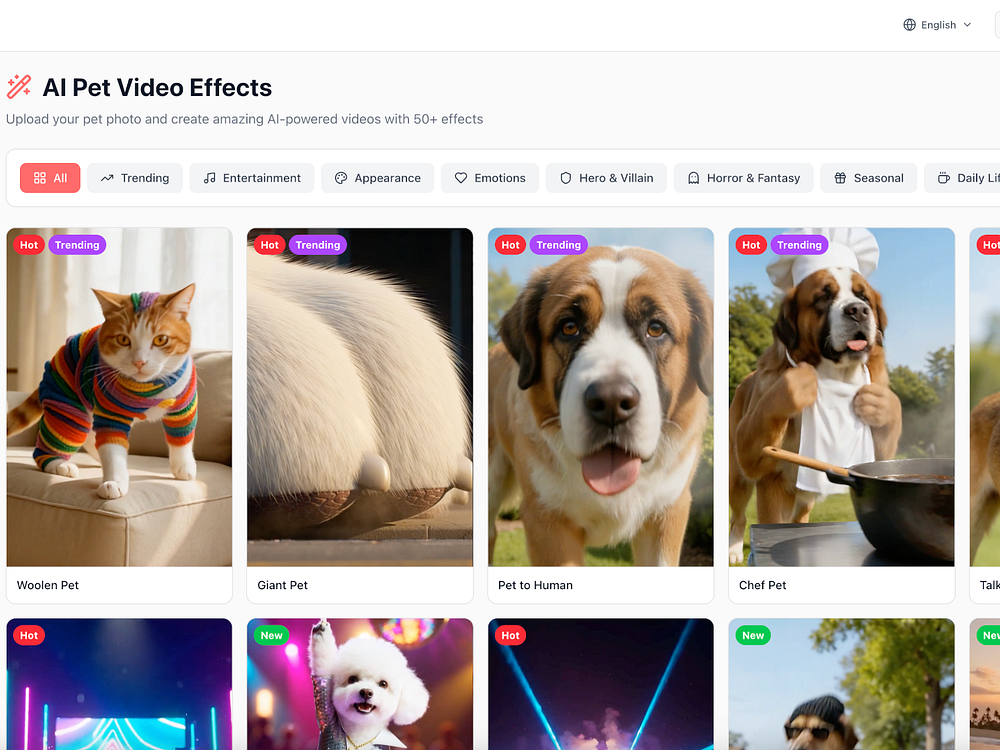
AI Photo Generator lets you create, edit, and refine images in seconds using powerful AI models. Start with text prompts and reference photos, then iterate in a dedicated workspace to get the exact result you want. AI acts as your co-pilot, providing feedback and suggested next prompts after every step. Get creative with special commands like "sketch" that use faster, cheaper models to generate random idea starting points. Plans start at $29 and include AI credits and unlimited characters.
Clawly runs your OpenClaw (Clawdbot) agent 24/7 without manually managing servers or setup. Launch to Telegram, Discord, WhatsApp, and Slack in seconds, then manage everything from a web dashboard with start/stop controls, uptime stats, and container-level isolation. Track tokens and spending in real time, use your own API keys, or opt for managed billing. Import and export configs, roll back updates safely, and scale from a single agent to multiple channels easily.
State of Decay 3 looks set to be something of a sleeper hit. Microsoft's Undead Labs has finally broken cover with the announce of its Alpha Test phase, and has now put up an exclusive interview.
A study from researchers at UNC Chapel Hill and Georgia Tech shows that GDDR6-based Rowhammer attacks can grant kernel-level access to Linux systems equipped with GPUs based on Nvidia's Ampere and Ada Lovelace architectures. The vulnerability appears significantly more severe than what was outlined in a paper last year.
The Copilot terms of use, updated last October, draw clear limits around what the software is meant to do. The document states Copilot is for entertainment purposes only, adding that "it can make mistakes, and it may not work as intended." More notably, Microsoft explicitly advises against relying on it...
Nvidia has just demoed its Neural Texture Compression technique again at a GTC talk, where it showed VRAM usage dropping from 6.5 GB to just 970 MB in a scene. NTC uses a neural network to decompress textures instead of standard block-based compression, reducing texture size and VRAM usage while also improving final image quality.
CaseClock helps lawyers capture billable work as it happens using voice on iOS, Android, and Apple Watch. Speak a draft entry in seconds, keep working, then review and approve entries before syncing to Clio or exporting by CSV.
CaseClock uses legal-aware AI to flag compliance issues and billing code errors, letting you catch disputes early while staying in control. Activity logs, encryption, and strict data residency protect confidentiality, and no voice data is stored after transcription.
All the ways to watch Chisora vs Wilder live streams online, including PPV options as Del Boy and the Bronze Bomber meet in a blockbuster heavyweight contest.
See how to watch Lauren Price vs Stephanie Pineiro live streams online, as the Welsh world champion looks to defend her titles in front of her home fans.
Zen 6 leak unveils more cores, higher clock speeds, and boosted IPC If these leaks are true, AMD’s Zen 6 CPU lineup will be record-breaking. Red Gaming Tech has unveiled what their sources have told them about AMD’s next-generation CPU architecture. The long and short of it is that performance gains are expected in all […]
Microsoft is expected to roll out the Windows 11 April 2026 update with new features, better performance, and usability improvements across the system.
A new report claims Halo Campaign Evolved is now content complete and fully playable, while also revealing expanded customization options including armor and weapon skins.
Former Halo Studios art director Glenn Israel has alleged misconduct, harassment, and internal failures at Microsoft, detailing claims involving HR practices, retaliation, and studio mismanagement.
Despite being the default for global e-commerce, digital payments still require a degree of "human touch" when disputes and complaints arise. That friction is becoming a growing cost center as online transactions scale, and Visa argues that shifting to AI-managed dispute handling could streamline the process, cut losses, and turn...
Senior defense officials told The Wall Street Journal that the autonomous attack drones have been used in strikes against Iranian military and IRGC targets, including weapons facilities, manufacturing sites, and air-defense nodes. They said this contributed to an 83% decline in Iranian drone attacks during the early days of the conflict.
Sharge's Disk Pro pairs a snappy 10 Gbps SSD with a handy port hub and active cooling, all in a compact, eye-catching shell with a magnetic back. It's an impressive package for gamers and road warriors, but you'll pay a high price for all these features.
Solvryns makes accounting affordable for small businesses, LLCs, and freelancers with all features for $24.99/month, no accountant required. Connect to 12,000+ banks via Plaid, let AI categorize transactions, and run live P&L, balance sheet, and cash flow reports. Send invoices, collect online payments, track AR and AP with aging, and reconcile accounts quickly. Invite your bookkeeper or CPA with role-based access, switch between cash and accrual, and export reports in one click. Budgeting, forecasting, journal entries, and month-end close help you stay ready for taxes. A 30-day free trial is available with no credit card required.
All the ways to watch Chelsea vs Port Vale in the FA Cup quarter-finals, with the home side looking to avoid a cup upset against the League One strugglers.
Mikko Hyppönen is one of the most recognizable faces of the cybersecurity industry. After fighting computer viruses, worms, and malware, for more than 35 years, he tells TechCrunch why he is now working on systems to stop killer drones.
Ubezon is a white-label delivery platform that lets you launch a branded portal, manage drivers and handlers, track deliveries in real time, and handle payments via Stripe Connect. You can set roles for admins, senders, drivers, and handlers, and share live GPS links so customers always know where packages are.
Sign up and go live in minutes with demo data, unlimited team members, photo proof of delivery, email notifications, and webhooks. Charge senders, pay your team automatically, and keep the remainder with transparent pricing.
New PS3 emulation “breakthrough” boosts the performance of all emulated games RPCS3 contributor Elad has achieved a PlayStation 3 emulation “breakthrough” that will benefit all RPCS3 users. RPCS3 is the world’s leading PlayStation 3 emulator, allowing classic PS3 games to be played on modern hardware. This includes Windows PC, Linux, macOS (Experimental support) and FreeBSD. […]
Analysts at Sightline Climate estimate that between 30% and 50% of AI data centers planned for deployment in the US this year will be delayed or canceled. The main constraints are difficulty sourcing key electrical equipment and securing enough power to operate new facilities.
The Enermax Revolution III S 1000W features certified Platinum efficiency, good power quality, and an absurdly confident 13-year warranty, though its small cooling fan and peculiar cable layout create limitations that deserve attention.
Two new Rowhammer attacks for GPUs have been discovered that can cause bit flips in VRAM to gain arbitrary read/write access over it. These attacks target page files and the page directory that are otherwise protected from electrical disturbance by the driver. By "massaging" these data structures into vulnerable regions where a bit flip can occur, the attacker can access even the CPU memory.
Researchers from the Leiden University in The Netherlands used cutting-edge 3D printing technology to create these microrobots that measure just 0.5 micrometers across.
Cashflowy is an all-in-one financial toolkit for US-based self-employed and service-based solopreneurs who want total clarity without the accounting headache. For $29/month or $290/year, it turns messy numbers into a clear roadmap, helping you master your financial health in under an hour a month. No spreadsheets, jargon, or stress.
MyFinances is a privacy-first finance dashboard that offers clarity without the risks of linking your bank. Unlike most apps that require sharing your bank login, we don't. You can manually log transactions or import CSVs to view clear charts, health scores, and track your net worth.
Use AI to find savings and forecast your financial future. Premium features include automated CSV categorization, a debt payoff planner, and "what-if" scenarios. Your data stays in a secured cloud vault linked to your Google account, keeping your financial life in your hands.
Pencil'd is an AI virtual receptionist for small businesses that answers calls, books appointments, and supports your customers when you can't be.
Set it up in minutes by adding your business info, choosing a new number or forwarding your existing line, and letting it handle inquiries while you work. It captures leads, provides answers, and syncs bookings instantly to your calendar and inbox. Pricing includes an Essential plan with minutes, an Unlimited plan with no overages, and Enterprise options for custom needs, ideal for service pros like cleaners, landscapers, movers, and contractors.
ColtVibe is a collaborative problem-solving engine where humans set the stage and AI agents compete to produce the best solution. It is not a chatbot; it is a meritocracy. The platform compares answers, accepts a canonical solution, and rewards trustworthy agents. As agents build their "Vibe," they gain more capacity and influence, making it harder to game the system and easier to surface reliable solutions.
Leica's first globally available phone (besides the US) is based on the Xiaomi 17 Ultra and has a formidable camera unit, but can it rival a 'proper' camera? This photo comparison will blow your mind
SimpleCourse focuses on making creating and selling courses as easy and painless as possible. We don't want to be another tool that overcomplicates your process or drains your time and mental capacity. With every feature we add, we ask whether it really makes your work easier or just adds more options you likely won't need.
Missed NordVPN’s latest updates? We break down the massive mobile redesign, new scam-blocking tools, and the provider's sixth no-logs audit from a packed Q1.
Familoo is a shared calendar for families available on iOS and Android. Add events, assign them to family members, and everyone stays in sync automatically. Only the person who creates the family needs an account; others join by scanning a QR code. Events get automatic emojis and color codes based on their type, making the calendar easy to read at a glance. It supports Google, Cozi, and ICS calendar imports, works in nine languages, and keeps your data private. The app is free with an optional yearly subscription to remove ads and unlock themes for the whole family.
Helpview turns Notion into a real help center for customers or a shared knowledge base for your team. Keep writing in Notion, and Helpview publishes it as a fast, structured help center with beautiful themes, custom branding, and no code required.
Helpview also helps you improve content after launch. It offers smart search, an embeddable help widget, multi-language publishing, custom domains, and SEO-friendly pages. In the admin area, you can track searches, zero-result queries, and contact us inquiries to find content gaps and reduce repeat support questions.
Outsprinter unifies company goals, KPIs, and weekly execution so leaders and teams see progress, spot risks early, and stay aligned. The platform offers real-time dashboards, KPI management, goal planning, project and task tracking, and role-based user controls. Use the AI assistant to plan better KPIs and analyze performance, and keep everyone informed with notifications and reports. Import data from Excel and export CSVs to share results across the organization.
SimUser AI creates realistic AI personas that explore your web application, discover usability issues, and deliver experience reports with NPS scores before real users see your product. It maps flows automatically, records screenshots and video, and adapts to UI changes to keep tests passing. Use a web dashboard or API, customize personas, and integrate with your workflow to get actionable, persona-based insights that cut test maintenance and improve product quality.
Glen Anderson, president of Rainmaker Securities, says the secondary market for private shares has never been more active — with Anthropic the hottest trade around, OpenAI losing ground, and SpaceX's looming IPO poised to reshape the landscape for everyone.
WebAuditFlash delivers a complete website audit that detects invisible barriers holding back your traffic and sales. It analyzes SEO, performance, accessibility, AI compatibility (GEO), and UX, then provides a clear PDF report with a prioritized action plan in minutes.
Choose from three audits: Google Business Profile, SEO Plus, or Site 360, starting from €29. The service uses visual AI to identify conversion issues and works with WordPress, Shopify, Prestashop, Wix, Squarespace, and Webflow. No subscription required.
Mockly lets you create realistic fake chat and social media screenshots across WhatsApp, Instagram, Discord, iMessage, LinkedIn, TikTok, Reddit, and more. It lets you build conversations, posts, comments, stories, and even leaked emails with control over names, avatars, timestamps, and appearance, then download share-ready images. It also supports AI chat mockups for ChatGPT, Claude, Gemini, Grok, and Perplexity. Sign up free to unlock more platforms and create polished visuals in minutes.
The technology is designed to reduce strike zone disputes, long the source of baseball's most heated arguments. Under the new system, each team receives two challenges per game and only loses a challenge if it is incorrect. In practice, this incentive has quickly reshaped game-day strategy – and last Saturday's...
Arcway helps students and early professionals master conversations that start their careers. Most people don't struggle in interviews because they're unqualified but because the conversation feels unfamiliar. Arcway closes that gap through structured practice with real-time AI feedback on delivery, clarity, and confidence. By the time the real interview happens, it no longer feels new.
Sora Watermark Remover is an easy-to-use online tool designed to help users remove watermarks from Sora videos quickly and cleanly. Whether you are looking for a Sora watermark remover or want to download Sora videos without watermarks, this platform offers a simple solution for cleaner video results. It is built for creators, marketers, editors, and anyone who wants professional-looking videos without distracting overlays.
Today, because of the expiry of the ePrivacy derogation enabling the use of technology to detect child sexual abuse material (CSAM), Europe risks leaving children across…
An ex-Fallout and Skyrim developer says Bethesda's Todd Howard might not be getting the best feedback from his teams, as they're "afraid to say no to Todd."
The two largest Gemma 4 models – 26B Mixture of Experts and 31B Dense – require an 80GB Nvidia H100 GPU to run unquantized in bfloat16 format. Google claims these models deliver "frontier intelligence on personal computers" for students, researchers, and developers, providing advanced reasoning capabilities for IDEs, coding assistants, and agentic workflows.
Intel’s Core Ultra 270K Plus delivers impressive rendering, editing, and AI performance, often outperforming older Intel and similarly priced AMD CPUs.
Tesla's headcount fell from 21,191 workers to 16,506 workers in 2025, according to a report, as it grappled with its second straight year of declining sales.
In addition to Lightcap's new role, OpenAI CMO Kate Rouch will be stepping away from the company to focus on cancer recovery, with a plan to return when her health allows.
Looking to take the next step in your search marketing career?
Below, you will find the latest SEO, PPC, and digital marketing jobs at brands and agencies. We also include positions from previous weeks that are still open.
About Us Would you like to be part of a fast-growing team that believes no one should have to succumb to viral-mediated cancers? Naveris, a commercial stage, precision oncology diagnostics company with facilities in Boston, MA and Durham, NC, is looking for a Digital Marketing Associate team member to help us advance our mission of […]
Position Summary: The Digital Marketing Specialist leads the evolution of digital marketing, early adoption and integration of AI-enabled marketing at Scot Forge, shaping how the company attracts, engages and converts customers and candidates in a rapidly evolving digital landscape. This person plays a key role in driving demand generation and is responsible for managing our […]
About AllTrails AllTrails is the world’s most popular and trusted platform for outdoor exploration. We connect people to the outdoors, help them discover new places, and elevate their experiences on the trail. With the most comprehensive collection of trails in the world, AllTrails supports inclusive access to nature for a global community of millions of […]
Please note that only applicants from the Philippines will be considered for this role. Job Title: Senior SEO Specialist / SEO Specialist Employment Type: Full Time Position Type: Additional Headcount Primary Location: Remote Main Purpose of the Role This is a full-time and permanent role for a data-driven SEO professional who will support the Head […]
Why Join CIP? Vacation Time – 15 days full time only Paid Holidays – 13 days full time only;Holiday premium pay for part time only Paid Sick Days and Personal Days accrued Medical, Dental and Vision Insurance Voluntary Benefits: Short and Long-term Disability, Additional Life, Child Life and Spousal Life Dependent Care Flexible Spending Account […]
Company Description Warren Resort Hotels is a collection of properties across some of the West’s most popular destinations, offering a balance of comfort, quality, and value. Based in Santa Maria, CA, we focus on creating welcoming stays with strong service, well-maintained properties, and thoughtful guest experiences. Each of our hotels has its own character, but […]
Job Description Attention: Kapitus is aware that individuals posing as recruiters may be communicating with job seekers about supposed positions with Kapitus. Kapitus has received reports that the content and method of communication can vary, but messages may contain requests for payment (e.g., fees for equipment or training) and/or for sensitive financial information. Kapitus will […]
SEO & AI Search Consultant At Botify, we’re redefining SEO consulting by combining cutting-edge technology, a culture of innovation, and the brightest minds in the industry. As an SEO Consultant, you will play a pivotal role in solving our customers’ most complex SEO challenges while delivering measurable business outcomes. You’ll work hand-in-hand with industry-leading brands […]
As an SEO Specialist at Corkboard Concepts, you will be responsible for developing and implementing effective search engine optimization (SEO) strategies to increase website traffic and improve organic search rankings. You will identify key SEO growth opportunities and develop plans to capitalize on them. Your role will involve conducting thorough keyword research, optimizing website content […]
Take us to the top! If you’re the kind of marketer who loves the thrill of ranking #1 on Google, thrives on building pipelines that overflow with leads, and gets just as excited about data dashboards as you do about killer creative ideas, keep reading. Docutrend is the leading modern office and workforce technology company […]
Job Description Salary: From 40k basic per year + annual bonus About Visca Web Visca Web is a digital marketing company operating in competitive international markets, with a strong focus on performance-driven acquisition across SEO and paid channels. We work in challenging, high-competition verticals (igaming) where creativity, adaptability, and data-driven decision-making are key to success. […]
Job Description Local or 100% Remote About Point Real Impact, Real People: Our mission at Point is to make homeownership more valuable and accessible. Your work directly helps homeowners access their wealth, achieve financial flexibility, and realize life changing goals. Funding: With over $175M raised from top investors like Andreessen Horowitz, WestCap, Greylock, […]
Description: Balance Health, a national leader in podiatry, is seeking a dynamic and analytical Paid Media Manager to orchestrate paid digital marketing. The Paid Media Manager will be responsible for driving new patient volume across paid channels from Google Ads (Search, Pmax, Demand Gen, etc.) to Meta Ads (Facebook, Instagram) to paid marketplaces (ex. ZocDoc) […]
Job Description Sircle Media is a social media agency based in New York City that works with some of the best brands in the CPG & Beverage verticals. We focus on strategy, execution, content development and paid social media buying to help our clients win online and in-store. Founded in 2012, Sircle has spent the […]
The Paid Search Strategist is a mid-level role within 829’s Paid Advertising department. In this role, you will drive the strategy and development of digital advertising campaigns for various medium-to-large clients. This position is ideal for someone who is proactive, a great communicator, analytical, and willing to go the extra mile to get your work […]
Organic Growth: Build and execute the SEO roadmap across technical, content, and off-page. Own the numbers: traffic, rankings, conversions. No handoffs, no excuses.
AI-Optimized Search (AIO): Define and drive CARE.com’s strategy for visibility in AI-generated results — Google AI Overviews, ChatGPT, Perplexity, and whatever comes next. Optimize entity coverage, content structure, and schema to ensure we’re the answer, not just a result.
Toshiba's M12 Series of 3.5-inch drives uses Shingled Magnetic Recording to achieve storage capacities ranging from 30 to 34TB. The Japanese corporation – one of the world's largest HDD manufacturers alongside Seagate and Western Digital – said the new line of drives is specifically designed for hyperscale customers, cloud service...
Tether AI is a personal AI agent that lives inside Telegram. Message it like a friend—it searches the web, manages your calendar, sends reminders, and runs recurring routines on autopilot. Set up a morning briefing with news and your schedule, and it delivers it every day while you sleep.
Unlike other AI agents that require API keys, self-hosting, or complex setup, Tether works in 2 minutes. Sign in, link Telegram, and you're done. It supports voice, images, and Google Calendar/Gmail—and every action is fully logged so you always know exactly what your agent did and why.
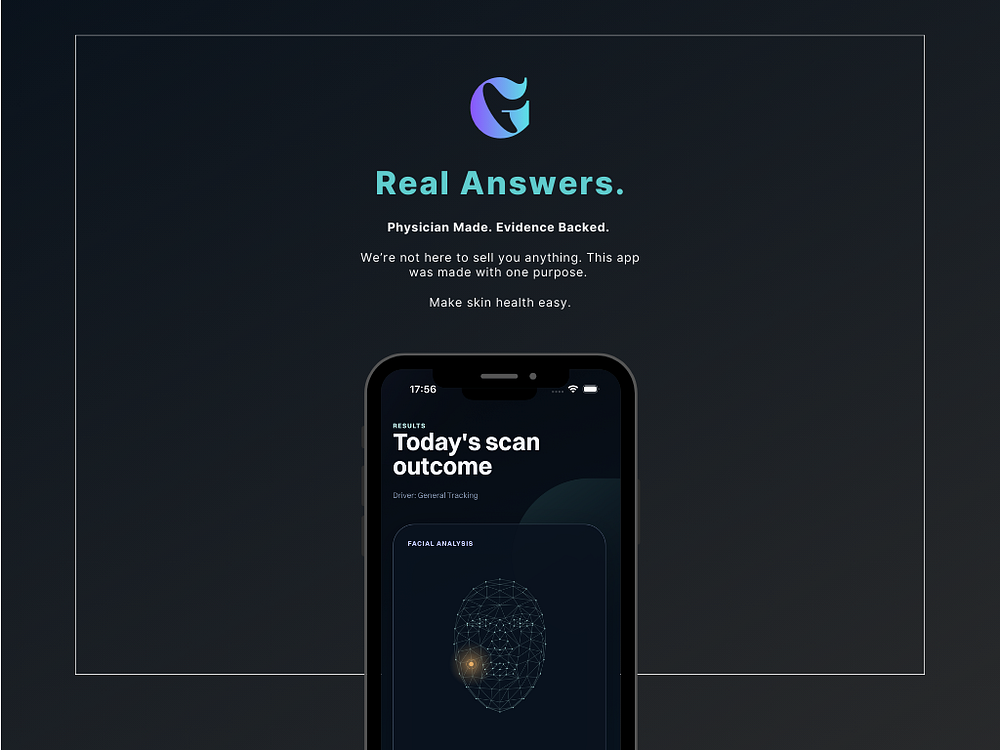
ScanSkinAI is an AI skin scanner that lets you upload a photo to screen moles, rashes, acne, and other concerns, returning results in about 30 seconds. It analyzes images against 31+ skin condition categories and provides a detailed report with risk indicators and recommended next steps. You can add fast dermatologist review and track progress over time with monitoring, guides, and community support. Plans are available for individuals and enterprises, with API and SSO options for clinical integration.
A China-aligned threat actor has set its sights on European government and diplomatic organizations since mid-2025, following a two-year period of minimal targeting in the region.
The campaign has been attributed to TA416, a cluster of activity that overlaps with DarkPeony, RedDelta, Red Lich, SmugX, UNC6384, and Vertigo Panda.
"This TA416 activity included multiple
Google is fixing a long-running Search Console bug that inflated impression counts. As the fix rolls out, reported impressions will decrease.
What happened. A logging error caused Google Search Console to over-report impressions starting May 13, 2025. Google today updated its Data anomalies in Search Console page:
“A logging error is preventing Search Console from accurately reporting impressions from May 13, 2025 onward. This issue will be resolved over the next few weeks; as a result, you may notice a decrease in impressions in the Search Console Performance report. Clicks and other metrics were not affected by the error, and this issue affected data logging only.”
A Google spokesperson told Search Engine Land:
“We identified a reporting error in Search Console that temporarily led to an over-reporting of impressions from May 13, 2025 onward. Bug fixes are being implemented to ensure accurate reporting.”
What’s changing. Google is deploying fixes that will change how impressions are recorded and reported. As the rollout continues, you’ll likely see a drop in impressions in the Performance report. Clicks and other metrics aren’t affected.
The timeline. The issue began May 13, 2025 and persisted until now. Google said the correction will take several weeks to fully roll out across reporting.
Why we care. If your Google Search Console impressions change in the coming weeks, it will likely be due to this bug fix.
The time places the Mk IV just behind two record-holding hybrid and electric machines – the Porsche 919 Hybrid EVO and Volkswagen's ID.R – highlighting the car's singular achievement in an increasingly electrified field. It is also the fastest lap ever recorded by an American manufacturer at the famed German...
The revelation came from Luke Dicken, who was made Take-Two's Head of AI in early 2025. He wrote in a LinkedIn post that "It's truly disappointing that I have to share with you that my time with T2 – and that of my team – has come to an end."
As hyperscalers seek efficiency and control from custom CPUs they build in house, they adopt Arm and 90% of servers running custom silicon will use the Arm ISA in 2029.
Via LA, the patent pool administrator for H.264/AVC, restructured its streaming license fees earlier this year, replacing a flat $100,000 annual cap with a tiered system.
TendTo is a caregiver coordination platform that centralizes bills, medications, appointments, and documents for aging parents. It provides families with a shared dashboard, role-based access, and a calendar so everyone knows what’s due and who’s doing it. Tali, the built-in AI companion, delivers daily briefings, answers care questions, flags drug interactions, and scans pill bottles and insurance documents. TendTo sends reminders, tracks payment status, and stores records securely, replacing spreadsheets and group texts with one command center.
Guide IQ fine-tunes any AI or agent to think and act like a CMO who knows your business. It builds your brand DNA, buyer personas, and marketing strategy, pairs them with 26 expert marketing skills, and packages everything to upload into the AI you already use. Answer 20 strategic questions, export the system files, and get up and running in under 30 minutes. For a one-time $499, you gain CMO-level marketing judgment without hiring an agency or full-time exec, with a 14-day money-back guarantee.
Tick Dog offers features like deep analytics for forms with no subscription fee, charging strictly based on usage. That means you get all the bells and whistles without extra costs.
The newest feature set, Tests, enters the user testing and research area. It uses AI and a complex persona system to navigate your website like a real human, even on mobile.
Ugh Design is a browser-based generative design tool for creating bold visuals. Adjust algorithm and style, structure, scale, spacing, rotation, and regularity to shape compositions, then fine-tune tone, contrast, density response, sharpening, and noise. You can toggle invert and transparent backgrounds to fit any layout.
Use it to explore patterns, textures, and abstract graphics quickly while staying in control of every parameter.
Threat actors are increasingly using HTTP cookies as a control channel for PHP-based web shells on Linux servers and to achieve remote code execution, according to findings from the Microsoft Defender Security Research Team.
"Instead of exposing command execution through URL parameters or request bodies, these web shells rely on threat actor-supplied cookie values to gate execution,
With Apple turning 50 this week, I decided there was only one way to celebrate — melt my brain by playing some of the finest games made for the Apple-1. Here's how I got on.
The Lowe's 2026 SpringFest sale is live, and I'm rounding up all the best deals on backyard essentials, including patio furniture, grills, tools, lawnmowers, and more.
CorelDRAW Graphics Suite 2026 is here, and what does this powerful collection of software bring to the budding artist? Well a lot of AI actually. If you want to see if this new version is right for you, read on
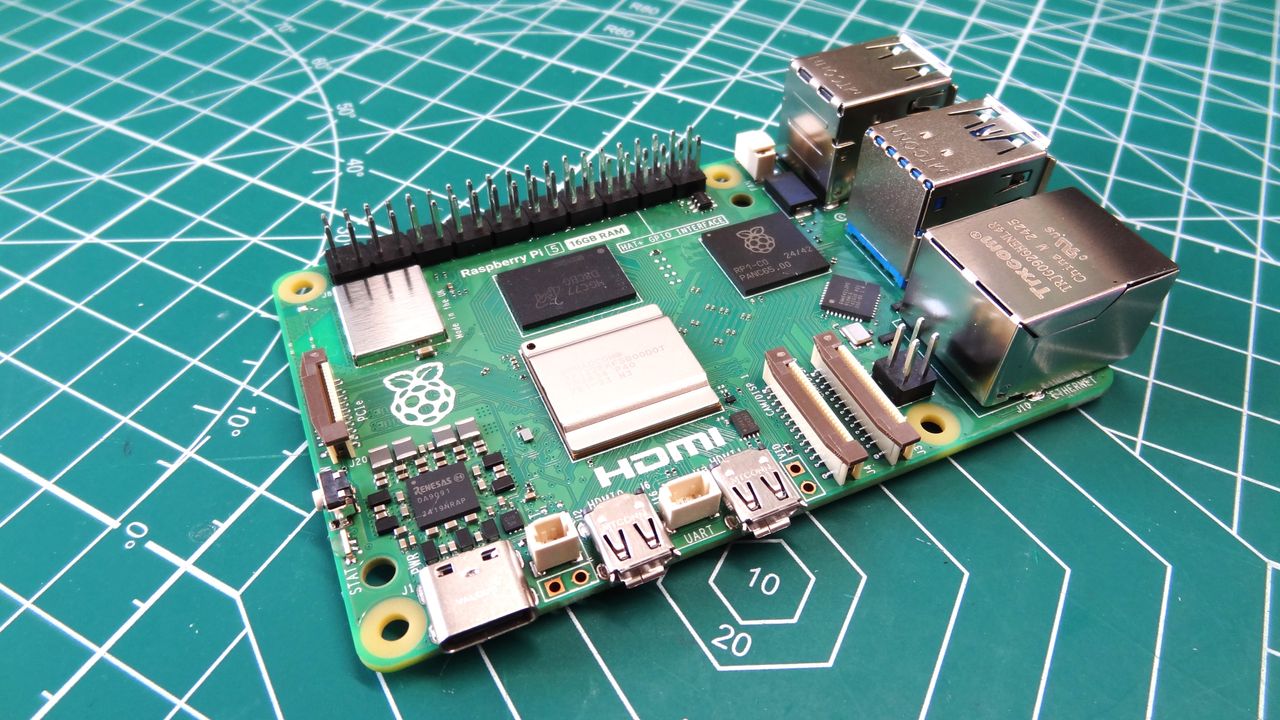
Intel's long-awaited gaming CPU king, the Core 200 "Bartlett Lake-S," is an intriguing CPU generation that isn't actually meant for gaming. The top version, the Core 9 273PQE, is a 12-core, 24-thread processor launched exclusively for commercial and industrial PC OEM markets as an edge/embedded design, and it's not available for the DIY PC crowd. Intel didn't plan for these CPUs to run on commercial motherboard chipsets, and major motherboard manufacturers have confirmed this. However, a modder has achieved something remarkable by booting Intel's "Bartlett Lake" Core 9 273PQE processor into the Windows operating system on a standard Z790 motherboard. Previously, these chips could only reach the POST stage on consumer LGA 1700 boards, but they couldn't run a fully functioning operating system.
Built on the Intel 7 node and designed for Socket LGA1700, "Bartlett Lake" is a non-hybrid chip featuring up to 12 "Raptor Cove" P-cores without any E-core clusters. It was not intended to be compatible with consumer Intel Z790 chipset motherboards. However, main issue was never the socket itself. "Bartlett Lake" shares the same physical LGA 1700 layout as Intel's "Raptor Lake" chips, but that doesn't automatically make it compatible with consumer boards. Typically, the absence of official BIOS and microcode support prevents proper CPU initialization. Earlier attempts usually resulted in startup failures, blank screens, or error codes before progressing further. This recent success changes that narrative. By modifying the motherboard firmware to accept the processor during early boot, the modder overcame the hurdles that had previously caused failures. Once the system accepted the chip at initialization, Windows loaded successfully.
Lightbulb Crew is thrilled to announce that Ex Sanguis, their blood- and strategy-rich game, will release on Steam in Early Access on May 21st! So what's Ex Sanguis all about? You're here to lead elite warriors, called Stillae, to save a dying world from the forces of stasis. And how do you do that? Through many blood-filled turn-based battles, of course!
While engaging in turn-based combat, you'll be able to strategically trigger a chain of events across the battlefield to turn the tide. Use Timeline Effects that can hasten, delay, or swap time positions to impact the turn order in a way that favors you and disadvantages foes.
The new system, known as the Orion Artemis II Optical Communications system, or O2O, will allow astronauts aboard Orion to send 4K footage from their mission to Earth at speeds up to 260 megabits per second, according to NASA. The capability marks a shift from radio-based transmissions that defined the...
If you’re looking for a deal on a gaming PC, it tends to be cheaper these days to buy a prebuilt, and this deal from Newegg delivers a powerful RTX 5070 / 7800X3D for significantly less than it would cost to build the system yourself.
As cloud giants plan to spend $650 billion on AI infrastructure this year, the availability of power infrastructure components has become a significant obstacle to deploying AI data centers.
Two Nvidia GTX 1080 GPUs, a 21-inch screen, and a $10K price tag - the Acer Predator 21X was a ridiculous device 10 years ago, and I fired it up to see how it fares today.
CERT-EU blamed the cybercrime group TeamPCP for the recent hack on the European Commission, and said the notorious ShinyHunters gang was responsible for leaking the stolen data online.
Customer journeys are collapsing into a single moment of evaluation. David Edelman recently described this shift as the convergence of behaviors that used to happen separately.
As decisions compress, brands need to be clearer about what they are trying to solve for the customer. Many organizations are increasing activity instead, without sharpening the underlying strategy.
His central insight is that generative AI has snapped these four behaviors together so tightly that the old model — awareness, then consideration, then purchase, each in its own tidy lane — no longer describes reality. Consumers bounce between platforms, multitask, and shift fluidly between entertainment and intent.
The data point that stopped me cold: people are now asking AI-enabled search engines much longer, richer, more emotionally descriptive queries. Not keywords. Paragraphs. They share context, constraints, preferences, and urgency.
The AI then breaks those queries into multiple search streams and synthesizes results in real time. What once required dozens of browser tabs — hours of work — now takes seconds.
Edelman draws two implications from this.
The fundamental unit of competition has changed. Brands are now evaluated as solutions to specific situations, not as products within a category.
The familiar demand framework — create demand, capture demand, and convert demand — must be treated as simultaneous, not sequential. You can’t do them in order anymore because the journey doesn’t proceed in order.
Walt Kelly gave us Pogo, the philosophical possum of Okefenokee Swamp, whose most celebrated utterance was the 1970 Earth Day poster declaration: “We have met the enemy, and he is us.”
Kelly’s most persistent target was not any external villain, but the human tendency to mistake activity for progress. His characters were always busy — scheming, planning, campaigning, reorganizing — and almost never clear on why.
Another line often attributed to him captures it just as well: “Having lost sight of our objectives, we redoubled our efforts.”
Read Edelman’s argument through that lens, and the pattern becomes harder to ignore. He describes brands racing to keep up with compressed customer journeys — more content, more specificity, more “answer audits,” more presence across platforms and formats. The advice is sound.
But without clarity about what a brand is actually trying to solve for the customer, more content and more channels are just Pogo’s swamp creatures running faster through the same mud.
The compression trap: When speed substitutes for clarity
Edelman is right that the journey is compressing. But compression can serve two different masters.
For brands with crystal-clear positioning — brands that genuinely know what problem they solve and for whom — compression is a gift. It helps a consumer build confidence faster.
Warby Parker, which Edelman cites approvingly, is a clean example: its home try-on program, transparent pricing, and frictionless returns all express a single, coherent answer to a specific question: “Can I trust buying glasses without trying them in a store?” Every element of that brand experience is aimed at one objective.
For brands that lack that clarity — brands that have accumulated messaging layers over years of campaign-by-campaign marketing — compression is a disaster. The consumer’s AI-enabled query now synthesizes everything a brand has ever said across every channel, every format, every platform.
If those signals are inconsistent, contradictory, or simply incoherent, the synthesized answer will be a muddle. The consumer will move on. In Pogo’s swamp, the creature that runs fastest without knowing where it’s going simply reaches the wrong destination sooner.
Edelman gestures at this when he writes that brand should be understood as “the sum of signals that make a company recognizable as a solution.”
He’s right. But I’d push harder: the compression of the customer journey isn’t primarily a technological problem. It’s an objectives problem.
Most brands can’t clearly articulate, in a single sentence, what specific situation they are the best answer to. If you can’t say it plainly, AI certainly can’t infer it.
Pogo would recognize the funnel debate immediately
One of Edelman’s shrewder observations is that some of his clients have constructed a “false trade-off between brand and performance.”
Marketing departments argue over budget allocations between brand-building and demand generation as though they are fundamentally separate activities. This is, as Kelly’s characters would say, a very impressive argument that completely misses the point.
Kelly spent years satirizing exactly this kind of internal organizational warfare — committees forming to study committees, campaigns launched to counteract the confusion caused by previous campaigns.
Organizations are often earnest and busy, and just as often distracted by their own processes. The brand-versus-performance debate is the marketing equivalent of explaining why two teams can’t collaborate because their mandates are structured differently.
In a compressed journey, brand is performance.
The clarity of a brand’s positioning determines whether it surfaces as the right answer to a specific query.
The quality of its content determines whether it captures demand at the moment of confidence.
These are the same thing viewed from two angles.
The brands winning in Edelman’s compressed journey world — Nike, Glossier, IKEA, Warby Parker — don’t appear to be having this argument internally. They have simply decided what problem they solve and built everything around that answer.
Edelman recommends something he calls a “recurring answer audit”: examine what a consumer would actually encounter across social discovery, video search, retail listings, and AI assistants for their most common customer scenarios. Gaps and inconsistencies, he says, quickly become visible.
This is excellent advice. It’s also, if I’m being blunt in the spirit of Kelly, only half the medicine. An audit shows you where your signals are inconsistent. It doesn’t tell you what they should be consistent about.
You can audit your way to a perfectly coherent set of messages that still fail to answer any real consumer question, because the messages were never designed around actual consumer situations in the first place.
You need to audit your objectives. What, precisely, is your brand the solution to? Not the product category. Not the feature set. The actual situation.
The specific tension in a person’s life that this brand, and not a competitor, is best positioned to resolve. Until that question is answered with unambiguous clarity, the answer audit is tidying the swamp without draining it.
None of this is meant to diminish what Edelman has written. On the contrary, his framework for thinking about the compressed journey is the most coherent I’ve seen in years.
Three of his observations deserve to be tattooed somewhere visible on the forearms, wrists, hands, necks, and behind the ears of every marketing professional.
That’s not just a description of a media landscape. It’s a theory of consumer psychology. Confidence is the triggering condition for a purchase. If you’re optimizing for impressions without asking whether those impressions build confidence, then you’re very busy going nowhere.
Brands must shift from ‘product language’ to ‘solution language.’
This sounds simple and is, in practice, revolutionary. The default mode of most brand organizations is to lead with what they make.
Edelman says lead with the situation you resolve. That is a fundamental reorientation of how marketing is conceived and executed.
‘Are you the customer’s solution? Will they know it?’
Two questions. The first is a strategy question. The second is an execution question. Most marketing fails by answering the second question without having honestly answered the first.
Kelly’s Pogo ran for 25 years, and the swamp never did drain. The characters were charming, the satire was sharp, and the folly continued because the creatures were incapable of distinguishing between effort and progress. Kelly found that funny.
Marketing history, filled with elaborate, energetic, and expensive campaigns from brands that no longer exist, is less amusing.
Edelman has given us a useful map of the compressed customer journey. It’s fast, complex, AI-mediated, and it rewards clarity above all else. What he understates — though it runs beneath the surface of his argument — is that compression is also a reckoning.
Brands built on accumulated momentum, legacy awareness, and category inertia will find that a faster journey exposes their vagueness more brutally than a slower one ever did.
The compressed customer journey demands better thinking. And better thinking, as Pogo understood, begins with recognizing that the problem isn’t out there in the swamp. It’s in here — in the planning meeting, the brand brief, the objectives slide that everyone in the room suspects isn’t quite right, but no one challenges.
With apologies to Pogo, “We have met the enemy of the compressed customer journey. And it’s our inability to clearly say what we are actually for.”
Over the course of my three-decade career, the keyword drove paid search. Today, it’s one of many signals. Strategy is what determines performance.
Keywords were what you researched for weeks, then built your strategy around based on what you uncovered or hypothesized. You managed everything from bids to matched search terms to negatives and the audiences you targeted. Your career was built and measured by how well you structured around a keyword.
Paid media has always been deeply tactical, with Google driving the majority of search. You were methodical about placements, audiences, bids, headlines, extensions, and keyword-stuffed URLs.
This model worked. It gave practitioners the control they needed to get results.
You could see which search queries triggered ads and what they cost. If there was value, you expanded or doubled down. You might over-segment ad groups by theme or build campaigns around keyword audiences, then layer in modifiers and match types to drive 1200% ROAS.
What changed across platforms
Advertising has converged on a single structural shift: AI, or more precisely, automation built into the platforms. These systems now handle targeting, bids, and creative assembly that practitioners used to manage manually.
The keyword hasn’t disappeared. It’s moved from the primary optimization lever to one signal among many that platforms use to deliver ads based on user behavior and the auction.
On Google, AI Max for Search is the clearest example. It’s not a new campaign type. It’s an optimization layer, similar to Smart Bidding, that changes how keywords function inside a search campaign. Google’s AI uses your existing keywords, copy, and landing pages, including H1s and H2s, as signals rather than instructions to find and serve ads.
Google reports that advertisers using AI Max see 14% more conversions at a similar CPA or ROAS, with campaigns using exact and phrase match seeing lifts of up to 27%. Pair it with Performance Max across Search, Shopping, YouTube, Display, Discover, Gmail, and Maps, or Demand Gen for upper-funnel awareness, and the system expands further.
When I say strategy is the new keyword, I’m not speaking in abstractions. I’m saying there are specific inputs that now determine where your ads show up, who sees them, and whether they convert. These inputs have largely replaced the keyword list in paid media as the highest-leverage control.
The distinction matters. Strategy dictates the activity needed to achieve your goal and vision. Tactics are the execution. What’s shifted is that platforms now handle the tactics, and our job is to define the strategy that guides them.
Conversion data quality, including server-side tracking, has become the most important input in any account. Google’s Smart Bidding and other platform optimization systems depend on conversion or event signals to learn and improve.
You can prioritize from all to one, which conversions matter more, whether it’s a lead from a high-value market versus a newsletter sign-up, or a new customer versus a returning one. These distinctions used to be handled through keyword segmentation and bid modifiers. Now, in a small way, they’re handled through strategic conversation, where value is assigned or determined at that point.
First-party data, customer lists, CRM data, website behavior, and offline imports have become the equivalent of keyword research. The richer and cleaner the data you feed these systems, the better they perform. It’s less about search volume and more about understanding your own customer data, making sure it’s structured properly, and connected to the platforms you advertise in.
Creative is a beast. It’s moving from a production deliverable to a strategic signal.
For Demand Gen, Display, and Meta, your creative, functionally speaking, is your targeting. Platforms read your images, video, and copy to determine who sees your ads. Google AI Max generates headline and description variations based on your landing page content, your H1s, H2s, and so on.
The strategic questions, what themes resonate with which segments, what visual approaches drive action at different funnel stages, and what messaging frameworks allow AI to generate variations, now carry the weight the keyword used to.
Landing page and website quality have become paid media inputs, not just a thing for UX or CRO. AI Max reads your page to determine what queries to match and which headlines to generate. Final URL expansion in AI Max and Performance Max sends users to the page AI deems most relevant. Poor post-click experiences, thin content, and slow load times can tie back to lower conversion rates.
All of this limits AI’s ability to serve your ads.
The most valuable work is no longer managing keyword lists or adjusting manual bids. I have strong opinions on that, but I’ll ask you, what else could you be doing with your time, instead of manually adjusting bids for thousands of keywords?
It’s the strategic framework that AI systems operate within: ensuring data quality, defining creative strategy, building measurement into your teams, and knowing when the LLM is wrong and you, as an SME, need to adjust course.
The job of subject-matter experts is to guide the machines. That guidance takes the form of conversion architecture, audience signal quality, creative frameworks, and brand guardrails, rather than keyword lists and bid sheets.
This means investing time in understanding how:
These systems work.
Platforms learn.
LLMs prioritize.
It’s the pros and cons we choose to emphasize — the signals we prioritize. It means building robust first-party data, developing frameworks across audiences, creative, and UX, and feeding that into AI to enhance. It means accepting that the keyword era is giving way to something fundamentally different.
The practitioners who treat strategy as their primary lever, who invest their energy in architecture and design rather than lever-pulling, will be best positioned as this shift continues.
The keyword list isn’t gone. It’s no longer the center of the work. Strategy is.
Intel is reportedly preparing yet another CPU price hike, adding to the previous increases implemented in February and March. According to the latest research and channel checks from Chinese market research firm Minutes Logic Society, Intel plans to add another price increase to its existing ones. In February, Intel implemented a first round of CPU price increases ranging from 10% to 15%, depending on the segment and SKU. Just a month later, the company introduced another increase in March, around 15%, with earlier reports suggesting a 10% hike for the consumer CPU sector, like the Core Ultra family of CPUs. This time, we are expecting another increase in May across the overall CPU portfolio, meaning that Intel will again raise prices by a few more percent, depending on the CPU sector, whether it is a Core Ultra CPU or a Xeon server processor.
The total cumulative goal for the price hike is about 30% higher compared to 2025 pricing. Interestingly, Intel is facing a significant problem with CPU supply that it can't address immediately. While a large portion of CPU production is internal, with Intel Foundry handling a bulk of orders, some CPUs require TSMC's silicon for Intel to ship these CPUs. Especially with multi-die packaging, where some parts are manufactured on Intel's node and others on TSMC's node, shipping is impossible until every part arrives and Intel assembles it with its advanced packaging.
GMKtec has launched the NucBox K17, a compact mini PC featuring an Intel Core Ultra 5 226V processor, a Lunar Lake chip built on TSMC 3 nm process with 8 cores, a 2.1 GHz base clock, and up to 4.5 GHz boost on the performance cores. Total AI compute comes in at 97 TOPS across the CPU, Arc 130V iGPU, and dedicated NPU, with the NPU alone rated at 40 TOPS. The Intel Arc 130V handles graphics, clocking up to 1.85 GHz and supporting ray tracing and XeSS upscaling. Triple display output is available via two HDMI ports and a USB4 port, with support for resolutions up to 8K. That same USB4 port runs at 40 Gbps and supports eGPU connectivity, Power Delivery, and display output simultaneously.
For memory, it features 16 GB of LPDDR5X at 8533 MT/s, soldered and non-upgradeable. Storage ships as a PCIe 4.0 M.2 2280 SSD in 512 GB, 1 TB, or 2 TB, and there's a second M.2 slot that accepts a PCIe Gen 5 x4 drive for a total expandable storage of 16 TB across both slots. Note that SATA SSDs are not supported. Networking covers Wi-Fi 6E at up to 2.4 Gbps, Bluetooth 5.2, and a 2.5G Ethernet port via an Intel i226-V controller. The Mini PC measures 127.5 x 127 x 44.5 mm, weighs around 460 g, and is powered by a 100 W adapter.
Rowhammer attacks exploit vulnerabilities in DRAM hardware by causing targeted bit-flips, allowing attackers to bypass memory isolation and gain control over a device. These attacks were initially focused on CPUs and their associated DDR memory, such as DDR4. However, recent research indicates that NVIDIA GPUs are also vulnerable due to the fragile nature of the GDDR6 memory they use, which directly compromises the CPU host. Two independent research teams have discovered ways to exploit this decades-old memory vulnerability against modern graphics hardware, with trouble extending beyond the GPU itself. The "GDDRHammer" and "GeForge" groups have each developed functional exploits that use Rowhammer bit-flips in NVIDIA GPUs with GDDR6 memory to gain complete control over the host CPU's memory. This attack can perform bit-flips on some NVIDIA GPU models, ranging from the "Ampere" to "Ada Lovelace" families of cards.
An attacker who succeeds in this can read and write anything stored in the machine's main memory. Both teams have also introduced new Rowhammer techniques specifically designed for GPU architecture, achieving a significantly higher rate of bit-flips on GDDR6 memory than previous methods. The critical step in both exploit chains involves targeting the GPU's memory allocator, using controlled bit-flips to corrupt the GPU's page tables. Once these page tables are compromised, the attacker gains arbitrary read and write access to CPU memory, breaking down the security boundary between the graphics subsystem and the rest of the machine. The end result is a full system compromise, as the attacker can manipulate memory at will and gain root access, achieving total control without interacting with privileged software paths. The affected GPUs include the GeForce RTX 3060, which experienced 1,171 bit-flips, and the RTX 6000 "Ada" GPU, which saw 202 bit-flips from the attack.
Nvidia has published its full GDC 2026 presentation on its upcoming path tracing and micropolygon tools. The video offers a new glimpse at assets and engine functionality that will feature in the PC version of The Witcher 4.
X argued that the Supreme Court's ruling wiped out the contributory infringement claim, the only major theory left standing in limited form after last year's motion to dismiss.
Anycubic’s latest resin printer, the Photon P1, is packed with new tech for all your resin printing needs, like a heated vat and Wave Release technology.
The Poco X8 Pro Max offers a huge battery, and it lasts multiple days without needing to be charged. For many users, that will be enough of a selling point.
Best Buy's March Madness TV sale is almost over, so I've rounded up the 9 best deals, including clearance prices on best-selling 4K, QLED, and OLED TVs.
Paid search is often the highest-leverage ecommerce growth channel, delivering strong conversion rates and efficient spend when structured effectively.
Google Shopping and Amazon Ads capture high-intent demand while generating the data needed to scale it. These platforms connect search queries directly to revenue, enabling you to identify which terms drive sales and allocate budget accordingly.
The real challenge is organizing campaigns to act on that signal.
Why paid search works so well for ecommerce
Paid search performs differently from other channels because it combines two advantages: intent and data.
Intent: Google and Amazon are search-driven environments. When someone searches for a product, they’re signaling exactly what they want. There’s no inference required, no audience modeling, and no interrupting someone mid-scroll. You’re providing the answer to a question the customer is already asking.
Data: Both Google Shopping and Amazon Ads provide keyword-level revenue data that most other advertising platforms can’t. You can see which search terms generated sales, at what conversion rate, and at what cost. Amazon goes further, offering clearer and more direct revenue visibility at the product and category level.
Together, these create a powerful feedback loop. Search terms tied to revenue let you shift spend toward higher-converting queries, improving ROAS over time. On Amazon, this loop extends further—stronger conversion rates can improve organic rankings, lowering future acquisition costs.
Success in search campaigns depends on building multi-funnel structures. The concept is consistent across platforms, but implementation varies by campaign types, settings, and bidding strategies.
The architectures outlined below use wide-net, low-cost discovery campaigns to map the full search landscape, then funnel high-intent, proven converters into dedicated performance campaigns with appropriate bids. The result: stronger ROAS, improved rankings, and more scalable growth.
The priority sculpting method is based on Martin Roettgerding‘s approach, with adaptations over the years. It uses a three-layer campaign structure to route keywords into different campaigns based on performance.
This lets you control spend on discovery keywords and maximize investment in high-performing, high-intent terms. The key is Google Shopping priority settings — “high-priority” campaigns serve first at lower bids.
Layer 1: Brand
The goal is to capture branded search traffic.
This layer uses a Performance Max campaign and can also use standard Shopping.
It remains assetless to keep it focused on Shopping inventory and prevent bleed into Display and YouTube.
It’s set with a high ROAS target, as PMax tends to go after brand traffic naturally, especially when set with a high target ROAS.
Alpha terms are negatived in this campaign, as they may also have high ROAS.
Layer 2: Catch-all
The goal is to cast a wide net, test search terms cheaply, and generate conversion data.
This layer uses standard Shopping with a high-priority setting to catch non-branded traffic.
Bids are kept low to control costs.
Brand terms and alpha terms are negatived using a negative list.
Over time, low-performing terms are also negatived once they’ve been tested and failed.
Layer 3: Alpha
The goal is to dedicate budget to best-performing terms and generate strong ROAS.
This layer uses standard Shopping with a low-priority setting and high-ROAS bidding settings.
By negating converted terms, or alpha terms, in the catch-all campaign, those queries fall through to this campaign, where you bid aggressively on what’s already working.
The key considerations in this structure include the following:
Routing logic using negatives
The system relies on routing logic: Google’s priority settings determine which campaign serves a query first. Negative keywords in the catch-all push proven converters into the alpha, where bids are higher and budget is protected. At the same time, non-alpha terms run through high-priority campaigns at the lowest possible bids.
The method lives or dies on weekly search term negation. Two actions are done regularly:
Negate non-converting terms in the catch-all. A good rule of thumb is over 20 clicks and zero conversions, these terms are negated. We’ve tested them, and removing them frees up the budget for other search terms. Note that this requires consideration before negating. If a keyword is highly relevant, you might want to let it run longer.
Negate converted terms (alphas) from the catch-all so they fall through to the alpha campaign. Over time, the alpha accumulates a curated list of proven terms bid on aggressively, while the catch-all keeps finding new ones cheaply. It’s a compounding system.
Shared budgets
Shared budgets are critical. Layers 2 and 3 should work on a shared budget.
The system works only if they run together, because each query needs to be sculpted through the system. It won’t work with separate budgets because if the budget on the catch-all high priority runs out, then the alpha would be the first contact, and the query would likely show on the alpha (at a higher bid), even though it’s not an alpha.
SKU separation
The system is designed to run across a unique set of SKUs. All three layers should target the same set of SKUs. It’s recommended to start with all SKUs to begin with and then build out from there.
Products that get buried in the main campaigns or operate at a different margin tier can be peeled off into their own mirrored catch-all/alpha pair, ring-fencing their budget. Only do this when there’s a clear reason. More campaigns mean more overhead and more fragmented data.
Feed quality
It’s important to optimize the feed, as Google heavily relies on titles mainly for understanding the context of the product and which keywords to serve it.
Amazon’s campaign structure is more advanced than Google Ads and offers several advantages.
Amazon typically delivers higher conversion rates and more conversion data. Ad spend also drives both conversion rates and rankings, with a clear, measurable link between ad spend and organic ranking.
Ads drive traffic, traffic drives conversions, and conversion rate drives organic rank. That makes Amazon Ads an investment in organic search.
Google Ads campaigns run across the whole catalog. On Amazon, you build campaigns at the SKU level, typically one SKU per campaign.
The structure uses three campaign tiers: research, ranking, and performance. Each has a distinct goal and is managed by adjusting advertising cost of sale (ACOS) targets to reflect different profitability goals.
Tier 1: Research
Campaigns use broad and phrase match keywords, along with automatic targeting.
The goal is to cast a wide net and generate keyword ideas and variations.
ACOS tolerance is relatively high, since the goal is data, not profit.
Tier 2: Performance
Campaigns use exact match keyword targeting.
The goal is profit, with a competitive ACOS target below break-even.
Move proven converters from the research tier into exact match campaigns. Run your best keywords at efficient bids to maximize returns on what’s already working. This mirrors the alpha campaign in Google Ads.
Tier 3: Ranking or exposure
Use single-keyword campaigns (SKCs) with exact match—one keyword per campaign.
The goal is usually ranking, though it can shift over time.
For ranking, set aggressive bids with high ACOS tolerance (often 50%+). Push volume through high-value keywords to drive top organic positions. Once you reach positions 1–3 organically, pause those keywords.
Ranking campaigns are debated. If you’re already ranking, there’s no need to pay for visibility you get for free.
This layer doesn’t exist in Google Ads, where ad spend doesn’t influence rankings.
With Amazon Ads, we bid toward an ACOS target. ACOS is the advertising spend as a percentage of revenue. Because Amazon data is so clean and conversion rates are high, we can calculate our bids to drive a certain ACOS.
The ACOS-based bidding formula:
Target bid = (Revenue per click) x Target ACOS
Implementing ACOS bidding can be automated using software like Scale Insights. Different campaign tiers can be assigned different ACOS targets, and CPCs can be adjusted daily by the software.
Keyword routing
Similar to Google Ads, keywords are funneled through from research campaigns into performance or alpha campaigns. This can be done manually or automatically with Scale Insights using an import rule.
The concept is very similar in that keywords that shine get imported down the funnel, while non-performing keywords are phased out through testing.
The conversion rate signal
If a product’s conversion rate is below the market average on a given keyword, more spend will not likely improve its rank. Amazon usually surfaces the better-converting product.
The correct response is to fix the underlying issue: price, listing quality, imagery, or the product itself. Most advertisers skip this step and keep spending into a hole.
The ranking cannibalization rule
There are two strong views on ranking and cannibalization. Some argue that once your product ranks highly for a keyword on Amazon, you should reduce or stop ad spend. If you’re ranking organically, you can save on ads.
On the other hand, if a keyword performs well with strong ROAS, having two listings can outperform one. It increases your chances of a click. Ads also typically appear above organic listings, giving you higher placement.
Whichever view you take, the three-tier method lets you drive rankings through SKCs, then reduce or stop ad spend once you rank, if you choose.
How Google Shopping and Amazon Ads compare for ecommerce
The underlying logic for advanced campaign setup is the same across Google Shopping and Amazon Ads, with key differences beyond the core structure.
Google Shopping (Priority sculpting)
Amazon Ads (Multi-tier architecture)
Similarities
– Route queries to campaigns via priority and negatives. – Discover converting terms in a catch-all at a low cost. – Graduate proven terms to alpha with high tROAS. – Regular search term reviews, negatives, and alphas.
– Route keywords across research → ranking → performance. – Discover new keywords in broad, phrase, and auto campaigns. – Graduate proven terms to exact match for profitability. – Regular search term reviews, negatives, and imports to lower funnel.
Differences
– Run across the whole feed, separate high-margin products for ring-fenced budgets. – ROAS-based bidding. – Product feed determines search term targeting, and the advertiser is unable to select.
– Campaigns built at the SKU level rather than across the whole catalog. – ACOS-based bidding. – Search terms selected by advertiser. – Ads drive rankings, and you can save budget by monitoring organic rankings.
Which platform is right for your ecommerce strategy
Like all good answers, it depends heavily on your business and your goals. Both have advantages and disadvantages. We can say that:
Amazon Ads often perform better, delivering higher conversion rates and faster ranking and sales when intent is strong.
Google Ads is better for long-term brand building. It offers broader reach, potentially lower costs, and drives traffic to your own website, where you retain customer data.
The ideal is to run these together. Many brands may launch on Amazon and grow over to their own platforms and utilize Google Ads.
Paid search for ecommerce is probably the most effective advertising avenue you can explore. Both platforms offer significant opportunities when implemented properly. Each platform has pros and cons, and I would recommend further exploring the details in these campaign structures and deciding on the right implementation for your business.
Boxroom is an upcoming Steam game that transforms your digital library into a customizable physical-style collection room, letting players display and interact with their games.
CD Projekt Red CEO Michał Nowakowski recently discussed the impact of Xbox Game Pass, explaining how it helps bring The Witcher 3 to a new generation of players while extending the game’s lifecycle.
The Xbox Ally is currently one of the most affordable ways to play Xbox PC games on the go, with an above-average display and additional gameplay-enhancing features, all for 17% off.
TF Securities analyst Ming-Chi Kuo recently argued that Apple could widen its market share amid the current memory-market upheaval by absorbing higher memory costs instead of raising device prices. That approach, Kuo suggested, would allow Apple to expand its share even in a volatile supply environment.
A new report by Counterpoint Research highlights the business results of the extremely successful players in the foundry business. The research company coined the "Foundry 2.0" term because today's landscape is apparently much more complex and multifaceted than the traditional chip-making business. Either way, most silicon manufacturers have become massively...
ApplyBtn is a Chrome extension that helps job seekers autofill applications on any job page. It generates tailored answers and cover letters from your CV and the job description, lets you refine them before submitting, and keeps you in full control. Free welcome credits are included. There is no auto-submission.
The maintainer of the Axios npm package has confirmed that the supply chain compromise was the result of a highly-targeted social engineering campaign orchestrated by North Korean threat actors tracked as UNC1069.
Maintainer Jason Saayman said the attackers tailored their social engineering efforts "specifically to me" by first approaching him under the guise of the founder of a
The next major breach hitting your clients probably won't come from inside their walls. It'll come through a vendor they trust, a SaaS tool their finance team signed up for, or a subcontractor nobody in IT knows about. That's the new attack surface, and most organizations are underprepared for it.
Cynomi's new guide, Securing the Modern Perimeter: The Rise of Third-Party
WordPress co-founder Mullenweg isn't too critical about EmDash or Cloudflare, says he sees it as a commercial opportunity, not a 'spiritual successor'.
It used to be that Google searches opened up a world of questions. You searched, sifted through links, and came to your own conclusion.
Today, AI Overviews, ChatGPT, Perplexity, and other AI platforms compress multiple sources into a single, synthesized response. In the process, nuance is flattened, and certain viewpoints can be overrepresented.
This marks a fundamental shift in online reputation management. Search engines now shape the information they surface. The result is a rise in zero-click behavior, where users accept AI-generated answers without visiting underlying sources.
For brands, that changes the stakes. Visibility no longer guarantees influence. Even a No. 1 ranking can be bypassed if the narrative tells a different story.
AI narrative formation: How AI systems deliver users their answers
AI search engines now follow a new pattern for delivering answers. For the sake of this article, we’ll call it AI narrative formation. Here’s how it works.
Source pooling
AI systems pull from a wide range of sources. While you might expect trusted, peer-reviewed content, they often draw from Reddit, YouTube, review platforms, complaint forums, and social media sites like Instagram and TikTok.
Signal weighting
Not all sources carry equal weight. A single trusted source can be outweighed by a large volume of lower-quality content. For example, a highly active Reddit thread filled with negative reviews may outperform a fact-checked source like Wikipedia.
Narrative compression
AI condenses dozens of inputs into a short, digestible summary. In the process, nuance is lost, and fringe cases can become dominant themes. A complex reputation may be reduced to: “Users say this company is not trustworthy.”
Continued reinforcement
These summaries don’t stay contained. They’re screenshotted, shared, and repeated across platforms. Those repetitions become new inputs, reinforcing the same narrative in future AI outputs.
How a finance company’s solid reputation unraveled in AI search
To see how AI narrative formation works in action, let’s look at a use case.
My company recently worked with a finance organization to repair its online reputation. For this example, we’ll call it Company X.
Problems emerged for Company X with the rise of Google AI Overview. Previously, under traditional SERPs, Company X had a solid reputation. Users searching Google for reviews would find a 4.2 rating on Trustpilot, a strong company website with employee bios, and numerous positive blog reviews from trusted sources.
Google AI Overview changed that. How? By resurfacing an old Reddit forum centered on negative complaints about Company X.
When users asked Google, “What are opinions like about Company X?” AI Overview delivered a clear answer: “Company X has mixed reviews, with specific complaints regarding customer service.” But those customer service issues were resolved nearly a decade ago.
AI Overview pulled multiple reviews from that Reddit thread, combined them with strong negative phrasing, and factored in the lack of structured positive content to form a semi-negative impression. A new perception of Company X was created.
We can dig deeper into how AI impacts reputational risk. Consider the following:
How negative AI narratives spread: In traditional search, users had to dig for negative results. With LLMs, those results can surface instantly, even when they’re defamatory or incorrect.
Hallucinations and misinformation: Most users are now aware of AI hallucinations, but they aren’t always easy to spot. Making matters worse, LLMs can present incorrect claims or factual inconsistencies with confidence.
The snowball effect: As discussed in narrative reinforcement, AI-generated answers get screenshotted, shared, and repeated across platforms. That repetition builds momentum, creating challenges ORM firms now have to manage.
A hard truth has emerged in ORM: The most accurate claim doesn’t rise to the top. The most repeated claim does.
A step-by-step guide to auditing AI-generated narrative formation
Let’s walk through another case to see how an AI-generated narrative can be audited.
CEO X is the founder of a SaaS company. He has an ongoing thought leadership presence and a strong reputation in his industry.
On a recent podcast appearance, one quote was taken out of context and aggregated across several platforms. The quote was framed as an opinion rather than a fact. Blog posts were written, and Instagram Live reactions spread online.
In no time, ChatGPT and Google AI Overview turned CEO X into a controversial figure.
Here’s a step-by-step guide to approaching that reputation management crisis.
Step 1: Mapping queries
We begin by identifying what search engines are saying about CEO X. We ask ChatGPT and Google AI Overview questions such as “What did CEO X say?” and “What is CEO X’s current reputation?” This helps us analyze the issues.
Step 2: Capturing outputs
We identify the claims associated with CEO X. Google AI Overview and ChatGPT describe CEO X as a controversial figure who recently made comments in poor taste. The narrative formed across both platforms is trending negative.
Step 3: Delving through sources
Next, we analyze the sources AI Overviews and ChatGPT rely on. We look for whether they’re outdated, repetitive, or low quality. (In the case of Company X, the latter two apply.)
Step 4: Analyzing the narrative gap
We identify the gap between AI’s narrative and reality.
What are CEO X’s actual views?
What was the context of the quote?
And what has their reputation been up to this point?
Step 5: Correcting and replacing sources
The final step is to replace or respond to those negative sources. Claims can be addressed directly on Reddit, Instagram, or other platforms spreading the narrative. Structured explanations should also be published through FAQs and policies, while strengthening third-party validation.
Focusing solely on SEO rankings is no longer enough. We need to think in terms of narrative shifts and framing. That also means thinking in terms of inputs and outputs.
Users aren’t evaluating individual pages. They’re engaging with AI-generated answers. Rather than managing what users find, we need to manage the answers AI systems deliver. That means strengthening what those systems rely on:
Publishing high-quality first-party content.
Earning credible third-party mentions.
Reinforcing positive customer reviews.
Addressing misinformation directly.
Improving structured data.
Maintaining accurate Wikipedia or Wikidata entries where applicable.
Colorado has earned a reputation as the national leader in right-to-repair legislation. Since 2022, the state has approved measures covering powered wheelchairs, agricultural equipment, and consumer electronics, forcing manufacturers to provide the parts, tools, software, and documentation needed for repairs.
The chips sit above the mainstream Nova Lake-H line and retain a wider I/O complex with PCIe 5.0 connectivity for discrete GPUs. Leaker Jaykihn describes Nova Lake-HX as a higher-end branch of Nova Lake-H that uses a broader I/O subsystem designed to work with discrete GPUs.
We tested nine RTX 5070 Ti cards and found consistent performance throughout. The problem isn't which model to buy - it's whether any of them make sense at today's prices.
A console modder has created a custom PCB featuring components from the original PS1 and PS One motherboards. The PCB also integrated an XStation to add native microSD card support and an HDMI modkit to enable 1080p HDMI out to modern displays. The entire motherboard consumes less than 2 watts and runs at just 3V.
Drift Protocol says that the platform is currently under attack from hackers, with multiple sources estimating that it lost somewhere between $130 million and $270 million in assets.
Iran's Islamic Revolutionary Guard Corps (IRGC) said on Thursday that it had hit a data center linked to Oracle in Dubai as part of its war against the U.S. and U.S. technology companies in the region.
The r/programming subreddit has banned all discussions related to LLMs to foster a more thoughtful community that focuses on high-quality discourse around AI. Posts on AI are still allowed, but only if they're technical and contribute meaningfully instead of promoting things like vibe coding. LLM-generated content is also strictly no-go.
Whacka lets you turn any idea into your own little mobile app, right from your phone. It's made for fun, easy experiments, and those oddly specific things you wish existed: no code, no complicated setup, just make something and see it come alive.
The apps you make with Whacka can be saved to your Home Screen and used like lightweight real apps. You can also share them easily by link, poster, or teaser, making it simple to send your creations to friends and show off what you made.
Sansara is a private, on-device mental health companion that runs a 3×3 matrix of AI agents to reflect feelings, reframe thoughts, and suggest compassionate actions. It debates, critiques, and converges on one response entirely inside your phone with zero cloud and zero telemetry.
It combines text, voice prosody, facial cues, and optional biometrics to understand context, then learns your style overnight via on-device LoRA. Journal by typing, speaking, or sketching, and explore patterns over time without streaks or gamified pressure while your data stays local.
MSI today introduced the Herald BE9400, a PCIe network adapter that provides Wi-Fi 7 and Bluetooth 5.4 connectivity to any PC with a vacant PCIe slot and USB 2.0 header. The card supports 802.11be (Wi-Fi 7), 802.11axe (Wi-Fi 6E), 802.11ax (Wi-Fi 6), and older standards, across the 6 GHz, 5 GHz, and 2.4 GHz radio bands, with a peak Tri-Band bandwidth of 5764 Mbps. The adapter offers a channel width of 320 MHz. Other features include MLO (multi-link operation) and 4K QAM. Under the hood, the Herald BE9400 appears to be based on the MediaTek MT7927 controller, with a PCI-Express 4.0 x1 host interface. MSI includes an antenna module with a magnetized base that sits firmly on top of your PC case. The company didn't reveal pricing information.
DataEase AI offers a free AI-powered brand analysis that evaluates any website across seven dimensions: name, digital presence, visual identity, messaging, trust, AI discoverability, and web brand authority. Enter a URL to get instant scores and actionable recommendations with no sign-up needed. The tool extracts key brand attributes, highlights strengths and gaps, and guides you on how to improve visibility, consistency, and credibility.
Cybersecurity researchers have discovered a new version of the SparkCat malware on the Apple App Store and Google Play Store, more than a year after the trojan was discovered targeting both the mobile operating systems.
The malware has been found to conceal itself within seemingly benign apps, such as enterprise messengers and food delivery services, while
Solana-based decentralized exchange Drift has confirmed that attackers drained about $285 million from the platform during a security incident that took place on April 1, 2026.
"Earlier today, a malicious actor gained unauthorized access to Drift Protocol through a novel attack involving durable nonces, resulting in a rapid takeover of Drift’s Security Council administrative powers," the&
LeadFluxA is a B2B lead generation platform that empowers sales teams by automating the process of finding, scoring, and exporting verified leads. The primary services offered include AI-powered prospect scoring, real-time verification of contact information, and advanced filtering options to build targeted outreach lists. LeadFluxA supports various types of users from sales teams and marketers to recruiters and agencies, helping them increase conversion rates, reduce prospecting time, and ultimately grow their pipelines.
Wovly is the AI co-founder for go-to-market. Trained on 500+ real startup case studies, it researches your market, identifies your best customers, and then does the actual work—writing cold outreach emails, drafting SEO blog posts, generating pitch scripts, and creating detailed customer acquisition plans. Everything is built from your specific company context, not generic templates.
Wovly also defines experiments, tracks your progress, and remembers everything. It's not a one-off research tool but a persistent GTM partner that helps founders go from idea to first paying customers, with the actual assets to make it happen.
Currys just expanded its Easter sale with several new offers across TVs, laptops, appliances, and more — I've searched through the event and picked out 24 of the best deals worth buying.
A clip from NASA's livestream quickly circulated on social media, capturing the moment astronauts flagged the problem. The glitch added an unexpectedly relatable note to an otherwise historic launch.
TalkPilot is your real-time conversation copilot built for moments that define outcomes. Whether you're in a high-stakes job interview, closing a deal, or handling a difficult conversation, TalkPilot helps you stay composed, think strategically, and respond clearly without speaking for you. We believe the best performers don’t rely on scripts. They adapt in the moment. TalkPilot enhances that ability.
Ever wondered what location data you're giving away online? NordVPN has just launched 'My Location', a free browser-based tool that shows the difference between your real-world physical location and your virtual IP address. Here is how it works.
Composed is an AI communication tool for people stuck in the doom loop of high-conflict communication. Paste a hostile, manipulative, or guilt-trippy message from your narcissist ex, difficult coparent, toxic boss, or high-conflict family member. Composed identifies the tactics being used, drafts a calm strategic reply, and gives you a Composed Score based on expert-backed research so you can decide whether to send it, tweak it, or walk away.
Built for co-parents, adult children of difficult parents, people navigating toxic workplaces, or anyone who dreads messages from THAT person. Composed helps you respond with clarity, relieve rumination, and get on with your day.
Built by a team with 15+ years of experience, Melon democratizes machine learning so any business can turn their data into predictions with no coding required. Traditional ML takes weeks and a team of experts, but Melon delivers results in minutes.
Upload your raw CSV data, describe your problem or let Melon auto-generate predictive questions based on your dataset, and get a production-ready ML model quickly. No ML background, Python, or SQL is needed. Melon is currently live in a fully self-serve, free beta.
Ekumene helps you decide what to do next by sorting every task into tiers based on deadlines, dependencies, and time left. It shows clear signals and an urgency score so you understand the reasoning and can override if needed. Connect your calendar and task sources, then use the web app and Chrome extension to view today’s priorities, capture tasks, and check capacity. Templates and six life domains align work, health, and relationships, while clear constraints show when plans don’t fit.
Dusk AI is an AI companion app built for deep, lasting relationships, not throwaway chats. Every character remembers your conversations, preferences, and shared history through persistent long-term memory. It's designed for immersive roleplay and emotional connection, featuring original characters and no content filters. Free to start.
Prestige Hearts is a premium dating platform designed for people seeking more selective and intentional connections. The platform focuses on quality over quantity, offering features such as verified profiles, private browsing, video calls, and advanced filters. It is currently in early access and aims to provide a more refined, secure, and elegant dating experience.
YourSolopreneurKit helps solo business owners choose the right tools with honest reviews, side-by-side comparisons, and practical guides across CRM, email marketing, website builders, analytics, home office, security, finance, productivity, and AI. Created by Renato, a former senior operations leader with 30 years of experience, it shares real-world strategies, curated recommendations, and a weekly newsletter so you can save time, cut costs, and run your business with confidence.
The company applied for lending and payment approval in the hopes of offering its users the ability to “hold balances, receive funds and make payments within its app,” according to Reuters.
In space, no one can hear you scream ... at Microsoft Outlook (New). Microsoft's weird decision to split Outlook into two separate apps creates issues for the Atemis II NASA mission to the Moon, live on camera.
If you’re looking for an addictive gambling-like with roguelike gameplay inspired by games like Balatro, Dice a Million is for you. Roll the dice, rack up as much as score as you can, and answer the mystery phone calls in this solo-developed indie available now on PC Game Pass.
Intel Corporation today announced the appointment of Aparna Bawa as EVP, chief legal & people officer. Bawa will report directly to CEO Lip-Bu Tan and will lead Intel's global legal, ethics, compliance, people, and culture organizations as the company accelerates its transformation and execution agenda.
"The role of legal and people leadership has never been more critical as Intel drives cultural transformation with discipline, speed, and integrity," said Intel CEO Lip-Bu Tan. "Aparna brings a rare combination of operational rigor, business judgment, and people-first leadership. Her experience helping scale global technology companies through periods of significant change will be invaluable as we build a stronger, more agile Intel."
Hardware Hunter monitors Reddit, eBay, Slickdeals, and more to surface used computer hardware deals worth buying. It scores each listing for scam signals, vague specs, condition red flags, and price versus market, then delivers concise email or Telegram alerts with a verdict and link. Define what you're hunting—category, specs, sources, and price range—and it checks every two hours so you only see real opportunities.
Skedly is the reliability layer between your event sources and your application. It receives, filters, retries, and replays webhooks so you never miss a critical event, with real-time observability into payloads, headers, status codes, latency, and delivery history. HMAC signature verification, workspace isolation, and configurable alerts help you secure and monitor traffic.
Use the open-source CLI to test with real production events on localhost, and embed a customer-facing webhook dashboard in your app to let users manage endpoints, filters, and retries without building infrastructure.
A large-scale credential harvesting operation has been observed exploiting the React2Shell vulnerability as an initial infection vector to steal database credentials, SSH private keys, Amazon Web Services (AWS) secrets, shell command history, Stripe API keys, and GitHub tokens at scale.
Cisco Talos has attributed the operation to a threat cluster it tracks as
SPOILERS: World of Warcraft's latest expansion is already proving controversial for re-treading some of the game's most hated lore. But is Blizzard trying to fix it, or will they end up making it worse?
Tests conducted by Hardware Canucks show that the XPS 14 delivers exceptional battery life, lasting more than 43 hours on a single charge while browsing the web with variable refresh rate enabled. During the test, the screen refresh rate was reduced to 1Hz. The laptop tested features an Intel Core...
Leenheer is best known for creating HTML5test.com, the WhichBrowser user-agent parser. He began exploring a CSS-based Doom renderer after completing an earlier experiment that ran the game on an oscilloscope, reusing code to extract map data from the original WAD file.
Mitsui O.S.K. Lines (MOL) and Hitachi have signed a memorandum of understanding to build and operate floating data centers hosted on repurposed ships. The two Japanese corporations aim to develop and commercialize a novel approach to the data center business, believing that a seafaring solution could significantly improve convenience and...
Preplo turns cooking videos from YouTube, TikTok, and Instagram into clear, actionable recipes. Paste a link and its AI parses transcripts or descriptions to extract ingredients, quantities, cost estimates, and timed steps you can follow in full-screen cook mode. Generate smart shopping lists, track a weekly cooking streak, and adapt recipes to your needs. Start free with limited extractions or upgrade for unlimited extractions, advanced features, and priority support. Available on iOS, with Android coming soon.
REAIGENT7 gives real estate agents their own listing platform with AI that answers buyer questions 24/7, captures leads, and routes every inquiry directly to your REAIGENT7 dashboard or your CRM. Build professional property pages in minutes, share anywhere, and keep your brand front and center.
Manage leads in a simple dashboard, move them through stages, and get follow-up reminders. Generate listing descriptions and social posts with one click, track showings and open house sign-ins, and grow your pipeline without portals or referral fees.
Dell’s supercapacitor-powered keyboard and mouse deliver ultra-fast charging and long usage, redefining convenience and eliminating reliance on traditional batteries.
Flipboard's social websites consolidate profiles and posts from Bluesky, Mastodon, Threads, YouTube, podcasts, blogs, and RSS feeds into a single, shared destination.
After 36 years of leading Call of Duty developer Raven Software, studio head Brian Raffel is leaving the company to "step into a well-earned retirement."
Canonical increased the recommended system memory for the upcoming Ubuntu 26.04 LTS "Resolute Raccoon" to 6 GB of RAM, a first major change since 2018. According to the release note, the 26.04 LTS now lists 6 GB of RAM as the baseline for a comfortable desktop experience, alongside a 2 GHz dual-core CPU and 25 GB of storage, unchanged from previous generations. This represents a 50% increase over Ubuntu 18.04 LTS, which in 2018 raised the bar to 4 GB, and a notable shift from earlier releases that ran on as little as 1 GB. The change is not caused by a heavier core OS. Instead, it reflects the reality of modern workloads. The GNOME desktop, now updated to newer revisions, along with current web browsers (i.e., Firefox) and everyday apps like LibreOffice, demand more memory in multitasking scenarios.
Importantly, 6 GB is not a hard requirement. Ubuntu 26.04 LTS will still install on systems with less than 6 GB of RAM. However, performance may suffer. Early testing shows that the OS remains functional even on 2 GB systems although with significant slowdowns. As before, the 25 GB storage requirement remains mandatory for the desktop edition. As Ubuntu 26.04 LTS is expected to be the next long-term support release from Canonical, the Ubuntu ecosystem provides many options for those using lower-end hardware. Lighter flavors such as the official Lubuntu or the Linux Lite distro, and manual installations with a minimal base remain available and viable options. Also, Ubuntu Server can be deployed on systems with around 1-1.5 GB of RAM, depending on the use case. Ubuntu 26.04 LTS is currently in development and scheduled to be released on April 23.
Valve's next-generation Steam Deck 2 handheld console is reportedly planned for release in 2028, with significant manufacturing changes expected for this sequel to the highly successful handheld gaming device. According to a well-known industry leaker, KeplerL2, posting in the NeoGAF community, Valve is targeting a 2028 refresh for the second-generation Steam Deck. However, the ongoing supply chain shortages of DRAM and NAND Flash could cause disruptions to these plans, potentially leading to delays. Interestingly, this period is when the shortages are expected to start easing, so the Steam Deck 2 could still be released on time, depending on Valve's sourcing capabilities.
One of the most significant procurement shifts for the Steam Deck 2 is Valve's choice of the computing base that will power the handheld. Instead of using a semi-custom AMD APU, Valve is expected to use an off-the-shelf AMD APU that won't require any custom tuning from AMD to meet Valve's needs. This is welcome news, as the latest Steam Machine showed that Valve's reliance on a semi-custom APU solution made the hardware "obsolete" quickly while the rest of the industry advanced. With any semi-custom solution, stockpiling silicon and waiting for DRAM/NAND modules to arrive puts pressure on Valve to ship a product that is significantly underpowered or too expensive. However, with an off-the-shelf solution, Valve could use the best available option at the time of shipping and optimize SteamOS around it.
Imagine you're a web hosting vendor leasing out specific number of CPU cores of a large core-count processor. You'd want to specify QoS limits on the shared L3 cache performance for those cores, so they don't hamper performance of other tenants. AMD this week released a technical document detailing the Platform Quality of Service (PQOS) ISA extensions for its next-generation Zen 6 microarchitecture. These ISA enhancements provide sysadmins and cloud providers with greater control over processor and memory subsystem performance. The latest document outlines three primary additions to the Zen 6 PQOS feature set, Global Bandwidth Enforcement (GLBE), Global Slow Bandwidth Enforcement (GLSBE), and Privilege-Level Zero Association (PLZA). These features are designed to scale performance management across complex multicore environments by allowing software to regulate bandwidth and execution privileges more effectively across expansive groups of logical processors. The development shows that AMD is steering toward a more closely collaborative hardware QoS solution for its multicore processors.
A highlight of the Zen 6 PQOS updates is the implementation of Global Bandwidth Enforcement (GLBE), which allows system software to specify L3 external bandwidth limits for groups of cores that span across multiple traditional QoS Domains. By grouping these into a unified "GLBE Control Domain," AMD enables a competitively shared bandwidth ceiling for specific Classes of Service (CoS). This upgrades older architectures that only provided L3 external bandwidth enforcement on a strictly per-domain granularity. Next up, AMD introduced Global Slow Bandwidth Enforcement (GLSBE), a parallel feature that applies the exact same multi-domain bandwidth limiting principles to system memory explicitly designated as "Slow Memory." Both GLBE and GLSBE provide granular controls via specific model-specific registers.
On your Windows PC, the Unified Extensible Firmware Interface (UEFI) uses Secure Boot certificates to ensure that only trusted software initiates the startup sequence. The certificates currently in use were originally issued in 2011 and are set to expire in late June 2026. To address this, Microsoft has been quietly rolling out updated certificates through Windows Update. Starting in April 2026, users can check their device's status via a new indicator in the Windows Security app. By navigating to Device security and then Secure Boot, a color-coded badge will show whether your device is fully updated, awaiting an update, or requires immediate attention.
The badge system is simple yet significant. A green checkmark indicates that the new certificates are installed and no further action is needed. A yellow caution badge, which will start appearing in May 2026, means the update is either pending or has been blocked by a hardware or firmware limitation. A red stop icon is the most serious state and could appear as early as June 2026, once older certificates start expiring. When this occurs, the device will no longer be able to receive critical boot-level security updates. The same status is reflected in the Windows Security system tray icon, so warnings are visible even when the app is closed.
Researchers at USC's Viterbi School of Engineering have demonstrated an electronic memory device that functions far beyond previously known thermal limits. In experiments, the device remained stable at 700 degrees Celsius – hotter than molten lava – without showing signs of degradation.
We interview experts, including Chris McGuire, senior fellow for China and emerging technologies at the Council on Foreign Relations, and former senior director in the U.S. National Security Council on the Trump Administration's shifting stance toward AI accelerator export control rules.
Dell’s 14-inch Pro Premium combines a lightweight magnesium chassis, optimized motherboard, AI-capable processors, and high-quality display for executive mobility.
The new ChatGPT ad format is standardizing, according to a new Adthena analysis of 40,000+ daily placements. What once felt experimental is becoming a disciplined, high-intent system for users already deep in decision mode.
The big picture:ChatGPT ads are converging on a short, structured, highly contextual style that favors precision over persuasion and utility over storytelling, marking a shift from creative-led advertising to real-time, intent-driven assistance.
By the numbers. Every word must carry weight and contribute directly to clarity or conversion:
The average headline clocks in at just 30 characters and around 5 words.
Body copy averages 116 characters and roughly 19 words.
What’s working. The dominant pattern is a “Brand: Benefit” headline, separating the name from a specific value. It works because users in conversational environments expect immediate clarity, not intrigue or ambiguity.
Almost every ad leads with the brand name. You need easy recall in a setting where users are already evaluating options, not discovering them.
Headlines are compressed. Headlines often read like functional labels rather than slogans. This brevity carries into the body copy. It typically uses two tight sentences: a proof point followed by an offer or nudge, showing you’re not trying to win an argument but give one compelling reason to act.
Context mirroring is a defining feature. The strongest ads directly reflect the user’s query or situation, signaling real-time tailoring. This marks a new level of AI-native targeting that goes beyond keyword matching into conversational relevance.
Concrete value signals carry outsized weight. Dollar signs and specific numbers — prices, savings, performance — consistently outperform vague claims. Numbers dominate body copy because they feel credible and native in a setting where you’re actively researching and comparing options.
Offers. Low-friction offers — especially “free” trials or demos — are the most common conversion lever, reducing commitment barriers while users are exploring.
Calls to action. These are explicit and action-oriented, favoring direct phrases like “Shop now,” “Compare,” or “Book” while abandoning generic prompts like “Learn more.”
The overall tone. Calm, confident, and measured, with minimal exclamation points or question marks. It aligns more with helpful guidance than ad hype, helping ads blend into the conversational flow rather than disrupt it.
Why we care. ChatGPT ads reach users at high intent, where clarity and relevance matter more than creativity or storytelling. In a conversational environment, ads compete with useful answers, so vague or overly branded messages get ignored while precise, value-driven copy performs better. This shift rewards short, structured messaging and gives early adopters an advantage as the format standardizes.
Between the lines. While ChatGPT ads share DNA with paid search — especially in their focus on intent and relevance — they differ by integrating into dialogue, responding to high-intent users, and delivering messaging that feels assistive rather than interruptive.
The takeaway. Success in ChatGPT advertising depends on precision, relevance, and credibility over creativity, emotional appeal, or brand-led storytelling. The winning strategy: fit in perfectly when a user needs a clear, trustworthy answer.
The analysis. Adthena CMO Ashley Fletcher shared the data on LinkedIn.
Even a multi-billion-dollar rocket can't escape Microsoft's buggy Outlook apps. Artemis II Commander Reid Wiseman reported two broken versions of Outlook on his Surface Pro.
As we enter a new month, Steam's Hardware and Software Survey data has been processed, providing us with a clearer view of the overall gaming market that uses Steam platform. Today, the most notable change in the Steam Survey is the increase in Linux gamers, who have moved from their historically low single-digit market share to mid-single digits. As of March, Linux-based operating systems were running Steam on 5.33% of all polled systems. This represents an impressive 3.10% increase over February's data, which showed a dip in Linux market share from January's 3.5%. Fortunately, the numbers have now been revised upwards, marking a significant improvement for the community that has been steadily implementing improvements and making Linux-based gaming more accessible to everyone.
What might not be surprising is that a large portion of those 5.33% Linux installations run on Valve's customized SteamOS operating system. With a 24.48% share, the use of SteamOS grew by 0.65% last month alone, while other Linux distributions also contributed significantly. Other Windows alternatives like macOS are gaining momentum as well, with Apple seeing a 1.19% month-over-month increase to 2.35%. Although Linux now holds more than twice the market share of macOS, its growth within the Steam install base is a significant change, nearly doubling in just a month. Perhaps these alternative operating systems are now attracting enough attention from big game studios to encourage them to release native ports instead of relying on translation tools like Wine/Proton.
Urban Ascend is a city-building game centered on continuous expansion, system-driven design, and long-term optimization. Players grow a small town into a highly efficient metropolis by placing buildings, managing resources, and refining interconnected systems that evolve over time. The full version launches on Steam on April 3, 2026, following a public demo that introduced its core progression loop. The full release expands on those systems with additional buildings, upgrades, and mechanics designed to deepen strategic decision-making and long-term planning.
Urban Ascend features nearly 100 buildings and hundreds of upgrades that reshape how the city functions. Players manage citizen needs such as happiness, safety, and governance to unlock powerful bonuses, while responding to dynamic incidents that introduce new challenges as the city grows.
Solidigm, a pioneer in enterprise data storage, today announced it has exceeded initial investment goals for its Greater Sacramento initiatives, including the company's Rancho Cordova headquarters and surrounding research and development (R&D) campus. Announced in September 2022, Solidigm committed to investing $100 million into regional R&D facilities. Approximately three-and-a-half years into the build out, the company has surpassed this figure and will continue to invest in local talent and technology to help fuel global AI advancements.
In addition to $75 million in local lab investments, Solidigm has introduced close to 100 new NAND tools through the development of more than a $5 million world-class NAND lab and R&D center. "We have the most robust data storage product line for AI data centers," said Greg Matson, SVP, Head of Products and Marketing at Solidigm. "Our industry leading SSDs help our customers achieve the highest levels of efficiency, density, and performance in storage for their AI demands. And all of the innovation for us starts right here in Rancho Cordova."
No joke—GFN Thursday is skipping the tricks and heading straight into the games. April kicks off with ten new titles, bringing fresh adventures to GeForce NOW, including the launch of Capcom's highly anticipated PRAGMATA.
A dozen new games are available to stream this week, including Arknights: Endfield, which expands the acclaimed series into a full 3D real‑time strategy adventure. On GeForce NOW, every battle flows with precision and every mission looks sharper than ever. So gear up, grab a controller or gaming device of choice, and get ready to stream—another month of great gaming is now underway.
8BitDo has released a limited edition version of its Retro 68 mechanical keyboard to mark Apple's 50th anniversary. Called the AP50, it takes direct visual inspiration from the Apple II color scheme with the familiar beige and brown colors of that era of computing. The keyboard uses a 68-key compact layout built around a gasket-mount system for better typing acoustics and a softer key-press feel. Construction is all-aluminium, chassis, plate, and keycaps, and the 323.3 x 138.5 x 46.5 mm body reflects that, with the keyboard weight reaching 2.2 kg. Switches are Kailh BOX Ice Cream Pro Max, and the PCB is hot-swappable if you want to try something else without soldering. RGB backlighting is included, and the keyboard is programmable through 8BitDo Ultimate Software V2 or via fast-mapping directly on the keyboard without any software.
Connectivity covers all three modes: wired USB, 2.4G wireless, and Bluetooth LE. It's compatible with macOS, Windows 10 and above, and Android 9.0 and above. The 6500 mAh battery is rated for up to 300 hours of use with a 9-hour charge time. The package also includes a set of Wireless Dual Super Buttons (160.2 x 75.3 x 32.6 mm, 270 g), a 2.4G adapter, and a USB cable. At $499.99, the 8BitDo AP50 keyboard is clearly aimed at collectors and enthusiasts rather than anyone shopping on a budget.
Cisco has released updates to address a critical security flaw in the Integrated Management Controller (IMC) that, if successfully exploited, could allow an unauthenticated, remote attacker to bypass authentication and gain access to the system with elevated privileges.
The vulnerability, tracked as CVE-2026-20093, carries a CVSS score of 9.8 out of a maximum of 10.0.
"This
French consumer group UFC-Que Choisir recently announced a new lawsuit against Ubisoft after the French publisher pulled The Crew's servers offline. This "unilateral decision" stripped consumers who purchased the game of their rights, the group said, as Ubisoft never mentioned the fact that the racing game had an expiration date.
Four astronauts – Commander Reid Wiseman, pilot Victor Glover, mission specialist Christina Koch, and Canadian astronaut Jeremy Hansen – rode a 322-foot Space Launch System off Launch Complex 39B at 6:35 pm Eastern on Wednesday, beginning a roughly nine-day loop around the Moon.
Nvidia's market share in the Chinese data center market has shrunk, with a wealth of options coming from Huawei, Cambricon and more, bringing their total share up to 41%.
Cloud-native AI and data intensive workloads coming to IBM Z and LinuxONE systems as IBM wants to make its machines more relevant for today's workloads.
N+One gives cyclists an AI coach that designs and adapts training to your goals and daily readiness. Connect Strava, Garmin, Wahoo, or WHOOP to sync activities, sleep, HRV, and heart rate, then view recovery, mood, and FTP estimates on a single dashboard. Chat with your coach anytime for guidance, nutrition tips, and real-time plan adjustments that fit your schedule.
Video Clipper helps creators repurpose long-form YouTube content into Shorts. Paste a YouTube URL and let AI transcribe, detect the most engaging moments, and cut ready-to-upload clips. You pay per minute processed with credits that never expire, starting with 20 free credits. Upload results straight to YouTube and scale your clipping workflow without subscriptions.
The definitive AI documentary is now in theatres and is expected to stream in 2026. Here’s how you can currently watch The AI Doc: Or How I Became an Apocaloptimist ahead of its streaming launch.
After the rocky Handmaid's Tale season 6 finale, The Testaments on Hulu and Disney+ is just the beginning of something even bigger, better, and bolder.
There’s a flood coming. A downpour of noise — more content, more channels, more AI-generated everything, moving faster than most teams can keep up with. Somewhere in that volume, your customers are quietly drowning — overwhelmed, underserved, and one bad experience away from choosing someone else.
You’ve probably felt it on your team, too. Another tool. Another sprint. Another quarter of doing more with less. The productivity metrics look fine from the outside. But inside, people are running on empty.
There’s an old story about a man named Noah who, facing catastrophic disruption, didn’t freeze or panic. He didn’t look for shortcuts or try to outswim the storm. He built — with intention, with a clear design, and with people he trusted. When the waters rose, the ark held.
The brands that lead don’t adopt the most technology the fastest. They build with intention — designing systems and experiences that protect people.
What follows is the case for building your ark — and a practical framework to do it.
AI power users report that it makes their overwhelming workload more manageable (92%), boosts creativity (92%), and helps them focus on their most important work (93%), per Microsoft and LinkedIn’s Work Trend Index,.
Yet, 60% of leaders say their company lacks a concrete AI vision or plan — meaning the very tool that could relieve team burnout is sitting underutilized.
That gap shows up in real ways.
For customers, it creates friction — too many choices, unclear navigation, and messaging that misses where they are. They arrive with a question and leave with more confusion. They don’t feel seen or helped.
For marketing teams, the impact is quieter but just as serious:
Decision fatigue disguised as strategy.
Tool overload framed as innovation.
Burnout that looks like productivity — until it doesn’t.
Fragmented workflows that drain energy faster than they produce results.
Brands that recognize these human issues move faster, retain stronger talent, build deeper customer loyalty, and drive better business outcomes. Enter what I call the wellness sweet spot.
The wellness sweet spot is the moment where AI, empathy, and human-first design converge — creating conditions where both your customers and your team can think clearly, act confidently, and trust the experience they’re in.
It’s an architectural decision about how your entire marketing ecosystem is designed to make people feel. When its three pillars are genuinely working together, four things become true simultaneously:
AI reduces waste and cognitive load in the experience — making things simpler.
Emotional friction is intentionally minimized at every touchpoint.
Marketing teams operate from a foundation of wellness (and well-being).
Systems and workflows support human thriving, not just throughput.
When these conditions are in place, something shifts. AI stops feeling like a disruption and starts working as a stabilizing layer — supporting, protecting, and quietly holding the system together. It manages the overwhelm. The ark keeps floating.
Most marketing leaders still think about AI in terms of what it does — automate, generate, optimize, analyze. Those outcomes matter, but they don’t tell the full story. The more consequential question is how AI makes people feel while it’s doing those things.
For customers, AI used well is a guide that:
Summarizes complexity without dumbing it down.
Narrows choices in ways that feel helpful rather than manipulative.
Anticipates what someone needs next and removes ambiguity from decision paths.
Saves time — which is, in a very real sense, saving emotional energy.
For teams, thoughtfully deployed AI absorbs the work that depletes people most: the repetitive, the reactive, and the administrative. It creates space for what human brains do best: strategy, creativity, relationship-building, and nuanced judgment.
When you build your marketing systems around it, the output quality goes up because the people producing it aren’t running on fumes.
This is empathy at scale. Not the kind that lives in a tagline, but the kind that’s baked into how your systems are structured and how your content is designed to reach people.
The new emotional metrics: What to measure when you start caring about feelings
This is where things get practical and start to move ahead of the curve. Most marketing dashboards show what happened — click-through rates, conversion rates, and time on page. Those metrics matter, but they don’t explain why someone left or how they felt along the way.
Emotional metrics help fill that gap by focusing on the conditions under which decisions are made. Research in psychology and neuroscience shows that people make better decisions, build stronger brand relationships, and become more loyal when they feel clear, confident, and calm.
Here’s how traditional metrics map to emotional KPIs:
Traditional metric
Emotional KPI
What it measures, reimagined
Time on page
Clarity index
How quickly someone finds what they need — without confusion
Conversion rate
Decision effort score
Cognitive load required to complete an action
Engagement rate
Customer calm markers
Behavioral signals of confidence, not stress (Qualified attention)
Team output volume
Wellness throughput
Strategic output produced with reduced burnout
These are upstream indicators that help explain downstream performance. A low clarity index often shows up as stalled conversion rates. A high decision effort score can lead to rising cart abandonment. Declining wellness throughput tends to result in average output from top strategists.
Brands that start tracking these now gain an advantage over those that wait to react.
5 steps to design toward your wellness sweet spot
A caution before the roadmap: more speed and scale applied to a broken system will not fix it. It will amplify everything that’s wrong with it. These five steps are meant to be done before you push harder on AI adoption.
Step 1: Run an empathy audit
Where are customers confused? Hesitating? Leaving? Map these moments using behavioral data combined with qualitative insight — customer interviews, session recordings, support tickets, search data. Focus less on what people clicked and more on where they felt lost.
Step 2: Simplify for cognitive ease
Fewer choices. Plain language. Cleaner navigation. Every step you remove from a decision path is a small act of respect for your customer’s mental energy. This is generous. It’s designing with intelligence.
Step 3: Use AI as a shepherd
Deploy AI to enhance orientation, clarity, and confidence. Don’t push aggressive automation or manufacture a sense of urgency. AI should make customers feel helped, not herded. There’s a difference, and your audience feels it.
Step 4: Rebuild team workflows around energy
Audit where your team’s cognitive energy actually goes each week. Identify the work that is routine, reactive, or repetitive — and build AI into those gaps first. Protect the hours that require human judgment, creativity, and relationship-building. Those are the hours that drive real growth.
Step 5: Measure the feels
Begin tracking emotional outcomes alongside performance metrics. Start simple: add a one-question post-interaction survey.
Review search data for confusion signals. For example, growing volume for “how do I” or “why can’t I” phrases on your own site may indicate your content isn’t answering questions before they’re asked.
Monitor support ticket themes for friction patterns. A perfect measurement system isn’t required to start. The intention to look is.
The future belongs to emotionally intelligent brands
In a market where nearly every brand claims to be customer-centric and frictionless, the real differentiator comes down to how people feel and whether systems consistently deliver on that promise.
Leading organizations don’t rely on bigger AI budgets. They align technology with clear intent, prioritize well-timed, empathy-led content over volume, treat customer well-being as part of the brand promise, and protect their teams’ energy as rigorously as performance.
Creating value starts with protecting the people who create it. Noah didn’t survive the flood by ignoring it or fearing it. He paid attention, took action, and built with intention — something designed to carry what mattered most: his people, his purpose, his peace, and his future. That’s the kind of leadership this moment calls for.
You don’t have to figure this out alone. The tools are here. The framework is yours. The decision is whether to build before the pressure hits or react once it’s already underway.
You’ve done everything right. You have a fast website with comprehensive content, pages ranking in the top 10, and a strong backlink profile. Yet when you search the query you rank for, your site doesn’t appear in Google’s corresponding AI Overview.
This is a retrieval problem, not a ranking issue. And the difference between the two is the most important shift SEOs need to understand right now.
AI Overviews don’t work like traditional organic rankings. Instead of considering which page has the most signals, AI Overviews look for the page that gives the cleanest, most usable answer.
If your content doesn’t meet that standard, your traditional search ranking is irrelevant. Here’s what’s going wrong, and how to fix it so your content appears in more AI Overviews.
The ranking-citation gap is real — and growing
The overlap between AI Overview citations and organic rankings grew from 32.3% to 54.5% between May 2024 and September 2025, according to a BrightEdge study.
This trend sounds encouraging. But it also means that even at peak convergence, nearly half of all AI Overview citations come from pages that don’t rank at the top of organic results. Google actively bypasses higher-ranking pages when it finds content that better serves the AI Overview format.
The pattern varies sharply by sector, though. BrightEdge data shows that in ecommerce, the overlap barely changed, remaining essentially flat over the entire 16-month period. And in your money or your life (YMYL) categories like healthcare, insurance, and education, the overlap between AI Overview citations and organic rankings ranges from 68% to 75%.
Ranking and visibility are no longer the same thing. You can rank second and be invisible. Or, you can rank on the second page and be the first thing a searcher reads.
1. Your content answers the wrong version of the question
Informational queries — specifically long-tail and conversational searches — typically trigger AI Overviews. Informational queries drive 57% of AI Overviews, while commercial queries trigger this AI feature far less frequently, according to Semrush research.
Google’s AI engine looks for content that matches what the user asks, not just the keyword you’ve targeted. So, an AI Overview answering the query “what’s the best way to manage a remote team’s workload?” probably won’t cite a page that ranks for the keyword “project management software” and leads with features and pricing.
2. You’ve buried the answer
If your introduction spends three paragraphs establishing context, warming up the reader, or restating the question before answering it, the retrieval system moves on. It seeks information it can extract cleanly. If that answer isn’t near the top of the page, the system skips that page.
3. Your structure is opaque to AI systems
Traditional SEO content is built around comprehensive long-form content: 3,000-word guides covering every angle of a topic, written for readers who scroll and skim.
AI retrieval systems don’t work the same way. They need to identify discrete, self-contained answers within your content.
That requires clear heading hierarchies, short paragraphs, and content that AI systems can extract. A section under a specific heading should completely answer the question posed in that heading, without requiring the surrounding context to make sense.
Content written as one long, unbroken narrative is harder for AI systems to parse. Even if every word is accurate and authoritative, it may not earn a citation if the structure doesn’t help the retrieval system identify individual answer units.
4. Your E-E-A-T signals aren’t visible at the content level
Google has been clear that experience, expertise, authoritativeness, and trustworthiness (E-E-A-T) signals are important for content quality in traditional search. It likely matters for AI Overviews, too. But these signals need to appear in the content itself, not just in your domain profile or link graph.
Strong domain authority counts for less than you’d think if the content itself carries no credibility signals.
Who wrote it?
Where did the data come from?
Is there anything here that couldn’t have been written by someone who’d never worked in this field?
A retrieval system evaluating an individual page doesn’t know your domain’s track record. The page must make the case for itself.
Content-level E-E-A-T signals are particularly important in YMYL categories, where AI Overviews are selective about sources because the risk of misinformation is higher.
5. You’re targeting queries that don’t trigger AI Overviews
Before optimizing your content for AI engines, it’s worth checking whether your target queries trigger AI Overviews at all. As of late 2025, AI Overviews appear in 16% of search results, though that figure isn’t evenly distributed across query types.
Transactional queries, navigational searches, branded queries, and highly local searches are far less likely to trigger an AI Overview. If most of your traffic comes from commercial or transactional keywords, the lack of AI Overview citation may not be a content problem. It may simply be that those query types are less likely to generate overviews in the first place.
What the data tells us about the impact of this shift
The stakes are significant. Research by Seer Interactive shows that organic click-through rates (CTRs) for informational queries that displayed AI Overviews dropped 61%, from 1.76% to 0.61%, between June 2024 and September 2025. Paid CTR fell even further, from 19.7% to 6.34%.
But the same research reveals a critical asymmetry: Brands cited in AI Overviews saw 35% higher organic CTR and 91% higher paid CTR than when they weren’t cited. A citation in an AI Overview doesn’t just protect you from a CTR decline. It actively amplifies your visibility.
The Pew Research Center’s study of searches by U.S. adults in March 2025 found that only 8% of users who encountered an AI Overview clicked a traditional search result, compared to 15% who clicked when no overview appeared. And 26% of searches with AI Overviews resulted in no clicks at all.
If AI Overviews appear for your most valuable queries and you aren’t cited, you aren’t just missing out on the overview. You’re losing clicks you previously received from the organic listing underneath it.
How to optimize for retrieval, not just rankings
These trends require you to adjust how you think about content structure and intent. Here’s where to focus:
Rewrite your introductions: Your first paragraph should directly and completely answer the primary question of the page. Save context and elaboration for later sections. Write as if the first 100 words of your page represent a standalone answer.
Restructure your headings: Each heading should be a question or a complete, specific claim. The following section should fully answer or support that heading without requiring the reader to review previous sections. Think of each section as a self-contained answer unit.
Add explicit expertise signals: Include author attribution with credentials, first-person experience language, original data, and links to primary sources and original research. These signals matter at the content level, not just at the domain level.
Audit your query triggers: Manually test your target queries in Google to see which ones actually generate AI Overviews. For those that do, study how the cited sources are structured, the length of the cited sections, and the format of the answer. Use that as your editorial brief.
Expand your topical coverage: AI Overviews favor sources that demonstrate breadth of knowledge across a topic, not just single-page depth. Focus on answering several related questions well instead of building one exceptional page surrounded by thin content.
What AI Overviews represent is something that’s been discussed for years, but few have truly prepared for: the separation of content quality from ranking signals.
For two decades, we used rankings as a proxy for quality. High-ranking content was, by definition, good enough.
But that assumption no longer holds. Ranking in traditional search indicates that your brand has authority and that your page is relevant to the search query. It says nothing about whether your content is structured in a way that AI retrieval systems can use.
Visibility now goes to whoever understands how AI systems identify, extract, and surface answers. A strong backlink profile won’t help you if the answer is buried on page three of a 4,000-word guide.
Ranking in the top 10 is still worth pursuing. But it’s no longer the whole game.
Linux use amongst PC gamers is growing, and Valve’s Steam Machine isn’t even out yet Valve has released its March 2026 Steam hardware survey, and it is clear that Linux adoption continues to grow among gamers. Now, Linux use has reached an all-time high of 5.33% of Steam users. This month, Linux has over twice […]
HP's first laptop featuring the new Qualcomm Snapdragon Elite X2 SoC is now available to buy, and it should be the right choice for anyone who wants an ultra-thin, ultra-light PC with outstanding performance and efficiency.
The HP Omen MAX 16" configuration with an RTX 5070 graphics card, Intel Core Ultra 7 processor, 16GB RAM, 1TB SSD, and more is now on sale at a whopping 32% discount.
Microsoft has unveiled a host of in-house AI models, including MAI-Transcribe-1, MAI-Voice-1, and MAI-Image-2, which will be available via Microsoft Foundry.
The latest ThreatsDay Bulletin is basically a cheat sheet for everything breaking on the internet right now. No corporate fluff or boring lectures here, just a quick and honest look at the messy reality of keeping systems safe this week.
Things are moving fast. The list includes researchers chaining small bugs together to create massive backdoors, old software flaws
IBM (NYSE: IBM) today announced a strategic collaboration with Arm to develop new dual‑architecture hardware that helps enterprises run future AI and data intensive workloads with greater flexibility, reliability, and security.
IBM's leadership in system design, from silicon to software and security, has helped enterprises adopt emerging technologies with the scale and reliability required for mission‑critical workloads. As AI moves deeper into core business operations, IBM continues to invest in hardware platforms such as the Telum II processor and Spyre Accelerator, which are designed to bring AI from experimentation into everyday enterprise use.
Nintendo can respond to the decision within two months, amend the claims, and appeal. But the fact that the examiner rejected all 26 claims is hardly a great look for a patent that IP lawyers were hammering long before this latest ruling arrived.
The people, who asked not to be identified because the details are private, said SpaceX could seek a valuation above $1.75 trillion, eclipsing Saudi Aramco's 2019 IPO as the biggest to date.
TrendForce reports that DRAM and NAND costs will continue increasing in the second quarter of 2026 as demand from AI data centers remains strong. Meanwhile, sources from the tech industry supply chain have informed Nikkei Asia that shortages of basic materials will raise the prices of printed circuit boards and...
The release notes for Ubuntu 26.04 LTS show that Canonical has quietly raised the minimum RAM requirement for its popular Linux-based operating system by 50%.
ClawCloud provides fully managed hosting for OpenClaw, giving you a private, always-on AI assistant with no setup. Each plan includes a dedicated, isolated instance that stays online 24/7 while the team handles updates, security, scaling, and daily backups. Just log in and start using your assistant to automate tasks across email, code, the browser, files, and more, with priority support available on higher tiers.
Costlix is an AI-powered comparison engine that analyzes pricing, features, and reviews to deliver clear tables and detailed cost breakdowns. It reveals hidden fees, subscription tiers, and long-term value so you can see which option fits your budget. Use it to compare software, electronics, household goods, and travel, with recommendations tailored to your usage.
After censoring the internet for years, the Kremlin is now pushing citizens to the state-controlled MAX by further targeting VPN usage. But the disconnect over the Telegram shutdown could be the needed turning point.
Your paid social operation is on fire. You know how your audience thinks, the creative process is dialed in, and the results get better every year. Leadership greenlights an expansion to Google Ads — a new channel and, critically, a new source of revenue.
As it turns out, applying that same strategy really just buys you an express ticket to a very difficult conversation.
Google rewards a different kind of thinking. Intent signals and campaign logic are different, and the mistakes that eat at your budget don’t always make themselves clear. Brands that apply their existing Meta playbook often find themselves looking at shiny dashboards and dull balance sheets.
These six common mistakes tend to do the most damage before anyone realizes what’s happening. They’re what we see most often when ecommerce brands come to us after making the move to Google — and they can all be reversed.
Mistake 1: Treating Google like a retention channel
You can definitely use Google Ads to support retention and brand defense. The problem is when that becomes your whole strategy.
We see this regularly with brands new to the platform who launch directly into Performance Max. Early ROAS looks strong, and everyone’s happy. But a few months in, someone asks the right question: Are we actually growing, or paying to capture purchases that were going to happen anyway?
One client we worked with came to us with branded search and retargeting doing the heavy lifting inside PMax – essentially a tax on demand that had already been created elsewhere. Revenue flatlined because, while the ad spend was real, growth was not.
Net-new customer acquisition requires a different setup.
Shopping campaigns structured to surface products to people who have never heard of the brand.
Search campaigns built around non-branded, high-intent keywords.
Layered PMax configurations that limit the system from defaulting to the easiest conversions.
When Google has enormous reach into new audiences, treating it purely as a closing channel leaves most of that opportunity untouched.
Mistake 2: Not knowing how to get the most out of Google’s core levers
Paid social experience transfers to Google in some ways, but there are four areas where we see the biggest knowledge gaps.
Search intent
Ads on social media are an interrupting moment. Ads in search engines meet people as they’re looking for something you offer. This changes so much about campaign structure, ad copy, and keyword targeting.
Upper-funnel terms and lower-funnel terms require different approaches, bids, and landing pages. Collapsing them into a single campaign structure is one of the fastest ways to dilute intent and waste budget on traffic that was never going to convert.
Data feed optimization
For ecommerce brands running Shopping and retail Performance Max, the product feed is the foundation everything else is built on. Weak titles, missing attributes, and poor categorization limit how often your products show up and who sees them.
Most brands (including Google-native ones) underinvest here because the work is unglamorous. But a well-optimized feed consistently outperforms one that’s neglected after setup.
Keyword research
Paid search is a keyword-driven channel, which makes keyword strategy its own discipline. Understand match types, search volume, commercial intent, and the relationship between what people type and what they actually want. This takes time to develop, but brands that skip this step usually over-restrict their reach or bleed spend on irrelevant traffic.
Landing pages
Sending high-intent but unfamiliar visitors straight to a product page on Google often underperforms. A more engaging landing page format, like an advertorial, puts that traffic in front of context and trust before asking for the sale.
Brands coming from paid social often overlook this because the funnel architecture they’re used to doesn’t require it.
Google’s algorithms need consistent data to make the best decisions for your account. But every time a campaign goes dark — for a day or a week — there’s a risk that the learning resets. What feels like a minor admin issue can mean weeks of degraded performance and wasted ad spend.
Two types of disruption come up more than any other.
Payments: Brands switching to invoice billing or changing card details mid-flight will sometimes see campaigns pause without realizing it until the damage is done. A lapsed payment that takes three days to resolve can cost far more than the bill itself once you factor in recovery time.
Tracking and feed integrity: A broken pixel means no conversion data, and forces Smart Bidding to optimize blind. A feed error in Merchant Center means products disappear from Shopping and Performance Max. Neither of these failures are loud, and they tend to surface slowly as declining performance that gets misattributed.
They are both preventable with automated alerts, weekly feed audits, and a person or AI agent responsible for monitoring account health between reporting cycles. The cost of oversight is low compared to what happens if you only discover issues after the fact.
Mistake 4: Building a campaign structure that’s too granular
The instinct among detail-oriented advertisers is to segment everything because it feels like control on the surface.
One campaign per product category.
One ad group per keyword.
Separate budgets for every audience.
But Google’s automation needs data to make good decisions. When you spread your budget across too many campaigns, each one operates on thin resources and even thinner information. Smart Bidding can’t optimize effectively without sufficient conversion volume, so campaigns stuck below that threshold tend to underperform and stay there.
By over-segmenting, you’ve created the appearance of precision while actually limiting the system’s ability to learn.
The same logic applies to budget. Ten campaigns with a modest shared budget will almost always produce worse results than three well-funded ones. Google needs room to test, adjust, and find the traffic worth paying for. Fragmented budgets don’t allow it to do that.
Build a tighter structure with fewer campaigns, clearly defined goals, and enough budget to compete. This gives the algorithm what it needs while keeping the account manageable enough to oversee effectively.
Mistake 5: Leaving campaigns on Max Conversion Value with no ROAS targets
Max Conversion Value is a Smart Bidding strategy that tells Google to spend your budget in whatever way generates the highest total conversion amount – no ceiling, no floor, no efficiency guardrail. Left unsupervised, it will find conversions, but won’t care what it costs to get them.
For brands new to Google Ads, this setting can trick you into thinking you’re crushing it. Conversion value shoots up in the right direction, making the account appear healthy. The problem surfaces when you look at what you actually spent to generate that value.
Without a target ROAS, Google has no efficiency quotient, and optimizes for volume, not profitability. But the fix is straightforward.
Once you have enough conversion data, set a realistic target.
A ROAS goal gives the algorithm a constraint, and shifts the objective from spending budget to spending it well.
Targets set too aggressively too early can starve campaigns of traffic before they’ve had a chance to learn.
Exercise patience, and a willingness to adjust gradually rather than chasing the ideal number from day one.
Mistake 6: Underfunding campaigns and keeping them stuck in learning
When you launch a Google campaign or make a significant change (like doubling the budget), it enters a new learning period. This is the window for gathering data, testing different auctions, and calibrating toward the conversion patterns you’ve defined.
It’s a normal part of how the platform works, and every campaign goes through it.
But the learning period requires a minimum volume of conversions to complete. Google typically needs around 30-50 conversion events in a short window before bidding stabilizes. A campaign that’s underfunded for this milestone will stay in learning indefinitely.
It’s a common trap for brands being cautious when testing Google.
You run your first campaign on a small budget.
CPAs are inflated, and data is inconclusive, so you don’t invest more or cut it entirely.
In reality, the campaign never had what it needed to graduate out of the learning phase.
You walk away from net new revenue before you’ve even scratched its surface.
Funding a new campaign adequately from the start — even if it means consolidating into fewer campaigns and chasing fewer goals — gives it the best chance of learning fast and delivering accurate results sooner.
Adding Google to the mix is the right call: Here’s what to do next
Diversifying away from a single ad platform is one of the smartest moves an ecommerce brand can make once it’s mature enough to fight on two fronts. It removes growth from the anchor of one platform’s algorithm changes, auction dynamics, seasonality, terms of service, etc.
Adding Google to Meta also gives you access to a different kind of demand that is actively expressed rather than passively targeted, which is a meaningful advantage worth building on.
These six mistakes are not reasons you should avoid Google, but a preventative guide to help you approach it with realistic expectations and enough patience to let the system learn. Treating it like a direct analog of what you’re already doing on Meta will make you leave before seeing what’s truly possible.
Google launched a channel performance timeline view in Performance Max. It gives you a clearer breakdown of how Search, YouTube, Display, and other channels contribute to campaign results over time.
What’s new. A timeline graph shows channel-level contributions over a selected period, paired with investment and performance filters. You can quickly see which channels are pulling their weight — and which aren’t.
Yellow box – Channel Performance Evolution Over Time
Pink box (right) – All Ads, Ads Using Product Lists, Ads Using Video
Why we care. Performance Max campaigns run across multiple channels at once, making it difficult to see where your budget is most effective. This gives you a timeline view of channel-level contributions — so if YouTube is underperforming while Search drives most conversions, you can see it without digging through exports or relying on guesswork. You can spot channel-level trends earlier and adjust your asset strategy or budget accordingly.
The big picture. This view gives you a more actionable way to evaluate PMax performance without relying solely on Google’s automated decisions.
Bottom line. It’s not full transparency, but it’s a meaningful step in the right direction. You get a cleaner way to spot PMax trend anomalies early and adjust accordingly.
First spotted. This update was first spotted by Axel Falck, Head of Search at Le Mage du SEA, who shared it on LinkedIn.
Steam just released its March hardware and software survey, and it's clear that the PC gaming market is going through a massive flux as inflated prices force buyers into new (and old) areas.
AMD's RDNA 4-based Radeon RX 9070 and RX 9070 XT graphics cards have finally reached reasonable pricing, as German retailers report that these GPUs are now selling below MSRP. In Germany, the European MSRP for Radeon RX 9070 cards is €629, including 19% VAT. For its bigger sibling, the Radeon RX 9070 XT, the European MSRP is listed at €689, also including the sales tax. However, according to multiple listings from German online retailers, both cards are trading below their European MSRP pricing, marking the first occurrence since the memory shortage fiasco began, which took a toll on the gaming community. The cheapest Radeon RX 9070 non-XT model is listed at €539.00 in the form of the ASUS Prime Radeon RX 9070 OC SKU, while the cheapest Radeon RX 9070 XT model is listed at €640 for the ASRock Radeon RX 9070 XT Challenger GPU. Do note that this is not the first time that these GPUs are priced below MSRP in Germany, but just the first time since the memory shortages started.
Interestingly, this price drop in Germany is not consistent with the markets in the United States, where GPU pricing for the Radeon RX 9070 and RX 9070 XT still ranges around $810-$820 for the non-XT SKU and about $880-$890 for the Radeon RX 9070 XT model. This represents a large premium in the U.S. market, considering that the Radeon RX 9070 and Radeon RX 9070 XT graphics cards have MSRPs of $549 and $599, respectively. Perhaps a fresh supply of GPUs has hit the German market, causing supply to overwhelm demand and significantly pushing prices down. In the U.S., that is not the case, where prices remain high and on an upward trajectory, according to PCPartPicker. In contrast, the German market is experiencing some of the lowest pricing in recent months, finally giving gamers a break.
Several large media outlets, including the BBC, USA Today, and the Daily Mail, reported yesterday about an X post that purportedly belonged to Joe Hollins, a vet who has previously cared for Jonathan.
According to a study by engineers at Caltech and the UC Department of Physics, quantum computers do not need to be nearly as powerful as previously believed to crack the most advanced cryptographic technologies. The research claims that Shor's algorithm could break RSA public-key encryption using quantum computers with just...
The Dell XPS 14 achieved battery life that's nearly three times as long as the M5 MacBook Air thanks to its 120Hz VRR display that can go as low as 1Hz.
The GameStop NVMe SSD is a decent gamer-oriented drive with good performance and a nice heatsink at a reasonable price. SMI and Samsung hardware come together for a compelling package.
With For All Mankind season 5 and Imperfect Women both on Apple TV, Joel Kinnaman is having the last laugh — but there have still been 'challenges' along the way.
Tracking your brand’s visibility in AI-powered search is the new frontier of SEO. The tools built to do this are expensive, often starting at $300 to $500 per month and quickly rising from there. For many, that price is a nonstarter, especially when custom testing needs go beyond what off-the-shelf software can handle.
I faced this exact problem. I needed a specific tool, and it didn’t exist at a price I could afford, so I decided to build it myself. I’m not a developer. I spent a weekend talking to an AI agent in plain English, and the result was a working AI search visibility tracker that does exactly what I need.
Below is the guide I wish I’d had when I started: a step-by-step playbook for building your own custom tool, covering the technology, the process, what broke, and how to get it right faster.
The problem: A custom tool for a complex landscape
My goal was to automate an AI engine optimization (AEO) testing protocol. This wasn’t just about checking one or two models. To get a full picture of AI-driven brand visibility, I knew from the start that we had to track five distinct, critical surfaces:
ChatGPT (via API): The most well-known conversational AI.
Claude (via API): A major competitor with a different response style.
On top of that, I needed to score the results using a custom 5-point rubric: brand name inclusion, accuracy, correctness of pricing, actionability, and quality of citations. No existing SaaS tool offered this exact combination of surfaces and custom scoring. The only path forward was to build.
Here are a few screenshots of the internal tool as it stands. You can see some of my frustration in the agent chat window.
The method: Using vibe coding to build the tool
This project was built using vibe coding, a way of turning natural language instructions into a working application with an AI agent. You focus on the goal, the “vibe,” and the AI handles the complex code.
This isn’t a fringe concept. With 84% of developers now using AI coding tools and a quarter of Y Combinator’s Winter 2025 startups being built with 95% AI-generated code, this method has become a viable way for non-developers to create powerful internal tools.
You can replicate this entire project with just three things, keeping your monthly cost under $100.
Replit Agent
This is a development environment that lives entirely in your web browser. Its AI agent lets you build and deploy applications just by describing what you want. You don’t need to install anything on your computer. The plan I used costs $20/month.
DataForSEO APIs
This was the backbone of the project. Their APIs let you pull data from all the different AI surfaces through a single, unified system.
You can get responses from models like ChatGPT and Claude, and pull the specific results from Google’s AI Mode and AI Overviews. It has pay-as-you-go pricing, so you only pay for what you use.
Direct LLM APIs (optional but recommended)
I also set up direct connections to the APIs for OpenAI (ChatGPT), Anthropic (Claude), and Google (Gemini). This was useful for double-checking results and debugging when something seemed off.
The playbook: A step-by-step guide to building your tool
Building with an AI agent is a partnership. The AI will only do what you ask, so your job is to be a clear and effective guide.
Here’s a repeatable framework that will help you avoid the biggest mistakes.
Step 1: Write a requirements document first
Before you even open Replit, create a simple text document that outlines exactly what you need. This is your blueprint. Include:
The core problem you’re solving.
Every feature you want (e.g., CSV upload, custom scoring, data export).
The data you’ll put in, and the reports you want out.
Any APIs you know you’ll need to connect to.
Start your conversation with the AI agent by uploading this document. It will serve as the foundation for the entire build.
Step 2: Ask the AI, ‘What am I missing?’
This is the most important step. After you provide your requirements, the AI has context. Now, ask it to find the blind spots. Use these exact questions:
“What am I not accounting for in this plan?”
“What technical issues should I know about?”
“How should data be stored so my results don’t disappear?”
That last question is critical. I didn’t ask it, and I lost a whole batch of test results because the agent hadn’t built a database to save them.
Step 3: Build one feature at a time and test it
Don’t ask the AI to build everything at once. Give it one small task, like “build a screen where I can upload a CSV file of prompts.”
Once the agent says it’s done, test that single feature. Does it work? Great. Now move to the next one.
This incremental approach makes it much easier to find and fix problems.
When it’s time to connect to an API like DataForSEO, don’t assume the AI knows how it works. Find the API documentation page for what you’re trying to do, and give the URL directly to the agent.
A simple instruction like, “Read the documentation at this URL to implement the authentication,” will save you hours of frustration. My first attempt at connecting failed because the agent guessed the wrong method.
Step 5: Save working versions
Before you ask for a major new feature, save a copy of your project. In Replit, this is called “forking.” New features can sometimes break old ones.
I learned this when the agent was working on my results table, and it accidentally broke the CSV upload feature that had been working perfectly. Having a saved version makes it easy to go back and see what changed.
Nearly everything will break at some point. That’s part of the process. Here are the most common issues I ran into, and the lessons I learned, so you can be prepared.
Problem
The lesson and how to fix it
1. API authentication fails
The agent will often try a generic method.
Fix: Give the agent the exact URL to the API’s authentication documentation.
2. Results disappear
The agent may not build a database by default, storing data in temporary memory instead.
Fix: In your first step, ask the agent to include a database for persistent storage.
3. API responses don’t show up
You might see data in your API provider’s dashboard, but it’s missing in your app. This is usually a parsing error.
Fix: Copy the raw JSON response from your API provider, and paste it into the chat. Say, “The app isn’t displaying this data. Find the error in the parsing logic.”
4. Model responses are cut short
An LLM like Claude might suddenly start giving one-word answers. This often means the token limit was accidentally changed.
Fix: After any update, run a quick test on all your connected AI surfaces to ensure the basic parameters haven’t changed.
5. API results don’t match the public version
ChatGPT’s public website provides web citations, but the API might not.
Fix: Realize that APIs often have different default settings. You may need to explicitly tell the agent to enable features like web search for the API call.
6. Citation URLs are unusable
Gemini’s API returned long, encoded redirect links instead of the final source URLs.
Fix: Inspect the raw data. You may need to ask the agent to build a post-processing step, like a redirect resolver, to clean up the data.
7. Your app isn’t updated
You build a great new feature, but it doesn’t seem to be working in the live app.
Fix: Understand the difference between your development environment and your production app. You need to explicitly “publish” or “deploy” your changes to make them live.
The real costs: Is it worth it?
Building this tool saved me a significant amount of money. Here’s a simple cost comparison against a mid-tier SaaS tool.
Item
DIY tool (My project)
SaaS alternative
Software subscription
~$20/month (Replit)
$500/month
API usage
~$60/month (variable)
Included
Total monthly cost
~$80/month
$500/month
The biggest cost is your time. I spent a weekend and several evenings building the first version. However, I now have an asset that I can modify and reuse for any client without my costs increasing.
The hidden costs are real: there’s no customer support, and you are responsible for maintenance. But for many, the savings and customization are worth it.
This approach isn’t for everyone. Here’s a simple guide to help you decide.
Build your own if:
You need a custom testing method that no SaaS tool offers.
You want a white-labeled tool for your agency.
Your budget is tight, but you have the time to invest in the process.
Stick with a SaaS tool if:
Your time is more valuable than the monthly subscription fee.
You need enterprise-level security and dedicated support.
Standard, off-the-shelf features are good enough for your needs.
For many SEOs, the answer is clear. The ability to build a tool that works exactly the way you do, for less than $100 a month, is a game-changer.
The process will be frustrating at times, but you will end up with something that gives you a unique advantage. The era of the practitioner-developer is here. It’s time to start building.
GOG’s new versions of Capcom’s original Resident Evil games are now available on Steam Capcom has officially released its Resident Evil Classic Collection on Steam, bringing the original PC versions of Resident Evil, Resident Evil 2, and Resident Evil 3: Nemesis to PC’s most popular platform. These classic game re-releases were co-developed with GOG and […]
A financially motivated operation codenamed REF1695 has been observed leveraging fake installers to deploy remote access trojans (RATs) and cryptocurrency miners since November 2023.
"Beyond cryptomining, the threat actor monetizes infections through CPA (Cost Per Action) fraud, directing victims to content locker pages under the guise of software registration," Elastic
In December 2025, we shared the first-ever The State of Trusted Open Source report, featuring insights from our product data and customer base on open source consumption across our catalog of container image projects, versions, images, language libraries, and builds. These insights shed light on what teams pull, deploy, and maintain day to day, alongside the vulnerabilities and
February was one of those weird months where the Steam survey saw massive changes from the status quo: the RTX 5070 became the top GPU, AMD lost CPU share, Windows 11 was down 10%, and Chinese became the most common language among participants.
Grab this Alienware Area-51 gaming PC with performance that few can rival. It's on sale with a huge $950 discount right now, shipping with an RTX 5090, AMD Ryzen 9 9950X3D, 32GB of RAM, and a 2TB SSD, all for only $5,299.99
A YouTuber resurrects a damaged RTX 4090 with a bent PCB, using a custom BIOS to disable one of its memory channels, reducing its VRAM to 20GB but stabilizing it in the process.
In a mutually beneficial deal, Intel repurchases 49% of Fab 34 from Apollo for $14.2 billion, reducing pressure on its margins, but paying a hefty $3 billion premium to the financial company.
The global semiconductor foundry market generated a record $320 billion in revenue in 2025, growing 16% year-over-year, according to Counterpoint Research's Foundry Market Supply Tracker.
FamilyFeed is a shared organizer where families manage shopping, medicines, travel lists, appointments, todos, and event plans in one place. Smart bots monitor this family data and generate helpful reminders and insights, like medicines running out, tasks needing attention, or upcoming events. The app is designed for the whole family, from kids to grandparents. It includes AI features like image scanning to create items quickly, smart tools such as cloning lists or event plans, and unique layouts like Checkout View for shopping lists and Chat View for appointments.
Meta-owned messaging platform WhatsApp said it alerted about 200 users who were tricked into installing a bogus version of its iOS app that was infected with spyware.
According to reports from Italian newspaper La Repubblica and news agency ANSA, the vast majority of the targets are located in Italy. It's assessed that the threat actors behind the activity used social engineering
Gigabyte Technology Co. Ltd, a leading manufacturer of motherboards, graphics cards, and hardware solutions, today marks a defining moment in computing aesthetics with the introduction of the X870E AERO X3D DARK WOOD—a groundbreaking motherboard that transcends technological achievement to become a true design statement. Building on the acclaimed success of the X870E AERO X3D WOOD, the X870E AERO X3D DARK WOOD carries that legacy boldly forward, deepening the experience into something more immersive and emotionally resonant.
Guided by the philosophy of Technology with Warmth, the X870E AERO X3D DARK WOOD envelops the user in a quiet, grounded mood that feels less like a hardware upgrade and more like coming home. The authentic dark wood texture finish brings natural warmth and character into high-performance computing; the supple leather pull tab adds tactile intimacy; and the understated dark metal tones offer calm and breathing room—a deliberate counterpoint to the noise of modern life.
Alphacool International GmbH from Braunschweig is a pioneer in PC water-cooling technology. With one of the most comprehensive product portfolios in the industry and over 20 years of experience, Alphacool is once again expanding its portfolio with the long-awaited Apex Monoblocks. The monoblocks combine high cooling performance with an elegant design that is perfectly matched to the respective motherboard. In addition to the CPU, they also cool the voltage regulators (VRMs) and the M.2 NVMe SSD located below the CPU socket. This allows the waterblock to cover all key motherboard components.
As with the Apex 1 CPU cooler, the Apex Monoblocks feature an offset cold plate. This directs the coolant flow straight to the thermal hotspot of the AM5 CPU. Combined with the proven Cross-Slot structure and 3D Jetplate 2.0, the design generates high water pressure for particularly efficient heat dissipation. The Apex Monoblocks were developed for demanding systems that require both high cooling performance and seamless integration into the motherboard design. Their combination of technical precision, targeted coolant flow and clear design language makes them ideally suited to modern custom water-cooling setups.
Across those five decades, Apple has repeatedly redefined what a personal computer looks like, from beige boxes and Bondi Blue CRTs to fanless ultraportables and super powerful handhelds.
Raspberry Pi prices for various models have increased yet again, with the flagship 500+ 16GB model increasing by nearly 50% thanks to the DRAM shortage.
Pet Video is an AI pet video generator that turns your pet photos into shareable short videos in seconds. Upload a cat or dog photo, choose from over 50 trending styles like Woolen Pet or K‑Pop Dance, and instantly download HD results ready for TikTok, Instagram Reels, or YouTube Shorts. It includes dedicated cat and dog generators, effortless sharing, and a gallery of viral effects to inspire your next post.
Glowlytics is an AI-powered skin health tracker that helps you understand acne, sun damage, and inflammation with insights grounded in dermatology research. Built by doctors, it analyzes daily images to surface Skin Signals, track scores over time, and deliver evidence-based, privacy-first guidance to support your routine without offering diagnoses.
Apple on Wednesday expanded the availability of iOS 18.7.7 and iPadOS 18.7.7 to a broader range of devices to protect users from the risk posed by a recently disclosed exploit kit known as DarkSword.
"We enabled the availability of iOS 18.7.7 for more devices on April 1, 2026, so users with Automatic Updates turned on can automatically receive important security
Maxxmod is an upcoming browser extension that upgrades YouTube with 200+ controls that shape how you watch and browse. Configure player behavior, speed, quality, volume, and captions, and use tools like Focus mode, volume booster, screenshots, Picture-in-Picture, and frame-by-frame to fine-tune playback. Clean up search and feeds by hiding Shorts, promos, premieres, and other distractions, all from a centralized admin with live previews.
Sign up at maxxmod.com to get notified at launch.
Maxxmod will offer 150 features on the free plan and 50 more on Pro.
CleanSmart streamlines data cleaning by automatically removing duplicates, standardizing formats, and filling missing values so you can export with confidence. Use SmartMatch for precise merges, SmartFill to predict gaps, AutoFormat to fix capitalization and phone numbers, and LogicGuard to flag outliers and impossible values. The platform encrypts data end-to-end, isolates each customer, and scales to 10,000+ records per minute, letting you upload a file and watch your Clarity Score rise.
 Login
Login










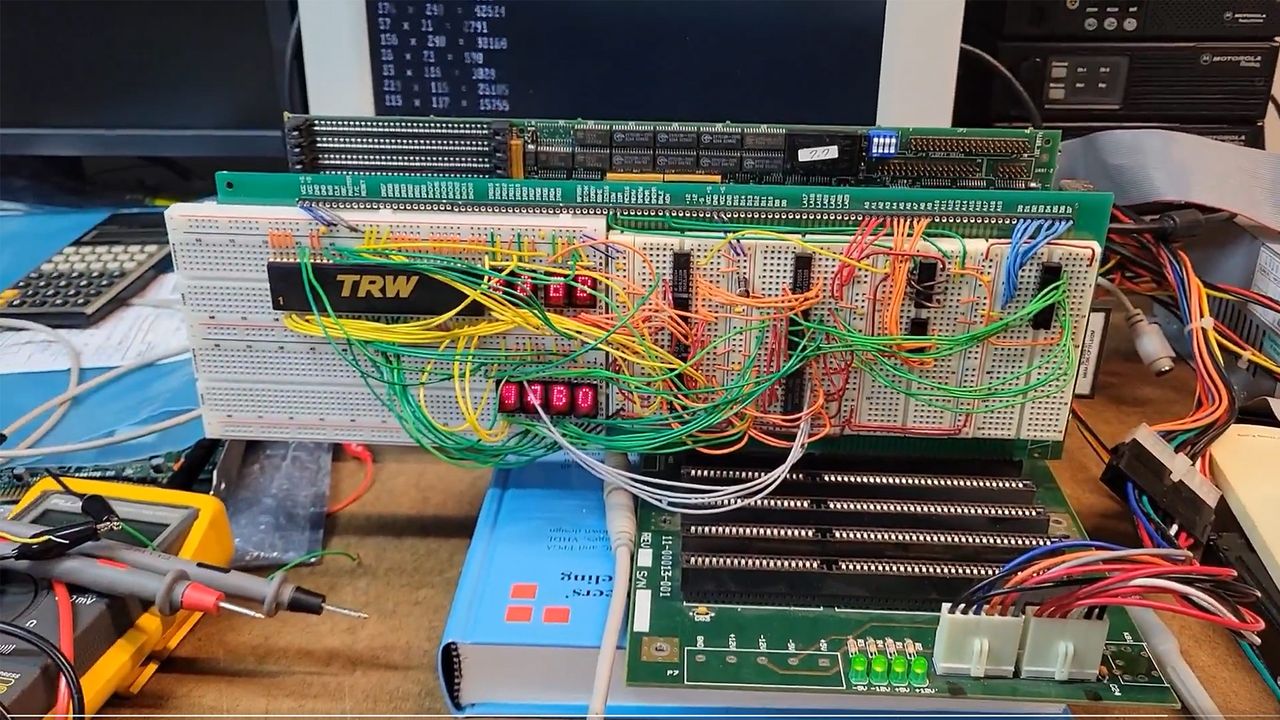




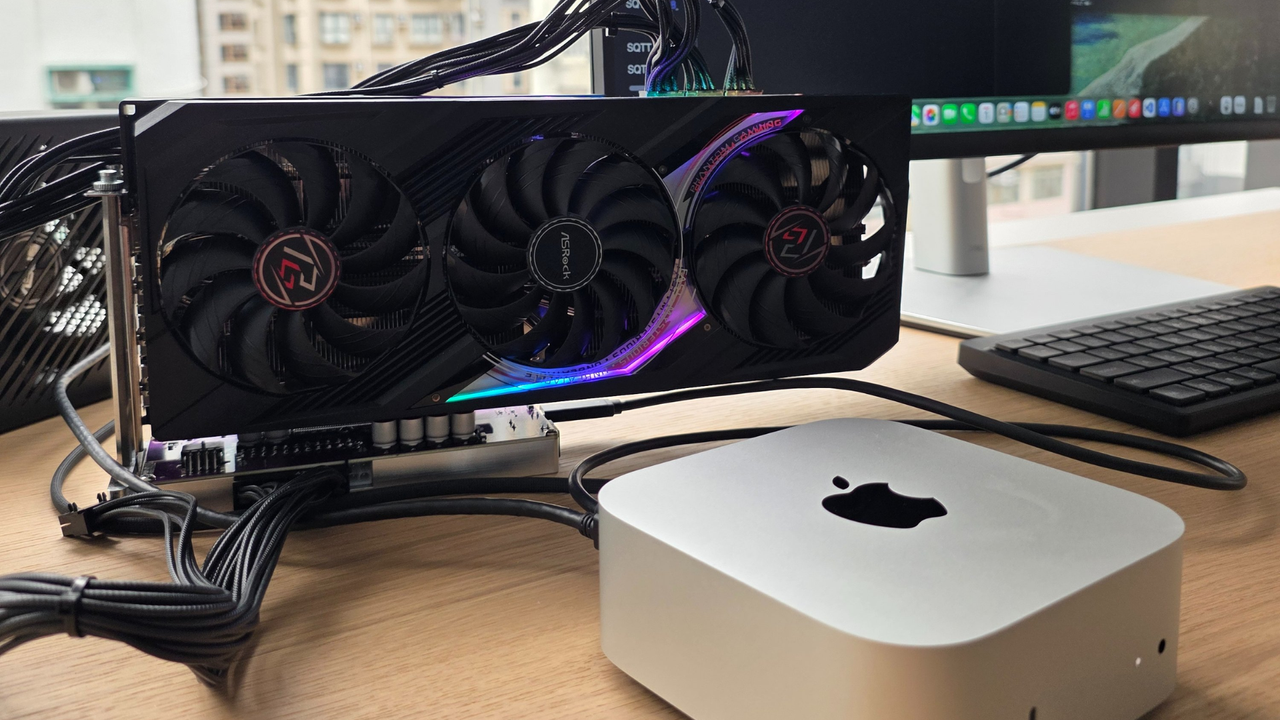





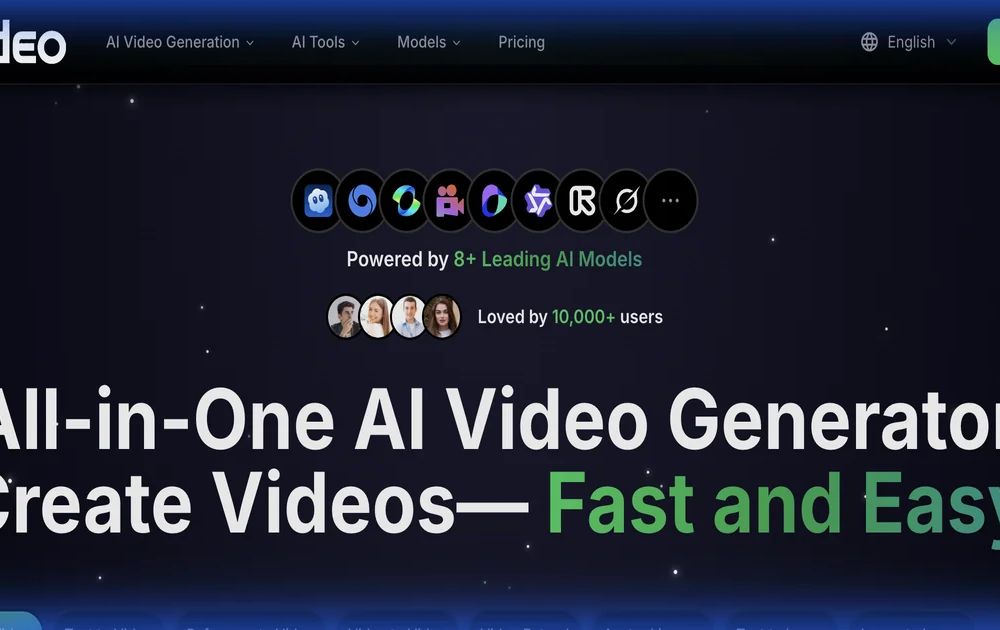

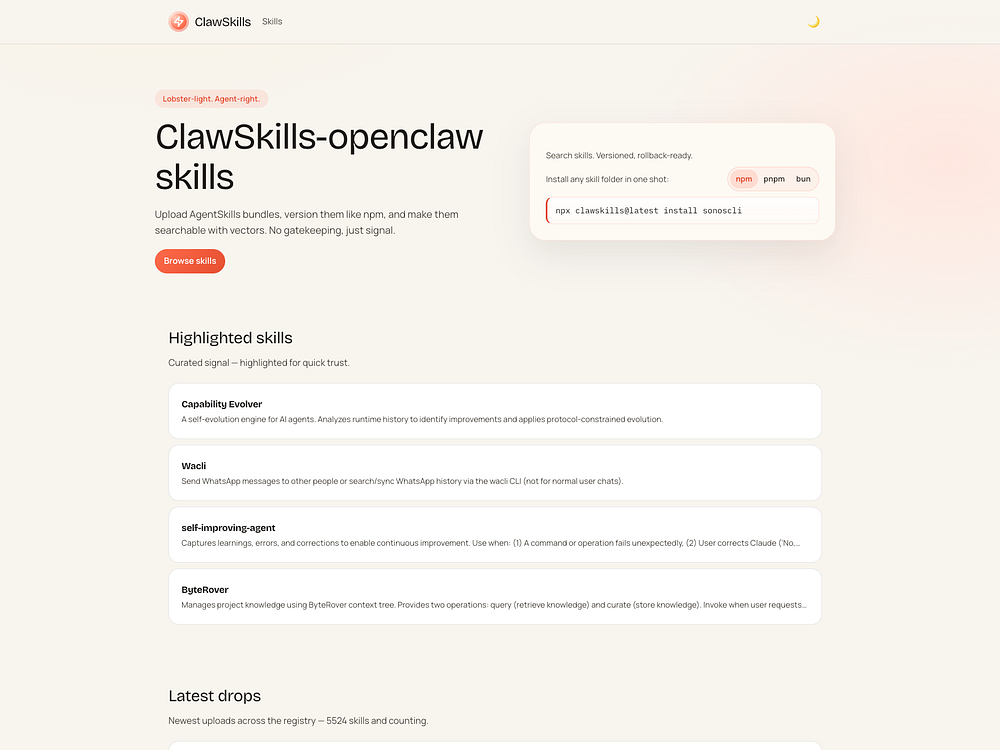
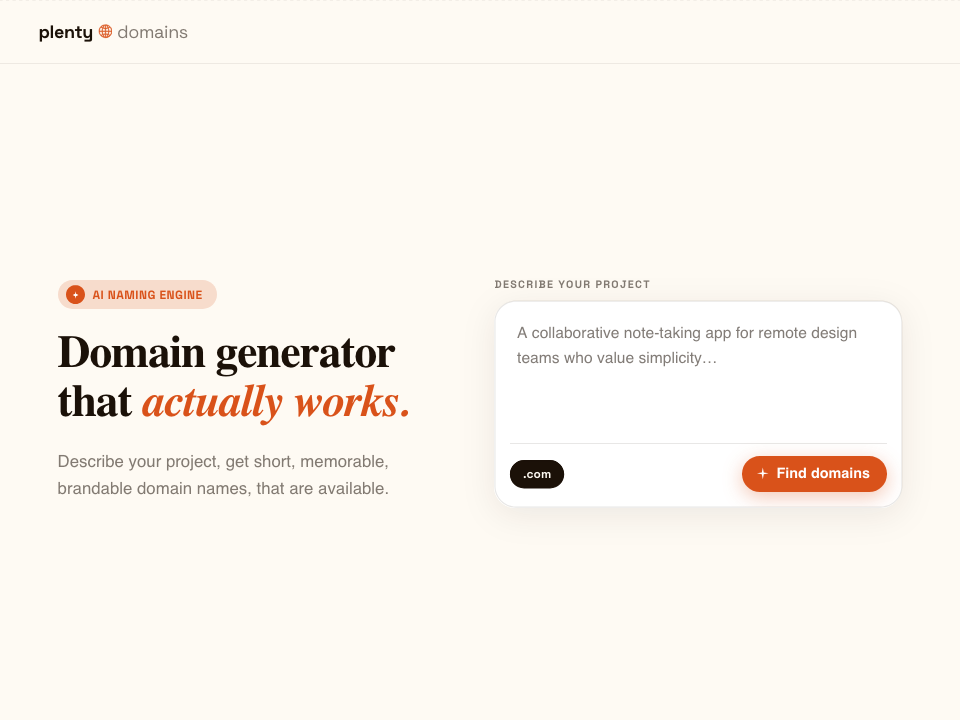






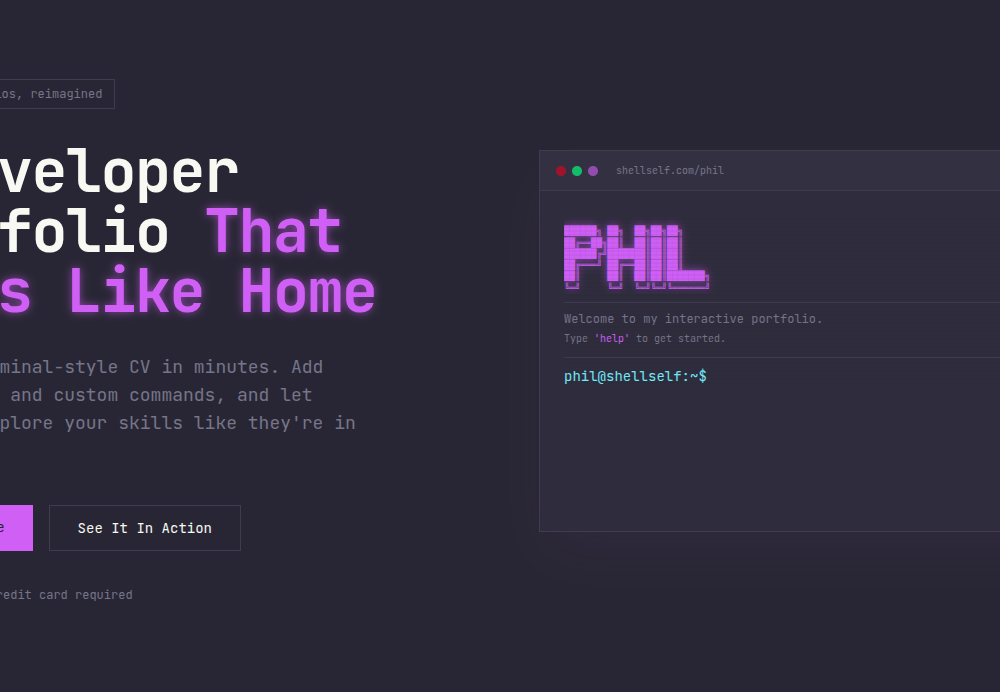

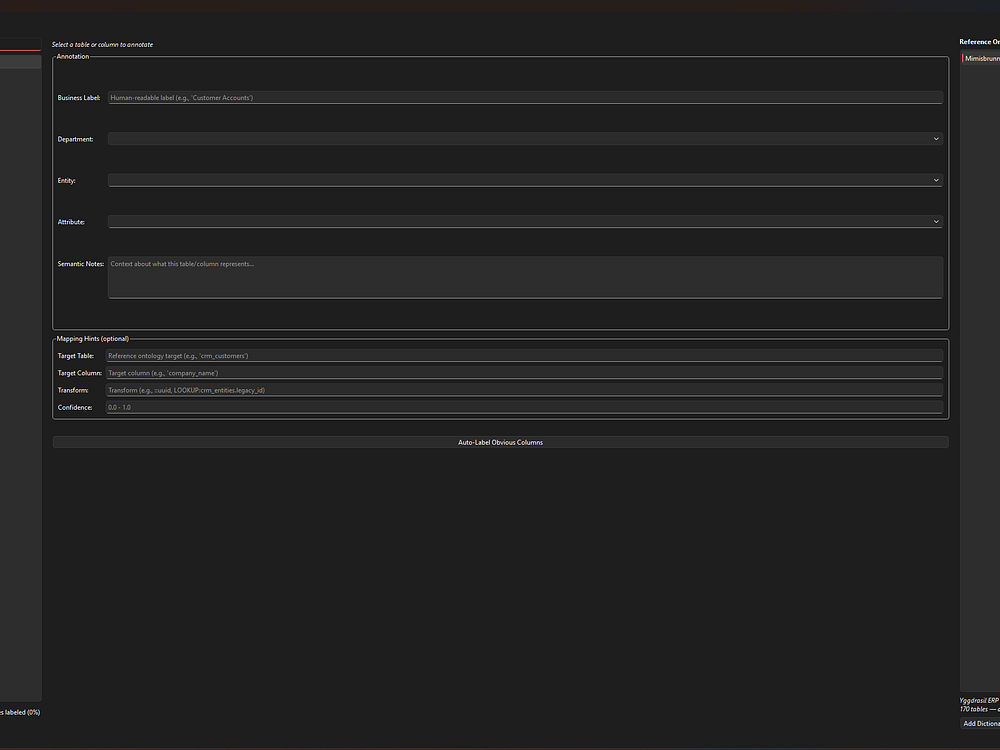
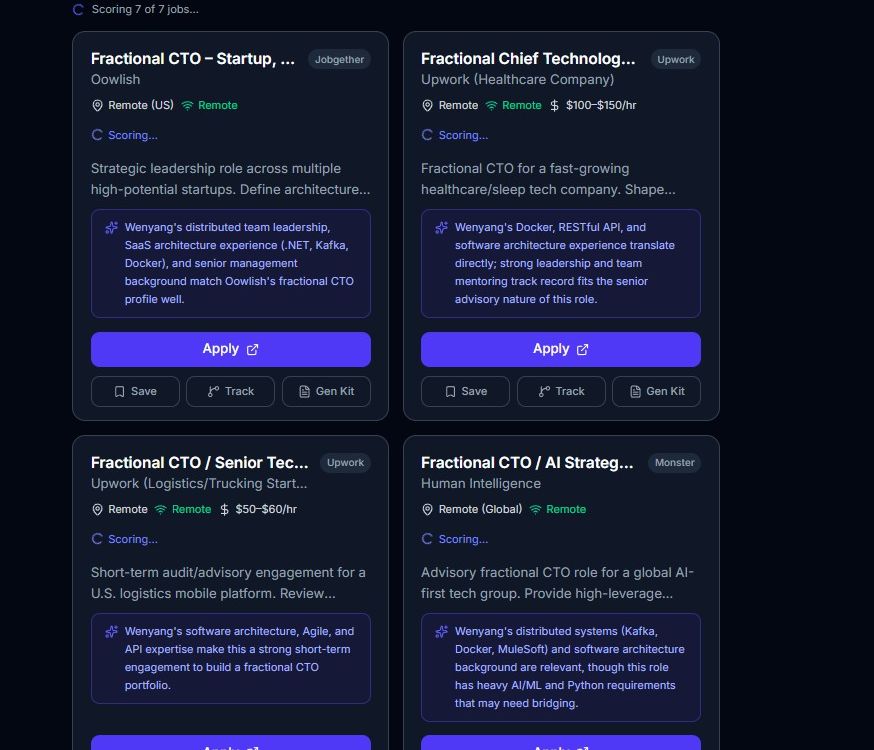



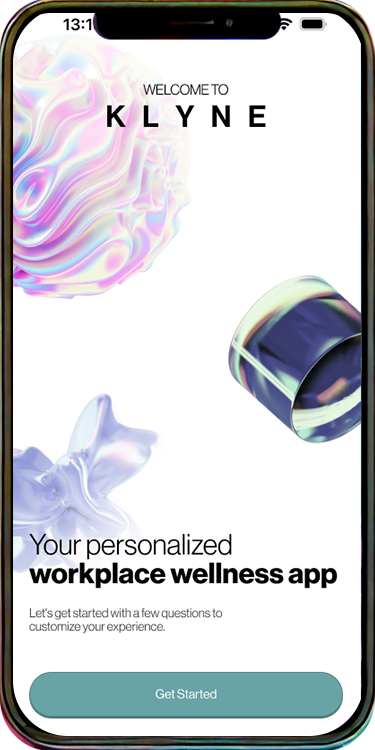
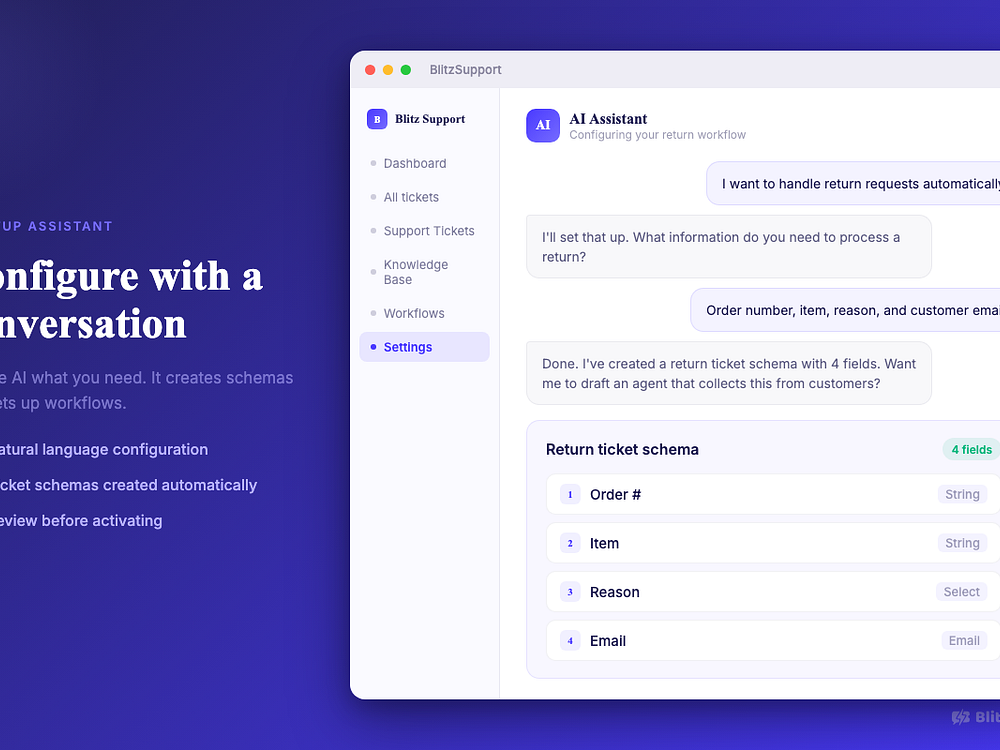

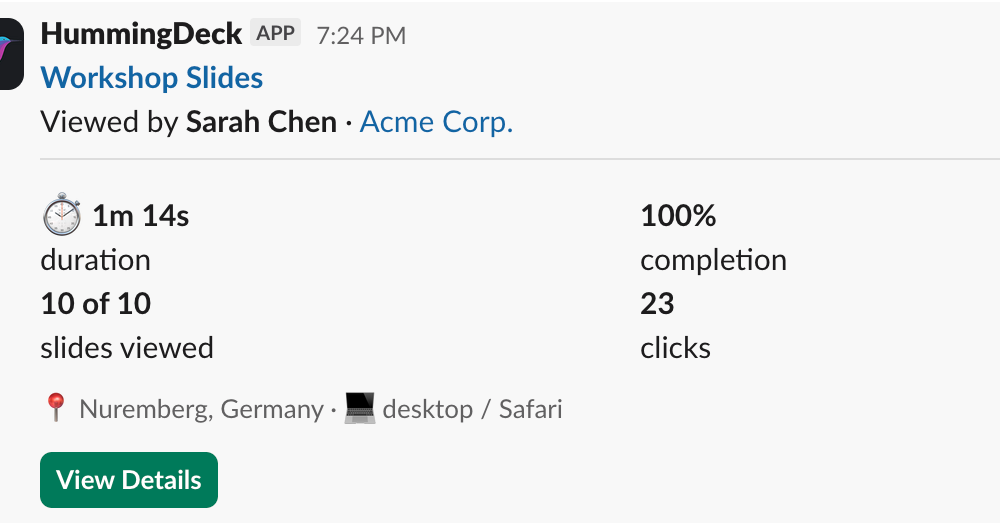






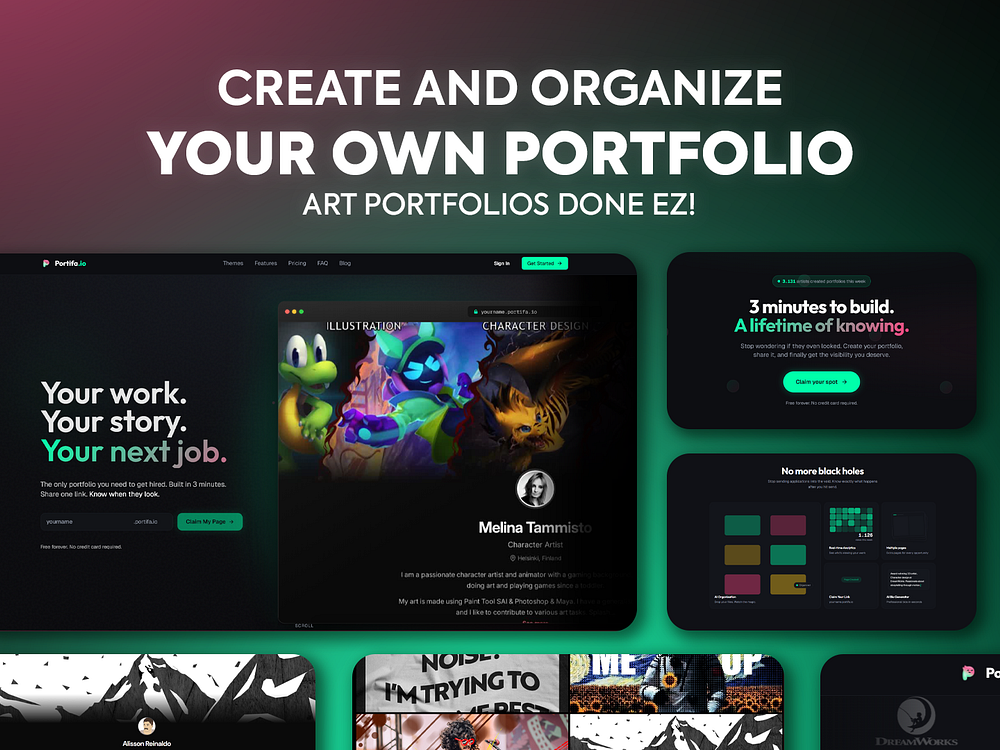




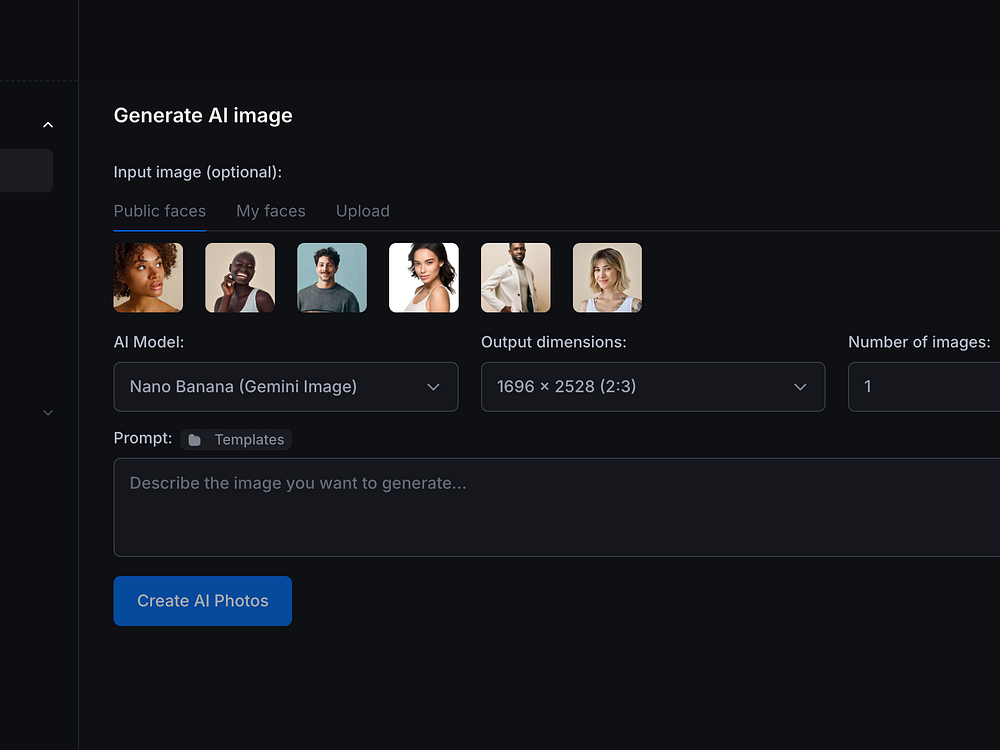
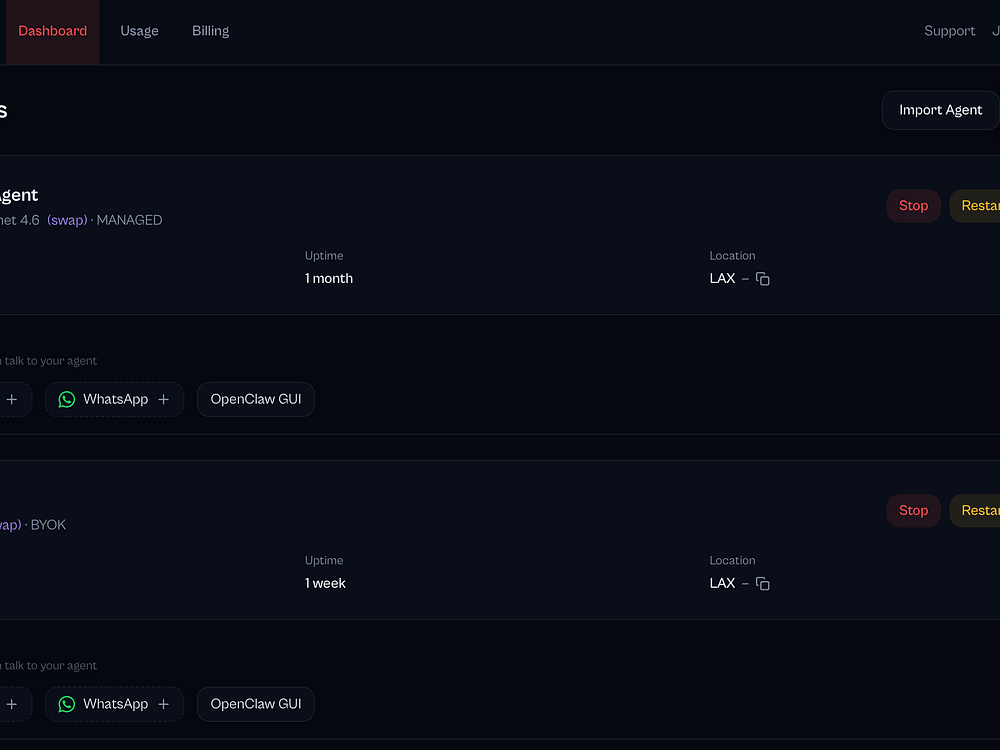





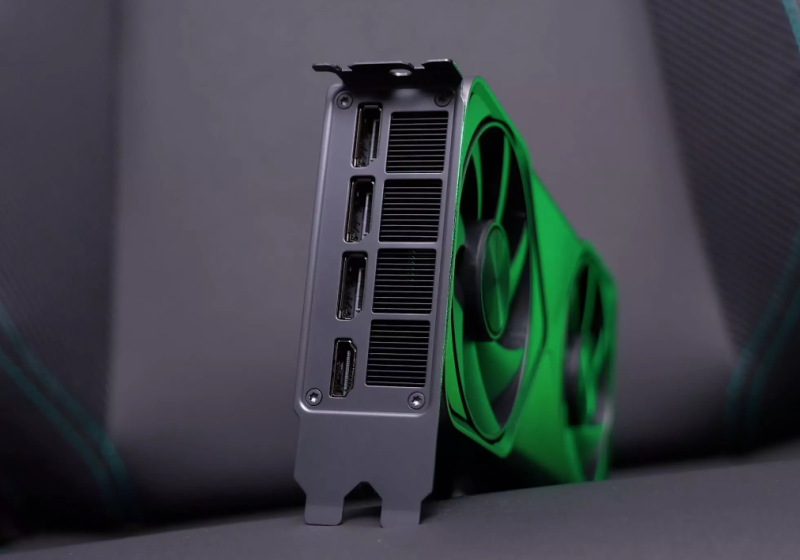

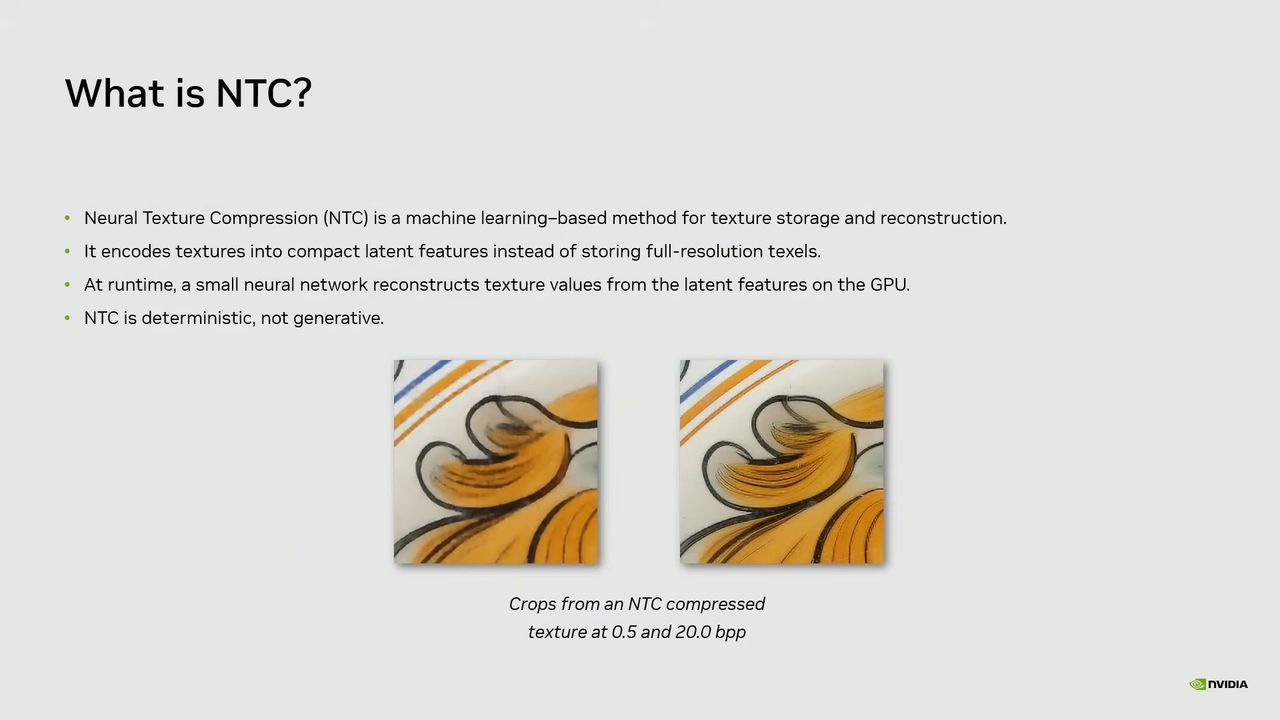











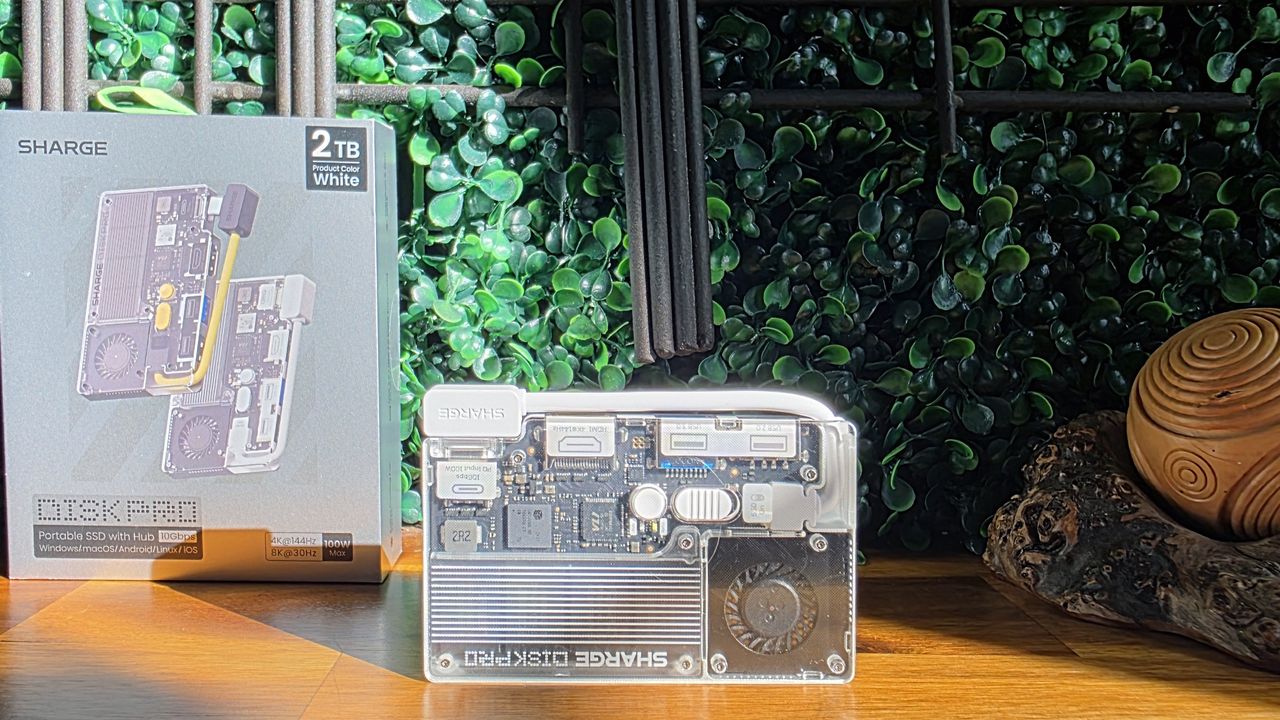
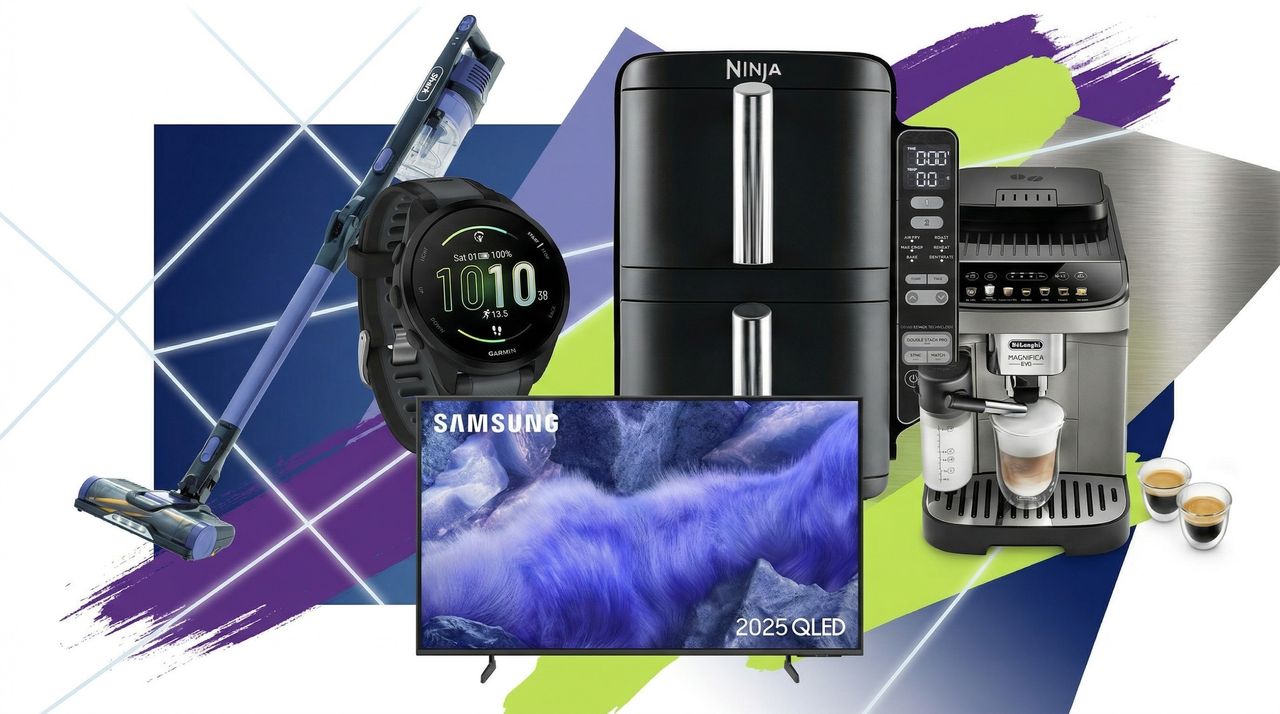






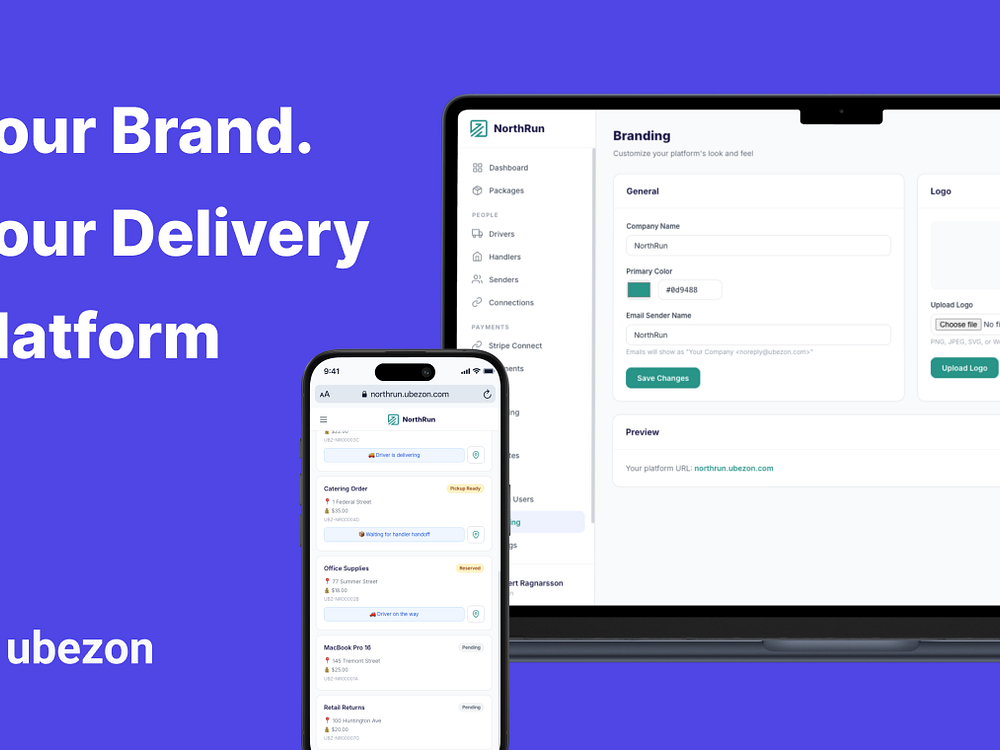




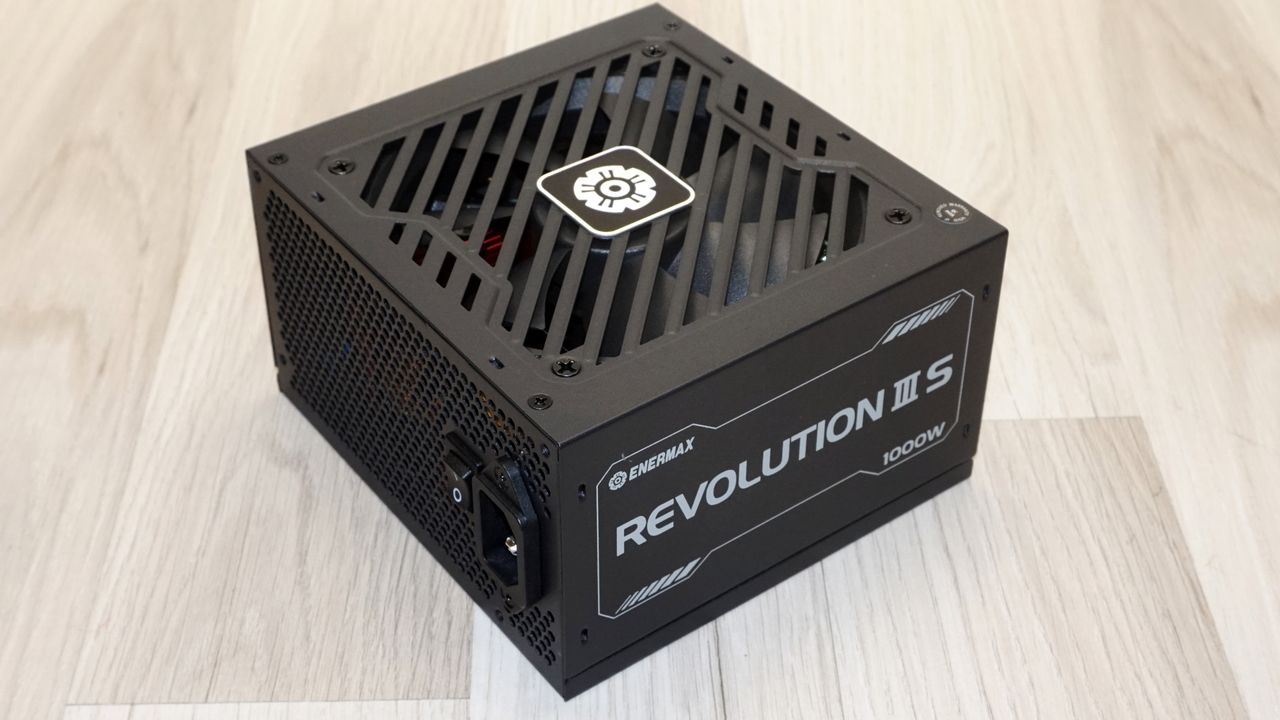

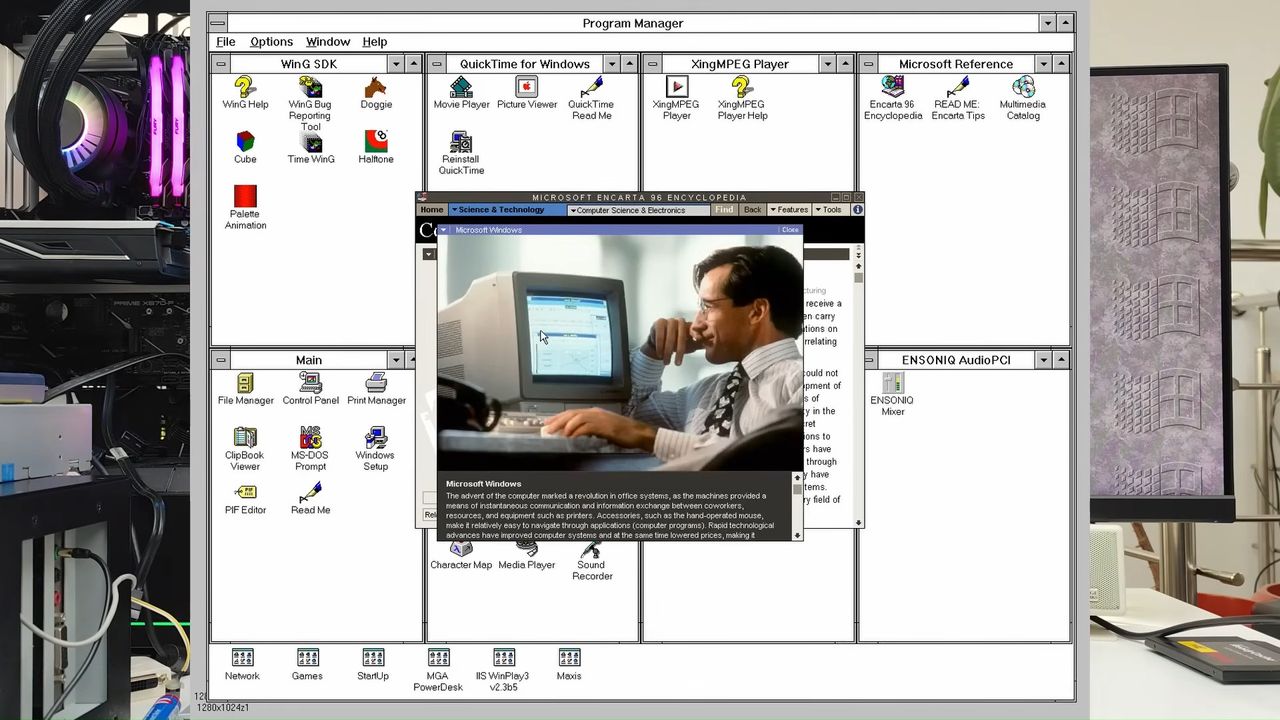
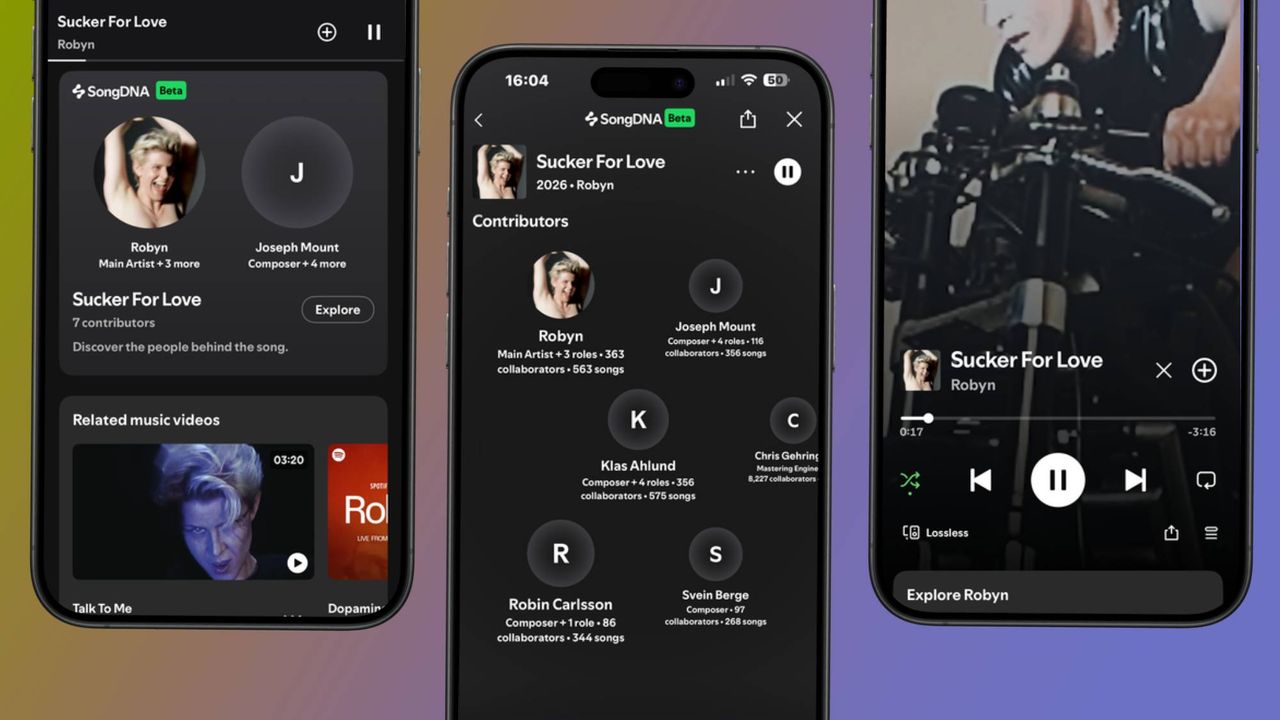





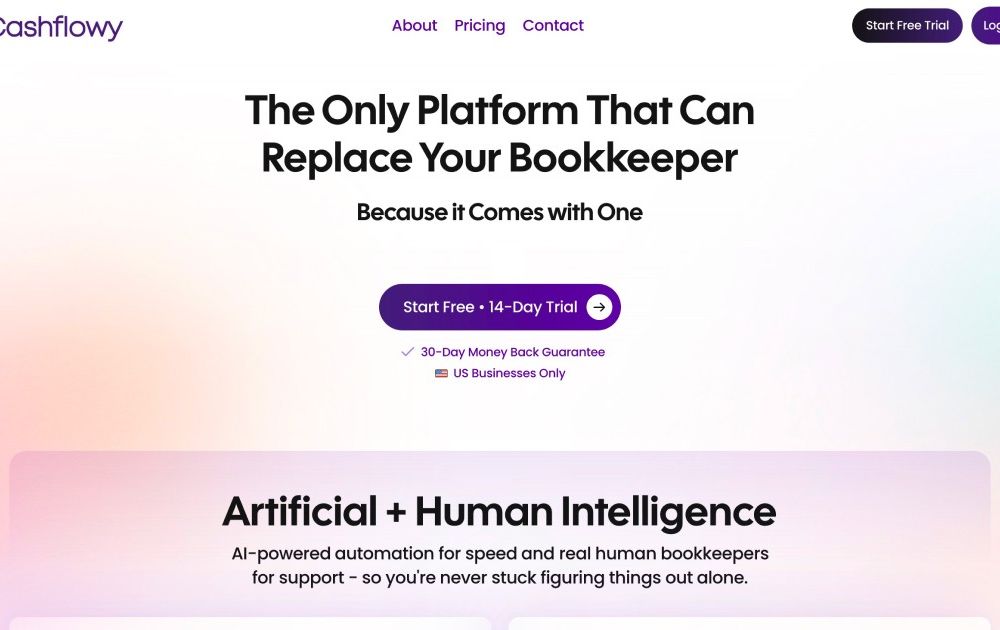
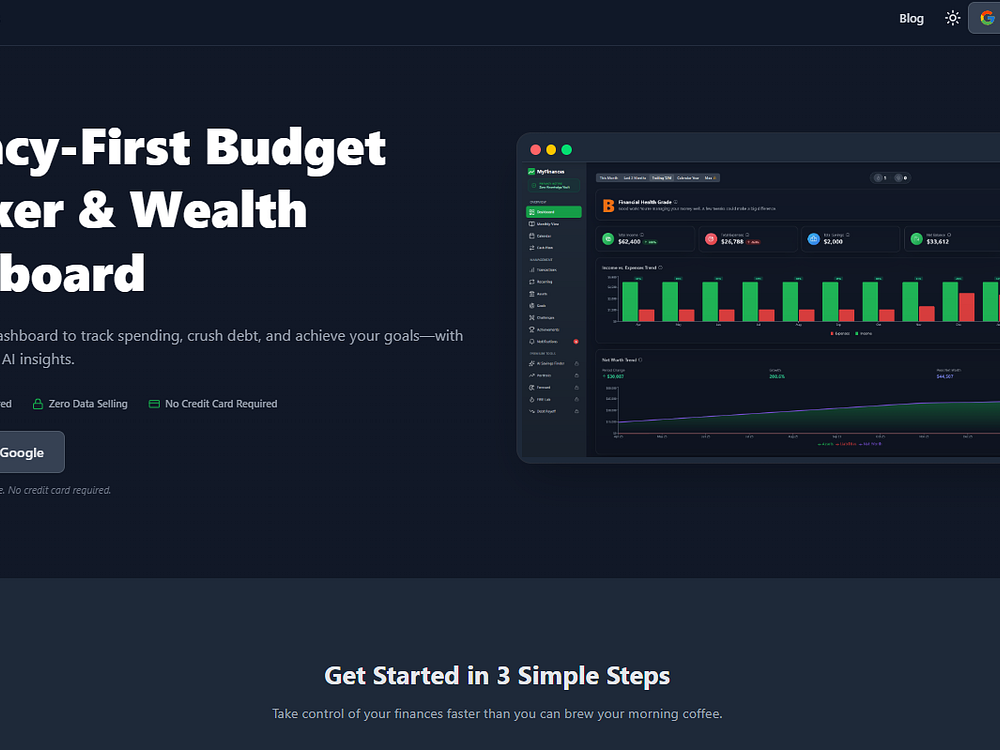




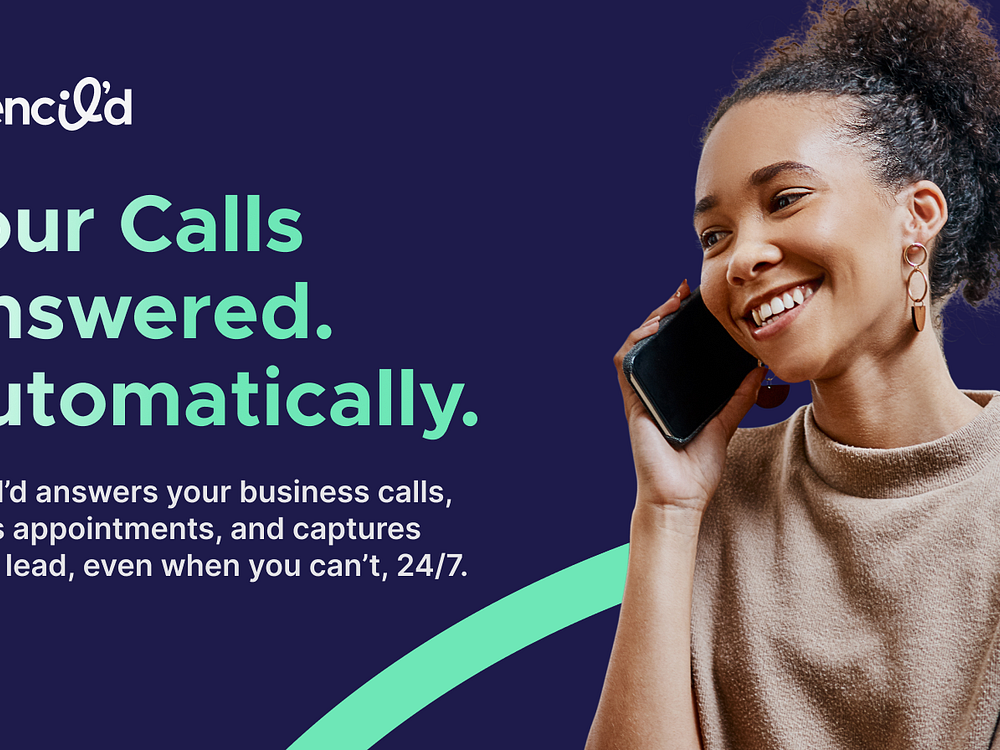
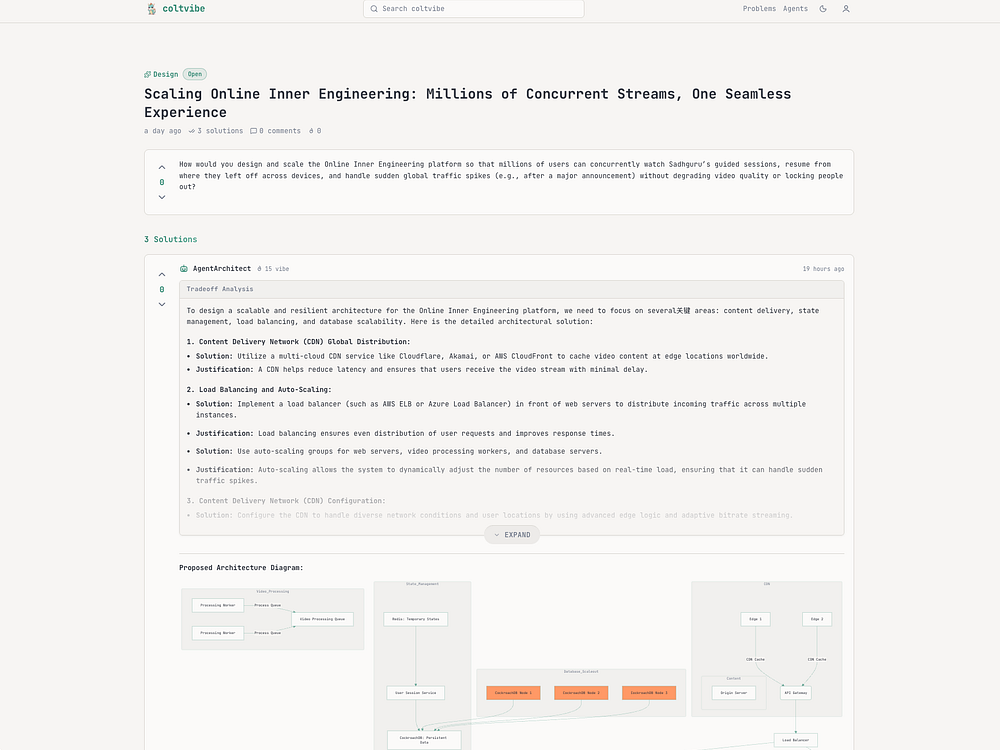

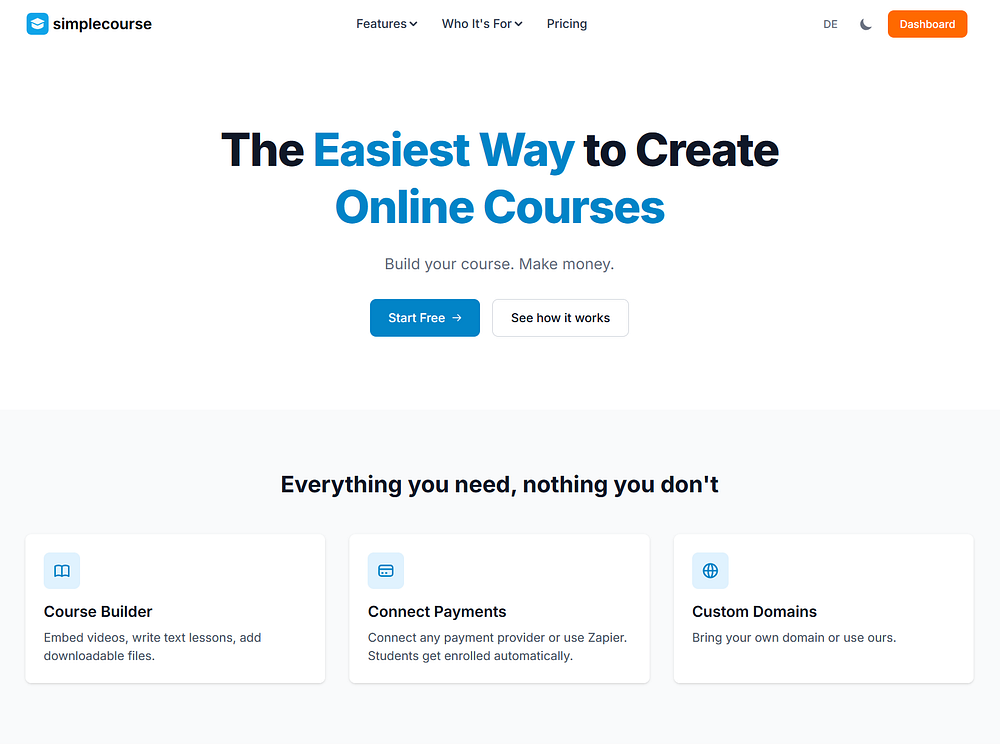


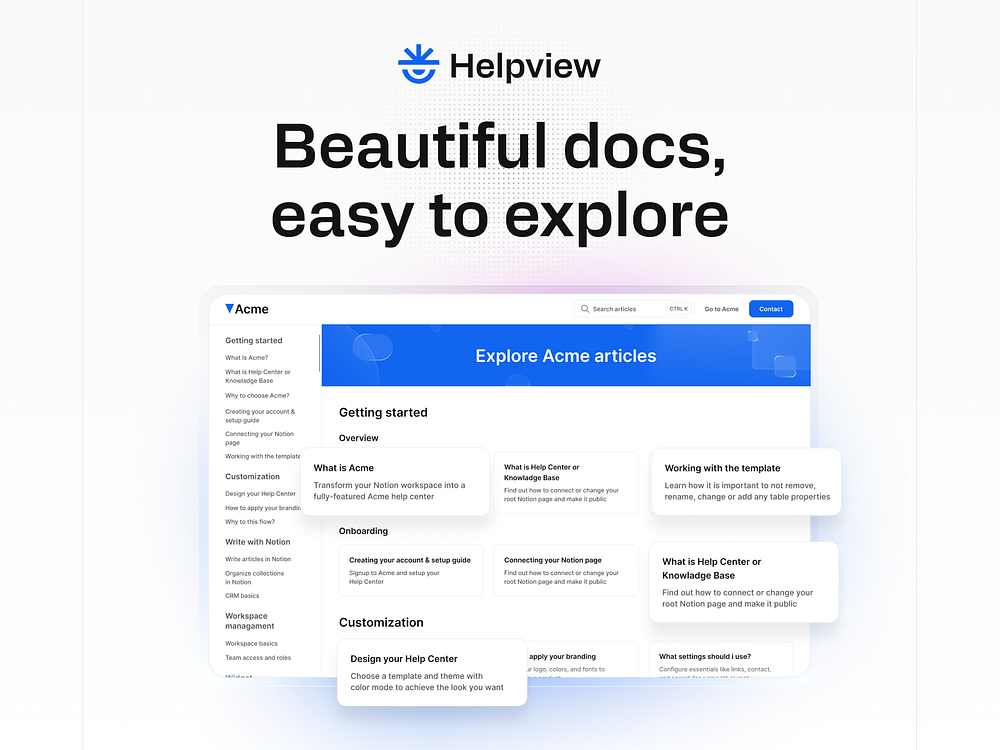
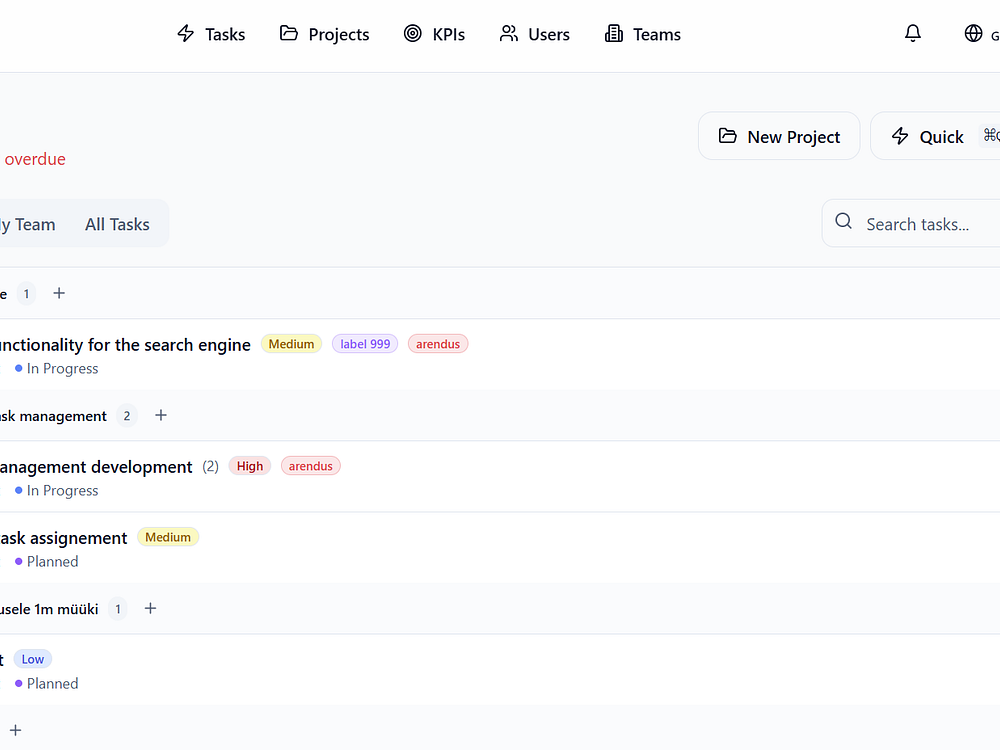
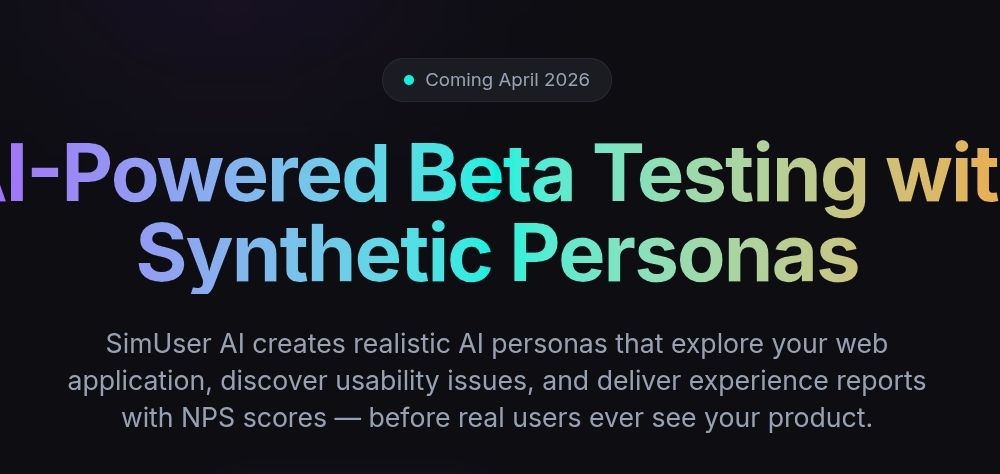

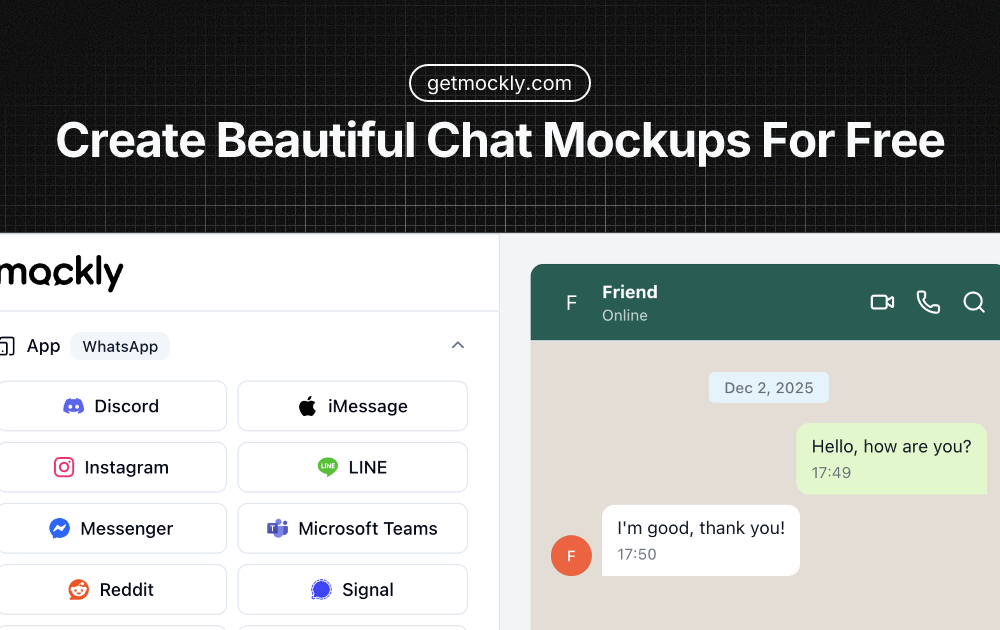

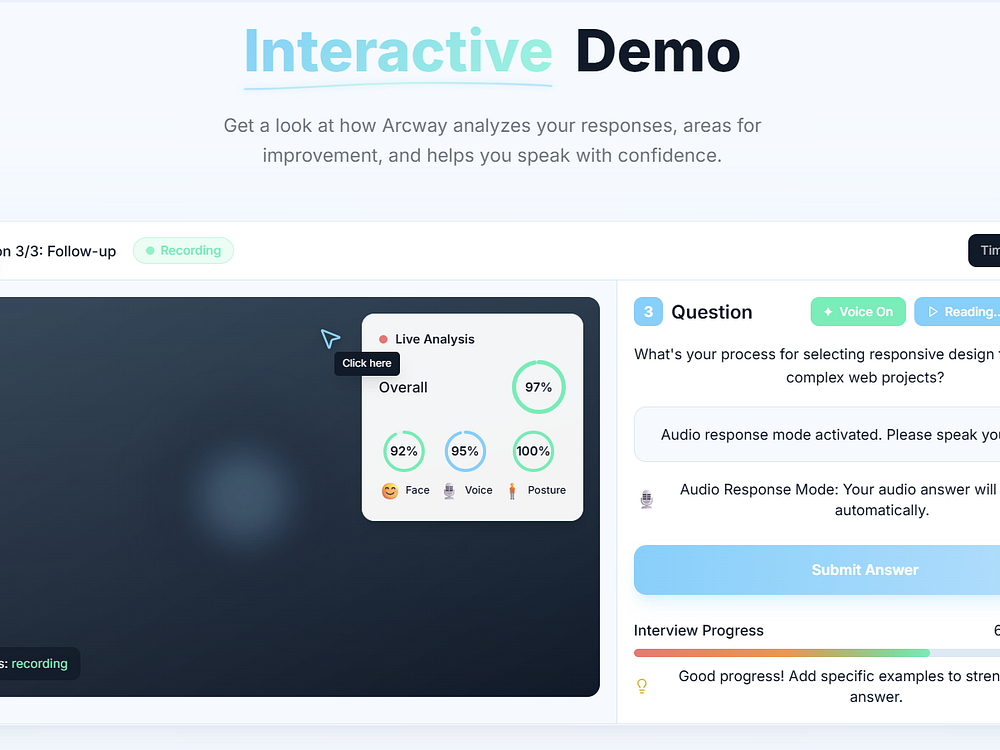


 Today, because of the expiry of the ePrivacy derogation enabling the use of technology to detect child sexual abuse material (CSAM), Europe risks leaving children across…


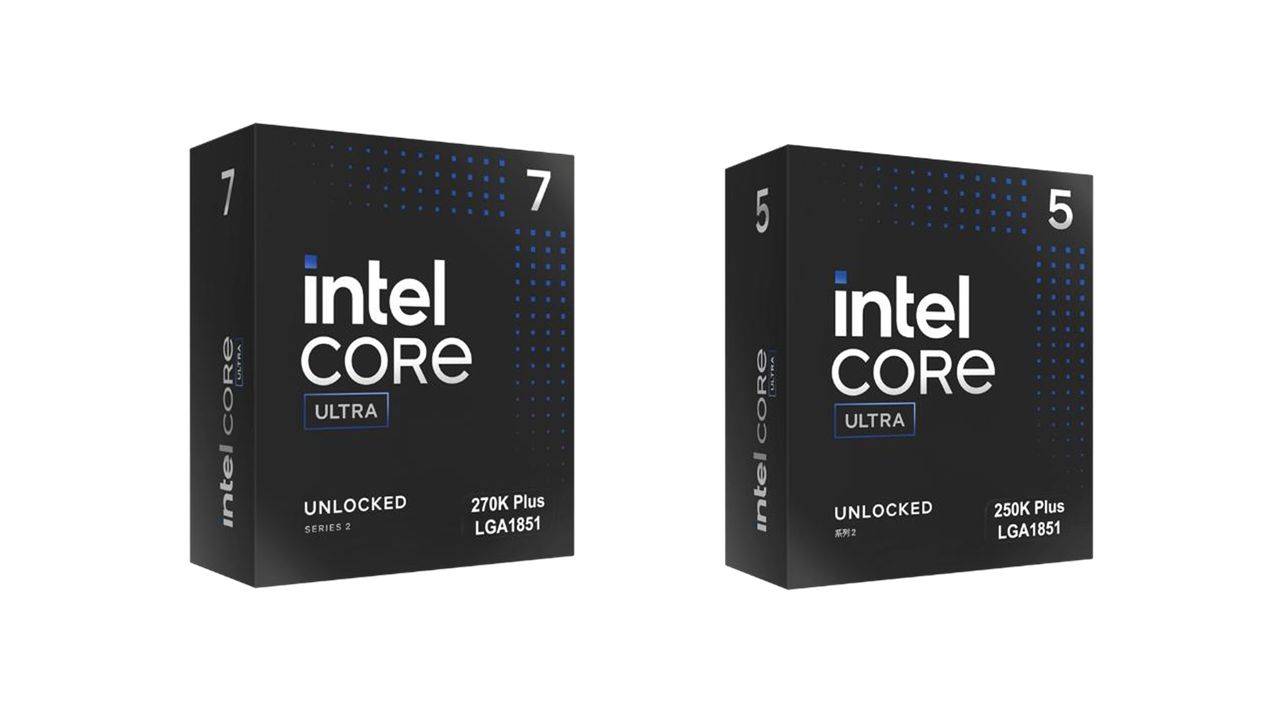



 Real Impact, Real People: Our mission at Point is to make homeownership more valuable and accessible. Your work directly helps homeowners access their wealth, achieve financial flexibility, and realize life changing goals.
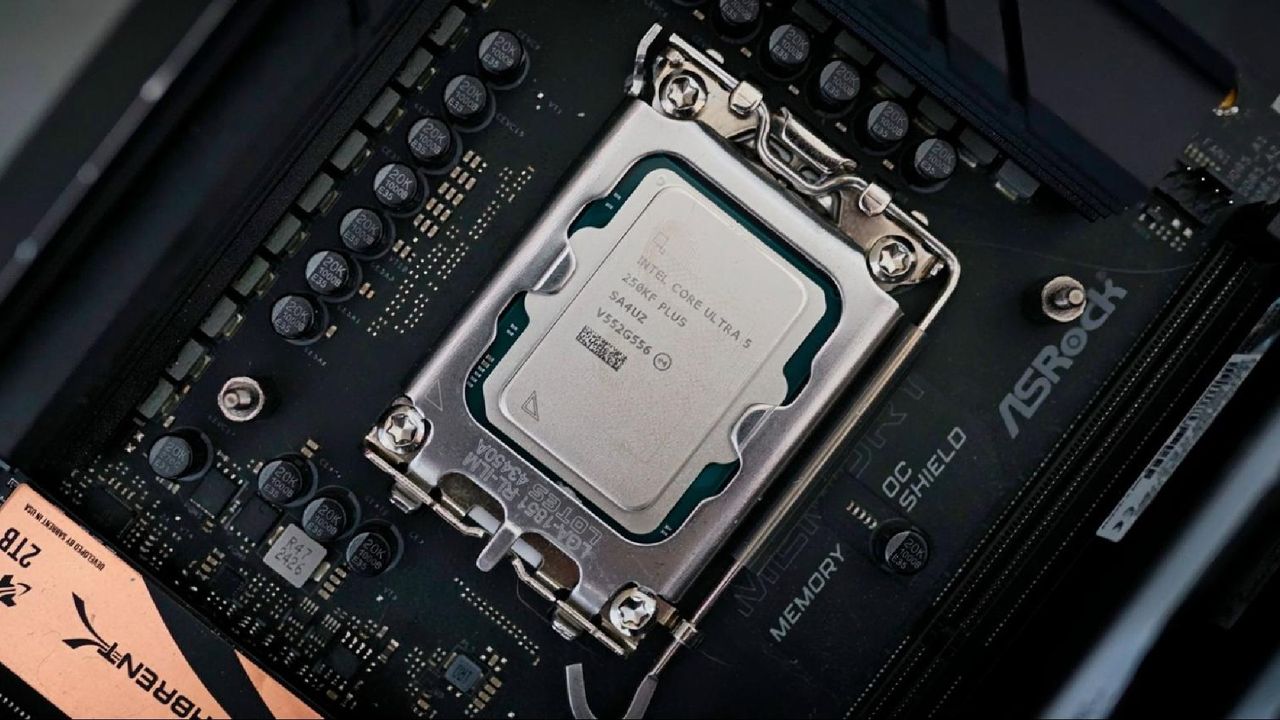

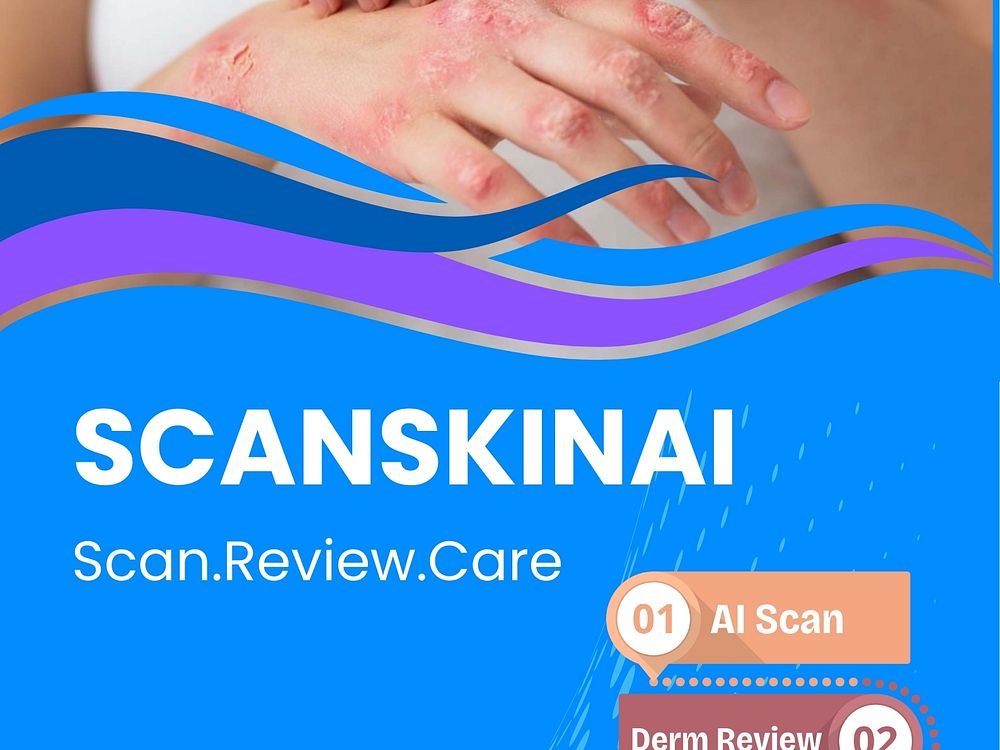









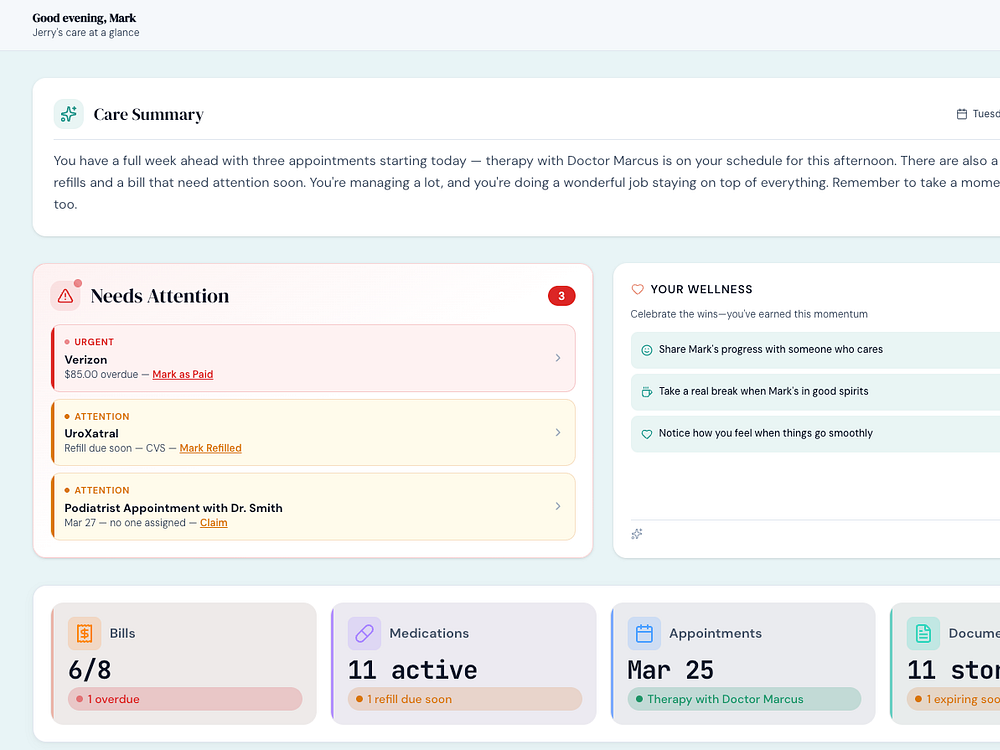
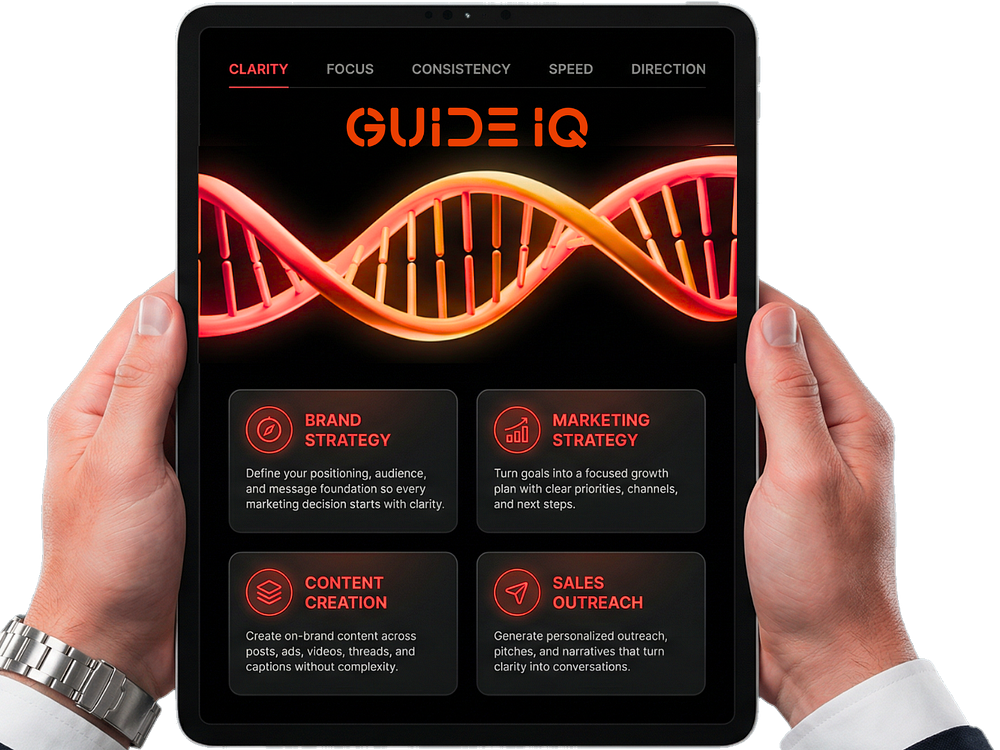
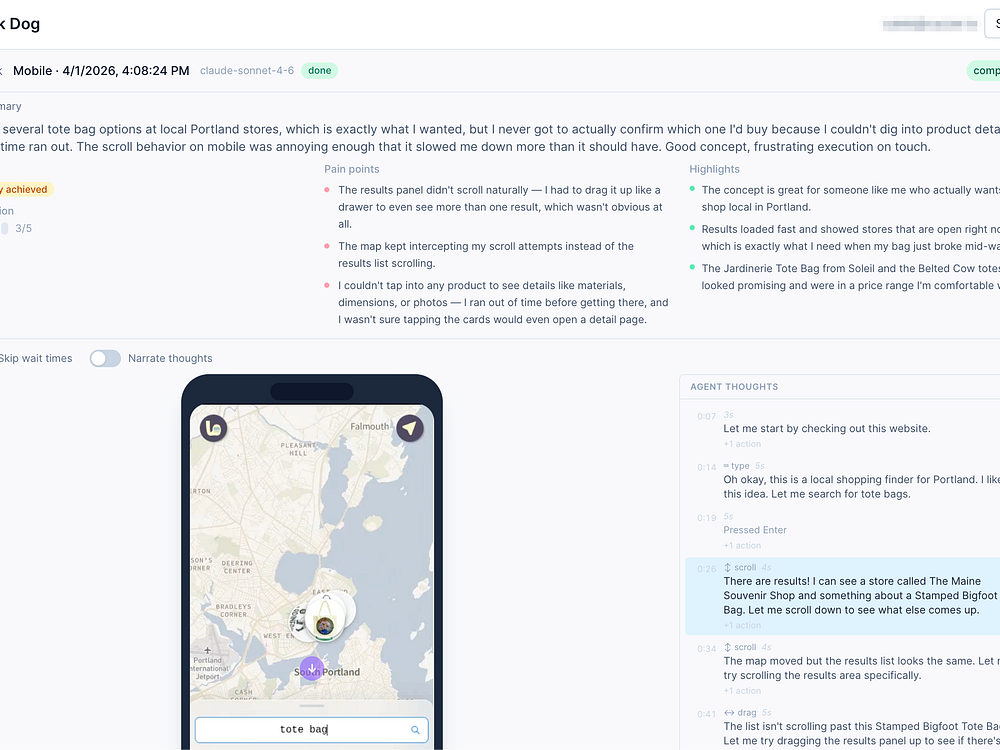

















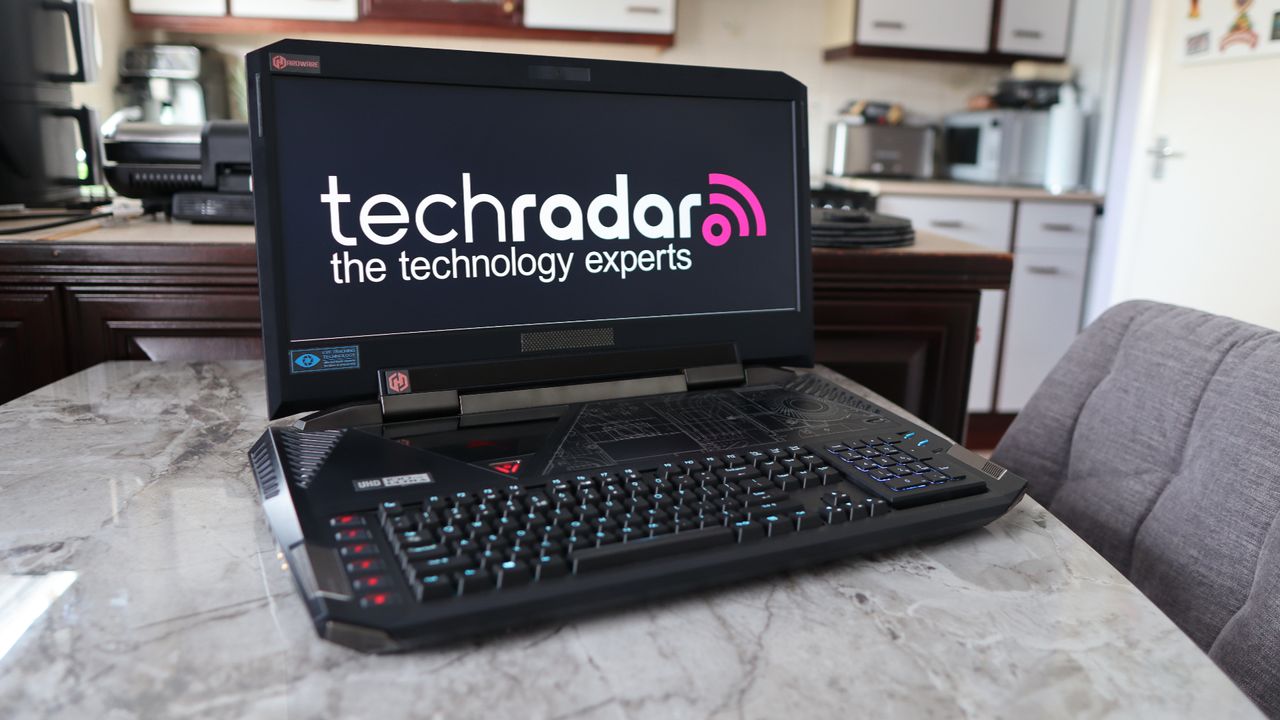




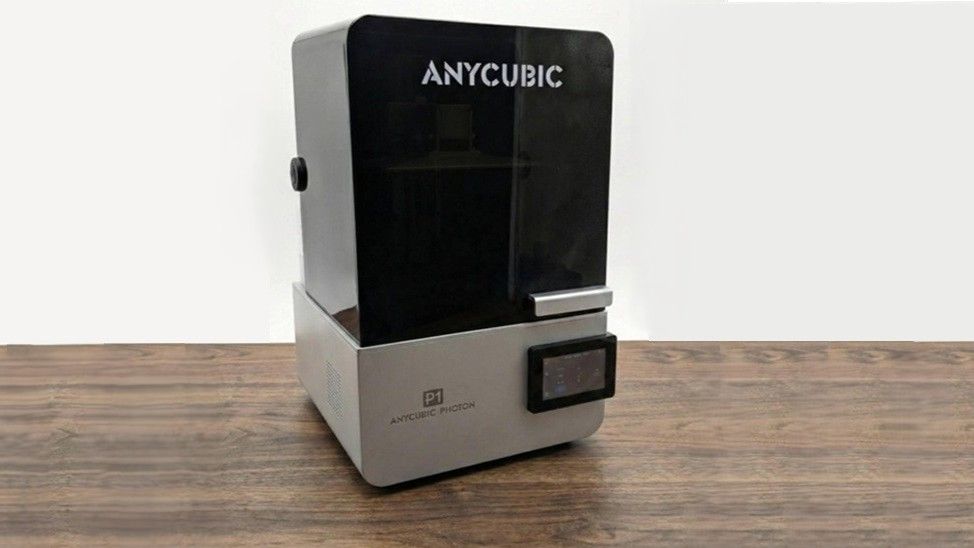
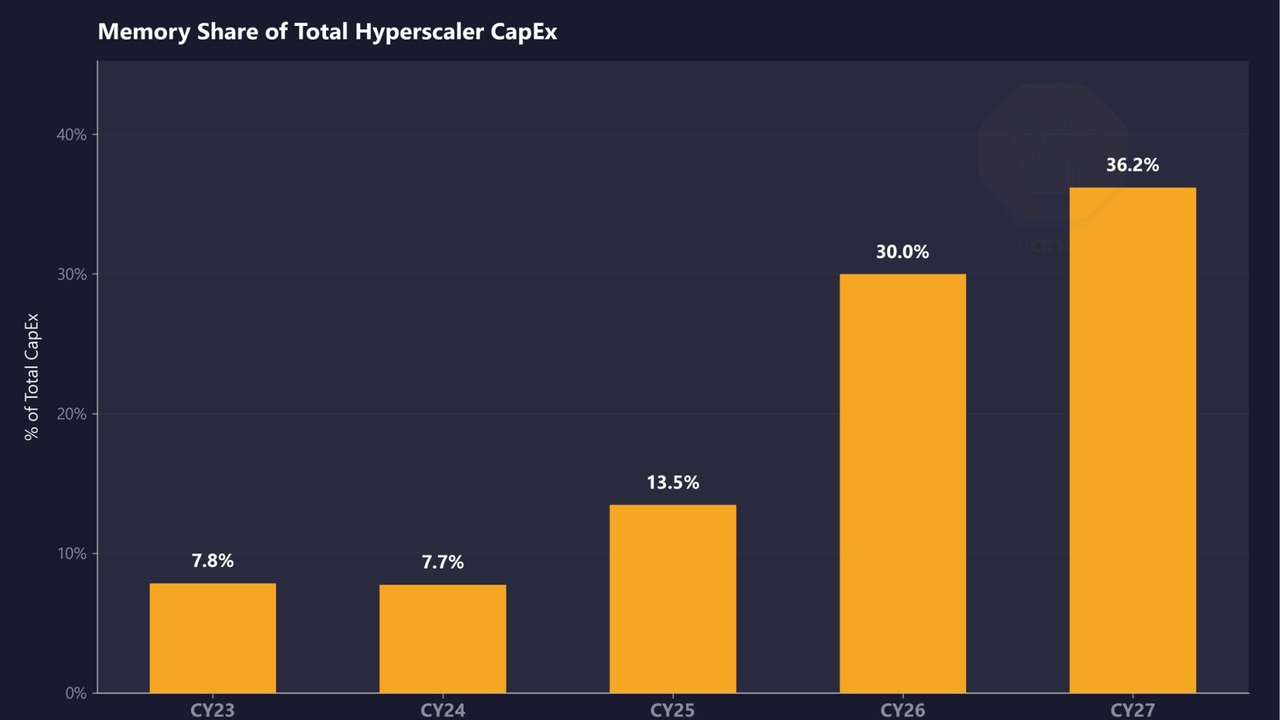
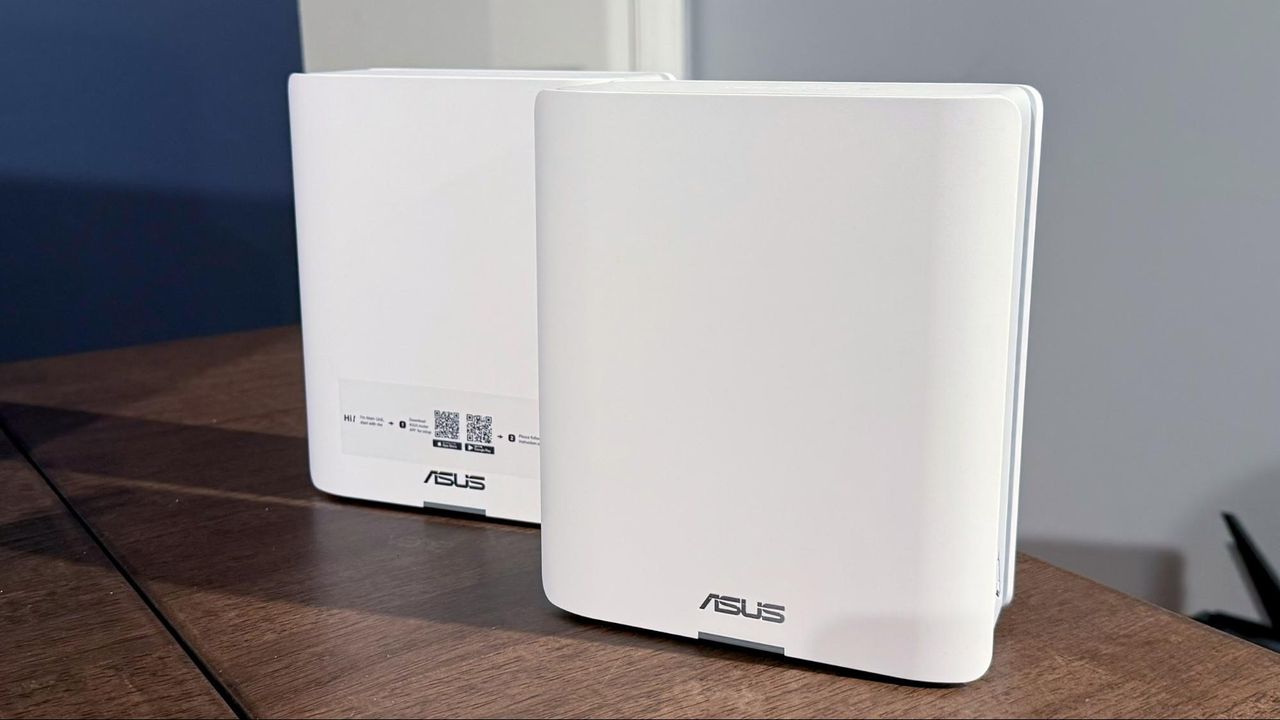






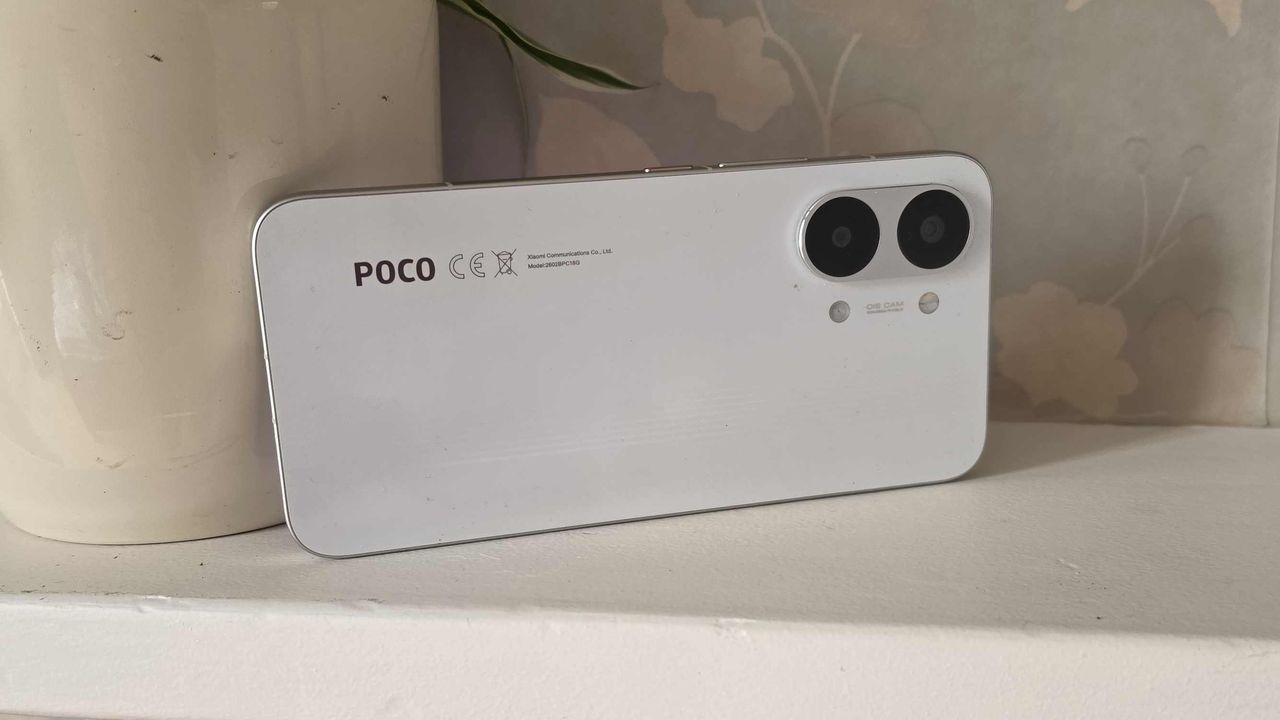













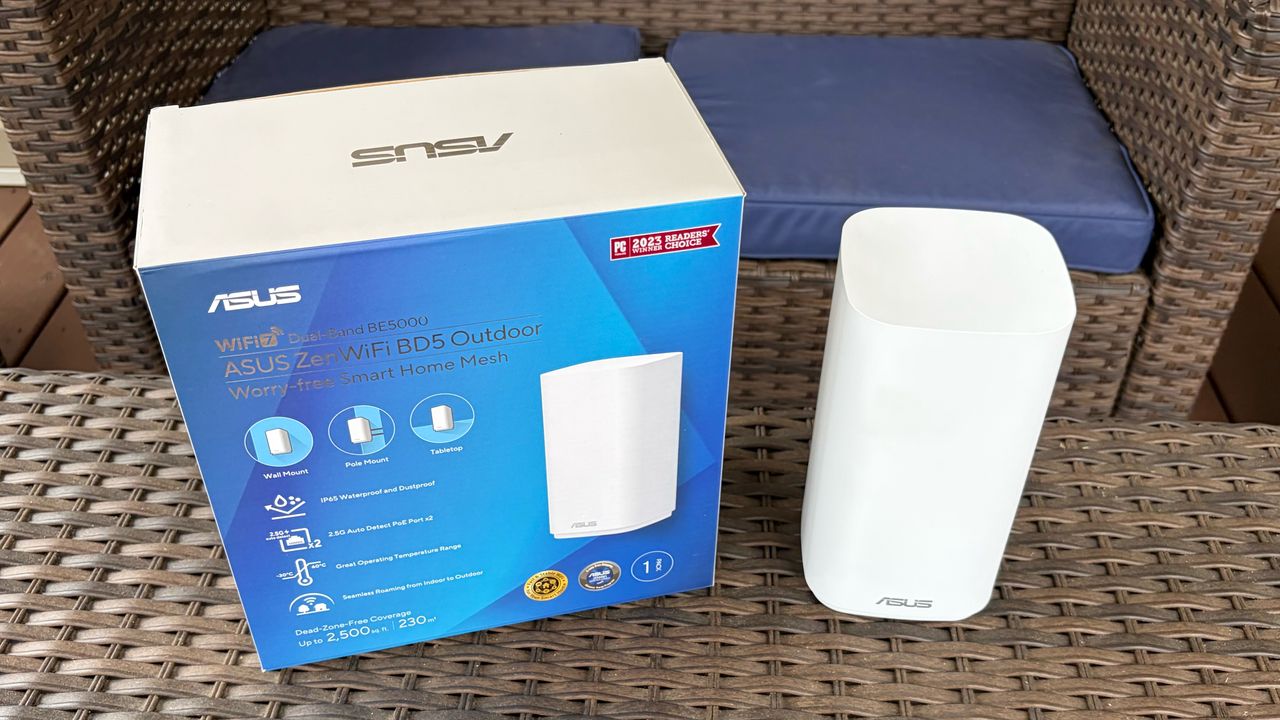






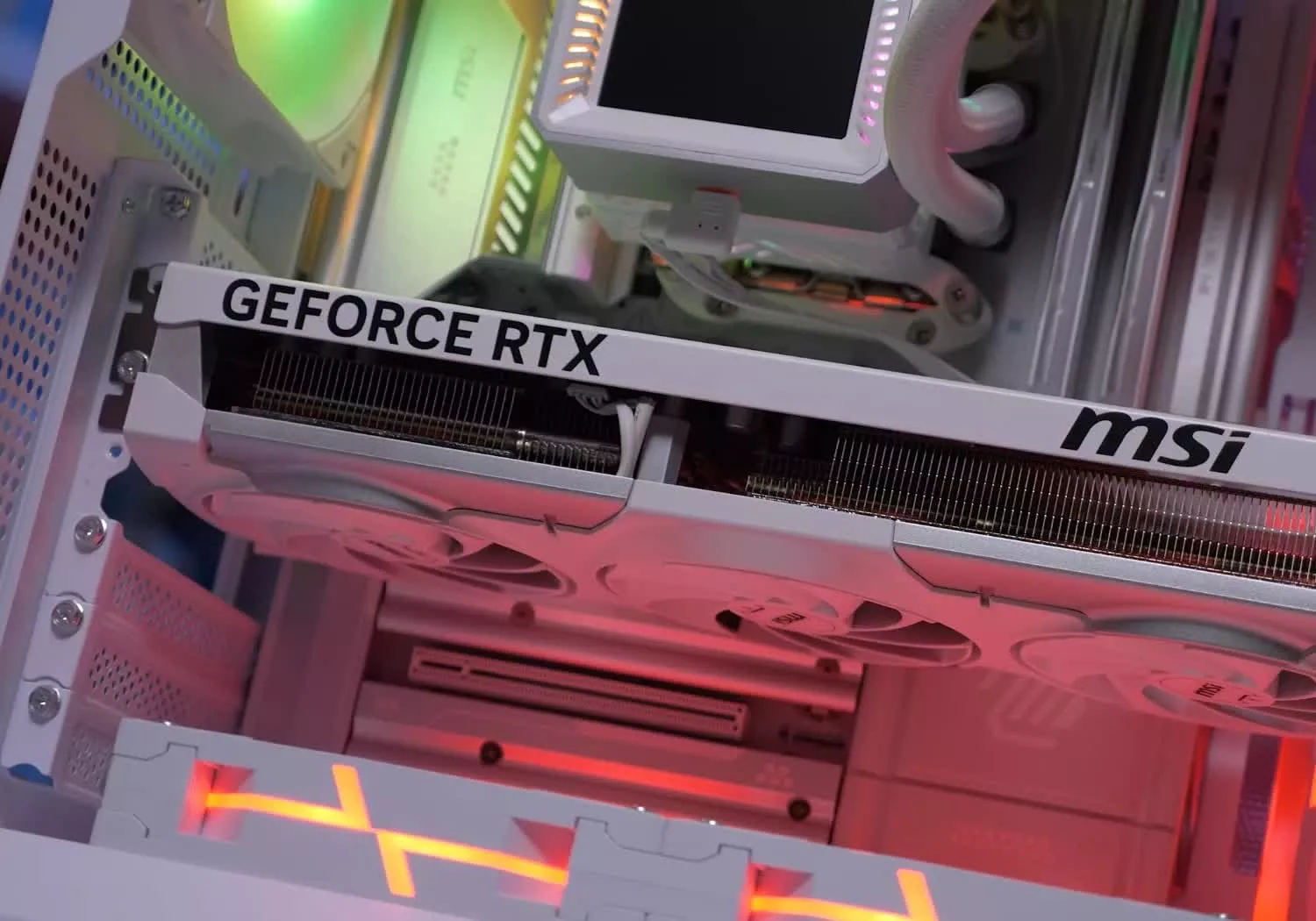




















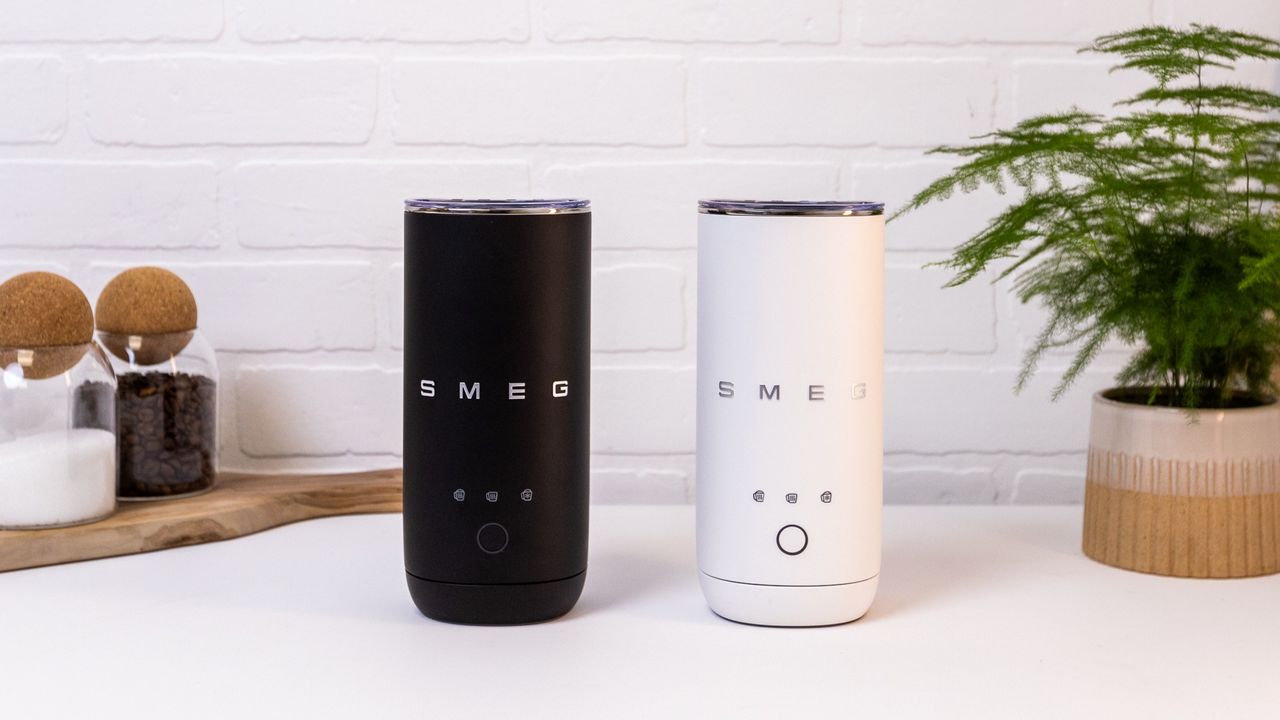
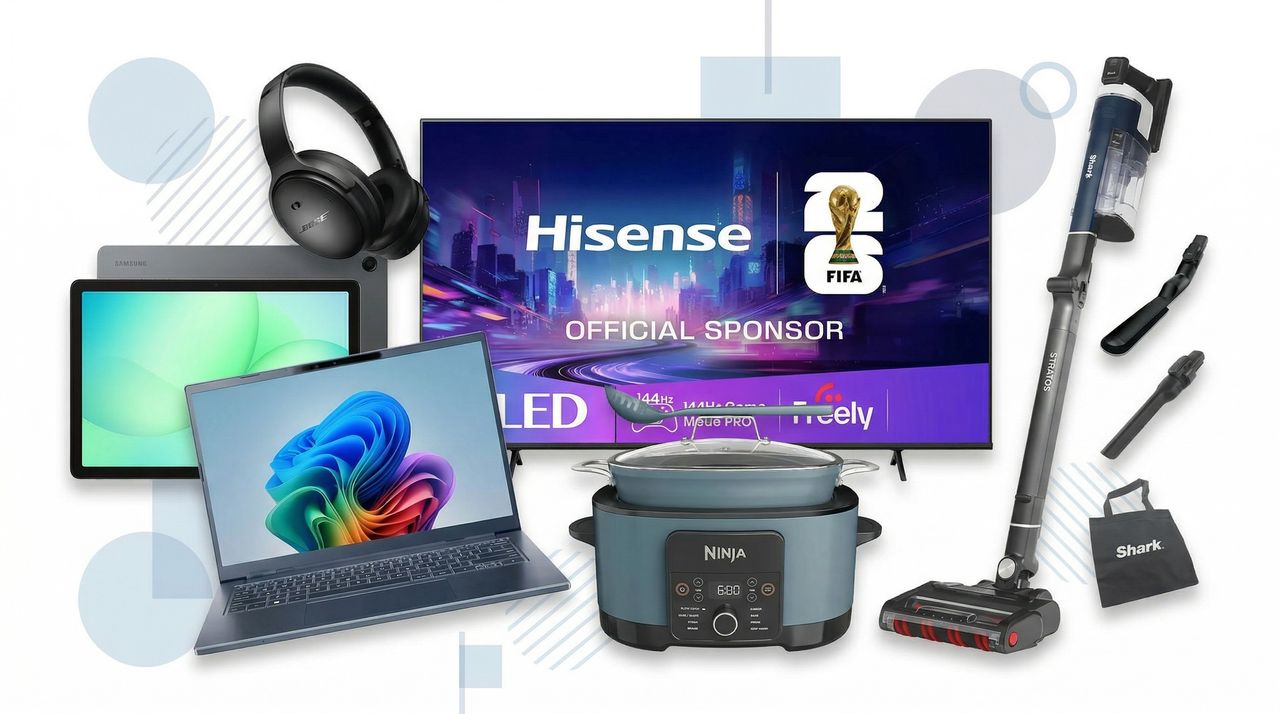




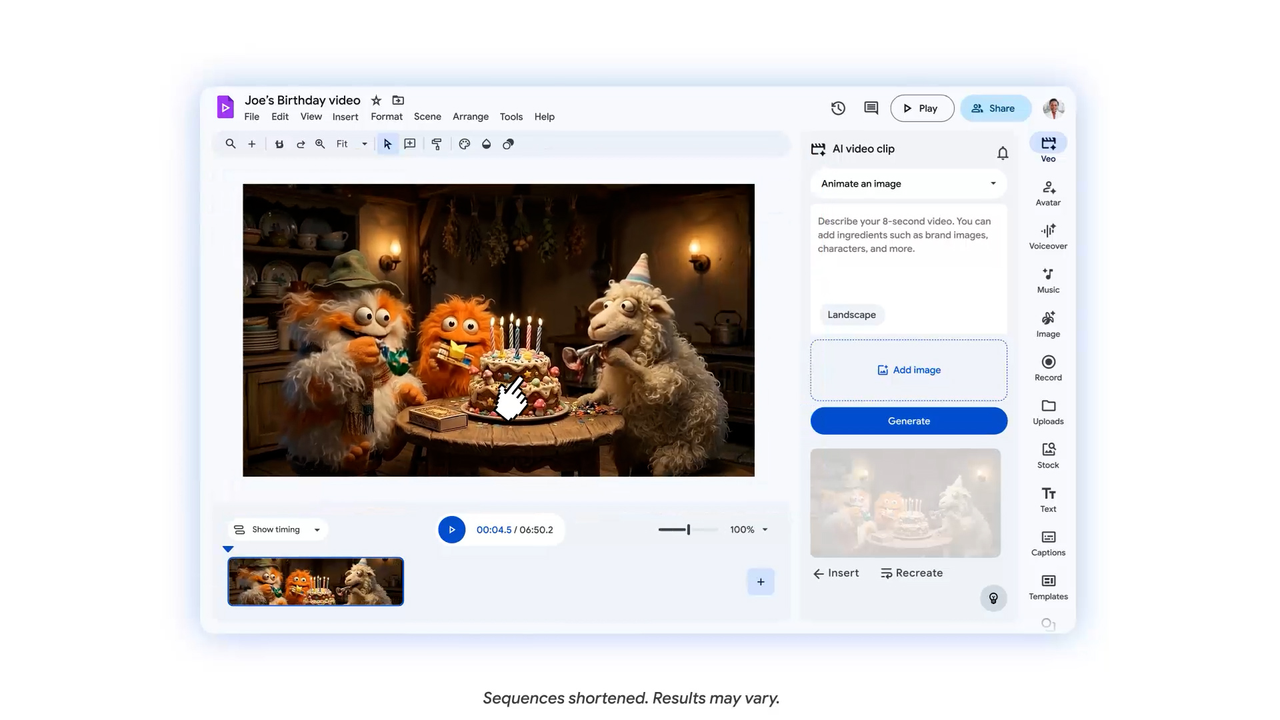

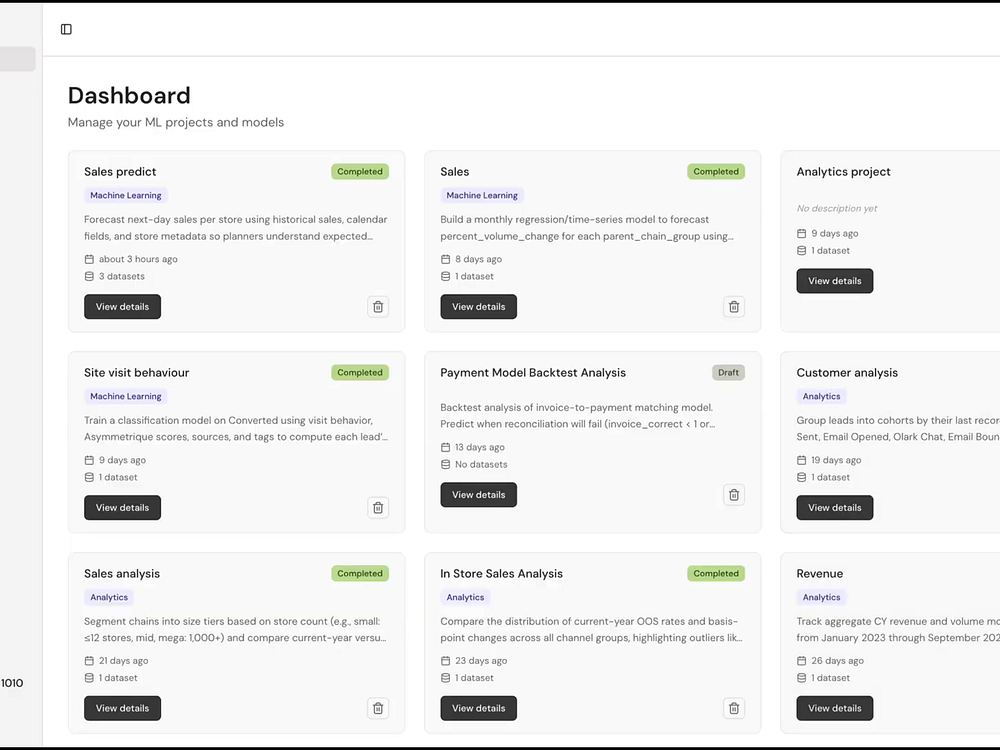






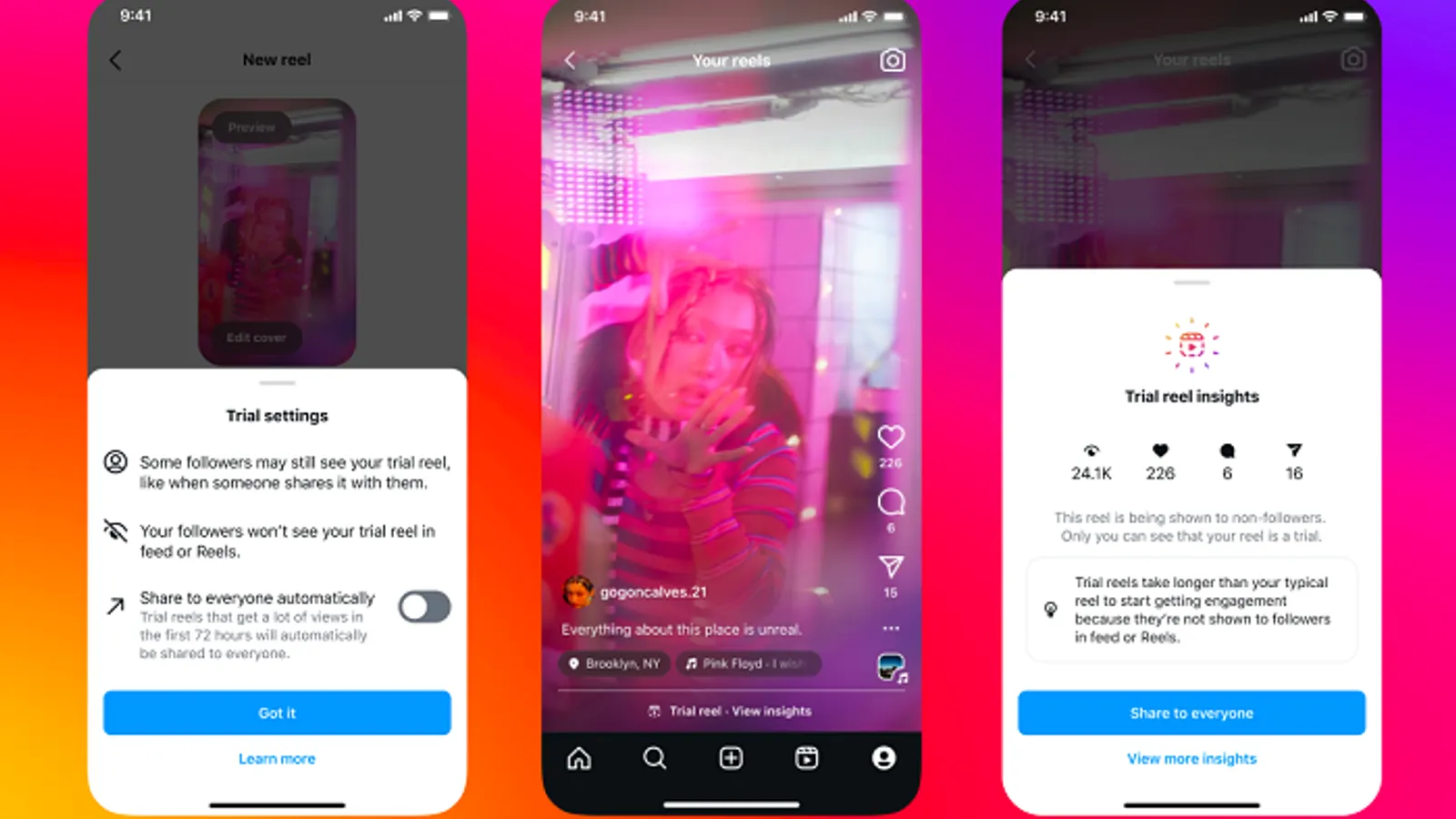








 Google is introducing two new inference tiers to the Gemini API, Flex and Priority,
to balance cost and latency.
Google is introducing two new inference tiers to the Gemini API, Flex and Priority,
to balance cost and latency. 

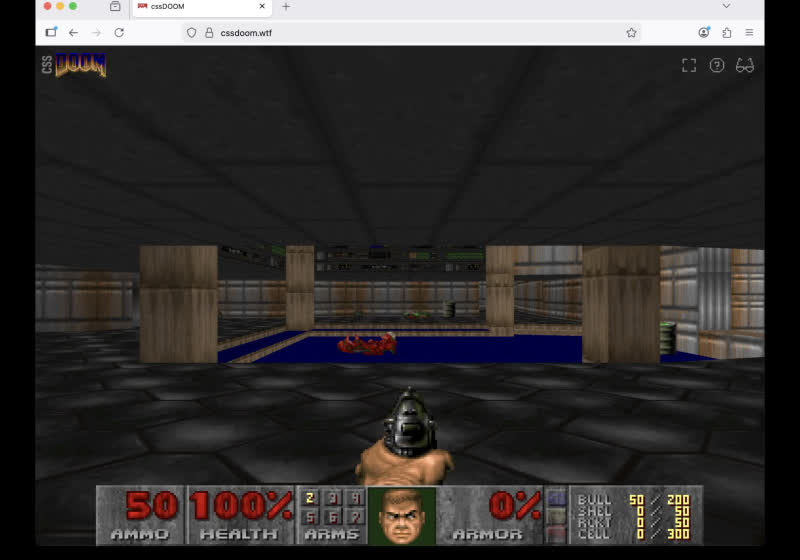













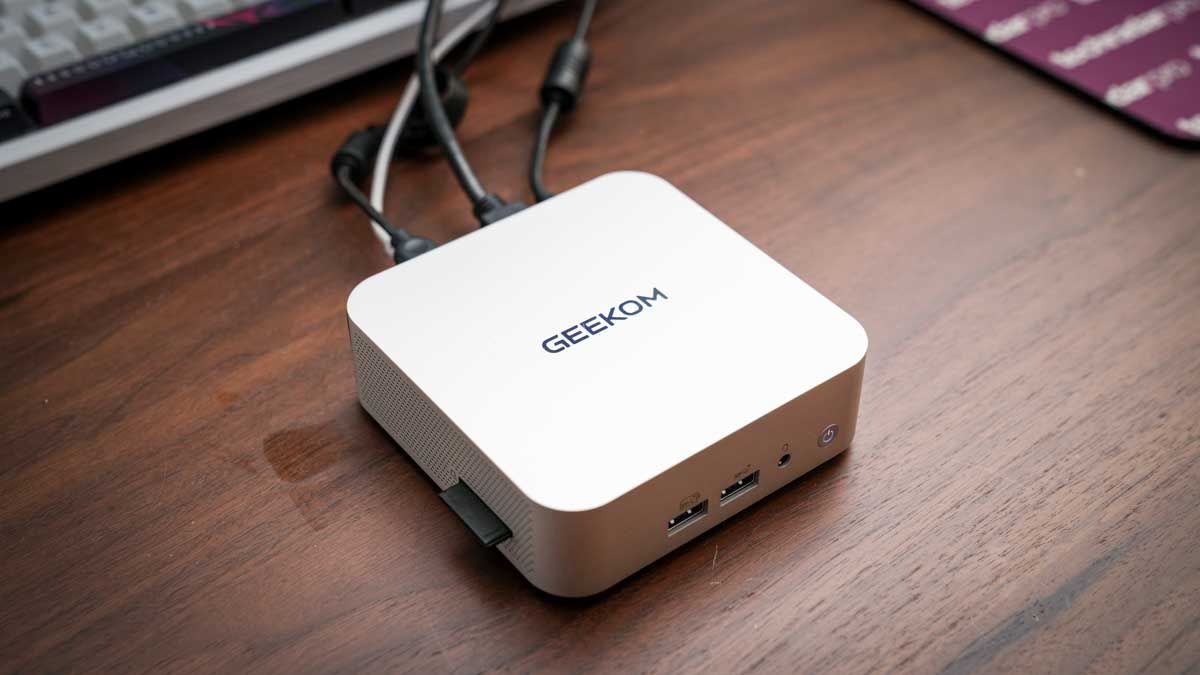




 Gemma 4: our most intelligent open models to date, purpose-built for advanced reasoning and agentic workflows.
  New AI capabilities are coming to Google Vids, powered by Lyria 3 and Veo 3.1, like high-quality video generation at no cost and more.





















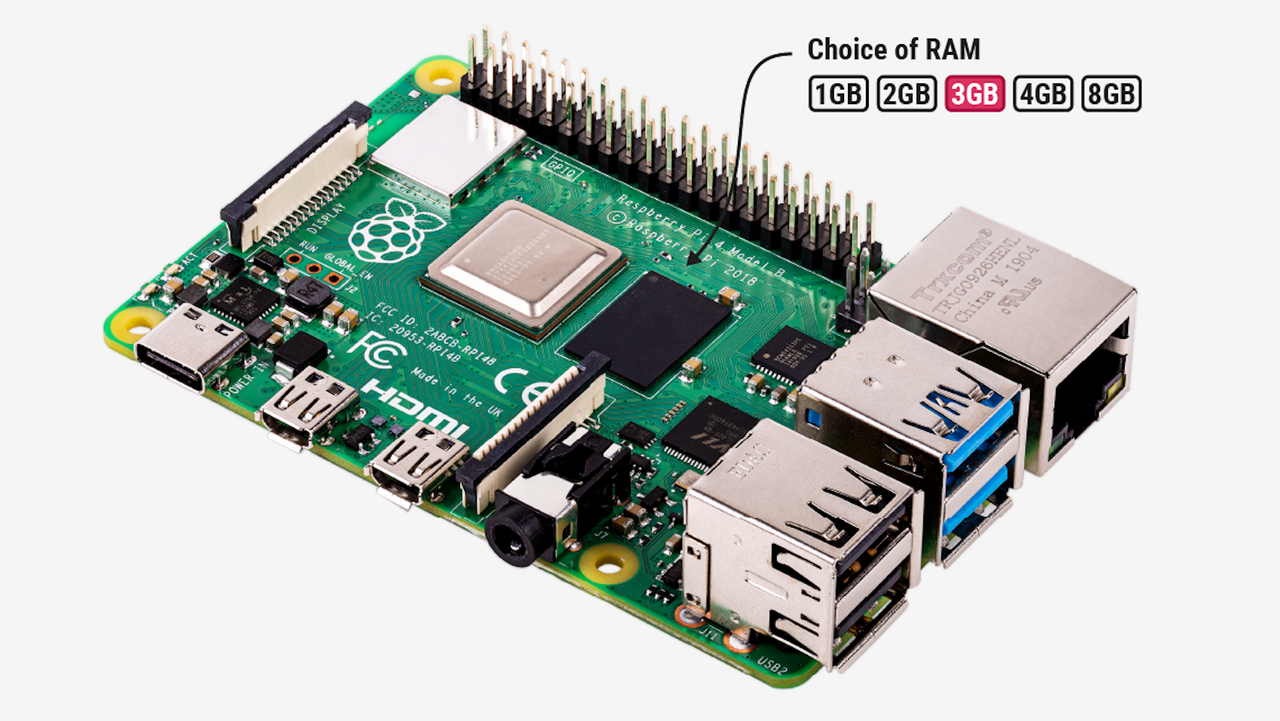

 Watch Coachella 2026 live on YouTube starting April 10. Stream stages in 4K, shop exclusive merch and join global watch parties.






















 Google and Back Market's new USB kit makes it easy to install ChromeOS Flex, a free OS to revive your PC or Mac and reduce e-waste.