Several delisted Xbox and Xbox 360 games have recently appeared on the Xbox Store, leading many to wonder if they'll be made backwards compatible soon.
As the previously leaked launch date of Sony's upcoming PlayStation 6 approaches, leaks and rumors abound, with many claiming that the upcoming gaming console will launch later than initially expected. Now, reputable leaker, KeplerL2, has taken to the NeoGAF forums to dispel some of the doom and gloom surrounding the launch date and potential delays of the PS6. The leaker's reasoning stems not from some insider information, but rather from a simple application of logic, asking a fellow commenter "What copium? You think AMD is gonna waste resources doing validation on something they think will get delayed?"
The reasoning seems to be that, based on information like prior leaks, that AMD has already been working on custom APUs for both the living room version and the handheld model of the PlayStation 6, and that AMD would not continue validation of those APUs if it thought there were supply constraints that would lead to a delay ahead of the console family's expected launch date. It's also possible that AMD and Sony signed the supply contracts for the Canis and Orion APUs before the current DRAM crisis was in full swing, effectively making a launch delay impossible or at least less likely. However, this would mean that the console makers would have a batch of hardware ready for launch followed by intermittent or delayed supply—at least as long as the DRAM shortage holds. There have also been rumors that Sony will be drastically increasing the price of the PS6 consoles compared to the PS5 generation, although this appears to be at least somewhat contingent on Microsoft's Xbox Helix pricing strategy.
Stormgate, a free-to-play, StarCraft-style RTS developed by Frost Giant Studios, relies on a third-party "game server orchestration partner" to run its online modes. Frost Giant told players on Discord that the provider had been acquired by an AI company, forcing a planned outage that will take Stormgate's multiplayer modes offline...
More than a dozen investors are pressuring Amazon, Microsoft, and Alphabet's Google to provide detailed data on water and energy consumption at their U.S. data centers.
Google research indicates quantum computers may break cryptocurrency encryption sooner, prompting urgency for post quantum cryptography adoption and coordinated disclosure strategies
Zero Shot, a new venture capital fund with deep ties to OpenAI, is aiming to raise $100 million for its first fund. It has already written some checks.
Betvisors connects bettors with verified sports betting advisors and lets you tail their picks with one tap. You only tip when a pick wins; if it loses, you pay nothing. Advisors prove their track records with betslip screenshots, and a public leaderboard shows win rate, profit, and streaks. Gambly integration places bets at your sportsbook instantly, while Stripe handles secure payments. Advisors can monetize winning picks and grow a following on the platform.
Geysera helps ecommerce brands recover revenue by identifying returning anonymous visitors and syncing them to your ESP. It builds and manages cart, checkout, browse, and winback email flows inside Klaviyo, Mailchimp, or SendGrid, then optimizes continuously within your discount guardrails. Always-on holdout groups and RCTs prove incremental lift, and pricing ties to verified revenue. Brands and agencies get white-glove setup, real-time dashboards, and compliance-aware copy.
According to Telegram CEO Pavel Durov, the Kremlin's increasing efforts to control and censor the global internet are causing widespread problems for Russian users. The Russian-born entrepreneur confirmed that Telegram is now banned in the country, yet more than 50 million Russians continue to use it daily via VPNs.
Bartlett Lake, Intel's P-core only family of CPUs intended for edge and industrial use cases has been modded to run on consumer Z790 motherboards. At the moment, the flagship Core 9 273QPE with 12 Raptor Cove P-cores is posting around 33,000 points in Cinbenech R23, which is around the Core i7-14700 mark.
Bipartisan group of U.S. senators propose to impose blanket ban on export of advanced DUV lithography and etching tools to Chinese companies known to have worked with China's military, such as CXMT, Huawei, SMIC, and YMTC.
Apple's MacBook Air M5 is the 'best mix of winning design, near-pro-level performance, and battery life,' and Amazon has an impressive $150 discount on the 15-inch model.
If you rank your own product #1 in “best of” listicles, it’s not just a search-quality issue — it may violate FTC rules that took effect in October 2024.
Driving the news. As Lily Ray noted on LinkedIn, the FTC’s Consumer Review Rule (16 CFR Part 465) prohibits several deceptive practices tied to reviews and testimonials, including:
Presenting company-controlled content as independent reviews.
Publishing reviews of products or services never actually used.
Attributing reviews to people who didn’t write them.
Penalties can reach up to $53,088 per violation, and each page may count separately. Ray also shared a reference table she generated with the help of Claude:
Why now. “Best X” and “Top 10 Y” listicles have surged as a GEO tactic over the past couple of years. These pages often perform well in search and increasingly influence AI-generated answers.
The backstory. Before the rule was formalized, Ray said at least one company faced legal action for publishing hundreds of “best of” pages that:
Ranked its own services #1.
Included fabricated competitor reviews.
Used fake reviews on third-party platforms.
The Better Business Bureau later censured the company for unsubstantiated claims.
What’s happening. Many modern listicles follow a similar pattern:
A brand publishes a “best tools” list.
Includes competitors it hasn’t tested.
Uses subjective or invented scoring systems.
Ranks itself #1.
These listicles may imply independence or firsthand evaluation when neither exists.
The nuance. You can publish comparison content that includes your own product. However, based on FTC guidance, risk increases when:
You imply objectivity, but promote your own product.
You present reviews not based on real experience.
You fail to clearly disclose material relationships.
What Google is saying. Google is aware of the low-quality listicle trend. In a statement to The Verge, a Google spokesperson said the company applies protections against manipulation in Search and Gemini, and reiterated its guidance: create content for people and ensure it’s understandable to search systems.
Why we care. What has worked as a visibility tactic may carry risk on two fronts — regulators and a potential Google Search algorithm change. That means this popular GEO tactic could decline quickly as its effectiveness drops.
Caveat. I’m not a lawyer. Consult your own legal counsel if you’re concerned about using this tactic.
Intel preps a huge socket for future CPUs with HUGE graphics chips Intel is reportedly working on a new CPU that aims to challenge AMD’s “Strix Halo” and Apple Silicon. With its huge 4326 socket, Razor Lake AX aims to bring together strong CPU and GPU hardware to deliver a strong single-package computing solution for […]
Ahead of STALKER 2's upcoming Cost of Hope DLC, dev GSC Game World is releasing a free Sealed Truth content update for the open-world survival shooter.
Microsoft has been addressing the recent wave of "Microslop" criticism that has emerged online in response to the forced integration of AI into its products. Specifically, Microsoft has been promoting its Copilot applications, products, and even Copilot-branded hardware like Copilot+ AI PCs to consumers. However, this is just the scratching the surface, as the actual number of Copilot variants is much higher than what the average PC enthusiast might consider. If you've ever wondered how many Copilot applications exist, the official count stands at 80 Copilot applications, products, services, and hardware that the Redmond giant has developed. Across every Microsoft vertical, there is a Copilot icon in some form, even present on Copilot+ PCs with its own dedicated Copilot key. This represents the biggest branding overhaul in Microsoft's history, as the company traditionally distinguished products with unique features and names.
However, the popularity of its ecosystem is at an all-time low, particularly within the PC community, which interacts most with the Windows 11 operating system and the Microsoft 365 suite of applications, formerly known as the Office package, including Excel, Word, PowerPoint, and others. Regular consumers are largely unaware of the extent of the Copilot branding, as Microsoft has extended its AI narrative to consumer and business chatbots, developer tools, desktop applications, Copilot applications within other applications, enterprise platforms, hardware, and business software serving the enterprise sector. At some point, the community narrative suggests that the branding is being pushed a bit too aggressively, as Windows 11 users, who interact daily with the world's most widely distributed operating system, have openly discussed the drawbacks of the forced Copilot integration.
That figure comes from Tey Bannerman, an AI strategy and design consultant, who undertook the challenging – but rewarding – task of counting all the Copilot products now embedded across Microsoft's ecosystem. He explained that he decided to do this after trying to describe Copilot to someone and realizing he...
According to Microsoft's latest timeline, Windows 11 25H2 will soon be rolled out to all devices running the Home and Pro editions of Windows 11 24H2. The latter is set to reach the end of official support on October 13, 2026, and Redmond is clearly aiming to move as many...
An Iran-nexus threat actor is suspected to be behind a password-spraying campaign targeting Microsoft 365 environments in Israel and the U.A.E. amid ongoing conflict in the Middle East.
The activity, assessed to be ongoing, was carried out in three distinct attack waves that took place on March 3, March 13, and March 23, 2026, per Check Point.
"The campaign is primarily
The NHTSA closed its investigation into Tesla's "Actually Smart Summon" feature, saying that only a fraction of cases resulted in an incident and that no incidents resulted in injury. Tesla has also issued a number of software updates.
AI travel companion that generates day-by-day itineraries, then stays with you throughout the trip. Proactive morning briefings, smart packing lists, budget tracking, local insider tips, and a Spotify Wrapped-style trip recap. Free to try.
co-parenting.ai is the AI family app for separated parents — an assistant that communicates and coordinates the logistics, a place for family context, a village hub for grandparents, nannies, and schools, and a dedicated space for kids that shields them from adult conflict. It works whether your co-parent joins or not.
We built this for the kids. Every conflict de-escalated means two present parents instead of two stressed ones. Every caregiver and extended family member who shows up knowing the schedule is a child who feels held by a bigger family.
Human-written content dominates Google’s top rankings, appearing in the No. 1 position 80% of the time versus just 9% for purely AI-generated pages, based on a Semrush analysis of 42,000 blog posts.
The details. Semrush analyzed 20,000 keywords and their top 10 results, classifying content with an AI detector.
Human-written pages outperformed AI and mixed content across all top 10 positions.
The gap was widest at Position 1, where human content was 8x more likely to rank.
AI content appeared more often lower on Page 1, nearly doubling from Positions 1 to 4.
Yes, but. AI detection tools are widely known to be inconsistent and can misclassify human and AI-written content, creating some possible “fuzziness” in these classifications.
Why we care. AI-generated content works, until it doesn’t. Yes, AI can help you rank, but this data suggests human insight still drives the best performance. For competitive queries, originality, expertise, and editorial judgment remain your unfair advantages.
Perception vs. data. 72% of SEOs said AI content performs as well as or better than human content, yet ranking data showed a clear human advantage at the top.
How teams use AI. No surprise, AI is widely adopted and often used in a hybrid approach:
87% of teams keep humans heavily involved in content creation.
64% use a human-led, AI-assisted workflow.
AI is most common in research, drafting, and optimization.
Use drops sharply for multimedia, localization, and higher-judgment tasks.
What’s driving adoption. AI accelerates output, but doesn’t reliably improve it.
70% cite faster production as AI’s top benefit.
Only 19% say it improves content quality.
About the data: The analysis examined 42,000 blog pages from 200,000 URLs tied to 20,000 keywords, using GPTZero to classify content. It also includes a survey of 224 SEO professionals working in content and search.
Microsoft MVP Lance McCarthy highlights how easy it actually is to add AI to an app using Microsoft's Windows AI APIs during development. I want to see more of this type of AI and less of the unecessary bloat that's giving it a bad name.
Intel's upcoming "Nova Lake" CPU generation, part of the Core Ultra 400 series, will be a major refresh of the company's P and E-core hybrid design. While many specifications have been largely leaked, the exact integrated GPU configuration remained a mystery until now. One of the most reliable Intel leakers, Jaykihn, has revealed that Intel plans to use the Xe3 generation of graphics, which is found in the current "Panther Lake" Arc B300 series of integrated GPUs. The display and media engine will come from the Xe3P "Crescent Island." Previously, we reported the source's claim that the "Nova Lake" display and media engine would incorporate some IP elements from the Xe4 "Druid" generation of graphics. However, the actual underlying hardware is not related to Xe4 and instead borrows IP from Xe3P.
Intel's plans for "Nova Lake" are focused on late 2026, with the entire lineup expected to roll out in early 2027. The platform will support DDR5 memory at 8,000 MT/s out of the box, without any overclocking. This indicates an improved integrated memory controller on the Nova Lake platform, which seems ready to handle those speeds even before XMP or factory-overclocked modules are considered. It also suggests that Intel is pushing memory support further than its current controller, which reaches DDR5-7200 on the current "Arrow Lake Refresh," alongside the new core IP and updated configuration.
Threat actors likely associated with the Democratic People's Republic of Korea (DPRK) have been observed using GitHub as command-and-control (C2) infrastructure in multi-stage attacks targeting organizations in South Korea.
The attack chain, per Fortinet FortiGuard Labs, involves obfuscated Windows shortcut (LNK) files acting as the starting point to drop a decoy PDF
The company, which commands 37% of the global electric vehicle battery market and 22% of the energy storage segment, has already equipped roughly 900 ships with its batteries. Most of these are small, nearshore vessels that operate along China's coastlines, at ports, or on inland waterways.
The Artemis II mission is starting to capture never-before-viewed (by human eyes) views of the moon, and this should excite stargazers and photographers.
Apple plans to ask the Supreme Court to review its App Store fight with Epic Games, as it challenges a ruling limiting its ability to charge fees on external payments.
MetricSign monitors your Power BI datasets every five minutes and tells you when something breaks, such as a failed refresh, a missing column, or a changed schedule. Each alert includes the exact error, what caused it, and a direct link to fix it in Power BI. It works with ADF, Fabric Pipelines, and Databricks too, so you can see the full chain from source to dashboard. Setup takes two minutes: sign in with Microsoft, pick your workspaces, and you're done.
LLM Pulse helps companies understand how they appear in AI search and how to improve it. We track brand presence across leading LLMs like ChatGPT, Google AI Mode, Gemini, and Perplexity, analyzing prompts, responses, citations, and sentiment. Rather than relying on abstract scores, LLM Pulse shows the actual answers users see, making it easy to spot gaps, understand competitors, and take action through content and technical improvements. Designed for marketing, SEO, and growth teams, it turns AI visibility into something you can measure, understand, and act on.
AutoScaled generates personalized presentations directly from your CRM and spreadsheet data using a single prompt. Connect HubSpot, Salesforce, Attio, or your data sheet and specify which records to create tailored presentations for. Upload a template from Google Slides or PowerPoint to build sales decks in seconds.
The AI agent personalizes your content based on your data, maintains brand consistency, and saves you time. You can trigger presentations when CRM data changes, schedule recurring decks, and refresh existing ones with one click. Share content via branded pages, track engagement, and see who viewed what.
In this case study, we went deep instead of broad. We focused on one question: why wasn’t a brand present in a single ChatGPT prompt across ~70 iterations?
We chose one prompt: “What are the best hotels in New York City?”
We analyzed mentions, citations, fanouts, and SERPs in Google and Bing. We also planned to analyze GPT memory, but it made no discernible difference to mentions, citations, or fanouts.
What we did and what we found
We chose NYC hotels because it’s a crowded, mature market with juggernauts and up-and-comers. We also have no connection to the NYC luxury hotel space — we intentionally picked an area where we could stay objective and learn from scratch.
After running the prompt “what are the best hotels in New York City” 68 times, we identified which hotels appeared most consistently and which were nearly invisible.
We chose the Baccarat Hotel as our “client” because it appeared only once (1.5% of the time), despite strong reviews and clear alignment with the prompt’s intent. We wanted to know why — and whether it could change that.
Key findings:
You can dominate query fanouts on Google SERPs and still underperform in ChatGPT brand mentions.
Bing matters most. Ranking in Bing articles for fanouts aligns more directly with ChatGPT mentions — not just citations.
In verticals dominated by third-party content, you face complex digital PR paths to increase visibility.
Note: A full methodology breakdown appears in the appendix.
Mentions of the Baccarat vs. the Fifth Avenue Hotel show just how wide the disparity in ChatGPT visibility can be
The Baccarat Hotel appeared once in 68 trials (1.5%).
Top performers were large luxury hotels like the Four Seasons Hotel New York Downtown.
ChatGPT also identified boutique hotels as a subcategory, generating a secondary list in its answers. Boutique hotels like the Baccarat are typically smaller and not part of large chains.
Within this boutique subcategory, the Baccarat still underperformed. The Fifth Avenue Hotel, the top-performing boutique property, appeared 13 times, cited 20% of the time, versus the Baccarat’s 1.5%.
Reputation can’t explain visibility disparities
We first checked whether anything in the hotel’s history or reputation could explain the gap. As the chart below shows, nothing significant did:
The Baccarat
The Fifth Avenue
Year Founded
2015
2023
Current Price
$930
$563
Number of Google Reviews
1.3k
213
Google Reviews Rating
4.6
4.6
Number of Expedia Reviews
531
201
Expedia Reviews Rating
9.4
9.6
Overall, the Baccarat has been around longer and has more reviews. On quality, the Fifth Avenue Hotel has no edge in Google reviews and only a slight edge in Expedia reviews. The only area where the Baccarat lags is price — but that’s unlikely the issue when The Ritz-Carlton, a consistent non-boutique winner, is listed at $1,100.
Further reinforcing the Fifth Avenue’s underdog status: one of its most prominent Google results (rank 2) was a Wikipedia page for a different Fifth Avenue Hotel that closed in 1908, creating potential entity confusion similar to the two Danny Goodwins.
If the Fifth Avenue Hotel had been the one missing, it would suggest a less established brand with entity confusion. But the opposite happened — it prevailed in ChatGPT.
So what was the problem for the Baccarat Hotel?
Winning Google SERPs for query fanouts doesn’t help, but winning Bing SERPs does
When ChatGPT performs a web search, it sends a series of queries you can extract via Chrome DevTools. In this case study, examples included:
[Best hotels in new york city]
[Top rated luxury hotels in new york city recommendations]
[Best hotels in nyc top luxury and boutique hotels new york]
[Best luxury and boutique hotels in new york city recommendations reviews]
[Best hotels in new york city nyc top hotels]
[Top hotels in nyc luxury boutique best places to stay new york city]
In total, we extracted 25 unique query fanouts.
What we saw in the Google SERPs
If we only looked at the articles dominating fanout SERPs in Google, we’d expect the Baccarat to narrowly outperform the Fifth Avenue in ChatGPT. That didn’t happen.
In the table below, the Baccarat “wins” three of the top 10 most frequently appearing pages, while the Fifth Avenue Hotel “wins” two. The other five feature neither. A “win” means one of the following:
The Baccarat is listed as a “one key” hotel, placing it at the bottom of the list. The Fifth Avenue Hotel is listed as a “two key” hotel, placing it in the middle of the list.
Both mentioned, but the Fifth Avenue much more positively
What we saw in the Bing SERPs
By contrast, looking only at the articles dominating fanout SERPs in Bing, we’d expect the Fifth Avenue to outperform the Baccarat in ChatGPT — and it did.
In the table below, the Fifth Avenue “wins” five of the eight most frequently appearing URLs.
Note: The table includes two fewer URLs because Bing SERPs were slightly less diverse for these fanouts.
Both are listed, but the Fifth Avenue is listed under “Our Top Picks”
https://travel.usnews.com/hotels/new_york_ny/
The Baccarat
The Baccarat is #11 on the list, the Fifth Avenue is #16
The connection between Bing visibility and brand mentions
Bing rank strongly predicts ChatGPT citations — 87% align with Bing’s top results, Seer Interactive found. Our case study supports this and extends it.
We examined the relationship between fanouts (Seer focused on prompts) and brand mentions.
Example mention: “For a luxury boutique feel: listings like The Fifth Avenue Hotel or Crosby Street Hotel consistently make ‘top NYC’ lists from travel editors.”
Mentions are often more valuable than citations. Most people won’t follow citations but will remember the top recommendation.
There’s ongoing debate about whether fanouts shape ChatGPT’s answers and mentions, or simply support answers generated from training data. For example, Leigh McKenzie argued on LinkedIn:
“The citations you see at the bottom? Those are surfaced after the answer is generated, not before. It’s post-hoc rationalization. The model didn’t choose your brand because it found your URL. It generated an answer based on what it already knows, then pointed to sources that support it.”
By contrast, our data aligns with Beehiiv’s research, which suggests citations do shape mentions.
Training data doesn’t appear to be the issue for the Baccarat. Compared to the Fifth Avenue, it’s older, has more reviews, and holds similarly high ratings across major platforms. What it lacks is strong presence in Bing results for fanouts and citations, which appears to lead to fewer mentions.
A simple flow might look like this:
Brand ranks in Bing → ChatGPT fanouts pull in Bing pages → ChatGPT synthesizes training and Bing data to generate mentions
Coda: A tale of two Forbes articles, or why the details matter
In this vertical, third parties like Forbes and Condé Nast control the space. Visibility depends on who mentions you, so you need a strong outreach strategy — not just updates to your own content.
Our data shows that “targeting Forbes” isn’t specific enough.
The top result surfaced in both Bing and ChatGPT was the same Forbes article. In Google, the most frequent fanout result was also a Forbes article — but a different one.
As we’ve seen, getting into Google’s Forbes article likely wouldn’t provide a meaningful boost. The Baccarat “won” in that piece.
Getting into Bing’s Forbes article, where the Baccarat wasn’t mentioned, could make all the difference. This requires a highly surgical approach grounded in Bing data.
Generalities won’t work; detail reigns supreme.
Appendix: Methodology
Model: We prompted GPT-5.2 Instant and manually extracted results. We didn’t use APIs within ChatGPT.
Number of iterations: We ran the same prompt 68 times.
Prompt: “What are the best hotels in New York City?”
Settings: We tested three memory states:
Saved memories off
Saved memories on, using unrelated real user memories
Saved memories on, with one memory about needing gluten-free travel accommodations
For all trials, we turned off “reference chat history” to avoid interference across iterations.
We expected differences based on memory settings but found none, so we treated all trials as a single dataset.
Citing unnamed industry sources, South Korean outlet ETNews reports that the Pro model would slot between the Plus and the Ultra in the upcoming S27 series, effectively becoming the second-most premium option. It is expected to inherit much of the Ultra's feature set, including Samsung's new Privacy Display technology, which...
Target is one of many retailers jumping on the AI bandwagon by introducing an assistant that can suggest products and complete purchases for customers. The pitch is convenience: less browsing, fewer clicks, and an easier way to fill a cart. The risk is that shoppers may end up handing over...
OpenAI proposes taxes on AI profits, public wealth funds, and expanded safety nets to address job loss and inequality, blending redistribution with capitalism as policymakers debate AI’s economic impact.
Nominate your startup, or one you know that deserves the spotlight, and finish the process by applying. Selected 200 have a chance at VC access, TechCrunch coverage, and $100K for Startup Battlefield 200. Applications close on May 27.
The MSI MAG A1200PLS PCIE5 delivers strong cold efficiency numbers and excellent build presentation, but a thermal weakness at high load, a questionable 80Plus Platinum claim, and a steep asking price temper an otherwise capable unit.
Is it possible to get an accurate view of the current state of SEO?
There have been multiple attempts to reach consensus on what works, predict what might be coming, and identify the factors that may play a role in “good” (or “bad”) SEO.
As useful and productive as some of this may be, none of it offers the same grounded data as the Web Almanac, a project I was honored to be a part of. With the publication of the 2025 SEO chapter, we can now review the data and spot the emerging trends from 2025 and what that could mean for SEO in 2026.
SEO standards on the rise
2025 has been another year of increasingly higher SEO standards — which can only be a good thing:
Near-universal adoption of HTTPS (now up to 91%+).
Increased use of title tags at nearly 99% adoption, and even viewport meta tags at over 93% adoption.
Canonical adoption rose from 65% in 2024 to 67%+ in 2025.
HTML validity is slowly improving. For example, invalid <head> elements dropped to 10.1% on desktop and 10.3% on mobile from 10.6% and 10.9%, respectively, in the previous year.
Robots.txt error rates fell404s declined to 13% from 14% the previous year, and 5xx responses fell to ~0.1%.
Meta robots usage has crept up to 46.2% in 2025 from 45.5% the prior year.
Not all of these statistics represent rapid change, but they do show steady and consistent change, at the very least. The 2025 Web Almanac data presents the web as a more secure and easier-to-crawl place, which is certainly a positive.
So, can SEOs take a victory lap right now? No, as there is more to do in 2026, even if the basics do feel like they’re stable or steadily improving.
Content management systems (CMSs) and SEO plugins play a huge role in developing SEO best practices and cementing the “default” or de facto standards.
As the CMS chapter in the 2025 Web Almanac shows, more and more websites are now powered by a CMS:
Of these, the top five most popular systems over the last four years likely aren’t surprising.
Frequently underpinning many SEO defaults are SEO tools typically utilized by WordPress sites:
That’s not to say that using these platforms or tools ensures a perfect website setup. That said, key elements or functions of these tools can become industry standard due to their ubiquity:
Robots.txt.
Sitemap.xml.
Canonical tags.
Semantic HTML.
Structured data.
Not all of these are on by default. Sometimes they require inputting basic details or simple implementation. Regardless, their ease of access increases the likelihood that they will become an SEO best practice.
This is happening, and it’s proving effective. What this means for 2026 and beyond is that:
Working with or lobbying major platform and tool makers is one of the key ways to shape SEO’s future direction.
SEO tools and platforms will continue to enforce best practices on the front end, but they could also benefit from AI and assistive features behind the scenes. While it may be less visible in the data itself, these tools offer the opportunity to move quickly and gain deeper insight.
Structured data usage was previously driven by what Google rewarded in the search engine results pages (SERPs). SEOs and plugin developers alike could be inspired to move beyond what’s beneficial for the SERPs and onto what contributes to a more predictable, structured, and retrievable data set.
Deprecated, but not forgotten
Defaults and best practices help, but they don’t finish the job. While attention often shifts to new features, old or forgotten standards still see widespread use.
There have been many different cases where deprecated settings or standards have prominently appeared in the data.
For example, in meta robots bot declarations, “msnbot” is still in the top 5, even though it was replaced over 16 years ago.
AMP use has plummeted over the years, but it’s still found on over 38,000 homepages. While technically not deprecated, amp.dev has seen no recent activity for nearly four years now.
The most common meta robots attributes are “index” and “follow,” which are implicit and largely ignored.
Web changes — no matter how small — are often neither quick nor easy to get done, and we’ll likely see traces of deprecated features and settings in the data for years to come.
More work is needed
The improvement in SEO standards doesn’t apply to all features and sites. There are some that aren’t moving in the same direction:
The mobile performance gap stubbornly lingers — even as it continues to improve.
Duplicate content management is still lagging, with nearly 33% of pages missing canonical implementation.
Advanced configurations have barely moved from the previous year — nearly 67% of images don’t have loading attributes set, and over 91% of iframes don’t have set loading attributes.
Many deprecated standards refuse to go away.
While CMS default settings or configurations can take credit for some of the larger changes, they also bear some of the responsibility for the issues above. For example, median Lighthouse scores for some of the major CMS platforms are still lagging, especially on mobile (while seeing increases over last year).
The long tail of the web is still messy, and this will probably always be the case. The Web Almanac dataset doesn’t exclude websites that are no longer relevant or abandoned.
Site metrics that meet the “top” standards from an SEO best practices point of view can likely be achieved with an out-of-the-box site built on any major CMS with a modern theme and 30 mins of carefully considered configuration. This is one of the most significant opportunities in technical SEO.
In 2026, we’ll likely:
Continue to see performance gaps converge between desktop and mobile experiences — but slowly.
Still be able to see echoes of past markup and decisions. Even if the collective focus is pulled to the “new world” of AI search, many SEOs won’t abandon proven tactics and approaches from past years. This dataset develops slowly.
Observe something that’s mostly “business as usual.”
One of the more eagerly awaited elements of the Web Almanac data was whether we can chart the increasing presence and impact of AI search and crawlers in the decisions of SEOs and developers.
Within the data, we observed two major developments:
Robots.txt is increasingly used more as a policy document rather than crawler control.
Creation and adoption of llms.txt is one of the few signs of LLM-first decision-making.
Commenting on the state of SEO is challenging because the definition isn’t fixed. What’s good or bad practice is often hotly debated, and in the world of AI search, another (painful) metamorphosis is now taking place.
In the HTTP Archive data we can observe the influences working on SEO from a “nuts and bolts” point of view, report on what we see, and enable people to make up their own minds.
Specifically, one of the elements we added this year was the analysis of the llms.txt file.
This is a highly controversial text file, but our inclusion was not an endorsement. It’s a recognition that changing trends may (or may not) shape the web. Whether it’s effective or accepted, its adoption says something, and we felt it was important to review that.
Robots.txt as a bouncer
It’s clear that robots.txt has a more important job now than ever. Until relatively recently, it was largely used for targeted control of crawlers, particularly Googlebot and Bingbot.
For most SEOs, however, robots.txt was mostly an exercise in both ensuring we weren’t blocking anything by accident and resolving problem areas with Disallow rules. This has changed:
Gptbot: 4.5% on desktop and 4.2% on mobile in 2025 is up from 2.9% on desktop and 2.7% on mobile in 2024, representing a ~55% increase.
Ccbot: 3.5% on desktop and 3.2% on mobile in 2025 is up from 2.7% on desktop and 2.4% on mobile in 2024.
Petalbot: 4.0% on desktop and 4.4% on mobile in 2025 (not separately tracked in 2024).
Claudebot: 3.6% on desktop and 3.4% on mobile in 2025 is up from 1.9% on desktop and 1.6% on mobile in 2024, nearly doubling.
Robots.txt isn’t the only way to manage bots — and arguably isn’t the best — but it introduces a new decision that must be made: How should websites handle LLM crawlbots?
This will be one of the biggest areas we’ll see change in on the technical side of 2026:
Businesses with existing bot strategies will need to evolve them.
Businesses that don’t meaningfully manage crawlers will start feeling the pressure to do so.
Robots.txt will still be the clearest and easiest way to handle crawlers. We will almost certainly see more good and bad bots alike.
In 2026, SEOs will be drawn into bot management conversations spanning marketing, technology, and security. “Which bots should we allow?” is a question with downstream effects on budgets, revenue, and users, and we’ll need to closely monitor what develops.
LLMs.txt
LLMs.txt is an aspiring web standard that aims to guide LLM crawlbot behavior and make it easier for them to retrieve content before generating an answer. It’s a highly controversial .txt file, and there’s a vigorous debate on whether it actually benefits LLMs, will gain widespread use, and is a possible vector for manipulation.
The rationale or efficacy of this file isn’t something we need to cover here. For this article, the true point of interest with llms.txt is the adoption of this file as a statement of intent.
At the start of 2025, I crawled the Majestic Million, a regularly updated list of the top 1 million websites ranked by backlink authority, in search of llms.txt and found that adoption was extremely low (0.015% of sites, or just 15).
While searching one million sites versus 16 million presents some logistical differences, I was expecting a very low level of adoption based on prior experience. I was surprised at how wrong I was.
According to the 2025 data, just over 2% of sites had a valid llms.txt file, and:
39.6% of llms.txt files are related to All in One SEO (AIOSEO)
3.6% of llms.txt files are related to Yoast SEO
This number is still relatively low, but it’s much higher than I thought it would be and potentially represents a huge acceleration.
The primary reason fueling adoption of llms.txt’s SEO plugins that make this easier to enable.
We can see that llms.txt adoption has continued to rise ever since we started collecting data from across the web:
If, however, the implementation of this file is actually a default feature in some scenarios, it could be easy to overvalue its significance.
LLMs.txt will still be a barometer of AI search decision-making in 2026:
More tools and plugins will offer this functionality if they don’t already.
Yoast and Rank Math (which don’t default llms.txt to “on”) represent more growth opportunities for this file. Many SEOs may decide to switch it on even if there isn’t strong evidence of its efficacy.
The rate of adoption will continue to climb, but whether it’ll reach a point where it becomes an accepted best practice is harder to forecast.
FAQ growth
Another interesting trend worth discussing is the increase in the use of the FAQPage schema.
While this isn’t as explicit a trend as robots.txt or llms.txt usage, the increased adoption of this schema type is particularly interesting.
However, you can see from the last three publications of the Web Almanac that this isn’t the case:
The use of FAQPage schema is now an emerging trend as AI search heavily cites FAQ content in its outputs.
This could be correlation rather than causation, but the steady increase in FAQPage schema is a strong sign of AI search strategies changing the shape of the web.
To echo another conclusion from earlier, 2026 may well see continued growth of structured data types even if they don’t result in an obvious improvement. While the growth is unlikely to be explosive, making a case for their implementation is easier when we don’t just optimize for Google.
Will AI search reshape the web in 2026? Unlikely. Will we continue to see signs of its importance? Almost certainly, but let’s not get carried away.
SEO has a reputation for changing quickly. Sometimes that’s true. More often, it’s the conversation that moves quickly, while the web itself changes at a steadier pace.
The 2025 Web Almanac data clearly reflects that tension. Core SEO hygiene continues to improve year over year, but largely through default features and settings, tools, and platform behavior rather than deliberate optimization.
At the same time, long-deprecated standards linger, advanced configurations remain uneven, and the long tail of the web remains untidy. Progress is real, but it’s incremental — and sometimes accidental.
What has shifted meaningfully is intent.
Robots.txt is no longer just crawl housekeeping. It’s becoming a policy surface.
LLMs.txt, regardless of whether it proves useful, represents a new class of decision-making entirely.
FAQ patterns are on the rise again, and not because of SERP features, but because structured, extractable answers have immense value elsewhere.
2026 will not be remembered as the year SEO ended or was reborn. It may, however, be considered the year the AI search layer became more defined. A new patch applied — not a fundamental rewriting.
Most guidance on optimizing for AI still focuses on how content is written. But AI systems don’t read content the way humans do. These systems extract information, break it into parts, and reuse it in new contexts. What matters is whether your content can be pulled into an AI-sourced answer cleanly.
Where traditional SEO has centered on ranking pages, AI systems prioritize retrievable units of meaning. That changes how content needs to be built:
The 5 core principles of AI-preferred content design
When content is retrieved in pieces, used in generated answers, and selectively attributed, structure becomes the lever. These principles show up consistently in content that gets surfaced by AI systems:
1. Modular by design
Content is more useful when it’s built in discrete units. Each section should:
Address a specific question or subtopic.
Be understandable without relying on surrounding text.
Long sections that depend on earlier context are harder to reuse in isolation. Modular structure also makes content easier to update, test, and repurpose across surfaces — without rewriting the entire page.
2. Hierarchically structured
A clear hierarchy helps systems understand what each section contains and how it relates to the rest of the page. H2 → H3 → H4 structure should signal:
Topic: What the section is about.
Intent: What question it answers.
Scope: How narrow or specific it is.
Headings should make each section’s purpose immediately clear. When that signal is weak, it becomes harder to match the right section to the right query.
3. Explicit over implied
AI systems rely on what’s stated directly. Make relationships and conclusions clear by:
Defining terms when they’re introduced.
Stating outcomes or takeaways directly.
Clarify cause-and-effect or comparisons, rather than implying them.
If something is important, it should be written plainly. Copy that requires inference is harder to interpret and more likely to be skipped in favor of clearer alternatives.
4. Answer-first formatting
Place the direct answer to the section’s core question at the top, then expand.
AI systems prioritize passages that resolve a query immediately. When the answer is delayed or embedded within a longer explanation, the relevance of that passage becomes less obvious.
The rest of the section can then add deeper nuance, examples, or other details that further understanding without changing the core response.
5. Designed for passage-level extraction
Passages compete for selection, both within the same article and across the web.
When multiple sections address the same question in similar ways, they dilute each other. Clear, specific, and well-scoped content “chunks” are more likely to be selected.
You can audit a passage’s usefulness by asking:
Is it understandable without additional context?
Does it fully answer a single question?
Can it be quoted as an answer without any editing?
If the passage needs context or cleanup, it’s less competitive.
Common content patterns that improve AI retrieval and use
These patterns show how structured, answer-first content is applied in practice — making it easier for AI systems to match, extract, and use.
The ‘definition + expansion’ block pattern
Start with a clear definition. Then add detail. This works best for:
Concepts.
Terminology.
Processes.
The definition should establish what something is in a way that can be quoted independently. The expansion then adds context, nuance, or examples.
This pattern helps position your content as a reference point for core concepts — especially when AI systems need a clean, authoritative definition.
The ‘question → direct answer → context’ pattern
AI systems are designed to respond to queries. This pattern aligns your content to that structure.
Order your content as:
Question.
Immediate answer.
Supporting detail.
The answer should resolve the query in one to two sentences, using the same language or phrasing as the question where possible.
Remaining content can add depth through nuance and edge cases that extend beyond the core answer.
The ‘framed list’ pattern
Lists work best when they’re introduced by a clear framing sentence that tells the reader — and the retrieval system — what the items represent.
Follow a consistent structure (e.g., all actions, all criteria, all features)
Stay at the same level of detail
Clearly map back to the framing sentence
This pattern works especially well for steps, criteria, features, and takeaways.
Well-structured lists are easier for systems to parse and reuse, especially when each item is clearly defined within the context of the list.
The ‘comparison’ pattern
Structure content to make differences explicit. This works well for alternatives (“X vs Y”), tradeoffs, and decision-making criteria. You can use:
Side-by-side comparisons.
Clear evaluation criteria (price, features, use case, limitations).
Direct statements of when to choose each option.
Content that clearly outlines differences is easier for AI systems to extract and reuse in answers that involve evaluation or recommendations.
Top content design mistakes that limit AI visibility
Most AI surfacing issues come back to content structure. When structure is weak, answers are harder to identify and extract. That tends to show up in the form of:
Overly narrative, under-structured content
Long paragraphs with key points buried inside make it harder to isolate a clear answer. Without strong subheadings to define what each section covers, systems have fewer signals to identify where that answer lives.
Ask:
Does this section answer a clear question, or just explore a topic?
Is the main point easy to identify in the first few lines?
Do the subheadings clearly signal what each section contains?
Vague or non-descriptive headers
Headers like “Overview,” “Introduction,” or “Key Takeaways” don’t provide enough signal about what the section actually contains.
Headings help systems understand what a section covers and how it relates to a query. When they’re vague, the relationship between section and query becomes less explicit.
Ask:
Would this header make sense out of context?
Does it clearly reflect the question or topic being answered?
Could multiple sections on the page use the same header?
Answers buried mid-paragraph
When the answer appears halfway through a paragraph, it’s harder to isolate as a clean, reusable unit.
AI systems look for segments that clearly resolve a query. When the answer is embedded within surrounding context, it becomes less distinct and more likely to be overlooked or reassembled.
Ask:
Is the answer clearly distinguishable from the neighboring text?
Does contextual copy clarify or dilute the answer’s main point?
Redundant or repetitive sections
When sections overlap, they compete for the same query and weaken the overall signal. Instead of reinforcing the topic, similar sections can fragment it across multiple passages, making it less clear which one should be selected.
Ask:
Do multiple sections answer the same question in slightly different ways?
Is each section clearly scoped to a distinct angle or subtopic?
Clear separation improves both retrieval and selection.
How to evolve existing content for AI without starting over
Most teams don’t need to totally rebuild content from scratch. Updating existing content for today’s landscape just requires a few structural changes.
Break content into logical units
Identify where natural sections exist and what question each one answers.
Split broad or mixed sections so each one resolves a single idea or query.
If a section covers multiple points, separate them into distinct sections.
Rewrite for answer-first clarity
Move the clearest version of the answer to the top of each section.
Remove lead-in language, qualifiers, or examples that appear before the answer.
Ensure the opening lines can be understood without relying on the rest of the page.
Strengthen structural signals
Make headings specific enough to reflect both the topic and the question being answered.
Use formatting (lists, short paragraphs, summaries) to make key points easier to scan and isolate.
Check that each section’s purpose is immediately clear from its heading and first sentence.
Introduce distinct framing
Turn generic sections into clearly defined units, like:
Ensure each section covers a distinct angle and does not repeat or overlap with others. This helps consolidate signal and makes it easier for systems to select and attribute the right passage.
The future of content design in AI-mediated search
AI systems are already reshaping how content is surfaced, and that shift will continue as answers become more personalized and draw from multiple sources.
As a result, page-level ranking matters less on its own. Content value is shifting toward contribution — how clearly a piece of content can inform, support, or shape an answer.
The content that performs best will be:
Structurally clear, with sections that are easy to identify and extract.
Modular, so individual passages can be selected and reused independently.
Distinct, with clearly defined ideas that don’t overlap or compete internally.
Designed to be selected and used, not just indexed or ranked.
Content that meets these criteria is more likely to be surfaced, reused, and attributed as AI-mediated search continues to evolve.
An Italian TV station has claimed ownership of Nvidia’s DLSS 5 trailer, proving that YouTube’s copyright system is absurdly broken Who owns Nvidia’s DLSS 5 trailer: Nvidia, or a bunch of Italians and their TV station? The Italian broadcaster La7 has blocked Nvidia’s DLSS5 reveal trailer, citing copyright grounds. Why? La7 showcased the trailer during […]
Age of Empires 2: Definitive Edition and Age of Empires 4 are both being played at the Red Bull Wololo: Londinium tournament, with the finale set for today at the Royal Albert Hall. It's been a crazy weekend of Age gameplay, and I nearly missed the announcement for a new Age 4 DLC.
Your attack surface no longer lives on one operating system, and neither do the campaigns targeting it. In enterprise environments, attackers move across Windows endpoints, executive MacBooks, Linux infrastructure, and mobile devices, taking advantage of the fact that many SOC workflows are still fragmented by platform.
For security leaders, this creates a
This week had real hits. The key software got tampered with. Active bugs showed up in the tools people use every day. Some attacks didn’t even need much effort because the path was already there.
One weak spot now spreads wider than before. What starts small can reach a lot of systems fast. New bugs, faster use, less time to react.
That’s this week. Read&
In a recently published study, the Dutch team describes an unexpected behavior observed in a 3D-printed microstructure. The "robot" consists of a flexible chain of self-propelling elements, each smaller than the width of a human hair. When exposed to an electric field, the structure begins to move on its own,...
The deployment marks a new test of drone-based security technology in US schools. Backed by more than $500,000 in state funding, Florida and Georgia are rolling out Mithril's technology as part of broader school safety initiatives. The goal, company executives say, is speed. Pilots operating from Mithril's Austin headquarters could...
While backups continue to be essential, they no longer determine preparedness when attackers steal sensitive data and use exposure as the primary pressure point.
Here's how to watch I'm A Celebrity 2026 online for free and from anywhere as Ant and Dec head to South Africa. Streaming guide and watch free with this info
Trump's first and second terms have aligned with the release of both The Handmaid's Tale and The Testaments — but for the creators, nothing has changed.
Starting today, you have 5 days to save nearly $500 on your ticket to TechCrunch Disrupt 2026. This offer disappears Friday, April 10, at 11:59 p.m. PT. Register here to secure these low rates.
Cliptude helps creators produce documentary-style videos quickly. It researches topics, writes scripts, sources stock footage and relevant A-roll, and assembles a full edit with motion graphics, maps, and timelines. It delivers premium AI voiceovers with natural pacing and exports ready files for YouTube, TikTok, and Instagram. Start from a prompt or script, then download the final cut or separate stems while keeping full rights.
For a long time, links were the primary signal of authority in search. If you wanted visibility, you built backlinks. If you wanted credibility, you earned placements. That still matters — but it’s no longer enough.
In AI-driven search, authority is shaped by how often your brand is mentioned, cited, and clearly associated with a topic. Visibility comes from being referenced in AI-generated answers.
With that shift in mind, the goal is to create content that earns consistent brand mentions and citations — the signals that now drive AEO visibility.
The philosophy driving content that fuels AEO growth
In 2026 organic discovery, authority incorporates entity recognition.
On both Google and LLMs like ChatGPT and AI Overviews, authority is reinforced through:
High-quality backlinks.
Brand mentions (linked or unlinked).
Consistent citations across trusted publications.
Clear entity associations (who you are, what you’re known for, and what topics you “own”).
Since LLMs synthesize information instead of ranking pages, you need repeatable, credible mentions across the web to strengthen your brand’s likelihood of being cited or referenced in AI answers. Importantly, you also need to use your owned media to define your brand entity very clearly.
That makes building authority even more critical. Your content will now be battling with even more competition in the form of AI results in the SERP and AI-produced content from other publishers.
The TL;DR is that you need to establish a clear brand and, underneath that brand, create content that’s so valuable that other experts, journalists, creators, and AI systems repeatedly reference your brand when they’re discussing a topic core to your business.
The principles and formatting of AEO-friendly content
You’ll use many of the same SEO principles as a base for AEO-friendly content. Content aligned with Google’s helpful content guidelines — focused on value and user experience — appeals to the people (and LLMs) discussing these concepts and sourcing experts to validate their positions.
That said, to produce truly AEO-friendly content, you need to incorporate formatting that supports LLM extraction.
Key formatting principles include:
Clear definitions: Have short, clean definitions high on the page:
“X is…”
“Y refers to…”
Structured formatting:
Use descriptive H2s and H3s.
Employ bullet points.
Keep paragraphs short.
Include direct answers under question-based headers.
Explicit context:
Avoid vague pronouns and implied references.
Remember that LLMs perform better when context is explicit and self-contained.
The specific objectives for your AEO content to address
If you’re solely focused on AEO, I’d approach your content with these objectives in mind:
Be highly citable: Include original data or perspectives a journalist or influencer would use in media like podcasts, expert roundups, contributor columns, or co-marketing content)
Be highly quotable: Provide at least one clean, quotable insight.
Be specific: Answer specific questions an AI system would try to answer. You can clearly articulate a question your content answers — and answer it verbatim with a section or paragraph in your content.
Be clear: Define a topic in an easily extracted manner.
To address these objectives, it can be helpful to think beyond blog posts to ideate “reference-grade” assets, including:
Practical steps to build AEO authority with content
Here’s how to turn those principles into a repeatable process for building AEO authority:
Research keywords where bloggers and journalists are searching for references (these keywords often include “statistics” or “reports”). Use Reddit, Quora, X, Ahrefs (Matching terms report), and Exploding Topics among your references.
From those keywords, build a list of topics around which your team has the expertise to share valuable insights and perspectives.
Research a list of writers and journalists who cover those topics.
Find expert resources (either internal or closely connected) and interview them to build a cache of content.
Refine and develop that content into contemporary insights using Google Trends and social listening, using timing and a list of audience modifiers to heighten relevance.
Example: Get a list of tips from an expert targeted to help hay fever sufferers (niche audience/modifier) get a better night’s sleep (core topic/target) during a particularly bad high pollen count period (relevance).
Pitch a group of writers and journalists who cover your theme and/or sub-theme on why this matters right now, and how it’s different from other content they might find to reference.
If (or even before) those writers and journalists link to your content, follow them on their social channels to deepen your connection for future opportunities.
Writing for AEO isn’t at odds with writing for humans. Even from its early days, AEO shared many of the SEO fundamentals derived from appeal to actual users.
That said, there are enough differences with the way LLMs extract and digest content (and the way users ask LLMs for information) that you need to keep specific nuances in mind in your content approach.
With a clearly defined brand on your owned media, and an understanding of the tenets of AEO and how to address them, you should have a good idea how to leverage your team’s expertise for greater visibility on the AI search landscape.
The most active piece of enterprise infrastructure in the company is the developer workstation. That laptop is where credentials are created, tested, cached, copied, and reused across services, bots, build tools, and now local AI agents.
In March 2026, the TeamPCP threat actor proved just how valuable developer machines are. Their supply chain attack on
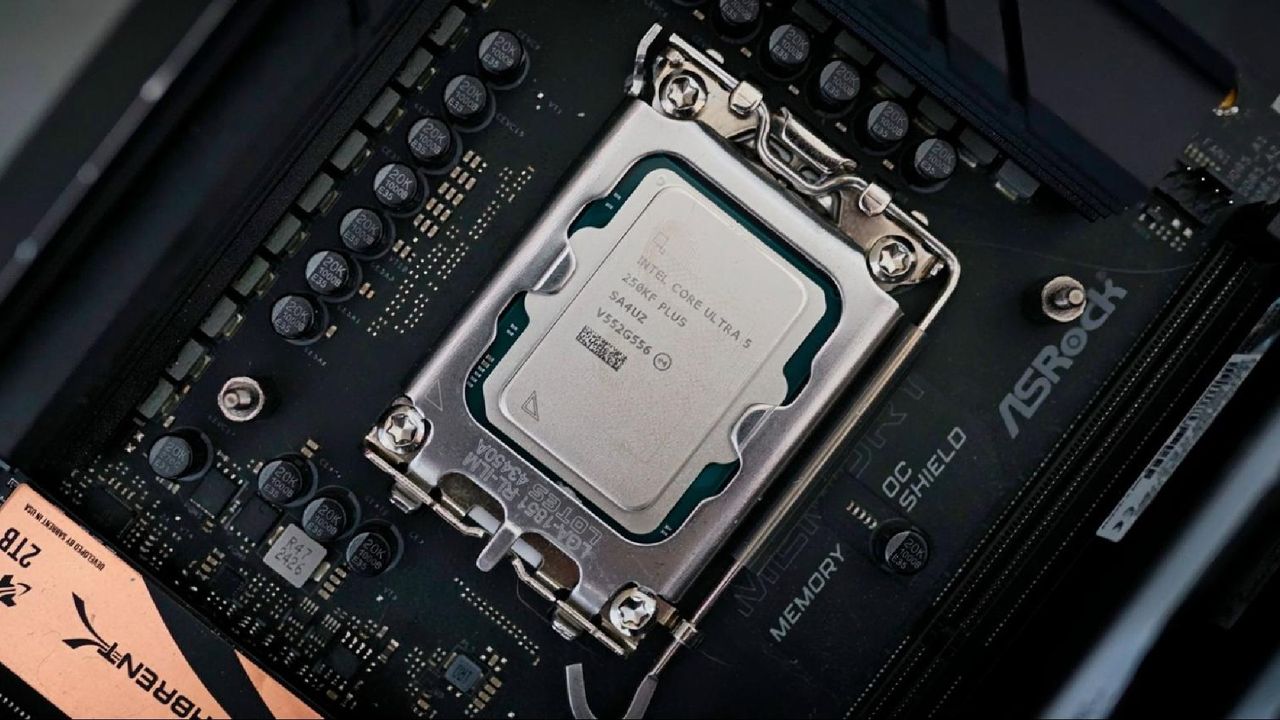
Intel has quietly added the Core Ultra 7 251HX to its Arrow Lake HX lineup, skipping any formal announcement. The chip simply appeared on the Intel website a few weeks after it surfaced in Lenovo Legion 5i 2026 and MSI Raider 16 HX listings. The 251HX is an 18-core, 18-thread part with 6 Performance cores and 12 Efficient cores, slotting between the Core Ultra 5 245HX and the Core Ultra 7 255HX. Compared to the 255HX, it drops two P-cores and loses two threads, but keeps the same 12 E-cores and 30 MB of Smart Cache. TDP range stays identical at 55 W base and up to 160 W maximum turbo power. Max Turbo comes in at 5.1 GHz, 100 MHz below the 255HX, but the E-core base clock actually jumps 700 MHz to 2.5 GHz, and the P-core base is up 500 MHz as well at 2.9 GHz. Memory support goes up to DDR5-6400.
The integrated graphics drop to three Xe3 cores clocked up to 1.8 GHz, down from four on the 255HX, which also trims AI performance from 33 TOPS to 30. Not a dramatic difference, but worth noting if NPU performance matters for a specific workload. As an endnote, the Core Ultra 7 251HX sits between the Core Ultra 5 245HX with its 14 cores in a 6P+8E layout and 24 MB of cache, and the 20-core Core Ultra 7 255HX and 265HX sitting above.
Steam is reportedly in the process of adding a "Frame Estimator" tool that can estimate your PC's performance before you purchase a game. As you know, Valve's Steam platform is the largest gaming platform in the world, with access to millions of PCs. The Steam Client application offers an option to include your PC in Valve's telemetry system, which processes data such as your PC's specifications and game information, including your library. Using these data points, Steam will estimate how many frames per second your PC can generate in any game, depending on your configuration. For example, for a specific CPU, GPU, and available system memory, the Steam Client will indicate whether a game can reach 60 FPS at 1440p using high settings, or whatever your preference is. We can only speculate at this point about what the feature will look like, as Steam is still refining it before the public beta release.
Additionally, Valve has already started asking users for anonymous FPS data collection about a month ago whenever they run a game. With this data pool, likely involving millions of participants, Valve aims to build a system that estimates your FPS output based on your specific PC configuration, without needing to run a game first. Reportedly, this feature will appear in the Steam Client and show how much performance your PC can deliver before you even purchase a game. This is a classic recommendation system that will indicate what your configuration typically delivers at specific game settings and resolutions.
The confirmation comes from an End-of-Service notice on Samsung's US website, which says the app will be discontinued in July 2026. It advises users to move to Google Messages to maintain a consistent Android messaging experience.
Rapidus' first plant, IIM-1 in Chitose, Hokkaido, has shifted from a construction site to a pilot line. In mid-2025, the company had activated the cleanroom, installed extreme ultraviolet tools, and began running test wafers through a two-nanometer gate-all-around process developed with IBM.
Multical ends double bookings for portfolio careerists, fractionals, multi-hyphenates, and consultants. It syncs your Google, Outlook, and Apple iCloud calendars so every organization sees your real availability across all accounts. It blocks conflicts in real time, lets you set custom rules and filters, and never permanently stores event content.
Use Multical to manage unlimited calendars at one price, create scheduling links for each client or role, and view, create, and edit events in a unified, mobile-friendly calendar. Control what details others can see, revoke access anytime, and keep credentials encrypted.
Since 2021, I’ve worked on more than 350 published guest posts. In that time, I’ve refined a repeatable guest posting outreach process that consistently drives approvals without ever paying for a placement.
Although guest blogging is becoming more difficult, the basics of personalized guest posting outreach remain the same. If your mindset is to create mutual value, this process will work for you in 2026 and beyond.
Step 1: Build your outreach list
Your outreach list is a collection of the websites you’ll email to offer guest-written content. You can build your list in several ways.
The easiest way to find potential websites is by googling your niche alongside “write for us.”
Plenty of reputable websites openly accept guest posts and have an established approval process you can find online. That’s the exact approach I used to publish an article on G2’s Learning Hub.
Alternatively, search the name of a prominent person in your niche and add keywords such as “guest post,” “guest author,” or similar. Chances are that if a website has published guest posts from someone in your industry, they’ll be receptive to accepting guest posts from you as well.
Browse your competitors’ backlink profile with an SEO tool. In Semrush, Backlinks is one of the SEO tools under Link Building.
To refine your list, verify which websites have previously published content from guest authors. If, however, all articles on a blog are written in-house and you’re not the Beyoncé of your industry, chances are your guest posting pitch will go unnoticed.
Once you’ve gathered a list of sites that potentially accept guest posts, run them by your website quality criteria.
Consider the website niche, top pages, organic traffic over time, countries where the traffic is coming from, authority score, and outgoing backlinks. You can also automate this step with the API of your favorite SEO tool.
Even the best guest post outreach will fail if you’re writing to the wrong person.
Most people ignore emails that aren’t relevant to them, nor do they forward them to the right colleague.
That’s why you need to do your homework. There’s likely a specific department or person you should be addressing.
Here’s how to find the right person through LinkedIn:
Open the company LinkedIn profile and select the People tab.
Type relevant keywords into the search bar to filter out profiles. You’re looking for a person who decides what content goes on the blog.
To do this, you can type “content” and browse the results for a content manager, content editor, or similar.
In smaller companies, you can search for “marketing” or “growth” to find who’s the one-person marketing team.
For micro companies, your best contact person might be the founder or co-founder.
Use Apollo or Hunter to find the work email of the best contact you find.
Sometimes, you’ll come across companies that have no listed employees on LinkedIn, or their emails are not available. In this case, your only option might be a generic email such as contact@ or support@. For micro companies or in certain niches (typically B2C websites), these emails can still work.
Verify all email addresses. Many outreach tools have built-in email verification features.
This step helps you protect your sender reputation and ensures your emails end up in the inbox, not the spam folder.
Step 3: Choose your outreach approach
There are two distinct ways to approach guest posting outreach.
Send out a generic email template with basic personalization
Ask whether the website accepts guest-written content. This way, you don’t invest a lot of time upfront into every pitch and your only focus is on building an outreach list.
As the emails aren’t highly personalized (they usually just include the names of the person and the company), they generate a moderate reply rate.
To drive results with this approach, you need a large outreach list so you’ll still get enough opportunities to work with at a 3% to 5% reply rate.
Hyper-personalize your emails
The email you send to company A offers something completely different than the email you’re sending to company B. It takes a lot of time to research and tailor your pitch, but it also enjoys a higher reply rate (around 19%, from my experience).
This approach works best when you have a small outreach list or when you’re pitching to prominent websites.
Step 4: Research the right topics
No matter your outreach approach, you usually need to pitch guest post topics. With basic personalization, you suggest topics only to the websites that reply to you. But with the hyper-personalized email approach, you propose topics in the first email you send.
Top-tier websites typically only accept specific types of guest articles. Find the website’s editorial guidelines by googling “[company name] + guest post” and see their requirements.
Let’s look at HubSpot as an example. They’re only publishing marketing experiments, original data analyses, or super detailed tactical guides.
Similarly, writing a guest article for Zapier’s blog requires specific experience. Generic topics won’t make the cut.
Buffer takes things a step further by opening rounds for guest posting under specific themes.
Following each website’s requirements increases your chances of landing a successful pitch. But most websites are open to a broader range of suggestions.
Some editors have a list of keywords or topics they want to target. They may share it with you so you can choose a topic to write on based on your expertise.
Alternatively, you can bring your own guest post ideas. When that’s the case, you can use a keyword gap analysis to uncover relevant topic ideas.
How to do a keyword gap analysis with Semrush
Let’s say you want to pitch a guest article to monday.com. Here’s how to go about it:
Go to Semrush’s SEO tools and select Keyword Gap. Add the URLs of Monday.com’s blog along with the blogs of leading competitor brands, then click on Compare.
Next, filter out the keywords.
Look only at keywords where competitors are ranking in the top 100 results.
Limit the keyword search volume to 2,000. This filters out broad, highly competitive terms that typically require long-form, comprehensive guides to rank.
In the keywords report, choose Missing to see keywords that competitors are ranking for but monday.com isn’t. This is their keyword gap.
Look deeper into individual keywords that seem interesting and match your expertise.
For example, “what is time boxing” has 49% keyword difficulty.
In the search bar, add the domain URL to get a personalized keyword difficulty calculation. The goal is to find keywords for which your article has real potential to rank.
After selecting “monday.com,” you see the site has low topical authority for “what is time boxing,” and ranking for it would be very hard.
Looking at “cost management in project management,” the Personal Keyword Difficulty is 60%. While that’s still high, there’s more to consider.
Check how your target domain compares against other websites ranking for this keyword.
Monday.com’s Authority Score (AS) is 67, while the average in the top 10 is AS 52. Despite this being a competitive keyword, with the right content, monday.com has real ranking potential.
Double-check the website isn’t targeting this keyword already. Sometimes, the website already has content on a similar topic — they’re just targeting a variation of your keyword.
To do this, use the “site:” search operator and add your keyword into Google search.
In this case, “task priority” came up in the keyword gap analysis. While monday.com doesn’t have an article with this keyword in the H1, it does have very similar content on how to create a priority list or prioritize tasks.
Select three to four keywords that would make sense for the website to target. This ensures that the website editors will have enough options to choose from. If you put all of your eggs into one topic idea, it might not land. But three or four ideas increase your chances of success.
Adding extra value is about what else you can bring to the table besides guest content.
Are you an established author in the site’s niche?
Do you have a social media following that would be interested in this piece?
Are you running a relevant newsletter?
Or do you participate in a private community that cares about this topic?
Your extra value proposition is unique to your profile, and different value props can appeal to different websites.
For example, I have 11,000 followers on LinkedIn. When reaching out to a project management tool’s blog editor, I can mention that 54% of my followers are founders, executives, or senior-level professionals in small to mid-sized companies — the very people responsible for managing processes and tools within their organizations.
If I’m personalizing this pitch for a lead-generation blog, I can highlight that 35% of my audience works in the marketing or advertising industry.
Step 6: Prepare your emails
When it comes to your emails, you need to consider the subject line, the email body, and follow-ups.
Mention the website name (but not the person’s name).
Use title case (vs. sentence case).
On to the email body: Keep your emails concise and skimmable. Editors rarely have time for long messages.
Finally: follow-ups. Statistically, the more you follow up, the higher your overall campaign reply rate. Some people reply after the first follow-up, others after the third.
My recommendation? Limit follow-ups to two. A third one feels too pushy.
Step 7: Send your outreach emails
You’ve done a lot of preparation work. It’s finally time to send your emails. Here’s what to consider:
Send days
An analysis of 85,000 personalized emails showed the best day to send a cold email is Monday, closely followed by Tuesday and Wednesday. These are the days with the highest email open and reply rates.
Send times
The same study suggests you should be sending your emails between 6 to 9 a.m. PT (9 a.m. to 12 p.m. ET). But since most editors are based in different countries, aim to send your email before noon in their local time.
Unsubscribe option
Always give recipients a clear way to opt out of more emails. Without an unsubscribe option, recipients may mark your message as spam. This can damage your sender reputation and reduce future deliverability.
Step 8: Track and adjust
Most outreach tools allow you to track open, reply, and success rates. Let’s break down what each metric tells you.
Open rate is the percentage of recipients who open your email. Your subject line, preview text, sender name, and domain reputation directly influence this number.
Reply rate is the percentage of recipients who respond to your email. Exclude automatic replies (like out-of-office messages) to avoid inflated performance numbers. Your email body, topic relevance, and positioning drive this metric.
Success rate is the percentage of sent emails that result in a published guest post. Your topic selection, communication with the editor, and adherence to editorial guidelines are some of the aspects that influence success rates.
Track these metrics to identify weak points in your outreach campaigns.
After you establish a baseline, run controlled A/B tests. Send different versions of your campaign to similarly sized groups and compare performance. Change only one variable at a time so you can clearly measure its impact.
Test ideas such as:
Subject line with an emoji vs. without.
First email with an extra value proposition vs. without.
Three suggested topics vs. four.
One follow-up vs. two follow-ups.
Small improvements across different elements of your campaign can compound into measurable gains in success rate.
Step 9: Build relationships with editors
I mentioned I’ve worked on more than 350 guest articles. But that doesn’t mean they were all published on different websites. When you provide quality, you’re very likely to build lasting relationships that result in ongoing work.
That’s one reason I use keyword gap analysis to choose topics. I target keywords that the website has real potential to rank for. When an article brings meaningful traffic, it becomes much easier to pitch the next one.
To establish lasting relationships with editors:
Provide exceptional content: Structure the article around search intent. Create original value with custom visuals, expert quotes, and practical examples. Support the publisher’s internal linking by adding multiple links to other resources on their website. Ensure perfect grammar and spelling.
Support the article after publication: Promote it through your social media, newsletter, or community. When appropriate, link to it from other relevant content you write.
Be reliable and easy to work with: Communicate clearly, respect editorial guidelines, and meet every deadline.
My guest posting template with 18% success rate
Below is the guest post outreach template that has delivered the strongest results in my campaigns.
Between 2023 and 2025, I sent more than 300 pitches using variations of this template, primarily to content managers at B2B SaaS companies in the marketing and HR niches. It generated a 19% reply rate, and 18% of sent emails resulted in a published guest post.
Subject: Fresh content ideas for [Company Name]
Hi [First Name],
My name is [Your Name], and I’m the [Your Job Title] at [Your Company], a [short company description].
I’m reaching out to see if [Company Name] is open to guest contributions. I have extensive experience in [your expertise area], having worked on projects for brands such as [Brand 1] and [Brand 2].
Here are a few topic ideas I’d love to propose:
keyword: [primary keyword 1], US search volume: [search volume]
[Proposed Article Title 1]
keyword: [primary keyword 2], US search volume: [search volume]
[Proposed Article Title 2]
keyword: [primary keyword 3], US search volume: [search volume]
[Proposed Article Title 3]
To learn more about my background, you can view my [LinkedIn profile link] or review articles I’ve written for [Publication 1], [Publication 2], and [Publication 3].
If the article is a fit and gets published, I’d be happy to promote it to my community of [audience description or size].
Your author profile directly influences your approval rate.
If you’re just starting out and don’t have a portfolio of published work, editors will hesitate to approve your topics. Start by reaching out to small or mid-sized industry blogs.
As you build your portfolio, pitching becomes easier. Publishing on recognized industry websites and creating content that drives measurable results strengthens your credibility and improves your success rate over time.
Bottom line: Invest in your author profile. That’s your biggest asset for successful guest blogging.
Threat actors associated with Qilin and Warlock ransomware operations have been observed using the bring your own vulnerable driver (BYOVD) technique to silence security tools running on compromised hosts, according to findings from Cisco Talos and Trend Micro.
Qilin attacks analyzed by Talos have been found to deploy a malicious DLL named "msimg32.dll,"
The IRGC released a video vowing retaliatory measures should the US attack its power facilities. Spokesperson Brigadier General Ebrahim Zolfaghari said the actions would entail "complete and utter annihilation" of power plants, energy infrastructure, and IT and communications facilities belonging to Israel and to companies with American shareholders.
Four people familiar with the matter told The New York Times that Musk is requiring banks, law firms, auditors, and other advisers on the IPO to buy subscriptions to Grok. Some of the banks have agreed to spend tens of millions of dollars on the AI and have begun integrating...
WD's leadership, now fully split from Sandisk, talks about its expectations for the future with industry analysts. We cover the full transcript of the press-only session right here.
YouTube's AI moderator acted on an errant DMCA takedown, affecting nearly every video that contained clips of the DLSS 5 trailer, including Nvidia's own YouTube video.
LLM Consensus sends your prompt to GPT-5.2, Claude Opus 4.6, and Gemini 2.5 Pro simultaneously. The models critique each other's responses, then combine the best elements into a single answer with a quality score from 0 to 1. This results in less hallucination and better answers for important questions. There are three modes: fast (~10s), balanced (~25s), and deep (~60s). The standard REST API is OpenAI-compatible. You can pay per request with USDC via the x402 protocol, or use API keys with prepaid credit packs and a usage dashboard.
The Witcher Online’s 2.0 update adds trading, multiplayer boat/horse riding, and more The Witcher 3: The Wild Hunt’s Online mod has received its 2.0 update, transforming the mod into a more MMO-like experience. Now, the mod supports item trading, customisable horses, new emotes, and other feature upgrades. With the addition of horse sync and boat […]
Intel will continue to ensure production of its 14th Gen Core "Raptor Lake Refresh" desktop processors, 700-series motherboard chipset, and ensure continued availability of the Socket LGA1700 platform. In an interview with Club386, Intel's VP and GM of client segment technical marketing, Robert Hallock, said that Raptor Lake remains a big part of Intel's client segment strategy, and that these processors will continue to be "abundantly available." Hallock also hinted that Intel could get motherboard vendors to innovate boards with both DDR4 and DDR5 memory slots, so consumers can choose between the two memory types, picking cheaper DDR4 memory, and upgrading to DDR5 down the line.
"Raptor Lake is a big part of our strategy - I want to be very clear about that," says Hallock. "It's still really, really good, even with multiple generations of hardware from other vendors coming after it, so it's not going anywhere. I want people to understand that Raptor Lake will continue to be abundantly available," Hallock said. "You've also seen some new motherboard announcements that support both DDR4 and 5 on Raptor Lake, as kind of like a bridge between worlds for people," he added. "That is reflective of our overall confidence and expectations." Companies like ASRock are already innovating such boards, and we could expect more such products in 2026.
Seasonic teased the Japan-exclusive FOCUS ATX 3.1 Sakura Limited Edition power supplies. These are design variants of the FOCUS ATX 3.1 line of PSUs that feature a white housing with cherry blossom printed design, Sakura-pink lettering, and a matching white 135 mm cooling fan. The PSU includes white, individually-sleeved modular cables. The PSU offers 80 Plus Gold switching efficiency, and meets both ATX 3.1 and PCIe 5.1CEM specifications, a native 12V-2x6 connector, Seasonic's innovative OptiSink cooling design, and a segment-leading 10-year product warranty. The company didn't reveal pricing or availability information, the PSU is likely to be Japan-exclusive.
Canadian online retailers have started putting up early listings of the AMD Ryzen 9 9950X3D2 Dual Edition desktop processor, which was launched earlier this month, but without a price announcement. The processor will start selling from April 22, 2026. Ahead of this date, Canadian retailers, ShopRBC and PC-Canada, listed the processor. ShopRBC listed it for CAD $1,375, while PC-Canada had it up for CAD $1,374. It so happens that these prices convert to approximately USD $990, confirming the popular theory that AMD could give the 9950X3D2 Dual Edition an MSRP of $999, making it the Ryzen-branded desktop processor with the highest launch price, not counting Threadripper HEDT SKUs.
The Ryzen 9 9950X3D2 is designed to be a flagship 16-core/32-thread Socket AM5 desktop part with 3D V-Cache memory on both its 8-core "Zen 5" chiplets, for a combined L3 cache of 192 MB, and total cache of 208 MB. The chip should, in theory, offer better gaming performance than the regular 9950X3D, since game workloads could be executed on either of the two CCDs. Multithreaded productivity workloads that are heavy on streaming data should benefit from the large caches, too. The chip comes with a feisty TDP of 200 W.
AvailSim helps travelers find the right eSIM plan worldwide by aggregating offers from trusted providers. It normalizes plan details and calculates true price per GB so you can compare coverage, data, and cost side by side, with independent rankings untouched by affiliate payouts. You also get destination guides, a data calculator, and a device compatibility checker, then purchase directly from the provider.
AI Sign Designer transforms any uploaded image into a production-ready custom sign design with instant pricing. Customers upload a logo, photo, or sketch, the AI converts it to clean vector files, and they get a quote in 2 minutes instead of the usual 48-hour wait. It generates layered SVGs compatible with Illustrator, CorelDRAW, and FlexiSign. It handles neon, channel letters, lightboxes, and more with real-time visual previews. Sign shops embed it on their website to automate quoting from design to production files.
Germany's Federal Criminal Police Office (aka BKA or the Bundeskriminalamt) has unmasked the real identities of two of the key figures associated with the now-defunct REvil (aka Sodinokibi) ransomware-as-a-service (RaaS) operation.
One of the threat actors, who went by the alias UNKN, functioned as a representative of the group, advertising the ransomware in June 2019 on the XSS cybercrime forum
AdaptlyPost is a social media scheduling and management platform that lets you create once and publish to Instagram, TikTok, YouTube, X, and more from a single dashboard. Plan with a visual calendar, queue posts, and track what's going live.
Use AI Image Studio and an AI caption co-pilot to generate visuals and copy, then automate posting via API or OpenClaw agents. Collaborate across workspaces and teams, and scale with plans for creators, businesses, and agencies.
PokerBotAI makes desktop poker bots powered by neural networks. PokerX Bot reads the table, decides, and clicks, working in fully automatic or advisory mode. It handles Hold'em, PLO, Short Deck, MTT, and OFC across 20+ rooms. The engine combines 300M real hand histories with 7B simulated scenarios. It also offers club management tools, a managed bot farm with profit sharing, and custom development.
Malwarebytes has successfully passed its first independent no-logs audit, opening up its VPN infrastructure to X41 D-Sec. Here's why this "white-box" assessment is a massive win for user privacy.
I have no idea how Blizzard pulled this off, but during World of Warcraft's Mythic raiding "Race to World First" esports event, U.S. team Liquid discovered live to thousands that the final boss had an insane, secret final phase.
Intel has recently released a new video showcasing its latest Texture Set Neural Compression (TSNC) technology, which delivers textures up to 18 times smaller while maintaining visual quality with little to no noticeable difference compared to the industry-standard compression. Using AI-based neural networks, Intel's graphics team processes input data from industry-standard BCn textures. These textures are compressed through an AI model encoder, encoded in the latest space values, and then decoded by a network decoder to decompress the textures. The result is output data textures that are up to 18 times smaller, with some quality loss at maximum compression settings. As with any neural technology, TSNC is trained on millions of standardized textures to create an AI model that can replace traditionally compressed textures in the BCn format. This results in new, much smaller game textures that load faster, use less VRAM, and perform better thanks to modern GPU technology.
There are several ways to apply TSNC neural compression, depending on the desired outcome, whether it's saving game installation size, reducing VRAM usage, or improving performance. Variant A, as Intel calls it, can achieve up to 9 times compression of the standard texture set, with little to no difference in visual quality—almost an unnoticeable drop. However, when the goal is maximum efficiency and requires up to 18 times texture compression, Intel offers Variant B of the TSNC neural network. This variant provides a significant performance boost, with the trade-off being a modest visual change. Using NVIDIA's FLIP tool to measure quality drop in generated images, Intel notes that Variant A experiences a 5% visual quality drop, while Variant B sees up to a 7% quality drop, which is noticeably more.
You can judge for yourself by viewing the comparison images below.
Intel has unexpectedly discontinued the official XeSS plugin for the Unity game engine, leaving the Unity ecosystem without XeSS frame generation, temporal super sampling, and antialiasing technology. This decision comes just a month after Intel released its official XeSS 3.0 software development kit for game studios, which includes features like multi-frame generation and the ability for XeSS 3.0 to use external memory heaps for GPU memory allocated by the game engine. This allows XeSS and the engine to operate on the same VRAM blocks instead of each reserving separate ones. However, it is unclear if XeSS 3.0 works with the latest Unity 6 engine, as official support has been withdrawn and the repository now serves as a public archive on GitHub. Similarly, AMD abandoned the Unity platform years ago, leaving only FSR 2.0 support since the last update. The focus now seems to be on other game engines like Unreal Engine 5 and its future versions, which are receiving all the latest advancements from both Intel and AMD.
Intel on GitHubIntel will not provide or guarantee development of or support for this project, including but not limited to, maintenance, bug fixes, new releases or updates. Patches to this project are no longer accepted by Intel. If you have an ongoing need to use this project, are interested in independently developing it, or would like to maintain patches for the community, please create your own fork of the project.
Walvee is an AI-powered travel platform where you describe the experience you want and get a full itinerary including flights, hotels, places, and day-by-day planning organized and ready to use. Unlike basic generators, Walvee includes a Concierge that stays with you during the trip: you can ask for restaurants near your hotel, find hidden gems, or add new places to your day on the fly.
You can also explore and "steal" trips from other travelers, customize them, and share your own routes. Walvee is for people who want more than a spreadsheet — they want a companion that adapts before and during the journey.
stackcost is a community-driven database of what it actually costs to run a startup. Founders publicly share their full stacks, monthly bills, and ROI so you can compare tools, spot overkill, and budget with real-world data. Browse verified receipts, leaderboards, and detailed stack pages, then create your profile to contribute your own stack and get discovered.
IslaApp helps small businesses build and launch bilingual websites quickly. Use an AI-powered editor to rewrite text, swap images, and adjust layouts, then publish with one click. Choose from over 75 industry templates in English and Spanish, connect a custom domain, and enjoy SSL, hosting, and built-in analytics. Sell online with an integrated store and ATH Móvil card payments, manage forms and databases, and run AI email campaigns with responsive support.
Story Generator helps you create full stories from simple prompts. Choose a genre and get structured narratives with chapters, character arcs, dialogue, and endings in seconds. The tool also builds outlines, plots, prompts, and titles and returns multiple versions per run so you can pick your favorite. Use it to overcome writer’s block, plan scenes, or produce ready-to-read drafts, and export your results. Start free without a credit card, with support for visual storytelling and children’s stories.
OPT-IMG is an AI-powered image SEO platform that turns raw images into SEO-ready, faster-loading assets. It automatically generates SEO-friendly filenames and alt text and compresses images in a single workflow. Users can batch process images, create responsive outputs, and export optimized assets at scale. OPT-IMG helps improve image search visibility, page speed, and Core Web Vitals for eCommerce sites, blogs, and content teams.
The data contracting firm works with all the major artificial intelligence providers, including Anthropic, OpenAI and Meta, and was hit by hackers last week, per Wired.
Google, Meta, Microsoft and Snapchat said they would continue to take voluntary actions to protect their platforms following the expiration of the EU ePrivacy Directive.
Musk told banks, law firms and other advisors they need to buy subscriptions to artificial intelligence chatbot Grok before the June initial public offering, per the New York Times.
Co.Actor helps you grow your personal brand on LinkedIn by learning your tone of voice from your posts and every edit. It surfaces daily, relevant post ideas from industry news and your network, then drafts content that sounds like you and lets you schedule directly to LinkedIn.
Use Co.Actor solo or with your team: each member keeps a unique voice, while shared dashboards, notifications, and analytics reveal what resonates and when to post. Track views, engagement, and follower growth, and get data-backed suggestions for what to publish next.
SurveyJS is an open-source JavaScript form builder that lets you create a custom form platform within any web application. Unlike SaaS tools like Typeform or SurveyMonkey, it is not a hosted service and has no usage limits. You can create unlimited forms using a drag-and-drop interface and collect unlimited responses while keeping full ownership of your data. SurveyJS integrates directly into your application, giving you complete control over the UI and branding. Both the form builder and the forms can be fully white-labelled with no external logos or references.
Salow.IO is an AI deal intelligence platform that analyzes B2B sales conversations and returns a deal health score across 9 dimensions, a confusion diagnostic isolating buyer noise, friction, and seller inconsistency, and three ready-to-send closing paths per deal. It detects signals like stakeholder silence or pricing objections and maps them against sales cycles and buyer profiles for 25+ verticals. The platform learns each rep's writing voice from their sent emails via a three-tier Voice DNA engine, so every response sounds like them, not a chatbot. Reps can upload sales playbooks as Strategic Doctrine, enforced across all outputs.
Esseeoh helps creators turn long videos into SEO-optimized YouTube Shorts and auto-posts them with AI-written titles, keyword-rich descriptions, and niche hashtags. It streamlines discovery so your Shorts get recommended to new viewers without manual edits.
If you haven’t uploaded in three days, it finds a top-performing video, generates a fresh Short, and publishes it to keep your channel active and consistent with minimal setup.
In a recent video, creator ETA Prime showcases Red Magic's phone running multiple Windows games directly on Android. The device is powered by a Snapdragon 8 Elite Gen 5 SoC, paired with 24GB of LPDDR5T memory and 1TB of UFS 4.1 Pro storage.
Drift has revealed that the April 1, 2026, attack that led to the theft of $285 million was the culmination of a months-long targeted and meticulously planned social engineering operation undertaken by the Democratic People's Republic of Korea (DPRK) that began in the fall of 2025.
The Solana-based decentralized exchange described it as "an attack six months in the
A Democratic congressman had harsh criticism for Polymarket for allowing users to bet on the date the U.S. would confirm the rescue of Air Force service members shot down over Iran.
AI skeptics aren’t the only ones warning users not to unthinkingly trust models’ outputs — that’s what the AI companies say themselves in their terms of service.
VitalStep provides guided fitness programs tailored to age, goals, and health conditions. Choose from 7-day, 21-session templates that build weight control, fat loss, and cardiovascular endurance with low to moderate intensity exercises safe for osteoporosis, diabetes, gout, and hypertension. Follow clear, gentle routines that improve circulation, support blood sugar and metabolism, and promote relaxation, so you can train confidently without aggravating sensitive joints.
Consider Nvidia's work on Neural Texture Compression (NTC). In its "Tuscan Wheels" demo, the company showed VRAM usage dropping from roughly 6.5GB with traditional BCN-compressed textures to 970MB using NTC, while keeping image quality close to the original.
Listings for the 9950X3D2 have started to pop up at many different vendors, with some even listing preliminary prices. We found the CPU going for roughly $1,000 at two Canadian retailers, and just a smidge below that at a UK-based website. For context, the standard 9950X3D with 3D V-Cache on only one CCD launched at $699.
The UK Ministry of Defence has confirmed that the DragonFire high-energy laser weapon will be installed on Royal Navy Type 45 destroyers by 2027, five years ahead of the original schedule.
PPTXMailMerge lets you generate data-driven PowerPoint presentations by merging Excel, CSV, or JSON with a PPTX template. Upload a data file and a deck, add smart placeholders, and create personalized slides for each row in seconds. Replace text, images, QR codes, tables, and charts using Excel-like addressing and full JSON traversal, then export a single deck or one file per row. Start free for small jobs or choose short 3-day plans for larger batches with secure processing.
Developed by a consortium including Nextcloud, Ionos, and Proton, Euro-Office builds directly on the open-source OnlyOffice codebase. It offers a word processor, spreadsheet editor, presentation tool, and PDF editor, all supporting Microsoft formats (docx, pptx, xlsx) and open standards such as ODF. Its preview version is already available on GitHub,...
On PlayStation Studios' official site, Sony has updated the main banner to prominently feature Ghost of Yotei and Intergalactic: The Heretic Prophet, while Demon's Souls Remake no longer appears in the lineup.
The LG 27GS93QE-B is perfect for gaming, productivity, and media consumption, thanks to its versatile feature set. It's a 27-inch 1440p OLED monitor with an MLA+ panel so it's really bright at 1,300 nits (peak) and it has a 240 Hz refresh rate with support for both G-Sync and FreeSync, so it's really smooth, too.
ClauseGuard analyzes contracts to reveal hidden risks, flag unfair clauses, and extract key terms in seconds. Upload a PDF, Word doc, or text file and get a report with a risk score, red flags, plain-English summaries, and ready-to-send counter-language.
It saves your analysis history for deal comparison while keeping files private by not storing uploads. Use it to review NDAs, freelance agreements, and service contracts before signing.
Pelaris is an AI coach that knows your goals, fatigue, RPE, and progress. It builds and continuously evolves science-based, periodized training programs around your life, adapting in real time based on how you train. Not a static plan, but a coaching system that gets smarter every session.
Pelaris supports strength training, running, swimming, cycling, triathlon, CrossFit, and general fitness, using multiple science-based methods per sport. The AI coach remembers your injuries, preferences, and history, adjusting volume, intensity, and exercises as you progress. Built on Flutter, Firebase, and Vertex AI. Privacy-first by design.
ReadThai.Fun is a free Thai script learning tool created by a 20-year Thailand expat. It uses spaced repetition and interleaving to teach all 44 consonants and 32 vowels through 19 tiers ordered by real-world frequency. Each tier requires a 100% gate test before advancing, ensuring genuine mastery. The app includes OCR camera scanning for Thai signs and menus, a 13-language translator, personal dictionary builder, 3-level writing practice, and a text decomposer that breaks Thai words into consonant and vowel components. It works on any device as a PWA and is completely free with full functionality.
Your AI PC's Neural Processing Unit (NPU) is a useful piece of hardware, but are you making the most out of it? I dug up 7 apps that make good use of the NPU; which ones are you using?
Crimson Desert’s 4K output mode launched first on PlayStation 5, with Xbox Series X initially left out. Pearl Abyss declined to comment on the delay, though Xbox has now received a fixed 4K output option.
Japanese researchers trained cultured rat cortical neurons to autonomously generate complex temporal signals using a real-time machine learning framework.
Wildcat Lake is Intel's upcoming family of low-budget and low-power CPUs intended for OEMs. We've already seen many leaks surrounding this family, but now a new product from Advantech has listed three SKUs in a datasheet for its MIO-5356 SBC. This confirms the specs from prior leaks and signals that a launch is due soon.
Receivly is an invoicing platform for small businesses and freelancers. Create professional invoices in seconds with auto-numbering and due dates, then see receivables organized as Sent, Overdue, or Paid on a clean dashboard. Automate payment reminders at 7, 14, 21, and 30 days, and keep customer details and default terms in one place for reuse. Mark invoices as paid in one click without bank connections. Your data stays in a secure, isolated workspace so you remain in control.
The latest Steam client update included an FPS data gathering component in Beta, allowing the platform to monitor your framerates and compare it with your hardware.
BenQ’s DesignVue PD2770U is a flexible and capable professional monitor with a 27-inch IPS panel, 4K resolution, wide-gamut color, HDR10, a built-in calibrator, software control, and premium build quality.
Sapphire introduced two new China-specific graphics cards, the Radeon RX 9070 GRE Pulse Pro, and the Radeon RX 9060 XT Pulse S. The two feature a price-performance ratio that's highly optimized for the Chinese market, banking on the success of China-specific products from previous generations. The RX 9070 GRE Pulse Pro features a board design that's similar to that of the RX 9070 series Pure brand from the company, but colored black overall. The card appears high-end when installed, with a meaty triple-slot cooling solution, and a board length of 32 cm. It uses a pair of 8-pin PCIe power inputs. Sapphire has given this card a Game clock of 2920 MHz boost, and 2340 MHz Game clock. Display outputs include two each of HDMI 2.1b and DisplayPort 2.1a.
Carved out from the 4 nm "Navi 48" silicon, the RX 9070 GRE has 48 RDNA 4 compute units, for 3,072 stream processors. It gets 12 GB of 20 Gbps GDDR6 memory across a 192-bit wide memory bus. The RX 9070 GRE is hence positioned between the global RX 9070 and RX 9060 XT 16 GB. Next up, is the Sapphire Radeon RX 9060 XT 8 GB Pulse S. This is a compacted version of the global RX 9060 XT 8 GB Pulse. While the global card has a 24 cm board length with 12.4 cm height, the China-specific Pulse S card is just 20 cm in length, with 12.2 cm height. Both cards are 2 slots thick.
A 42-core SKU from the upcoming Nova Lake-S CPU family has reportedly been upgraded to 44 cores by swapping the 6P+12E tile with an 8P+12E tile, allowing the chip to achieve symmetry across its dual-tile config. Those leftover 6P+12E tiles could now become locked variants with 144 MB of bLLC as a new 22-core SKU (6P+12E+4LPE).
Developers behind the open-source PlayStation 3 emulator RPCS3 claim that they’ve achieved a breakthrough in emulating the PS3's Cell Broadband Engine processor.
The Golden Saga Edition of the Redmagic 11 Pro is equipped with 24 GB of RAM and an even more robust liquid cooling system that can pull upwards of 45W while emulating Red Dead 2, delivering 50+ FPS. The phone costs around $1,700, but for that money, you're getting GTA V running at up to 100 FPS on a device that just happens to make calls, too.
The company behind the tiny box AI accelerator says that its macOS driver for Nvidia eGPUs has just been signed by Apple, making it a legitimate software for Macs and no longer needs workarounds to work with the device.
How Are You is a 24/7 safety app for families with aging parents. It runs on an Android phone, learns a person’s routine in seven days, and detects anomalies like long stillness, missed wake-up times, or leaving safe zones. When something seems wrong, it emails family with context and GPS coordinates—no app required for them. Data stays on the device, with secure, anonymous summaries used for AI analysis. Setup takes minutes, costs $49 with a 14-day guarantee, then $5/year.
UK workers now rank reliable technology nearly equal to pay, as persistent meeting failures disrupt productivity, despite increased investment in AI tools
Happy Easter to those of you that celebrate and for whatever reason, Wednesday this coming week is crammed full of new releases. We kick off the week with a Finnish hardcore post-apocalyptic survival game, which is unlikely to be everyone's cup of coffee. Monday kicks off with what might end up becoming a lawsuit with Nintendo, followed by a dark fantasy dungeon crawler and by Wednesday we take a hard left with an action adventure game that also includes racing. Thursday we veer right with a tree city builder and the week ends with trying to end humanity. We got a few more games that didn't quite make the list, of which most are early access games.
Road to Vostok / This week's major release / Early access / Tuesday 7 April
Road to Vostok is a hardcore single-player survival game set in a post-apocalyptic border zone between Finland and Russia. Survive, loot, plan and prepare to cross the border into Vostok, a permadeath zone where one mistake can end it all. Steam link
iMideo is an all-in-one AI platform that generates and edits videos from text, images, or existing footage. You can switch among 8+ leading models to compare results and quickly produce cinematic outputs. It supports text-to-video, image-to-video, video-to-video, and reference-to-video, and lets you enhance videos with effects, upscaling, background removal, and sound. Create talking avatars, face swaps, subtitles, and lipsync, and extend or animate shots with cloud processing and credit-based pricing.
ClawSkills is an open registry for AI agent skills. Creators upload AgentSkills bundles, version them like npm, and publish searchable entries indexed with vectors. Browse curated highlights, explore the latest drops, and roll back to prior versions when needed. Install any skill in one shot with npx clawskills@latest install to keep your agent’s capabilities organized and up to date.
Most domain name generators produce bad results. Plenty Domains uses various AI models and layered prompting to produce truly great names. Try it and see for yourself! It features multiple projects, shortlists, Google research, and 1-click registration.
VeriRFP is an automation platform for enterprise security questionnaires and RFPs. When a buyer sends a 300-question security assessment, VeriRFP uses local AI models like Ollama to draft answers based on your approved SOC 2 reports and existing security policies. This ensures every answer is accurate and cited without sending sensitive company IP to shared cloud AI models.
VeriRFP also acts as a unified Trust Center. You can securely share compliance documents with buyers through an NDA-gated portal, route complex questions to your engineering team for review, and export the final audit-ready package with one click.
All the ways to watch Tour of Flanders 2026 live streams online and from anywhere, including FREE options, as favorite Tadej Pogačar defends his crown.
Cybersecurity researchers have discovered 36 malicious packages in the npm registry that are disguised as Strapi CMS plugins but come with different payloads to facilitate Redis and PostgreSQL exploitation, deploy reverse shells, harvest credentials, and drop a persistent implant.
"Every package contains three files (package.json, index.js, postinstall.js), has no description, repository,
Fortinet has released out-of-band patches for a critical security flaw impacting FortiClient EMS that it said has been exploited in the wild.
The vulnerability, tracked as CVE-2026-35616 (CVSS score: 9.1), has been described as a pre-authentication API access bypass leading to privilege escalation.
"An improper access control vulnerability [CWE-284] in FortiClient EMS may allow an
Cheeky Cycle is a peer-to-peer marketplace for buying and selling second-hand bikes with trust built in. Every verified listing checks the frame number against stolen bike registries, and payments stay protected until you confirm the bike matches the listing. Browse by type, size, location, and budget, message sellers, and arrange viewings in one place. When selling, snap photos and let AI identify your bike, auto-fill specs, and suggest market value, then manage offers and get paid with no hidden fees.
Ratatosk analyzes your ERP, databases, and spreadsheets to identify how the same business concepts are defined differently across systems. It produces a canonical data model, highlights conflicts, and shows exactly where definitions break across finance, manufacturing, and operations.
Teams use Ratatosk before ERP migrations, integrations, or audits to eliminate ambiguity at the source. Instead of discovering data issues mid-project, you start with a clear, unified model that downstream systems can enforce.
OriaFlow helps laid-off tech professionals and active job seekers find roles that truly fit and secure offers faster. It learns your background, goals, timeline, and constraints through chat, then builds a ranked shortlist and scores each opportunity on Fit, Chance, and Risk with clear reasons. You can generate ATS-friendly resumes and tailored cover letters, prepare with company-specific interviews, and track your pipeline. Visualize realistic next moves with a scored career tree, and use the Chrome extension for instant job detection and AI autofill across major job sites.
StratBase.ai lets traders describe strategies in plain language and instantly backtest them on years of tick data. AI translates ideas into formal rules with 239 indicators, multi-timeframe logic, and risk parameters, then a Rust engine runs fast simulations with full analytics.
Use grid search and walk-forward optimization, review trade logs, equity curves, and statistical metrics. It supports crypto (1700+ pairs), Forex (27 pairs), and US stocks (130 symbols). Share strategies publicly or keep them private while building author reputation.
Casasplus lets you search for properties in Panama in English or Spanish. You can browse apartments, houses, land, and commercial spaces for sale or rent across the whole country. Filter by city, neighborhood, building name, or private community to find exactly what you're looking for without scrolling through noise. Property owners and agents can list their properties to get in front of both local buyers and people looking at Panama from abroad.
Klyne is a workplace emotional intelligence app that helps you track how you feel at work, surface patterns, and respond with clarity. Quick check-ins feed NEDA, a patent-pending algorithm that measures intensity, frequency, and momentum to show how emotions build over time.
Get personalized insights, actionable strategies, and trend-based reports to manage stress, build resilience, and stay productive. Your data stays private and secure, with encryption and GDPR compliance.
Not therapy. Not a mood tracker. Just pattern awareness that’s private, personal, and built for you. No employer access. Ever.
BlitzSupport is an AI helpdesk for small modern teams running support over email and website chat. When a customer writes in, AI agents detect the request type, collect missing details, search your knowledge base, and draft a reply. Your team opens a ticket that already has everything needed to act on. Approve, adjust, or escalate.
AI-native, not an AI bolt-on. Email and chat are unified into one ticket system. Human-in-the-loop at every step. Built in Germany and GDPR-ready. Currently in Early Access with guided onboarding for a limited number of teams.
The research, presented at the IEEE International Solid-State Circuits Conference in San Francisco earlier this year, shows the receiver can continue operating after exposure to 500 kilograys of radiation. That level of endurance far exceeds what even space-grade electronics are designed to handle.
HummingDeck lets teams share sales decks, proposals, and documents through trackable links and see engagement in real time. Measure opens, time per page, link clicks, downloads, and completion rates, and get instant alerts when prospects view your content. Upload PDFs, PowerPoint, Word, or interactive HTML to create dynamic proposals and see what resonates. View team-wide performance, identify hot prospects, and sync alerts and activity to your CRM and Slack to follow up at the right moment.
Fujitsu launches AI service that automates COBOL analysis and documentation, reducing effort while supporting modernization of widely used legacy systems.
All the ways to watch the March Madness Final Four online – including for FREE – as the NCAA Division I men's basketball tournament nears its conclusion.
The Jak and Daxter Trilogy are now natively playable on PC through OpenGOAL As much as I’d love to see it, Jak and Daxter isn’t getting remastered or remade for modern systems. Sony isn’t bringing this classic game collection to PC. While Sony has closed the door on Jak and Daxter fans, the community has […]
Microsoft is now force-installing the latest version of Windows 11, the 25H2, for users of the older 24H2 version of the operating system. Through what Microsoft calls a "machine learning-based intelligent rollout," the company is automatically updating 24H2 users to Windows 11 25H2 when their devices are ready. This forced update is part of a staged update plan for Windows 11, where Microsoft is gradually updating systems worldwide to phase out the 24H2 version, as support for this operating system will officially end on October 13, 2026. It makes sense to upgrade users to an operating system with a longer support period. However, Windows 11 users might be frustrated with the constant forced upgrades that Microsoft is pushing, which seem to offer little real-world benefit beyond regular security maintenance.
Regarding Windows versions, the situation has been a bit confusing recently. Microsoft has dedicated the 26H1 update exclusively for Windows-on-Arm devices, supporting new silicon, including the Snapdragon X2 Elite and X2 Plus platforms, as well as the potential launch of NVIDIA's N1/N1X laptop SoCs. The latest feature and security updates have been delivered through both the 24H2 and 25H2 versions, which have been the primary focus for x86-based PC systems. However, as support for 24H2 is coming to an end, the focus is gradually shifting to 25H2. There is still time before October of this year, and Microsoft is using AI for a staged rollout. Importantly, users cannot refuse this update. They can only schedule the restart for the update to be applied or postpone it slightly before it is finally installed.
The feature would represent a significant step toward bridging the gap between official system requirements and actual in-game performance. Even as studios release recommended hardware specs, the experience on diverse PC setups often differs sharply from expectations.
Portifa helps artists create professional portfolios quickly and share a single link that shows who viewed it. Drop images, videos, and links, and AI organizes projects, tags work, and generates a polished bio. Choose from curated themes, add multiple pages, and track real-time viewer activity, including which projects they viewed and video watch time. Use your own domain, remove branding, and manage unlimited projects on the Pro plan to send tailored portfolios and get hired with confidence.
NVIDIA has released more details about its Neural Texture Compression (NTC) technology, which significantly reduces GPU VRAM usage by up to seven times. In a technology demo presented during one of the GTC 2026 sessions, NVIDIA revealed that its Neural Texture Compression can reduce VRAM usage from 6.5 GB to just 970 MB in certain scenes. This was demonstrated in a video comparing a Tuscan Villa and its interior. With virtually no difference in texture appearance, Neural Texture Compression represents a major advancement in maintaining graphics fidelity while freeing up GPU memory for more game content. For instance, in both the exterior of the Tuscan Villa and the interior demo showcasing detailed tableware, NTC technology provides users with high-quality textures while maintaining excellent material quality.
NTC technology is an AI-driven texture output that allows games to feature high-quality complex materials without a performance penalty. Games can benefit from the substantial VRAM reduction that NTC offers while maintaining the same texture quality. Traditionally, games use block-compressed formats like BCn, such as BC5, BC6, or BC7, which are commonly applied in 4x4 pixel formats and rendered by the GPU. However, NVIDIA has trained small neural networks that can produce the desired pixel format and texture appearance at a fraction of the size of traditional texture compression formats. Instead of using gigabytes of VRAM for textures, NTC drastically reduces VRAM usage by emulating textures, allowing for either much lower VRAM consumption or significantly enhanced material appearance, depending on the game developer's goals. This enables games to incorporate much more complex scenery without any performance penalty, relying on NVIDIA's AI technology to handle the workload. Below is the demonstration of Tuscan Villa, which shows just how the scene looks.
LinkedIn is understood to inject a JavaScript fingerprinting script on every page load that probes visitors' browsers for 6,236 installed Chrome extensions and collects detailed device telemetry.
AI Photo Generator lets you create, edit, and refine images in seconds using powerful AI models. Start with text prompts and reference photos, then iterate in a dedicated workspace to get the exact result you want. AI acts as your co-pilot, providing feedback and suggested next prompts after every step. Get creative with special commands like "sketch" that use faster, cheaper models to generate random idea starting points. Plans start at $29 and include AI credits and unlimited characters.
Clawly runs your OpenClaw (Clawdbot) agent 24/7 without manually managing servers or setup. Launch to Telegram, Discord, WhatsApp, and Slack in seconds, then manage everything from a web dashboard with start/stop controls, uptime stats, and container-level isolation. Track tokens and spending in real time, use your own API keys, or opt for managed billing. Import and export configs, roll back updates safely, and scale from a single agent to multiple channels easily.
State of Decay 3 looks set to be something of a sleeper hit. Microsoft's Undead Labs has finally broken cover with the announce of its Alpha Test phase, and has now put up an exclusive interview.
A study from researchers at UNC Chapel Hill and Georgia Tech shows that GDDR6-based Rowhammer attacks can grant kernel-level access to Linux systems equipped with GPUs based on Nvidia's Ampere and Ada Lovelace architectures. The vulnerability appears significantly more severe than what was outlined in a paper last year.
The Copilot terms of use, updated last October, draw clear limits around what the software is meant to do. The document states Copilot is for entertainment purposes only, adding that "it can make mistakes, and it may not work as intended." More notably, Microsoft explicitly advises against relying on it...
Nvidia has just demoed its Neural Texture Compression technique again at a GTC talk, where it showed VRAM usage dropping from 6.5 GB to just 970 MB in a scene. NTC uses a neural network to decompress textures instead of standard block-based compression, reducing texture size and VRAM usage while also improving final image quality.
CaseClock helps lawyers capture billable work as it happens using voice on iOS, Android, and Apple Watch. Speak a draft entry in seconds, keep working, then review and approve entries before syncing to Clio or exporting by CSV.
CaseClock uses legal-aware AI to flag compliance issues and billing code errors, letting you catch disputes early while staying in control. Activity logs, encryption, and strict data residency protect confidentiality, and no voice data is stored after transcription.
All the ways to watch Chisora vs Wilder live streams online, including PPV options as Del Boy and the Bronze Bomber meet in a blockbuster heavyweight contest.
See how to watch Lauren Price vs Stephanie Pineiro live streams online, as the Welsh world champion looks to defend her titles in front of her home fans.
Zen 6 leak unveils more cores, higher clock speeds, and boosted IPC If these leaks are true, AMD’s Zen 6 CPU lineup will be record-breaking. Red Gaming Tech has unveiled what their sources have told them about AMD’s next-generation CPU architecture. The long and short of it is that performance gains are expected in all […]
Microsoft is expected to roll out the Windows 11 April 2026 update with new features, better performance, and usability improvements across the system.
A new report claims Halo Campaign Evolved is now content complete and fully playable, while also revealing expanded customization options including armor and weapon skins.
Former Halo Studios art director Glenn Israel has alleged misconduct, harassment, and internal failures at Microsoft, detailing claims involving HR practices, retaliation, and studio mismanagement.
Despite being the default for global e-commerce, digital payments still require a degree of "human touch" when disputes and complaints arise. That friction is becoming a growing cost center as online transactions scale, and Visa argues that shifting to AI-managed dispute handling could streamline the process, cut losses, and turn...
Senior defense officials told The Wall Street Journal that the autonomous attack drones have been used in strikes against Iranian military and IRGC targets, including weapons facilities, manufacturing sites, and air-defense nodes. They said this contributed to an 83% decline in Iranian drone attacks during the early days of the conflict.
Sharge's Disk Pro pairs a snappy 10 Gbps SSD with a handy port hub and active cooling, all in a compact, eye-catching shell with a magnetic back. It's an impressive package for gamers and road warriors, but you'll pay a high price for all these features.
Solvryns makes accounting affordable for small businesses, LLCs, and freelancers with all features for $24.99/month, no accountant required. Connect to 12,000+ banks via Plaid, let AI categorize transactions, and run live P&L, balance sheet, and cash flow reports. Send invoices, collect online payments, track AR and AP with aging, and reconcile accounts quickly. Invite your bookkeeper or CPA with role-based access, switch between cash and accrual, and export reports in one click. Budgeting, forecasting, journal entries, and month-end close help you stay ready for taxes. A 30-day free trial is available with no credit card required.
All the ways to watch Chelsea vs Port Vale in the FA Cup quarter-finals, with the home side looking to avoid a cup upset against the League One strugglers.
Mikko Hyppönen is one of the most recognizable faces of the cybersecurity industry. After fighting computer viruses, worms, and malware, for more than 35 years, he tells TechCrunch why he is now working on systems to stop killer drones.
Ubezon is a white-label delivery platform that lets you launch a branded portal, manage drivers and handlers, track deliveries in real time, and handle payments via Stripe Connect. You can set roles for admins, senders, drivers, and handlers, and share live GPS links so customers always know where packages are.
Sign up and go live in minutes with demo data, unlimited team members, photo proof of delivery, email notifications, and webhooks. Charge senders, pay your team automatically, and keep the remainder with transparent pricing.
New PS3 emulation “breakthrough” boosts the performance of all emulated games RPCS3 contributor Elad has achieved a PlayStation 3 emulation “breakthrough” that will benefit all RPCS3 users. RPCS3 is the world’s leading PlayStation 3 emulator, allowing classic PS3 games to be played on modern hardware. This includes Windows PC, Linux, macOS (Experimental support) and FreeBSD. […]
Analysts at Sightline Climate estimate that between 30% and 50% of AI data centers planned for deployment in the US this year will be delayed or canceled. The main constraints are difficulty sourcing key electrical equipment and securing enough power to operate new facilities.
The Enermax Revolution III S 1000W features certified Platinum efficiency, good power quality, and an absurdly confident 13-year warranty, though its small cooling fan and peculiar cable layout create limitations that deserve attention.
Two new Rowhammer attacks for GPUs have been discovered that can cause bit flips in VRAM to gain arbitrary read/write access over it. These attacks target page files and the page directory that are otherwise protected from electrical disturbance by the driver. By "massaging" these data structures into vulnerable regions where a bit flip can occur, the attacker can access even the CPU memory.
Researchers from the Leiden University in The Netherlands used cutting-edge 3D printing technology to create these microrobots that measure just 0.5 micrometers across.
Cashflowy is an all-in-one financial toolkit for US-based self-employed and service-based solopreneurs who want total clarity without the accounting headache. For $29/month or $290/year, it turns messy numbers into a clear roadmap, helping you master your financial health in under an hour a month. No spreadsheets, jargon, or stress.
MyFinances is a privacy-first finance dashboard that offers clarity without the risks of linking your bank. Unlike most apps that require sharing your bank login, we don't. You can manually log transactions or import CSVs to view clear charts, health scores, and track your net worth.
Use AI to find savings and forecast your financial future. Premium features include automated CSV categorization, a debt payoff planner, and "what-if" scenarios. Your data stays in a secured cloud vault linked to your Google account, keeping your financial life in your hands.
Pencil'd is an AI virtual receptionist for small businesses that answers calls, books appointments, and supports your customers when you can't be.
Set it up in minutes by adding your business info, choosing a new number or forwarding your existing line, and letting it handle inquiries while you work. It captures leads, provides answers, and syncs bookings instantly to your calendar and inbox. Pricing includes an Essential plan with minutes, an Unlimited plan with no overages, and Enterprise options for custom needs, ideal for service pros like cleaners, landscapers, movers, and contractors.
ColtVibe is a collaborative problem-solving engine where humans set the stage and AI agents compete to produce the best solution. It is not a chatbot; it is a meritocracy. The platform compares answers, accepts a canonical solution, and rewards trustworthy agents. As agents build their "Vibe," they gain more capacity and influence, making it harder to game the system and easier to surface reliable solutions.
Leica's first globally available phone (besides the US) is based on the Xiaomi 17 Ultra and has a formidable camera unit, but can it rival a 'proper' camera? This photo comparison will blow your mind
SimpleCourse focuses on making creating and selling courses as easy and painless as possible. We don't want to be another tool that overcomplicates your process or drains your time and mental capacity. With every feature we add, we ask whether it really makes your work easier or just adds more options you likely won't need.
Missed NordVPN’s latest updates? We break down the massive mobile redesign, new scam-blocking tools, and the provider's sixth no-logs audit from a packed Q1.
Familoo is a shared calendar for families available on iOS and Android. Add events, assign them to family members, and everyone stays in sync automatically. Only the person who creates the family needs an account; others join by scanning a QR code. Events get automatic emojis and color codes based on their type, making the calendar easy to read at a glance. It supports Google, Cozi, and ICS calendar imports, works in nine languages, and keeps your data private. The app is free with an optional yearly subscription to remove ads and unlock themes for the whole family.
Helpview turns Notion into a real help center for customers or a shared knowledge base for your team. Keep writing in Notion, and Helpview publishes it as a fast, structured help center with beautiful themes, custom branding, and no code required.
Helpview also helps you improve content after launch. It offers smart search, an embeddable help widget, multi-language publishing, custom domains, and SEO-friendly pages. In the admin area, you can track searches, zero-result queries, and contact us inquiries to find content gaps and reduce repeat support questions.
Outsprinter unifies company goals, KPIs, and weekly execution so leaders and teams see progress, spot risks early, and stay aligned. The platform offers real-time dashboards, KPI management, goal planning, project and task tracking, and role-based user controls. Use the AI assistant to plan better KPIs and analyze performance, and keep everyone informed with notifications and reports. Import data from Excel and export CSVs to share results across the organization.
SimUser AI creates realistic AI personas that explore your web application, discover usability issues, and deliver experience reports with NPS scores before real users see your product. It maps flows automatically, records screenshots and video, and adapts to UI changes to keep tests passing. Use a web dashboard or API, customize personas, and integrate with your workflow to get actionable, persona-based insights that cut test maintenance and improve product quality.
Glen Anderson, president of Rainmaker Securities, says the secondary market for private shares has never been more active — with Anthropic the hottest trade around, OpenAI losing ground, and SpaceX's looming IPO poised to reshape the landscape for everyone.
WebAuditFlash delivers a complete website audit that detects invisible barriers holding back your traffic and sales. It analyzes SEO, performance, accessibility, AI compatibility (GEO), and UX, then provides a clear PDF report with a prioritized action plan in minutes.
Choose from three audits: Google Business Profile, SEO Plus, or Site 360, starting from €29. The service uses visual AI to identify conversion issues and works with WordPress, Shopify, Prestashop, Wix, Squarespace, and Webflow. No subscription required.
Mockly lets you create realistic fake chat and social media screenshots across WhatsApp, Instagram, Discord, iMessage, LinkedIn, TikTok, Reddit, and more. It lets you build conversations, posts, comments, stories, and even leaked emails with control over names, avatars, timestamps, and appearance, then download share-ready images. It also supports AI chat mockups for ChatGPT, Claude, Gemini, Grok, and Perplexity. Sign up free to unlock more platforms and create polished visuals in minutes.
The technology is designed to reduce strike zone disputes, long the source of baseball's most heated arguments. Under the new system, each team receives two challenges per game and only loses a challenge if it is incorrect. In practice, this incentive has quickly reshaped game-day strategy – and last Saturday's...
Arcway helps students and early professionals master conversations that start their careers. Most people don't struggle in interviews because they're unqualified but because the conversation feels unfamiliar. Arcway closes that gap through structured practice with real-time AI feedback on delivery, clarity, and confidence. By the time the real interview happens, it no longer feels new.
Sora Watermark Remover is an easy-to-use online tool designed to help users remove watermarks from Sora videos quickly and cleanly. Whether you are looking for a Sora watermark remover or want to download Sora videos without watermarks, this platform offers a simple solution for cleaner video results. It is built for creators, marketers, editors, and anyone who wants professional-looking videos without distracting overlays.
Today, because of the expiry of the ePrivacy derogation enabling the use of technology to detect child sexual abuse material (CSAM), Europe risks leaving children across…
An ex-Fallout and Skyrim developer says Bethesda's Todd Howard might not be getting the best feedback from his teams, as they're "afraid to say no to Todd."
The two largest Gemma 4 models – 26B Mixture of Experts and 31B Dense – require an 80GB Nvidia H100 GPU to run unquantized in bfloat16 format. Google claims these models deliver "frontier intelligence on personal computers" for students, researchers, and developers, providing advanced reasoning capabilities for IDEs, coding assistants, and agentic workflows.
Intel’s Core Ultra 270K Plus delivers impressive rendering, editing, and AI performance, often outperforming older Intel and similarly priced AMD CPUs.
Tesla's headcount fell from 21,191 workers to 16,506 workers in 2025, according to a report, as it grappled with its second straight year of declining sales.
In addition to Lightcap's new role, OpenAI CMO Kate Rouch will be stepping away from the company to focus on cancer recovery, with a plan to return when her health allows.
Looking to take the next step in your search marketing career?
Below, you will find the latest SEO, PPC, and digital marketing jobs at brands and agencies. We also include positions from previous weeks that are still open.
About the Role WebFX is seeking an entry-level candidate for our Marketing team! Our ideal candidate has a bachelor’s degree (or will soon have one!), a track record of strong academics, and is excited about all things marketing and client relationship-building. Related experience is awesome to have, but never required – we’ll train you on […]
Position Summary: The Senior Content & Growth Strategy Manager plays a critical role at the intersection of Marketing, Digital Engagement, and Commercial Growth. This position is responsible for translating consumer intent, market dynamics, and brand objectives into a coherent content ecosystem that drives measurable business impact. Acting as a strategic bridge between marketing, product, and […]
Job Description Ushur delivers the world’s first Customer Experience Automation platform purpose-built for regulated industries. Designed to enable seamless self-service, Ushur infuses intelligence into digital experiences to create more delightful and impactful customer interactions. Backed by robust compliance-ready infrastructure and enterprise-grade guardrails, Ushur powers vertical AI Agents tailored for healthcare, financial services, and insurance. With […]
Job Description Digital Marketing Specialist Salt Lake City, UT | Hybrid | $70,000 / year + discretionary bonus About the Role We are a fast-growing company looking for a driven, well-rounded, full-time Digital Marketing Specialist to join our expanding team. This is an exciting opportunity for a self-starter who thrives in a dynamic environment, embraces […]
Job Description Healthcare is increasingly unaffordable for many Americans. For those who can afford it, they are in a health insurance system that has become more confusing, restrictive, and lower value with each passing year. Here at WeShare our mission is to bring better healthcare to America at a better price. We offer consumers a […]
Job Description Salary: 60K – 70K What You’ll Do This is a strategic mid-level digital marketing role focused on driving measurable growth through multi-faceted campaign management. You will own the full lifecycle of multi-platform selfservice digital campaigns, from strategic planning and execution to optimization and performance analysis. This role requires a data-driven professional who can […]
Job Description Position: Digital Marketing Specialist Location: Schaumburg, IL Years of Experience: 3-5 Years About RTM: RTM Engineering Consultants is an MEP, Civil and Structural engineering firm that goes beyond the conventional consulting role. We forge deep partnerships with our clients by aligning with the goals, processes and people at each organization. By integrating our […]
Job Description Digital Marketing Specialist Location: Remote (United States) Employment Type: Full Time | Exempt Reports To: Director of Marketing Technologies Work Authorization: Must be authorized to work in the U.S. without sponsorship Role Summary The Digital Marketing Specialist supports the execution of digital content across Catalyst Acoustics Group’s portfolio of brands. This role will […]
About Us Would you like to be part of a fast-growing team that believes no one should have to succumb to viral-mediated cancers? Naveris, a commercial stage, precision oncology diagnostics company with facilities in Boston, MA and Durham, NC, is looking for a Digital Marketing Associate team member to help us advance our mission of […]
Position Summary: The Digital Marketing Specialist leads the evolution of digital marketing, early adoption and integration of AI-enabled marketing at Scot Forge, shaping how the company attracts, engages and converts customers and candidates in a rapidly evolving digital landscape. This person plays a key role in driving demand generation and is responsible for managing our […]
Description: Balance Health, a national leader in podiatry, is seeking a dynamic and analytical Paid Media Manager to orchestrate paid digital marketing. The Paid Media Manager will be responsible for driving new patient volume across paid channels from Google Ads (Search, Pmax, Demand Gen, etc.) to Meta Ads (Facebook, Instagram) to paid marketplaces (ex. ZocDoc) […]
Job Description Benefits: 401(k) Bonus based on performance Competitive salary Dental insurance Free food & snacks Health insurance Opportunity for advancement Performance Marketing Specialist Irvine, CA Working Capital Marketplace (WCMP) About WCMP Working Capital Marketplace is a fast-growing financial services company focused on helping small business owners access the capital they need to scale. We […]
Description: Paylocity is an award-winning provider of cloud-based HR and payroll software solutions, offering the most complete platform for the modern workforce. The company has become one of the fastest-growing HCM software providers worldwide by offering an intuitive, easy-to-use product suite that helps businesses automate and streamline HR and payroll processes, attract and retain talent, […]
Whizz is an innovative company offering rental, lease‑to‑own, and subscription models for electric bicycles for couriers and last‑mile delivery services. The company strives to increase access to mobility for all participants in delivery platforms, optimise transportation time and costs, and create reliable, eco‑friendly solutions for urban logistics. Whizz continues to expand its presence in key […]
Your Role in Helping Us Shape the Future U.S. News & World Report is a multifaceted digital media company dedicated to helping citizens, consumers, business leaders and policy officials make important decisions in their lives. We publish independent reporting, rankings, data journalism and advice that has earned the trust of our readers and users for […]
Organic Growth: Build and execute the SEO roadmap across technical, content, and off-page. Own the numbers: traffic, rankings, conversions. No handoffs, no excuses.
AI-Optimized Search (AIO): Define and drive CARE.com’s strategy for visibility in AI-generated results — Google AI Overviews, ChatGPT, Perplexity, and whatever comes next. Optimize entity coverage, content structure, and schema to ensure we’re the answer, not just a result.
Toshiba's M12 Series of 3.5-inch drives uses Shingled Magnetic Recording to achieve storage capacities ranging from 30 to 34TB. The Japanese corporation – one of the world's largest HDD manufacturers alongside Seagate and Western Digital – said the new line of drives is specifically designed for hyperscale customers, cloud service...
Tether AI is a personal AI agent that lives inside Telegram. Message it like a friend—it searches the web, manages your calendar, sends reminders, and runs recurring routines on autopilot. Set up a morning briefing with news and your schedule, and it delivers it every day while you sleep.
Unlike other AI agents that require API keys, self-hosting, or complex setup, Tether works in 2 minutes. Sign in, link Telegram, and you're done. It supports voice, images, and Google Calendar/Gmail—and every action is fully logged so you always know exactly what your agent did and why.
A China-aligned threat actor has set its sights on European government and diplomatic organizations since mid-2025, following a two-year period of minimal targeting in the region.
The campaign has been attributed to TA416, a cluster of activity that overlaps with DarkPeony, RedDelta, Red Lich, SmugX, UNC6384, and Vertigo Panda.
"This TA416 activity included multiple
Google is fixing a long-running Search Console bug that inflated impression counts. As the fix rolls out, reported impressions will decrease.
What happened. A logging error caused Google Search Console to over-report impressions starting May 13, 2025. Google today updated its Data anomalies in Search Console page:
“A logging error is preventing Search Console from accurately reporting impressions from May 13, 2025 onward. This issue will be resolved over the next few weeks; as a result, you may notice a decrease in impressions in the Search Console Performance report. Clicks and other metrics were not affected by the error, and this issue affected data logging only.”
A Google spokesperson told Search Engine Land:
“We identified a reporting error in Search Console that temporarily led to an over-reporting of impressions from May 13, 2025 onward. Bug fixes are being implemented to ensure accurate reporting.”
What’s changing. Google is deploying fixes that will change how impressions are recorded and reported. As the rollout continues, you’ll likely see a drop in impressions in the Performance report. Clicks and other metrics aren’t affected.
The timeline. The issue began May 13, 2025 and persisted until now. Google said the correction will take several weeks to fully roll out across reporting.
Why we care. If your Google Search Console impressions change in the coming weeks, it will likely be due to this bug fix.
The time places the Mk IV just behind two record-holding hybrid and electric machines – the Porsche 919 Hybrid EVO and Volkswagen's ID.R – highlighting the car's singular achievement in an increasingly electrified field. It is also the fastest lap ever recorded by an American manufacturer at the famed German...
The revelation came from Luke Dicken, who was made Take-Two's Head of AI in early 2025. He wrote in a LinkedIn post that "It's truly disappointing that I have to share with you that my time with T2 – and that of my team – has come to an end."
As hyperscalers seek efficiency and control from custom CPUs they build in house, they adopt Arm and 90% of servers running custom silicon will use the Arm ISA in 2029.
Via LA, the patent pool administrator for H.264/AVC, restructured its streaming license fees earlier this year, replacing a flat $100,000 annual cap with a tiered system.
Threat actors are increasingly using HTTP cookies as a control channel for PHP-based web shells on Linux servers and to achieve remote code execution, according to findings from the Microsoft Defender Security Research Team.
"Instead of exposing command execution through URL parameters or request bodies, these web shells rely on threat actor-supplied cookie values to gate execution,
With Apple turning 50 this week, I decided there was only one way to celebrate — melt my brain by playing some of the finest games made for the Apple-1. Here's how I got on.
The Lowe's 2026 SpringFest sale is live, and I'm rounding up all the best deals on backyard essentials, including patio furniture, grills, tools, lawnmowers, and more.
CorelDRAW Graphics Suite 2026 is here, and what does this powerful collection of software bring to the budding artist? Well a lot of AI actually. If you want to see if this new version is right for you, read on
Intel's long-awaited gaming CPU king, the Core 200 "Bartlett Lake-S," is an intriguing CPU generation that isn't actually meant for gaming. The top version, the Core 9 273PQE, is a 12-core, 24-thread processor launched exclusively for commercial and industrial PC OEM markets as an edge/embedded design, and it's not available for the DIY PC crowd. Intel didn't plan for these CPUs to run on commercial motherboard chipsets, and major motherboard manufacturers have confirmed this. However, a modder has achieved something remarkable by booting Intel's "Bartlett Lake" Core 9 273PQE processor into the Windows operating system on a standard Z790 motherboard. Previously, these chips could only reach the POST stage on consumer LGA 1700 boards, but they couldn't run a fully functioning operating system.
Built on the Intel 7 node and designed for Socket LGA1700, "Bartlett Lake" is a non-hybrid chip featuring up to 12 "Raptor Cove" P-cores without any E-core clusters. It was not intended to be compatible with consumer Intel Z790 chipset motherboards. However, main issue was never the socket itself. "Bartlett Lake" shares the same physical LGA 1700 layout as Intel's "Raptor Lake" chips, but that doesn't automatically make it compatible with consumer boards. Typically, the absence of official BIOS and microcode support prevents proper CPU initialization. Earlier attempts usually resulted in startup failures, blank screens, or error codes before progressing further. This recent success changes that narrative. By modifying the motherboard firmware to accept the processor during early boot, the modder overcame the hurdles that had previously caused failures. Once the system accepted the chip at initialization, Windows loaded successfully.
Lightbulb Crew is thrilled to announce that Ex Sanguis, their blood- and strategy-rich game, will release on Steam in Early Access on May 21st! So what's Ex Sanguis all about? You're here to lead elite warriors, called Stillae, to save a dying world from the forces of stasis. And how do you do that? Through many blood-filled turn-based battles, of course!
While engaging in turn-based combat, you'll be able to strategically trigger a chain of events across the battlefield to turn the tide. Use Timeline Effects that can hasten, delay, or swap time positions to impact the turn order in a way that favors you and disadvantages foes.
The new system, known as the Orion Artemis II Optical Communications system, or O2O, will allow astronauts aboard Orion to send 4K footage from their mission to Earth at speeds up to 260 megabits per second, according to NASA. The capability marks a shift from radio-based transmissions that defined the...
If you’re looking for a deal on a gaming PC, it tends to be cheaper these days to buy a prebuilt, and this deal from Newegg delivers a powerful RTX 5070 / 7800X3D for significantly less than it would cost to build the system yourself.
As cloud giants plan to spend $650 billion on AI infrastructure this year, the availability of power infrastructure components has become a significant obstacle to deploying AI data centers.
Two Nvidia GTX 1080 GPUs, a 21-inch screen, and a $10K price tag - the Acer Predator 21X was a ridiculous device 10 years ago, and I fired it up to see how it fares today.
CERT-EU blamed the cybercrime group TeamPCP for the recent hack on the European Commission, and said the notorious ShinyHunters gang was responsible for leaking the stolen data online.
Customer journeys are collapsing into a single moment of evaluation. David Edelman recently described this shift as the convergence of behaviors that used to happen separately.
As decisions compress, brands need to be clearer about what they are trying to solve for the customer. Many organizations are increasing activity instead, without sharpening the underlying strategy.
His central insight is that generative AI has snapped these four behaviors together so tightly that the old model — awareness, then consideration, then purchase, each in its own tidy lane — no longer describes reality. Consumers bounce between platforms, multitask, and shift fluidly between entertainment and intent.
The data point that stopped me cold: people are now asking AI-enabled search engines much longer, richer, more emotionally descriptive queries. Not keywords. Paragraphs. They share context, constraints, preferences, and urgency.
The AI then breaks those queries into multiple search streams and synthesizes results in real time. What once required dozens of browser tabs — hours of work — now takes seconds.
Edelman draws two implications from this.
The fundamental unit of competition has changed. Brands are now evaluated as solutions to specific situations, not as products within a category.
The familiar demand framework — create demand, capture demand, and convert demand — must be treated as simultaneous, not sequential. You can’t do them in order anymore because the journey doesn’t proceed in order.
Walt Kelly gave us Pogo, the philosophical possum of Okefenokee Swamp, whose most celebrated utterance was the 1970 Earth Day poster declaration: “We have met the enemy, and he is us.”
Kelly’s most persistent target was not any external villain, but the human tendency to mistake activity for progress. His characters were always busy — scheming, planning, campaigning, reorganizing — and almost never clear on why.
Another line often attributed to him captures it just as well: “Having lost sight of our objectives, we redoubled our efforts.”
Read Edelman’s argument through that lens, and the pattern becomes harder to ignore. He describes brands racing to keep up with compressed customer journeys — more content, more specificity, more “answer audits,” more presence across platforms and formats. The advice is sound.
But without clarity about what a brand is actually trying to solve for the customer, more content and more channels are just Pogo’s swamp creatures running faster through the same mud.
The compression trap: When speed substitutes for clarity
Edelman is right that the journey is compressing. But compression can serve two different masters.
For brands with crystal-clear positioning — brands that genuinely know what problem they solve and for whom — compression is a gift. It helps a consumer build confidence faster.
Warby Parker, which Edelman cites approvingly, is a clean example: its home try-on program, transparent pricing, and frictionless returns all express a single, coherent answer to a specific question: “Can I trust buying glasses without trying them in a store?” Every element of that brand experience is aimed at one objective.
For brands that lack that clarity — brands that have accumulated messaging layers over years of campaign-by-campaign marketing — compression is a disaster. The consumer’s AI-enabled query now synthesizes everything a brand has ever said across every channel, every format, every platform.
If those signals are inconsistent, contradictory, or simply incoherent, the synthesized answer will be a muddle. The consumer will move on. In Pogo’s swamp, the creature that runs fastest without knowing where it’s going simply reaches the wrong destination sooner.
Edelman gestures at this when he writes that brand should be understood as “the sum of signals that make a company recognizable as a solution.”
He’s right. But I’d push harder: the compression of the customer journey isn’t primarily a technological problem. It’s an objectives problem.
Most brands can’t clearly articulate, in a single sentence, what specific situation they are the best answer to. If you can’t say it plainly, AI certainly can’t infer it.
Pogo would recognize the funnel debate immediately
One of Edelman’s shrewder observations is that some of his clients have constructed a “false trade-off between brand and performance.”
Marketing departments argue over budget allocations between brand-building and demand generation as though they are fundamentally separate activities. This is, as Kelly’s characters would say, a very impressive argument that completely misses the point.
Kelly spent years satirizing exactly this kind of internal organizational warfare — committees forming to study committees, campaigns launched to counteract the confusion caused by previous campaigns.
Organizations are often earnest and busy, and just as often distracted by their own processes. The brand-versus-performance debate is the marketing equivalent of explaining why two teams can’t collaborate because their mandates are structured differently.
In a compressed journey, brand is performance.
The clarity of a brand’s positioning determines whether it surfaces as the right answer to a specific query.
The quality of its content determines whether it captures demand at the moment of confidence.
These are the same thing viewed from two angles.
The brands winning in Edelman’s compressed journey world — Nike, Glossier, IKEA, Warby Parker — don’t appear to be having this argument internally. They have simply decided what problem they solve and built everything around that answer.
Edelman recommends something he calls a “recurring answer audit”: examine what a consumer would actually encounter across social discovery, video search, retail listings, and AI assistants for their most common customer scenarios. Gaps and inconsistencies, he says, quickly become visible.
This is excellent advice. It’s also, if I’m being blunt in the spirit of Kelly, only half the medicine. An audit shows you where your signals are inconsistent. It doesn’t tell you what they should be consistent about.
You can audit your way to a perfectly coherent set of messages that still fail to answer any real consumer question, because the messages were never designed around actual consumer situations in the first place.
You need to audit your objectives. What, precisely, is your brand the solution to? Not the product category. Not the feature set. The actual situation.
The specific tension in a person’s life that this brand, and not a competitor, is best positioned to resolve. Until that question is answered with unambiguous clarity, the answer audit is tidying the swamp without draining it.
None of this is meant to diminish what Edelman has written. On the contrary, his framework for thinking about the compressed journey is the most coherent I’ve seen in years.
Three of his observations deserve to be tattooed somewhere visible on the forearms, wrists, hands, necks, and behind the ears of every marketing professional.
That’s not just a description of a media landscape. It’s a theory of consumer psychology. Confidence is the triggering condition for a purchase. If you’re optimizing for impressions without asking whether those impressions build confidence, then you’re very busy going nowhere.
Brands must shift from ‘product language’ to ‘solution language.’
This sounds simple and is, in practice, revolutionary. The default mode of most brand organizations is to lead with what they make.
Edelman says lead with the situation you resolve. That is a fundamental reorientation of how marketing is conceived and executed.
‘Are you the customer’s solution? Will they know it?’
Two questions. The first is a strategy question. The second is an execution question. Most marketing fails by answering the second question without having honestly answered the first.
Kelly’s Pogo ran for 25 years, and the swamp never did drain. The characters were charming, the satire was sharp, and the folly continued because the creatures were incapable of distinguishing between effort and progress. Kelly found that funny.
Marketing history, filled with elaborate, energetic, and expensive campaigns from brands that no longer exist, is less amusing.
Edelman has given us a useful map of the compressed customer journey. It’s fast, complex, AI-mediated, and it rewards clarity above all else. What he understates — though it runs beneath the surface of his argument — is that compression is also a reckoning.
Brands built on accumulated momentum, legacy awareness, and category inertia will find that a faster journey exposes their vagueness more brutally than a slower one ever did.
The compressed customer journey demands better thinking. And better thinking, as Pogo understood, begins with recognizing that the problem isn’t out there in the swamp. It’s in here — in the planning meeting, the brand brief, the objectives slide that everyone in the room suspects isn’t quite right, but no one challenges.
With apologies to Pogo, “We have met the enemy of the compressed customer journey. And it’s our inability to clearly say what we are actually for.”
Over the course of my three-decade career, the keyword drove paid search. Today, it’s one of many signals. Strategy is what determines performance.
Keywords were what you researched for weeks, then built your strategy around based on what you uncovered or hypothesized. You managed everything from bids to matched search terms to negatives and the audiences you targeted. Your career was built and measured by how well you structured around a keyword.
Paid media has always been deeply tactical, with Google driving the majority of search. You were methodical about placements, audiences, bids, headlines, extensions, and keyword-stuffed URLs.
This model worked. It gave practitioners the control they needed to get results.
You could see which search queries triggered ads and what they cost. If there was value, you expanded or doubled down. You might over-segment ad groups by theme or build campaigns around keyword audiences, then layer in modifiers and match types to drive 1200% ROAS.
What changed across platforms
Advertising has converged on a single structural shift: AI, or more precisely, automation built into the platforms. These systems now handle targeting, bids, and creative assembly that practitioners used to manage manually.
The keyword hasn’t disappeared. It’s moved from the primary optimization lever to one signal among many that platforms use to deliver ads based on user behavior and the auction.
On Google, AI Max for Search is the clearest example. It’s not a new campaign type. It’s an optimization layer, similar to Smart Bidding, that changes how keywords function inside a search campaign. Google’s AI uses your existing keywords, copy, and landing pages, including H1s and H2s, as signals rather than instructions to find and serve ads.
Google reports that advertisers using AI Max see 14% more conversions at a similar CPA or ROAS, with campaigns using exact and phrase match seeing lifts of up to 27%. Pair it with Performance Max across Search, Shopping, YouTube, Display, Discover, Gmail, and Maps, or Demand Gen for upper-funnel awareness, and the system expands further.
When I say strategy is the new keyword, I’m not speaking in abstractions. I’m saying there are specific inputs that now determine where your ads show up, who sees them, and whether they convert. These inputs have largely replaced the keyword list in paid media as the highest-leverage control.
The distinction matters. Strategy dictates the activity needed to achieve your goal and vision. Tactics are the execution. What’s shifted is that platforms now handle the tactics, and our job is to define the strategy that guides them.
Conversion data quality, including server-side tracking, has become the most important input in any account. Google’s Smart Bidding and other platform optimization systems depend on conversion or event signals to learn and improve.
You can prioritize from all to one, which conversions matter more, whether it’s a lead from a high-value market versus a newsletter sign-up, or a new customer versus a returning one. These distinctions used to be handled through keyword segmentation and bid modifiers. Now, in a small way, they’re handled through strategic conversation, where value is assigned or determined at that point.
First-party data, customer lists, CRM data, website behavior, and offline imports have become the equivalent of keyword research. The richer and cleaner the data you feed these systems, the better they perform. It’s less about search volume and more about understanding your own customer data, making sure it’s structured properly, and connected to the platforms you advertise in.
Creative is a beast. It’s moving from a production deliverable to a strategic signal.
For Demand Gen, Display, and Meta, your creative, functionally speaking, is your targeting. Platforms read your images, video, and copy to determine who sees your ads. Google AI Max generates headline and description variations based on your landing page content, your H1s, H2s, and so on.
The strategic questions, what themes resonate with which segments, what visual approaches drive action at different funnel stages, and what messaging frameworks allow AI to generate variations, now carry the weight the keyword used to.
Landing page and website quality have become paid media inputs, not just a thing for UX or CRO. AI Max reads your page to determine what queries to match and which headlines to generate. Final URL expansion in AI Max and Performance Max sends users to the page AI deems most relevant. Poor post-click experiences, thin content, and slow load times can tie back to lower conversion rates.
All of this limits AI’s ability to serve your ads.
The most valuable work is no longer managing keyword lists or adjusting manual bids. I have strong opinions on that, but I’ll ask you, what else could you be doing with your time, instead of manually adjusting bids for thousands of keywords?
It’s the strategic framework that AI systems operate within: ensuring data quality, defining creative strategy, building measurement into your teams, and knowing when the LLM is wrong and you, as an SME, need to adjust course.
The job of subject-matter experts is to guide the machines. That guidance takes the form of conversion architecture, audience signal quality, creative frameworks, and brand guardrails, rather than keyword lists and bid sheets.
This means investing time in understanding how:
These systems work.
Platforms learn.
LLMs prioritize.
It’s the pros and cons we choose to emphasize — the signals we prioritize. It means building robust first-party data, developing frameworks across audiences, creative, and UX, and feeding that into AI to enhance. It means accepting that the keyword era is giving way to something fundamentally different.
The practitioners who treat strategy as their primary lever, who invest their energy in architecture and design rather than lever-pulling, will be best positioned as this shift continues.
The keyword list isn’t gone. It’s no longer the center of the work. Strategy is.
Intel is reportedly preparing yet another CPU price hike, adding to the previous increases implemented in February and March. According to the latest research and channel checks from Chinese market research firm Minutes Logic Society, Intel plans to add another price increase to its existing ones. In February, Intel implemented a first round of CPU price increases ranging from 10% to 15%, depending on the segment and SKU. Just a month later, the company introduced another increase in March, around 15%, with earlier reports suggesting a 10% hike for the consumer CPU sector, like the Core Ultra family of CPUs. This time, we are expecting another increase in May across the overall CPU portfolio, meaning that Intel will again raise prices by a few more percent, depending on the CPU sector, whether it is a Core Ultra CPU or a Xeon server processor.
The total cumulative goal for the price hike is about 30% higher compared to 2025 pricing. Interestingly, Intel is facing a significant problem with CPU supply that it can't address immediately. While a large portion of CPU production is internal, with Intel Foundry handling a bulk of orders, some CPUs require TSMC's silicon for Intel to ship these CPUs. Especially with multi-die packaging, where some parts are manufactured on Intel's node and others on TSMC's node, shipping is impossible until every part arrives and Intel assembles it with its advanced packaging.
GMKtec has launched the NucBox K17, a compact mini PC featuring an Intel Core Ultra 5 226V processor, a Lunar Lake chip built on TSMC 3 nm process with 8 cores, a 2.1 GHz base clock, and up to 4.5 GHz boost on the performance cores. Total AI compute comes in at 97 TOPS across the CPU, Arc 130V iGPU, and dedicated NPU, with the NPU alone rated at 40 TOPS. The Intel Arc 130V handles graphics, clocking up to 1.85 GHz and supporting ray tracing and XeSS upscaling. Triple display output is available via two HDMI ports and a USB4 port, with support for resolutions up to 8K. That same USB4 port runs at 40 Gbps and supports eGPU connectivity, Power Delivery, and display output simultaneously.
For memory, it features 16 GB of LPDDR5X at 8533 MT/s, soldered and non-upgradeable. Storage ships as a PCIe 4.0 M.2 2280 SSD in 512 GB, 1 TB, or 2 TB, and there's a second M.2 slot that accepts a PCIe Gen 5 x4 drive for a total expandable storage of 16 TB across both slots. Note that SATA SSDs are not supported. Networking covers Wi-Fi 6E at up to 2.4 Gbps, Bluetooth 5.2, and a 2.5G Ethernet port via an Intel i226-V controller. The Mini PC measures 127.5 x 127 x 44.5 mm, weighs around 460 g, and is powered by a 100 W adapter.
Rowhammer attacks exploit vulnerabilities in DRAM hardware by causing targeted bit-flips, allowing attackers to bypass memory isolation and gain control over a device. These attacks were initially focused on CPUs and their associated DDR memory, such as DDR4. However, recent research indicates that NVIDIA GPUs are also vulnerable due to the fragile nature of the GDDR6 memory they use, which directly compromises the CPU host. Two independent research teams have discovered ways to exploit this decades-old memory vulnerability against modern graphics hardware, with trouble extending beyond the GPU itself. The "GDDRHammer" and "GeForge" groups have each developed functional exploits that use Rowhammer bit-flips in NVIDIA GPUs with GDDR6 memory to gain complete control over the host CPU's memory. This attack can perform bit-flips on some NVIDIA GPU models, ranging from the "Ampere" to "Ada Lovelace" families of cards.
An attacker who succeeds in this can read and write anything stored in the machine's main memory. Both teams have also introduced new Rowhammer techniques specifically designed for GPU architecture, achieving a significantly higher rate of bit-flips on GDDR6 memory than previous methods. The critical step in both exploit chains involves targeting the GPU's memory allocator, using controlled bit-flips to corrupt the GPU's page tables. Once these page tables are compromised, the attacker gains arbitrary read and write access to CPU memory, breaking down the security boundary between the graphics subsystem and the rest of the machine. The end result is a full system compromise, as the attacker can manipulate memory at will and gain root access, achieving total control without interacting with privileged software paths. The affected GPUs include the GeForce RTX 3060, which experienced 1,171 bit-flips, and the RTX 6000 "Ada" GPU, which saw 202 bit-flips from the attack.
Nvidia has published its full GDC 2026 presentation on its upcoming path tracing and micropolygon tools. The video offers a new glimpse at assets and engine functionality that will feature in the PC version of The Witcher 4.
X argued that the Supreme Court's ruling wiped out the contributory infringement claim, the only major theory left standing in limited form after last year's motion to dismiss.
Anycubic’s latest resin printer, the Photon P1, is packed with new tech for all your resin printing needs, like a heated vat and Wave Release technology.
The Poco X8 Pro Max offers a huge battery, and it lasts multiple days without needing to be charged. For many users, that will be enough of a selling point.
Best Buy's March Madness TV sale is almost over, so I've rounded up the 9 best deals, including clearance prices on best-selling 4K, QLED, and OLED TVs.
Paid search is often the highest-leverage ecommerce growth channel, delivering strong conversion rates and efficient spend when structured effectively.
Google Shopping and Amazon Ads capture high-intent demand while generating the data needed to scale it. These platforms connect search queries directly to revenue, enabling you to identify which terms drive sales and allocate budget accordingly.
The real challenge is organizing campaigns to act on that signal.
Why paid search works so well for ecommerce
Paid search performs differently from other channels because it combines two advantages: intent and data.
Intent: Google and Amazon are search-driven environments. When someone searches for a product, they’re signaling exactly what they want. There’s no inference required, no audience modeling, and no interrupting someone mid-scroll. You’re providing the answer to a question the customer is already asking.
Data: Both Google Shopping and Amazon Ads provide keyword-level revenue data that most other advertising platforms can’t. You can see which search terms generated sales, at what conversion rate, and at what cost. Amazon goes further, offering clearer and more direct revenue visibility at the product and category level.
Together, these create a powerful feedback loop. Search terms tied to revenue let you shift spend toward higher-converting queries, improving ROAS over time. On Amazon, this loop extends further—stronger conversion rates can improve organic rankings, lowering future acquisition costs.
Success in search campaigns depends on building multi-funnel structures. The concept is consistent across platforms, but implementation varies by campaign types, settings, and bidding strategies.
The architectures outlined below use wide-net, low-cost discovery campaigns to map the full search landscape, then funnel high-intent, proven converters into dedicated performance campaigns with appropriate bids. The result: stronger ROAS, improved rankings, and more scalable growth.
The priority sculpting method is based on Martin Roettgerding‘s approach, with adaptations over the years. It uses a three-layer campaign structure to route keywords into different campaigns based on performance.
This lets you control spend on discovery keywords and maximize investment in high-performing, high-intent terms. The key is Google Shopping priority settings — “high-priority” campaigns serve first at lower bids.
Layer 1: Brand
The goal is to capture branded search traffic.
This layer uses a Performance Max campaign and can also use standard Shopping.
It remains assetless to keep it focused on Shopping inventory and prevent bleed into Display and YouTube.
It’s set with a high ROAS target, as PMax tends to go after brand traffic naturally, especially when set with a high target ROAS.
Alpha terms are negatived in this campaign, as they may also have high ROAS.
Layer 2: Catch-all
The goal is to cast a wide net, test search terms cheaply, and generate conversion data.
This layer uses standard Shopping with a high-priority setting to catch non-branded traffic.
Bids are kept low to control costs.
Brand terms and alpha terms are negatived using a negative list.
Over time, low-performing terms are also negatived once they’ve been tested and failed.
Layer 3: Alpha
The goal is to dedicate budget to best-performing terms and generate strong ROAS.
This layer uses standard Shopping with a low-priority setting and high-ROAS bidding settings.
By negating converted terms, or alpha terms, in the catch-all campaign, those queries fall through to this campaign, where you bid aggressively on what’s already working.
The key considerations in this structure include the following:
Routing logic using negatives
The system relies on routing logic: Google’s priority settings determine which campaign serves a query first. Negative keywords in the catch-all push proven converters into the alpha, where bids are higher and budget is protected. At the same time, non-alpha terms run through high-priority campaigns at the lowest possible bids.
The method lives or dies on weekly search term negation. Two actions are done regularly:
Negate non-converting terms in the catch-all. A good rule of thumb is over 20 clicks and zero conversions, these terms are negated. We’ve tested them, and removing them frees up the budget for other search terms. Note that this requires consideration before negating. If a keyword is highly relevant, you might want to let it run longer.
Negate converted terms (alphas) from the catch-all so they fall through to the alpha campaign. Over time, the alpha accumulates a curated list of proven terms bid on aggressively, while the catch-all keeps finding new ones cheaply. It’s a compounding system.
Shared budgets
Shared budgets are critical. Layers 2 and 3 should work on a shared budget.
The system works only if they run together, because each query needs to be sculpted through the system. It won’t work with separate budgets because if the budget on the catch-all high priority runs out, then the alpha would be the first contact, and the query would likely show on the alpha (at a higher bid), even though it’s not an alpha.
SKU separation
The system is designed to run across a unique set of SKUs. All three layers should target the same set of SKUs. It’s recommended to start with all SKUs to begin with and then build out from there.
Products that get buried in the main campaigns or operate at a different margin tier can be peeled off into their own mirrored catch-all/alpha pair, ring-fencing their budget. Only do this when there’s a clear reason. More campaigns mean more overhead and more fragmented data.
Feed quality
It’s important to optimize the feed, as Google heavily relies on titles mainly for understanding the context of the product and which keywords to serve it.
Amazon’s campaign structure is more advanced than Google Ads and offers several advantages.
Amazon typically delivers higher conversion rates and more conversion data. Ad spend also drives both conversion rates and rankings, with a clear, measurable link between ad spend and organic ranking.
Ads drive traffic, traffic drives conversions, and conversion rate drives organic rank. That makes Amazon Ads an investment in organic search.
Google Ads campaigns run across the whole catalog. On Amazon, you build campaigns at the SKU level, typically one SKU per campaign.
The structure uses three campaign tiers: research, ranking, and performance. Each has a distinct goal and is managed by adjusting advertising cost of sale (ACOS) targets to reflect different profitability goals.
Tier 1: Research
Campaigns use broad and phrase match keywords, along with automatic targeting.
The goal is to cast a wide net and generate keyword ideas and variations.
ACOS tolerance is relatively high, since the goal is data, not profit.
Tier 2: Performance
Campaigns use exact match keyword targeting.
The goal is profit, with a competitive ACOS target below break-even.
Move proven converters from the research tier into exact match campaigns. Run your best keywords at efficient bids to maximize returns on what’s already working. This mirrors the alpha campaign in Google Ads.
Tier 3: Ranking or exposure
Use single-keyword campaigns (SKCs) with exact match—one keyword per campaign.
The goal is usually ranking, though it can shift over time.
For ranking, set aggressive bids with high ACOS tolerance (often 50%+). Push volume through high-value keywords to drive top organic positions. Once you reach positions 1–3 organically, pause those keywords.
Ranking campaigns are debated. If you’re already ranking, there’s no need to pay for visibility you get for free.
This layer doesn’t exist in Google Ads, where ad spend doesn’t influence rankings.
With Amazon Ads, we bid toward an ACOS target. ACOS is the advertising spend as a percentage of revenue. Because Amazon data is so clean and conversion rates are high, we can calculate our bids to drive a certain ACOS.
The ACOS-based bidding formula:
Target bid = (Revenue per click) x Target ACOS
Implementing ACOS bidding can be automated using software like Scale Insights. Different campaign tiers can be assigned different ACOS targets, and CPCs can be adjusted daily by the software.
Keyword routing
Similar to Google Ads, keywords are funneled through from research campaigns into performance or alpha campaigns. This can be done manually or automatically with Scale Insights using an import rule.
The concept is very similar in that keywords that shine get imported down the funnel, while non-performing keywords are phased out through testing.
The conversion rate signal
If a product’s conversion rate is below the market average on a given keyword, more spend will not likely improve its rank. Amazon usually surfaces the better-converting product.
The correct response is to fix the underlying issue: price, listing quality, imagery, or the product itself. Most advertisers skip this step and keep spending into a hole.
The ranking cannibalization rule
There are two strong views on ranking and cannibalization. Some argue that once your product ranks highly for a keyword on Amazon, you should reduce or stop ad spend. If you’re ranking organically, you can save on ads.
On the other hand, if a keyword performs well with strong ROAS, having two listings can outperform one. It increases your chances of a click. Ads also typically appear above organic listings, giving you higher placement.
Whichever view you take, the three-tier method lets you drive rankings through SKCs, then reduce or stop ad spend once you rank, if you choose.
How Google Shopping and Amazon Ads compare for ecommerce
The underlying logic for advanced campaign setup is the same across Google Shopping and Amazon Ads, with key differences beyond the core structure.
Google Shopping (Priority sculpting)
Amazon Ads (Multi-tier architecture)
Similarities
– Route queries to campaigns via priority and negatives. – Discover converting terms in a catch-all at a low cost. – Graduate proven terms to alpha with high tROAS. – Regular search term reviews, negatives, and alphas.
– Route keywords across research → ranking → performance. – Discover new keywords in broad, phrase, and auto campaigns. – Graduate proven terms to exact match for profitability. – Regular search term reviews, negatives, and imports to lower funnel.
Differences
– Run across the whole feed, separate high-margin products for ring-fenced budgets. – ROAS-based bidding. – Product feed determines search term targeting, and the advertiser is unable to select.
– Campaigns built at the SKU level rather than across the whole catalog. – ACOS-based bidding. – Search terms selected by advertiser. – Ads drive rankings, and you can save budget by monitoring organic rankings.
Which platform is right for your ecommerce strategy
Like all good answers, it depends heavily on your business and your goals. Both have advantages and disadvantages. We can say that:
Amazon Ads often perform better, delivering higher conversion rates and faster ranking and sales when intent is strong.
Google Ads is better for long-term brand building. It offers broader reach, potentially lower costs, and drives traffic to your own website, where you retain customer data.
The ideal is to run these together. Many brands may launch on Amazon and grow over to their own platforms and utilize Google Ads.
Paid search for ecommerce is probably the most effective advertising avenue you can explore. Both platforms offer significant opportunities when implemented properly. Each platform has pros and cons, and I would recommend further exploring the details in these campaign structures and deciding on the right implementation for your business.
Boxroom is an upcoming Steam game that transforms your digital library into a customizable physical-style collection room, letting players display and interact with their games.
CD Projekt Red CEO Michał Nowakowski recently discussed the impact of Xbox Game Pass, explaining how it helps bring The Witcher 3 to a new generation of players while extending the game’s lifecycle.
The Xbox Ally is currently one of the most affordable ways to play Xbox PC games on the go, with an above-average display and additional gameplay-enhancing features, all for 17% off.
TF Securities analyst Ming-Chi Kuo recently argued that Apple could widen its market share amid the current memory-market upheaval by absorbing higher memory costs instead of raising device prices. That approach, Kuo suggested, would allow Apple to expand its share even in a volatile supply environment.
A new report by Counterpoint Research highlights the business results of the extremely successful players in the foundry business. The research company coined the "Foundry 2.0" term because today's landscape is apparently much more complex and multifaceted than the traditional chip-making business. Either way, most silicon manufacturers have become massively...
The maintainer of the Axios npm package has confirmed that the supply chain compromise was the result of a highly-targeted social engineering campaign orchestrated by North Korean threat actors tracked as UNC1069.
Maintainer Jason Saayman said the attackers tailored their social engineering efforts "specifically to me" by first approaching him under the guise of the founder of a
The next major breach hitting your clients probably won't come from inside their walls. It'll come through a vendor they trust, a SaaS tool their finance team signed up for, or a subcontractor nobody in IT knows about. That's the new attack surface, and most organizations are underprepared for it.
Cynomi's new guide, Securing the Modern Perimeter: The Rise of Third-Party
WordPress co-founder Mullenweg isn't too critical about EmDash or Cloudflare, says he sees it as a commercial opportunity, not a 'spiritual successor'.
It used to be that Google searches opened up a world of questions. You searched, sifted through links, and came to your own conclusion.
Today, AI Overviews, ChatGPT, Perplexity, and other AI platforms compress multiple sources into a single, synthesized response. In the process, nuance is flattened, and certain viewpoints can be overrepresented.
This marks a fundamental shift in online reputation management. Search engines now shape the information they surface. The result is a rise in zero-click behavior, where users accept AI-generated answers without visiting underlying sources.
For brands, that changes the stakes. Visibility no longer guarantees influence. Even a No. 1 ranking can be bypassed if the narrative tells a different story.
AI narrative formation: How AI systems deliver users their answers
AI search engines now follow a new pattern for delivering answers. For the sake of this article, we’ll call it AI narrative formation. Here’s how it works.
Source pooling
AI systems pull from a wide range of sources. While you might expect trusted, peer-reviewed content, they often draw from Reddit, YouTube, review platforms, complaint forums, and social media sites like Instagram and TikTok.
Signal weighting
Not all sources carry equal weight. A single trusted source can be outweighed by a large volume of lower-quality content. For example, a highly active Reddit thread filled with negative reviews may outperform a fact-checked source like Wikipedia.
Narrative compression
AI condenses dozens of inputs into a short, digestible summary. In the process, nuance is lost, and fringe cases can become dominant themes. A complex reputation may be reduced to: “Users say this company is not trustworthy.”
Continued reinforcement
These summaries don’t stay contained. They’re screenshotted, shared, and repeated across platforms. Those repetitions become new inputs, reinforcing the same narrative in future AI outputs.
How a finance company’s solid reputation unraveled in AI search
To see how AI narrative formation works in action, let’s look at a use case.
My company recently worked with a finance organization to repair its online reputation. For this example, we’ll call it Company X.
Problems emerged for Company X with the rise of Google AI Overview. Previously, under traditional SERPs, Company X had a solid reputation. Users searching Google for reviews would find a 4.2 rating on Trustpilot, a strong company website with employee bios, and numerous positive blog reviews from trusted sources.
Google AI Overview changed that. How? By resurfacing an old Reddit forum centered on negative complaints about Company X.
When users asked Google, “What are opinions like about Company X?” AI Overview delivered a clear answer: “Company X has mixed reviews, with specific complaints regarding customer service.” But those customer service issues were resolved nearly a decade ago.
AI Overview pulled multiple reviews from that Reddit thread, combined them with strong negative phrasing, and factored in the lack of structured positive content to form a semi-negative impression. A new perception of Company X was created.
We can dig deeper into how AI impacts reputational risk. Consider the following:
How negative AI narratives spread: In traditional search, users had to dig for negative results. With LLMs, those results can surface instantly, even when they’re defamatory or incorrect.
Hallucinations and misinformation: Most users are now aware of AI hallucinations, but they aren’t always easy to spot. Making matters worse, LLMs can present incorrect claims or factual inconsistencies with confidence.
The snowball effect: As discussed in narrative reinforcement, AI-generated answers get screenshotted, shared, and repeated across platforms. That repetition builds momentum, creating challenges ORM firms now have to manage.
A hard truth has emerged in ORM: The most accurate claim doesn’t rise to the top. The most repeated claim does.
A step-by-step guide to auditing AI-generated narrative formation
Let’s walk through another case to see how an AI-generated narrative can be audited.
CEO X is the founder of a SaaS company. He has an ongoing thought leadership presence and a strong reputation in his industry.
On a recent podcast appearance, one quote was taken out of context and aggregated across several platforms. The quote was framed as an opinion rather than a fact. Blog posts were written, and Instagram Live reactions spread online.
In no time, ChatGPT and Google AI Overview turned CEO X into a controversial figure.
Here’s a step-by-step guide to approaching that reputation management crisis.
Step 1: Mapping queries
We begin by identifying what search engines are saying about CEO X. We ask ChatGPT and Google AI Overview questions such as “What did CEO X say?” and “What is CEO X’s current reputation?” This helps us analyze the issues.
Step 2: Capturing outputs
We identify the claims associated with CEO X. Google AI Overview and ChatGPT describe CEO X as a controversial figure who recently made comments in poor taste. The narrative formed across both platforms is trending negative.
Step 3: Delving through sources
Next, we analyze the sources AI Overviews and ChatGPT rely on. We look for whether they’re outdated, repetitive, or low quality. (In the case of Company X, the latter two apply.)
Step 4: Analyzing the narrative gap
We identify the gap between AI’s narrative and reality.
What are CEO X’s actual views?
What was the context of the quote?
And what has their reputation been up to this point?
Step 5: Correcting and replacing sources
The final step is to replace or respond to those negative sources. Claims can be addressed directly on Reddit, Instagram, or other platforms spreading the narrative. Structured explanations should also be published through FAQs and policies, while strengthening third-party validation.
Focusing solely on SEO rankings is no longer enough. We need to think in terms of narrative shifts and framing. That also means thinking in terms of inputs and outputs.
Users aren’t evaluating individual pages. They’re engaging with AI-generated answers. Rather than managing what users find, we need to manage the answers AI systems deliver. That means strengthening what those systems rely on:
Publishing high-quality first-party content.
Earning credible third-party mentions.
Reinforcing positive customer reviews.
Addressing misinformation directly.
Improving structured data.
Maintaining accurate Wikipedia or Wikidata entries where applicable.
Colorado has earned a reputation as the national leader in right-to-repair legislation. Since 2022, the state has approved measures covering powered wheelchairs, agricultural equipment, and consumer electronics, forcing manufacturers to provide the parts, tools, software, and documentation needed for repairs.
The chips sit above the mainstream Nova Lake-H line and retain a wider I/O complex with PCIe 5.0 connectivity for discrete GPUs. Leaker Jaykihn describes Nova Lake-HX as a higher-end branch of Nova Lake-H that uses a broader I/O subsystem designed to work with discrete GPUs.
We tested nine RTX 5070 Ti cards and found consistent performance throughout. The problem isn't which model to buy - it's whether any of them make sense at today's prices.
A console modder has created a custom PCB featuring components from the original PS1 and PS One motherboards. The PCB also integrated an XStation to add native microSD card support and an HDMI modkit to enable 1080p HDMI out to modern displays. The entire motherboard consumes less than 2 watts and runs at just 3V.
Drift Protocol says that the platform is currently under attack from hackers, with multiple sources estimating that it lost somewhere between $130 million and $270 million in assets.
Iran's Islamic Revolutionary Guard Corps (IRGC) said on Thursday that it had hit a data center linked to Oracle in Dubai as part of its war against the U.S. and U.S. technology companies in the region.
The r/programming subreddit has banned all discussions related to LLMs to foster a more thoughtful community that focuses on high-quality discourse around AI. Posts on AI are still allowed, but only if they're technical and contribute meaningfully instead of promoting things like vibe coding. LLM-generated content is also strictly no-go.
MSI today introduced the Herald BE9400, a PCIe network adapter that provides Wi-Fi 7 and Bluetooth 5.4 connectivity to any PC with a vacant PCIe slot and USB 2.0 header. The card supports 802.11be (Wi-Fi 7), 802.11axe (Wi-Fi 6E), 802.11ax (Wi-Fi 6), and older standards, across the 6 GHz, 5 GHz, and 2.4 GHz radio bands, with a peak Tri-Band bandwidth of 5764 Mbps. The adapter offers a channel width of 320 MHz. Other features include MLO (multi-link operation) and 4K QAM. Under the hood, the Herald BE9400 appears to be based on the MediaTek MT7927 controller, with a PCI-Express 4.0 x1 host interface. MSI includes an antenna module with a magnetized base that sits firmly on top of your PC case. The company didn't reveal pricing information.
Cybersecurity researchers have discovered a new version of the SparkCat malware on the Apple App Store and Google Play Store, more than a year after the trojan was discovered targeting both the mobile operating systems.
The malware has been found to conceal itself within seemingly benign apps, such as enterprise messengers and food delivery services, while
Solana-based decentralized exchange Drift has confirmed that attackers drained about $285 million from the platform during a security incident that took place on April 1, 2026.
"Earlier today, a malicious actor gained unauthorized access to Drift Protocol through a novel attack involving durable nonces, resulting in a rapid takeover of Drift’s Security Council administrative powers," the&

 Login
Login








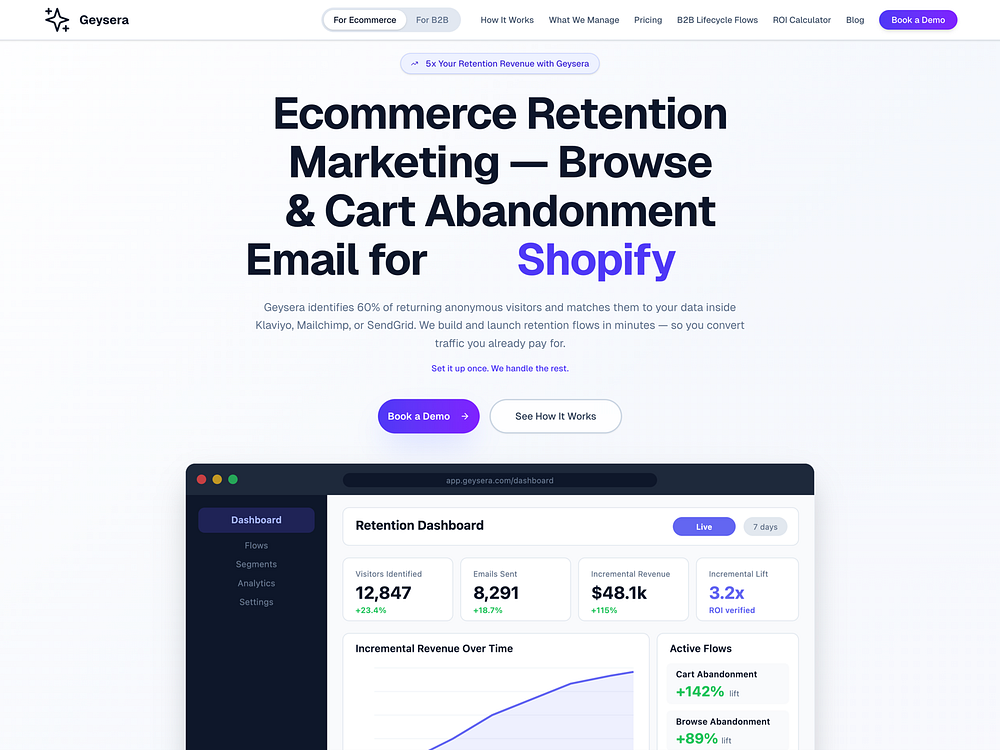














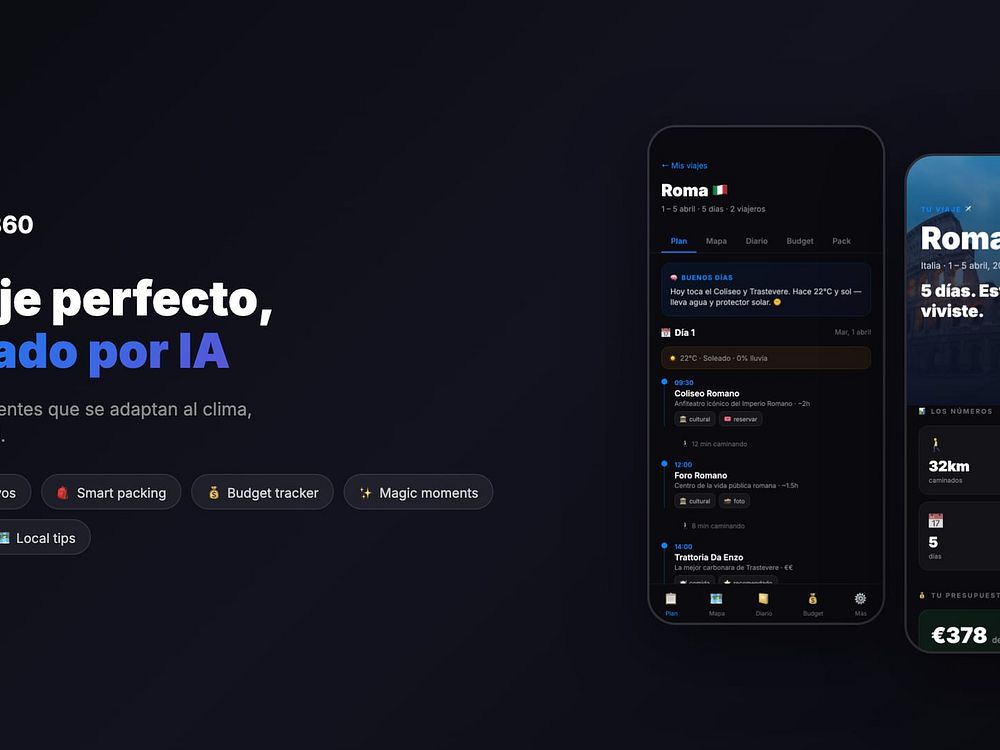










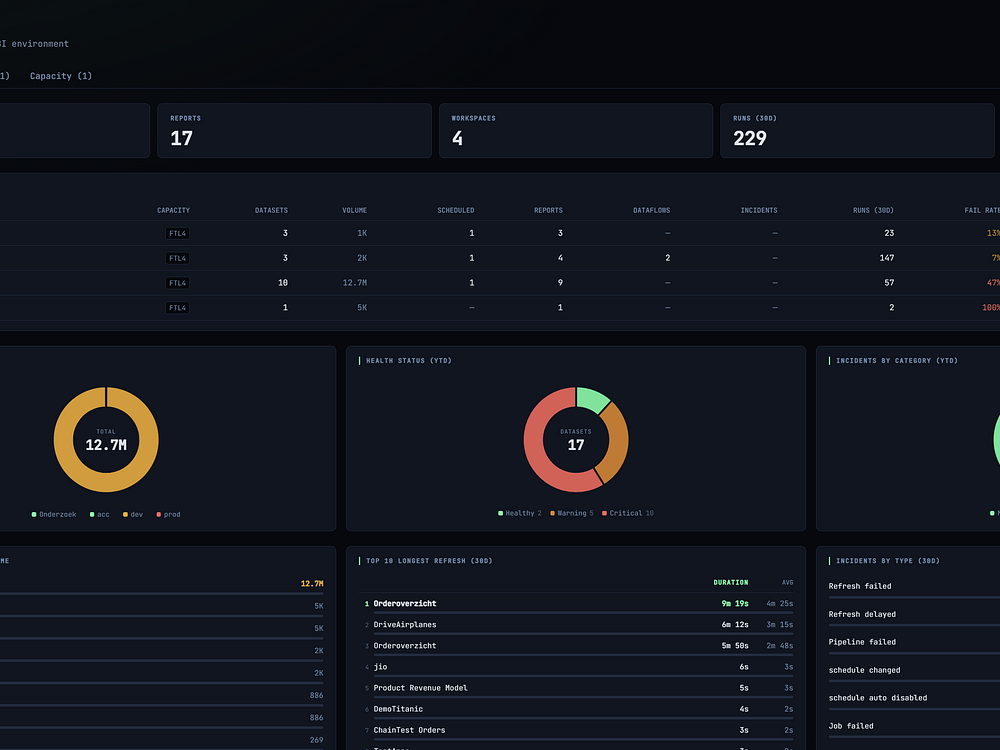
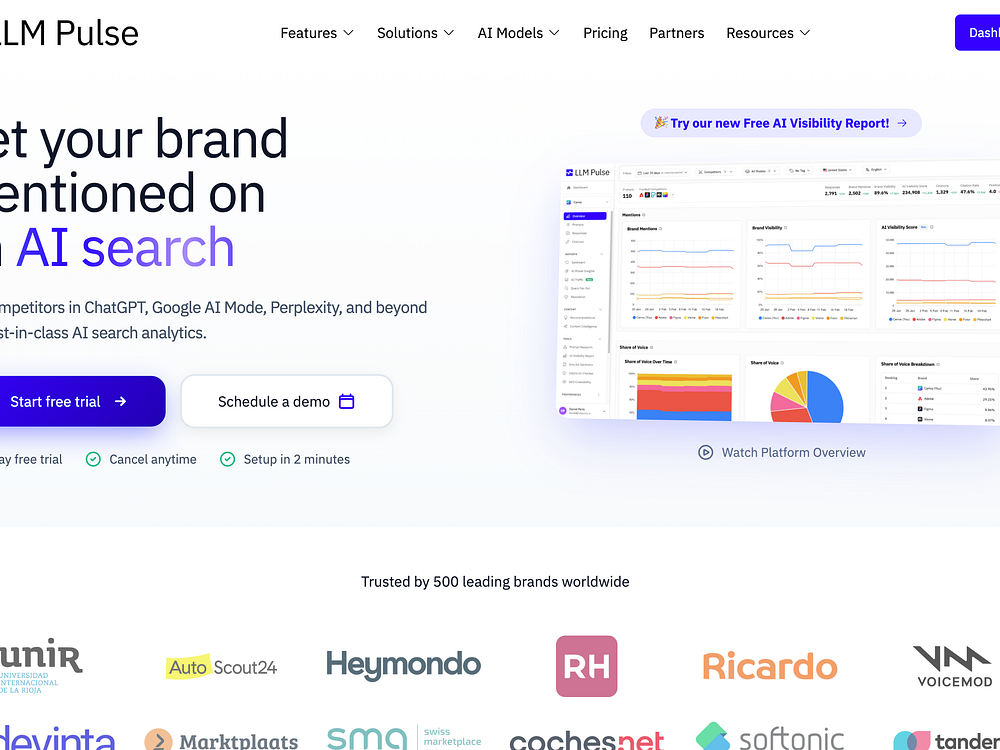
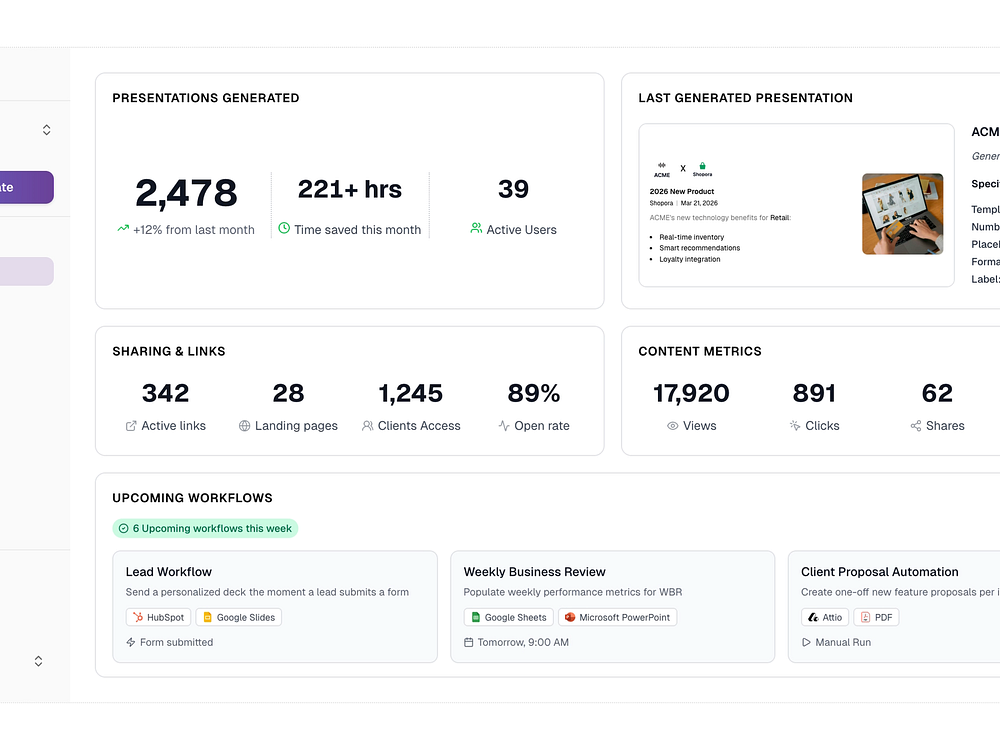







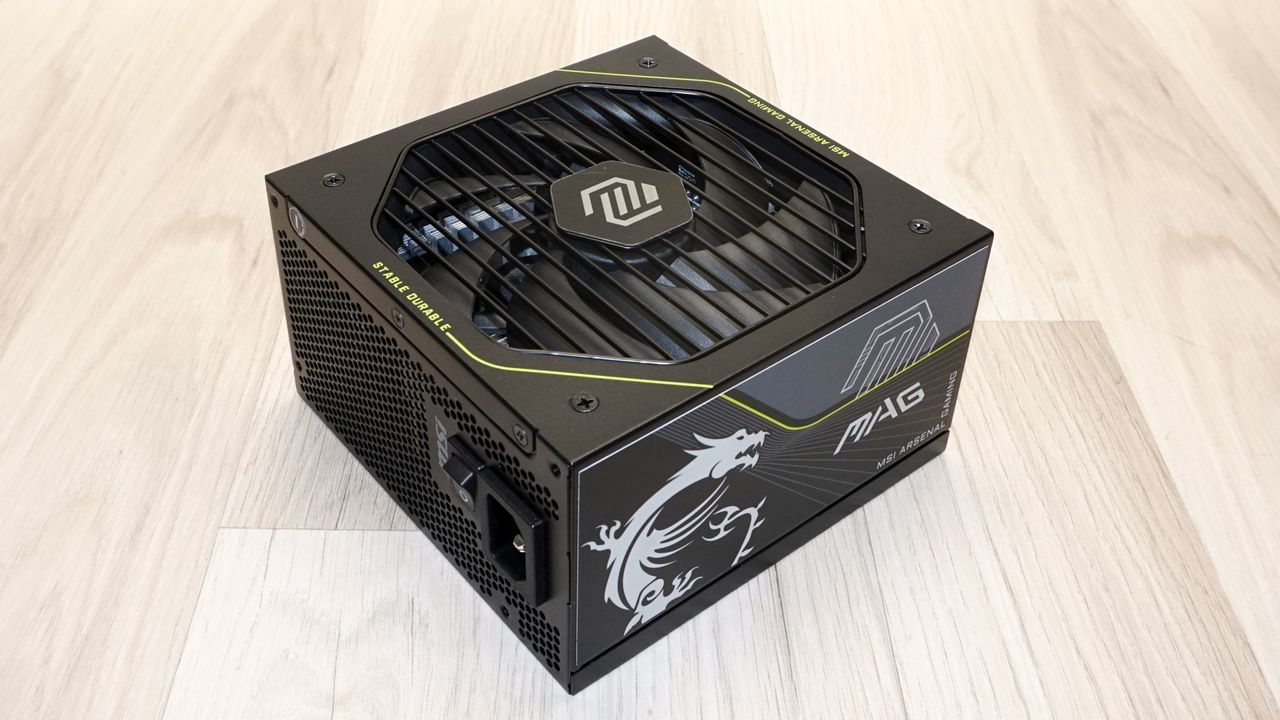



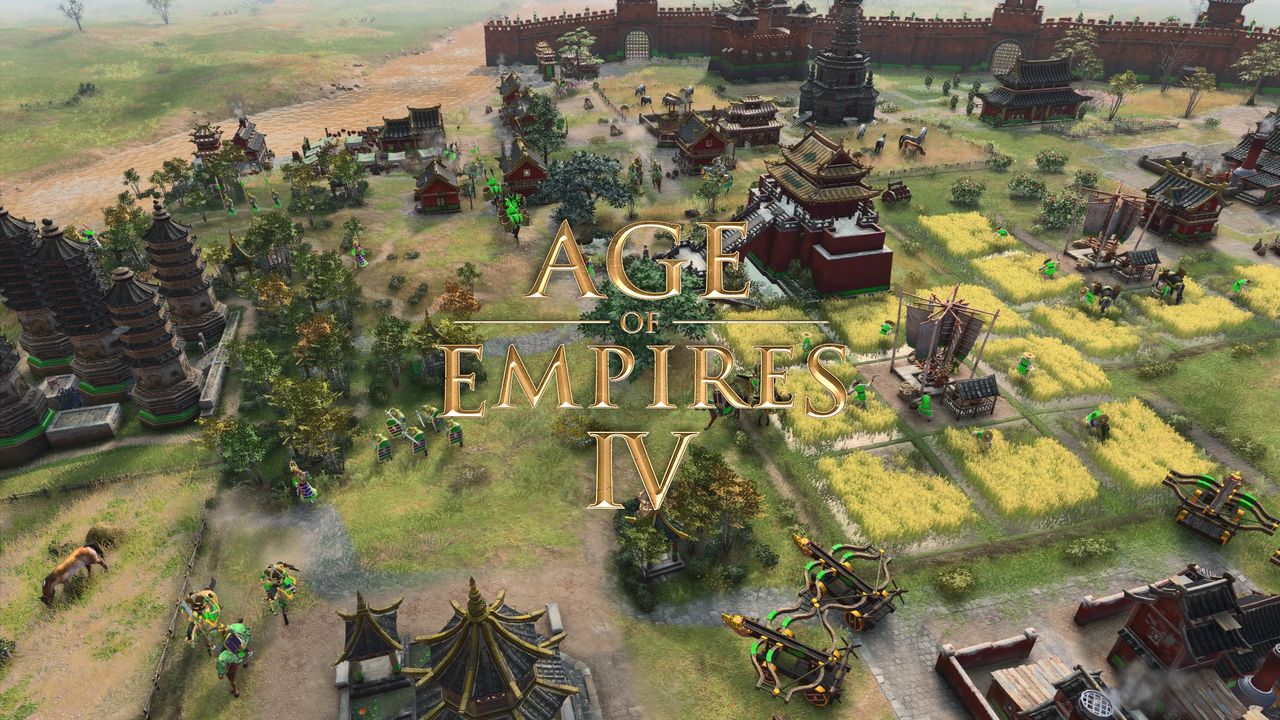











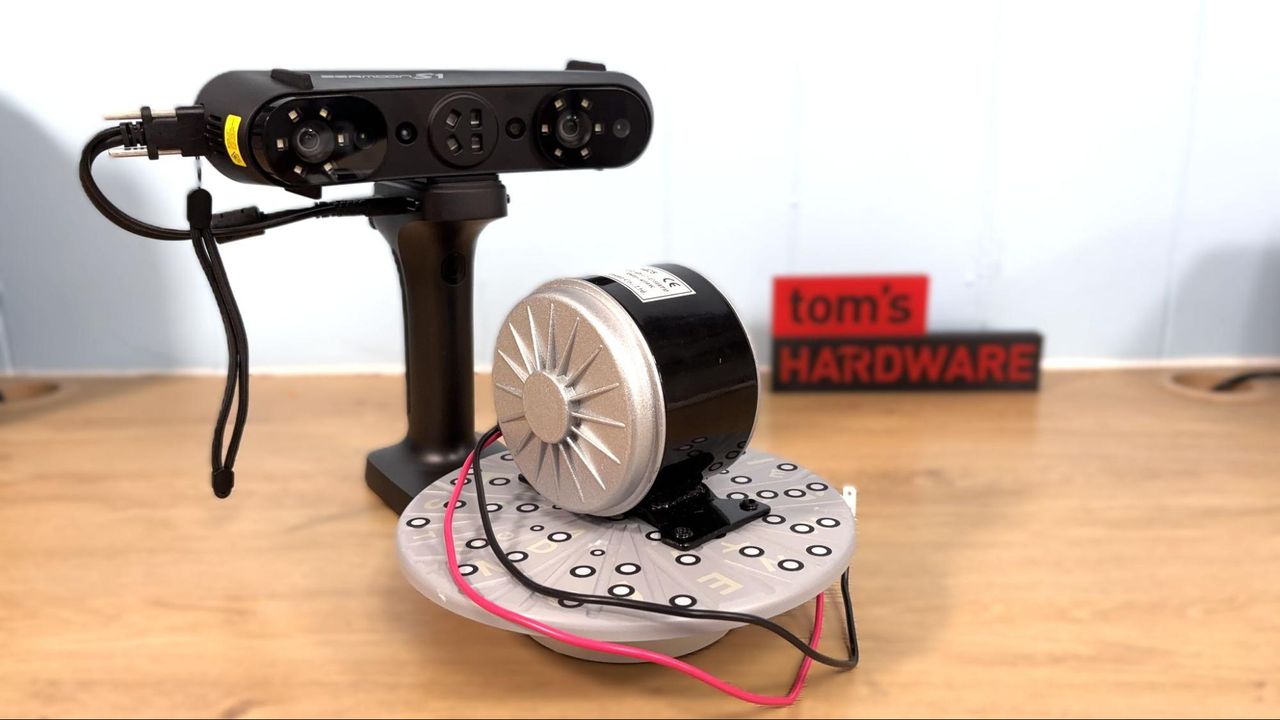













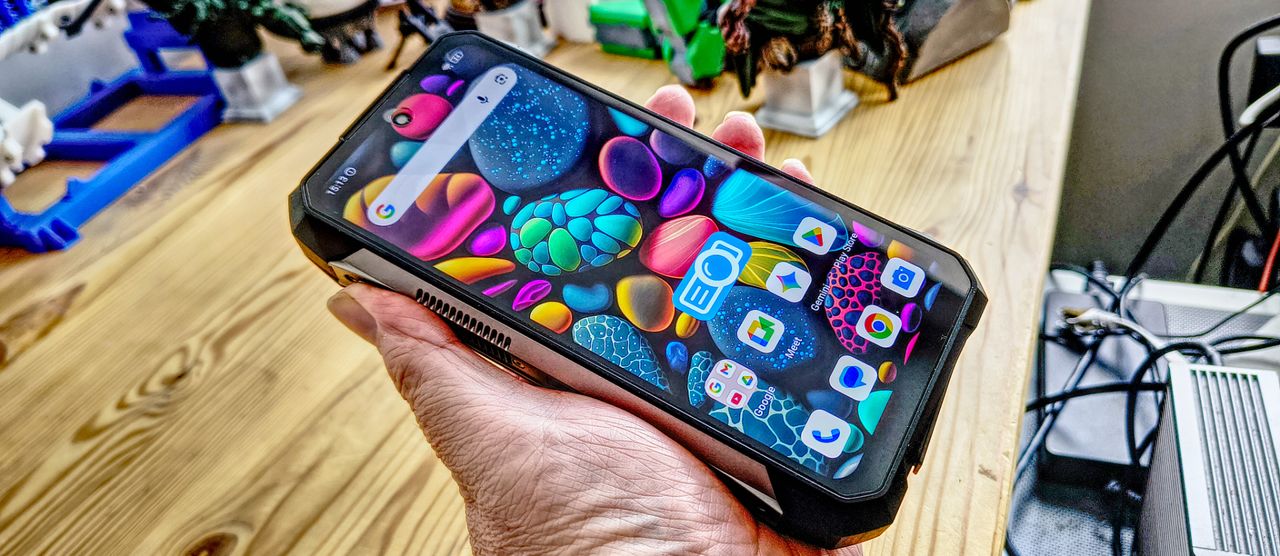











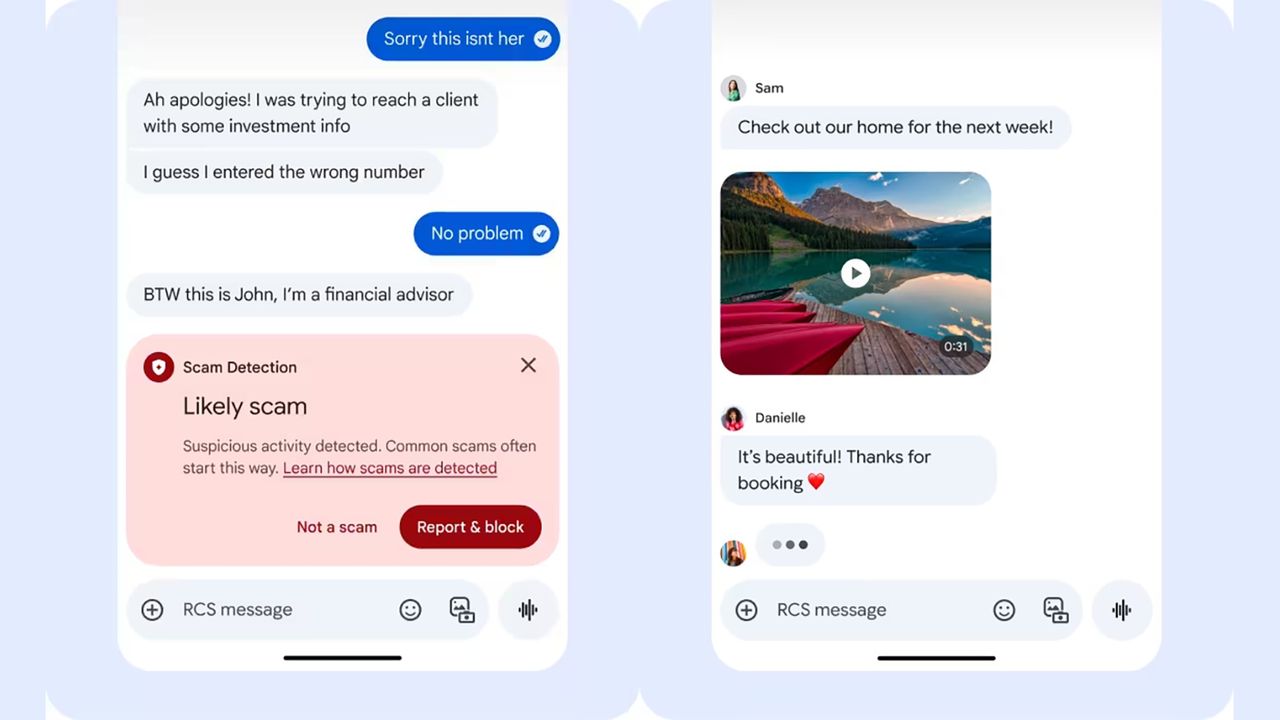




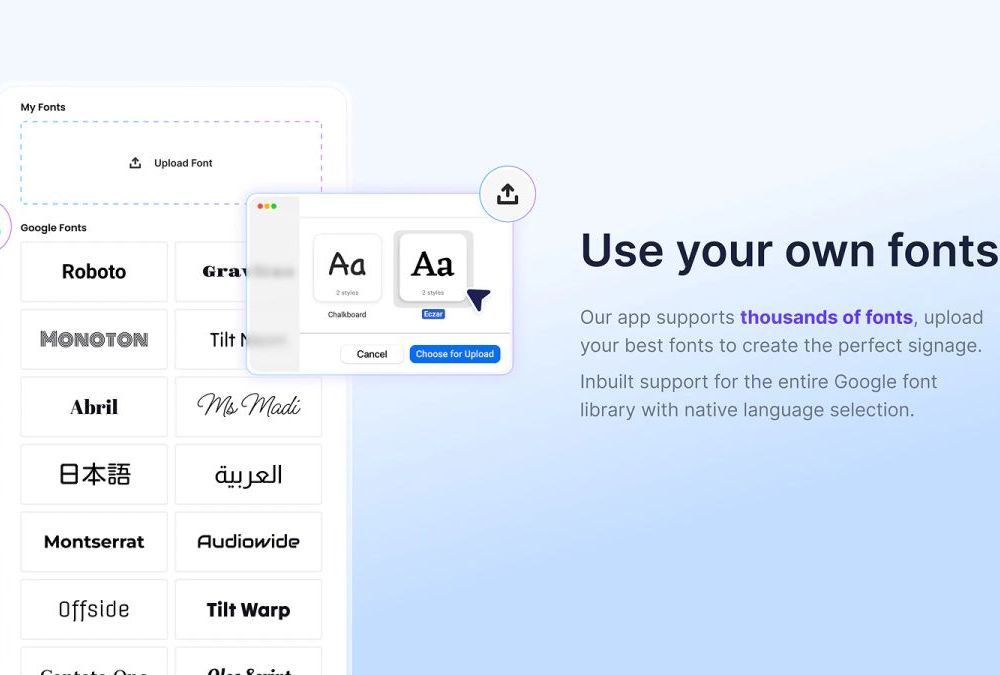






















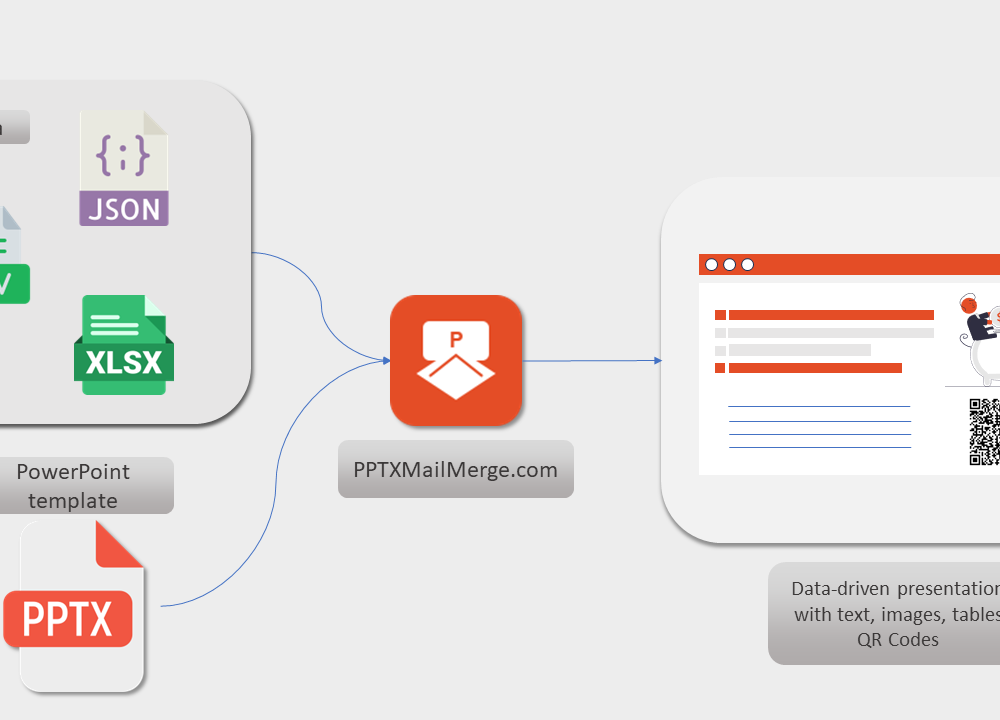













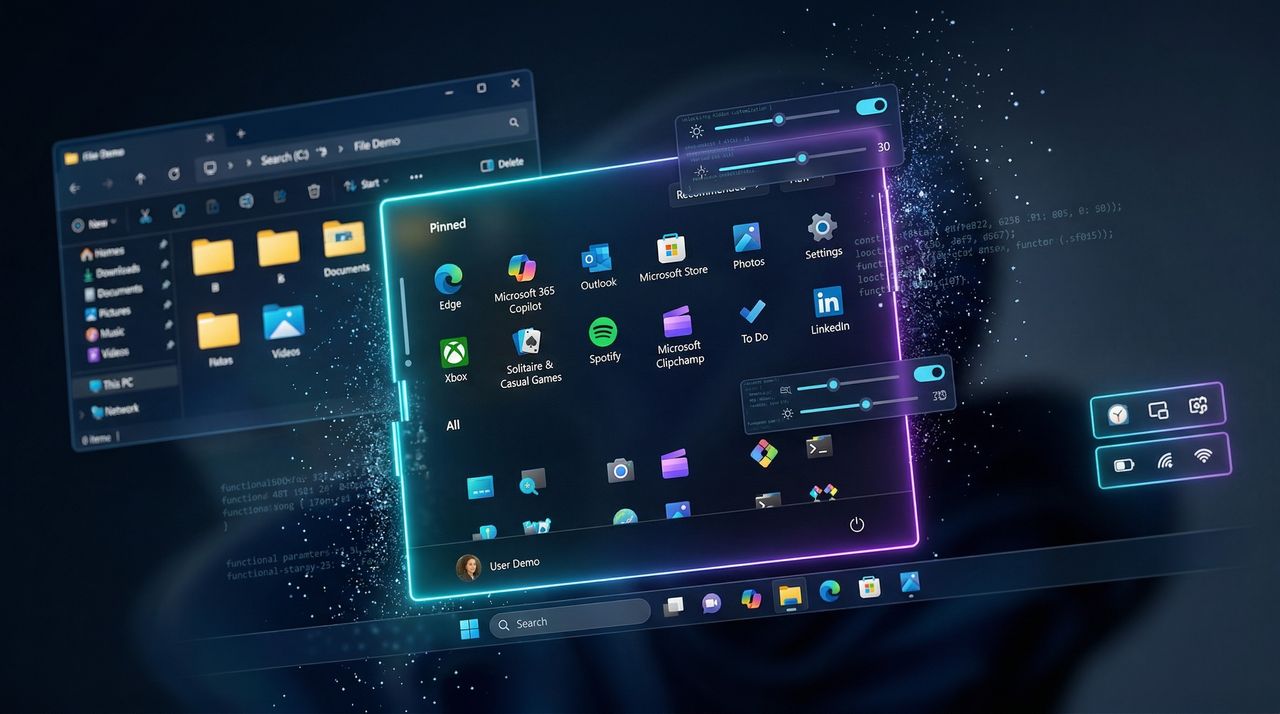





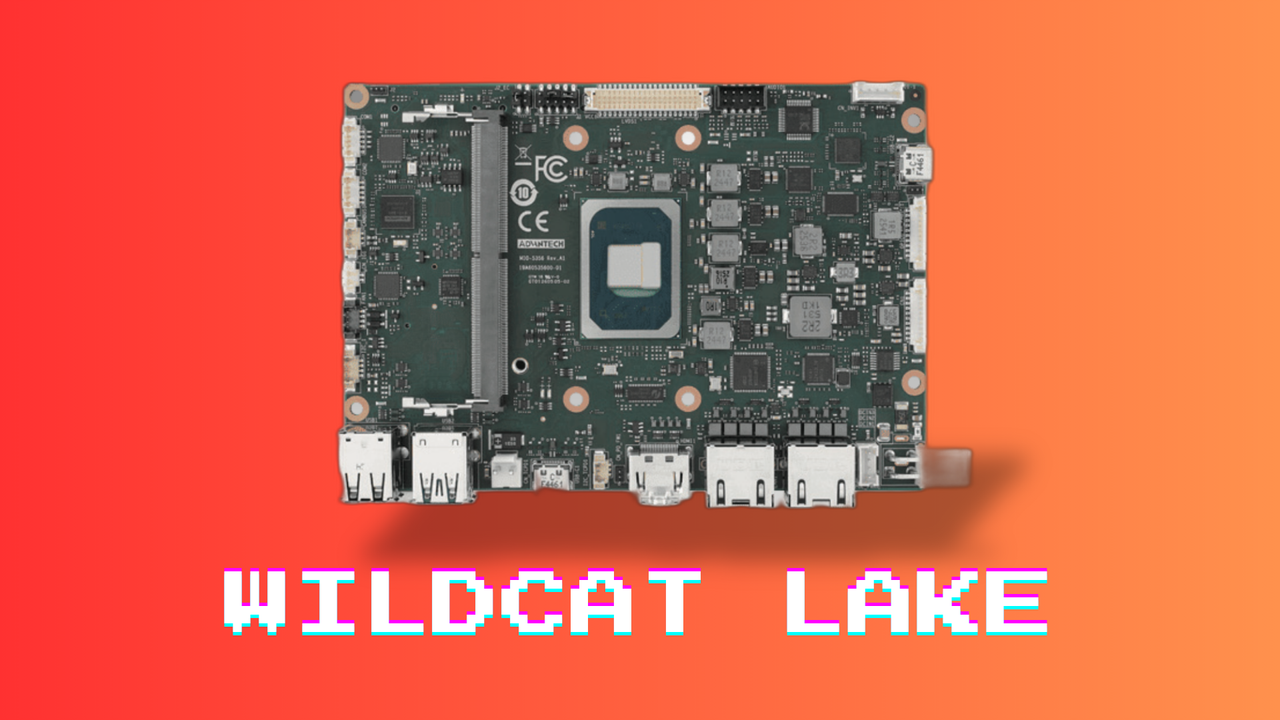
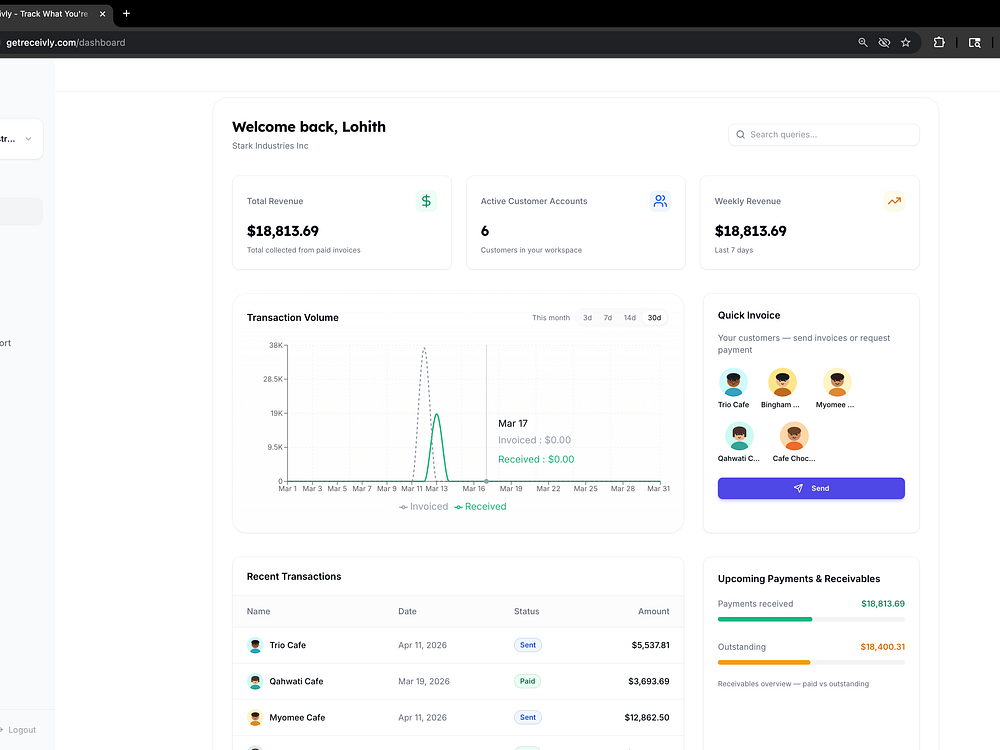









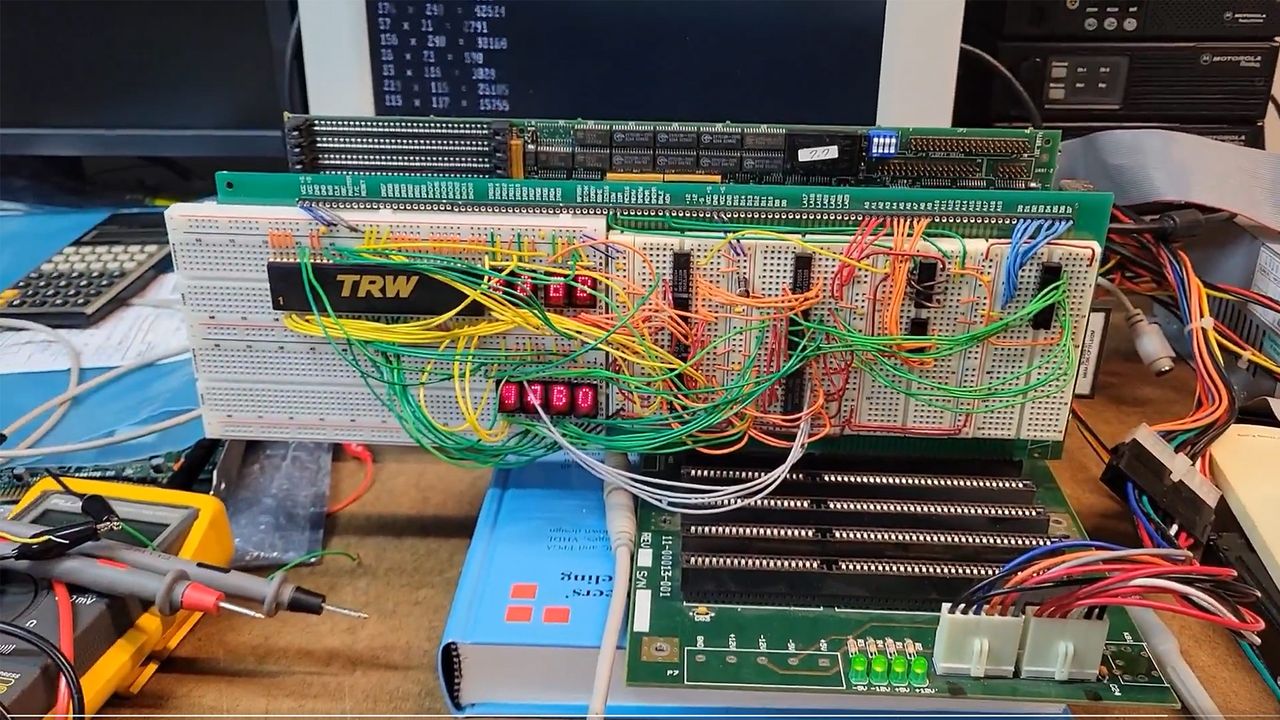




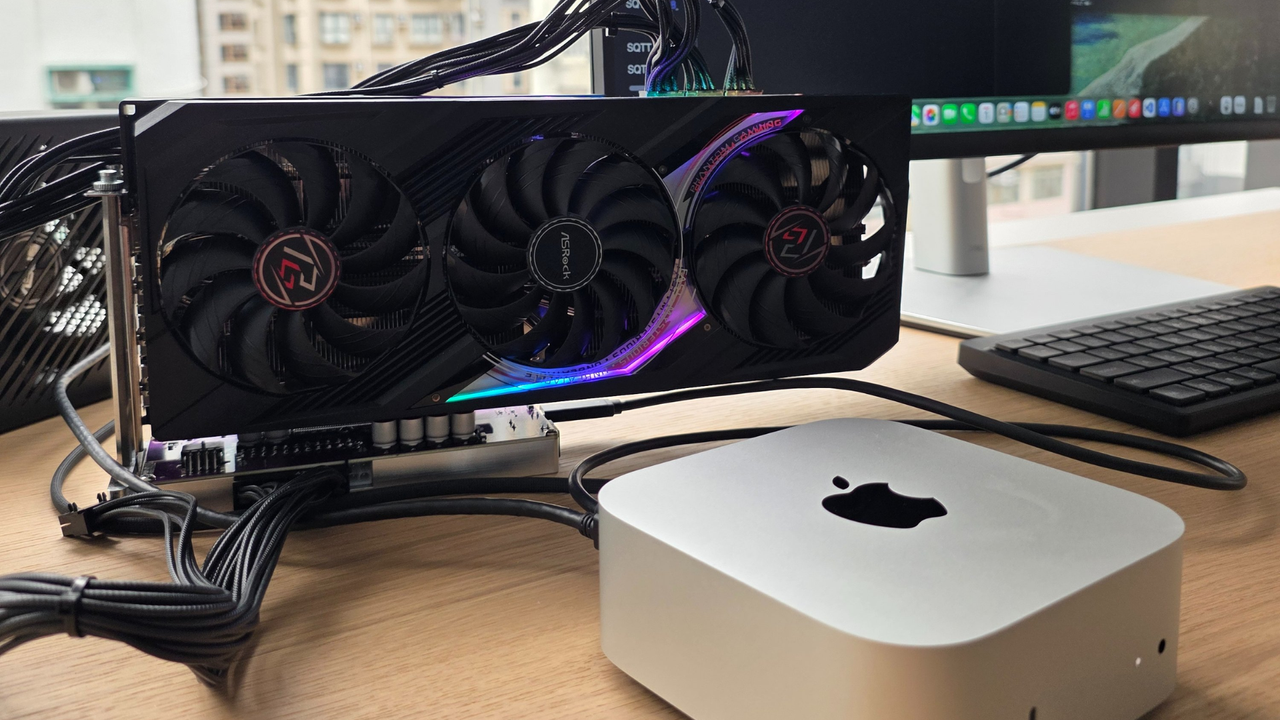






























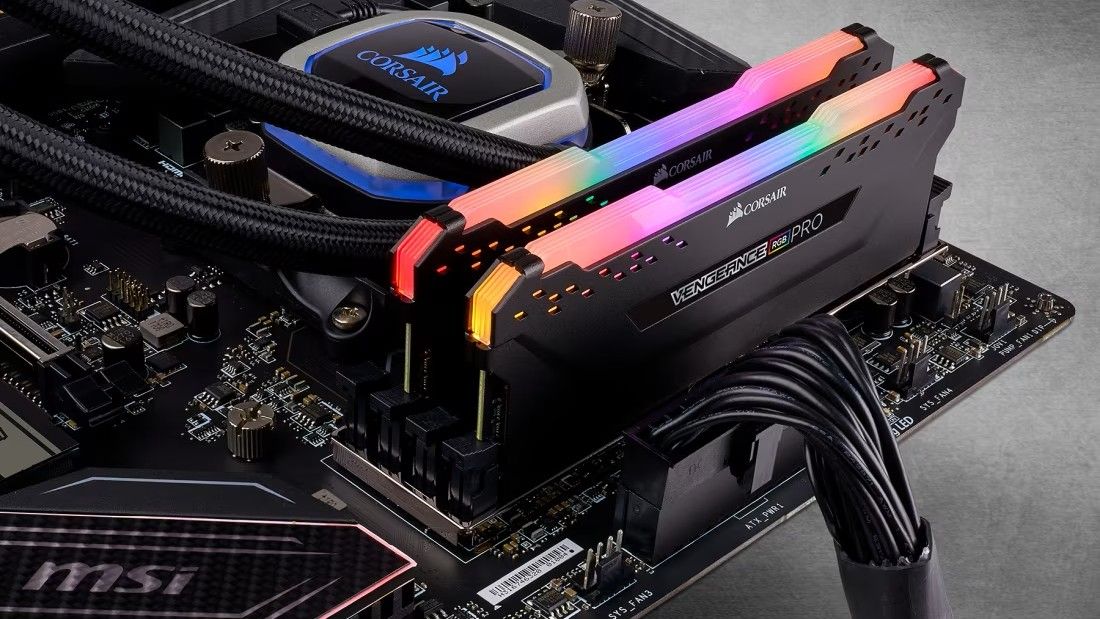

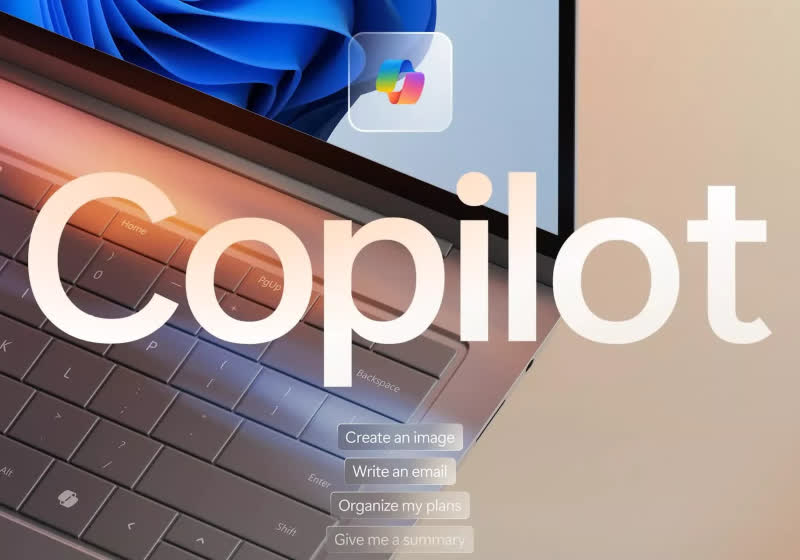

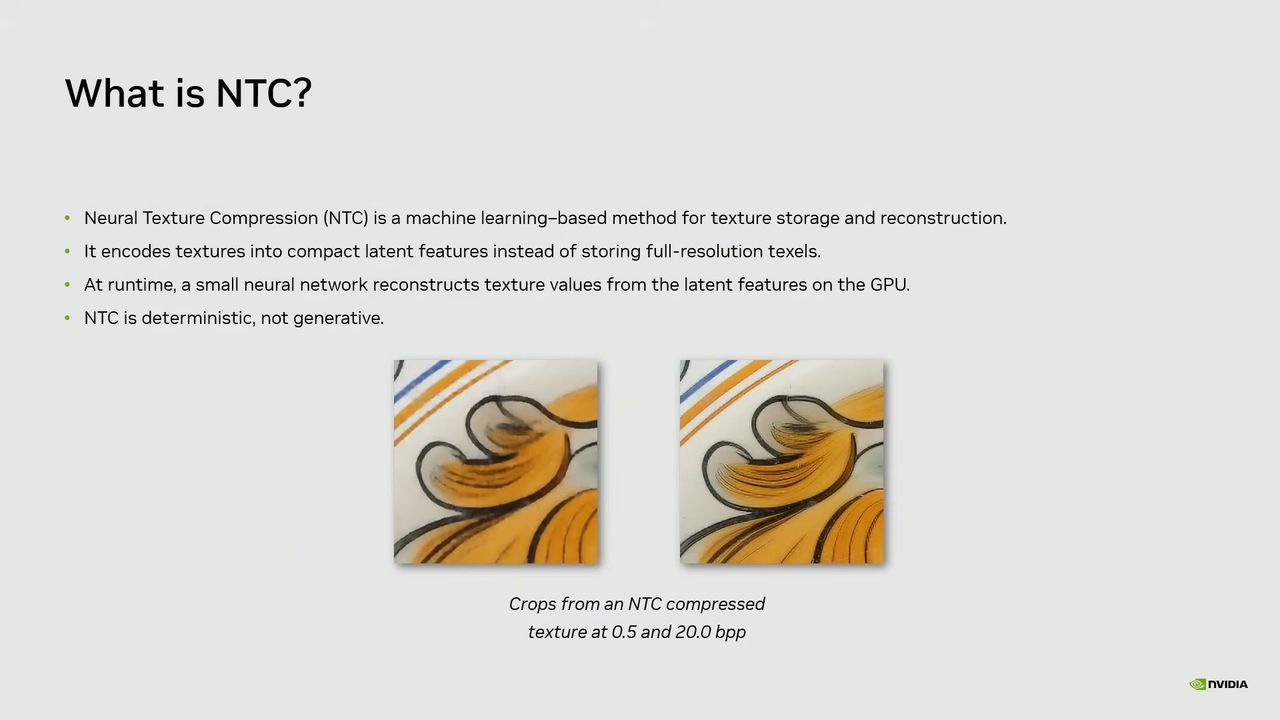










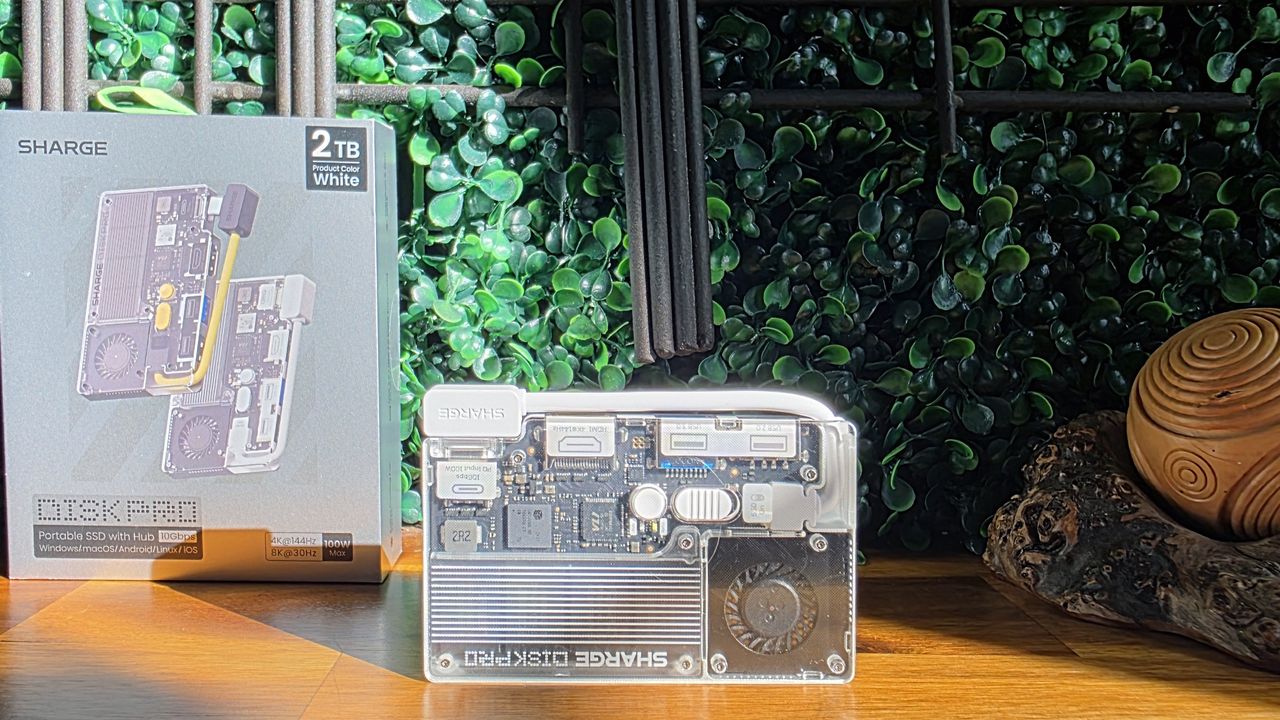




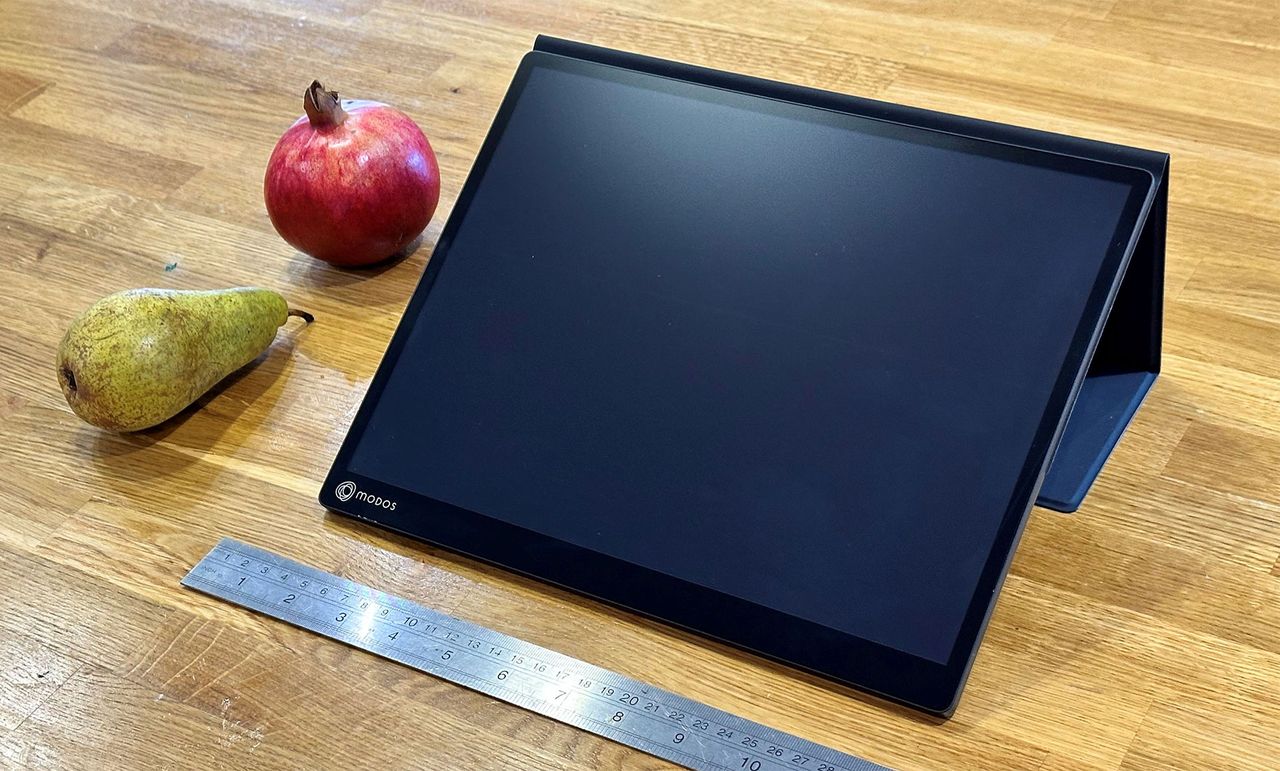
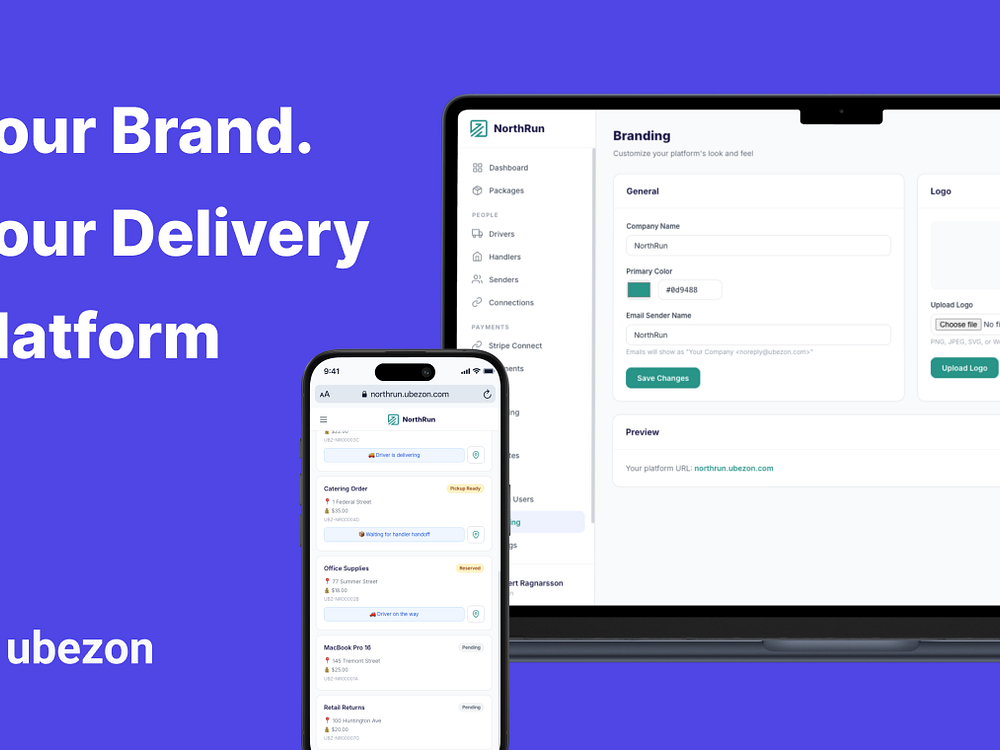




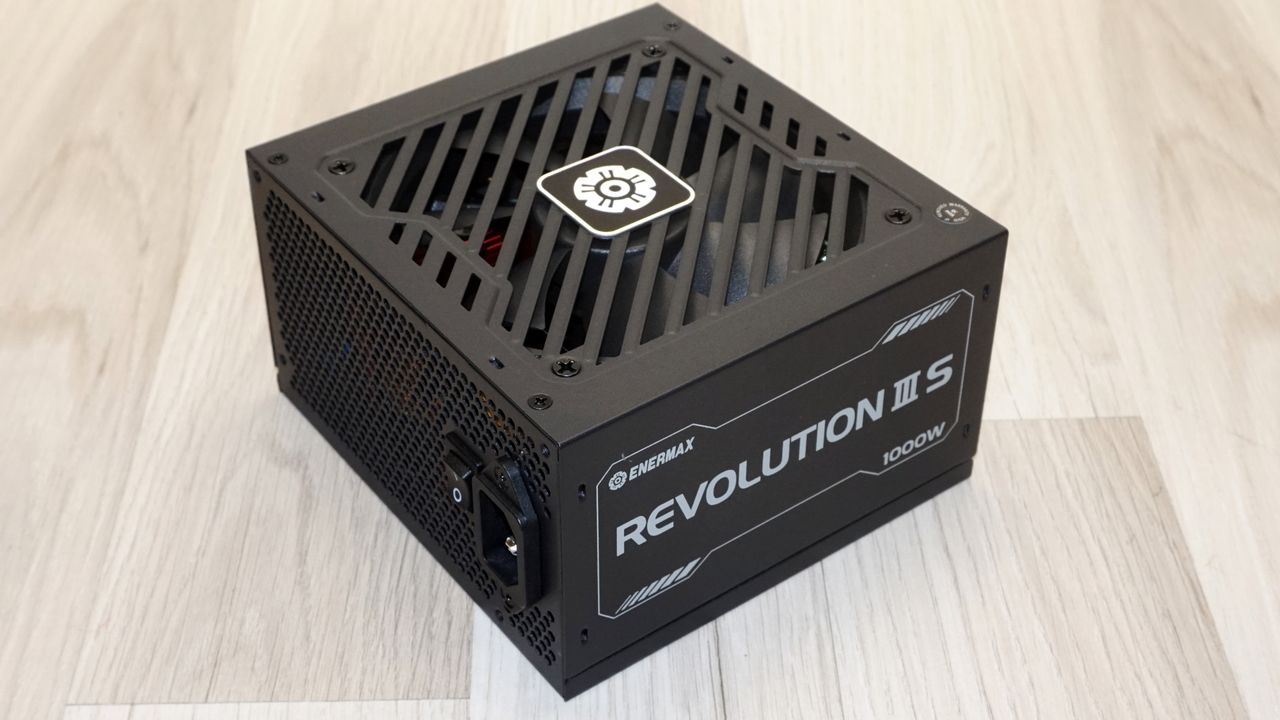

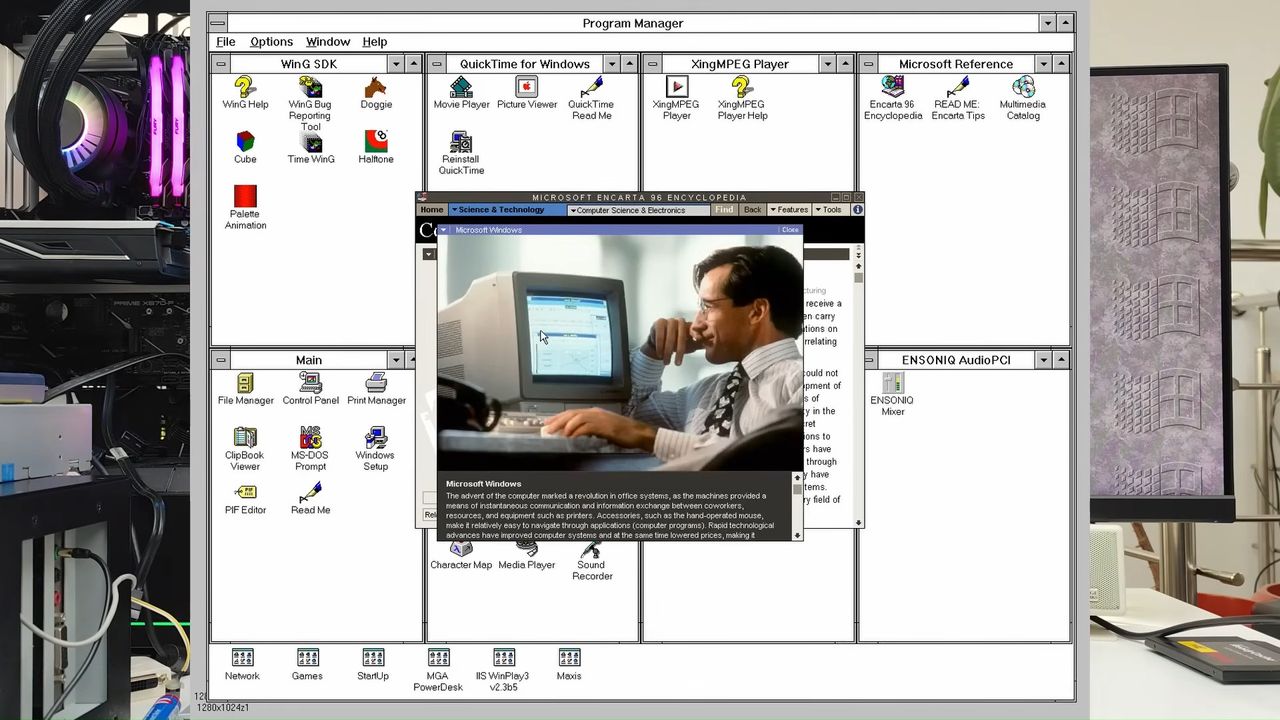
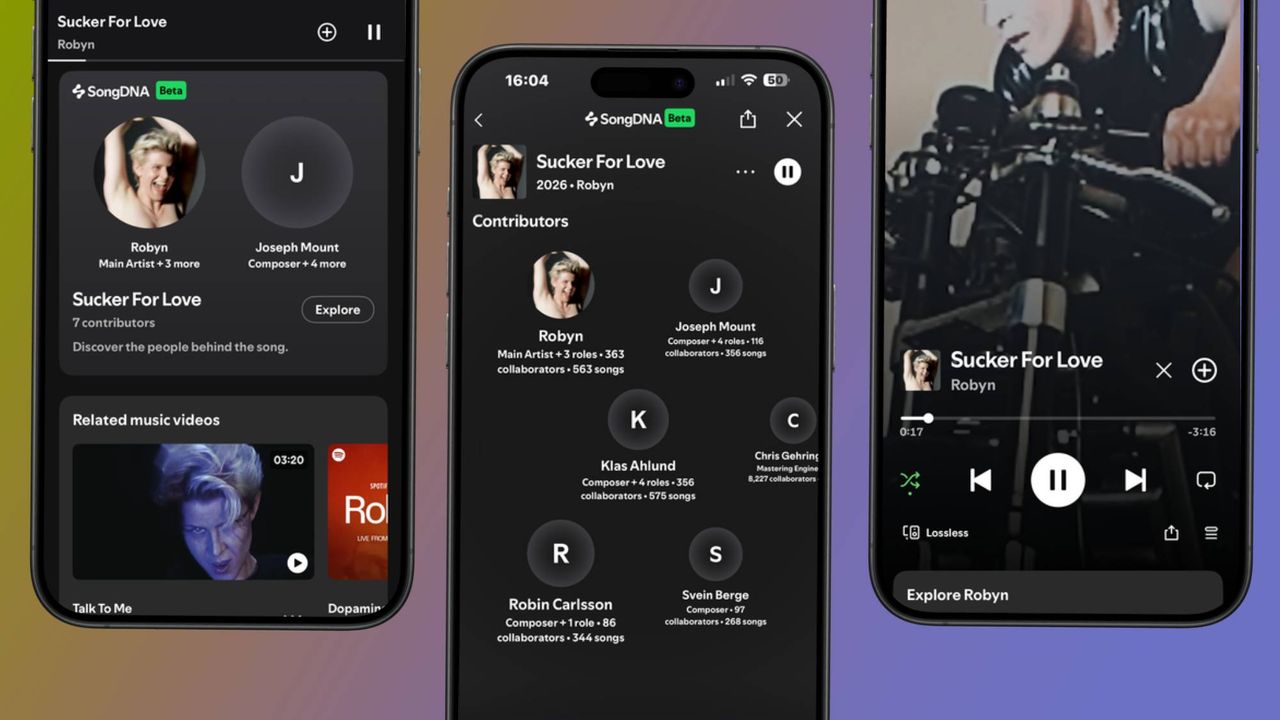


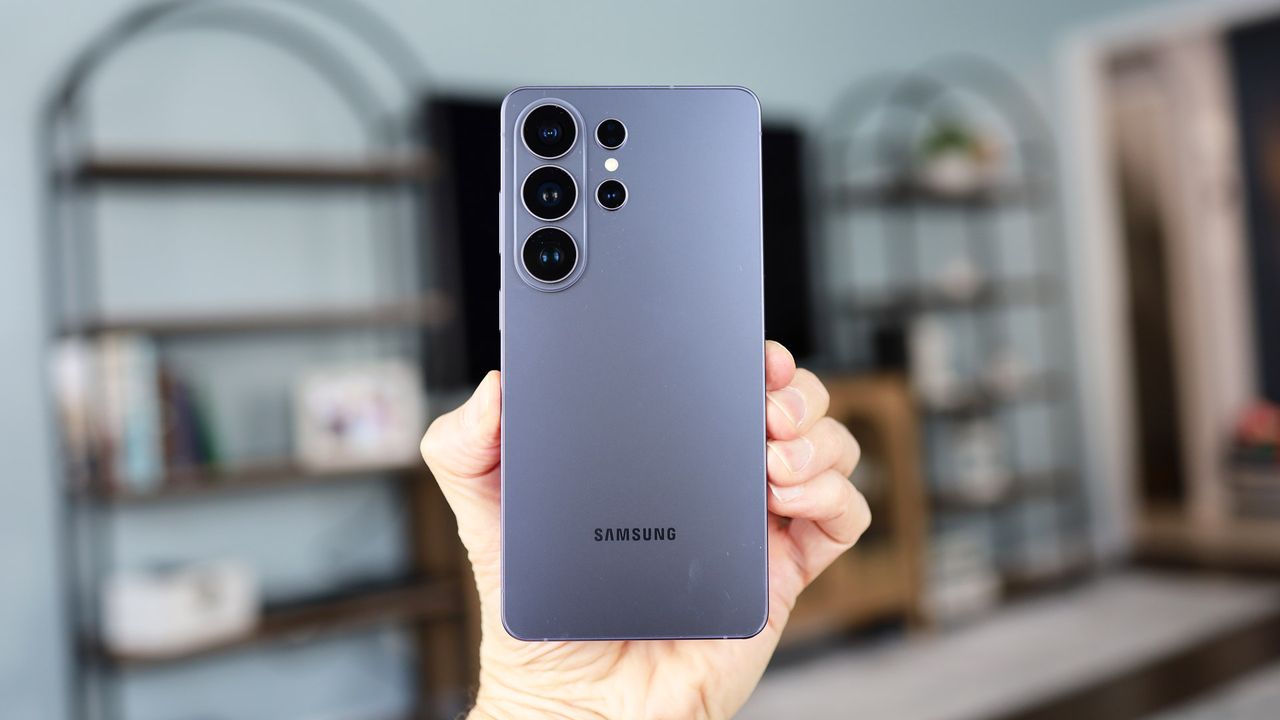



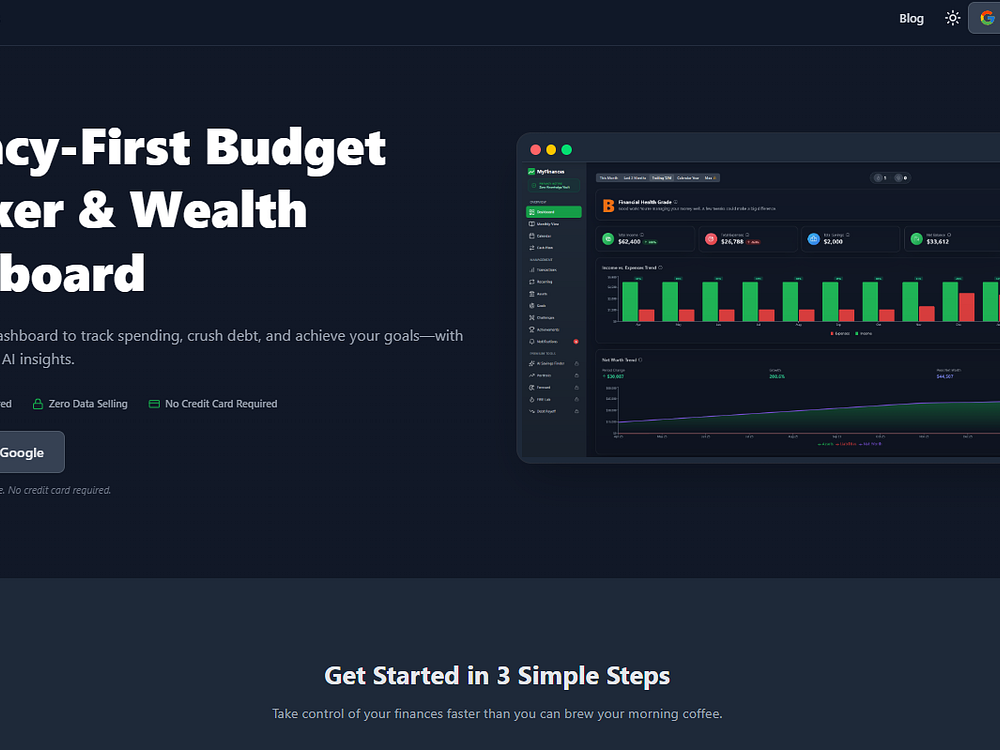





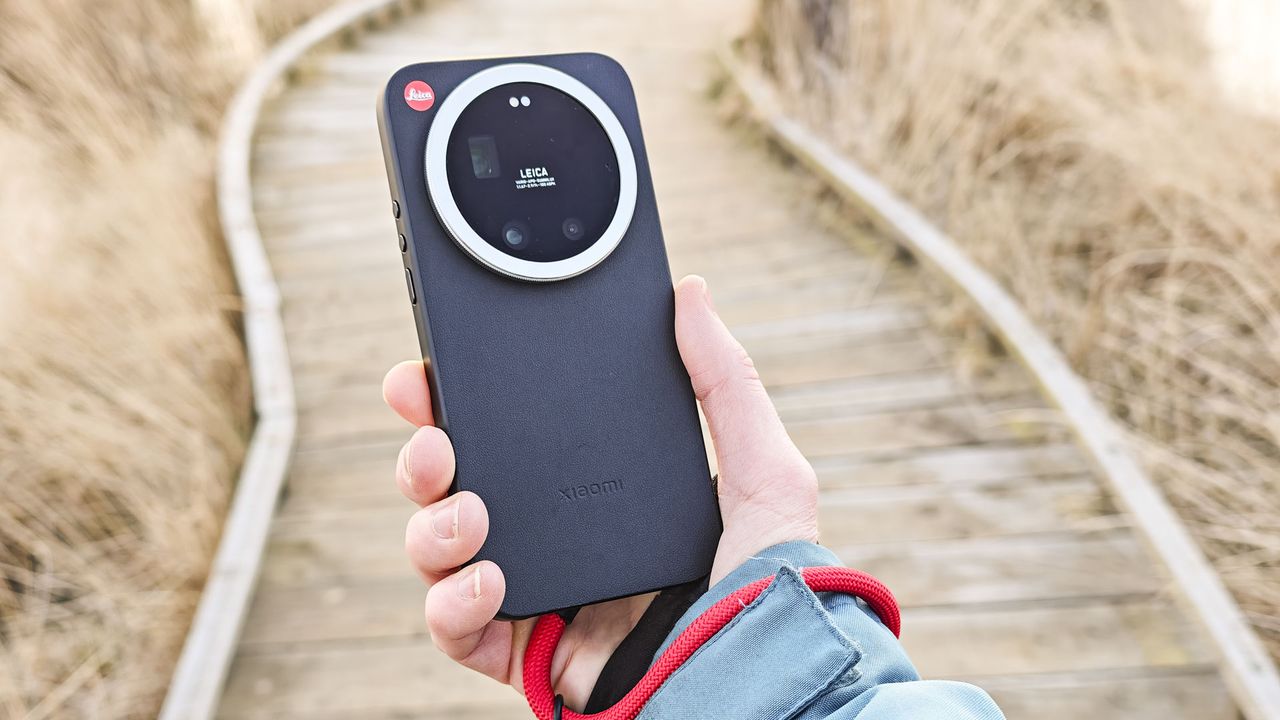

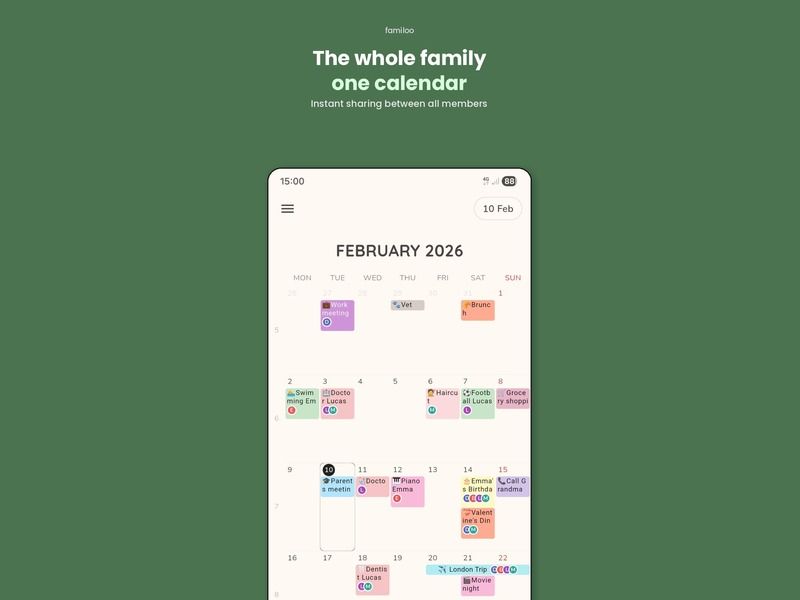




 Today, because of the expiry of the ePrivacy derogation enabling the use of technology to detect child sexual abuse material (CSAM), Europe risks leaving children across…


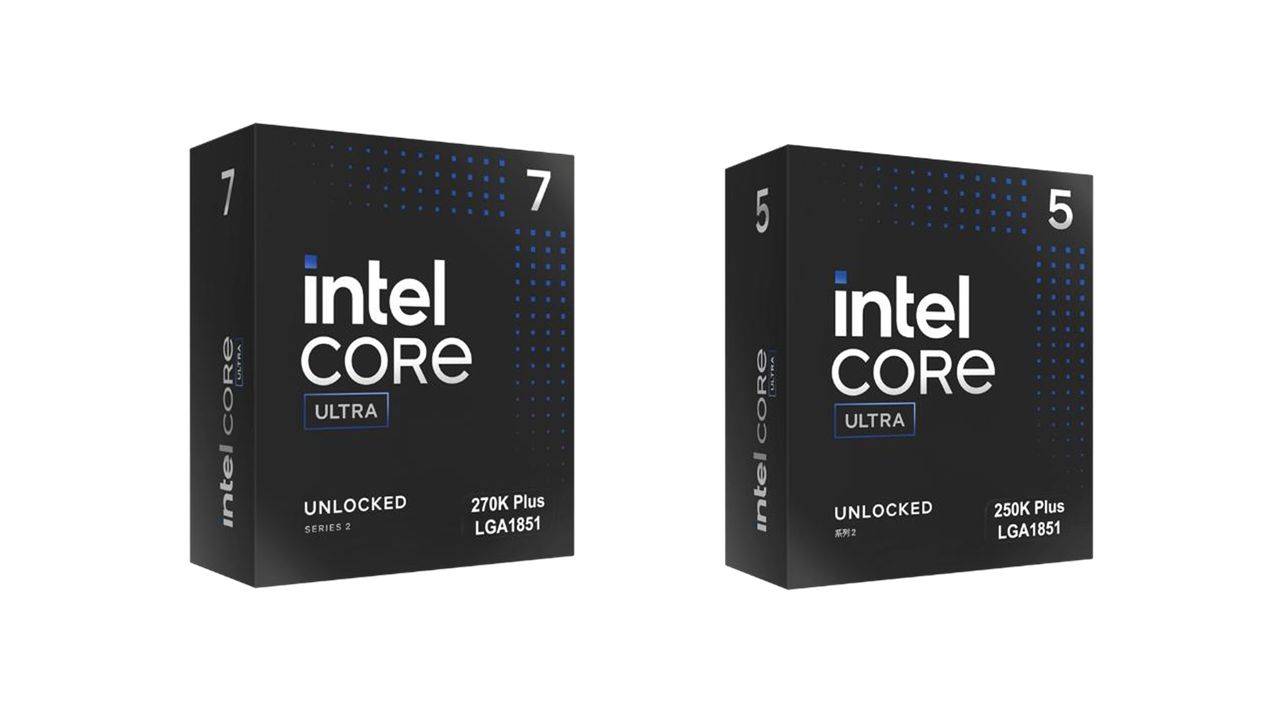



 platform purpose-built for regulated industries. Designed to enable seamless self-service, Ushur infuses intelligence into digital experiences to create more delightful and impactful customer interactions. Backed by robust compliance-ready infrastructure and enterprise-grade guardrails, Ushur powers vertical AI Agents tailored for healthcare, financial services, and insurance. With […]