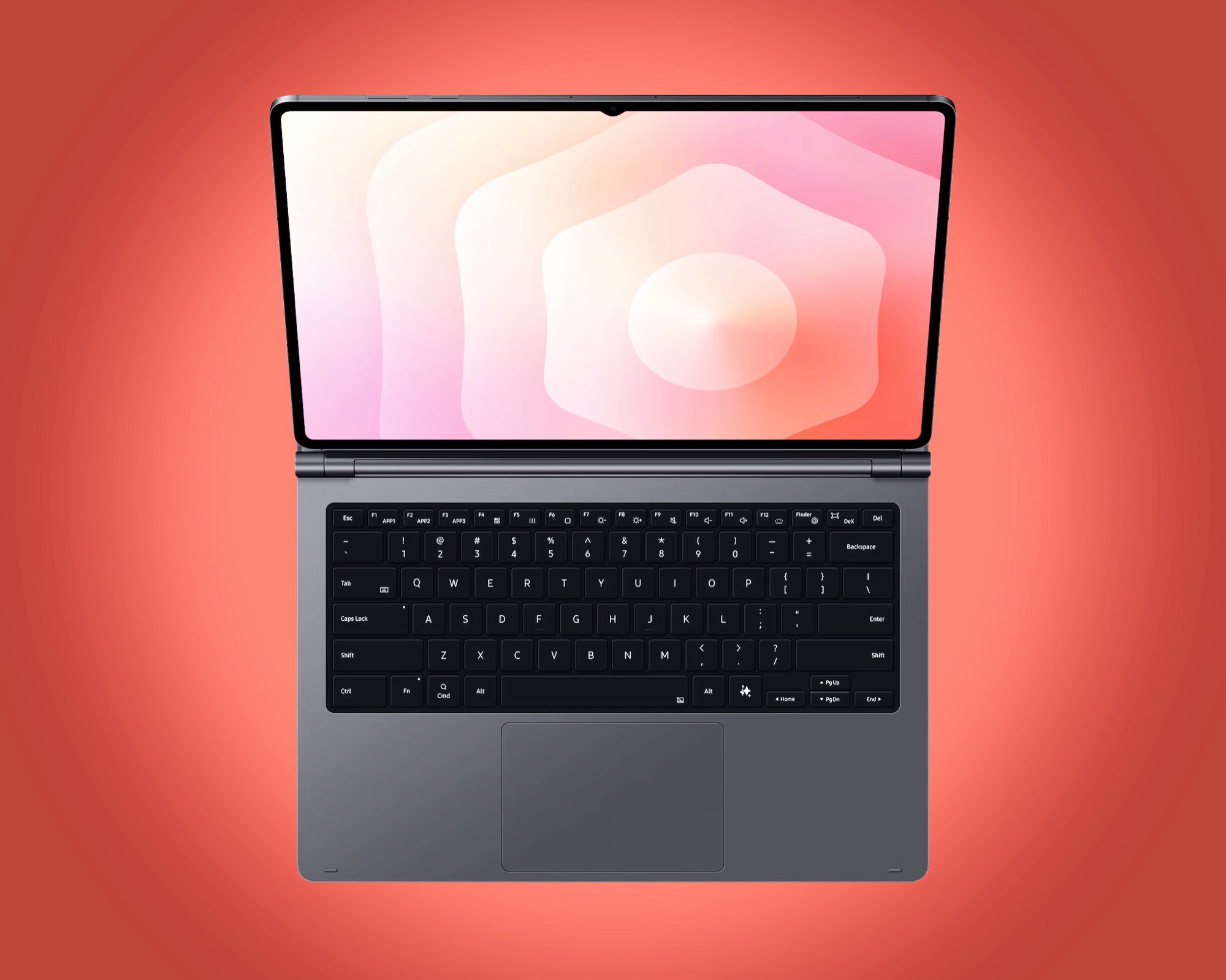
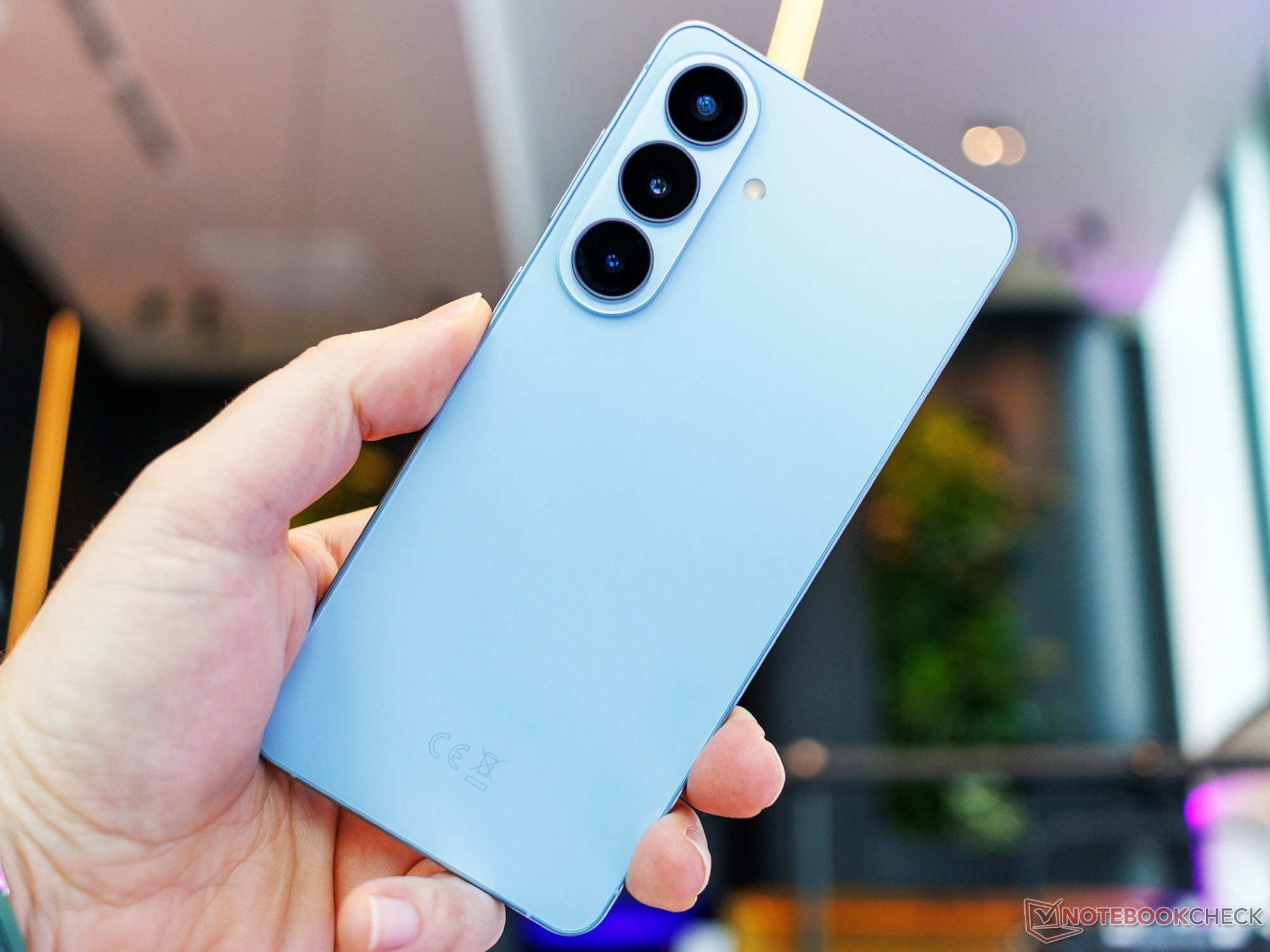
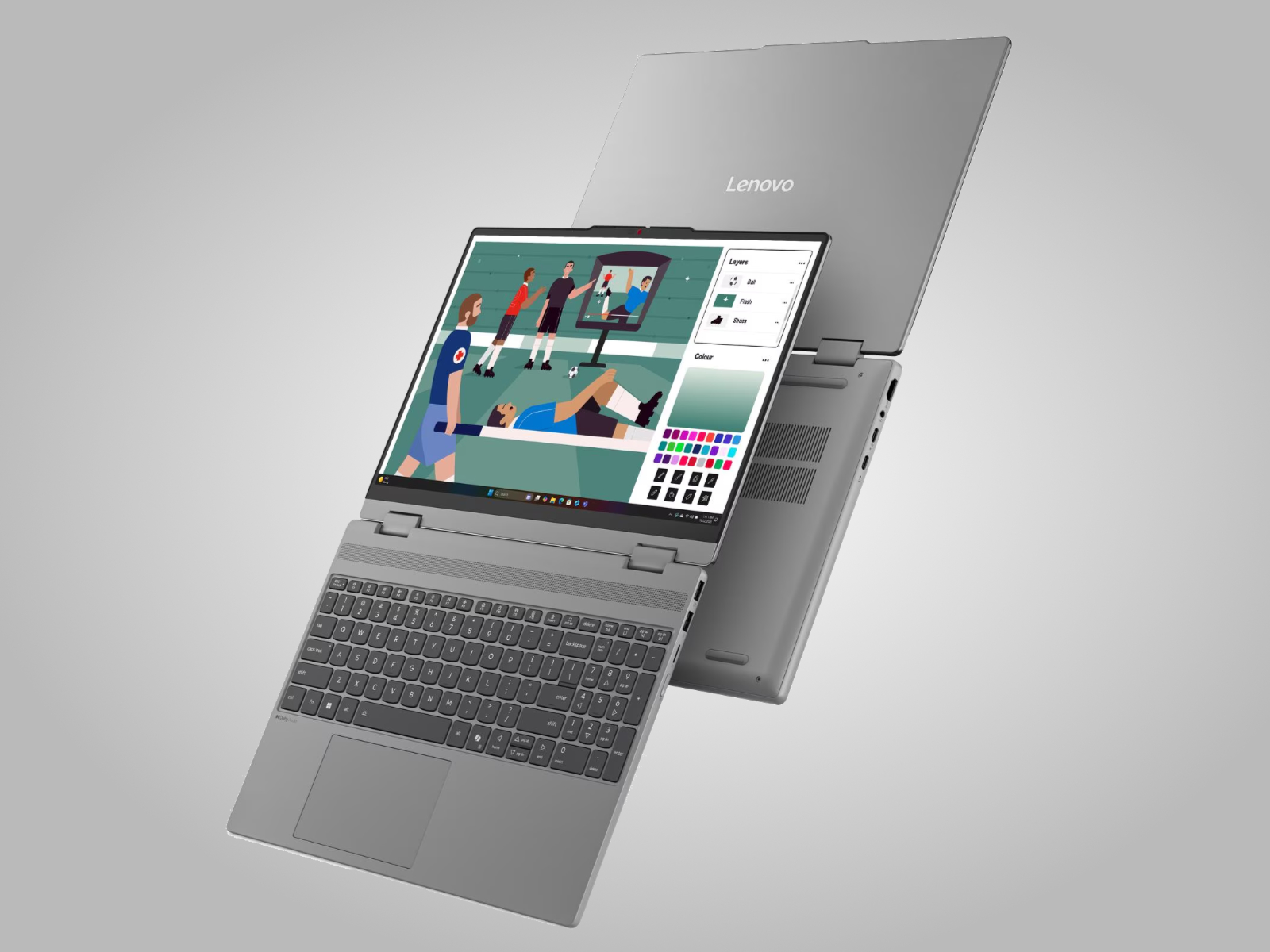
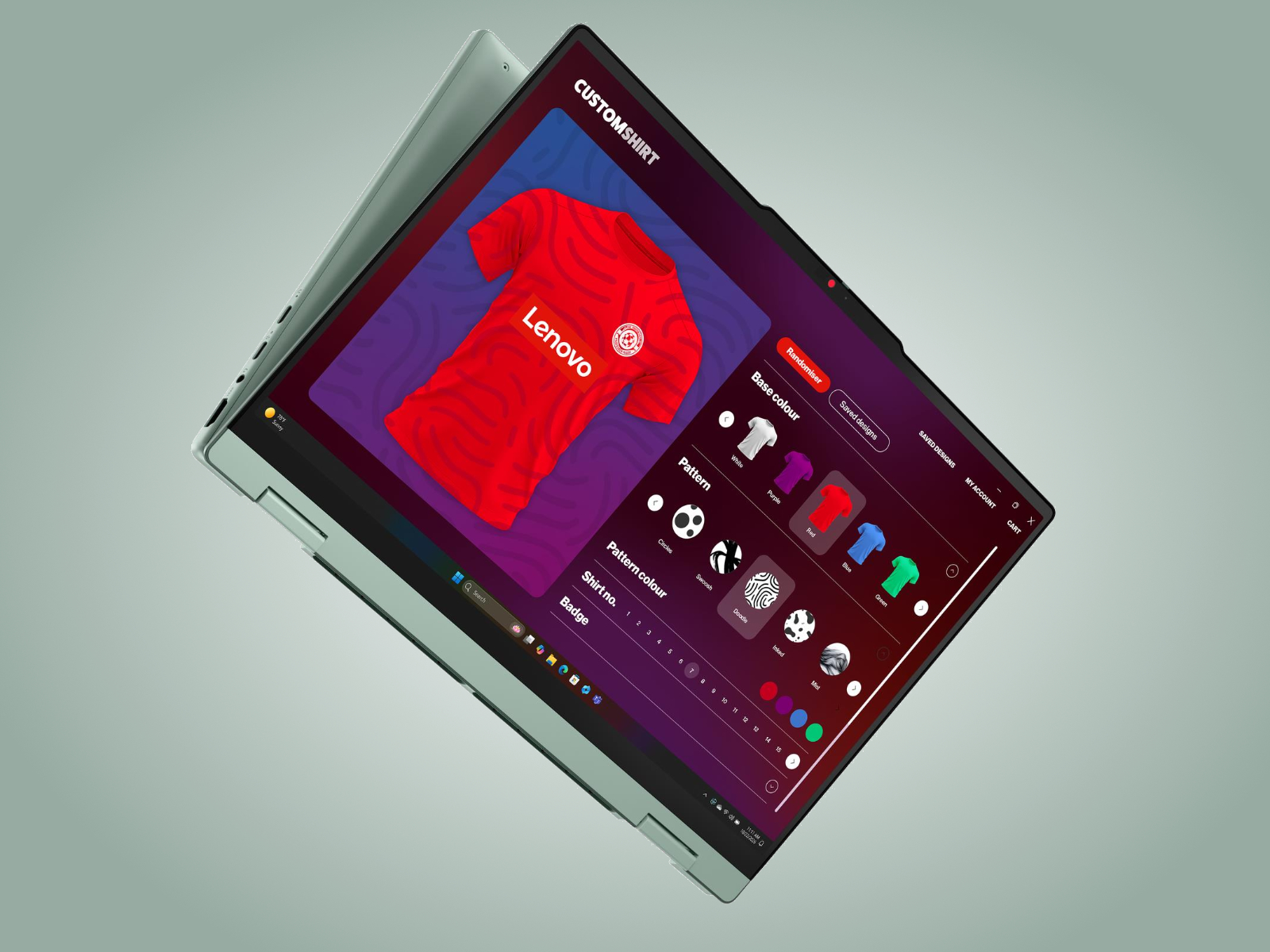
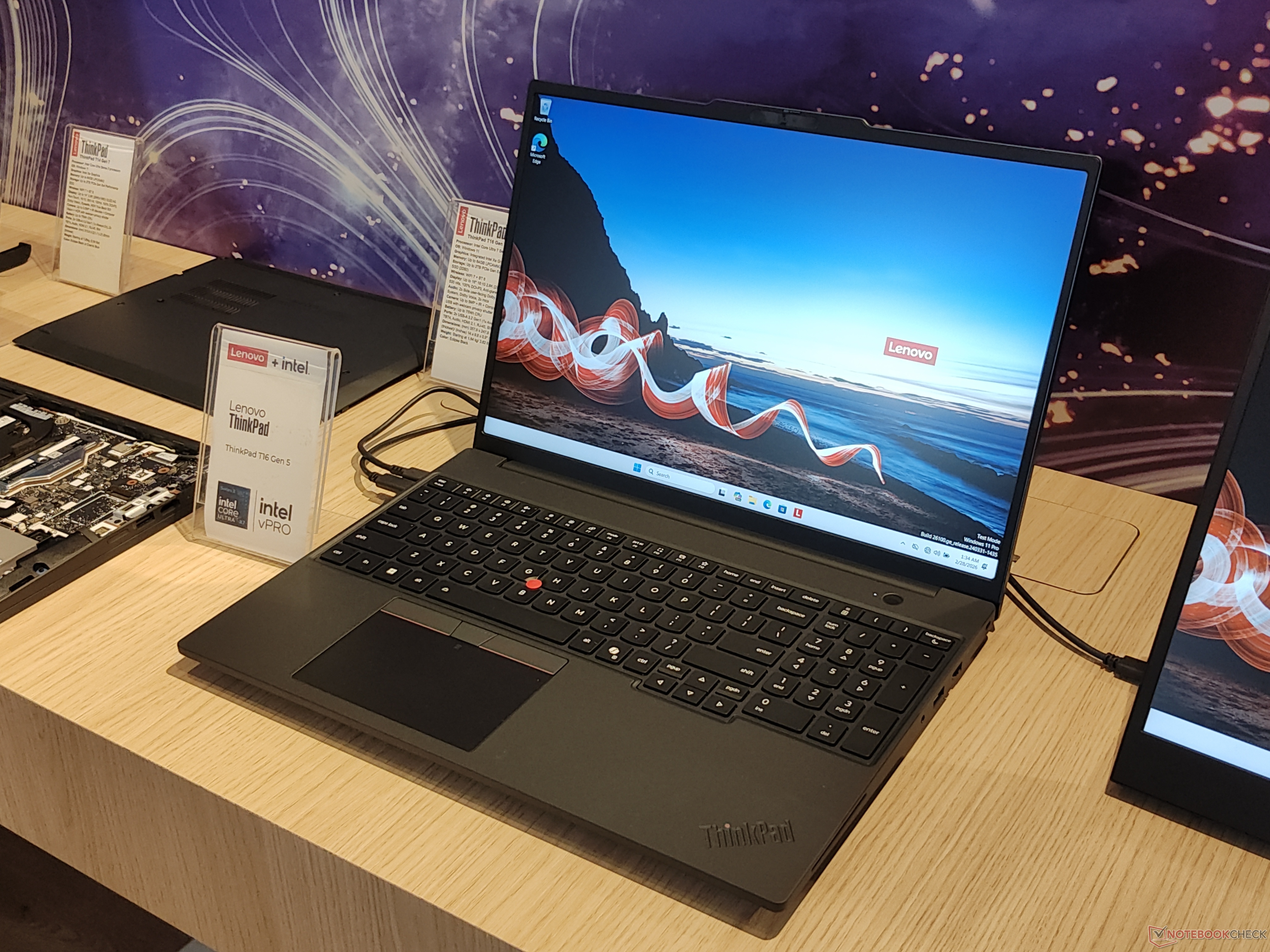
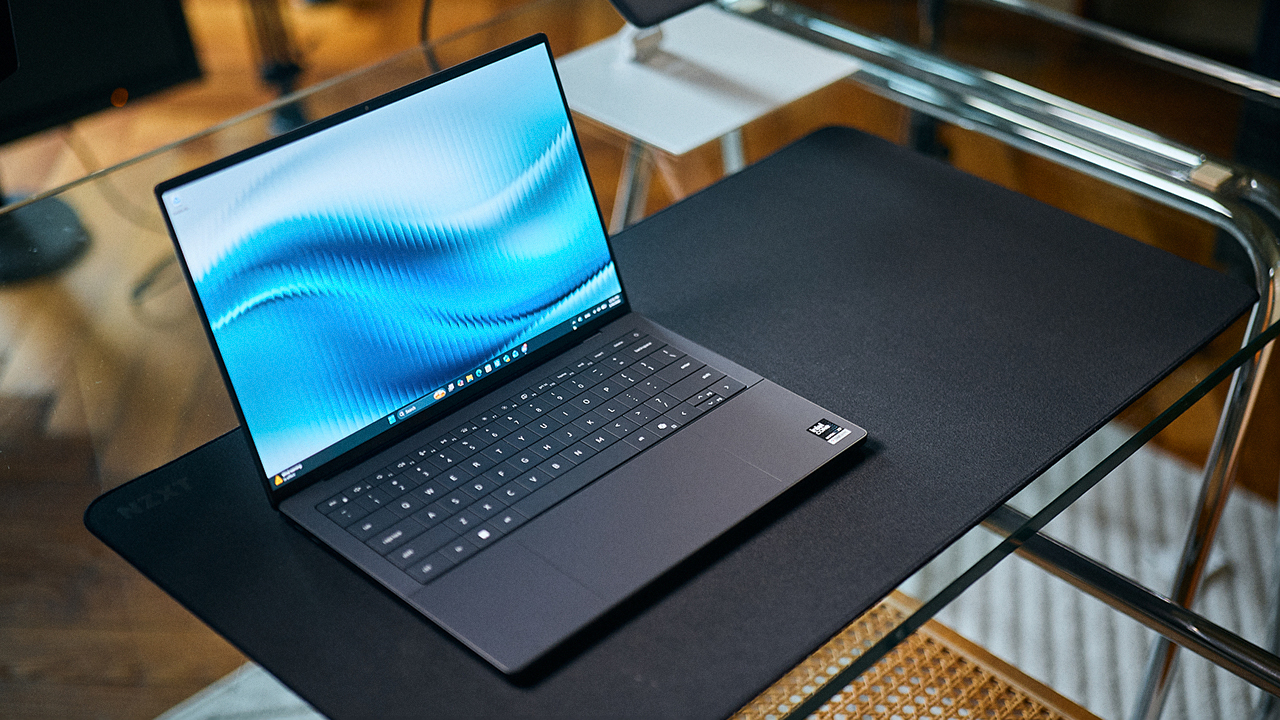
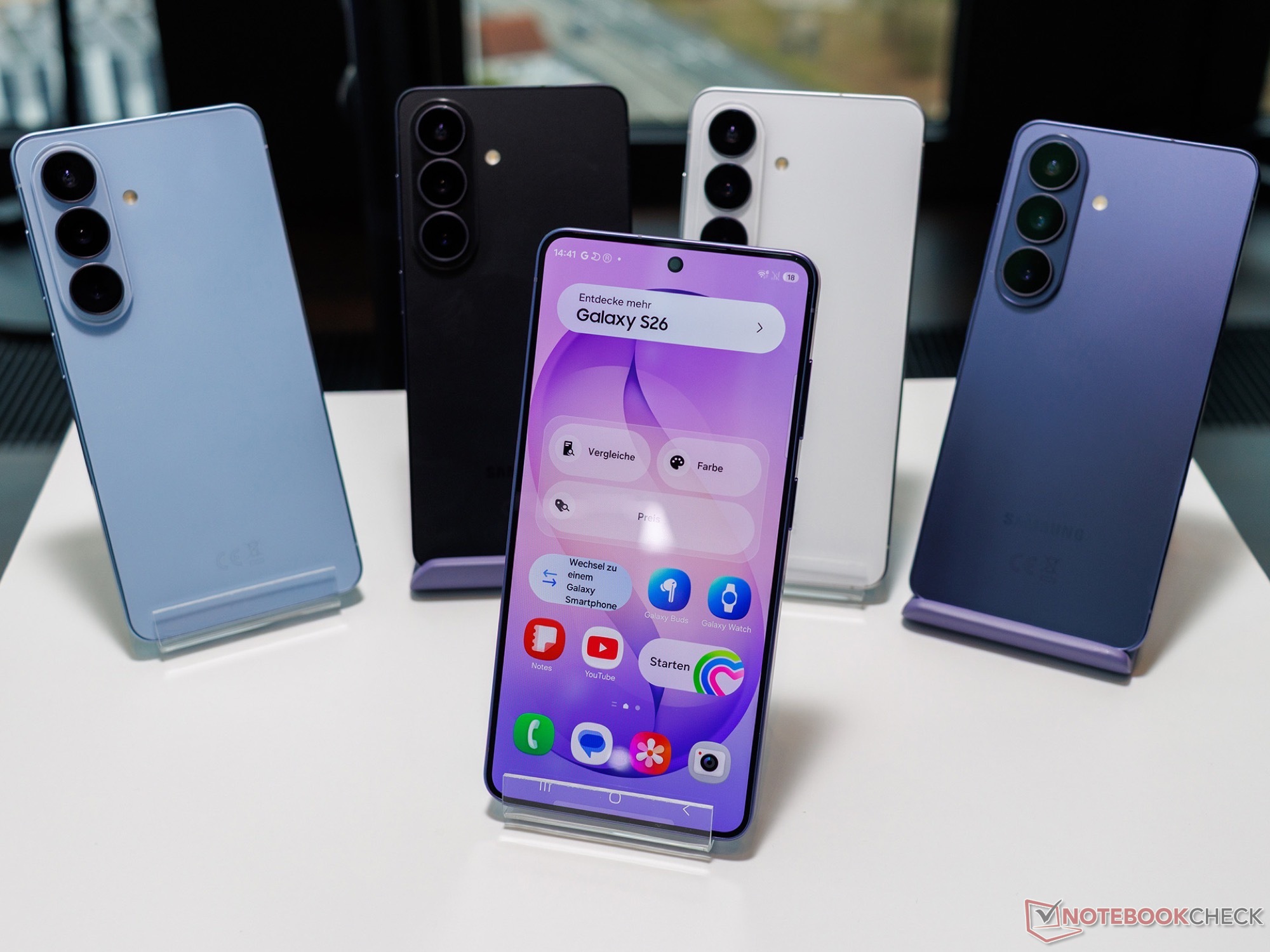
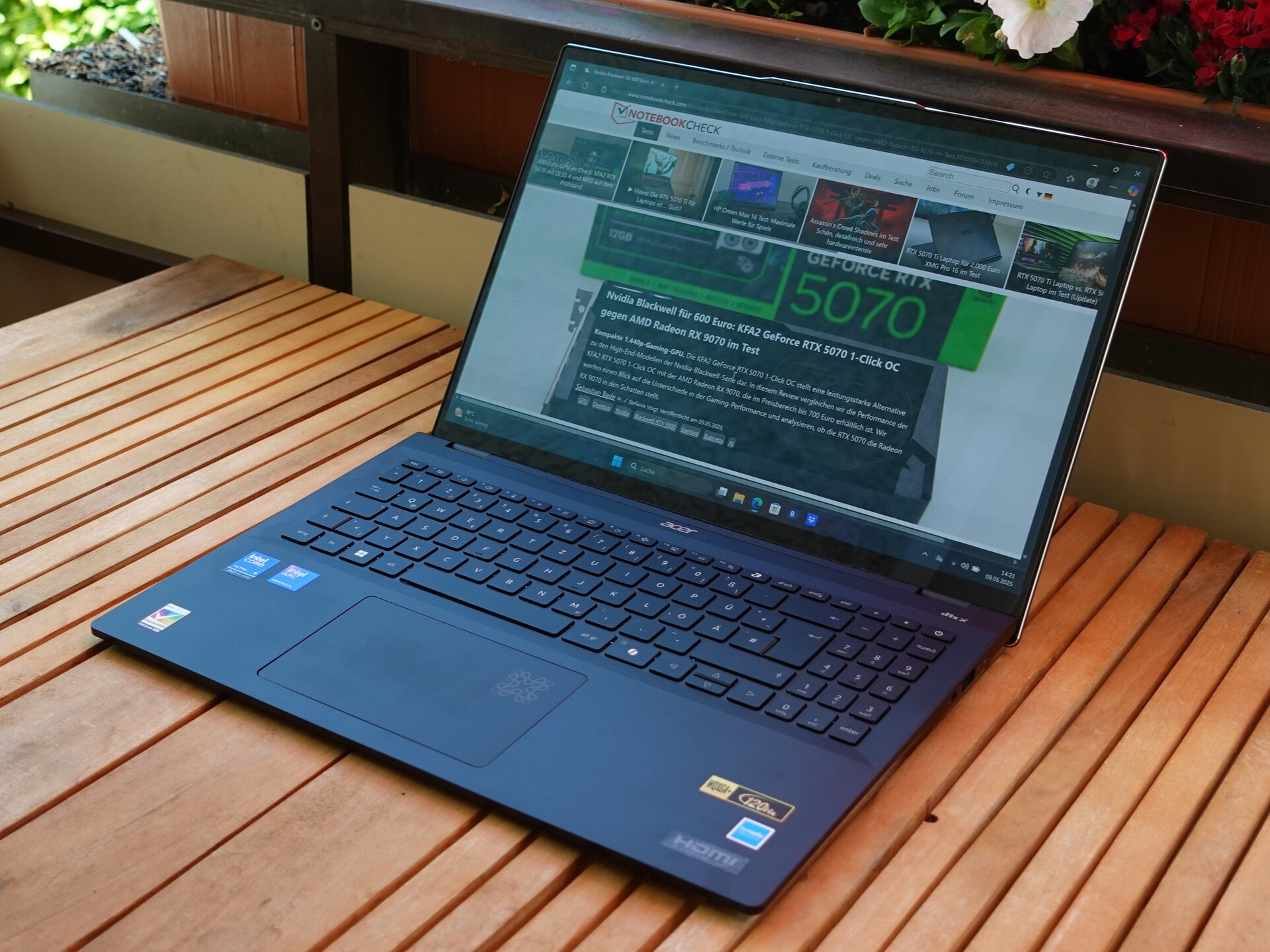
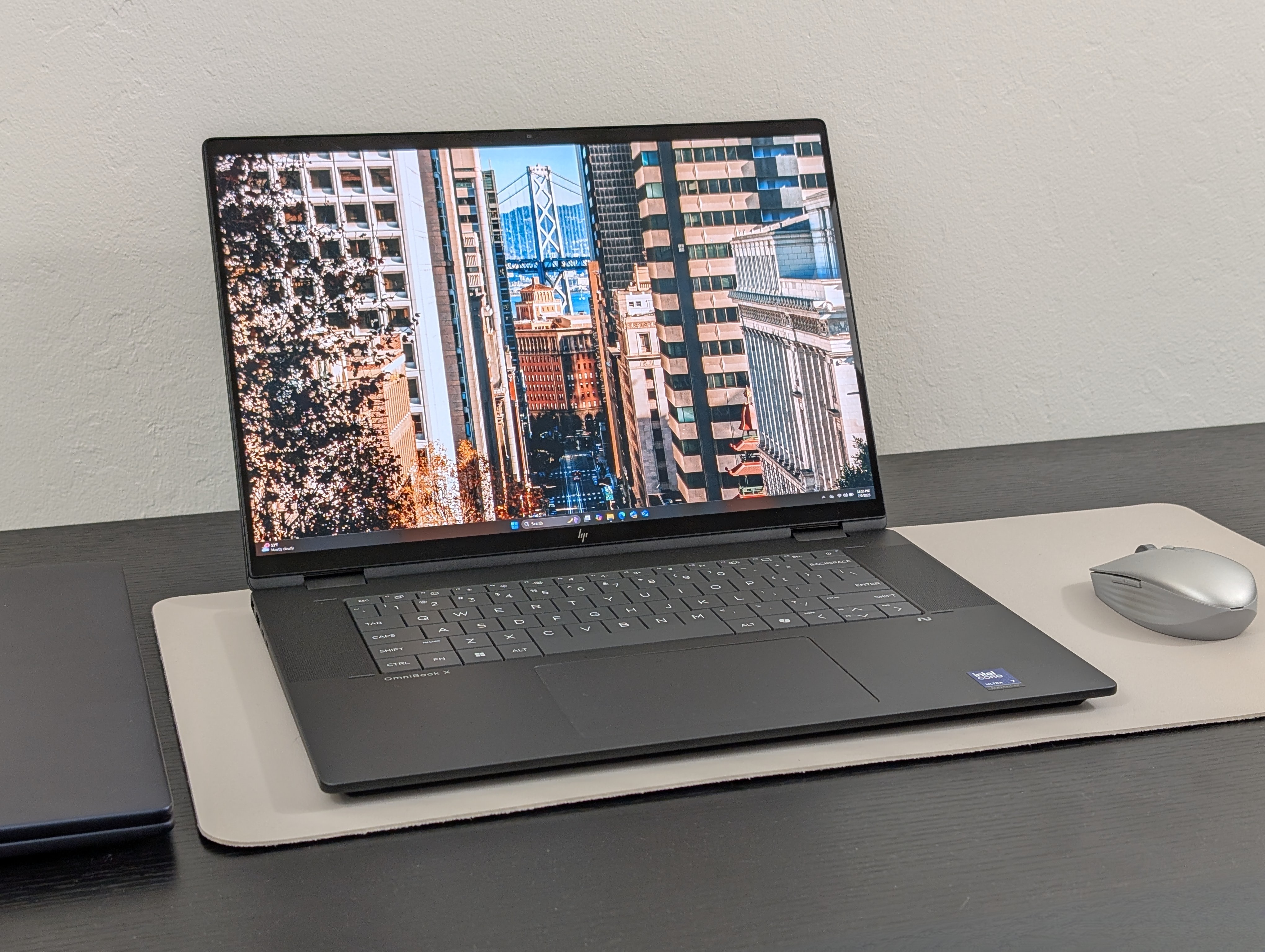
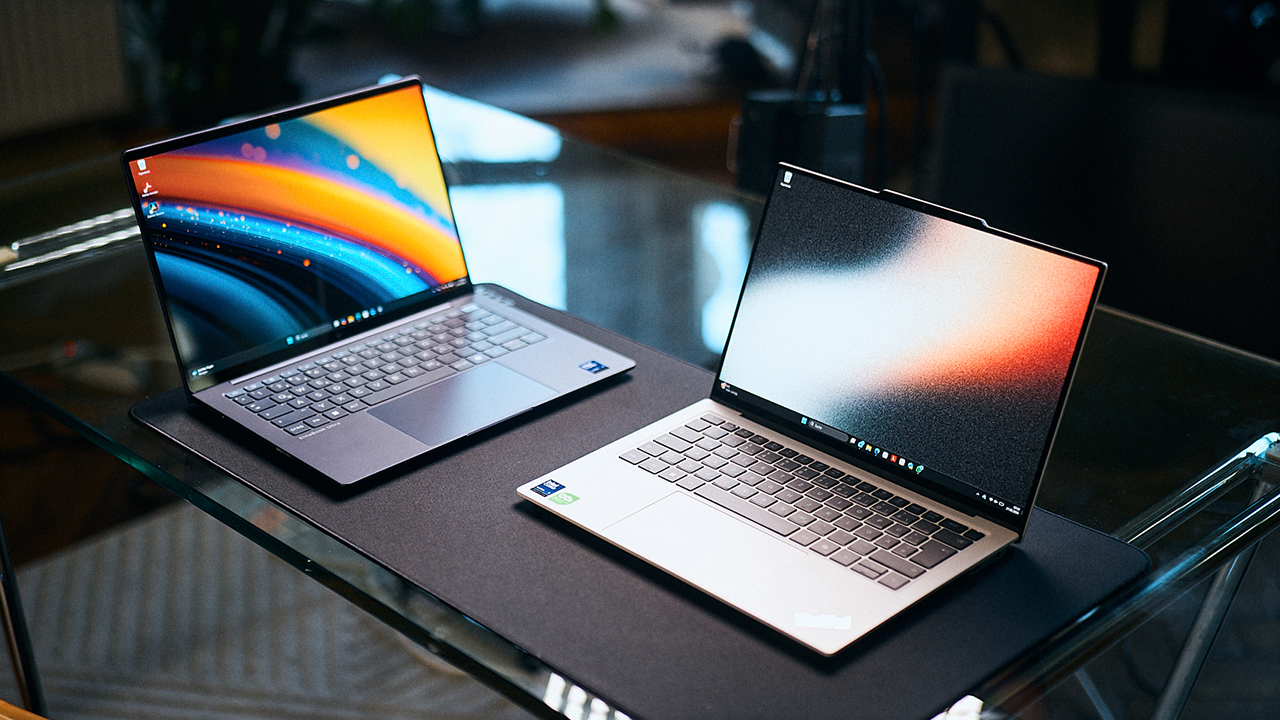
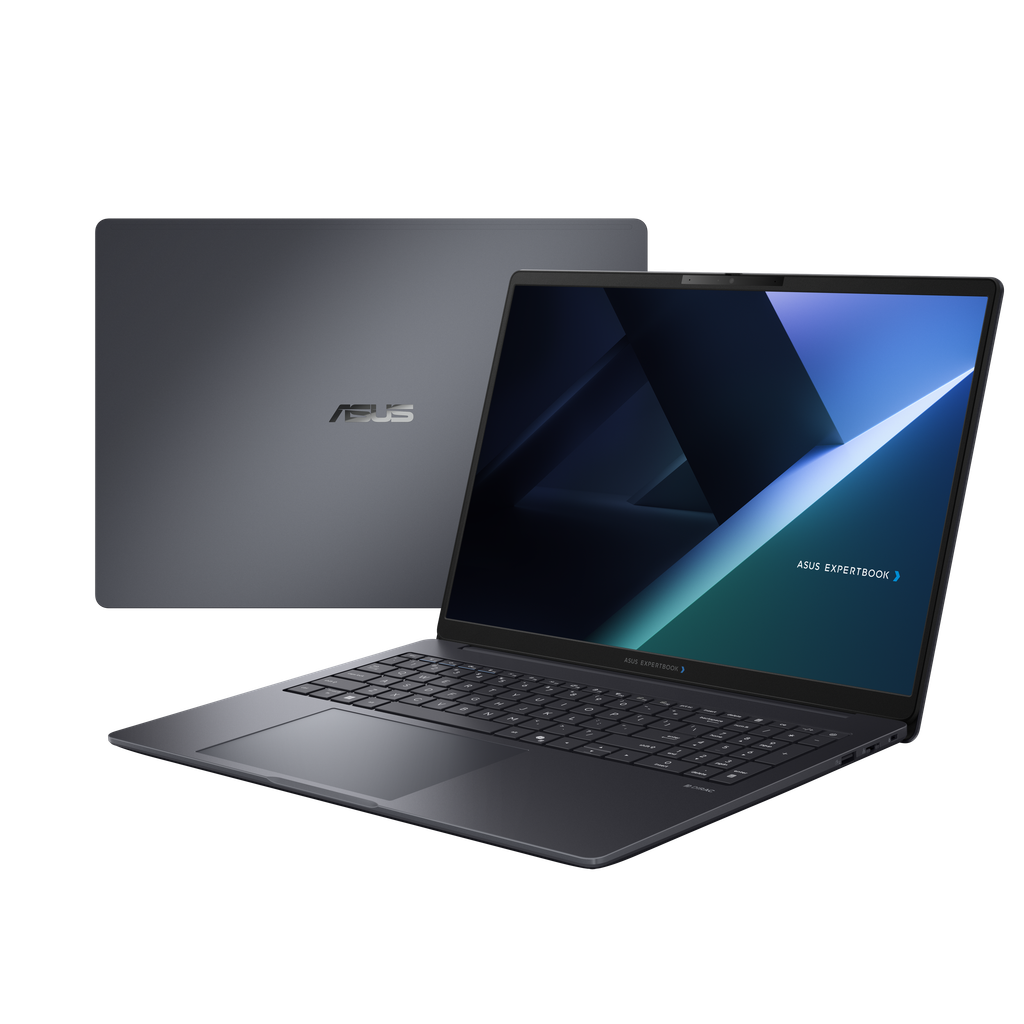
Samsung's new Galaxy Book6 Pro is a good 16-inch multimedia laptop with Intel's Panther Lake mobile processors, but the manufacturer charges $2100 for the SKU with the slow iGPU, which is way too expensive.
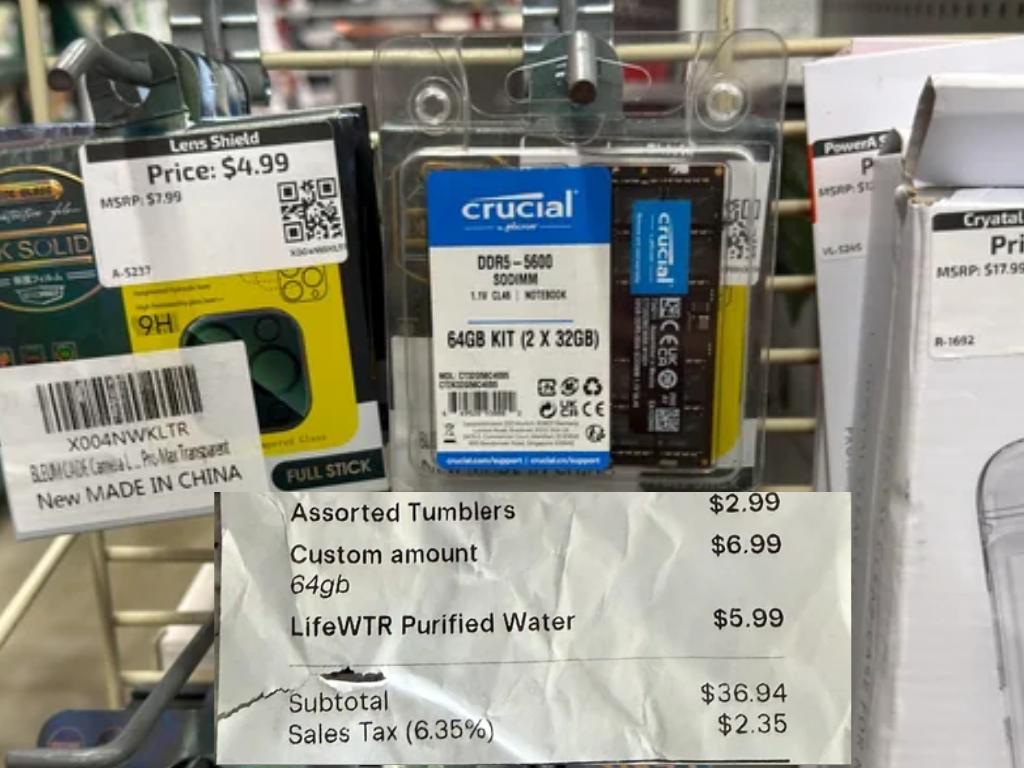
The March Steam survey highlights how more gamers are settling for lower-end PCs and laptops. With DDR4 and DDR5 RAM prices skyrocketing due to the memory shortage, buyers are opting for 16 GB capacities. Modules totaling 32 GB lost the top spot in the report, but GPUs with ample VRAM are rising.
After a series of teasers, Xiaomi India has officially launched the Redmi Note 15 Special Edition in the country. The device is identical to the Redmi Note 15 5G sold in China and features a 50MP primary rear camera along with a 5,800mAh battery.
The Redmi Note 15 Special Edition comes in three color options, including a distinctive Crimson Reserve variant that features a faux-leather rear panel. It’s also available in Carbon Black and Frosted White options.
It’s powered by the Snapdragon 6 Gen 3 chipset, paired with an Adreno 710 GPU. The phone can be configured with 8GB of LPDDR4X...
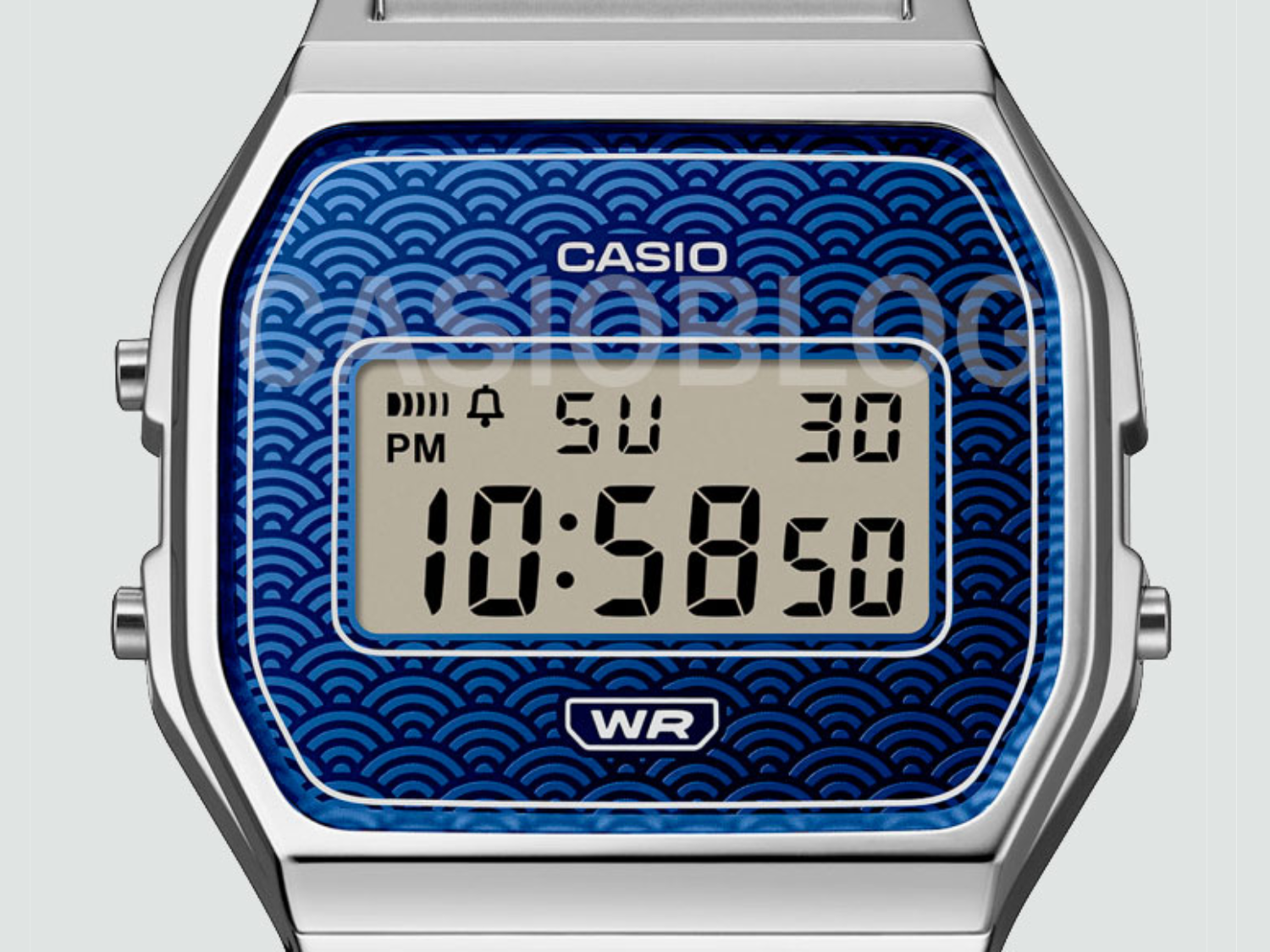
Casio has released the G-Shock DW5600MBC series watches in North America and Europe. The three digital watches have cloth straps with magnetic buckles and features including a multifunctional alarm and 200 m water resistance.
Google releases Gemma 4: The new model family (E2B to 31B) brings reasoning capabilities and multimodality directly to laptops and smartphones. With a huge context window of up to 256K tokens and Apache 2.0 license, Google is setting an example for free local AI.
The Xiaomi Redmi K90 Ultra is the company's next expected sub-flagship smartphone. It has now cleared 3C certification in China, hinting that a release is in the pipeline.
Deal | The Lenovo IdeaPad Pro 5 16 Gen 10 laptop is on sale on Woot at a pretty good price. The laptop is now retailing for less than $1,000, which makes it an excellent value creator and multimedia notebook. The IdeaPad Pro 5 16 Gen 10 packs an 8-core Ryzen AI 7 350, a 120 Hz OLED display, and an RTX 5050 mobile GPU.
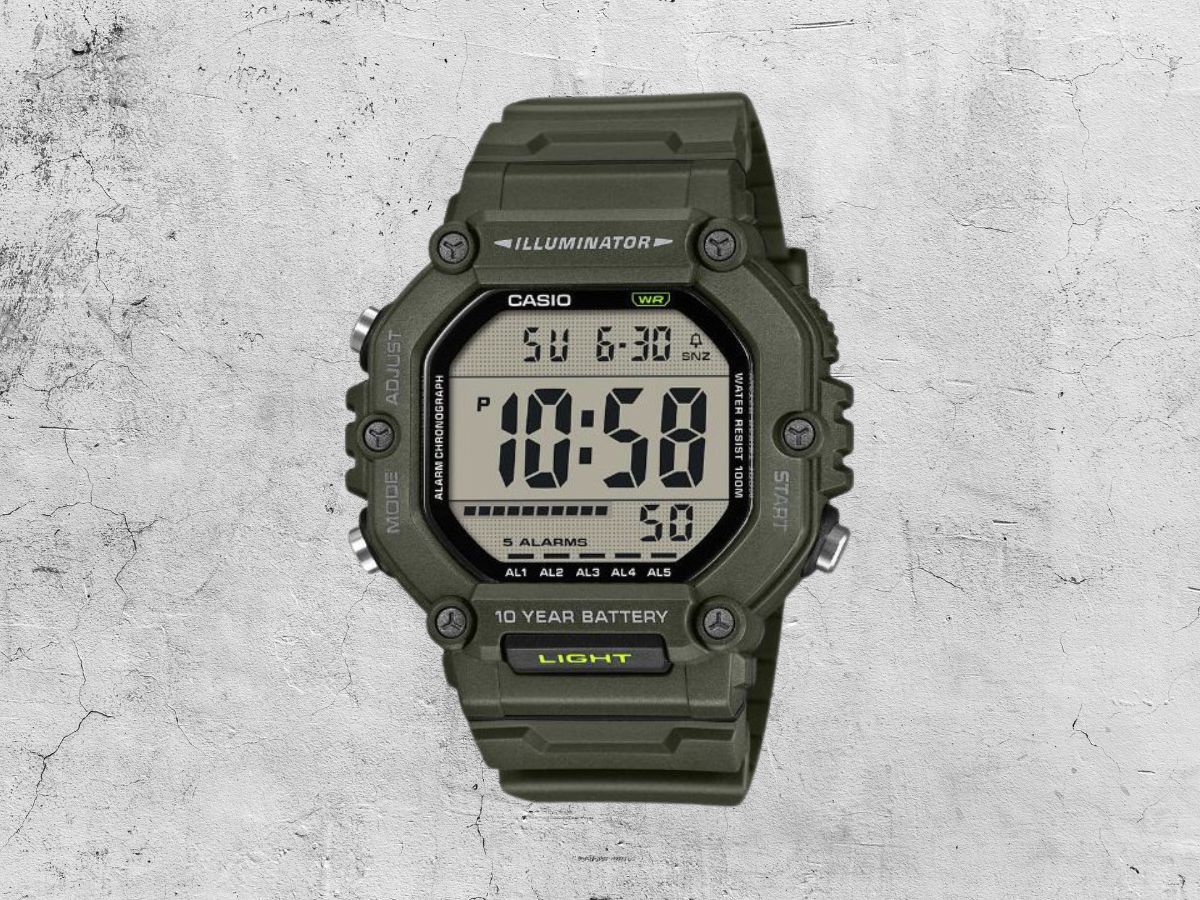
Casio has officially listed the AE-1600HX series after recent retailer leaks. The watches bring a 10-year battery, 100 m water resistance, large case design, and an extra-long strap. Pricing is unknown for now, but they will be available to buy soon enough.
More than a month after it was supposed to revert to its full price, AYN still has the Odin 2 Portal available at a discount. Pricing starts at $249 for the 7-inch Android handheld and goes up to $449 for the highest configuration.
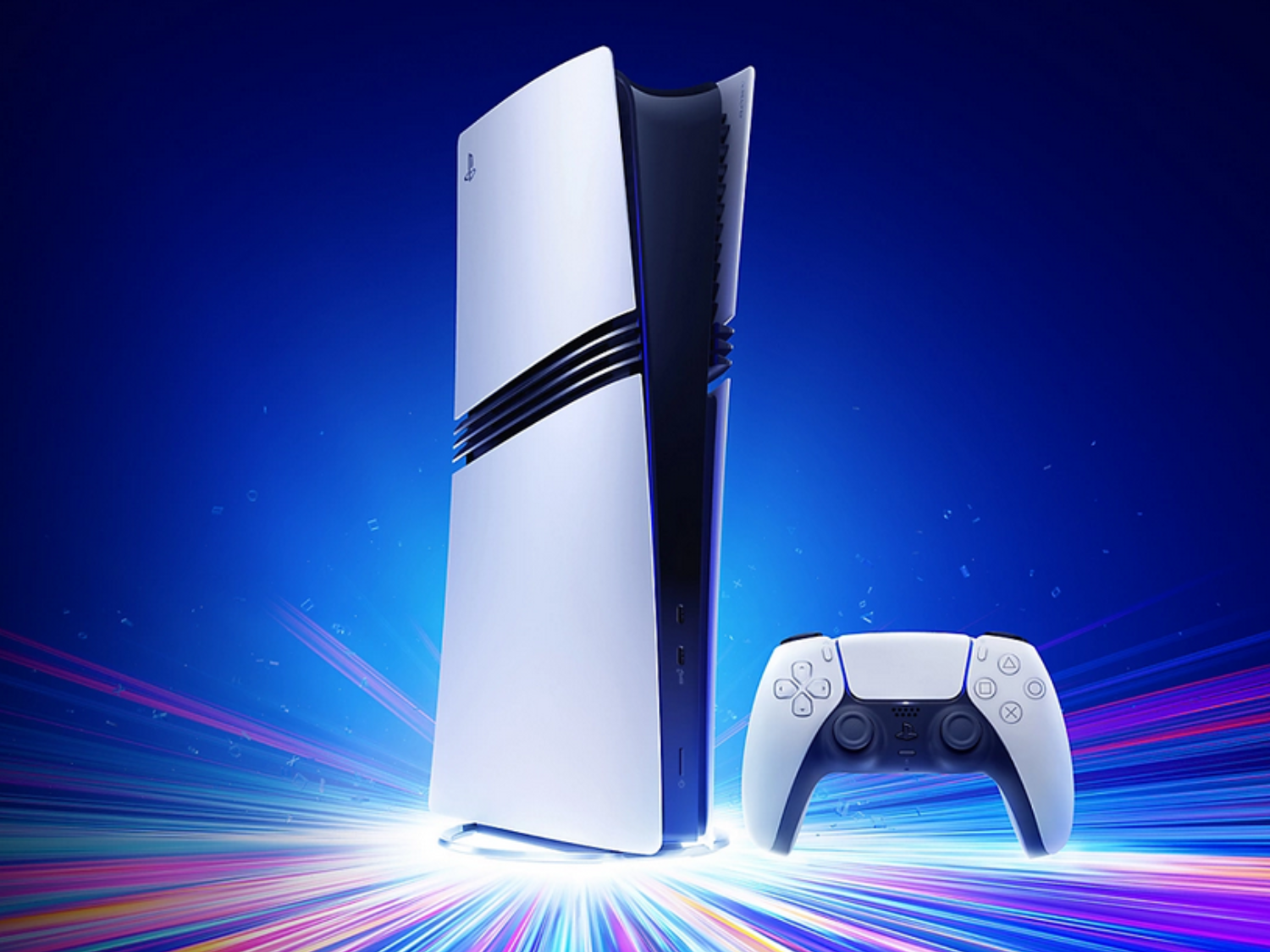
Deal | Gamers in the United States with dwindling budgets can save up to $50 on Sony’s marketplace. Cash App has introduced a 50% off deal for any PS4 or PS5 game or games listed on the PlayStation Store. The discount comes immediately after the criticized PS5 price increase on consoles.
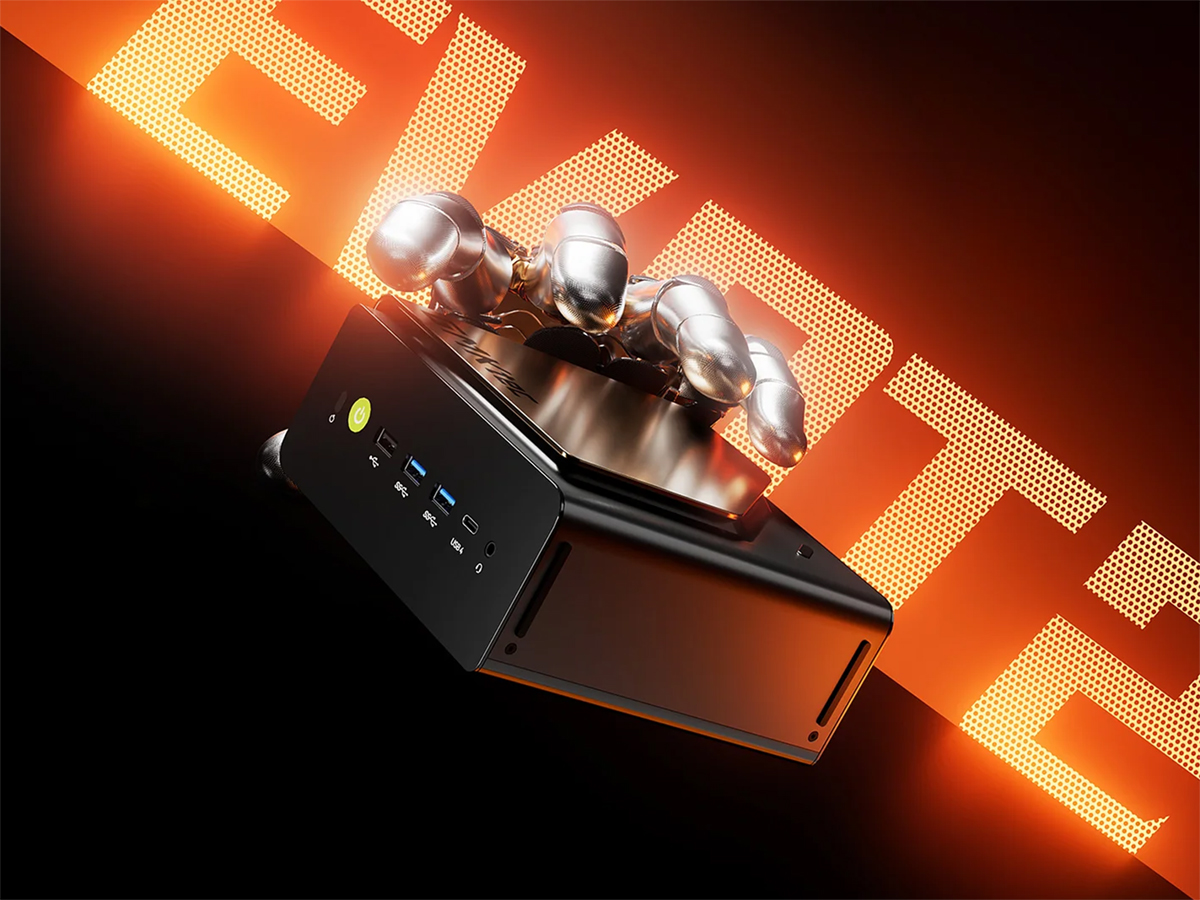
The AceMagic Retro X5 flaunts 32GB of DDR5 RAM, a 1TB NVMe SSD, and most importantly, a high-end AMD Ryzen AI 9 HX 370 APU proven fully capable of both modern PC gaming and high-end emulation.
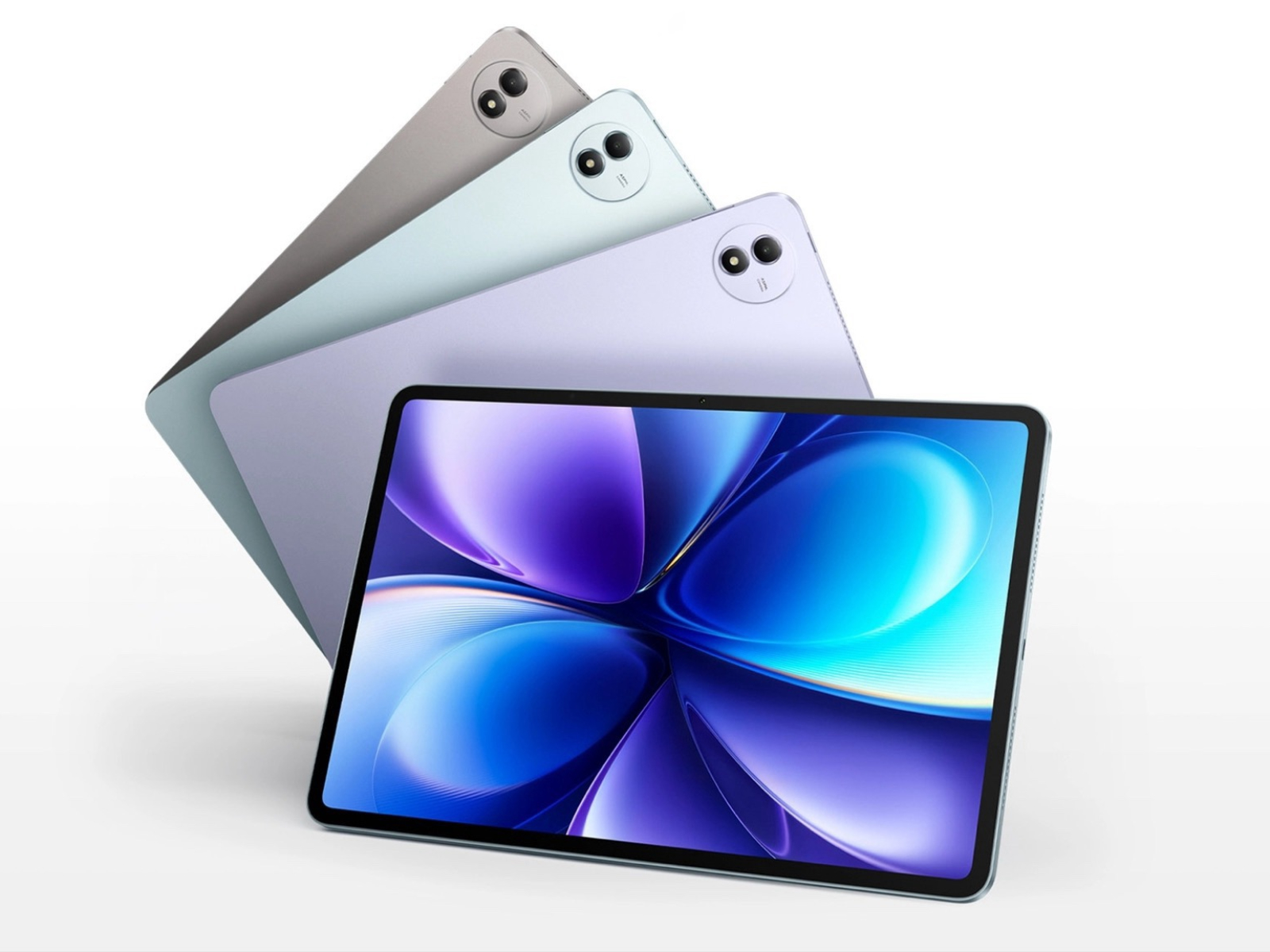
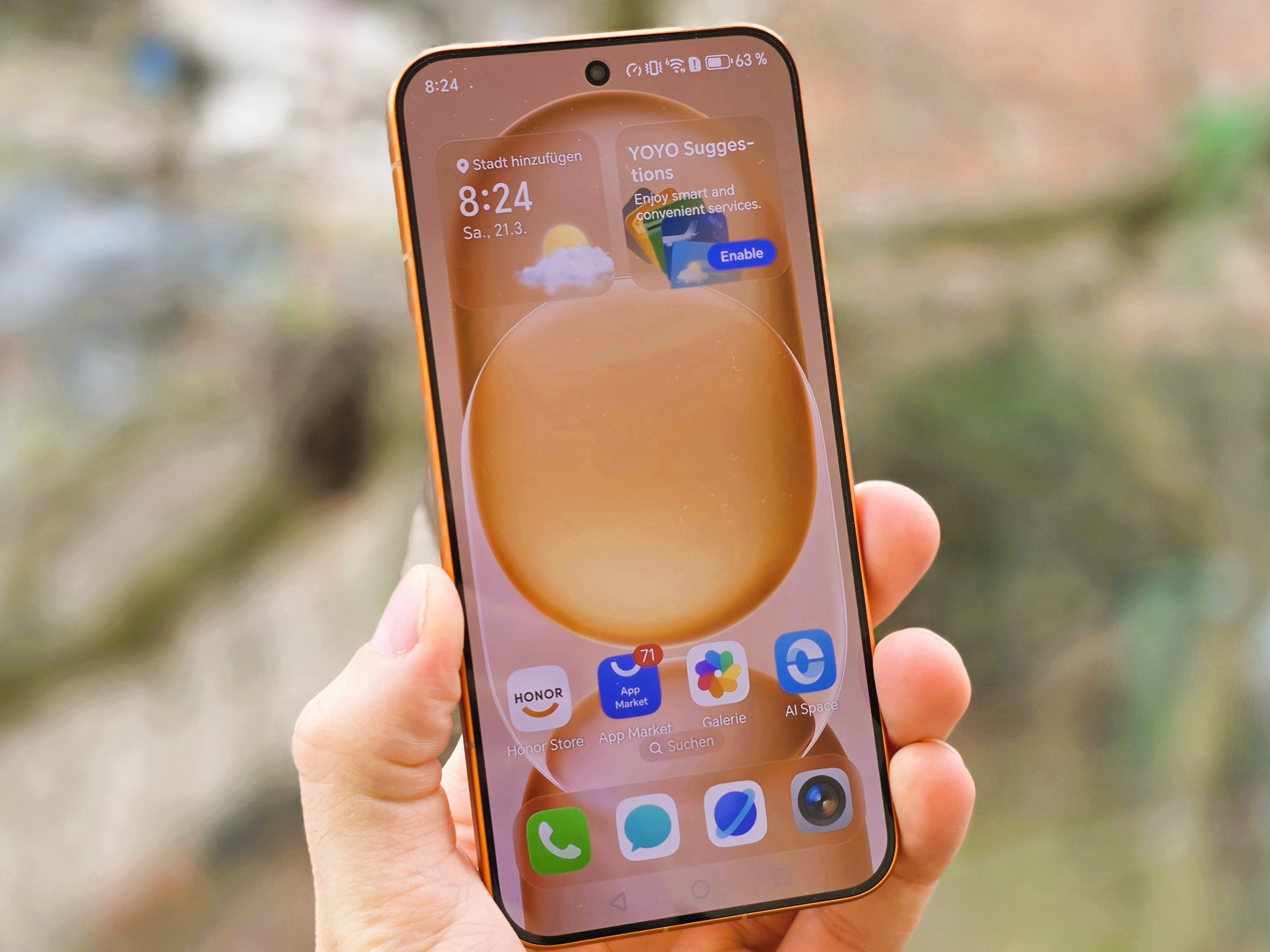
Honor just unveiled three mid-range tablets – the Pad 10 Pro, which offers a more premium alternative to last year’s Pad 10, as well as the Pad X10 and Pad X10 Pro.
Honor Pad 10 Pro
The Honor Pad 10 Pro brings more compute power in a slimmer package. The metal unibody design measures 6.1mm thick and weighs 475g. For comparison, the Pad 10 is 6.3mm and 525g, while the Pad 9 Pro from 2024 is 6.6mm and 589g.
Don’t worry, though, this doesn’t come at the cost of battery capacity – the Pad 10 Pro has a 10,100mAh battery, which is the same as the Pad 10, while the Pad 9 Pro had a...
Gaming handhelds are mainly used for action games and relaxed indie adventures. However, the Steam Deck is surprisingly well suited to real-time strategy games such as Stronghold - so well, in fact, that I have already played over 600 hours of RTS games on the Steam Deck.
Google is now offering a brand new USB dongle that promises to get an old laptop up and running again for just $3. The dongle is now available with free shipping and is compatible with both Windows laptops and MacBooks.
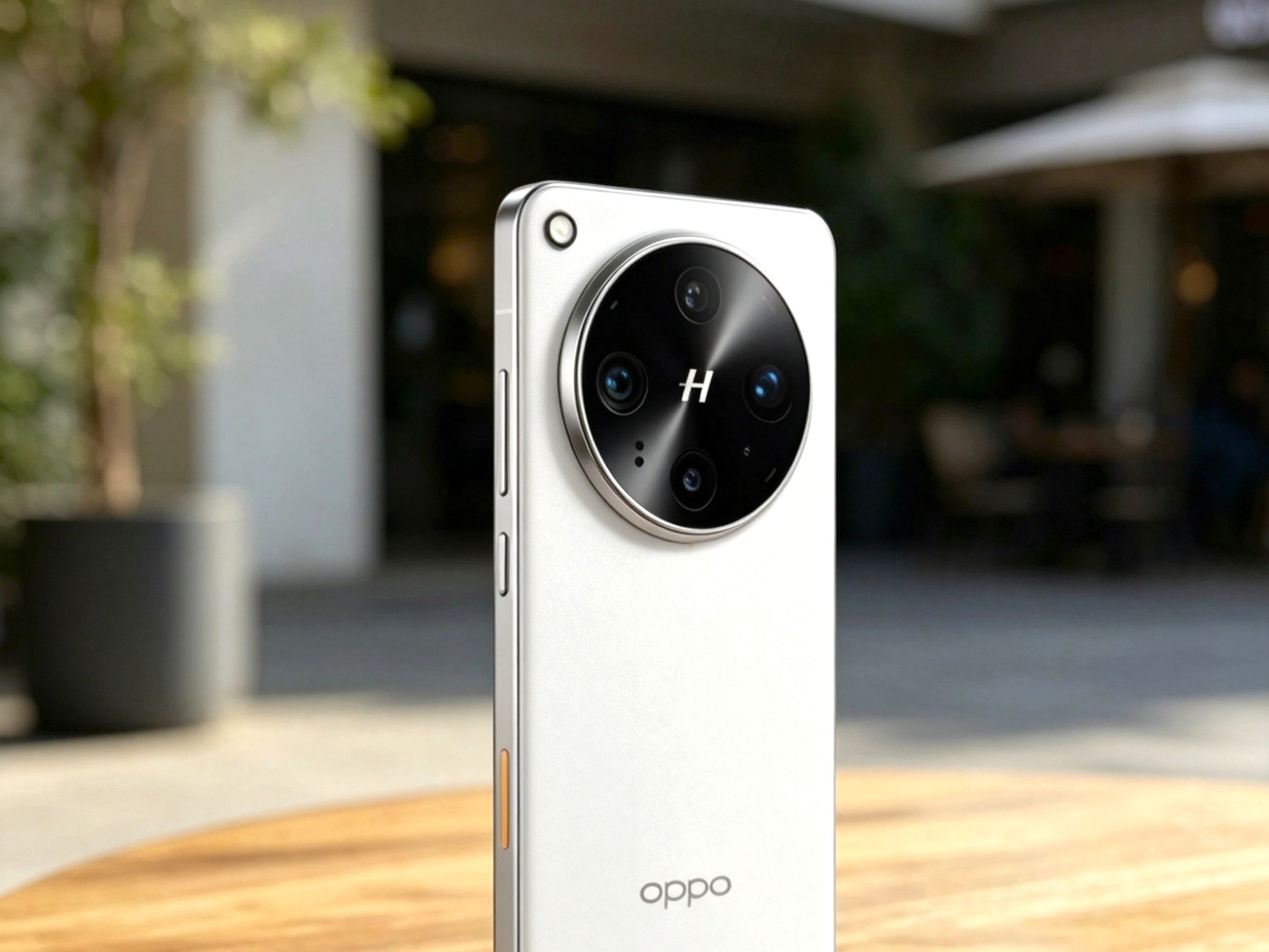
The Oppo Find X9 Ultra has appeared on Geekbench ahead of its global launch. The phone features the flagship Snapdragon 8 Elite Gen 5 chipset along with 12GB of RAM.
PlayStation 3 emulator RPCS3 has completed the first wave of updates to its brand new controller UI, which resembles Steam Big Picture and is considered "the Handheld Experience."
Deal | The Casio AQ-230A-7D watch is now 32% off. The digital-analog watch features dual time, a 1/100-second stopwatch, up to 3 years of battery life, an auto calendar, and a day and date display at 6 o'clock. On top of this, it has a stainless steel band with an adjustable clasp.
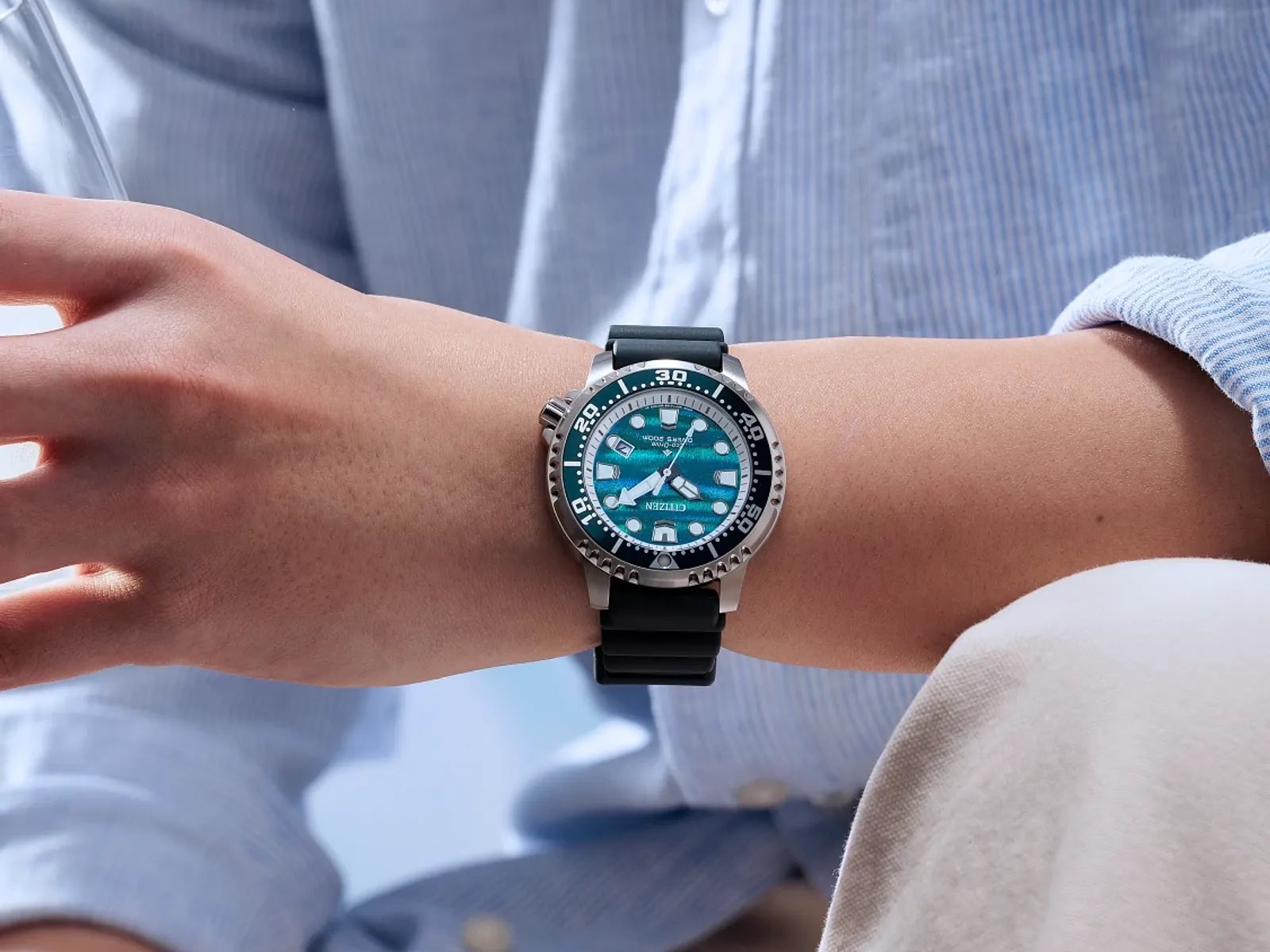
Citizen just introduced the NJ0240-55L, a 40 mm automatic watch with its in-house Caliber 8210 movement, 40-hour reserve, and 50 m water resistance. It sticks to basic entry-level specs, and it's more about reliability and everyday usability.
An affordable e-reader with a 3.7-inch e-ink display and a weight of 58 grams could hardly be more portable - the Xteink X3 aims to win over bookworms with its compact body. The e-reader can be attached to the back of a smartphone using integrated magnets.
Later this year, Huawei is expected to unveil the successor to its Mate X7 that came out last year. This new foldable is said to pack a larger main display, even larger than its predecessor and Samsung’s Galaxy Z Fold 8.
The rising cost of memory chips in the last year or so has forced manufacturers of electronic goods to come up with various strategies to offset the burden, especially smartphone makers that have a portfolio of low-end to mid-range devices. Bumping up the price of more affordable devices could potentially spell trouble. This doesn't necessarily apply to the high-end smartphones, where manufacturers are more inclined to shift the cost to consumers.
A report from a Korean publication DealSite suggests that Samsung swapped out its homemade OLED panels in some of its mid-range models,...
Samsung is not done with One UI 8.5 Beta for Galaxy S25 series, as a mega leak reveals future plan. If you are testing Beta firmware, get ready to receive at least two more Beta builds, and the Stable release date is reportedly “undecided.”
According to @ya_sking12767, Samsung has an extensive One UI 8.5 Beta plan for the Galaxy S25 series. The company may roll out Beta 9 and Beta 10 builds to users, and it could ultimately push the Stable release to May 2026.
Here’s when updates could release:
Beta 9 – April 9
Beta 10 – April 20
Galaxy S24 users may receive second and third Beta updates this month, with the dates said to be as follows:
Beta 9 – April 9
Beta 10 – April 20
Beyond S25 and S24, Samsung expanded the One UI 8.5 Beta Program to the Galaxy Z Fold 6 and Z Flip as well. Future updates may be on these dates:
Beta 2 – April 9
Galaxy S23 series will join the One UI 8.5 Beta Program this month. The first Beta build has been spotted on the Samsung server along with the Z Fold 5 and Z Flip 5. Release dates are expected to be:
Beta 1 – April 9
Beta 2 – April 23
Notably, the Galaxy Z Fold 7 and Z Flip 7 have also joined the Beta Program in early March. Samsung recently released the second Beta update for the latest foldable phones, but the future rollout isn’t included in the mega leak.
The release dates haven’t been confirmed by Samsung. The company stays away from revealing an exact timeline for the rollout. However, the Beta 9 and Beta 10 plans are now cementing the feeling that S26 sales are being prioritized.
Garmin has issued a new beta update for users of the Instinct 3 series smartwatches. The change log states that this release tackles several bug fixes and makes minor improvements to these wearables.
HP has finally started selling new 14-inch laptops with Intel Panther Lake and Qualcomm Snapdragon X2 processors. Available with up to 64 GB of RAM, the OmniBook Ultra 14 features a 1,000 nit OLED display too. Intel models cost significantly less than their Qualcomm counterparts at launch, though.
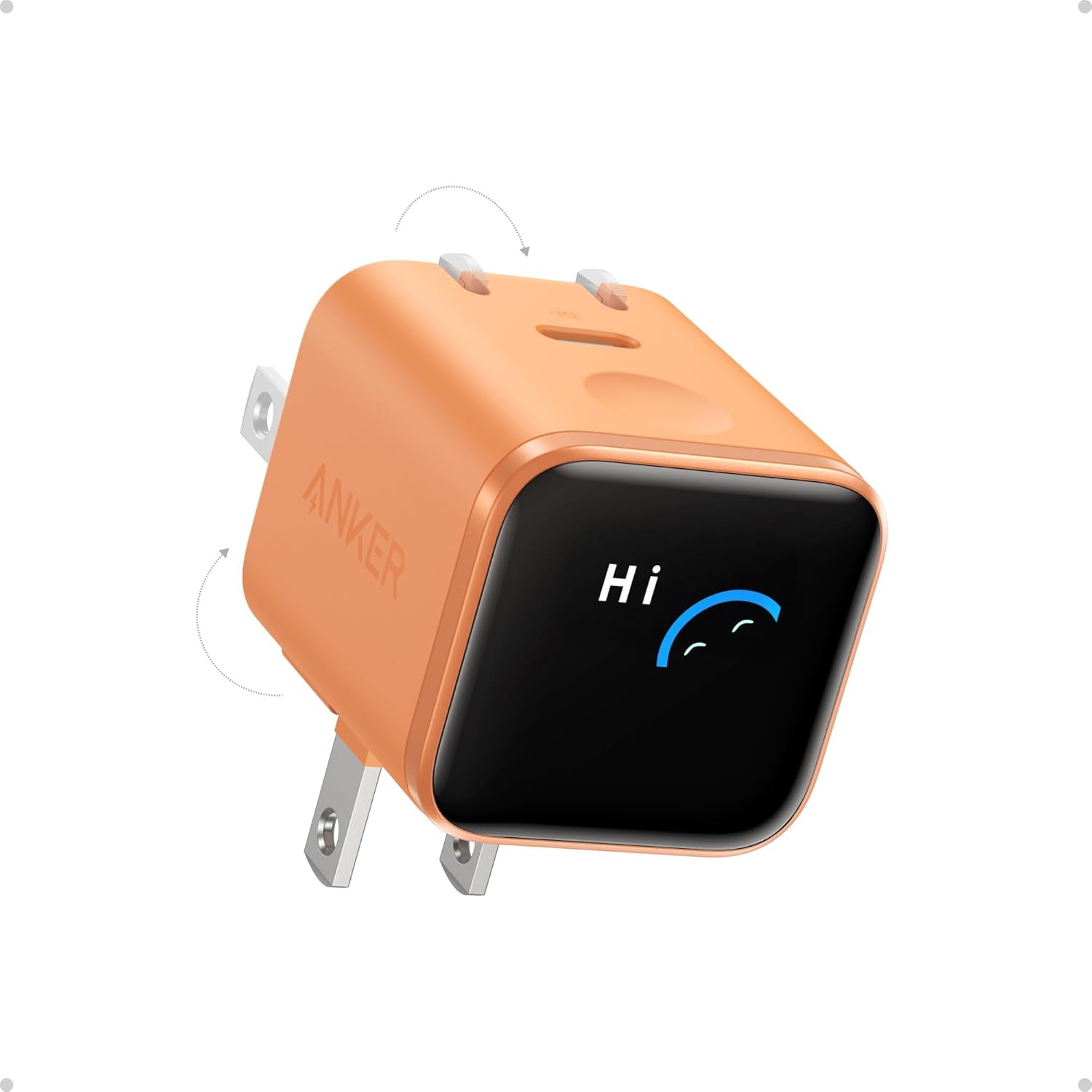
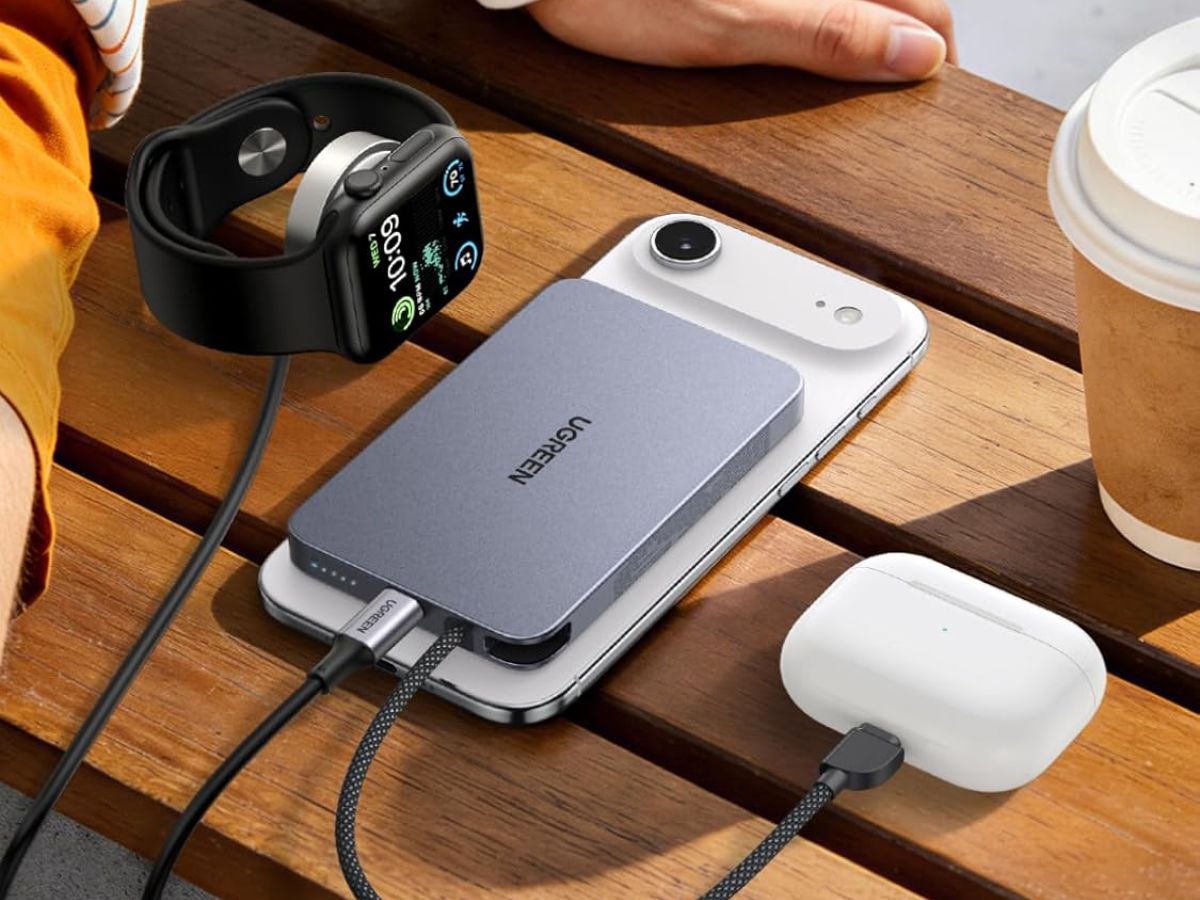
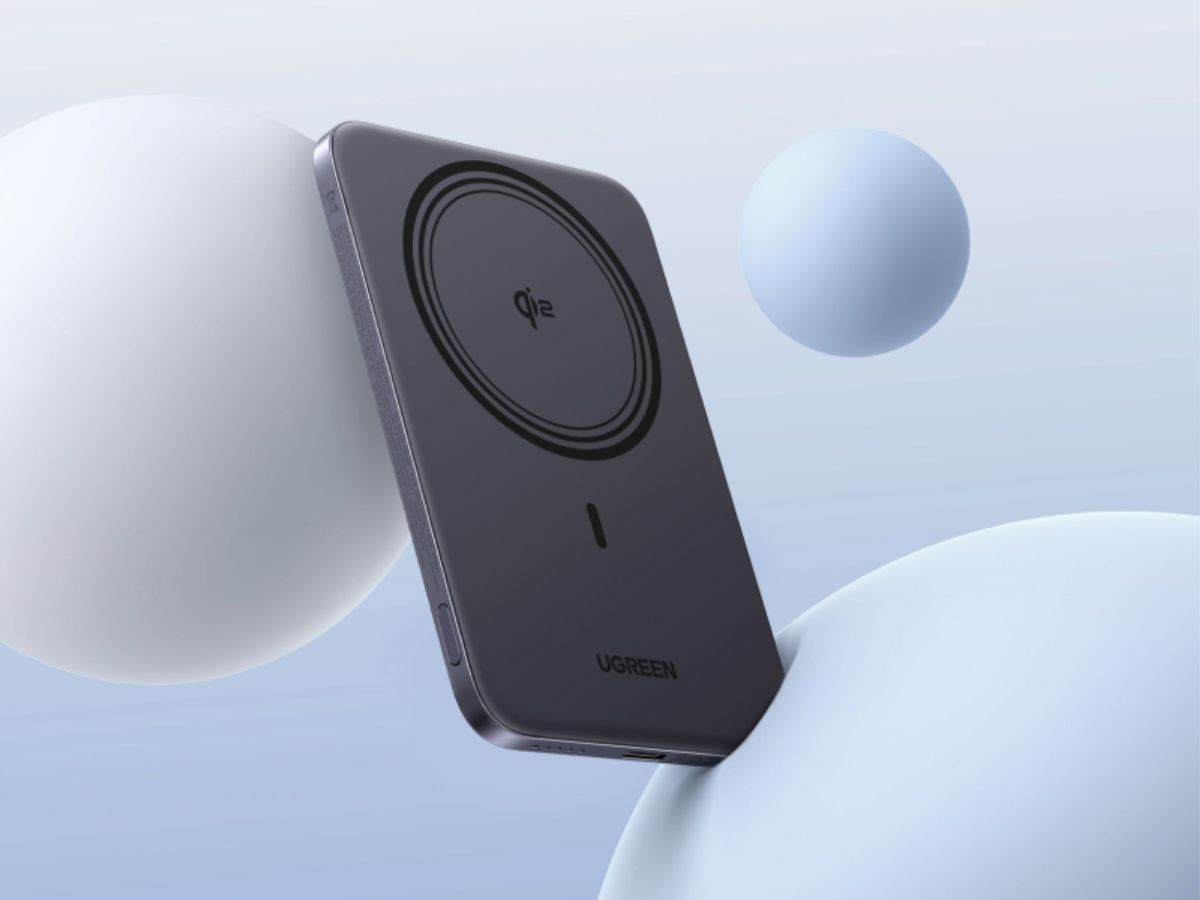
Anker appears to be working on a new MagGo Power Bank. An accessory referred to with model number A1113 recently appeared in a certification database, providing limited specifications and an image of the device.
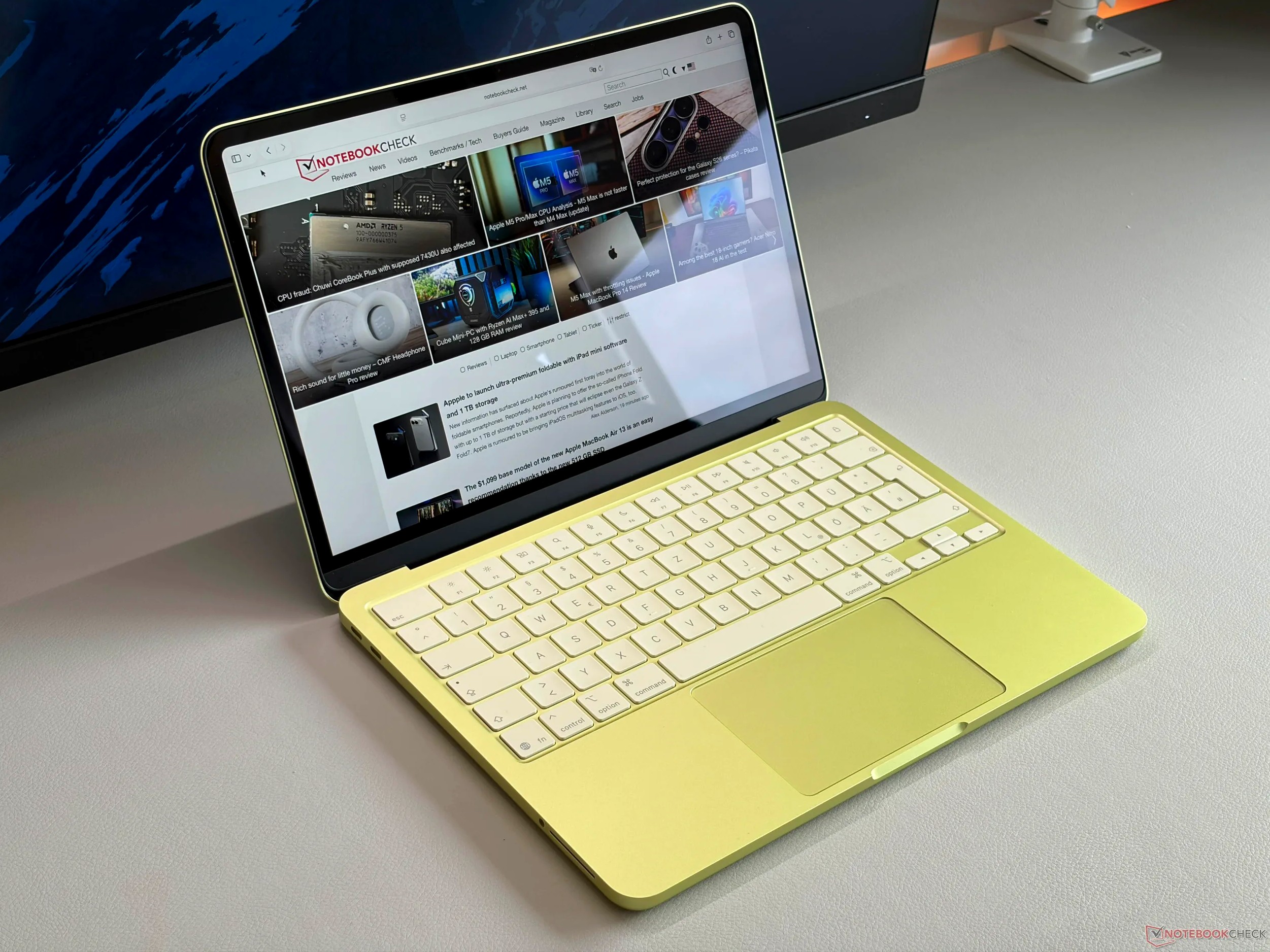
The Apple MacBook Air 13 M5 has no active cooling. This means that the M5 SoC inside the machine thermal throttles heavily under sustained loads. This thermal throttling reportedly takes a massive toll, as the MacBook Pro 14 M5 is over 40% faster in Cyberpunk 2077.
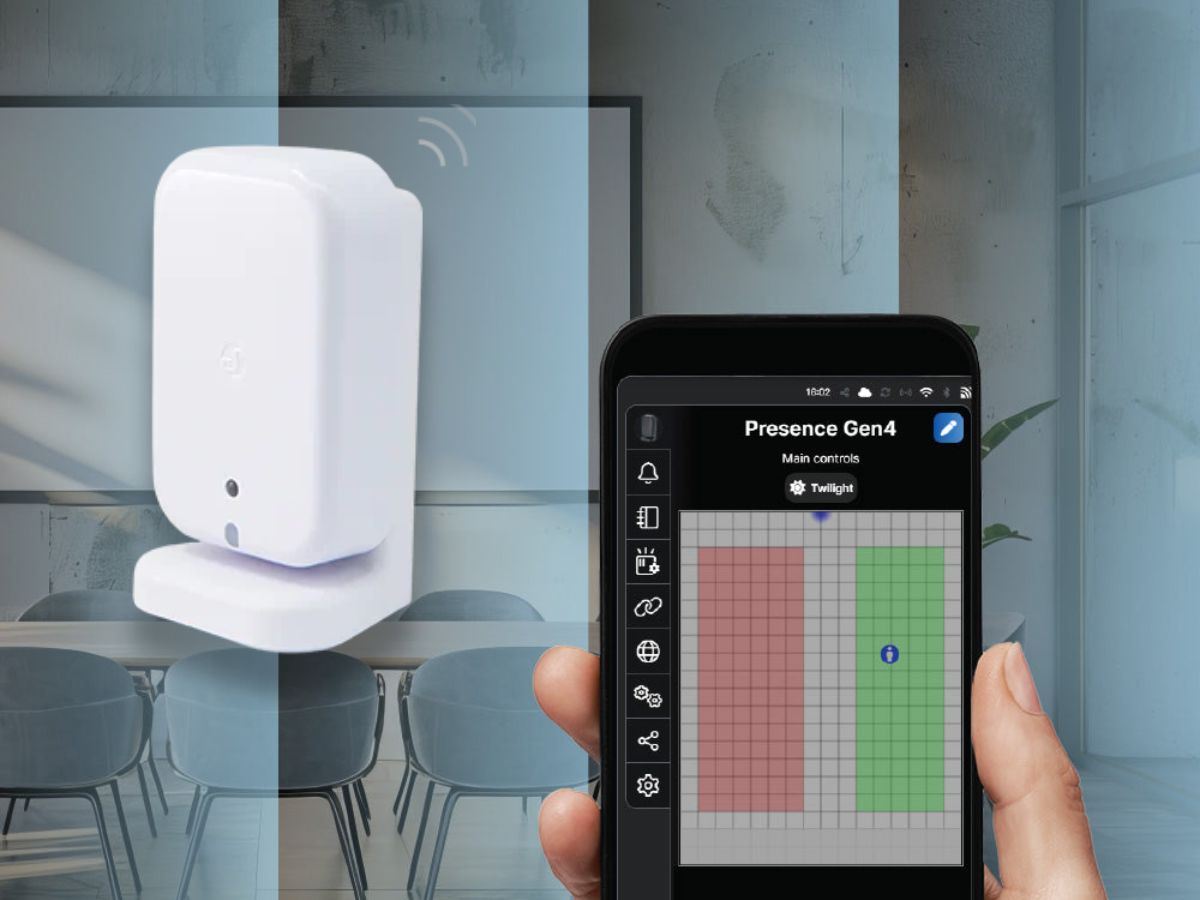
The Shelly Presence Gen4 sensor is now officially available in Europe. This compact smart home gadget can be used to detect still or moving objects, with support for Zigbee and Matter. It is said to be able to track multiple presences over several zones, with adjustable sensitivity.
Xiaomi’s Mijia Air Conditioner Eco 4-Star in 1.0HP and 1.5HP models have been spotted at the brand’s official online store in Malaysia. They join the existing Mijia Air Conditioner Pro devices. These product listings could point to a wider global rollout of these smart home products.
Xiaomi has finally released its latest Wi-Fi 7 router outside its home market. Now available in Europe, the Xiaomi Router BE19000 Pro offers 18,656 Mpbs transfer speeds, 10 Gigabit Ethernet and even NAS functionality thanks to a built-in M.2 2280 slot.
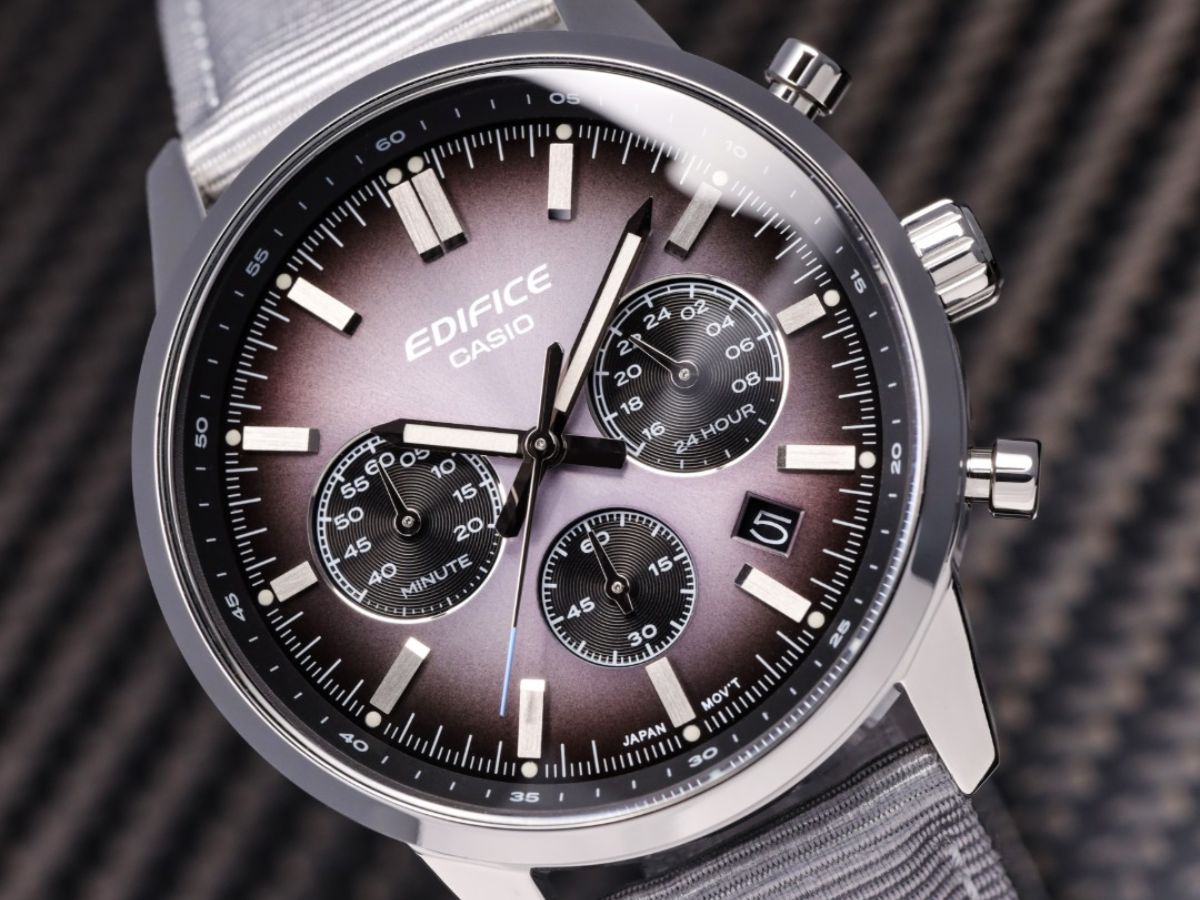
The Casio Edifice EQB-1300 watches have been officially confirmed for a global launch. The flagship model has a slim metal casing, a textured dial and a sapphire crystal. Features include Bluetooth connectivity, Tough Solar charging and 100 m water resistance.
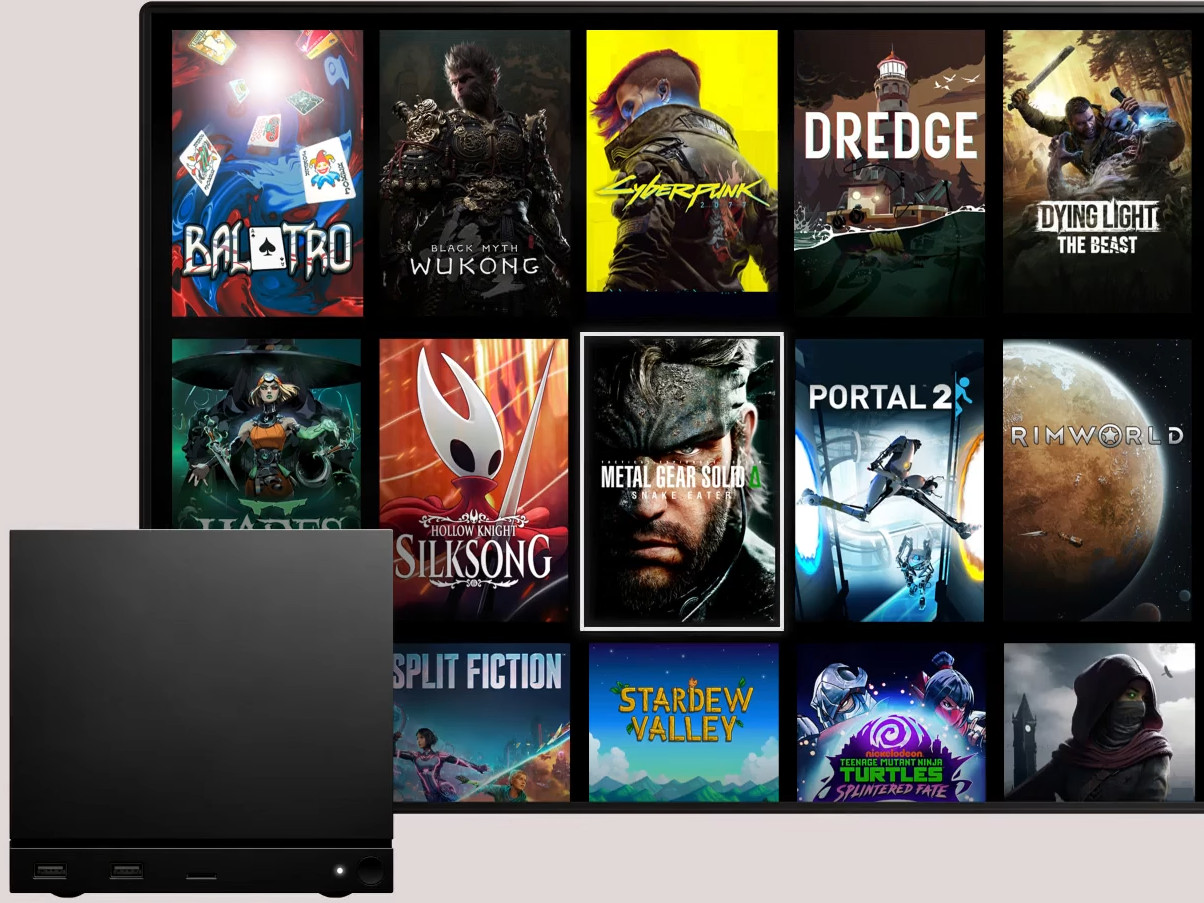
CheckMag | The DRAM crunch is hitting console and PC gamers alike. Starting today, the Sony PlayStation 5 Pro officially costs €899, while Valve has so far declined to confirm the price of the Steam Machine. Anyone looking to spend about €899 on a gaming PC currently has two main options.
A new study confirms the existence of luminous phenomena observed in the 1950s around the Earth. However, their origin remains unknown, and several hypotheses have been put forward, such as the presence of artificial objects.
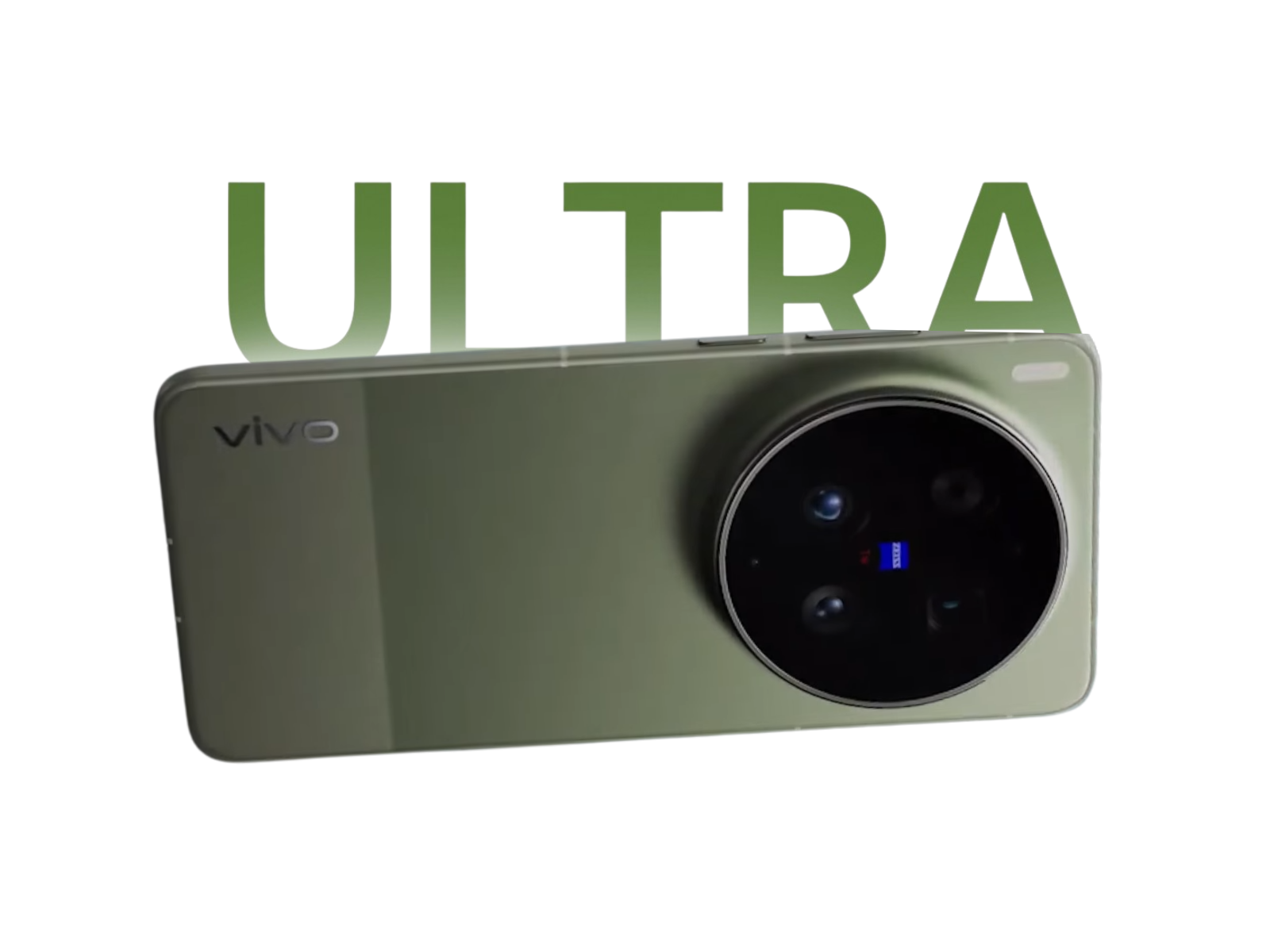
The global version of the Vivo X300 Ultra is almost upon us. Equipped with the same 6,600 mAh battery as its Chinese counterpart, the global version surpasses the Galaxy S26 Ultra in EPREL battery life tests. The gap between Vivo and Samsung's new flagships is not as large as their battery capacities suggest, though.
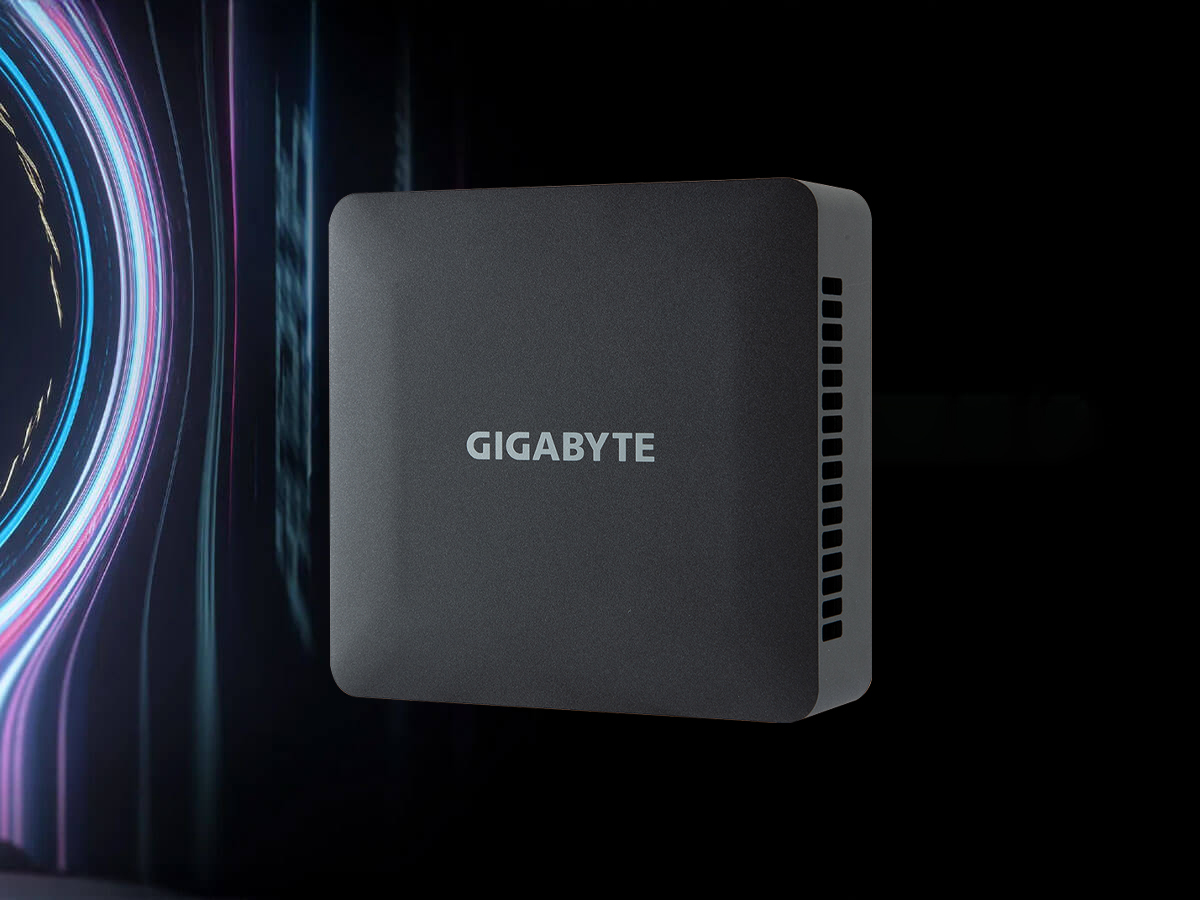
The Maco 470 is one of the first mini-PCs to feature AMD's Ryzen AI 9 HX 470 APU. While we await the Maco 470's global launch, manufacturer Aoostar has released a cheaper model that is about 20% cheaper than the mini-PC's initial configuration.
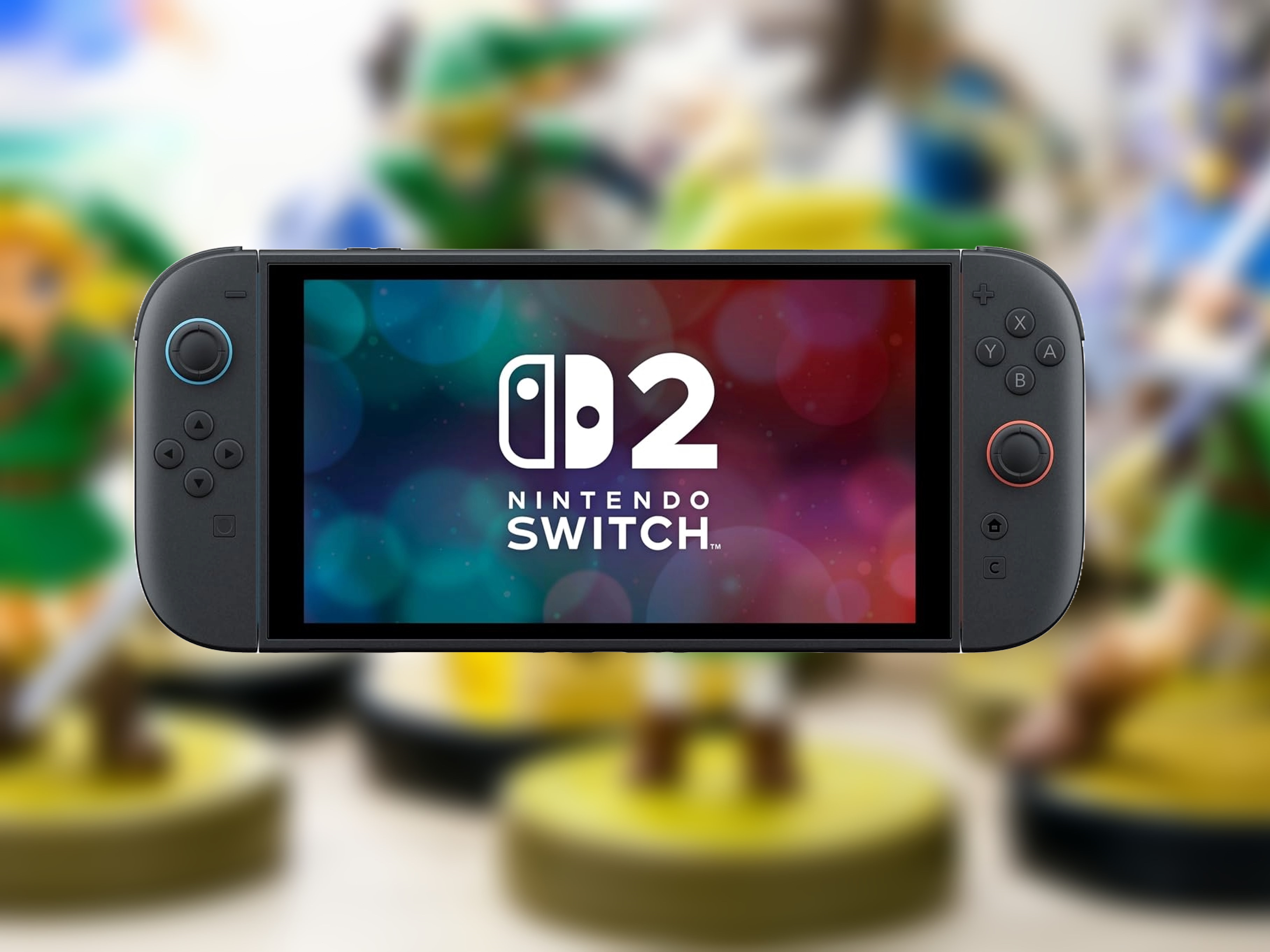
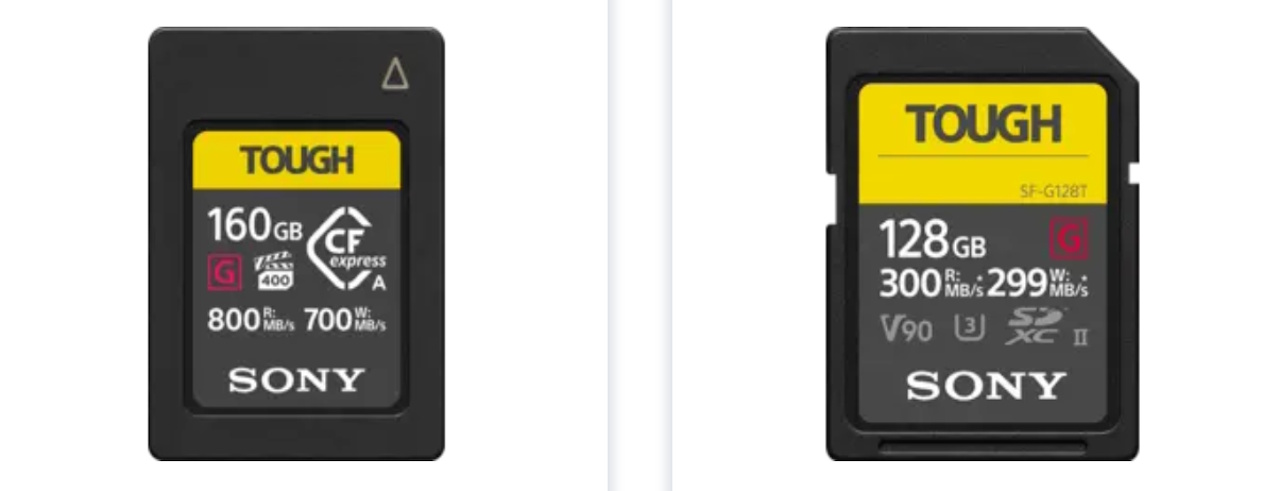
Enterprising gamers continue to look for ways to expand Switch 2 storage. In the latest promising development, the handheld has recognized an external M.2 SSD drive. Other adapters connected to the system’s MicroSD Express card slot produced error messages.
Honor is on a roll with its announcements, and the latest addition to its X-series smartphone lineup is a refresh of the toughened battery champion Honor X70, which was launched back in July. Honor also unveiled its latest fitness-oriented smartwatch - the Watch X5i, which brings 1.97-inch AMOLED and up to 21 days of battery endurance.
Honor X70 Refresh Edition
The X70 Refresh Edition has three changes: 1) it comes in a new Sunrise Gold color, 2) ships with MagicOS 10 based on Android 16, and 3) is CNY 300 ($44) more expensive than the regular Honor X70.
As for the rest of the...
Yesterday, the upcoming Samsung Galaxy A27 was spotted in the Geekbench online database, and this has revealed the fact that it's powered by the Snapdragon 6 Gen 3 SoC, which will be paired with 6GB of RAM in one version.
Today a new rumor claims the Galaxy A27 won't just be switching SoCs from the Samsung-made Exynos line to the aforementioned Qualcomm Snapdragon. It will also allegedly feature an upgraded selfie camera.
Samsung Galaxy A26
This will have 12MP resolution, which is a tiny bit lower than the 13MP of its predecessor, but it should be better quality and take better...
Honor has confirmed that the Honor 600 series will be launching soon. At the same time, a respected leaker has revealed pricing information for the Honor 600 Pro and that the device will ship with a Qualcomm Snapdragon 8 Elite chipset.
After more than a year since the release of its predecessor, Netrunner 26 arrives with a new base (Debian Stable 13 Trixie), Plasma 6.3.6 and KDE 6.13.0, multiple updates for the specific components such as Samba-mounter and Artwork, yt-dlp GUI Statcher7, better hardware support, and much more.
Epic Games Store has revealed the free game that's set to be available from April 09, 2026. It's Prop Sumo, a party game that has yet to see a full launch. However, this giveaway announcement confirms that the 1.0 release is around the corner.
Enterprising gamers continue to look for ways to expand Switch 2 storage. In the latest promising development, the handheld has recognized an external M.2 SSD drive. Other adapters connected to the system’s MicroSD Express card slot produced error messages.
Honor has unveiled the X80i smartphone in China and it is powered by the Dimensity 6500, a chipset MediaTek hasn't officially announced. The new phone also boasts an improved design and features an upgraded display and battery.
The latest AnTuTu flagship benchmark ranking is here, highlighting the top 10 phones with the highest average score in March 2026. Among the ten, the newly launched OnePlus 15T did well, securing the second spot with a very close score to the iQOO 15 Ultra.
WhatsApp has reportedly warned around 200 users, mainly in Italy, after a fake version of the app was used in a spyware campaign linked to Italian vendor SIO.
The Google Pixel 11 Pro XL can be seen for the first time in high-resolution render images. Google is apparently modernizing the design in two areas, led by a revised camera module, but one sensor could be omitted.
With RAM prices having risen sharply in recent months, YouTuber PortalRunner set out to try an unusual hardware experiment: He wanted to find out whether a PC could somehow run with RAM replaced – or even with no RAM at all. The result is certainly interesting, but still far from anything practical for everyday use.
Yesterday, Honor launched the Play 80 Pro in China, and the vanilla Honor Play 80 has now joined it. The Honor Play 80 has a 6.75-inch LCD screen with 720x1600 resolution and a 90Hz refresh rate.
It's powered by the 5G-capable MediaTek Dimensity 6300 SoC, and like the Pro it disappointingly (for 2026) runs Android 15 with Honor's MagicOS 9 on top. It comes with a 13MP rear camera and a 5MP front camera.
Honor Play 80 official images
Keeping the lights on is a 5,300 mAh battery with support for 15W wired charging. The phone measures 167 x 77 x 7.89 mm and weighs 186g. It's...
Samsung Galaxy Z Fold 8, Flip 8, and a new model tentatively called the Wide Fold will all ship with M13 OLED panels, according to industry sources.
If the info is accurate, Samsung’s about to launch 2026 foldables with the same OLED it started using three years ago. M14 already exists, and the Galaxy S26 Ultra is already using it, but Samsung’s keeping it away from foldables.
An industry insider defended (via ETNews) the decision, noting that M13 keeps improving through optimization even without a full material change. Samsung is squeezing more performance from less material over time.
That means lower costs without switching to an entirely new chemical cocktail that would require new supply agreements and months of testing. But it’s still the same core tech from 2024 powering phones launching in later this year.
Samsung Display will exclusively supply all OLED panels for Galaxy foldables this year. No competition, no alternative.
The Wide Fold represents Samsung’s first attempt at a different form factor in years, and it’s launching with three-year-old screen technology while the company’s own flagship slab phone flaunts something newer.
This marks three consecutive years of M13 in folding phones. The material set debuted with the Galaxy S24 series in 2024, then spread to the Z Fold 6 and Flip 6. Then the S25 series. Then the Z Fold 7 and Flip 7. Even the regular S26 and S26 Plus got M13.
The Leica D-Lux 8 is cheaper than some flagship smartphones, but still offers a much larger sensor, an OLED viewfinder, a fast 24 - 75 mm zoom lens and better ergonomics. With a few simple upgrades, the Leica D-Lux 9 could become the perfect smartphone upgrade.
The Citizen Veya FE1262-03A watch has been officially released in the US. Spotted earlier in 2026 year alongside three other colorways, this sporty model has a metal bezel and casing, alongside a silicone strap.
Casio is bringing its MTP-B190D tank-style watches to the US, offering a polished dress-watch look with stainless steel bracelets and striking Roman numerals. The pair keeps things simple and affordable with a three-hand quartz movement (±20 seconds/month), 50m water resistance, and a three-year battery.
The Honor Play 80 Pro goes official in China with a large 7,000 mAh battery. The smartphone features a Snapdragon 6s Gen 3 chipset, a 60 Hz LCD panel, and a 50 MP primary camera. On top of this, it comes with blue, white, and black colorways.
Apple launched the second-generation AirTag back in January, and now the tracker is receiving a firmware update. This takes the tracker's firmware up to version 3.0.45.
It comes with the usual unnamed bug fixes and improvements, along with an update to the unwanted tracking feature (aka anti-stalking). The unwanted tracking sound is now updated in order to more easily be able to locate an unknown AirTag with Precision Finding.
Basically, if you're being stalked with an AirTag, you'll receive a notification on your iPhone saying an unknown AirTag has been traveling with you, and you...
In late March, Honor started teasing the upcoming 600 series in Malaysia, and today the brand is continuing the teaser campaign on its global X account. The post associated with the images you can see below reads "get ready for an epic upgrade", which makes us think we should expect the 600 series to be well above the 500 series.
Honor 600 series new teasers
As you can see, Honor promises a new ultra-thin design, long-lasting endurance, and an "entirely fluid experience". Camera-wise, we're apparently getting "flagship-level details" at night, and this is all powered by a...
Samsung equipped the Galaxy S26 series camera with a Document scan feature, which is scheduled to be released for the Galaxy S25 series.
Document scan ends the need for having a third-party scanner app installed on your device. Samsung debuted it with the Galaxy S26 series, and it’s all set to be available on the Galaxy S25 series, probably this month.
Recently, a Samsung moderator confirmed (via MojoTrick) the expansion of the Document scan feature to the Galaxy S25 series. Without specifying a release timeline, the moderator said it is scheduled to arrive on last year’s flagships.
Document scan is integrated right into the Samsung Camera app. It joined the existing “Scan text” and “Scan QR codes” options. You need to activate it using the toggle, and its dedicated section has some customization options.
Once enabled, you can scan documents using the rear camera. It has two modes: Auto and Manual, with Auto ending the need for manual adjustment and cropping. You can also have it on the Apps screen for quick access.
The rise of phones has made almost everything digital. Samsung Wallet and Google Wallet are here to digitize your documents. But not all documents are readily available for digitization, which makes Document scan a useful feature.
Whether you are a casual smartphone user or a student, Document scan assists you in storing a neat and clean virtual copy on your device. It’s convenient to access and beneficial for users, given its integration with the OS.
Samsung is expected to open the Stable One UI 8.5 update’s rollout to the Galaxy S25 series this month. The April patch would arrive first; an incremental upgrade will switch Beta to Stable, along with One UI 8.0 to One UI 8.5.
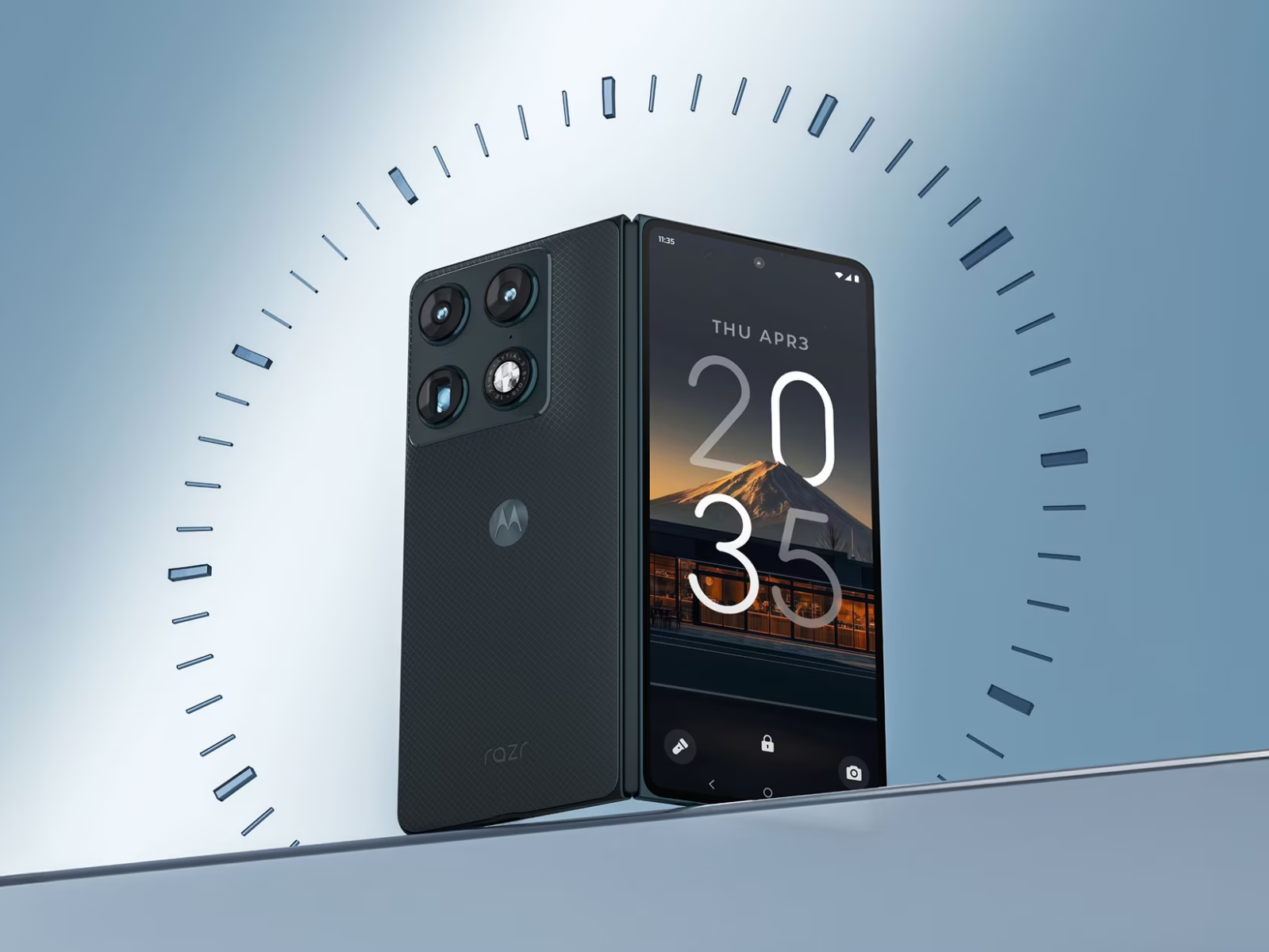
Motorola is preparing to launch a new clamshell foldable globally. Likely arriving after the release of the Razr Fold, the Razr 70 should launch with up to 18 GB of RAM and 1 TB of storage in some countries, too.
Lenovo has finally started selling its first Snapdragon X2 Elite-powered laptop. Available globally, the new laptop combines up to 32 GB of LPDDR5X-9523 RAM and a 70 Wh battery that should last over 24 hours. The Yoga Slim 7x 14Q8Y11 currently costs significantly more in North America than elsewhere, though.
Xiaomi has re-released the Redmi Note 15 5G with a new version. Equipped with a larger battery than the Redmi Note 15 5G sold internationally, the Redmi Note 15 5G Special Edition contains a few other changes from its 5G sibling, too.
Xiaomi has confirmed plans to release a new mid-range smartphone worldwide. Already sold across Europe and in parts of Southeast Asia, the Redmi A7 Pro costs as little as ~$100 despite its 6,000 mAh battery and 120 Hz display.
A leaker has shed some light on Xiaomi's plans for flagship releases during the second half of 2026. Not only is the Xring O2 rumoured, but so is the 'most powerful smartphone camera of 2026', plus Xiaomi's long-awaited modular optical camera smartphone.
ETA Prime has put the Lenovo Legion Tab Gen 5 to the test by running multiple games on it. The gaming tablet delivers solid performance on native titles, and it holds its ground fairly well in terms of emulation.
Ubisoft says Title Update 1.1.9 will bring Sony’s upgraded PSSR to Assassin’s Creed Shadows on April 7, improving image stability and detail across all PS5 Pro modes.
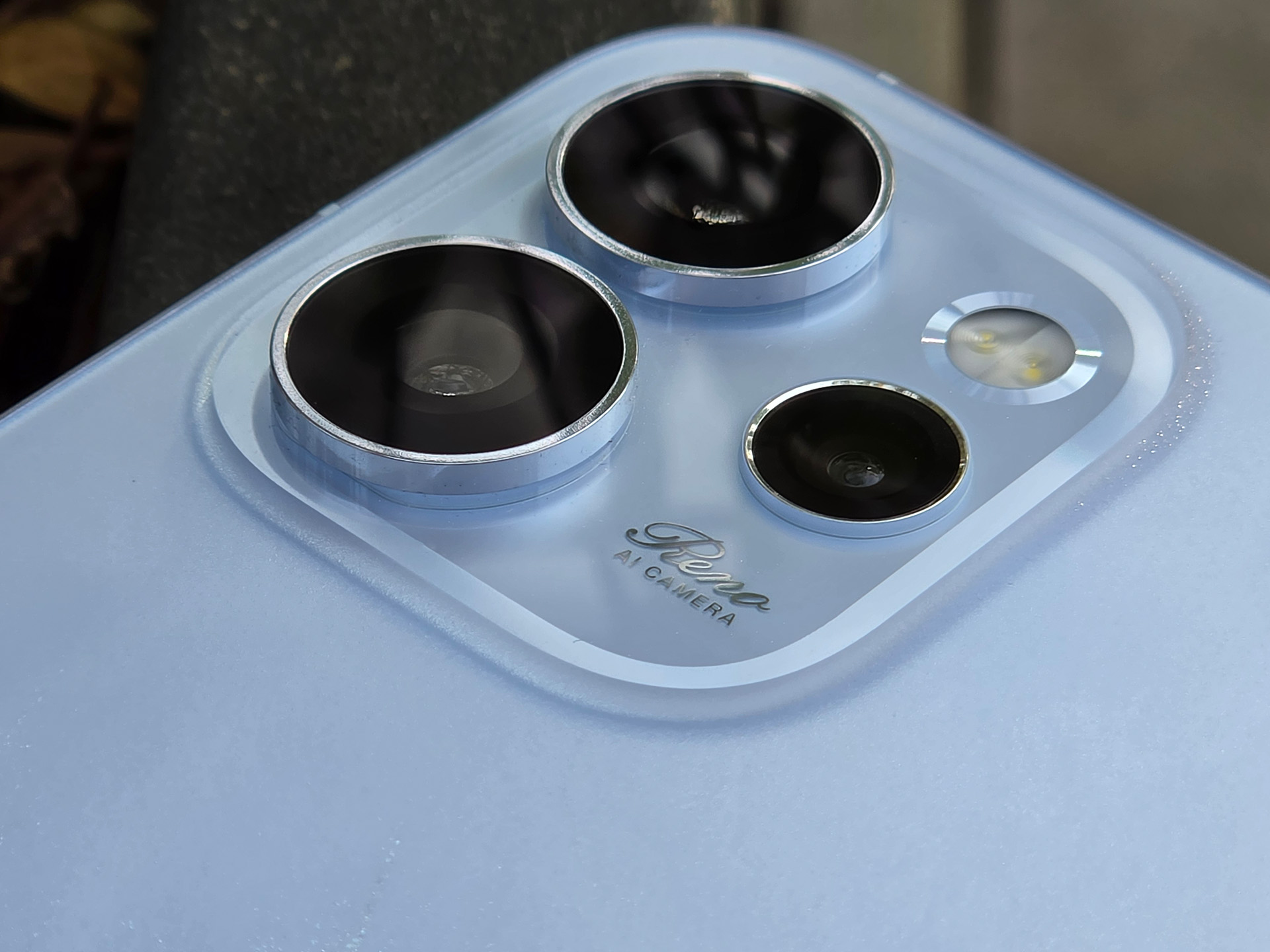
Despite its impressive specs, the Oppo Reno15 Pro has a few shortcomings. Here are the three main drawbacks that might dissuade you from buying it, ranging from performance to features.
A little over two weeks after their announcement and one week after they went on pre-order, Apple’s AirPods Max 2 are now on open sale from Apple and partnering retailers. Pre-orders placed last week are now arriving to customers.
Apple’s official US store has the headphones in stock for online deliveries as well as in-store pickup. Apple stores in other regions, like the UK and Germany, require a 1 business day wait. Retailers like Amazon also have the AirPods Max 2 in stock in the US, but the German and UK branches are temporarily out of stock. Amazon India has limited...
Honor has announced a new midrange phone, the Honor X80i, with pre-orders opening today in China. The device starts at 1,999 yuan, though government subsidies bring the effective starting price down to 1,699.15 yuan. Sales are scheduled to begin on April 10th.
The Honor X80i comes in four finishes — Sand Pink, Lime Green, Moon Shadow White, and Obsidian Black — and measures 7.34mm thick while weighing 185 grams.
Honor says the phone uses a metal frame and a flagship-style integrated cold-carving process. It also carries SGS Gold Label five-star certification for drop resistance, with claims of surviving drops from up to 1.8 meters. There’s also IP66 dust and water resistance.
Honor X80i Specifications
On the front, the phone features a 6.6-inch OLED display with a 1.5K resolution and ultra-narrow bezels. It supports a 120Hz refresh rate and reaches a peak brightness of 6500 nits. Honor is also emphasizing eye comfort here, with 3840Hz PWM dimming designed to reduce strain during extended use.
Internally, the X80i is powered by a Dimensity 6500 Elite chipset and paired with a large 7000mAh battery. Honor claims the battery can maintain its performance for over six years. Charging is capped at 45W.
In terms of camera, the phone has a single 50-megapixel rear sensor and an 8-megapixel front-facing camera.
Elsewhere, the phone includes an upgraded antenna system that reportedly improves weak signal performance by up to 130 percent, along with a new cooling system, stereo speakers, and an AI-enabled physical button.
The Honor X80i is available in multiple configurations, starting with 8GB RAM and 128GB storage for 1,999 yuan. The 8/256GB and 12/356GB models cost 2,199 yuan and CNY 2,499, while the higher-tier 12/512GB model is priced at 2,799 yuan. As with many Honor releases, there’s no word yet on wider global availability.
For more daily updates, please visit our News Section.
This is the Lenovo Legion Y700 Gen 5, which was officially unveiled at MWC 2026 earlier this month. At first glance, its specs don’t seem to This is the Lenovo Legion Y700 Gen 5, officially unveiled at MWC 2026 earlier this month. At first glance, its specs don’t differ much from the previous Gen 4 model—the most noticeable upgrades are the new processor and a larger battery. However, the Chinese launch of the tablet comes with an all-new accessory – Y700 Arcade Dock, which can easily turn this compact tablet into a retro arcade machine. This Dock is exclusive to the Chinese version and unavailable globally. There are also limited-edition variants co-branded with The King of Fighters ’97 GM and Metal Slug 3. Currently, you can purchase the tablet and this accessory via GeekWills, and it is compatible with both the Y700 Gen 4 and Gen 5.
Design
In terms of design, the Y700 Gen 5 carries forward the classic styling of the Y700 series. It features a unibody aluminum alloy build, delivering a solid in-hand feel, and the back panel maintains its seamless integrity as always. For color options, besides the classic black and white, there are two new shades: purple and green. Judging from official renders, the green finish looks incredibly distinctive for a gaming tablet.
However, these two new colorways will hit the market at a later date. The newly added co-branded dock is currently only sold in China. What’s more, Lenovo does not pre-install any emulators or games on the tablet, so you will need extra setup and debugging to get it fully functional.The tablet is slightly thicker than its predecessor, with its weight increased to 360g. This makes the grip feel heavier and more substantial.
The rear fill light has also been redesigned from the previous linear strip to an RGB circular light, which can automatically turn on during gameplay.The external I/O ports and physical buttons remain unchanged from the last generation. The port next to the speaker only supports USB 2.0 and does not offer video output functionality. The other port supports a 10Gbps transfer speed, alongside DP video output that can handle up to 4K 144Hz. It also supports microSD card expansion for up to 2TB of extra storage.
The tablet retains the same 8.8-inch LCD screen with 408PPI, but its brightness and touch sampling rate have both been upgraded. If you’ve been following the Y700 tablet series, you’ve probably noticed that Lenovo has been continuously improving the touch experience across recent generations. This time, the touch sampling rate has been boosted to 480Hz. I can’t fully put into words how powerful this spec is, but I can tell you this: the Y700 Gen 5 is far more responsive to touch inputs.
Gaming Performance
The Y700 Gen 5 still boasts top-tier hardware specifications in the current market: a flagship processor, high-frequency memory, and high-speed storage are all included. Lenovo has even enhanced the cooling system further this time around. That brings me back to last year’s tests: the Y700 Gen 4 had powerful hardware too, and it performed well in various short-term performance benchmarks. But it suffered from unstable performance during long-term stress tests.
So, will the Gen 5 model repeat the same flaws?First off, in the 3DMark Wild Life Extreme Stress Test, the Y700 Gen 5 achieved an average score of 6173 with a stability rate of 80.6%—a massive improvement over the Gen 4’s 67% stability score from last year. We also ran the lighter Wild Life Stress Test, and the stability result was nearly identical. During testing, the tablet’s peak power draw approached 20W at one point. After a 20-minute test run, the maximum body temperature reached 45°C, which is also lower than the Gen 4’s temperature performance.
Starting with Honkai: Star Rail, we ran map tests at the Golden Hour scene. The tablet delivered excellent performance, achieving near-perfect frame rates without any manual in-tablet settings adjustments. Its power consumption was also much better than the Gen 4. Over the entire test, it only consumed 5% battery, and its temperature performance was impressive too—peak temperature stayed under 41°C, with heat concentrated mostly around the logo. This ensures long-term gaming comfort.
In the more demanding Wuthering Waves, the tablet showed clear performance improvements as well. It can run at nearly full frame rates without any extra tweaks. Plus, its operating temperature during long gaming sessions is 6°C lower than the previous generation.
We also tested the newly released Arknights: Endfield, and the tablet performed flawlessly. It ran smoothly even during fast in-game movement, with no noticeable issues at all. As a dedicated gaming tablet, it can handle every game we threw at it without a hitch.
Battery Life & Charging
The battery is one of the biggest upgrades this time around, jumping from the Gen 4’s 29Wh to 34.7Wh—an increase of roughly 20%, which is definitely exciting news. However, the charging power has not been upgraded accordingly; the package still comes with the same 68W charger.
If you want faster charging speeds, I recommend placing the tablet in an air-conditioned room—just as we did with the Gen 4—as this can extend the duration of fast charging. The bypass charging function is still present and doesn’t have overly strict charger requirements; it only supports PD or PPS chargers. As for real-world battery life, we ran a continuous usage test: one hour of Honkai: Star Rail drained 20% of the battery, 30 minutes of Wuthering Waves drained 16%, and two hours of movie playback consumed 18%. After all that, the tablet still had 46% battery remaining.
Cons & Conclusion
To be honest, the performance of the Y700 Gen 5 took me by surprise. When I tested the Gen 4 last year, I acknowledged its solid performance but felt it fell short of being a “perfect gaming tablet”—issues like screen ghosting, thermal throttling during extended sessions, and mediocre battery life held it back. The Gen 5, however, has fixed nearly all of its predecessor’s flaws. You no longer have to worry about overheating or unresponsive touch controls. The only real concern is the price: it retails for up to €699 in Europe and starts at $849 in the US. If you’re a die-hard fan of small-screen gaming or have strict portable gaming needs, this is currently the best option on the market. RedMagic and Xiaomi are set to launch competing products soon, but I believe their biggest challenge will be the same as the Y700’s: pricing.
Android 16 rollout hasn’t been quick from Motorola (it’s still rolling out), but the Android 17 beta expansion from the brand is turning heads. The company has already announced the Android 17 beta program for many devices, and now a fresh set of devices has joined the party.
Motorola was the first third-party manufacturer to announce the Android 17 beta program for its devices, just a week after Google released the first Android 17 beta. The beta program has largely remained limited to mid-range Motorola phones, but the latest batch also includes some high-end models, such as the Razr 60 Ultra and Motorola Signature.
If you’re rocking any of these Motorola smartphones and belong to a supported region, you can sign up for the Android 17 beta program to get early access to the upcoming features and enhancements.
How to sign up for Motorola’s Android 17 beta program?
Note that beta builds may contain bugs and broken features. Therefore, it’s advised not to install them on a primary device.
Tap on the registration link for your Motorola phone.
Fill in the required details and submit your application.
Please keep in mind that Motorola may send emails regarding your beta application. So, remember to check your inbox regularly, including the spam folder.
Once your beta application is approved, you’ll receive an OTA update. It’s best to manually check for updates every few days by navigating to Settings > System updates > Check for updates.
As of writing this post, Google has released three public betas of Android 17, with more to arrive in the coming weeks. The latest OS already has reached the platform stability phase and the stable version is expected to arrive for Google Pixels in June 2026. Other brands, including Motorola, will take a few more weeks to make final changes and could start rolling it out in Q3 2026.
We’ll keep an eye on the latest development and post the same in the Motorola section on Gizmochina. Remember to visit that regularly to get fresh updates. Alternatively, you can join our Telegram channel to get instant notifications about the latest software updates and major tech headlines.
The upcoming Motorola Razr 70 foldable smartphone is expected to launch in Q2 2026, most likely in April or May. According to reports from YtechB published on April 1, the device has also appeared on certification platforms. It was earlier listed on China’s Ministry of Industry and Information Technology on March 10, confirming that the launch is getting closer. These listings usually indicate that the phone has entered its final testing phase.
Design and Color Options
The Razr 70 is expected to continue Motorola’s sleek foldable design with a slim and lightweight body. It measures 171.3 × 73.9 × 7.2 mm and weighs around 188 grams. The phone will reportedly be available in three unique finishes: African Violet, Shining Green with a carbon fiber texture, and Iron Black featuring a fabric-like finish. These options suggest a strong focus on premium styling and a modern look.
Performance and Storage
Under the hood, the device is said to feature an octa-core processor with a maximum clock speed of 2.75GHz, although the exact chipset has not been revealed yet. The Razr 70 could come in multiple configurations, including 8GB, 12GB, and 16GB RAM, with a top variant going up to 18GB. Storage options may range from 256GB to 1TB, offering flexibility for different users.
Camera and Battery
For photography, the phone is expected to include a dual 50MP rear camera setup and a 32MP front camera for selfies. It may also pack a 4500mAh dual-cell battery, which should provide solid daily usage for a foldable device.
Motorola Razr 70 – Leaked Specs:
Category
Details
Launch
Q2 2026 (April–May expected)
Model
XT2657-8
Display
6.9-inch OLED (FHD+), 3.63-inch cover display
Processor
Octa-core, up to 2.75GHz
RAM
8GB / 12GB / 16GB / up to 18GB
Storage
256GB / 512GB / up to 1TB
Rear Camera
Dual 50MP
Front Camera
32MP
Battery
4500mAh
Charging
33W (expected)
Design
Flip foldable, slim build
Dimensions
171.3 × 73.9 × 7.2 mm
Weight
188g
Colors
African Violet, Shining Green, Iron Black
Disclaimer: These specifications are based on leaks and certifications and may change before the official launch.
Vivo X300 Ultra is now available for global customers via Giztop, starting at $1199. With international shipping and an exclusive $30 discount using the coupon code V3U30, this flagship becomes even more appealing for buyers worldwide.
A Next-Gen Flagship Experience
What makes the Vivo X300 Ultra truly special is that it feels like one of the first phones to push every major spec to an extreme level at once. It features a large 6.82-inch BOE Q10+ AMOLED display with 2K resolution and a smooth 144Hz refresh rate, delivering a very sharp and fluid experience. Powered by the new Snapdragon 8 Elite Gen 5 chipset, it offers top-tier performance for gaming, multitasking, and heavy usage.
Breakthrough Camera System
The biggest highlight here is the camera setup. The phone combines a 200MP Sony main sensor and a 200MP periscope lens, which is rare and almost industry-first at this level. With ZEISS T* coating and telephoto macro support, it is built for users who want DSLR-like versatility directly from their phone. The 50MP ultra-wide and 50MP front camera further complete a very powerful imaging system.
Massive Battery with Ultra-Fast Charging
Another standout feature is the huge 6600mAh battery paired with 100W fast charging. It can reach 50% in just 10 minutes and fully charge in around 30 minutes, making it ideal for heavy users.
Deal & Availability
Vivo X300 Ultra is currently in stock on Giztop with global shipping. Use coupon code V3U30 to get $30 off, making this ultra-premium flagship slightly more affordable.
AN unreleased mid-range phone from Samsung has appeared on Geekbench, giving an early look at its chipset and CPU performance.
The listing, tied to model number SM-A276B, is widely believed to be the Galaxy A27 5G. The core cluster points to a Snapdragon 6 Gen 3 chipset, which is a bit of an interesting choice. It’s not exactly new, and it already showed up in devices like the Galaxy A36 last year.
The unit tested here comes with 6GB RAM and is running Android 16, likely with One UI 8.5 on top, though that part isn’t confirmed yet.
As for performance, the numbers are… modest. The phone scores 777 in single-core and 1,802 in multi-core on Geekbench. That’s actually lower than what the Galaxy A26 managed with its Exynos 1380. Still, this is an early test unit, so there’s always a chance things improve before launch. NanoReview data suggests the Snapdragon 6 Gen 3 matches the Exynos 1380 in single-core and slightly outperforms it in multi-core tests.
Battery-wise, leaks suggest Samsung is sticking with a 5,000mAh cell, which isn’t surprising. Samsung already rolled out the Galaxy A37 and A57 recently, so the A27 will likely sit below those as a more accessible option. For reference, the Galaxy A37 runs on the Exynos 1480, while the Galaxy A57 uses the newer Exynos 1680.
Galaxy A27 Geekbench listing
At this point, details around the display, cameras, and pricing of the Galaxy A27 are still unclear. If pricing is aggressive enough, it could still make sense for buyers who just want a simple, reliable 5G phone. But looking at the price jump between the Galaxy A57, A37 and their predecessors, it doesn’t look like Samsung will stick to the ₹24,999 pricing of the Galaxy A26 this year.
Oppo is preparing to launch the Oppo Find X9 Ultra on April 21. Ahead of the official unveiling, the global (and likely Indian) variant of the device has surfaced on Geekbench.
The listing reveals the model number CPH2841, confirming that this is the international version of the Find X9 Ultra.
According to the Geekbench database, the Oppo Find X9 Ultra will be powered by Qualcomm’s latest Snapdragon 8 Elite Gen 5 chipset. It is paired with the Adreno 840 GPU, which should handle graphics-intensive tasks like gaming and high-resolution video processing with ease.
Oppo Find X9 Ultra CPH2841 Global/Indian variant spotted on Geekbench.
The device tested on Geekbench comes with 12GB of RAM, running on Android 16 out of the box.
In terms of performance scores, the Find X9 Ultra achieved 3,584 points in the single-core test and 10,812 points in the multi-core test.
While Geekbench results don’t always reflect real-world usage perfectly, the raw numbers do reveal their processing strength.
Oppo Find X9 Ultra Expected Specifications
Aside from the Snapdragon chip, the Find X9 Ultra is said to feature a 6.82-inch OLED display with 2K resolution, similar to its predecessor.
The phone has a beefy camera setup including a 200-megapixel main sensor, a 50-megapixel ultra-wide lens, a 200-megapixel 3x periscope telephoto camera for portraits and a 50MP telephoto with 10x optical zoom support. For selfies, it will use a 50-megapixel front-facing camera.
Oppo Find X9 Ultra, Find X9s Pro launch date
The battery capacity is rumored to be around 7,050mAh, which is larger than the 6100mAh battery of Find X8 Ultra. Charging support may include 80W wired and 50W wireless speeds.
We are just weeks away from the official launch. Fortunately, we are well aware of the key specs. If the usual pattern holds, pricing information shouldn’t stay under wraps for much longer either. We’ll be keeping an eye on what surfaces next.
For more daily updates, please visit our News Section.
Xiaomi has introduced the Mijia 10Kg Ultra-Slim Built-In Front-Load Washing Machine in China. The new washing machine is now available on JD.com for 1199 yuan ($174). Xiaomi designed the appliance to fit seamlessly into modern kitchens and compact laundry spaces, featuring an ultra-slim body and advanced smart features.
The Mijia washing machine comes with a 516mm slim build, making it suitable for standard 600mm household cabinets. It leaves a minimal 15mm gap, ensuring a clean and built-in design. The exterior includes a flat, seamless panel and a rotary knob control system.
Xiaomi equipped the washing machine with a large 525mm drum. The machine offers a cleaning ratio of 1.25, which exceeds the Chinese standard of 1.03, ensuring better stain removal. Its 3D water flow system dissolves detergent quickly, improves penetration into fabric fibers, and ensures thorough rinsing.
The appliance supports 24 washing programs tailored to specific needs. It can handle different materials such as wool, silk, down jackets, and outdoor wear. Xiaomi designed the device to clean up to 35 types of common stains, including mud, oil, coffee, and makeup. The pre-mixing detergent feature improves cleaning performance while protecting fabric fibers.
The Mijia washing machine is equipped with a durable DD direct-drive motor, featuring 1500W of power and a maximum spin speed of 1200rpm. It includes six-dimensional shock absorption and seven-layer noise insulation for quiet operation, functions within a water pressure range of 0.05MPa to 0.8MPa, and is designed with a 99.9% effective antibacterial door seal to ensure hygiene.
The machine offers high-temperature washing at 60°C for effective cleaning and 95°C steam sterilization to eliminate bacteria, mites, and viruses.
For smart features, the washing machine integrates with Xiaomi HyperOS Connect, offering Mijia app remote control, voice commands via XiaoAI, intelligent load sensing, mid-cycle laundry addition, 24-hour scheduling, and real-time alerts. It also interacts with Xiaomi’s AIoT ecosystem, such as lowering a smart drying rack or turning on lights when the wash cycle ends.
Xiaomi backs the product with a three-year full warranty and a ten-year motor warranty.
In related news, Xiaomi has recently introduced the Smart Camera 4 Max AI Zoom Edition, featuring a dual-camera setup and up to 12x zoom capabilities.
For more daily updates, please visit our News Section.
Xiaomi has officially launched the Smart Camera 4 Max AI Zoom Edition on its Youpin platform. The camera is priced at 799 yuan ($116) and will begin crowdfunding on April 8, 2026. Xiaomi describes it as its most advanced indoor smart camera, combining high-end hardware with AI-powered features.
Xiaomi Smart Camera 4 Max AI Zoom Edition Specs
The Smart Camera 4 Max features a dual-camera system. The first camera is a 12MP telephoto lens that supports 6P optical structure, f/1.6 aperture, and autofocus. It also includes an 8mm focal length for capturing detailed close-ups.
The second camera is an 8MP ultra-wide lens with a 127-degree field of view and a 2.8mm focal length for broader coverage. Xiaomi has equipped both lenses with superior imaging capabilities, including full-color night vision and 10 infrared fill lights for effective monitoring in complete darkness.
The device supports up to 12x hybrid zoom and 3x lossless zoom, enabling users to zoom into distant objects or activities without losing much detail. The advanced ISP sensor ensures better low-light performance, enhancing image clarity in challenging lighting conditions.
Xiaomi has integrated its first large-scale AI caregiving model into the camera. The model allows the device to monitor children, elderly individuals, and pets. It can detect events such as falls, inactivity, changes in behavior, or unusual activity.
The camera uses advanced activity recognition to evaluate whether a child is studying or distracted. The AI generates daily activity reports and supports text-based video search, letting users find specific footage using simple keywords.
The camera uses a 3 TOPS quad-core AI processing chip to ensure fast analysis and accurate detection. Xiaomi has equipped it with enhanced human recognition technology, which works even with side profiles or partial visibility. It also includes dual microphones with noise reduction and a large speaker for clear two-way voice communication.
The device features a motorized gimbal for 360-degree horizontal rotation and 180-degree vertical movement, allowing it to monitor an entire room without blind spots.
It supports Wi-Fi 6 for fast streaming and integrates with HyperOS Connect and the Mi Home ecosystem for smart home automation. It features a Mijia security chip for data encryption and a physical lens shield for enhanced privacy.
Xiaomi offers multiple storage options, including support for microSD cards up to 256GB, cloud storage, and NAS compatibility.
In related news, Xiaomi also recently introduced the Mijia Garment Steamer 2, offering up to 120g/min steam output along with six dedicated fabric modes for versatile garment care.
For more daily updates, please visit our News Section.
Xiaomi has launched the Mijia Garment Steamer 2 on its Youpin platform. The device will enter crowdfunding on April 6, with a standard price of 599 yuan ($86) and an introductory price of 509 yuan ($74) during the campaign.
Xiaomi Mijia Garment Steamer 2 Specs
The Mijia Garment Steamer 2 offers a steam output of 120g/min to remove stubborn wrinkles by deeply penetrating fabric. It features a 500kPa electromagnetic pump for strong, consistent steam and a spray distance of up to 150cm, ideal for vertical and hard-to-reach ironing tasks.
The steamer uses a dual heating system with separate boilers for the main unit and iron, producing micron-level dry steam that prevents clothes from becoming damp. It heats up in just 65 seconds, reducing wait time.
Xiaomi included six dedicated ironing modes for common fabrics. These modes allow users to adjust the heat according to fabric type, covering cotton at 145°C, silk at 110°C, synthetic fibers at 125°C, linen at 160°C, blended fabrics at 115°C, and wool at 130°C. The device features NTC temperature control technology to maintain heat stability and prevent fabric damage.
The Mijia Garment Steamer 2 features an 8.75-inch ceramic-glazed ironing panel for efficient and smooth ironing. Its visible water tank can handle up to 15 garments per fill, depending on fabric type. The steamer supports both dry ironing for shaping and wet ironing for removing deep wrinkles.
The device incorporates several safety and convenience features. It includes automatic shut-off after 8 minutes of inactivity, a color display for temperature settings, and a handle for portability. Xiaomi also added cord storage and a heat-resistant silicone pad to make the steamer easier to handle and store after use.
Xiaomi claims that the steamer provides 99.99% sterilization and 100% mite removal, which makes it suitable for sanitizing clothes. It also removes odors using high-temperature steam.
In related news, Xiaomi has recently introduced the Mijia Smart IH Rice Cooker P1 4L, featuring a titanium inner pot and smart app control, alongside a new 6.5L smart air fryer that supports steam, baking, and frying functions.
For more daily updates, please visit our News Section.
Choosing between the Samsung Galaxy S26 and OnePlus 15 isn’t just about specs; it’s about what kind of flagship experience feels right. One focuses on refined balance and long-term reliability, while the other pushes aggressive performance and next-gen hardware. With both targeting premium buyers at different price points, this comparison highlights where each truly stands and which one delivers better real-world value.
Please Note: When you buy something using the links in our articles, we may earn a small commission at no cost to you.
Design and Display
Build and Feel
The Samsung Galaxy S26 focuses on a compact, refined flagship feel with Gorilla Glass Victus 2 and Armor Aluminum 2, delivering a premium yet practical design. It feels clean, minimal, and engineered for everyday comfort, especially for users who prefer a smaller flagship. The OnePlus 15, in contrast, leans toward a bold and more rugged presence with IP68/IP69K protection and multiple back finishes. It feels more experimental and performance-oriented, which suits power users who like standout hardware.
Display Quality
Samsung offers a 120Hz Dynamic LTPO AMOLED panel with higher peak brightness, giving it an edge in outdoor visibility and HDR consistency. OnePlus counters with a 165Hz LTPO AMOLED display, Dolby Vision, and richer color handling, making it smoother and more immersive for gaming and media. The higher refresh rate feels noticeably fluid in fast interactions.
Verdict
Samsung delivers a more polished and balanced flagship design, while OnePlus feels more aggressive and feature-packed. Those prioritizing comfort and brightness may lean toward Samsung, while display enthusiasts and gamers will likely prefer OnePlus.
Specifications Including Battery
Performance
Both phones run on Snapdragon 8 Elite Gen 5 (in most regions), delivering top-tier flagship performance. Samsung adds long-term optimization with One UI and promises up to 7 Android updates, making it more future-proof. OnePlus, however, pushes raw performance slightly further with higher RAM options and faster storage, which translates to smoother heavy multitasking and sustained gaming performance. It feels more tuned for speed, while Samsung feels tuned for consistency.
Battery and Charging
This is where the difference becomes dramatic. Samsung sticks with a modest battery and slower charging, focusing on stability and battery health. OnePlus, on the other hand, dominates with a massive battery and extremely fast wired and wireless charging. It changes usage habits entirely, as charging becomes almost negligible in daily routine.
Verdict
Samsung is reliable and long-term focused, but OnePlus clearly wins in performance headroom and battery innovation, offering a more future-ready hardware experience.
Camera
Main and Secondary Lenses
Samsung maintains a proven triple-camera setup with reliable color science, strong HDR, and consistent results across scenarios. Its telephoto system delivers stable 3x zoom with refined processing, making it dependable for everyday photography. OnePlus takes a more aggressive approach with three 50MP sensors, including a periscope lens, offering better detail and flexibility. It feels more versatile, especially for zoom and ultra-wide shots, and its tuning leans slightly toward dramatic output.
Selfie Camera
Samsung keeps things simple with a well-optimized 12MP sensor that focuses on natural tones and stability. OnePlus upgrades significantly with a higher-resolution sensor and autofocus, resulting in sharper and more detailed selfies, especially in varied lighting. It feels more modern and content-creator-friendly.
Verdict
Samsung delivers consistency and reliability, while OnePlus offers more hardware power and versatility. Those who prefer predictable results may choose Samsung, but OnePlus clearly appeals to users wanting sharper and more flexible photography.
Pricing
The Samsung Galaxy S26 is priced at around $900 (₹88,000), positioning it firmly as a premium compact flagship. The OnePlus 15 comes in lower at about $800 (₹73,000), while offering more aggressive hardware, especially in battery, charging, and camera specifications. The price gap makes the comparison more interesting than expected.
Is the Price Justified?
Samsung justifies its higher price with long software support, brand value, and a refined user experience that feels stable over time. OnePlus, however, delivers stronger hardware value for the money, packing features that typically belong in higher-priced ultra-flagships. It feels like a performance-focused bargain rather than a traditional premium device.
Verdict
Samsung is priced for reliability and longevity, while OnePlus offers better raw value. For most users, OnePlus feels like the smarter buy unless long-term updates are the top priority.
Disclaimer: Prices are approximate and may vary based on country, region, and applicable taxes.
Conclusion
Samsung stands out with features like DeX, deep ecosystem integration, and long-term software support, making it ideal for productivity-focused users. It feels like a complete, mature flagship experience. OnePlus, meanwhile, pushes boundaries with ultra-fast charging, a massive battery, a higher refresh rate display, and more aggressive camera hardware. It feels built for users who want cutting-edge performance and less compromise in day-to-day usage.
Verdict
Samsung Galaxy S26 is the safer, more refined flagship with long-term value and polished software. The OnePlus 15, however, is the more exciting and value-driven device, offering superior battery, charging, and overall hardware advantage. For most users, OnePlus emerges as the better all-rounder, while Samsung remains the choice for those prioritizing longevity and ecosystem stability.
Disclaimer: This comparison is based on the specifications provided and is intended for general informational purposes. Actual performance, camera results, battery life, and overall experience may vary depending on real-world usage, software updates, and individual preferences.
Portronics has introduced the Air X, a smart HEPA air purifier, marking its entry into the air purification segment. The device combines advanced filtration technology with user-friendly features and a modern design. It is priced at Rs. 13,599 ($146) and is available on Portronics.com, Amazon, Flipkart, and other online and offline platforms across India.
Portronics Air X Specifications
The Air X uses an H13 True HEPA filter and a 4-stage filtration system to remove up to 99.95% of airborne pollutants, including particles as small as 0.3 microns. The system includes a pre-filter for large particles, an activated carbon filter for odors and gases, a cold catalyst filter to neutralize household pollutants, and UV sterilization to eliminate bacteria and germs.
Portronics has added 20M negative ion technology to the Air X, which refreshes the air by reducing airborne contaminants. The air purifier is suitable for spaces up to 388 sq. ft. and provides a Clean Air Delivery Rate (CADR) of 249 m³/h, ensuring fast and efficient purification.
The company claims the device cleans the air every 12 minutes and delivers up to five air changes per hour for rooms with a volume of 50 m³.
The Air X includes a smart air quality indicator with a color-coded display. Blue indicates good air quality, green represents moderate quality, and red signals poor air quality. The purifier uses a 310-inlet design to pull in air from all directions, ensuring uniform cleaning of the entire room.
Portronics has designed the Air X to operate quietly, with noise levels as low as 28 dB in sleep mode. It is ideal for use in bedrooms, living rooms, or offices where silent operation is essential.
The air purifier has a touch control panel for adjusting fan speed, timer, and anion mode, and it also includes a remote control for convenient operation. The Air X offers a 12-month warranty and comes in a white color option.
In related news, Portronics has recently introduced the Vayu Cop, a multi-functional device that combines a 150 PSI inflator, 5000Pa vacuum, and jump starter, and unveiled a new 8-in-1 USB-C hub that brings together expanded connectivity and built-in SSD storage in a single unit.
For more daily updates, please visit our News Section.
The MacBook Neo is Apple’s most affordable laptop and is designed to cater to specific types of users. It focuses on portability and value over performance and serves as an entry point to Apple’s ecosystem.
Students, first-time Mac users, casual consumers, and writers can find the Neo appealing, but it’s not for everyone. Here’s who should consider buying the MacBook Neo and why.
Students and Educators
If you’re always running between classes or hanging out in the library, the MacBook Neo is a no-brainer. It weighs just 1.23 kg, so you can toss it in your backpack and barely even feel it, a huge win for long days on campus. Plus, because it doesn’t have a fan, it stays totally silent, meaning you won’t be that person with the loud, whirring laptop in a quiet study room.
The Neo is absolutely great for writing essays, doing research, and hopping on Google Classroom or other school platforms. Sure, the A18 Pro chip isn’t meant for heavy-duty stuff like editing massive videos in Premiere or running AutoCAD, but it handles everyday schoolwork like a champ. Starting at $599, it’s the most affordable way to get a brand-new Mac without sacrificing that premium Apple build quality.
Casual Users
If your idea of a heavy workload is binge-watching Netflix, scrolling through social media, or doing some online shopping, you’re going to love this laptop. The 13-inch Liquid Retina display looks absolutely gorgeous, making all your favorite shows pop in stunning detail. And honestly, it still has that sleek aluminum body, so you aren’t giving up that premium feel just to save some cash.
It’s small, easy to carry around the house, and the battery lasts up to 15 hours for everyday stuff. So, if you just want a great screen for Safari, iMessage, and movie nights, the Neo is basically the ultimate couch companion and entertainment hub in disguise.
Writers and Journalists
For all the writers and journalists out there, the MacBook Neo hits the sweet spot between capability and price. The Magic Keyboard is incredibly comfortable, which is exactly what you need when you’re typing away for hours on end. And since there are no fans, you get total silence whether you’re working at your desk or chilling in a coffee shop.
If you pretty much live in your web browser or use apps like Microsoft Word and Google Docs, this laptop is a dream. It’s not made for intense creative projects like 4K video editing, but for getting words on a page and light multitasking, it’s an awesome little sidekick.
First-Time Mac Buyers
Thinking about making the jump from Windows or a Chromebook? The MacBook Neo is the perfect place to start. For under $600, you get to experience how smoothly everything works in the Apple ecosystem. If you already have an iPhone or iPad, you’ll love how easy it is to sync your messages, AirDrop files, and copy-paste between devices.
The A18 Pro chip feels super snappy and intuitive, especially if you’re used to mobile apps. It might not have the crazy power of the M-series Macs, but for your daily tasks and productivity needs, it’s more than enough to keep you happy.
Windows Users Tired of Budget PCs
Let’s be real, budget Windows laptops can sometimes be bulky, loud, and a bit laggy. If you’re tired of dealing with that, the MacBook Neo is a breath of fresh air. You get a sleek aluminum design, zero fan noise, and a super smooth macOS experience that you rarely see at this price point.
If you mostly use web apps like Google Docs, Slack, or YouTube, the Neo is going to feel way faster and more reliable than most sub-$600 Windows PCs. Plus, if you’re already an iPhone user, having a laptop that plays nicely with your phone is a huge bonus that gives you that seamless iPhone experience on a bigger screen.
Who Should Avoid the Neo?
Now, let’s keep it real, the MacBook Neo isn’t for everyone. If you’re a pro video editor, a developer, or someone who loves having dozens of tabs open while running heavy software, you’re going to hit a wall pretty fast with its 8GB RAM. It’s also not the best pick if you need to plug into multiple external monitors or use heavy-duty docking stations.
If that sounds like you, you’ll definitely want to save up for a MacBook Air M5 or a MacBook Pro. Those machines have the extra power, memory, and ports you’ll need for heavier workflows.
For more daily updates, please visit our News Section.
Galaxy S26 Ultra supports 24MP photo captures in the Samsung Camera app, but the Pro mode lacks this option entirely. Samsung already hid this option under Camera Assistant, which only works if the phone has Good Lock installed.
Samsung may not have said it outright, but the message from its own Camera team is hard to ignore. On a recent community thread, a moderator confirmed that the Galaxy S26 series lacks support for 24MP Pro photo mode.
Galaxy users have been asking for native 24MP support for a while now, especially after Apple pushed it into the mainstream with its default camera pipeline.
Samsung responded, sort of; first through Expert RAW and now through Camera Assistant. After activating it through Camera Assistant, users can capture 24MP shots from the stock camera app, that too in the default Auto mode.
No 24MP option in Pro mode
This is the one place where 24MP actually belongs. Pro mode is where enthusiasts go to control ISO, shutter speed, white balance, and output. It’s not a casual toggle, and it’s the core of Samsung’s “serious camera” pitch.
One comment cuts straight to it: is Samsung holding this back to roll it out later as a “new feature”?
If you want 24MP with computational help, you stick to Auto. If you want control, you drop to 12MP in Pro. If you want maximum data, you jump into Expert RAW and deal with post-processing.
Forcing users to jump between Camera Assistant and Expert RAW just to access a capability the sensor already supports breaks the experience. It also undermines the whole point of having a “Pro” toggle in the first place.
One UI 8.5 seems like a mid-cycle firmware update, but it is a meaningful refresh of Samsung’s emoji stack, aligned with the latest Unicode standards. Samsung’s One UI 8.5 update brings 133 new emojis from Unicode Emoji 17.0.
133 new emojis finally land on Samsung keyboards
The headline feature here in One UI 8.5 is support for Unicode Emoji 17.0, bringing a total of 133 new emojis into Samsung’s native font for the first time. Courtesy – Emojipedia
Some of the more noticeable additions include:
Distorted Face, a chaotic expression that feels tailor-made for reaction culture
Fight Cloud, the classic cartoon dust-up visual
Ballet Dancer, now with expanded skin tone options
Orca, a long-requested marine addition
Hairy Creature, essentially Samsung’s take on Bigfoot-style folklore
Trombone, Landslide, and Treasure Chest
Multi-person skin tone combinations now extend to People Wrestling and People With Bunny Ears.
The part Samsung got wrong, Apple Core vs Pickle
One UI 8.5 ships with an Apple Core emoji mapped to the Unicode code point U+1FADD. Apple Core concept was part of early Emoji 17.0 drafts but got scrapped in 2025. Unicode later reassigned that exact code point to a Pickle in the Emoji 18.0 draft.
Simply put, Samsung is showing the wrong emoji for a code point that has already moved on. So if an app expects a Pickle, your Galaxy device currently shows an Apple Core instead.
Subtle UI polish across existing emojis
Samsung has tweaked several existing emojis beyond new additions. A few notable changes:
Pizza drops the odd toppings like olives and onions, looks cleaner now
Bank replaces text signage with a clear dollar symbol
Cyclone is simplified into a more readable spiral
Ship now faces left instead of head-on
New Moon Face and Full Moon Face lean toward a smirking expression style
Apps like Gboard or X have been using Google’s Noto Color Emoji fallback for years. One UI 8.5 simply brings everything into Samsung’s native emoji keyboard, making it consistent across the system.
Amazfit is rolling out a new update to one of its smartwatches. Software version 3.7.0.1 brings the new Lactate Threshold measurement and a sleep-related improvement to users of the Active Max wearable.
The CX-268 is a new, affordable gaming controller equipped with a display and promises precise inputs. Despite its modest price tag, the model features Hall effect joysticks and triggers as well as multi-platform compatibility.
Video | HP just announced their new business laptop line-up, and if you want options, the ProBook 4, EliteBook 6, and EliteBook 8 offer CPUs from Intel, AMD, and Qualcomm, come in various Display sizes and quality, and share a sleek, high-quality chassis with a ton of ports.
Deal | The Google Pixel 10 is currently down by $250 at Woot. This limited-time deal has brought the 128GB variant of the compact flagship phone down to $549 from its regular $799 price tag.
Version 2.1 of CuerdOS keeps the focus on stability, efficiency, and performance. This distro comes with much more than just updated packages, bringing a self-hosted repository, catalog reductions, Fastcompmgr instead of XFWM4 and GtkLock replacing Swaylock-fancy, the 6.18.9 kernel, UFW enabled by default, and more.
Visa is launching six AI tools to streamline credit card dispute handling as volumes hit 106 million in 2025. The tools are designed for merchants and banks with predictive models and automation - rollout is expected later this year.
Xiaomi has added a new smart surveillance camera to its lineup. It features a zoom function and motorized movement. The model also touts AI capabilities and can recognize situations to a certain extent.
The vivo V70 FE has made its way to India, following its debut in Indonesia early last month. The device offers the same specifications as the global variant. It joins the standard V70 and V70 Elite in the country.
vivo’s latest V-series handset is powered by the MediaTek Dimensity 7360 Turbo chipset, which is paired with up to 12GB of LPDDR5 RAM and 256GB of UFS 3.1 storage.
It sports a 6.83-inch AMOLED display with a refresh rate of 120Hz, 1.5K resolution, and a peak brightness of 1,900 nits.
The V70 FE offers a 200MP primary rear camera with OIS, paired with an 8MP ultrawide...
The latest addition to Honor’s X-series is now live in China with the Honor X80i. It brings a bright 120Hz AMOLED display, a 7,000mAh battery with 45W charging and is the first phone to launch with MediaTek’s Dimensity 6500 chipset.
Strangely enough, MediaTek has not officially announced the Dimensity 6500, but Honor’s listing reveals a few key details. It features an eight-core CPU with 2x Cortex-A76 cores running at 2.6GHz alongside 6x Cortex-A55 units at 2.0GHz. We also get confirmation that the chip is equipped with a Mali-G57 MC2 GPU just like the Dimensity 6400 and its...
Samsung has now rolled out One UI 8.5-based QuickStar to Galaxy devices, which brings insane Quick Panel customization.
Good Lock’s QuickStar module is getting a major upgrade (via TarunVats), backed by One UI 8.5, which significantly upgrades Quick Panel customization.
One UI 8.5 is available on the Galaxy S26 series, so the new QuickStar as well. However, Samsung also expanded the One UI 8.5 to various Galaxy devices through Beta Program. Beta participants can also give it a try right away.
What’s new
The latest QuickStar update comes with the 10.0.04.26 version. It offers panel-style personalization, extended layout settings for landscape orientation, control bar level display, and panel item resizing.
The update allows you to make volume and brightness sliders vertical. You can also adjust the size of tiles and toggles. It’s inspired by Google’s Android 16 design system, which features Material 3 Expressive design language.
The global card, which keeps most of the toggles inside, can also be resized. Quick Panel is one of the most used aspects on mobile devices. Samsung is offering impressive upgrades to the right tool, which is deserving as well.
It also incorporates stability improvements, which users would not immediately notice. However, this improvement pays off by elevating overall performance. You can look forward to a better experience on the new version.
New features (One UI 8.5 only)
Panel style customization
Landscape layout settings
Control bar level display
Panel item resizing
Stability improvements and bug fixes
The update is available on Samsung’s Galaxy Store. You may also receive the update on your One UI 8 or One UI 7 device, but the customization tools won’t work. Check for the latest version through Galaxy Store > Updates.
Sony's recent price increase for the PS5 and the PS5 Pro has disappointed many fans. However, even with the price bump, the $899.99 PS5 Pro is still one of the best value gaming systems that you can get. Almost all similarly powerful pre-built gaming PCs are currently over $1,000.
Until now, Nothing has mainly offered smartphones and headphones, but the manufacturer is soon to launch smart glasses on the market. With a partially transparent design and LED lighting, these glasses are set to be very different from the competition.
Breath of Fire IV has just arrived on Steam as a low-cost PC re-release of the classic JRPG, featuring its original story and combat systems with modern compatibility, while still retaining dated mechanics and mixed player feedback.
A recent experiment puts the MacBook Neo’s thermal design under the spotlight, showing how much performance may be left untapped. With a few unconventional tweaks, the results take an unexpected turn, hinting at what the hardware might truly be capable of.
The Samsung Galaxy A27 has appeared on Geekbench ahead of its official launch. The benchmark listing reveals it features the Snapdragon 6 Gen 3, the same chipset that powered the Galaxy A36.
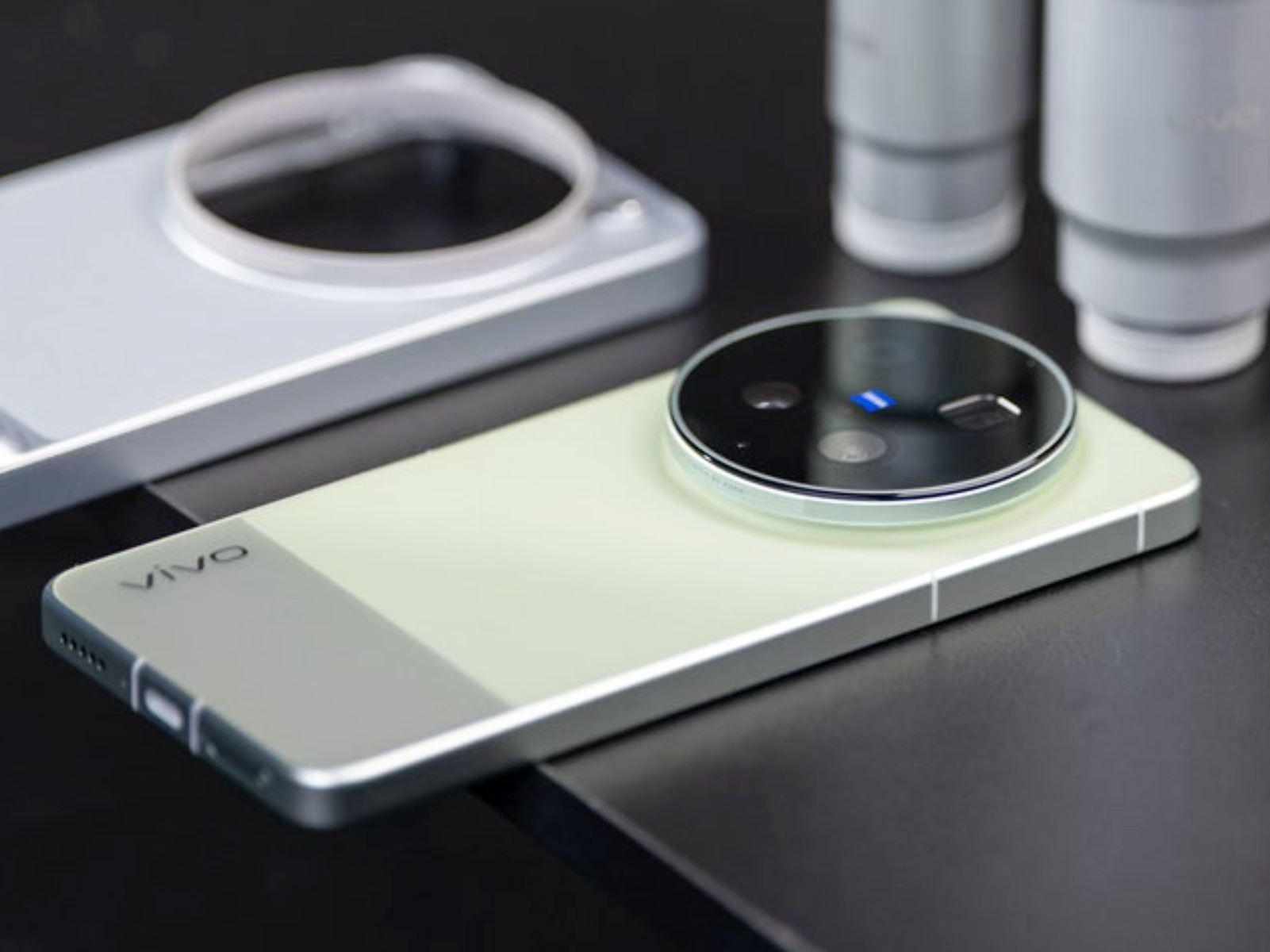
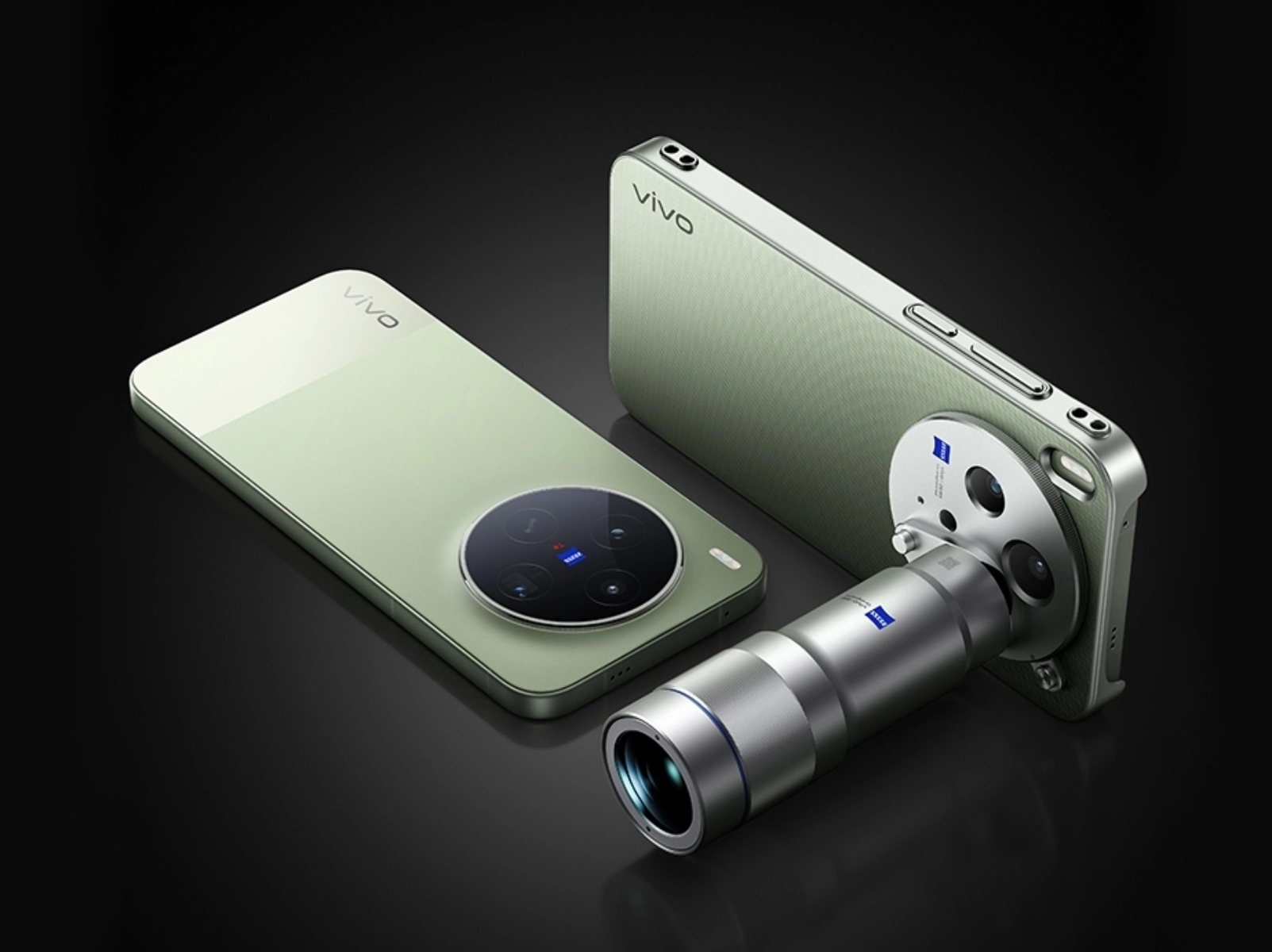
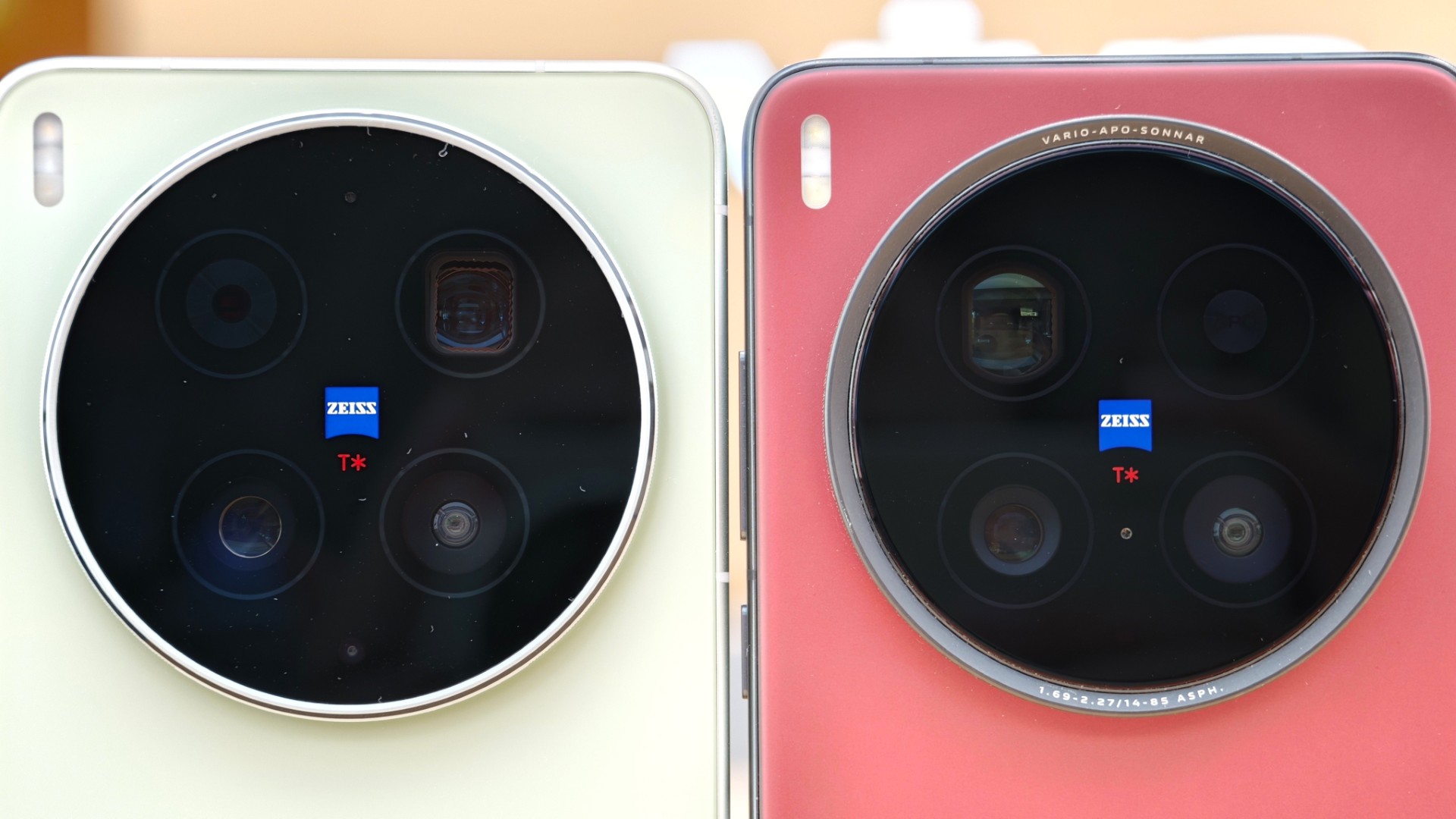
vivo recently launched its X300 Ultra and X300s smartphones in China, alongside redesigned 200mm and 400mm teleconverters. The 200mm lens is dubbed the G2, while the 400mm is marketed as the G2 Ultra. The company has now revealed the compatibility list for these new external lenses.
The vivo Zeiss G2 teleconverter is priced at CNY 999 ($145) in China and is compatible with the newly launched X300 Ultra and X300s. It will also work with the X300 Pro, X300, and the X200 Ultra.
The G2 Ultra 400mm and G2 200mm teleconverters.
Meanwhile, the older 2.35x teleconverter, originally...
Samsung is getting ready to handle the next wave of Apple products, including the iPhone Air 2 and iPhone Fold, with OLED display tech, along with CoE and LTPO.
According to South Korea’s ZDNet, Samsung is making additional investments to advance its small and medium-sized OLEDs. The move is seen as a preemptive response to demand from its key customer, Apple.
Samsung Display has recently started supplementary investment in its Asan A4-2 line. The A4-2 line is a 6th-gen small and medium-sized OLED production line, primarily used to manufacture OLED panels for phones.
On March 31, Shinsung E&G signed a system sealing construction contract worth 15.2 billion won (~ $10.03 million) with Samsung C&T. The contract runs through March next year, and the equipment will be supplied to Asan.
While not explicitly stated, industry sources say the initial investment will be focused on Samsung Display’s A4-2 line. The company is also reported to have discussed orders for supplementary investment equipment with several partners.
Adding certain OLED display processes can lead to a partial loss in deposition equipment capacity, and the investment aims to offset that. The scale of this supplementary investment is estimated at 300–400 billion won.
The focus of the investment is on strengthening backplane technologies such as Color Filter on Encapsulation (CoE) and next-generation Low-Temperature Polycrystalline Oxide (LTPO).
This investment is interpreted as a move to meet demand from Apple. Apple is expected to apply CoE for the first time in its first foldable iPhone.
While Samsung Display already has lines capable of handling the CoE process, it is preparing for the future expansion of its product lineups, including the iPhone Air 2.
Microsoft’s March 31 out-of-band release for Windows 11 24H2 and 25H2 folds the pulled KB5079391 preview back into a new cumulative update that fixes error 0x80073712.
Nothing is reportedly gearing up to enter the AI glasses segment, according to a new report. The Carl Pei-led brand is also said to be developing a new pair of AI-powered earbuds.
According to Bloomberg’s Mark Gurman, citing people familiar with the matter, Nothing is expected to launch a pair of AI glasses in the first half of next year.
Image generated by author via ChatGPT
The Nothing AI glasses are expected to feature built-in cameras, microphones, and speakers, and will rely on a connected smartphone and cloud processing to handle AI workloads.
According to the report, the...
Samsung finally laid the groundwork for the Galaxy S23 lineup’s One UI 8.5 Beta. The company has started the internal testing of Beta firmware. It confirms the Beta Program will be expanding to 2023 flagships this month.
As spotted by TarunVats, Samsung is testing One UI 8.5 Beta on Galaxy S23 Ultra internally. The very first public Beta build is S918BXXU9ZZD1. Internal testing will continue and changes will be made if required.
Last month, Samsung expanded the One UI 8.5 Beta Program to the Galaxy Z Fold 7, Z Flip 7, Z Fold 6, Z Flip 6, Galaxy S24 series, S25 FE and S24 FE. Another wave of expansion is scheduled for the month of April.
The first One UI 8.5 Beta build has now surfaced for the Galaxy S23 series. While an exact timeline is unknown, it should be there by mid-April. The Beta may also arrive for the Z Fold 5 and Z Flip 5 foldable smartphones.
Samsung is expected to open One UI 8.5 Beta in six countries. Beta compatible regions include Asia, Europe and North America. If you don’t live in Germany, India, Poland, South Korea, the UK or the US, you need to wait for the Stable release.
One UI 8.5 is a major upgrade over One UI 8.0. It’s still based on Android 16, but the changes make it a bigger one. You will be getting a redesigned user interface with various welcoming tweaks that elevate the overall experience.
Galaxy S25 series, which has been testing the One UI 8.5 Beta since December, may receive the Stable update this month. April patch has arrived for the S26 series and it should soon be there for the S25 and other lineups.
Samsung is crushing Apple in the used phone market, with the company’s average resale price soaring to a historic high.
According to UPM, via ETNews, Samsung has hit a milestone that once felt out of reach. Its average resale price for used smartphones has crossed 270,000 won ($177) for the first time since tracking began, signaling a sharp shift in the secondary market.
Data from UPM shows Samsung’s average resale price reached 271,575 won ($178) in March. That is a steep jump from 173,844 won ($114) in February, up 56.2 percent in just a month. It also beats the previous record of 248,067 won ($163) by 9.5 percent.
Notably, Samsung is now leading in total transaction value, capturing 58.25 percent of the market, with Apple trailing at 41.62 percent. Just a month earlier, Samsung held only 35.85 percent, which highlights how quickly the balance has shifted.
Samsung moved 362,922 units in March, accounting for 75.34 percent, while Apple stood at 24.66 percent. Even with Apple maintaining a much higher average resale price of 786,156 won, Samsung’s scale has flipped the value equation in its favor.
Galaxy S26 cycle is driving the momentum
Strong sales of the Galaxy S26 lineup have pushed a wave of premium trade-ins into the secondary market. As existing Galaxy users upgrade, relatively newer and higher-end devices are flooding resale channels.
Samsung’s MX division set up a dedicated “Galaxy Value Innovation” team in 2024. The goal is simple: protect and improve residual value. Programs like certified refurbished devices and tighter pricing strategies are part of that push.
The used phone market has always been a stronghold for Apple when it comes to value retention, which is still partly true on a per-device basis. March shows a different kind of win for Samsung, control over volume and total value.
A gamer who bought an Xbox 360 development kit for £5 at an Edinburgh car boot sale discovered a legitimate 118GB November 2007 beta build of *Grand Theft Auto IV*, later shared online and now being examined by the GTA community. Early findings point to substantial cut content, including a ferry system removed due to AI and physics issues, altered radio assets, and evidence of a scrapped “Z: Resurrection” zombie mode that Rockstar’s former technical director Obbe Vermeij described as an internal test.
A PC modder, “kryptonfly,” used Claude AI-assisted BIOS rewriting to inject missing microcode and get Intel’s OEM-only Core 9-273PQE Bartlett Lake CPU to reach POST on an Asus Z790 motherboard, with the BIOS correctly identifying the processor. The system still fails to boot past POST with a black screen and errors, underscoring that full Bartlett Lake support remains unofficial and could be closed off by future Intel or Asus firmware updates.
Samsung unveiled the Galaxy A37 and Galaxy A57 in late March, and the Galaxy A27 should have joined them according to a rumor from November. Alas, it didn't, but it's definitely still in development.
In fact, a prototype has now been spotted in the Geekbench online database. As you can see, it managed a single-core score of 777 and a multi-core score of 1,802. The phone is powered by the Snapdragon 6 Gen 3 SoC, paired in this specific prototype with 6GB of RAM.
Additional memory options may be offered, of course. The device will unsurprisingly run Android 16 when it launches. The...
Samsung just hit a 7-year No.1 streak in the global monitors market and made two headlines: 1040Hz and glasses-free 3D.
Samsung just quietly cemented something most hardware companies dream about. Seven straight years at the top of global gaming monitor sales, according to IDC’s latest numbers.
The Korean giant grabbed 18.9 percent of worldwide gaming monitor revenue. But here’s what actually stings if you’re LG or Dell: Samsung also took 26 percent of the OLED gaming panel market for the third year running.
The real story surfaced at GDC 2026 in San Francisco, where Samsung let developers poke at its 2026 Odyssey lineup. Forget incremental refresh rate bumps; Samsung’s swinging for specs that didn’t exist six months ago.
27-inch Odyssey G6 pushing 1,040Hz in Dual Mode
Competitive esports players have been chasing diminishing returns past 360Hz for years, arguing over whether 480Hz actually matters in Counter-Strike.
The G60H model uses eye-tracking tech to pull it off, but still. At the professional level, players will absolutely notice 1040Hz motion clarity.
Glasses-free 3D
Then there’s the glasses-free 3D play. The 27-inch Odyssey 3D, model G90XF, uses advanced eye-tracking to render depth without those awful polarized glasses from 2011.
Samsung’s calling the software layer “Odyssey 3D Hub,” and the company has already lined up Hell is Us and Cronos: The New Dawn as launch titles; the company is promising 120 compatible games this year.
Samsung’s not coasting on that seven-year streak. The company is throwing experimental tech at the wall while competitors are still figuring out how to price OLED panels competitively.
If you've been waiting for the AI Inbox in Gmail to become more widely available, today's the day. This was initially only usable by "trusted testers" in January, but has now started rolling out for anyone in the US. There is, however, a gigantic caveat.
It's currently only available with the Google AI Ultra subscription, which is a whopping $249.99 per month. There's also the smaller caveat that this is labeled as beta, but then again Gmail itself was in beta for many years, so that's probably less relevant.
As you can see from the screenshot above, the AI Inbox isn't really an...
Testing labs from 7 European countries have declared Samsung’s Galaxy S26 Ultra the “Best Smartphone.”
According to the info, the Galaxy S26 Ultra has dominated smartphone reviews by consumer magazines in seven major European countries. The device has crushed all its rivals in the region within a month of release.
The Galaxy S26 Ultra was selected as the Best Smartphone by consumer magazines in key European markets, including the UK, France, Italy, Spain, Portugal, Belgium, and Sweden.
Country-wise praises come after the Galaxy S26 Ultra scored the Best in Show Award at Mobile World Congress 2026. The judging panel described it as a product that pushes the boundaries of mobile technology.
It’s worth noting that the evaluation was initiated after March 11. The magazines enjoy a high level of trust from both the market and the public, with praise coming from independent sources.
The cited consumer magazines compare products, including phones, based on expert assessments of performance, price, and other factors, and provide the results to consumers.
In Italy, Spain, Portugal, and Belgium, the Galaxy S26 Ultra received the Best of Test Award. In the UK, consumer magazine Which? ranked the Galaxy S26 Ultra first with an overall score of 87 points in its smartphone rankings.
Which specifically pointed out that the S26 Ultra “delivered outstanding performance in all lab tests,” and especially praised the enhanced security of the new Privacy Display feature.
France’s Que Choisir placed the S26 Ultra at the top with a score of 17.0, noting that “photo detail is excellent, colors are vivid, and it captures images successfully even in low-light conditions.”
The Redmi K90 Ultra has now received its compulsory 3C certification in China ahead of its launch, following a specs leak from February. The device is confirmed to support 100W fast wired charging. The Redmi K90 Ultra is believed to rock the model number 2604FRK1EC.
The Redmi K80 Ultra, its predecessor, launched back in June of last year, so we expect the K90 Ultra to be made official in June at the latest.
According to previous rumors, it will have a 6.8-inch screen with a 165Hz refresh rate and "1.5K" resolution, the MediaTek Dimensity 9500 SoC at the helm, and an 8,500 mAh...
Gamers may notice an unexpected newcomer to Xbox Game Pass on April 3rd. The AAA basketball sim NBA 2K26 will expand the Game Pass Ultimate, Premium, and PC catalogs. Microsoft gave no prior hint that the sports game praised for its realistic gameplay would join the subscription service.
The Motorola Razr 70's specs got outed by its TENAA certification in China earlier this month, and today a new leak brings us some more details about it.
The phone will allegedly launch in three colors: Pantone Sparkling Green, Pantone Hematite, and a pink hue that will most likely also get a Pantone color name. The Hematite version has a fabric-like texture, the green one resembles carbon fiber, while the pink model apparently has "a different finish altogether", according to the source of this leak, but no more details are provided.
Motorola Razr 60
The Razr 70 has a 6.9-inch...
The Samsung Galaxy A27 has appeared on Geekbench ahead of its official launch. The benchmark listing reveals it features the Snapdragon 6 Gen 3, the same chipset that powered the Galaxy A36.
8BitDo has released a special edition of its Retro 68 Keyboard. Officially known as the 8BitDo Retro 68 Keyboard AP50th Limited Edition, and with a design inspired by the Apple II, it arrives in celebration of Apple's 50th anniversary.
This is the Tecno Pova Curve 2 and its key asset is its massive 8,000mAh battery. But there's more to it so let's have a look.
The phone just launched in India and is available in Mystic Purple, Melting Silver (ours), and Storm Titanium, and in either 8/128GB or 8/256GB options. It starts from INR 27,999 (€258 and £221, converted) and ships with a case, 45W charger, and a USB-A to USB-C cable.
Tecno Pova Curve 2
So about that battery. It's truly impressively sized, right? What's more, it's not silicon-carbon chemistry. And then, the phone is under 8 millimeters thick...
Google has introduced support for Google Photos on Samsung‘s newest smart TVs, which gives users a simple way to enjoy their pictures and videos on a larger display. This feature was announced in late 2025 and has now started rolling out, but it is limited to certain models.
With this, you can sign in to your Google Photos account on your Samsung TV.After logging in, they can explore their photos through different sections. One of these is the Daily Plus row, which automatically shows a changing selection of memories. This makes it easy to revisit past moments without needing to search manually.
There’s also an option for the Daily Plus app launcher. When opened, it allows users to view their photos in full-screen mode, making the experience more enjoyable on a big TV screen.The Daily Board widget displays photos along with other information, offering a quick and convenient way to see your memories.
Source – Samsung
To make sure users feel comfortable sharing their screens, privacy options are included. Users can switch between Standard mode and Guest mode.
Standard mode gives a more personalized experience, while Guest mode hides private or sensitive images and videos.This is useful when friends or family members are watching.
However, there is a catch.This feature is only available on selected Samsung TVs released in 2026. Samsung and Google have not yet provided a complete list of supported models, which may cause some confusion for users. Stay tuned for more information.
The Motorola Edge 70 family of smartphones is expected to get three new models according to info from a prominent leaker. Unfortunately, the new smartphones don't have a release date yet.
Microsoft is reportedly building a more native Windows apps effort, and the company’s own Windows 11 roadmap already confirms a broader push to move more core experiences to WinUI 3
Lower cost digital Switch 2 games have given budgets a slight reprieve. Even so, a former retail-focused Nintendo employee believes a more expensive console could wipe out those savings. If the memory shortage prompts a price increase, the company might counter with other discounts.
Motorola's Edge 70 family is going to get bigger in the near future, according to a new leak from the legendary Evan Blass. The company has already made the Edge 70, Edge 70 Fusion, and Edge 70 Fusion+ official, and the Signature too (which is an honorary member of the family since it was initially rumored to be called Edge 70 Ultra).
However, three more devices are allegedly going to join these. We're talking about the Edge 70 Pro, the Edge 70 Pro+, and the Edge 70 Pro Lite. Yes, that last one's name is pretty much a contradiction in terms - how can it be Pro and Lite at the same time?...
WhatsApp is adding new emojis to its Android app through a latest beta update, making chats more fun and expressive. These emojis come from the new Unicode 17.0 update, which introduces fresh symbols for users to share their feelings and ideas more easily.
Previously, WhatsApp had already added some emojis from Unicode 16.0.These included a tired face with eye bags, a fingerprint, a dry tree, and more. Now, the app is adding more new emojis and making them available directly in the emoji keyboard.
Some of the new emojis are very interesting.The “Distorted Face” emoji can be used when someone feels confused or stressed. The “Ballet Shoes” emoji is good for talking about dance or shows.
There is also an “Orca” emoji, which is perfect for people who like the sea or animals.Another fun emoji is the “Hairy Creature,” which is inspired by Bigfoot or the Yeti.
Image via WABetaInfo
There are more emojis like “Landslide,” which shows that things are going out of control, and the “Fight Cloud, which can show a fight or confusion. Music lovers can use the “Trombone” emoji, and the “Treasure Chest” emoji can be used for things like rewards, surprises, or adventure.
Earlier, some of these emojis were already in WhatsApp, but could not be used easily from the keyboard. Now, WhatsApp has made them simple to find and send in chats.
Samsung has brought back attention to its old “Wireless Charger Trio,” a $90 charger that can power three devices at once. Even though it is being shown as a new product on Samsung’s website, it is actually the same charger that first came out around 2020, with no real upgrades.
The charger has two wireless charging spots for phones or earbuds, as well as a special place to charge a Galaxy Watch. It works with Samsung devices and other gadgets that support Qi wireless charging. It sounds useful, especially for people who want to charge everything in one place.
However, the charger feels outdated in 2026.Its charging speed is quite slow compared to newer options. It can charge Samsung phones at up to 15W, but other devices only get 7.5W. Many modern chargers are faster and more efficient.
The big issue is that the charger does not use the newer Qi2 technology, which helps devices snap into the right position using magnets. Because of this, users often have trouble placing their phones correctly, and charging may not start unless the device is perfectly positioned.
Notably, newer Galaxy phones have large camera bumps, which can stop the phone from lying flat on the charger, which is also an issue. This makes charging even more difficult.
While some people still like the convenience of charging multiple devices together, many others are not satisfied. The Wireless Charger Trio still works, but it feels old and less useful compared to newer wireless chargers available today.
Deal | Grime is an action RPG in which the story takes place in a strange world. You embody a mysterious creature and must travel through many landscapes and face enemies, as well as bosses, to discover your true identity.
Casio’s G-Shock Summer Resort 2026 watches, the GM-S2110SR and the GMA-P2100SR, have been officially launched. Available to order in Japan and set for release in markets worldwide, these models have a colorful finish thanks to polarized glass.
The Cyberpunk Trading Card Game is now officially the most successful tabletop game ever funded on Kickstarter. The game has now raised well over $15 million and should also benefit from the frustration of TCG players who are no longer satisfied with Magic: The Gathering or Yu-Gi-Oh!
The Anker Nano Power Strip (10-in-1, 70W, Clamp) is now available in the US. Unveiled earlier this year, this GaN charging accessory has a clamp design, with ports split across two sections which sit above and below your desk.
Xiaomi has launched a crowdfunding campaign for the new Smart Air Fryer Pro Steam & Roast Version 6.5L in China. This model offers 11 cooking functions, supporting HyperOS Connect with app-based controls.
Apple was founded on April 1st, 1976, exactly 50 years ago. To celebrate this milestone, Apple CEO Tim Cook gives us a look at prototypes that hardly anyone outside of Apple has seen before.
Oppo has officially announced the K15 Pro series smartphones in China. The K15 Pro series consists of two smartphones, the K15 Pro Plus and the K15 Pro. The Pro+ variant comes with built-in cooling fans, LED lighting, and a large 8,000 mAh Si-C battery with 100 W wired charging support.
A couple of days ago some details about the upcoming HMD Crest 2 Pro got leaked alongside an image, and today the same prolific source of HMD-related leaks is back with another image and some extra details.
The phone allegedly has the Snapdragon 4 Gen 4 SoC at the helm, with 5G support, and this is paired with 8GB of RAM and 256GB of storage. The Crest 2 Pro also features a 6.78-inch FHD+ AMOLED screen with 120Hz refresh rate, a triple rear camera setup (64MP main, 8MP ultrawide, 2MP decorative sensor), a 50MP selfie snapper, dual speakers, an IP65 rating for dust and splash resistance,...
Samsung is reportedly preparing to launch its next Galaxy A series phone, Galaxy A27. Ahead of the official launch, the Galaxy A27 has shown up on Geekbench, but the details don’t fully make sense yet.
According to the information via Abhishek Yadav, the Galaxy A27 has been listed on Geekbench with the Snapdragon 6 Gen 3 processor, Adreno 710 GPU, 6GB RAM, and Android 16. This looks fine for a mid-range phone.
However, the performance scores are surprisingly low. It scored 777 in single-core and 1802 in multi-core tests, which is weaker than the older Galaxy A26.
This is strange because the Galaxy A26 already performs better, so the A27 should not be slower. Also, the processor setup mentioned in the listing does not match how this chip usually works. This makes the leak look quite confusing.
Image via Abhishek Yadav
There is also concern that Samsung might be using an older processor in 2026, which may not be a good choice.In this price range, other brands are offering newer and more powerful chips. Since the Galaxy A2* series sits between budget and premium models, users expect a good balance of performance and price.
However, it is important to remember that early leaks are not always reliable. Sometimes test units give unusual results, or the information may not be final. Samsung could still improve the device before launch. For now, it is better to wait for official details to determine the Galaxy A27’s performance. Stay tuned for more information.
A 4K night vision camera with 10x zoom, which is also a 60 Hz thermal imaging camera, SpectraEyes aims to deliver a complete package for night-time excursions in a relatively compact housing.
Just a few days after the official Vivo X300 Ultra launch event, it is becoming increasingly clear how fans of the ultimate Zeiss camera phone can save a lot of money. Anyone primarily looking for the best camera in a phone form factor and willing to live with some day-to-day limitations as a smartphone should go for the China version. Here is an overview of current import prices and some tips for dealing with a China phone.
A new developer board comes in a Raspberry Pi form factor and supports connecting external sensors, among other things, while also featuring two microphones. Displays can also be connected. It is essentially built around two separate chips, which also enables wireless network connectivity.
A USB cable for technology enthusiasts that is also a survival multi-tool - Velochi Pro wants to win over customers on Kickstarter with this idea. The 4-in-1 tool is available with either a flashlight or cigarette lighter.
Google is set to take on Whoop with a screenless Fitbit wrist wearable. The device was teased by NBA star Steph Curry, who entered a long-term partnership with Google last year as a Performance Advisor across Health, Pixel and Cloud products.
View this post on Instagram A post shared by Wardell Curry (@stephencurry30)
While we don’t get any specs or an actual good look at the device, we can spot its Whoop-inspired design featuring a braided fabric material and a metal clasp. According to a Bloomberg News report, Google’s health tracker will come with a...
Samsung’s Bespoke washer and dryer had a problem after a recent software update.Updates are usually made to improve devices as they fix small problems and sometimes add new features. But this time, the update created a big issue.
After installing the update, many users said their machines stopped working properly. The main problem is that they cannot wash clothes anymore.Before the update, there was a “more cycles” option on the screen. This option showed different washing choices.
This option disappeared after the update. The screen became blank, so users could not start a wash. This is a serious issue because the machine is made to wash and dry clothes in one unit. It depends on software to control everything. If the software has a problem, the machine cannot do its basic work.
Some users tried to fix the problem themselves. A few people said that changing the screen settings helped. Others said they had to reset the machine many times before it worked again. These fixes are not simple and may not work for everyone.
Samsung knows about the problem, but it has not given a proper solution yet. This has made many users upset, especially because the machine is expensive.
This problem also shows a bigger issue with smart devices. Today, many home appliances use software.This makes them smart and easy to use. But it also means they can stop working if something goes wrong in an update. Stay tuned for more information.
The Fujifilm X half is one of the most unusual compact cameras on the market, as Fujifilm combines a 1-inch sensor in portrait format with an optical viewfinder and an innovative film camera mode. The camera is now offered at a much lower price than at launch.
Honor is gearing up for the release of its new MagicBook Pro laptops in China. Available in 14'' and 16'' models, Honor has released details of their display specs ahead of their arrival this April.
Dell's latest 16-inch workstation laptop is now available to purchase globally. Equipped with an Intel Panther Lake processor and a 96 Wh battery, the Pro Precision 7 Series 16 also leverages a 4K Tandem OLED display with a 120 Hz VRR refresh rate.
Lenovo has finally started selling one of its new Intel Panther Lake laptops in North America. Equipped with up to 32 GB of RAM and a 70 Wh battery, the Yoga Slim 7i Aura Edition (14IPH11) also comes with an optional 2.8K OLED display that combines 1,100 nits peak brightness with a 120 Hz refresh rate.
Dell has started selling a new 14-inch laptop globally with a Tandem OLED display. Also featuring a powerful Intel Core Ultra X7 processor and a 72 Wh battery, the Dell Pro Precision 7 Series 14 can be configured with up to 64 GB of LPDDR5x RAM too.
DLSS 5 stirred a huge controversy in the gaming and game development world as it was seemingly adding geometry and detail that wasn’t originally present. A YouTuber has now tried to debunk those claims with some comparisons of the original vs DLSS on footage.
Audi Sport combines its proven V6 biturbo engine with a powerful electric system in the new Audi RS 5 PHEV. The result is a compelling total system output of 639 hp and an all-electric driving range of up to 80 km. Below are the key details of this performance plug-in hybrid, which starts at €106,200 (approximately $115,000).
Casio has launched two new Red Lantern-themed G-Shock watches in Japan. These digital DW-5600 and DW-6900 watches each have bold red and black designs, with standard features like a stopwatch and an alarm.
Astronomers have observed W51 with the help of the James Webb Space Telescope and discovered new stars and details about their formation. But further studies are necessary to unravel all the mysteries of this structure.
One researcher anticipates a cloud gaming boom due to skyrocketing console costs. Michael Pachter predicts that a high PS6 price will drive buyers to the more affordable streaming solution. Even so, latency and a limited catalog of titles may keep some gamers loyal to PlayStation hardware.
Honor has just made the Play 80 Pro official in China. The phone comes with a 6.8-inch LCD screen with 720x1610 resolution, 850-nit peak brightness, and seemingly a 60Hz refresh rate (since a higher one isn't mentioned anywhere on the official website).
It's powered by the 5G-capable Snapdragon 6s Gen 3 SoC, and it's being offered in three RAM/storage configurations: 6/256GB, 8/256GB, and 12/256GB. The entry-level option is priced at CNY 1,899 ($275), the mid-end option is CNY 2,099 ($304), and the top of the line version goes for CNY 2,299 ($333).
Honor Play 80 Pro official...
Samsung is making strong progress on its new chip factory in Taylor, Texas. The company has been working on it for about five years. Now, the building work is mostly done, and Samsung has started setting up the machines inside. This is a big step because it means the factory is getting closer to starting its work.
More than 3,000 engineers have come to the site. Some work for Samsung, and others work for companies that make the machines. Their job is to install and set up the equipment. These machines are very big and heavy, with a total weight of about 20,000 tons. They are also very advanced.
The factory will make chips using 2-nanometer technology. This means the chips will be very fast and use less power. Samsung says everything is going as planned. The company expects the factory to start full production by the end of 2026.
Samsung has also started hiring people for the factory. It has posted 178 job openings in 146 different roles. These include technical jobs, safety jobs, and management roles. When the factory is fully ready, it will employ about 1,500 people.Some workers from other Samsung factories may also move to Texas to help in the beginning.
This new factory is very important for Samsung. It will help the company make advanced chips and grow its business. It will also create jobs and support the tech industry in the future.
Sony has finally announced the next lineup of games for PS Plus members. A total of three games will become available to claim starting April 7, and they will be live until May 4.
OnePlus was said to be scaling back operations in certain parts of the world but nothing has been made official. What is official is that the Nord 6 will launch in India on April 7 with a massive 9,000 mAh battery.
Oppo has officially announced the K15 Pro series smartphones in China. The K15 Pro series consists of two smartphones, the K15 Pro+ and the K15 Pro. The Pro+ variant comes with built-in cooling fans, LED lighting, and a large 8,000 mAh Si-C battery with 100 W wired charging support.
Sony's next-generation flagship smartphone appears to break with Sony's design tradition, as the flagship is set to feature a completely new design with a square camera module and punch-hole instead of wide screen bezels.
The refreshed Xiaomi Book Pro 14 was recently launched in China as a thin and light Panther Lake laptop. While the company has yet to share global launch details, all three configurations are available to import from TradingShenzhen.
Dell has now released a new 14-inch laptop aimed at business users. Sold with Intel Panther Lake processors, the Dell Pro 14 Premium (PA14260) can be purchased worldwide but without its flagship Tandem OLED display at launch.
Nomad has launched a version of its Tracking Card Air Bluetooth tracker that is compatible with Android devices. While it costs the same as the version for Apple devices, the Android version has a slightly longer battery life.
Lenovo has released a new laptop in North America with a 165 Hz OLED display. Its first featuring a Qualcomm Snapdragon X2 processor, the IdeaPad Slim 5x 15Q8Y11 is rated for over 30 hours of battery life when configured with a 70 Wh battery.
Raspberry Pi has confirmed new pricing for many of its popular single-board computers and system-on modules. Reassuring fans that today's announcement is 'not an April Fool's, Raspberry Pi has increased the price of one Raspberry Pi 5 SKU by almost 50%.
Raspberry Pi has released a new version of the Raspberry Pi 4 Model B. Likely the first with two RAM chips, the Rev 1.5 version costs over 15% less than the new pricing for its 4 GB RAM counterpart.
The market for gaming handhelds remains exciting, because after the launch of the Nintendo Switch 2 last year, the launch of the first real PlayStation handheld since the PS Vita is getting closer. However, those waiting for the Steam Deck 2 will apparently have to wait a little longer.
Cloudflare’s new closed beta lets Magic Transit customers upload custom eBPF-based logic to detect and filter DDoS traffic aimed at specialized UDP protocols such as gaming, VoIP, telecom, and streaming.
We will once again try to answer the age-old question: Samsung or Apple? Let's be honest, not many users are making the switch between platforms these days. Still, some of you out there just want to get the best value for money and are familiar with both platforms. And if you are aiming high, then you are probably looking at Samsung's top-end Galaxy S26 Ultra and Apple's direct competitor, the iPhone 17 Pro Max. Both devices are definitely the best from Samsung and Apple, but the question is which one is the best for you.
If you came here reading this article to find answers, you probably...
Gemini Live is making news easier to understand and more interesting to follow. Before, when you asked for news, it only gave short headlines with quick details. Now, it gives better and longer explanations, so you can understand what is really happening.
You can now ask questions while listening to the news.Like, if you hear a story and want to know more, you can simply ask, “tell me more about it.” You don’t have to start again or repeat your question. This makes it feel like a normal conversation.
Most voice assistants only read the news once and stop. They don’t let you ask more questions easily.But Gemini Live is different. It lets you keep talking and learn more about the topics you care about. This helps you understand the news better, instead of just hearing headlines and moving on.
Source – Samsung
You don’t need to install anything new. If you are already using Gemini Live early access, this feature is ready to use. You just need to start a conversation and ask for the latest news. It will collect information from different sources and explain it in a simple way.
At the same time, the Google Home app is also improving.It now supports Android 16 features like a full-screen look and a smoother back button. This makes the app easier and nicer to use. Stay tuned for more information.
Anyone switching from an Apple iPhone 14 or an even older model to an iPhone 17 Pro will have to replace accessories with a Lightning connection or constantly bring a dongle with them. A modder has now shown that Apple's current flagship smartphone could be upgraded to Lightning with a protective case.
Microsoft has locked in June 7 for Xbox Games Showcase 2026, with a dedicated Gears of War: E-Day Direct scheduled immediately after the main presentation.
Shift Up, the studio behind Stellar Blade, has acquired Shinji Mikami’s Unbound studio as it expands beyond mobile into PC and console gaming. The move also hints at a new project currently in development, with more details expected to be shared later.
Deal | Together After Dark and Vornyca are now available to claim as free games on Epic Games Store. These aren't part of the weekly game giveaway program. Instead, they are being given away separately by their developers.
It may be April 1, but there have been some genuine conflicting reports surrounding a series of redners for the upcoming Sony Xperia 1 VII, and we finally have some clarity. The controversy began when images of the Xperia 1 VIII appeared on Weibo, showcasing a revamped camera design.
Sony Xperia 1 VIII case render
The renders revealed a square-shaped cutout housing three camera sensors and the LED flash, which would be a major design departure from the Xperia 1 VII’s vertically aligned camera setup.
We can also spot a punch hole cutout for the front-facing camera, which would be...
Apple sure loves taking features away from its phones – first it was the 3.5mm headphone jack, then it was the Lightning port. Don’t you just wish you could have it back? You do? Great, here you go! Wait, you actually meant that you wanted the 3.5mm jack back, not the Lightning port? Well, you should have said so earlier – here’s a case that lets you charge a brand new iPhone 17 Pro with all those Lightning cables that you still have.
It was created by Ken Pillonel, a freelance hardware prototyping consultant, with an enduring love for the Lightning port – he even added Lightning to an...
Cloudflare’s new closed beta lets Magic Transit customers upload custom eBPF-based logic to detect and filter DDoS traffic aimed at specialized UDP protocols such as gaming, VoIP, telecom, and streaming.
Deal | The dark stealth spin-off Dishonored: Death of the Outsider is currently available on Steam for just $6 instead of $30. Players can expect an atmospheric steampunk adventure with plenty of freedom in how they approach each mission.
In our review, the Oppo Reno15 Pro impresses with its premium display, long battery life, and versatile camera. We’ll show you why this mid-range smartphone could be a great choice for many people.
According to insider reports, the new stars of HBO’s Harry Potter series are expected to earn a combined £500,000 in season 1, which is a very strong payday for young actors in a new series. Daniel Radcliffe, however, was reportedly paid even more for the first Harry Potter film.
A new Olaf robot at Disneyland Paris suddenly collapsed during a performance and even lost its carrot nose in the process. On TikTok, the awkward but funny incident is already being celebrated as a viral fail.
It appears the FDA has cleared blood pressure monitoring on select Galaxy Watch models as Samsung has announced the feature is now available for users in the US. It will also add support for passive monitoring later this year.
Credor is celebrating its first participation at Watches and Wonders Geneva 2026 with a hand-engraved tourbillon, an Urushi Goldfeather, and a blue Locomotive. Prices range from 1,760,000 to 16,500,000 JPY.
New videos have offered up fresh information about Anbernic's next gaming handheld. One video also teases that the device could launch as the Anbernic RG Rotate. The handheld supports MP3 player functionality and apparently has enough power to emulate Nintendo 64 games, too.
As gamers are frequently annoyed by the dreaded shader compilation progress bar, Nvidia has decided to do something about those long game loading times. A new Automatic Shader Compilation tool comes with the latest Nvidia drivers update.
A new IC3 public service announcement says some foreign-developed apps, especially those tied to Chinese firms, may collect extensive personal data, store it on servers in China, or introduce malware risks.
OnePlus has shared new details about its upcoming Nord 6, further confirming that the device is essentially a rebranded Turbo 6, which was unveiled in China in January.
The OnePlus Nord 6 is set to launch in India on April 7. While several key specifications have already been confirmed, the company has now revealed details about the phone’s camera setup.
It will feature a 50MP Sony primary rear camera with OIS and support for 4K video recording at 60fps. It will also include an 8MP ultrawide sensor with a 112-degree field of view, while a 32MP front camera will handle...
Magnetic power banks are becoming more powerful, portable, and versatile in 2026. They deliver seamless charging experiences for Apple and Android devices, and new models enter the market every month to meet evolving charging needs.
Whether you have the latest iPhone 17 Pro or an Android like the Pixel 10 Pro XL, several power banks stand out. Here is a breakdown of the best magnetic power banks available in April 2026.
Baseus PicoGo AM52
The Baseus PicoGo AM52 delivers 25W MagSafe-certified wireless charging and 45W USB-C wired charging for modern power users. It targets iPhone 16 and 17 series users with Qi 2.2 compatibility, unlocking the fastest speeds possible. Older iPhones from the 12 to the 15 series are still limited to 15W wireless charging.
The power bank holds a 10,000mAh capacity with dual 5,000mAh batteries. It charges two devices simultaneously while using a Triple Cooling System to prevent overheating. Its sleek design and reliable performance make it a great choice for both Apple users and Android flagship owners who prioritize fast, safe charging.
Price: $55.99
Xiaomi UltraThin Magnetic Power Bank
The UltraThin Magnetic Power Bank prioritizes portability. It is the slimmest on the market at 6mm thick and weighs just 98 grams, making it easy to slip into pockets and small bags. The 5,000mAh capacity is smaller compared to other options, but Xiaomi includes both 15W wireless charging and 22.5W wired charging, ensuring enough power for short trips or lighter daily use.
The silicon-carbon battery improves energy density, while the compact design makes it ideal for users who want a lightweight, minimalist solution. This power bank pairs well with iPhone and Android devices, but does not provide as much capacity for heavy travelers or those managing multiple devices.
Price: €59.99
Anker Nano Power Bank
The Anker Nano Power Bank combines compact size with powerful charging capabilities. It includes a 10,000mAh capacity, 30W bi-directional charging, and an attached USB-C cable for streamlined use. The power bank charges to 50% in just 45 minutes, ensuring users aren’t tethered to a wall outlet for too long.
Anker built this power bank using 80% recycled materials, making it an environmentally friendly choice. The Nano works well for iPhone and Android owners looking for a compact, sustainable, and versatile power solution.
Price: $49.99
Anker MagGo Power Bank
The Anker MagGo Power Bank delivers both style and performance with its 0.58-inch thickness and lightweight build. It is compatible with MagSafe-equipped iPhones, offering 15W wireless charging alongside 30W USB-C wired charging. The slim frame and ergonomic design make it easy to carry and use in any situation.
Anker also uses advanced materials like aerogel insulation to keep the MagGo cooler during heavy use. The power bank is a reliable option for both Android and iPhone users.
Price: $79.86
Belkin BoostCharge Pro
The Belkin BoostCharge Pro Magnetic Power Bank excels in convenience and functionality. It offers 15W wireless charging and features a compact body with a 5,000mAh capacity. Its built-in kickstand allows for hands-free phone use, including video calls or streaming, while charging.
The USB-C port ensures compatibility with additional devices, and the lightweight build adds to its portability. The Belkin BoostCharge Pro suits casual users looking for an efficient and travel-friendly power bank.
Price: $59.95
Baseus PicoGo AM41
The Baseus PicoGo AM41 Magnetic Power Bank stands out with its reliable performance and sleek design. It offers 15W wireless charging and 27W wired charging, powered by a 10,000mAh battery. The built-in USB-C cable adds extra convenience for fast wired charging.
The power bank’s 11N magnetic connection ensures a secure fit with MagSafe-compatible devices. Its slim profile and Space Grey finish deliver a professional, modern look for everyday use.
Price: $69.99
For more daily updates, please visit our News Section.
According to its official Weibo account, Xiaomi CEO Lei Jun will host a live teardown of the SU7 on April 2, from 7 PM to midnight. Here, instead of just talking about the car, the CEO will disassemble the car piece by piece on camera.
And yes, this includes everything from exterior color finishes and interior components to more complex areas like the chassis, safety systems, and battery pack. Experts are likely to join the stream to explain what’s being shown, so this won’t just be a visual teardown.
Xiaomi just started delivering the new SU7
The company officially began deliveries of the new-generation model on March 23. Since then, Xiaomi says it has already delivered over 7,000 units of the updated SU7.
The new model has a longer range (up to 902 km in the Pro version), standardized LiDAR for enhanced intelligent driving, an improved “Dragon Chassis,” and a revised exterior design with new color options.
Lei Jun previously said Xiaomi started preparing for mass production about two months ahead of schedule. The goal, at least as described, is to shorten the gap between order and delivery. Buyers are now expected to receive their cars within one to five weeks.
In terms of scale, Xiaomi Auto reports it delivered more than 20,000 vehicles in March 2026 alone. The figure, as expected, includes the newly updated SU7.
A teardown livestream doesn’t necessarily change how the car performs on the road, but it does offer a different kind of transparency. For a company still relatively new to building cars, showing the internal structure in this way could be an attempt to build confidence.
For more daily updates, please visit our News Section.
Alongside the K15 Pro, Oppo also announced the more powerful K15 Pro+ in China. It builds on the same idea but adds a faster processor, a higher refresh rate display, and more aggressive gaming features. Let’s walk through its specs and features here.
Oppo K15 Pro Plus Specifications
The Pro+ is powered by the MediaTek Dimensity 9500s chip, which sits just below MediaTek’s current-best Dimensity 9500 processor. It has a Cortex-X925 core (@3.73GHz), three Cortex-X4 (@3.30GHz), and four Cortex-A720 (@2GHz) cores, and more than 29 billion transistors.
Compared to the K15 Pro’s optical fingerprint sensor, the K15 Pro Plus features a 3D ultrasonic fingerprint sensor. It also has a bigger battery of 8000mAh with faster 100W charging.
The biggest visible upgrade is the display, though. The Pro+ uses a 6.78-inch screen with a higher 165Hz refresh rate. Oppo says the device supports native 165fps gameplay in select popular titles, though real-world support will depend heavily on game optimization.
The phone also includes a dedicated touch chip designed to improve sensitivity and reduce latency. Then there’s a new “Lingxi button” that allows users to map controls or shortcuts to different parts of the device.
As for the audio, it features a four-unit coaxial speaker system.
In terms of design, the Pro Plus is similar to the K15 Pro. Both have a metal frame design along with a cooling fan on the back and an LED light system for notifications. The rear camera also features the same 50MP main with OIS, 8MP ultrawide on the rear, and a 16MP lens on the front.
Pricing and Availability
The Pro+ comes at a higher price, but still below most flagship phones:
12GB + 256GB: 3499 yuan (~$485 USD)
12GB + 256GB (higher tier): 3699 yuan (~$515 USD)
12GB + 512GB: 4199 yuan (~$585 USD)
As with the standard model, early discounts and subsidies can reduce the price in China.
For more daily updates, please visit our News Section.
Amid much anticipation, the king of camera phones in 2025 was updated with the vivo X300 Ultra at the end of March 2026.
Among a crowd of Ultra models, the Xiaomi 17 Ultra by Leica features the best optical zoom lens in the world, and the stunning colors of the Leica Essential mode leave a deep impression. As for the OPPO Find X9 Ultra, although it hasn’t been released yet, the official has already revealed an exciting piece of information: it will come with a 200MP 3x telephoto, along with the world’s best 10x ultra-telephoto camera.
In contrast, the vivo X300 Ultra doesn’t seem to bring us many surprises, and there are even “downgrades” in its camera specifications. If last year’s X200 Ultra was one of my favorite phones, then this year’s X300 Ultra is probably no longer on that “favorites” list.
Camera
Looking purely at the raw capabilities of the camera system, the X300 Ultra remains one of the strongest contenders. However, when compared to its predecessor, it feels like vivo hasn’t fully pushed the envelope. Most of the upgrades are concentrated on the main camera, which now features a slightly larger sensor and higher pixel count. And It also follows the industry trend by incorporating a 5MP multispectral camera.
The ultra-wide camera remains largely unchanged, while the apertures on both the main and telephoto cameras have actually been reduced. For a device priced over $1,000, seeing such minimal hardware improvements is unlikely to sit well with most users. All that’s left is to hope the real-world camera performance delivers a pleasant surprise.
Teleconverter
That said, for those with ultra-long-distance photography needs, vivo remains a trusted choice. Its teleconverter kit was well-received last year, and the new iteration should be no exception. The new 200mm teleconverter is significantly more compact, and an additional 400mm lens is now available. If you’re determined to capture wildlife on the African savannah or shoot from the back of a concert hall using a smartphone, the X300 Ultra paired with the teleconverter kit might be your best option.
Unlike the hardware, the camera software sees no downgrades. The most notable addition is a new photo color tuning style—no need to guess where the inspiration comes from, right? There are also two new photography styles, said to be developed using vivo’s latest color science. We’ll dive into how effective these new features are in our full review.
Design
Aside from the camera, I also have some reservations about the design. The X300 Ultra is available in three colors. While the black version remains as satisfying as ever, the other two fall short of their counterparts on the X200 Ultra. The white model, in particular, feels a bit overdone—in my opinion, the snow mountain pattern is simply unnecessary. Then again, maybe I’m wrong—maybe it could end up being a favorite for some people.
After a year of trial and error, vivo has finally come to the conclusion that the camera control button was unnecessary—so it’s gone on the X300 Ultra. Personally, I wish they had added an AI button instead; having an extra customizable button is quite convenient for everyday use.
Other
Other changes aren’t very noticeable. For example, the body is slightly thinner, but the weight has increased a bit. Charging power has gone up slightly, and so has the battery capacity, both by around 10%. As for the processor, it’s definitely the latest Snapdragon 8 Elite Gen5.
The screen refresh rate has been upgraded to 144Hz, while the resolution remains at 2K (3168×1440), and the display finally uses flat glass. The bezels are very narrow and appear symmetrical on all four sides. There are also some upgrades that aren’t visible from the outside, including an improved vibration motor and top speaker.
During the initial hands-on, the X300 Ultra feels more like an X200s Ultra – far from what I would define as a true next-generation upgrade.
The good news is that we can still safely say it remains one of the most powerful camera phones on the market. If you really love a 35mm main camera, then the X300 Ultra is indeed a more reassuring choice than the Nubia Z80 Ultra. But beyond that, if you are holding an X200 Ultra, I don’t see enough must-buy reasons to upgrade. I would even recommend buying the X200 Ultra instead—it’s not that different from the X300 Ultra, but costs less. Meanwhile, I’m more looking forward to the OPPO Find X9 Ultra, which, based on the rumors we know so far, feels much closer to what the X300 Ultra should have been—the true king of camera phones. In any case, please wait and see whether our real-world tests and full review prove us completely wrong.
Oppo has officially announced the new K15 Pro smartphone as part of the K15 Pro series. The phone starts at 2999 yuan (around $415 USD), and comes with a “cyberpunk-inspired” design.
Its color options include Cyber Wing, Light Dust Pink, Origin Gray, and a more unusual “Golden Legend” carbon-style finish. The K15 Pro has a noticeably slim camera module, protruding less than 0.6mm, even while featuring a cooling fan.
Oppo has also added a “LanYing breathing light” system that can change colors depending on notifications or phone activity. On top of that, the camera module supports magnetic lens caps, which users can swap out for different styles.
Performance and display
At the core of the device is the MediaTek Dimensity 8500 Super chip, paired with Oppo’s own chip-level tuning system called the Tide Engine. This isn’t a flagship processor, but it is capable enough for demanding apps and games.
The phone features a 6.59-inch display with a 144Hz refresh rate. It also features a gamepad-grade gyroscope for more precise motion control in supported titles.
The K15 Pro has a new Swift Cooling Engine that uses airflow ducts and heat dissipation fins, along with what Oppo describes as a triple dustproof design for cooling. The device is rated IP69, and the cooling system can automatically adjust fan speed, keeping noise as low as 19dB at half speed.
As for audio, the K15 Pro uses a stereo dual-speaker setup tuned in collaboration with its Golden Ear Lab and the Xinghai Conservatory of Music.
On the camera side, the phone includes a 50MP main sensor with optical image stabilization, along with an 8MP ultra-wide camera.
The device runs ColorOS 16 and features a 7500mAh battery with 80W charging support.
Pricing and Availability
The Oppo K15 Pro starts at 2,999 yuan in China for the 12/256GB variant. Here’s the pricing breakdown for all variants:
12GB + 256GB: 2999 yuan (~$415 USD)
12GB + 256GB (higher tier): 3199 yuan (~$445 USD)
12GB + 512GB: 3499 yuan (~$485 USD)
There are also early sale discounts and subsidies in China that bring the effective price lower, but those won’t necessarily apply globally.
For more daily updates, please visit our News Section.
Choosing between the Samsung Galaxy S26 and the iPhone 17e isn’t just about Android vs iOS anymore; it’s about how much flagship experience you actually need. One pushes boundaries with cutting-edge hardware and features, while the other focuses on delivering a clean, reliable experience at a much lower price. For buyers deciding whether to spend big or stay smart with their budget, this comparison highlights what truly changes, and what doesn’t, when you move up the price ladder.
Major Features:
Features
Samsung Galaxy S26
iPhone 17e
Trade-Off: What It Means
Display
120Hz, much brighter
Standard refresh, lower brightness
Samsung feels smoother & more premium
Camera Setup
Triple camera + zoom
Single 48MP camera
Samsung = versatility, Apple = simplicity
Performance
12GB RAM, raw power focus
8GB RAM, highly optimized
Samsung is more future-ready, Apple stays consistent
Features
DeX, reverse wireless, more extras
Minimal extra features
Samsung offers more flexibility
Battery & Charging
Bigger battery + reverse charging
Efficient but simpler setup
Samsung gives more options
Software Experience
Feature-rich One UI
Clean, smooth iOS
Samsung = control, Apple = ease
Pricing
Premium (~₹88K)
More affordable (~₹65K)
Big price gap changes expectations
Overall Trade-Off
More power, more features
Less cost, less complexity
Depends on what you value more
The best overall phone → Galaxy S26 The smartest buy for the price → iPhone 17e Disclaimer: Specs are based on available data. Actual performance may vary. Verify details from official sources before buying.
Design and Display
Build and Feel
Samsung Galaxy S26 leans into a premium yet practical design with Gorilla Glass Victus 2 on both sides and an Armor Aluminum 2 frame. It feels refined but also engineered for durability, especially with Samsung’s focus on long-term usability. iPhone 17e, on the other hand, uses Ceramic Shield 2 and aluminum, delivering that signature Apple minimalism. It feels slightly more polished in hand, but Samsung’s finish comes across as more rugged and purpose-driven.
Display Quality
Samsung clearly dominates here with a 120Hz LTPO AMOLED panel pushing up to 2600 nits. The brightness and smoothness make everyday use and outdoor visibility noticeably better. The iPhone 17e’s OLED panel is sharp and color-accurate, but the lack of a high refresh rate makes it feel less fluid in comparison. Apple’s tuning is excellent, but Samsung’s display feels more modern and immersive.
Verdict
Galaxy S26 wins for offering a more advanced, smoother, and brighter display, while still maintaining a solid premium build.
Specifications Including Battery
Performance
The Galaxy S26 packs either Snapdragon 8 Elite Gen 5 or Exynos 2600, both cutting-edge chips with strong multi-core performance and GPU capabilities. It’s clearly built for heavy multitasking and gaming. The iPhone 17e’s A19 chip is highly optimized and efficient, delivering smooth real-world performance, but with only 8GB RAM, it feels slightly less future-proof compared to Samsung’s 12GB setup.
Battery and Charging
Samsung offers a 4300mAh battery with 25W wired charging and reverse wireless support, making it more versatile for daily use. The iPhone 17e’s 4005mAh battery is efficient thanks to iOS, but charging speeds remain average. Apple focuses more on consistency than speed, while Samsung pushes flexibility.
Verdict
Galaxy S26 takes the lead with better raw performance, more RAM, and greater charging versatility, making it feel more future-ready.
Camera
Main and Secondary Lenses
Samsung delivers a versatile triple-camera setup with a 50MP main sensor, 3x telephoto, and ultrawide lens. This flexibility makes it more capable across different scenarios, especially zoom and wide shots. The iPhone 17e sticks to a single 48MP camera, which performs excellently in most conditions but lacks the versatility of multiple lenses. Apple’s image processing is refined, but hardware limitations are noticeable.
Selfie Camera
Both phones feature 12MP front cameras with strong video capabilities. Apple adds Face ID and spatial features, making it slightly more advanced for biometrics and video recording. Samsung’s selfie camera is consistent and sharp, but less feature-packed.
Verdict
Galaxy S26 wins for versatility and overall camera system depth, while iPhone 17e remains strong for consistent point-and-shoot photography.
Pricing
The Galaxy S26 is priced around $900 (₹88,000), while the iPhone 17e comes in significantly lower at $600 (₹65,000). This creates a clear gap in positioning. Samsung targets the premium flagship segment, while Apple focuses on delivering a more affordable entry into its ecosystem.
Is the Price Justified?
Samsung justifies its higher price with a better display, more powerful hardware, additional cameras, and extra features like DeX and reverse charging. It feels like a full flagship experience. The iPhone 17e, however, offers strong value for those who want Apple performance and software at a lower cost, even if it compromises on hardware.
Verdict
iPhone 17e wins on value for money, but Galaxy S26 justifies its price with a more complete flagship package.
Disclaimer: Prices are approximate and may vary based on country, region, and applicable taxes.
Conclusion
The Galaxy S26 stands out with features like Samsung DeX, a high-refresh-rate display, a triple-camera system, and longer software support. It feels designed for power users who want flexibility and cutting-edge hardware. The iPhone 17e focuses on simplicity, offering a clean iOS experience, reliable performance, and ecosystem advantages like Face ID and satellite features.
Verdict
Galaxy S26 is the better overall smartphone for those seeking top-tier specs, versatility, and future-proofing. However, the iPhone 17e remains a smart pick for users who prioritize value, smooth software, and a straightforward flagship experience without paying premium prices.
Disclaimer: This comparison is based on the specifications provided and is intended for general informational purposes. Actual performance, camera results, battery life, and overall experience may vary depending on real-world usage, software updates, and individual preferences.
Just as rumors begin to swirl around Qualcomm’s Snapdragon 8 Elite Gen 6, a new leak from tipster Digital Chat Station is shedding light on what MediaTek has in store next.
According to recent reports, the Dimensity 9600 will be built on TSMC’s 2nm N2P process. But the more interesting shift could be in its CPU design. The chip is rumored to adopt a new 2+3+3 layout, two “prime” cores paired with six high-performance cores.
If true, this would be the first time MediaTek’s Dimensity 9 series will move to a dual prime-core configuration. For context, Dimensity 9500 has one ARM C1-Ultra (4.21GHz) for peak performance, three ARM C1-Premium (3.5GHz) for sustained power, and four ARM C1-Pro (2.7GHz) for efficiency.
Digital Chat Station says the dual prime-core setup in Dimensity 9600 is internally referred to as “Canyon.”
Even its competitor has a similar setup
On paper, this setup should make the Dimensity 9600 better equipped to handle demanding workloads, especially as AI tasks continue to grow more complex. Paired with the new process node, the chip is expected to deliver a noticeable jump over its predecessor.
As for graphics, the Dimensity 9600 is said to include a new GPU with neural network shader technology that should improve coordination between the GPU and NPU. Better collaboration between these components could reduce power draw while maintaining smoother performance.
Meanwhile, its competition isn’t standing still. The Snapdragon 8 Elite Gen 6 is also rumored to adopt a similar 2+3+3 CPU layout. Not to forget, Qualcomm’s solution relies on its in-house Oryon cores, while the Dimensity 9600 will feature ARM’s upcoming Cortex-C2 series cores.
This sets up a familiar situation where both companies are chasing similar architectural goals, even if their execution differs.
For more daily updates, please visit our News Section.
AGIBOT has announced a major achievement, rolling out its 10,000th humanoid robot on March 30, 2026, in Shanghai. This makes it one of the first robotics companies in the world to reach such a scale. The milestone reflects a clear shift in the industry, from early-stage testing to large-scale real-world deployment. It also signals that humanoid robots are no longer limited to labs or experiments but are becoming part of everyday business environments.
From Experiment to Real-World Use
This achievement is not just about production numbers. It highlights AGIBOT’s ability to deploy robots at scale across different industries. The company is moving beyond niche use cases and entering mainstream commercial adoption. This marks an important transition where the focus is no longer just on whether the technology works, but on how it delivers real business value. It also shows that embodied AI is becoming practical and usable in real-world settings.
Rapid Production Growth
AGIBOT’s growth has accelerated significantly over time. It took nearly two years to produce its first 1,000 robots. The jump from 1,000 to 5,000 units took about a year. However, scaling from 5,000 to 10,000 units happened in just three months. This fourfold increase in speed highlights major improvements in manufacturing efficiency and supply chain maturity. It also reflects rising demand for humanoid robots across industries.
According to Peng Zhihui, this rapid scaling is the result of a mature supply chain and standardized manufacturing processes. He emphasized that demand for large-scale commercial robotics solutions is increasing quickly. The company is focused on expanding the adoption of embodied AI systems and making them more accessible to businesses worldwide.
Expanding Real-World Applications
A large number of AGIBOT’s robots are already deployed in real-world environments. They are being used in logistics, retail navigation, hospitality services, and education. The company is also expanding into industrial applications, including production line support and manufacturing operations. This shows a clear shift toward practical, day-to-day use of humanoid robots.
Global Reach and Industry Impact
AGIBOT is also seeing strong international demand, with deployments across Europe, North America, Japan, South Korea, Southeast Asia, and the Middle East. The focus is moving from pilot projects to repeat large-scale rollouts. This milestone confirms that humanoid robots are now scalable, commercially viable, and ready to be integrated into everyday business operations, positioning AGIBOT as a leader in the global robotics industry.
What Is AGIBOT?
AGIBOT is a Shanghai-based robotics company focused on humanoid robots powered by embodied AI for industrial and service use. Founded in 2023, it has quickly scaled from prototypes to mass production, crossing 10,000 robots and becoming one of the first to deploy humanoids at this level. Its systems are already used in logistics, retail, hospitality, and manufacturing environments. With rapid production growth and expanding global deployments, AGIBOT is now focused on scaling real-world adoption and making general-purpose robots more practical across industries.
Oppo is yet to complete the Find X9 series — the Find X9s Pro and Find X9 Ultra are set to launch on April 21. But if you’ve been following us, early details of the Find X10 lineup have already started to surface in the rumor mill.
And while there’s little doubt that the first devices in the Find X10 series will launch later this year, an Oppo official has confirmed that there won’t be an Oppo Find X10 Ultra in 2026.
Zhuo Shijie, who heads Oppo’s Find series products, stated plainly that the Oppo Find X10 Ultra isn’t coming in 2026. “I can tell you with certainty that the Find X10 Ultra will not be launched this year. Please stop believing the rumors,” he said on the Chinese social media platform Weibo.
Meanwhile, the current focus is on the Find X9 Ultra. Oppo says this device is like “putting a Hasselblad in your pocket,” which means it’s all about the camera. Its headline feature is a new optical system built around a five-reflection prism, enabling an equivalent focal length of 460mm. This translates to native 10x optical zoom, 20x optical-quality zoom, and up to 120x digital zoom. It’s a 50MP periscope lens.
Oppo Find X9 Ultra specifications (rumored)
The rest of the camera system is also packed. It has a 200-megapixel main sensor, a 50-megapixel ultra-wide lens, and a 200-megapixel 3x periscope telephoto camera for portraits. For selfies, it may include a 50-megapixel front-facing camera.
Beyond the camera, the Find X9 Ultra is said to feature a 6.82-inch flat OLED display with 2K resolution, similar to its predecessor.
Oppo Find X9 Ultra, Find X9s Pro launch date
Internally, the phone is expected to run on Qualcomm’s Snapdragon 8 Elite Gen 5 chipset, paired with ColorOS 16 based on Android 16. The battery capacity is rumored to be around 7,050mAh, which is larger than the 6100mAh battery of Find X8 Ultra. Charging support may include 80W wired and 50W wireless speeds.
For more daily updates, please visit our News Section.
Vivo X300 Ultra is now available for global customers through Geekwills, making this powerful flagship accessible beyond China. It brings top-tier performance, advanced cameras, and premium features for users who want the latest tech without limits. With a starting price of $1199, the phones come in multiple configurations, including 12GB and 16GB RAM options with storage up to 1TB, giving users flexibility based on their needs and budget.
Performance and Power
The Vivo X300 Ultra is built for users who want top-level speed and smooth performance. It runs on the latest Qualcomm Snapdragon 8 Elite Gen 5 processor based on a 3nm design, which means faster performance and better efficiency. With up to 16GB LPDDR5X RAM and UFS 4.1 storage, apps open quickly, and multitasking feels effortless. Whether you’re gaming or switching between apps, the experience stays smooth and lag-free.
Display and Design
This phone features a large 6.82-inch 2K AMOLED LTPO display with a 144Hz refresh rate. Everything looks sharp, colorful, and fluid. The display also supports up to 3000 nits peak brightness, making it easy to use even outdoors. With premium color options like Black, Silver, and Green, the phone offers both style and a flagship feel.
Camera and Photography
The Vivo X300 Ultra stands out with its powerful triple camera setup. It includes two 200MP sensors and one 50MP ultra-wide lens. The main camera uses a Sony LYTIA sensor for detailed shots, while the telephoto lens offers strong zoom capabilities. A 50MP front camera ensures sharp selfies and clear video calls. This setup is designed for users who love photography and want high-quality results.
Battery and Charging
With a large 6600mAh battery, the phone easily lasts through a full day of heavy use. It supports 100W fast wired charging and 40W wireless charging, so you can quickly power up and get back to using your phone.
Software and Features
Running on OriginOS 6 based on Android 16, the phone offers a clean and customizable experience. It also supports 5G, Wi-Fi 7, Bluetooth 5.4, and NFC for fast connectivity and modern features.
After an initial release in China, Xiaomi is expanding the rollout of HyperOS 3.1 to other regions. The update initially rolled out globally for the Xiaomi 17 and Xiaomi 17 Ultra, starting with Europe, and then quickly expanded to POCO and Redmi devices.
The HyperOS 3.1 global update is currently rolling out to these devices:
Xiaomi 17 (Europe): OS3.0.301.0.WPCEUXM
Xiaomi 17 Ultra (Europe): OS3.0.301.0.WPAEUXM
POCO Pad (Europe): OS3.0.301.0.WNSEUXM
Redmi Pad Pro (Europe): OS3.0.301.0.WNSEUXM
The global HyperOS 3.1 update for these devices is currently limited to Europe, but it shouldn’t be long before the update expands to more regions. If your device is on the list, go to Settings > About phone and tap the HyperOS logo at the top to check for available updates.
The HyperOS 3.1 update, based on Android 16, introduces a wealth of system-level optimizations and UI refinements, further improving the user experience and productivity. Xiaomi has rewritten several core system applications to achieve highly efficient resource usage, resulting in noticeable snappier performance.
The latest HyperOS software brings HyperIsland to tablets for the first time, while other devices receive an upgraded HyperIsland experience that now supports richer animations, deeper third-party integration, and more intuitive real-time activity tracking.
The recent apps page gets an iOS-inspired look with smoother gesture navigation, fluid card swiping, and better visual management. The update also introduces the Super OTA feature that applies system updates faster with minimal reboot time and fewer errors.
HyperOS 3.1 further bridges the cross-platform connectivity with Apple devices by adding native support for Apple AirPods. This enables features like quick pop-up pairing and access to spatial audio on compatible earbuds.
To ensure you don’t miss out on the latest HyperOS stories, remember to visit the Xiaomi section on this website regularly. Alternatively, you can join us on Telegram to get instant notifications about the latest HyperOS updates and major tech headlines.
TCL has unveiled its high-end Mini LED TV series, the C8L, in Europe, branded as the QM8L in the U.S. This 2026 lineup boasts cutting-edge display technology and a sleek, premium design.
TCL C8L SQD-Mini LED TV Specifications
TCL uses its SQD-Mini LED technology to deliver breakthrough performance. The TVs offer 100% coverage of the BT.2020 color gamut, making colors appear more vibrant and accurate. These also feature an Ultra Color Filter and Super Quantum Dot technology, which enhance brightness, improve color accuracy, and optimize light control for superior image quality across all scenes.
The lineup includes ultra-high brightness levels in its 98-inch and 85-inch models, achieving 6,000 nits peak brightness. This allows the TVs to handle HDR content exceptionally well, with rich details in highlights and deep, saturated blacks. TCL has also focused on reducing color distortion and blooming by introducing advanced dimming zone controls, paired with proprietary All-Domain Halo Control Technology.
The C8L series features an ultra-slim design, measuring just 5cm at its thinnest point. The TVs integrate a virtually ZeroBorder display that reduces bezels, maximizing the screen-to-body ratio. These also include Micro-OD optics, which enhance the backlighting while contributing to the slim form factor.
TCL equipped the C8L series with cutting-edge gaming and processing features. The TVs support a 144Hz refresh rate, with VRR capabilities boosted to 288Hz for smoother gaming performance. Its TSR AiPQ processor uses AI for real-time enhancements to image clarity, contrast, and motion
The new series enhances audio quality with Bang & Olufsen-tuned sound, Beosonic technology for easy soundscape adjustments, and built-in Hi-END speakers for richer, more immersive sound.
Alongside the C8L, TCL has also introduced its X11L flagship Mini LED TVs in Europe, featuring advanced dimming capabilities and AI-driven processing, while also announcing the C7L series with SQD Mini LED technology, Dolby Vision support, and up to 288Hz VRR.
For more daily updates, please visit our News Section.
Lenovo Yoga Mini i Gen 11 has launched in China after its CES 2026 debut, bringing a compact circular design and Intel Core Ultra hardware into the mini PC segment. The device measures 283 x 202 x 123 mm with a 0.65-litre chassis. It weighs 600 g and uses an aluminum enclosure with a polished base in a Seashell finish.
The initial configuration available in China includes an Intel Core Ultra 5 325 processor paired with 16 GB RAM and 512 GB storage, priced at CNY 5,499, which is about $797. Lenovo had earlier indicated a $699 starting price in the US, also tied to this processor tier. Higher-end configurations with up to an Intel Core Ultra X7 385H processor are expected later, along with up to 32 GB LPDDR5x memory and 2 TB PCIe Gen4 SSD storage.
The system runs Windows 11 Home or Pro and includes an NPU rated at up to 50 TOPS for AI workloads. Graphics scale up to Intel Arc B390. A 45W thermal design with a blower fan is used to maintain stable performance during multitasking, editing, and rendering tasks.
Connectivity is a key focus. The Yoga Mini i supports up to four displays through dual Thunderbolt 4 ports, multiple USB-C ports with DisplayPort, HDMI 2.1 with 4K at 60 Hz output, USB-A, and Ethernet. Wireless support includes WiFi 7 and Bluetooth 6.0. A 100W power supply is integrated.
The system includes a 2W speaker, dual microphones, and several AI-driven features. Adaptive Lighting reacts to presence and audio, while touch controls and an accelerometer enable gesture-based interaction. WiFi sensing supports human presence detection, enabling automatic wake and screen dimming. Security features include a fingerprint reader integrated into the power button, Microsoft Pluton, Secured-core PC support, and Walk Away Lock. The device also carries ENERGY STAR, FSC, and carbon-neutral certifications.
Lenovo lists the Yoga Mini i as coming soon in other regions, with a broader global rollout expected before July 2026.
Two upcoming models, the Realme C100 and C100i, have shown up in a hands-on video from Thailand, giving a fairly detailed early look. One of them has even popped up on a local retailer listing, so these don’t seem too far from an official launch.
Starting with the C100, it’s a fairly large device. You’re looking at a 6.8-inch LCD panel with 720p+ resolution and, interestingly, a 144Hz refresh rate, which is not something you usually see at this level. Brightness is rated at up to 900 nits, so it should be usable outdoors.
The phone is powered by the Dimensity 6300 5G, paired with either 4GB or 6GB RAM and 128GB storage. There’s also a dedicated microSD slot, which is becoming less common but still useful in this segment.
Battery is also a key highlight of this C100. The phone packs a 7,000mAh cell, which is quite large even by today’s standards. Charging is capped at 15W though, so topping it up will likely take some time.
You get a 50MP main camera, a 5MP front shooter, a 3.5mm headphone jack, and IP64 protection. The phone is listed in Thailand at around THB 7,000 to 7,500, depending on the RAM variant.
The C100i sits a bit lower in the lineup. It keeps the same screen size and battery, but drops to a 120Hz refresh rate and runs on a Unisoc T606/T616-class chip, so performance will be more basic. Cellular connectivity will also be limited to 4G.
What’s a bit unclear right now is how these fit into Realme’s existing lineup. Phones like the C85 offer more RAM or faster charging at similar prices.
More details should follow once Realme makes things official, but for now, this looks like a pretty straightforward push toward endurance-focused budget phones.
Asus has introduced the 2026 ROG Zephyrus G14 (GU405) to the UK market, bringing Intel’s new Panther Lake platform to its 14-inch gaming lineup. First shown at CES 2026, the model featured the latest and greatest hardware from Intel and Nvidia, offered in multiple configurations.
All variants are powered by the Intel Core Ultra 9 386H processor with 16 cores, paired with 32GB LPDDR5X 8533 RAM. The chip includes an NPU rated at up to 50 TOPS, 18MB cache, and boost speeds up to 4.9GHz. Storage options include 1TB or 2TB PCIe 4.0 NVMe SSDs.
The laptop retains a 14-inch 3K OLED display with a 2880 x 1800 resolution and 120Hz refresh rate. Asus has increased peak brightness to 1,100 nits. The panel supports ROG Nebula HDR, G-Sync, Pantone validation, and includes a MUX switch with Advanced Optimus.
Graphics options include the Nvidia GeForce RTX 5070 (8GB GDDR7), RTX 5070 Ti (12GB GDDR7), and RTX 5080 (16GB GDDR7). All GPUs now run at higher power levels than the 2025 model. The RTX 5070 increases to 90W plus 15W Dynamic Boost, while the RTX 5070 Ti and RTX 5080 move to 100W plus 15W. Turbo clocks reach up to 1595MHz on the 5070, 1812MHz on the 5070 Ti, and 1550MHz on the 5080, each at 115W. To support this, Asus includes a 250W power adapter, which is 50W higher than before. The system is backed by a 73Wh battery.
Three configurations are available. The base model, priced at £2,899.99, includes the RTX 5070, 1TB storage, weighs 1.50kg, and has a thickness of 1.59 to 1.63 cm. The mid-tier RTX 5070 Ti model costs £3,099.99, weighs 1.58kg, and measures 1.59 to 1.83 cm. The top-end RTX 5080 version is priced at £3,699.99, includes 2TB storage, and shares the same weight and thickness as the mid-tier model.
Connectivity includes Wi-Fi 7, Bluetooth 6.0, Thunderbolt 4, HDMI 2.1, and a UHS-II SD card reader. Other features include a four-speaker system with Dolby Atmos, Smart Amp, a 1080p IR camera, RGB backlit keyboard with a Copilot key, and Asus Slash Lighting.
You must also check out our best of CES 2025 for all the coolest tech announcements.
Lava is back with another budget phone. Just weeks after the Bold N2, the company has now introduced the Bold N2 Pro, and the “Pro” tag doesn’t follow the usual pattern here. Instead of going bigger or more expensive, the N2 Pro is actually a bit more compact and, in some ways, better balanced. It still sticks to 4G though, which might raise a few eyebrows.
The phone runs on the Unisoc T7250, a 12nm chip with Cortex-A75 and A55 cores, along with a Mali-G57 GPU. It should handle basic tasks like calling, messaging, online payments, and watching YouTube. There’s only one variant for now, 4GB RAM with 128GB storage.
On the front, you get a 6.67-inch LCD display with a 120Hz refresh rate and 720p+ resolution. It ships with Android 15, although Lava is promising just one major update and two years of security patches. That’s fairly standard for this price segment, nothing surprising there.
Battery capacity sits at 5,000mAh, with support for 18W charging. Slight catch though, the bundled charger is only 10W, so you won’t get the full speed unless you use a different adapter.
Cameras see a noticeable upgrade this time. There’s a 50MP main sensor on the back and an 8MP front camera, which is a decent jump over the 13MP+5MP setup of the standard N2. You also get IP54 protection, so basic dust and splash resistance is covered.
Comparing the two, the regular Bold N2 has a slightly larger display and a higher IP64 rating, but it runs on a much older UNISOC 9863a chip and Android 15 Go.
Pricing and availability:
Pricing is where things get interesting. The Bold N2 Pro is listed at ₹8,000 on Flipkart, lower than the N2’s ₹9,000 price. For what it offers, especially the storage, display smoothness, and camera upgrade, it looks like Lava is trying to squeeze out a bit more value rather than just pushing specs on paper.
Casio Pro Trek PRW-B1000B-2 has been announced in Japan and is set to launch in April 2026. The model takes design cues from Yosemite National Park and is built for outdoor use with a focus on durability, navigation, and safety.
The watch is part of the Pro Trek PRW-B1000 Climber Line. It runs on Tough Solar power, which converts sunlight and indoor light into energy for stable operation. It supports Multi Band 6 radio signals and Bluetooth connectivity for automatic time correction, so it always shows the correct time.
It comes with a triple sensor system that measures direction, barometric pressure, altitude, and temperature. The digital compass uses the second hand to indicate north. A location indicator helps with navigation. The small hand at 3 o’clock points toward a saved location, and the LCD shows the distance from the current position. Users can record a location directly from the watch, which helps when returning during a hike or locating a parked vehicle. It is also water resistant up to 100 m and can operate in low temperatures down to -10°C.
When paired with a smartphone app, the watch can automatically correct altitude data, record routes, and show directions to a destination. It also supports route log tracking for activity records.
The design reflects Yosemite’s rocky terrain. The stainless steel bezel has a sharp, multi-sided structure with slits at the corners that represent cracks in rock surfaces. The dial has a layered design for added depth. Large hands and three-dimensional indices improve readability. The small hand at 9 o’clock is shaped like a climbing piton, referencing climbing gear from the 1970s. Large metal buttons and a crown make it easier to operate the watch while wearing gloves.
The case uses flame-retardant biomass plastic and meets UL94 V-0 certification. This means it will stop burning when the flame source is removed and helps reduce fire spread. The band is made from CORDURA re/cor material, which is lightweight, durable, and made from recycled waste. It is also flame-resistant, reducing the risk of damage from sparks during camping or cooking.
The watch is priced at ¥89,100, which is about $561. It is also listed on Casio’s global website, which suggests a wider international release could follow.
You must also check out our best of CES 2025 for all the coolest tech announcements.
Ayaneo has announced the upcoming discontinuation of its Android-based Pocket Fit 8 Elite gaming handheld. The company confirmed that rising RAM and storage costs have made further production unsustainable. After fulfilling pre-orders and completing one final restock, Ayaneo will end production of the device.
The Pocket Fit 8 Elite, powered by the Snapdragon 8 Elite chipset, has begun shipping to backers after months of production delays. Ayaneo prioritized shipping orders as soon as individual SKUs left the factory.
The company stated that it is committed to completing all outstanding pre-orders before selling remaining inventory to the public. However, future production costs will increase significantly, making this restock likely the last.
Ayaneo revealed that the global RAM shortage had a significant impact on the Pocket Fit 8 Elite. The company attributed months of delays to supply chain disruptions.
Although Ayaneo reserved materials for limited additional production, the rising cost of components prevents the product from being a long-term offering. Ayaneo has no plans to produce more units after the next restock.
For the Pocket Air Mini, Ayaneo confirmed that free promotional units will end after April 1, 2026. Meanwhile, the Pocket DS is available for limited pre-orders, but its future batches remain uncertain.
The company also shared an update on its Next 2 flagship Windows handheld. Ayaneo suspended sales of the Next 2 due to rapidly increasing storage prices.
Costs have grown to nearly double the original estimates, making the device unsustainable to sell at its current retail price. Pre-orders of the Next 2 will still be fulfilled, and Ayaneo plans to resume sales if prices stabilize in the future.
Ayaneo reassured backers that it will provide after-sales support and spare parts for both the Pocket Fit 8 Elite and Next 2.
For more daily updates, please visit our News Section.
Samsung has introduced a new approach to managing motion sickness through its Galaxy Buds 4 Pro and the Hearapy app. The solution uses a controlled audio signal instead of medication or physical remedies, targeting the inner ear to reduce symptoms such as dizziness, nausea, and sweating.
Motion sickness affects nearly one-third of people and occurs when the body receives conflicting signals. The balance system in the inner ear detects movement, while the eyes may focus on a stationary object like a phone or book. This mismatch triggers stress responses. Existing solutions have largely relied on medication or acupressure.
Samsung’s method is based on research conducted at Nagoya University in Japan. The study identified that a 100 Hz sine wave can stimulate the vestibular system, which is responsible for balance. In testing, participants who listened to this tone at 80 to 85 dB for 60 seconds reported reduced symptoms during car travel. The effect was observed to last up to two hours.
The Hearapy app delivers this tone through a Galaxy smartphone, with a built-in timer set to 60 seconds and volume calibrated to around 85 dB. For the effect to work, the sound must be played without interference from music or external noise, and both ears must be exposed before travel.
The Galaxy Buds 4 Pro are designed to reproduce this frequency accurately. The earbuds feature a larger mid-bass driver area, increased by nearly 20 percent compared to the previous model, along with an updated two-way speaker system. They support 24-bit/96 kHz audio via Samsung Seamless Codec Ultra High Quality, enabling precise sound output.
The earbuds also include Adaptive Active Noise Cancellation supported by six microphones, which detect ambient noise and generate opposing signals to reduce it. Adaptive EQ further adjusts sound in real time based on fit and surroundings. These features help maintain a stable 100 Hz tone, which is required for the system to work as intended.
You must also check out our best of CES 2025 for all the coolest tech announcements.
ASRock has announced its new PGO32UFS2C monitor, a 31.5-inch gaming display that features dual-mode refresh rate options. The monitor is expected to be priced at 149,800 yen ($942) in the Japanese market.
ASRock PGO32UFS2C Specifications
The display offers a WOLED panel with 4K UHD resolution of 3840 x 2160, a 16:9 aspect ratio, and wide viewing angles typical of OLED technology. It comes with an anti-glare coating that minimizes reflections.
The monitor supports dual refresh rates with 240Hz in UHD and 480Hz in FHD. It features a dedicated button for quick mode switching and an ultra-fast response time (GTG) of 0.03 milliseconds. The monitor also includes AMD FreeSync Premium Pro, reducing tearing and stuttering for smoother gameplay.
ASRock has focused heavily on color accuracy with the PGO32UFS2C. The monitor covers 99% of the DCI-P3 color gamut and achieves a Delta E of less than 2, providing professional-grade precision for creative tasks.
It also carries DisplayHDR True Black 400 certification, delivering deep black tones and superior contrast. In HDR mode, the panel reaches a peak brightness of 1,300 nits, while maintaining 275 nits in SDR.
The PGO32UFS2C offers multiple connectivity options, including two HDMI 2.1 ports, two DisplayPort 1.4 ports, and one USB-C interface. The USB-C port supports DisplayPort Alt Mode and offers 65W power delivery for devices like laptops.
ASRock has added productivity tools such as an integrated KVM switch and a built-in USB hub. The monitor includes one USB-B upstream port and three USB-A downstream ports, all rated at 5 Gbps. For audio, it features dual 5W speakers and a 3.5mm headphone jack.
The monitor measures 715 mm in width, 280 mm in depth, and 602 mm in height. It features an adjustable stand with support for height, tilt, and swivel adjustments. The total weight is 6.3 kilograms.
In related news, MSI has recently unveiled a new 27-inch 2K 144Hz monitor featuring circular polarization eye-care technology, while TCL has introduced the Thunderbird 27Q6A Pro, a 27-inch 2K 320Hz Mini-LED gaming monitor.
For more daily updates, please visit our News Section.
TCL has launched its 2026 flagship X11L SQD Mini LED TV series in Europe, months after its global debut at CES 2026. Before that, the flagship TV was unveiled in China in September 2025. The lineup includes three sizes: 75-inch, 85-inch, and 98-inch models, listed in Europe with an EU suffix to differentiate them from US variants.
The X11L series is built around TCL’s latest SQD Mini LED technology, combining a dense grid of Precise Dimming Zones with a Super Quantum Dot layer and an Ultra Color Filter panel. This setup is designed to improve brightness control, reduce blooming, and expand color reproduction. TCL states that the TVs can reach up to 100% of the BT.2020 color gamut and deliver peak brightness levels of up to 10,000 nits.
A key hardware upgrade is the WHVA 2.0 Ultra Panel, developed by TCL’s subsidiary CSOT. It uses nanoscale structures inspired by butterfly wings to improve light control and native contrast. The panel also includes a low-reflection coating for better visibility in bright environments and supports wide viewing angles to maintain consistent color and contrast off-axis.
TCL has also introduced its All-domain Halo Control Technology, which combines a redesigned light-emitting chip, a micro-lens array, and a Micro-OD optical structure. These elements work together to refine light precision, reduce halo effects, and maintain uniform brightness across the screen. The result is improved black levels, clearer highlights, and better handling of complex scenes.
The TVs are powered by the TSR AiPQ processor, which handles real-time image processing and adjusts color, contrast, and motion on a per-frame basis. AI features extend to picture tuning, sound optimization, voice interaction, and content recommendations.
For gaming, the X11L supports a native 144 Hz refresh rate and can reach up to 288 Hz with compatible HDMI input. A built-in Gamebar interface provides quick access to gaming settings.
The design remains slim at around 2 cm at its thinnest point. Audio is tuned by Bang and Olufsen. Additional features include an AI art gallery mode, ambient scenes with sound, and support for Google Cast and AirPlay 2.
In Italy, retailers have listed the 75-inch and 85-inch models at €3,999.90 and €5,699.90, respectively, while the 98-inch version is priced at €8,999.90. The listings point to an April 10 release date in the country. Availability across other European markets and the UK has not yet been confirmed.
You must also check out our best of CES 2025 for all the coolest tech announcements.
The global memory shortage is now hitting consumer products, and Sony is one of the latest to feel the impact.
The company has suspended orders for CFexpress Type A, CFexpress Type B, and SD memory cards starting March 27, 2026. The decision applies to both authorized dealers and direct customers through the Sony Store. In a notice published on its Japanese website, Sony said the move is due to a global shortage of semiconductors, specifically memory, which has made it difficult to meet demand.
Sony added that it does not have a timeline for when orders will resume. The company said it will monitor supply conditions and announce updates later. While some low-end SD cards may still be in production, most of its memory card lineup is affected. For now, existing retail stock may be the last available units for some time.
This situation points to a broader change happening in the semiconductor industry. Memory makers are now focusing more on higher-margin products like high-bandwidth memory and server-grade DRAM, which are widely used in AI data centers. As a result, there’s less supply available for consumer NAND flash and standard DRAM.
The impact is already visible across the market. Western Digital said earlier this year that it had sold out its entire hard drive supply for 2026, months in advance. NAND producers are also facing tight capacity, with much of their output locked into long-term contracts with cloud providers and AI firms.
Prices are rising as a result. Both NAND flash and DRAM have seen sharp increases, with some reports pointing to price jumps of up to 50 percent in a short period. PC makers and hardware vendors have started passing these costs on to consumers. Sony’s move also comes alongside price hikes for its PlayStation consoles, suggesting broader pressure on its supply chain.
With AI infrastructure demand still growing, the memory shortage is expected to continue, affecting everything from data centers to everyday storage products.
You must also check out our best of CES 2025 for all the coolest tech announcements.
There are growing signs that the DIY PC crowd is starting to pull back a bit. The latest sales data out of Europe suggests things have cooled off more than usual. Numbers from German retailer Mindfactory for week 13 of 2026, shared by TechEpiphany, show desktop CPU sales dropping to their lowest level on record. That’s not something you see often.
A big part of it seems fairly straightforward. Building or upgrading a PC just costs more right now. CPUs, GPUs, even memory and storage have all crept up in price, and it’s starting to add up. For a lot of people, it probably makes more sense to wait rather than jump in.
AMD is still dominating sales, and by a wide margin. The company accounted for around 89% of CPUs sold during the week, leaving Intel with just over 10%. Even with Intel’s newer Core Ultra 200S Plus chips on the market, demand hasn’t really picked up. The Core Ultra 7 265K, which was Intel’s top seller for the period, reportedly moved only 10 units.
What’s interesting is where buyers are still spending. Older AMD chips like the Ryzen 7 5700X and Ryzen 5 5500 continue to sell, mostly because they’re cheaper and still pair with DDR4 memory. That combination still offers solid value, especially compared to newer platforms that require DDR5.
Intel’s side tells a similar story. A lot of its sales are still tied to previous-generation chips, even with some discounts starting to show up on newer models.
Taken together, it paints a pretty clear picture. Demand for DIY PC parts hasn’t disappeared, but people are being more cautious. With prices where they are, many seem willing to sit this cycle out and wait for things to settle a bit. Whether that changes soon will likely depend on how quickly component prices come down.
Ahead of the debut of its first Win-branded gaming laptop in China, Honor has revealed a new 360W GaN charger, giving a hint at the kind of hardware this machine is expected to run.
The charger was teased by Honor exec Lin Lin on Weibo. On paper, it combines GaN and SiC materials, which have become pretty common in high-end chargers over the past couple of years. The main benefit is better efficiency without the usual bulk that comes with high-wattage laptop bricks. The size is also compact for what it is.
Weight is where it gets a bit more interesting. The charger comes in at around 405 grams, which is noticeably lighter than most 300W adapters you typically get with gaming laptops. Not exactly pocketable, but definitely easier to carry around in a bag.
Honor is sticking with a standard barrel connector here instead of going fully USB-C. That might feel a bit dated, although it’s still the norm for higher power gaming systems. The company hasn’t said anything about official USB-C converters yet, but third-party options exist and are easy to find.
Another small but useful detail, the charger won’t be limited to the upcoming laptop. Honor plans to sell it separately as well, which could make it a decent option for other high-performance laptops that can handle this level of power input.
As for the laptop itself, early details point to configurations going up to an RTX 5070 Laptop GPU paired with an Intel Core Ultra 9 290HX. Combined power draw is said to cross 250W, so a 360W adapter gives some breathing room for sustained loads.
The official launch is expected sometime in April 2026, with more details, including pricing, likely coming very soon.
Samsung has unveiled the Infinite AI Wine Refrigerator, a premium appliance designed to simplify wine storage and management through advanced AI technology. The refrigerator uses Samsung’s proprietary AI Wine Manager, an intelligent system powered by an AI Vision camera that tracks wine inventory in real time.
Samsung Infinite AI Wine Refrigerator Specs
The AI Vision camera automatically detects when bottles are added or removed. It scans wine labels to log details such as the name, vintage, and grape variety. The system updates any inventory changes automatically and allows users to monitor their collection through the SmartThings app. It also suggests food recipes that pair well with the wines stored.
The refrigerator offers a capacity of up to 101 bottles. It includes a Triple Cooling Zone that allows independent temperature control for different compartments, ranging from 3°C to 18°C. These zones can be adjusted to store wine, cheese, fruits, or other items with customized settings. It also features a Multi Pantry mode that provides additional presets for ham, nuts, and other foods.
Evoto
Samsung has equipped the unit with a triple-layer UV-blocking glass door, which reduces 92% of ultraviolet rays to protect wine quality and ensure a stable internal temperature. Inside, the refrigerator features premium materials such as black metal finishes, tunnel lighting, and natural wood racks designed to safely and elegantly hold wine bottles.
The unit also supports hands-free operation with an Auto Open Door feature, which activates with a light touch or voice commands via Bixby assistant. The digital inverter compressor ensures low-noise and low-vibration performance, preserving the integrity of delicate wines.
Pricing and Availability
Samsung has priced the Infinite AI Wine Refrigerator at 6,499,000 won ($4,267). It is available now in South Korea through Samsung’s official online store and in retail locations.
TCL has introduced the C7L series as part of its 2026 TV lineup, targeting the upper mid-range Mini-LED segment, with a focus on balanced performance across brightness, gaming, and smart features. The series combines high refresh rate panels, advanced backlighting, and a full set of HDR and connectivity options.
The C7L features a 4K panel with a native 144 Hz refresh rate and support for higher variable refresh rates through TCL’s Game Accelerator technology. When connected to compatible HDMI sources, VRR can scale up to 288 Hz. The TV supports Dolby Vision, HDR10+, and HLG formats, along with wide BT.2020 color coverage.
At the core is TCL’s SQD-Mini LED backlighting system paired with a CSOT HVA 2.0 panel. This setup is designed to improve contrast and light control using precise dimming zones. Depending on screen size, local dimming ranges from around 800 zones on smaller models to up to 2,176 zones on larger variants. Peak brightness is rated at up to 3,000 nits on select models.
TCL also includes its halo control system, combining a new light-emitting chip, micro lens design, and light control algorithms to reduce blooming and improve backlight uniformity. The HVA 2.0 panel adds higher native contrast and uses an upgraded color filter to improve color accuracy and viewing angles. A low-reflection layer is also included to reduce glare.
Gaming features include HDMI 2.1, AMD FreeSync Premium Pro, and a Game Master mode with a dedicated Game Bar interface for quick settings. Dolby Vision gaming is supported, along with low-latency features.
Audio is handled by a 2.2-channel speaker system tuned by Bang and Olufsen, with Dolby Atmos support. The TV runs on Google TV, with built-in Google Assistant, and supports Wi-Fi and Bluetooth 5.4 for connectivity.
For more daily updates, please visit our News Section.
Good hardware deals aren’t exactly rare, but once in a while something shows up that makes you stop for a second. This is one of those. A Reddit user, u/L0OK0UTT, recently shared what might be one of the wildest RAM deals in recent memory. They managed to pick up a 64GB DDR5-5600 laptop memory kit from Crucial for just $6.99. The post went up on r/pcmasterrace and quickly started getting attention, especially after a photo of the receipt was included.
The kit itself is pretty standard. It’s a 2×32GB DDR5 SO-DIMM setup, the kind you’d usually see in higher-end laptops or compact workstations. Under normal circumstances, this sort of memory sells somewhere in the $580 to $630 range, depending on the retailer.
What makes this story stand out is how simple it was. The RAM kit was sitting on a rack at a local liquidator store, labeled as an Amazon return, but there was no price attached. When the user took it to checkout, the system couldn’t recognize the item at all. After trying to look it up without success, the cashier eventually just charged a flat $6.99 and moved on. No special discount or clearance tag. Just a case of the system not knowing what it was scanning.
Liquidator stores usually deal with returned or excess inventory, so pricing can be a bit inconsistent. Items aren’t always labeled properly, and sometimes they don’t exist in the system in a clean way. Most of the time that just leads to random pricing, but every now and then something slips through like this.
Deals like this are obviously rare, and not something you can really expect to replicate. Still, if there’s a liquidator store nearby, it might be worth a visit once in a while. Chances are you won’t walk out with 64GB of DDR5 for the price of a coffee, but clearly it’s not impossible.
Samsung Galaxy S26 Ultra debuts the world’s first built-in Privacy Display technology. In collaboration with Censuswide, Samsung surveyed 1000 people in the UK and asked them if they’ve looked at strangers’ phone screens.
Using your phone in public feels normal. A quick message on the train. Checking your bank balance in a queue. Scrolling photos while waiting for coffee. It is routine now, but here is the uncomfortable truth.
You are probably not as private as you think.
Samsung decided to test that assumption in the real world. To support the launch of the Galaxy S26 Ultra, the company surveyed 1,000 phone users across the UK. The idea was simple: understand how people actually behave with their phones in public spaces.
The results?
More than half of respondents, 57 percent, admitted they have unintentionally looked at someone else’s phone.
Another 26 percent said curiosity got the better of them.
Public transport came out as the biggest hotspot, with 61 percent saying it is the most common place to catch a glimpse of someone else’s screen.
Around 61 percent of people said they feel confident about keeping their phone use private in crowded places. At the same time, 59 percent agreed it is easy to see someone else’s screen in public, and the gap says everything.
Nearly half, 49 percent, have felt someone looking at their screen. Yet only 12 percent believe using a smartphone in public is actually private. People know the risk exists; they just underestimate how often it happens.
According to the data, 40 percent have spotted personal content on someone else’s device. That includes social media profiles at 41 percent, personal photos at 37 percent, video calls at 33 percent, and private messages at 32 percent.
Even more sensitive data shows up, too, with 16 percent reporting they have seen banking details. Some look away, about 28 percent do. Another 27 percent immediately disengage, but a small group, 7 percent, admit they keep looking discreetly.
Benjamin Braun, Chief Marketing Officer at Samsung Electronics Europe, put it in simple terms:
“Your phone is one of the most personal things you own, housing your photos, your bank details, your messages, and more.
I use public transport almost every day, and the last thing I want is the person next to me seeing what’s on my screen.
That’s why we built the Privacy Display into the Galaxy S26 Ultra, so what’s on your screen stays yours.”
Barely a month after the Galaxy Buds 4 and Galaxy Buds 4 Pro went official, Samsung’s ecosystem is already hinting at something off script, the Galaxy Buds Able.
Digging through the latest Galaxy Buds app strings, a new name pops up out of nowhere: Galaxy Buds Able. Not “FE,” not “Pro,” not even something safely iterative. Just “Able,” which sticks out instantly, and not in a reassuring way.
Samsung has been fairly consistent with its internal naming discipline. The Buds 4 series leaned into composer-inspired codenames, a pattern that has quietly carried across generations.
Meanwhile, “Able” breaks that rhythm entirely. No musical reference. No clear lineage. It reads less like a product name and more like a placeholder someone forgot to replace.
Then there’s the model number, SM-U600. That’s where things really start to wobble. Samsung’s earbuds live comfortably in the SM-R universe. From budget entries to flagship buds, the R-series has been the rule.
“SM-U” simply does not belong here. In fact, it does not belong anywhere in Samsung’s current accessory portfolio, which alone raises eyebrows.
Even the shorthand naming inside the app feels inconsistent. Where you’d expect “Buds Able,” the string casually drops the Buds branding altogether. That’s not a minor typo, but an identity confusion.
The “Able” tag hints at accessibility; maybe the Korean tech giant is exploring hearing assistance or OTC-style audio tech. That would make sense strategically, but the execution, at least from this leak, feels messy.
Right now, Galaxy Buds Able does not feel like a finished idea. It feels like Samsung is experimenting in plain sight, and if this is the direction, it is a strangely unpolished first glimpse.
Thanks to the outstanding Snapdragon X2 Elite implementation, the Lenovo Yoga Slim 7x Gen 11 model is shaping up to be the new battery life ultrabook champ of 2026. Performance is up there with the latest Intel and AMD competition, but the $900 starting price is iffy considering the market conditions.
The Gigabyte Gaming A16 Pro combines many features typically found in more expensive, creator-focused machines. So, does the A16 Pro with RTX 5070 Ti work equally well as a mobile gaming laptop and an entry-level creator system?
The Polish lightweight distro 4MLinux returns with version 51.0, which includes Firefox 149 and Chrome 146, LibreOffice 26.2, improved support for ZX Spectrum and Atari music thanks to the AY/YM emulation library, as well as many updated firmware packages and apps, alongside the usual set of tweaks and fixes.
iQoo has officially launched the iQoo 15 Apex edition smartphone in the Indian market. Its distinctive rear panel design makes it different from the standard variant. The smartphone features a Snapdragon 8 Elite Gen 5 processor, a large 7,000 mAh battery, and a Samsung M14 LTPO 144 Hz display.
Hot on the heels of the Lava Bold N2 Pro, the Indian manufacturer has expanded the lineup with a new model. The company has unveiled the Bold N2 Lite in the country, featuring a Unisoc chipset and a 5,000mAh battery.
The Lava Bold N2 Lite is another budget 4G smartphone that is powered by the Unisoc SC9863A chipset, paired with 4GB of RAM and 64GB of internal storage. The phone also gets a microSD card slot, allowing for expansion of up to 512GB.
It features a 6.75-inch LCD display that offers a 90Hz refresh rate and an HD+ resolution. The phone runs Android 15 Go Edition...
Oppo’s K15 Pro series is now official in China following a lengthy leak campaign. The K15 Pro and K15 Pro+ arrive with a gaming phone aesthetic featuring built-in cooling fans, LED lighting and sizeable silicon-carbon batteries with up to 100W wired charging on the Pro+ model.
Oppo K15 Pro+ (left) and K15 Pro (right)
Oppo K15 Pro+ gets a 6.78-inch AMOLED display with 1,272 x 2,772 px resolution and a 165Hz refresh rate. The panel is rated at up to 1,800 nits peak brightness and features an ultrasonic in-display fingerprint scanner and a 16MP front-facing camera.
K15 Pro...
Samsung just kicked off the April 2026 security update rollout to the Galaxy S26 series. The company shipped its latest phones with One UI 8.5 preinstalled, but the April patch is a foundation for all existing models, including the S25 series.
It’s April Fool’s Day today, but Samsung is serious. The company began the rollout of the April 2026 security update for its latest flagships, the Galaxy S26 series. The OTA is currently rolling out in Korea, as confirmed by AndroidFlatform.
Samsung has been testing One UI 8.5 Beta since December. We are entering April 2026, and it’s high time for a Stable update. Galaxy S25 users, around the world, are eagerly awaiting the public rollout of the One UI 8.5 update.
Update Details
Security code applied
Stability improvements related to security have been applied
The update’s changelog specifically mentions that this update enhances the security status of your Galaxy device. Users who are installing the April OTA won’t be able to roll back to a previous version with lower security.
Pay attention, the content may vary depending on your device model, country, and carrier. Simply put, the changelog may not look the same as Korean when it arrives in other markets.
Samsung recommends users to regularly check for new software updates and upgrade. It will ensure the peak level of system stability and privacy on your Galaxy devices.
The company has not yet published the April 2026 patch details. The updated page and roadmap are expected to go official later this week, which will be an important document for Galaxy users.
To update your smartphone, open Settings > Software update > Download and install.
With a Dimensity 9500s cooled by an active fan, an 8,000 mAh battery, a water-resistant body and a 165 Hz AMOLED display, the brand new Oppo K15 Pro+ offers almost flagship level features, but the smartphone still only costs the equivalent of around $540.
Deal | The AOC Q27G41ZDF QD-OLED gaming monitor is now on sale on eBay for under $300. Available as a certified-refurbished product from eBay, the gaming monitor comes with a two-year Allstate warranty. The AOC Q27G41ZDF features a 27-inch 1440p QD-OLED panel with a fast 240 Hz refresh rate.
Deal | Casio’s Pro Trek PRW-B1000-1CR is now down to $434 on Amazon, thanks to a 25% discount. This brings it closer to its lowest tracked price. With Triple Sensor, Tough Solar, and dual time sync, the current deal gets you strong value for a feature-loaded outdoor-focused watch.
The Apple Studio Display XDR was only launched in March and Apple is already permanently lowering the price. The high-quality 5K monitor with can now be ordered at a slightly lower price, at least in one version.
In addition to the Pixel Watch, Google will apparently soon be offering a fitness wristband that will compete directly with Whoop, Polar Loop and the Amazfit Helio Strap. Google unveiled the wristband in advance in a teaser video, while Bloomberg was able to find out a few more details.
Boasting multiplatform support and a 1,000 Hz maximum polling rate, the ULT Pro is a new gaming controller striving to stand out with advanced features and deliver reliable controls even in fast-paced games requiring quick reflexes. It also comes with extra programmable buttons for added flexibility.
While some companies like to keep a wide margin between their Ultra and non-Ultra devices, Oppo is going the other way – the upcoming Oppo Find X9s Pro will have cameras that will rival the Ultra model.
Both the Find X9 Ultra and Find X9s Pro will debut in China on April 21. The Ultra will still be the most capable cameraphone that Oppo has delivered to date, but the company is confident even the X9s Pro can match rival Ultra models. It's coming with two 200MP sensors – one in the main camera and one in the telephoto camera, with Hasselblad tuning.
Oppo exec Zhuo Shijie shared photos...
Citizen has launched the NJ0243-06A automatic watch in Hong Kong, priced at HK$2,280 (roughly $291). It features a 40 mm gold-tone case, Caliber 8210 movement, exhibition caseback, and a simple dress-style dial with date display.
Casio has introduced five “Black and Electro Green” G-Shock models, ranging from the fully digital GD-010BEG-1 to analog-digital options including the GA-100, GA-700, and the octagonal GA-B2100 “CasiOak,” all pairing stealthy black cases with high-contrast green displays and accents.
The Oppo Find X9 Ultra is set to launch soon in China, but early details about its successor have already started to appear. One rumor suggested the X10 Ultra would launch in 2026, but the company has now confirmed it won't.
The EU Commission is set to introduce the so-called "Data Carbon Tax" on April 1, 2026. This tax on 'dark data'—such as old emails or duplicate photos—is designed to offset the surging energy consumption of AI data centers powering ChatGPT, Gemini, and similar applications. In the future, users who fail to clean up their data within specified deadlines must expect financial penalties or even the mandatory deletion of their cloud storage. However, a little more tidiness can't hurt ;)
GitHub users have reported massive amounts of spam in over 11,000 projects. Microsoft Copilot has been inserting suggestions that reference the productivity tool Raycast. Developers are calling it advertising, but Microsoft has denied this, attributing it to a technical error that has since been fixed.
iQOO has brought a new color variant of the iQOO 15 to India, dubbed the iQOO 15 Apex Edition. The standout feature is its distinctive rear panel design, while the specifications remain unchanged from the standard model.
The iQOO 15 Apex edition is priced at INR 72,999 ($780) for the 12GB/256GB variant, while the 16GB/512GB model costs INR 79,999 ($860). The device will go on sale in India starting April 5.
According to iQOO, the rear panel features a holographic imaging-based dynamic ink wash painting design.
Under the hood, the phone is powered by the Snapdragon 8 Elite Gen...
Despite a recent rise in memory chip prices, Samsung has so far refrained from passing the increase on to its older high-end flagships. However, a new report suggests the company may soon raise prices on some of its flagship models from last year.
The report claims that Samsung will soon increase prices for its latest foldables and the Galaxy S25 Edge in South Korea, with the changes expected to take effect today.
According to the report, the 512GB variants of the Galaxy Z Fold7, Galaxy Z Flip7, and Galaxy S25 Edge could see a price hike of around KRW 100,000 ($65). Meanwhile, the...
Samsung just silently introduced Bixby 4.0, and the rollout has already begun for the Galaxy S26 series users. Samsung is also upgrading the Voice Wake-up utility, which backs the wake phrase functionality on Galaxies.
Samsung Bixby 4.0 is here
The Samsung Bixby 4.0 focuses on making conversations feel more natural, reducing the need for rigid commands. The assistant responds in a smoother, human-like way, reducing the friction that comes with voice interactions.
Another key improvement is context awareness, allowing Bixby to remember previous parts of a conversation. This means users can follow up naturally without repeating details, making longer interactions feel connected and consistent.
Bixby 4.0 also expands its ability to provide info on demand, answering a wide range of queries without precise phrasing. It can pull relevant results quickly, whether for general knowledge, recommendations, or local searches.
It improves usability with device help and multi-step actions, enabling users to solve issues or complete tasks in one go. Commands like setting reminders and adding directions to calendar events now feel simpler and faster.
Voice Wake-up is getting updated
Regarding the Voice Wake-up update, Samsung says (via Salian) the new version has improved stability and overall performance based on user feedback. Galaxy S26 users who have received the two updates can give the new Bixby a try.
Source – Salian (X)
To check the availability, open the Updates section of the Galaxy Store. If it’s available, hit the icon to update both apps on the fly. Note that the availability may vary by region, carrier, and model as it’s a sequential release.
Samsung just pushed the first software update for the Galaxy A57 5G. The company has recently announced the phone alongside the A37. Both are set to be available for purchase in key markets, starting next week.
The first update for Galaxy A57 is a bit strange. The phone supports Seamless Updates; you don’t need to worry about the shutdown period. It takes just a few seconds to complete the installation through the A/B partition.
Users will be able to identify the update through PDA build A576BXXU1AZC2, via MohammedKhatri. Samsung’s first OTA for the device surfaced in select countries, including Australia, Brazil, Egypt, Saudi Arabia, and Singapore.
Even though the update appeared on the first day of April, it does reportedly carry an outdated security patch, dated January 2026. Samsung will hopefully push the latest patch to the device this month, after it goes on sale.
Galaxy A57 and A37 ship with Android 16-based One UI 8.5. The latest software introduces the Ambient Design user interface. Animations are smooth, performance is stable, and functional reliability is also improved.
Samsung is expected to put the Galaxy A36 and A56 phones in its Monthly-update category. The revised chart will likely arrive later this week. Samsung will detail the April patch content and release the updated support chart.
The first update, AZC2, looks like a build centered on improving the functionality of devices already in the hands of enthusiasts and reviewers. The next software will be more user-centric, unlike the first update released today.
The stable version of Xiaomi HyperOS 3.1 is now available to the first batch of phones and tablets. This update introduces new system-level optimizations and makes multiple UI refinements throughout the OS.
March 2026 Google Play system update has started rolling out to Samsung device users. Unlike One UI updates, this update is available across several segments. Your phone may have received it even though you are on One UI 7.
Samsung has improved the Google Play system update mechanism, starting with the March 2026 release. Though a bit late, the update has landed on time, rather than being stuck on versions that became available a long time ago.
What’s new in March 2026 Play system update for Samsung users
March 2026’s updates focus on steady, practical improvements rather than flashy changes. Google continued refining core services across devices, with a strong emphasis on stability, privacy, and better cross-device functionality.
A major highlight was improved device connectivity. Features like Wi-Fi Sync and expanded Fast Pair support, including large screens and PCs, made it easier for users to stay connected and switch between devices without friction.
On the user-facing side, Google introduced subtle but useful upgrades. Wireless Emergency Alerts now include a map view, while the Play Store added better search within reviews, game trials, and enhanced cross-platform gaming support.
Developers also saw consistent updates throughout the month, with new tools for utilities, maps, analytics, payments, and connectivity. Combined with ongoing system management tweaks, the updates quietly improved performance and security.
How to get Google Play system update
Samsung phone, foldable, and tablet users can trigger the latest update manually. Open the system Settings, followed by Security and privacy. Enter the “Updates” section, and you will find a dedicated “Google Play system update” tab.
After years of delays tied to FDA clearance, Samsung has started rolling out the Blood Pressure feature in the US. The phased release kicked off on March 31, and it brings one of the most requested Galaxy Watch features to American users.
If you are using a Galaxy Watch 4 or newer, including the latest Watch 8 lineup, you can now access Blood Pressure tracking in the US. However, you cannot just strap the watch on and expect instant readings. There is a setup process, and yes, it matters.
Here is how to get started.
First, install the Samsung Health Monitor app on both your Galaxy smartphone and your watch. Make sure everything is updated.
Next comes calibration.
You will need a traditional blood pressure cuff. Sit down, relax, and take a reading using the cuff. At the same time, wear your Galaxy Watch snugly on your wrist.
Enter the cuff reading into the app when prompted.
You have to repeat this process three times. Samsung uses these values to align the watch’s sensor data with real-world measurements. It sounds tedious, but it only takes a few minutes. Once calibrated, you are good to go.
To measure your blood pressure, open the Samsung Health Monitor app on your watch.
Sit still.
Keep your arm at heart level.
Then tap measure.
The watch uses its optical sensor to estimate your blood pressure based on pulse wave analysis.
There is one more thing to remember: calibration is not permanent. You need to recalibrate every 28 days using a cuff. Skip this, and your readings may not stay accurate.
Image via Samsung
This is not a medical device
Samsung says it, and you should take it seriously. The feature is meant for tracking trends, not diagnosing hypertension or replacing a doctor’s advice.
Still, for everyday monitoring, it is incredibly useful, especially if you want quick insights. For Galaxy Watch users in the US, this feels long overdue. And now that it is here, it works just the way Samsung promised.
Samsung makes beautiful phones with one of the best camera hardware. But this camera comparison picture shared by X user raises a big question. I am not criticizing Samsung for this comparison (as I can not verify the authenticity of this image), but this one is embarrassing.
Look at this side-by-side photo comparison, and you will be shocked. A user took the same picture of a nighttime construction crane using the Galaxy S26 Ultra and Vivo X200 Ultra. The Vivo X200 Ultra captured a clear, sharp image. You can read the word “JONES” on the crane and see every little detail on the metal and cables. But the Samsung Galaxy S26 Ultra? It looks terrible. The picture is dark and blurry. The text is unreadable. If this is an authentic image, then Samsung should be embarrassed by such poor quality. WHY?
Samsung is falling behind because its hardware is not strong enough for low-light zoom shots. The Vivo phone uses a giant 200-megapixel periscope lens with a big sensor and bright aperture. It catches lots of light naturally, so the photo stays sharp even at 10x zoom. Samsung’s S26 Ultra has only a 50-megapixel 5x periscope and a weak (not really, but yes) 10-megapixel 3x lens.
At 10x, Samsung has to use digital zoom and heavy AI tricks to fill in the gaps. In low light, you get less real detail and more noise. The phone simply cannot get enough light to begin with. Samsung is trying too hard with Nightography mode. It smooths everything out with AI, removes noise, and wipes fine textures. The result is a flat, blurry mess.
I have to praise Vivo’s processing. It keeps the natural sharpness because the hardware already did most of the work. Chinese brands like Vivo are winning the camera zoom war because the companies are adding huge sensors in the telephoto cameras.
Samsung is focusing more on video and everyday shots. That choice is now costing the company in this tough competition. Some fans are blaming the user. Some are saying, “You focused wrong” or “You didn’t use the right night mode.” Sure, user error is a possibility here. But a flagship phone like S26 Ultra should not be so easy to mess up.
I believe a phone with good cameras should help regular people get great results, not punish them for small mistakes. Samsung’s system is too picky, and its results vary too much.
If Samsung wants to stay on top in the camera world, it must stop relying so heavily on AI and start investing in better telephoto hardware. Samsung fans deserve much better than this.
Analogue’s firmware 1.2.4 update for the FPGA-based Analogue 3D addresses a major pain point for N64 flash cart users by detecting ROM header changes and treating each title on a single cartridge as a separate library entry. The “advanced library detection” feature preserves per-game saves and settings, such as Virtual Controller Pak data and controller configurations, while additional OS tweaks, such as a cartridge-dependent “Ready” prompt, streamline startup.
Epic Games CEO Tim Sweeney said the company is working directly with the family of Michael Prinke, a laid-off Epic employee with terminal brain cancer, and pledged to “solve the insurance” gap that left him without life coverage. Sweeney added that Prinke’s medical condition was not a factor in the layoff due to confidentiality rules, as the case reignites scrutiny of how mass layoffs affect workers with serious health conditions.
Framework CEO Nirav Patel posted a teardown comparing Apple’s $599 MacBook Neo with the similarly priced Framework Laptop 12, arguing they embody opposing philosophies despite both targeting budget buyers. He praised Apple’s improved access to parts like the battery and ports, but criticized its soldered RAM and storage, and the costly display replacement, positioning Framework’s modular, upgradeable design as a longer-lasting alternative that reduces e-waste and avoids pulling users into Apple’s “walled garden.”
The EU Commission is set to introduce the so-called "Data Carbon Tax" on July 1, 2026. This tax on 'dark data'—such as old emails or duplicate photos—is designed to offset the surging energy consumption of AI data centers powering ChatGPT, Gemini, and similar applications. In the future, users who fail to clean up their data within specified deadlines must expect financial penalties or even the mandatory deletion of their cloud storage.
After the Spark Slim and Pova Slim from September 2025, Tecno is now working on another Slim device - the Tecno Camon Slim. This has been certified by the EEC. The certification reveals 5G support as well as the model number CN6.
A Tecno device with that model number has also been spotted on Geekbench, where it managed a single-core score of 997 and a multi-core score of 2,950.
It's powered by the MediaTek Dimensity 7100 SoC, paired in the prototype that ran the benchmark with 8GB of RAM. It will run Android 16 upon launch.
Those are all the specs we know so far, but given...
After debuting the higher-end Galaxy Book 6 Ultra and Pro, Samsung has now introduced the standard Galaxy Book 6 in South Korea. This is the model most people were waiting for, the one that brings the series down to a more accessible price bracket without stripping away the core experience.
Pricing starts at 1.6 million KRW ($1060) and goes up to 2.51 million KRW ($1665), depending on configuration. Starting at 1.6 million KRW ($1060), it undercuts the higher-end models while still delivering the core features that define this generation.
At the heart of the Galaxy Book 6 is Intel’s Core Ultra Processor Series 3. The onboard NPU now delivers up to 49 TOPS, a huge jump from the 13 TOPS seen on the Galaxy Book 5.
Tasks like real-time translation and image manipulation are no longer cloud-dependent experiments. They run locally, faster, and more consistently. It is the kind of silicon upgrade that actually changes how the device feels day to day.
Samsung claims up to 24 hours of video playback. In typical usage, expect less, but even then, this should comfortably land in all-day territory.
The Galaxy Book 6 carries forward the clean, symmetrical aesthetic introduced with the Ultra and Pro models. It features a centered touchpad, a two-tone keyboard, and a logo that finally sits where it should. The 14-inch model comes in at 14.9 mm thickness and weighs just 1.43 kg, while the 16-inch version is 1.74 kg.
Port selection is refreshingly practical; two USB Type-C ports, two USB Type-A ports, HDMI, MicroSD, and even a wired LAN port and no dongle life here, which is becoming rare in this segment.
Samsung is leaning hard into Galaxy AI, but this time it feels less like a checkbox. Features like AI Cut Out let you remove image backgrounds instantly, and real-time translation works directly on selected text.
There is also natural language search baked into the system. You can look for files or tweak settings just by typing what you want. It is subtle, but it reduces friction in everyday tasks.
While we wait for the Oppo Find X9 Ultra to go official in three weeks' time, rumors about the next-gen Find X10 series are coming in. The latest one is about the cameras on the Find X10 Pro and tipster Digital Chat Station is confident it will bring a triple 200MP camera setup.
According to DCS’s latest post on Weibo, the Find X10 Pro will feature a 1/1.3” main cam alongside a similarly sized periscope telephoto, just as speculated in a prior rumor from last month.
Oppo Find X9 Pro
The more noteworthy change is expected on the ultrawide front, where the Find X10 Pro is now said...
Back in January, Sony and TCL announced the intention to form a joint venture in TVs and home audio equipment, of which TCL would hold a controlling 51% stake. Today, the two companies have signed a definitive agreement for this strategic partnership.
Under this legally binding agreement, Sony will establish a wholly owned subsidiary to assume its home entertainment business, and TCL will subscribe to a portion of this company's shares, with TCL holding 51% and Sony holding 49% of the shares.
The new company will succeed Sony's home entertainment business, including product...
On its May 19th release date, Forza Horizon 6 will refresh the open-world racer series with a new location. Some players have wondered if the diverse Japanese map would seem too barren. A leaked Forza Horizon 6 preview describes abundant traffic and detailed Tokyo and countryside scenery.
Samsung's blood pressure measurement is now available in the US for the Galaxy Watch4 and later models running Wear OS 4 and higher. The blood pressure monitoring and tracking is handled by the Samsung Health Monitor app.
The only caveat is that, in order to ensure accuracy, you need to use an upper arm cuff every 28 days to calibrate the watch's readings. The Galaxy Watches measure systolic and diastolic blood pressure alongside your heart rate using the heart rate monitoring sensors.
"Later this year", Samsung will introduce passive monitoring too, which will show blood...
Samsung’s new HW-Q990H flagship soundbar brings AI-driven features like Sound Elevation and Auto Volume, but leaves the hardware largely unchanged from last year. At $1,999, it’s a tough sell when the HW-Q990F or even the older Q990D offer nearly identical performance for significantly less. Unless you really want the latest software tweaks, last year’s model remains the smarter buy.
Xiaomi has revealed what the Redmi Note 15 5G Special Edition looks like ahead of its launch. It has also published a few specs, some of which differ from those of the standard edition.
Casio has launched the new G-Shock GMW-BZ5000RC-1 watch in Japan. This hotly anticipated model with a rainbow ion-plated metal casing has also been officially confirmed for release in other markets.
Shuttle has unveiled a set of new mini PCs with support for the LGA1851 socket. This allows the mini PCs to be equipped with powerful desktop-class Intel Arrow Lake-S CPUs. The systems also boast a healthy array of connectivity and expansion options.
Ahead of their launch in China, Oppo has revealed several key specifications of the K15 Pro series. The lineup will include the K15 Pro and the K15 Pro+, both of which are confirmed to feature a built-in cooling fan and LED lighting on the rear panel.
The Oppo K15 Pro will be powered by the Dimensity 8500 Super chipset and feature a large vapor chamber paired with an active cooling fan. Notably, the fan on both variants will carry an IPX9 rating for water resistance.
The device will sport a 6.59-inch AMOLED display with a 144Hz refresh rate and pack a sizable 7,500mAh battery with...
Samsung is getting ready to launch its next foldable phone, the Galaxy Z Fold 8, and leaks about its price have already started coming in. A new leak reveals that the starting price of the Galaxy Z Fold 8 may stay the same as last year, but higher storage options could cost more.
According to the information via @TheGalox_, the base model of the Galaxy Z Fold 8 is expected to come with 12GB RAM and 256GB storage, priced at around $1,999.This is the same starting price as the Samsung Galaxy Z Fold 7, which is good news for buyers who were worried about a price increase.
However, if you want more storage, you may have to pay extra this time. The 512GB version of the Fold 8 could cost about $2,199, while the top model with 16GB RAM and 1TB storage may go up to $2,499. These prices are higher than last year’s Fold 7, where the 512GB model was priced at $2,119 and the 1TB model at $2,419.
Source – Samsung Mobile Press
This means Samsung might be keeping the base model price steady but increasing the cost of upgrades.One possible reason could be the rising production costs.
For users, this means choosing the right storage will be important. If you don’t need a lot of space, the base model could still be a good deal.But if you want more storage, you should be ready to spend more money.
While nothing is official yet, these leaks give us a good idea of what to expect from Samsung’s next foldable phone. More details should be revealed soon. Stay tuned for more information.
The Evercade Nexus is a new handheld with support for Evercade's collection of cartridge-based games. The new handheld has a customizable RGB logo and a TATE mode, but won't be available until October.
Casio has launched new Pro Trek PRW-69 series watches with duplex LCD, Triple Sensor, and a flame-resistant bio-based resin case. Set for April 2026, the lineup includes two variants with different straps but identical core features.
vivo launched the X300 Ultra in China yesterday as its all-out camera flagship of the year. Thankfully, this device is also going to be officially sold outside of China, and it looks like the EU will be getting it too.
The European version of the device has now purportedly been found in the EPREL database, which is the European Register of Products for Energy Labelling. It has the model number V2562 and comes with a battery capacity rated at 6,395 mAh.
European vivo X300 Ultra at EPREL
This will most likely translate into an advertised capacity of 6,500 mAh, which means the...
Yesterday, CAD-based renders showing the upcoming Google Pixel 11 leaked, and today the Pixel 11 Pro has received the exact same treatment. The Pixel 11 Pro Fold was first, though, earlier this month. So we're now only missing the Pixel 11 Pro XL to have the full family portrait.
Like the Pixel 11, the Pixel 11 Pro has a redesigned camera island that, while keeping the oval shape of its predecessor, is now covered with dark glass all the way - the colored part is gone.
On the other side, the Pixel 11 Pro's screen bezels are okay, but will probably end up being thicker than some...
Google has added a new feature that lets people change their Gmail username. This means you can change the part before “@gmail.com” without making a new account. This feature is already available in the United States and is slowly coming to other countries.
Many people made their email accounts a long time ago.At that time, they chose fun or silly names. But now, those names may feel embarrassing or not suitable for work. Before this update, the only way to fix it was to create a new email account. But that also meant losing old emails, contacts, and important data.
Now, things are finally much easier. You can go to your Google Account settings, click on your profile picture, then select Manage your Google Account option. After that, go to Personal Info, tap on Email, and follow the steps to change your username. It is a simple process and does not take much time.
And the best thing is that your old email address will still work. It will be saved as another email linked to your account.You will still get emails sent to your old address, and you can also use it if needed. This helps you stay connected and not miss anything important.
However, there are a few limits. You can change your username only once every 12 months. Also, you can only create up to three new usernames in total. This new feature is very helpful.It lets you fix your old email name easily without losing your data.
Casio has officially opened pre-orders for the full-metal GMC-B2100ADS-1AJF, priced at ¥107,800 (~$679). Launching in April 2026, it brings stainless steel construction, Tough Solar, and Bluetooth features to the B2100 line.
If Asia is any indication, other parts of the world could see memory prices fall further. After U.S. and European buyers noticed fluctuations, TrendForce found sharp declines in retail DDR5 RAM costs in China. Yet, critical DRAM manufacturers insist that demand from AI data centers remains steady.
The Slimbook Creative Linux notebook returns, and the new edition promises even better performance thanks to the Nvidia GeForce RTX 5070 in a lighter chassis. With a keyboard with RGB lighting and a 180 Hz QHD display, the laptop is also suitable for Linux gaming enthusiasts.
Asus has updated one of its most popular laptops with Intel's Panther Lake platform. Also available with a more powerful Nvidia GeForce RTX 5080 GPU this year, the ROG Zephyrus G14 GU405 also reaches up to 1,100 nits across its 2.8K OLED display too.
Asus has finally released its new 14-inch gaming laptop based on AMD's Gorgon Point platform. Announced almost four months ago, the ROG Zephyrus G14 (2026) GA403 combines a 73 Wh battery with a Ryzen AI 9 465 APU and an Nvidia GeForce RTX 5060 laptop GPU.
If you are thinking about getting a new phone, the SamsungGalaxy S26 series is a great choice. Right now, Amazon is offering a free gift card when you buy any model. This is a nice bonus since the phones are brand new and don’t have big discounts yet.
The Galaxy S26 series has three models- Galaxy S26, S26 Plus, and S26 Ultra. Each one is designed for different users. The base Galaxy S26 is compact and easy to handle.The Galaxy S26 Plus is bigger with a stronger battery. The S26 Ultra is the most powerful with advanced cameras and extra features like the S Pen.
Right now, Amazon offers a free gift card with each model: $100 for the Galaxy S26 and S26 Plus, and $200 for the S26 Ultra. Prices are $899.99 for the S26, $1,099.99 for the Plus, and $1,299.99 for the Ultra.
Source – Samsung
You can choose any color, and the gift card applies.These deals are only available for a limited time, so if you want a new Galaxy phone, it’s smart to grab the offer soon.
All three phones use the Snapdragon 8 Elite Gen 5 processor, which makes them very fast. They deliver smooth performance, smart features, and great cameras. With Amazon’s free gift card offer, these stylish, reliable smartphones are a smart choice for anyone. Visit the deal page now and enjoy the deal.
Samsung Card has introduced a new credit card – the Samsung iD STATION Card. It has been made together with HD Hyundai Oilbank to help drivers spend less on fuel and car services.
With this card, drivers can get a fuel discount of up to 10% at HD Hyundai Oilbank gas stations. The maximum discount is 35,000 won per month, depending on how much the card was used last month.
Also, users earn 3 points per liter for regular gasoline and 4 points per liter for LPG. Points can be used later for fuel or car washes.There is also a special deal for premium gasoline like KAZEN and ULTRON, where drivers can earn up to 9 points per liter.
Image via Samsung
The card also helps save money on everyday purchases. Drivers get 5% off on phone bills, convenience store shopping, and online shopping, up to 5,000 won per month. Along with fuel discounts, drivers can save up to 15,000 won per month.
Samsung iD STATION Card also helps with car maintenance. Engine oil changes at Speed Mate cost 20,000 won less, and tire rotation or repair services are free when paying with the card.
The card costs 15,000 won per year, for both domestic and international versions. Samsung Card says this card can help drivers reduce fuel costs and get extra rewards for everyday spending and car care. People who want the card can check more details and promotions on the Samsung Card or HD Hyundai Oilbank websites and apps.
Amida is reissuing one of the most unusual watches of the 1970s, giving the Digitrend a space-age design with a white ceramic case and prominently placed NASA logo in the brand new NASA Tribute Limited Edition.
The Casio Pro Trek PRW-B1000B-2 watch has been revealed. Expected to launch in Japan in the near future, before rolling out to other markets, this model has been inspired by the Yosemite National Park in the US.
Garmin wearables users can benefit from powerful and very extensive additional data analysis with Garmin Chat Connector, and do so without a paid Garmin Connect+ subscription. Rob Trent shows the capabilities of the solution using an example.
A new, affordable smartphone comes with an e-ink display and should therefore also be well suited for showing e-books or reading long texts. It even includes a stylus. It is being advertised with a refresh rate that is quite respectable for an e-ink display.
Asus has finally confirmed pricing for this year's ROG Zephyrus G16. While the 2025 edition currently starts at £2,099, this year's 16-inch gaming laptop runs to over 50% more. Even comparable variants are considerably more expensive than last year's, too.
Alongside numerous other Oppo phones, tablets, and wearables, Oppo today revealed in both global markets and China the official launch date for what is likely to be one of the most exciting camera flagships of the year. At least in China, the Oppo Find X9s Pro, the Oppo Pad Mini and Pad5 Pro, the Watch X3 Mini, and the Enco Clip2 earbuds will also launch at the same time.
A new OnePlus smartphone is now also available to buy for international customers, though with certain limitations due to direct import. The OnePlus 15T is being offered in three different model versions.
The Lenovo Tab K12 is fairly light for its size and comes with a number of business features, but it is also interesting for regular buyers. Specifically, the tablet includes a charger, which has unfortunately become a rarity with tablets and smartphones. We summarize our findings from the review.
A smartwatch we have already tested and found to be well equipped is getting new features with a free update. Athletes in particular could benefit significantly from the update. The update is already being rolled out to owners of the Amazfit T-Rex 3 Pro.
The two latest smart glasses from Meta and Ray-Ban are not only said to be the most comfortable models in the series to date, it is also possible to equip the glasses with lenses with dioptric correction so that conventional prescription glasses can be replaced.
Google appears to be rolling out a long-requested change to Gmail, with CEO Sundar Pichai confirming the update. The feature is not widely available yet, but it could address a limitation users have lived with for years.
Asus has finally released its new dual-screen gaming laptop. Equipped with a pair of 16-inch OLED displays, the ROG Zephyrus Duo (2026) GX651 also comes with a 16-core Intel Panther Lake processor plus up to 64 GB of RAM and an Nvidia GeForce RTX 5090 laptop GPU.
The Dell XPS 14 2026 has phenomenal battery life thanks to the large 70 Wh battery and the efficient Intel Panther Lake APUs. According to Hardware Canucks' testing, the Dell XPS 14 2026 can last over 43 hours when doing simple web browsing.
A recent benchmark by the YouTube channel NJ Tech compares gaming performance between Windows 11 and CachyOS. Early results suggest Linux is closing the gap, and in some cases, even pulling ahead in modern AAA titles.
At launch, Palworld was often referred to as Pokémon with guns. There are no armed battles in More Than Just Pals, but there are dates - and unlike last year, this is not just an April Fool's joke.
Oppo is yet to launch the remaining Find X9 series models but leaks and rumors about the Find X10 series have been surfacing already. The latest is that the Find X10 Pro Max will feature a triple 200 MP camera setup.
Last year, Xiaomi released the TV Stick 4K 2nd gen with a more powerful chipset and HDR10+ support. Now the company is refreshing its basic TV Stick HD with similar features.
Starting with the exterior, it uses the more rounded design of the 4K 2nd gen. Alas, the power port is still a micro-USB – come on, Xiaomi. Note that there is only one USB port and no microSD slot, so if you want to connect extra storage, you’ll have to look at Xiaomi’s TV Boxes. The original stick didn’t support USB-OTG and we’re not sure whether this one does, but that’s an awkward solution anyway.
This stick is...
Hey Sammy Fans, if you are anything like me, a die-hard Samsung fan who has been using One UI since the very first day, you are probably checking your software update notifications every few hours, wondering the same thing: Is April finally the month my phone gets the stable One UI 8.5 update?
I have been writing about the One UI updates for years, discussing with many users in forums, and watching Samsung’s software update patterns, so let me give you my honest answer. No hype, just direct talk.
Let’s start. The One UI 8.5 has been in a beta testing program for the last few months. It is also available in stable form for the Galaxy S26 series. But for the rest of the people with older Samsung phones (like S25, S24, or even older ones), the update is taking longer than we expected.
We have been testing beta versions on the S25 phones and some foldable phones. These beta versions have been very smooth and bug-free for many weeks now. The latest Beta 8 feels so good, more like a stable version. So the big question everyone is asking is: Will the stable One UI 8.5 update start coming to older phones in April?
In my opinion, yes, most likely without any big delays. And here’s why I am feeling confident about that. Samsung knows that the Galaxy community is talking about new features of the One UI 8.5, like smoother animations, better battery improvement, enhanced Galaxy AI tools, and Quick Share improvements.
In addition, Android 17 beta has kicked off smoothly, with no major bugs reported so far. From what I know about how Samsung works, the company is already getting ready to launch the One UI 9 beta program pretty soon, probably in the next couple of months. I just want to add that nothing is officially confirmed yet.
Samsung will not continue the One UI 8.5 beta testing program forever because that would push everything back. By releasing the One UI 8.5 stable version, Samsung can focus on Android 17 features. I have seen this strategy before, and it usually means no unnecessary delay.
Now, let’s talk about the rollout date for your Galaxy device. Samsung follows the phased software update rollout plan for models, regions, and carriers.
If you are using a Galaxy S25 series phone, S25, S25+, or S25 Ultra, you will be first in line to get the stable One UI 8.5 update. These devices were the first to join the beta program.
It looks like mid-April will be a perfect time for the One UI 8.5 rollout. It most likely includes the latest April 2026 security patch. The latest beta is bug-free and also brings great battery life. For the Z Fold 7 and Z Flip 7, these devices are right behind the S25 series and could see a stable One UI 8.5 update in the same April rollout.
The Galaxy S24 series and Fold6/Flip6 series could also get the stable update in some regions. In any case, the rollout should start by the end of April or by early May.
What about older flagships like the S23 or S22 series, or the mid-range A-series, M-series, and tablets? You should not expect the rollout of these devices in April unless you are one lucky Galaxy user. Most of these devices will probably start getting stable updates in May or June, with the full rollout completing by summer.
With One UI 9 beta on the horizon, Samsung should complete the rollout very soon. Before waiting for the stable update, make sure your phone is eligible. Most devices running One UI 8 should also receive the 8.5, but check the Samsung Members app for any official list.
The rollout also depends on where you live. The Galaxy users living in Korea and Europe often see updates first, while other regions follow. If you are using a Carrier-locked device, there could be a delay of a week or two when compared with unlocked ones.
In my experience, when Samsung has its eyes on the next beta program. If you have a recent flagship or foldable, mark April on your calendar and keep an eye on software update notifications. For everyone else, you should get the update soon after.
The Weather Company is bringing its Storm Radar app to Android soon. Until now, it was only available for iPhone users.This app helps people check the weather simply and clearly.Weather is important for daily plans, so a good app can really help.
Storm Radar now has a new AI feature to make things easier. Users can ask simple questions like – Is it a good time to go outside? The AI will explain the weather in easy words.It also has detailed radar maps to show weather changes clearly.
Some features are free, but not all. To use advanced tools like the 72-hour radar, users need to pay. The cost is about $4 per month or $20 per year. There is also another plan with extra benefits at a higher price.
There are already many weather apps available for free. Still, Storm Radar wants to stand out by giving more accurate and detailed information. This can help people avoid problems like rain ruining their plans.
For some users, paying for better weather updates may be useful.Others may prefer free apps with basic features.When Storm Radar comes to Android, it will be interesting to see what users choose.
Storm Radar will reportedly be available soon on Android, including Samsung devices. However, Samsung already offers a weather app, which offers amazing and smart features to provide a better experience. Stay tuned for more information.
GitHub users have reported massive amounts of spam in over 11,000 projects. Microsoft Copilot has been inserting suggestions that reference the productivity tool Raycast. Developers are calling it advertising, but Microsoft has denied this, attributing it to a technical error that has since been fixed.
Several Amazfit smartwatches are currently receiving firmware updates. These releases are said to improve sleep tracking and add a new Bluetooth feature for users of models including the Bip 6.
Samsung has released a new app that it says helps with motion sickness. The free app, which is called Hearapy, plays a sound at a particular decibel and frequency, which then helps a user to improve balance.
Lenovo has finally released its 0.65-litre mini-PC in some capacity. Available in China and listed as 'coming soon' in other countries, the Yoga Mini i combines the Intel Panther Lake platform with up to 32 GB of RAM and Thunderbolt 4 connectivity.
An Oppo executive has officially revealed the design of the company's upcoming Legion Tab Gen 5 and RedMagic Astra rival. Launching next month, the Oppo Pad Mini should combine an 8.8-inch OLED display with a Qualcomm Snapdragon 8 Gen 5 chipset and up to 16 GB of RAM.
Deal | The Amazfit T-Rex 3 Pro smartwatch is currently 50% off at a US retailer. This popular rugged wearable offers features like an integrated flashlight, support for diving and an up to 14-day battery life.
Google is now finally letting you change your Gmail address, the part before @gmail.com. This is currently rolling out in the US only, but hopefully will make it to other countries as well in the near future.
The company has published the quick video embedded below that tells you exactly what you need to do.
Basically, go to your Google Account settings, and tap Personal info, then Email, then Google Account email. Then you should see a big blue button saying "Change Google Account email". Tap it, and pick a new email.
The original address, the one you're replacing, will remain...
Google Pixel 11 Pro has appeared in early leaks, which gives us a simple idea of its design before launch. The phone is expected to arrive in August 2026, and it looks very similar to the previous model. Instead of big changes, Google is making small improvements to the design. It will compete with strong rivals, including the Samsung Galaxy S26 Ultra, which may offer more noticeable upgrades.
The new renders has been shared by Android Headlines. Looking at these renders, the Pixel 11 Pro looks very similar to the Google Pixel 10 Pro. The biggest change is the camera bar on the back. It now appears fully black, which makes the phone look cleaner and more modern.
The rest of the design, including the flat sides and display, stays mostly the same. The bezels are thin, but not as thin as some other flagship phones like the Samsung Galaxy S26 Ultra.
Image via Android Headlines
Aside from this, the Pixel 11 Pro is expected to come with a 6.3-inch display. It may run on the new Tensor G6 processor for better performance. The phone could have 16GB RAM, but there is also a chance of 12GB. Storage might start at 256GB.
These images are based on CAD files, which are usually given to case makers before a phone launches. Because of this, they give a good idea of the phone’s size and shape. However, small details like colors or exact finishing may still change in the final version. Still, these renders are useful to understand the overall design. Stay tuned for more information.
A new report has claimed that the studio known for Tomb Raider and Deus Ex games, Eidos Montreal, has cancelled a project that was in the making for seven years. Said project had reached a budget of hundreds of millions and was close to release.
Deal | Pathfinder: Kingmaker - Enhanced Plus Edition is an RPG set in the Pathfinder universe, in which you must build and extend your kingdom. Create your character according to your preferences and assign various skills to become the most powerful.
The actor voicing Bowser in The Super Mario Galaxy Movie has alluded to a sequel. In a recent interview, Jack Black suggested a third Mario movie may arrive in 2029. Nintendo films are growing in number, with The Legend of Zelda set to premiere in 2027 and a Star Fox picture rumored.
Baltic has introduced the Heures du Monde watch with a vintage design. The worldtimer watch features a vintage-sized 37 mm 316L stainless steel case, a 120-click bezel, a stone dial, and a Soprod C125 GMT movement.
The Casio MRW-230H-1E4 and the MRW-230H-2E, two new lightweight watches, are expected to launch in April 2026. Features of the newer model include a rotating timer bezel made of aluminum and 100 water resistance.
SpaceX has suffered two Starlink satellite incidents in three months, both explained as 'anomalies' with root causes yet to be disclosed. While SpaceX insists the debris field doesn't threaten the ISS or the Artemis II mission to the moon, with 9,500 satellites and counting, space debris is a growing concern.
Samsung has recently pushed the March 2026 One UI update to multiple Galaxy phones, and, according to some early reports, it breaks custom font support. Users are advised to wait before updating or not to switch to a different font after updating.
Minisforum has expanded its affordable mini-PC line with a new option measuring just 130 x 126 x 50 mm. Featuring USB4 connectivity and user-upgradeable RAM, the Minisforum M1 Lite can be ordered for just over $300 and is available globally.
Samsung is rumored to increase prices for its Galaxy Z Fold 7, Z Flip 7, and the Galaxy S25 Edge phones in its home country. For now, the price hike seems to be limited to select storage models.
Deal | Asus' Zenbook 14 OLED (model UX3405CA) comes equipped with a bright 1,200p OLED touch display, Intel's Core Ultra 7 255H, 16 GB of RAM, and a 512 GB SSD. The thin-and-light notebook also has a couple of Thunderbolt 4 ports as well as support for the latest Wi-Fi standard.
Lenovo has released a new 14-inch convertible featuring Intel's Panther Lake platform. Available with user-upgradeable RAM and a 60 Wh battery, the IdeaPad 5i 2-in-1 14IPH11 also contains dual M.2 slots despite its 14-inch form factor.
TCL is about to release the X11L SQD-Mini LED TV in Europe. Already available in the US, this new ultra-slim model offers an up to 288Hz refresh rate, with wide color gamut coverage and the Google TV interface.
A leak has revealed the specs and design of new HMD Crest smartphones. Expected to launch as the HMD Crest 2 and HMD Crest 2 Pro, both phones will have AMOLED displays, triple rear cameras, and a big battery.
The Google Pixel 11 Pro can be seen for the first time in high-resolution render images. The next-generation flagship smartphone appears to have a revised design with a new camera module, but Google is staying true to its design language.
Samsung has quietly announced a new keyboard accessory (EF-DX935) for its Galaxy Tab S11 Ultra Pro tablet. It comes in gray and silver colors and retails for $400/€390 from Samsung.com.
Samsung Tab S11 Ultra Pro Keyboard in Gray
Samsung Tab S11 Ultra Pro Keyboard in Silver
Samsung Tab S11 Ultra Pro Keyboard is made from aluminum just like the Tab S11 Ultra, and it features a chicklet-style QWERTY keyboard, glass trackpad and a stand to help prop up the tablet at different viewing angles. It attaches magnetically via the Pogo Pin connector and is powered by...
Aptoide has just launched AppArena in Japan. This is the first "tailored alternative iOS game store" for the Japanese market, the company says. The launch was made possible by Apple's recent regulatory-induced changes enabling third-party app markets, following the passing of Japan's new Mobile Software Competition Act of 2025, which mandated this move.
The Japanese launch is in partnership with BBSS Corporation, a digital services and IT provider owned by the SoftBank group. AppArena is available today in Japan. It "moves away from traditional download-driven rankings, allowing users to...
Samsung has officially launched its blood pressure monitoring feature for Galaxy Watch users in the United States. Starting March 31, 2026, selected users can now check and track their blood pressure directly from their wrist using a Galaxy Watch and the Samsung Health Monitor app.
The blood pressure monitoring feature is important because high blood pressure is a common health problem. According to the Centers for Disease Control and Prevention, nearly half of adults in the US suffer from it. If not managed properly, it can lead to serious problems like heart disease and stroke.
The Galaxy Watch allows users to measure both systolic and diastolic blood pressure along with heart rate. However, it is not a complete replacement for medical devices. Users still need a regular upper-arm blood pressure cuff to set up the feature and recalibrate it every 28 days. This helps improve accuracy.
Image via Samsung
Notably, this feature is designed for wellness purposes only. It is not meant to diagnose or treat any medical condition.Users should always consult a doctor for proper medical advice.
The blood pressure tool adds to other health features already available on Galaxy Watches.These include ECG readings, irregular heart rhythm alerts, and sleep apnea detection, some of which are cleared by the FDA.
Samsung has also introduced new Galaxy Watch models, which include improved sensors and smart features powered by AI. These watches aim to give users better health insights and a more connected experience.
The rollout of the feature will happen gradually, so not all users will get the feature at once. Stay tuned for more information.
The Honor Win gaming laptop is set to be released sometime in April 2026. Ahead of the launch, a company representative has showcased a new 360W GaN power adapter, which will be compatible with other laptops.
With 18 drivers and 8,200 watts of power per speaker, the B&O Beolab 90 are extremely powerful. Bang & Olufsen is now reissuing the flagship speakers in two strictly limited versions.
Deal | Old World takes players into an ancient world full of political intrigue and dynastic power struggles. The 4X strategy game is currently 90% off on Steam and costs just under $4 until April 13.
The ARC Raiders update "Flashpoint" goes live on March 31 and expands the extraction shooter with new ARC threats, fresh equipment, a new map event, convenience improvements for crafting and additional cosmetic rewards, among other things. Insider Gaming also ranks Flashpoint as the third biggest update on the roadmap to date.
YouTube finally appears to be coming to Android Auto – but not in the way many had hoped. According to early user reports, the app offers audio only rather than video on the car’s display, and it also seems to require YouTube Premium.
There is a new Garmin smartwatch integration for users of some of the brand’s wearables. Those with models like the Garmin Fenix 8 and Forerunner 970 can now link their smartwatch to the Natural Cycles app, sharing temperature data for enhanced insights.
Video | Upscaling and Frame Generation are especially useful when gaming on laptops, and with DLSS 4.5, Nvidia not only dramatically increased image quality, but with dynamic frame generation, framerates above 240 or even 300 fps, even in ray- and pathtraced games, are not a problem anymore.
Pokémon Champions is meant to become more than just a new PvP spin-off: according to producer Masaaki Hoshino, the game is designed as a long-term platform that, in the best-case scenario, could keep running “forever.” To achieve that, The Pokémon Works and Game Freak are relying on a live-service model with rotating Pokémon pools so that the battle system remains manageable even with thousands of possible pocket monsters. The free-to-start title launches on April 8, 2026 for Nintendo Switch and Switch 2.
Citizen has revealed three new Eco-Drive chronographs in Japan. These Citizen Collection watches have metal dials, casing and straps, with a tachymeter bezel and protective sapphire glass.
With two 200 MP cameras and two teleconverters at its disposal, the Vivo X300 Ultra is set to be one of the most impressive camera smartphones of the year. However, anyone who prioritizes image quality and versatility can already purchase a full-frame camera for roughly the same price.
OpenClaw has become a massive trend in China, with lobster-themed merchandise and government subsidies fuelling the hype. In contrast, Europe and the US remain sceptical. While Chinese companies use the agent to increase efficiency, Western companies are primarily concerned about the potential risks.
TCL’s C7L Mini LED TV launches in the US and Europe with up to 3,000 nits brightness and a 144 Hz panel. Sitting below the C8L, it offers similar gaming features and Google TV at a more accessible level.
Xiaomi India has been teasing a Redmi Note 15 Special Edition for a week now. The company just confirmed a few key details that set it apart from the regular Redmi Note 15 – this is a last minute information drop as the phone is going live on April 2, Thursday.
According to the official landing page, the phone will be available in a new vegan leather finish if you pick the red and gold “Crimson Reserve” color (7.82mm). There are also the more standard Carbon Black (7.35mm) and Frosted White (7.4mm). We already knew some of that from last week.
Xiaomi Redmi Note 15 Special Edition...
Are the Realme C100 and C100i official? Who can say, but someone over in Thailand posted a fairly detailed hands-on with the two phones and the C100 is up on at least one retailer.
The Realme C100 is a large and relatively cheap phone – retailer BaNANA has the 4/128GB model at THB 7,000 ($215) and the 6/128GB model at THB 7,500 ($230).
Realme C100
The C100 has a 6.8” display, a 720p+ LCD with 144Hz refresh rate and 900 nits of brightness. The phone measures 166.3 x 78.1 x 8.45mm and weighs 210g. It is rated IP64 (dust proof, splash resistant) and has a drop-resistant...
Plenty of Samsung users have lost custom fonts setup on their Galaxy devices, following the latest update. Digging into details signals that it’s an intentional change, which could not be reverted in the following updates.
Samsung built a reputation on giving users control. Themes, icon packs, fonts, the whole playground. That freedom is part of what made One UI feel personal in a way stock Android never quite managed.
Now, with the March 2026 security patch rolling out across One UI 8 and 8.5, that promise just took a quiet hit.
Custom fonts are breaking after the latest patch
Over the past few days, Galaxy users have been flagging a strange issue across forums and Reddit threads. The pattern is consistent: install the March 2026 update, and custom fonts either refuse to apply or break entirely.
Some users report they cannot switch to third party fonts at all. Others say once they move away from a custom font, it becomes unusable afterward. The system throws vague error messages, leaving people guessing what went wrong.
If you have ever used tools like zFont 3, you already know how this feels. You set up your perfect typography, reboot, and suddenly it is gone. It is not just about fonts. It is about control being taken away without consent.
This is not some random glitch introduced by the update. March 2026 patch includes a fix for a vulnerability tracked as CVE-2026-20989. The issue involved improper verification of cryptographic signatures in the font settings.
Samsung has now tightened that verification process. Fonts must pass proper signature checks before they are accepted by the system. Anything outside that boundary gets blocked, while fonts downloaded from the Galaxy Store still work fine.
Lava has officially launched the Bold N2 Pro smartphone in the Indian market. Interestingly, the Pro version is smaller and cheaper than its vanilla sibling. It features a 120 Hz LCD display, a Unisoc T7250 chipset, and a decent 5,000 mAh battery that supports 18 W wired charging.
According to the latest CPU sales data out of Germany, overall CPU sales in week 13 of 2026 were the lowest ever. The AMD Ryzen 7 9800X3D was the top-selling CPU on Mindfactory, with Intel far behind.
Oppo is set to launch its new K15 Pro series tomorrow, and the company has already revealed quite a bit about the phones ahead of the event. Based on the details shared so far, the K15 Pro seems clearly aimed at users who care about performance and battery life.
The Oppo K15 Pro comes with a 6.59-inch display that supports a 144Hz refresh rate. Powering the device is the MediaTek Dimensity 8500 SUPER chipset, paired with what Oppo calls its Tide Engine for performance optimization.
Cooling is another area Oppo is highlighting. The phone includes an active cooling fan along with a large VC heat dissipation plate. On paper, it sounds like the company is trying to keep performance consistent during longer gaming sessions rather than just focusing on peak numbers.
The phone packs a 7,500mAh battery, which is quite large even by current standards. It supports 80W fast charging and includes features like bypass charging and a dedicated battery management chip. If implemented well, this setup could help balance both endurance and charging speed.
The camera setup is fairly standard for this category. There’s a 50MP main sensor with OIS, an 8MP ultra-wide lens, and a 16MP front camera. The device carries an IP69 rating and has reportedly passed multiple durability tests. It also supports satellite connectivity thanks to dual-frequency GPS and China’s BeiDou satellite navigation system.
With the official launch just around the corner, pricing and full details should be revealed soon. From what’s been shared so far, the K15 Pro looks like a device built around sustained performance and battery endurance.
This April, Bluvol answers that instinct with a tightly curated release of personal care technology engineered for modern, hyper-mobile living. Designed for those who move between home office, airport lounge, and city street without pause, Bluvol’s newest launches don’t just promise comfort — they deliver performance-level wellness in beautifully compact form.
If you’ve been waiting for a sign to reset your routine, this is it.
NEST 10 ULTRA: The Neck Massager That Feels Like Structural Support, Not a Gadget
The NEST 10 ULTRA is the ultimate relaxation tool for desktop users, gamers, frequent travelers, and busy housewives. It creates an immersive “personal zone” by combining superior ergonomics, thermal precision, and audiophile-grade connectivity into one sleek package. If you’re serious about on-the-go recovery, this is the current benchmark.
Structural Ergonomics
Most neck massagers suffer from a “one-size-fits-none” failure. The NEST 10 ULTRA solves this with its Adapora C-shaped frame. Its flexible arms provide a customized “hug,” keeping the 3D nodes flush against the trapezius muscles regardless of your build. Whether hunched over a workstation or cramped in an airplane middle seat, the support feels structural rather than just pillowy.
The difference is immediate:
No floating massage heads
No constant repositioning
No shallow pressure
Whether you’re leaning into a laptop or wedged into an airplane middle seat, the sensation is structured, precise, and anatomically aligned.
The MassoHands System
The hardware justifies the premium. Utilizing the MassoHands system—comprised of two 3D kneading nodes and 20 precision points—the device mimics a professional therapist’s rhythmic pressure. Five intensity levels allow you to toggle between a light lymphatic touch and a deep-tissue release for stubborn knots.
Precision Heat and Audio
The NTC Smart Temperature Control hits its stride in five seconds, maintaining heat within ±1°C. Unlike cheaper competitors that feel inconsistently “scorching,” the NEST provides a steady, spa-like warmth that significantly enhances muscle softening.
The real “tech flex” is the 360° Spatial Audio. Powered by Bluetooth 6.0, the audio is seamless and lossless. Multipoint connectivity is effortless, allowing you to mask office chatter or cabin noise with immersive sound while staying connected to both your phone and laptop simultaneously.
T10 Apex Fodable Pocket Hair Dryer
TheT10 Apex is a powerhouse for the modern traveler, packing a high-speed 110,000 RPM brushless motor into a remarkably portable frame. The foldable handle makes it incredibly compact, easily tucked into a handbag or suitcase. For those seeking salon-quality speed and shine without the bulk, the T10 Apex is a travel-ready essential.
Bluvol products are available on TikTok and Amazon; order early to enjoy up to $50 off early bird special discounts. Spring is here; it’s time to break free from constraints and embrace a more vibrant and confident future.
Upgrade the ritual. Reset the standard. Step into a lighter, sharper version of yourself. Spring is here — and so is your reset.
About Bluvol
Bluvol is a lifestyle brand offering more than just health and personal care solutions. By combining design with wellness principles, we create professional-grade tools that connect your home, work and travel experiences, making life more convenient.
About Fanttik Innovations
Bluvol (formerly FanttikSolo) is the personal care and wellness division of Fanttik Innovations. Known for its premier power tools and the slogan “Ideas for Fantastic Life,” Fanttik is a major retail force found in Walmart, Costco, and Lowe’s. With over 1.1 billion TikTok views and high-profile partnerships with the UFC, NBA (Brooklyn Nets), and NASCAR, the brand focuses on making innovation accessible for everyone.
The upcoming Xiaomi 18 series is already generating interest months ahead of its expected debut in China. While the lineup is likely to include multiple models, early leaks have begun highlighting what the top-end variant could offer. As per a new leak, the Xiaomi 18 Pro Max, in particular, is tipped to bring notable changes in camera hardware.
Xiaomi 18 Pro Max camera details leak
Xiaomi 17 Pro Max camera details leaked
According to tipster Digital Chat Station, the Xiaomi 18 Pro Max engineering prototype is being tested with an upgraded imaging setup. The device is expected to feature a 200-megapixel primary sensor with a large 1/1.28-inch size, built using a 22nm process. This approach is said to improve power efficiency and thermal control while maintaining high-resolution output.
The sensor is likely to support the next generation LOFIC HDR 3.0 technology, aimed at improving dynamic range in challenging lighting conditions. This system works by capturing a wider range of brightness levels, helping preserve details in both highlights and shadows. It is also expected to include high frame gain functionality, which enhances image clarity in low-light scenes.
The telephoto camera is also tipped to see a major upgrade, potentially matching the 200-megapixel resolution. It may support macro photography and feature a wider aperture for improved light intake and detail. Together, the setup could form a flagship-grade dual 200-megapixel camera system designed for versatile shooting scenarios.
Xiaomi 17 Pro Max
In addition, reports suggest the Xiaomi 18 Pro Max could feature a large display of around 6.8 inches, a secondary display on the back, and a battery close to 7,500mAh. The wider Xiaomi 18 lineup is expected to include the standard and Pro variants, likely powered by the upcoming Snapdragon 8 Elite Gen 6 platform.
For more daily updates, please visit our News Section.
Xiaomi says goodbye to the Xiaomi 12 and Xiaomi 12 Pro as the devices have received their final HyperOS upgrade this month. The phones reached end-of-life (EOL) status in January 2026, meaning they won’t receive any updates, including security patches.
While it may be surprising to see the HyperOS 3 update rolling out to the Xiaomi 12 and Xiaomi 12 Pro after reaching end-of-life status, the update actually resolves issues introduced by the initial HyperOS 3 rollout, such as occasional app crashes and memory management inconsistencies.
The latest HyperOS update for the Xiaomi 12 and 12 Pro resolves previous issues, ensuring the devices remain stable and reliable for daily use. Here’s the firmware version of the final HyperOS 3 update for the affected Xiaomi devices:
Xiaomi 12 Pro
Indonesia: OS3.0.3.0.VLBIDXM
Russia: OS3.0.2.0.VLBRUXM
Turkey: OS3.0.2.0.VLBTRXM
Taiwan: OS3.0.2.0.VLBTWXM
India: OS3.0.2.0.VLBINXM
Xiaomi 12
Indonesia: OS3.0.2.0.VLCIDXM
Russia: OS3.0.3.0.VLCRUXM
Turkey: OS3.0.2.0.VLCTRXM
Taiwan: OS3.0.2.0.VLCTWXM
These builds should offer a reliable software experience to Xiaomi 12 and 12 Pro users. However, keep in mind that the devices won’t receive any further updates. That means your device will miss out on the latest HyperOS features and security patches.
While the Xiaomi 12 and 12 Pro will continue to work just fine, it’s best to upgrade to a newer model. Check out the list of Xiaomi devices offering six years of updates to find one that stays relevant for longer.
Since the devices have already reached end-of-life status, they are unlikely to receive the HyperOS 3.1 update, which is already rolling out to eligible devices. You can read more about it in our HyperOS 3.1 section.
To ensure you don’t miss out on the latest HyperOS stories, remember to visit the Xiaomi section on this website regularly. Alternatively, you can join us on Telegram to get instant notifications about the latest HyperOS updates, along with the biggest tech headlines.
Oppo has just announced the global launch date for the Oppo Find X9 Ultra. But in the rumor mill, attention has already shifted a generation ahead to the Oppo Find X10 series. And if you’ve been following along, the Find X10 Pro Max is expected to feature an ambitious camera setup.
Oppo Find X10 Pro Max could feature a 50MP ultrawide camera
The latest leak suggests that both the main and telephoto cameras may use a 1/1.3-inch sensor, while the ultrawide could come in slightly smaller at 1/1.5-inch. However, the tipster also notes that Oppo may fall back to a 50MP ultrawide sensor instead. These two configurations are reportedly undergoing A/B testing.
For context, the Find X9 Pro features a 50MP ultrawide and a 50MP main camera, alongside a 200MP periscope telephoto lens.
Oppo Find X9 Pro
As for the 1/1.3-inch main and telephoto sensors, the same tipster previously claimed they would support technologies such as 4×4 RMSC (Rearranged Pixel Color Information) and UFCC (Ultra Full Color Capture).
Both are expected to improve color accuracy and dynamic range. The sensors are also rumored to use an advanced manufacturing process to enhance overall image quality, likely for the main camera.
Beyond the cameras, the Find X10 lineup is expected to be among the first devices powered by the upcoming MediaTek Dimensity 9600 chip.
None of these details has been officially confirmed by Oppo yet. Still, the leaks suggest the company may be experimenting with an unusually stacked camera system for its next flagship series. We’ll keep you posted as more information comes to light.
For more daily updates, please visit our News Section.
Oppo is gearing up to launch new X9 series of flagship phones in China. These include Find X9 Ultra and Find X9s Pro, which the brand has been teasing for the past few days. In a new development, the brand has officially confirmed when these phones will go official in the home market.
Oppo Find X9 Ultra, Find X9s Pro incoming
Oppo Find X9 Ultra, Find X9s Pro launch date
Oppo has officially confirmed that its joint imaging launch event with Hasselblad will take place on April 21 at 7:00 PM in China. The event will introduce both the Find X9 Ultra and Find X9s Pro, with a clear emphasis on pushing smartphone photography further.
The Find X9 Ultra is expected to introduce a new telephoto system featuring a 10x optical zoom lens. The company is said to be using a redesigned prism structure that enhances long-distance shooting capabilities. This setup supports native 10x optical zoom, extends to higher quality zoom levels, and reaches up to 120x digital zoom.
To maintain image stability and consistency, Oppo is incorporating an active optical calibration system during manufacturing. This ensures each unit delivers precise alignment, which is especially important for long-range photography. The device is also tipped to include a custom 50-megapixel sensor paired with an advanced image processing engine for improved clarity and detail.
The Find X9s Pro is positioned as a strong imaging device in its segment, featuring a dual 200-megapixel camera system. This includes a high-resolution primary sensor and a matching telephoto lens, making it one of the few phones in its category with such a setup.
It will be a compact flagship phone equipped with a 6.32-inch OLED panel, a Dimensity 9500 chipset, and a massive battery of around 7,000mAh capacity with 80W charging support.
In addition to smartphones, Oppo is also expected to showcase new products such as the Oppo Pad Mini and Pad 5 Pro flagship tablets powered by the Snapdragon 8 Gen 5 and 8 Elite Gen 5 chipsets, respectively.
For more daily updates, please visit our News Section.
HMD looks set to expand its presence in India’s entry-level segment with the upcoming Crest 2 Pro, and the latest leak suggests it could bring some meaningful upgrades over the HMD Crest and HMD Crest Max.
According to tipster @smashx_60 on X, the alleged HMD Crest 2 Pro will feature a 6.78-inch Super AMOLED display with FHD+ resolution. That’s larger than the 6.67-inch panel of the Crest and Crest Max. The refresh rate is also higher, at 120Hz compared to 90Hz on the previous models, suggesting smoother scrolling and animations.
Under the hood, the device is said to run on Qualcomm’s Snapdragon 4 Gen 4 chipset. It’s not meant for heavy workloads, but should be more than enough for everyday use like calling, messaging, online payments, and watching YouTube.
Battery life seems to be a key selling point of the Crest 2 Pro. The phone is expected to pack a 6,000mAh battery, the largest HMD has used so far. It supports 33W charging, which should be decent for topping up, even if not the fastest in the segment.
On the back, the phone is tipped to feature a triple-camera setup led by a 64MP main sensor, along with an 8MP secondary lens and a 2MP auxiliary camera. There is a 50MP sensor for selfies. The hardware suggests a fairly standard setup for this category.
Based on the leaked render, the bezel width appears similar to the Crest and Crest Max, including the slightly wider chin. The overall design also remains largely unchanged, with minor refinements to the square camera island.
There’s still no official word on pricing or a launch date, but based on the leaked specs, the Crest 2 Pro could land in the sub-₹20,000 range. For further context, the HMD Crest and Crest Max started from ₹14,999 and ₹16,499, respectively.
For now, it looks like HMD is trying to tick the right boxes: good display, large battery, and balanced performance. More details should follow soon.
Aurzen has launched the EAZZE D1 Air smart projector, a portable device that combines built-in streaming, flexible power options, and automatic setup features. The projector is designed to work as a standalone entertainment system without requiring external streaming hardware.
The D1 Air supports licensed apps such as Netflix and YouTube out of the box. Users can access content directly after powering on, similar to a smart TV experience, without additional setup or devices.
The projector features a native 1080p resolution and delivers 300 ANSI lumens of brightness. It includes Dolby Audio tuning for improved sound output. Aurzen has also used a sealed optical design, which is intended to maintain image quality and reduce performance degradation over time.
For setup and usability, the D1 Air integrates a Time of Flight laser autofocus system that adjusts focus automatically based on distance. It also includes automatic keystone correction to keep the image aligned when projecting from different angles or surfaces.
A built-in 180 degree gimbal stand allows users to adjust the projection direction easily, including switching between wall and ceiling projection. The design also helps keep cables out of sight during use.
Power is handled through a recessed USB Type C port with 65W Power Delivery support. This allows the projector to run on compatible laptop chargers or portable power banks, making it suitable for use in different rooms or outdoor settings without relying on a fixed power source.
The Aurzen EAZZE D1 Air is now available on Amazon in the United States at a retail price of $199.99, with a limited-time introductory price of $129.99. It is also being rolled out in Europe, including the United Kingdom, Germany, and France. Pricing is set at £179.99 in the UK with a £129.99 launch offer, and €199.99 in Europe with an introductory price of €149.99.
For more daily updates, please visit our News Section.
XGIMI has opened pre-orders for its TITAN Noir series 4K projectors, following their debut at CES 2026. The company is offering early access through its website, where customers can place a $50 deposit to secure discounts of up to $3,200 ahead of the official Kickstarter launch scheduled for April 23.
The TITAN Noir lineup represents XGIMI’s flagship home theater range, designed for dedicated cinema setups and premium living spaces. The series focuses on improving contrast, brightness, and color performance using an RGB triple-laser projection system combined with a Dual Iris mechanism. This setup is aimed at delivering deeper blacks and more precise light control in large-screen environments.
Leading the lineup is the TITAN Noir Max, positioned for users prioritizing high-end projection performance and large display sizes. The projector delivers up to 7,000 ISO lumens of brightness and a native contrast ratio of 10,000:1, supported by the Dual Iris system for enhanced dynamic range.
The TITAN Noir Max supports IMAX Enhanced, Dolby Vision, and HDR10+ formats, covering a wide range of modern content standards. Color accuracy is rated at ΔE < 0.8, with 110% coverage of the BT.2020 color gamut, indicating a focus on precise and wide color reproduction.
Internally, the projector is powered by the MT9681 chipset, paired with 4GB of RAM and 64GB of storage. It also supports refresh rates of up to 240Hz, targeting users who plan to use the projector for gaming alongside video playback.
XGIMI confirmed that customers who place a deposit will receive a private Kickstarter launch link via email on April 23 to complete their purchase. Alongside the consumer models, the company is also preparing a separate TITAN Noir variant for AV distributors in Europe, which will be tailored for professional use cases and released at a later date.
For more daily updates, please visit our News Section.
Early renders of the Google Pixel 11 have surfaced, offering a detailed look at the upcoming flagship ahead of its expected August debut. The images, shared by tipster @OneLeaks (via Android Headlines), point to a design that largely builds on its predecessor while introducing subtle refinements.
The device is reported to measure 152.8 x 72 x 8.5mm and is expected to feature a 6.3-inch LTPO AMOLED display. The overall footprint remains close to the Pixel 10, suggesting minimal changes in size and form factor. Flat sides continue to define the design, while the signature rear camera bar appears slightly larger but thinner. The triple rear camera layout remains intact.
Under the hood, the Pixel 11 is expected to run on Google’s next-generation Tensor G6 processor. The chipset is said to adopt a 7-core architecture and will reportedly be manufactured using TSMC’s 2nm process. The device may also mark a shift in connectivity hardware, replacing Samsung’s modem with a new MediaTek M90 modem.
Security is another area of upgrade. The phone is expected to feature a new Titan M3 security coprocessor, internally referred to as “Google Epic,” replacing the Titan M2 used in previous Pixel devices.
In terms of memory and storage, the Pixel 11 is likely to offer 12GB of RAM, with storage options starting at 128GB and going up to 256GB. There is also speculation that Google could increase the base storage to 256GB, in line with trends seen in recent flagship releases.
The device is expected to run Android 17 out of the box. On the camera front, new software-driven features are rumored, including an ultra-low-light video mode with on-device processing. This would allow high-quality video capture in dark conditions without relying on cloud processing. Additional features may include Cinematic Blur at 4K 30 fps and a video relight tool for adjusting lighting in recorded footage.
A 5,000mAh battery is also expected. Pricing is rumored to start at $799, similar to the previous model.
For more daily updates, please visit our News Section.
Xiaomi has listed the TV Stick HD (2nd Gen) on its global website, confirming an upcoming international release. The device is positioned as an entry-level streaming solution, following the earlier launch of the Xiaomi TV Stick 4K (2nd Gen).
The TV Stick HD (2nd Gen) plugs directly into a TV or monitor through an HDMI port and requires a Wi-Fi connection to function. It runs on Google TV, offering access to apps such as Netflix, YouTube, and Apple TV, along with personalised recommendations and user profiles. Google Assistant is built in, allowing voice-based search, app control, and smart home commands via a dedicated button on the remote. The device also supports Google Cast for wireless screen sharing from smartphones and tablets.
In terms of output, the stick supports resolutions from 720p to 1080p, with a maximum output of 1080p at 60Hz. It also supports HDR10+ for improved contrast and detail in supported content. Audio support includes Dolby Audio and DTS:X, provided the playback hardware and content are compatible.
The hardware includes a quad-core Cortex-A55 processor paired with a Mali-G31 MP2 GPU. Xiaomi claims a 38% CPU performance improvement compared to the older Mi TV Stick. The device is equipped with 1GB DDR4 RAM and 8GB of internal storage.
Connectivity options include dual-band Wi-Fi with 2.4GHz and 5GHz support, as well as Bluetooth 5.0. The remote supports both Bluetooth and infrared control and includes shortcut buttons for Netflix, Prime Video, and YouTube.
The stick measures 107.4 x 30 x 14 mm and weighs 44 g, featuring a compact, rounded design intended for portability. It is powered via a micro USB port and includes an HDMI extension cable and USB power cable in the box.
The TV Stick HD (2nd Gen) supports a wide range of codecs, including AV1, VP9, H.265, and H.264, along with multiple video, audio, and image formats. Pricing and exact availability have not yet been confirmed.
For more daily updates, please visit our News Section.
Vivo has unveiled its latest flagship tablet, the Pad 6 Pro, designed to offer a premium blend of productivity and entertainment features.
Vivo Pad 6 Pro Specifications
The Vivo Pad 6 Pro features a 13.2-inch 4K display (3840 x 2512 pixels) with a 3:2 aspect ratio. It boasts a 144Hz refresh rate, 540Hz touch sampling rate, HDR support, P3 wide color gamut, and △E ≈ 0.8 color accuracy. It also includes TÜV-certified low blue light, DC dimming, and adaptive color temperature.
Under the hood, the Pad 6 Pro features the Snapdragon 8 Elite Gen 5 chipset (3nm), LPDDR5X RAM, and UFS 4.1 storage. To keep the thermal in check, it features a VC cooling system and a large 71,446 mm² heat dissipation area.
The tablet runs on OriginOS 6, optimized with the Blue River Smooth Engine for fluid multitasking and responsiveness. It includes productivity features like a multi-window interface, cross-device sharing, and apps such as CapCut Pro, ZWCAD, and Atomic Workbench for video editing, CAD design, and office tasks.
For imaging, the vivo Pad 6 Pro features a 13MP rear camera that supports modes like night mode, document scanning, and professional mode, as well as 4K video recording. It also includes an 8MP front camera, perfect for video calls and selfies.
The Pad 6 Pro packs a massive 13,000mAh battery with 66W fast charging. For audio, the tablet features an 8-speaker panoramic system with Super Audio 7.0 spatial effects for immersive sound.
The tablet offers gaming features like super-resolution for 19 games, frame interpolation, and live screenshots. It supports Wi-Fi 6E, Bluetooth 5.4, USB 3.2 Gen 1, and OTG. For productivity, the Pad 6 Pro also offers accessories like the Smart Touch Keyboard 6 Pro and Vivo Pencil 3.
Pricing and Availability
The Vivo Pad 6 Pro comes in multiple configurations to cater to different user needs. The pricing starts at 4,499 yuan ($660) for the 8GB + 256GB model. The 12GB + 256GB variant is priced at 4,999 yuan ($735), while the 12GB + 512GB model costs 5,799 yuan ($855). The top-tier configuration, featuring 16GB + 512GB, is available for 6,699 yuan ($985).
The tablet is available in three color options: Inspiration Purple, Relax Blue, and Free Gray. It is now up for pre-order in China.
Alongside this tablet, the company has also launched the Vivo X300s with the Dimensity 9500 chipset, ZEISS cameras, and a 7100mAh battery, alongside the Vivo X300 Ultra, which features a ZEISS Master Lens camera system and supports 4K 120fps video recording.
For more daily updates, please visit our News Section.
Xiaomi has launched the Mijia Smart IH Rice Cooker P1 in China, a feature-packed rice cooker priced at 1099 yuan ($159). The device is now available on JD.com.
Mijia Smart IH Rice Cooker P1 Specifications
The Mijia Smart IH Rice Cooker P1 uses induction heating (IH) technology to deliver three-dimensional, all-around heating. This system ensures even cooking and incorporates a 1.2x pressure cooking system, which raises the internal temperature to around 105°C.
This process allows rice grains to absorb water more effectively, resulting in softer, more elastic grains with better sweetness and consistency. Xiaomi has equipped the cooker with a 10-stage intelligent cooking curve that automatically adjusts heat, cooking time, and pressure based on the type of rice and the water content.
The pot features a titanium construction with 2.5mm thick walls and a fluorine-free non-stick coating. Xiaomi used a molten titanium infusion process for the inner pot, which enhances its durability and heat resistance. The structure includes food-grade stainless steel, titanium particles, a crystal protective layer, and an aluminum heat-conduction layer.
The device has a stainless steel inner lid, an intuitive LED display, and precise water level markings for various recipes. It can cook up to 16 bowls of rice in its 4-liter version, making it ideal for families and gatherings. The fast cooking mode prepares rice in 24 minutes without compromising quality.
Xiaomi integrated smart features into the cooker, allowing connection to the Mijia app for remote control, 24-hour scheduling, and access to over 100 cloud-based recipes. It also supports XiaoAI voice control and lets users customize rice texture.
The rice cooker features six safety mechanisms, including pressure release and safety valves, pressure control, and a lid lock mechanism. Xiaomi provides a 3-year warranty with the product, reinforcing its durability.
In related news, Xiaomi has recently introduced a budget-friendly 6.5L smart air fryer featuring steam, bake, and fry modes, alongside the launch of the Mijia Mite Remover 3 Pro, which offers 17,000Pa suction in a lightweight 1.7kg cordless design.
For more daily updates, please visit our News Section.
Samsung’s pricing strategy for the Galaxy S26 series has been under the microscope ever since launch. With all three Galaxy S26 models seeing a bump this year, the base variant quietly losing its 128GB option did not go unnoticed.
Now, a new discovery suggests that Samsung may not have killed the entry-tier Galaxy S26 with 128GB storage entirely. It just hid it where most consumers would never look, and selling it to partnering businesses.
The retail Galaxy S26 in the UK starts at 256GB and is priced at £899. But an Enterprise Edition listing tells a different story. Here is where things get interesting.
A 128GB Galaxy S26 Enterprise variant has surfaced on an IT supply chain platform, carrying a price tag of £660, over £239 cheaper than the standard retail model.
For a phone that just launched with higher prices across the board, this changes the narrative quite a bit. The 256GB Enterprise model itself is listed at £899, which lands right in line with the consumer version.
There is no catch in terms of hardware: you are still getting the same Galaxy S26 core setup. It includes the Exynos 2600 chipset, a 4,300mAh battery, and 25W wired charging.
The display remains a 6.3 inch 1080p OLED panel, and the rear camera system sticks to the familiar 50MP, 12MP, and 10MP. In other words, this is the exact same phone Samsung is selling at a higher starting price, just with less storage.
Before getting too excited, there is a reason this model is flying under the radar. Enterprise Editions are not meant for regular buyers. These are designed for corporate clients, bulk deployments, and long-term business contracts.
A bedside lamp that not only automatically adapts to your sleep rhythm, but also uses mmWave sensors to enable more precise sleep tracking than a smartwatch - Sleepal aims to contribute to better sleep health.
After Apple resisted for a long time, the Apple iPhone is finally getting better support for smartwatches other than the Apple Watch. However, smartwatch manufacturers who want full access to an iPhone's push notifications must agree to strict guidelines.
The OnePlus Nord CE 6 Lite is expected to be the company's upcoming budget smartphone offering. Ahead of any official announcement, a leak has revealed key specifications of the device.
A month ago, Lava introduced the Bold N2, a fairly basic 4G phone. Now the company is launching the Lava Bold N2 Pro – confusingly, the Pro phone is smaller and cheaper than its vanilla sibling. Huh?
The N2 Pro is powered by the Unisoc T7250, a staple of cheap 4G phones. This is a 12nm chip with Cortex-A75 and A55 cores, a Mali-G57 and an LTE modem. The Pro seems to only have one configuration with 4GB of RAM and 128GB storage.
The Lava Bold N2 Pro is powered by a Unisoc T7250 with 4GB of RAM
The phone features a 6.67” 120Hz LCD with 720p+ resolution. It runs Android 15, which...
The annual Exynos vs Snapdragon debacle is back as Samsung has once again taken a two-chipset approach with Galaxy S26 and Galaxy S26+ depending on the region. This year, we have the Exynos 2600 SoC for the majority of markets, but buyers in the US and China are getting the Qualcomm Snapdragon 8 Elite Gen 5.
Luckily, the folks over at Android Addicts managed to secure both a European model Galaxy S26 with the Exynos 2600 chip alongside a US version with the SD 8 Elite Gen 5 and put both through a battery drain test.
The two units in the video are identical in terms of specs, both...
TCL’s C8L Mini LED TV is now available in the US and Europe, with up to 6,000 nits brightness and over 4,000 dimming zones. Alongside 144 Hz support, the TV comes with 2.2-channel system tuned audio by Bang & Olufsen.
Deal | Another free game wave has been spotted on Steam. All these newly added games became available throughout March 2026, and a couple of them already have good overall player ratings.
Oppo has officially confirmed the launch date for the Find X9 Ultra, which will debut in China as well as global markets. In China, the company is set to unveil the Find X9s Pro alongside the Ultra model.
The Oppo Find X9 Ultra is set to launch in China and select global markets on April 21. Meanwhile, the Find X9s Pro will debut on the same day but is currently expected to remain exclusive to the Chinese market.
Oppo hasn’t shared a lot of details about its upcoming Find X9 Ultra flagship, but we do know that it will offer a 10x periscope telephoto camera with a custom 50MP Samsung...
Apple has rolled out the first developer beta of iOS 26.5, alongside iPadOS 26.5, macOS 26.5, visionOS 26.5, and watchOS 26.5. This comes just a week after the company released the stable iOS 26.4 and iPadOS 26.4 updates to users.
The iOS 26.5 beta 1 update introduces a handful of minor changes along with several bug fixes. According to the release notes, developers will also notice new purchase options in the App Store.
The update is said to introduce a ‘Suggested Places’ section in the Maps app, aligning with Apple’s recent push to incorporate ads into the platform. It will show...
OnePlus is currently working on the Ace 6 Ultra, according to multiple recent rumors from China. The device is expected to be powered by MediaTek's Dimensity 9500 SoC, and to have a 6.8-inch screen with a 165Hz refresh rate.
Today, a new rumor outs its battery capacity as well, and this will allegedly be 8,500 mAh. It will support 100W wired charging. The Ace 6 Ultra is due to be released in April.
OnePlus Ace 6
Interestingly, a very early rumor from July of last year said the Ace 6 Ultra might have a built-in cooling fan, but we haven't heard anything else about it, so it's...
Instagram has started testing a Plus subscription service in some markets, Meta has confirmed. This has so far been spotted in the Philippines, Mexico, and Japan, where it's priced at PHP 65 / MXN 39 / JPY 319. Those amounts translate into approximately $2 for Mexico and Japan, and $1 for the Philippines.
For that amount of cash, you get some exclusive features, like the ability to create multiple story audiences, get story rewatch insights, search your story viewer list, preview stories, extend your story's expiration by an additional 24 hours, send super hearts to stories, and spotlight...
A Reddit user reported buying a Crucial 64GB DDR5-5600 SO-DIMM laptop memory kit for $6.99 at a local liquidator after it was labeled as an Amazon return and lacked a price tag, prompting the cashier to assign a flat price.
If founder Tim Sweeney leaves Epic Games, a tech insider says Disney may seek a controlling interest. Disney already made a massive investment in Fortnite to create an interactive world with its characters. The owner of the Star Wars IP has floundered when developing and publishing games in-house.
Czech-to-English translator and editor Max Hejtmanek says Warhorse Studios abruptly ended his four-year role on Kingdom Come: Deliverance 2, telling him his position would become “obsolete” as the company shifts all future translation work to AI to boost efficiency and cut costs. Hejtmanek, who says he handled much of the game’s English text from dialogue to promotional material, urged fans not to harass staff or review-bomb the game, while Warhorse and its publisher have not publicly responded.
With e-ink and extensive capabilities: A new display that can also be used wirelessly relies on electronic ink and includes its own processing chip. WiFi is also supported, and creating custom interfaces is intended to be straightforward.
Alongside the X300 Ultra and X300s smartphones, today vivo also launched the Pad6 Pro in China. As the name implies, this is the successor to the Pad5 Pro from last year, and it comes with a 13.2-inch screen with 4K resolution and a 144Hz refresh rate.
It's powered by the Snapdragon 8 Elite Gen 5 SoC, paired with 8/12/16GB of RAM and 256/512GB of UFS 4.1 storage. It has a 13MP rear camera, an 8MP front camera, an 8-speaker system, and a 13,000 mAh battery.
vivo Pad6 Pro official images
It runs Android 16 with OriginOS 6 on top. Pricing is as follows: CNY 4,499 ($650) for the...
Samsung has launched a new Android app that can work with its Galaxy Buds4 Pro to temporarily rid you of motion sickness. The idea comes from a Japanese study performed at the University of Nagoya, where researchers found that listening to a 100Hz sine wave at 75-85dB for several minutes can temporarily alleviate motion sickness by improving balance.
This is exactly what Samsung's Hearapy app does. You can download it from the Play Store, and while the company says you should use it with its Galaxy Buds4 Pro, there's no stopping you from trying to use it with other earbuds too - or even...
Huawei Consumer Business Group Chairman of the Board of Directors Richard Yu has some good news for fans of both the brand and satellite connectivity. He promises that Huawei will expand satellite connectivity to lower-priced devices, so it won't be confined to high-end models only.
This will be a new chapter in the company's journey, and it's necessary because, according to Yu, mobile networks don't cover enough of the world. Thus, connectivity struggles still exist. So, satellite tech is the solution.
Yu also promised that satellite connectivity will come to affordable...
The Aurzen Eazze D1 Air is a portable 300-lumen, 1080p LCD projector designed to run off external USB-C power banks rather than AC power. The projector supports Netflix, Amazon Prime, and YouTube and can be used as a portable speaker.
The Oppo Find X9s Pro has been officially confirmed to launch in April. It will be a camera-centric flagship with dual 200MP sensors and Hasselblad tuning.
Three new Casio Vintage AQ-240E series watches are about to launch. Each of these hybrid watches has a pastel colored square dial and a slim digital display in the 6 o’clock position with support for dual time zones.
Last week, a report revealed that Apple plans to let Siri connect with third-party AI chatbots through a new ‘Extensions’ feature in iOS 27. Now, additional details about the feature have surfaced.
In his Power On newsletter, Bloomberg’s Mark Gurman reports that the Extensions feature will have its own dedicated section within the App Store, effectively serving as a marketplace for AI integrations.
Users will be able to browse this section and add third-party chatbots to Siri, enabling them to run directly within the assistant. However, the feature will only work with apps that...
Rollme just launched the PowerX smartwatch for $39.99 featuring an 1,100 mAh battery and dual-light torch. It offers 5 ATM water resistance and 100-day standby time, available now with a promotional strap offer.
The Samsung Pro Keyboard is now also available in the US and in Europe. The keyboard features a high-quality aluminum body and a large multi-touch trackpad, effectively turning the 14.6-inch flagship tablet into a laptop replacement. However, the keyboard is extremely expensive.
The Samsung Galaxy S26 was previously offered with at least 256 GB of storage. This is now changing, as Samsung has added a new 128 GB base model to its range, which is significantly cheaper, but is only intended for selected customers.
To keep the PS6 price reasonable, Sony may sacrifice a larger SSD and an optical drive. A leaker thinks that neural texture compression could result in trimmer game sizes than expected. The PS5 price increase and storage shortage have other analysts predicting a $1000 MSRP.
Casio’s new alleged A159WEV-2 and A159WEV-7 watches introduce Seigaiha wave-pattern dials with subtle, soft reflective finishes. Specs stay unchanged, but pricing is expected near $100, which means this could be a solely design-focused, possibly limited release.
Fans awaiting Grand Theft Auto VI have begun scrutinizing Rockstar Games’ UK financial filings, with online analyses suggesting Rockstar North alone may have spent more than £2.1 billion (over $2.7 billion) since 2019, fueling speculation that the project could ultimately exceed $3 billion. The estimates, drawn largely from wages and expenses and popularized by a YouTuber and a Reddit user, remain unverified and may also reflect ongoing support for other Rockstar titles rather than exclusively for GTA VI development.
Earlier this month, CAD-based renders portraying the upcoming Google Pixel 11 Pro Fold leaked, and today the vanilla Pixel 11 is getting the exact same treatment. Like the Pro Fold, this one is expected to become official in August.
Compared to its predecessor from 2025, the Pixel 11 has noticeably smaller bezels, as well as a tweaked camera island design. The oval-shaped island is now fully covered by glass - the metallic part on its right side is gone.
That said, the design overall is very Pixel-like and doesn't change a lot. If you were waiting for a huge redesign, this won't...
If you’re a fan of big dive watches, Citizen’s newest limited-edition Promaster might be exactly what you’ve been waiting for. At 44mm, it has a prominent wrist presence, and its iridescent dial reflects light in vivid aquatic shades. Following its release in Canada and China, the watch is now officially available in the US for $495 starting today.
Several users of a Google Pixel 10 Pro (XL) have reported that the flagship smartphone's LED flashlight can quickly lead to burns and even cause damage to itself if the flashlight is not deactivated in time.
Lenovo has released a new Intel Panther Lake-based convertible laptop. Available in the US and a few other markets, the IdeaPad 5i 2-in-1 (15IPH11) can be configured with up to 32 GB of RAM and a 165 Hz OLED display that peaks at 1,100 nits in HDR mode.
Lenovo has started selling a new 15-inch laptop featuring an optional 165 Hz OLED display. Also powered by the AMD Gorgon Point platform, the IdeaPad 5a 2-in-1 (15AGP11) can be configured with up to 32 GB of RAM. The new 2-in-1 has reached North America and Australia so far.
The Taalas HC1 is a new chip – essentially a processor – specifically designed to accelerate a single AI model. The rise of such specialized chips isn’t an entirely new phenomenon and has already been seen in crypto mining.
The HMD Luma is the only smartphone from the brand to launch in 2026 so far, but we may soon see a new addition to the India-exclusive Crest lineup. X user @smashx_60 shared an official-looking render and key specs for the upcoming HMD Crest 2 Pro.
HMD Crest 2 Pro
The device reportedly features a 6.78-inch Super AMOLED display with FHD+ resolution and a 120Hz refresh rate. We can spot a punch-hole cutout up top, which is said to house a 50MP front-facing camera. The device will reportedly feature Qualcomm’s Snapdragon 4 Gen 4 chipset and the largest battery ever fitted on an HMD...
Fans have been eagerly waiting for the sequel to The Last of Us Part II. Naughty Dog stays pretty tight lipped about its upcoming projects and there have been no updates on whether there will be a Part III or not, but the latest post from Druckmann seems to hint at its existence.
The Fallout 4 Anniversary Edition was released for the Nintendo Switch 2 on February 24. While there were concerns about the graphics and performance at launch, Bethesda is now improving the game by adding Nvidia DLSS through a free update.
Xgimi has officially launched the new Titan Noir series 4K projectors in the global market with a launch discount. The Titan Noir series consists of a total of three projectors, including the Titan Noir, the Titan Noir Pro, and the Titan Noir Max. The high-end Noir Max features up to 7,000 ISO lumens of brightness and a 240 Hz refresh rate.
The Google Pixel 11 has surfaced in an early leak. By the looks of things, Google will finally be modernising even its cheaper flagship this year, thanks to slimmer display bezels and an updated camera housing.
Deal | FRONT MISSION 1st: Remake is a remake of the 1995 strategy classic and throws players into a futuristic war fought with heavy combat mechs. The game is currently available on Steam at an 80% discount for $6.99, making it cheaper than ever before.
The voice actor for Kliff agrees with Crimson Desert reviews that call the open-world game’s story shallow. Alec Newman details how Pearl Abyss procrastinated about deciding on a plot. Despite his objections, the title shipped with a narrative that many players find nonsensical.
The OnePlus Nord CE 6 Lite is expected to be the company's upcoming budget smartphone offering. Ahead of any official announcement, a leak has revealed key specifications of the device.
A long-haul truck driver shows on Reddit just how far gaming in a truck can go: instead of a simple console in his cab, he has installed a complete SimRacing station. The setup, which costs around $6,000, may seem a little over the top, but it could be entirely justified in the monotonous day-to-day life of a trucker.
Google wants to make it much easier to switch from ChatGPT, Grok and other AI apps to Gemini. New import tools can transfer memories, preferences and complete chat histories so users no longer have to start from scratch.
vivo just announced the X300s alongside the X300 Ultra, and Oppo is unveiling its competitor to the latter next month in the form of the Find X9 Ultra. But the company is also eager to let us know that it has an X300s competitor of sorts in the pipeline as well, namely the Find X9s Pro.
The company has just published the teaser video you can see below on its official Weibo account. The Find X9s Pro will have a 200MP main camera and a 200MP periscope telephoto camera, which is a setup that has also been rumored in the past for the non-Pro Find X9s. There's also a 50MP ultrawide, and...
Anker’s soundcore Nebula P1i portable smart projector has arrived in one European country. Expected to roll out more widely in the near future, this new model offers Google TV and unusual fold-out speakers that support Dolby Audio.
The Xiaomi TV Stick HD (2nd Gen) has been spotted on the brand’s global website. This Google TV streaming stick supports HDR10+, with improved CPU performance compared to its predecessor.
The Oppo Find X9 Ultra is expected to launch soon. Ahead of this big event, the company has announced two new GaN chargers and one power bank. All feature compact designs, and one is already available in China.
Thanks to NASA's TESS satellite, astronomers have discovered an exoplanet orbiting a red dwarf. Located near our solar system, it may be rocky and have an atmosphere. But further studies are needed to better understand it.
RedMagic has relaunched its latest ultra-thin gaming smartphone. Available worldwide, the refresh builds on Prism and Phantom variants with an extra pop of colour. The new RedMagic 11 Air has a higher price of entry than existing options, though.
The global laptop is set for a dramatic downturn in 2026. Rising costs driven by AI chips and memory shortage are pushing laptop prices sky-high and scaring off buyers. While the rest of the industry is bracing for a sharp decline, Apple is bucking the trend and seeing rapid growth thanks to its wallet-friendly MacBook Neo.
Xiaomi is now selling the new Mijia Smart Air Purifier Max in some European countries. This “enhanced” model has a dual filter system, with an integrated display and remote app-based controls.
Casio appears to be about to release two new AE-1600H series watches: the AE-1600HX-1B and the AE-1600HX-3A. These two rugged watches have large LCDs, with features like dual time, 100 m water resistance and a 10 year battery life.
Vivo has finally released the X300 Ultra. At the same time, the company has also revealed its global launch plans. The company's pricing in its home market suggests that its new flagship will be on the expensive side when it reaches other markets, though.
CheckMag | With the new ThinkPad T laptops, the Lenovo ThinkPad T14 Gen 7 and ThinkPad T16 Gen 5, Lenovo has announced a major update to its "bread and butter" models for corporate customers. We were able to talk to the product manager, Christoph Blindenbacher, about the new repairable ThinkPads.
Vivo has now released a new high-end tablet. Equipped with a 144 Hz display, the Vivo Pad6 Pro is also one of the first tablets featuring Qualcomm's flagship Snapdragon 8 Elite Gen 5 chipset.
Things aren’t getting better – they are getting worse. The current semiconductor shortages are affecting RAM, SSD and CPU prices and companies are pulling the emergency brake.
Ayaneo just announced that the Konkr Pocket FIT 8Elite is now shipping, after a delay of several months. Unfortunately, the Indiegogo post announcing this ends on a somber note:
Please also note that due to the recent increase in storage component prices, future production costs will rise significantly. As a result, after this upcoming restock, Pocket FIT 8Elite will very likely be the final production batch, and...
Leaks have revealed Sony's plans for its next pair of over-ear headphones. Targeted at gamers, the Inzone H6 Air will sport an open-back design while retaining headset functionality too.
The Apple iMac is currently available with a high-resolution display with a brightness of 500 nits, although this is based on an old-fashioned 60 Hz IPS panel. This is set to change soon, as both Samsung Display and LG Display are currently developing tandem OLED panels for the next-generation iMac.
Chinese Wuling Hongguang has launched an updated city electric car starting at just $6,200. The 2026 model has up to 187 miles (301 km) of range, a redesigned exterior, a 10.1-inch touchscreen, and faster charging.
Video | Following the resurrection of the XPS in early 2026, Dell is also reworking their entire commercial product portfolio, and we had the chance to check out all of the new laptops for you.
Motorola has finally confirmed when it will begin selling its first book-style foldable. Arriving much earlier than expected, the Razr Fold will go toe-to-toe with rivals like the Galaxy Z Fold7 and the Oppo Find N6, among others.
The solar robot Maximo has reached a new milestone in collaboration with Nvidia. The system has reportedly installed a total of 100 MW of new solar capacity in California. According to the company, the installation speed is twice as fast as conventional module assembly.
In our review, this compact Oppo smartphone impresses with a strong overall package and boasts an impressive array of megapixels in its cameras. It also features an exceptional design and many premium features, though there are a few shortcomings. We’ve summarized the key points below.
Samsung has moved its browser beyond last year’s PC beta, adding Windows support, cross-device continuity, and new Perplexity-powered assistant features.
Deal | Anker’s recently announced 45 W Nano charger has dropped to its lowest-ever price on Amazon for a limited time. The compact charger ships with a single USB-C port, which delivers a maximum of 45 W output. Plus, it has dual foldable prongs and a smart display.
Vivo has now released a new high-end smartphone with a huge 7,100 mAh battery. Also sporting a trio of impressive cameras, the device boasts an AMOLED display with a 1-144 Hz variable refresh rate. The Vivo X300s can be configured with up to 16 GB of RAM and 1 TB of storage, too.
Fake SSDs are proliferating with the rise in memory prices and getting better at avoiding detection. Unlike the laughably crude counterfeits of yesteryear, a fake Samsung 990 Pro can now pass CrystalDiskMark with flying colors.
The Taalas HC1 is a new chip – essentially a processor – specifically designed to accelerate a single AI model. The rise of such specialized chips isn’t an entirely new phenomenon and has already been seen in crypto mining.
PlayStation Plus subscribers are on the verge of receiving a new batch of free games. In the meantime, one of the titles for April's lineup has already leaked via a typically reliable source.
The Panther Lake variant of the Gigabyte Brix mini PC recently made a silent debut, and now, the company has quietly introduced the AMD Gorgon Point version. There’s no formal announcement on price and availability yet.
eGryphon has launched a Kickstarter campaign for a portable eGPU with Thunderbolt 5, OCuLink 5.0, a built-in 400 W PSU, and RTX 5060 Ti or RTX 5070 options.
Deal | Amazon subsidiary Woot is now selling the 65-inch LG C5 OLED TV for less than $1,000. This price puts the LG C5 65-inch OLED below the price of the brand-new 65-inch LG B5 OLED, a TV meant to serve as the entry point to LG's 2025 OLED TV lineup.
Two leakers, one message: After plenty of camera-related details have emerged about the Xiaomi 18 and 18 Pro, a new leak now hints at a key upgrade coming to the successor of the Xiaomi 17 Ultra. The innovative 200 MP optical zoom lens on the upcoming Ultra model will apparently receive several notable improvements.
The Apple iPhone 18 Pro is not only set to receive a series of exciting hardware upgrades, but also a revised design with a smaller punch-hole. Photos of a screen protector now show in advance what this scaled-down Dynamic Island could look like.
During our review, the Apple iPhone 17e proved to be a solid smartphone, easily handling everyday tasks and impressing us in particular with its performance and camera quality. As a result, the device will likely appeal to many consumers despite its steep $599 starting price – and being the most affordable iPhone 17 model certainly helps.
BYD, the Chinese EV giant, is hitting the brakes. Too many BYD electric cars are being used as taxis, which is damaging its premium image among private customers. The solution is the new Linghui brand. The premium electric model e7 comes with completely free flash charging for one year, saving frequent drivers the equivalent of over $2,300 or €2,000.
The European Samsung Galaxy S26 and the Galaxy S26+ are equipped with a Samsung Exynos 2600 ARM chip instead of a Qualcomm Snapdragon 8 Elite Gen 5 as in the rest of the world. As a comparison test shows, this decision has a drastic effect on battery life.
The Huawei Watch Ultimate 2, the Huawei Watch GT 6 and several other Huawei smartwatches get access to Curve Pay in Europe to dramatically improve the contactless payment experience.
Boasting multiplatform support and a 1,000 Hz maximum polling rate, the ULT Pro is a new gaming controller striving to stand out with advanced features and deliver reliable controls even in fast-paced games requiring quick reflexes. It also comes with extra programmable buttons for added flexibility.
The Anycubic Kobra X is a new 3D printer designed to reduce material usage. It is currently available at a limited-time discount and offers advanced features such as AI recognition. The model also supports printing with multiple individual filaments.
According to a prolific leaker, a new Nintendo Switch 2 limited edition console is on the way. The console will launch alongside the much-anticipated The Legend of Zelda: Ocarina of Time Remake. The leaker also hints at the scope of the remake, as Nintendo is seemingly pulling out all the stops for the remake.
Deal | The Acer Swift 16 AI (model SF16-51T-76TG) comes equipped with a high-end 120 Hz OLED panel, Intel's power-efficient Core Ultra 7 256V, 16 GB of RAM, and a 1 TB SSD. Along with support for Wi-Fi 7, it also has a couple of Thunderbolt 4 ports.
Skoda is entering the large family SUV market with its largest EV to date, the Peaq. This new flagship model towers above the Kodiaq, offering optional space for seven people and boasting an enormous 1,010 litres of trunk space. Thanks to the new 91 kWh battery, the extra long-range model surpasses a range of 600 kilometres.
Casio has released official sound packs from its 1980s keyboards VL-1, SK-1 and MT-40 on the Waves Place platform. Priced from ¥1,100 to ¥4,980, the packs launched March 25 and include rhythms, one-shots and tones.
Microsoft has temporarily limited availability of the optional Windows 11 KB5079391 preview update for 24H2 and 25H2 after some systems began failing with error 0x80073712.
The GMKtec Evo-T2 is now available to purchase. This new Panther Lake mini PC will be available in limited quantities at first, and the initial batch will feature the Intel Core Ultra X7 358H. The pre-order price starts at $1,839 with the introductory discount in place.
Sony Japan has announced the suspension of sales of select CFexpress and SD memory cards due to semiconductor shortages, affecting camera owners who need them for work. The affected cards are also listed as out of stock in the US.
New Blood Interactive CEO David Oshry and Dusk creator David Szymanski have criticized Nvidia’s forthcoming DLSS 5, set to launch this fall on RTX 50-series GPUs, arguing that its shift toward generative AI goes beyond super-sampling and muddies what DLSS is meant to be. Both warn that “optional” adoption may become effectively mandatory as games are built around the tech, and they urge developers and consumers to push back by withholding collaboration and spending.
Epic Games’ latest round of layoffs, which cut roughly 1,000 roles, has drawn renewed scrutiny after reports that a longtime programmer with terminal brain cancer lost his employer-sponsored life insurance immediately upon termination. While the company offered severance and six months of continued health coverage, the employee’s family says a pre-existing condition prevents obtaining new coverage, prompting outreach to Epic executives and an update that discussions are now underway.
Deal | The 2026 Lenovo Yoga 7 2-in-1 16 is now shipping with the fancy new AMD Ryzen AI 7 400 series for $1200 to $1600+ depending on the configuration. The competing Intel-powered HP offers almost the same user experience for significantly less.
Retro Gamer reports that Kratos’ iconic pale, ashen skin in God of War was not a lore-first design choice but the result of director David Jaffe approving an unfinished concept sketch that simply looked “really cool.” Developer Stig Asmussen says the team later integrated the accidental look into the narrative, while the stark white palette also helped Kratos stand out amid the game’s marble environments and blood-soaked combat.
A new OnePlus smartphone under its China-exclusive Ace series is reported to be in development. Now, a leak has revealed some key specifications with upgrades over the previous generation.
New Blood Interactive CEO David Oshry and Dusk creator David Szymanski have criticized Nvidia’s forthcoming DLSS 5, set to launch this fall on RTX 50-series GPUs, arguing that its shift toward generative AI goes beyond super-sampling and muddies what DLSS is meant to be. Both warn that “optional” adoption may become effectively mandatory as games are built around the tech, and they urge developers and consumers to push back by withholding collaboration and spending.
A reliable leaker has disclosed Nintendo’s release schedule as far out as 2027. NateTheHate discussed Switch 2 games like Star Fox and an Ocarina of Time remake on his latest podcast. A former PR Manager for the company believes an irate Nintendo may need to reshuffle its marketing strategy.
Will Wright, creator of The Sims, is continuing to push forward with Proxi, an AI-driven “memory game” that turns players’ personal recollections into a navigable world populated by avatar-like Proxies, despite years of technical uncertainty and investor skepticism. After Gallium Studios’ funding dried up in October 2024 and its 30-person team was laid off, Wright has kept the project alive with an unpaid skeleton crew while still searching for backers in 2026, framing the effort as a high-risk pursuit he’d rather see fail spectacularly than succeed modestly.
Deal | OnePlus has slashed the price of its WearOS smartwatch, the OnePlus Watch 3 43mm. It boasts a battery life that puts rivals to shame and packs several health and fitness tracking features.
Crimson Desert got off to a rocky start on Sony’s popular base console. Performance mode offered the highest frame rates but degraded the lush scenery of Pywel. A new PS5 patch adds 4K output and FSR upscaling to this preset, resulting in smooth gameplay with less blurriness.
Thin, light, and a compact chassis without major compromises in the camera setup: the Honor Magic8 Pro Air showed very good photo quality in our review and clearly reveals the weaknesses of the iPhone Air.
Oppo plans to unveil new smartphones under its K-series on April 1. Ahead of the launch, it has shared a bunch of promotional images that show off the design and colors of one of the devices, which will launch as the Oppo K15 Pro.
Crimson Desert is one of the hottest games of 2026 and combines open-world systems like few other titles. At the same time, Crimson Desert is systemic, a reflection of the industry in 2026, and is polarizing the community.
Oppo has revealed the design, including the colors of its new smartwatch, the Watch X3 Mini. It has also highlighted a feature that is targeted at women.
GitHub’s latest roadmap post signals a broader security push for Actions, centered on secure-by-default behavior, stronger policy enforcement, and better CI/CD observability.
CheckMag | Whether you are looking to host a D&D campaign, troubleshoot code, generate ideas, create NSFW content, or bypass the guardrails set out by the big players, hosting your own LLM is easy with KoboldCPP, and works surprisingly well, even without a GPU.
The new Reserva Pro battery storage system from the Austrian company Fronius is specifically aimed at customers with high energy demands. It offers high charge and discharge rates as well as backup power capabilities.
CheckMag | Whether you are looking to host a D&D campaign, troubleshoot code, generate ideas, create NSFW content, or bypass the guardrails set out by the big players, hosting your own LLM is easy with KoboldCPP, and works surprisingly well, even without a GPU.
Epic has published the Fortnite Victory Cups rules for Chapter 7 Season 2, with rising solo rank requirements, Elite-only Reload Duos entry, and Round 2 prizes tied to Victory Royales.
The new Reserva Pro battery storage system from the Austrian company Fronius is specifically aimed at customers with high energy demands. It offers high charge and discharge rates as well as backup power capabilities.
Samsung's new car-to-home service allows owners of Hyundai and Kia cars to control their SmartThings appliances right from inside their car. Users will also be able to set routines based on the car's location from the house.
Deal | Eldest Souls is an action-adventure game set in a fantasy world where the Ancient Gods have taken revenge on humanity. You are a lone warrior who must travel through this world to face and defeat them using your two-handed sword.
Deal | The OnePlus Pad 3 is available at 14% off on Amazon in a limited-time deal. The tablet features a 13.2-inch 144Hz display, a high-end Snapdragon chipset, and a 12,140mAh battery.
Android 17 Beta 3 reaches platform stability and fully enables Bubbles, while adding interactive Picture-in-Picture and better external-display support for desktop-style multitasking.
Google has started rolling out ChromeOS LTC-144 to most devices on the Long Term Support Candidate channel, while the main LTS channel remains on 138 until April 21.
Deal | The 15 for 15 Spring 2026 game collection is now available on Humble Bundle. As the name suggests, it offers 15 games for just $15, making each cost just $1. All the included games also run on the Steam Deck, and they have good overall ratings.
According to a new leak, Xiaomi is working on a new foldable phone. This device will arrive as the company's first book-style foldable since the Mix Fold 4 in 2024, and could beat the Samsung Galaxy Z Fold8 to launch.
With the Magic8 Pro Air, Honor offers extensive eye protection features against OLED screen flicker. The thin and lightweight Android smartphone includes a dedicated settings menu designed to provide a more eye-friendly user experience despite PWM.
The compact flagship phone looks very similar to the Apple iPhone Air, but that should not distract from the strong overall package of the Magic8 Pro Air. In many areas, the Android smartphone is at least a class above the Apple device.
Both an Oppo executive and a well-known leaker have shared additional details about the Hasselblad camera on the Oppo Find X9 Ultra in recent hours, and these indications are highly promising for anyone looking for the best smartphone camera of the year. In direct comparisons, even some of the camera specs of the Vivo X300 Ultra appear weaker.
Just hours before its official launch in China, the Vivo X300 Ultra can already be tried out in many places. Numerous hands-on images show the Zeiss camera flagship in several colors, also in direct comparison with its predecessor.
U.S. buyers are starting to see memory prices level off at major retailers. Amazon shoppers will find that some Corsair Vengeance DDR5 RAM is now slightly more affordable. Google’s TurboQuant algorithm may allow AI data centers to use fewer modules, increasing supply for gamers.
Shuttle has unveiled a set of new mini PCs with support for the LGA1851 socket. This allows the mini PCs to be equipped with powerful desktop-class Intel Arrow Lake-S CPUs. The systems also boast a healthy array of connectivity and expansion options.
Deal | The HP OmniBook 5 ships with a 1,200p OLED screen, Qualcomm's entry-level Snapdragon X SoC, 16 GB of RAM, and a 512 GB SSD. For buyers who can live with the quirks of Windows on ARM, this notebook should be a great deal with long battery life and the excellent contrast ratio afforded by an OLED panel.
Video | Intel is bringing their successful Panther Lake SOC to business laptops, and we had the chance to go hands-on with their new vPro generation and some new commercial laptops for 2026.
For several days, a supposed poster has been circulating in China revealing the retail prices of all Vivo X300 Ultra storage configurations. Ahead of the launch in China next week, there is now more concrete information available. Not only the import prices from China, but also the official euro pricing for Austria and Germany are known, and one of the accessories aimed at video creators will also be available in the EU.
Oppo has informally unveiled its compact Pad Mini tablet via an executive’s TikTok post, with leaks pointing to specs that make it the most powerful compact tablet in its class. The device is expected to launch as soon as April alongside Oppo’s broader spring lineup.
UV lamps for curing gel nails are certainly high up on the list of products where you wouldn't expect to find artificial intelligence. But O Nail is now doing just that - and promises some advantages.
Deal | Survival: Fountain of Youth is an open-world survival game set in the 16th century. You embody an explorer and must collect the resources essential to your survival. Build shelters and various buildings to improve your bases and uncover the secrets of a lost civilization.
Gamers are afraid that the PS6 and new Xbox console will stretch even generous budgets. The PS5 price increase has made the prospect of upgrading to the Sony and Microsoft consoles frightening. Multiple analysts expect that the PS6 and Project Helix could cost buyers $1000 or more.
Casio’s upcoming Edifice EQB-1300 lineup has surfaced again with a new brown dial variant. The slim solar Bluetooth watch is now expected in multiple color options, likely launching in April with a sub-€300 price range.
A new study by Anker based on real usage data from Germany shows that balcony solar systems are economically worthwhile in most cases. The equation becomes more complicated when storage solutions are involved because of higher costs and shorter warranty periods.
The VSDinside Stream Dock MiniW is an extra input device designed not only for streamers but also for productive use in various workflows. Macros can be customized, and each button is equipped with an integrated LCD display.
A new leak is giving Xbox fans hope for a cheaper Game Pass option. The possible new tier is said to focus on first-party titles and could include games such as Halo 5, Fallout 76 and DOOM Eternal. Not everyone in the community would be happy about that, however.
Developer MegaCrit is responding to the massive criticism of the latest changes in Slay the Spire 2 and is rolling them back with beta patch v0.101.0. Specifically, the patch reverses changes to cards such as Prepared, Borrowed Time and Capture Spirit, as well as frustrating encounter and difficulty adjustments.
Xbox and Owlcat Games have confirmed a Spring 2027 launch window for The Expanse: Osiris Reborn, with a closed beta for Xbox Series X|S set to begin on April 22.
Although the Apple M5 Max is not meant for gaming, the presence of a 40-core GPU on the SoC makes it a prime candidate for gaming. To that end, a YouTuber has tested the Apple MacBook Pro with the M5 Max in a slew of Windows games. The results are impressive considering that the M5 Max had to play the games through an emulation layer.
With the new iOS update, Apple Music has pulled ahead with stronger discovery tools, neat new UI elements, and steadier pricing, while Spotify is struggling with late lossless rollout and rising costs. For users in Apple’s ecosystem, the transition is now easier to justify than before.
Lenovo has introduced new wireless earbuds that aim to stand out with surprisingly large drivers and a charging case featuring its own display. The company also promises an impressive battery life of up to 60 hours.
The D40max is a gaming handheld that promises plenty of gaming fun for under $ and runs Android as its operating system. The display features an unusual aspect ratio, and all the controls needed for modern games are included.
Lenovo is now selling a new 14-inch convertible laptop built around AMD's Gorgon Point platform. Available with an optional OLED display and a 60 Wh battery, the IdeaPad 5a 2-in-1 Gen 11 is sold globally too.
A new 3D printer should be able to print with various metals or alloys, not plastic. This opens up completely new possibilities for producing extremely resilient models with complex shapes and high stability. The Scrap 1 is quite limited in terms of installation space.
Lenovo has updated its 16-inch multimedia laptop range with new AMD Gorgon Point and Intel Panther Lake options. Equipped with optional 120 Hz and 2.8K OLED displays, the 16IPH11 and 16AGP11 are Lenovo's latest entries in its long-standing IdeaPad Slim 5 series.
Lenovo has released a new 16-inch laptop in North America with 32 GB of LPDDR5X-8533 RAM and a 120 Hz OLED display. The 16IPH11 also combines a 16-core Panther Lake processor with an Nvidia dGPU that has a 105 W TGP. Currently, the IdeaPad Pro 5i is only available as a 16-inch laptop in North America.
Sony will raise the PS5 Pro price from $749.99 to $899.99 on April 2, 2026. Now, buyers are reportedly purchasing the console in a panic to avoid the $150 hike. Stock levels at major retailers are currently steady, but the increasing demand may change that.
Garmin has started the weekend by rolling out a new update to many of its older high-end smartwatches. Replacing a recent beta release, Beta Version 26.07 should resolve an issue that impacts inReach Remote usage.
The PlayStation 5 and 5 Pro price hikes make this the best time for Valve to secure truly competitive Steam Machine pricing, which matters greatly even if the product does end up trailing PlayStation 5 Pro in graphics performance. The beefier CPU of Steam Machine and superior PC upscalers versus base PS5 turn the coming showdown into an interesting battle, indeed.
The B3 G1 series can be equipped with up to an Intel Core Ultra 7 vPro 265H, 96 GB DDR5-5600 RAM and 6 TB of PCIe 4.0 NVMe SSD storage. Both sizes feature 1200p and 1600p IPS screens and the 16-inch model has a 1200p touchscreen option.
Deal | It’s not often that buyers will find a deep discount on a manufacturer’s top OLED TV. The LG G5 improves on WOLED panels, with class-leading brightness and more precise colors. A Greentoe deal on the 65-inch and 77-inch models beats the previous Amazon low sale price for the LG TV.
Vivo is set to launch the X300 Ultra, the successor to last year's X200 Ultra. Ahead of the official launch, the company has revealed several key upgrades coming to the device.
Deal | Tails of Iron is an RPG in which you must reclaim your kingdom and face powerful enemies using various combos in Souls-like battles. Several different biomes are available, and you also have access to two free expansions.
The Ugreen MagFlow Air Qi2 15W Ultra-Slim Magnetic Power Bank 10000mAh Built-in USB-C Cable has been launched in Europe and is also available to order in North America. It has a slim body, offering two ways to charge devices.
The Ugreen MagFlow Air Qi2 15W Ultra-Slim 5,000 mAh Power Bank is now available in Europe and on the way to North America. Capable of charging up to two devices simultaneously, this accessory is particularly slim.
The Redmi TV A Pro 2026 Series has been released in China. This new 4K model from the Xiaomi sub-brand offers an up to 144Hz native refresh rate and wide color gamut coverage.
Casio has released three new Edifice watches in Europe: the EFR-575C-8A, the EFR-575D-4A and the EFR-575CL-5A. Each chronograph has a slim metal bezel and multiple indicators on the dial.
Shelly could be about to release its new Presence Gen4 sensor. Unveiled several months ago, this smart home product supports Zigbee and Matter, and offers a wide range of customization options.
Higher PS5 and PS5 Pro prices have rocked the industry and strained already depleted budgets. Even so, one analyst predicts the Switch 2 may not be an affordable alternative for long. Nintendo and Xbox consoles are facing a stubborn memory shortage and challenges due to the Iran conflict.

 Login
Login
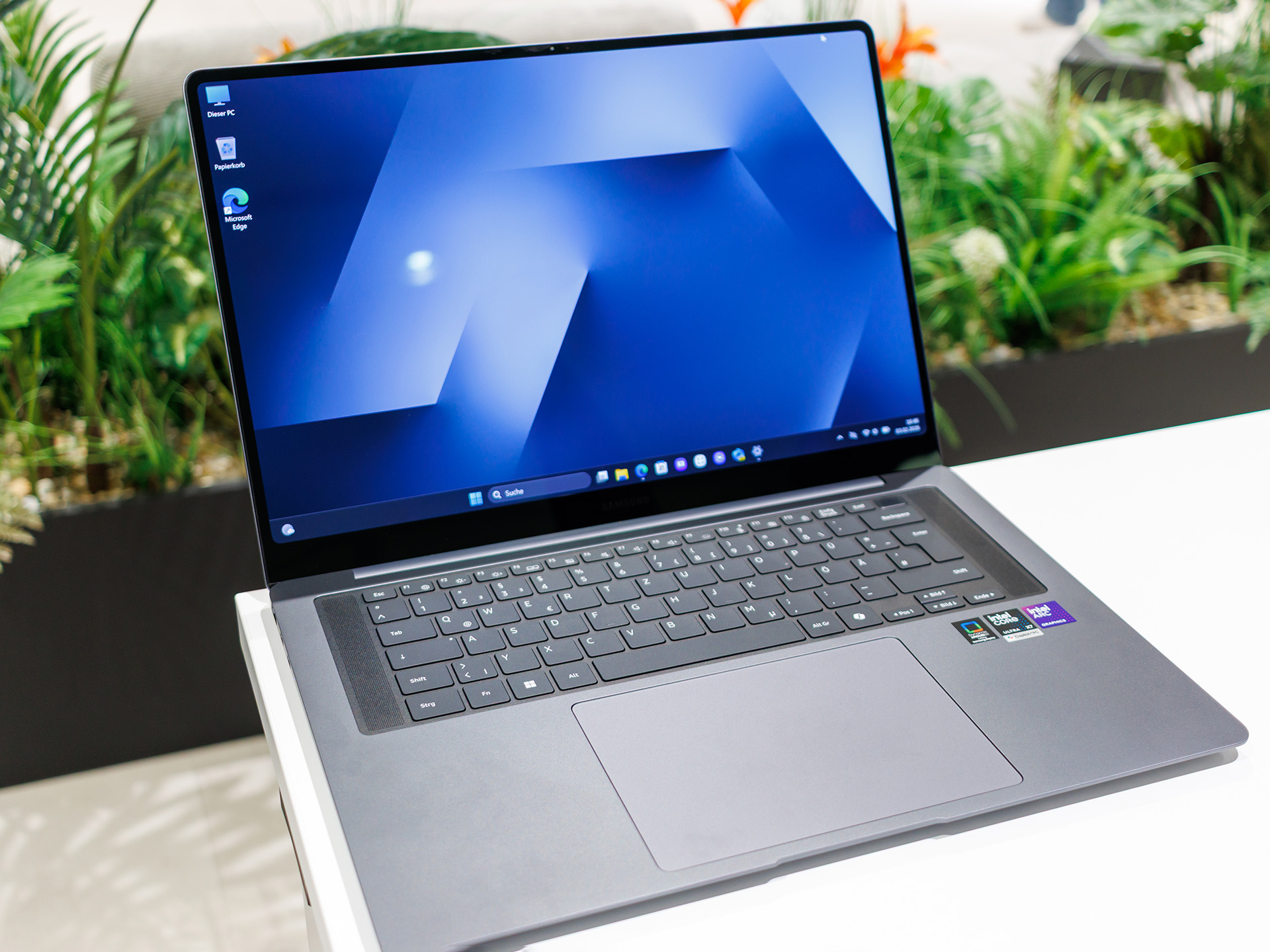


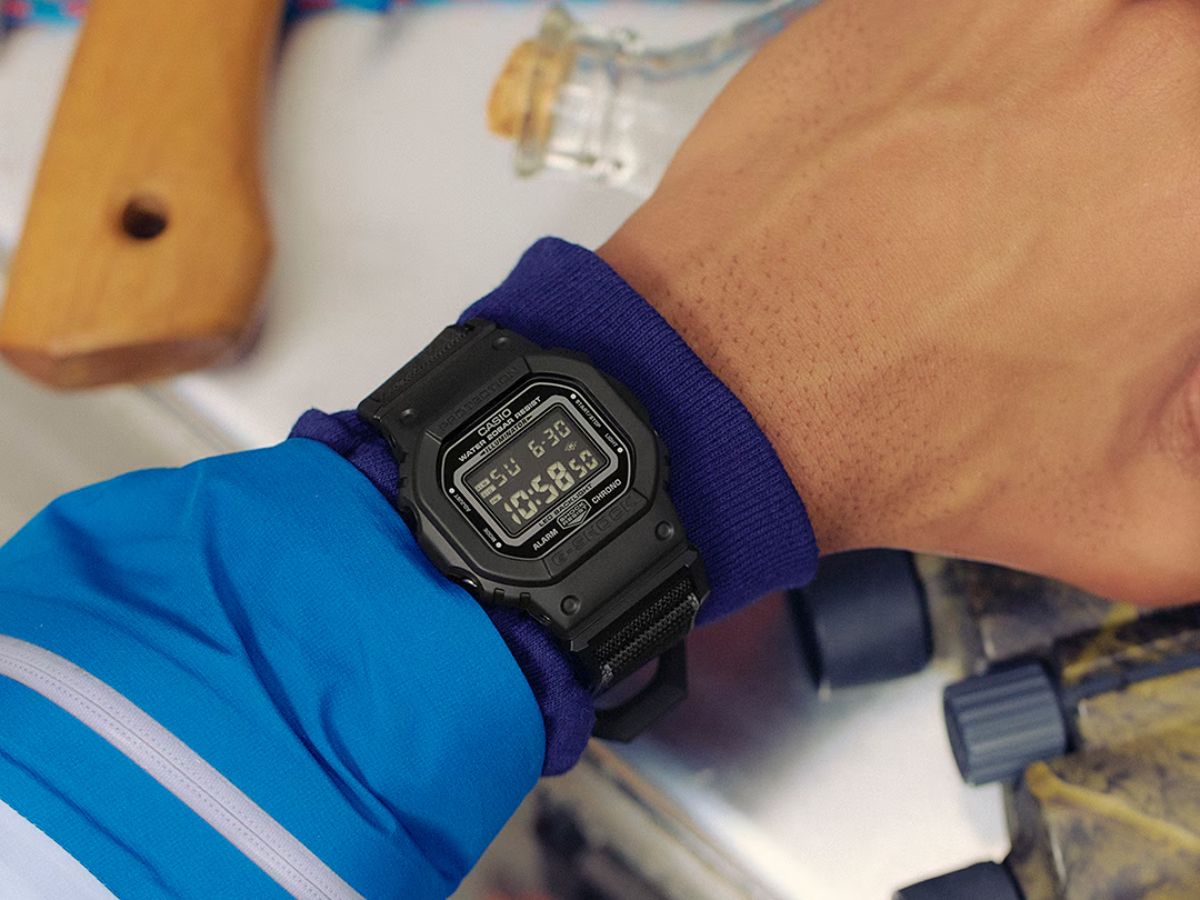

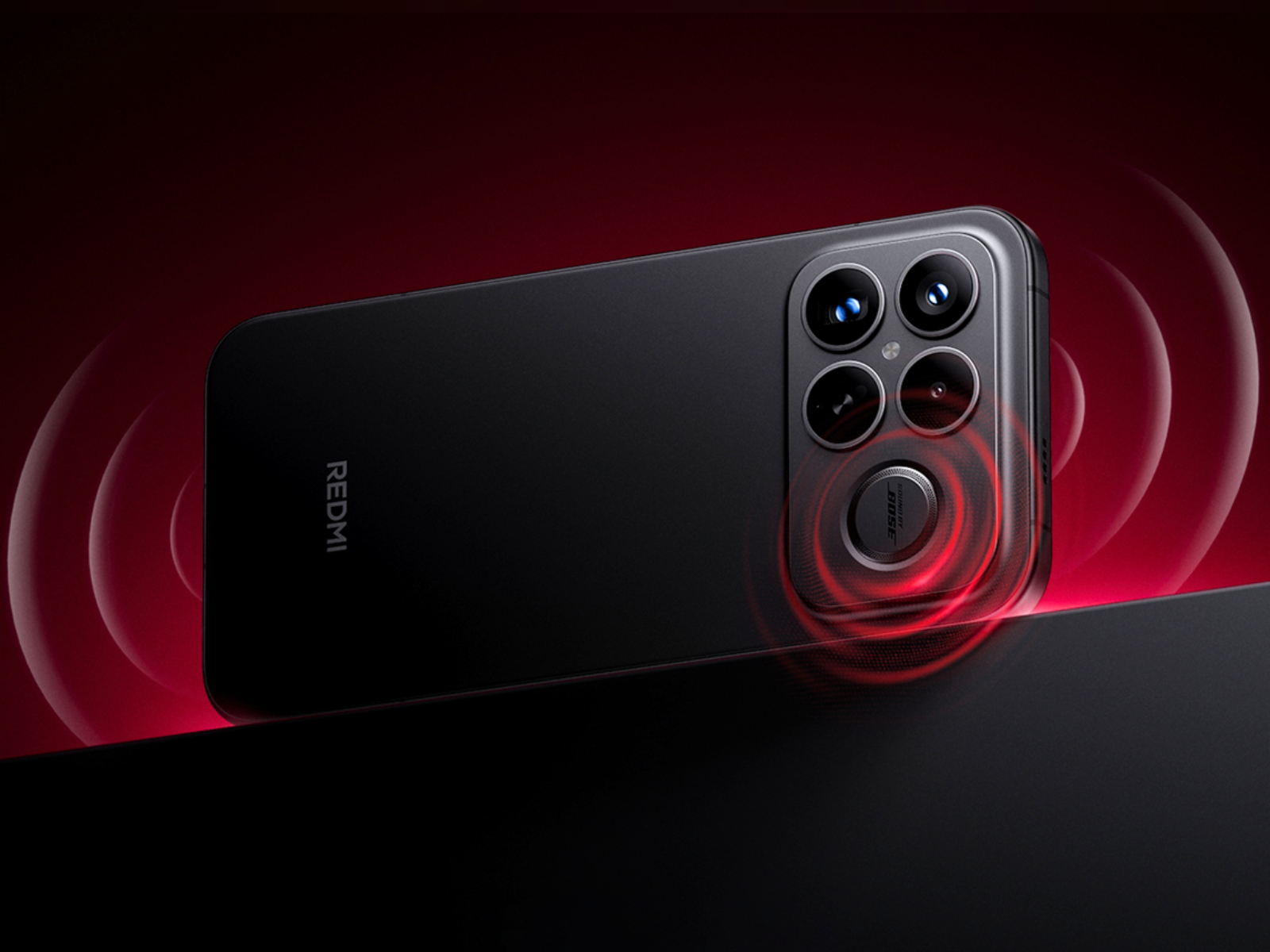

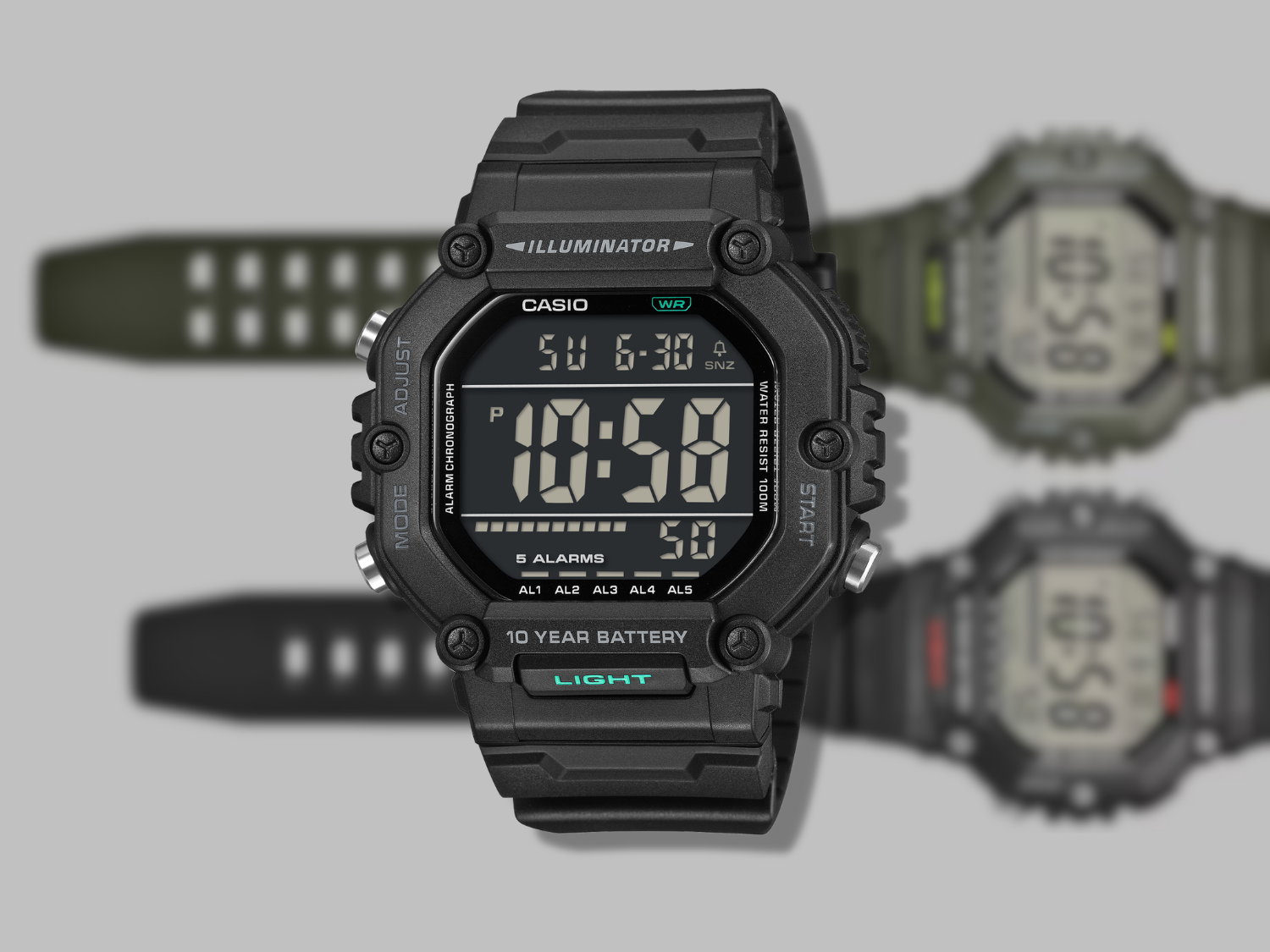


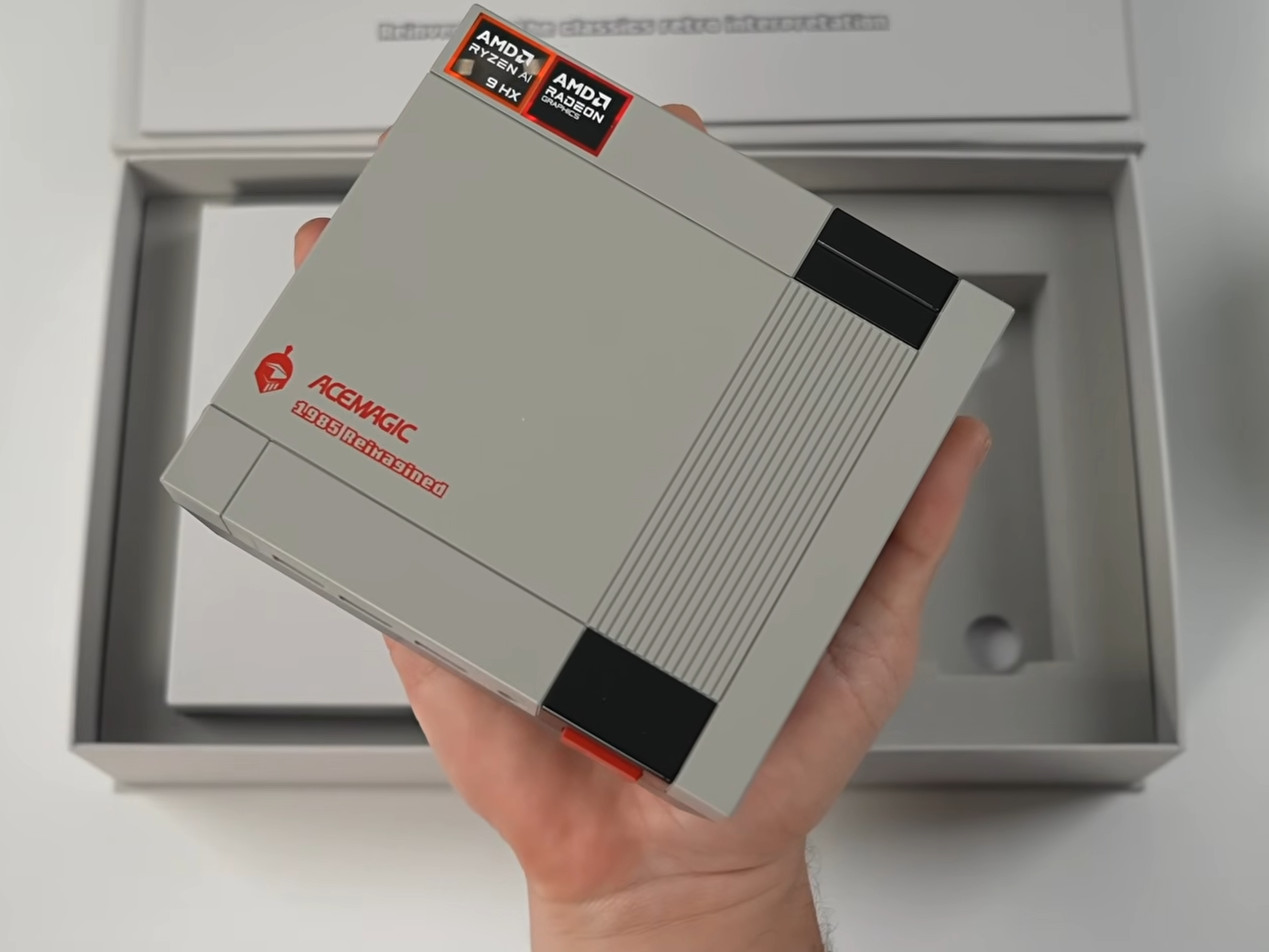


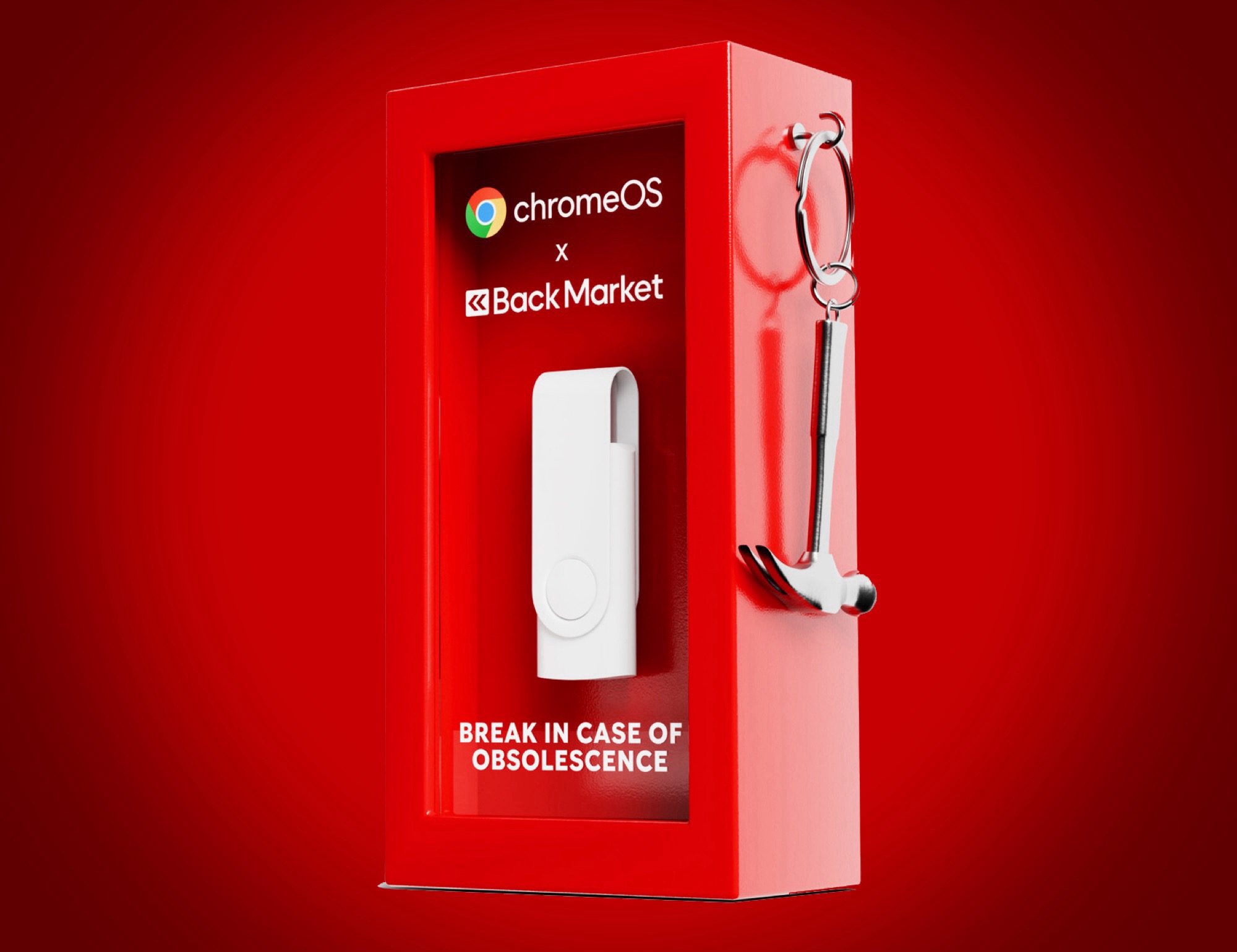
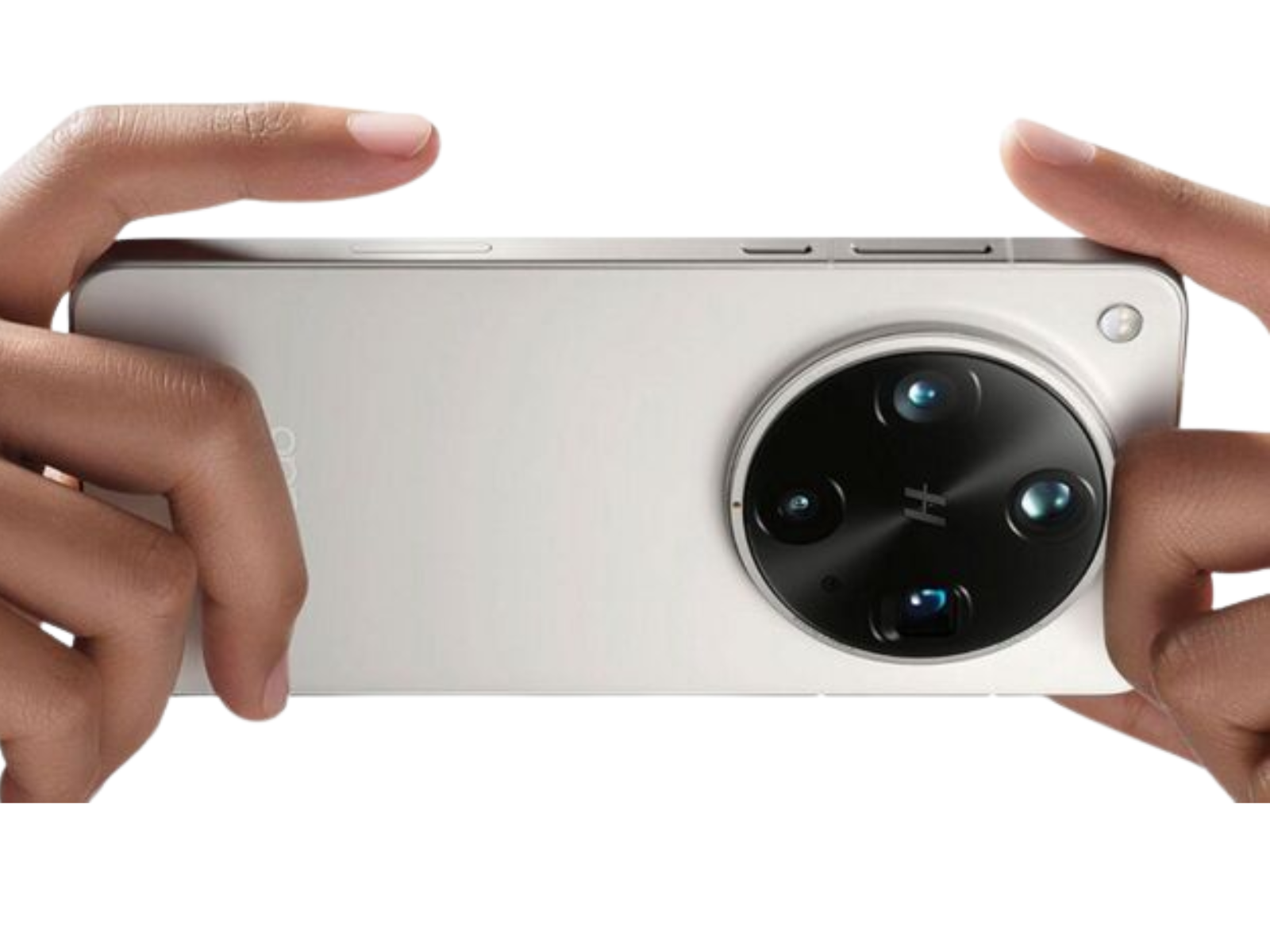
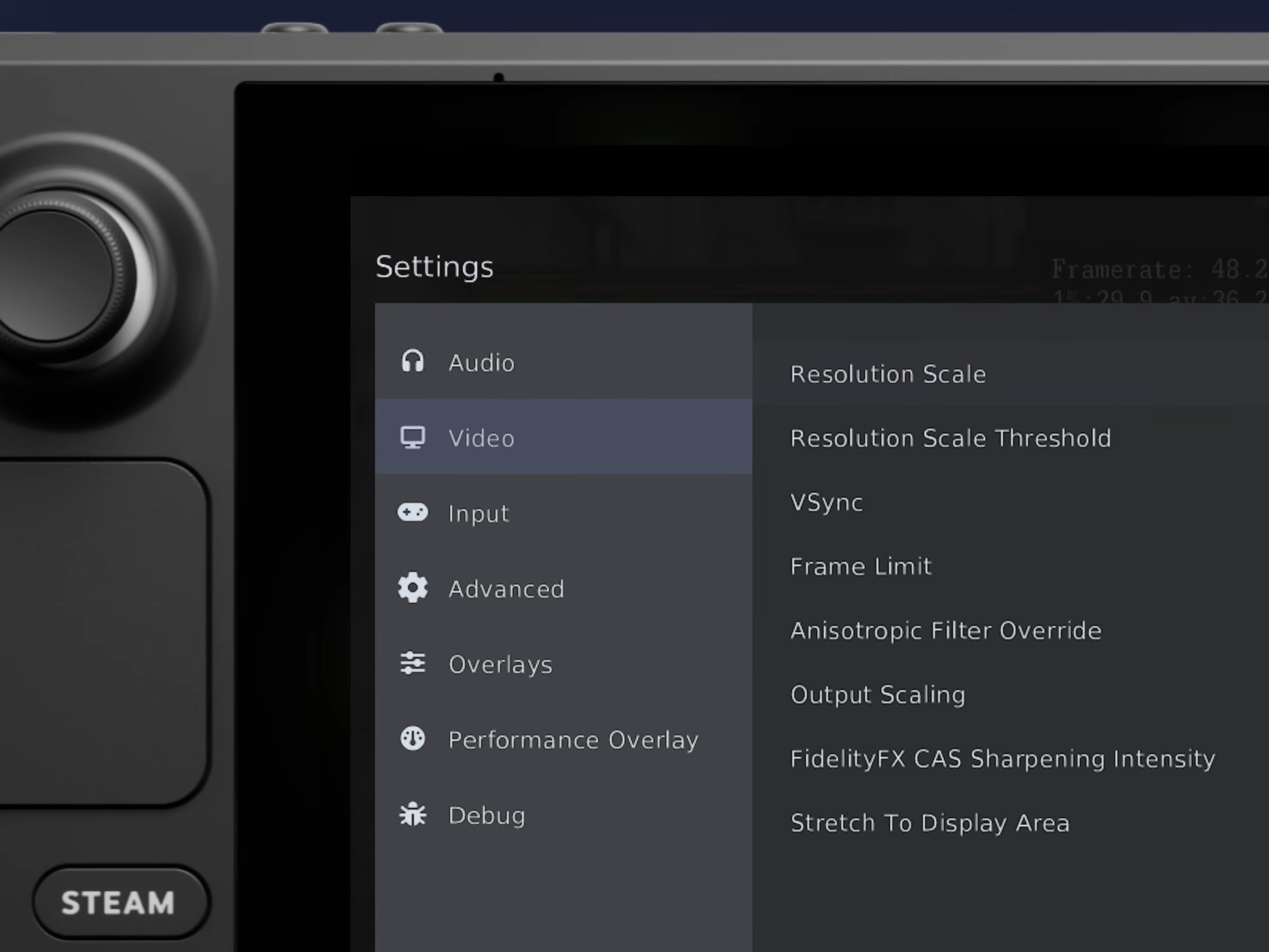


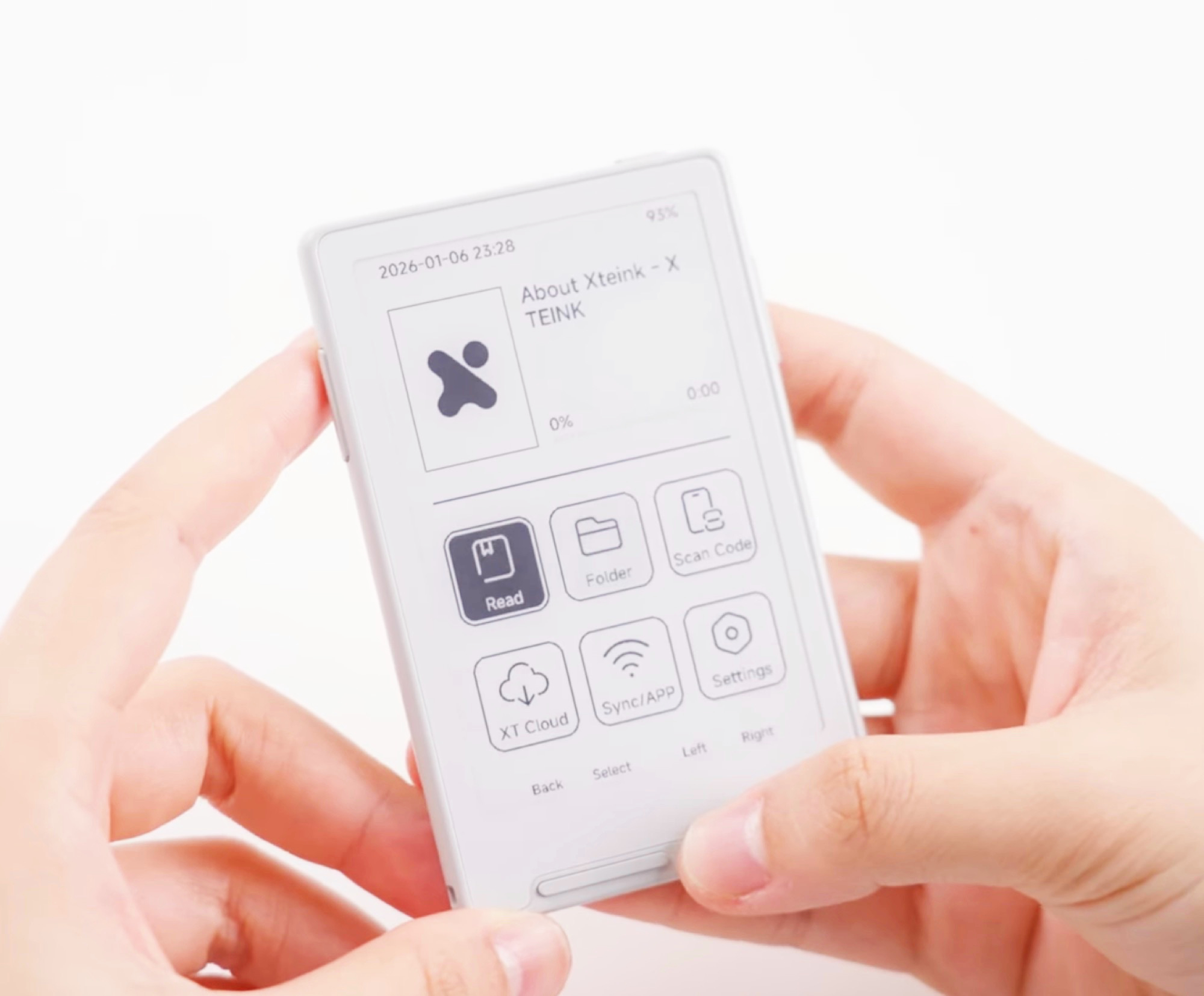
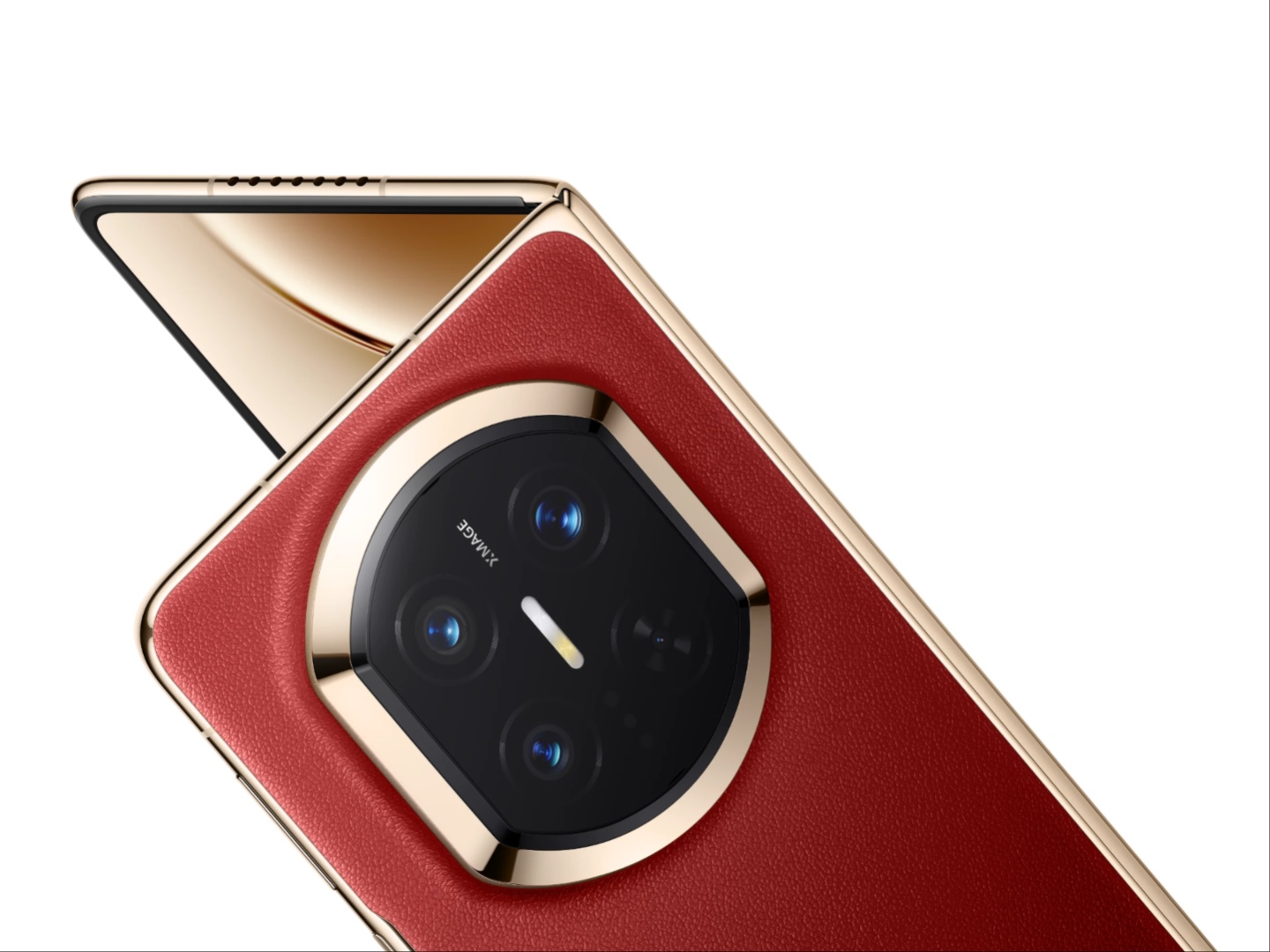


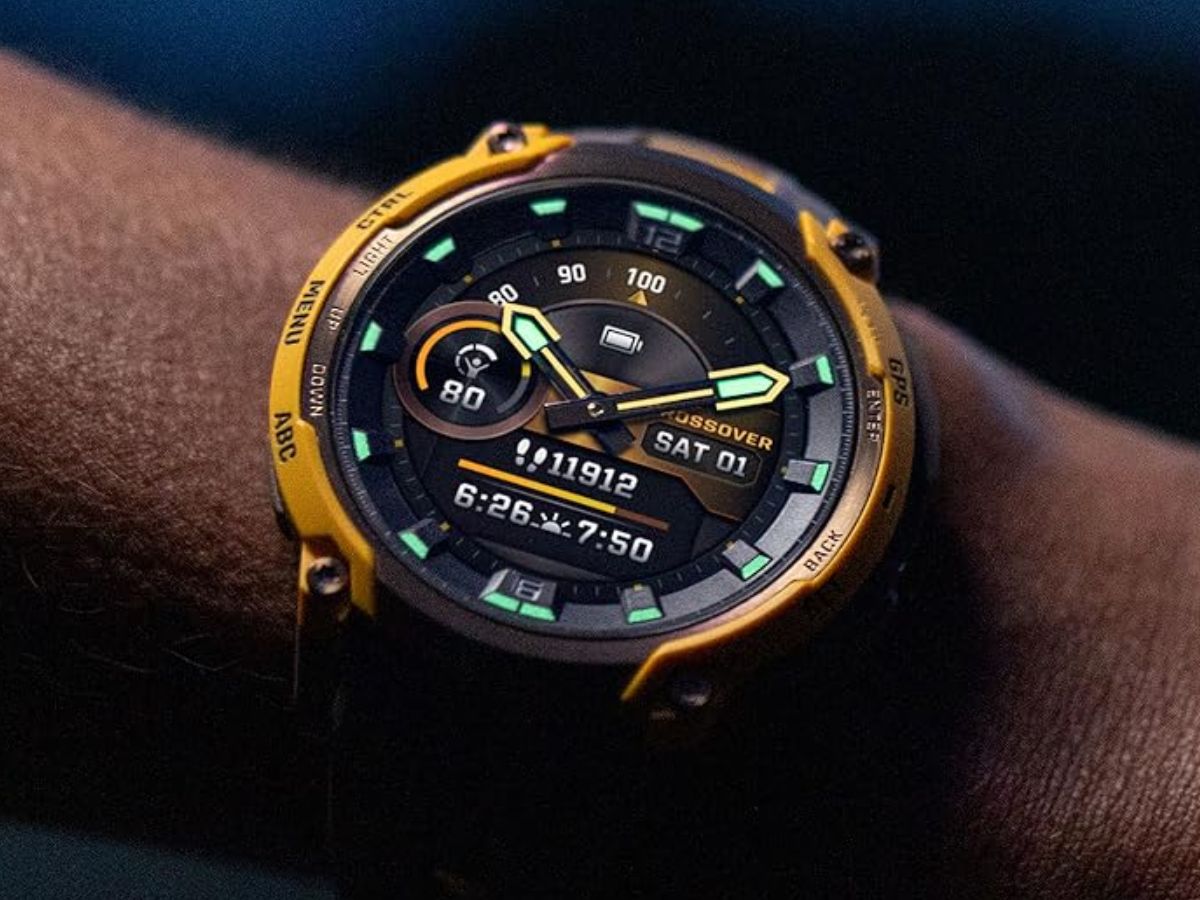

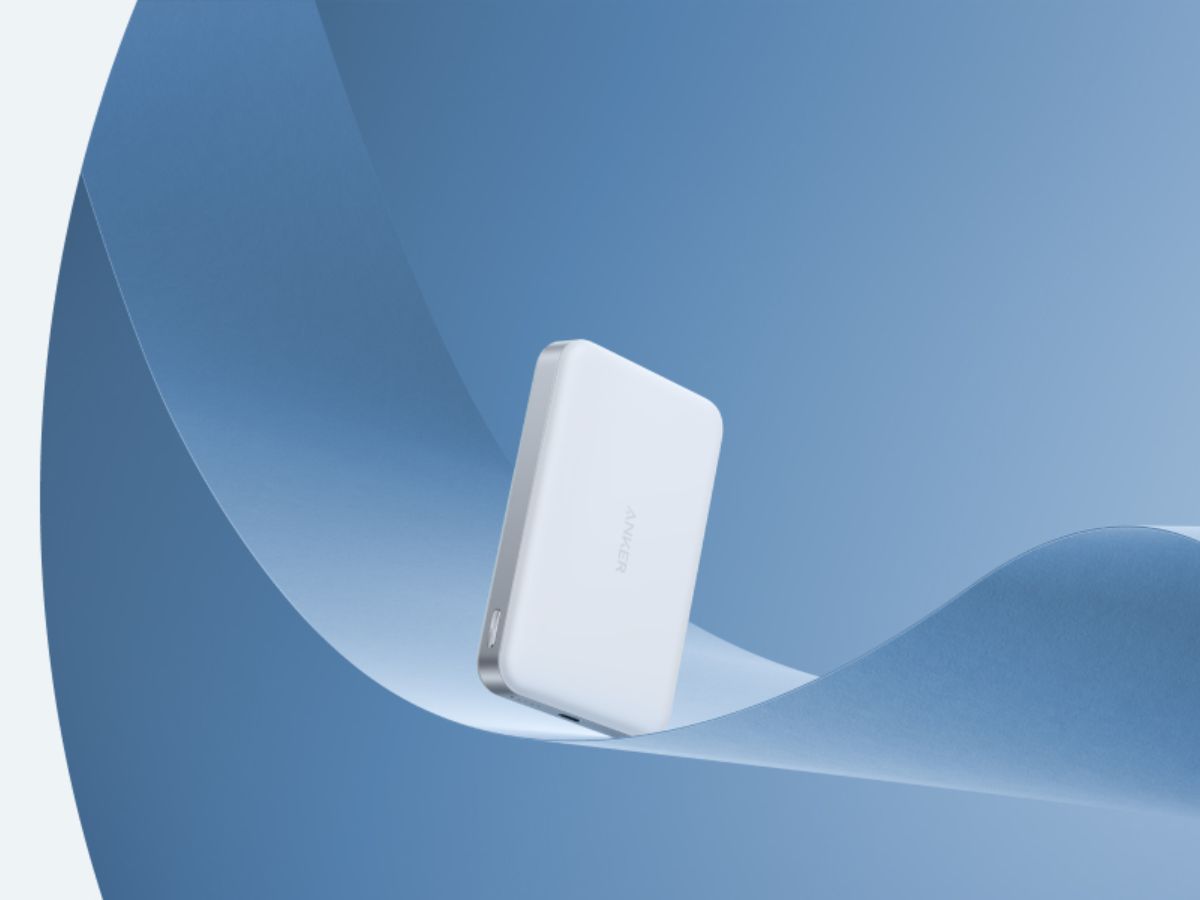
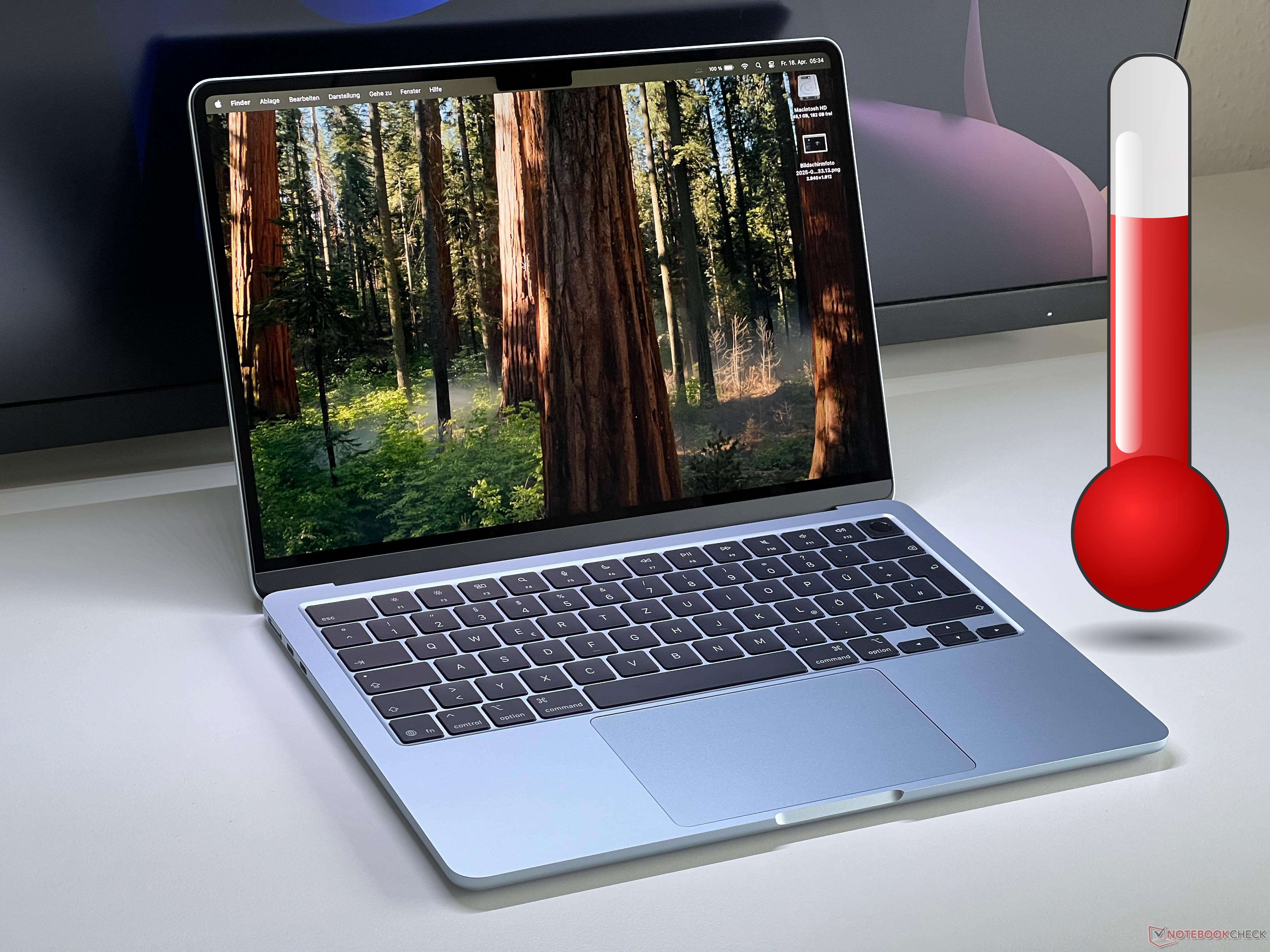


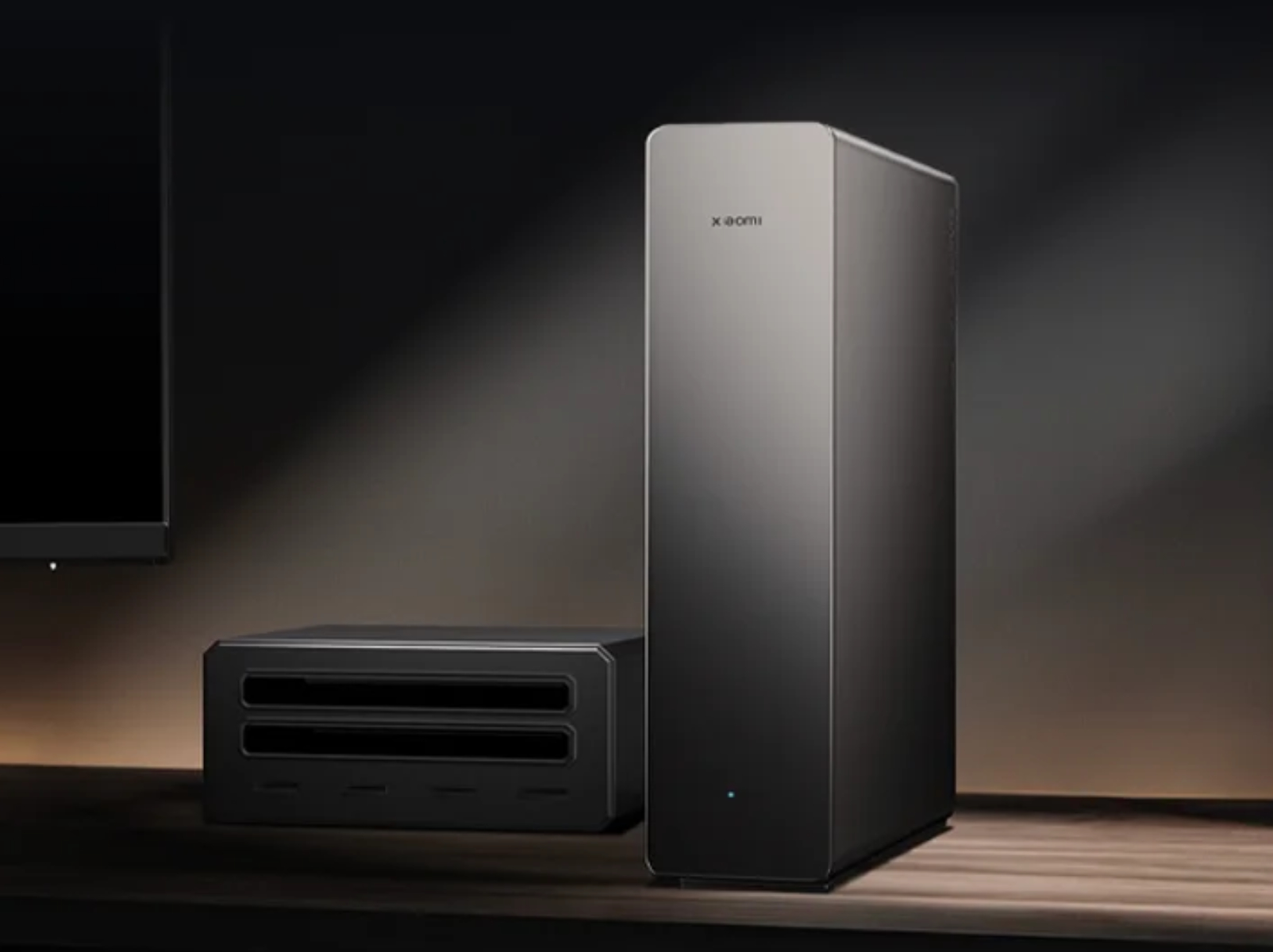



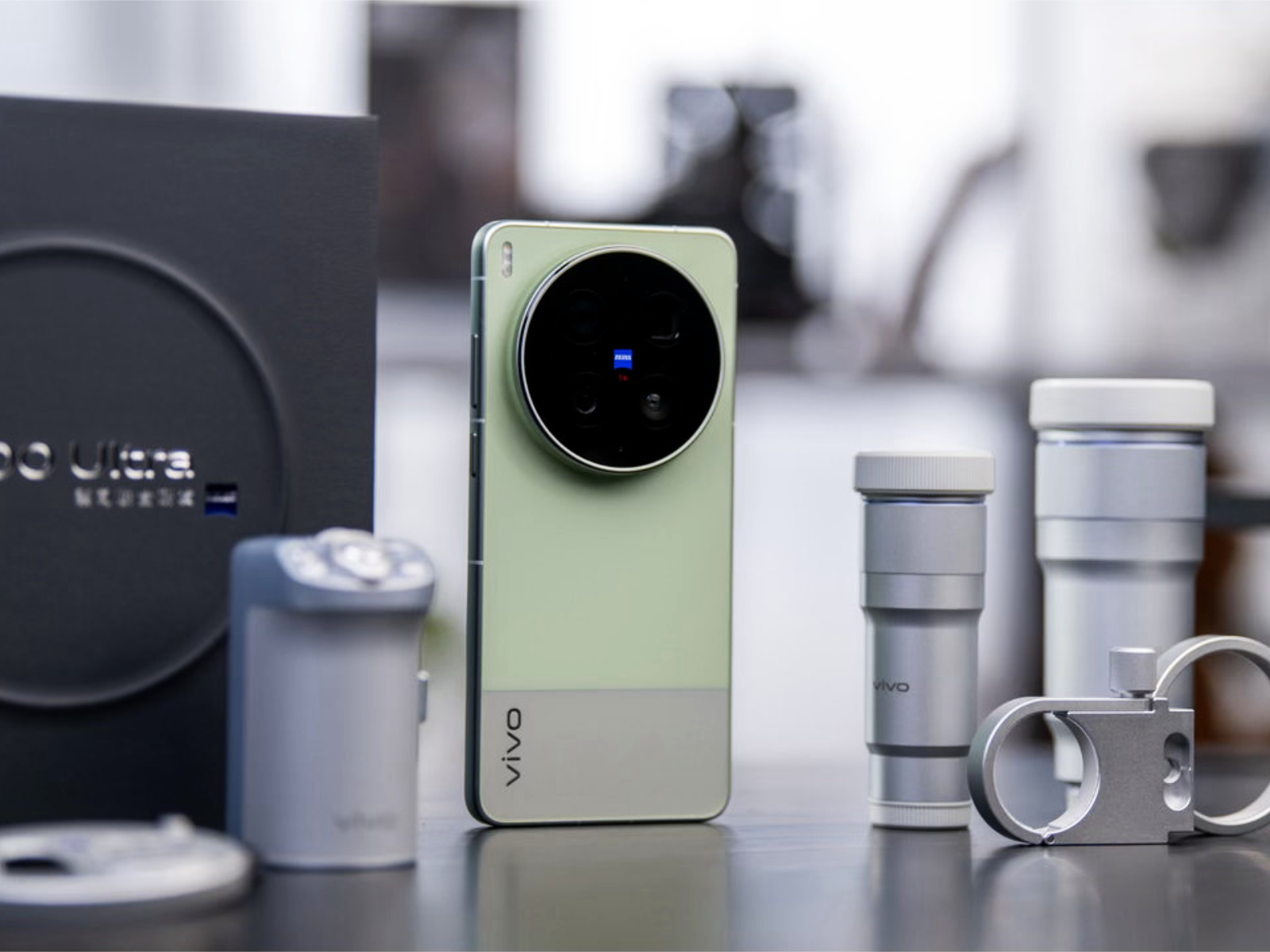
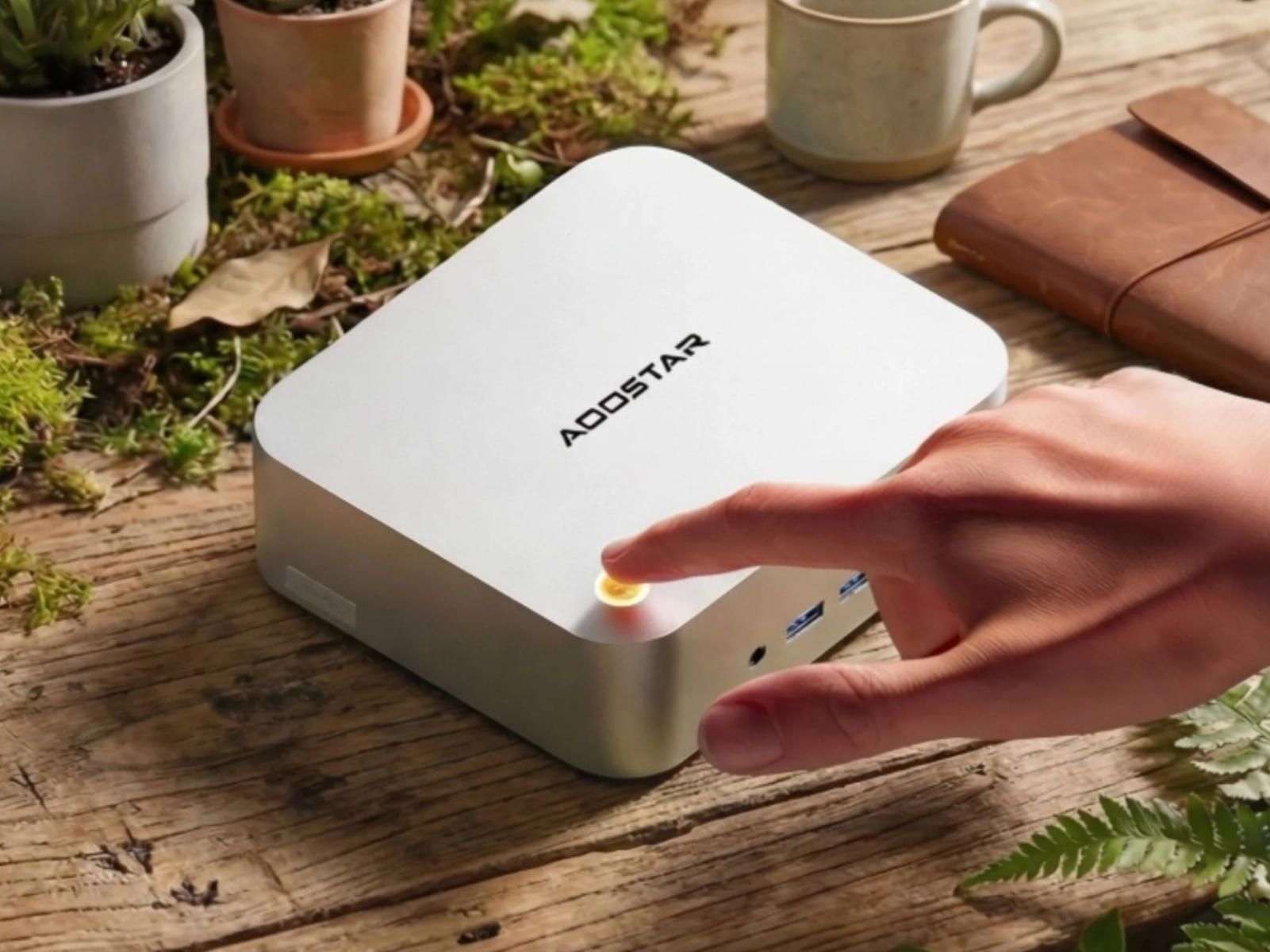
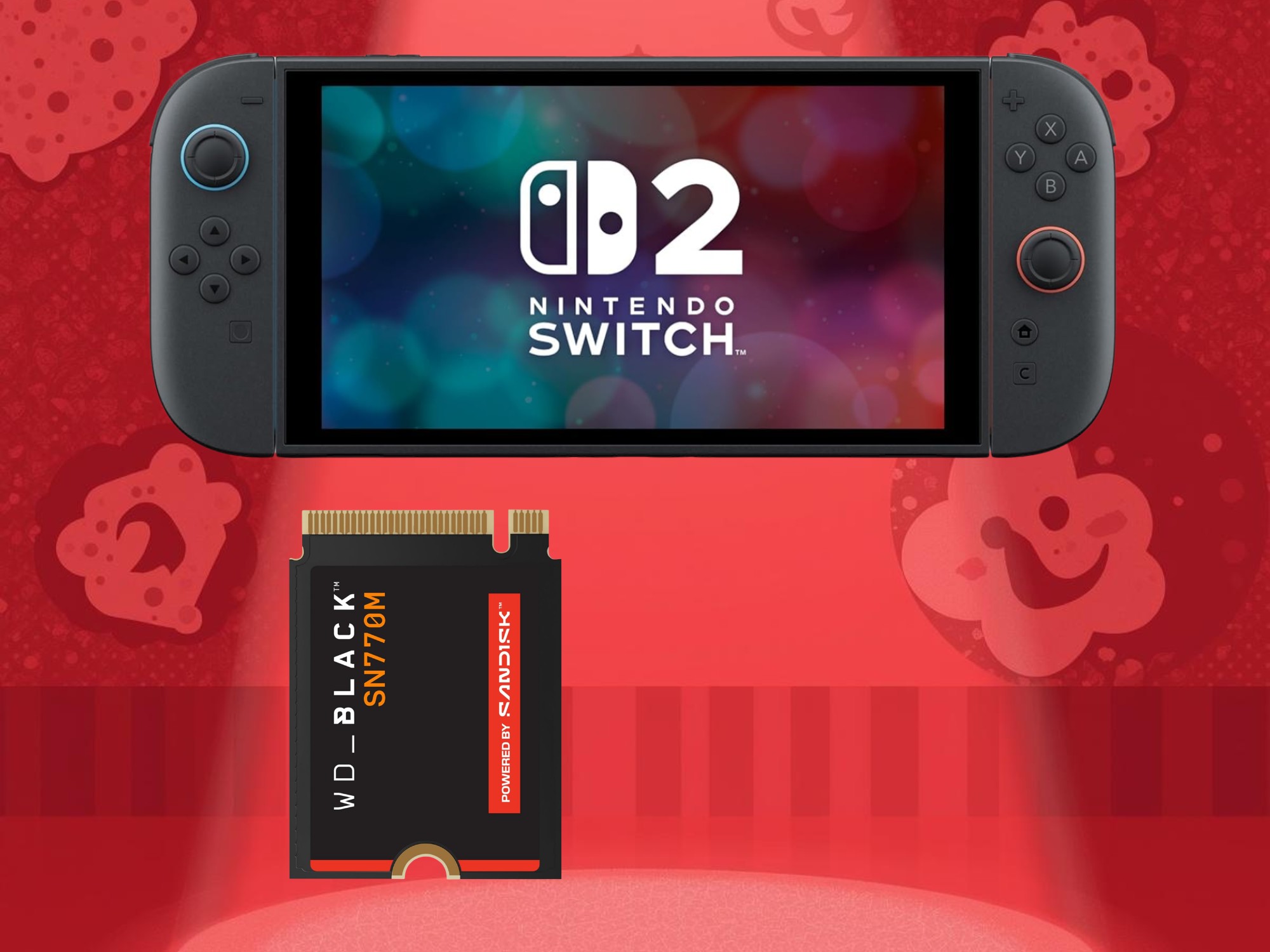






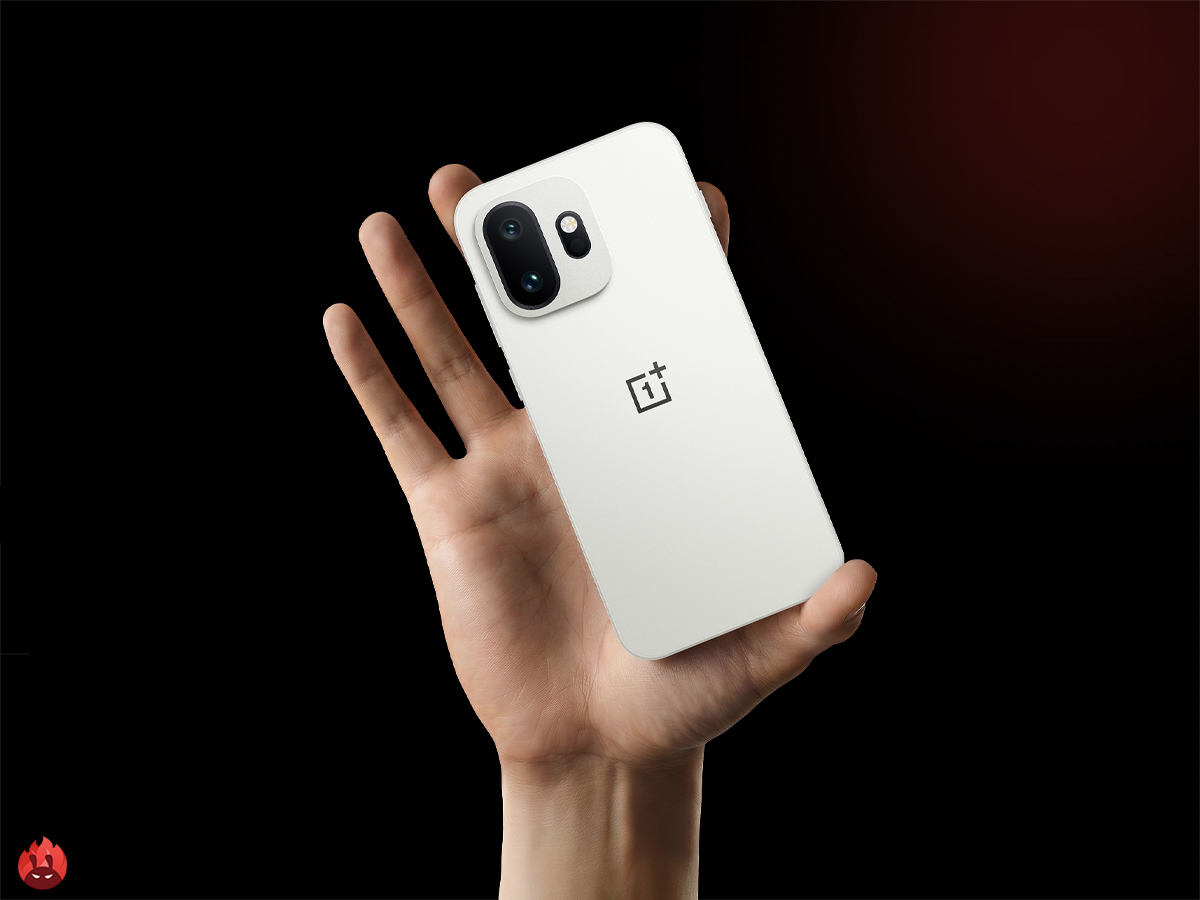

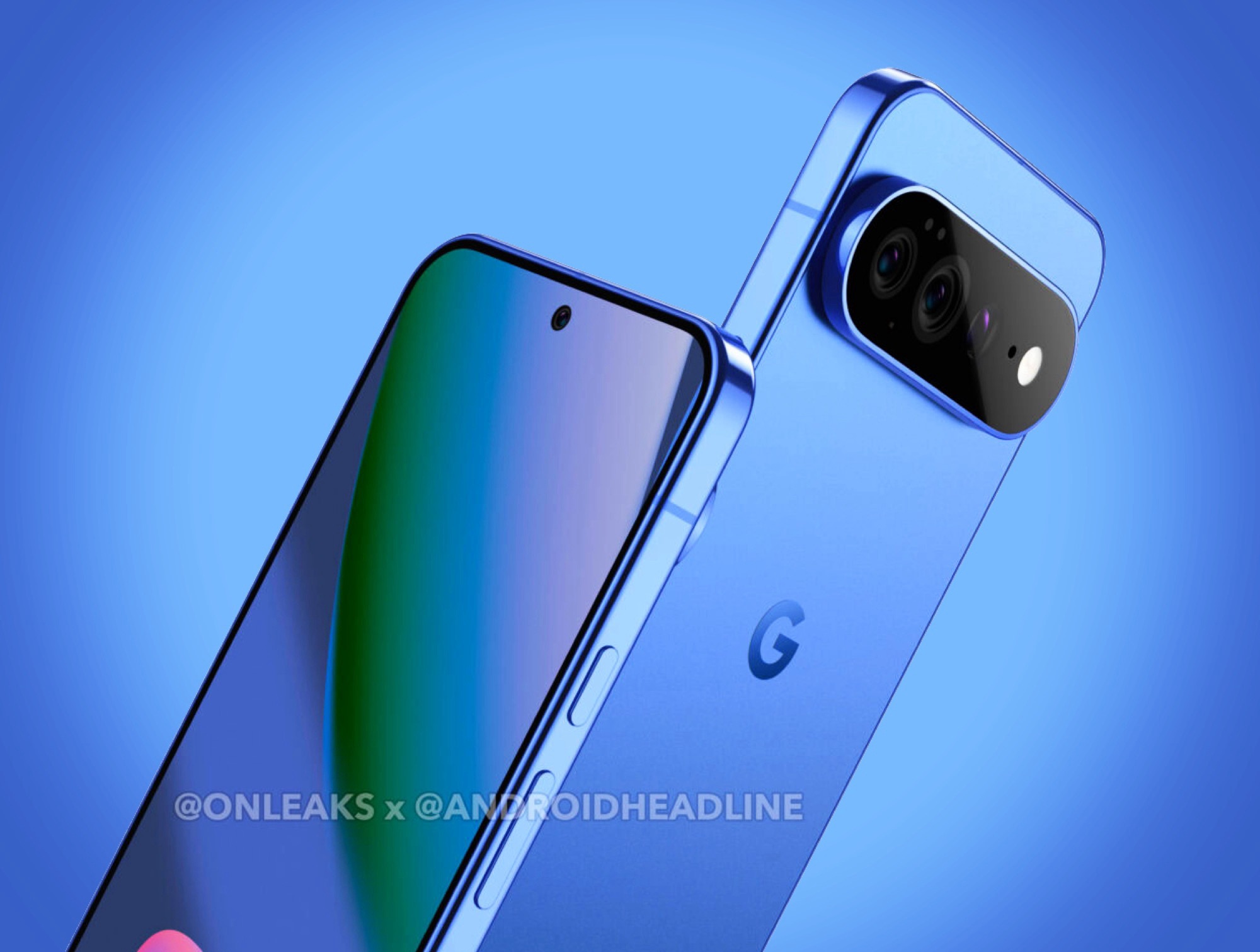
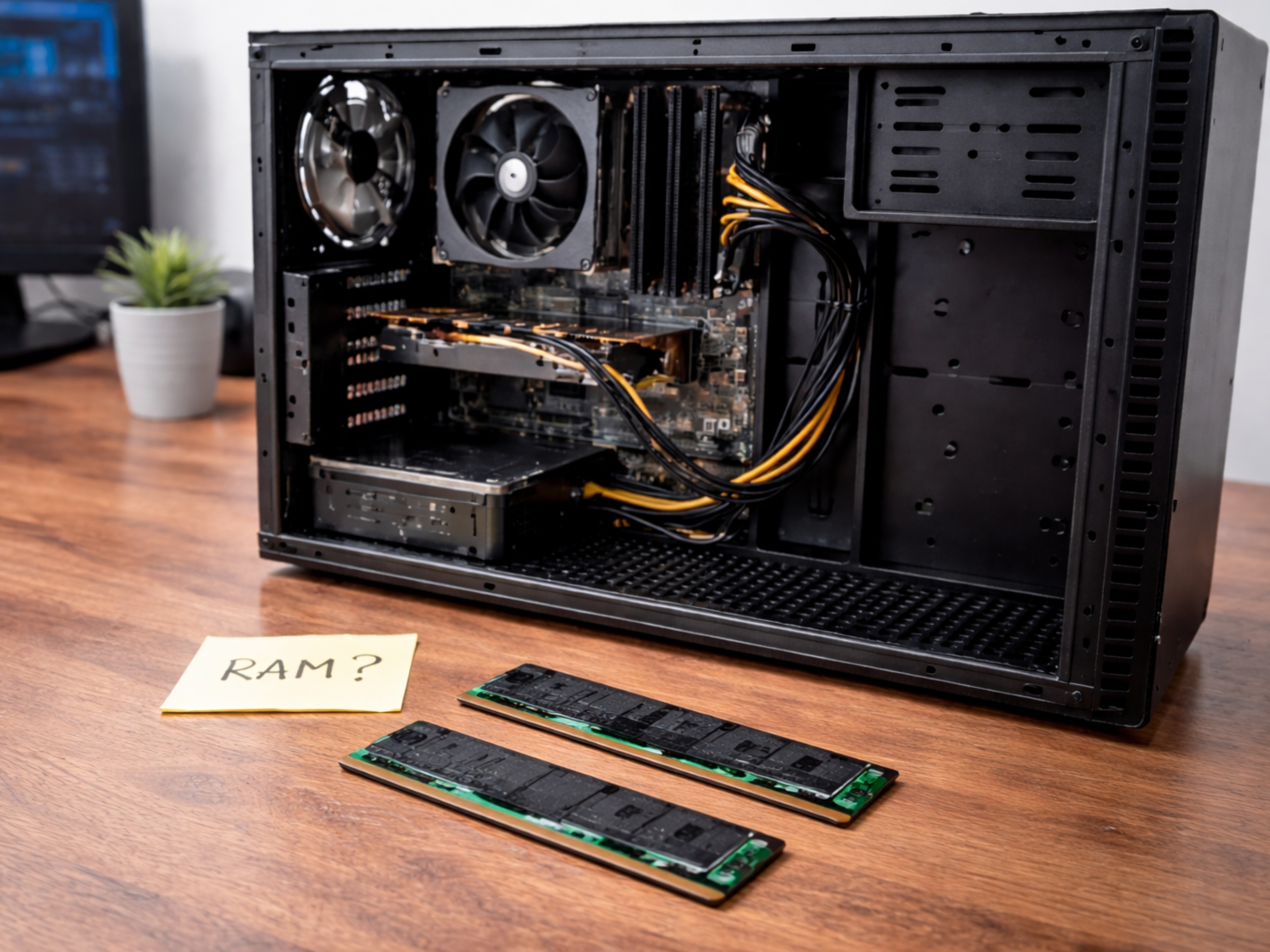

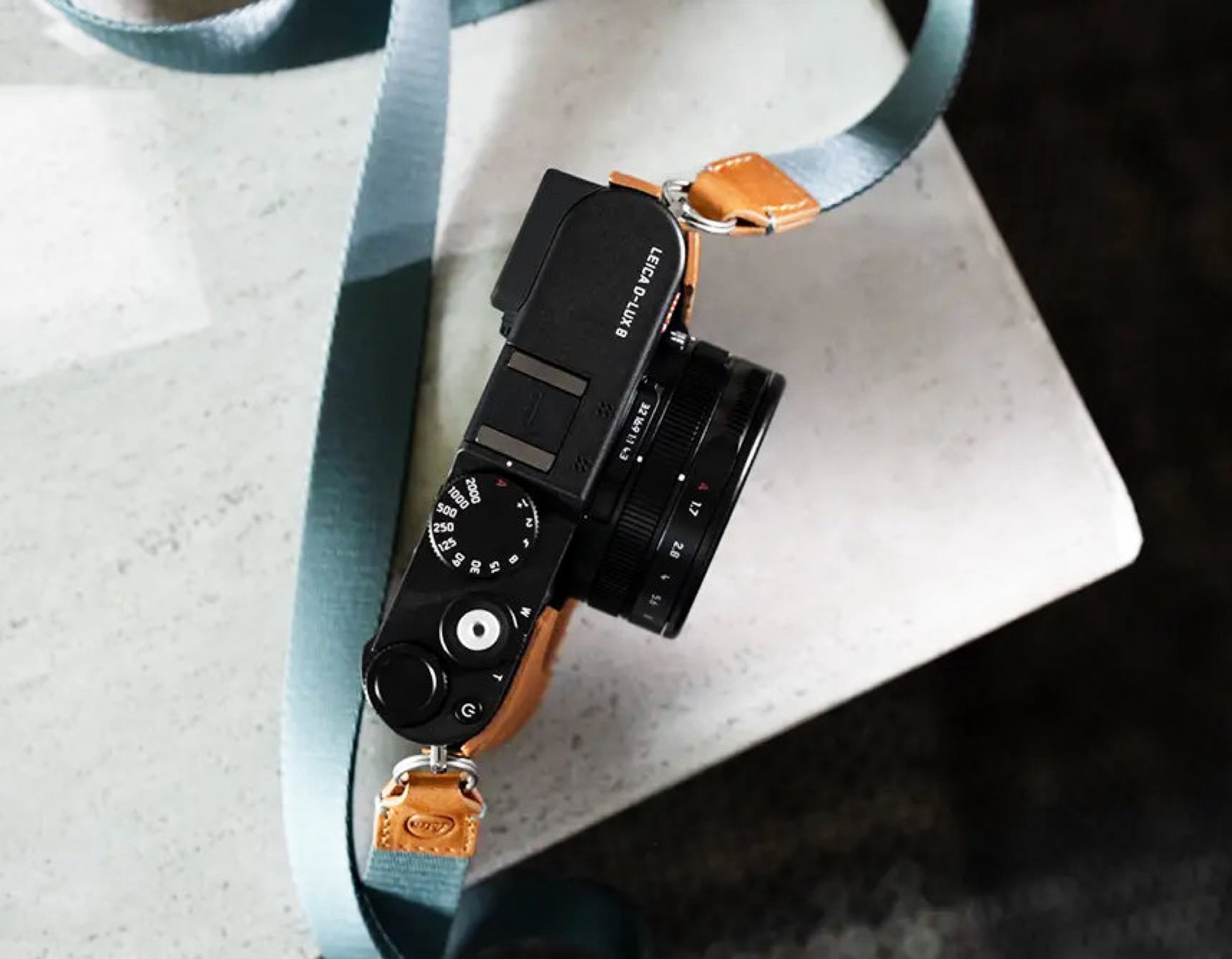







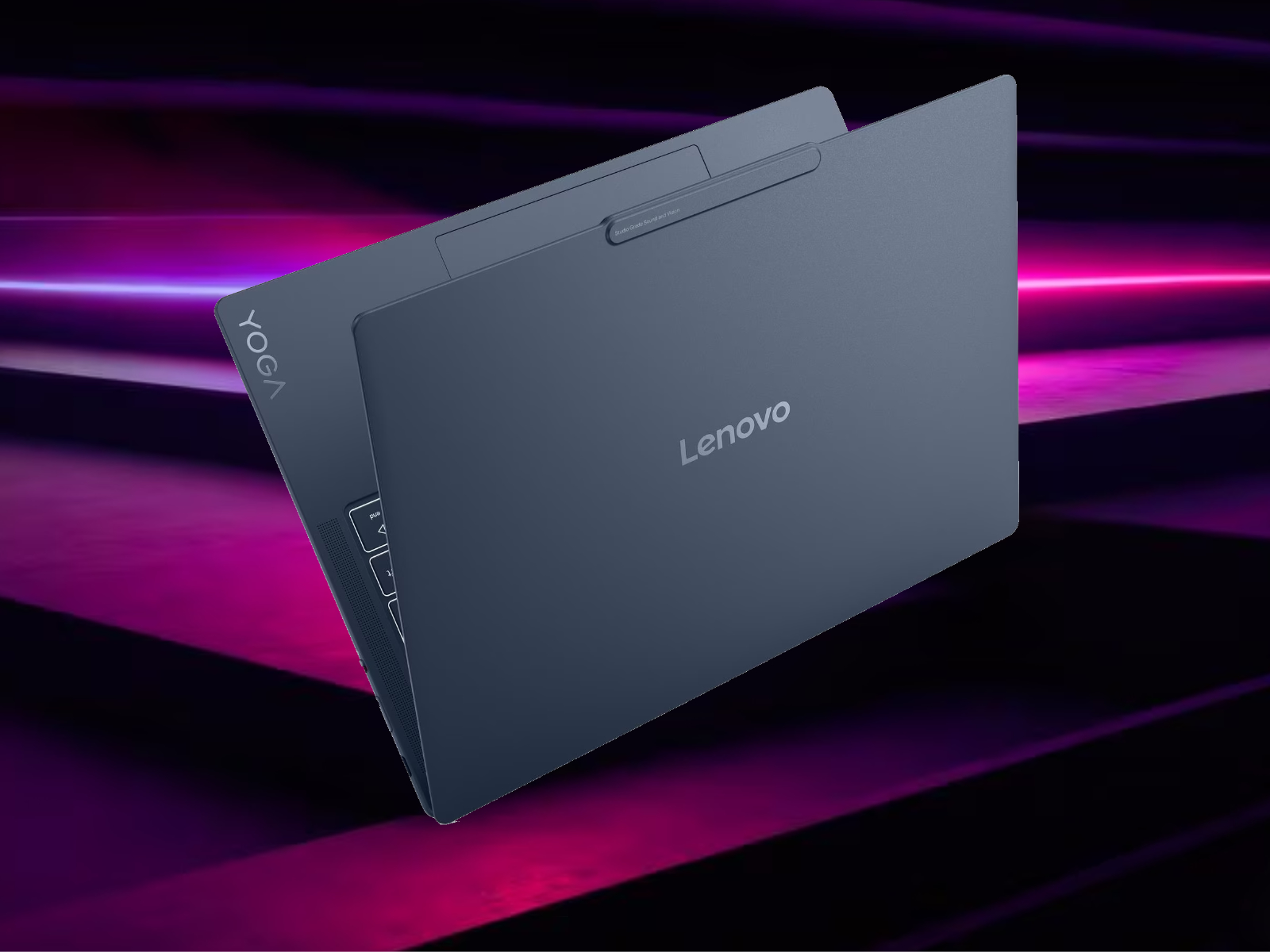


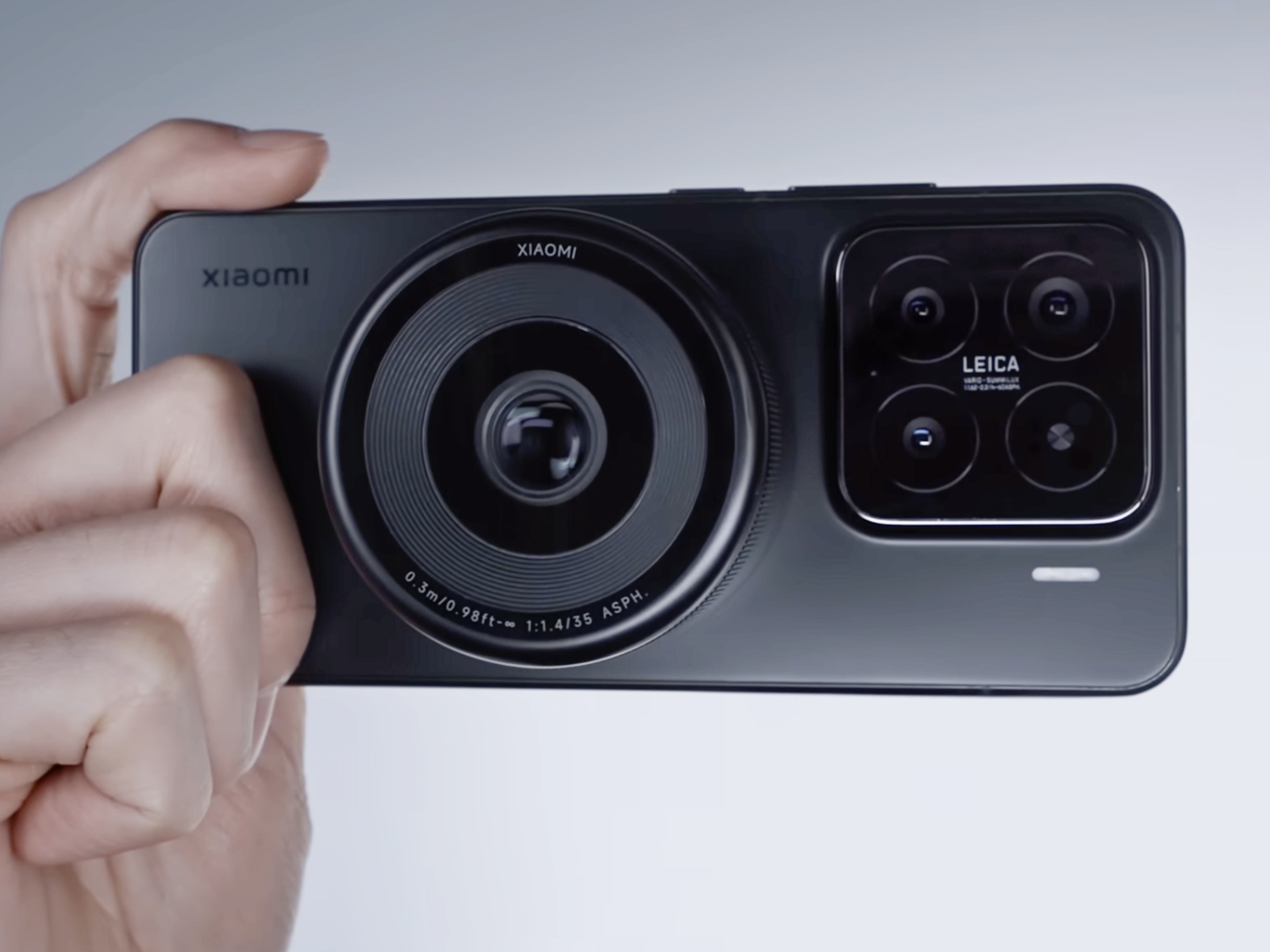
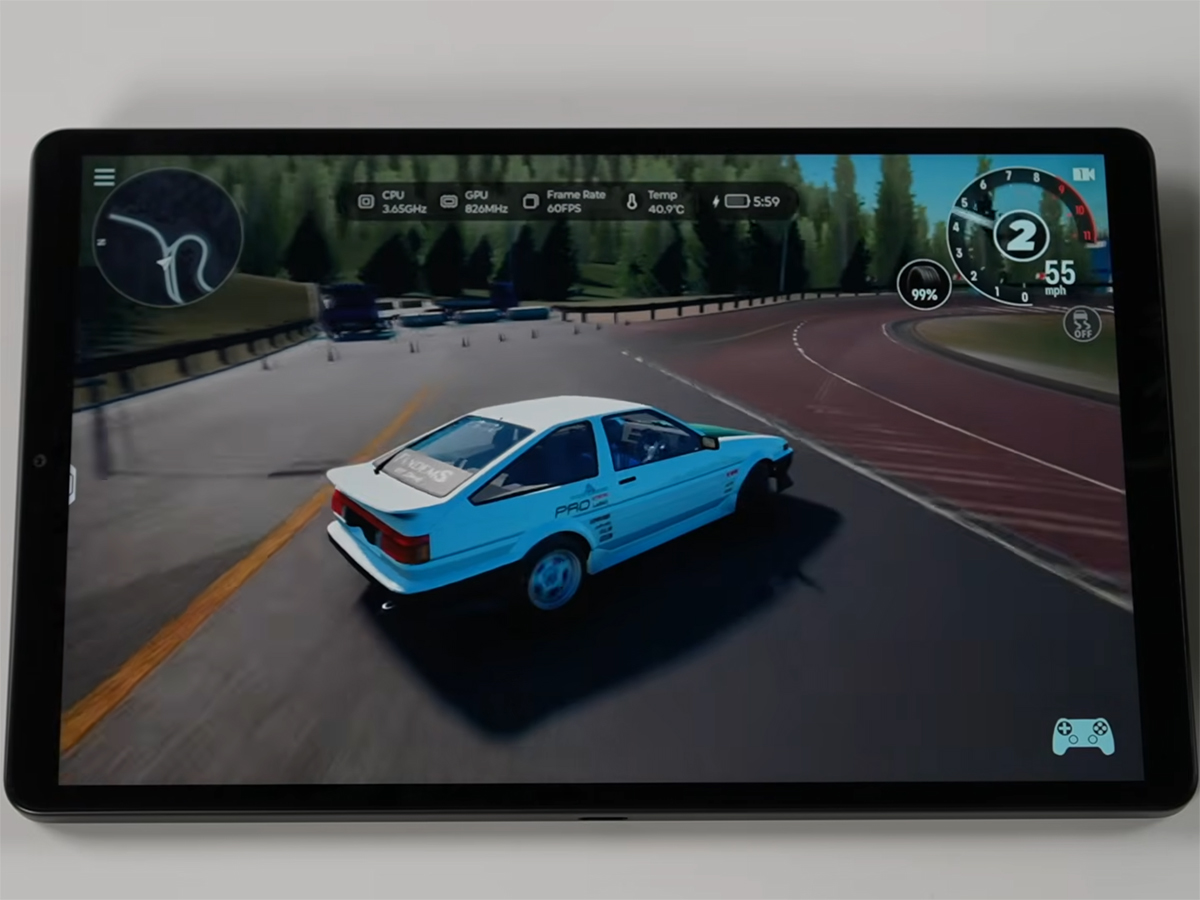

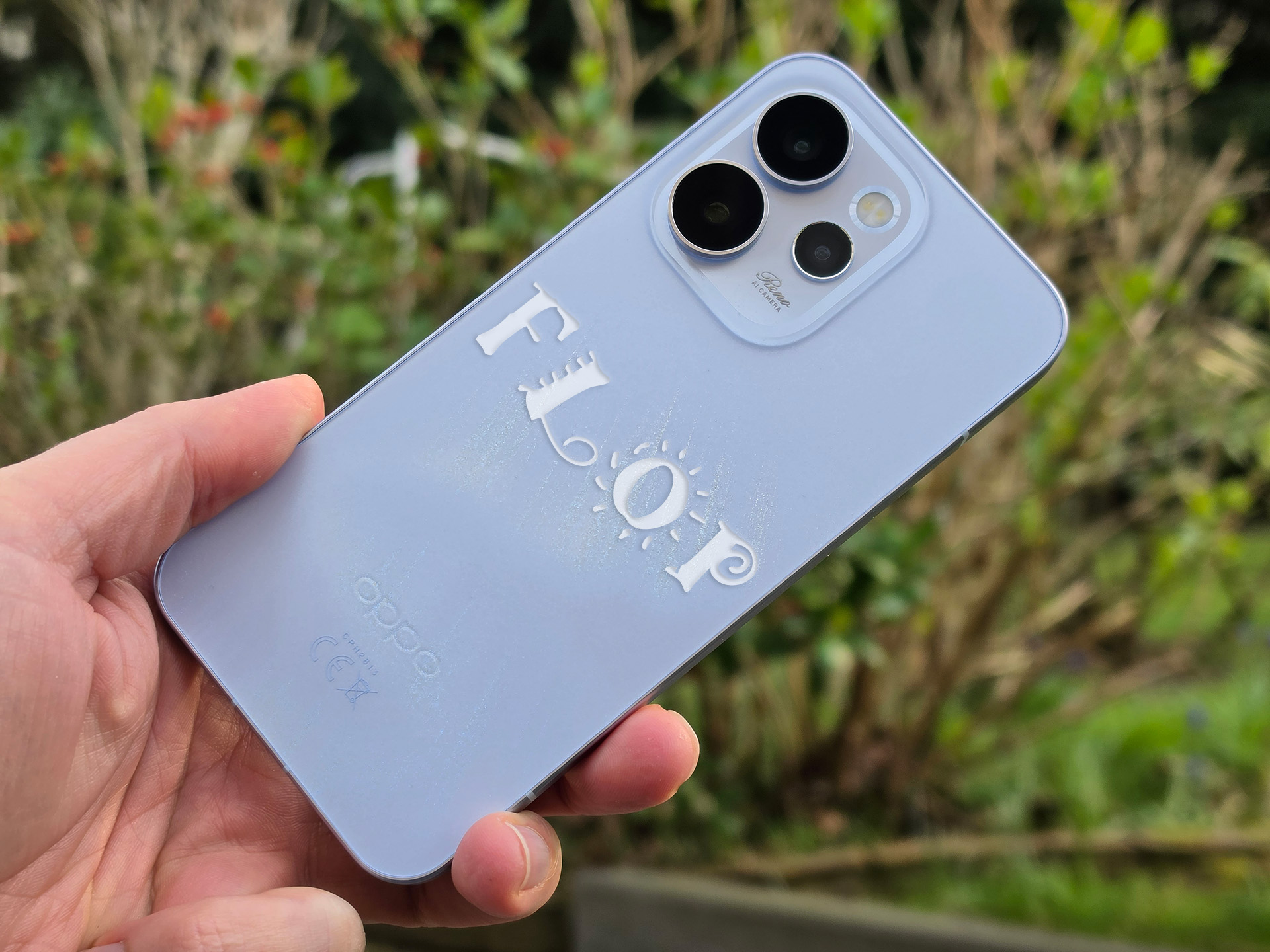






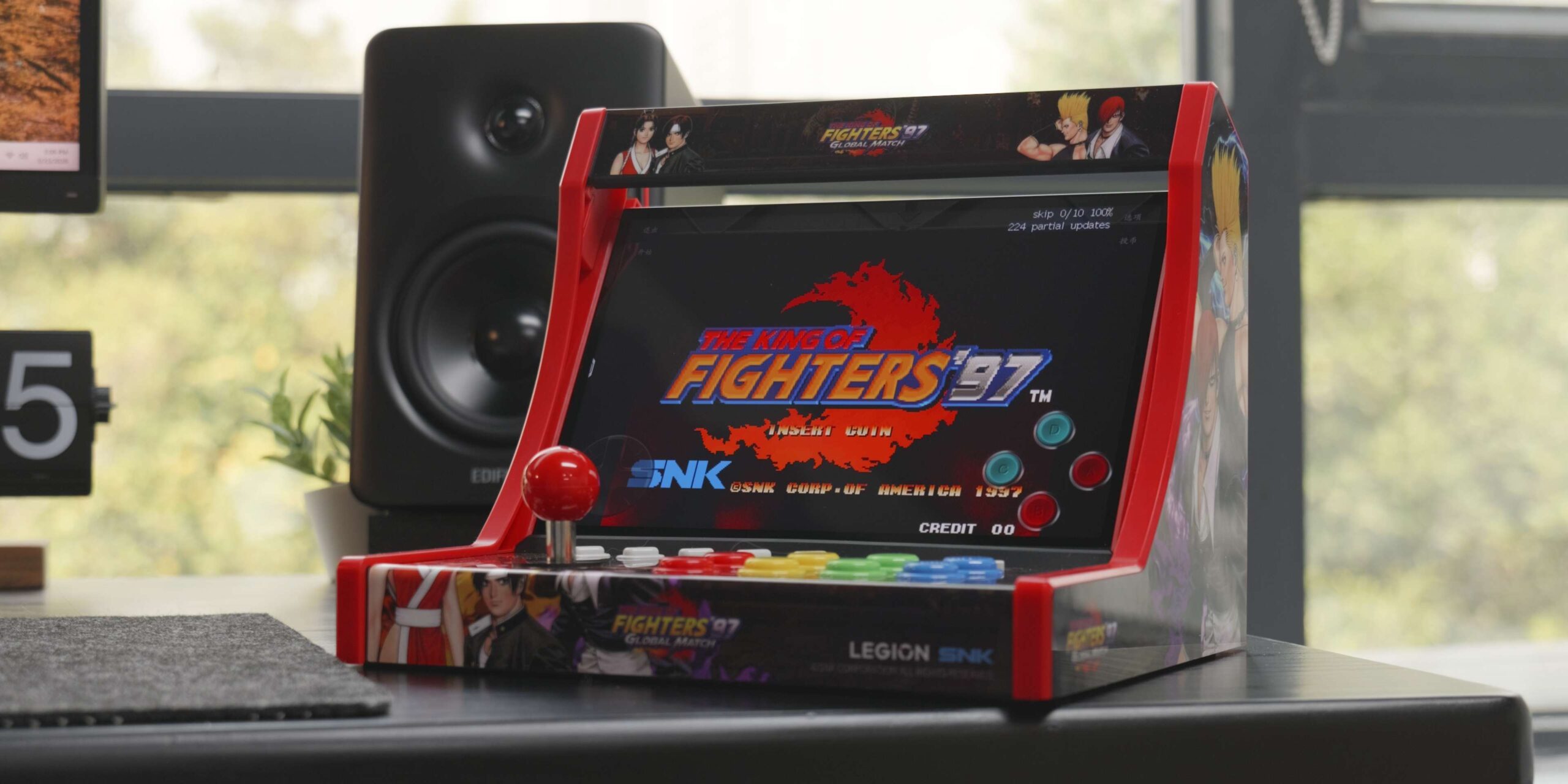
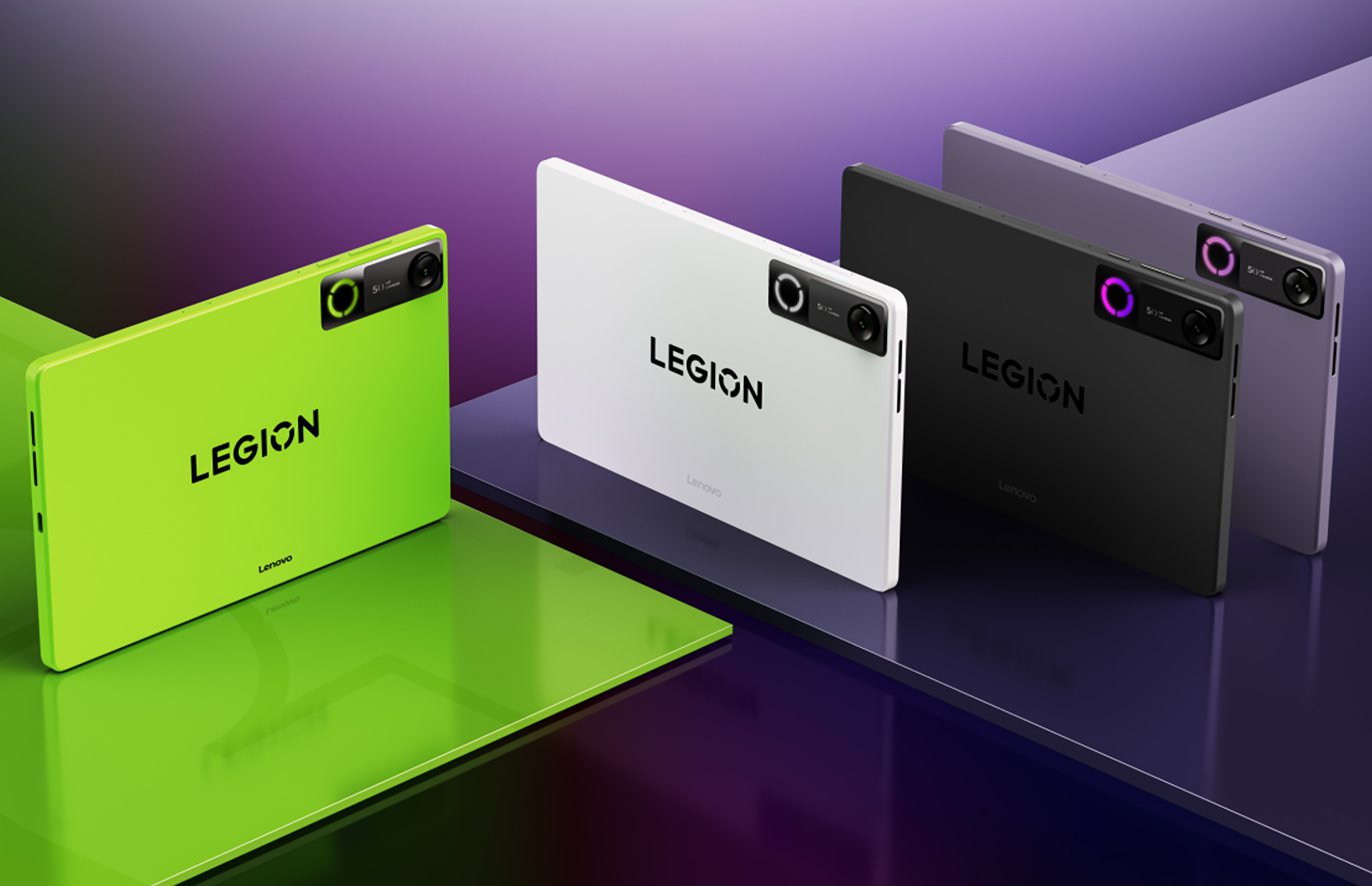
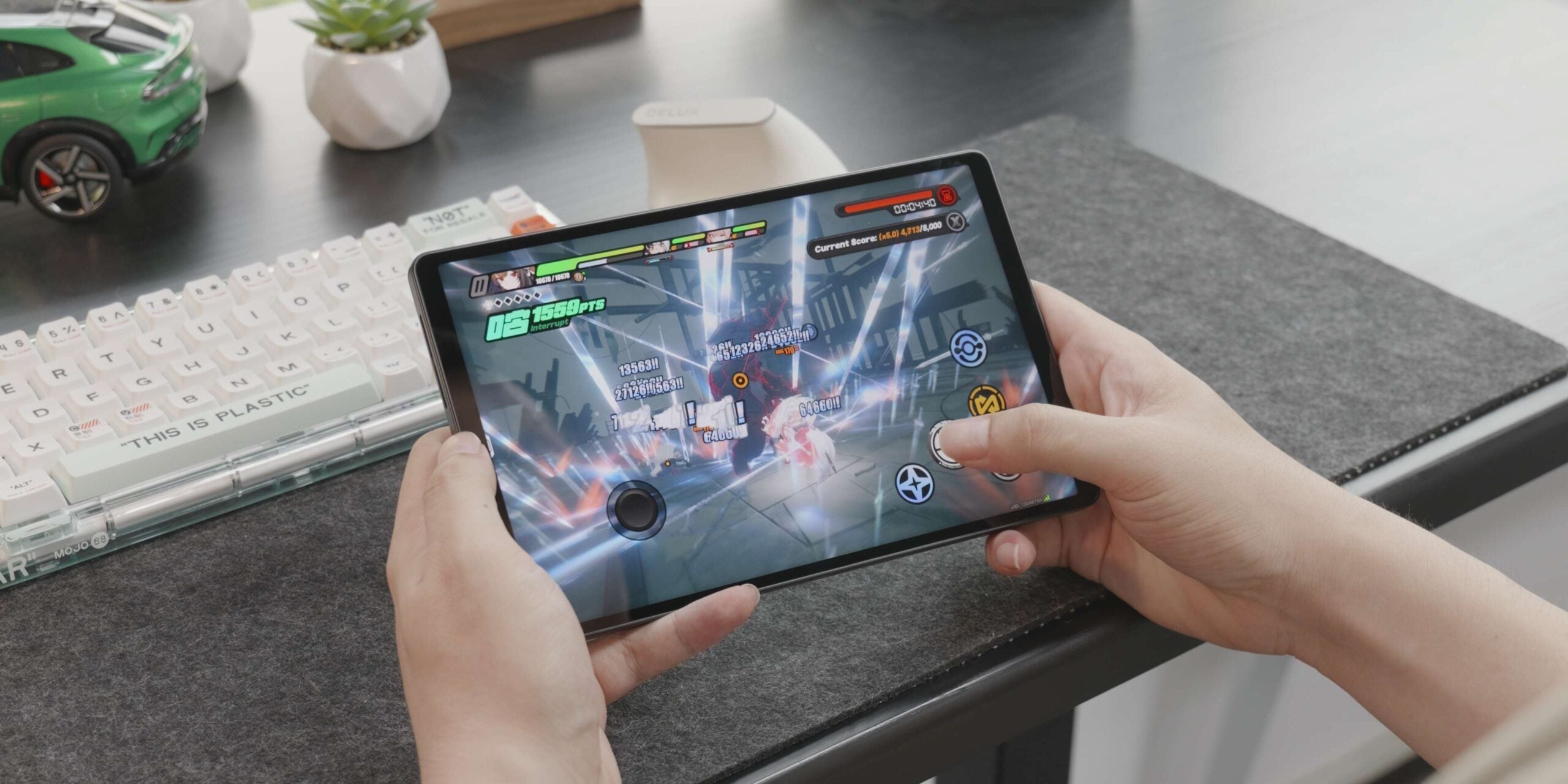
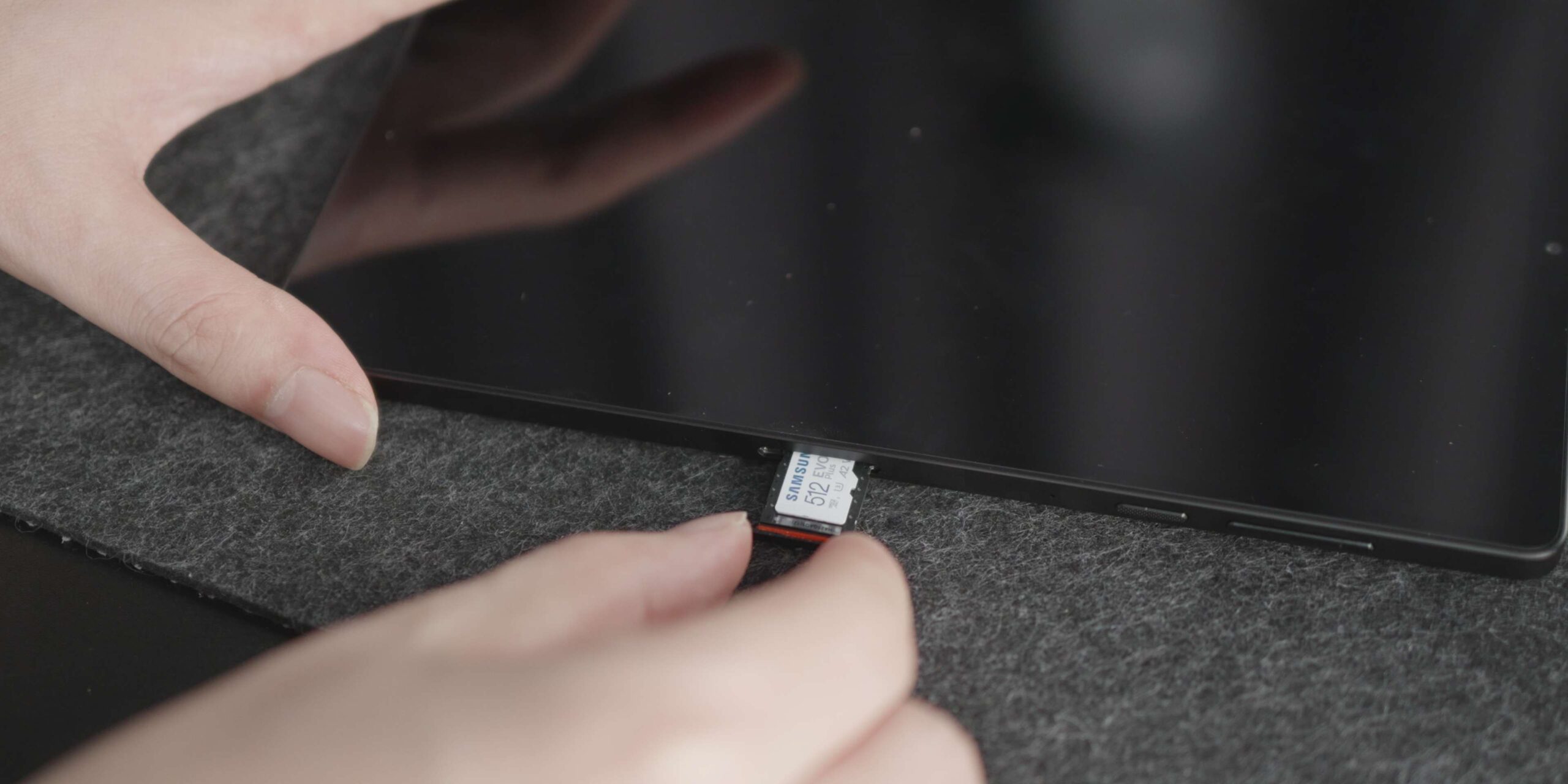
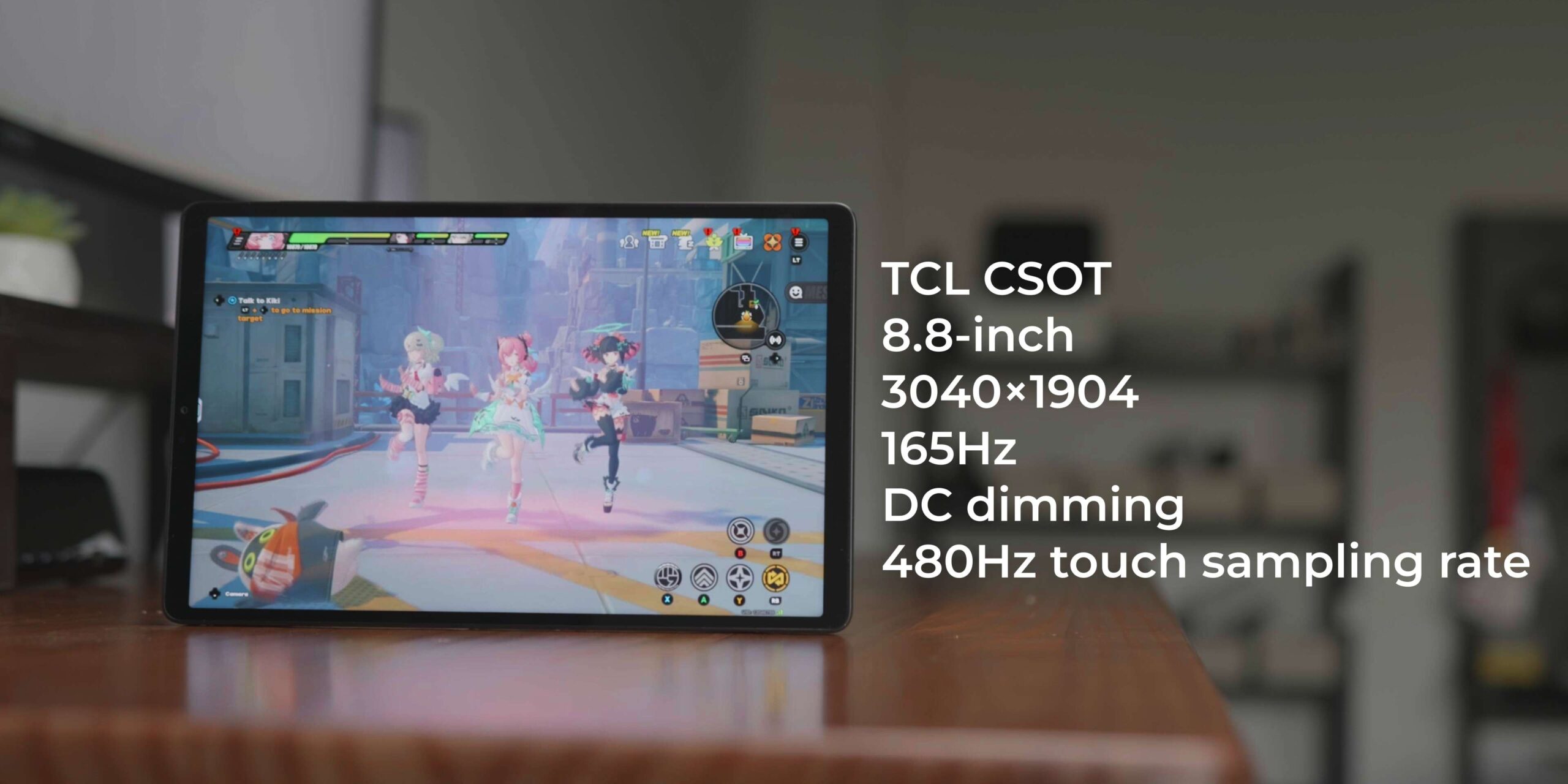
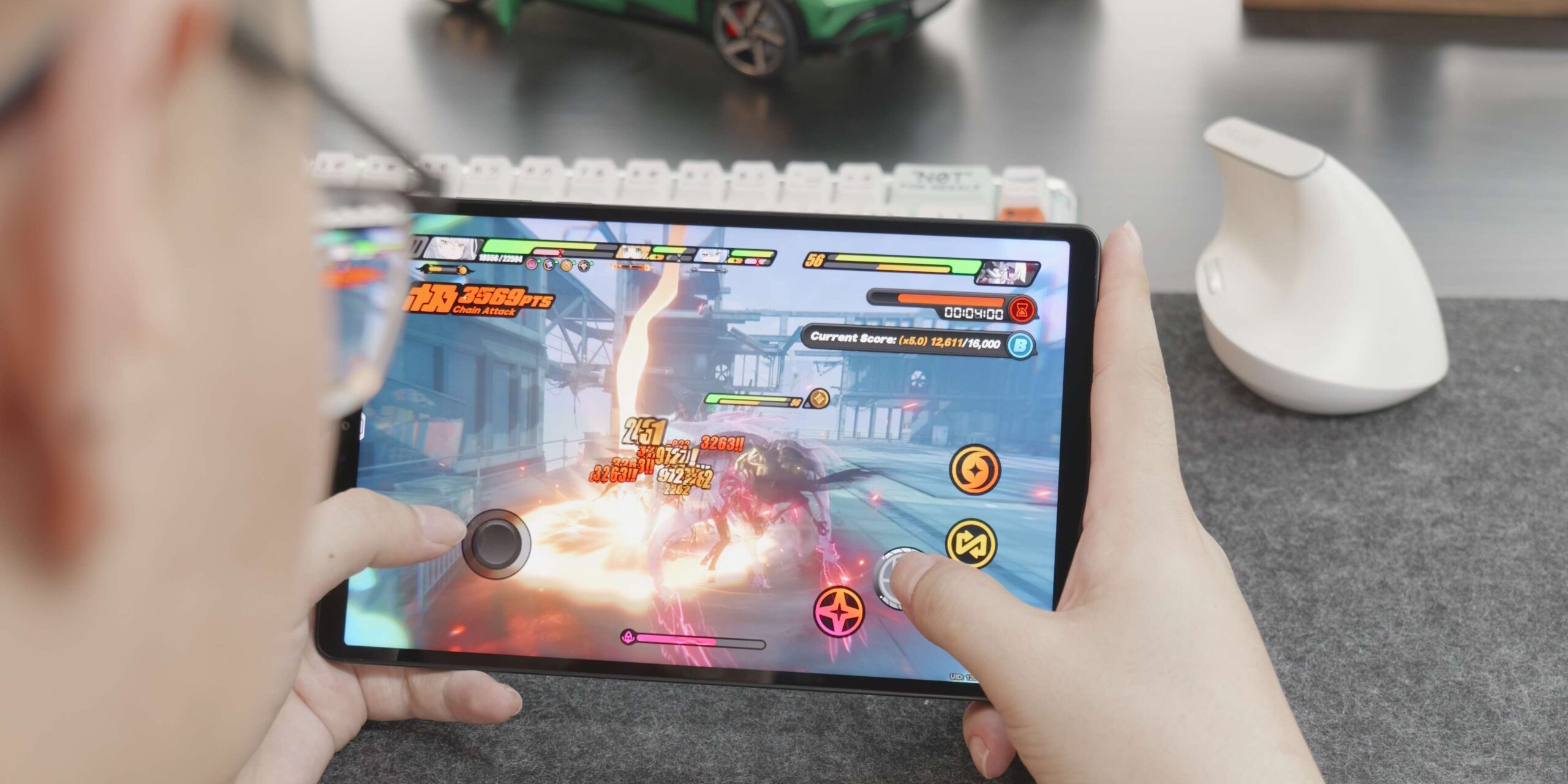
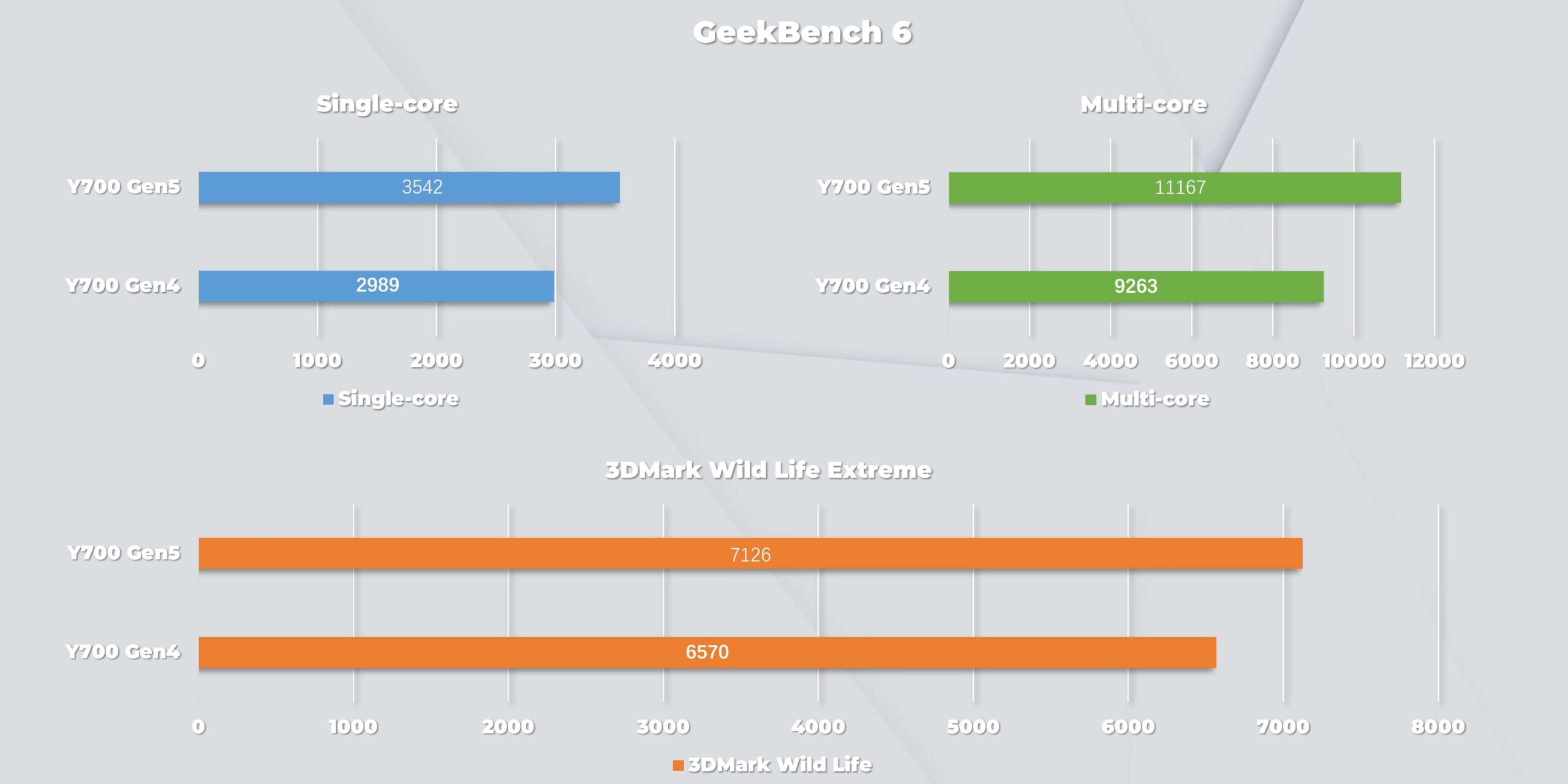
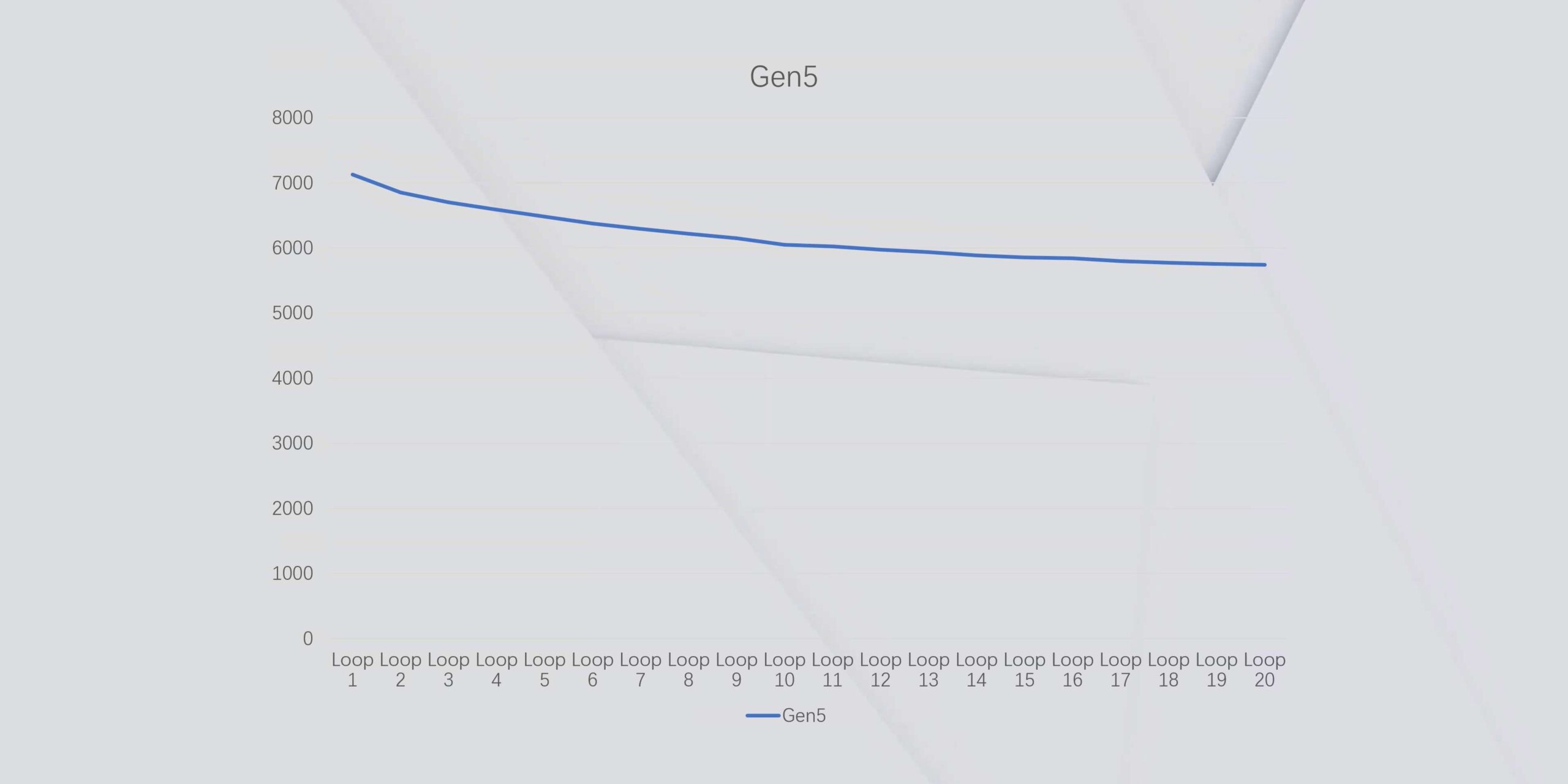
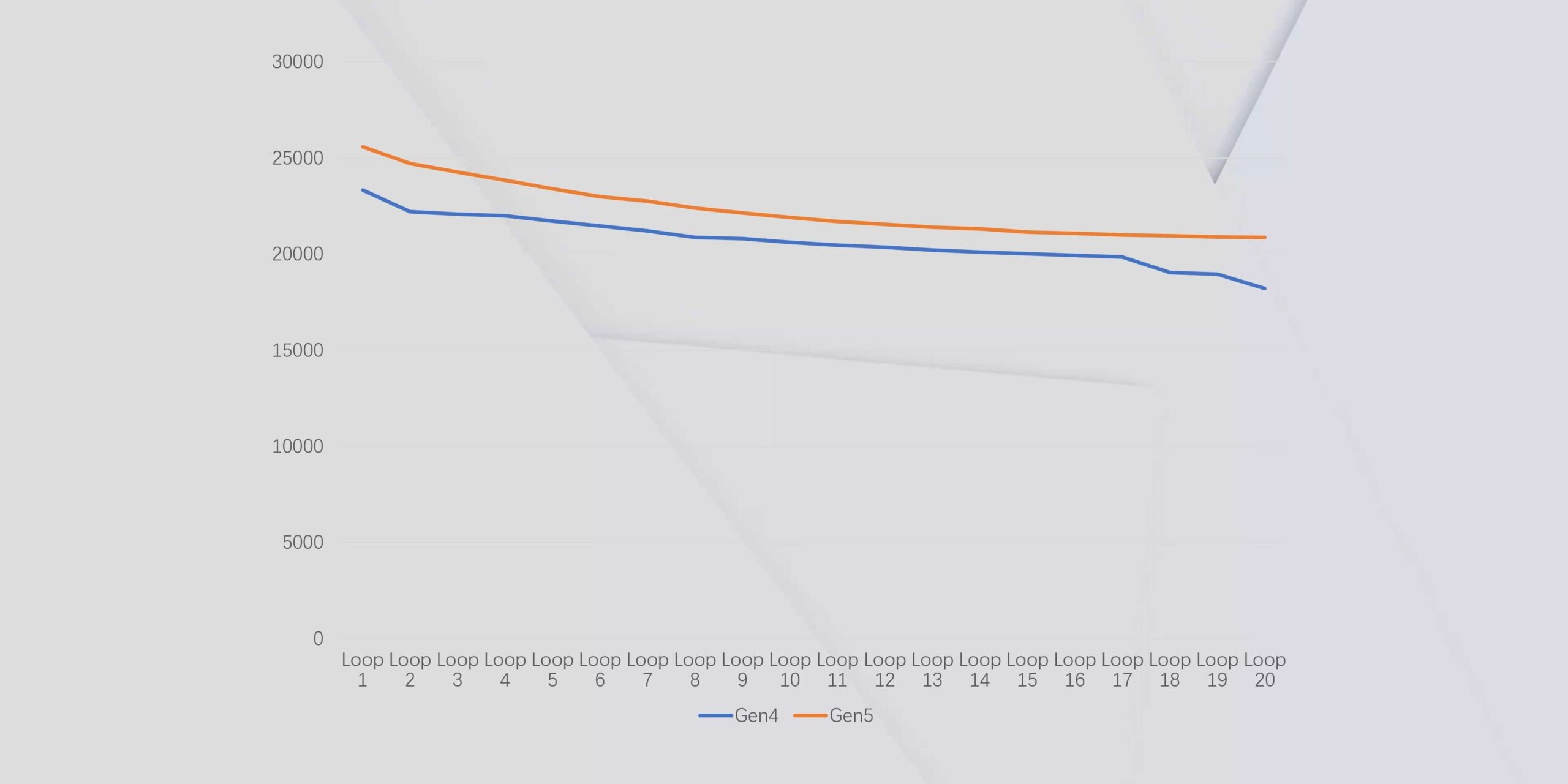
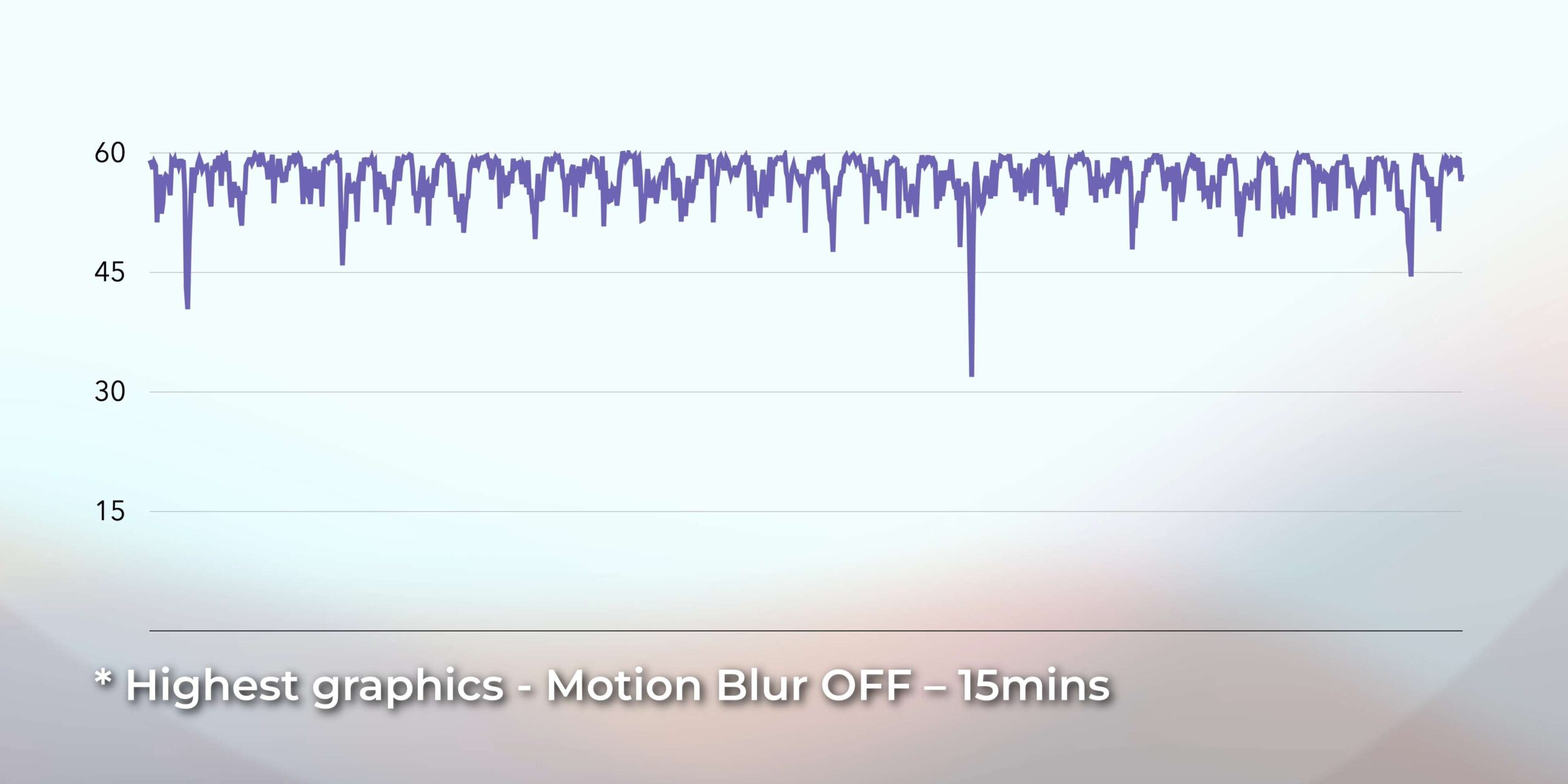
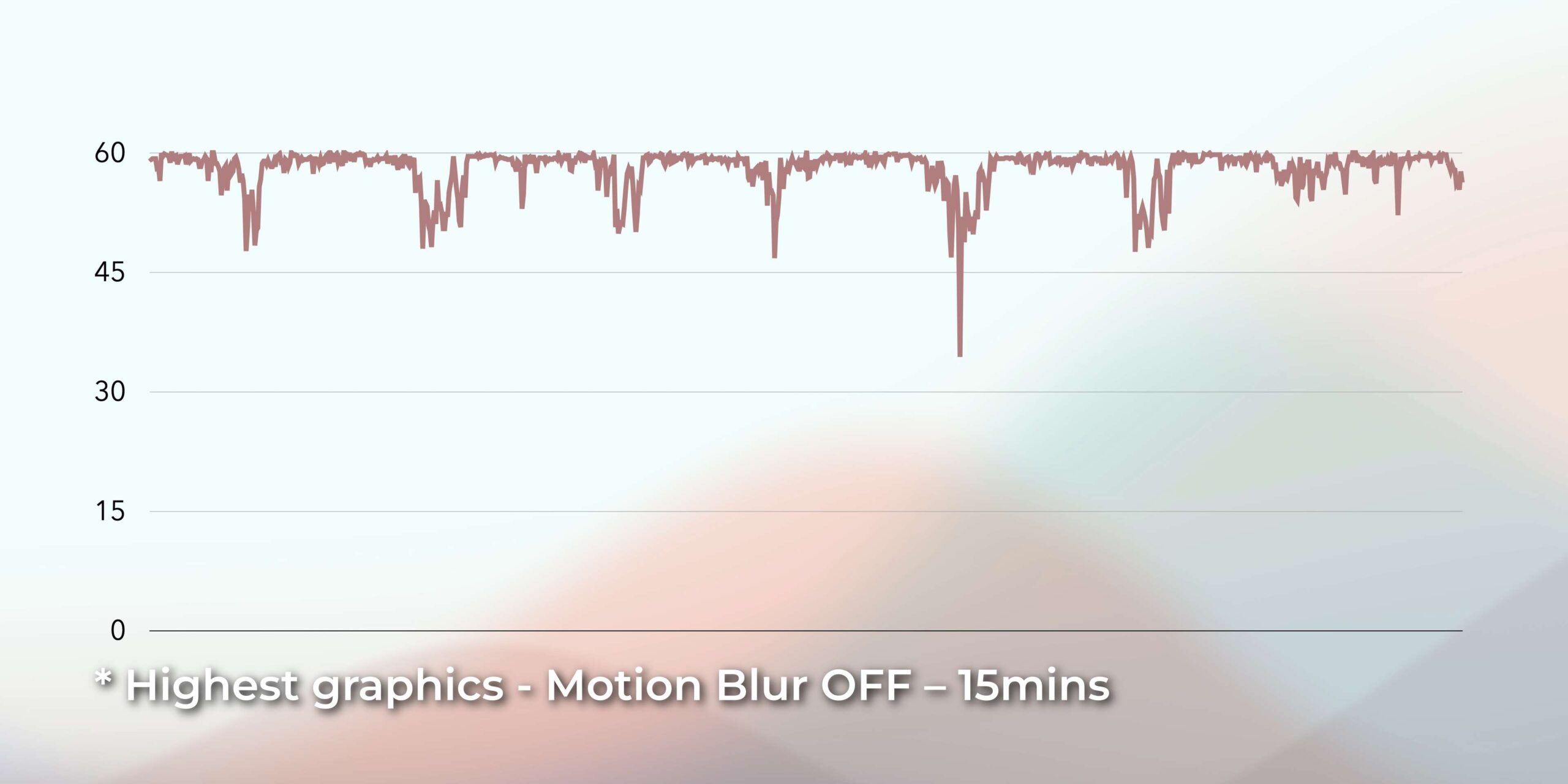
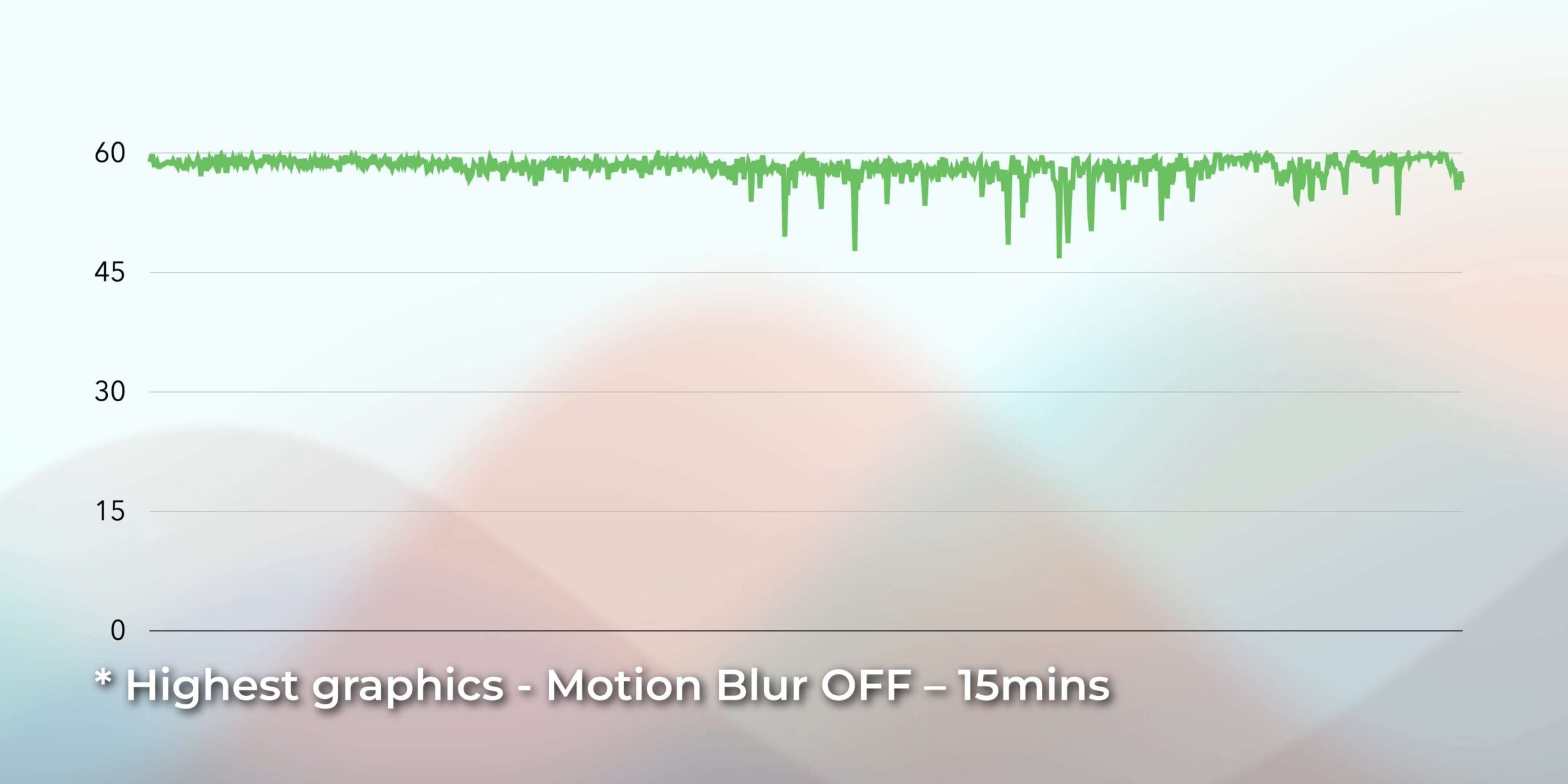
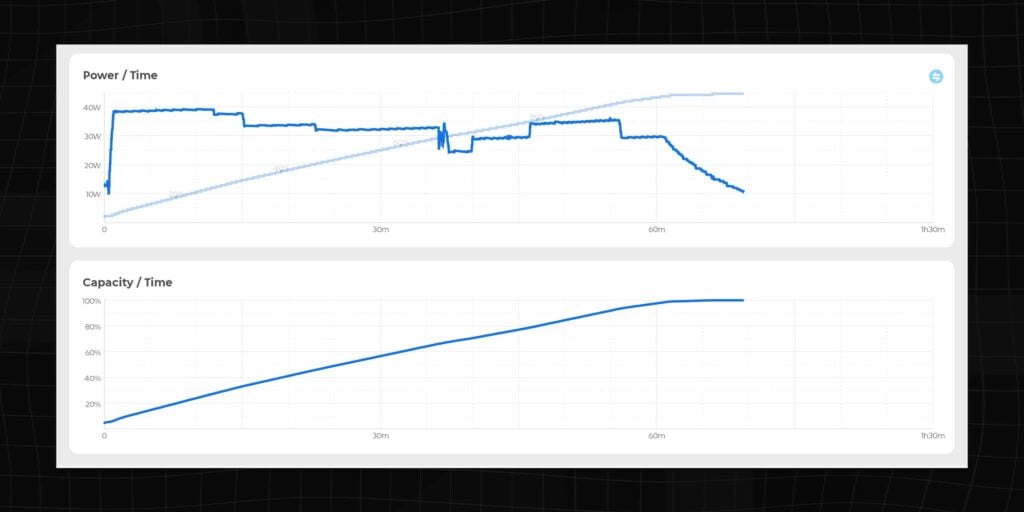
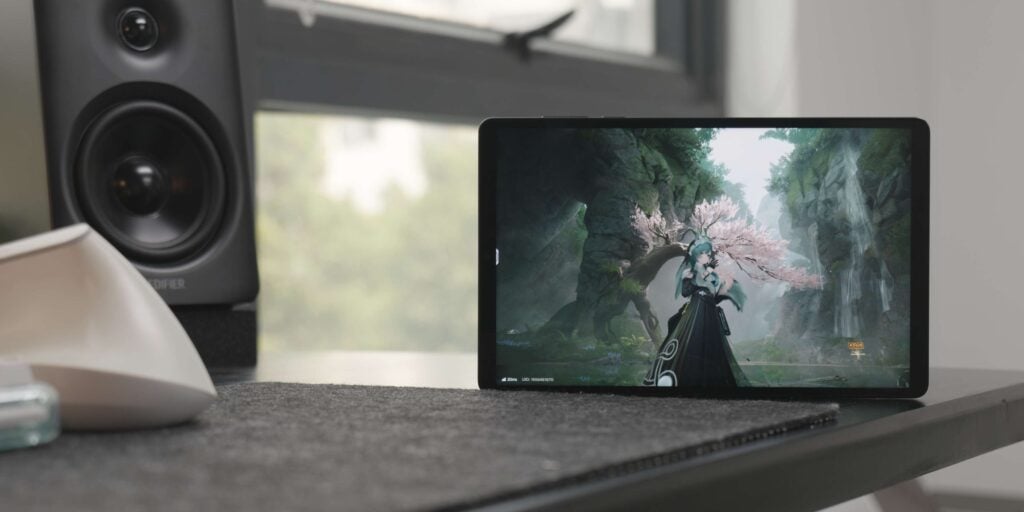
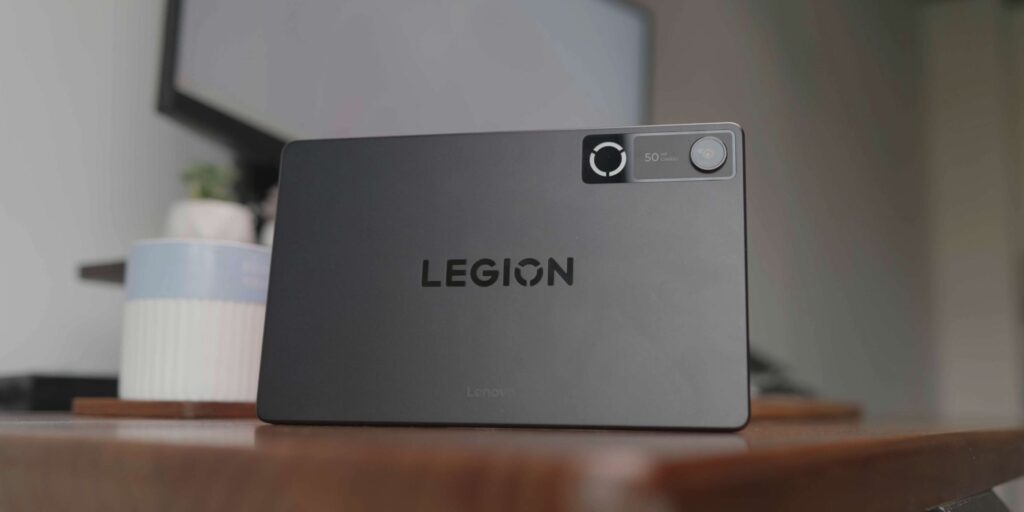
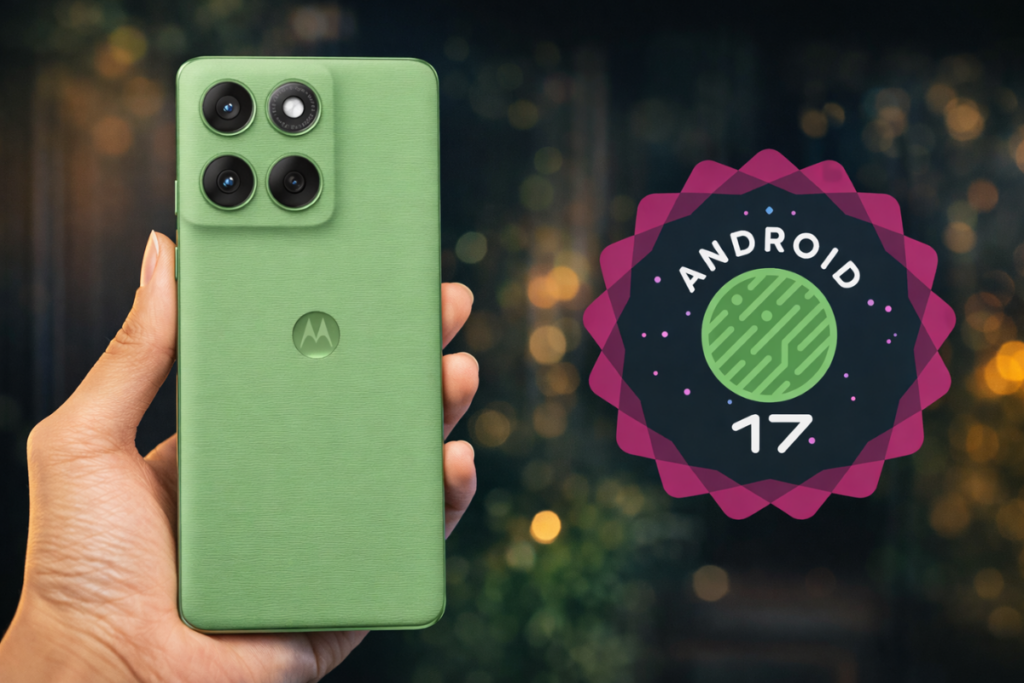


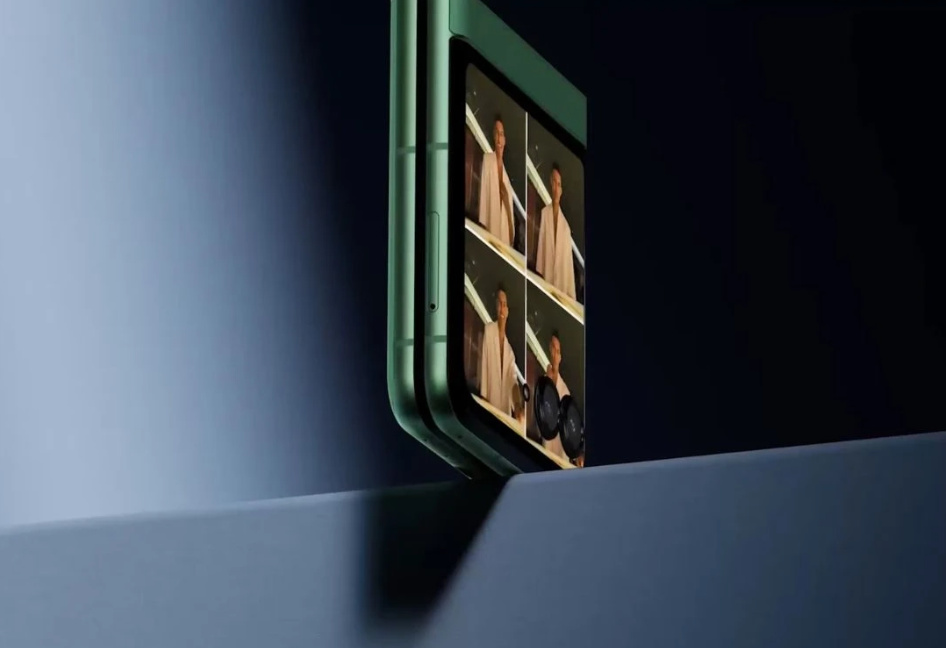
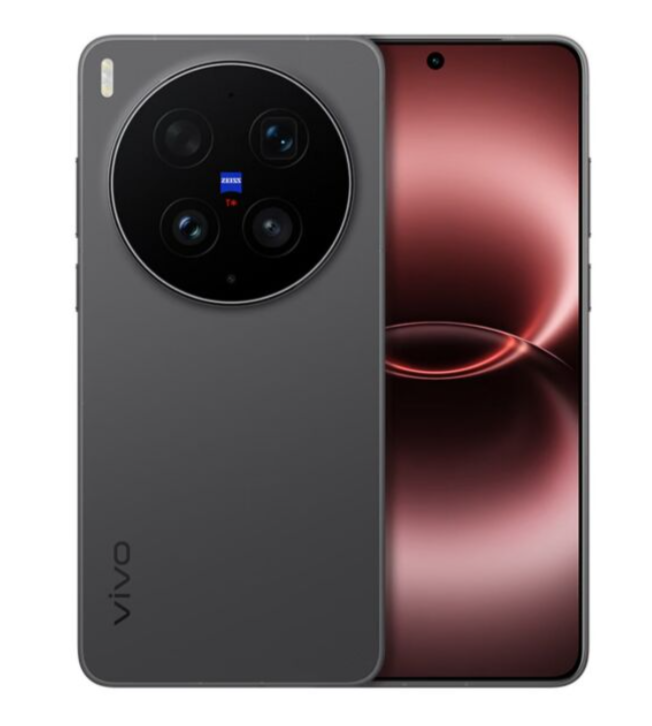
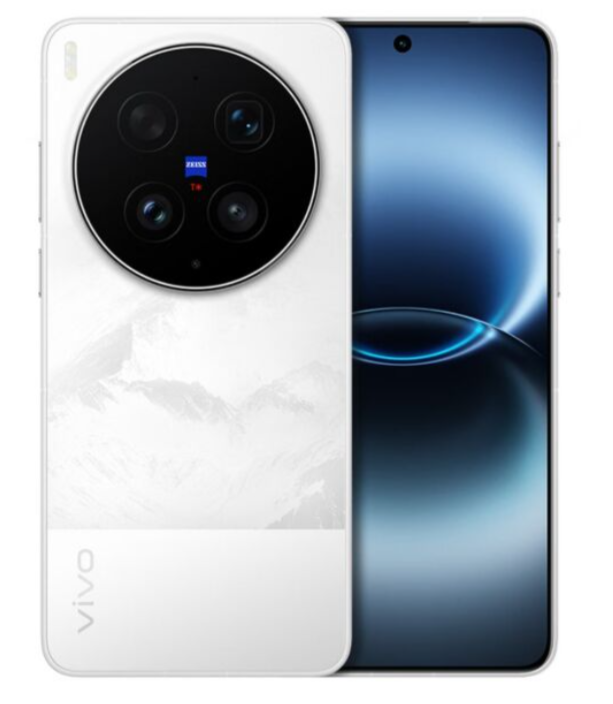


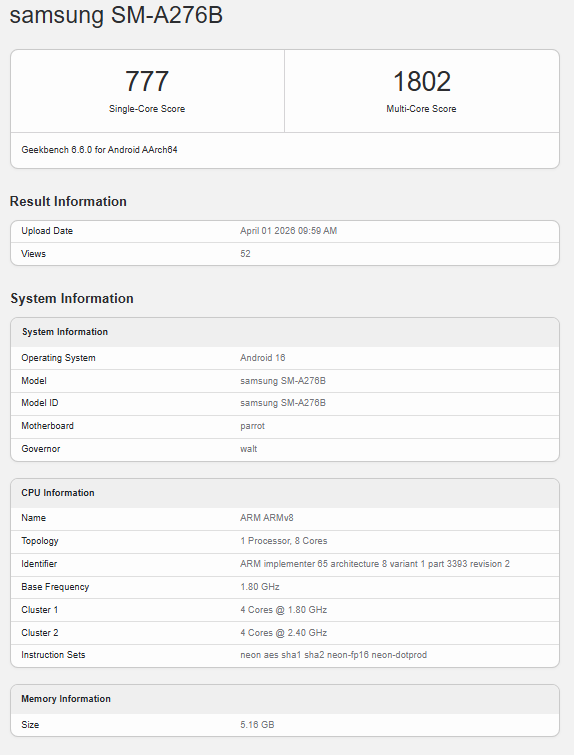

 Snapdragon 8 Elite Gen 5 SoC
 Adreno 840 GPU
 Android 16
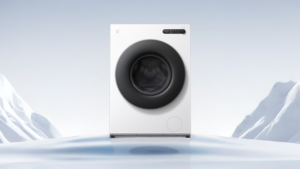
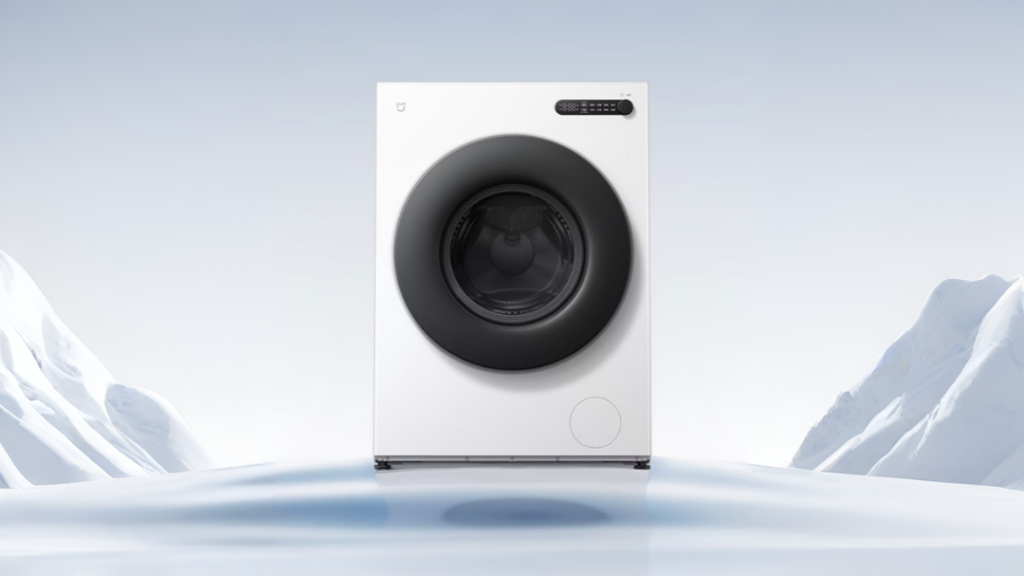
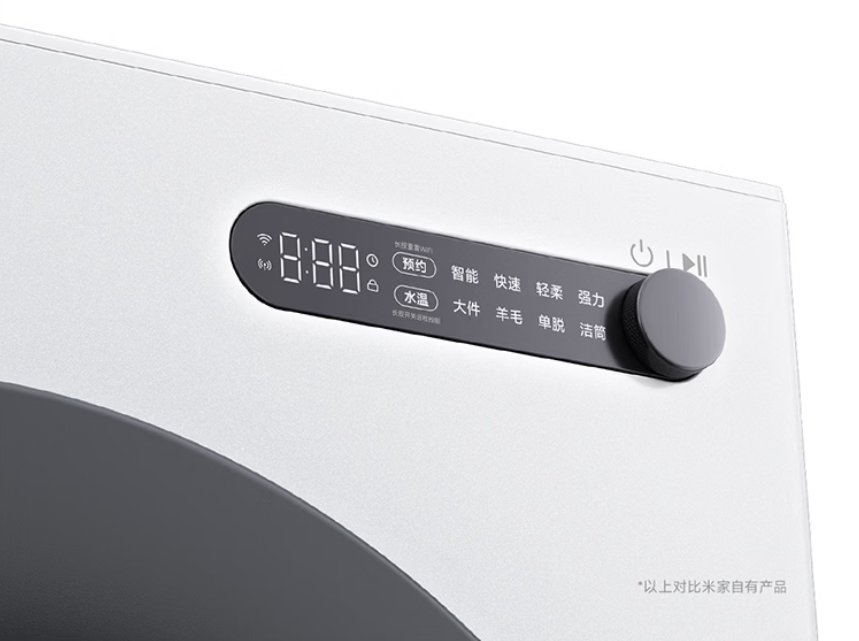


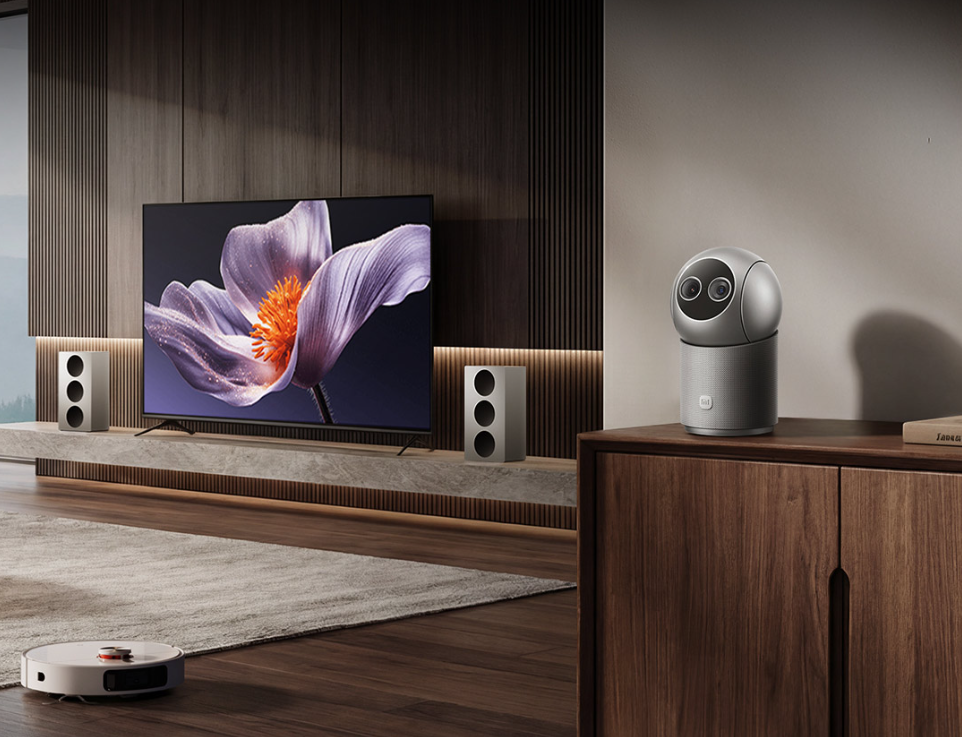


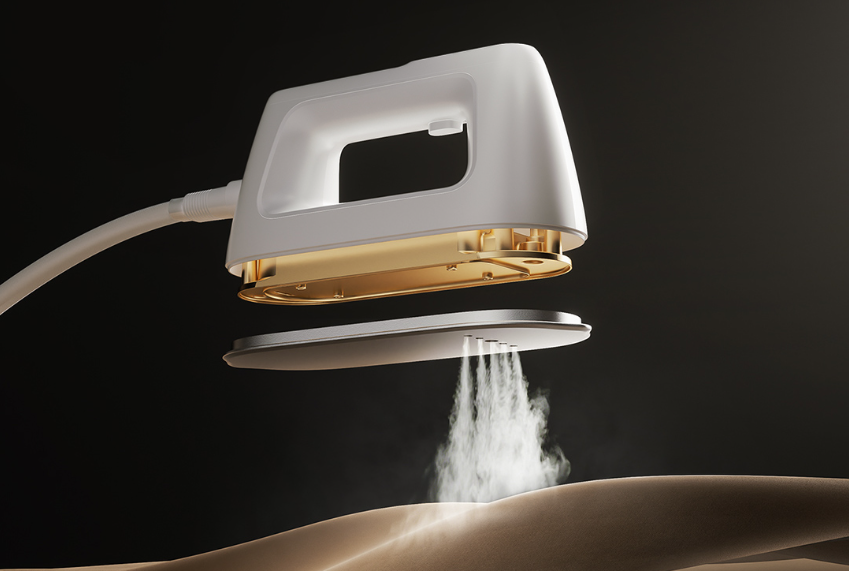


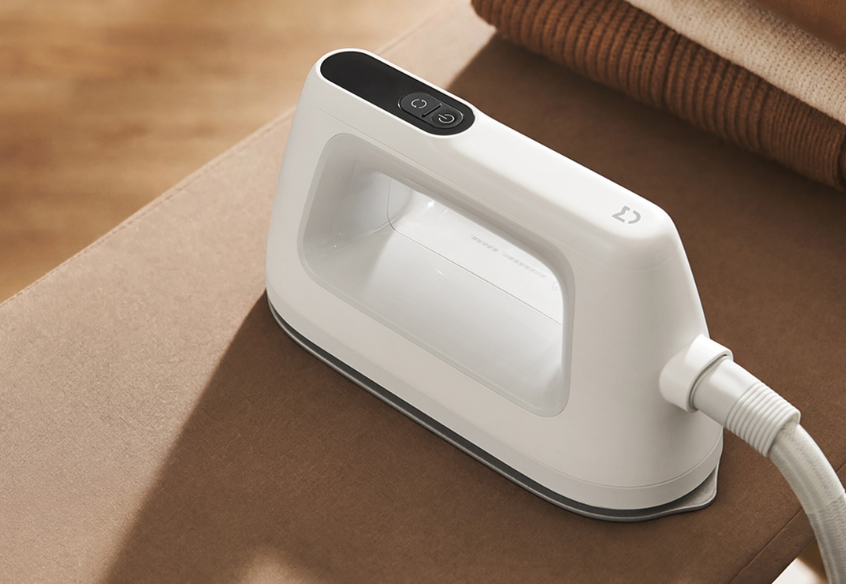
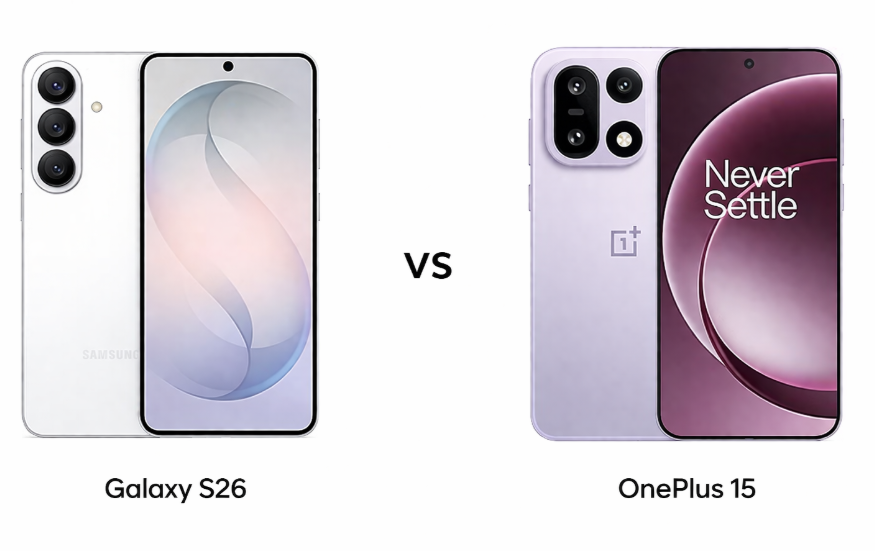










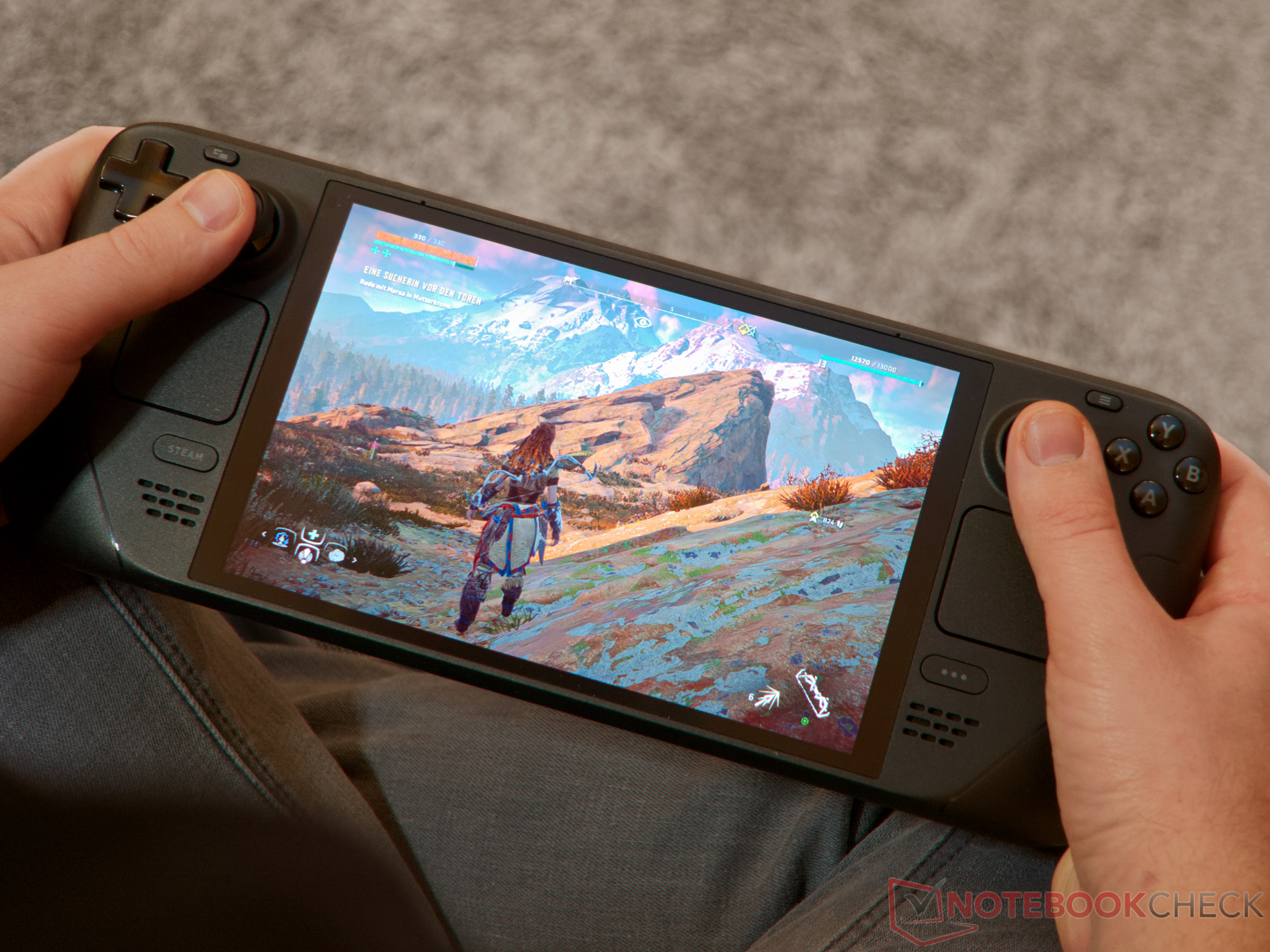
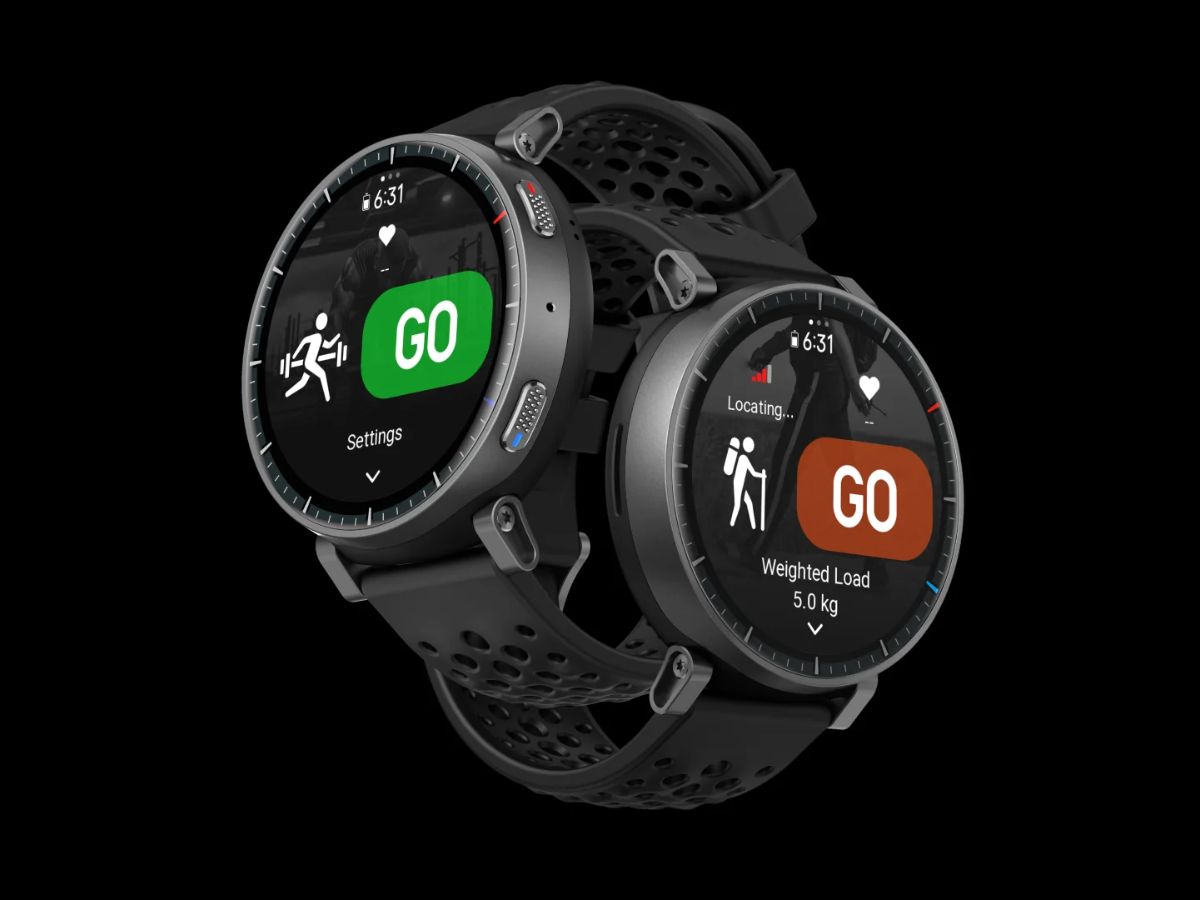
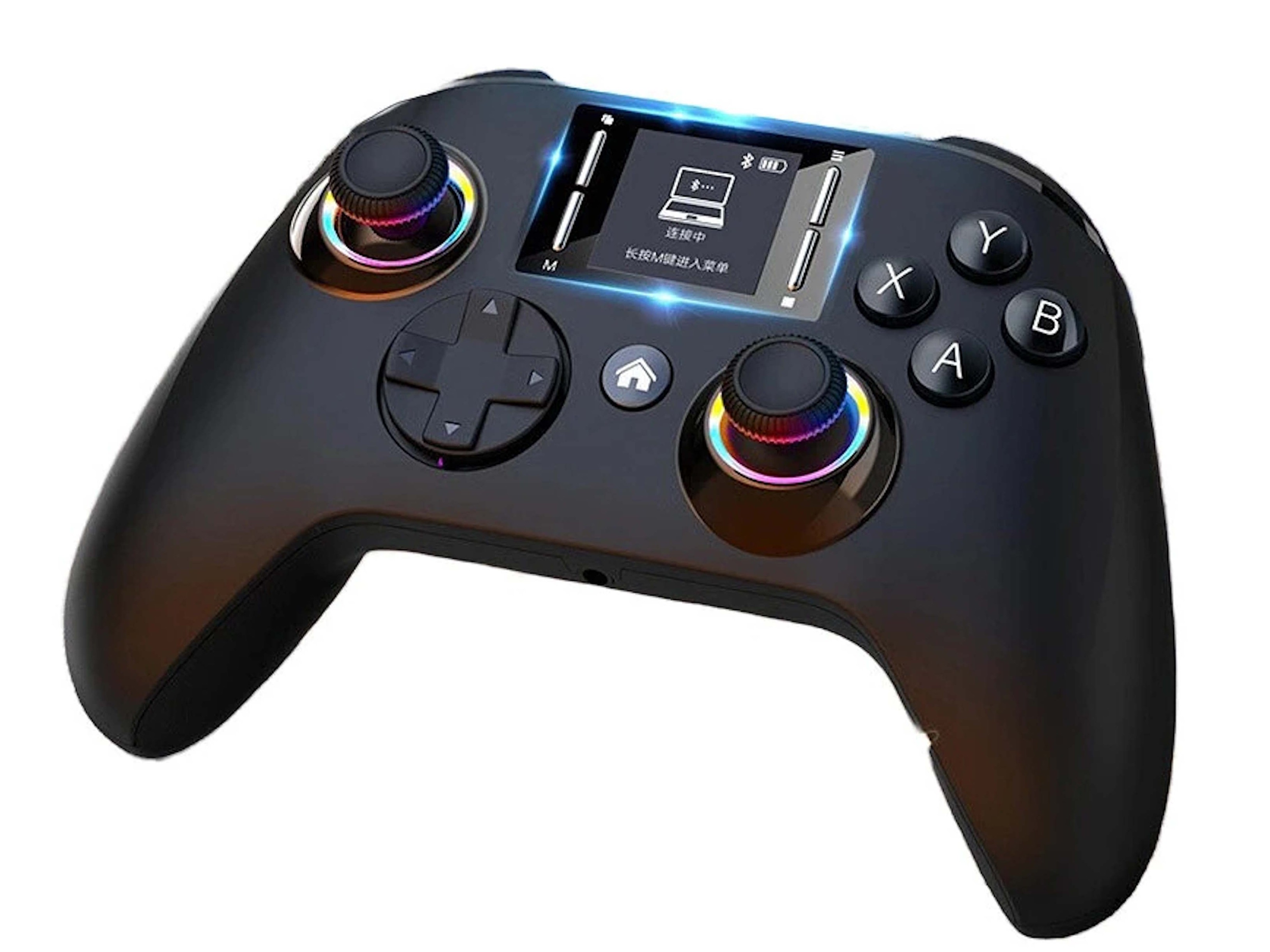
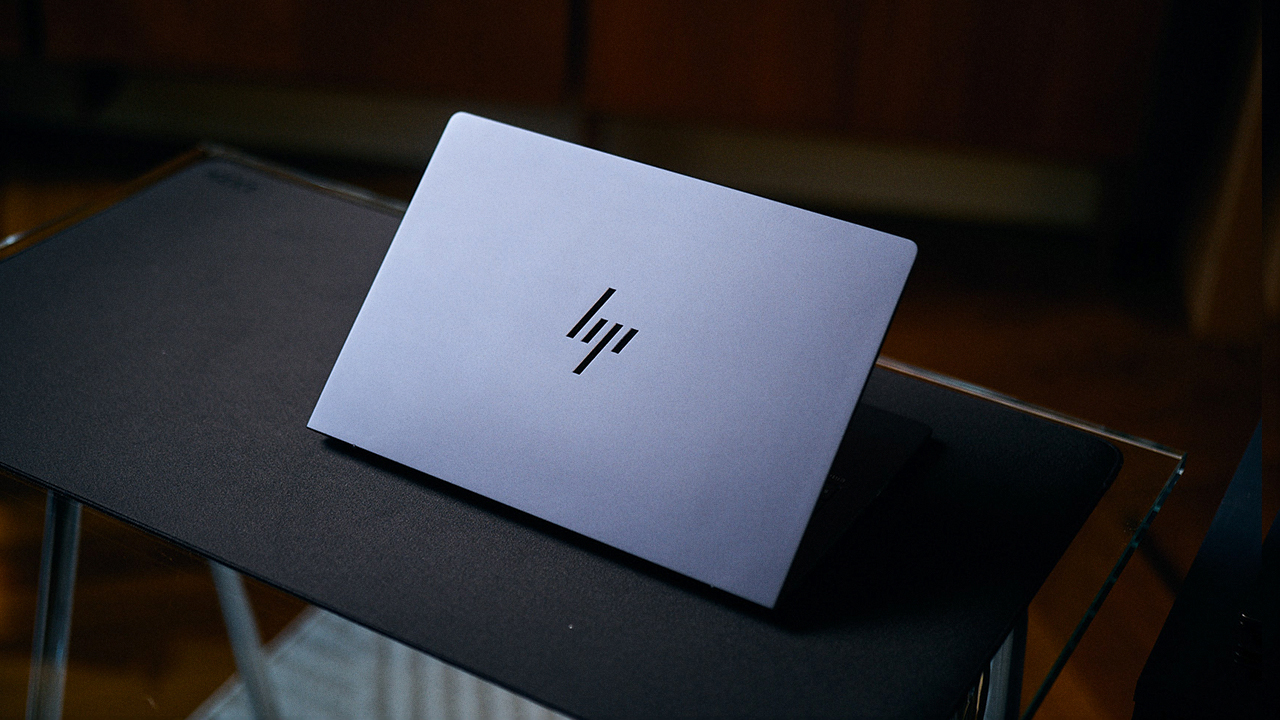

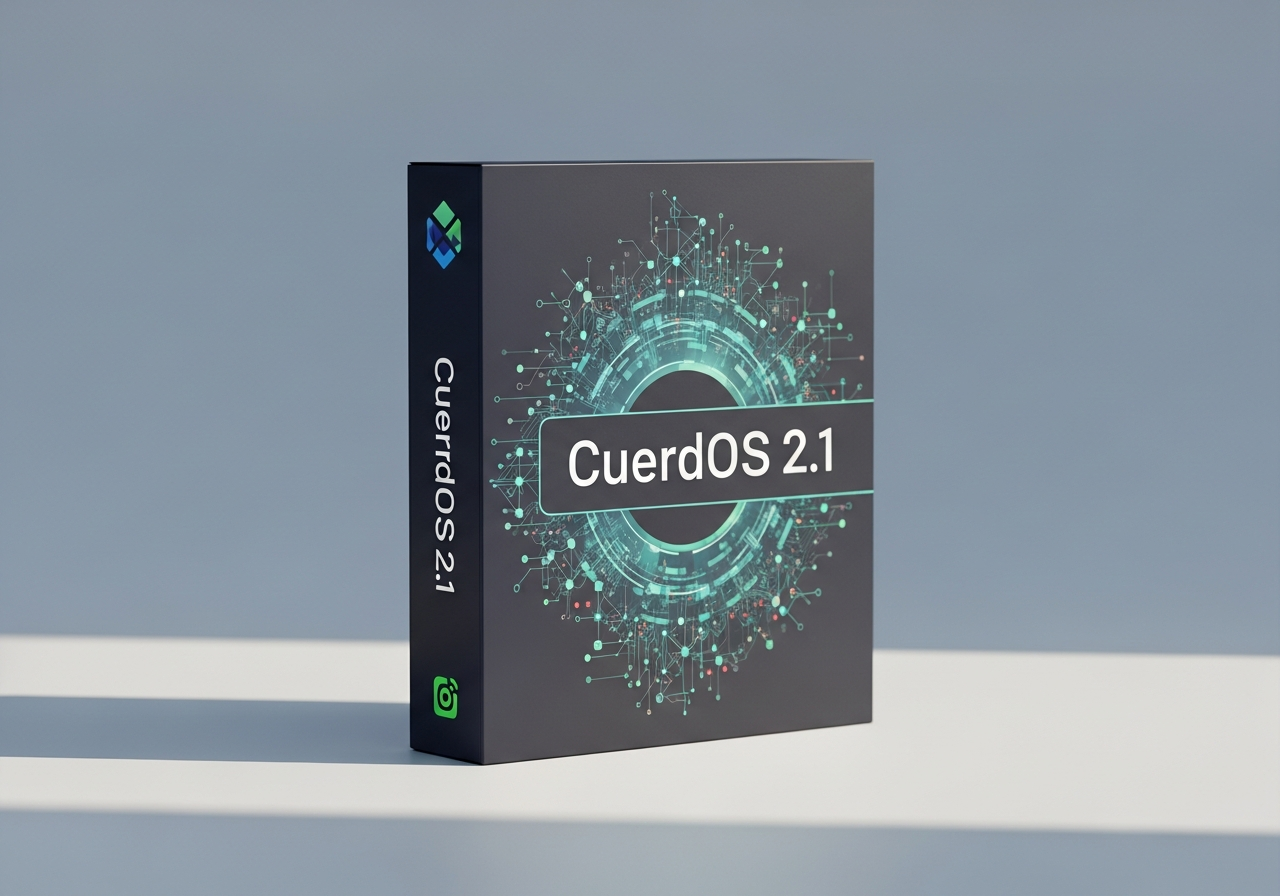

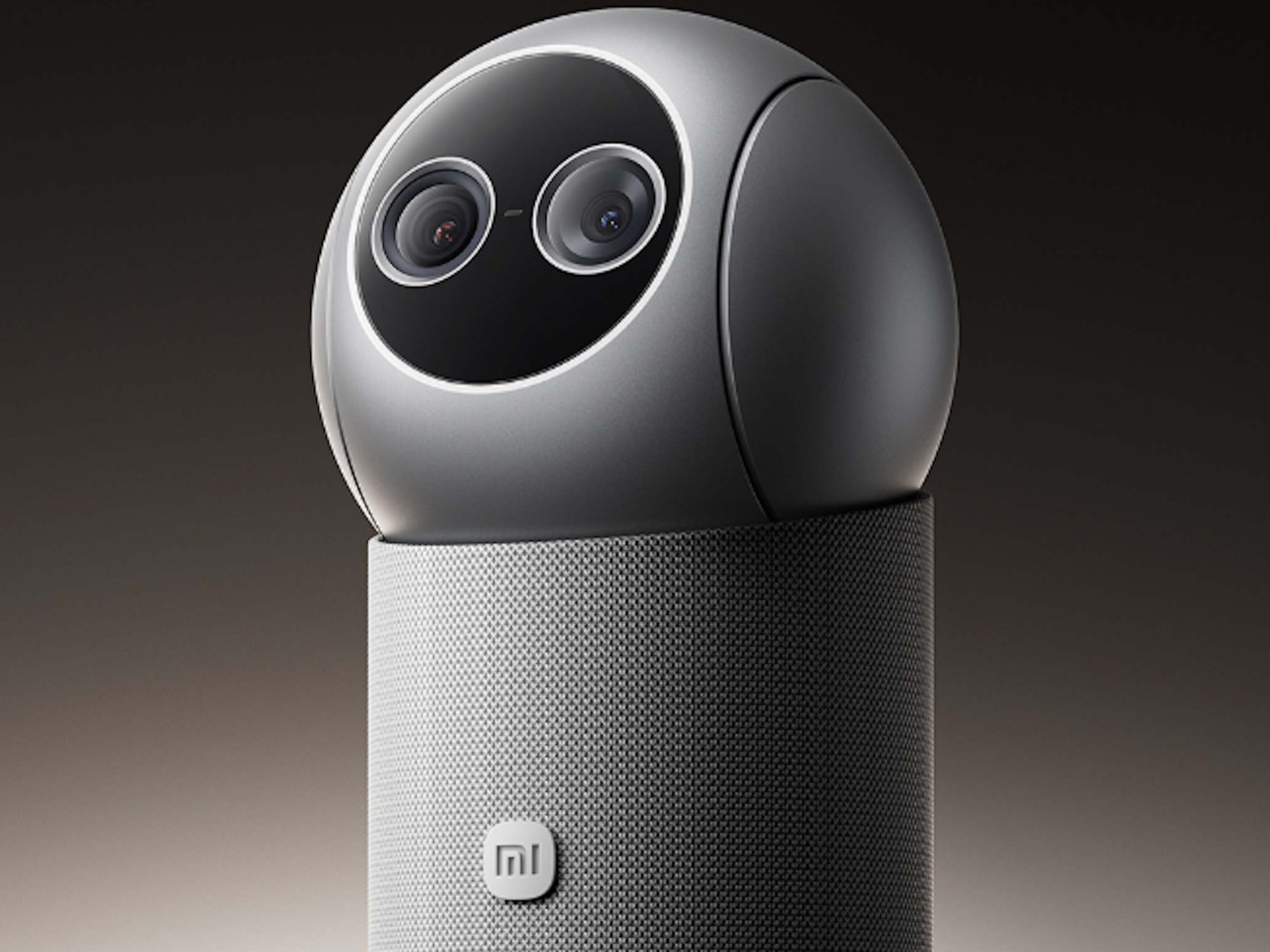



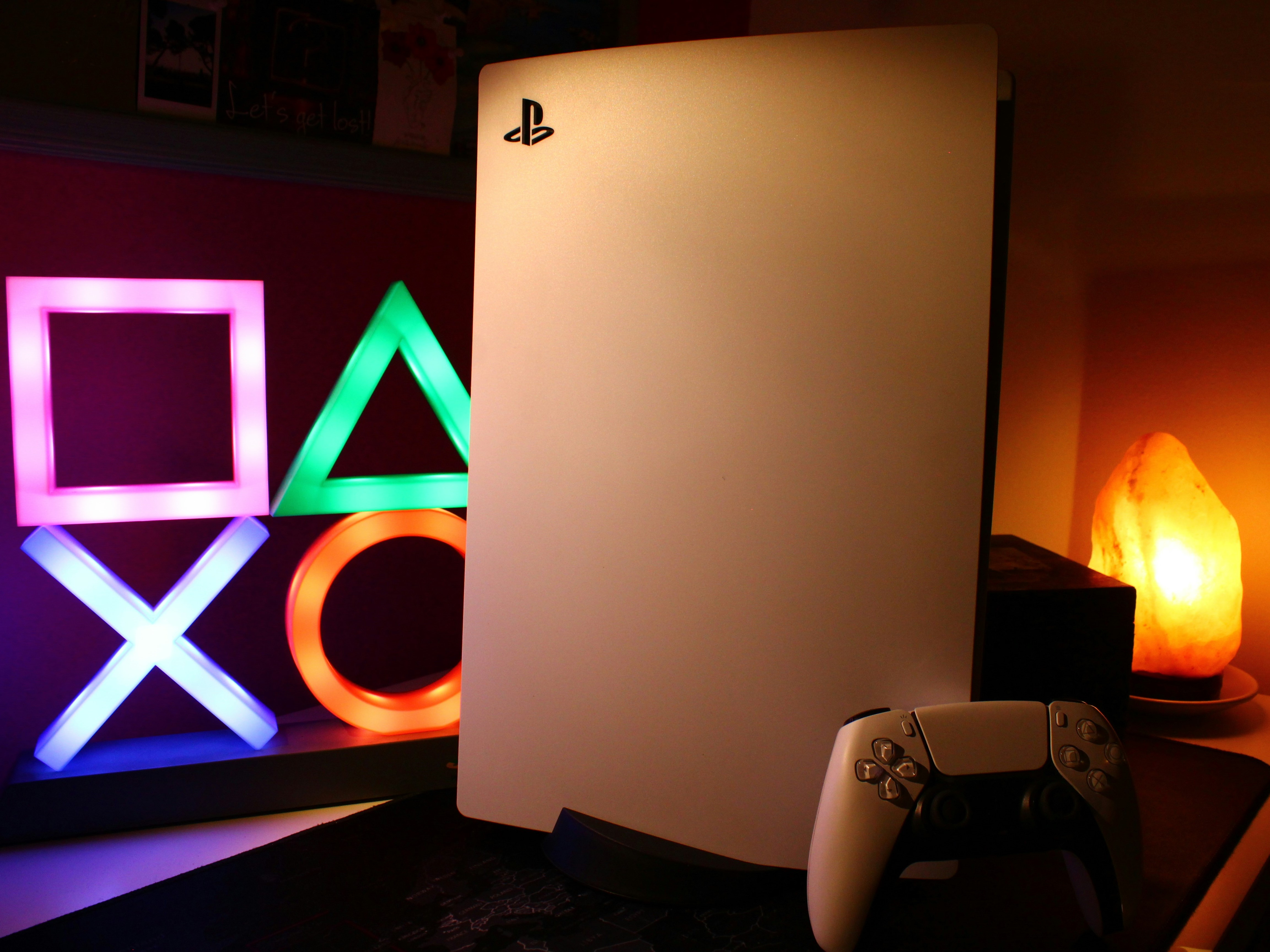


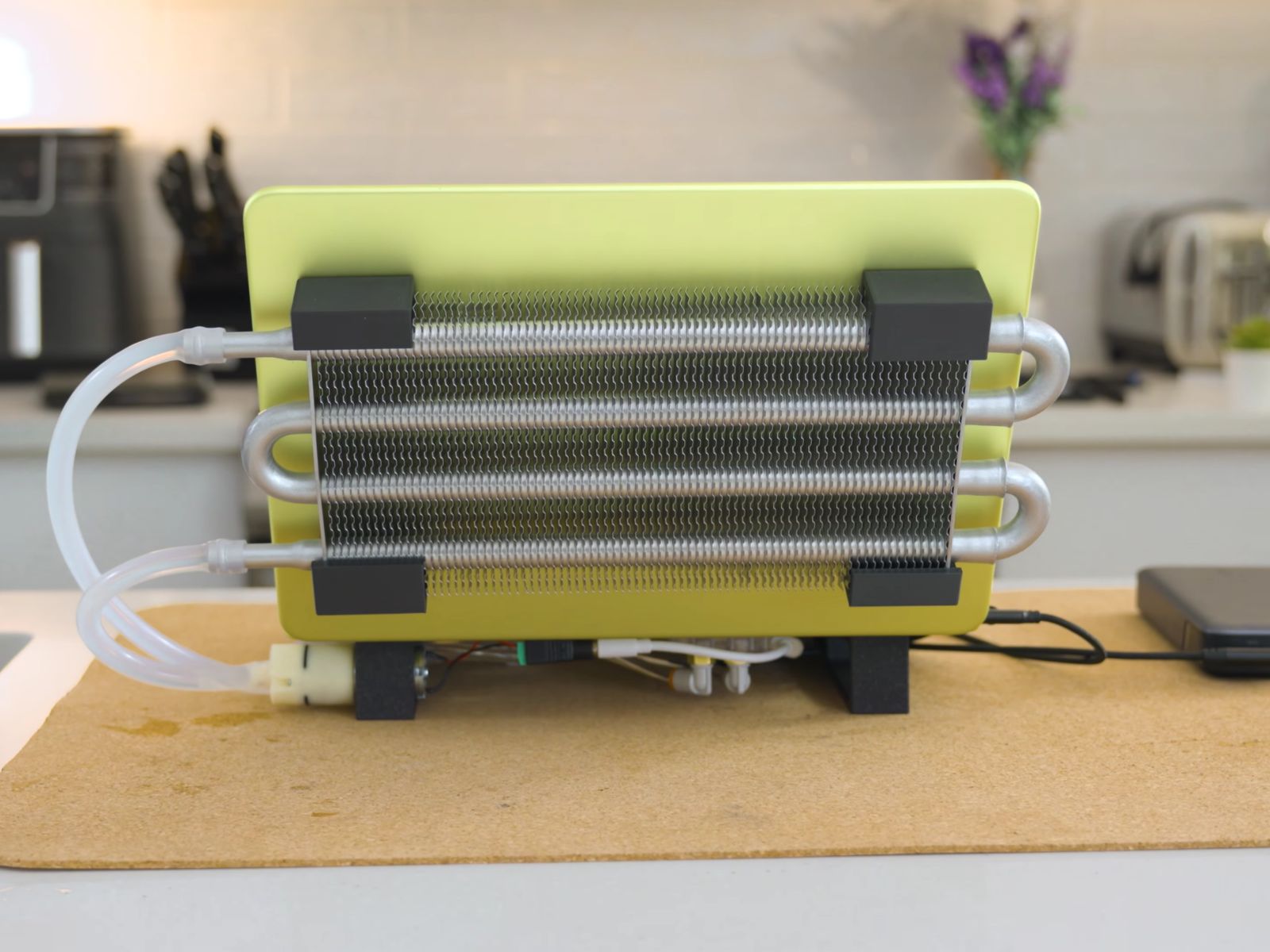
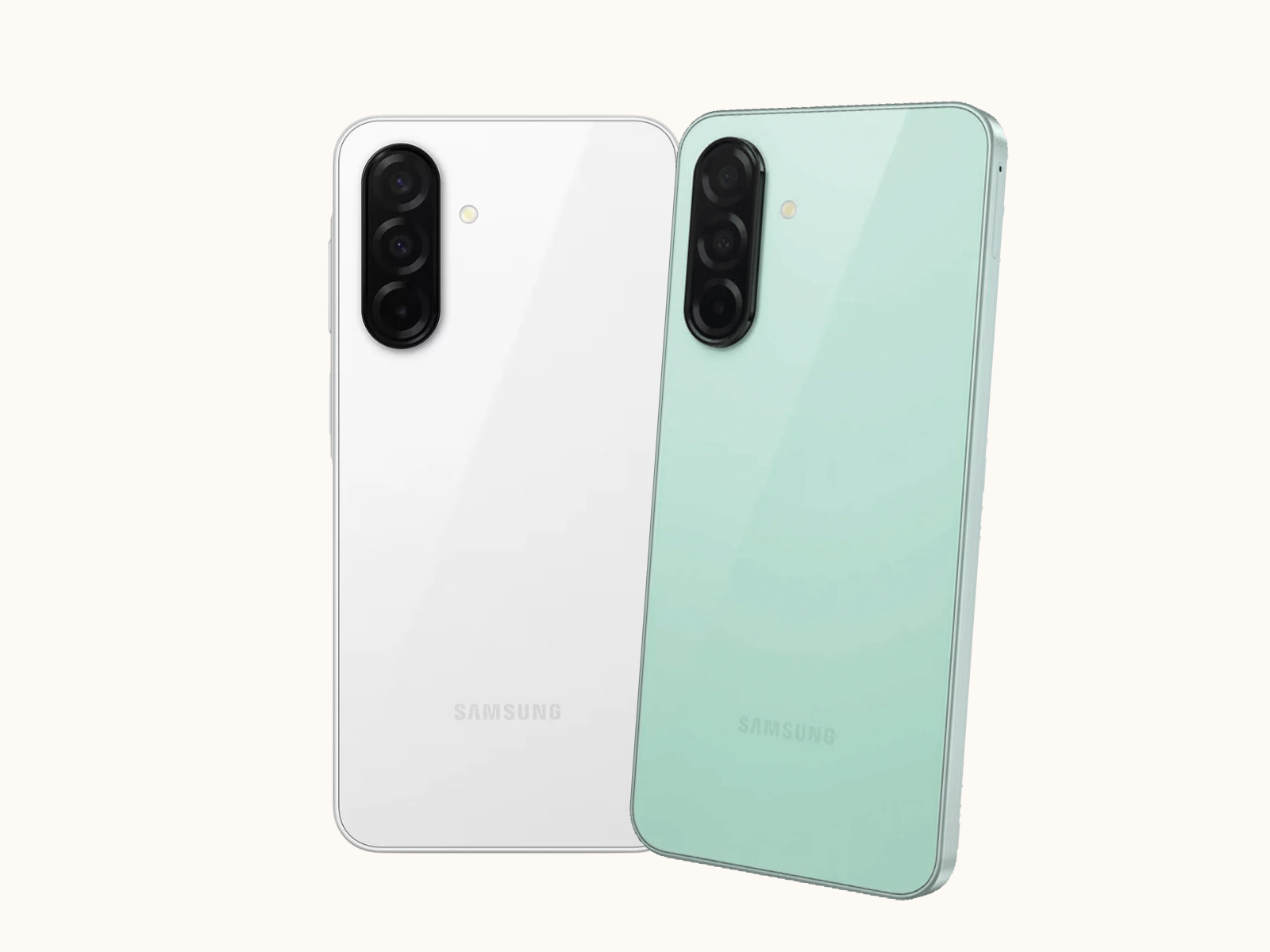




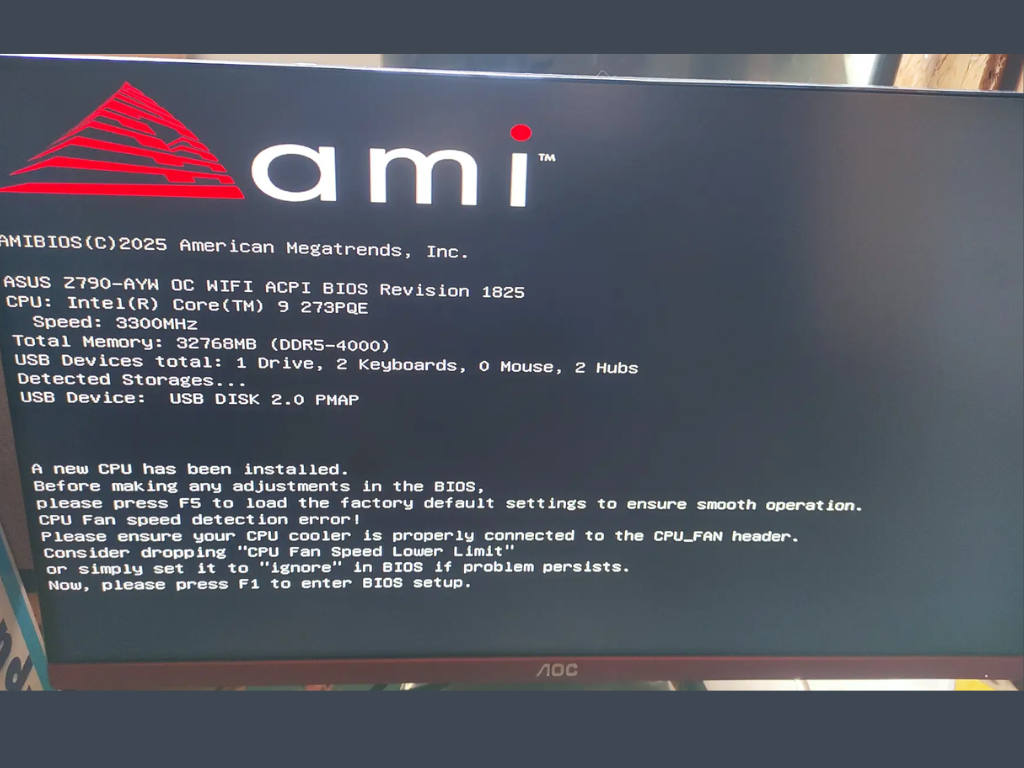






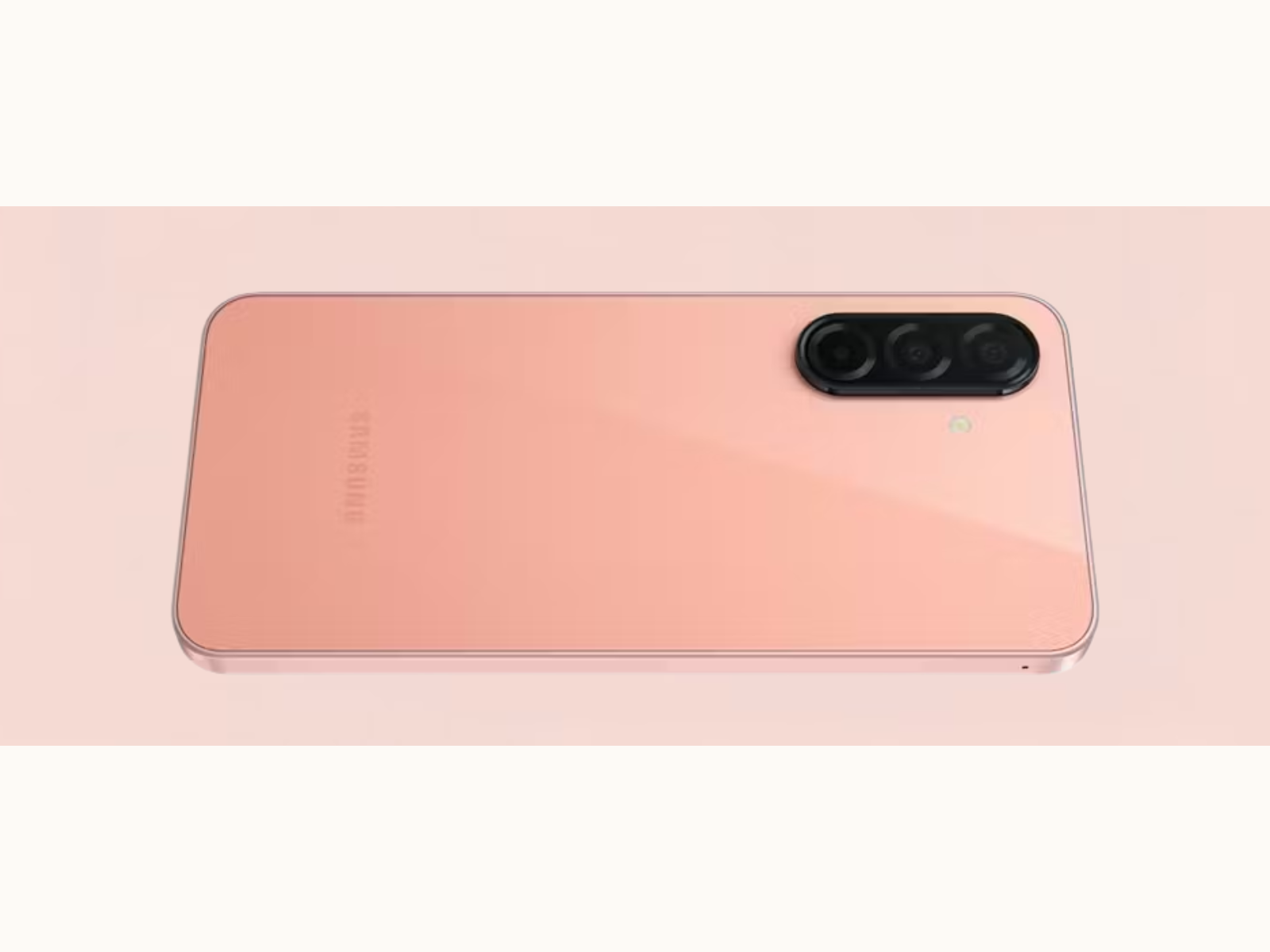




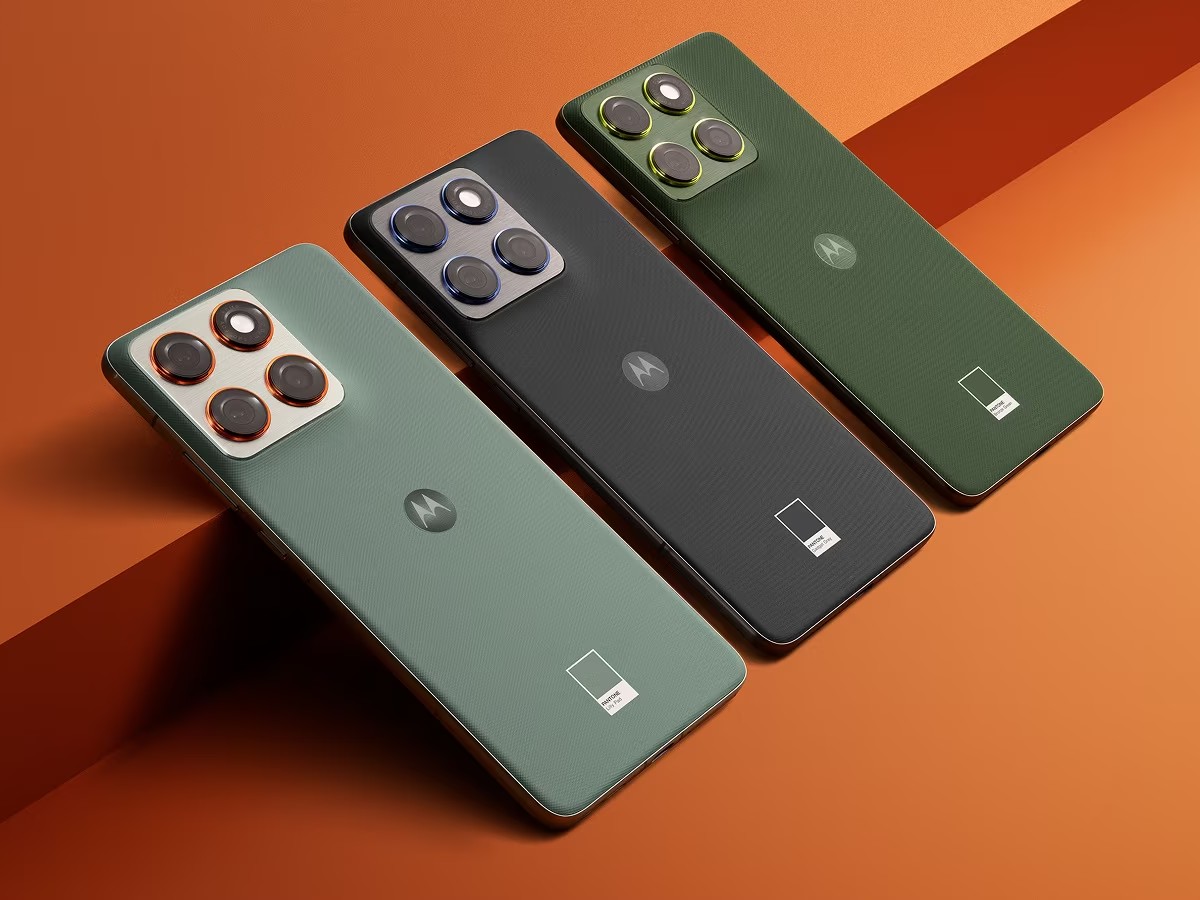


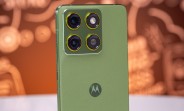

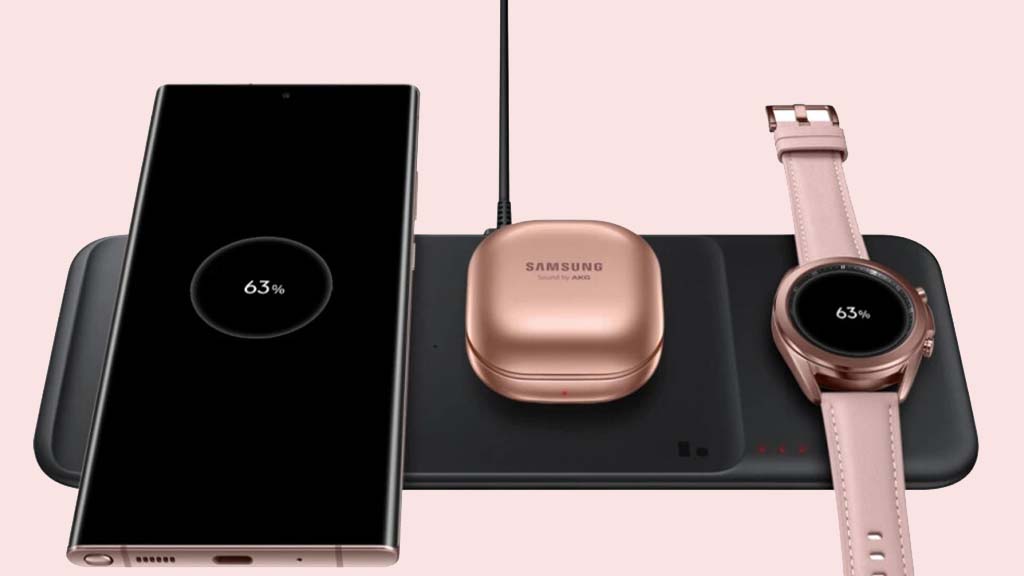



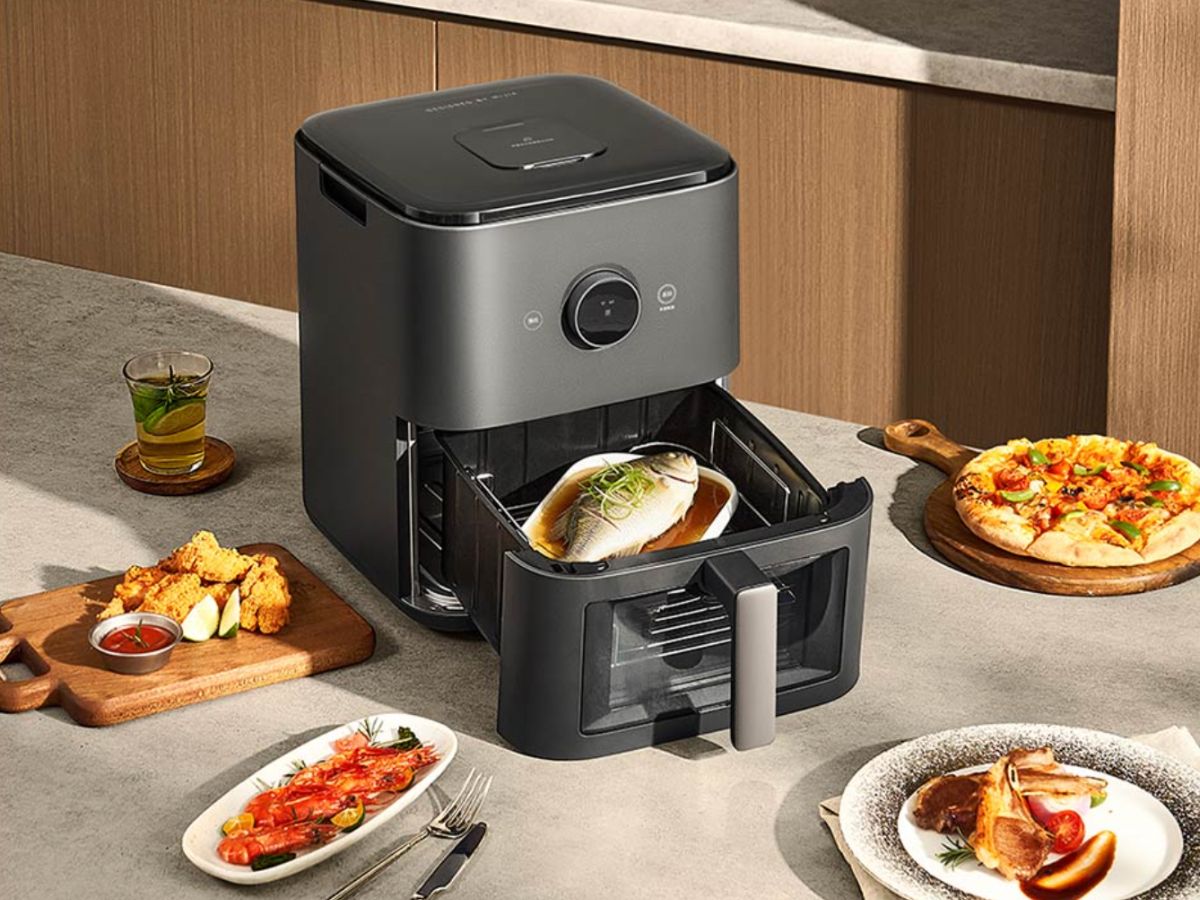

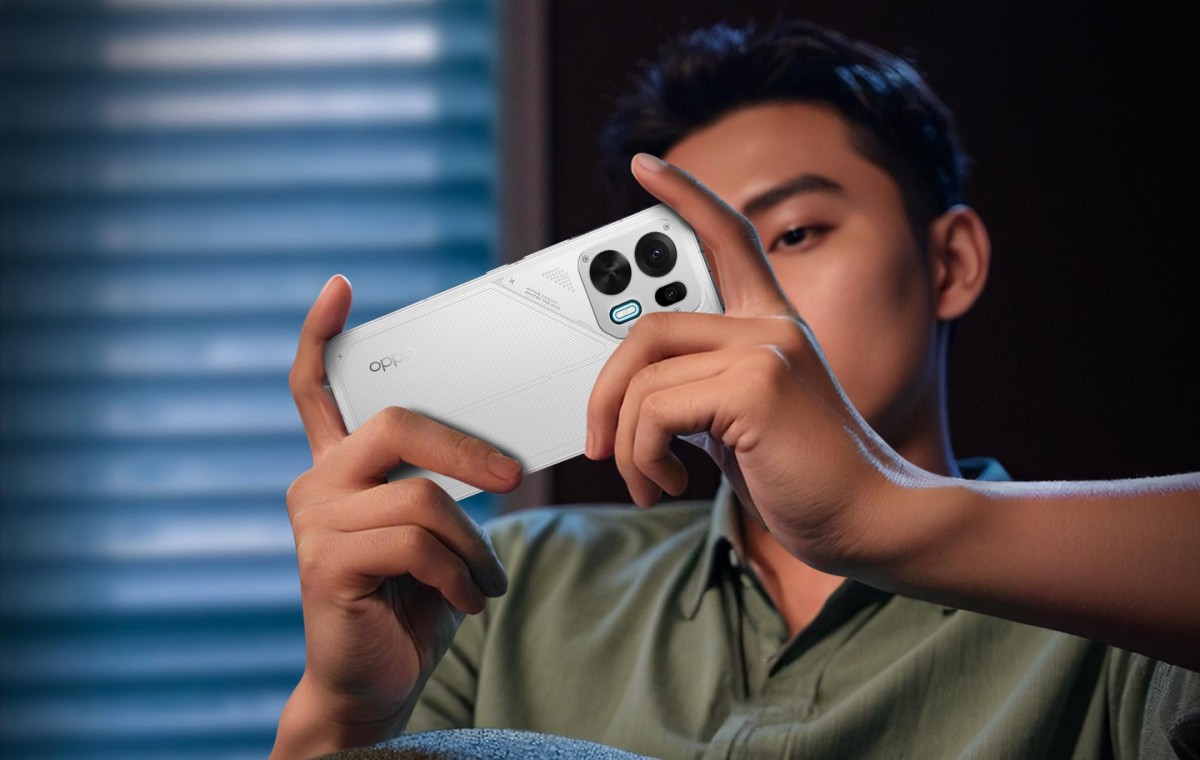


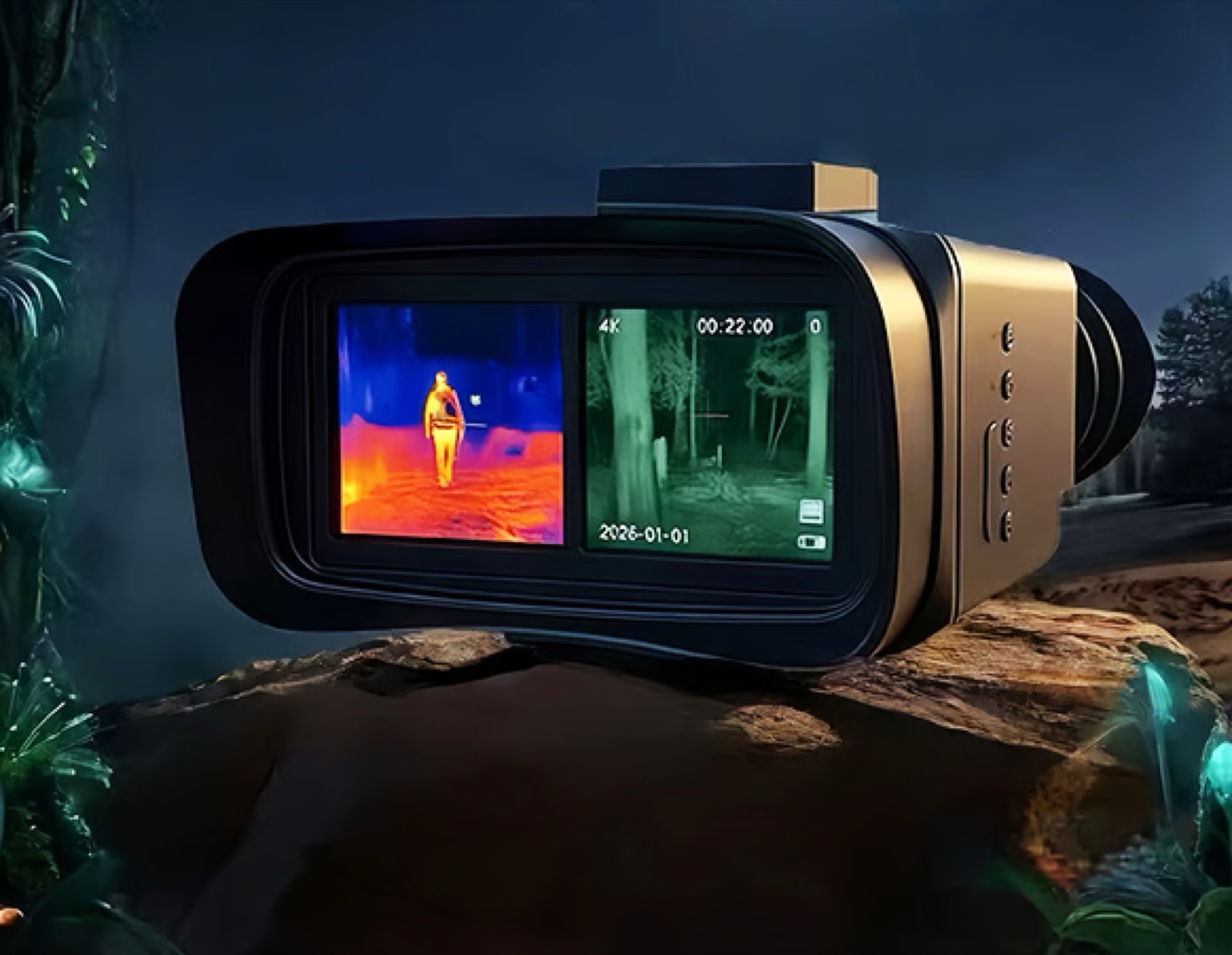
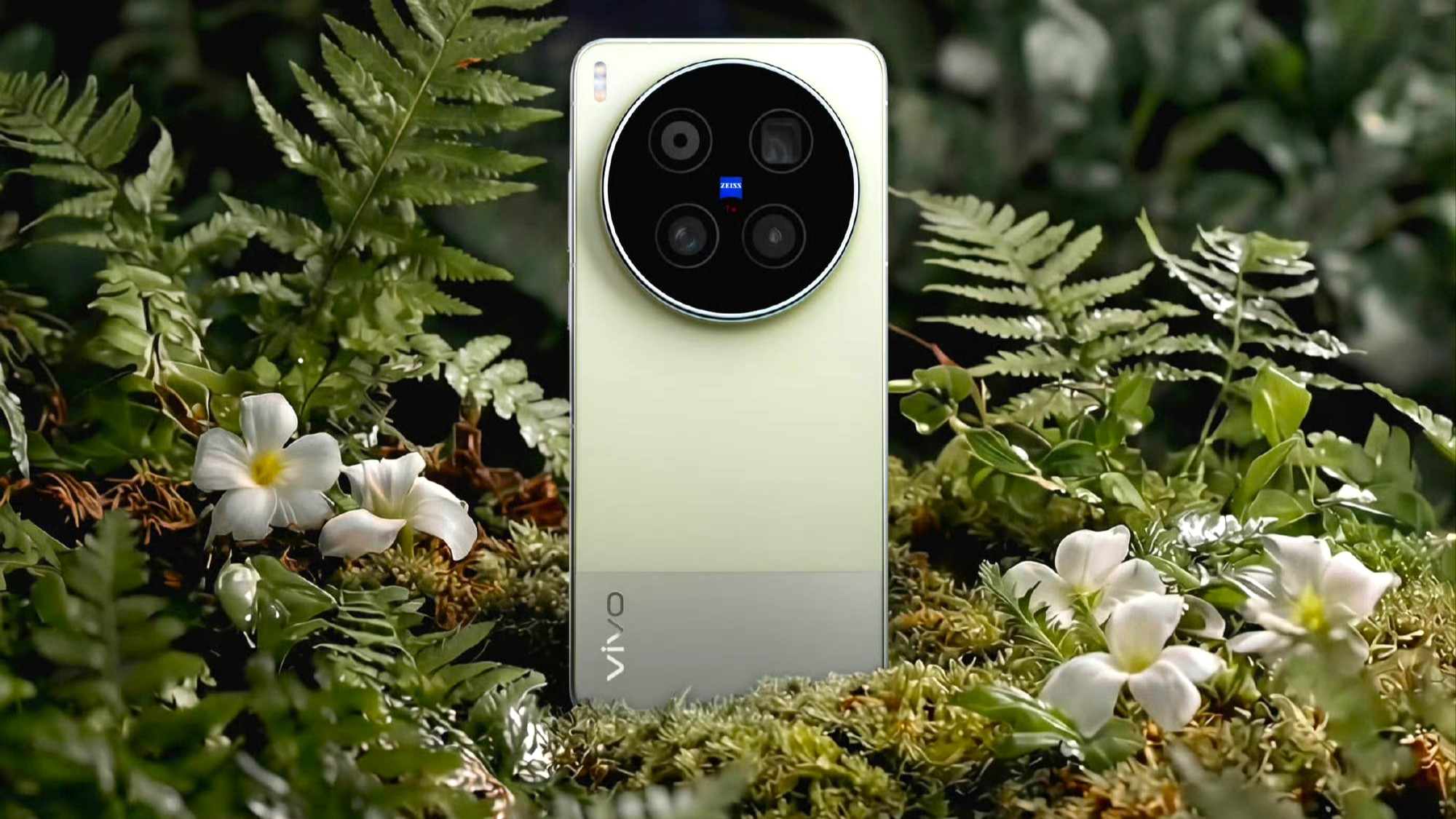
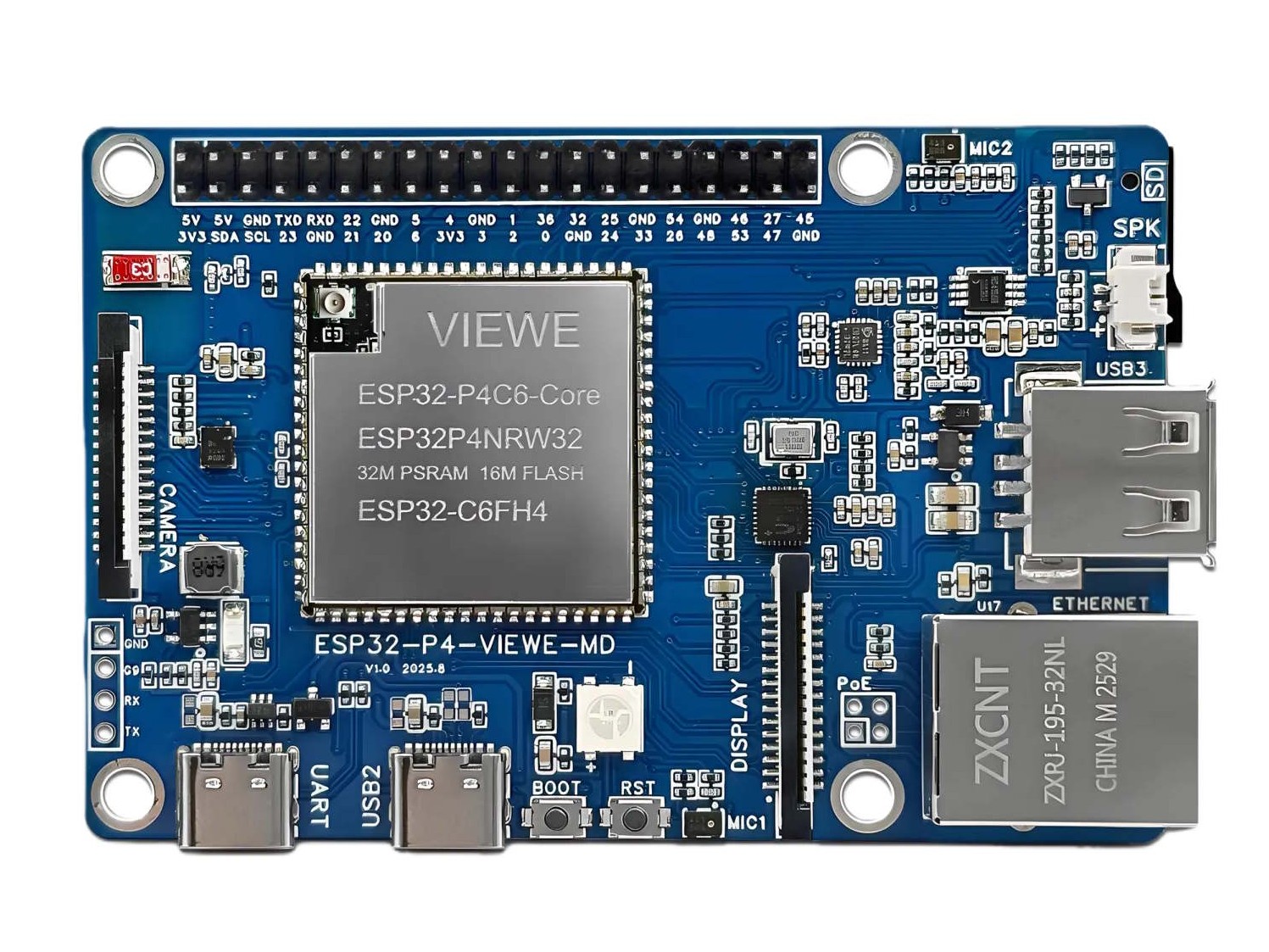
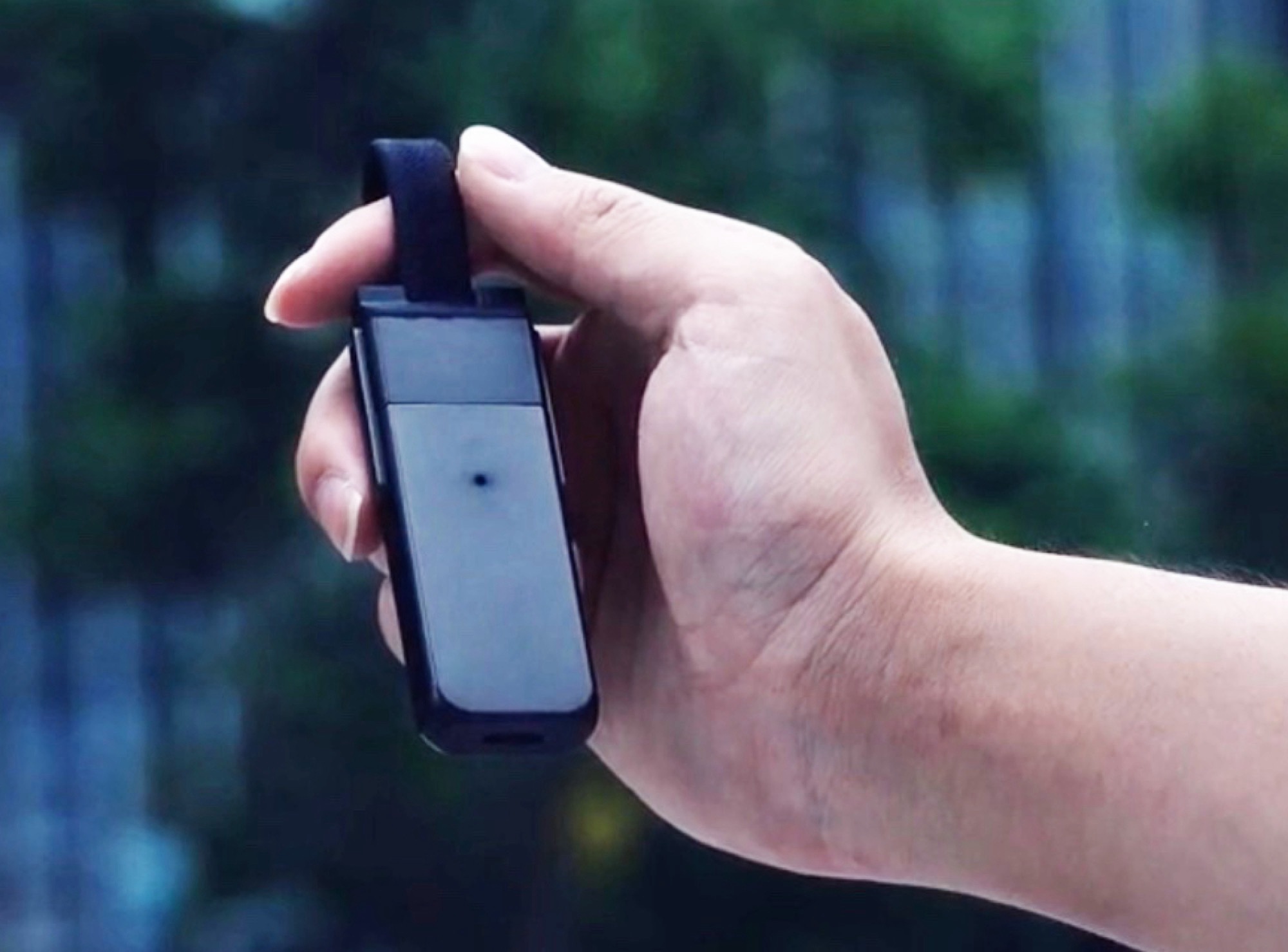



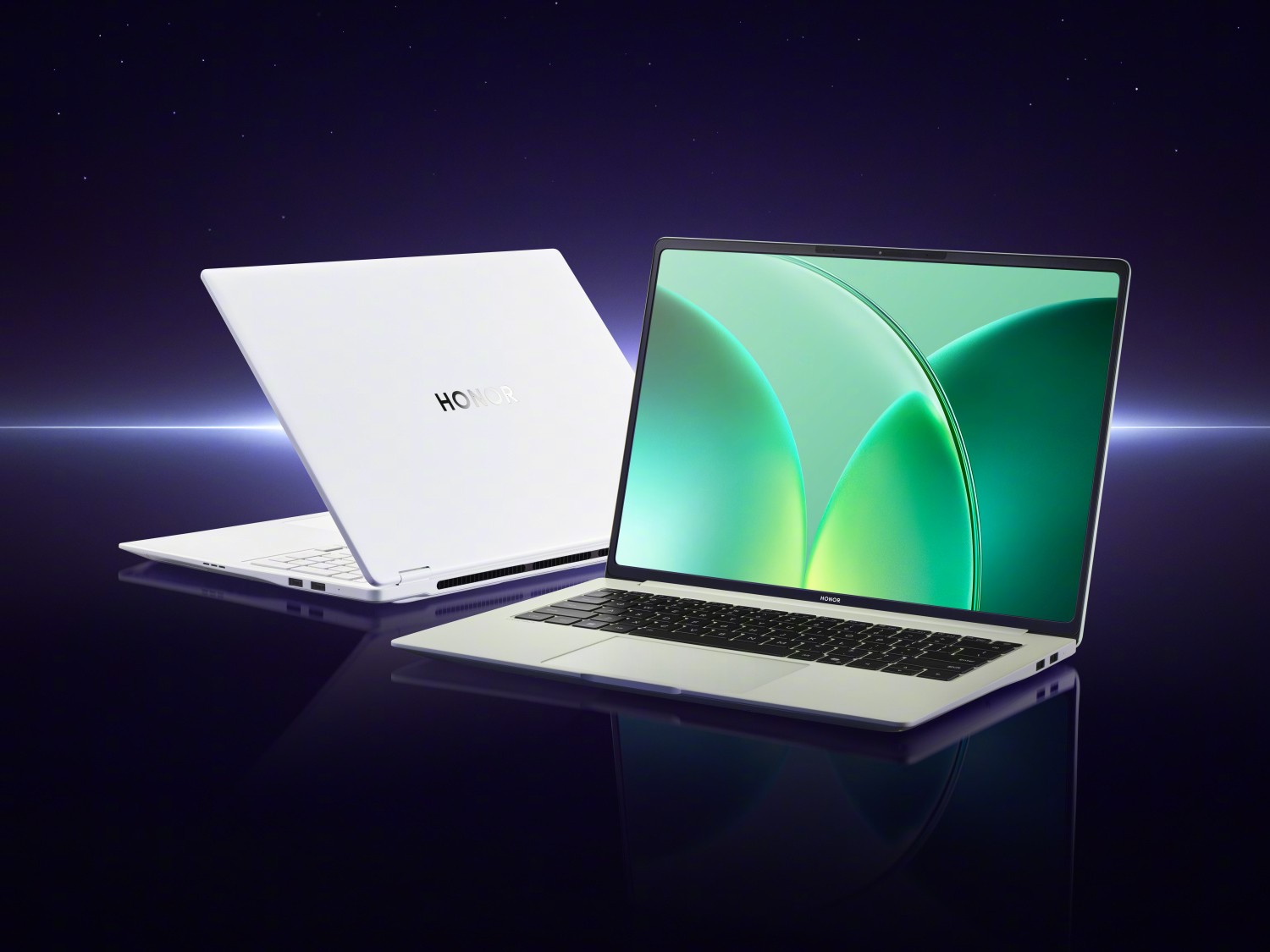
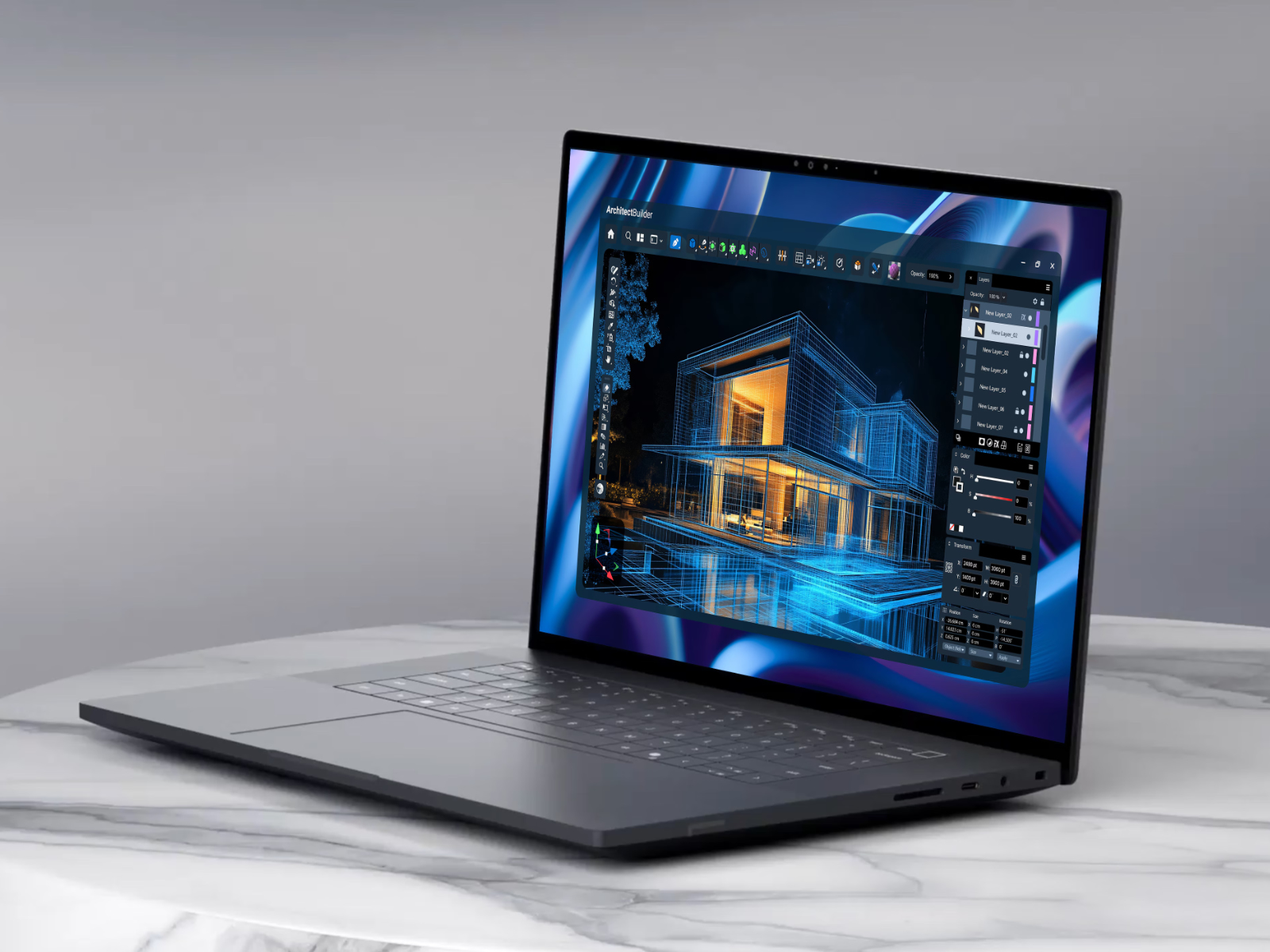
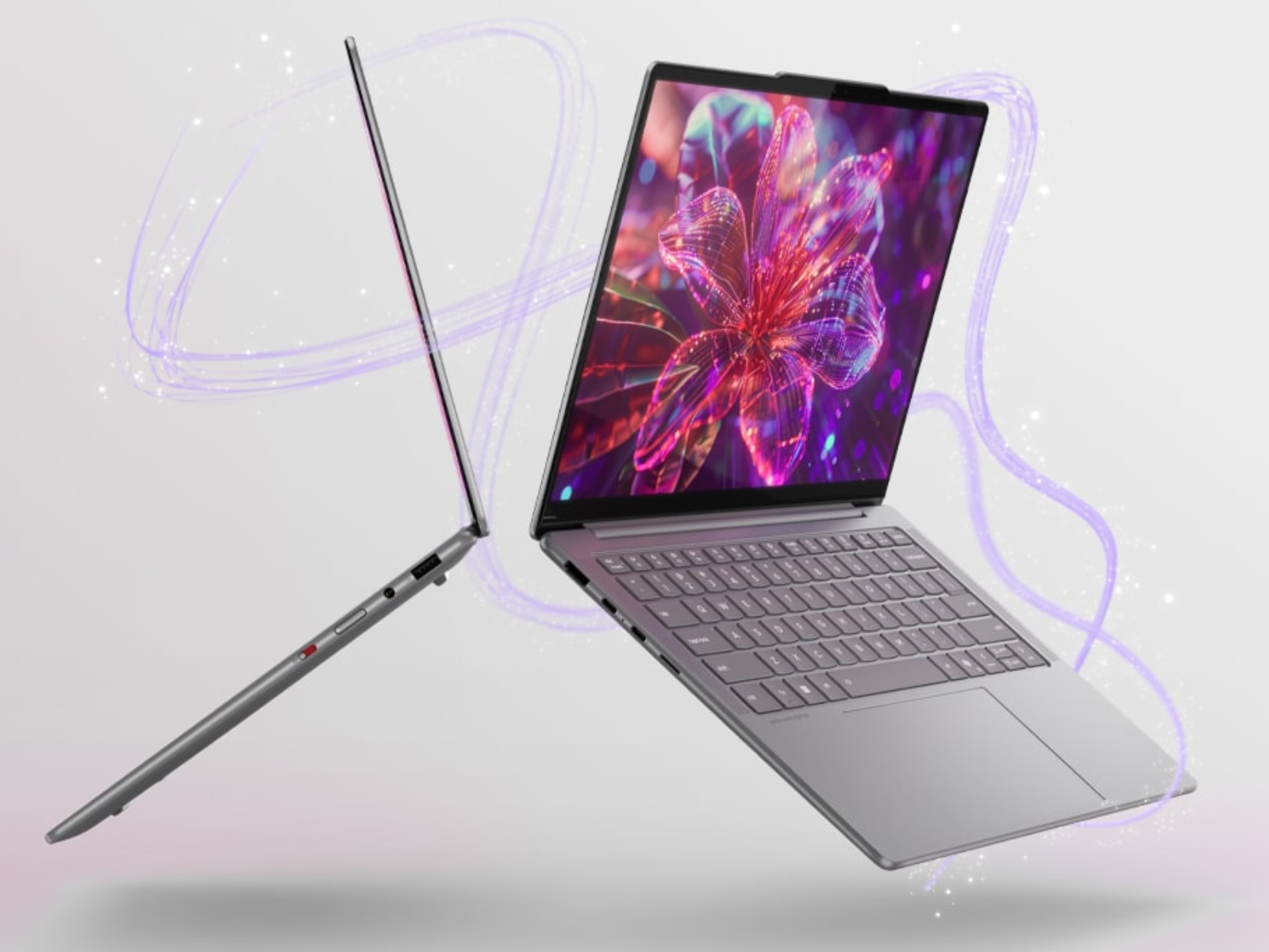
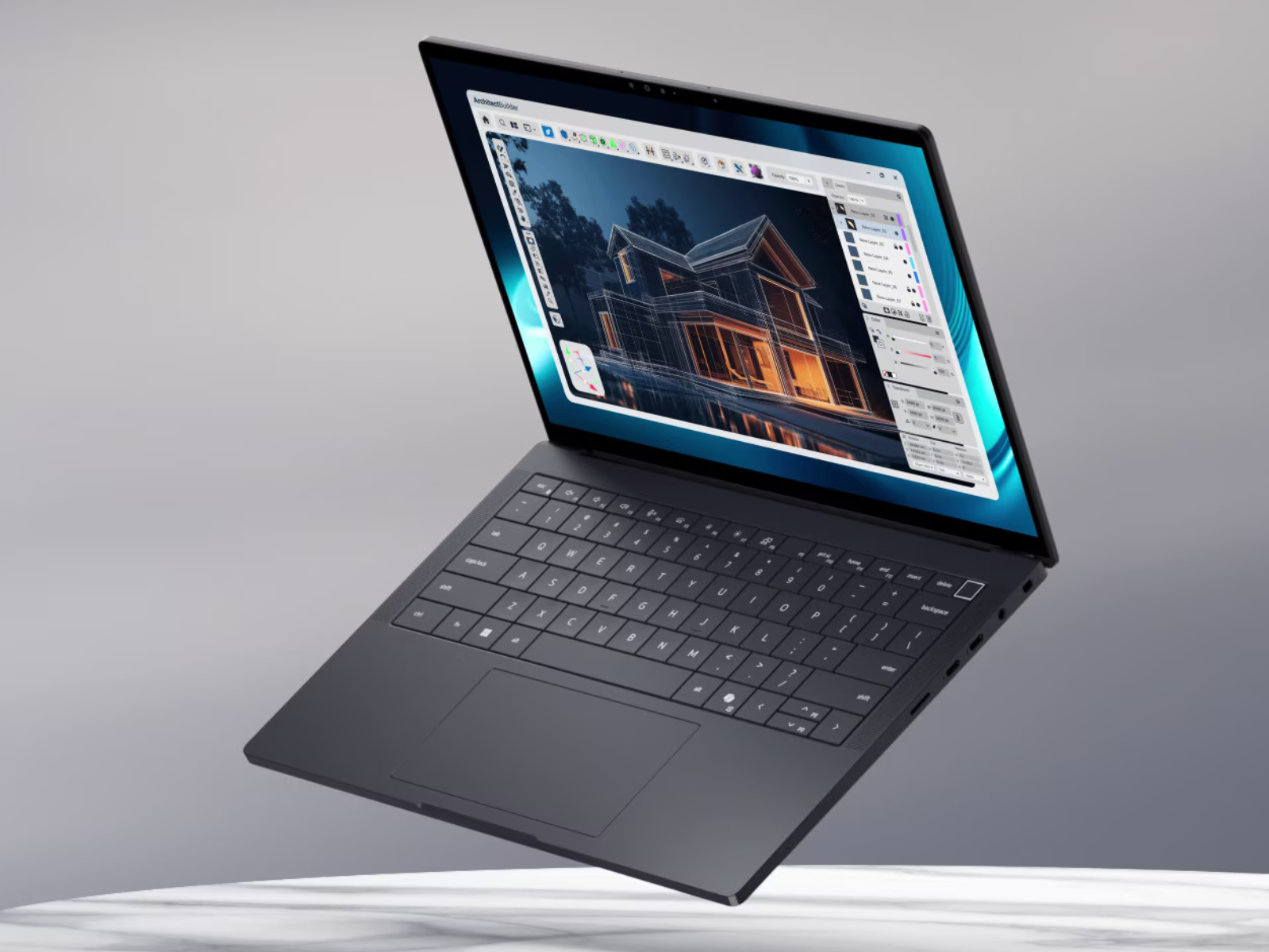




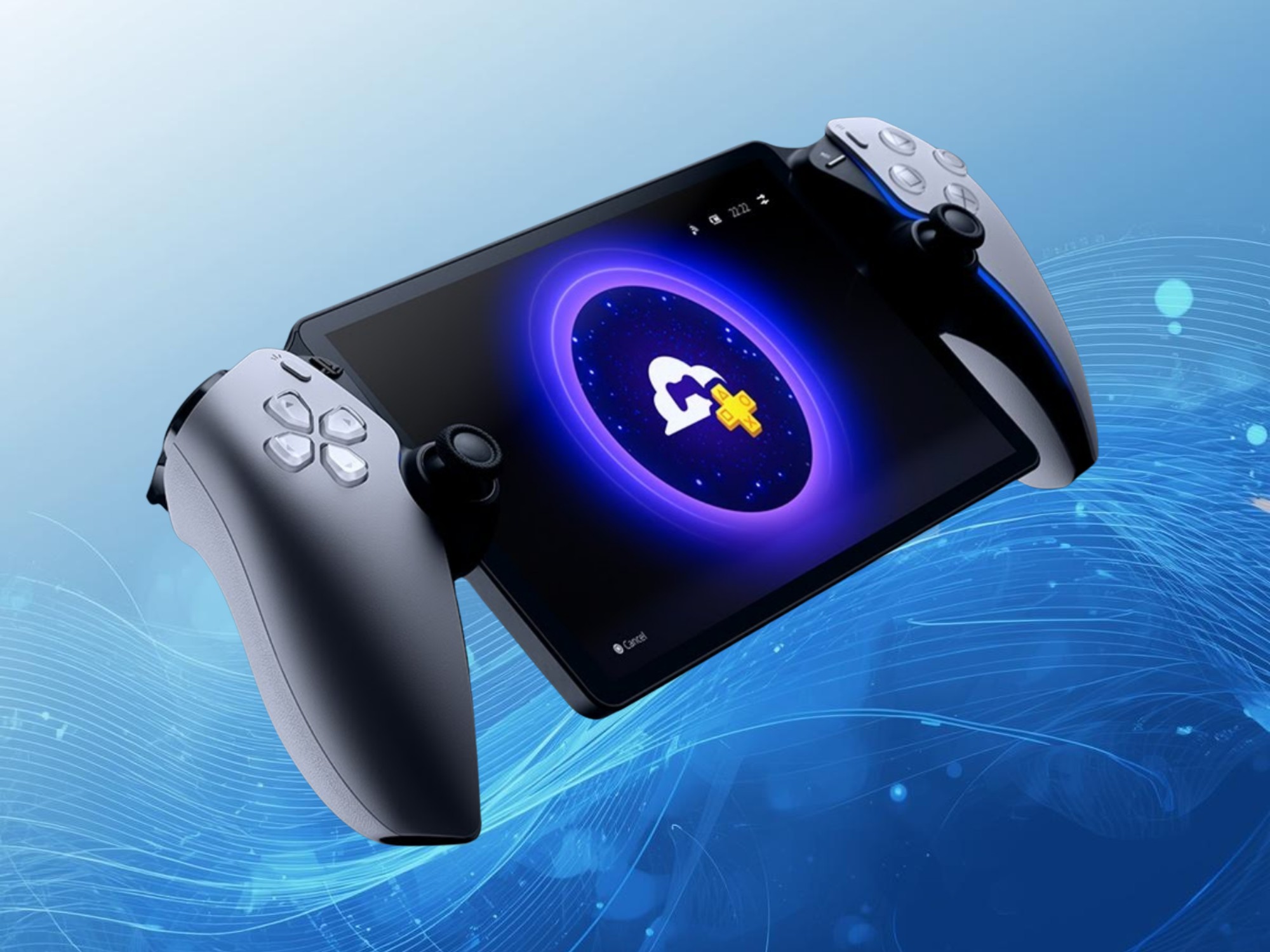




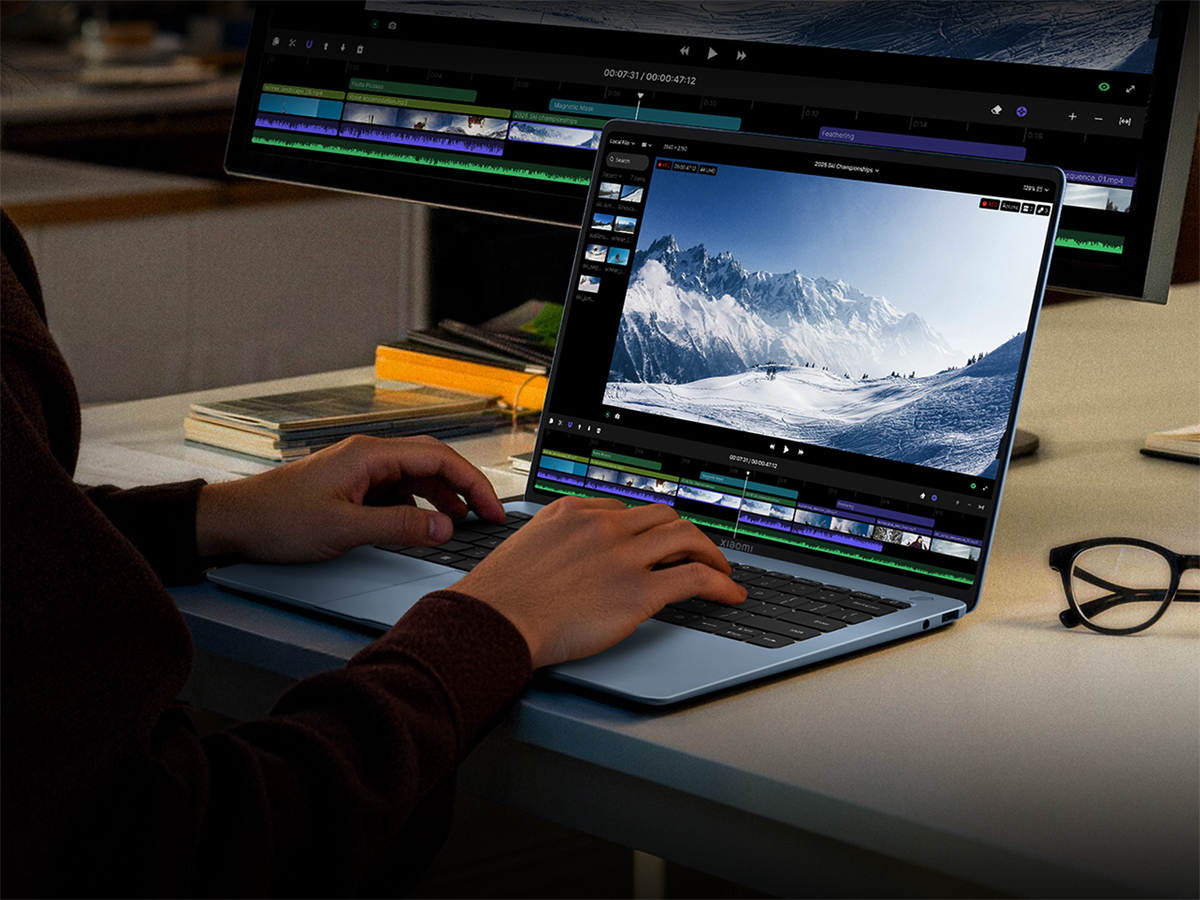

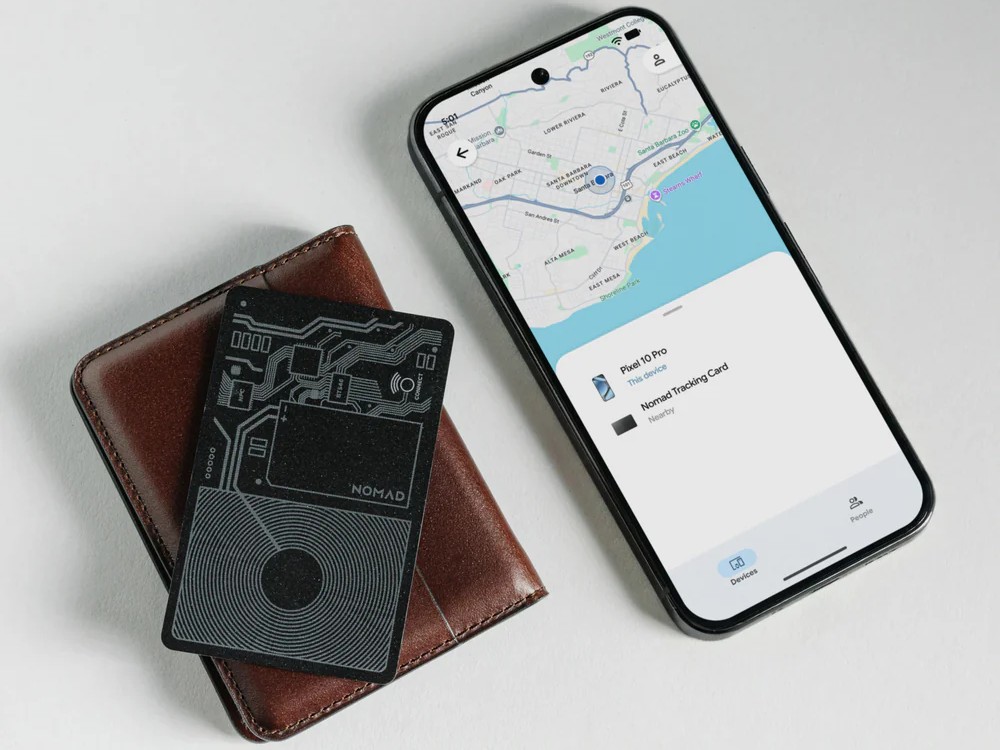







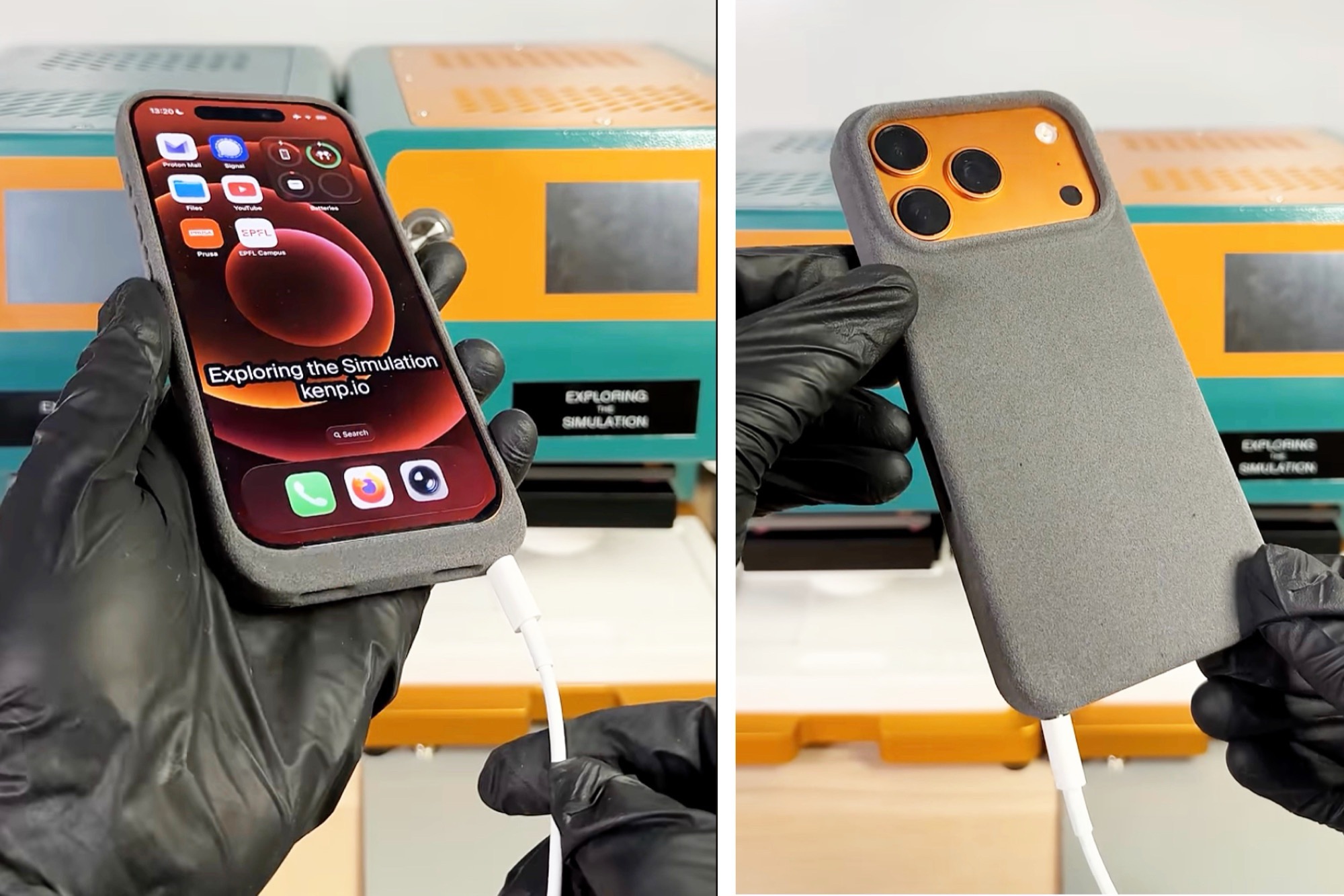






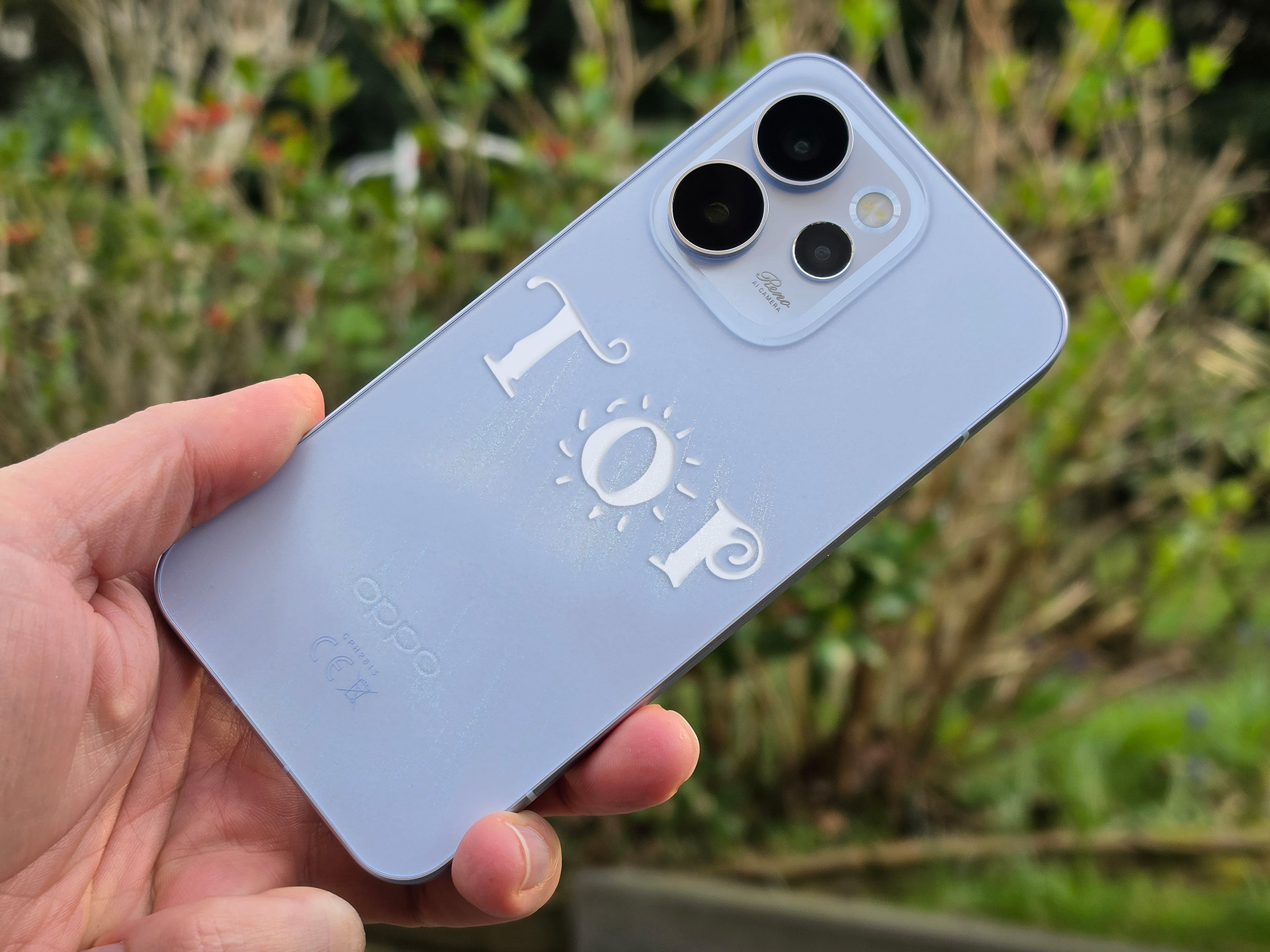


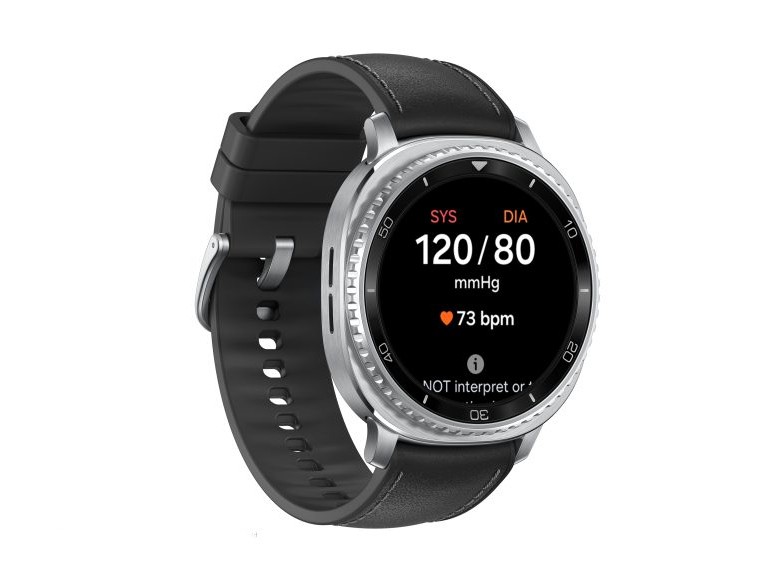

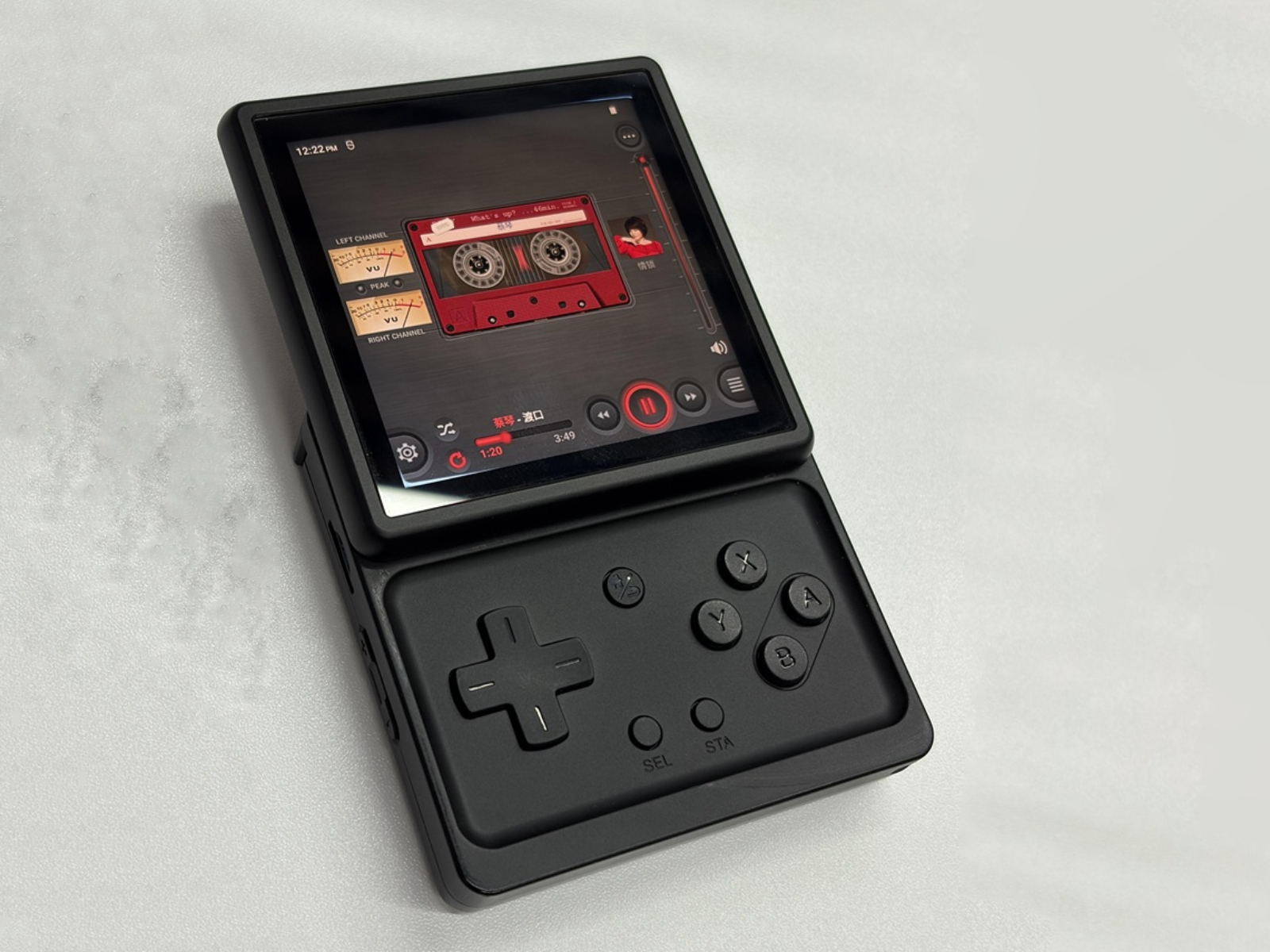


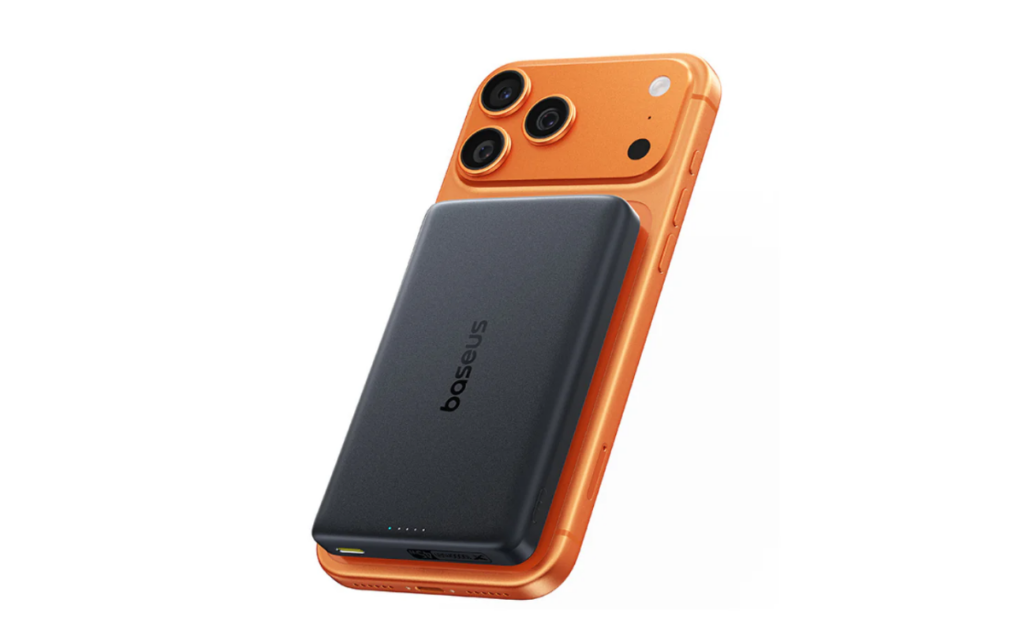





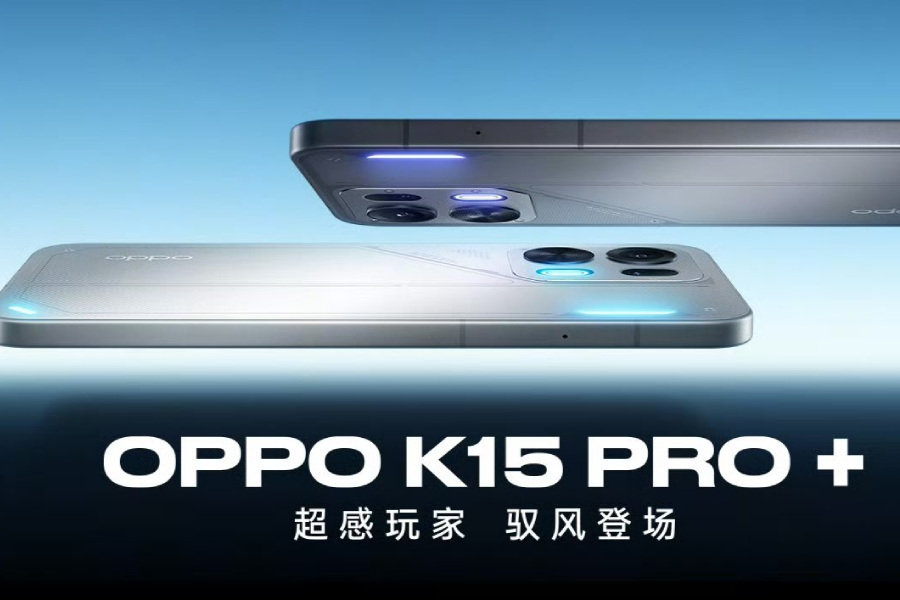


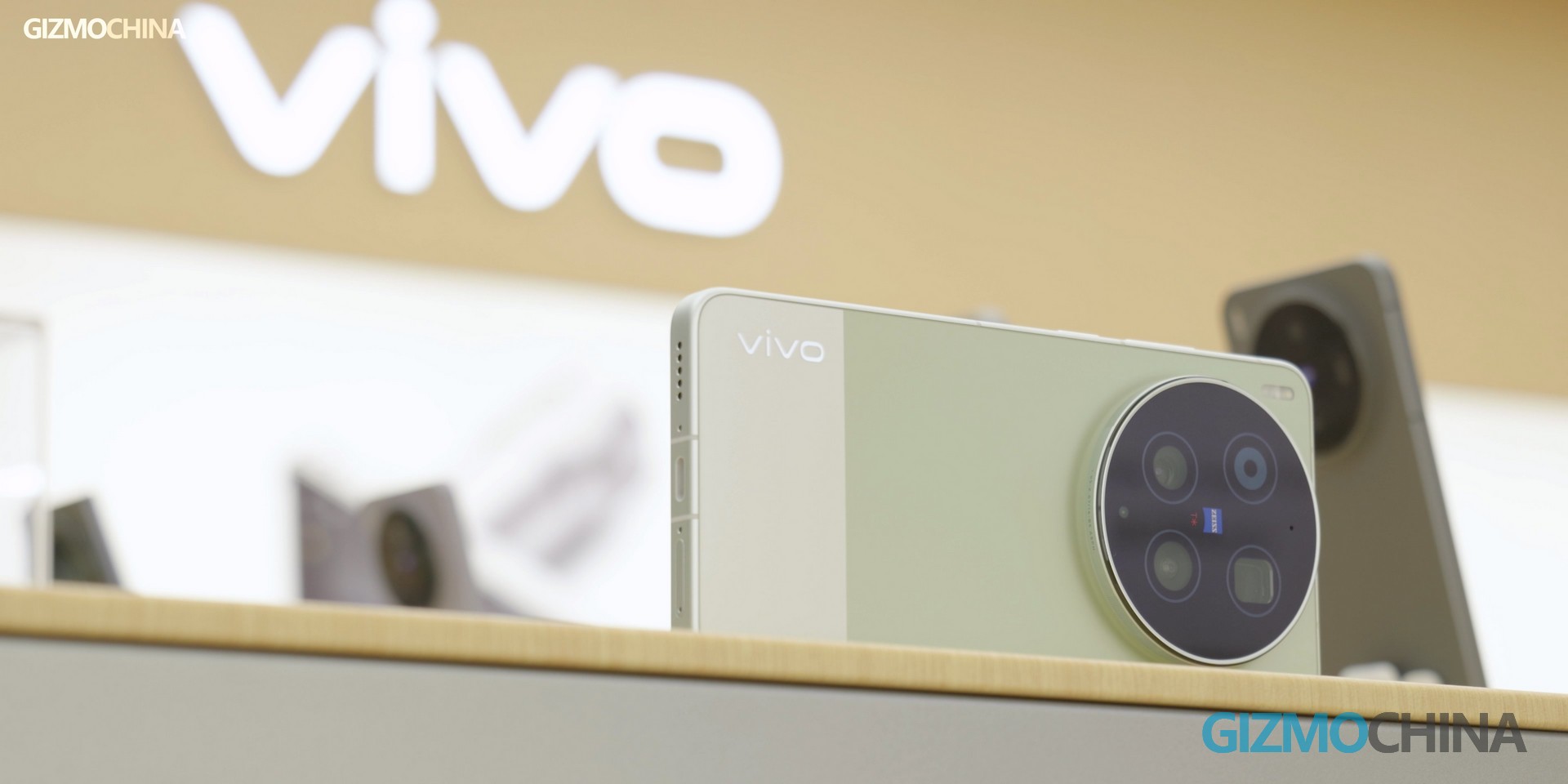
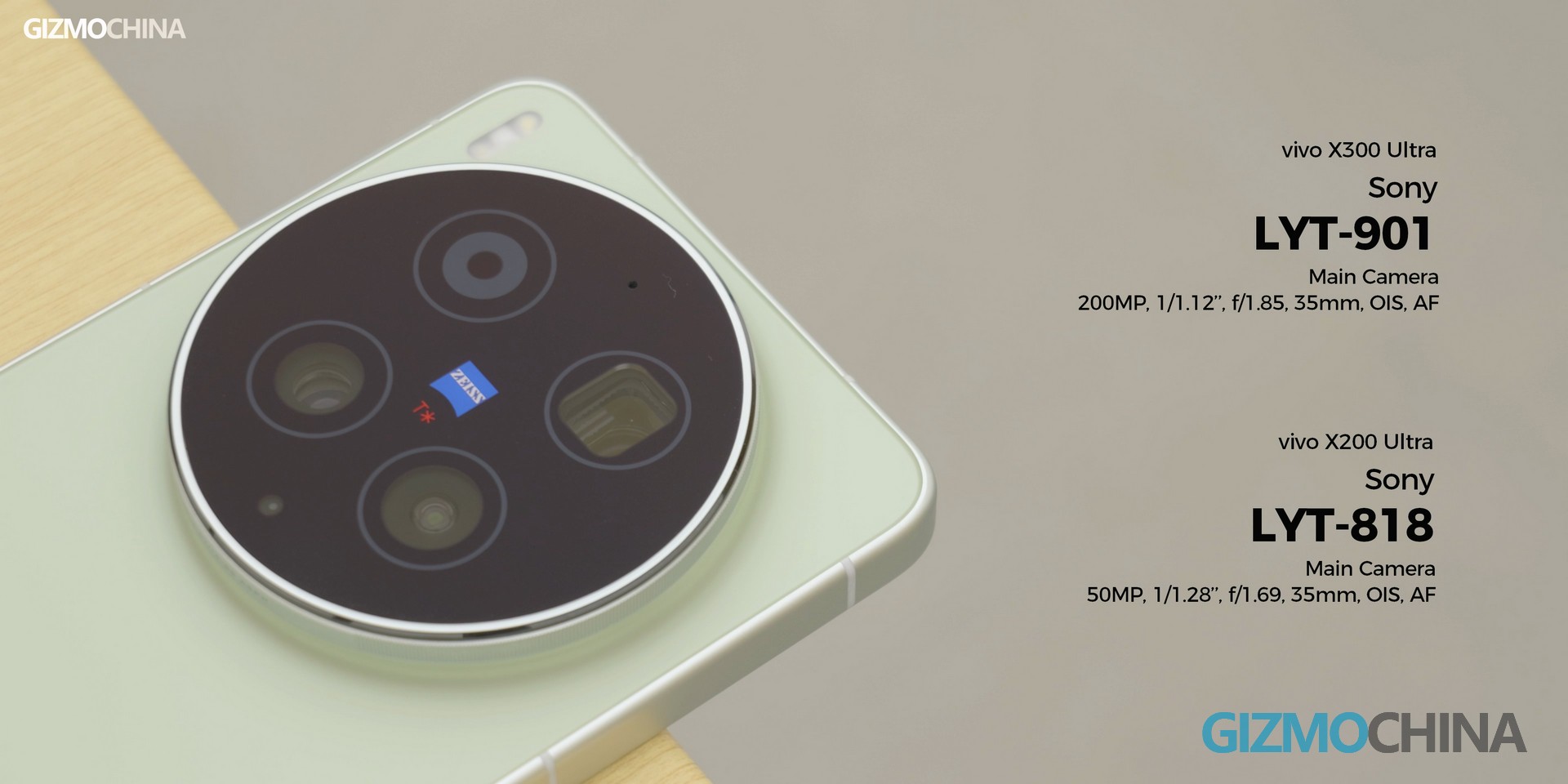
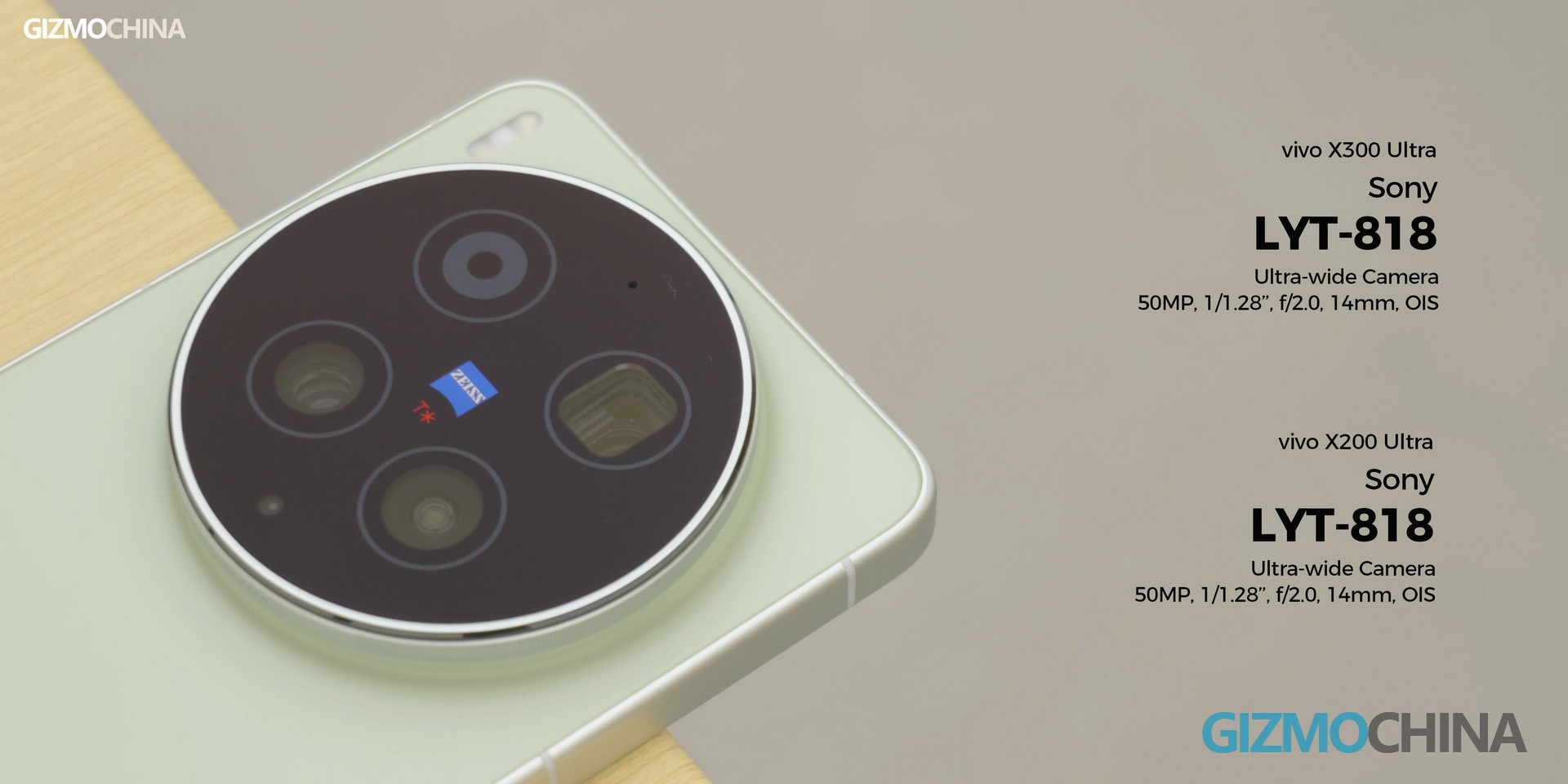
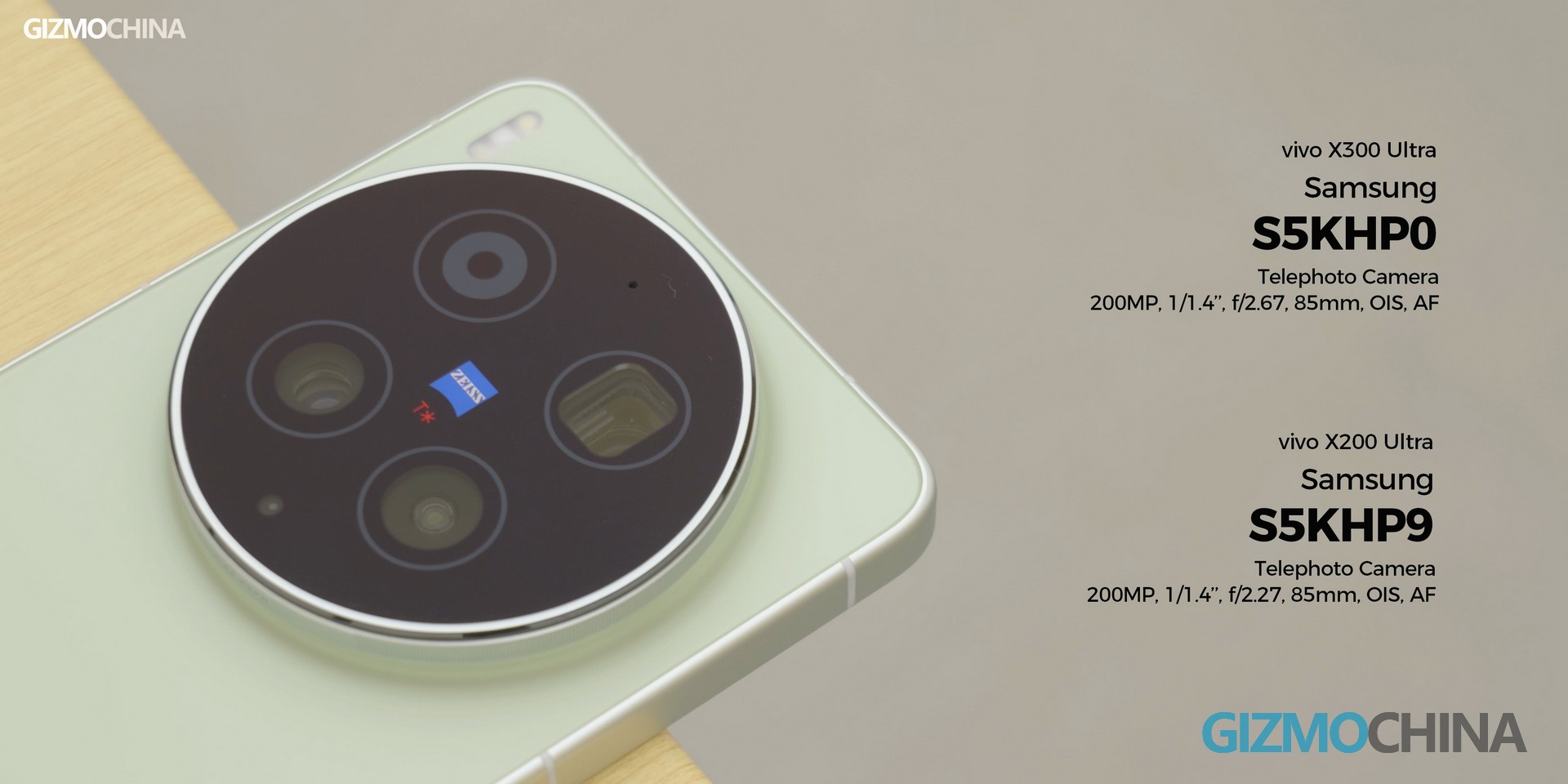
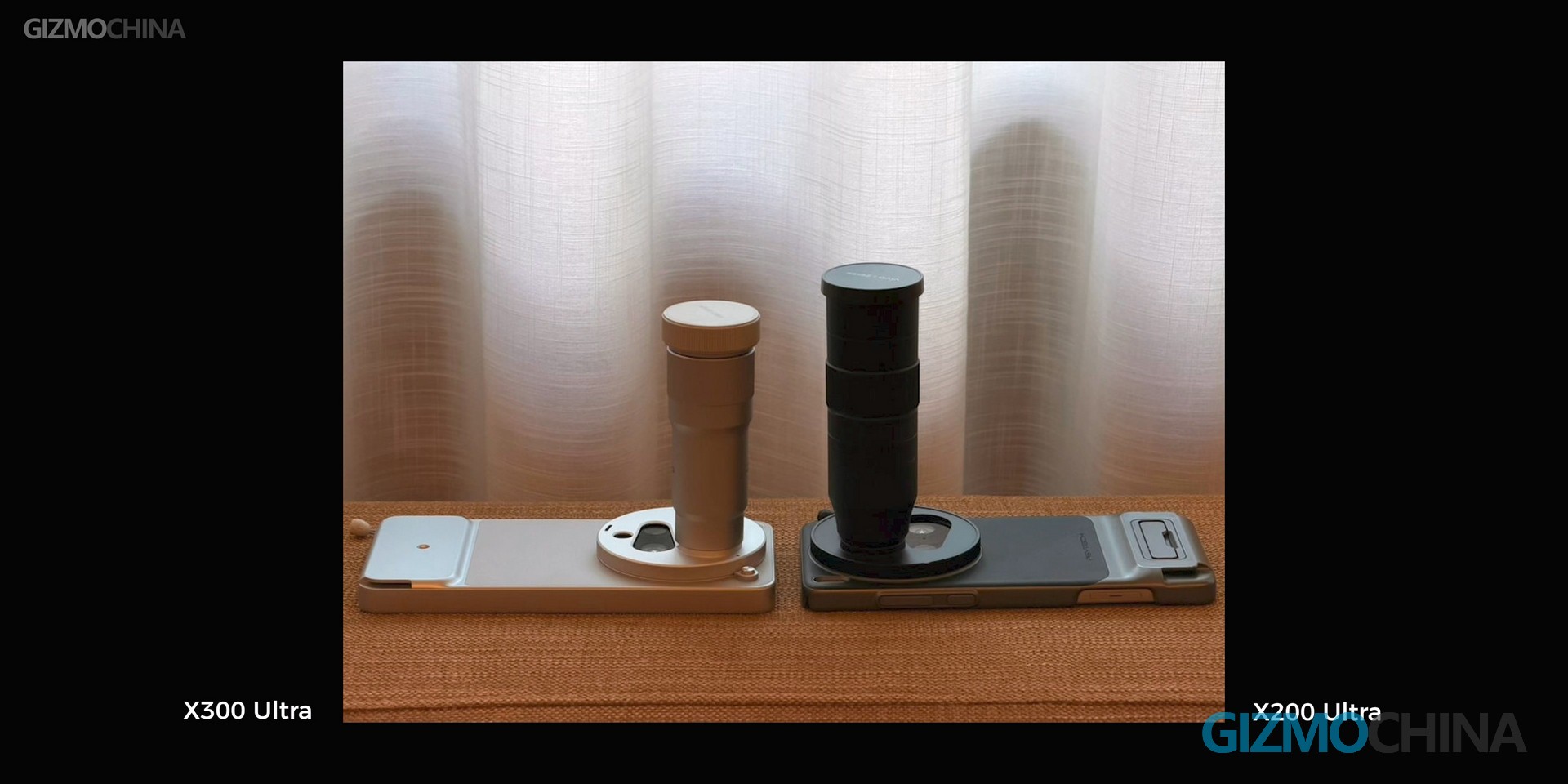
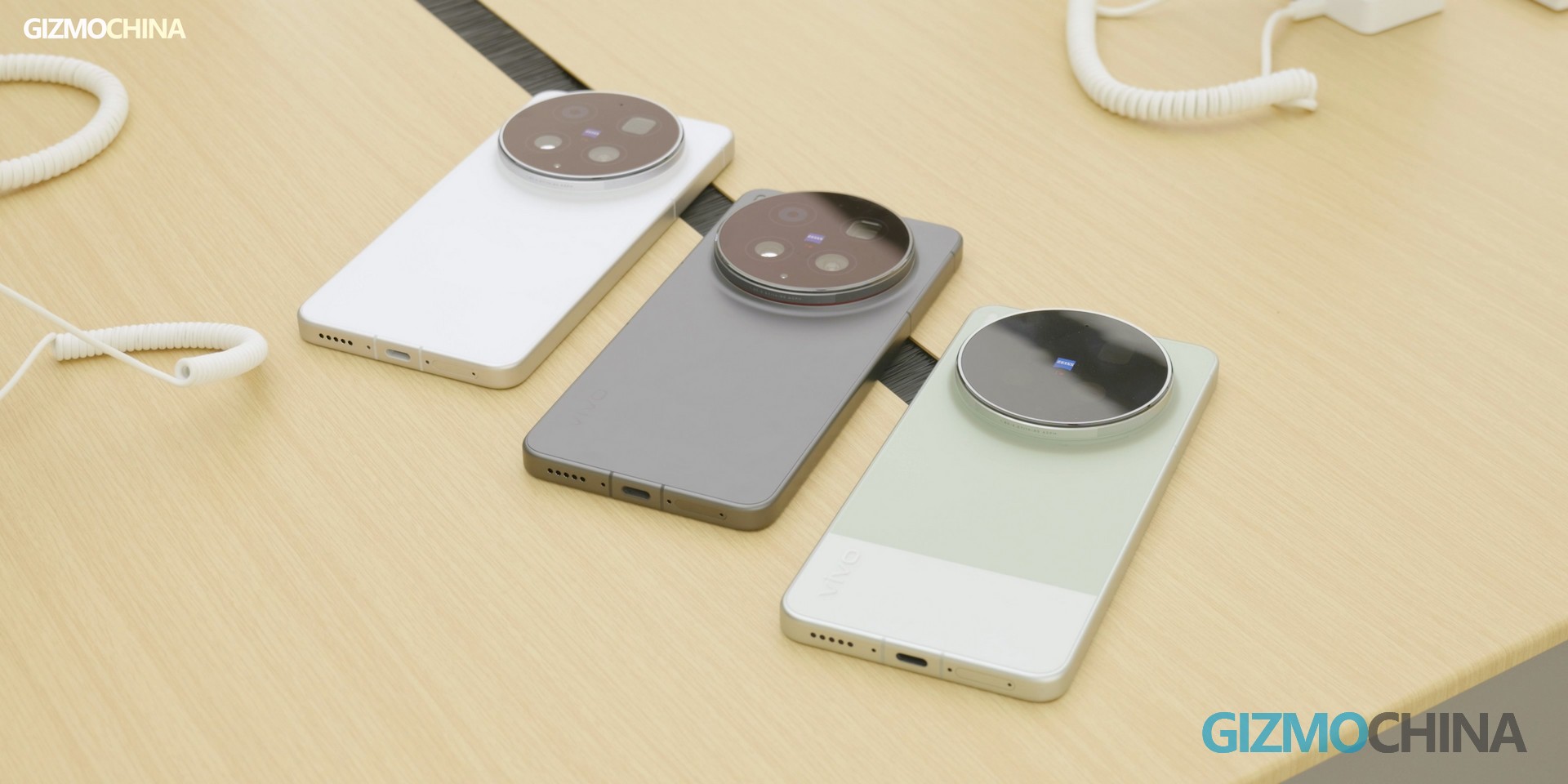
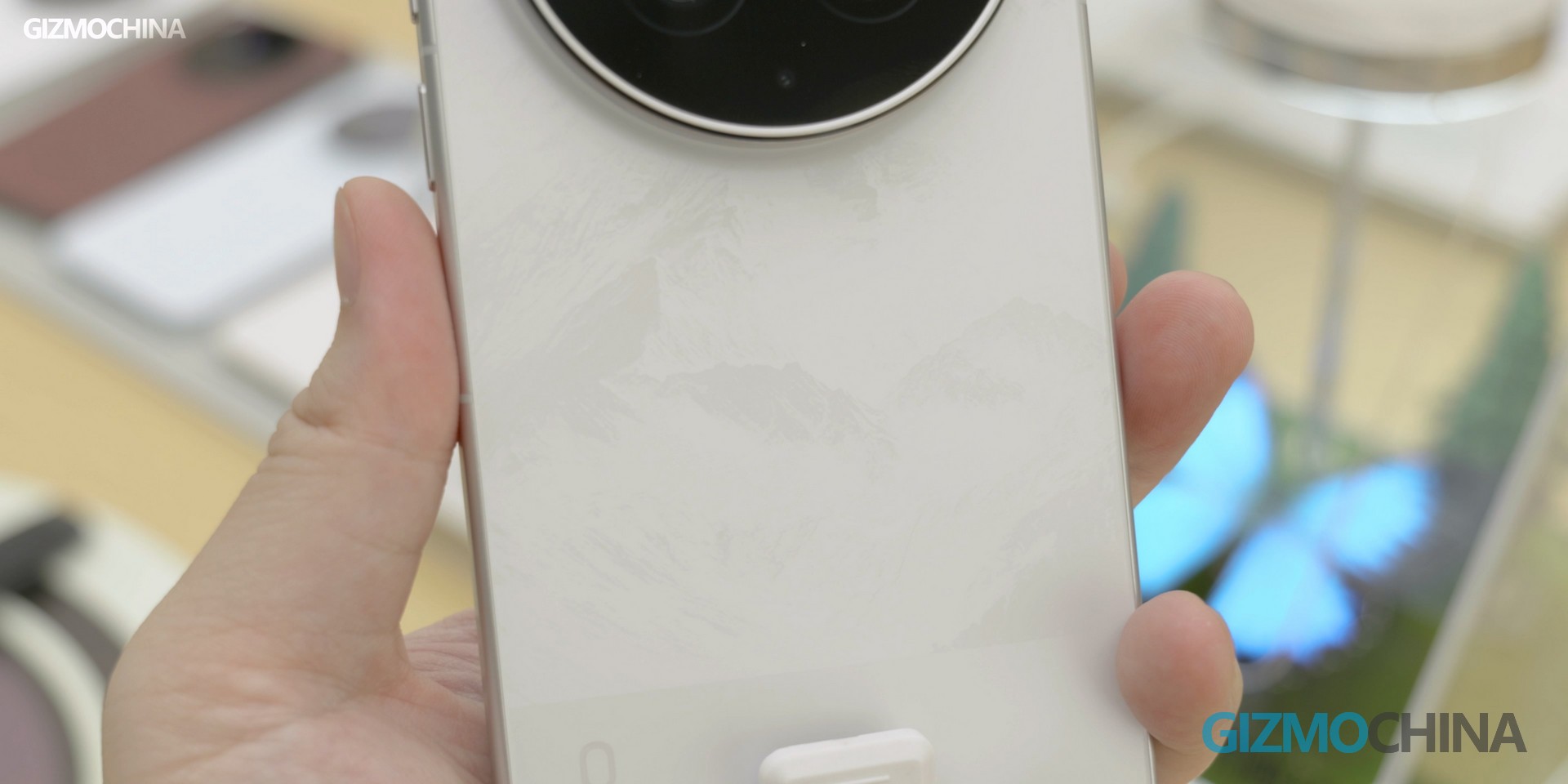
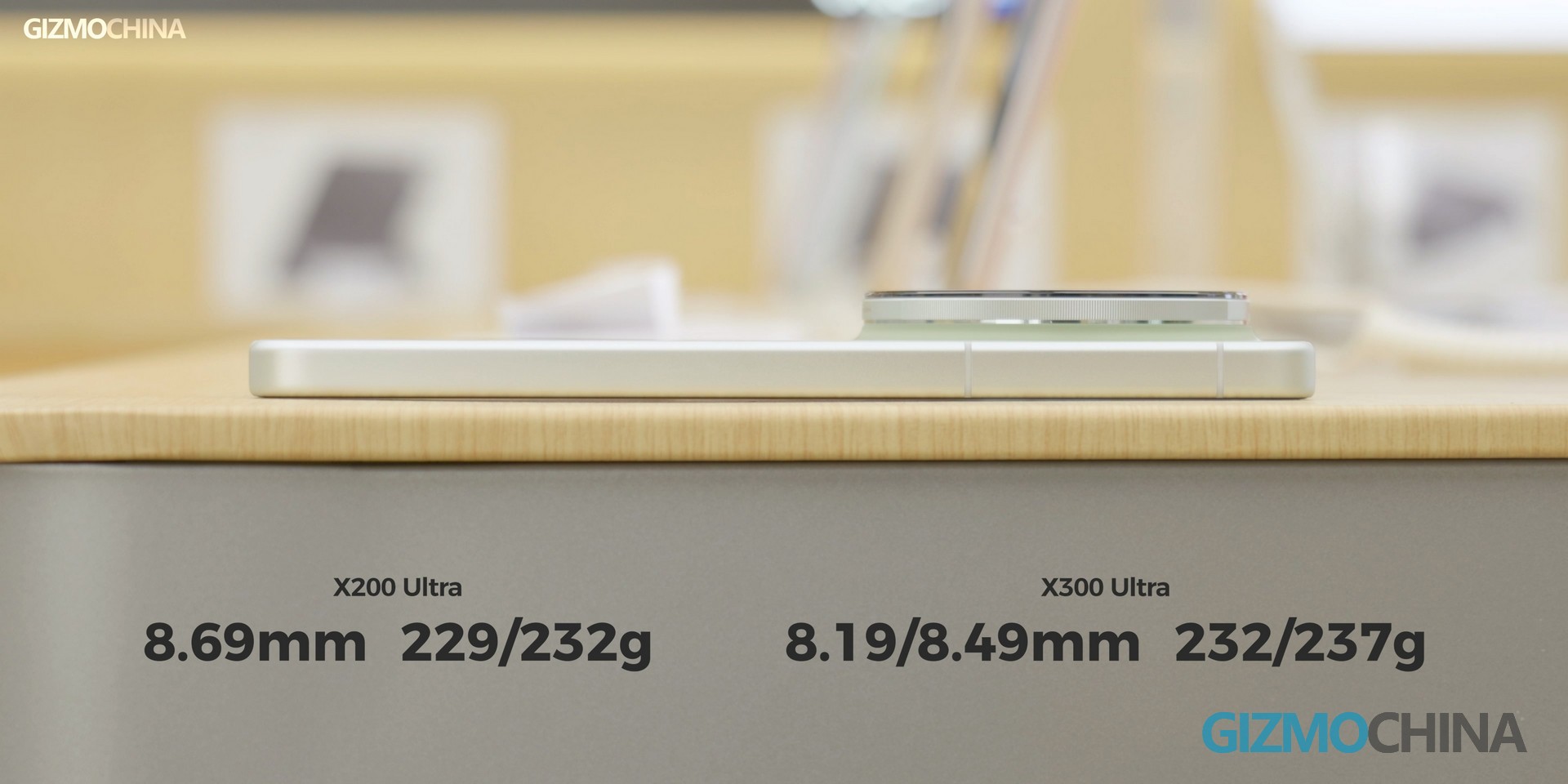
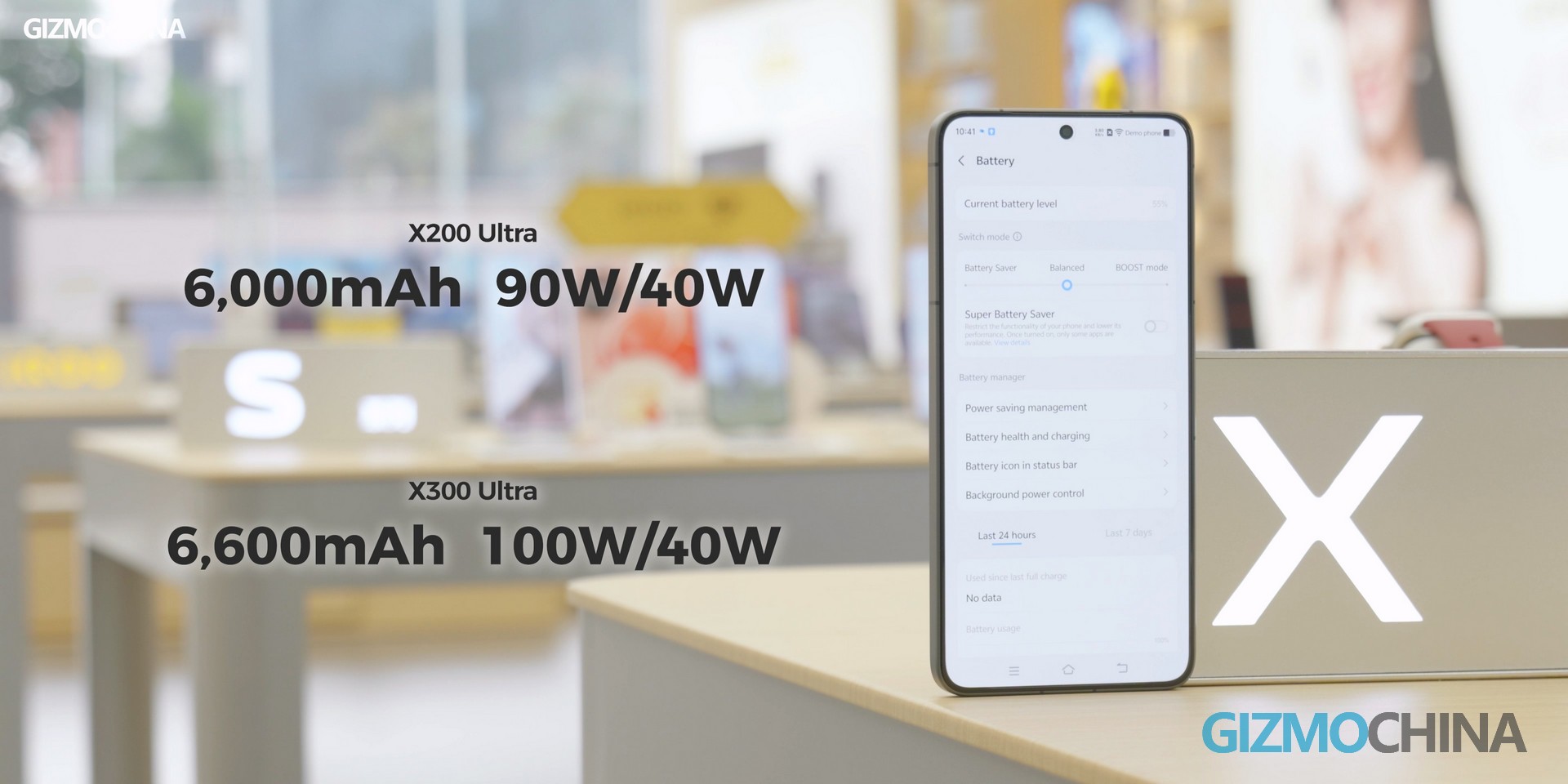
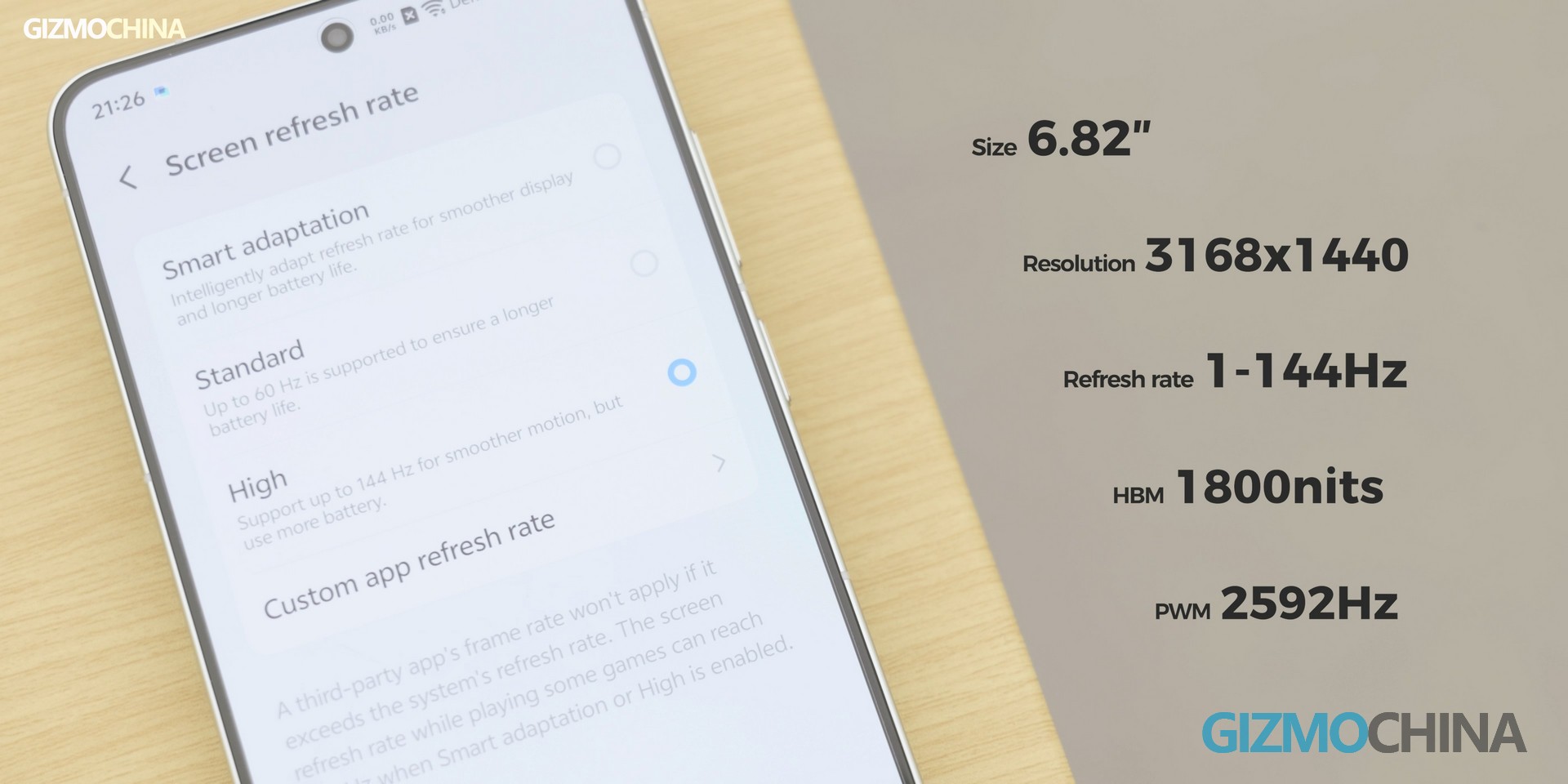
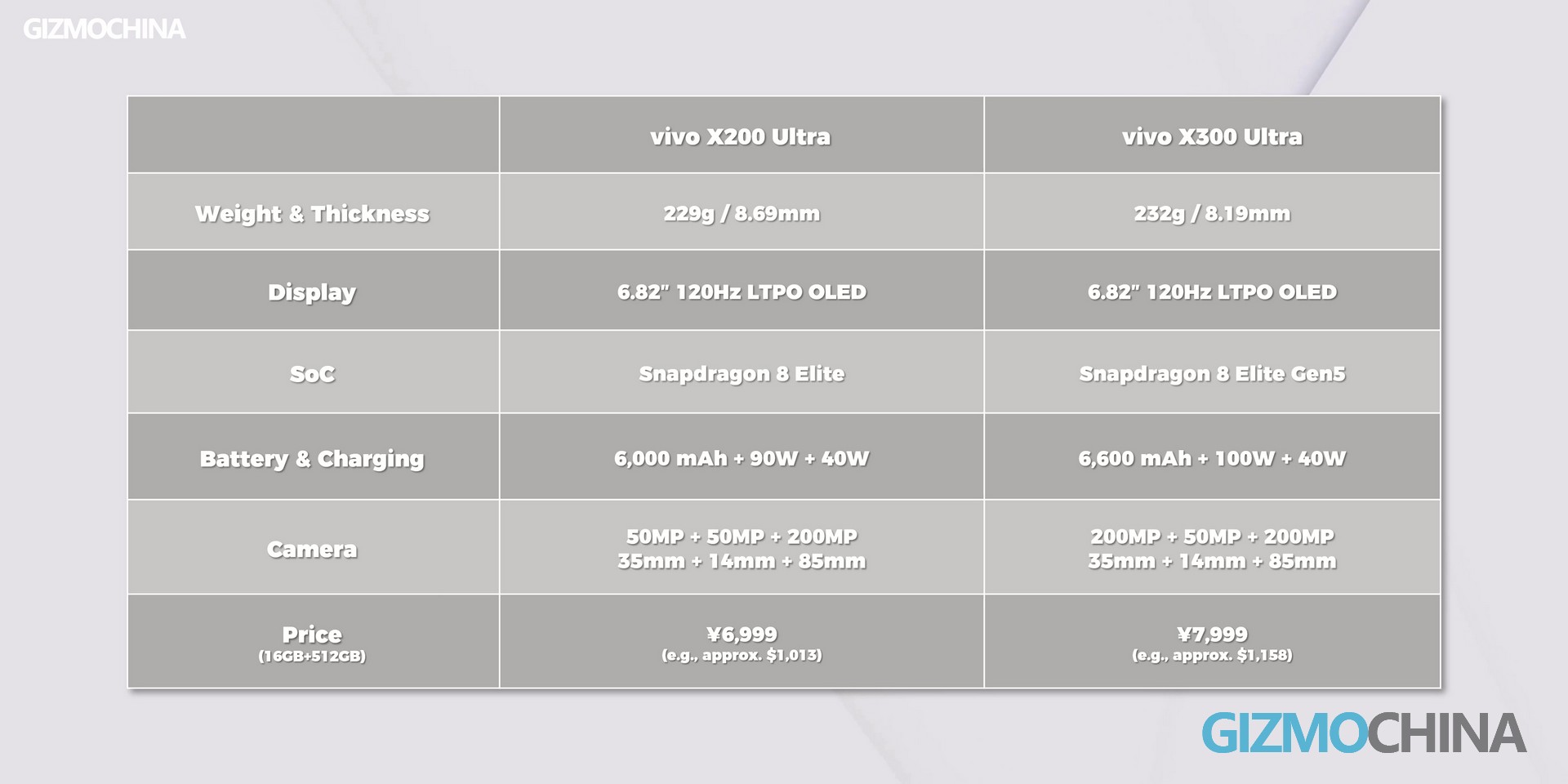

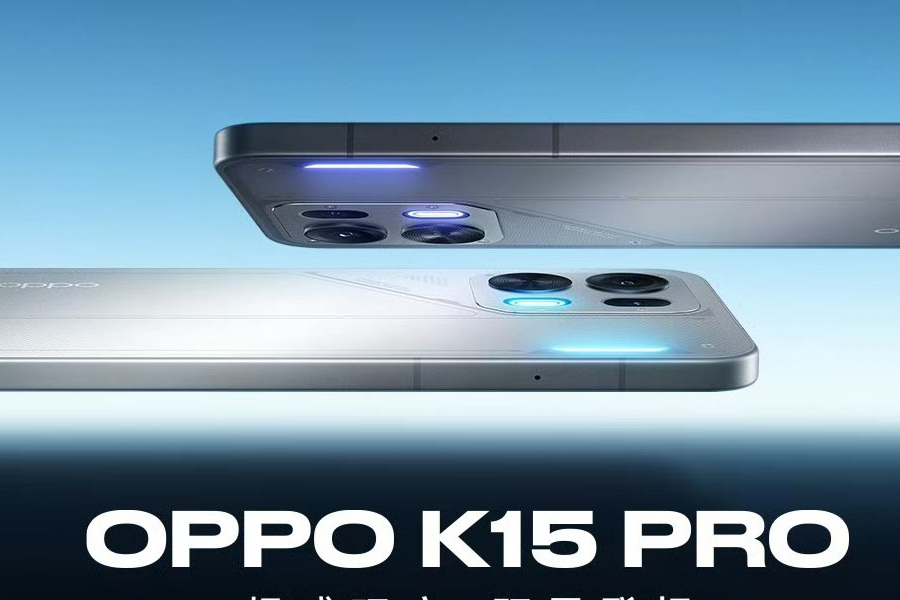


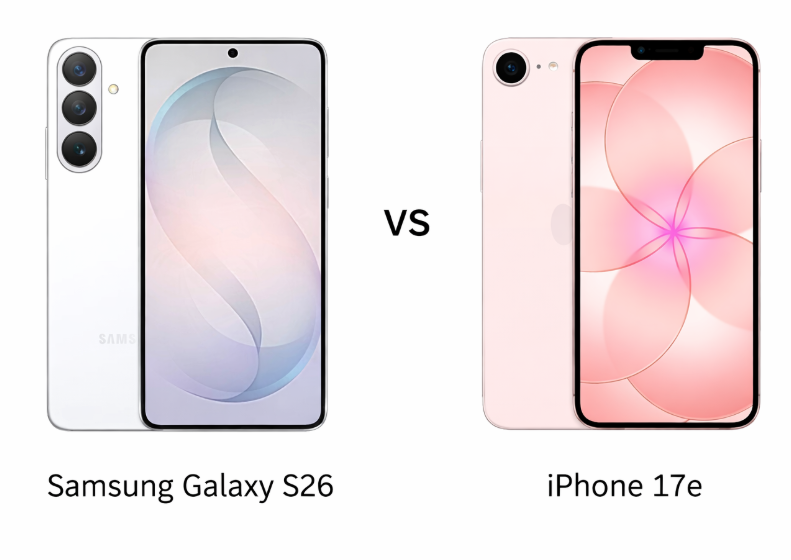





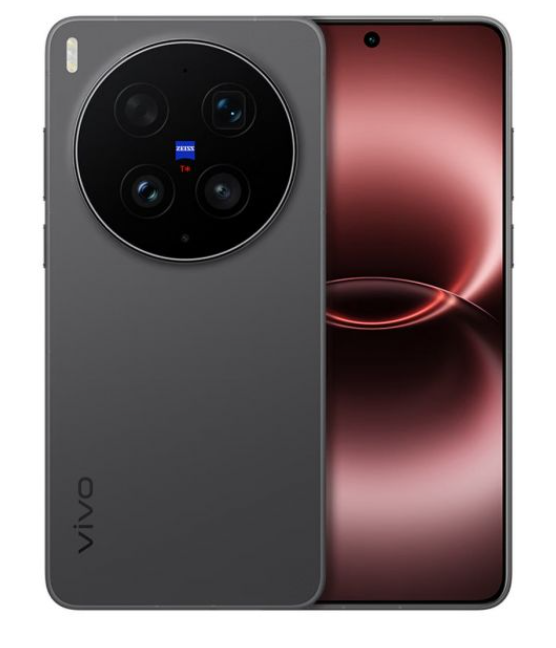
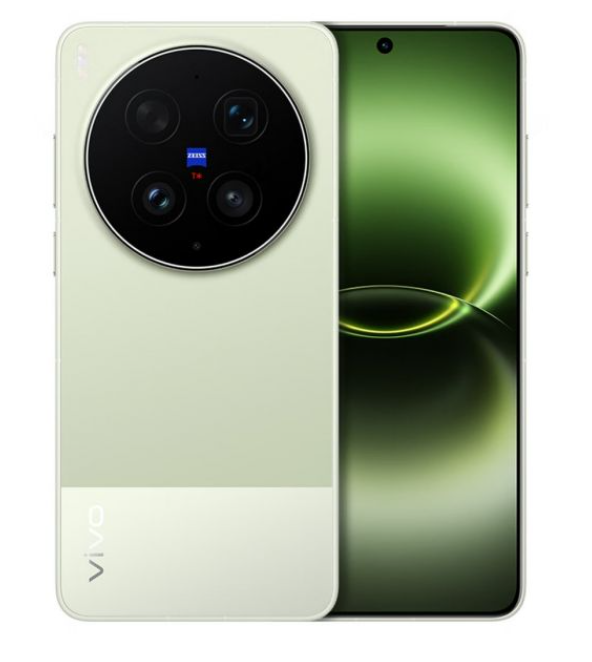

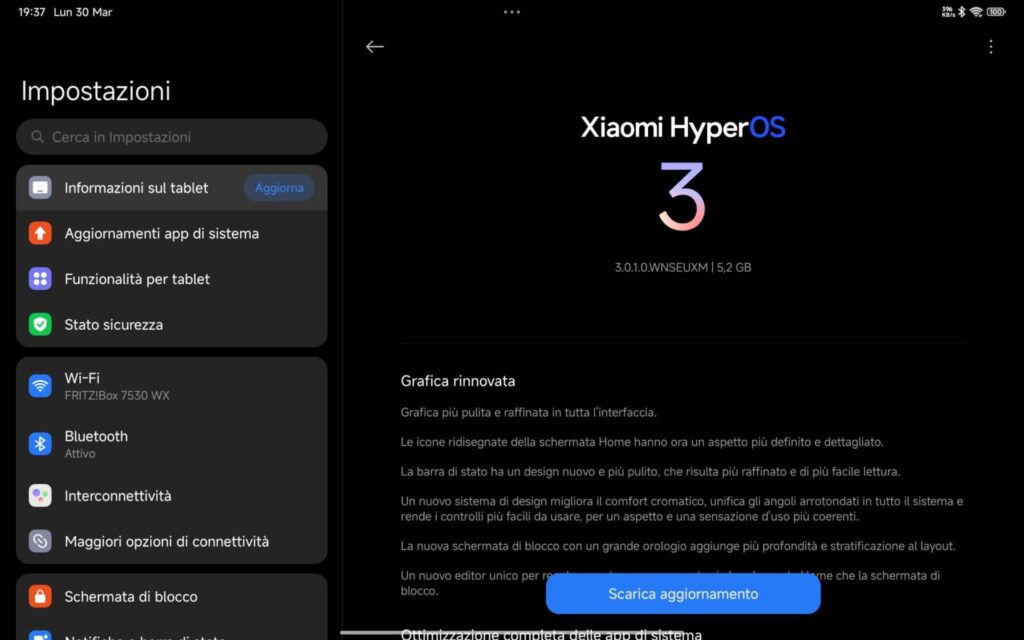



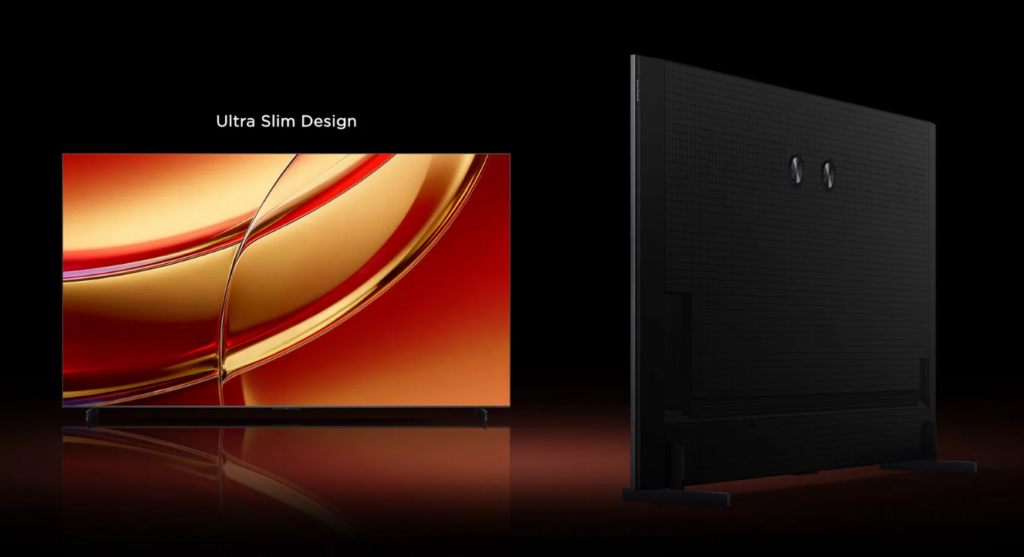



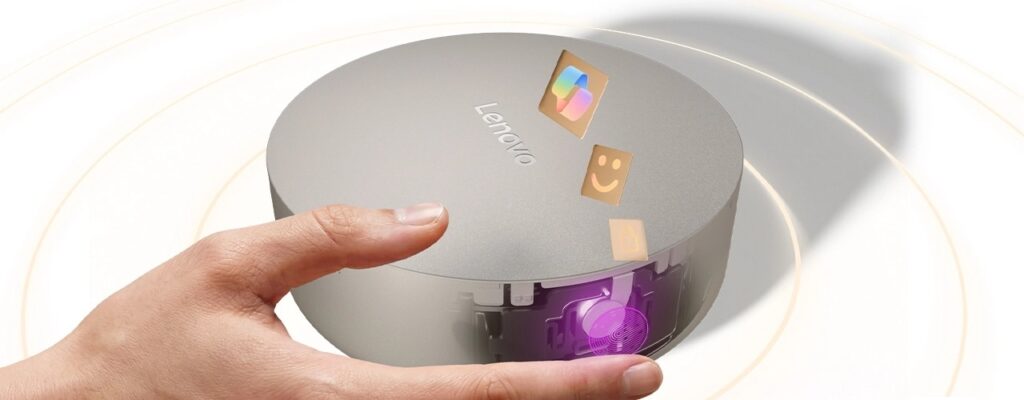

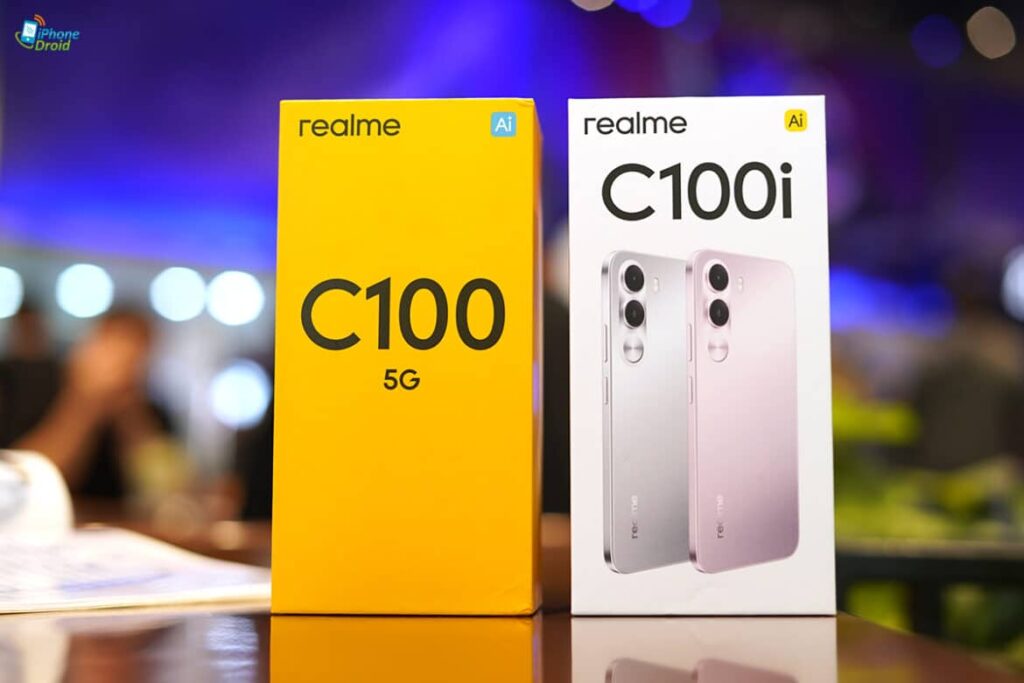
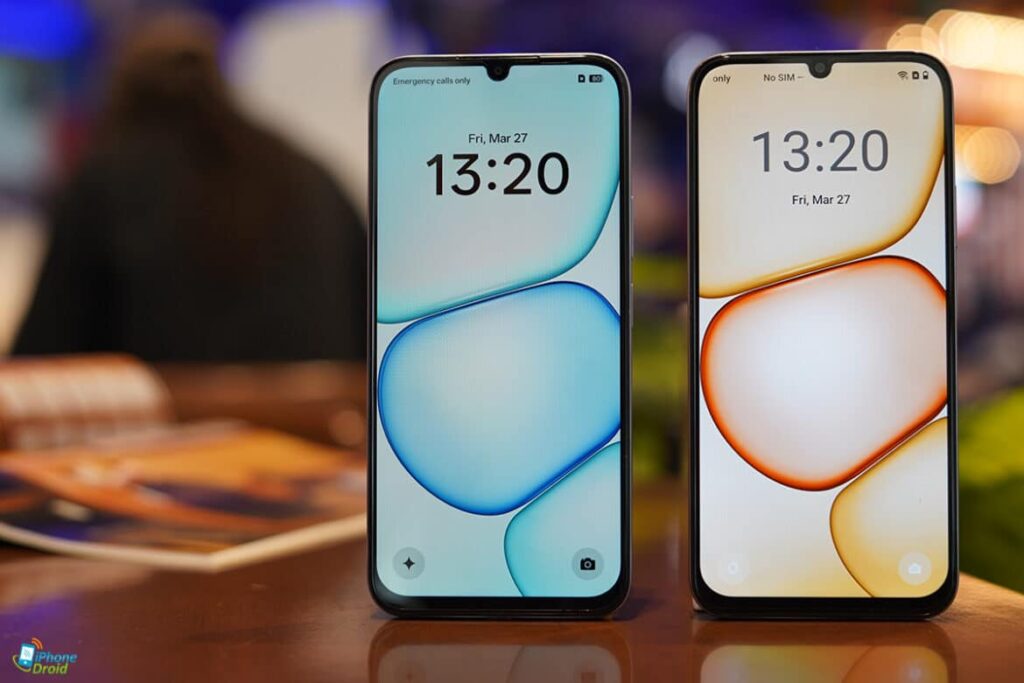

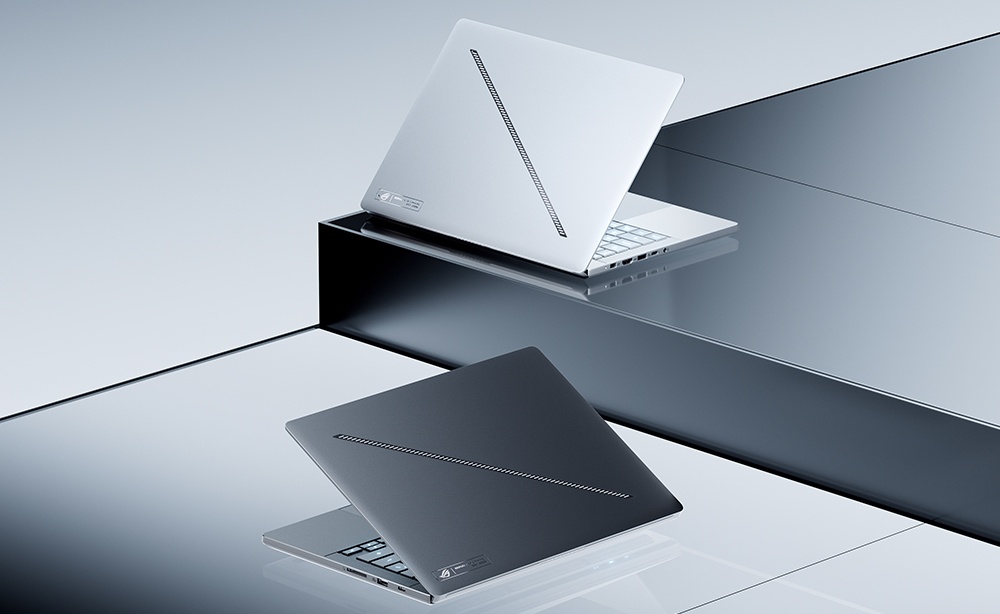

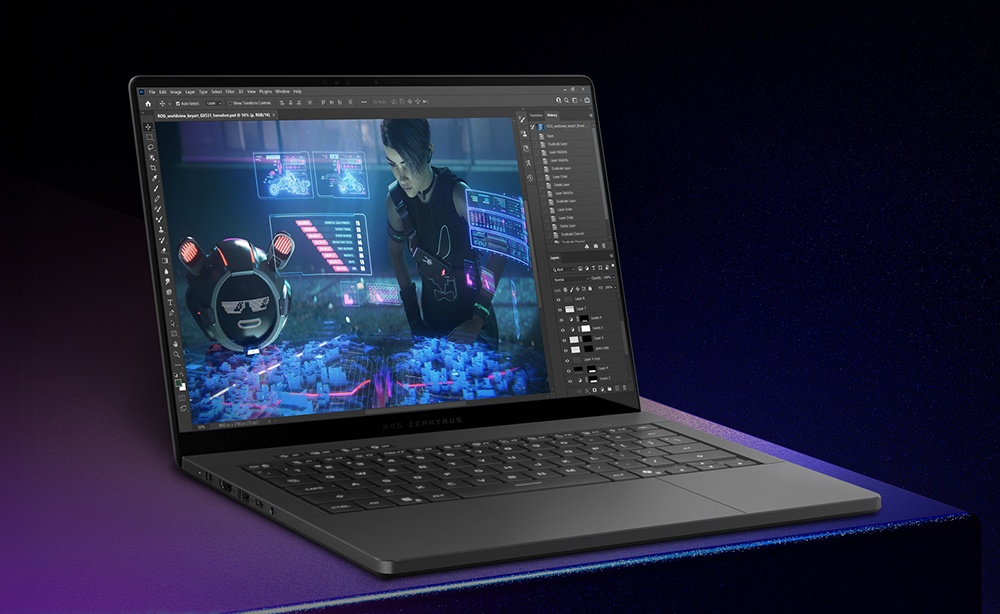
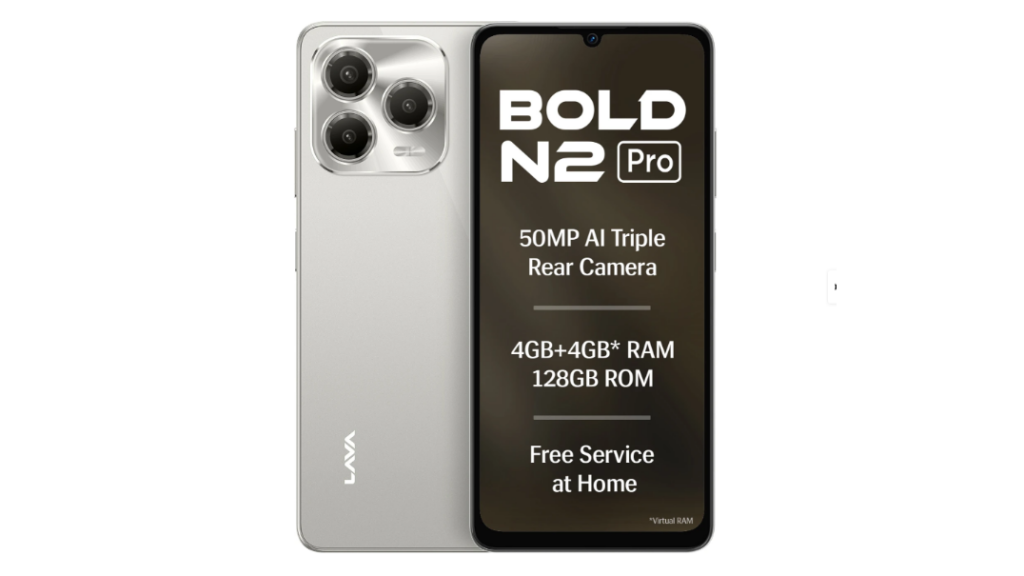



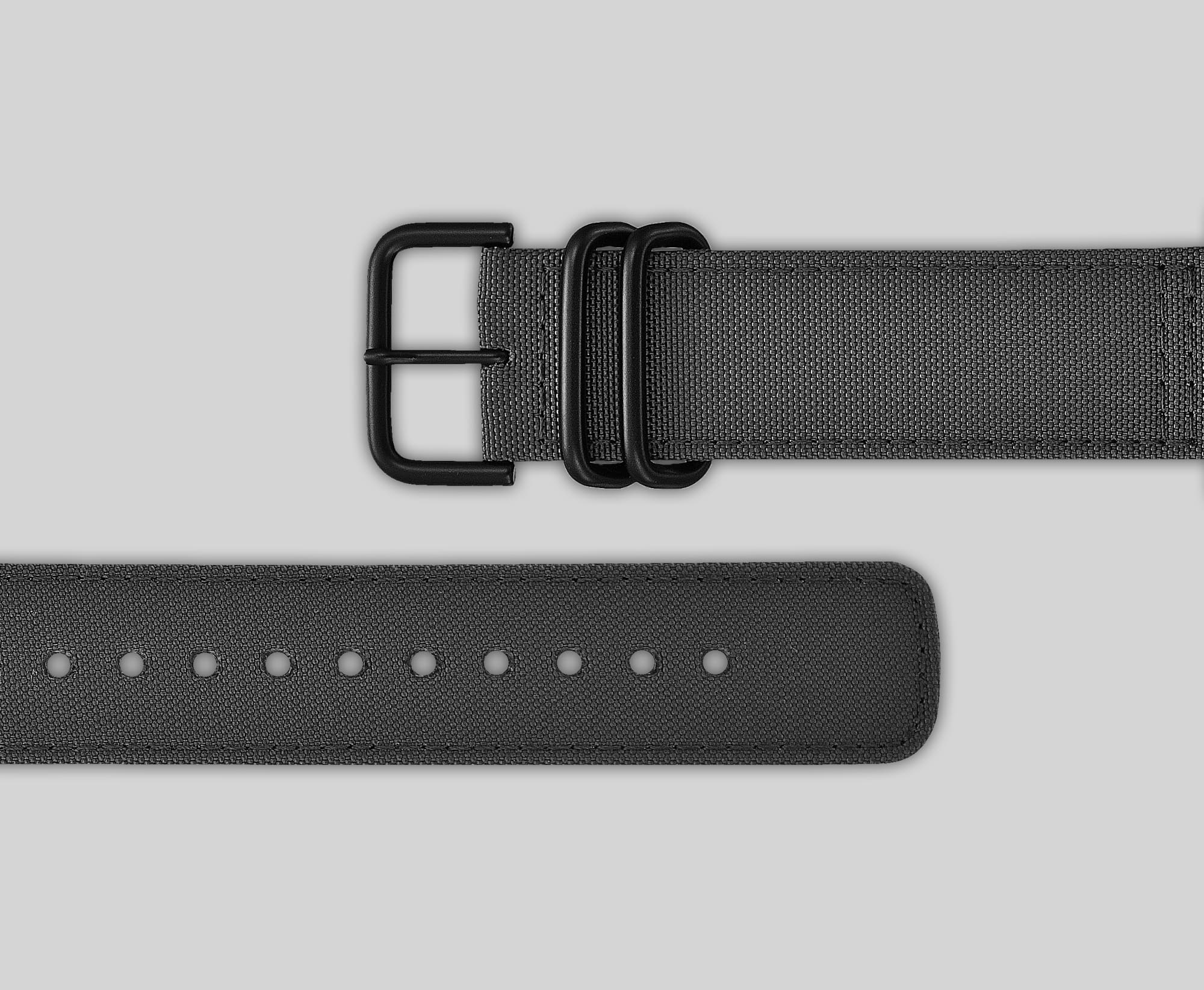



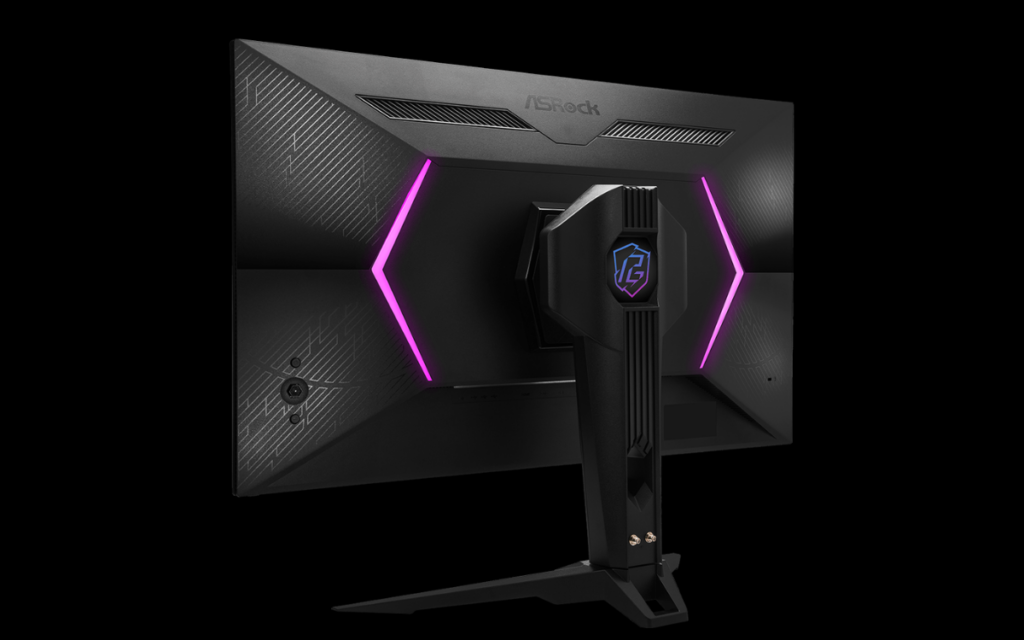


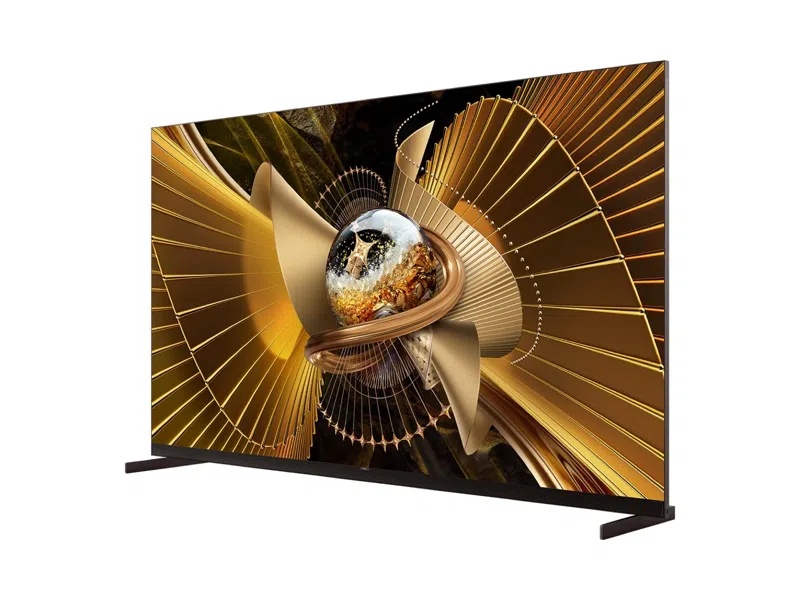
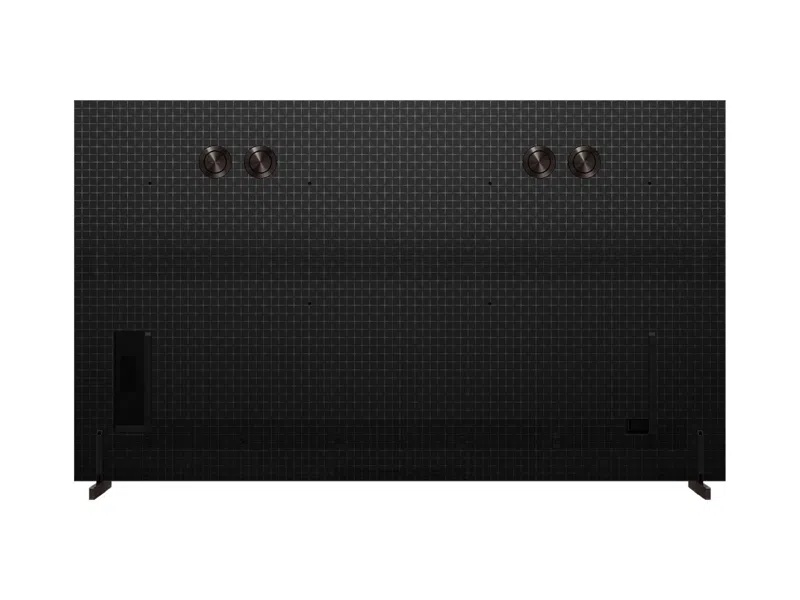





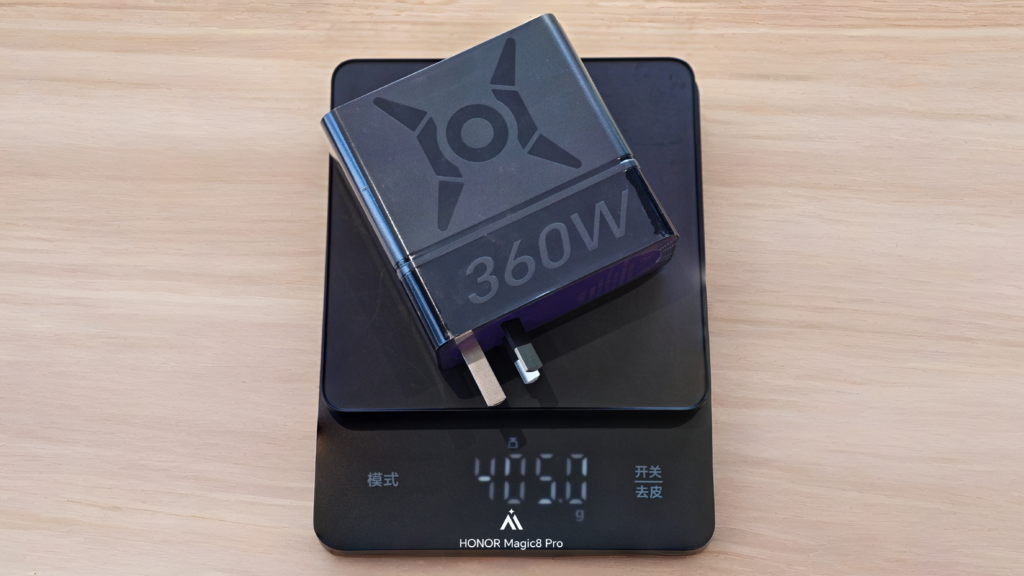






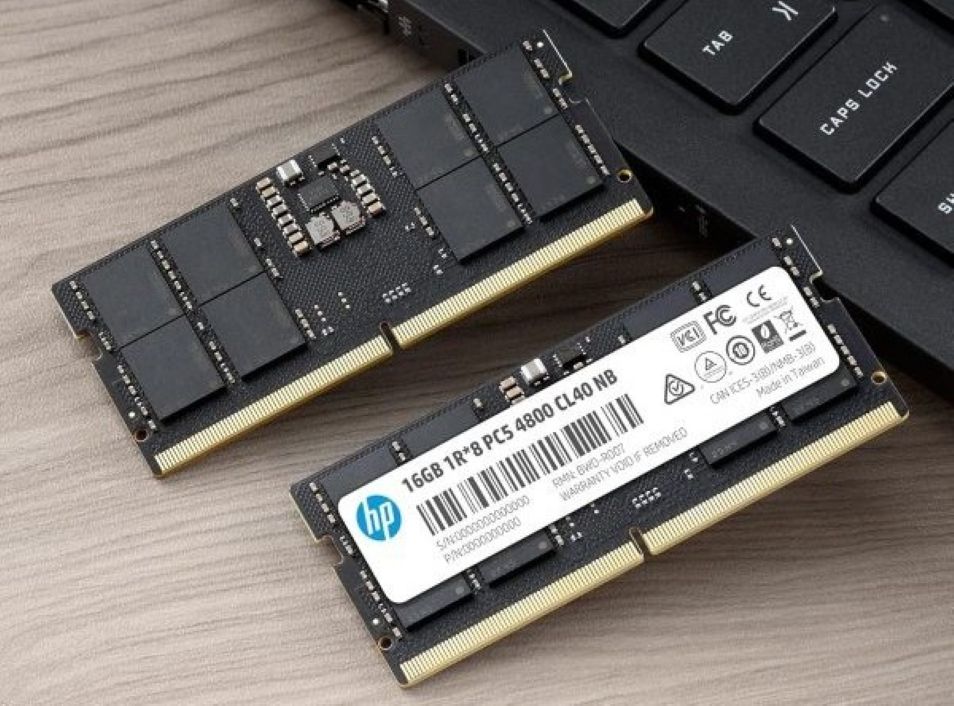


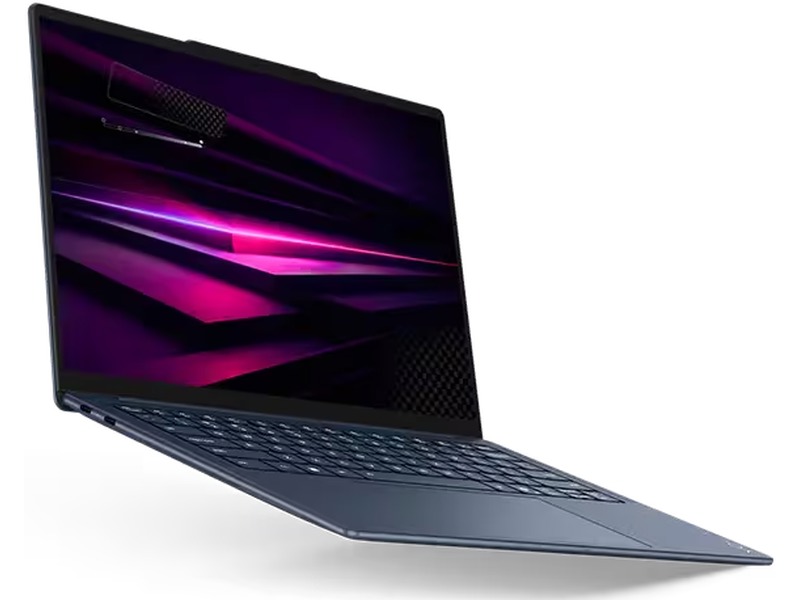
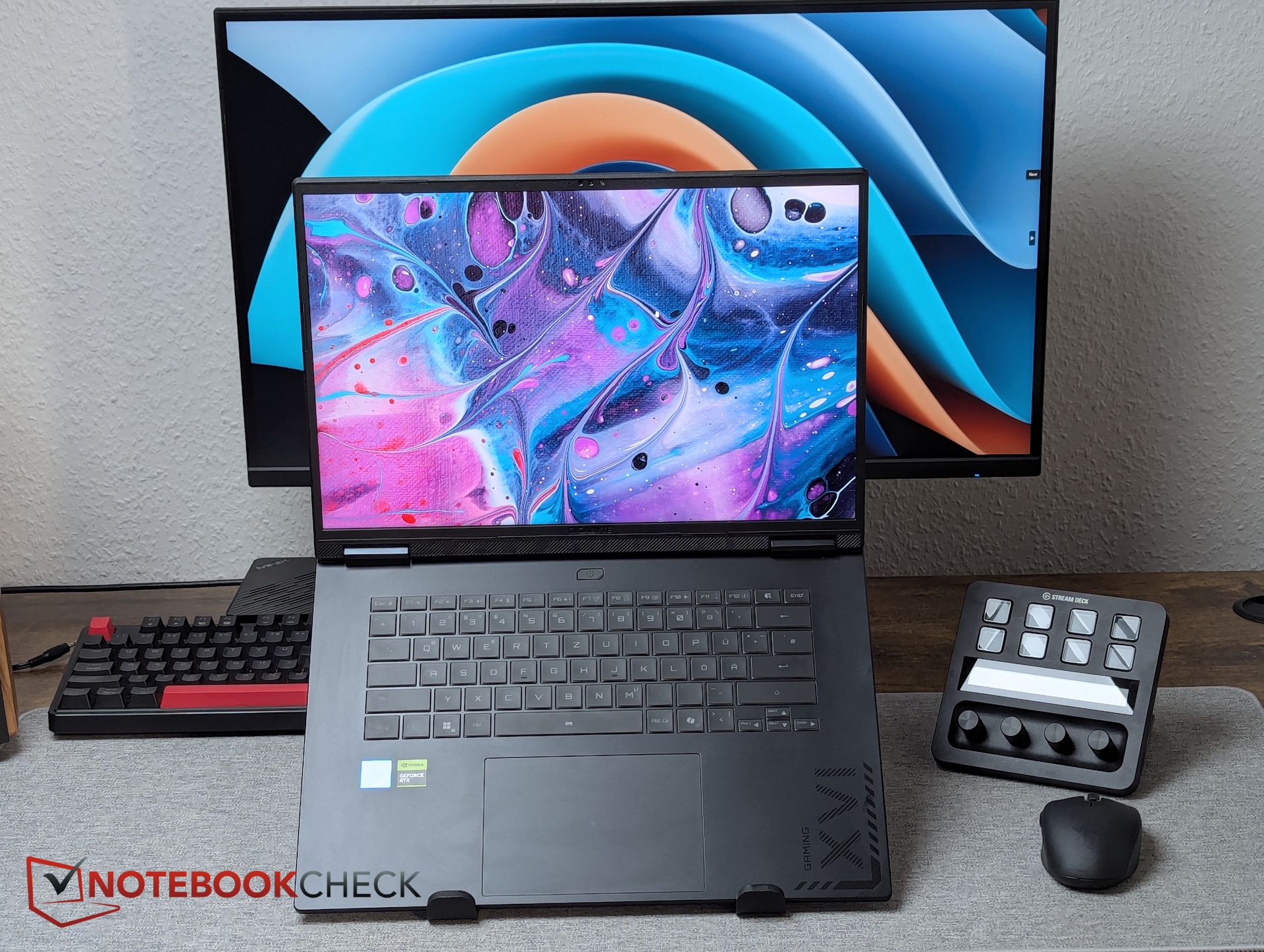
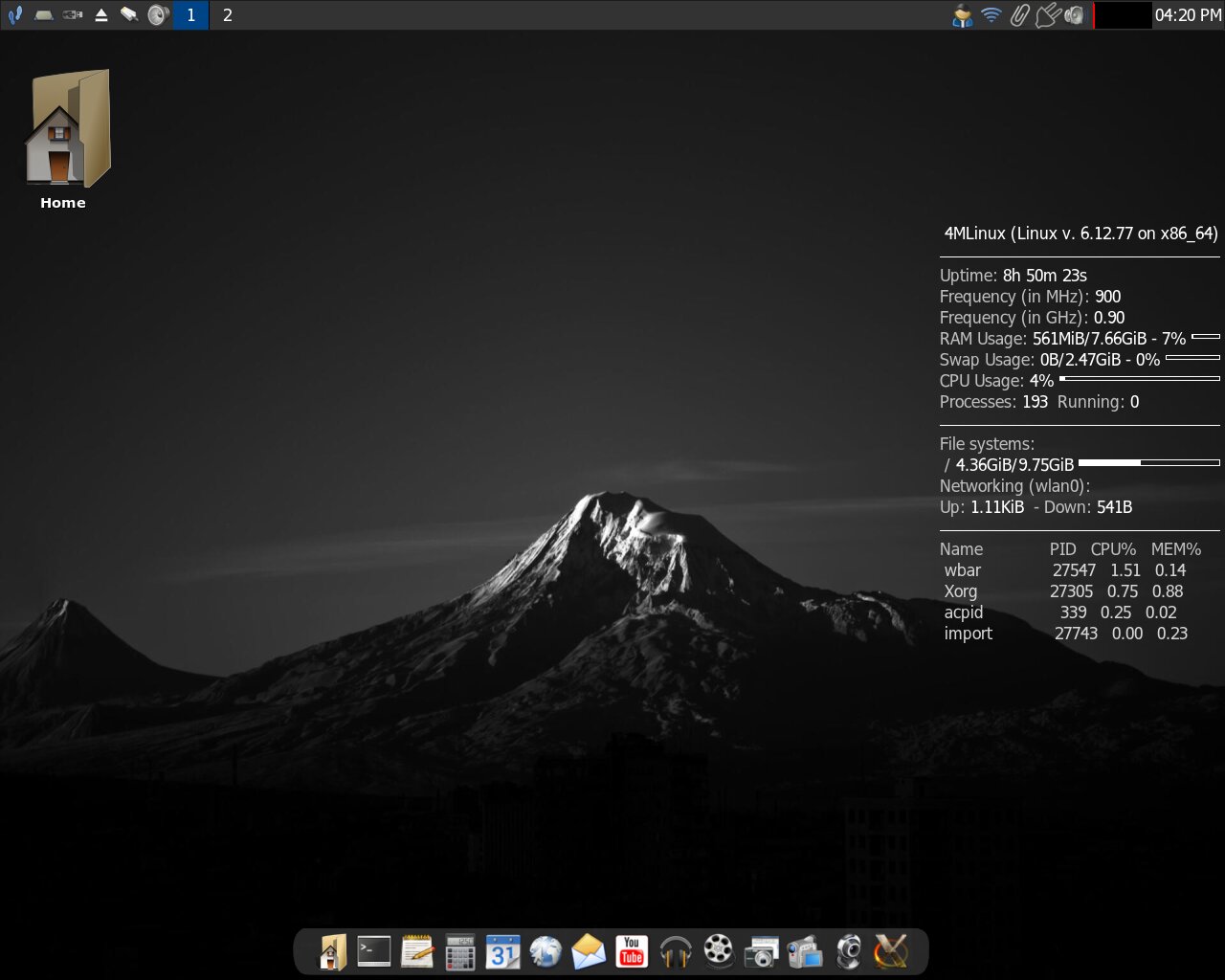





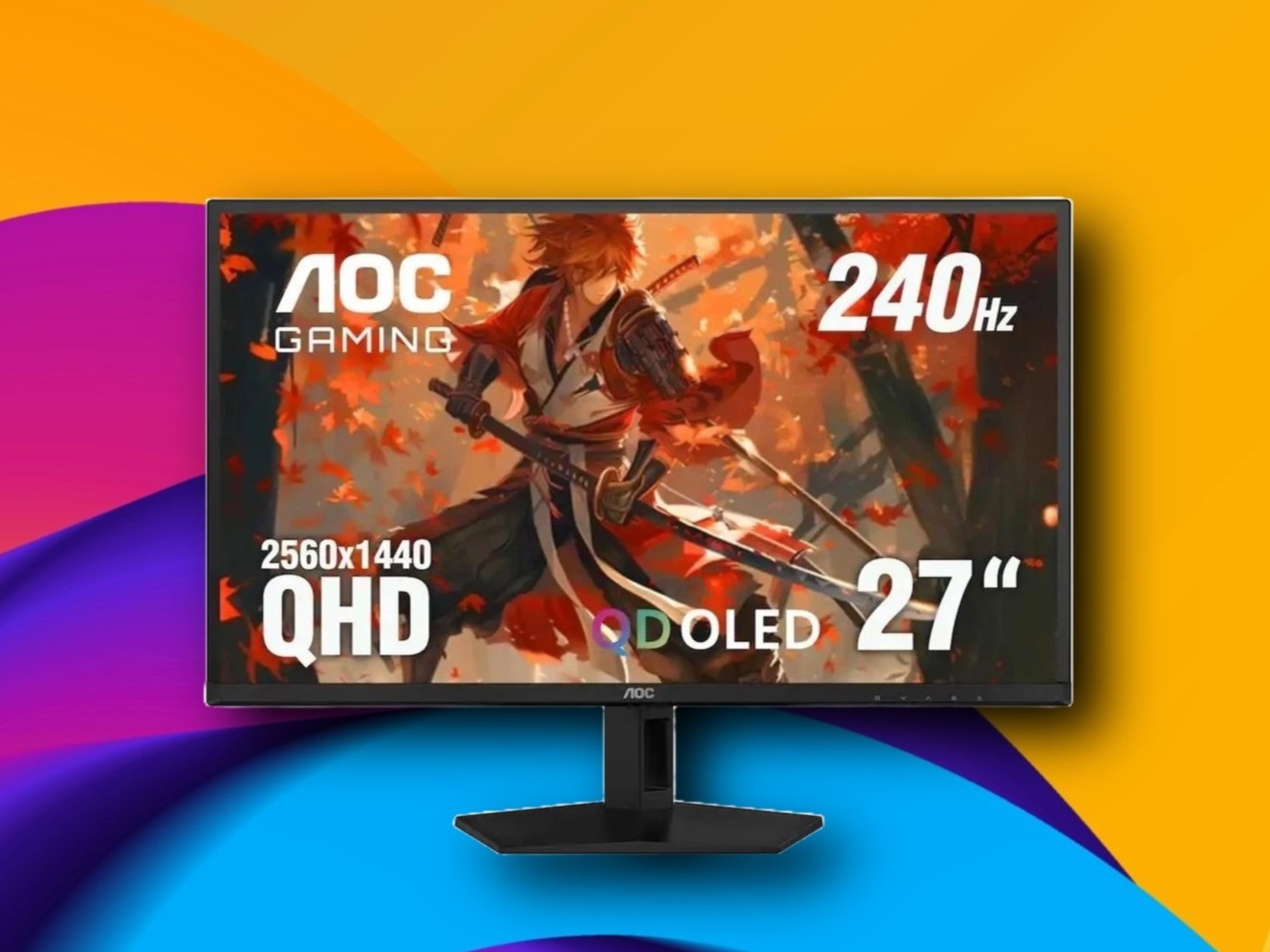










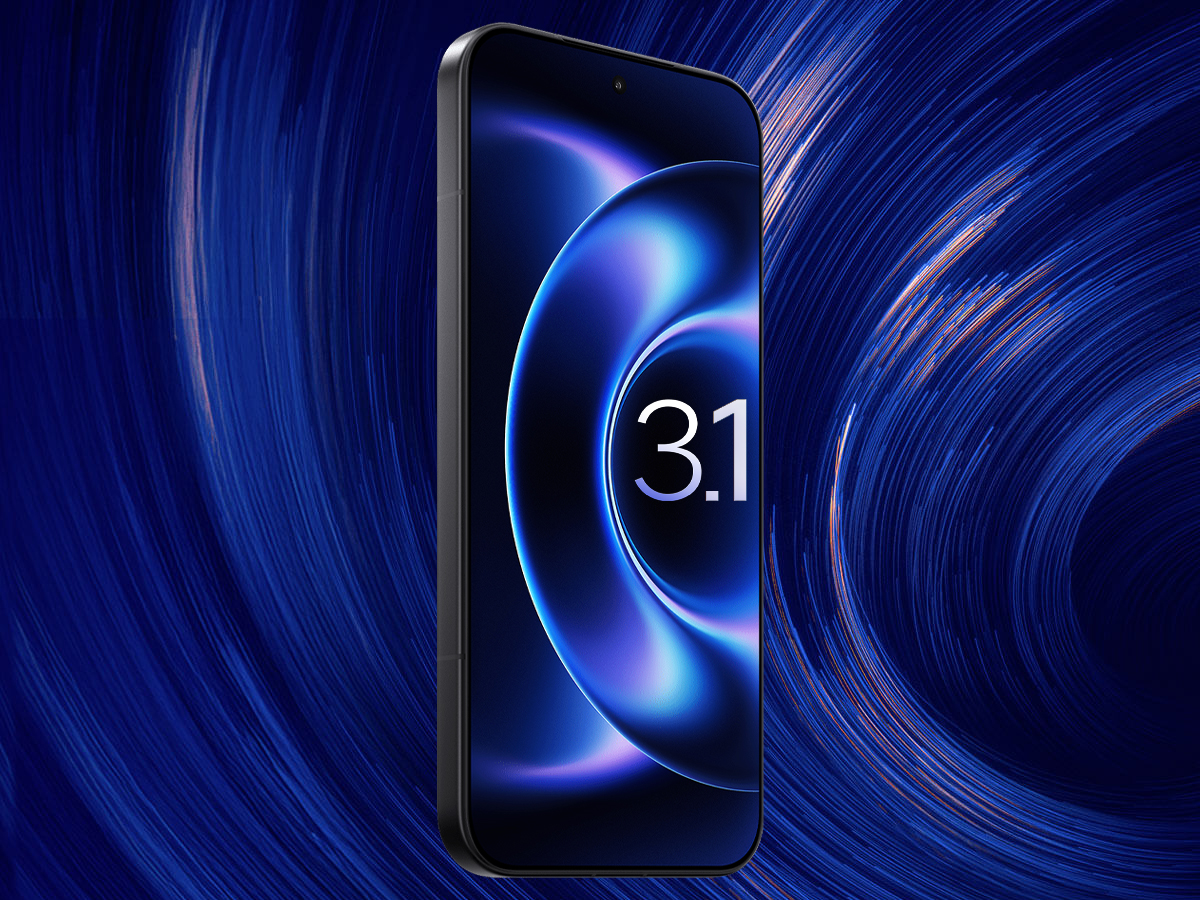




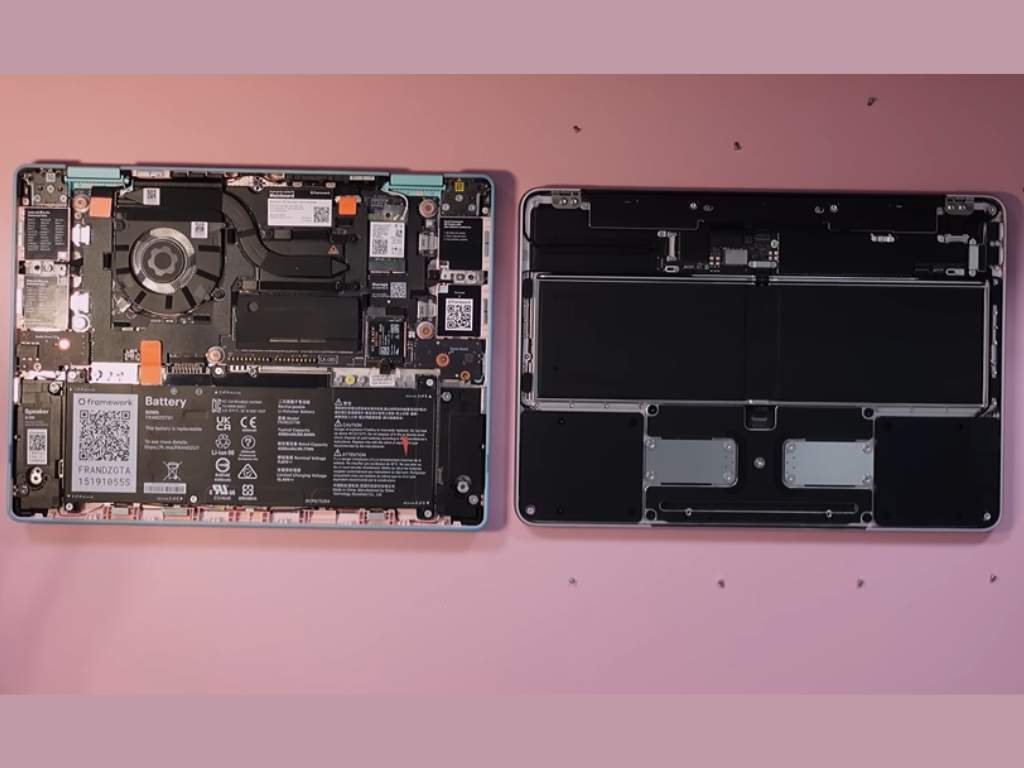










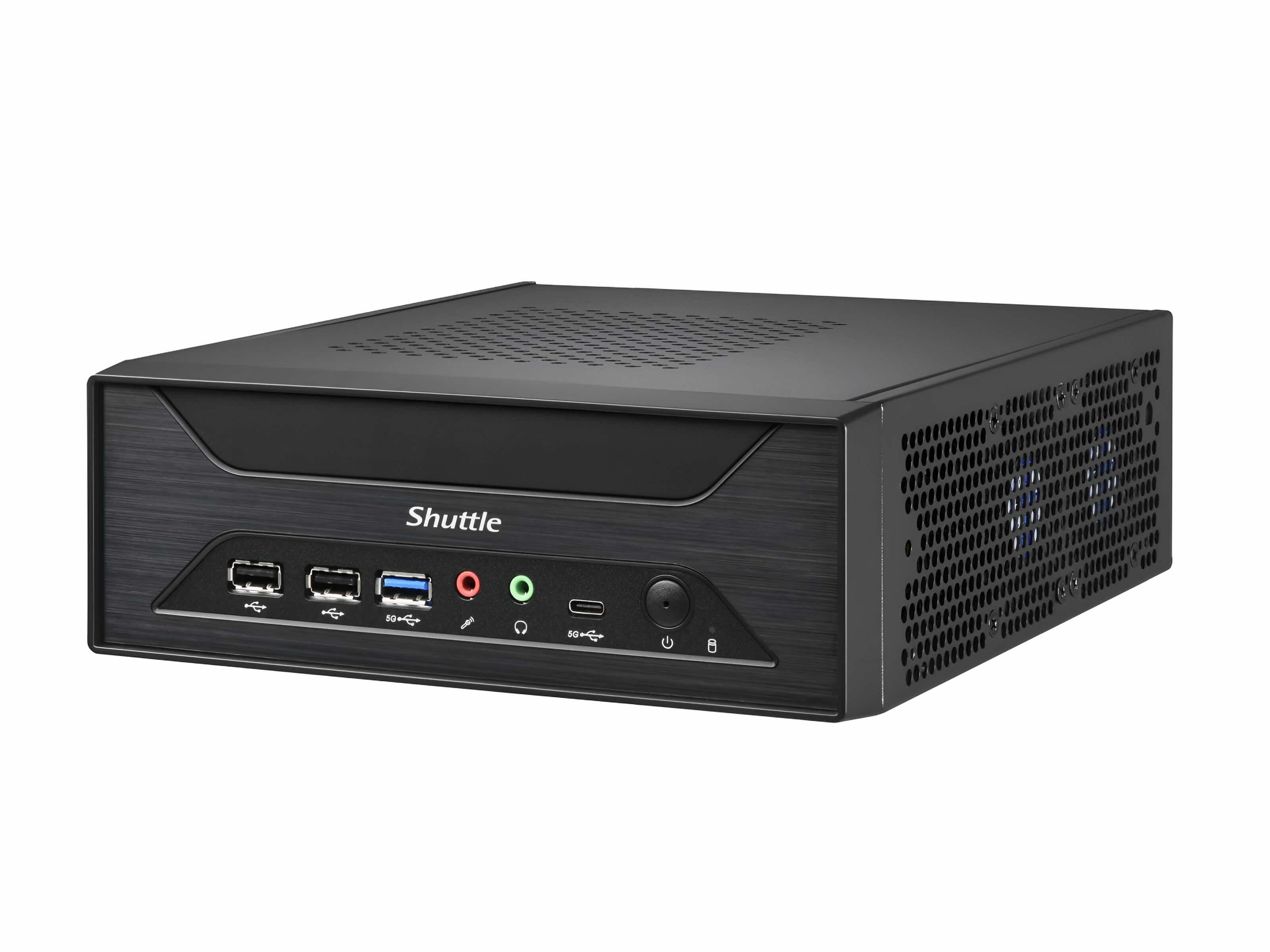


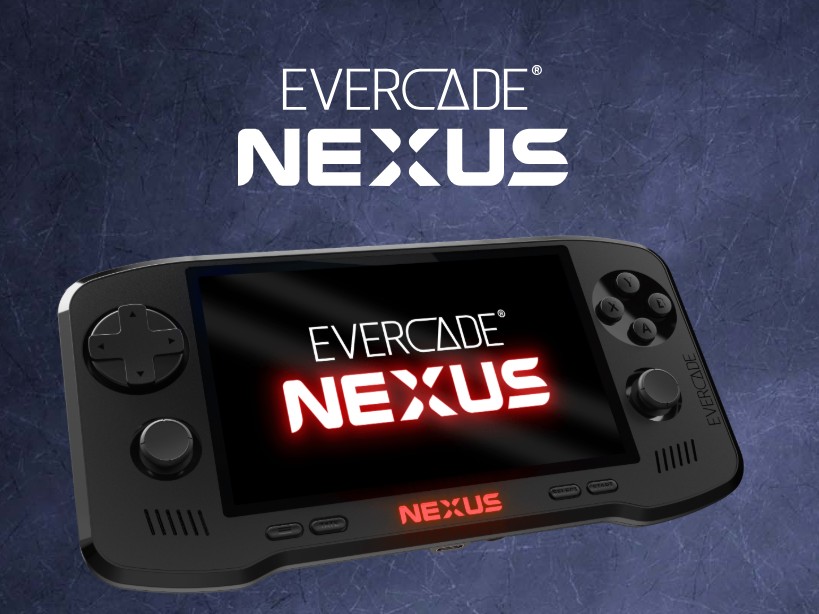







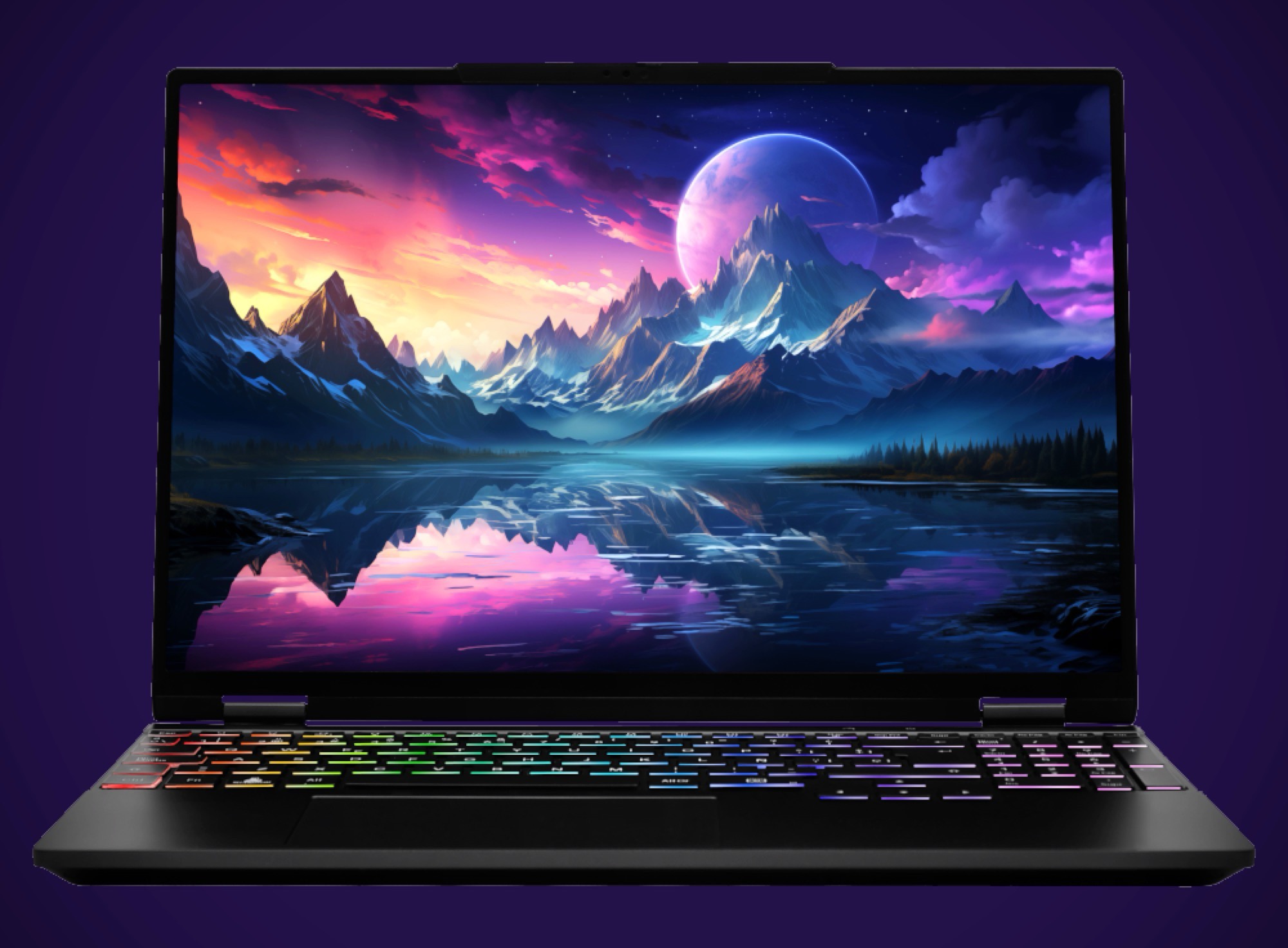
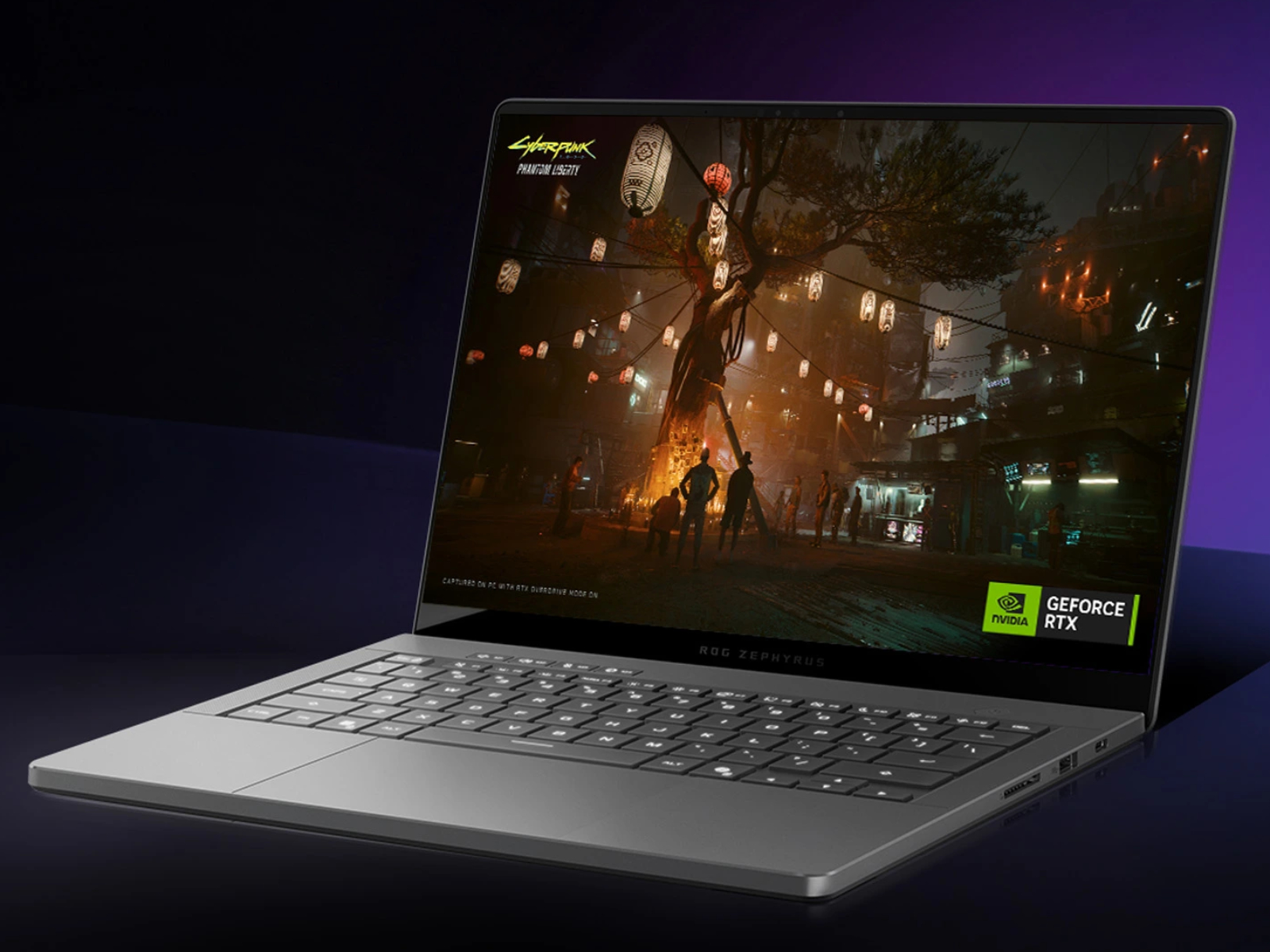



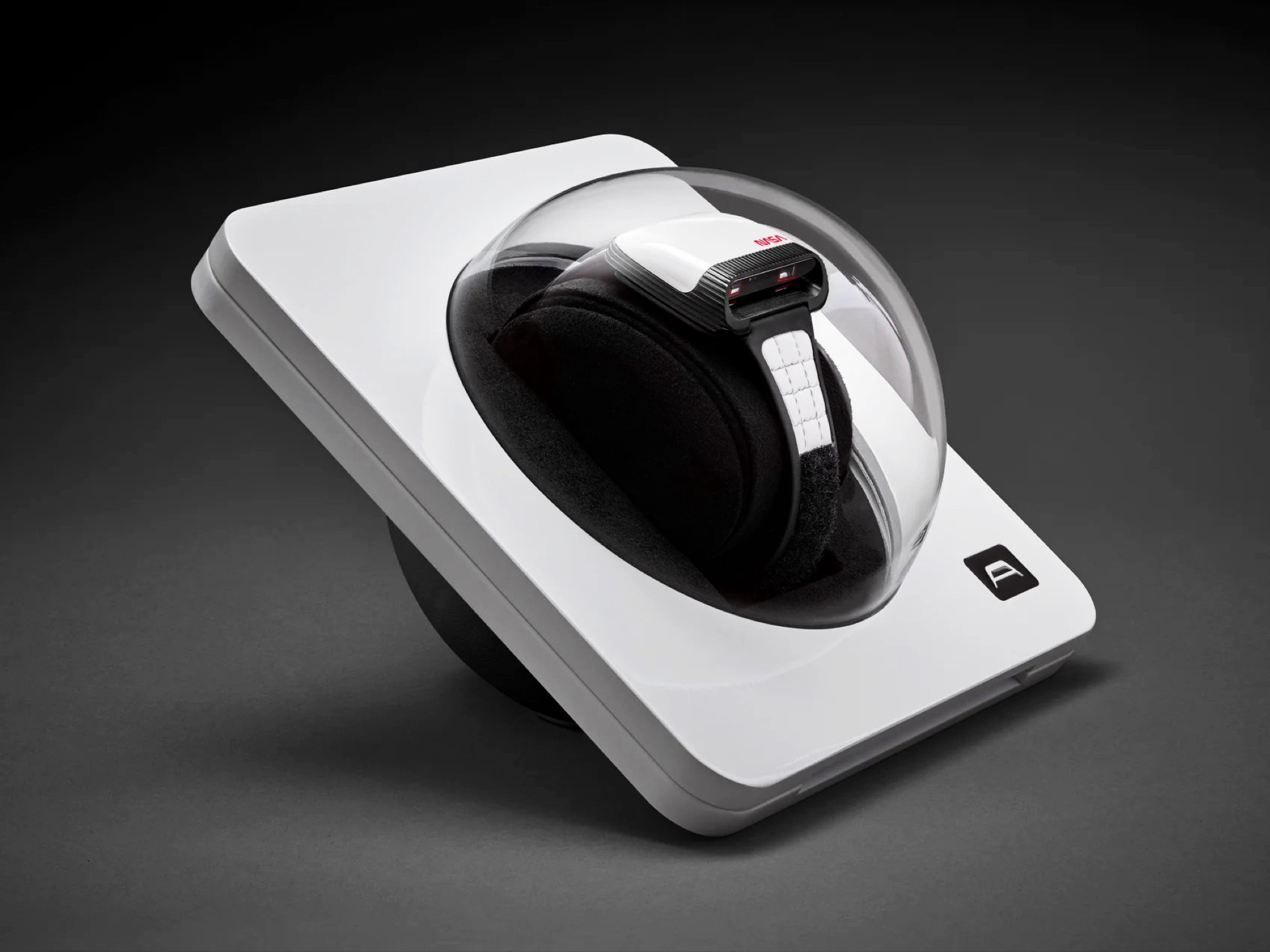

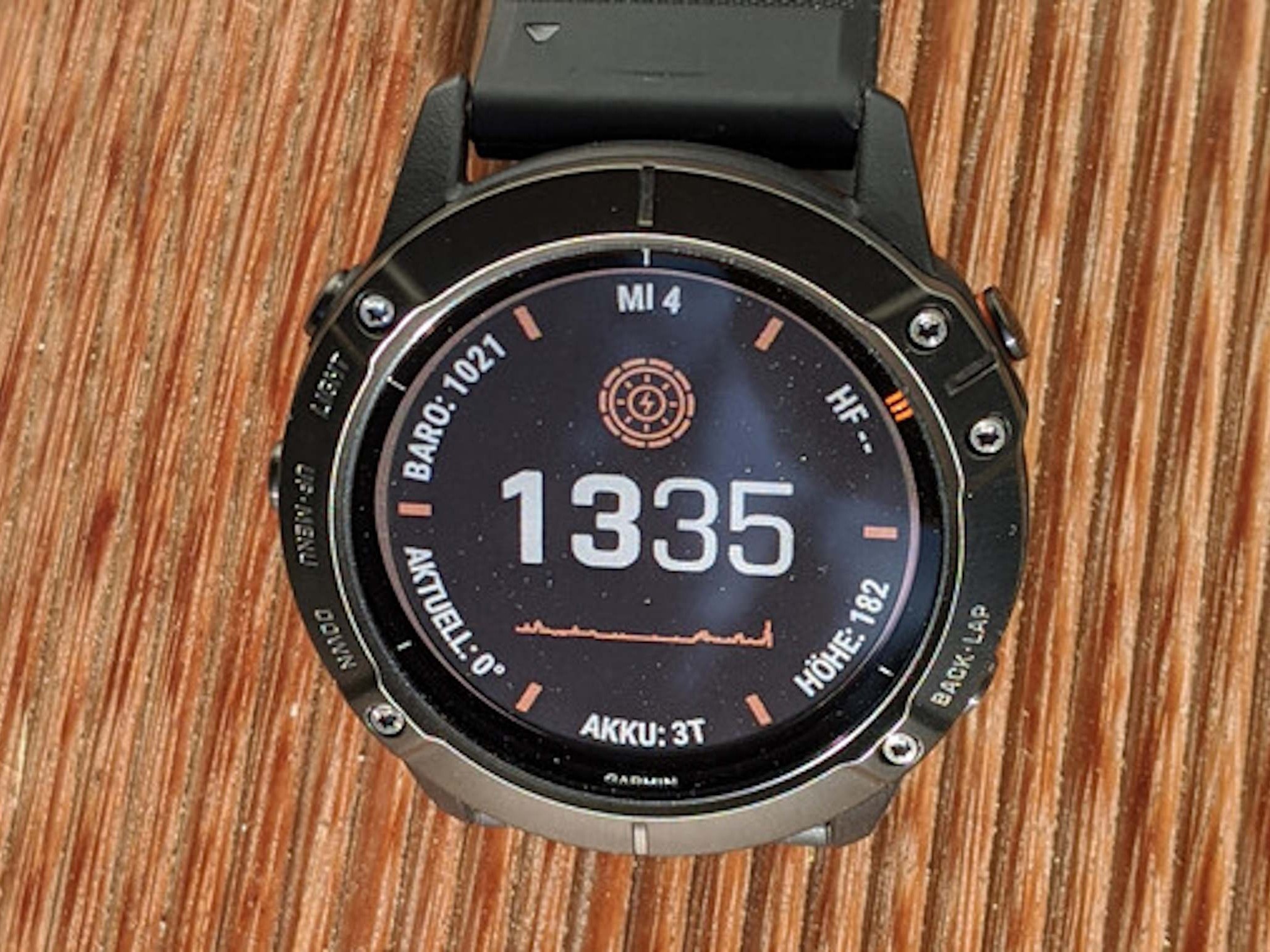
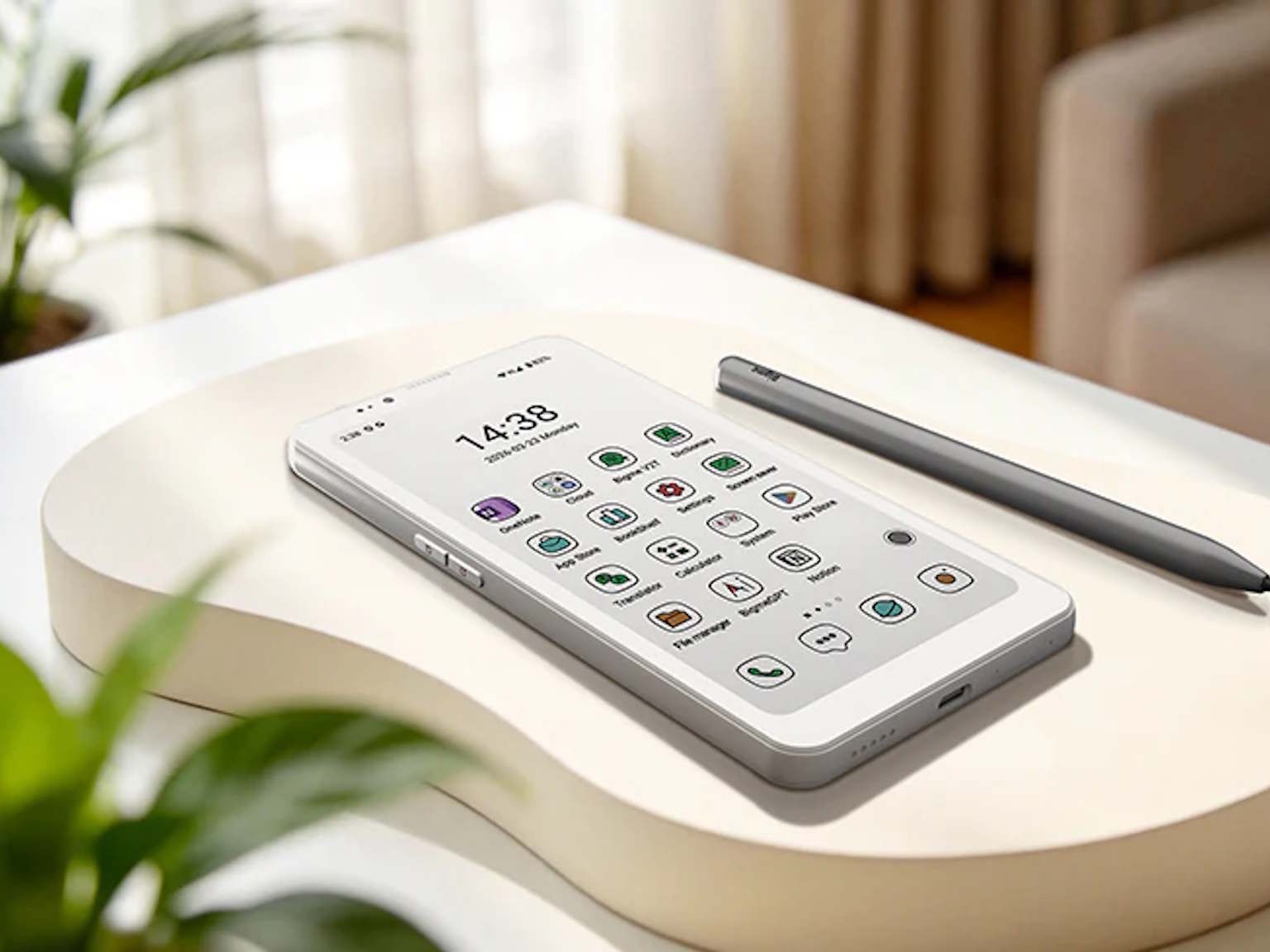

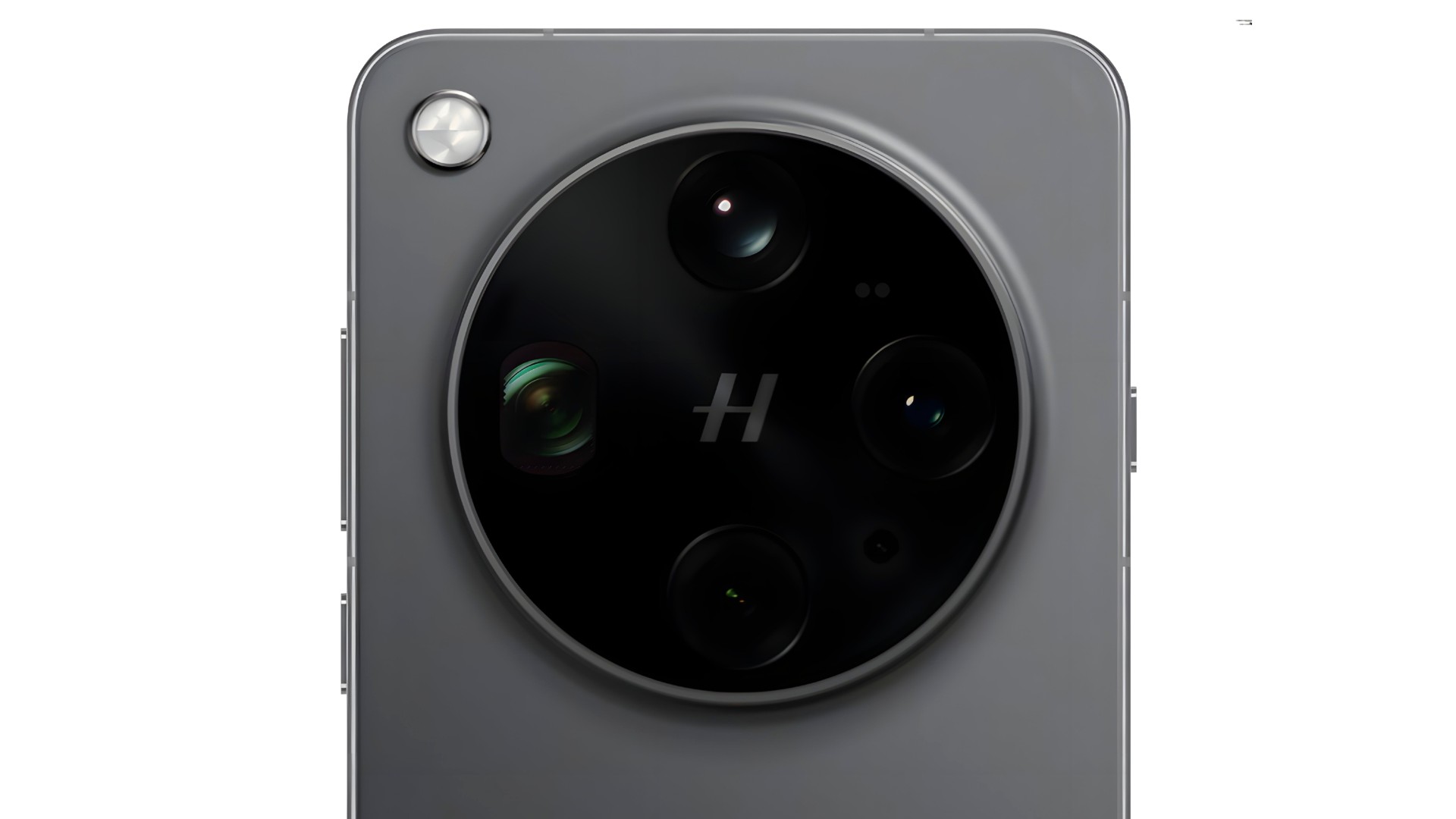
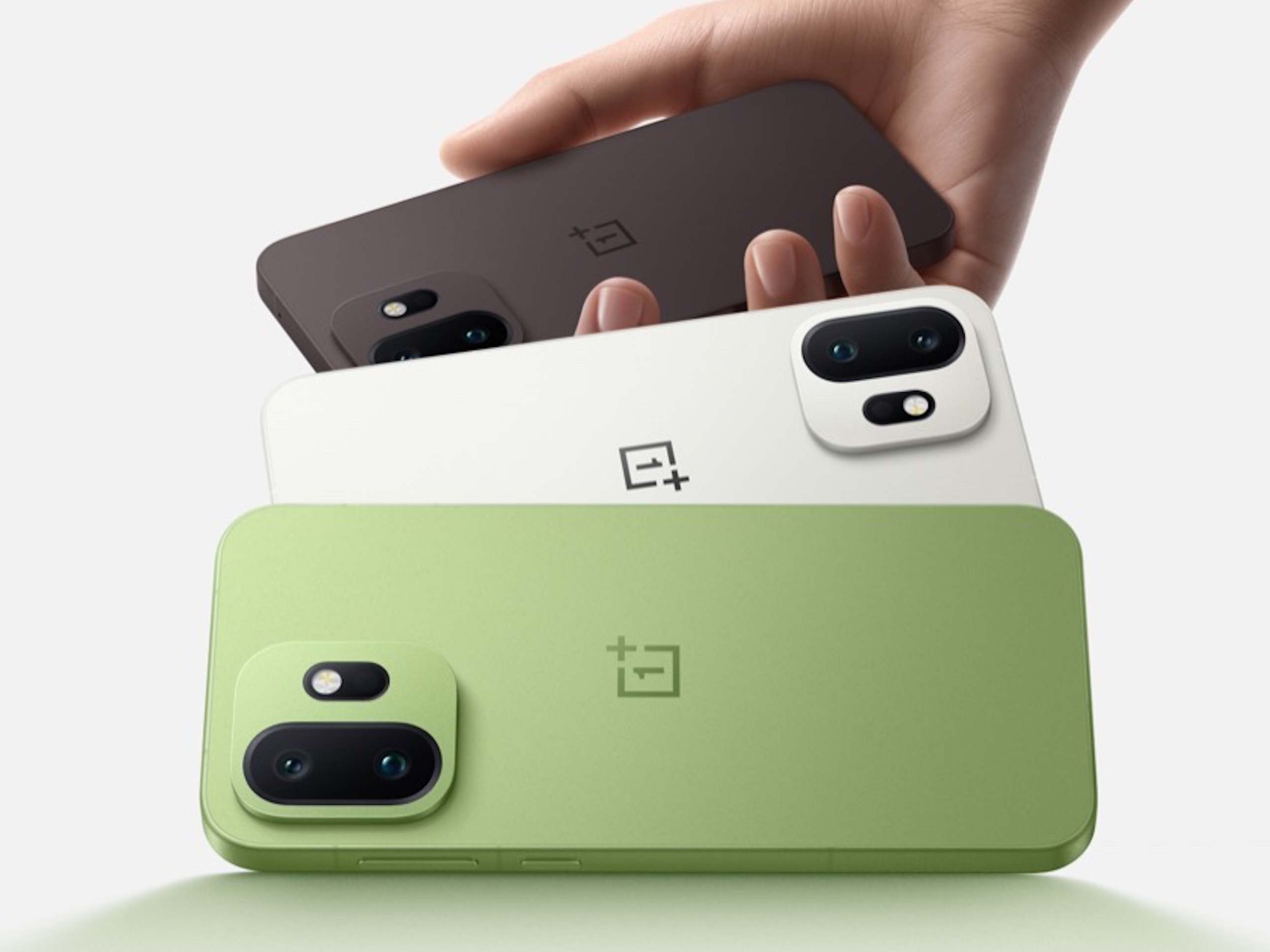
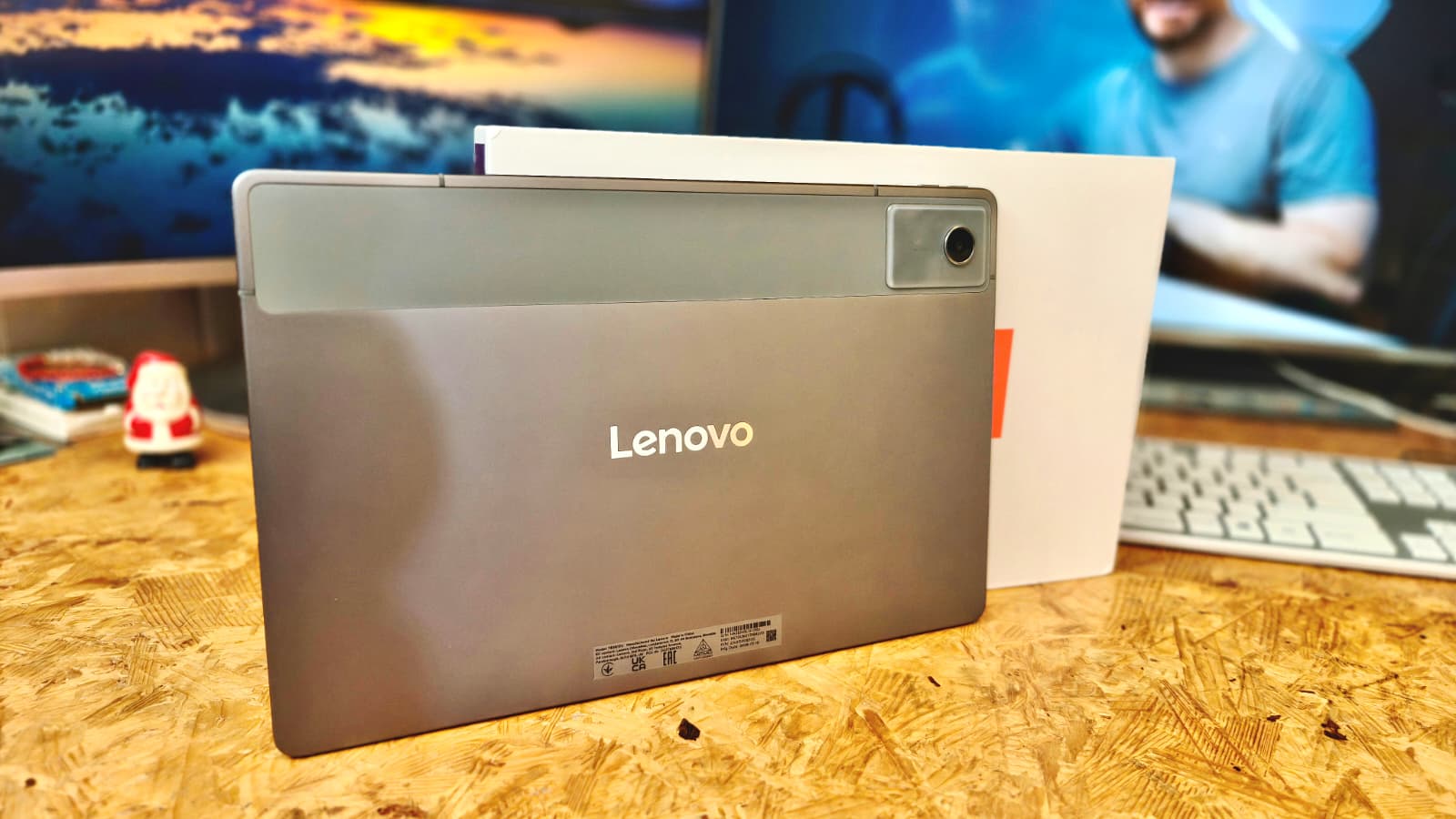



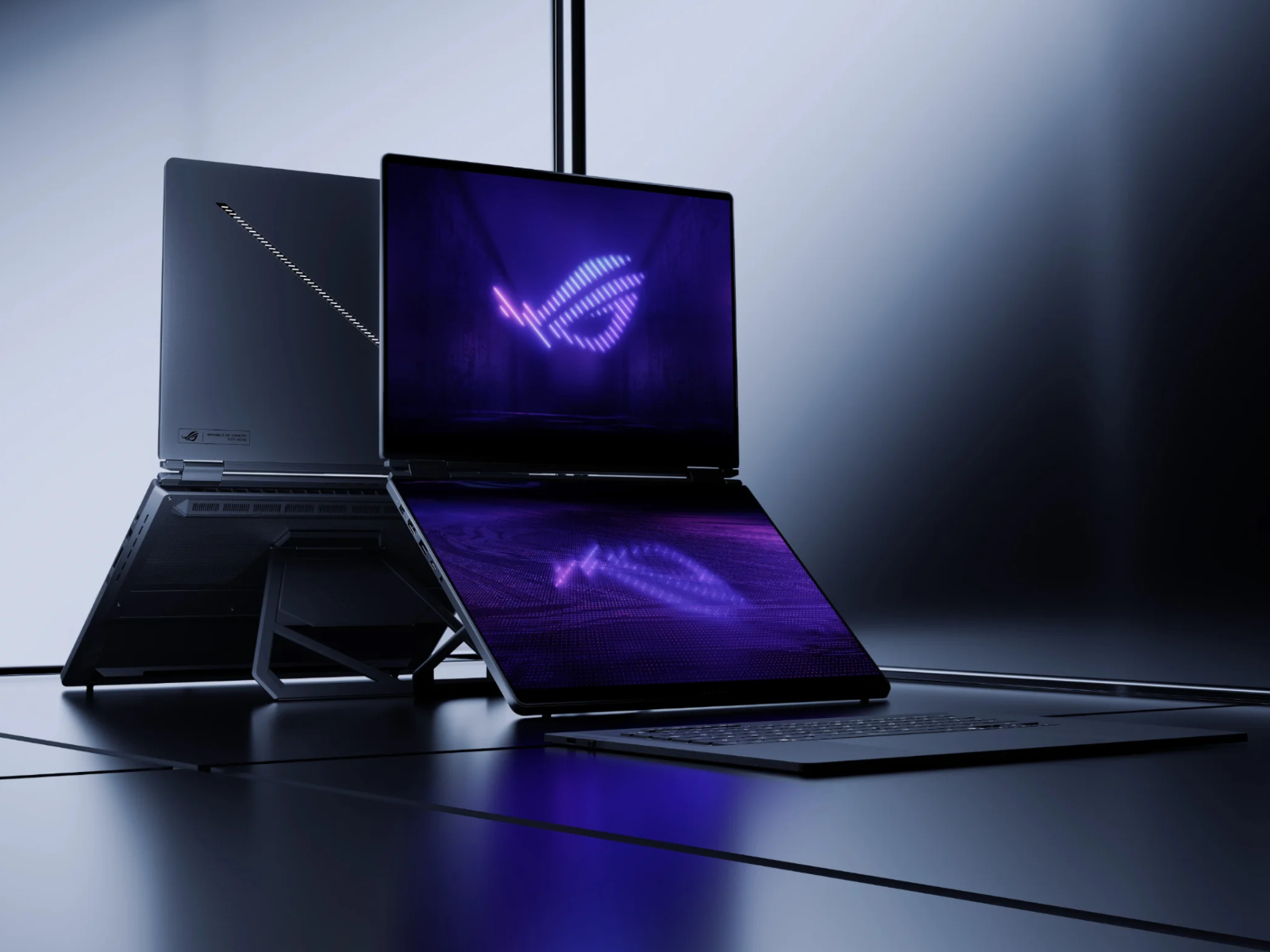
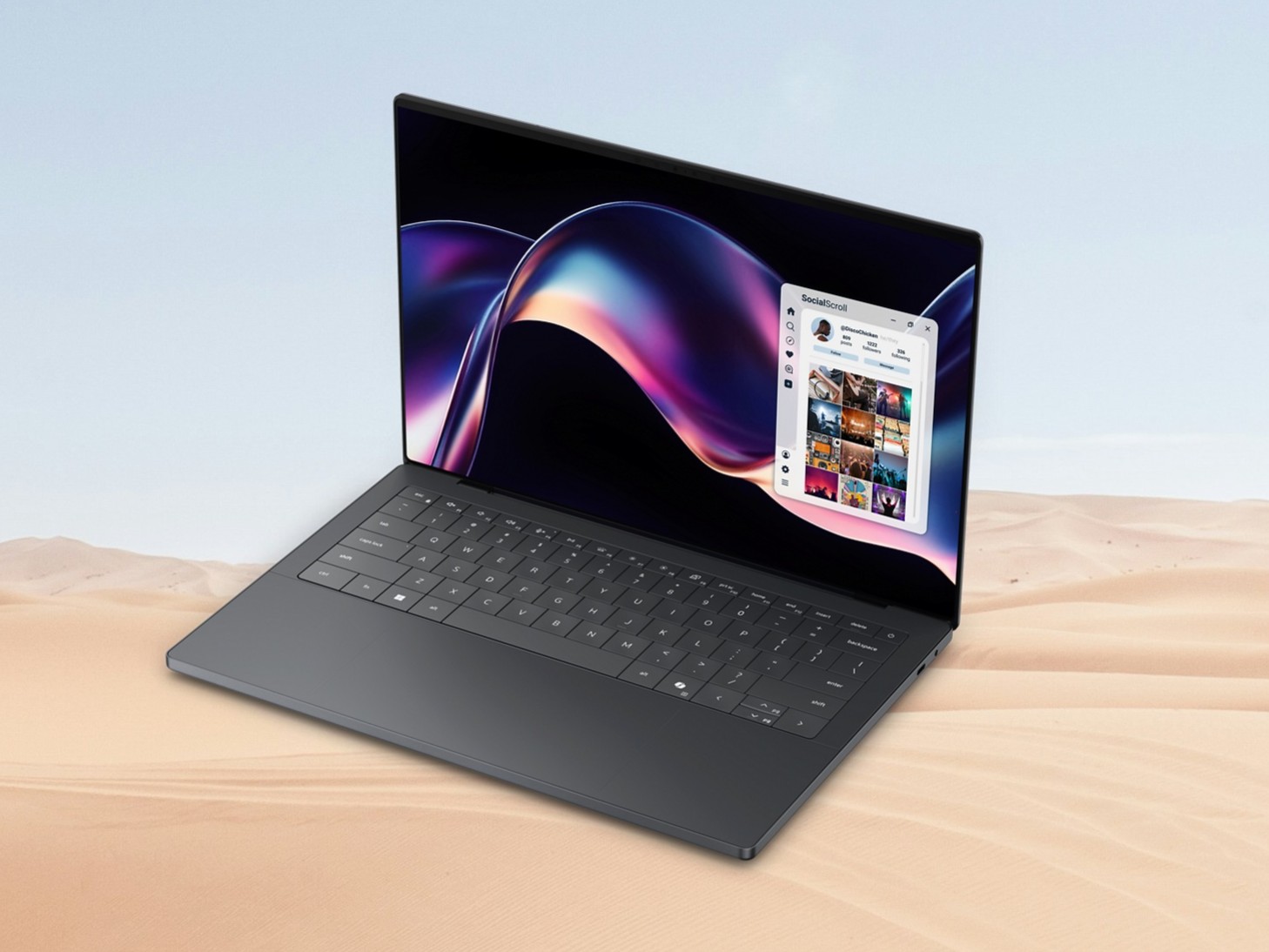








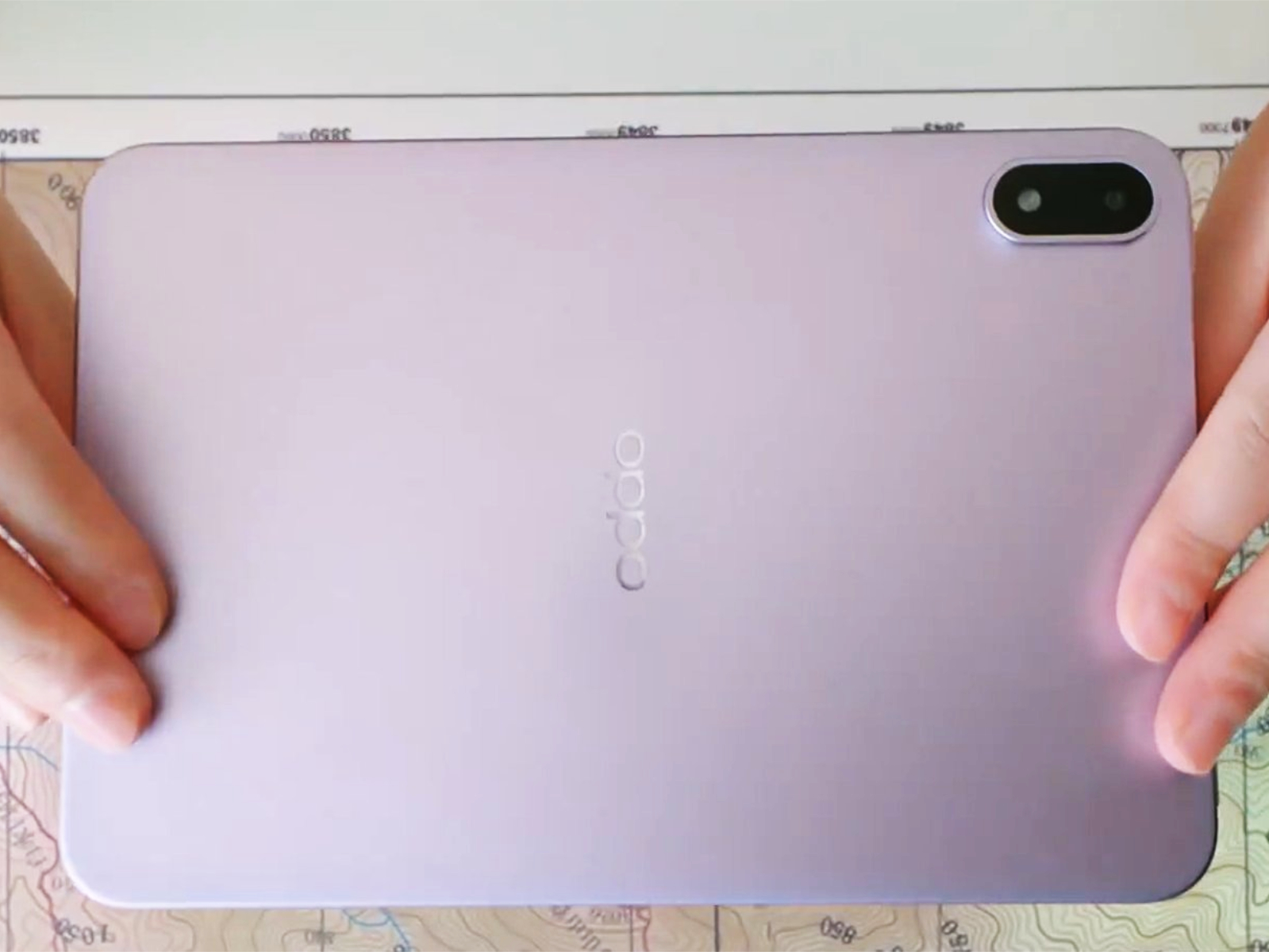
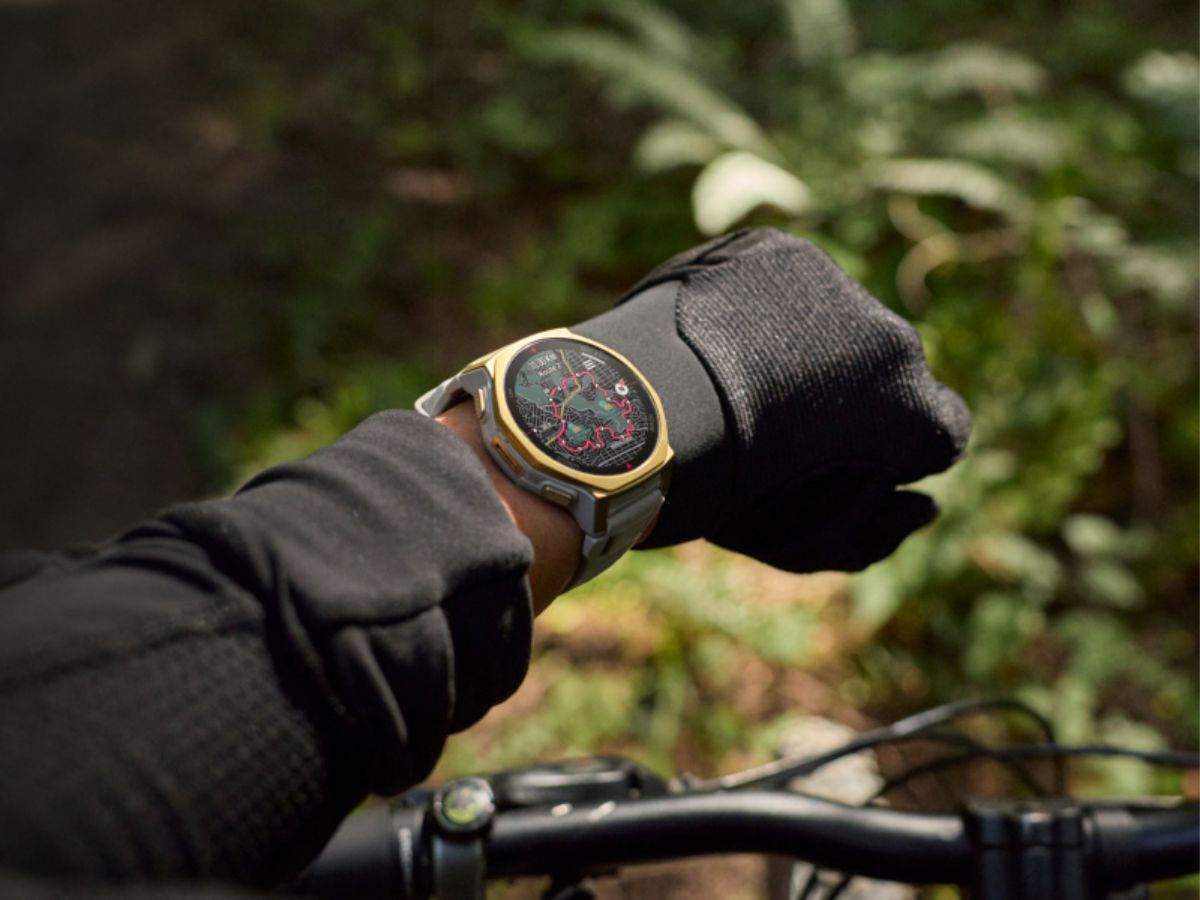






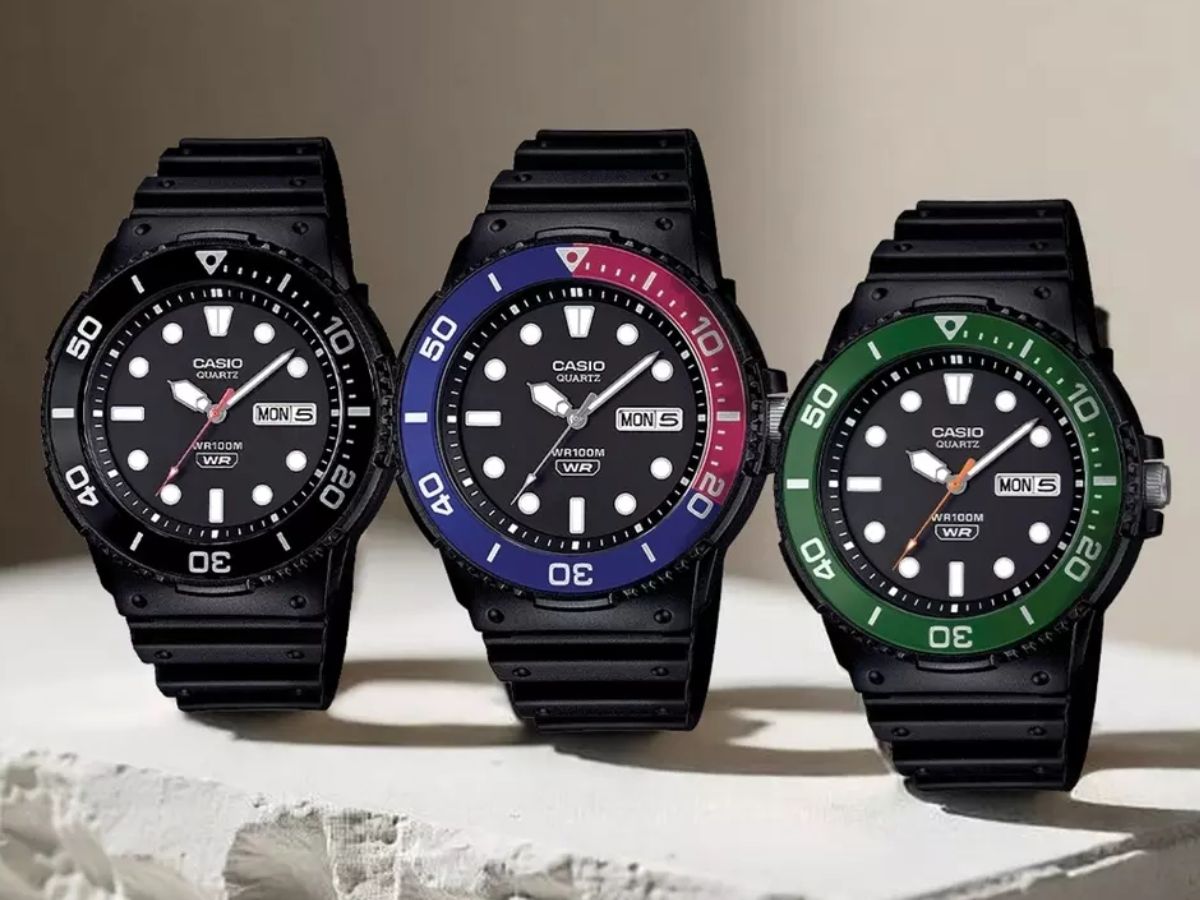

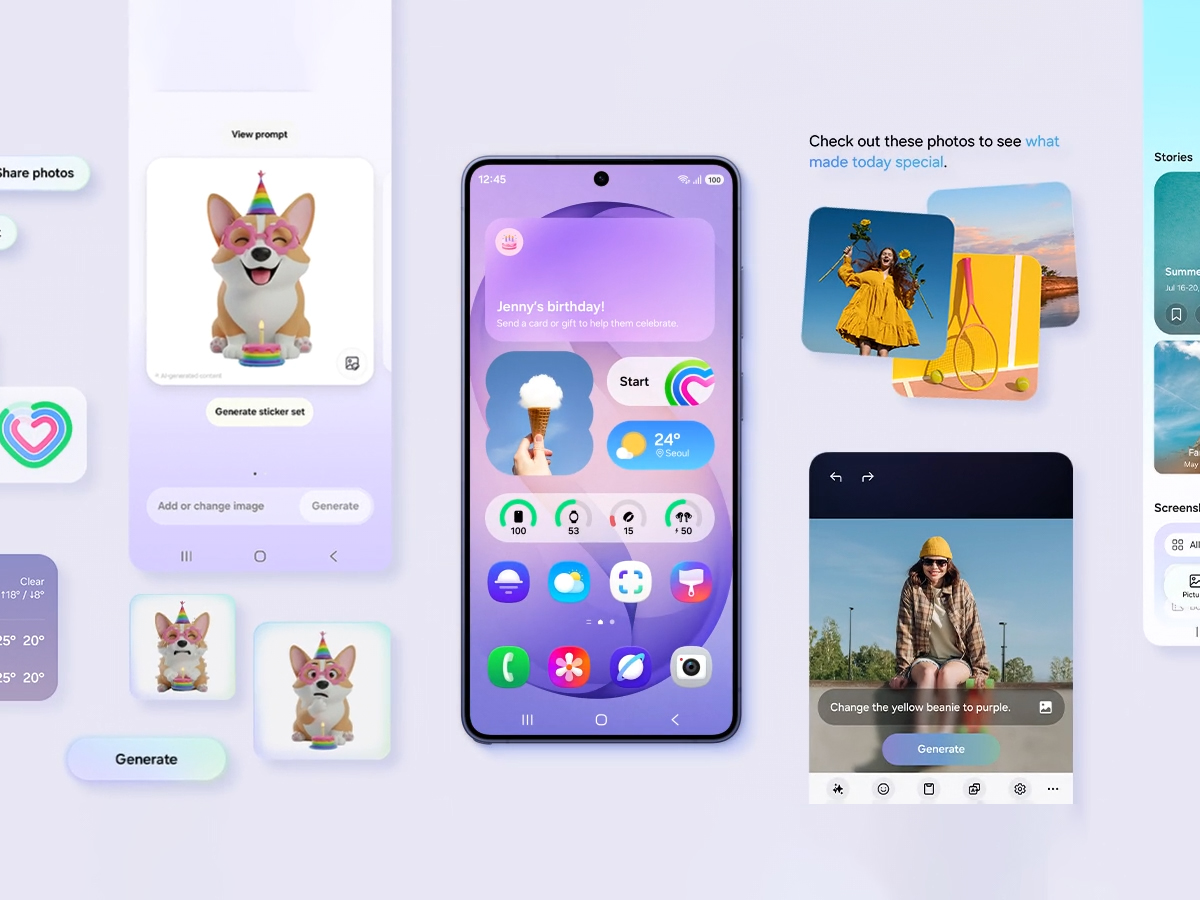
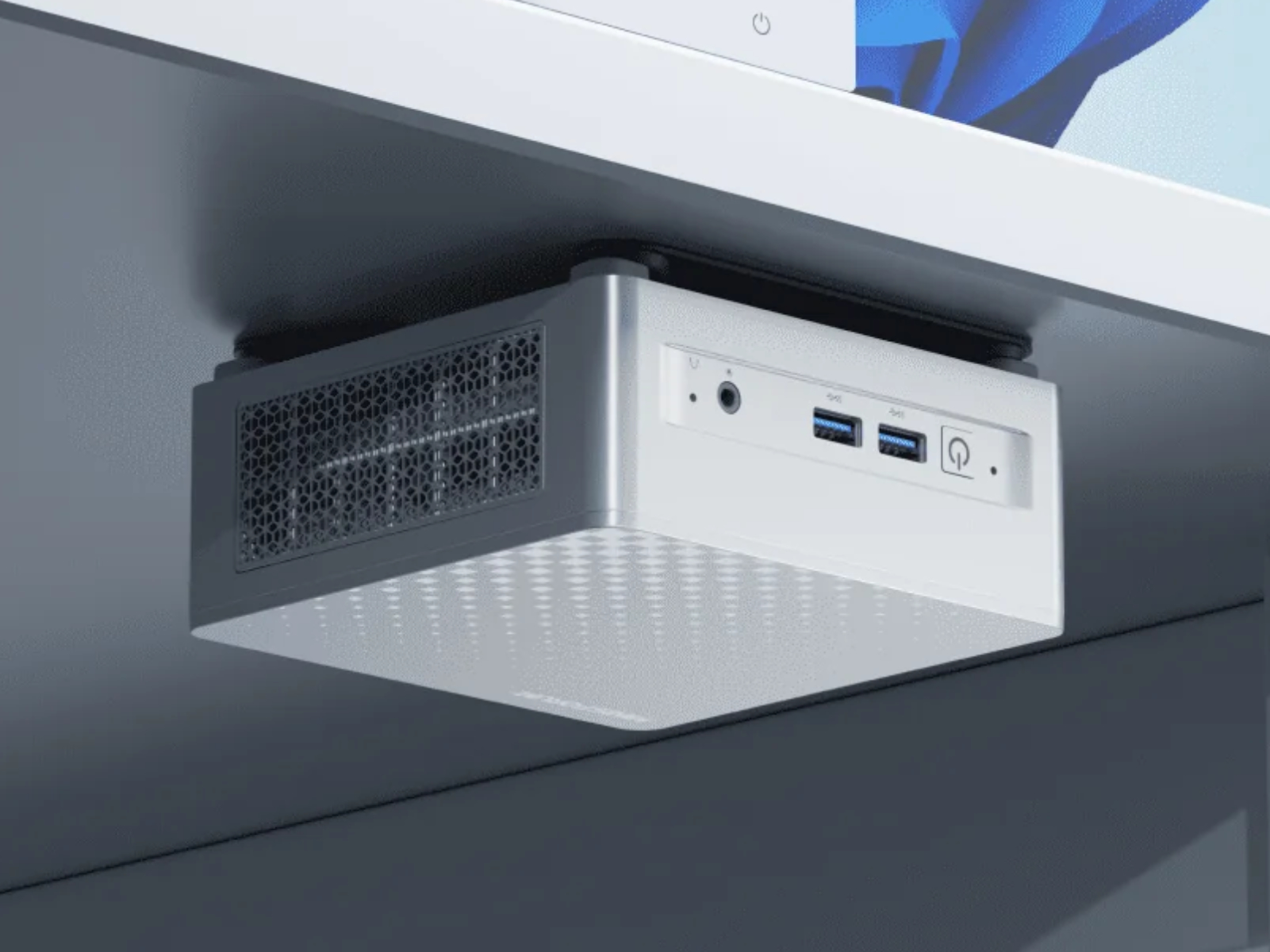

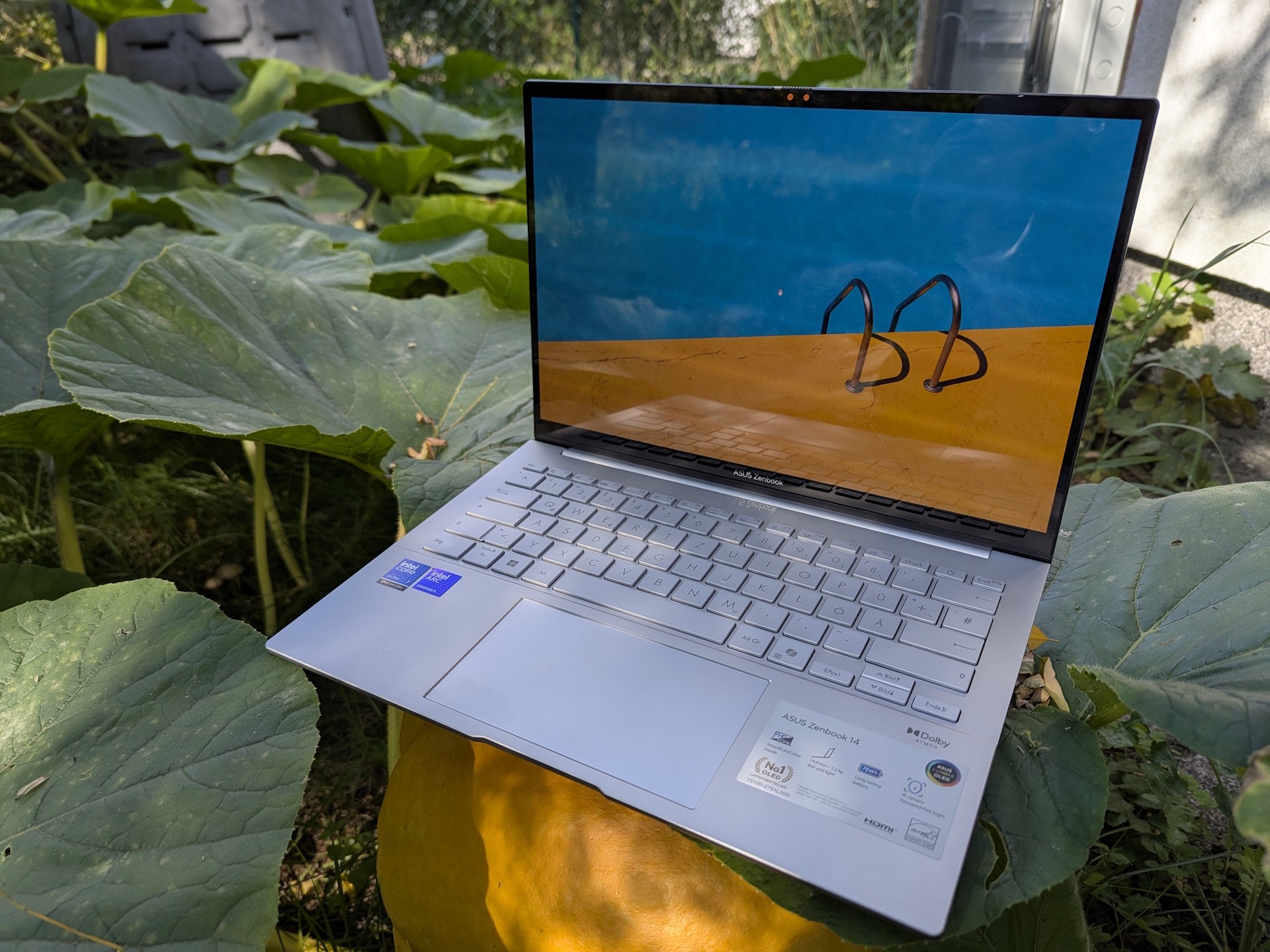
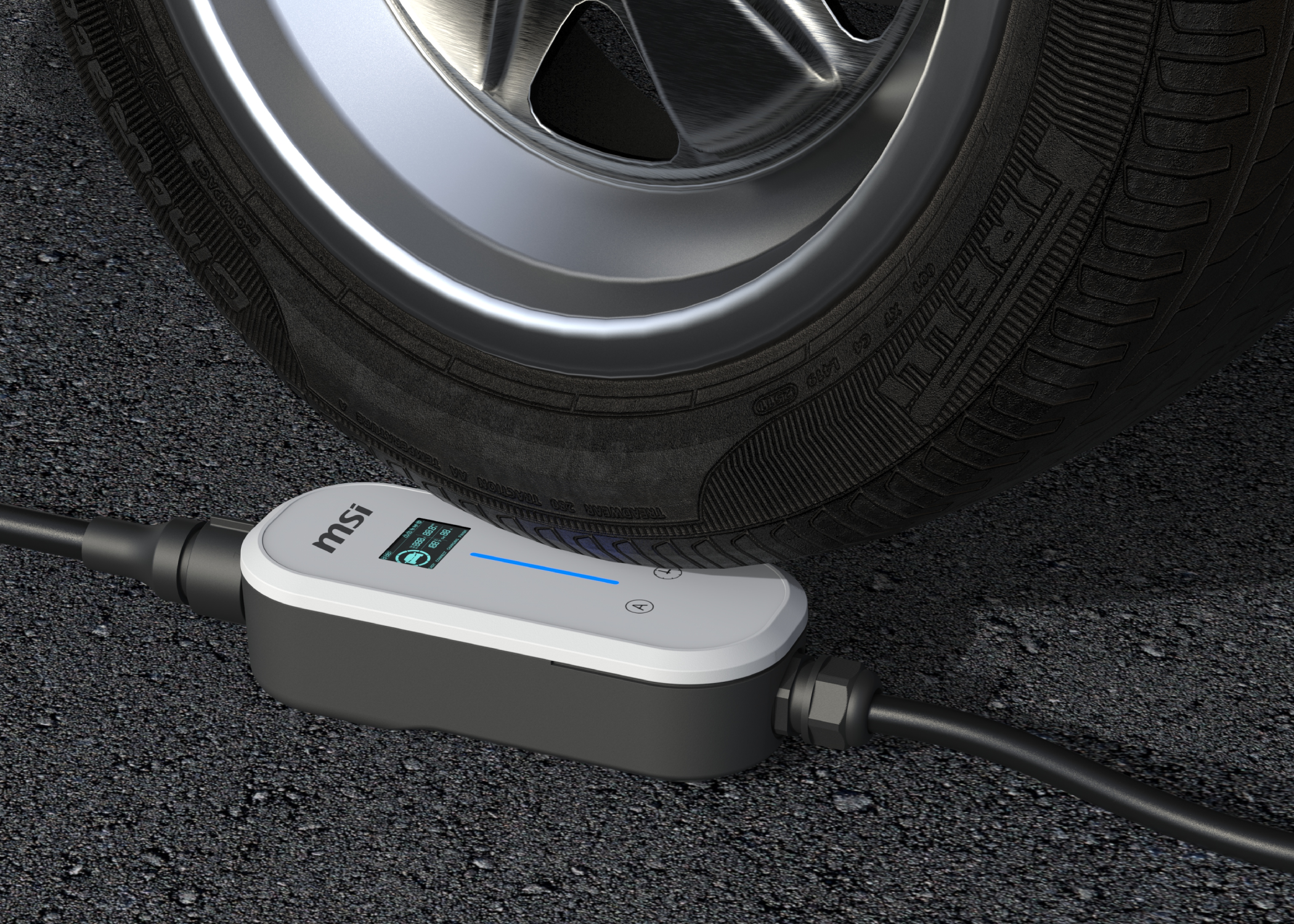
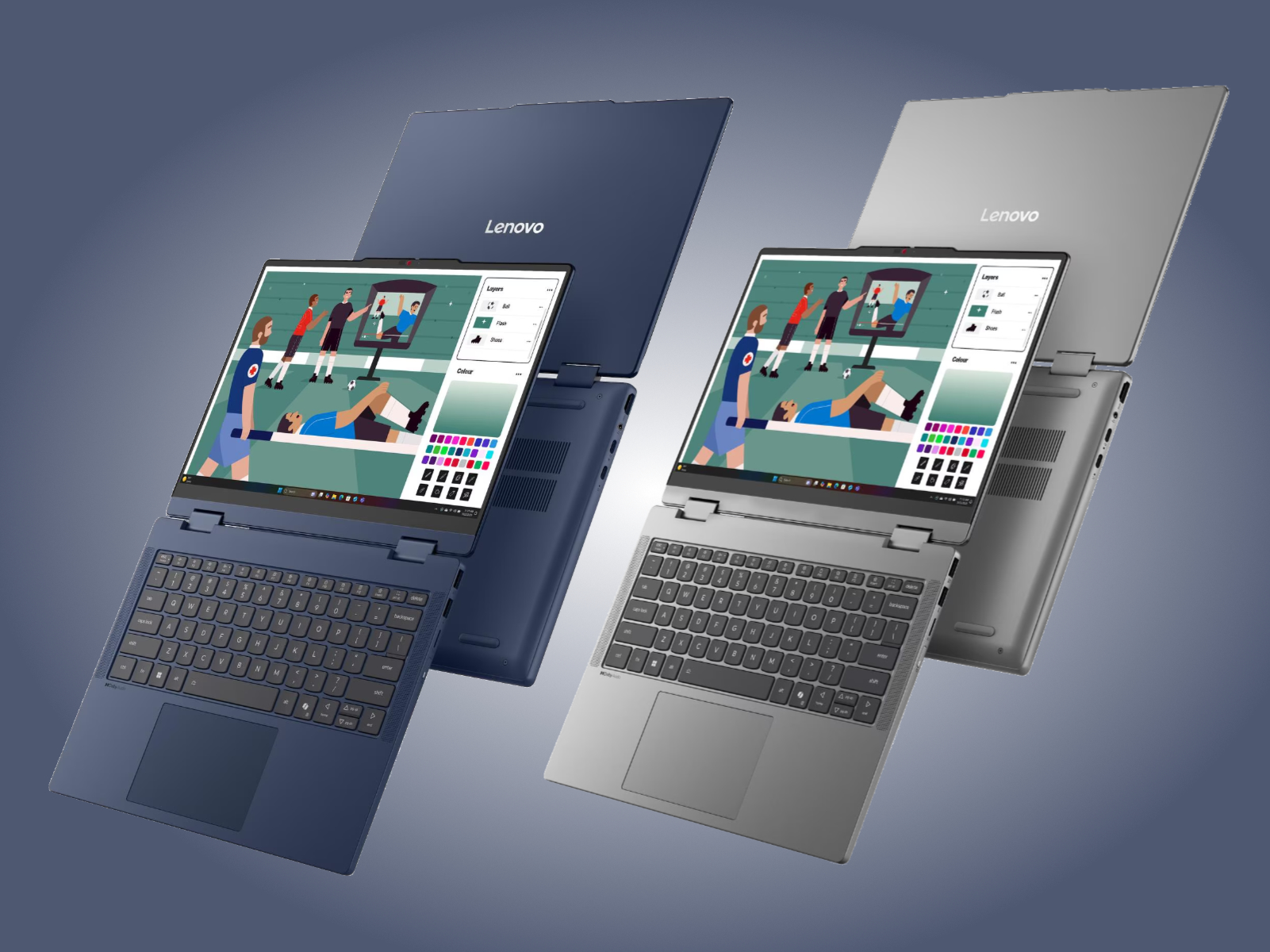




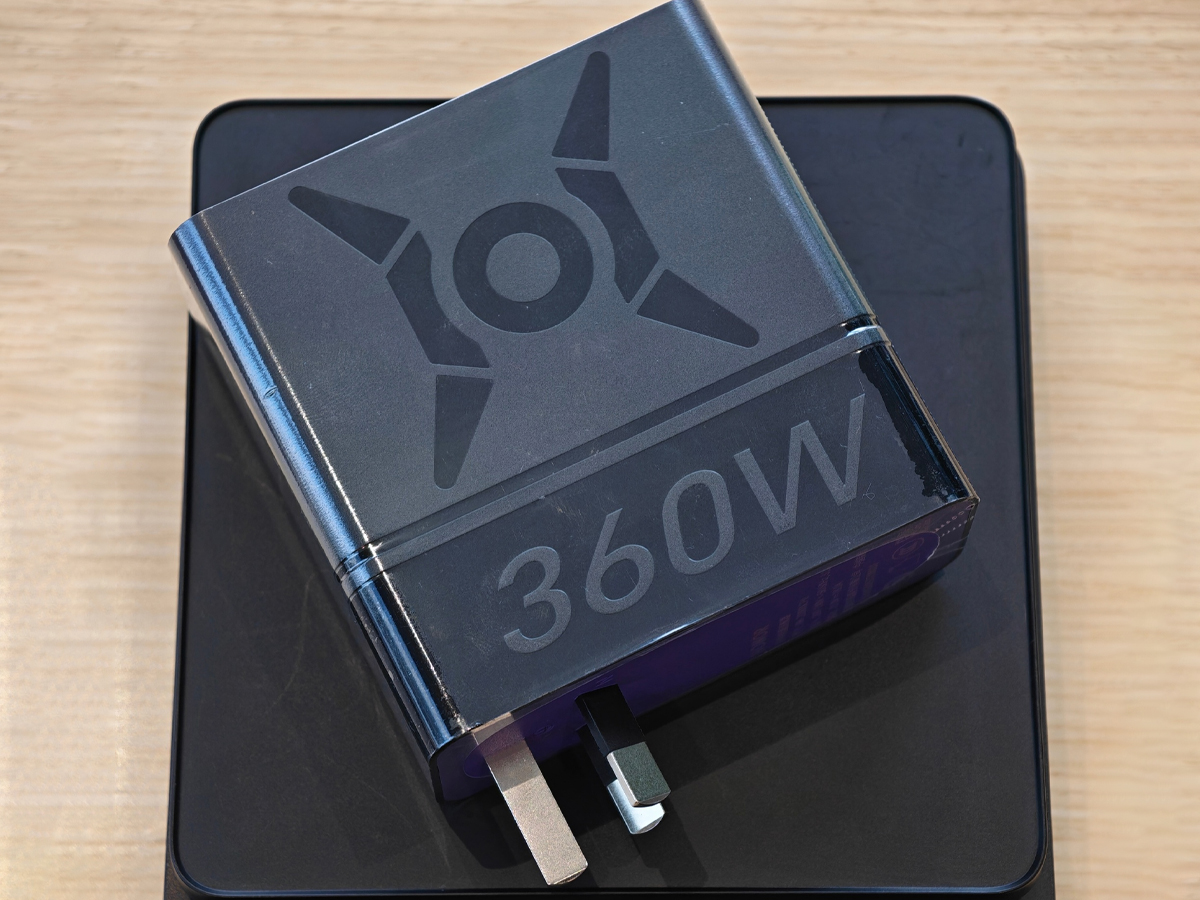




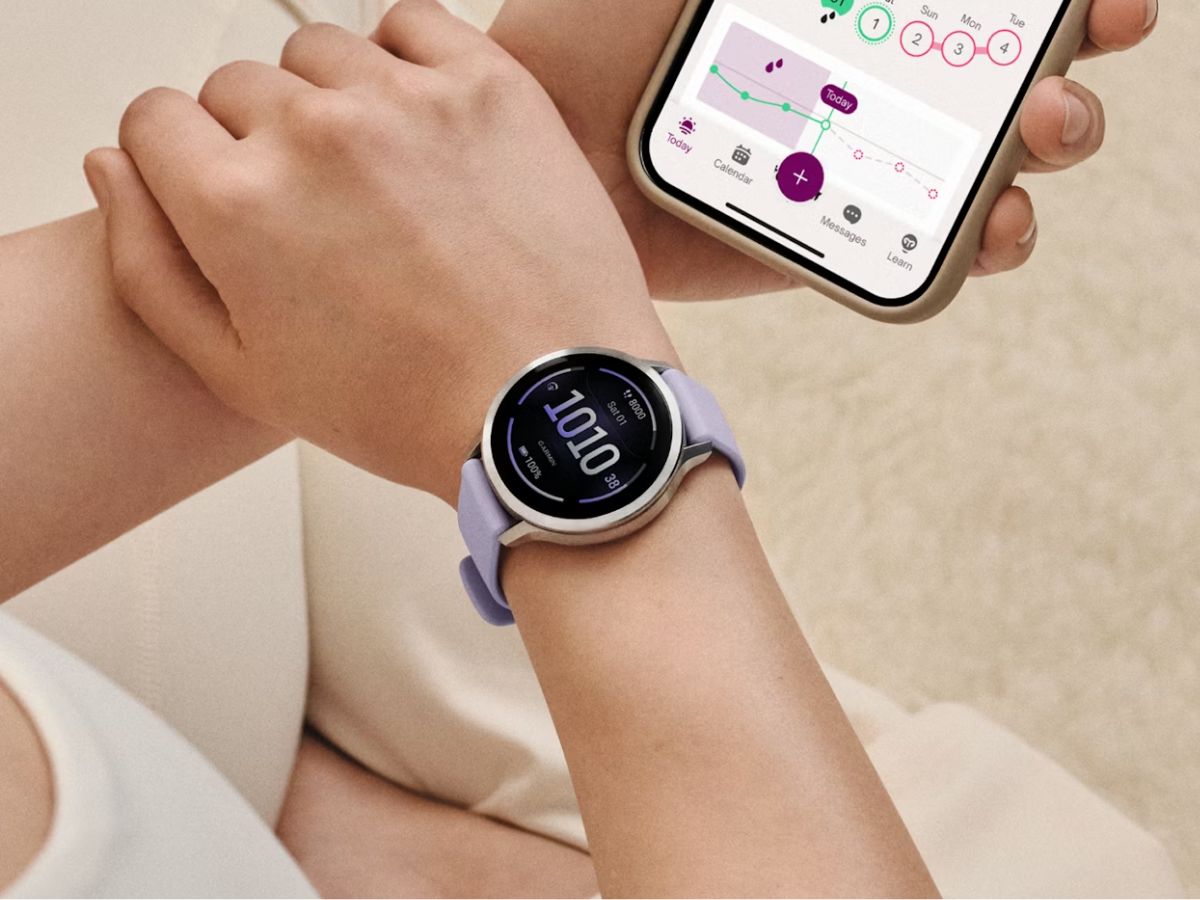
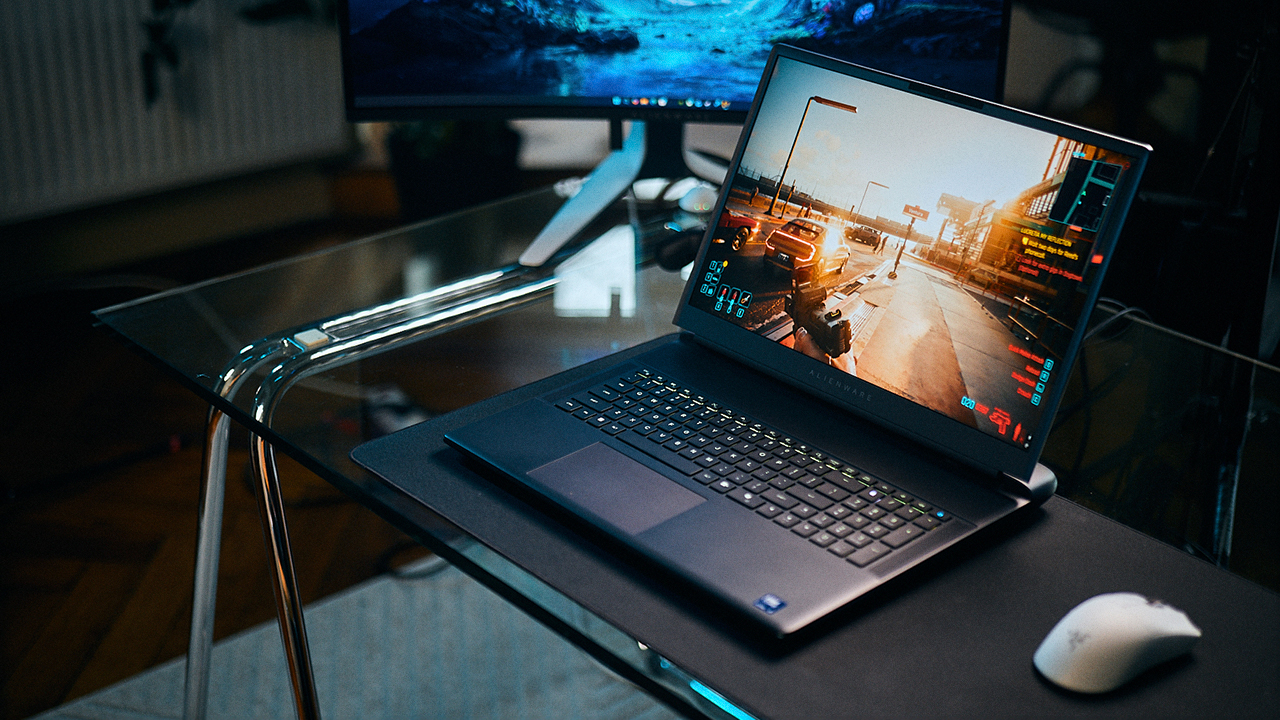


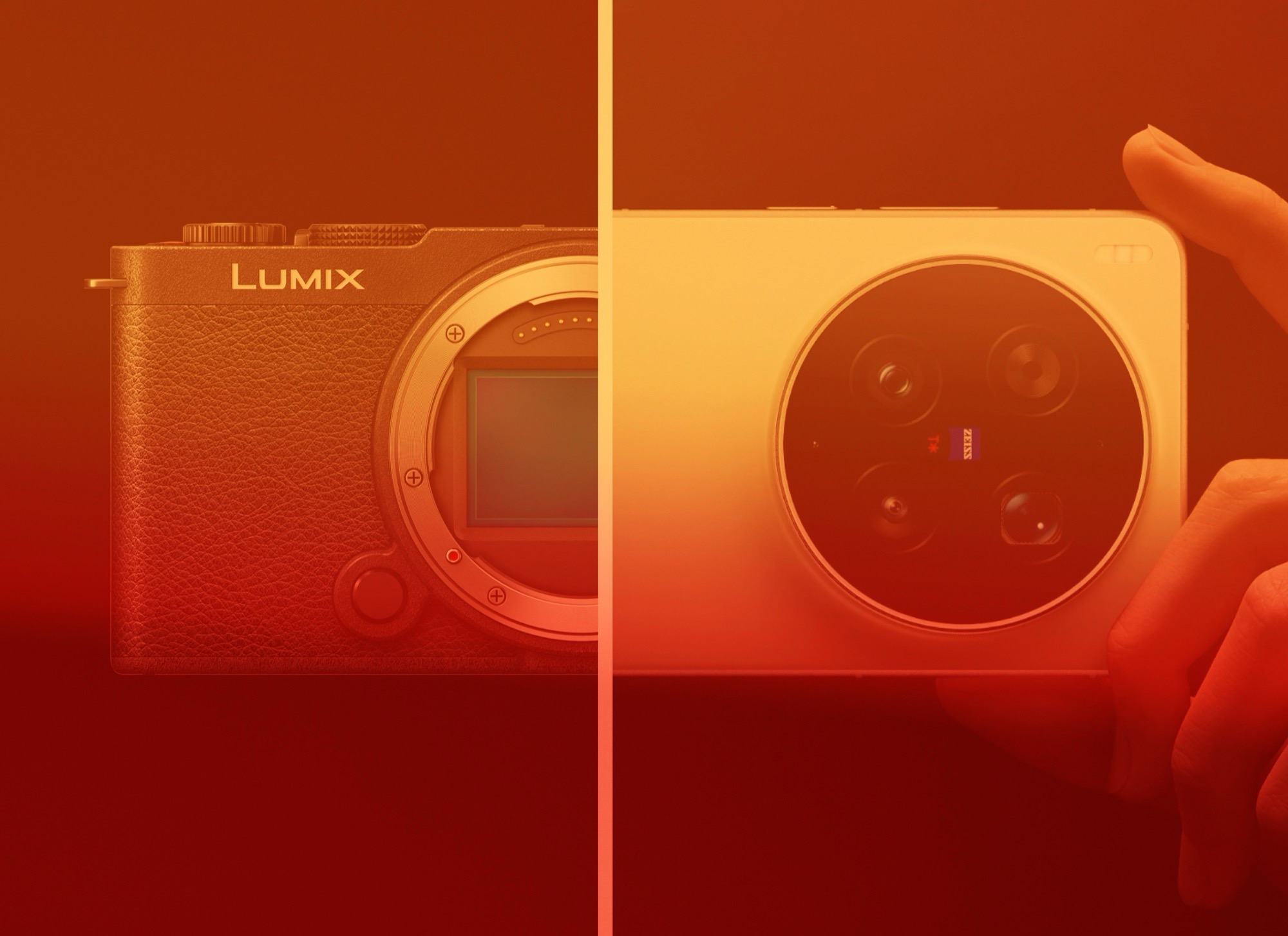




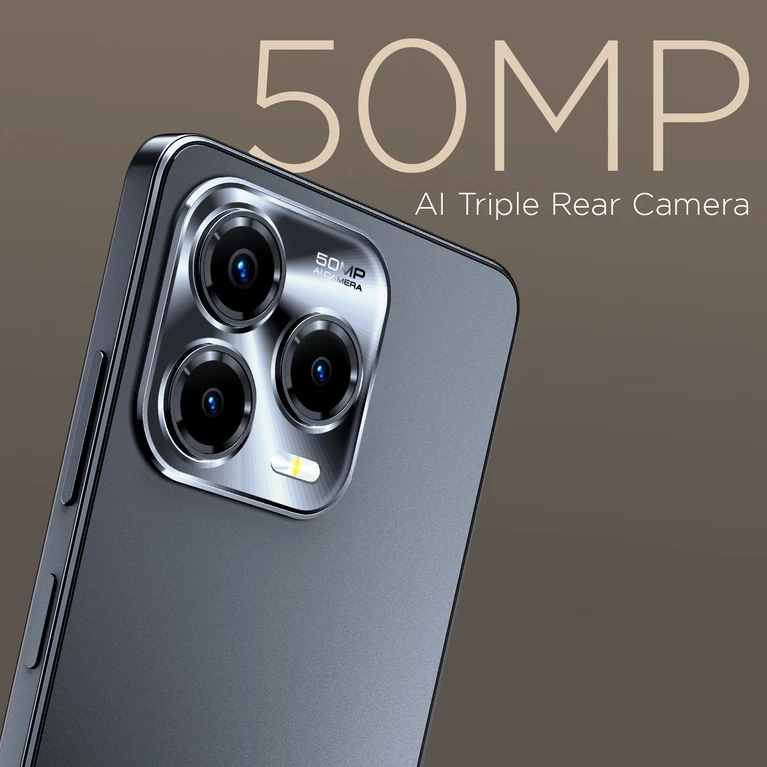

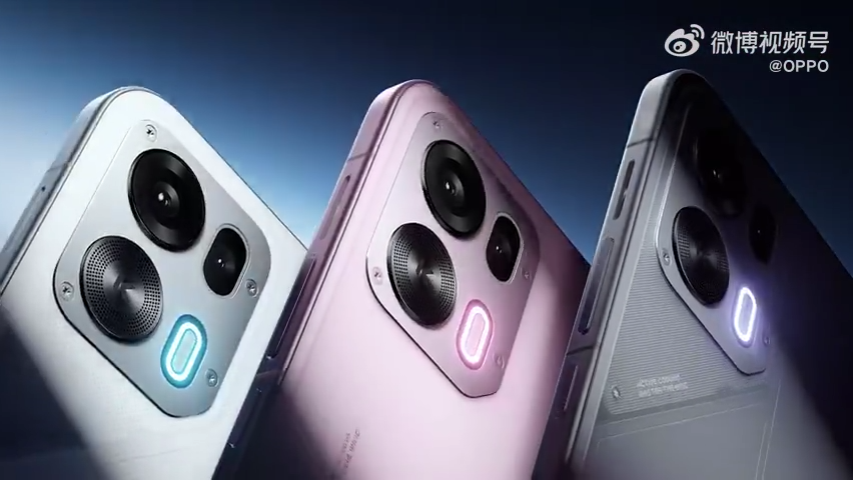


 C-shaped frame. Its flexible arms provide a customized “hug,” keeping the 3D nodes flush against the trapezius muscles regardless of your build. Whether hunched over a workstation or cramped in an airplane middle seat, the support feels structural rather than just pillowy.