Reading view

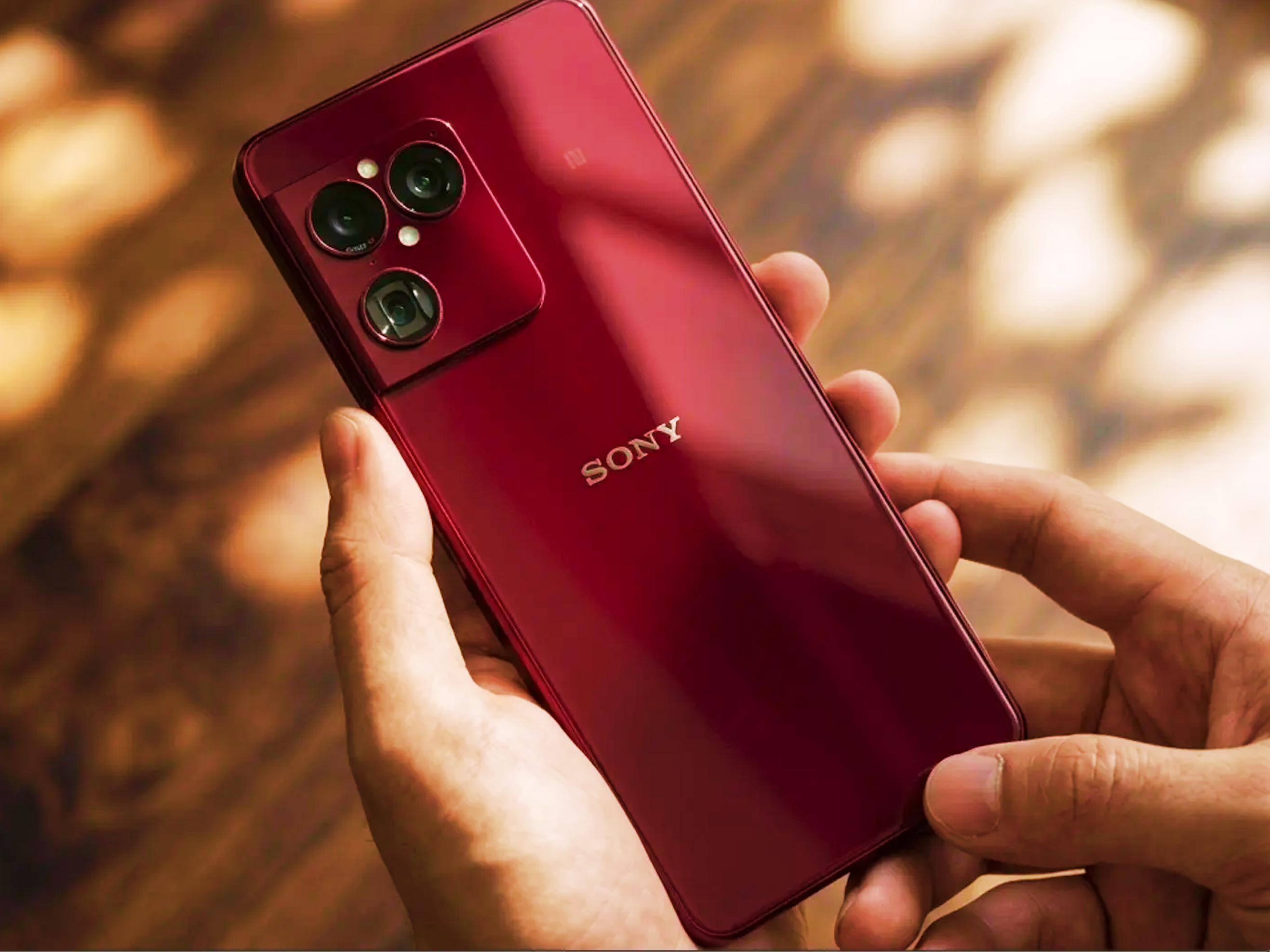
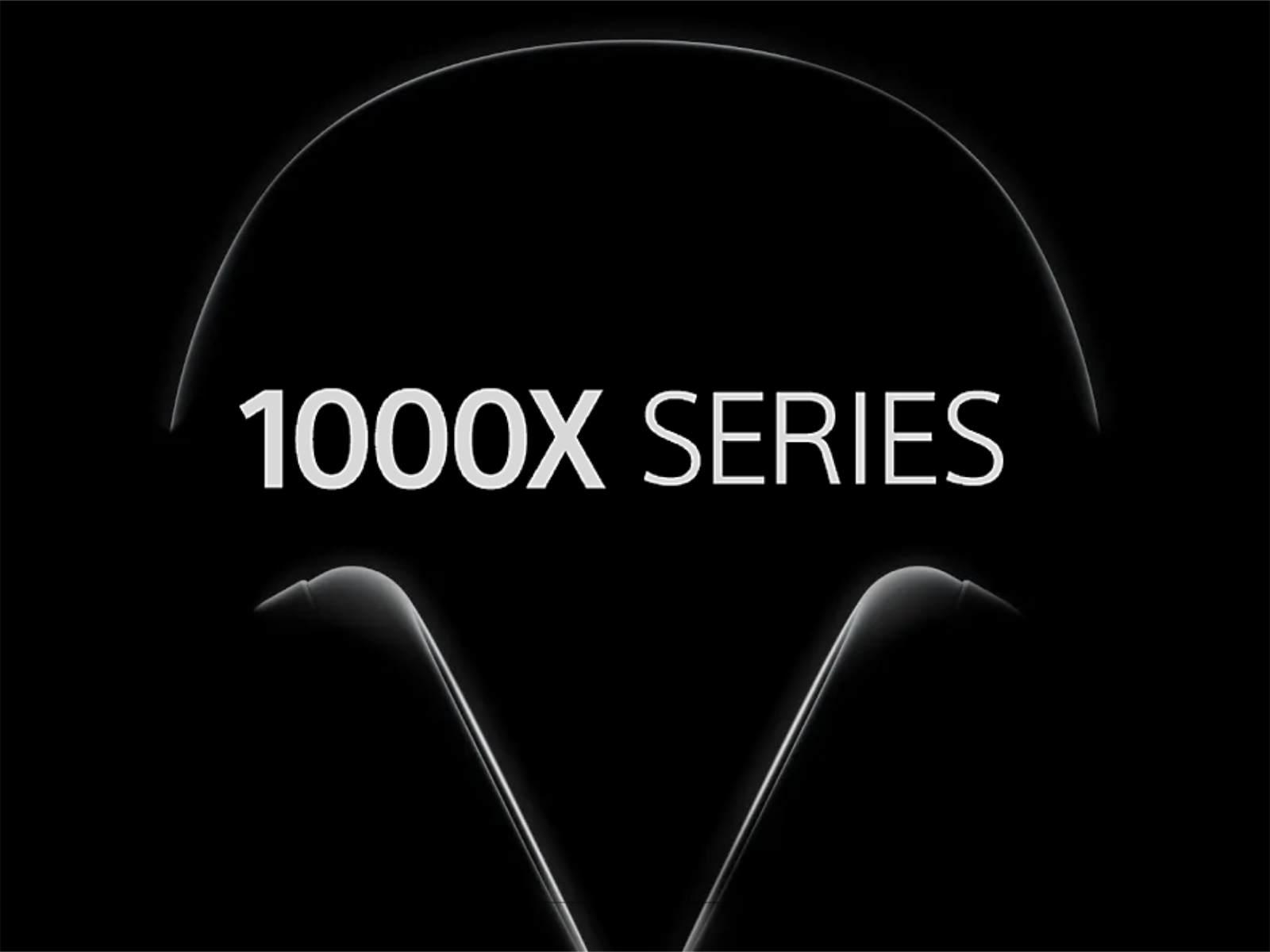
Sony Xperia 1 VIII first look: Major redesign confirmed; hints at 48MP camera, battery upgrades

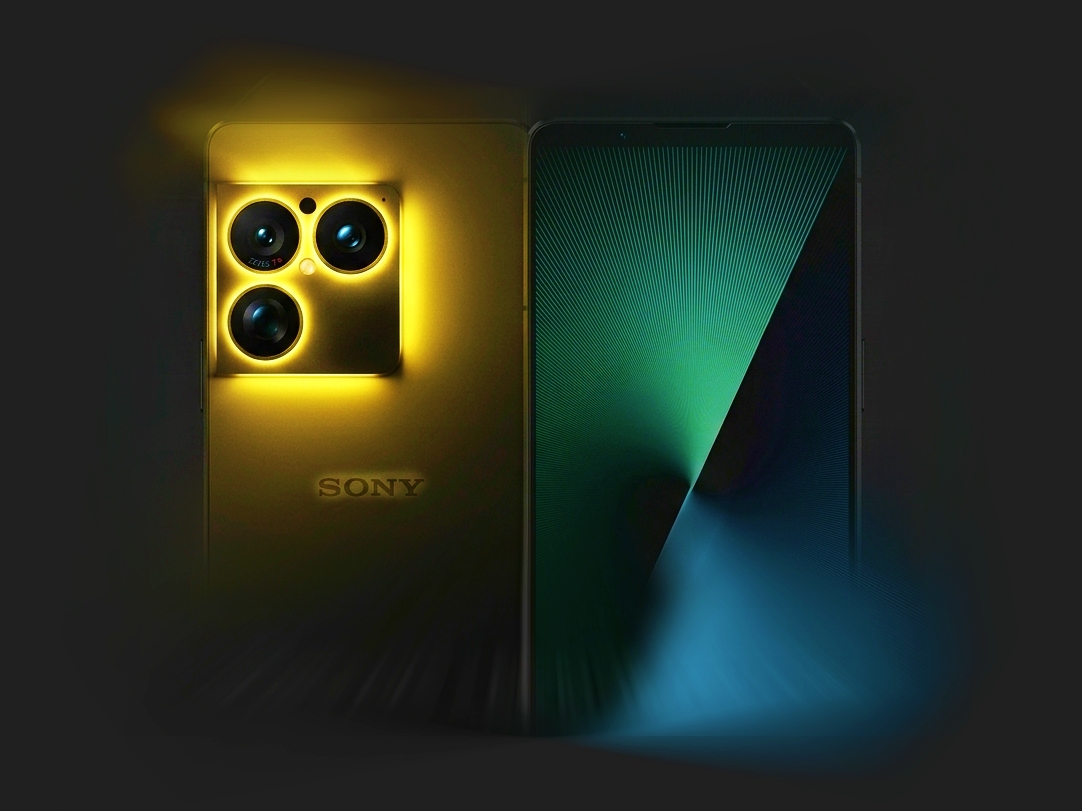
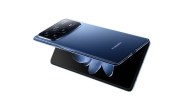
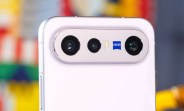
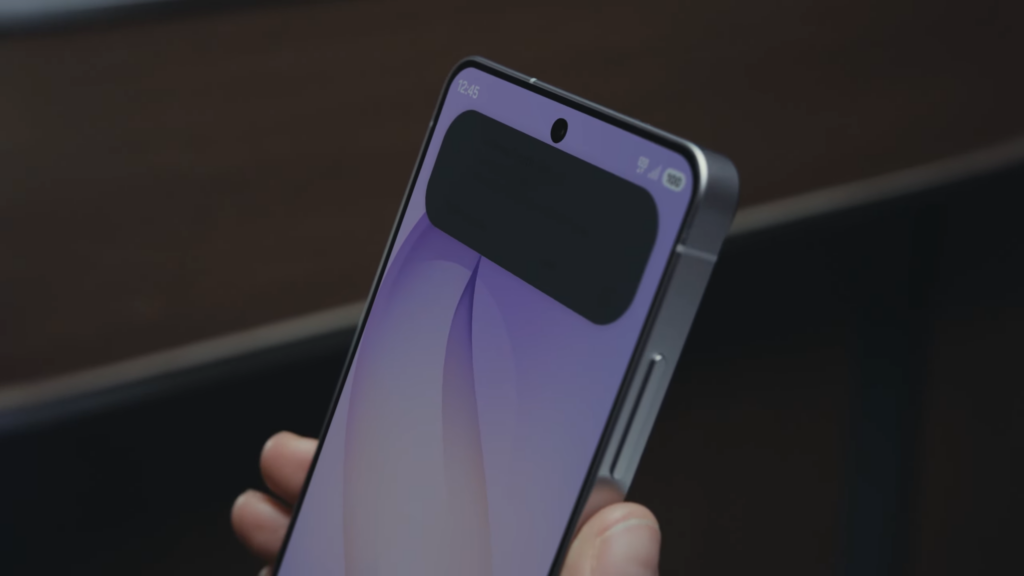
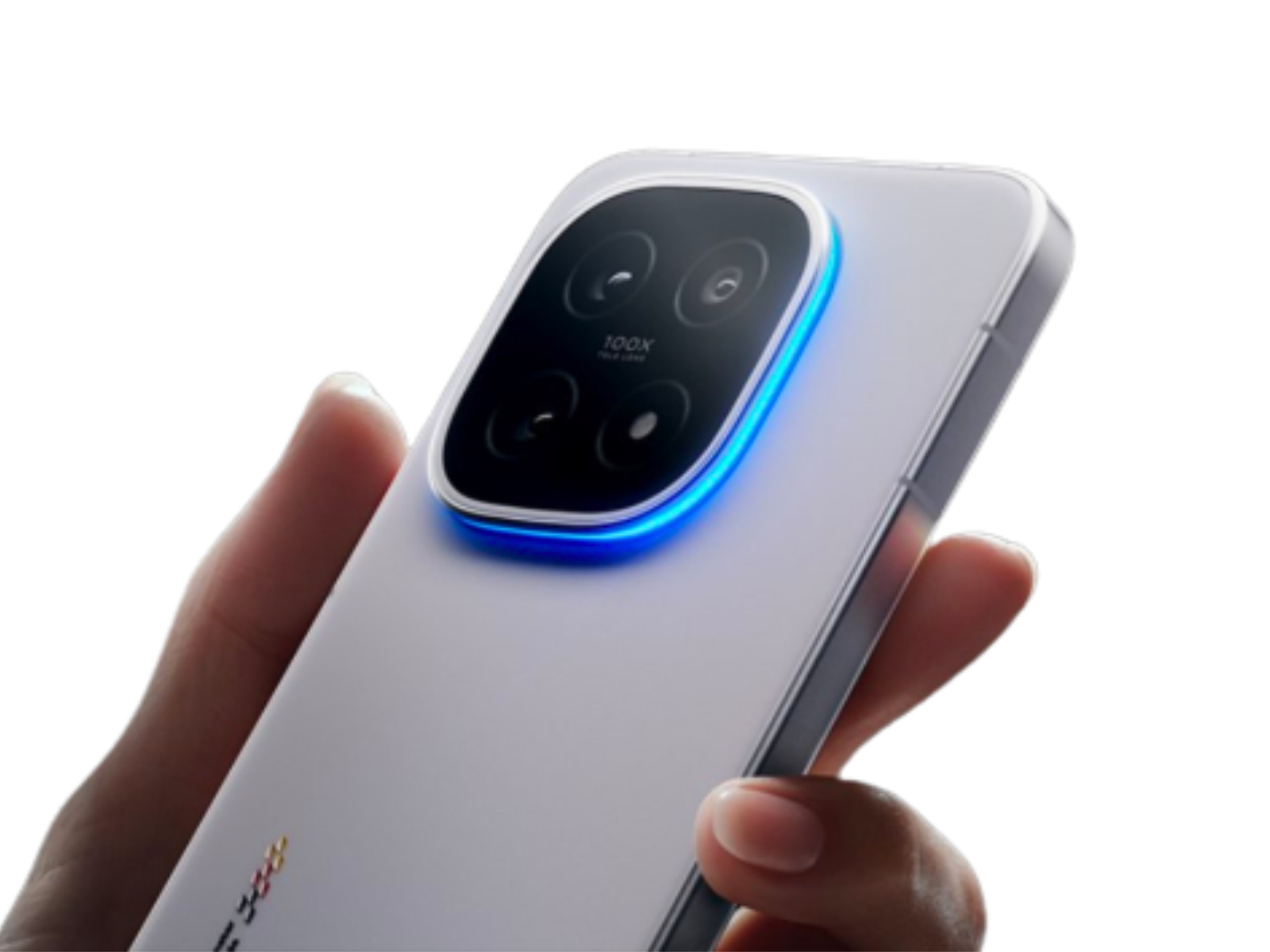
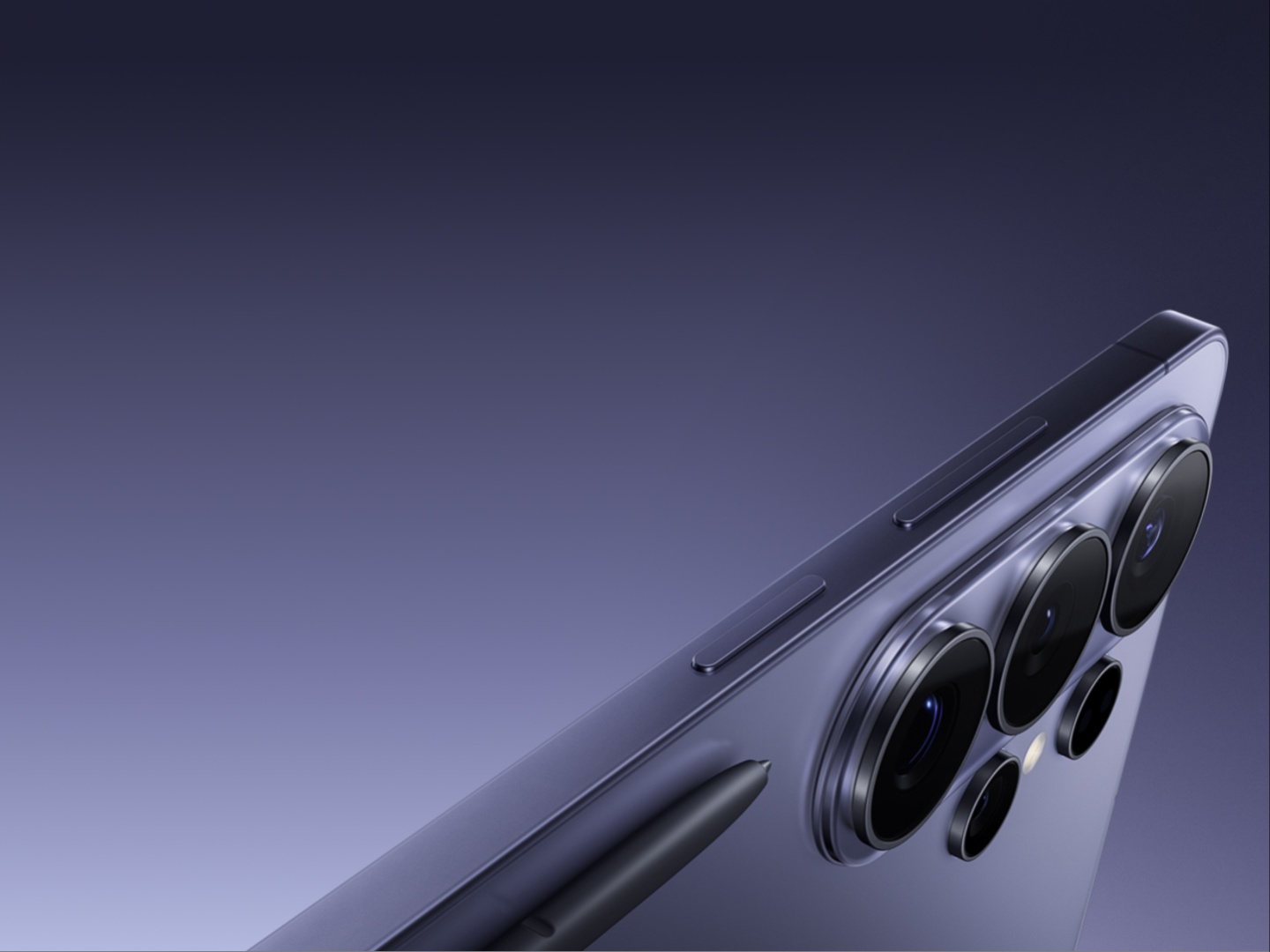
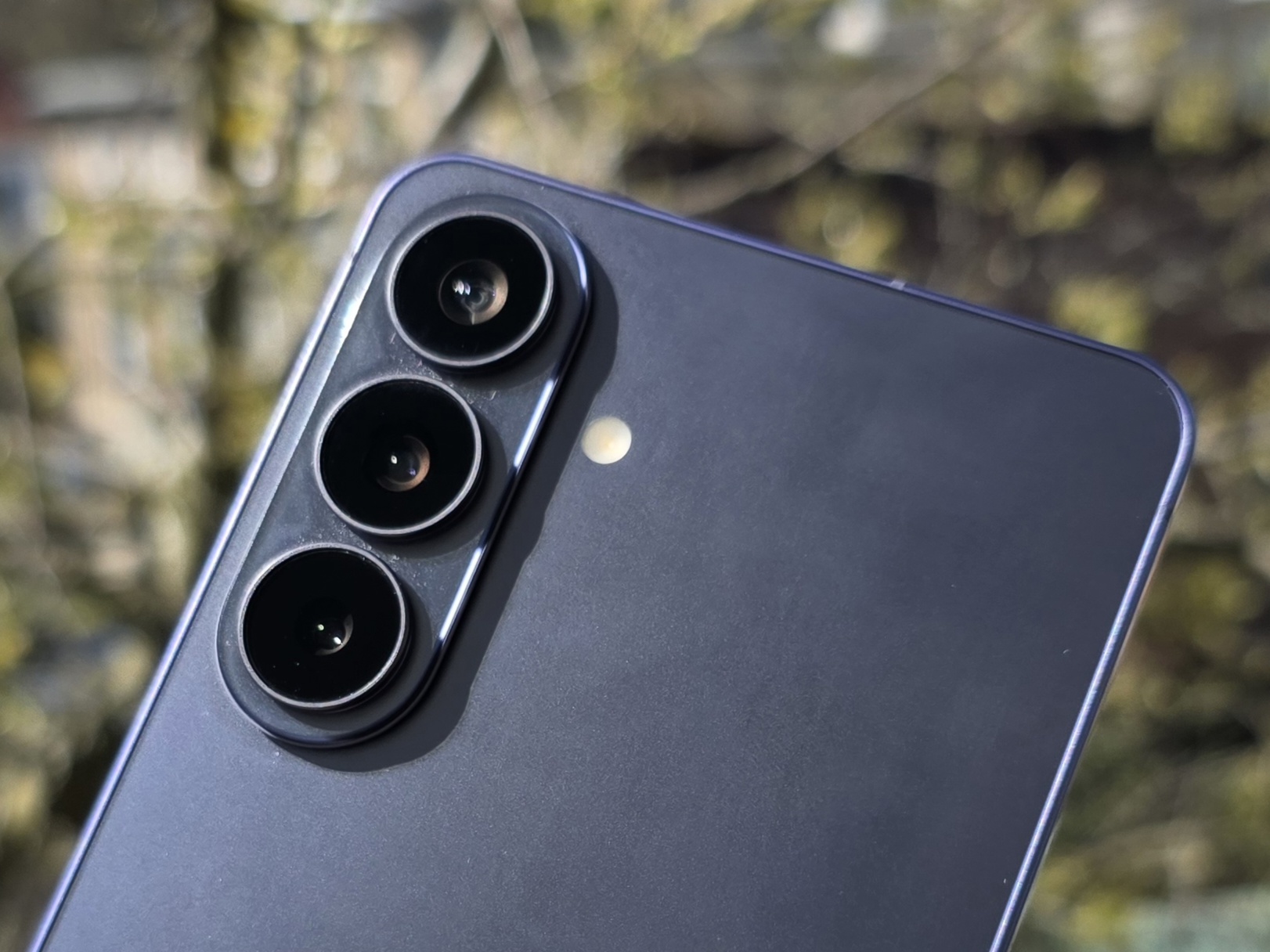
First Sony Xperia 1 VIII renders reveal a major redesign for the 2026 flagship’s camera module, shifting to a square island. The leak settles the design debate, confirming Sony will retain symmetrical bezels and avoid a punch-hole camera. Physical dimensions show a thicker 8.58 mm chassis, hinting at significant camera hardware or battery upgrades.

India's smartphone production was on the rise in 2025, but strong headwinds await

According to Counterpoint's "Make in India" tracker, smartphone manufacturing in India recorded an 8% growth year-over-year in 2025. The growth was fueled by a 28% year-over-year surge in exports and a modest 1% increase in domestic shipments. Exports accounted for one-third of all smartphones manufactured in India. Foxconn Hon Hai, Apple's main contractor, had a particularly strong showing with an impressive 48% YoY growth. Tata Electronics, being another key assembler for Apple, also contributed to the exports. Samsung's exports, on the other hand, grew only 4% compared to...

Samsung Galaxy Z Fold8 to bring a smaller punch hole for the selfie camera

While the Samsung Galaxy Z Fold8 is rumored to be slightly thicker than its predecessor, the Galaxy Z Fold7, a new rumor claims that the Fold8's punch hole in the display for the selfie camera will be smaller. The word comes from reliable tipster Ice Universe, who said that while the Fold7's front camera cutout measures 3.7mm in diameter, the Fold8's cutout measures only 2.5mm. The tipster further said that "Samsung appears to have adopted a new technology that significantly reduces the size of the front camera hole." Samsung Galaxy Z Fold7 • Samsung Galaxy Z Fold8 The Galaxy Z...

Galaxy Z Fold 8 Wide design compared to Huawei Pura X Max shows a clear shift

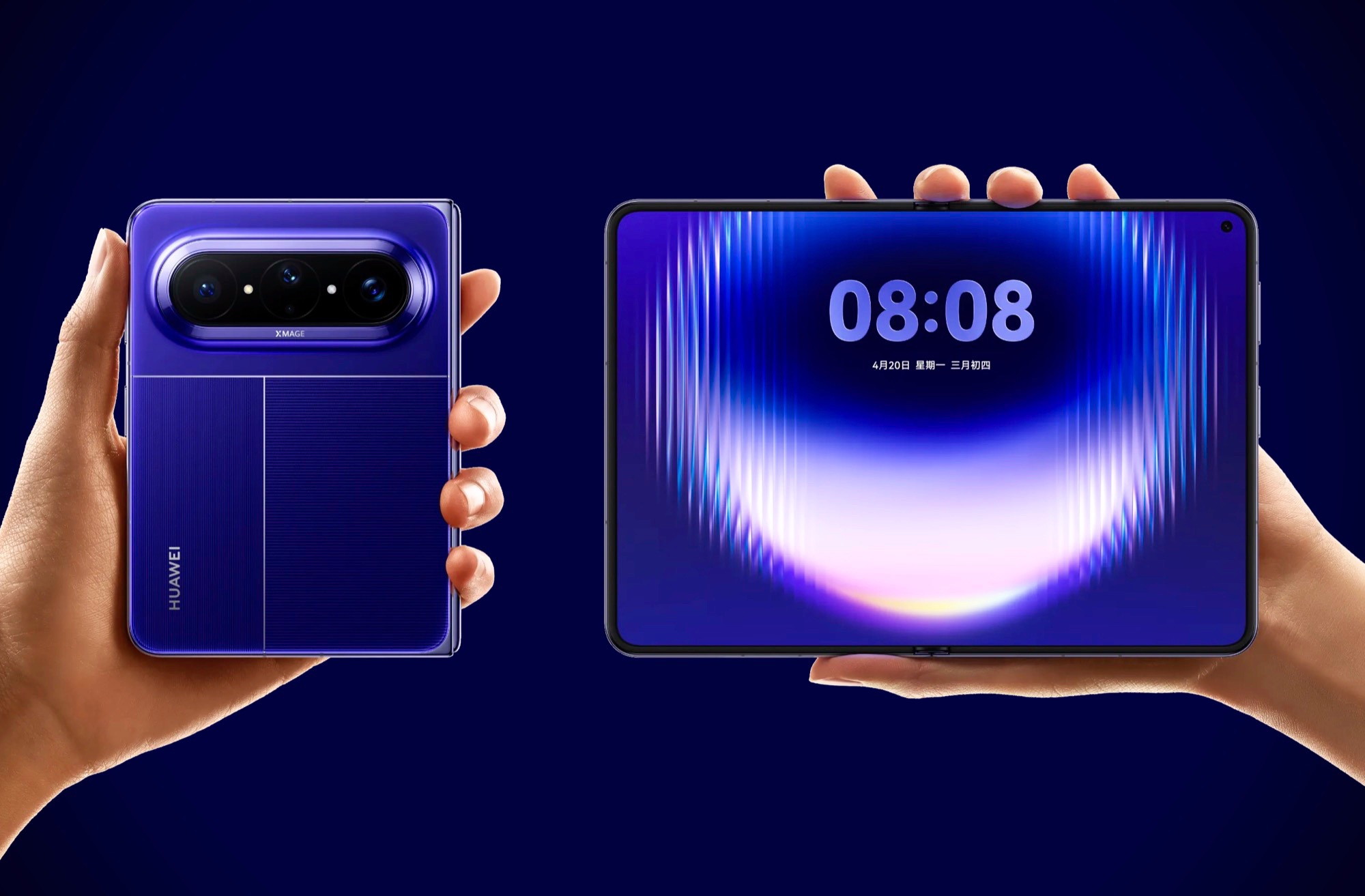
Ahead of Samsung and Apple, Huawei unveiled a new foldable with a wide display design. Samsung’s reveal is anticipated in July 2026, but a tipster just leaked a design comparison of the Galaxy Z Fold 8 Wide with its Huawei counterpart.

For years, Samsung stuck to a tall and narrow cover display. That approach had its logic, but it never felt fully natural in daily use.

With the Galaxy Z Fold 8 Wide, Samsung is finally stepping away from that identity. When you line it up against Huawei’s latest attempt, the shift becomes obvious – via Ice Universe.

Huawei Pura X Max

  • Width 166.5 mm | Height 120.0 mm
  • Thickness unfolded 5.2 mm | Thickness folded 11.2 mm
  • Folded width 85 mm
  • Outer display ratio 4.4:3 | Inner display ratio 4.24:3

Galaxy Z Fold 8 Wide

  • Width 161.4 mm | Height 123.9 mm
  • Thickness unfolded 4.3 mm | Thickness folded 9.8 mm
  • Folded width 82.2 mm
  • Outer display ratio 4.7:3 | Inner display ratio 4:3

Huawei still pushes a wider footprint; when folded, the Pura X Max sits at 85 mm, which is closer to a traditional slab phone than Samsung’s 82.2 mm. The Fold 8 Wide is noticeably wider than older Folds, but it stops short of becoming bulky.

Samsung Galaxy Z Fold 8 Wide vs Huawei Pura X Max

Source – Ice Universe

When it comes to thickness, Samsung comes in at just 4.3 mm when unfolded, while Huawei sits at 5.2 mm. This difference changes how the device feels entirely. It feels lighter in the hand, less tablet-like, and more refined.

When folded, Samsung holds the lead at 9.8 mm compared to Huawei’s 11.2 mm. That gap is even more noticeable in your pocket. A thinner foldable is easier to carry, sits flatter, and simply feels less like a compromise.

Samsung’s outer display ratio of 4.7:3 is another big move. Huawei still leans slightly wider with 4.4:3, but Samsung’s tuning feels more intentional. The inner display at 4:3 also signals a cleaner tablet-like experience.

The Galaxy Z Fold 8 Wide might not be the widest foldable out there, but it is arguably the most balanced one yet.

The post Galaxy Z Fold 8 Wide design compared to Huawei Pura X Max shows a clear shift appeared first on Sammy Fans.

Samsung’s Milan Design Week exhibition blends AI, foldables and wearables

Samsung shared exclusive visuals right from its exhibition at the Milan Design Week. The pictures and videos spotlight artificial intelligence, foldables, and wearables.

The company took over Superstudio Piu with 12 immersive zones built around its “Expressive Design” philosophy, and the whole thing reads less like a trade show and more like Samsung trying to convince you it has feelings.

You walk in, and the first thing that hits you is The Welcome Show. Multiple devices, synchronized across a shared performance, each paired with its own screen.

From there, the exhibition moves into Unfold Your Story, a zone dedicated entirely to Samsung’s foldables displayed across a spectrum of colors.

The Wearable Intelligence and Culinary Intelligence zones are exactly what they sound like. Wearables that track your body and AI that helps you cook.

The Forum zone hosts live discussions with Samsung’s design leadership alongside video clips surfacing perspectives that rarely make it into press releases.

Adjacent to it, the XR Experience zone built on Android XR invites visitors into Galaxy XR territory. Transparent Symphony puts Samsung’s transparent Micro LED displays to work, dissolving the boundary between screen and space.

The exhibition closes with The Goodbye Show, where Luna, Samsung’s AI home device, waves you out.

The post Samsung’s Milan Design Week exhibition blends AI, foldables and wearables appeared first on Sammy Fans.

Xiaomi Mix Fold 5 could launch soon with in-house chipset

Xiaomi’s last foldable, the Mix Fold 4, was unveiled nearly two years ago in July 2024. Now, a new report suggests the company may finally be preparing to announce its successor. According to the report, a next-generation Xiaomi foldable has been spotted in the Mi Code database. The device bears the model number 2608BPX34C and is codenamed ‘lhasa’. It also carries the internal designation Q18, where the number 18 is reportedly used for Xiaomi’s foldable lineup. Xiaomi Mix Fold 4 The report suggests the device in the database is likely the Mix Fold 5, although Xiaomi may choose to...

Alleged Honor 600e pops up on Geekbench with key specs

Honor unveiled the Honor 600 Lite last month, and recently, the Chinese brand introduced the Honor 600 and Honor 600 Pro. But it seems Honor isn't done launching 600 Series smartphones yet, as an unknown Honor device, bearing model code LNA-NX3 and said to be the Honor 600e, has surfaced on Geekbench with its key specs. The Honor LNA-NX3 scored 993 and 3,054 points in Geekbench's single and multi-core tests, respectively. It runs Android 16 and is powered by MediaTek's MT6858 octa-core processor, which is likely the Dimensity 7100 SoC. We say so because the Geekbench listing...

UDC isn’t returning, but Galaxy Z Fold 8 to shrink selfie camera hole

After an innovative back step, Samsung appears to be in the mode of course correction. Samsung is developing the Galaxy Z Fold 8 foldable smartphone, and the cover screen features a smaller camera hole than the Z Fold 7.

Samsung insider IceUniverse just revealed that the Galaxy Z Fold 8 selfie camera hole is just 2.5mm (diameter). It’s significantly smaller than the 3.7mm of the Galaxy Z Fold 7, with CAD rendering showcasing the difference.

The source hints at a technological shift inside Samsung, which may have led the hole to shrink. This change will offer even more functional estate on the cover screen of the upcoming Galaxy Z Fold smartphone this year.

Samsung introduced an under-display camera with the Galaxy Z Fold 3. The technology evolved gradually until the Galaxy Z Fold 6. However, Samsung removed it, starting with the Z Fold 7, and the Z Fold 8 may follow the legacy.

Samsung Galaxy Z Fold 8 Selfie Camera Hole

Image – Z Fold 7 (Top) | Z Fold 8 (Bottom)

The CAD image aims to show the difference in the camera hole’s diameter. If other aspects are true, the Galaxy Z Fold 8 will feature thinner side bezels. The camera system design may remain the same as the Galaxy Z Fold 7.

Samsung is expected to unveil three foldable phones this year. A new Galaxy Z Fold 8 Wide could join the Z Fold 8 and Z Flip 8 this July. The company may hold an Unpacked event on July 22 in London, a strategic shift in venue.

Related article:

The post UDC isn’t returning, but Galaxy Z Fold 8 to shrink selfie camera hole appeared first on Sammy Fans.

Infinix GT 50 Pro arrives with HydroFlow liquid cooling, dual-pressure shoulder triggers and Dimensity 8400

Nearly a year after launching its gamer-centric GT 30 Pro, Infinix is back with a successor. The brand new GT 50 Pro brings a refined design, improved cooling and larger battery capacity. Staying true to its gaming phone heritage, GT 50 Pro is equipped with a dynamic RGB light array on its back. It is integrated with the all-new HydroFlow liquid cooling system, which covers a 6,437mm² area, ensuring optimal thermal management. GT 50 Pro is equipped with MediaTek’s Dimensity 8400, featuring an all-big core CPU architecture, faster GPU and better NPU performance. The...

Qualcomm’s 16-year Snapdragon recap ends with a Galaxy S27 hint

Qualcomm posted a video on X recapping every Samsung flagship that ran on Snapdragon, which ends up teasing the potential Galaxy S27 Ultra chipset.

Sixteen years is a long time in this industry, and Qualcomm knows it. The video posted by the chipmaker ends with the words, “and there’s so much more to come.”

Samsung has been playing chipset politics for years.

The Galaxy S26 series brought Exynos back to the lineup after a brief exile, though the company kept Snapdragon inside the S26 Ultra. Smart move, given how badly some Exynos launches have gone historically.

With whispers circulating that Samsung could eventually push its in-house silicon into every slot across the S series, Qualcomm clearly felt it was time to speak up, and it chose nostalgia as the weapon.

Samsung Galaxy S27 Snapdragon Chip

Earlier reports already pointed toward Samsung using the Snapdragon 8 Elite Gen 6 Pro, internally tagged as the SM8975, inside the Galaxy S27 Ultra. Samsung won’t unveil the S27 series until early next year, so there’s still runway for plans to shift.

The US chip designer is apparently preparing two variants of its next flagship chip, and the Pro version looks like Samsung’s pick for its top-tier model.

Qualcomm’s posting video at this moment isn’t random. These companies don’t post retrospective timelines out of sentiment. They post them to apply pressure, to signal confidence, to remind a partner publicly that leaving would be a story.

The Ultra has always been where Samsung puts its best foot forward. Qualcomm wants to make sure that the foot is wearing its chip.

Related article:

The post Qualcomm’s 16-year Snapdragon recap ends with a Galaxy S27 hint appeared first on Sammy Fans.

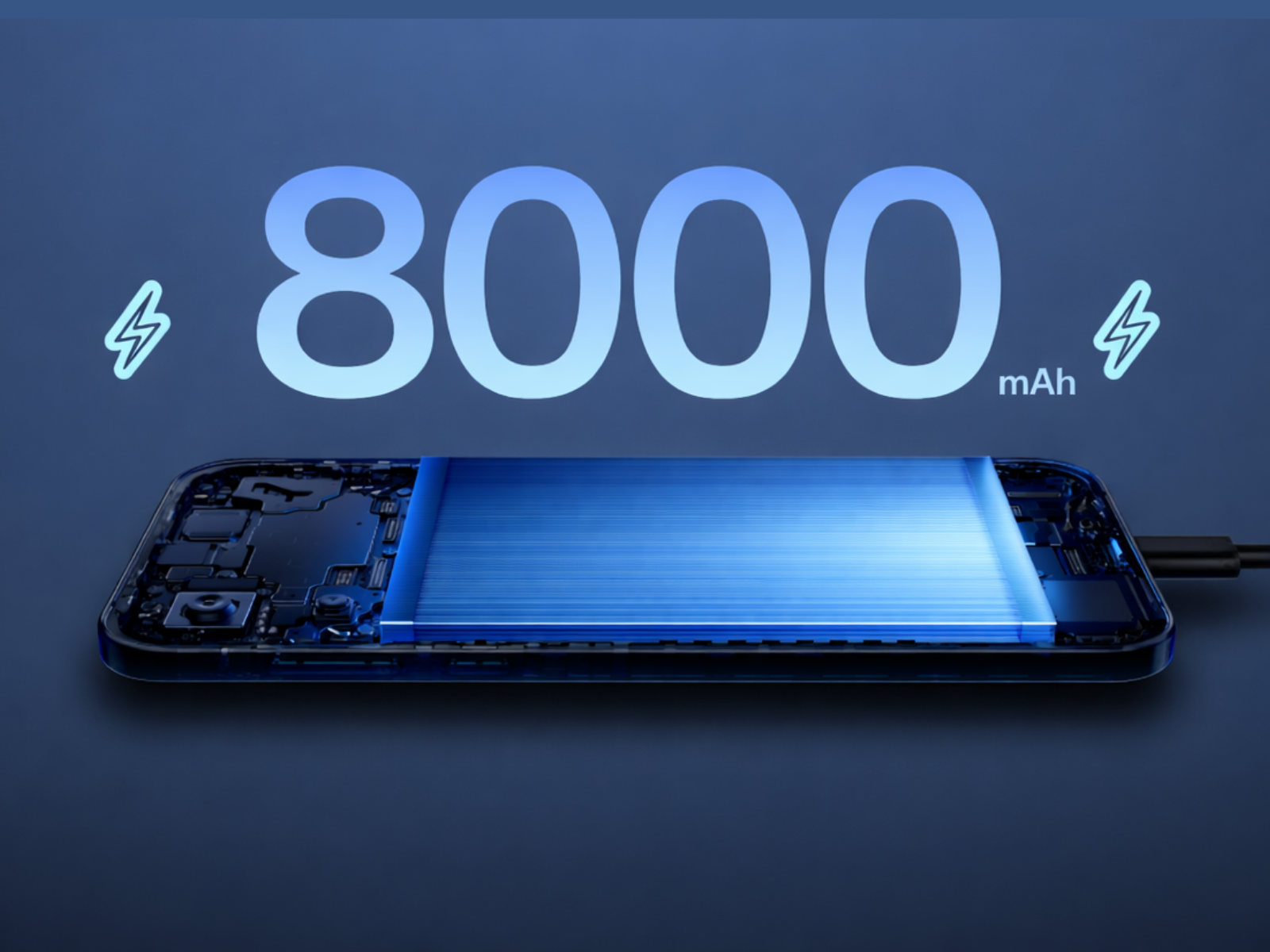
New iQOO phone with 8,000mAh battery, 200MP camera said to debut soon

iQOO could soon launch a new smartphone in China powered by the MediaTek Dimensity 9500 chipset. While the official name remains unclear, a new leak suggests it could be a new Neo 11 series phone. The leak also reveals several key specifications of the upcoming device. According to tipster Digital Chat Station, the handset is expected to feature a 6.83-inch flat AMOLED display with a 2K resolution and a 144Hz refresh rate. iQOO Neo11 While the tipster hasn’t confirmed the device’s name, several comments on the post suggest it could be part of the new Neo 11 series. Some users...

Galaxy Z Flip 7 surfaces with next-gen Android 17 (One UI 9) software

An alleged Galaxy Z Flip 7 has made its debut on Geekbench with Android 17-based One UI 9 operating system. This is the same software Samsung has been developing for the Galaxy S26 series inside its software labs.

Galaxy Z Flip 7 running One UI 9 atop Android 17 scored decent scores on Geekbench. The device reached 2275 in single-core and 7843 in multi-core. It’s said that the Flip phone was running firmware version F766USQU9CZDF.

Geekbench 6.7.0 scores

  • Single-Core Score: 2275
  • Multi-Core Score: 7843

Samsung’s SM-F766U entry is live on Geekbench, but it could also be a spoof listing, as mentioned by tipster MohammedKhatri. Judging from the chip specs, it seems a genuine device, powered by a deca-core Exynos 2600 processor.

Geekbench scores are largely identical to the models running Stable One UI 8. As the development progresses, the scores will improve as well.

Samsung Galaxy Z Flip 7 Android 17 Geekbench

Galaxy Z Flip 7 and Galaxy Z Fold 7 will receive One UI 9 Beta with Android 17 in the near future. The Beta Program will first arrive for the Galaxy S26 series. Meanwhile, the software will make its official debut with the Z8 series.

Google recently released Android 17 QPR1 Beta 1 for Pixel phones. One UI 8.5 is reportedly built on Android 16’s QPR2 version. The next major upgrade may not be actually major, just like the Android 16-based One UI 8.

Galaxy Z Flip 7’s entry follows the Galaxy S26 Ultra on Geekbench. We are actively seeing early visuals from the internal One UI 9 firmware. The development is going well, with the addition of new features also progressing.

The post Galaxy Z Flip 7 surfaces with next-gen Android 17 (One UI 9) software appeared first on Sammy Fans.

WhatsApp is now testing the notification bubbles feature

Meta-owned WhatsApp keeps testing new features for its Android and iOS users, with the latest feature in the works being notification bubbles, which Google has supported on Android since Android 10. This revelation comes from the folks at WABetaInfo, who found that WhatsApp is testing the notification bubbles feature in its Android app. If you've used Meta-owned Facebook Messenger on Android, then you already know how notification bubbles work. When you receive a message from an individual or in a group chat, you'll see a floating bubble on the screen, regardless of whether you are on...

Tables arrive in Samsung Notes, joined by pencil and highlighter tools

Samsung Notes app is getting a major update, and that finally adds the long-overdue support for Tables. What makes the update more interesting is the addition of new pen options along with the screen visibility option.

For a long time, Samsung Notes has been solid for quick scribbles and S Pen users, but it lagged behind when it came to structured note-taking.

Tables arrive in Samsung Notes

The biggest addition is table support; it sounds basic, but it completely changes how you can use the app.

You can now:

  • Organize study notes in rows and columns
  • Create simple schedules or planners
  • Compare information without turning your notes into a messy wall of text

Having tables built directly into Samsung Notes keeps everything in one place. Until now, many users had to switch to apps like Excel or third-party note apps just to do this.

New pen tools

Samsung has also added two new pen types:

  1. Pencil
  2. Highlighter

The pencil gives a more textured, sketch-like feel, which is great for rough work or diagrams. The highlighter, on the other hand, is perfect for marking up PDFs or emphasizing key points without ruining readability.

Improved note creation menu: You can now long-press to quickly import PDFs, and there are new note style options. This cuts down a few unnecessary steps when starting a new note.

“Fit to screen” view option: This is one of those features you don’t think about until you need it. Notes now adjust better to your screen, making reading and reviewing content more comfortable, especially on larger Galaxy devices.

Cleaner settings screen: The app settings have been reorganized, which makes navigation less confusing.

Samsung Notes Table, Pen, Fit to Screen

The post Tables arrive in Samsung Notes, joined by pencil and highlighter tools appeared first on Sammy Fans.

Square Enix forces apology and compensation from FF14 content creator in harassment case

Square Enix says it has reached a court-backed settlement with a Final Fantasy XIV content creator accused of harassing staff, securing an apology, financial compensation, and a ban on similar conduct after obtaining the uploader’s identification. The move follows a recent case against the blog Netoge Sokuho and coincides with another FF14 news aggregator, Umadori Sokuho, voluntarily shutting down and issuing an apology amid the company’s broader anti-harassment push.

Counter-Strike 2 pro receives lifetime ban after punching opponent at LAN event

A Counter-Strike 2 LAN final at CAGGTUS Leipzig erupted into violence when Berlin-based streamer Maurizio “MAUschine” Weber punched opponent Fabian “Spidergum” Salomon during the awards ceremony after allegedly being taunted with his own catchphrase. Organizers and regulators responded swiftly, issuing escalating sanctions that culminated in an Esports Integrity Commission lifetime ban, alongside regional bans and a Twitch suspension.

Nothing OS 4.1 rolls out to the Nothing Phone (3)

Nothing launched the Phone (4a) and Phone (4a) Pro last month running the latest Nothing OS 4.1 on top of Android 16. Now the company is starting to roll out Nothing OS 4.1 to the Nothing Phone (3), which has been running Nothing OS 4.0, also based on Android 16. While this doesn't bring an Android version bump, it does include the Essential Voice functionality that was announced earlier today. There's also a new lock screen clock, and Live Updates now work across the device including the lock screen, notification panel, and Glyph interface. The Essential Notifications UI is cleaner...

Samsung enhances widget list display in new MultiStar update

Samsung MultiStar is getting updated, and the latest release enhances the widget list. Enhancements come through version 10.4.06, and the changelog indicates that the update is aimed at the cover screen of foldable phones.

MultiStar is one of those hidden gems inside the Good Lock suite that quietly upgrades how you use your Galaxy phone.

It focuses on multitasking, letting you push beyond Samsung’s default limits with features like better split-screen control, more flexible pop-up windows, and improved app compatibility.

If you’re someone who juggles multiple apps at once, MultiStar makes the whole experience feel faster, smoother, and far more customizable than stock Android.

With the latest MultiStar update, Samsung is addressing the widget list issue, which was preventing accurate visibility in the cover launcher. Users of Galaxy Z Fold and Galaxy Z Flip phones should notice even better functionality.

  • To update MultiStar, open Good Lock > Plugins > Download.

Samsung foldables running either One UI 8.0 or One UI 8.5, both based on Android 16. One UI version 8.5 is currently in Beta, which is expected to start rolling out to the Stable Galaxy S26 channel, starting May this year.

The major One UI 8.5 update elevates the Good Lock experience. However, the MultiStar module hasn’t received any notable update, so far. Hope Samsung will consider enhancing the multi-window experience even further.

The post Samsung enhances widget list display in new MultiStar update appeared first on Sammy Fans.

Samsung gains traction with Galaxy S26, Apple marks first top-five entry in India

Galaxy S26 helped Samsung retain its smartphone share, with Apple entering the top five in India for the first time in Q1 2026.

India’s smartphone market had a rough start to 2026. Shipments dropped 5% year on year to 30.9 million units in the first quarter, according to Omdia.

vivo held the top spot for a seventh straight quarter, shipping 6.3 million units for 20% market share. Samsung came in second at 5.1 million units and 16% share, with the Galaxy S26 arriving late in the quarter and giving the numbers a jolt.

OPPO, excluding realme and OnePlus, grabbed third place with 4.7 million units and 15% share, making it the fastest-growing vendor in the top five. Xiaomi and Apple rounded out the rankings at 3.8 million and 2.9 million units, respectively.

This is the first time Apple has cracked India’s top five in the first quarter. For a market where the vast majority of volumes still live below INR 20,000, Apple’s placing fifth isn’t a curiosity.

Samsung’s performance here tells a familiar story.

The Galaxy S26 landed toward the end of Q1, meaning its full weight doesn’t really show up in these figures. The mid-range A-series got refreshed; entry-level workhorses like the A07 and A17 kept the volumes honest.

Sanyam Chaurasia, Principal Analyst at Omdia, framed it as a phased approach, where Samsung deliberately avoided blanket price hikes to protect channel absorption and demand momentum.

Omdia is forecasting double-digit shipment declines for India across the full year. Entry-level devices are already seeing price increases of 18 to 20% as memory inflation forces a hard reset of the economics.

Apple Samsung India 1Q26 Smartphone Market

The post Samsung gains traction with Galaxy S26, Apple marks first top-five entry in India appeared first on Sammy Fans.

Samsung reveals new Galaxy S26 offers and Kyrene Edition accessories

On April 24, 2026, Samsung unveiled the Galaxy S26 Family Festa to mark the Family Month in South Korea. It includes offers, cashbacks, and a gaming-themed pop-up on the Galaxy S26 series alongside Kyrene Edition accessories.

According to the announcement, Samsung will give away a KRW 50,000 (~ $35) worth of game item discount coupons. Consumers who make a purchase by May 10 will receive this coupon, which can be redeemed on the Galaxy Store.

Samsung also has a cashback program, which offers KRW 55,000 (~ $38) to Galaxy S26 buyers who subscribe to the “New Galaxy AI Subscription Club.”

Buyers are advised to check the detailed terms and conditions on Samsung.com to ensure their benefits and cashback amount.

As part of strengthening its experiential marketing, Samsung will operate a pop-up store themed around the popular RPG game “Honkai: Star Rail” at Samsung Store Hongdae from April 24 to May 5.

The pop-up is designed as a hands-on gaming experience zone using the Galaxy S26 series. Visitors can take part in various events and stamp missions in spaces decorated with in-game backgrounds and characters.

Additionally, Samsung will also sell 2,000 limited units of the “Galaxy S26 Ultra Kyrene Accessory Edition,” which includes items such as magnet cases, acrylic music boxes, and smartphone stands featuring game characters.

Jung Hojin, executive vice president and head of Korea at Samsung Electronics, said, “To mark Family Month, we prepared a variety of promotions that families can enjoy together,” and added, “We hope you enjoy not only the powerful performance of the Galaxy S26 series but also the additional purchase benefits.”

Samsung Galaxy S26 Family Festa

The post Samsung reveals new Galaxy S26 offers and Kyrene Edition accessories appeared first on Sammy Fans.

iPhone 18 Pro, iPhone 18 Pro Max, and iPhone Ultra dummy units leak

Dummy units have leaked today showing the shapes of the upcoming iPhone 18 Pro, iPhone 18 Pro Max, and iPhone Ultra (which is the name the iPhone Fold is rumored to actually get). The dummy units are created based on CAD renders sent to case makers, so they are usually accurate with the most important details - things like the overall shape and dimensions, as well as the shape and size of the camera islands. In the family shot above you can see that the iPhone Ultra is missing MagSafe support, which is an interesting omission for sure. We obviously can't tell if it has wireless...

The Galaxy S-series should get major updates together

The Galaxy S-series smartphones are the highest-selling Samsung devices, accounting for millions of units sold worldwide. The company offers these phones with powerful processors, high-quality cameras, large power backup, long software update support, and more. However, one part of these phones isn’t really appreciated by consumers, and it is the phone’s launch date-based rollout priority.

In the past five years, Samsung has drastically changed its software policy for S Series, Foldables, and non-flagship phones. However, it’s the Galaxy S-series that is at the center of all discussions.

Starting with the Galaxy S24, Samsung started offering 7 major OS upgrades and 7 years of security updates. So, we have three Galaxy S-series phones that are part of the 7 major software updates club:

  • Galaxy S24 series (2024)
  • Galaxy S25 series (2025)
  • Galaxy S26 series (2026)

Not to forget, the Galaxy S23 series is eligible for four OS updates. It means this lineup will also get Android 17 (One UI 9).

All of these phones are well-received and praised by consumers. Yet, the same consumers are also criticising the way Samsung is treating their phones as time passes by.

To be specific, Samsung releases One UI beta for three phones, the most recent flagship. Then expand it to the program to the most recent foldables. The next phase includes the S-series from the year before. And the cycle continues in that descending order for all eligible phones.

Now comes the important part. The first phone to enter the beta also receives the first stable update. Since the latter devices entered the beta program on a separate timeline, their beta program will close later. In other words, the rollout dates for devices will vary.

Previous-gen S-series users criticize Samsung for these practices. They say Samsung has reduced the importance of their phones in terms of OS upgrades, even though they paid the same price as the most recent release. They also suggest that all Galaxy S-series phones should get major OS updates together, instead of different dates.

That’s true, the Galaxy S24 and S24 Ultra cost as much as the S26 Ultra, which makes them as important as the other devices. The S23 Ultra, on the other hand, is only $100 less than these three generations. So, basically, all of these customers have paid a high price to buy these phones.

Yet, the first shot at a major update belongs to the most recent flagships. Then, gradually turns its eyes toward other devices.

Why does it happen?

It’s about the development. Samsung has a process of developing the firmware first for the most recent releases. Then move the development toward previous generations based on their release dates.

Though this is a common software development practice among Android smartphone makers, it doesn’t suit the company that claims to be the top smartphone maker in the world.

In fact, it becomes very crucial at a time when Samsung is directly competing against Apple in markets like the U.S. Apple has a long-standing practice of releasing software updates simultaneously for many iPhones. And they’re consistent on that part.

Some argue that Apple releases only three or four phones a year, but Samsung releases many. That’s true, but you can’t put this logic on consumers who care about their own devices, and why should they care about the company’s overall sales? They are buying phones based on their face value.

For example, I have a Galaxy S26 Ultra, and I want the major software updates as soon as they are released. I don’t care about how many flagships or non-flagship phones Samsung has to cover with the latest update; I will only care about my device, and that’s how it is for the majority of consumers.

In reality, the update priority for Galaxy S26 Ultra will start to decline once the S27 hits the market. That cycle will continue with the following release. This can be seen as a potential case of consumer discrimination.

How to fix this problem?

If Samsung cannot provide updates for all of its devices at once, it should at least release the software update for the S-series and Foldable lineups at the same time. Followed by other price categories. If Samsung is running low on developers, hire new ones to maintain the rollout consistency.

Why it should be done

The company should treat these S-series and foldables with equal priority. There are two reasons why it should be done.

First, it provides consumer satisfaction. Seeing their phones getting new updates on time builds brand reputation. It’s an unprompted expression that expands ecosystem awareness from one user to another. That also works as indirect promotion, which is more powerful than paid ads.

Second, if the user has to wait for the release, they will share that experience with other users and other people in their circle. It wasn’t the case before, but consumers have become more aware of what they’re getting for what they’re paying. Therefore, it will leave a bad impression.

Reflecting on the second reason, I’ve seen a bunch of people commenting that Apple provides updates all at once, or my next phone will be an iPhone. These are the most common comments that I’ve come across in different online communities and conversations.

Who knows, they might eventually hold on to their thoughts by the end of their Samsung flagship’s lifespan.

Before that happens, Samsung needs a drastic change in its major updates and release strategy for the Galaxy S-series, its best seller. This is the least improvement consumers are expecting from the company.

The post The Galaxy S-series should get major updates together appeared first on Sammy Fans.

vivo X300 FE in for review

It's been kind of hectic here at GSMArena HQ in the last few weeks - we're getting phones left and right and are working pretty much nonstop to bring you guys content! But we're slowly getting through the pile, and today, we've got the recently globalized vivo X300 FE in the house! Unveiled and rolled internationally alongside the vivo X300 Ultra, the vivo X300 FE is coming in two configurations - 12/256GB and 12/512GB. We're not sure of the price just yet. The phone ships with a color-matching case, a 90W charger, and a USB-A to USB-C cable. The X300 FE is the compact flagship...

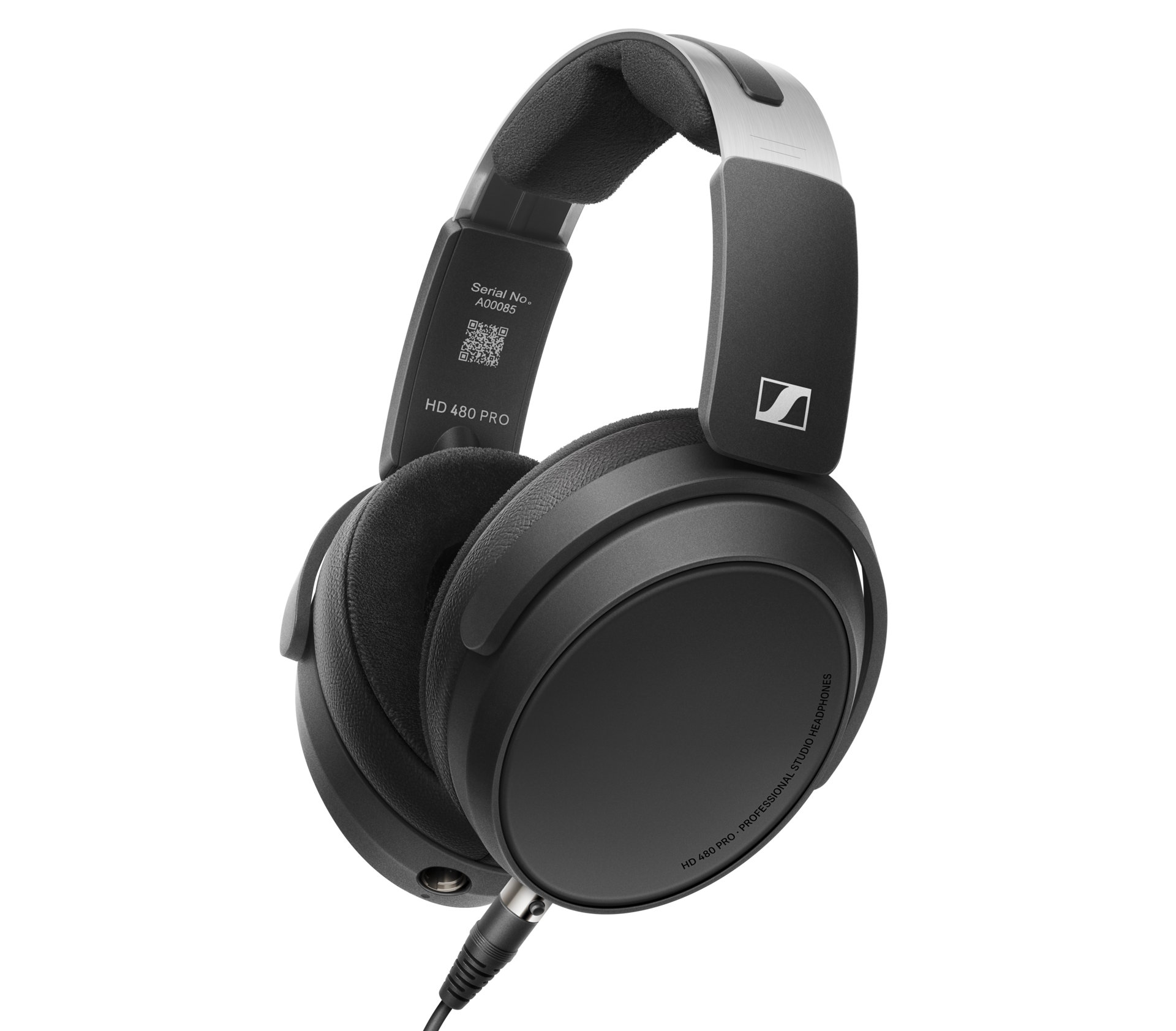
Sennheiser launches the HD 480 Pro: Closed-back headphones designed with accurate audio reproduction for music monitoring and recording

The Sennheiser HD 480 Pro closed-back headphones are designed for accuracy in audio reproduction, with high clarity of sonic details, making them suitable for music production, tracking, and monitoring. They are designed for hours of comfortable wear, and the cables and cushions can be replaced.

vivo X500 series screen details leak

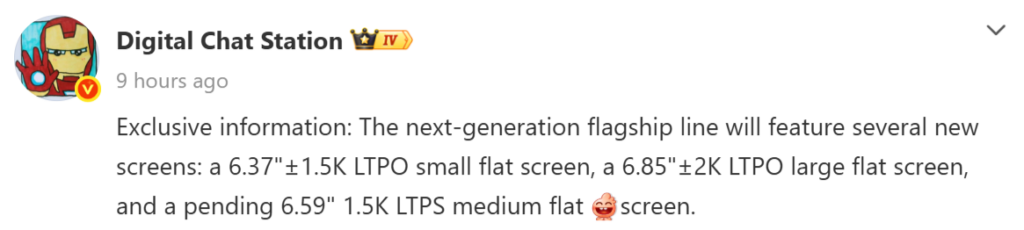
vivo's upcoming flagship series will probably be called X500, to avoid the number 4 due to tetraphobia. These will of course be the successors to the X300 line. Today in China, prolific leaker Digital Chat Station has seemingly revealed what we can expect from the X500 family in terms of screens. While he doesn't mention the exact model names, he does say there will be one device with a 6.37-inch flat LTPO OLED display with 1.5K resolution, and another device employing a 6.83-inch flat LTPO OLED panel with 2K resolution. There's also a third option that's allegedly still pending (so...

Nothing introduces Essential Voice speech-to-text transcription and translation

Today Nothing has unveiled Essential Voice, a speech-to-text engine that promises to deliver "clear, ready-to-send text in real time". Thus, it improves upon the traditional dictation that, while turning speech into text, includes all the ums, uhs, and ahs, all of your stutters, and sometimes zero punctuation (or, perhaps even worse, wrong punctuation). Essential Voice promises to give you "the speed and ease of talking with the clarity and flexibility of text". It cuts filler words "for a more streamlined and considered output". It auto-detects more than 100 languages, and lets you choose...

Samsung's mobile division may be facing its first-ever annual loss because of crazy memory prices

Samsung’s MX division (which builds its smartphones) may be facing its first-ever annual loss – meanwhile, the folks over at Device Solutions (where the memory business is housed) posted guidance for a record-breaking Q1. You have already figured out that there is a single cause for these two events. To spell it out, the soaring prices of DRAM and NAND memory are eating into the margins. According to the analysts at Counterpoint, the bill of materials (BoM) for a flagship phone ($800+) is predicted to rise by $100-$150. Memory makes up the most with 23% of the total going towards RAM and...

Google confirms: revamped Siri will be powered by Gemini

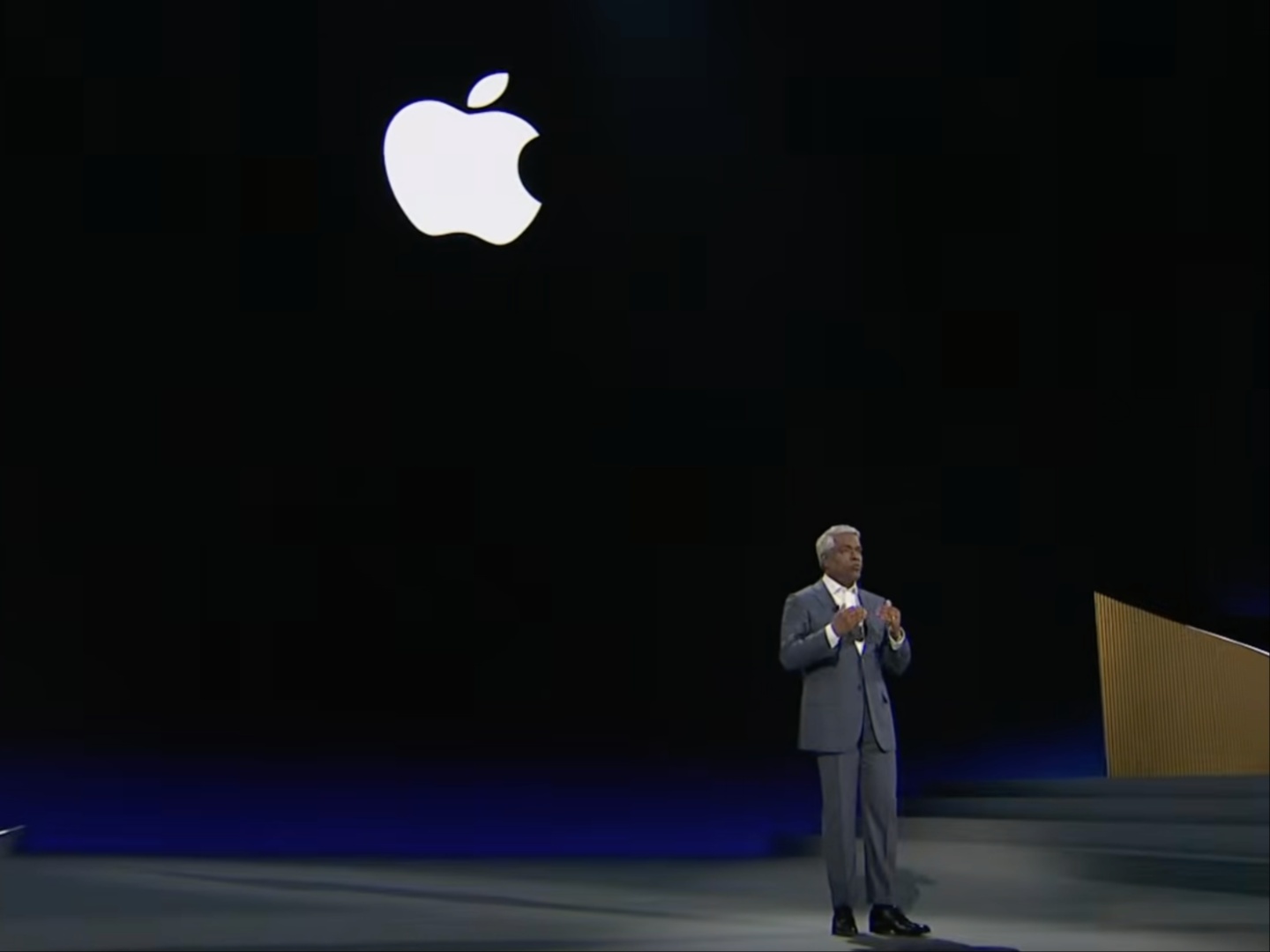
Back in January, Apple confirmed that Google's Gemini AI models would be powering the next evolution of Apple Intelligence, which is expected to be unveiled this June at the annual Worldwide Developers Conference. This should include a completely revamped Siri, and will hopefully ship in iOS 27 and iPadOS 27 in the fall. Now, Google has also confirmed that this is happening, on stage during the Cloud Next 2026 conference that's currently taking place in Las Vegas. Google Cloud chief Thomas Kurian said: Earlier this year, we announced a monumental partnership with one of the most...

The Android Show returns before I/O 2026, with Google teasing a big year for Android

Google debuted The Android Show in 2025, with 2026 bringing the second iteration right before the I/O 2026 event.

The US tech giant has already announced the I/O 2026 keynote scheduled for May 19 and May 20. At this event, Google will introduce the new Android operating system along with many other software and AI advancements.

Now, Google revealed The Android Show is set to take place on May 12 at 10 a.m. PT. The company published a YouTube video, which pulled quickly after, teasing “this is going to be one of the biggest years for Android yet.”

Like last year, this year’s The Android Show will livestream on YouTube. Android enthusiasts will be able to join the event livestream to witness the unveiling live. As said, this is going to be one of the biggest years for Android yet.

This is going to be one of the biggest years for Android yet. Tune in to The Android Show | I/O Edition on Tuesday May 12 at 10 AM PT and be the first to take a look at what the future holds.

Android 16 introduced a major visual upgrade, thanks to Material 3 Expressive. Gemini also received fruitful enhancements to elevate user experiences. Pixel lineup continues to expand depite struggling for market share.

This year, we expect Android 17 to compete with Apple’s Liquid Glass design philosophy. Leaked visuals showcased that Google is on the right path. Quick Share to AirDrop sharing will also be a key highlight at I/O 2026.

The Android Show

The post The Android Show returns before I/O 2026, with Google teasing a big year for Android appeared first on Sammy Fans.

vivo Y6 5G unveiled with 7,200 mAh battery, Snapdragon 4 Gen 2 SoC

After launching the Y6t a few days ago, now vivo has also made the Y6 5G official. It is powered by the same Snapdragon 4 Gen 2 SoC as the Y6t. The Y6 5G comes in silver, gold, and black. It measures 166.64 x 78.43 x 8.39 mm and weighs 219g. It boasts a 6.75-inch 720x1570 LCD screen with a 120Hz refresh rate and 1,200-nit peak brightness, a 50MP rear camera, an 8MP front camera, and a 7,200 mAh battery with support for 44W wired charging. vivo Y6 5G official images The phone has 5G support, a side-mounted fingerprint scanner embedded into the power button, an IR blaster, and...

Once a Samsung Fold fanboy, now I warn everyone: Never Again

Hey Sammy Fans, I need to get this off my chest. I was a true Samsung Fold fanboy. The first time I unfolded my Galaxy Z Fold (It was Fold3), it felt like I was holding the future of smartphones. The reason was obvious – a big screen for videos, split screen, and cool folding tricks. I showed it off to everyone. “This is the best phone ever.”

After using my first foldable daily for over almost a year, the problems started coming up. The center crease started getting deeper and more annoying. Then one day, when I unfolded my phone, the inner screen was dead. There were no drops, no scratches, nothing crazy. I took it to the service center, hoping for warranty support. The service guy looked at it and said it was “user damage,” and quoted me almost $600-700 for the inner screen replacement. That’s more than half the price of a normal flagship phone. I was shocked.

This isn’t just my bad luck, the same happened with Fold4. I have seen many people in the Samsung community and on X with the same stories. The fold hinges were getting loose or making noise, screens failing after 8-12 months, and dust getting inside somehow.

Here’s another annoying issue. The protective film on the inner screen started peeling off by itself in less than 6 months. I didn’t misuse the phone, the film just lifted from the middle and started bubbling and peeling on its own. It looked ugly and felt terrible while using. I tried pushing it back, but it kept coming off worse. I ended up replacing the film once or twice on both my Fold5 and Fold6, but the same problem kept returning.

Samsung promises about “200,000 folds” or even more now, but in real life, it won’t stand up (my experience is horrible) to the company’s promise. If anything goes wrong, the repair cost is brutal. Many times, instead of repairing the current fold, it feels like the company is pushing you to just buy a new one.

There’s another downside – the battery life. The foldables have average battery life, but not great for such an expensive device. The cameras are fine, but nothing compared to regular Samsung S series phones. The phone feels thick even after Samsung made Fold7 thinner. Multitasking is cool at first, but while watching videos, you notice little bugs and that disturbing crease.

Look, I still love the idea of foldables. With foldable, you can have a big screen when you need it and small when you don’t. But right now, Samsung’s foldable devices are not ready to be a primary phone.

Samsung Fold 4 One UI 5.0 Canada

If you really want a foldable, you should wait for a perfect Fold in coming years. Or honestly? Just get a normal flagship like the Galaxy S26 Ultra. The available option is cheaper, tougher, and you won’t stress every time you open your phone. Even the repair cost is also less.

I stopped using my Samsung Fold (Fold3 after 11 months, Fold4 after 6 months, Fold5 in just 2 months, Fold6 in 1 month, and Fold7 after 10 days) and went back to a regular phone. No regrets. The excitement disappeared quickly once I started worrying about the next repair bill.

If you are thinking about buying a Samsung Fold, please read this first. I love the concept, but hate the experience. It is “never again” for me. What about you? Drop your experiences on X handle @thesammyfans.

The post Once a Samsung Fold fanboy, now I warn everyone: Never Again appeared first on Sammy Fans.

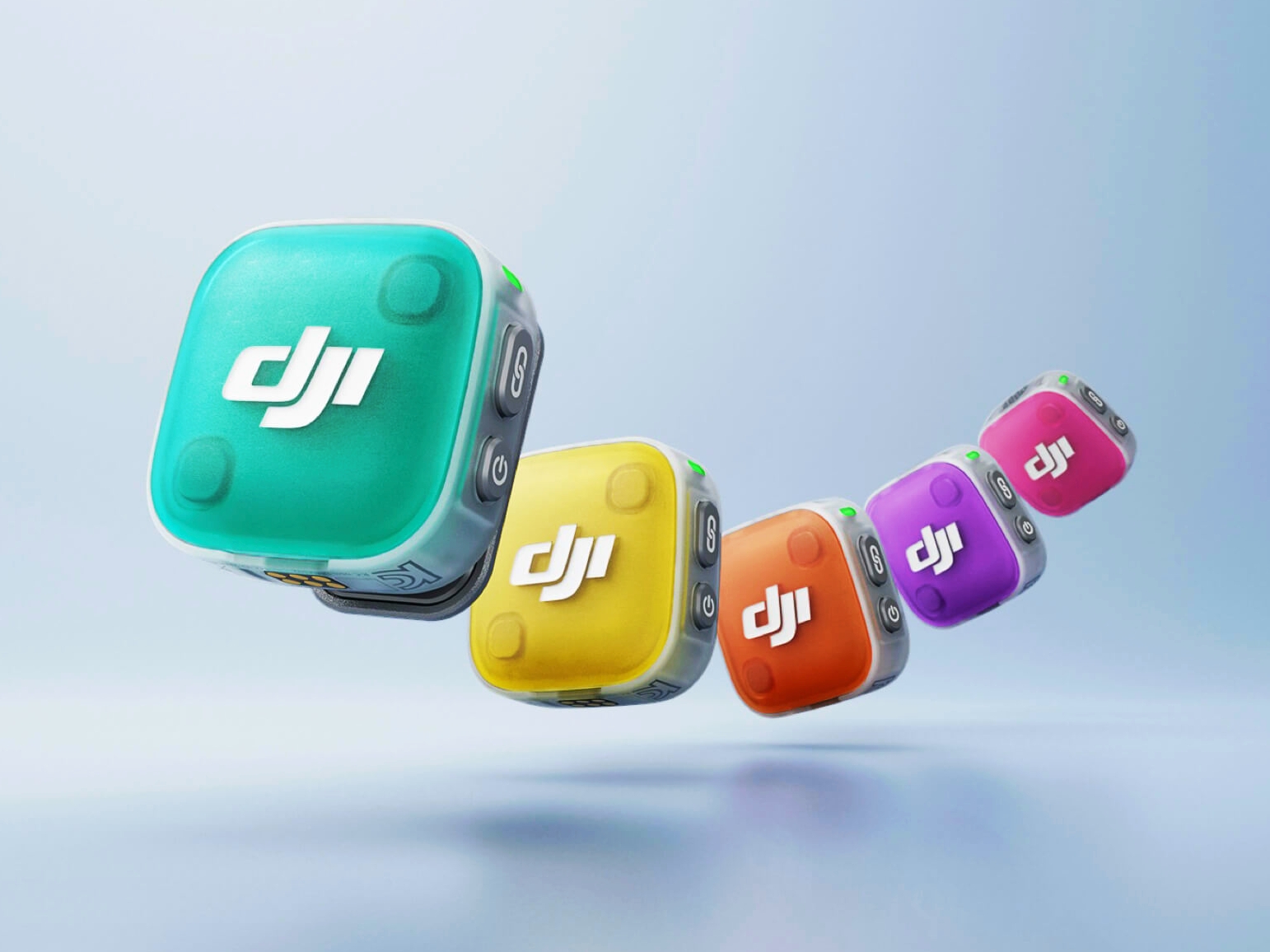
DJI Mic Mini 2 vs Mic Mini: All the differences - Mobile Version, Vocal Tone Presets, faster charging, colors

Here is your detailed specs comparison between the DJI Mic Mini 2 and the original DJI Mic Mini, highlighting upgrades like Vocal Tone Presets and faster 70-minute transmitter charging. While both the DJI Mic Mini 2 and Mic Mini maintain the ultra-lightweight button design and 400m range, the Mic Mini 2 adds customizable magnetic colorful covers. We break down the hardware shifts, including the new Mobile Charging Case.

Honor MagicPad3 Pro 12.3” announced with 165Hz OLED, SD 8 Gen 5 and 10,100mAh battery

While the Honor 600 series has been making headlines over the past few days, the brand has also expanded its tablet lineup with the brand new MagicPad3 Pro 12.3”, which was announced in China earlier today. As the name implies, this is a slightly smaller version of the MagicPad3 Pro 13.3, which was announced last year, and it comes with several spec differences. Instead of the LCD panel found on the MagicPad3 Pro 13.3”, you get a 12.3” OLED with 3,000x1,920px resolution, an adaptive 60-165Hz refresh rate and a 15.6:10 aspect ratio. The display is rated at 3,000 nits peak local...

Nothing’s Essential Voice brings AI translation and 100+ language support, check eligible phones

Essential Voice

Nothing has unveiled a new AI-driven feature called Essential Voice for its smartphones, aiming to improve the overall voice typing experience. The update focuses on making dictated text cleaner and easier to read while also adding translation and smart shortcut features. The company has also confirmed the first batch of devices that will receive the feature.

Essential Voice aims to improve voice typing

Essential Voice
Essential Voice

Essential Voice is designed to go beyond regular speech-to-text tools that often capture pauses, repeated words, and unnecessary fillers. Instead of converting speech exactly as spoken, the system refines sentences in real time to produce more polished text for messages, emails, and quick notes. The feature can be activated through the keyboard or the dedicated Essential Key available on supported Nothing smartphones.

The company says the tool supports more than 100 languages with automatic language detection. Users can also ask the system to instantly translate dictated text into another language while speaking. Another addition is the ability to create personalized shortcuts for commonly used phrases, names, or addresses. For example, saying the name of a favorite restaurant can automatically insert its saved address into the text.

At present, Essential Voice is available for devices like Nothing Phone (3) and Phone (4a) Pro. It will also arrive for Phone (4a) by early May.

Nothing has also stated that future updates will introduce context-aware suggestions so the feature can adapt depending on whether a user is typing a message, writing a work email, or performing a search.

The company added that audio recordings are encrypted during processing and are not stored permanently on its servers after the text is generated. This approach is aimed at addressing privacy concerns linked to cloud-based voice processing systems.

For more daily updates, please visit our News Section.

Stay ahead in tech! Join our Telegram community and sign up for our daily newsletter of top stories! 💡

The post Nothing’s Essential Voice brings AI translation and 100+ language support, check eligible phones appeared first on Gizmochina.

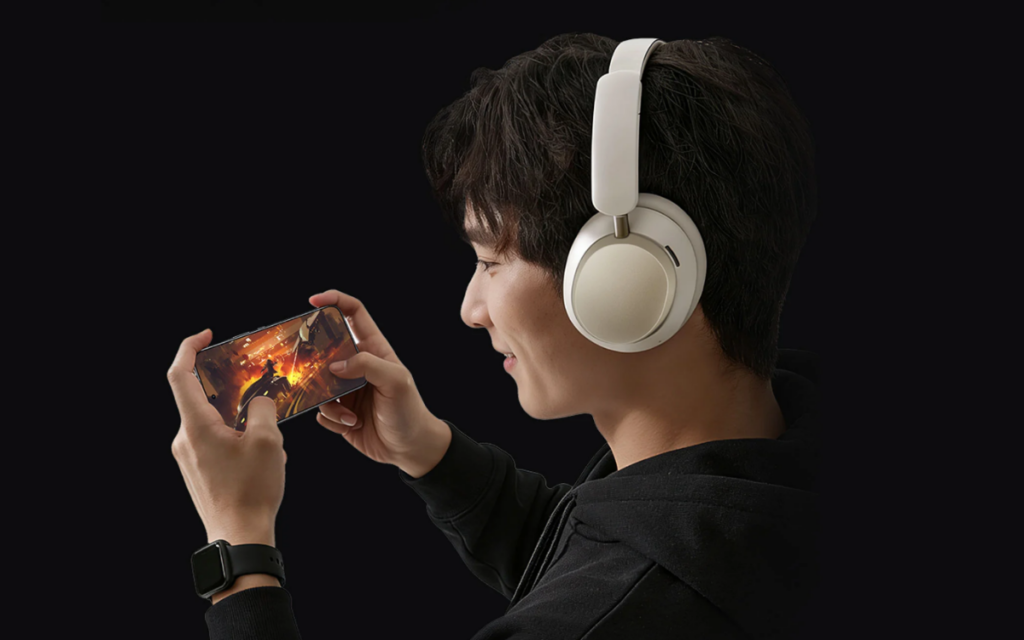
Honor Choice Codeler Headphones 2 launched with 57dB ANC, 70-hour battery life

Honor Choice Codeler Headphones 2

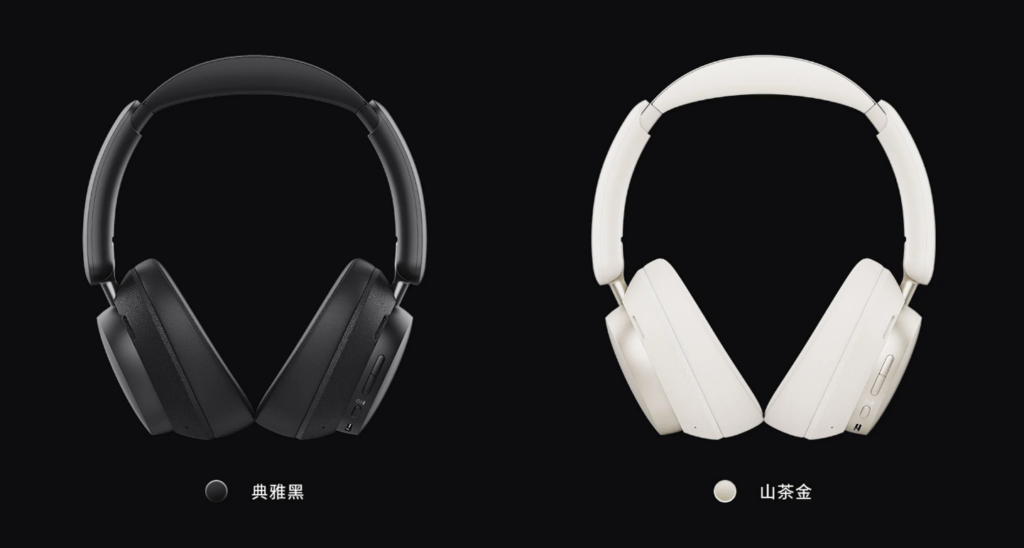
Honor has launched the Honor Choice Codeler Headphones 2 during its Win gaming laptop and ecosystem product event. The headphones are priced at 399 yuan ($58) and come in Elegant Black and Camellia Gold colors.

Honor Choice Codeler Headphones 2

Honor Choice Codeler Headphones 2 Specs

The headphones feature 40mm high-resolution drivers with neodymium magnets for enhanced bass and clear sound. These include a large acoustic rear chamber for a dynamic sound profile and are Hi-Res Audio certified in both wired and wireless modes, supporting the LDAC codec for 24-bit/96kHz audio quality.

The Codeler headphones feature active noise cancellation (ANC) that reduces noise by up to 57dB, with an average reduction of 35dB, eliminating up to 99.9% of ambient noise. These include adaptive noise cancellation, which adjusts automatically to the environment for an optimized listening experience.

Honor Choice Codeler Headphones 2

Honor has integrated 360-degree spatial audio technology with a built-in gyroscope to enable real-time head tracking and deliver a stable surround sound experience. The headphones offer static and head-tracking modes, along with multiple EQ presets like Standard, Bass Boost, and Treble Boost for tailored sound customization.

In terms of comfort and durability, Honor designed the headphones with ergonomically angled earcups and memory foam padding covered in skin-friendly protein leather. These feature a flexible metal headband, a three-dimensional rotating hinge for even pressure distribution, and a foldable design for easy portability.

The headphones provide up to 70 hours of playback without ANC, 50 hours with ANC, and 8 hours of use from a 10-minute quick charge. These include Bluetooth 6.0 for stable connections, dual-device pairing, and a 3.5mm wired option for zero-latency audio.

Honor Choice Codeler Headphones 2

The headphones also include a low-latency gaming mode that reduces audio delay by up to 60%, a triple-microphone system for clear calls with noise cancellation, and easy-to-use physical button controls.

In related news, Soundcore Space 2 arrives with LDAC support, active noise cancellation, and extended battery life at a $129 price point, while Tozo Open X2 Pro debuts as open-ear earbuds featuring 15.4mm drivers, an LCD-equipped charging case, and up to 36 hours of total playback.

For more daily updates, please visit our News Section.

Stay ahead in tech! Join our Telegram community and sign up for our daily newsletter of top stories! 💡

(Honor)

The post Honor Choice Codeler Headphones 2 launched with 57dB ANC, 70-hour battery life appeared first on Gizmochina.

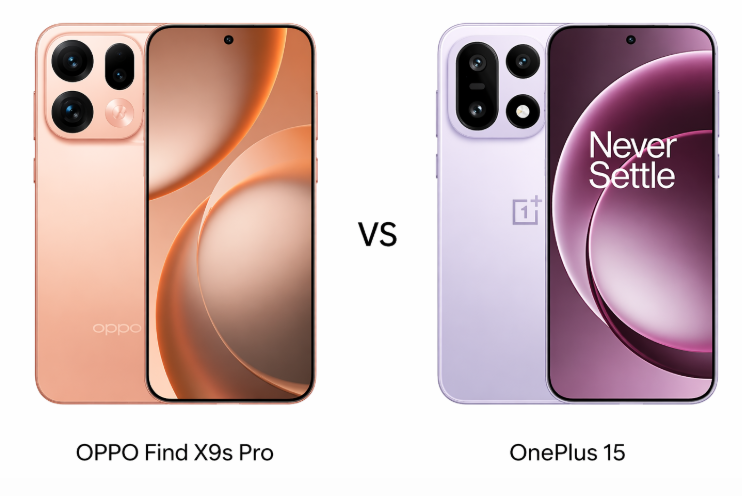
Oppo Find X9s Pro vs OnePlus 15 – Complete Specs Comparison

oppo vs oneplus

Not all flagship phones feel the same, even when they promise similar power. The Oppo Find X9s Pro and OnePlus 15 take two very different paths: one leans into camera strength and balance, while the other goes all-in on speed and performance. That contrast makes this comparison far more interesting than it looks on paper.

Major Features:

FeatureOppo Find X9s ProOnePlus 15Winner
Display6.32″ LTPO AMOLED, 144Hz, 1216×26406.78″ LTPO AMOLED, 165Hz, 1272×2772, Dolby VisionOnePlus 15 – Higher refresh rate + better HDR
ChipsetDimensity 9500 (3nm)Snapdragon 8 Elite Gen 5 (3nm)OnePlus 15 – More powerful flagship chip
GPUImmortalis-G925Adreno 840OnePlus 15 – Stronger GPU performance
RAM & StorageUp to 16GB + 1TB (UFS 4.1)Up to 16GB + 1TB (UFS 4.1)Tie – Same configuration
Main Camera200MP + 200MP (tele) + 50MP UW50MP + 50MP (periscope) + 50MP UWOppo – Higher resolution sensors
Zoom2.8x optical3.5x periscope opticalOnePlus 15 – Better optical zoom
Selfie Camera32MP32MP (with AF)OnePlus 15 – Autofocus advantage
Video8K, Dolby Vision8K, Dolby Vision, LUTOnePlus 15 – More video features
Battery7025mAh7300mAhOnePlus 15 – Larger battery
Charging (Wired)80W120WOnePlus 15 – Much faster charging
Wireless Charging50W50WTie – Same speed
Reverse ChargingNot mentionedYes (wireless + wired)OnePlus 15 – More versatile
Build & ProtectionIP66/IP68/IP69IP68/IP69 + Gorilla Glass Victus 2OnePlus 15 – Better protection
ConnectivityWi-Fi 7, Bluetooth 6.1Wi-Fi 7, Bluetooth 6.0Oppo – Newer Bluetooth version
SensorsUltrasonic FP, full setUltrasonic FP, UAV gyro, moreOnePlus 15 – More advanced sensors
Price₹60,000 (~$730)₹73,000 (~$800)Oppo – Better value
Disclaimer: Specs are based on available data. Actual performance may vary. Verify details from official sources before buying.

Design and Display

Build and Feel

Oppo Find X9s Pro leans toward a compact, premium feel with strong durability thanks to full IP66/IP68/IP69 protection. It feels more refined for users who prefer a smaller flagship without compromising toughness. The OnePlus 15, on the other hand, goes bigger and more aggressive with materials like Gorilla Glass Victus 2 and advanced frame treatment. It feels more industrial and slightly more premium in hand, especially with its attention to finish. The Oppo feels cleaner and more minimal, while the OnePlus feels bold and performance-focused.

Display Quality

Both phones use LTPO AMOLED panels with 1B colors and similar peak brightness, but the OnePlus 15 pushes ahead with a 165Hz refresh rate and richer HDR support including Dolby Vision. The Oppo’s 144Hz panel still feels extremely smooth and slightly sharper, making it more balanced for everyday use. The OnePlus display feels more dynamic and media-focused.

Verdict

OnePlus 15 wins for display richness and fluidity, while the Oppo Find X9s Pro feels more compact and refined.

Specifications Including Battery

Performance

Oppo Find X9s Pro runs on the Dimensity 9500, delivering flagship-level efficiency and strong sustained performance. It feels stable and optimized, especially for long sessions. The OnePlus 15 uses the Snapdragon 8 Elite Gen 5, which is clearly more powerful on paper and in peak performance scenarios. Gaming and heavy workloads feel faster and more aggressive on the OnePlus, while the Oppo prioritizes consistency over raw power.

Battery and Charging

The Oppo packs a 7025mAh battery with 80W wired and 50W wireless charging, offering excellent endurance. The OnePlus 15 steps further with a 7300mAh battery and significantly faster 120W charging, along with reverse and bypass charging. The OnePlus feels more future-ready, especially for power users who value charging speed.

Verdict

OnePlus 15 wins with stronger performance and faster charging, though Oppo holds its ground with efficiency and balance.

Camera

Main and Secondary Lenses

The Oppo Find X9s Pro stands out with its dual 200MP setup, delivering extremely high detail and strong versatility with Hasselblad tuning. It feels more photography-focused, especially for users who like rich colors and high-resolution shots. The OnePlus 15 uses a triple 50MP system with a periscope zoom, offering more consistency and better zoom flexibility. The OnePlus feels more balanced overall, while the Oppo pushes for maximum detail and imaging character.

Selfie Camera

Both devices feature 32MP selfie cameras with 4K video support. The OnePlus adds autofocus, making it more reliable for sharper selfies and video calls. The Oppo still delivers solid results but feels slightly less advanced in this area.

Verdict

Oppo Find X9s Pro wins for raw detail and photography style, while the OnePlus 15 offers a more versatile and consistent camera system.

Pricing

The Oppo Find X9s Pro is priced at around ₹60,000, while the OnePlus 15 comes in higher at approximately ₹73,000. The price gap is noticeable and positions the Oppo as a more aggressive value flagship. OnePlus justifies its higher price with stronger performance, better display features, and faster charging technology.

Is the Price Justified?

The Oppo feels like a smarter buy for users who want flagship cameras and battery without overspending. It delivers a premium experience at a more accessible price. The OnePlus, however, targets users who want cutting-edge performance and features, making the extra cost feel justified for power users.

Verdict

The Oppo Find X9s Pro wins on value, while the OnePlus 15 justifies its price with top-tier specs.

Disclaimer:
Prices are approximate and may vary based on country, region, and applicable taxes.

Conclusion

The Oppo Find X9s Pro stands out with its dual 200MP camera system, compact flagship design, and strong durability ratings. It feels tailored for users who want high-end photography in a refined form factor. The OnePlus 15 focuses on performance leadership, ultra-fast charging, advanced display tech, and a more versatile camera system with periscope zoom. It feels built for enthusiasts who prioritize power and cutting-edge features.

Verdict

The Oppo Find X9s Pro is the better choice for value, camera detail, and compact usability. The OnePlus 15 is the stronger overall flagship with superior performance, charging, and display. The better pick depends on whether efficiency and value or power and features matter more.

Disclaimer: This comparison is based on currently available specifications and pre-release information. It is intended for informational purposes only and may not reflect final real-world performance or commercial versions of the devices.

Read More:

The post Oppo Find X9s Pro vs OnePlus 15 – Complete Specs Comparison appeared first on Gizmochina.

Honor MagicPad 3 Pro 12.3″ launches with 165Hz OLED display, hits 3,000 nits peak brightness

Honor has officially introduced a compact version of the 13.3″ MagicPad 3 Pro, which debuted in China back in October last year. The idea here is pretty clear: you lose some screen size, but you get a much better panel and a more manageable form factor. Depending on what you care about, that might be a trade worth making.

The display is the highlight here. The 13.3-inch model uses an IPS panel with up to 1,100 nits of brightness. This one switches to a 165Hz OLED panel that can go up to 3,000 nits. That’s a big jump. You also get the usual OLED advantages like deeper blacks and better contrast. Bezels are slim at 3.9mm, and there’s 5,280Hz PWM dimming for more comfortable viewing over long sessions. Overall, this is clearly the better screen.

Performance is still in flagship territory. The tablet runs on the Snapdragon 8 Gen 5, which sits just below the Snapdragon 8 Elite Gen 5 used in the larger version. On paper, it’s a step down, but the difference will show up only in heavier tasks like gaming or complex video editing. For everyday use like streaming, the improved display easily makes up for the slightly lower compute, if that’s not your priority. Gaming features like super-resolution are still part of the package.

The size reduction also makes a difference in hand. At 4.8mm thick and 450 grams, it’s noticeably slimmer and lighter than the 13.3-inch model, which comes in at 5.8mm and 595 grams. Although one downside of that is a smaller battery. Capacity drops from 12,450mAh to 10,100mAh. Still decent, but something heavy users might want to keep in mind.

Honor is also leaning into productivity here. There’s a PC mode, support for external displays, and a keyboard folio accessory is on the way.

Pricing and availability:

The MagicPad 3 Pro 12.3″ is already available for purchase in China. Pricing starts at CNY 3,999 (equivalent to $585) for the 8GB and 256GB version, going up to CNY 5,699 for the 16GB and 512GB model.

Just like the 13.3″ version, there’s no word on global availability yet. That’s likely because the MagicPad 4 is already available globally with MagicOS 10 and offers nearly identical hardware to the MagicPad 3 Pro 12.3″. Interested users can check out our review of the device for a closer look.

Don’t miss a thing! Join our Telegram community for instant updates and grab our free daily newsletter for the best tech stories!

For more daily updates, please visit our News Section.

(Honor)

The post Honor MagicPad 3 Pro 12.3″ launches with 165Hz OLED display, hits 3,000 nits peak brightness appeared first on Gizmochina.

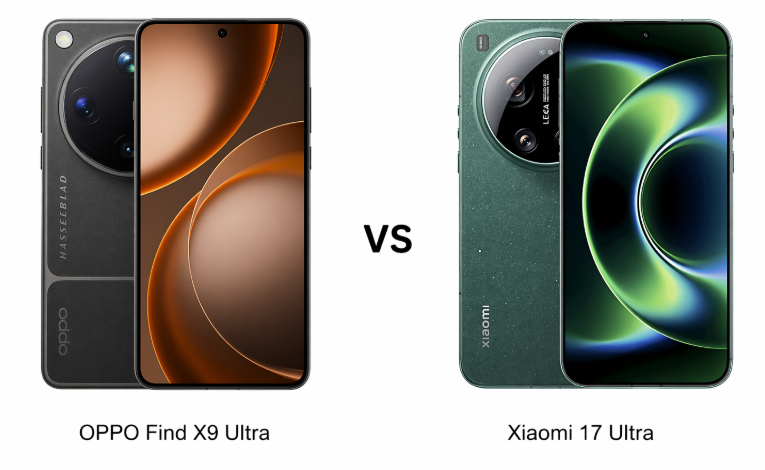
Oppo Find X9 Ultra vs Xiaomi 17 Ultra: Which One Actually Wins?

OPPO vs Xiaomi

This comparison matters because both phones target flagship buyers who want top-tier cameras, powerful performance, and premium design. While they share the same chipset, their approach to display, battery, and imaging is very different. Choosing between them isn’t about specs alone; it’s about which experience feels more refined for daily use and long-term value.

Major Features:

FeatureOppo Find X9 UltraXiaomi 17 UltraWinner
Build & DurabilityGorilla Glass Victus 2, IP68/IP69Aerospace-grade material, IP68/IP69 (deeper water resistance)Xiaomi 17 Ultra – stronger durability + better water resistance
Display Quality6.82″ LTPO AMOLED, 144Hz, 1440p, 3600 nits peak6.9″ LTPO AMOLED, 120Hz, 1200p, 3500 nits peak, richer colorsOppo Find X9 Ultra – sharper + smoother 144Hz
Brightness & Colors1B colors, very bright68B colors, slightly higher real-world brightnessXiaomi 17 Ultra – richer colors + better brightness tuning
PerformanceSnapdragon 8 Elite Gen 5, up to 16GB RAMSame chipset, up to 16GB RAMTie – identical hardware
Software ExperienceColorOS 16 (clean, stable)HyperOS 3 (fast, feature-rich)Oppo Find X9 Ultra – more consistent optimization
Battery Capacity7050 mAh6000 mAhOppo Find X9 Ultra – significantly bigger battery
Charging100W wired, 50W wireless90W wired, 50W wirelessOppo Find X9 Ultra – faster wired charging
Main Camera200MP large sensor50MP 1-inch sensor (Leica)Xiaomi 17 Ultra – better natural image quality
Zoom CamerasDual periscope (3x + 10x)Single periscope with continuous zoomOppo Find X9 Ultra – more versatile zoom range
Ultrawide50MP50MPTie – similar capability
Selfie Camera50MP50MP (AF, better tuning)Xiaomi 17 Ultra – more natural output
Video Recording8K, Dolby Vision, O-Log2, LUT support8K, Dolby Vision, higher slow-mo optionsOppo Find X9 Ultra – more pro video tools
Storage OptionsStarts from 256GBStarts from 512GBXiaomi 17 Ultra – higher base storage
Price~$1100 / ₹103,000~$1300 / ₹130,000Oppo Find X9 Ultra – better value
Disclaimer: Specs are based on available data. Actual performance may vary. Verify details from official sources before buying.

Design and Display 

Build and Feel

Both phones deliver a premium in-hand experience with glass or eco-leather finishes and strong durability ratings. The Oppo Find X9 Ultra leans toward a more classic flagship feel with Gorilla Glass protection and a balanced design. The Xiaomi 17 Ultra, however, feels slightly more futuristic with aerospace-grade materials and deeper water resistance. Xiaomi’s approach feels more experimental, while Oppo plays it safe but refined.

Display Quality

Oppo focuses on sharpness and fluidity with a high-resolution LTPO panel and 144Hz refresh rate, making scrolling and gaming exceptionally smooth. Xiaomi counters with a larger panel, richer color depth, and extremely high brightness levels. While Oppo looks crisper, Xiaomi’s display feels more immersive and vibrant in real-world usage.

Verdict

Oppo wins for sharpness and smoothness, while Xiaomi stands out for brightness and immersion. The better choice depends on whether clarity or visual punch matters more.

Specifications Including Battery

Performance

Both devices run the same Snapdragon 8 Elite Gen 5 chip, delivering flagship-level speed across gaming, multitasking, and AI tasks. Performance differences are minimal in raw power, but optimization plays a role. Oppo’s ColorOS tends to feel slightly more stable and polished, while Xiaomi’s HyperOS feels faster but occasionally more aggressive in behavior. Both are top-tier, but Oppo feels a bit more consistent under heavy use.

Battery and Charging

Oppo clearly leads in battery capacity with a massive unit paired with fast wired and wireless charging. It feels built for endurance users who want fewer charging cycles. Xiaomi, while smaller in capacity, balances it with efficient optimization and still fast charging speeds. However, Oppo’s setup gives more confidence for long days or power users.

Verdict

Performance is nearly identical, but Oppo takes the edge with better battery reliability and slightly more polished optimization.

Camera 

Main and Secondary Lenses

Oppo goes aggressive with a quad-camera setup, including dual high-resolution telephoto lenses that provide strong versatility across zoom ranges. It feels like a system designed for flexibility and experimentation. Xiaomi, on the other hand, focuses on sensor quality with a large 1-inch main sensor and Leica tuning, delivering more natural depth and consistent image quality. Oppo offers more zoom flexibility, while Xiaomi prioritizes realism and balance.

Selfie Camera

Both devices feature high-resolution selfie cameras with autofocus, delivering sharp and detailed results. Xiaomi’s tuning tends to be slightly more natural, while Oppo leans toward a polished, social-ready look.

Verdict

Oppo is better for zoom and versatility, while Xiaomi wins in overall image consistency and natural photography. Xiaomi feels more reliable, Oppo feels more ambitious.

Pricing 

The Oppo Find X9 Ultra is priced at around $1100 (₹103,000), while the Xiaomi 17 Ultra comes in higher at approximately $1300 (₹130,000). This creates a noticeable gap, especially considering both share the same core performance hardware.

Is the Price Justified?

Oppo delivers strong value by offering a larger battery, faster refresh rate display, and an advanced multi-lens camera system at a lower price. It feels like a flagship that tries to overdeliver. Xiaomi justifies its higher price through premium camera hardware, brighter display, and a more refined imaging experience. However, the price jump may feel steep unless camera quality is the top priority.

Verdict

Oppo offers better overall value for money, while Xiaomi positions itself as a premium choice for users willing to pay extra for camera excellence.

Disclaimer:
Prices are approximate and may vary based on country, region, and applicable taxes.

Conclusion 

Oppo Find X9 Ultra stands out with its massive battery, ultra-smooth display, and versatile quad-camera system. It feels like a power-packed flagship designed for heavy users. Xiaomi 17 Ultra differentiates itself with a 1-inch sensor, Leica optics, and a brighter, more immersive display. It leans toward users who prioritize photography and visual experience over raw endurance.

Verdict

Oppo Find X9 Ultra is the smarter pick for most users, offering better value, longer battery life, and a well-rounded flagship experience. Xiaomi 17 Ultra, however, is the better choice for photography enthusiasts and those who want a more premium visual experience. The final decision comes down to priorities, practical power versus refined imaging.

Disclaimer: This comparison is based on the specifications provided and is intended for general informational purposes. Actual performance, camera results, battery life, and overall experience may vary depending on real-world usage, software updates, and individual preferences.

Read More:

The post Oppo Find X9 Ultra vs Xiaomi 17 Ultra: Which One Actually Wins? appeared first on Gizmochina.

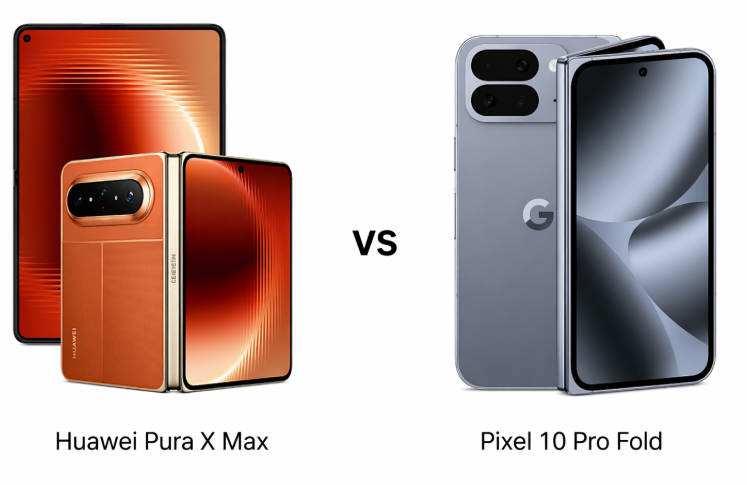
Huawei Pura X Max vs Pixel 10 Pro Fold: Which Foldable Wins Big?

Huawei Vs Google

Foldables are no longer just about bending screens; they’re now a clash of ecosystems, performance philosophies, and real-world usability. The Huawei Pura X Max and Google Pixel 10 Pro Fold represent two very different takes on what a premium foldable should be. One pushes hardware boundaries with bold features and fast charging, while the other leans into AI, software longevity, and a polished everyday experience. This comparison matters for buyers deciding between raw innovation and refined consistency in the ultra-premium segment.

Major Features:

FeatureHuawei Pura X MaxGoogle Pixel 10 Pro FoldWinner
Display (Main)7.7″ LTPO2 OLED, 120Hz, HDR Vivid8.0″ LTPO OLED, 120Hz, HDR10+, up to 3000 nitsPixel – brighter & larger
Cover Display5.4″ LTPO2 OLED, 120Hz6.4″ OLED, 120Hz, very brightPixel – more usable outer screen
Build QualityKunlun Glass 2, IP58/IP59, stylus supportGorilla Glass Victus 2, IP68Pixel – better durability rating
ChipsetKirin 9030 Pro (6nm)Tensor G5 (3nm)Pixel – newer & more efficient
RAM & StorageUp to 16GB / 1TB16GB / up to 1TBTie – similar high-end configs
SoftwareHarmonyOS 6.1Android 16, 7 years updatesPixel – long-term support
Main Camera50MP variable aperture48MPHuawei – more versatile sensor
Telephoto50MP, 3.5x zoom10.8MP, 5x zoomPixel – longer optical zoom
Ultrawide12.5MP AF10.5MP AFHuawei – higher resolution
Selfie Camera8MP (inner + cover)10MP (inner + cover, PDAF)Pixel – sharper & better AF
Video4K, HDR Vivid4K up to 60fps, 10-bit HDRPixel – more advanced video
Battery5300 mAh5015 mAhHuawei – slightly larger
Charging (Wired)66W30WHuawei – much faster
Wireless Charging50W + reverse15W (Qi2)Huawei – far superior speeds
ConnectivityWi-Fi 7, BT 6.0, IR blasterWi-Fi 7, BT 6.0, UWB, Satellite SOSPixel – more advanced features
ExtrasStylus, IR blasterUWB, Satellite SOS, AI featuresPixel – more modern ecosystem
Price~$1600 / ₹150,000~$1800 / ₹160,000Huawei – better value
Disclaimer: Specs are based on available data. Actual performance may vary. Verify details from official sources before buying.

Design and Display

Build and Feel

Huawei Pura X Max leans into a premium, almost experimental design language with Kunlun Glass 2 and stylus support, adding versatility. It feels engineered for durability while still maintaining a refined foldable aesthetic. The Pixel 10 Pro Fold, on the other hand, prioritizes practicality with Gorilla Glass Victus 2 and a more conventional foldable finish. It comes across as more predictable but also more polished for everyday usability. Huawei’s approach feels bold and slightly more futuristic, while Google’s feels safer and more mature.

Display Quality

Huawei offers a sharp LTPO2 OLED panel with strong color depth and PWM dimming that may appeal to long usage comfort. The Pixel counters with higher brightness levels, HDR10+, and a larger inner display that feels more immersive for media and multitasking. Google’s display tuning tends to look more natural, while Huawei’s feels more vibrant.

Verdict

The Pixel 10 Pro Fold edges ahead for display brightness and overall usability, but the Pura X Max stands out for innovation and visual punch.

Specifications Including Battery

Performance

Huawei’s Kirin 9030 Pro delivers stable performance for daily tasks and multitasking, but it lacks the cutting-edge efficiency of newer architectures. The Pixel 10 Pro Fold’s Tensor G5, built on a 3nm process, brings stronger AI performance and better long-term optimization. It feels more future-ready, especially with extended Android update support. Huawei remains smooth, but Google’s chip feels more refined under sustained workloads.

Battery and Charging

Huawei clearly dominates charging with faster wired and wireless speeds, plus reverse charging flexibility. The larger battery also adds a slight endurance advantage. The Pixel focuses more on efficiency and features like bypass charging, but its slower charging speeds feel conservative in comparison. Huawei’s approach feels more convenient in daily life, especially for quick top-ups.

Verdict

The Pixel 10 Pro Fold wins on performance and longevity, while the Pura X Max takes a clear lead in charging and battery convenience.

Camera

Main and Secondary Lenses

Huawei brings a versatile camera system with a variable aperture main sensor and a strong periscope zoom. It excels in flexibility and creative shooting scenarios. The Pixel, however, focuses on computational photography, delivering consistent results with features like Ultra-HDR and AI enhancements. Google’s images tend to look more balanced and reliable, while Huawei’s can feel more dynamic and experimental.

Selfie Camera

The Pixel offers sharper and more capable selfie cameras with autofocus and better video features. Huawei’s selfie setup is decent but feels more basic in comparison. Google’s consistency across both inner and cover cameras gives it an edge for content creators.

Verdict

The Pixel 10 Pro Fold is more dependable overall, but the Pura X Max appeals to those who prefer hardware versatility and zoom flexibility.

Pricing

The Huawei Pura X Max is priced around $1600 (₹150,000), while the Pixel 10 Pro Fold sits higher at $1800 (₹160,000). The price gap is noticeable but not extreme in the premium foldable segment. Huawei positions itself as the more aggressive value option, offering faster charging, strong cameras, and premium materials at a slightly lower cost.

Google justifies its higher price with longer software support, better AI integration, and a more polished ecosystem. The Pixel feels like a safer long-term investment, especially for users who value updates and consistent performance. Huawei, however, delivers more hardware-focused value, which may feel more immediately rewarding.

Verdict

The Pura X Max offers better upfront value, while the Pixel 10 Pro Fold justifies its price through longevity and software advantages.

Disclaimer:
Prices are approximate and may vary based on country, region, and applicable taxes.

Conclusion

Huawei stands out with stylus support, ultra-fast charging, and a more experimental hardware approach. It feels designed for users who want flexibility and standout features. The Pixel 10 Pro Fold focuses on AI capabilities, clean software, satellite features, and long-term updates, making it more ecosystem-driven. Google’s approach feels more cohesive, while Huawei’s feels more feature-packed.

Verdict

The Pixel 10 Pro Fold is the better all-rounder with stronger software, performance, and camera consistency. However, the Huawei Pura X Max is a compelling alternative for those who prioritize charging speed, hardware innovation, and value.

Disclaimer: This comparison is based on the specifications provided and is intended for general informational purposes. Actual performance, camera results, battery life, and overall experience may vary depending on real-world usage, software updates, and individual preferences.

Read More:

The post Huawei Pura X Max vs Pixel 10 Pro Fold: Which Foldable Wins Big? appeared first on Gizmochina.

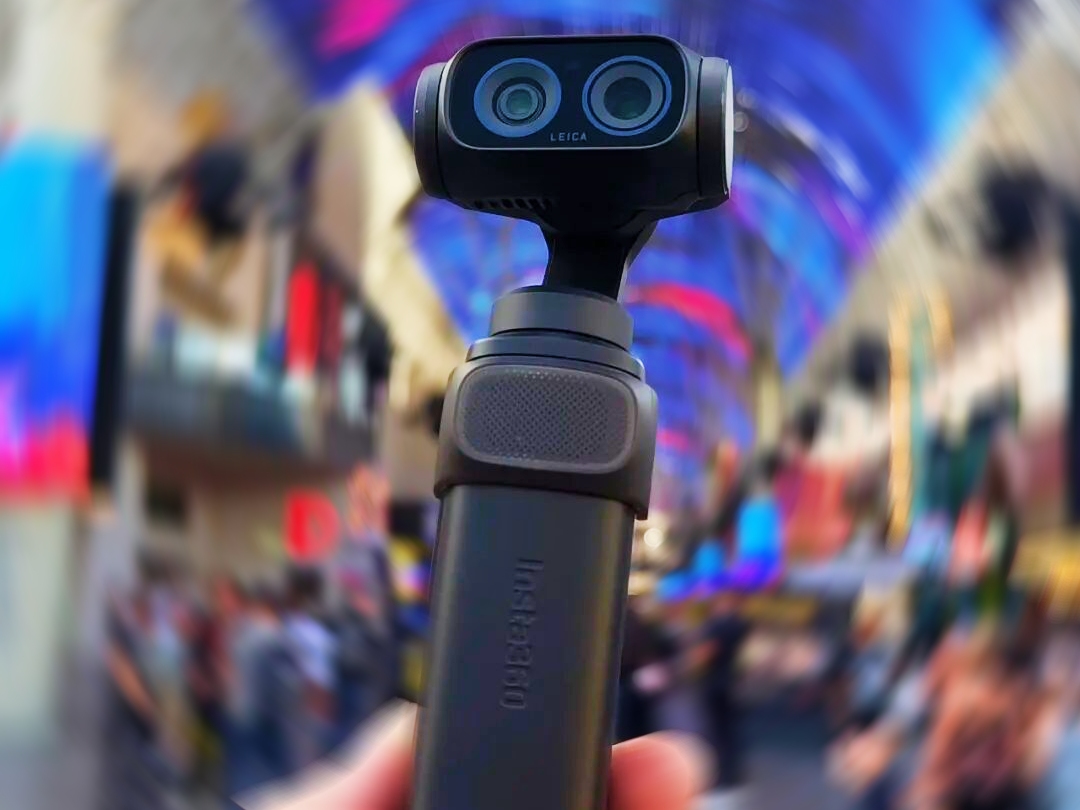
Insta360 Luna Ultra leak hints at a modular rival to DJI’s Osmo Pocket 4

DJI has dominated the compact gimbal camera space for years. To the point where the category almost feels tied to the brand itself. But that position might finally be facing some real competition, and a short leaked clip is giving us a better idea of what Insta360 has been working on.

A teaser video that’s been floating around on social media shows what appears to be the Insta360 Luna Ultra. It’s not clear where the footage originally came from, or whether this is part of an official teaser. Still, what’s shown lines up closely with earlier leaks, so it’s hard to ignore.

The biggest takeaway here is the design. The Luna Ultra uses a modular setup with a detachable gimbal head. Unlike the Osmo Pocket 4, which sticks to a single, fixed body, this one splits into two parts. The camera module can be separated from the handle, which then acts as a controller.

That opens up some interesting possibilities. You could mount the camera in tighter or more awkward spots while controlling it from a distance. For creators who shoot in less predictable environments, that kind of flexibility could actually make a difference.

This isn’t coming out of nowhere either. Insta360 already previewed the Luna Ultra at NAB 2026, where it drew a fair bit of attention. The lineup is expected to include two versions, the dual-camera Luna Ultra and the single-camera Luna Pro. Current timelines point to a June 2026 launch, though there are hints it could arrive a bit sooner.

Alongside that, Insta360 is also set to introduce the Insta360 Mic Pro, suggesting a broader push to build out a more complete ecosystem around its cameras.

DJI’s Osmo Pocket 4 is still a very refined product. But if this leak is even partly accurate, Insta360 might be approaching the category from a slightly different angle. And that alone makes things interesting.

Don’t miss a thing! Join our Telegram community for instant updates and grab our free daily newsletter for the best tech stories!

For more daily updates, please visit our News Section.

(Source)

The post Insta360 Luna Ultra leak hints at a modular rival to DJI’s Osmo Pocket 4 appeared first on Gizmochina.

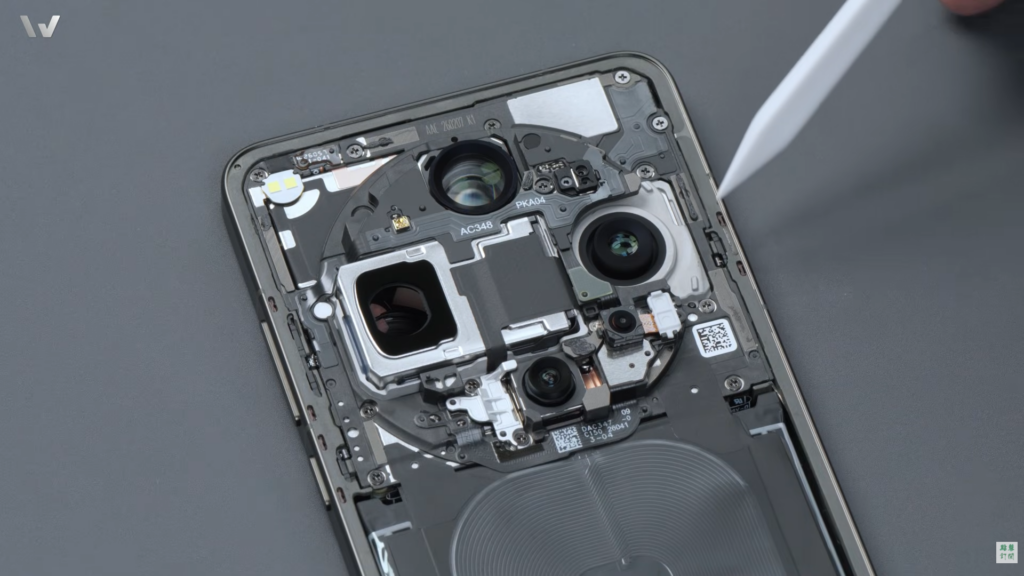
Oppo Find X9 Ultra teardown offers a closer look at the camera modules

Flagship phones are designed to impress at first glance. But what’s inside often tells a more complete story. How things are arranged, what materials are used, and how well everything comes together all matter. The Oppo Find X9 Ultra has only just been announced, and it’s already been taken apart piece by piece.

YouTube channel WekiHome has published a full teardown of the device, and as expected, it’s a detailed one. The host goes through each component carefully, explaining what’s where and why it matters. The video itself is in Chinese, but YouTube’s auto-translated captions do a decent enough job, so you can still follow most of what’s being explained.

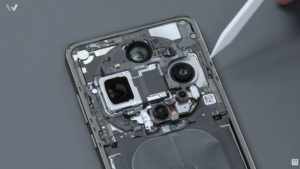
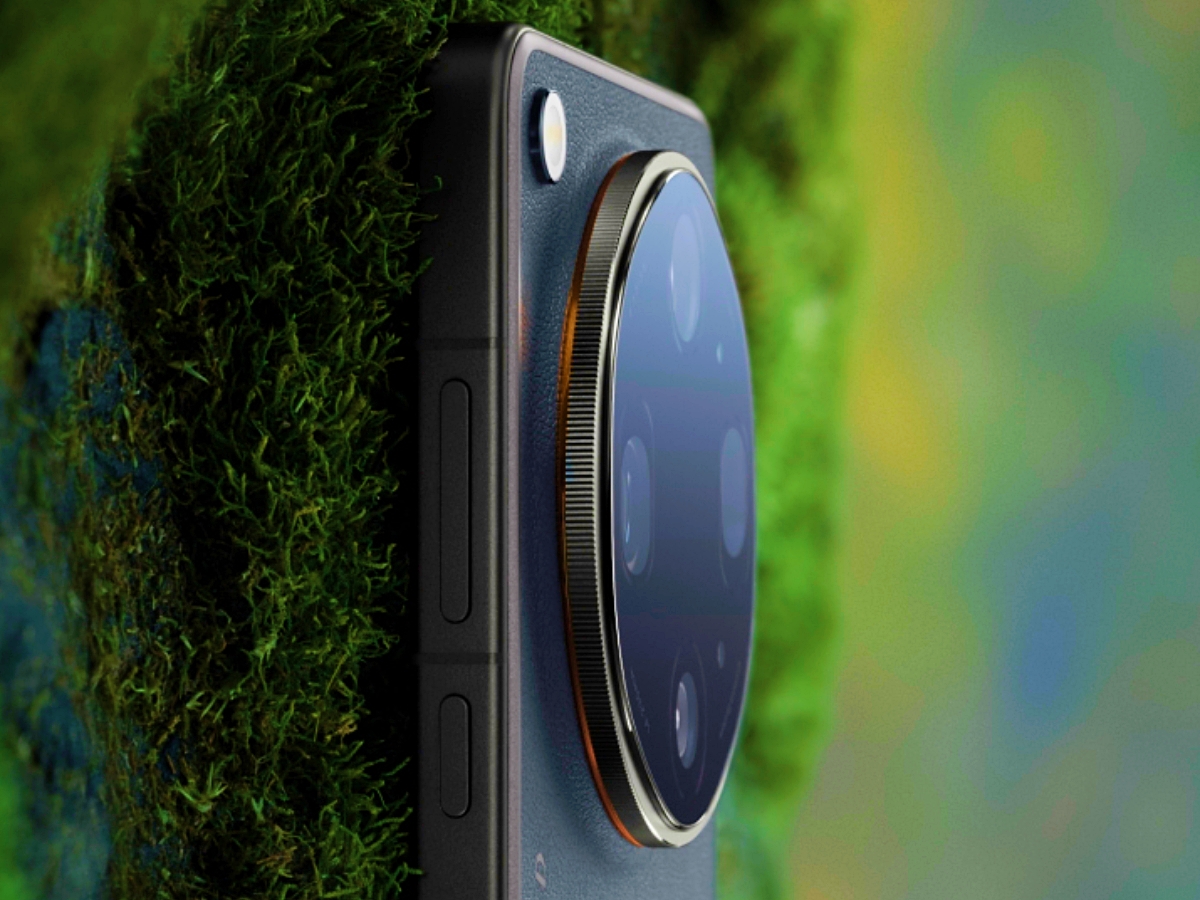
Once the eco-leather back panel is removed, the teardown offers a clearer look at the camera layout from the inside. It’s interesting to see how Oppo has managed to fit four lenses into that circular module, including two chunky periscope telephoto units (3x and 10x). The two cameras in the middle are the 3x periscope on the left and the main sensor on the right, while the 10x periscope sits at the top. The ultrawide camera at the bottom looks tiny in comparison to the rest of the hardware.

This is Oppo’s big flagship play for 2026. It’s clearly aiming at the ultra-premium segment, going up against devices like the Vivo X300 Ultra and Xiaomi 17 Ultra, both of which are heavily focused on camera performance. It also sits alongside more mainstream flagships like the iPhone 17 Pro Max, though the priorities here feel a bit more camera-first.

Teardowns like this don’t appeal to everyone, but for some people, they’re genuinely useful. You get a better sense of things like repairability, thermal design, battery placement, and overall build quality. These are details that don’t show up on a spec sheet.

If you’re considering the Find X9 Ultra, this teardown is a good companion to a full review. Between the two, you get a pretty complete picture of what the phone is actually like to live with.

Don’t miss a thing! Join our Telegram community for instant updates and grab our free daily newsletter for the best tech stories!

For more daily updates, please visit our News Section.

The post Oppo Find X9 Ultra teardown offers a closer look at the camera modules appeared first on Gizmochina.

How OnePlus Is Growing Into a Full Ecosystem Player in Just 60 Days

OnePlus Super Ice Magnetic Cooler

OnePlus has been expanding its focus beyond smartphones. In just 60 days, the company has launched or teased products in five different non-phone categories.

These include accessories like power banks, chargers, phone coolers, earbuds, a gaming controller, and a smartwatch. This shift reflects a broader strategy to build a connected ecosystem of devices, aimed at offering more than just standalone products.

OnePlus Super Ice Magnetic Cooler

The New Product Line-Up

1. 120W SuperVOOC Power Bank

OnePlus launched a rebranded version of Oppo’s 120W SuperVOOC power bank. The device includes a 15,000mAh battery with support for ultra-fast 120W charging for compatible phones. OnePlus added a cosmetic difference, offering the power bank in an Accelerated Red finish compared to Oppo’s Star Orange and Space Black options.

2. Phone Coolers

OnePlus has introduced two gaming-focused phone coolers. The Magnetic Ice Cooling Clip features a lightweight design with dual-mode cooling for silent operation and gaming performance. The Super Ice Magnetic Cooler pushes the boundaries with a TEC cooling plate, which can lower temperatures below freezing within seconds to handle resource-intensive gaming tasks.

3. Ace 6 Ultra Gaming Controller

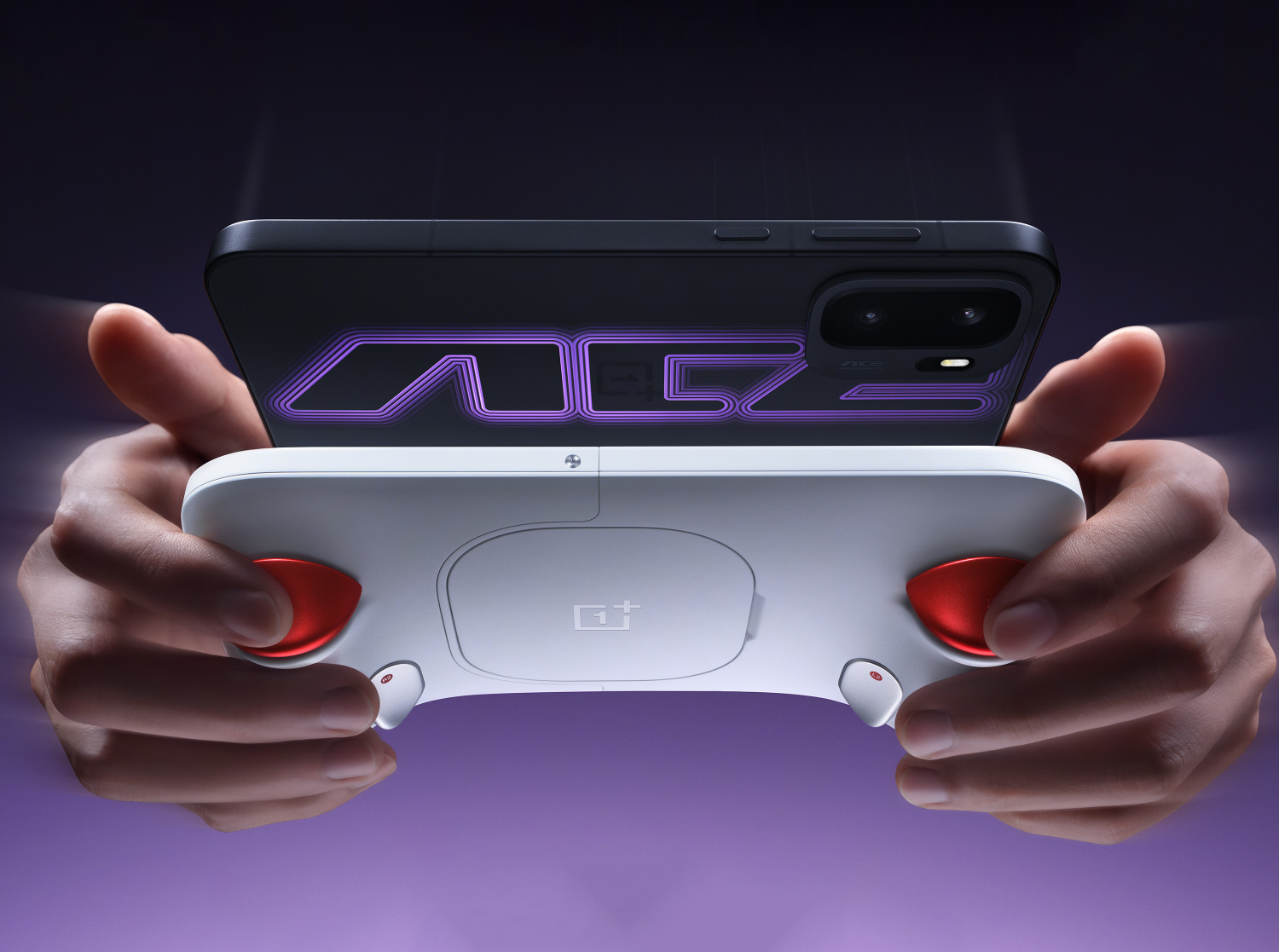
OnePlus has teased a gaming controller built for its Ace 6 Ultra smartphone. This accessory adds physical buttons to enhance precision during mobile gaming. The company claims it enables more advanced multi-finger controls with ultra-low latency for competitive gameplay.

4. OnePlus Watch 4

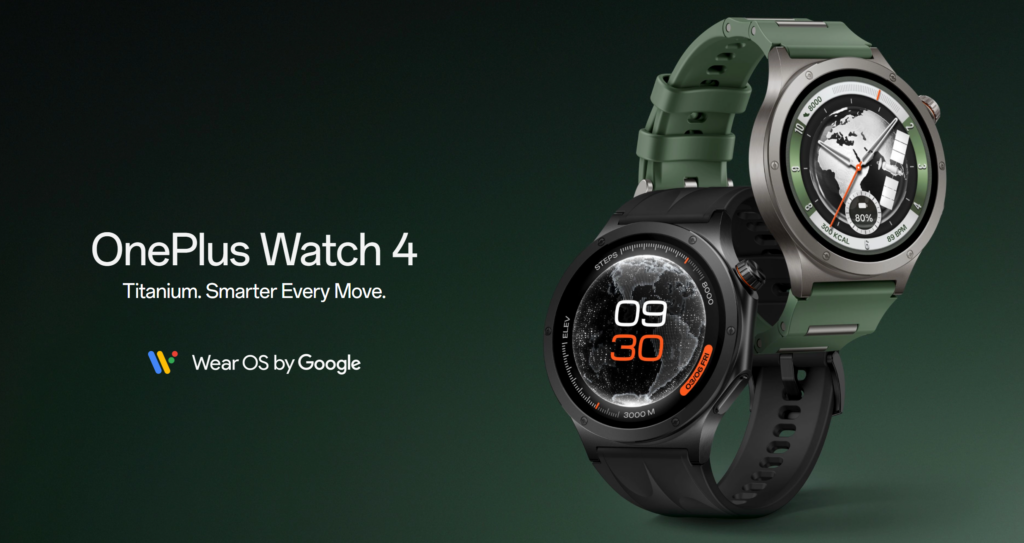
OnePlus launched its fourth-generation smartwatch, featuring a titanium alloy build, IP68 durability, and the Snapdragon W5 chip. The watch runs Wear OS 6 with OxygenOS Watch 8, offering health and fitness tracking alongside Google Assistant support. The 646mAh battery is built to last up to five days in smart mode and up to 16 days on power saver mode.

5. Nord Buds 4 Pro

OnePlus added new Nord Buds 4 Pro earbuds to its lineup. The earbuds deliver up to 55dB Active Noise Cancellation (ANC), Hi-Res audio with LHDC 5.0 codec support, and 54 hours of total playback with the case. The earbuds also support features like real-time translation when paired with select OnePlus phones.

From Phones to a Lifestyle Ecosystem

OnePlus is moving beyond smartphones by focusing on a broader range of products that complement each other. It is targeting users who value integration between devices, attempting to create a cohesive ecosystem. Recent launches suggest a strong focus on gaming, productivity, and everyday convenience.

The company is positioning these new products as essential parts of an interconnected experience rather than just accessories. Products like magnetic coolers, earbuds with translation support, and fast chargers are designed to enhance activities like gaming and multitasking. These features aim to attract tech-savvy users who prioritize performance without venturing into premium-only price brackets.

OnePlus is leveraging its close relationship with Oppo to speed up product development. The two companies share hardware development pipelines, which allows OnePlus to launch products like power banks and phone coolers faster. OnePlus has differentiated itself with unique branding and design while keeping costs accessible for its target audience.

Shifting Focus Back to Core Regions

OnePlus has shifted its focus toward major markets like China and India. Reports suggest the company is scaling back physical operations in North America and Europe while strengthening its presence online and in regions with high smartphone adoption.

The move toward ecosystems aligns well with markets where integrated solutions are more appealing than standalone products. China and India have tech-savvy customers willing to explore wearable devices, fast charging tech, and gaming accessories that improve their daily experiences. By committing to an online-first sales strategy, OnePlus lowers operational costs while targeting digital-first shoppers.

What It Means for OnePlus

OnePlus is using this new strategy to redefine itself as more than a smartphone brand. It is creating a lifestyle ecosystem that connects multiple products to enrich user experiences. This approach allows OnePlus to keep pace with competitors like Xiaomi, which is already well-known for its ecosystem products.

OnePlus is also adjusting its role within Oppo’s ecosystem. Recent reports suggest OnePlus is becoming a more focused sub-brand, prioritizing gaming-oriented devices and accessories.

The Ecosystem Race

OnePlus has positioned itself for the growing demand for interconnected devices. Xiaomi leads this race by offering affordable ecosystems, while Apple dominates the high-end with tightly integrated software and hardware. OnePlus appears to sit in the middle, providing high-performance products that are still competitively priced for both iPhones and Android.

The company wants to evolve beyond its roots as a smartphone disruptor. If successful, this approach could make OnePlus a stronger player in the market while expanding its relevance in everyday technology.

For more daily updates, please visit our News Section.

Stay ahead in tech! Join our Telegram community and sign up for our daily newsletter of top stories! 💡

The post How OnePlus Is Growing Into a Full Ecosystem Player in Just 60 Days appeared first on Gizmochina.

Redmi Note 17 Pro Max may pack 10,000mAh battery, camera, chipset details leaked

Redmi-Note-15-Pro-Plus

Recent reports have revealed that Redmi may skip the Note 16 branding for its next Note lineup. As a result, the upcoming series is expected to include multiple models, such as the Redmi Note 17, Redmi Note 17 Pro, and Redmi Note 17 Pro Max. In particular, the Pro Max variant is attracting significant attention, as it is expected to feature the largest battery ever seen on a Redmi smartphone. Recent reports have also revealed new details about its cameras and chipset.

Redmi Note 17 Pro Max key details emerge

Redmi-Note-15-Pro-Plus
Redmi Note 15 Pro+

Citing Mi Code as the source, the publication revealed that the Chinese variant of the Redmi Note 17 Pro Max will feature a new MediaTek chip with the model number MT6881. This chipset is expected to launch in the market as the Dimensity 7500. The device is likely to arrive as the successor to last year’s Redmi Note 15 Pro+, which featured the Snapdragon 7s Gen 4 chipset.

Moving to the camera department, the Redmi Note 17 Pro Max is said to feature a 200-megapixel Samsung HP5 primary camera and an 8-megapixel OmniVision OV8F10 ultra-wide sensor. Despite being positioned as the top-end model in the lineup, the device may not include a telephoto camera. For selfies, it is expected to feature a 32-megapixel Samsung S5KKDS front-facing camera.

By packing a 10,000mAh battery, the Note 17 Pro Max could become Xiaomi’s biggest battery smartphone to date. The report also claims that the global version of the phone may feature a slightly smaller 9,210mAh battery, possibly to comply with EU safety regulations. The handset is also expected to support 100W fast charging.

A recent report revealed that the Redmi Note 17 Pro Max will have house a massive 7-inch display with a flat design. While other specs of the device are under wraps, it is expected to break cover in July or August this year.

(source 1, 2)

The post Redmi Note 17 Pro Max may pack 10,000mAh battery, camera, chipset details leaked appeared first on Gizmochina.

Vivo X500, X500 Pro, X500 Pro Max display sizes seemingly revealed

While Vivo is busy expanding the global availability of the Vivo X300 Ultra and Vivo X300 FE, leaks suggest that the company is already preparing the upcoming Vivo X500 series for the Chinese market. Interestingly, reports claim the company may skip the X400 branding entirely due to the number four being considered an unlucky symbol in some Asian markets. The upcoming lineup is also expected to become the first to feature MediaTek’s next-generation Dimensity 9-series flagship chipsets.

Vivo X500 series display sizes tipped

Vivo X500 series display sizes tipped by DCS

According to a new leak shared by tipster Digital Chat Station, Vivo could introduce three different display sizes for the X500 lineup this year. The leak mentions a 6.37-inch 1.5K flat display with LTPO technology, a larger 6.85-inch 2K LTPO flat panel, and a 6.59-inch 1.5K LTPS flat display that is reportedly still under evaluation.

Likely, the LTPO panels could be reserved for the Pro models in the lineup, while the LTPS panel may appear on the standard variant. Therefore, the compact 6.37-inch screen could belong to the Vivo X500 Pro, while the larger 6.85-inch display may power the Vivo X500 Pro Max. The remaining 6.59-inch panel could potentially be used for the Vivo X500 Pro. However, the final naming strategy for the lineup has not yet been confirmed.

The Vivo X500 lineup is also expected to feature upcoming flagship chipsets from MediaTek. Reports claim that the standard Vivo X500 could be powered by the Dimensity 9600 chipset, while the Pro and Pro Max variants may arrive with the more powerful Dimensity 9600 Pro processor.

Apart from these models, Vivo is also expected to expand the lineup next year with the Vivo X500 Ultra and Vivo X500s for the Chinese market. Reports suggest that the X500 Ultra could arrive as the ultimate flagship powered by the Snapdragon 8 Elite Gen 6 Pro chipset, while the X500s may launch as an upgraded version of the standard X500 model during the first half of 2027.

For more daily updates, please visit our News Section.

Stay ahead in tech! Join our Telegram community and sign up for our daily newsletter of top stories! 💡

The post Vivo X500, X500 Pro, X500 Pro Max display sizes seemingly revealed appeared first on Gizmochina.

iPhone 18 tipped to downgrade to M12+ display used in 2023 Galaxy S23 series

If a new report is anything to go by, the base iPhone 18 might actually take a step back in one key area. According to the latest supply chain chatter, Apple could use Samsung’s M12+ OLED material for the standard iPhone 18. That’s basically a tweaked version of M12, which was used in devices like the iPhone 14 Pro and Galaxy S23 Ultra. In other words, it’s not exactly cutting-edge anymore.

Meanwhile, the Pro models are expected to move ahead with Samsung’s newer M16 material. That’s a noticeable gap. Especially when you consider that even current iPhones are already using more advanced panels than what’s now being rumored for the base iPhone 18.

This isn’t really about how the screen looks at first glance. The bigger difference with newer OLED materials tends to be efficiency — how much power the display needs to hit a certain brightness level. Newer panels are simply better at this. Older ones, not so much.

So the concern is pretty straightforward. The iPhone 18 is expected to run on Apple’s upcoming A20 chip, likely built on a 2nm process, which should improve power efficiency. But if the display is less efficient, some of those gains could get canceled out in everyday use. You might not see the battery improvements you’d expect just from the chip upgrade.

Of course, Apple could balance things out with a larger battery. That’s always an option. But then again, that’s more of a workaround than a real fix.

If this turns out to be accurate, it does raise a question: how far is Apple willing to push the gap between the standard and Pro models?

Don’t miss a thing! Join our Telegram community for instant updates and grab our free daily newsletter for the best tech stories!

For more daily updates, please visit our News Section.

(Source | Image)

The post iPhone 18 tipped to downgrade to M12+ display used in 2023 Galaxy S23 series appeared first on Gizmochina.

Honor 600 Pro vs Magic 8 Pro: Which One Deserves Your Money?

Honor 600 Pro vs Magic 8 Pro

Choosing between the Honor 600 Pro and Honor Magic 8 Pro isn’t just about specs; it’s about deciding how much “flagship” you actually need. One focuses on delivering top-tier performance and battery at a more accessible price, while the other pushes boundaries with cutting-edge hardware and premium features. For buyers torn between value and innovation, this comparison highlights where the real differences lie and which phone truly earns its price.

Major Features:

FeatureHonor 600 ProHonor Magic 8 ProWinner
BuildGlass front, aluminum frameGlass front (NanoCrystal Shield), glass-fiber back, aluminum frameMagic 8 Pro – more advanced materials
Water ResistanceIP68/IP69KIP68/IP69KTie – same rating
Display TypeAMOLED, 120Hz, HDR VividLTPO OLED, 120Hz, Dolby Vision, HDR VividMagic 8 Pro – LTPO + Dolby Vision
Peak Brightness8000 nits6000 nits600 Pro – higher peak brightness
PWM Dimming3840Hz4320HzMagic 8 Pro – better eye comfort
ChipsetSnapdragon 8 EliteSnapdragon 8 Elite Gen 5Magic 8 Pro – newer generation
CPUUp to 4.47 GHzUp to 4.6 GHzMagic 8 Pro – higher clock speed
GPUAdreno 830Adreno 840Magic 8 Pro – more powerful GPU
Storage OptionsUp to 512GB / 12GB RAMUp to 1TB / 16GB RAMMagic 8 Pro – more variants
Main Camera200MP (wide)50MP (wide, larger sensor)Magic 8 Pro – larger sensor advantage
Telephoto50MP, 3.5x200MP periscope, 3.7xMagic 8 Pro – higher resolution + periscope
Ultrawide12MP50MPMagic 8 Pro – higher resolution
Video Recording4K4K up to 120fps, 10-bitMagic 8 Pro – more advanced video
Selfie Camera50MP50MP + TOF 3DMagic 8 Pro – depth sensor
SpeakersStereo speakersLarge amplitude stereo speakersMagic 8 Pro – enhanced output
BluetoothBluetooth 6.0Bluetooth 6.0 + Auracast, ASHAMagic 8 Pro – more features
USBUSB-C 2.0USB-C 3.2, DisplayPortMagic 8 Pro – faster + video out
BiometricsOptical fingerprintUltrasonic + Face IDMagic 8 Pro – more advanced
Battery7000 mAh7100 mAhMagic 8 Pro – slightly larger
Wired Charging80W100WMagic 8 Pro – faster
Wireless Charging50W80WMagic 8 Pro – faster
Reverse Charging27W wired5W wireless + wired600 Pro – stronger reverse wired
Software SupportNot specifiedUp to 7 Android upgradesMagic 8 Pro – longer support
Price~$750 / ₹65,000~$900 / ₹90,000600 Pro – better value

Design and Display

Build and Feel

Honor 600 Pro keeps things sleek with a premium glass-and-metal construction that feels refined without being flashy. It leans toward a practical flagship design, focusing on durability with strong IP ratings and a clean finish. On the other hand, Honor Magic 8 Pro pushes a more futuristic approach with its advanced materials and reinforced structure. It feels more experimental and premium, especially with added biometric features like advanced face recognition. The difference becomes clear in daily use—the Magic 8 Pro feels like a flagship built to showcase innovation, while the 600 Pro is more understated and balanced.

Display Quality

The Honor 600 Pro delivers an impressive AMOLED panel with extremely high peak brightness and excellent color depth, making it ideal for outdoor visibility. However, the Magic 8 Pro counters with LTPO technology, Dolby Vision, and better PWM dimming, offering more refined brightness control and eye comfort. While the 600 Pro looks brighter on paper, the Magic 8 Pro feels more polished and consistent in real-world viewing.

Verdict

The Magic 8 Pro takes the edge with a more advanced display experience and a more premium, forward-looking design.

Specifications Including Battery

Performance

The Honor 600 Pro is powered by the Snapdragon 8 Elite, delivering flagship-grade performance that handles gaming, multitasking, and AI workloads with ease. It feels fast and efficient for most users. However, the Magic 8 Pro steps ahead with the newer Snapdragon 8 Elite Gen 5, bringing improved CPU and GPU architecture. This results in slightly better sustained performance and future-proofing. The difference may not always be obvious in daily use, but the Magic 8 Pro feels more prepared for long-term heavy workloads.

Battery and Charging

Battery life is a strong point for both devices, with large silicon-carbon batteries ensuring excellent endurance. The 600 Pro already impresses with its fast wired and wireless charging, easily lasting a full day and beyond. The Magic 8 Pro goes further with even faster wired charging and similarly strong wireless capabilities. It feels more aggressive in topping up quickly, which can make a noticeable difference for power users.

Verdict

Magic 8 Pro wins with better long-term performance and faster charging, though the 600 Pro remains highly competitive.

Camera

Main and Secondary Lenses

The Honor 600 Pro focuses on a high-resolution 200MP main sensor paired with a capable telephoto and ultrawide setup. It delivers sharp images with strong detail, especially in good lighting. However, the Magic 8 Pro takes a more balanced flagship approach, combining a large main sensor with a powerful 200MP periscope lens and advanced autofocus systems. The inclusion of higher-end video capabilities and better zoom flexibility gives it a clear advantage. The Magic 8 Pro feels more versatile, especially for users who rely on zoom and consistent performance across scenarios.

Selfie Camera

Both devices feature high-resolution 50MP selfie cameras, but the Magic 8 Pro adds depth sensing for better portrait accuracy and secure facial recognition. This results in more reliable edge detection and improved biometric functionality. The difference is subtle but noticeable in portraits and unlocking speed.

Verdict

Magic 8 Pro clearly leads with a more complete and versatile camera system.

Pricing

The Honor 600 Pro is priced around $750 (₹65,000), positioning it as a value-focused flagship with high-end features at a relatively accessible price. In contrast, the Honor Magic 8 Pro sits at around $900 (₹90,000), entering true premium flagship territory. The price gap is significant and immediately raises the question of value versus features.

Is the Price Justified

The 600 Pro offers excellent value, delivering flagship performance, a strong camera, and a massive battery at a lower cost. It feels like a smart choice for users who want high-end specs without stretching the budget. Meanwhile, the Magic 8 Pro justifies its higher price with next-gen performance, superior cameras, better display tech, and additional premium features. It feels more complete, but not everyone will need that extra level of refinement.

Verdict

The 600 Pro wins on value, while the Magic 8 Pro justifies its price for those wanting top-tier innovation.

Conclusion

The Honor 600 Pro stands out with its extremely bright display, massive battery, and strong overall balance, making it a practical flagship for everyday users. It focuses on delivering core features exceptionally well without overcomplicating the experience. The Magic 8 Pro, however, leans into innovation with advanced display tech, next-gen chipset, superior camera versatility, satellite features (region-specific), and enhanced biometrics. It feels like a device designed to push boundaries rather than just meet expectations.

Specs vs Real-World Value

Even though the Magic 8 Pro clearly wins on specs, the Honor 600 Pro remains the smarter choice because the real-world gap doesn’t match the price difference. Both phones already deliver flagship-level performance, strong cameras, and excellent battery life, so the upgrades on the Magic 8 Pro feel more like refinements than necessities. Spending significantly more gets better numbers on paper, but not a dramatically different everyday experience. That’s why the Magic 8 Pro is the better phone overall, while the 600 Pro offers far better value for most users

Verdict

The Honor 600 Pro is the smarter buy for value-driven users who still want flagship power. The Magic 8 Pro, however, is the better overall phone, offering a more advanced and future-ready experience for those willing to pay the premium.

Read More:

The post Honor 600 Pro vs Magic 8 Pro: Which One Deserves Your Money? appeared first on Gizmochina.

Switchable 2D–3D display could be Samsung’s next big Ultra upgrade

Galaxy-S26-Ultra-Privacy-Display

Glasses-free 3D has been attempted more than once, and it hasn’t gone well. But Samsung might finally have a solution to the problem that held it back, and the Galaxy S28 could be where it shows up first.

Galaxy-S26-Ultra-Privacy-Display

The company has been quietly working on a new approach to displays. In collaboration with POSTECH, Samsung’s Visual Technology Team recently published research in Nature describing something called a “metasurface lenticular lens”. It’s essentially a much thinner, more precise way of controlling how light reaches your eyes.

The idea itself is pretty straightforward. Instead of relying on the thick lenticular layers used in older 3D displays, this setup uses nanoscale structures to direct light more accurately. That allows the screen to switch between normal 2D and glasses-free 3D with a simple voltage change. No extra hardware, no compromise to regular viewing.

One of the biggest issues with older glasses-free 3D tech was how picky it was. You had to be in exactly the right position or the effect would break. Samsung claims its version solves that, with a viewing angle of up to 100 degrees. In theory, that means you can move around a bit or even share the screen without everything falling apart.

The layer itself is also surprisingly thin, about 1.2mm. It can sit inside existing OLED stacks without forcing major design changes. Samsung has already tested the concept on a small OLED panel using a 50×50mm prototype, so this isn’t just a lab idea anymore.

As for where this might show up, the Galaxy S28 Ultra seems like the obvious candidate. That said, it could make even more sense on book-style foldables, where the larger display could actually take advantage of the added depth in games or video.

Samsung’s own statement hints at broader plans too, mentioning possible use across phones, tablets, and other devices. So this looks more like a long-term direction rather than a one-off experiment.

If it all comes together, glasses-free 3D might finally move past the “cool but useless” phase, and actually become something people want to use.

Don’t miss a thing! Join our Telegram community for instant updates and grab our free daily newsletter for the best tech stories!

For more daily updates, please visit our News Section.

(Source)

The post Switchable 2D–3D display could be Samsung’s next big Ultra upgrade appeared first on Gizmochina.

Asus Pad leaked renders emerge, 144Hz OLD display, 9,000mAh battery tipped

Asus Pad

Asus exited the smartphone market a couple of months ago and has also remained largely inactive in the tablet segment in recent years. However, it appears that the Taiwanese tech giant may not be ready to give up on tablets just yet. A new report from Android Headlines claims that the company is working on a new tablet called the Asus Pad, while also revealing leaked renders and early hardware details of the device.

Asus Pad’s first details leaked

Asus Pad
Asus Pad

According to the leak, the Asus Pad could feature a 12.2-inch dual-layer OLED display with support for a 144Hz refresh rate. The screen is also expected to include Dolby-related enhancements for media playback.

The tablet reportedly has slim and symmetrical bezels around the display, while the chassis appears to feature a metal frame with slightly curved edges for a more comfortable grip. The rear panel is said to remain flat and includes a small camera module housing a single rear camera along with an LED flash.

Asus Pad
Asus Pad
Asus Pad
Asus Pad

The leaked information also points to a thin and lightweight construction. The tablet is said to measure just 6.5mm in thickness and weigh around 523 grams. Despite the slim profile, the device is tipped to include stereo speakers with Dolby Atmos support, suggesting that Asus may position it as a strong entertainment-focused tablet.

The Asus Pad is also expected to pack a 9,000mAh battery with support for fast charging, although the exact charging speed has not yet been revealed. Details regarding the chipset, RAM, storage variants, pricing, and launch timeline are still under wraps.

Asus Pad
Asus Pad

Alongside the tablet, leaked images also show what appears to be an official transparent case accessory. The case reportedly includes a foldable origami-style stand that can support the tablet in multiple viewing angles for media streaming or desk use.

For more daily updates, please visit our News Section.

Stay ahead in tech! Join our Telegram community and sign up for our daily newsletter of top stories! 💡

The post Asus Pad leaked renders emerge, 144Hz OLD display, 9,000mAh battery tipped appeared first on Gizmochina.

OnePlus 16 leak hints at 240Hz display, Snapdragon 8 Elite Gen 6 Pro chip

OnePlus 15

Several reports have suggested that the OnePlus 16, which is expected to debut in China in October this year, will bring improvements across multiple areas. One of the biggest upgrades is said to be the display, as its refresh rate is expected to surpass the 165Hz panel found on the OnePlus 15. In a new Weibo post, tipster Digital Chat Station shared fresh details about what appears to be the OnePlus 16.

OnePlus 16’s display and chipset details leaked

OnePlus 16’s display and chipset details leaked by DCS

According to the leak, the OnePlus 16 could feature a new 6.78-inch custom BOE LTPO flat display with a 1.5K resolution. The panel is said to use LIPO packaging technology, allowing for extremely slim and symmetrical bezels on all four sides, reportedly measuring around 1mm.

The display is also tipped to offer a very high refresh rate, with 185Hz said to be the minimum target, while the company is reportedly evaluating support for up to 240Hz. The leak further claims that the phone may use a custom touch control IC and could support the BT.2020 color gamut. The tipster describes the panel as a “full-package flagship display” in terms of technology and specifications.

The device is also expected to be powered by Qualcomm’s next-generation Snapdragon 8 Elite Gen 6 Pro (SM8975) chip, which means it could also feature the latest LPDDR6 RAM. With this chip onboard, the device is expected to rival the iQOO 16, which is also rumored to be a performance-focused flagship powered by the same chipset.

Coming back to the OnePlus 16, its rear camera setup is expected to include a 50-megapixel primary camera, a 50-megapixel ultra-wide lens, and a 200-megapixel periscope telephoto camera. Recent leaks have also suggested that its battery capacity may reach around the 9,000mAh mark.

As a next-generation flagship, the OnePlus 16 may ship with OxygenOS 17 based on Android 17. Its base variant is likely to arrive with 12GB RAM and 256GB storage, and it could be priced at around 5,000 Yuan (~$730).

For more daily updates, please visit our News Section.

Stay ahead in tech! Join our Telegram community and sign up for our daily newsletter of top stories! 💡

The post OnePlus 16 leak hints at 240Hz display, Snapdragon 8 Elite Gen 6 Pro chip appeared first on Gizmochina.

Xiaomi launches Redmi Pad 2 Pro Learning Edition with AI homework grading and 12.1-inch 120Hz display

Redmi Pad 2 Pro Learning Edition

Xiaomi has launched a new variant of its tablet in China called the Redmi Pad 2 Pro Learning Edition. The device is based on the Redmi Pad 2 Pro that debuted in September 2025, but this version is positioned more clearly for students.

Redmi Pad 2 Pro Learning Edition

On paper, the hardware remains unchanged. The tablet has a 12.1-inch display with a 2.5K resolution and a 120Hz refresh rate. Xiaomi has used matte glass on the screen to reduce glare, which should help during long study sessions. It runs on the Snapdragon 7s Gen 4 chipset and comes in a single configuration with 8GB RAM and 128GB storage.

Battery capacity is 12,000mAh. The tablet supports 33W wired fast charging and also offers 27W reverse wired charging, so it can power other devices if needed.

Redmi Pad 2 Pro Learning Edition

The main differences come from what Xiaomi bundles with it and the software it adds. The Learning Edition includes a rugged case and a stylus out of the box. The case has a latch, a holder for the stylus, and a foldable cover that works as a stand.

Xiaomi is also adding education-focused features. There is an AI teacher that interacts with users in real time, allowing questions and answers during lessons. Another feature can check homework with a single tap, give feedback, and point out where the student needs improvement.

The tablet also includes a three-year subscription to the Xiaomi Education Center. This gives access to textbooks, more than 150,000 lessons, and structured study plans.

The Redmi Pad 2 Pro Learning Edition is priced at CNY 2699, which is noticeably higher than the standard version that costs CNY 1799 for the same memory setup. There is no word yet on a wider release, but Xiaomi has previously launched similar kids-focused tablets outside China.

For more daily updates, please visit our News Section.

Stay ahead in tech! Join our Telegram community and sign up for our daily newsletter of top stories.

(Source)

The post Xiaomi launches Redmi Pad 2 Pro Learning Edition with AI homework grading and 12.1-inch 120Hz display appeared first on Gizmochina.

MAINGEAR MG-1 Gaming PC Launched with Ryzen 9 9950X3D2 and RTX 5090 Option

Maingear MG-1 desktop

MAINGEAR has rolled out an updated version of its MG-1 gaming desktop, bringing a full chassis redesign along with newer hardware options. The changes focus on airflow, internal layout, and customization, while keeping the overall mid-tower footprint close to the original.

The new MG-1 can be configured with up to an AMD Ryzen 9 9950X3D2 Dual Edition or Intel Core Ultra 9 285K. On the graphics side, buyers can choose up to an NVIDIA GeForce RTX 5090 or AMD Radeon RX 9070 XT. It supports up to 128GB of DDR5 memory at 6000MHz and up to six M.2 NVMe SSDs. Connectivity options include up to 10Gb LAN, Wi-Fi 7, and Bluetooth 5.4. The front panel includes a USB-A 5Gbps port, a USB-C 20Gbps port, and a 3.5mm combo jack.

Maingear MG-1 desktop

A key part of this launch is the new Ryzen 9 9950X3D2 processor. It uses dual 3D V-Cache across both chiplets, bringing the total L3 cache to 192MB. The chip has 16 cores and 32 threads and, unlike earlier 3D V-Cache models, it supports overclocking. MAINGEAR pairs it with a top-mounted 360mm AIO cooler to keep temperatures in check during long gaming sessions.

Inside the case, MAINGEAR is using its MG-RC reverse connector system with supported motherboards like MSI Project Zero. This routes cables behind the motherboard, so the main chamber stays clean, and airflow is less restricted. Even on standard boards, cable management is handled manually.

Maingear MG-1 desktop

Cooling has also been reworked. The system uses three 140mm intake fans, a large front intake, and a bottom air scoop that feeds cool air directly to the GPU. Heat from the CPU is pushed out through the top-mounted radiator. MAINGEAR says this setup performs better than an open-air bench in its own testing.

The system also gets fully diffused RGB lighting across the front panel, internal light bar, and fans, all controlled through motherboard software. The front panel itself is now easier to swap, with stronger magnets and support for custom designs.

The MG-1 starts at $1,999 and is available in both pre-built and custom configurations.

For more daily updates, please visit our News Section.

Stay ahead in tech! Join our Telegram community and sign up for our daily newsletter of top stories!

(via: PRNewswire)

The post MAINGEAR MG-1 Gaming PC Launched with Ryzen 9 9950X3D2 and RTX 5090 Option appeared first on Gizmochina.

Casio launches new G-Shock GW-BX5600 with MIP display and 22-month battery life

Casio G-Shock GW-BX5600CBG-2

Casio has introduced the G-Shock GW-BX5600CBG-2, a new addition to its iconic 5600 series, to celebrate Earth Day. The watch is now available in the United States for $250 and in Japan for ¥35,200.

Casio G-Shock GW-BX5600CBG-2

G-Shock GW-BX5600CBG-2 Specifications

The GW-BX5600CBG-2 incorporates recycled fishing nets into its band, reducing waste and addressing a pressing global issue of marine pollution. Casio has also used bio-based resin for key components of the watch, further highlighting its commitment to environmentally friendly materials. The dark navy bezel and face complement the patterned band, creating a modern and versatile design.

Casio built the GW-BX5600CBG-2 with durability and performance in mind, featuring shock resistance, 200-meter water resistance, and a lightweight 55-gram design. Its compact case measures 49.1 x 44.1 x 13.4 millimeters, and the Memory-in-Pixel (MIP) LCD ensures excellent readability in all conditions.

Casio G-Shock GW-BX5600CBG-2

The watch features advanced technology, including Casio’s Tough Solar system for up to 6 months of use (22 months in power-saving mode). It also offers Bluetooth connectivity to sync with the Casio Watches app, providing auto time adjustment, world time for 300+ cities, and a phone-finder feature. Multi-band 6 ensures accurate timekeeping across time zones.

Additionally, the watch features a full auto-calendar (programmed until 2099), a 24-hour countdown timer, a stopwatch, and five daily alarms. It includes a white LED backlight with 1.5 or 3-second illumination options for low-light visibility.

In related news, Casio has recently introduced the G-Shock GMW-BZ5000RC-1 in Europe, featuring a striking rainbow metal design, while the Edifice EQB-1300 series is also expected to debut in the region with a premium steel build.

For more daily updates, please visit our News Section.

Stay ahead in tech! Join our Telegram community and sign up for our daily newsletter of top stories! 💡

(Casio)

The post Casio launches new G-Shock GW-BX5600 with MIP display and 22-month battery life appeared first on Gizmochina.

Xiaomi launches massive 600L smart refrigerator with zero odor tech and powerful deep freezing

Xiaomi Mijia Refrigerator Pro Cross 600L

Xiaomi has officially launched the Mijia Refrigerator Pro Cross 600L in the Chinese market. It is now available for pre-sale in China at a price of 3499 yuan ($512). The refrigerator comes with a 10-year compressor replacement warranty and features advanced cooling systems.

Xiaomi Mijia Refrigerator Pro Cross 600L

Mijia Refrigerator Pro Cross 600L Specifications

The fridge offers a 600L storage capacity, including 375L for refrigeration, 225L for freezing, and a 36L variable temperature compartment. Its cross-door design features 18 compartments for easy organization of various food items. Despite its large capacity, it occupies just 0.58 m² of floor space and uses a bottom heat-dissipation design, allowing flush installation against kitchen cabinetry.

The product features a dual-system cooling setup with separate evaporators and fans for the refrigerator and freezer, preventing odor mixing and maintaining stable temperatures. It includes a full-domain ion purification system with ion generators for sterilization, odor removal, and pesticide residue elimination in the refrigerator compartment, while the freezer uses a silver-ion antibacterial module for similar benefits.

Xiaomi Mijia Refrigerator Pro Cross 600L

Xiaomi claims the Mijia Refrigerator Pro Cross 600L offers efficient moisture control with a molecular sieve-based high-humidity system that keeps fruits and vegetables fresh for up to seven days. The variable temperature compartment features three modes: dry storage, near-zero temperature, and baby care.

The refrigerator excels at freezing, supporting a deep-freeze temperature of -30°C. It can freeze up to 8.5 kilograms of food within 12 hours, which helps preserve texture and nutrients in frozen items. The appliance uses a variable frequency compressor, operating at a low noise level of 35dB(A) for quieter home environments.

On the smart side, the Mijia Refrigerator Pro Cross 600L integrates with Xiaomi’s HyperOS and works with the Mijia app. It supports OTA updates and Xiao Ai voice commands for seamless connectivity with other smart home devices. The refrigerator also achieves high energy efficiency with a daily power consumption of 0.93 kWh.

In related news, Xiaomi has recently introduced the Mijia Cordless Vacuum Cleaner 4C with 170AW suction power and up to 75 minutes of battery life, alongside a new budget-friendly 1HP air conditioner that supports both cooling and heating.

For more daily updates, please visit our News Section.

Stay ahead in tech! Join our Telegram community and sign up for our daily newsletter of top stories! 💡

(JD)

The post Xiaomi launches massive 600L smart refrigerator with zero odor tech and powerful deep freezing appeared first on Gizmochina.

Best Snapdragon 8 Gen 5 phones to buy in April 2026

realme neo 8

While the Snapdragon 8 Elite Gen 5 might be the absolute best you can get right now, not everyone needs to stretch that far. The Snapdragon 8 Gen 5 sits in an interesting middle ground. 

It’s a more accessible alternative that doesn’t really sacrifice flagship-level performance, even if the overall package is slightly toned down to keep costs in check.

As a result of that balance, we have new flagship-level phones that look and feel premium and cater to different needs. Here are five of the best Snapdragon 8 Gen 5 phones right now. 

OnePlus 15R

The OnePlus 15R sticks closely to what OnePlus has been doing for years. It delivers a fast, polished experience with reliable performance and battery life.

It’s built around a large 6.83-inch AMOLED panel with a 165Hz refresh rate. That’s higher than what most phones offer, and while the real-world difference isn’t always dramatic, it does make supported games feel smoother. 

OnePlus 15R

Performance is predictable here because the Snapdragon 8 Gen 5 does most of the work. Paired with UFS 4.1 storage and 12GB of RAM across variants, there’s no real bottleneck in daily use. Apps load quickly, multitasking feels stable, and sustained performance should hold up under gaming loads.

The camera system is where compromises show. A 50MP main sensor and an 8MP ultrawide could be enough, but there’s no telephoto. It’s a setup that works for casual photography but doesn’t try to compete with more camera-focused phones.

OnePlus is using a silicon-carbon 7400mAh battery in an 8.1mm chassis. It refills via an 80W adapter.

iQOO 15R

The iQOO 15R approaches the same formula differently. It’s smaller, lighter, and slightly more aggressive in areas like charging and display brightness.

The 6.59-inch AMOLED panel runs at 144Hz, but what stands out is the claimed 5000 nits peak brightness and 4320Hz PWM dimming.

iQOO 15R

Internally, it’s nearly identical to the OnePlus. Same chipset, same general performance ceiling. Even the camera setup mirrors the OnePlus. It has a 50MP main, 8MP ultrawide, and again, no telephoto. This seems to be a consistent trade-off across this segment.

Where it diverges is battery and charging. A 7600mAh battery paired with 100W charging pushes it slightly ahead in both capacity and speed. 

Realme Neo 8

The Realme Neo 8 is where things start to shift. It still uses the same Snapdragon platform, but adds features that push it closer to traditional flagship territory.

realme neo 8

The display is a 6.78-inch AMOLED panel with a 165Hz refresh rate and an unusually high peak brightness rating of 6500 nits. More importantly, this is one of the few phones here with a proper telephoto lens. The 50MP periscope camera offers 3.5x optical zoom, alongside a 50MP main sensor and an 8MP ultrawide. This alone makes it more versatile than the OnePlus and iQOO options.

Its battery capacity is also bigger—8000mAh. The charging sits at 80W, which does feel slightly conservative given the battery size, but it’s still practical. There’s also an RGB LED on the back for some extra visual flair. 

Motorola Signature

The Motorola Signature is arguably the most “flagship-like” phone on this list. The display is a 6.8-inch LTPO AMOLED with a 165Hz refresh rate, Dolby Vision support, and 6200 nits of peak brightness. 

motorola signature

The camera system is where it stands out the most. It has a triple 50MP setup that includes a large main sensor, a periscope telephoto with 3x zoom, and an ultrawide. Video capabilities go up to 8K with Dolby Vision, along with 4K at 120fps.

The Signature has a comparatively smaller 5200mAh cell, but it compensates with fast charging: 90W wired, 50W wireless, and reverse charging options. 

Software support is another key factor. Motorola is promising up to seven major Android updates, which is longer than what most competitors are offering here. 

Vivo X300 FE

The Vivo X300 FE takes a different direction entirely. Instead of going bigger, it goes smaller without cutting down on core hardware.

The 6.31-inch LTPO AMOLED display runs at 120Hz, which is lower than others here, but still within flagship expectations. The smaller size makes it more usable one-handed, which is increasingly rare in this category.

Vivo X300 FE-
Vivo X300 FE

As for cameras, the rear has a 50MP main sensor, 50MP periscope telephoto, and Zeiss-tuned optics. There’s also support for optional external zoom lenses, which adds flexibility for specific use cases.

Keeping the lights on is a 6500mAh cell, paired with 90W wired and 40W wireless charging. It doesn’t lead in any one metric, but it stays balanced across the board.

This is also one of the few compact phones that doesn’t compromise on performance, thanks to the same Snapdragon 8 Gen 5 platform used across the list.

Don’t miss a thing! Join our Telegram community for instant updates and grab our free daily newsletter for the best tech stories!

For more daily updates, please visit our News Section.

The post Best Snapdragon 8 Gen 5 phones to buy in April 2026 appeared first on Gizmochina.

Garmin Descent Mk3i 51mm Launched with AMOLED Display, DiveView Maps, and SubWave Support

Garmin Descent Mk3i

Garmin Descent Mk3i is now available in a new 51 mm version with a silver and black titanium build. Garmin has priced this model at €1,599.99/US$1,599.99, and it is listed as ready to ship within a few days.

Garmin Descent Mk3i

The device sits between a dive computer and a smartwatch. It comes with a 1.4-inch AMOLED display covered by sapphire crystal and is rated at 20 ATM, which means it is designed for dives up to 200 meters. Battery life is rated at up to 66 hours in dive mode, while smartwatch mode can last up to 25 days. With the always-on display enabled, that drops to around 10 days.

Garmin Descent Mk3i
Garmin Descent Mk3i
Garmin Descent Mk3i

One of the main features is SubWave sonar support. This allows divers to send preset messages underwater to others using compatible devices, with a range of up to 30 meters. When paired with the Descent T2 transceiver, the watch can also track tank pressure and depth for up to eight divers within 10 meters.

Garmin includes several dive modes, covering single and multi-gas setups, including Nitrox and Trimix. It also supports freediving, apnea, gauge mode, and closed-circuit rebreather diving. The built-in DiveView maps show depth contours and include more than 4,000 dive sites.

There is also a focus on safety and planning. The watch can estimate dive readiness based on sleep, stress, and activity levels. Tools like a dive compass, surface GPS tracking, a variometer, and real-time no-decompression limit data are included.

Outside the water, it works like a full smartwatch. It offers more than 80 sports apps, heart rate tracking, VO2 max, Pulse Ox, sleep tracking, and training suggestions. It also supports music storage, contactless payments, and notifications, with 32 GB of onboard storage.

Don’t miss a thing! Join our Telegram community for instant updates and grab our free daily newsletter for the best tech stories!

For more daily updates, please visit our News Section.

The post Garmin Descent Mk3i 51mm Launched with AMOLED Display, DiveView Maps, and SubWave Support appeared first on Gizmochina.

Lenovo ThinkPad T14 Gen 7 Launched With Intel Panther Lake and OLED Display Options

ThinkPad T14 Gen 7

Lenovo ThinkPad T14 Gen 7 is now official, quietly replacing last year’s Lenovo ThinkPad T14 Gen 6. Lenovo first showed the laptop at MWC 2026, but sales have only started in select regions.

ThinkPad T14 Gen 7
ThinkPad T14 Gen 7
ThinkPad T14 Gen 7

For now, the new T14 is limited to Intel’s Panther Lake chips. AMD variants, expected to include up to Ryzen AI 7 Pro 450, are not available yet. The laptop is also missing from North America at launch, where Lenovo has listed it as “coming soon.”

Pricing is already live elsewhere. It starts at £1,560 in the UK, and between €1,719 and €1,829 across Europe, depending on the configuration.

The base model sticks to a standard setup. It comes with a Core Ultra 5 325 processor, 16 GB of LPCAMM2 RAM, and a 256 GB PCIe Gen 4 SSD. There is also a 60 Wh battery and a 14-inch IPS display with 1200p resolution.

Where things open up is in customization. Lenovo is offering eight Intel processor options at launch, including Core Ultra 5 332 vPro, 335 vPro, 338H vPro, Core Ultra 7 355, 365 vPro, 356H, and the top-end Core Ultra X7 358H. Memory can go up to 64 GB, while storage can be pushed to a 2 TB PCIe Gen 5 SSD.

There is also a display upgrade. Buyers can opt for a 2.8K OLED panel with up to 500 nits brightness and a 30 to 120 Hz variable refresh rate. Other add-ons include NFC, a fingerprint reader, an IR webcam, 4G WWAN support, and a larger 75 Wh battery. Lenovo also offers a 100 W USB Type-C adapter as an option.

Tech enthusiast? Get the latest news first! Follow our Telegram channel and subscribe to our free newsletter for your daily tech fix! ⚡

The post Lenovo ThinkPad T14 Gen 7 Launched With Intel Panther Lake and OLED Display Options appeared first on Gizmochina.

Asus ExpertBook P3 and P5 series launches in India with Intel Core Ultra chip, up to 96GB RAM

Asus ExpertBook P3 and P5 Design

Alongside the ExpertBook Ultra, Asus has also refreshed its ExpertBook P3 and P5 series in India. These are more affordable options for businesses that don’t necessarily need the Ultra’s premium build but still want capable hardware.

The P3 and P5 series cover both 14-inch and 16-inch form factors, with anti-glare displays across the lineup. Resolution goes up to WQXGA, and brightness reaches around 400 nits. Some P5 variants also include OLED panels if your work demands that.

Asus ExpertBook P3 and P5 series launch specs price

As for performance, the P3 series uses Intel Core Ultra 5 and Ultra 7 H-series processors with Intel Arc graphics. The P5 series steps things up slightly with newer Core Ultra chips, including configurations with NPUs capable of delivering up to 50 TOPS on select Copilot+ models.

The memory options go up to 96GB of DDR5 RAM and up to 1TB PCIe SSD storage, with some models supporting expansion through dual M.2 slots and upgradeable RAM.

For video calls, you get a standard 1080p webcam, and some models have a higher-resolution 5-megapixel variant with IR support. All the variants have a privacy shutter as standard. 

Rest of the specs

Both the ExpertBook P3 and P5 series have necessary connectivity options, with Wi-Fi 7, Bluetooth 5.4, Thunderbolt 4, USB Type-A and Type-C ports, HDMI 2.1, and even RJ45 Ethernet on certain models.

For battery, the P3 models support 65W charging, while P5 variants range from 63Wh to 70Wh batteries, with charging speeds between 65W and 90W depending on the model. 

Asus ExpertBook P3 and P5 Design

All models carry MIL-STD-810H certification and include spill-resistant keyboards. Security features include TPM, fingerprint sensors, BIOS protection, and IR-based Windows Hello support on select variants.

The P3 14-inch starts at 1.43kg, while the 16-inch version goes up to 1.77kg. The P5 models are slightly lighter in some configurations, starting around 1.29kg for the 14-inch variant.

Pricing and Availability 

Pricing starts at Rs. 94,990 for the P3 series, while the P5 lineup begins at Rs. 2,14,990. The P3 is already available for purchase with launch discounts, while the P5 is expected to roll out soon.

For more daily updates, please visit our News Section.

Stay ahead in tech! Join our Telegram community and sign up for our daily newsletter of top stories! 💡

The post Asus ExpertBook P3 and P5 series launches in India with Intel Core Ultra chip, up to 96GB RAM appeared first on Gizmochina.

Asus ExpertBook Ultra arrives as a sub-1kg Copilot+ PC for business users

Asus ExpertBook Ultra Design

Asus is expanding its business laptop lineup in India with the launch of the ExpertBook Ultra. It’s a premium Copilot+ PC featuring Intel’s latest Core Ultra chips with a light chassis that dips below the 1kg mark.

Asus ExpertBook Ultra Specifications 

The ExpertBook Ultra is built around a 14-inch OLED panel, with an option for a tandem OLED display. The resolution goes up to WQXGA+ (2880 x 1800), and Asus is pushing HDR brightness up to 1400 nits. It also covers 100 percent of the DCI-P3 color space and uses Gorilla Glass Victus on top. 

Internally, the ExpertBook Ultra runs on Intel’s Core Ultra Series 3 processors, including options like the Core Ultra X7 358H and Core Ultra 5 325. These chips come with a built-in NPU that lifts the Copilot+ AI tasks. The company claims up to 50 TOPS of AI performance through Intel AI Boost.

Asus ExpertBook Ultra Launch Specs Price

Memory and storage are fairly high-end. The laptop can be configured with up to 64GB of LPDDR5X RAM and up to 2TB of PCIe 5.0 SSD storage. It runs Windows 11, with Pro and Home variants depending on the configuration.

The laptop also has a 1080p IR webcam that can upscale to 5 megapixels using AI, along with a privacy shutter. Audio is handled by a six-speaker setup with Dolby Atmos support.

Rest of the specs 

Connectivity includes Wi-Fi 7, Bluetooth 5.4, dual Thunderbolt 4 ports, USB Type-A, HDMI 2.1, and a headphone jack. There’s no real compromise here, which is still something not all thin laptops manage.

Asus ExpertBook Ultra Design

The chassis is where Asus is making a clearer statement. The ExpertBook Ultra weighs just under 1kg, starting at 0.99kg, and uses a magnesium-aluminium alloy with a nano-ceramic finish. It also carries MIL-STD-810H certification as durability assurance.

The device runs on a 70Wh battery paired with 90W charging. Its security features include Asus ExpertGuardian, along with TPM 2.0, a fingerprint sensor, and IR-based facial recognition. 

Pricing and Availability 

In India, the ExpertBook Ultra starts at Rs 2,39,990. It’s available in Morn Grey and Jet Fog finishes, and pre-orders are currently open through Flipkart. Asus is also bundling extended warranties and bank offers for a limited time. 

For more daily updates, please visit our News Section.

Stay ahead in tech! Join our Telegram community and sign up for our daily newsletter of top stories! 💡

The post Asus ExpertBook Ultra arrives as a sub-1kg Copilot+ PC for business users appeared first on Gizmochina.

boAt launches Aavante Prime X wireless 7.1.4 Dolby Atmos soundbar with 700W output

boAt Aavante Prime X soundbar

boAt has launched the Aavante Prime X, its first truly wireless soundbar in the home audio category. The new soundbar features advanced audio technology, a fully wireless setup, and a sleek design to create an immersive home entertainment experience.

The boAt Aavante Prime X is priced at ₹37,999 ($405) for the first two days. After the promotional period, the price will increase to ₹39,999 ($426). The soundbar is available for purchase on boAt’s official website, Amazon, Flipkart, and offline retail stores.

boAt Aavante Prime X soundbar

boAt Aavante Prime X Specifications

The Aavante Prime X is a 7.1.4-channel soundbar with Dolby Atmos support, delivering 700W RMS output. It features up-firing drivers for three-dimensional spatial audio and a wireless subwoofer for powerful bass.

The system includes detachable rear satellite speakers that are wireless for flexible placement. They connect automatically to the soundbar and can be charged by docking into the soundbar or using a USB-C cable.

boAt Aavante Prime X soundbar

The soundbar supports Bluetooth v5.3, HDMI (eARC), Optical, AUX, and USB connectivity. These options allow users to easily connect the soundbar to TVs, gaming consoles, or other devices.

boAt designed the Aavante Prime X to suit modern living spaces with its minimalist design. The soundbar measures 920mm x 118mm x 78mm, while the wireless subwoofer and satellite speakers are compact and easy to position.

The Aavante Prime X features four EQ modes: Movie, Music, Sports, and News, for optimized sound based on content.

The soundbar provides up to 12 hours of playback when using Dolby Atmos through HDMI eARC and 7 hours for non-Dolby content. This allows for uninterrupted movie marathons or gaming sessions.

In related news, boAt has recently introduced the CineHead E1, an affordable smart projector running Android 13 with support for wireless casting. The company has also launched the CineHead M1 in India, offering Full HD resolution and 200 ANSI lumens brightness.

For more daily updates, please visit our News Section.

Stay ahead in tech! Join our Telegram community and sign up for our daily newsletter of top stories! 💡

(boAt)

The post boAt launches Aavante Prime X wireless 7.1.4 Dolby Atmos soundbar with 700W output appeared first on Gizmochina.

For record chasers: Speedrun shooter with top rating (98%) cheaper than ever on Steam

Deal | I Am Your Beast is a first-person shooter for record chasers. The goal is to eliminate enemies as quickly as possible, complete levels in the shortest possible time, and keep setting new records. Steam users have given the game a 98% positive rating. It is currently available at 40% off for $11.99 – its lowest price to date.

GWM plans European comeback with 10 new models

Great Wall Motor is accelerating its European comeback by 2026 with a technologically diversified model offensive consisting of electric, hybrid, and internal combustion engine vehicles. Through the planned construction of a dedicated European plant with a capacity of 300,000 units by 2029, the Group further intends to meet local market demand more efficiently and circumvent import restrictions. This strategic shift marks a departure from the pure electric brand Ora toward a diversified portfolio under the GWM umbrella brand.

Ultrahuman ring app now supports Les Mills workouts

Ultrahuman's app now supports Les Mills workouts. Les Mills is a global brand known for its training programs, and these can now be recommended by the Ultrahuman app based on your current state. You start by setting a goal and telling the app how often and how long you want to train. Then, you'll get recommendations from the Les Mills workout catalog, including for high intensity interval training, strength sessions, yoga, and recovery classes. The suggestions are tied to the Ultrahuman ring's recovery data, so if you're well rested you'll get more intense workouts, and if you...

Android 17 QPR1 beta 1 is now available for Pixel users

Google rolled out the fourth beta of Android 17 last week and has now followed it up with the first Android 17 QPR1 beta. The new update is available for Pixel 6 and newer devices. Ahead of Android 17’s stable release, expected in September, users can try upcoming refinements through the Android 17 QPR1 Beta 1. Google notes that this beta build is stable enough for general use. The update is available for devices ranging from the Pixel 6 to the latest Pixel 10a. Interested users can enroll in the Android Beta Program and install the QPR1 update. While the release doesn’t introduce...

April 2026 One UI 8 update arrives for Galaxy S24 FE and S23 FE

Samsung’s Galaxy S23 FE and Galaxy S24 FE are getting the April 2026 security update. Users in South Korea can now grab the latest firmware, which is readily available for download.

April 2026 update carries forty-seven fixes for Samsung devices, with those applicable to the Galaxy S23 FE and Galaxy S24 FE as well. The SMR is rolling out sequentially, so the availability may vary depending on model and carrier.

PDA build version numbers:

  • Galaxy S23 FE – S711NKSSEDZCH
  • Galaxy S24 FE – S721NKSSBCZD2

Updating software on Samsung phones isn’t a tricky task. Simply open the system Settings, followed by the Software update page. Hit the Download and install button, and the phone will begin fetching the latest firmware from the server.

Samsung updates also wipe out unnecessary and junk files, including cache. Removal of that stuff improves the overall experience of your device. System apps also install alongside the software update for optimal performance.

One UI 8.5 Update

April patch has arrived for users who have not updated through the Beta Program. The patch has already landed on the Fan Edition phones as part of One UI 8.5 Beta, with One UI 8 users can now grab this incremental OTA.

Samsung is preparing to start the Stable One UI 8.5 rollout on April 30. The update may first appear for the Galaxy S25 series in South Korea. Users outside Samsung’s home ground may begin grabbing it, starting on May 4, 2026.

The post April 2026 One UI 8 update arrives for Galaxy S24 FE and S23 FE appeared first on Sammy Fans.

Honor 600 beats iPhone 17 Pro and Galaxy S26 in unusual battery test

The Honor 600 series was unveiled yesterday and made its way to Europe today with one major change. While units sold across Asia are equipped with a 7,000mAh Si-C battery, the European versions come with 6,400mAh cells. And while the difference in battery capacities surely favors the international Honor 600 variant, Honor decided to undertake a rather unusual battery test against its key competitors. Instead of comparing running times across regular use-case scenarios, Honor’s engineers took out the Honor 600’s 7,000mAh Si-C battery and fitted it to power a miniature RC car. They...

Poco C81 arrives with a 120Hz screen and 6,300 mAh battery, C81x tags along

As promised, Poco has expanded its portfolio of C Series smartphones with the launch of the Poco C81 and Poco C81x. Poco C81 Let's talk about the Poco C81 first. It's a 4G smartphone powered by the Unisoc T7250 SoC, paired with 4GB of LPDDR4X RAM. The smartphone has 64GB of onboard storage, expandable up to 2TB via a microSD card. On the software side, you get Android 16-based HyperOS 3, with Poco promising four major Android upgrades and six years of security updates. The Poco C81 is built around a 6.9" 120Hz HD+ LCD with 800 nits HBM brightness. The display also has a notch for the...

Samsung shifts Galaxy device design toward AI and emotion

Mauro Porcini, the chief design officer at Samsung, revealed a Galaxy design manifesto that signals a hard turn away from hardware obsession. After years of winning on cameras, chips, and folding screens, Samsung is now chasing emotion and AI.

The framework Porcini laid out runs on four tracks.

Live Longer covers health and safety through wearables. Live Better hands routine tasks to AI and robotics. Live Loud pushes tools for creativity and self-expression. And then there’s Live On, which is where things get genuinely strange.

Samsung is openly discussing AI systems that build digital versions of people, instead of avatars and chatbots. Persistent, data-trained representations of actual human beings, their personalities, their knowledge, and presence.

Within a decade, Porcini argues, robots could become the dominant interface inside homes. Samsung is playing across three timelines: short term: it’s refining what already exists, mid term: it’s pushing harder, and long term: it’s trying to redefine what a product even is.

Samsung has announced pivots before, but this one’s different.

If the robots-as-primary-interface bet lands, every smartphone company will be scrambling to catch up to a future Samsung spent a decade building toward while everyone was still arguing about camera bumps.

Related article:

Samsung One UI 7 Design

The post Samsung shifts Galaxy device design toward AI and emotion appeared first on Sammy Fans.

Elon Musk confirms Samsung is working on Tesla AI4+ chip

During the Q1 2026 earnings call, Tesla CEO Elon Musk announced that AI4+, the upgraded version of Tesla’s existing AI4 chip, is headed for production by mid-2027, and the company entrusted Samsung Foundry for production.

AI4+, which Samsung Foundry will produce, is also being called AI4.1 internally, though Tesla hasn’t locked in an official name. The specs are meaningfully better than the current AI4: more memory, wider bandwidth, stronger compute.

Samsung already holds orders for both the AI5 and the upcoming AI6. Tesla completed tape-out on AI5 on April 15, and the company is planning to route it first toward Optimus robots and data centers.

Elon Musk said that AI4 is already capable of human-level autonomous driving. There’s no reason to blow up working production lines chasing a chip that cars don’t actually need yet. AI4+ squeezes more performance out of a proven architecture.

As Musk put it, if AI4 hardware gets too outdated, factory continuity becomes the only argument for keeping it alive. Samsung isn’t just making Tesla’s chips, but making Tesla’s decisions possible.

Elon Musk stated that “It may make sense to transition to AI5 for vehicles at some point, but it’s not urgent right now. If AI4 hardware becomes too outdated, it could end up being the only reason to keep factories running.”

The post Elon Musk confirms Samsung is working on Tesla AI4+ chip appeared first on Sammy Fans.

Motorola Razr 70 Ultra emerges in official-looking renders

Motorola is set to introduce its Razr 70 series next week with no less than two models. We’ve seen a generous number of leaks so far, and we now have official-looking press renders of the Razr 70 Ultra shared by Evan Blass. Razr 70 Ultra in Orient Blue Alcantara and Pantone Cocoa Wood By the looks of it, Motorola is not changing all that much in terms of design. Razr 70 Ultra features a nearly-identical look to last year’s Razr 60 Ultra with dual cameras on the cover screen and a largely unobtrusive main display with a punch-hole cutout for the selfie cam. We do get a...

Honor 600 and Honor 600 Pro land in Europe, here are the prices

Yesterday, the Honor 600 and Honor 600 Pro got their global launch, and today they've been announced for European markets as well. The phones come with a 6,400 mAh battery in Europe (down from 7,000 mAh internationally), but the rest of the specs have remained the same, thankfully. Both the Honor 600 and the Honor 600 Pro purchased in Europe will receive six years of Android updates. The Honor 600 is priced at €549.99 with 128GB of storage, €649.99 with 256GB of storage, and €699.99 with 512GB. However, if you're an early bird you can get both the 256GB and the 512GB versions for just...

Galaxy S25 One UI 8.5 changelog leaks days before Stable rollout

Leaked changelog reveals One UI 8.5 stable update for the Galaxy S25 series will bring a noticeable visual refresh, leaning into cleaner layouts, blur effects, and more fluid elements that adapt naturally to how you use the phone daily.

Galaxy AI takes center stage with smarter, more practical tools. From screening calls with Bixby to editing photos using simple text prompts, the update makes AI feel less like a feature and more like part of the experience.

Camera upgrades focus on convenience and control, via TarunVats. Document scanning is faster, dual video recording is easier, and real-time color previews remove guesswork, giving users more confidence before they even hit record.

Everyday usability gets a boost across the system. Lock screen personalization is smarter, weather insights are more detailed, and call handling now includes direct voicemail and context-aware quick replies that actually make sense.

Connectivity and ecosystem features continue to expand. Sharing files across Galaxy devices, and even Apple hardware, becomes smoother, while hotspot access and family-based device syncing feel more polished and reliable.

Security, battery, and accessibility improvements round things off. You get clearer battery insights, stronger theft protection, and better assistive controls, making the update feel balanced between flashy upgrades and meaningful daily improvements.

Galaxy S25 One UI 8.5 changelog

Visual Design

Fresh new look: One UI seamlessly integrates into your daily routine by combining immersive visuals with meaningful personalization for a more refined and sophisticated design. Transparent blur effects add depth and make content easier to navigate, while floating elements react organically to your workflow for a more focused experience. Through familiar and intuitive data visualization, One UI delivers a design that feels both personal and relatable, helping you focus on what matters.

Galaxy AI

Screen calls before answering: Use Bixby Text Call to decide if you want to talk. You can let a call assistant answer for you and ask the caller who they are and why they’re calling.

Edit images with text prompts: Image editing has never been easier. Just describe how you want your image to change. You can change the color of someone’s clothes, add something to an empty table, or anything else you can think of.

Add items from one image to another: Photo assist makes it easy to combine elements from different images. Take an object from one picture and add it to a different picture. Galaxy AI smooths it out and makes it look natural.

Add style to any photo: You can now apply fun styles to any photo with Photo assist, not just pictures of people or pets. In thumbnail view, you can touch and hold to reorder your styles and put your favorites near the front.

Continuous image generation: Keep creating without stopping. Photo Assist now lets you generate AI images using different features from the results screen without saving each iteration. When you’re done, you can review all your creations in your history and pick your favorites.

Create images with Creative Studio: Creative Studio is now available on the Apps screen for easier access. You can use creative studio to create custom wallpapers, unique stickers, and personalized profile images that you can use throughout on your phone.

Now brief on the Lock screen: Get more personalized suggestions on your Lock screen. Now brief will show useful information based on your context.

Enhanced AI select: Start AI select instantly by touching and holding the edge handle. Missed something in a video? Use the Rewind button to go back and select exactly what you need.

Auto language detection in Interpreter: Keep the conversation flowing. After you choose which languages to translate, Interpreter will detect when each one is being spoken, so you don’t need to press the Microphone button each time someone talks.

Bixby

Smarter device control: Talk to Bixby in your own words. Bixby is now better at finding the setting or feature you need, even if you don’t use exact commands or feature names. Just say what you need and let Bixby do the rest.

Ask anything, anytime: Whether you need a quick answer or detailed information, just ask Bixby for an instant response. There’s no need to spend time on multiple searches or switching between apps.

Conversation history: Looking back at past conversations with Bixby is easier than ever. You can now access your conversation history from the side panel in the Bixby app.

Camera

Pro-grade document scans: Scanning documents is now faster and more powerful. A scan button will appear automatically whenever you point your camera at a document. You can easily capture multiple pages into a single PDF file, while the new Remove tool automatically cleans up distracting fingers, folded corners, and unwanted moire for a perfect finish.

Auto motion photos: When set to Auto, your camera will only record a motion photo if it detects movement in the scene. Otherwise, it’s saved as a still image to save space.

Capture both sides of the story: Now you can record yourself and the action in front of you. Just tap the dual recording icon in the video mode quick controls to start filming with the front and rear cameras at the same time.

Log video color previews in real time: Take the guesswork out of filming in Log. You can now apply a cinematic LUT preview while you record, letting you see exactly how your final color-corrected video will look before you even start editing. LUT previews are also available in Gallery and Studio.

New portrait filters: Three new filters are available to add vibrant film-like effects to your pictures.

Home and Lock screens

Automatic Lock screen layout: Wallpapers with pictures of people or pets now fit perfectly every time. When you choose a photo for your Lock screen, the photo will automatically be adjusted to best fit your clock and widget layout.

New downloadable wallpapers: Discover new wallpapers featuring interactive elements. Wallpapers are downloadable so they don’t use up your storage space when not in use.

Add weather effects to wallpapers: Bring your wallpaper to life with the current weather conditions. When you choose your wallpaper, you can add weather effects directly from the preview screen.

More customizable clock fonts: Personalize your Lock screen clock. You can now adjust the thickness of more font styles to match your preferred look.

Weather

Enhanced weather widget: Quickly check upcoming precipitation in the Weather widget on your Home screen. The widget now shows a graph if precipitation is expected in the next few hours.

Pollen index: Check how much pollen is in the air to help manage your allergies. You can check pollen levels for trees, grass, and ragweed.

Communication

Direct voicemail: Can’t answer right now? Let callers record a voice message directly on your phone that you can listen to later. The message will appear on your screen as it’s being recorded so you can answer at any time.

Decline calls with personalized messages: When a call is ringing, new quick decline messages will appear based on your calendar events and other activity. You can tell callers that you can’t answer because you’re in a meeting, exercising, or other reasons even without typing.

Clock

Weather alarm backgrounds: Wake up to an alarm that gets you ready for the day’s weather. Your alarm screen can now show the current weather conditions as a background when it rings.

Time zone converter: Compare time zones at a glance. The new slider in the Clock app makes it easy to check the time difference between places around the world.

Connectivity

Storage Share: Access your files anywhere. Files from your other Samsung phones, tablets, and PCs are available in the My Files app on your phone. You can also access your phone’s files on other Samsung devices, even your TV.

Auto Hotspot: Share your phone’s internet connection more easily. You can now share your hotspot with your Samsung account family group, or create your own hotspot sharing group with anyone you choose.

Family device sharing: Easily connect and share files, screens, cameras, storage and more with your family. Family device sharing lets you use features like Quick Share, Camera Share, Storage Share, Auto Hotspot, and Multi control with Galaxy devices that belong to your family members.

Quickly connect to Smart View devices: Connect to your favorite display faster. You can now add a shortcut on your Home screen to instantly mirror your phone’s screen to a TV or other display device.

Enhanced Auracast features: It’s easier than ever to listen to and broadcast sound with Auracast. Options for both broadcasting and listening are now located in the Audio broadcast menu in Settings.

Voice broadcasts: Broadcast your voice to people around you with Auracast. In addition to media sound, you can now broadcast your voice using your phone’s built-in microphone.

Quick Share

Share with Apple devices: Share with even more devices than before. You can now use Quick Share to seamlessly share photos, videos, and other files with iPhones, iPads, Macs, and other devices that support AirDrop.

Avoid unwanted sharing requests: You can now set Quick Share to only receive files from other devices signed in to your Samsung account or Google account.

Photo sharing suggestions: Share photos with the right people faster. When you share pictures that include friends or family, Quick Share can recognize who’s in them and suggest sharing directly with those people.

Samsung Health

Enhanced weekly reports: See a fuller picture of your health each week. Weekly reports now include data from your medication tracker and mindfulness sessions.

Upgraded sharing experience: Share your workouts your way. Mix and match your exercise stats with photos from your workout to create the perfect social media post.

Start meditations from your watch: Find calm right from your wrist. You can now start favorite or recommended meditations directly on your Galaxy Watch without picking up your phone.

Antioxidant measurements from your watch: Check your antioxidant levels anytime. Measure directly from your Galaxy Watch, even if it’s not connected to your phone. Works with Galaxy Watch8 and Galaxy Watch Ultra.

Battery and power

Revamped battery info: See your battery use more clearly. The redesigned Battery settings screen makes it easier to check remaining time, charging status, and daily usage over the past week.

Improved Power saving: Use Power saving to make your battery last longer without charging. Choose Standard for moderate savings and customizable limits, or choose Maximum to turn off all non-essential features and make your battery last as long as possible.

Security and privacy

Privacy alerts: Stay informed about your privacy. You’ll now get alerts when an app’s permissions could put your personal data at risk along with suggestions for what you can do about it.

Theft protection: Keep your phone and data safe in case it is lost or stolen. Turn on Failed authentication lock to automatically lock the screen in case there are too many failed attempts to verify your identity using your fingerprints, PIN, pattern, or password. Identity check also protects even more settings than before.

Turn off Auto blocker temporarily: If you need to temporarily disable Auto blocker’s security protection, a new option lets you turn it on automatically 30 minutes later so you don’t forget.

Check the security status of your devices: Keep all your devices protected. Knox Matrix now shows when any of the supported devices signed in to your Samsung account need a software update for the latest security protections.

Accessibility

Easily control Bluetooth hearing aids: Access settings for your Bluetooth hearing aids directly from the Accessibility shortcut. A pop-up will appear that lets you change your hearing program, turn Ambient sound on or off, and more.

Control magnification with mouse or keyboard: Keep what you need magnified in view with these new options. You can make the magnified area follow the cursor as you type or move when you change focus using the keyboard. When using a mouse, you can make the magnified area shift as you move the pointer to the edge of the screen.

Dwell action and Corner actions: The Auto action after pointer stops feature has been divided into 2 features. Dwell action lets you set custom actions when your mouse stops moving for a certain amount of time. Corner actions let you set a different action for each corner of the screen.

Dim strobing in videos: A new setting lets you dim strobing effects in videos for more comfortable viewing.

Even more improvements

Continue using apps when folding: Enjoy more seamless app experiences. You can now keep the app you were using on the main screen open on the cover screen when you fold your phone.

More customizable quick panel: Arrange your quick settings just the way you like them. You can now add, remove, reorder, and reorganize controls in the quick panel.

Customize Calendar countdown widgets: Make your countdown widgets look just the way you like. Use Drawing assist to generate a background image, choose an image from Gallery, or go with a solid color.

Early alerts for reminders: Get alerts before reminders are due to make sure you don’t forget important tasks. You can choose how far in advance to get an alert for each reminder.

Insert tables in Samsung Notes: Organize information in your notes with tables. You can adjust column widths, colors, and border designs while the auto calculation feature helps you stay productive and save time.

Redesigned New tab page: The page that appears when you open a new tab in Samsung Browser has been redesigned to help you quickly access the websites and features you need the most. The New tab page now shows the current security status as well as open tabs from Samsung Browser on other devices.

Partial screen recording: Include only what you need in your screen recordings. You can now select only the part of the screen that you want to record.

Calculator nudges: Save time on calculations. Numbers and formulas copied to your clipboard will be suggested when you open Calculator so you can enter them with a quick tap.

Keep window sizes in DeX: DeX now remembers your app window sizes and positions. When you open an app again, it appears just as you left it.

Triple Zero service enhancement: Software enhancement to provide an additional layer of connectivity to Triple Zero services during emergency service outages.

The post Galaxy S25 One UI 8.5 changelog leaks days before Stable rollout appeared first on Sammy Fans.

Galaxy S26 Ultra’s camera crop mismatch fix may take more time to arrive

The Galaxy S26 Ultra camera crop mismatch issue is back in focus, and this time it is tied to Samsung’s Close Focus Enhancement feature. Samsung once again acknowledged the problem, and the fix may take more time to arrive.

Galaxy S26 Ultra users are running into a frustrating camera glitch that refuses to stay subtle. What users see in the Viewfinder does not always match what gets saved after post-processing.

The issue is tied to Close Focus Enhancement

The bug shows up when users shoot ultra-close subjects and the phone switches lenses automatically. Close Focus Enhancement is designed to improve macro shots by shifting to a different sensor and adjusting framing.

You frame a subject tightly, hit the shutter, and the saved image ends up slightly zoomed out or reframed. That inconsistency breaks trust in the shooting experience, especially for users relying on precise composition.

Galaxy S26 Ultra camera crop mismatch

Samsung acknowledges the issue but offers no timeline

A moderator on the official Community forums has now acknowledged the bug, via MojoTrick. According to the moderator, Samsung is aware of the discrepancy and is working on improvements; however, no firmware rollout window has been shared.

Not the first time this problem has surfaced

Many Galaxy S26 Ultra users have already reported the close-up camera problem. Like this time, Samsung moderator acknowledged the problem and pledged to provide a firmware update to fix the glitch upon verification.

For now, users are left to work around the issue. If precision matters, it is safer to double-check framing after capture. Keeping the device updated is also key, as fixes will likely arrive through a future firmware rollout.

The post Galaxy S26 Ultra’s camera crop mismatch fix may take more time to arrive appeared first on Sammy Fans.

OnePlus 16's display detailed, again tipped to come with the Snapdragon 8 Elite Gen 6 Pro SoC

We are still months away from the OnePlus 16's unveiling, but we've already come across a few leaks and rumors about the phone, with reliable tipster Digital Chat Station claiming it will be powered by Qualcomm's yet-to-be-announced Snapdragon 8 Elite Gen 6 Pro SoC. In a Weibo post, the tipster has reiterated that the OnePlus 16 will be powered by the Snapdragon 8 Elite Gen 6 Pro (SM8975) and revealed a few details about the flagship's display. OnePlus 15 According to DCS, the OnePlus 16 will pack a custom 6.78" 1.5K resolution LTPO BOE display, surrounded by narrow bezels on all...

Galaxy S28 may feature 3D display you can switch on and off

Samsung’s newly unveiled display tech could offer glasses-free 3D viewing on the Galaxy S28 Ultra. The official press release itself confirms the potential adoption of the screen technology in phones, tablets, and other devices.

A newly published paper in Nature details a collaboration between Samsung’s Visual Technology Team and POSTECH. The focus is on a new display architecture built around something called a Metasurface Lenticular Lens.

Instead of relying on traditional lenticular layers, Samsung uses nanoscale structures to precisely control how light is directed toward your eyes. The system can switch between standard 2D and immersive 3D using voltage control.

The display adjusts polarization states in real time; users can toggle depth effects on demand. Samsung claims a viewing angle of up to 100 degrees, which is roughly six times wider than older glasses-free 3D implementations.

Samsung switchable 2D to 3D display

This eliminates the rigid head positioning that killed earlier attempts. You are no longer locked into a narrow zone where the effect works. Move naturally, share the screen, and the 3D holds up. The entire optical layer comes in at just 1.2mm thin.

This approach of the South Korean tech giant fits into modern OLED stacks without forcing major design trade-offs. The team has already tested the concept on real OLED panels using a fabricated 50x50mm metalens.

Samsung switchable 2D to 3D display

The timing lines up with the Galaxy S28 generation, especially as Samsung continues to push display differentiation beyond brightness, refresh rate and Privacy screen.

A switchable 3D panel fits naturally into that strategy. It also opens doors for the Galaxy Z Fold lineup, where larger screen real estate makes depth effects more meaningful for gaming, media, and even multitasking.

If Samsung gets this right, glasses-free 3D will not feel like a gimmick anymore.

Samsung switchable 2D to 3D display

The post Galaxy S28 may feature 3D display you can switch on and off appeared first on Sammy Fans.

iPhone 18's display downgrade detailed in new report

Yesterday a rumor claimed the vanilla iPhone 18 would have some downgrades, and now a report seemingly clarifies one of the areas where Apple will save some money: the screen. The leading candidate for the handset's display allegedly uses Samsung's M12+ material, which is a very slight enhancement of the M12 that was used in the iPhone 14 Pro and the Galaxy S23 Ultra. On the other hand, the iPhone 18 Pro and Pro Max will both use the M16 material, the successor to the M14 which made its debut in the iPhone 16 Pro and which was then used in the entire iPhone 17 family. So, if this...

Samsung unveils switchable 2D-3D display for smartphones and other devices

With the demonstration of switchable 2D-to-3D display tech, Samsung is not just refining smartphones, tablets, and commercial displays anymore. It is rewriting how depth itself is perceived on a flat slab of glass.

In a newly published paper in Nature, Samsung, alongside POSTECH, details a switchable 2D to 3D display built around a metasurface lenticular lens. The reveal hints that it quietly solves the problems that killed 3D on mobile long ago.

The new tech allows the display to decide when to behave like a normal panel and when to bend light into a multi-view field. The switch happens through polarization control, effectively toggling the metalens between concave and convex states.

  • In 2D mode, the optics cancel out. Light passes straight through. You get a clean, high-resolution image, no penalties.
  • In 3D mode, the same layer reshapes the light field. Depth appears. Perspective shifts with viewing position; no glasses, no tracking.

Samsung switchable 2D to 3D display

Samsung is pushing the viewing window to 100 degrees. It means multiple people can view the same 3D scene from different angles. Samsung’s metalens sits at just 1.2 mm, thin enough to integrate into an OLED without redesigning the device.

What this means for future Galaxy devices

Expect 3D to emerge as a premium toggle, not a permanent mode. A glasses-free 3D mode on a Fold could turn it into a portable light field viewer. Tablets could quietly become the first mainstream 3D consumption devices.

Samsung switchable 2D to 3D display

The post Samsung unveils switchable 2D-3D display for smartphones and other devices appeared first on Sammy Fans.

Samsung Sound app introduces a new way to manage audio devices

Samsung Sound is a brand-new app from Samsung that facilitates the management of audio devices. The app made its first appearance in February 2026 and is readily available for free download on the Play Store.

After rolling out Hearapy, Samsung followed up with a second app called Samsung Sound. It’s a dedicated tool for controlling Samsung Wi-Fi speakers and soundbars, landing in a slightly awkward spot next to SmartThings.

Samsung Sound looks modern, bringing soft gradients, subtle transparency, and a cleaner layout compared to SmartThings. However, the app hasn’t matched the One UI 8.5 aesthetics yet, which is a major letdown.

The app is arguably cleaner than SmartThings, but the lack of visual consistency stands out. Samsung Sound mirrors the soundbar controls inside SmartThings. You can tweak sound modes, adjust equalizer settings, and manage audio sync.

Meanwhile, there is no IP control, no Auto Power Off toggle, and no Tap Sound shortcut. ou cannot turn the soundbar off from the app. You can power it on remotely, but once it is on, the option to turn it off disappears.

Samsung has placed a large “Open music app” button right on the main screen. However, the button simply launches third-party apps like Spotify, Apple Music, or YouTube Music if they are installed.

Samsung Sound App

Source – Google Play Store

Samsung Sound is an interesting addition. It offers a cleaner interface and a more focused experience for managing audio devices. For users who prefer a dedicated app over the broader SmartThings ecosystem, there is some appeal here.

  • Samsung Sound on Google Play Store – Download

The post Samsung Sound app introduces a new way to manage audio devices appeared first on Sammy Fans.

Jmgo N3 Ultimate 4K projector launches with high brightness and a 3-in-1 optical system for easier setup anywhere

Jmgo has announced the global launch of its N3 Ultimate 4K projector, featuring a new integrated 3-in-1 optical system designed to simplify placement and setup. The projector offers up to 5,800 ISO lumens brightness, optical image correction for off-center projection, and AI-powered spatial memory for switching between different viewing setups.

Oppo Find X9 Ultra teardown video goes in-depth with every component

Oppo unveiled the Find X9 Ultra yesterday, and today there's already a full teardown of the device available, courtesy of the YouTube channel WekiHome. As always, they have recorded an incredibly in-depth disassembly, where the phone isn't just quickly taken apart - every component is described in depth. So if that sounds like just your cup of tea, check out the video embedded below. Note that it is in Chinese, but the auto-translated YouTube closed captions do seem to work extremely well for it. The Find X9 Ultra is, of course, Oppo's all-out flagship for 2026, competing head-on...

Samsung’s refurbished Galaxy Z Fold 7 and Flip 7 up for purchase in the US

Galaxy Z Fold 7 and Galaxy Z Flip 7 are entering Samsung’s official refurbished smartphone portfolio in the US. As part of Certified Re-Newed program, Samsung is bringing its latest foldables at a reduced price (not really this time).

On April 22, 2026, Samsung announced the refurbished Galaxy Z Fold 7 and Galaxy Z Flip 7 in the US. The two foldables can now be purchased in like-new condition at a reduced price, with exclusive availability on Samsung.com.

There’s no doubt on the genuineness of the products. Samsung says its Certified Re-Newed devices have been serviced by specialists and repaired with 100% genuine parts. You also get Samsung’s one-year manufacturer warranty.

Every refurbished device ships with a brand-new battery, regardless of the previous condition, which ensures the buyer will have maximum battery life. Other parts are repaired/replaced as per the requirement upon inspection.

Price

  • Galaxy Z Fold7 Certified Re-Newed starts at $1,699.00 for the 256GB storage model.
  • Galaxy Z Flip7 Certified Re-Newed starts at $939.00 for the 256GB storage model.

Save through trade-in

Samsung lets you save up to $580 on a Certified Re-Newed Galaxy Z Fold 7 or Z Flip 7 when you trade in an old qualifying phone.

Samsung Care Plus

Beyond manufacturer’s warranty, you can extend the protection by subscribing the Samsung Care+ plan.

Samsung’s Certified Re-Newed smartphones are eligible for Care+, safeguarding your device against unlimited drops, spills, mechanical breakdowns as well as theft and loss.

The post Samsung’s refurbished Galaxy Z Fold 7 and Flip 7 up for purchase in the US appeared first on Sammy Fans.

Android 17 hits major milestone as Google releases QPR 1 Beta 1

The development cycle of Android 17 has just taken a major turn, with Google starting to roll out QPR 1 Beta 1 update to Pixel phones.

Android 17 has been in Beta status since the beginning of the year. Google released the fourth Beta merely six days ago, and today the QPR 1 Beta 1 of Android 17.

Regarding the QPR 1 Beta 1, Google says it continues to update the platform with fixes and improvements. Changes and improvements deployed throughout the QPR 1 Beta will be provided as part of the September Feature Drop.

Unlike major OS releases, QPR builds don’t include app-impacting API changes. However, this Android Program is limited to Google Pixel phones. Samsung is expected to utilize it as a base for its One UI 9 Beta or Stable release.

Android 17 QPR 1 OTAs and downloads are available for the following Pixel devices:

  • Pixel 6 and Pixel 6 Pro
  • Pixel 6a
  • Pixel 7 and Pixel 7 Pro
  • Pixel 7a
  • Pixel Tablet
  • Pixel Fold
  • Pixel 8 and Pixel 8 Pro
  • Pixel 8a
  • Pixel 9, Pixel 9 Pro and Pixel 9 Pro XL
  • Pixel 9 Pro Fold
  • Pixel 9a
  • Pixel 10, Pixel 10 Pro, Pixel 10 Pro XL
  • Pixel 10 Pro Fold

Top Issues fixed in Beta 1

  • Fixed a crash in the Default Print Service occurring during low ink conditions that prevents users from completing print jobs.
  • The Terminal app triggers an Application Not Responding (ANR) error that results in the application and device becoming unresponsive.
  • Resolved an issue where uncontrollable hardware audio processing on the voice communication path caused distortion and phase cancellation in VoIP applications.
  • Direct audio output may fail to open on devices using the AIDL audio HAL when playing audio streams longer than five seconds.

The post Android 17 hits major milestone as Google releases QPR 1 Beta 1 appeared first on Sammy Fans.

Samsung Galaxy S26 Ultra: Top-tier smartphone with unique features reviewed

The Samsung Galaxy S26 Ultra is a very powerful Android flagship that stands out with strong performance, very good build quality, long-term software support, and the new Privacy Display. At the same time, it does not deliver a major leap in innovation, and its high price is mainly justified for users who will actually make use of its many premium features.

These are the camera upgrades coming to the next iPhone generations

Apple has twice so far been rumored to explore a 200MP camera for upcoming iPhones. The first time it was supposedly going to be the main camera, and then, a few days ago, we heard about a 200MP telephoto camera that would only arrive in 2028. Today a new leak from Digital Chat Station on Weibo clears up some of the confusion. According to him, Apple will launch a big camera update every year starting with the iPhone 18 Pro and iPhone 18 Pro Max this September. Those two are getting the much-rumored variable aperture. Then, in 2027, the Pro models are allegedly going to come with a...

Up to 35% cheaper: Oppo Find X9 Ultra and Hasselblad camera kit can be imported

More storage options, an additional color, and a lower price to go with it. Anyone primarily interested in the Hasselblad camera can also import the Oppo Find X9 Ultra as a China model and save a substantial amount of money in the process. Import pricing for the Oppo Find X9 Ultra is up to 35% lower than in Europe, and the Hasselblad camera kit is already available as well.

Samsung Galaxy S26 Ultra: Top-tier smartphone with unique features

The Samsung Galaxy S26 Ultra is a very powerful Android flagship that stands out with strong performance, very good build quality, long-term software support, and the new Privacy Display. At the same time, it does not deliver a major leap in innovation, and its high price is mainly justified for users who will actually make use of its many premium features.

ChatGPT Images 2.0 brings thinking capabilities to image generation

OpenAI’s latest image generator has thinking capabilities. ChatGPT Images 2.0 arrives one year after version 1.0, and it promises expertly curated end-to-end automation for visual tasks. Images 2.0 has the ability to research and synthesize information from the web into detailed “production-level” visuals. GPT Images 2.0 generated content OpenAI is positioning Images 2.0 as a full replacement for dedicated image editing apps, too, as it can remove backgrounds, transform aspect ratios and output up to eight images simultaneously in 2K resolution. GPT Images 2.0...

Detailed foldable iPhone Ultra design units leak: Touch ID is back; Apple will push your buttons

Leaked "official" dummy units reveal the final design of the iPhone Ultra/Fold and iPhone 18 Pro. While the iPhone 18 Pro remains mostly unchanged, the iPhone Ultra features Touch ID; unique top-mounted button placement. This design choice solves will most definitely divide the room. Apple is prioritizing the "iPad" state of the foldable iPhone, and some won't like that.

OnePlus Ace 6 Ultra shown off in new Metal Storm color

The OnePlus Ace 6 Ultra will be unveiled on April 28 (that’s Tuesday next week). Last week, the company posted details on the Ace Awakening design, which features the word “Ace” etched on the back of the device in a way that creates a 3D effect. Now OnePlus has revealed another look for the Ace 6 Ultra called “Metal Storm”. It’s a combination of a metal frame with a matte finish and a glass back panel with a “silk” texture. This texture is created by etching a nanoscale pattern that is soft to the touch but glitters in the light. The company says that it will shoo away...

More details about the iPhone 18 Pro's hero color leak

Apple's upcoming iPhone 18 Pro and iPhone 18 Pro Max are expected to have a new 'hero' color - the one that gets marketed the most, like Cosmic Orange was for the iPhone 17 Pro and iPhone 17 Pro Max. A few days ago we heard that the iPhone 18 Pro and iPhone 18 Pro Max would come in Light Blue, Dark Cherry, Dark Gray, and Silver, and these colors were then shown on leaked camera islands for the iPhone 18 Pro. Today a leaker from China has shared more information about that Dark Cherry hue, which will be the hero color. Apparently it's not clear exactly what Apple will call this (so...

Google Wallet now tracks your flight on your home screen

Back in October, Google said it would give Google Wallet on Android the ability to track live flight updates on your home screen through a persistent notification, and this is now finally live. These live updates show up if you've previously added a boarding pass to Google Wallet. Doing that already gave you notifications with updates like boarding time and gate changes, and Wallet also uses its Gmail integration to remind you to check in if you haven't added a boarding pass for a flight booking that you have in your emails. Google Wallet flight tracking Now, if you're on...

"Official" foldable iPhone Ultra design units leak: Touch ID is back; Apple will push your buttons

Leaked "official" dummy units reveal the final design of the iPhone Ultra/Fold and iPhone 18 Pro. While the iPhone 18 Pro remains mostly unchanged, the iPhone Ultra features Touch ID; unique top-mounted button placement. This design choice solves will most definitely divide the room. Apple is prioritizing the "iPad" state of the foldable iPhone, and some won't like that.

Honor launches its latest earphones globally

During an event in Malaysia, Honor launched a slew of earphones globally. Most models aren't new. Some were announced in late 2025, but now, they are made available globally. The launch was garnished with prices for the local Malaysian market, too. The most recent pair, the Honor Earbuds 4, is priced at MYR 399 ($100) and is seemingly a great all-arounder with 48 hours of battery life, more than decent ANC rated at 50dB and dual titanium-coated drivers. You can check out our unboxing and hands-on article while you wait for the full review. The Honor Choice Earbuds Clip 2 Pro...

Honor 600 in for review

Now that we've unboxed the Honor 600 Pro, it's time to do the same with the Honor 600. Just like the Pro, the Honor 600 ships with a USB cable and nothing more. You'd need to supply your own case and charger. So, how does the Honor 600 differ from its sibling? Well, from the outside, it doesn't really. The only telltale sign is the missing third camera lens on the back for the zoom camera - the Honor 600 only has a wide-angle and an ultrawide. On the upside, the 200MP main camera and the 12MP ultrawide are the same as those on the Pro. In the hand, the Honor 600 feels just as...

Samsung One UI 9 has a new font for Adaptive Clock

Adaptive Clock was one of the most significant additions of One UI 8, and Samsung’s One UI 9 appears to be bringing a new font style.

Samsung is internally working on Android 17-based One UI 9. It will follow the One UI 8.5 rollout, which is expected to start later this month. Users can expect a Beta Program sometime in the latter half of May 2026.

X user Kailash shared an image, showcasing a new Adaptive Clock in One UI 9. With the current iteration adapts to a wallpaper with an object, the newer applies to landscapes and regular wallpapers as well.

The clock appears in HH:MM format, with the new font showing application to the two characters in the middle. However, the newly added clock font design would adopt the appearance based on the wallpaper.

Design-wise, the new Adaptive Clock font has a similar appearance to an already available clock style, but that’s static. It’s clear that the company is bringing even more ways to tailor the lock screen per your preference.

One UI 9 Adaptive Clock

The new font has been added in the internal version of One UI 9. Since it’s functioning well, its debut in the official version seems sure. Meanwhile, changes can be made throughout the Beta testing program.

One UI 9 is based on Android 17 and it will first debut on the Galaxy S26 series. It will be available as Beta Program and the Stable version will land with the next-generation foldable phones, including the Z Fold 8 and Z Flip 8.

The post Samsung One UI 9 has a new font for Adaptive Clock appeared first on Sammy Fans.

Oppo Watch X3 Mini arrives with a smaller footprint than the Watch X3

Oppo launched the Watch X3 in China last month, and now it's unveiled the Watch X3 Mini to go along with it. As the name implies, this is smaller, and it probably won't surprise you to see that its design seems to be more blingy since that's usually what smartwatch makers assume will appeal more to women. We're not sure if that's true or not, but given the smaller size, that alone might make this a much better option for women than the 47mm Watch X3. The Watch X3 Mini has a 1.32-inch AMOLED screen with 466x466 resolution, 1,000-nit peak brightness, and a sapphire crystal on top. The watch...

Microsoft drops Game Pass pricing after user complaints

Microsoft has announced that it is revising prices for its Xbox Game Pass subscription service. Two of the four plans will now be cheaper, but with some changes to their content. The company is changing the price of the most expensive Ultimate plan from $29.99 to $22.99. However, this plan will no longer get new Call of Duty titles at launch. Instead, they will become available during the following holiday season, about a year later. The existing Call of Duty titles will continue to be available. The PC Game Pass plan pricing is also being revised, and it will now cost $13.99...

Insta360 Luna Ultra video shows glimpse of modular gimbal design: Not another DJI Osmo Pocket 4

A new leak for the Insta360 Luna Ultra hints at a modular design that distinguishes it from the DJI Osmo Pocket 4. An unverified teaser shows a deconstructed unit, fueling rumors of a detachable gimbal head for remote-controlled shooting. Expected to launch by June 2026, the dual-cam Luna Ultra and Luna Pro aim to redefine the handheld gimbal market through superior hardware flexibility.

vivo Y600 Pro with a 10,200mAh battery is coming next week

After key specifications of the vivo Y600 Pro surfaced online yesterday, vivo has now officially confirmed the phone’s launch date and revealed a few details about the handset. The vivo Y600 Pro will be unveiled in China on April 27. It will be available in three color options and is confirmed to pack a massive 10,200mAh battery. The phone will support 90W wired fast charging and is claimed to deliver a standby time of 16.7 days. It is also said to offer over 24 hours of usage under light-usage conditions, and over 12 hours under heavy-load. vivo also confirmed that the Y600 Pro...

Lenovo's upcoming 4K tablet will come in two sizes

Lenovo is unveiling its new Legion Y70 smartphone on May 19, and it will be joined on stage at that event by a new Legion tablet. Lenovo is reusing the Y900 name for this one - the first Y900 came out in 2023 and was known as the Lenovo Tab Extreme outside of China. Anyway, the new 2026 edition of the Legion Y900, which you can see in the official image above, has a 3840x2560 4K LCD screen with 144Hz refresh rate and 1,100-nit peak brightness, and will be offered in two sizes: 11.1" and 13". The display has Gorilla Glass 7i on top. Undoubtedly, the new Y900 will be powered by a...

OnePlus Watch 4 launched with all-new WearOS 6, Snapdragon W5 chip, titanium build

Oneplus Watch 4

The all-new OnePlus Watch 4 has quietly appeared on OnePlus’ official website, revealing nearly all of its specifications ahead of an official launch announcement. Alongside the hardware details, the wearable has also surfaced with a major software upgrade that could make it one of the first smartwatches to ship with the latest Wear OS version.

OnePlus Watch 4 specifications and features

ONePlus Watch 4
ONePlus Watch 4

The OnePlus Watch 4 comes with a titanium alloy case and measures 47.4 x 47.4 x 11mm. The watch weighs around 43g without the strap, making it slightly lighter than its predecessor. It is offered in Midnight Titanium and Evergreen Titanium color options. The wearable also carries IP68, IP69, and 5ATM ratings along with MIL-STD-810H certification for added durability.

The smartwatch features a 1.5-inch LTPO OLED display with a 466 x 466 pixels resolution and Sapphire Crystal protection. OnePlus claims the panel can reach up to 1,500 nits brightness in strong sunlight, while peak brightness can touch 3,000 nits during supported sports activities. Powering the device is Qualcomm’s Snapdragon W5 chip paired with a BES 2800 co-processor, along with 2GB RAM and 32GB storage.

OnePlus Watch 4
OnePlus Watch 4 key features

The OnePlus Watch 4 packs a 646mAh battery that is claimed to deliver up to five days of usage in smart mode and as much as 16 days in power saver mode. Under heavy usage, the smartwatch is said to last around three days on a single charge. OnePlus also claims the wearable can be fully charged in about 75 minutes

The watch runs OxygenOS Watch 8 based on Wear OS 6, making it the first OnePlus smartwatch to arrive with the latest Google wearable platform. It also supports Gemini and Google Assistant integration. For health tracking, the device includes heart rate monitoring, blood oxygen tracking, wrist temperature monitoring, sleep analysis, fall detection, and over 100 sports modes.

OnePlus Watch 4 price and availability

Oneplus Watch 4
OnePlus Watch 4

OnePlus has not yet confirmed the pricing or launch timeline for the OnePlus Watch 4. However, reports suggest the pricing could be higher than earlier models due to rising component costs globally. More details about availability in markets such as India and the US are expected soon.

For more daily updates, please visit our News Section.

Stay ahead in tech! Join our Telegram community and sign up for our daily newsletter of top stories! 💡

The post OnePlus Watch 4 launched with all-new WearOS 6, Snapdragon W5 chip, titanium build appeared first on Gizmochina.

Redmi K90 Max vs iQOO 15: Big Battery vs Big Performance – Full Breakdown

redmi vs iQOO

Choosing between Redmi K90 Max and iQOO 15 comes down to priorities, raw battery endurance, and value versus flagship-level performance and camera versatility. Both target power users but in very different ways, making this comparison important for buyers deciding where to invest. If long-lasting usage and aggressive pricing matter more, one stands out, while the other focuses on delivering a more complete premium experience.

Major Features:

FeatureRedmi K90 MaxiQOO 15Winner
Display TypeAMOLED, 165Hz, Dolby Vision, HDR10+, 3500 nitsLTPO AMOLED, 144Hz, Dolby Vision, HDR10+, HDR Vivid, 6000 nits peakiQOO 15 – higher peak brightness & LTPO
Resolution1200 × 2608 (~447 ppi)1440 × 3168 (~508 ppi)iQOO 15 – sharper 2K panel
ChipsetDimensity 9500 (3nm)Snapdragon 8 Elite Gen 5 (3nm)iQOO 15 – stronger flagship chip
GPUMali-G1 Ultra MC12Adreno 840iQOO 15 – more powerful GPU
RAM & StorageUp to 16GB / 1TB (UFS 4.1)Up to 16GB / 1TB (UFS 4.1)Tie – identical
Rear Camera50MP + 8MP50MP + 50MP (3x periscope) + 50MP ultrawideiQOO 15 – versatile triple setup
Video Recording8K, 4K 60fps8K, 4K 60fps, 1080p 240fpsiQOO 15 – more video options
Selfie Camera20MP, 1080p video32MP, 4K videoiQOO 15 – higher resolution + 4K
AudioStereo, Dolby Atmos, Bose tuned, wooferStereo, Hi-Res, Snapdragon SoundRedmi K90 Max – richer audio system
Battery8550mAh7000mAhRedmi K90 Max – much bigger battery
Charging100W wired, reverse wired + wireless100W wired, 40W wireless, bypass chargingiQOO 15 – more charging features
ConnectivityWi-Fi 7, Bluetooth 5.4Wi-Fi 7, Bluetooth 6.0iQOO 15 – newer Bluetooth
SoftwareAndroid 16, HyperOS 3Android 16, OriginOS 6, 5 upgradesiQOO 15 – longer support
Price$415 / ₹35,000$600 / ₹73,000Redmi K90 Max – far better value
Disclaimer: Specs are based on available data. Actual performance may vary. Verify details from official sources before buying.

Design and Display

Build and Feel

Redmi K90 Max focuses on durability and practicality with Dragon Crystal Glass, strong water resistance (IP66/IP68/IP69), and a functional dual-material back option. It feels rugged and purpose-built rather than flashy. iQOO 15, on the other hand, leans more premium with a cleaner finish, an optional glass back, and a unique color-changing panel that adds visual personality. Both use aluminum frames, but iQOO’s finish feels slightly more refined, while Redmi’s build feels tougher and more utility-driven.

Display Quality

Redmi K90 Max pushes a 165Hz AMOLED panel with Dolby Vision and extreme brightness, making it excellent for gaming and outdoor visibility. iQOO 15 counters with a sharper 2K LTPO AMOLED, richer color depth (1B colors), and better brightness scaling. The lower refresh rate is offset by smarter LTPO optimization.

Verdict

iQOO 15 wins for display sharpness and premium feel, while Redmi K90 Max stands out for durability and ultra-smooth visuals.

Specifications Including Battery

Performance

Redmi K90 Max uses the Dimensity 9500, which is highly efficient and tuned for sustained performance, especially in gaming scenarios. iQOO 15’s Snapdragon 8 Elite Gen 5 is clearly more powerful, delivering higher peak performance and better GPU output. In real-world usage, iQOO feels faster in heavy tasks, while Redmi remains consistently stable under load. That difference becomes noticeable during long gaming sessions or multitasking.

Battery and Charging

Redmi dominates with a massive 8550mAh battery, easily lasting well beyond a day. Charging is fast at 100W, with added reverse wired and wireless charging flexibility. iQOO 15 offers a smaller 7000mAh battery but compensates with 100W wired and 40W wireless charging, plus bypass charging for gamers. The endurance gap is noticeable, but iQOO offers more versatility.

Verdict

iQOO 15 wins on raw performance, but Redmi K90 Max clearly leads in battery life and long-term endurance.

Camera

Main and Secondary Lenses

Redmi K90 Max keeps things simple with a 50MP main sensor and an 8MP secondary lens. It performs well for everyday photography but lacks versatility. iQOO 15 offers a much more advanced triple 50MP setup, including a periscope telephoto with 3x optical zoom and a capable ultrawide. This gives it a clear edge in zoom, detail, and creative flexibility. The difference is noticeable when switching between focal lengths.

Selfie Camera

Redmi’s 20MP selfie camera is decent and consistent for casual use. iQOO steps ahead with a 32MP sensor and 4K video support, delivering sharper and more detailed selfies. It feels more aligned with premium expectations.

Verdict

iQOO 15 wins comfortably with a more versatile and flagship-level camera system, while Redmi K90 Max focuses on basic reliability.

Pricing

Redmi K90 Max is priced at around $415 (₹35,000), while iQOO 15 sits significantly higher at about $600 (₹73,000). The gap is substantial and clearly positions these devices in different value brackets. Redmi targets performance and battery-focused buyers on a tighter budget, while iQOO aims at premium flagship users.

Is the Price Justified?

Redmi K90 Max offers exceptional value with its massive battery, high refresh rate display, and strong performance. It feels like a power-user device at a mid-range price. iQOO 15 justifies its cost with a superior processor, better display resolution, advanced cameras, and longer software support. The higher price reflects a more complete flagship experience.

Verdict

Redmi K90 Max is the better value-for-money option, while iQOO 15 justifies its price with premium features.

Disclaimer:
Prices are approximate and may vary based on country, region, and applicable taxes.

Conclusion

Redmi K90 Max stands out with its massive battery, 165Hz display, and robust durability features, making it ideal for heavy users and gamers who prioritize endurance. iQOO 15 differentiates itself with a powerful Snapdragon chipset, an advanced triple camera system, a 2K LTPO display, and longer software support. It feels more future-proof and well-rounded overall.

Specs Winner vs Real-World Value

iQOO 15 clearly wins on specs with a stronger chipset, better cameras, and a sharper display, but that doesn’t automatically make it the better choice for everyone. Redmi K90 Max costs almost half yet still delivers strong performance, a much larger battery, and solid everyday usability. The gap in real-world experience isn’t as big as the price difference suggests, which is why Redmi often feels like the smarter buy, while iQOO 15 makes more sense for those who want a complete flagship experience without budget concerns.

Verdict

Redmi K90 Max is the smarter choice for value, battery life, and sustained performance. iQOO 15 is better suited for users seeking flagship-level performance, camera versatility, and a more premium overall experience.

Disclaimer: This comparison is based on the specifications provided and is intended for general informational purposes. Actual performance, camera results, battery life, and overall experience may vary depending on real-world usage, software updates, and individual preferences.

Read More:

The post Redmi K90 Max vs iQOO 15: Big Battery vs Big Performance – Full Breakdown appeared first on Gizmochina.

Asus launches ProArt PA40SU USB4 SSD enclosure with up to 4TB NVMe SSD support

Asus ProArt PA40SU USB4 SSD

Asus has introduced the ProArt PA40SU, a new USB4 external SSD enclosure designed for content creators. The PA40SU supports ultra-fast 40Gbps data transfer speeds and includes active cooling to maintain performance during extended workloads. This release adds to Asus’s ProArt lineup, known for its professional design and focus on creative users.

Asus ProArt PA40SU USB4 SSD

Asus ProArt PA40SU Specifications

The PA40SU uses USB4 technology via a USB-C connection to deliver high-speed transfers. It supports NVMe M.2 SSDs in 2230, 2242, 2260, and 2280 form factors, with storage capacities up to 4TB. Asus says the enclosure performs well for tasks like 4K video editing, transferring large media files, and managing backups.

Asus has integrated a four-level smart cooling fan and a thermal pad to keep the drive temperature stable. According to the company, the enclosure transferred 2960GB of data continuously over a 30-minute test period without experiencing throttling. The fan operates quietly, with noise levels as low as 18.2 dB(A) even during heavy data workloads.

Asus ProArt PA40SU USB4 SSD

The enclosure features a slim design with a thickness of just 13.5mm and weighs 127 grams. The Stealth Black finish gives it a professional look suitable for studio settings and on-location use. Asus has included a tool-free, push-to-open mechanism for installing or replacing SSDs quickly, making the enclosure user-friendly and convenient.

The device comes with a ProArt SSD Dashboard application that provides real-time monitoring of SSD health and performance, ensuring optimal operation during demanding projects.

Asus ProArt PA40SU USB4 SSD

The enclosure supports Windows 10, Windows 11, and macOS 14.4 or later, ensuring compatibility with most current systems. It works with USB4, as well as older USB 3.2 and USB 2.0 interfaces.

In related news, Asus has recently launched the ROG Open Wireless Earbuds, featuring new design elements, extended battery life, and updated specifications.

For more daily updates, please visit our News Section.

Stay ahead in tech! Join our Telegram community and sign up for our daily newsletter of top stories! 💡

(Asus)

The post Asus launches ProArt PA40SU USB4 SSD enclosure with up to 4TB NVMe SSD support appeared first on Gizmochina.

Will your Samsung Galaxy receive One UI 8.5 update? Check here

Samsung One U 8.5 update devices

The stable One UI 8.5 update rollout could begin any moment, and if you’re unsure whether your Galaxy device will receive it, this is the right time to find out. We’ve put together a list of devices that are eligible for this feature-rich One UI upgrade.

One UI 8.5 update: List of supported Galaxy devices

Galaxy S series

  • Galaxy S25, S25+, S25 Ultra, S25 FE, and S25 Edge
  • Galaxy S24, S24+, S24 Ultra, and S24 FE
  • Galaxy S23, S23+, S23 Ultra, and S23 FE
  • Galaxy S22, S22+, and S22 Ultra
  • Galaxy S21 FE

Galaxy Z series

  • Galaxy Z TriFold
  • Galaxy Z Fold Special Edition
  • Galaxy Z Fold 7, Z Flip 7, and Z Flip 7 FE
  • Galaxy Z Fold 6 and Z Flip 6
  • Galaxy Z Fold 5 and Z Flip 5
  • Galaxy Z Fold 4 and Z Flip 4

Galaxy Tab series

  • Galaxy Tab S11 and S11 Ultra
  • Galaxy Tab S10+, Tab S10 Lite, Tab S10 Ultra, Tab S10 FE, and Tab S10 FE+
  • Galaxy Tab S9, Tab S9+, Tab S9 Ultra, Tab S9 FE, and Tab S9 FE+
  • Galaxy Tab S8, Tab S8+, and Tab S8 Ultra
  • Galaxy Tab S6 Lite (2024)
  • Galaxy Tab A11 and Tab A11+
  • Galaxy Tab A9 and Tab A9+
  • Galaxy Tab Active 5 and Active 5 Pro

Galaxy A series

  • Galaxy A73
  • Galaxy A56, A55, A54, and A53
  • Galaxy A36, A35, A34, and A33
  • Galaxy A26, A25, and A24
  • Galaxy A17 (4G & 5G), A16 (4G & 5G), and A15 (4G & 5G)
  • Galaxy A07 (4G & 5G) and A06 (4G & 5G)

Galaxy M series

  • Galaxy M56, M55, M55s, and M53
  • Galaxy M36, M35, M34, and M33
  • Galaxy M17, M17e, M16, and M15
  • Galaxy M07 and M06

Galaxy F series

  • Galaxy F07e
  • Galaxy F56, F55, and F54
  • Galaxy F36 and F34
  • Galaxy F17, F16, and F15
  • Galaxy F07 and F06

Galaxy XCover series

  • Galaxy XCover 7 Pro and XCover 7
  • Galaxy XCover 6 Pro

It’s important to highlight that Samsung hasn’t published the eligible devices list yet. However, the One UI 8.5 update is almost certain to reach every Galaxy device that received the One UI 8.0 update or launched with it.

Yes, the list is too big for a minor One UI upgrade, given that past have typically been reserved for Galaxy Z and S series devices. However, this time, Samsung is preparing for a wider rollout.
Also read:
One UI 8.5 beta is now Samsung’s biggest beta program, and also the longest one

Samsung hasn’t commented on when it will begin the stable rollout of One UI 8.5. However, based on the beta program’s progress so far, we can expect the stable rollout to begin later this month or early May 2026. Undoubtedly, the Galaxy S25 series will be the first recipients. The rollout will then gradually expand to the rest of the Galaxy S and Z series devices. Several budget models could also receive the update alongside premium models, but the rest will have to wait a bit longer.
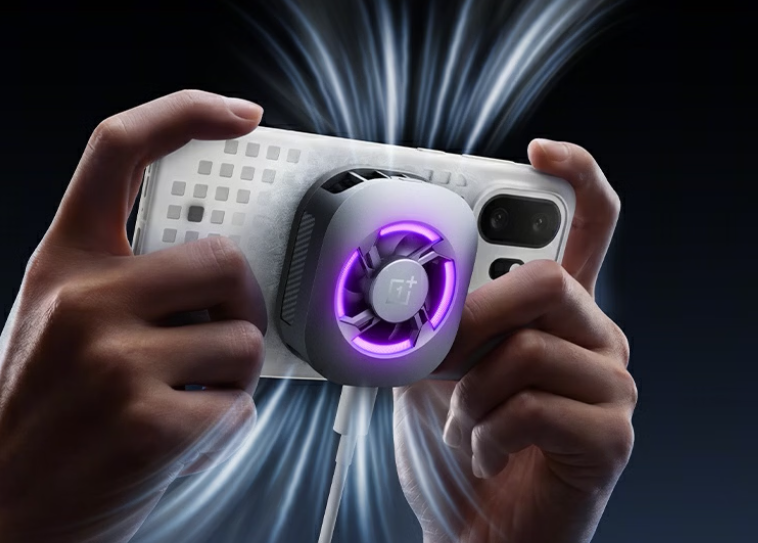


We’ll keep sharing with you the latest One UI updates in the Samsung section on this website. You can visit that page regularly to get fresh details. Or, if you prefer news on the go, make sure to follow our Telegram channel.

The post Will your Samsung Galaxy receive One UI 8.5 update? Check here appeared first on Gizmochina.

OnePlus Nord 6 vs Poco F7: Same Chip, Very Different Phones

oneplus vs poco

Choosing between the OnePlus Nord 6 and Poco F7 isn’t as simple as it looks. Both pack flagship-level performance at mid-range prices, but take different approaches in design, battery, and overall experience. For buyers looking to get the most value without compromising on power, this comparison highlights which one actually makes more sense.

Major Features:

FeatureOnePlus Nord 6Poco F7Winner
BuildGlass front, plastic frame, plastic back, IP68/IP69KGlass front (GG 7i), aluminum frame, glass back, IP68Poco F7 – More premium materials
DisplayAMOLED, 165Hz, HDR10+, 1800 nits HBM, 3600 nits peakAMOLED, 120Hz, Dolby Vision, HDR10+, 1700 nits HBM, 3200 nits peakNord 6 – Higher refresh rate & brightness
ChipsetSnapdragon 8s Gen 4Snapdragon 8s Gen 4Tie – Same chipset
GPUAdreno 825Adreno 825Tie – Same GPU
RAM & StorageUp to 12GB RAM, UFS 4.112GB RAM, UFS 4.1Tie – Similar setup
Main Camera50MP (f/1.8, OIS)50MP (f/1.5, OIS)Poco F7 – Wider aperture
Ultrawide Camera8MP (112°)8MPTie – Same resolution
Selfie Camera32MP, 4K video20MP, 1080p videoNord 6 – Higher resolution & 4K
Video (Rear)4K@60fps (main)4K@60fps + more slow-motion optionsPoco F7 – More video modes
Battery7500mAh (Global) / 9000mAh (India)6500mAh (Global) / 7550mAh (India)Nord 6 – Much larger battery
Charging80W wired, reverse charging90W wired, faster chargingPoco F7 – Faster charging
AudioStereo speakersStereo + Hi-Res audioPoco F7 – Better audio support
ConnectivityWi-Fi 7, Bluetooth 6.0Wi-Fi 7, Bluetooth 6.0Tie – Same connectivity
OSAndroid 16, OxygenOS 16Android 15, HyperOS 2Nord 6 – Newer Android version
Price~$460 / ₹39,000~$350 / ₹32,000Poco F7 – Significantly cheaper

Design and Display

Build and Feel

The OnePlus Nord 6 goes for a practical yet durable approach with its plastic frame and back, but adds strong protection with IP68/IP69K ratings. It feels more rugged and functional than premium. The Poco F7, on the other hand, clearly leans into a flagship-like feel with its aluminum frame and glass back, giving it a more refined and premium in-hand experience. Both are well-built, but Poco’s materials create a more polished impression, while OnePlus prioritizes durability over aesthetics.

Display Quality

The Nord 6 pushes ahead with a 165Hz AMOLED panel, making it noticeably smoother for gaming and scrolling. Brightness levels are also slightly higher, especially outdoors. Poco F7 counters with Dolby Vision and better color depth, delivering richer visuals for streaming and HDR content. The difference comes down to smoothness versus cinematic quality, and both approaches feel intentional.

Verdict

Poco F7 feels more premium in build, while Nord 6 offers a smoother and brighter display. Choice depends on whether fluidity or visual richness matters more.

Specifications Including Battery

Performance

Both devices run on the same Snapdragon 8s Gen 4 chipset, so raw performance is nearly identical. Gaming, multitasking, and heavy workloads feel equally fast and stable. However, OnePlus benefits from OxygenOS optimization, which tends to feel cleaner and more consistent over time. Poco’s HyperOS is feature-rich but can feel slightly heavier in comparison. The difference isn’t huge, but it’s noticeable in daily usage smoothness.

Battery and Charging

This is where things get interesting. The Nord 6 offers a significantly larger battery, especially in India, making it ideal for heavy users or gamers. Poco F7 charges faster with 90W, reaching high percentages quickly, which suits users who prefer quick top-ups. OnePlus focuses on endurance, while Poco prioritizes speed. Both approaches are practical depending on usage habits.

Verdict

Performance is equal, but Nord 6 wins on battery life, while Poco F7 leads in charging speed. Endurance vs speed defines this segment.

Camera

Main and Secondary Lenses

Both phones feature a 50MP main sensor with OIS, but the Poco F7 has a slightly wider aperture, helping in low-light scenarios. In real-world usage, Poco images tend to look slightly brighter and more contrasty, while OnePlus delivers more balanced and natural tones. Ultrawide cameras are similar on paper, but neither stands out significantly, making them more of a utility feature than a highlight.

Selfie Camera

The Nord 6 clearly takes the lead with a 32MP front camera capable of 4K video, making it a better choice for content creators and video calls. Poco’s 20MP selfie camera is decent but feels more basic, especially with limited video capabilities. This is one area where the difference is easy to notice.

Verdict

Poco F7 has a slight edge in main camera brightness, but Nord 6 wins overall thanks to a stronger selfie camera and more balanced tuning.

Pricing

The OnePlus Nord 6 is priced around $460 (₹39,000), while the Poco F7 comes in at about $350 (₹32,000). That’s a noticeable gap, especially considering both share the same chipset and core performance. Poco clearly positions itself as the value-focused option, while OnePlus leans slightly premium.

Value for Money

The Nord 6 justifies its price with a bigger battery, smoother display, and better selfie camera. It feels like a more complete and long-term device. However, Poco F7 offers almost the same performance and a more premium build at a significantly lower price, making it extremely hard to ignore. For most buyers, Poco delivers more for less, while OnePlus focuses on refinement.

Verdict

Poco F7 is the better value pick, while Nord 6 justifies its price with specific upgrades rather than overall superiority.

Conclusion

The Nord 6 stands out with its massive battery, 165Hz display, and stronger selfie capabilities, making it ideal for heavy users and content creators. Poco F7 counters with a premium design, Dolby Vision display, faster charging, and aggressive pricing. Both devices feel well-positioned but target slightly different priorities.

Verdict

Poco F7 is the smarter buy for most users due to its pricing and premium feel. However, Nord 6 becomes the better choice for those who prioritize battery life, smoother visuals, and a stronger front camera. The decision ultimately depends on whether value or specific feature upgrades matter more.

Read More:

The post OnePlus Nord 6 vs Poco F7: Same Chip, Very Different Phones appeared first on Gizmochina.

Dyson launches Supersonic Travel Hair Dryer with compact design and intelligent heat control

Dyson Supersonic Travel Hair Dryer

Dyson has launched the Supersonic Travel Hair Dryer in global markets, with a price tag of $299.99. In China, the device is available for ¥1,899. The new model aims to address the challenges of styling hair while traveling by combining a compact design with powerful performance.

Dyson Supersonic Travel Hair Dryer

Dyson Supersonic Travel Hair Dryer Specs

The Supersonic Travel Hair Dryer is 32% smaller and 25% lighter than Dyson’s standard Supersonic model. It weighs just 0.7 pounds, making it easy to pack in a suitcase or handbag. Despite its smaller size, Dyson claims the travel version delivers the same performance as its full-sized counterpart.

Dyson included its signature Air Multiplier technology in the new model, along with a 110,000 RPM digital motor. This setup creates a strong yet controlled airflow, which allows fast and effective hair drying. According to Dyson, 94% of users believe it is more powerful than hotel hair dryers.

Dyson Supersonic Travel Hair Dryer

The travel hair dryer features intelligent heat control, which monitors the air temperature over 100 times per second. This prevents extreme heat damage and protects hair, keeping it healthier and shinier. Dyson says this feature results in hair that is 138% shinier compared to when conventional dryers are used. The dryer offers three heat settings and two speed options, catering to different styling needs.

Dyson designed the travel model to work anywhere in the world. With a universal voltage of 100-240V, it adapts to different power systems without compromising performance. It also offers to attach accessories from their existing Dyson Supersonic model.

The device measures 8.7 inches in length and 2.6 inches in height, ensuring it fits within luggage restrictions. Dyson equipped the dryer with a 6.5-foot cable for flexibility during use, whether at home or on the go.

In related news, Dyson has recently introduced its first handheld bladeless fan, priced at $99.

For more daily updates, please visit our News Section.

Stay ahead in tech! Join our Telegram community and sign up for our daily newsletter of top stories! 💡

(Dyson)

The post Dyson launches Supersonic Travel Hair Dryer with compact design and intelligent heat control appeared first on Gizmochina.

Oppo Find X9 Ultra vs iPhone 17 Pro Max: The Ultimate Flagship Battle

OPPO vs iPhone

Oppo Find X9 Ultra and the Apple iPhone 17 Pro Max highlight two very different approaches to flagship smartphones. One focuses on pushing hardware limits with bigger batteries, higher megapixels, and faster charging, while the other emphasizes refinement, ecosystem strength, and consistent real-world performance. This comparison matters for buyers deciding between raw specs and polished experience, especially in the ultra-premium segment where expectations are high, and compromises are minimal.

Major Features:

FeatureOppo Find X9 UltraiPhone 17 Pro MaxWinner
Display6.82″ LTPO AMOLED, 144Hz, 1440p6.9″ LTPO OLED, 120Hz, 1320pOppo – higher resolution & smoother refresh rate
Brightness1800 nits peakUp to 3000 nits peakiPhone – significantly brighter outdoors
ChipsetSnapdragon 8 Elite Gen 5Apple A19 ProiPhone – better optimization & real-world performance
RAM & StorageUp to 16GB / 1TB (UFS 4.1)12GB / up to 2TB (NVMe)Draw – Oppo more RAM, Apple faster storage
Rear Camera200MP + 200MP + 50MP + 50MP48MP + 48MP + 48MP + LiDAROppo – more versatile & higher-resolution hardware
Zoom3x + 10x optical4x opticalOppo – superior long-range zoom
Video8K, 4K 120fps, Dolby Vision4K up to 120fps, ProRes, LogiPhone – industry-leading video tools
Selfie Camera50MP18MP + 3D depthOppo – higher detail selfies
Battery7050mAh~4800–5100mAhOppo – much larger capacity
Charging100W wired, 50W wireless~25W wired, MagSafe wirelessOppo – far faster charging
OSAndroid 16 (ColorOS)iOS 26iPhone – longer support & ecosystem
DurabilityIP66/IP68/IP69IP68 (up to 6m)iPhone – deeper water resistance
Price~$1100 / ₹1,03,000~$1200 / ₹1,50,000Oppo – better value for money
Disclaimer: Specs are based on available data. Actual performance may vary. Verify details from official sources before buying.

Design and Display

Build and Feel

The Oppo Find X9 Ultra leans into a premium yet slightly experimental design with options like eco leather, giving it a more tactile and distinctive feel compared to typical glass builds. It also brings extreme durability certifications (IP66/IP68/IP69), which subtly makes it feel more rugged and future-proof. The Apple iPhone 17 Pro Max, on the other hand, sticks to a refined, minimalist approach with Ceramic Shield 2 and a polished finish. It feels more uniform and familiar, appealing to users who prefer consistency over flair.

Display Quality

Oppo pushes hardware boundaries with a sharper 1440p LTPO AMOLED panel and a smoother 144Hz refresh rate, making scrolling and gaming feel more fluid. Meanwhile, Apple’s display is brighter at peak levels and benefits from superior tuning, resulting in more natural colors and better outdoor visibility. The difference is subtle, but Apple’s calibration often feels more “finished.”

Verdict

Oppo impresses with raw display specs and durability, but Apple delivers a more balanced, polished visual experience overall.

Specifications Including Battery

Performance

The Find X9 Ultra, powered by Snapdragon 8 Elite Gen 5, is built for peak Android performance with aggressive clock speeds and strong GPU output. It feels slightly more flexible for multitasking and heavy workloads. The iPhone 17 Pro Max’s A19 Pro chip, however, focuses on efficiency and optimization, delivering smoother real-world performance, especially in apps and gaming ecosystems. Apple’s silicon tends to feel more consistent over time.

Battery and Charging

Oppo clearly dominates in battery hardware with a massive 7050mAh capacity and ultra-fast 100W wired plus 50W wireless charging. It is designed for users who want minimal downtime. Apple’s battery is smaller but optimized well, easily lasting a full day, though charging speeds feel conservative in comparison.

Verdict

Oppo wins on battery and charging innovation, while Apple edges ahead in long-term performance consistency and optimization.

Camera

Main and Secondary Lenses

Oppo takes a bold approach with dual 200MP sensors and advanced periscope zoom options, making it extremely versatile for long-range and high-detail photography. The Hasselblad tuning adds a cinematic touch, especially in color science. Apple, however, prioritizes reliability with its triple 48MP setup and LiDAR, producing consistently accurate photos and industry-leading video capabilities. Apple’s video tools, including ProRes and Log, clearly cater to creators.

Selfie Camera

Oppo offers a higher-resolution 50MP front camera, delivering sharper selfies and more detail. Apple’s 18MP sensor, paired with 3D depth technology, focuses more on natural tones, stable video, and secure facial recognition. It feels less about specs and more about dependable output.

Verdict

Oppo excels in zoom and raw imaging versatility, but Apple remains unmatched in video quality and overall camera consistency.

Pricing

The Oppo Find X9 Ultra is priced around $1100 (₹1,03,000), while the iPhone 17 Pro Max comes in higher at about $1200 (₹1,50,000). The price gap is significant, especially in markets like India, where Apple commands a clear premium.

Oppo offers more aggressive hardware for the price, including a bigger battery, faster charging, and higher camera megapixels. It feels like a spec-heavy flagship aimed at delivering maximum value. Apple, however, justifies its pricing through ecosystem integration, software longevity, and resale value. The premium is not just about hardware, it’s about the overall experience.

Verdict

Oppo delivers better value on paper, but Apple’s higher price feels justified for users invested in its ecosystem and long-term reliability.

Disclaimer:
Prices are approximate and may vary based on country, region, and applicable taxes.

Conclusion

The Find X9 Ultra stands out with extreme battery capacity, ultra-fast charging, and a highly experimental camera system that pushes boundaries. It feels like a flagship built to impress with numbers and innovation. The iPhone 17 Pro Max, meanwhile, focuses on refinement, offering unmatched video tools, seamless ecosystem integration, and consistent performance across years of use. Features like satellite connectivity and Apple’s ecosystem add practical long-term advantages.

Specs vs Real-World Experience

Oppo Find X9 Ultra wins on specs with a bigger battery, faster charging, and higher camera numbers, but the iPhone 17 Pro Max delivers a more consistent and refined experience. With better optimization, more reliable camera output, and longer software support, the iPhone feels stronger in everyday use and over time.

Verdict

If only one has to be chosen, iPhone 17 Pro Max is the better overall pick thanks to its more consistent performance, superior video capabilities, longer software support, and a refined ecosystem that holds up better over time.

Oppo Find X9 Ultra impresses with a bigger battery, faster charging, and bold camera hardware, but the iPhone delivers a more balanced and reliable flagship experience that feels stronger in everyday use and long-term value.

Disclaimer: This comparison is based on the specifications provided and is intended for general informational purposes. Actual performance, camera results, battery life, and overall experience may vary depending on real-world usage, software updates, and individual preferences.

Read More:

The post Oppo Find X9 Ultra vs iPhone 17 Pro Max: The Ultimate Flagship Battle appeared first on Gizmochina.

CHUWI AuBox X Launched: Tiny AI Mini PC with 115 TOPS Power

CHUWI AuBox X

CHUWI AuBox X is a new ultra-compact mini PC designed for the AI-powered computing era. With a tiny 0.67L palm-sized body, it focuses on delivering strong performance without taking up desk space. It comes pre-installed with Windows 11 Pro and is built for creative professionals, home offices, and modern work setups. Despite its size, it aims to handle demanding tasks like content creation, multitasking, and AI workflows efficiently.

AI Performance and Capabilities

One of the biggest highlights of the AuBox X is its AI power. It delivers up to 115 TOPS on the Ultra 7 model and 97 TOPS on the Ultra 5. This performance comes from a combination of CPU, GPU, and a dedicated NPU. The system is designed to run AI tasks locally, meaning no cloud dependency. This results in faster speeds, lower latency, and better privacy. Tasks like photo enhancement, real-time background removal, and AI-assisted workflows run smoothly on-device.

Dedicated AI Hardware and Software

The mini PC includes an integrated Intel AI Boost NPU, offering up to 47 TOPS on the Ultra 7. This enables efficient AI processing and supports advanced features like live captions, smart search improvements, and creative tools. It also supports an open-source AI assistant, which can run on Windows or through WSL. This setup allows continuous AI operations with low power usage, making it ideal for long sessions.

OpenClaw AI Assistant and Automation

CHUWI AuBox X also supports OpenClaw, an open-source AI assistant designed for automation and continuous workflows. It can run directly on Windows or through WSL (Windows Subsystem for Linux), giving users flexibility depending on their setup. Since it runs locally, OpenClaw delivers near zero-latency responses while keeping all data private. It can handle tasks like automation, AI assistance, and background processing 24/7 with low power usage. This makes the system especially useful for developers, creators, and users who want full control over their AI tools without relying on cloud services.

Performance and Graphics

Powered by Intel’s Lunar Lake processors, the AuBox X comes in two variants: Ultra 5 and Ultra 7. Both feature 8 cores and boost speeds up to 4.8GHz with configurable power usage. The integrated Intel Arc graphics deliver impressive results for a mini PC. The higher model offers performance close to entry-level dedicated GPUs, making it capable of handling photo editing, light video work, and even some 3D tasks. Despite this, the system remains quiet, with noise levels under 45dB.

Connectivity and Expansion

The AuBox X offers strong connectivity options, including USB4 with eGPU support, HDMI 2.1, and multiple USB-A ports. It supports up to three displays and can output up to 8K resolution. Networking includes 2.5Gb Ethernet, Wi-Fi 6E, and Bluetooth 5.3. Storage and memory are also fast, with LPDDR5X RAM and dual SSD slots supporting high-speed PCIe drives.

Performance Variants 

The Ultra 5 model is ideal for everyday tasks, office work, and media consumption. It offers balanced performance at a more affordable price. The Ultra 7 model is better suited for creative professionals who need more power for video editing, AI tasks, and heavier workloads.

Pricing and Availability

Pre-orders begin in mid-April, with pricing starting at $699 for the Ultra 5 and $829 for the Ultra 7. An early-bird discount of $70 is also available for a limited time, making it a competitive option in the compact PC market.

CHUWI AuBox X stands out by combining a compact design with serious AI capabilities. It offers a strong balance of performance, efficiency, and modern features, making it a smart choice for users looking to upgrade to an AI-ready desktop without sacrificing space.

The post CHUWI AuBox X Launched: Tiny AI Mini PC with 115 TOPS Power appeared first on Gizmochina.

OxygenOS 17 will be the last major upgrade for these OnePlus devices

OnePlus OxygenOS 17 (Android 17) last major upgrade

OnePlus has already begun developing its next major software upgrade, OxygenOS 17, which will be based on Android 17. The update will be rolled out to over a dozen eligible devices later this year (check the full list here), but for a few of them, this will be the last major upgrade.

Review the list below to find out if Android 17-based OxygenOS 17 will be the last major upgrade for your OnePlus device.

OnePlus devices getting OxygenOS 17 as their last major upgrade

1. OnePlus Open

  • Launched OS: Android 13
  • Software support: up to 4 major OS upgrades
  • Last OS update: Android 17

The OnePlus Open was released in late 2023 with Android 13-based OxygenOS 13 out of the box, with a promise to receive four major Android upgrades. So far, OnePlus has released three OS updates for the device, and it’s also eligible for Android 17, but unfortunately, that would be the last major update.

2. OnePlus 12R

  • Launched OS: Android 14
  • Software support: up to 3 major OS upgrades
  • Last OS update: Android 17

The OnePlus 12R launched in January 2024 with Android 14 pre-installed. The company promises three major upgrades for the device, and as a result, it will receive Android 17 as its final OS update.

3. OnePlus 11

  • Launched OS: Android 13
  • Software support: up to 4 major OS upgrades
  • Last OS update: Android 17

The OnePlus 11 guarantees four major OS upgrades. Since it was launched with Android 13, the upcoming Android 17 upgrade would be the final one.

4. OnePlus Pad 2

  • Launched OS: Android 14
  • Software support: up to 3 major OS upgrades
  • Last OS update: Android 17

The OnePlus Pad 2 also joins the list as it was launched with Android 14 and guarantees only three major OS upgrades, which end with Android 17.

These four OnePlus devices will receive their last major OS upgrade, Android 17, later this year or early next year. After that, they would become ineligible for major upgrades, although the devices will continue to receive security updates for a while.

Must read:
1. OnePlus devices eligible for OxygenOS 17 update: Full list
2. Android 17: Every new feature discovered so far

The Android 17 update for OnePlus devices will come with the OxygenOS 17 custom skin on top, bringing additional features and enhancements on top of Android 17’s core features and changes. While we don’t know much about OxygenOS 17, Google has already released four Android 17 betas, offering us an early look at the upcoming changes and upgrades. Check out this post to read about them.

We’ll keep an eye on the latest developments around OxygenOS 17 and post them in the OnePlus section. You can visit the page from time to time to get fresh updates. Or, you can join our Telegram channel to get real-time updates.

The post OxygenOS 17 will be the last major upgrade for these OnePlus devices appeared first on Gizmochina.

Honor 600, 600 Pro debut with 200MP camera, 7,000mAh battery, powerful Snapdragon chip

Honor 600 and Honor 600 Pro

Honor has officially introduced the Honor 600 series in Malaysia, bringing a mix of flagship-level features and aggressive pre-order offers. The lineup includes the Honor 600 and Honor 600 Pro, both focusing on camera performance, battery life, and AI-driven features.

Honor 600, 600 Pro specifications and features

Honor 600 and Honor 600 Pro

The Honor 600 series centers around a 200-megapixel main camera with a large 1/1.4-inch sensor. The Pro variant adds a 50-megapixel telephoto lens with up to 120x zoom and enhanced image stabilization, while the standard model supports up to 30x zoom. Both devices are designed to handle low-light photography with improved color balance and exposure control.

Honor 600 key specs
Honor 600 key specs
Honor 600 key specs
Honor 600 key specs

On the performance side, the Honor 600 Pro runs on the Snapdragon 8 Elite processor, delivering strong gains in both CPU and GPU performance. The Honor 600 is powered by the Snapdragon 7 Gen 4 chipset, offering balanced performance for daily tasks and gaming.

The 600 series come preloaded with MagicOS 10-based Android 16. The series also introduces AI Image to Video 2.0, allowing users to turn still images into short videos with customizable prompts and templates.

Honor 600 Pro key specs

Both models feature a 6.57-inch OLED display with a 120Hz refresh rate and peak brightness reaching up to 8000 nits. Powering the devices is a 7000mAh battery with 80W fast charging and reverse charging support, while the Pro model also includes 50W wireless charging. Durability is another highlight with IP68 and IP69 ratings, along with reinforced build quality.

Honor 600, 600 Pro price and availability

The Honor 600 Pro is priced at RM3,099 (~$785) for the 12GB + 256GB variant and RM3,299 (~$835) for the 512GB version. The Honor 600 is available at RM2,599 (~$660) for the 12GB + 512GB model. The series comes in Orange, Golden White, and Black color options.

Pre-orders are open until April 29, with added benefits including instant rebates, bundled accessories, and extended warranty coverage. Sales will begin from April 30 through Honor stores and partner retailers.

For more daily updates, please visit our News Section.

Stay ahead in tech! Join our Telegram community and sign up for our daily newsletter of top stories! 💡

The post Honor 600, 600 Pro debut with 200MP camera, 7,000mAh battery, powerful Snapdragon chip appeared first on Gizmochina.

Lenovo, Xiaomi, Oppo, and Vivo team up to tackle Android lag with new memory rules

Xiaomi Vivo Oppo Fair Memory Mechanism Rule China

Xiaomi, Vivo, Oppo, Lenovo, Honor, and other smartphone brands under the Gold Standard Alliance in China are trying to fix one of Android’s long-standing issues: inconsistent performance.

The alliance has announced a new effort to reduce lag, overheating, and random app crashes across Android devices.

The group says it will soon announce a new unified memory management standard for developers that aligns with changes coming in Android 17. The goal is for apps to use memory more responsibly, regardless of which Android phone they run on.

Android brands fair memory mechanism rule

Right now, that consistency doesn’t really exist. As apps get more complex, they demand more memory, while differences between Android skins and hardware make optimization harder. 

The alliance says this leads to higher development costs, longer testing cycles, and ultimately a worse experience. Things like apps getting killed in the background, phones heating up, or performance slowing down over time.

Google has already started tightening things on its end. With Android 17, the system will set clearer memory limits based on a device’s total RAM and target extreme cases like memory leaks. The alliance is essentially building on top of that with what it calls a “fair memory mechanism.”

The initiative has three parts to it

There are three parts to it. First is a unified standard that defines how much memory apps should use.

Second is a smarter notification system where apps are warned when memory is running low, so they can free up resources before the system steps in. Third is a set of contextual rules that decides when and how those notifications should appear. 

Android brand fair memory mechanism

Developers have until June 30, 2026, to adapt their apps. The alliance says each member company will provide documentation and technical support to make the transition easier. 

Established in 2021, Gold Standard Alliance is a non-profit initiative formed by companies, including Lenovo, alongside the major Chinese smartphone makers. It also runs a certification program that highlights apps meeting standards for performance, stability, and efficiency across participating app stores.

For more daily updates, please visit our News Section.

Stay ahead in tech! Join our Telegram community and sign up for our daily newsletter of top stories! 💡

The post Lenovo, Xiaomi, Oppo, and Vivo team up to tackle Android lag with new memory rules appeared first on Gizmochina.

Motorola Edge 70 Pro goes official with 144Hz pOLED display, triple 50MP cameras

Motorola Edge 70 Pro

Motorola has introduced the Motorola Edge 70 Pro in India, expanding its premium mid-range lineup with a focus on performance, display quality, and battery life. The device brings a combination of powerful hardware and a refined design, aiming to appeal to users looking for a balanced smartphone experience.

Motorola Edge 70 Pro specifications and features

Motorola Edge 70 Pro

The Motorola Edge 70 Pro features a 6.8-inch 1.5K pOLED display with a 144Hz refresh rate and peak brightness reaching up to 5200 nits. The panel supports HDR10+, 10-bit color depth, and Pantone validation for accurate colors.

Powering the Edge 70 Pro is the Dimensity 8500 Extreme chipset paired with up to 12GB LPDDR5X RAM and 256GB UFS 4.1 storage, running on Android 16. It will be treated with three years of OS upgrades and five years of security patches. Under the hood, it packs a 6500mAh battery with support for 90W fast charging.

For photography, the phone includes a 50-megapixel main camera with OIS and a 50-megapixel ultra-wide sensor with macro support. On the front, it houses a 50-megapixel camera capable of 4K video recording. The device also integrates several AI-based imaging tools and editing features.

Motorola Edge 70 Pro

The Edge 70 Pro comes with stereo speakers tuned with Dolby Atmos and offers IP68 and IP69 ratings along with military-grade durability. Connectivity options include 5G, Wi-Fi 6E, Bluetooth 5.4, and NFC. The phone is available in multiple Pantone-inspired finishes, including Lily White, Tea, and Titan.

Motorola Edge 70 Pro price and availability

The Motorola Edge 70 Pro is priced at Rs 38,999 (~$415) for the 8GB + 256GB variant, while the 12GB + 256GB model costs Rs 41,999 (~$450). It will go on sale from April 29 via Flipkart, Motorola’s official website, and offline stores. Launch offers include a Rs 2,000 discount with select bank cards or an equivalent exchange benefit.

Motorola is also expected to introduce another variant, the Edge 70 Pro+, in India soon. While there is no official confirmation yet, it is likely to debut in the coming weeks.

For more daily updates, please visit our News Section.

Stay ahead in tech! Join our Telegram community and sign up for our daily newsletter of top stories! 💡

The post Motorola Edge 70 Pro goes official with 144Hz pOLED display, triple 50MP cameras appeared first on Gizmochina.

Pixel users facing significant battery drain after March 2026 update

Google has now acknowledged a battery drain issue affecting Pixel phones after the March 2026 update, and it’s been frustrating quite a few users.

Reports started showing up not long after the update rolled out. People noticed their phones losing charge much faster than usual, sometimes even when the device was just sitting idle. For many, what used to be an easy full-day battery is now barely getting through half a day.

Most of the complaints have been popping up on forums like Reddit, where users describe overnight battery drops or phones struggling with fairly normal usage. Some have tried the usual fixes, turning on battery saver, adjusting settings, even installing the April patch, but for a lot of people, nothing really seems to help.

A fix is underway

Google has since listed the issue on its Issue Tracker and marked it as a P1 priority, which usually means it’s being treated as urgent.

From what’s been shared so far, one possible cause is that affected devices aren’t properly entering Deep Doze mode after the update. That’s the system that’s supposed to limit background activity when the phone isn’t in use. If it doesn’t kick in as it should, the phone just keeps doing more than it needs to in the background, and the battery takes the hit.

To get a sense of how widespread this might be, Android Authority ran a reader poll. Around 75.9% of respondents said they noticed increased battery drain after a recent update, while about 15% said nothing really changed. It’s not a perfect measure, but combined with all the reports online, it does suggest this isn’t just a small batch of affected users.

The issue doesn’t seem limited to one model either. Reports mention everything from older Pixel 7 units to newer Pixel 10 devices.

For now, Google says it’s investigating, but there’s no confirmed fix or timeline yet. Most likely, any proper solution will arrive through a future update.

In the meantime, some users are trying temporary workarounds like switching network modes or limiting background activity. Results are mixed, though.

Don’t miss a thing! Join our Telegram community for instant updates and grab our free daily newsletter for the best tech stories!

For more daily updates, please visit our News Section.

(Sources: 1, 2)

The post Pixel users facing significant battery drain after March 2026 update appeared first on Gizmochina.

Vivo X300 Ultra, X300 FE India launch confirmed for May 6, key details officially revealed

Vivo X300 Ultra launch date

Vivo has just confirmed that the launch date for the highly anticipated Vivo X300 Ultra and Vivo X300 FE in India is May 6. Following weeks of speculation, the official landing pages for both flagship devices are now live on Vivo India’s website. These pages have finally confirmed the key specifications for both models, signalling a major push into the premium photography segment.

Vivo X300 Ultra: The Professional Imaging Titan

Vivo X300 Ultra launch date
Vivo X300 Ultra India launch date
Vivo X300 Ultra - Victory Green
Vivo X300 Ultra – Victory Green
Vivo X300 Ultra - Eclipse Black
Vivo X300 Ultra – Eclipse Black

The X300 Ultra is set to redefine mobile photography in India and will be available in two striking finishes, Victory Green and Eclipse Black.

A standout feature confirmed on the landing page is the support for professional-grade optics through two dedicated accessories. Users can choose the ZEISS Telephoto Extender Gen 2 Ultra, a 400mm equivalent lens that offers 4.7x magnification for extreme long-range capture, or the more portable 200mm equivalent ZEISS Telephoto Extender Gen 2, which has been refined to a lightweight 153g.

400mm ZEISS Telephoto Extender Gen 2 Ultra and 200mm ZEISS Telephoto Extender Gen 2

Beyond the optics, Vivo is doubling down on longevity for its top-tier flagship. The X300 Ultra is confirmed to receive 5 years of Android OS upgrades and 7 years of security updates, ensuring the device remains current well into the decade.

Under the hood, it retains the powerhouse specs from its Chinese debut, featuring the Snapdragon 8 Elite Gen 5 processor and a massive 5800 mm² ultra-large VC cooling area. The device is fueled by a 6,600mAh battery that supports 100W wired and 40W wireless charging. Readers can read the rest of its specs here, as it was recently unveiled in China.

Vivo X300 FE: The Compact Flagship

Vivo X300 FE

The Vivo X300 FE arrives as a versatile alternative, blending high-end specs with a sleek form factor. Indian consumers can choose from Urban Olive, Lilac Purple, and Noir Black. Notably, the Urban Olive variant is currently exclusive to the Indian market, providing a unique aesthetic for local buyers.

The FE also gets its own dedicated photography gear in the form of the 200mm equivalent ZEISS Telephoto Extender Gen 2 (same as the X300 Ultra). Weighing just 153g, this compact accessory offers 2.35x magnification and is designed to work seamlessly across photo, video, and stage modes.

Vivo X300 FE color options

The landing page also confirms a few specs, such as the Snapdragon 8 Gen 5 paired with a 6,500mAh battery that supports 80W wired and 40W wireless charging. The other specs are already known, as the phone was recently unveiled globally.

For more daily updates, please visit our News Section.

Stay ahead in tech! Join our Telegram community and sign up for our daily newsletter of top stories! 💡

The post Vivo X300 Ultra, X300 FE India launch confirmed for May 6, key details officially revealed appeared first on Gizmochina.

Samsung reportedly leasing a huge warehouse near Taylor chip plant

Samsung is reportedly leasing 140,000 square feet warehouse at the Park79 Commerce Center, an industrial park sitting right on US 79 near its chip plant in Taylor, Texas.

According to TaylorPress, the source had direct knowledge of the deal, while Samsung declined to comment. That’s 40% of the entire Park79 development, locked up by a company that officially won’t admit it’s the tenant.

Samsung’s Taylor fab is inching toward full operation, anchored in part by a reported $16 billion chip contract with Tesla running through 2033.

The Taylor plant was announced in November 2021 with an initial $17 billion investment. By the end of 2026, it’s expected to directly employ around 1,500 people, with hundreds more supplier jobs trailing behind.

Samsung has operated in Texas since breaking ground in Austin back in March 1996. It knows how this state works. Now it’s quietly stitching together real estate around Taylor before the doors are even fully open.

The warehouse lease isn’t a footnote; it’s a signal that Samsung is building something permanent here, and doing it without asking anyone’s permission first.

The post Samsung reportedly leasing a huge warehouse near Taylor chip plant appeared first on Sammy Fans.

Nvidia’s new technology could revolutionize path tracing – with speeds up to 2.74 times faster

With ReSTIR PT Enhanced, Nvidia has introduced a new technique aimed at making path tracing in games significantly more efficient. According to the accompanying research paper, performance gains of up to 2.74× are possible, while visual artifacts are reduced and overall stability is improved. The announcement has already generated considerable excitement in the community, although it remains unclear when and in which games the technology will actually be used.

vivo X300 Ultra and X300 FE's India launch date announced

vivo started teasing the X300 Ultra and X300 FE in India last week, and today, the brand announced that both smartphones will be launched in India on May 6 at 12 PM local time. vivo X300 Ultra and vivo X300 FE launching in India on May 6 In addition to announcing the launch date, vivo also revealed that the X300 Ultra will be available in India in Victory Green and Eclipse Black colors. The flagship will be powered by the Snapdragon 8 Elite Gen 5 SoC, pack a 6,600 mAh battery with 100W wired charging support, and feature the same rear camera setup as the global and Chinese X300...

OnePlus Watch 4 announced with titanium case, Wear OS 6

The OnePlus Watch 4 made it to the Google Play Console a few days ago, and now it's been listed by the brand on its official website, and this has officially revealed its most important specs. The watch has an all-titanium case and it's going to be offered in two colors: Evergreen Titanium and Midnight Titanium. As you can see, the former is basically silver with a green band, while the latter option is darker and comes with a gray band. The OnePlus Watch 4 is "built to MIL-STD-810H military-grade standards" and supports wet-hand touch and "full seawater corrosion resistance". The...

Apple wants Samsung data for its case, but US regulators raise concerns

Apple wants internal documents from Samsung to help fight its antitrust case, but the US DOJ just made that a lot harder.

Earlier this month Apple asked a US court for permission to pull documents directly from Samsung Electronics. Apple wants to show that users can jump freely between iPhone and Android, that the so-called walled garden isn’t actually trapping anyone.

US DOJ fired back (via 9to5Mac) in a new court filing, and the core complaint isn’t really about Samsung. The US regulator pointed out that Apple has known for months just how central Samsung’s data is to this case.

Here’s where it gets awkward for Apple: the process required to obtain documents from a foreign company runs through the Hague Convention, a slow-moving international legal mechanism that nobody confuses with fast.

There’s a real chance the Samsung data arrives after the discovery phase has already closed. The DOJ is essentially saying Apple knew all this and stalled anyway.

The DOJ explicitly told the court not to extend deadlines or push the trial back just because Apple is scrambling for evidence. The DOJ’s position is narrower: keep the schedule, don’t let Apple turn a late evidence request into a delay tactic.

Samsung sits at the center of a case it didn’t ask to be in, watching Apple and the US government argue over whether its internal data can arrive on time to save Cupertino from itself.

The irony is that Apple needs Samsung to prove it doesn’t need anyone.

The post Apple wants Samsung data for its case, but US regulators raise concerns appeared first on Sammy Fans.

CEO John Ternus' first iPhone could get 200MP zoom camera like Oppo Find X9 Ultra, says leak

Leaks from China suggest Apple is testing a brand-new 200MP periscope telephoto camera for future iPhones. This move mirrors the high-resolution hardware seen in the Oppo Find X9 Ultra, signaling a potential shift in Apple’s conservative camera strategy toward ultra-high-resolution sensors for enhanced optical zoom and detail. Could new CEO John Ternus have anything to do with it?

Maingear revamps its MG-1 offering with AMD Ryzen 9 9950X3D2, custom artwork and more

Maingear has refreshed its MG-1 desktop lineup ahead of AMD Ryzen 9 9950X3D2's arrival, pairing expanded CPU/GPU options with higher-end build refinements and deeper customization, including custom artwork, up to 128GB of DDR5, and as many as six M.2 NVMe SSDs. The update also emphasizes value and usability with a BYO RAM program, bloatware-free Windows image, optional warranty extension, and zero-interest financing aimed at smoothing the upgrade path for 2026 gaming and AI workloads.

Motorola Edge 70 Pro goes official with a 6,500mAh battery, Dimensity 8500 Extreme SoC

The Motorola Edge 70 Pro has been launched in India as the latest addition to the Edge 70 lineup. It joins the Edge 70 Fusion, introduced in early March, and the Edge 70, which debuted late last year. It comes with a 6.8-inch AMOLED display that offers a Full-HD+ resolution, a refresh rate of up to 144Hz, and a peak brightness of 5,200 nits. The phone is powered by the MediaTek Dimensity 8500 Extreme chipset, which is paired with up to 12GB of LPDDR5X RAM and 256GB of UFS 4.1 internal storage. At the back, the Edge 70 Pro features a 50MP Sony Lytia 710 primary sensor with OIS,...

TM Roh signals rare risk of annual loss for Samsung’s mobile business

Samsung’s mobile business could be heading into unfamiliar territory this year. TM Roh, who leads the company’s Device eXperience division, has internally warned of a possible full-year loss for the MX unit, according to industry sources.

According to MoneyToday, TM Roh internally warned that Samsung’s mobile unit could face an annual loss. If that happens, it would mark the first annual loss since Samsung reorganized its mobile operations under the MX business.

Samsung has already hiked the price of the Galaxy S26 series. The company is also rising prices of existing products that were released in the past. Future products don’t seem to be safe from a price bump, given the current scenario.

At the center of the issue is LPDDR, the low-power memory used in nearly every smartphone. For years, it was a mobile-first component designed for efficiency.

Smartphones ship in millions, but each device uses relatively small amounts of memory. AI infrastructure, on the other hand, consumes massive quantities in a single deployment. As a result, suppliers are prioritizing high-value AI demand.

LPDDR costs nearly doubled in the first quarter compared to the previous one, with expectations of another steep jump in the current quarter. DRAM and NAND are both rising together, amplifying the pressure on manufacturers.

An industry official said, “As the AI industry absorbs even mobile memory, smartphone manufacturers are struggling to secure sufficient supply. Prices have already increased, and further hikes may occur in the second half of the year.”

The post TM Roh signals rare risk of annual loss for Samsung’s mobile business appeared first on Sammy Fans.

Qualcomm ditching TSMC for Samsung? First 2nm Snapdragon for Android could emulate Exynos

Qualcomm CEO Cristiano Amon is reportedly in talks with Samsung Foundry to manufacture the 2nm Snapdragon 8 Elite Gen 6. After years of TSMC exclusivity, improved yields and rising costs may push Qualcomm back to Samsung for its 2026-2027 flagship processors. This means phones like the Xiaomi 18, OnePlus 16, and Galaxy S27 could use chips made by Samsung.

Asus exited the smartphone market and now it's making a tablet, here's what it looks like

Asus officially confirmed its exit from the smartphone market in January, but apparently that doesn't apply to tablets. Today a new leak brings us our first look at the upcoming Asus Pad with some nice-looking renders. As you can see, the bezels are reasonably thin for a tablet. The Asus Pad is rumored to sport a 12.2-inch dual-layer OLED screen (think Apple's Tandem OLED and you get the idea) with a 144Hz refresh rate. There will be support for Dolby Vision as well as Dolby Atmos. Asus Pad leaked images The Asus Pad will have a 9,000 mAh battery which will support fast...

Honor 600 Pro in for review

This just in, the freshly announced Honor 600 Pro is in the office and joining our review queue. It joins the vanilla 600 and the 600 Lite with emphasis on great cameras and big batteries, the Pro is the flagship. Pictured with the Honor 600 below, the Honor 600 Pro isn't bigger as both share the same 6.57-inch display. The two also share the same battery - a 7,000mAh unit outside of Europe, and a 6,400mAh unit in Europe. In terms of body durability, the pair is very robust, with coverage for both IP68, IP69, and IP69K

Snapdragon 8 Elite Gen 6 and Pro leak hints at Galaxy S27 performance roadmap

Leak season for the next Galaxy S lineup has already begun. A new leak sheds light on specs and features of the Snapdragon 8 Elite Gen 6 and 6 Pro that will potentially power the Galaxy S27 Pro and S27 Ultra globally.

Weibo leaker DCS revealed key specs of Snapdragon 8 Elite Gen 6 and Snapdragon 8 Elite Gen 6 Pro, and the chips powering the Galaxy S27 series may be made by TSMC.

TSMC’s 2nm process node means better efficiency, sustained performance, and improved thermal behavior. Qualcomm is also considering a 2nm Snapdragon chip, but it seems unlikely to be from the 6th generation.

Snapdragon 8 Elite Gen 6 (SM8950) configuration:

  • 2 prime cores
  • 3 performance cores
  • 3 efficiency cores

The Pro variant keeps the same layout but pushes it harder. Higher clocks are expected, but Qualcomm is also stacking more resources around it.

The standard chip reportedly uses 16MB L2 + 6MB SLC cache, while the Pro bumps system-level cache to 8MB SLC. It may sound minor, but SLC plays a big role in reducing memory latency during heavy workloads like gaming and AI tasks.

Graphics processing unit:

  • Snapdragon 8 Elite Gen 6 – Adreno 845, 6 slices, 12MB graphics cache
  • Snapdragon 8 Elite Gen 6 Pro – Adreno 845, up to 18MB graphics cache

Memory support:

  • Gen 6 – LPDDR5X
  • Gen 6 Pro – LPDDR6 (quad-channel 24-bit) or LPDDR5X (quad-channel 16-bit)

LPDDR6 is not just about speed; it is about bandwidth efficiency and power scaling. Both chips still share the essentials: integrated 5G with sub-6 and mmWave, Wi-Fi 7, Bluetooth 6.0, UFS 5.0 storage, and 10Gbps USB-C.

Snapdragon 8 Elite Gen 6 Pro Specs Rumor

The Galaxy S27 and S27+ are expected to use Samsung’s in-house Exynos 2700 in most markets. Meanwhile, regions like the US, Canada, and China could get the Snapdragon 8 Elite Gen 6.

Galaxy S27 Pro and S27 Ultra are tipped to use the Snapdragon 8 Elite Gen 6 Pro globally, which at least brings some consistency at the top end.

Samsung may launch the Galaxy S27 series early next year.

The post Snapdragon 8 Elite Gen 6 and Pro leak hints at Galaxy S27 performance roadmap appeared first on Sammy Fans.

Qualcomm's Snapdragon 8 Elite Gen 6 might be made by Samsung

Qualcomm CEO Cristiano Amon has been spotted in Korea meeting with Samsung executives. The trip is all about manufacturing chips on the 2nm process, and there's a chance that Qualcomm will turn to Samsung to fabricate the upcoming Snapdragon 8 Elite Gen 6 SoCs. Back at CES in January, Amon revealed that Qualcomm was talking to Samsung about this, and it seems like the discussions are still ongoing. If all this pans out and Qualcomm does indeed pick Samsung to fab the next top of the line Snapdragon SoC, it would mark a return to the Korean company for the first time since 2022, which is...

Honor 600 and 600 Pro arrive with 200MP cameras, IP69K ratings and bold new designs

While last year's Honor 500 and 500 Pro remained exclusive to China, the brand-new Honor 600 and 600 Pro are making their debuts internationally from the jump. The newest members in Honor’s lineup bring a revamped design which takes some clear inspiration from the iPhone 17 Pro series with the oversized camera island and vibrant orange colorway. But outside of the iPhone look, Honor’s new phones offer impressive batteries, top-tier IP69K ingress protection and 200MP main cams. Honor 600 (left) and Honor 600 Pro Both phones are built around 6.57-inch AMOLEDs with 2,728 x 1,264px...

Samsung Now Bar may soon show Google Wallet flight updates

Google Wallet may start showing live flight and travel updates on the Samsung Now Bar. This update will make tracking travel status easier than ever.

Recently, the Google Wallet app silently rolled out support for Live Update. Pixel phones running Android 16 (and Android 17 Beta) have started showcasing flight updates on the lock screen and always-on display.

Android’s Live Update is quite similar to Samsung Now Bar, so expect an imminent Google Wallet support rollout to the latter system.

A flight ticket stored in Google Wallet will trigger tracking of the flight and display status in real time. It will go beyond the existing notification system that alerts you with updates like boarding time changes.

On Pixel phones, the Status bar displays the Google Wallet logo for flight tracking. Expanding it shows the estimated arrival time and airline. On the AOD and lock screen, you see a progress bar that shows flight duration.

The alert is interactive too; when you tap the pill, the system takes you to the Google Wallet app. It’s the usual functionality of Live Update and the Now Bar system to stay linked with roots.

Google Wallet Live Update

Samsung’s Now Bar should feature a similar appearance. When it arrives, Google Wallet will join the existing services, including Sports from Google, Google Finance, and Google Maps.

Google and Samsung closely work to tailor Galaxy experiences. Like existing ones, Google Wallet will be integrated into Now Bar, but the timeline is not known yet.

The post Samsung Now Bar may soon show Google Wallet flight updates appeared first on Sammy Fans.

iPhone with 200MP telephoto camera may not arrive until 2028

Rumors about Apple testing a 200MP rear camera for the iPhone have been circulating for a while, with the first leak emerging in May last year. Now, a tipster suggests that the first iPhone to feature a 200MP sensor may not arrive until 2028. According to tipster Digital Chat Station, Apple is currently testing a 200MP periscope telephoto camera for the iPhone. However, Apple may still take a few years to bring the technology to market. This aligns with a recent Morgan Stanley investor note, which claims that an iPhone with a 200MP camera is unlikely to arrive before 2028. The...

New Galaxy Buds 2 Pro update brings stability improvements

You may not have minded that your Galaxy Buds 2 Pro earbuds haven’t received a new firmware update lately. Well, Samsung hasn’t forgotten, bringing a new update with stability and reliability improvements.

Galaxy Buds Able are in development with an open-clip design. Samsung has Galaxy Buds 4 and Buds 4 Pro as the latest hearable offering. Meanwhile, the company is also making sure older products function pretty well.

Earlier, Samsung rolled out new firmware to the Buds 3, Buds 3 FE, and Buds 3 Pro. Now, the company is rolling out (via TarunVats) the April 2026 update to the Galaxy Buds 2 Pro (and probably for the Buds 2 as well) in India.

The update carries PDA build version ending with AZD1. Samsung keeps security patches limited to mobile devices; that said, the earbuds are getting “stability and reliability” improvements.

Samsung’s update changelog says these OS-level tweaks improve the device behaviour. Expect an even more fluid experience while accessing your Buds 2 Pro settings through Galaxy Wearable, along with better listening.

The update weighs nearly 6 megabytes, and you can get it through the Galaxy Wearable app. Open the application to access connected Samsung wearables. Here, you need to access Buds settings, followed by Buds software update.

Samsung Galaxy Buds 2 India Update

The post New Galaxy Buds 2 Pro update brings stability improvements appeared first on Sammy Fans.

Samsung Galaxy S26 Ultra, Buds 4 and XR showcase at 2026 World IT Show

Samsung has announced that it will enter the 2026 World IT Show in Seoul to showcase its Galaxy S26 series, Galaxy Buds 4 series, Galaxy XR series, and other products. The event kicks off on April 22 to April 24, 2026.

Samsung has installed Spatial Signage, a glasses-free 3D screen, at the entrance of its exhibition hall to provide guidance on products and the experience program for each section. The exhibition also includes Micro RGB for visitors to experience the immersive picture quality.

Electronics

A dedicated space will showcase the Galaxy S26 series with an upgraded camera and Galaxy AI features. Visitors are allowed to test the camera quality with the main and telephoto cameras. People can also test the Super Steady with Horizontal Lock for super stable video recording.

Samsung Galaxy S26 Camera

Visitors can check the upgraded photo assist to edit images with generative AI and view the result on a large display in the exhibition area.

Furthermore, Samsung is hosting a special AI session, “Galaxy AI Live Show,” to help people understand the Galaxy AI features that come with the Galaxy S26 series. The show consists of two segments – Creative Show to walk through creative and editing features. The privacy show will focus on security features such as call screening and privacy display.

Additionally, the Galaxy Buds 4 will demonstrate high-quality sound, and the Galaxy XR has a dedicated section for an on-site XR experience.

Gaming zone

A Cross-Platform Zone will enable visitors to enjoy top games on Galaxy S26 Ultra, Galaxy Tab S11 series tablets, Galaxy Book 6 series PCs, OLED smart TVs, and Odyssey gaming monitors.

Samsung Smart Product Exhibition

Samsung’s Gaming Section at the 2026 World IT Show

Additionally, the FreeStyle+ AI portable projector and Vision AI companion are coming to Samsung TVs.

The post Samsung Galaxy S26 Ultra, Buds 4 and XR showcase at 2026 World IT Show appeared first on Sammy Fans.

Tamara de Lempicka collection goes live on Samsung Art Store

Samsung Art Store has launched 22 art collections by Tamara de Lempicka, a Polish painter and preeminent artist of the Art Deco movement, renowned for her highly polished, glamorous, and sensual portraits of aristocrats, celebrities, and wealthy socialites.

Her art style fuses classical tradition with machine-age modernism. It is often described as “soft cubism”, bridging the gap between decorative and the fine arts.

The latest collection on the Samsung store includes the iconic Autoportrait from 1927, a self-portrait painted in Paris and commissioned by the German fashion magazine Die Dame to celebrate women’s independence.

Another art is St. Moritz, which depicts a skier, likely her muse Ira Perrot, embodying 1920s liberation. The painting is recognized for its vibrant red sweater, which contrasts with a geometric alpine landscape.

Samsung Tamara de Lempicka

“At the heart of Tamara de Lempicka’s work is a powerful sense of identity, elegance, and modernity,” said Marisa de Lempicka, President of the Tamara de Lempicka Estate. “It is important for us to continue sharing that vision in ways that resonate with contemporary audiences. This collaboration with Samsung Art Store enables her work to enter new spaces.”

“Tamara de Lempicka’s work has a timeless quality that feels especially relevant as Art Deco comes back into focus,” said Marta Di Gioia, Curator for Samsung Art Store Europe.

The newest Tamara de Lempicka art collection is now available on Samsung Art Store for Frame TV lineup, Neo QLED, Micro RGB, Micro LED, and OLED TVs.

The post Tamara de Lempicka collection goes live on Samsung Art Store appeared first on Sammy Fans.

Samsung’s audio company Harman made new sales record in 2025

Samsung Electronics is seeing massive progress with the Harman audio unit, which is becoming a core pillar of Samsung’s automotive electronics business. According to reports, this subsidiary has recorded 15 trillion won ($10.1 billion) of sales in just 10 years after Samsung’s acquisition.

In 2025, Harman reached 15.7833 trillion won from sales, with an operating profit of 1.5311 trillion won, marking a record high. Compared to this, the company had 7.1034 trillion won in 2017. So, its sales revenue has doubled in the past decade.

Samsung acquired Harman in November 2016 and finalized all of the acquisition process in March 2017 for 9.4 trillion (about $8 billion), which was the largest merger and acquisition of a foreign firm by a South Korean company at that time.

Since then, Samsung has integrated Harman in all of its electronics products, including home appliances, smartphones, semiconductors, telecom devices, smart TVs, and electronics. However, the most notable application was Smart Car’s cockpit and in-car audio systems.

The Korean tech giant is planning to put more investment in the audio business to improve its technologies. In December, Harman acquired ZF’s ADAS division in Germany for 1.5 billion euros to harness an autonomous driving smart camera module.

It also purchased Marvell’s audio brand for 500 billion won. The next plan in line is to invest 131.18 million euros in Hungary to improve Harman’s automotive production base and set up a research and development center for autonomous driving software and hardware.

The post Samsung’s audio company Harman made new sales record in 2025 appeared first on Sammy Fans.

Redmi K Pad 2 debuts with 8.8-inch screen, Dimensity 9500 SoC

Alongside the K90 Max smartphone, Redmi today also unveiled the K Pad 2 tablet. Like its predecessor, it's a mini tablet with very high performance. It's powered by the Dimensity 9500, which is MediaTek's current top dog. This is paired with 8/12/16GB of RAM and 256/512GB of storage. The tablet has an 8.8-inch 3008x1880 LCD screen with 165Hz refresh rate, 1,100-nit peak brightness, and Gorilla Glass 5 on top. Redmi K Pad 2 official images On the rear sits a 13MP camera, and on the front you get an 8MP snapper. The Redmi K Pad 2 has a 9,100 mAh battery with support for 67W wired...

Union: MindsEye studio Build A Rocket Boy used keyloggers, violating data protection laws

Build A Rocket Boy employees, represented by the IWGB Game Workers Union, have unionized to pursue legal action alleging the studio installed Teramind surveillance software, including keylogging, screen recording, and microphone monitoring, without consent, potentially capturing activity in workers’ homes. Although the software was reportedly removed in March after a collective grievance, the union says management has not disclosed what data was collected, where it was stored, or why it was deployed, and has also filed a separate claim over last summer’s redundancy process that cut 300 jobs.

Oppo Find X9s and Find X9 Ultra's India launch timeframe officially confirmed

Oppo unveiled the Find X9s and Find X9 Ultra yesterday in China, but these smartphones will also be launched in international markets. Oppo hasn't revealed the international rollout dates for the Find X9s and Find X9 Ultra yet, but the company has announced that the two smartphones will launch in India in May, without providing pricing or availability details. Oppo Find X9 Ultra The Find X9 series also includes the Find X9, Find X9 Pro, and Find X9s Pro. The Find X9s Pro remains China-exclusive for now. The Find X9 and Find X9 Pro are available in India at base prices of INR74,999...

Motorola Edge 70 Pro+ renders leak in five colors

Motorola is launching the Edge 70 Pro tomorrow, and it may be joined by the Edge 70 Pro+ and even the Edge 70 Pro Lite. We have no new information about the latter, but some renders showing the Edge 70 Pro and Edge 70 Pro+ have been outed today. Before you take a look, note that we don't know specifically which device we're looking at here. The X post that is the source of these implies that they show both models, and that may well be true - in that case, the differences between the Pro and Pro+ shouldn't be that many, if they look identical and are offered in the exact same...

Samsung Galaxy Z Flip8 won't upgrade battery, charging

Last month, we heard that the Samsung Galaxy Z Flip8 will have a 4,300 mAh battery, the same as last year's Galaxy Z Flip7. A new rumor out of South Korea confirms it, while also shedding light on the Flip8's battery charging speed. The source claims that the Galaxy Z Flip8 won't get any charging speed upgrades either, meaning the smartphone will support 25W wired charging. That's not just the same as last year's Flip7, but also the Flip4 launched in 2022, as Samsung hasn't upgraded the charging speed on the Flip models since then. Samsung Galaxy Z Flip8's leaked CAD-based render...

iPhone 18 to have some important cost-cutting downgrades, new rumor claims

The 'vanilla' iPhone 18 has long been rumored to miss its traditional September launch window this year. It's instead said to land next spring at the same time as the iPhone 18e, leaving only the iPhone 18 Pro, iPhone 18 Pro Max, and the iPhone Fold (or is that iPhone Ultra?) to be unveiled at Apple's annual event in September. Now, a leaker from China claims that not only will the iPhone 18 launch alongside the iPhone 18e, but it will be more similar to the affordable model than you may expect. That's because Apple is allegedly going to cut some costs in the iPhone 18, we assume due to...

Google Photos adds quick facial touch-up features

Google has now introduced new touch-up tools in the Google Photos image editor. These let you "apply subtle enhancements" that refine skin texture, remove blemishes, brighten eyes, or whiten teeth. To use the new tools, select a face in a photo and choose one of the options: heal, smooth, under eyes, irises, teeth, eyebrows, or lips. Once you've selected an effect, you can then adjust its intensity. These tools are currently rolling out globally in the Google Photos app for Android, for devices with at least 4GB of RAM that are running Android 9.0 and later. Source

Moto G87 surfaces on Motorola.com and on an online store in Italy

Back in January, Motorola unveiled the Moto G67 and the Moto G77. It seems there is a third model planned, based on some help pages on Motorola.com plus one Italian retailer. The Motorola Moto G87 can be seen on this page – Learn about the moto g87 over on Motorola.com. The page contains a hardware overview, alas, with no details. From the schematic images, we can tell that it looks like a typical Motorola, which isn’t much. We did find some good news – here’s how to insert a microSD card into the G87, which apparently supports cards up to 2TB in a hybrid slot. Moto G87 hardware...

Oppo Pad 5 Pro and Pad Mini arrive with Snapdragon 8 series chips, stylus support and 67W charging

Oppo took the wraps off its latest tablet entries with the Pad 5 Pro and Pad Mini. Pad 5 Pro is Oppo’s flagship slate featuring a Snapdragon 8 Elite Gen 5 chipset, a 13.2-inch LCD and a sizeable 13,380mAh battery with 67W charging. Pad Mini is a more compact version with an 8.8-inch AMOLED, Snapdragon 8 Gen 5 (non-Elite) and an 8,000 mAh cell with the same charging speeds as the Pad 5 Pro. Oppo Pad 5 Pro Pad 5 Pro is the logical successor to last year’s Pad 4 Pro, which eventually made its way internationally as the OnePlus Pad 3, and it seems we’ll see a similar scenario soon with the...

$5 Bluetooth tracker in postcard exposes $585M Dutch warship’s location for 24 hours

A Dutch journalist demonstrated a major operational-security flaw by slipping a $5 Bluetooth tracker into a postcard that, once aboard the $585 million HNLMS Evertsen, broadcast the frigate’s real-time location via a crowdsourced network for roughly 24 hours. The incident, enabled by lenient mail screening and a tracker “phone-leeching” design, prompted the Dutch Ministry of Defense to ban battery-powered electronic greeting cards and renewed scrutiny after similar location leaks, such as Strava activity on France’s Charles de Gaulle.

Samsung announces seamless integration of IKEA smart home devices into SmartThings

A while back, Samsung added the option to join your SmartThings and IKEA smart home networks – but you needed both a SmartThings hub and an IKEA hub. Today, the company announced that you can connect IKEA smart devices directly to your SmartThings hub, which simplifies the setup. There are 25 compatible IKEA smart devices including: a scroll wheel remote, smart bulbs, plugs, temperature and humidity sensors, air quality sensors, motion sensors, door sensors and water leak sensors. Here is an example setup. IKEA has an air quality sensor that monitors temperature, humidity, carbon...

Motorola Razr 70 listed ahead of announcement

Motorola’s next-gen Razr 70 series is expected to launch soon with no less than three members. Razr 70 will be one of them, and we stumbled across a listing by a Ukrainian retailer that has the phone on sale ahead of its official unveiling. The listing is complete with detailed renders, specs and pricing. As previously rumored, the Razr 70, which will be called the Razr 2026 in North America, features a 6.9-inch LTPO AMOLED main display with 2,640 x 1,080px resolution and a 120Hz refresh rate. Motorola Razr 70 (aka Razr 2026) It is joined by a 3.6-inch AMOLED cover screen...

Here's our best official look at the vivo X300 FE's green model coming to India, processor confirmed

Last week, vivo announced that it would launch the X300 Ultra and X300 FE in India soon, while also revealing that the X300 FE will be available in green in India. Now, the brand has posted a couple of images on its X account, giving us our best official look yet at the X300 FE's green model. vivo X300 FE in green Additionally, the images shared by vivo confirm that the Indian X300 FE will be powered by the Snapdragon 8 Gen 5 SoC - the same chip that powers the global model. The Indian X300 Ultra is also likely to have the same chip as its global counterpart under the hood -...

DJI Mic Mini 2 confirmed; hands-on video, full specs reveal pro-grade EQ, mobile receiver, magnetic covers

DJI is expanding its audio lineup on April 28, 2026, with the DJI Mic Mini 2. Exclusive leaks reveal a major focus on customization with 10 interchangeable magnetic faceplates and improved audio via new Vocal Tone presets (Normal, Bright, and Rich). Despite a slight weight increase to 11 g and the introduction of new mobile-receiver bundles for smartphone creators, DJI is expected to keep pricing aggressive, starting at just €33.

Redmi K90 Max arrives with Dimensity 9500, cooling fan and 8,500mAh Si-C battery with 100W charging

The Redmi K series is consistently pushing the envelope in terms of specs, and the just-announced Redmi K90 Max is the latest example. It arrives with a flagship chipset, a built-in cooling fan and a generous 8,500mAh Si-C battery with 100W charging. Redmi K90 Max The K90 Max brings MediaTek’s flagship Dimensity 9500 chipset, armed with up to 16GB LPDDR5X RAM and 1TB of UFS 4.1 storage. The chip is paired with a dedicated Xiaomi D2 graphics chip, with Redmi boasting a 4,161,374 score on AnTuTu v11. Redmi K90 Max brings a dedicated cooling fan and MediaTek's Dimensity 9500...

Oppo Find X9s and Find X9s Pro are official for different markets

Alongside the Find X9 Ultra, today Oppo has also launched the Find X9s for global markets and the Find X9s Pro for China. The Find X9s comes with a 6.59-inch AMOLED screen with 1256x2760 resolution, 120Hz refresh rate, 240Hz touch sampling rate, and Gorilla Glass 7i on top. It's powered by the MediaTek Dimensity 9500s chipset, paired with 12GB of RAM and 256/512GB of storage. On the rear there's a triple camera setup with a 50MP main snapper with OIS, a 50MP telephoto with OIS, and a 50MP ultrawide with autofocus. For selfies you get a 32MP snapper. The phone has a 7,025 mAh...

Xiaomi's super-affordable Redmi A7 Pro 4G official: 6 OS updates, 6,300 mAh battery; vanilla A7 tags along

Xiaomi has introduced the Redmi A7 and Redmi A7 Pro 4G in India, featuring high-refresh-rate 120Hz displays and the Unisoc T7250 chipset. The Pro model distinguishes itself with a large 6,300mAh battery and a market-leading software promise of 4 years of OS updates and 6 years of security patches running on HyperOS 3. With prices starting at INR 10,499 (~$112), the A7 Pro 4G offers premium longevity for the entry-level market.

Oppo Find X9 Ultra debuts with dual 200MP cameras and 10x optical zoom

After weeks of teasers, the Oppo Find X9 Ultra is now official. Oppo unveiled its latest cameraphone flagship in China, and promised to roll it to select global markets. The star of the show is obviously the Hasselblad quad-rear camera setup, so let’s start with that. The Find X9 Ultra comes with a 200MP Sony LYT-901 main rear camera with a 1/1.12-inch sensor size, f/1.5 aperture, and OIS. It gets a 200MP OmniVision OV52A periscope telephoto camera with 3x optical zoom and another 50MP Samsung JNL periscope telephoto camera with 10x optical zoom and sensor shift optical...

Oppo explains how and why it designed the first 50MP 10x camera for the Find X9 Ultra

Oppo has packed so much tech into the Find X9 Ultra that it’s going to take multiple presentations to cover everything. So, the company is getting a head start before tomorrow’s unveiling with this detailed description of the quad camera system. First, Oppo focuses on 10x optical zoom (230mm). It says that previous devices have attempted it without naming names, but it says that cramming this focal length into a phone came at the cost of “severely limited light intake and low pixel counts”. So, Oppo developed the world’s first 10x 50MP smartphone camera. It designed a quintuple prism...

Compact Oppo Find X9s launches globally with 7,025 mAh battery, triple 50MP camera, IP69 rating

The Oppo Find X9s officially enters the global market, blending premium Hasselblad-tuned photography with a 7,025 mAh battery. Boasting 1.15mm ultra-thin bezels, a MediaTek Dimensity 9500s chipset, and a triple 50MP camera array, the Find X9s is a true flagship "Travel Companion." Check out the full specifications and launch price.

HBO’s Harry Potter series may be closer to the books – but one detail is bothering fans

Clear signs that the series will remain much closer to the books have given many fans hope for a strong adaptation. But side-by-side comparisons with Harry Potter and the Philosopher’s Stone suggest that the noticeably colder visual tone of the first trailer has not gone down well. Many fans now fear the series could lose some of Harry Potter’s magical charm.

Redmi A7 and A7 Pro budget 4G phones announced

Xiaomi recently launched the Redmi A7 Pro 5G in India, and the company has now followed it up with a 4G variant of the A7 Pro, alongside the standard Redmi A7 4G. The Redmi A7 4G features a 6.88-inch LCD, while the A7 Pro 4G gets a 6.9-inch panel. Both devices offer a 120Hz refresh rate, HD+ resolution, and a 240Hz touch sampling rate. Under the hood, both smartphones are powered by the Unisoc T7250 chipset, paired with up to 4GB of LPDDR4X RAM and 64GB of UFS 2.2 storage. They also include a microSD card slot for expandable storage. As for the cameras, the Redmi A7 4G and A7 Pro...

Teaser videos take the Oppo Find X9 Ultra on adventures in Kyrgyzstan and Iceland

The Oppo Find X9 Ultra is almost here – it will be officially unveiled later, April 21. Until then, the company is posting teasers and videos to build up hype for its camera flagship. Several videos just went up on Oppo’s YouTube page that showcase what the X9 Ultra can do in the hands of professionals. In the first video below, photographer Jerome and explorer Guille travelled to Kyrgyzstan to capture one perfect shot – an eagle hunter in the mountains with the moon up in the sky. The team shot at 600mm (using the 300mm Hasselblad add-on lens) to make the moon appear huge. The next...

Motorola Razr 2026, Razr+ 2026, and Razr Ultra 2026 US prices leak

Motorola is unveiling one or more new Razrs internationally on April 29, as revealed earlier today. Now, a new report from France brings us more information about the US market. Like last year, the lineup will be rebranded over there, and there's an extra model. So, the international Razr 70 will be known in North America as the Razr 2026, the Razr 70 Ultra will be the Razr Ultra 2026, and there will be a Razr+ 2026 sitting in between them with no international correspondent. The new lineup will allegedly become available in North America on May 21. There will be price hikes: $100...

Single-cam Insta360 Luna Pro officially confirmed: Lower price, 10-bit iLOG, AI tracking, two colors

Insta360 has officially previewed its new Luna series at NAB 2026, showcasing the dual-camera Luna Ultra and the single-lens Luna Pro. The Luna Pro should be a more affordable version of the Luna Ultra, but both are expected to come in black and white. As a direct response to the recently launched DJI Osmo Pocket 4 and the teased Osmo Pocket 4P, Insta360's new gimbal cameras aim to disrupt the market with Leica-engineered optics and a modular design.

vivo Y600 Pro emerges in listing with huge battery

The vivo Y500 Pro launched back in November is getting a successor soon, and it is already listed on China Telecom’s database. The vivo Y600 Pro (V2561A) will bring several updates, including a larger 6.83-inch AMOLED display featuring 2,800 x 1,260px resolution and a massive 10,200mAh battery with 80W charging. vivo Y600 Pro listing The device is listed with the MT6858T chipset, which is rumored to be the upcoming MediaTek Dimensity 7300e. It will be available with up to 12GB RAM and 512GB storage and boots Android 16, presumably with OriginOS 6 on top. vivo Y600 Pro...

Poco M8s 5G debuts with a 7,000mAh battery, 6.9-inch display

The Poco M8s 5G is the latest addition to the company’s M8 lineup. It features a large 7,000mAh battery and a 6.9-inch display. The handset is now available in global markets, starting at $189 for the base variant. It is equipped with the Snapdragon 6s Gen 3 chipset, which can be configured with up to 8GB of LPDDR4X RAM and up to 256GB of UFS 2.2 storage. The phone also offers expandable storage via a microSD card slot. The Poco M8s 5G sports a 6.9-inch LCD display that offers a Full-HD+ resolution and a refresh rate of up to 144Hz. There’s an 8MP selfie camera up front housed...

vivo Y6t gets official with Snapdragon 4 Gen 2 SoC, 6,500 mAh battery

vivo today made the Y6t official. The smartphone is powered by the Snapdragon 4 Gen 2 SoC, and it comes with a 6.74-inch LCD screen with 720x1600 resolution and a 120Hz refresh rate. On the rear there's a 13MP camera, while on the front you get a 5MP snapper for selfies. Keeping the lights on is a 6,500 mAh battery with support for 15W wired charging. The phone runs Android 16 with OriginOS 6 on top. vivo Y6t official images There's a side-mounted fingerprint scanner embedded into the power button, 5G support, and a 3.5mm headphone jack. The device measures 167.4 x 77.1 x...

Samsung Galaxy S26 Plus vs. Galaxy S26 Ultra

After Samsung blurred the lines between the S Plus and the S Ultra models a few generations ago, users each year are wondering which one to get. The top-tier and more expensive Samsung Galaxy S26 Ultra or the Samsung Galaxy S26 Plus variant that gives you roughly the same user experience at a more manageable price? "Roughly the same" won't cut it for some users, so naturally, the Ultra will give you a few extra exclusive features. And it's not just the S Pen, so let's explore the nuances. Table of Contents: Design Display Battery Life Charging Speaker Test ...

Motorola's new Razr gets an official launch date

Motorola is unveiling a new Razr smartphone on April 29. The company has just revealed this via its official account on X. There's also a teaser video to go with it. The Razr 70 and Razr 70 Ultra have both been leaking a lot lately, and it stands to reason that their maker would finally decide to make them official. And the timing is impeccable too, seeing as how the Razr 60 and Razr 60 Ultra arrived in late April of last year. Get ready to experience something new 👀. pic.twitter.com/cHYgYVwz8H— motorola (@Moto) April 20, 2026 Based on past leaks, expect the Razr 70 to be identical...

FPGA developer claims Plaion's NeoGeo AES+ is effectively a “bait and switch”

Plaion says the Neo Geo AES+, launching November 13, 2026, is a 1:1 reproduction built around newly re-engineered ASIC chips rather than emulation or an FPGA approach, with noted retro hardware specialists Jotego and Furrtek involved in development. However, FPGA developer Pramod Somashekar alleges the project could effectively be a MiSTer-derived design split into multiple ASICs, a potential “bait and switch” that could limit post-launch updates, despite the console’s modern HDMI and legacy CRT-friendly outputs.

GTA: Carcer City demo recreates Manhunt’s Rust Belt metropolis in San Andreas

GTA: Carcer City is a total conversion mod for Grand Theft Auto: San Andreas that replaces Los Santos with a fully explorable recreation of Manhunt’s Rust Belt Carcer City, complete with key locations and a new storyline set in 2001. Released as a 2 GB demo on April 10, 2026, it offers seven missions, new weapons, collectibles, and period-appropriate radio while aiming for a grittier, more atmospheric tone, though a full release date has not been announced.

Blizzard finally succeeds as Turtle WoW private server shuts down after defiant 8 year run

Turtle WoW, one of the longest-running World of Warcraft Classic private servers, is shutting down after Blizzard won a broad copyright infringement case and the parties reached a private settlement, ending the project’s nearly eight-year run. The team has pushed all realms to the final progression patch ahead of a May 14 sunset (with full shutdown at midnight May 15), while its website and community channels are slated to go offline on October 16.

Insta360 Mic Pro has tiny E-Ink display, officially joining Luna Ultra to rival DJI Osmo, Mic

Insta360 just previewed the Leica-engineered Luna Ultra gimbal camera alongside the Insta360 Mic Pro at NAB 2026. The new mic features "Direct Connect" for receiver-free audio and an E-Ink display for digital branding, positioning Insta360 as a primary rival to the DJI Osmo Pocket and DJI Mic ecosystem. Rumors suggest the Luna Ultra and Mic Pro will officially launch in mid-2026.

Insta360 Luna Ultra full specs appear after official reveal: 6x zoom, modular design, 4K/240fps

Leaked Insta360 Luna Ultra specs have surfaced following its NAB 2026 preview, seemingly confirming a 1-inch main sensor, a dedicated zoom lens with rumored 3.9x optical zoom, and a unique "Twist" modular design that allows the gimbal to detach from the handle. With 4K/240fps capabilities and Leica-engineered optics, the Luna Ultra might see a late Q2 2026 release alongside the single-lens Luna Pro.

Dual-cam Insta360 Luna Ultra official hands-on preview: 1-inch sensor, 10-bit iLog, f/1.8 aperture take on DJI

Insta360 has officially announced the Luna Ultra and Luna Pro gimbal cameras at NAB 2026 (the latter is yet to be shown). Official hands-on videos confirm the Luna Ultra features a dual-camera system with a 1-inch sensor, f/1.8 aperture, and 14 stops of dynamic range. Supporting 10-bit iLog and a rumored 6x zoom, the series competes directly with the DJI Osmo Pocket 4. A new Insta360 Mic Pro was also previewed ahead of a late Q2 2026 launch.

Pirate hype continues: “One of the most original city-builders in a long time”

The pirate trend in video games is showing no signs of slowing down in 2026, and it has now reached the city-building genre as well. With Corsair Cove, Limbic Entertainment has announced a new city-builder in which a pirate settlement is built upward along cliffs and rock faces. GameStar editor and YouTuber Maurice Weber has even called it “one of the most original city-building games in a long time.” The game is scheduled for release in 2026.

New Vegas writer says Bethesda “lectured” him over 30 FPS promise in Fallout: New Vegas

Chris Avellone, senior writer and lead designer of Fallout: New Vegas, says Bethesda “lectured” him after he publicly promised the game would run at 30 FPS, recalling a tense meeting where a tech director scolded him for making the claim. Avellone argues the incident underscored deeper problems with the aging Gamebryo engine, which had long been blamed for performance issues and instability, before Bethesda later moved on to the Creation Engine.

Apple scores major win as ITC refuses to ban Apple Watch in the US

The US International Trade Commission declined to review a ruling that Apple’s redesigned blood-oxygen feature in the Apple Watch does not infringe Masimo’s patents, effectively ending the case and averting a US ban. The decision caps a six-year dispute that previously led to an import exclusion order and prompted Apple to rework the pulse-oximetry system to keep the feature available.

The Simpsons: Why the show is losing an important part of its DNA

With the couch gag, one of The Simpsons’ most recognizable trademarks is disappearing. Showrunner Matt Selman has defended the decision by citing limited runtime, changing streaming habits and the additional animation work involved. Many fans, however, see it as the loss of a key part of the show’s DNA and suspect cost-cutting and a lack of creativity instead.

Official: Oppo says Find X9 Ultra puts "8 pro lenses, 14-460mm" in your pocket; iPhone-style marketing?

Oppo continues teasing the Find X9 Ultra’s global launch on April 21, revealing an 8-lens Hasselblad camera system. Featuring dual 200MP sensors and a 460mm "optical quality" zoom, it marks a new milestone for mobile photography. The focal lengths stretch from 14mm to 460mm, but the Find X9 Ultra only has 4 cameras - is this marketing trick too similar to what Apple did with the iPhone?

Casio’s Edifice EFB-730D-1AV full metal chronograph drops to its lowest price yet on Amazon

Deal | Casio’s full metal Edifice EFB-730D-1AV chronograph watch is currently 45% off the list price at the Casio Amazon storefront for a limited time. The standard chronograph watch features a classic sportscar-inspired design, a full stainless steel case and bracelet, 100 m (10 bar) ingress protection, and up to 3 years of battery life.

Huawei Pura X Max: Pre-launch hands-on images show iPhone and Samsung how it's done

Newly leaked hands-on images of the Huawei Pura X Max have surfaced online hours before the official April 20 launch, offering the first real-world look at the world’s first "wide foldable". The live photos confirm a disruptive 16:10 aspect ratio and a premium textured design, effectively beating Samsung and Apple to the market with this new form factor. While the hardware showcases Huawei's innovation leadership, the device will launch without Google Play Services, running HarmonyOS instead.

Valve's new Proton 11 ARM beta gets Hollow Knight: Silksong running past 100 FPS on the Ayn Odin 2 Portal

Valve has quietly published the first official Proton 11 beta with ARM64 and FEX emulation baked in, and the enthusiast community has wasted no time. Thanks to the Rocknix Linux distro, YouTuber ETA Prime has demoed native Steam running on three ARM-based Android handhelds, with Hollow Knight: Silksong cruising past 100 FPS on a Snapdragon 8 Gen 2.

4.5mm iPhone Ultra/Fold cases and "final design" renders leak; big MagSafe mystery

Leaked iPhone Ultra/Fold cases confirm a wider book-style foldable design for Apple’s 2026 flagship. However, the leaked images suggest a conflict between the device's ultra-thin 4.5mm chassis and MagSafe compatibility, as dummy units lack magnets while cases include them. Known iPhone Ultra/Fold features include a 7.8-inch display, A20 Pro chip, and a late 2026 release date.

Ugandan runner loses marathon world record to Chinese robot - specs comparison

Honor’s Lightning humanoid robot has shocked the world by winning the 2026 Beijing E-Town Humanoid Robot Half Marathon in a net time of 50:26, smashing Ugandan runner Jacob Kiplimo’s half-marathon world record of 57:20. Standing 169 cm tall, the bright-red robot from the smartphone maker features high-dynamic motion control, embodied AI for autonomous navigation, and an advanced liquid-cooling system.

Oppo Find X9 Ultra: Official 200MP, 10x zoom camera samples shared days before launch

Oppo has released official camera samples for the upcoming Find X9 Ultra, showcasing the immense power of its dual-periscope 200MP and 10x optical zoom system. Captured during the Champions League and at the Great Wall of China, the samples highlight industry-leading 230 mm telephoto performance and Hasselblad color science ahead of its April 21 global debut.

Xiaomi’s new vacuum cleaner takes aim at Dyson with 280 AirWatt and 90-minute runtime

With its new vacuum cleaner, Xiaomi is likely to pose a serious challenge to Dyson. The model features automatic dust detection and is said to offer particularly long battery life. A multi-stage filtration system is also included, which should help capture fine dust especially effectively. Several attachments are available as well.

❌