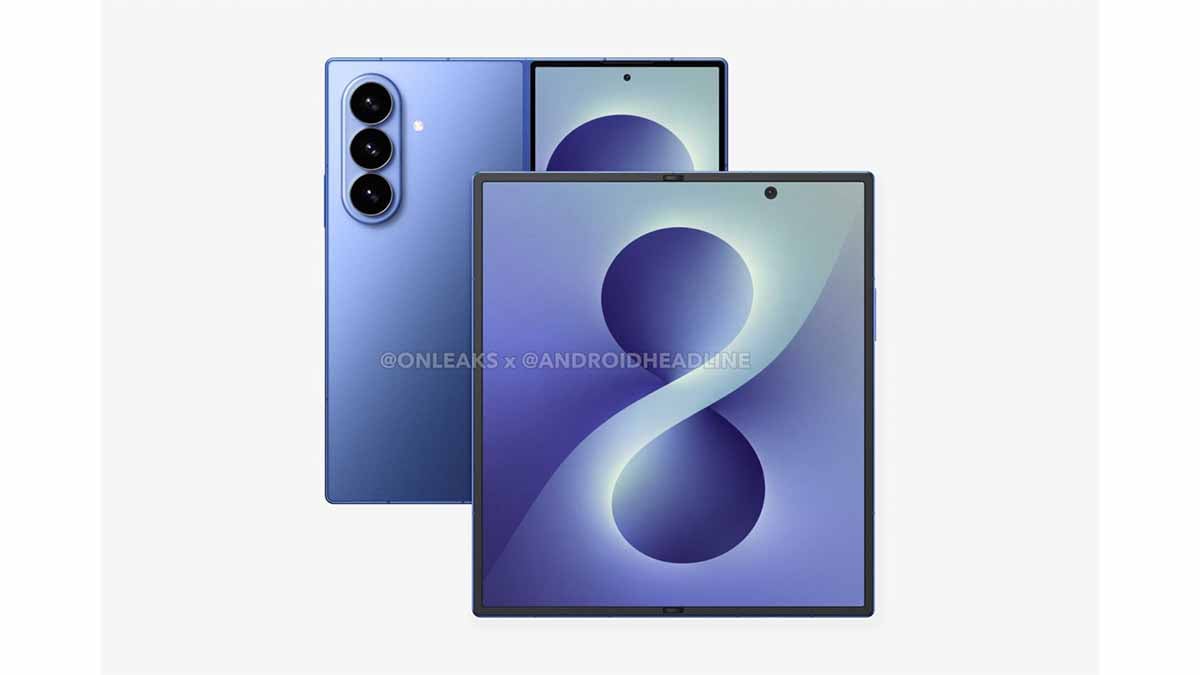
Reading view

Samsung drops Galaxy S26 Ultra prices by $200 in the US

Samsung has rolled out new no-trade-in instant credit offers across its Galaxy S26 lineup, and for the first time since launch, buyers can pocket real money off these phones before they even hit checkout.

For buyers who don’t have a device to trade in, or who sold their last phone privately, or who simply don’t trust carrier trade-in estimates, this is the cleanest path to an S26 that has existed since the lineup launched.

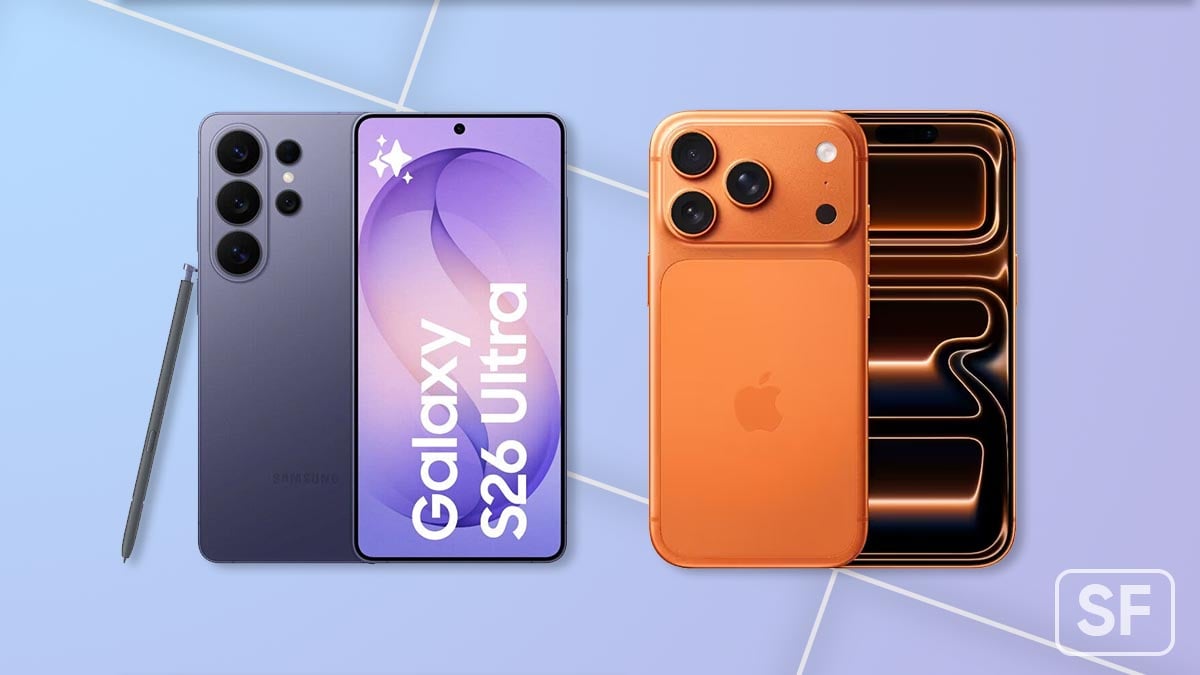
The Galaxy S26 and S26 Plus each get $100 off. That brings them to $799 and $999, respectively. The S26 Ultra drops $200, landing at $1,099 to start.

These cuts apply across every memory tier, every color option. Samsung isn’t hiding the discount behind some upsell. That’s a meaningful move, even if Samsung won’t frame it that way.

Samsung’s early S26 incentives were mostly pre-order credits. However, those credits came with strings: spend them on wearables, spend them on accessories, spend them inside Samsung’s ecosystem or lose them.

That’s not a discount, but a coupon. Well, this is different; this is money off the actual phone before you pay. Samsung didn’t announce this with fanfare; it just appeared, first spotted by our folks at SamMobile.

Which means either demand is softer than that company would like, or someone in pricing finally did the math and realized they were leaving buyers on the table.

The no-trade-in framing is deliberate; Samsung knows how trade-in deals work. The headline number looks generous until you actually try to redeem it, and your four-year-old phone gets quoted a fraction of what you expected.

This offer skips all of that: you don’t need to hand over anything, you are just paying less.

The post Samsung drops Galaxy S26 Ultra prices by $200 in the US appeared first on Sammy Fans.

Samsung One UI 9 might make memory security something regular people can use

Samsung is about to make memory security great again in One UI 9.

Most phone users have no idea how vulnerable their device’s memory actually is. Apps can reach into places they shouldn’t. One subtle coding mistake can open a door to corrupted data or a full security exploit.

Strings surfaced inside the Samsung Auto Blocker app suggest One UI 9 will let users flip on Memory Tagging Extension, which everyone calls MTE, through a simple toggle.

Here’s what actually matters about where Samsung put this feature: Auto Blocker, not Developer Options. Developer Options is where useful things go to die.

Hiding MTE there would have been the safe, forgettable choice. Putting it inside Auto Blocker, a security-focused menu that real people actually open, signals that Samsung wants non-technical users to find it.

Samsung’s own text inside the app warns that MTE “can reduce your phone’s performance.” Background memory checks cost cycles; that said, anyone who wants protection at zero cost is asking for something that doesn’t exist.

You will also need to restart your device. The strings include a message that reads “MTE is not applied yet until reboot,” along with a prompt pushing you to do it immediately. A minor inconvenience, not a dealbreaker.

If it ships the way it looks right now, it puts Samsung directly alongside Google in a category where, honestly, most Android manufacturers aren’t even showing up.

The post Samsung One UI 9 might make memory security something regular people can use appeared first on Sammy Fans.

4th Samsung foldable in 2026? New 3C listing hints at Galaxy Z Fold 8 FE

Samsung already had a busy foldable roadmap for 2026. Then a 3C battery listing surfaced, and now the count might be going up.

The certification, filed through China’s 3C database, ties two battery variants, EB-BF977DAY and EB-BF977DAE, to a model number nobody’s seen before: SM-F977. That specific identifier hasn’t appeared in any prior leak.

Samsung’s naming logic isn’t exactly mysterious at this point. The “F9” prefix on a model number almost always signals a Fold device. SM-F977 almost certainly belongs to the Fold family, even if we don’t know which version yet.

A Galaxy Z Fold 8 FE is the obvious guess (via SammyGuru).

Samsung’s SM-F977 device could also be a second Wide Fold configuration, a TriFold sequel, or a test unit that never sees a store shelf. 3C listings don’t distinguish between production-bound hardware and engineering samples.

The listing shows a 2,485 mAh cell; Samsung uses dual-cell battery designs across its foldable lineup. So that 2,485 mAh figure is almost certainly one of two cells, putting total capacity somewhere around 5,000 mAh.

The SM-F977 designation hasn’t appeared anywhere else, which cuts both ways. It might mean Samsung is managing leaks better than usual. Or it means this device barely exists beyond an engineering prototype sitting in a lab.

The post 4th Samsung foldable in 2026? New 3C listing hints at Galaxy Z Fold 8 FE appeared first on Sammy Fans.

Samsung is about to print a year’s worth of money ($33 billion) in 90 days

Samsung is expected to post a profit money of roughly 50 trillion won or $33 billion in the first quarter of 2026. Boosted by the semiconductor supercycle, the company is on track to earn a full year’s money in just a quarter.

Meritz Securities (via Chosun) pegged Samsung’s Q1 operating profit at 53.9 trillion won, while  Citigroup went with 51 trillion. These aren’t rounding errors above the baseline estimate.

Estimates done by firms are for a different zip code. Revenue for the quarter is tracking toward 116.1 trillion won, up nearly 47% year-on-year; operating profit growth is about to be 461.8%.

Samsung is not having a good quarter. It’s having a historically deranged quarter. The machine behind all of this is the semiconductor supercycle, and it’s not slowing down.

Alphabet, Amazon, Meta, and Microsoft have collectively committed $665 billion to AI infrastructure spending this year, a 75% jump from last year.

TrendForce estimates DRAM prices could climb 58 to 63% in Q2 compared to Q1. The pace stalled briefly in March, but the trajectory held, which will show up in Samsung’s inventory numbers.

Related article:

The post Samsung is about to print a year’s worth of money ($33 billion) in 90 days appeared first on Sammy Fans.

Samsung Galaxy S25 users grab April 2026 update

Users of the Galaxy S25, S25+, and S25 Ultra are getting the April 2026 security update. This development comes a little after the company expanded the Galaxy S26 lineup’s April update to Europe, India, and the US.

Samsung’s April 2026 security update is available for the Galaxy S25 series in South Korea. The patch details are yet to be released by Samsung. Expansion outside Korea would take some time, just like the Galaxy S26 series.

Users can identify the update through the PDA build version BZCH. The update weighs around 550 megabytes and the content seems familiar. The changelog has nothing specific about the fixes apart from a newer security patch.

Just recently, Samsung confirmed the rollout of Galaxy S26’s features to the Galaxy S25 series. The updates would come as part of One UI 8.5. However, the company hasn’t disclosed when the public rollout will begin.

AI-powered Call Screening is the most important Galaxy S26 feature confirmed to arrive on the Galaxy S25 series. Samsung also confirmed “useful enhancements” for last year’s flagships as part of the One UI 8.5 upgrade.

One UI 8.5 Beta is also underway in six countries. If you’re on Beta, it’s not the firmware update for your device; you will get the 9th Beta. It appears only when your Galaxy phone is running the Android 16-based One UI 8.

If you are not a Beta Program participant, you will get the BZCH build. Check for updates manually through Settings > Software update > Download and install.

Samsung Galaxy S25 April 2026 Update

The post Samsung Galaxy S25 users grab April 2026 update appeared first on Sammy Fans.

Galaxy S26 April 2026 update hits US, India, Europe – big relief for 3x camera?

Samsung has started rolling out April 2026 update to the Galaxy S26 series across Europe, India and the US. The latest firmware possibly carries improvements for the 3x camera problems users reported over the past couple of weeks.

On the first day of April, Samsung kickstarted the update’s rollout. Samsung’s April 2026 update was initially released for the Galaxy S26 series in South Korea, and the latest brings it to Europe, India (AZCL) and the US (AZCM).

I just returned from Samsung’s security bulletin page, which is still stuck on the March chart. The company hasn’t yet disclosed the April patch details. Well, Samsung did actually improve the update deployment this month.

Some Galaxy S26 Ultra users are facing issues with the 3x camera. Samsung’s Korean community has plenty of complaint posts about it. Users say the 3x camera mode renders blurry images, which should be improved ASAP.

Samsung acknowledged the problem and released the fix. However, consumers aren’t satisfied with the patch, demanding necessary improvements. A firmware was planned without an exact release date, which might be included this month.

With the expansion underway, more users should receive the firmware. You can check for updates manually through Settings > Software update > Download and install.

Samsung has also made a major announcement for the Galaxy S25 users. The company plans to bring select AI features and useful enhancements from the Galaxy S26 series to the Galaxy S25 series as part of One UI 8.5 update.

The post Galaxy S26 April 2026 update hits US, India, Europe – big relief for 3x camera? appeared first on Sammy Fans.

Samsung makes Galaxy S25 users happy, confirms S26 AI features and One UI 8.5

Galaxy S25 users were not quite happy with Samsung, but a new notice appeared in the Members app flips the script, with plenty of S26 features set to expand.

Samsung doesn’t always say it out loud, but this time it did. The community pushed, and Samsung listened.

A fresh notice on the South Korean Samsung Members forum (via Alfaturk) has effectively locked in what early adopters of the Galaxy S25 lineup wanted to hear.

Samsung is preparing a new firmware step, One UI 8.5, and it is not just a routine UI skin refresh. It carries forward a set of “advanced Galaxy AI” features that many assumed would stay exclusive to the next flagship cycle.

The company’s wording is deliberate here. This is not framed as a minor stability update or a carrier-driven rollout tweak. The company is positioning One UI 8.5 as an AI expansion layer inside its broader firmware roadmap.

One feature stands out immediately: enhanced call screening. The bigger takeaway is the phrase “advanced Galaxy AI.” Samsung is signaling parity, not trickle-down.

The Galaxy S25 series is being treated less like last year’s hardware and more like an active participant in Samsung’s AI platform. The Samsung Members thread shows sustained pressure from power users, the kind who track every beta build.

Announcements from South Korea are not just local signals.

If Samsung has committed to this rollout in its home market, US unlocked devices and carrier variants are next in line. There may be slight delays, but the direction is set. One UI 8.5 with expanded Galaxy AI is coming to the S25 series globally.

Samsung Galaxy S25 One UI 8.5 Update Contents

Image – Notice appeared in Samsung Members app

The post Samsung makes Galaxy S25 users happy, confirms S26 AI features and One UI 8.5 appeared first on Sammy Fans.

Samsung Galaxy S27 Pro coming in 2027; S27 Ultra without S Pen?

Samsung Galaxy S lineup is said to be expanding to four models with the arrival of the Galaxy S27 Pro in 2027. It signals a deeper shift in how Samsung defines its “Ultra” identity and its premium tier as a whole.

For context, this is not Samsung experimenting blindly. We saw a preview of this strategy with the Galaxy S Edge. Galaxy S25 Edge was the first slim phone, and the S26 Edge tried to eliminate the Galaxy S26 Plus in 2026.

That plan did not survive real-world feedback.

Users pushed back, and Samsung reversed course, keeping the Plus alive. It explains why the Galaxy S27 Pro is being added, not swapped in. Samsung learned the hard way that removing choice hurts more than adding complexity.

The result is a four-model lineup: standard, Plus, Pro, and Ultra. It is tempting to call this a reaction to Apple and its iPhone structure, but that would be an oversimplification.

Samsung has been running a single “true premium” option with the Ultra for years, while Apple splits that tier into Pro and Pro Max. The gap was always there, but now Samsung is filling it on its own terms.

The Galaxy S27 Pro is expected to sit just below the Ultra but much closer to it than the Plus ever did. Features that were once exclusive to Ultra are likely to trickle down, and one stands out immediately: Privacy Display.

Early indications suggest the Pro model will skip S Pen support, which creates an interesting dilemma for the Ultra itself. There are whispers that Samsung could strip the S Pen from the Ultra as well, or at least rethink its role.

The post Samsung Galaxy S27 Pro coming in 2027; S27 Ultra without S Pen? appeared first on Sammy Fans.

Samsung hikes DRAM prices another 30 percent

Samsung has made DRAM expensive by another 30 percent in the second quarter, piling on top of the 100 percent increase it already pushed through in Q1. If you bought memory last year, you got a deal; you won’t get that again anytime soon.

The company finalized Q2 supply contracts with major clients late last month. The 30 percent figure isn’t cherry-picked; it’s an average across both HBM and commodity DRAM.

One industry source put it plainly: there are still customers scrambling to lock in supply ahead of further increases, and there’s no signal anywhere that prices are heading down.

If a DRAM chip cost 10,000 won at the start of 2025, it jumped to 20,000 won in Q1. Now it’s sitting at roughly 26,000 won, which is not a correction, but a sustained repricing of the entire memory market, and Samsung is driving it.

Big tech is pouring capital into AI infrastructure at a frankly staggering pace, and every AI accelerator shipping out the door needs high-bandwidth memory to function. HBM demand has gone vertical.

Samsung, SK Hynix, and Micron all pivoted production capacity toward HBM to chase those margins, and the side effect is that general-purpose DRAM supply got squeezed hard.

Legacy products, older generation DRAM that nobody’s particularly excited about, have seen price increases slow down. DRAMeXchange tracked PC DRAM in DDR4 format at unchanged fixed transaction prices through late March.

DDR5 and HBM are all still climbing. The flat DDR4 numbers are basically an artifact of a product category that AI infrastructure doesn’t care about. The demand driving this market is concentrated in high-performance memory.

The post Samsung hikes DRAM prices another 30 percent appeared first on Sammy Fans.

[Update from Samsung] Galaxy Watch Blood Pressure monitoring arrives in the US

Update: Clarification on FDA clearance

Samsung is sending out a clarification email to publishers over FDA clearance talks linked to the Galaxy Watch BP monitoring feature. An official statement, received by AndroidAuthority, reads as follows:

Samsung’s Blood Pressure Monitoring feature is designed as a wellness feature and is not intended for medical use. As such, it is not subject to FDA clearance. The feature aligns with the FDA’s General Wellness: Policy for Low-Risk Devices, including updates published in January 2026 focused on consumer wearables.


Original story as follows

Samsung has officially launched its blood pressure monitoring feature for Galaxy Watch users in the United States. Starting March 31, 2026, selected users can now check and track their blood pressure directly from their wrist using a Galaxy Watch and the Samsung Health Monitor app.

The blood pressure monitoring feature is important because high blood pressure is a common health problem. According to the Centers for Disease Control and Prevention, nearly half of adults in the US suffer from it. If not managed properly, it can lead to serious problems like heart disease and stroke.

The Galaxy Watch allows users to measure both systolic and diastolic blood pressure along with heart rate. However, it is not a complete replacement for medical devices. Users still need a regular upper-arm blood pressure cuff to set up the feature and recalibrate it every 28 days. This helps improve accuracy.

Samsung Galaxy Watch Blood Pressure US

Image via Samsung

Notably, this feature is designed for wellness purposes only. It is not meant to diagnose or treat any medical condition. Users should always consult a doctor for proper medical advice.

The blood pressure tool adds to other health features already available on Galaxy Watches. These include ECG readings, irregular heart rhythm alerts, and sleep apnea detection, some of which are cleared by the FDA.

Samsung has also introduced new Galaxy Watch models, which include improved sensors and smart features powered by AI. These watches aim to give users better health insights and a more connected experience.

The rollout of the feature will happen gradually, so not all users will get the feature at once. Stay tuned for more information.

The post [Update from Samsung] Galaxy Watch Blood Pressure monitoring arrives in the US appeared first on Sammy Fans.

Apple beats Samsung: iPhone 17 Pro Max shoots Earth on NASA’s Artemis II mission

NASA’s Artemis II mission is currently making history as the first crewed lunar mission since 1972, and tucked into the personal gear of each Orion crew member is an iPhone 17 Pro Max.

Not because the hardware couldn’t theoretically handle it, but because no Samsung phone was there. Apple cleared the iPhone 17 Pro Max for extended operation in orbit earlier this year, and NASA actually put it in astronauts’ hands.

Space isn’t a controlled condition; it’s the ultimate uncontrolled condition. When NASA needed something reliable enough to hand to astronauts heading farther from Earth than any humans in 52 years, the choice wasn’t a Galaxy.

The mission’s primary imaging hardware includes the Nikon D5, Nikon Z 9, and a GoPro HERO4 Black. The iPhone sits alongside those tools as a personal device, and it still managed to capture images of Earth.

NASA Artemis II iPhone 17 Pro Max

Let’s rewind to 2024. Samsung launched a Galaxy S24 into the upper atmosphere attached to a high-altitude balloon. The company framed it as a space moment; the press played along, and it generated headlines.

A balloon touching the edge of the atmosphere and an iPhone orbiting the Moon on a crewed NASA mission are not the same category of achievement.

Samsung can’t retroactively partner with NASA on Artemis II. What the Galaxy maker can do is push harder on actual institutional relationships with space agencies, on hardware certifications for extreme environments.

The Artemis II crew could set a record for the farthest distance humans have traveled from Earth before returning on April 10. Which means an iPhone 17 Pro Max will hold the record for the farthest any smartphone has ever traveled from Earth.

This view just hits different 🌍
@Astro_Christina and @astro_reid take a moment to look back at Earth as they continue deep into space toward the Moon. pic.twitter.com/NMDeLj256K

— NASA (@NASA) April 4, 2026

The post Apple beats Samsung: iPhone 17 Pro Max shoots Earth on NASA’s Artemis II mission appeared first on Sammy Fans.

Samsung targets key markets with Galaxy A37 and A57

Starting April 10, Samsung will begin releasing the Galaxy A37 and Galaxy A57 in key markets. The two phones were officially launched in late March, bringing decent upgrades to the company’s Galaxy A lineup.

Samsung Galaxy A57 5G and A37 will be released across markets, including the US, Saudi Arabia, Australia, Brazil, and Southeast Asia, and the company is betting these two phones can hold the line against Apple’s relentless march.

The numbers tell the story; Apple grabbed 20 percent of the global smartphone market last year, and Samsung landed at 19 percent. The new Galaxy A phones would help Samsung close the gap and retain the edge.

Both devices run Samsung’s budget AI platform, branded “Awesome Intelligence,” built on One UI 8.5. Voice-to-text recording, AI Select, and a sharpened Circle to Search are all baked in.

The cameras land at 50MP in a triple-camera setup, with an upgraded image signal processor and Nightography handling the low-light work. Add IP68 water resistance, a 5,000mAh battery with fast charging, and six generations of OS support.

It’s not flagship territory, but it’s closer than it’s ever been, and that matters in markets where a $500 phone is a major purchase.

The Galaxy A57 starts at $549 in the US, a $50 jump from its predecessor. The Galaxy A37 comes with a price tag of $449, also up $50. Rising memory and component costs are the culprit; Samsung didn’t want this, but it’s happening.

Worth remembering: the Galaxy A16 and A15 ranked 5th and 8th globally in sales last year. The A series isn’t a sideline; it’s the engine. The Galaxy S26 handles the prestige play in the first half of this year, but the A57 and A37 handle the math.

Samsung Galaxy A37 and A57

The post Samsung targets key markets with Galaxy A37 and A57 appeared first on Sammy Fans.

Samsung could keep only smartphones and memory as other divisions face shutdown in China

Reports coming from the channel network of China suggest Samsung is preparing to gut its operations in the country, potentially down to just two businesses: smartphones and memory chips. Everything else? Possibly gone.

The details surfaced through ChannelGate (via ITHome), a trade publication under the Bobantang media umbrella, citing insiders with direct knowledge of Samsung’s internal discussions.

According to Samsung China has already made significant moves to wind down its home appliance division. The monitor business, which sits under that same consumer electronics umbrella, is now caught in the same undertow.

Samsung’s monitor division actually grew in 2025. It may get shut down anyway, not because it failed, but because it shares a corporate roof with a division Samsung is abandoning. That’s not a strategy, but collateral damage.

Samsung reportedly held internal discussions with JD.com, China’s retail giant, possibly about some kind of takeover arrangement for the monitor business. JD.com passed, or at least that’s what’s circulating in the channel.

Another name has surfaced in the rumors: Saifu. The company recently acquired LG’s online home-appliance operations in China and is reportedly being considered as a potential new owner of Samsung’s monitor segment.

Nothing confirmed, but the fact that Samsung is reportedly shopping this business around tells you everything about where the internal decision-making has landed.

Hanlinhui, the national distributor responsible for Samsung monitors across China, didn’t wait for a press release. When distributors freeze inventory before any official announcement, the announcement is usually just a formality.

If the rumors are accurate, Samsung China’s future is essentially a components play wrapped around a smartphone presence. Memory chips feed the broader global supply chain and don’t require Samsung to win Chinese consumers’ hearts.

The post Samsung could keep only smartphones and memory as other divisions face shutdown in China appeared first on Sammy Fans.

Samsung gears up for Quick Share to AirDrop device expansion

Samsung is about to expand the Quick Share support to the AirDrop feature for Galaxy devices other than the Galaxy S26 series, as suggested in the latest leaks and app update rollouts.

Quick Share is a file-sharing feature for Galaxy devices, bringing faster file transfers from one device to another. Despite this ease of access, Samsung and other Android phones need to use Bluetooth to transfer files with Apple devices. Meanwhile, these devices support a faster file transfer through AirDrop.

Late last year, Google announced that Quick Share had added AirDrop support, breaking through the boundaries between the two operating systems, enabling cross-platform file sharing. In March, the Galaxy S26 series the lineup become the first among Samsung phones to get AirDrop support.

The feature access is simple; you need to open Quick Share and transfer a file to the nearest Apple device. No tweaks, no workarounds. With this launch, Samsung also revealed that more Galaxy devices will get Quick Share support.

In that direction, the company has started sending relevant app updates to its eligible phones. You may have seen these:

  • Quick Share
  • Quick Share Agent
  • Quick Share Connectivity

Samsung Quick Share updates on Galaxy Store

We usually don’t see Samsung sending new updates for Quick Share. However, this time it’s important. Many S25 series users with One UI 8.5 reported this arrival, and the same can be said for the Galaxy S24 series under the beta program.

This indicates that the app updates may have crucial improvements to prepare the devices for the upcoming feature support.

Rollout expectations

Past report suggests that Samsung is planning to stretch the One UI 8.5 beta program for the Galaxy S25 series, and the 9th beta is on its way to testers.

Moreover, a new firmware version for Galaxy S25’s One UI 8.5 beta shows that it carries the AirDrop support for the Quick Share feature. This update could roll out in the first half of the month, followed by similar rollouts for the S24 series. However, we’ll have to wait for the release to confirm its content.

The post Samsung gears up for Quick Share to AirDrop device expansion appeared first on Sammy Fans.

Galaxy S25 users aren’t happy with Samsung

The Galaxy S26 series launched with One UI 8.5, bringing new UI and animations upgrades as well as AI features that Galaxy S25 users have been waiting for since the launch day. Yet, the wait continues to stretch.

The Galaxy S25’s One UI 8.5 saga started in early December with the beta program. So far, 8 betas have been released with features, improvements, and optimizations. Still, the beta is missing some of the Galaxy S26 series features. One of these features is the call screening, which Samsung first denied compatibility with the S25 series and later announced would come with a future update.

Since Samsung prioritizes the Korean community in software rollouts, users on their forums are showing their disappointment with the company and reflecting on the low-grade treatment. The majority of Galaxy S25 users have criticised Samsung for the 7 OS update promise, which they don’t think Samsung is fulfilling with priority.

“Who would use a Galaxy like this? A phone costs over a million won, so it’s basically telling us to buy a new one every year just because a new model comes out. This is really too much. Do you think people using the Samsung S25 are suckers? If you’re going to categorize prices like this, then the promise of 7 years of updates was all a lie.” A Galaxy S25 user wrote about the One UI 8.5 and new AI feature situation.

Samsung Galaxy S25 series user complaining about Samsung's software update policy

This is just one example, and the forum has many such posts that show strong criticism of Samsung’s current OS upgrade rollout policy.

As a matter of fact, Samsung is clearly making it a stretch, and this isn’t even a major Android update. One UI 8.5 is still based on Android 16, which was released last year. So, much of the testing should have been done for the feature rather than OS compatibility. The time it’s taking for the rollout isn’t understandable.

Author’s take

Samsung is creating a divide here; it is selling new features with the Galaxy S26 series while the S25 users are watering their mouths. The most interesting fact is that S25 customers have paid almost an identical price compared to the latest phones. And, the phone maker is showing zero interest in prioritizing their user experience.

The company could have rushed the development for this lineup and released the update right after the S26 series launch, even in March; a move may have been welcomed by users.

We just entered April, and only the next One UI 8.5 rollout for the Galaxy S25 series will present a clear picture.

The post Galaxy S25 users aren’t happy with Samsung appeared first on Sammy Fans.

Display could be the reason Galaxy Z Fold 8 is looking familiar

The Galaxy Z Fold 8 is no longer a mystery, which many observed as identical to the Fold 7, but the display could be the reason why Samsung is making the phone look familiar.

The Z Fold 8 will follow the side fold mechanism, featuring foldable and cover displays. The width and the height are reportedly the same as the recent generation Fold device. However, the new Fold may be slightly thicker. On the other hand, the camera design hasn’t changed.

Based on past reports, Samsung has already developed a creaseless solution for foldable devices and showcased it to the public at CES. The display shows no signs of crease, a major upgrade.

The tech was compared to a Galaxy Z Fold 7, which was released in July 2025. The difference between the two generations was huge, removing one of the most annoying impurities of the foldable displays.

Reports indicate that the creaseless display is coming to the Galaxy Z Fold 8. Samsung hasn’t said anything on this matter. However, the dimensions have an indication.

Galaxy Z Fold 8 CAD Render

Galaxy Z Fold 8 CAD Render (Source – Androidheadlines)

The Fold 8 could have the same width and height as the Fold 7, except for the thickness. The thickness could be due to improved closure protection, but there may be another reason.

Related to this, a report from January speculated that Samsung could opt for dual Ultra Thin Glass (UTG) for the Galaxy Z Fold 8 display. This solution will limit the crease visibility and make it look like nothing.

According to Samsung, the Fold 7 features a 50% thicker UTG than its Fold 6. And utilizing dual UTG may have forced Samsung to return some of the thickness to the Fold 8’s design. This may not be huge, but only slightly.

Also, the reataining the same dimensions suggests that Samsung may have been testing this solution on the Fold 8’s form factor for a long time. Keeping the same design allowed the company time to focus on the new upgrade with the same electronics components. If Samsung goes with the extra UTG layer, then it will certainly bring a creaseless display.

Unraveling more on the display, Samsung is reportedly considering using the M13 display on the new Fold, instead of the M14. The reason for that would be the optimized performance, which the company found sufficient for next-gen foldables.

Besides the Fold 8, Samsung also has a Wide foldable phone that is expected to launch alongside the Fold 8 and Flip 8 in the second half of this year. The Fold 8 lineup will utilize the Snapdragon 8 Elite Gen 5 chipset and run the latest Android 17.

The post Display could be the reason Galaxy Z Fold 8 is looking familiar appeared first on Sammy Fans.

Hey Plex replacement is still missing from Galaxy S26 series

Do you remember that Perplexity promised to bring a replacement for the Hey Plex voice wake-up for the Galaxy S26 series? Well, that feature is still missing in action.

Back in February, Samsung announced a strategic partnership with Perplexity, one of the leading AI companies. It was then announced that this AI will be part of the multi-agent strategy for the S26 series.

At the launch, both companies brought more to the table. Samsung Browser and Bixby are now using Perplexity’s summarization and agentic AI capabilities to get smarter than ever before.

That said, Samsung is still holding Google’s AI assistant as the key driver in the latest S-series devices. However, it’s also offering users a way to switch to Perplexity or Bixby. You can wake up these AI assistants through voice commands.

For example, Gemini wakes up with “Hey Google,” and it’s ready to take your questions, no matter if your phone is locked. You can do the same with Bixby for “Hey Bixby” and “Hey Plex” for Perplexity.

For those who are new to this topic, let me tell you that Perplexity, specifically, launched the Hey Plex wake-up phrase for the Galaxy S26 series. I tried this feature on my new S26 Ultra, and it worked quite like the new Bixby.

Yet, within a few days, the AI firm removed this wake-up phrase. The reason was unknown, and the company didn’t even bother sharing more information.

As the news began to spread online, Perplexity CEO, Aravind Srinivas, said that the “Hey Plex” wake-up phrase is changing to “Hey Perplexity”. Again, there was no explanation behind this decision.

So, we waited, and it’s the 5th of April, 2026, and Perplexity is still missing a wake-up phrase that both Samsung and Perplexity unveiled for the S26 series.

Hey Plex Galaxy S26

Moral of the story

Yes, nobody is noticing that Hey Plex or Hey Perplexity is missing from the new S26 phones because Gemini can do everything better than its competitors, including Bixby.

So what are we doing here? Because there’s a pattern to learn: Samsung installed Perplexity’s AI under its multi-agent framework. Perplexity is getting Samsung’s vast user data, changing its features right after the phone launch, while maintaining zero transparency. And it’s a common business strategy between the two companies. So, consumers aren’t the priority.

I said it before, and I will say it again, if this wake-up phrase change is only for the namesake, it will be one of the most time wasting investment from the Perplexity team.

The post Hey Plex replacement is still missing from Galaxy S26 series appeared first on Sammy Fans.

Samsung killing native Messages app and Google Messages taking over in July 2026

Samsung just confirmed that Samsung Messages will be discontinued in July 2026 and Google Messages is taking over. Samsung posted an official End of Service announcement.

So, July 2026 is the deadline, and if you’re still on the stock messaging app that shipped with your Galaxy phone, it’s time to move.

Once the cutoff hits, Samsung Messages stops working for standard texts. You’ll only be able to send messages to emergency services and defined emergency contacts.

Users on Android 11 or lower are exempt, which tells you something about the demographic Samsung expects to still be running its own messaging client at this point. For everyone else, Google Messages is the mandated replacement.

RCS is the real story here

Most users never noticed the difference between Samsung Messages and Google Messages. But the gap has widened considerably, and its own app has fallen behind on features that carriers and Google have pushed aggressively, particularly RCS.

Apple opened iOS to RCS last year, which meant the last excuse for fragmented messaging across Android and iPhone finally collapsed. Google Messages is the primary vehicle for RCS on Android and that’s why it’s being prioritized.

RCS Messaging across OS

Additional features

Google Messages brings AI-powered scam detection and spam filtering. Gemini integration is also baked in, giving you smart replies and photo remixing tools.

Multi-device support lets you pick up conversations across your phone, tablet, or Galaxy Watch without interruption. High-quality photo and video sharing through RCS, along with typing indicators and read receipts.

Tizen Watch users

If you own a Tizen OS watch, a Galaxy Watch 3 or earlier, you’re losing full conversation history on the watch. Those watches won’t support Google Messages. You can still send and receive texts, but the thread view goes away.

How to switch?

Most users will get an in-app prompt inside Samsung Messages, walking them through the transition. If you want to do it manually, open Google Messages, and it’ll immediately ask you to set it as your default SMS app.

Samsung Messages Google Messages

The post Samsung killing native Messages app and Google Messages taking over in July 2026 appeared first on Sammy Fans.

Samsung skipped a security update for its flagship in a while

In March, Samsung released the Galaxy S26 flagship with One UI 8.5 featuring privacy display and new features, but running the February security patch, and skipped a new firmware update.

Since its launch, Samsung has released two software updates for this flagship. The first focused on system stability improvements, and the second update introduced AirDrop support for the Quick Share feature.

The one thing that remained the same in these updates is the February 2026 security patch. To be mentioned, the phone shipped with this security level out of the box.

To cover up, the company delivered the April 2026 security patch on the first day of this month. Making it the first phone in the S-series to get this update on board. Though the update is yet to expand for global users, it secures the phone with the latest patches.

Samsung Security Software Update

Photo by Sammyfans

Meanwhile, it doesn’t erase the fact that the company actually skipped a security update for its newest flagship phones. The key reason for that would be the AirDrop support. This new firmware may have consumed the time that Samsung decided to skip a new update.

We also want to mention that this is the first time in a while that Samsung skipped a monthly security update for a flagship phone. It’s hard to say when the phone maker will seed the April patch for all users, but it’s good to see that Samsung rushed to release the April 2026 patch for some users at the earliest.

The post Samsung skipped a security update for its flagship in a while appeared first on Sammy Fans.

Samsung Galaxy S27 Ultra Specs and Features Wishlist

Galaxy S27 Ultra release is almost a year away and our initial wishlist highlights the seven biggest upgrades Samsung fans are demanding in 2027.

Samsung doesn’t need another safe upgrade; it needs a statement. The Ultra line has been flirting with greatness for years, but 2027 feels different. Rivals are no longer just catching up, making 2027 the year Samsung either shuts the noise down or fuels it.

Galaxy S27 Ultra Wishlist

Here’s what the Galaxy S27 Ultra must get right.

1. 1-inch camera sensor, the missing piece

Phones from Xiaomi and Vivo are playing with 1-inch camera sensors. Meanwhile, Samsung still leans on megapixels, which works, but it doesn’t wow anymore.

A 1-inch type sensor paired with the next-gen 200MP tech could finally change the conversation. Add proper motion capture, faster shutter speeds, and consistent HDR, and suddenly you’re not just competing, you’re leading.
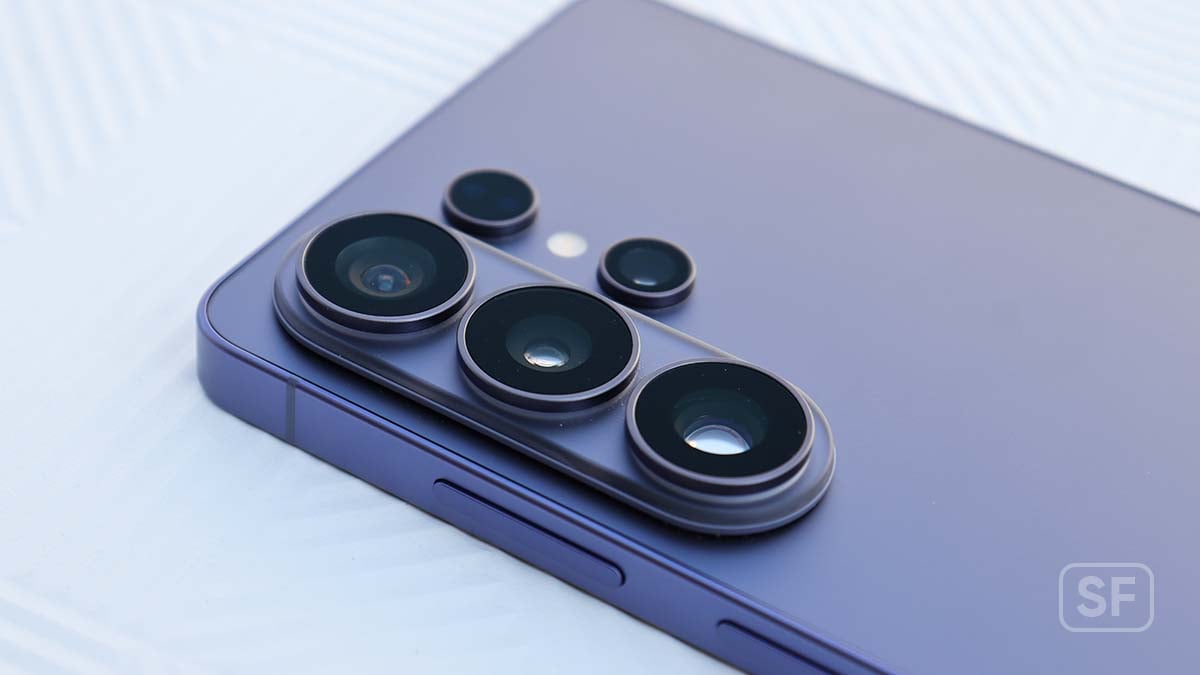
Samsung Galaxy S26 Ultra SG26U rear camera

2. 2nm processor that actually feels fast

A 2nm-class chip, likely the Snapdragon 8 Elite Gen 6 Pro flagship chip, paired with LPDDR6 RAM and UFS 5.0 storage, sounds like overkill on paper, but under the hood, this is where Samsung can build a true AI powerhouse.

  • Snapdragon 8 Elite Gen 6 Pro (2nm)
    • Rumored to push insane clock speeds
  • LPDDR6 RAM (12GB / 16GB / 24GB option)
    • Could debut as Samsung’s first LPDDR6 phone
  • UFS 5.0 storage (256GB–1TB)

3. Battery life that breaks the daily charging habit

5000mAh is table stakes now, and if Samsung really wants to move the needle, silicon-carbon batteries in the 6000 to 7000mAh range need to happen. Well, it’s not going to happen.

Galaxy S26 Ultra has upgraded the peak charging speed to 60W, which brings positive outcomes. With the next generations, the days of being tethered to a wall for an hour should feel outdated.

4. Galaxy AI that works fully offline

Samsung is doing great with Galaxy AI, with the S26 series introducing Agentic AI. The next set of upgrades will arrive with the Galaxy Z Fold 8 and Z Flip 8 foldable phones later this year.

For 2027, we are a lot more optimistic. Imagine real-time call translation that works on a flight, photo edits that reconstruct scenes instantly and smart summaries that actually save time.

5. A display that finally kills bezels

Debuted with the S26 Ultra, Privacy Display is the most brilliant mobile innovation. Samsung now needs to push brightness beyond 3000 nits so sunlight is irrelevant.

Improve anti-reflective coating so glare disappears, and maybe, just maybe, trim the bulk so the Ultra feels less like a brick; this is about presence. When you pick it up, it should feel futuristic.

Samsung Galaxy S26 Ultra SG26U front camera and task bar

6. Polar ID and security that just works

Face unlock on Android still feels like a compromise, but the rumored Polar ID upgrade could change that, as it’s secure, fast, and reliable, without needing a notch or cutout gimmick.

Combine that with a next-gen ultrasonic fingerprint sensor and continuous authentication, and your phone becomes quietly smarter. Security shouldn’t slow you down; it should disappear into the background.

7. S Pen needs a surprise, not silence

Early signals suggest the S Pen might not get major upgrades, which is absolutely disappointing but not final. The South Korean tech giant has a chance to surprise its most loyal users.

Lower latency for that pen-on-paper feel, and magnetic attachment so it finally feels modern. Maybe Samsung could even bring back smarter Bluetooth features like Air Actions in 2027.

Samsung Galaxy S26 Ultra S Pen

The S27 Ultra doesn’t need to tick boxes, but it needs to win hearts again. A 1-inch sensor changes the camera game. Real AI changes how you use your phone. Better battery and charging change your daily routine, as everything else builds on that.

What’s on your wishlist for the Galaxy S27 Ultra?

The post Samsung Galaxy S27 Ultra Specs and Features Wishlist appeared first on Sammy Fans.

Chipflation is accelerating Samsung’s pivot to Chinese vendors across hinges, screens, and cameras

Chipflation is causing Samsung to revisit its supply chain and accelerate its pivot to Chinese vendors across hinges, screens, and cameras.

Reports suggest chipflation is breaking things open inside the supply chain of Samsung Electronics. Semiconductor prices keep climbing on the back of AI demand, and the ripple effect is hammering smartphone manufacturers.

Three categories. Hinges, screens, cameras and the shift is systematic, not situational.

Samsung decided to source OLED panels for the Galaxy A57 from CSOT. Earlier models, the A56 and A36, used panels from Samsung Display. The shift away from an in-house supplier to a Chinese panel maker isn’t a minor procurement tweak.

Besides, Samsung recently tapped Chinese hinge makers Huanli as the primary supplier for the Galaxy Z Flip 7, replacing KH Vatec.

Sunny Optical, another Chinese firm, has also carved out a meaningful position supplying ultra-wide camera modules for the Galaxy S series.

That said, Samsung feels pressure on costs, so it hunts for savings in components. An analyst projection puts Samsung’s MX division operating profit at around 5 trillion won this year; last year it was 12.9 trillion won.

Samsung would frame all of this as supply chain diversification, spreading risk, staying competitive, the usual language. Having multiple suppliers across critical components does reduce exposure to any single vendor’s failures or price hikes.

The Korean tech giant is building deeper ties with Chinese component vendors precisely when the global environment makes those ties most complicated to manage.

Another industry insider added, “As semiconductor prices increase drive up costs, component suppliers are also being pushed to lower unit prices. If the influence of Chinese firms continues to grow in this environment, the burden on domestic companies will increase further.”

The post Chipflation is accelerating Samsung’s pivot to Chinese vendors across hinges, screens, and cameras appeared first on Sammy Fans.

One UI 8.5 Beta 9 bringing AirDrop to Galaxy S25 phones in days

Samsung is preparing One UI 8.5 Beta 9 for the Galaxy S25 series, and it’s going to be big enough, thanks to the potential AirDrop inclusion.

After Google, Samsung brought AirDrop support to Android’s Quick Share. The sharing utility application has gained the ability to transfer files between Android and Apple software versions, such as iOS, iPadOS and macOS.

Samsung rolled out AirDrop support to the Galaxy S26 series. Now, it looks like the Galaxy S25 series will receive AirDrop as part of One UI 8.5 Beta 9 update. The latest Beta build, though internal, carries this feature, via Alfaturk.

Recently, it was reported that the 9th Beta could arrive in the second week of April. The exact date could be April 9, but it’s not officially confirmed. There will be another Beta afterwards, which would arrive as the 10th Beta.

Samsung’s AirDrop update makes it easier to share and receive files across One UI and iOS. Galaxy users can easily transfer and receive files. It doesn’t require the installation of any application on both sides, making it a big deal.

The Korean tech giant may offer AirDrop sharing feature to a range of Galaxy devices. Initially landed on the Pixel 10 and expanded to Pixel 9, it is available on Galaxy S26 series and One UI 8.5 rollout could mark a massive expansion.

Samsung may begin rolling out Stable One UI 8.5 update in late April or early May. If the final Beta (Beta 10) releases on April 20, as rumored, the public build could start hitting Galaxy S25 phones by the end of April this year.

The post One UI 8.5 Beta 9 bringing AirDrop to Galaxy S25 phones in days appeared first on Sammy Fans.

Apple wiping out every phone maker except Samsung?

Apple is reportedly overbuying mobile DRAM at inflated spot prices, even when it dents margins, and Samsung is the only phone maker capable of surviving.

The 2026 smartphone supply chain isn’t tight; it’s being squeezed. What we’re seeing right now isn’t a normal procurement strategy, but a calculated land grab.

When a player with Apple’s balance sheet starts hoarding memory like this, the goal is simple: make sure everyone else pays more, waits longer, or both.

Memory, especially DRAM, is a huge chunk of the BOM. Push that cost up, and suddenly mid-tier and even flagship devices from smaller OEMs start looking shaky. Margins thin out, launch timelines slip and feature cuts creep in.

So who bleeds first? Not Apple. Not Samsung either.

It’s the brands operating without deep supply chain control: Xiaomi, Oppo, and OnePlus. When DRAM contracts get tight and wafer yields don’t magically scale overnight, these companies are left negotiating from a position of weakness.

The one company that cannot be choked out is Samsung, because it isn’t just another OEM; it’s the supplier. Samsung leads DRAM and it’s the same story for NAND, with Foundry capacity, display panels, and vertical integration that no one else matches.

Samsung’s advantage isn’t just about volume.

It’s about control over wafer starts, yield optimization, and the ability to prioritize its own Galaxy lineup when things get tight. When the market tightens, Samsung doesn’t scramble; it relocates.

If this strategy plays out over the next few quarters, smaller OEMs will either absorb higher costs or compromise on specs. Neither is a great look in a hyper-competitive Android space.

Premium phones could get more expensive, mid-range devices might lose their edge and innovation slows when margins shrink.

Samsung Galaxy S26 Ultra vs Apple iPhone 17 Pro Max

The post Apple wiping out every phone maker except Samsung? appeared first on Sammy Fans.

One UI 8.5 under testing for these Samsung phones

Samsung is testing One UI 8.5 Alpha and Beta for various phones. On December 8, Samsung officially launched the Public Beta Program for the Galaxy S25 series, and the official update rollout is likely to start in 2Q26.

One UI 8.5 testing isn’t just underway but also expanding its scope to even more Samsung phones. The company has already added a number of Galaxy devices to the internal testing, while Public Beta is also reaching more devices.

The testing is still underway, and we will see more changes and tweaks throughout the Program. After a massive expansion in March, Samsung is preparing to open early access for even more Galaxy devices this month.

Devices in Public Beta

Started with the Galaxy S25 series, Samsung’s One UI 8.5 Beta is available on a wide range of Galaxy devices, including:

  • Galaxy S25, S25 Plus and S25 Ultra
  • Galaxy S25 FE
  • Galaxy S24, S25 Plus and S24 Ultra
  • Galaxy S24 FE
  • Galaxy Z Fold 7 and Flip 7 (FE too)
  • Galaxy Z Fold 6 and Flip 6
  • Galaxy Tab S11 and Tab S11 Ultra

Devices in Internet ‘Alpha’

While Public Beta has very limited availability, the internal testing has been expanded to plenty of newer and older Samsung phones.

Galaxy Z Series

  • Galaxy Z TriFold
  • Galaxy Z Fold 5 and Z Flip 5
  • Galaxy Z Fold 4 and Z Flip 4

Galaxy S Series

  • Galaxy S25 Edge
  • Galaxy S23, S23 Plus and S23 Ultra
  • Galaxy S23 FE
  • Galaxy S22, S22 Plus and S22 Ultra

Galaxy A Series

  • Galaxy A17 LTE/5G
  • Galaxy A07


  • Galaxy A56
  • Galaxy A36
  • Galaxy A26
  • Galaxy A16 LTE/5G
  • Galaxy A06


  • Galaxy A55
  • Galaxy A35
  • Galaxy A25
  • Galaxy A15 LTE/5G


  • Galaxy A54
  • Galaxy A34
  • Galaxy A24


  • Galaxy A53
  • Galaxy A33

Galaxy Tab Series

  • Galaxy Tab S10+ and Tab S10 Ultra
  • Galaxy Tab S9, Tab S9+ and Tab S9 Ultra
  • Galaxy Tab S8, Tab S8+ and Tab S8 Ultra


  • Galaxy Tab S10 FE and Tab S10 FE+
  • Galaxy Tab S9 FE and Tab S9 FE+
  • Galaxy Tab A9
  • Galaxy Tab A11+
  • Galaxy Tab Active 5

Galaxy M/F Series

  • Galaxy M17/F17
  • Galaxy M07/F07
  • Galaxy M56/F56
  • Galaxy M36
  • Galaxy M16
  • Galaxy M55/M55s
  • Galaxy M35
  • Galaxy M15
  • Galaxy M05/F05
  • Galaxy M54/F54
  • Galaxy M34/F34
  • Galaxy M53

Updated on April 4, 2026.

Samsung One UI 8.5

Image – SammyFans

Samsung’s One UI 8.5 is based on Android 16 (One UI 8). It comes with a user interface redesign and applies blur across various aspects. The majority of stock apps have also received dynamic tweaks that make the UI beautiful.

The post One UI 8.5 under testing for these Samsung phones appeared first on Sammy Fans.

Galaxy S26 Ultra night mode test: Built-in camera vs Expert RAW

You may not see a dedicated Night Mode in the Galaxy S26 Ultra, which Samsung hid inside Camera Assistant settings, but what Expert RAW can do with your night photography goes far beyond the built-in camera app.

Both the Auto mode in the Galaxy S26 Ultra camera and Night Mode produce identical shots. Same exposure times, roughly four seconds. Same brightness, same color rendering. The difference is invisible in side-by-side testing.

Samsung did the right thing here.

Why force users through a separate tap when the main mode already does the work?

If you desperately want the dedicated night mode back, Samsung will make you earn it. You have to download Camera Assistant from the Galaxy Store. That app also restores Dual Rec and Single Take.

Well, the shots John Velasco of Tom’s Guide pulled came out impressively bright, turning genuinely dark scenery into frames that look like someone dragged a light source into the shot.

The Galaxy S26 Ultra holds onto detail in ways competitors fumble. Tree definition, shadow gradients, fine textures in low contrast areas, and it handles all of it.

Samsung Galaxy S26 Ultra Night Mode Camera

Image – Galaxy S26 Ultra Night Mode Shots | Left – Auto / Right – Night | Source – Tom’s Guide

What Expert RAW actually unlocks

Once you have Expert RAW installed, the phone transforms. The app carries some insane modes seasoned Samsung users are familiar with, including a dedicated astrophotography mode, virtual aperture controls, and ND filter simulation.

The astrophotography test

Exposure times in this mode range from 30 seconds to 12 minutes. A tripod is not optional. The Galaxy S26 Ultra needs to be completely still, propped against something solid at minimum. Any movement during those extended exposures.

Shots from astrophotography mode captured stars invisible to the naked eye. Tree branches resolved with a sharpness that looked almost clinical.

Expert RAW pulled rich green grass tones, rendered individual shingles on a shed roof, and held the sky together without blowing out.

Samsung Galaxy S26 Ultra Expert RAW Night Mode

Image – Galaxy S26 Ultra Expert RAW Night Shots | Source – Tom’s Guide

The built-in night mode is fast, reliable, and good enough for every casual low-light situation you will encounter. Expert RAW’s astrophotography mode exists in a different category entirely.

It’s slow, demanding, and requires planning, but the images it produces don’t look like phone photos. They look like something a dedicated mirrorless shooter would bring back from a dark field at midnight.

The post Galaxy S26 Ultra night mode test: Built-in camera vs Expert RAW appeared first on Sammy Fans.

Samsung is doing something different with Galaxy’s 0.6x camera

The Galaxy A57 5G didn’t arrive with a dramatic stage reveal. Samsung let it go official through a short commercial, which feels either modest or calculated, but it’s doing something different with Galaxy A57’s 0.6x camera.

In a new Samsung promotion, the spot features GeminiFourth alongside the 4EVE girl group, and the whole thing is built around one specific thing: the 0.6x ultra-wide camera mode.

Ultra-wide camera modes have been around for years. Samsung is doing something different with the Galaxy A57: putting a 0.6x camera front and center, pitching it as the natural starting point for how you shoot with friends.

The 0.6x mode pulls a full 123-degree field of view. Nobody gets cropped into oblivion at the edge of the frame. It still shoots in 4K, which means you’re not sacrificing quality for width and that combination matters more than it sounds.

Samsung Galaxy A57 0.6x Camera

Aheye from 4EVE, known for creative phone photography, walks through some shooting tips in the commercial. Her presence isn’t accidental; Samsung picked someone with a legitimate visual identity to validate the feature.

There’s no pretending the A57 is competing with the S series. This phone exists for the person who wants a capable camera without paying flagship prices. The 0.6x angle fits that user perfectly; it’s the mode you use without thinking.

Samsung has spent years learning that features don’t sell phones, feelings do. The Galaxy A57 is a camera that finally stops asking you to compromise on who’s in the frame, and in 2026, that’s not a small thing to get right.

Samsung Galaxy A57 ultrawide Camera

The post Samsung is doing something different with Galaxy’s 0.6x camera appeared first on Sammy Fans.

Galaxy Z Fold 8, Z Flip 8, Wide Fold and Buds Able edges closer to launch as battery units appear on India’s BIS

The Galaxy Z Fold 8, Z Flip 8, and the tentatively named Galaxy Z Wide Fold all cleared India’s BIS, along with the mysterious Galaxy Buds Able earbuds. One more box checked, one step closer to landing on store shelves.

Battery certifications surfaced on India’s BIS this week for three upcoming Galaxy foldables plus a mysterious audio product, and the picture forming around Samsung’s summer lineup is getting harder to ignore.

Identification numbers of battery units:

  • Galaxy Z Fold 8
    • EB-BF976DAY
    • EB-BF976DAE
  • Galaxy Z Flip 8
    • EB-BF776BAE
    • EB-BF776BAY
  • Galaxy Z Wide Fold
    • EB-BF971DAE
    • EB-BF971DAY
  • Galaxy Buds Able/A BLE
    • EB-BU600AAY

Four additional battery units cleared BIS alongside the main three.

Model numbers EB-BF972DAE, EB-BF972DAY, EB-BF977DAE, and EB-BF977DAY. Nobody knows what they belong to. They could be test variants or alternate configurations that Samsung ran through certification and shelved.

Android Authority spotted code strings referencing what looks like the Galaxy Buds Able, or possibly Galaxy Buds A BLE, with the SM-U600 model number. Now a battery unit carrying the EB-BU600AAY designation has cleared BIS.


Battery specs that leaked earlier suggest both the Z Fold 8 and Wide Fold carry 5,000mAh cells, with 45W charging. The Flip 8 comes in lighter at 4,300mAh and 25W.

The Wide Fold is the one worth watching. A 4:3 aspect ratio, if the leaks hold, would push this device into genuinely new territory for Samsung foldables. The concept is interesting enough that even veteran fans have started paying attention.

CAD renders for the foldables have already leaked, which means the industrial design is locked. Battery certifications in India signal the product pipeline is moving. The next few weeks will bring more leaks, more certifications, and more renders.

The post Galaxy Z Fold 8, Z Flip 8, Wide Fold and Buds Able edges closer to launch as battery units appear on India’s BIS appeared first on Sammy Fans.

Samsung Weather app redesign adds new icons, radar controls

Samsung has started rolling out a fresh update to its Weather app, version v1.7.30.8, bringing an interface redesign that contains new icons and radar controls.

It’s not a massive overhaul, but it tweaks enough of the interface to make daily weather checks feel a bit more refined. This is one of those apps that people actually use every day, so even small visual changes tend to matter more than you would expect.

The most noticeable change shows up in the Pollen section. Samsung has dropped the old translucent leaf icon and replaced it with more distinct, solid icons for Tree, Grass, and Ragweed.

It’s a simple shift, but it makes the data easier to scan at a glance. That said, the icons still don’t fully communicate intensity levels as clearly as they could.

Wind and Pressure cards have also been refreshed. The graphics look newer, with the new icons looking modern, but they may take a second longer to interpret.

Then there’s the Moon card, which gets a practical upgrade. Samsung has tightened the layout by placing moonrise and moonset times side by side. It cuts down on wasted space and makes the card feel less cluttered.

The Radar section is where things get a bit more interactive. At the bottom of the map, you now get a row of quick-access icons for different layers, including a 6-hour forecast, radar view, cloud coverage, and temperature.

If you rely on Samsung Weather, this update is worth grabbing.

Samsung Galaxy Weather App Redesign

Image source – Android Authority

The post Samsung Weather app redesign adds new icons, radar controls appeared first on Sammy Fans.

Galaxy Z Wide Fold leak: One UI 9 shows off wider 4:3 aspect ratio display

Buried inside One UI 9 firmware files for a device carrying the model number SM-F971B, what appears to be the Galaxy Z Wide Fold has revealed its most critical spec: a 4:3 aspect ratio inner display.

The Galaxy Z Fold 7 carries an inner display with roughly a 1.11:1 aspect ratio. It’s always been the defining quirk of Samsung’s book-style foldables, a shape that feels neither like a phone nor fully like a tablet.

The Wide Fold blows past that geometry entirely, via SamMobile. Anyone who’s watched a video on an iPad knows exactly what that feels like in the hand, and Samsung appears to be chasing that sensation in folding form.

The name of the Samsung Galaxy Z Wide Fold makes considerably more sense than it did six months ago. The Wide Fold’s 4:3 ratio also aligns it more closely with the Galaxy Z TriFold, Samsung’s three-panel device.

That’s either a deliberate design language choice across the premium foldable lineup, or it’s a signal that Samsung is trying to unify the visual experience when unfolded, regardless of how many hinges are involved.

Samsung has dominated the book-fold market by default. But the rumored Apple foldable iPhone, expected later this year, is also reported to land somewhere around that same 4:3 display territory when open.

If that’s accurate, Samsung and Apple will be shipping nearly identical inner-screen geometries in the same calendar year.

Samsung Galaxy Z Wide Fold

Image – Samsung’s Wide Fold seen in One UI 9

The post Galaxy Z Wide Fold leak: One UI 9 shows off wider 4:3 aspect ratio display appeared first on Sammy Fans.

One UI 9 leak reveals Android 17’s smart ‘Notification Rules’ feature

A new leak tied to Android 17 suggests a feature called Notification Rules is on the way, and it could seriously change how Samsung users manage alerts day to day.

If you’ve used a Galaxy device for a while, you already know Samsung gives you solid notification tools. Things like categories, modes, and grouping already help keep things under control, but Notification Rules goes deeper.

Instead of just tweaking app settings, you’ll be able to create custom rules based on specific apps or even specific people. Think about it like this:

  • Instead of silencing WhatsApp entirely, you could silence just one noisy group.
  • Or make sure messages from a particular contact always stand out.

From what folks over at AndroidAuthority have seen in the leaked One UI 9 builds, you’ll be able to set rules with five different actions:

  • Silence: Notifications come in quietly, no sound or vibration
  • Block: Completely hide notifications from that app or contact
  • Silence and Bundle: Keep things quiet and grouped together, perfect for spammy apps or group chats
  • Highlight: Make important notifications stand out so you don’t miss them
  • Highlight and Alert: Give priority alerts with sound or vibration for key people or apps

Notification Rules could finally solve a common problem: wanting control without going extreme. You won’t have to mute entire apps or turn off notifications completely just to get some peace. Instead, you fine-tune your phone around how you actually use it.

Google hasn’t officially confirmed Notification Rules for Android 17, so things could still change before release. But one thing is clear: Samsung is preparing something genuinely useful here.

The post One UI 9 leak reveals Android 17’s smart ‘Notification Rules’ feature appeared first on Sammy Fans.

One UI 8.5 Beta is coming to Galaxy A36, A55, A35, A54, Z Fold 5 and Flip 5

Samsung’s One UI 8.5 Beta testing has entered a crucial phase for the Galaxy A36, A55, A35, A54, Z Fold 5, and Z Flip 5. The company is internally testing the new software update before bringing it to users through public Beta Program.


Update: April 6, 2026

  • Galaxy A55 seems eligible for the One UI 8.5 Beta Program, as Samsung is reportedly testing the Beta build inside. Many devices are set to join the early access program this month, and Galaxy A55 has become a strong contender.
    • A556SKSU7ZZD3

Update: April 5, 2026

  • Samsung may also bring One UI 8.5 Beta update to the Galaxy A54. The first public Beta build has been spotted on the company’s server. It signals that early access could soon be available to owners of the A54 device.
    • SM-A546E – A546EXXUJZZD4

Original story as follows

Public One UI 8.5 Beta builds are getting ready for the Galaxy A36 and Galaxy A35, along with Z Fold 5 and Z Flip 5, as spotted by @Mohammed_K_2010 and @tarunvats33.

Here are the build versions:

  • Galaxy A36: A366EXXU8ZZD1
  • Galaxy A35: A356NKSU8ZZD1
  • Galaxy Z Fold 5: F946NKSU6ZZD1
  • Galaxy Z Flip 5: F731NKSU6ZZD1

You may notice something familiar in these upcoming builds. They initially appeared for the Korean (except for A56) models and the last four characters are the same. It signals that the software is being developed in harmony across models.

Last month, Samsung announced a major expansion of the Beta Program. The company also confirmed that another expansion is scheduled for April. This month is gearing up to welcome the One UI 8.5 Beta for these Galaxy devices:

  • Galaxy S23 series
  • Galaxy Z Fold 5
  • Galaxy Z Flip 5
  • Galaxy A36
  • Galaxy A35
  • Galaxy A55 (highly likely)
  • Galaxy A56 (highly likely)

Galaxy A56 and A55 were released with the A36 and A35, and both devices match the OTA timeline. That said, chances are high for A55 and A55 joining the Beta Program. We may soon witness the One UI 8.5 test builds for this model as well.

Samsung may not end the One UI 8.5 Beta Program soon. The company reportedly plans to provide two more Beta builds to the Galaxy S25 users. A leaked plan outlined important dates for Beta rollouts across lineups.

The post One UI 8.5 Beta is coming to Galaxy A36, A55, A35, A54, Z Fold 5 and Flip 5 appeared first on Sammy Fans.

Galaxy S26 FE adopts Z Flip DNA with Android 17 and Exynos 2500

The Geekbench listing for Samsung’s SM-S741U lays it out clearly. The Galaxy S26 FE is running on Exynos 2500 silicon, posting 2,426 in single-core and 8,004 in multi-core.

Those numbers are not random; they position the device exactly where Samsung wants it. The Exynos 2500 is not new. It is the same 3nm chip expected to power the Galaxy Z Flip 7 in 2025, complete with the Xclipse 950 GPU.

That alone explains the “Flip DNA” narrative.

Samsung is effectively recycling a foldable-grade SoC into a more accessible moniker, via 91mobiles, extending the lifecycle of its 3nm node while keeping costs in check.

Galaxy S26 FE lacks Exynos 2600 as it isn’t chasing peak performance. It sits in the affordable flagship tier, where sustained performance, thermals, and pricing matter more than headline scores and thermals will matter here.

The 3nm node used in Exynos 2500 is expected to be more mature by the time S26 FE ships, which could translate into better thermal stability. The Xclipse 950 continues Samsung’s AMD-backed graphics push.

The listing shows Android 17 out of the box. It aligns the S26 FE with the software cycle of the Galaxy Z Flip 8, expected around July 2026. That said, it launches as a current-generation product, at least on the software front.

Samsung is blending last year’s silicon with next year’s software. It reduces R&D pressure on hardware while still delivering a refreshed experience where it counts.

The Korean tech giant may unveil the Galaxy S26 FE around September. Three foldable phones are expected to be introduced in July this year. The Fan Edition phone will follow the upcoming foldable devices later this year.

Samsung Galaxy S26 FE Geekbench

The post Galaxy S26 FE adopts Z Flip DNA with Android 17 and Exynos 2500 appeared first on Sammy Fans.

Samsung confirms Galaxy S26 Ultra 3x camera bug, fix delayed in future update

Samsung reportedly acknowledged a camera issue affecting the Galaxy S26 Ultra phone’s 3x zoom lens, confirming it is a software-related bug.

The problem surfaced in a Samsung Community Korea post, which reported inconsistent image quality when switching to the 3x telephoto camera. Under bright conditions, the lens produced noticeably degraded results.

In low-light photography with the flash enabled, the issue is clearly evident. The moment the camera switches to 3x zoom, the image turns soft and blurry. Not slightly off, but visibly worse than expected on a flagship device.

After submitting logs and visiting a service center, the user received confirmation that the issue is not tied to hardware failure. Samsung’s camera team later stepped in and acknowledged the problem at a software level.

Users were asked to reproduce the issue and submit detailed logs along with sample images, suggesting the company is still fine-tuning its internal analysis.

Samsung Galaxy S26 Ultra 3x blurry camera

This is a software-side bug affecting image processing or lens switching behavior. The company says a fix is in the works, but it will arrive through a future update with no clear release timeline.

An update was already pushed recently, but it did not address the issue. That only adds to the concern that the fix may not be imminent.

Galaxy S26 Ultra is Samsung’s top-tier flagship, marketed heavily on camera performance. Buyers expect reliability out of the box, not a waiting game for core features to stabilize.

For now, users are stuck with a compromised telephoto experience on one of the most expensive Android phones on the market.

The post Samsung confirms Galaxy S26 Ultra 3x camera bug, fix delayed in future update appeared first on Sammy Fans.

Samsung fans rebelling over One UI 8.5

Let’s stop pretending everything is fine, because it’s not. Samsung fans may have already started rebelling over One UI 8.5. The backlash is driven by moderator comments and Beta extension rumors, requiring a Samsung clarification.

If you own a Galaxy S25 Ultra right now, you’ve probably felt it too. That quiet frustration is turning into outright anger. You paid flagship money, you got flagship hardware, and now Samsung seems to be feeding you excuses.

I’ve read the community threads (1, 2, 3, 4, 5, 6). I’ve seen the outrage coming straight out of South Korea, and one phrase keeps popping up from Samsung’s side: “software concept.”

We’re supposed to believe that a phone as powerful as the S25 Ultra suddenly can’t handle features because of a “concept”? That’s not a limitation, but a decision: call it what it is: gatekeeping.

The 24MP and Call Screening snub

First, the missing 24MP camera mode. A device with one of the most advanced camera systems on the market somehow can’t support a basic shooting option?

Call Screening is a genuinely useful feature, something people actually want. Something that could improve everyday usability and suddenly, it’s being positioned as a Galaxy S26 exclusive?

We’re looking at a situation where a barely year-old flagship might miss out on core features, not because it can’t run them, but because Samsung wants to keep something shiny for the latest flagship models.

Samsung’s Beta is unstoppable

A beta cycle is supposed to refine software, not drag users through an endless loop of unfinished builds. Yet here we are, months in, still waiting for something stable while Samsung keeps pushing “just one more update.”

Rumors suggest Samsung plans to roll out 9th and 10th Beta updates to the Galaxy S25 series this month. An exact timeline for Stable release hasn’t been decided, pushing the timeframe to the end of April or the beginning of May.

People don’t just buy Galaxy phones for hardware anymore. They buy into the ecosystem, the promise and the idea that their device will get better over time.

Samsung still has time to fix this. Be transparent, stop hiding behind vague terms and give users straight answers.

The post Samsung fans rebelling over One UI 8.5 appeared first on Sammy Fans.

Samsung’s 2026 OLED TVs pack 165Hz gaming, AI upscaling and zero glare

Samsung officially launched its 2026 OLED TVs in the US, bringing 165Hz gaming, AI upscaling and zero glare. At the top of the stack sit the S95H, S90H, and S85H, scaling up to 83 inches.

The Korean tech giant is doubling down on the idea that your TV should be smart enough to adapt, not just display.

The standout is the S95H with its new FloatLayer design, built to sit flush against the wall and double as digital art via the Samsung Art Store. It is a clear shift toward making TVs part of home decor, not just entertainment hardware.

On the performance side, Samsung is focusing heavily on real-world viewing. Glare Free technology now expands to both S95H and S90H, tackling reflections, which often matter more than peak brightness.

Gamers get a serious upgrade with Motion Xcelerator 165Hz, along with G-SYNC and FreeSync Premium Pro support. This is Samsung preparing for high-end gaming beyond consoles.

At the core sits the NQ4 AI Gen3 Processor, powering features like 4K AI upscaling, HDR remastering, and automatic picture tuning.

Software is another big play. Samsung Vision AI Companion and a seven-year OS update promise signal a long-term shift. This lineup shows Samsung is thinking beyond displays, aiming to build smarter, longer-lasting TVs.

Samsung has also outlined US pricing for its broader 2026 OLED TV lineup.

  • The flagship S95H series starts at $2,499.99 for the 55-inch model and goes up to $6,499.99 for the 83-inch variant.
  • Sitting just below it, the S90H lineup ranges from $1,399.99 for the 42-inch model to $5,299.99 for the 83-inch version, offering a wider spread of sizes for different room setups.
  • The more accessible S85H series begins at $1,199.99 for 48 inches and tops out at $4,499.99 for the 83-inch class.

Related article:

The post Samsung’s 2026 OLED TVs pack 165Hz gaming, AI upscaling and zero glare appeared first on Sammy Fans.

Samsung unveils 2026 The Frame Pro in the US with advanced glare-free tech

Samsung announced 2026 versions of The Frame Pro and The Frame for the US market. The headline upgrade is clear: advanced glare-free technology now plays a bigger role in making digital art look like a real canvas.

At a glance, this is not just another spec bump. It is Samsung refining what made The Frame category work in the first place.

The biggest shift comes from the upgraded Glare Free technology, with Samsung pushing harder to minimize reflections. Art looks flatter, less reflective, and closer to how it would appear under gallery lighting.

Samsung pairs this with Pantone Validated ArtfulColor, aiming for accurate tones across a growing Art Store catalog. It is a subtle upgrade on paper, but in practice, it is what makes the illusion believable.

The 2026 The Frame Pro continues to sit at the top of this lineup. It retains its Neo QLED 4K panel, which means high brightness levels, stronger contrast, and deeper blacks compared to standard LED sets.

Powering the experience is the NQ4 AI Gen3 Processor. This chip handles real-time optimization for both video content and displayed artwork. The Micro HDMI port now supports eARC, improving audio passthrough for soundbars.

Both The Frame Pro and The Frame support Motion Xcelerator 144Hz for smoother visuals. There is also DLG 240Hz support when connected to a compatible PC.

Samsung is expanding the lineup with a new 55-inch class option for The Frame Pro. Until now, Pro-tier features were limited to larger sizes. A 55-inch variant makes the premium Art TV experience more accessible.

The Frame Pro is rolling out now in the US through Samsung.com and major retailers. The standard The Frame will follow later. Samsung has confirmed the following pricing for The Frame Pro lineup:

  • 85-inch Class: $3,999.99
  • 75-inch Class: $2,799.99
  • 65-inch Class: $1,999.99
  • 55-inch Class: Coming soon

For The Frame (standard model), all announced sizes including 85-inch, 75-inch, 65-inch, and 55-inch are listed as coming soon.

Samsung 2026 The Frame Pro

The post Samsung unveils 2026 The Frame Pro in the US with advanced glare-free tech appeared first on Sammy Fans.

Samsung’s latest Galaxy Watch update can’t replace your BP machine

If you’re a long-time Galaxy user, this update has been a long time coming. Samsung has offered blood pressure (BP) tracking on its Galaxy Watch models in select markets for years, but for US users, the wait stretched far longer than expected.

Now it’s here, landing on the Galaxy Watch 4, 5, 6, 7 and even the latest Galaxy Watch 8 through the Samsung Health Monitor App. It sounds like a breakthrough, but it is not a replacement for your BP machine.

The technical reality

A traditional blood pressure monitor physically squeezes your arm. That pressure gives you accurate systolic and diastolic readings. Meanwhile, your Galaxy Watch does none of that.

Instead, it uses optical sensors to analyze pulse wave patterns under your skin. From that, it estimates your blood pressure; the keyword here is “estimates.”

To even get those estimates, you must calibrate your watch using a standard upper-arm BP cuff. Not once, but every 28 days, which means:

  1. Use a proper BP machine
  2. Take multiple readings
  3. Sync those readings with your watch
  4. Repeat every month

If you skip this step, your watch data becomes unreliable. So yes, your smartwatch depends on the very device it’s trying to replace. Well, Samsung is clear about this, and honestly, I agree with the positioning.

This feature is not meant for:

  • Diagnosing hypertension
  • Adjusting medication
  • Monitoring pregnancy conditions like preeclampsia

For the Galaxy family, this is still a meaningful upgrade. It adds another layer to Samsung’s growing health ecosystem, especially alongside features introduced with the One UI Watch update and broader FDA-backed efforts.

Related article:

Samsung Galaxy Watch Blood Pressure US

Image via Samsung

The post Samsung’s latest Galaxy Watch update can’t replace your BP machine appeared first on Sammy Fans.

❌