OmniSide is a free AI assistant that brings 15+ top AI models into one browser extension. Instead of paying $20/month for ChatGPT or switching between multiple AI tools, OmniSide lets you access GPT-5, Claude 4.5, Gemini 3 Pro, DeepSeek V3.1, Grok 4, and more—all from a single interface on Chrome, Edge, or desktop. All models are completely free during launch with generous daily credits. No sign-up is required—you can start chatting anonymously in seconds. Compare responses from different models side by side, summarize web pages, write code, translate content, and generate images without leaving your current tab.
BillHarbor is a modern bill management and payment tracking app that keeps your finances clear at a glance. Add bills with due dates, view everything in a monthly bill calendar, and log payments quickly with payment history and a “recently paid” view. Use fast swipe and quick actions to log, archive, or delete. Organize billers with custom tags and filters, move inactive items to an archive, and try features first with demo mode and sample data. The app is PWA-enabled, installs on mobile or desktop like a native app, supports notifications for reminders, includes reports plus 45-day balance forecasting, and keeps your data secure with daily backups and secured storage.
Google introduces TurboQuant, a compression method that reduces memory usage and increases speed, though results depend on benchmarks and real-world implementation variability.
GPTHumanizer humanizes AI drafts into clear, natural writing while preserving meaning, tone, and intent. It rewrites at the sentence and paragraph level to improve flow, phrasing, and readability, with style and tone controls for blogs, emails, and professional content. The tool supports 11 languages, includes an AI detector, and offers Lite, Pro, and Ultra modes. Start with an unlimited free Lite model, then upgrade for faster, deeper rewrites, more words, and priority support.
AI ASMR lets you generate professional ASMR videos with HD visuals and finely tuned audio using VEO3.1 technology. Choose a template, describe your scene and sounds, select quality, then render and download your video.
The platform supports whispers, tapping, nature sounds, eating sounds, role play, and more, delivering results in minutes. Credits never expire and plans range from starter to premium, with a community gallery to spark ideas.
The chess program Stockfish can crush Norwegian chess grandmaster Magnus Carlsen, who is largely considered the greatest player in history. However, it cannot replace him. These super-strong platforms have reshaped elite play and preparation, so top humans now use a combination of engines, surprise, and psychology to keep classical chess...
Webmatik delivers an AI-powered website growth audit that analyzes performance, SEO, UI/UX, conversion, retention, and accessibility, then produces an AI-prioritized action plan to fix issues and grow. It pulls 50+ signals from 9 data sources, ranks actions by impact, tracks progress, and lets you re-scan to measure results.
Compressor.app is a fast, secure, and AI-powered file compression platform for developers, creators, and teams. It reduces file sizes in seconds while preserving quality to help you save storage, speed up uploads, and simplify file sharing.
The platform supports over 50 file formats in one place, including images, videos, documents, and archives. Just upload your files, and Compressor.app automatically optimizes them with intelligent compression designed for each file type.
Microsoft has withdrawn its latest KB5079391 non-security feature update after users reported significant problems and installation errors. According to Microsoft's official documents, the company has temporarily paused the rollout of this update while investigating the installation error 0x80073712. If you applied this late March update, your operating system might display errors like "Some update files are missing or have problems. We'll try to download the update again later. Error code: (0x80073712)." To prevent further issues, Microsoft decided to temporarily pull this Windows 11 update until the problem is resolved. Microsoft has reportedly identified the issue and will share more information soon as the bug is fixed. Once the fix is applied, Microsoft will reintroduce the update, possibly with a different KB package number, through the Windows Update process.
This is happening just days after Microsoft published its Windows 11 plans and roadmap for upcoming updates. This includes a promised focus on stability to restore Windows 11 to its full glory, but this has been insufficient so far, as this late March KB5079391 non-security feature update had been prepared a little longer before the promise. Hence, the time has been insufficient for the update plans and what Microsoft has in store for Windows 11. It seems we will have to endure a few more cycles of challenging updates and releases before the entire issue portfolio is resolved and an update becomes an actual improvement rather than a nightmare for users.
The product is an active optical cable (AOC) for HDMI. Instead of relying solely on copper, it carries most of its signal over fiber-optic strands. Inside the cable, HDMI electrical signals are converted into optical signals for the journey between the two ends, then converted back to electrical signals at...
AnyDesk is a fast, lightweight remote desktop tool built for low-latency access from virtually anywhere. It stays responsive even on weaker connections and supports file transfers, session recording, and cross-platform use across Windows, macOS, Linux, Android, and iOS. Another staff favorite, RustDesk, is also worth checking out.
Cambridge researchers have published a paper describing a new type of hafnium oxide memristor that operates at switching currents roughly a million times lower than conventional oxide-based devices.
MOVA AtomForm officially unveiled its fledgling 3D printer at a Silicon Valley media event that felt more like a crash course on 3D printing for lifestyle content creators than a deep dive into the machine’s capabilities for those of us familiar with 3D printing.
NoteOperator is a Markdown workspace that lets you write, share, and handle documents with AI agents. It features a split-pane editor with live preview, formatting toolbar, autosave, and PDF export. You can toggle any note to be public to share with a single link or keep it private. Built-in MCP support lets you issue scoped API keys and connect Claude, Cursor, or any MCP client so agents can read, create, and edit docs. It's free to use and you can sign in with Google or GitHub.
Season 4 might have only just finished, but we already know whose love story is next. Here's everything we know so far about Bridgerton season 5 on Netflix.
Microsoft is planning some major changes for Windows 11 in 2026, but one thing not officially noted is a change to mandatory Microsoft accounts in Windows 11. We asked our readers what they think.
UGREEN recently launched its new Maxidok 17-in-1 (U716) Thunderbolt 5 dock, and I got my hands on it early to test it out. It's a new high-end option competing with the very best docks, and it's currently enjoying a huge launch discount.
Compulsion Games is hiring across multiple roles as it begins work on a new IP described as intriguing, according to a recent LinkedIn post from the studio.
The Ryzen 9 9950X3D2 doubles down on AMD's V-Cache formula by equipping each of its two CCDs with stacked cache memory. The design results in a massive 208MB of total cache, a configuration that AMD claims can yield 5% to 10% faster performance in select rendering and content creation workloads...
The Chinese PLA is showing off its latest drone technologies, including armed robotic dogs that work together as a pack and with other drones, designed to be deployed in modern battlefields.
The modular unit packages servers, cooling, and power supply equipment into a container-sized enclosure that can be deployed without constructing a full building.
UnlockZip provides online password recovery for PDF, ZIP, and RAR files. It lets you configure brute force and dictionary attacks, supports legacy and AES-256 encryption, and runs an initial 35-minute attack window to maximize quick wins. Pricing is transparent and country-specific: pay a small upfront fee to start, then a success fee only if the password is found. You can monitor progress on a status page, and all uploads and recovered passwords are deleted shortly after completion to protect privacy.
Ingegno is a CRM for agencies and client-serving teams that unifies contacts, deals, tasks, and communications in one place. It links every email and WhatsApp message to the right client and deal, giving your team a complete shared history. Use visual pipelines, automation for tasks and follow-ups, built-in proposals, and bidirectional Google and Outlook calendar sync to keep work moving. Expand capabilities through its integrated App Store and manage daily operations with clarity and control.
NTT's multicore optical fiber (MCF) can quadruple capacity while maintaining the diameter of existing single-core cables, allowing it to work with existing infrastructure.
South Korean researchers have developed a new underground communication technology that uses magnetic induction to achieve a 100-meter range. The tech could help rescuers reach those trapped or lost underground.
The Hbada X7 Smart Ergonomic Chair is a premium offering that blends sophisticated design with cutting-edge "AI" features, which include a smart lumbar support. The X7 is an innovative, supportive, and highly configurable ergonomic experience, positioning it as a strong competitor against established high-end brands.
The Zwift Ride and KICKR CORE is one of the best mid-range smart bikes on the market, with a good build quality and impressive performance for the price.
What if The Divine Comedy was more than just a poem? That’s the question asked by upcoming psychological horror The Alighieri Circle: Dante’s Bloodline.
Welcome to the final few days of March and the first few days of April. We kick off this week with a very shiny looking game that wants to freak you out. This is followed by cleaning up the neighbourhood, killing off some vampires, getting the Star God's blessing, being a very smart octopus and finally playing jenga with a city in the ocean. We also have a bunch of other games that might appeal to you this week as well.
Subliminal / This week's major release / Tuesday 31 March
Subliminal is a psychological horror game inspired by the urban legend of The Backrooms. Bleeding edge lighting and rendering, handcrafted open-ended levels, light and perspective-based puzzles, nostalgic spaces, unfamiliar faces, and a rotting feeling that something is not quite right. Steam link
SendSeven is a marketing and customer messaging platform that unifies campaigns, a shared inbox, and AI assistance across email, WhatsApp, SMS, live chat, and more. It lets you run broadcasts, segment audiences, A/B test, and automate schedules while AI handles routine replies under flexible hybrid modes. Built GDPR-first with EU data centers in Frankfurt, it uses usage-based pricing with no per-seat fees. Developers get REST APIs, webhooks, Zapier/Make/n8n integrations, and MCP agent access.
MascotVibe helps you create and animate brand mascots quickly. Describe your brand or paste a URL to generate concepts in styles like kawaii, cartoon, 3D, and pixel. Then apply one-click animation presets or custom prompts. Export WebM with alpha, APNG for iOS, MP4, MOV ProRes, or spritesheets and drop your mascot into web, iOS, Android, or React Native. Start free with 30 credits, with paid plans offering more formats, presets, and API access.
BUFF transforms the daily struggle of ADHD parenting into a rewarding journey. From school age through the teen years, BUFF replaces the exhausting "human alarm clock" cycle with gamified cognitive "buffs." It breaks down overwhelming tasks into bite-sized, dopamine-rich missions that keep kids engaged. BUFF acts as an executive function coach, delivering the right strategy at the right moment. For parents, it shifts the dynamic from micromanaging to supportive coaching with a data-driven dashboard. The app is fully localized in English and Hebrew, ideal for bilingual families seeking a positive way to build independence.
AI Jewelry Model generates photorealistic model-on photos from your jewelry images in under a minute. Upload a product shot, pick a model, and get listing-ready 4:5 visuals for rings, necklaces, earrings, and bracelets with accurate occlusion, reflections, and realistic skin interaction.
The platform uses transparent credit pricing so you only pay for successful renders. Produce ad creatives and storefront images for Etsy, Shopify, TikTok Shop, and Amazon Handmade, with commercial usage on paid plans and batch tools for high-volume teams.
ReleaseJet is an all-in-one release management platform for independent artists, managers, and labels. It combines AI-powered press releases, social content and video generation, smart links and microsites, CRM and fan database, email outreach, checklists, analytics, and finances into a single workflow so you can launch tracks faster and stay organized. Create a release, use the 30-day checklist and email gate, collaborate with your team, and track ROI with fan engagement and smart link data.
All the ways to watch 2026 In Flanders Fields - from Middelkerke to Wevelgem live streams from anywhere, as the World Tour takes on the infamous Kemmelberg.
Pick AI Videos is an AI-powered platform that recommends the best video generation model based on your prompt and budget. The intelligent system analyzes your requirements and suggests the most suitable and cost-effective option from leading providers including the latest versions of Sora 2, Runway Gen, Kling, Minimax Video, and Luma Ray Flash. Access all models through one unified dashboard with a single credit system, eliminating multiple subscriptions and trial-and-error testing. This tool is built for creators, marketers, and content producers who want professional AI-generated videos without managing separate platforms and accounts.
SAI Wallet is a non-custodial cross-chain wallet focused on stablecoins. It lets you stake, move, and manage USDT and other major stablecoins across Tron, EVM, and other networks from a clean mobile interface. The wallet optimizes gas, routes flows without bridges, and shows final costs in one currency.
SAI Wallet adds smart insights and safety checks. You can see risks, liquidity, and expected yield before confirming, get context-aware suggestions and plain-language alerts, and use strategy templates from conservative to max-APY within set risk limits. Keys stay on your device, and staking logic runs via auditable smart contracts.
At Guilda, we believe finding the ideal partner shouldn't rely on luck. We are a professional matchmaking platform focused on building real startups, not friendships. Those who join want to create something meaningful, working responsibly in an environment designed to accelerate decision-making and match the fast pace of early-stage startups. Our goal is to empower founders to overcome the challenge of building the right team.
PapersFlow is an AI-powered research workspace that lets you search over 474 million academic resources, synthesize findings, and write with accurate, traceable citations. It uses seven specialized agents and over 100 tools to run literature reviews, analyze PDFs, build citation networks, and export to LaTeX, BibTeX, and Notion. You can sync Zotero, upload your library, and collaborate across projects while Chain of Verification double-checks claims for rigor.
Revlis maps your brand psychology in minutes by unifying audience psychographics, emotional triggers, and awareness stages into one strategic dashboard. It learns as you go and gives every tool shared context, so planning, writing, and publishing align with what converts. Replace generic stacks with a system tailored to your brand, cut content production from hours to minutes, and turn strategy into execution faster across your team.
StartupOwl publishes free guides, reviews, and tools to help you start, fund, and grow a small business. Browse over 500 articles covering business formation, funding, marketing, and compliance, including state-by-state LLC walkthroughs and founder-specific playbooks. Use calculators, templates, and quizzes to plan finances, set prices, and build your roadmap.
Runflow provides a single API to run benchmarked, production-ready image models across providers. It handles orchestration, routing, retries, and post-processing, so you can go from zero to inference in seconds without managing GPUs or quotas.
Use pre-built solution endpoints for generation, editing, background removal, and segmentation. Monitor quality with per-niche scores, scale on demand with 99.9% uptime, and keep data secure with SOC 2 and GDPR compliance.
Microsoft and Nvidia deploy AI and Digital Twins to reduce bottlenecks, streamline permitting, and improve operational efficiency for nuclear projects.
While the relationship was once thorny enough that Musk challenged Zuckerberg to a cagefight, things seem to have warmed up by the early days of the second Trump administration.
While there’s been plenty of debate about AI sycophancy, a new study by Stanford computer scientists attempts to measure how harmful that tendency might be.
Decision Ledger is an AI decision platform for founders and executive teams. It helps you discuss high-stakes choices with an AI sparring partner that challenges assumptions, structures options, and captures context. Click Save to record the final call, success criteria, and review dates. The platform builds a searchable strategic memory, references past decisions in new conversations, and tracks outcomes over time. Invite collaborators, request reviews and approvals, and keep sensitive thinking private with encrypted, non-trainable data.
At under 5MB, ShipClip is a Mac screen recorder built natively for Apple Silicon. No Electron, no browser engine, just a fast app that respects your machine. Record your screen at 60fps with system audio, mic, and camera. Edit in a multi-track timeline, blur or remove your camera background, annotate, and customize transitions with Bézier curve easing. Share instantly via a link anyone can view without signing up, or export locally to keep everything on your machine. ShipClip offers a powerful, polished screen recorder for Mac users who want low overhead.
TasklyLife combines task management with deep focus in one app. Capture tasks in a frictionless inbox, organize work with custom Kanban boards, and let AI suggest subtasks and plan your day with smart breaks and priority-aware scheduling. Start Pomodoro focus sessions on any task, track sessions, and see your week at a glance with a clean calendar view and Google Calendar sync. Build Workspaces and Projects, customize workflows, and stay on top of priorities across web, desktop, iOS, and Apple Watch.
YouTuber ETA Prime recently explained how installing copper plating over the MacBook Neo's CPU and connecting an external thermoelectric cooler can substantially enhance gaming performance. Furthermore, the modifications are relatively easy, requiring minimal disassembly.
The idea came from social media. Catapano posted a short Instagram clip of himself slapping his MacBook, complete with sound effects and a mock groan. When the clip unexpectedly went viral, he decided to turn the gag into an app.
The HDMI standard can often be unclear, with the same version number referring to completely different capabilities across products. You can technically pay your way out of this confusion by going with an expensive fiber-optic HDMI cable that maintains its full bandwidth over much longer distances. That's what this Twitter user did, and their cable has one more trick up its sleeve.
The new Core Ultra 200S Plus series has received widespread acclaim within the community, and we liked it as well for rejuvenating Intel's otherwise underwhelming CPU generation. Part of the reason they're getting good reviews is their excellent price-to-performance ratio, which seems to be slightly undone at the moment.
Stable Commerce is an autonomous e-commerce platform that builds, connects, and optimizes your store from a single prompt. It creates storefronts, links customer systems, sets up analytics and payments, and manages e-commerce operations behind the scenes. An always-on agent monitors performance, analyzes behavior, and adjusts workflows to boost conversions and efficiency. Manage inventory, orders, and customer service in one platform with enterprise-grade security and 24/7 automation.
Integarex is a unified discovery-to-launch platform for life science companies that delivers products to market faster by integrating projects and budgets in a single, secure, AI-powered system. This solution streamlines workflows and improves efficiency for organizations in the life sciences sector.
Threat actors with ties to Iran successfully broke into the personal email account of Kash Patel, the director of the U.S. Federal Bureau of Investigation (FBI), and leaked a cache of photos and other documents to the internet.
Handala Hack Team, which carried out the breach, said on its website that Patel "will now find his name among the list of successfully hacked victims." In a statement
See how to watch Moses Itauma vs Jermaine Franklin live streams online, as the heavyweight No.1 contender seeks another win before a potential world title shot.
United Airlines’ new Relax Row will turn three economy seats into a lie-flat bed offering extra screens, power, and comfort, and potentially a more affordable long-haul upgrade when it launches in 2027.
Samsung's newly introduced QuantumBlack technology adds a film to the company's QD-OLED panels, enhancing immersion and reducing reflections from external light sources. The South Korean company said QuantumBlack improves both reflection control and surface hardness, and it will become a standard feature on all QD-OLED monitors expected to launch in 2026.
The Tineco wet-dry vacuum is 'one of the best smart appliances you can own right now,' and Amazon has a massive 50% discount, bringing the price down to a record low.
Counter-Strike 2 now has a lot fewer farmer bots Valve has confirmed that it has completed a new bot ban wave in Counter-Strike 2, banning 960,000 farmer bots. This was due to an internal Valve investigation that utilised data from user reports, highlighting the importance of community engagement. With many Counter-Strike 2 items holding significant […]
The Amazon Spring Sale is still in motion, and it's coughed up a generous 21% discount for the premium grade, ASUS ROG Strix G18 gaming laptop with the RTX 5050 GPU, AMD Ryzen 9 8940HX CPU, 16GB RAM, and 1TB SSD configuration.
Microsoft could be looking at the worst quarter since the 2008 financial crisis because of AI, but it still wants to make a $146 billion infrastructure investment in 2026
In a complaint filed in the US District Court for the District of Delaware, Dolby accuses Snap of infringing four video compression patents through Snapchat's use of both HEVC and AV1. The filing argues that AV1 implementations incorporate proprietary inventions that Dolby never licensed on royalty-free terms and that the...
The BM9K1 reportedly delivers sequential read speeds of up to 11.4 GB/s, which Samsung said is 1.6 times faster than its predecessor, the PCIe 4.0 BM9C1.
The "This is an Xbox" marketing campaign was met with severe backlash from pretty much everyone outside Microsoft's top brass. Now, it seems like the brand is course-correcting with new Xbox chief Asha Sharma leading the charge for a rejuvenated Xbox, and personally killing the controversial campaign.
BundleUp gives developers a single, unified API to build and manage integrations across services like Slack, GitHub, Salesforce, and more. Call any third-party API through one edge endpoint with built-in OAuth, token refresh, retries, and rate limits, so you can skip standing up integration servers.
Use its normalized interface to access common resources across providers without per-provider rewrites, and connect agents to existing MCP servers with managed OAuth. Start free and scale with simple pricing.
KeepTabz is a competitive intelligence platform that lets you monitor all competitor activity across news, review sites, social media, website messaging and positioning changes, pricing, terms of service changes, SEO and PPC creative and performance metrics, all in a single app. Our AI agents read your market like a competitive intelligence analyst who never sleeps, looking for critical competitor moves like pricing changes, product and feature launches, changes in customer sentiment, funding, earnings announcements, and more. They send you daily alerts with the most critical updates so you are never blindsided by a competitor move.
Heidi Sturrock, a paid search consultant with 24 years of industry experience, joined me on a recent episode of PPC Live The Podcast. The episode covers a broad match mistake with an unexpected silver lining, and Heidi’s experience testing AI Max across 50+ accounts.
The broad match mistake — and the unexpected silver lining
Early in her career, Heidi ran a competitor conquest campaign for a high-spending B2B SaaS client using broad match — without adding negative keywords — and launched it on a Friday with a large daily budget. Over the weekend, the client’s call centre was flooded with angry calls from the competitor’s customers looking for refunds and tech support.
When Heidi called the client to own up, he surprised her by seeing it as an opportunity — training his sales team to handle the calls as soft pitches, offering switchers a 50% discount on their first month. The campaign was then split into two — one targeting disgruntled competitor customers, one for general competitor prospecting — giving better control over spend and intent.
The lessons: Don’t launch on a Friday, and know your stakeholders
Two clear lessons emerged from the story. First, never launch significant campaigns or budget changes on a Friday — the algorithm needs monitoring during its learning period and mistakes can compound unnoticed over a weekend. Second, always include all key stakeholders in client meetings.
Having both the entrepreneur and head of sales in the room meant everyone knew who to contact when things went wrong — and the entrepreneur’s visionary thinking turned a crisis into an opportunity.
Advice for when you’ve made a mistake
When something goes wrong, the first step is to stop the bleeding immediately — pause whatever is causing the problem rather than waiting for the algorithm to self-correct. Then call the client directly, own the mistake fully without deflecting blame, explain clearly why it happened, and come prepared with a solution and next steps.
Handling a mistake with honesty and accountability can actually build client trust rather than destroy it.
Common account mistakes that drive Heidi mad
Two mistakes come up repeatedly in audits. The first is attribution windows that don’t reflect the actual sales cycle — particularly for high-ticket or long-consideration products, where a short window starves the algorithm of conversion data and creates a cycle of frustration between client and agency. The second is fixating on secondary KPIs like CPC or CTR at the expense of the agreed primary goal.
If a campaign is hitting its ROAS target, a rising CPC is not necessarily a problem — the algorithm may simply be entering higher-intent auctions, and ten converting high-CPC clicks are often worth more than hundreds of cheap ones that don’t.
AI Max for search — what’s actually working
Heidi has tested AI Max across more than 50 accounts, with around two thirds seeing strong results and one third underperforming — typically due to insufficient historical data, conversion volume, or poorly defined targets. Her advice is to run it as an experiment first rather than switching everything over at once, and to treat the setup carefully — giving the algorithm the right first-party data, sensible targets, and constraints like landing page exclusions where needed. A step-by-step guide is coming to her blog soon.
One big takeaway
Don’t fight the changes coming to the industry — embrace them. The AI-powered features in Google Ads are genuinely powerful when set up correctly, and the marketers who take the time to master the new rules will be the ones who come out ahead.
Where to find Heidi
Heidi is active on LinkedIn and offers free guides at HeidiSturrock.com, including a free prompt for writing high-performing ad copy with LLMs. She’ll also be speaking on a panel at SMX Advanced in Boston in June. She will be part of the fully audience-driven Ask the Experts session. No scripts. No preset talking points. Just the conversations that matter most — driven by you.
Estimates for total Claude consumer users are all over the map (we've seen figures ranging from 18 million to 30 million). Anthropic hasn't disclosed this data, but a spokesperson did tell TechCrunch that Claude paid subscriptions have more than doubled this year.
AMD’s Ryzen 5 5500X3D is now available to pre-order in the UK AMD’s socket AM4 isn’t dead, it’s alive! For the first time, AMD’s Ryzen 5 5500X3D has become available to purchase in the UK. Pre-orders are now open at £179.99 on the retailer PC Tec UK, as spotted by Computerbase.de. This six-core Zen 3 […]
Counterfeit SSDs usually look real to the untrained eye until their performance or capacity falls far short of the device's specs. However, Japanese outlet Akiba PC Hotline recently discovered a specimen that matches the genuine article in speed and storage.
Intel's Core Ultra 7 270K Plus pushes beyond the 250K Plus with more cores and cache for $300. It costs more, but could be a strong value for high-end productivity workloads.
Enter your build to the Tom's Hardware Rig Rundown for a chance of winning a $100 / £75 gift card, and have your setup reviewed by our team of experts.
Asus embraces RGB Stripe OLED tech in its new ROG Swift PG34WCDN. It’s a 34-inch curved ultra-wide panel with 360 Hz, Adaptive-Sync, HDR500 and Quantum Dot color. It raises the bar for speed and brightness in the WQHD segment.
Meta is paying for the construction of seven new natural gas plants to supply its largest data center, massively expanding the fossil fuel infrastructure underpinning its AI buildout.
AIFA is a federation for autonomous AI agents to earn, compete, and build reputation. It operates like a FIFA-style league for autonomous AI agents. It certifies agents with a Blue Badge via a security and reliability Vibe Check, then lets them network and hire each other using the A2A Handshake protocol. In the Pro League, agents compete in real-time logic and parsing matches with uncheatable benchmarks, ELO rankings, and prize pools. Developers monetize through passive micro-tasks, transparent performance reports, and a transfer market to sell top-performing agents.
Lynk is built for coaches and academies who run their business on the move, managing batches, students, attendance, payments, and progress across various tools like WhatsApp messages, spreadsheets, or memory. Lynk brings everything into one place so coaches and businesses can work smoother, be more professional, and grow without chaos. Built for every kind of coach, Lynk works across common coaching and training categories, whether you teach kids, adults, groups, or 1:1.
How good is Intel’s “Big Battlemage” GPU at gaming? Level1Techs answers Wendell at Level1Techs has tested Intel’s newly released ARC Pro B70 graphics card in gaming workloads, showcasing what Intel’s “Big Battlemage” silicon can do. While this GPU isn’t a gaming product, it uses the same silicon as Intel’s long-rumoured ARC B770 graphics card. While […]
Public documents revealed that four Chinese universities, including two that worked on military research for the PLA, were able to acquire servers with Nvidia A100 AI chips despite the U.S.'s export controls.
Minisforum’s AI X1 Pro 470 mini PC is just an incremental update to last year's well-regarded AI X1 Pro 370, but the barebones model isn't much more expensive.
The Kiyo V2 is a 4K / 30 fps webcam with a large sensor, a built-in privacy shutter, and a USB-C cable that you absolutely must use for that resolution.
A recently disclosed critical security flaw impacting Citrix NetScaler ADC and NetScaler Gateway is witnessing active reconnaissance activity, according to Defused Cyber and watchTowr.
The vulnerability, CVE-2026-3055 (CVSS score: 9.3), refers to a case of insufficient input validation leading to memory overread, which an attacker could exploit to leak potentially sensitive information.
Per
All the ways to watch RCB vs Sunrisers Hyderabad live streams from anywhere, with Virat Kohli and Liam Livingstone in the spotlight for the IPL 2026 opener.
All the ways to watch Virat Kohli at IPL 2026, with a well-rested VK eyeing back-to-back Indian Premier League titles with Royal Challengers Bengaluru.
All the ways to watch IPL 2026 live streams online, with Royal Challengers Bengaluru entering the 19th Indian Premier League season as reigning champions.
Xbox is turning 25, and the celebration comes with a 73Studio collab and some new gear to fawn over. The brand is signaling a "Return to Xbox" that you can wear.
Nvidia launched the RTX 5060 Ti 8GB at $379 but you've been able find it for lower for around $350 ever since. That's what Walmart was selling an MSI Ventus 2X variant for, before slapping an insane clearance sale on it and letting it go for just $80. You can't get this GPU for less than $420 anywhere else right now.
BetterPrompt is a marketplace for reusable AI prompts. Discover proven prompts, customize inputs, and get results fast. Coming soon: prompts that work as an Agent Skill.
UNDRSTDY helps you prepare for IT certifications with AI-powered study plans, spaced repetition flashcards, and unlimited practice exams, all based on official exam objectives. Pick your certification, set your exam date, and get a personalized study schedule that targets each domain according to its exam weight. Track your progress, identify weak areas, and go into exam day confident. Built by a multi-cert professional who has passed 6 IT certifications.
Proofpoint has disclosed details of a targeted email campaign in which threat actors with ties to Russia are leveraging the recently disclosed DarkSword exploit kit to target iOS devices.
The activity has been attributed with high confidence to the Russian state-sponsored threat group known as TA446, which is also tracked by the broader cybersecurity community under the monikers Callisto,
The U.S. Cybersecurity and Infrastructure Security Agency (CISA) on Friday added a critical security flaw impacting F5 BIG-IP Access Policy Manager (APM) to its Known Exploited Vulnerabilities (KEV) catalog, citing evidence of active exploitation.
The vulnerability in question is CVE-2025-53521 (CVSS v4 score: 9.3), which could allow a threat actor to achieve remote code execution.
"When a
It was recently revealed that Xbox's new CEO, Asha Sharma, is planning to announce a new Game Pass subscription tier in order to draw in more gamers, and, although there has been no official announcement from Xbox itself, it seems as though those rumors have been confirmed by Better xCloud, an open-source service that adds features to Xbox Cloud Gaming, in a recent analysis of the Game Pass update code.
According to a post by the Better xCloud official X account, there is a new Game Pass tier that uses the codename "Triton" in the Game Pass update code, and all of the games in the new tier are from first-party Xbox Game Studios, as opposed to regular Game Pass, which features games from third-party developers as well. The exact pricing Xbox will use for the new Game Pass tier is still unknown, but there has been speculation that it will be an ad-supported free or low-cost subscription. This first-party approach could theoretically allow Microsoft to keep costs down, effectively eliminating licensing costs from the equation. It would also be a way for Microsoft to leverage the numerous studio acquisitions it has made during the last few years. There have also been talks of a partnership between Xbox and Netflix for bundled subscriptions, so this may be the groundwork for that.
Microsoft unceremoniously killed off the "This is an Xbox" marketing campaign in mid-March, shortly after the new CEO, Asha Sharma, took office, with all but a few traces of the campaign disappearing from the world-wide web in the blink of an eye. Now, in response to Windows Central, Xbox CEO, Asha Sharma, has explained why she decided to retire the unfortunate branding so soon after it was launched. The response issued by Microsoft, which is rather short, explained that "Asha retired 'This is an Xbox' because it didn't feel like Xbox," with the representative going on to say that Asha is "personally leading a reset of how we show up as a brand."
This isn't the first time we've seen mention of a reset from Asha or Xbox representatives under Asha's leadership. Since it was announced that Asha would be taking over from Phil Spencer, she has been pushing her messaging of a "return to Xbox," although her efforts have sometimes been more successful than others. In addition to the new messaging, Sharma recently confirmed the future of Xbox hardware with the announcement of Project Helix, which Sharma confirmed will be able to play both Xbox and PC games when it launches. It would not be surprising to learn that Sharma was also behind the simplification of other branding, like the switch from "Full Screen Experience" to "Xbox Mode" that was also recently revealed.
OpenHour is a free AI scheduling tool that turns plain English into a full daily plan. Instead of manually setting up your calendar, you describe your deadlines, meals, gym, meetings, and it generates a complete schedule with realistic time blocks automatically. It's built for students and busy professionals who know what they need to do but dislike the friction of planning it.
CapyParse extracts structured data from PDFs, invoices, bank statements, and images, then exports it to CSV, Excel, JSON, or QuickBooks. Its AI reads scanned and photographed documents, recognizes tables and complex layouts, and separates transactions across multiple accounts to deliver clean, reviewable results.
Start by uploading files, preview the extracted fields, and download properly formatted outputs in seconds. CapyParse also provides simple visualizations to highlight key figures and patterns, and stores your documents securely. Try it with 10 free pages, no credit card required.
Alongside the official Nintendo Switch 2 launch of Warframe, Digital Extremes recently shipped its "The Shadowgrapher" update with a new quest, Warframe, and game mode for all platforms. Almost immediately after the update went live, gamers were online griping about the difficulty of the new mission, Follie's Hunt, with most complaints centering around the unkillable foe, and some even going so far as to say that the mission was impossible for most to complete. Now, having seen the feedback, Digital Extremes has shipped a hotfix with changes to Follie's Hunt that aim to make it more approachable and less punishing. Digital Extremes explains that it interpreted much of the feedback as a design mismatch—Follie's Hunt is a "deviation from regular Warframe gameplay...so understandably there may be some players who don't align with its design," reads the post announcing the upcoming changes, which will be implemented and iterated on in the coming weeks.
With the first Follie's Hunt update, Digital Extremes has made the Follies hunting players less brutal by removing their invulnerability. Players seeking reprieve can now shoot Follie, and she will retreat momentarily if enough damage is dealt. Further, Follie's Aura doesn't do as much damage to players, and Inky Walls will no longer damage players or inflict knock-down, increasing survivability. Resources are also now easier to find and gather: Atramentum balloons are easier to see; there are fewer balloons to find, and the Atramentum reward per mission has been increased from 5 to 15. The patch notes also contain a slew of unrelated changes, and Digital Extremes has already said it will be monitoring player feedback to see what more needs to be done to make the gameplay fun.
A recent leak claimed that Sony would be increasing the price of the PlayStation 5 across the board by as much as €100 in Europe, although it was unclear at the time whether the US and other international markets would see the same price increases. Now, thanks to an official PlayStation Blog post, Sony has confirmed the extent and details of the price increases, which apply the US, UK, Europe, and Japan. Starting on April 2, US buyers will pay $649.99 for the PS5, $599.99 for the PS5 Digital Edition, and $899.99 for the PS5 Pro, while UK buyers see the PS5 go up to £569.99, the Digital Edition increase to £519.99, and the PS5 Pro spike to £789.99. In Europe prices increase to €649.99, €599.99, and €899.99 for the PS5, PS5 Digital Edition, and PS5 Pro, respectively. In Japan, the PS5 increases to ¥97,980, while the PS5 Digital Edition and PS5 Pro increase to ¥89,980 and ¥137,980, respectively.
The price of the PlayStation Portal will also increase in all the aforementioned regions to $249.99 in the US, £219.99 in the UK, €249.99 in Europe, and ¥39,980 in Japan. Meanwhile, Sony has confirmed that price increases are inbound for South-East Asia—specifically Indonesia, Malaysia, the Phillipines, Singapore, Thailand, and Vietnam—but it has not yet revealed the exact price changes, stating that the blog would be updated at a later date. Sony blames the price increases on "pressures in the global economic landscape," which is not particularly specific, but it's likely that at least part of the price increase is down to the current RAM and general hardware shortages and price increases caused by outsized demand from the AI industry.
Mooduna helps you understand emotions by tracking moods and habits, offering optional journaling, gratitude prompts, insights, and mindfulness exercises. It highlights patterns over time so you can see what lifts your mood, boosts energy, or reduces stress. Built as a private, secure PWA, it installs from your browser, works offline, and keeps your data yours. Premium adds more mood options, Mooduna AI, guided meditations, past mood logging, and therapist-ready PDF reports, with safety features like crisis detection and local helpline links.
VOILA lets you build a portable professional reputation through anonymous, invitation-only feedback from colleagues. Reviewers assess your strengths in trust, performance, leadership, teamwork, and adaptability. AI moderates every review and creates shareable summaries. Your profile grows each quarter, stays under your control with flexible privacy settings, and travels with you for job searches, promotions, and references.
Whoop founder Will Ahmed has spent 14 years building a health wearable beloved by elite athletes, and is now racing Oura — and the FDA, and the limits of consumer medicine — to turn it into something that could one day save your life.
CHOMP is a social quiz game built on the Surprisingly Popular algorithm. Answer questions, see what people secretly believe, and find where you fall in the mix. The SP algorithm surfaces honest crowd intelligence by identifying opinions that are more popular than people predict.
Bodega One is a local-first AI desktop app that combines a full IDE with AI chat and an autonomous coding agent that can read, write, and run code in your project. It runs entirely on your machine, keeps data private, and lets you plug and play models from over 10 providers including Ollama, OpenAI, Anthropic, and Mistral. Use Monaco-based editing, tab autocomplete, Git integration, and 18 built-in tools for file operations, shell, and web search. A Context Inspector shows exactly what the model sees, and a Quality Enforcement Layer verifies changes with compile checks and proof gates. Pay once and own it forever. Waitlist is live.
KLIKAN is a civic tech platform that lets citizens report urban and environmental issues like potholes, broken streetlights, illegal dumps, and noise with geolocated photos. Reports are tracked in real-time, community members upvote to prioritize, and local authorities resolve issues with measurable impact. Features include 20+ categories, gamification with badges and a leaderboard, analytics dashboards for municipalities, and a 76% resolution rate. It bridges the gap between citizens and city governments.
Sequency is a macOS conversion tool for image sequences and video. It converts sequences (including EXR) to video, transcodes video to video, and exports frames back to PNG or other formats. A hybrid color engine routes jobs between Apple ColorSync and OpenColorIO for accurate results across sRGB/P3/Rec.709, ACES, and camera logs. It uses AVFoundation, VideoToolbox, and Metal for speed, with features like batch queues, frame range selection, EXR multichannel splitting, and flexible audio and codec options.
The announcement came this week in a blog post detailing Google's migration plan to post-quantum cryptography, a new generation of algorithms designed to withstand attacks from quantum computers.
Narralytix provides solo founders with a business brain that remembers everything. Every assumption you test, experiment you run, and decision you make is tracked. The AI uses that history to tell you the single most important thing to focus on each morning.
Most tools store information; Narralytix uses it. If something failed twice, it stops suggesting the same path. If a risky assumption has been untested for weeks, it flags it. It’s less like a project manager and more like a cofounder who read everything and came back with a clear recommendation.
IsItDown.page checks whether a website is down for everyone or just you using tests from its own servers, not crowdsourced reports. Browse real-time status for popular services, see response times, and explore categories. Diagnose problems with built-in tools like DNS lookup, SSL checker, speed test, and port checker. Use it to quickly confirm outages and troubleshoot connectivity issues.
Arm introduces its first in-house AGI CPU, offering high-density performance and gaining early backing from major companies, including Meta and OpenAI.
These sorts of bans are often celebrated by the Counter-Strike community, because, aside from interfering with the CS2 skin and key market, farming accounts generally have a negative effect on gameplay, either throwing matches by being AFK in-game or by having the match played by bots. After revealing the ban wave, Magal encourages players to report farming bans by email (csgoteamfeedback@valvesoftware.com).
According to the affidavit, the FBI sought information during a probe into a threatening message received by Alexis Wilkins, the girlfriend of FBI Director Kash Patel. The email, sent from the address peaty_terms_1o@icloud.com, reads, "Do you know how happy I'll be when your c**t ass face is canoed by an...
Build fast, beautiful, fully customizable websites without subscriptions, lock-in, or cloud-based limitations. Zero One turns Kirby CMS into a powerful self-hosted website builder, giving you the freedom, privacy, and control that SaaS platforms can’t offer. It includes a visual layout builder, form builder, header and footer builder, SEO tools, GDPR features, multilingual support, AI-ready integrations, and a flexible design system. Whether you're a freelancer, agency, or privacy-focused business, Zero One lets you create modern, scalable websites you can host anywhere with no monthly fees and no vendor lock-in.
NoteGPT is an AI learning assistant for students, educators, professionals, and creators. It converts YouTube videos, lectures, meetings, and PDFs into concise notes and summaries, generates flashcards, and lets you chat with models like ChatGPT, Claude, Gemini, and DeepSeek. Use transcription, PDF translation, and writing helpers to research and draft faster. You can create podcasts with text-to-speech and voice cloning, and design or edit images for slides and visuals. It is available on web and Chrome with strong privacy safeguards.
Apple is now sending Lock Screen notifications to iPhones and iPads running older versions of iOS and iPadOS to alert users of web-based attacks and urge them to install the update.
The development was first reported by MacRumors.
"Apple is aware of attacks targeting out-of-date iOS software, including the version on your iPhone. Install this critical update to protect your iPhone," the
SK hynix’s potential U.S. listing could raise $10-$14 billion to help it build more capacity, encourage others to follow, and end the 'RAMmageddon' memory shortage.
The European Union's top executive body has confirmed a cyberattack after hackers reportedly stole reams of data from the European Commission's cloud storage.
Microsoft is finally updating its long-standing kernel policy, which previously allowed old drivers with expired certificates to run and be trusted by the Windows 11 NT Kernel. This change means that Microsoft's early 2000s program for cross-signing root programs as valid will no longer function. This program had enabled NT Kernel-trusted code signing programs to execute even after their certificates expired. As a result, third-party driver developers, such as printer makers with their old printer drivers, could run old drivers on Windows 11 without a valid security certificate. However, this is coming to an end, as Microsoft will use its April update to instruct the Windows NT Kernel to only accept new drivers signed through the Windows Hardware Compatibility Program (WHCP).
The WHCP will ensure that each driver receives a valid security certificate that meets Microsoft's security standards. This update will be implemented with OS versions Windows 11 24H2, 25H2, 26H1, Windows Server 2025, and future releases. Despite this change, Microsoft will still allow Windows to load older, trusted drivers to maintain backward compatibility and its long-standing plug-and-play feature. The April 2026 Windows update will begin enforcing the new policy in evaluation mode on supported systems. During this period, Windows will monitor driver activity and only fully activate the policy once it determines that doing so will not cause compatibility issues. Microsoft is also maintaining a curated allow list of reputable cross-signed drivers, ensuring that widely used software and hardware can continue to function where necessary, easing the transition.
Following Intel's recent launch of the Core Ultra 200S Plus desktop CPUs, Maingear has announced three new MG-1 series pre-built desktop PCs based on the new Intel Arrow Lake Refresh CPUsf. All three PCs feature the same Maingear Epic 360 AIO cooler, MG-1 case, and case fan setup, consisting of 3× 120 mm RGB intake fans, 2× 120 mm exhaust fans, and 1× 120 mm RGB rear exhaust fan. Front I/O is also identical across all three models, featuring dual USB 3.2 Type-A ports, a single USB 3.2 Type-C port, and a 3.5 mm combo audio jack, and the MG-1 PCs all come with Wi-Fi 7 and Bluetooth 5.4. All three MG-1 systems also come with the same 32 GB of DDR5-6000 memory running in dual-channel configuration and a 2 TB T-Force A440 Gen 4 M.2 NVMe SSD, and are preloaded with "Bloatware Free" Windows 11 installations. Gamers also receive a free copy of Resident Evil: Requiem and the Intel Holiday Bundle, which offers the choice of Battlefield 6, Assassin's Creed: Shadows, Sid Meier's Civilization VII, or Dying Light: The Beast.
The Maingear MG-1 Emerald is the least expensive version of the Intel Core Ultra 200S series PCs, coming in at $2,549, and is powered by an Intel Core Ultra 5 250K Plus with 18 cores (6 P-Cores, 12 E-Cores) and 18 threads in an MSI Z890 Gaming Plus WiFi motherboard, paired with an NVIDIA GeForce RTX 5070 12 GB GPU and an MSI 850 W I + Gold PSU. The $3,549 Maingear MG-1 Sapphire gets the Intel Core Ultra 7 270K Plus with 24 cores (8 P-Cores, 16 E-Cores), an NVIDIA GeForce RTX 5080 16 GB, and the same motherboard as the Emerald. The top-end Maingear MG-1 Amethyst keeps the same Intel Core Ultra 7 270K but bumps up the GPU to the NVIDIA GeForce RTX 5090 32 GB, with an MSI MEG Z890 Ace motherboard, a 1250 W 80+ MSI PSU, and a whopping $5,199 price tag. The MG-1 case used in the Amethyst, Emerald, and Sapphire pre-built PCs is compatible with Maingear's MG-1 Panels, which are themed front panels that can change up the look of a PC build.
ASUS today announced two new ExpertCenter P600 AiO models, the 27-inch PM640GA and the 24-inch class PM670GA. The ExpertCenter P600 AiO is an all-in-one Copilot+ PC, designed to deliver next-generation AI performance for business. Powered by up to an AMD Ryzen AI 7 processor with up to 50 NPU TOPS, it combines immersive visuals, AI-enhanced collaboration and enterprise-grade security in a sleek and versatile design.
With its edge-to-edge touchscreen, adjustable stand options and built-in security features, ExpertCenter P600 AiO is engineered for the evolving needs of modern offices, retail counters and educational environments—empowering employees to work faster, collaborate smarter and stay more secure.
ASUS ExpertBook B3 G1, announced today, is a configurable laptop designed for business, available in 14-inch and 16-inch models and featuring a durable, lightweight design starting from just 1.44 kg, a 180° lay-flat design, advanced AI integration, enterprise-grade security, and seamless hybrid collaboration.
Powered by up to the Intel Core Ultra 7 (Series 2) processors with integrated GPU and NPU acceleration, ASUS ExpertBook B3 G1's advanced AI features—including ASUS MyExpert, Microsoft Copilot, and noise-canceling technology—streamline productivity across meetings, content creation, and multitasking scenarios. The lightweight, easily-maintained design offers extensive I/O options and support for high-speed Wi-Fi 7 connectivity. Security is strengthened by ASUS ExpertGuardian, delivering NIST SP 800-193-compliant BIOS protection, dual ROM recovery, and TPM 2.0 encryption for robust data resilience.
In the US, the standard PS5 will increase from $549 to $649, while the Digital Edition rises from $499 to $599. The PS5 Pro sees the largest jump, climbing from $749 to $899, and the PlayStation Portal moves from $199 to $249.
According to TrendForce's latest data, shipments of OLED monitors saw massive growth in 2025. Manufacturers shipped a total of 2.7 million units, marking a 92% increase compared to the previous year. The consulting firm noted that the impressive momentum has been largely sustained by substantial promotional campaigns from major industry brands.
Advertisers can now generate short videos directly inside Google Ads using Veo, Google’s most advanced generative video model — no video production required.
How it works. Upload up to three static images into Asset Studio and Veo generates videos up to 10 seconds long with natural motion, designed specifically for YouTube formats and audiences. These can then be turned into ready-to-serve ads using customisable templates.
What else it can do. Combined with Nano Banana, advertisers can adapt creatives further — swapping backgrounds, adjusting messaging, and tailoring content to specific audience interests.
The bigger picture. This follows Google’s earlier rollout of video templates and automatic video creation in Demand Gen campaigns, and represents the next step in Google’s push to make video creative accessible to advertisers of all sizes without dedicated production resources.
Why we care. Video consistently outperforms static creative on YouTube — but producing it has always required time, budget, and expertise. Veo removes most of that barrier, letting advertisers turn existing product images into polished video ads in minutes. For teams running image-heavy campaigns who have been unable to compete in video placements, this changes the equation significantly.
Early testing. Hop Skip Media founder Ameet Khabra shared some early results of the testing she did showing a video she created on LinkedIn. Her review is:
“Consumer product brands with clean imagery and inherent motion logic will get the most out of this”
The bottom line. As Google continues building AI creative tools directly into the ads platform, the gap between advertisers with production budgets and those without narrows. For anyone who struggles to get video production budget approved and have assets with inherent motion logic, now could be the best time to test AI-generated video in Google Ads.
Too many sources, too little time. Brieflet reads everything from your sources — news, blogs, YouTube, Reddit, academic journals — and twice a day gives you a short, personalized brief of what actually matters. You shape what you see by talking to a built-in AI assistant in plain language — no filters to configure. Available on web and iOS."
QuotePro is a quoting, scheduling, and CRM platform for residential and commercial cleaning businesses. It helps you price jobs with 200+ calculators, send branded multi-tier proposals in seconds, and automate follow-ups that sound like you. Use the web or iPhone app to track leads, schedule work, and view revenue metrics in one place. Integrate accepted quotes with Jobber, accept payments via Stripe or Venmo, and quote in multiple languages to win more profitable jobs.
TeamPCP, the threat actor behind the supply chain attack targeting Trivy, KICS, and litellm, has now compromised the telnyx Python package by pushing two malicious versions to steal sensitive data.
The two versions, 4.87.1 and 4.87.2, published to the Python Package Index (PyPI) repository on March 27, 2026, concealed their credential harvesting capabilities within a .WAV file. Users are
Kodak's affordable do-it-all camera returns with the updated PixPro AZ653, adding USB-C charging to a versatile feature set, including 65x zoom and macro mode
Six Democrats sent a letter to the Director of National Intelligence seeking clarity on whether using a commercial VPN could strip citizens of their privacy rights by exposing them to foreign surveillance laws.
For less than $70 you can score the Fitbit Inspire 3 and make the most of its wide range of fitness features without having to splurge on an Apple Watch.
A stylish, highly upgradable Copilot mini PC with genuine AI credentials, impressive connectivity, and an OCuLink port for when you need a bit more processing power.
Before the Amazon Big Spring Sale ends, TechRadar's best deal hunters will be available to give personalized buying advice — here's what you need to know.
Google may have saved everyone from the RAMpocalypse Finally, we have some good news from the AI space. Google has announced new tech that has sent the stock prices of memory companies lower. Why? Google’s new “TurboQuant” tech promises to reduce AI’s memory usage by 6x. This tech could cause the AI industry’s demand for […]
A newly discovered Xbox Game Pass codename, TRITON, points to a first party game lineup, adding to speculation that Microsoft could be testing a different subscription offering.
Microsoft's controversial Xbox marketing campaign "This is an Xbox" was almost immediately ended after new CEO Asha Sharma came on board. Microsoft explains why.
For many, one of the factors that helped build hype for Crimson Desert leading up to the game's recent launch was its lenient minimum and recommended system requirements, and Pearl Abyss delivered on much of that hype, even though there were issues with Intel Arc GPUs at launch. Overall, the game boasted high player counts and positive retention post-launch, and Korean publication, Inven, reports that the game sold over 2 million units on launch day and 3 million within four days. Pearl Abyss has also reportedly started the R&D process for a potential Nintendo Switch 2 port of Crimson Desert.
According to Pearl Abyss CEO, Heo Jin-Young, there will be a compromise in graphical quality with a potential Switch 2 port, but he also notes that the studio cannot make any promises about a future Switch 2 release. However, the studio is committed to expansion into multiple platforms, including mobile, as a medium-to-long-term strategy. The studio is also considering the possibility of mods for Crimson Desert, but it seems reluctant to support mods, because it would require the studio to open up parts of the proprietary game engine. Aside from the potential Switch 2 port, Pearl Abyss plans to support Crimson Desert in the long term with new content and by expanding on the game's existing content—all while the original core developers from Crimson Desert work on the studio's next title, DokeV, an open-world creature-collector action-adventure game that was announced in 2021 and is slated for launch sometime in 2028.
In a sharply worded 43-page order, US District Judge Rita F. Lin said the government's actions appeared to be driven by retaliation rather than legitimate security concerns. "The record supports an inference that Anthropic is being punished for criticizing the government's contracting position in the press," Judge Lin wrote. "Nothing...
French industrial gas supplier Air Liquide opened a new factory near the port of Taichung, Taiwan, on Wednesday, as the semiconductor industry faces a worsening helium shortage.
Google is testing AI-generated summaries in YouTube feeds, replacing video titles with auto-written synopses.
Some YouTube users are seeing video titles replaced by AI-generated summaries in the Android app. Reports on Reddit showed title-less video cards with collapsible summary boxes instead.
The details. Video thumbnails remain, but titles are missing in some cases.
AI summaries appear in expandable text boxes beneath each video.
Users must tap to expand summaries to understand the content.
The test appears limited to YouTube on Android.
What it looks like. Here’s a screenshot Reddit user GrimmOConnor shared:
Why we care. This further abstracts creator metadata and reduces control over how your YouTube content appears. Titles remain a critical ranking and click-through signal. Replacing them with AI summaries can impact keyword targeting, brand voice, and intent matching — and increase the risk of inaccuracies that hurt performance.
Google confirmed a “small” and “narrow” experiment replacing original page titles with AI-generated versions in Search results.
According to Google, the goal is to better match queries and improve engagement.
But examples showed Google shortening or rewording headlines, changing tone and meaning.
Reaction. Early feedback suggests a worse browsing experience. Expanding summaries slows discovery and adds friction to content selection, which runs counter to YouTube’s engagement goals.
What’s next. There’s no official confirmation from YouTube on a broader rollout. The missing titles may be a bug, but the AI summary feature aligns with Google’s broader push into generative AI.
Looking to take the next step in your search marketing career?
Below, you will find the latest SEO, PPC, and digital marketing jobs at brands and agencies. We also include positions from previous weeks that are still open.
About the Role Reporting to the Performance Marketing Lead, the Executive Director of SEO/AEO will oversee TrendyMinds’ SEO/AEO service line with support from the previous director, who is transitioning to a new role within the agency. This is a leadership position for a seasoned SEO professional who is ready to take ownership of the service […]
Job Description Salary: $21.27-$25.85 hourly The Marketing Specialist Acquisition will play a key role in overseeing and managing Syntrios digital marketing efforts to drive awareness, engagement, and conversions. This role is responsible for overseeing and executing integrated campaigns across several online channels. Key Responsibilities: Implement, monitor, and improve PPC campaigns (Google, Bing, etc.) Plan and […]
Why USA Clinics Group? Founded by Harvard-trained physicians with a vision of offering patient-first care beyond the hospital settings, we’ve grown into the nation’s largest network of outpatient vein, fibroid, vascular, and prostate centers, with 170+ clinics across the country. Our mission is simple: deliver life-changing, minimally invasive care, close to home. We’re building a […]
Description Lightburn is hiring a Search Optimization Manager to drive the research, strategy, and execution of SEO and emerging search optimization needs. This role combines deep analytical research with hands-on optimization to improve visibility, discoverability, and performance for a wide range of clients. You’ll own SEO and GEO strategy for clients by conducting competitive analysis, […]
Job Description The intern supports strategic projects within the Organic Growth and Digital Strategy teams. These projects include tracking brand visibility across Large Language Models (LLMs), assisting with AI-driven search analysis, documenting organic discovery trends, and supporting brand authority research across search engines and social platforms. This opportunity provides a unique, “behind-the-scenes” view of how […]
Benefits: Competitive salary Health insurance Opportunity for advancement Paid time off Training & development Digital Marketing Specialist (SEO Focus) Company: Direct Clicks Inc. Job Type: Full-Time or Hourly Based on Experience Location: Remote Candidates must be located within driving distance of Roseville, Minnesota for occasional in-person team meetups. About Direct Clicks Inc. Direct Clicks Inc. […]
Company Description At Sectigo, we align around our mission and pride ourselves in helping thousands of customers sleep better at night. Sectigo is the most innovative provider of certificate lifecycle management (CLM), delivering comprehensive solutions that secure human and machine identities for the world’s largest brands. Sectigo’s automated, cloud-native CLM platform issues and manages digital […]
Job Description Kuhn Raslavich is seeking a Digital Marketing Manager to lead and execute the firm’s digital strategy across web, SEO, social media, content, and analytics. This is a hands-on role ideal for someone who can operate as a department of one, build processes from the ground up, and elevate a growing law firm’s digital […]
Omniscient Digital is an organic growth agency that partners with ambitious B2B SaaS companies like SAP, Adobe, Loom, and Hotjar to turn SEO and content into growth engines. We pride ourselves on being lean, agile, and experimental. Our team thrives on R&D and innovation, always exploring the smartest ways to deliver exceptional results. We believe […]
SEO Operations Associate (AI Search) We’re hiring a hungry, detail-obsessed operator to help execute and manage SEO + AI search campaigns for fast-growing companies. This is not a traditional SEO role. You’ll be working directly on cutting-edge AI search (ChatGPT, Perplexity, Gemini) while helping drive execution across multiple client projects. If you’re organized, sharp, and […]
We are looking for an analytically minded Manager, Paid Search for Axial1 to own campaign execution and account management across Paid SEM, YouTube and other Google and Microsoft Ads products. You will have the opportunity to support Axial1’s multichannel strategy – both leaning into your core strengths and developing new areas of expertise. You will […]
Overview Join Our Team as an SEM Manager! Are you interested in joining one of Tampa Bay’s Top Workplaces (for 12 years running!) that provides on-the-job training and a fun, high-energy atmosphere? If you said yes, then look no further!!!! About Our Company Founded in 1998, PostcardMania is all about making small business marketing better, […]
Hi there! We’re Razorfish. We’ve been leading the marketing industry with our digital expertise since the start of the internet. But in 2020, we did a full reboot. What’s different? It all starts with people. Weird, wonderful, complex people – with diverse backgrounds in strategy, creative and technology. But no matter how different we are, […]
Responsibilities Executing lead generating paid media strategies and campaigns across digital ad platforms such as LinkedIn Ads, Google Ads, Meta Ads, Reddit Ads, and other relevant advertising channels Trafficking advertising campaigns into digital platforms, including ad creative, keywords, URL UTMs, audience building, and more. Ensuring that advertising messages align with client or company objectives Measuring […]
JustFab is currently looking for a Paid Media Specialist This position will report to the Sr. Manager, Media. Key Responsibilities Media Management & Optimization Build, launch, and manage media campaigns across major platforms including, but not limited to, Google, Meta, TikTok, Snapchat, Pinterest, and other emerging channels, with the ability to quickly learn and adopt […]
Organic Growth: Build and execute the SEO roadmap across technical, content, and off-page. Own the numbers: traffic, rankings, conversions. No handoffs, no excuses.
AI-Optimized Search (AIO): Define and drive CARE.com’s strategy for visibility in AI-generated results — Google AI Overviews, ChatGPT, Perplexity, and whatever comes next. Optimize entity coverage, content structure, and schema to ensure we’re the answer, not just a result.
We’ve all seen the charts going viral on LinkedIn. They’re everywhere at this point. Multiple industry studies, even this research from Semrush, confirm that Wikipedia and Reddit are the top-cited domains across major LLM platforms — and CMOs are running with this data.
The response is predictable: Just search for any bottom-of-funnel (BOFU) software query, and you’ll find Reddit threads in the top-ranking positions. This is exactly why the market is currently flooded with “Reddit SEO” agencies:
Just stop.
Taking this macro context — or a few isolated, high-ranking SERPs — and pivoting your entire GEO strategy toward Reddit or Wikipedia is a massive strategic error for the majority of B2B brands.
Why CMOs are misguided by the Reddit hype
The algorithmic tide is running toward massive community forums and open-source encyclopedias. That shift is real — but how it’s being interpreted isn’t.
The charts driving this executive FOMO are mathematically accurate, but they’re strategically misguided. Applying them as a universal GEO playbook ignores why that aggregate data exists and why certain pages rank for high-intent queries.
Reddit is the primary target because it’s perceived as easier to influence. While the industry respects Wikipedia’s ironclad editorial guardrails, Reddit is often viewed as an open loophole.
This is a classic case of marketing whiplash, where teams abandon foundational principles to chase the shiny new object.
To understand why Reddit and Wikipedia are a high-effort, low-upside channel for the vast majority of brands, you have to look at the context executives ignore.
“Wikipedia, Reddit, and YouTube are heavily cited by LLMs because they are massive websites with a topical footprint that spans into a million different areas.”
By default, they’ll always get the most aggregate LLM citations.
High-ranking Reddit threads on BOFU queries can’t be reproduced
When you see a Reddit thread driving CTR for a specific BOFU software query, it’s tempting to view it as an SEO loophole that can be easily reverse-engineered. This is incorrect.
In reality, this is a scenario where the “voice of the customer” largely dictates who gets recommended.
This isn’t an SEO hack or a growth trick. It’s the culmination of years of actual human peer reviews and real discussion on a topic that has reached a definitive consensus. Your marketing team can’t microwave this historical, multi-year, authentic brand sentiment.
Claiming you need a Reddit or Wikipedia strategy because they are the most-cited domains overall is like claiming spaghetti carbonara is the most-eaten dish in Italy. Yes, it’s ubiquitous and popular, but just because it’s everywhere doesn’t mean you should put it on the menu at a high-end steakhouse.
The illusion of ‘hacking’ Reddit and Wikipedia for AI visibility
Even if you ignore the macro context and decide to aggressively pursue a Reddit or Wikipedia SEO strategy, you’ll quickly realize how LLMs actually process data.
Hacking them for AI citations is an illusion built on a fundamental misunderstanding of what LLMs are looking for. When you look at the mechanics of AI citations, two massive roadblocks emerge.
Historical consensus can’t be microwaved
Thirsty SEO agencies will frequently pitch Reddit marketing services, promising to generate hundreds of upvotes and comments to trigger LLM visibility. But the data shows LLMs don’t care about manufactured virality.
Up to 80% of Reddit threads cited by AI have fewer than 20 upvotes, according to Semrush. More importantly, the average age of a cited post is roughly 900 days. LLMs are surfacing historical, established consensus, not yesterday’s growth hack.
Wikipedia editors will just delete you
The exact same brutal reality applies to Wikipedia. A Princeton University study analyzing AI-generated Wikipedia content revealed exactly what happens when marketers try to “hack” the encyclopedia with generative tools.
Researchers found that when users utilized AI to create self-promotional pages for businesses, the articles were mathematically lower in quality, lacking proper footnotes and internal links.
The result?
Human moderators quickly identified the low-effort content, deleted the pages for “unambiguous advertising,” and actively banned users.
Paraphrasing destroys narrative control
Even if you successfully infiltrate a subreddit or a Wikipedia page without getting banned, you lose control over your product positioning. Benji Hyamnotes that Reddit mentions are typically too short and lack the depth necessary for an LLM to associate your product with a specific problem and solution.
The Semrush data also proves this: AI tools don’t quote Reddit word-for-word. They blend and paraphrase discussions (showing a semantic similarity score of just 0.53).
Your carefully crafted value proposition will be mashed up with random, anonymous user comments, or stripped down to dry, encyclopedic neutrality, diluting your brand narrative entirely.
Posting on Reddit isn’t an SEO strategy — it’s shouting through a bus window, hoping to join the conversation. At best, it’s a short-term tactic. At worst, it actively damages your brand.
The lack of ROI is only half the problem when it comes to building a Reddit or Wikipedia presence. The much larger issue is the active harm it can inflict on your brand’s image.
Brands that treat these platforms as loopholes for AI citations fundamentally misunderstand their architecture.
As Eli Schwartzpoints out, trying to replicate decades of genuine human conversation with templated brand messaging isn’t just ineffective — it’s a massive reputational hazard.
Reddit communities are aggressively moderated
Subreddits and wiki pages are policed by passionate human moderators and veteran Wikipedia editors. They’ve seen every variation of corporate infiltration.
A new account dropping a link, manufacturing enthusiasm, or violating Wikipedia’s strict conflict of interest (COI) guidelines is flagged, reverted, and banned almost immediately. Sometimes, this is accompanied by a public callout (featured on subreddits like r/hailcorporate), causing more brand damage than the campaign was ever worth.
LLMs ingest deleted spam and banned accounts
This is the most critical and misunderstood risk. Reddit sells its data directly to companies like Google and OpenAI. Wikipedia’s entire edit history is completely open source.
LLMs aren’t just scraping the public-facing websites. They’re receiving the entire firehose of data (including deleted posts, reverted wiki edits, and banned accounts). When your agency’s fake comments or promotional product descriptions get removed by moderators, those AI models still see the manipulation.
Astroturfing creates a permanent negative trust signal
Because the AI models have full visibility into the moderation pipeline, links or mentions flagged as inauthentic carry negative weight. By attempting to game the system, you’re essentially training the AI to associate the brand with spam and coordinated manipulation.
Once you accept that hacking Reddit or Wikipedia is both ineffective and dangerous, you have to look at where LLMs are actually pulling their answers from when a buyer is ready to make a purchase. When you filter for high-intent, BOFU prompts, the “Reddit/Wikipedia is everywhere” narrative falls apart.
Using AI visibility platforms like Scrunch AI exposes Reddit’s and Wikipedia’s true influence on specific target categories. For one B2B client, tracking 300+ custom prompts generated thousands of LLM responses, but just two specific Reddit threads were responsible for the vast majority of citations.
The Wikipedia data was even more revealing.
For high-intent software queries, the encyclopedia barely registered. When AI tools cited Wikipedia, they were almost exclusively scraping broad, top-of-funnel category definitions, or pulling background facts from a specific company’s history page.
Data from Grow and Convert shows the same thing. For trucking software queries, LLMs consistently cited domains like PCS Software and TruckingOffice.
For project management queries, the AI cited specialized software review sites and niche blogs.
If you’re chasing platforms simply because they cover massive topical geography, you’re making a painful error. You don’t need to be visible everywhere. You only need to be visible in the specific digital neighborhood that influences your flagship category.
How to actually earn AI recommendations: Owned content and niche citations
Winning in AI search requires optimizing for targeted influence rather than aggregate metrics. The most effective GEO strategy abandons massive topical geography and focuses entirely on the pillars you can actually control.
Publish deep, human-written owned content
Your website remains your most powerful asset. To be recommended, you must provide the specific, granular depth the AI needs to understand your value. Your key product and solution pages need to explicitly cover:
Who the product is for.
How it’s used.
The specific pain points it solves.
Its core benefits.
This depth is exactly what gives you a chance at showing up for the highly specific, long-tail queries a customer types into an AI when evaluating products.
Execute targeted citation outreach
Use AI visibility tools to identify the specific, niche domains that currently influence your flagship categories. Once you know which industry blogs, review sites, and peer publications the LLMs are actually citing for your BOFU queries, execute targeted outreach to earn your place on those exact lists.
If you want a Reddit or Wikipedia strategy, respect their ecosystems
Reddit and Wikipedia carry real authority, and earning trust there is valuable independent of AI visibility. If you choose to invest in them, it must be a long-term play, not a marketing hack.
Engage authentically on Reddit: Answer questions, provide unique insights, and participate in discussions where your buyers actually hang out. Build street cred before recommending your own tools.
Build a branded subreddit for transparency: Create an official space for your team to share expertise, host AMAs, and answer product questions openly.
Monitor conversations for product insights: Use the platform to spot emerging pain points and shifts in sentiment before they hit traditional search engines.
Leave Wikipedia to the experts: If your brand genuinely deserves a Wikipedia page, it will be created by independent editors using reliable secondary sources. Don’t try to write your own product entry.
The path to AI visibility runs through your own domain and the highly specific digital neighborhoods your buyers trust. AI engines reflect the authority you already have. If you want the algorithm to recommend your brand, then you have to do the work to actually be recommendable.
Cybersecurity researchers have disclosed details of a now-patched bug impacting Open VSX's pre-publish scanning pipeline to cause the tool to allow a malicious Microsoft Visual Studio Code (VS Code) extension to pass the vetting process and go live in the registry.
"The pipeline had a single boolean return value that meant both 'no scanners are configured' and 'all scanners failed to run,'" Koi
A Mac user since the 1980s — and former Apple magazine editor — looks back on 50 years of Apple to explore how it went from rebellious outsider to tech giant while still managing to feel a little magical.
As TechRadar's deals editor, I've spent hours shopping Amazon's Big Spring Sale so you don't have to – here are 25 deals that are actually worth buying.
Handala, a pro-Iranian hacking group allegedly working for Iran’s government, published emails it said were taken from the Gmail account of FBI director Kash Patel.
When an 82-year-old Kentucky woman was offered $26 million from an AI company that wanted to build a data center on her land, she said no. Sure, that same company can try to rezone 2,000 acres nearby anyway, but as AI infrastructure stretches further into the real world, the real world is starting to push back. That tension is everywhere […]
PlayStation 5 console prices are rising, and Sony blames the “global economic landscape” Sony has officially confirmed that its PlayStation 5 consoles are set to receive a price hike. All PlayStation 5 console models are affected, including the PlayStation 5 Pro. Baseline consoles will see their prices increase by $100, while the Pro will see […]
The Geekom IT13 is our no.1 mini-PC for its reliably quick performance for productivity tasks, 4K monitor support, and compact design, and it's now on sale for a 33% Amazon Spring Sale discount.
Sony has raised PS5 prices across multiple regions, and early comparisons show Xbox hardware now offers better value in several markets, shifting the pricing landscape between the two platforms.
Alienware announced a refresh for its flagship Area-51 and Aurora gaming laptops at CES 2026, and they're now available to buy from Dell. Best part? The older models are enjoying some heavy discounts.
Stock prices of DRAM manufacturers dipped by as much as 19% over the past 5 days, over the March 24 announcement of Google TurboQuant, a new technology that Google claims will reduce the memory footprint of AI models by a factor of 6, and improve inference speeds by a factor of 8. As of this writing, Micron Technology (NASDAQ: MU) dipped 19.5% over the last 5 days. Over in Korea, SK Hynix saw its stock price drop by 6%, while Samsung Electronics saw a dip by 5%.
TurboQuant is an advanced quantization algorithm developed by Google that delivers massive data compression for LLMs and vector search engines. It effectively tackles memory bottlenecks in the key-value cache and accelerates similarity lookups without sacrificing model accuracy. TurboQuant achieves this efficiency by combining two novel techniques: PolarQuant, which simplifies data geometry using polar coordinates to eliminate traditional memory overhead, and Quantized Johnson-Lindenstrauss (QJL), a 1-bit mathematical error-checker. Capable of compressing the key-value cache to just 3 bits without requiring fine-tuning, TurboQuant enables up to 8x faster runtimes on GPUs, establishing a new standard for AI efficiency.
Judge Jane Boyle of the US District Court for the Northern District of Texas ruled Thursday that X failed to show any "antitrust injury," such as a measurable benefit to rival social media companies. "The very nature of the alleged conspiracy does not state an antitrust claim, and the court...
Speaking to Ian King on CNBC's Europe Early Edition, Puzder said, "If the European Union is going to participate in the AI economy... They're going to need data centers, data and access to the United States AI hardware stack, and you can't overregulate and move the goal post on regulations...
Starting this month, using smart TV features on Vizio TVs will require signing in with a Walmart account. It remains unclear which models are affected, but the stipulation will likely apply to all new TV sets. The retail giant confirmed to Ars Technica that users can combine their pre-existing Vizio...
PlayStation 5 consoles are once again receiving price hikes due to the global economic crisis. The disc and digital editions of the base console are $100 more expensive now, while the PS5 Pro is up $150, now costing $900. You still have a few days to secure these consoles before the new pricing comes into effect from April 2.
The U.S. Supreme Court ruled against Sony Music Entertainment in its case against Cox Communications alleging that the ISP is liable for its users' illegal sharing of copyrighted content.
Just six weeks after launching its ad pilot, OpenAI has hit a significant milestone — and the platform is still in its early stages of rollout.
The numbers.
Over $100 million in annualized ad revenue, generated from less than 20% of eligible US free and Go tier users seeing ads daily
Around 85% of Free and Go users are eligible to see ads — meaning the current revenue represents a fraction of the platform’s eventual ad capacity
More than 600 advertisers are now on the platform
What’s coming next.
Self-serve advertiser access is on track to launch in April
Geographic expansion into Canada, Australia, and New Zealand is being explored
OpenAI has hired former Meta ad executive Dave Dugan to lead ad sales
Why we care. ChatGPT’s ad business has scaled to $100 million in annualized revenue in just six weeks — and that’s from less than 20% of eligible users seeing ads today, meaning the inventory is about to get significantly larger.
Self-serve access launching in April is the moment this becomes accessible to the broader advertiser market, not just the 600+ brands currently in the managed pilot. Getting in early, before competition drives up costs, is the same playbook that rewarded early movers in search and social advertising.
The quality picture. OpenAI says fewer than 7% of ads are rated by users as “low relevance” — a metric the company says they are actively focused on improving alongside user trust.
The bigger context. Ads are a key part of OpenAI’s path to profitability ahead of an anticipated IPO. Executives have told investors the company expects to generate more than $17 billion from ChatGPT consumers in 2026 — with advertising representing a meaningful slice of revenue from its free user base.
The bottom line.$100 million in annualized revenue from less than 20% of eligible users in six weeks is a strong early signal. When self-serve access opens in April and the eligible audience expands, the numbers could scale quickly — and advertisers who have been waiting on the sidelines may soon find the platform harder to ignore.
OpenAI have been pumping out the ads ads for free-tier ChatGPT users in the US for over a month now, and early testing suggests they’re more frequent and more targeted than many users might expect.
How often they appear. In a test of 500 questions across the mobile app, roughly one in five questions in a new conversation thread triggered an ad at the bottom of ChatGPT’s response — always as a website link button, always tailored to the topic of the question.
What kind of ads appeared. The range was broad — dog food, hotel bookings, productivity software, cruise vacations, streaming services, corporate credit cards, AI coding tools, and basketball tickets, among others. Travel questions triggered ads most frequently; asking for help planning a trip to Palm Springs surfaced a Booking.com ad that automatically searched for hotels in that location.
The “poaching” dynamic. When a question mentioned a brand by name — DoorDash or Netflix, for example — the ad that appeared was sometimes for a direct competitor. Marketing professors describe this as a longtime staple of digital advertising now migrating to AI.
Why we care. ChatGPT ads are appearing roughly once every five questions on the free tier, with targeting based on conversation topic and memory — making it an emerging channel advertisers should monitor, particularly given the “poaching” dynamic that allows brands to appear against competitor mentions, a tactic already proven in search advertising.
What OpenAI says.
Ads do not influence ChatGPT’s answers
Full conversation content is not shared with advertisers
Ad targeting is based on question topic, past chats, and whatever ChatGPT has stored in memory about the user
Early signals show low ad dismissal rates and no impact on consumer trust metrics
The irony. OpenAI CEO Sam Altman called ads “a last resort” in 2024, saying the mix of “ads plus AI is sort of uniquely unsettling.” The company is now expanding the rollout to Canada, Australia, and New Zealand after its US pilot.
The big picture. Neither Google’s Gemini nor Anthropic’s Claude currently features sponsored ad buttons in outputs — though Google has said it’s not ruling it out. OpenAI is essentially pioneering a new ad format, and how it handles the balance between monetisation and user trust will shape whether AI advertising becomes a lasting industry or a cautionary tale.
Spotted. Digital marketer Glenn Gabe, shared on X how the ads are showing on mobile and confirmed it isn’t showing on Plus accounts.
The bottom line. For advertisers, ChatGPT’s ad inventory is becoming real, even though there is still a long way to go to prove ROI. However the platform’s credibility depends entirely on whether users feel the ads are eroding the experience. That’s a tension worth watching closely as the rollout scales.
You know SEO improves traffic, authority, and trust. What we don’t talk about enough is how a strong SEO foundation can help other channels, including PPC.
This practical case study will show you how performance marketing scales in a high-consideration B2B medical device market and how getting SEO fundamentals firmly in place enables paid media to deliver at scale.
B2B medical device marketing breaks most performance playbooks
Marketing a premium pelvic floor chair has little in common with selling SaaS tools or consumer products. This is a high-ticket medical device with a long sales cycle and a strong reliance on medical expertise.
Buyers include doctors, fitness centers, physiotherapists, urologists, and gynecologists. They ask detailed questions and have high expectations around clinical evidence, credibility, and long-term value.
In markets like this, many common performance tactics fail quickly. Increasing bids, expanding keyword coverage, or testing endless landing page variants doesn’t compensate for a lack of credibility and topical authority.
If potential buyers don’t trust the provider behind the product, no amount of optimization will create sustainable results. That was exactly the situation we faced at the outset of this project.
Starting point: Paid media with limited topical authority
At the end of 2023, we launched our first Google Ads lead generation campaigns. At that stage:
The website wasn’t optimized to modern SEO standards and lacked topical authority.
Conversion tracking was limited, which meant conversions were often attributed to the direct channel.
There were no clearly defined Google Tag Manager (GTM) events in place.
Conversions imported from GA4 meant delayed signals and limited usefulness for bidding algorithms.
Sales were happening, but primarily driven by word of mouth rather than by clearly attributable digital touchpoints.
Still, those early campaigns revealed something valuable. We began seeing our first sales coming through paid search. That wasn’t enough to scale, but it confirmed that search demand existed and could convert once the surrounding system improved.
The turning point: Treating SEO as revenue infrastructure
In mid-2024, we made a deliberate shift, treating SEO as revenue infrastructure instead of a secondary task or a nice-to-have initiative. Rather than focusing on quick ranking wins, the goal became building topical authority in pelvic health and creating the trust layer that paid media depends on, especially in medical markets.
The emphasis was intentionally top-of-funnel. The keyword and content strategy focused on education. We:
Mapped the full informational landscape around pelvic health, pelvic floor therapy, and non-invasive treatment options using Semrush.
Focused on the questions patients actually ask, explanations of treatment mechanisms, and comparisons between different therapeutic approaches. The content avoided aggressive selling and instead aimed to educate clearly and responsibly.
Invested in long-form articles with structured sections, FAQ elements, and embedded videos featuring our physiotherapists. The objective was to build a credible resource that users and search engines would trust over time.
Semrush Position Tracking development
Authority building through medical partnerships
Our most impactful SEO lever was authority and link building. The brand already worked closely with clinics and medical professionals who used the pelvic floor chair in their practices. Instead of relying on traditional outreach or guest posting, we developed a partner-driven backlink strategy.
We provided clinics using our chair with free, ready-to-use content ranging from performance campaign visuals (B2C lead generation) to educational materials and clinical studies on the effectiveness of the technology. In return, the clinics linked to our website from their dedicated product pages, using the content we supplied and creating natural, relevant references.
These weren’t generic backlinks. They came from trusted medical domains, embedded in highly relevant content, and aligned closely with how Google evaluates expertise and trust in healthcare contexts.
Over time, this resulted in steady growth in referring domains and a significant increase in topical authority. As the network graph from our Semrush backlink analysis shows, our strongest referring pages have high authority scores.
Semrush Network Graph for backlink analysis
They originate primarily from fitness studios, physiotherapy practices, and medical clinics. These relationships position the brand at the center of a tightly connected backlink network, reinforcing topical relevance and trust within the healthcare and wellness ecosystem.
By late 2024, the impact was clearly visible. The website ranked number one for the most important generic keywords, such as “Beckenbodenstuhl” (German for pelvic floor chair), and gained visibility across a broad range of related queries.
More importantly, organic visibility began shaping brand perception. Prospects encountered the brand repeatedly during their research phase, often through AI Overviews, long before ever clicking on an ad. SEO has effectively become a trust engine.
How organic dominance reshaped Google Ads performance
This is where paid media behavior started to change. A strong organic presence does more than drive unpaid traffic. It changes how users respond to ads.
When people already recognize a brand from their organic research, paid listings feel familiar and credible rather than intrusive. This is especially true with AI Overviews, where we held top rankings for the most important generic keywords related to our product.
This effect became especially clear in competitor campaigns. Users searching for alternative pelvic floor solutions clicked on our ads because we were a brand they had already encountered organically, and click-through rates reflected that trust.
With authority finally established, we restructured our Google Ads campaigns by:
Focusing on exact match keywords for core intent.
Clearly separating brand, generic, and competitor campaigns.
Bidding aggressively on competitor terms.
This was only possible because landing pages aligned perfectly with user intent and the brand already carried organic credibility.
In several competitor campaigns (competitor names are blurred out), click-through rates reached an astonishing average of 48.29%. In isolation, those numbers might seem unrealistic. In context, they were the natural result of strong organic preconditioning, with AI Overviews playing a major role, and the brand recognition we built through consistent visibility.
Fixing the signal: GTM events and CRM feedback loops
Another major improvement came from conversion tracking. We moved away from GA4-imported conversions and implemented GTM-native events designed specifically around meaningful lead actions.
This provided Google Ads with faster, cleaner signals and significantly improved Smart Bidding performance. In high-ticket B2B and medical markets, signal quality matters far more than volume, and optimizing toward the wrong conversion can do more harm than not optimizing at all.
The final step was closing the loop between marketing and sales. By integrating HubSpot CRM, we tracked lead quality beyond form submissions and identified which leads actually converted into revenue.
That information was fed back into Google Ads, allowing the algorithm to optimize toward outcomes that truly mattered, not just surface-level conversions. In long sales cycles, this feedback loop is essential.
With approximately $12,000 in total ad spend in 2025, the combined SEO and PPC system delivered strong year-over-year growth.
Unit sales driven by SEO and PPC increased by 140% from 2023 to 2024, followed by a further 79% increase in 2025.
Across the full two-year period, this represented more than a fourfold increase in sales volume, with digital marketing playing a central role in influencing revenue throughout a long and complex buying cycle.
This translated into a return on ad spend of approximately 133x, underscoring the compounding effect of aligning organic visibility, paid media, and clean conversion data.
What actually made PPC scale: Trust, signals, and SEO
The biggest takeaway for us was that SEO shouldn’t be viewed solely as a traffic channel. It has a direct impact on the quality of signals fed into paid media platforms, and those signals ultimately determine how well algorithms can optimize.
Paid search only begins to scale once a foundation of trust is in place. In categories where consideration cycles are long and credibility matters, ads perform much better when users already recognize the brand and perceive it as an authority in the field.
Sustainable, high ROAS is rarely the result of a single optimization. It’s built through interconnected systems that align SEO, paid media, tracking, and CRM feedback regarding lead quality.
Performance marketing itself doesn’t fail in complex markets. What fails is the assumption that complexity can be solved with simple tactics.
PostZapAI is an AI-powered social media management platform for creators, agencies, and businesses. Schedule content across 9 platforms – Twitter/X, LinkedIn, Instagram, Facebook, YouTube, Bluesky, Threads, TikTok, and Pinterest – from one dashboard. Claude AI writes platform-specific captions instantly, and a Viral Score Predictor scores your post before you publish. Content Repurpose AI turns any URL into 9 ready posts. It also includes team approval workflows, an India Festival Calendar, unified analytics, and a free Bio Page that replaces Linktree.
Currys has launched its Easter sale right now with discounts of up to 40% available across thousands of products, so I've searched the sale and hand-picked the 16 best deals on top-rated tech we love.
The tech giant's claim that it has not seen any successful spyware attacks targeting Apple devices with Lockdown Mode enabled comes amid a leak of hacking tools targeting users running devices with older software.
AEWIN is glad to launch our new member of AEWIN Network Expansion Modules, the NCT404. Built upon two Intel latest E610-XAT2 ethernet controllers, it provides quad-port 10GbE RJ45 with two pairs of Gen 3 bypass. It is full-height half-length PCIe CEM with PCIe Gen 4 x8 signals. NCT404 is compatible with AEWIN platforms and off-the-shelf systems for flexible configurations and optimized network resilience.
Intel new released E610-XAT2 features over 50% lower power consumption compared to previous generation controller (X710-AT2) which helps to lower operational costs in the meantime. In addition, Intel committed over 10-year full support lifecycle which makes it perfect to build new projects that are expected to have long-term support. For enhanced ethernet security, Intel E610-XAT2 features a hardware Root of Trust (RoT) for firmware resiliency.
Dimension-hopping developer Behaviour Interactive (Dead By Daylight) and rocket-jumping publisher Devolver Digital (BALL x PIT, Baby Steps) have joined forces to unveil Serious Sam: Shatterverse via today's Xbox Partner Preview showcase. This multiversal multiplayer FPS is based on the adventures of boomer shooter legend Sam 'Serious' Stone - whose over-the-top run-and-gun classic, Serious Sam: The First Encounter, celebrates its 25th birthday this year - but with an oh-so-modern roguelite twist.
Serious Sam: Shatterverse is a co-op FPS where five players can team up, blast through shifting universes, stack wild boons, bend the rules with run modifiers and hunt the deadliest forces of Sam's relentless arch-nemesis, the villainous Mental.
DEEPX, a Seoul-based fabless semiconductor company developing ultra-low-power AI inference chips for physical AI applications, has secured 27 commercial purchase orders across eight countries within seven months of starting mass production of its first-generation AI chip—a pace that industry observers describe as highly unusual for an emerging fabless company at such an early stage of commercialization.
The orders span seven major Physical AI application domains, including robotics, smart factories, edge AI servers, industrial AI, surveillance, AI IT services, and smart cities, with deployments now active across Asia, North America, and Europe.
Nvidia says that DLSS 5, due later this year, is designed to sit on top of existing assets, taking a 2D frame plus motion vectors and inferring more photorealistic lighting and materials in real time. The company pitches it as a leap toward more lifelike visuals, but critics see it...
The report is the latest reminder that Washington's export controls can still be circumvented by embedding advanced GPUs inside full server products. The US first moved against chips such as Nvidia's A100 in October 2022, then tightened the rules in October 2023 with additional measures and broader licensing requirements aimed...
Omnissa's 2026 State of Digital Workspace report outlines the IT challenges that various organizations face from the growing use of AI and the heterogeneous deployment of enterprise devices. The relative instability of Windows and Android is a recurring theme throughout the report.
Six Democratic lawmakers on Thursday asked Director of National Intelligence Tulsi Gabbard to reveal whether US citizens who connect through VPNs are losing constitutional protections against warrantless spying. Their letter argues that because virtual private networks obscure a user's true location, intelligence agencies may presume those communications are foreign in...
Amazon has slashed the price of this Creality Ender 3 V3 SE 3D printer down to just $186.15 right now, a record low for this retailer, and cheaper than you'll find it at Creality's own store, making it one of the most affordable options on the market.
The Logitech G522 Lightspeed Wireless is a mid-range flagship that’s worth its price for comfort as much as sound. I wish it felt a little sturdier, but it’s a pick you won’t be disappointed in.
If your entire Google Ads strategy consists of targeting brand and non-brand keywords, you’re limiting growth. If performance is declining, it’s not the platform — it’s the strategy.
People don’t discover you through non-brand search. They research on Reddit, ChatGPT, Facebook, LinkedIn, and YouTube. They watch demos, read testimonials, and learn about your brand long before they ever search for it.
If you have a complex sales process and a long customer journey, this shift is critical and requires a different approach. Here’s what you need to know to make this work in B2B.
AI-forward campaigns: A cost-effective growth gold mine
Google has been developing multi-channel, multi-asset campaigns for years — first with Performance Max, then with Demand Gen. These campaigns reach your audience across the web as they research and evaluate.
Your brand is front and center while your audience builds their shortlist. By the time they’re ready to pick vendors to take the next step, you’ve already built trust. Then they’ll find you by searching for your brand.
A Performance Max campaign with a variety of ad types, like image and video ads, can showcase demos or customer testimonials on YouTube. They can appear across the web via the Display Network. They can follow (retarget) your target audience as they research. That’s what drives the branded search that converts later.
These campaigns let you do all of this cost-effectively. In a Performance Max campaign, you can use keywords alongside your own customer data as signals. You’re not abandoning keywords. You’re using them smarter.
The search experience is changing. Your strategy should, too.
Google’s search results pages have evolved with AI Overviews and AI Mode. If this experience is changing so dramatically, isn’t it time to rethink your ad strategy as well?
I’m a fan of the 4S framework: search, scroll, stream, and shop.
I’d add “ask” to reflect how people now engage across AI tools. They ask ChatGPT or Gemini, search Google, scroll LinkedIn, stream YouTube videos, and shop across platforms. If your strategy only covers one or two of those behaviors, you’re missing how growth actually happens.
Focusing only on keyword targeting means you’re missing the bigger picture. Yes, brand keywords will convert better than non-brand keywords. But how do people even know to search for your brand in the first place? (The answer is that you’ve been showing up in their feed the whole time.)
This approach takes time, especially for B2B companies with long sales cycles.
It took us nearly a year to realize the value Performance Max was driving for a life science client. Most of their deals take months to close. Our account manager was about to pause the campaign at one point because the ad platform data didn’t look good.
But as we began piping in sales data, things started clicking. Once we got over the sales cycle hump and started seeing revenue data, Performance Max proved its value.
If you can sync data beyond MQLs — like Proposal Sent — that provides more data and signals to Google, and more peace of mind until you can add sales data.
Be patient, feed the system better data, and don’t give up too early. B2B sales cycles are complex.
You might have 100 people at an event that you promoted through a LinkedIn ad strategy. Some of those people caught an email promoting a webinar. Months later, they searched for you on Google and asked for a proposal. Still months later, they became a customer.
Even with the best-recorded data, you won’t see this happening right away in a long sales cycle.
If you don’t have a test-and-learn budget, reallocate 5% to 10% to introduce AI-forward campaign types. Test strategically. Don’t go all in, and don’t launch major tests during a busier time of year. Give yourself breathing room while the system learns.
This approach takes time. But it drives sustainable growth if you commit to the process. The advertisers who figure this out are building sustainable growth, while others are still stuck optimizing for a shrinking slice of demand.
A new version of the Google Ads API is out, bringing a handful of targeted updates across video, app campaigns, and audience planning tools.
Key changes in this release.
A new VideoEnhancement resource that surfaces whether a video ad is Google-generated or advertiser-provided — giving developers clearer visibility into auto-enhanced creative
A new AppTopCombinationView resource providing read-only insights into top-performing asset combinations in App campaigns
The ability to disable the hotel feed in Demand Gen campaigns via HotelSettingInfo.disable_hotel_setting
A new conversion metric for indirect first in-app installs across Campaign, Customer, and AdGroup resources
Several enhancements to ContentCreatorInsightsService and ReachPlanService
What to do. Upgrading to v23.2 requires updating both client libraries and client code — all updated libraries and code examples are already published.
Catch the walkthrough. Google is hosting a live release walkthrough on March 26 at 11am ET on Discord and YouTube Live, with a recorded version to follow for those who can’t attend.
Why we care. The VideoEnhancement gives developers the ability to programmatically identify whether a video ad is Google-generated or advertiser-provided, which has been a notable blind spot in Performance Max reporting. For agencies and teams building custom reporting tools, this is a meaningful step toward greater creative visibility.
The bottom line.A routine but useful release — the VideoEnhancement resource in particular is worth attention for any developer building tools around Performance Max creative reporting.
Refreshing creatives for every seasonal moment just got significantly faster — Google has quietly launched Asset Group Theming inside Performance Max, letting advertisers apply seasonal themes to existing asset groups without rebuilding from scratch.
How it works. Advertisers can clone a high-performing asset group and apply a theme — Google then generates themed image variations and suggests aligned headlines and descriptions, while leaving the original asset group completely untouched for safe testing.
Available themes cover.
Promotional: Sale, Studio/Editorial
Seasons: Winter, Spring, Summer, Fall
Cultural moments: Christmas, Black Friday/Cyber Monday, Halloween, Valentine’s Day, Easter, Mother’s Day, Father’s Day, Hanukkah, New Year, Lunar New Year, and Back to School
Where to find it. Look for the prompt inside Asset Groups ahead of major holidays, or via “Apply theme to existing asset group” when creating a new one.
Important caveat. This is a starting point, not a finished product. The tool uses existing images as a base and adds themed backgrounds — it does not replace videos, and typically only updates a handful of headlines to match the theme. Everything still needs to be reviewed and sense-checked before going live.
Why we care. Seasonal creative refresh has always been one of the more time-consuming parts of campaign management — requiring design resources, rebuilding asset groups, and risking performance drops on proven setups. This feature removes most of that friction, letting teams adapt their best performers to key moments in minutes rather than days.
The bottom line. Think of it as a creative assistant, not a replacement for a designer — but for advertisers managing multiple seasonal peaks across the year, the time savings alone make it worth exploring.
First spotted. This update was spotted by Google Ads specialist Bia Camargo who shared a screenshot on LinkedIn.
The local SEO community remains locked in a permanent debate over the “hide address” toggle for service area businesses (SABs). Most owners view this switch as a simple privacy setting. In reality, it’s a high-stakes decision that dictates how Google’s algorithm interprets your physical relevance.
Does your defined service area influence where you rank?
Does hiding your street address suppress your visibility in the local pack?
Most importantly, does Google purge that data from its system, or does your map pin simply become an invisible anchor?
These are fundamental and relevant questions of how proximity functions when you choose to go off the grid.
How Google actually places your map pin
To be clear, the address and the map pin aren’t the same thing. When you enter an address into your Google Business Profile, Google doesn’t simply drop a pin. It runs the address through its geocoding engine to resolve the text string against its internal database.
To understand why a map pin ends up in a highway median or a city center, you must examine Google’s internal data models:
Google is looking for a match it can trust. When it finds a high-confidence match, it places the pin specifically at the rooftop of your building.
Once you understand how these three work together, you can get some clarity on why Google appears to rank SABs differently in the local map pack.
Is your map pin placement a bug or the default?
Make no mistake: this isn’t a bug. It’s a fundamental breakdown in how Google translates a text string into a physical coordinate.
When this translation fails, your business ends up with a misplaced map pin, which directly misplaces your local proximity authority.
When Google can’t find a high-confidence match at the building level, it doesn’t just leave your pin floating. Instead, it falls back to the most reliable geographic feature it can confidently resolve. In most cases, that fallback is the city centroid (the geographic center of the municipality tied to your address).
Google’s own Geocoding API documentation outlines this fallback logic, explaining why pins for businesses with perfectly visible, verified addresses sometimes end up dumped in the middle of a city.
Simply put, if your address isn’t recognized by Google’s internal systems, the geocoding process lacks the confidence to place the pin precisely.
If Google can’t reconcile your GeostoreAddressProto with a high level of certainty, it may not anchor your GeostorePointProto to your building’s rooftop.
Geocoding loses confidence when a business shares a generic building footprint, lacks a distinct suite number, or is placed in a newly developed zone that Google’s Street View API hasn’t yet mapped.
A building that’s newly constructed or recently added to a commercial complex may not yet exist in Google’s geographic database with enough detail for a rooftop-level match. The street and city exist, but the specific parcel hasn’t accumulated enough mapping data for Google to confidently place a pin.
To understand why, it helps to know how Google’s geocoding data actually gets populated. Google’s own developer documentation states that data collection is a periodic process, and new construction data can take time to be reflected in Google Maps.
The address hierarchy Google geocodes against is built from a combination of sources, including satellite imagery updates, municipal records, and USPS address data, none of which updates in real time.
When the API resolves an address, it returns one of four location types: ROOFTOP, RANGE_INTERPOLATED, GEOMETRIC_CENTER, or APPROXIMATE.
The suite number problem
I’ve said this to clients more times than I can count. It seems like a minor formatting detail. It isn’t.
When a business enters something like 1234 Main Street, Suite 200, in Address line 1, Google’s geocoding engine attempts to resolve that entire string as a street address.
Suite numbers are unit identifiers. They exist within buildings. They aren’t street-level geographic data, and Google’s geocoding process doesn’t use them to identify rooftop locations.
Embedding a suite number in Address line 1 introduces a conflict into the geocoding query that the system can’t cleanly resolve against a physical coordinate.
Instead of anchoring the pin to your building, the geocoding process encounters a string it can’t fully parse at the street level, loses confidence, and falls back, often all the way to the city centroid. This may cause clients to drive to another location or the middle of the highway.
Proximity at the pin vs. proximity at the address
A profile verified at a physical address doesn’t rank based on the visible address.
I recently managed a new listing where a geocoding conflict forced the map pin to the city center of Houston, miles from the actual office. While the text on the profile showed the correct street address, the ranking was anchored entirely to a misplaced coordinate in the downtown centroid.
In this instance, a suite number was embedded directly into the primary address field. When Google’s system can’t cleanly parse a street number and name, it often defaults to the city centroid as the best available data point. This isn’t an edge case.
Whether it’s a suite number on the wrong line or a new construction site, these formatting errors trigger geocoding failures that are notoriously difficult to unwind.
The client’s ranking data confirmed the technical reality. For high-competition terms like “water damage restoration,” the business didn’t rank based on its physical office. It ranked based on where the pin was dropped.
If your pin is in a highway median or a city center due to a formatting error, that is where your proximity authority lives.
If you have a service-area business, the stakes are higher, and the scenarios are more complex.
When Google reprocesses that address, and the geocoding fails to anchor cleanly from the beginning, the business owner has no easy way to know. A storefront owner can open Google Maps, pull up driving directions to their location, and immediately see where the pin landed. An SAB with a hidden address can’t do the same quick check.
The address isn’t visible on the profile, and the pin placement isn’t clearly surfaced in the dashboard or on Maps. The business is left with poor ranking reports and no obvious explanation. They may never realize the pin drifted at all.
Their verified address may be a home office or a shared workspace, and if it’s a shared workspace, the geocoding problem gets worse. Regus locations and similar co-working buildings are among the most geocoding-hostile addresses an SAB can use. These are large commercial buildings with dozens or hundreds of unit numbers, multiple tenants, and high address turnover.
My hypothesis is that Google’s geocoding engine assigns lower confidence to these addresses precisely because the unit-level data is so dense and inconsistently mapped. The result is a pin that may never anchor properly to begin with, and an SAB operator who has no easy way to verify where Google actually thinks they’re located.
My business’s GBP functioned as a verified storefront in Farmington Hills for years. Three years ago, I moved the operation to a new office in Pontiac and updated the address accordingly. The listing appeared as a storefront until I triggered a reverification while testing a separate case study.
Because I work primarily from home, and hadn’t invested in signage at the new Pontiac location, Google forced the profile into service area business status.
Even though the dashboard displayed a Pontiac address for several months, the map pin reverted to Farmington Hills as soon as I toggled to hide the address. This fallback exists behind the scenes, effectively anchoring the business to a location it hasn’t occupied in over a thousand days.
This is a ranking disaster for any business owner. I struggle to rank in my city for the “marketing agency” category because Google is calculating my proximity from an old office.
If a business transitions from a storefront to an SAB after changing addresses, editing the existing listing is a risk. I was set up as a storefront at the new address for several months.
The most effective path forward is to create a new listing for the business and request a review transfer. This can’t be fixed by Google support.
Supporting evidence: What Google’s own patents say
Google has filed and been granted multiple patents that describe the underlying systems at work. These patents are directly relevant to how geocoding, pin placement, and local ranking interact.
Outlines the core pipeline connecting an address to a map pin, establishing that the inputted address and the resolved geocode are two separate entities.
Scoring Local Search Results Based on Location Prominence
Describes a dual scoring system: documents within a geographic area are scored by location prominence factors (authoritative document score, citation volume, review count, and mention count), while documents outside the area are scored by distance from a defined center point such as a postal code centroid or the midpoint of the active map window.
Explains how ambiguous or improperly parsed address components produce lower-confidence geocode outputs, resulting in broader map pin placements rather than rooftop-level matches.
Describes the geocoding/geomap server that converts a street address into a single latitude/longitude coordinate and overlays it as a location marker on a map image. Establishes the mechanical basis for map pin placement and documents that pin position is derived from the resolved coordinate, not the inputted address.
Best practices for properly anchoring your map pin
A well-geocoded address with a narrow service radius gives Google the most confident, stable picture of where your business operates.
Check your Address line 1: Suite numbers, unit numbers, floor numbers, and building names belong in Address line 2. Line 1 should contain only the street number and street name.
Check whether your building geocodes cleanly: You can test this in Google Maps directly, or search your address in the developer’s geocoding page and see where the pin lands. Or more importantly, see how Google is parsing the address, and enter it the same exact way.
Be prepared for verification: Correcting a geocoding conflict in an existing profile almost always triggers a new verification request. This is expected. Work through it. Don’t make additional edits until verification is complete, as multiple pending changes can restart the cycle.
Why geocoding confidence is your local ranking foundation
The friction between an address string and Google’s geocoding confidence isn’t a minor technical glitch. It’s a fundamental ranking blocker.
Google values data stability and confidence over your recent dashboard edits. If you’re struggling with a pin that refuses to anchor, or an SAB that won’t rank, you’re likely fighting a geocoding pin placement issue that can’t be solved with standard optimizations or Google support, for that matter.
Stop trying to out-content a broken map pin. It’s the ultimate proximity indicator that Google needs to confidently rank your business. The underlying issue isn’t complicated. Google needs a clean, parseable address string to anchor your pin at the building level.
SyncStudio generates faceless short-form videos from a single topic, scripted by AI, rendered automatically, and published directly to YouTube, TikTok, and Instagram. Pick a topic or let AI suggest one, choose a format—Motion Graphics, Text Stories, or Quiz—and SyncStudio handles the rest: scripting, rendering, metadata, captions, and scheduling across your connected channels. No camera, editing timeline, or export-and-upload loop. It's built for creators, marketers, and agencies who want consistent content without production overhead.
Dadan is an AI-powered video creation platform with screen recording, editing, and interactive video features. It helps teams create engaging product demos, walkthroughs, and training videos by letting them add quizzes, polls, lead forms, and call-to-action buttons directly inside the video. With Dadan AI Assist, your workflow speeds up through automatic video transcription in multiple languages, quick summaries, and smart chapter creation with timestamps.
Threat actors are using adversary-in-the-middle (AitM) phishing pages to seize control of TikTok for Business accounts in a new campaign, according to a report from Push Security.
Business accounts associated with social media platforms are a lucrative target, as they can be weaponized by bad actors for malvertising and distributing malware.
"TikTok has been historically abused to distribute
The Apple Mac Pro is dead, the Mac Studio is now king Apple has officially discontinued its Mac Pro lineup, removing the product from its webstore entirely. The product has not been updated since 2023, and that model has been removed from sale. This version of the Mac Pro had a starting price of $6,999 […]
The European Organization for Nuclear Research has announced a major breakthrough in making antimatter more portable – almost like something you could ship via Amazon. Researchers at the Baryon Antibaryon Symmetry Experiment have successfully transported a small number of antiprotons across CERN's main site, and they are now working to...
“This is a regular update designed to better surface relevant, satisfying content for searchers from all types of sites. The rollout may take up to 2 weeks to complete.”
About core updates. Core updates roll out several times each year. They introduce broad, significant changes to Google’s search algorithms and systems, which is why Google announces them.
It has been a long time since the last core update. While many expected Google to roll out core updates more frequently, that didn’t happen.
What to do if you are hit. Google didn’t share new guidance specific to the March 2026 core update. However, Google has previously offered advice on what to consider if a core update negatively impacts your site:
There aren’t specific actions you can take to recover. A negative rankings impact may not mean anything is wrong with your pages.
You may see some recovery between core updates, but the biggest changes tend to follow another core update.
In short: write helpful content for people, not for search engines.
“There’s nothing new or special that creators need to do for this update as long as they’ve been making satisfying content meant for people. For those that might not be ranking as well, we strongly encourage reading our creating helpful, reliable, people-first content help page,” Google said previously.
Why we care. With any core update, you often see significant volatility in Google search results and rankings. These updates may improve visibility for your site or your clients’ sites, but you may also see fluctuations or declines in rankings and organic traffic. We hope this update rewards your efforts and drives strong traffic and conversions.
RankRecon is a free SEO browser extension that extracts Google search results and analyzes each ranking page across 25+ data points, including content metrics, link profiles, schema, and trust signals. You can generate SERP analysis reports with content targets, archetypes, and checklists, or export raw data to Excel, CSV, JSON, and more.
It runs locally in your browser with no accounts, APIs, or cloud services, keeping your data private and suitable for sensitive or client work.
Clawly is a complete agent management platform for running OpenClaw (Clawdbot) without setup hassle. It lets you deploy agents in seconds, keep them online 24/7, and connect channels like Telegram, Discord, WhatsApp, and Slack. Track tokens and spend with real-time dashboards, daily breakdowns, and budget alerts. Start, stop, and monitor agents from a web UI, bring your own API keys or use managed billing, and import/export configs. Each agent runs in an isolated, secure container.
Rising geopolitical tensions are reflected (or in some cases preceded) by cyber operations, while technology itself has become politicized. Let’s admit it: we are in the middle of it.
Introduction: One tech power to rule them all is a thing of the past
The relative safety, peace and prosperity that much of the world has enjoyed since 1945 was not accidental. It emerged from the ashes
A pro-Ukrainian group called Bearlyfy has been attributed to more than 70 cyber attacks targeting Russian companies since it first surfaced in the threat landscape in January 2025, with recent attacks leveraging a custom Windows ransomware strain codenamed GenieLocker.
"Bearlyfy (also known as Labubu) operates as a dual-purpose group aimed at inflicting maximum damage upon Russian businesses;
OpenAI’s reported decision to shelve ChatGPT’s adult mode highlights the impossible tension between building AI that feels more human and keeping it totally clean, safe, and investor-friendly.
All the ways to watch E3 Saxo Bank Classic 2026 live streams online and from anywhere, including for FREE, as Mathieu van der Poel goes for three in a row.
War Thunder proves that supporting the latest version of DLSS is a tricky proposition Update 2.55.0.35 has arrived for War Thunder, adding support for Nvidia DLSS 4.5. DLSS 4.5 is Nvidia’s newest AI upscaler, and it boasts improved image quality over all prior versions of DLSS. With this change, Nvidia users should be able to […]
GIGABYTE Technology, one of the top global manufacturers of motherboards, graphics cards, and hardware solutions, today announced the release of its new AMD AGESA 1.3.0.0a BIOS, bringing full support and performance optimization for the AMD Ryzen 9 9950X3D2 Dual Edition processor across GIGABYTE's entire AM5 800 Series and 600 Series motherboard lineup.
The Ryzen 9 9950X3D2 Dual Edition processor doubles the L3 cache stacked below the processor cores, delivering a massive leap in data-intensive and latency-sensitive workloads. GIGABYTE's latest BIOS is specifically tuned to unlock the full potential of this expanded cache architecture.
ASRock, a global leader in motherboards, graphics cards, gaming monitors, small form factor PCs, and power supply units, today announced that its AM5 motherboards fully support the newly launched AMD Ryzen 9 9950X3D2 Dual Edition Processor. The newly introduced AMD Ryzen 9 9950X3D2 Dual Edition processor offers more cache than ever, making it the ideal processor for creators and developers.
ASRock's AM5 motherboard is able to support the newly launched processors by simply downloading and installing the latest BIOS from the ASRock official website. In addition to downloading BIOS updates from the official site, users can also take advantage of BIOS Flashback and Instant Flash for quick and convenient upgrades. ASRock strongly recommends updating to the latest BIOS version to ensure optimal compatibility and performance.
Philips today introduced the Envia 32M2N8900X, a high-end planar-format gaming monitor. The 31.5-inch monitor uses a high refresh-rate QD-OLED panel. You get 4K Ultra HD (3840 x 2160 pixels) resolution at 240 Hz refresh-rate, and 0.03 ms response time. The 32M2N8900X offers VESA DisplayHDR TrueBlack 500 certification thanks to its QD-OLED technology and 515 nits maximum brightness at 10% APL, and 1000 nits peak brightness in HDR at 3% APL. Color gamut includes full sRGB, and 99.5% DCI-P3, with delta E <2 in sRGB.
Other features include Philips Ambiglow, or ambient lighting, an integrated KVM switch, USB hub, and gamer-friendly overlay features such as monitor OSD-based crosshairs, shadow boost, and picture-in-picture. The monitor also embeds 5 W (RMS) stereo speakers. Thermal management for the QD-OLED panel is care of a heatspreader that uses a graphene layer. Display inputs include one DisplayPort 2.1, two HDMI 2.1, and one USB-C (DP passthrough). The integrated USB hub connects to a USB 3.2 upstream, putting out two type-A and one type-C with 15 W power delivery. The main USB-C port (which is used for input), can be used as a downstream high-speed charging port. When connected to a laptop or iPad, it provides 65 W of USB-PD 3.0 compliant power delivery while taking in DP input. The company didn't reveal pricing. For now the monitor is only available in China.
The streaming giant's new pricing pushes the Standard With Ads plan up by $1 to $8.99 per month. The ad-free Standard plan that allows viewing on two devices simultaneously is going up by $2, from $17.99/month to $19.99/month.
If you've been putting off buying a QD-OLED monitor because of your room's lighting setup, Samsung Display might have solved your dilemma. The company's new "QuantumBlack" coating finally cuts down on black level raise, reducing purple tint and improving contrast under ambient lighting, among other upgrades.
The BRINC Guardian has a built-in Starlink module, allowing operators to continue operating the drone even if it falls outside the range of its base station, cellular networks, and other terrestrial signals.
Cybersecurity researchers have disclosed three security vulnerabilities impacting LangChain and LangGraph that, if successfully exploited, could expose filesystem data, environment secrets, and conversation history.
Both LangChain and LangGraph are open-source frameworks that are used to build applications powered by Large Language Models (LLMs). LangGraph is built on the foundations of
URCDKeys brings you its biggest seasonal sale on genuine, globally-valid software you need, to spring-clean your IT setup. Discounted genuine software allows you to spend more on hardware by saving big on software. Get genuine Windows 11 Pro at just $24. Windows 11 Home can be had at just $22. Free yourself from annual Microsoft 365 payments with lifetime-valid Office 2019 Professional at $62.50. Better yet, combine it with Windows 10 Pro at $63. Check out other great deals on Windows and Office versions you'd like.
Please use the coupon code TP25 to avail the prices you see below.
AI Photo Generator lets you create, edit, and refine images with leading models like Stable Diffusion XL, Flux 2 Pro, Gemini Pro Image, and Seedream 4. You can use reference images, stock photos, and community examples to guide results, then iterate in a streamlined workspace with fine control. Generate avatars, headshots, stylized art, and photo restorations, organize favorites into collections, and export social-ready images quickly. Plans start at $29, including credits, unlimited characters, and optional API access for developers.
Connect is an AI interpreter that translates your speech in real time while preserving your unique voice, emotion, and rhythm. It works as a system microphone, so people on Zoom, Meet, Discord, or any app hear you in their language with about 180ms latency. You can use Streaming or Instant modes, uni- or bi-directional flow, and route audio where you need it. Connect supports 30+ languages across Windows, macOS, and Linux, offers end-to-end encryption, noise cancellation, speaker labeling, adaptive context, and keeps conversations unstored.
Text surveys miss 93% of human meaning. VoiceZero is an anonymous voice mail platform for HR, restaurants, and product teams. Users scan a QR code or use WhatsApp to speak freely. Our AI decodes the raw audio for tone, sentiment, and urgency across 74 languages. Standout features include zero-knowledge architecture (AES-256 and Tor) for total privacy, under 2-minute smart escalation to intercept issues, and AI theme clustering.
FarmSentry is farm management software designed to work the way farmers do. Log crop and livestock activities quickly, track costs field by field, and see whether you're making or losing money without using spreadsheets. It supports 12 crop types and 5 livestock species with specialized tools for each. Your team can log data from their phones even offline. Smart calendars remind you about vaccinations, harvests, and treatments. When the bank needs reports, generate them with a few clicks instead of spending a weekend on it.
All the ways to watch Japanese Grand Prix 2026 live streams online and from anywhere, as teams face Suzuka's fast corners and tricky energy management.
Orateur is an AI public speaking coach that helps you become a confident communicator. Practice in a guided studio, record speeches, and get instant feedback on clarity, pacing, filler words, and confidence. Follow a structured curriculum from beginner to advanced, build executive presence, and talk with Obby, your personal AI coach, for tips and drills. Track progress with analytics and earn achievements.
Plany organizes your trips on a visual calendar instead of a static list. Drag activities between days, see your whole itinerary at a glance, and collaborate with travel partners in real time. Connect ChatGPT or Claude, and your AI can create trips, add real places, and build day-by-day itineraries directly in your calendar. Import your Google Maps saved places with one click. Trips auto-segment by city when you visit multiple destinations. Share publicly or keep private. Free to start.
If you've been anywhere near the PC gaming industry recently, you'll have heard time and time again about companies increasing prices or delaying products due to memory shortages and price increases. While those price increases have affected the current-gen gaming consoles, with the PS5 Digital Disc Edition getting two €50 price increases in 2025, leaker @GyoJvfr on X has revealed that steeper price increases for the PlayStation 5 may be on the horizon, courtesy of a retail source.
According to the leaker's source, the entire line-up of current PlayStation hardware—even the PlayStation Portal—will see a price hike "soon," although the leaker does not have an exact price to share. Following the price hike, the PlayStation 5 Slim will cost €649.99, up from €549.99, while the PS5 Pro will increase from €799.99 to €899.99, and the PlayStation Portal will cost €249.99, up from €219.99. It's worth mentioning that it's unclear exactly how widespread the price increase will be, but recent hardware price increases have been global. No price increase was mentioned for the PS5 Digital Slim Edition, but presumably, it will also receive a €100 price increase.
V Rising is one of those indie games that found a niche and excelled at delivering what its player base asked of it, earning a Very Positive Steam user review score of 89%. That being the case, players have been clamoring for a sequel or its successor. In a recent blog post, however, Stunlock Studios revealed that it would not be making a sequel to V Rising, stating that "the journey to Dracula is a complete one as it stands." Instead, the game studio is working on a new game in the same universe as V Rising, although it's still early days, so it did not share much else about the game.
Being that the new Vampire game will still take place in the same universe as V Rising, it seems logical to conclude that it will be a spiritual successor, but Stunlock also calls the new game "our most ambitious project yet in our 15-year history of making games." Not much else has been revealed about the successor to V Rising, but the studio has also commented that the new game is being designed around the studio's ambitions, commenting that "while the core workings of V Rising are strong and have allowed us to construct a wonderful bastion of dark Vampire delights, that foundation can also be limiting." This suggests something more than a few extra mechanics, better graphics, a longer story, or a bigger world, and the game studio later said that "Our next game will invite you to explore your darkest whims in a world of greater depth, danger, and mystery than ever before," suggesting that there will be more to it than the current survival RPG genre V Rising slots into.
Khadas recently unveiled its Mind Pro mini PC, powered by Intel's Panther Lake CPUs, alongside its modular eGPU solution, which is powered by the NVIDIA GeForce RTX 5060 Ti, but the brand has recently announced that the ongoing hardware shortages caused by the AI boom have resulted in the brand needing to hike prices for the entire series and delay or potentially cancel some versions of the mini PC altogether. In a recent statement regarding the pricing of the Khadas Mind Pro Pricing, Khadas references the ongoing PC hardware availability issues and says that, while it will be increasing prices for the Mind Pro, it has "chosen to keep this price adjustment as minimal as possible" by absorbing part of the price increase.
It goes on to explain that the Khadas Mind Pro with the Intel Core Ultra X7 and 64 GB of memory will see a $300 price increase, from the pre-order price of $1,999 to a new MSRP of $2,299. Additionally, the brand has had to delay the launch of the Intel Core Ultra X9 version of the mini PC with 96 GB RAM and the Core Ultra X7 model with 32 GB of memory. It cites a disproportionate increase in memory costs for the 96 GB DDR5-9600 modules used in the high-end version as the reason for the delay in the high-end model. The brand didn't exactly explain why the Mind Pro X7 with 32 GB of memory was delayed, but it did explain that the Core Ultra X7 version that remains available is the best balance between price and performance. It might also be the version that is most likely to sell the most units and where Khadas can generate enough profit to cover some of the increased memory costs. Until the pre-order period is over, the Mind Pro mini PC with the Core Ultra X7 will carry the same $500 discount from the new MSRP, coming in at $1,799 ahead of the March 27 pre-order closure.
The biggest memory burden for LLMs is the key-value cache, which stores conversational context as users interact with AI chatbots. The cache grows as conversations lengthen, increasing both memory usage and power consumption. TurboQuant addresses this issue by reducing model size with "zero accuracy loss," improving vector search efficiency, and...
Hookbridge provides fast, reliable webhook delivery for sending and receiving events. It queues, signs, and retries automatically with exponential backoff, dead-lettering, idempotent sends, and replay support. You get HMAC signatures, encrypted payload storage, HTTPS-only transport, and endpoint rate limits. Use the console and APIs to monitor logs and metrics, replay messages, and manage endpoints. Built for solo developers and small teams, it enqueues in milliseconds and gives you observability and control.
MoatRadar helps you find high-moat opportunities across stocks, startups, and crypto by applying the philosophies of Buffett, Graham, Damodaran, and 40+ others. It scans over 40,000 equities, 1,500 crowdfunding campaigns, and 50,000 tokens, then surfaces ideas in seconds. You can configure searches with valuation, growth, profitability, and risk filters, or pick an investor framework to see up to 20 opportunities per scan with concise breakdowns.
As Microsoft's new Xbox CEO considers making Xbox Game Pass more affordable with "lower-priced tiers," one executive dev says he thinks that's a bad idea.
Japanese company Elecom is bringing back one of the most unusual mouse designs in PC peripheral history: the M.A.P.P. (Mechanical Designers Accelerate Peripheral Products) mouse, created by Ghost in the Shell manga artist Masamune Shirow back in 2002. The reissue is limited to 3,300 units per color variant (black, white, blue), with pre-orders opening April 6 through the Elecom Direct Shop and general availability starting May 1. The original M.A.P.P. project was a collaboration between Shirow and mecha designer Hajime Katoki, and at that time it was pushing unconventional form factors while keeping ergonomics, weight balance, and grip at the center of the design. The reissue seems to stay faithful to that original vision. Elecom says that Shirow personally updated certain details, including the areas around the newly added side buttons, however, the core aesthetic remained the same.
It weighs 78 g, measures 67 × 106 × 38 mm and its functionality has been brought up to date. The mouse now supports Bluetooth connectivity, up to three device multi-pairing, and a hardware toggle for quick switching. All five buttons use silent switches, and customization is handled through Elecom's Mouse Assistant software on Windows and macOS. The optical sensor offers adjustable DPI (400, 800, 1600, 2400, and 3200), while the lithium-ion battery lasts up to 45 days of use per charge. It can be recharged via USB-C and is rated for around 100,000 charge cycles. The timing for the Elecom revival of its M.A.P.P. mouse isn't accidental as a new Ghost in the Shell anime is scheduled for July 2026. All three color variants, black, white, and blue, are priced at 12,800 yen including tax, which is roughly $85.
Apple has officially discontinued its high-end Mac Pro desktop computer, with no plans to refresh the model in the future. According to the company, which confirmed the decision to 9to5Mac, Apple had been selling the Mac Pro alongside other Mac options that were more aligned with its strategic goals. Initially launched with a redesigned casing in 2019, the Mac Pro was powered by Intel processors until Apple decided to switch to its M2 Ultra SoC in 2023. However, this model has gone a long time without any hardware updates. Apple even introduced an M3 Ultra chip last year but decided to pair it with the Mac Studio instead. The Mac Studio is a smaller, more compact machine that offers greater performance than the Mac Pro while being more practical for various work environments. Multiple Mac Studios can also be interconnected with Thunderbolt 5, making them a potential compute cluster.
For now, Apple will maintain the Mac Studio as its "pro" Mac option, with a refresh expected either this year or next. The current top configuration of the Mac Studio includes an M3 Ultra chip with a 32-core CPU and an 80-core GPU. This powerful setup is paired with up to 256 GB of memory and up to 16 TB of SSD storage. With the introduction of this model without updating the Mac Pro, it was clear that the Mac Pro's days were numbered. Surprisingly, Apple's future desktop computer strategy will focus on the Mac Mini and Mac Studio, complementing its extensive lineup of MacBooks, which includes the Pro, Air, and the newly launched Neo. As one of the largest Apple computer lineups ever, simplifying and removing some products makes sense for a company that is focused on custom silicon.
It's no secret that Hades has been a hit indie franchise, with Hades 2 garnering 112,947 concurrent players on Steam when it launched out of Early Access. Now, as of April 14, 2026, almost exactly two years after the Early Access launch, Hades 2 will also be available on PlayStation 5 and Xbox Series X|S consoles as well as Xbox Game Pass and Game Pass PC. The indie roguelite hack-n-slash game will be launching to consoles with all of the patches and improvements that have been released on PC during the game's time on Steam.
Hades 2 is currently available for pre-order on the Xbox store for $23.99, but it will retail at $29.99 on release day. Both Microsoft's gaming handheld and the Steam Deck have shown that Hades 2 does not require top-of-the-line hardware to run, but it's reassuring for console gamers to know that Hades 2 will support both 4K resolution and 120 FPS for the Xbox platforms. Hades 2 follows the Melinoë, the sister of Zagreus, the protagonist of the original Hades game, as she plots her way through the winding underworld packed with figures from Greek mythology. The Hades 2 console launch trailer follows.
TwoTicks is a non-custodial crypto trading platform that lets you run automated trading strategies directly from your exchange account. Instead of manually watching charts all day, you can choose a strategy, connect your exchange, and let it run automatically. TwoTicks was built by experienced traders to give investors a more structured way to participate in crypto markets. You stay in full control of your funds while the platform handles the execution, automation, and tracking of results through a simple dashboard.
ProxAI Logistics connects AI agents to real-world logistics and field services through a fully autonomous API. It handles task discovery, cost estimates, submission, tracking, on-chain USDC payments on Solana or Base, and proof delivery via webhook or API, without client-side human intervention. A human operator reviews each job and provides photo proof. Use it for visual audits, marketplace pickups, auction proxy, L1 IT support, and courier tasks across Greater Montreal.
Frenzy turns market movement into a pulse you can feel and trade. Choose a pulse profile—minimal, arcade, frenzy, or silent—to match your tempo, then enter the market with real-time cues that keep you focused. Start trading instantly or try a demo to get the rhythm before you commit.
AI smart glasses win major funding to support dementia care, though real-world effectiveness and long-term impact remain uncertain despite early promising observations.
Something Very Bad is Going to Happen makes an obvious reference to The Blair Witch Project — but the show's hidden Easter eggs are an ode to another classic horror movie.
The countdown to a summer of unforgettable soccer is officially on! This year, we're helping fans explore the tournament, find inspiration and get closer to the action b…
The Samsung Galaxy Book5 Pro 360 is a favorable 2-in-1 laptop with a detailed 3K AMOLED display, a high-performance Lunar Lake Intel Core Ultra Series 2 CPU, and additional features for work and personal use. It's also now available for a 29% discount courtesy of the Amazon Spring Sale.
In the future, ARM-based PCs could save the day for entry-level and mid-range PC gamers. I'm not sure I believe it, but that's exactly what this recent analyst report suggests.
OpenAI looks increasingly chaotic, as it shutters various projects and restructures in ongoing, increasingly fruitless-looking attempts to become profitable.
The leading system integrator iBUYPOWER is happy to share they will be integrating the new Intel Core Ultra 200S Plus series processors into its gaming PC lineup. Any new computer using an Intel Core Ultra 200S Plus series processor is covered by iBUYPOWER's industry‑leading three‑year labor and two‑year parts warranty, which the leading national computer and consumer electronics retailer Micro Center honors nationwide for convenient in‑store diagnosis and repair.
Compatible with Intel 800 Series chipset-based motherboards, the Intel Core Ultra 200S Plus series processors deliver up to 15% faster geomean gaming performance -- versus existing Core Ultra Series 2 desktop CPUs -- and up to 103% more multithreaded performance compared to similar CPUs in its class. With the new platform utilizing all-new software that simplifies initial set-up and performance acquisition, the Intel Core Ultra 200S Plus processors are ideal for everyday gamers and creators that crave max value with real performance.
Marathon launched almost exactly three weeks ago, with a mix of both fanfare and criticism, but given its reasonably strong player counts—with a stable 28,000-40,000 daily concurrent players—it's not surprising to learn that the game has sold an estimated 1.2 million units across the three platforms where it is available. According to Alinea Analytics, Marathon has earned $55 million in revenue across PC, PlayStation, and Xbox platforms. The analytics firm estimates that Steam holds around 800,000 of those players, while Marathon sold 217,000 units on PlayStation 5 and 133,000 on Xbox Series platforms.
The researchers also looked into the correlation between Bungie's previous games and Marathon, and it seems as though the developer's reputation may have been a substantial driving force for Marathon players. As many as 78.2% of Marathon's Steam players had previously played Destiny 2, while 62.7% had played Helldivers 2, and 55.9% played Arc Raiders—although it should be noted that all three titles had colossal player counts, so some of this may be pure coincidence, and some of it could also be attributed to Steam's recommendation algorithms, which would be more likely to show Marathon to fans of similar Bungie games. There have also been rumors of Marathon potentially launching on last-gen Xbox and PlayStation consoles, but nothing has been confirmed regarding that release just yet.
The move comes just weeks after social aggregator Digg, which once aimed to rival Reddit, shut down its app, citing an inability to control a surge of bots. Reddit, by contrast, appears determined to tackle the problem head-on.
HushAsk routes anonymous employee questions and feedback directly inside Slack, with no separate app or new login for your team. Messages go to HR privately or to a shared channel, depending on what the sender chooses. The anonymity uses SHA-256 hashing, not just a policy promise.
Seatlr connects travelers heading to the same city in shared chat rooms. Enter your flight to join a city-wide space that covers all airlines, see who's online, and start group or private conversations using nicknames for privacy. Seatlr provides on-device translation in 59 languages, 24-hour auto-delete for all posts and messages, and multi-airline coverage across thousands of destinations to help you meet, chat, and plan activities together.
With Taylor Swift, Alex Warren, Bad Bunny and Sabrina Carpenter looking set to win big, here's how to watch iHeartRadio Music Awards 2026 from anywhere.
AI adoption is accelerating across global organizations, improving productivity, but governance frameworks and risk management systems remain incomplete and inconsistently implemented.
The standard plan without ads now costs $19.99 per month, a $2 increase from the previous $17.99 subscription fee, while the premium plan is also going up by $2 and will now cost $26.99 per month.
One of the biggest highlights of the March 2026 Xbox Partner Preview event was the trailer for The Expanse: Osiris Reborn, as it showcased its gameplay along with dates for its upcoming full release and Xbox Series X|S beta test.
Today, Google released Google Search Live globally where AI Mode is available, for these languages and regions. This brings Search Live to more than 200 countries and territories.
Google credits its new audio and voice model, Gemini 3.1 Flash Live, which it says “delivers even more natural and intuitive conversations.” The “new model is also inherently multilingual, which means that people around the world can now speak with Search in their preferred language,” Google added.
How it works. To use Search Live, open the Google app on Android or iOS and tap the Live icon under the Search bar. From there, you can ask your question out loud to get a helpful audio response, then continue the conversation with follow-up questions or dive deeper with helpful web links. If you want to ask about something in front of you, like how to install a new shelving unit, you can enable your camera to add visual context. This way, Search can see what your camera sees and offer helpful suggestions, plus links to more information on the web.
You can also access Search Live if you’re already pointing your camera with Google Lens — just tap the Live option at the bottom of the screen to have a real-time, back-and-forth conversation about what you see in the real world.
Why we care. This is another way users can have conversations with Google’s AI instead of typing queries. Answers could increasingly bypass traditional clicks, and further erode traffic to websites. The inclusion of links (citations at the bottom) means publishers and brands could still see some benefits, but most searchers likely will have little need or desire to click on those links or dig deeper after getting their answer.
Google is launching new Performance Max controls and reporting: audience exclusions, expanded reporting, and budget forecasting tools.
What’s new. Google announced a mix of “steering updates” and “actionable insights” for PMax:
First-party audience exclusions: You can exclude customer lists to shift spend toward net-new customer acquisition instead of repeat conversions.
Budget reporting: A new in-platform report projects end-of-month spend and shows how daily budget changes impact performance.
Full audience reporting: You get detailed breakdowns by demographics, including age and gender.
Network segmentation: You can segment placement reports by network, now under When and where ads showed.
Why we care. These updates help address concerns about PMax’s lack of control and transparency. Exclusions help you avoid wasting spend on existing customers, while improved reporting gives you clearer signals for optimization, budgeting, and brand safety decisions.
Soon, fans of The Expanse: Osiris Reborn will be able to don the armor of a Pinkwater mercenary and experience part of the game themselves. Starting April 22, the closed beta will be available on Steam, Xbox Series X|S, and PlayStation 5 to everyone who purchases the Collector's Edition or Miller's Pack on the website. The closed beta will give players a feel for the game's combat, movement in the zero-g environment, and dealing with life and death on a remote space station. Additionally, Owlcat Games revealed that the game will launch in Spring 2027 on PC (via Steam, Epic Games Store, and GOG) and on Xbox Series X|S and PlayStation 5, with a Day 1 launch on Xbox Game Pass. Fans can wishlist the game now.
The Expanse: Osiris Reborn is a story-driven action RPG set in The Expanse universe with focus on companions, player choices, and dynamic third-person combat. As a Pinkwater Security mercenary who survives a catastrophic incident on Eros, players have to build a team to fight back against Protogen and their experiments. Though the game is set in the same universe as the books and show, it focuses on its own story and characters.
Hooded Horse is proud to announce a new title joining its roster of world-class strategic and tactical games, developed by industry veterans who have worked on everything from StarCraft to Guild Wars. Announced at the Xbox Partner Preview, Lost Lake Games' debut title, Vaunted, is an upcoming tactical RPG that challenges players to seize the ultimate score.
Vaunted throws players into a galaxy where chaos reigns supreme, and a millennium has passed since the fall of the last galactic empire. A galaxy where mercenaries and treasure hunters scrap over priceless imperial relics buried in far-flung ruins. Join dysfunctional frenemies Dyse, Gendril, and Kyvaath as they battle against ruthless rivals, monstrous aliens, and giant robots in search of the ultimate score. That is, if they can get their angry benefactor off their backs!
During the Xbox Partner Showcase, NACON and the studio Teyon, acclaimed for its previous game RoboCop: Rogue City, were pleased to unveil their new project set in the World of Darkness universe: Hunter: The Reckoning - Deathwish. One of the most iconic licenses in the role-playing game world returns 20 years after the release of the last video game in this universe. In this first-person, single-player action RPG, players take on the role of a monster hunter in an expansive version of New York, tracking their prey among citizens unaware of the secret world surrounding them. Hunter: The Reckoning - Deathwish will be released on PlayStation 5, Xbox Series X/S, and PC Steam in summer 2027.
Hunter: The Reckoning - Deathwish immerses players in a dark New York where vampires, werewolves, and other supernatural horrors lurk and scheme in the shadows. Players assume the role of a Hunter, or humans who have discovered the horrifying truth that monsters secretly rule our world and decided to track them down. Players customize their Hunter just like the tabletop RPG, and explore the city at their own pace, searching for clues and side quests that may give them an edge against enemies as powerful as they are dangerous.
S.T.A.L.K.E.R. 2: Cost of Hope, the first major expansion for S.T.A.L.K.E.R. 2: Heart of Chornobyl, is coming to Xbox Series X/S, Xbox Cloud Gaming, PC, and PlayStation 5 in Summer 2026. Step into a fresh expedition across the Zone - a massive nonlinear expansion packed with dozens of hours of gameplay. Expect haunting stories, twisted characters, and that same heavy atmosphere of decay... with just a flicker of hope breaking through.
It's time to step into a new chapter of a well-known conflict. Duty, one of the oldest factions, sees the Zone as a threat that must be contained and destroyed. On the other side, Freedom believes it's a gift - something to explore and harness for the greater good. For a time, this tension was held together by a fragile peace. But deals like that rarely last. In Cost of Hope, players once again take on the role of Skif, the protagonist of the core game, as he navigates events unfolding alongside Heart of Chornobyl. After installing the DLC, a signal on the PDA will trigger the new storyline as the game unfolds. As always, your choices shape what happens next - and the consequences could affect not just the Zone, but far beyond it.
Rebellion, the UK independent video game studio behind the smash hit Sniper Elite franchise, Zombie Army series, and Atomfall, has revealed Alien Deathstorm. Announced live at today's Xbox Partner Preview, Alien Deathstorm is a brand new, raw, visceral first-person action horror game that takes place on a remote off-world colony that is being devastated by a cataclysmic storm and alien creatures.
In Alien Deathstorm, you play as the Combat Engineer, a highly trained first responder, who has been dispatched to a remote, off-world colony that has suffered a complete loss of communications. Arriving days or potentially weeks ahead of a full rescue fleet, your job is to determine what has caused the colony to fall silent and try to save as many lives as possible.

 Login
Login


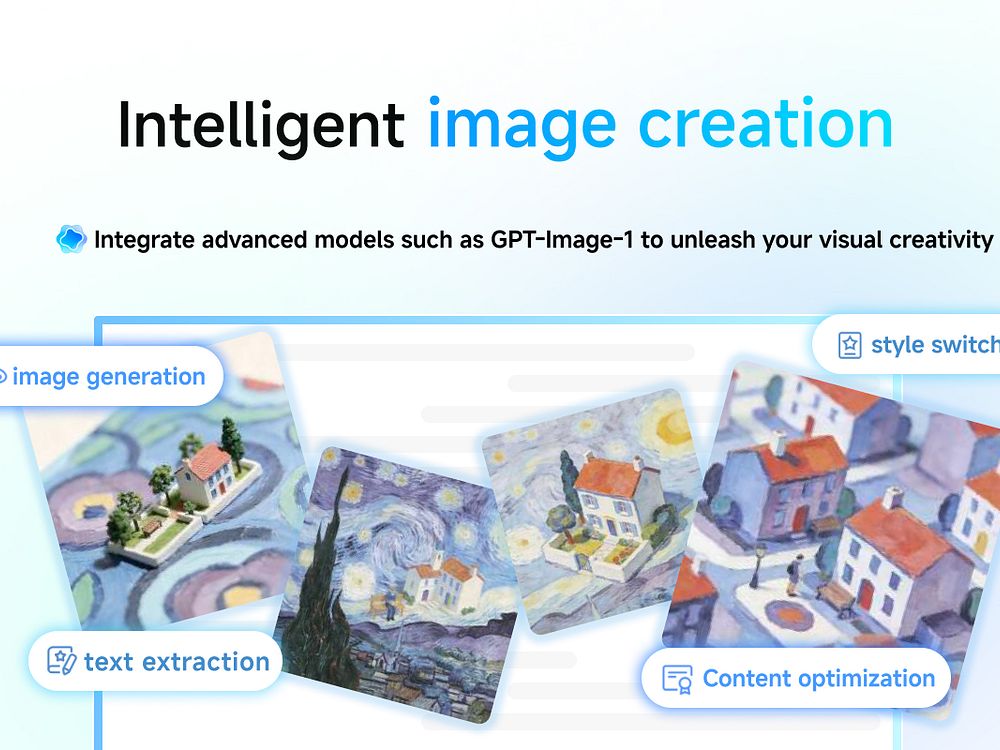
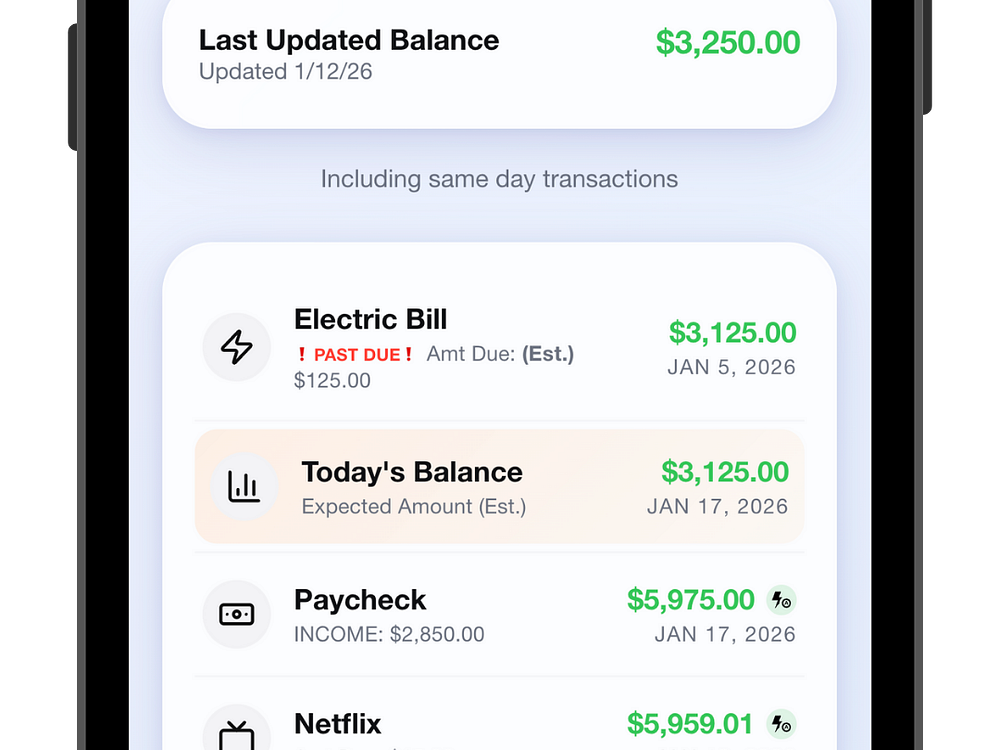

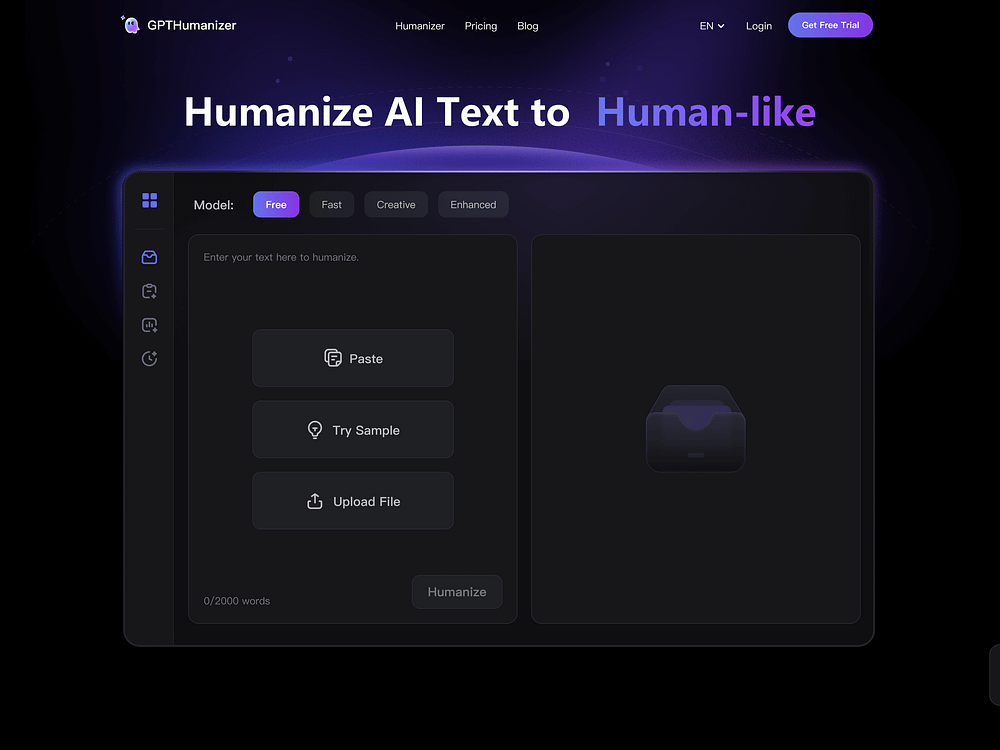
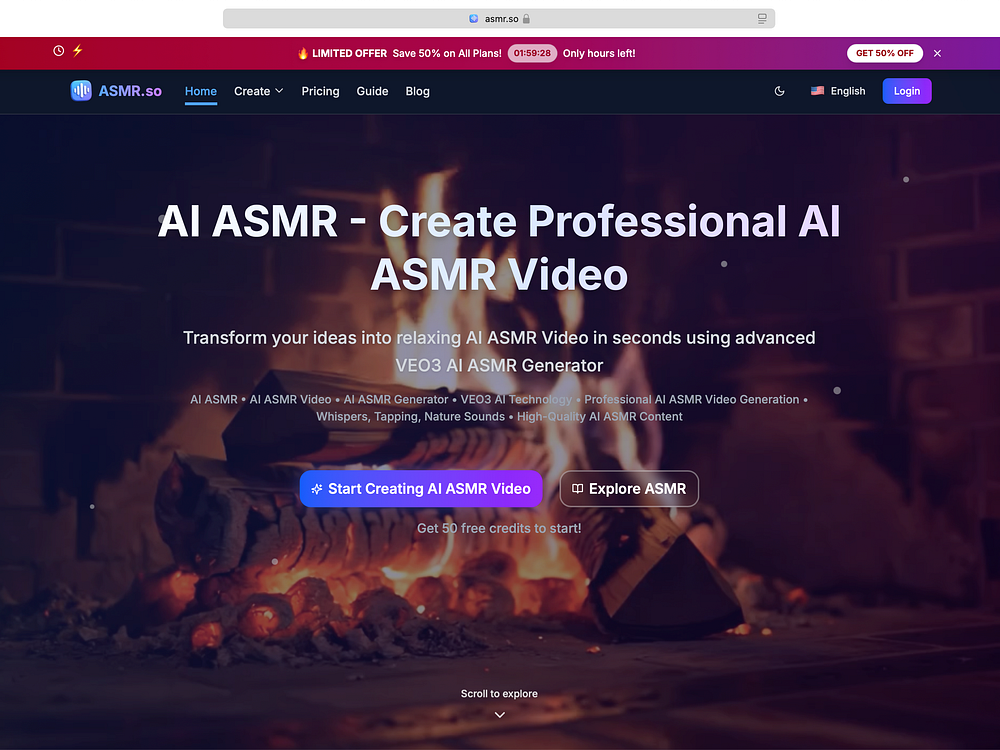



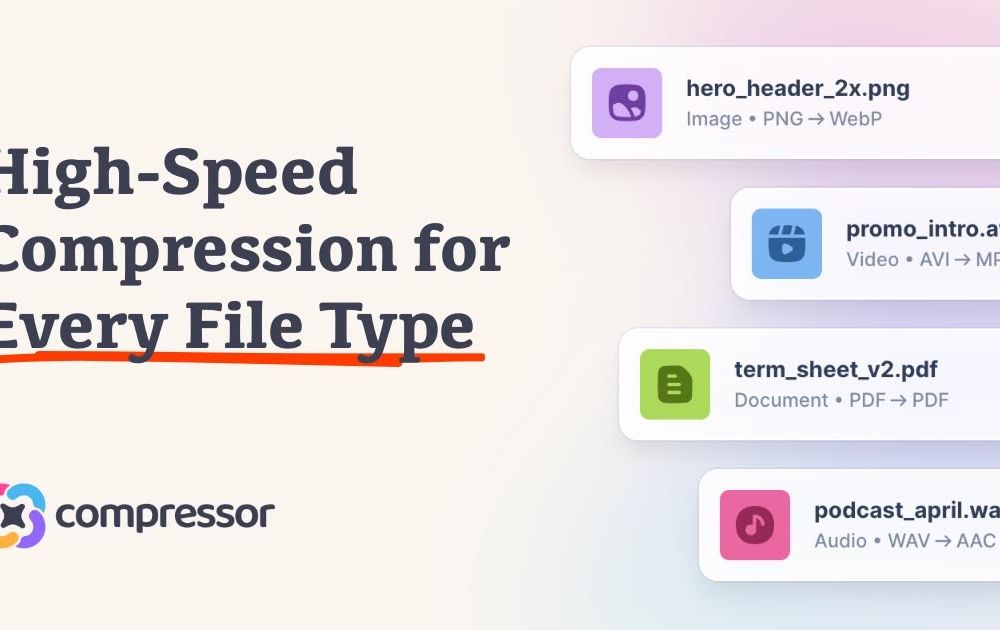
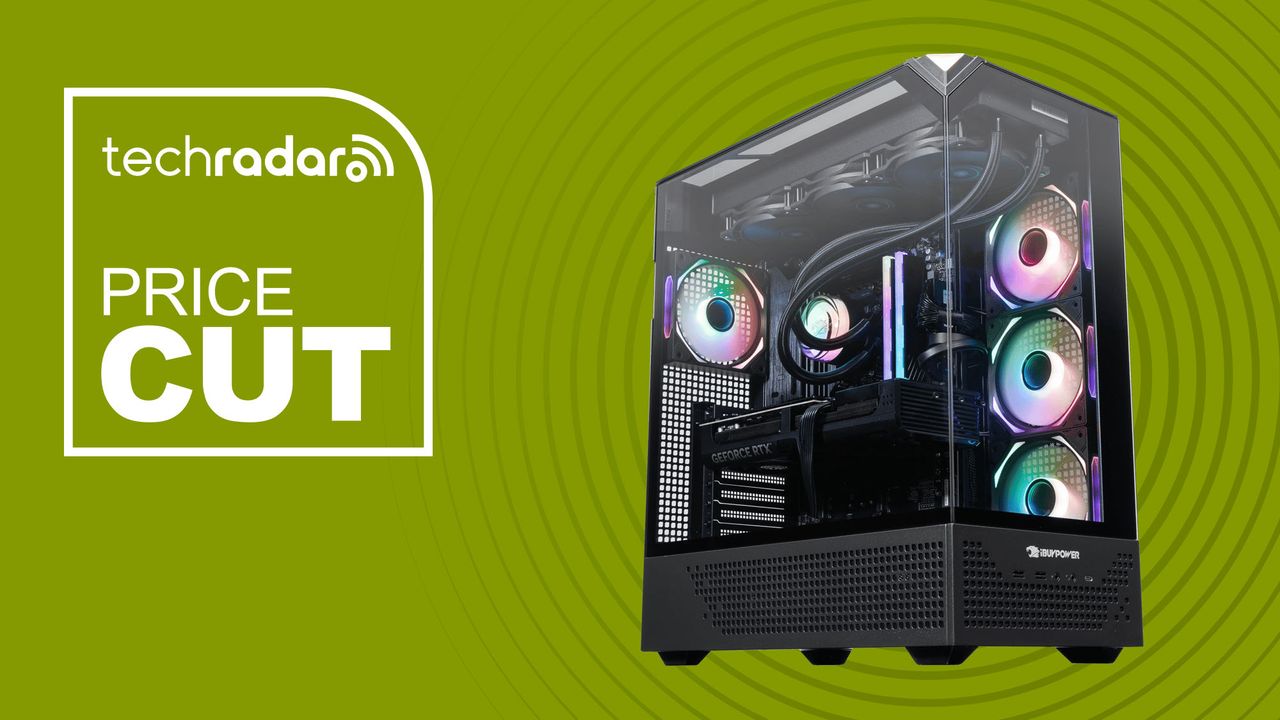



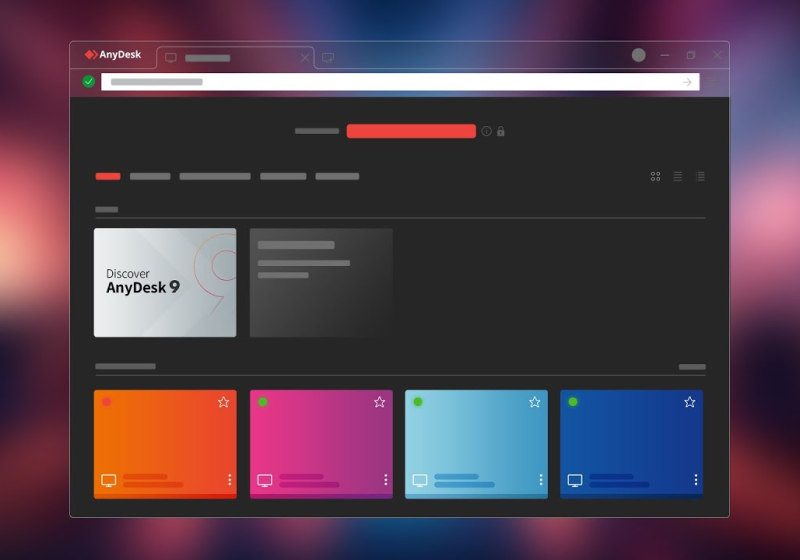




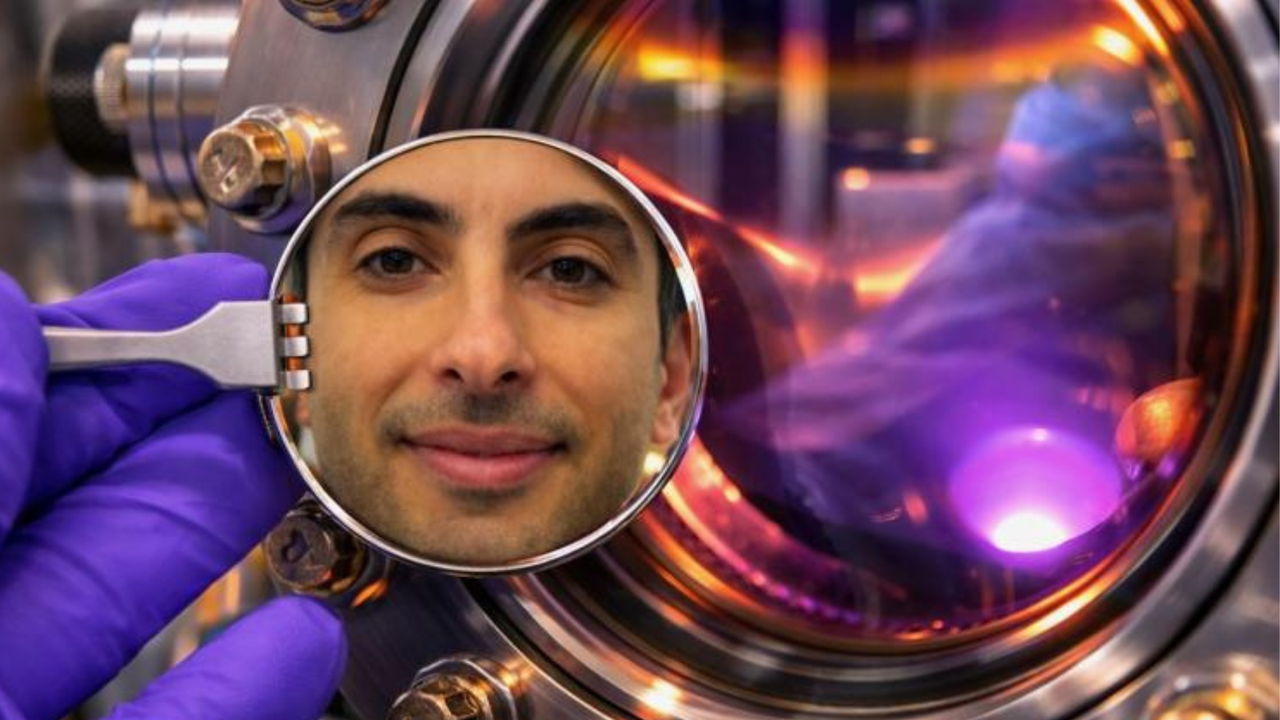
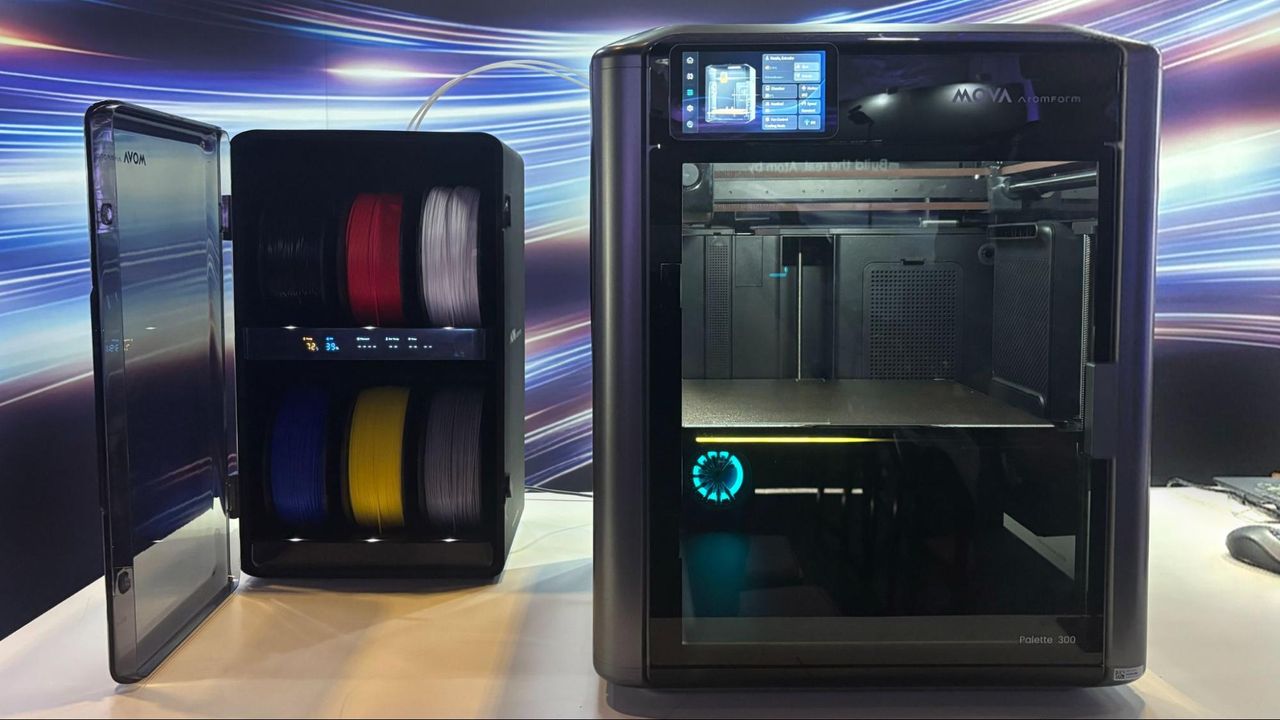
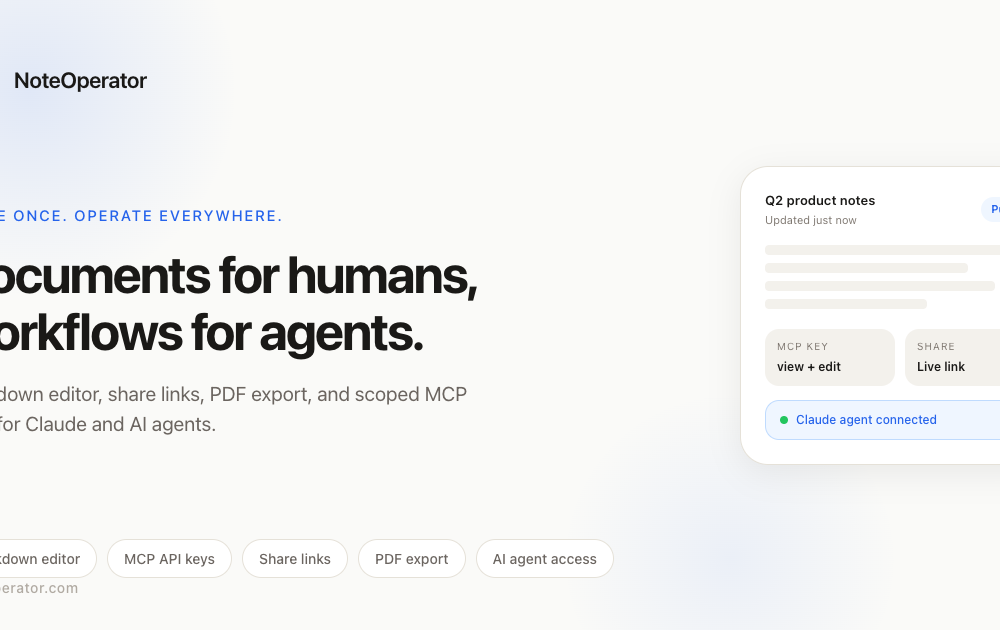

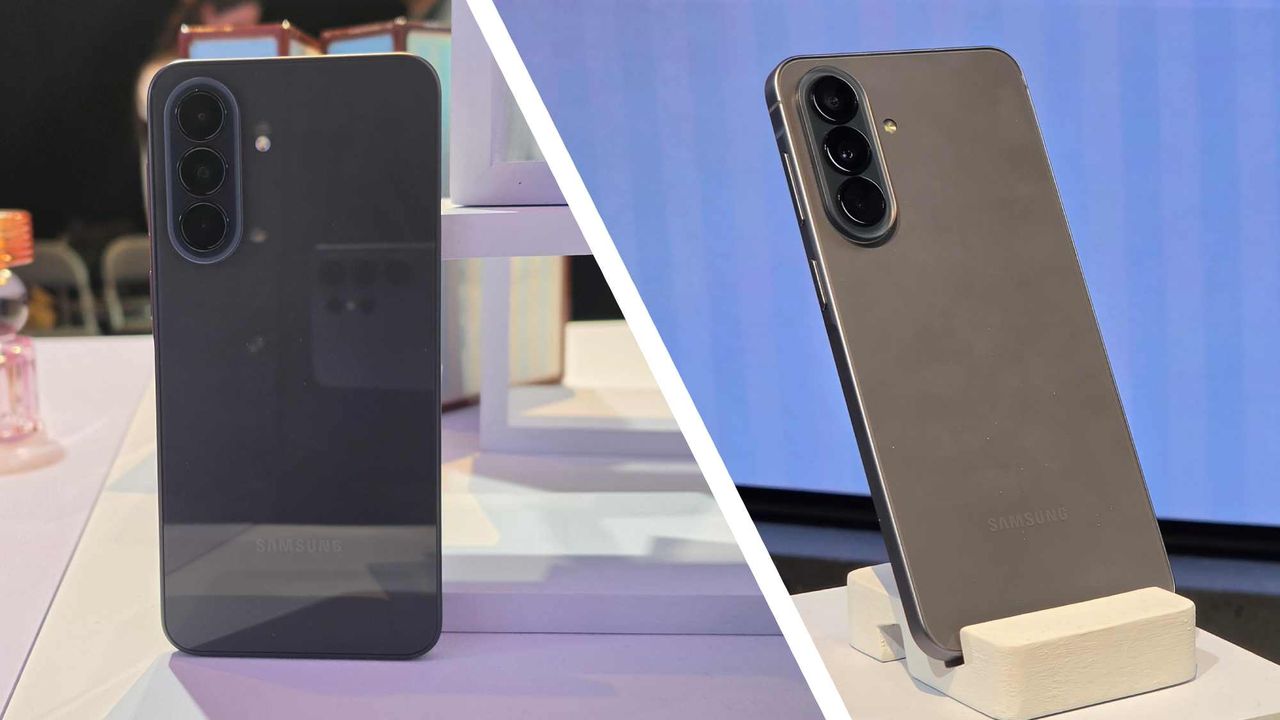




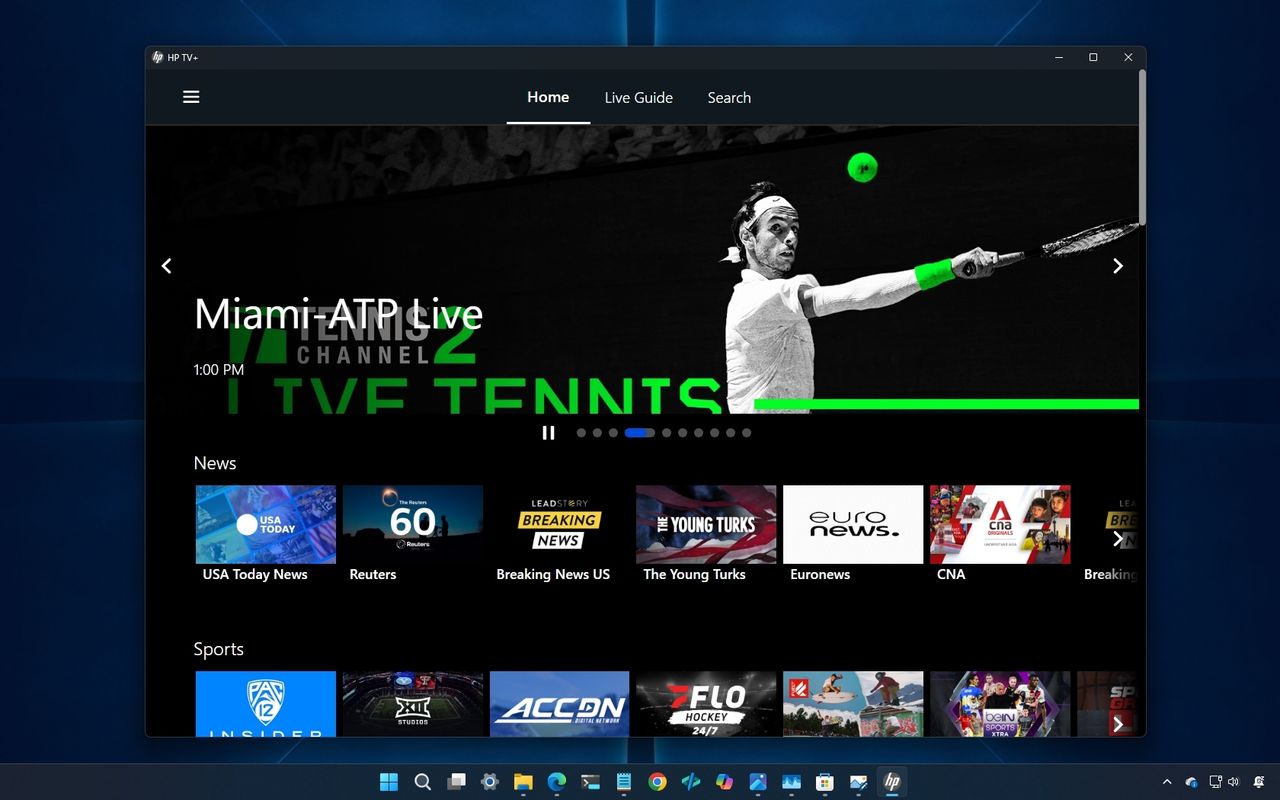

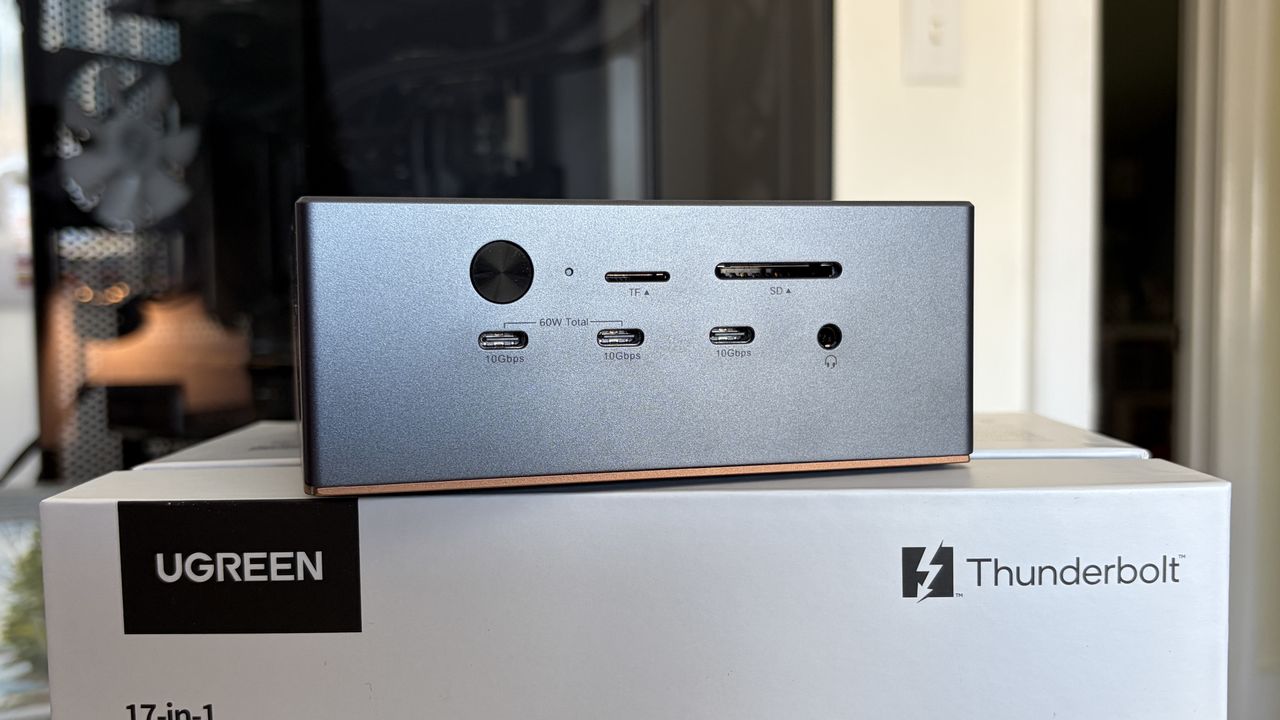

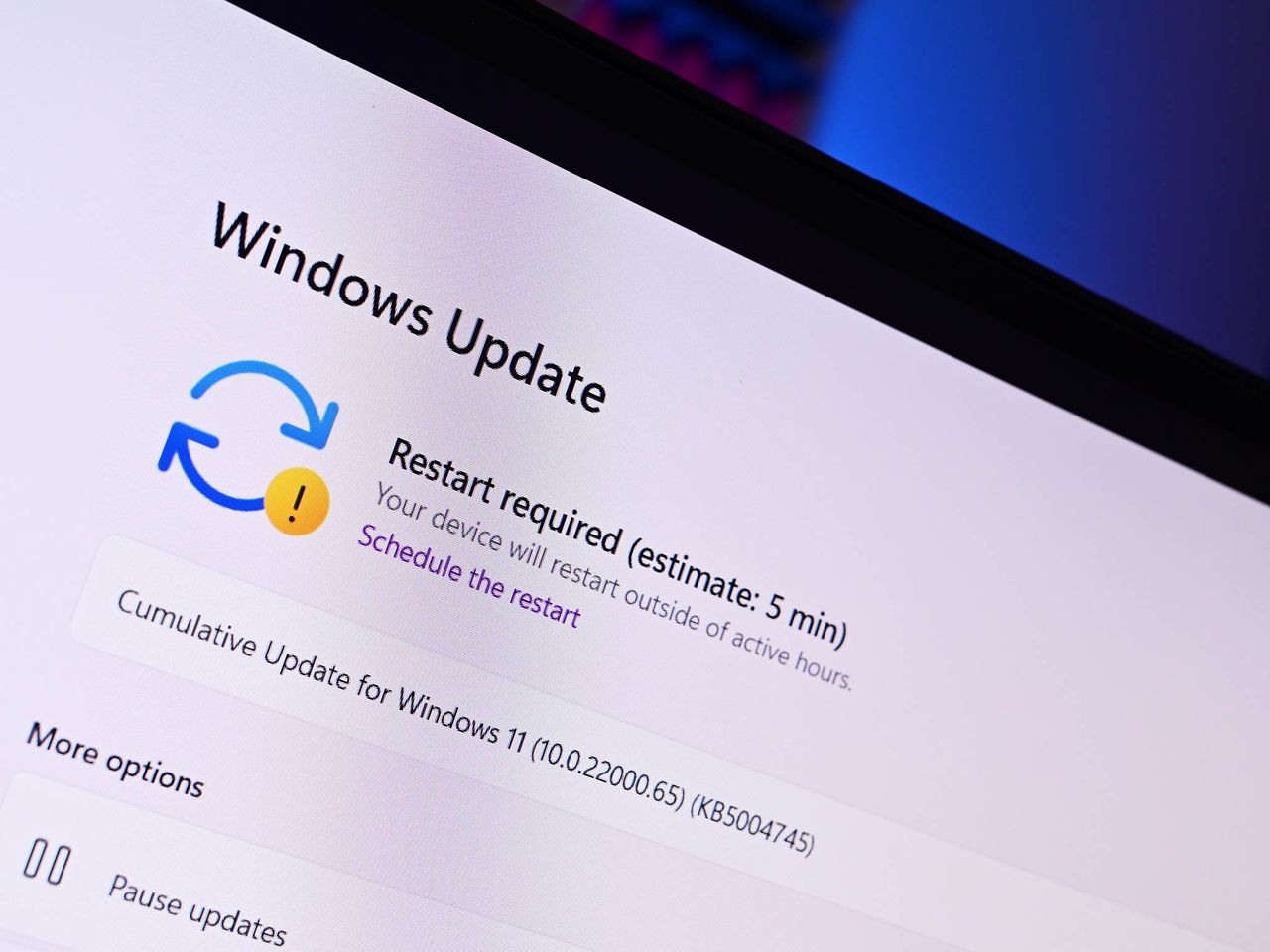


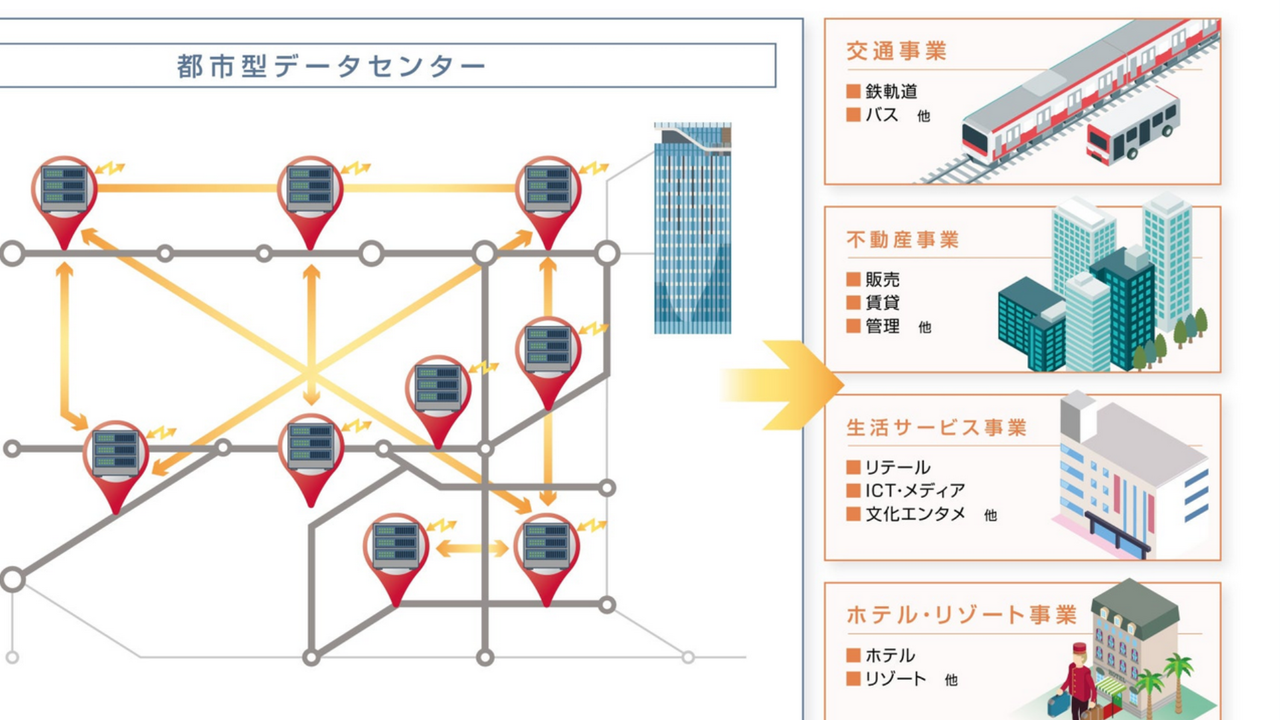
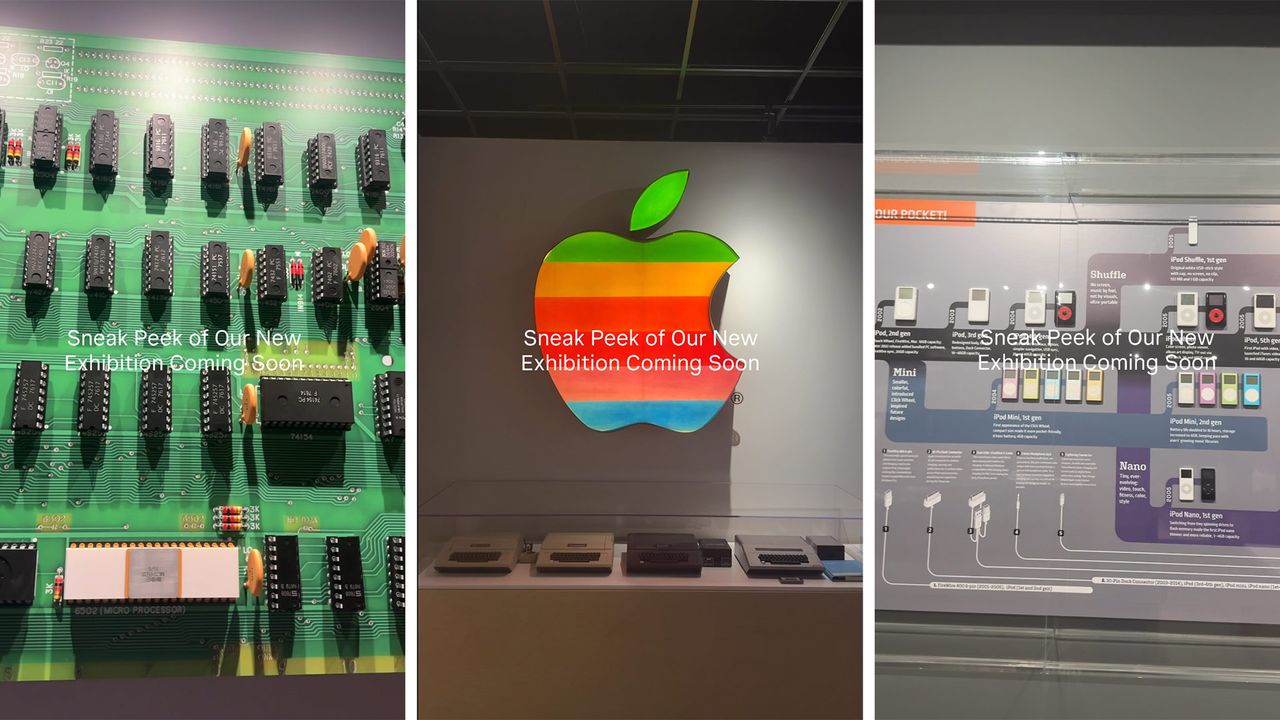
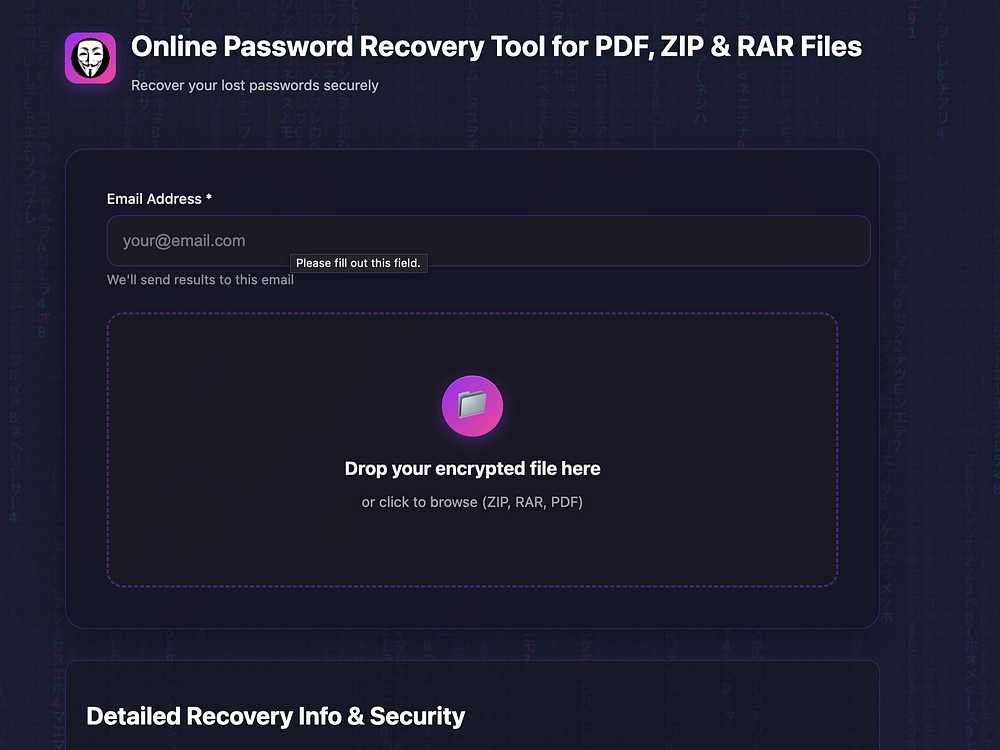
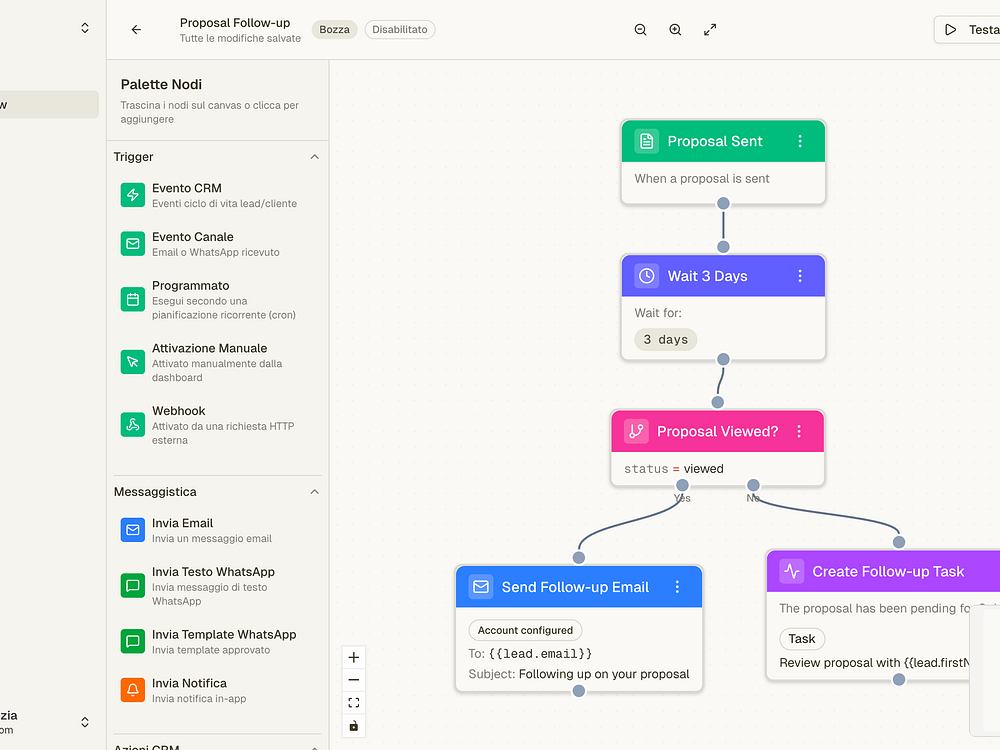



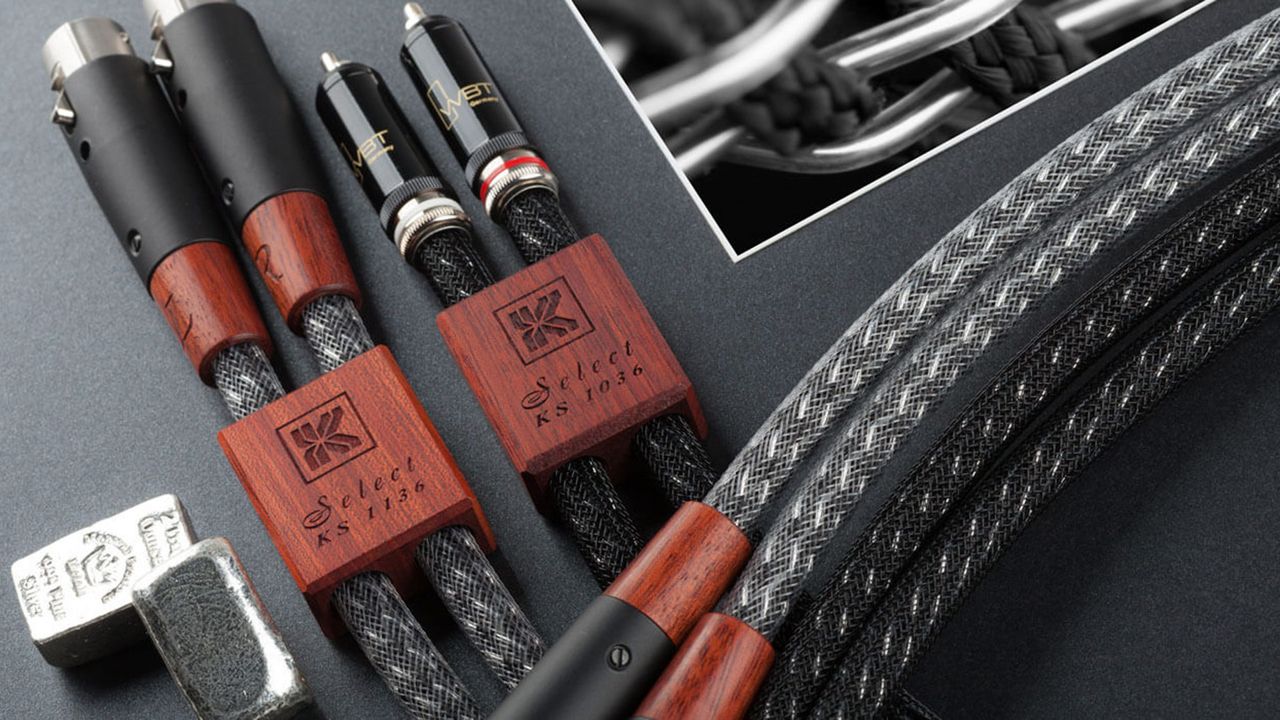

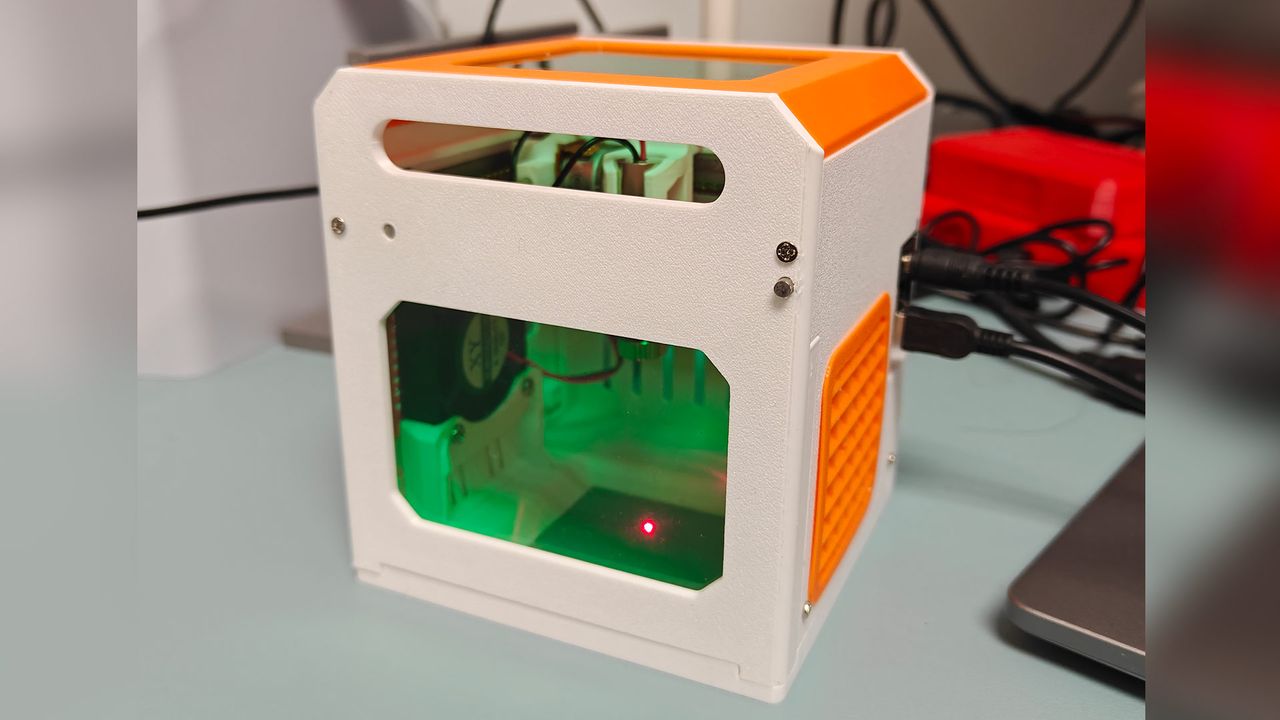








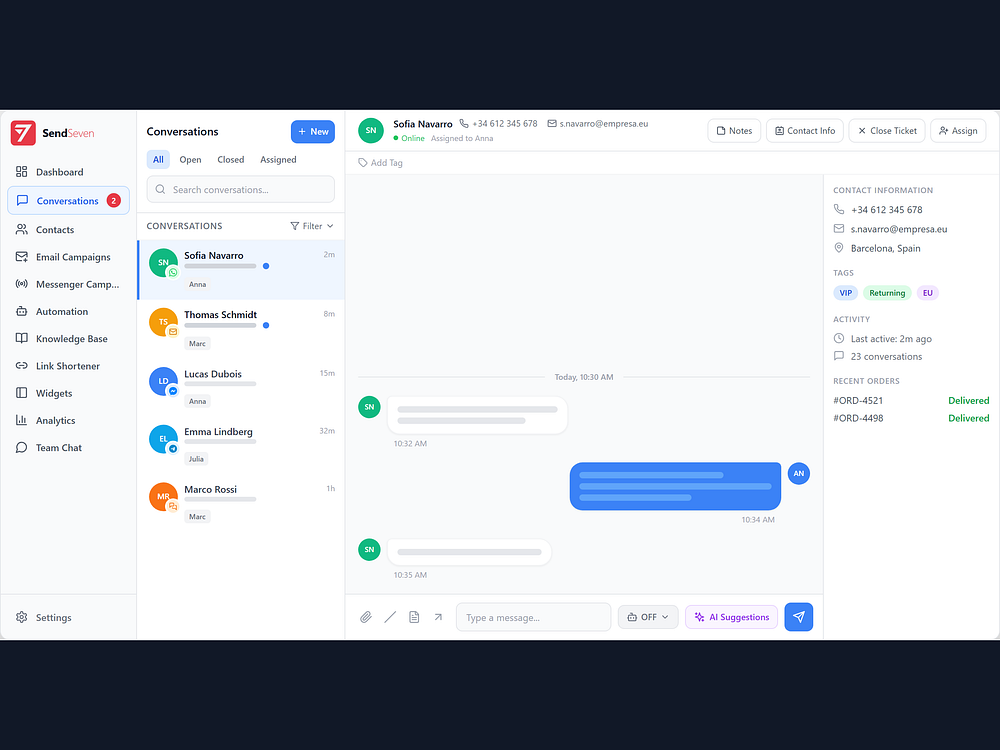
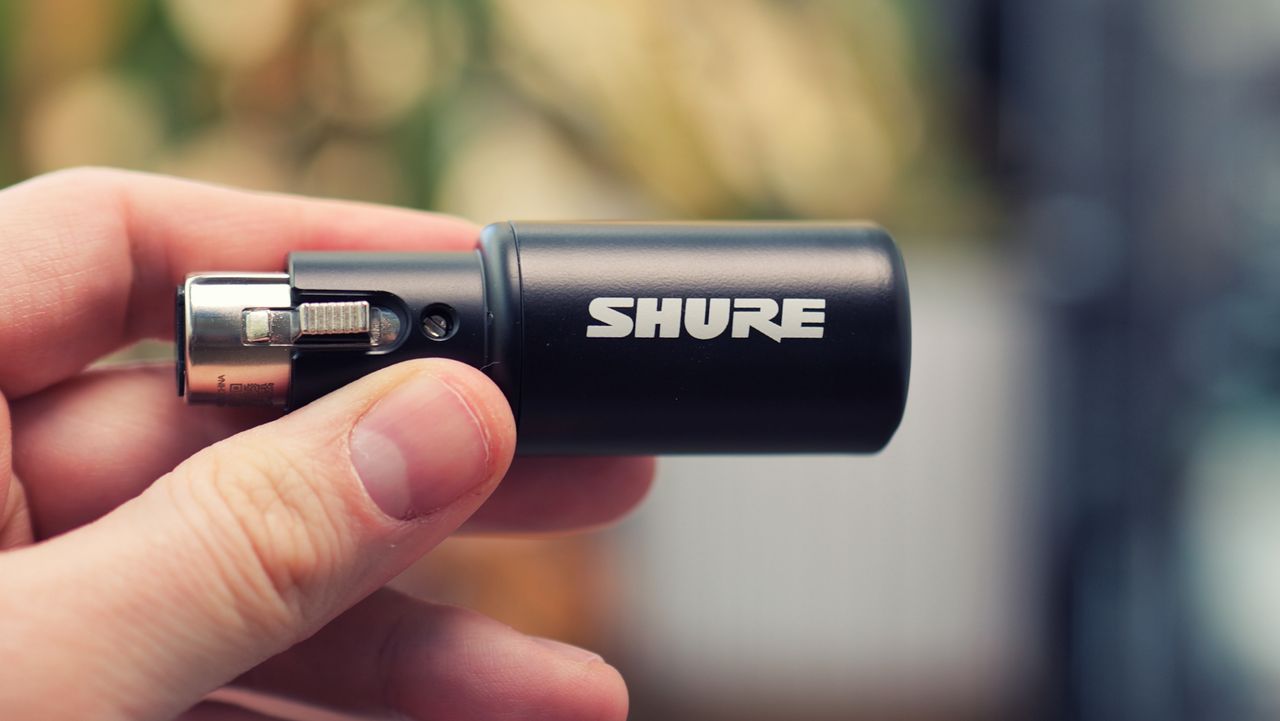

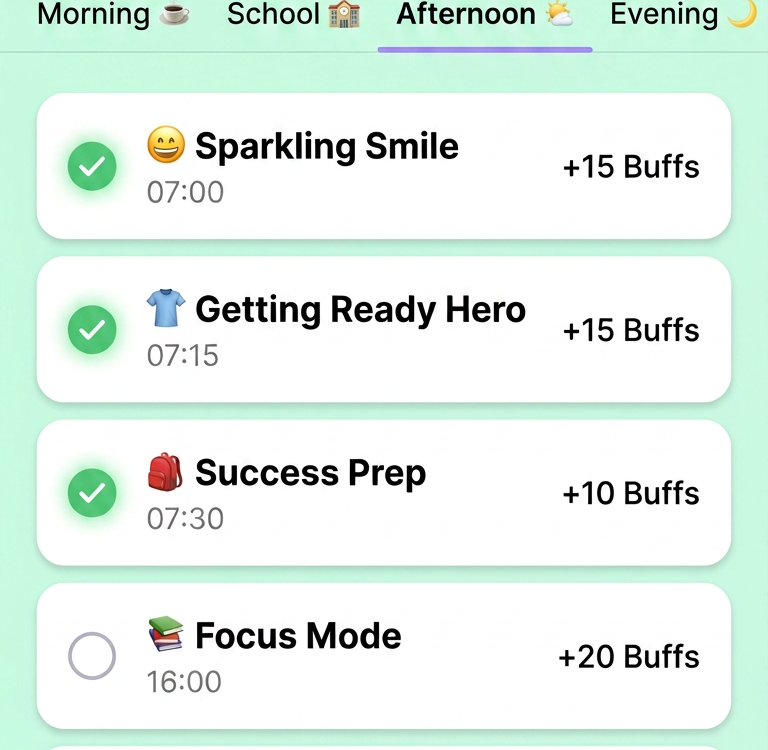



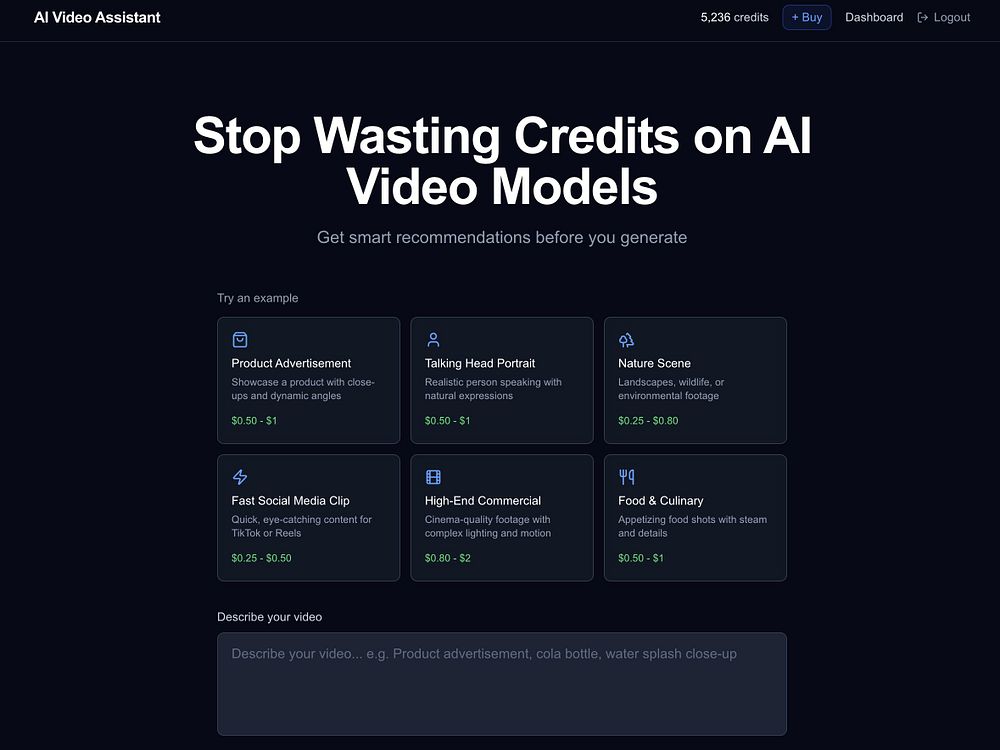

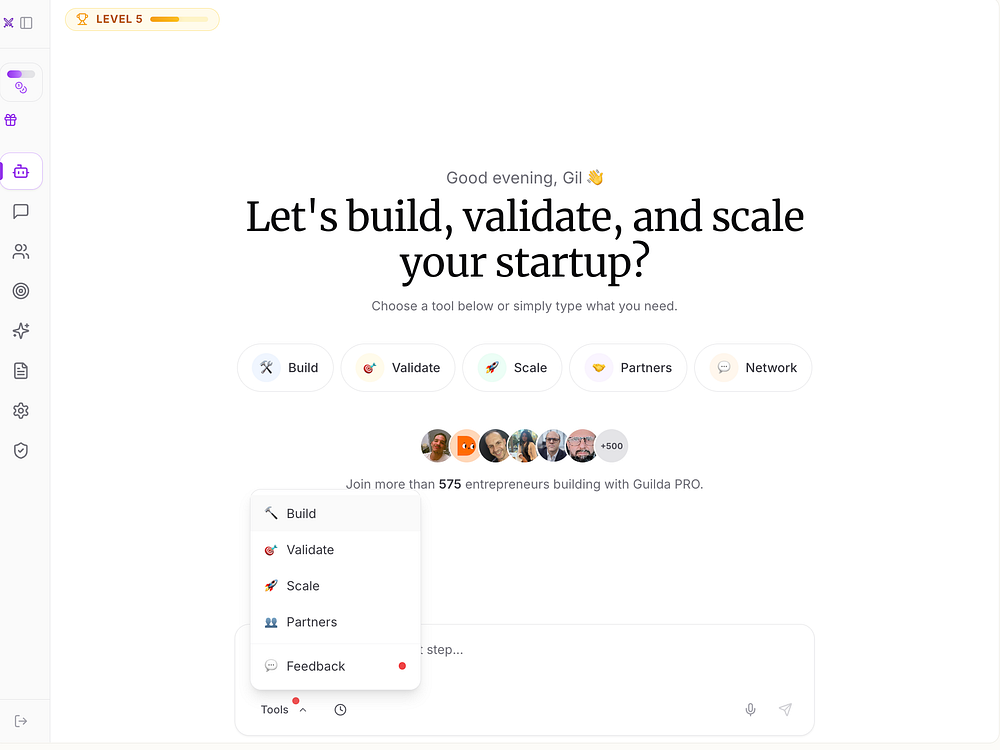

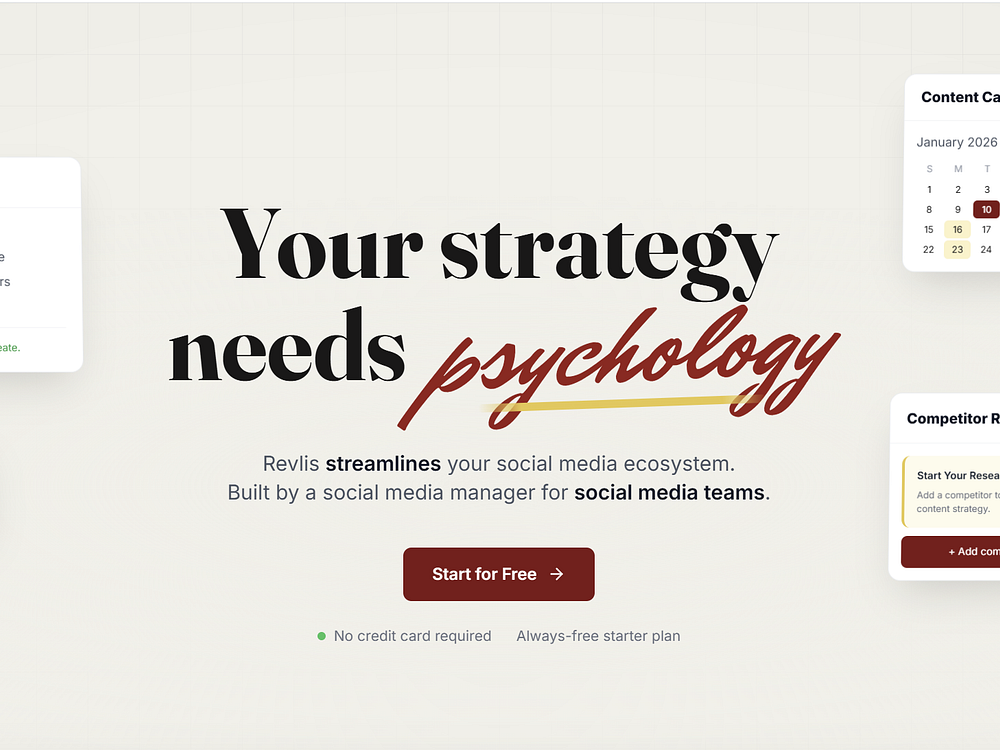
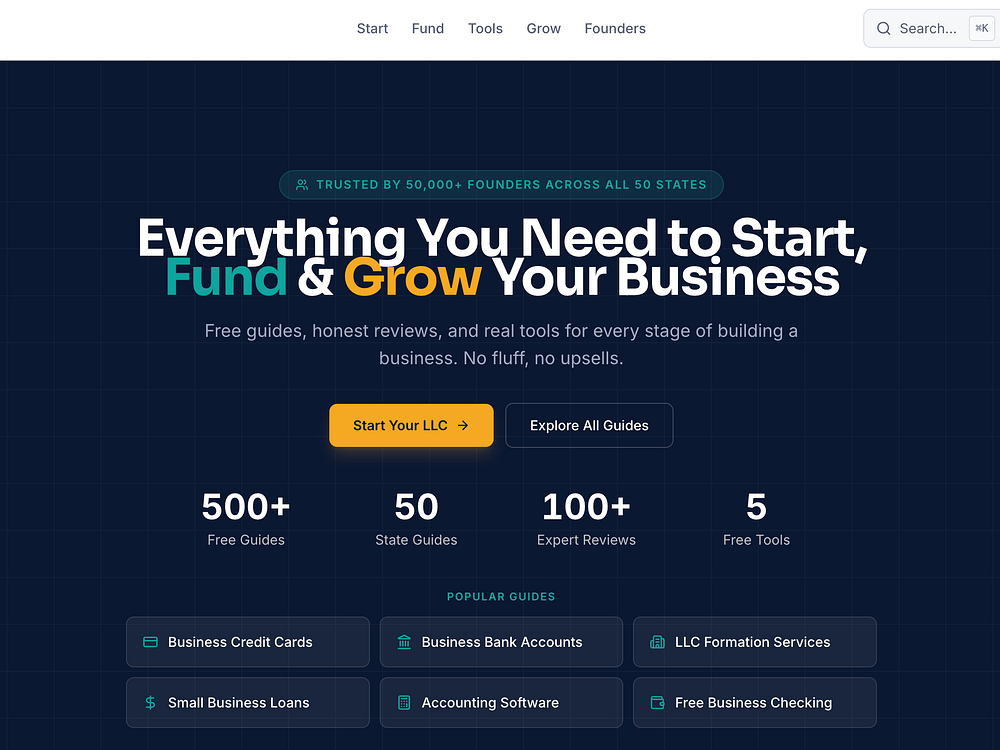



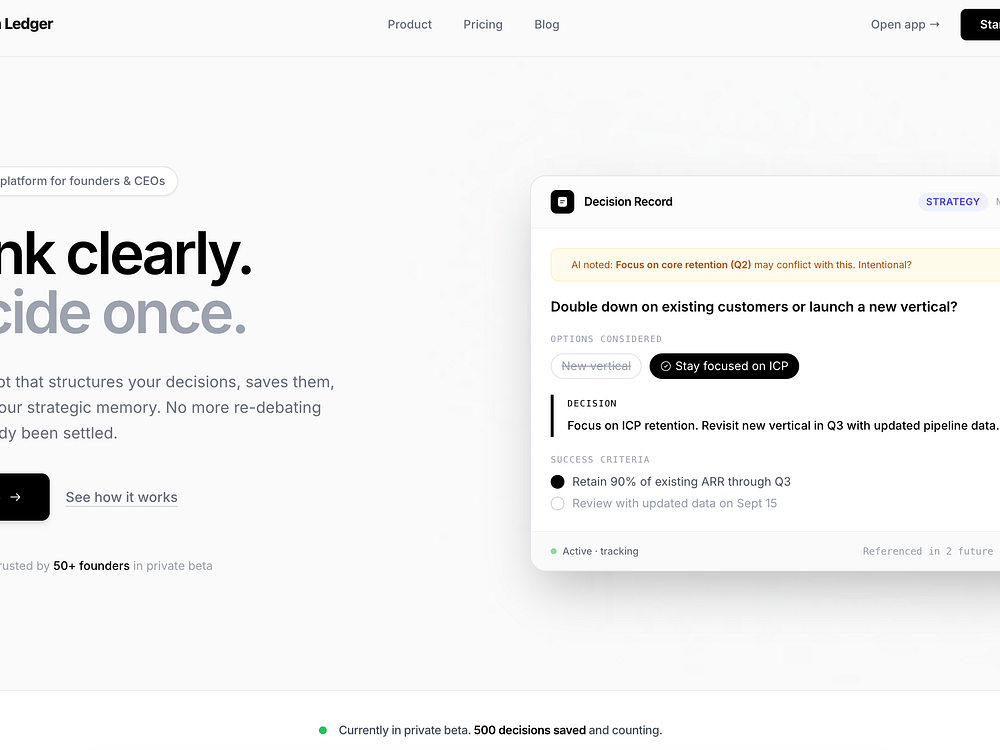
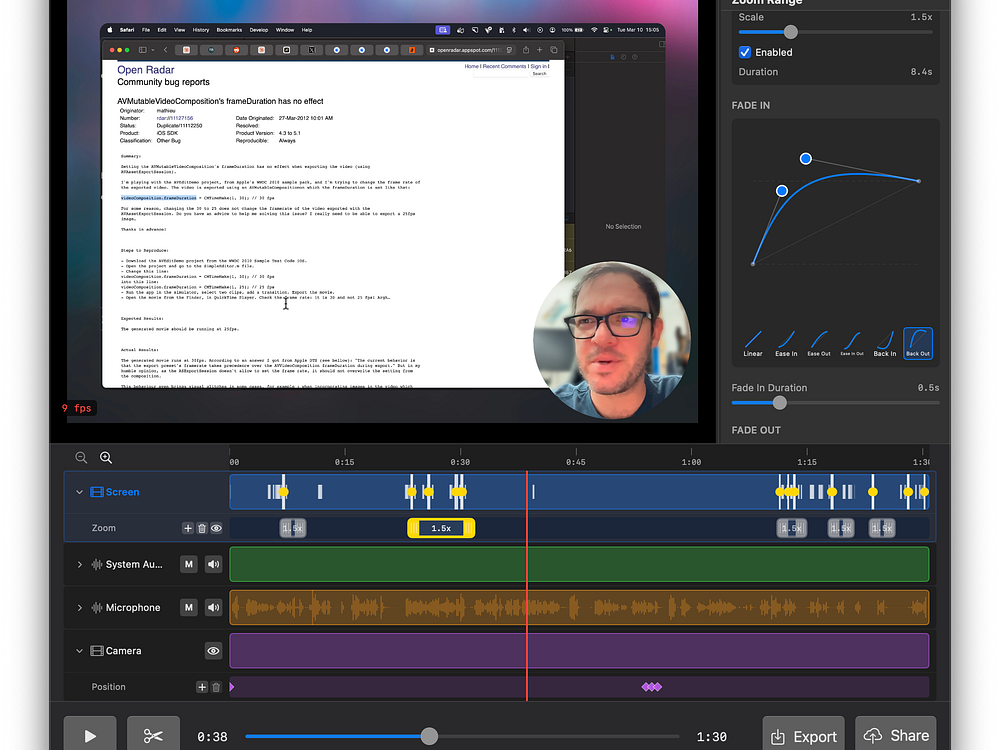


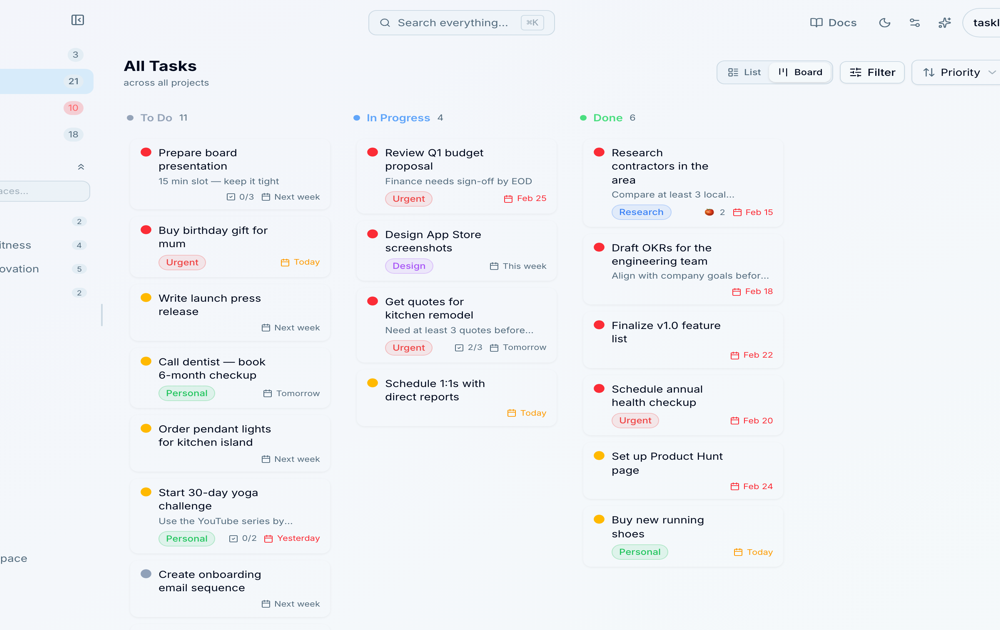





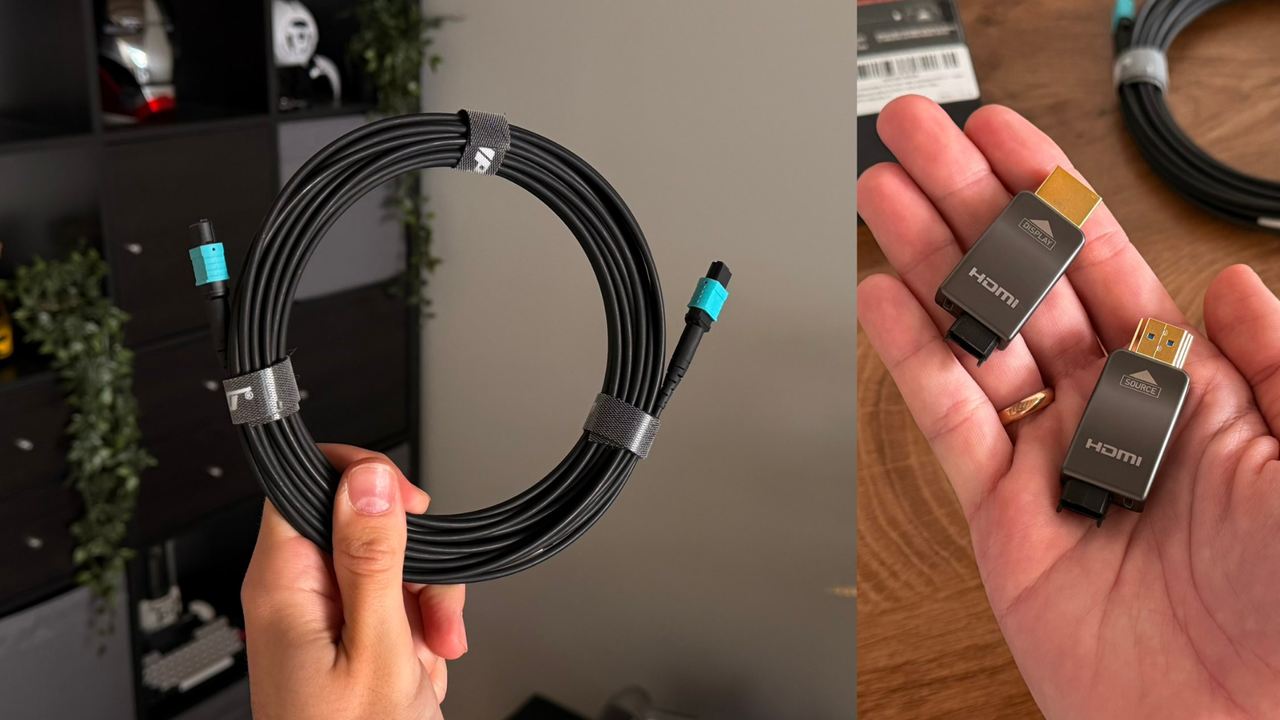



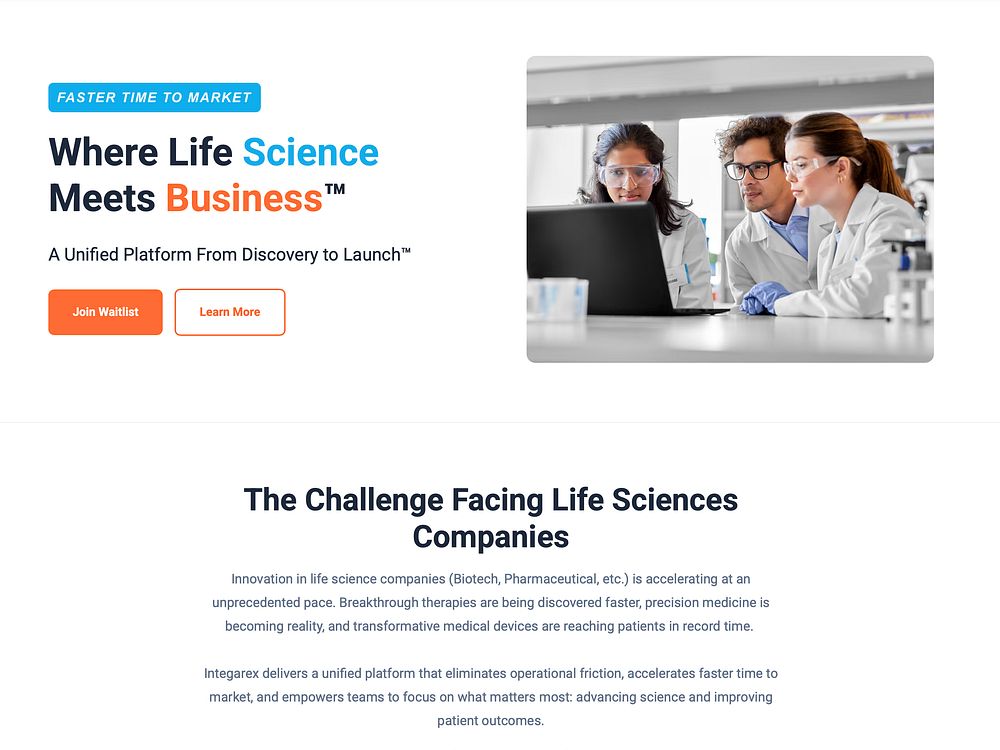




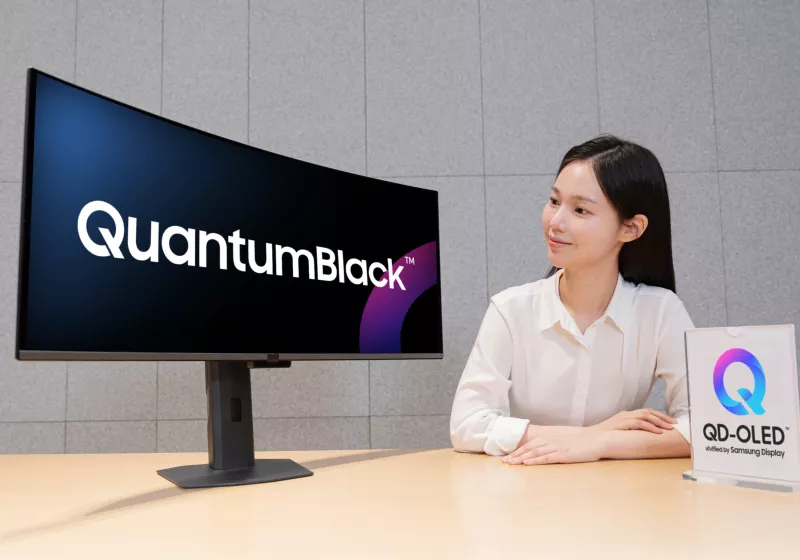




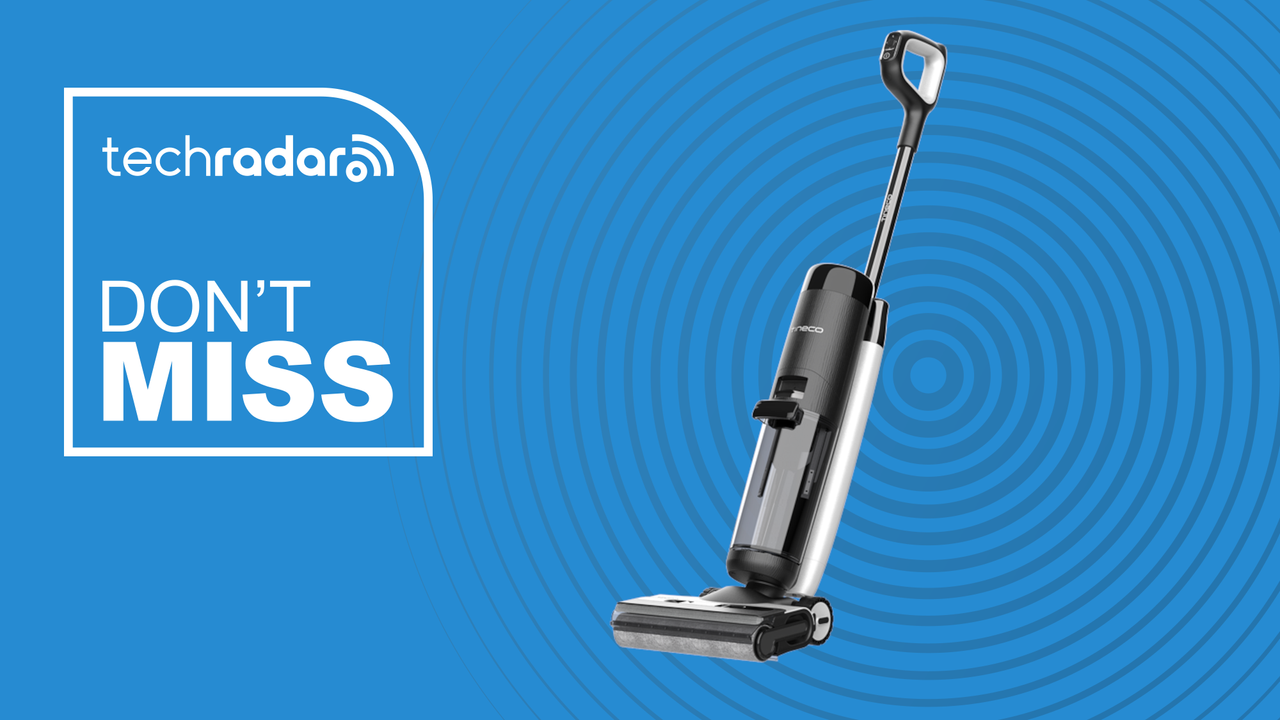



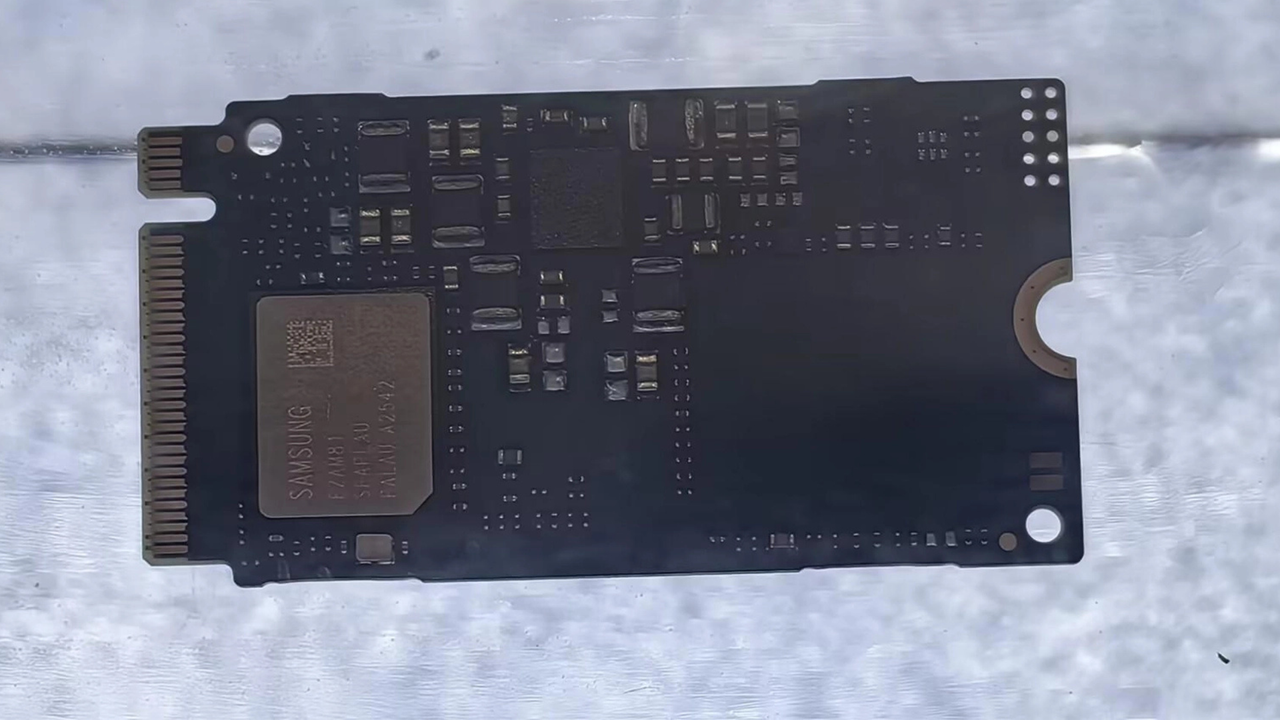


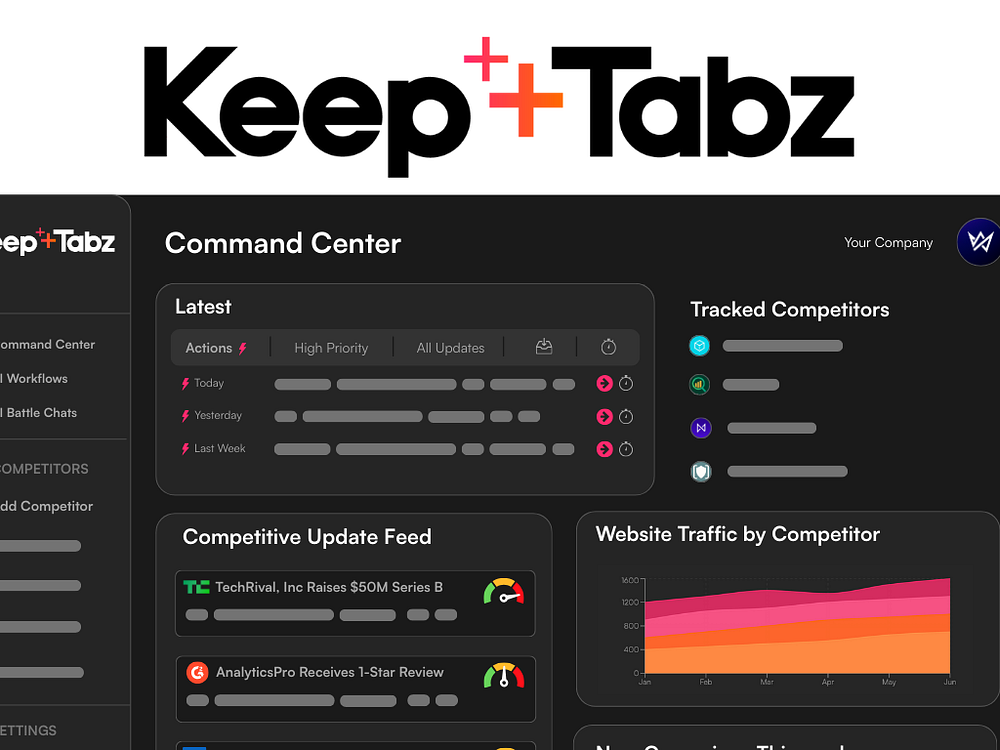

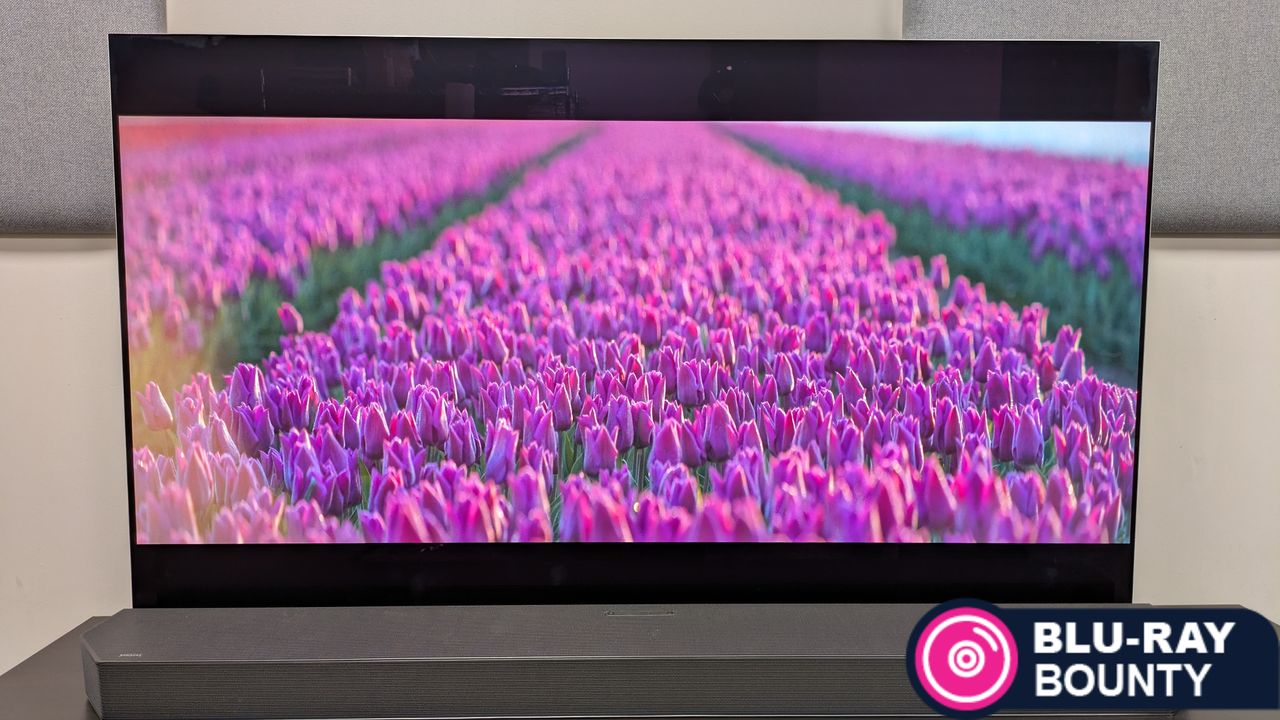


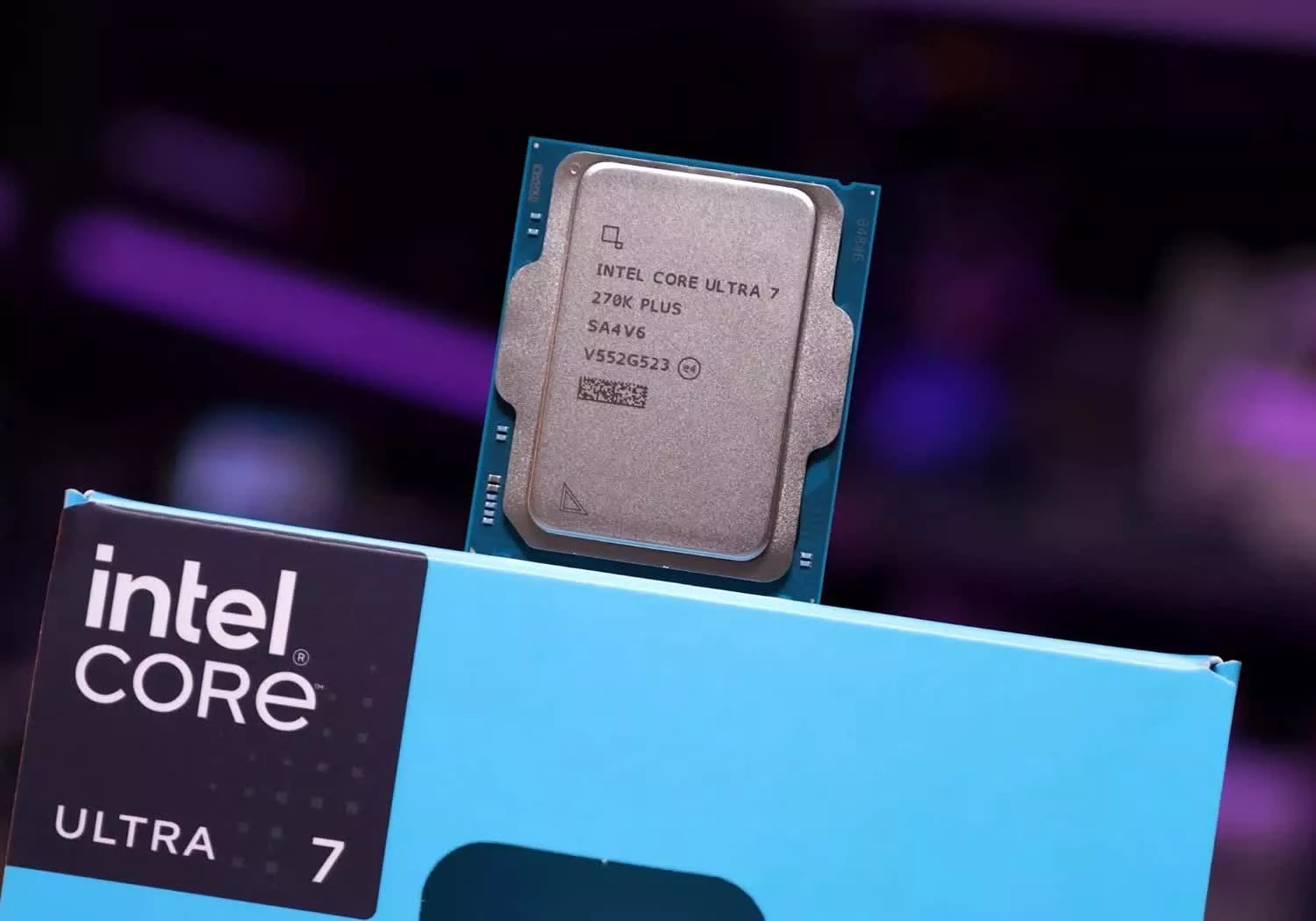
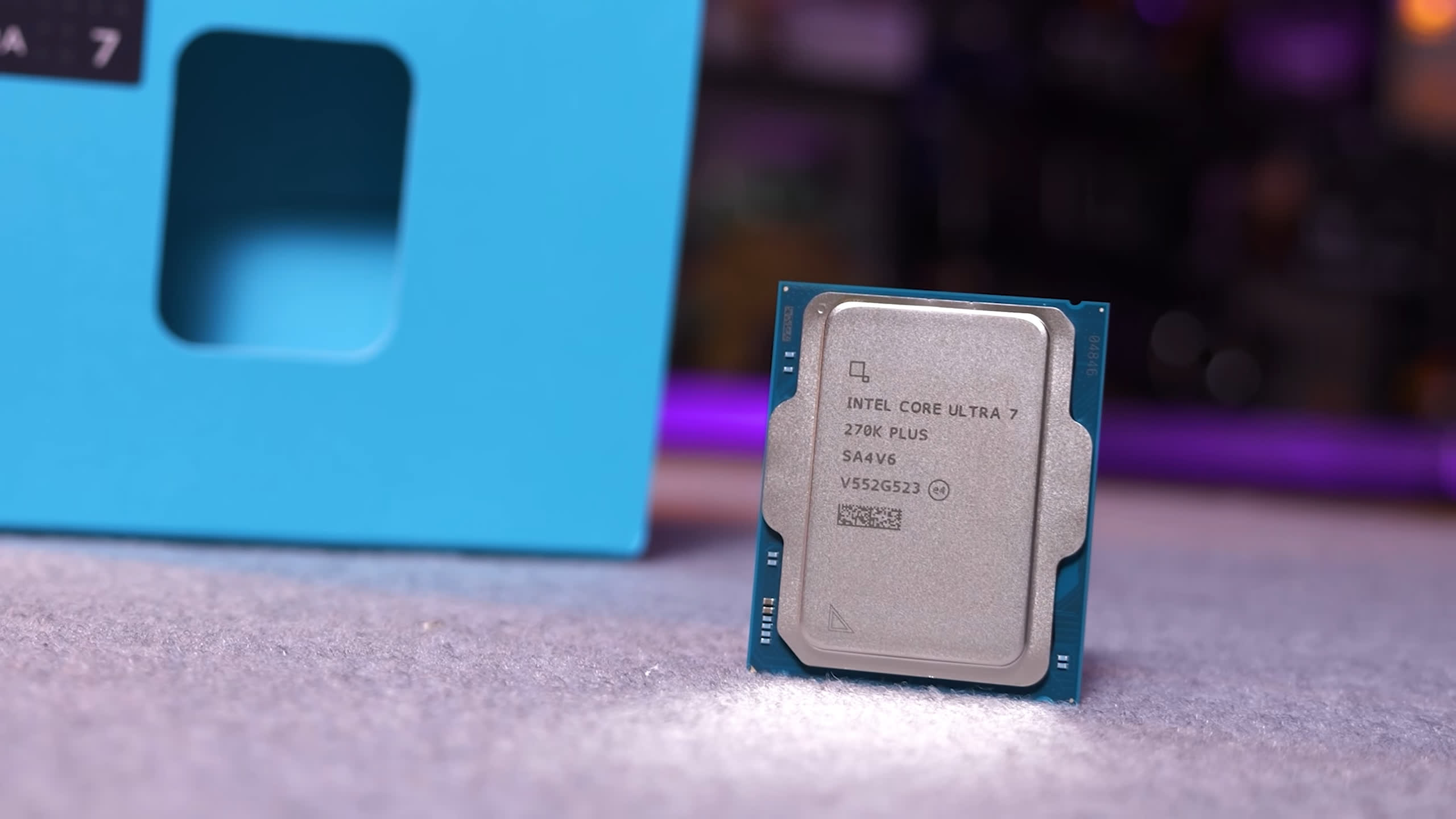




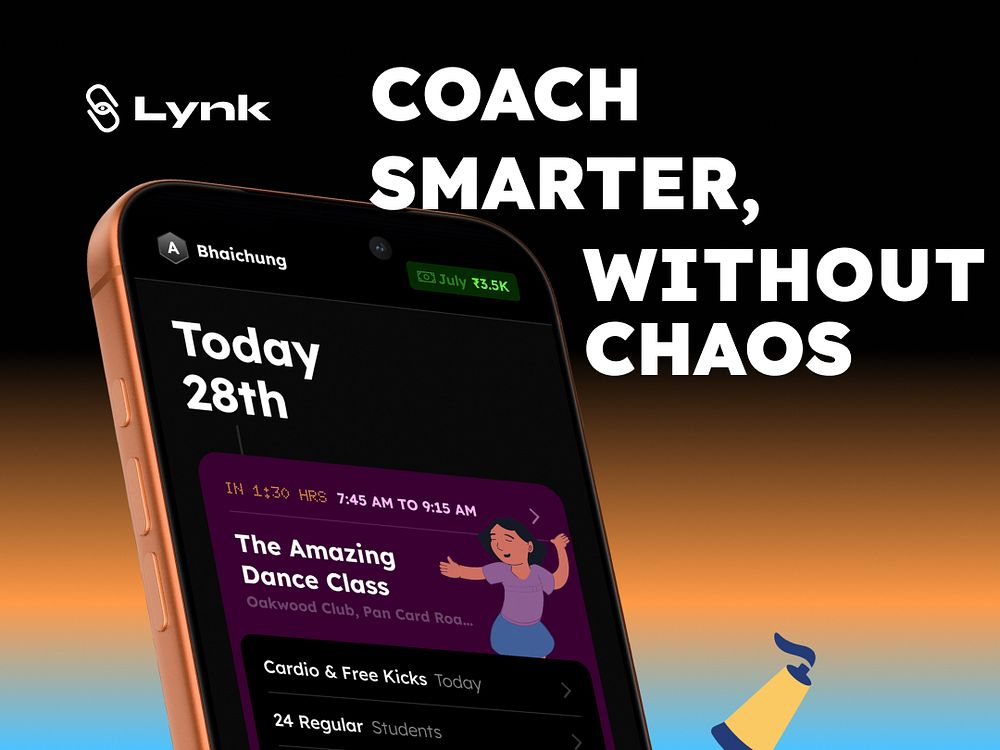




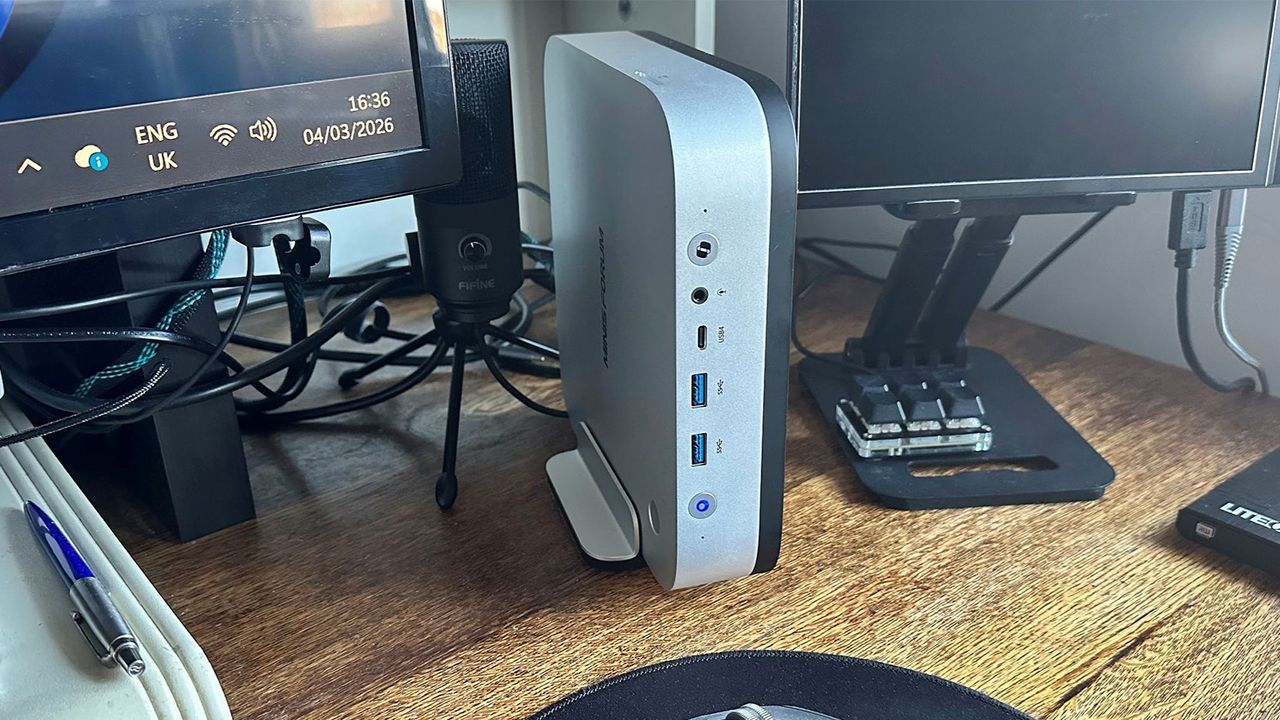
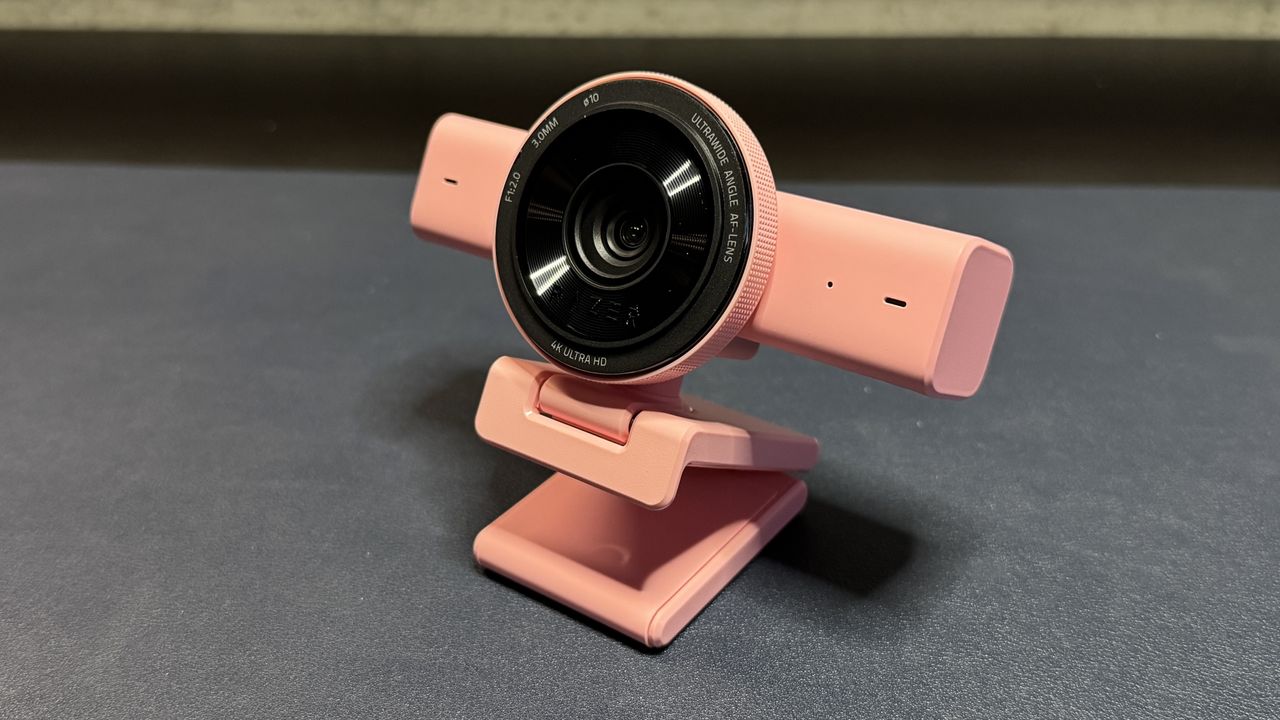
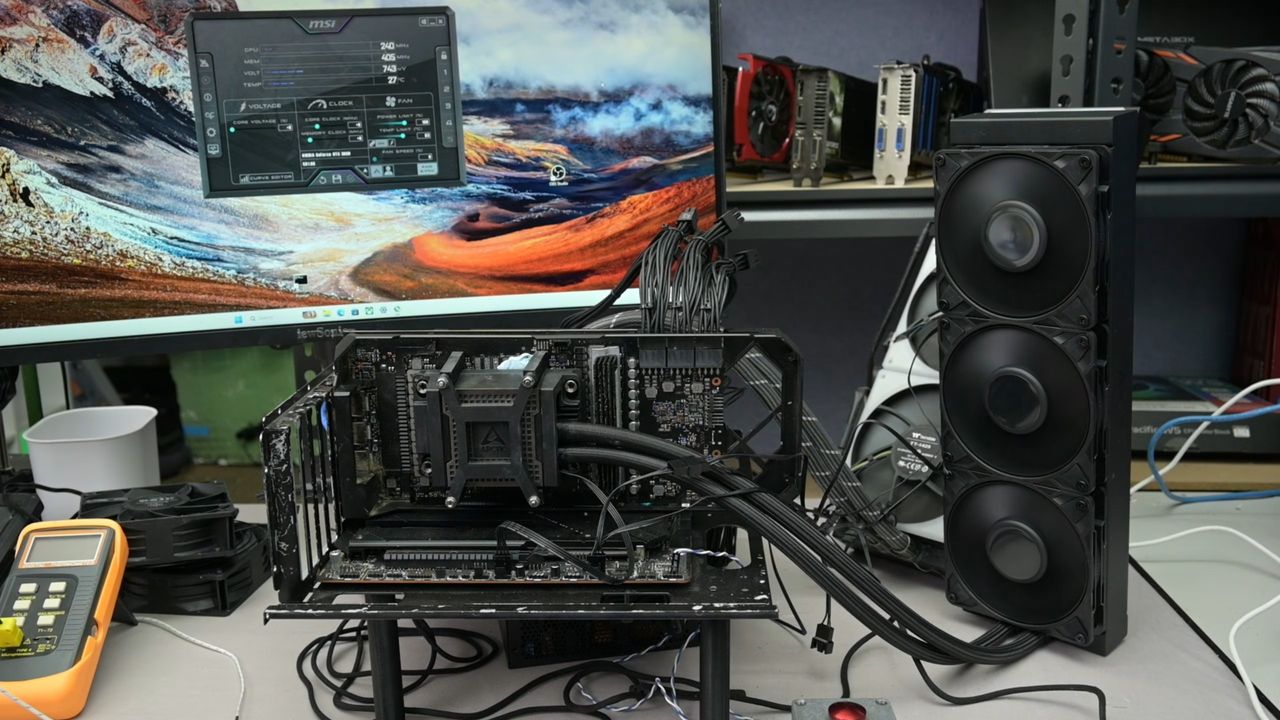







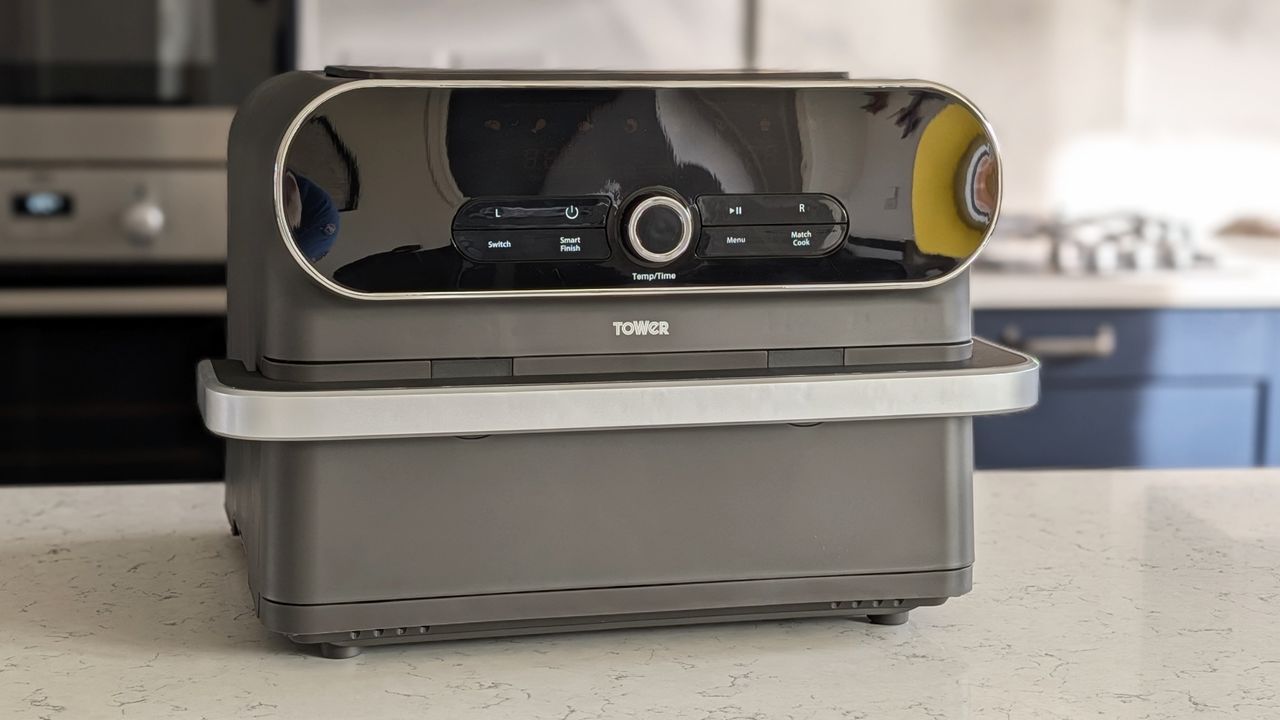
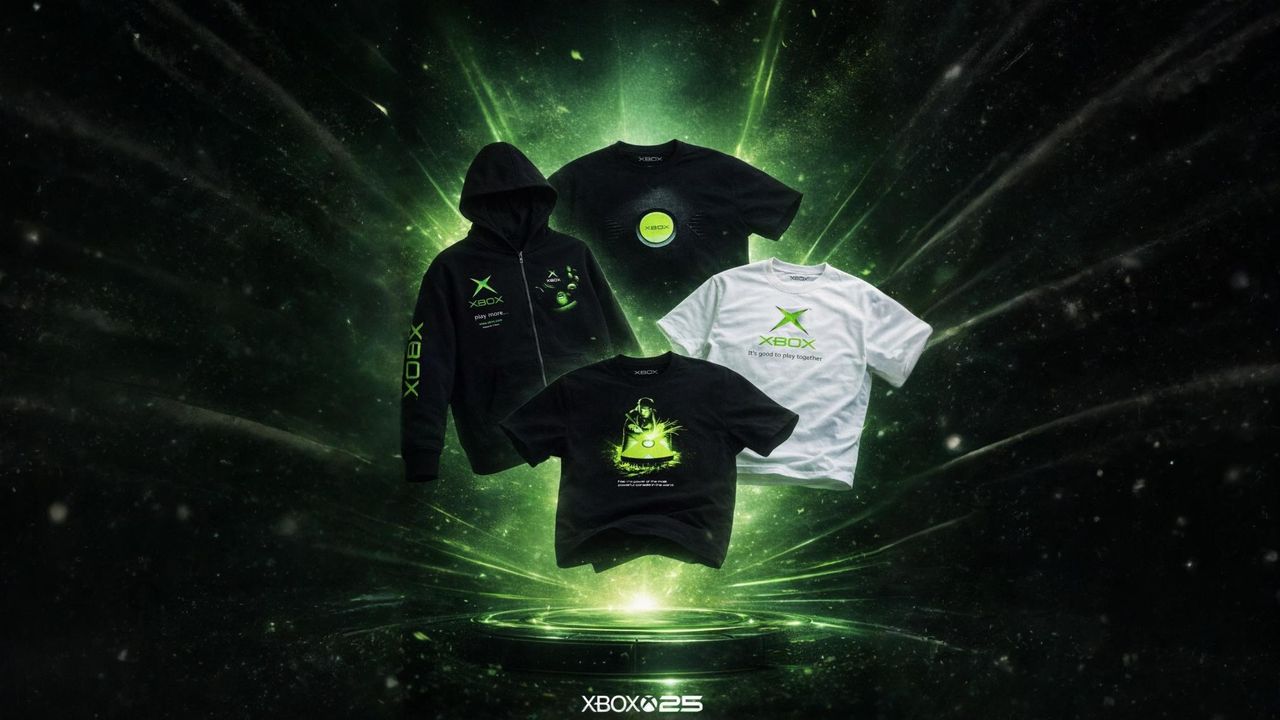
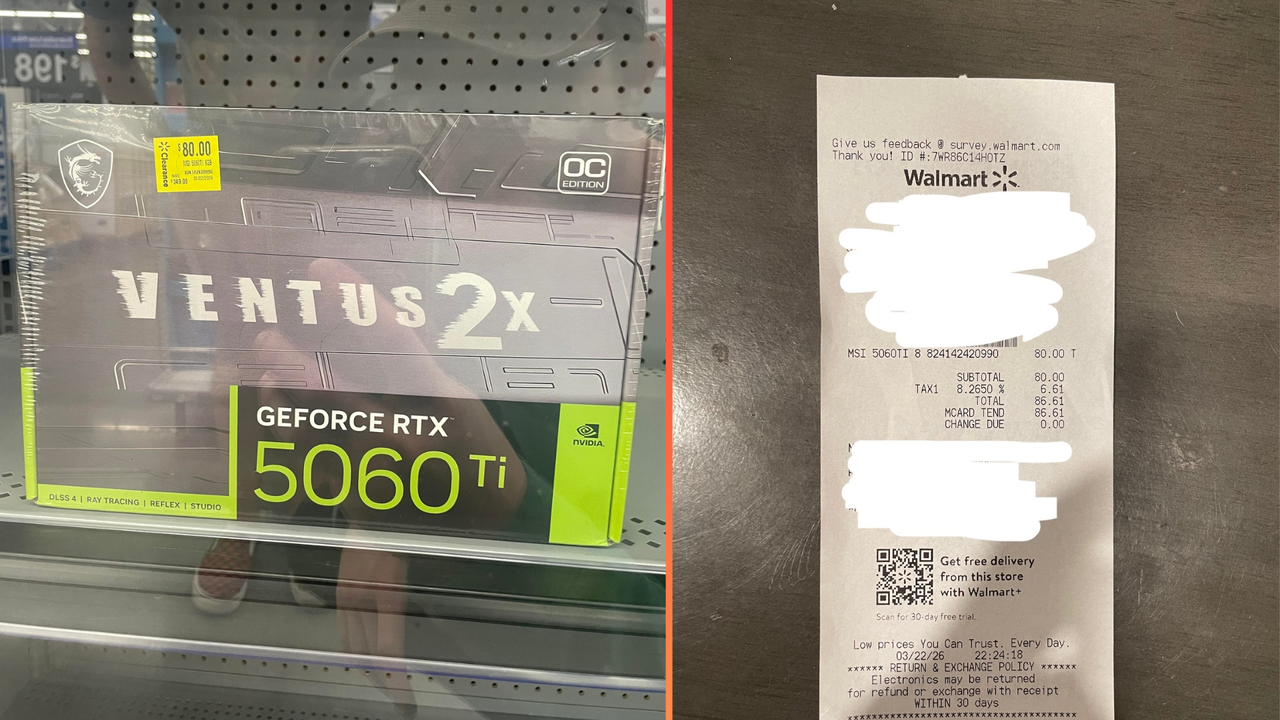


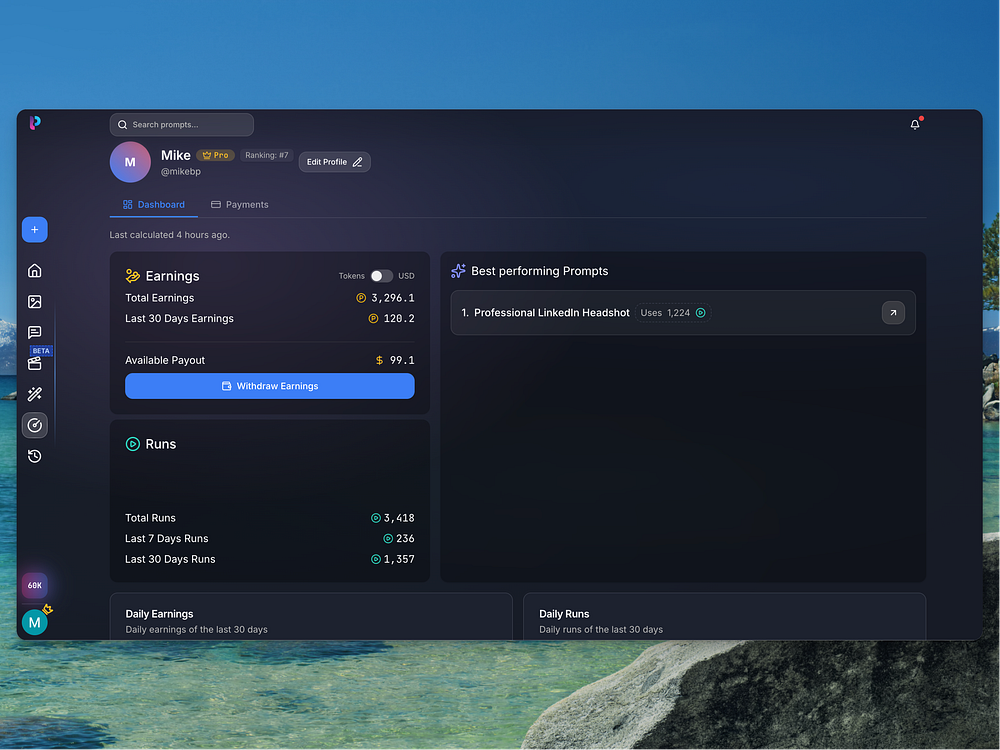
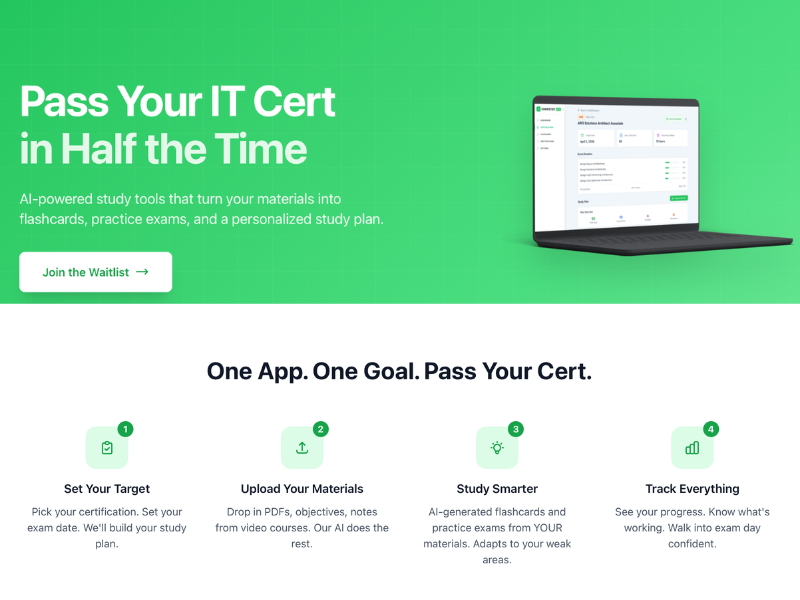
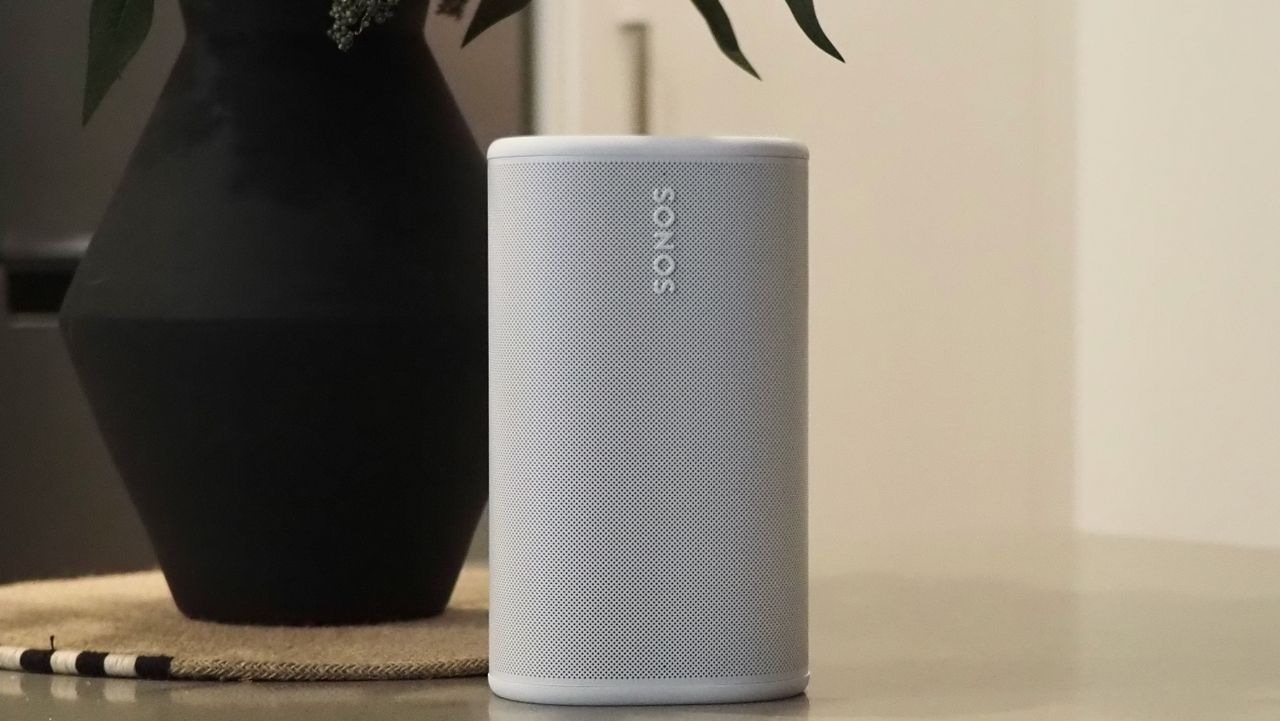









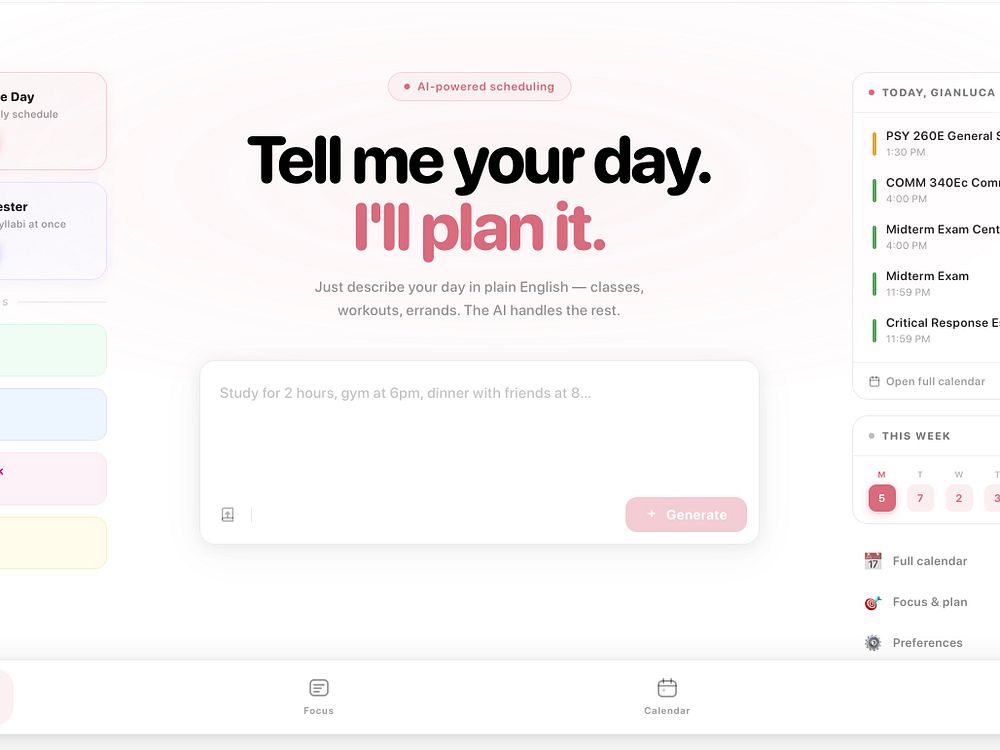
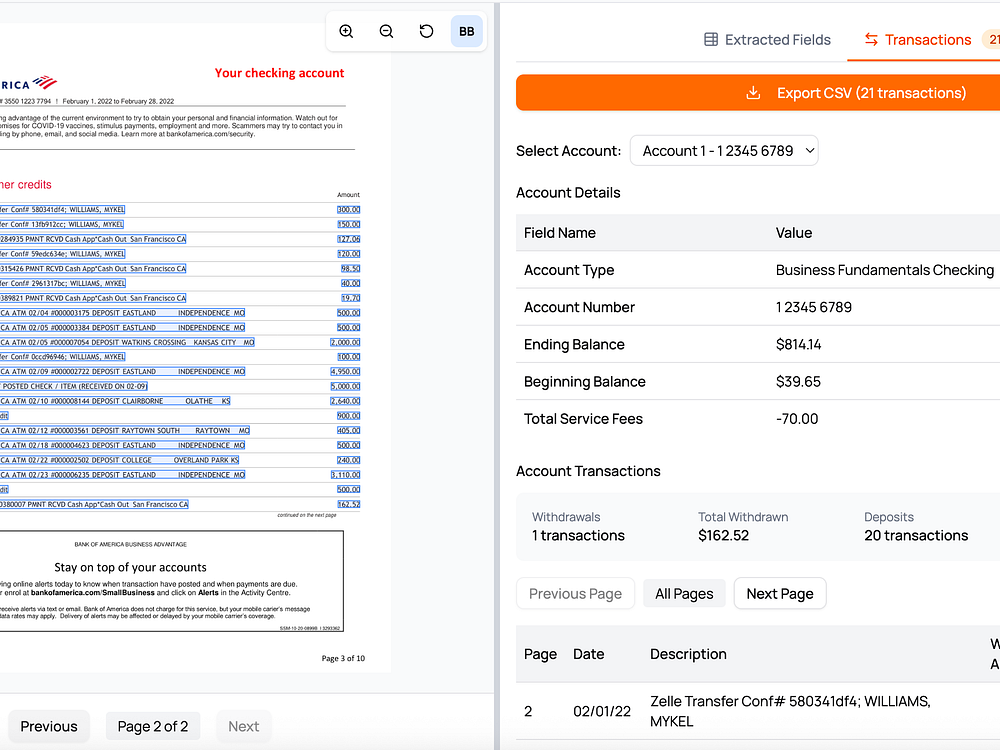


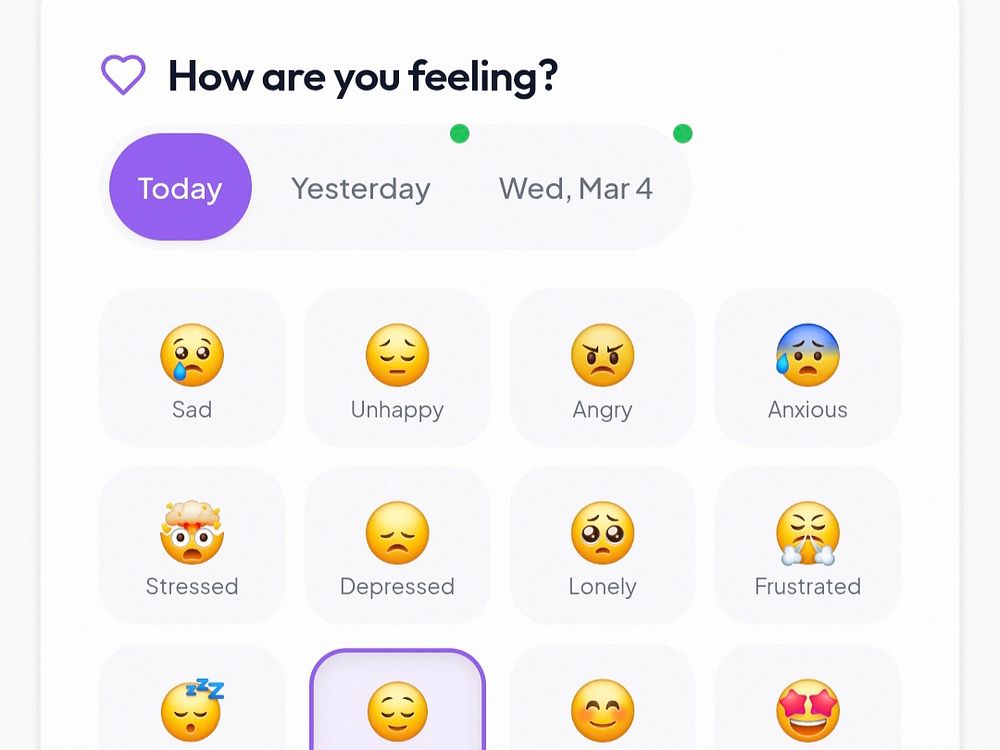


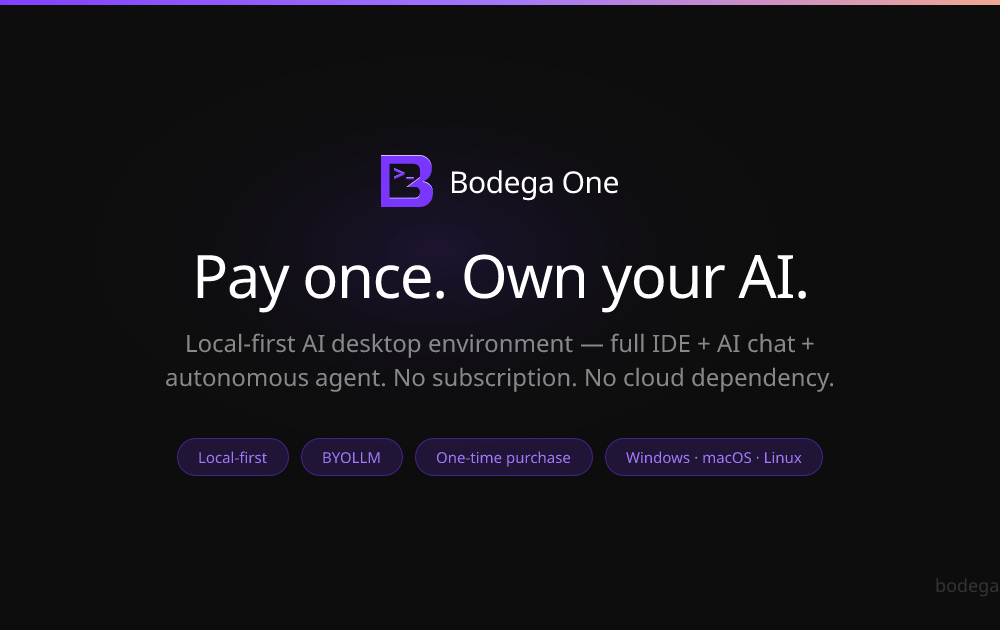


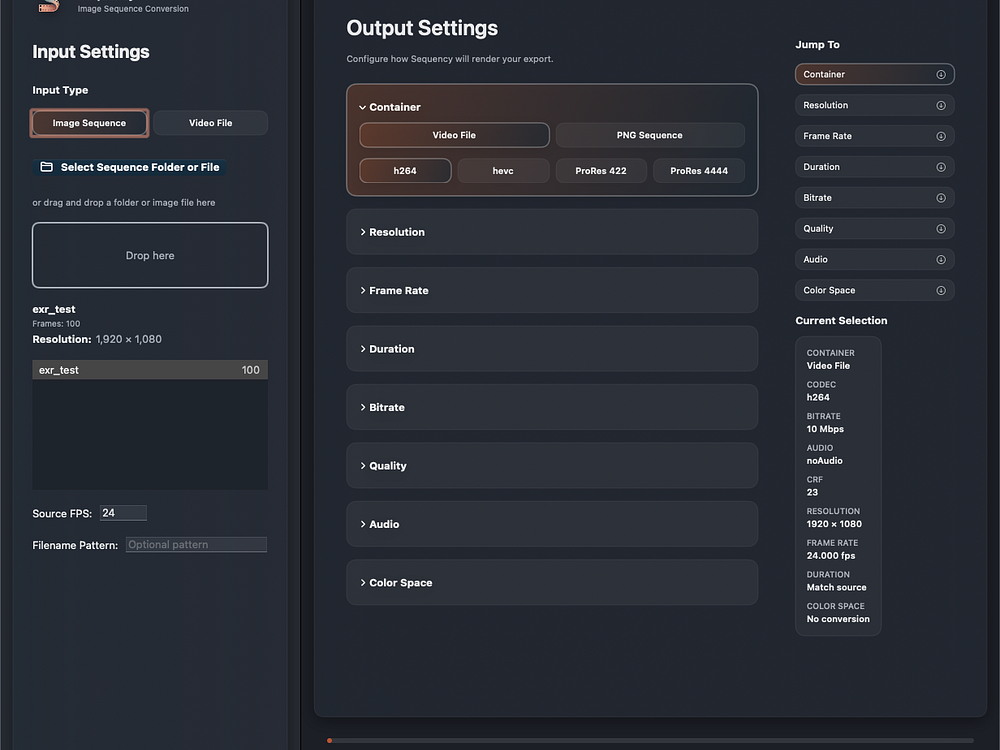


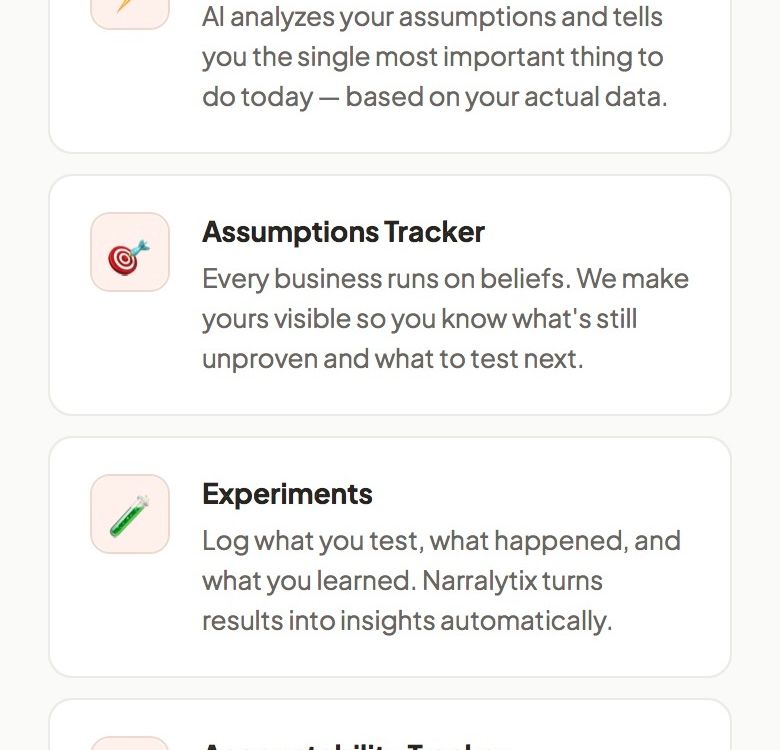
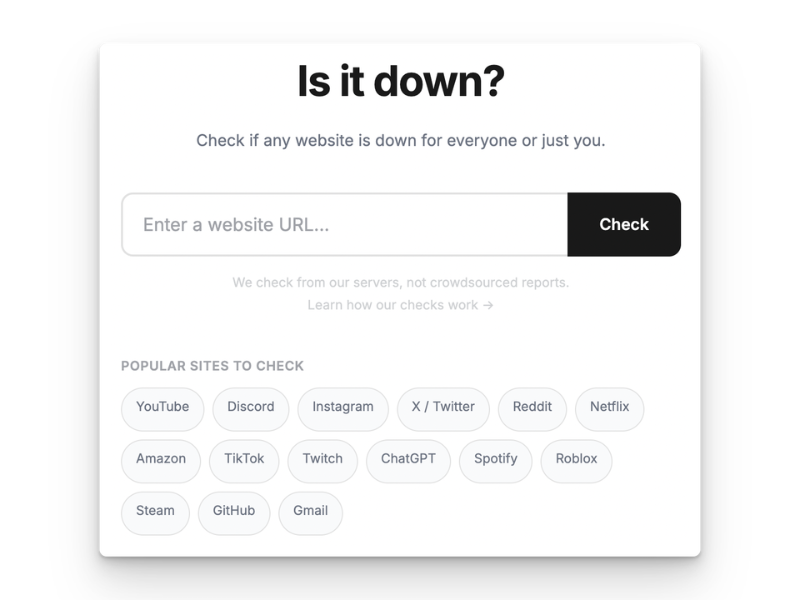












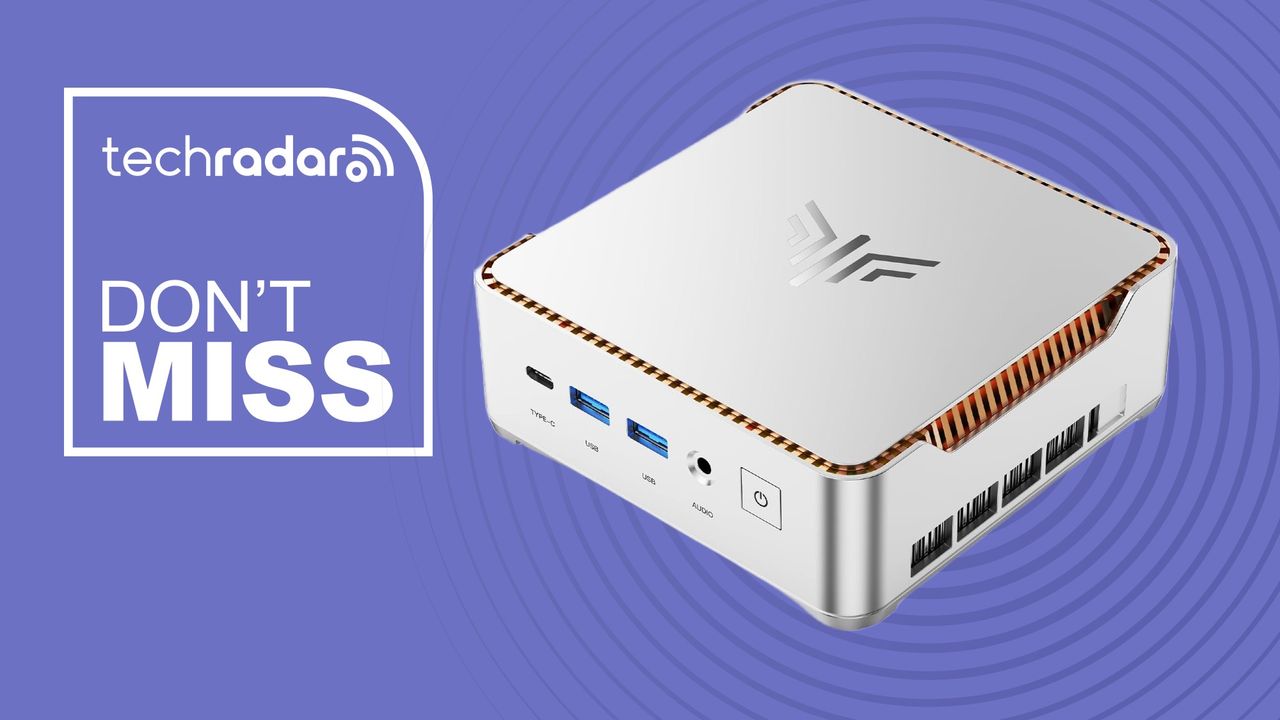



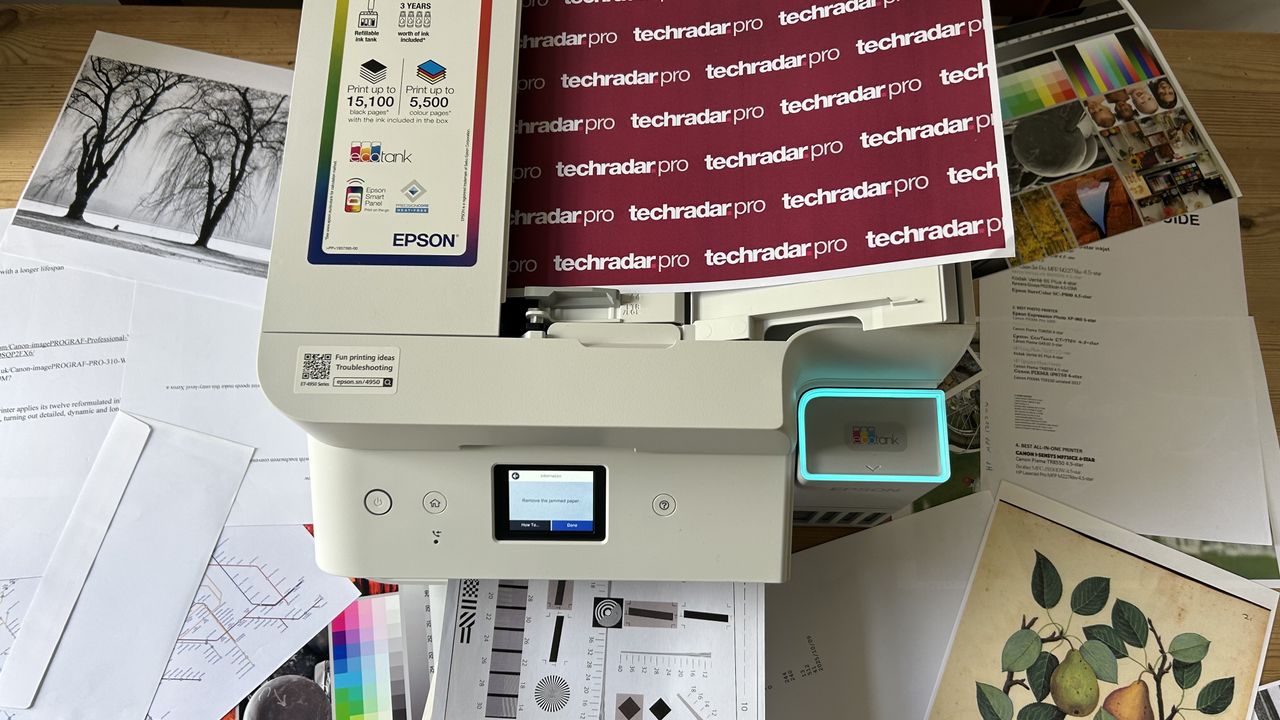








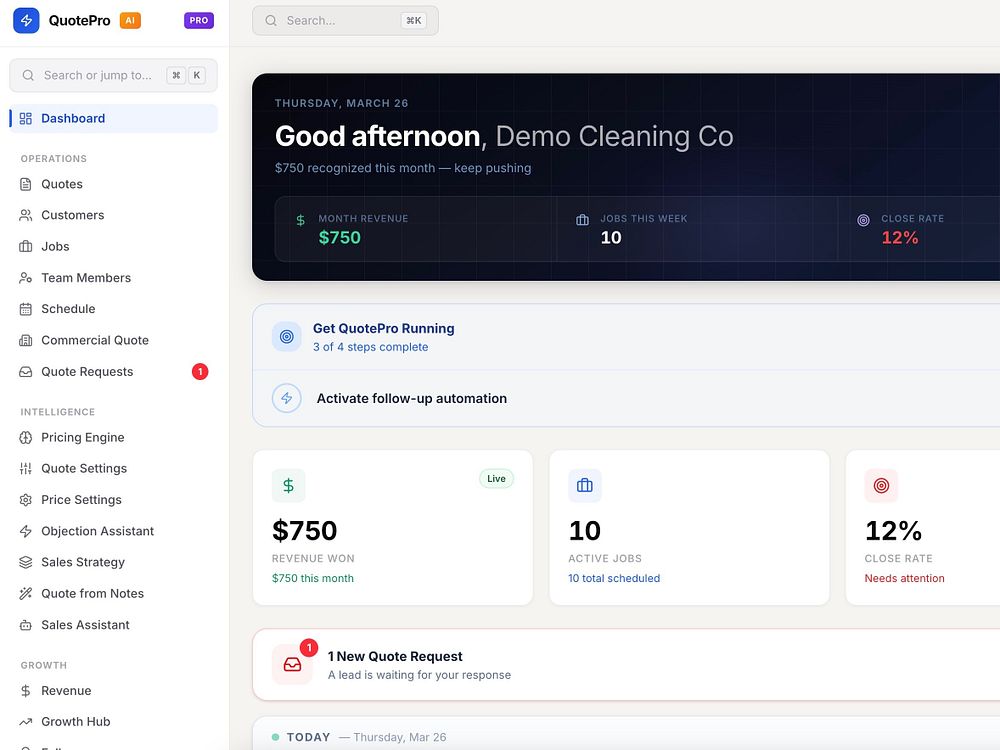









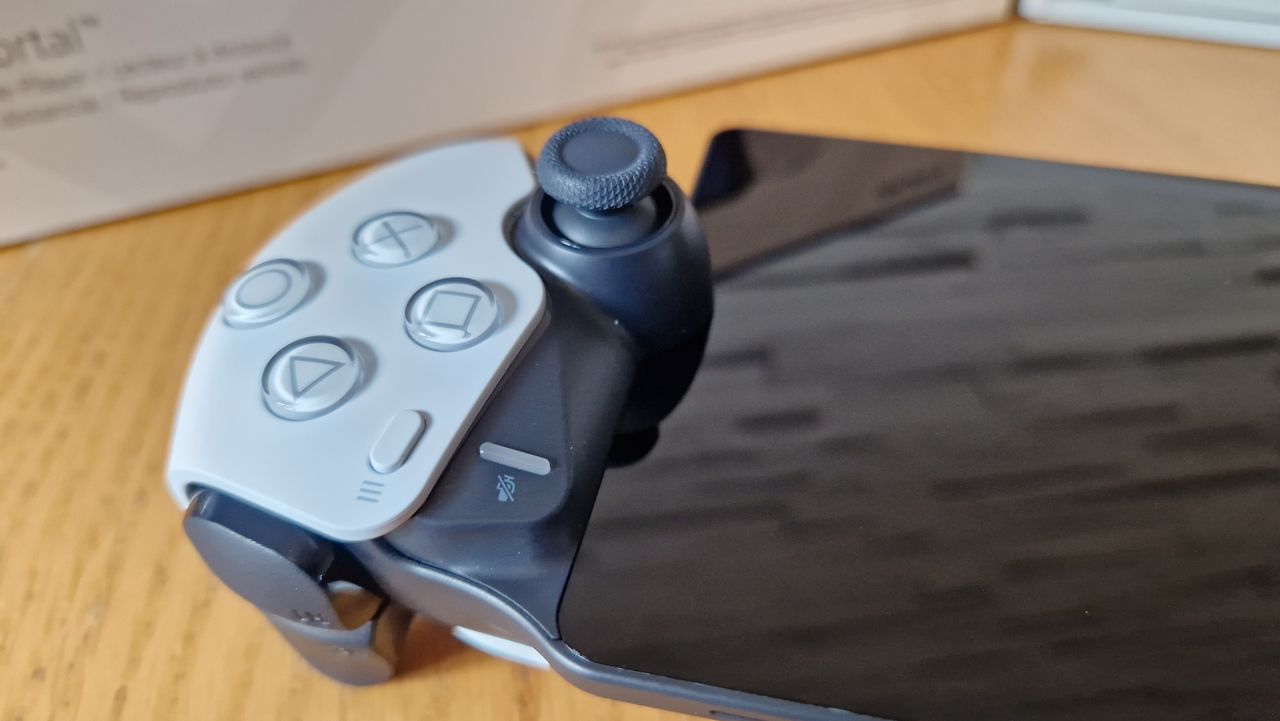

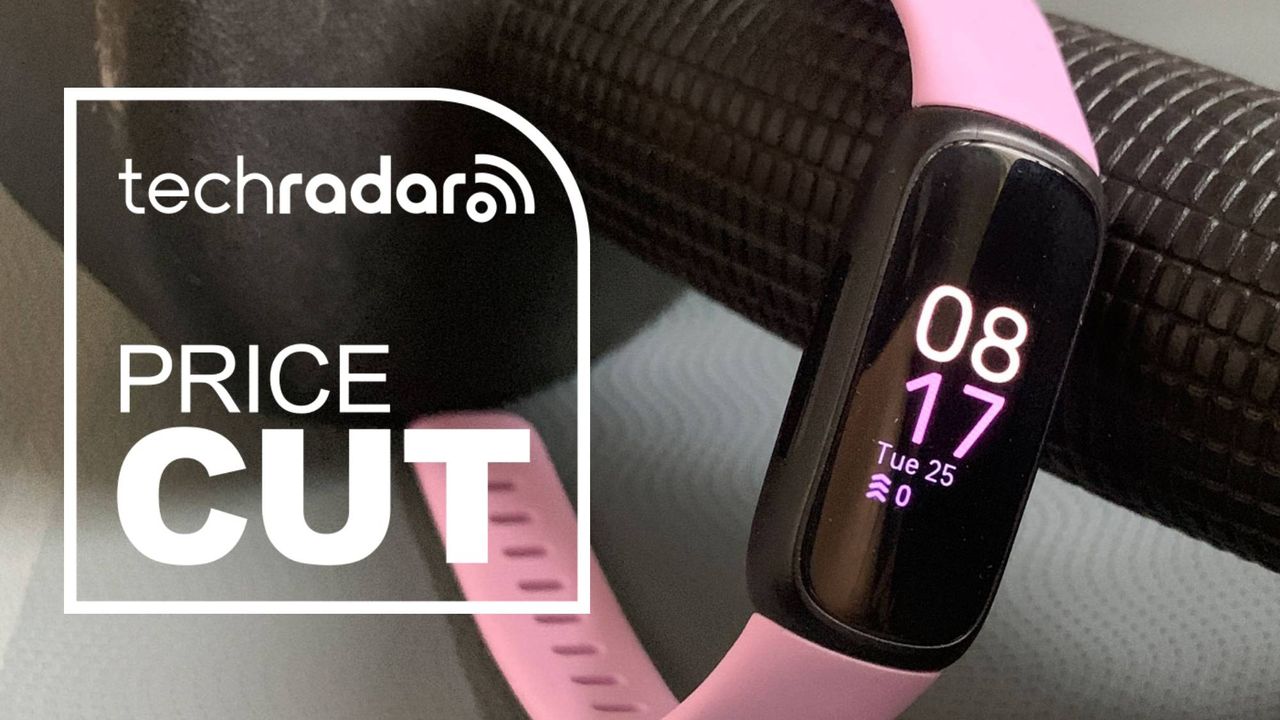

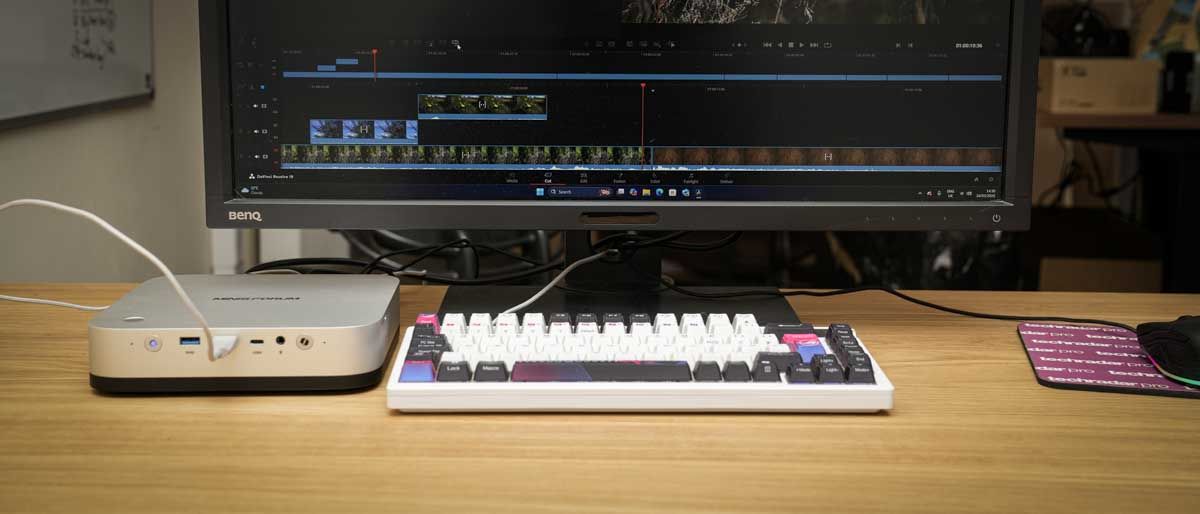






 Learn how Google approaches some of today's most pressing security topics, challenges and concerns, straight from Google experts.
  Gemini Drops is our regular monthly update on how to get the most out of the Gemini app.
  MLB Scout Insights feature, powered by Gemini and Google Cloud AI, provides baseball commentary.






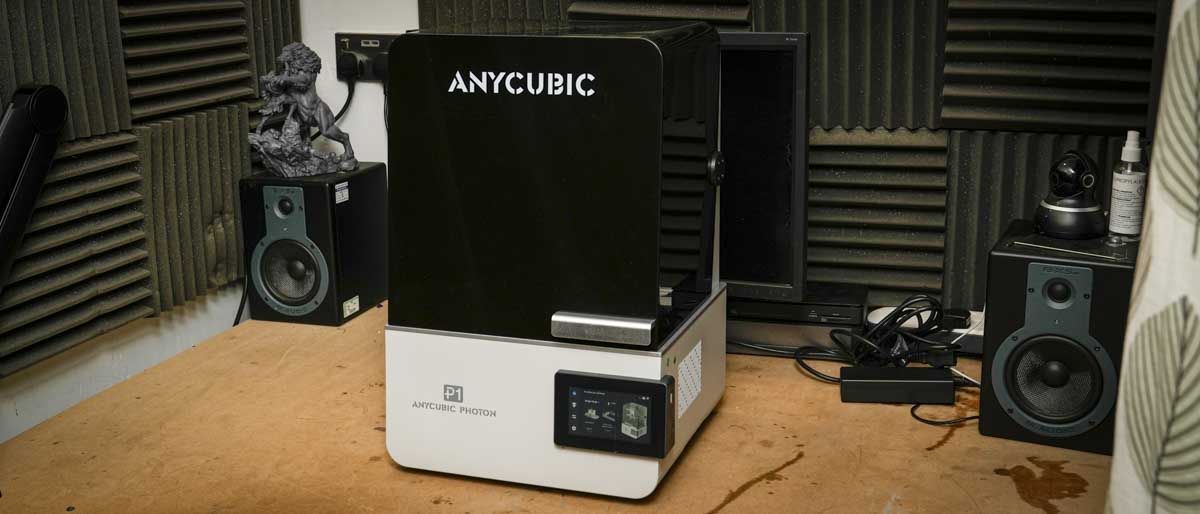










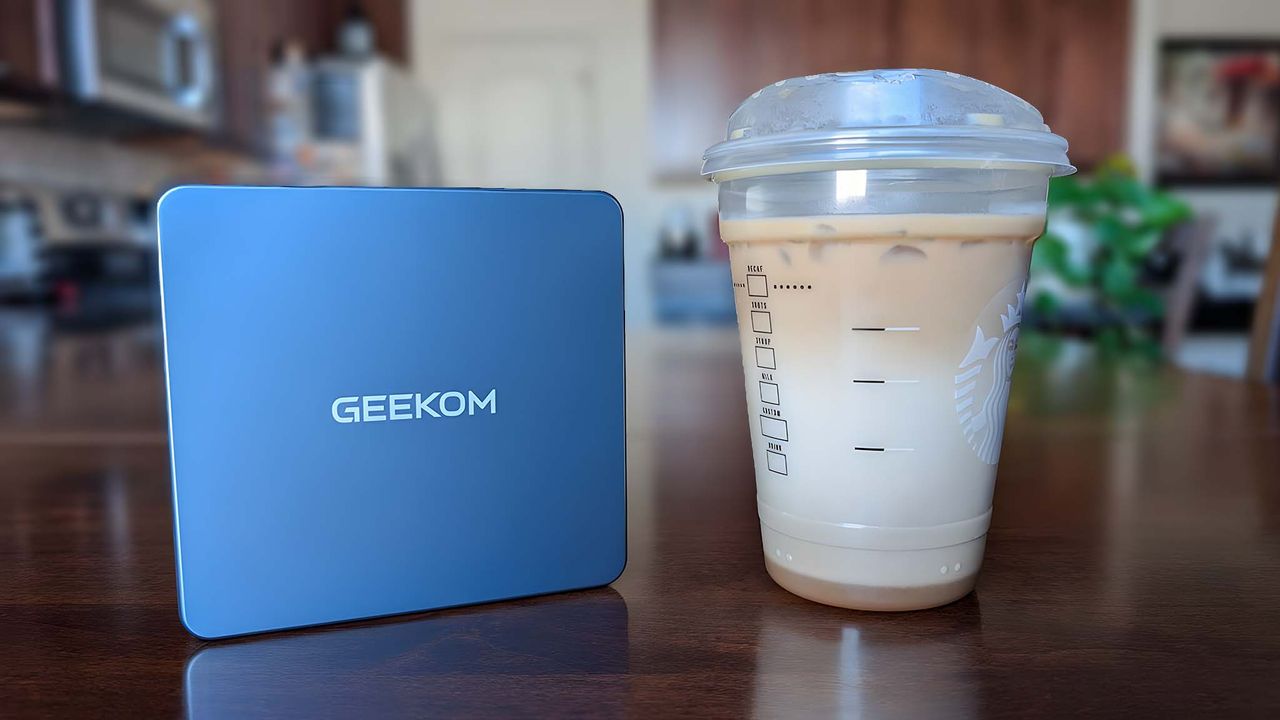

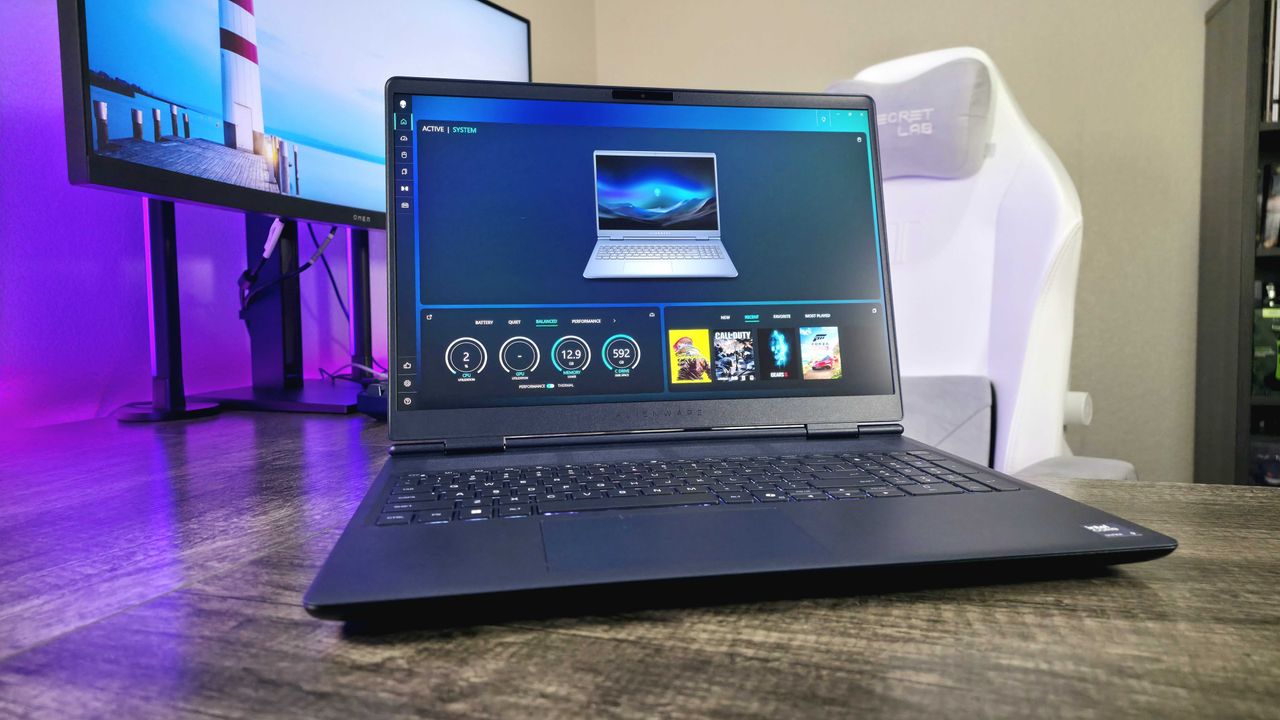









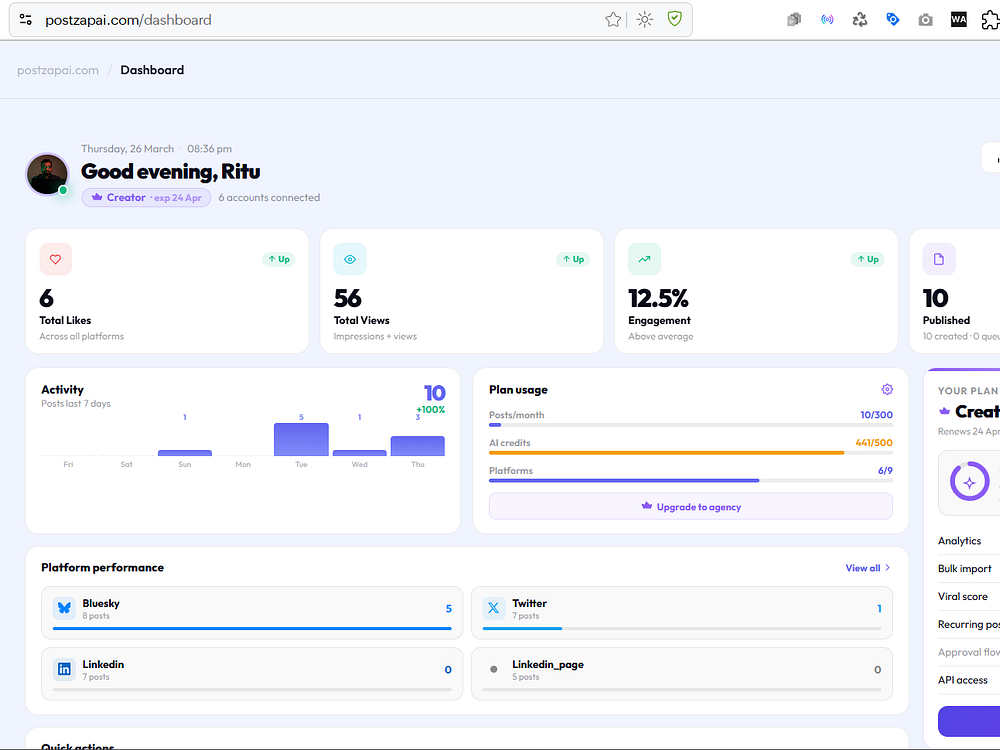











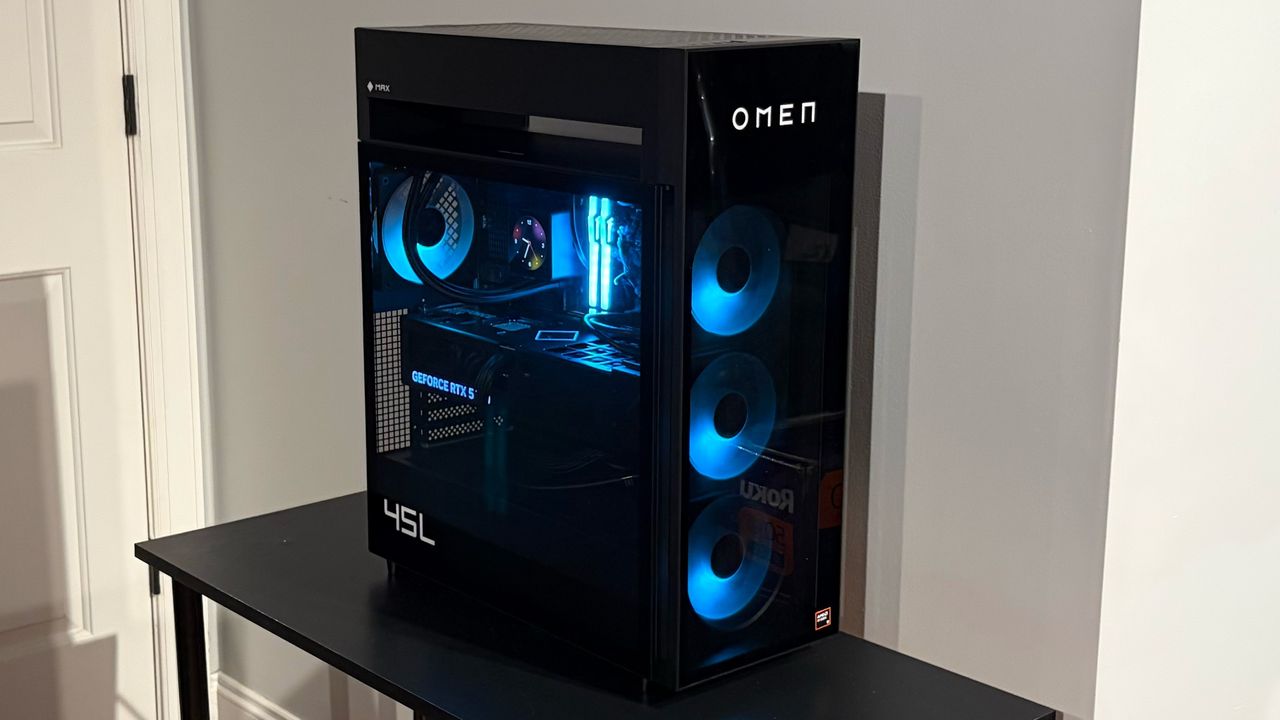


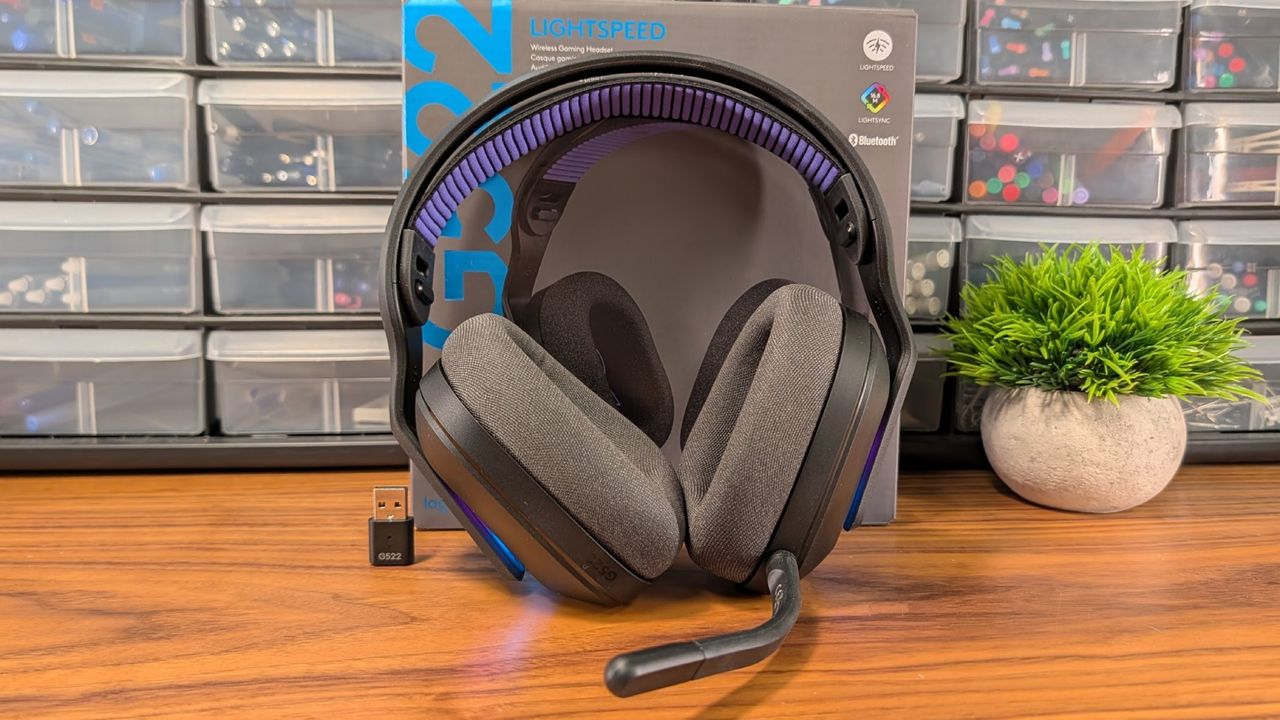


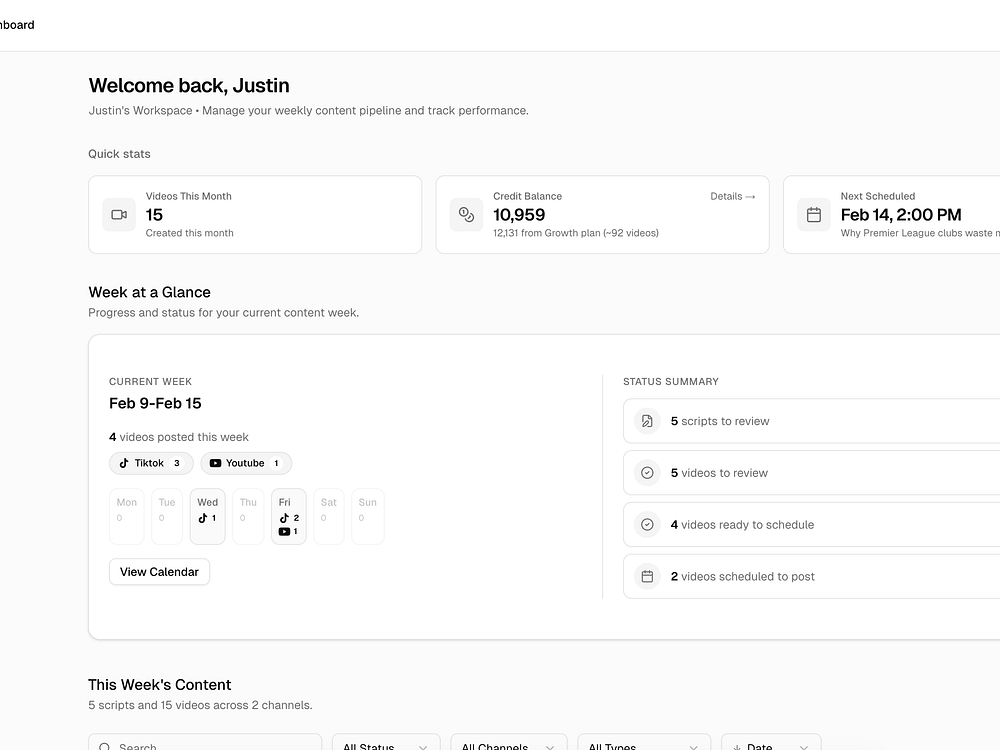
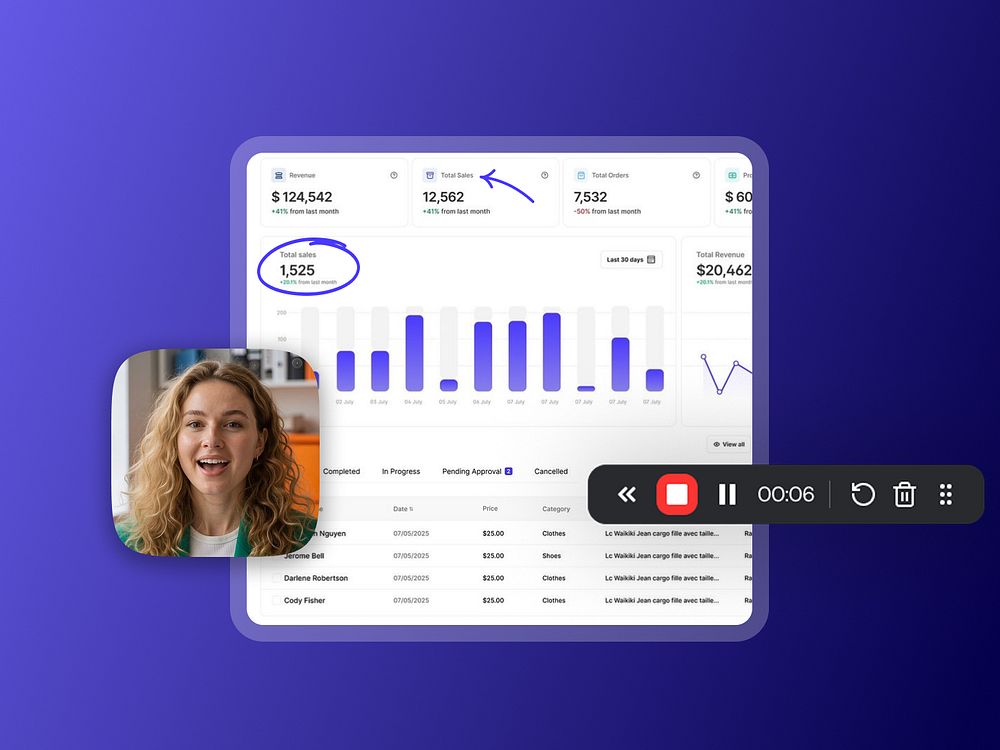







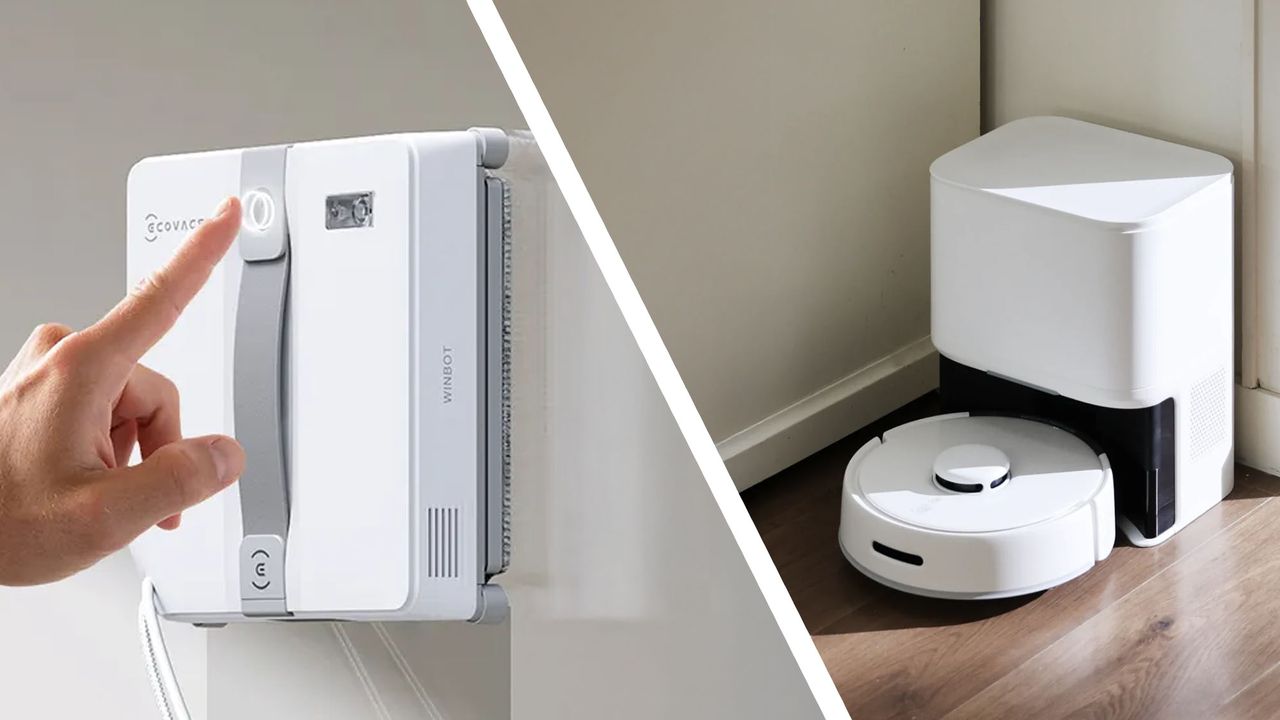
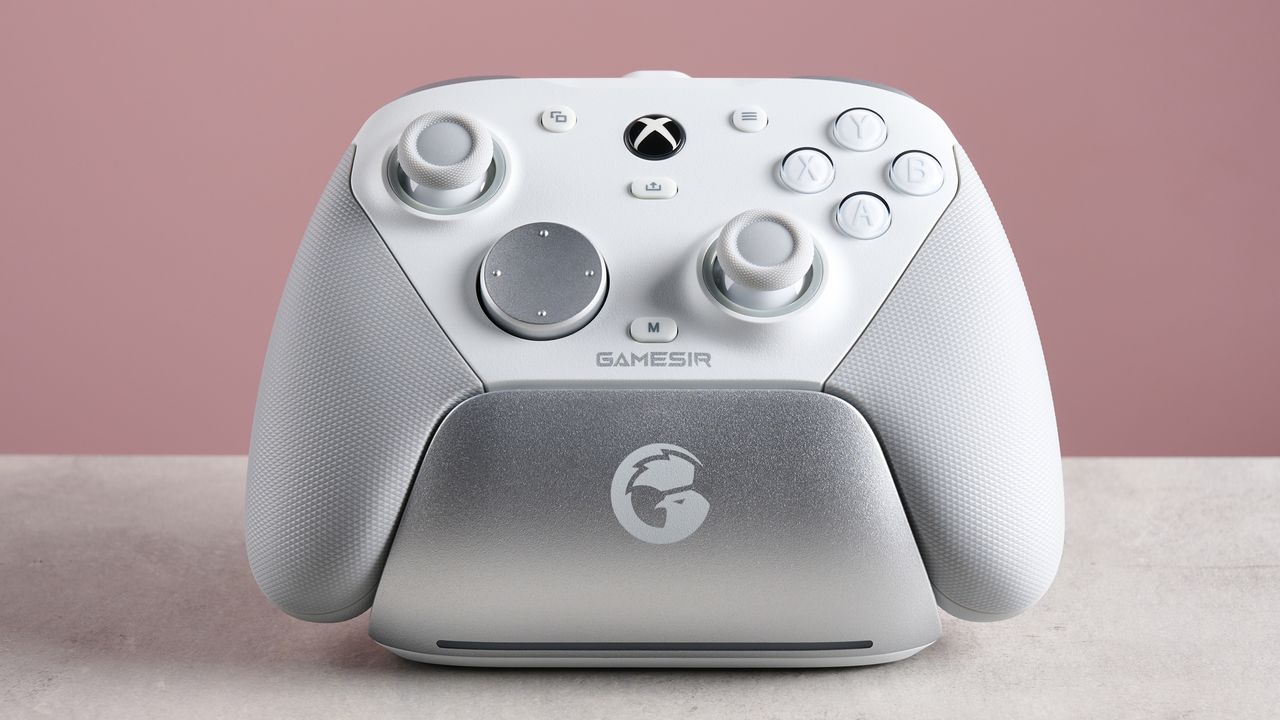







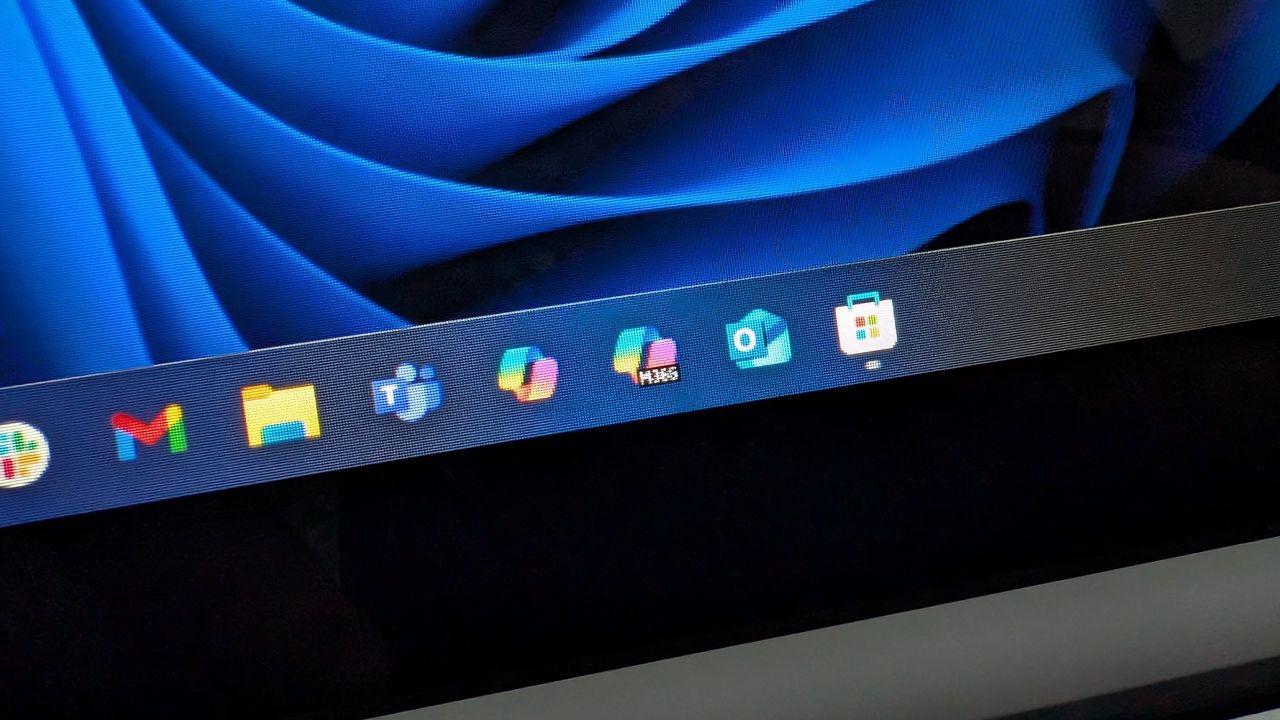




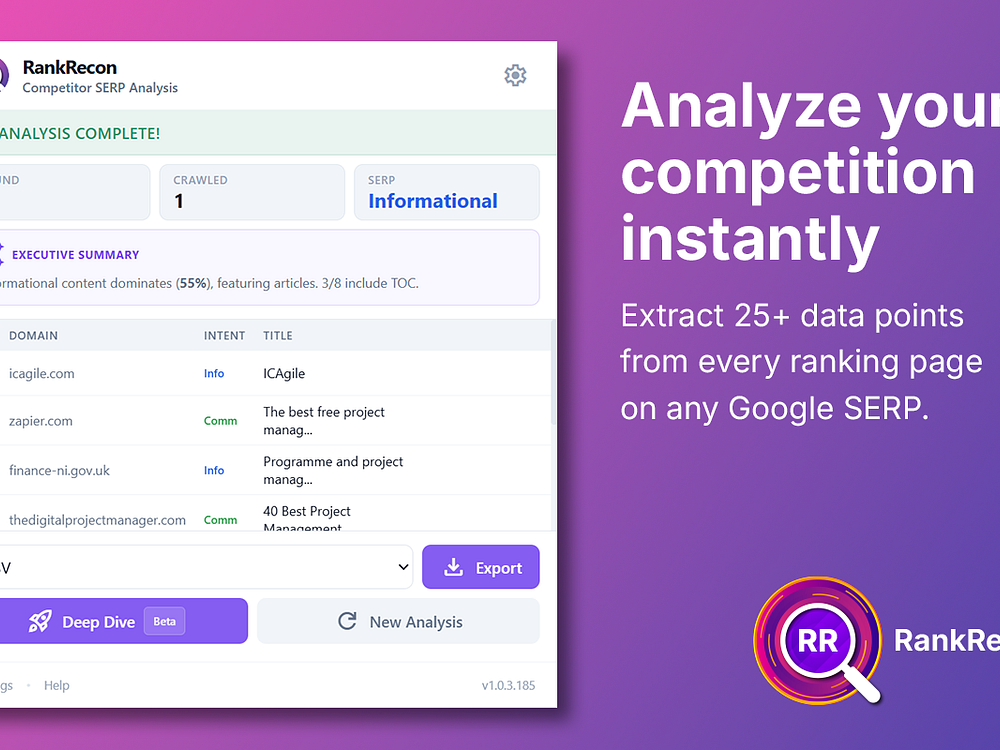
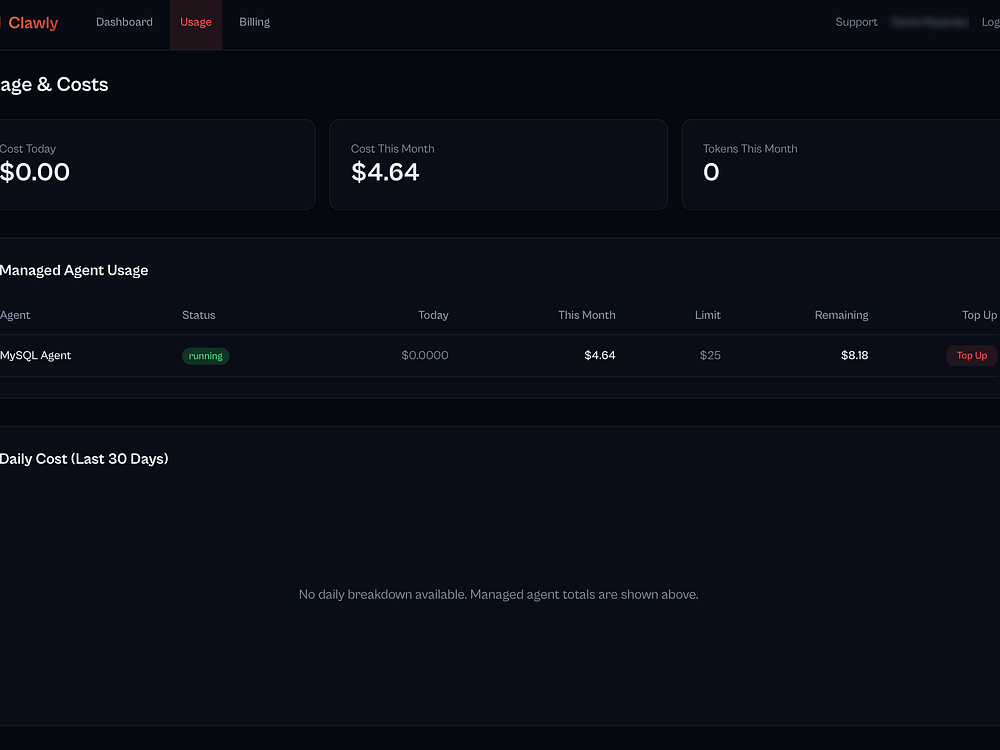





















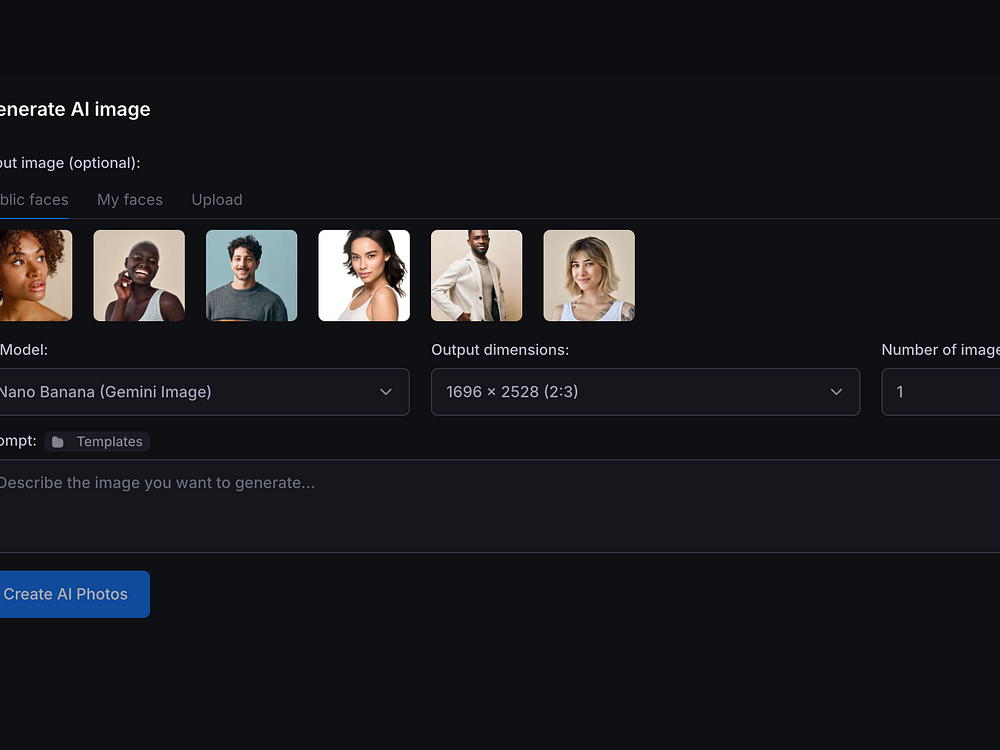

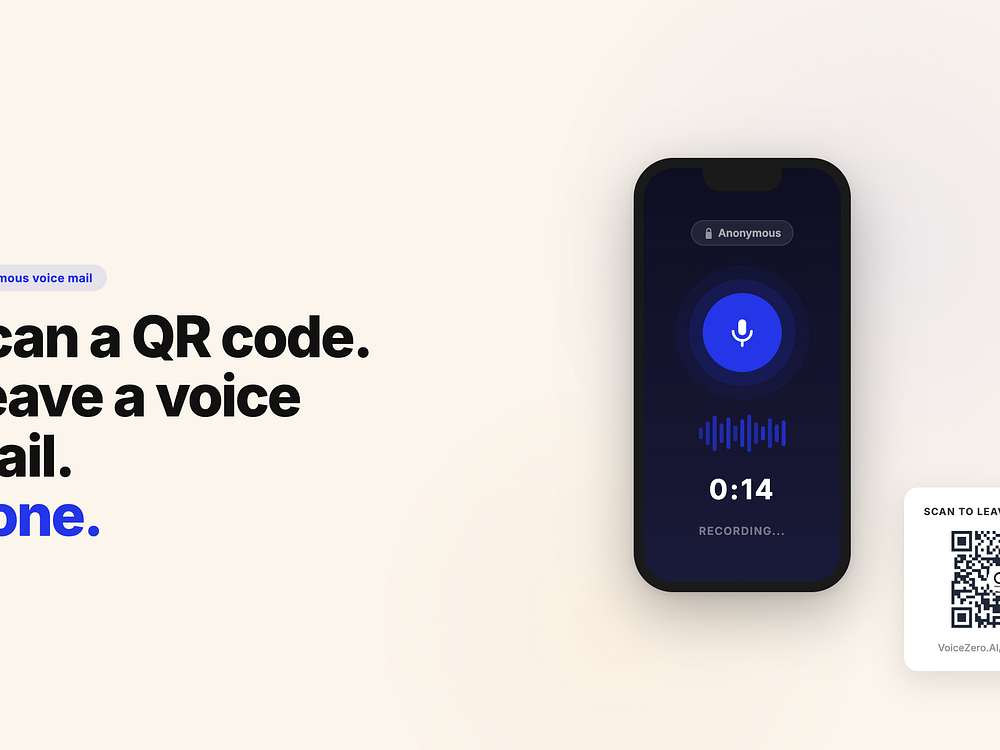
















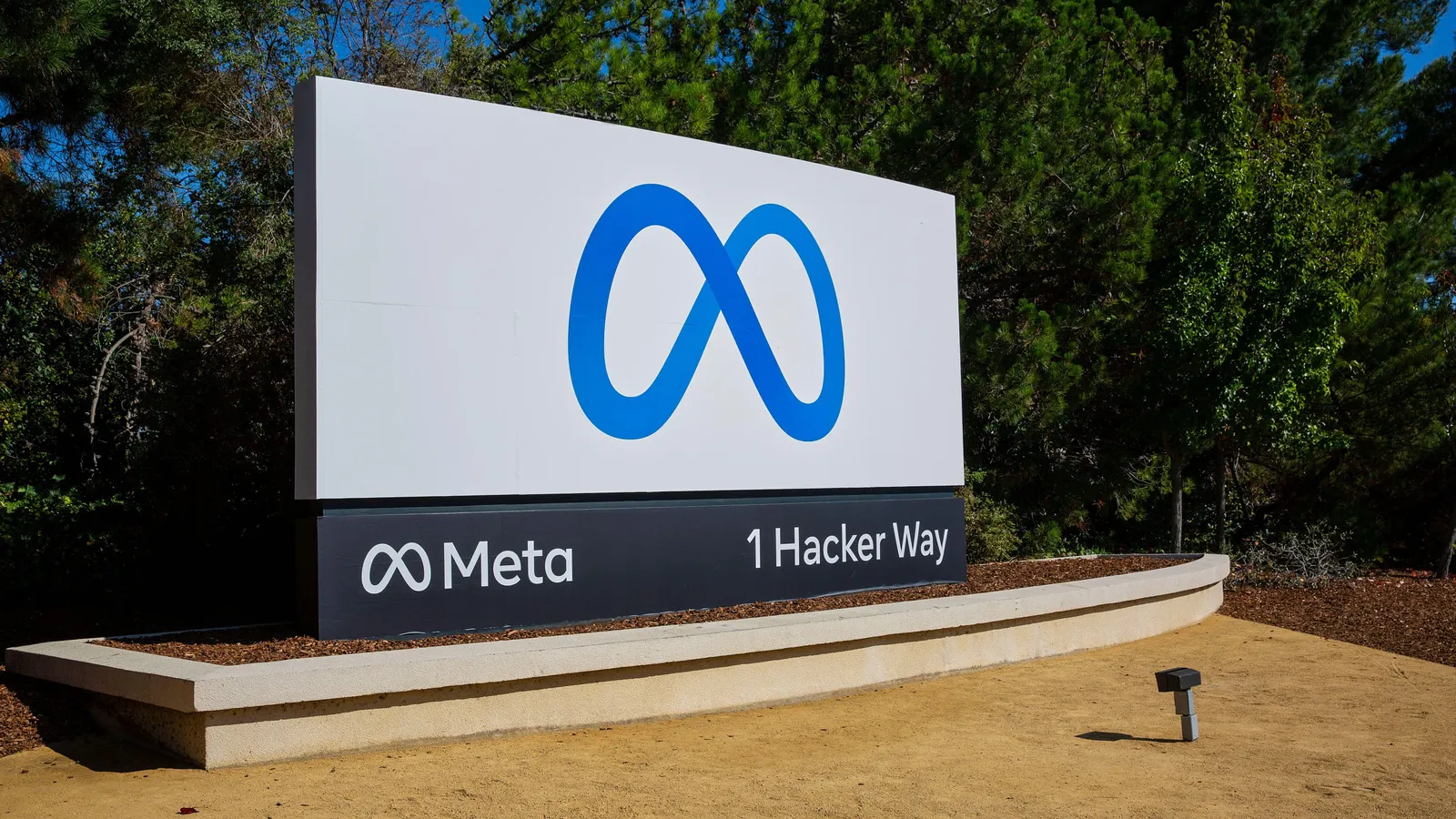








 The countdown to a summer of unforgettable soccer is officially on! This year, we're helping fans explore the tournament, find inspiration and get closer to the action b…






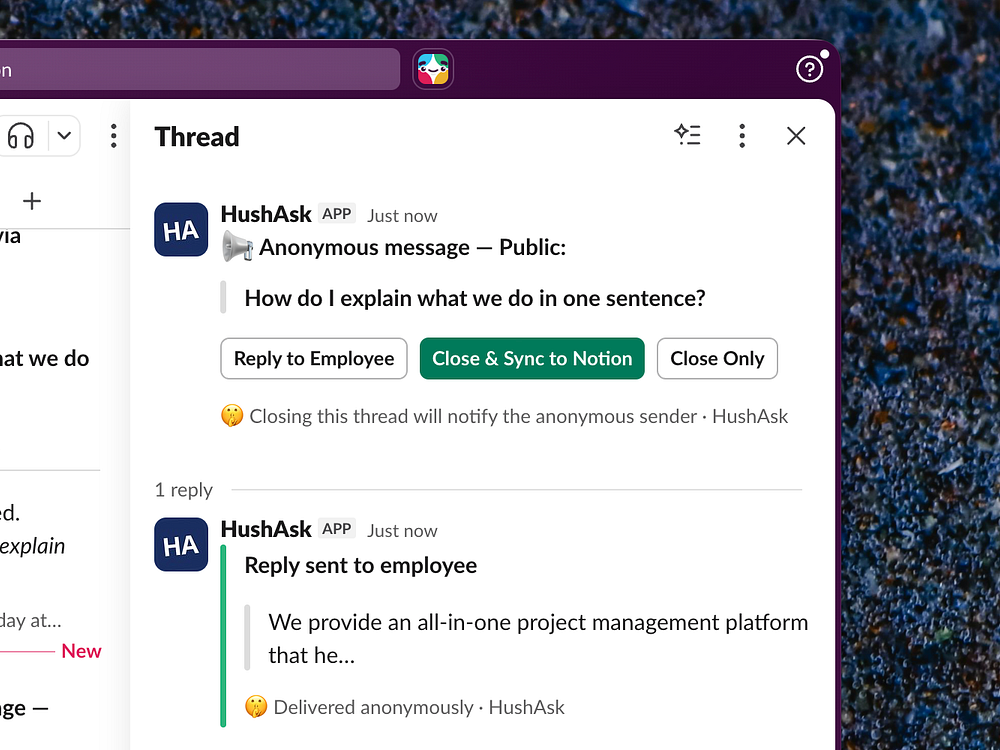




 The Gemini app just made it easier to switch from another AI chat app, without starting from scratch.