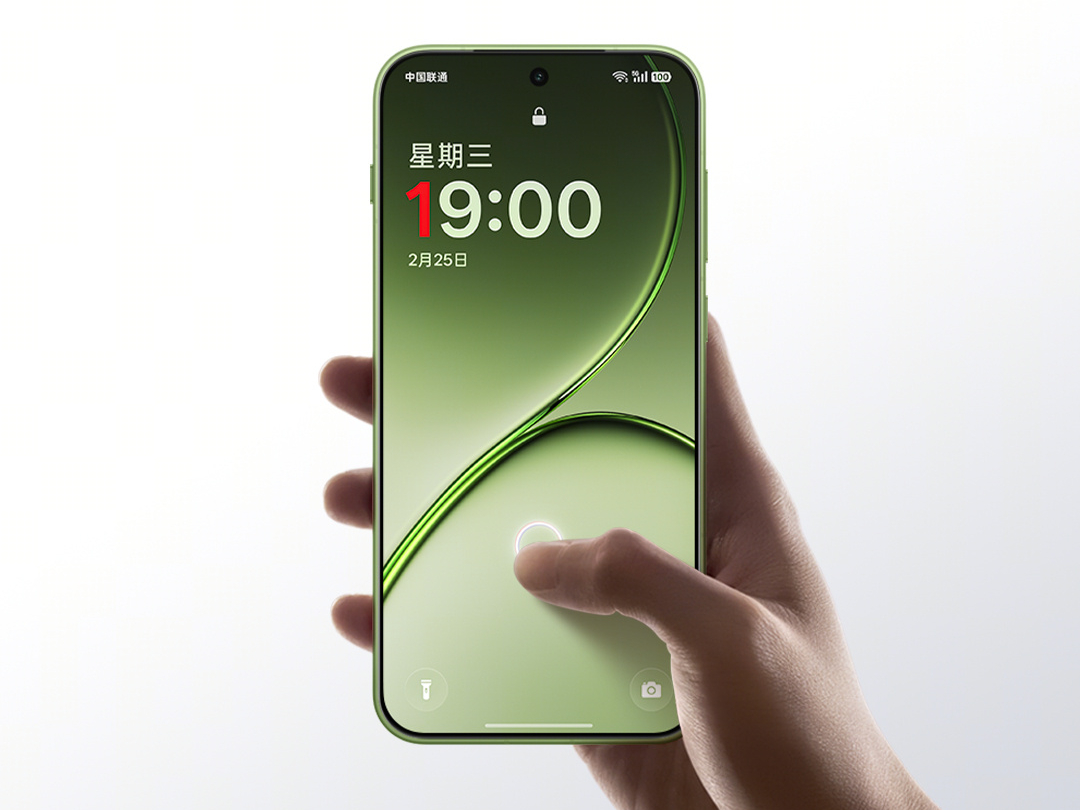
Samsung is sending Airdrop support for Quick Share on the Galaxy S26 series, allowing Android flagship users to share files with iPhones. The update was released a few days prior for Korean users, now expanding to S26 series users around the globe. Though it may have other improvements, the key attention is grabbed by the AirDrop file sharing support.
Here’s how to share files
First, install the latest software update on your Galaxy S26 series and go to the Quick Share via Settings > Connected devices> Quick Share. Look for “Share with Apple devices. This option may have been enabled by default.
If this is available in your device, check for “Who can share with you”, and select Everyone”. If this isn’t enabled, you won’t see Galaxy devices on an iPhone or other Apple devices.
On the other hand, you will need to do the same on an Apple device. Find AirDrop and change its settings to “Everyone for 10 minutes” to receive files from the Galaxy S26 device.
You should know that Apple devices will only enable sharing mode for 10 minutes. So, you will have to check it again for the next session.
The file sharing works as usual, and there are no complexities. Just open your Quick Share or AirDrop and tweak these two settings on each device to share or receive files. Furthermore, you can send files in batches, including multiple images mixed with videos.
This cross-platform file sharing support is currently limited to the S26 series, but the good news is that Samsung will expand it to older flagships with OTA updates. In that case, we expect it to come after the One UI 8.5 update rollout in April.
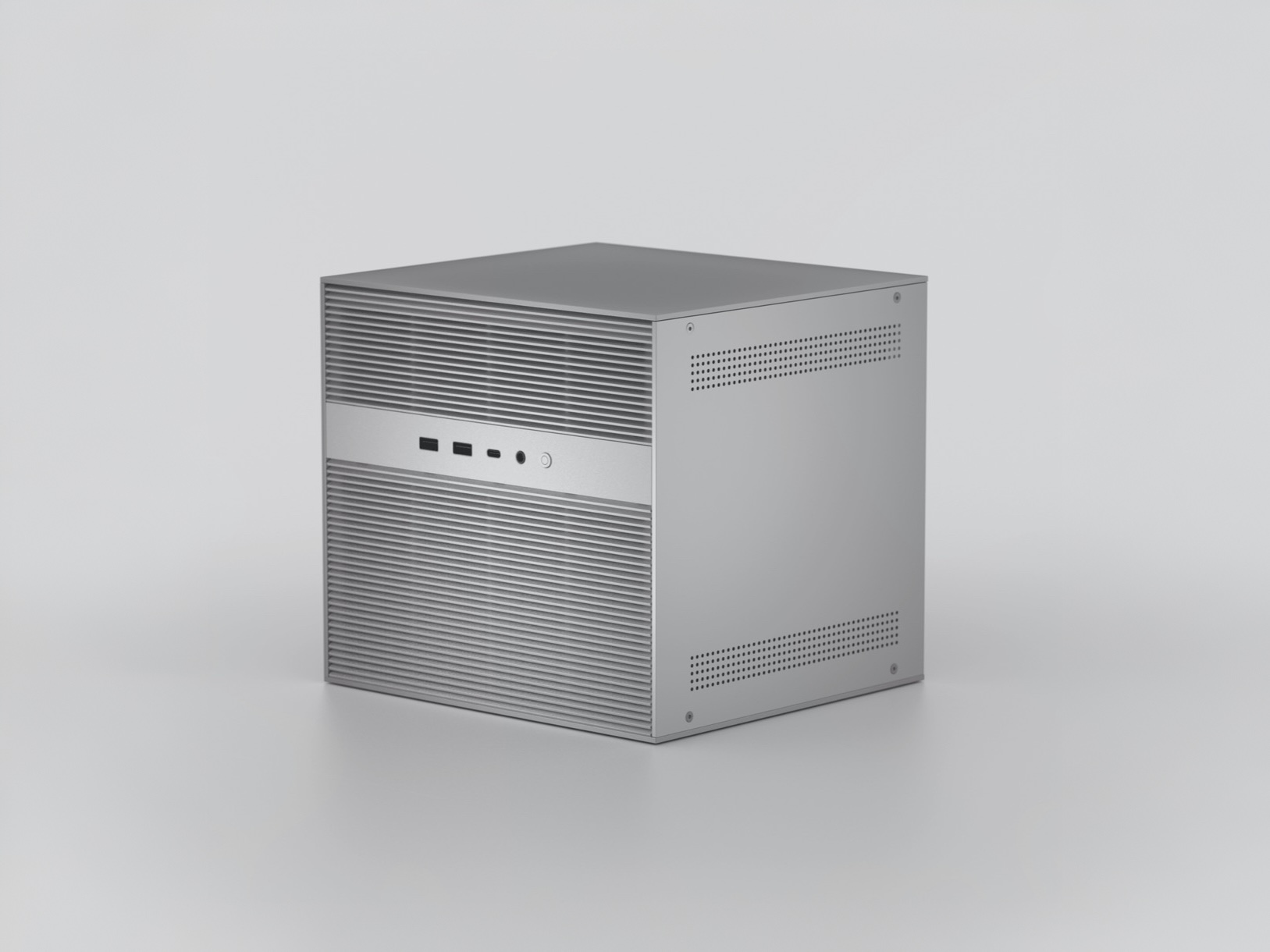
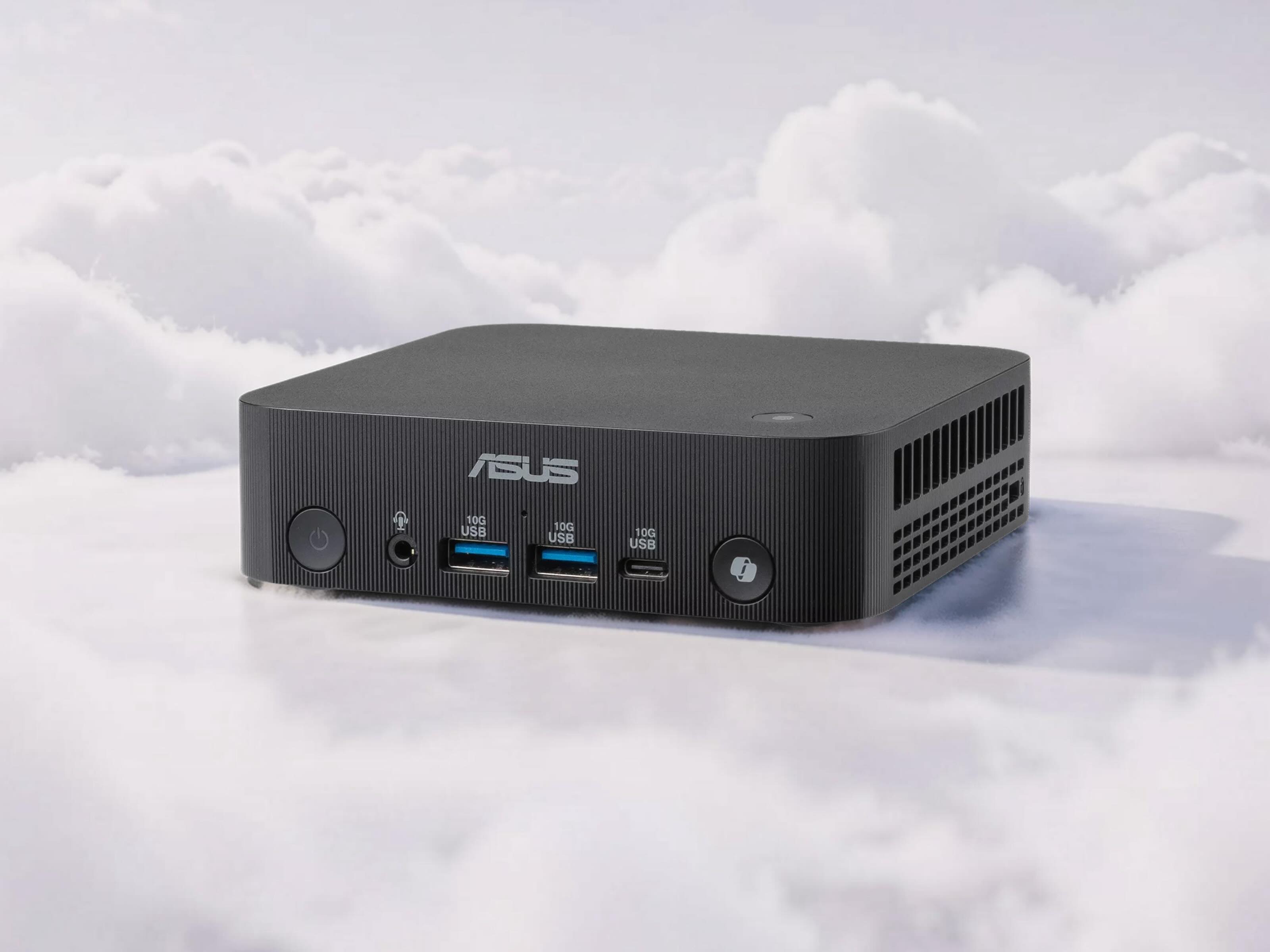
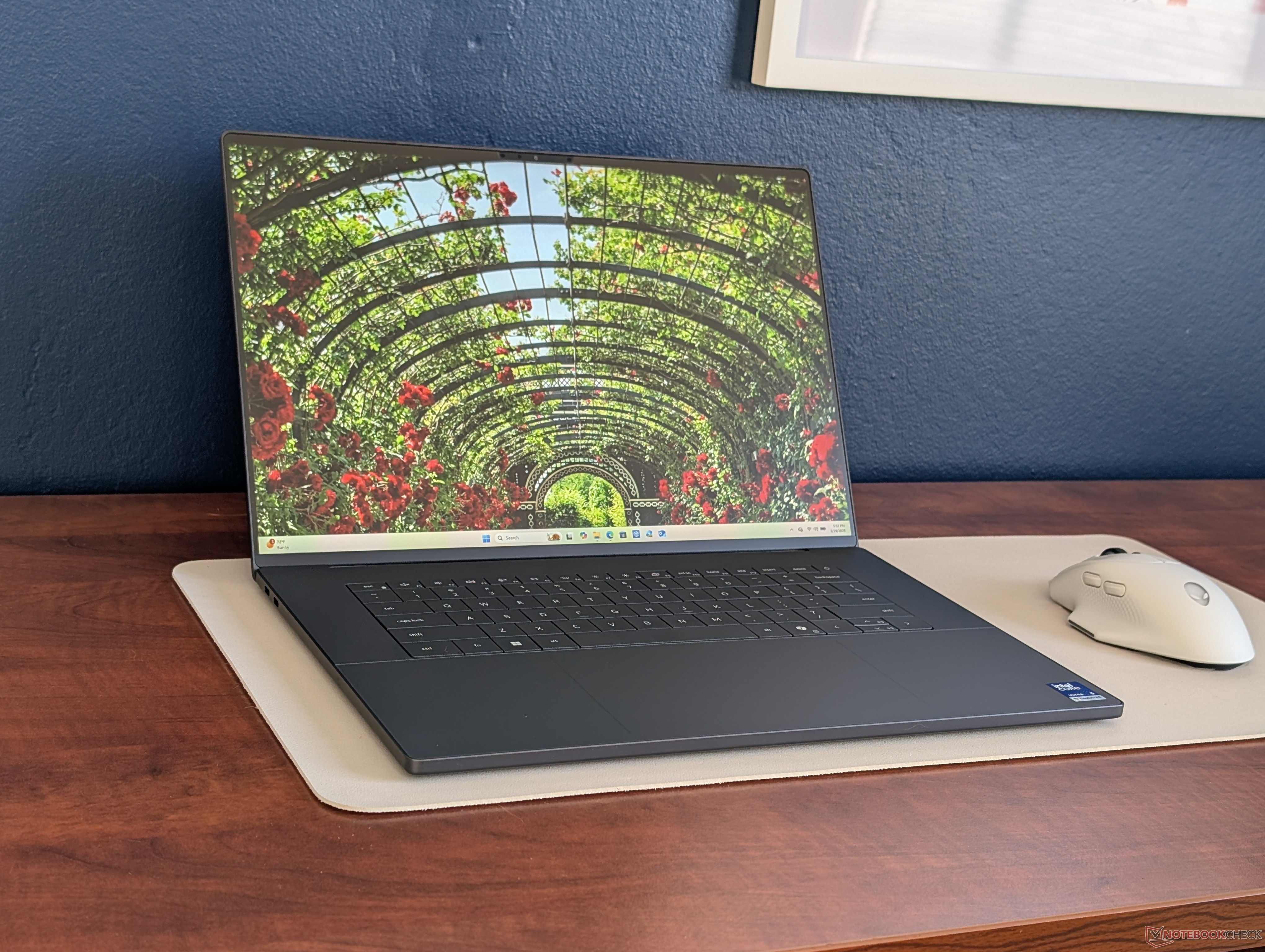
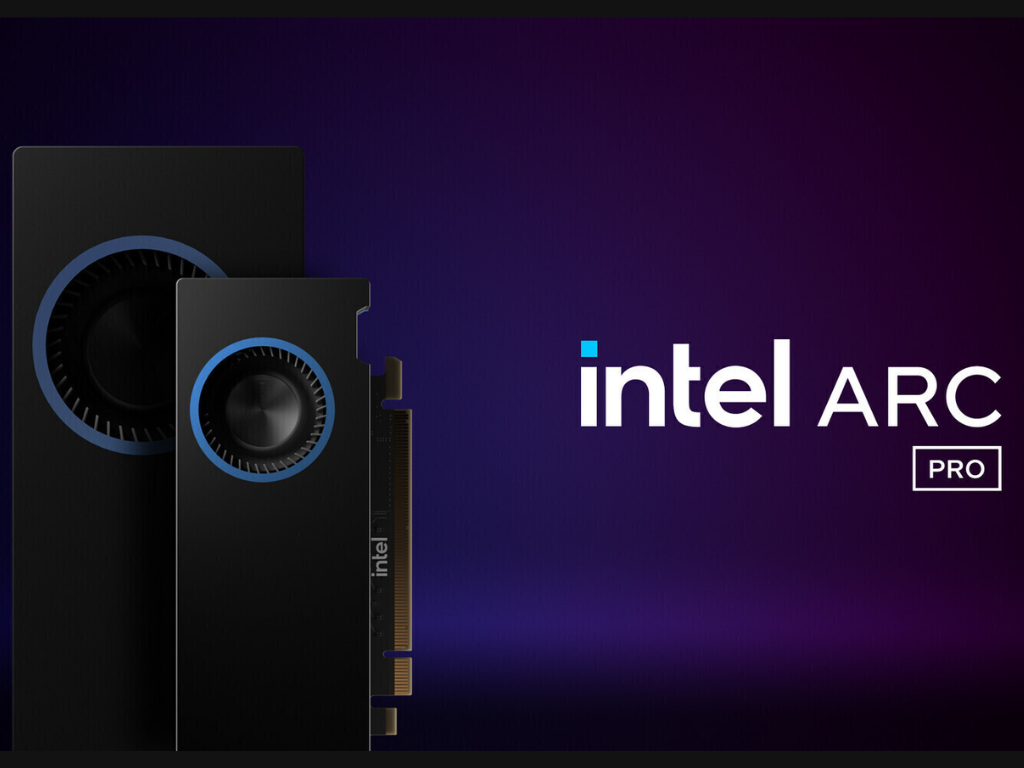
Intel's new Core Ultra 5 250K Plus and Core Ultra 7 270K Plus "Arrow Lake Refresh" are here, and they are excellent. In fact, based on several reviews, including our own testing, the Core Ultra 5 250K Plus and the Core Ultra 7 270K Plus deliver some of the best price-to-performance on the market.
Foxy Voxel and Mythwright have officially transitioned Going Medieval to its 1.0 version on March 17, 2026. After four years in early access and over one million units sold, the full release adds a definitive progression overhaul and six unique endgame paths.
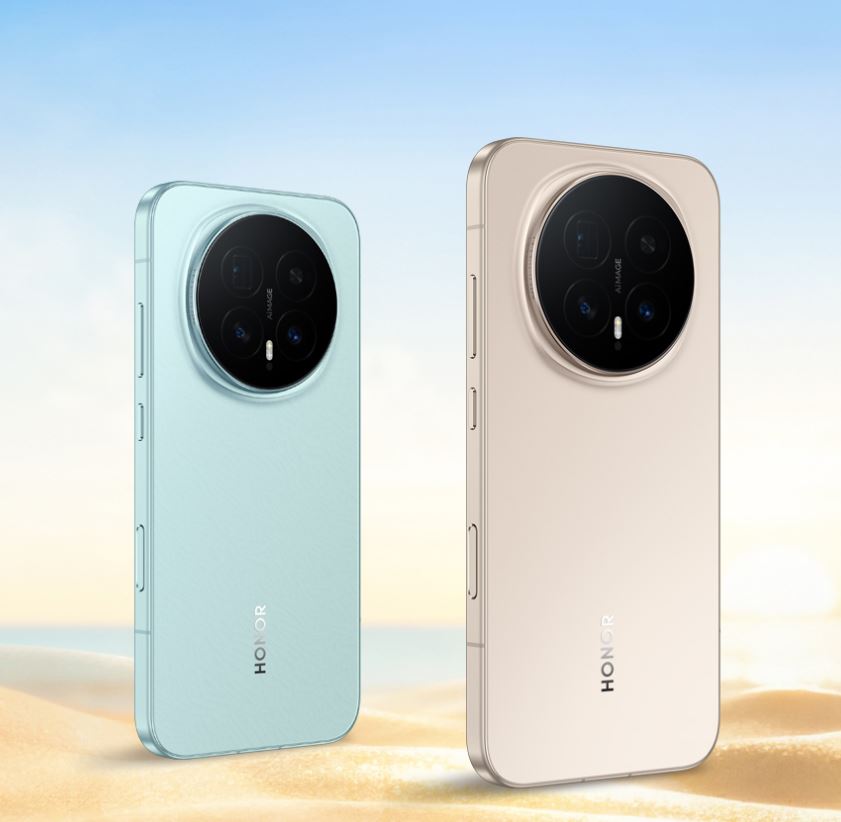
The Honor 600 series is expected to launch globally in the coming weeks. Recently, design renders and key specs of the Honor 600 and 600 Pro surfaced online. Now, the base model has appeared on Geekbench, revealing details about its chipset.
An Honor smartphone bearing the model number VKJ-NX9 has surfaced on Geekbench, and it is believed to be the Honor 600.
The listing reveals that the device is powered by the SM7750 chipset, featuring 3 cores clocked at 1.84GHz, 4 cores at 2.40GHz, and a prime core running at 2.80GHz. These specifications align with the Snapdragon 7 Gen 4...
TECNO has announced the upcoming beta testing of EllaClaw, a new mobile AI agent built to simplify everyday smartphone tasks. The company positions it as the first OpenClaw-powered AI agent designed specifically for emerging markets. While the exact rollout date is not confirmed, users will soon be able to apply for beta access through official online channels, with more details expected shortly.
What is EllaClaw?
EllaClaw is built using the OpenClaw agentic framework, deeply integrated with TECNO’s own Ella AI assistant. Unlike many AI tools that work as separate apps, EllaClaw operates at the system level, allowing it to interact directly with different parts of the phone.
This setup enables it to handle complex tasks, multi-step workflows, and long-duration processes more efficiently. TECNO is also focusing on making it user-friendly, turning advanced AI technology into something that everyday users can easily understand and use.
Seamless and Easy to Use
One of EllaClaw’s biggest advantages is its simplicity. Users do not need to install or switch between apps. Instead, it works directly within the Ella assistant, offering a smooth and intuitive experience.
The AI is designed to understand natural language, meaning users can give simple or even slightly unclear commands, and the system will still figure out what needs to be done.
Key Features in Beta
EllaClaw introduces several powerful features in its beta version. One of the highlights is one-sentence automation, where users can complete tasks like scheduling, managing files, or performing system actions with just a single instruction.
Another important feature is cross-app data integration. The AI can pull information from apps like SMS, Calendar, and Notes, combining them to provide useful insights. For example, it can summarize messages, highlight important alerts like bank updates or bills, and even suggest deleting unnecessary messages.
It also works as a daily schedule assistant, combining calendar events, notes, weather updates, and news into a simple daily plan that users can follow.
Smarter Over Time with Strong Privacy
EllaClaw includes a persistent memory system, which learns from user behavior over time. This allows it to offer smarter suggestions and become more personalized with regular use.
TECNO has also emphasized privacy and security, stating that user data remains isolated, protected, and not shared with third parties.
Future Plans
Looking ahead, TECNO plans to expand EllaClaw with more localized features tailored for emerging markets. The company also aims to let users build custom AI agents, further boosting productivity.
With its focus on simplicity, automation, and personalization, EllaClaw could become a major step forward in making AI more practical for everyday smartphone users.
Samsung’s next book-style foldable has started showing up in leaks, and the Galaxy Z Fold 8 doesn’t seem to be chasing a big redesign this year. Fresh CAD renders give a fairly detailed look at the device ahead of its expected July 2026 launch.
The renders, shared by OnLeaks in collaboration with Android Headlines, show a design that’s very close to the Galaxy Z Fold 7. You still get the flat edges, the centered hole-punch on the cover display, and a vertically aligned triple-camera setup at the back. The camera module itself remains quite prominent, with a noticeable raised bump.
In terms of size, the Fold 8 is said to measure 158.4 x 143.2 x 4.5 mm when unfolded and 158.4 x 72.8 x 9 mm when folded. That’s slightly thicker than the official numbers for the Fold 7, though in practice, the difference might not be all that noticeable. Real-world measurements of the older model often end up in a similar range anyway, so this could just be a minor adjustment rather than a step back.
The bigger changes seem to be on the inside. Samsung is reportedly working on a new dual-layer ultra-thin glass setup for the main display, along with a revised support structure. The idea is to improve durability and help reduce how noticeable the crease becomes with use. Display sizes are expected to stay roughly the same, around 8 inches for the inner screen and 6.5 inches for the cover.
There are also signs of a battery upgrade. The Fold 8 could move up to a 5,000mAh unit, paired with 45W charging. That alone would be a welcome change, considering battery life has been one of the weaker points on earlier Fold models.
All of this points to a fairly iterative update by Samsung’s standards. The design isn’t changing much, but the company seems to be focusing on the areas that matter in daily use. Not the most exciting upgrade on paper, maybe, but potentially a more practical one.
Redmi is about to expand its Note 15 lineup in India, and the next addition looks like it’s aimed at keeping things simple and affordable. The company has confirmed that the Redmi Note 15 SE will launch on April 2, 2026, joining the rest of the Note 15 series already on sale.
The announcement was made through Redmi India’s X account, with Flipkart listed as the exclusive platform. As expected, the teaser itself doesn’t go into specifics, but the messaging suggests a focus on everyday usability rather than pushing high-end features.
If this sounds familiar, that’s because Redmi has done something similar before. The Note 14 SE last year was essentially a rebrand of the standard model, keeping most of the core experience intact while adjusting a few things to hit a lower price. The Note 15 SE is likely to follow that same route.
Looking at the regular Redmi Note 15 5G gives a rough idea of what to expect. It offers a 6.77-inch curved AMOLED display with a 120Hz refresh rate, runs on the Snapdragon 6 Gen 3, and includes a 108MP main camera along with a 5,520mAh battery and 45W charging. The SE version will probably keep most of this, but with a few practical compromises, maybe in the camera setup or what’s included in the box.
Pricing will obviously play a big role. The 8GB+128GB variant of the Note 15 5G is currently listed at ₹21,499 on Flipkart and ₹22,998 on Amazon, so the SE variant could land closer to ₹20,000 or even slightly below. That’s a pretty competitive spot, especially for buyers who just want a reliable phone for daily use without spending too much. There’s also a fair chance Redmi might skip the charger in the box again. It’s not ideal, but at this point, it’s also not unexpected.
With the launch just around the corner, the full details should be out soon. If Redmi keeps the balance right, the Note 15 SE could end up being one of those easy recommendations in its price range.
Samsung has taken the wraps off its new Exynos 1680 chipset, and it looks like a fairly important upgrade for its mid-range lineup. This is the chip that’s expected to power the Galaxy A57, and the focus seems to be on making everyday performance feel a bit more polished rather than chasing headline numbers.
It’s built on Samsung’s updated 4nm process, and the CPU setup is what you’d expect in this category. You get one Cortex-A720 core going up to 2.9GHz, along with four more A720 cores and three efficiency-focused A520 cores. Nothing unusual on paper, but the newer cores should help with smoother app switching and better consistency over longer use.
Graphics have been improved too. The Xclipse 550 GPU, based on AMD’s RDNA 3 architecture, is said to deliver around 15% better performance. That’s not a massive jump, but it should be enough to make games feel a bit more stable and animations slightly smoother. It also supports Full HD+ displays at up to 144Hz, which is becoming more common even outside flagship devices.
Exynos 1680 is also leaning into AI: the NPU can handle up to 19.6 TOPS, which is about a third higher than before. In real terms, that should help with things like camera processing and the AI features baked into One UI.
Another interesting bit is memory and storage support. The chip works with LPDDR5X RAM and UFS 4.1, which you’d usually see on more expensive devices. That could make a noticeable difference in how quickly apps open and how the phone feels overall.
Camera support goes up to 200MP, with 4K video at 60fps and 10-bit HDR. Connectivity is also well covered, with 5G, Wi-Fi 6E, and even Bluetooth 6.1 making an appearance.
Taken together, the Exynos 1680 doesn’t try to reinvent anything, but it does seem like a well-rounded step forward. If Samsung gets the tuning right, the Galaxy A57 could end up feeling faster and more refined in day-to-day use.
If you’re looking to upgrade your storage setup, these limited-time TerraMaster deals offer solid value for both home users and professionals. The TerraMaster F2-425 NAS is a powerful all-in-one network storage solution designed for backups, media streaming, and cloud-like access, while the TerraMaster D4-320 DAS enclosure focuses on high-speed direct storage with simple plug-and-play use. Together, they cover both network-based and direct-attached storage needs, making this deal period a great opportunity to upgrade your data setup at a lower price.
TerraMaster F2-425 2-Bay NAS:
Performance & Speed
The TerraMaster F2-425 is built for smooth and reliable performance. It comes with an Intel x86 quad-core processor and 4GB RAM, making it capable of handling multiple tasks at once. Whether you’re streaming videos or transferring files, the 2.5GbE LAN ensures fast speeds and stable connections. It can even handle 4K video transcoding without lag, making it ideal for modern home use.
Multimedia & Entertainment
This NAS works as a complete home media hub. It supports 4K H.265 decoding and works well with popular apps like Plex, Emby, and Jellyfin. You can stream content across multiple devices using DLNA. The built-in Photos app also helps organize large photo collections using AI-based smart albums.
Easy Setup & Mobile Control
Setting up the F2-425 is simple and doesn’t require a computer. You can use the TNAS Mobile app to get started and manage everything. The app allows automatic backup of photos and videos, along with real-time sync between devices, both locally and remotely.
Quiet Design & Storage Capacity
The device runs quietly at just 19dB, making it suitable for bedrooms or offices. It features a tool-free design, so installing hard drives takes only seconds. With support for up to 60TB storage and flexible TRAID system, it offers efficient storage and data safety.
Security & Data Protection
The F2-425 includes advanced security features like SPC protection and cloud sync support for Google Drive, OneDrive, and Dropbox. It also supports TerraSync for easy file syncing across devices, ensuring your data stays safe and accessible.
Deal & Availability
The TerraMaster F2-425 NAS is currently available at a discounted price of $239.99, down from its original price of $299.99, offering a solid 20% discount. This limited-time deal is live from March 25 to March 31, making it a great opportunity for buyers looking to upgrade their home storage setup at a lower cost. You can grab the offer directly from Amazon using this link.
The TerraMaster D4-320 is a powerful external storage enclosure designed for fast data transfers. It uses USB 3.2 Gen2 with speeds up to 10Gbps. With four hard drives installed, it can reach combined speeds of up to 1,016 MB/s. Even with a single SSD, you can get read speeds of around 510 MB/s. It supports up to 30TB per drive, giving a total capacity of 120TB, making it ideal for large data storage.
Compatibility & Ease of Use
This device is a DAS (Direct Attached Storage), not a NAS, meaning it connects directly to your computer. It supports plug-and-play, so no drivers are needed. The D4-320 works with Windows, macOS, and Linux. It also supports multiple interfaces like USB 3.0, 3.1, 3.2, and even Thunderbolt 3 and 4, making it highly versatile.
Flexible Storage & Hot Swapping
The D4-320 supports four separate drives with no RAID function, giving you full control over each disk. It also supports hot swapping, so you can replace or add drives without turning off the device. This makes managing storage quick and efficient.
Design & Cooling
The enclosure features a tool-free design, allowing you to install drives easily. Its push-lock system keeps drives secure. It also includes an intelligent cooling fan and sound-dampening design, reducing noise by up to 50%. In standby mode, it runs at less than 21dB, ensuring a quiet working environment.
Deal & Availability
The TerraMaster D4-320 DAS enclosure is currently available at a discounted price of $151.99, down from its original price of $189.99, offering a solid 20% discount. This deal is valid from March 25 to March 31, making it a limited-time offer for users looking for high-speed external storage. The device supports 4 individual disks and works as a direct-attached storage (DAS) solution. You can purchase it directly from Amazon here.
Launch Offer Ends Today: Ulefone is offering the RugKing 5 Pro at an early bird price of $269.99, with the deal valid until March 25.
Focus on Professional Use: The device is designed for emergency responders and outdoor professionals, featuring a powerful 976-lumen floodlight for real-world field operations.
Built for Extreme Conditions: With a 20,000mAh battery, rugged design, and night vision camera, the phone is positioned for extended use in off-grid and low-light environments.
Ulefone has officially introduced the RugKing 5 Pro, a rugged smartphone designed for professionals who work in extreme conditions. Positioned as a more affordable successor to the Armor 24, the device targets emergency responders, outdoor workers, and industrial users. As part of its global launch, the company is offering an early bird price of $269.99, valid until March 25.
Powerful Lighting for Real-World Use
One of the standout features of the RugKing 5 Pro is its professional lighting system. It comes with a rear-mounted 976-lumen floodlight that uses 1,202 LED beads, making it significantly brighter than a typical smartphone flash. This makes it ideal for search and rescue operations, emergency repairs, and outdoor work at night. The lighting can be controlled through a dedicated Camping Light app, which allows users to adjust brightness, set timers, and activate SOS or emergency modes.
Massive Battery and Outdoor-Friendly Display
The smartphone is powered by a huge 20,000mAh battery, built for long usage in off-grid environments. It also supports 33W fast charging and reverse charging, allowing it to function as a power bank. On the front, the device features a 6.78-inch FHD+ display with up to 910 nits brightness, ensuring good visibility even under direct sunlight.
Camera and Software Features
The RugKing 5 Pro includes a 64MP main camera and a 20MP Sony Night Vision camera, enabling clear photography in low-light and even total darkness. It runs on Android 16 and comes with 8GB RAM and 256GB storage. The phone also introduces a Water-Lock Mode, which disables the touchscreen in wet conditions to prevent accidental inputs.
Availability and Giveaway
The device is available through Ulefone’s official online stores. Alongside the launch, the company is hosting a global giveaway event where users can win the RugKing 5 Pro and accessories.
Xiaomi has officially pulled the plug on MIUI, which was the company’s starting point and later became one of the most popular Android skins in the world, with more than 500 million monthly active users at its peak. Following the HyperOS release, Xiaomi upgraded millions of its devices to the new OS, while many were added to the end-of-life (EOL) list.
However, two devices continued to receive MIUI updates even in 2026. We’re talking about the Redmi A2 and Redmi A2+. Both devices received Android 13 as their major OS upgrade, but continued to receive security patches and minor updates. The last update for them arrived in December with the firmware version V14.0.44.0.TGOMIXM, although the official website mentions EOL on March 24, 2026.
That day has arrived for the last MIUI-running devices, and they’re now officially retiring from all kinds of software updates. That also leads to a complete discontinuation of the MIUI legacy, which initially began as a custom ROM project for third‑party Android phones.
How MIUI became one of Android’s most popular skins
MIUI was actually Xiaomi’s first product, released before the company launched any hardware. It was introduced in August 2010 and was based on Android 2.2 Froyo. Early MIUI builds were distributed as a custom ROM for third-party Android phones.
MIUI quickly attracted an enthusiastic community because it offered weekly beta updates, aggressive feature additions, and ports to non-Xiaomi devices. This community-first origin story helped MIUI gain a reputation as a “tinker-friendly” skin, with robust rooting and modding support compared to other OEM UIs of the time.
MIUI focused on user-visible customization rather than stock Android minimalism. Soon, MIUI started bundling its own apps for core functions such as phone, messaging, notes, music, and gallery. Xiaomi also brought in a powerful theme engine that could change icons, fonts, sounds, lock screens, and system UI elements, well before most of its competitors.
Some of the notable features that later became part of MIUI’s identity include Second Space, Dual Apps, App Lock, hidden apps, and built-in call recording. Doubling down on MIUI’s popularity, Xiaomi entered the hardware market by launching Mi-branded phones in China, and later expanded to India and other global markets.
MIUI crossed 100 million global monthly active users in 2015, 200 million in 2018, 300 million in 2019, 400 million in early 2021, and surpassed 500 million monthly active users worldwide by November 2021. At its peak, roughly 15% of the world’s population was using a Xiaomi/Redmi/Poco phone running MIUI.
Why did Xiaomi shut down MIUI?
In October 2023, Xiaomi officially announced that a new operating system, Xiaomi HyperOS, would replace MIUI. Just a few days later, Xiaomi launched the Xiaomi 14 as the company’s first phone preloaded with HyperOS. But why did Xiaomi feel the need to ditch MIUI and move to HyperOS?
Well, the decision was made for good reasons. Despite MIUI’s success, Xiaomi was finding it challenging to connect hundreds of millions of devices across 200 product categories, from smart speakers to air conditioners, and eventually cars. Back then, Xiaomi had a mix of firmware stacks, making unified development and cross-device experience difficult to implement.
The decision to switch to HyperOS wasn’t made out of the blue. The company began exploratory development in 2014 and R&D in 2017, with the aim of supporting all ecological devices and applications through an integrated system framework.
Xiaomi HyperOS is described as a human-centric operating system built on an integration of a deeply evolved Android base and Xiaomi’s in-house Vela IoT system, running atop a Linux kernel. It takes less space than MIUI and delivers better performance and a more consistent experience.
HyperOS is the pillar of Xiaomi’s “Human x Car x Home” strategy, designed to connect personal devices, smart home products, and EVs into a coordinated platform, enabling them to share context and services. One of the key elements of this new OS is “HyperConnect,” which enables real-time networking and device discovery. So, a phone can, for example, act as a key for a car, mirror its camera to a TV, or manage smart home devices without relying on a traditional setup that requires Android-plus-vendor apps.
While Xiaomi HyperOS focuses primarily on a unified OS with deeper integration among Xiaomi devices, it also offers better resource utilization, tighter security, and a consistent experience while preserving much of MIUI’s interface language.
To ensure you do not miss out on the latest HyperOS news, visit the Xiaomi section on this website regularly. Alternatively, you can join us on Telegram to get instant notifications about the latest HyperOS updates, along with the biggest tech headlines.
Back in October 2025, iQOO unveiled the iQOO 15 and Neo 11 in China. Unlike the previous Neo 10 generation, the Neo 11 wasn’t accompanied by a Pro variant. A recent leak by tipster Smart Pikachu revealed that the Neo 11 Pro could be in the works. Now, a new leak suggests that the brand could be gearing up to launch not one but two Neo 11 series devices for China.
iQOO Neo 11 Pro, Neo 11 Pro+ could be in the works
iQOO Neo 11 series phones’ specs leaked
As per the leak, the two upcoming iQOO flagships will feature 6.83-inch 2K LTPS flat displays with ultra-high refresh rates, which, according to other reports, may reach 165Hz. The phones are also tipped to feature metal middle frames and 3D ultrasonic fingerprint sensors.
Both devices are said to pack silicon batteries starting with an “8” capacity figure, likely indicating large 8,000mAh+ battery sizes. In terms of performance, the prototypes are currently being tested with Snapdragon 8 Elite and Dimensity 9500 chipsets.
The exact monikers of these devices have not been revealed in the leak. It remains to be seen whether the Snapdragon variant could be called the Neo 11 Pro, while the Dimensity version could be dubbed the Neo 11 Pro+.
iQOO Neo 11
DCS added that the major highlight of this series is the inclusion of a 2K resolution display, which could be a rare offering in this segment. To recall, the existing iQOO Neo 11 has a 6.82-inch OLED 2K 144Hz screen, a Snapdragon 8 Elite chip, and a 7,500mAh battery with 100W fast charging. It is speculated that the brand may discontinue the Neo 11 after the arrival of the new Neo 11 series phones.
There’s a possibility that these Neo 11 series devices may remain exclusive to the Chinese market. The reason behind this is that a recent report claimed the company has no plans to launch a Neo-branded phone in India in 2026.
For more daily updates, please visit our News Section.
Honor unveiled the Honor 600 Lite earlier this month. A recent report revealed that the brand may soon announce the Honor 600 and 600 Pro in the coming weeks. With the launch drawing near, the standard model has surfaced on Geekbench, revealing key hardware details.
Honor 600 Geekbench listing
The Honor 600 and 600 Pro carry the model numbers VKJ-NX9 and VKP-NX9, respectively. The VKJ-NX9 variant, which is the standard model, has now appeared on Geekbench. The listing confirms that the device is powered by a chipset with model number SM7750, indicating the presence of the Snapdragon 7 Gen 4. It also shows 8GB of RAM and Android 16, likely layered with MagicOS 10. In benchmark tests, the device scored 1318 in single-core and 4075 in multi-core performance.
The chipset marks an upgrade for the Honor 600, as the Honor 400 featured the Snapdragon 7 Gen 3. Other reports suggest that the Honor 600 may feature a 6.57-inch OLED display with a 1.5K resolution and a 120Hz refresh rate. It is also expected to include a 200-megapixel primary camera and a large 9,000mAh battery.
Honor 400 specifications
To recall, the Honor 400 features a 6.55-inch AMOLED display with a 120Hz refresh rate and 1.5K resolution. It comes with a 50-megapixel front camera for selfies, while the rear setup includes a 200-megapixel primary sensor along with an additional 12-megapixel sensor for ultra-wide shots.
Under the hood, the Honor 400 is powered by the Snapdragon 7 Gen 3 chipset, paired with up to 12GB RAM and ample storage options. The device houses a battery of around 6,000mAh capacity with 80W wired charging. Its European edition has aa 5,300mAh battery with 66W charging.
Honor is also working on the Honor 600 series for China. Speculations are rife that the Honor 600 and 600 Pro’s China editions could be powered by a Snapdragon 8-series chipset, offering a more premium experience compared to the global variants.
For more daily updates, please visit ourNews Section.
Qualcomm is expected to unveil its next-generation flagship chipset, widely expected to be part of the Snapdragon 8 Elite Gen 6 series, in September this year. So far, reports have revealed that it could comprise of two chips, which are tentatively dubbed the Snapdragon 8 Elite Gen 6 and 8 Elite Gen 6 Pro. In a new leak, reliable tipster Digital Chat Station has revealed key specifications of both variants, hinting at a notable shift in the company’s strategy for premium mobile processors.
Snapdragon 8 Elite Gen 6, Gen 6 Pro key details leaked
Snapdragon 8 Elite Gen 6 series specs leak
According to the leak, Qualcomm is working on two models, identified as SM8950 and SM8975, both reportedly built on TSMC’s advanced 2nm process. As mentioned above, these chips are expected to be called the Snapdragon 8 Elite Gen 6 and 8 Elite Gen 6 Pro, respectively.
Each version is said to feature a 2+3+3 CPU architecture, indicating a balanced approach between performance and efficiency cores. However, there are clear differences between the two chips in terms of graphics and memory capabilities.
The SM8975 appears to be the more powerful option, featuring an Adreno 850 GPU paired with 18MB GMEM. It is also tipped to support LPDDR6 memory in a 4×24 configuration, alongside LPDDR5X support and an additional 8MB LLC cache.
In comparison, the SM8950 is expected to come with a slightly toned-down Adreno 845 GPU, 12MB GMEM, LPDDR5X memory in a 4×16 setup, and 6MB LLC.
Snapdragon 8 Elite Gen 6 Pro (AI-generated image)
The leak also suggests that the SM8975 could be positioned as a top-tier variant, possibly arriving with a “Pro” branding, while the SM8950 may serve as the standard flagship offering.
Interestingly, the tipster claims that MediaTek’s upcoming Dimensity 9600 may sit between these two chips in terms of performance, indicating tighter competition in the flagship segment. At the same time, a separate Snapdragon 8 Gen 6 is also expected, though early indications suggest it may not be as impressive in terms of specifications.
Snapdragon 8 Gen 6 in works
The report further notes that the higher-end SM8975 could come with significantly higher production costs, which may limit its adoption to select premium devices. Meanwhile, the SM8950 is said to be the more likely candidate for wider use, with a possibility of Qualcomm even considering a fallback option depending on development progress.
For more daily updates, please visit ourNews Section.
OPPO has started rolling out a new set of updates under ColorOS 16, bringing incremental but practical changes focused on security, usability, and everyday convenience. The rollout began on March 16 and is expected to continue in phases through March 31, depending on device and region.
A key addition is an upgraded Virus Scan feature. It identifies potentially harmful apps, explains the associated risk level, and allows users to remove them directly from the scan screen. The system highlights issues such as malicious APKs or apps with intrusive ads, reducing the need to manually search through settings for removal. The feature is positioned as a built-in safeguard aimed at improving device-level security without requiring third-party tools.
ColorOS 16 also introduces support for running multiple timers simultaneously. Users can manage different activities on a single screen, whether it is cooking, workouts, or task tracking. Each timer can be labeled and monitored together, and the interface now shows estimated stop times, making it easier to plan around ongoing tasks.
Additional updates focus on small but useful changes. Content Portal now supports app clones, allowing smoother content sharing between duplicate apps used for multiple accounts. A new toggle lets users decide whether received files should open automatically, adding a layer of control over incoming content. These changes are designed to reduce friction in daily use rather than introduce major interface overhauls.
The update is rolling out to several OPPO devices, including the Find X9 Pro, Find X9, Find X8 Pro, Find X8, Find N5, Reno 14 Pro 5G, and Reno 14 5G. As with most staged rollouts, availability may vary, and not all users will receive the update at the same time.
For more daily updates, please visit ourNews Section.
HP has announced new gaming hardware updates at its HP Imagine 2026 event. The lineup includes the HyperX OMEN MAX 45L and HyperX OMEN 35L.
HyperX OMEN MAX 45L
The HyperX OMEN MAX 45L is built for high-end gaming and heavy workloads. It runs on an Intel Core Ultra 7 270K Plus processor, which HP says offers up to 10 percent better gaming performance compared to the previous generation. The system can be configured with an NVIDIA GeForce RTX 5090 GPU and supports up to 128 GB of DDR5 RAM. It also includes a fully modular 1200W power supply for stable performance and future upgrades.
HP Omen Max 35L
Cooling is handled by the second-generation Cryo Chamber system, along with support for up to a 360 mm LCD liquid cooler. The desktop uses a tool-less design with improved cable management, making it easier to upgrade components. It also supports standard HyperX parts for easier customization.
The HyperX OMEN 35L is positioned as a more accessible option. It uses the same Intel Core Ultra 7 270K Plus processor but comes with an NVIDIA GeForce RTX 5080 GPU. The system is designed to deliver steady performance for gaming while keeping noise levels low. It uses an optimized thermal design for consistent cooling during long sessions. Like the 45L, it includes a tool-less chassis and supports future upgrades using standard components.
HP also shared updates to its software. OMEN AI is being expanded to support more games and improve system performance through automatic tuning. The OMEN Gaming Hub is getting updates that give users more control over performance settings and system management.
HP said the OMEN MAX 45L will be available starting in May. Pricing details have not been announced yet.
For more daily updates, please visit ourNews Section.
Casio’s Pro Trek lineup has received a new collaboration model with Tokyo-based label White Mountaineering, with the PRW-B1000WM-1 now appearing on US retail listings. The watch, which was introduced earlier this year, is currently marked with limited stock availability and carries a price tag of $990.
The model is based on the PRW-B1000 platform but shifts toward a full-metal build. It uses a matte black case paired with a solid titanium bracelet, replacing the standard resin construction seen in other variants. The bracelet follows an H-link design and includes a three-fold clasp with a double-lock mechanism. Titanium helps reduce overall weight while maintaining durability.
Visually, the watch keeps a low-contrast, utility-focused design. The dial uses a matte black base with white hour markers and hands, along with a red seconds hand for contrast. A triangular pattern, associated with White Mountaineering, is applied across the dial and bezel using translucent printing and ion plating. The detailing is subtle, relying more on texture than color.
The watch features an analog-digital layout, with a small digital display positioned in the lower section. A subdial at the 9 o’clock position functions as a location indicator when connected to the Casio Watches app.
In terms of functionality, the PRW-B1000WM-1 includes Casio’s Triple Sensor system, offering compass, altitude, barometric pressure, and temperature readings. It also supports Tough Solar charging and combines Multi Band 6 radio signal reception with Bluetooth connectivity for automatic time adjustment.
Other hardware elements include a sapphire crystal with anti-reflective coating and a case structure that incorporates flame-resistant bio-based resin. A dual LED backlight is included for visibility in low-light conditions.
The model sits at the higher end of the Pro Trek range. Retail listings indicating limited stock suggest that availability may be restricted.
For more daily updates, please visit ourNews Section.
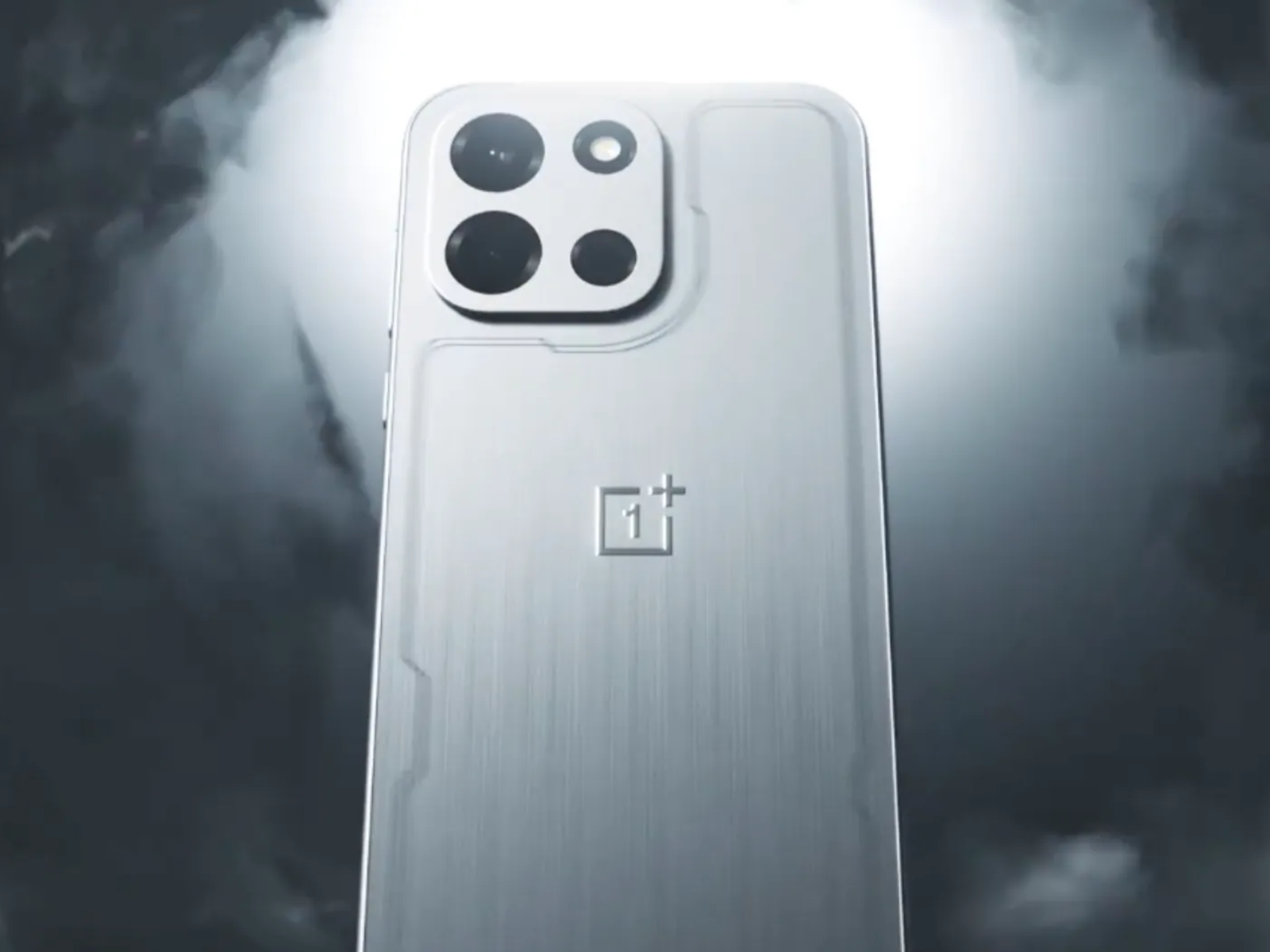
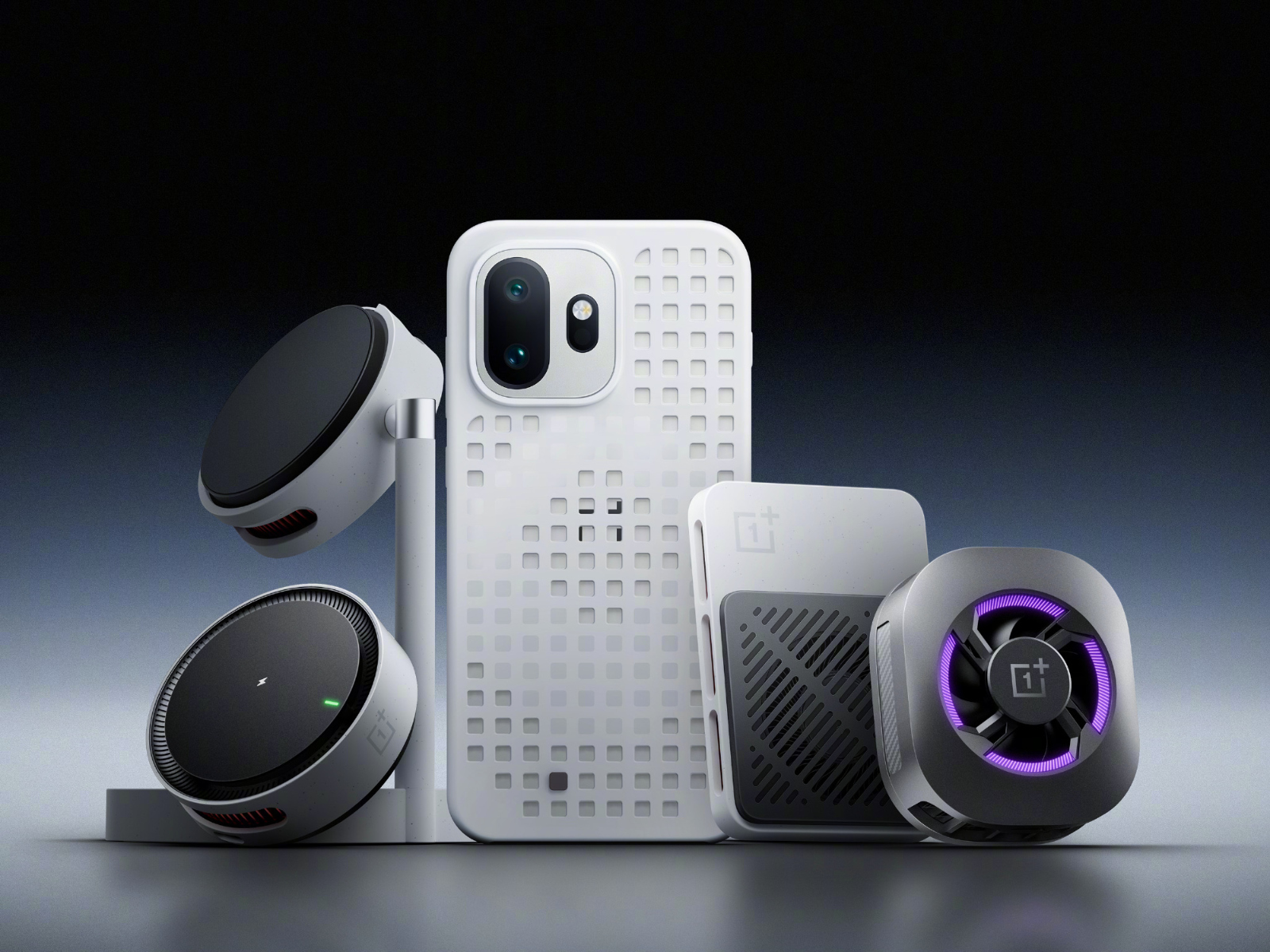
OnePlus has launched the Magnetic Turbo 2 AirVOOC 50W Wireless Charger. The new charger delivers 50W fast wireless charging, active cooling, and a built-in stand. It supports both Android devices and iPhones and is priced at 349 yuan (~$50).
OnePlus Magnetic Turbo 2 Specifications
The charger offers high-speed wireless charging through the AirVOOC protocol. It provides up to 50W output for compatible Oppo and OnePlus devices when paired with an 80W or higher SuperVOOC power adapter. It includes magnetic alignment for seamless attachment and supports Apple’s magnetic wireless charging for iPhones. However, it does not support the standard Qi wireless protocol.
The Magnetic Turbo 2 uses a TEC cooling system to control temperature during charging. This system includes a semiconductor cooling plate, a centrifugal fan, and heat dissipation fins to manage airflow and reduce overheating. OnePlus has added multiple cooling modes, allowing users to switch between high-power charging, low-noise charging, and cooling-only modes with a double-tap on the charger.
The charger features a 360-degree adjustable stand that supports both vertical and horizontal orientations, making it ideal for video calls or watching content. It can also be detached for standalone use.
The device features a compact design with a diameter of 63mm and a height of 22.27mm. It weighs 265 grams, including the stand, and comes in a Cloud White finish.
OnePlus claims the device can charge the OnePlus 15T to 50% in around 40 minutes. The Magnetic Turbo 2 supports Apple’s StandBy mode when used with iPhones, further enhancing its functionality.
OnePlus has launched its new 40W Super Ice Magnetic Cooler, a high-performance cooling accessory designed for gaming and demanding smartphone tasks. The cooler is priced at 229 yuan (approx $33) and offers significant upgrades over earlier models, including powerful cooling capabilities and a compact design.
OnePlus Super Ice Magnetic Cooler Specs
OnePlus designed the cooler with a high-performance cooling system centered around a 1600mm² custom TEC cooling plate. The device can drop temperatures to 0°C in 18 seconds and as low as −1.41°C in 20 seconds under controlled conditions. The TEC cold surface can reach a minimum temperature of −22°C. The cooler delivers a maximum power output of 40W, a significant improvement over its predecessor’s 27W cooling capacity.
The cooler requires a PD 45W or higher fast charger to achieve optimal performance. OnePlus recommends pairing it with the company’s own 100W GaN SuperVOOC charger for the best results. It supports ColorOS X Mode, allowing automatic Bluetooth pairing and system performance optimization when used with compatible OnePlus devices.
The cooler features a dual airflow channel to keep hot air away from users’ hands, improving comfort during long use. It incorporates an axial fan, fin-based heat dissipation, and layered materials like copper foil and thermal silicone pads for enhanced heat conduction.
OnePlus included four adjustable cooling modes on the device: high, medium, low, and auto. The cooler connects magnetically to Android and iPhones, providing up to 10N of magnetic force for a secure attachment.
The magnetic cooler weighs 103 grams and measures 68.5 x 59 x 29 mm. It operates at noise levels of 39dB in performance mode and 28dB in low-power mode. It features RGB lighting with blue and purple effects for a gaming aesthetic and is built with durable PC and aluminum alloy in a Deep Space Silver finish.
Alongside this model, the company has also introduced an ultra-thin magnetic cooler, which it claims is the world’s thinnest magnetic smartphone cooler.
For more daily updates, please visit our News Section.
OnePlus has introduced the Magnetic Ice Cooling Clip, touted as the world’s thinnest magnetic smartphone cooler. The company unveiled the product during the OnePlus 15T launch event. The device is priced at 179 yuan (~$26) and aims to provide efficient cooling in a lightweight, compact design.
OnePlus Magnetic Cooling Clip Specifications
The Magnetic Ice Cooling Clip features a slim power bank-like design with a thickness of 9.8mm at its thinnest point and weighs just 68 grams. The dimensions measure 87.6 x 62 x 9.8mm, with some structural variations reaching up to 11.9mm.
OnePlus has equipped the cooler with advanced internal components for efficient thermal management. The cooling system includes a thermoelectric cooling (TEC) module, a curved progressive air duct, and a pressurized low-noise centrifugal fan. The curved air duct design ensures that cool air enters from the top, while hot air exits from the side, keeping the user’s hands comfortable during extended use.
The cooler features a dual-mode cooling system, allowing users to switch between silent mode for reduced noise during tasks like streaming and photography, and performance mode for maximum cooling during gaming and heavy workloads. It operates at 36dB in performance mode and 22dB in silent mode.
The cooler attaches magnetically and works with both Android and iPhone devices, with a magnetic force rated up to 10N for a secure connection. It also supports Bluetooth connectivity for advanced tuning through ColorOS X mode.
The device operates via a USB Type-C connection with a maximum power input of 5V/3A. OnePlus used durable PC and aluminum alloy materials to build the cooler, which also features an indicator light system.
In related news, Black Shark has recently launched the Ice Cooling Back Clip 6 Pro with a full-color display and 35W cooling power, while Red Magic has introduced the Cooler 8 Air featuring a 65g lightweight design, −20°C cooling, and RGB lighting.
For more daily updates, please visit our News Section.
Razer has announced two new additions to its esports hardware lineup: the Viper V4 Pro gaming mouse and the Gigantus V2 Pro mouse mat. The launch focuses on incremental upgrades in latency, tracking accuracy, and surface customization, targeting competitive gaming use cases.
The Viper V4 Pro follows the Viper V3 Pro, introducing updates in wireless performance and sensor behavior. It uses Razer’s HyperSpeed Wireless Gen-2 technology with support for 8,000 Hz polling in both wired and wireless modes. According to the company, the mouse achieves click latency as low as 0.204 ms and motion latency of 0.36 ms. Battery life is rated at up to 180 hours at a 1,000 Hz polling rate.
The device is powered by the Focus Pro 50K Optical Sensor Gen-3, offering up to 50,000 DPI, 930 IPS tracking speed, and 90G acceleration. A new Frame Sync feature aligns sensor data with polling intervals to reduce processing delays. The mouse also includes software-level controls such as Dynamic Sensitivity, Mouse Rotation, 1 DPI step adjustments, Sensitivity Matcher, 26 levels of Asymmetric Cut-Off, and Smart Tracking.
Weighing 49 grams in black and 50 grams in white, the Viper V4 Pro is lighter than its predecessor by around 9 percent. The weight reduction comes from internal design changes, including a more compact PCB and refined shell structure. The shape is optimized for claw and fingertip grips.
Other hardware changes include a redesigned optical scroll wheel and Gen-4 optical switches rated for up to 100 million clicks. The switches use optical actuation to eliminate debounce delay and reduce double-click issues associated with mechanical designs.
Alongside the mouse, Razer has introduced the Gigantus V2 Pro mouse mat with five surface variants based on friction levels: Max Control, Control, Balance, Speed, and Max Speed. Each variant uses a different weave pattern and is paired with a specific foam base to adjust firmness and glide.
The mat is designed for use with optical sensors and includes stitched edges, an anti-slip base, and a rollable structure for transport. Together, the two products reflect Razer’s continued focus on low-latency input devices and customizable setups for competitive gaming environments.
The Razer Viper V4 Pro is priced at $159.99. The Gigantus V2 Pro mouse mat is priced at $50, with the NiKo Edition costing $20 extra.
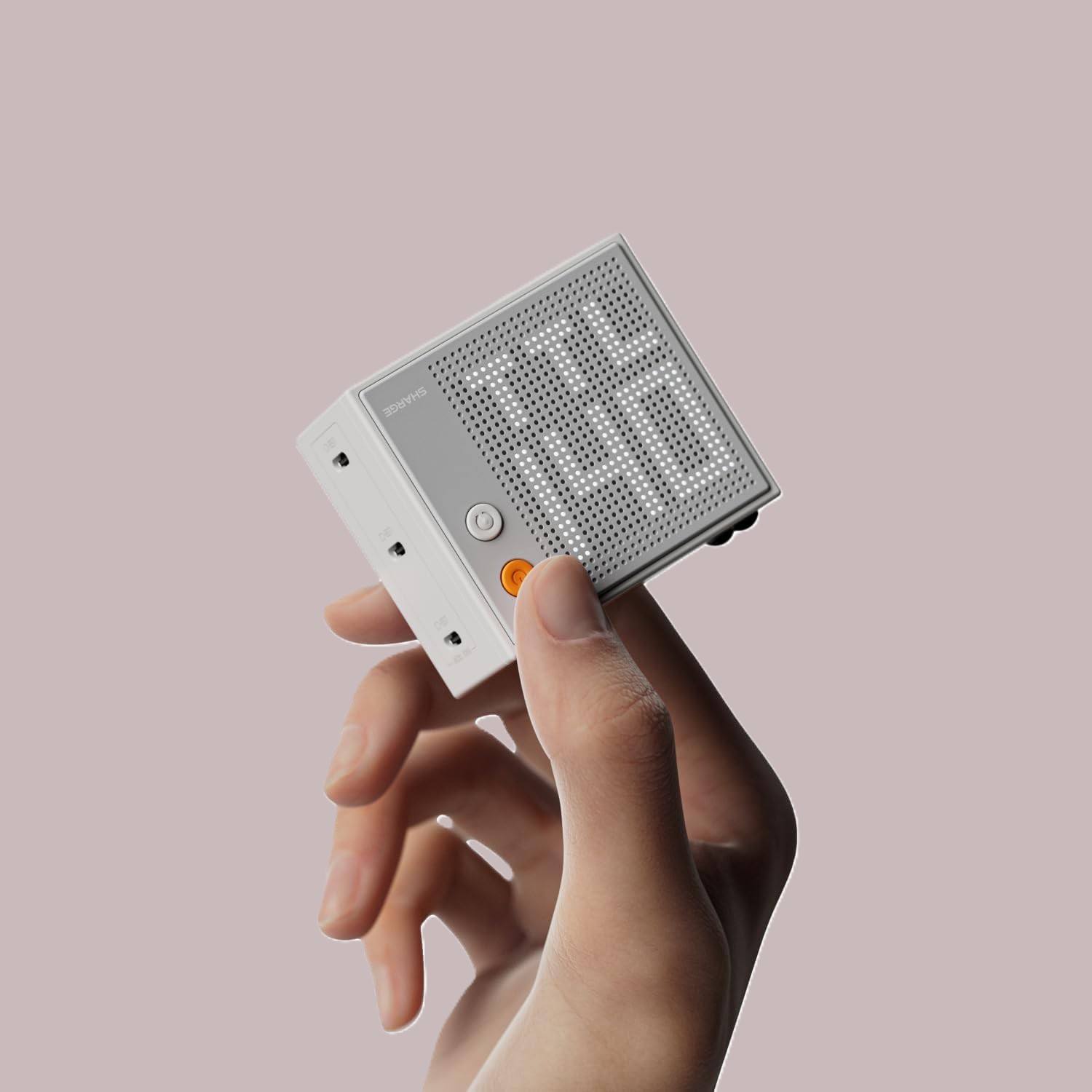
Sharge has introduced a new 170W power bank, the X6, in China. The device features a 25,000mAh battery and supports high-speed charging for multiple devices. It is priced at 399 yuan (around $58) and is available in black and white on JD.com.
Sharge 170W Power Bank Specifications
The power bank uses automotive-grade 21700 battery cells. Sharge designed the X6 to deliver a maximum output of 170W, allowing users to charge multiple devices at full speed. The device includes a 3C+1A port configuration, which features three USB-C ports and one USB-A port.
The power bank also includes two integrated USB-C cables. One cable is a 60cm retractable design that supports over 30,000 pulls, while the second is a 25cm braided cable that doubles as a carrying strap.
The X6 supports fast charging protocols, including 120W Xiaomi HyperCharge and 100W USB Power Delivery. It can deliver up to 120W from a single port and up to 165W combined output when using two ports. The full 170W output can be achieved with three ports or a maximum of 165W when all four ports are used.
Sharge has added a 1.3-inch color display to provide charging information in real time. The screen shows details like battery level, output power, temperature, and cycle count. The device also includes a dual-layer heat dissipation system made with aluminum alloy and high thermal conductivity materials to maintain safe temperatures during use.
The X6 has a compact design with dimensions of 159.8 x 53.4 x 52.2mm and weighs 665g. It features a matte finish and supports fast self-charging at up to 100W, which can fully recharge the power bank in about an hour. The device is also certified for air travel and complies with 3C safety standards.
OnePlus has confirmed that the OnePlus Nord 6 will launch in India, with the full details set to be announced on April 7 at 7:00 PM IST. The device is expected to be priced between ₹35,000 and ₹40,000 and is positioned around performance, gaming, and battery capacity.
The phone is powered by Qualcomm’s Snapdragon 8s Gen 4 processor, built on a 4nm node. It uses a 1+3+4 CPU layout, led by a Cortex-X5 core clocked at up to 3.2GHz, along with an Adreno 835 GPU. In benchmark figures shared by the company, the device recorded an AnTuTu score of 2,503,854 under test conditions. OnePlus claims this gives it an edge in CPU, GPU, and AI performance within its segment, including over the Motorola Edge 60 Pro.
On the display side, the Nord 6 comes with a 1.5K AMOLED panel that supports a 165Hz refresh rate. It reaches 1800 nits in High Brightness Mode and up to 3600 nits peak HDR brightness. The panel also supports a minimum brightness of 2 nits and uses 3840 Hz PWM dimming for better visibility in low-light conditions.
Gaming features are a key focus. OnePlus says the device can deliver sustained 165 FPS gameplay in supported titles such as BGMI, Call of Duty Mobile, and Free Fire MAX. It includes a dedicated Touch Reflex Chip that enables a 3200Hz instant touch sampling rate for quicker input response. A 6-axis gyroscope with ±4000dps sensitivity is also included for motion-based controls. Additional features include a Spatial Audio Booster for improved directional sound and Aqua Touch 2.0, which helps maintain touch accuracy even when the screen is wet.
The Nord 6 is equipped with a 9000 mAh battery based on silicon-carbon technology with 15 percent silicon content. OnePlus claims up to 2.5 days of moderate usage, 26.9 hours of YouTube streaming, or 6.3 hours of 4K video recording at 60 fps on a single charge. Charging is handled by 80W SUPERVOOC wired charging, with a claimed 0 to 100 percent time of around 70 minutes. The phone also supports Bypass Charging to reduce heat during heavy use and offers 27W wired reverse charging.
For connectivity, the device includes a dedicated G2 Wi-Fi chip and support for 5G Advanced networks. It will be available in Holographic Quick Silver, Fresh Mint, and Low-Reflection Pitch Black, and will be sold through Amazon India, the OnePlus India online store, and offline retail outlets.
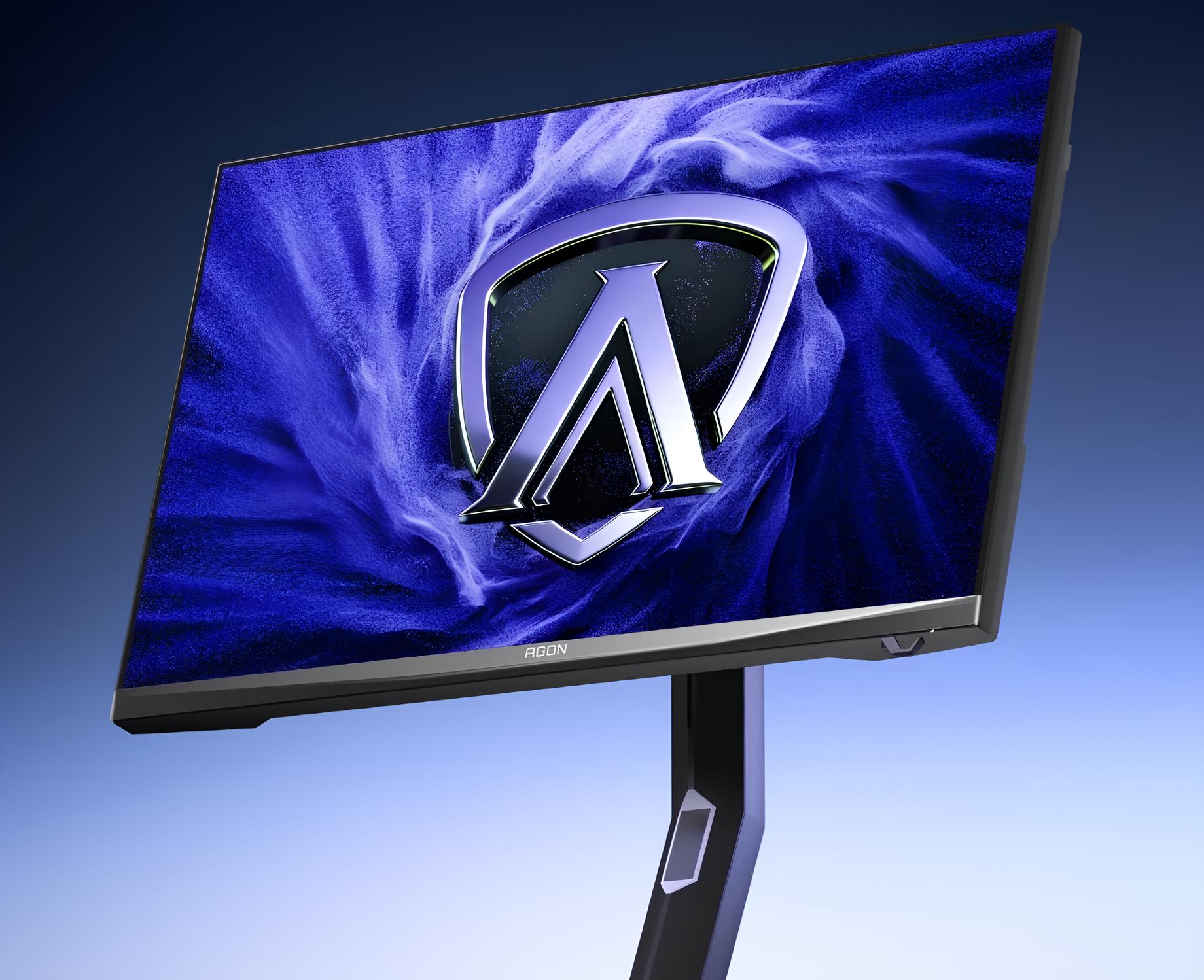
Hisense is stepping into the gaming monitor space with new mini-LED displays shown at AWE 2026 in China. The lineup is led by the Hisense UX, which uses a true RGB mini-LED backlight system, a technology the company has previously used in its premium TVs.
The key difference in this panel lies in how it handles light and color. Standard mini-LED displays usually rely on a single white or blue backlight. The UX instead uses separate red, green, and blue light sources inside each LED. This allows the screen to generate colors directly from the backlight rather than filtering them later. In practical terms, this improves color accuracy and reduces the glow effect that often appears around bright objects on darker backgrounds.
The UX monitor is equipped with 2,304 local dimming zones and up to 6,912 zones dedicated to color control. This setup allows more precise adjustment of brightness and color across different parts of the screen. Hisense says the display can cover up to 100 percent of the BT.2020 color gamut. It also includes the H7 AI image processing chip, which handles image adjustments such as contrast and sharpness in real time. An Obsidian Screen coating is used on the panel to limit reflections and improve viewing clarity.
Hisense also introduced the GX Ultra alongside the UX. This model uses a 5K mini-LED panel and comes with the same 2,304 local dimming zones. It supports a peak brightness of 2,000 nits and includes the same Obsidian screen coating. One of its main features is the ability to switch between two display modes. Users can run it at 5K resolution with a 165 Hz refresh rate, or switch to QHD resolution at 330 Hz for higher frame rates. The monitor also includes a full bandwidth DisplayPort 2.1 port to handle these output modes.
Hisense has not yet shared details on pricing, full specifications, or release timelines for either model. More information is expected to be announced later.
For more daily updates, please visit our News Section.
OnePlus has introduced the OnePlus 15T, a compact flagship smartphone. It features advanced specifications, a stylish design, and a large battery, offering a high-performance option for small-screen enthusiasts.
OnePlus 15T Specifications
The OnePlus 15T features a 6.32-inch 1.5K AMOLED display with a 165Hz adaptive refresh rate and ultra-slim 1.1mm symmetrical bezels. It includes advanced luminous materials for better brightness, 1-nit minimum brightness for low light, 3840Hz PWM dimming, and low blue light certification. The display is protected by durable Oppo Crystal Shield Glass.
Under the hood, the device is powered by the Snapdragon 8 Elite Gen 5 processor with 3nm architecture, delivering an AnTuTu score of over 4.45 million. It comes with up to 16GB LPDDR5X Ultra Pro RAM, up to 1TB UFS 4.1 storage, and a 5150mm² vapor chamber cooling system. It also features a triple-chip gaming system that enhances performance, connectivity, and signal strength.
OnePlus also added a new gaming engine that enables native 144FPS gameplay in Honor of Kings at max settings. It supports native 165Hz gameplay in titles like PUBG Mobile and Valorant Mobile, along with full-frame support for many popular games.
The OnePlus 15T runs on Android 16 with ColorOS 16. It includes a new gaming assistant, cross-device connectivity, and improved AI capabilities. OnePlus promises 5 years of software support, including 4 major OS updates.
For photography, The device boasts a dual-camera system branded as LUMO Imaging. It features a 50MP Sony main sensor with OIS and a 3.5x periscope telephoto lens with OIS, offering up to 7x optical-quality zoom.
The telephoto lens has an 85mm equivalent portrait focal length, making it ideal for professional-grade portraits. The camera supports 4K live photos, Master Mode, and various film-style presets. On the front, it features a 16MP lens for selfies.
Despite its compact size, the OnePlus 15T packs a massive 7500mAh Glacier battery. It supports 100W wired charging, 50W wireless charging, bypass charging for gaming, and reverse charging (wired and wireless).
The OnePlus 15T includes IP66, IP68, and IP69K ratings for superior dust and water resistance. It also features a 3D ultrasonic in-display fingerprint sensor, stereo speakers, and advanced connectivity options like 5G, Wi-Fi 7, Bluetooth 6.0, NFC, and GPS.
Pricing and Availability
The OnePlus 15T is available in three colors: Healing White Chocolate, Pure Cocoa, and Relaxing Matcha.
The pricing for the device starts at 4299 yuan ($624) for the base variant with 12GB RAM and 256GB storage. The 16GB RAM and 256GB storage model is priced at 4599 yuan ($669).
For users requiring more storage, the 12GB RAM and 512GB storage variant costs 4899 yuan ($712). The 16GB RAM and 512GB storage model is priced at 5199 yuan ($754). The top-end variant, with 16GB RAM and 1TB storage, is priced at 5699 yuan ($830).
The phone is now available for pre-order in China and will go on sale starting March 25.
For more daily updates, please visit our News Section.
Spending flagship money isn’t easy, especially when two phones promise almost the same power on paper but feel completely different in real life. The iQOO 15 Ultra and Realme GT 8 Pro both deliver top-tier performance, but they cater to very different kinds of users. One is built for people who push their phone to the limit, while the other focuses on giving a smoother, more practical everyday experience. This comparison breaks down which one actually makes more sense once the specs stop mattering and real usage begins.
Major Features:
Feature
iQOO 15 Ultra
Realme GT 8 Pro
Winner
Design & Build
Gaming-focused design, cooling fan, pressure zones
The iQOO 15 Ultra leans toward a performance-first design with aggressive elements like pressure-sensitive zones and an integrated cooling fan, giving it a gaming-centric identity. It feels engineered rather than styled, which will appeal to power users. The Realme GT 8 Pro, on the other hand, takes a more refined route with premium materials, optional eco leather, and a cleaner aesthetic. The presence of Gorilla Glass protection and a more polished finish makes it feel slightly more premium in everyday use. One feels like a performance machine, the other like a flagship all-rounder.
Display Quality
Both phones deliver sharp 2K AMOLED panels with 144Hz refresh rates and Dolby Vision support. However, the iQOO 15 Ultra pushes brightness further, especially in peak conditions, making it more comfortable outdoors. Realme’s display is still excellent, but tuned more for balanced visuals rather than extreme brightness. Colors and smoothness are equally impressive on both, but iQOO edges ahead in sheer visual punch.
Verdict
Realme wins on premium feel, while iQOO dominates in raw display brightness and gaming-focused design.
Specifications Including Battery
Performance
Both devices run the Snapdragon 8 Elite Gen 5, delivering flagship-level performance with identical CPU and GPU setups. In real-world usage, performance is virtually identical, handling gaming, multitasking, and AI tasks effortlessly. However, the iQOO 15 Ultra adds a built-in cooling fan, which gives it a noticeable advantage during sustained heavy loads like long gaming sessions. It feels more stable under pressure, while Realme focuses on balanced efficiency.
Battery and Charging
The iQOO 15 Ultra packs a larger battery and supports wireless charging alongside fast wired speeds. Realme counters with faster wired and wireless charging, making it quicker to top up despite a slightly smaller battery. In daily use, iQOO lasts longer, while Realme feels more convenient for quick charging bursts.
Verdict
iQOO is better for endurance and sustained performance, while Realme is more practical for fast-charging lifestyles.
Camera
Main and Secondary Lenses
Both phones feature triple-camera setups with strong hardware, but they differ in approach. The iQOO 15 Ultra focuses on consistency with three 50MP sensors, delivering balanced shots across all focal lengths. Realme takes a more aggressive route with a 200MP periscope telephoto, offering more detail and flexibility for zoom photography. Realme also adds advanced video features like Dolby Vision and 10-bit LOG, making it more appealing for creators. iQOO feels reliable, while Realme feels more ambitious.
Selfie Camera
Both devices use similar 32MP selfie sensors with 4K video support. Image quality is comparable, with sharp results and decent dynamic range. Realme’s processing leans slightly toward vibrant tones, while iQOO maintains a more neutral output. Differences are subtle and unlikely to impact most users.
Verdict
Realme wins for zoom and video versatility, while iQOO offers more consistent overall camera performance.
Pricing
The iQOO 15 Ultra is priced at around $850 (₹74,000), while the Realme GT 8 Pro comes in significantly lower at $600 (₹50,000). This creates a clear gap between the two, positioning iQOO as a premium flagship and Realme as a high-value flagship killer. The difference is substantial enough to influence buying decisions immediately.
Value for Money
At its price, the iQOO 15 Ultra justifies itself with features like a cooling fan, a bigger battery, and a brighter display. However, Realme delivers nearly identical performance, a more versatile camera system, and faster charging at a much lower cost. It feels like a better value for most users, especially those who don’t need niche gaming features.
Verdict
Realme GT 8 Pro clearly offers better value, while iQOO targets a more premium, niche audience.
Conclusion
The iQOO 15 Ultra stands out with its built-in cooling fan, pressure-sensitive gaming zones, brighter display, and larger battery. It is clearly designed for gamers and performance enthusiasts who want maximum stability and endurance. The Realme GT 8 Pro differentiates itself with a 200MP periscope camera, faster charging speeds, premium build options, and advanced video capabilities. It feels more versatile and well-rounded for everyday flagship use.
Verdict
Realme GT 8 Pro emerges as the smarter overall choice, delivering nearly identical flagship performance while offering more versatile cameras, faster charging, and significantly better value for money. It feels like a well-balanced flagship that makes fewer compromises for most users.
That said, the iQOO 15 Ultra still holds a clear edge for gaming-focused buyers, thanks to its dedicated cooling system, larger battery, and more stable sustained performance, making it the better pick for those who prioritize power and endurance above everything else.
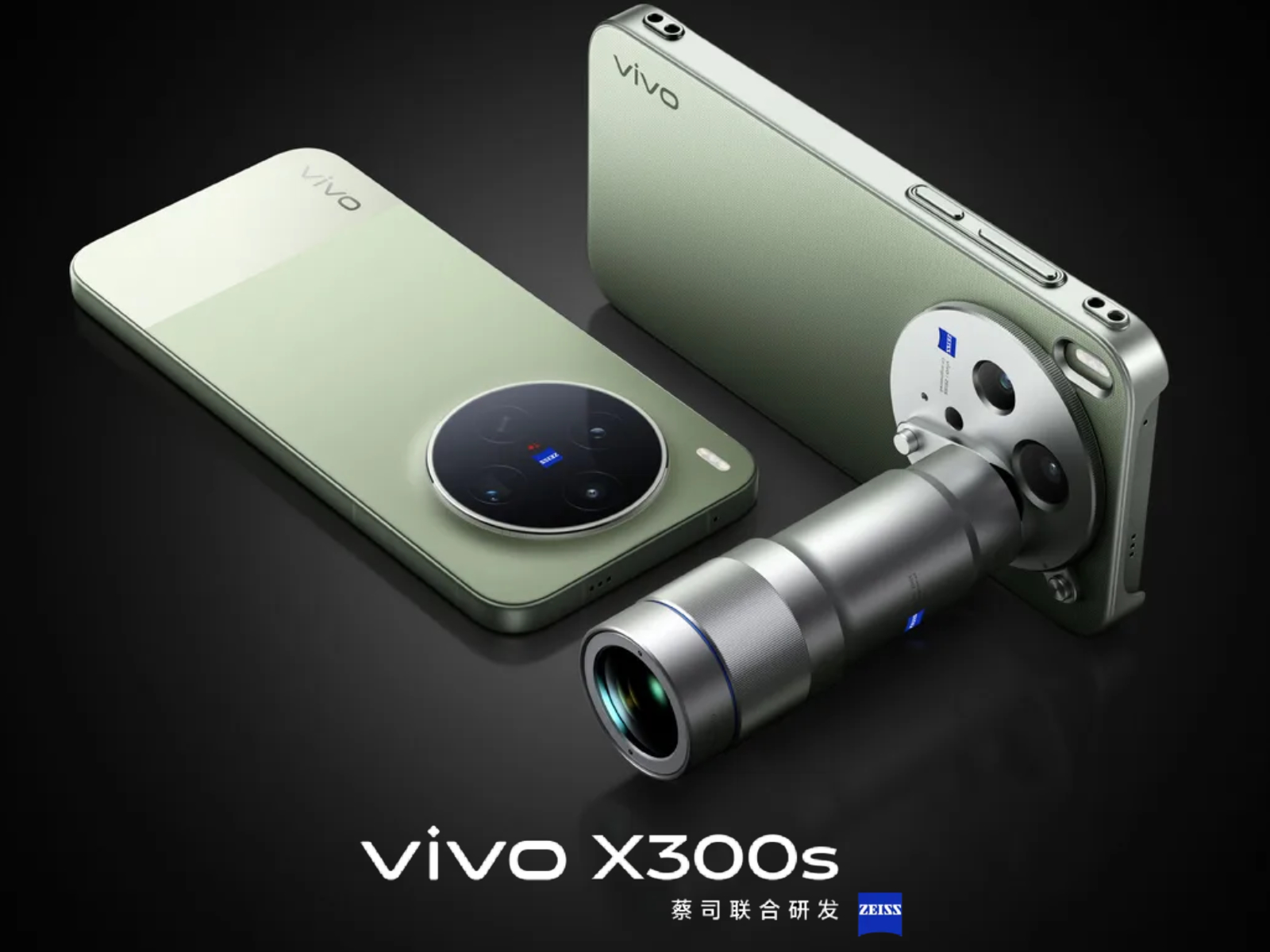
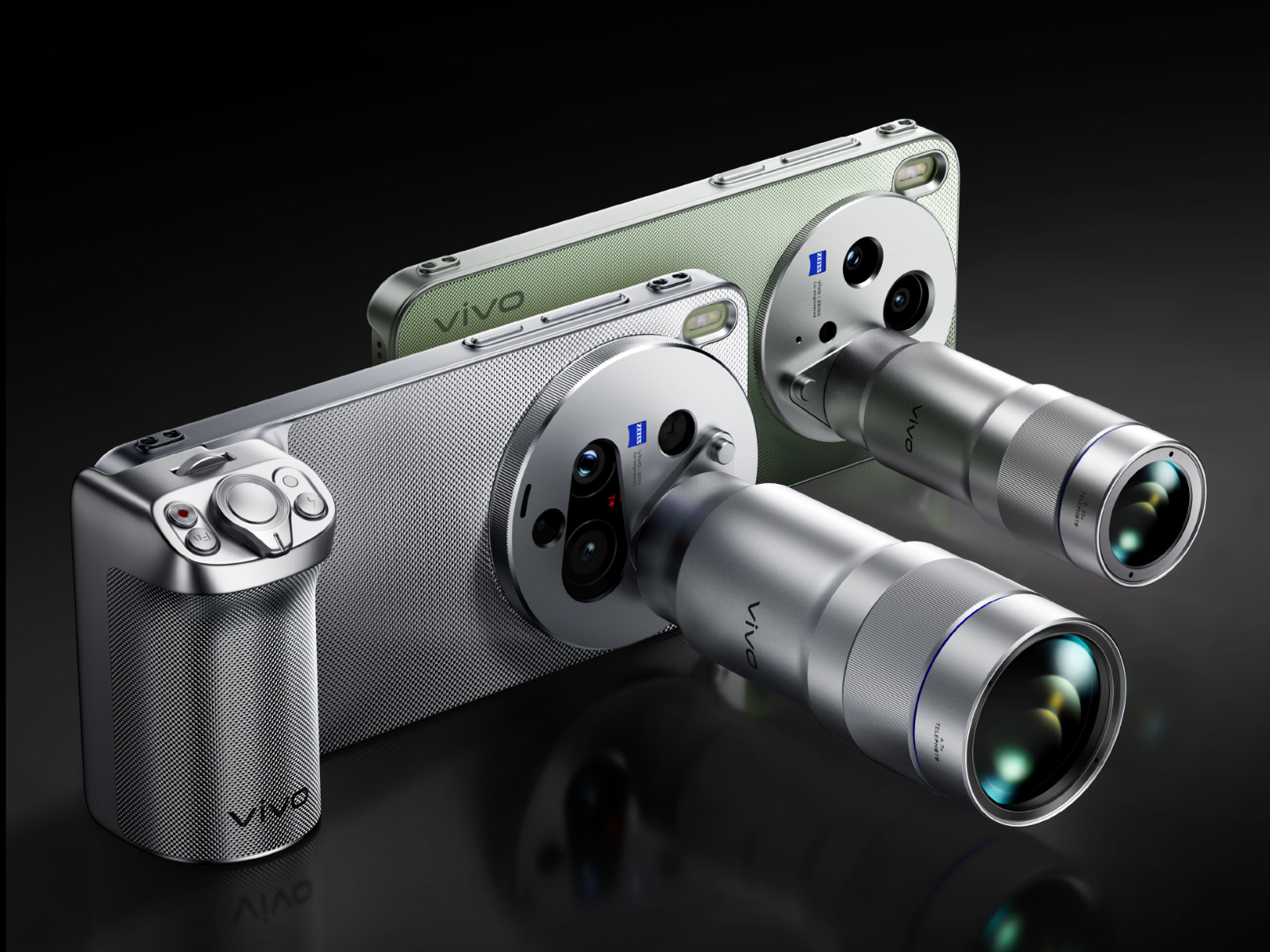
Vivo is getting ready to expand its X300 lineup, and alongside the Ultra, there’s another model that’s starting to look quite interesting. The Vivo X300s is set to launch alongside the Vivo X300 Ultra in China on March 30, 2026, and recent leaks have filled in most of the details.
The X300s is expected to feature a 6.78-inch flat display with a 1.5K+ resolution and a 144Hz refresh rate. It’s said to use BOE’s Q10+ panel, which should help with both brightness and efficiency. The overall design leans premium, with a metal frame and a large circular camera module on the back. It’s a familiar look at this point, but still stands out.
On the camera side, things are a bit unusual. The setup reportedly includes a 200MP main sensor, a 50MP ultrawide, and a 50MP periscope telephoto, all tuned with Zeiss optics. The front gets a 50MP camera. The main sensor resolution might look modest on paper compared to some rivals, but Vivo usually focuses more on tuning than just numbers.
Battery life could end up being a major highlight here. The X300s is tipped to pack a 7,100mAh battery, which would be the largest ever in the X-series. It supports 90W wired charging and 40W wireless charging, so topping it up shouldn’t take too long either.
There are a few extra touches as well, like an X-axis linear motor for better haptics, dual stereo speakers, and IP68 and IP69 ratings for dust and water resistance. You also get a 3D ultrasonic fingerprint sensor and USB 3.2 for faster data transfers.
The chipset hasn’t been officially confirmed in this particular leak, but earlier reports point to the Dimensity 9500. If that holds, performance shouldn’t be an issue.
With a flat display, big battery, and a flexible camera setup, the X300s looks like a more practical alternative to the Ultra. We’ll know the full picture once it goes official on March 30.
Samsung just pushed a major update, installing AirDrop support on Galaxy S26 in the Global markets (Europe and India).
The company announced earlier this week the rollout of AirDrop support to Quick Share. The feature first debuted on the Pixel 10 series. It’s now hitting Samsung devices, starting with the Galaxy S26 series.
Quick Share adds AirDrop sharing
Samsung users do not need to install any separate app to access AirDrop sharing. Samsung is upgrading Quick Share with an option dedicated to Apple devices.
Galaxy S26 series is receiving its second software update, via build version AZCF. The software weighs around 900 megabytes and carries support for AirDrop sharing.
The update was first landed in South Korea, with expansion taking place in Europe and India. It should soon be available for Galaxy S26, S26+ and S26 Ultra owners in the US.
How to setup
After installing AZCF, head toward Quick Share settings and activate the toggle entitled “Share with Apple devices.” You are done from your end as there are no additional settings required to be played by the user.
Well, it’s necessary to keep AirDrop on the “Everyone” discoverability option. It’s the only barrier that stops you from sharing files with Apple devices. It needs to be toggled from the Apple device, which could be iPhone, iPad or MacBook.
If it is not working, check these first:
Google Play Services: version 26.11.33 or higher
Quick Share app: version 13.8.51.30 or higher
Samsung plans to update more devices with AirDrop sharing compatibility. The company hasn’t yet disclosed the eligible models and timeline. Stable One UI 8.5 update could bring AirDrop sharing to a wide range of Galaxy devices.
April looks sealed for One UI 8.5 as Samsung is finishing this month with the March 2026 update for the Galaxy S25 series in the US.
Samsung just started rolling out March 2026 update to the Galaxy S25, S25+, and S25 Ultra in the US. The latest firmware can be identified via PDA build version ending with BZBB, as per the screenshot posted by FlamezzHitz.
March update brings 67 patches to Galaxy phones and tablets. As announced earlier this month, Galaxy’s March SMR has 60 patches from Google and 7 from Samsung.
At present, AT&T is offering the March patch to the S25 users. More US carriers, such as Verizon and T-Mobile, would kickstart the rollout soon. Carrier-unlocked models may also have started to get the latest security update.
One UI 8.5 Beta is available in the US, but March patch has dropped for those running One UI 8.0 version. If you’re on the Beta testing channel, you can expect the 8th Beta firmware to be available in the next couple of days.
Samsung also expanded One UI 8.5 Beta to the Z Fold 7 and Z Flip 7. Another expansion is reportedly planned for more devices, including the Galaxy S24 series, Z Fold 6, Z Flip 6, and Tab S11 series, as well as S25 FE and S24 FE.
Update your Samsung phone’s software through Settings > Software update > Download and install. Make sure your device is charged over 50 percent and connected to an uninterrupted network connection.
Destiny 2 Guardian Games 2026 is now live with updated Rushdown encounters, three event weapons, Bright Dust rewards, and a new Magic: The Gathering crossover.
Intel Core Ultra 9 290K has reportedly been canceled. So, there will be, for the time being, only two CPUs in the Core Ultra 200S Plus Arrow Lake Refresh lineup. However, the Core Ultra 9 290K Plus has now popped up on Geekbench with impressive performance.
Qualcomm is expected to unveil its next-generation Snapdragon flagship mobile processors in September. Rumors suggest the lineup will include two SoCs, the Snapdragon 8 Elite Gen 6 and Snapdragon 8 Elite Gen 6 Pro. Now, a tipster has shared new details about the upcoming chipsets.
According to tipster Digital Chat Station, the lineup will include the SM8950, believed to be the Snapdragon 8 Elite Gen 6, and the SM8975, likely the Snapdragon 8 Elite Gen 6 Pro. Both chipsets are said to be built on TSMC’s 2nm process and feature a 2+3+3 CPU architecture.
Snapdragon 8 Elite Gen 5 was...
There are moments when corporate decisions feel distant, but this is not one of them. As tensions continue to simmer across parts of the Middle East, the Samsung chief stepped in with gifts, which are something far more personal.
Around 500 Samsung employees and their families, spread across the Middle East region, with countries including the United Arab Emirates, Qatar, and Saudi Arabia, received what the company calls “encouragement gifts.”
In reality, it feels closer to a message.
Many of the employees have chosen to remain on-site while instability unfolds nearby, supporting critical infrastructure projects tied to AI, energy, and next-generation IT systems.
Samsung had already moved swiftly behind the scenes, pulling staff out of higher-risk zones like Iran, Iraq, and Israel. What remains is a smaller, essential workforce, operating in controlled, low-risk environments.
Their families are also receiving Onnuri gift certificates intended for use at local markets and small businesses, a detail that quietly reflects Samsung’s sensitivity to community-level impact.
Altogether, the package lands at roughly $3,700 per employee household.
Jay Y. Lee’s message, shared alongside the gifts, was direct and unpolished in the way that matters. He acknowledged the uncertainty, expressed sympathy, and thanked employees for staying committed under difficult conditions.
“I extend my deepest sympathy to our employees and their families who are facing great difficulties due to unexpected circumstances in the Middle East. I sincerely thank you for your dedication despite the challenging conditions.”
Galaxy Z Fold 8 design is already leaked online, while its shape and size look identical to the predecessor, the camera should get some upgrades this year. It’s confirmed that the camera island remains vertical with three lenses.
Looking back at last year’s Z Fold 7, its camera specs were:
200MP wide-angle camera (OIS, F1.7)
12MP ultra-wide angle camera (OIS f/2.2)
10MP telephoto camera (OIS, F/2.4)
There’s a 10MP selfie camera on the cover and one inside the foldable screen. To be mentioned, the Fold 7 ramped up to a 200MP camera from the 50MP used in the Fold 6. However, the ultra-wide and the telephoto remained the same. Since Samsung isn’t focusing on the appearance, it must have been working on the camera side.
Source – Samsung
Main camera
The phone maker adopted a larger aperture in the Galaxy S26 Ultra at F/1.4 aperture, over the f/1.7 aperture used in the S25 Ultra. A larger aperture enables brighter images and videos, and improves the overall picture quality. Since the Z Fold 7 also used the same lens, the new change in S26 Ultra should also reflect in the Galaxy Z Fold 8.
Telephoto
The introduction of the ALoP camera module for the S26 Ultra has changed the long-range zoom paradigm. This new all-lens on prism structure enables folded zoom for smartphone telephoto with space efficiency compared to the periscope module with increased size. ALoP camera also takes more light to the sensor than other long-range zoom lens solutions.
The Z Fold 7 uses a 3X optical zoom, but the new lens could pave the way for a 5X telephoto within the same space.
If Samsung isn’t keen on bringing ALoP to Z Fold 8, it may polish the 3X telephoto with better image outputs. However, that won’t make sense since it’s time for the phone to get better zooming capability.
Ultra-wide angle
That brings us to the third and final upgrade. Galaxy Z Fold 8 could pay attention to the ultra-wide-angle camera, taking it to 50MP. We’re optimistic for this upgrade, but we doubt that Samsung may not go all out on each lens at once.
Samsung Galaxy Z Fold 8 will launch at the next Unpacked event alongside Z Flip 8. Besides the camera, the phone will retain its main and cover screens. It will use the Snapdragon 8 Elite Gen 5 chipset and One UI 9 (Android 17) out of the box. Upcoming leaks will reveal more about this foldable, so stay tuned with us.
A reputable tipster has shared details on Qualcomm's next flagship chip lineup. The leak reveals the major differences between two upcoming chipsets, the SM8950 and SM8975, which are expected to be the Snapdragon 8 Elite Gen 6 and the 8 Elite Gen 6 Pro.
An independent comparison of AI call assistants between Samsung’s Galaxy S26 Ultra and Google’s Pixel 10 Pro XL reveals a shocking winner. It feels safe to say that the S26 Ultra is trying hard, but the Pixel 10 Pro XL is still playing a different game.
Samsung finally jumped into AI call assistants with One UI 8.5, riding on the back of the Snapdragon 8 Elite Gen 5. Meanwhile, Google has been refining Call Screen for years, powered now by the Tensor G5.
Here’s how both phones handled three real-world scenarios. Courtesy of Tom’s Guide.
Package delivery
This is supposed to be simple. A delivery guy calls, leaves instructions, done.
Per John Velasco of Tom’s Guide, on the Galaxy S26 Ultra, the experience feels dated. The voice is robotic, with awkward pauses and a synthetic tone that screams first-gen. It’s not unusable, but it never convinces you it’s “human enough.”
Switch to the Pixel 10 Pro XL and the contrast is immediate. The assistant sounds natural, fluid, almost conversational. More importantly, it understands what’s happening. It suggests something like “leave it by the front door.”
Winner – Pixel 10 Pro XL
Doctor’s appointment
A call comes in to confirm a doctor’s appointment. This is a perfect test of comprehension, not just transcription.
Google’s Pixel 10 Pro XL instantly picks up the intent and offers actionable responses: confirm, cancel, reschedule. It feels like the assistant is actually listening.
On the Galaxy S26 Ultra, nothing changes. Same generic responses. Same lack of awareness. The system transcribes well enough, but it doesn’t understand.
Winner: Pixel 10 Pro XL
Solicitation call
The Pixel 10 Pro XL identifies the tone of the conversation almost immediately. It recognizes solicitation patterns and gives you a “Report as spam” option without hesitation.
The Galaxy S26 Ultra treats it like any other call. No spam awareness, no intelligent filtering at the response level. You can type a custom reply, sure, but that defeats the purpose of automation.
Winner: Pixel 10 Pro XL
The Galaxy S26 Ultra has the hardware and One UI 8.5 integrates the feature neatly. But the core experience still feels like a Beta. Google’s advantage isn’t just better models. It’s years of data, refinement, and iteration.
Samsung will get there. Probably sooner than before, thanks to shared AI infrastructure.
The first set of Galaxy Z Fold 8 renders suggests Samsung’s next foldable phone could be a bit thicker than the Galaxy Z Fold 7. It seems to be happening, but you won’t dislike it as a battery size upgrade drives it.
Galaxy Z Fold 8 is said to be 9mm folded and 4.5mm unfolded. For context, the Galaxy Z Fold 7 is 8.9mm folded and 4.2mm unfolded. Onleaks shared detailed measurements of thickness, with the information including:
4.5mm thick with a protruding bezel
3.9mm thick without a protruding bezel
The phone’s thickness is indeed 4.5mm unfolded, whereas the body to screen surface is 3.9mm. It’s a 0.6mm difference, driven by the protruding bezel. It is necessary for the foldable phone’s reliability and durability.
While dimensions are exposed, we didn’t get information about the phone’s weight. The Galaxy Z Fold 7 weighs 215 grams, and the Fold 8 could be a little heavier.
Here’s why Samsung fans may actually welcome it
Despite the fact that the Fold 8 is getting thicker and heavier than the Fold 7, Samsung fans may actually welcome it. The reason is: a bigger, 5000mAh battery inside the Galaxy Z Fold 8, bumping from 4400mAh in Fold 7.
Galaxy Z Fold 8 may be equipped with a 5000mAh battery. Samsung is also upgrading the peak charging speed to 45W. These were the most anticipated upgrades Galaxy fans were waiting for, finally becoming real in 2026.
Source – Onleaks
Samsung is also making a Galaxy Wide Fold with a square aspect ratio unfolded. It’s coming as an alternative to Apple’s foldable iPhone. Samsung plans to produce over 1 million units, which suggests it’s not just an experiment.
Bigger battery and faster charging are welcome moves. These are the aspects that actually influence the buyer’s purchase decision.
To be mentioned, the Galaxy S26 series, Samsung’s latest flagship, still has February 2026 security patches, maintained even after two software rollouts for the lineup. This suggests that the software was pre-planned, and the global version might have slight changes, but let’s not aim too high on this matter.
Image via Samsung Community
The entire scenario also shows that Samsung’s monthly security patch rollout plan has been slightly derailed for this month. However, we still have 5 days left to conclude March, and that should be enough to expand the latest security update to all eligible phones.
This delay comes as Samsung is expected to release the 8th One UI 8.5 beta somewhere this week. It is also expected to be the final for the Galaxy S25 series. The stable update is likely to come in the first half of April, followed by an expansion for other devices.
Have you received the March 2026 security update for your Samsung Galaxy device? Share your thoughts with us through our social media channels, or connect with me on my X account.
Seiko’s quirky Rotocall digital watch is finally headed to the US. The 1980s-inspired reissue keeps its signature rotating bezel intact, letting you scroll through functions without pressing buttons. It lands this April for $550.
Samsung has confirmed that its Samsung Knox platform has secured Common Criteria (CC) certification for monitors, marking the first time a vendor has achieved this across both smart TVs and display products.
It also marks a first, no other manufacturer has managed to certify both product categories under the same global security standard. It’s one of the more rigorous global benchmarks for validating security integrity in connected devices.
Samsung has been pushing Knox through this process since 2015 on its TV lineup. Extending that same validation to monitors suggests the company is preparing for a world where displays are no longer passive screens.
At the core of this certification are three key mechanisms inside Samsung Knox:
System Integrity Monitor (SIM)
This operates at the kernel level, watching for tampering in real time. If something attempts to modify the system at a low level, SIM flags it immediately.
Web Browser Security (WBS)
As monitors start running full web environments, phishing becomes a serious risk. WBS actively blocks phishing attempts and malicious sites, reducing one of the most common entry points for attacks.
Unauthorized Execution Prevention (UEP)
This feature validates digital signatures before any code is executed. It verifies digital signatures before allowing execution, which helps prevent rogue or modified applications from running on the device.
By bringing CC-certified Knox to monitors, Samsung is laying the groundwork for what it clearly sees as the next phase, displays that act as trusted endpoints in an AI-driven home.
If Samsung keeps this pace, Knox may soon become a default expectation across every screen it ships, not just phones and TVs.
Samsung has reportedly leaked the prices of Galaxy A37 and Galaxy A57 in India. A retailer memo, shared by tipster AbhishekYadav, reveals the pricing info. The two smartphones are going to be crazy expensive.
According to the leaked prices, the Galaxy A37 starts at INR 41,999 and the Galaxy A57 starts at INR 56,999. Both models bring 8GB RAM as standard, and there is no 128GB storage variant of the Galaxy A57.
Pricing information:
Galaxy A37
8/128 – INR 41,999
8/256 – INR 47,499
12/256 – INR 52,999
Galaxy A57
8/256 – INR 56,999
12/256 – INR 62,499
The pricing information is derived from the official retailer quote. The source also denied early bird offers that could have reduced the prices. The jump in pricing is a clear sign that the memory cost surge is impacting vendors.
Owning a new phone in 2026 will significantly impact your wallet. DRAM and NAND flash memory prices have surged significantly. The upside is unlikely to stop for at least two years, as per the industry sources and insiders.
Samsung is set to unveil the Galaxy A37 and A57 on March 25. The launch will take place through a normal press release, rather than an event. We expect Samsung to announce some offers that will benefit shoppers in the market.
The company recently launched the Exynos 1680 processor. It will be debuting with the Galaxy A57 in a couple of hours. The chip features new tri-cluster architecture and doubles down on on-device artificial intelligence.
According to a new rumor out of China, Apple is having some trouble placing the Face ID sensor array under the screen. It has so far been rumored multiple times that the company is working on effectively destroying the Dynamic Island by doing this, thus only leaving the camera sensor hole-punched into the screen.
And yet, if this rumor is true, it looks like the Dynamic Island will live on, even in the upcoming iPhone 18 Pro and iPhone 18 Pro Max. Apple will shrink the island, but it will still be there.
The company is still a long way from a properly "full screen" experience with...
Redmi has announced that it will launch a Special Edition variant of the Note 15 5G in India. While the company has yet to reveal any details about the device, it gave us a sneak peek at its design.
The handset is set to launch in India on April 2 and appears to be a new color variant of the standard Redmi Note 15 5G. The teaser reveals a red faux-leather rear panel paired with a gold-finished frame.
Based on this, the Special Edition seems to be a rebranded version of the Redmi Note 15 5G New Year Cherry Red edition that was previously introduced in China.
The device is expected...
The Denon Home 200, 400, and 600 wireless speakers stream lossless music from online services, such as Tidal and Qobuz. The speakers also support Dolby Atmos Music, Hi-Res Audio, and Denon HEOS integration with other Denon A/V devices.
Apple's A18 Pro-powered MacBook Neo has been the talk of the town in recent weeks. According to a YouTuber, the $599 laptop can apparently run one of the most impressive games of 2026 - Crimson Desert - at acceptable frame rates.
Leaked specifications for the upcoming OnePlus Watch 4 smartwatch appear to be rather disappointing. However, regulatory certificates seemingly have something interesting in store.
Crimson Desert has been the talk of the town in recent weeks, for both good and bad reasons. The highly-anticipated open-world game has been six years in the making, but its reception since going live has taken a turn for the worse.
Many Android users are having problems with the Android Auto app. People are saying that the app does not connect properly. Both wired and wireless connections are having trouble. Phones that used to connect easily are now disconnecting or not connecting at all.
The problem likely to have started after recent Android updates. Some users on Reddit and Google forums said that Android Auto sometimes does not start. If it does start, it often disconnects quickly. Wired connections are having more problems than wireless, but wireless is also affected.
Some users think Android 16’s Advanced Protection Mode is causing this.This feature may block USB connections when the phone is locked. Turning off this mode (via Android Headlines) in Settings >> Security and Privacy >> Advanced Protection might help, but it is not a permanent fix.
The problem is reported by several Samsung Galaxy users. People with Galaxy S23, S24, S25, and S26 series phones say Android Auto is not working reliably. Google Pixel phones are also affected, mainly after the March update. Some Motorola phones have problems too, but Samsung phones seem to have the most complaints.
Google has not officially said anything about this problem yet. Users are trying different solutions like restarting phones, clearing the app, or even factory resets, but many say nothing fixes it completely. For now, affected users can try using wireless Android Auto or turning off Advanced Protection Mode.
Until Google fixes this issue, Samsung and other Android users may continue to have issues connecting their phones to Android Auto in the car. Stay tuned for more information.
Brenda Romero says the Xbox-exclusive *Dungeons & Dragons Heroes* was effectively rescued just five months before release, after an internal reckoning prompted the team to pivot from Atari’s intended Gauntlet-style hack-and-slash into a more authentic RPG with quests, items, NPCs, and progression. Though the 2003 game ultimately received mixed reviews and Romero calls it “mediocre,” she describes the late-stage overhaul as a development “miracle” given the compressed timeline.
Developers apologized for failing to disclose the role of generative AI in the Crimson Desert Steam listing. Some players have appealed to Valve anyway, noting that the announcement came after its release date. The marketplace may not issue refunds due to the small number of placeholder AI Images.
MacBook's are very popular among content creators and the two new SoCs M5 Pro as well as M5 Max manage excellent results in the PugetBench tests for Adobe apps and DaVinci Resolve. They also clearly beat the mobile GeForce RTX 5090.
Retroid is rolling out a software update to the Pocket G2 handheld. While the device has been discontinued, support hasn't ended as this new update brings bugs fixes, new features, and improvements.
OpenAI just announced the abrupt shutdown of its AI video app, Sora, just six months after its record-breaking debut and the collapse of a $1 billion Disney partnership. While the move marks a rare failure for the AI giant, creators are left wondering if this is a win for human artistry or simply a tactical retreat before a more powerful successor arrives.
Deal | The indie open-world horror game Sons Of the Forest is currently on sale on Steam at $8.99, a 70% drop from the standard price of $29.99. This deal will expire on March 26.
Citizen launches BN0167-09W and EO2023-00W Promaster divers in Canada and China with "structural ink" dials. Both use Eco-Drive, offer 200m water resistance, and are listed as limited editions at CA $625 (~$454).
Casio is working on two new Japan-inspired G-Shock watches. The DW-5600AKA-4 and the DW-6900AKA-4 have recently leaked in several images and a couple of product listings.
Another exclusive report sounds the alarm: OnePlus to leave the EU and North America markets by April 2026 to focus on the Chinese and Indian markets. Driven by rising costs and strategic consolidation under Oppo, the move marks a potential end to the brand's international flagship presence.
The Meadow is intended to replace the classic smartphone, at least temporarily. The compact device offers important functions such as navigation, music streaming and a camera, but deliberately forgoes a web browser or social networks in order to focus on life in the moment.
Yesterday a leak brought us the specs of the upcoming Samsung Galaxy Z Fold8, and today the same source is back with CAD-based renders showcasing the device.
As you can see, the design is very reminiscent of the Galaxy Z Fold7, with even the display sizes being identical as per yesterday's leaked specs.
The Fold8 will however get a 5,000 mAh battery, 600 mAh larger than its predecessor's. It will also support 45W wired charging (up from 25W), and another upgrade is said to be a 50MP ultrawide camera (up from 12MP).
The phone's price should remain identical to the Fold7's. The...
Samsung is trying to calm tensions with its workers as the company starts talks with its labor unions again. This may reduce the immediate chance of a strike.
On March 24, a group of unions, the Joint Struggle Headquarters, said they agreed with the company to restart discussions. This happened after the company offered to talk about important worker concerns. These include making the bonus system clearer and removing the limit on extra incentives.
The decision also came after a meeting between Samsung’s CEO and vice chairman Jun Young-hyun and union leaders. He asked both sides to come back to the table and try to solve their problems through discussion.
Samsung has five unions in total. Three of the biggest unions had earlier joined together to talk with the company about wages and working conditions for 2026. They discussed these issues for about three months. However, in February, the talks failed because they could not agree on key points, mainly about limits on bonuses.
After this, the unions joined together and formed the struggle headquarters. They held a vote to decide whether to go on strike, and most workers supported it. They then warned that a big strike could happen in May if their demands were not met.
Now, both sides will hold important talks for two days starting on March 26. If needed, the talks may continue over the weekend. Even though things are calmer now, union leaders said they are still ready to strike if no agreement is reached.
For now, the situation is better, but the final result will depend on these new talks. Stay tuned for more information.
Samsung has introduced its new 2026 TV lineup with upgraded Neo QLED 4K models and a brand-new Mini LED series. These TVs are designed to deliver better picture quality, smarter features, and a more personalized viewing experience.
The Neo QLED 4K models, such as QN80H and QN70H, use advanced Mini LED and quantum dot technology. This helps produce brighter images, deeper contrast, and more accurate colors. These TVs also use AI to automatically improve picture and sound.
Even older content in HD can look sharper and clearer. Features like AI Customization Mode adjust settings based on what you are watching, whether it’s sports, movies, or shows.
Image via Samsung
For gaming, the TVs include Motion Xcelerator 144Hz, which makes gameplay smooth and reduces lag or screen tearing. The sound is also improved with smart audio features that make voices clearer and match the sound to your room.
Samsung has also launched a new Mini LED TV range, including models like M80H and M70H. These TVs offer great picture quality at a more affordable price.They provide bright colors, strong contrast, and clear details.Features like Color Booster Pro and Mini LED HDR enhance the viewing experience even more.
The main highlight is Samsung Vision AI Companion. It allows users to control the TV using voice commands through Bixby and offers smart features like AI Sound Controller, AI Soccer Mode, and Live Translate. These make watching TV easier and more fun.
The TVs run on Samsung’s One UI Tizen system, giving access to apps, free channels, and cloud gaming. With up to seven years of updates, these TVs are built to stay useful for a long time.
Deal | Stolen Realm is a turn-based tactical RPG in which you control six heroes and lead expeditions to find your missing father. Discover more than 700 items that will help you defeat powerful enemies, and make choices that will impact the rest of your adventure.
Former Rockstar Games artist David O’Reilly, who helped develop Red Dead Redemption 2’s water systems, praised Crimson Desert’s rivers and creek simulation after analyzing the game on the Game World Art YouTube channel. He called its live particle-based approach a clear step beyond RDR2’s fluid mechanics, while noting minor inconsistencies he plans to examine in a later deep dive.
A radically new periscope zoom module may deliver quite a sensation. On 24 March, Oppo for the first time officially likened the Find X9 Ultra’s optical zoom lens to a built-in 10x teleconverter. Early teasers and sample images reveal the underlying principles and offer a look at the kind of performance you can expect from the lens compared with its competitors.
Today Apple has released the latest versions of its operating systems. iOS 26.4 comes with an AI playlist generator for Apple Music, a similar feature to one Spotify already has (and launched in 2024).
It's called Playlist Playground and will make a playlist based on a prompt, just as you'd expect. You can use moods, feelings, activities, or whatever else. There's also an Ambient Music widget which lets you choose from Sleep, Chill, Productivity, and Wellbeing playlists curated by Apple.
New emojis are in as well: trombone, treasure chest, distorted face, hairy creature, fight...
Hey there, vivo V70 FE! We've got the new upper midranger that recently became official in Indonesia. Ours is the Ocean Blue, but there's also Muse Purple and Titanium Silver.
vivo went for a unibody feel with the V70 FE - the rear panel curves into the frame mimicking a seamless connection, and the entire phone is matte, which reinforces the feeling.
There are two cameras on the back of the V70 FE - the main one is a 200MP 1/1.56-inch imager with a 24mm f/1.9 wide-angle lens. But vivo reckons there is plenty of resolution to cover distances all the way to 85mm with no issues (and...
Samsung has been recognized as one of the most innovative companies of 2026 by Fast Company. Samsung ranked 4th in consumer electronics and 7th in corporate social responsibility. This recognition shows that the company is creating new ideas that help people and make a positive impact in the world.
The Korean Tech giant is working to make everyday technology smarter and easier to use. The company calls this “AI Living.” This means using AI so devices can help people in daily life and make tasks simpler.
Smartphones are a big example of Samsung’s innovation. The Galaxy Z Fold 7 and Galaxy Z Flip 7 are foldable phones that use AI to help with things like translating languages and editing photos. The latest Galaxy S26 series also brings smart, personal features that make phones more helpful for users.
Image: Samsung
Samsung is also improving health technology.The Galaxy Watch 8 can monitor heart rate and sleep patterns, while the Galaxy Ring provides continuous health tracking in a small, convenient device.
Samsung works on protecting the environment too, as its SmartThings Energy tools help households save energy. The company also supports students through its Solve for Tomorrow program.
In addition, Samsung created Ocean Mode, a camera feature that helps monitor and protect coral reefs. By bringing this feature to more users, Samsung shows how technology can help the planet.
OnePlus has confirmed a new Nord series smartphone. The Nord 6 will launch in India with notable upgrades over its predecessor, including a 9,000mAh battery and a 165Hz display.
Apple's big AI offensive is set to be unveiled soon. With a complete Siri reboot, the company supposedly wants to beat its competitors through deep integration into the iPhone.
Nvidia CEO Jensen Huang has softened his stance on criticism of DLSS 5 after initially dismissing gamers as “completely wrong” following the technology’s GTC 2026 showcase. In a Lex Fridman podcast interview, Huang said he understands concerns about “AI slop” and insisted DLSS 5 is intended as an optional, artist-controlled development tool amid controversy sparked by an altered Resident Evil Requiem demo and Capcom’s subsequent rejection of generative AI for final assets.
The Huawei MateView GT mid-range monitor is being relaunched for 2026. For the equivalent of around $377, the top version of the new MateView GT offers full 4K resolution, a frame rate of 160 Hz and a particularly powerful sound system.
With Game Pass Ultimate straining budgets, Microsoft may add more lower-cost alternatives. An article from The Information builds on rumors that hinted at a free ad-supported plan. A Netflix bundle could also reduce the burden caused by the October 2025 Xbox Game Pass price increase.
A few days ago we shared a teardown/disassembly video for the 'vanilla' Samsung Galaxy S26, and today the folks over at iFixit have published their teardown video of the Galaxy S26 Ultra.
[#InlinePriceWidget,14320,1#]
As always, the entry point is from the back, after heating up the adhesive holding the back glass in place. The display connector can only be accessed through the back, which means you can't just replace the screen - you basically have to disassemble the whole phone just to get to the screen's connector.
Samsung's battery release mechanism is praised, and is even...
Samsung’s Galaxy S26 Ultra is a powerful phone with many great features. But when it comes to repairing it, things are not so simple. A teardown by iFixit shows that the phone has both easy and difficult parts to fix.
As per iFixit, some things have improved. Opening the phone is now easier. With a little heat and careful work, the back panel can be removed without much effort. Inside the phone, many parts are easy to take out.
The battery, charging port, rear cameras, and motherboard can be removed quickly. Even the power and volume buttons are simple to replace. This makes small repairs faster and easier than before.
But there are still some big problems.The main issue is the display. The phone has a special privacy screen, but it is very hard to remove. In most cases, the screen may break during repair. This makes fixing it costly.
Another problem is the selfie camera. It is placed under the motherboard and fixed with strong glue. To remove it, a lot of heat is needed. This can damage the camera, which makes repair risky.
So, we can say the Galaxy S26 Ultra is still not easy to repair. Some parts are simple to fix, but others are very difficult. Because of this, the phone gets a low repair score again by iFixit.
German-made ML4W OS is another piece of code based on Arch Linux, and its latest version, labeled 2.12.0, comes with multiple package updates, as well as several system elements replaced with Quickshell widgets. Only available for 64-bit machines, it comes in a 2.4 GB ISO file.
Apple has today released the fourth major update to macOS 26, introducing a number of exciting features, led by an option to limit the battery charge to extend the life of a MacBook.
Bumpboxx's BB-777 is now official - it is a new 270 W portable vintage-styled boombox with cassette, CD, radio, and Bluetooth support - you can digitize your media as well. It runs up to 15 hours on battery, has a powerful audio output setup and is launching via Kickstarter.
One of the biggest updates of the year for the Apple iPhone is here. With iOS 26.4, iPhone users get a range of exciting new features, including the ability to use Shazam without the internet, a new music widget and support for the AirPods Max 2.
Ayaneo is the latest handheld brand to be affected by the rising costs of components. The manufacturer has announced it is suspending sales of its Indiegogo-backed Next 2 Windows handheld, which is supposed to begin shipping in a few months.
After focusing on too much OS-level AI integration and the small reality check delivered by Apple's MacBook Neo with its 8 GB of RAM, Microsoft now promises to scale back on the AI features and actually bring much needed improvements for Windows 11, including lower RAM footprint, WebUI3 user interface, a more responsive File Explorer and drivers for the latest hardware tech.
The latest compact camera from Panasonic is designed to outperform smartphone cameras and still fit in your pocket. Panasonic combines a 20 megapixel sensor in 1 inch format with a 24 - 360 mm zoom lens, which should be able to record convincing 4K videos even when walking thanks to five-axis image stabilization.
The Titan 2 Elite Pro is Unihertz's more powerful alternative to the compact Titan 2 Elite. Powered by the same chipset as the Xiaomi 15T, the Titan 2 Elite Pro also comes with 512 GB of storage, an optically stabilised primary camera to distinguish itself from the cheaper Titan 2 Elite.
Astronomers have recently spotted two brown dwarfs, located 1,000 light-years away, that are extremely close together. And they could merge to form a new star, which would change our understanding of these mysterious celestial objects.
OnePlus India today announced that the OnePlus Nord 6 will be launching in the Indian market on April 7.
The OnePlus Nord 6 is a rebranded OnePlus Turbo 6 that was launched in the Chinese market earlier this year. It is largely a gaming-focused device, as that seems to be the general direction OnePlus is heading towards these days. The phone runs on the Qualcomm Snapdragon 8s Gen 4, and has a 165Hz display, a first for the segment. Having said that, as we have seen with previous OnePlus devices, refresh rates above 120Hz will only be accessible in select games.
Other features...
Samsung is currently moving forward with the One UI 8.5 Beta Program along with the release of the regular security patch. Several Galaxy devices received the March 2026 security patch, and now it is the turn of the Galaxy A36 smartphone.
March 2026 security update for the Galaxy A36 arrives with version A366NKSS5BZC3. The update is currently live for users in South Korea, and Samsung is expected to expand it to more countries in the coming days or weeks.
The fresh update comes with significant security enhancements, addressing a total of 67 critical and high-priority vulnerabilities. Google contributed by fixing eight critical and 52 high-level security issues in Android, covering a total of 60 Android security items.
In addition to the Android patches, Samsung has included seven Samsung Vulnerabilities and Exposures (SVE). These updates improve system stability, enhance core functionalities, and maintain smooth performance across the One UI interface.
The update is based on One UI 8 and Android 16. The Galaxy A36 is also eligible for the upcoming One UI 8.5 upgrade. Once the Beta program is concluded, Samsung will start expanding this major update to more countries.
To install the update, Galaxy A36 users can go to Settings >> Software Update >> Download and install. With the March 2026 update, the Galaxy A36 not only strengthens its security but also prepares for the smoother, feature-rich experience of One UI 8.5.
It’s been only a month since the Galaxy S26 series launch, and we may now have our first look at the Galaxy Z Fold 8 design coming courtesy of Androidheadlines.
From the above, the phone looks almost identical to the last generation. Specifically, the display is the same, the camera layout, as well as the bezels. All indicates a familiar design that appeared first with the Galaxy Z Fold 7.
Last year, Samsung went overboard and gave the phone a slim look, which not only facilitates a better user experience but also contributes to aesthetics.
Based on the leak, the Z Fold 8 is likely to come with 158.4mm height x 143.2mm width x 4.5mm thin dimensions once fully unfolded, which shrinks to 158.4mm x 72.8mm and 9mm folded.
Galaxy Z Fold 8 CAD Render (Source – Androidheadlines)
Compared to this, the Fold 7 measures at 158.4 x 143.2 x 4.2mm unfolded, and 158.4 x 72.8 x 8.9mm folded. That said, the height and the width are the same, but the thickness could be changed. So, the Galaxy Z Fold 8 may carry the same design and dimensions (slightly thicker), thus not making the phone any thinner than the existing generation.
Furthermore, it could also use the 8-inch internal foldable and 6.5-inch cover displays. However, the under-display camera is still a mission from the foldable side.
These are some observations from the CAD renders, but we might come to more details when more leaks start to come out. One of the biggest features of this phone will be the One UI 9.0 (Android 17) user experience, and second, we’ll have to see whether the company adopts ALoP telephoto camera for this year’s Fold lineup, as it did with the S26 Ultra.
Samsung usually releases the Z Fold and Flip lineups in the second half of the year, and this year might not be different.
Samsung is ready to launch two new phones, the Galaxy A37 and Galaxy A57. Even before the official launch, some stores have already shared their prices and main features. This gives us a clear idea of what to expect from these upcoming mid-range smartphones.
According to the information, both phones have now appeared in store in Kenya. These phones come with big 6.7-inch OLED screens, Full HD+ resolution, and a smooth 120Hz refresh rate. The displays are very bright, going up to 1,900 nits.
One key difference is that the Galaxy A57 supports HDR10+ for better video quality, while the A37 does not. The Galaxy A57 also has a stronger aluminum frame, while the A37 uses a plastic body.
The Galaxy A37 runs on the Exynos 1480 processor, while the Galaxy A57 uses a newer and more powerful Exynos 1680 chip. This means the A57 should be faster and better for gaming and multitasking. Both phones come with a 5,000mAh battery and support 45W fast charging, so they should last all day with quick charging support.
Source – Samsung
The A37 is expected in three variants: 6GB/128GB, 8GB/128GB, and 8GB/256GB.The A57 will come in 8GB/128GB and 8GB/256GB options.
Both phones have Gorilla Glass Victus+ on the front and back for protection and an IP67 rating, making them resistant to water and dust. They will run Android 16 with One UI 8.5 and will receive up to 6 major updates.
Samsung will officially launch these two phones tomorrow. Since most details are already known, the launch event will mainly confirm the final prices and availability in different countries. Stay tuned for more information.
More users than ever populated Valve’s platform on March 22nd. Aided by Crimson Desert, the marketplace achieved a new high concurrent user count of 42.3 million. Steam Charts show how indie games like Slay the Spire 2 have unexpectedly lured gamers to the marketplace.
HP has updated its EliteBook 6 range with a series of G2 models. Launched as the EliteBook 6 G2a and EliteBook 6 G2i, the new laptops comes in 14-inch and 16-inch sizes with optional lightweight variants.
Update | The Galaxy Z Fold 8 is said to use a dual-layer Ultra Thin Glass (UTG) with a laser-drilled metal support plate and come with a larger battery. Now, renders have hinted at the same dimensions and overall design. Update: There seems to be no difference between the Galaxy Z Fold 7 and rumored Galaxy Z Fold 8 in terms of thickness.
Ubisoft has ended game development at Red Storm Entertainment, resulting in the loss of more than 100 jobs. According to a report, the long-established studio was involved in at least ten projects at the time of the layoffs.
HP has unveiled a new 14-inch laptop powered by Qualcomm's Snapdragon X2 platform. Available with up to a Snapdragon X2 Elite and 64 GB of RAM, the EliteBook 6 G2q also comes with a 5G modem, up to 28 hours of battery life and optional OLED or 800-nit IPS displays.
From March 24 to 26, Microsoft is adding a new game to Xbox Game Pass every day. Alongside an RPG from a well-known series and a roguelike beat ’em up – both of which boast more than 90% positive Steam reviews – subscribers can also look forward to a brand-new city builder that will be available in Game Pass on day one.
Spotify today introduced a new feature called SongDNA. This is built right into the Now Playing view. When you get it, you'll see a SongDNA card "on supported tracks". If you tap this, you "can explore the writers, producers, and collaborators behind a song, see samples and interpolations that shaped its sound, and browse the covers it inspired", Spotify says in its official press release.
You can also tap into any of those creators to discover other artists they've worked with, then explore their collaborators, and so on. The company says it's "an interactive way to follow the connections...
Things are not looking bright for the OnePlus India branch. After rumors of a potential shutdown, which were quickly refuted by the CEO Robin Liu himself, now The Economic Times reports that he's stepping down from his role.
According to OnePlus' official statement, Robin Liu is quitting to pursue personal passions and projects. The Economic Times adds that he's likely moving back to China, too. He was appointed as CEO of OnePlus India in 2024 after being with the company since 2018.
Even though this may look like a significant shake-up, OnePlus India was quick to assure that the...
Samsung SDI has signed a big deal with L&F Co.to buy cathode materials worth 1.6 trillion won. These materials are used to make lithium iron phosphate (LFP) batteries, which are widely used in energy storage systems (ESS).
The deal will run for three years starting next year. There is also an option to continue it for another three years. This helps Samsung SDI make sure it has enough materials for making batteries in the future.
The batteries will be made at StarPlus Energy, a factory run by Samsung SDI and Stellantis. The factory is in Indiana, USA. Right now, the plant is changing its production lines to focus more on energy storage batteries. Out of four lines, three are being converted for this purpose.
Last October, the factory started running one line that makes a different type of battery called NCA. Now, it plans to start large-scale production of LFP batteries in the fourth quarter of this year.
At the same time, L&F is building new factories to produce these battery materials. The company plans to make up to 60,000 tons every year. The first part, which can produce 30,000 tons, should be ready by April. After testing, full production is expected to begin in the third quarter.
This deal shows that more companies are using LFP batteries because they are safer and cost less. Stay tuned for more information.
The refreshed version of the Viper V3 Pro promises greater precision and agility. The new Razer Viper V4 Pro ships with a 50K optical sensor and a beefier rechargeable battery. Available now, other tweaks to the Razer gaming mouse include an optical scroll wheel and snappier switches.
Seiko keeps asserting its dominance on the watch industry - it has a rich heritage, in-house innovation, and solid pricing on multiple models. From quartz to Spring Drive, its massive portfolio and steady, ongoing evolution has helped it stay relevant across segments while competitors keep chasing trends.
HP has updated its Elitebook 8 range with new AMD and Intel variants. Available in multiple sizes, the EliteBook 8 G2a and EliteBook 8 G2i feature up to 64 GB of RAM with multiple IPS and OLED display options.
Tecno is all set to launch the new Spark 50 5G smartphone on March 27 in India. The new smartphone features a Pixel 10-inspired rear design and MIL-STD-810H certification. On top of this, it has a large 6,500 mAh battery with 45 W wired charging support.
Lead PlayStation hardware engineer Mark Cerny confirms in a Digital Foundry interview that Frame Generation "should be seen at some point on PlayStation platforms", pointing out how PSSR uses a "the same model" as AMD FSR Redstone upscaling since the technologies were developed in tandem via collaboration Project Amethyst, though their applications greatly differ despite final result similarity.
Seiko is expanding its Astron Nexter lineup with four new GPS solar watches that automatically adjust to the correct time anywhere in the world. Two models pack in complications and sub-dials, while the other two keep things clean and minimal—all in lightweight titanium cases.
Unihertz has now released the Titan 2 Elite. Launching as a Clicks Communicator rival, the new compact smartphone features a physical keyboard with a choice of two chipsets and a 120 Hz AMOLED display. The Titan 2 Elite starts with 12 GB of RAM and 256 GB of storage.
HP has shown off two new mini-PCs: the EliteDesk 8 Mini G2a and EliteDesk 8 Mini G2i. The former uses an AMD Ryzen AI 400 series CPU and the latter is powered by unspecified Intel hardware.
OnePlus has now officially launched the OnePlus 15T in China. The compact flagship succeeds the OnePlus 13T as OnePlus's latest attempt at delivering a performance-focused, bang-for-buck model—although it does so while also carrying a heavier price tag than last year's phone.
HP has announced a successor to the ZBook 8 G1i released a year ago. The new ZBook 8 G2i will be available in 16'' and 14'' models with more processing power, a compact form factor, and a redesigned charger.
HP now lets users configure its Omen Max 45L gaming desktop with Intel Arrow Lake processors. It has also doubled the maximum amount of supported RAM, but with a major caveat.
HP has announced the newest iteration of its affordable business line, the HP ProBook G2. The new lineup includes many different options in terms of size and features, with higher quality screens as the standout feature.
HP has released a slew of new products including upgrades to the ZBook 8 lineup. The ZBook 8 G2a will be offered in 14-inch and 16-inch options with Intel and AMD CPUs, and CoPilot+ support.
HP has announced two new LaserJet printers which feature quantum-resistant protection. The printers, which are designed for SMBs without an IT team are easy to set up, manage, and more efficient than the previous generation, claims the company.
Even if you have been living under a rock, you have probably heard about OpenClaw. However, setting up your own instance might seem daunting and you’ll need a device for it to run on – why not just use your phone? That’s what Tecno was thinking when it started work on EllaClaw.
EllaClaw will be built into Tecno’s AI assistant (called Ella) and will go into beta next month. If you are interested, soon you will be able to sign up for the beta through an online registration. More detail to follow.
Seriously, though, what is OpenClaw? It’s an AI agent that has a number of skills that...
After a lengthy teaser campaign, the OnePlus 15T has finally made its debut in China. It arrives as the direct successor to last year’s OnePlus 13T with upgrades across the board, including the Snapdragon 8 Elite Gen 5 chipset, and an even larger 7,500mAh Si-C battery with speedier 100W wired and 50W wireless charging.
The 15T also brings updated ingress protection and is now rated at IP68/IP69K, meaning it can survive high-pressure hot and cold-water jets and immersion at up to 1.5m for 30 min.
Elsewhere, the 15T retains the same-sized 6.32-inch AMOLED display with 1,216 x 2,640px...
Krafton says PUBG: Battlegrounds permanently banned about 260,000 DMA cheaters in 2025 as its 2026 anti-cheat roadmap adds AI video analysis, stronger re-entry blocks, and false-ban review improvements.
Casio’s Pro Trek PRW-B1000WM-1 is now on sale at $990 with limited stock. The titanium watch combines Tough Solar, Bluetooth, and Triple Sensor tech, following its earlier launch as a White Mountaineering collaboration.
The Nintendo Switch 2 is said to have sold much worse than Nintendo expected in the important Christmas sales period, which is why the gaming giant is said to have cut production of the console by a third. Sales of the cheaper Japan-exclusive model suggest that the high price is the problem.
The Samsung Galaxy A37 and Galaxy A57 will be made official in less than 24 hours, but some stores can’t wait that long. Yesterday, we saw the two models listed in South Africa and today they have surfaced at a store in Kenya.
The Galaxy A37 shows three memory configurations: 6/128GB, 8/128GB and 8/256GB. The store only lists a pricing range instead of individual prices, KES 39,000 to KES 57,000. This converts to $300 to $440, but each region shows different prices since there are different local taxes. Anyway, this range presumably covers the lowest and highest spec, which leaves only the...
Samsung just officially launched the Exynos 1680 processor. Fabricated using a 4nm process, the chip is set to debut with the Galaxy A57 tomorrow. Samsung today unveiled the full specs and features of this new application processor.
Exynos 1680 chipset focuses on stronger on-device AI, improved graphics via the Xclipse 550 GPU, and a refined CPU architecture. The chip is already in mass production and the first (and only) product is set to go official tomorrow.
CPU architecture with smarter core distribution
At the core of the Exynos 1680 lies a redesigned octa-core CPU using a tri-cluster structure. Samsung has shifted from the previous generation layout by upgrading one efficiency core into a mid-core, resulting in a 1+4+3 configuration:
1x Cortex-A720 at 2.9GHz
4x Cortex-A720 at 2.6GHz
3x Cortex-A520 at 1.95GHz
Moving from a heavier reliance on efficiency cores to more mid-tier cores improves sustained performance without a major hit to power consumption. The result is better multitasking and smoother responsiveness.
Xclipse 550 brings RDNA 3 graphics
Samsung integrates the Xclipse 550, based on AMD’s RDNA 3 architecture, featuring a 2WGP and 2RB configuration. The company claims a 16 percent performance improvement over the previous generation.
RDNA-based GPUs have already shown their strength in Samsung’s premium tier, and bringing that architecture into the Galaxy A series narrows the gap between mid-range and flagship gaming experiences.
On-device AI
The integrated NPU delivers up to 19.6 trillion operations per second, supported by a vector engine designed for efficient parallel computation. It also aligns with Samsung’s broader push toward privacy-focused AI, where sensitive data remains on the device.
Camera (ISP)
Samsung highlights enhanced noise reduction and better contrast handling. The chipset is positioned to deliver sharper detail and more consistent color reproduction. Video capabilities include 4K at 60fps for both encoding and decoding.
Memory, storage, and connectivity
The platform supports LPDDR5X memory and UFS 4.1 storage, both of which contribute to faster data access and reduced latency. These upgrades are critical for maintaining responsiveness as apps become heavier and AI workloads increase.
Connectivity is also modernized:
5G NR support across FR1 and FR2 bands
Download speeds up to 5.1Gbps
Wi-Fi 6E and Bluetooth 6.1
With the Exynos 1680, Samsung is clearly elevating the baseline for its mid-range devices.
Samsung Galaxy A57 gets unboxed just a day before the official launch. The device belongs to the upper mid-range price category, but Samsung has made it incredibly gorgeous this year.
PBKreviews published a “Shorts” on the YouTube channel, showcasing the live unboxing of the Samsung Galaxy A57 smartphone, set to be revealed tomorrow.
Last week, Samsung teased the launch of ” Awesome ” phones set for March 25 in India. The company is highly likely to introduce the Galaxy A37 and Galaxy A57.
Galaxy A57 comes in a thin box, with the phone’s back printed along with a bold label. Unpacking the box reveals a smartphone, a USB Type-C to USB Type-C cable, and a quick setup guide.
You are not getting a case as a freebie or a charging adapter. You can use your existing Samsung adapter or purchase a new one from Samsung.com; the device supports up to 45W charging.
Both phones come with a camera island on the back panel. Three lenses are vertically placed, surrounded by the Ambient Island. On the side, you get Key Island, a design language Samsung made exclusive to the Galaxy A series.
Earlier, a Thai retailer completely exposed the two smartphones. They might shock buyers in some countries, as every smartphone maker is facing issues due to skyrocketing component costs.
Well, the official release isn’t too far now. We don’t have to wait much as Samsung is all set to unveil its new Galaxy A phones, at least in India, and the pricing may remain favorable.
Samsung has reportedly improved its 2nm process yields, hitting over 60 percent. This is not just a progress, it’s a comeback that the company’s contract chip manufacturing unit was waiting for.
That was around the time people started calling the foundry business a lost cause, another Galaxy Note 7 in slow motion. Now they’re tripling yields on orders from Canaan and MicroBT, two outfits making bitcoin mining chips.
Bitcoin mining hardware doesn’t get headlines the way Apple chips or Nvidia accelerators do. Canaan and MicroBT commissioned production, and Samsung’s engineers solved whatever defect density nightmare plagued the earlier runs.
More than tripling yield in two quarters on a node this advanced isn’t routine process tweaking. That’s fundamental work on gate all around transistors, on defect mitigation, on the kind of unglamorous metrology.
Samsung’s 3nm GAA rollout was a disaster, and the Exynos chips that followed logged yields people whispered about in private. The Exynos 2600, which is used in the Galaxy S26 and S26 Plus this year, still hasn’t broken 50 percent.
Tesla’s already locked in; the $16.5 billion AI6 contract runs through 2033 and will be fabbed on Samsung’s 2nm process at the Taylor, Texas plant.
Initial reports suggest TSMC’s 2nm node is yielding between 65 and 75 percent. Some sources claim pilot runs north of 90% on memory test chips. Apple has booked over half the N2 capacity through next year; Nvidia and AMD are lining up behind them.
Samsung has already secured orders for the Exynos 2600, Apple image sensors, and those Chinese mining chips. Industry sources expect Qualcomm to eventually join the lineup.
“There’s a growing trend of applying advanced chips below 5nm in recent IT devices,” adding, “Once it becomes known that Samsung Electronics has improved its 2nm process yield, there’s a strong likelihood that other customers will reach out to inquire about outsourcing.”
While the state sector has long restricted the use of foreign networking equipment, the Federal Communications Commission’s recent actions mark a significant escalation. Now, "all consumer-grade routers produced in foreign countries" are banned from being imported to the US.
Apple says malicious web content has been used against out-of-date iPhones, and users on older iOS versions should install recent updates to stay protected.
The Credor Kuon GCLX995 is the latest watch from Seiko's ultra-premium segment. It sports a blue ceramic dial and hand-wound 7R31 Spring Drive in a 39 mm steel case. Initially a Japan-focused release, the model is expected to reach wider global availability through select retailers.
Oppo has started sharing specific details about the upcoming Hasselblad-branded camera flagship beyond China. Besides unveiling the packaging for both the Oppo Find X9 Ultra and X9s Pro domestically, the company has released a global teaser confirming the X9 Ultra’s international launch window.
Deal | The Asus Vivobook S14 Windows laptop with the Ryzen AI 9 365 Strix Point APU, 24 GB of RAM, and a 120 Hz OLED display is on sale at Staples at a big discount.
Following yesterday’s teaser, the Tecno Spark 50 5G now has a landing page on Amazon India and an official unveiling date, March 27. That means that we will have to wait until Friday to get the full scoop on it, but Amazon did reveal some key features for the new Spark.
As we noted yesterday, connectivity will be a focal point for the phone – 5G is relatively rare in the Spark family and this handset promises 82% faster downloads thanks to 4x4 MIMO antennas.
The Tecno Spark 50 5G will have advanced connectivity features
Additionally, it will speed up mobile payments with UPS...
Just a day after Oppo confirmed the Find X9 Ultra’s launch timeline, the first teaser for the upcoming phone has surfaced. Meanwhile, a tipster has revealed its global and China launch dates, along with the expected sale timeline.
Oppo Find series product manager Zhuo Shijie has confirmed that the Find X9 Ultra will feature a Hasselblad-branded periscope telephoto camera with 10x optical zoom.
In a post on Weibo, Shijie detailed the system, which offers 230mm (10x) native optical zoom and up to 460mm (20x) optical-quality zoom. It is said to use a custom 50MP Samsung JNL fusion...
Samsung is offering its March 2026 security update to even more Galaxy S25 series users in the global market. Following the South Korea release, the update has now landed globally, including Europe and India.
Users of Galaxy S25, S25+, and S25 Ultra can identify the March 2026 update via PDA build number ending with BZC1. Your phone’s next update couldn’t be minor, as the One UI 8.5 is expected to arrive next.
Samsung’s March patch brings fixes to 67 vulnerabilities. Google offers sixty improvements, while Samsung includes seven. System-level enhancements are also included inside, which elevate the overall user experience.
Users can access the update through Settings > Software update > Download and install. The rollout is still underway, so don’t panic if your device fails to fetch the new OTA update at the time you trigger the process.
Samsung has been testing One UI 8.5 Beta since December last year. Beta participants will likely receive the 8th Beta software tomorrow. Stable rollout could only be decided after assessing feedback from testers.
Meanwhile, Samsung is also bringing AirDrop support to Quick Share on the Galaxy S26 series. Korean users are getting priority access, with expansion to Europe and the US following soon, but India is missing from the plan.
Stable One UI 8.5 update is expected to carry AirDrop support for Samsung devices. The company teased a future expansion without naming devices or a timeline. The public rollout may begin in the first or second week of April 2026.
After we found an older, less powerful processor than advertised in the Chuwi CoreBook X and CoreBook Plus, Chuwi has finally officially commented on this scandal - and offered customers a possible solution. However, Chuwi is still not commenting on the extent of this possible fraud attempt.
Minecraft Dungeons II has been announced for Xbox Series X|S, PS5, Switch, Switch 2, Steam, Xbox on PC, and Game Pass, with a day-one Game Pass launch planned for fall 2026.
Intel Core Ultra 9 290K has reportedly been canceled. So, there will be, for the time being, only two CPUs in the Core Ultra 200S Plus Arrow Lake Refresh lineup. However, the Core Ultra 9 290K Plus has now popped up on Geekbench with impressive performance.
The United States Federal Communications Commission (FCC) has banned the sale and use of all new foreign-made internet routers in the country, effective immediately. The FCC states that foreign-made routers introduce “a supply chain vulnerability that could disrupt the U.S. economy, critical infrastructure, and national defense” and “pose unacceptable risks to the national security of the United States”.
All new consumer-grade routers produced in a foreign country are now placed on the FCC’s Covered Equipment list, which means their radios won’t be authorized to work on US territory....
Vivo’s next camera-focused flagship is almost here, and the X300 Ultra has now shown up on Geekbench ahead of its official launch. The phone is set to be unveiled on March 30, 2026, alongside the X300s, and this early benchmark listing gives a quick look at what to expect in terms of performance.
The device spotted on Geekbench carries the model number V2547DA, which is believed to be the satellite communication variant. It posted a single-core score of 3,722 and a multi-core score of 11,621. Those numbers are pretty much in line with what you’d expect from a top-end Android flagship this year.
Under the hood, the X300 Ultra is powered by Qualcomm’s Snapdragon 8 Elite Gen 5 chipset, paired with 16GB of RAM. The listing also confirms Android 16 out of the box, running Vivo’s OriginOS 6 skin on top. None of this is particularly surprising, but it does help lock in the core specs just before launch.
That said, performance isn’t really the main story here. Vivo is clearly putting most of its focus on the camera system, and it looks quite ambitious on paper. The phone is expected to feature a triple-camera setup led by a 200MP main sensor based on Sony’s Lytia 901. It has a 35mm focal length, which is slightly different from the usual smartphone approach, and comes with improved stabilization.
There’s also a 200MP periscope telephoto camera using Samsung’s HP0 sensor, paired with an 85mm focal length and upgraded stabilization again. On top of that, you get a 50MP ultrawide camera built around Sony’s Lytia 818 sensor.
Vivo is even planning optional teleconverter kits that extend zoom to 200mm and 400mm, which is something you don’t usually see in smartphones. It’s a bit niche, but it does show how far the company is pushing the photography angle.
On paper, the X300 Ultra looks like it could be one of the most camera-focused phones of the year.
Nothing has been impressive with software rollouts so far. It was one of the first brands to conclude the Android 16 rollout, and now the company may already be working on the next major upgrade, based on Android 17. While most of the details are under wraps, we already know which Nothing phones are eligible for the Android 17 update.
The Android 17 update for Nothing phones will likely come with the Nothing OS 5.0 skin at the top, based on the company’s past naming scheme. Android 15 arrived with Nothing OS 3.0, and then Android 16 arrived last year with Nothing OS 4.0, so the next version, based on Android 17, is likely to come with Nothing OS 5.0.
Review the list of eligible devices for the Android 17 upgrade to see if yours is included.
Nothing Android 17 update: Eligible devices list
Nothing Phone (4a)
Nothing Phone (4a) Pro
Nothing Phone (3)
Nothing Phone (3a)
Nothing Phone (3a) Lite
Nothing Phone (3a) Pro
Nothing Phone (2a)
Nothing Phone (2a) Plus
Nothing CMF Phone 2 Pro
While this is still an unofficial list, it wouldn’t differ from the official one when announced. That’s because it’s based on the official software update policy. If your Nothing phone is on the list, it’s guaranteed to receive the Android 17 update when the rollout begins.
Only three phones are missing from the list: the original Nothing Phone (1), Nothing Phone (2), and the budget-friendly CMF Phone 1. They have already received the promised number of Android OS updates, and therefore have run out of OS updates.
If you’re still using an outdated Nothing phone, now might be the right time to upgrade to a newer model with longer software support. The Nothing Phone (4a) and Phone (4a) Pro have just been released, promising OS updates until Android 19. Or, you can get the flagship Phone (3) for an extra major upgrade.
While Nothing hasn’t revealed anything about Android 17 yet, Google has already released a few public betas, offering a sneak peek at the upcoming features and changes. You can check them out on this page. The stable version is expected to go live for Google Pixels in June, while other brands, including Nothing, will take additional time to fine-tune the software and add more features. For Nothing phones, we can expect the Android 17 rollout to kick off in Q4 2026.
We’ll keep an eye on the latest developments around Android 17 and post them in the Nothing section. You can visit the page regularly to get the latest updates. Or, join our Telegram channel to get notified whenever we post such stories.
The upcoming Vivo V70 FE is positioned as a mix of eye-catching design and solid mid-range specs. And from what the company has teased so far, the design might be the main talking point.
According to a report by 91Mobiles, the phone is set to launch in India on April 2, 2026. Vivo has already put up teasers and a microsite, highlighting features like a 200MP main camera with OIS. The device has also debuted in Indonesia recently, so there aren’t too many surprises left around the core specs.
One detail that stands out is the new Monsoon Blue color. On the surface, it looks like a simple matte blue finish. But under certain lighting and in darker conditions, the back panel reveals faint glowing streaks. Vivo is calling this effect “Darkness Glow.” It’s subtle from what we’ve seen so far, not overly flashy, but definitely different. There’s also another option called Northern Lights Purple, which leans more towards a soft gradient look. The phone itself sticks to a flat frame with a vertically aligned camera setup and Vivo’s Aura Light ring flash.
In terms of hardware, the V70 FE is powered by the Dimensity 7360-Turbo chip. It’s not aimed at heavy gaming, but should handle everyday use without much trouble. The display is a 6.83-inch AMOLED panel with 1.5K resolution and a 120Hz refresh rate. Battery life could be a strong point here, with a large 7,000mAh unit paired with 90W charging.
The camera setup includes a 200MP primary sensor and an 8MP ultrawide, while the front gets a 32MP camera. RAM and storage are expected to go up to 12GB and 512GB respectively.
The starting price is expected to be under Rs 35,000.
Tecno seems ready to update its budget lineup again. The company has shared a teaser for the Spark 50 5G on Instagram, giving a small preview of the phone while hinting that the launch isn’t too far away.
The teaser doesn’t show the full device, just a corner of the back, but it’s enough to suggest a design shift. The camera module appears to be laid out horizontally on a slightly raised platform. It’s a small change, but it does make the phone look a bit more refined than the earlier Spark models.
What stands out more, though, is the move to 5G. The Spark 40 series mostly stayed in the 4G space, using Helio G-series chips. Only the Tecno Spark Go, sold globally as the Spark 40 5G, offered faster connectivity with the Dimensity 6400 chip. With the Spark 50 5G, Tecno seems to be taking a more direct step into that space. For buyers in India and similar markets, where 5G is slowly becoming standard even in cheaper phones, that shift actually matters.
Some early details have already started floating around. The phone is expected to come with a fairly large battery, somewhere between 6,150mAh and 6,500mAh depending on the version. It should translate to solid, all-day usage.
Memory options are said to range from 4GB to 8GB RAM, with storage going up to 256GB. Nothing unusual there, but it does give buyers a bit of flexibility depending on budget.
The chipset is still unclear, which is probably the one missing piece right now. That will ultimately decide how well the phone handles everyday tasks.
For now, the Spark 50 5G looks like a straightforward upgrade over last year’s Spark 40 4G. Not a huge leap, but the kind of update that makes sense. The launch is expected around March 27, so we shouldn’t have to wait long for the full picture.
Xiaomi is already rolling out the stable version of HyperOS 3.1 in China, and now the focus is shifting to the global market as the company has just begun rolling out the HyperOS 3.1 global beta for the initial batch of devices.
The initial Mi Pilot rollout of HyperOS 3.1 is currently restricted to the latest flagship smartphones, as reported by Xiaomi Time. Here’s the list of those devices and the firmware versions:
Xiaomi 17 Ultra (EEA): OS3.0.301.3.WPAEUXM
Xiaomi 17 (Global): OS3.0.300.7.WPCMIXM
The list is too short for now, as the global beta rollout has just gone live. However, it will keep getting bigger as Xiaomi pushes the beta to more devices over the coming days and weeks.
If your device is on the list and you belong to a beta-supported region, sign up to become a beta tester to get early access to the latest features and upgrades. We’ve included all the steps towards the end of the article.
Unlike HyperOS 3.0, there’s no Android 15 version of HyperOS 3.1. That means it’ll only reach Xiaomi, Redmi, and POCO devices that are already running Android 16. You can check the complete list of eligible devices and new features here.
How to sign up to become a HyperOS Mi Pilot tester?
Keep in mind that beta builds are prone to having bugs and unfinished features. Hence, it’s best to back up your important data before installing a beta build. The best route is to install them on a secondary device.
Step 1: Download the Mi Community app and create an account.
Step 2: Make sure the region is set to “Global”. To change the current region, tap ME in the bottom-right corner and go to Set up > Change region.
Step 3: Select the beta program available for your device and click the Apply button.
Step 4: Tap the Answer button and submit your responses. Aim for at least 60 points for greater chances of being selected for the beta program.
Step 5: Click Apply and then Apply again to submit your application.
Step 6: Wait for the approval (it may take up to seven days). Go to the Mi Community app > ME > Beta testing to check the status.
Step 7: Once your application is approved, go to Settings > About phone and tap the HyperOS version to check for updates.
To ensure you don’t miss out on the latest HyperOS stories, remember to visit the Xiaomi section on this website regularly. Alternatively, you can join us on Telegram to get instant notifications about the latest HyperOS updates, along with the biggest tech headlines.
Oppo is gearing up to unveil the Find X9 Ultra next month, and the phone has already entered its pre-launch phase. As part of the buildup, the company has started sharing early details about its hardware.
The latest reveal focuses on the camera. Oppo confirmed today that the Find X9 Ultra will feature a new Hasselblad-branded 10x optical telephoto lens. The company describes the setup in unusually direct terms, comparing it to “putting a teleconverter inside a smartphone.
On paper, the system supports native 10x optical zoom, 20x “optical quality” zoom, and up to 120x digital zoom.
Zhuo Shijie, who leads the Find series, says this is a technical milestone. He says that while smartphone makers have steadily improved zoom over the years, fitting a true 10x optical system into a thin and light body hasn’t really been done before.
Oppo is crossing that line with Find X9 Ultra.
How Oppo is fitting a 10x optical zoom telephoto in Find X9 Ultra?
To make this possible, the company is using a new periscope design built around what it calls a five-reflection architecture. Oppo says this architecture helps achieve an equivalent focal length of 460mm, while still keeping the phone relatively slim.
There’s also a fair amount of engineering behind the scenes. Oppo says it developed a way to precisely cut the internal prism at a nanometer scale, creating an “ultra-high purity air aperture.” This lets cleaner light pass through while reducing stray light that can degrade image quality.
On the manufacturing side, Oppo is using something called Active Optical Alignment (AOA). This process dynamically adjusts the position of the lens and sensor during production, followed by multiple rounds of calibration. This way, each unit performs closer to lab conditions rather than varying from device to device.
Oppo Find X9 Ultra 10x camera sample vs competitors
The camera system is paired with a custom 50-megapixel sensor and Oppo’s LUMO imaging engine. Together, they’re meant to handle high-resolution shots at long distances, while also improving dynamic range. The company also says it has tuned the microlens and color filters specifically for telephoto use.
Samsung’s next book-style foldable is already starting to show up in leaks. A new tip from a known source on X gives us an early look at what Samsung might be planning for its 2026 foldable refresh.
If the timeline holds, the Galaxy Z Fold 8 is expected to launch around July 2026, roughly a year after the Fold 7. The device is said to feature an 8-inch inner folding display paired with a 6.5-inch cover screen, both supporting 120Hz refresh rates. Samsung is also reportedly working on improving durability this time.
The main screen could use a dual-layer ultra-thin glass design, along with a laser-drilled metal support plate underneath. In simple terms, that should help with strength and possibly reduce the visibility of the crease. The design itself might get some attention too. Early details suggest the Fold 8 will be thinner and lighter than before.
On the performance side, Samsung is tipped to use the Snapdragon 8 Elite Gen 5 for Galaxy chipset. Memory options could go up to 16GB RAM, with storage ranging from 256GB to 1TB. There’s also mention of a vapor chamber cooling system, something the Galaxy Z Fold 7 lacks. Paired with the new chipset, this should help improve sustained performance compared to the Fold 7.
Camera details are a bit mixed, but the latest leak points to a 200MP main sensor, backed by a 50MP ultrawide and a 10MP telephoto with 3x zoom. That setup sounds solid on paper, though it doesn’t fully line up with some earlier reports about a telephoto upgrade.
Of course, these are still early leaks, so things can change. But if this direction holds, Samsung seems focused on refining the experience rather than reinventing it this year.
While OnePlus is preparing to unveil the OnePlus 15T at an event today, a separate leak suggests the company may already be thinking beyond smartphones and into handheld gaming.
According to tipster Digital Chat Station, a major smartphone manufacturer is currently working on an “Android handheld console.” The leak doesn’t explicitly name the brand, but online discussions and context suggest OnePlus could be behind the project.
OnePlus’ rumored handheld console will be touchscreen first
What makes this rumored device interesting is how it reportedly rethinks the idea of a handheld console. Instead of relying on physical buttons, joysticks, or controller layouts, the rumored product is said to focus on a new kind of interaction system.
The device is said to be touchscreen first, in a way that improves multi-finger responsiveness, touch accuracy, and latency, especially for fast-paced first-person shooter (FPS) games.
Ayaneo Air
It’s certainly an innovative way of thinking about how a handheld can be built. Rather than simply attaching controls to a phone or building a console with Android, the device may try to merge the strengths of both.
The leak also mentions system-level optimization, flagship-grade performance tuning, and a high refresh rate display support for games like Delta Force and PUBG Mobile.
It’s worth noting that the related reports mention that, given the continued rise in storage costs, many manufacturers are trying to expand into new product lines to find growth opportunities. For example, Vivo is said to be working on a gimbal camera like the DJI Osmo Pocket.
Currently, details regarding the specific configuration and release date of this “Android handheld console” are under wraps. However, judging from its direction, this product may become an important attempt for mobile phone manufacturers to enter the gaming hardware field.
For more daily updates, please visit our News Section.
Apple has officially confirmed the dates for its next Worldwide Developers Conference, or WWDC 2026, and it’s shaping up to be a packed week for software announcements. The company shared the details on March 23, setting expectations for updates across its entire ecosystem, with a strong focus on AI this time.
WWDC 2026 will run from Monday, June 8 to Friday, June 12. Like recent years, it will follow a hybrid format. Most of the event will be free to stream online, so developers anywhere can tune in without paying. Apple will also host a smaller in-person experience at Apple Park in Cupertino for selected developers and Swift Student Challenge winners.
The keynote, where all the big announcements happen, is scheduled for June 8 at 10:00 am PT, which is 10:30 pm IST. It will be streamed across Apple’s website, YouTube, and the Apple Developer app.
As expected, the spotlight is on software. Apple is preparing to unveil iOS 27, iPadOS 27, macOS 27, watchOS 27, tvOS 27, and visionOS 27. Alongside these, the company will host more than 100 sessions, labs, and developer-focused events throughout the week.
One of the biggest talking points is Apple Intelligence. Apple is expected to push deeper into on-device AI, with improvements to Siri being a key highlight. The assistant is rumored to become more context-aware and better integrated across apps. There are also reports suggesting Apple may lean on Google’s Gemini models to power some of these upgrades.
iOS 27 might not be about flashy changes. According to Bloomberg’s Mark Gurman, Apple is taking a more stability-focused approach this year. That likely means fewer visual changes and more effort on bug fixes and overall reliability.
So while there’s no new hardware expected, WWDC 2026 could still be important. If Apple gets the balance right, this might be the update cycle where things simply start working better again.
Samsung’s S Pen has been a core part of its flagship identity for well over a decade, especially on the Galaxy Ultra lineup. Previously, expectations were high that the Galaxy S27 Ultra might finally bring a major upgrade to the stylus. But if a new report is anything to go by, that upgrade isn’t happening just yet.
According to Korean outlet ETNews, Samsung had been testing a completely new S Pen technology for the S27 Ultra. However, the company has decided to hold it back for now. That means the phone is likely to stick with the same Electromagnetic Resonance (EMR) system it has used for years.
For context, EMR is what allows the S Pen to work without a battery. The phone’s display includes a dedicated digitizer layer that tracks the pen with impressive precision. However, this system relies on a magnetic field, which can be affected by built-in magnets or even magnetic accessories.
The alternative, Active Electrostatic (AES), takes a different approach. It removes the digitizer layer and instead relies on a battery-powered stylus interacting directly with the touchscreen, a method also used by Apple Pencil. Since AES doesn’t rely on magnetism for tracking, strong alignment magnets inside the phone should not significantly affect its performance.
This could finally allow Samsung to build magnets directly into the phone without interfering with S Pen functionality, something older Galaxy S flagships have struggled with when used alongside magnetic cases.
Interestingly, Samsung was reportedly working on a hybrid solution that aimed to combine both approaches. The idea was to remove the digitizer layer while still keeping the pen battery-free.
For now, it looks like Samsung is playing it safe. The S27 Ultra may not bring a big S Pen overhaul, but a more meaningful upgrade is clearly in the works, just not ready yet.
Huawei has introduced the Mate 80 Pro Max Wind Edition, a variant of its top-end model that adds active cooling into the mix. Instead of relying only on passive heat dissipation, this version includes a small built-in fan aimed at keeping performance stable during longer gaming sessions or heavy workloads.
The fan itself sits inside a redesigned camera module. The circular bump is larger than the standard version, and Huawei has added over 1200 tiny ventilation holes along the lower half. Inside, there are thermal bending fins that help guide airflow more efficiently. It’s not just a fixed-speed system either. The fan adjusts based on what you’re doing, spinning up during demanding tasks and easing off when things are lighter, so it doesn’t stay noisy all the time.
Apart from that, the phone is mostly familiar. You still get the same premium metal build, paired with second-gen Kunlun glass for durability. The display is a 6.9-inch dual-layer OLED with LTPO support, scaling from 1Hz to 120Hz, along with 144Hz PWM dimming and a 300Hz touch sampling rate. Peak brightness goes up to 8000 nits in HDR, which sounds excessive, but should help outdoors.
Under the hood, it runs on the Kirin 9030 Pro, tuned for HarmonyOS 6. Day-to-day performance should feel fast, and Huawei is also highlighting features like satellite messaging and improved network speeds.
There’s a 50MP main sensor with variable aperture, a 40MP ultra-wide, and a 50MP telephoto with macro support. On the front, a 13MP ultra-wide camera is paired with a 3D depth sensor.
The phone packs a 6000mAh battery with 100W charging, and it comes with 16GB RAM as standard. Pricing in China starts at 8499 yuan for the 512GB model and goes up to 9499 yuan for 1TB.
It’s a niche idea, but not a pointless one. If Huawei can keep thermals in check without adding too much bulk or noise, this could actually make a difference in sustained performance, which is where most phones still struggle a bit.
ASUS has introduced the ExpertCenter PN55 Mini PC, a compact desktop focused on AI workloads and business use. It is positioned as a Copilot+ PC and runs on AMD’s Ryzen AI 400 Series processors with an XDNA 2 NPU delivering up to 55 AI TOPS.
The lineup includes multiple processor options. At the top is the Ryzen AI 9 HX 470 with a 45W cTDP. Other options include Ryzen AI 9 465, Ryzen AI 7 PRO 450, Ryzen AI 7 450, Ryzen AI 7 445, Ryzen AI 5 PRO 440, Ryzen AI 5 435, and Ryzen AI 5 430, most with a 40W cTDP. Graphics are integrated and vary by configuration. The Ryzen AI 9 HX 470 uses Radeon 890M, the Ryzen AI 9 465 uses Radeon 880M, the Ryzen AI 7 PRO 450 and Ryzen AI 7 450 use Radeon 860M, and the remaining models use Radeon 840M graphics.
The system supports up to 96GB of DDR5 memory through two SO-DIMM slots running at 5600MHz, with configurations starting at 8GB, 16GB, or 32GB. Storage is handled by two M.2 2280 PCIe Gen4x4 slots, supporting NVMe SSDs from 256GB to 2TB. ASUS will also offer a kit version without pre-installed memory or storage.
ASUS is focusing on AI-assisted features supported by the NPU and CPU. These include live captions for multilingual meetings, AI-based image and content generation, and system-level recall for searching previously accessed files. A Copilot key and voice command support are included for interacting with these features.
Connectivity includes Wi-Fi 7 with the MT7925 module or Wi-Fi 6E with the MT7922 module, along with Bluetooth 5.4. Wired networking is handled by dual 2.5G LAN ports using the RTL8125BG controller. The system can drive up to four 4K displays through HDMI 2.1, two DisplayPort 1.4 outputs, and USB4 with DisplayPort 2.1 support and 40Gbps bandwidth.
Port selection is spread across the chassis. The front includes a power button, one USB 3.2 Gen2 Type-C port at 10Gbps, two USB 3.2 Gen2 Type-A ports at 10Gbps, and a 3.5mm audio jack. The rear includes one USB4 port with 100W power delivery input, one USB 3.2 Gen2 Type-A port, one USB 2.0 Type-A port, HDMI 2.1, two DisplayPort 1.4 ports, two 2.5G LAN ports, and a DC-in connector. A Kensington lock slot is placed on the side.
Security features include a fingerprint sensor on the chassis and support for fTPM 2.0 or an onboard TPM module. Select models also include AMD PRO technologies for hardware-level security and remote management.
The PN55 uses an aluminum chassis with a tool-less design for easy upgrades. It measures 130 x 130 x 34mm and weighs 530g. It also supports VESA mounting for fixed installations.
ASUS says the system meets MIL-STD-810H durability standards and is designed for continuous use in office setups, digital signage, and general workstation tasks.
MAINGEAR has announced a limited-run desktop tied to the release of Crimson Desert, the upcoming open-world title from Pearl Abyss. The system, called the Rush Crimson Desert Limited Edition PC, will be produced in 30 units. Orders will remain open until April 2 or until all units are sold.
The PC is built around MAINGEAR’s RUSH mid-tower chassis, which features custom artwork based on the game’s setting and characters, including Kliff and the Greymanes. The design reflects the visual style of the game’s world, Pywel.
In terms of hardware, the system uses AMD’s Ryzen 9 9850X3D processor along with a Sapphire Nitro+ edition Radeon RX 9070 XT graphics card. The GPU carries a custom design created for this collaboration. The configuration targets high-end gaming workloads such as large environments, dynamic lighting, and heavy combat scenes.
The rest of the specifications include 64GB of DDR5 memory at 6000MT/s in a 2x32GB setup and a 2TB T-Force A440 Gen4 M.2 NVMe SSD. The system is built on an ASRock Phantom Gaming X870E Nova WiFi motherboard and uses an MSI 850W power supply.
Cooling is handled by a 360mm AIO liquid cooler from MAINGEAR, supported by three 120mm RGB intake fans. The system also includes Wi-Fi 7 support and ships with Windows 11 Home pre-installed.
MAINGEAR says each unit is assembled by a single technician at its facility in Warren, New Jersey, and undergoes thermal and stability testing before shipping. The system also includes a Crimson Desert Deluxe Edition game code.
The Rush Crimson Desert Limited Edition PC is priced at $4,499 and will be available exclusively through MAINGEAR’s website. Only 30 units are planned, with no additional production expected after the initial batch sells out.
For more daily updates, please visit ourNews Section.
Edifier has launched the Hecate G3 Max, a wireless over-ear gaming headset priced at 299 yuan (approximately $43). The headset focuses on delivering high-quality audio, ergonomic comfort, and versatile connectivity options. It is available in black, white, green, and pink color options.
Edifier Hecate G3 Max Specifications
The Hecate G3 Max headset is designed for gaming with THX Spatial Audio, providing immersive 360-degree sound and enhanced directional accuracy. It is Hi-Res Audio certified with a frequency range of 20Hz to 40kHz and features a 53mm driver and PEN diaphragm for clear, low-distortion audio, fast response, and superior sound separation.
Edifier partnered with professional esports teams to fine-tune the audio, enhancing clarity of footsteps, balancing gunfire sounds, and improving positional accuracy in FPS games. The headset features a 3D pivot ergonomic design for multi-angle adjustments and weighs 280 grams. It uses hydrolysis-resistant leather and high-elastic foam for comfort, with ear cushions and a headband that evenly distribute pressure, making it suitable for glasses wearers.
The G3 Max includes a detachable noise-canceling microphone with AI algorithms to reduce background noise. The microphone provides a signal-to-noise ratio of 65dB for clear voice communication.
The headset supports 2.4GHz wireless, Bluetooth 6.0, and wired USB connections, with Flash Speed wireless technology for stable, low-latency performance. It is compatible with PCs, laptops, smartphones, tablets, and gaming consoles like the PS5 and Nintendo Switch.
The G3 Max offers a 2000mAh battery with up to 227 hours of playback in Bluetooth mode and 137 hours in 2.4GHz mode, supporting charging during use. It also includes customizable RGB lighting and a companion app for adjusting sound and lighting settings.
In related news, QCY has recently launched the VT200 gaming headset featuring 53mm drivers, 7.1 surround sound, and up to 130 hours of battery life.
For more daily updates, please visit our News Section.
HP has launched the Star Studio Pro 27 All-in-One desktop in China, targeting the mid-range market. It is priced at 5,299 yuan ($770) and is now available on JD.com.
HP Star Studio Pro 27 Specifications
The Star Studio Pro 27 is powered by an Intel Core 5 210H processor. The processor uses a hybrid architecture that includes 4 performance cores and 4 efficiency cores, providing a total of 8 cores and 12 threads. It reaches a maximum turbo frequency of 4.8GHz and supports a performance release of up to 60W.
HP has equipped the system with 16GB of DDR5 memory running at 5200MT/s. The device offers an additional slot for future upgrades. For storage, the Star Studio Pro 27 comes with a 1TB PCIe 4.0 SSD.
The system features a 27-inch Full HD IPS display with a 120Hz refresh rate, 100% sRGB color gamut coverage, and 350 nits peak brightness. It includes TÜV Rheinland low blue light certification to reduce eye strain and has a three-sided narrow bezel design with a 94% screen-to-body ratio.
The Star Studio Pro 27 features a fully adjustable stand with 100mm height adjustment and tilt adjustments from -6° to 16°. It also includes a rear cable management system for a tidy workspace.
HP provides a wide range of connectivity options, including two 20Gbps USB-C ports, one 10Gbps USB-A port, two standard USB-A ports, an HDMI 2.0b output, a Gigabit Ethernet port, and a 3.5mm audio jack. The device supports Wi-Fi 6 and Bluetooth 5.4 for wireless connectivity.
The desktop features dual 3W speakers tuned with Poly audio technology for better sound quality. It includes a Full HD IR camera with facial recognition login and a physical privacy shutter for added security. HP also bundles a wireless keyboard and mouse set with the system.
In related news, Acer has recently launched the Predator Orion 7000, featuring an Ultra 9 285K CPU and RTX 5080 GPU.
For more daily updates, please visit our News Section.
JMGO has launched the N1 Air 4th Gen projector, now available for pre-order on JD.com. The projector features the latest QuaLas 32 laser light source and supports integration with Xiaomi’s Mijia smart home ecosystem. JMGO has priced the projector at 3058 yuan (approximately $444).
JMGO N1 Air 4th Gen Specifications
The N1 Air 4th Gen projector uses a MALC eye-care pure triple-color laser light source, paired with the QuaLas 32 laser system. It delivers a CVIA-rated brightness of 1350 lumens and achieves a FOFO contrast ratio of 15,000:1.
The projector supports HDR10 decoding and covers 110% of the BT.2020 color gamut, which produces vibrant colors and deeper contrast. It offers a native resolution of 1920 x 1080 (1080p) and includes MEMC motion compensation for smooth playback during high-speed scenes.
JMGO has equipped the projector with an integrated smart gimbal design. This allows users to adjust projection angles easily, including ceiling projection. The system features real-time automatic keystone correction and autofocus, ensuring precise alignment and sharp visuals without manual adjustments. The projector also includes a large-screen mode to expand the image size for more immersive viewing.
The audio setup includes dual 5W speakers with Dolby Audio certification and DTS-X decoding. The speakers provide a balanced sound profile with bass frequencies reaching as low as 55Hz.
The projector runs on Bonfire OS 7 and supports Xiaomi HyperConnect for smart home integration through the Mijia app. It also includes Super XiaoAI voice control for hands-free operation. The system integrates DeepSeek and iFlytek Spark AI models, enabling voice search, content recommendations, and intelligent interaction. JMGO has equipped the device with 2GB of RAM and 64GB of internal storage for apps and media.
The N1 Air includes Wi-Fi 6 and Bluetooth for wireless connectivity. It features one HDMI 2.1 port, one USB 2.0 port, DC input, and infrared support. The projector uses a flagship MT9 chipset and operates at a low noise level of 26dB. It consumes 100W of power and measures 187 x 165 x 191 mm, with a weight of 1.8 kg.
Xiaomi has introduced the Mijia Smart Air Fryer Pro Steam & Bake Edition 6.5L on its Youpin platform. The new appliance is priced at 559 yuan ($80) and aims to combine convenience, versatility, and smart functionality for home cooking.
Xiaomi Mijia Smart Air Fryer Pro Specs
The air fryer features a large 6.5-liter capacity, which allows it to handle family-sized meals in one go. Xiaomi designed it with a dual-layer rack, enabling users to cook multiple dishes simultaneously. The horizontal interior measures 234mm, making it spacious enough to accommodate a whole chicken, 24 chicken wings, 800 grams of fries, or nine steamed buns.
Xiaomi used a 304 stainless steel inner cavity for better durability and hygiene. The cooking basket has a fluorine-free non-stick coating, which simplifies cleaning and ensures safe cooking. The appliance includes a 1.5-liter water tank, allowing for extended steaming sessions and the ability to cook up to seven dishes continuously without refilling.
The device includes a 900W steam generator reaching 130°C for 30% faster cooking than traditional steamers. It offers 11 cooking modes, such as steam, steam-fry, and low-temperature cooking, along with 31 preset recipes and over 100 cloud-based recipes through the Mi Home app.
The air fryer features precise temperature control (30°C to 230°C) and a 360-degree hot air system with dynamic steam injection for crispy, moist results. It can be operated using a rotary knob or the Mi Home app, supports HyperOS Connect, and integrates with XiaoAI voice assistants.
Xiaomi added features like a visible cooking window, automatic power-off when the basket is removed, a drying mode, a deodorization function, and a 30-minute keep-warm option.
If you’ve ever liked the look of an iPhone but hesitated at the price, Honor seems ready with an alternative. Images of the upcoming Honor 600 and Honor 600 Pro have just surfaced online, and yes, they look more like iPhones than Honor phones.
The back panel features a full-width horizontal bar that houses the camera system, LED flash, and laser autofocus. Like an iPhone 17 Pro. Its color options are also said to include black, gold, and an orange finish. Like an iPhone 17 Pro.
Honor 600 / 600 Pro Expected Specifications
On the front, both devices are expected to feature a 6.57-inch OLED display with a 120Hz refresh rate and a 1.5K resolution.
Under the hood, things are still a bit unclear. Reports suggest the phones will use a high-end Qualcomm Snapdragon 8 series chipset, though it’s not confirmed whether that means last year’s flagship silicon or a newer, slightly toned-down “s” variant.
As for cameras, Honor is reportedly using a 200-megapixel main sensor with built-in hardware image stabilization. The Pro model is expected to expand on that with additional ultrawide and zoom cameras.
More impressively, Honor is expected to use a silicon-based battery with a massive 9000mAh capacity. The Honor 500 and Honor 500 Pro, in comparison, has 8000mAh cell with 80W charging.
Both models are also expected to feature a metal frame and glass panels. Other reported features include wireless charging support and a 3D ultrasonic fingerprint sensor. The ultrasonic scanner, in particular, would be a step up from the optical in-display sensor on the Honor 500.
There’s still no official word on when the Honor 600 series will launch or how much it will cost. We will keep you updated if any new information emerges.
For more daily updates, please visit our News Section.
Xiaomi’s Redmi Note series follows a known, predictable rhythm. The company refreshes the lineup roughly once a year. It introduced the Redmi Note 15 lineup in China in August, so a successor should arrive in August 2026 or sometime close to it.
Months ahead of that launch, a new leak may have just revealed what the Redmi Note 16 series could bring in terms of hardware specs.
Redmi Note 16 Series Expected Specs
According to a recent tip from Digital Chat Station, a new device currently in testing features a massive 10,000mAh battery paired with 100W fast charging, along with a 200-megapixel main camera.
The leak doesn’t explicitly name the device, but discussion around it points toward the upcoming Redmi Note 16 series. That lines up with an earlier rumor from November, which also suggests the Redmi Note 16 series has a 200MP sensor.
In comparison, even last year’s top-end Redmi Note 15 Pro+ doesn’t have a 200MP sensor. Instead, it features a triple-camera setup led by a 50MP main sensor, alongside a 50MP telephoto lens with 2.5x optical zoom and an 8MP ultrawide camera.
The rumored battery capacity is just as attention-grabbing. The device could pack a 10,000mAh cell, which, if true, would be the largest in any Redmi or Xiaomi phone. Currently, that title belongs to the Redmi Turbo 5 Max with its 9,000mAh battery. Charging is said to come in at 100W.
Redmi Note 15 Pro Plus
Of course, leaks like this are early and often incomplete. There’s no confirmation on how Xiaomi plans to balance size, weight, and thermals if these specs make it into the final product. It’s also unclear whether these features would be limited to a single model in the lineup or spread across multiple variants.
We’ll keep you updated as new details emerge, so stay tuned.
For more daily updates, please visit our News Section.
Huawei has officially launched the MateView GT 2026 monitor series in China, aimed at professionals, gamers, and entertainment enthusiasts.
Huawei MateView GT 2026 Specifications
The series is offered in four configurations, including the Smooth version (Standard and Sound variants) and the Ultra HD version (Standard and Sound variants), each designed to cater to different usage needs ranging from office work to immersive entertainment and gaming.
The monitor features a 27-inch display across all variants, with a high 91% screen-to-body ratio. The Ultra HD Sound edition stands out as it comes with Huawei’s Cloud Clear Soft Light screen technology, which focuses on reducing glare and reflections while improving eye comfort. The remaining models sport a standard full-screen panel but still retain TÜV Rheinland certifications for low blue light and flicker-free performance.
In terms of resolution and refresh rate, the Ultra HD variants offer a 4K resolution paired with a 160Hz refresh rate. These models also support a dual-mode system, allowing users to switch to 1080p at up to 320Hz. The Smooth variants, on the other hand, come with a 2K resolution and support up to a 200Hz refresh rate.
For colors, Huawei has equipped the monitors with 95% DCI-P3 and 100% sRGB color gamut coverage. Each monitor comes factory-calibrated to achieve a color accuracy of ΔE < 2. Brightness levels differ between models. The Ultra HD versions offer a peak brightness of 450 nits, while the Smooth variants provide up to 350 nits.
The Sound editions equip a built-in 4.1-channel speaker system tuned with Huawei Sound. This setup includes multiple drivers that handle low, mid, and high frequencies separately, creating a more immersive and layered audio experience. The Standard versions do not include built-in speakers.
Connectivity options vary slightly depending on the variant. The Ultra HD models feature dual HDMI 2.1 ports, a DisplayPort 1.4 interface, and, in the Sound edition, a USB-C port that supports video transmission and 100W reverse charging. The Smooth Sound variant also includes USB-C, while the standard Smooth model comes with a single HDMI 2.1 port and DisplayPort.
The monitors also feature an ergonomic stand that supports tilt adjustment and vertical rotation, allowing users to customize viewing angles.
Pricing and Availability
The Huawei MateView GT starts at 1099 yuan (~$165) for the 27-inch Smooth Standard version, while the 27-inch Ultra HD Standard model is priced at 1999 yuan (~$300).
The Smooth Sound Edition is priced at 1,499 yuan (~$225), while the Ultra HD Sound Edition is priced at 2,599 yuan (~$390).
These will be available through Huawei Mall, authorized e-commerce platforms, and offline experience stores starting March 23 at 16:08.
For more daily updates, please visit our News Section.
New entries on China’s 3C certification platform have revealed two book-style models, SM-F9760 (likely the Galaxy Z Fold 8) and SM-F9710 (rumored as the Galaxy Z Wide Fold). Both are listed with 45W wired charging support (15V/3A). That might not sound like a big deal at first, but Samsung has kept its Fold lineup at 25W since 2020, so this is actually a meaningful change.
It also lines up with earlier reports suggesting internal design adjustments, likely to handle heat and higher power delivery a bit better. Foldables already have tight internal layouts, so upgrades like this usually mean something has shifted inside.
There’s also talk of a battery upgrade. The Fold 8 could finally move past the familiar 4,400mAh limit, with some leaks pointing to 5,000mAh. If that happens, combined with faster charging, it should make day-to-day use a bit more forgiving.
The Galaxy Z Flip 8 (SM-F7760), though, seems to be sticking to the same formula. Its certification still shows 25W charging, and battery capacity is expected to remain largely unchanged. Not surprising, but it does make the Flip feel a bit static next to the Fold updates.
Galaxy Z Fold 8, Galaxy Z Wide Fold 3C
Then there’s the Galaxy Z Wide Fold, which might end up being the more interesting addition. Early details suggest a wider outer display with an 18:9 aspect ratio, unfolding into a more square inner screen. There’s also some talk of S Pen support returning here, which would be notable after being dropped in the thinner Fold 7.
Nothing here is officially confirmed yet, and 3C listings only tell part of the story. Still, this round of upgrades feels a bit more practical than flashy, the kind you notice after using the phone for a few days, not just on launch day.
Vivo has confirmed that the V70 FE will launch in India soon as the successor to the V60e. The phone has already been introduced in Indonesia, and teasers along with microsites are now live in India. The launch is expected in early April, and the device will be available through Amazon India, Flipkart, and vivo’s official retail channels.
The V70 FE stands out for its large 7,000mAh battery. It supports 90W wired fast charging. The phone also includes an under-display optical fingerprint scanner, dual SIM support, dual-band Wi-Fi, Bluetooth 5.4, GPS, and an IR blaster.
It is powered by MediaTek’s Dimensity 7360-Turbo chipset, built on a 4nm process. On the software side, the phone runs OriginOS 6 based on Android 16. vivo says it will provide up to six years of security updates, but has not confirmed how many Android version upgrades the device will receive.
For cameras, the V70 FE uses a dual rear setup. The main camera has a 200MP sensor with an f/1.88 aperture and optical image stabilization. It is paired with an 8MP ultra-wide camera. On the front, there is a 32MP camera for selfies and video calls. The rear also includes an Aura Light to improve lighting for portrait shots.
The phone features a 6.83-inch AMOLED display. It is a 10-bit Q10+ panel with a 1.5K resolution. The display supports a 120Hz refresh rate and can reach a peak brightness of 1,900 nits. It also supports HDR10+ playback.
The device comes with IP68 and IP69 ratings for water and dust resistance. With its large battery, high-resolution main camera, and long-term security update support, the V70 FE is positioned as a feature-focused mid-range smartphone in vivo’s lineup.
For more daily updates, please visit our News Section.
Choosing between the iQOO 15 Ultra and the Galaxy S26 Ultra isn’t just about specs; it’s about deciding what kind of flagship experience actually matters. One pushes boundaries with raw power, massive battery, and aggressive hardware, while the other refines every detail with premium features, smarter software, and a more complete ecosystem. For buyers stuck between performance-driven value and polished flagship excellence, this comparison highlights which direction truly makes more sense.
Please Note: When you buy something using the links in our articles, we may earn a small commission at no cost to you.
Design and Display
Build and Feel
The iQOO 15 Ultra focuses on a performance-first design with aggressive elements like pressure-sensitive zones and a built-in cooling fan, giving it a gaming-centric identity. It feels engineered for sustained performance rather than pure elegance. In contrast, the Galaxy S26 Ultra leans toward a refined flagship aesthetic with premium materials, stylus support, and a cleaner, more professional finish. The inclusion of S Pen functionality adds practical versatility that goes beyond typical smartphone usage. One feels like a powerhouse tool, while the other feels like a polished everyday flagship.
Display Quality
iQOO pushes boundaries with a 144Hz AMOLED panel, extremely high peak brightness, and support for multiple HDR formats, making it visually striking and fluid. The Galaxy S26 Ultra counters with a Dynamic LTPO AMOLED panel that is more adaptive and efficient, paired with an anti-reflective coating and excellent color tuning. While iQOO impresses with sheer numbers, Samsung delivers a more balanced, eye-friendly viewing experience.
Verdict
The iQOO 15 Ultra is built for speed and immersion, but the Galaxy S26 Ultra offers a more premium, versatile design with a display that feels more refined in daily use.
Specifications Including Battery
Performance
Both devices run on the Snapdragon 8 Elite Gen 5, but the iQOO 15 Ultra is tuned more aggressively with higher RAM options and a dedicated cooling system. This allows it to sustain peak performance longer, especially during gaming or heavy workloads. The Galaxy S26 Ultra still delivers flagship-level speed but focuses more on stability and long-term optimization through One UI and extended software support. Performance feels similar in bursts, but iQOO holds an edge under stress.
Battery and Charging
This is where iQOO dominates. A massive 7400mAh battery combined with 100W wired and 40W wireless charging creates a clear advantage for power users. The Galaxy S26 Ultra’s 5000mAh battery is reliable and efficient, but feels conservative in comparison. Charging speeds also lag, making it less exciting for users who value quick top-ups.
Verdict
iQOO 15 Ultra is the clear winner for raw performance and battery endurance, while Samsung focuses on balance and long-term reliability.
Camera
Main and Secondary Lenses
Samsung takes a clear lead with its versatile quad-camera setup, including a 200MP main sensor and dual telephoto lenses offering 3x and 5x zoom. This creates a more flexible photography system capable of handling varied scenarios with consistency. The iQOO 15 Ultra uses a triple 50MP setup, which is strong and balanced but lacks the same zoom versatility. Samsung’s processing also tends to produce more refined and reliable results across lighting conditions.
Selfie Camera
The iQOO 15 Ultra offers a higher-resolution 32MP front camera, delivering sharper detail on paper. However, Samsung’s 12MP sensor with dual pixel autofocus often produces more consistent skin tones and better video stabilization. It feels more optimized for real-world usage rather than just numbers.
Verdict
Galaxy S26 Ultra wins with superior versatility and processing, while iQOO delivers solid performance but lacks flagship-level camera depth.
Pricing
The iQOO 15 Ultra is priced at around $850 (₹74,000), while the Galaxy S26 Ultra sits significantly higher at $1300 (₹1,40,000). This creates a major gap, positioning iQOO as a high-performance value flagship and Samsung as a premium-tier device.
Is the Price Justified?
iQOO offers exceptional value with top-tier performance, a massive battery, and advanced display features at a much lower price. It feels like a device built to deliver maximum hardware for the money. On the other hand, Samsung justifies its pricing through brand value, superior camera system, longer software support, and features like S Pen and DeX. The experience feels more complete, but the premium is substantial.
Verdict
iQOO 15 Ultra is clearly the better value-for-money option, while Galaxy S26 Ultra is justified only for users who prioritize ecosystem, camera, and premium experience.
Conclusion
iQOO 15 Ultra stands out with its built-in cooling fan, pressure-sensitive gaming controls, massive battery, and ultra-fast charging, making it a performance beast tailored for enthusiasts. Meanwhile, the Galaxy S26 Ultra differentiates itself with S Pen support, Samsung DeX, longer software support, and a more versatile camera system. These features make it feel like more than just a smartphone; it becomes a productivity tool.
Final Verdict
If only one device has to be chosen, the Galaxy S26 Ultra stands out as the smarter overall pick thanks to its more complete flagship experience, better cameras, longer software support, and added features like S Pen and DeX that enhance everyday usability. It feels more future-proof and reliable for long-term use. However, the iQOO 15 Ultra remains a strong alternative for those who prioritize raw performance, massive battery life, and value for money, offering top-tier hardware at a significantly lower price.
Xiaomi’s gaming-focused sub-brand Black Shark has unveiled the Black Shark Blade 2+ series in China, bringing updated versions of its compact magnetic power banks. While the overall concept remains the same, the newer models bring refinements in build and usability. A key change from the previous model is the magnetic surface, which now uses a UV-based coating designed to feel smoother and reduce the chances of scratching a phone’s back panel.
The series includes two capacity options. The 5,000mAh model focuses on portability, measuring about 0.8cm in thickness and weighing 105g. The larger 10,000mAh version increases thickness to 1.36cm and weighs 175g, offering more backup power while still maintaining a slim form factor. Both variants are built to attach directly to smartphones without adding much bulk.
Charging support is split between wireless and wired modes. Each model delivers up to 15W wireless charging. When using a cable, the smaller unit supports up to 18W output, while the higher-capacity version goes up to 22.5W. Support for multiple charging standards ensures compatibility across different devices.
Xiaomi is also emphasizing battery reliability. The company says the internal cells are similar to those used in Apple products, focusing on consistent output and longer service life. The units are rated for around 400 charge cycles, which is higher than typical compact power banks in this category.
The design follows a gaming-inspired aesthetic associated with the Black Shark brand. Sharp lines, visible capacity markings, and LED indicators give it a distinct look. A side button lets users quickly check the remaining charge, and a double press powers the unit off.
Magnetic attachment is handled by N52-grade magnets, which are intended to keep the power bank securely aligned with compatible devices during use. This ensures stable charging even while handling the phone.
Pricing in China starts at CNY 159 for the 5,000mAh model and CNY 189 for the 10,000mAh version. Xiaomi has not confirmed availability outside China, and a broader international launch does not appear to be planned at this point.
For more daily updates, please visit our News Section.
Apple’s latest hardware is doing something pretty unexpected on the AI side, though it comes with a clear catch. The iPhone 17 Pro has been shown running a 400-billion parameter language model locally, which sounds almost unreal for a phone.
The demo comes from an open-source project called Flash-MoE, shared by developer @anemll. Models of this size usually need well over 200GB of memory to even load, so getting one to run on a device with 12GB of RAM shouldn’t really be possible in the usual sense.
What’s happening here is a bit different. Instead of loading the whole model into memory, the system pulls in pieces from storage as needed. It also relies on a Mixture of Experts setup, where only a small portion of the model is active at any given moment. That combination is what makes it run at all.
The problem is speed. Or rather, the lack of it. The model generates at about 0.6 tokens per second, which means you’re waiting a couple of seconds for a single word. It’s slow enough that even simple prompts start to feel like a test of patience. Battery drain is another likely issue here, though that’s expected with this kind of workload.
Still, it’s interesting to see. Not because it’s usable right now, but because it shows where things might be heading. Running something this large entirely on-device, without relying on the cloud, wasn’t even part of the conversation not too long ago.
For now, though, there’s a clear gap between what’s possible and what actually makes sense to use. Smaller models are still the practical choice. But experiments like this do give a glimpse of what future phones might eventually handle more comfortably.
A strange online shopping case in India is making the rounds after a buyer expecting a high-end NVIDIA GeForce RTX 5090 ended up with something completely different. Instead of a graphics card worth ₹2,99,995.00, the box reportedly contained a packet of laundry detergent.
The incident was shared on Reddit by user void_SW, who was helping a friend, Harsh Raj, an IIT BHU student. The order was placed on March 10 for a GIGABYTE RTX 5090 WINDFORCE OC 32G through Amazon India, listed under the Fulfilled by Amazon program. Delivery happened on March 14, and at first, nothing seemed obviously wrong with the outer packaging.
That changed once they opened the box. Inside, there was no GPU. Just bubble wrap and a 1kg pack of Ghadi detergent. The packaging itself also raised some questions, with signs that it may have been tampered with. One small detail that stood out was the listed weight. The shipment showed up as 1.56 kg, which doesn’t quite line up with what you’d expect from a large, triple-fan GPU box.
They reportedly shared raw, uncut, high-resolution unboxing footage with timestamps and other details with Amazon while raising the complaint. Still, after about a week, the claim was denied.
What makes this a bit more concerning is that similar complaints have started appearing in reviews tied to the same seller. Some buyers are claiming they received unrelated items instead of what they ordered. It’s not entirely clear where things went wrong here, but the pattern has caught attention.
A similar case I faced
I ran into something similar back in January when I ordered a laptop from Amazon India. The product itself was the correct model, but the packaging raised concerns right away. The brand seal was already broken, and the usual “Package ID” system meant to ensure tamper-proof delivery wasn’t actually attached to the box. Instead, it was shown separately by the delivery personnel.
He insisted this was totally normal and asked me to check the laptop, but it wouldn’t turn on. Since it was a cash-on-delivery order, I chose to cancel it on the spot. Cases like these, along with recent reports, are a reminder to be extra cautious when buying expensive items online, or at least consider checking offline options first.
Google has made several major changes to the Android development cycle in recent years, and as a result, newer versions now arrive a lot earlier than before. The upcoming Android 17 has already entered the development phase. In fact, Google has already released two public betas, giving us a sneak peek at the upcoming features and changes.
What’s the dessert name for Android 17?
The tech giant doesn’t name Android versions after desserts anymore. It abandoned that tradition with Android 10, sticking to only the version number for future releases.
However, the internal team still uses a dessert codename. Android 16 has a dessert name, “Baklava”, and for the upcoming Android 17, Google has chosen “Cinnamon Bun” as the dessert codename.
A cinnamon bun is a sweet, spiral-shaped pastry made with rolled dough and a mixture of butter, sugar, and ground cinnamon. It’s quite popular in northern Europe and North America.
Android 17: Upcoming features and changes
Bubbles
The bubble feature has been around here for quite a few years now, but that’s limited to conversation notifications. Google is now working on implementing it for all apps. The new Bubbles feature was spotted in Android 17 Beta 2, allowing users to run multiple floating apps without ever having to leave the full-screen app.
Bubbles in Android 17
Once activated, users can enable a floating bubble for an app by tapping and holding the icon and then choosing “Bubble” from the context menu. On large-screen devices, a dedicated bubble bar appears in the taskbar, which makes it easy to organize bubbles and switch between them.
Limited Connects access
Android 17 introduces a new system-level Contacts Picker application, which will allow users to select one or more contacts to share with an app at a time. What makes it more privacy-focused is that apps won’t be able to track any changes you make to a contact’s information.
Contacts Picker in Android 17
Google says Contact Picker grants temporary, session-based read access to the specific data fields selected by the user. That means the app will be required to ask for permissions again after the session timeout. The new feature also allows selections from the device’s personal or work profiles.
Seamless task continuity
Android 17 could bring the awaited “Task Continuity” feature, which will allow users to sync notifications, share files, and continue apps across their linked Android devices. Essentially, you will be able to transfer an app’s current state from one Android device to another.
As explained by Android Authority, this feature will show a suggestion on the taskbar representing the running app from another device. When you click this suggestion, the system initiates the handoff and passes the remote app’s state.
Google officially announced the new Handoff API in Android 17 Beta 2, which allows developers to specify the application state to resume on another Android device. Once enabled, the Android system displays a handoff suggestion in the launcher of the user’s nearby devices. This feature is designed to offer seamless task continuity across linked Android devices.
Redesigned privacy indicators
Android 17 Beta 2 introduced changes to privacy indicators, now featuring separate circles and multiple colors. Earlier, the privacy indicators were shown in a pill-shaped green enclosure. The icons now appear in separate circles, and the location icon has a blue circle instead of green.
Privacy indicators (old vs new)
System EyeDropper
Google has added an “EyeDropper” app in Android 17 Beta 2 to allow other apps to ask Android to pick the exact color of any pixel shown on the screen without requiring sensitive screen-capture permissions. This means developers will no longer need to build their own eyedropper tool or import third-party libraries, resulting in time saving and a slight reduction in the app’s file size.
With Android 17 Beta 2, Google has further strengthened OTP message protection by delaying access to OTP messages for three hours for apps that are not intended to be recipients. This narrows down OTP access to select apps, but it excludes the default SMS app, assistant apps, and companion apps for connected devices.
The latest change applies to WebOTP messages, SMS retriever format messages, and standard OTP SMS messages.
Better app adaptability
Google began phasing out apps’ ability to restrict screen orientation and resizability on large-screen devices with Android 16. However, it still allowed app developers to opt out of this change. But Android 17 makes it mandatory, and developers will no longer be able to opt out.
This change will make apps running on Android 17 fill the space and respect the device posture on large-screen devices. The users will still have the ability to opt in/out of using an app’s default behavior via the aspect ratio settings.
Versatile Video Coding (VVC) support
Google introduced the Versatile Video Encoding (VVC) standard (also known as H.266) in Android 17 Beta 1. This video compression standard can deliver video quality similar to or better than the original at reduced file sizes, provided that the Android device has the hardware decode support and capable drivers.
Loudness Management
Google is introducing the CTA-2075 loudness management API with Android 17 Beta 1. This allows apps to dynamically adjust audio playback loudness based on metadata from supported AAC content and device characteristics, resulting in a more consistent listening experience across applications and hardware.
And a lot more
The features and changes we’ve discussed so far have been spotted in the first two betas of Android 17. However, for non-Google brands like Xiaomi, OnePlus, Oppo, Vivo, and Samsung, the list would be much longer, as the Android 17 build for them will also include features from Android 16 QPR releases.
The first major release of a new Android OS happens around June. That build is shipped to most of the Android devices, which might also include some additional features and upgrades from their OEMs. Google Pixels, on the other hand, also receive QPR releases with new features and upgrades every three months (quarter).
Google released three Android 16 QPR releases: QPR1, QPR2, and QPR3. All three builds brought new features and meaningful upgrades, including Material 3 Expressive, auto-themed icons, Desktop Mode, Secure Lock Device, and Low Light mode. Google Pixels have received these QPR builds. For other brands, these new features and upgrades will be added as part of Android 17. So, there’ll be plenty of new features and upgrades for non-Google Pixel devices.
When will Google release Android 17?
Google is largely following the same timeline for Android 17 as last year’s Android 16, with a major SDK release in Q2 and a minor SDK release promised for Q4.
As of writing this post, Google has released two Android 17 betas: Beta 1 arrived on February 13, and Beta 2 arrived on February 26.
Android 17 Beta 1: February 13, 2026
Android 17 Beta 2: February 26, 2026
There will be a couple more beta releases before Google pushes the stable build. The stable build of Android 16 was released on June 10, 2025. Google is unlikely to change the timeline this year, and therefore, we’re expecting the stable Android 17 to land in June 2026.
We’ll keep posting new stories on Android 17 in the Google section. Remember to visit it at least once every few days to stay up-to-date with the latest developments. Alternative, you can join our Telegram channel to get instant notifications about the latest tech news and software updates.
Vivo is once again leaning hard into smartphone photography, and its upcoming Vivo X300 Ultra looks like it’s going all in on camera hardware. At a recent imaging-focused event, the company shared detailed specs that make it clear this phone is being positioned less like a typical flagship and more like a compact camera alternative.
Vivo X300 Ultra 400mm teleconverter kit-
The announcement came during Vivo’s Blueprint Imaging Technology Communication Conference, where the brand outlined a new camera system developed in collaboration with Zeiss. The setup follows what Vivo calls a “3+2” configuration, essentially three main sensors backed by additional optical elements and processing tweaks.
The ultra-wide camera uses a 1/1.28-inch Sony LYTIA 818 sensor. That’s unusually large for an ultra-wide, and Vivo is pairing it with its latest VCS bionic spectrum tech and Zeiss T* coating. The company claims improved light capture and CIPA 6.0 level stabilization, which could make wide shots more usable in low light than usual.
The main camera is where things get even more ambitious. Vivo is using the Sony LYTIA 901, a 200MP sensor that hasn’t been seen in a phone before. It’s paired with a new lens setup designed to reduce reflections and improve light intake, along with updates to noise reduction and HDR processing.
Then there’s the telephoto system, which might be the headline feature. Vivo is going with a 200MP periscope camera based on Samsung’s HP0 sensor, along with a CIPA 7.0 rating, which the company describes as gimbal-level stabilization. There are also new G2 teleconverter options, offering extended focal lengths up to 400mm, which is getting into serious zoom territory for a phone.
Vivo has also shared official samples from both the main and telephoto cameras earlier. It’s clear what Vivo is aiming for. The X300 Ultra isn’t just about specs for the sake of it, it’s trying to push smartphone photography a bit closer to dedicated camera gear, at least in certain situations.
Huawei has officially introduced the Enjoy 90 Plus smartphone. The new model sits just below the Pro Max but still carries a similar foundation, including the same Kirin 8000 chipset.
There’s even a lower-tier model, the vanilla Huawei Enjoy 90, which has a big battery and a slightly less powerful Kirin 8000A processor.
Huawei Enjoy 90 Plus Specifications
The Enjoy 90 Plus comes with a 6.67-inch HD+ LCD display that supports a 120Hz refresh rate. It can reach a peak brightness of 850 nits.
The phone is powered by the Kirin 8000 processor, which Huawei claims gives a 67% improvement in performance compared to previous iterations.
On the camera side, the Enjoy 90 Plus has a 50-megapixel rear camera and an 8-megapixel front-facing sensor.
Keeping it on is a 6,620mAh battery paired with 40W charging. Combined with Huawei’s software optimizations, it suggests the phone is designed to last through extended use without frequent charging.
The Enjoy 90 Plus runs on HarmonyOS 6 out of the box. Additional hardware features include IP65 resistance, a side-mounted fingerprint sensor, an IR blaster, and support for Wi-Fi 7 and Bluetooth 6.0. The device measures 8.32mm thick and weighs 212 grams.
Pricing is 1,499 yuan for the 128GB variant and 1799 yuan for the 256GB variant.
Huawei Enjoy 90 Specifications
As for the vanilla model, it uses a Kirin 8000A processor and shares the same large battery. It also runs on HarmonyOS 6 and has AI-focused features, including face-swapping recognition and tools to prevent fraud during calls and within family networks.
It is priced at 1299 yuan for the 128GB and 1599 yuan for the 256GB variant.
For more daily updates, please visit our News Section.
There’s a noticeable shift in how people use laptops today, less tied to desks, more dependent on mobility. Whether it’s working from cafés, traveling, or simply moving between spaces, access to reliable power has quietly become a limitation many only notice when it runs out.
Laptop power banks solve that problem. The best options in 2026 don’t just extend battery life; they remove the need to plan around charging altogether. The key is choosing one that actually fits how you use your laptop, rather than chasing specs that don’t translate into real-world benefit.
AI-generated image for representation only
Factors to Consider Before Buying
Power Output (Wattage)
This is the first thing to get right.
65W works for ultrabooks
100W or higher is needed for most modern laptops
Anything lower will either charge very slowly or not at all under load.
Battery Capacity
The ideal range is 20,000–27,000mAh. This gives you at least one full charge without making the power bank unnecessarily heavy or impractical to carry.
Port Selection & Usability
Look for at least two USB-C ports with Power Delivery. Multi-device charging is no longer optional; it’s expected. Small details like display indicators or wattage readouts also improve daily usability.
Recharge Speed
A high-capacity power bank should also recharge quickly. Faster input (100W+) makes a noticeable difference if you use it daily.
Portability vs Practicality
Higher capacity often means more weight. Slim designs are easier to carry, but may sacrifice sustained performance. The right choice depends on how often you actually carry it.
The Anker Prime feels like the most complete and refined option in this space. It delivers up to 140W via a single USB-C port (PD 3.1), with a total combined output of 250W, making it capable of charging both high-performance laptops and multiple devices simultaneously without slowing down. The 27,650mAh (≈99.5Wh) capacity hits the sweet spot between endurance and portability. What genuinely stands out is the real-time smart display, which shows input/output wattage and remaining time, useful in ways most people don’t expect until they have it. It also recharges unusually fast for its size. The only trade-off is price, but it justifies it by being the one power bank that rarely feels limiting.
Please Note: When you buy something using the links in our articles, we may earn a small commission at no cost to you.
Anker 737 Power Bank (PowerCore 24K) — Best Value
The Anker 737 remains one of the easiest recommendations because it gets the fundamentals right without trying to reinvent anything. It delivers 140W bidirectional charging, meaning both output and recharge speeds are equally strong, something many mid-range options quietly compromise on. The 24,000mAh capacity is slightly smaller, but in practice still covers most daily use cases. Its digital display is simple but genuinely useful for tracking performance. It does feel a bit bulkier and less polished compared to newer designs, but the reliability and consistent output make it a safer buy than most alternatives in this price range.
Please Note: When you buy something using the links in our articles, we may earn a small commission at no cost to you.
UGREEN Nexode 145W Power Bank — Best Performance
The Nexode 145W is built for users who care less about portability and more about consistent high output. Its 145W maximum output isn’t just a headline number—it sustains power well even when multiple devices are connected, thanks to smart distribution. The ~25,000mAh capacity drains predictably rather than quickly under load, which matters during longer work sessions. Thermal performance is also well-managed, so it doesn’t feel stressed during heavy use. The trade-off is that it’s not the most compact or travel-friendly option, but if your priority is stable, no-compromise charging, this is one of the more dependable picks available.
Please Note: When you buy something using the links in our articles, we may earn a small commission at no cost to you.
Stuffcool Giga Max 25,000mAh (India) — Specific for Travel
The Stuffcool Giga Max stands out as a practical travel-focused power bank, offering a 25,000mAh capacity that stays within airline limits while still delivering 100W USB-C output for laptops. It supports PPS charging, making it particularly useful for a wider range of devices, including Samsung laptops and phones. What adds to its usability is the built-in display and integrated cable, reducing the need to carry extra accessories. It’s not the most powerful option in this category, but for travel, it strikes a better balance between portability, availability, and everyday convenience.
Please Note: When you buy something using the links in our articles, we may earn a small commission at no cost to you.
Baseus Blade 100W — Best Slim Design
The Baseus Blade stands out because it solves a very real problem: most power banks are awkward to carry with a laptop. Its flat, wide design fits naturally into sleeves and backpacks, making it far more likely to be carried daily. It still delivers 100W output and a 20,000mAh capacity, which is sufficient for ultrabooks and moderate workloads. The compromise is that it’s not built for sustained heavy output like higher-end models, and the form factor prioritizes portability over raw efficiency. Still, for everyday mobility, it’s one of the few options that genuinely feels designed for how people carry laptops.
Please Note: When you buy something using the links in our articles, we may earn a small commission at no cost to you.
Disclaimer
Selections are based on typical performance, brand reliability, and current market relevance in 2026. Prices, availability, and charging compatibility may vary by region, retailer, and laptop model, so it’s advisable to verify details before purchase.
Vivo is set to unveil the X300 Ultra on March 30th, and pre-launch leaks paint a compelling picture. The flagship arrives with a bold triple-camera system featuring dual 200MP sensors, optional Zeiss teleconverter attachments, and Snapdragon 8 Elite Gen 5 power under the hood.
Apple is reportedly planning to introduce advertisements in its Maps app as it looks to monetise the service. An announcement could be made as early as this month.
In a report, Bloomberg’s Mark Gurman, citing sources, says ads in Apple Maps will operate using a system similar to the one used on Google Maps.
Apple is reportedly planning to let brands and retailers bid on ad placements and search keywords, with ads appearing within search results. For instance, a search for “best matcha” could surface sponsored listings from Starbucks or other nearby coffee chains that have bid on the...
Galaxy S26 users have started receiving the Samsung AirDrop update. As part of the staged rollout, Samsung first dropped the update in South Korea. Well, Samsung appears to be skipping India from the AirDrop feature distribution.
Samsung announced AirDrop rollout through an official press release. As usual, the company published an article on its official Newsroom. The US channel was the first, followed by European and American handles.
As per the official announcement, Samsung plans to gradually roll out the AirDrop-Quick Share feature to countries in Europe, Hong Kong, Japan, Latin America, North America, Southeast Asia, and Taiwan.
Distribution has already begun in South Korea, with many Asian countries in the queue. Meanwhile, India is missing entirely from the expansion plan, and it asks out loud why a major market is missing.
Is there any regulatory concern that is stopping Samsung from dropping this feature in the world’s fastest-growing smartphone market?
It’s neither a technical mistake that left India out of the press release. If it were, the admin may have already added India to the list. It seems a part of the strategy, and users in India aren’t happy at all.
Samsung’s updated Quick Share allows users to share files with Apple devices over AirDrop. It’s a feature developed by Google and now starting to arrive on Samsung phones, beginning with the Galaxy S26 series.
The company shouldn’t keep Indian users waiting for the AirDrop sharing support. The country gives Samsung sales of millions of units every year. The participation isn’t just limited to mid-range phones, but premium phones too.
Samsung just unveiled the Art Basel Hong Kong 2026 Collection, a digital lineup of 25 works from 20 artists, which will live exclusively on Samsung Art Store starting today.
The fair itself runs March 27 through 29 at the Hong Kong Convention and Exhibition Centre, but Samsung wants you to buy pixels for your living room before anyone even walks through the booth.
This is year six of Samsung partnering with Art Basel. The company has turned this into a very predictable rhythm, and it has gotten pretty good at positioning it as something bigger than just another content drop for The Frame.
This time, Samsung is showing the collection on Micro RGB, OLED, and The Frame Pro displays at a dedicated booth. This is really about demonstrating why you need premium panels to look at art you don’t actually own.
The Art Basel Hong Kong 2026 Collection features 25 artworks from 20 emerging and established artists represented by eight prestigious galleries: Bank, CLC Gallery Venture, Don Gallery, Tomio Koyama, Pearl Lam, Lin & Lin, Rossi & Rossi, and Vacancy.
The carefully curated collection reflects the cultural dynamism and diverse viewpoints that define Hong Kong’s contemporary art scene. Highlights include:
Chinese artistic heritage and innovation are represented through works by 11 Chinese artists spanning six decades of contemporary practice.
Michael Najjar, “Europa” (2016). Najjar is a German painter and trained astronaut who is scheduled to participate in an upcoming spaceflight aboard Virgin Galactic’s VSS Unity.
Sun Yitian, “Ken” (2023). Yitian’s work has been featured in major international collections, including a collaboration with Nicolas Ghesquière for Louis Vuitton’s Pre-Fall 2024 collection.
Ha Bik Chuen, “Wheatfield A” (1994) and “Untitled” (1995). Chuen was a self-taught contemporary artist whose extensive archive, spanning 500 boxes, is being digitally catalogued by the Asia Art Archive for scholarly access.
The vivo X300s and X300 Ultra are set to launch in China later this month. As the company continues to reveal more details about the upcoming phones, a new leak has surfaced detailing the full specifications of the X300s.
In a post on Weibo, well-known tipster Digital Chat Station has outlined the key specifications of the vivo X300s.
According to the tipster, the handset will feature a triple rear camera setup with a 50MP periscope telephoto and a 50MP ultrawide accompanying the already confirmed 200MP primary sensor. The phone is tipped to offer a 50MP selfie...
Samsung is betting on laser tech that fires a quadrillion times per second. It is one of those moves that won’t show up in a spec sheet, but you will probably feel the difference when your phone doesn’t randomly die due to aging.
The company is pushing femtosecond laser cutting across its whole semiconductor operation. This tech uses ultrafast pulses measured in femtoseconds to slice wafers without the heat damage and debris that older methods leave behind.
Laser cutting process
Samsung started small last year with HBM4 memory, testing a handful of units. Worked well enough that the company has just placed orders for at least ten more machines, a mix of grooving rigs and full-cut units.
The speed minimizes the heat-affected zone without material loss and debris creation during the process. Traditional methods use diamond blades or nanosecond lasers, which sounds fast until you realize nanoseconds are a billion times slower than femtoseconds.
Compared to traditional blade and nanosecond/picosecond laser dicing methods, this approach demonstrates superior thermal confinement and structural integrity control.
The tech expanding beyond HBM4
Samsung brought in a few femtosecond units for HBM4 in mid-2024. Now, the company is talking about expanding this across DRAM, NAND flash, and system chips.
The company has started mass production of HBM4 chips in February 2026 at its Pyeongtaek campus, and femtosecond cutting is apparently key to hitting its yield targets on that.
Your Galaxy doesn’t use HBM4, but it uses plenty of other Samsung chips. NAND for storage and system chips for processing. If this laser tech spreads like Samsung claims it will, that is better quality control across the board.
The Vivo Pad 5 Pro launched last year with the Dimensity 9400 processor. Now, the company has confirmed the launch details of its successor, the Vivo Pad 6 Pro. Ahead of the launch, Vivo has teased a few highlights of the Pad 6 Pro, including its large display and a flagship Snapdragon chipset.
Samsung is putting tremendous efforts into the HVAC segment beyond its current business. With the growing demand for AI continuing to spike, the company has already felt what’s needed for the AI infrastructure.
The South Korean tech giant’s HVAC bet just got very real in Milan. The company closed a €1.5 billion acquisition of FläktGroup in November 2025, and now they’re showing off what that money bought at MCE 2026.
FläktGroup is Europe’s largest HVAC company, which sounds boring until you realize what they actually do. The company grabbed serious market share in data centers with liquid and air cooling products that help customers slash energy consumption.
When Samsung is talking about AI infrastructure growth, they are not talking about consumer gadgets. They’re talking about racks and racks of servers that need constant cooling, or they melt into expensive slag.
The plan is to invest in commercial HVAC solutions and chase high-growth sectors like AI data centers, large factories, commercial complexes, hospitals, and biopharmaceutical facilities across Korea, North America, and Europe.
Samsung is displaying five types of FläktGroup indoor units.
The CAIRplus air handling unit is built for large scale central systems and handles temperature, humidity, and air purification for massive spaces.
The Geko fan coil unit is thin, quiet, and designed to fit where other units can’t. These connect to Samsung’s DVM S2+ outdoor units, which now use R32 refrigerant.
The 2026 AI WindFree Combo Pro Wall-Mounted unit got a redesign in cooling performance and now includes AI Motion Airflow, which picks air currents based on how you actually use a room.
Then there’s the EHS lineup, which is Eco Heating System in Samsung speak. The All-in-One variant launched this year uses both water and air to deliver cooling, heating, and hot water.
When WWDC 2026 kicks off from June 8 to 12, Samsung users might be tempted to scroll past the keynote. Well, what happens on stage at Apple Park this year is not just about iPhones. It is about how far behind Apple is in areas where Samsung has already moved the industry forward.
Apple is expected to put AI front and center at WWDC 2026, with iOS 27 likely introducing a proper Siri chatbot experience. This new Siri will lean heavily on Gemini-style capabilities. For Galaxy users, this sounds very familiar.
Samsung has been pushing Galaxy AI across more than 800 million devices already. Features like live translation, generative editing, and contextual assistance are not “coming soon” in the Galaxy ecosystem. They are already in your pocket.
Even Bixby is evolving with deeper AI integrations tied to Perplexity. So when Apple showcases a smarter Siri, it is less of a breakthrough and more of a catch-up moment. The gap is real, and WWDC 2026 is where Apple tries to close it.
iOS 27
Beyond AI, iOS 27 is shaping up to be a refinement-heavy release. Think smoother animations, fewer bugs, better consistency. It echoes what Samsung has been doing with recent One UI iterations.
While the spotlight shifts to One UI 9, Samsung has spent the last cycle polishing performance with One UI 8.5. Faster transitions, improved memory handling, and tighter ecosystem syncing have already raised the baseline.
WWDC is no longer just an Apple event. It is a mirror. If Apple nails its AI push, competition heats up. That is good for Galaxy users. If it stumbles, Samsung extends its lead even further.
Pearl Abyss has apologized for an FAQ message that urged Intel Arc users to refund Crimson Desert, removed the wording, and says it is now working on compatibility and optimization for Intel’s GPUs after community backlash and Intel’s public disappointment. While some players report the game now “launches” on Arc with the latest patch, it remains plagued by issues such as missing textures, shader problems, and black screens, with no timeline yet for a full fix.
Capcom says it will not ship games containing AI-generated materials or assets, but will use generative AI internally to speed up development across areas like graphics, sound, and programming. The policy, disclosed in a March 23 investor Q&A amid renewed scrutiny following NVIDIA’s DLSS 5 showcase, positions AI as a productivity tool rather than a source of final in-game content.
OnePlus unveiled the Ace 6 in China in October last year, followed by the Ace 6T in December. Now, a tipster suggests that OnePlus could soon expand the lineup with another variant.
According to tipster Smart Pikachu, OnePlus is preparing to launch a new Ace 6 model powered by a MediaTek Dimensity 9500 SoC, paired with a 6.8-inch display. The new phone is tipped to launch next month.
OnePlus Ace 6
For context, the standard Ace 6 is equipped with the Snapdragon 8 Elite Extreme Edition chipset, while the Ace 6T features the newer Snapdragon 8 Gen 5.
The tipster also claims that...
Crimson Desert launched March 19 to mixed Steam reviews but a generally favorable Metacritic user score, with criticism aimed at clunky controls and an uneven story while its expansive open world earns praise. Pocketpair publishing chief John “Bucky” Buckley said he spent seven hours “goofing around” and skipping the main narrative, calling it his “dream game,” as Pearl Abyss maintains the controls improve once players acclimate.
Samsung’s upcoming Galaxy Z Fold8’ to have the same "crease-less" display technology as iPhone Fold, aiming to match the Oppo Find N6's nearly invisible crease while offering a thinner, lighter design. As the race for foldable supremacy heats up, 2026 looks to be the year the screen crease finally disappears (kind of).
OnePlus has started teasing the upcoming Nord 6 in India, and recently we've seen a leaked image showing the phone in two colors. Today, it has emerged that the Nord 6 will also have a special edition.
Thanks to the OnePlus India support page, we know to expect the OnePlus Nord 6 Naruto Limited Edition to launch as well - though it's still unclear if this will be unveiled alongside the Nord 6 or later.
Of course, it's also a mystery what this limited edition will entail. We assume the design of the back will be Naruto-inspired, and it's a safe bet to also expect customized...
Samsung is getting ready to launch its next foldable flagship phones, the Galaxy Z Fold 8 and Galaxy Z Flip 8. Leaks and rumors about these devices have already appeared online. Now, a new leak reveals key specs of the Galaxy Z Fold 8.
According to tipster @TheGalox_, the Galaxy Z Fold 8 will have some upgrades over the previous model. This foldable device will reportedly feature a 6.5-inch cover screen and an 8-inch main screen, both with 120 Hz Dynamic AMOLED displays. Samsung may also use a dual-layer ultra-thin glass and a laser-drilled metal support plate inside the screen to make it stronger.
The cameras are expected to be impressive. The Galaxy Z Fold 8 could have a 200 MP main camera, a 50 MP ultra-wide lens, and a 10 MP telephoto lens with 3× zoom, offering sharp photos for all situations.
Source – Samsung Mobile Press
Moreover, it may run on the Snapdragon 8 Elite Gen 5 for Galaxy processor, paired with Vapor Chamber Cooling to avoid overheating. Memory options could include 12 GB or 16 GB RAM, with storage options of 256 GB, 512 GB, or 1 TB.
The phone may have a 5,000 mAh battery with 45 W fast charging. This means the device should last a full day and charge quickly. Despite these upgrades, the Z Fold 8 is expected to be thinner and lighter than previous foldables.
Samsung could launch the Galaxy Z Fold 8 around July or August 2026, running One UI 9, the next One UI version of Samsung’s software. Stay tuned for more information.
Detailed leaks have fully unmasked the Samsung Galaxy A37 and Galaxy A57 ahead of their official March 25 debut. These mid-range contenders feature 6.7-inch 120Hz displays, 45W fast charging, and a shift to Exynos chipsets, with prices starting around $420. Samsung appears to be tightening security following the leak, as a detailed hands-on video has already been scrubbed from the web.
Deal | Kingdom Come: Deliverance is a medieval open-world RPG in which you must avenge the loss of your parents. But to achieve your goal, you’ll have to overcome many challenges and explore an open world that is as beautiful as it is dangerous.
Oura launched the Ring 4 back in October of 2024, and today its successor has purportedly been leaked in the images you can see below. Alongside the pictures, there are some details outed too.
The Oura Ring 5 is only expected to arrive in late 2027, apparently, which would make this one of the earliest leaks we've ever seen. The new ring will replace the old one's Rose Gold colorway with a brand new Deep Rose hue, which is more bronze-like.
It will also be available in matte black (likely to be called Stealth), gold, and silver in two options - glossy and brushed. The outer...
Google is working to make it easier for people to move from other chatbots, like ChatGPT, to its new AI, Gemini. Usually, when you start using a new chatbot, it doesn’t know anything about you. This means you have to tell it all over again. Google’s new tools help bring your information and old chats into Gemini, so you don’t have to start from scratch.
And for that, there are two ways to do this: Import memory and Import chats.
Import memory lets Gemini learn about you from another chatbot. Gemini gives you a special prompt. You copy this prompt and paste it into the other chatbot. That chatbot will give a response about what it knows about you.
Then, you copy that response and paste it back into Gemini. After clicking “Add memory,” Gemini saves this information. This helps Gemini remember things about you, like your interests or preferences, right from the start.
Image via Android Authority
Import chats lets you bring your old conversations into Gemini. First, you download your chats from the other chatbot.Then, you save them in a ZIP file no bigger than 5GB. Finally, you upload the file to Gemini.This way, Gemini can read your past chats and give better responses.
These tools make switching to Gemini easier and faster. You don’t have to teach Gemini everything from the beginning. You can bring your important information and past chats with you.
Android Authority has spotted the new features in the latest version of the Google app. The company may soon make these features available for all users.
The base SamsungGalaxy S26 shows that a phone can be easy to repair, even if it is not the most expensive model. After the Galaxy S26 Ultra got a high repair score, the base Galaxy S26 has also received the same 9 out of 10 rating. This is good news for people who plan to buy the regular version.
A teardown video by PBKreviews took a close look inside the phone. This video is helpful to see how the base model performs in a teardown. The results show that Samsung has made this phone simple to fix.
The reason behind the easy fix is the phone’s design. The parts inside are placed in a smart and simple way. This means you can remove and replace many parts without opening the whole phone. It makes repairs quicker and easier.
Another reason is that Samsung has used screws instead of a lot of glue. Many phones today use strong glue, which makes them hard to open. In the Galaxy S26, screws make it easier to open the phone and fix parts like the battery, camera, or charging port.
Even though the phone is thin and has good cooling features, it is still easy to repair. This is important because thin phones are usually harder to fix.
The Galaxy S26 is a good choice for people who want a phone that can be repaired easily and flagship phone. You can buy it now to enjoy amazing offers.
New Zealand police have seized and will auction a Christchurch man’s $150,000–$172,000 pinball collection after a High Court ruled the “Kimzone” garage arcade was tainted property linked to a drug-dealing operation. Kim Michael Dozier, sentenced to four years and one month in prison, was found with drugs valued at about $125,000, $45,500 in cash, and illegal substances hidden throughout his home.
With critics calling the Crimson Desert PS5 release broken, the PS Store has agreed to selective refunds. The map crash bug can make the game unplayable, meeting the marketplace’s criteria. A patch that targets bugs, poor performance, and laggy controls may lead to more satisfied buyers.
Replacing version 250407, ExLight 260322 comes with the kernel 6.19.8-amd64-exton and its list of highlights includes the Enlightenment 0.27.1 environment, Calamares 3.3.14-1, Refracta Snapshot, as well as a generous list of updated packages. The base used is Debian 13.4 Trixie.
CheckMag | The Pixel 10a isn't a bad phone, but should it exist in the first place? This minimally updated rehash of the Pixel 9a struggles to show its value as discounted rival options steal the spotlight, and concerns about electronic waste get louder.
Honor unveiled the 600 Lite in early March, and now it's apparently getting ready to complete the family with the 600 and 600 Pro. Official-looking renders leaked for both of these, along with some of their specs. Let's dive right in.
The Honor 600 and Honor 600 Pro are both unashamedly inspired by the design of the iPhone 17 Pro and iPhone 17 Pro Max, as you can see. They both allegedly have a 6.57-inch OLED screen with a 120Hz refresh rate and "1.5K" resolution, and they're both powered by a Snapdragon 8-series chipset, though it's unclear which one(s).
Honor 600 leaked...
Apple has just announced when its annual Worldwide Developers Conference is taking place in 2026: June 8-12. Traditionally, on the first day Apple has its big keynote during which it introduces the next versions of its operating systems.
So, on June 8, Apple will most likely unveil iOS 27, iPadOS 27, macOS 27, and so on. Of course, as usual, these new OS versions are only expected to come out during the fall.
From June 8 all the way up to their release, they will be in beta for both developers and the general public. Since Apple introduced a big redesign last year, it's now expected...
Deal | The critically acclaimed action role-playing game Fallout: New Vegas is currently on sale at $0.99 on Steam as part of Steam's Spring Sale. The game, which is normally priced at $9.99, is now available at 90% off.
More than a month after the initial announcement of the PS Vita-inspired RG Vita and RG Vita Pro handhelds, Anbernic has now begun selling the two devices. Available with the option of a microSD card, the handhelds arrive with a discount, albeit for a limited time.
Based on Debian 13.4 Trixie while leaving out systemd/libsystemd0 and elogind/libelogind0, antiX 26 is now available with five init systems, plenty of updated packages and several window managers. With support for both 64-bit and 32-bit hardware, it comes in two versions, namely Full and Core.
Apple is reportedly preparing an iPad 12 launch for late 2026 featuring a massive A-series chip upgrade. This move aims to bring Apple Intelligence and a smarter Siri to the company’s most affordable tablet.
Samsung is expected to launch the Galaxy Z Fold8 this summer, most likely in July, around one year after its predecessor. Today a new leak from a tipster over on X purports to bring us a list of the Fold8's most important specs.
It will allegedly have an 8-inch folding screen, a 6.5-inch cover display (both with 120Hz refresh rates), dual-layer UTG for the folding screen, a laser-drilled display metal support plate, and the Snapdragon 8 Elite Gen 5 for Galaxy at the helm.
Samsung Galaxy Z Fold7
The phone will come with a 200MP main camera using a 1/1.3" type sensor, a 50MP...
Samsung workers in South Korea voted to go on strike over disagreements about bonuses. The union said 93% of the 66,019 workers who voted supported the strike to show strong frustration among employees.
The strike is planned for 18 days starting May 21 if the company and the union cannot reach an agreement. Before that, the union will hold a rally on April 23.
The union represents around 90,000 workers, which is more than 70% of Samsung’s workforce in South Korea. Leaders said the vote sends a clear message that management needs to address workers’ concerns.
The main issue is Samsung’s bonus system. The union wants the company to remove the bonus cap and tie bonuses to company profits, similar to what rival SK Hynix did last year.
Samsung says removing the cap could make it harder to invest in the business and give returns to shareholders. Currently, bonuses are limited to 50% of a worker’s annual salary.
Reports suggest that the strike could affect the global supply of computer chips. Samsung produces all of its DRAM chips and two-thirds of its NAND chips in South Korea. Any disruption could impact cars, computers, and smartphones. Rising demand for artificial intelligence data centers makes the situation more serious.
Workers are also upset about pay differences compared to other companies, which has led to more people joining the union in recent months. Samsung said it will try to finish the 2026 wage talks peacefully, but reaching an agreement may be difficult.
The strike vote shows growing tension between workers and management. If it happens, it could have a major effect on Samsung and the global chip supply.
Samsung SDS has unveiled a new cloud service that helps companies use very powerful computers without buying them.This service uses advanced chips made by NVIDIA, the Blackwell Ultra.
These chips, also known as GPUs, are important for tasks like artificial intelligence (AI), data analysis, and machine learning. The Blackwell Ultra is one of the fastest and most powerful GPUs available today. It has a large memory and can process data very quickly, which helps companies handle complex work easily.
Instead of buying these expensive GPUs, businesses can now access them through Samsung’s cloud platform, Samsung Cloud Platform (SCP). This means companies only pay for what they use. It saves money and removes the need for big upfront investments.It is mainly helpful because such GPUs are costly and sometimes hard to find.
This service is safe as all the work is done inside Samsung SDS’s cloud system in South Korea. This helps protect important and sensitive data, reducing the risk of leaks.
Samsung SDS also plans to add more useful features soon. One upcoming feature is a “Serverless Inference Service.” This will let users pay only for how much they use AI models, based on tokens, without paying extra for systems or setup.
They are also working on an “AI Training Service.” This will make things easier for developers.They will just need to upload their code and data, and the system will handle the training automatically.
This new service makes powerful AI tools easier, cheaper, and safer for companies to use. Stay tuned for more information.
The particularly compact Frog RS1 Android smartphone hides either a keyboard or a gamepad under a square 3.4-inch touchscreen. This makes the device particularly compact and virtually replaces a retro handheld without the need for additional accessories.
A new teardown video awards the Samsung Galaxy S26 a high repairability score of 9/10, citing easy battery and component replacements. This follows a similar rating for the S26 Ultra, highlighting Samsung’s focus on device longevity.
A leak has hinted at a gaming handheld under development at OnePlus. The device is said to be Android-based and specifically designed for FPS mobile games.
WWDC is traditionally one of Apple's biggest events of the year, and this year is no exception. The next major operating system updates for the iPhone, iPad, Mac and Apple Watch are likely to be unveiled. Apple has now confirmed the date of WWDC 2026.
Astronomers have recently identified 45 rocky exoplanets, located in the habitable zones of their stars, that could potentially harbor life. And this could help solve an important mystery and change our view of the universe.
Arc System Works has added Peni Parker to Marvel Tokon: Fighting Souls, while also revealing the Amazing Guardians team, a new automatic team-name feature, and an updated EVO Japan demo.
Deal | In Metro: Last Light Redux, players fight for survival beneath the war-ravaged metropolis of Moscow. The shooter is currently available on Steam at 95% off for the first time, bringing the price down to less than $1. The offer runs until March 26.
Deal | SpaceX has cut the Starlink Mini dish to its lowest ever direct purchase pricing. SpaceX is slashing the Mini dish price by 20% for those who want to keep the kit even after the promo in the form of an activation bonus has expired and the dish is put in Standby Mode.
According to a new report from Ookla, the iPhone Air is about twice as successful as the Plus model it replaced, namely the iPhone 16 Plus. The iPhone Air made up 6.8% of the sales of the iPhone 17 generation, whereas the iPhone 16 Plus only made up 2.9%.
[#InlinePriceWidget,13502,1#]
The iPhone 17 is also more successful than the iPhone 16, with 7% of the overall pie, compared to 5.9%. Naturally then, as you'd expect, the iPhone 17 Pro and iPhone 17 Pro Max are decreasing their share of the overall iPhone 17 family sales compared to the iPhone 16 Pro and iPhone 16 Pro Max. The image...
The upcoming Samsung Galaxy A37 and Galaxy A57 just can’t catch a break from leaking. We’ve already seen them in a detailed hands-on video, and both devices are now listed by Vodafone South Africa before their official launch scheduled for later this week.
Galaxy A37 and Galaxy A57 listings on Vodafone South Africa
The listings confirm the previously leaked designs and reiterate most of the key specs we already knew while also providing pricing details.
Samsung Galaxy A37 colors
Galaxy A37 is listed in Dark Green, Gray and Light Violet colors and will retail for ZAR...
vivo is finally fully unveiling the X300 Ultra, alongside the X300s, on March 30, and ahead of that today a prototype Ultra has been spotted in the Geekbench online database with the model number V2547DA.
As you can see from the screenshot below, it managed a single-core score of 3,722 and a multi-core score of 11,621. It's powered by the Snapdragon 8 Elite Gen 5 SoC of course, and this is paired with 16GB of RAM. The phone naturally runs Android 16, with vivo's OriginOS 6 on top.
None of this is surprising, but it's still good to see a confirmation. The phone has already been...
Samsung has recently launched the Galaxy M17e, a new mid-range smartphone. Like every Samsung phone, it comes with some cool and stylish wallpapers. The Galaxy M17e comes with new built-in wallpapers that are perfect for your home screen or lock screen and are now available for download.
The Galaxy M17e has two brand-new stock wallpapers along with several wallpapers from Samsung’s One UI collection.These wallpapers are designed to be bright, modern, and attractive.
The wallpapers are available in high quality. They are colorful, stylish, and perfect for personalizing your phone. You can download the update via the link mentioned below, thanks to YTECB.
Samsung Galaxy M17e is a mid-range smartphone with a 6,000mAh battery, a 50MP primary camera, and a MediaTek Dimensity 6300 processor. Samsung promises six years of software updates, which means the phone will stay updated and secure for a long time.
The phone is designed for daily use, entertainment, and photography.Its big battery keeps it running all day, and the camera and processor make it smooth and reliable. Combined with the new wallpapers, the Galaxy M17e is not only powerful but also visually appealing.
You can download the wallpapers through the link mentioned above. After downloading, you can set them as your home screen or lock screen with just a few taps. Enjoy the fresh and colorful look on your Galaxy M17e today.
The smart ring market leader Oura is apparently already preparing for the launch of the Oura Ring 5. An extensive leak now reveals the design of the ring and the accompanying charging case in advance, and shows a total of six variants of the Oura Ring 5.
Honor is doubling down on its iPhone 17 Pro-like smartphones with two new models. The new phones are the Honor 600 and Honor 600 Pro, and it has been reported that they will launch in Europe.
SpaceX has cut the Starlink Mini dish to its lowest ever direct purchase pricing. SpaceX is slashing the Mini dish price by 20% for those who want to keep the kit even after the promo in the form of an activation bonus has expired and the dish is put in Standby Mode.
The iFLYTEK AI Translation Earbuds are a wireless pair of headphones that deliver near real-time translation across 60 languages and are designed to keep conversations natural even in noisy environments.
Deal | Newegg has a Ryzen 7 9800X3D, Asus TUF X870 motherboard, and 32 GB DDR5 RAM combo listed at a 20% discount. Along with the combo, a free copy of Crimson Desert, a 512 GB PCIe 4.0 SSD, and ESET antivirus is also included.
Sony’s battle against shovelware continues, with another publisher eliminated. 700 additions from Nostra Games are gone, much to the dismay of some PlayStation trophy hunters. The PS Store has no clear guidelines against generative AI, but developers use the tools to create low-cost knockoffs.
Squale has launched the Sub-37 Legend dive watch with a Swiss automatic Sellita SW200 movement. The watch comes with a simple yet clean dial design, featuring a 37 mm stainless steel case, a unidirectional bezel, 30 bar (300 m) water resistance, and a rubber strap.
Samsung has detailed the Galaxy S26 Ultra’s APV codec, a creator-focused video format with up to 8K 30 fps recording and direct external USB storage support.
The official Cyberpunk Trading Card Game (TCG) appears to be on track to become one of the biggest crowdfunding successes of the year on Kickstarter. The campaign by WeirdCo and CD Projekt Red launched on March 17, 2026 and has already raised more than $12 million. That means the original funding goal of $100,000 was surpassed by more than 120 times less than a week after launch.
vivo announced the V70 FE earlier this month, and now the phone is on its way to India. According to a new rumor, its launch date in India is set for April 2, though the brand has yet to confirm this.
[#InlinePriceWidget,14504,1#]
The phone is expected to be priced between INR 30,000 and INR 40,000. vivo has already launched a teaser campaign for the device through its Indian X account, confirming the 200MP main camera.
Looks that slay, Camera that catches every detail, Display that flexes in every shade and performance that never pause.All set to Slay Every Detail. vivo V70 FE...
Tecno India shared a first official glimpse of the Tecno Spark 50 5G on its Instagram account. You can just about see the corner of the phone, but the bigger reveal here may be the name.
The previous generation almost exclusively featured 4G phones, e.g. the Spark 40 was powered by a Helio G81 or a G91 chipset. Even the Pro+ only had 4G connectivity with its Helio G200 chipset. It was only the Spark Go that did 5G with its Dimensity 6400 (the Go was called “Spark 40 5G” in some regions).
Tecno Spark 50 5G teaser image
Anyway, the image suggests the Tecno Spark 50 5G will have a...
Samsung has pushed a new update for its Photo Editor app for users of the Galaxy S26 series. The latest version of the app is 3.8.14.37, and it is now available to download from the Galaxy Store.
The fresh update does not bring any new features or tools. However, it is still important because it improves the app’s performance. Samsung has worked on making the app more stable and smoother to use. This means the app should run better than before.
Even though there is nothing new to try, these updates are important. They fix small issues and improve how the app works in the background. This helps give users a better experience.
Image via SammyFans
Samsung regularly releases these kinds of updates to keep its apps running well on its latest devices. Since the Galaxy S26 series is one of the newest smartphone lineups, these improvements help make sure everything works properly and efficiently.
If you are using a Galaxy S26 device, updating the app is very easy. Just open the Galaxy Store on your phone, go to the Menu section, and tap on Updates. If the new version is available, you can download and install it in a few simple steps.
The classic Timex Camper wristwatch is reissued as a ring watch. The tiny, fully functional watch features a clever stainless steel band that stretches to fit fingers of different sizes.
Intel says Pearl Abyss launched Crimson Desert without support for its Arc “Battlemage” GPUs despite years of outreach offering early drivers, testing, and engineering resources across multiple Intel platforms. Pearl Abyss only disclosed the incompatibility after release—advising Arc users to seek refunds—fueling backlash as the game reportedly runs, at least in limited form, on low-end Nvidia hardware like the GT 1030.
Samsung has detailed the Galaxy S26 Ultra’s APV codec, a creator-focused video format with up to 8K 30 fps recording and direct external USB storage support.
Sodium-ion batteries are closing in on the energy density of LFP cells that power current mass-market electric vehicles. The sodium-ion race just got a new serious contender amidst the rising price of lithium.
Apple's early 2026 release schedule seems quite busy as the company has already announced upgraded MacBook Air and Pro models with M5 series chips, a new affordable MacBook Neo, iPad Air with M4 SoC and a pair of AirPods Max 2. And according to Mark Gurman, Apple is gearing up to announce an updated regular iPad.
In the "Power On" newsletter, Mark Gurman says the upcoming iPad will be fitted with an A18 chip and will land around the same time as the iOS 26.4, which in turn means by the end of May.
Don't get your hopes up for a huge upgrade, though. The analyst believes that it will...
As expected, Huawei unveiled its Enjoy 90 series in China today with two entries - Enjoy 90 Plus and Enjoy 90 Pro Max. Both phones come equipped with Huawei’s in-house Kirin 8000 chip, larger batteries and HarmonyOS 6.0. The pair is joined by the Enjoy 90, which shares its key specs and design with the Enjoy 90 Plus but comes with the Kirin 8000A chip.
Huawei Enjoy 90 Pro Max
Enjoy 90 Pro Max is built around a 6.84-inch OLED with 2,756 × 1,272 px resolution and a 120Hz refresh rate. It also features Huawei’s 7nm Kirin 8000 chip alongside up to 512GB storage and IP65 ingress...
Oppo recently confirmed that the Find X9 Ultra and Find X9s Pro will debut in April. However, the company may also introduce the K14 Turbo series during the same timeframe. The upcoming models have now been spotted on TENAA, revealing key specs and design details.
Two Oppo phones with the model numbers PMH110 and PMG110 have been listed on the TENAA certification website. These are expected to be the K14 Turbo and K14 Turbo Pro, respectively.
As per the listing, the K14 Turbo is expected to feature a 6.59-inch OLED display with a 1.5K resolution, a Dimensity 8500 SoC, and a 7,400mAh...
Govee has added yet another option for illuminating backyards, patios, and decks. The Outdoor Chromatic String Lights feature large bulbs that each shine multiple colors. Available now at retailers, the waterproof smart lights ship in two different lengths with 10 or 20 bulbs.
The vivo X300 Ultra and X300s will be unveiled on March 30 (next Monday). In the meantime, the company continues its promo campaign with several new videos.
First up is a trailer for both the X300 Ultra and the X300s. It prominently features the Professional Photographer Kit, which includes two add-on lenses (200mm and 400mm). We have some hands-on experience with the kit as well as the Pro Video Rig Kit (a camera cage).
Pro-quality video capture is a key selling point for the vivo X300 Ultra – the company even released a short movie called The Godfather, which was shot with the...
One of the standout rumored features of Apple’s upcoming iPhone Fold, along with its wider aspect ratio, is a minimal display crease. A new leak now sheds light on how the company could achieve this almost crease-free design.
According to tipster Digital Chat Station, the foldable iPhone could use dual layers of ultra-thin glass (UTG) or ultra-foldable glass (UFG) to reduce the crease on the inner display.
The display is reportedly positioned between layers of glass and does not come into direct contact with the hinge. According to the tipster, this approach could improve the...
For years, AirDrop has been Apple’s tightly guarded convenience feature, locking seamless file sharing inside its own ecosystem. That changes starting today. Samsung is now baking AirDrop interoperability directly into Quick Share, and this is not a concept or beta experiment. It is going live.
Release date
Samsung has officially kicked off the rollout on March 23, 2026, starting in South Korea. This is not a slow, vague deployment either, but the company already has a clear expansion roadmap.
Older Samsung Galaxy devices will likely receive AirDrop compatibility with the Stable One UI 8.5 update. For now, the Galaxy S26 series is being prioritized as it comes preinstalled with the official One UI 8.5 software.
Countries
Next stops include the US (North America) and Europe, followed by Hong Kong, Japan, Latin America, Southeast Asia, and Taiwan. In a typical Samsung strategy, the rollout will move in waves, but the intent is obvious.
This is meant to scale globally and quickly.
Compatibility
The update itself is part of One UI 8.5, delivered via firmware version AZCF. It is a relatively lightweight package, under 1GB, but the impact is anything but small.
This feature is exclusive to the Samsung Galaxy S26 lineup, including the S26, S26 Plus, and S26 Ultra. That exclusivity will frustrate some users, no doubt, but Samsung has already confirmed expansion to older devices is coming.
Samsung has kept the process simple, which is exactly what it needed to do.
To enable AirDrop compatibility:
Settings > Connected Devices > Quick Share > Share with Apple Devices
Once toggled on, Galaxy users can send files directly to nearby Apple devices. There is one important condition on the receiving end. iPhone users must have their AirDrop visibility set to “Everyone.” Without that, the sharing will not happen.
Samsung just shipped a new software update for the Galaxy S24 series, which brings the March 2026 security patch and opens the door for One UI 8.5 Beta.
Over the past couple of months, Samsung has lost its update deployment streak. March is about to end and Galaxy devices are now starting to see the existing month’s security patch.
March 2026 Security Patch
Samsung Galaxy S24, S24+, and S24 Ultra are getting the March 2026 security update. The initial rollout has started in South Korea, with a Global expansion likely to follow soon.
March patch includes fixes for 60 Android vulnerabilities and 7 One UI SVE items. Some stock apps may also be updated as you install the latest CZC1 OTA from Samsung.
The OTA also cleans up the internal storage occupied by temporary, unnecessary files. As the system cleans up, the overall performance improves as well.
One UI 8.5 Beta
Samsung is internally testing One UI 8.5 Beta for the Galaxy S24 series. The Beta Program may be announced this week; however, the company hasn’t made it official yet.
Recently, Samsung rolled out the March update for the Galaxy S24 FE. The company is also reportedly preparing One UI 8.5 Beta, for the first time, for its Fan Edition smartphones.
Whether you are interested in the March update or not, it’s a crucial release. Without the March patch, you wouldn’t be able to get the One UI 8.5 Beta even after signing up for the testing activity.
That said, installing the March OTA as quickly as it arrives is recommended. Open Settings > Software update > Download and install to update your Galaxy’s software.
Ubisoft has confirmed that The Division Resurgence, its free-to-play mobile shooter set in the Tom Clancy’s The Division universe, will launch worldwide on March 31 for iPhone and Android.
Samsung says AirDrop support is rolling out to Quick Share on the Galaxy S26, Galaxy S26+, and Galaxy S26 Ultra, starting in Korea before expanding to more regions.
Deal | AMD Ryzen 7 9800X3D just dropped to its lowest-ever price of $419.95 on Amazon, down from $479. The Zen 5 gaming CPU also includes a free copy of Crimson Desert, which adds even more value to one of the fastest gaming processors available.
Did you hear that Samsung has introduced secure chat rooms for its employees to curb leaks? So, anyway, the Samsung Galaxy A37 and Galaxy A57 starred in a hands-on video last week and now they are in an even longer video. The official announcement is on Wednesday, by the way.
The video is from Vietnam and it reveals local pricing – an 8/128GB A37 will be priced at VND 10,990,000, which converts to $420 / €365 / ₹39,000. Meanwhile, an 8/128GB A57 will be VND 12,490,000, which converts to $475 / €410 / ₹44,500. That’s just the currency conversion, though, local prices will likely be...
The iPhone Fold launch timing couldn’t be worse for Samsung Galaxy S27 series if Apple actually sticks the landing, but there’s fresh chatter that the iPhone maker might push things back again.
Apple could delay the foldable iPhone from its September slot to December instead. Three months is nothing in the grand scheme. Apple fans have been watching Samsung, Huawei, Oppo, and everyone else flex foldable hardware for half a decade.
Another quarter won’t kill the hype. If anything, it lets the iPhone 18 Pro models breathe for a bit before the foldable steals the show. But the real reason this makes sense? Apple cannot afford to botch this one.
This isn’t just another iPhone with a slightly better camera, but an entirely new product category. The iPhone Fold conversation hinges on whether Apple’s first attempt actually works and Apple’s recent track record isn’t exactly inspiring confidence.
Reports claim Apple still hasn’t killed the display crease entirely, which was supposedly a big internal goal. Apple needs this thing to be flawless, or at least close enough that people forgive the crease.
Source – Ice Universe
Right now, Samsung’s sitting pretty with the Galaxy S26 lineup doing solid numbers and the Z Fold 7 still the default choice for anyone buying a foldable.
If Apple launches in September and stumbles, Samsung keeps that crown. But if Apple waits until December, tightens every screw, smooths every software edge, and launches something that actually works better.
In case the iPhone Fold comes out in December, foldable buyers would hold on to the Galaxy Z Fold 8 and Wide Fold. Buyers of the Galaxy S27 Ultra may also compare where their money is going in 2027 and find a better deal.
After a series of teasers, Huawei has officially introduced its new Enjoy 90 series smartphones. The line includes standard, Plus, and Pro Max variants, and as you might expect, the latter is the most feature-heavy option in the lineup.
Huawei Enjoy 90 Pro Max Specifications
The Huawei Enjoy 90 Pro Max runs on Huawei’s Kirin 8000 chipset and comes pre-installed with HarmonyOS 6. Huawei says the combination of its in-house chip and software, along with what it calls the Ark Engine, allows tighter integration between hardware, software, and cloud services.
According to the company, this setup results in a 38% improvement in overall performance. Huawei is also claiming smoother everyday usage, with a 64 percent boost in phone operation smoothness and a 35 percent improvement in page loading.
In gaming, Huawei says the device can sustain up to five hours of gameplay at 120 frames per second in Honor of Kings.
The Enjoy 90 Pro Max packs an 8,500mAh battery and supports a combination of power management features, including what Huawei calls a “super energy pump” and system-wide power-saving optimizations.
On the front, the phone features a 6.84-inch flat OLED display with a 1.5K resolution and a 120Hz refresh rate. It also supports up to 4,000 nits of peak brightness and uses 2160Hz PWM dimming.
Its camera hardware includes a 50-megapixel main sensor with OIS and an 8-megapixel front-facing camera.
Other features include Wi-Fi 7, Bluetooth 6.0, NFC, and support for dual-frequency GPS and tri-frequency Beidou for more precise location mapping. The device also carries IP65 certification and has passed multiple drop-resistance tests, including CQC and SGS five-star ratings.
Pricing and Availability
The Huawei Enjoy 90 Pro Max starts at 1,699 yuan ($250) for the 128GB model. The 256GB model retails at 1999 yuan ($290) while the highest 512GB flavor is priced 2399 yuan ($350). Availability starts from 2nd April.
For more daily updates, please visit our News Section.
Back in January, Realme unveiled the Realme 16 in Vietnam. Now, the device is heading to the Indian market in the coming days. It is being advertised as India’s first selfie mirror smartphone.
Realme 16 5G’s India launch teased
Realme 16 teaser
The teaser released above shows the Realme 16 sporting a horizontal camera bar similar to Google Pixel phones and the iPhone Air. What sets it apart is the inclusion of a selfie mirror, which allows users to capture high-quality selfie shots using the rear cameras by relying on the mirror.
Realme hasn’t confirmed any details about the Realme 16’s specifications and features, but everything is already known through its Vietnam launch. This will be a new addition to the lineup, which already includes the Realme 16 Pro and 16 Pro+ handsets.
Realme 16 specifications
Starting from the front, the Realme 16 has a 6.57-inch AMOLED screen that offers an FHD+ resolution, up to 1,400 nits of brightness, and a 120Hz refresh rate. It runs on Android 16 with a layer of Realme UI 7 on top and features an optical in-screen fingerprint sensor for security.
Under the hood, the Realme 16 is powered by the Dimensity 6400 Turbo chipset. In Vietnam, the device is available with up to 12GB of LPDDR4x RAM and 256GB of UFS 2.2 storage. There’s also a hybrid SIM slot, which can be used to add a microSD card for additional storage.
The Realme 16 packs a massive 7,000mAh battery with 60W charging and reverse charging support. On the front, it has a 50-megapixel selfie camera, while the rear camera setup includes a 50-megapixel Sony IMX852 main camera and a 2-megapixel auxiliary lens.
The Realme 16 also includes features such as dual speakers, a 6050mm² heat dissipation unit, and IP66/68/69/69K-rated dust and water resistance. It is expected to arrive with a sub-Rs 20,000 price tag in India.
For more daily updates, please visit ourNews Section.
OnePlus is expected to unveil the OnePlus Nord 6 in the first week of April in India. While the Nord CE 6 may or may not launch alongside the Nord 6, it seems that the company is planning an anime-inspired limited edition version.
OnePlus Nord 6 Naruto Limited Edition spotted
OnePlus Nord 6 Naruto Edition coming? . Spotted on the Repair & Service page.
As can be seen above, the OnePlus Nord 6 Naruto Limited Edition moniker has appeared on the Repair & Services page on OnePlus India’s website, suggesting that this special edition will be announced alongside the regular version of the Nord 6.
This will be the second time a Nord series device will have a special edition version. To recall, the brand unveiled the OnePlus Nord 2 Pac-Man Edition in 2021. The Nord 6 Naruto Edition may come in a special package with theme-inspired elements.
OnePlus rumored to shut down in some markets
For the past few months, there have been rumors that OnePlus may shut down. One such report that emerged in January was refuted by OnePlus CEO Robin Liu, who said that OnePlus India’s business operations will continue as normal. Now, tipster Yogesh Brar has released a fresh post on X revealing that OnePlus is shutting down in some markets.
OnePlus is shutting down in select Global markets..
China business will stay unaffected.
India market will mostly get budget & mid-range products
Brar states that the brand will stop operating in markets like the US and Europe, including the UK. He added that the brand will remain unaffected in China, and as far as India is concerned, it will focus on budget and mid-range devices. This would be completely against the company’s original identity of launching flagship phones at aggressive pricing, which is why the initial OnePlus phones were dubbed “flagship killers.”
OnePlus is a brand known to connect well with its user base, whether it’s addressing issues like the infamous green line problem or responding to shutdown rumors. Hence, it is likely to soon release an official statement addressing the recent development.
For more daily updates, please visit our News Section.
Oppo recently debuted the Oppo Find N6 foldable with a crease that is almost negligible in daily use. It’s not completely invisible, but it’s subtle enough that many users barely notice it while scrolling or watching videos. Even Apple is rumored to use a similar display technology in its first foldable, which could launch this September.
However, the Cupertino giant appears to be even more serious about making this display the best it can be.
Apple iPhone Fold will use multiple layers of protective layers between the display
According to supply chain reports shared by tipster Digital Chat Station, Apple’s foldable display could use a dual-layer glass structure built from UTG (Ultra Thin Glass) and UFG materials.
In simple terms, this means the screen may consist of multiple glass layers rather than a single thin sheet. The display panel itself would sit between these layers instead of being placed directly against the hinge mechanism.
This design could help solve one of the biggest problems with foldables: durability. When a foldable phone bends thousands of times during its lifetime, the pressure around the hinge can gradually create a visible crease in the middle of the screen. By separating the display layer from the hinge area and using multiple glass layers, Apple may be trying to reduce stress on the panel.
The rumored display may also include a form of self-healing glass. The idea is that the display could gradually smooth itself over time, helping it maintain a cleaner look after repeated folding.
Oppo did something similar with the Find N6, which it says uses Auto-Smoothing Flex Glass, where the crease slowly smooths itself out over time.
None of this is confirmed yet, and Apple rarely comments on products before they launch. But we know for certain that a foldable iPhone is coming.
For more daily updates, please visit our News Section.
Vivo is preparing for a major product launch event in China on March 30, where it will unveil the new Vivo X300 Ultra and Vivo X300s smartphones. Alongside these devices, the company has also confirmed the arrival of the Vivo Pad 6 Pro.
Vivo is positioning the Pad 6 Pro as a productivity-focused device. The tablet was previously showcased at Mobile World Congress, where it was seen paired with a keyboard accessory and stylus.
It also features a large 13.2-inch display with a 4K True Color screen that supports Dolby Vision. In terms of performance, the Vivo Pad 6 Pro will be powered by the current best Snapdragon 8 Elite Gen 5 chipset.
To further support its productivity angle, Vivo is bundling PC-grade WPS Office and CapCut Professional Edition with the device. These additions make it clear that the tablet is not just for media consumption but also for tasks like document editing, video editing, and general work use.
Vivo Pad 6 Pro Specifications (Expected)
As for other specifications, reports suggest that the tablet could feature a high refresh rate display, possibly up to 144Hz, for smoother visuals. Camera-wise, it is expected to include a 13-megapixel rear camera and an 8-megapixel front-facing camera. Typical for tablets, which are usually meant for general video calls and document scanning and not much more.
Moreover, the Pad 6 Pro is said to carry roughly a 13,000mAh cell, up from 12,050mAh in the previous model. It will support either 80W or 90W of charging.
Vivo is likely to reveal more about the device in the lead-up to launch. As for global availability, there’s no word yet. But since Vivo showed off the device in MWC, we can expect a global announcement soon.
For more daily updates, please visit our News Section.
Xiaomi has announced a new pet feeding gadget called the Mijia Smart Pet Feeder 2 Visual Edition. It’s a follow-up to its 2023 model that, until now, handled feeding but didn’t let you actually see what your pet was doing.
The new version is launching on Xiaomi’s Youpin platform, with crowdfunding set to begin at 10:00 AM on March 30. It carries a suggested retail price of 549 yuan, though early backers will be able to get it for 449 yuan.
Xiaomi Mijia Smart Pet Feeder Visual Edition Features
The biggest addition here is a built-in 5-megapixel camera. It’s paired with a 150-degree ultra-wide-angle lens and a 940nm infrared fill light, which means it can capture footage even in low light or at night.
Xiaomi is also leaning on its AI capabilities here, allowing the feeder to recognize when a pet is approaching or actively eating.
The feeder supports 24-hour real-time monitoring and offers both local and cloud storage options. Users can insert a microSD card from 16GB to 128GB, or opt for paid cloud storage if they prefer remote access and backups.
Outside of the camera, the core hardware remains similar to the previous model. The feeder includes a 5-liter storage container that can hold up to 2.5kg of dry pet food, which Xiaomi says is enough to feed an adult cat for around 30 days.
It supports kibble sizes of up to 18mm and includes an automatic error correction mechanism that reverses the system if food gets stuck.
There are also a few practical upgrades focused on durability and food safety. Xiaomi is using a triple sealing and barrier design to help keep food dry and protected from moisture. Structurally, the feeder is built to maintain consistent operation, and it includes an emergency power supply system designed to keep feeding schedules intact during outages.
For more daily updates, please visit our News Section.
The idea of a “best” guide for any gadget doesn’t really stay still for long. Things change, products get better (or sometimes just more confusing), and what counts as worth it shifts pretty quickly.
That’s especially true with tablets, where the gap between a cheap device and an expensive one isn’t just about performance; they’re often meant for completely different things.
That’s also why picking the right one has become less about specs and more about knowing what you actually need. A $100 tablet and a $1000 tablet aren’t trying to do the same job anymore, and that’s a good thing.
So instead of trying to cover everything, this guide keeps it simple. One tablet per price range, each one chosen because it holds up right now, not just on paper, but in everyday use.
$100: Amazon Fire HD 8 (2024)
At $100, finding a good tablet is quite hard. You won’t get extreme raw power. Rather, you should look for something that gets the work done. And that’s exactly where the Fire HD 8 fits in.
This tablet is not trying to compete with iPads or premium Android tablets. Instead, it focuses on the basics.
You get an 8-inch display, a MediaTek processor, 32/64GB of storage with 3/4GB of RAM, and microSD expansion support up to 1TB. It’s a decent machine for everyday chores like browsing and streaming apps like Netflix and Prime Video.
Please Note: When you buy something using the links in our articles, we may earn a small commission at no cost to you.
$300: iPad (11th Generation)
If you have $300 and you don’t want to think about specs, the iPad (11th Gen) is a no-brainer. Announced in March 2025 for $350, you can get it for $299 during sales and discounts. The best thing about this is that Apple has finally bumped the base storage to 128GB.
Under the hood, it is powered by the A16 Bionic chip (the same one that powered the iPhone 15). As a result, it’s snappy, efficient, and handles iPadOS with zero hesitation.
The 11-inch Liquid Retina display is still unlaminated, though. Meaning there’s a tiny gap between the glass and the pixels, which might bother artists, but for the other 95% of the population, it’s a non-issue.
What makes the 11th Gen the best at this price is the ecosystem. It supports the Apple Pencil (USB-C) and the Magic Keyboard Folio for students to take notes or sketch. But it doesn’t support the high-end “Apple Intelligence” features found on the Pro models.
Please Note: When you buy something using the links in our articles, we may earn a small commission at no cost to you.
$500: Google Pixel Tablet / iPad mini 7
$500 is a sweet spot for a tablet, because you can get a good device in both the Android and Apple worlds.
First off is the Google Pixel Tablet, which works as both a tablet and a smart home device. With its dock, it can act like a smart display when not in use. This makes it a good option for people who want a hybrid device for home use.
Please Note: When you buy something using the links in our articles, we may earn a small commission at no cost to you.
On the other hand, the iPad mini 7 is all about portability. It’s compact, powerful, and easy to carry around. Despite its size, it delivers strong performance and supports the Apple Pencil, making it great for reading, note-taking, and quick tasks.
This price range is less about “which is better” and more about “what fits your lifestyle.” If you want versatility at home, go Pixel. If you want something small but powerful, go for the iPad mini.
Please Note: When you buy something using the links in our articles, we may earn a small commission at no cost to you.
$800: iPad Air (M4, 2026 Model)
Apple just refreshed the iPad Air with the M4 chip in March 2026. The lineup actually starts at $599 for the 11-inch model, while the 13-inch model is $799.
Both feature pro-grade M4 chip, Apple Intelligence support, and Liquid Retina displays. The iPad Air is also the first in the Air lineup to support Apple Pencil Pro. The stylus brings advanced creative tools like squeeze, barrel roll, and haptic feedback.
Not to forget, you also have Magic Keyboard support, which is a big part of why it feels much closer to a pro device than a basic tablet.
The compromise, you could say, is that Apple still doesn’t offer an OLED display in its $800 device. You’re still looking at a very high-quality LCD. However, unless you are a professional colorist or you spend your life watching movies in pitch-black rooms, you probably won’t care.
Please Note: When you buy something using the links in our articles, we may earn a small commission at no cost to you.
$1000: Samsung Galaxy Tab S11 Ultra
At $1000, you’re entering true flagship territory. And the Galaxy Tab S11 Ultra is one of the most powerful tablets available right now.
This device is all about scale and performance. It features a massive 14.6-inch AMOLED display with HDR10+ support and 1600 nits of peak brightness. Audio is handled by a quad-speaker setup, making it one of the best tablets for watching content.
Powering it is a MediaTek Dimensity 9400+ chipset with a massive 11600mAh battery. Samsung also pushes its multitasking features hard, with desktop-style modes that make it feel closer to a laptop.
The downside is obvious, though. It’s big, expensive, and not as easy to use casually. But if you want the biggest and most capable Android tablet, this is the one.
Update: Oppo has released the following image as the Find X9 Ultra’s first teaser. The orange-colored button showcased in the image appears to be a dedicated, pressure-sensitive camera control button called Quick Button. The company has already started receiving the pre-reservations of the Find X9 Ultra and X9s Pro in China.
Oppo Find X9 Ultra first teaser
Original post continues…
Oppo has just launched the Oppo Find N6 foldable phone along with the Watch X3 in China. There have been speculations that April will see the arrival of the company’s new flagship phones. Today, Oppo Product Manager Zhou Yibao officially confirmed that the new Find X-series phones will indeed debut next month.
April launch officially confirmed
While Yibao did not specify the names of the next Find X-series phones, rumors suggest that the new lineup includes the Find X9 Ultra and Find X9s Pro. Likely, the brand may share more details about the new X9-series models in the coming days.
Oppo K15 Turbo series may launch before Find X9 models
Apart from the Find X9 Ultra and Find X9s Pro, Oppo is also said to be working on the K Turbo-series of performance-focused phones. The alleged K15 Turbo and K15 Turbo Pro have surfaced in the database of China’s TENAA certification platform, revealing their core specifications.
The TENAA listing suggests that the K15 Turbo series may debut before the X9 models. Therefore, it is likely that the K15 Turbo may break cover in early April, while the X9 Ultra and X9s Pro may debut by the end of the month.
Oppo is also said to be working on the Oppo Pad 5 Pro and Pad Mini flagship tablets. The Pad Mini will be a performance-focused offering with a compact design. Likely, the Pad Mini may debut with the K15 Turbo lineup, whereas the Pad 5 Pro may debut with the X9 models.
Some of these devices are expected to debut globally in the near future. The X9 Ultra may debut in the second quarter in other markets, while the X9s Pro may remain exclusive to the Chinese market.
For more daily updates, please visit our News Section.
Oppo is expected to unveil the Oppo Find X9 Ultra and Find X9s Pro in April in China. However, it appears that the brand may have planned to launch the next-generation K Turbo series phones ahead of the X9 lineup. The reason behind this is that the rumored K15 Turbo and K15 Turbo Pro have appeared in TENAA’s database, revealing their images and key specifications.
Oppo K15 Turbo, K15 Turbo Pro specifications (rumored)
Oppo K15 Turbo TENAA images
The alleged Oppo K15 Turbo and K15 Turbo Pro have been certified by TENAA with model numbers PMH110 and PMG110, respectively. While their final marketing names remain unconfirmed, these listings are widely believed to correspond to the next-generation K Turbo series phones.
The K15 Turbo is expected to feature a 6.59-inch OLED display with a 1.5K resolution (2760 x 1256 pixels), while the Pro model may sport a larger 6.78-inch OLED panel with a 1.5K resolution (1272 x 2772 pixels). Both devices are likely to support a high refresh rate of up to 165Hz. They are also expected to include in-display fingerprint sensors, with at least the Pro model tipped to feature an ultrasonic fingerprint scanner.
The K15 Turbo is expected to be powered by the Dimensity 8500 chipset clocked at 3.4GHz, whereas the K15 Turbo Pro could feature the more powerful Dimensity 9500s chip clocked at 3.73GHz. The standard model is likely to arrive in multiple configurations, including 8GB, 12GB, and 16GB of RAM, along with 128GB, 256GB, and 512GB of storage. In comparison, the Pro variant is expected to offer 12GB of RAM paired with 256GB and 512GB storage options.
Oppo K15 Turbo Pro TENAA images
In terms of battery, the K15 Turbo is expected to pack a 7,265mAh rated battery, with a typical capacity of around 7,400mAh. Meanwhile, the K15 Turbo Pro could house a larger 7,760mAh rated battery, which may translate to a typical capacity of approximately 7,800mAh. There is no information on charging capabilities yet, but both devices could support 80W fast charging. It remains to be seen whether the Pro model will offer wireless charging.
For photography, both smartphones are expected to feature a 16-megapixel front-facing camera. On the rear, they are likely to be equipped with a dual-camera setup comprising a 50-megapixel primary sensor and an 8-megapixel ultra-wide lens.
Other expected features include an IR blaster, ColorOS 16-based Android 16, and a built-in cooling fan. The Pro variant is also rumored to include dedicated gaming shoulder buttons.
It is still unconfirmed whether these devices will be marketed as the K15 Turbo and K15 Turbo Pro or as the K14 Turbo series. Hence, it is advisable to wait for upcoming reports, as these devices are expected to debut by early April in China. Both models may also see a global release a couple of months later.
For more daily updates, please visit our News Section.
Alienware has announced the availability of its latest Area-51 and Aurora gaming laptops as part of its 30th anniversary lineup, introducing updated hardware, revised thermal designs, and a new visual direction. The systems were initially introduced at CES 2025 and are now available to purchase.
The Area-51 series returns as the company’s flagship notebook range, focusing on high-end configurations and larger form factors. This generation introduces what Alienware calls its “Alienware 30” design language, which replaces sharper edges with curved surfaces. The chassis also incorporates a concealed hinge design and a softer palm rest layout aimed at improving long-duration usability.
The lineup includes 16-inch and 18-inch models with WQXGA (2560 x 1600) displays. The 16-inch variant can be configured with an OLED panel offering a 240Hz refresh rate, 0.2ms response time, and up to 620 nits of peak HDR brightness. The 18-inch model uses a 300Hz panel with 500 nits brightness and a 3ms response time. An LCD option is also available for the smaller model.
Alienware 18 Area-51
On the hardware side, both Area-51 models can be equipped with up to Intel’s Core Ultra 9 290HX processor and NVIDIA’s GeForce RTX 5090 laptop GPU with 24GB of VRAM. Memory support goes up to 64GB of DDR5-6400 in a dual-channel configuration. Storage includes up to 2TB PCIe Gen 5 SSD, with support for up to three internal drives, allowing total capacity to scale up to 12TB.
The systems are built on the Intel HM870 chipset and use an 8-phase CPU and 11-phase GPU VRM design. Cooling is handled by larger internal fans, while power is delivered through a 96Whr battery paired with a 280W adapter. Connectivity options include Wi-Fi 7 and Bluetooth 5.4, with the 18-inch model also offering 2.5G Ethernet.
Alienware 16X Aurora
Alongside the flagship models, Alienware has introduced the 16X Aurora, positioned as a more portable alternative. The design removes the raised thermal shelf found in many gaming laptops, resulting in a thinner profile. The chassis retains rounded edges and a similar palm rest approach as the Area-51 series.
The 16X Aurora features a 16-inch WQXGA OLED display with a 240Hz refresh rate, 0.2ms response time, and 620 nits HDR peak brightness. It is powered by up to an Intel Core Ultra 9 275HX processor and up to an NVIDIA GeForce RTX 5070 Ti GPU. Memory can be configured up to 64GB DDR5-5600, with storage options up to 2TB PCIe Gen 5 SSD.
Connectivity includes Wi-Fi 7, Bluetooth 5.4, and Gigabit Ethernet. The system is backed by a 90Whr battery and supports up to a 280W charger on higher-end configurations.
Pricing
Pricing varies depending on the configuration. The Alienware 16X Aurora with a Core Ultra 9 290HX Plus processor starts at $2,919 for pre-configured models. The Area-51 16 and Area-51 18 with similar high-end specs are priced at $4,899 and $4,999, respectively.
Dell also offers lower-priced “build your own” options. Current starting prices for Core Ultra 9 290HX Plus variants are:
Microsoft has started testing new Xbox Insider console features, including up to 10 Home groups, custom user colors, per-game Quick Resume controls, and profile badges in the Guide.
The OnePlus Nord 5 is expected to be succeeded by the upcoming OnePlus Nord 6. Ahead of the rumored imminent launch, a special edition of the Nord 6 has been spotted.
We're just one day away from the OnePlus 15T’s launch and the device has now appeared in a listing on China Telecom, revealing its key specs.
OnePlus 15T (PLZ110) listing on China Telecom
OnePlus 15T (PLZ110) is listed with a 6.32-inch display (likely AMOLED) with 2,640 x 1,216px resolution and features a punch hole cutout for its 16MP front-facing camera. The device is equipped with Qualcomm’s Snapdragon 8 Elite Gen 5 chip alongside 12/16GB RAM and up to 1TB storage.
OnePlus 15T’s listed dimensions are 150.56×71.82×8.48mm and the device weighs 194 grams. The new listing also...
Samsung’s Galaxy Z Fold 8 and the Wide Fold just cleared China’s 3C certification with 45W wired charging. The Fold line’s been stuck at 25W since the Fold 2, but the 2026 lineup is getting the most-anticipated upgrades.
Galaxy Z Fold 8 and Wide Fold getting 45W charging
Model numbers SM-F9710 and SM-F9760 popped up on the 3C platform, supporting charging at up to 15V and 3A. This puts the Fold devices in line with Samsung’s Galaxy S Ultra lineup. Four years late, but better than never showing up at all.
Samsung reportedly rearranged internal components to create more space inside the foldables and aims to bump up the charging speed to 45W.
Earlier reports suggested the Fold 8 might break past the 4,400mAh battery size that’s remained unchanged for several years, with some insiders believing the upcoming Fold could reach 5,000mAh.
Galaxy Z Flip 8 battery and charging
Galaxy Z Flip 8, with model number SM-F7760, showed up on 3C supporting 25W charging at 9V/2.77A. Samsung hasn’t updated wired charging speeds for the Galaxy Z Flip lineup in quite some time, and apparently, not starting now.
Previous reports indicate the Flip 8 will likely use a dual-battery system with a combined rated capacity of 4,174mAh, which would likely be marketed as a 4,300mAh battery, exactly the same capacity found in the current Z Flip 7.
The Wide Fold’s positioning is interesting.
Galaxy Wide Fold is clearly Samsung’s attempt to counter Apple’s rumored foldable iPhone before it even launches. The idea with the Wide Fold is to have a wider cover screen that is 18:9, unfolding into a square 18:18 or 1:1 inner display.
The device may feature a 7.6-inch inner display and a 5.4-inch outer screen, potentially bringing back S Pen support that Samsung removed from the Z Fold 7 for slimness, with plans including around 1 million units production.
Samsung Galaxy S26 smartphone users can now send files directly to AirDrop-compatible Apple devices using Quick Share feature. No cables, no third-party apps; just native sharing between Galaxy and iPhone, iPad, or Mac.
As of March 23, Samsung users can send files directly to Apple devices using the AirDrop-supported Quick Share feature. This change arrives with the latest firmware update for the Galaxy S26 lineup.
It took time, but it’s here.
Google quietly introduced cross-platform sharing support on select Pixel devices late last year. Now Samsung has picked it up and pushed it further. With the AZCF firmware, Quick Share gains interoperability with Apple’s AirDrop protocol.
This is not a separate app. It’s built into the existing Quick Share framework.
How to enable “Share with Apple devices”
Samsung has kept the setup simple, but it’s buried under Quick Share settings.
Here’s the exact path:
Open Settings
Tap “Connected devices”
Go to “Quick Share”
Look for a new toggle: “Share with Apple devices”
Turn it on.
Once enabled, your Galaxy device can detect nearby Apple devices that are ready to receive files.
What needs to be set on the Apple device
The receiving iPhone, iPad, or Mac must have AirDrop visibility set to “Everyone.” If it’s set to “Contacts Only” or turned off, your Galaxy device won’t see it.
Requirements you cannot ignore
The feature depends on updated backend services. If it is not working, check these first:
Google Play Services: version 26.11.33 or higher
Quick Share app: version 13.8.51.30 or higher
If either of these is outdated, the Apple sharing toggle may not appear at all. Samsung’s latest update for the Galaxy S26 series automatically updates both services to the latest versions.
At the moment, this is exclusive to the Galaxy S26 series:
Galaxy S26
Galaxy S26+
Galaxy S26 Ultra
On the Apple side, it works with:
iPhone
iPad
Mac
There are no additional apps required on iOS or macOS.
Samsung isn’t going to keep this locked to the S26 lineup for long. Expect the Galaxy S25 and S24 series to pick this up once One UI 8.5 reaches stable channels for those devices.
If you are testing this, keep both devices unlocked and within close range. Discovery is fast, but stability improves when both screens are active.
According to yet another leak, OnePlus could be set to close its doors in several markets around the globe. Business is expected to continue as usual back home in China, but the company could exit both the US and European markets in short order.
Oppo has officially confirmed that its camera-focused flagship, the Find X9 Ultra, will debut next month. While an exact launch date is yet to be revealed, the company has shared an early teaser of the upcoming device.
In a post on Weibo, Oppo Find series product manager Zhuo Shijie confirmed that the Find X9 Ultra and the Find X9s Pro will debut in China in April. Notably, Oppo's Chief Product Officer Pete Lau also revealed that the phone will launch in global markets at the same time.
Meanwhile, Oppo has also shared a teaser of the device on the platform. The image reveals a...
The rollout of AirDrop has started on Galaxy S26 phones, and Samsung just revealed a crucial step to activate the features.
Google was the one who made AirDrop sharing real on Android phones. Samsung, through its community moderator, has now revealed the activation steps, which involve updating the Google Play Services app.
Samsung says its Quick Share-AirDrop sharing compatibility requires Google Play Services version 26.11.xx or above. If you’re running an older version, it needs to be updated to let you access AirDrop-style file sharing.
The statement says it loud that AirDrop is backed by core Android services. Without having the required version of Google Play Services, even Samsung won’t be able to provide you with access to the AirDrop feature.
Samsung also shared a tutorial to update Google Play Services. Galaxy users are required to open Settings > Apps > Google Play Services > App source info > Update.
Google Play Services mostly comes as a server-side update. They install when you use your phone or restart it. A software update also brings an updated version of core Android apps to improve performance and functionality.
Samsung today announced the rollout of AirDrop to the Galaxy S26 series. Users in South Korea even started getting a software update that installs AirDrop. If you also own an S26 phone, keep checking for the updates.
Quick Share is now capable of transferring files through AirDrop. It’s one of the strongest strikes on Apple’s ecosystem. It’s not just convenience, but it also paves the way for shoppers to consider switching to Samsung or Google.
Deal | Sharge’s Pixel laptop charger is currently available at its lowest-ever price on Amazon for a limited time. The charger has a quite compact form factor with a foldable prong design. Plus, it offers a total of three USB-C ports, delivering a maximum output of 140 W.
A purchase of a high-end RTX 5090 graphics card via Amazon India resulted in the delivery of a packet of detergent. Despite clear weight discrepancy and video evidence, Amazon denied the refund, highlighting a growing trend of graphics card retail fraud on major e-commerce platforms.
Samsung Galaxy S25 FE and Galaxy S24 FE are receiving the March 2026 software update ahead of the potential One UI 8.5 Beta.
For the first time, Samsung is expected to launch One UI Beta for Fan Edition phones. The company is internally testing One UI 8.5 Beta for the Galaxy S25 FE and Galaxy S24 FE, along with several other Galaxy devices.
March 2026 update is more like a foundation for the One UI 8.5 than a security update for the Galaxy S25 FE (AZBB) and Galaxy S24 FE (CZC1). Every time Samsung intends to expand the Beta Program, it provides users with an incremental update.
Samsung’s March patch includes 60 CVE items from Google and 7 from Samsung. The update also includes system improvements and optimizations. The aim is to wipe unnecessary/temporary files and enhance the user experience.
Note that the rollout is currently limited to Turkey and South Korea. An expansion will soon take place for Global users. You can manually trigger an update through Settings > Software update > Download and install.
One UI 8.5 Beta
Released last December as Beta, the One UI 8.5 was officially debuted with the Galaxy S26 series. Instead of shipping the official update, Samsung plans to expand the Beta Program to more Galaxy phones and tablets.
Firmware spotting suggests that One UI 8.5 Beta could soon be rolled out to the Galaxy S24 series, Z Fold 6, Z Flip 6, Tab S11 series, S25 FE, and S24 FE. Among them, Fan Edition models come as a shocker for every Samsung fan.
While internal testing has begun, it’s not officially confirmed that the Beta is coming to Galaxy S24 FE and S25 FE. Things will start to get clear as we enter the last week of March, expected to be a busy week for Samsung.
Samsung has backed away from one of its more ambitious S Pen experiments for next year’s Galaxy S27 Ultra, choosing to stick with its long-standing digitizer-based input system after testing a radically thinner alternative.
According to ETNews, Samsung had been exploring a new pen technology that could eliminate the digitizer layer inside the display. The goal was simple on paper: to shave off roughly 0.3mm from the device thickness.
Well, chasing millimeters is no longer enough if it compromises core functionality. For the Galaxy S Ultra lineup, the S Pen is not optional. It is part of the identity; removing or downgrading that experience was never seriously on the table.
The S Pen experiment
The alternative under review was a hybrid approach, blending EMR with active electrostatic technology, or AES. AES shifts the power requirement into the pen itself, meaning it needs a battery and internal circuitry.
Samsung’s idea was to combine the strengths of both systems while removing their weaknesses, essentially building a pen that needs neither a digitizer nor a battery. It sounds elegant, but the engineering reality is not.
While the S27 Ultra will retain its familiar EMR-based S Pen, the broader question remains open. Can Samsung eventually make digitizer-based input and magnetic ecosystems coexist without compromise?
For now, the company is choosing stability over experimentation. The S Pen stays as it is, reliable, battery-free, and deeply integrated, even if it costs a fraction of a millimeter in thickness.
iQOO unveiled the iQOO 15R as the first ‘R’ model in its number lineup in India. It’s primarily aimed at young professionals looking for a smartphone that’s compact and easy to use with one hand, but also packs a powerful chipset under the hood and has a great battery life. Does the iQOO 15R deliver all that? We used it for a couple of weeks to find that.
Design
The iQOO 15R has a 6.59" 1,260p 144Hz AMOLED screen on the front, surrounded by 1.25mm bezels on the left and right sides, with the top and bottom bezels measuring 1.46mm and 1.77mm, respectively.
The display has a centered...
Samsung Galaxy S26 series is getting the second software update since launch, and this one isn’t random. Samsung is rolling out AirDrop support to the Galaxy S26 phones through the latest AZCF software update.
Recently, Samsung announced AirDrop rollout to the Galaxy S26 series. The update is already available in South Korea. Regions to follow include Europe, Hong Kong, Japan, Latin America, North America, Southeast Asia, and Taiwan.
AirDrop support is a bigger upgrade than it sounds. This makes it easier for Galaxy S26 users to share files with Apple device users. There’s no need for third-party apps as Quick Share is now compatible with AirDrop.
Additionally, Galaxy S26’s second update weighs under 900 megabytes. Surprisingly, the software still lacks the latest March 2026 security patch. Hopefully, the Global users will receive AirDrop support along with the March patches.
Expect better performance and user experience after the update’s installation. Even though the OTA lacks the latest patches at core, it would have carried the necessary improvements for the Galaxy’s software system.
Don’t panic if you don’t see the AirDrop update immediately. It’s currently bound to the Korea server, and the distribution is gradual. It will be made accessible to a wider audience once Samsung ensures stability.
For now, Samsung’s AirDrop update is exclusively available for the Galaxy S26 series. Samsung will make a separate announcement on a later date. Eligible devices and the tentative release timeline remain to be known.
The MacBook Neo is a polarizing device and Apple wants to attract new customers with a starting price of $599 or $499 for the education sector, respectively. There are technological compromises, but you still get the familiar MacBook experience with a comprehensive software package.
Back in November 2025, Google introduced the ability to share files with Apple devices via Quick Share on the Pixel 10 series. Four months later, the newly announced Galaxy S26 lineup will support the feature as well, starting with South Korea and then continuing to Europe, Hong Kong, Japan, Latin America, North America, Southeast Asia, and Taiwan.
At the time, Google had confirmed that AirDrop and Quick Share interoperability would roll out to older Pixel devices and other Android phones. The feature arrived on the Pixel 9 series last month, and is now expanding to the Galaxy S26...
Deal | After multiple Xbox Series X price increases, some buyers are finally seeing discounts on the consoles. A new promotion entices Xbox One owners to purchase the current-gen system. Responding to criticism, Microsoft hinted it would again prioritize its gaming hardware business.
Samsung has officially confirmed that the Galaxy A37 and Galaxy A57 will launch on March 25. The upcoming mid-range devices are expected to feature upgraded Exynos processors, 120Hz displays, and up to 45W charging to compete with the Pixel 10a and iPhone 17e.
Deal | Against the Storm is a city-builder set in a dark fantasy world where you must conquer wild lands and recover lost treasures. You’ll need to manage multiple cities while meeting the needs of your queen and your citizens. But storms strike regularly, wiping out all your efforts.
Apple's A18 Pro-powered MacBook Neo has been the talk of the town in recent weeks. According to a YouTuber, the $599 laptop can apparently run one of the most impressive games of 2026 - Crimson Desert - at acceptable frame rates.
The ZimaCube 2 and ZimaCube Pro 2 NAS systems are finally available for pre-order. Starting at $799, the premium NAS family packs GPU support, PCIe expansion, as well as up to 64 GB RAM and 164 TB storage.
Asus has now completely unveiled the ExpertCenter PN55 mini PC, revealing a plethora of AMD Gorgon Point APU options. A healthy array of ports are also on offer, including dual 2.5G Ethernet.
The 16-inch laptop just barely cracks 1 W when idling to be much more efficient than most competitors. Real-world battery life tests show the system lasting for more than 24 hours of constant web browsing.
CheckMag | I left my AirPods at home and I discovered they were killing my productivity. Now, I make an effort to stop listening to useless podcasts to fill up the silence.
As Android tablets go, the Honor MagicPad 4 is a very complete package! You can get one for €650/£600 and that includes some nice additions. But let's first see what comes as standard.
The tablet ships in either white or black, and either 12/256GB or 16/256GB variants, and packs a USB-A to USB-C cable and a 66W charger.
Unboxing the tablet
In Germany and other markets, you also get the MagicPad4 Smart Keyboard and the Magic Pencil 3 for free with the tablet. In the UK, you need to pay an extra £30 for each.
The Smart Keyboard and Magic Pencil 3
Combine the slate...
CheckMag | Yes, I saved 7GB of iPhone storage with a single click. Do yourself a favor and change the default iPhone setting that takes up gigabytes of storage - if you record Voice Memos as often as I do, that is.
New Apple TV and HomePod mini models are reportedly "ready" for launch but remain shelved as Apple struggles to finalize its revamped, AI-powered Siri. With software bottlenecks now dictating hardware cycles, the highly anticipated upgrade to the A17 Pro-powered streamer and S9-equipped smart speaker may finally debut between iOS 26.5 and iOS 27.
Astronomers have discovered new moons orbiting Jupiter and Saturn using powerful telescopes. And the next space missions could also lead to the discovery of other natural satellites around these gas giants.
The really big brands are keeping a low profile at the turn of the year, but that doesn't mean that there hasn't been anything new in the last three months. Eye-catchers from smaller manufacturers, new battery capacity records, exciting mid-range phones, and more are what kept us intrigued in the last months.
The Terafab is pitched as a vertically integrated 2 nm chip foundry producing a terawatt of compute annually for satellites, cars, and robots. The plan involves a lot of hubris, as there are daunting capital and execution risks with Musk having a mixed record on manufacturing scale-ups.
Flagship smartphones from Samsung, Google, and Xiaomi are currently seeing discounts, while mid-range offerings from Poco have also received price cuts. Meanwhile, the recently launched Nothing Phone (4a) Pro is now up for pre-order, with deliveries set to begin on March 27.
The entire Galaxy S26 lineup is being offered with a £100 voucher that brings the price down across variants. While the Galaxy S26 Ultra is powered by the Snapdragon 8 Elite Gen 5 for Galaxy chipset, the Galaxy S26 and S26+ come with the Exynos 2600 chipset.
...
Video | The Samsung GalaxyBook6 Ultra is a great Performance/Creator/Prosumer Hybrid laptop that offers a stellar overall mobile computing experience, but there is also one major problem.
Developer Pearl Abyss has acknowledged that its latest game shipped with AI-produced artwork. The studio says it mistakenly failed to replace placeholders before the Crimson Desert release date. Steam also posted a disclaimer describing how the studio used generative AI tools.
UK Steam users are now automatically included in a certified lawsuit against Valve, led by Vicki Shotbolt, with an opt-out window open until June 11, 2026. The claim covers game purchases from 2018 to 2024.
A new compact flagship champion could be on the way. According to a new leak, Honor is set to downsize its base model flagship phone, making it a similar size to phones like the Xiaomi 17 and Samsung Galaxy S26, while equipping it with significantly more impressive hardware.
The Seven Deadly Sins: Origin’s March 22 update fixes a sound bug, quest progression issues, shortcut resets, and several boss-related blockers ahead of the game’s grand launch.
Death Stranding 2: On the Beach has launched on PC, and Kojima Productions is responding to complaints that the game felt too easy by adding a new top-tier difficulty setting, “To the Wilder,” also available on PS5. Billed by the studio as the “upper limit” of challenge, the mode intensifies Timefall damage and forces stricter resource management, pushing players to plan routes and rely on items that were previously optional.
Video | Death Stranding is one of my personal favorites, and I was literally counting the days for the PC version of the second part a couple of days ago.
And of course, I had to fire it up on the Asus ROG Flow Z13-KJP, a special edition of the gaming tablet running AMD's Strix Halo APU, designed in collaboration with the masterminds behind the game.
Crimson Desert’s March 19 Steam launch drew hundreds of thousands of players, but Intel Arc GPU owners are being blocked by a “Graphics device not supported” error because Pearl Abyss does not officially support Arc cards. The studio disclosed the incompatibility only after release in its FAQ and is directing affected buyers to seek refunds, with no timeline offered for future support.
Mozilla is adding a built-in VPN to Firefox with 50 GB monthly data, rolling out in version 149 from March 24. The update follows Firefox 148, which already introduced system-wide AI controls for managing or disabling AI features.
Intel is reportedly set to raise PC CPU prices by 10% amid rising component costs, including a sharp surge in memory prices. This move will likely increase pressure on PC makers and could lead to higher consumer device prices.
Set to release in the second quarter, Philips' The Buds wireless earbuds have a pretty attractive design. They also come in a charging case with an integrated display.
GameSir has announced another special edition of its flagship controller. First spotted in September 2025, the GameSir G7 Pro Dragon's Dogma 2 Edition arrives at the same time the game marks its second anniversary.
Deal | Epic Games Store is giving away a survival shooter - Wave Gods: Ammo Night - for free through March 29. The game usually retails for $11.49 and features co-op gameplay for groups of up to six players in a zombie-themed world.
Samsung launched the Galaxy S26 alongside the Galaxy S26+ and S26 Ultra a few weeks ago, and today we have our first look at the vanilla device's innards, courtesy of a disassembly video by the YouTube channel PBKreviews.
[#InlinePriceWidget,14456,1#]
[#InlinePriceWidget,14457,1#]
[#InlinePriceWidget,14320,1#]
The device's teardown starts, as it does a lot of times, with removing the SIM tray, then the back comes off after applying some heat to make the adhesive come off easily. Take a look at the entire process below.
In the end, the Galaxy S26 gets a very good...
The Galaxy A37 and A57 are coming soon, and the leaks keep coming and coming. This week, we saw both handled in Thailand. The source posted videos of the pair on TikTok and shared some rumored prices. Apparently, the A57 will cost THB 17,999 ($554) for the 12/256GB trim and THB 20,999 ($646) for the 12/512GB version. The A37 will cost THB 13,999 ($430) in its single 8/256GB trim.
A somewhat shocking report from Korea said that Samsung will discontinue its TriFold just three months after it launched. Well, Samsung later confirmed the report - the TriFold is going away, first in Korea and...
Microsoft’s new out-of-band Windows 11 update KB5085516 fixes the Microsoft account sign-in bug introduced after KB5079473 on Windows 11 24H2 and 25H2 PCs.
CheckMag | There are too many $500 phones that make the Nothing Phone 4a Pro look like a bad deal, despite its solid cameras, distinctive design and aluminum build. Examples include bargains from Xiaomi, Samsung, and more.
The Xiaomi 18 Pro and Xiaomi 18 Pro Max are expected to launch around September. Both phones are now tipped to arrive with wholesale camera upgrades, with both the main and zoom cameras set to get more powerful sensors.
The era of generic "Dr. Google" searches might be over. For the first time, Perplexity AI can analyze your actual bloodwork and heart rate to give personalized advice.
The smartwatch market is just as competitive as the smartphone scene, and OnePlus aims to have an option at every price point. The OnePlus Watch Lite is one sleek-looking wearable that mixes top-notch health and activity tracking as well as some basic smartwatch features without being “overly smart”.
The unboxing experience is pretty straightforward. OnePlus Watch Lite ships with a two-pin magnetic charging puck attached to a USB-A connector. While we’re not fans of proprietary charging solutions, we have to admit that OnePlus does make some of the better smartwatch chargers with...
Philips has announced a new color for its The Ringo on-ear headphones. The wireless headphones, which have a retro-design, will be available as part of the revived Philips Moving Sound collection.
Deal | On-sale tactical shooter Ready or Not has seen revived interest following a recent update, causing its concurrent Steam player count to surge by over 370%. The title is currently selling for $24.99, half its regular price.
Deal | Hell Let Loose is a World War II first-person shooter where you can take part in numerous online battles that changed the course of European history. There are many classes, and you can also use various vehicles to defeat your opponents.
LG has begun production of an LCD panel for laptops capable of variable refresh rates (1 Hz to 120 Hz). The panel uses an unspecified oxide that holds an electrical charge longer than conventional LCD technology and reduces the need to constantly refresh the panel at a high frequency, similar to Sharp IGZO panels.
A leak points to Intel launching the Arc B70 Pro and B65 Pro “Big Battlemage” workstation GPUs on March 25, 2025, with press materials outlining creator- and AI-focused specs rather than gaming positioning. Both cards reportedly ship with 32GB ECC GDDR6 on a 256-bit bus, with the B70 Pro offering 32 Xe2 cores at 160–290W (about 230W reference) and the B65 Pro using 20 Xe2 cores up to 200W, while pricing and availability remain unconfirmed.
The recently-launched Oppo Watch X3 has a 1.5-inch display, but that might be too big for some users. However, just like last year's Watch X2, there seems to be a smaller variant on the way.
Waveshare has introduced a new mini PC case for the Raspberry Pi CM5. Offering a plethora of ports, the new ultra-compact CM5-powered mini PC can pull off decent performance in lightweight day-to-day tasks.
Asus has now completely unveiled the ExpertCenter PN55 mini PC, revealing a plethora of AMD Gorgon Point APU options. A healthy array of ports are also on offer, including dual 2.5G Ethernet.
Apple's A18 Pro-powered MacBook Neo has been the talk of the town in recent weeks. According to a YouTuber, the $599 laptop can apparently run one of the most impressive games of 2026 - Crimson Desert - at acceptable frame rates.
Update | With so many PS5 games depending on the PlayStation Network, any downtime can cripple the console. Sony confirms that gaming and social services are currently offline, with no ETA for a fix. Down Detector displays a surge of around 14,000 reports of incidents that started at approximately 9PM CET. Update 2:33 AM CET: Most gamers can now access the PlayStation Network, although there are sporadic reports of disconnects.
XPPen has introduced a new drawing display for creative professionals, boasting a massive 27-inch 4K screen. The display promises excellent color reproduction, and the included stylus boasts a whopping 16,384 levels of pressure sensitivity.
Deal | The Acemagic F5A mini PC is now available with a sizable $390 discount. The barebones mini PC is powered by a 12-core AMD Ryzen AI 9 HX 370 "Strix Point" APU with the potent Radeon 890M iGPU, and packs a plethora of ports for easy connectivity and expansion.
OnePlus has officially confirmed camera specifications for the upcoming OnePlus 15T compact flagship smartphone. The company has also shared a bunch of sample photos taken by the smartphone, which sure do appear quite interesting.
Intel has revealed a new laptop CPU, featuring a 14-core setup. Belonging to the three-year-old Raptor Lake-HX family, the new Core i7-13645HX CPU will likely find itself in budget-oriented gaming laptops in the near future.
Deal | Thanks to an ongoing sale on Amazon, the powerful GMKtec Evo-X1 gaming mini PC with a 12-core Ryzen AI 9 HX 370 APU and 32 GB LPDDR5X RAM is now available with a sizable $340 discount on the platform.
Deal | The Lenovo ThinkPad P16 Gen 3 is a powerful workstation-class laptop with a 20-core Intel CPU and Nvidia RTX PRO 6000 Laptop GPU that is currently available with a 57% discount. 32 GB of RAM is also on offer, upgradable to a whopping 192 GB.
The Minix ER939 gaming mini PC is powered by the extremely powerful AMD Ryzen AI Max+ 395 APU, featuring the impressive Radeon 8060S iGPU with discrete GPU-class performance. However, the mini PC also comes with an unusually high price tag.
Apple is playing "dirty" to fix the iPhone camera. From failed secret talks with Halide's team to a $2 billion AI shopping spree, Cupertino is buying the competition to stay on top in 2026. Is your favorite app next?
A new Nikon-inspired N168 watch from PPP Cameras reworks the Casio A168 with a yellow-tinted display and canvas strap with yellow stitching. No functional upgrades are offered, and pricing caps out at £170 .
The ZimaCube 2 and ZimaCube Pro 2 NAS systems are finally available for pre-order. Starting at $799, the premium NAS family packs GPU support, PCIe expansion, as well as up to 64 GB RAM and 164 TB storage.
It was already apparent: Following the recent accumulation of evidence, our current random sample check once again provides proof: Ninkear is also affected by the current CPU scandal and is selling laptops with an outdated 5500U CPU instead of the advertised Ryzen 5 7430U, while the affected laptops make buyers believe they have the modern processor.
Save yourself some time and money by just going with the cheaper Core Ultra 5 325 instead of the pricier Core Ultra 7 355 as their performance levels are nearly identical.
The Seven Deadly Sins: Origin is dealing with Version 1.0 launch issues, including audio problems, as Netmarble updates its official known-issues notice during Early Play.
Some Pearl Abyss developers reportedly recognized shortcomings in the Crimson Desert story. However, leadership dismissed these concerns and resisted any pushback. Randomly collecting features from popular games, reviewers label the resulting control scheme as overly complex.
MIT engineers have developed a groundbreaking method to inject liver cells alongside protective gel particles, creating functional "satellite livers" that may one day eliminate the need for major transplant surgery.
Crimson Desert has been the talk of the town in recent weeks, for both good and bad reasons. The highly-anticipated open-world game has been six years in the making, but its reception since going live has taken a turn for the worse.
The OnePlus 15T is only a few days from launch, and a new leak highlighting its key specifications have surfaced. While it is an upgrade in most areas compared to its predecessor, it opts for a cheaper display.
The new Lenovo Thinkpad T1g Gen 9 is an update of one of the most expensive ThinkPad series: It is a premium 16-inch laptop for the multimedia segment with Nvidia GeForce GPUs. The newest model has Intel Panther Lake CPUs, and the new Nvidia GeForce RTX 5070 with 12 GB VRAM.
New HD renders of the Casio GMC-B2100ADS-1ADR give us our clearest look yet at its dial textures, subdial layout, and full stainless steel construction. The watch builds on earlier leaks, with an April launch and pricing around $700 expected.
The OnePlus 15T is set to launch very soon in China as a compact flagship phone with the Snapdragon 8 Elite Gen 5. While it's small, the brand touts high-performance connectivity hardware, ensuring stable online gaming even in weak signal areas.
Netflix has finally revealed the setting of its upcoming Assassin’s Creed series: instead of directly adapting one of the games, the show will tell a completely new story set in ancient Rome in 64 AD, offering plenty of room for political intrigue. Fans, however, are still reacting cautiously in light of the poorly received 2016 film.
The Seven Deadly Sins: Origin is now playable on PS5 and Steam through Early Play, while the full iOS, Android, and Google Play Games release is set for March 23.
Crimson Desert’s shining launch is getting overshadowed by player complaints about its controls. Reports show that players are plagued by confusing inputs, limited remapping, and a whole lot of input lag. While Pearl Abyss may address it later, for now, frustration is dominating early impressions for the most part.
Thanks to the new cloud streaming access, PS Portal is currently on the rise. Sony now seems to want to support this further and is rectifying one of the biggest criticisms from users: the low bit rate when streaming, which was accompanied by a loss of picture quality.
Deal | Five years after its release on Steam, Totally Accurate Battle Simulator is down to a new all-time low price, dropping from $19.99 to $1.99 in the Steam Spring Sale.
Fortnite is back on Google Play worldwide as Epic relaunches the Android version alongside a new season, mobile Festival portrait mode, and the Yeddy Outfit reward.
Apple's new MacBook Air 15-inch is once again a very good overall package and the combination of the powerful M5 processor and passive cooling solution remain unrivaled. There are still some areas where Apple could improve its larger everyday laptop.
Microsoft has released Windows 11 Dev build 26300.8085 with Pointer Indicator, Magnifier changes, Wi-Fi fixes, and a redesigned Feedback Hub for Insiders.
Rumblings about an alternative to Steam have intrigued PlayStation fans. Unfortunately, a Bloomberg reporter doesn’t expect this new way to play PS5 exclusives to become a reality. Instead, Sony may cut back on the frequency of cross-platform single-player PC ports to protect console sales.
Researchers from Seoul National University have engineered a completely flat, wearable power source that forces heat to flow sideways to generate electricity, promising a battery-free future for smart clothing and health monitors.
Apple’s iOS 26.4 update finally fixes a frustrating keyboard bug that caused missed keystrokes for months. The issue hit fast typists the hardest, and no acknowledgement was provided by Apple. This raises an important question: why did such a basic, yet principal problem take so long to fix?
Deal | Grim Dawn is an action RPG in which you must save humanity. Taking place in the fantasy world of Cairn, you can choose between several classes and upgrade your equipment to defeat more than 200 different enemies, as well as numerous bosses.
The Garmin software version 16.37 is now available for all users of five of the brand’s smartwatches. This stable release improves the course planning tool and addresses a couple of bugs which could cause the wearables to crash unexpectedly.
Deal | The Baseus PicoGo 67-watt fast charger is now available with a sizable $18 discount on Amazon. With triple-port setup and multiple safety features, the ultra-compact GaN charger packs respectable value.
Fossibot will soon have a new rugged smartphone on offer, dubbed the F116 Pro. The 4-inch smartphone packs a pixel-dense 120 Hz display, as well as a healthy array of features including a 48 MP ultra-wide camera with image stabilization.
(Update: Several clarifications made) Mechrevo has introduced a new 16-inch gaming laptop SKU in China with the powerful Ryzen 9 8945HX Dragon Range CPU and up to an RTX 5070 Ti Laptop GPU. A 300 Hz QHD display is also on offer, making the laptop an excellent choice for fast-paced competitive gaming.
The AOC Agon Pro AGP277KX gaming monitor has been officially launched, featuring a 27-inch 180 Hz display with a resolution of 5120 x 2880. Priced at a premium, the dual-mode monitor can switch between 5K and 2K modes.
Courtesy of a prominent leaker, we now have some exciting information to share regarding the upcoming RedMagic Gaming Tablet 5 Pro. If the leaked information is true, the tablet will feature specifications never seen before in its category.
The Casio G-Shock BA110PD watches are now available in the US. These three hybrid watches have polarized finishes, with pastel colored designs. Plus, they support world time, offer multiple alarms and are water resistant to 100 m.
Lenovo has finally released one of its more compact gaming laptops in North America. Weighing in at less than 1.9 kg, the Legion 5a Gen 11 features a 15.3-inch OLED display, an 80 Wh battery, up to 32 GB of RAM, and an Nvidia GeForce RTX 5060 GPU.
WordPress.com has opened up its platform to AI agents, allowing these autonomous bots to create and update content on their own. Business and personal website owners can simply command their favorite MCP-enabled AI, including Claude, Cursor, and ChatGPT, without having to do the hard work of manual updates.
Leaked specifications for the upcoming OnePlus Watch 4 smartwatch appear to be rather disappointing. However, regulatory certificates seemingly have something interesting in store.
Deal | Humble Bundle has added a new game bundle to its current collection of bundles — Humble Heroines: Echoes, Voids, and Visions. This bundle contains a total of six games and will expire on April 16, 2026.
The Black Shark 6 Ultra is one of the many new accessories that Xiaomi launched in China. It's a mobile water cooler that features an active fan, pump, radiator, and a magnetic attachment that connects with smartphones, tablets, and gaming handhelds.
A leak has revealed the extent of Asus' new flagship 18-inch gaming laptop. Heavier and with 450 W charging, the ROG Strix Scar 18 2026 will also come with a new 4K Mini LED display to complement its Nvidia GeForce RTX 5090 laptop GPU.
iPhone 18 Pro and Pro Max models are expected to arrive this September. Apple is said to unveil one more device this year, followed by the rest of the iPhone 18 lineup next year, and a couple additional devices alongside it.
Machenike has announced plans to release a new gaming-focused mini-PC. Dubbed the Dawn Gaming Mini PC, the new device combines Intel Raptor Lake HX processors with 32 GB of RAM and up to the Nvidia GeForce RTX 5070 laptop GPU.
Lenovo has revealed details of four new Nvidia GeForce RTX 5070 12GB gaming laptops. At the same time, MSI is preparing to offer the same laptop GPU paired with Intel's new Core Ultra 7 251HX processor.
Oppo is reportedly working on a compact Android tablet called the Oppo Pad Mini. A new leak reveals its key highlights, including a Snapdragon 8-series processor.
Xiaomi has introduced a new power bank lineup under its Black Shark brand. This new series, called Blade 2+, features two models. Both have a slim design, support for up to 22.5W fast charging, and start at around $23.
Nintendo will modify its latest console to comply with the EU Right to Repair directive. Gamers in this region may find that the Switch 2 battery becomes straightforward to access and replace. Depleting battery life in the original Switch is a common reason for contacting Nintendo Support.
The humanoid robot company that taught them to do backflips, march en masse, and do kung fu choreography might soon be having them do laundry. Unitree aims for more practical applications with a low-cost humanoid for household purposes.
Nvidia confirms that DLSS5 is just taking a screenshot of the display output and is analyzing it with a generative AI model in order to “enhance” the visual fidelity. The AI model essentially decides what it thinks the final render should look like with little control over the output from the artists.
The Homture Magic Frame is a very capable 10.1-inch smart display that utilizes a proprietary generative AI in order to animate static photos and even interact with users in real-time. Restoration of older pictures and unlimited cloud storage are included as well.
Lenovo has been spotted releasing a new 15-inch gaming laptop in North America. Officially arriving this spring, the new release combines a 165 Hz OLED display with an Nvidia GeForce RTX 5070 12 GB GPU. Also, Lenovo has equipped the new Legion 5i with the unreleased Intel Core Ultra 7 251HX processor.
Microsoft has acknowledged a new known issue in Windows 11 update KB5079473 that can block Microsoft account sign-ins in apps, including Teams Free, OneDrive, Edge, Word, and Excel.
Reinstated Unknown Worlds CEO Ted Gill alleges publisher Krafton violated a court order by leaking Subnautica 2’s planned May early access launch window, arguing that only he was authorized to set release plans after Judge Lori Will’s ruling. Krafton denies wrongdoing, saying the internal memo cited in reports merely celebrated a prior milestone determination and did not constitute an improper announcement.
Minisforum has re-released one of its popular mini workstations with new versions. Cheaper than existing variants, these new releases drop the minimum price of the Minisforum MS-A2 below $500 for the first time.
With Pokémon XD: Gale of Darkness, another Pokémon classic is now available on the Nintendo Switch 2. While the community is generally happy to see the GameCube title return, two major issues are clearly dampening the excitement.
A new leak has now revealed the Casio GMC-B2100ADS-1ADR. This one is a full metal CasiOak with Tough Solar, analog-digital display, and a stainless steel build. A catalog listing hints at an April launch, which likely means the watch is nearing release.
Deal | An open-world RPG with a fantasy setting and demanding survival mechanics is now cheaper on Steam than ever before. Instead of $40, Outward currently costs just around $2.
Huawei is relaunching the Mate 80 Pro Max and giving the flagship smartphone an even more gigantic camera module. Although the Wind Edition only has three cameras, it also has a fan, which should improve the performance of the HiSilicon Kirin 9030 Pro.
Hardware Unboxed has tested Crimson Desert with different GPUs to see how the game scales across different GPU tiers. Despite being a visually excellent title, Crimson Desert is surprisingly well-optimized. So, at 1080p with "High" settings, even the old RTX 4060 can run the game at 60 FPS.
French luxury fashion house Hermès has unveiled an ultra-premium MagSafe charger for the iPhone and Apple Watch. While it certainly looks elegant, the bundle with a leather case costs more than three iPhone 17 Pros combined.
New HD renders of the Casio GMW-BZ5000RC-1DR lend an even better look at the detailed rainbow accents, a full stainless steel build, and a MIP LCD display. The design properly refines earlier leaks - an April launch and €750-€800 pricing is still expected.
The next-generation sub-flagship lineup from Xiaomi, the 17T series, has been certified by Singapore's IMDA regulatory body. The lineup is expected to include the Xiaomi 17T and the Xiaomi 17T Pro.
Compact, modular, and surprisingly powerful, the Khadas Mind Pro wants to be more than just a mini PC. With Intel Core Ultra X7, 64 GB RAM, and flexible expansions up to a gaming PC, it promises maximum versatility. But how good is its everyday performance really? Our test provides the answers.
Deal | Courtesy of an ongoing sale, the ThinkPad X9 14 laptop with 32 GB RAM and a 2.8K OLED display is now available with a massive $745 discount for a limited time. This specific variant is powered by an 8-core Intel Core Ultra 7 CPU, providing acceptable multi-core performance.
Citizen is marking 50 years of Eco-Drive with a new limited-edition watch that highlights both its light-powered tech and traditional craftsmanship. The anniversary model features a hand-dyed washi paper dial and a high-accuracy movement rated at ±5 seconds per year.
Vtoman has launched the FlashSpeed 2400 portable power station with expansion capabilities. The power station offers a 1,408 Wh LiFePO₄ battery, a peak output of 3,200 W, ultra-fast charging, up to 12 outputs, and solar charging support. On top of this, it can also double as a jump starter.
Realme has officially launched the 5G version of the P4 Lite in the Indian market. The smartphone comes in mosaic green and mosaic blue color options and features a 144 Hz display, a MediaTek Dimensity 6300 processor, and a large 7,000 mAh battery.
Take-Two CEO Strauss Zelnick appeared to hint that Grand Theft Auto VI could launch at a “full price” of $70–$80 while arguing that interstitial in-game ads would be unfair at that cost, and he added that GTA VI will not include such advertising. While not an official pricing announcement (and with some analysts still predicting a potential $100 debut), the comments offer the clearest signal yet ahead of the game’s reported November 19, 2026, release.
Sony has begun issuing automatic refunds to PlayStation players for Highguard microtransactions following the game’s March 12 server shutdown, a rare move for the company’s typically strict refund policy. Reports indicate the refunds, spotted via PlayStation notifications and first shared in a since-deleted Reddit post, are currently limited to PlayStation while Steam and Xbox users may need to pursue refunds manually.
Initial opinions of the Crimson Desert PS5 version describe disappointing graphics. Excessive blurriness and unstable frame rates do not show the open world of Pywel in its best light. Pearl Abyss chose not to send critics copies of the game for the base PlayStation console before its release date.
Nacon has launched the RIG R5 Spear Max HD, a $149.99 wired gaming headset that targets audiophile-grade playback with 40mm GrapheneQ drivers tuned for under 0.3% distortion, a USB‑C DAC rated for 32-bit/384kHz, and Dolby Atmos support. The modular Snap+Lock design enables swappable ear cups and a reversible 6mm broadcast-style microphone, while broad plug-and-play compatibility spans PS5, Xbox Series X|S, Nintendo Switch systems, iOS, and Android.
The OnePlus Nord Buds 4 Pro have officially been announced, and the new earbuds bring a handful of upgrades in key areas. However, the pair of earbuds have a slightly higher price tag than the previous generation.
The Philips Hue app version 5.63.0 is now available for Android and iOS. While the change log is minimal, users have found a new way to customize the Home tab.
Deal | CrossCode is an RPG in which you will explore different areas and dungeons in a futuristic world. Throughout your adventure, you’ll face more than 120 different enemies, as well as numerous bosses. And to defeat them, you’ll be able to use a wide range of skills.
To combat the growing global electronic waste crisis, researchers have developed a highly durable, compostable soft robot that can perform complex tasks and then safely dissolve into nutrient-rich soil for plants.
A fresh leak shows the Casio G-Shock GMW-BZ5000RC-1DR's catalog render - we can see the watch in full stainless steel with subtle rainbow accents and standard GMW-B5000 features. The listing hints at an April release, with past leaks suggesting pricing near €800.
Nintendo has disappointed gamers with poor performance in its official GameCube emulator. Gradually, the company has addressed bugs and sensitive inputs that plague many retro favorites. The latest Nintendo Switch Online update further improves controls in GameCube games like F-Zero GX.
Deal | 8BitDo is running a sale on several of its products, and one of the best deals you can get is on the Ultimate 3-mode Wireless Controller for Xbox - Rare 40th Anniversary Edition. The controller, which is 8BitDo's first wireless controller for Xbox consoles, is discounted by 34%.
Panasonic has unveiled a new rugged laptop, dubbed the ToughBook 56. Following in the footsteps of its predecessor, the 55, the latest ToughBook packs a powerful processor, a respectable discrete graphics GPU, of course, a host of expansion options.
Slay the Spire 2 is the long-awaited sequel to the hit 2019 game, Slay the Spire. It has barely been two weeks since its launch, and the game has already crushed Steam charts, boasting a peak concurrent player count of a whopping 574,000.
The AOC Agon Pro AGP346UCSD gaming monitor has arrived, boasting an incredibly bright five-layer tandem OLED display. The 34-inch ultra wide monitor also sports a speedy 360 Hz refresh rate, making it a solid choice for immersive fast-paced HDR gaming.
Casio presents perhaps one of the most unusual pocket calculators on the market, as "The Special One" combines a high-contrast display with navy blue digits with a glossy black lacquered metal case and red color accents.
The 2026 Hisense S7 CanvasTV 4K QLED Google TV has been revealed in the US. It is available in more sizes than the original model, though it appears to have many of the same features.
Crimson Desert is one of the most ambitious open-world games that involves a lot of outdoor areas as well as indoor settings. Not everything has been or can be optimized for visual perfection, but a new detailed video could help with the major issue of noise.
Epic Games has revealed a new batch of free game giveaways. The last official free games of March 2026, the pair will be worth over $30 when redeemed together simultaneously. Epic Games has confirmed the duration of the pair's discount period, too.
Asus has finally released its new 14-inch gaming laptop powered by AMD Gorgon Point in North America. Also equipped with an Nvidia GeForce RTX 5060 laptop GPU and 32 GB of RAM, the FA401GM version of the TUF Gaming A14 has arrived in Canada before reaching the US.
Asteroid 16 Psyche has continued to be a puzzle to scientists. Nearly 200 years after its discovery, research is ongoing to discover how it was formed and what it contains.
Dreame is planning to expand beyond your four walls and help you tidy up your garden. The company recently unveiled a robot lawn mower equipped with a gripper arm capable of moving objects.
Dell has now started selling three new gaming laptops powered by Intel's latest Core Ultra 9 290HX Plus processor. Also configurable with up to 64 GB RAM, 12 TB of storage and an Nvidia GeForce RTX 5090 in some cases, the Alienware 16X Aurora, Alienware 16 Area-51 and Alienware 18 Area-51 are the first laptops to ship with Intel's first Arrow Lake HX Plus processor.
Valve wants to shake things up with CS2 and has introduced a new mechanic for reloads. For decades, reloading mid-magazine adds the remaining bullets from a fresh magazine for a top-off, but not anymore.
Some Crimson Desert reviews evaluated a build of the game with serious storage limitations. A critic explains that the developers released patches that expanded inventory, possibly affecting Metacritic scores. Without storage boxes, players may still have to deal with some release date headaches.
HP has finally released its EliteBoard G1a keyboard. While the device looks like a regular wireless keyboard at first glance, it serves as a turbocharged Raspberry Pi 500 thanks to its AMD Zen 5 processor, which can be configured with up to 32 GB of RAM and a 2 TB SSD.
The latest Senza mini PC features the same passive cooling system design from the original model, but adds a detachable front port panel and two more heatpipes. Other outstanding features include 32 GB LPDDR5X-8000 RAM, a 1 TB PCIe 4.0 SSD, 2x USB4 and Wi-Fi 7 connectivity.
Lenovo has officially unveiled a new desktop workstation PC that supports a massive amount of memory and storage as well as two powerful RTX Pro 6000 graphics cards with 96GB GDDR7 VRAM each. Rather unsurprisingly, the ThinkStation P5 Gen 2 will be anything but cheap and is slated to hit the market this April.
Xiaomi has released a new 14-inch laptop featuring Intel's Panther Lake platform. Available with up to 32 GB of RAM, the Book Pro 14 combines a 120 Hz OLED display with 72 Wh battery inside a housing that tips the scales at barely over a kilo.
Ahead of the launch, a leak reveals what appears to be the Indian retail box of the OnePlus Nord 6. It reveals several highlights of the device, including a Snapdragon 8-series chipset and a large battery that surpasses even the flagship OnePlus 15.
Xiaomi has now released a new luxurious-looking smartwatch. Available in its home market for now, the Xiaomi Watch S5 comes in mutliple styles, each with a 1.48-inch AMOLED display that delivers up to 2,500 nits peak brightness.
Tapo appears to be working on a new presence sensor dimmer switch. This smart lighting accessory is listed as a Matter compatible device with a built-in ambient light sensor.
TCL has launched a new mini LED gaming monitor with an extremely attractive price-to-performance ratio. With 2,304 dimming zones, the 27-inch 4K 160 Hz monitor sports impressive contrast ratios and a peak brightness of a whopping 2,000 nits.
Apple has detailed Background Security Improvements, a new system for delivering smaller security fixes to iPhone, iPad, and Mac users between full OS updates.
The Casio Edifice EFK-110D watches are now available in various European countries. This recently launched mechanical timepiece has an automatic movement with a hacking function. The textured dial comes in three colours, complementing the silver tone metal casing.
Beats and Nike have jointly announced a special edition of the Powerbeats Pro 2 with a custom finish for the earbuds and charging case. However, there's a deal on the standard colors on Amazon for those who wish to save some money.
Unihertz has confirmed its global release plans for its next compact smartphone. Launching in two colours, the Titan 2 Elite will also be available with MediaTek Dimensity 7400 or Dimensity 8400 chipsets plus a 120 Hz AMOLED display.
Citizen is celebrating 50 years of Eco-Drive with two Photom limited models featuring multilayer dials that shift colors with light. Both use Super Titanium cases, E036 solar calibers, and are limited to 5,000 units.
Capitalizing on the Crimson Desert release date hype, Maingear is launching a commemorative gaming PC. The configuration includes the powerful Ryzen 7 9850X3D gaming CPU and Sapphire Nitro+ RX 9070XT. Ornate illustrations inspired by Pywel adorn the chassis of the Crimson Desert PC.
The PSK5000 is a new 5-inch handheld aimed at budget gamers. Available for under $100 globally, the PSK5000 runs Android and should be powerful enough to emulate many classic systems thanks to its MediaTek Helio G85 chipset and 3 GB of LPDDR4X RAM.
Xiaomi has launched a new smart home product in China: the Mijia Smart Bathroom Heater G20. It combines various functions including heating, ventilation and lighting, with support for HyperOS Connect.
IKEA's new smart Varmblixt LED table/wall lamp is now available in the US. Already available in Europe, this smart version of the popular donut-shaped light is Matter compatible and comes with a pre-paid remote.
The Vivo X300s has reared its head before its imminent release. Sporting 16 GB of RAM, the device outperforms rivals like the Nothing Phone (3), Xiaomi 15T Pro and the OnePlus 15R thanks to a MediaTek Dimensity 9500 chipset.
Thanks to Asahi Remix 43, Mac users with Apple silicon can enjoy Fedora Linux 43 on their machines. In addition to RPM 6.0 and the DNF5 backend, the list of exclusive features for Apple hardware includes Mac Pro support and 120 Hz refresh for MacBook Pro 14/16, as well as support for M2 Pro/Max MacBook microphones.
Vivo has officially confirmed the release date of the X300 Ultra and the X300s. The teasers also offer a first look at the design of both devices, showcasing a two-tone green colorway.
Garmin has released a new update to many of its high-end smartwatches. Rolling out globally as a free update, System Software 21.39 aims to address bugs affecting last month's major software release. The update should improve Garmin's activity experiences in multiple areas.
Deal | The game collection section on Humble Bundle has been refreshed, and Checkmate! is the new addition. It offers a total of 11 Steam Deck-ready games, with chess at the core of each. They have a combined retail value of $150, but can be purchased for just $12.
The Fitbit personal health coach is receiving several upgrades. Google has announced that this app-based feature, currently only available for some users, is gaining improved sleep tracking accuracy and the ability to link medical records.
Govee has launched a new Edison Bulb in various countries worldwide. This dimmable smart light bulb offers white and colored lighting effects. Plus, support for the Matter protocol allows it to integrate with many smart home ecosystems.
The Xiaomi Mi Home Air Conditioner Smart Health Check feature has been officially announced in China. This app-based functionality can help to improve the performance of these smart home appliances.
A Reddit demo shows the Asus ROG Xbox Ally X paired with an Orbbec 336L sensor running Dot3D software to map full indoor spaces in real time. The setup delivers detailed scans, although the cost and workflow can still limit wider use.
Two new LEGO sets based on the Star Wars universe have been unveiled. Although they will cost $59.99 and $49.99 and will be available on May 1, 2026, many fans don’t like one of these sets because of its details and design.
ViewDock has launched a new mini-PC globally. Featuring a built-in display and wireless charging dock, the ViewDock G2 also offers upgradeable memory and eGPU support via a USB4 port.
Digital Foundry's Alex Battaglia has criticized DLSS5 for its infringement on artistic vision in games. The game reviewer explains that DLSS 5, in its current form, is clearly doing more than just simply enhancing the lighting of a scene, as, for instance, Grace from Resident Evil Requiem looks like a completely different person with DLSS 5 enabled.
Apple's long-time chief designer Jonathan Ive has developed one of the most unusual watches in the world in collaboration with Japanese manufacturer Balmuda. The Clock does away with clock hands and offers modern features with a battery, USB-C and a smartphone app.
MagSafe is one of the most notable upgrades to grace the Apple iPhone 17e. A recent iFixit teardown revealed a surprise: The phone’s backplate, including its MagSafe magnet array, can be easily installed on an iPhone 16e. However, Apple may charge a steep price for this replacement part.
Crimson Desert launched today for $69.99, but a very polarizing 6/10 IGN review has the community divided. While its Metascore sits at 78 as of now, fans and buyers are worried regarding the game's systemic bloat and inventory management issues. Other fans don't really care, and are still excited.
Deal | The Vtoman FlashSpeed 600 portable power station is currently experiencing a massive price drop on its official store. The compact power station boasts a 499 Wh capacity, delivering 600 W continuous power and 1200 W peak output. Plus, it features a total of 8 ports and solar charging.
IO Interactive has ended its MindsEye publishing partnership with Build A Rocket Boy, with the studio now taking over sole publishing responsibilities and canceling the planned Hitman crossover.
Bowers & Wilkins is adding new color options to its Pi8 earbuds and Px7 S3 headphones, including Dark Burgundy and Vintage Maroon. No hardware changes, with both models continuing at €429 in the premium audio segment.
SecurityWeek and Hudson Rock point to infostealer-exposed credentials as a possible entry point, but Stryker’s investigation is still ongoing and the company has not confirmed the intrusion path.
Seiko is expanding its King Seiko Vanac line with three titanium models featuring purple, silver, and black dials. All run on the 8L45 automatic caliber with 72-hour reserve and are set to launch in July 2026.
Dell has released the Alienware 16 Area-51 laptop that was first unveiled at CES 2026. The gaming laptop has a new design, optional OLED display, and can be configured with up to an Intel Core Ultra 9 processor 290HX Plus processor.
Velotric has introduced an all-new lightweight city-focused electric bike, the Tempo, in the global market. The main highlights of the e-bike include a lightweight design, a 350 W quiet hub motor, up to 60 miles (96.5 km) of range, a removable and lockable 374 Wh battery, IPX6 and IPX7 water resistance, and Apple and Android tracking.
Seiko is refining its flagship diver with a new Marinemaster that focuses on performance and usability. Upgrades like the Caliber 8L45 movement, ceramic bezel, and a micro-adjust clasp bring meaningful improvements without straying far from the familiar design.
In a recent video, DIY YouTuber Luke Maximo Bell showed off the second iteration of his solar-powered drone. This version of the drone, supported by a battery, managed to stay airborne for over five hours, with him landing the drone.
Update | (Update: The article has been updated to reflect changes to the prices of the RG Vita and RG Vita Pro.) Several weeks after they were first announced, Anbernic has now revealed the price of the RG Vita and RG Vita Pro. The two PS Vita-like handhelds will also be available to pre-order later this month.
With an estimated 400K Steam pre-orders before its release date, Crimson Desert hype has peaked. Some buyers may not be so enthusiastic about the game’s Metacritic score. Crimson Desert reviews highlight an immersive open world held back by awkward controls and quality-of-life issues.
Deal | Sonos has discounted the Move 2 portable speaker by $100, reducing the price difference between it and the newer but smaller Sonos Play speaker. The limited-time deal can be availed on Amazon and as well as the manufacturer's website.
reMarkable is reported to be planning a new E Ink tablet that will arrive later this year. The leak reveals key details such as the name of the device and its launch window.
Deal | Nightmare Reaper is a retro FPS in which you must face different enemies in your nightmares. There are several weapons at your disposal, and mini-games are also available, allowing you to upgrade your gear.
The entire Pikmin series, as well as other major titles including Super Mario 3D All Stars and The Legend of Zelda: Skyward Sword HD, can't be used with Nintendo Switch 2's new Boost Mode for improving handheld play of Switch games. Additionally, other issues also plague the firmware update.
The Oppo Find N6 foldable phone has a lot going for it. This includes a big 6,000 mAh battery that promises incredible runtimes. According to an extensive real-world battery life test, the Oppo Find N6 handily beats the Galaxy Z Fold 7 and the Google Pixel 10 Pro Fold.
DLSS 5 is probably one of the most controversial technologies in the history of gaming, as Nvidia's artificial intelligence can seriously change the look of a game. A free website now shows what the result would be if any game were made more realistic by AI - with some bizarre consequences.
The waitlist is now open for Luna Glass, a pair of AR glasses for the visually impaired. It displays a brighter image of the surroundings in front of the wearer's eyes, enhancing the ability to see in the dark.
Asus has finally released its 13-inch laptop powered by AMD Strix Halo. Unlike a recent 14-inch gaming laptop release, the ProArt PX13 comes with a Ryzen AI Max+ 395 and up to 128 GB RAM. As a result, the HN7306EA variant can assign up to 96 GB VRAM to its powerful Radeon 8060S iGPU.
Deal | The Motorola Razr+ is one of the more compact foldables with a clamshell form factor, which is perfect for buyers who usually carry their phone in one of their pockets. Fortunately, this group of buyers can now save a considerable amount of money.
Take-Two Interactive CEO Strauss Zelnick dismisses as “laughable” the idea that prompt-based AI tools like Google’s experimental Project Genie could produce AAA hits on the level of Grand Theft Auto, arguing that such outputs may resemble entertainment but lack lasting appeal.
At the beginning of March, Google began distributing a major feature drop to Pixel smartphones, which introduced a new desktop mode, among other things. Since then, more and more users have been complaining that the display of their Google Pixel freezes, and restarting it only provides temporary relief.
Amazfit’s Helio Strap has gained two new accessories in the US. The Helio Armband, designed to provide more accurate health data, recently arrived in two more colorways.
The Xiaomi Mijia Smart Bathroom Heater G10 has been launched in China. This new smart home product offers various functionalities, including heating, cooling, lighting and odor extraction.
Lenovo has released a new 14-inch laptop built around Intel's Panther Lake platform. Available internationally, the IdeaPad Pro 5i Gen 11 combines a 2.8K and 1,100 nit OLED display with 32 GB of RAM and a huge 92.5 Wh battery.
Amazfit smartwatch users can now download nine new Mini Apps. Announced by Zepp Health, these latest releases include a weight-lifting tool, a die roller and a voice tool for use with apps like Claude and Home Assistant.
Capcom artists may not approve of how DLSS 5 reshaped Grace in Resident Evil Requiem. Ubisoft developers also informed Insider Gaming that the Nvidia presentation took them by surprise. Nvidia stated that the publishers collaborated with the company before the controversial demo.
Panasonic is apparently launching a brand new compact camera in just a few days. A leak reveals the Lumix TZ300 in advance, including its design and powerful features, as the camera offers a relatively large sensor in 1-inch format and a Leica lens with 15x optical zoom.
The 10,000 mAh Aulumu M10 power bank has launched with the ability to simultaneously charge a smartwatch, phone, and earbuds. The aluminum alloy panels help release heat while charging, and the attached USB-C power cable can be used as a lanyard.
Spigen has released a new line of Classic LS accessories, including a MagSafe Wallet. Arguably, the most striking of the bunch is the company's AirPods Pro 3 case, which draws heavily on the design of Apple's classic Macintosh mouse.
Lenovo has released a new set of accessories for its compact gaming tablets. Compatible with multiple tablet generations, the Legion Y700 Arcade Dock comes in three finishes with dedicated SNK versions too.
The TCL T7M Ultra SQD-Mini LED TVs have been launched in China. Building on the T7L Ultra, this model is offered in sizes up to 98” and has a couple of advantages over another recently launched SQD-Mini LED model from the brand.
A new leak has hinted at two upcoming CPUs from AMD, the Ryzen 7 9750X and a Ryzen 5 9650X. These reportedly feature minor upgrades over the 9700X and 9600X, in line with a CPU refresh.
8BitDo has refreshed its product line with two devices aimed at celebrating the Nintendo 64 and its enduring popularity. Available to order now and shipping later this month, the 8BitDo 64 2.4G and Retro Receiver for N64 come in a solitary classic grey finish for the time being.
Lenovo has unveiled a new telescopic controller for smartphones and tablets. Priced at ~$25 in China, the Legion GamePad G3 comes in two colours with Hall effect joysticks and pass-through charging support.
An unofficial decompilation project has produced a native PC build of the Nintendo GameCube’s Animal Crossing, bypassing emulation with an x86 translation layer that swaps the console’s GX graphics API for OpenGL 3.3.
The Tuxedo Gemini 17 Gen 4 laptop has now been refreshed with an AMD-powered variant, featuring a powerful 16-core Zen 5 CPU. The laptop can also be equipped with a decent gaming GPU, and up to a whopping 128 GB of DDR5 RAM.
New information about the upcoming LEGO set has been revealed, and it will represent the Sagrada Família, with more than 12,000 pieces. However, while its price and release date are known, some details are still missing, such as images.
Huawei’s Watch GT Runner 2 goes official with Intelligent Marathon Mode, ECG and HRV tracking, a titanium case, and battery life claims of up to 14 days if in light use.
The free ride on America's crumbling roads may be coming to an end for electric vehicle owners. Their cars are much heavier than the average ICE vehicle and do double the damage, so Congress is looking to introduce a higher road tax.
RedMagic is preparing to launch a rival to the recently launched Lenovo Legion Tab Gen 5, and a recent teaser suggests that the new Snapdragon 8 Elite Gen 5 gaming tablet will feature "10 cutting-edge technologies."
Many Nintendo supporters rely on MicroSD Express cards to build Switch 2 game libraries. A recent firmware update has caused the console to stop recognizing the expandable storage. Most reports focus on the 1TB PNY card, but other gamers mention problems with competing brands.
Casio is reportedly readying brand-new Edifice EFK-200 mechanical watches with a slimmer 38 mm case, Miyota-based movement, and new dial finishes. Expected around $350-$400, the models' dimensions are compact overall, and they're expected to land this summer.
Garmin is rumored to be releasing a new wearable in the near future. While some sources point to the launch of the leaked CIRQA Smart Band, it could alternatively be a new running smartwatch.
Samsung is said to be working on the next Galaxy Z TriFold as well as a sliding phone, despite having discontinued the original TriFold shortly after launch. The next generation device is expected to be even slimmer and lighter.
Lenovo has just launched the Legion Tab Gen 5 in China as the Legion Y700 Gen 5. At the same time, the company has revised its controller accessory for this year's compact tablet that allows it to double as a large gaming handheld.
TCL has launched the new T7M Pro SQD-Mini LED TV in China. Available in sizes up to 98”, this model has several upgrades compared to its predecessor, including a higher native refresh rate and improved color accuracy.
The MacBook Pro 16 was already an excellent multimedia laptop with last year's M4 Pro SoC, but the new M5 Pro offers even more performance. You also get faster PCIe 5.0 SSDs with at least 1 TB of storage as well as Wi-Fi 7 for the model year 2026.
Beat Survival and Celestial Bond have launched on Steam as free-to-play RPGs. One is about open-world zombie survival with co-op and fleshed-out systems, while the other has more MMO mechanics and sports a "Mostly Positive" rating aggregate so far.
OnePlus has revealed when it will be launching a new set of magnetic smartphone accessories. Designed for the OnePlus 15T, the new accessories include two coolers and a charging puck that can deliver up to 50 W wirelessly.
Lenovo has started selling a new compact gaming tablet in China. Available as the Legion Y700 Gen 5, the tablet is already sold globally as the Legion Tab Gen 5. Surprisingly, Lenovo is offering its new 8.8-inch tablet with 2x more RAM and 4x more storage in China than in other markets.
Lenovo has released two new lightweight tablets with 13-inch and 144 Hz displays. Not only that, but both tablets are relatively thin despite their flagship hardware. The Xiaoxin Pro 13 and Xiaoxin Pro GT13 also contain comparatively large batteries with fast wired charging too.
Tissot has officially unveiled the newest generation Visodate timepiece with an entirely new look, case, dial, movement, and bracelet. The watch ships with black, blue, and silver dial color options, and all three are paired with a stainless steel beads-of-rice bracelet.
Dragonkin: The Banished is the newest ARPG to hit the market. Developed by indie developer Eko Software, it is a mix of tried-and-tested tropes and some fresh mechanics.
Deal | NieR Automata is currently available for only $15.99 on Steam, post a 60% discount. The action RPG sits close to its all-time low of $13.99 and holds a "Very Positive" rating from over 100,000 reviews.

 Login
Login






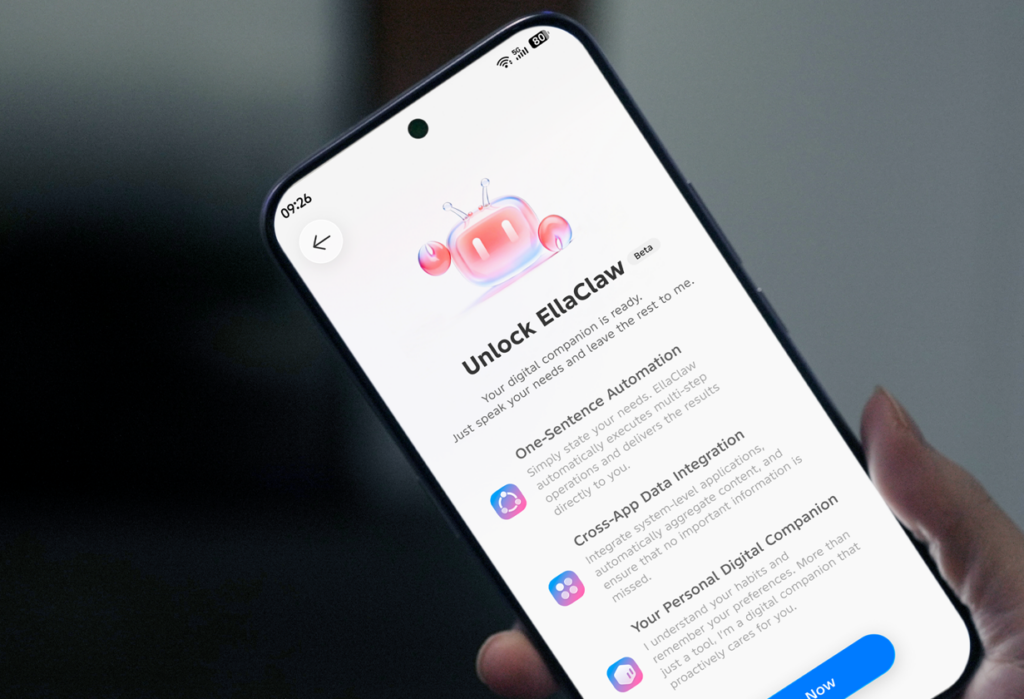
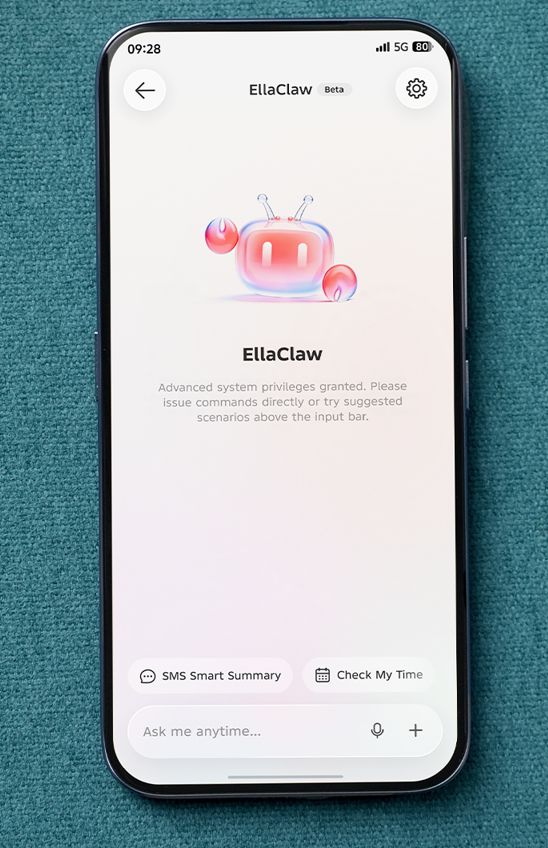
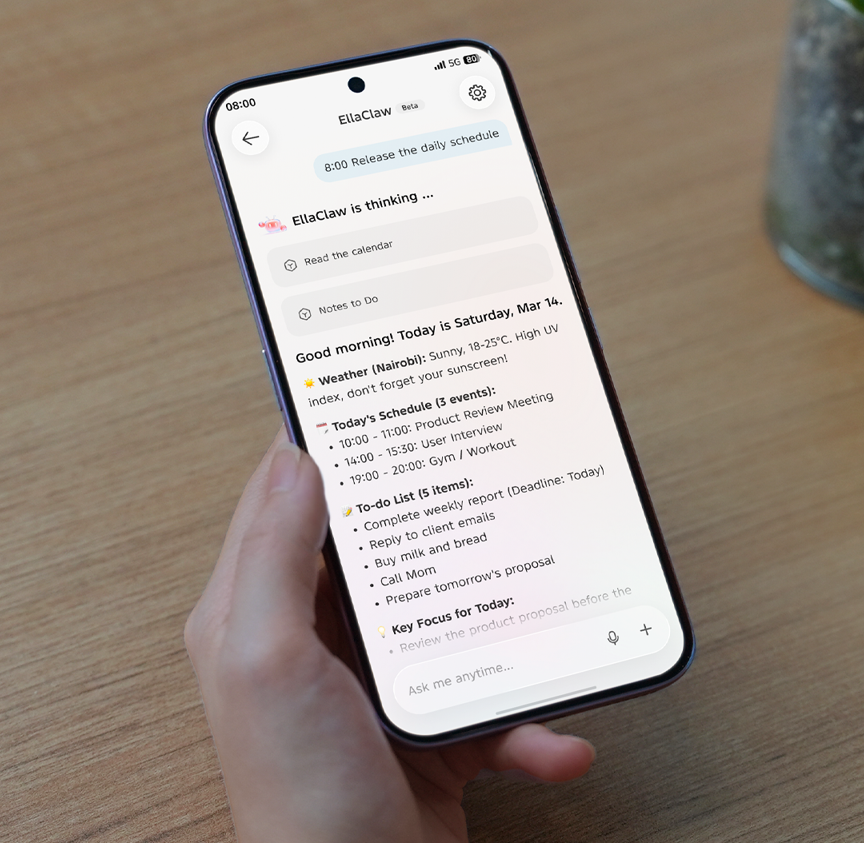
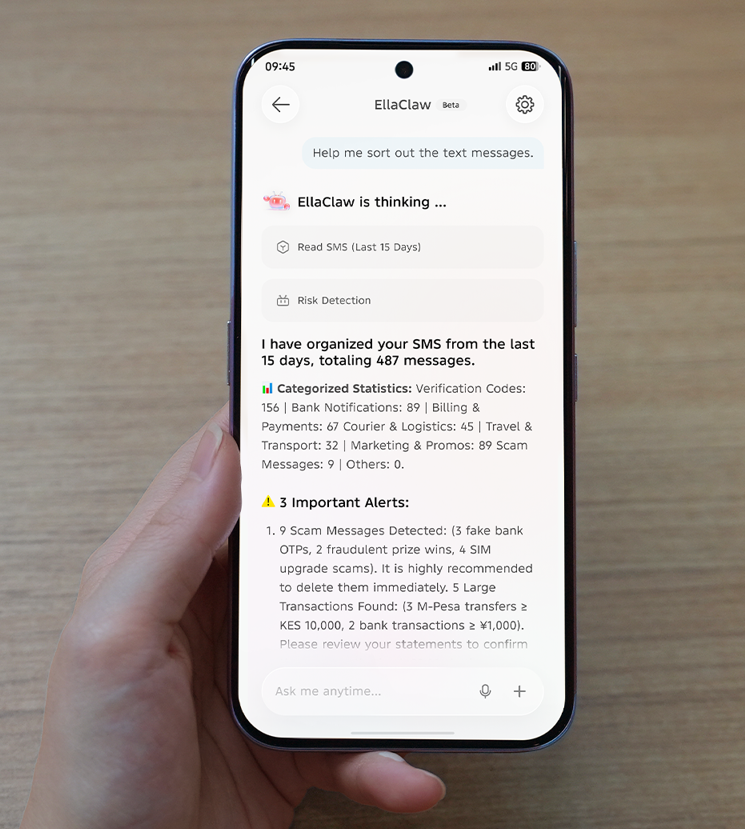
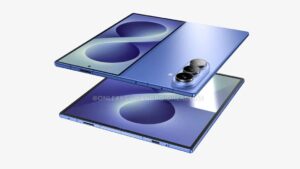
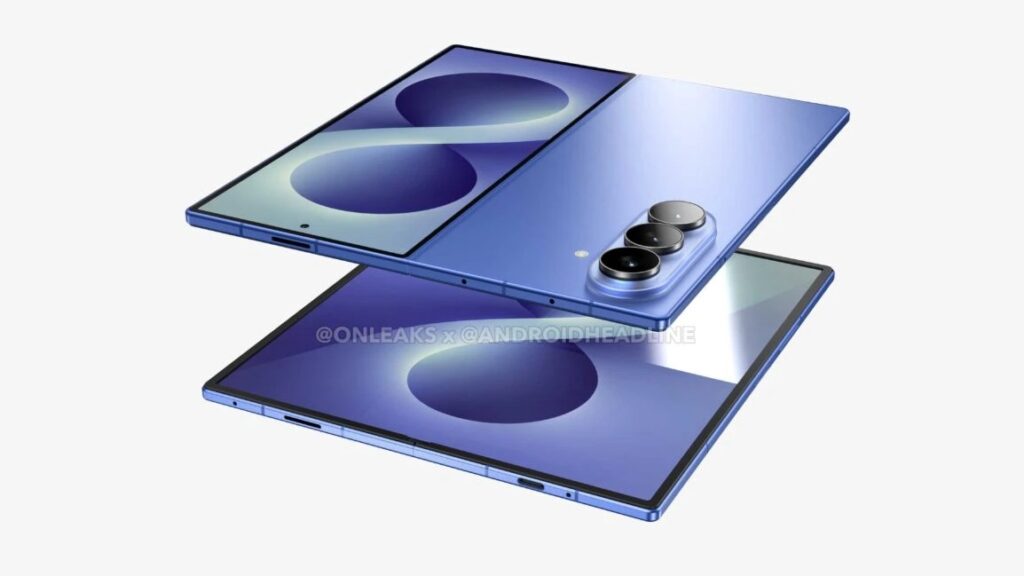
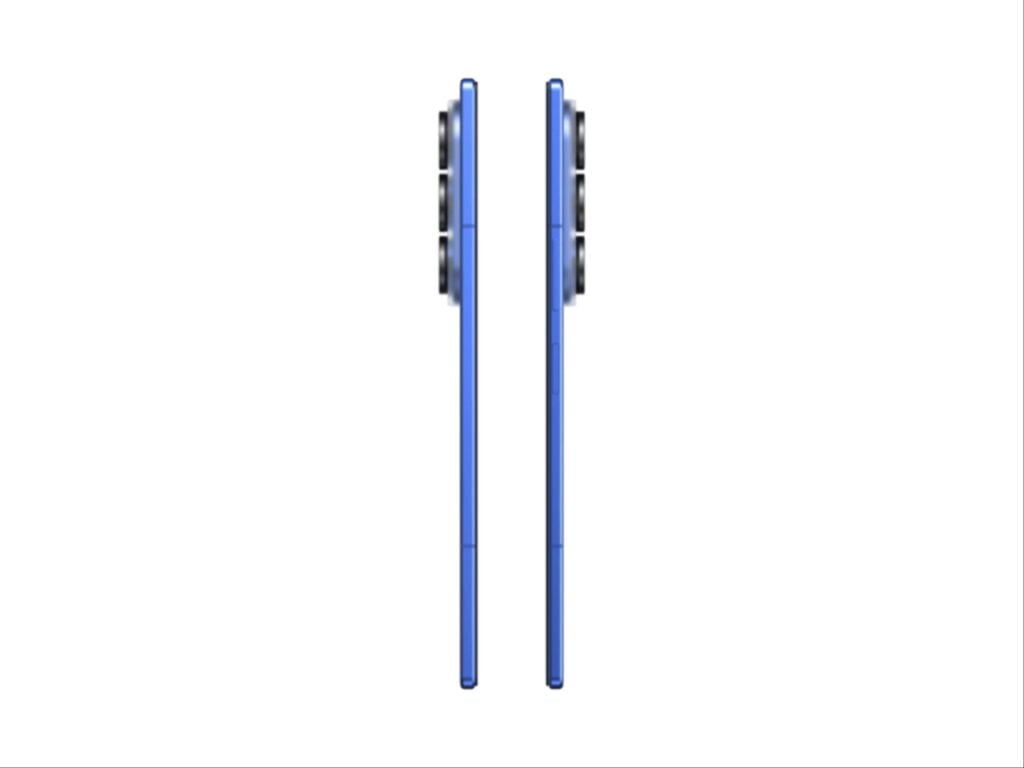

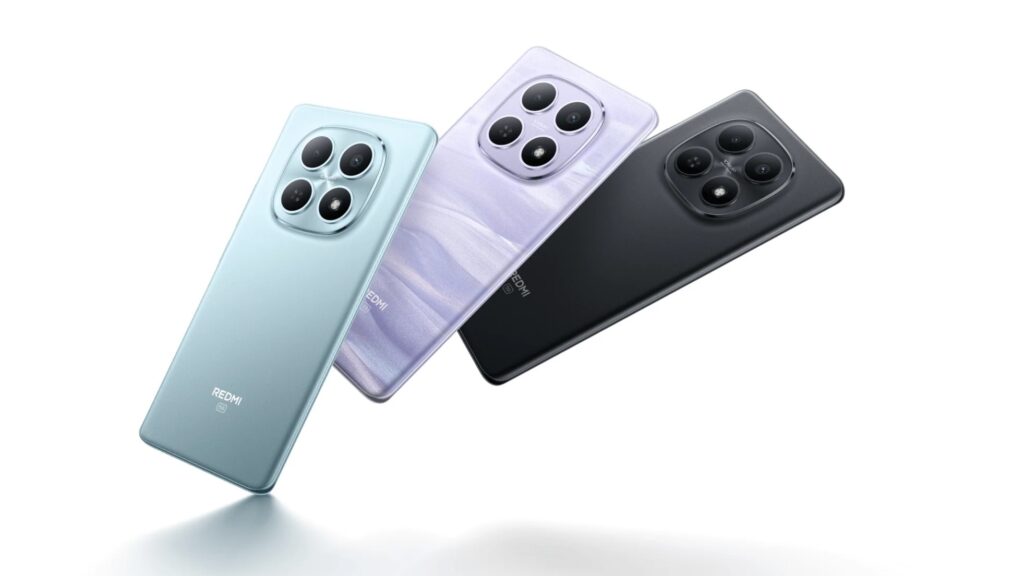


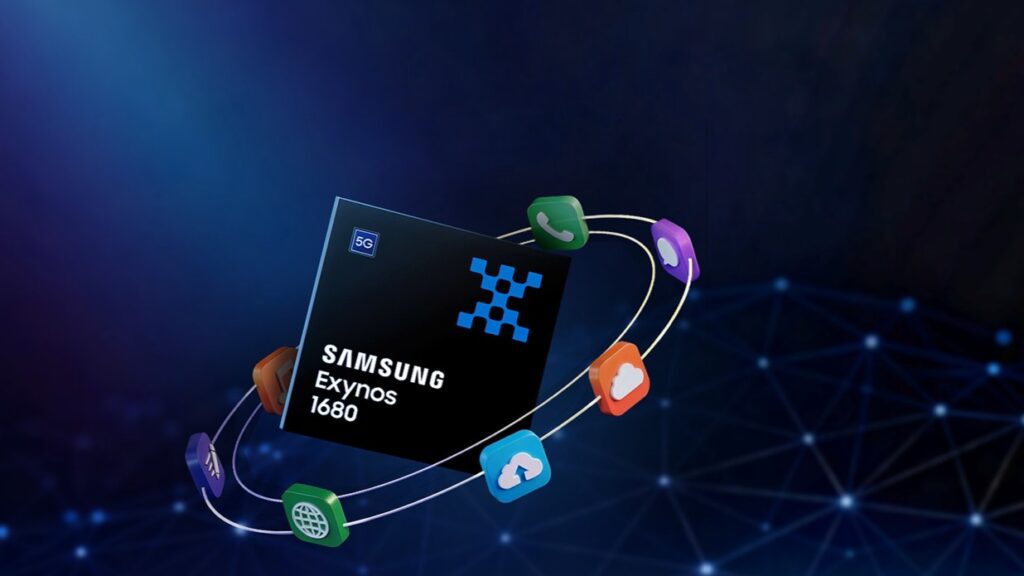
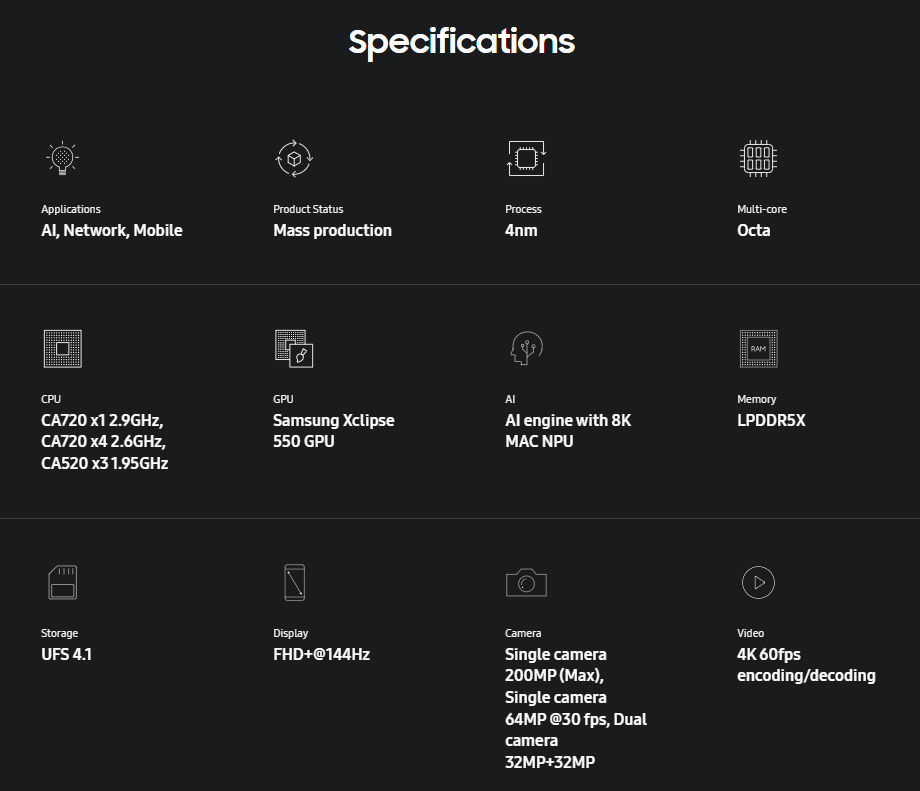
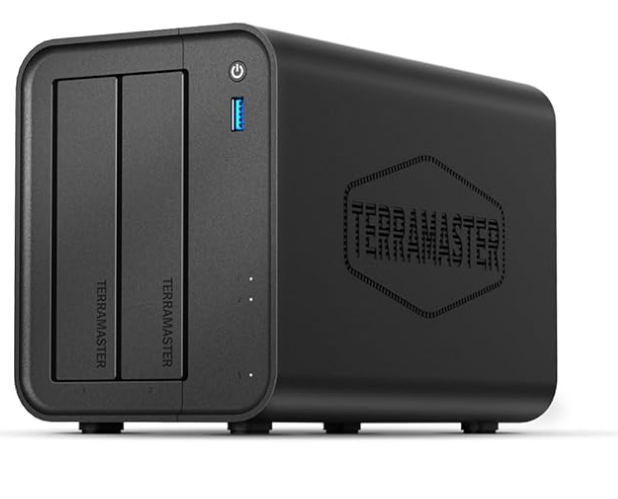
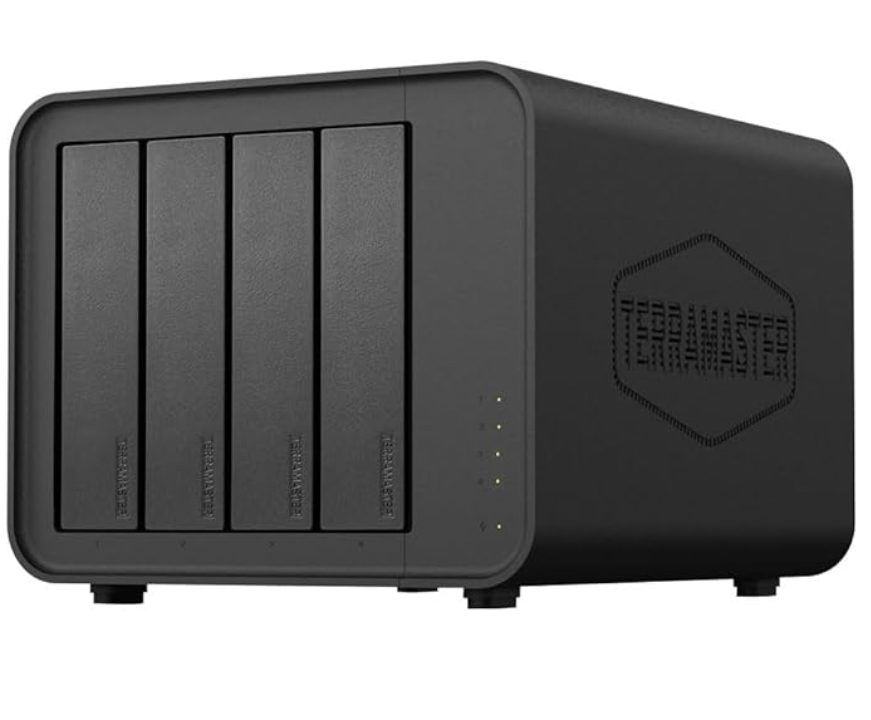
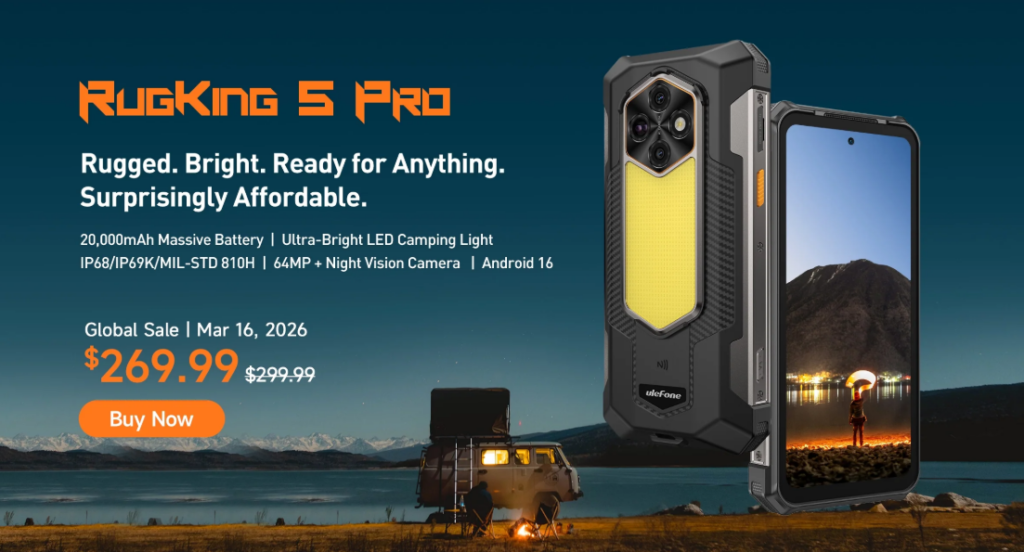
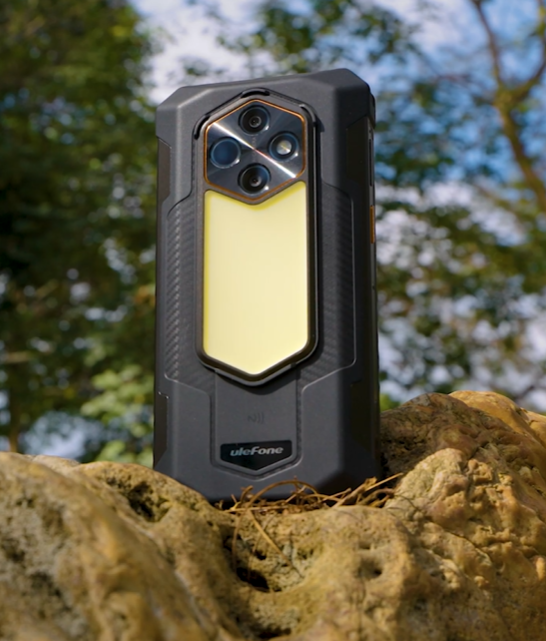
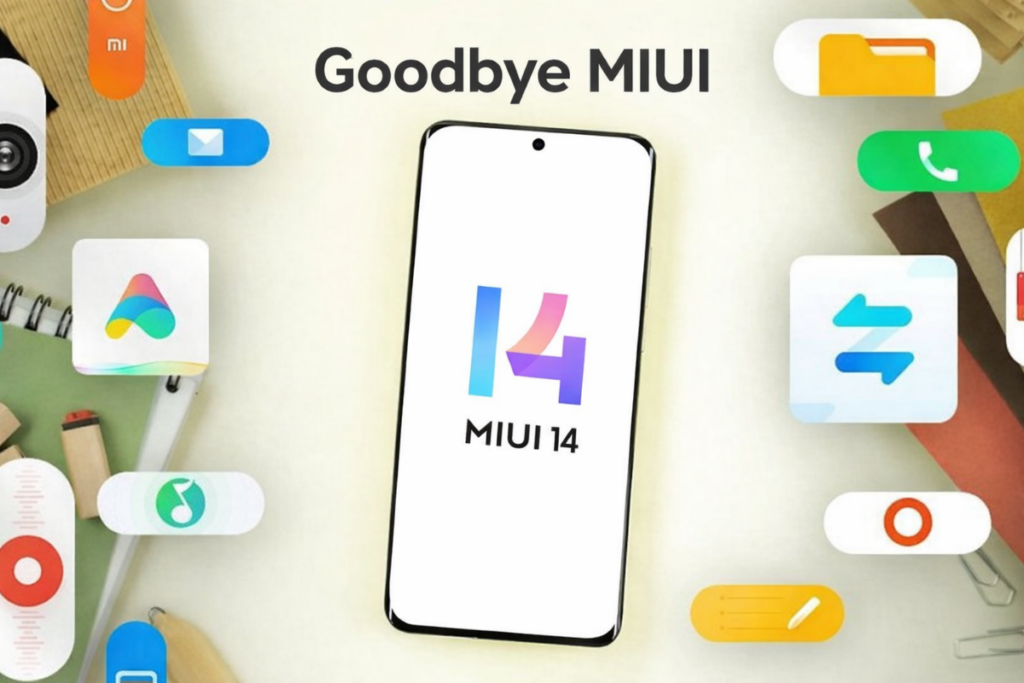
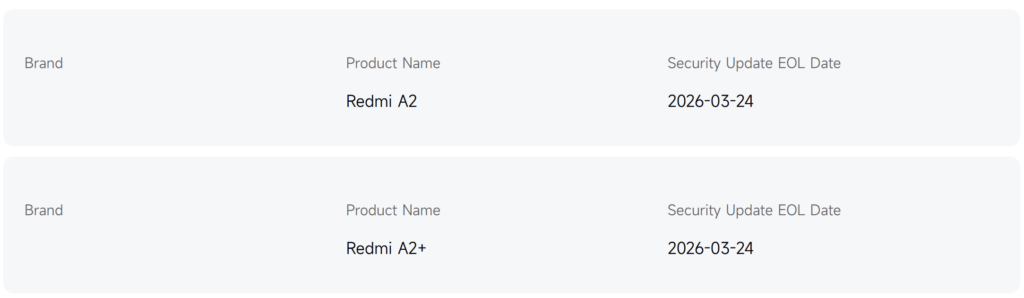

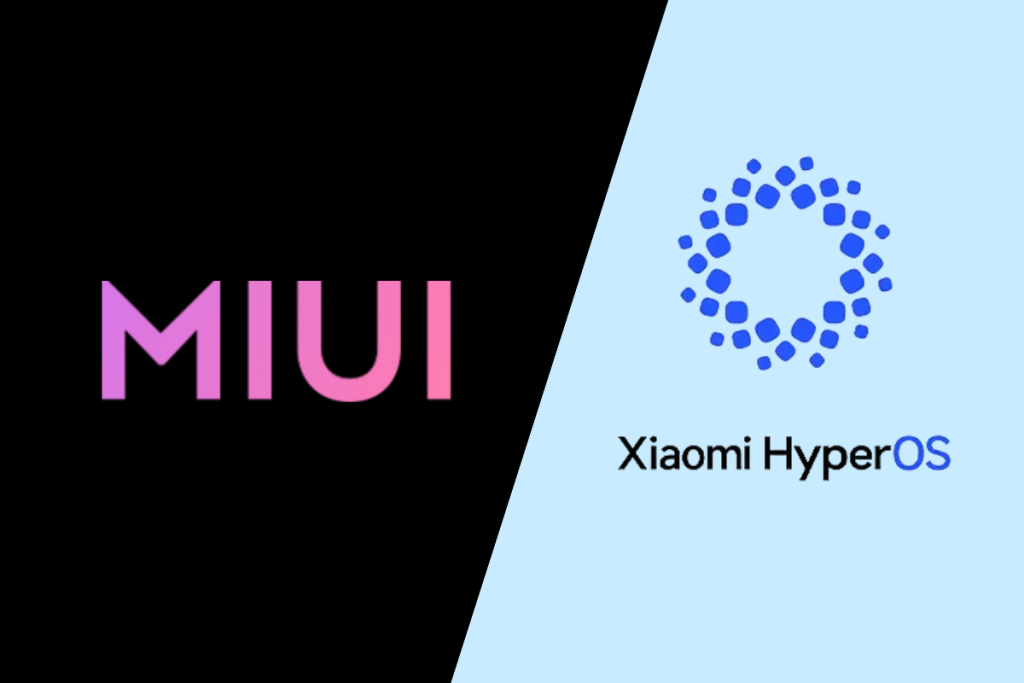


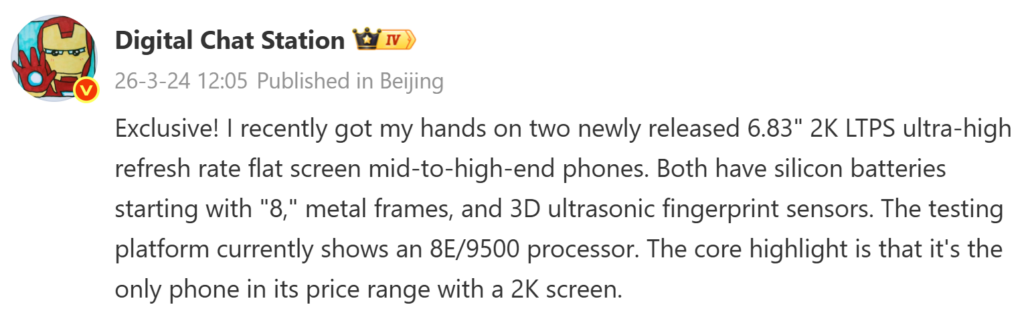



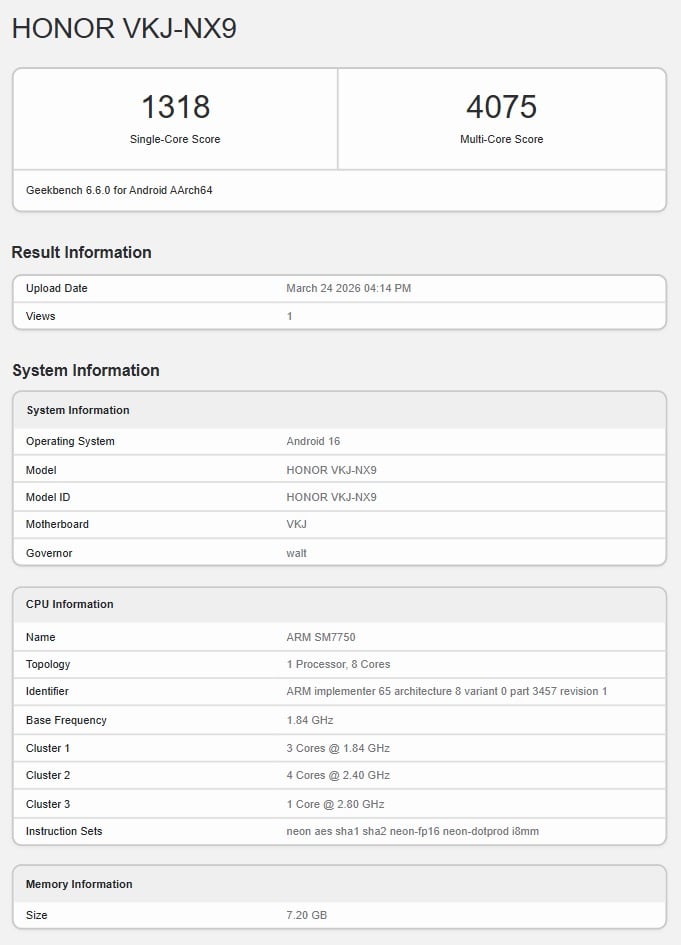
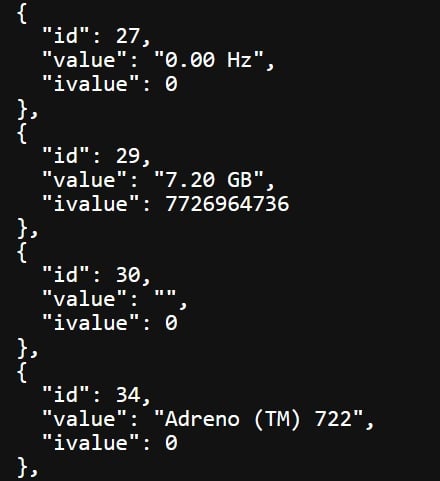

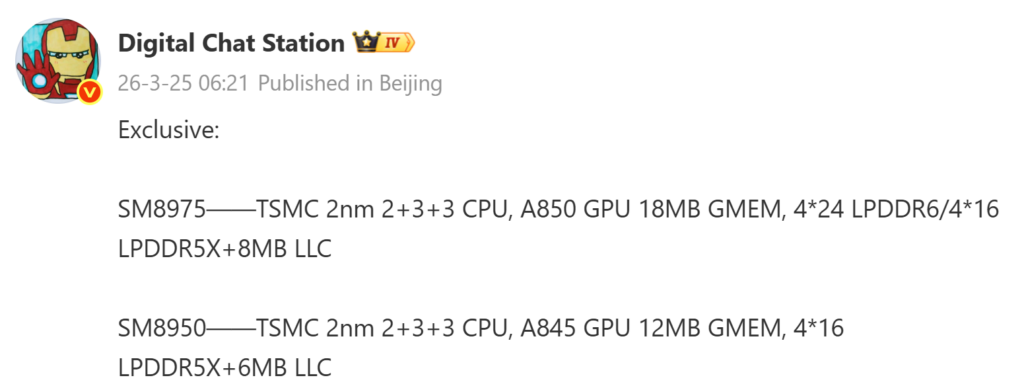
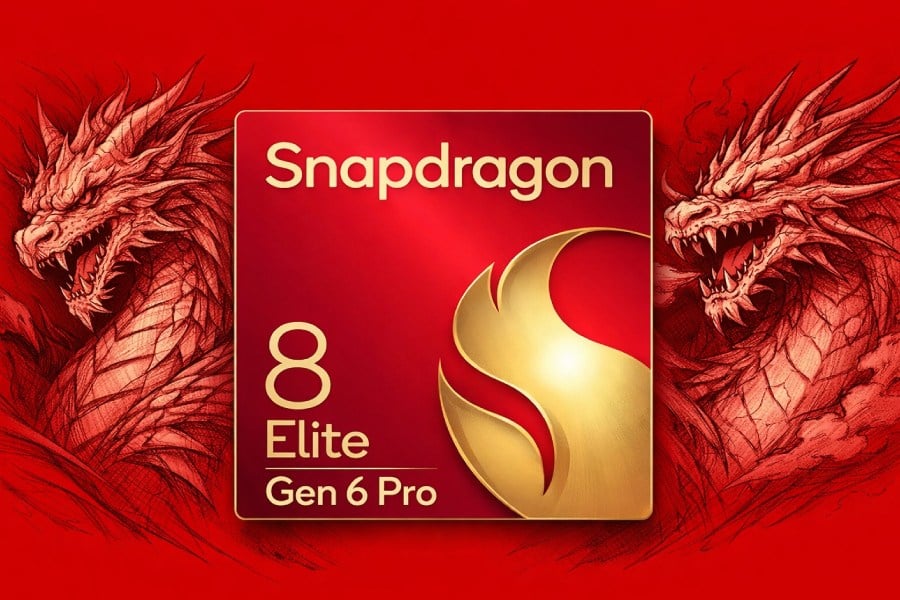


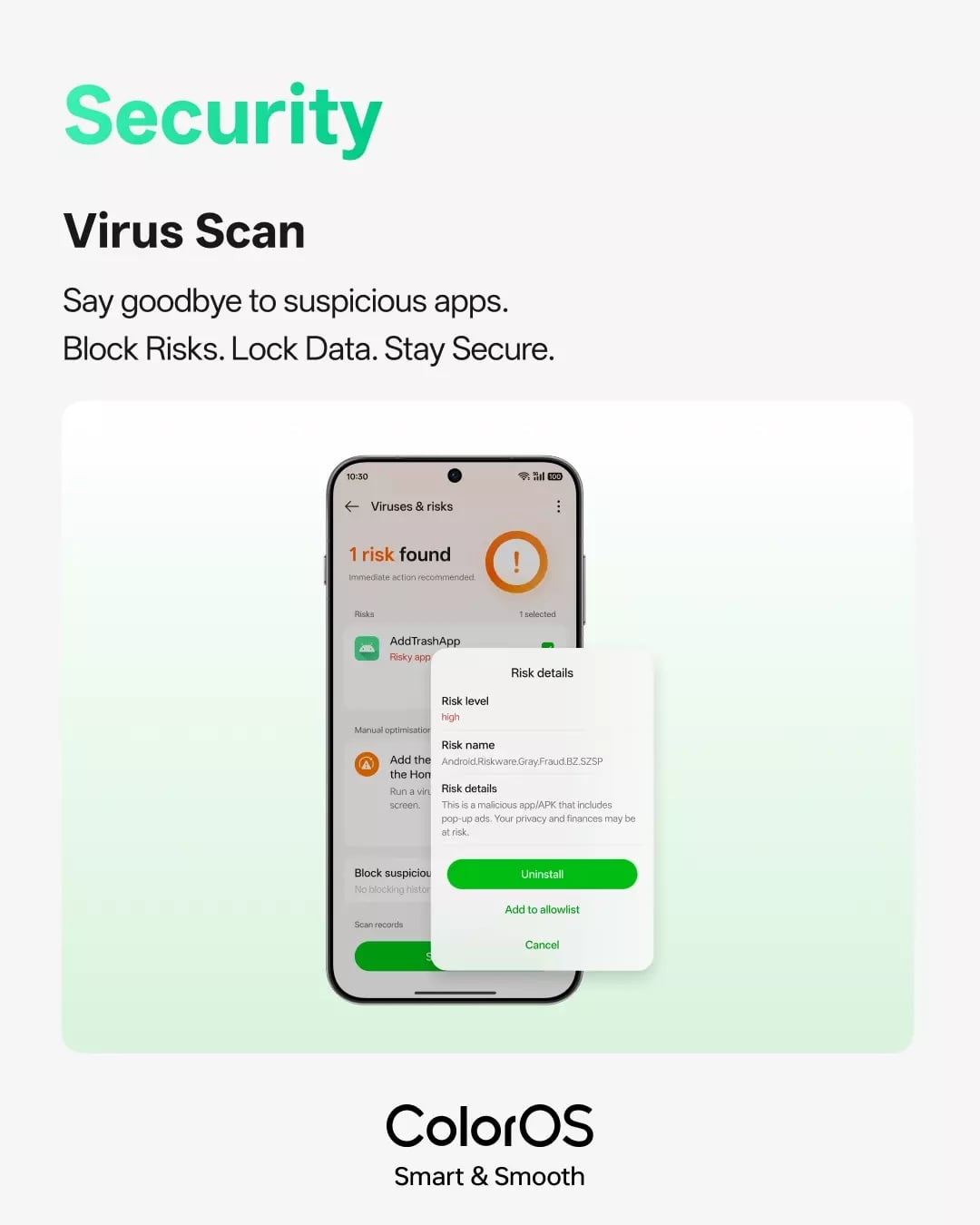
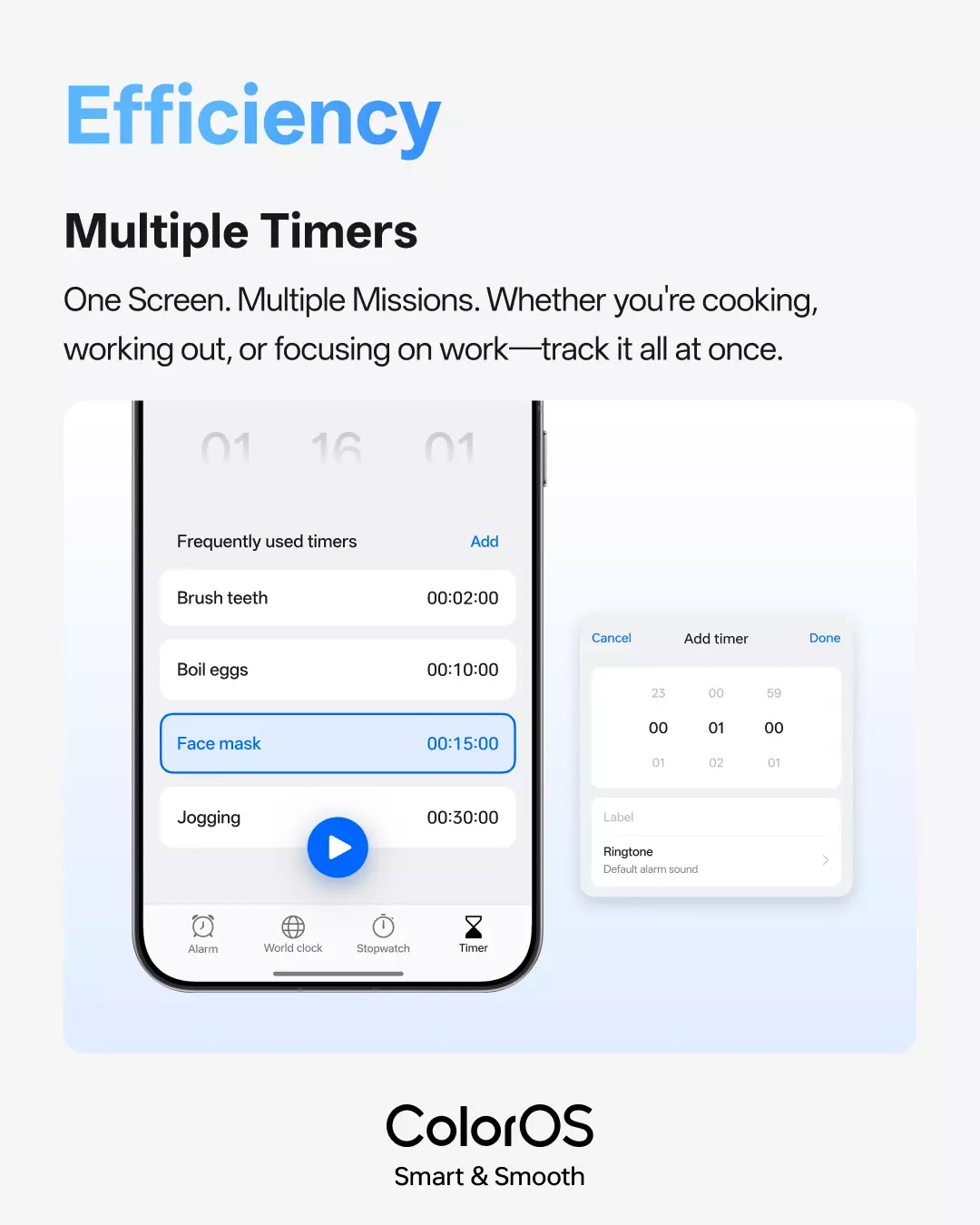
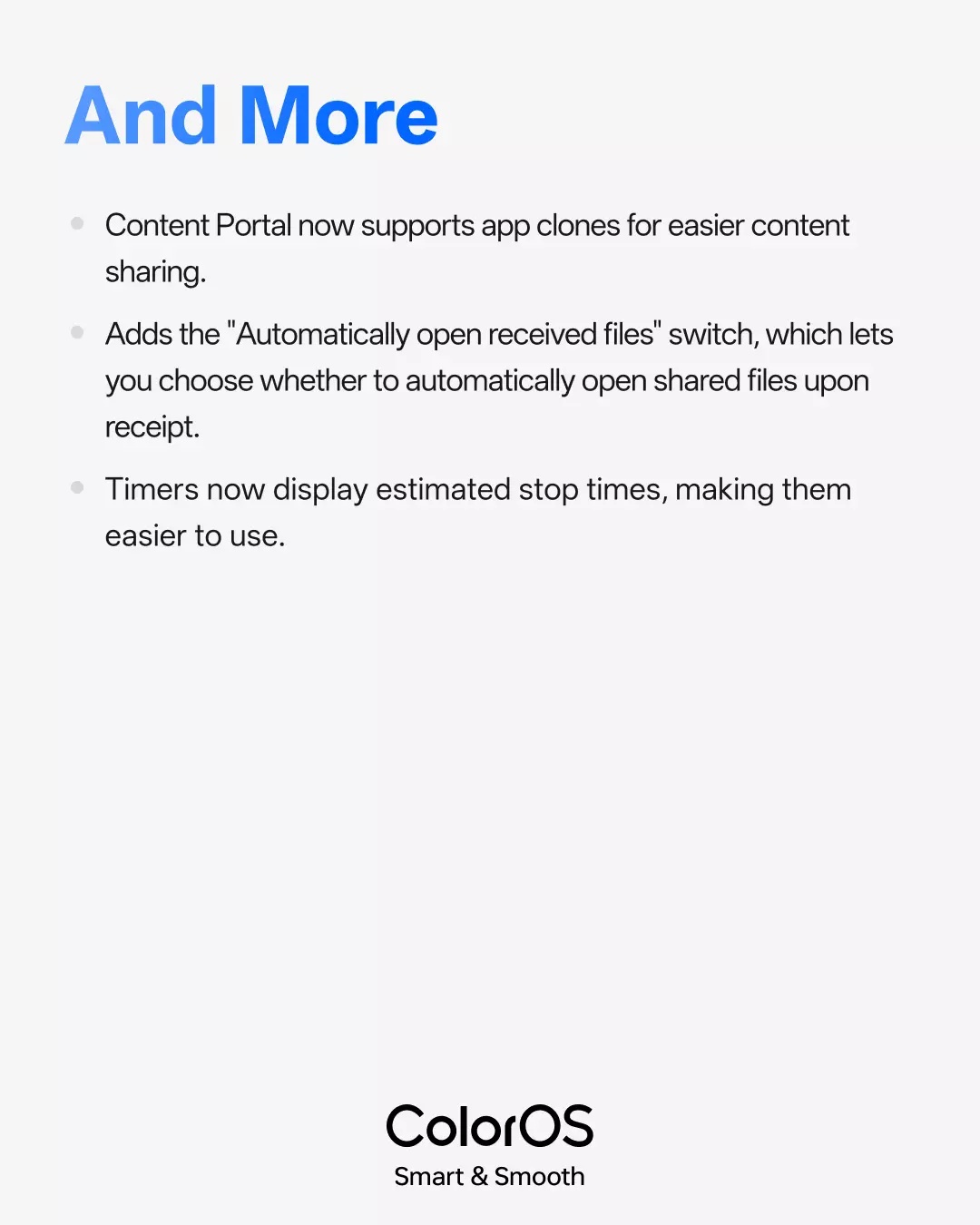
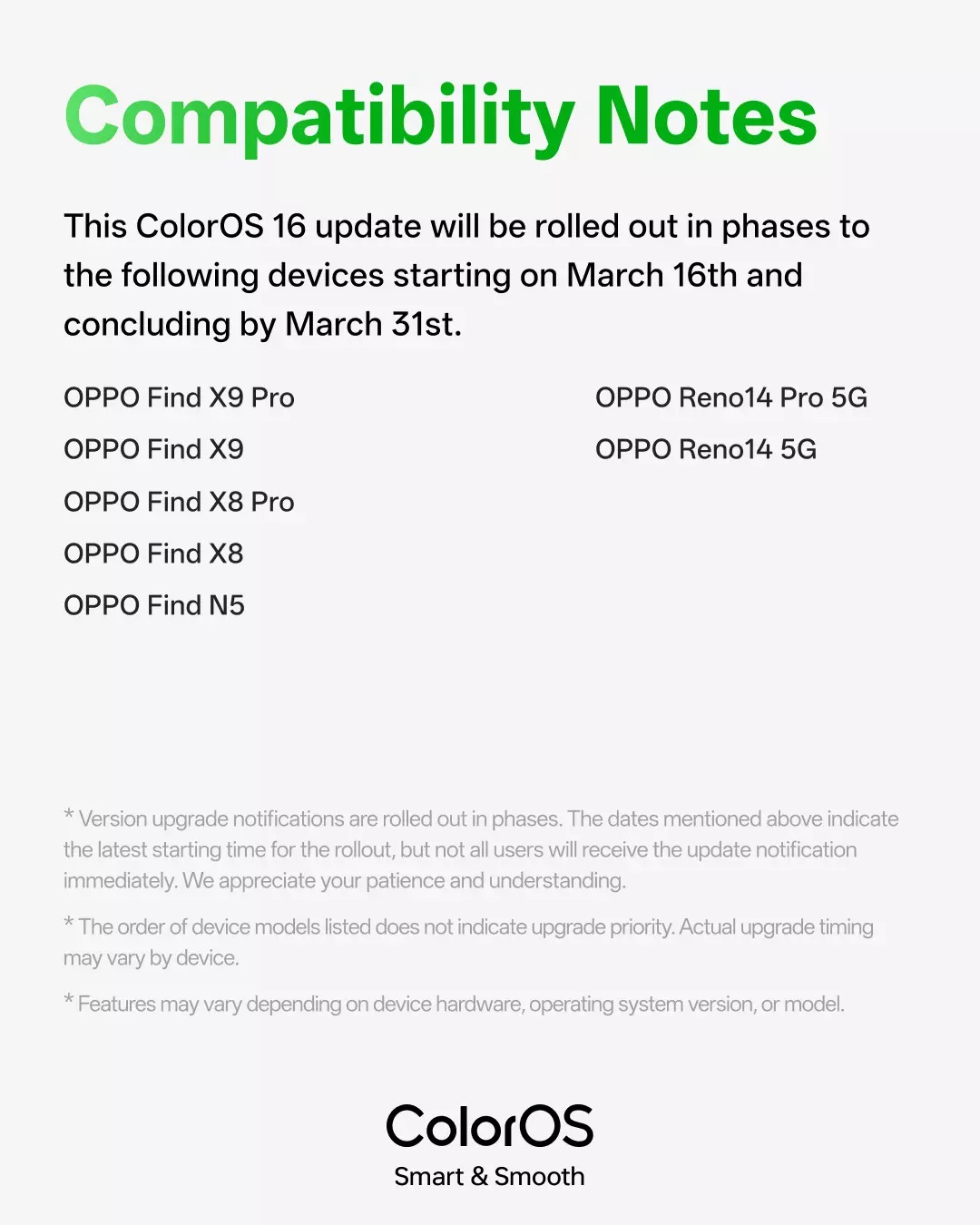
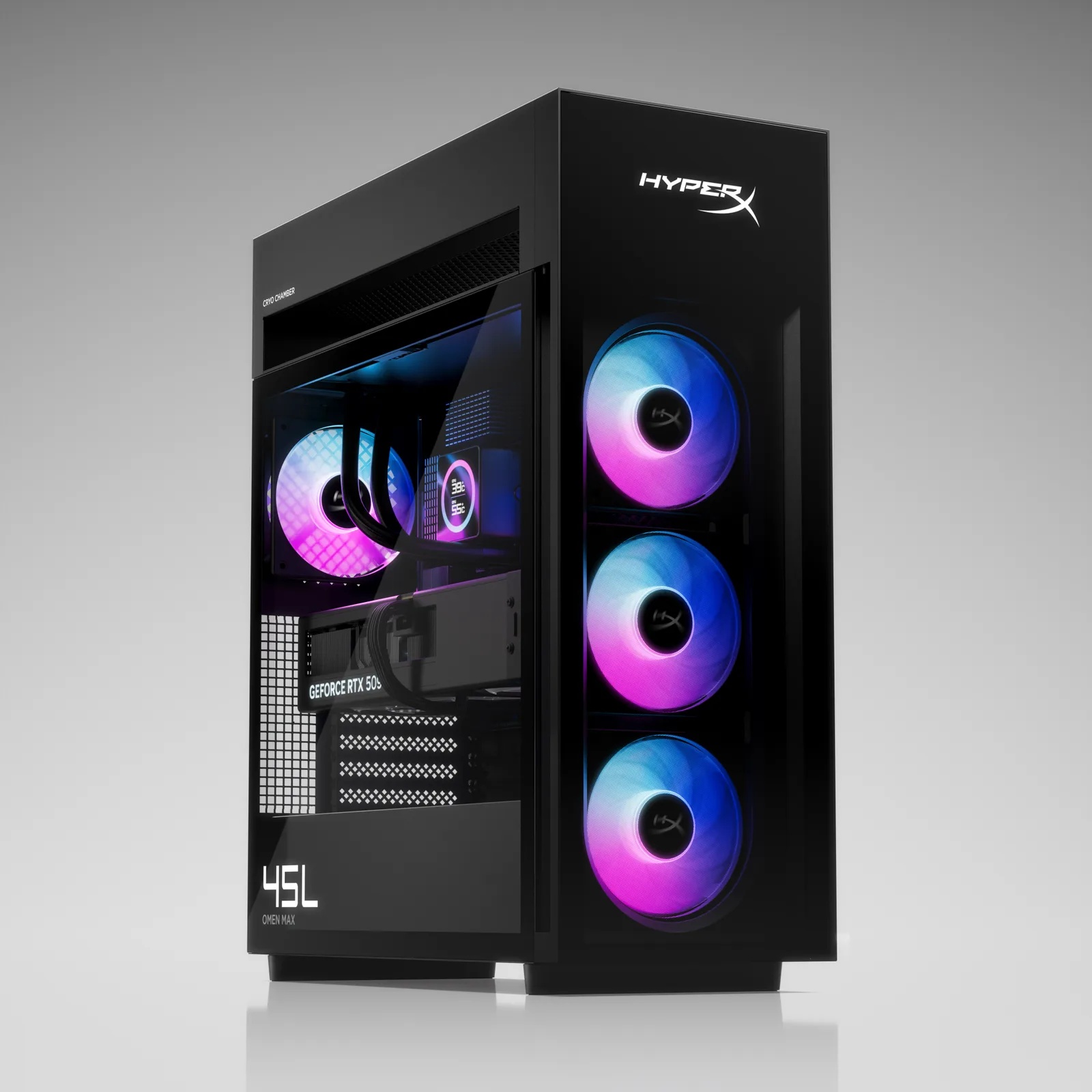
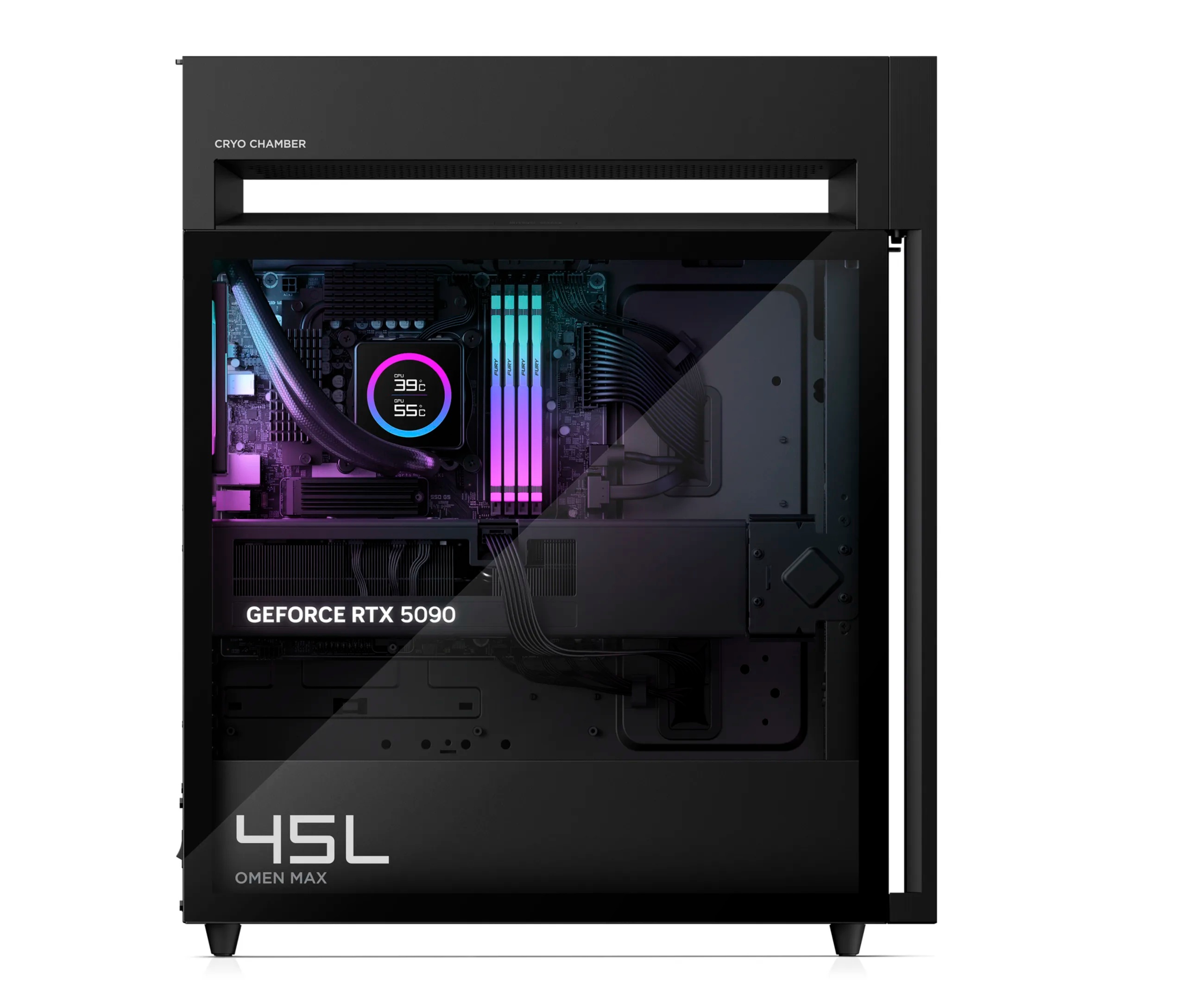
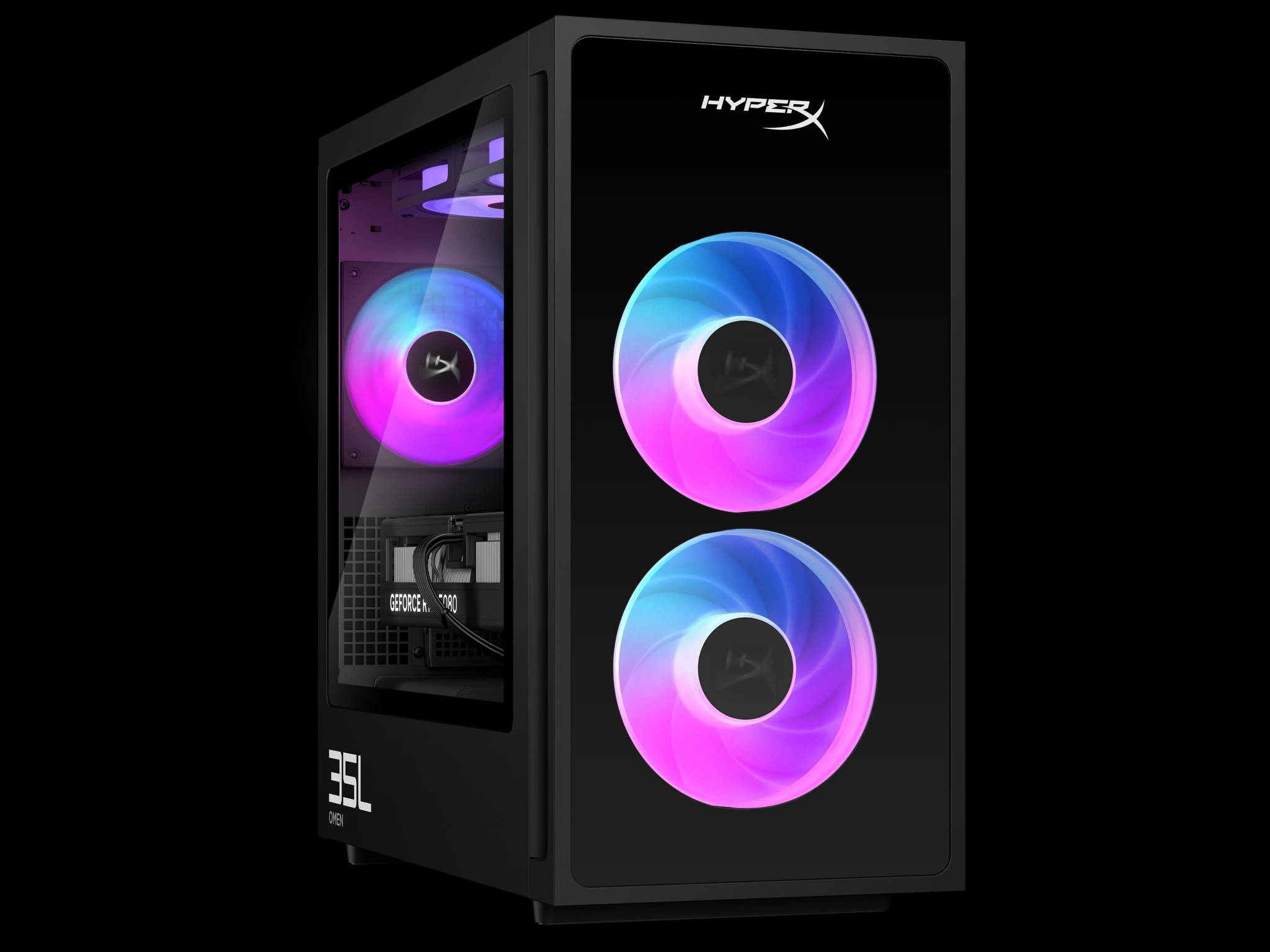
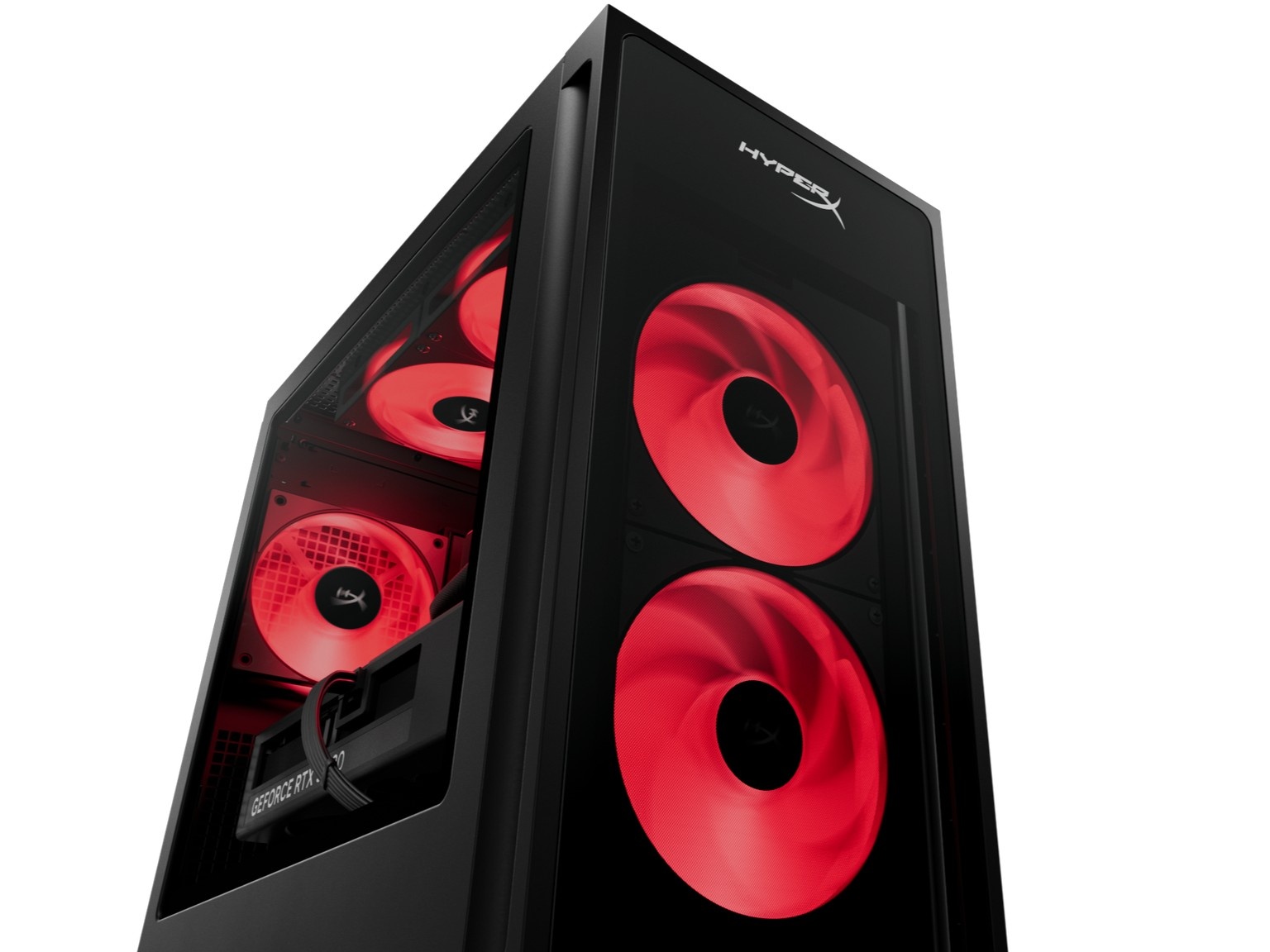


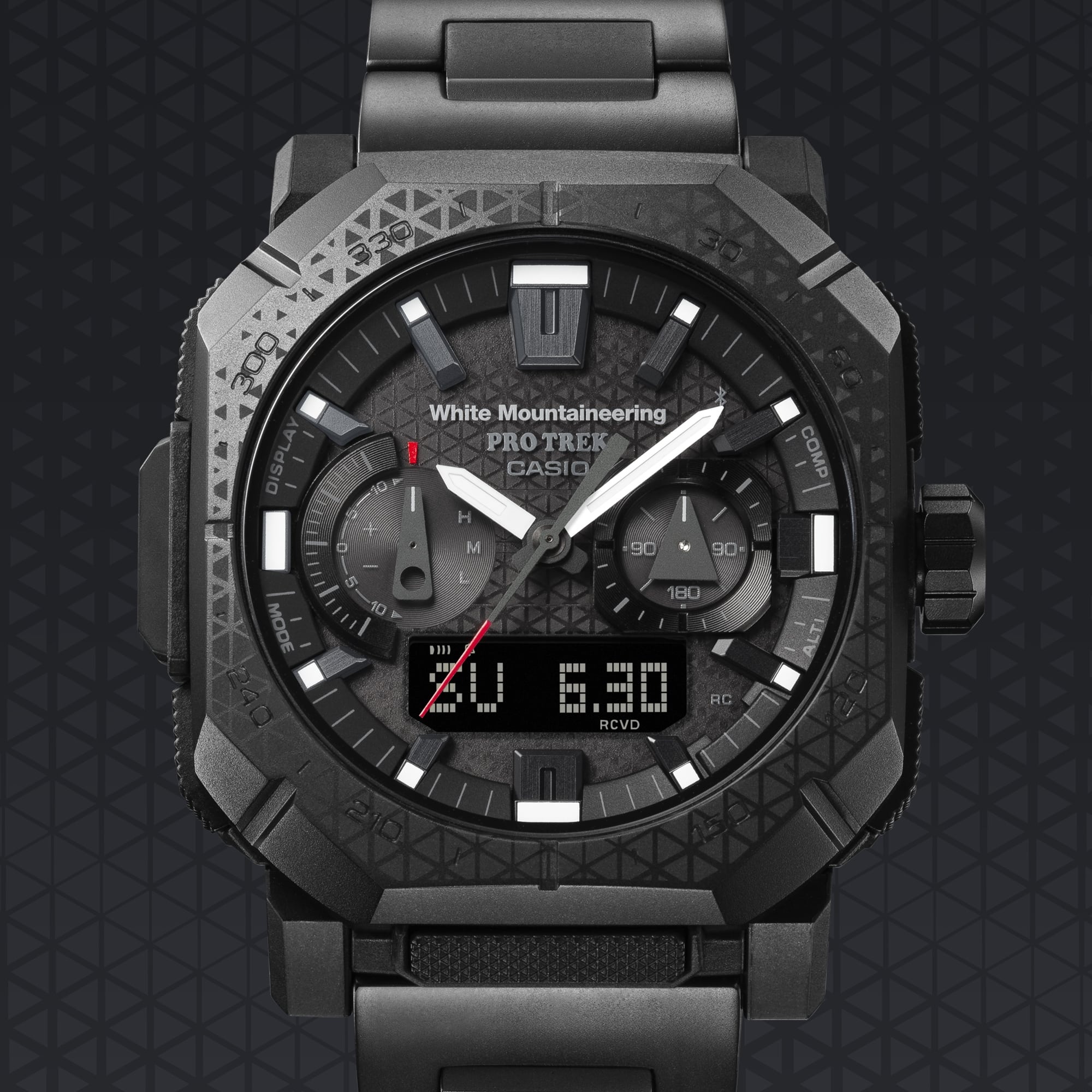
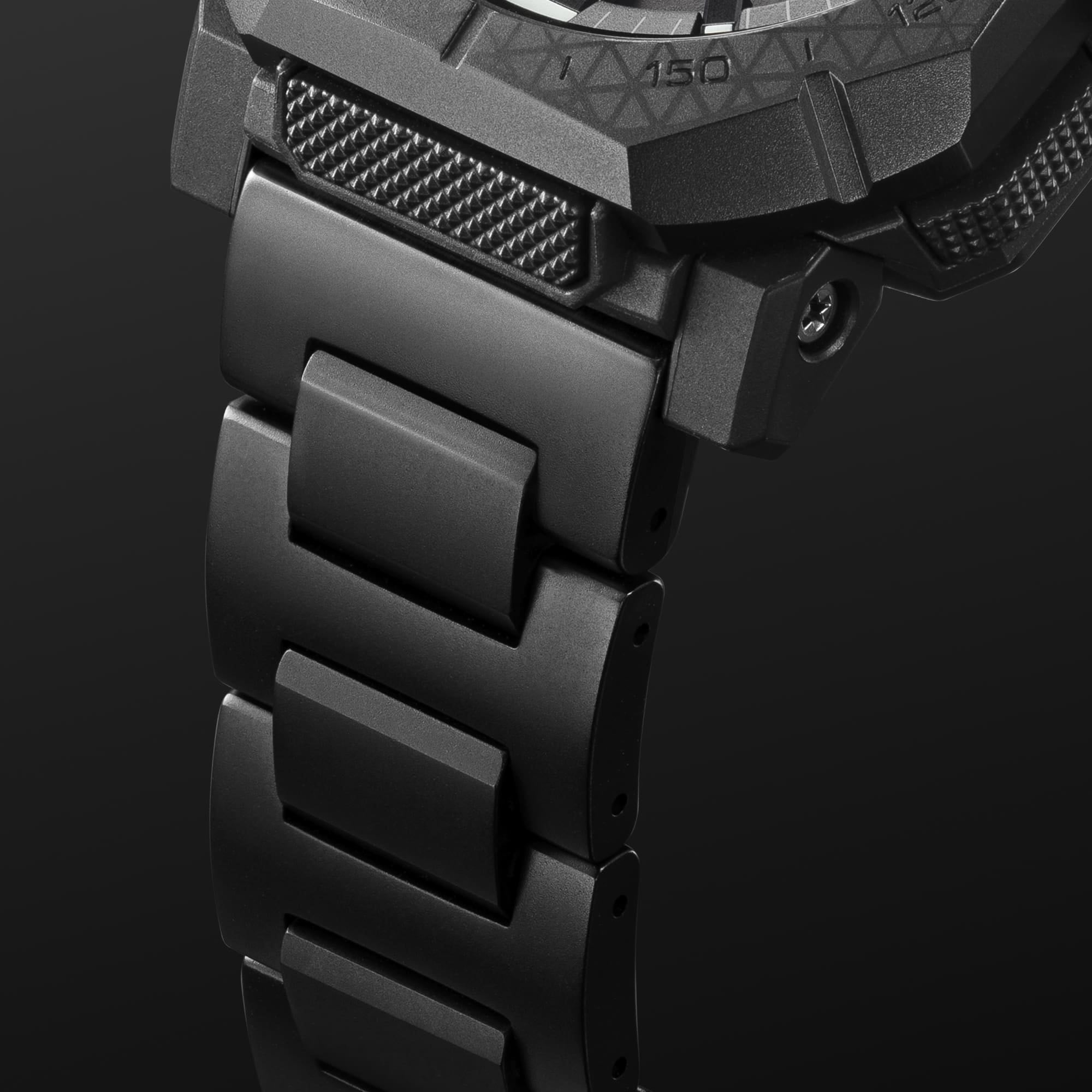
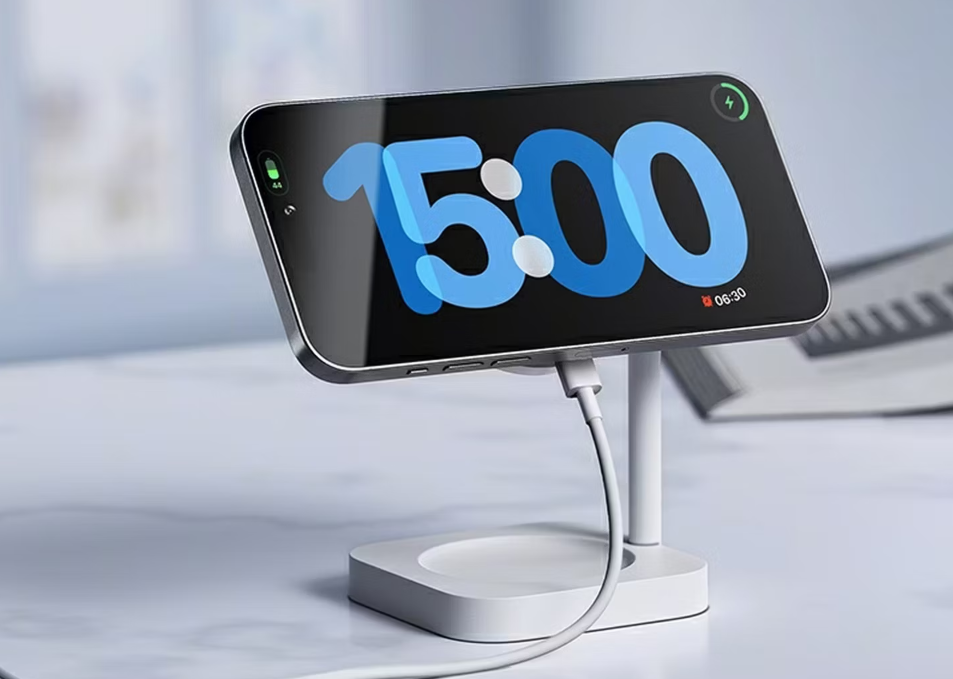
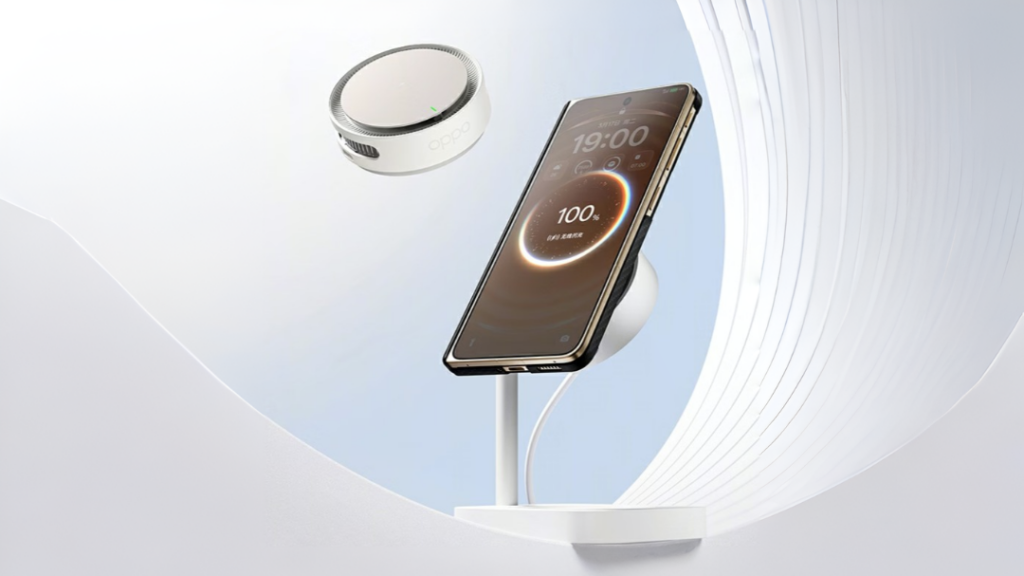
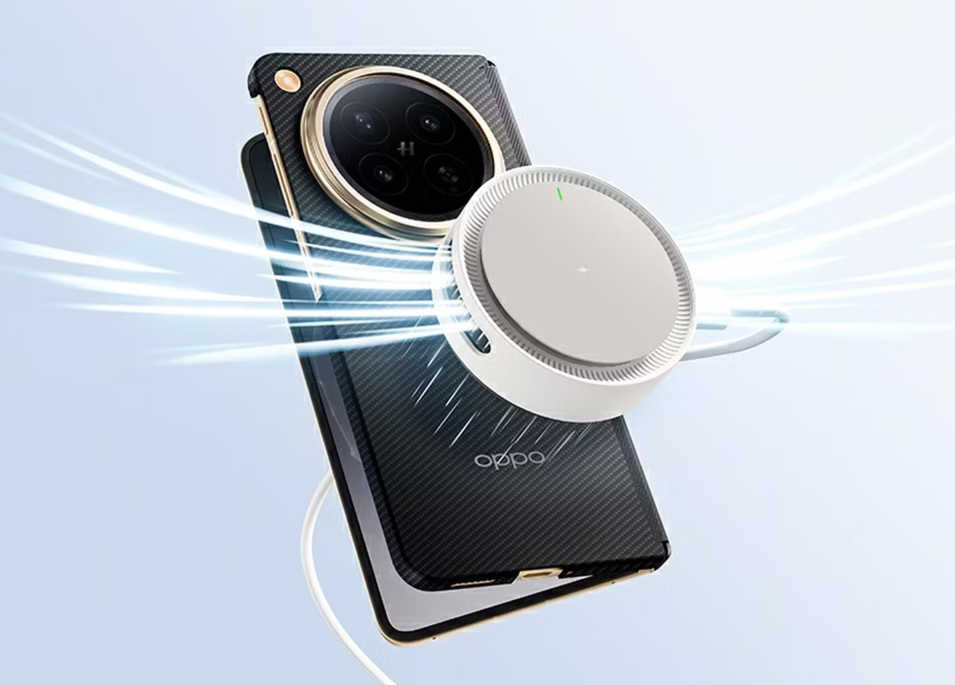

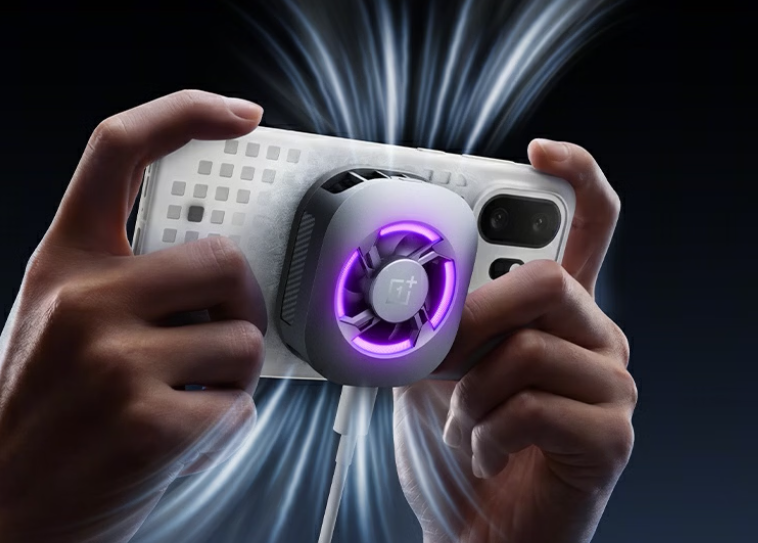
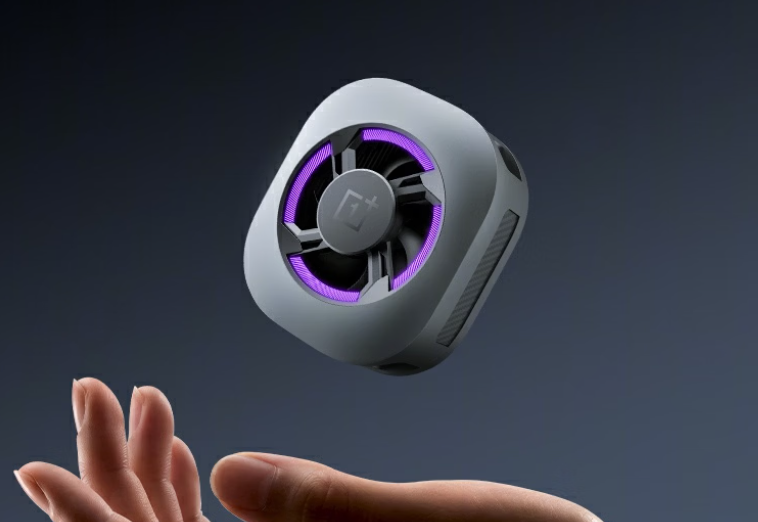

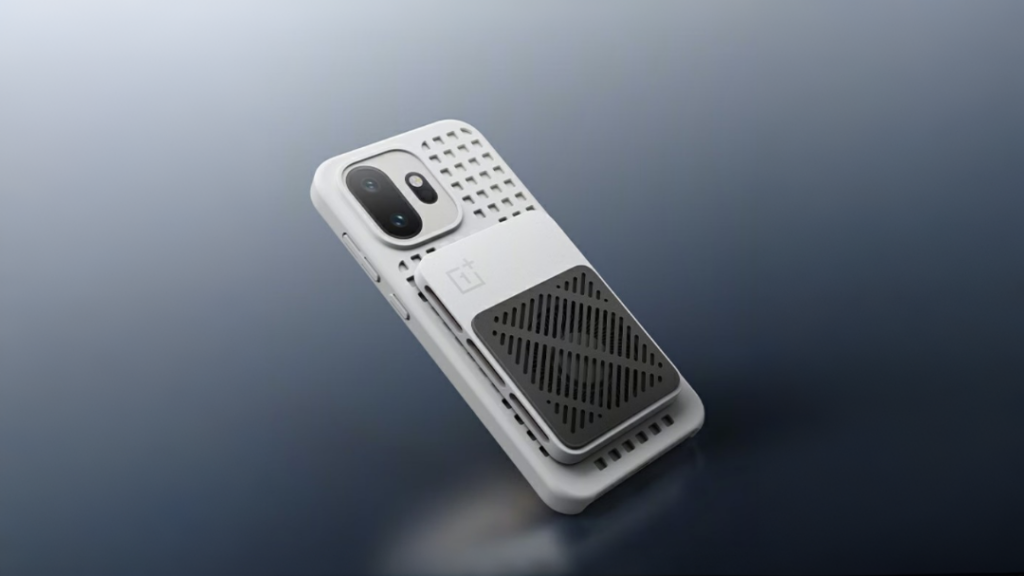
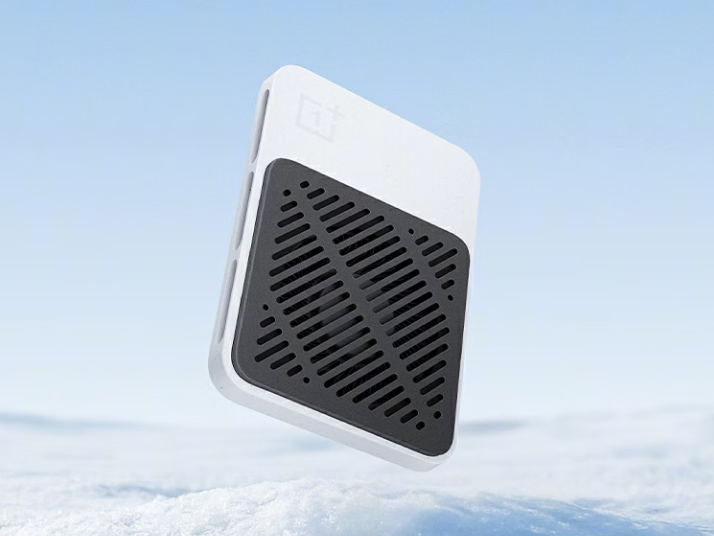
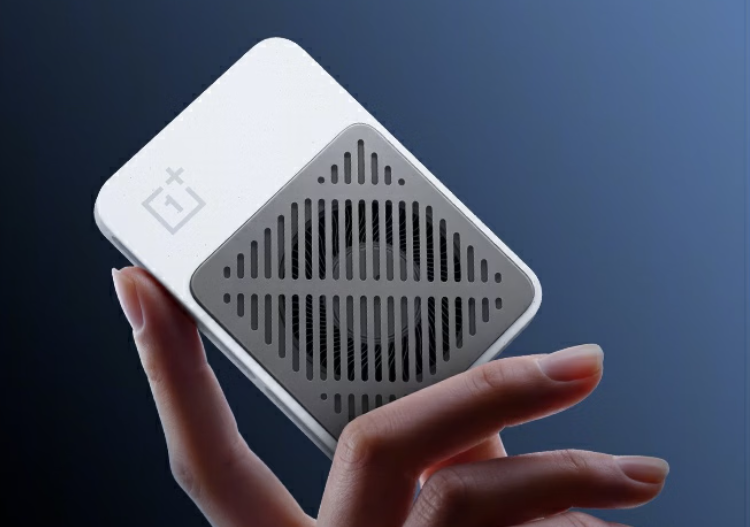

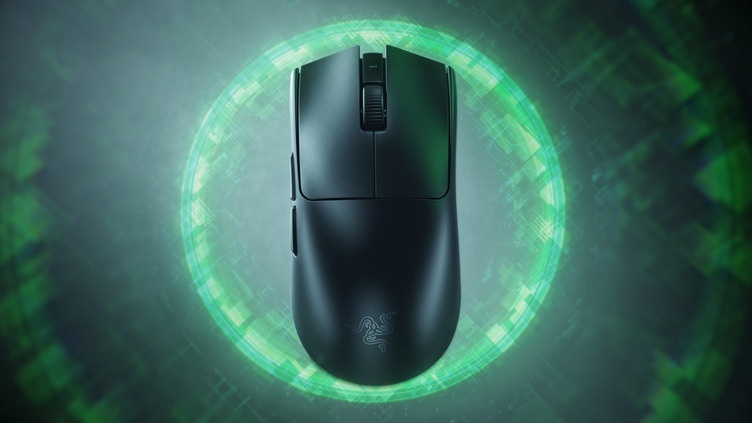
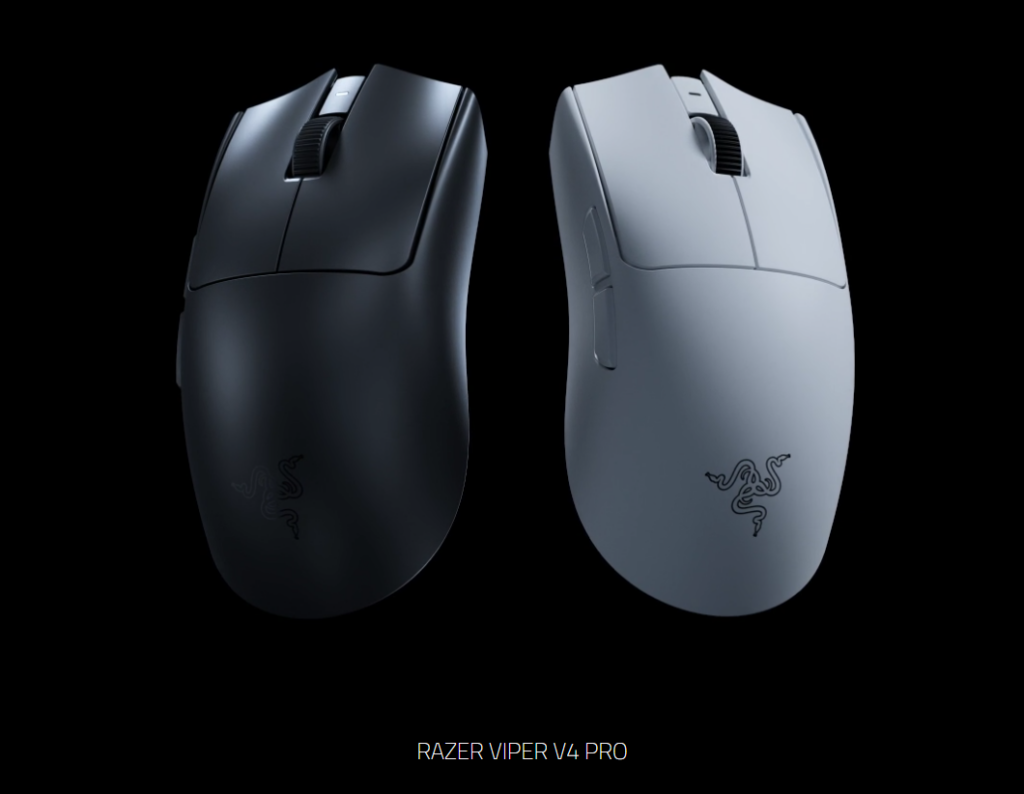
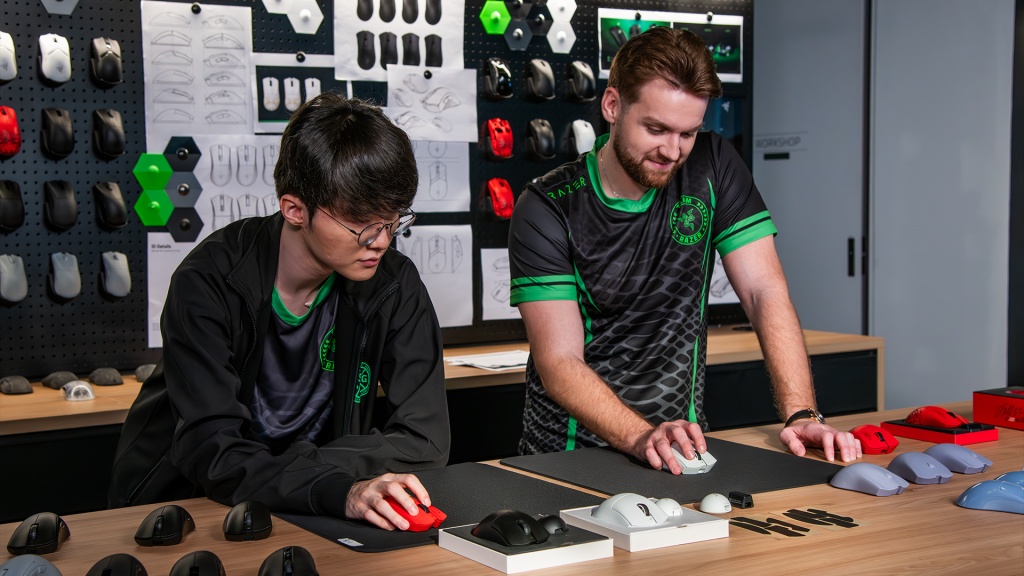
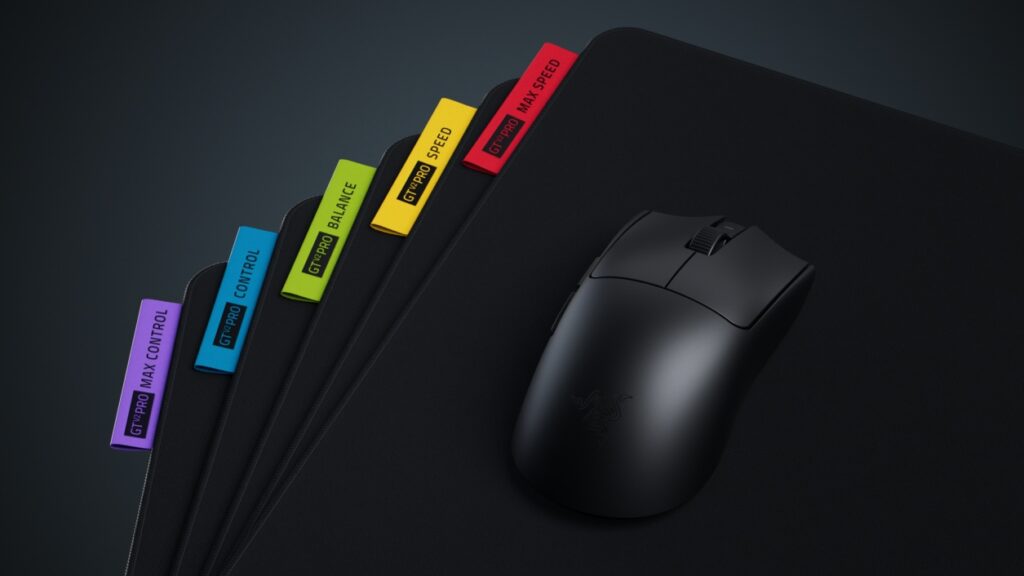
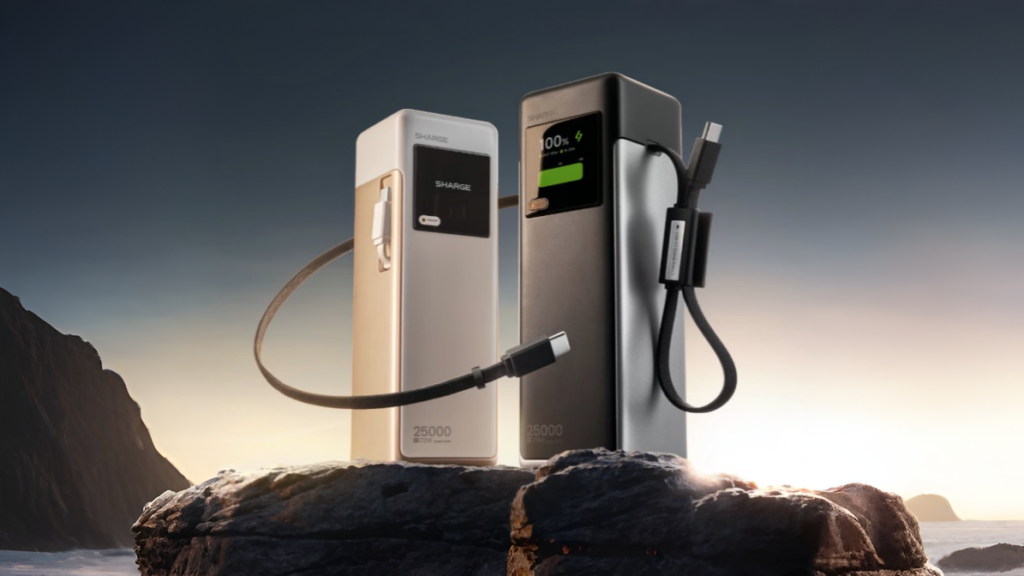
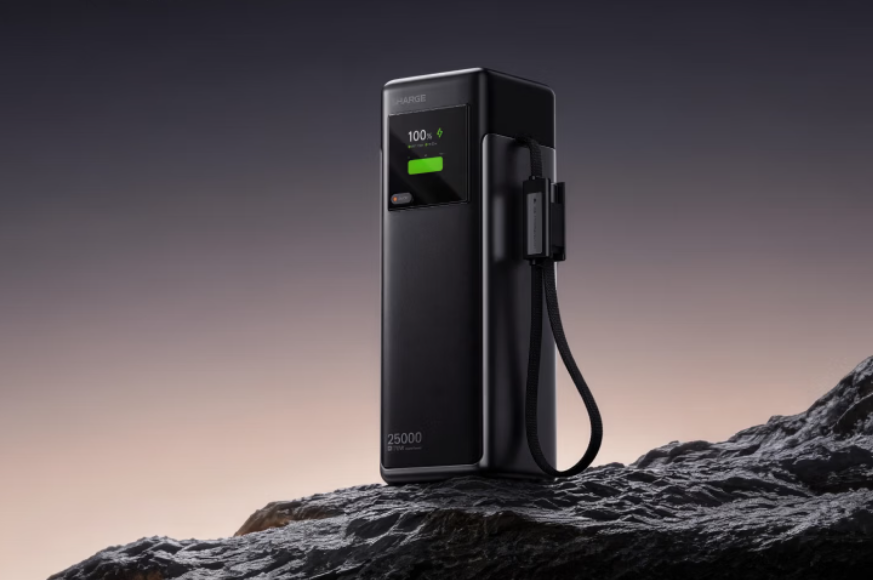
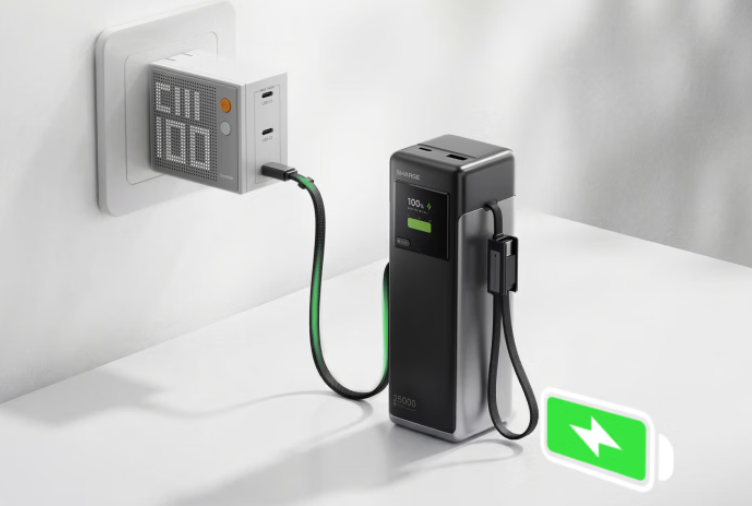



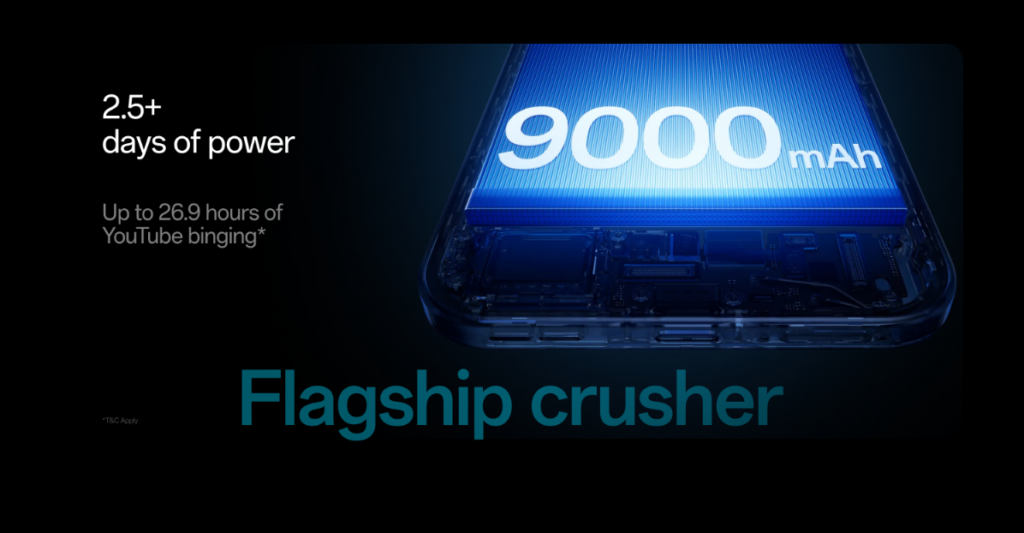

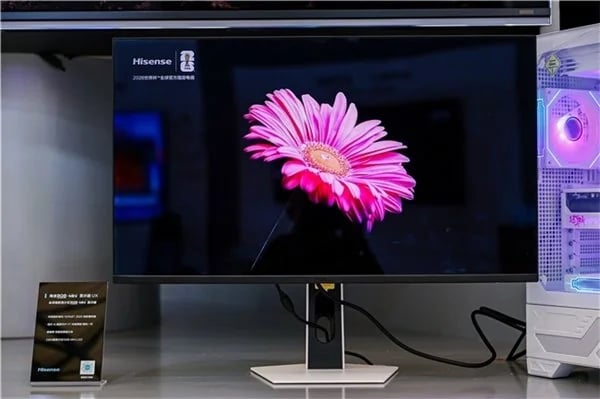
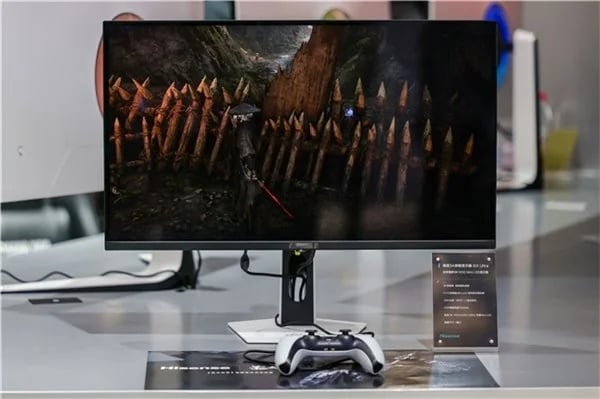
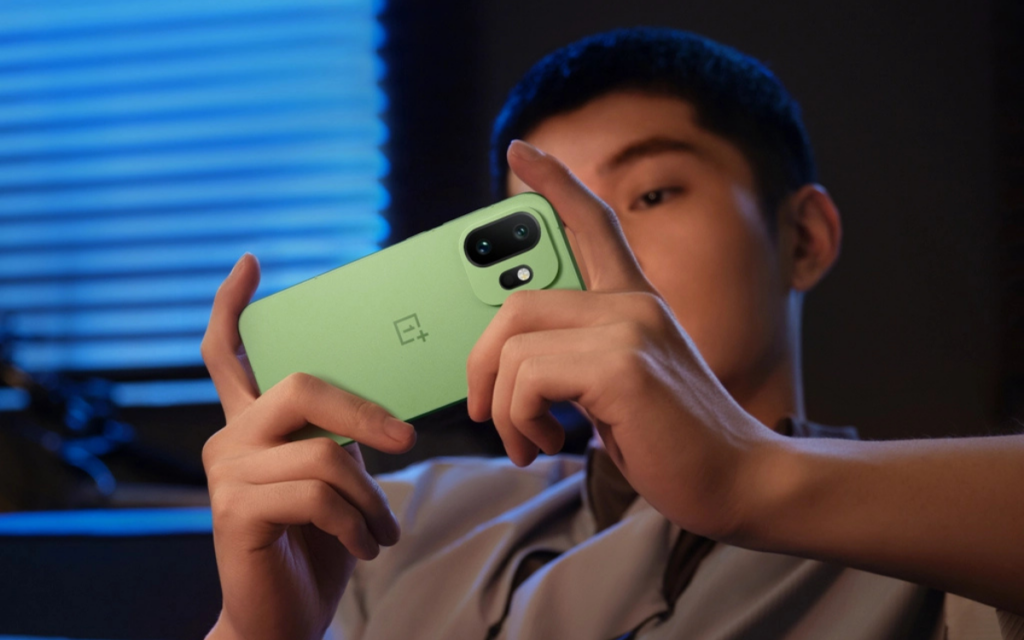


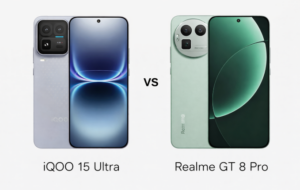
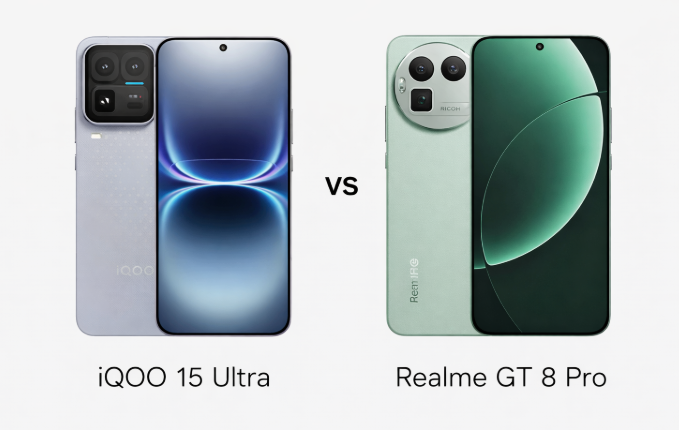
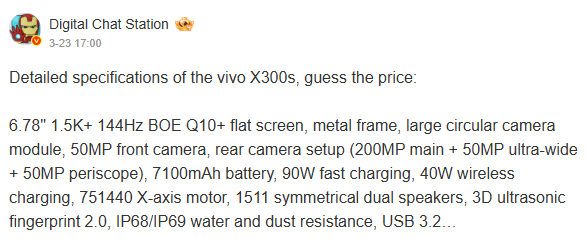





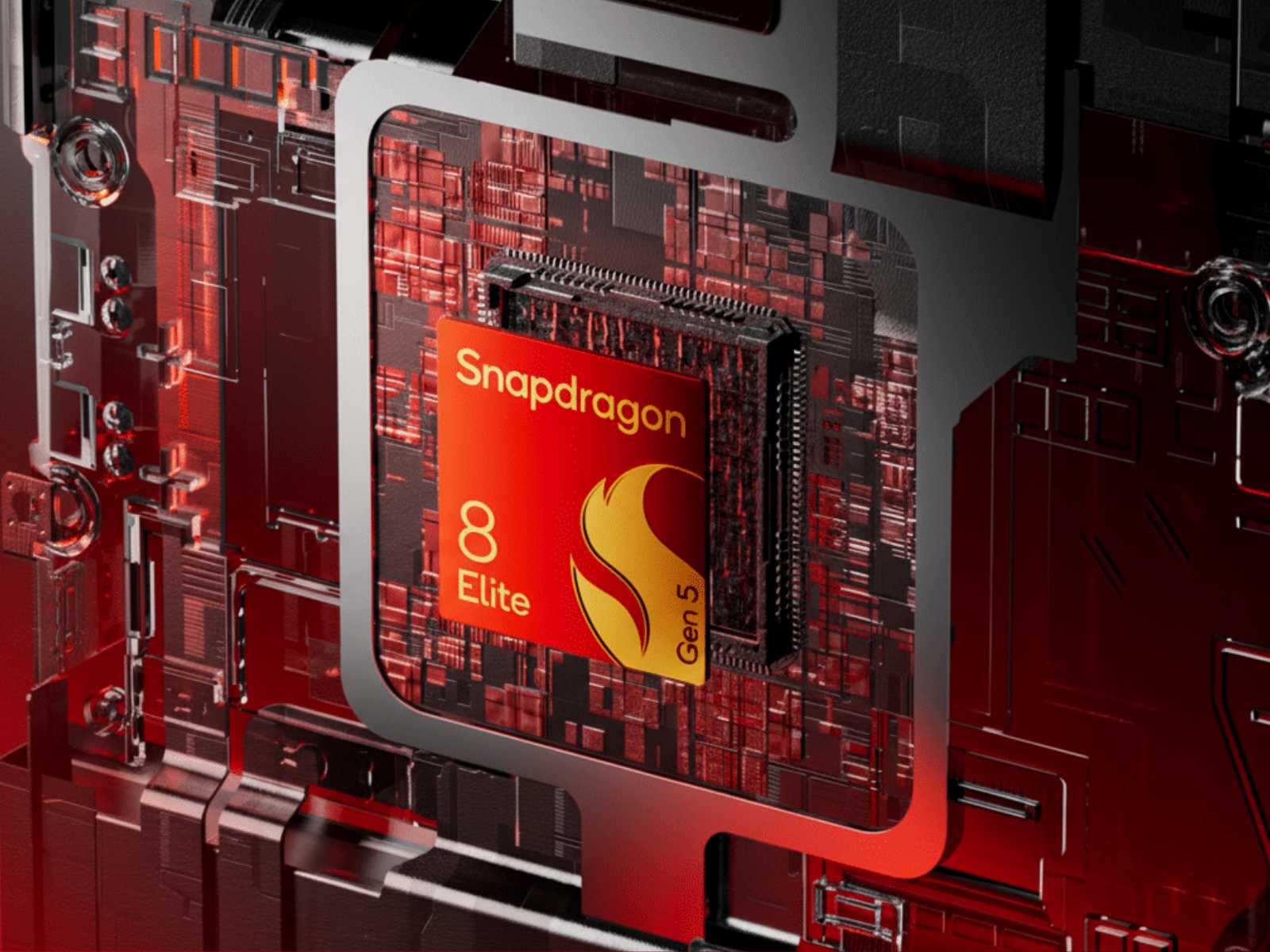


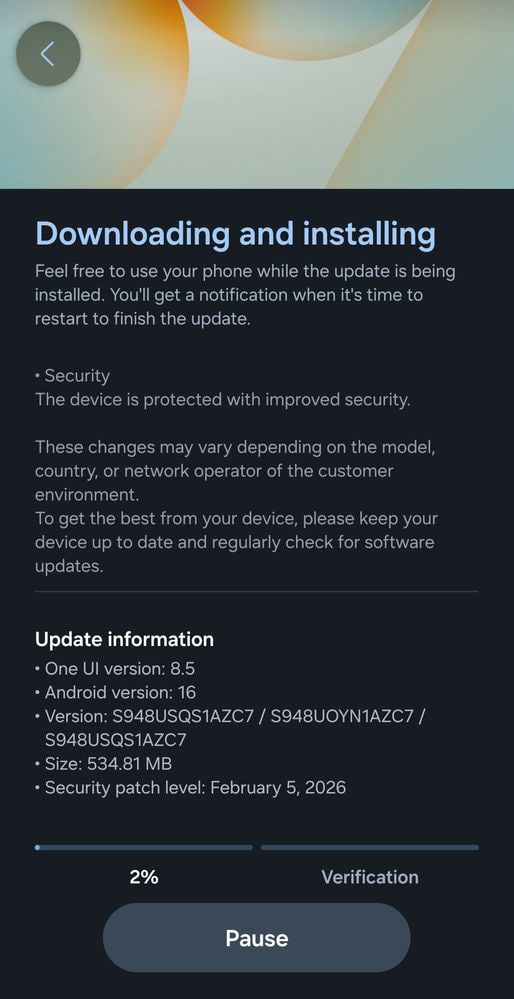





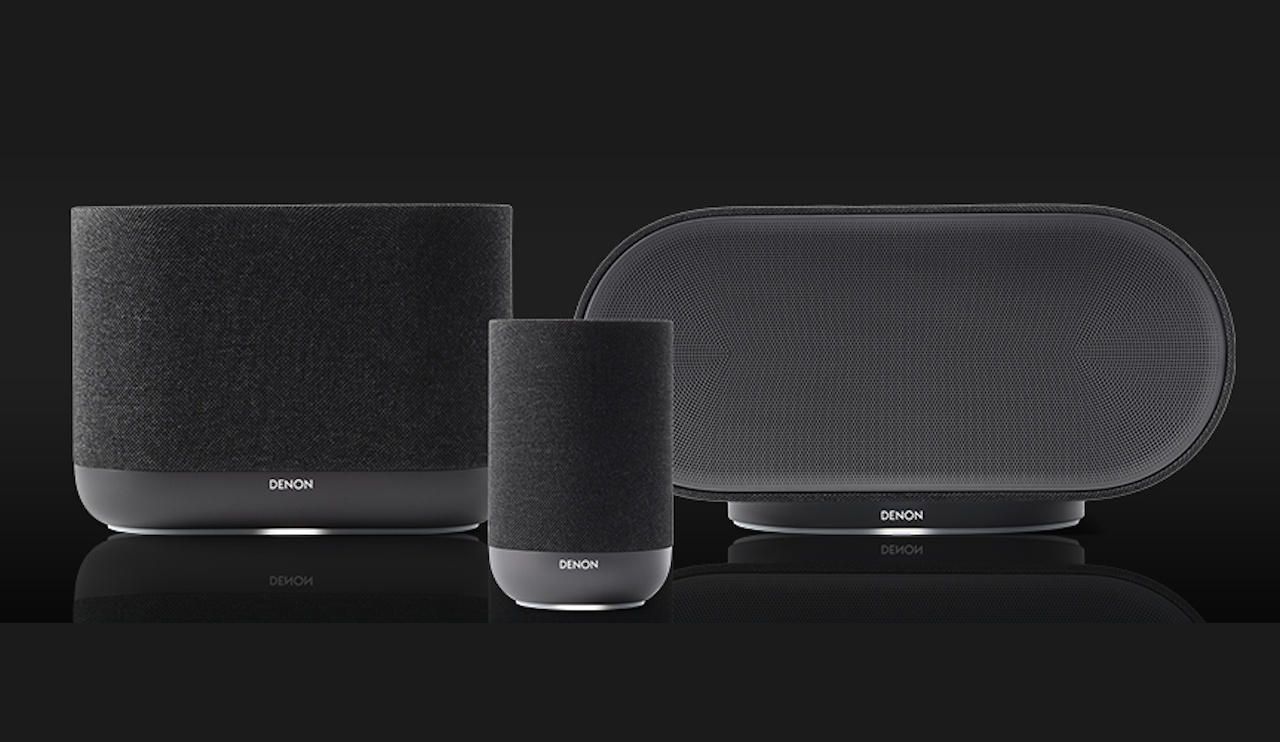
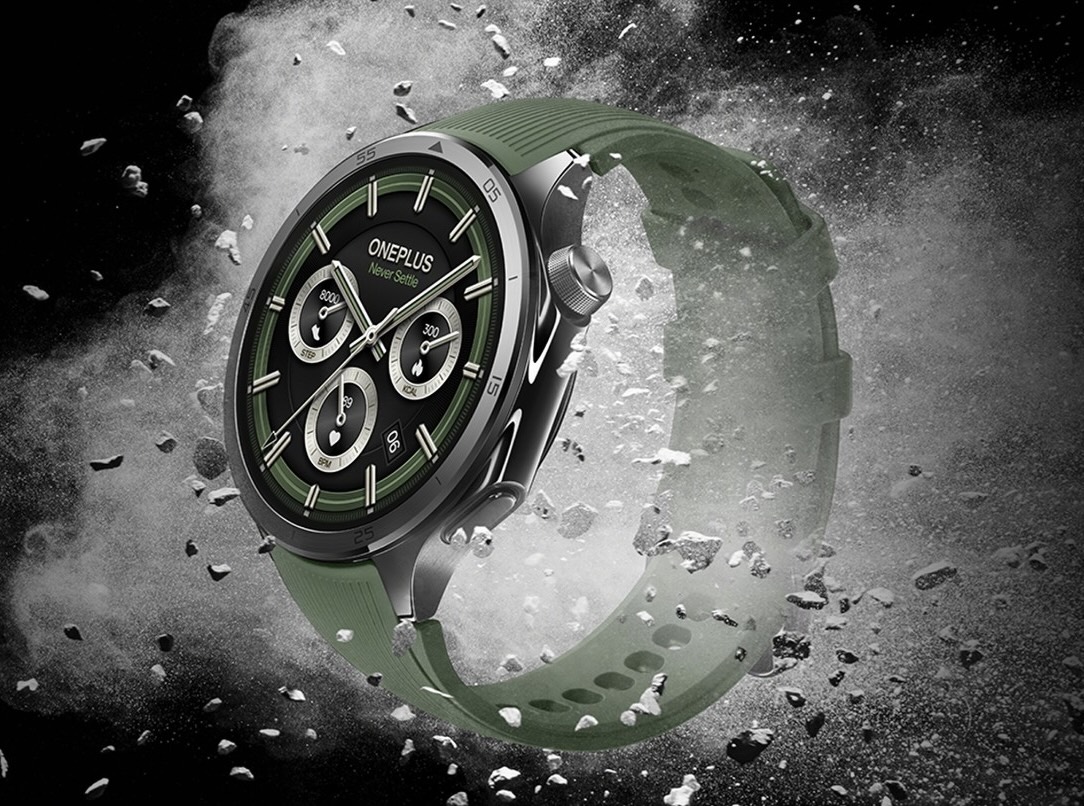





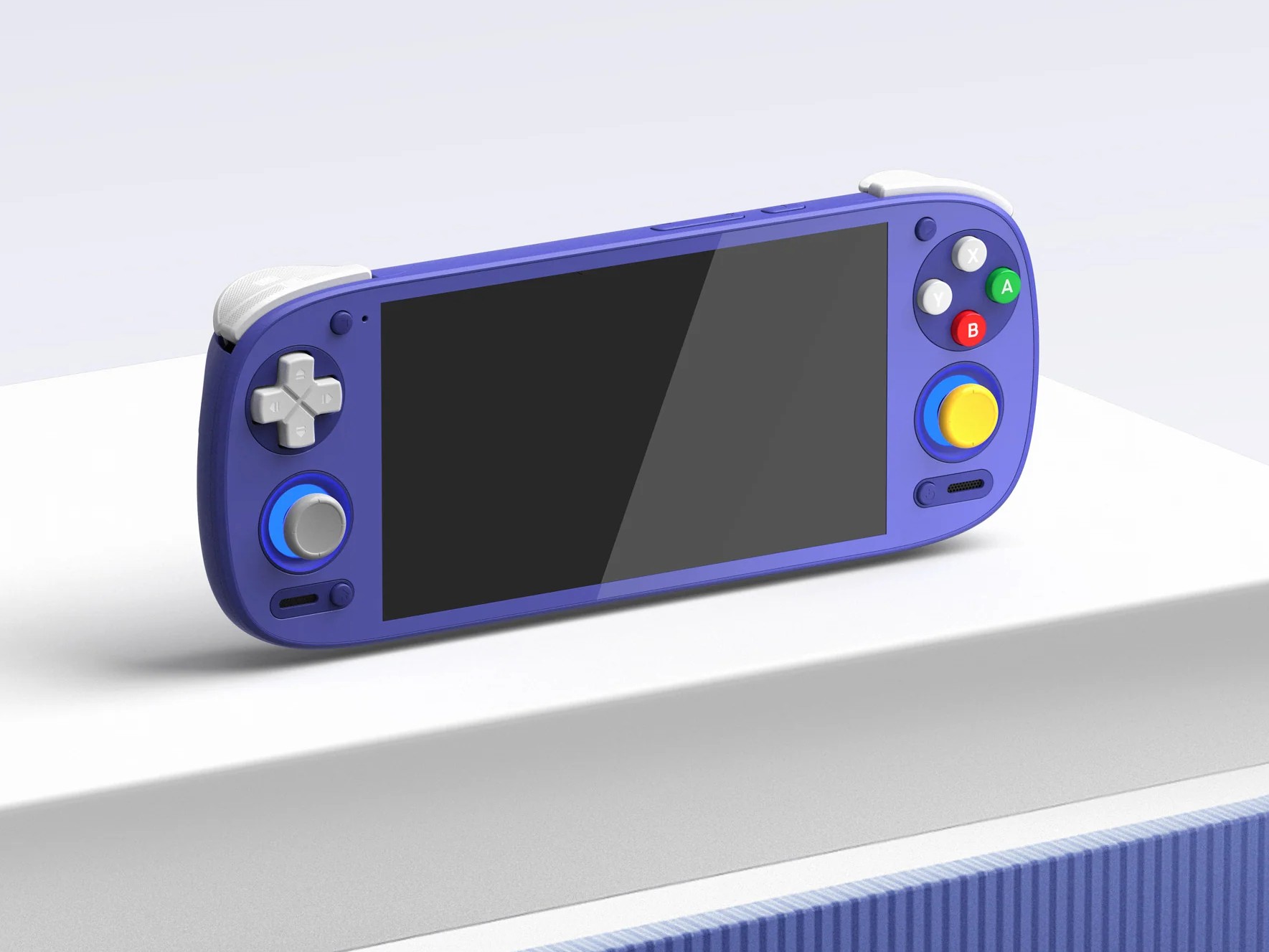


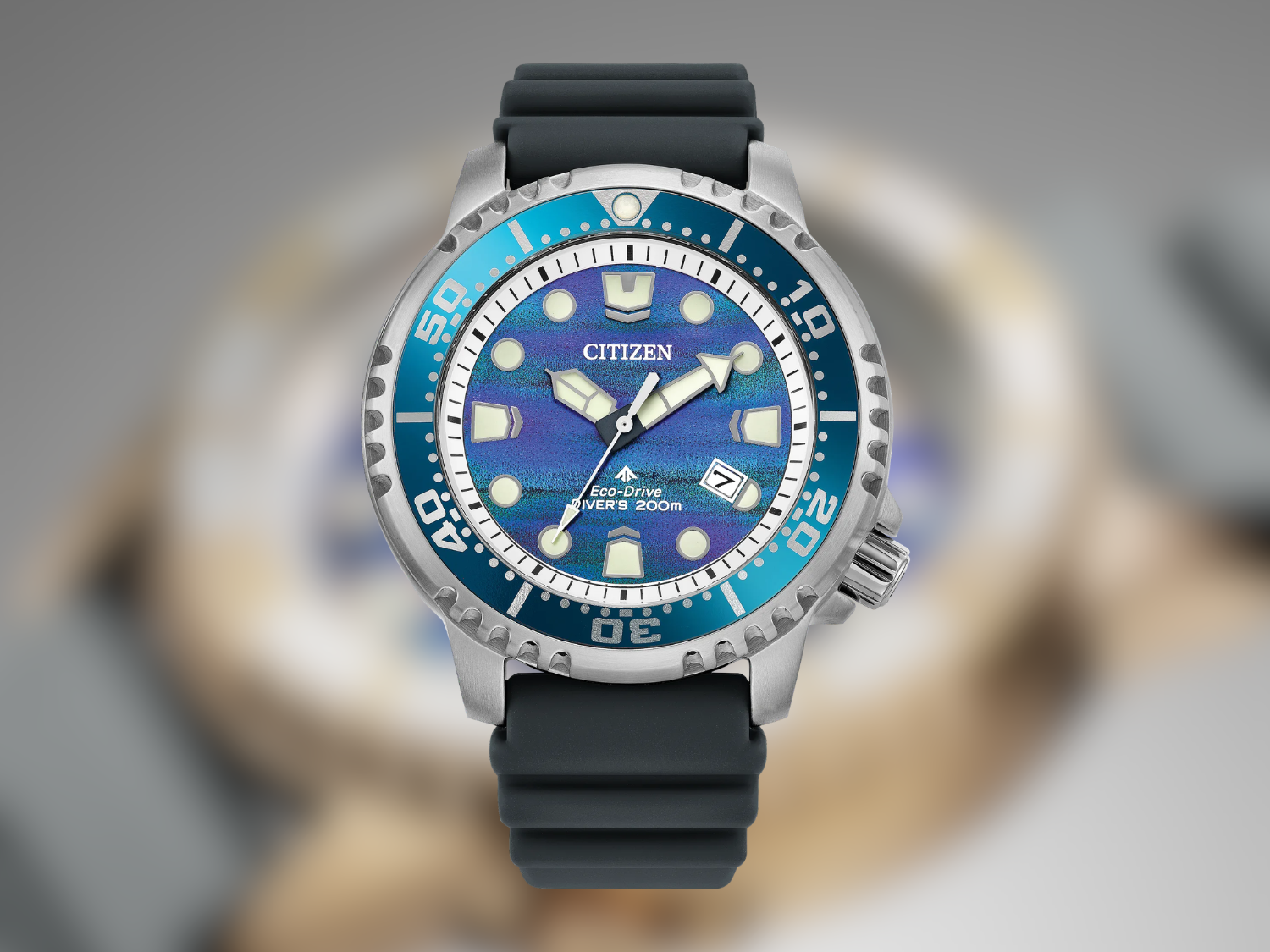









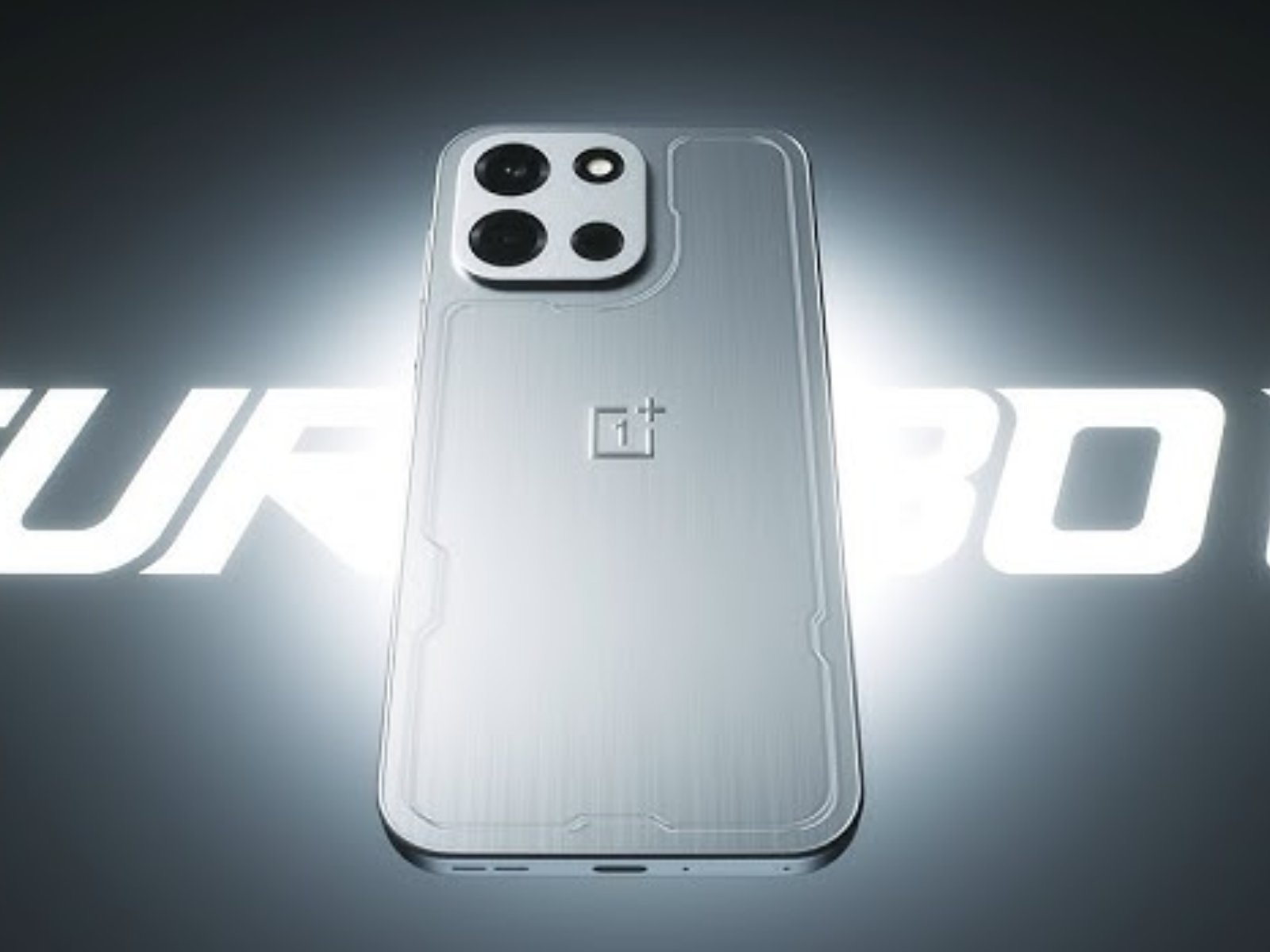

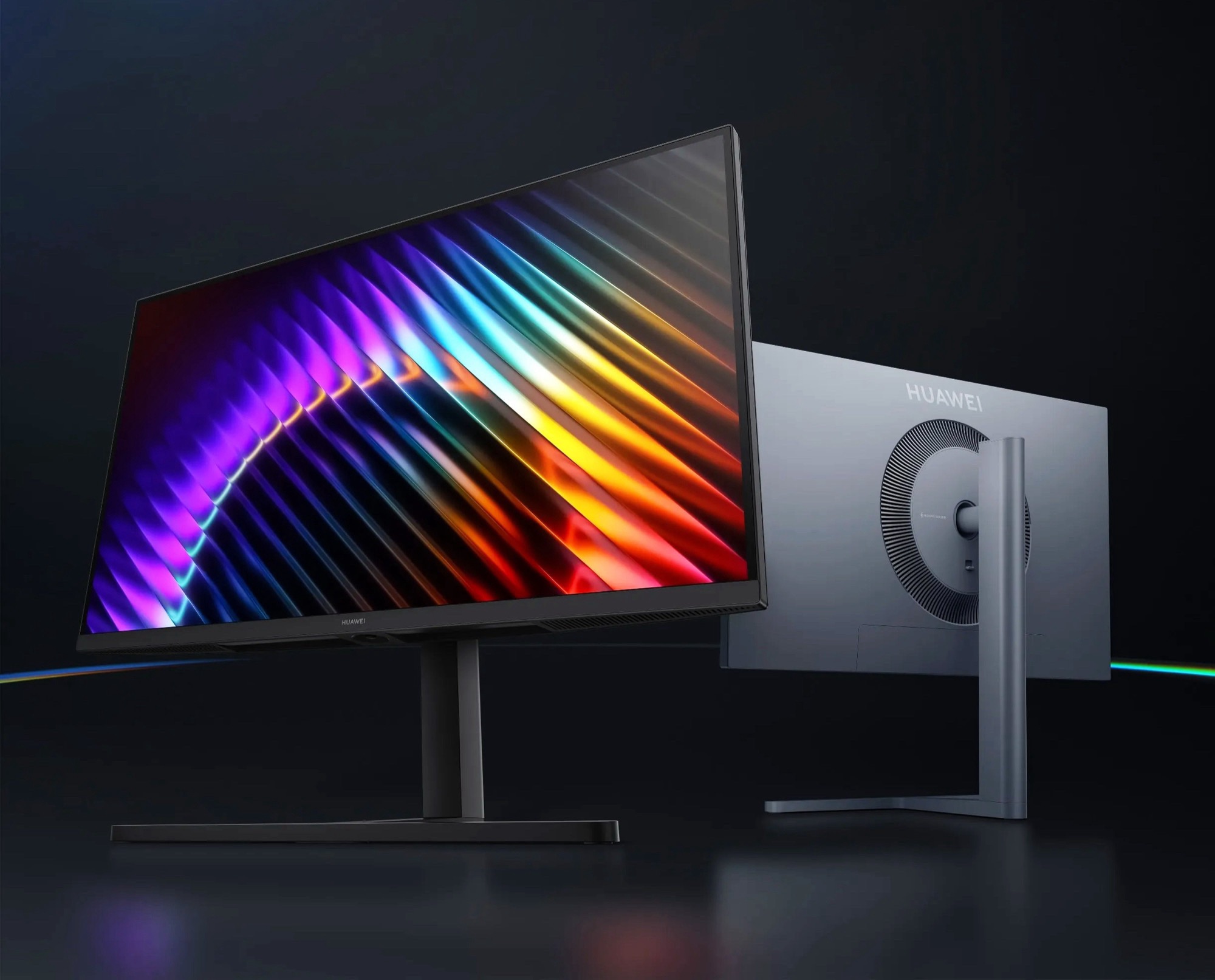





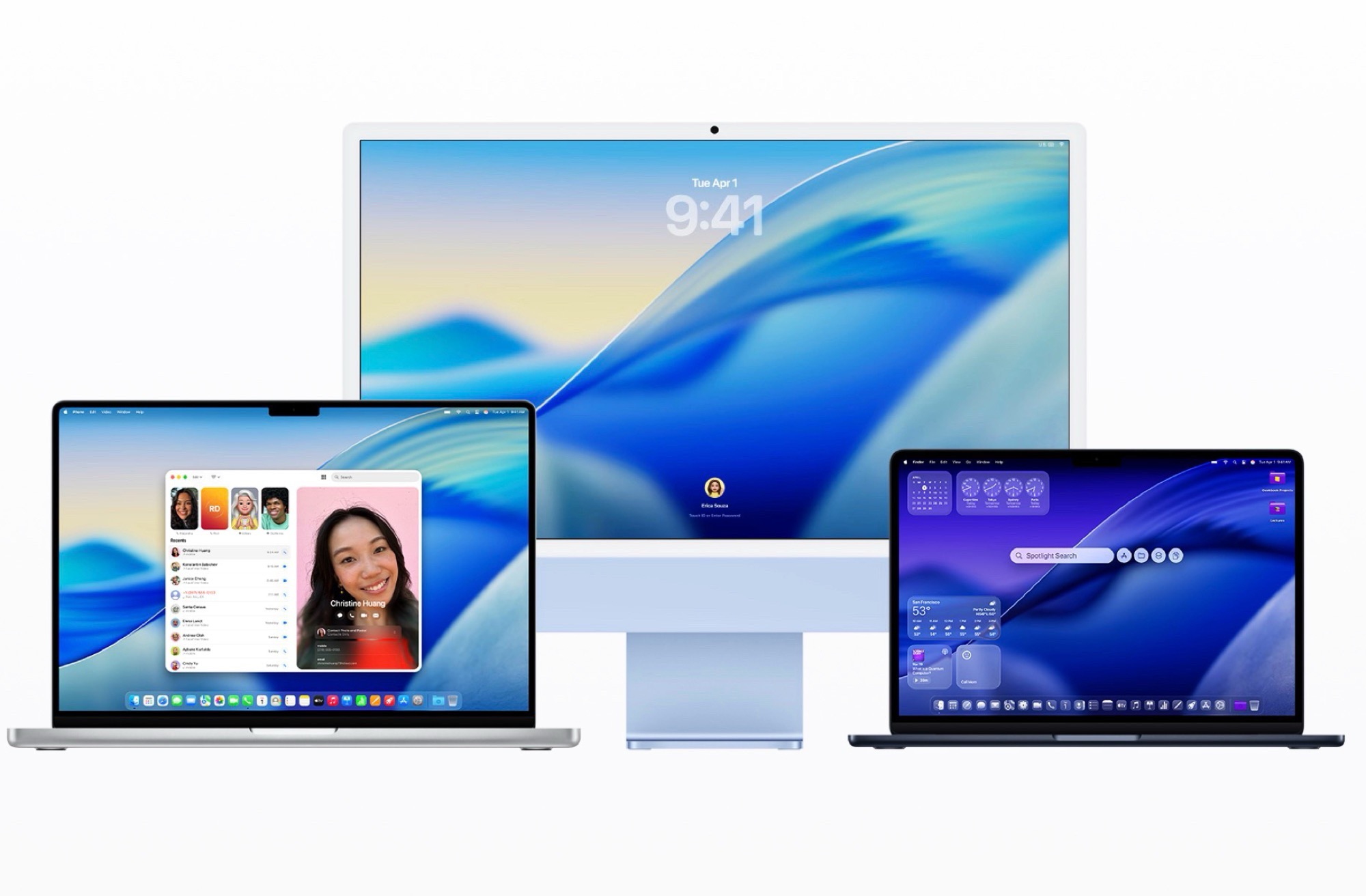






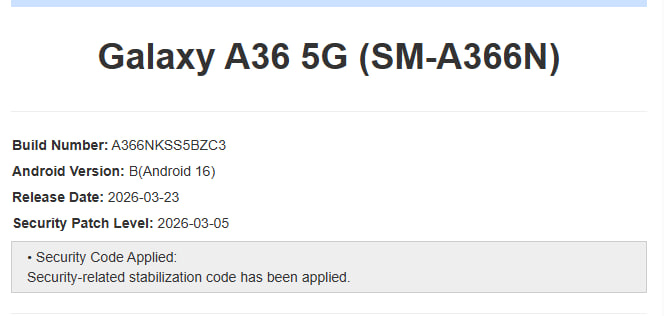
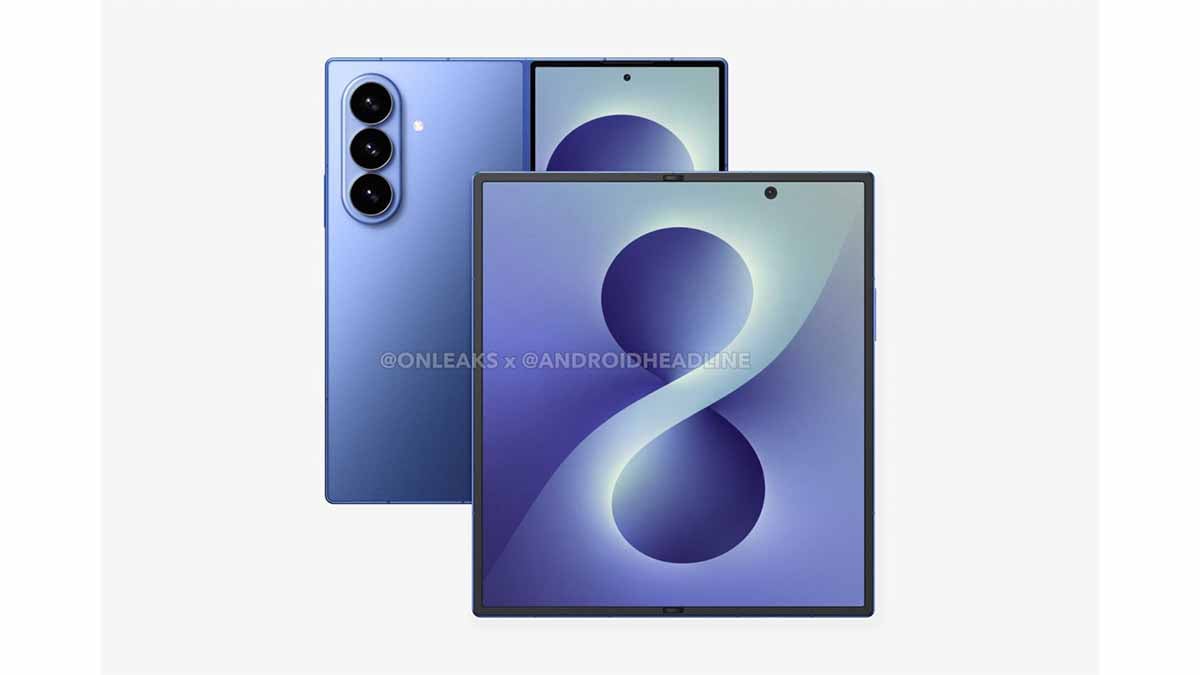



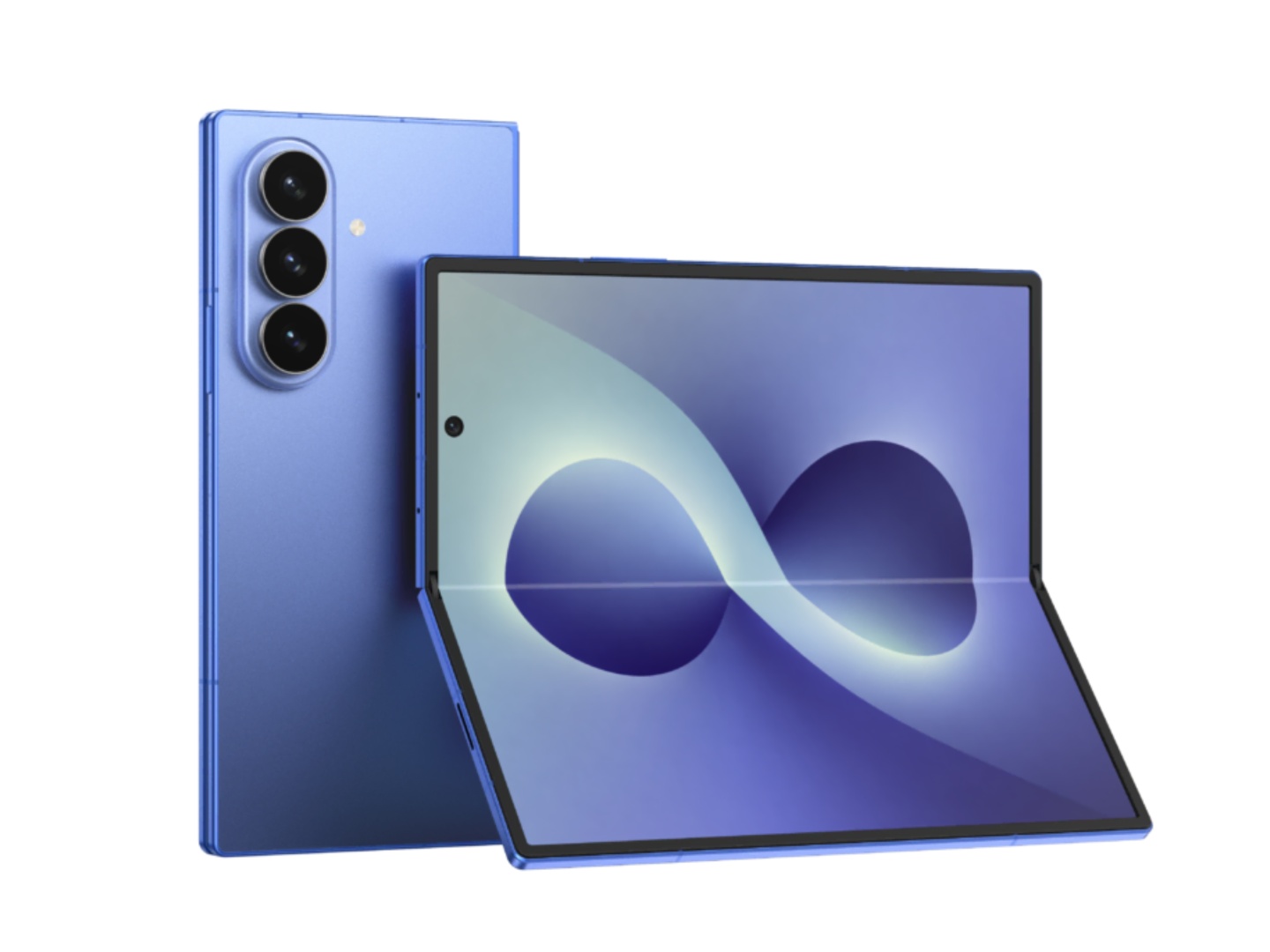








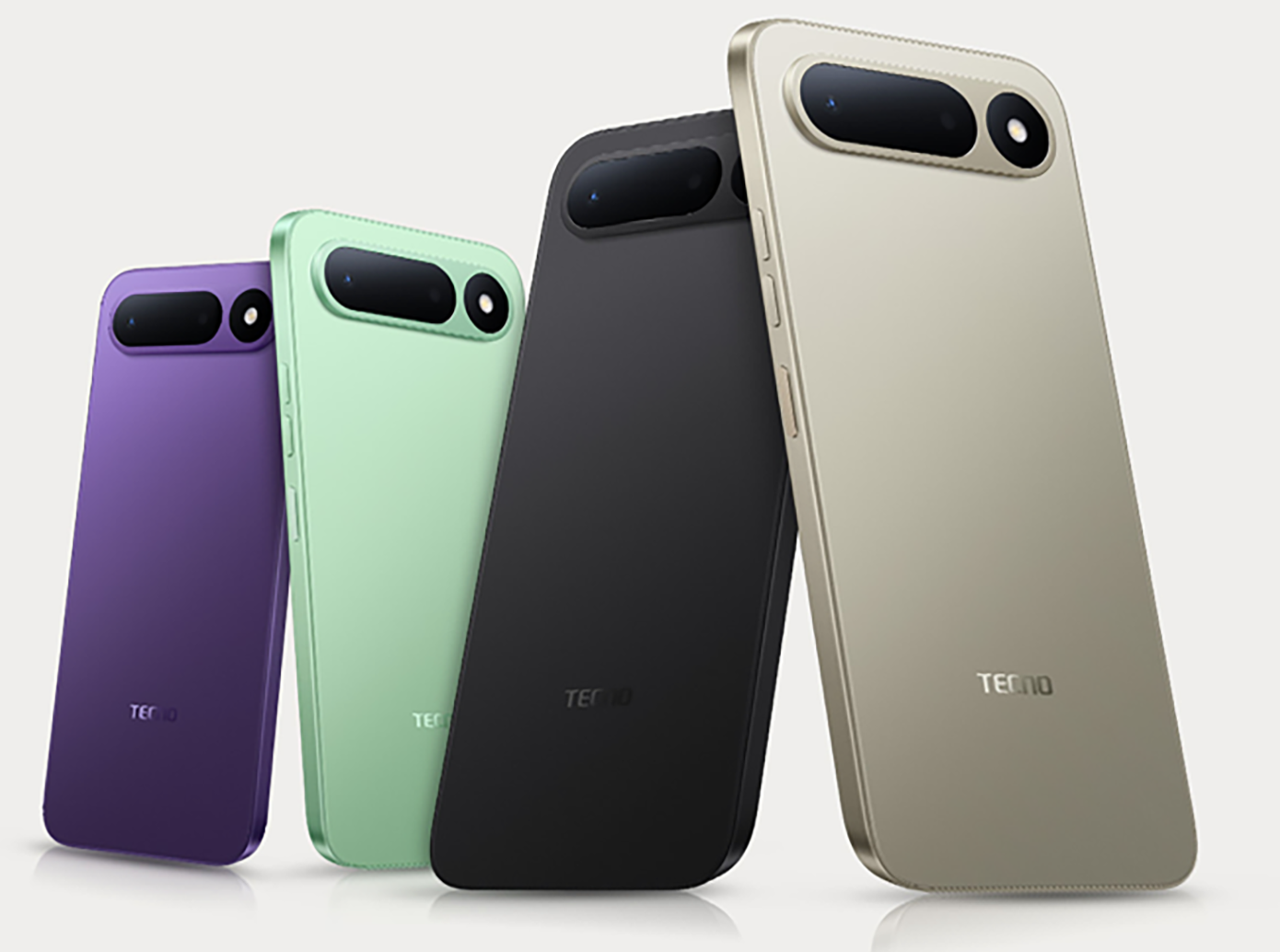



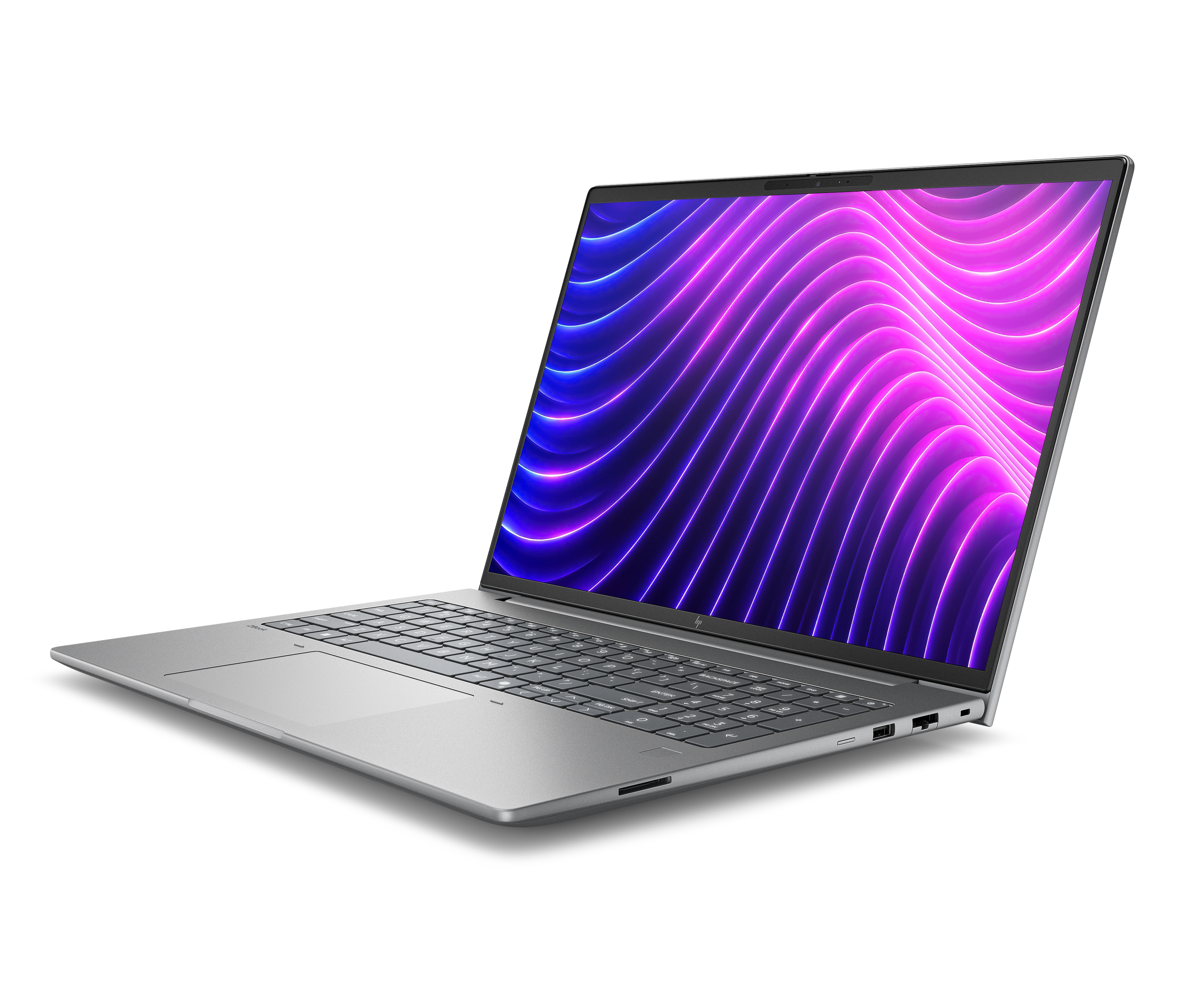
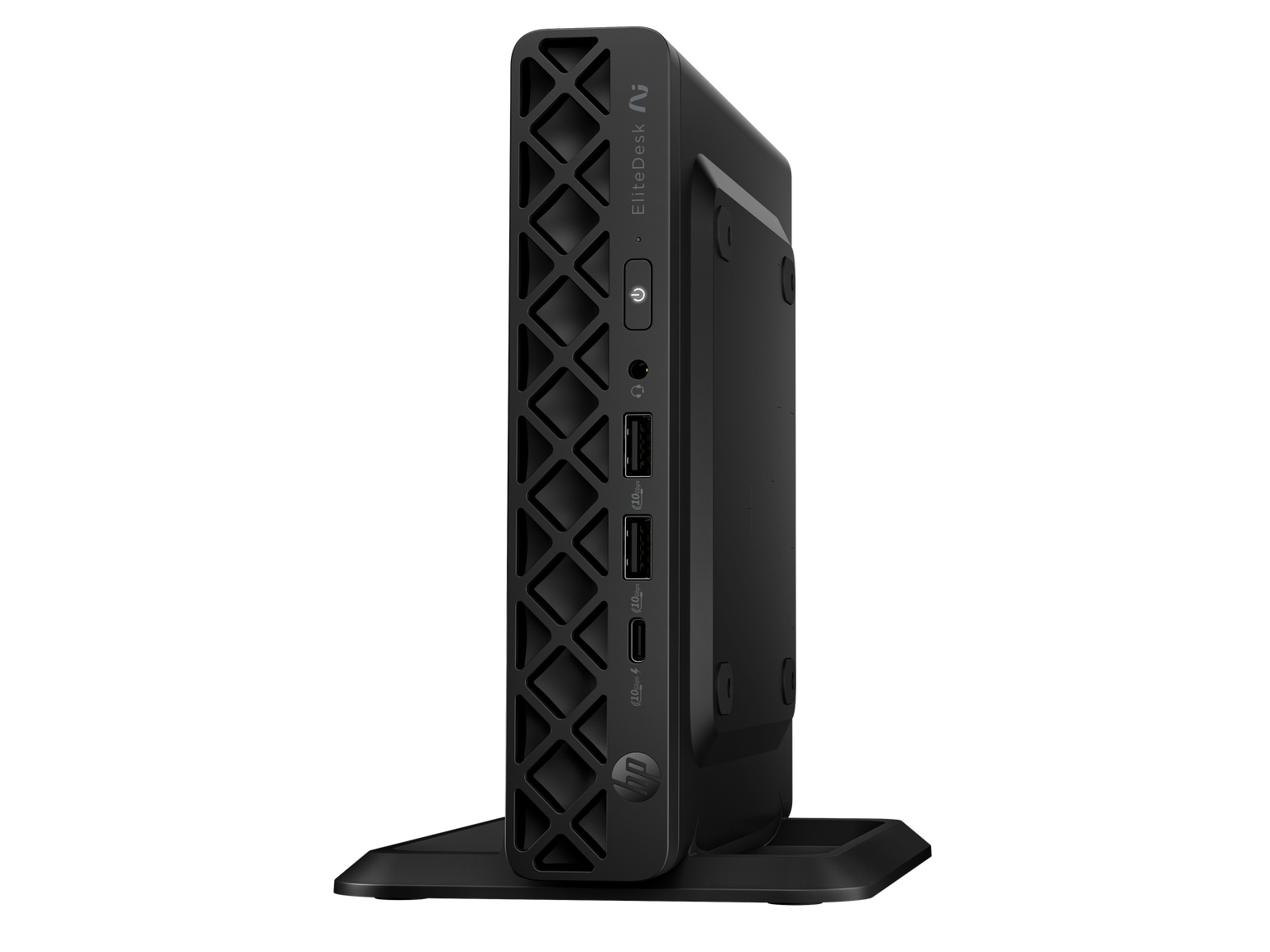

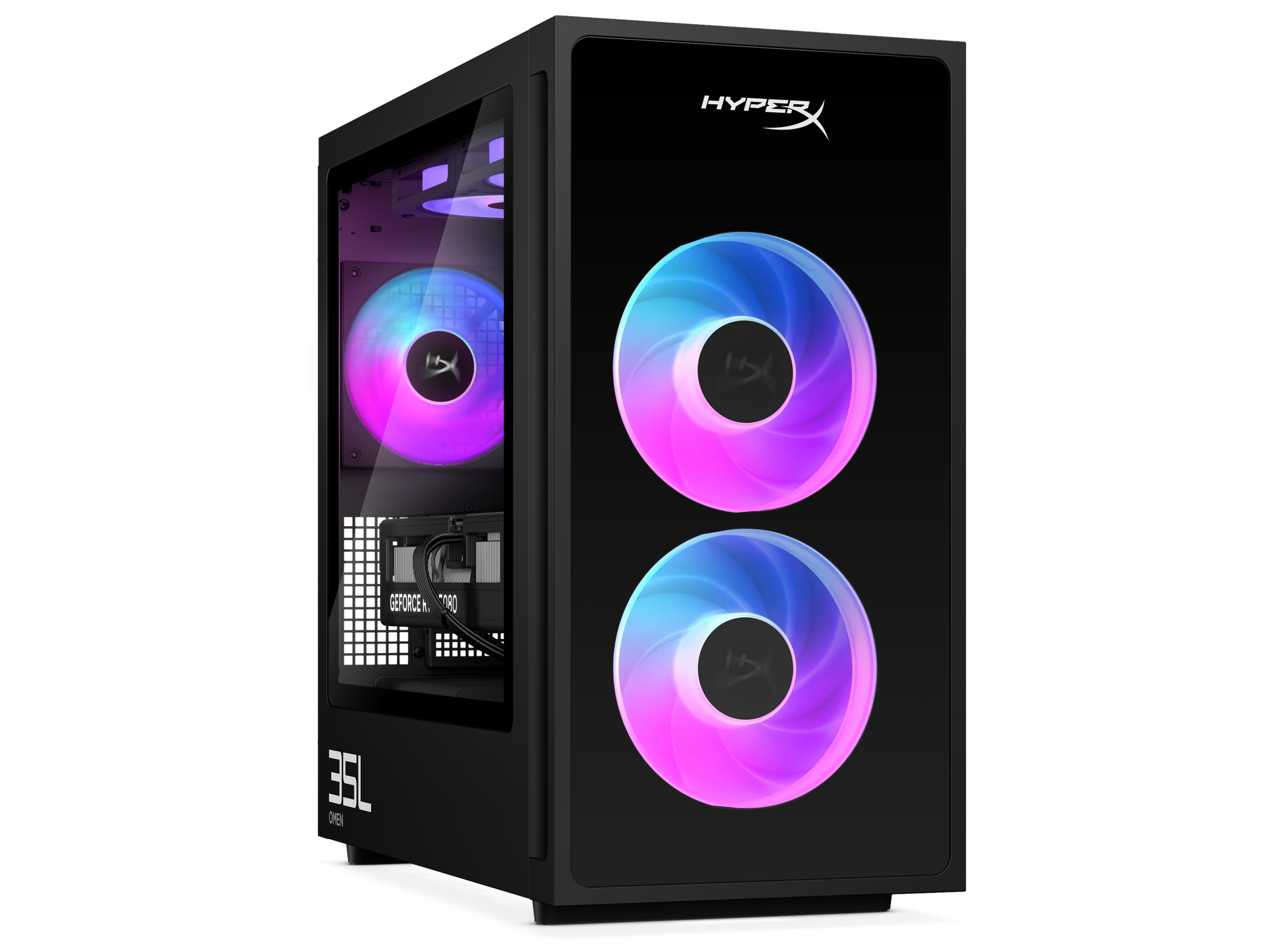

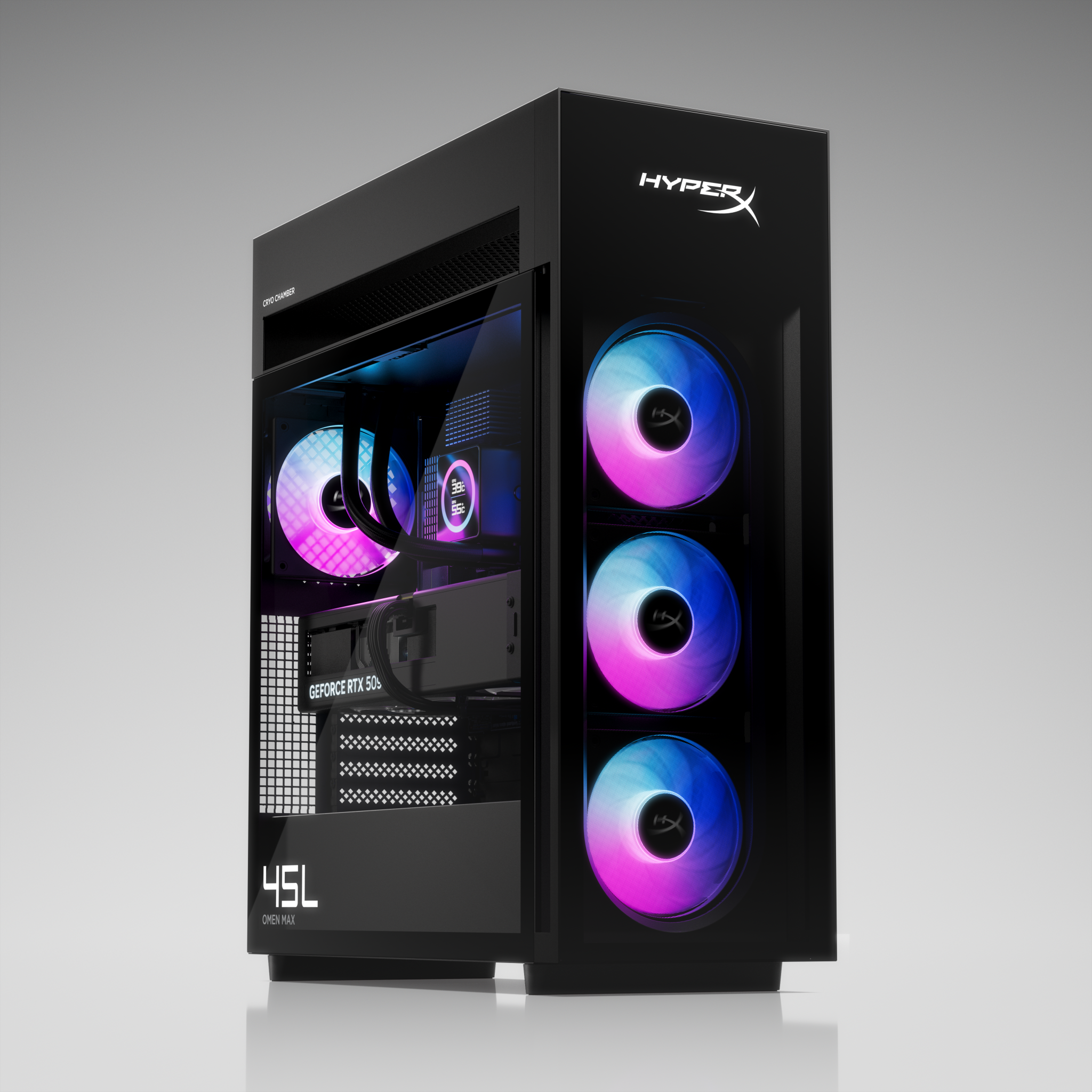






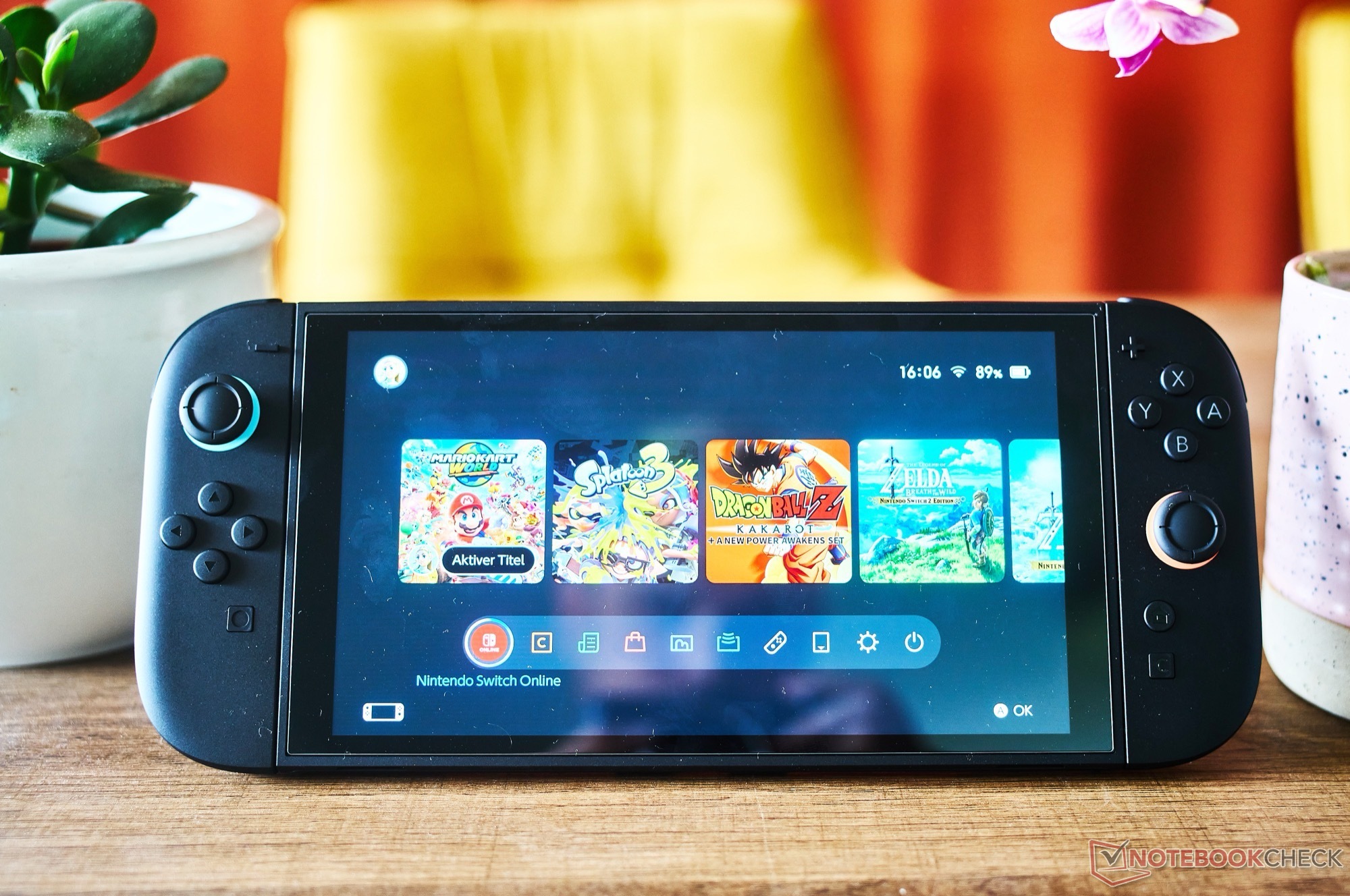

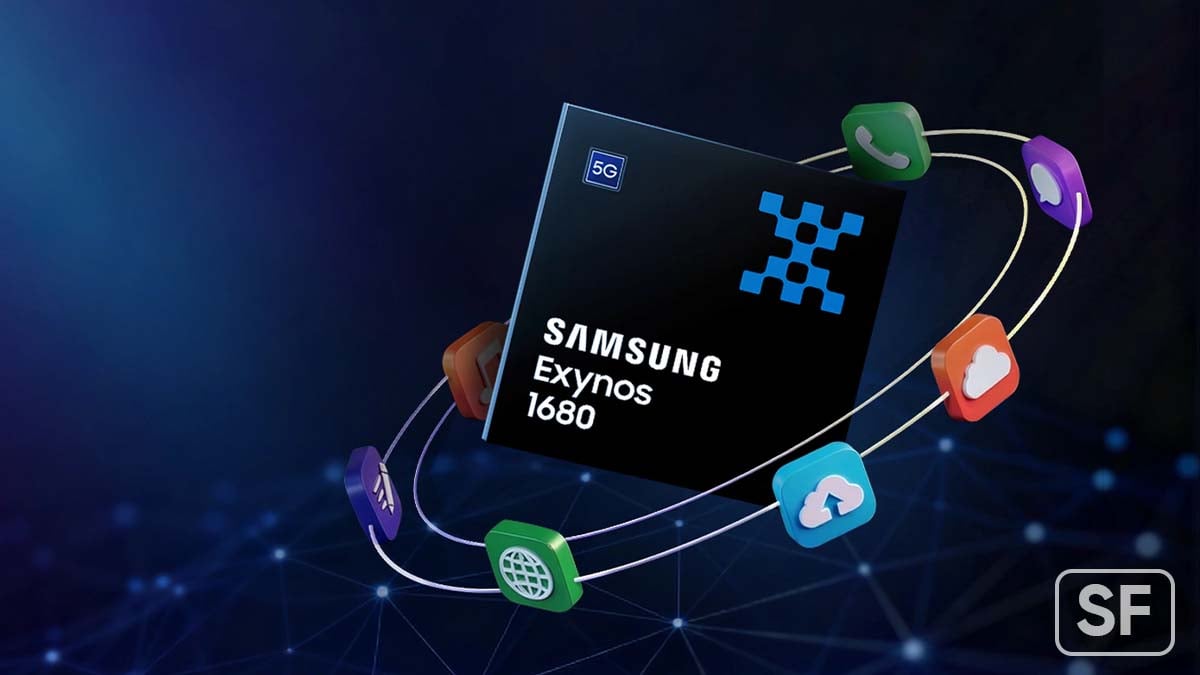



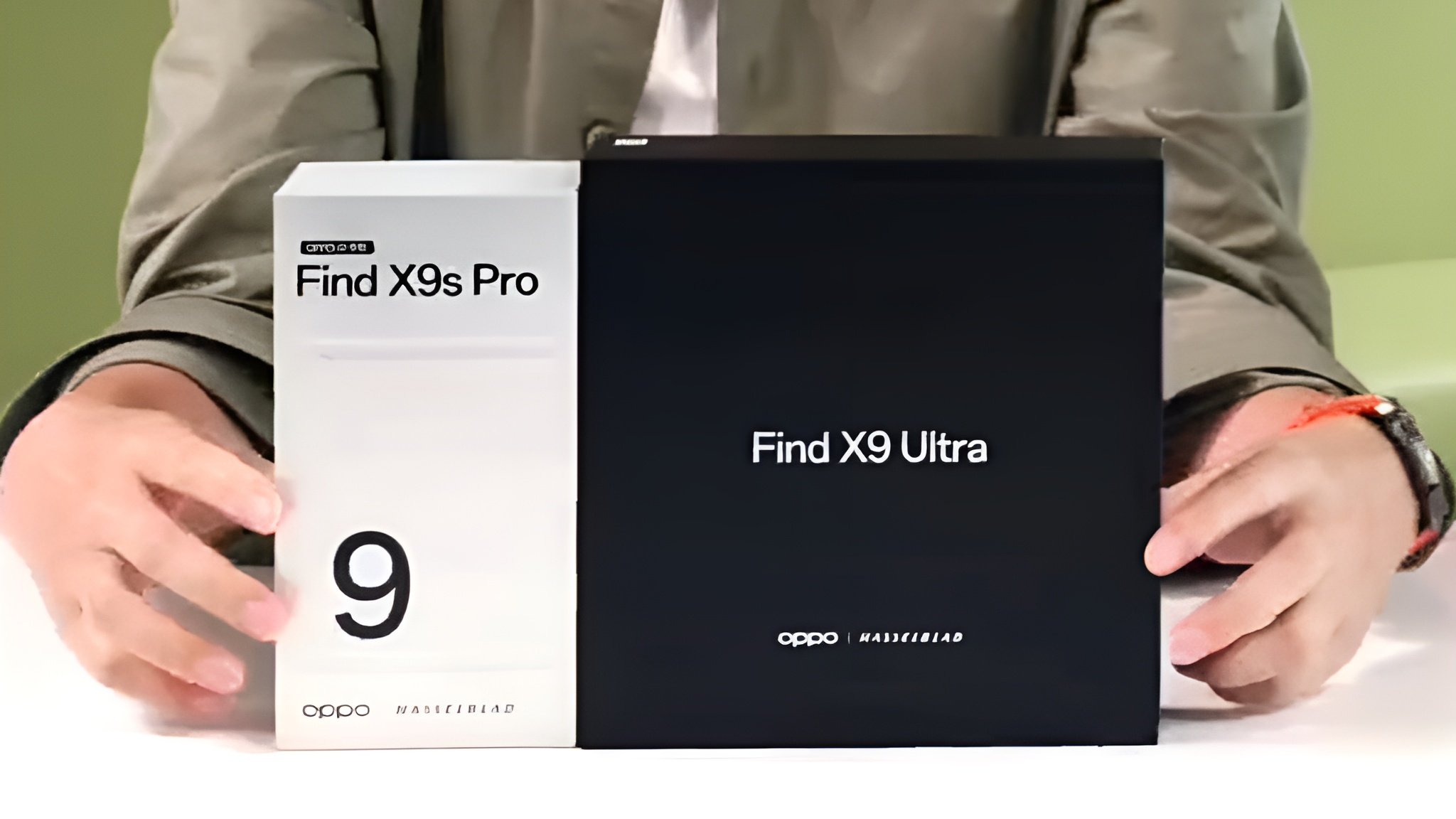




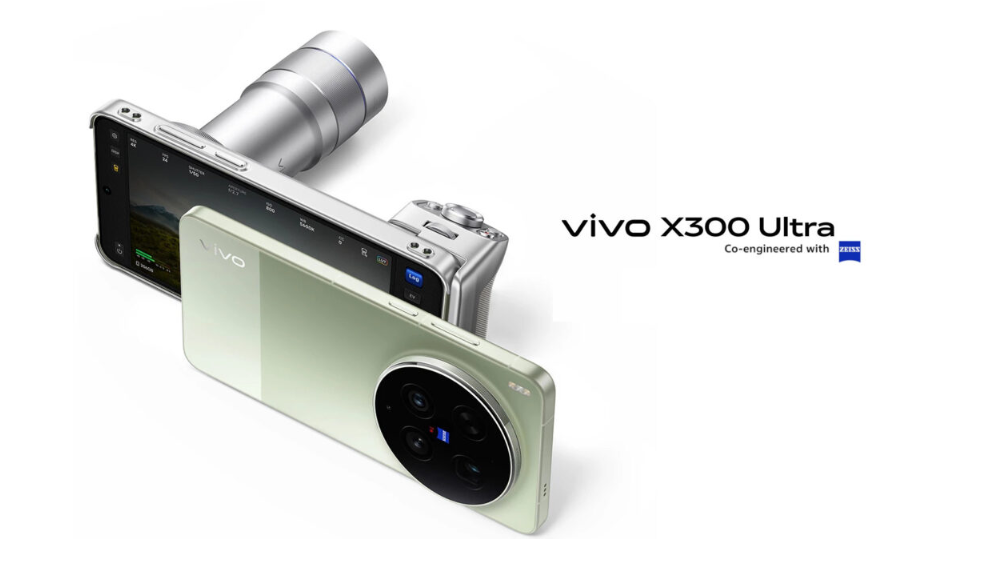
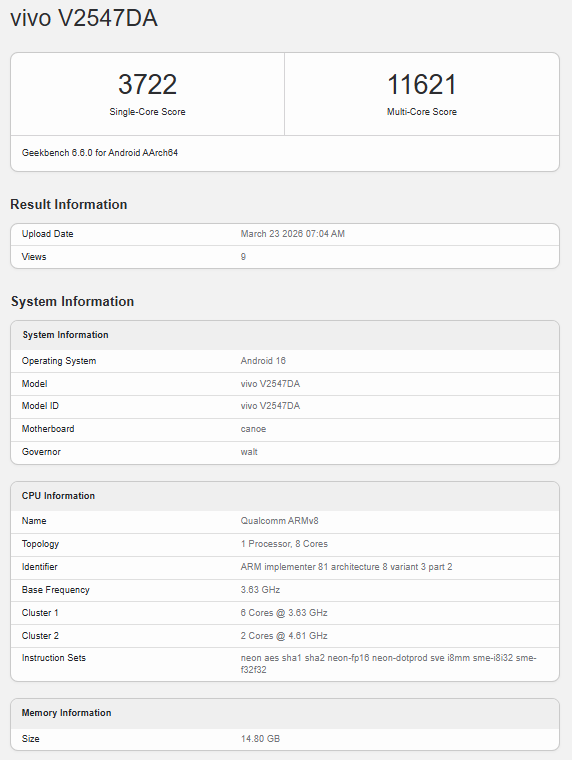

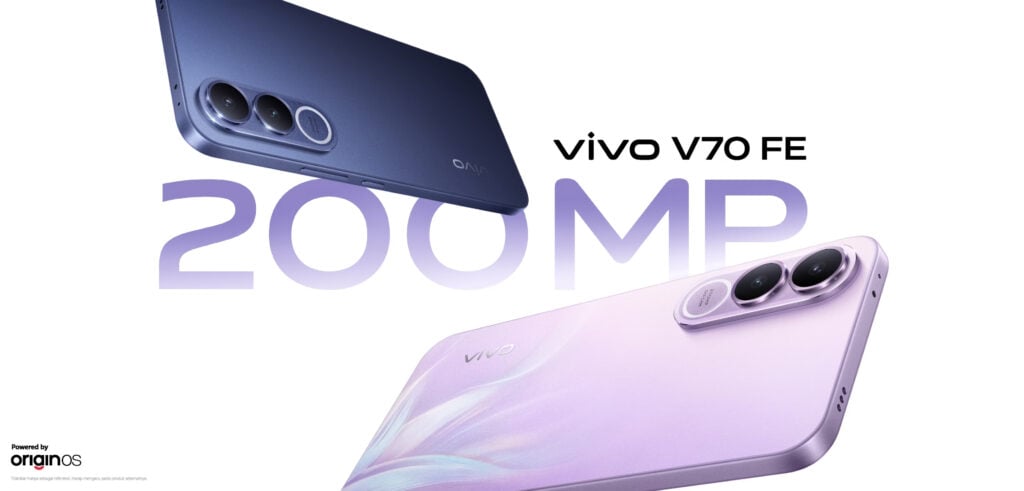


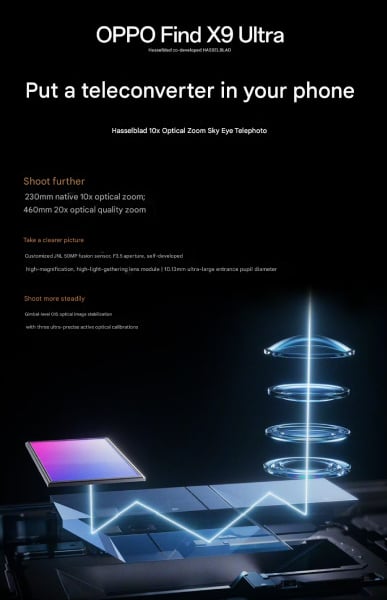
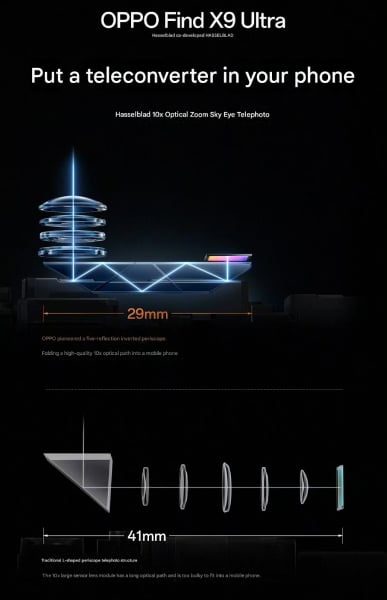





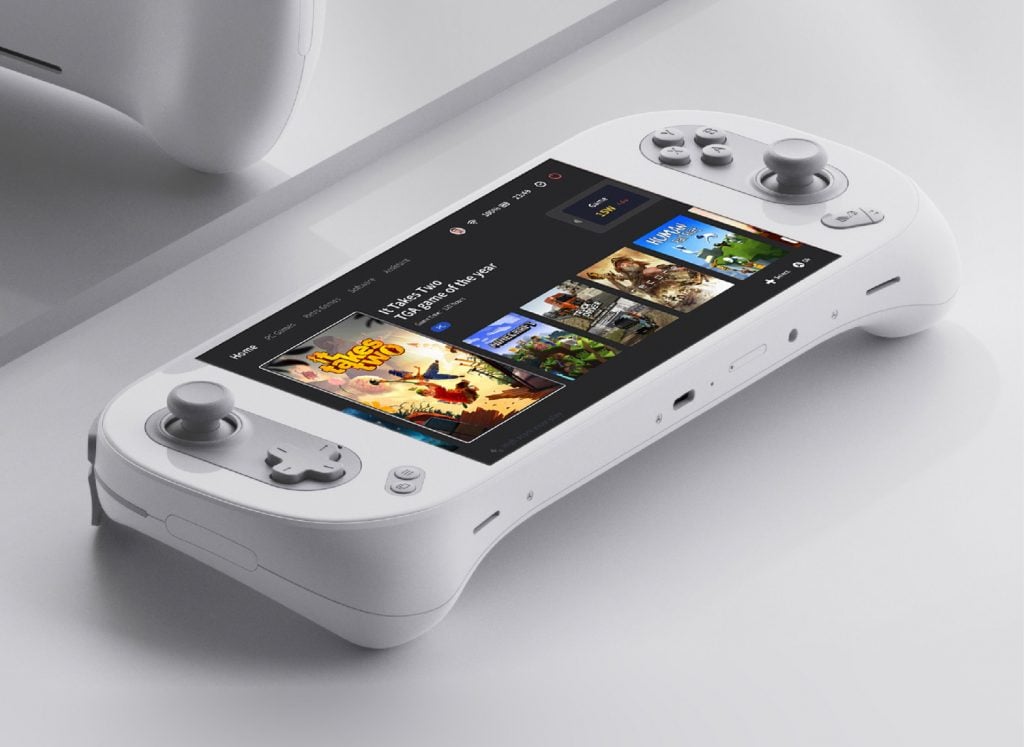



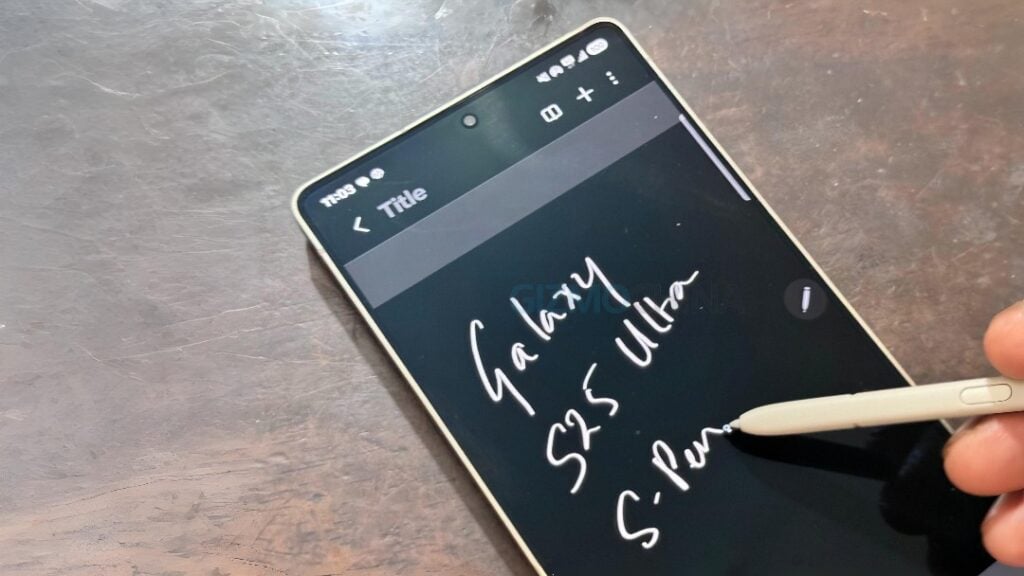
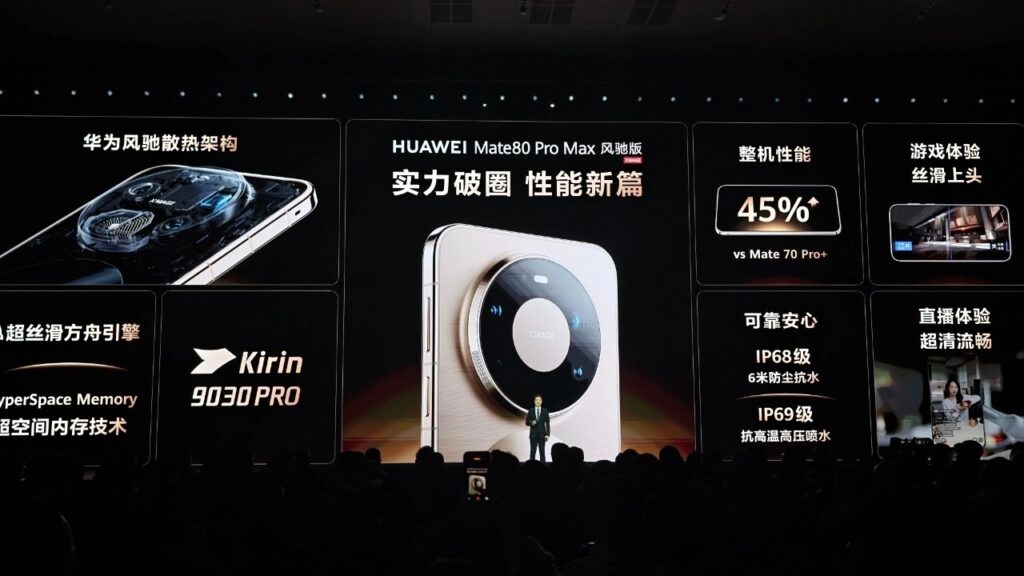
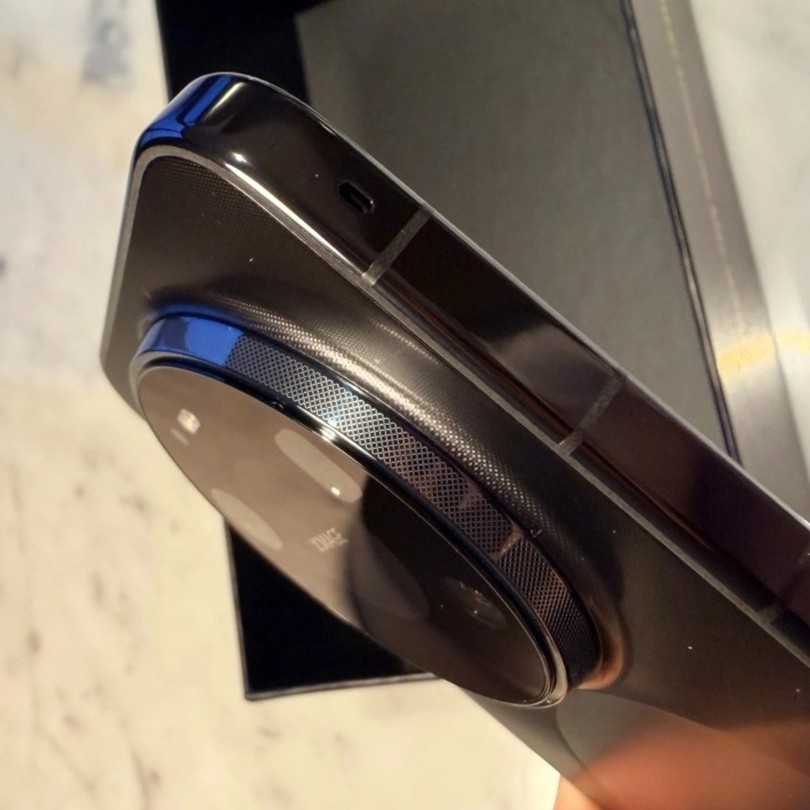
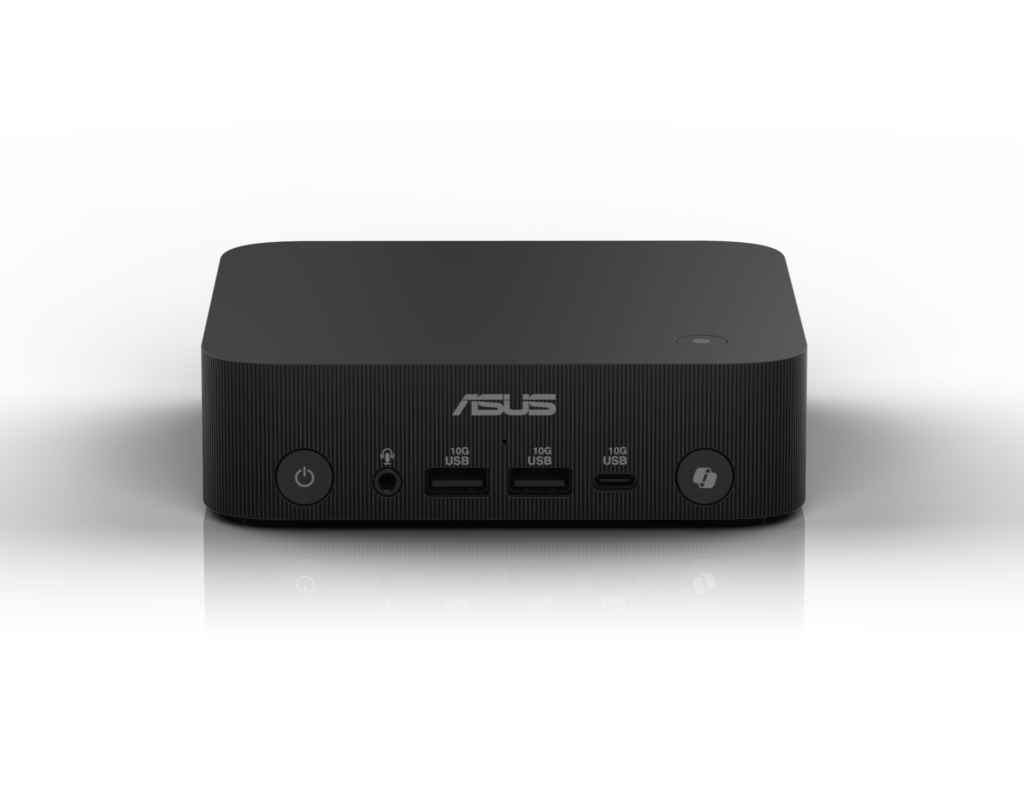
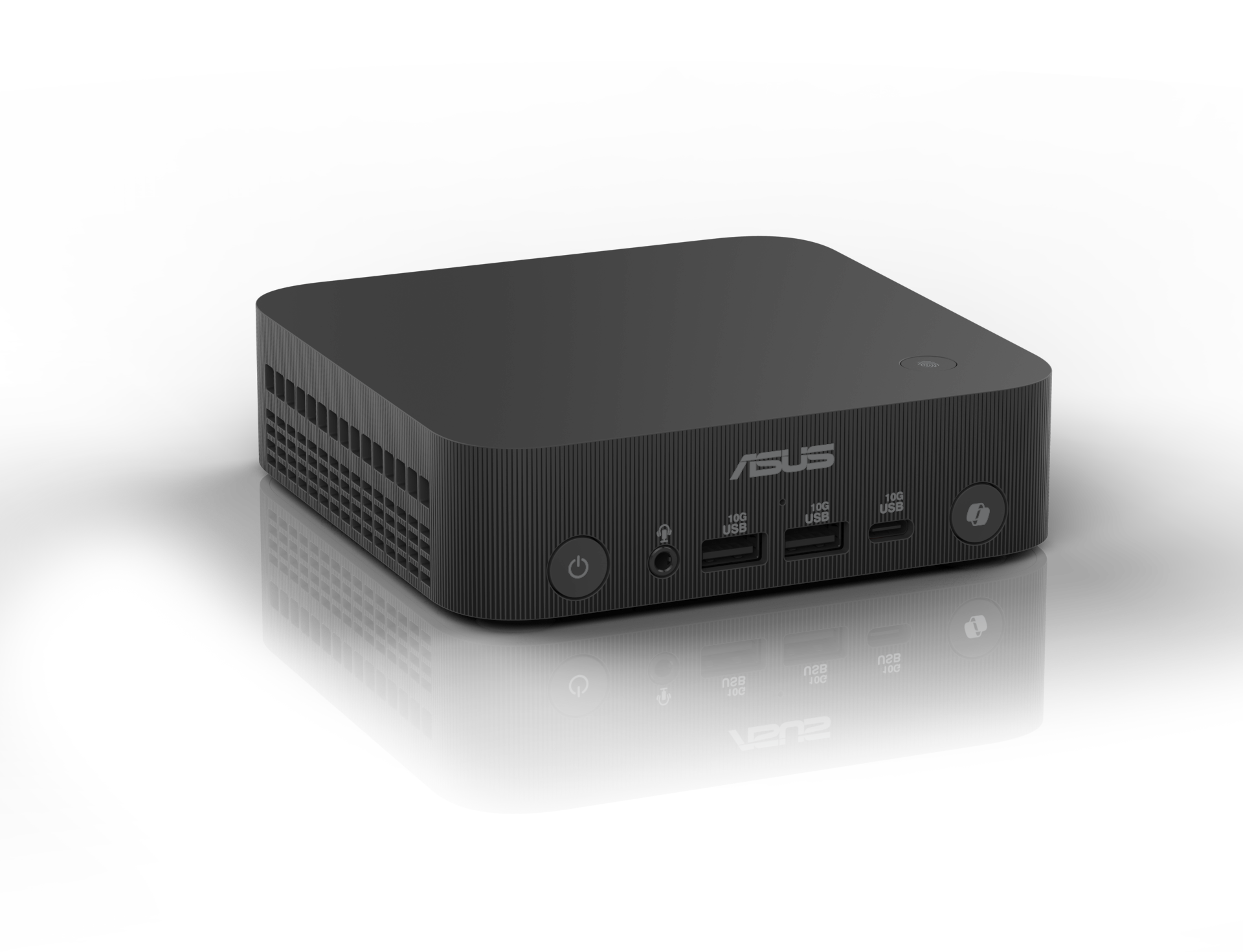
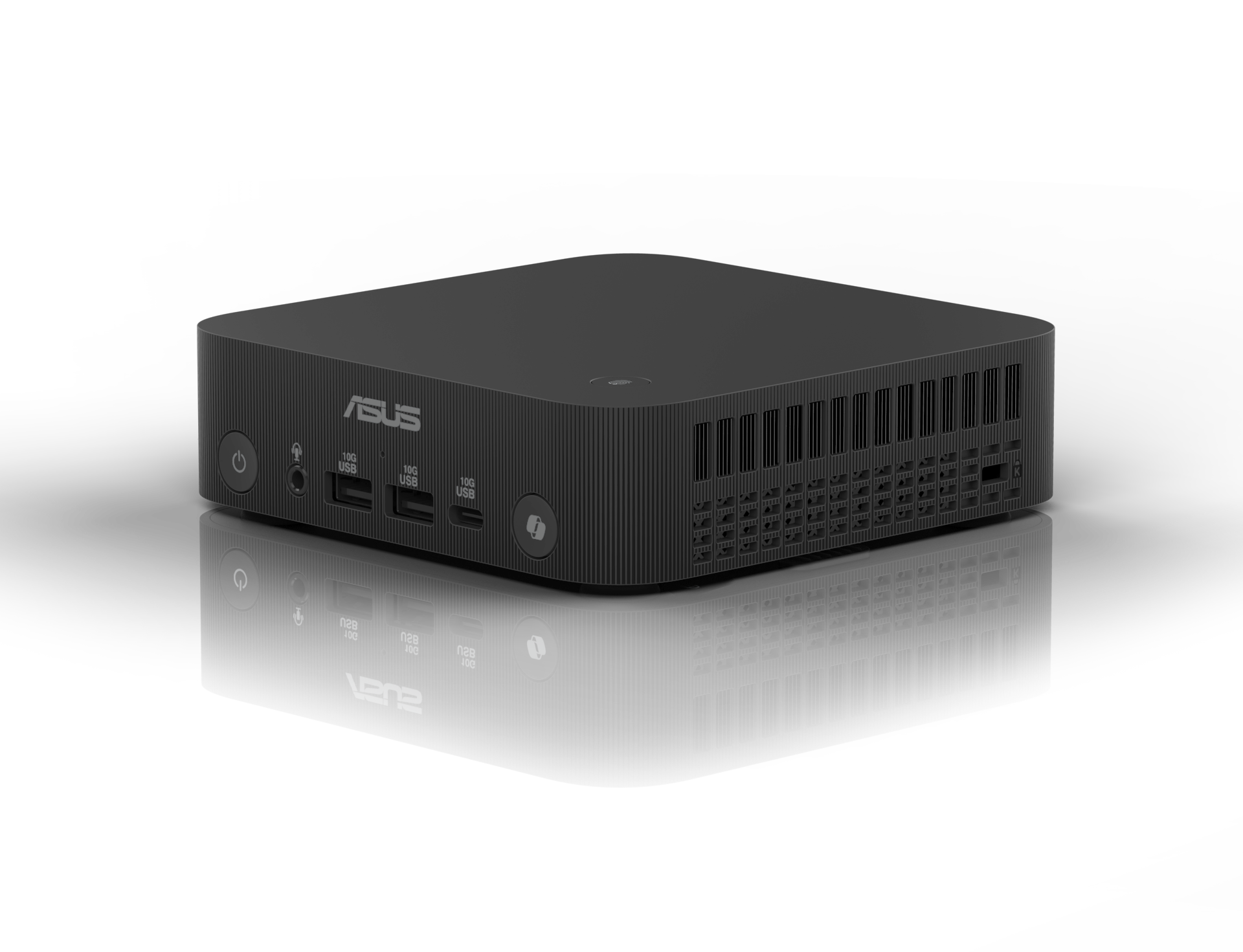


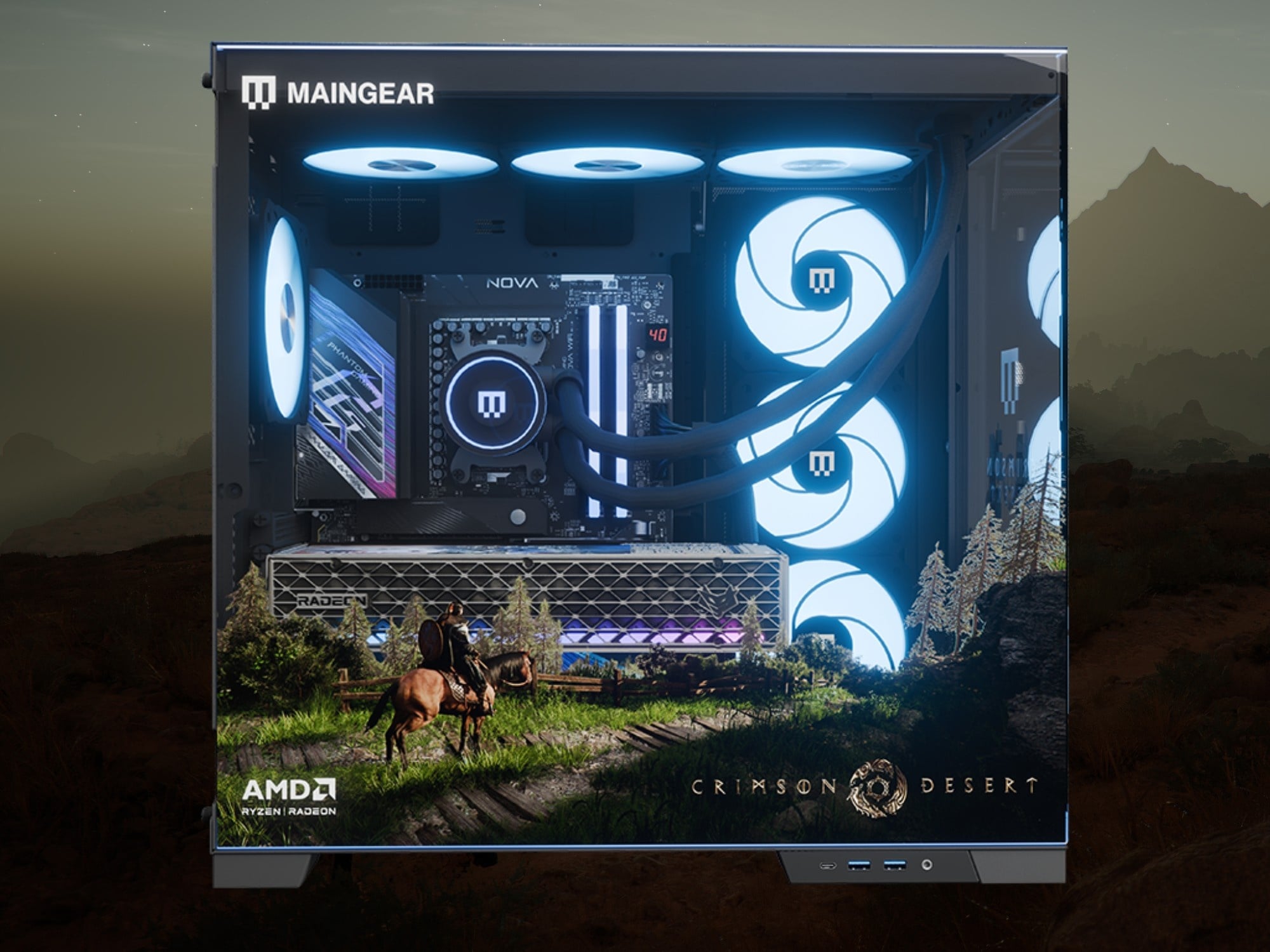



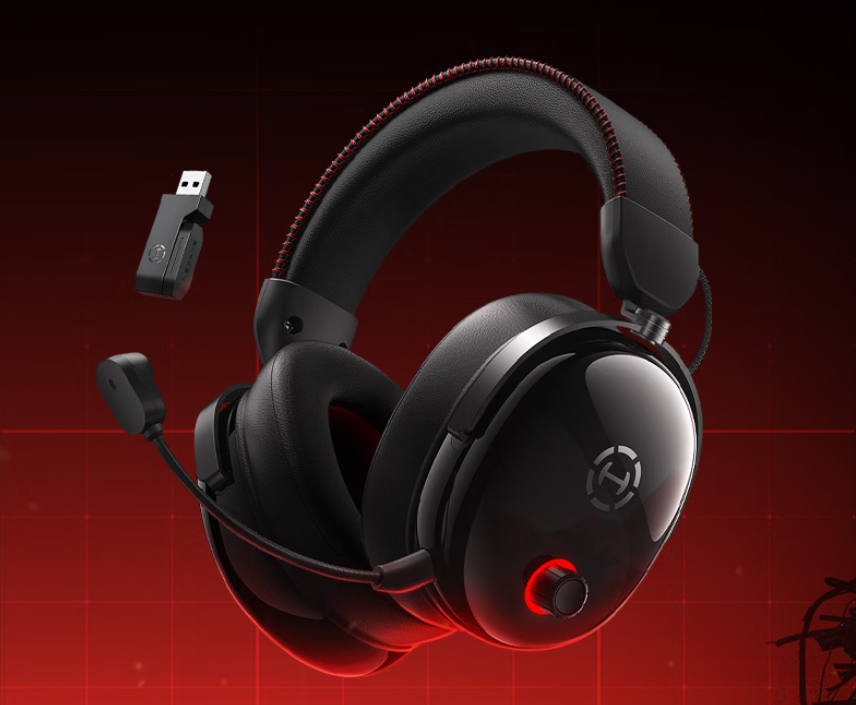
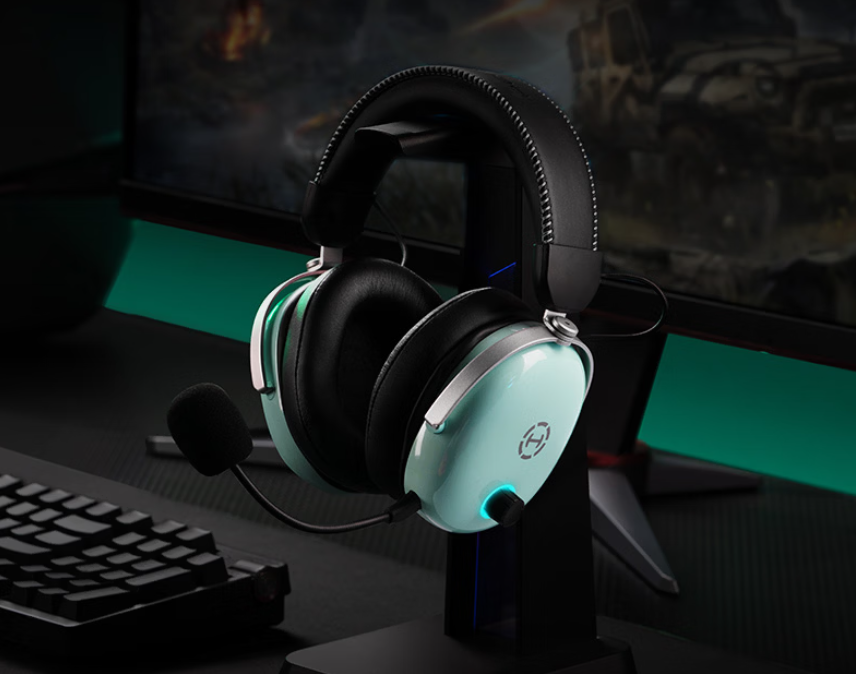







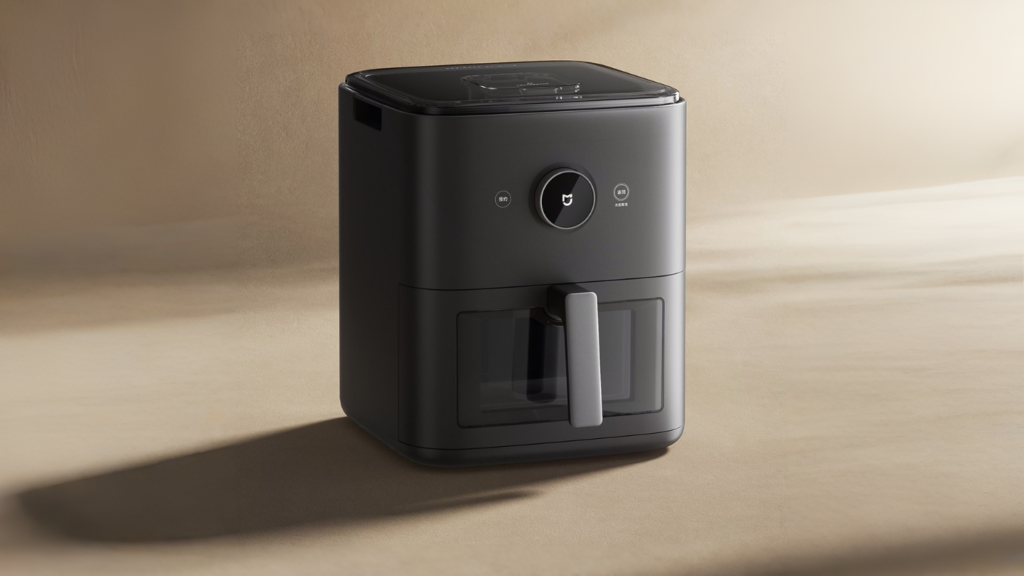


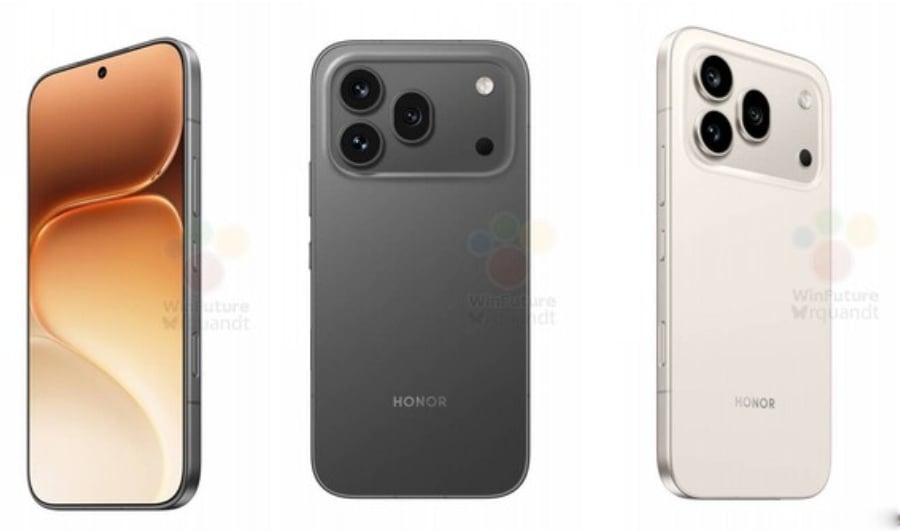



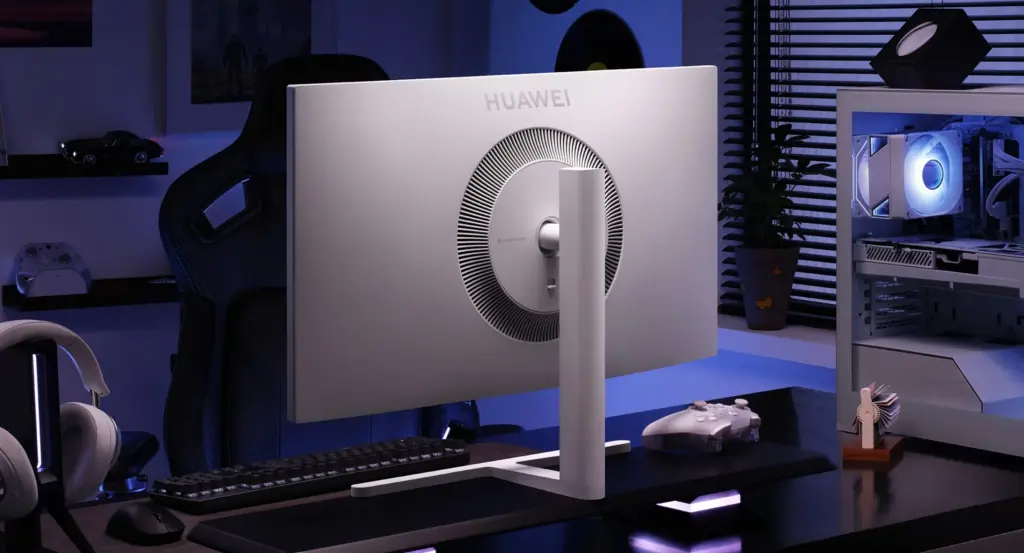
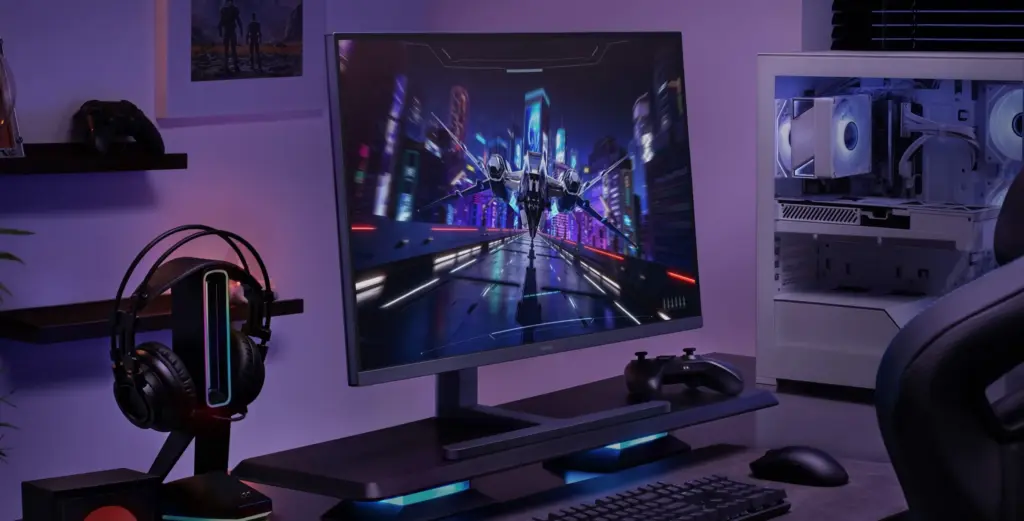
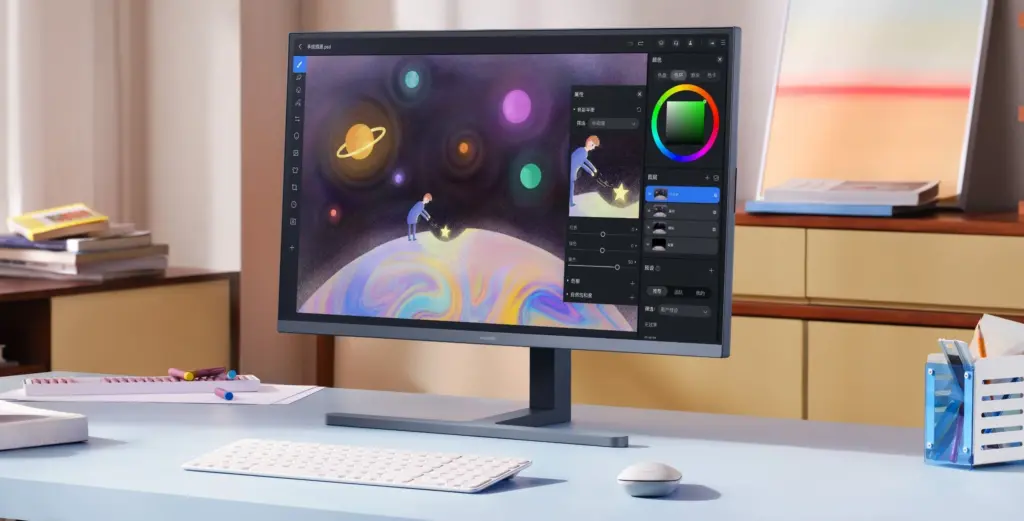
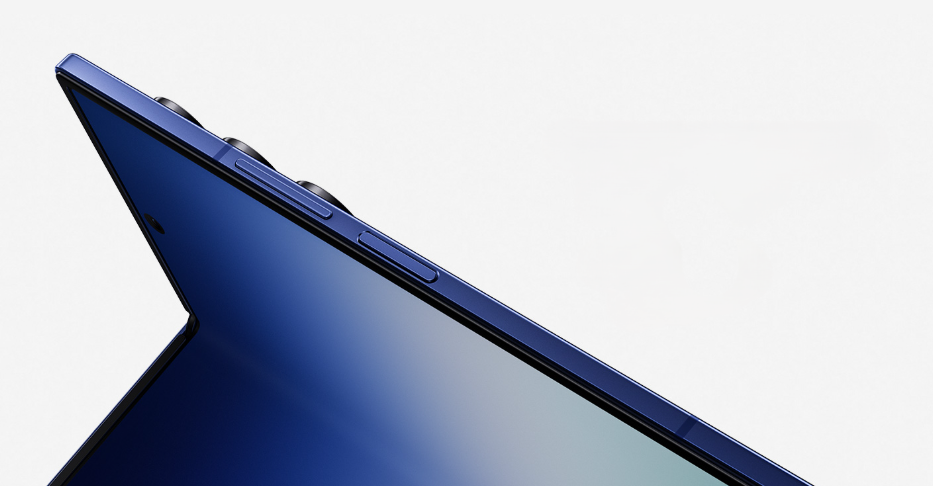
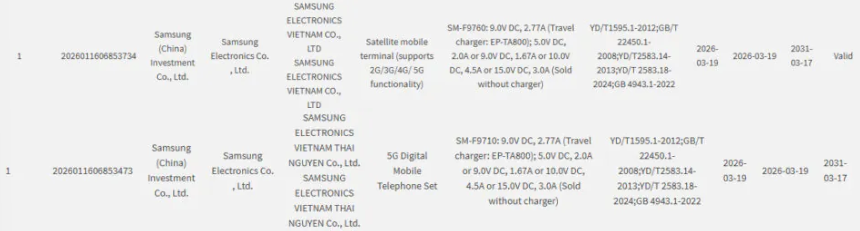

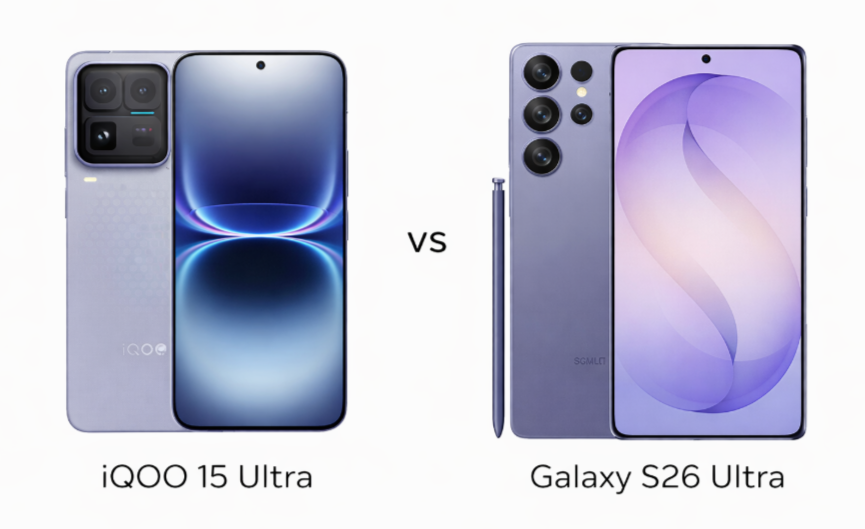


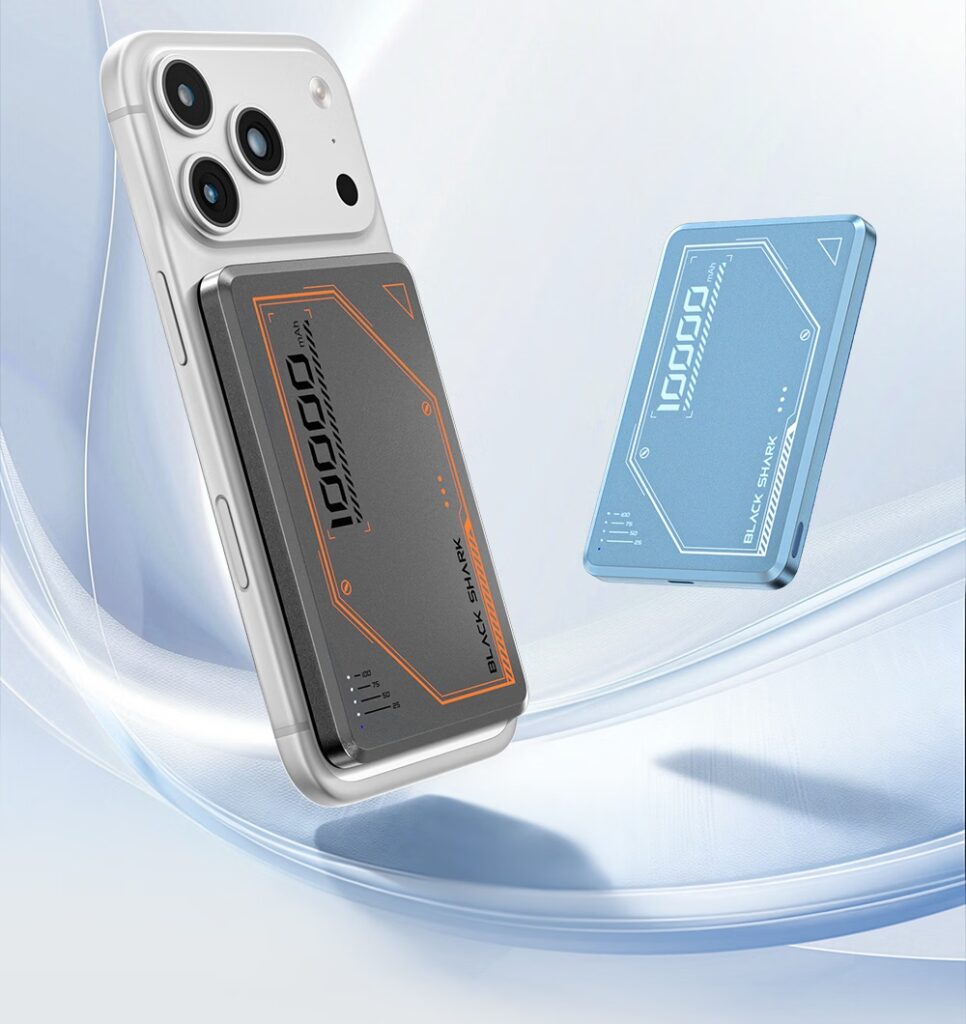

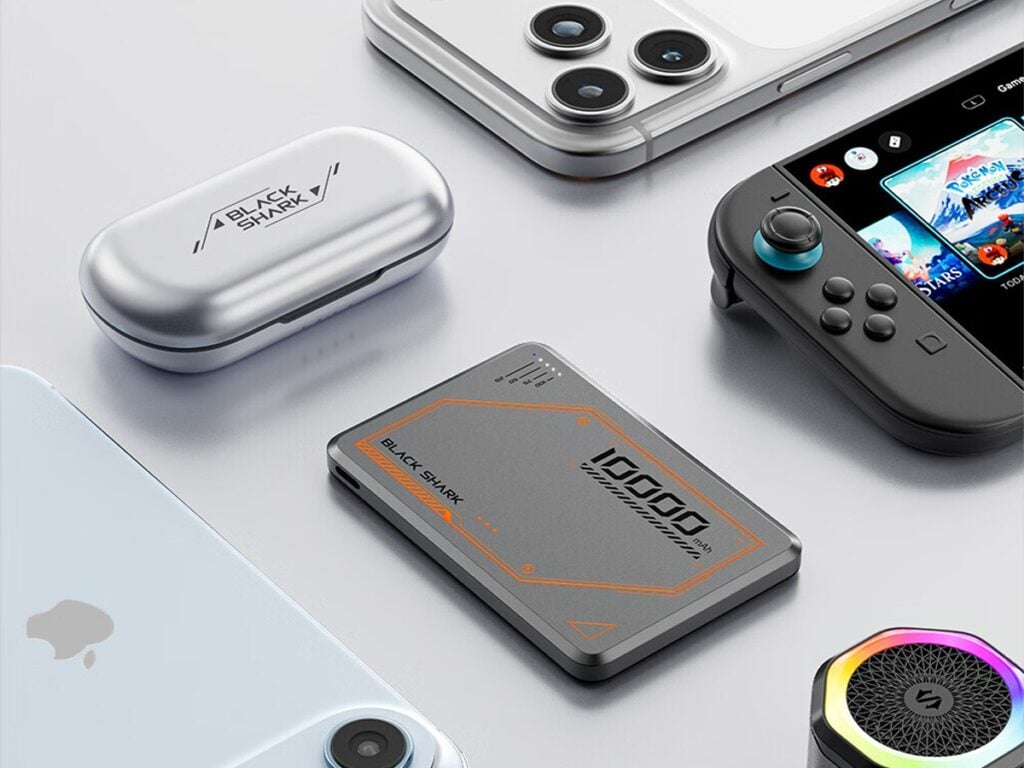

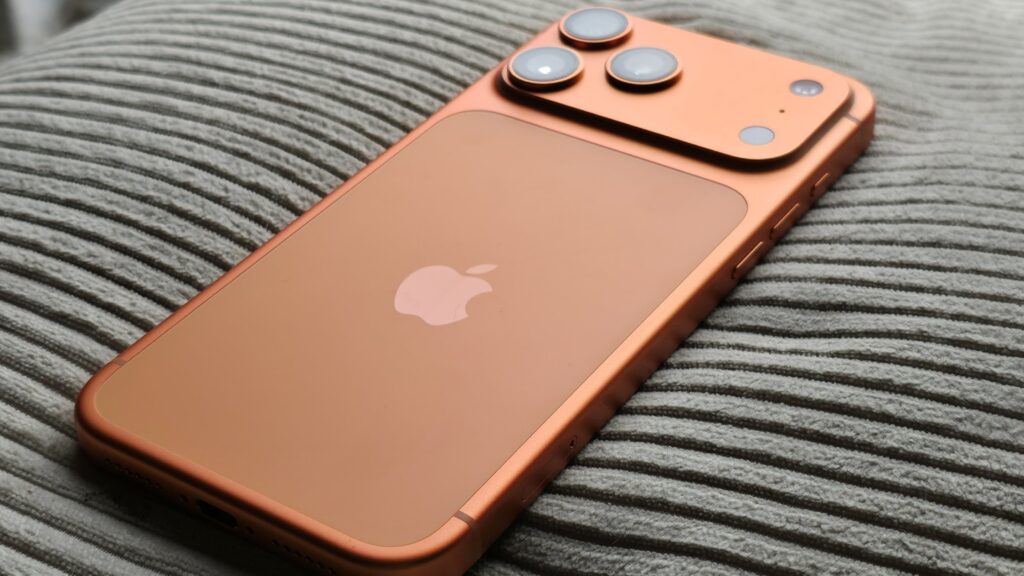
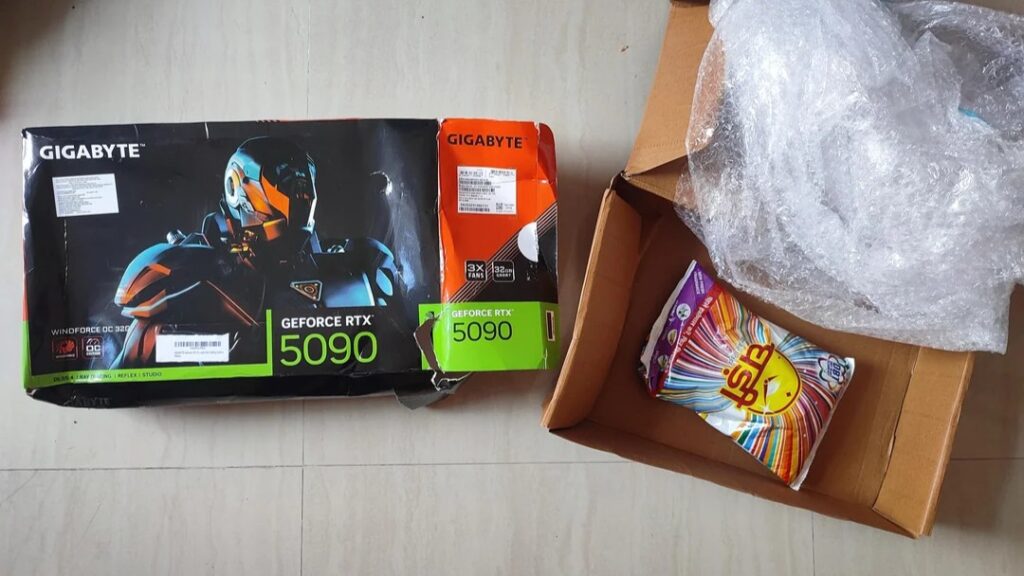

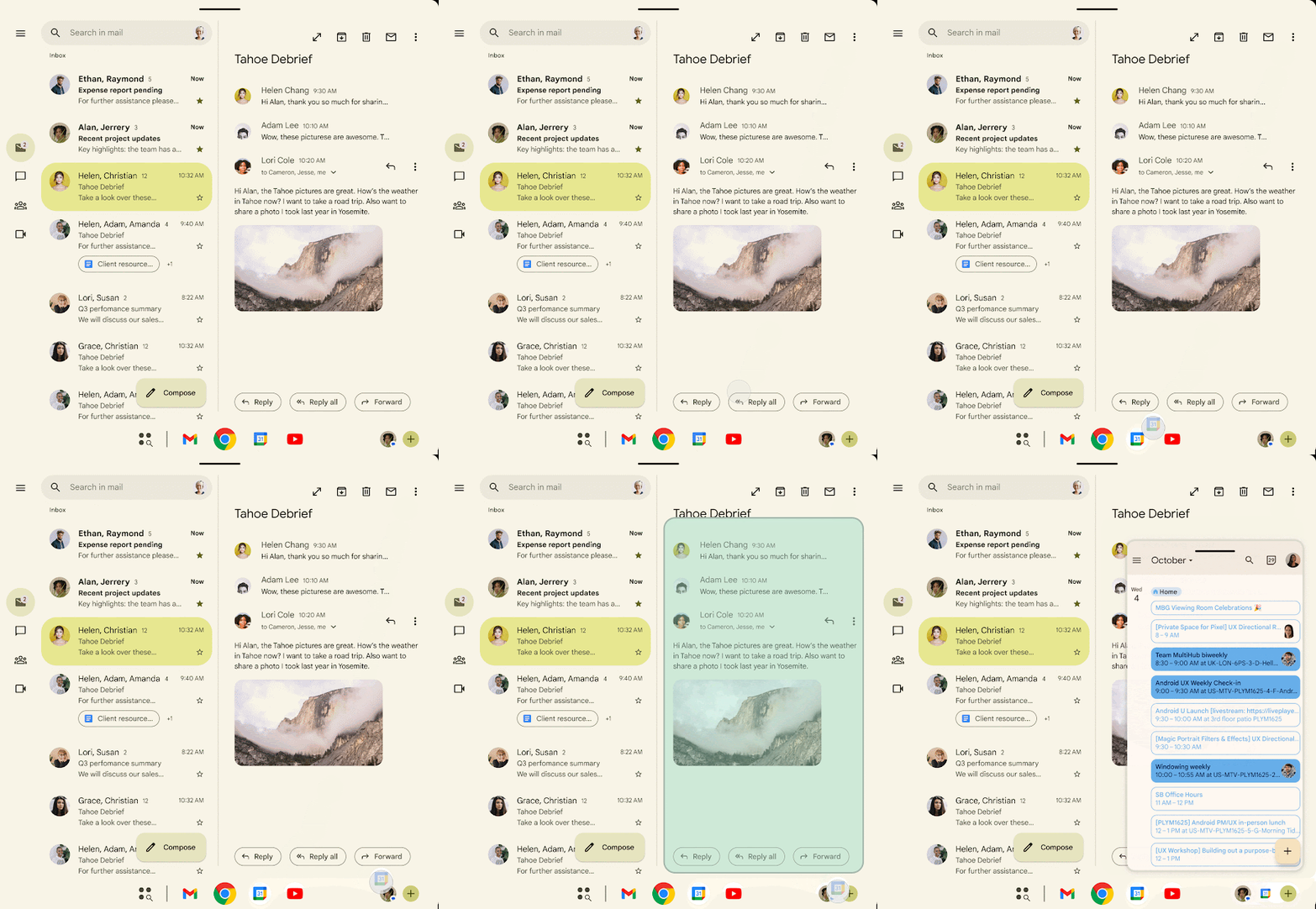
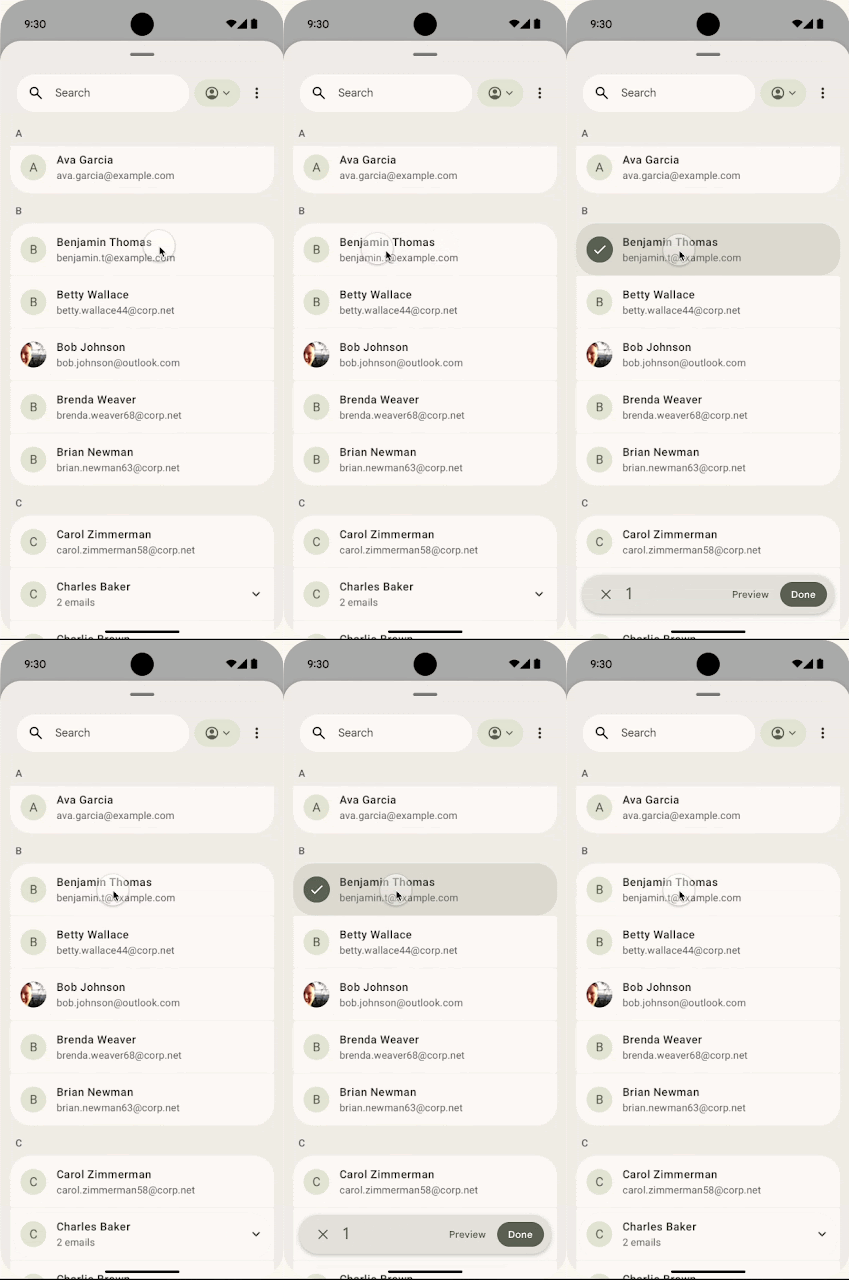

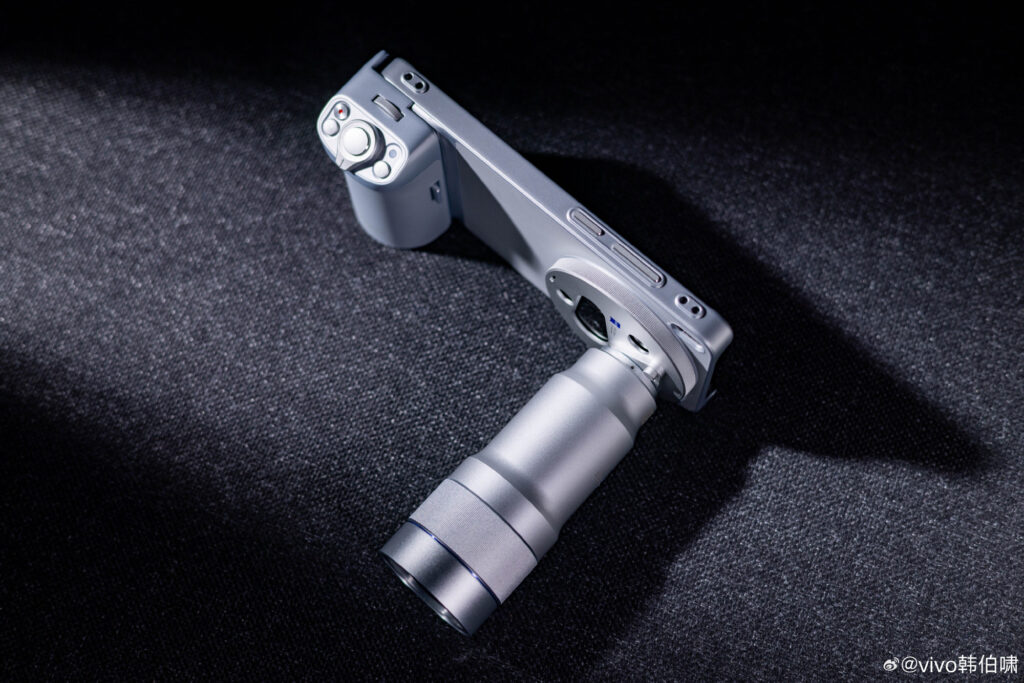
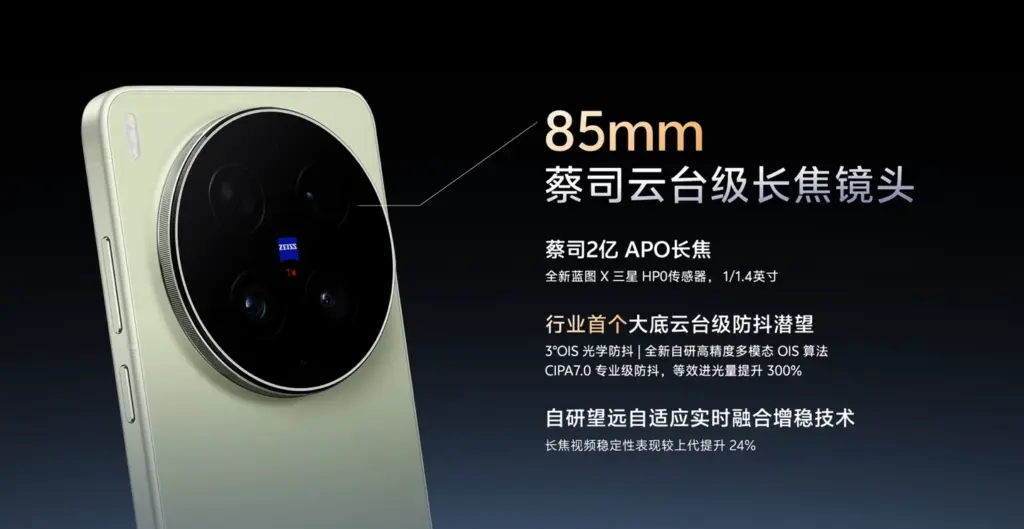
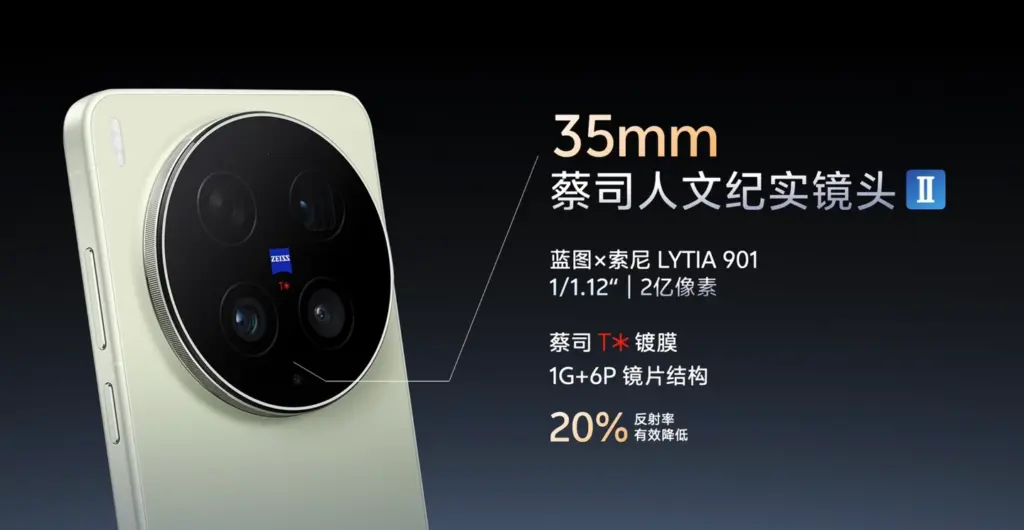
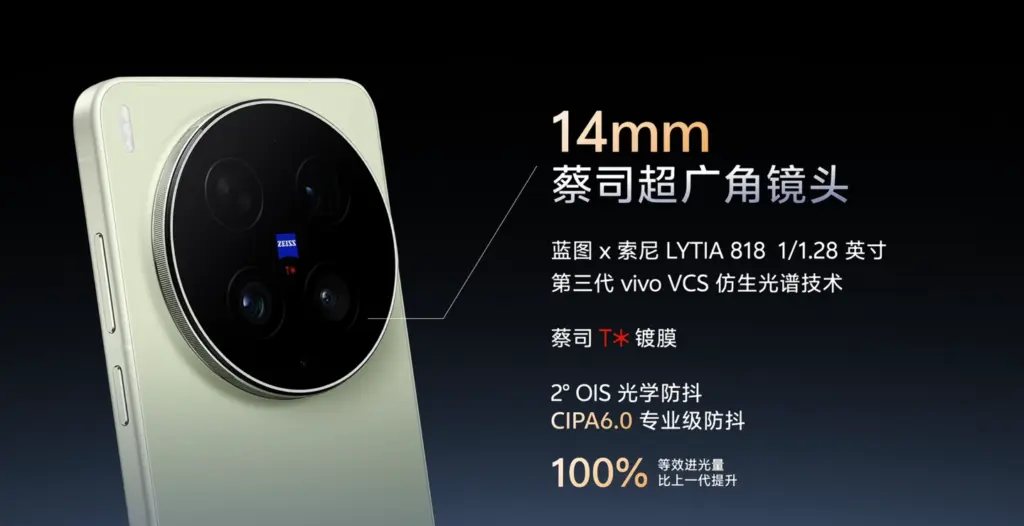
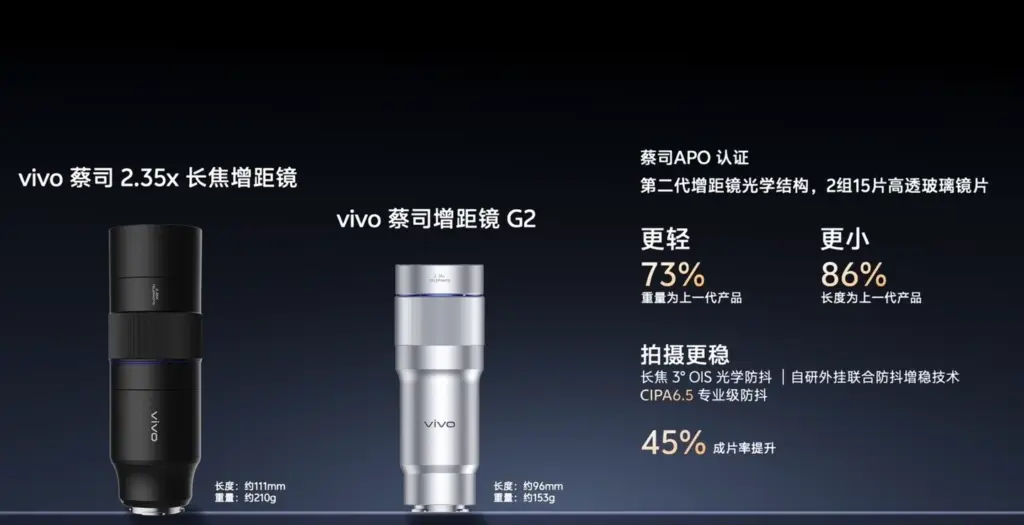




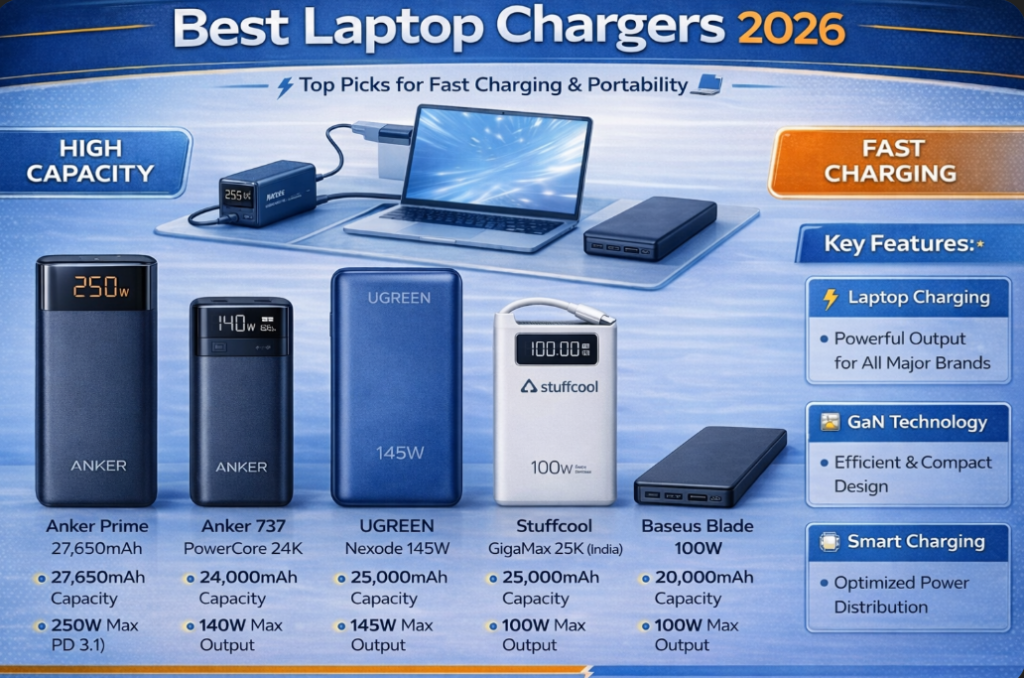
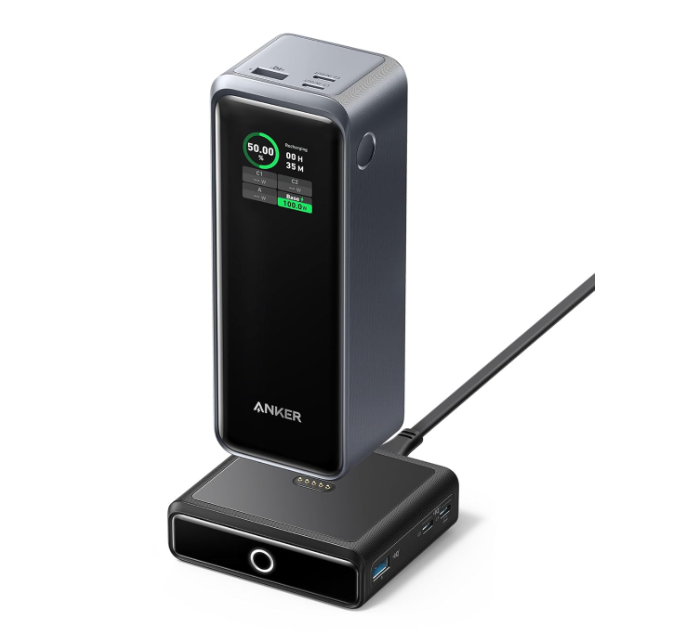

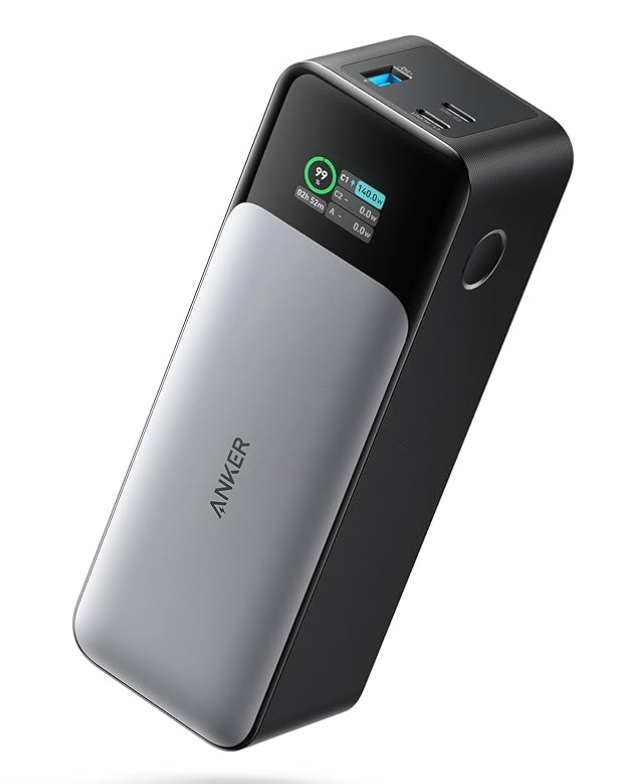
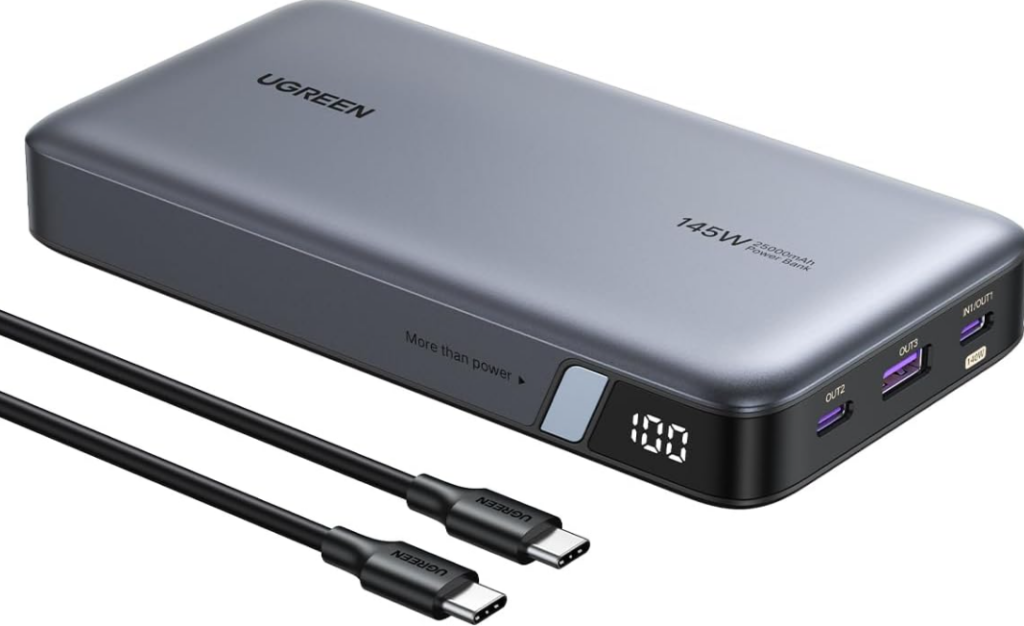




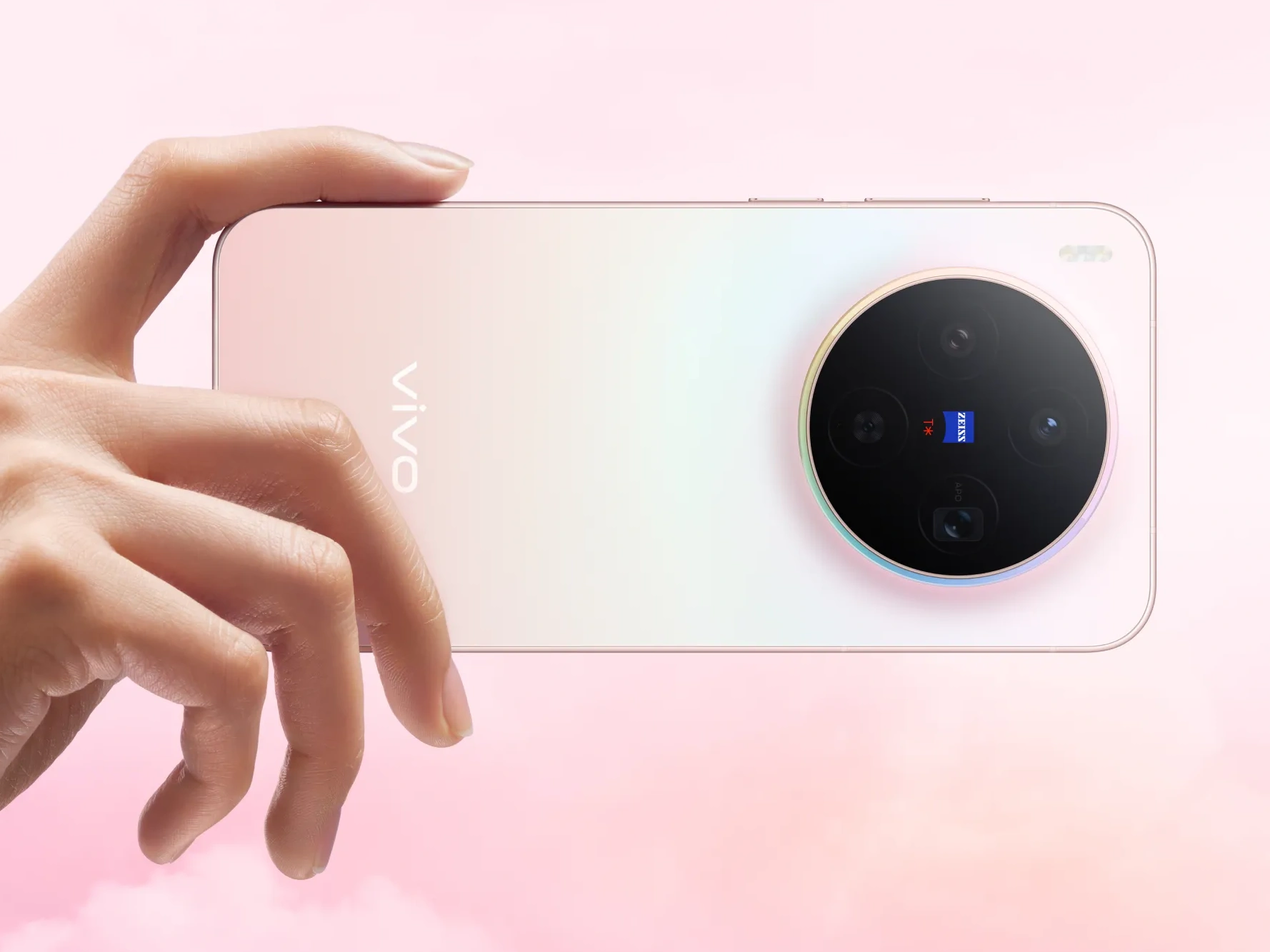











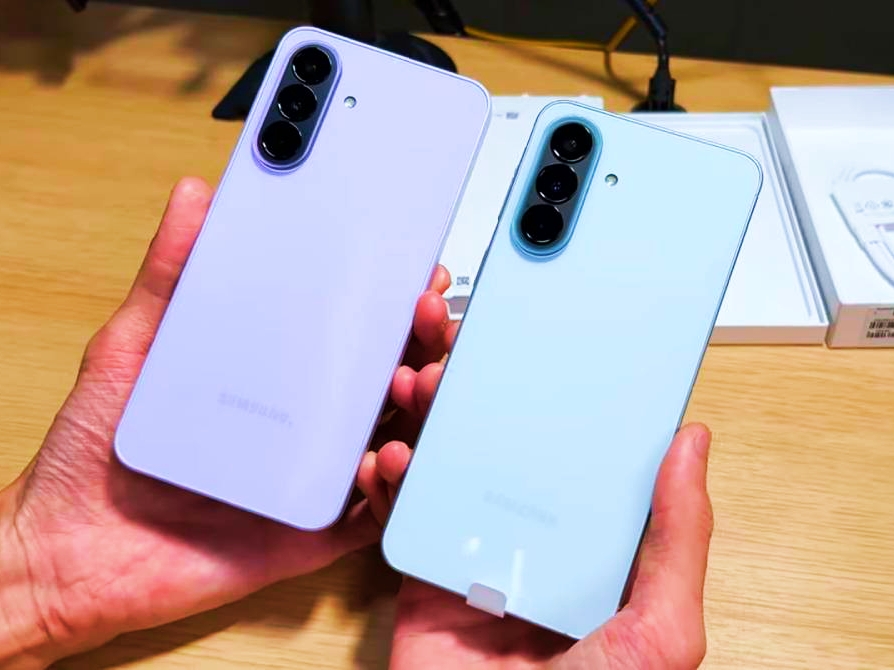





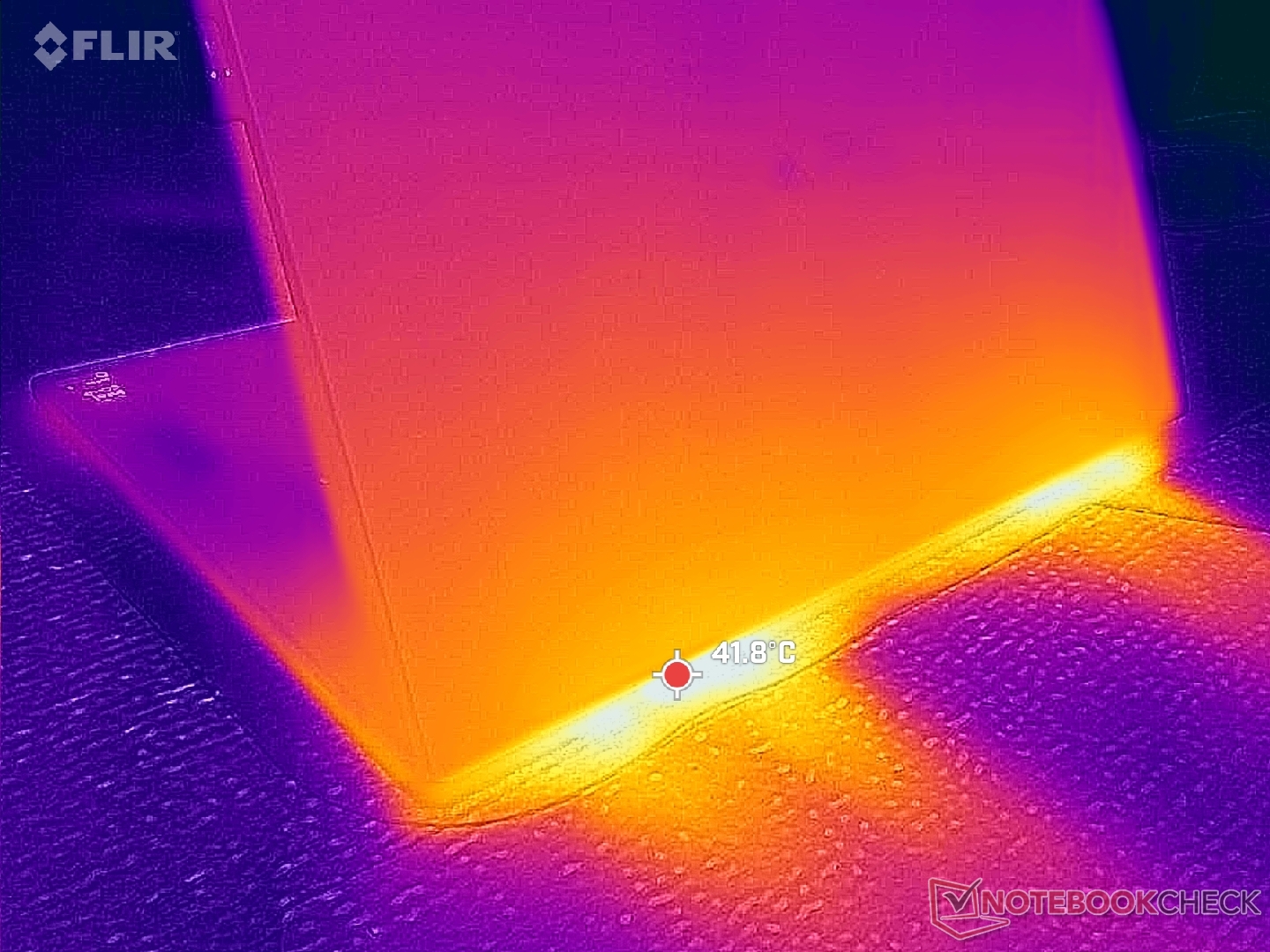




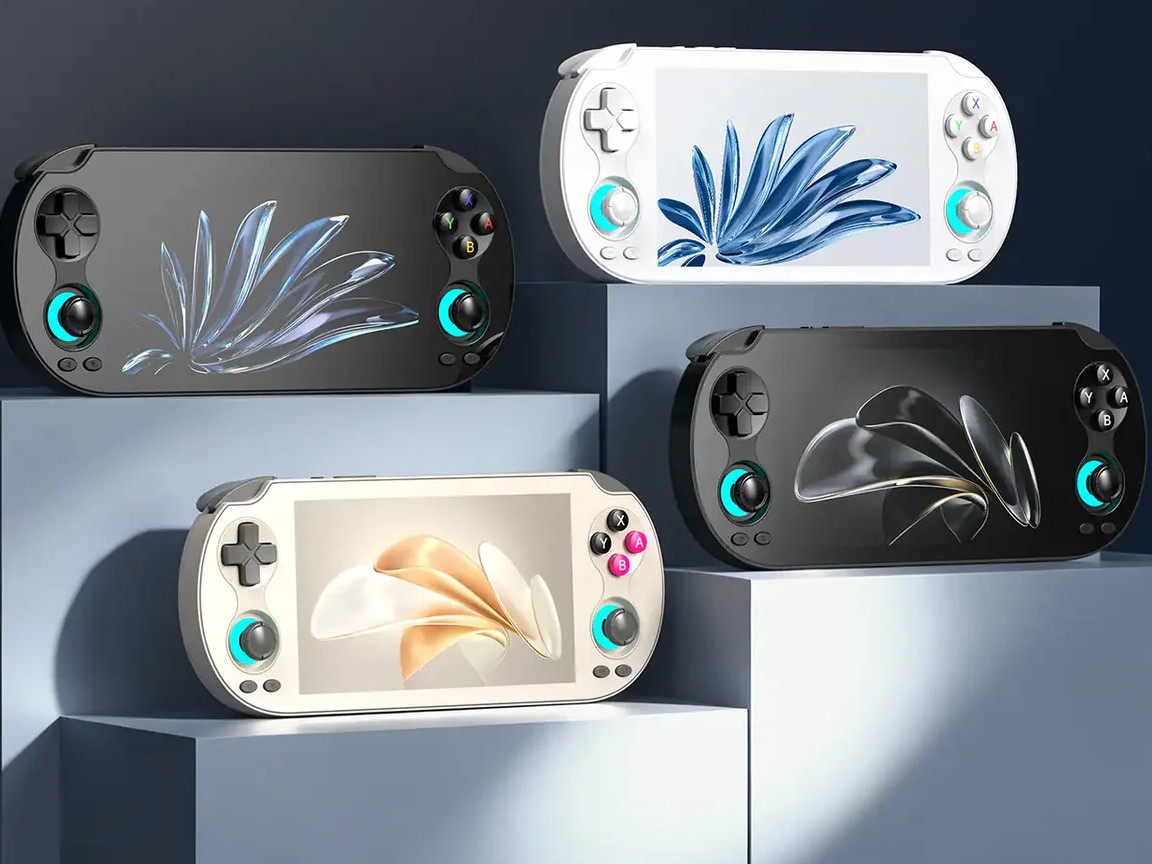



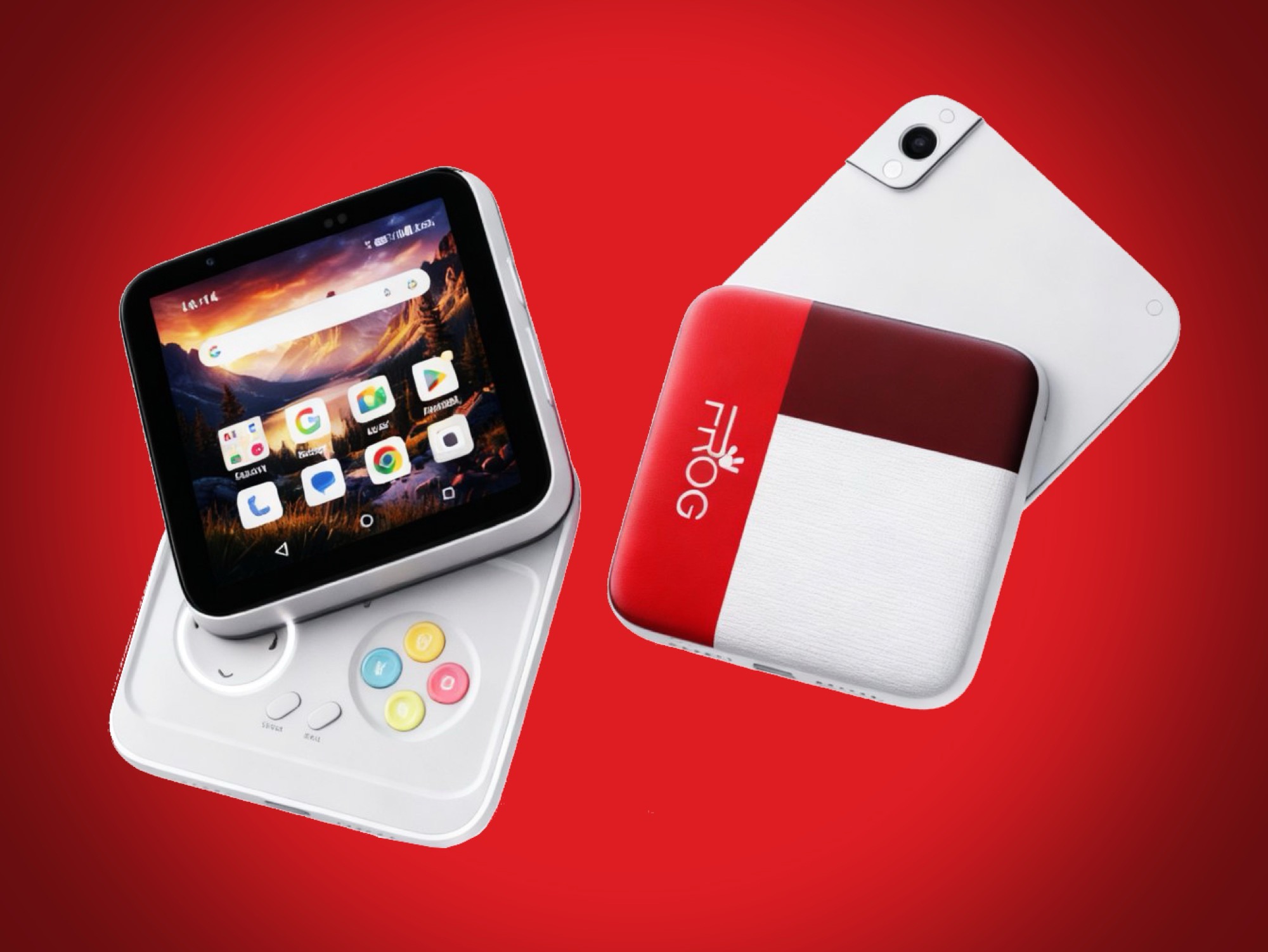
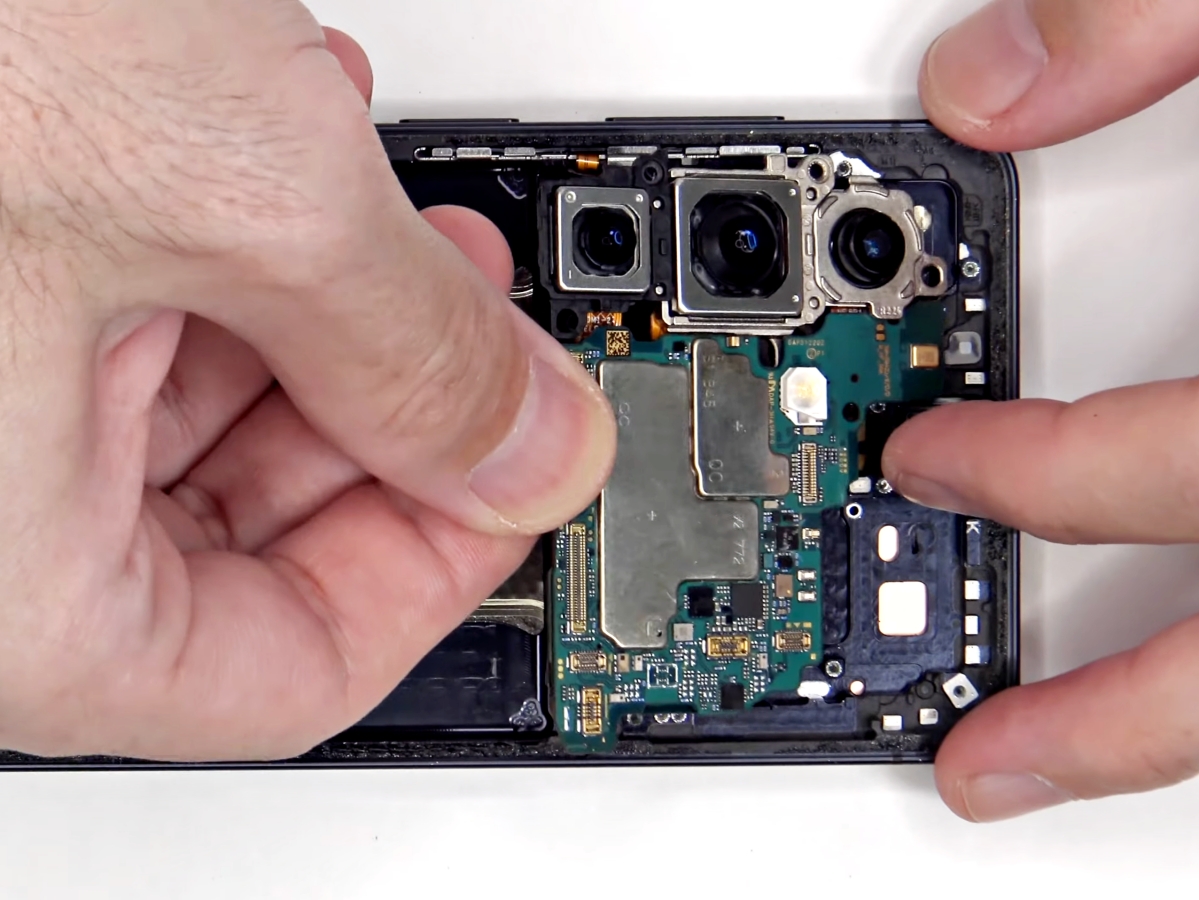
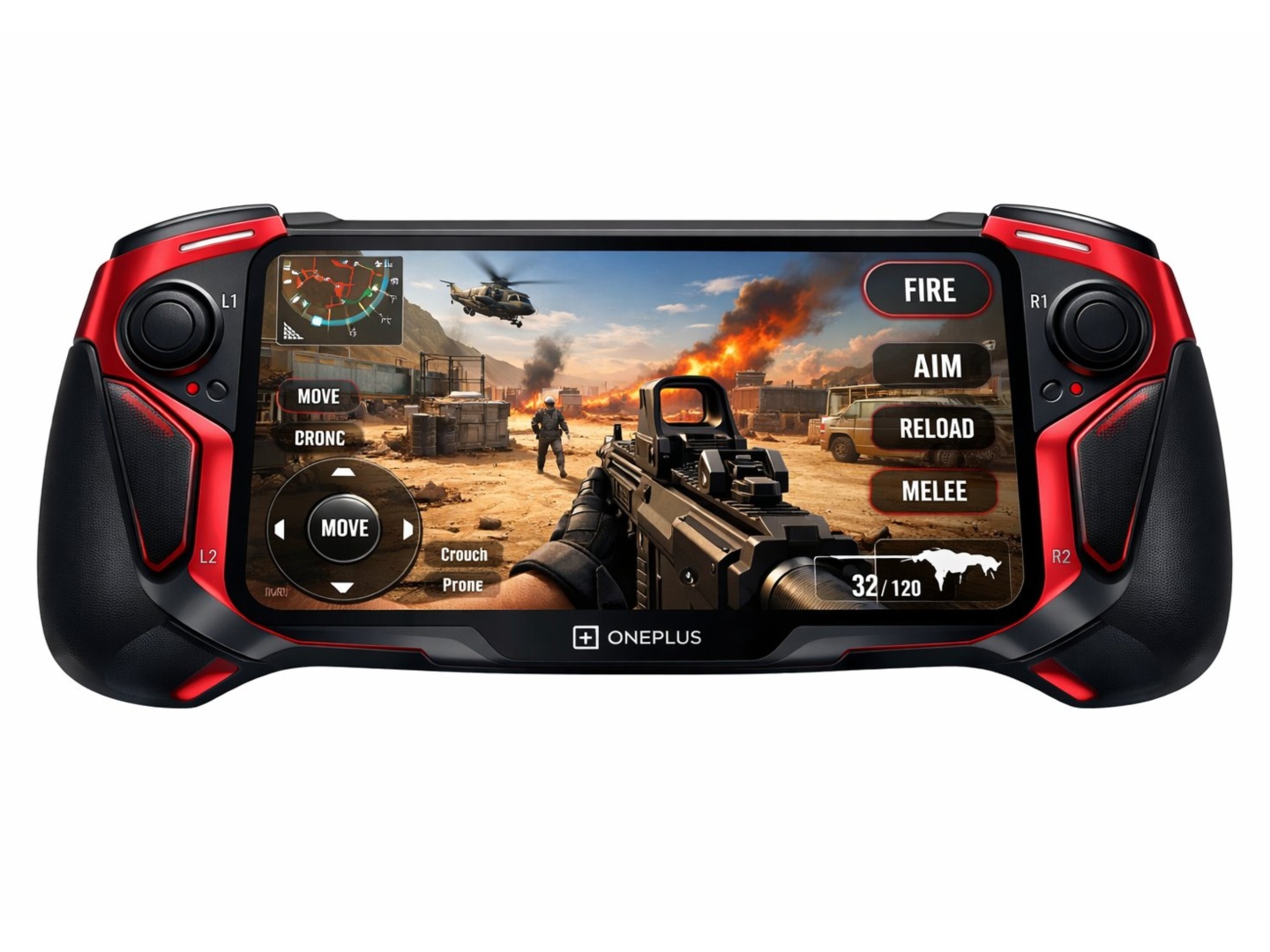









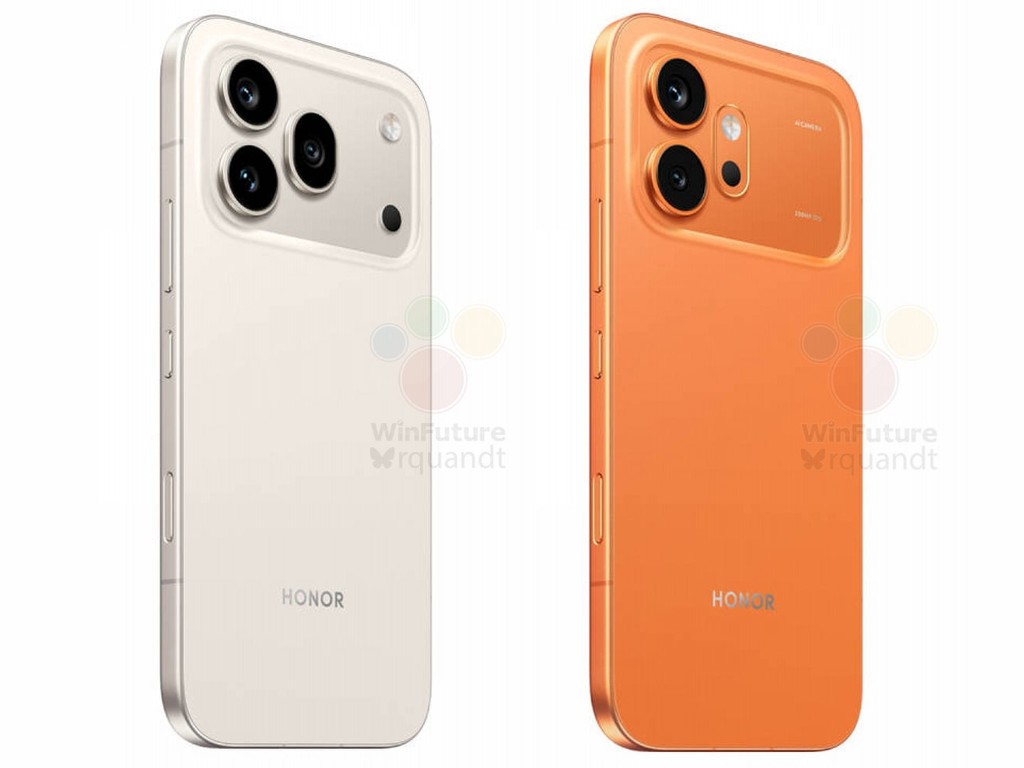

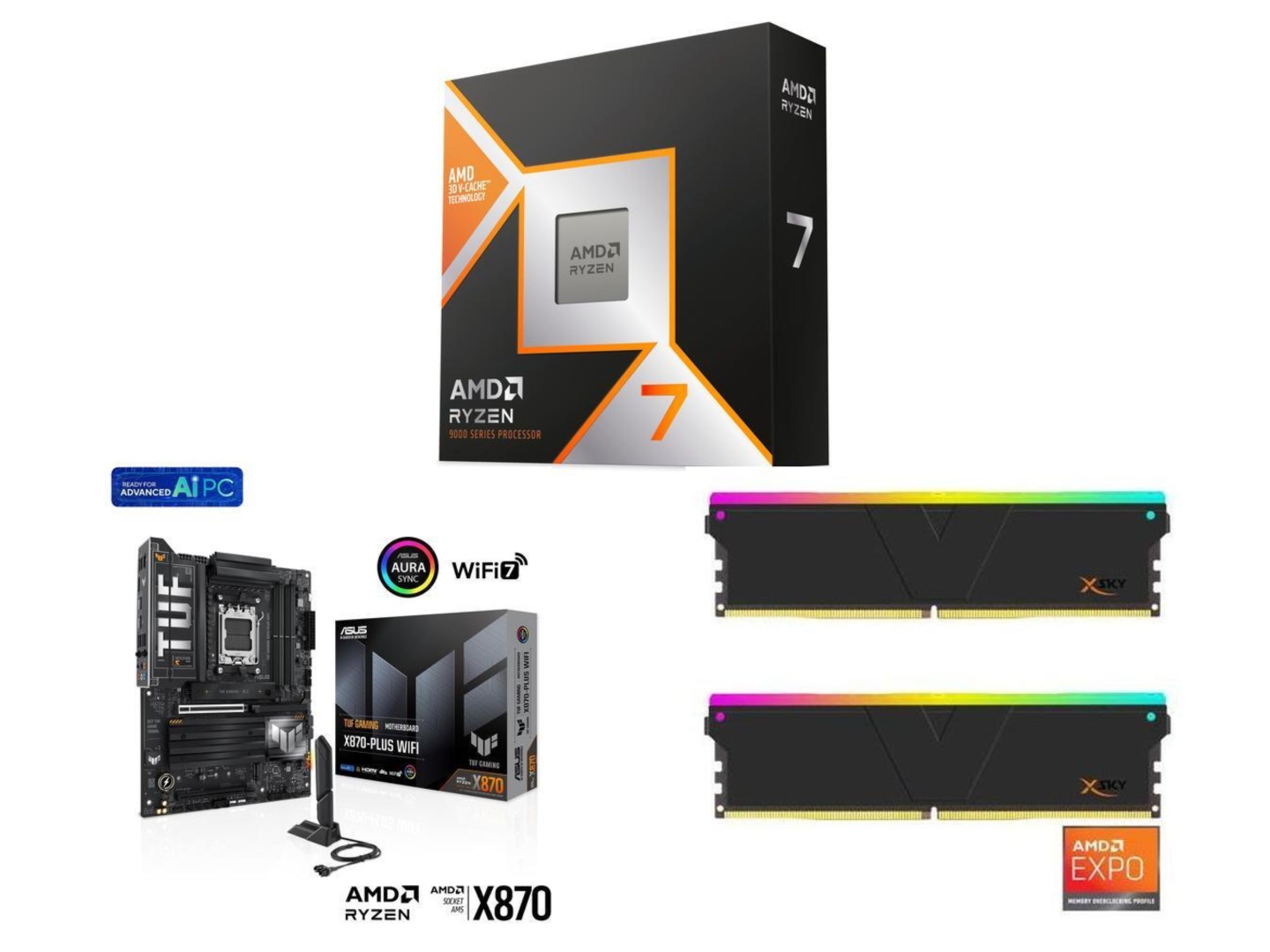


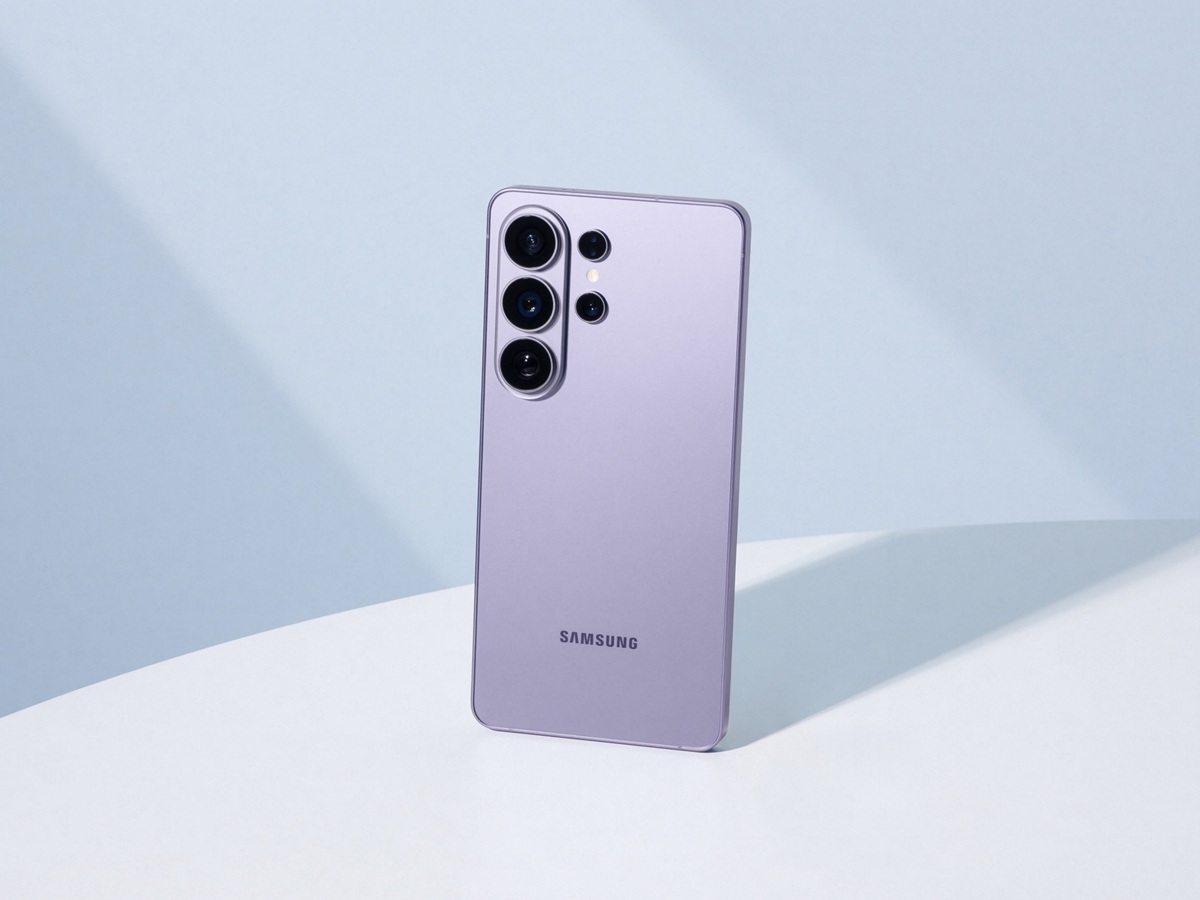









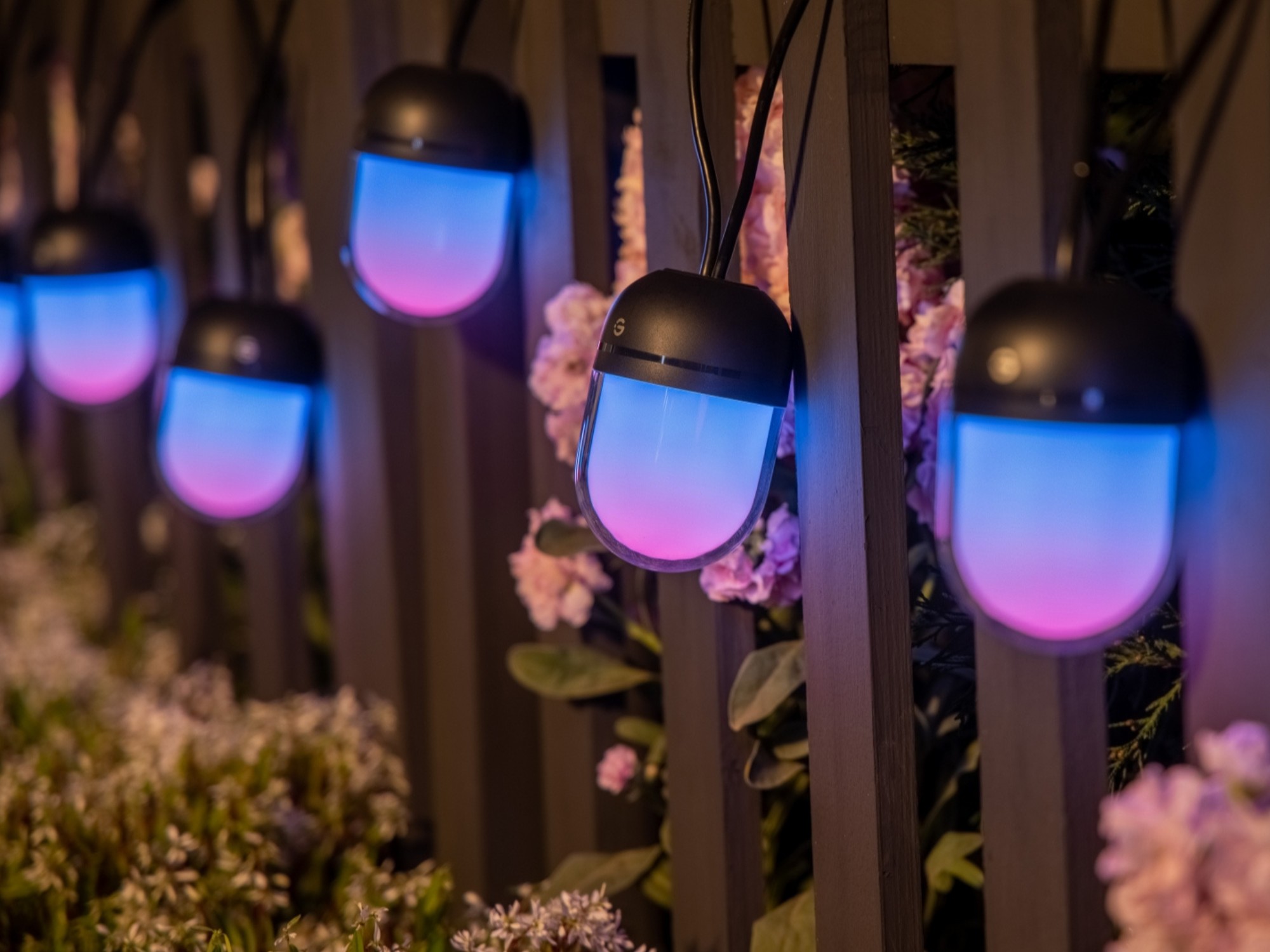





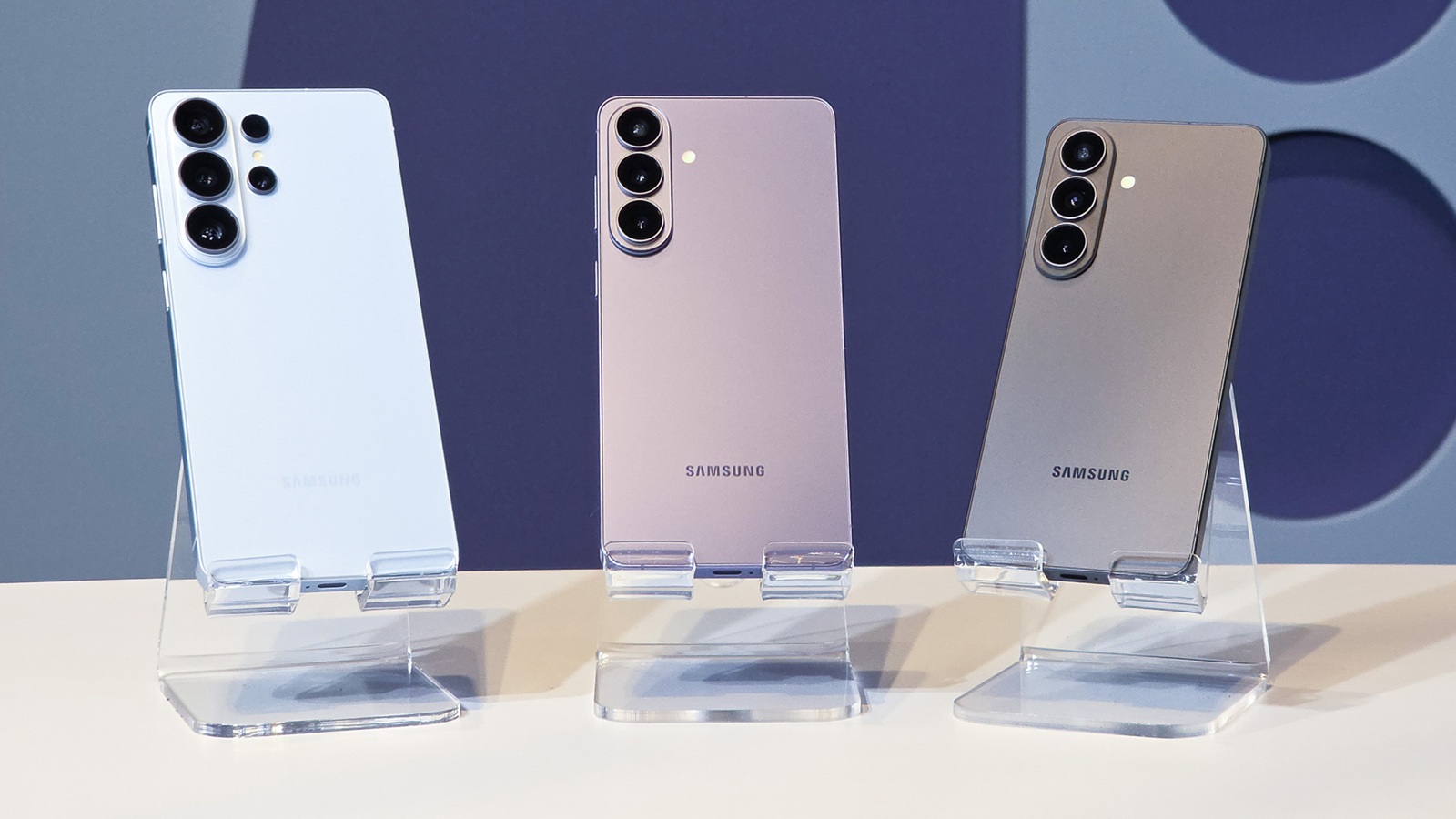
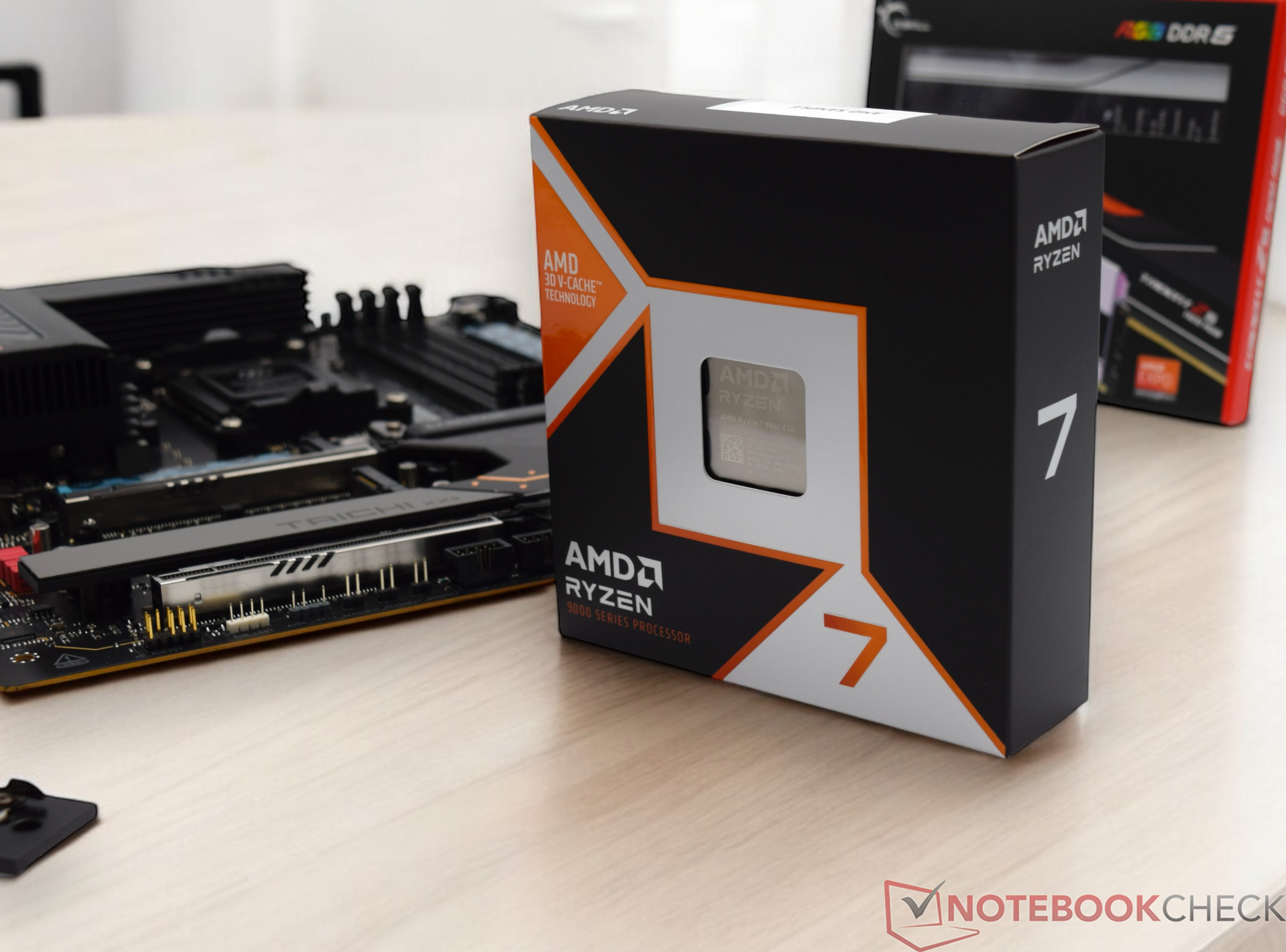
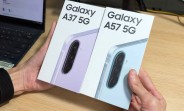


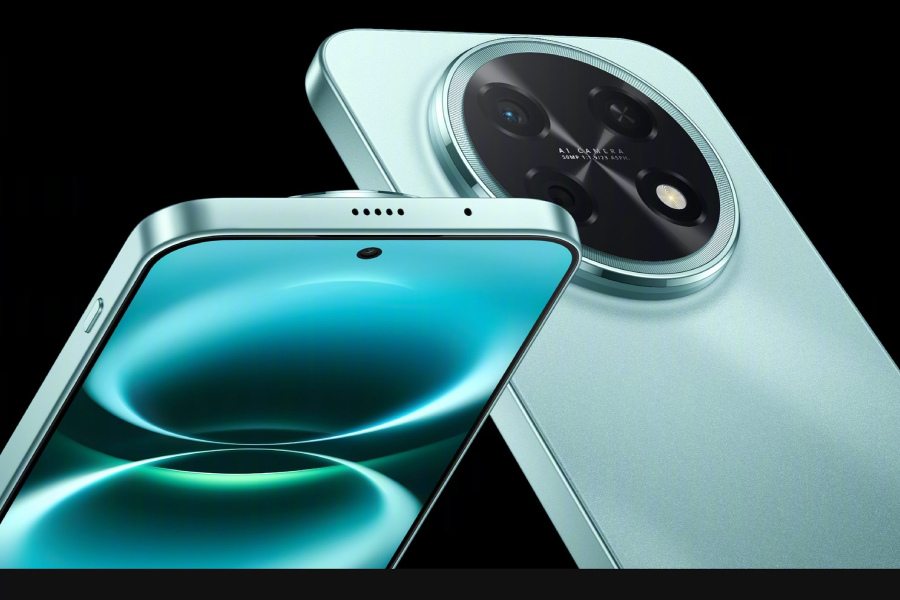

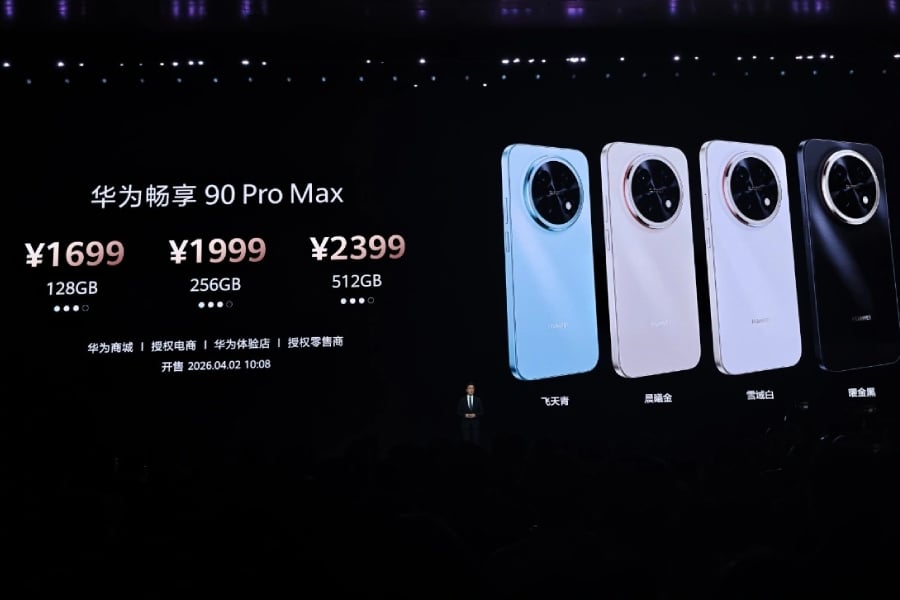


 . Spotted on the Repair & Service page.