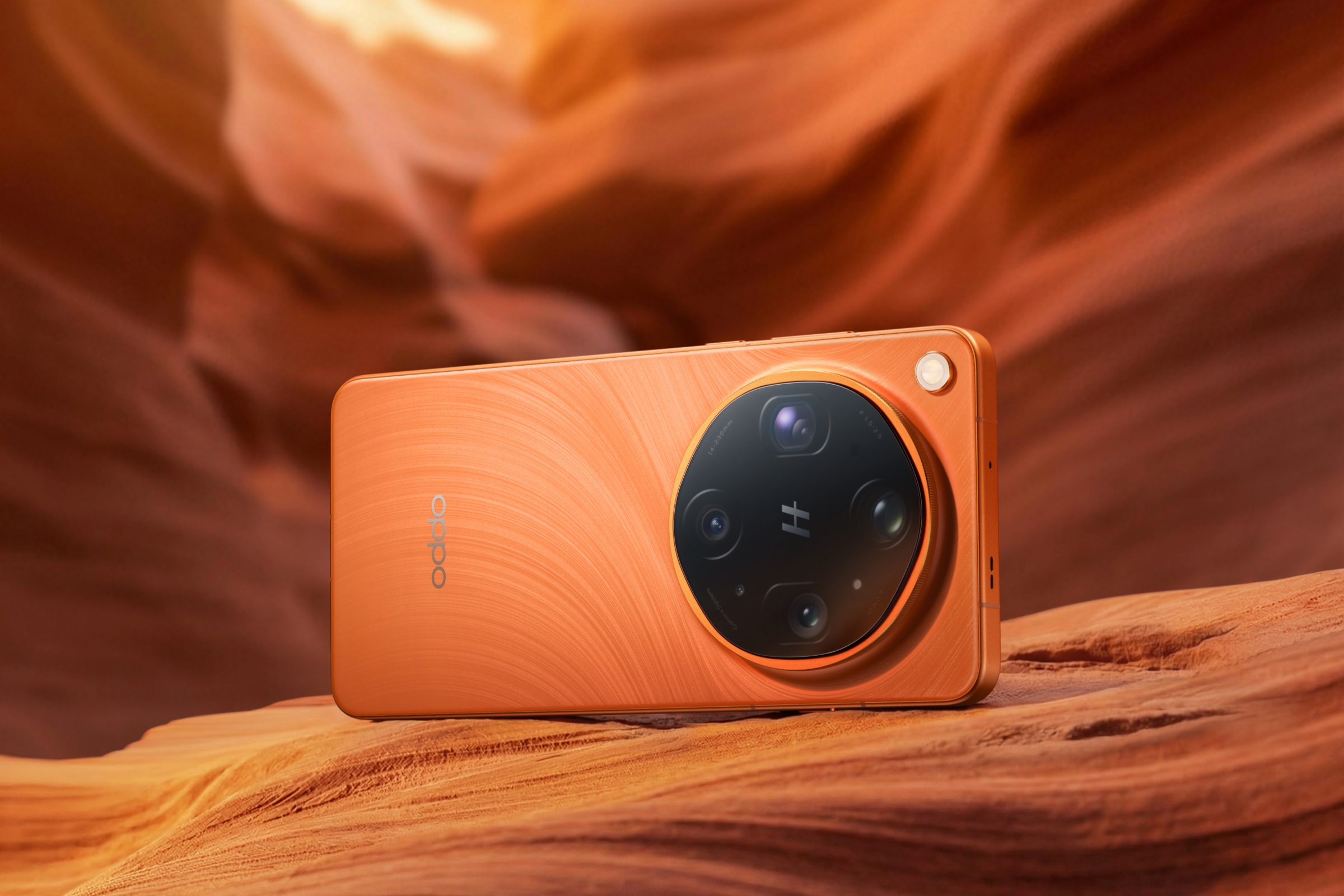
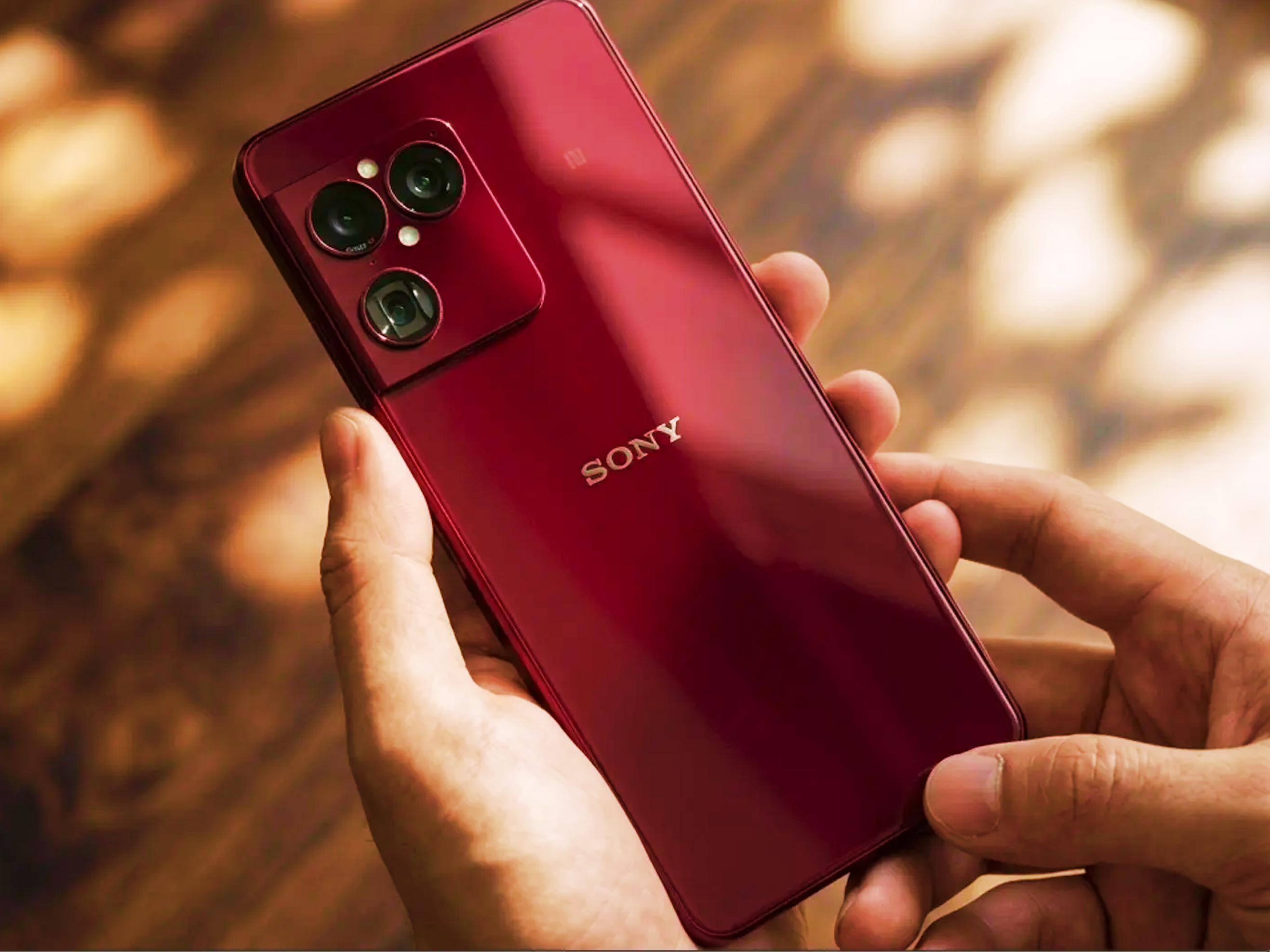
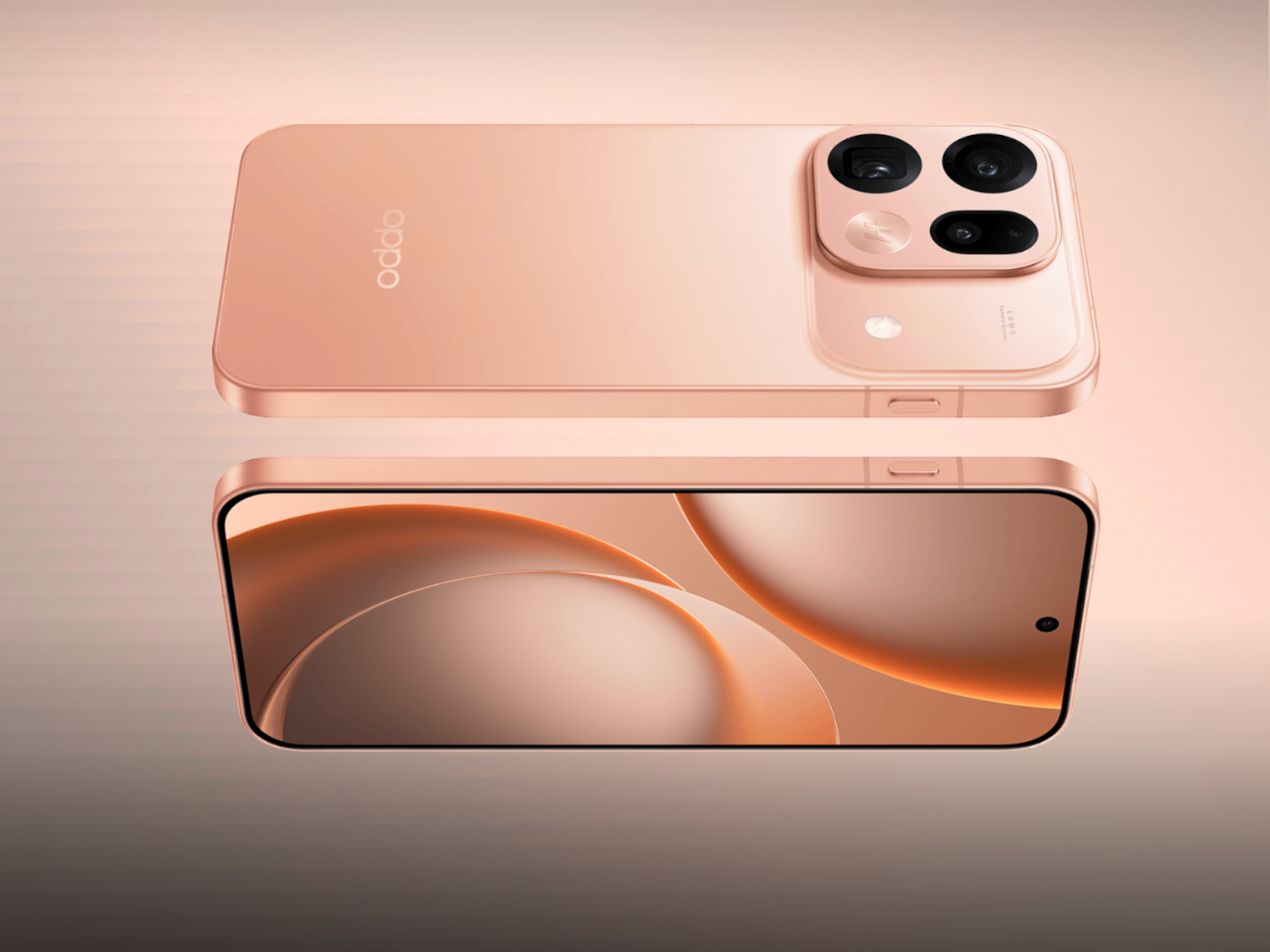
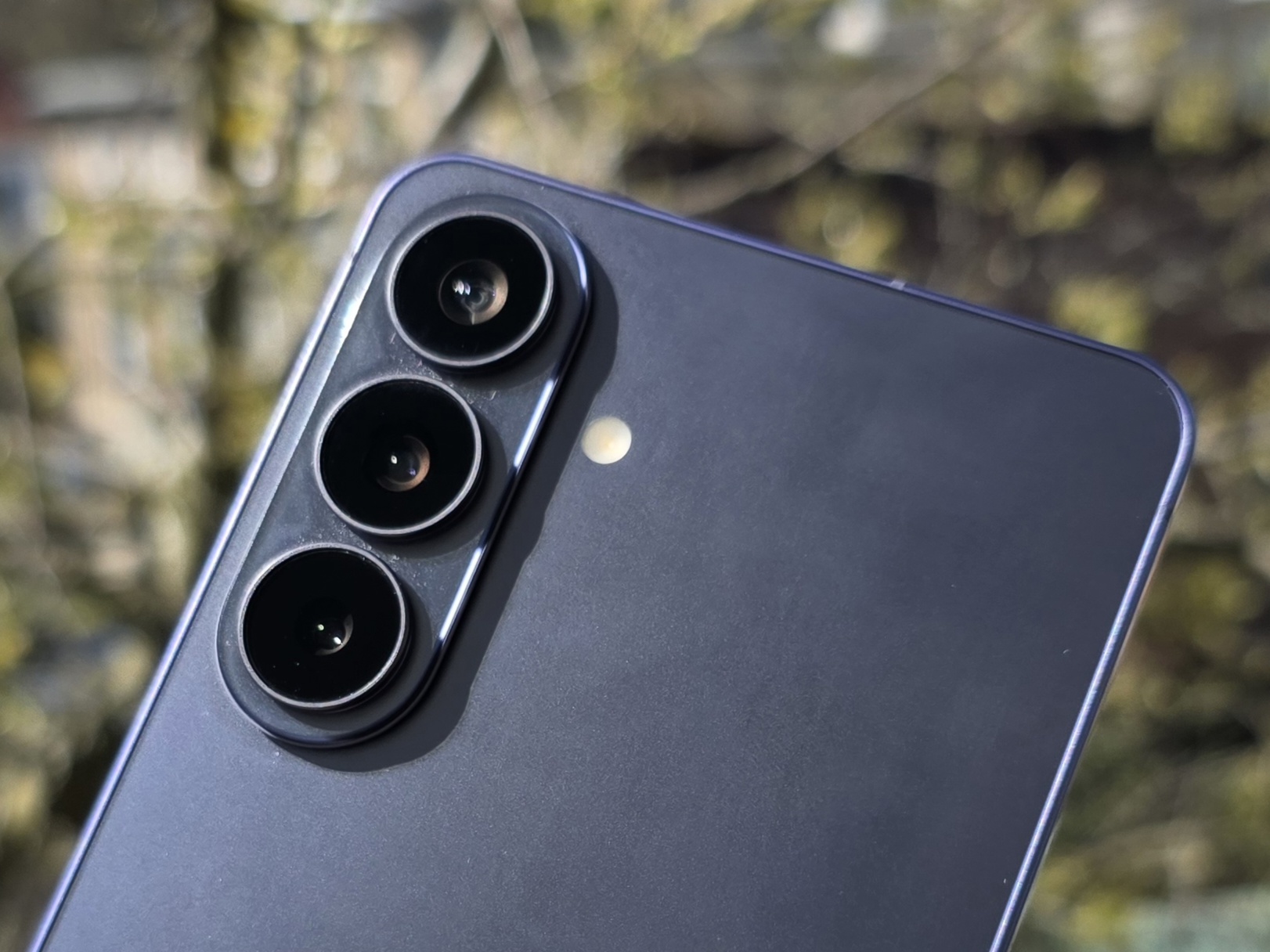
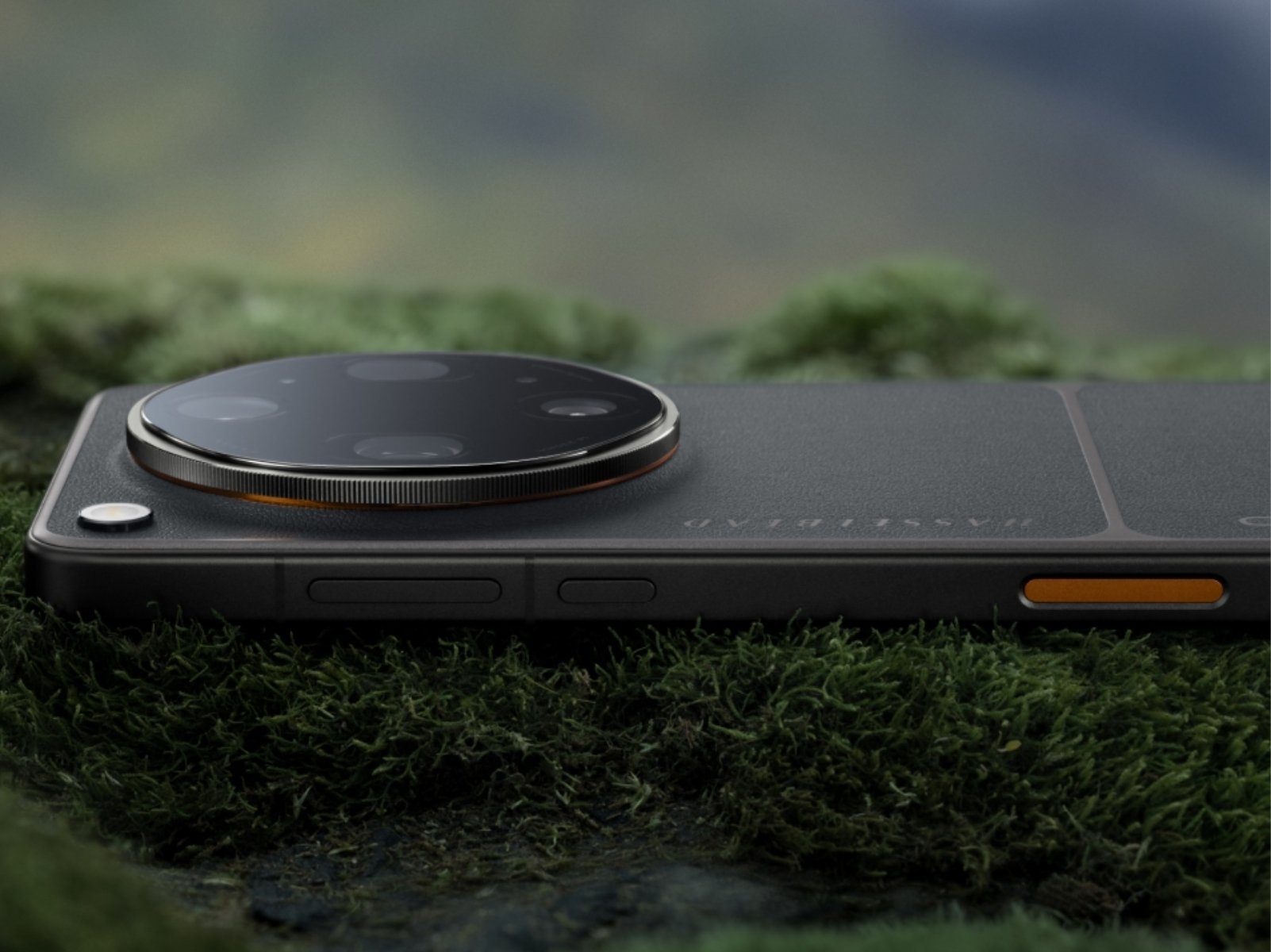
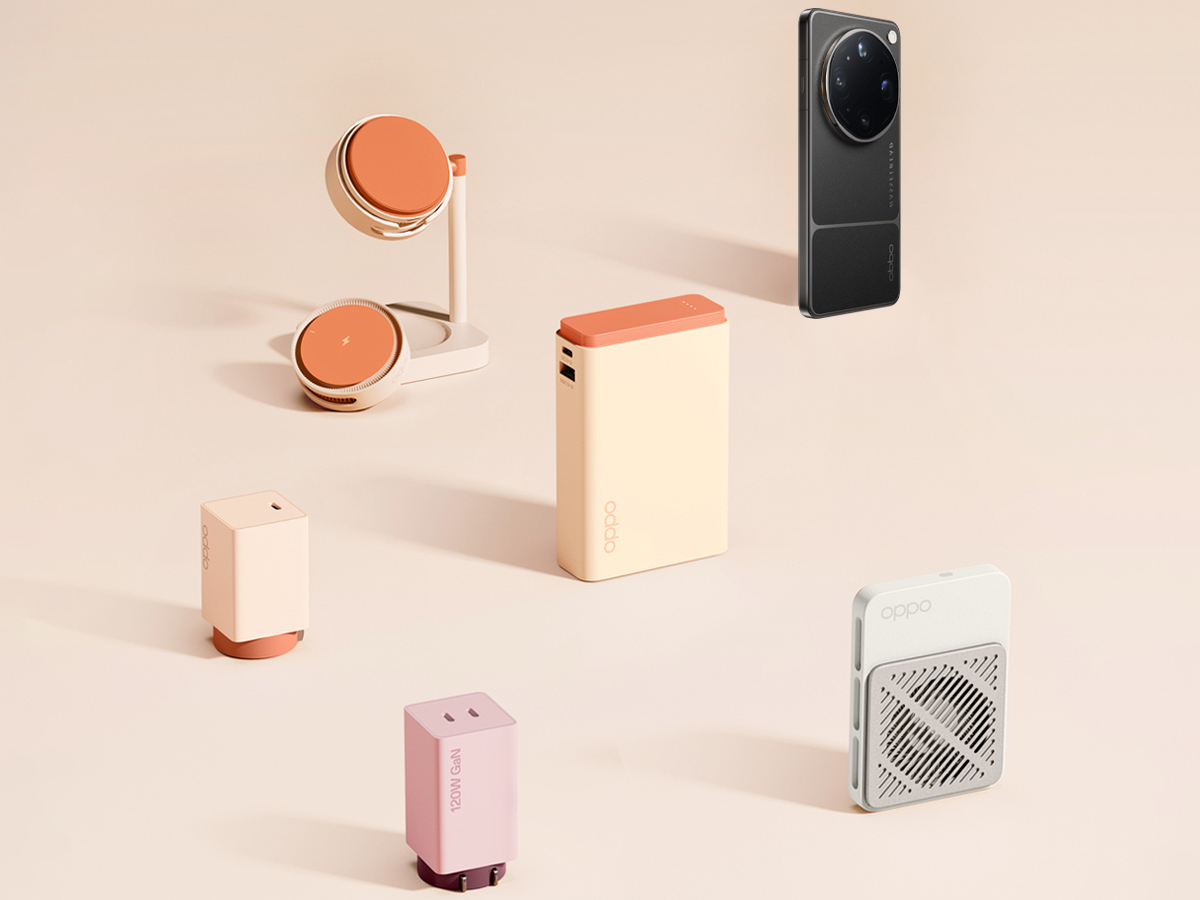
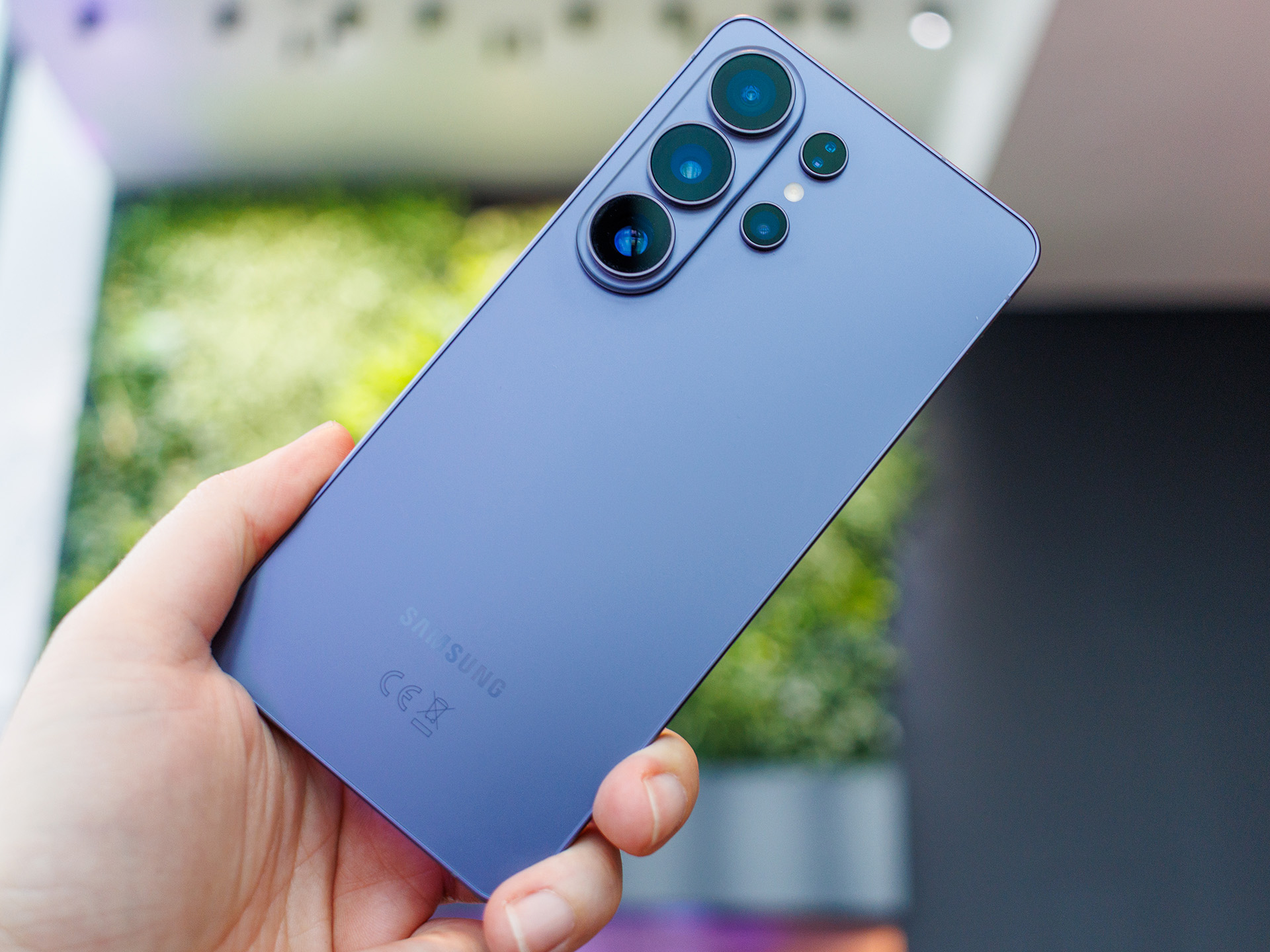
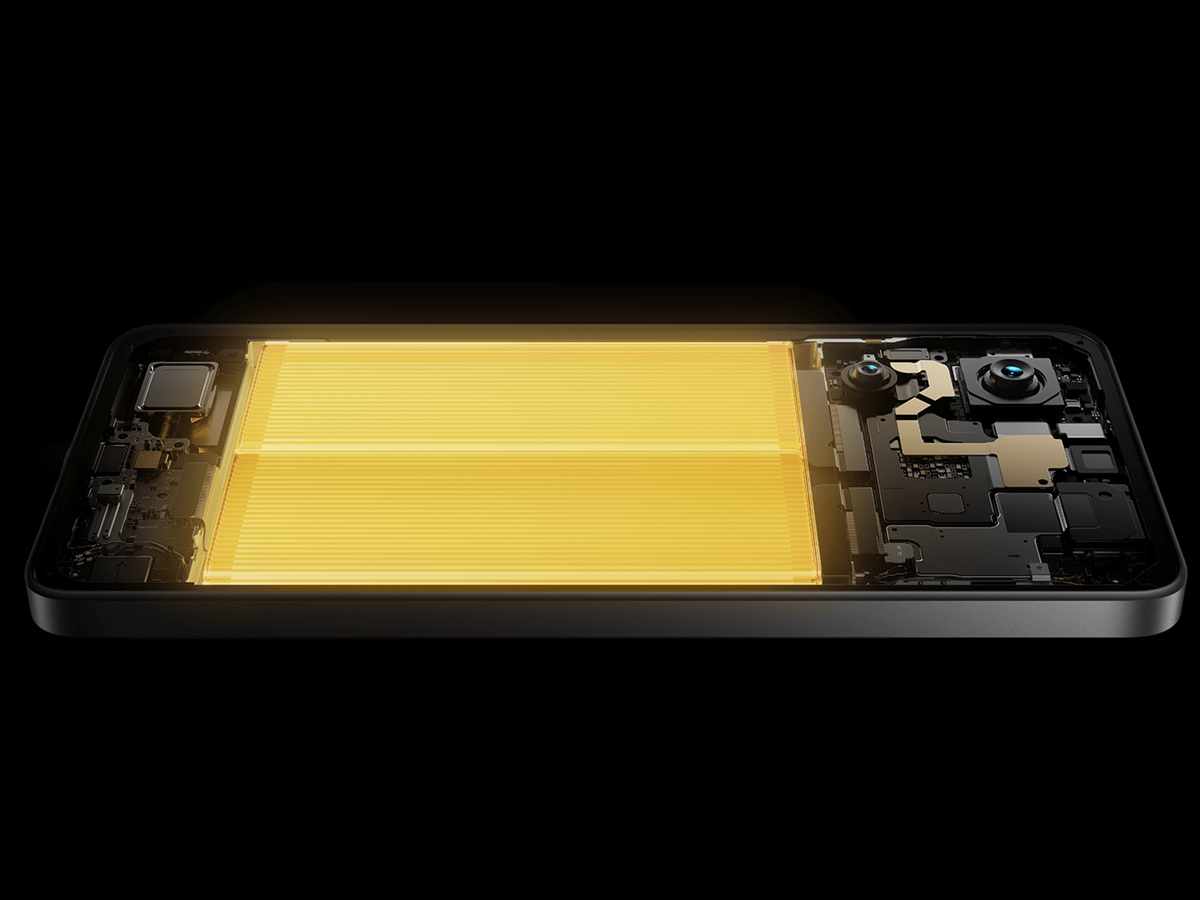
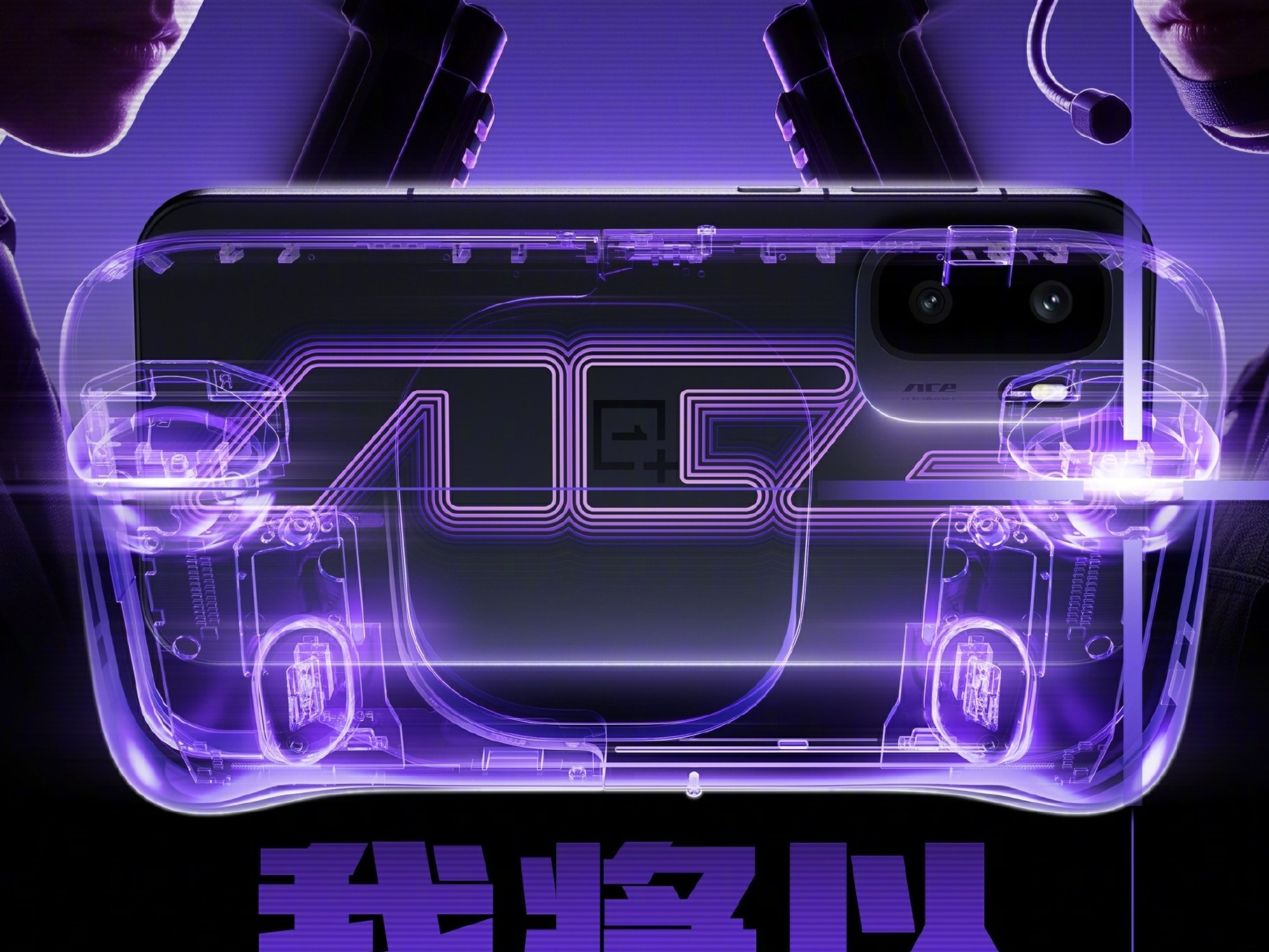
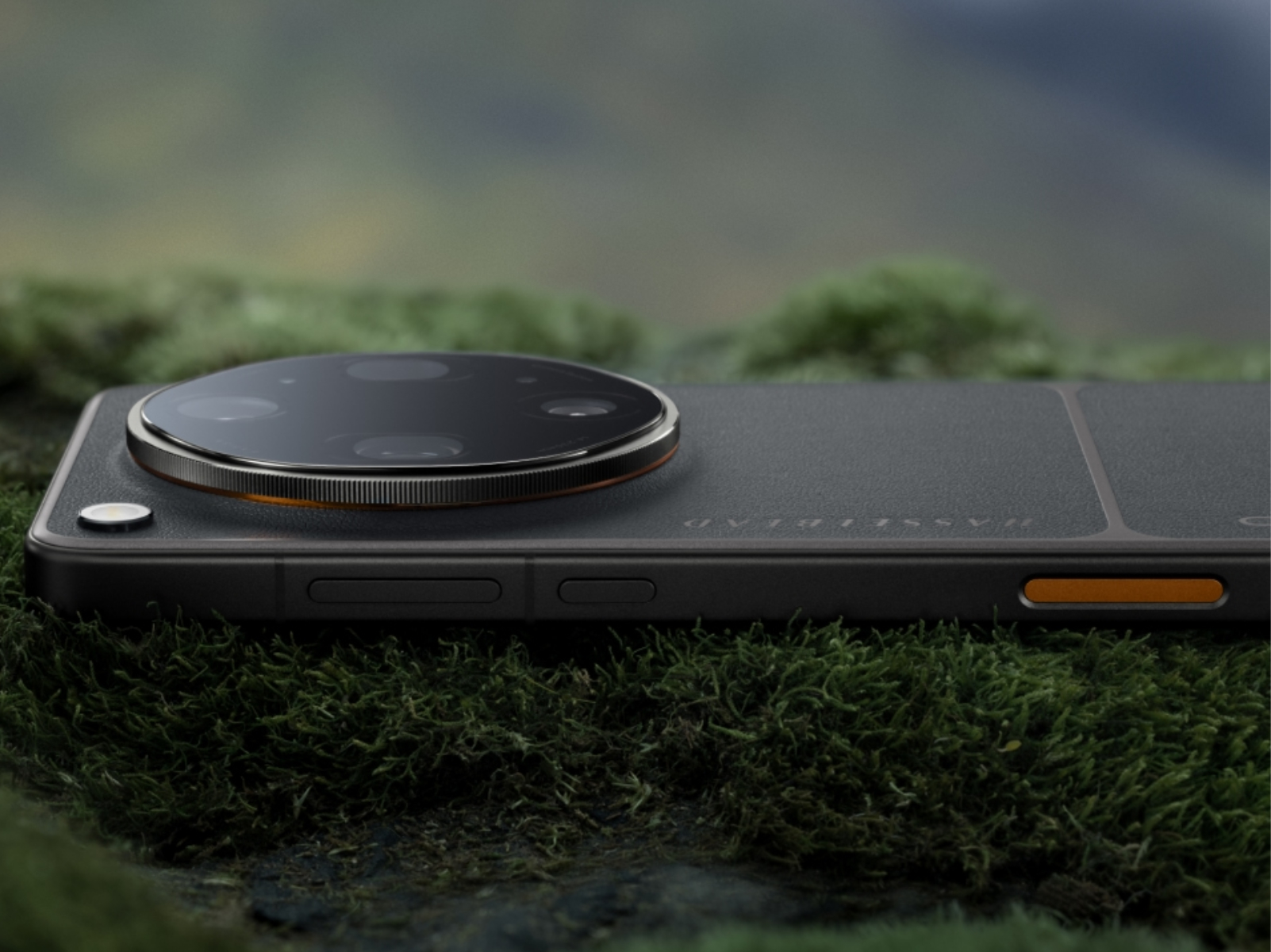
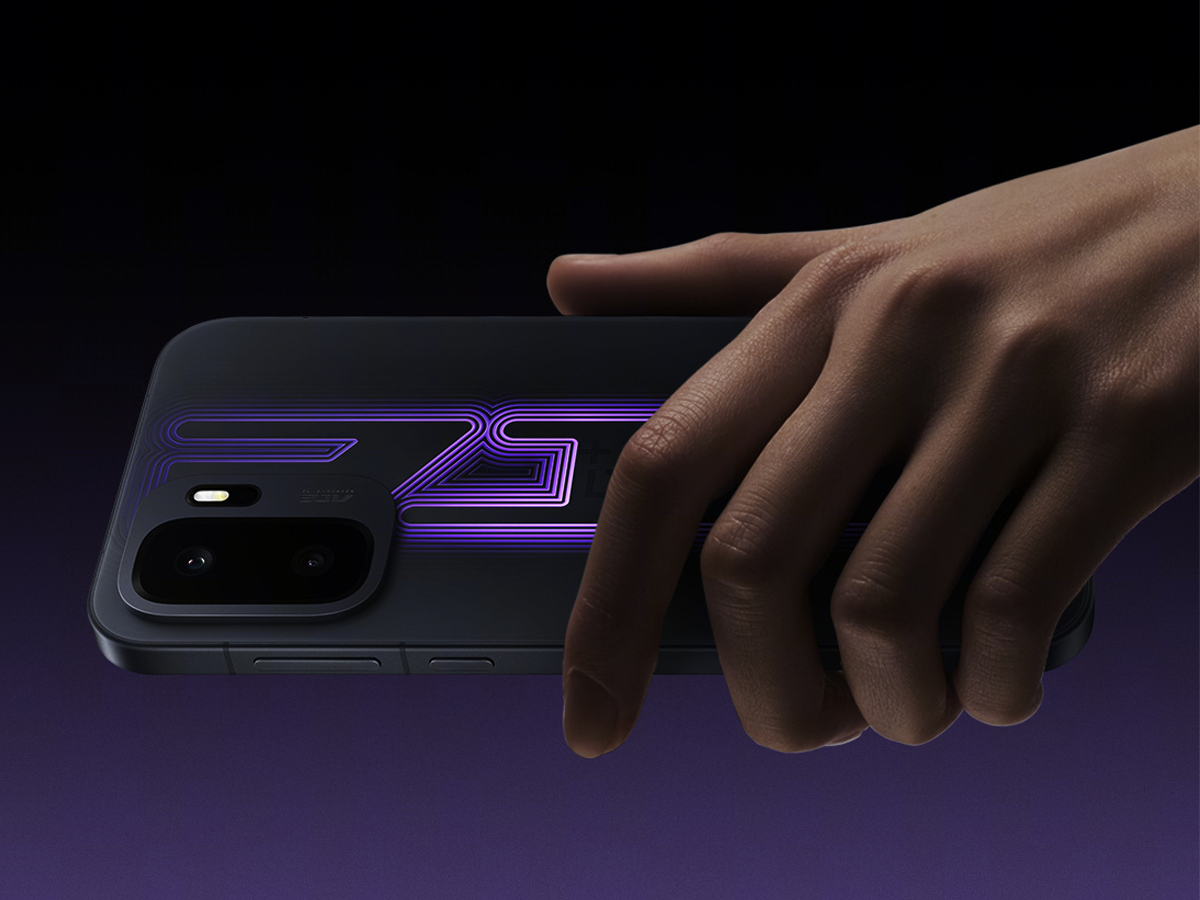
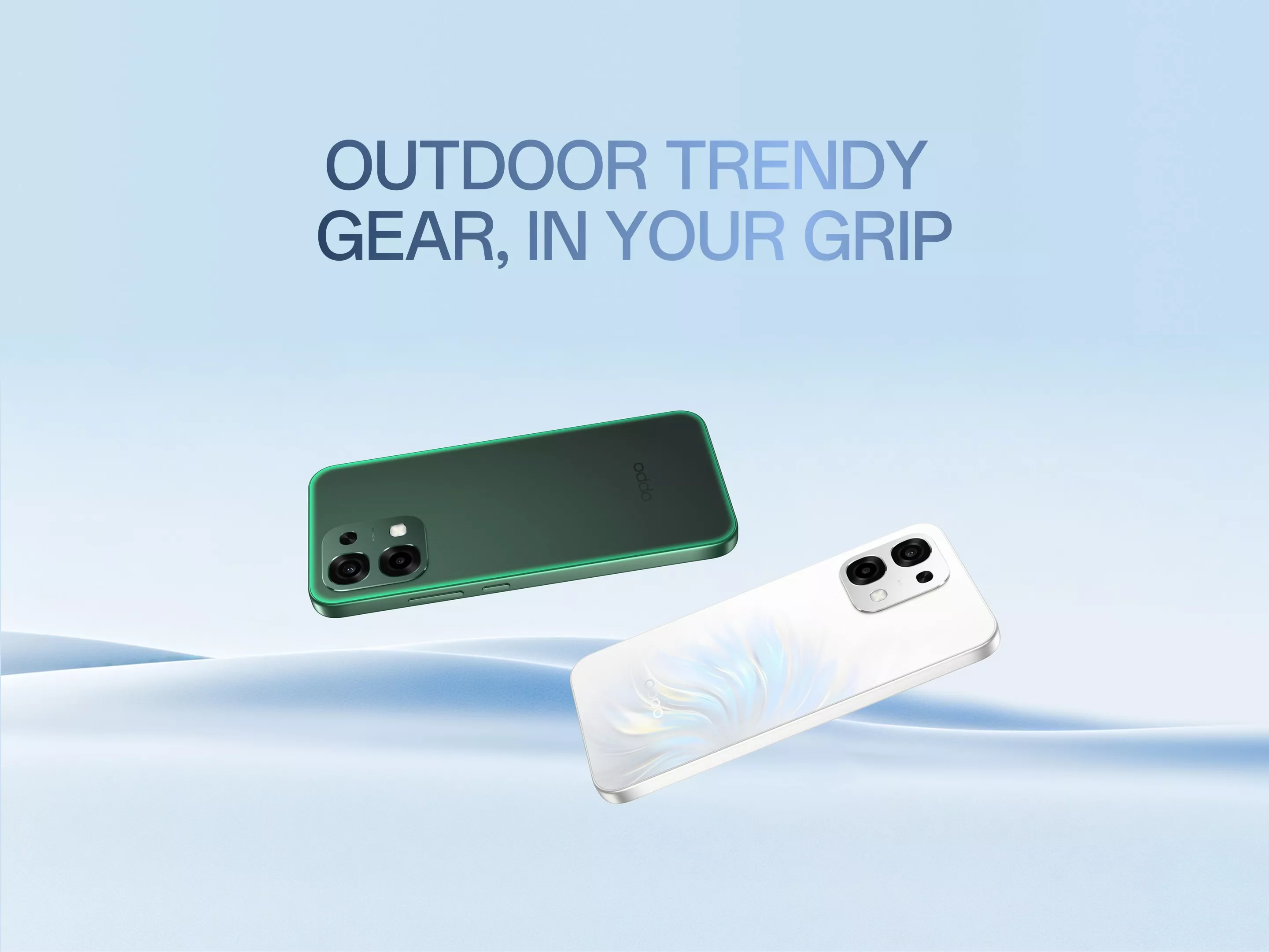
Compact Oppo Find X9s launches globally with 7,025 mAh battery, triple 50MP camera, IP69 rating


Xiaomi recently launched the Redmi A7 Pro 5G in India, and the company has now followed it up with a 4G variant of the A7 Pro, alongside the standard Redmi A7 4G. The Redmi A7 4G features a 6.88-inch LCD, while the A7 Pro 4G gets a 6.9-inch panel. Both devices offer a 120Hz refresh rate, HD+ resolution, and a 240Hz touch sampling rate. Under the hood, both smartphones are powered by the Unisoc T7250 chipset, paired with up to 4GB of LPDDR4X RAM and 64GB of UFS 2.2 storage. They also include a microSD card slot for expandable storage. As for the cameras, the Redmi A7 4G and A7 Pro...
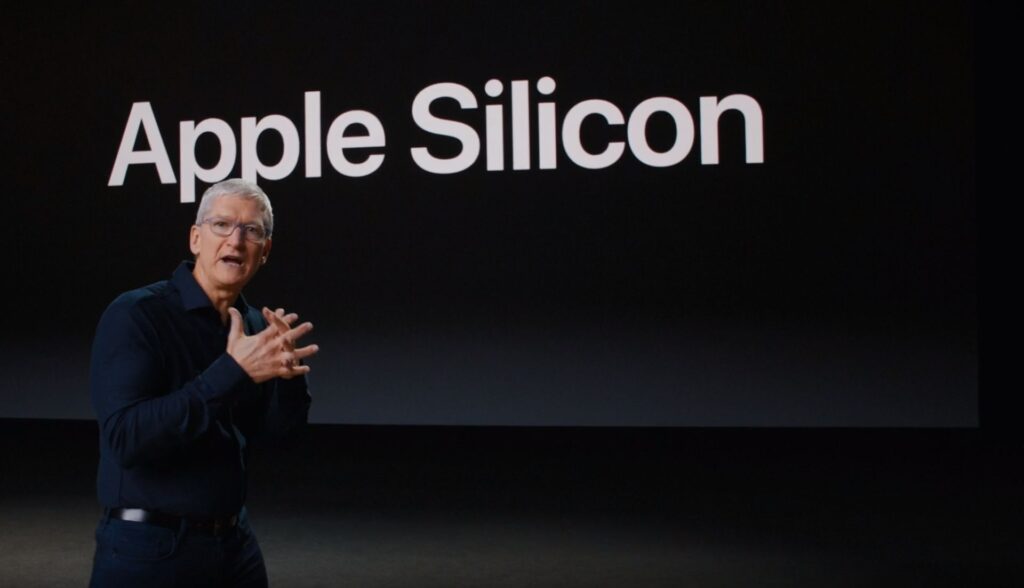
After months of quiet speculation and the occasional well-sourced rumor, Apple officially confirmed that Tim Cook will step down as CEO and be replaced by John Ternus, effective September 1, 2026.
Just last month, Cook made a claim that he wasnβt going anywhere, that he couldnβt imagine life without Apple, and then this happened. Either something shifted fast behind closed doors, or that statement was always a spin.
Cook will stay through the summer, presiding over WWDC 2026, which now reads as an extended farewell tour. Then September arrives, Apple announces a new iPhone as it always does, and Ternus walks into the frame as CEO.
The new boss, John Ternus, has been at Apple for 25 years. When Jeff Williams, the previous frontrunner for the CEO seat, retired, Ternus absorbed that momentum and never gave it back.
Cookβs endorsement was glowing to the point of being almost cinematic. βJohn Ternus has the mind of an engineer, the soul of an innovator, and the heart to lead with integrity and with honor.β
Ternus himself struck a humbler tone. He spoke about the talent around him, about the values that have defined Apple for half a century, about being humbled by the responsibility.

The post Who is John Ternus? Meet the man replacing Tim Cook as Appleβs next CEO appeared first on Sammy Fans.
US smartphone demand picked up in early March, led by new launches. New data reveals that the Galaxy S26 series, specifically the Ultra model, is selling much faster (despite a price hike) than the Galaxy S25 series in the US.
Data from Counterpoint Research shows weekly sales rising 24% week over week and 3% year over year during March 8 to 14. Over the next three weeks, the market expanded 5% YoY, reversing a weak start to the month.
Galaxy S26 series recorded a 29% YoY increase in the US sell-through during its first three weeks of availability. Preorders climbed nearly 25% across channels, with some retailers reporting twice the preorder volume compared to the S25 series.
The Galaxy S26 Ultra accounted for 71% of total S26 series sales, up from 61% last year.
Pricing adjustments on base and Plus models pushed buyers upward, with changes in the features also mattering a lot.Β The new Privacy Display on Ultra offered a clear use case, which supported conversion at retail.
At the same time, AT&T and T-Mobile both offered the Ultra for free with trade in or new line offers from launch. Early channel checks suggest strong traction at T-Mobile.
Samsungβs early S26 cycle shows stronger upgrade intent than last year, with a higher Ultra mix and faster initial sell through.

The post Galaxy S26 is selling much faster than the S25 in the US appeared first on Sammy Fans.
Samsung quietly hiked the prices of the Galaxy S25 lineup in India. A few weeks back, Samsung actually cut prices on last yearβs flagships.
Memory chip costs were climbing, and yet Samsung made the phones cheaper, which drew in buyers whoβd passed on the Galaxy S26 or felt the upgrade wasnβt worth it.
Well, Samsung has now reversed those cuts entirely.
Not only are the Galaxy S25, Galaxy S25 Ultra, and Galaxy S25 FE back to their original prices, some variants got pushed even higher.
The base Galaxy S25 with 128GB storage jumped from INR 56,999 to INR 74,999. The 512GB model went from INR 77,999 to INR 104,999.
The S25 FE took hits too, with the 128GB model creeping up from INR 56,999 to INR 59,999, and the 256GB variant went from INR 62,999 to INR 69,999.
Samsungβs Galaxy S25 Ultra 256GB (with the same 12GB RAM ) now costs INR 1,19,999, while the 512GB model matches the entry price of Galaxy S26 Ultra (INR 1,39,999).
Galaxy S26 has seen a steep price hike, selling for higher than the S25 series. In that case, making the Galaxy S25 and S25 Ultra even more affordable may have started hurting the sales of S26 series.
The post Samsung may be hiking Galaxy S25 prices in India to make the Galaxy S26 look better appeared first on Sammy Fans.


The Oppo Find X9 Ultra is almost here β it will be officially unveiled tomorrow, April 22. Until then, the company is posting teasers and videos to build up hype for its camera flagship. Several videos just went up on Oppoβs YouTube page that showcase what the X9 Ultra can do in the hands of professionals. In the first video below, photographer Jerome and explorer Guille travelled to Kyrgyzstan to capture one perfect shot β an eagle hunter in the mountains with the moon up in the sky. The team shot at 600mm (using the 300mm Hasselblad add-on lens) to make the moon appear huge. The...
Motorola is unveiling one or more new Razrs internationally on April 29, as revealed earlier today. Now, a new report from France brings us more information about the US market. Like last year, the lineup will be rebranded over there, and there's an extra model. So, the international Razr 70 will be known in North America as the Razr 2026, the Razr 70 Ultra will be the Razr Ultra 2026, and there will be a Razr+ 2026 sitting in between them with no international correspondent. The new lineup will allegedly become available in North America on May 21. There will be price hikes: $100...
Samsung expanded Galaxy S26βs Document scan camera tool to various older devices. This handy feature allows Galaxy fans to have a soft copy of their documents and important paperwork without requiring a physical scanner.
Scanning a document has always been pretty easy on Android devices. There are plenty of third-party apps available that assist in scanning docs. But Samsung added Document scan as a camera tool as part of One UI 8.5 update.
A community moderator earlierΒ confirmed that the feature will be provided to Galaxy S25 series. Samsung yesterday released the tenth One UI 8.5 Beta update to Galaxy S25 series and a similar build to even more devices.
We can confirm the Galaxy S25 series has added a Document scan feature inside the native camera app. It should have also added in devices like the Galaxy S24 series, S25 FE, the Z Fold 7 and Z Flip 7 and Z Fold 6 and Z Flip 6.
Document scan has been added but you may not be able to use it right away. The OS has kept it in a disabled setting and it can be activated inside camera settings. You can also have a quick launch icon in the app drawer.
![]()
Additionally, Samsung has expanded four new AI features, including the Enhanced Audio Eraser, Creative Studio, Photo Assist with text input and Call Screening. One of the AirDrop issues (location tag) has also been addressed.
Read more:
The post Galaxy S26βs handy Document scan camera tool comes to older Samsung phones appeared first on Sammy Fans.
Samsung announced a major expansion of Galaxy Connect to all Windows 11 PCs. Not just Galaxy Book laptops, but all PC users with the latest Windows 11 can now access Samsungβs cross-device ecosystem application.
The newly introduced Galaxy Connect app is not just another utility buried in the Microsoft Store. For a company that has long leaned into vertical integration, this feels less like a feature drop and more like a strategic correction.
Galaxy Connect acts as a bridge between Galaxy phones, tablets, and Windows PCs. Previously, this level of integration was locked to Galaxy Books, but now, Samsung is pushing that same continuity layer to a much wider Windows install base.
Download from the Microsoft Store, sign in with a Samsung account, and youβre in.
Features include:
Continue where you left off
Web sessions from your phone can be picked up instantly on your PC, especially if you are using Samsung Internet.
Universal copy and paste
You can move text, images, files, even videos across devices with a simple copy-paste flow.
File Explorer with Shared Storage
Your Galaxy phone or tablet essentially appears inside Windows File Explorer. That means direct access to files without manually transferring anything.
Multi Control and Second Screen
You can use a single mouse and keyboard to control your PC, phone, and tablet. Additionally, your Galaxy tablet can double as a secondary monitor.

Opening these capabilities to non-Samsung PCs removes one of the biggest barriers in Samsungβs ecosystem strategy. It makes Galaxy devices more attractive without demanding full brand lock-in.
The post Samsung launches Galaxy Connect cross-device ecosystem for all Windows 11 PCs appeared first on Sammy Fans.


The vivo Y500 Pro launched back in November is getting a successor soon, and it is already listed on China Telecomβs database. The vivo Y600 Pro (V2561A) will bring several updates, including a larger 6.83-inch AMOLED display featuring 2,800 x 1,260px resolution and a massive 10,200mAh battery with 80W charging. vivo Y600 Pro listing The device is listed with the MT6858T chipset, which is rumored to be the upcoming MediaTek Dimensity 7300e. It will be available with up to 12GB RAM and 512GB storage and boots Android 16, presumably with OriginOS 6 on top. vivo Y600 Pro...


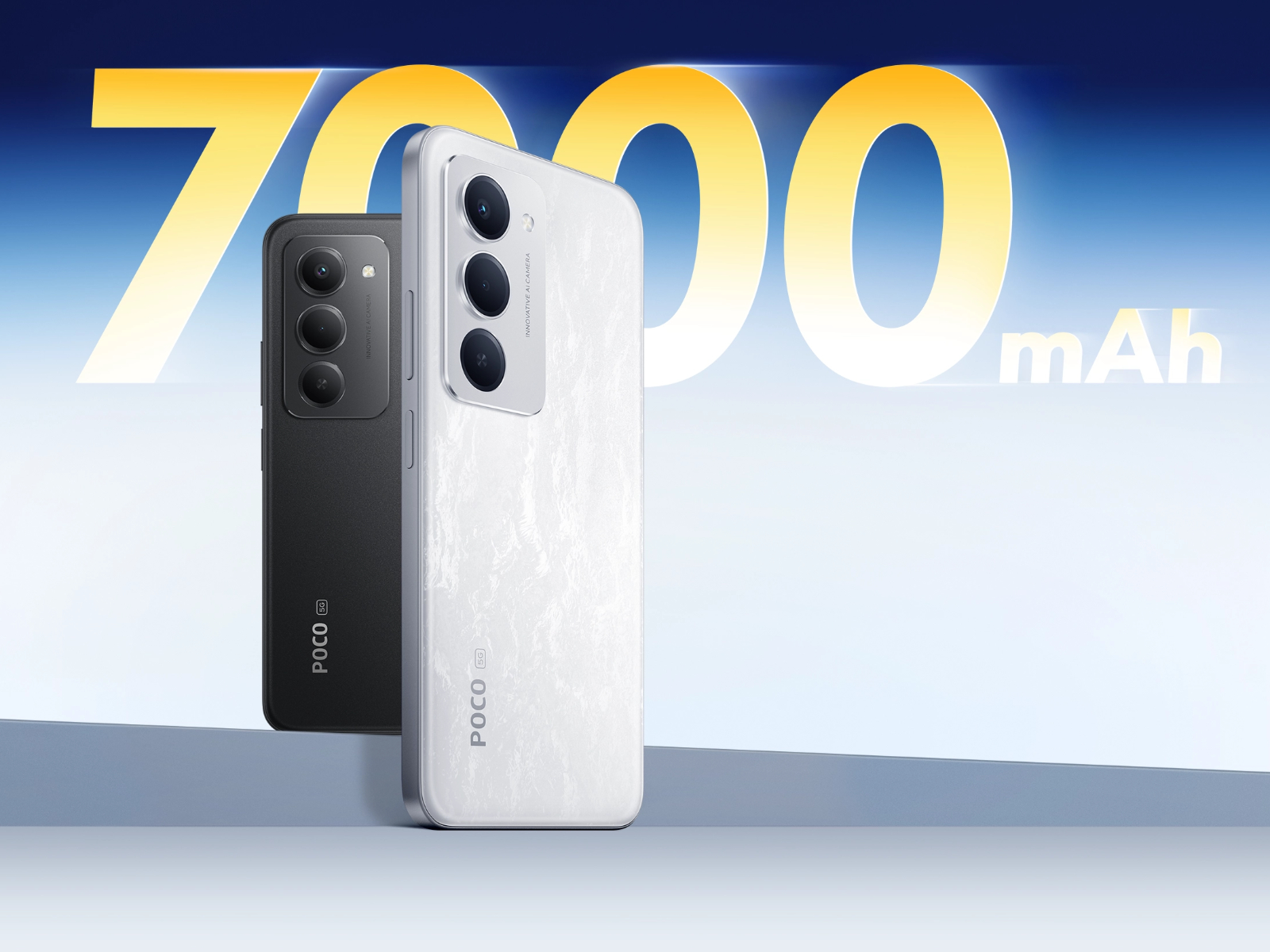
The Poco M8s 5G is the latest addition to the companyβs M8 lineup. It features a large 7,000mAh battery and a 6.9-inch display. The handset is now available in global markets, starting at $189 for the base variant. It is equipped with the Snapdragon 6s Gen 3 chipset, which can be configured with up to 8GB of LPDDR4X RAM and up to 256GB of UFS 2.2 storage. The phone also offers expandable storage via a microSD card slot. The Poco M8s 5G sports a 6.9-inch LCD display that offers a Full-HD+ resolution and a refresh rate of up to 144Hz. Thereβs an 8MP selfie camera up front housed...
vivo today made the Y6t official. The smartphone is powered by the Snapdragon 4 Gen 2 SoC, and it comes with a 6.74-inch LCD screen with 720x1600 resolution and a 120Hz refresh rate. On the rear there's a 13MP camera, while on the front you get a 5MP snapper for selfies. Keeping the lights on is a 6,500 mAh battery with support for 15W wired charging. The phone runs Android 16 with OriginOS 6 on top. vivo Y6t official images There's a side-mounted fingerprint scanner embedded into the power button, 5G support, and a 3.5mm headphone jack. The device measures 167.4 x 77.1 x...
Samsung has already started testing early internal firmware builds for the latest Galaxy S-series flagship device. The first build was spotted around mid-March 2026 for the Galaxy S26 series, including the S26 Ultra, and some testers have installed it on real devices.
Samsungβs One UI 9 development is moving fast because Googleβs Android 17 Beta program has been rolling since February 2026, with platform stability reached by late March.
Now the big question is when we will get our hands on the early One UI 9 features. Letβs talk about it.
Hereβs the expected release date based on Samsungβs recent patterns and leaks:
This is faster than some past One UI rollouts because Samsung has been accelerating its update schedule.
The official One UI Beta Program will be available through the Samsung Members app. The beta program is currently open (One UI 8.5) in these countries: US, UK, Germany, Poland, South Korea, and India. If you are living in any of these countries, you will be eligible as soon as the One UI 9 registration banner appears in Samsung Members.
Easy steps (same as past betas):
1. Open Samsung Members app, log in with your Samsung account.
2. Look for the βNotice / Banner / Beta cardβ or βRegistration for One UI Beta Programβ.
3. Submit your device info (it must be a supported model on the latest stable or beta firmware).
4. If selected, you will get an OTA beta build (sometimes multiple waves).
Important: You can unenroll and return to stable, but expect bugs, battery drain, and possible data wipes in early builds.
Samsung One UI 9 Eligible Devices: (Tentative List)
Samsung hasnβt published an official list yet (It usually does right after beta is completed), but eligibility follows its 4β7 year major OS update promise. Devices that received One UI 8/8.5 are almost certain to get One UI 9 unless already hit the eligibility limit.
Galaxy S series:
β S26 / S26+ / S26 Ultra (first in line for beta)
β S25 series (S25, S25+, S25 Ultra, S25 Edge, S25 FE)
β S24 series (S24, S24+, S24 Ultra, S24 FE)
β S23 series (S23, S23+, S23 Ultra, S23 FE)
Galaxy Z series:
β Z Fold 8 / Z Flip 8 (launch with stable)
β Z Fold 7 / Z Flip 7 (and FE variants)
β Z Fold 6 / Z Flip 6
β Z Fold 5 / Z Flip 5
Galaxy A series (select mid-rangers):
β A57, A56, A55, A37, A36, A35, A26, A25, A17, A16, A15, A07 (and LTE/5G variants)
Tablets:
β Tab S11 / S11 Ultra
β Tab S10 series (S10+, S10 Ultra, S10 FE/FE+)
β Tab S9 series (S9, S9+, S9 Ultra, S9 FE/FE+)
β Tab Active 5 / Active 5 Pro
Others: Galaxy XCover 7 (and some region-specific M/F models in limited cases).
Devices likely stopping at One UI 8.5: S22 series, Z Fold 4, Z Flip 4, older A-series like A53/A54 in some regions, etc.
Whatβs new in One UI 9 (From leaks & early builds)
One UI 8.5 already brought some visual refresh (glassy effects, new icons, etc.), so you can expect more polishing, refinements, and deeper Android 17 integration rather than a total redesign in One UI 9. Early internal builds show mostly subtle tweaks, but the first public beta will likely add more. Hereβs what we have so far.
UI & Design improvements:
β Thicker, easier-to-reach brightness and volume sliders in Quick Settings.
β Enhanced lock-screen media player widget with colorful waveform animations and circular buttons.
β Possible expanded βglassyβ/translucent blur effects across Quick Panel, notifications, and panels.
β Redesigned βAbout Phoneβ section in Settings.
β Squarer/customizable widget corners and more uniform home-screen widget styling.
β Gallery app gets a clean multi-image selection preview with blur effect.
β Refined spacing, animations, and overall fluidity (Material 3 Expressive influences from Android 17: new icons, layouts, possibly frosted-glass panels).
New Samsung Features:
β Tap to Share (NFC-based quick file/photo/contact/location sharing with a glow animation).
β Bixby home-screen widgets (voice/mic and keyboard options for quick commands).
β Warranty & Care central hub in Settings: warranty info, diagnostics, repair options, remote assistance, and Bixby voice integration for all your linked devices.
β Improved Galaxy AI (proactive features, enhanced Photo Assist with AI suggestion βpillsβ in the editor, more Agentic AI capabilities).
You can expect these Android 17 features on One UI 9:
β Floating app bubbles/windows for any app (great on foldables/tablets).
β System-level selective contacts picker (apps only see contacts you explicitly grant).
β Advanced Protection Mode + better privacy controls.
β Improved satellite connectivity and UWB distance measurement.
β Notification Rules: super-granular per-app/per-contact rules (Silence, Block, Highlight, Bundle, etc.).
β Per-app dark theme options, better location permissions, multitasking enhancements (pinned bubbles), 14-bit RAW camera support, gaming optimizations, and adaptive apps across screen sizes.

One UI 9 looks like a solid upgrade, with a more refined UI, smarter AI, tighter Android 17 integration, and useful additions like Tap to Share and Notification Rules.
Watch for the official announcement in the Samsung Members app or on Samsungβs newsroom/developer site in the next 4β6 weeks. If you have a supported device (especially S26), you will be able to test early.
The post Samsung One UI 9 Beta: Why itβs different this year β Release Date and Eligible devices appeared first on Sammy Fans.

A fresh rumor has surfaced suggesting the Galaxy Z Flip 8 will arrive with the exact same 4,300mAh battery and 25W charging speed as the Galaxy Z Flip 7.
Samsung last bumped the charging speed on its flip lineup back in 2022, when the Galaxy Z Flip 4 debuted with that spec. Itβs going to be the fourth time in a row that the companyβs clamshell foldable is retaining the charging speed.
The South Korean tech giant may upgrade other aspects, including the chip and camera.
The Galaxy Z Flip 8 could land with a newer chipset, which should bring the usual performance and efficiency bumps. Just like the S26, Samsung may split the chips between its in-house Exynos and Qualcommβs Snapdragon.
There are whispers of camera improvements, too. Such enhancements will make the companyβs next Flip phone even more appealing. That said, Samsung isnβt completely sleepwalking through the development cycle.
Samsung is expected to hold its next Unpacked event in London, a slight departure from its usual rotation. The new foldables, including the Galaxy Z Fold 8, Z Fold 8 Wide, and Z Flip 8, are anticipated for a second-half launch.
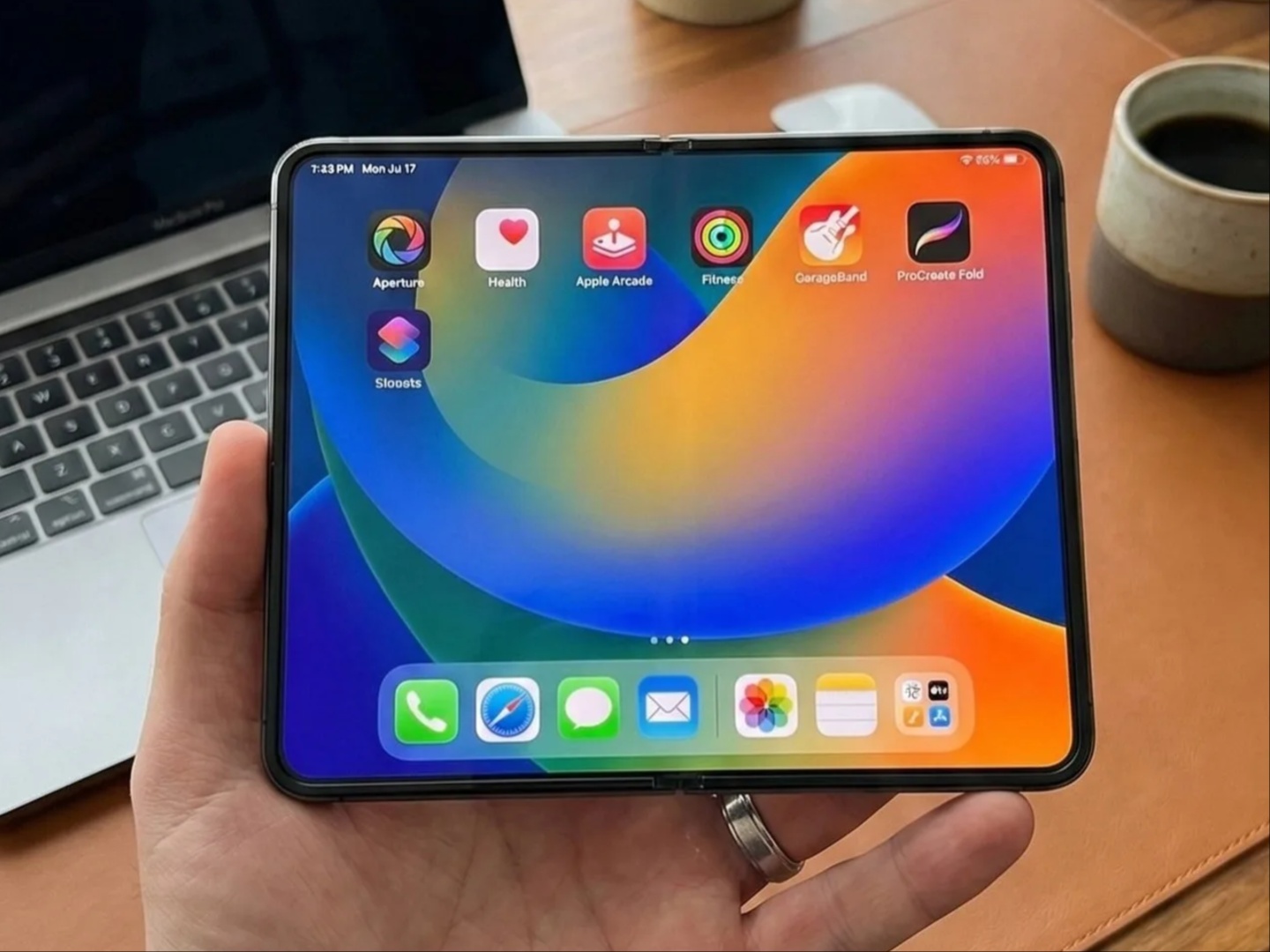
Galaxy Z Fold 8 Wide is going to be a brand-new debut to the lineup. The phone is expected to enter as an alternative to Appleβs foldable. The design is influenced by the OG Pixel Fold, featuring a passport-like look.
More leaks will almost certainly surface between now and then.
The post Galaxy Z Flip 8 may offer chip, camera gains; no progress in battery and charging appeared first on Sammy Fans.
Samsung owns Android, which has been true for years, and the Galaxy maker has done little to pretend otherwise, but quietly, methodically, Motorola has been building something worth paying attention to.
Over the past few years, Motorola has made a series of smart, deliberate choices. The company found a real balance between value-focused midrange devices and genuinely compelling premium foldables.
Most manufacturers stumble badly when they try to play both ends of the market; meanwhile, Motorola hasnβt stumbled.
Now, with the Razr Fold and the new Moto G Stylus surfacing for 2026, the picture is getting clearer. Motorola isnβt just competing anymore; itβs positioning itself as the answer to every frustration Samsung has handed its users.
When Samsung stripped S Pen support from the Galaxy Z Fold 7, it chose thinness. Engineering tradeoffs are real, and the digitizing layer was genuinely in the way of a slimmer device, but it removed an iconic feature.
Stylus users on the Z Fold lineup felt abandoned. They bought into an ecosystem, paid premium prices for years, and got told their preferred way of working didnβt fit the new design. Thatβs a rough message to send to your most committed buyers.
Motorola heard it loud and clear, with the Razr Fold debuting stylus support baked in. Weβre talking a large inner display that was practically built for pen input. Motorola just plugged a gap Samsung left open with its latest Fold.

Source β Motorola
Samsung removed the battery from its S Pen, starting in the Galaxy S25 Ultra. Motorola turned around and added one to its stylus a year later. The new Moto G Stylus brings pressure sensitivity and tilt recognition.
It wonβt match peak S Pen precision, and nobodyβs claiming it will, but thatβs not the point. The point is that stylus users now have a credible place to go, at a price that is significantly lower than Samsungβs Ultra and Fold lineup.
Samsung spent years teaching people what a premium Android phone should feel like. Motorola is just reminding the Korean tech giant to sync with evolving dynamics.
The post Motorola becoming the anti-Samsung β A problem Samsung should take seriously appeared first on Sammy Fans.

After Samsung blurred the lines between the S Plus and the S Ultra models a few generations ago, users each year are wondering which one to get. The top-tier and more expensive Samsung Galaxy S26 Ultra or the Samsung Galaxy S26 Plus variant that gives you roughly the same user experience at a more manageable price? "Roughly the same" won't cut it for some users, so naturally, the Ultra will give you a few extra exclusive features. And it's not just the S Pen, so let's explore the nuances. Table of Contents: Design Display Battery Life Charging Speaker Test ...
Motorola is unveiling a new Razr smartphone on April 29. The company has just revealed this via its official account on X. There's also a teaser video to go with it. The Razr 70 and Razr 70 Ultra have both been leaking a lot lately, and it stands to reason that their maker would finally decide to make them official. And the timing is impeccable too, seeing as how the Razr 60 and Razr 60 Ultra arrived in late April of last year. Get ready to experience something new π. pic.twitter.com/cHYgYVwz8Hβ motorola (@Moto) April 20, 2026 Based on past leaks, expect the Razr 70 to be identical...
Samsung yesterday rolled out the One UI 8.5 Beta 10, which improved the metadata function of AirDrop connection.
Galaxy users have received an upgraded Quick Share, which lets them share files across Appleβs various operating systems that support AirDrop. Both sides donβt require installation of any additional apps; just a few settings need tweaking.
Samsung to AirDrop sharing works fine, but users found different issues. Recently, weβve reproduced the issue where images and videos lack crucial metadata info, including location data, when shared from a Samsung phone.
It improved with the recent update.
Samsungβs One UI 8.5 Beta 10 partially fixed AirDrop metadata issues. Location data is now attached to photos, but is lacking for videos. Apple devices are showing location info on images received from Samsung phones.
While images automatically showcase a map preview based on the location tag, videos show an option to manually add a location. That said, Samsungβs AirDrop requires another correction to fix the location problem on videos as well.

The improvement is observed on the 10th Beta of the Galaxy S25 series. Meanwhile, the same level build was also provided to the Galaxy S24 series, S25 FE, Galaxy Z Fold 7, Z Flip 7, Z Fold 6, and Z Flip 6 smartphones.
Samsung also expanded various AI features from the Galaxy S26 series to existing flagships with the ZZDD Beta update. The list includes enhanced Audio Eraser, Photo Assist with text input, AI-powered Call screening and Creative Studio.
The post 10th One UI 8.5 Beta partially fixed AirDrop metadata issues appeared first on Sammy Fans.

Apple has announced that Tim Cook will step down as the company's CEO, and John Ternus, Apple's current Senior VP of Hardware Engineering, will take over as the next Apple CEO effective on September 1, 2026, while also joining the board of directors. Cook will continue as CEO through the summer as he works closely with Ternus to ensure a smooth transition. Post that, Cook will serve as the Executive Chairman of Apple's board of directors. In this role, Cook will assist with certain aspects of the company, including engaging with policymakers worldwide. Tim Cook joined Apple in 1998 and...
Samsungβs Galaxy S26 Ultra, Watch Ultra, and Galaxy Ring were deployed during The Speed Project, an underground-style endurance desert race stretching from Los Angeles to Las Vegas through Death Valley.
A 547-kilometer relay across desert terrain is not the kind of environment where consumer hardware usually gets tested. The Polish team, Swords Athletics, with six runners, became the first from the country to take on the route.
The runners carried a tightly integrated set of Galaxy devices handling navigation, communication, and physiological monitoring under sustained stress.
Galaxy S26 Ultra handled route tracking with stable GPS synchronization across remote desert sections where signal consistency can vary. Real-time positioning data ensured runners stayed aligned with the course.
At the core of the setup was the Samsung Galaxy Watch Ultra, used for continuous health metric tracking. Runners relied on real-time heart rate monitoring and pace analysis as they rotated through relay segments.
Recovery management was handled through the Galaxy Ring. Between running shifts, athletes used the ringβs tracking capabilities to assess recovery patterns, likely focusing on sleep fragments, heart rate variability trends, and overall readiness.

Additionally, the Galaxy Buds 4 Pro earbuds supported hands-free communication between team members and support drivers. This setup reduced friction during transitions, particularly in low-visibility or night segments.
Creators embedded with the team used the S26 Ultraβs imaging system to document the run, capturing stills and video. Meanwhile, the Tab S11 Ultra functioned as a control hub for route planning and live content production.
The post Galaxy S26 Ultra, Watch Ultra and Ring show real-world endurance in desert race appeared first on Sammy Fans.
Qualcomm CEO is moving through Seoul on a tight schedule, sitting down with executives from both Samsung and SK Hynix in what is shaping up to be one of the more significant chip industry visits amid the 2nm generation.
Cristiano Amon landed at Gimpo Airport on Monday and got straight to work. The headline meeting is with Han Jin-man, president of Samsungβs Foundry Business Division, as reported by Korean outletΒ KEDGlobal.
Heads of Qualcomm and Samsung Foundry are deep in discussions about manufacturing the Snapdragon chip on the latterβs 2nm process node.
Qualcomm CEO Amon actually announced at CES 2026 in January that talks had started and design work was already wrapped. If it closes, Qualcommβs cutting-edge orders come back to Samsung after five years away.
Samsungβs yield and thermal performance numbers have apparently moved enough to rebuild trust. That $16.5 billion Tesla deal signaled to the whole industry that Samsung Foundry could handle serious volume on serious nodes.
Thereβs the TSMC factor, because wafer prices there arenβt getting financially favorable. Splitting production between suppliers is exactly the kind of cold, calculating move Qualcommβs procurement team lives for.
Well, Amon skipped a meeting with TM Roh, who runs Samsungβs mobile business and is one of Qualcommβs biggest Snapdragon customers.
This visit is about fabs and memory, not phones. The smartphone relationship is already locked in. What Amon came to Seoul to sort out is the next five years of chip architecture
The post Qualcomm CEO visits Samsung Korea to lock in 2nm Snapdragon chip? appeared first on Sammy Fans.


Honor is suddenly at the forefront of humanoid robot technology β it introduced its first model at the MWC and a few months later another one of its robots won the humans vs. robots half marathon. A half marathon is 21km (13mi) and the 2025 edition was a triumph for Homo sapiens. Only 6 of the 21 participating robots finished, while most stumbled or overheated. And the winning robot took 2 hours and 40 minutes, twice as long as the human winner. This year, the Honor robot blitzed the distance and finished in only 50 minutes and 26 seconds. This not only beat the winning human...
Samsung has another pair of earbuds in the works called Galaxy Buds Able, and their design has apparently leaked in One UI firmware.
Nobody knows what βAbleβ is supposed to mean. Samsungβs product naming has always been a mix of aspirational English and corporate blur, so this fits. βAble to hearβ is the obvious read, but obvious isnβt always right with Samsung.
SammyGuru dug up an icon buried inside One UI firmware, and it gives us our first real look at the Galaxy Buds Able design. The name has floated around since last March, but the design is nothing like what Samsung has ever shipped.
The icon shows a clip-style earbud, the kind that hooks onto your outer ear rather than plugging into it. The design is heavily influenced by the open-ear approach that Ankerβs Soundcore line and Bose usually introduce.
The speaker faces your ear canal without sealing it off, so you stay aware of the world around you. Itβs a legitimate design philosophy with a real audience, and Samsung has never touched it until now.

The clip design itself is far more interesting than the name anyway. If Samsung executes it well, the Galaxy Buds Able could finally give the open-ear category a product with real mainstream reach.
Bone conduction rumors have trailed this βAbleβ name for over a year now. The category is niche but growing, and Samsung clearly wants a piece of every segment of the audio market.
Meanwhile, what the firmware icon actually shows is a clip design, not the kind of hardware architecture bone conduction requires.
So either Samsung quietly pivoted to a more conventional open-ear approach, or there are two separate products in development and the leaks just havenβt caught up yet.
The post Samsungβs Galaxy Buds Able is real, leak reveals open-ear clip design appeared first on Sammy Fans.


Back in early March, it emerged that WhatsApp would be launching a subscription service, and today this has been confirmed as real. WhatsApp is officially testing WhatsApp Plus. This costs β¬2.49 per month in Europe, PKR 229 per month in Pakistan, and MXN 29 per month in Mexico. If you subscribe, you get access to exclusive premium stickers, the ability to change your app theme by choosing among 18 colors, and even choose a custom icon for WhatsApp itself - this will be shown on your phone's home screen and in its app drawer. WhatsApp Plus features: stickers, themes, icons You...
One UI 8.5 beta saga continues, and we now have our hands on the latest software with new Galaxy S26 AI features, expanding to previous Galaxy devices. Samsung has kept this update under development since the release of its latest Galaxy S-series flagship. However, the new update has revealed the newest additions before all public devices could explore them.
Here are the Galaxy 26 AI features coming to Samsung smartphones found in the recent One UI 8.5 update.
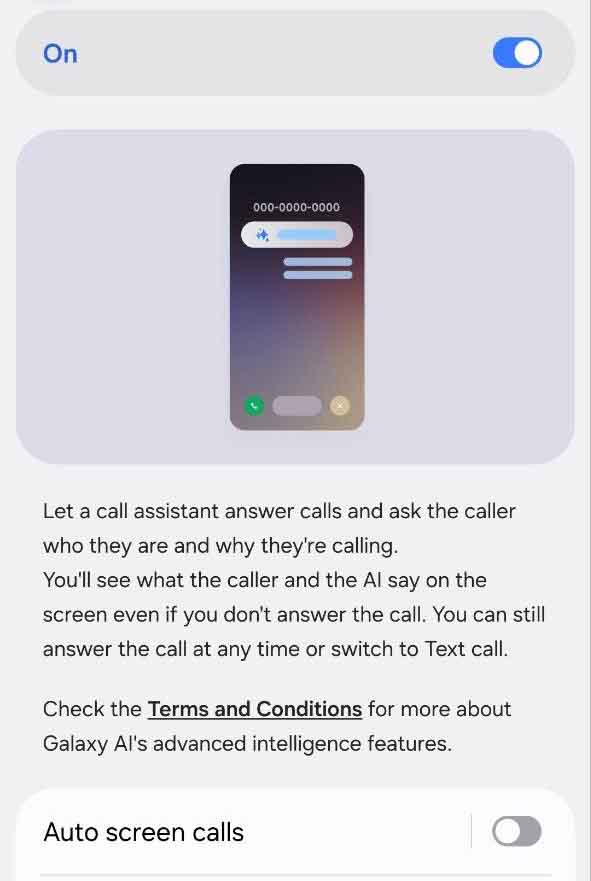
An AI assistant will answer the phone call and ask the caller who they are and why theyβre calling. This helps to deflect calls from unknown numbers and spammers.
Itβs available inside the Phone app > Call settings > Call screening. You can set it to auto-screen calls and change language and voices.

Samsungβs so-called daily AI briefing feature is getting the βGet richer insightsβ addition in the settings. You have to share a ton of your personal data with Google to get rich insights that you might not need.

The drawing assist feature is renamed to the Creative Studio. It has a revamped user interface and improved tools for creating new images from a sketch, photo, image, or text.

With the new creative studio app, you get access to more AI-supported wallpaper creation inside the AI section of the Wallpapers settings.

Generating wallpapers with the Creative Studio tool in One UI 8.5
Samsung is bringing real-time audio eraser capability for apps like YouTube. These expanded controls help you to reduce background noise in live-streams and help you to focus on the voice that matters.

Samsung has released a new photo assist improvement, allowing you to write down the edits to apply them to a specific area. For example, you can remove a car from the image by typing βremove the white carβ. You can also add something from an image and ask the AI to blend it into the scene.

One UI 8.5 now gives you another way to access AI select by touching and holding the Edge panel handle.
There you have it, folks, these are the new Galaxy S26 series AI features, do you think Samsung has included all of them with One UI 8.5 for previous-gen devices?
The post Galaxy S26 AI features that are released with One UI 8.5 appeared first on Sammy Fans.


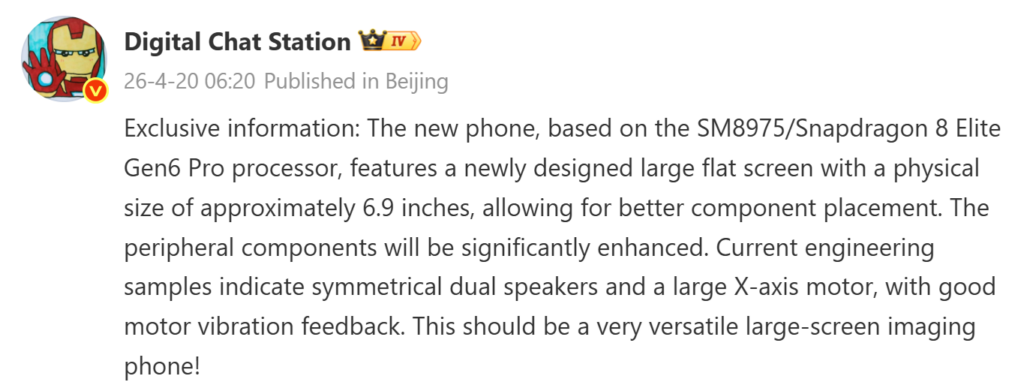
New details about the Xiaomi 18 Pro Max have surfaced online ahead of its expected debut later this year. The Xiaomi 18 series is rumored to include the standard model, the Xiaomi 18 Pro, and the Xiaomi 18 Pro Max. Tipster Digital Chat Station has shared new details about an upcoming flagship device, which is expected to be the Xiaomi 18 Pro Max. Xiaomi 17 Pro Max According to the tipster, the phone will feature a flat 6.9-inch display. Notably, a recent leak had also suggested that the Pro Max variant would sport a similarly sized screen. The tipster also suggests that the...


Oppo is now rolling out its April ColorOS 16 update as part of its monthly rollout. This update brings with it a new UCL watermark, as well as a new video playback feature. Phones receiving this update will get the new UEFA Champions League watermarks in the Photos apps. The watermarks will be available from April 15 to June 10, 2026. The other inclusion is the ability to adjust the playback speed of videos in the Photos app. Users will be able to pick 0.5x, 1x, 1.5x, and 2x from the speed menu while playing local videos. The update will roll out to Find X9 series,...


Samsung has released new updates to the One UI 8.5 beta for the Galaxy S24 family and the Galaxy Z Fold7 today. The updates include the new Galaxy AI features that debuted on the Galaxy S26 family a few weeks ago. We're talking about Creative Studio, Call Screening, the improved version of Photo Assist, and a better Audio Eraser. If you're already using the One UI 8.5 beta on your Galaxy S24 series device or the Galaxy Z Fold7, you will of course receive the new build as an over-the-air software update. If you haven't been notified about it yet, you can go to Settings > Software...


Huaweiβs Watch Fit series just entered its fifth generation. Watch Watch Fit 5 and Watch Fit 5 Pro were announced today at Huaweiβs big launch event, which also saw the debut of the Pura X Max foldable, Pura 90 Pro series, as well as the Watch Buds 2 and Watch Ultimate Star Diamond Edition. Huawei Watch Fit 5 Pro Both Watch Fit 5 members bring familiar-looking designs, though the Fit 5 Pro gets slimmer bezels, which allowed Huawei to fit a larger 1.92-inch AMOLED touchscreen this time around. The Pro features 2.5D sapphire glass and 3,000 nits peak local brightness. The...
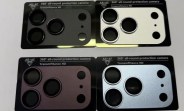
The four colors in which the iPhone 18 Pro (and, presumably, the iPhone 18 Pro Max) will launch have been outed not long ago, but at that point we were only shown some Pantone hues. Now, a leaker from China is showing us these colors on the metal of the iPhone 18 Pro's camera island. You can see them in the image below. According to the previous leak, these will be called Dark Gray, Dark Cherry, Silver, and Light Blue. Dark Cherry is most likely the rumored hero color for the series, replacing Cosmic Orange, which was that but for the iPhone 17 Pro and Pro Max. It's been described...
Samsung is preparing to launch its smart glasses, tentatively named Galaxy Glasses, which have been spotted in One UI 8.5.
Two models are in the pipeline, carrying model numbers SM-O200P and SM-O200J. One ship this year, while the other lands in 2027. Both models are rumored to carry a 155mAh battery, and one is expected to pack a 12MP Sony IMX681 CMOS sensor.
The glasses are closer than you think. SammyGuru discovered what appears to be Samsung Galaxy Glasses baked right into the One UI 8.5 SystemUI.
Specifically, icons buried inside the systemβs design kit and what those icons reveal are pretty telling: the glasses will show up in your Bluetooth device list exactly like your Galaxy Buds or Watch.

One UI 8.5 placement tells us something beyond just aesthetics. It means the glasses ecosystem is already being incorporated into the core software layer. Samsung is building a wearables stack, and the glasses are the piece everyoneβs been waiting on.
Last month, Samsung exec Jay Kim revealed that these glasses wonβt function as standalone devices, but they are phone companions. Your handset does the heavy lifting on data processing, and the glasses just ride along.
The post Samsungβs Galaxy Glasses spotted in One UI 8.5 ahead of launch appeared first on Sammy Fans.


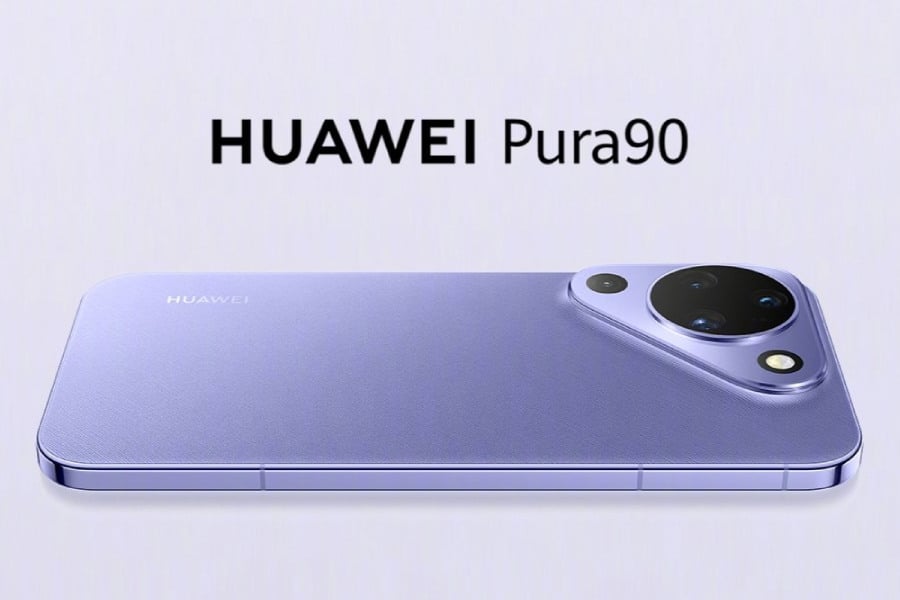
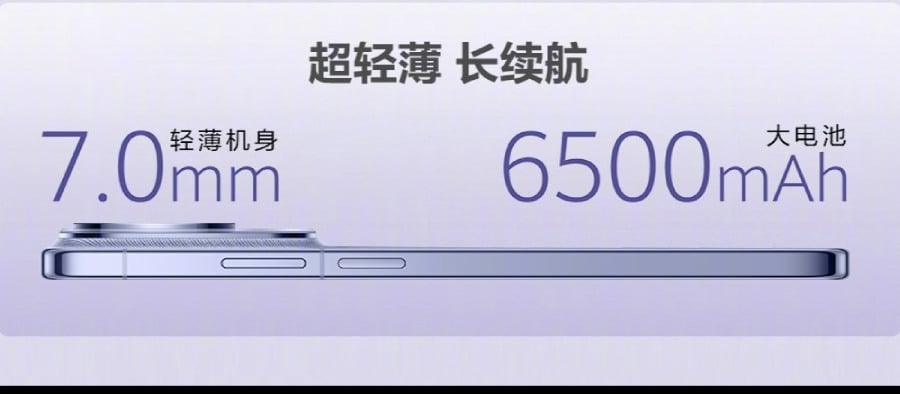
Tagging along with the Pros is the Huawei Pura 90. And while it's not nearly as colorful as the Pura 90 Pro and 90 Pro Max, it packs a mightier battery and also has a conventional triple camera setup on the back. Let's dig in. The Huawei Pura 90 comes in Snow White, Velvet Black, and Roland Purple. The phone weighs just 210 grams and is impressively thin at 7.0mm. The Huawei Pura 90 in all three colors It has a large screen upfront, spanning 6.8 inches. The 2856x1320px panel is an LTPO 1-120Hz OLED with a 300Hz touch sampling rate. It's covered by Kunlun Glass. The phone...


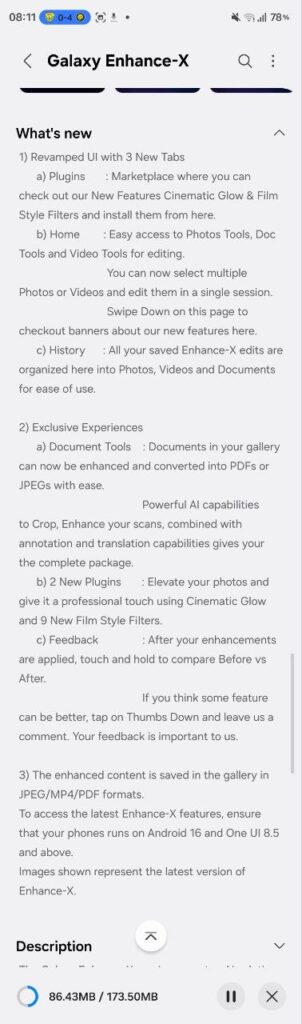
Samsung just updated its proprietary Galaxy Enhance-X app with some powerful tools. The updated version 16.3.00.31, available on the Galaxy Store, adds a new interface, as well as the ability to edit videos and documents, not just photos. The new interface is organized into three tabs - Plugins, Home, and History. The first offers add-ons, currently three - CinematicGlow, FilmStyle, and SkyGuide. These affect images with various effects and filters. The extensive photo editing tools are still here - you can crop, rotate, denoise, remove reflections, fix moire, sharpen (or fix blurred...
Samsung has confirmed the feature rollout that caused the Galaxy S25 users to create a massive outrage against the phone maker.
The latest One UI 8.5 beta comes with the call screening feature. Once enabled, a call assistant will answer calls and ask the caller who they are and why theyβre calling. Users will see what the caller and the AI say on the screen even if they donβt answer the call. However, users can pick up the call at any time or switch to a text call instead.
To enable it, you should go to the phone app, and then settings, followed by Call screening at the top of the menu.
Thatβs a good feature, and it improves the calling experience for those who donβt want to talk to everyone. Samsungβs first call screening with the Galaxy S26 series, attracting previous-gen Galaxy S-series users.

Among these, the Galaxy S25 owners were pretty vocal about their device support. However, Samsungβs community moderator in Korea denied the featureβs backward compatibility. This was enough to generate a legitimate criticism. One, which the company cannot escape.
Users alleged that the company wants to keep new AI features limited to the S26 series, its latest release. This community-wide criticism spread to social media and was covered by media outlets.
As a result, Samsung has to change its decision and confirmed that the call screening feature, along with other AI capabilities, will be released for Galaxy S25 and other flagships with One UI 8.5. Though a stable rollout date is missing, the controversial feature is now available for beta testers. And soon, it will be available for all Galaxy S25 devices.
To conclude, if Samsung had plans to give this feature to Galaxy S25 and other devices, it shouldβve announced it via community moderators without forcing users to outrage.
The post Galaxy S25 users gets the feature that brought Samsung online outrage appeared first on Sammy Fans.


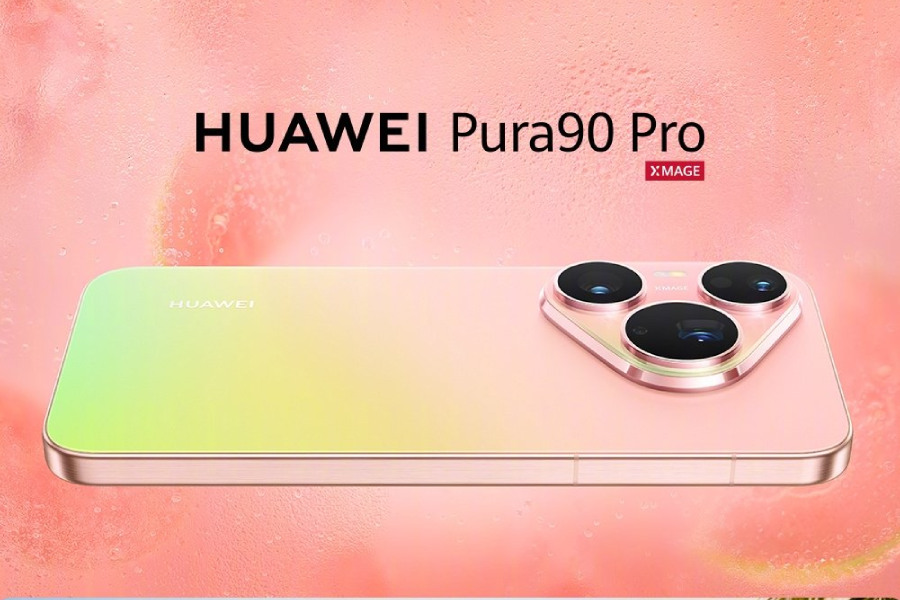
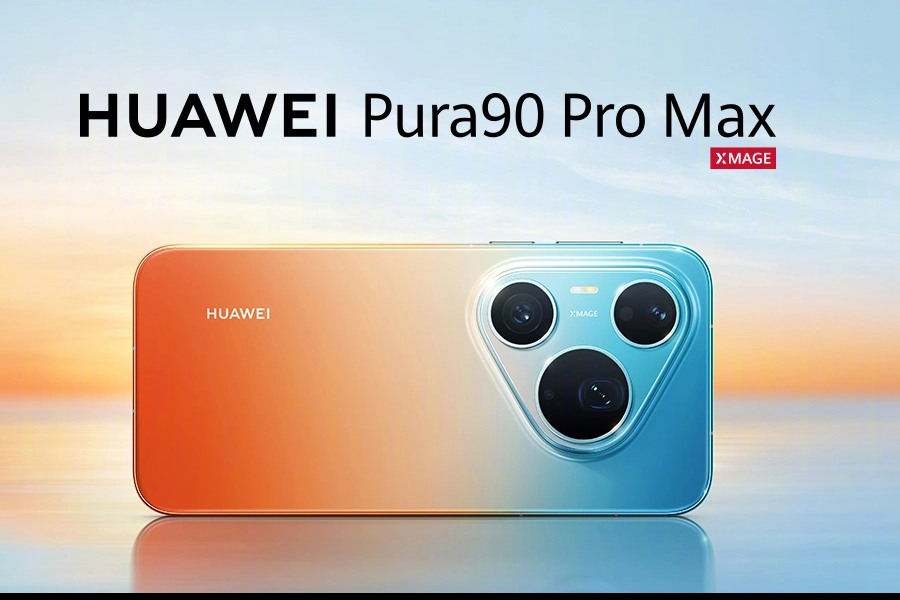
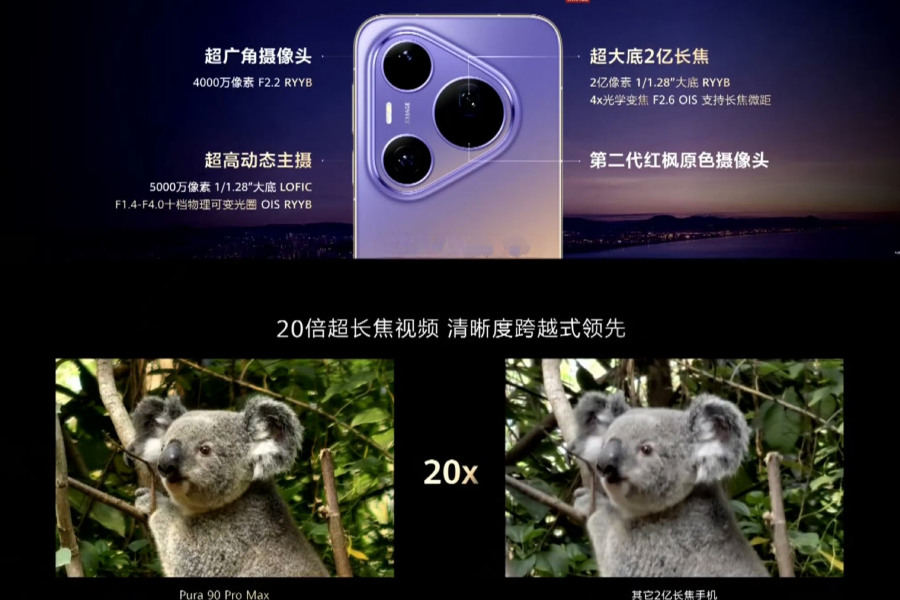
Huaweiβs Pura 90 series is now official, with the Pura 90 Pro and Pura 90 Pro Max ushering in a new era for Huaweiβs flagship lineup. Both bring updated looks with eye-catching gradient color schemes, which is a bit of a throwback to the Huawei P30 series. And as usual with flagship Huawei phones, you get top-tier camera hardware. Huawei Pura 90 Pro Max (left) and Pura 90 Pro (right) Pura 90 Pro Max is headlined by a massive 1/1.28-inch periscope telephoto sensor of 200MP resolution with f/2.6 aperture. This is a 96 mm equivalent module with 4x optical zoom, which Huawei claims...
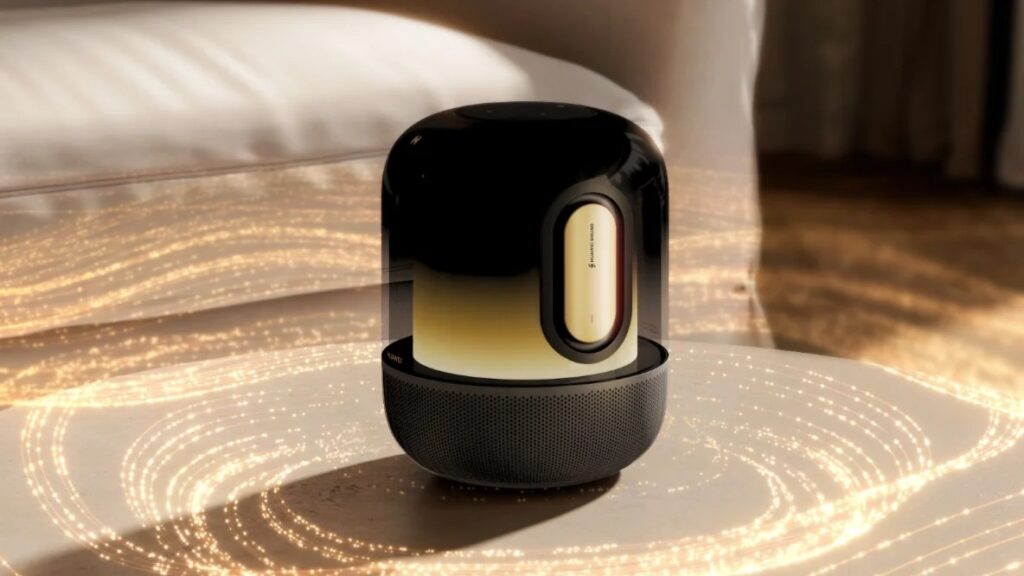
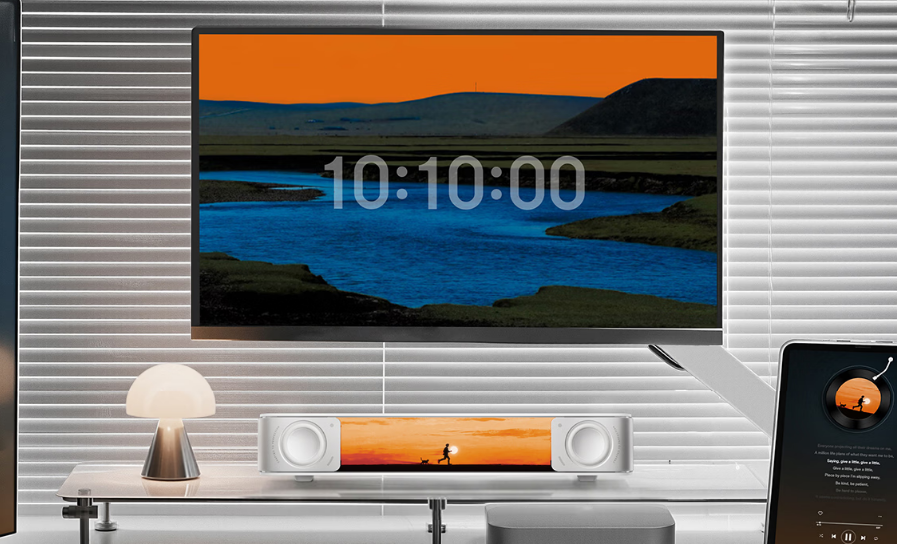
Huawei has introduced a new smart speaker as part of its latest launch event, and this one leans heavily on both sound quality and smart features. The Huawei Sound X5 was announced alongside the Pura 90 series and WATCH FIT 5 series, expanding the companyβs growing ecosystem of connected devices.

At its core, the Sound X5 focuses on audio. Huawei is using an eight-unit, three-way speaker setup, consisting of a 126 mm woofer, four 48 mm midrange drivers, a 35 mm tweeter, and two passive radiators. The idea here is better separation across lows, mids, and highs. Huawei claims bass can go down to 36Hz, which should add a bit more depth compared to smaller speakers.
The rated output is around 160W, broken down into a 60W woofer, four 20W midrange drivers, and a 20W tweeter. For comparison, the Huawei Sound X4 featured a 50W 120.7mm woofer, four 38.1mm 5W full-range speakers, a 31.8mm 3W tweeter, and two passive radiators.
Thereβs also a push toward smarter interactions this time. The speaker runs on an updated HarmonyOS AI model, with support for more natural voice commands and continuous conversations. In theory, that means less rigid phrasing when youβre trying to control it.
Connectivity is also built around Huaweiβs ecosystem. With HarmonyOS Smart Connect, the Sound X5 can link with other devices for things like quick audio sharing or basic smart home control. There are also smaller additions like gesture controls and a sleep mode.
Huawei has also included lighting effects that react to sound, adding a bit of visual feedback while music is playing. Itβs not essential, but it does help the speaker stand out a little.
Pricing and availability:
It comes in black, white, and gold finishes, with pricing starting at 2,199 yuan. The gold version is priced slightly higher at 2,499 yuan, likely due to its passive radiator being plated with 18K gold. The product is currently available for purchase through the companyβs official website in China.
Donβt miss a thing! Join our Telegram community for instant updates and grab our free daily newsletter for the best tech stories!
For more daily updates, please visit our News Section.
The post Huawei Sound X5 debuts with 126mm woofer and 18K real gold appeared first on Gizmochina.
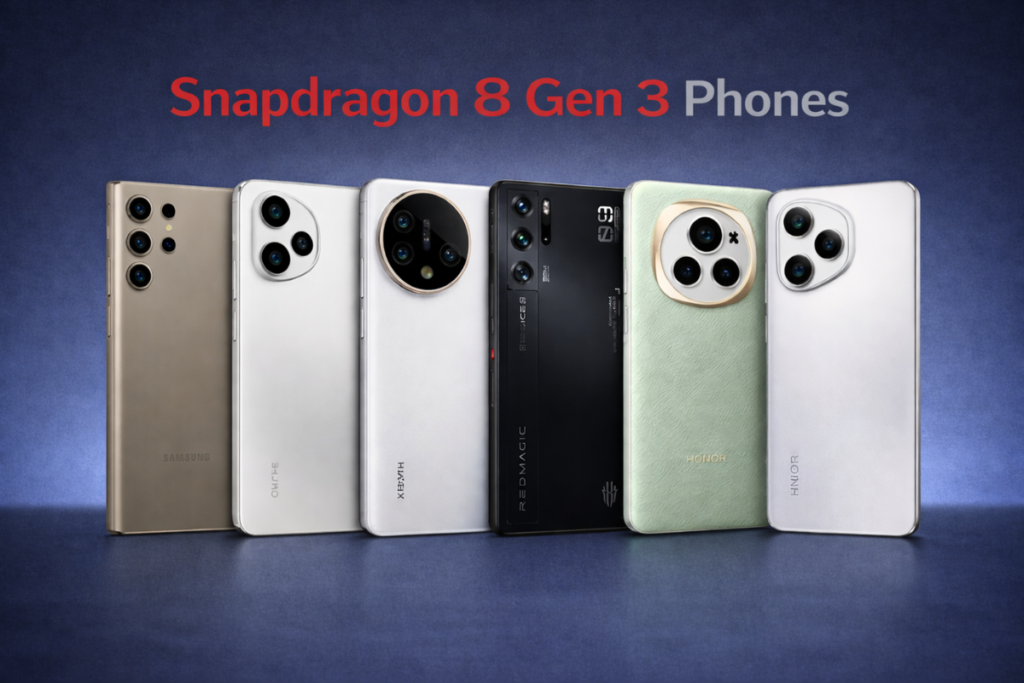
Even though newer Snapdragon 8-series chipsets are available, the Snapdragon 8 Gen 3 remains a solid high-performance mobile processor, even in 2026. It has a high-performance CPU, a powerful GPU for graphics-intensive games, and a reliable modem. And the best part? The prices have dropped over the years, offering a solid value for the money. Check out the list of all Snapdragon 8 Gen 3 phones below to find out your next best upgrade.
[Note: To keep the list relevant for our audience, we havenβt included phones that are only available in China.]
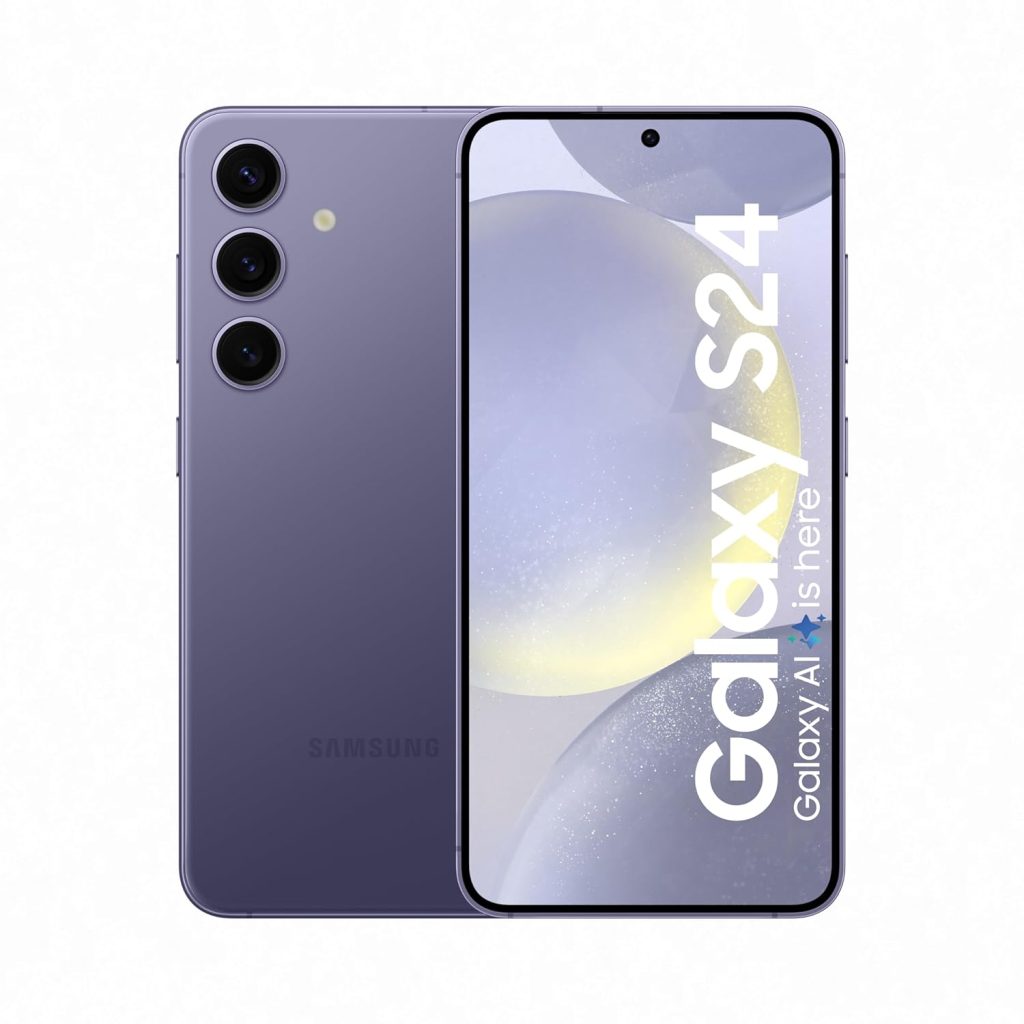
While the Galaxy S24 Ultra is sold everywhere with the Snapdragon 8 Gen 3, the regular S24 and S24+ is offered in two chip variants. Markets like the US, Canada, and Japan get the Snapdragon variant, while the rest of the world gets the Exynos 2400 variant.
The Galaxy Z Fold Special Edition also features the Snapdragon 8 Gen 3 chip, but the device has only been released in Korea.
The post Snapdragon 8 Gen 3 phones launched so far: Complete list appeared first on Gizmochina.
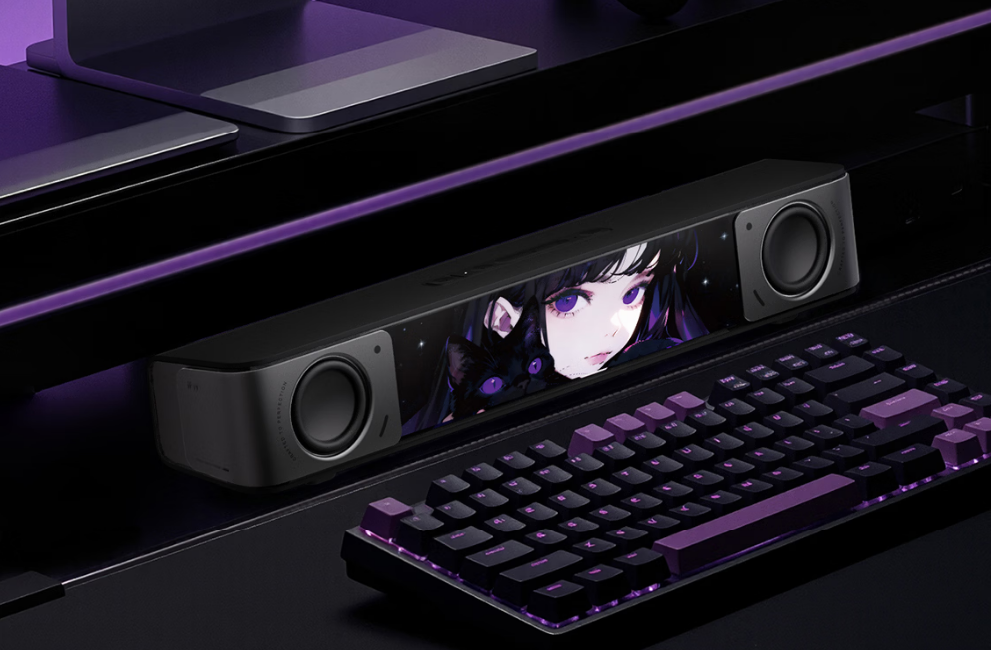
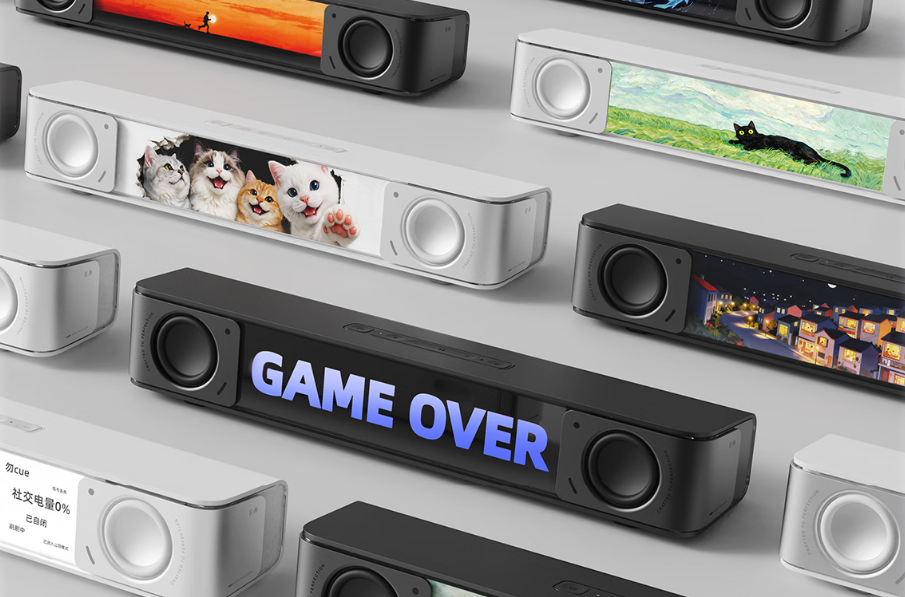
Edifier has launched its latest desktop Bluetooth speaker, the Huazai Melo Bar, in the Chinese market. It is priced at 329 yuan ($48) and is now available on JD.com. The speaker is available in two colors, Mist White and Night Black.

The Edifier Melo Bar uses dual 52mm drivers with a symmetrical bass reflex system for enhanced bass and clear mids and highs. It features a Class D amplifier, providing 5W total continuous output (10W peak), and DSP tuning for balanced sound in all modes.
The speaker includes a built-in microphone with AEC echo-cancellation for clear calls and offers three audio modes: Music for detailed sound, Game for spatial positioning, and Movie for immersive audio.

Edifier includes a modular light panel system in the Melo Bar with 10 themed panels and a blank DIY panel for custom designs. It features 15 lighting effects and an RGB system with 16.8 million colors, customizable via onboard controls, the Edifier Connect app, or TempoHub PC software.
The Melo Bar offers versatile connectivity with Bluetooth 6.0 for stable, efficient wireless performance and a USB wired mode for combined power and audio. It supports Bluetooth protocols like A2DP, AVRCP, and HFP, with a wireless range of up to 10 meters.

The speaker features physical controls for adjusting volume, lighting effects, and sound profiles, along with indicator lights for input modes and a do-not-disturb mode for uninterrupted use.
In related news, JBL has recently launched the Flip Essential 3 SE Bluetooth speaker with IP67-rated durability and up to 12 hours of battery life, while Samsung has unveiled its 2026 home audio lineup, introducing new Music Studio speakers and Q-Series soundbars.
For more daily updates, please visit ourΒ News Section.
Stay ahead in tech! Join our Telegram community and sign up for our daily newsletter of top stories! 
(JD)
The post Edifier launches Huazai Melo Bar Bluetooth speaker with RGB lighting & interchangeable panels appeared first on Gizmochina.
Huawei has officially launched the WATCH FIT 5 series, adding a new set of smartwatches to its lineup. The announcement came during the Pura series event, and as expected, the focus is on a mix of design, fitness features, and battery life rather than anything too experimental.

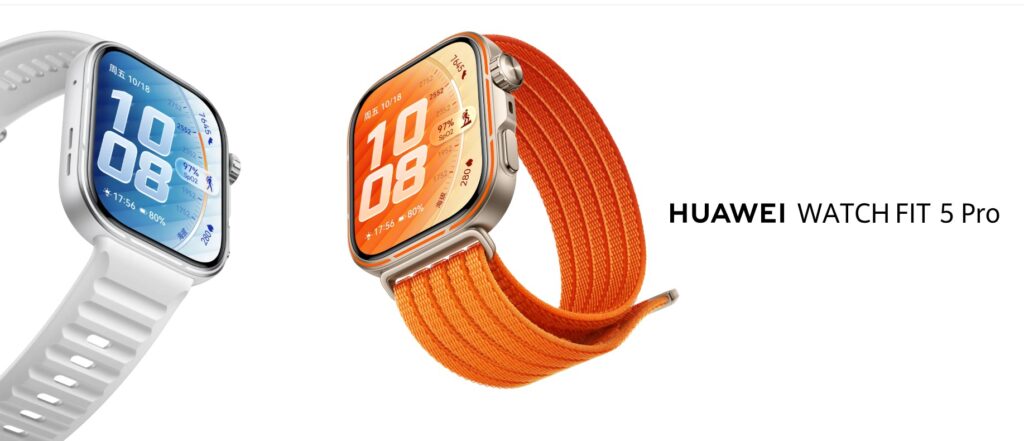
The WATCH FIT 5 Pro comes with a 1.92-inch LTPO AMOLED display with a resolution of 480 Γ 408. Itβs surrounded by fairly slim 1.8mm bezels and protected with a 2.5D glass, which gives the watch a modern look overall. The display reaches up to 3000 nits, so visibility outdoors shouldnβt be much of a problem.
Just like last yearβs WATCH Fit 4 Pro, the successor uses a titanium alloy bezel, and Huawei is pairing it with a woven strap thatβs meant to feel lighter and more comfortable. Without the strap, the watch weighs 30.4 grams. Color options include White, Orange, and Black.
On the feature side, Huawei is leaning into shorter, more casual workouts. There are additions like βcycling assistantβ and a golf mode. Health tracking includes ECG support and some form of blood sugar monitoring research, though how that works in practice will matter more than the feature list itself.
The list of sensors includes:
Battery life is fairly typical for this category. Huawei says the WATCH FIT 5 Pro can last up to 7 days of regular use, or around 10 days if youβre not pushing it too hard.

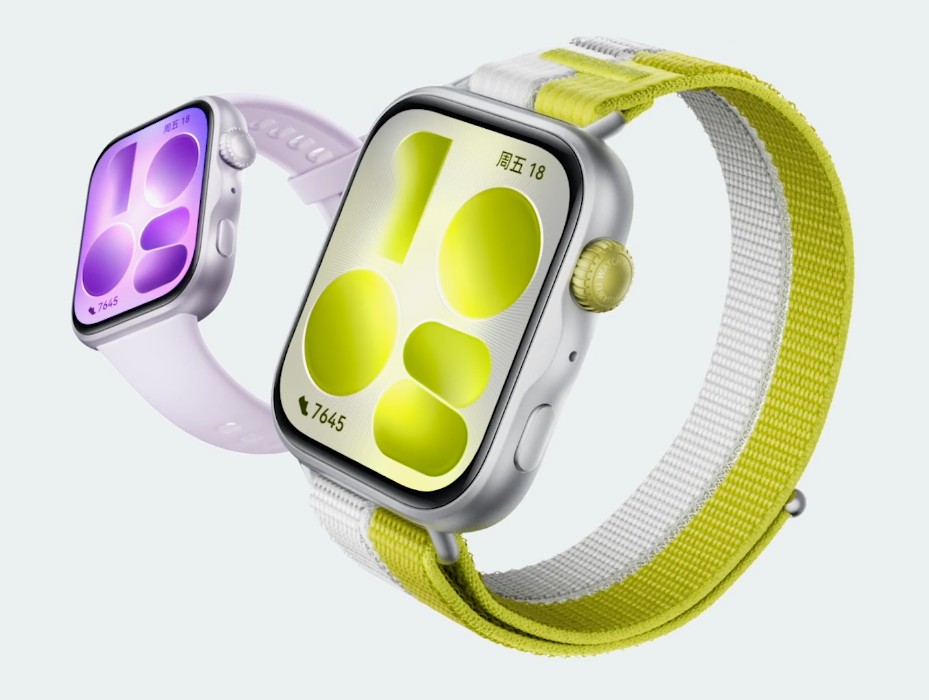
The standard WATCH FIT 5 gets a slightly smaller 1.82-inch AMOLED display, though it keeps the same resolution as the Pro and reaches up to 2500 nits brightness. It also includes most of the same sensors, just without ECG and the depth sensor. It comes in purple, green, white, and black, and is aimed at users who want a lighter watch at 27g, versus 30.4g for the Pro, without all the extra features.
Pricing and availability:
Pricing starts at 1099 yuan for the WATCH FIT 5 and 2099 yuan for the Pro. The standard model went up for pre-order on April 20 and goes on sale April 29, while the Pro opens for pre-orders on April 29 and will be available from May 15.
(WATCH FIT 5 | WATCH FIT 5 Pro)
The post Huawei debuts WATCH FIT 5 series with 3000-nit AMOLED, 2.5D glass, up to 10-day battery appeared first on Gizmochina.
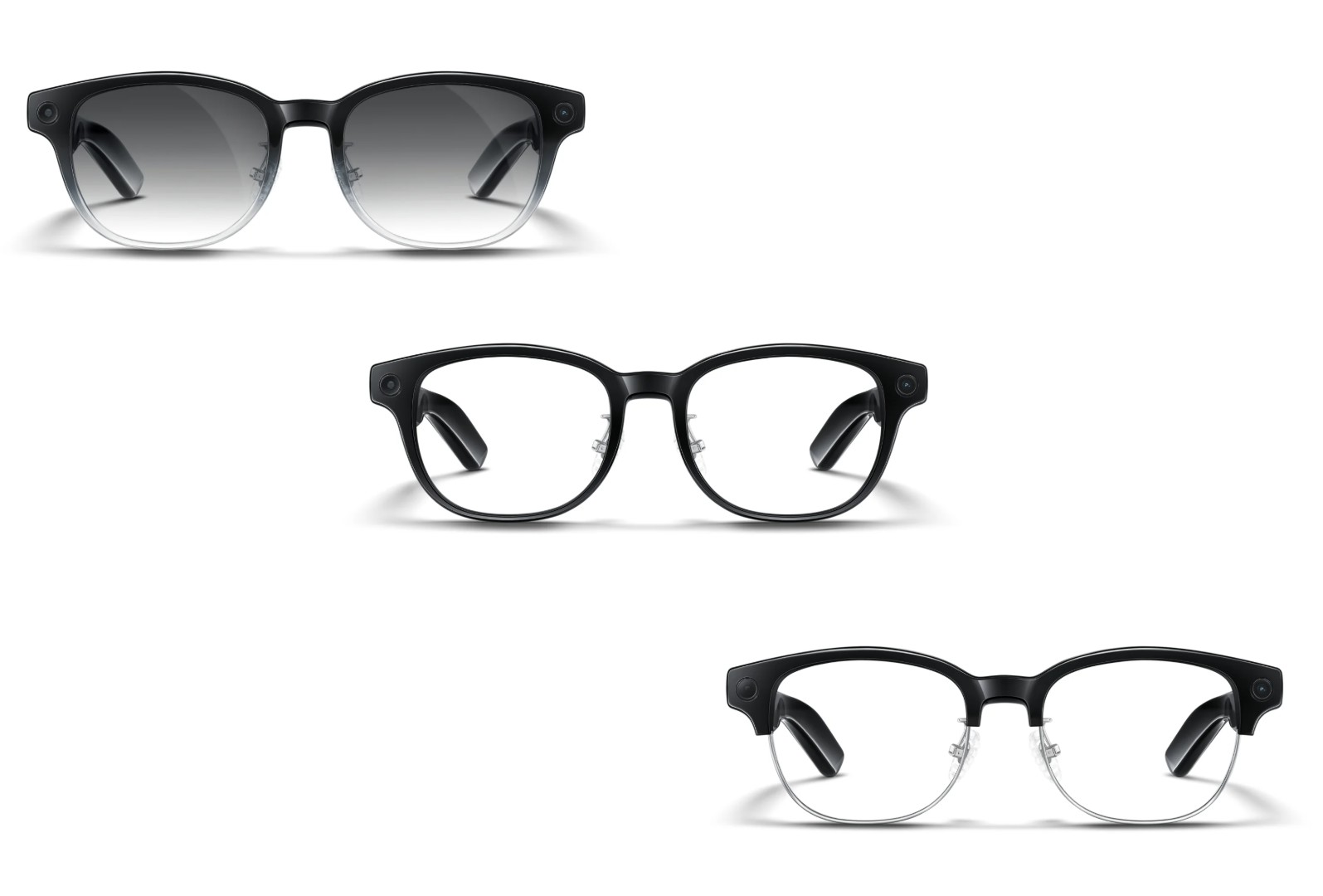
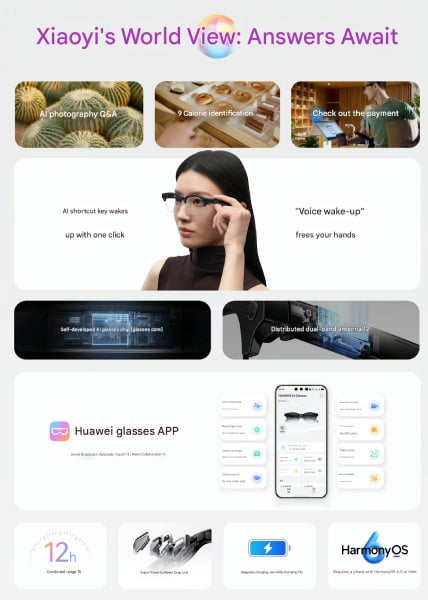
Huawei has introduced its new AI-powered smart glasses at its latest Pura series launch event. The device was unveiled by He Gang, CEO of Huawei Terminal BG, who wore the glasses during the presentation.
The product, called Huawei AI Glasses, comes in three color options: titanium silver gray, shimmering silver, and modern black. Huawei is also offering both round and square frame designs.Β

The glasses retail for 2,499 yuan (~ $367) for the titanium silver gray and modern black versions, while the shimmering silver model is priced higher at 2,899 yuan (~ $425). Pre-orders begin on April 20, with sales starting April 25.
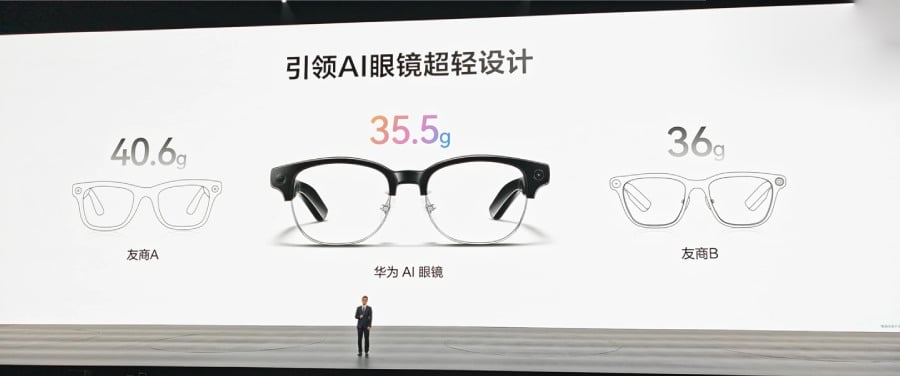
On design, the glasses are lightweight and will feel closer to your everyday eyewear. The company says it uses new lightweight materials and precision stacking techniques. The temples measure 6.25 mm, and the total weight is 35.5 grams.Β

Huawei also claims the design is based on analysis of over 300,000 head shapes in Asia, which it uses to build what it calls a βgolden triangleβ structure for balance.
The glasses use a self-developed titanium alloy hinge system, which Huawei says improves stability by 21% compared to competing products. There is also mention of a 0.65 mm effective amplitude and a 120 square millimeter vibration area, which relates to the frameβs mechanical movement and fit.
Inside, the glasses are powered by a Huawei-developed AI chip. The company claims near-instant response times for voice interactions, with support for voice wake-up and a one-click AI shortcut. A few of the key features include βSee the Worldβ through Huaweiβs Xiaoyi assistant and an Alipay βLook and Payβ function.

For media use, the glasses come with a 1/2.8-inch image sensor. Huawei says it supports AI RAW multi-frame fusion, along with AI-assisted composition correction and first-person perspective live streaming.
Alongside the hardware, Huawei is also launching a companion app called Huawei Glasses App. It supports pairing, smart audio broadcasting, automatic content import, and device collaboration with other Huawei products.
The Huawei AI Glasses are rated for up to 12 hours of general use, including around 8 hours of voice calls and 9 hours of continuous music playback.Β
For more daily updates, please visit ourΒ News Section.
Stay ahead in tech!Β Join ourΒ Telegram communityΒ andΒ sign up for our daily newsletterΒ ofΒ top stories!Β 
The post Huawei launches AI Glasses with in-house AI chip and titanium hinge appeared first on Gizmochina.
Reports have revealed the next-generation flagship lineup from Honor will include the Magic 9 Pro Max apart from the Magic 9 and Magic 9 Pro. A new Weibo post has revealed the Pro Maxβs variants camera capacities well ahead of the launch, which is expected to take place in October this year in China. Hereβs a look at what the latest leak has revealed.

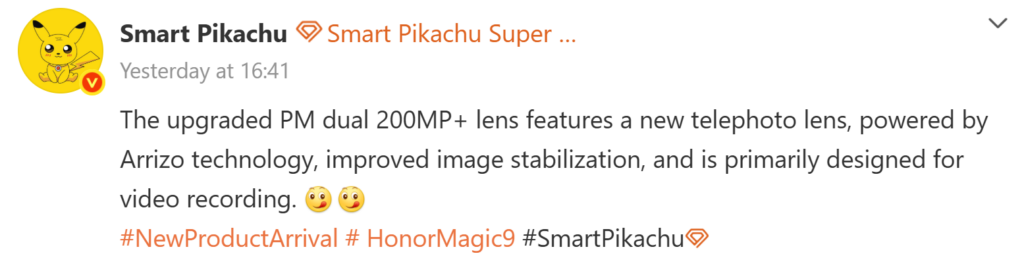
According to tipster Smart Pikachu on Weibo, Honor is working on a new Pro Max variant as part of the Magic 9 series. There is a possibility that this model may replace the previously expected Ultra version, suggesting a shift in naming strategy for the companyβs premium devices.
One of the major highlights of the Magic 9 Pro Max is expected to be its dual 200-megapixel camera setup. This includes a primary sensor and a periscope telephoto lens, both aimed at delivering high-resolution imaging and improved zoom capabilities. The device is also tipped to introduce better stabilization to reduce blur and enhance clarity, especially during video recording.
Beyond still photography, Honor is reportedly focusing on refining video performance. The upcoming model is expected to deliver smoother footage, sharper visuals, and improved low-light video quality.
The leak also suggests that Honor may integrate ARRI imaging technology into the Magic 9 Pro Max. This partnership, previously seen on concept devices, could bring enhancements in colour science and video processing, further strengthening the phoneβs imaging capabilities.
For more daily updates, please visit ourΒ News Section.
Stay ahead in tech!Β Join ourΒ Telegram communityΒ andΒ sign up for our daily newsletterΒ ofΒ top stories!Β 
The post Honor Magic 9 Pro Max tipped to feature dual 200MP cameras appeared first on Gizmochina.
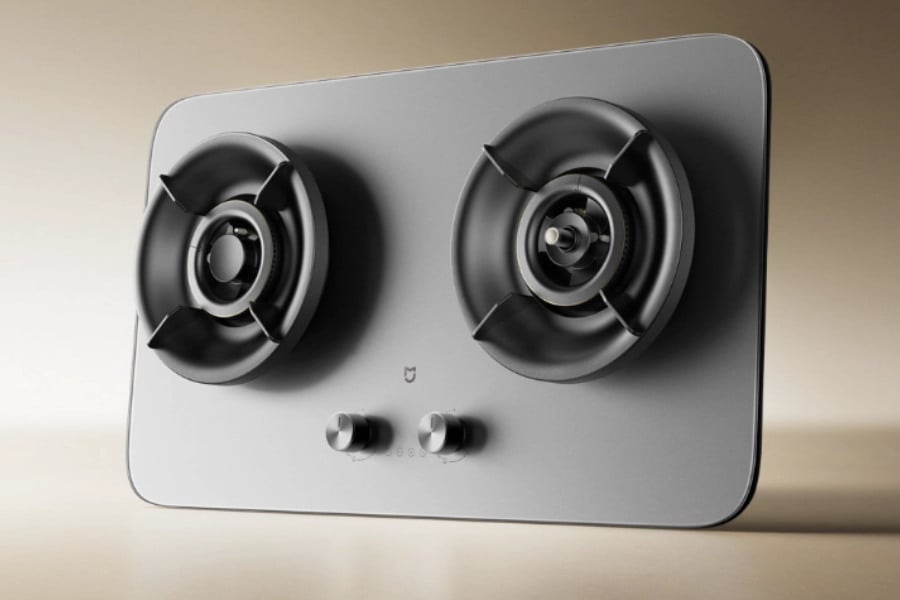
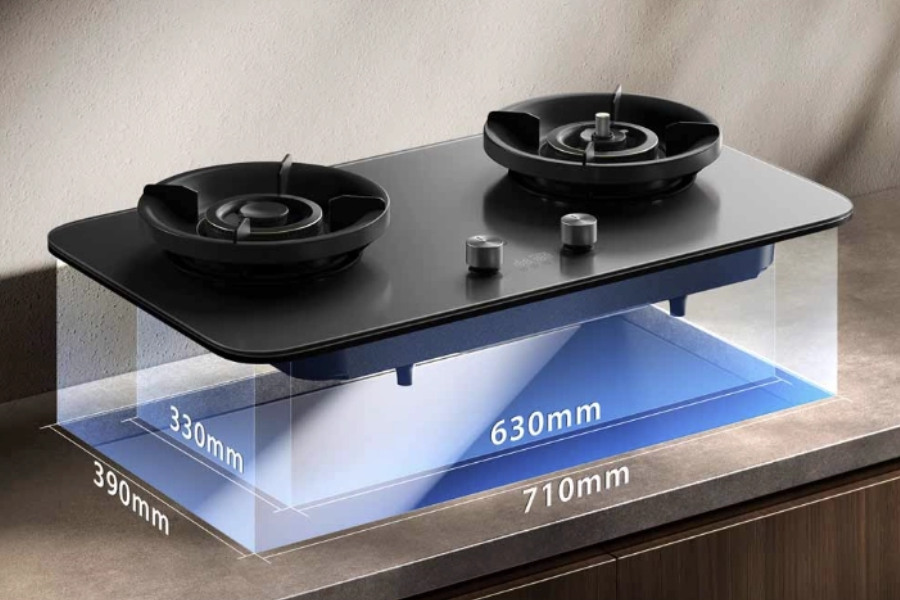
Xiaomi has launched a new smart kitchen appliance in China. The companyβs latest product is the Xiaomi Mijia Timer Gas Stove 3 Pro, which debuted on the Youpin platform.Β
It is priced at 2,299 yuan (~ $338), but a limited-time offer discounts it to 1,899 yuan (~ $279). The stove is designed for natural gas users with a priority on safety, automation, and energy efficiency.

At the core of the system is a pressure-sensitive titanium alloy probe that monitors pot temperature in real time. If it detects that a pot is overheating or running dry, the system can automatically shut off the gas and extinguish the flame. Xiaomi says this anti-dry-burning feature is available on the right burner.
Both burners also support a built-in timer ranging from 1 to 180 minutes. Once the set time is reached, the stove automatically turns off the gas flow and extinguishes the flame.Β

On the performance side, the stove delivers up to 5200W of heat output. Xiaomi claims it supports high-efficiency combustion with up to 70% thermal efficiency and meets new Level 1 energy efficiency standards. The company also estimates that users could save around 1,680 yuan in gas costs over eight years.
The design also focuses on maintenance. The stove uses an anti-fingerprint AG glass panel, removable burner heads, and a detachable pot rack for easier cleaning. It also includes an adjustable chassis, which allows installation without modifying existing kitchen cutouts.
The smart features also extend to the connected home ecosystem. When paired with the Mi Home app and a compatible range hood, the stove can send alerts for abnormal usage, such as flameouts or dry burning. However, Xiaomi notes that compatibility depends on specific models, especially for older range hoods.

There are also a few limitations. The anti-dry-burning system requires direct contact with metal cookware, meaning ceramic, glass, or earthen pots may not work well with this feature.
For more daily updates, please visit ourΒ News Section.
Stay ahead in tech!Β Join ourΒ Telegram communityΒ andΒ sign up for our daily newsletterΒ ofΒ top stories!Β 
The post Xiaomi launches Mijia Timer Gas Stove 3 Pro with auto safety shutoff and cooking timer appeared first on Gizmochina.
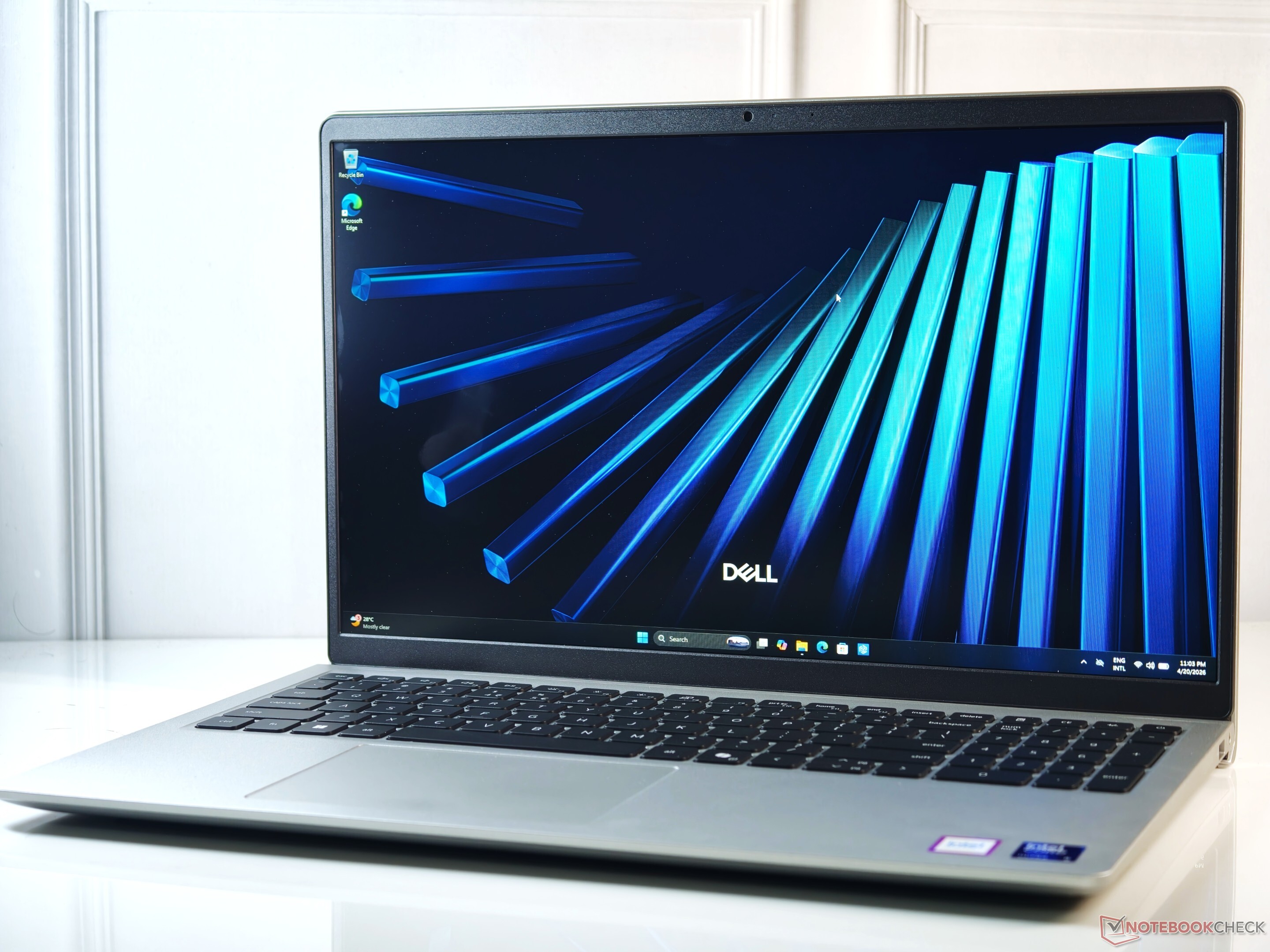
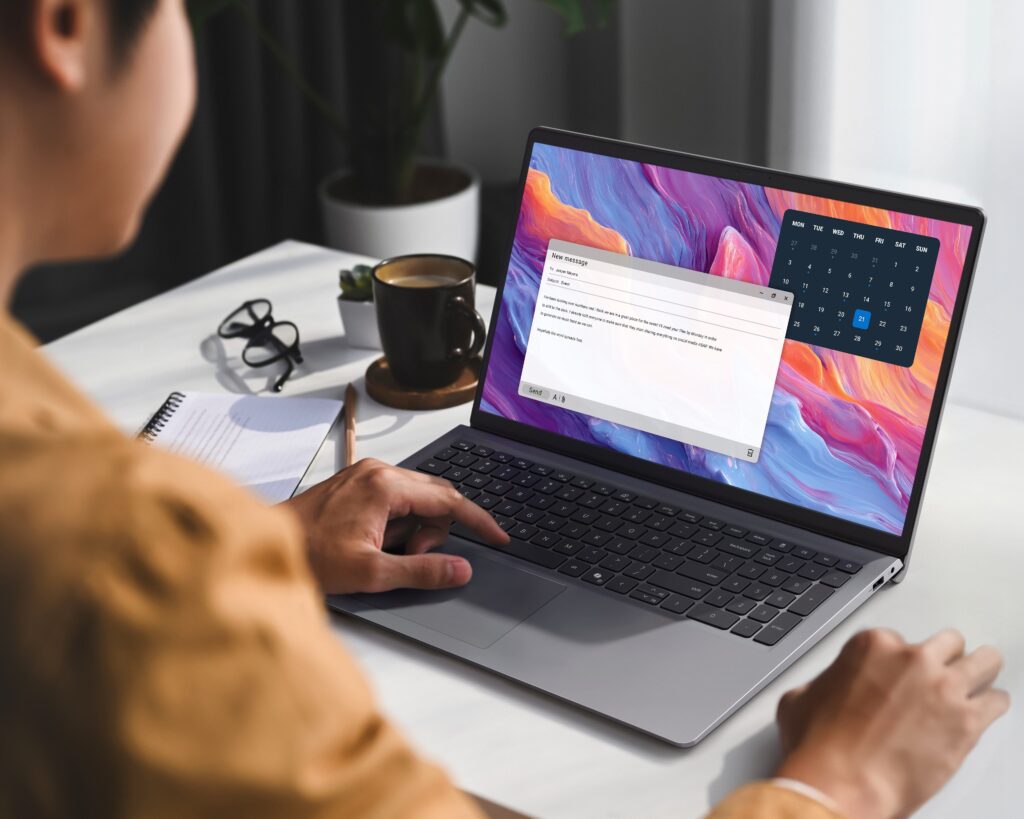
Dell Technologies has launched the Dell 15 laptop in India, aimed at users looking for a reliable machine for daily work, study, and communication, with added AI support.

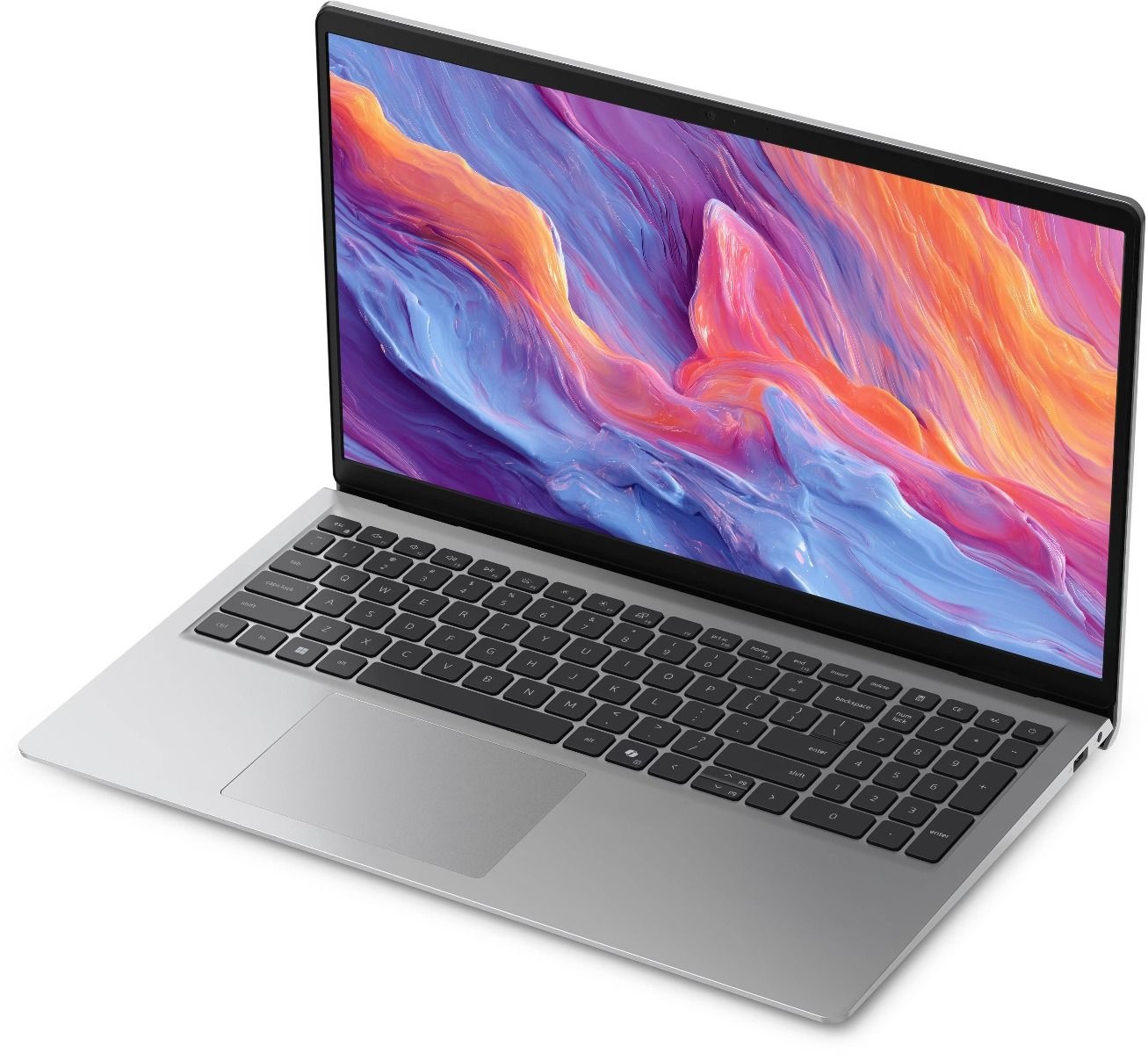
The laptop is powered by Intel Core Ultra processors, with options for the Core Ultra 5 225H and Core Ultra 7 255H. Both operate within a 28W power range and are paired with Intel Arc integrated graphics. There is also a built-in NPU for handling AI tasks like video calls and presentations. A dedicated Copilot key gives quick access to AI features in Windows 11 Home.


It comes with a 15.6-inch Full HD display with a 1920Γ1080 resolution and 60Hz refresh rate. The screen supports up to 300 nits of brightness, uses a Wide Viewing Angle panel, and has an anti-glare coating. Dell has included ComfortView software to reduce blue light. For calls, the laptop features a 720p HD webcam, dual speakers, a single digital microphone, and AI-based noise reduction.
The Dell 15 uses a lift hinge design that slightly raises the keyboard for a better typing angle and airflow. It includes a full-size keyboard with a numeric keypad, optional backlighting, and a precision touchpad. The body is made from PC+ABS plastic and comes in Carbon Black and Platinum Silver. It measures between 16.96 mm and 18.99 mm in thickness, with dimensions of 358.50 Γ 235.56 mm, and starts at 1.66 kg.
The laptop offers 8GB or 16GB DDR5 RAM at 5600 MT/s in a single-channel setup. Storage options include 512GB and 1TB SSD using QLC technology. Connectivity includes Wi-Fi 6 and Bluetooth 5.3. Ports include USB 3.2 Gen 1 Type-A, USB 3.2 Gen 2 Type-C, USB 2.0 Type-A, HDMI 1.4 with 1080p at 60Hz, and a 3.5mm audio jack.
It packs a 41Wh battery with ExpressCharge support, which can reach up to 80% in about an hour. Security features include TPM and an optional fingerprint reader with Windows Hello. Preloaded software includes Dell Optimizer, SupportAssist, Dell Digital Recovery, McAfee, and ComfortView.
Dell has also focused on sustainability, using 30% recycled plastic in parts like the palm rest and bottom cover. The battery uses up to 90% less cobalt, and the packaging is fully recycled or renewable. The laptop is certified with ENERGY STAR and EPEAT Gold with Climate+.
The Dell 15 starts at Rs. 69,699 in India and will be sold through Dellβs official website, Dell Exclusive Stores, and other retail outlets. Launch offers include up to Rs. 5,000 cashback on select bank credit card EMIs and no-cost EMI options for up to 12 months.
The post Dell 15 with Intel Core Ultra 7, Arc Graphics & Wi-Fi 6, and ExpressCharge Goes Official in India appeared first on Gizmochina.
Oppo is set to make the Find X9 Ultra official on April 21 β tomorrow β and at this point, there isnβt much left to guess. Thanks to official teasers, certification listings, and a steady flow of leaks, we are already well aware of the Find X9 Ultra in full.
As you might know, itβs a photography-first phone, but it still comes with the usual checklist of flagship features: a large battery, a high-refresh-rate display, and a top-end chipset.
Still, most of the conversation around the device comes back to the camera system. So letβs go through a roundup of the Oppo Find X9 Ultra to understand what it will offer in terms of cameras and other specs.
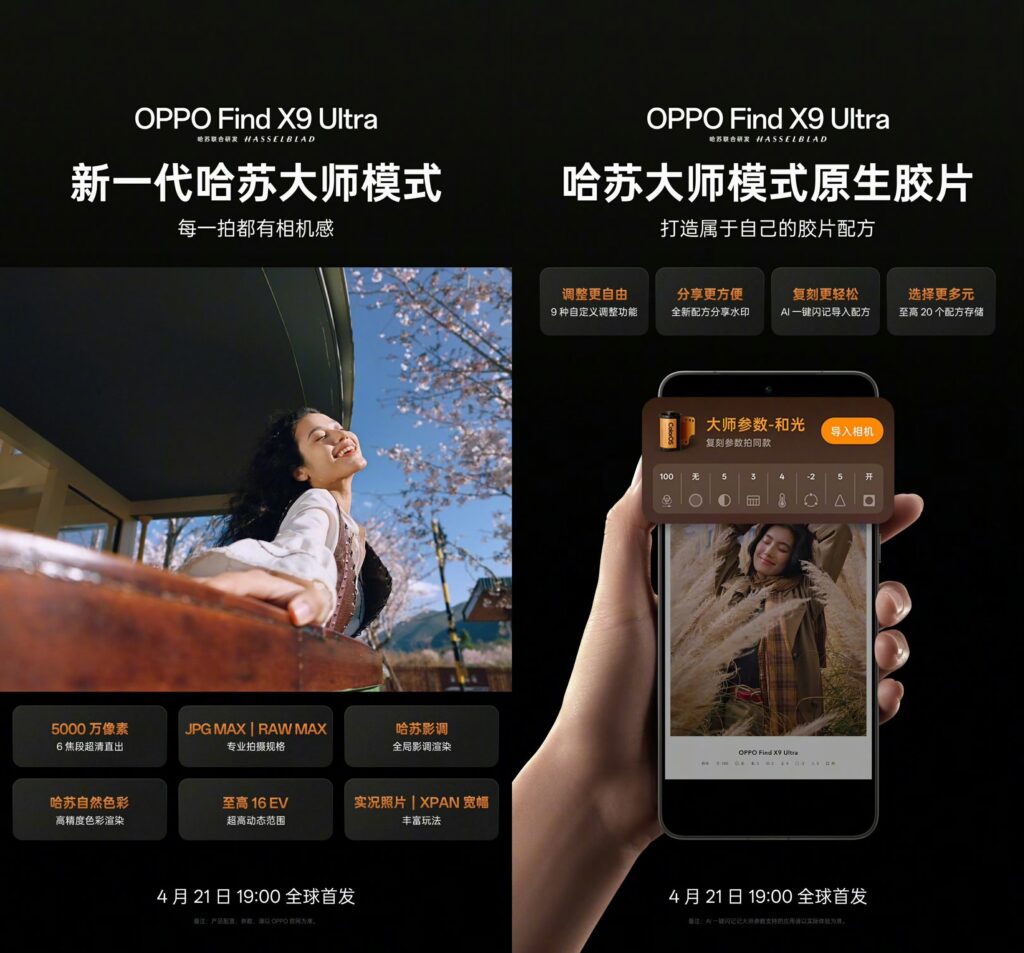
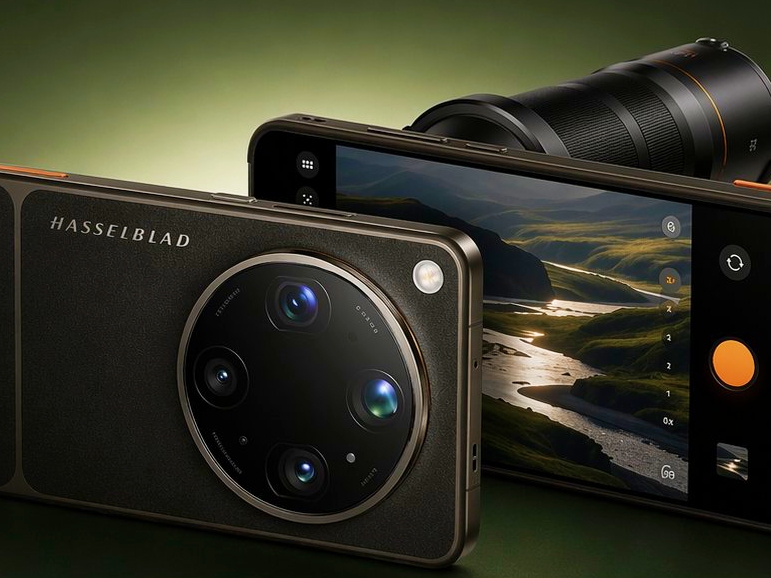
Oppoβs collaboration with Hasselblad isnβt new, but this time it feels more integrated into the actual shooting experience. The company is introducing something called Hasselblad Master Mode 2.0.

The new mode is designed to deliver professional-grade photography with enhanced creative flexibility. This system introduces native film styles (Portra, 800T, TX400, XPAN), supports 16EV high dynamic range, and allows users to save up to 20 custom AI-powered presets. Not to forget, the system also supports RAW MAX and JPEG MAX across multiple focal lengths (14mm, 23mm, 46mm, 70mm, 140mm, 230mm).
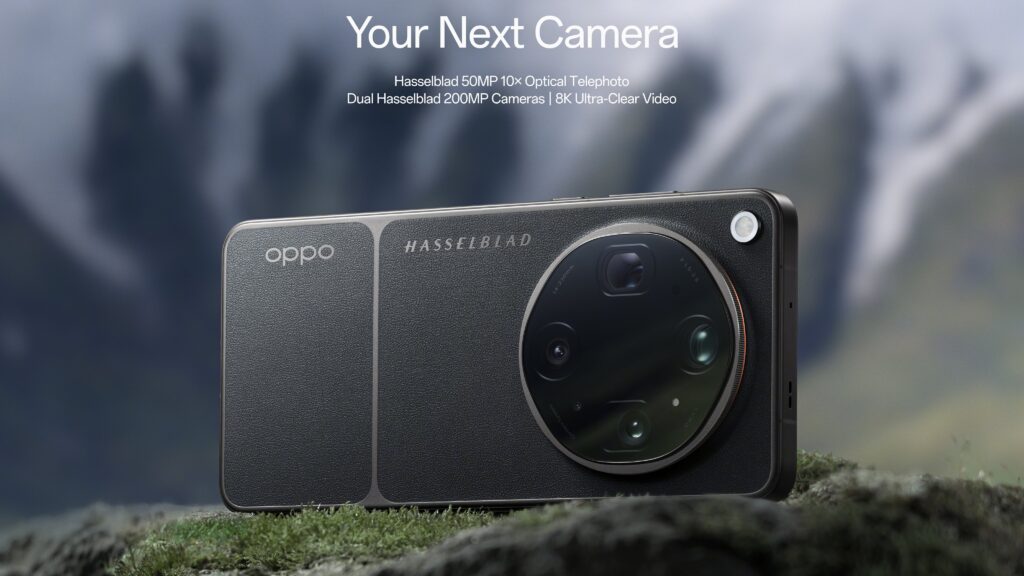
As for the hardware, the Find X9 Ultra is expected to feature a quad-camera setup that includes two 200-megapixel sensors β one for the main camera and another for a 3x zoom lens.
Alongside that, thereβs a 50-megapixel ultra-wide camera and a separate 10x periscope telephoto lens. Thereβs also mention of a 3.2-megapixel multispectral sensor to help with color accuracy.
Here, the main sensor is said to be the Sony LYT-901, while the ultra-wide uses Sonyβs LYT-600. The 3x zoom relies on an OmniVision OV52A sensor, and the 10x periscope uses a Samsung JN-series sensor.

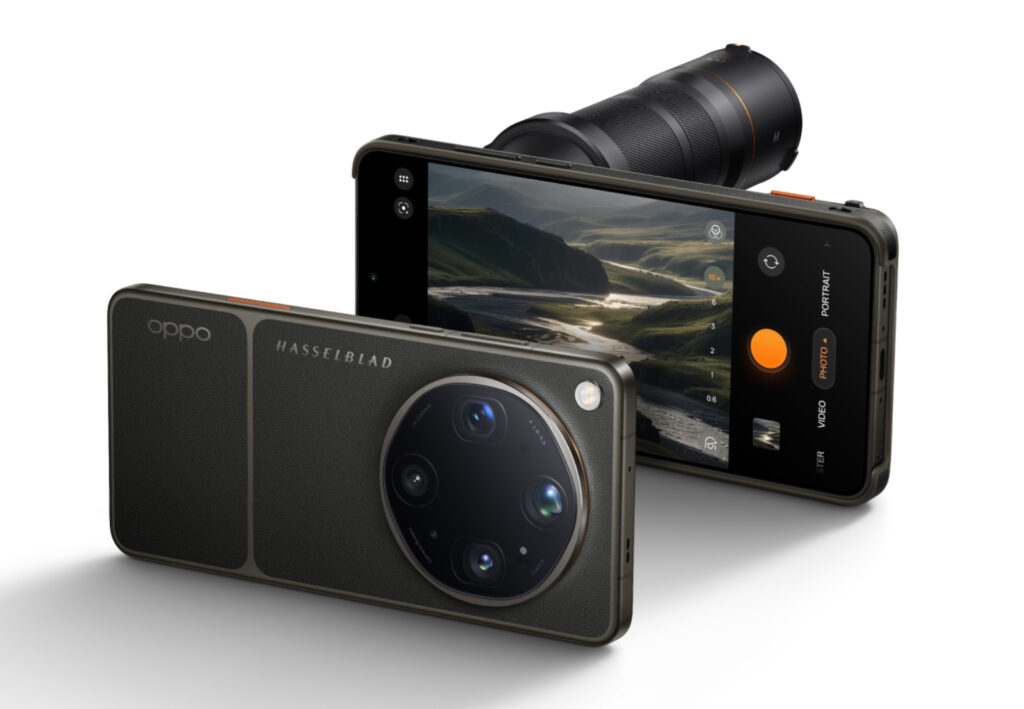
On top of that, Oppo is reportedly working on an optional telephoto extender with 16 glass elements. For most people, the built-in 10x zoom can handle most scenarios, but those who need more reach can opt for the external kit. Oppo claims it can deliver up to 20x βoptical-qualityβ zoom and a maximum of 120x digital zoom.
Thereβs also a redesigned prism structure in the telephoto system, which is said to improve long-distance shooting. Combined with optical calibration during manufacturing, Oppo seems to be focusing on consistency as much as raw zoom capability.
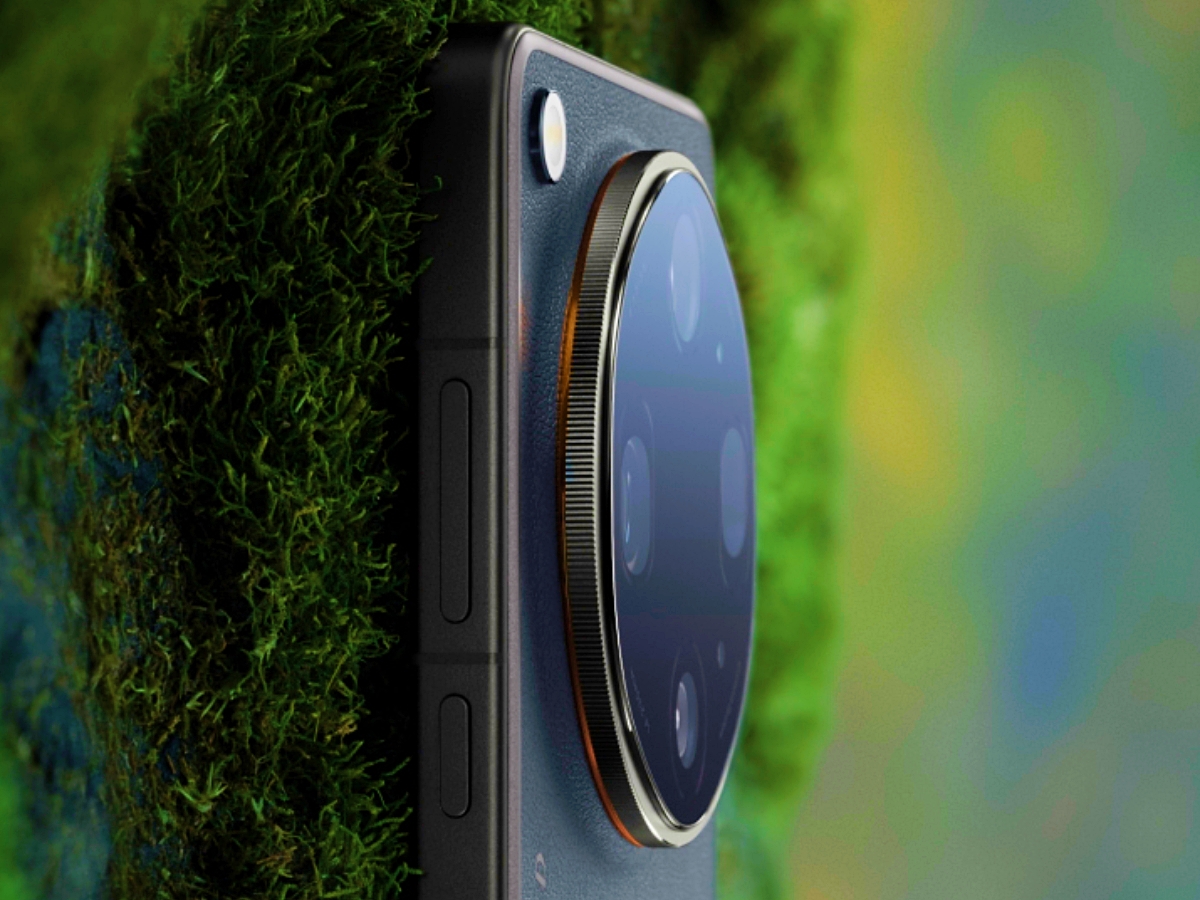
The design of the Find X9 Ultra makes it clear what the phone is about. The back is dominated by a large circular camera module. Inside the circle are camera sensors arranged in a somewhat asymmetrical layout, sitting within a rounded rectangular island.
The rest of the back panel uses a leather-like texture with a dual-tone finish toward the bottom. Itβs a small detail, but it likely helps with grip, especially on a device that weighs around 238 grams.

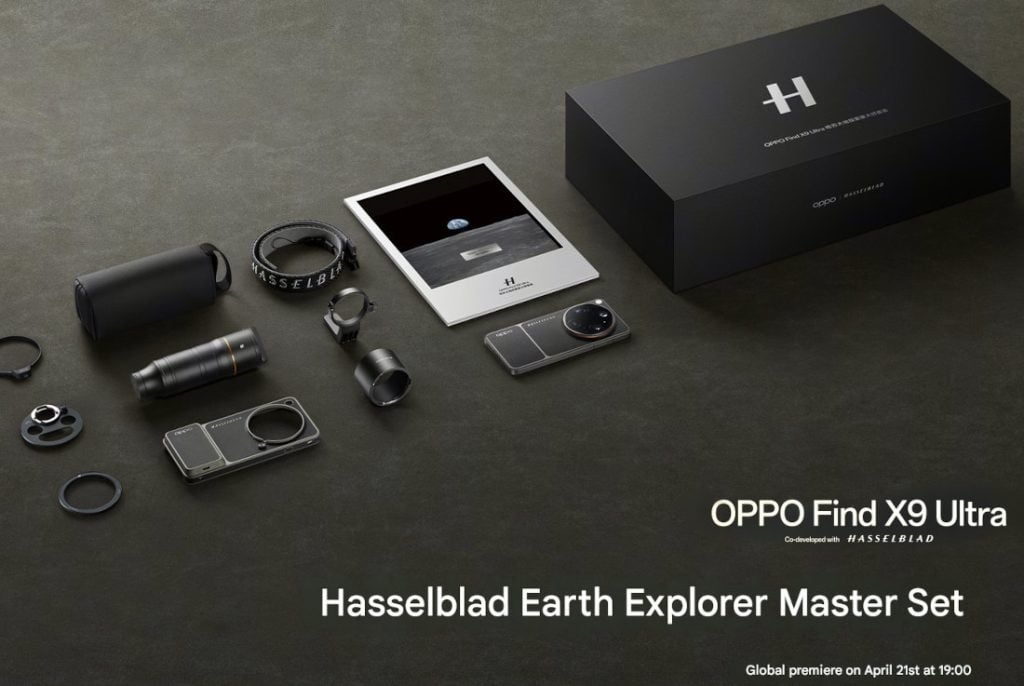
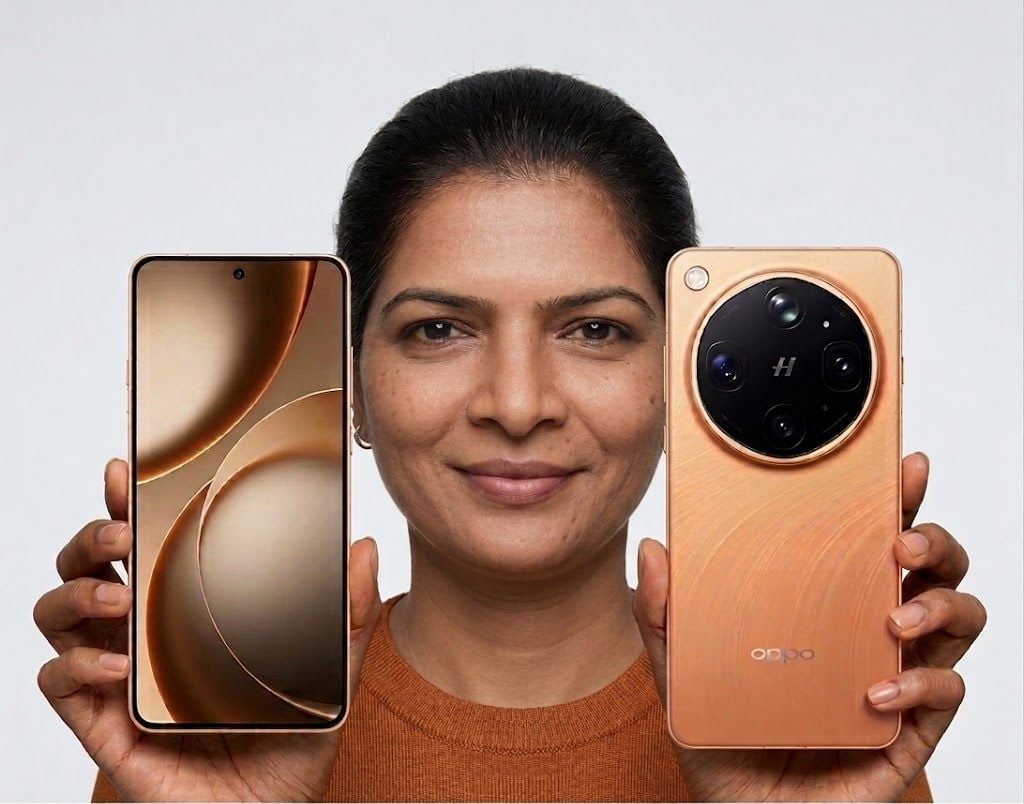
Color options are expected to include Velvet Sand Canyon (an orange finish), Earth Tundra (brown), and Polar Glacier (white). The top-tier 16GB + 1TB model may also come bundled with a special Hasselblad βExplorer Master Kit.β
There are also a couple of physical additions worth noting. The Find X9 Ultra has a βQuick Buttonβ at the bottom right, which will be useful for shortcuts or quick camera access. Meanwhile, thereβs a βSnap Keyβ at the top left for accessing AI features.
Beyond the camera, the Find X9 Ultra mostly follows the expected formula for a high-end Android phone. Itβs likely to feature a 6.78-inch OLED display with a resolution of 3168 x 1440 pixels, along with a 144Hz refresh rate.

Powering the device is the Snapdragon 8 Elite Gen 5, paired with LPDDR5x RAM and UFS 4.1 storage. Configurations are expected to go up to 16GB of RAM and 1TB of storage, with satellite connectivity reserved for the top variant.
Keeping everything running is a 7,050mAh battery that is expected to support 100W wired and 50W wireless charging.
Other features include an ultrasonic in-display fingerprint sensor, dual speakers, an IR blaster, and a full set of durability ratings β IP68, IP69, and IP69K. The phone will run ColorOS 16, based on Android 16.
For more daily updates, please visit ourΒ News Section.
Stay ahead in tech!Β Join ourΒ Telegram communityΒ andΒ sign up for our daily newsletterΒ ofΒ top stories!Β 
The post Oppo Find X9 Ultra Roundup: Design, Display, Camera, Battery, and More appeared first on Gizmochina.
Huawei is rounding out its latest flagship Pura 90 lineup with the launch of the standard Pura 90. It sits below the Pro and Pro Max in the lineup, but still brings a surprisingly aggressive mix of camera hardware, battery life, and design.
At a glance, the Pura 90 shares the same rounded triangular (or βguitar pickβ) camera module seen across the lineup, but the execution is noticeably different.

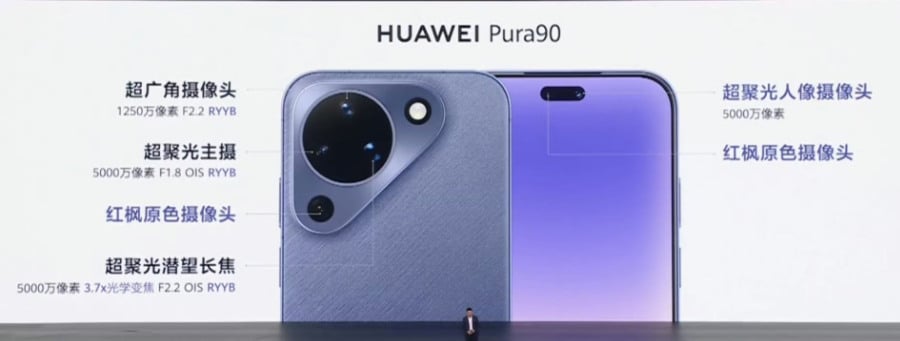
Instead of the symmetrical triple-camera layout on the Pro Max, the standard Pura 90 goes for an asymmetrical design. It has one large circular camera paired with smaller surrounding sensors. The design makes the base model visually different from the part.Β
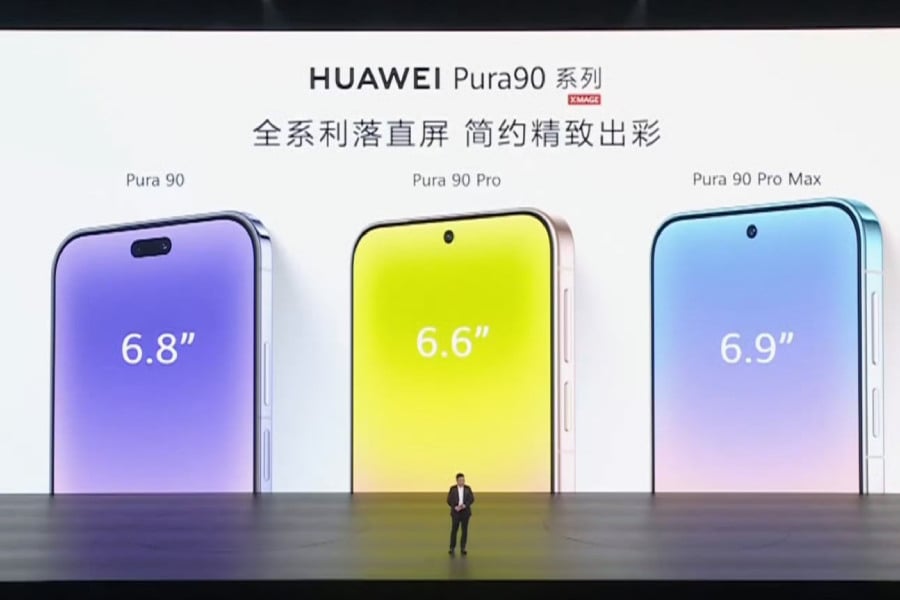
On the front, you get a 6.8-inch display with a centered pill-shaped punch-hole cutout. Huawei Pura 90 Pro series, in comparison, has a single punch-hole design.
Even as the βentryβ model in the lineup, Huawei isnβt holding back much on imaging.
The Pura 90 features a 50MP RYYB main camera with OIS and an f/1.8 aperture, paired with a 12.5MP RYYB ultra-wide (f/2.2) and a 50MP periscope telephoto offering 3.7x optical zoom, also with OIS. Like the rest of the series, it includes Huaweiβs Red Maple color system for improved color accuracy.
Up front, thereβs a 50MP selfie camera, and interestingly, Huawei is adding a Red Maple color camera on the front as well, something thatβs not available on the Pro and Pro Max variants.


The Pura 90 packs a 6,500mAh battery, which is actually larger than the 6,000mAh unit found in the Pro Max. It supports 100W fast charging.
Unlike the new Kirin 9030 series, the Pura 90 is powered by the Kirin 9010S processor. Still, Huawei says the performance is about 15 percent better than the previous generation.Β

On the software side, the phone runs HarmonyOS 6.1, bringing the same AI-focused experience, visual refresh, and Xiaoyi assistant improvements seen across the rest of the Pura 90 series.
Despite the large battery, the Pura 90 comes in at just 7mm thick.Β
The Huawei Pura 90 starts at 4,699 yuan for the 12GB + 256GB model. The 12GB + 512GB version is priced at 5,199 yuan, while the 16GB + 512GB variant comes in at 5,699 yuan.
| Huawei Pura 90Β | Price (CNY) | Approx. Price (USD) |
| 12GB + 256GB | 4,699 yuan | ~$681 |
| 12GB + 512GB | 5,199 yuan | ~$754 |
| 16GB + 512GB | 5,699 yuan | ~$826 |
For more daily updates, please visit ourΒ News Section.
Stay ahead in tech!Β Join ourΒ Telegram communityΒ andΒ sign up for our daily newsletterΒ ofΒ top stories!Β 
The post Huawei launches Pura 90 with redesigned camera module and 6,500mAh battery appeared first on Gizmochina.
Power banks are an essential accessory for staying connected on the go. Todayβs devices are not just practical but also slim, lightweight, and stylish.
Several brands are designing ultra-thin power banks that combine portability with fast charging to meet the needs of modern users. Here are the top ultra-thin power banks for 2026, featuring fast charging and sleek designs.

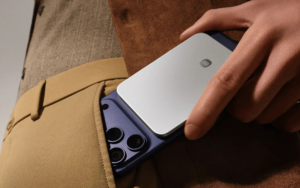
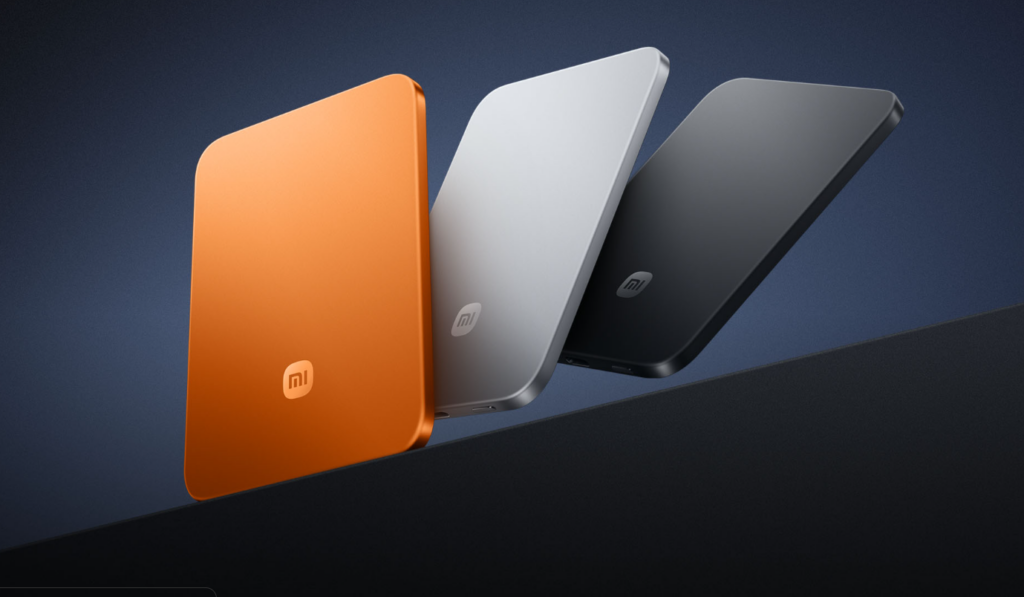
Xiaomi delivers a premium experience with its UltraThin Magnetic Power Bank. The device features a 6mm profile and weighs just 98g, making it one of the lightest power banks on the market. It supports wireless charging up to 15W and wired fast charging up to 22.5W using a USB-C connection.
The device allows users to charge two devices simultaneously, making it versatile for multiple scenarios. Its durable aluminum alloy body and 10-layer safety protections ensure reliability during daily use.
Price: β¬59.99

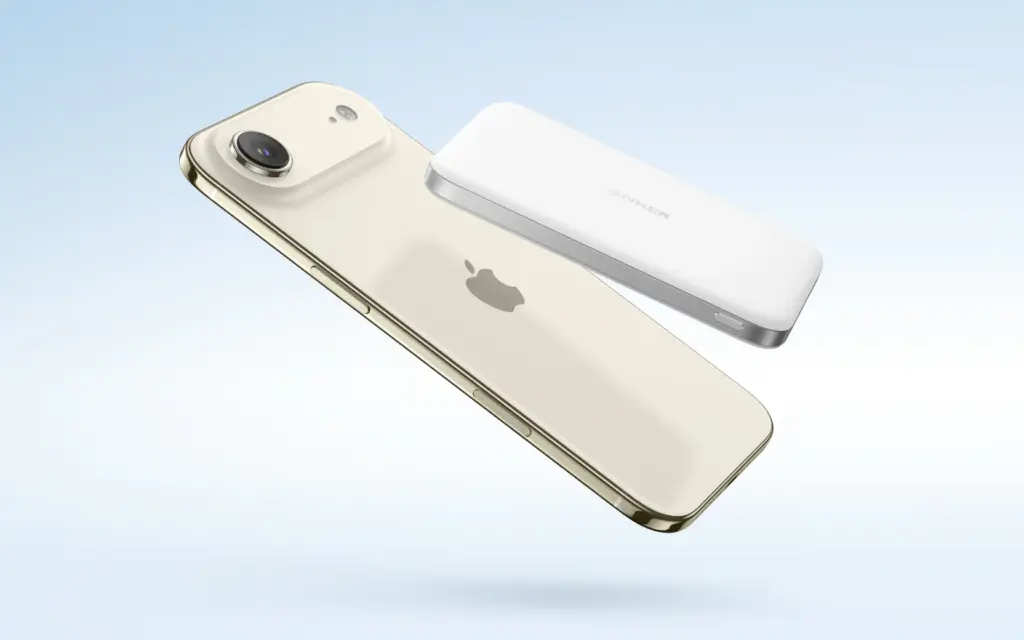
Anker focuses on comfort and performance with its Nano Power Bank. The power bank measures only 0.34 inches thick and weighs 4.3 ounces, making it discreet enough for pockets and bags. The device supports 15W MagSafe-compatible wireless charging and 20W USB-C fast charging via a wired connection.
The Anker Nano includes advanced safety features like dual temperature control chips and graphene cooling technology. These features prevent overheating while keeping the deviceβs temperature under 104 degrees Fahrenheit. Anker also offers the power bank in several premium colors, prioritizing both functionality and style.
Price: $59.99

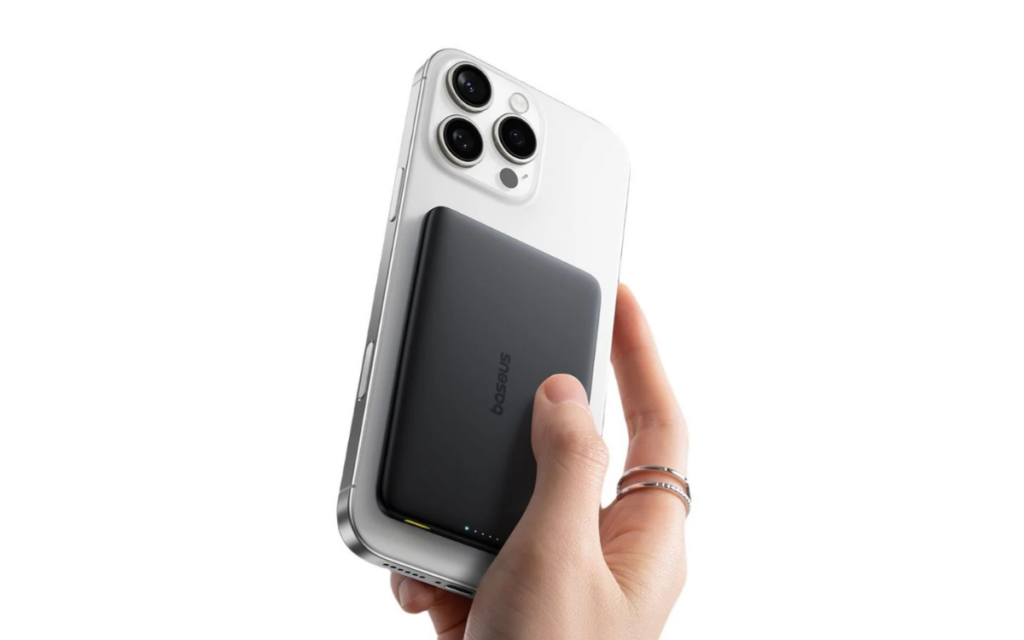
Baseus has created an incredibly compact device with its PicoGo Magnetic Power Bank. At just 0.3 inches thick and weighing 3.8 ounces, the power bank is light enough to fit into a wallet or pocket. It has a capacity of 5,000mAh and supports both 15W magnetic wireless charging and 20W USB-C fast charging.
The device includes a heat dissipation system and a liquid silicone finish for better grip and temperature management. Baseus adds nine layers of safety protection, ensuring secure and reliable performance.
Price: $32.99

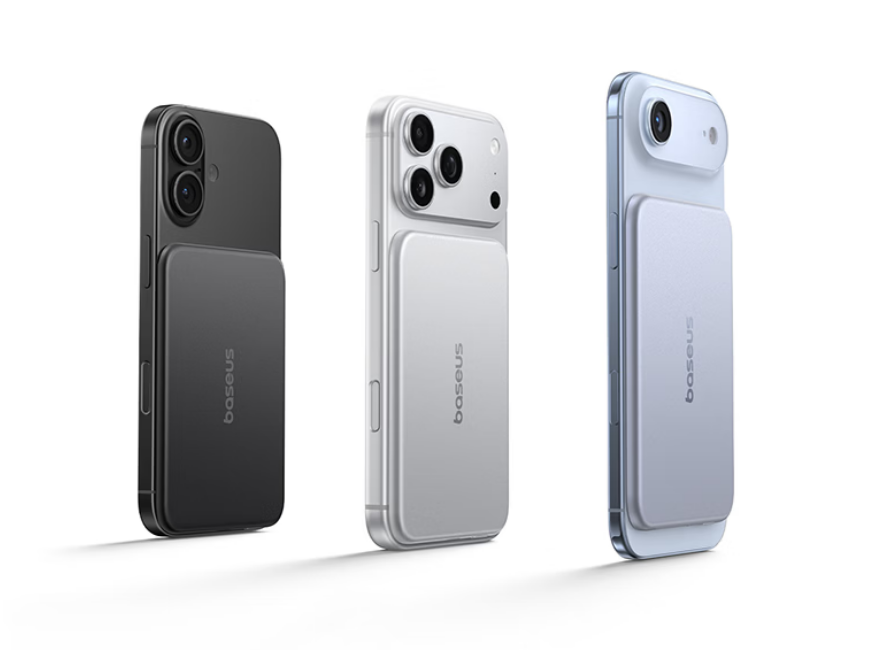
Baseus offers a more advanced option with its Card Magnetic Air Power Bank. This device features a 6.9mm aluminum unibody and weighs only a few ounces, maintaining portability without compromising performance. The power bank supports 15W magnetic wireless charging and 22.5W wired fast charging, appealing to both iPhone and Android users.
The Card Magnetic Air includes additional features like NFC battery status tracking and AI-based power optimization. Baseus uses a glacier cooling matrix and graphene materials to improve heat dissipation and ensure safe charging.
This is available in the Chinese market now and might land in the global market soon.
Price: $44

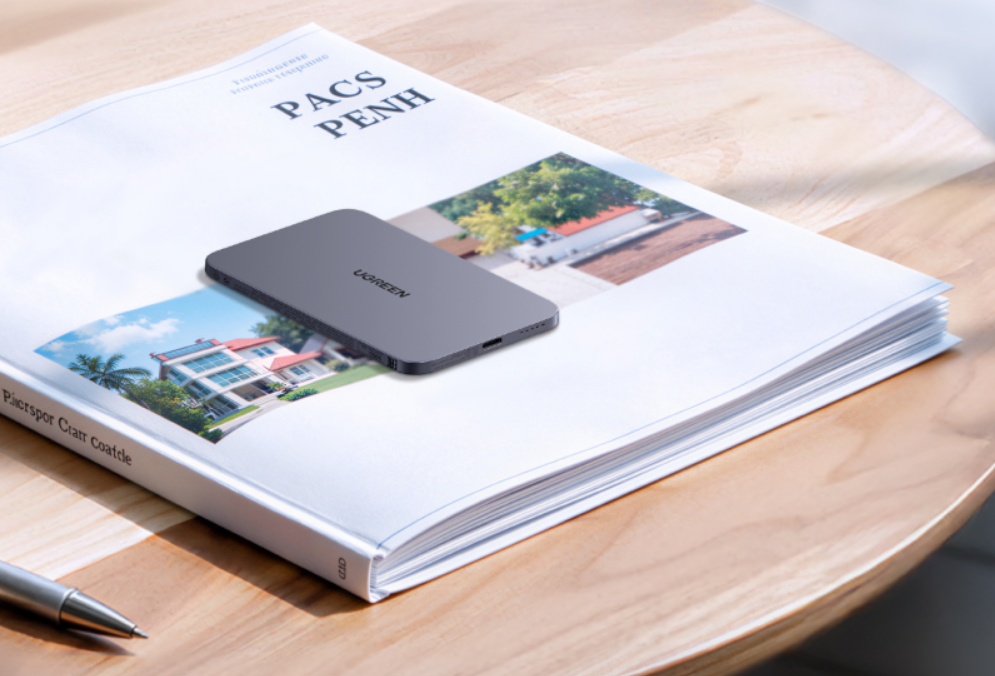
Ugreen combines sleekness and solid performance with its MagFlow Air. The power bank measures 8.6mm thick and weighs 127g, making it ideal for travel or everyday use. It supports Qi2-certified wireless charging up to 15W and offers 20W USB-C fast charging for wired devices.
The MagFlow Air uses strong magnets to hold devices securely in place during wireless charging. Its silicone finish prevents scratches and enhances comfort during use. Ugreen adds comprehensive safety measures to protect against overheating and power surges.
Price: $59.99
For more daily updates, please visit ourΒ News Section.
Stay ahead in tech! Join our Telegram community and sign up for our daily newsletter of top stories! 
The post The Best Ultra-Thin Power Banks with Fast Charging appeared first on Gizmochina.
Alongside the wide, book-style Pura X Max, Huawei also unveiled its more conventional flagships, the Pura 90 Pro and Pura 90 Pro Max today. The latter is the top-of-the-line model this generation, as there will be no Ultra variant.Β
Starting with the display, the Huawei Pura 90 Pro features a 6.6-inch display, while the Pro Max stretches that to 6.9 inches. Both have a single punch-hole cutout.


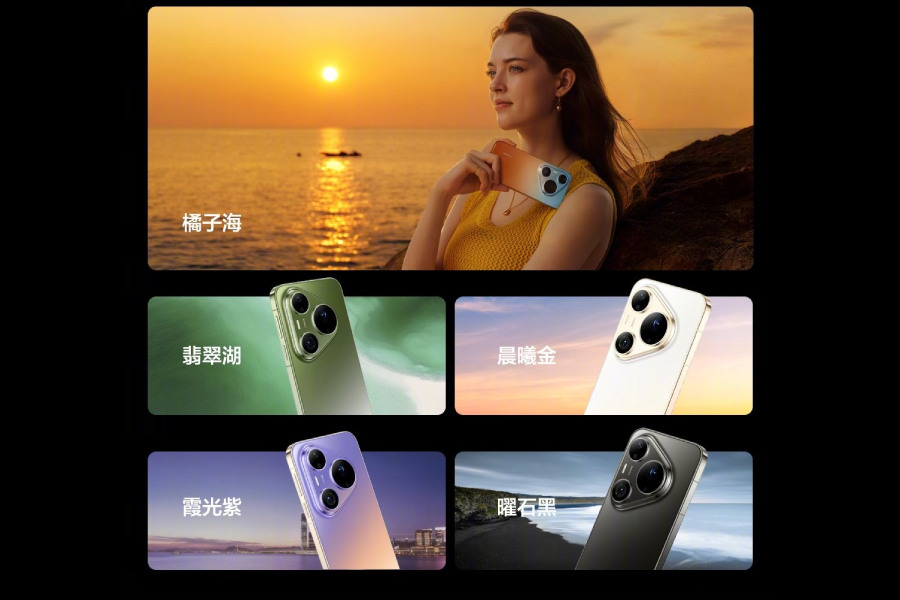
Huawei is still trying to make things visually distinct. The Pro Max adopts what it calls an βemotional color aesthetic,β which has an industry-first dual-color gradient metal frame and a glowing borderless theme. It comes in Orange Ocean, Emerald Lake, Sunset Purple, Dawn Gold, and Obsidian Black.
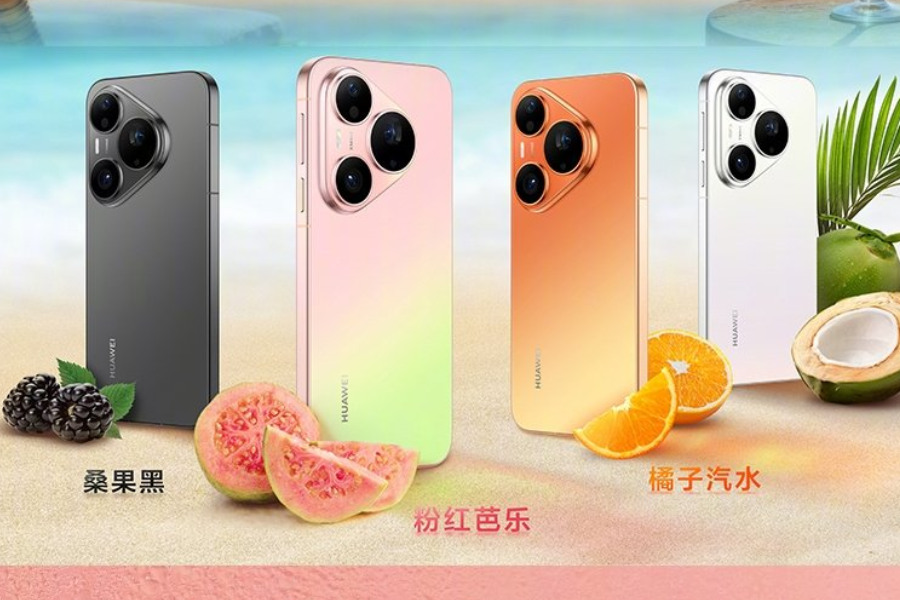
The standard Pro tones things down slightly with Pink Guava, Orange Soda, Coconut White, and Mulberry Black.
As for the camera, the Pura 90 Pro Max leads with a 50MP RYYB main sensor (1/1.28-inch) with OIS, paired with LOFIC tech and a variable aperture ranging from f/1.4 to f/4.0. Huawei claims it offers up to 16 times greater dynamic range than the iPhone 17 Pro Max, alongside significantly improved highlight and shadow detail.
Itβs backed by a 40MP RYYB ultra-wide camera and a 200MP RYYB periscope telephoto (also 1/1.28-inch), offering 4x optical zoom and up to 8x βoptical-qualityβ zoom. Huawei says the telephoto system pulls in up to five times more light than the iPhone 17 Pro Max, thanks in part to what it calls an industry-first three-in-one super concentrating prism. It is also rated for CIPA 7.0 stabilization.


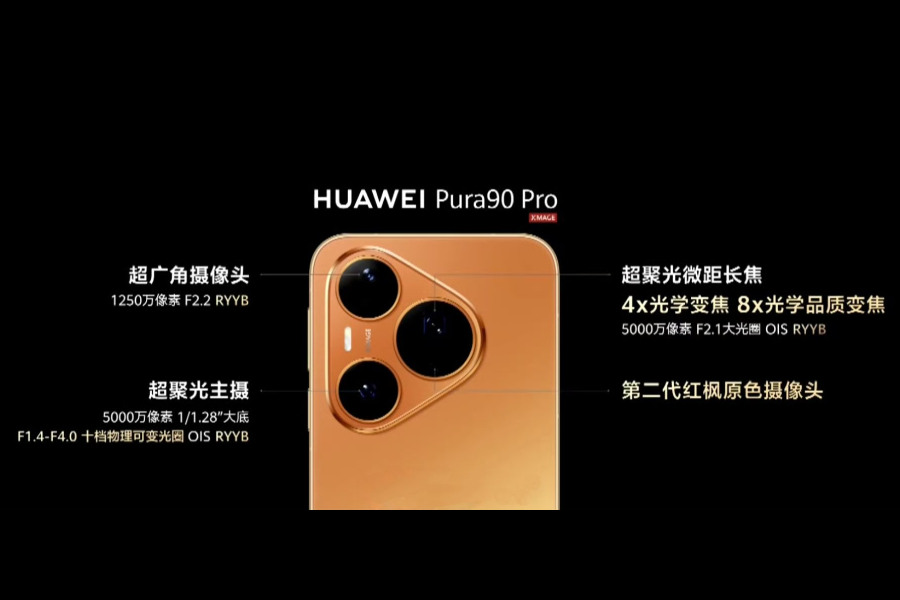
The standard Pura 90 Pro dials things back slightly but keeps the same core philosophy. It uses a 50MP RYYB main sensor (1/1.28-inch) with OIS and the same variable aperture setup (f/1.4βf/4.0), paired with a 12.5MP RYYB ultra-wide (13mm) and a 50MP periscope telephoto with 4x optical zoom and up to 8x optical-quality zoom.
Both phones fall under Huaweiβs XMAGE branding and have a Red Maplee multispectral lens. The two also have features like 3D dynamic photos, portrait enhancements, and AI-assisted shooting tools.
Unlike the Kirin 9030 Pro on the Pura X Max foldable, both devices have the Kirin 9030S processor. The company claims a 200 percent improvement in NPU image understanding, along with gains in AI ISP color processing, telephoto video clarity, and stabilization accuracy.
On the software side, both phones run HarmonyOS 6.1. And AI is a major part of the pitch. Such features include AI pose recommendations, AI-assisted composition, portrait retouching, and one-click photo creation. The Xiaoyi assistant also gets upgrades like real-time pointing recognition and voiceprint detection.


The Pro Max also has Huaweiβs Kunlun glass protection, which the company says reduces reflections by 70 percent while significantly improving scratch resistance (up to 16 times) and drop resistance (up to 25 percent).
Thereβs also support for long-distance voice enhancement, extending usable voice pickup up to 10 meters.
The Pura 90 Pro starts at 5,499 yuan for the 12GB + 256GB model, while the higher-tier (16GB + 1TB) model costs 7,499 yuan. The Pura 90 Pro Max starts at 6,499 yuan and tops out at 8,499 yuan for the 16GB + 1TB model.
| Variant | Price (CNY) | Price (USD) |
| 12GB + 256GB | Β₯5,499 | $824.85 |
| 12GB + 512GB | Β₯5,999 | $899.85 |
| 16GB + 512GB | Β₯6,499 | $974.85 |
| 16GB + 1TB | Β₯7,499 | $1,124.85 |
| Variant | Price (CNY) | Price (USD) |
| 12GB + 256GB | Β₯6,499 | $974.85 |
| 12GB + 512GB | Β₯6,999 | $1,049.85 |
| 16GB + 512GB | Β₯7,499 | $1,124.85 |
| 16GB + 1TB | Β₯8,499 | $1,274.85 |
For more daily updates, please visit ourΒ News Section.
Stay ahead in tech!Β Join ourΒ Telegram communityΒ andΒ sign up for our daily newsletterΒ ofΒ top stories!Β 
The post Huawei launches Pura 90 Pro series with 200MP zoom and Kirin 9030S appeared first on Gizmochina.
TECNO has launched the TECNO POP X 5G in India, adding a new option in the budget 5G segment. The phone focuses on battery life, durability, and connectivity, with a few features aimed at areas with weak or no network coverage. Notably, the brand had also released a 4G variant with the same name in India just last month.

The device is powered by the MediaTek Dimensity 6400 processor built on a 6nm process. It includes two Cortex-A76 cores clocked at 2.5GHz and six Cortex-A55 cores at 2GHz, along with a Mali-G57 MC2 GPU. It comes in 4GB and 6GB LPDDR4x RAM options, both paired with 128GB UFS 2.2 storage. Storage can be expanded up to 2TB using a microSD card. The phone runs Android 16 with HiOS 16 on top.


Up front, the POP X 5G has a 6.78-inch HD+ display with a resolution of 720 x 1576 pixels. It supports a 120Hz refresh rate and a 240Hz touch sampling rate, with brightness going up to 560 nits. The rear camera is a 13MP unit with an LED flash, while the front camera is 8MP with an f/2.0 aperture.
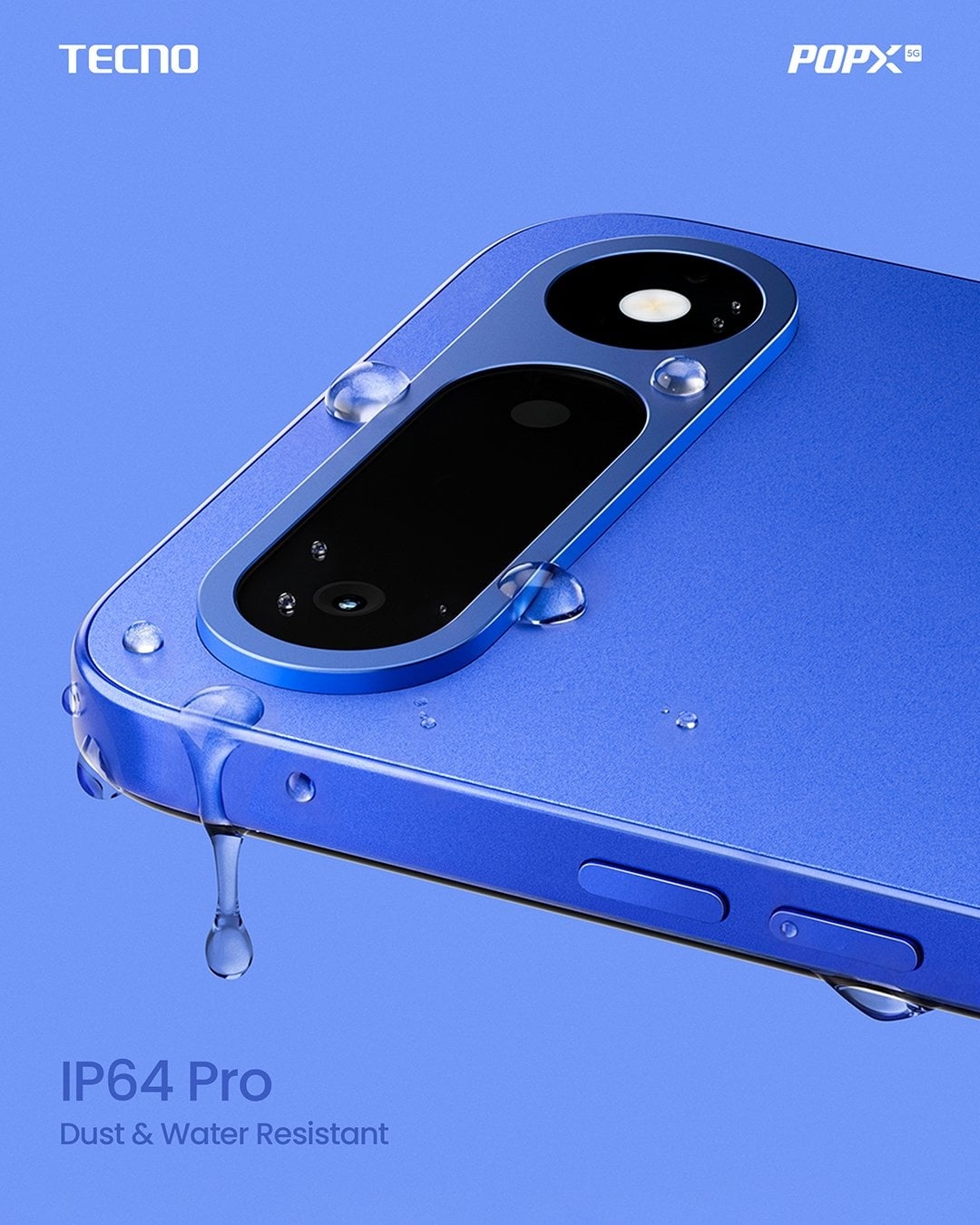
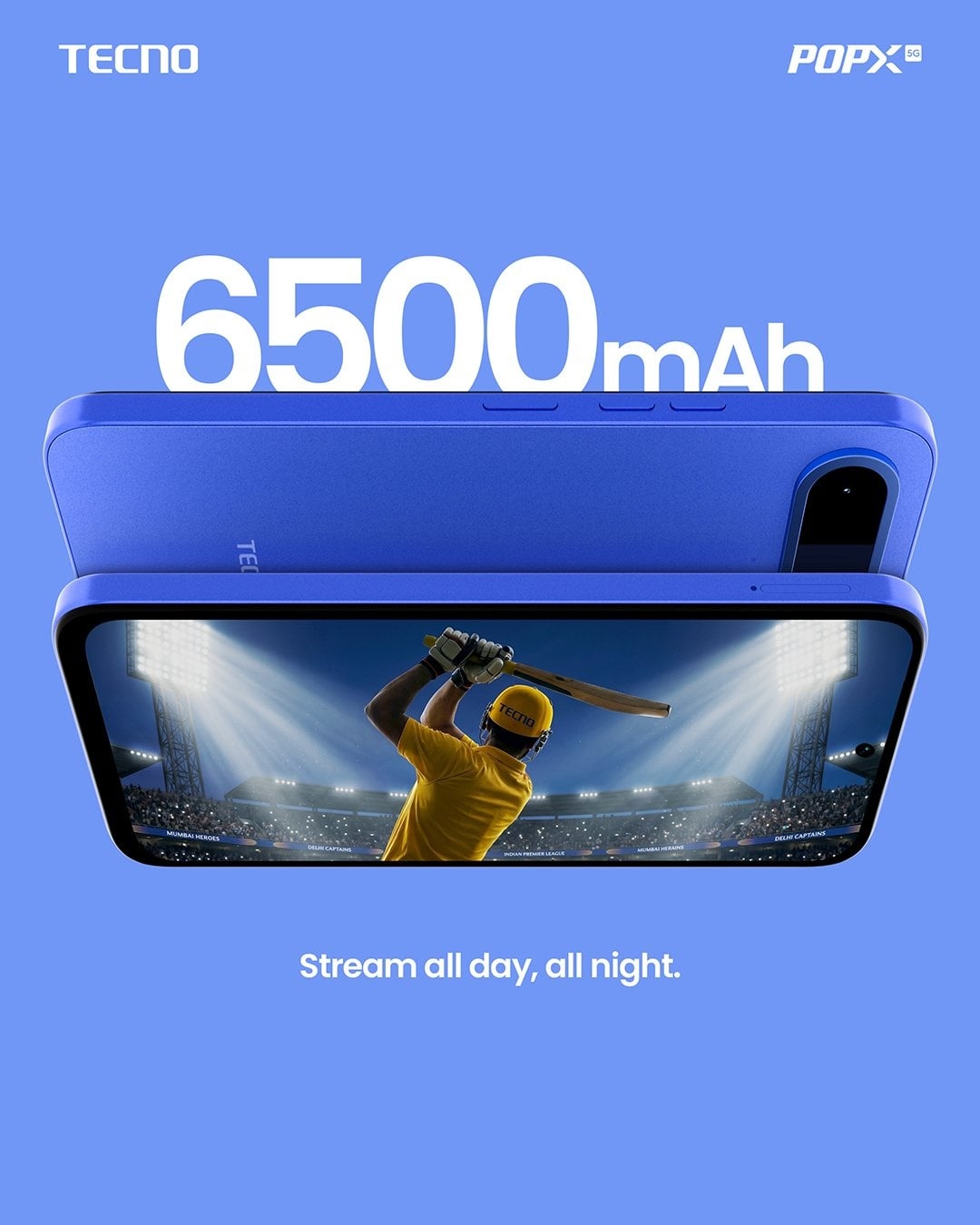
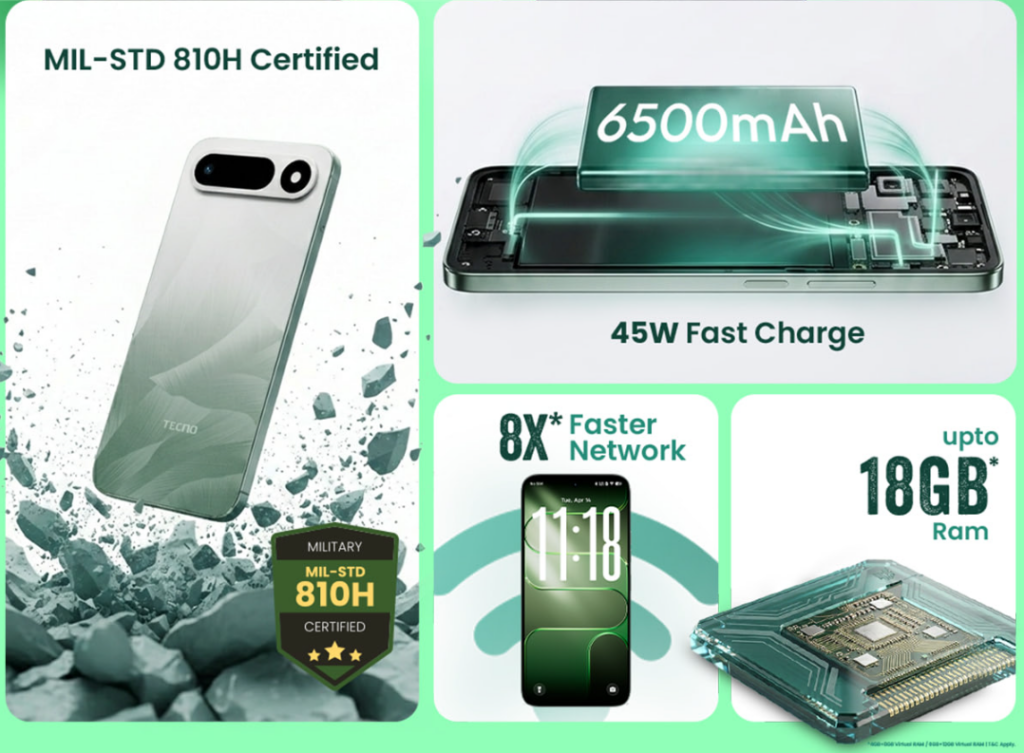
Battery is a key highlight here. The phone packs a 6500mAh battery with support for 45W fast charging. It measures 167.9 x 79.3 x 8.18mm and weighs 210g. The build includes a 6-series aluminum camera module, and the device is drop tested. It also comes with an IP64 rating for dust and splash resistance. Other hardware features include a side-mounted fingerprint sensor and a 3.5mm headphone jack.

On the connectivity side, the phone supports 5G SA and NSA bands, including n1, n3, n5, n8, n28B, n38, n40, n41, n48, n77, and n78. It also supports 4Γ4 MIMO, carrier aggregation, dual 4G VoLTE, Wi-Fi ac (2.4GHz and 5GHz), Bluetooth 5.3, and multiple navigation systems including GPS, GLONASS, Galileo, and QZSS.
One standout feature is FreeLink Communication. It allows users to make calls, send texts, and share files directly with nearby devices without a mobile network, up to 1.5 km in open areas.
The TECNO POP X 5G is priced at Rs. 15,999 for the 4GB + 128GB version and Rs. 17,999 for the 6GB + 128GB model. It will be available on Amazon India starting April 24.
For more daily updates, please visit ourΒ News Section.
Stay ahead in tech!Β Join ourΒ Telegram communityΒ andΒ sign up for our daily newsletterΒ ofΒ top stories!
The post TECNO POP X 5G Debuts in India with 120Hz Display, Dimensity 6400 & 6500mAh Battery appeared first on Gizmochina.
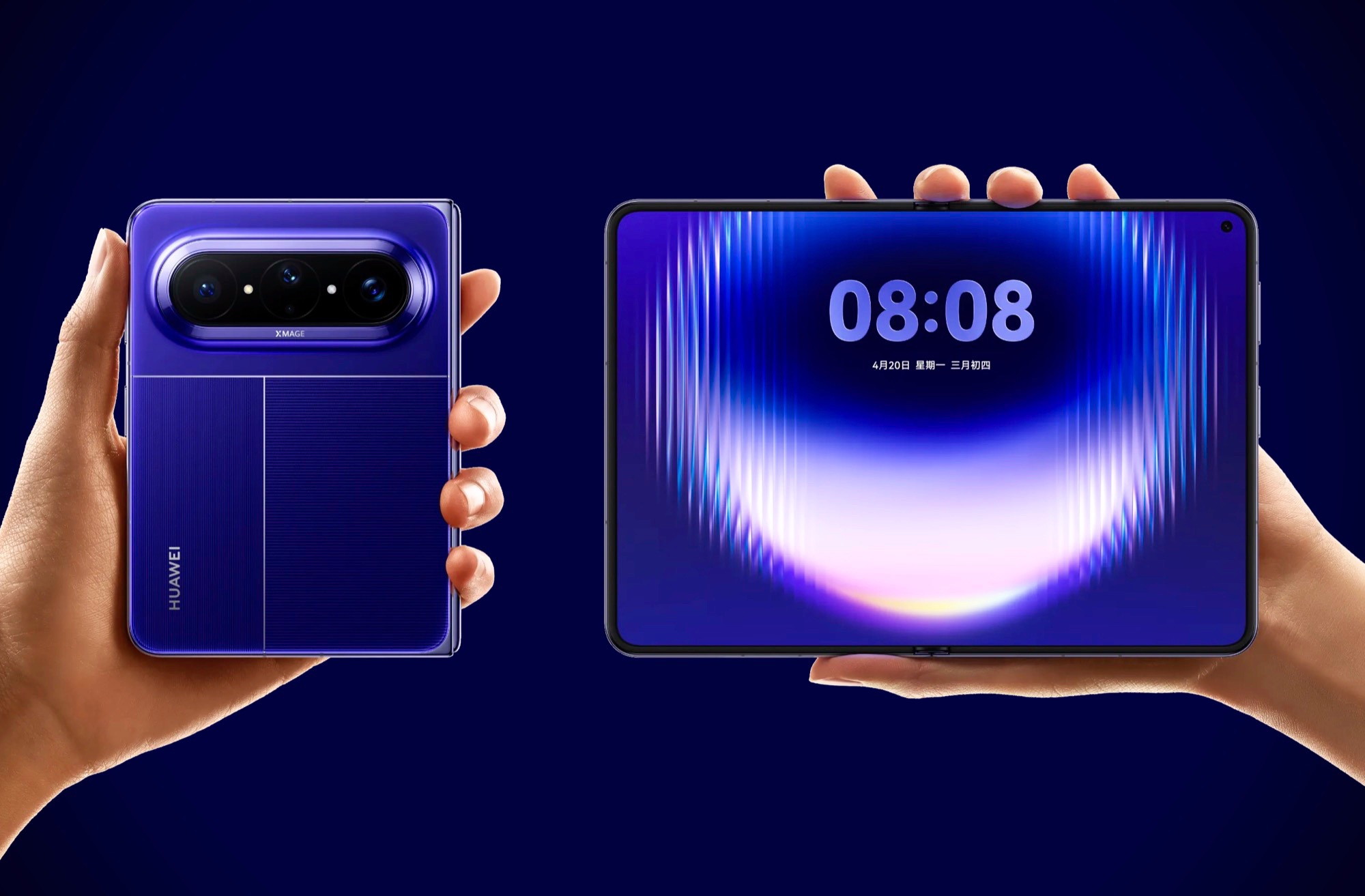
Apple has long been rumored to launch a wide foldable iPhone, but Huawei just beat it to the punch with the first wide, book-style foldable. As scheduled, the company today announced the Pura X Max alongside the new Pura 90 series.

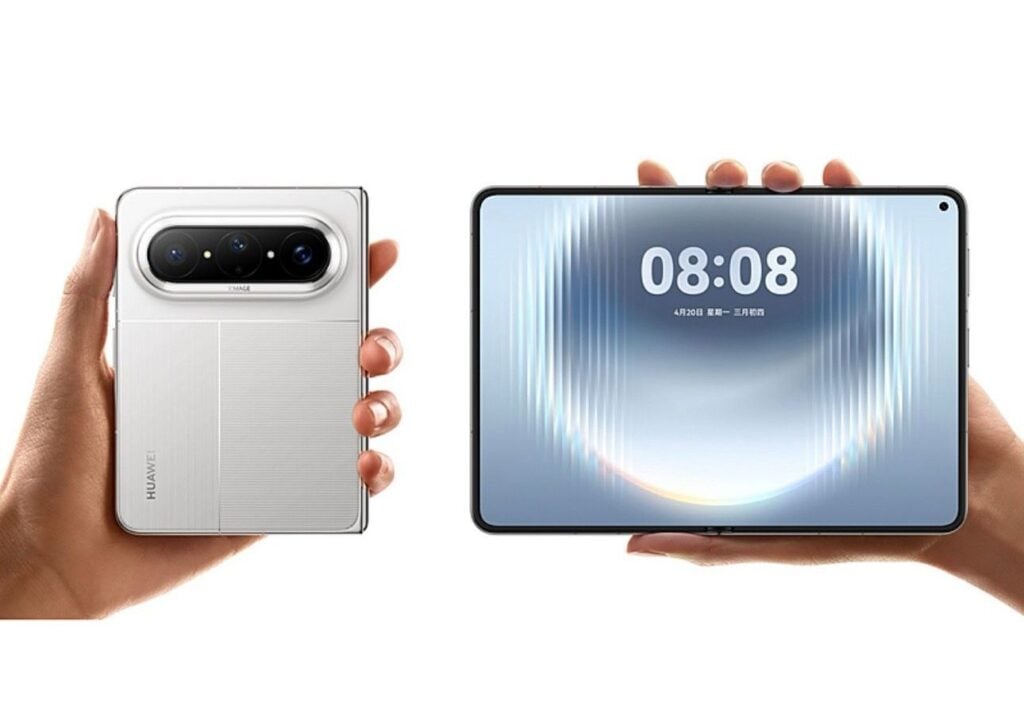
The Pura X Max shifts away from the now-familiar tall foldable design and instead focuses on a wider, more paper-like aspect ratio. Both the inner and outer displays follow a β2:1 aspect ratio, which Huawei says is intended to create a more consistent viewing experience across screens.
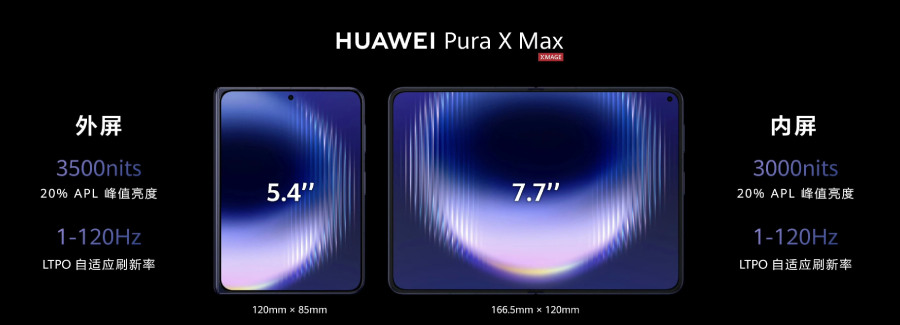
On the outside, you get a 5.4-inch display that pushes up to 3500 nits of peak brightness and supports a 1β120Hz LTPO adaptive refresh rate. Open it up, and thereβs a 7.7-inch inner screen with similar adaptive refresh capabilities, though brightness tops out slightly lower at 3000 nits.

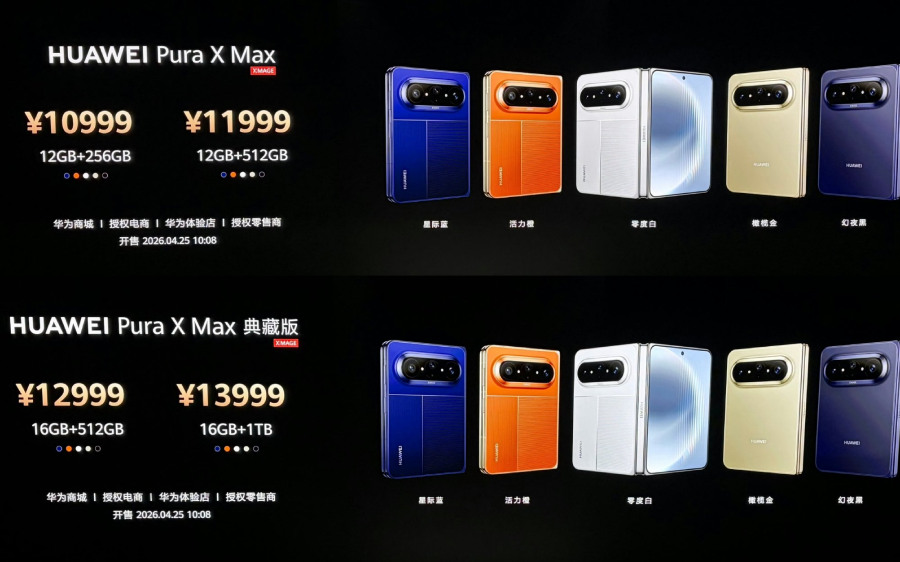
Design-wise, the phone has what it calls a geometric aesthetic, with a ceramic bezel around the camera module thatβs meant to give it a more polished look. It comes in five colors: Midnight Black, Zero White, Interstellar Blue, Olive Gold, and Vibrant Orange.
Like most recent launches, AI is a big part of the pitch. The Pura X Max runs HarmonyOS 6.1 and introduces an upgraded Xiaoyi Smart Brain along with what Huawei calls a companion AI system. This system integrates with apps like Amap, Zhihu, Didi, Baidu Maps, and DingTalk, aiming to make the assistant more useful across everyday tasks.
Thereβs also a long list of AI-driven features, including Xiaoyi Help, Time Machine, AI note-taking, and photo editing tools.Β
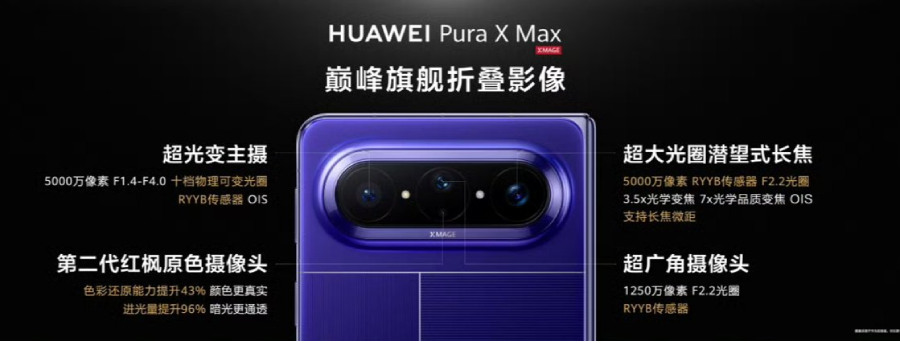
On the hardware side, the Pura X Max includes a 50MP main camera, a 50MP periscope telephoto lens, a second-generation color sensor, and a 12.5MP ultra-wide camera. Huawei is branding this setup as part of its XMAGE system, with support for portrait enhancements and 3D dynamic photos.

Under the hood, the device is powered by the Kirin 9030 Pro chip and runs HarmonyOS. Huawei also says the phone supports real-time ray tracing.
The foldable mechanism itself has been updated as well. Huawei is using a new basalt waterdrop hinge that reportedly increases screen space by 16% and improves drop resistance by 33%. The inner display is protected by a multi-layer structure that includes UTG glass and additional support layers.
There are also some accessories and extras. Huawei introduced the M-Pen 3 Mini stylus, which supports air gestures, includes a microphone, and can trigger the Xiaoyi assistant.

The lineup is split into two tiers. The standard edition includes a 12GB + 256GB model at 10,999 yuan and a 12GB + 512GB variant at 11,999 yuan. The collectorβs edition pushes things further with 16GB + 512GB at 12,999 yuan and a 16GB + 1TB option at 13,999 yuan.Β
For more daily updates, please visit ourΒ News Section.
Stay ahead in tech!Β Join ourΒ Telegram communityΒ andΒ sign up for our daily newsletterΒ ofΒ top stories!Β 
The post Huawei Pura X Max launches as first wide book-style foldable with Kirin 9030 Pro appeared first on Gizmochina.
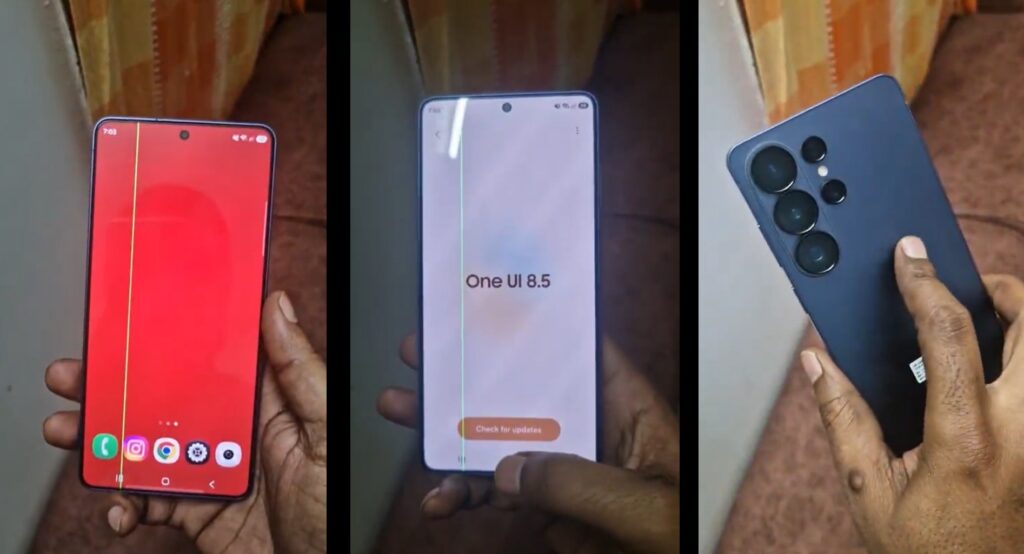
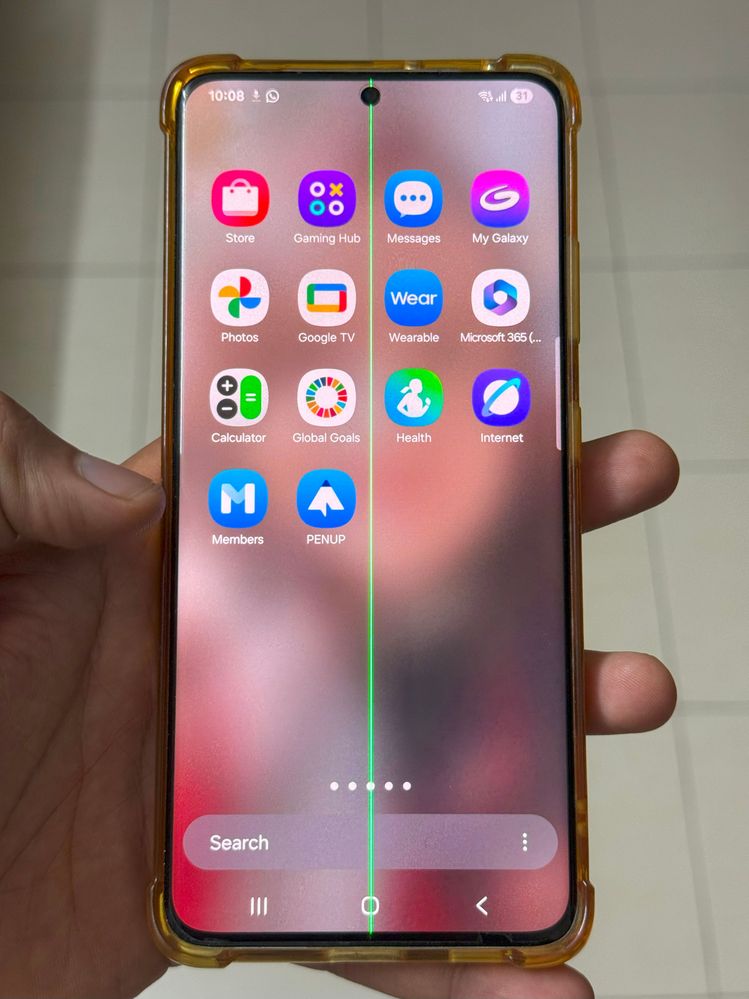
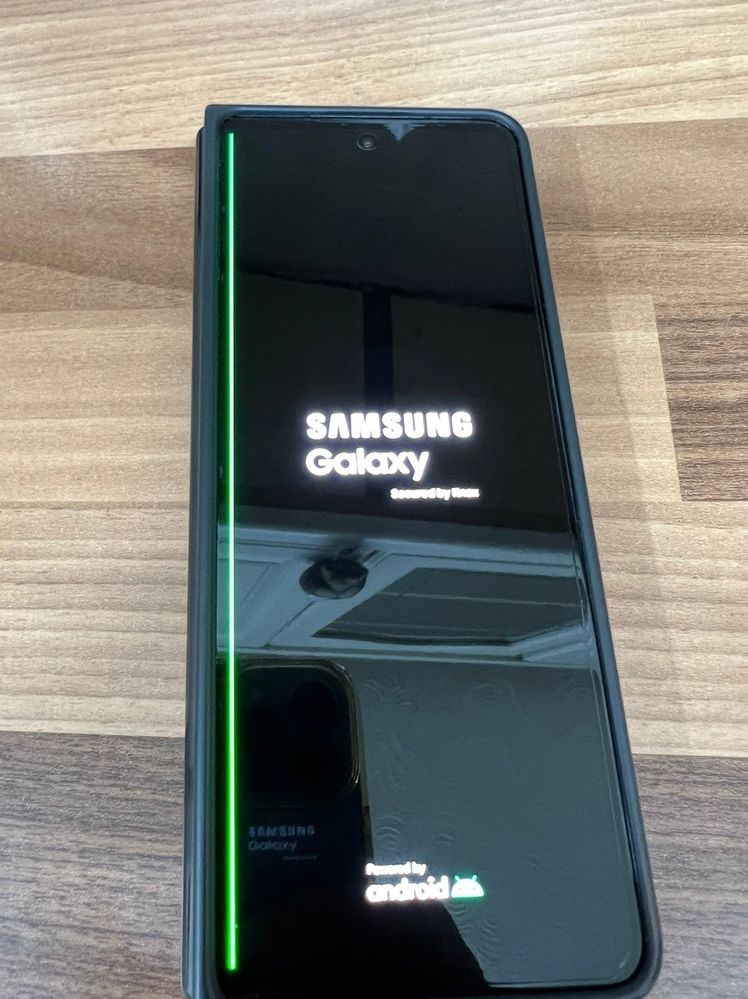
Samsungβs flagship phones are once again in the spotlight for a familiar issue. Reports of the green line display problem are popping up again, and this time, the Galaxy S26 Ultra is part of the conversation.

The issue showed up earlier on devices like the Galaxy S21 Ultra, Galaxy S21 FE, Galaxy S22 Ultra, the S23 series, and even the Galaxy Z Fold 4. The pattern has been fairly consistent. A thin vertical line appears on the display, usually without any visible damage or clear trigger.
In the recent Galaxy S26 Ultra case, a few users on X have shared posts showing a fairly thick green line on the display. The posts have also sparked some confusion, with a few people calling them βeditedβ or βfakeβ.
That said, the video looks legitimate on closer inspection. And given the history of similar issues across older models, it doesnβt feel entirely out of place.


Still, there arenβt many reports yet. A handful of posts across X and Reddit, and not much detail beyond that. So itβs hard to say how widespread this is, or what might be causing it.
For now, itβs something Samsung will likely need to look into further, especially if more cases start to show up. The company has acknowledged it in the past for certain models and, in many cases, has offered free display replacements, as long as thereβs no sign of physical damage.
If you run into this, the usual advice is to head to an authorized service center first. Theyβll check the device and, if it qualifies, approve a screen replacement. If not, some users suggest asking for a job sheet and escalating the issue through official support channels or the Samsung Members app.
Donβt miss a thing! Join our Telegram community for instant updates and grab our free daily newsletter for the best tech stories!
For more daily updates, please visit our News Section.
The post Green line hits the Galaxy S26 Ultra appeared first on Gizmochina.
Toshiba has announced a new television lineup in India with a focus on improved visuals, sound, and gaming performance. The Z670SP series marks the brandβs entry into the mini LED segment in the country, bringing multiple screen size options and updated processing features.

The Toshiba Z670SP series is available in 55-inch, 65-inch, 75-inch, 85-inch, and 100-inch sizes, catering to a wide range of users. A key highlight is the native 144Hz refresh rate panel, which aims to deliver smoother motion, especially for sports and gaming content. The TVs are also equipped with REGZA Intelligence, an AI-driven system that adjusts picture and audio settings in real time based on what is being viewed.
For visuals, the series relies on mini LED backlighting combined with QLED colour technology, helping improve brightness control, contrast, and color output. The REGZA Engine ZRi powers image processing tasks such as upscaling and clarity enhancement, ensuring consistent performance across different types of content. Support for Dolby Vision further enhances HDR playback with better detail in both bright and dark scenes.
Audio is another area of focus, with front-firing speakers designed to direct sound towards the viewer. This setup works alongside REGZA Power Audio+ and Eilex Prism technology to maintain balanced and clear output. Dolby Atmos support adds a more immersive sound experience. The TVs also include Game Mode Pro, which reduces input lag and improves responsiveness for connected consoles and gaming setups.
The Toshiba Z670SP series starts at Rs 64,990 (~$700) and will be available through Reliance Digital, Amazon India, and Flipkart, along with offline retail outlets. Buyers can also avail launch offers such as cashback of up to Rs 10,000, zero down payment options, and a two-year comprehensive warranty. For those who donβt know, Toshiba TVs in India are manufactured, sold, and supported by Hisense India Pvt Ltd.
For more daily updates, please visit ourΒ News Section.
Stay ahead in tech!Β Join ourΒ Telegram communityΒ andΒ sign up for our daily newsletterΒ ofΒ top stories!Β 
The post Toshiba Z670SP mini LED TV series launched with 144Hz panel, up to 100-inch size options appeared first on Gizmochina.
The OnePlus Nord CE 6 series is set to make its debut in India on May 7, bringing a renewed focus on performance, endurance, and durability. The lineup includes the Nord CE 6 and marks the return of the Lite variant after a gap of one year. Hereβs a look at the officially details of the CE 6 series confirmed by the brand.

The OnePlus Nord CE 6 is designed as an all-round performer, combining a Snapdragon 7s Gen 4 chipset with a dedicated Touch Reflex chip. This dual-chip setup aims to deliver stable performance across daily tasks as well as demanding gaming scenarios. It supports up to 144fps gameplay in select titles, along with a high touch sampling rate of 3200Hz for quicker response.

To further improve gaming control, the device includes a 6-axis gyroscope that enables more accurate motion input. Thermal management is handled by a large vapour chamber cooling system with an area exceeding 33,000 mmΒ², helping maintain consistent performance during longer sessions. On the durability front, the device comes with IP66, IP68, IP69, and IP69K ratings, along with MIL-STD-810H certification, indicating strong resistance to environmental stress.
The Nord CE 6 features a 6.78-inch display with 1.5K resolution and a 144Hz refresh rate, offering smooth visuals for both gaming and media consumption. A key highlight is its ,8000mAh battery, paired with 80W fast charging, which is claimed to deliver over two days of usage on a single charge. It also supports bypass charging to reduce heat and 27W reverse wired charging for added convenience.

Alongside it, the OnePlus Nord CE 6 Lite returns with confirmed upgrades including a 144Hz display, Dimensity 7400 Apex chipset, and a 7,000mAh battery, positioning it as a strong option in the more accessible segment. In terms of design, the Nord CE6 will be available in Fresh Blue, Lunar Pearl, and Pitch Black, while the Lite model comes in Vivid Mint and Hyper Black.
For more daily updates, please visit ourΒ News Section.
Stay ahead in tech!Β Join ourΒ Telegram communityΒ andΒ sign up for our daily newsletterΒ ofΒ top stories!Β 
The post OnePlus Nord CE 6 specifications officially revealed ahead of May 7 launch, Nord CE 6 Lite to tag along appeared first on Gizmochina.
Just ahead of the global debut of the Find X9 Ultra, the company has shared more details about its updated Hasselblad partnership, and there are some noticeable changes.

A big part of that is Hasselblad Master Mode 2.0, which looks like a step up in terms of flexibility. It now supports both RAW MAX and JPG MAX, and works across multiple focal lengths, from 14mm all the way to 230mm. That should make it easier to shoot different kinds of scenes. Oppo is also talking about a 16EV dynamic range, which, at least on paper, should help with tricky lighting.
Thereβs also a bit more focus on the βlookβ of photos this time. The phone includes Hasselblad-inspired film styles, with names like Portra, 800T, and TX400. These are available directly in the camera app, so you donβt have to rely on editing later. Thereβs even an XPAN-style wide format mode, which is a bit niche, but interesting.
For those who like more control, manual adjustments are still there, along with AI-based presets that can save custom settings. Oppo says you can store up to 20 of these, which could be useful if you tend to shoot in similar conditions.

On the hardware side, the setup is just as ambitious. The Find X9 Ultra is expected to feature a quad-camera system, including a 200MP main sensor, another 200MP sensor for 3x zoom, a 10x periscope lens, and a 50MP ultra-wide. Itβs a lot on paper, and clearly aimed at people who care about zoom and versatility.
The official launch is set for April 21, so we wonβt have to wait long to see how all of this comes together in real use.
Donβt miss a thing! Join our Telegram community for instant updates and grab our free daily newsletter for the best tech stories!
For more daily updates, please visit our News Section.
(Source)
The post Oppo Find X9 Ultra teased with RAW MAX, JPG MAX support, and 16EV dynamic range appeared first on Gizmochina.
Google is reportedly preparing to launch a new fitness wearable called the Google Fitbit Air. The device is expected to be a screenless fitness tracker designed for users who prefer a simple and distraction-free experience. The βAirβ branding suggests a lightweight and comfortable design that can be worn all day without feeling bulky.
The device first appeared in teasers from late March 2026, but it gained wider attention after NBA star Stephen Curry was spotted wearing it for months. In early teaser content, only Googleβs βGβ logo was visible instead of Fitbit branding. This hints at a shift in how Google is presenting its wearable products.

Alongside the new device, Google is expected to rework its health ecosystem. Fitbit Premium may be renamed to Google Health, while the Personal Health Coach service could become Google Health Coach. This signals a move toward bringing all health services under the Google brand, with Fitbit focusing more on hardware.
The Fitbit Air is likely to compete with screenless fitness trackers like WHOOP. These devices focus on continuous health tracking without a display, making them popular among athletes and fitness-focused users who want deeper insights without distractions.
There is no confirmed launch date yet, but the announcement is expected soon. Reports suggest it could debut at Google I/O in the coming weeks, marking a major step in Googleβs wearable strategy.
Read More:
(via)
The post Google Fitbit Air Leak: Screenless Fitness Tracker, Features, Launch Timeline appeared first on Gizmochina.
The push toward smaller and more advanced chips isnβt slowing down anytime soon. A new report suggests TSMC is already looking beyond 2nm, with early plans for sub-1nm manufacturing starting to take shape.
According to DigiTimes, the company is targeting trial production of sub-1nm chips around 2029. Before that, TSMC is expected to bring its 1.4nm process (A14) into mass production in 2028. That node alone is said to offer noticeable gains in both performance and efficiency, reportedly in the range of 30 percent.

The sub-1nm phase, at least initially, wonβt be large-scale. The report mentions a starting output of around 5,000 wafers per month, which suggests this will begin more as a testing ground than full production.
To support all this, TSMC is expected to rely on its facilities in Tainan, including the A10 fab and related plants. The timing lines up with increasing demand from areas like AI and high-performance computing, where even small efficiency gains can make a difference.
Apple is likely to be part of that early wave, as usual. The company has consistently been first in line for TSMCβs newest nodes, partly because of the scale it operates at. If things stay on track, itβs possible we could see sub-1nm chips in future MacBooks toward the end of the decade.
That said, there are still quite a few hurdles. TSMC first needs to stabilize its upcoming 1.6nm and 1.4nm processes, and moving below 1nm brings additional challenges around yields, EUV lithography, and heat. None of this is straightforward.
So while the roadmap looks ambitious, itβs still early. Plans at this stage tend to shift, especially when the technology involved is this complex.
Still, if TSMC manages to get there on time, it could be a fairly big step forward. Smaller nodes donβt just mean faster chips, they also help with efficiency, which matters just as much now.
Donβt miss a thing! Join our Telegram community for instant updates and grab our free daily newsletter for the best tech stories!
For more daily updates, please visit our News Section.
(Source)
The post TSMC pushes toward sub-1nm chips after 1.4nm breakthrough appeared first on Gizmochina.
Huawei has introduced the Watch Buds 2, bringing back its unique smartwatch with built-in earbuds concept. The successor to the original Watch Buds, which debuted back in 2022, has arrived with a refined design and adds improvements across display, health tracking, and overall usability, hinting at a more practical everyday wearable. Starting today, the unique smartwatch is available for purchase in China.

The Huawei Watch Buds 2 is priced at 3,488 Yuan (~$510) for the fluororubber strap variants, while the titanium strap version costs 3,988 Yuan (~$585). The device is currently available for pre-order in China, with official sales now underway.


The Huawei Watch Buds 2 features a 1.5-inch OLED display with a 466 x 466 resolution and a peak brightness of 3000 nits. The panel is protected by second-generation Kunlun glass, and the slimmer bezels improve the screen-to-body ratio. The watch measures 47 x 47 x 14.69mm and weighs around 54.5g, making it lighter than its predecessor.
The body is built using aerospace-grade titanium alloy, which improves durability while keeping the weight in check. It is available in Amber Brown, Obsidian Black, and Titanium Silver finishes. The smartwatch also supports a wide range of health tracking features including sleep monitoring, emotional wellbeing insights, all-day HRV tracking, heart rhythm irregularity alerts, and sleep apnea detection. It also includes research-based high blood sugar risk assessment and supports over 90 sports modes.
One of the key highlights remains the integrated earbuds. Each earbud weighs about 4g and supports adaptive left-right recognition, allowing flexible usage. Features include active noise cancellation, transparency mode, and a bone conduction microphone for clearer voice pickup. The earbuds can be charged by placing them back into the watch case, regardless of orientation.
The device also supports NFC, multiple satellite positioning systems including BeiDou, GPS, GLONASS, and Galileo, along with digital car key functionality. It packs a 410mAh battery, offering up to three days of overall usage. The earbuds deliver up to 3 hours of playback with noise cancellation enabled and up to 4 hours without it.
For more daily updates, please visit ourΒ News Section.
Stay ahead in tech!Β Join ourΒ Telegram communityΒ andΒ sign up for our daily newsletterΒ ofΒ top stories!Β 
The post Huawei Watch Buds 2 goes in sale for ~$510, brings built-in ANC earbuds, upgraded display, and more appeared first on Gizmochina.
Earlier this month, OnePlus unveiled the OnePlus Nord 6 equipped with the Snapdragon 8s Gen 4 chip. This phone debuted as a tweaked version of the OnePlus Turbo 6, which launched earlier this year in China.
Now, in a new development, the alleged Nord CE 6 has appeared in Geekbenchβs database with a Snapdragon 7-series chip. This suggests that it could be based on the OnePlus Turbo 6V, which is already available in the Chinese market.


As seen above, an upcoming OnePlus handset with model number CPH2805 has surfaced in Geekbenchβs database. The CPU and GPU details mentioned in the listing suggest that it could be powered by the Snapdragon 7s Gen 4.
The inclusion of this chip suggests that this device could be the upcoming OnePlus Nord CE 6. The listing further reveals that it is equipped with 8GB of RAM and Android 16. Its single-core and multi-core scores are 1,101 and 3,117 points, respectively.
To recall, the CPH2805 device was spotted back in December last year in a report by AndroidHeadlines. Subsequent reports suggested that it will be a global version of Chinaβs OnePlus Turbo 6V.
The OnePlus Nord CE 6 is expected to feature a 6.8-inch flat OLED panel delivering a 1.5K resolution and a 144Hz refresh rate. The Snapdragon 7s Gen 4-powered device is expected to offer 8GB of RAM and 256GB of internal storage.
Like the Nord 6, the CE variant may pack a huge 9,000mAh battery and support 80W fast charging. For photography, it may feature a 32-megapixel front camera, while the rear camera setup may include a 50-megapixel primary camera and an 8-megapixel ultra-wide lens. It is expected to run on OxygenOS 16 based on Android 16.
As per a recent report, the Nord CE 6 and Nord CE 6 Lite may launch in May in India. As for the Lite model, it was reportedly spotted with the Dimensity 7400 chip on Geekbench last week.
For more daily updates, please visit ourΒ News Section.
Stay ahead in tech!Β Join ourΒ Telegram communityΒ andΒ sign up for our daily newsletterΒ ofΒ top stories!Β 
(via)
The post Purported OnePlus Nord CE 6 spotted with Snapdragon 7s Gen 4, launching soon appeared first on Gizmochina.
Huawei has introduced the Vision Smart Screen S7 Pro in China, expanding its portfolio of large-screen smart devices. The new model focuses on display quality, smart features, and family-centric usage, positioning itself as more than just a conventional television.

The Huawei Vision Smart Screen S7 Pro is available in 65-inch, 75-inch, 85-inch, and 98-inch sizes, all featuring a 4K resolution panel with Mini LED backlighting. The screen supports a 144Hz refresh rate with motion enhancement up to 288Hz, along with peak brightness reaching 2000 nits. Huawei has also added a special anti-reflective layer to improve visibility in bright environments, making it more suitable for living rooms with natural light.
The panel covers 100 percent DCI-P3 colour gamut and offers a contrast ratio of 5000:1. It runs on HarmonyOS 4.3 and comes with 8GB RAM and 128GB storage. For audio, the setup includes a 2.1 channel system with a total output of 130W, combining full-range drivers, tweeters, and a dedicated subwoofer.

The device also integrates AI-powered features through a built-in camera, enabling functions like posture detection and distance alerts, especially useful for children. It further supports stylus input, allowing users to write or draw directly on the screen, adding versatility for education and work scenarios.
The Huawei Vision Smart Screen S7 Pro starts at 7999 yuan (around $1100) for the 65-inch model, while the 75-inch variant is priced at 10999 yuan (around $1500). The 85-inch version costs 12999 yuan (around $1800), and the 98-inch model goes up to 18999 yuan (around $2600).
The smart screen is currently available in China through official channels and retail stores. There is no information yet regarding its global availability.
For more daily updates, please visit ourΒ News Section.
Stay ahead in tech!Β Join ourΒ Telegram communityΒ andΒ sign up for our daily newsletterΒ ofΒ top stories!Β 
The post Huawei Vision Smart Screen S7 Pro launched with 144Hz Mini LED panel, HarmonyOS 4.3, AI features appeared first on Gizmochina.
Xiaomi has announced a new Mijia central air conditioning solution in China. The product focuses on comfort, efficiency, and intelligent airflow, setting the stage for a more connected cooling experience. Continue reading to know more about Xiaomiβs new air conditioner.

The newly launched Xiaomi Mijia central air conditioner features a dual air-outlet design that separates cooling and heating airflow paths. This approach is aimed at delivering more balanced temperature control across indoor spaces. The system is rated with a high energy efficiency score of APF 4.62, placing it in the top tier for energy-saving performance.
The internal and external units feature upgraded heat exchange systems, including a triple-row indoor unit and a dual-row outdoor setup made of copper components. This increases heat exchange efficiency by around 15 percent, which can contribute to faster cooling and better overall performance. The system also supports a wide airflow volume, making it suitable for larger rooms or open layouts.
One of the key highlights is the human-sensing airflow technology. The system can detect presence and adjust airflow accordingly, such as directing air towards occupants, avoiding direct airflow, or switching to energy-saving mode when no one is present. This adds a layer of comfort while also improving power efficiency.
The air conditioner integrates with Xiaomiβs smart ecosystem, allowing control through voice commands, mobile apps, and even remote activation from a car. It also supports OTA updates, which means features can be improved over time. Optional accessories such as a smart air management panel and health-focused modules can further enhance the indoor environment.
In terms of durability, Xiaomi is offering a long-term warranty, which indicates confidence in the productβs reliability. The pricing in China is set at 8999 Yuan (~$1,320), making it relatively competitive for a central air conditioning solution in this category. At present, there is no clarity whether this device will make it to the global market.
For more daily updates, please visit ourΒ News Section.
Stay ahead in tech!Β Join ourΒ Telegram communityΒ andΒ sign up for our daily newsletterΒ ofΒ top stories!Β 
The post Xiaomi Mijia central air conditioner announced with dual airflow, smart sensing appeared first on Gizmochina.
Reliable tipster Digital Chat Station has been gradually leaking details about the next-generation Xiaomi 18 series, which is initially expected to include three models: Xiaomi 18, 18 Pro, and 18 Pro Max. Today, the tipster rolled out a Weibo post to confirm the display details and the chipset of the device.

According to the tipster, an upcoming flagship smartphone powered by Qualcommβs next-generation SM8975 chip, expected to be marketed as the Snapdragon 8 Elite Gen 6 Pro. While he did not specify the name of the device, it appears that it could be the Xiaomi 18 Pro Max. The device is said to feature a large flat display of around 6.9 inches, allowing more space for advanced internal hardware.
The prototype is also tipped to include upgraded components, such as a symmetrical dual-speaker setup and a large x-axis linear motor aimed at delivering stronger and more refined haptic feedback. Early engineering units reportedly offer improved vibration response, pointing to a better overall tactile experience.
With a combination of a large display, next-generation chipset, and enhanced hardware, the device is expected to position itself as a versatile large-screen imaging flagship, catering to users looking for both performance and camera capabilities.
Earlier this month, the tipster revealed that the Xiaomi 18 Pro Max will continue to feature a rear display like its predecessor. This time it will be powered by AI and is expected to be more versatile than before.
The tipster previously revealed that the Xiaomi 18 Pro Max prototype features a 200-megapixel 1/1.28-inch main sensor with improved efficiency and thermal control. It is also tipped to support LOFIC HDR 3.0 and enhanced low-light performance. The periscope telephoto camera could match this with a 200-megapixel sensor, enabling versatile high-end photography. For ultra-wide sensor, it may feature a 50-megapixel camera.
The Xiaomi 18 Pro Max is also said to house a massive 8,500mAh battery with 100W wired charging support. Likely, it will also offer 50W wireless charging. Being a next-generation model, it is expected to ship with the HyperOS 4-based Android 17. As far as launch is concerned, the Xiaomi 18 lineup is expected to break cover in September this year.
ForΒ more daily updates, please visit ourΒ News Section.
Stay ahead in tech!Β Join ourΒ Telegram communityΒ andΒ sign up for our daily newsletterΒ ofΒ top stories!Β 
The post Xiaomi 18 Pro Max to feature 6.9-inch display, Snapdragon 8 Elite Gen 6 Pro appeared first on Gizmochina.
Today, OnePlus confirmed that the Ace 6 Ultra, a gaming-focused flagship phone, will debut in China on April 28. Alongside the smartphone, the brand has also unveiled a dedicated controller, pointing towards a more immersive mobile gaming experience. Here is a closer look at how it aims to elevate gameplay on the Ace 6 Ultra.

OnePlus is positioning the Ace 6 Ultra and its companion gaming controller as a combined system designed specifically for shooter games. When used independently, the smartphone functions like a regular high-performance device. However, once attached to the controller, it transforms into a handheld console-like setup aimed at improving precision and comfort.
A key highlight of this setup is the addition of four physical buttons, enabling players to move beyond standard two-finger controls. This hybrid input system blends touch gestures with physical triggers, allowing more complex actions such as aiming, firing, and movement to happen simultaneously with better coordination.

The controller is said to support a 1000Hz polling rate with extremely low latency response, which should translate into quicker in-game reactions. OnePlus is also focusing on making advanced multi-finger gameplay more accessible, helping casual players gradually improve their control techniques.
On the hardware side, the OnePlus Ace 6 Ultra is expected to feature the Dimensity 9500 chipset, paired with a 6.83-inch OLED 1.5K 165Hz display that supports highly responsive touch input. The device is also tipped to include a large 8,600mAh battery, suggesting a strong emphasis on extended gaming sessions without frequent charging.
The previous-generation OnePlus Ace 6 Ultra flagships have remained exclusive to the Chinese market.
ForΒ more daily updates, please visit ourΒ News Section.
Stay ahead in tech!Β Join ourΒ Telegram communityΒ andΒ sign up for our daily newsletterΒ ofΒ top stories!Β 
The post OnePlus Ace 6 Ultraβs dedicated gaming controller officially revealed, set to launch on April 28 appeared first on Gizmochina.
Chuwi has introduced the AuBox X mini PC, a compact system designed for professionals, developers, and home users. The device is powered by the latest Intel Core Ultra 7 256V (Series 2) processor and is now available globally for a launch price of $759. The regular retail price is set at $929.

The AuBox X features an 8-core, 8-thread processor with a maximum turbo frequency of 4.8GHz and Intelβs AI Boost NPU, which delivers up to 47 TOPS of performance. This allows the mini PC to handle advanced local AI tasks like language model integration, image generation, and automation with minimal latency, ensuring data privacy and high-speed processing.
The mini PC features 16GB of LPDDR5X RAM at 8533 MT/s, a 1TB PCIe 4.0 SSD, and two M.2 slots for expandable storage, including one that supports PCIe 5.0 for upgrade flexibility.

Chuwi includes Intel Arc 140V graphics, which rival the performance of an Nvidia RTX 3050. The integrated GPU works well for 4K video playback, light gaming, and graphic rendering. The included USB4 port also supports external GPUs, enabling users to scale performance for AAA gaming or professional 3D rendering.
The AuBox X supports up to three displays at once. It offers output for 8K@60Hz or 4K@144Hz via HDMI 2.1, DP 1.4, and USB4. The system supports advanced connectivity with Wi-Fi 6E, Bluetooth 5.4, and dual 2.5Gb Ethernet ports.

The AuBox X mini PC features a compact design (580g, 128.4mm x 128.4mm x 40.5mm), making it ideal for tight spaces or desks. It excels at multitasking and creative workflows, includes Windows 11 Pro, and offers Windows Copilot+ AI for boosted productivity and advanced tools for creators.
In related news, Dell has recently introduced the Pro 5 Micro Mini PC powered by Intel Panther Lake CPUs with support for up to 64GB DDR5 RAM, while Minisforum has unveiled the Elite M1 Lite Mini PC featuring an Intel Core Ultra 5 125U processor and up to 96GB DDR5 RAM.
For more daily updates, please visit ourΒ News Section.
Stay ahead in tech! Join our Telegram community and sign up for our daily newsletter of top stories! 
(Chuwi)
The post Chuwi launches AuBox X Mini PC with Intel Core Ultra 7 256V & triple 8K display support appeared first on Gizmochina.
HP has brought a new HyperX Omen 15 gaming laptop to India, now powered by an AMD Ryzen 200 series processor. This comes a few months after the company introduced an Intel Core i7-14650HX variant of the same lineup.

At the core is the AMD Ryzen 7 260 chip, which goes up to 5.1 GHz boost clock and comes with 8 cores and 16 threads, along with 16MB L3 cache. The system is paired with 24GB DDR5 RAM clocked at 5600 MT/s and 1TB PCIe Gen4 NVMe SSD storage. It runs Windows 11 Home out of the box and includes Microsoft Office 2024, a one-year Microsoft 365 Basic plan, and a two-month Xbox Game Pass offer.
The laptop features a 15.3-inch IPS anti-glare display with a 2.5K resolution. It supports a 180Hz refresh rate and a 3ms response time. Other display details include 500 nits brightness, 100 percent sRGB coverage, a 16:10 aspect ratio, Low Blue Light support, and slim micro-edge bezels.

For graphics, HP has used an NVIDIA GeForce RTX 5050 GPU with 8GB of GDDR7 memory. The cooling is handled by the OMEN Tempest Cooling system, designed to keep temperatures in check during long gaming sessions. There is also an OMEN Unleashed Mode that allows users to push performance beyond standard settings.
The keyboard comes with a HyperAction 8000Hz polling rate, which is aimed at reducing input delay. RGB lighting can be customised, and users can tweak performance or boost FPS through the OMEN Gaming Hub and OMEN AI tools.
In terms of ports, the laptop includes two USB Type-A ports, one USB Type-C port, HDMI, RJ-45 Ethernet, HP Sleep and Charge, and a headphone and microphone combo jack. It also gets DTS:X Ultra dual speakers and a 1080p camera with HDR auto switch, temporal noise reduction, and dual array microphones.
The 70Wh battery supports fast charging, with up to 50 percent charge in around 30 minutes using the bundled 150W adapter.
The laptop is priced at Rs 1,49,990. With bank discounts of up to Rs 20,250 and exchange offers up to Rs 30,000, the effective price can drop to Rs 99,990. HP is also bundling HyperX gaming accessories worth Rs 17,000, including a Cloud III wired headset and a Pulsefire Haste 2 mouse. It is available on Amazon.
For more daily updates, please visit ourΒ News Section.
Donβt miss a thing!Β Join our Telegram communityΒ for instant updates and grab ourΒ free daily newsletterΒ for the best tech stories!
The post HP Omen 15 Gaming Laptop with RTX 5050 and Ryzen 7 260 Arrives in India with an Attractive Bundle Offer appeared first on Gizmochina.
The iPhone 16 Pro is no longer part of Appleβs official lineup after the launch of the iPhone 17 series in September 2025. However, it remains a strong contender in the market, especially for those looking for premium features at a reduced price. Retailers and third-party sellers continue to drive demand for this flagship device, which boasts a titanium build, ProMotion display, and optical zoom.
This breakdown covers its current pricing, trade-in values, and how it compares to the newer iPhone 17 base model.

The iPhone 16 Proβs pricing has dropped significantly since its original launch at $999. As of April 2026, the 128GB model starts at $600 to $800, depending on the retailer and whether it is a new or renewed premium model.
Higher storage models, like the 512GB variant, are seeing substantial price cuts and can often be found retailing around $819 on platforms like Amazon. The top-tier 1TB Titanium model, which still appeals to power users, is available for approximately $850-$900.
The iPhone 16 Pro continues to hold respectable trade-in value, providing multiple options for users planning to upgrade to the iPhone 17 series.
Appleβs Trade-In Program offers up to $550 in direct credit, which can be applied toward newer Apple products. US carriers like Verizon, AT&T, and T-Mobile are offering trade-in credits between $800 and $1,000 on eligible unlimited plans. Trade-in sites such as Swappa and Gazelle provide cash offers ranging from $450 to $600, depending on the phoneβs condition.
Carrier promotions deliver the highest trade-in value, especially for customers who plan to upgrade their devices alongside their phone plans.
The iPhone 17 introduces upgraded performance and internal hardware, but the iPhone 16 Pro maintains an edge in hardware materials and photography features. Pricing plays a significant role in this decision, with the iPhone 17 starting at $799 for the base model, while the iPhone 16 Pro can now be found starting at $600 to $800 for the 128GB variant.
The iPhone 16 Pro features a durable and premium titanium frame, while the iPhone 17 uses lighter aluminum. The two models differ significantly in their camera systems. The iPhone 16 Proβs 12MP telephoto lens with 5x optical zoom remains unmatched in the iPhone 17 base model. The iPhone 17 lacks a dedicated telephoto lens and relies solely on 2x optical zoom, making it less ideal for photography enthusiasts.
However, the iPhone 17 delivers better overall performance. Its A19 processor and 12GB of RAM outperform the iPhone 16 Proβs A18 Pro chip and 8GB of RAM. This makes the 17 a solid choice for users focused on future-proofing and getting the most out of their phone in terms of speed and multitasking.
But overall, the iPhone 16 Pro will still outperform the base iPhone 17 due to its superior camera system, making it an obviously better deal compared to the iPhone 17.
For more daily updates, please visit ourΒ News Section.
Stay ahead in tech! Join our Telegram community and sign up for our daily newsletter of top stories! 
The post Apple iPhone 16 Pro: Current Price, Trade-In Value & How It Compares to iPhone 17 appeared first on Gizmochina.
Samsung sticks to a 5,000mAh battery on the Galaxy S26 Ultra and avoids Silicon Carbon technologyβs adoption, but the Galaxy S27 Ultra may flip the script.
The industry has been obsessed with capacity numbers for too long. Bigger cells, thicker phones, yet marginal gains. Silicon Carbon changes that dynamic; it shifts the focus to energy density, efficiency, and smarter packaging.
Engineering documents suggest Samsung SDI has been actively testing Silicon Carbon based cells. The data points referenced include stack thickness targets, dual cell configurations, and cycle failure logs, viaΒ schrodingerintel.
One leaked configuration outlines a dual cell system combining a roughly 6,800mAh unit with a secondary 5,200mAh cell, both fitting within a sub 9.3mm stack.
Meanwhile, prototype Silicon Carbon cells are reportedly failing at around 960 charge cycles. That is well below Samsungβs commercial target of 1,500 cycles.
Teams are said to be iterating on separator materials, revising stacking architecture, and tuning battery management algorithms to stabilize degradation.
Around the Galaxy S26 launch window, Samsungβs own R&D leadership reportedly acknowledged internally that the company is behind on battery innovation.
If these targets are met, the Galaxy S27 Ultra is shaping up as the logical deployment model. Post Note 7, Samsung does not gamble on batteries, but the equation is now different.
If Samsung clears the 1,500 cycle barrier and locks down thermal stability, the Galaxy S27 Ultra will not just be another spec bump; it will represent the pivot.
Samsung has recently launched the Galaxy S26 series and the S27 lineup may arrive sometime in February 2027. The information is based on rumors swirling in supply chain, which canβt be considered final for the device.
The post Samsung Galaxy S27 Ultra may feature Silicon Carbon battery appeared first on Sammy Fans.
On April 20, during a high-profile luncheon hosted by Narendra Modi, Samsung chief Lee Jae-yong pulled out a Galaxy Z Flip 7 and captured a selfie with South Korean President Lee Jae-myung and the Indian Prime Minister.
This was not just another diplomatic photo-op. The device in Chairman Leeβs hand was a Galaxy Z Flip 7 produced in Samsungβs Noida facility. Samsung has been building (not just assembling) phones in India since 1996.
The product itself fits the narrative.
The Galaxy Z Flip 7 is not just another Samsung smartphone. It is Samsungβs statement category. Foldables are where the company still leads, still pushes boundaries, still defines the conversation while others chase.

President Lee Jae-myung has had a complicated relationship with smartphones in public optics. Not long ago, he drew heat back home after using a Xiaomi phone, reportedly a gift from Xi Jinping, for a selfie.
It sparked criticism, questions, and a broader debate about national tech pride. He course-corrected fast: his recent selfie diplomacy with Italyβs Prime Minister Giorgia Meloni signaled a shift to prioritizing Samsung.
4/20(μ) μ΄μ¬λͺ λν΅λ Ή μΈλ κ΅λΉλ°©λ¬Έ κ³κΈ°μ κ°μ΅λ λͺ¨λ μ΄λ¦¬ μ£Όμ΅ μ€μ°¬μ μ°Έμν μ΄μ¬μ© νμ₯μ μ΄μ¬λͺ λν΅λ Ή λ° λͺ¨λ μ΄λ¦¬μ ν¨κ» μ μΉ΄λ₯Ό μ°μλ€. μ΄νμ₯μ μΈλ λ Έμ΄λ€ 곡μ₯μμ μμ°ν ν립7μΌλ‘ μ μΉ΄λ₯Ό 촬μνμλ€.
μΌμ±μ 96λ λΆν° λ Έμ΄λ€μμ ν΄λν°μ μμ°νκ³ μμΌλ©°, ν΄λλΈμ ν¬ν¨νβ¦ pic.twitter.com/JnFNgxbon1β μΌμ±μ μ λ΄μ€λ£Έ (@SamsungNewsroom) April 20, 2026
The post Samsung chief clicks Modi selfie on Galaxy Z Flip 7 made in India appeared first on Sammy Fans.


Several years ago, Huawei unveiled a watch that housed earbuds inside it and released a fancy ProCollectorβs Edition of the Watch GT 3. Today brings something similar. The Huawei Watch Buds 2 refines the design of the original with a slightly slimmer (14.7mm vs. 15.0mm) and lighter (54.5 vs. 66.5g) build. It does this by dropping the stainless steel frame in favor of a titanium alloy. The back is made of skin-friendly fiber-reinforced composite material. The Huawei Watch Buds 2 is a smartwatch and TWS buds case in one The watch measures 47mm across and is suitable for 140-210mm...
Poco has announced the launch date for its upcoming C81 series of 4G budget smartphones in India. The brand has also revealed the battery capacities of the devices ahead of the debut. The Poco C81 and C81X 4G phones are set to debut in India on April 23, with both devices slated to go on sale via Flipkart. The C81 succeeds the Poco C71, which was unveiled in April last year. According to teaser images on the Flipkart microsite, the Poco C81 will feature a 6,300mAh battery with 15W wired charging and 7.5W wired reverse charging support. It will also offer a 13MP primary rear...
Samsungβs One UI 8.5 Beta 3 update for the Galaxy Z Fold 6 and Z Flip 6 introduces new AI tools and everyday fixes that users will actually notice.
One UI 8.5 officially debuted with the Galaxy S26 series earlier this year. Samsung has provided the final Beta update to the Galaxy S25 series. Now, the Stable rollout is being planned, with the distribution beginning on April 30.
Users of the Galaxy S25 series are first in line to have the Stable update. May 4 would mark the first expansion, covering S25 models outside Korea. We may see May filled with One UI 8.5 rollouts for a plethora of Galaxy devices.
The highlight is the addition of AI features like Call Screening, Photo Assist with text prompts, Creative Studio, and Audio Eraser that can reduce background noise in real time across apps like YouTube and Instagram.
In addition, Samsung has cleaned up a few annoying bugs.
The screen flicker when hitting the back key is gone, the lock screen clock now stays in the right place, and the taskbar issue has been sorted. Media playback should also sound better now, with less unwanted noise.
Earlier, the South Korean tech giant released the fourth Beta for the Z Fold 7 and Z Flip 7. Additionally, slab-type phones, including the S25 series, S24 series, and S25 FE, have also received a feature-rich firmware update.
The ZZDD software is available for download in South Korea. It should soon be available in more countries where Samsung brought the Beta. You can get it through Settings > Software update > Download and install.
The post AI features from Galaxy S26 rolling out to the Z Fold 6 and Flip 6 with One UI 8.5 Beta 3 appeared first on Sammy Fans.


Tecno announced the latest member in its Pop series β the Pop X 5G. It brings a fresh new design with a horizontal camera visor on the back alongside a 6,500mAh battery with 45W wired charging and a MediaTek Dimensity 6400 chipset at the helm. Tecno Pop X 5G Pop X 5G is built around a 6.78-inch IPS LCD with HD+ resolution (720 x 1,576px) and a 120Hz refresh rate. The panel is rated at 560 nits peak brightness and features a punch hole cutout for the 8MP front-facing camera. Tecno Pop X 5G key specs Around the back, we have a single 13MP main camera accompanied by an LED...
Samsungβs now releasing One UI 8.5 Beta 4 to the Galaxy Z Fold 7 and Z Flip 7, with the firmware featuring new AI features from the latest flagships along with fixes for some specific problems reported by Beta testers.
Galaxy Z Fold 7 and Z Flip 7 users on One UI 8.5 Beta can now download Beta 4, which can be identified via PDA build version ZZDD (viaΒ TarunVats). This release feels more like a refinement update than a major feature drop.
The highlight is a fresh set of AI tools.
You now get Call Screening to filter unknown callers, Photo Assist that lets you edit images using simple text prompts, Creative Studio for more advanced content tweaks, and an upgraded Audio Eraser that can remove background noise in real time.
These arenβt entirely new if youβve been following the Galaxy S25 Beta program, but itβs good to see them expanding to foldables.
It also focuses heavily on fixing annoyances.
Samsung has addressed a slow upload issue that showed up when retaking scans in the Cameraβs Add Scan feature. Routines that werenβt triggering properly should now behave as expected.
The Now Bar color glitch, where it changed every time you turned on the screen, has also been fixed. Automatic language detection is working again, and a crash affecting the Settings Intelligence service has been resolved.
If youβve already seen the Galaxy S25 series getting its 10th beta with similar changes, this rollout puts Samsungβs foldables more or less in sync.
The post One UI 8.5 Beta 4 for Galaxy Z Fold 7 and Flip 7 adds AI features, fixes Now Bar and Camera bugs appeared first on Sammy Fans.
Galaxy S26βs best AI features are now rolling out to the Galaxy S24 series and Galaxy S25 FE as part of the 3rd One UI 8.5 Beta update.
Samsungβs latest One UI 8.5 Beta ZZD8 update isnβt flashy, but it focuses on cleaning up a bunch of annoying day-to-day issues while quietly adding a few new AI features.
Owners of the Galaxy S24 series are getting the 3rd Beta update in Korea and India (via TarunVats), whereas the Galaxy S25 FE users are receiving it in Korea. An expansion will follow soon, covering Beta participants in Global markets.
On the AI side, Samsung is clearly expanding its toolkit.
You now get Call Screening, which helps filter unknown calls more intelligently. Photo Assist has been upgraded with text prompt input, letting you tweak images in a more flexible, almost generative way.
Thereβs also Creative Studio, aimed at giving users more control over content creation, and an Enhanced Audio Eraser that can reduce background noise in real time across apps like YouTube, Instagram, and Netflix.
Samsung is also tightening up the core experience.
Incoming call delays and black screen issues have been fixed, and the proximity sensor during calls should now behave more reliably. Camera bugs, especially the green line issue in 4K HDR recording on third-party apps, have also been addressed.
Bluetooth stability has been improved, and thereβs a fix for multi-touch glitches that could show up after using accessibility zoom features.
The fact that the same changelog is now showing up on the Galaxy S25 series with its 10th Beta suggests the company is getting serious about polishing things before a stable rollout.
The post 3rd One UI 8.5 Beta for Galaxy S24 and S25 FE bring S26βs best AI features appeared first on Sammy Fans.


OnePlus has several smartphone launches lined up in the coming weeks. After confirming the Ace 6 Ultraβs launch date in China, the company has now announced when the Nord CE6 and Nord CE6 Lite will debut in India. In an official post on X, OnePlus confirmed that the new Nord CE6 series will be unveiled on May 7. Alongside the launch date, the company has also revealed several key specifications of the handsets. The Nord CE6 will be powered by the Snapdragon 7s Gen 4 SoC, paired with a Touch Reflex chip. It will also pack an 8,000mAh battery with support for 27W reverse wired...
Huawei is an early mover in foldable phone technology and it is experimenting with new form factors like the Pura X β the so-called wide foldable. Itβs an intermediate size between flip and book-style foldables. But what if the X got bigger? Today the company answers that question. Huawei Pura X Max The Huawei Pura X Max features a 5.4β cover and 7.7β internal display. Below you can see how it compares with the original X in terms of size. The Max is a newer generation folding design that is much thinner. Pura X Pura X Max Cover display 3.5β ...
New EU rules, including removable battery design, coming into effect from 2027, could become a massive headache for Samsungβs Galaxy S27 development team.
Samsungβs Galaxy S27 might not be defined by its camera or chipset. It could be defined by a door on the back. That is the uncomfortable reality facing Samsungβs internal design cycles right now.
The European Unionβs battery regulation, approved by the EU Council on July 10, 2023, sets a hard deadline ofΒ 2027. By then, smartphones sold in the region must feature user-replaceable batteries.
For Samsung, this is not a minor tweak. It is a full reset.
The modern Galaxy S lineup is built on a sealed body design. Glass on front, glass on back, tightly packed internals, aggressive adhesive, and structural rigidity that helps achieve IP68 ratings.
That entire philosophy clashes with removable battery requirements. Galaxy phones can not have easy access and perfect sealing at the same time without compromise.
Samsungβs engineers may have been facing a brutal trade-off. Either redesign the chassis to allow tool-less battery access or attempt a complex modular workaround that preserves some level of water resistance.
Consumers associate sealed designs with high-end craftsmanship. Reversing that perception will not be easy, even if the change is driven by regulation.
Going back to removable covers feels like a step backward. Samsung would need to rethink component layout, battery housing, sealing methods, and even retail logistics.
The same regulation mandates up to 10 years of spare parts availability and service documentation. Devices are no longer meant to be replaced every three to four years.
Samsung could try region-specific designs, keeping sealed builds in markets without such regulations. More likely, the company will attempt a unified design that meets EU standards while preserving identity as much as possible.
The post Can Galaxy S27 adopt removable battery to satisfy the EU? appeared first on Sammy Fans.


Weβve already seen a pair of rumors for the upcoming Honor Magic9, but we are now getting our first set of details for the Magic9 Pro Max. This would be the higher-end option in the Magic9 series, and it is said to bring notable camera upgrades. According to Chinese tipster Smart Pikachu, Honor Magic9 Pro Max will arrive with dual 200MP sensors for its main and periscope telephoto cameras. In addition, the device will feature enhanced image stabilization and enhanced video recording capabilities. Honor Magic8 Pro The latter is presumably part of Honorβs collaboration with...
Samsungβs One UI 8.5 Beta 10 has finally arrived for Galaxy S25 users, bringing new AI features and plenty of bug fixes. Itβs available to Beta participants in Germany, India, and South Korea, with Poland, the UK and the US joining shortly.
The One UI 8.5 Beta 10 (ZZDD) update for the Galaxy S25 series is a mix of meaningful AI upgrades and much-needed bug fixes. On the AI side, Samsung is clearly pulling features forward from its next-gen lineup.
Youβre getting tools like Call Screening, which can automatically handle unknown callers, plus Creative Studio for generating and editing content more easily.
Thereβs also an upgraded Audio Eraser that does a better job cleaning background noise from recordings, and an improved Photo Assist that makes image edits smarter and more natural.

Additionally, this update quietly fixes some annoying issues. Incoming calls should now appear instantly instead of showing a delay or black screen. Call quality gets a boost, too, thanks to fixes for the proximity sensor acting up during calls.
Camera reliability has also been improved. If you were seeing green lines while recording 4K HDR video in certain third-party apps, that should now be resolved.
Samsung has also worked on stability across the board. Bluetooth crashes have been reduced, and a frustrating multi-touch issue that showed up after using accessibility zoom features has been fixed.
Overall, this update feels less about flashy changes and more about making the phone smarter with AI while quietly fixing the small things that affect daily use.
Get the Beta 10 now! Open Settings, then Software update and hit Download and install.
Samsung reportedly plans to begin the Stable One UI 8.5 rollout on April 30 in South Korea. Users outside the companyβs home ground may start getting the official update starting May 4, if the OTA doesnβt encounter problems.
The post Galaxy S25 gets One UI 8.5 Beta 10 with AI features and peak stability appeared first on Sammy Fans.


The OnePlus Ace 6 Ultra will be the latest addition to the companyβs Ace 6 lineup, and it now has an official launch date in China. Alongside the smartphone, OnePlus will also introduce a dedicated gaming controller for the phone. OnePlus has confirmed that the Ace 6 Ultra will debut in China on April 28. The accompanying gaming controller will feature four physical buttons and is said to be tailored for shooting games. The controller is essentially a case for the Ace 6 Ultra with four rear-mounted buttons with up to a 1,000Hz polling rate and support for a magnetic cooling...
Samsung has started rolling out the April 2026 security update to the Galaxy A56 smartphone. The company has already updated previous models, including the A53, A54, and A55, to the latest patch version.
Around three weeks ago, the phone received its recent update with March 2026 patches. Samsung categorized the Galaxy A56 for priority update support, promising monthly software releases; April 2026 version is the latest.
As spotted by TarunVats, the firmware is available in Europe, Galaxy A56βs BZD1 build will soon expand to Global markets. Meanwhile, Samsung could open One UI 8.5 Beta Program for the Galaxy A56 in select markets.
For now, users of Galaxy A56 can grab the April update through Settings > Software update > Download and install. Itβs expanding in batches, so the availability may vary by model (CSC), region, and carrier.
April patch contains fixes for a total of forty-seven problems. The OTA targets CVE and SVE items across Android and One UI. Samsungβs semiconductor division is specifically bringing four patches, addressing Exynos CVEs.
Even though the latest update has nothing exciting, you should update the software. It improves the system stability and reliability, with performance also seeing an increase. This is due to background cleanup during the OTA installation.
Seamless Updates ensure you donβt get stuck on the Samsung logo window for long. Updates install quickly as extraction takes place when youβre online. Just a normal reboot applies the firmware, reinstating immediate access.
The post Galaxy A56 joins Samsungβs April 2026 update wave appeared first on Sammy Fans.
Samsung boss Jay Y Lee was among a group of South Koreaβs most powerful business leaders who left for India on April 19, joining President Lee Jae-myung on a high-stakes economic mission that also includes Vietnam.
The delegation is large, expectations are bigger, and outcomes tend to be negotiated behind closed doors. Before his departure to India, the Samsung boss kept his cards close; just a brief smile before heading to the gate.
The scale of the trip stands out
Around 200 delegates have been assembled by the Korea Chamber of Commerce and Industry and and the Federation of Korean Industries. These are not symbolic visits; business forums, policy meetings, and MOU signings are already lined up across both countries.
Koreaβs Samsung, LG and Hyundai run production hubs in the country. Samsung has built a deep footprint, from large-scale smartphone manufacturing to R&D operations that support both local and global markets.
President Lee landed in New Delhi on the same day, kicking off a tightly structured visit. For Samsung, theΒ trip is not about announcements on day one. The real signals will come later, once negotiations settle and commitments take shape.
Related article:
The post Samsung boss heads to India with President Lee for key investment talks appeared first on Sammy Fans.
Samsung walked away with four wins, including two Gold and two Silver at the US Edison Awards 2026, held April 15β16 in Fort Myers, Florida.
The Edison Awards, launched in 1987, are judged by industry experts and academics. Not every winner translates to market success, but they tend to signal where companies are placing bets.
Samsung lands 2 Gold, 2 Silver at US Edison Awards 2026
Gold awards went to Smart Modular House and Vision AI Companion, both centered on practical AI use, not demo-stage concepts. The Silver side is more hardware-driven, including commercial displays and washers/dryers.
Gold Award-Winning Innovations
Silver Award-Winning Innovations
Mauro Porcini, Chief Design Officer at Samsung Electronics, framed the results around design, sitting between technology and user needs. In simpler terms, the company is trying to make its tech feel less like tech.
βDesign sits at the intersection of business, technology and humanity,β said Mauro Porcini, Chief Design Officer and President of the Device eXperience (DX) Division at Samsung Electronics. βOur role is to understand people deeply and translate their needs, dreams and emotions into meaningful experiences. We will continue to push innovation forward with the ambition of enriching peopleβs lives in ways that truly matter.β

Source β Samsung Newsroom
The post Samsung lands 2 Gold, 2 Silver at US Edison Awards 2026 appeared first on Sammy Fans.


I have seen countless reports of Samsung users over green line issue on Galaxy devices. Meanwhile, a recent incident is pretty much shocking as a 1-month-old Galaxy S26 Ultra allegedly became a victim of Samsungβs green line display problem.
Way back in 2022, we got green line as a built-in feature on our Galaxy Z Fold 4βs cover screen. Samsung then replaced the phone, but it has had a motherboard problem, and the repair costs have led it to become e-waste.
Our Galaxy Note 20 Ultra has also developed a green line, as well as the Galaxy S22 Ultra. The former is working with that vertical curse, but the problem worsened with the latter model due to the accumulation of display issues.
Now, I am seeing reports of Galaxy S23 Ultra users who are reporting a pink or green line issue on their devices after installing the recent software update. As always, users say thereβs no physical or water damage, but the line has developed.
In search of more S23 complaints, I reached a viral post on X, showing a brand-new Galaxy S26 Ultra with a thick vertical green line. We canβt confirm the genuineness, but the user will surely get a display replacement if true.
Think you are spending $1,300 on an electronic device from a globally reputed brand. You spent such a huge amount of money for a top-notch experience, but what you are getting is a green line, which you could have gotten after two or three years.
Green Line issue now hits Galaxy S26 Ultrapic.twitter.com/b3Glv90GUR
β Samsung Software Update β One UI 9 #OneUI9 (@SamsungSWUpdate) April 20, 2026
The problem doesnβt seem limited to the Galaxy S23 phones, while the S26 Ultra is not a widespread problem. Users of Galaxy S21 FE and S22 Ultra report the problem at scale, and some of them get a free replacement from Samsung.
If you are facing a green line problem, the first step is to visit your nearest Samsung service center. Get your phoneβs display replacement estimate and request a complimentary screen replacement, citing Samsungβs policy.
Service center staff may agree if they are aware of the green line policy. If they refuse, get the job sheet emailed to your ID and approach Samsung support. Claim quality issue, and they might offer a free screen replacement.
The post Galaxy S26 Ultra, S23 users report recurring green line issue appeared first on Sammy Fans.
Samsung just began the general rollout of a new Galaxy Enhance-X app update with One UI 8.5 redesign. The latest version splits the appβs interface, adds a Good Lock-like Plugins system, Documents Tools, and more.
VersionΒ 16.3.00.31 is giving One UI 8.5 Galaxy Enhance-X a noticeable refresh, centered around a redesigned interface split into three tabs: Plugins, Home, and History. Navigation feels more purposeful, with quicker access to tools and saved edits.
The new Plugins tab works like a mini marketplace, letting users install features such as Cinematic Glow and Film Style filters. Home brings everything together, including photo, video, and document tools in one place.
A useful change is the ability to edit multiple photos or videos in a single session, which should save time. Thereβs also a swipe-down section highlighting new features and updates directly inside the app.
Samsung is also pushing deeper into document editing. Users can now enhance scans, crop them, add annotations, translate content, and convert files into PDFs or JPEGs without leaving the gallery environment.
Two new creative plugins aim to improve visual output, especially for photography enthusiasts. Cinematic Glow and several film-inspired filters promise a more polished, professional look with minimal effort from the user.
Another small but practical addition is the press-and-hold comparison tool. It lets users quickly check before-and-after results, while built-in feedback options make it easier to report issues or suggest improvements.
Finally, all enhanced content is saved in standard formats like JPEG, MP4, and PDF for easy sharing. The update appears targeted at devices running Android 16 with One UI 8.5, including the Galaxy S26 series.

The post Samsungβs Galaxy Enhance-X gets a major design upgrade and Plugins system appeared first on Sammy Fans.

Today we have with us the new Apple AirPods Max 2 headphones. This is the newest generation of Appleβs flagship audio product, and promises some notable improvements to its performance over its predecessors, while still remaining largely familiar. Thatβs right, predecessors. The AirPods Max 2 is the third product in the series, as there is also the non-demarcated model Apple released back in 2024 that replaced the Lightning port on the original model with USB-C, and brought some new colors, which have been carried over to the AirPods Max 2. Letβs just call that the AirPods Max...
Itβs been a week since Samsung rolled out the 9th One UI 8.5 beta for Galaxy S25 beta testers, but some users from the U.S. reported that the update was delayed for their phones.
Samsung released the 9th beta for testers in South Korea, India, UK, and Germany. The software package includes two new additions β AirDrop file transfer support for Quick Share and three new camera filters. These two are accompanied by new bug fixes and improvements for user experience.
While many have been exploring the latest software update to find new AI features from the Galaxy S26 series, some of the users from the U.S. had a hard time finding the latest beta itself.
A few of those reached out to me on my X account, asking about the status of the 9th beta release. At first, it was strange to see that the beta was not delivered to those users. Second, these test firmwares have been distributed to all beta participants in these eligible markets since the very beginning.
Where is 9th One UI 8.5 beta software for the Galaxy S25 series for US owners?
β Matt Maier (@mattma43) April 14, 2026
Some of these users asked Samsung customer care service to get the rollout status update. Instead, they received information about the stable rollout and not the 9th beta. This is a good thing that we somehow got to know about the final release date.
Eventually, the latest beta took around a week to reach the U.S. Yet, the question remains unanswered: why did it take a week?
Meanwhile, we can speculate on something in this matter. Samsung has different firmware to validate before final rollout. Among the 9 beta software updates, the biggest feature upgrade could be the AirDrop support. Itβs possible that Samsung stayed extra cautious over its release and delayed the rollout for the U.S. users but we canβt be so sure about that.
The post Why 9th One UI 8.5 beta delayed in the US? appeared first on Sammy Fans.

It's been four weeks of Samsung Galaxy A57 at the top of our trending chart and it faced its toughest challenge yet. The upcoming Honor 600 Pro got enough of you checking it out to place second as the company's teaser campaign went full throttle this week. [#InlinePriceWidget, 14379, 1#] The Galaxy S26 Ultra managed to retain its third spot, while the Poco X8 Pro Max slid down to fourth. We then have yet another upcoming phone in the Galaxy A27, while the Poco X8 Pro now sits in sixth. The iPhone 17 Pro Max came in seventh, followed by the vanilla member of Honor's upcoming...


Motorola unveiled the Moto G Stylus (2026) at the beginning of April, and the phone went on sale earlier this week. So we're right on schedule to bring you a quick unboxing before we're off to review the phone. The Moto G Stylus (2026) is up for grabs on Amazon, Best Buy, and Motorola.com and costs $500. It ships with a USB cable and nothing more. That means you'd need to supply your own case and 68W charger. On the plus side, the phone has a pretty back panel that you don't need to cover up because Moto ensures the phone can handle some bumps and bruises, and it feels nicer...
It was a pretty uneventful week for the US smartphone market β the biggest (and worst) thing that happened is that Samsung hiked up the prices of several of its smartphone and tablet models. Itβs not so bad, though, as you donβt actually have to pay the new MSRPs β we have better deals. Also this week, Samsung is finally launching the Galaxy A37 and A57. Starting with the Galaxy A57, weβre glad to see this one available early β the A56 took forever to launch in the US. As for the phone itself, it brings a slimmer, lighter frame (6.9mm, 179g vs. 7.4mm, 198g) with better water resistance...


A Galaxy S26 Ultra entry on Geekbench is grabbing attention due to the OS bump to Android 17, which is, of course, an internal testing build atop One UI 9.
Someone running an internal Android 17-based One UI 9 Alpha build on the Galaxy S26 Ultra (SM-S948B) submitted a Geekbench 6.7.0 result on April 17.
Meanwhile, one of the most recent entries of Galaxy S26 Ultra running a stable Android 16-based One UI 8.5 landed on the same benchmark.
Single-core took an 87-point hit, about a 2.4 percent drop, whereas the multi-core fell by 354 points, roughly 3.2 percent.
The Galaxy S26 Ultra is equipped with a Snapdragon 8 Elite Gen 5 processor. Eight cores split across two clusters, six efficiency cores at 3.63 GHz, and two performance cores at 4.74 GHz, as well as 12 GB of RAM.
This is alpha software; of course, itβs not optimized. Drivers are half-baked, schedulers arenβt tuned, and the kernel team probably hasnβt finished work yet.
Samsung has months before any public One UI 9 release, and performance gaps like these close during that window all the time.
Back in February, Samsung introduced the Galaxy S26 series with Android 16-based One UI 8.5. The company is in final stage of rolling out the software to existing models like the Galaxy S25 series by the end of this year.
One UI 9 is a thing of the future, and users of Galaxy S26 can expect a Beta Program around the end of May this year. The official version will release with the Galaxy Z Fold 8, Z Flip 8, and Z Fold 8 Wide sometime in July 2026.

The post Android 17 doesnβt boost Galaxy S26 Ultra performance (yet) appeared first on Sammy Fans.


Huawei's Pura X Max foldable will debut in China on April 20. The wide-aspect foldable is shorter but brings wider screens, especially the unfolded one. It packs a triple rear camera, and will come in a range of colors - Interstellar Blue, Olive Gold, Phantom Night Black, Vibrant Orange, and Zero Degree White. The Pura X Max will arrive alongside the Pura 90 Pro series. Sony's Xperia 1 VIII will likely retain its 3.5mm headphone jack, per FCC certification, yay! Vivo launched its X300 Ultra and X300 FE on the global stage. The X300 Ultra will cost a whopping β¬2,000 in Europe for the...


The OnePlus 15R has Top 5 battery life in our chart thanks to its 7,400mAh battery. With 80W charging, it only takes 53 minutes for a 0-100% charge. The phone has a 6.83β 165Hz OLED display (10-bit colors, Dolby Vision) and is powered by the non-Elite Snapdragon 8 Gen 5 chipset. Alas, the camera lacks a telephoto lens, which is a downgrade from the 13R. OnePlus 15R Β£100 off Read our review 12/256GB - Β£550 at Amazon UK The Xiaomi 15T has a similar display, a...
Huawei is getting ready to add another model to its high-end smartwatch lineup. The company will unveil the Huawei Watch Ultimate Design Extraordinary Master Diamond Edition on April 20 in China. The launch event will also include other products, including the Huawei Watch Buds 2.

The Diamond Edition follows the Huawei Watch Ultimate Design Royal Edition, which first launched in China last November before arriving in Europe in January 2026. Given its design approach and use of premium materials, the upcoming model is expected to be positioned close to the Royal Edition in terms of pricing.
Early teasers point to a strong emphasis on styling. The watch integrates diamond elements across the dial, strap, and case. Diamonds are placed at the 12, 3, 6, and 9 oβclock markers, while additional stones are embedded into the strap. The case itself features a diamond-cut pattern, giving it a more decorative look compared to other variants in the series.
The hardware layout also differs slightly. Instead of the dual round button setup seen on the Royal Edition, this version uses a digital crown paired with a pill-shaped button. The overall finish and detailing suggest a shift in design direction, with a more polished and jewelry-like appearance.
While Huawei has not confirmed the full spec sheet, the Diamond Edition is likely to carry over most of the core features from the Royal Edition. That includes a 1.5-inch LTPO AMOLED display designed for better visibility in bright outdoor conditions. The watch is expected to support eSIM for standalone calling, along with AI-based noise reduction for clearer voice calls. Gesture controls are also part of the package, allowing users to interact with calls, apps, and the camera using hand movements.
On the health side, Huaweiβs Health Glance feature provides a quick overview of 10 key metrics within about a minute, covering heart rate, blood oxygen, stress levels, and more. The smartwatch also supports GPS navigation, onboard music storage, and activity tracking for sports such as running, cycling, and golf.
For outdoor and underwater use, the watch is rated for dives up to 150 meters. It also includes a sonar-based communication feature that enables basic messaging between divers. Battery performance will depend on usage, with dedicated modes available to extend runtime during outdoor or diving activities.
Huawei has not revealed official pricing yet. For reference, the Royal Edition launched at CNY 24,999 in China, β¬3,299 in Europe, and Β£2,999.99 in the UK. More details should be announced during the April 20 event.
For more daily updates, please visit ourΒ News Section.
Stay ahead in tech!Β Join ourΒ Telegram communityΒ andΒ sign up for our daily newsletterΒ ofΒ top stories.
(Source)
The post Huawei Teases Watch Ultimate Design Diamond Edition Ahead of China Launch appeared first on Gizmochina.
Choosing the right tablet in 2026 isnβt just about screen size anymore; itβs about how well it fits your daily workflow. The Moto Pad 2026 and Samsung Galaxy Tab S10 FE sit at two very different price points, yet they overlap in ways that make this comparison surprisingly relevant. One focuses on delivering strong value for entertainment and casual use, while the other pushes toward a more powerful, productivity-ready experience. If the goal is to balance performance, features, and long-term usability, this head-to-head matters more than it seems at first glance.

Moto Pad 2026 keeps things slim at 7mm with a clean aluminum finish, offering a balanced in-hand feel and lighter weight. It includes splash resistance, which adds minor durability. Samsung Galaxy Tab S10 FE goes thinner at 6mm and adds IP68 water and dust resistance, making it significantly tougher for long-term use. The inclusion of both Nano-SIM and eSIM also gives Samsung an edge in connectivity flexibility. Overall, Samsung feels more premium and durable despite being slightly heavier.
Moto Pad 2026 offers a slightly larger 11-inch panel with higher resolution and sharper pixel density, which helps in reading and content clarity. It also features Dolby Atmos with quad speakers and retains a 3.5mm jack, rare but useful. Samsungβs 10.9-inch display is slightly less sharp but still smooth at 90Hz. However, it compensates with better brightness consistency and refined tuning for media.
Moto Pad 2026 wins on sharpness and audio flexibility, but Samsung Galaxy Tab S10 FE takes the lead in durability and overall premium feel.
Moto Pad 2026 runs on Dimensity 6300, which is efficient but clearly mid-range. It handles daily tasks smoothly but may struggle with heavier workloads or gaming spikes. Samsungβs Exynos 1580 is a much more powerful 4nm chip with newer Cortex-A720 cores, offering noticeably better performance headroom. UI fluidity feels more consistent, especially under load.
Samsung pushes ahead with up to 12GB RAM and One UI 7 optimizations, making multitasking smoother and more desktop-like. Features like split-screen and app continuity feel more polished. Moto Padβs 8GB RAM is sufficient, but the experience leans more toward casual usage rather than productivity-heavy workflows.
Samsung Galaxy Tab S10 FE clearly dominates in performance and multitasking, making it the better choice for power users and long-term usage.
Moto Pad 2026 packs a 7040mAh battery, which should deliver decent endurance for casual streaming and browsing. However, the 20W charging feels slow in 2026 standards. Samsung steps up with an 8000mAh battery and much faster 45W charging, making it more reliable for longer sessions and quicker top-ups.
Both tablets support stylus input, but Samsungβs ecosystem is more mature. Its integration with keyboards, accessories, and cross-device features feels refined. Moto Pad offers basic stylus support but lacks the deeper ecosystem advantages that Samsung brings.
Samsung Galaxy Tab S10 FE wins comfortably with better battery capacity, faster charging, and a stronger accessory ecosystem.
Moto Pad 2026 keeps things basic with an 8MP rear and 5MP front camera, good enough for scanning documents and occasional video calls. Samsung upgrades significantly with a 13MP rear and a 12MP ultrawide front camera, which is ideal for group calls and better framing.
Samsung supports 4K video recording on both front and rear cameras, giving it a clear edge for content creation and meetings. Moto Pad lacks detailed video capabilities. Audio-wise, Moto Padβs quad speakers with Dolby Atmos deliver a more immersive experience, especially for movies.
Samsung leads in camera and video versatility, while the Moto Pad counters with stronger speaker output. Overall, Samsung takes the edge for modern media needs.
Moto Pad 2026 comes in at around $250, making it a strong budget-friendly option with solid essentials. Samsung Galaxy Tab S10 FE sits at roughly $500, doubling the price but also offering significantly better performance, durability, cameras, and ecosystem features.
Moto Pad clearly delivers higher value per dollar for casual users, while Samsung justifies its price with a more complete flagship-like experience.
Disclaimer:
Prices are approximate and may vary based on country, region, and applicable taxes.
Moto Pad 2026 stands out with its sharper display, quad speakers with Dolby Atmos, and headphone jack, features that still matter for media-focused users. Samsung Galaxy Tab S10 FE brings IP68 protection, a far more powerful chipset, better cameras, faster charging, and a polished ecosystem that feels closer to a productivity device.
Moto Pad 2026 is the smarter pick for budget buyers who want a solid entertainment tablet without overspending. Samsung Galaxy Tab S10 FE is the better long-term investment, offering stronger performance, durability, and versatility.
Disclaimer: The Moto Pad 2026 has not been officially released yet, and its specifications are based on announced details. Actual performance, features, and pricing may vary once the device becomes available.
Read More:
The post Moto Pad 2026 vs Samsung Galaxy Tab S10 FE: The $250 Tablet That Could Kill a Flagship? appeared first on Gizmochina.
Nvidia CEO Jensen Huang has issued a strong warning about the future of artificial intelligence. He said that if DeepSeekβs upcoming AI model runs entirely on Huawei chips, it could be a βhorrible outcomeβ for the United States. His concern is that global AI systems may start shifting away from US technology, which could weaken Americaβs leadership in this space.

The upcoming DeepSeek V4 model, expected later this month, is already creating buzz. Reports suggest it could run on Huaweiβs Ascend chips, marking a major shift from the current reliance on Nvidia GPUs. However, some signs indicate it may still support Nvidiaβs latest Blackwell architecture. If DeepSeek fully moves to Huawei hardware, it would be the first major AI model to break away from the US ecosystem.
Huaweiβs chips are still considered slightly behind US alternatives in raw power. But China is focusing on a different strategy. Instead of relying on the most advanced chips, companies are using more chips together and improving software efficiency. Techniques like Mixture-of-Experts help boost performance without needing the best hardware.
China has key advantages that support this approach. It has a large pool of AI talent and access to cheaper energy. This allows companies to run massive computing setups. Even with weaker chips, using many processors at once can deliver strong results.
The situation is becoming more complex due to growing USβChina tensions. Lawmakers in the US are pushing for stricter restrictions on Chinese AI firms. At the same time, some chip supply decisions suggest partial easing, showing mixed signals from policymakers.
This is no longer just about hardware power. The real battle is shifting toward software, efficiency, and ecosystem control. If DeepSeek succeeds with Huawei chips, it could mark a turning point in global AI, potentially reshaping who leads the industry in the coming years.
Read More:
(via)
The post Nvidia CEO Issues Stark Warning: Huawei-Powered AI Could Shake US Dominance appeared first on Gizmochina.
In a smartphone-dominated world, some users are switching back to simpler devices. These dumb phones focus on essential functionality while offering a modern twist with smart features.
Many run on lightweight operating systems like KaiOS, which lets them support key apps such as Google Maps and YouTube. For users who prioritize navigation but prefer a basic device, these phones strike an excellent balance.
While these devices lack the processing power of smartphones, they excel in battery life, durability, and simplicity. Here are the best dumb phones with Google Maps and YouTube support currently available.

The Nokia 2780 Flip offers a reliable option for users who need basic features with modern connectivity. It runs on KaiOS 3.1 and supports apps like Google Maps and YouTube. The phone comes with a 2.7-inch internal display and a 1.77-inch external screen, allowing you to check notifications or caller ID without flipping it open.
The device combines a classic clamshell design with modern features like a Snapdragon 215 processor, 4 GB storage (expandable via microSD), USB Type-C charging, and M4/T4 hearing aid compatibility. It also includes an FM radio, making it a reliable choice for navigation and essential tasks.

The Nokia 2760 Flip serves as an affordable version of the 2780 Flip. This model has KaiOS 3.1 for access to Google Maps and YouTube, but lacks key features like expandable storage or an FM radio. It includes the same 5 MP camera and Snapdragon 215 processor, providing solid functionality for a budget phone.
The 2760 Flip offers modern features like a USB Type-C port and 4G LTE support, making it a solid choice for users seeking basic 4G connectivity without the cost of advanced hardware.

The Nokia 6300 4G is a great choice for those who prefer a traditional candy bar design. The phone has a 2.4-inch display and a durable body that fits well in the hand. It also runs on KaiOS and supports YouTube and Google Maps as usual.
The phone uses the Snapdragon 210 processor, 512 MB RAM, and 4 GB of storage (expandable to 32 GB via microSD). It features a 3.5mm headphone jack, Wi-Fi hotspot capabilities, reliable 4G LTE, and a functional but outdated Micro-USB port.

The Nokia 8000 4G targets users who want a premium design in a feature phone. It has a glass-like finish and a chrome-finished midframe, giving it a more stylish look compared to other dumb phones. The phone includes a 2.8-inch screen, which is larger than the 6300 4G.
The phone features a Snapdragon 210 processor, 512 MB RAM for smooth navigation, and efficient performance on the KaiOS platform with Google Maps. It also includes a 2 MP rear camera for basic photography. It uses a Micro-USB port for charging, which could disappoint some users. Still, the Nokia 8000 4G remains an attractive choice for those who want functionality wrapped in a sleek design.

The Nokia 8110 4G is a nostalgic device with practical value. Its curved slider design makes it stand out, and users appreciate its retro charm. The phone runs on KaiOS.
The 8110 4G uses the Snapdragon 205 processor, offering decent performance. It features a 2 MP rear camera, 25-day standby battery life, and a functional but outdated Micro-USB charging port, making it a good choice for those favoring iconic design over cutting-edge hardware.

The TCL Flip 2 competes directly with Nokiaβs clamshell models. This phone includes a 2.8-inch screen and a 1.44-inch external display for notifications. With 1 GB RAM and 8 GB internal storage, it feels faster than most dumb phones on the market.
The TCL phone runs on KaiOS 3.0, supporting Google Maps and YouTube, and features a USB Type-C charging port, a larger 1850 mAh battery, and a 2 MP camera.

The Alcatel Go Flip 4 is another solid clamshell phone with YouTube and Google Maps support. It features a 2.8-inch display, 4 GB of storage, and a 1.44-inch secondary screen for quick alerts. Like the TCL Flip 2, it includes USB Type-C charging, KaiOS 3.0, and basic smartphone apps.
The 1850 mAh battery provides great runtime, and the phone supports 4G LTE with hotspot functionality for up to eight devices. While the hardware is nearly identical to the TCL Flip 2, this phone has better availability through US carriers, making it a practical choice for everyday users.
In related news, you can also explore our roundup of the best dumb phones to buy in 2026.
For more daily updates, please visit ourΒ News Section.
Stay ahead in tech! Join our Telegram community and sign up for our daily newsletter of top stories! 
The post The Best Dumb Phones with YouTube and Google Maps Support in 2026 appeared first on Gizmochina.
DJI is set to launch its new Lito series on April 23, 2026, marking its first consumer drone release of the year. The company has officially confirmed the launch via teasers, with the event scheduled for 20:00 China time (12:00 GMT). Unlike a typical upgrade, the Lito lineup appears to introduce a completely new category in DJIβs drone portfolio.
The series is expected to include two models, the Lito 1 and the Lito X1. The Lito X1 is likely positioned as a successor to the Mini 5 Pro, aimed at users who want better imaging and smarter features. Meanwhile, the Lito 1 is expected to replace older entry-level models like the Mini 4K and Mini 3, focusing on affordability and ease of use.

Leaked pricing suggests aggressive positioning across markets. The Lito 1 is expected to start at β¬339 (around $370β$400), while its Fly More Combo could cost β¬479 (~$520β$560). The more advanced Lito X1 may begin at β¬419 (~$450β$500), going up to β¬759 (~$800β$900) for the Fly More Combo Plus bundle with the RC 2 controller. This places the series neatly between budget drones and more premium compact options.
Connectivity is expected to be a major highlight. The Lito series may feature DJIβs next-generation O5 transmission system with a range of over 20 kilometers. There are also reports of possible 5G cellular support using software-defined radio technology, which could improve signal performance in crowded environments.
Safety features could see a big upgrade as well. Both models are rumored to include 360-degree obstacle avoidance using a combination of fisheye cameras, infrared sensors, and LiDAR-like technology with detection up to 10 meters. This setup is designed to improve collision detection in all directions.
DJI is also expected to introduce smarter controls. Features like voice commands and gesture-based operation may allow for a more hands-free flying experience, making the drones easier to use for beginners.
In terms of design, both drones are expected to weigh under 249 grams and feature foldable bodies with three-axis gimbals. The Lito 1 may offer around 22GB of storage and up to 30 minutes of flight time, while the Lito X1 could include 42GB of storage and more advanced sensing capabilities.
Some key details, including camera specifications and video capabilities, are still unknown and will be revealed at launch.
The Lito series could reshape DJIβs entry-level lineup, potentially replacing older models while offering a better balance of features and price. DJI has also teased another product launching on April 28, likely a new wireless microphone system, adding to a busy month for the company.
Read More:
(via)
The post DJI Lito X1 Series Launching April 23: Expected Specs, Price, and Features appeared first on Gizmochina.
Samsung has officially discontinued the Galaxy Z TriFold in the United States, marking the end of the deviceβs brief lifecycle. The company confirmed that the limited-edition foldable is now βcompletely sold out,β with no plans for further restocks. With this, the TriFold is no longer available in both the US and South Korea.
The device was first introduced in very limited quantities in South Korea, where it quickly disappeared after a short sales period. Samsung then continued selling small batches in the US, but availability remained restricted. The final restock on April 10 sold out rapidly, effectively ending the productβs availability worldwide.

The Galaxy Z TriFold was never meant to be a mainstream smartphone. Instead, it was positioned as an experimental and limited-run device designed to showcase Samsungβs innovation in foldable technology. Its tri-fold design with dual hinges made it unique, but also limited its appeal to niche users and early adopters.
Samsung has advised customers to keep an eye on its official website for upcoming devices. As alternatives, the company suggests the Galaxy Z Fold7 and Galaxy S26 Ultra, though neither offers the same tri-fold experience.
Despite the short lifespan of the first model, Samsung appears committed to the concept. Reports suggest that a successor, possibly called the Galaxy Z TriFold 2, is already in development and could launch in the coming years. Expected improvements include a thinner and lighter design, addressing some limitations of the original.
Galaxy Z TriFold stands as a short-lived but important step in Samsungβs foldable journey, highlighting what future smartphone designs could look like.
Read More:
(via)
The post Galaxy Z TriFold Sold Out Forever β Hereβs Why appeared first on Gizmochina.
Xiaomi looks like itβs preparing to expand its smart home lineup again, this time with a more powerful dehumidifier. The Xiaomi Smart Dehumidifier has now shown up on the companyβs global website, which usually points to a wider launch not being too far away.

The headline feature here is the 22L per day dehumidification capacity. It should be able to handle larger rooms without much trouble. Xiaomi is also pitching it for everyday scenarios like bedrooms, bathrooms, or even drying clothes indoors.
It comes with a 4.5L water tank, and Xiaomi says thatβs enough for around eight hours of use before it needs to be emptied. Thereβs also the option to connect a drain pipe, so it can run continuously if needed. That part feels pretty practical, especially if you plan to leave it running for long stretches.
There are three modes to work with: Smart, Dry, and Sleep. Smart mode adjusts things automatically depending on the humidity in the room, while Sleep mode brings the noise down to about 35.5 dB. That should be quiet enough to leave it on overnight, at least in most situations.
You get a small display on the unit itself showing real-time humidity, and controls are available both on-device and through the Xiaomi Home app. It also works with Google Assistant and Alexa, which is expected at this point, but still useful.

The design is pretty typical Xiaomi. Clean, white, and simple. Itβs not exactly small, but still manageable, and the built-in wheels should make it easier to move around from room to room.
Thereβs no official pricing yet, and Xiaomi hasnβt shared an exact launch date either. It will likely sit above the existing Smart Dehumidifier Lite, which gives some idea of where it might land.
Donβt miss a thing! Join our Telegram community for instant updates and grab our free daily newsletter for the best tech stories!
For more daily updates, please visit our News Section.
(Source: Xiaomi)
The post Xiaomi Smart Dehumidifier debuts globally with 22L/day dehumidification capacity appeared first on Gizmochina.
OnePlus has already started teasing its next gaming-focused phone in China, and the latest one suggests the company might be trying something a bit different this time.

Alongside the phone, OnePlus is teasing what it calls a βdream gear.β The name is vague, but the images make things a bit clearer. It appears to be a clip-on controller accessory designed to work with the Ace 6 Ultra, turning it into something closer to a handheld console.
From the teaser visuals, you can spot shoulder triggers, extra back buttons, and a layout that looks more like a proper controller rather than a basic add-on. The idea seems straightforward. Better control, less reliance on touch input, especially for fast-paced games.
Thereβs talk of a more βimmersiveβ experience and βprecise control,β but thatβs about it for now. Things like customizable buttons, low-latency connection, or even hall-effect sticks havenβt been confirmed, though those would make sense for this kind of accessory.
This isnβt entirely new territory. Brands like Lenovo and Redmi have already tried similar add-ons, and there are plenty of third-party options as well. The difference here could come down to how well itβs integrated. Itβs built specifically for the Ace 6 Ultra, so thereβs a chance it feels more seamless than generic controllers.
Thereβs also an interesting bit of speculation going around. Recent rumors mentioned OnePlus working on a dedicated gaming handheld. Now itβs starting to look like this controller-plus-phone setup might be what those reports were actually referring to.

The Ace 6 Ultra is expected to launch later this month in China, so more details shouldnβt be too far away. Pricing and how well this βdream gearβ actually works will probably decide whether this is just a nice extra or something people actually use regularly.
Donβt miss a thing! Join our Telegram community for instant updates and grab our free daily newsletter for the best tech stories!
For more daily updates, please visit our News Section.
The post OnePlus Ace 6 Ultra teased with add-on gaming controller appeared first on Gizmochina.
Samsung has rolled out its 2026 Micro RGB TV lineup in the US, adding two new series, the R95H and R85H, to its premium range. The lineup covers a wide range of sizes, starting at 55 inches and going up to 115 inches, giving buyers more flexibility depending on room size.

The main change this year is the Micro RGB display technology. Instead of relying on traditional backlighting, these TVs use thousands of tiny red, green, and blue LEDs that light up on their own. This helps reduce color bleeding and improves accuracy. Samsung says the panels achieve full coverage of the BT.2020 color standard, which has been verified by VDE. The R95H also includes a glare reduction layer to keep the picture clear even in bright rooms.

Powering the TVs is the new Micro RGB AI Engine Pro processor. It adjusts picture quality in real time, improving sharpness, color, and motion. There are also a few supporting features built in. Micro RGB Color Booster Pro enhances scenes that look flat, while Micro RGB HDR Pro boosts brightness and contrast. AI Motion Enhancer Pro is aimed at smoothing out fast-moving visuals like sports and text. The TVs also support HDR10+ Advanced for better brightness control and smoother playback.

Samsung is also pushing gaming performance here. The R95H supports up to 165Hz refresh rate, while the R85H goes up to 144Hz. Both are designed to reduce motion blur and lag during gameplay.
On the audio side, the TVs support Dolby Atmos and Object Tracking Sound, which matches sound with what is happening on screen. There is also Q-Symphony support, allowing up to five Samsung audio devices to sync together.

Design remains minimal. The R95H supports Wireless One Connect, giving users the option to manage cables or go wireless. Both models can be wall-mounted using a Slim Fit bracket and support the Samsung Art Store, which includes over 5,000 artworks along with a rotating free selection.
The TVs run on Samsungβs updated One UI Tizen platform. It includes Samsung TV Plus with more than 2,700 free streaming options and Gaming Hub for cloud gaming. Samsung says the platform will get up to seven years of updates.
Pricing starts at $1,599.99 for the 55-inch R85H and goes up to $6,499.99 for the 85-inch R95H. The 115-inch MR95F carry-over model is priced at $29,999.99, and a 100-inch version is expected later this year.
For more daily updates, please visit ourΒ News Section.
Stay ahead in tech!Β Join ourΒ Telegram communityΒ andΒ sign up for our daily newsletterΒ ofΒ top stories.
(Source)
The post Samsung Unveils 2026 Micro RGB TV Lineup with 55 to 115 Inch Models appeared first on Gizmochina.
Xiaomi has introduced its latest energy-efficient air conditioner, the Mijia Super Energy-Saving 2026 Model (1HP), in the Chinese market. The new product is now available for purchase on JD.com at an affordable price of 1,699 yuan ($249).

The air conditioner features a sleek, minimalist white design that matches Xiaomiβs signature aesthetic. It uses a variable frequency (inverter) system to support both cooling and heating functions, allowing it to perform well in all seasons.
The system achieves a top-tier energy efficiency rating under Chinaβs new standards with an Annual Performance Factor (APF) of 5.45. Xiaomi claims this model significantly reduces electricity consumption compared to less efficient units, thanks to its Lingyun intelligent energy-saving algorithm.
Xiaomi has fitted the air conditioner with a 9.8cc compressor, delivering a cooling capacity of 2670W, adjustable between 150W and 4650W. For heating, it offers 4570W rated output, a maximum of 6100W, and a 1050W PTC auxiliary heater.
The air conditioner moves air efficiently with a cross-flow fan that delivers an impressive airflow rate of 740mΒ³/h. It supports vertical and horizontal swing modes to evenly distribute air throughout a room. Xiaomi has also included an upper and lower airflow system, which prevents direct cold air drafts for improved comfort.

To address hygiene concerns, the unit includes self-cleaning capabilities for both the indoor and outdoor units. The system reduces bacteria buildup and ensures cleaner air over time. Xiaomi has added intelligent features such as automatic clogging reminders and deep-cleaning functions to keep the unit running efficiently.
The air conditioner integrates with HyperOS Connect and the Mijia app, enabling AI-powered automation, cloud-based remote maintenance, and OTA software updates.
Xiaomi has optimized noise levels for quiet settings like bedrooms. The indoor unit operates as quietly as 18dB(A) on its lowest setting, while higher speeds remain within 40dB(A). The outdoor unit produces around 50dB(A) of noise during operation.
The indoor unit measures 795 x 310 x 205 mm and weighs 9.5 kg, while the outdoor unit weighs 22 kg and measures 813 x 560 x 311 mm.
In related news, Xiaomi has recently introduced a new hair dryer featuring nano water ion technology and smart scalp protection, alongside the launch of the Mijia Titanium Thermos Cup Ti2 in a Moonlight Silver finish.
For more daily updates, please visit ourΒ News Section.
Stay ahead in tech! Join our Telegram community and sign up for our daily newsletter of top stories! 
(JD)
The post Xiaomi launches new affordable 1HP air conditioner with cooling and heating support appeared first on Gizmochina.
Casio has expanded the availability of its rainbow ion-plated metal watch, the Casio G-Shock GMW-BZ5000RC-1, to Europe following its initial debut in Japan. The model is now on sale in the UK, while listings have also appeared across several EU markets.


In the UK, the watch is priced at Β£770. In countries such as Germany and Spain, it is listed as coming soon with a retail price of β¬799.
The GMW-BZ5000RC-1 features a full-metal build, including a stainless steel case, bezel, and band. The main visual highlight is its center case, which carries a gradient rainbow ion-plated finish. This effect extends onto the dial, paired with rainbow vapor deposition on the glass. Gold-colored ion-plated screws provide contrast, while a mix of hairline and mirror finishes across the surface enhances the overall texture.


Structurally, the bezel and center case are joined at the top and bottom, leaving part of the center case exposed. Inside, a resin protector is used to absorb shocks by deforming on impact. The watch also includes a screw-lock case back for a secure seal and maintains water resistance up to 200 meters.
Casio states that artificial intelligence was used alongside long-term shock resistance data to refine the structure and component layout. The manufacturing process involves multiple stages of forging, cutting, and polishing. Production takes place at Yamagata Casio in Japan, the same facility responsible for the original G-Shock models.

For display, the watch uses a high-definition MIP LCD with a negative display for better readability. Through a companion app, users can switch between different time layouts and choose between STANDARD and CLASSIC font styles. Bluetooth connectivity supports automatic time adjustment, while Multiband 6 radio control ensures accurate timekeeping.
Additional functions include dual world time, a 1/100-second stopwatch, a countdown timer, and five daily alarms. The Tough Solar system allows the watch to run on light-based charging.
For more daily updates, please visit ourΒ News Section.
Stay ahead in tech!Β Join ourΒ Telegram communityΒ andΒ sign up for our daily newsletterΒ ofΒ top stories!
The post Casio G-Shock GMW-BZ5000RC-1 Hits Europe With Rainbow Metal Design appeared first on Gizmochina.
Samsung could finally shut down the Galaxy S25βs One UI 8.5 Beta Program tomorrow. Itβs not an official confirmation, but credible rumors indicate that the last Beta update could be coming tomorrow.
One UI 8.5 Beta has been running for more than four months. Users of the Galaxy S25 series may complete five months on One UI 8.5 Beta firmware, as the Stable release is expected to take place on May 4th globally.
As always, Samsungβs Beta Program is restricted to six countries. However, the Beta activity is still covering millions of Galaxy S25 users. A wide-scale rollout may kickstart on April 30, with Samsung planning May 4 for Global users.
Samsung has released nine Beta updates for Beta participants so far. The firmware is based on the latest stage of Android 16. Galaxy users will also receive fruitful upgrades from the Android operating system together.
Previous Beta updates focused on optimizing the software and adding new features. Some builds were solely targeted at system-wide improvements. Meanwhile, the 10th Beta is going to be a game-changer for Beta participants.
You can expect:

Image β SammyFans
Not just the S25 series, but Samsung is also preparing the Stable release for Galaxy S24 and S23 series, along with their Fan Edition models. Older flagship lineups would not wait much once the update arrives for 2025 models.
If youβre on Beta, the 10th Beta would bring almost everything a Stable release would. If you are still rocking One UI 8.0, intentially or forced to, the big upgrade isnβt much away; expect it in the first week of May 2026.
Before I wrap up, I repeat that Beta 10 is βmost likelyβ to come tomorrow. Samsung hasnβt officially confirmed the Beta or Stable release dates. Even its chat support executives are repeating what X chatter assumes for rollout.
The post Galaxy S25βs never-ending One UI 8.5 Beta could finally be over tomorrow appeared first on Sammy Fans.


Samsung has released the April 2026 security patch for the Galaxy A53 and Galaxy A55. The April 2026 security patch for the Galaxy A53 comes with the update having firmware version A536NKSSGGZD1 and is currently available in South Korea. Samsung Galaxy A55 The Galaxy A55, on the other hand, is receiving the April 2026 security patch with an update having firmware version A556EXXSECZD1. It's currently rolling out in India. If you haven't received the security update on your Galaxy A53 or Galaxy A55 yet, you can check for it manually by navigating to your phone's Settings >...
Samsung has stretched the One UI 8.5 beta longer than expected, but its 10th beta could be the final piece of the puzzle that users have been searching for a while.
Began in December, the beta program has seen 9 software updates. A big feature pack rollout is still missing. Specifically, Samsung has been fixing bugs and optimizing the software with a few releases.
Some of the users accused the company of delaying the rollout so it can keep the newest AI features for the Galaxy S26 series. For now, that seems true because One UI 8.5 for the Galaxy S25 series is missing these new additions. In other words, Samsung is buying time to get these features included in the next update. Either way, Samsung just kept delaying the final rollout. However, the 10th beta could be different.

Itβs reported that the 10th One UI 8.5 beta may pave the way for new AI features for the Galaxy S25 series. Specifically, call screen, improved Audio Eraser, and more. Connecting the dots, Samsung has nothing left to do with the beta program except for adding these new AI features. In fact, itβs done with the testing phase already. So, itβs time to close the program and get things started with One UI 9.
Itβs also expected that this could be the final beta software before the stable update. The closest we can anticipate this rolling out is next week.
Early reports suggest that Samsung may release the stable update for all Galaxy S25 series users as early as April 30, starting with the home ground. It will expand to other countries from that day onwards.
The post 10th One UI 8.5 beta to be the final piece of the puzzle appeared first on Sammy Fans.


Consumer Reports magazine has ranked the Galaxy S26 Ultra its top-evaluated smartphone in the U.S., and one of its features has earned special praise in the tally.
This S-series phone has earned a total of 88 points for performance, reliability, and consumer satisfaction. It was followed by iPhone 16 Pro Max and 17 Pro Max alongside Galaxy S25 Ultra with 86 points. The phone has received a complete 5 in seven categories, including display, camera quality, battery, durability, and user experience.
The report found that the phoneβs 6.9-inch display doesnβt stop it from offering the longest battery life. According to the test, the S26 Ultra served 51 hours and 30 minutes of power backup. That puts the phone at the top of the 29 other devices that entered the test.

Similar to Samsung, Consumer Reports also evaluates the battery life in its lab. It uses a robotic finger to perform different tasks to simulate a consumerβs average use cases. Some of these tasks are taking pictures, making calls, browsing the internet, using social media, and so on.
Compared to this, Samsung only shares battery performance results for video playback, which lasts 31 hours in the latest phone. An identical battery life to the S25 Ultra.
Samsung has been using this same battery capacity for the past five generations of S-series Ultra phones, and the S26 Ultra is the sixth generation.
Many users have noticed Samsung restricting this upgrade at a time when smartphonesβ batteries are climbing higher than ever before. Yet, it is shown that Samsung is relying on its deep software optimizations to provide optimum power battery life. For example, each new Snapdragon processor is more power-efficient than the last. That helped to simplify the tasks and their power consumption.
Despite featuring the same old battery, the Galaxy S26 Ultra has earned this praise for its on-device optimizations that help users to get a long user experience.
The post Galaxy S26 Ultra earned praise for βlongestβ battery life appeared first on Sammy Fans.


While you canβt have it just yet, the vivo X300 Ultra is now available in Europe and the first units should ship out in about a week. This will be one of the top camera phones of the year β we have a review unit that weβre currently testing and it looks very promising. The phone is a beast with a 200MP (1/1.12β) main camera with a 35mm ZEISS lens, another 200MP sensor (1/1.4β) inside the 3.7x/85mm periscope, plus a 50MP ultra-wide (116Β°) and a 50MP selfie. It has a large 6.82β 1440p+ LTPO display, a 6,400mAh battery with 100W wired and 40W wireless charging and it is powered by the...


Prices are rising across the board, which could lead some to pick up a mid-range or a flagship killer phone instead of a premium flagship. If thatβs you, are you looking at the Poco X8 Pro or X8 Pro Max as your next phone? Poco X8 Pro and X8 Pro Max at a glance The Poco X8 Pro Max has a lot going for it with a Dimensity 9500s chipset (a derivative of the 9400 chip), a huge 8,500mAh battery with chart-topping endurance and fast charging, a great 6.83β display (12-bit, Dolby Vision), a decent camera and a few goodies like an ultrasonic fingerprint reader. We heaped a lot of...
Sometimes small tweaks become a major upgrade, and thatβs the case with the battery background removal option in One UI 8.5, improving the visibility factor.
The battery is the primary power source for a smartphone. The One UI, similar to every other phone software, brings a battery indicator icon that shows the remaining power level. With One UI 7, Samsung revamped this battery indicator, turned it horizontal, and added interesting animations.
Besides this change, the core feature remains the same. You can enable or disable the battery percentage in both cases. However, One UI 7 made it look better.
Coming to the latest update, One UI 8.5 has only one mode β battery percent inside the horizontal pill shape icon. Or,Β you can now remove the background and go solo with numbers only. So, I tried the second way for over a week, and I realized that this option should have been enabled from day one.
![]()
By removing the battery icon background, you see large numbers. This scenario improves the visibility and provides a cleaner status bar. On top of that, Samsung has tailored this new version with charging and low battery scenarios. All of that with the same animations as before.
To remove the battery background, go to Settings > Notifications > Status bar > Show battery background.

The new battery icon background removal feature is available for the One UI 8.5 software, which will soon be released for eligible devices. If you want to remove the battery icon, go to the Good Lock appβs Quickstar module and explore all of its customizations.
The post Battery background removal is a visibility factor in One UI 8.5 appeared first on Sammy Fans.


Samsung has been rolling out the One UI 8.5 beta for the Galaxy S25 series since December 2025. This minor One UI upgrade is based on Android 16, which brings improvements focused on easier content creation, better sharing, smoother performance, and some AI tweaks.
The beta program has been one of Samsungβs longest and most active ones, with multiple builds released to fix bugs before the final stable version drops.
Hereβs a simple, date-wise breakdown of the beta releases for the Galaxy S25, S25+, and S25 Ultra, based on what we have seen so far. Keep in mind that exact changelogs can vary slightly by region, and not every build brought new stuff, many focused on fixes and stability. Letβs start:
One UI 8.5 Beta 1:
On December 8, 2025, Samsung kicked off the One UI 8.5 beta program for the S25 series in select countries like the US, UK, South Korea, Germany, India, and Poland. This was the first build with most of the new features. You could sign up through the Samsung Members app. What it included:
Beta 2:
Around December 22-23, 2025, the second beta was released about two weeks later and expanded to a couple more regions. It was around 1.1 GB in size for new installs. What it included:
Beta 3:
Around January 5, 2026, this one brought the January 2026 security patch and focused on polishing the experience. What it included:
Beta 4:
Around early to mid-February 2026, Samsung kept the momentum with smaller, targeted updates. What it included:
Beta 5 and Beta 6:
Mid to late February 2026. These builds kept coming steadily. Beta 6, for example, started rolling out in places like India shortly after the Galaxy S26 series launched with stable One UI 8.5. What included:
Beta 7:
Around March 12, 2026, by this point, the beta was getting more stable. What it included:
Beta 8:
Late March 2026: Another incremental update that continued the stability push. What it included:
Beta 9:
Around April 9, 2026 (rolled out in South Korea, India, and later the US), this one landed in the US recently for carrier-locked models. What it included:
Beta 10:
Expected around April 20, 2026, Samsung reportedly has plans for a 10th beta. Testing for a build (ZZD9) has already started internally. What it might include:
The beta program has since expanded beyond the S25 series to older models like the S24, S23, foldables, and even some FE and Tab devices, but the S25 lineup got the most builds and earliest access.

Source β Samsung Mobile Press
When will the stable One UI 8.5 update come for the Galaxy S25 series?
We are getting close. According to reliable leaks and even some Samsung support chats, the stable One UI 8.5 version is starting to roll out on April 30, 2026, first in South Korea. Global rollout (including the US and other regions) should follow shortly after, likely around May 4, 2026.
The S25 series (including S25, S25+, S25 Ultra, and probably the FE/Edge variants) should be in the first wave. The stable build will include all the features and fixes from the betas, plus final optimizations.
Since the Galaxy S26 series already ships with stable One UI 8.5, Samsung has had time to refine it well. A quick tip:
If you are on the beta, you will likely get the stable update automatically once it drops (or you can unenroll and wait for it). For everyone else on the S25 series, just a couple more weeks, and you will get the stable version without joining the beta program.
The post Samsung Galaxy S25 One UI 8.5 Beta progress: Every build, features, bugs fixed & stable rollout timeline appeared first on Sammy Fans.

Reports from people familiar with the DRAM market say that Samsung is accepting last orders for the LPDDR4 and LPDDR4X memory chips. Production will likely continue throughout 2026 in order to fulfill all orders. Once LPDDR4 and LPDDR4X modules are phased out, Samsung will convert the existing production lines to LPDDR5 manufacturing in the first quarter of 2027. It's no surprise that Samsung is shifting its efforts toward the newer DRAM generation, given the memory semiconductor supercycle that's upon us. This will secure Samsung higher revenue in the coming year as DRAM prices...
Earlier this week, vivo announced the start of the global rollout of the X300 Ultra and X300 FE with the exact date depending on the market β itβs April 24 for Spain, for example. Also, the X300 Ultra is now up on Amazon with an eye-watering price tag of β¬2,000 (16GB/1TB). Based on the results from last weekβs poll, the vivo X300 Ultra will be one of the main challengers in the upcoming Ultra battle. The phone received a very warm welcome with one caveat β people are curious about the Oppo Find X9 Ultra, which will go global on April 21. The vivo X300 Pro didnβt offer much challenge,...


With Google releasing the first Android 17 beta version in February, it's now smartphone manufacturers' turn to kickstart their beta programs. Motorola was one of the first to jump on the bandwagon and is doing so with a longer list of devices compared to last year. In addition to the Motorola Edge (2025), Moto G57 and Moto G57 Power, the list of all Motorola devices has been updated with several new devices. Here they are: Motorola Razr+ (2025) [USA] Motorola Razr+ (2024) [USA] Motorola Razr 50 Ultra [India] Motorola Razr 50 Ultra [EMEA] Motorola Razr 50 Ultra...


OnePlus is expected to launch its budget-friendly TWS buds called Buds Ace 3 sometime this month, succeeding the Buds Ace 2 that debuted in late 2024. So in a sense, the Buds Ace 3 are a bit overdue. OnePlus Buds Ace 3 Ahead of the near release, OnePlus teased the headphones on Weibo, revealing key details and a press render. The headphones are also up on the Chinese Oppo online store, confirming the imminent launch. It looks like the Ace 3 brings the most upgrades in two departments - battery life and noise cancellation capabilities. The new buds are rated at up to 55 dB of...

AirDrop to Samsung via Quick Share is a significant move, but the sharing system has one more issue, this time with PDF files with certain names.
The headline feature, cross-platform file sharing with AirDrop compatibility, is functional on paper. In practice, the current One UI 8.5 Beta exposes gaps in how Samsung is handling file systems and metadata during the handshake protocol.
The most immediate issue is with PDFs.
When a file is sent from an iPad using AirDrop, certain filenames break the transfer entirely. Specifically, filenames containing characters like β/β fail to land on Galaxy devices.
Androidβs directory structure treats β/β as a reserved separator. The result is a silent failure: no error prompt, no fallback rename, just a dropped transfer. For a feature that aims to simplify sharing, that lack of feedback stands out.
Then comes the deeper problem, metadata loss. Files that do make it across are often stripped of their EXIF data. That includes GPS location tags, lens information, and camera hardware identifiers.
For anyone relying on file integrity, photographers, journalists, or even social media creators, this is a serious regression. The data is present on the source device but disappears during the Quick Share to AirDrop transfer.
Samsung moderators responded to usersβ complaints, but mentioned that the team was not able to reproduce the issue in their testing. The user was asked to reshare the PDF file after removing the special character from the file name.
Quick Share engineering team is reportedly working on fixes, with a patch expected in the next Beta update cycle. For now, One UI 8.5 Beta users get a preview of the future, but also a reminder that polish still matters.
The post AirDrop to Samsung isnβt perfect: PDF with certain names fail to show up appeared first on Sammy Fans.
Samsungβs One UI 8.5 seems to have entered the final phase for Stable rollout. Beta Program is underway, and the last update could be coming next week. Meanwhile, Samsung shifted its focus to Stable builds over the past few days.
Back in December, Samsung opened One UI 8.5 Beta Program for the Galaxy S25 series. The activity has arrived in six countries, while users in others are still stuck to the One UI 8.0, based on Android 16 operating system.
Samsung rolled out 9 Beta updates to Galaxy S25 series throughout the Beta Program. The last, 10th, Beta update could be pushed on April 20. Final rollout of the One UI 8.5 firmware is said to kickstart on April 30 in South Korea.
The Korean tech giant this week uploaded new Stable builds to its server. The latest builds belong to Galaxy S series smartphones. The Galaxy S22 series has yet to grab any attention in terms of a major software update.
The appearance of new Stable builds isnβt sudden, but strategic. With Samsung nearing the official rollout timeline, preparations are seeing notable progress. Pre-rollout testing is necessary to ensure reliable update distribution.
Samsung revealed nothing about the One UI 8.5 rollout timeline. What we know from rumors is April 30 as the Korean rollout date and May 4 as Global. Like Beta releases, the Stable distribution roadmap may also be accurate.
If youβre waiting for the One UI 8.5 update, the next two weeks are important. Once the rollout begins for the Galaxy S25 series, the company wonβt waste much time expanding the availability of the Stable update for older models.
The post Galaxy S25, S24, S23 get final push before One UI 8.5 rollout appeared first on Sammy Fans.


The Oppo Find X9 Ultra is about to debut globally on April 21, but it won't come alone. Oppo's top-end handset will be joined by the Oppo Find X9s, adding to the global Find X9 series. Ahead of the release, the Find X9s popped up in a Geekbench 6 listing online showing off a Dimensity 9500s chipset, which is a toned-down version of the full-fledged Dimensity 9500 SoC. The Find X9s Pro, which is also expected to debut globally, runs on the latter chip. We already know what to expect from the chipset, given that the Poco X8 Pro Max we reviewed recently is powered by the same...


The Samsung Galaxy Z TriFold, unveiled last December and already discontinued in multiple markets, is 3.9-4.2mm thin when unfolded and 12mm thick when folded. According to a new rumor, the second-gen TriFold, which might be called Galaxy Z TriFold 2, could be thinner than the original TriFold. [#InlinePriceWidget,14292,1#] The slimmer profile of the Galaxy Z TriFold 2 would be courtesy of a new hinge mechanism being developed by Samsung. However, the TriFold 2 won't be the only foldable that will benefit from it, as the source claims that a version of this new hinge with technical...
Samsung Research Institute Noidaβs Managing Director, Kyungyun Roo, sat down with reporters recently and revealed something the company doesnβt usually broadcast: India shaped some of the Galaxy S26 familyβs most practical features.
Most people assume Samsungβs best ideas come from South Korea, but that assumption is wrong.
Backup calling is the clearest example; Indians carry two SIM cards because coverage is patchy and no single operator owns every corner of the country. The SRI Noida team looked at that daily friction and built a solution.
When one SIM drops signal, the feature routes calls through the data service on the second SIM automatically. The team pitched it to Suwon headquarters and got a nod. Now it ships on every Galaxy S26 smartphone worldwide.
Direct Voicemail followed a similar path. Noida team developed it first for the A-series based on direct feedback, then it climbed up to the flagships. Roo was clear about the process: the SRI Noida team worked hand in hand with Suwon to get it done.
Other features with Noida fingerprints include Privacy display, which blocks side-view snooping, Call Screening, which acts as an AI-powered personal assistant to answer, transcribe, and filter incoming calls, and Creative Studio, a one-stop image generation tool built around prompts, sketches, and existing photos.
The Galaxy S26 itself, Samsungβs third AI smartphone, is being manufactured at the Noida plant. So India isnβt just contributing ideas, but also building the physical hardware.
The post Samsung India shaped Galaxy S26βs biggest features appeared first on Sammy Fans.


Last month, Reuters reported that the Unique Identification Authority of India (UIDAI) - a statutory authority under the Indian government's Ministry of Electronics and Information Technology (MeitY) - had privately proposed in January that smartphone makers be required to pre-install its Aadhaar app on their devices. Now, Reuters reports that the Indian government has dropped the proposal following security and cost concerns raised by the smartphone brands. The Aadhaar app contains the Aadhaar card details of an Indian resident, including a 12-digit unique identification number, birth...
Leaked One UI 9 preview exposes a major shift: Samsung is considering decoupling toggles from brightness and sound sliders.
With the One UI 7, Samsung introduced Galaxyβs redesigned Quick Settings and separated Notification Panel. The interface consisted of various components, including tiles, toggles, cards, expandable cards, and sliders.
Samsung has slapped a thin border across the cards, toggles, and sliders in One UI 8. It was the first step in adopting the frosted glass design language. This shift improved visibility while keeping the design idea unchanged.
One UI 8.5 marks a major progress in terms of customization. You can remove the cards that you donβt want and create your own. Good Lockβs QuickStar even allows you to tweak the orientation and alignment of sliders.
Samsungβs upcoming One UI 9 could take Quick Panel one step ahead by delinking the legacy Dark/Light mode and Sound/Vibrate/Silent toggles from the brightness and sound sliders.
A screenshot posted by TarunVats shows off the Dark/Light mode and Sound tiles separated from the display brightness and speaker sound adjustment sliders.
The firmware has also increased the thickness of sliders. They look different at first glance, but prove more accessible once you get familiar with the updated design.

Samsung fans are divided over the decoupling redesign. Keeping toggles stapled with their respective functions was a wise move, but not everyone wants them to stay stuck.
How do you see this design shift?
One UI 9 is based on Android 17, and an official launch is due in July 2026. Expect the Beta Program for the Galaxy S26 series by May, with sequential expansion to more Galaxy models.
The post One UI 9 decouples brightness and sound toggles from sliders appeared first on Sammy Fans.


Galaxy S27 Pro is shaping up to be a real thing after Samsung failed to bring the Galaxy S26 Pro this year. The so-called Galaxy S27 Pro version has entered the supply chain discussion, but its arrival isnβt officially confirmed.
Samsung is reportedly making Galaxy S27 Pro equivalent to the Galaxy S27 Ultra. Consumers who want a top-notch experience without Ultra vibes will love buying the Galaxy S27 Pro if the phone progresses as the rumors claim.
Galaxy S27 Pro may target the iPhone 17 Pro before Apple brings the iPhone 18 Pro. The Galaxy S27 Ultra may be presented as an alternative to the iPhone 17 Pro Max and iPhone 18 Pro Max, as well as Appleβs Pro iPhones.
Samsung may launch the Galaxy S27 Pro with a 6.8-inch screen. The device may also feature Samsungβs anti-reflective layer along with Privacy display. Screenβs resolution, refresh rate and OLED materials may match Ultra.

In terms of optics, thereβs nothing known. What we expect is an Ultra-style camera setup, bringing a 200-megapixel primary, a 50-megapixel ultrawide, a 50-megapixel ALoP telephoto and an upgraded 3x telephoto camera.
If Samsung prefers a triple camera setup, the module should include a 200-megapixel primary, a 50-megapixel ultrawide, and a 50-megapixel ALoP telephoto. The front camera may remain the same as S26s, 12MP sensor.
Galaxy S27 Ultra is rumored to come with variable aperture camera technology.
In terms of performance, Samsung may use Snapdragon 8 Elite Gen 6 processor worldwide. Exynos 2600 is decent and Exynos 2700 will be even better. However, Snapdragon helps Samsung flagships compete with Apple iPhones.
Samsung may use Snapdragon 8 Elite Gen 6 Pro in the Galaxy S27 Ultra.
The Qualcomm chipset could be paired with cutting-edge memory solutions. We may see LPDDR6 RAM, a major upgrade over LPDDR5X. USF 5.0 is also said to be featured in the S27 Pro and S27 Ultra with almost 2x speed.
Samsung may not bring S Pen support to the Galaxy S27 Pro. It will be the biggest thing to differentiate the Pro and Ultra. Meanwhile, the screen could support a stylus, and the Pen can be purchased as an additional accessory.

The Galaxy S27 Pro may pack a 5000mAh battery and support 45W or 60W charging speed. Wireless charging may also match the Ultra version, but built-in Qi2 charging magnets are the real upgrade fans are waiting for.
Galaxy S27 Pro, if it actually happens, could be priced between the Galaxy S27 Plus and Galaxy S27 Ultra. After a price hike over S25 series, the S26 Plus costs $1,099 and the S26 Ultra starts at $1,299 in the United States.
That said, the Galaxy S27 Pro may launch at $1,199 in the US.
Are you excited for the first Pro flagship from Samsung?
Disclaimer: The specs and features written in the post are derived from rumors, leaks, industry chatter, and assumptions. None of the specs or features are confirmed or final; Samsung hasnβt even confirmed the S27 Pro for 2027.
The post Galaxy S27 Pro Expectations: Samsungβs next flagship could fix everything appeared first on Sammy Fans.

The Realme C81 is coming soon, according to a new report, and it apparently could be a rebranded Realme Note 80. That device launched last month, by the way. The Realme C81 will allegedly be available with 4GB of RAM and 64/128GB of storage. It has the model number RMX5388. It will be offered in Storm Black and Glacier Blue, according to the screenshot below which seems to be showing an internal retailer or carrier system somewhere. The theory about this being a rebranded Note 80 comes from the fact that both of them have the same model number. If this pans out, then expect the C81...
Samsung Galaxy Watch 8 is now being advertised as βfreeβ through T-Mobile. The companyβs latest wearable push just got a major carrier boost, but like most telecom deals, the real story sits in the fine print.
The Galaxy Watch 8 is not instantly free on T-Mobile, as most buyers expect. For buyers already planning to add a smartwatch line, this deal makes sense. For everyone else, it is a commitment disguised as a perk.
Here is how the numbers actually work:
So, month to month, you are essentially committing to a two-year contract where the watch cost is offset, not waived. The catch is simple: cancel early, and the remaining credits disappear, leaving you to pay the balance.
The real cost is the Watch Plan Plus line. That is the ongoing monthly expense that makes this deal viable for T-Mobile. In other words, the watch becomes βfree,β but the connectivity is not.
Galaxy Watch 8 β Key specs and features
Health tracking remains a strong pillar. Sleep reports, workout logs, and sport-specific guidance are all here, making it a practical daily companion rather than just a notification screen.
You also get Samsungβs AI-powered assistant baked into the experience, handling quick searches, voice notes, and message drafting without needing your phone nearby.
The post Galaxy Watch 8 goes βfreeβ in new T-Mobile offer appeared first on Sammy Fans.

Samsung's Galaxy Z TriFold lived a short and tumultuous life. It went on sale a few times in very limited quantities in Korea, and then it got discontinued there. It lived on in the US just a little bit longer - the last restock over there was on April 10. Obviously, that stock sold out as well. Today we bid farewell to the Galaxy Z TriFold in the US as well. Following its discontinuation in Korea, it's now been discontinued in the US too. Or rather, to quote Samsung's official page listing it, "the limited-run Galaxy Z TriFold is now completely sold out". Samsung goes on to say...
The second-generation triple-folding Samsung phone, the Galaxy Z TriFold 2, could launch with an improved hinge. Beyond durability, the device may also improve some other aspects over the first-generation product.
As per a Naver source, Samsung is developing an improved hinge for the Galaxy Z TriFold 2. The company is prioritizing lightweight and ultra-slim design. The new hinge may be utilized in other foldable products as well.
The OG TriFold is 12.9mm thick when closed, far thicker than the 8.9mm Fold 7 and 7.9mm S26 Ultra. The device weighs 309 grams, a significant difference from the Z Fold 7 and S26 Ultra, which weigh 215g and 214g, respectively.
Foldable devices rely heavily on the hinge, which supports the entire form factor. Hinge is the component that keeps the screens attached. Folding and unfolding of the smartphone is solely handled by the hinge.
Over the years, Samsung has improved its foldable hinge. As a result, the durability of Galaxy foldables has improved greatly. The last three generations show major improvements, such as folding the phone flat without a gap.
Galaxy Z TriFold folds/unfolds twice, one extra time from regular foldables. To make it happen, Samsung had to use two hinges to attach three panels. It seems the next-gen TriFold may feature a hinge improved by user feedback.
Samsung has released TriFold in limited numbers, with the last restock selling out in the US. Thereβs very little hope for another restock, and the company may finally shift its focus to the second-generation products.
Related article:
The post Samsungβs hinge rethink hints at thinner TriFold, Fold and Flip phones appeared first on Sammy Fans.
Samsung is about to phase out LPDDR4 and LPDDR4X RAM products and push the LPDDR5 standard, benefiting future Galaxy phones.
According to supply chain sources (via TheElec), Samsung has effectively pulled the plug on LPDDR4 and LPDDR4X as part of pushing LPDDR5 RAM in next-gen Galaxy phones.
LPDDR4X has been around for nearly a decade; perfect for mid-range phones.
Samsung is not replacing it with something equivalent. It is jumping straight to LPDDR5, and mid-range Galaxy phones are about to inherit flagship-grade memory performance. We are talking about a jump from roughly 4.3Gbps to 6.4Gbps.
Devices like the upcoming Galaxy A17 sit right in the transition window. Early batches could still rely on LPDDR4X if inventory holds, and later units might switch to LPDDR5.
At Samsungβs Hwaseong complex, specifically Line 12, the company is reshaping production priorities. Older memory and even some NAND lines are being phased out or reworked.
The goal is clear: free up capacity for newer DRAM generations that are in higher demand and tighter supply.
For chipmakers and OEMs, this forces a redesign cycle. You cannot keep shipping new silicon tied to LPDDR4X when supply is drying up. That is why players across the ecosystem are already moving toward LPDDR5 and even LPDDR5X support.
The post Samsung phones to get faster RAM as LPDDR5 replaces LPDDR4X appeared first on Sammy Fans.

A few days ago it emerged that Lenovo was getting back into the smartphone game with a refresh of the Legion Y70 launched back in 2022. The 2026 edition will most likely be an entirely new device that just reuses the old name for whatever reason (public awareness perhaps? It might be big in China). Today the company has released the teaser video you can see below, which shows the design of the new Y70 and confirms its very Motorola-inspired looks (which are no coincidence as Lenovo owns Motorola and has probably decided to reuse its designs to simplify development). ...


A new report from Macworld claims to have cracked the code as to which colors will be available on the upcoming iPhone 18 Pro series. According to βsources familiar with Appleβs supply chainβ, the 18 Pro and 18 Pro Max will arrive in four color options with Appleβs internal teams referencing Light Blue (Pantone 2121), Dark Cherry (Pantone 6076), Dark Gray (Pantone 426C), and Silver (Pantone 427C). Alleged iPhone 18 Pro series color options Weβve already seen rumors about the so-called deep red color variant, which will most likely be the hero color of the new Pro...


Google has released the Android 17 Beta 4 build for developers, and a new report suggests it contains references to an upcoming Pixel feature that hints at LED lighting on the rear panel of future devices. According to the report, the feature is called Pixel Glow and appears to function as an LED-based notification system, similar to the front-facing notification lights seen on older smartphones. A screenshot shared in the report offers additional details, revealing that Pixel Glow will use colored lights on the rear panel to notify users of incoming alerts when the phone is placed...


According to a new report by Counterpoint Research (CR), the Indian smartphone market between January and March had its weakest quarter in six years. Shipments fell 3% compared to the first quarter of last year. vivo still leads, amassing 20.8% of the pie, followed by Samsung (17.4%), Oppo (13.6%), Apple (9%), Realme (8.9%), Xiaomi (7.9%), Poco (4.2%), iQOO (2.6%), and OnePlus (1.8%). The biggest growth came from Nothing (including the CMF sub-brand): 47%. The fastest growing brand in the premium (above INR 45,000) segment was Google, at 39% growth, interestingly enough. Neither of these...
Samsungβs Galaxy Z TriFold is now completely sold out in the US, both online and in retail stores, following a final restock on April 10.
What is more telling is how Samsung now frames the device. The company has quietly labeled it a βlimited-runβ product, a term that only showed up after discontinuation, not at launch.
Galaxy Z TriFold was one of the most ambitious pieces of hardware Samsungβs shipped in years. The device pushed past the familiar book-style foldable and stepped into something closer to a pocket-sized tablet.
The TriFold barely had time to settle into the market before it disappeared. A March discontinuation, followed by a brief US restock in April, and now a full sell-out. That is a lifecycle measured in months, not years.
There is no official confirmation that the TriFold line is dead for good. At the same time, nothing on Samsungβs side suggests a near-term return. Reports of a potential sequel exist, but they sit firmly in early development territory.
If you land on the TriFold page today, you are redirected toward safer bets. The Galaxy Z Fold 7 and Galaxy S26 Ultra are now the recommended paths forward.
If a TriFold 2 shows up, it will not be a continuation. It will be a more calculated second attempt.
Galaxy Z TriFold
The limited-run Galaxy Z TriFold is now completely sold out. Keep visiting samsung.com to make sure you donβt miss upcoming one-of-a-kind innovations, and shop the latest foldables and premium mobile devices now from Samsung Galaxy.
The post Galaxy Z TriFold joins Samsungβs shortest-lived innovations list appeared first on Sammy Fans.


Samsungβs Galaxy Tab A11+ Kids Edition is the latest addition to the makerβs child-focused tablet range. Like previous Kids Edition entries, itβs basically a Wi-Fi-only Galaxy Tab A11+ but with a host of parental controls on the software side and several bundled accessories. The most notable one is the foam case, which offers drop protection and features a built-in kickstand that also doubles as a carrying handle. The case comes in blue, red, purple, and royal blue colors. The other big addition is the Crayo-Pen stylus, which comes with a tether hook. Samsung is also bundling the...
While the price of existing smartphones is going up, Samsung is launching some good offers on its flagship phones. In the latest edition, the company is giving away a $300 discount for anyone who buys the Galaxy S25 Ultra.
This is the first time the phone has dropped below the $1,000 range. That said, the base model, after discount, starts at $999, over the $1,299 launch price. On the other hand, the 512GB version now costs $1,119, reduced from $1,419. And the 1TB version slashed to $1,359 from $,1659.

$300 discount on all Galaxy S25 Ultra variants in the U.S.
It is available in all colors, including Titanium Jadegreen, Jetblack, Pinkgold, Black, Gray, Silverblue, and Whitesilver.
In comparison, the 256GB version of the Galaxy 26 Ultra starts at $1,099, down from $1,299. The rest of the models have a $200 discount. Samsung has this discount, in case you want to grab the S26 Ultra instead of its predecessor. However, if you seek to save extra, you should definitely opt for the S25 Ultra.
The S25 Ultra still has one of the most competitive flagship camera experiences. The Design includes a titanium frame, which is degraded to an aluminum frame in the latest generation. The phone retains the slightly boxy look, and it sits well in the hand. It has seven OS updates and 7 years of security update pact just like the new device.
Its performance comes from the Snapdragon 8 Elite chipset, running all of your favorite apps and games without any compromises.
Besides the $300 off, Samsung is also offering over $580 trade-in credit to swap your previous device with a new Galaxy S25 Ultra. Moreover, you can check-in up to 40% discount on smartwatch and smart audio devices.
The post Galaxy S25 Ultra now has a $300 stellar discount appeared first on Sammy Fans.


Following the very successful recent release of its Core Ultra Series 3 processors (codenamed Panther Lake), today Intel is unveiling their lower-end counterparts in the Core Series 3 - notice the distinct lack of "Ultra". These are meant to go in cheaper laptops, and Intel says it's aiming them at those consumers and small businesses that are on a five-year upgrade cycle. Compared to a five-year-old PC powered by the Core i7-1185G7, these processors deliver up to 47% better single-thread performance, up to 41% better multi-thread performance, and up to 2.8 times better GPU AI performance....