Reading view

Comino Island Malta: A Peaceful Mediterranean Escape Between Malta and Gozo

Comino Island Malta: A Peaceful Mediterranean Escape Between Malta and Gozo
 Comino Island

An Island Where Nature Takes the Lead

Comino Island, Malta, is one of the most fascinating and visually striking destinations in the Mediterranean. Positioned between Malta and Gozo, this small island is famous for its crystal-clear waters, rugged limestone coastline, and tranquil atmosphere that feels far removed from the busy energy of Malta’s main towns. Despite its small size, Comino attracts thousands of visitors each year, drawn by its iconic Blue Lagoon, scenic hiking trails, and secluded coves.

Unlike the urban charm of Valletta or the cultural heritage of Mdina, Comino offers something different: pure nature. It is an island defined by open landscapes, sea views, and untouched coastal scenery. The absence of heavy development has made it a rare kind of destination—one where visitors come not for shopping or nightlife, but for simplicity, natural beauty, and the calm rhythm of island life.

For travelers exploring Malta, Comino Island is often seen as a must-visit day trip. However, it is more than just a stop for swimming. Comino holds historical significance, ecological value, and some of the most photogenic landscapes in the Maltese archipelago.

History and Geographical Location of Comino

Comino is the third-largest island in the Maltese archipelago, after Malta and Gozo. It lies in the channel separating the two larger islands, making it a natural bridge point in the geography of the region. Though Comino covers only around 3.5 square kilometers, its location has made it strategically important for centuries.

The island’s name is believed to come from the cumin plant, which once grew abundantly in the area. Historically, Comino was used as grazing land and farmland, and its remote terrain provided isolation that appealed to both settlers and those seeking refuge. Over the centuries, the island also developed a reputation as a hiding place for pirates and smugglers, thanks to its caves and difficult-to-access coves.

One of Comino’s most notable historical landmarks is the Santa Marija Tower, built in the 17th century during the rule of the Knights of St. John. The tower was part of a defensive network designed to protect Malta and Gozo from Ottoman raids and corsair attacks. Positioned on high ground, it served as a lookout point and communication station between the islands.

Geographically, Comino is dominated by limestone terrain, typical of Malta’s natural landscape. Its rocky coastline features cliffs, caves, and natural bays. The island’s sparse vegetation and open plateaus create a rugged, almost untouched appearance that contrasts strongly with the built-up areas of Malta.

Today, Comino remains largely uninhabited, with only a small number of permanent residents. This low population has allowed the island to retain its wild character and remain a symbol of Malta’s natural heritage.

Comino Island, Malta, and Its Importance in Global Tourism

Comino Island, Malta, holds a significant place in Malta’s tourism identity. While Malta is widely known for its historic cities and UNESCO World Heritage sites, Comino contributes a different appeal—sun-soaked coastal beauty and nature-driven travel.

Globally, tourism trends have shifted toward experiences that focus on landscapes, outdoor activities, and “escape-style” destinations. Comino fits perfectly into this demand. It offers travelers the chance to explore an island environment without needing to fly to distant tropical destinations. This makes it particularly attractive to European tourists seeking short breaks and weekend travel.

Comino’s popularity is also fueled by its connection to the Blue Lagoon, one of the most recognizable swimming locations in Europe. Images of bright turquoise water, anchored boats, and sunlit limestone have made Comino a powerful marketing symbol for Malta’s tourism industry. It frequently appears in travel campaigns, cruise itineraries, and social media travel content.

Economically, Comino supports:

  • Boat operators and ferry services
  • Guided excursion companies
  • Snorkeling and water sports providers
  • Hospitality industries in Malta and Gozo
  • Local tourism employment is linked to day trips

At the same time, Comino plays an important role in environmental awareness. With its growing popularity, it has become a case study in sustainable tourism management. As international visitors increase, Comino demonstrates how fragile island ecosystems require protection, regulation, and responsible visitor behavior.

For many travelers, visiting Comino Malta attractions becomes a highlight of their trip, and for Malta as a destination, Comino adds strong global value by showcasing the country’s natural side.

Top Attractions on Comino Island

Although Comino is small, it offers a surprising variety of attractions. Its beauty lies in its simplicity, but the island also contains natural landmarks that appeal to both casual tourists and adventurous travelers.

The Blue Lagoon

The most famous attraction is without question the Blue Lagoon, located between Comino and the small islet of Cominotto. Known for its shallow, clear waters and bright turquoise color, it is one of the most visited places in the Maltese Islands.

The lagoon’s calm sea and sandy seabed make it ideal for swimming, floating, and snorkeling. During the summer, it becomes lively and crowded, with boats arriving continuously throughout the day.

Crystal Lagoon

For visitors seeking a quieter alternative, the Crystal Lagoon Comino is another spectacular spot. Known for deeper waters and impressive cliff surroundings, this area is popular for snorkeling, diving, and boat tours.

The Crystal Lagoon is often praised for its dramatic scenery and calmer atmosphere compared to the Blue Lagoon.

Santa Marija Tower

The Santa Marija Tower is one of the island’s key historical sites. Built in 1618, it remains an iconic structure and offers insight into Comino’s defensive past. The tower is a reminder that Comino was once a strategic outpost rather than a leisure destination.

Santa Marija Bay

Santa Marija Bay is a small sandy beach located on the northern side of Comino. It is typically quieter than the Blue Lagoon and offers a more relaxed environment for swimming and sunbathing.

Sea Caves and Coastal Views

Comino’s coastline features caves and rocky inlets that are often explored by boat tours. These caves add an adventurous element to the trip and provide dramatic scenery for photography.

How to Get to Comino Island, Malta

One of the reasons Comino is so popular is that it is easy to reach. Travelers can visit Comino as a half-day or full-day trip from either Malta or Gozo.

Getting to Malta

Most international visitors arrive through Malta International Airport. Popular tourist bases include Valletta, Sliema, St. Julian’s, and Mellieħa, all of which offer easy access to northern ferry points and boat tours.

Comino Ferry and Boat Options

Boat Tours from Malta

Many travelers choose organized excursions departing from:

  • Sliema
  • St. Paul’s Bay
  • Bugibba
  • Mellieħa

These tours often include stops at the Blue Lagoon and nearby caves, making them a convenient choice for first-time visitors.

Ferries and Speedboats from Marfa

For independent travelers, one of the most direct routes is taking a small ferry or speedboat from Marfa, near Mellieħa. This is often considered the fastest way to reach Comino and provides flexibility for choosing your own return time.

Traveling from Gozo

Visitors staying in Gozo can also reach Comino easily by taking boats from Mġarr Harbour. This option is ideal for travelers combining Gozo and Comino in a single itinerary.

Arriving on the Island

Boats usually drop visitors near the Blue Lagoon area, where access to the water is immediate. From there, visitors can explore other parts of the island on foot, though walking routes may take time due to rocky terrain.

Who Can Visit Comino?

Comino Island, in Malta, is a destination suitable for many types of travelers. However, the experience varies depending on travel style and comfort with outdoor terrain.

Families

Families often enjoy Comino for swimming and shallow waters. However, parents should be cautious, as rocky surfaces can be slippery and shade is limited.

Couples

Comino can be a romantic day trip, especially during the shoulder season when crowds are smaller. The island’s views and calm sea create a peaceful atmosphere.

Solo Travelers

Solo travelers frequently join boat excursions, making Comino a convenient and social destination. It is safe and well-visited during the tourist season.

Adventure Seekers

Hikers and explorers can enjoy Comino’s trails, coastal cliffs, and hidden coves. The island is best experienced beyond the Blue Lagoon, where quieter landscapes can be found.

Snorkelers and Divers

Comino snorkeling is among the best in Malta due to excellent water clarity and marine life visibility. Divers also appreciate the underwater terrain around the island.

Travelers Seeking Quiet

While Comino is famous for its peaceful nature, the Blue Lagoon becomes crowded in peak season. Those seeking silence should consider visiting in spring or autumn, or exploring beyond the main lagoon.

Best Time to Visit Comino Island, Malta

Choosing the right time is essential for enjoying Comino at its best.

Spring (March to May)

Spring is one of the best seasons to visit. Temperatures are comfortable, nature is greener, and crowds are smaller. This is ideal for hiking and sightseeing.

Summer (June to August)

Summer is peak season. The weather is hot, and the water is warm and inviting. However, this is also when Comino becomes extremely crowded, particularly around the Blue Lagoon.

Visitors during the summer should aim to arrive early in the morning to avoid the busiest hours.

Autumn (September to November)

Autumn is another excellent time. The sea remains warm, and tourist numbers gradually decline. September is especially popular for travelers who want summer-like conditions with fewer crowds.

Winter (December to February)

Winter is quiet, and Comino feels almost completely untouched. While swimming may not be comfortable, it is a good time for scenic walks and photography. Boat services may be reduced depending on weather conditions.

Best Time of Day

The best time to visit Comino Island, Malta is:

  • Early morning for calm water and fewer boats
  • Late afternoon for softer light and fewer crowds

Midday is usually the busiest period.

Things to Do on Comino Beyond Swimming

Many visitors focus only on the Blue Lagoon, but Comino offers a richer experience for those willing to explore.

Hiking and Nature Walks

Comino has walking paths that lead across the island, offering panoramic views of the sea and coastline. The terrain is rocky and uneven, but the scenery is rewarding.

Snorkeling and Underwater Exploration

The island is ideal for snorkeling due to clear visibility and interesting rock formations beneath the surface. Visitors often see small fish and underwater caves near the shoreline.

Photography

Comino is a dream destination for photographers. The combination of bright blue sea, pale limestone cliffs, and open sky creates stunning natural compositions. Sunset lighting can make the landscape particularly dramatic.

Boat Excursions Around the Island

Many boat tours offer routes around Comino, including visits to caves and hidden bays. These trips provide a different perspective of the island and highlight how rugged and wild the coastline truly is.

Travel Tips for Visiting Comino,o Malta Attractions

To make the most of your visit, preparation is important.

Bring the Right Essentials

Visitors should carry:

  • Plenty of water
  • Sunscreen and a hat
  • Swimwear and a towel
  • Snorkeling equipment
  • Water shoes (highly recommended)
  • Light snacks

There are limited facilities on the island, especially outside the main lagoon area.

Plan for Sun Exposure

Comino offers little natural shade, and summer sun can be intense. Sun protection is essential for comfort and safety.

Arrive Early During Peak Season

If visiting in July or August, arriving before 10 AM can significantly improve the experience.

Respect the Natural Environment

Comino is a fragile ecosystem. Responsible tourism is crucial. Visitors should avoid leaving waste behind and should respect protected areas and wildlife.

Why Comino Island, Malta, Remains Unforgettable

Comino Island, Malta, stands out because it offers a rare blend of accessibility and untouched beauty. While many Mediterranean islands have become heavily developed, Comino remains a place where nature dominates the landscape. Its clear waters, rocky cliffs, and quiet trails create an atmosphere that feels refreshing and timeless.

For many travelers, the island represents the perfect Mediterranean postcard: bright blue water, sunlit limestone, and the sound of waves against the shore. Whether experienced through a Blue Lagoon boat trip or explored on foot through its rugged paths, Comino leaves a lasting impression.

Its importance to Malta’s tourism identity continues to grow, not only because of its scenic beauty but also because it reflects the increasing global desire for outdoor and nature-based travel experiences.

A Small Island That Leaves a Big Impression

Comino is proof that size does not determine significance. Despite being one of the smallest islands in the Maltese archipelago, it offers some of the most iconic landscapes in the country. From the world-famous Blue Lagoon to the dramatic cliffs of Crystal Lagoon, Comino provides an experience that feels both adventurous and relaxing.

For travelers seeking the best of Malta’s natural beauty, Comino Island, Malta, is an essential destination. With thoughtful planning, the right timing, and respect for the environment, a visit to Comino becomes more than just a day trip—it becomes one of the most memorable highlights of a Maltese journey.

The post Comino Island Malta: A Peaceful Mediterranean Escape Between Malta and Gozo appeared first on Travel And Tour World.

Italian Coffee Culture Now Arrives in London with Costadoro Social Coffee United Kingdom, Get the Details Here

Italian Coffee Culture Now Arrives in London with Costadoro Social Coffee United Kingdom, Get the Details Here

Costadoro, the Turin-based coffee roaster established in 1890, has launched its operations in the United Kingdom with the opening of its first two Social Coffee cafes in London. Situated in Clapham Junction and Beckenham, these new outlets represent an important milestone in the brand’s international development and bring to the United Kingdom a sophisticated approach to modern Italian hospitality.

Strategic Locations for Locals and Tourists Alike

The two cafés are situated in well-connected London neighbourhoods that appeal to both residents and visitors. Clapham Junction, one of Europe’s busiest transport hubs, attracts commuters, digital nomads and tourists exploring southwest London. Beckenham, a leafy borough with strong rail links to central London, offers a quieter yet vibrant setting that appeals to travellers looking beyond traditional tourist zones.

These locations position Costadoro as an accessible stop for coffee-focused travellers moving through the city or seeking neighbourhood-based experiences.

A Contemporary Coffee Concept Designed for Global Cities

The Costadoro Social Coffee format has been developed for mature international markets where transparency, quality and value are central to consumer expectations. The concept sits between specialty coffee culture and mainstream café offerings, delivering an experience that is approachable while maintaining high standards in sourcing and preparation.

This balance makes the cafés particularly attractive to international visitors who may be unfamiliar with local brands but are drawn to recognisable quality and clear storytelling around coffee.

Design, Sustainability and the Urban Experience

Each café features a minimalist, contemporary design with subtle industrial elements. The layout prioritises functionality and flow, reflecting the fast-paced habits of London while still allowing space to pause, work or socialise. Sustainability plays a visible role in the experience, with recyclable and compostable packaging, low-energy solutions and efficient spatial design.

The bar counter is positioned as the heart of the café, encouraging interaction between customers and baristas. For tourists, this creates an informal, educational environment where they can learn about Italian coffee traditions while engaging directly with the people preparing their drinks.

An Italian Coffee Selection with Global Appeal

The coffee menu highlights four carefully selected signature blends, each crafted to showcase distinct flavor profiles and roasting techniques, alongside a variety of filter coffee options. This thoughtfully curated selection caters to a wide spectrum of visitors, from casual coffee drinkers seeking a comforting cup to connoisseurs eager to explore the nuances of Italian-style roasting. Each blend is designed to offer a unique tasting experience, allowing guests to appreciate the depth, aroma, and texture that define high-quality coffee without feeling overwhelmed by choice.

In addition, a dedicated retail corner allows visitors to purchase packaged coffee for home brewing. This feature not only provides a convenient way for travellers to take a piece of the café experience with them but also offers an opportunity to explore the craftsmanship behind the blends. Whether as a souvenir or for personal enjoyment, the retail selection extends the café’s Italian-London coffee experience beyond the visit, letting customers recreate the flavors and aromas at home.

Italian-Inspired Food for All-Day Dining

The food offerings at the café are designed to complement the coffee experience, presenting a curated range of Italian-inspired products that reflect both traditional flavors and contemporary tastes. Each item on the menu is crafted by a London-based artisan workshop, ensuring high-quality ingredients and authentic preparation methods. Guests can indulge in classic sweet options such as Italian-style brioche, delicate panna cotta, and rich, creamy tiramisu, each designed to provide a taste of Italy’s renowned dessert culture.

For those seeking savory options, the menu offers a variety of comforting dishes, including perfectly layered lasagne, freshly baked pizza by the slice, and other regional specialties that capture the essence of Italian home cooking. The selection of fresh salads and lighter fare caters specifically to lunchtime crowds, ensuring that visitors looking for a wholesome midday meal or a longer, relaxed dining experience can find suitable options.

The cafés are designed not just for quick visits but for extended stays, with menu choices that encourage guests to savor their meals alongside premium coffee or specialty drinks. The inclusion of well-known products from Turin reinforces the brand’s regional heritage and adds an extra layer of authenticity, appealing to visitors who are keen to explore Italian gastronomy beyond coffee. These carefully curated offerings provide a holistic culinary experience, making the cafés a destination in their own right for lovers of Italian cuisine.

A New Stop on London’s Culinary Map

The Clapham Junction café functions as a flagship location with seating designed to accommodate working, meeting and socialising, aligning with London’s takeaway-oriented culture while still offering comfort. The Beckenham café represents a scalable model adapted from an existing coffee space, demonstrating how Italian coffee concepts can integrate seamlessly into British neighbourhoods.

The post Italian Coffee Culture Now Arrives in London with Costadoro Social Coffee United Kingdom, Get the Details Here appeared first on Travel And Tour World.

Matt Long Appointed to Oversee Delta Airlines Expansion Across Europe and Africa

Matt Long Appointed to Oversee Delta Airlines Expansion Across Europe and Africa
Delta Air Lines Appoints Matt Long as Managing Director for Europe and Africa.

An announcement was made by Delta Air Lines regarding a significant shift in its executive ranks, specifically targeting its international growth sectors. The promotion of Matt Long to the position of Managing Director of Europe and Africa was confirmed, marking a pivotal moment for the carrier’s overseas operations. This strategic move is intended to strengthen the presence of Delta Air Lines in key global markets that require consistent attention and specialized logistical oversight. By elevating a seasoned internal leader, the organization aims to maintain continuity while injecting fresh perspectives into its transatlantic and continental African networks.

The appointment was effective immediately upon the official confirmation provided by the airline. This transition is viewed as a foundational step in ensuring that the airline remains competitive within the highly complex and ever-changing aviation landscape of the Eastern Hemisphere. In the introductory phase of this leadership change, the focus is being placed on how the collective experience of the executive team will be leveraged to meet the burgeoning demands of international travelers and corporate entities alike.

Successive Leadership Transitions and Regional Oversight

The vacancy filled by Matt Long was created following the retirement of Matteo Curcio in the fall of 2025. Matteo Curcio had previously held the extensive title of Senior Vice President for Europe, the Middle East, Africa, and India. With this transition, a restructuring of responsibilities appears to be underway. While the leadership for Europe and Africa has been solidified through this promotion, specific updates regarding the management of the Middle East and India regions have not yet been disclosed by the company.

The decision to divide or specifically assign these territories reflects the immense scale of the airline’s international footprint. It is understood that the complexities of the Middle East and India may require a dedicated focus that aligns with the specific regulatory and economic climates of those areas. In the interim, the focus remains squarely on the stabilization of the European and African corridors under this new managerial direction.

Strategic Priorities for International Growth

The scope of the new role assigned to Matt Long is comprehensive, encompassing several critical pillars of the aviation business. According to a spokesperson for the airline, a primary objective involves the elevation of the brand’s position across the designated regions. This is expected to be achieved through an intense focus on operational performance. The efficiency of flight schedules, ground handling, and overall reliability are considered paramount to maintaining the airline’s reputation in foreign markets.

Furthermore, a significant portion of the mandate involves the enhancement of the customer experience. This includes the refinement of in-flight services and the streamlining of ground-based interactions. The engagement with corporate customers is also highlighted as a top priority. As business travel continues to evolve, the airline seeks to ensure that its offerings are aligned with the needs of large-scale enterprises and frequent individual business travelers who frequent the routes between the United States, Europe, and Africa.

Infrastructure and Collaborative Ventures

Beyond daily operations, long-term planning for infrastructure and product development remains a core responsibility of the new Managing Director. This involves the assessment of airport facilities, lounge upgrades, and the deployment of new aircraft technologies that enhance the travel ribbon. By investing in the physical and digital infrastructure of the travel experience, the airline intends to provide a seamless journey for all passengers.

A critical component of this strategy is the continued collaboration with joint venture partners. In the modern aviation industry, alliances are essential for providing a wide-reaching network and coordinated schedules. Work is expected to continue with these partners to ensure that the integration of services is felt by the traveler as a single, unified experience. These partnerships allow for shared resources and a more robust competitive stance against other global carriers.

Relocation and Career Background

To fulfill the requirements of this new position, a relocation from Atlanta to Amsterdam is being undertaken by Matt Long. Amsterdam serves as a major hub and a strategic focal point for the airline’s European operations, making it an ideal base for overseeing the broad territories of Europe and Africa. This move signifies a commitment to being physically present in the markets where the most significant operational decisions are made.

The professional history of the newly appointed director provides a strong foundation for these responsibilities. Since joining the airline in April 2013, a tenure characterized by steady advancement has been observed. A brief departure from the company occurred between 2018 and 2020, during which a role at Aeromexico was held. In that capacity, the position of Vice President of Customer Experience Design and VIP Lounges was occupied, providing valuable international experience and a deeper understanding of passenger-centric service design.

Historical Contributions and Future Outlook

Upon returning to the airline in 2020, Matt Long transitioned through various leadership roles, most recently serving as the Director of International Customer Experience Strategy and Integration since November 2022. This previous role was instrumental in aligning the carrier’s global service standards and ensuring that the brand promise was consistently delivered across different cultures and regulatory environments.

The transition into the role of Managing Director of Europe and Africa is seen as a natural progression of a career dedicated to improving the way people fly. The aviation industry anticipates that this appointment will lead to continued innovation and a more robust presence for the airline in the years to come. As the global travel market continues to recover and expand, the leadership provided by experienced professionals is deemed vital for navigating the challenges of fuel costs, environmental regulations, and shifting passenger preferences.

Conclusion of the Leadership Shift

The immediate implementation of this leadership change reflects the airline’s desire for a swift and decisive transition. By placing an executive with a deep background in customer experience and international strategy at the helm of Europe and Africa, the organization is signaling its intent to prioritize the passenger at every level of the operation. The industry will likely monitor the developments in these regions closely as the new management strategies begin to take effect and the regional goals are pursued.

The post Matt Long Appointed to Oversee Delta Airlines Expansion Across Europe and Africa appeared first on Travel And Tour World.

How Is Dublin Airport Shaping Its Future to Be Ranked Twenty-Fourth Among the 50 Best Airports in Europe for 2026?

How Is Dublin Airport Shaping Its Future to Be Ranked Twenty-Fourth Among the 50 Best Airports in Europe for 2026?

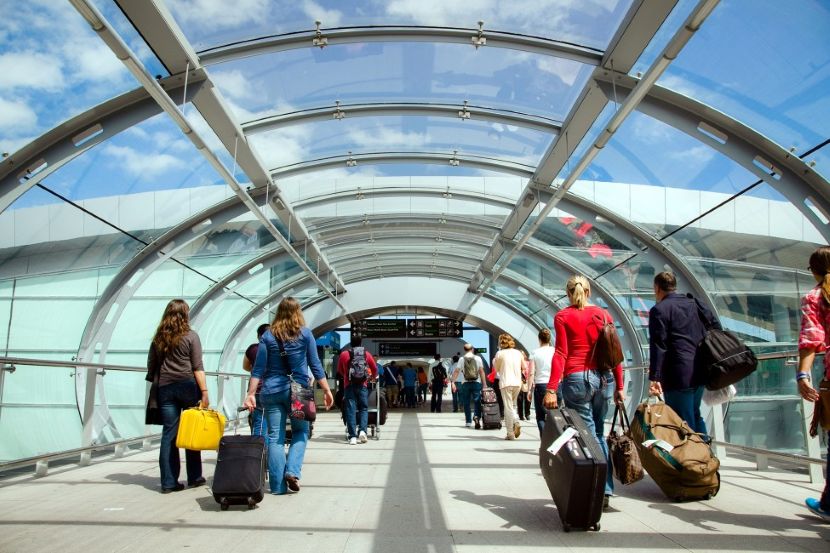
Dublin Airport has positioned itself as a key player in global travel, earning its rank as the twenty-fourth best airport in Europe for 2026. In early 2026, the airport celebrated a historic milestone, cementing its role as one of Europe’s most vital transatlantic hubs. With a record-breaking year in 2025, where it handled 36.43 million passengers, Dublin has proven its capability to manage both North American and European traffic. Despite challenges like passenger caps and congestion, the airport continues to evolve with ambitious modernization plans aimed at streamlining the passenger experience.

These efforts, coupled with advancements in technology and sustainability, ensure that Dublin Airport will continue to meet growing demand, making travel smoother, faster, and more efficient for all passengers in the years ahead. As Dublin progresses, the airport’s ongoing improvements secure its place among Europe’s top airports, positioning it for future success.

2025 Traffic Data: Dublin Airport’s Historic Performance

Dublin Airport’s performance in 2025 set several significant records, establishing it as one of the busiest airports in Europe and the top hub for transatlantic travel. Some key figures from 2025 include:

  • Total Passengers: 36.43 million, marking a 5.1% increase compared to 2024.
  • Busiest Day: On August 10, 2025, the airport saw a record 130,427 passengers, surpassing all previous daily records.
  • Transatlantic Traffic: Over 2 million passengers flew on transatlantic routes, with the introduction of US Pre-clearance services making it easier than ever for passengers to clear customs before arriving in the US.
  • Peak Day Consistency: 215 days in 2025 saw over 100,000 passengers traveling through Dublin, underlining the airport’s growing capacity.
  • Top Destinations: The most popular routes included London, Amsterdam, and Manchester, with London continuing to be the primary international corridor.

Dublin Airport’s operational success can be attributed to its continued investment in technology and passenger services, with the airport achieving 97% of passengers clearing security in under 20 minutes throughout 2025. Punctuality also improved, with 71% of flights departing on time, marking a 3% year-on-year improvement. This efficiency plays a critical role in Dublin’s attractiveness as a hub for both international travelers and business passengers.

Technology and Smart Airport Advancements

Dublin Airport is actively embracing new technologies to improve the passenger experience and increase operational efficiency. Several key technological innovations rolled out in 2025 and into 2026 include:

  • CT Security Scanning: A multi-million-euro rollout of state-of-the-art CT scanners across both terminals allows passengers to leave liquids and laptops inside their bags, speeding up the security process.
  • Auracast™ Broadcast Audio: Starting in 2026, Auracast technology will allow travelers with compatible Bluetooth hearing aids and earbuds to receive gate announcements directly on their devices, making the airport more inclusive for travelers with hearing impairments.
  • Biometric Identity Systems: Dublin Airport is piloting a “single digital identity” token, which will enable passengers to travel seamlessly through check-in, border control, and boarding without needing to present physical documents.
  • AI Operations Center (APOC): A cutting-edge AI system is now assisting with gate swaps, stand re-sequencing, and real-time simulations of weather disruptions, helping to keep operations running smoothly even in challenging conditions.

These innovations position Dublin Airport as a smart airport leader, providing passengers with more convenience and a smoother journey, especially during peak travel times. By embracing technological advancements, the airport can handle record volumes without compromising on service quality.

Sustainability: Dublin Airport’s Commitment to Net Zero

Dublin Airport achieved its busiest year in 2025

In addition to technological improvements, Dublin Airport is committed to achieving net zero emissions by 2050, with several sustainability initiatives already underway. These include:

  • Solar Farm: An 8.5 MWp solar farm now provides up to 13% of the airport’s electricity needs, helping to reduce its carbon footprint and support its sustainable operations.
  • Campus Electrification: In 2026, the airport will begin a massive rollout of electric vehicle (EV) charging infrastructure, catering to both the airport’s fleet and passengers who drive electric cars.
  • Geothermal Energy: Dublin Airport is also exploring geothermal energy as a potential solution for heating and cooling the campus. Successful test boreholes have proven the feasibility of this renewable energy source.

These efforts are part of Dublin Airport’s broader goal to reduce its environmental impact and contribute to global efforts to fight climate change. The airport’s sustainable practices will be key in maintaining its position as one of the leading airports in Europe and ensuring that it remains a desirable destination for travelers seeking eco-friendly travel options.

Dublin City Guide for 2026: A Modern City Steeped in History

While Dublin Airport continues to innovate, the city itself offers a unique blend of ancient and modern attractions. Dublin, known for its rich history and vibrant culture, is also one of Europe’s most dynamic and youthful cities, with a burgeoning tech scene and world-class amenities.

Some top attractions for visitors include:

  • Trinity College & The Book of Kells: Visit the Old Library at Trinity College to see the famous Book of Kells, an iconic medieval manuscript.
  • Guinness Storehouse: A seven-story immersive experience, ending with a visit to the Gravity Bar for 360-degree views of the city.
  • Kilmainham Gaol: A must-see for history enthusiasts, offering insight into Ireland’s struggle for independence.
  • St. Stephen’s Green: A serene Victorian park perfect for a peaceful walk between shopping trips on Grafton Street.
  • Silicon Docks: Dublin’s modern district, home to global tech giants and cutting-edge architecture.

Traveler Tips for 2026

  • Public Transport: Dublin Airport currently does not have a direct rail or tram link to the city. Visitors should use the Dublin Express or Aircoach services (€7-€10), which take around 30 minutes to reach the city center.
  • US Pre-clearance: For those flying to the USA, US Pre-clearance at Dublin Airport makes for a hassle-free arrival in the States. Be sure to arrive 3 hours early for these flights.
  • Best Time to Visit: The best months to visit Dublin are April to June and September to October, avoiding the heavy crowds of summer while still enjoying pleasant weather.

Top 50 Airports in Europe

RankAirport NameAirport CodeCityCountry
1London Heathrow AirportLHRLondonUnited Kingdom
2Istanbul AirportISTIstanbulTurkey
3Paris Charles de Gaulle AirportCDGParisFrance
4Frankfurt AirportFRAFrankfurtGermany
5Berlin Brandenburg AirportBERBerlinGermany
6Munich AirportMUCMunichGermany
7Brussels AirportBRUBrusselsBelgium
8Rome Fiumicino AirportFCORomeItaly
9Amsterdam Schiphol AirportAMSAmsterdamNetherlands
10Helsinki-Vantaa AirportHELHelsinkiFinland
11Zurich AirportZRHZurichSwitzerland
12Madrid-Barajas AirportMADMadridSpain
13Vienna International AirportVIEViennaAustria
14Oslo Gardermoen AirportOSLOsloNorway
15Barcelona–El Prat AirportBCNBarcelonaSpain
16Copenhagen AirportCPHCopenhagenDenmark
17Milan Malpensa AirportMXPMilanItaly
18Lisbon Humberto Delgado AirportLISLisbonPortugal
19Stockholm Arlanda AirportARNStockholmSweden
20Athens International AirportATHAthensGreece
21Düsseldorf AirportDUSDüsseldorfGermany
22Hamburg AirportHAMHamburgGermany
23Geneva AirportGVAGenevaSwitzerland
24Dublin AirportDUBDublinIreland
25Manchester AirportMANManchesterUnited Kingdom
26Warsaw Chopin AirportWAWWarsawPoland
27Prague Václav Havel AirportPRGPragueCzech Republic
28Budapest Ferenc Liszt AirportBUDBudapestHungary
29Luxembourg AirportLUXLuxembourg CityLuxembourg
30Lyon–Saint Exupéry AirportLYSLyonFrance
31Tallinn AirportTLLTallinnEstonia
32Malta International AirportMLALuqaMalta
33Porto AirportOPOPortoPortugal
34Billund AirportBLLBillundDenmark
35Vilnius International AirportVNOVilniusLithuania
36Keflavík International AirportKEFKeflavíkIceland
37Belgrade Nikola Tesla AirportBEGBelgradeSerbia
38Hannover AirportHAJHannoverGermany
39London Gatwick AirportLGWLondonUnited Kingdom
40Turin AirportTRNTurinItaly
41Newcastle AirportNCLNewcastleUnited Kingdom
42Cork AirportORKCorkIreland
43Sofia AirportSOFSofiaBulgaria
44Larnaca International AirportLCALarnacaCyprus
45Trondheim AirportTRDTrondheimNorway
46Zagreb AirportZAGZagrebCroatia
47Thessaloniki AirportSKGThessalonikiGreece
48Palma de Mallorca AirportPMIPalmaSpain
49Menorca AirportMAHMenorcaSpain
50Cagliari Elmas AirportCAGCagliariItaly

Source: desmoinesregister.com

Conclusion: Dublin Airport’s Future as a Global Travel Hub

As per Travel and Tour World, Dublin Airport is shaping its future to be ranked twenty-fourth among the 50 best airports in Europe for 2026 by embracing a forward-thinking approach to growth and modernization. With a record-breaking 2025, handling 36.43 million passengers, the airport has solidified its position as a major transatlantic hub. The ongoing technological advancements, including state-of-the-art security measures and biometric innovations, are enhancing the passenger experience and ensuring faster, more efficient travel.

With record-breaking traffic in 2025 and ambitious plans for 2026 and beyond, Dublin Airport has firmly established itself as one of the leading travel hubs in Europe. The airport’s technological advancements and sustainability initiatives will make it an even more attractive destination for passengers in the coming years. As Dublin continues to grow as a global gateway, the city and its airport are well on their way to providing a more efficient, inclusive, and sustainable travel experience for all.

Key Points:

  • Record Year in 2025: Dublin Airport handled 36.43 million passengers, a 5.1% increase from 2024.
  • Technological Advancements: New CT scanners, Auracast audio, and biometric identity systems are enhancing the passenger experience.
  • Sustainability Goals: The airport is committed to Net Zero emissions by 2050, with solar power and EV charging infrastructure in place.
  • Top Attractions in Dublin: Trinity College, Guinness Storehouse, and Kilmainham Gaol are must-see spots for visitors.
  • Travel Tips: Take the Dublin Express or Aircoach to get to the city center quickly, and remember to arrive early for US Pre-clearance flights.

Image Source: daa.ie

The post How Is Dublin Airport Shaping Its Future to Be Ranked Twenty-Fourth Among the 50 Best Airports in Europe for 2026? appeared first on Travel And Tour World.

Why Did Warsaw Chopin Airport Earn Its Place as the Twenty-Sixth Best Airport in Europe for 2026? Explore the Growth

Why Did Warsaw Chopin Airport Earn Its Place as the Twenty-Sixth Best Airport in Europe for 2026? Explore the Growth

In 2026, Warsaw Chopin Airport (WAW) earned its place as the twenty-sixth best airport in Europe due to its remarkable transformation and continuous growth. With a substantial €220-320 million modernization project in progress, the airport is evolving into the “Global Gateway of the North”, aiming to accommodate record-breaking passenger numbers and future travel demands. This transformation follows a highly successful year in 2025, where Warsaw Chopin saw historic highs in passenger traffic, solidifying its status as the primary aviation hub in Central and Eastern Europe.

The airport’s modernization focuses on enhancing passenger flow, integrating cutting-edge technology, and introducing sustainable initiatives, ensuring that it remains at the forefront of Europe’s busiest airports in the years to come. By prioritizing technology, sustainability, and capacity, Warsaw Chopin Airport is positioning itself as a top destination for global travelers, enhancing the travel experience while meeting growing demand.

Record-Breaking Growth: Warsaw Chopin Airport’s Traffic Surge

The growth of Warsaw Chopin Airport has been nothing short of remarkable. In 2025, the airport welcomed 24.1 million passengers, a 13% increase over 2024. This surge in passengers highlights the airport’s growing role as a key hub for both leisure and business travelers, particularly for long-haul routes connecting Asia, North America, and Europe. The Aviation Group (MAG), which includes other major UK airports like Stansted and East Midlands, reported an aggregate total of 66 million passengers, underscoring the region’s rise as a key travel destination.

Key figures from 2025 include:

  • Annual Passengers: 24.1 million, marking a 13% increase compared to the previous year.
  • Busiest Month: December 2025, with a record-breaking 1.8 million travelers, the busiest month in the airport’s history.
  • Cargo Throughput: 146,000 tonnes, showing a 15% rise in freight volume.
  • Peak Daily Operations: The airport handled 550 daily movements, approaching its physical capacity.

The growth is largely driven by LOT Polish Airlines’ expansion into long-haul markets, as well as the post-pandemic surge in travel demand. By 2026, the airport aims to reach a capacity of 30 million passengers, thanks to the expansion efforts under its modernization program.

Technology Upgrades: Enhancing Passenger Experience

As part of the ongoing modernization, Warsaw Chopin Airport has invested heavily in state-of-the-art technologies to enhance passenger experience and ensure smoother travel. Key technological advancements include:

  • Next-Generation Security Scanners: The airport has completed the installation of CT (Computed Tomography) scanners at key security checkpoints. These advanced scanners allow passengers to keep their liquids and electronics in their bags, significantly cutting down on queue times and improving the efficiency of the security process. This technology upgrade is essential for speeding up passenger flow while maintaining high safety standards.
  • Biometric E-Gates: The expanded use of biometric e-gates for EU/EEA passengers enables faster border control, with facial recognition technology matching travelers to their boarding information. This process eliminates the need for manual checks, speeding up the overall experience.
  • Indoor Navigation & Beacons: To make the airport easier to navigate, 1,500 beacons have been installed to provide real-time indoor navigation through the airport’s mobile app. This app offers personalized gate directions, estimated walking times, and real-time updates for travelers, enhancing the passenger experience and reducing stress for those navigating the large airport.

These technological innovations are transforming the airport into a “smart hub,” making it easier for travelers to pass through security, find their gates, and access services without delays. These improvements ensure that Warsaw Chopin Airport remains competitive with other major European and international airports.

Sustainability Efforts: Paving the Way for a Greener Future

Sustainability remains at the core of Warsaw Chopin Airport’s strategy, with ambitious goals to reduce its environmental impact and work towards Net Zero emissions by 2038, ahead of the UK national target. Key sustainability initiatives include:

  • Sustainable Aviation Fuel (SAF): Warsaw Chopin Airport is now the first in Poland to offer regular SAF sales to commercial airlines. SAF is a cleaner alternative to traditional jet fuel and plays a key role in the airport’s commitment to reducing carbon emissions. The airport is also developing a dedicated hydrogen refueling station for zero-emission ground vehicles, further enhancing its sustainability credentials.
  • Green Building Certifications: The airport’s modernized terminals are designed with sustainability in mind, featuring energy-efficient systems and green building certifications. These efforts contribute to the airport’s goal of becoming a more eco-friendly facility.
  • Solar Power and Waste Management: The airport has invested in solar panels to power some of its energy needs and is implementing advanced waste management solutions to reduce landfill waste.

These green initiatives not only help the airport meet its sustainability goals but also align it with the growing global demand for eco-friendly travel options.

Warsaw City Guide 2026: Exploring the Polish Capital

While Warsaw Chopin Airport continues to modernize, the city itself is a dynamic and diverse destination for tourists. Known as the “Phoenix City”, Warsaw is a blend of historical resilience and modern energy. Some must-visit landmarks include:

  • Old Town (Stare Miasto): A UNESCO World Heritage site, offering a glimpse into Warsaw’s past with its restored architecture and iconic Castle Square.
  • The Warsaw Uprising Museum: An immersive experience that tells the story of Warsaw’s defiance during World War II and its journey to independence.
  • POLIN Museum: A tribute to the 1,000-year history of Polish Jews, located on the site of the former Warsaw Ghetto.
  • Royal Baths Park (Łazienki Królewskie): A large and beautiful park, perfect for a peaceful walk. During the summer, Chopin concerts are held at the Chopin Monument.

For modern experiences, Silicon Docks and the Liberties District offer cutting-edge architecture, vibrant dining, and a thriving cultural scene.

Travel Tips for Visitors in 2026

  • Getting to the City: The SKM (S2/S3) trains connect Warsaw Chopin Airport directly to Warszawa Centralna, the city’s main station, in just 20 minutes.
  • Public Transport: Take advantage of Warsaw’s Metrolink tram system and Northern Rail for fast and convenient travel within the city.
  • Eat Like a Local: Don’t miss visiting one of Warsaw’s traditional milk bars for an authentic and affordable Polish meal, such as pierogi and borscht.

Top 50 Airports in Europe

RankAirport NameAirport CodeCityCountry
1London Heathrow AirportLHRLondonUnited Kingdom
2Istanbul AirportISTIstanbulTurkey
3Paris Charles de Gaulle AirportCDGParisFrance
4Frankfurt AirportFRAFrankfurtGermany
5Berlin Brandenburg AirportBERBerlinGermany
6Munich AirportMUCMunichGermany
7Brussels AirportBRUBrusselsBelgium
8Rome Fiumicino AirportFCORomeItaly
9Amsterdam Schiphol AirportAMSAmsterdamNetherlands
10Helsinki-Vantaa AirportHELHelsinkiFinland
11Zurich AirportZRHZurichSwitzerland
12Madrid-Barajas AirportMADMadridSpain
13Vienna International AirportVIEViennaAustria
14Oslo Gardermoen AirportOSLOsloNorway
15Barcelona–El Prat AirportBCNBarcelonaSpain
16Copenhagen AirportCPHCopenhagenDenmark
17Milan Malpensa AirportMXPMilanItaly
18Lisbon Humberto Delgado AirportLISLisbonPortugal
19Stockholm Arlanda AirportARNStockholmSweden
20Athens International AirportATHAthensGreece
21Düsseldorf AirportDUSDüsseldorfGermany
22Hamburg AirportHAMHamburgGermany
23Geneva AirportGVAGenevaSwitzerland
24Dublin AirportDUBDublinIreland
25Manchester AirportMANManchesterUnited Kingdom
26Warsaw Chopin AirportWAWWarsawPoland
27Prague Václav Havel AirportPRGPragueCzech Republic
28Budapest Ferenc Liszt AirportBUDBudapestHungary
29Luxembourg AirportLUXLuxembourg CityLuxembourg
30Lyon–Saint Exupéry AirportLYSLyonFrance
31Tallinn AirportTLLTallinnEstonia
32Malta International AirportMLALuqaMalta
33Porto AirportOPOPortoPortugal
34Billund AirportBLLBillundDenmark
35Vilnius International AirportVNOVilniusLithuania
36Keflavík International AirportKEFKeflavíkIceland
37Belgrade Nikola Tesla AirportBEGBelgradeSerbia
38Hannover AirportHAJHannoverGermany
39London Gatwick AirportLGWLondonUnited Kingdom
40Turin AirportTRNTurinItaly
41Newcastle AirportNCLNewcastleUnited Kingdom
42Cork AirportORKCorkIreland
43Sofia AirportSOFSofiaBulgaria
44Larnaca International AirportLCALarnacaCyprus
45Trondheim AirportTRDTrondheimNorway
46Zagreb AirportZAGZagrebCroatia
47Thessaloniki AirportSKGThessalonikiGreece
48Palma de Mallorca AirportPMIPalmaSpain
49Menorca AirportMAHMenorcaSpain
50Cagliari Elmas AirportCAGCagliariItaly

Source: travelandtourworld.com

Conclusion: Warsaw Chopin Airport’s Vision for the Future

As per Travel and Tour World, Warsaw Chopin Airport earned its place as the twenty-sixth best airport in Europe for 2026 due to its ambitious transformation, record-breaking growth in 2025, and ongoing modernization efforts. The airport’s focus on technological upgrades, sustainability, and improved passenger experience positions it as a global leader in air travel. By enhancing capacity, speeding up security processes, and integrating cutting-edge technologies, Warsaw Chopin is paving the way for a smoother, more efficient journey for all travelers, whether for business or leisure. With the continued growth of Warsaw and its strategic upgrades, the airport is strengthening its role as the primary gateway to Poland and Central Europe. This transformation ensures that Warsaw Chopin will remain at the forefront of Europe’s busiest airports for years to come, offering both local and international travelers a world-class experience.

Key Points:

  • Record-Breaking Year: In 2025, Warsaw Chopin Airport served 24.1 million passengers, a 13% increase over the previous year.
  • Technological Advancements: Next-gen security scanners, biometric e-gates, and indoor navigation apps improve the passenger experience.
  • Sustainability Initiatives: Warsaw Chopin Airport is working toward Net Zero by 2038 with SAF, hydrogen refueling, and solar power.
  • Key Attractions in Warsaw: Don’t miss Old Town, POLIN Museum, and Łazienki Królewskie Park for a mix of history and modern experiences.
  • Travel Tips: Use the SKM train for quick access to the city center and explore Warsaw’s thriving food scene at local milk bars.

As Warsaw Chopin Airport continues to innovate, its role as a global hub will only grow, improving travel for both tourists and business travelers alike.

Image Courtesy: https://moodiedavittreport.com/

The post Why Did Warsaw Chopin Airport Earn Its Place as the Twenty-Sixth Best Airport in Europe for 2026? Explore the Growth appeared first on Travel And Tour World.

Europe’s Cruise Routes Expand Northward as Aberdeen, Scotland and Aberdeenshire Prepare for a Landmark Tourism Season – Here’s What Visitors Should Know Before Arriving

Europe’s Cruise Routes Expand Northward as Aberdeen, Scotland and Aberdeenshire Prepare for a Landmark Tourism Season – Here’s What Visitors Should Know Before Arriving
Europe’s Cruise Routes Expand Northward as Aberdeen

Scotland’s Granite City, long admired for its maritime heritage and dramatic North Sea coastline, is entering a transformative chapter in its tourism story. Aberdeen is preparing for its most ambitious cruise season yet, as 73 cruise ships are scheduled to dock in the city during 2026, bringing an estimated 57,000 international visitors to the north-east of Scotland. This unprecedented level of cruise traffic places Aberdeen firmly among the country’s fastest-growing cruise destinations and signals a shift in how global travelers experience the Scottish coast.

As larger vessels arrive, extended seasons take shape, and new cruise lines add Aberdeen to their itineraries, the city and surrounding Aberdeenshire region are poised to benefit from a surge in visitor spending, cultural exchange, and international visibility. The momentum also highlights Scotland’s evolving cruise tourism landscape, where modern port infrastructure meets authentic local experiences—from historic streets and coastal villages to castles, whisky trails, and rugged natural scenery.

A Record-Breaking Cruise Schedule Reshapes Aberdeen’s Tourism Landscape

The 2026 cruise calendar represents a notable leap forward for Aberdeen. With 73 confirmed ship calls, the city is experiencing a 12 percent increase compared with previous seasons. These arrivals are projected to deliver tens of thousands of visitors across spring, summer, and early autumn, extending the tourism season well beyond traditional peak months.

Cruise travelers arriving in Aberdeen typically explore both urban and rural attractions, making day trips to coastal towns, historic castles, distilleries, and scenic countryside locations. This pattern spreads tourism benefits across the wider region, supporting independent businesses, tour operators, retailers, and hospitality venues.

The cruise season will officially open at the end of March and continue through late September, offering a long window for travelers to explore Scotland’s north-east during its most visually striking months.

Viking Cruises Strengthens Its Presence in North-East Scotland

One of the most influential players in Aberdeen’s expanding cruise profile is Viking Cruises, which will account for more than 20 port calls throughout the 2026 season. Several of these visits include ships in their inaugural or debut itineraries, reinforcing Aberdeen’s growing appeal among premium and culturally focused cruise brands.

The season opens with a maiden visit from a Viking vessel in late March, while the final call in September ensures a steady flow of travelers during the shoulder season—a valuable period for tourism businesses seeking year-round stability.

For cruise passengers, Viking itineraries often emphasize immersive cultural experiences, making Aberdeen a strategic gateway to Scottish history, architecture, and local traditions rather than a brief stopover.

Mega Ships Signal Aberdeen’s Growing Port Capabilities

A major milestone for Aberdeen in 2026 will be the arrival of some of the largest cruise ships ever to berth at the city. More than half of the scheduled vessels exceed 200 metres in length, reflecting the enhanced capabilities of South Harbour, which has significantly expanded the port’s operational reach.

A standout moment is expected in mid-July, when a major international cruise line introduces a 294-metre-long vessel to Aberdeen for the first time. Capable of carrying over 2,300 guests, this arrival will mark the longest cruise ship to ever dock in the city.

For travelers, these larger ships bring a wider range of onboard amenities, organized shore excursions, and flexible touring options—making Aberdeen accessible to a broader global audience.

Economic Ripple Effects Across Aberdeen and Aberdeenshire

Cruise tourism plays a growing role in Scotland’s visitor economy, and Aberdeen’s expanding schedule amplifies that impact at a regional level. While individual passenger spending varies, the combined effect of 57,000 visitors is expected to generate multi-million-pound economic benefits through dining, shopping, tours, transportation, and cultural attractions.

City-centre retailers, heritage sites, football stadium tours, and local crafts businesses are among those benefiting directly. Meanwhile, rural destinations—from fishing villages to whisky distilleries—see increased demand for guided excursions and private transport services.

National research has already shown that cruise tourism contributes hundreds of millions of pounds annually to the Scottish economy, and Aberdeen’s rapid growth strengthens Scotland’s position within the wider European cruise market.

Travel Insight: Why Aberdeen Is Gaining Global Cruise Attention

Several factors are driving Aberdeen’s rising status among cruise operators:

  • Strategic location on the North Sea, ideal for Northern Europe itineraries
  • Modern port infrastructure capable of handling large vessels
  • Compact city layout, making sightseeing easy within limited port time
  • Access to Aberdeenshire, home to castles, coastal routes, and whisky regions

For travelers seeking an alternative to Scotland’s more crowded ports, Aberdeen offers a balance of authenticity, space, and cultural depth.

Cruise Hospitality and Local Experiences Take Center Stage

A defining feature of Aberdeen’s cruise program is its emphasis on visitor welcome and storytelling. Organized greeting teams, cultural performances, and local ambassadors ensure that arriving passengers receive a strong first impression of the region.

From traditional music performances at the harbour to guided walking tours and curated excursions, cruise guests are encouraged to connect with local heritage rather than remain within port boundaries. Popular experiences include:

  • Exploring the historic streets of Old Aberdeen
  • Visiting nearby castles and coastal landmarks
  • Sampling regional cuisine and local produce
  • Discovering football heritage through stadium tours

These experiences help transform short port visits into meaningful travel memories.

Looking Ahead: Cruise Growth Beyond 2026

Aberdeen’s cruise ambitions extend well beyond the upcoming season. Forward bookings for 2027 and 2028 already suggest sustained growth, with long-term targets aiming for 100 cruise calls annually within the next few years.

To maintain momentum, regional tourism partners continue to promote Aberdeen at major international cruise trade events in North America and Europe. These efforts focus on positioning the city as a distinctive northern gateway rather than a secondary stop.

For travelers planning future European cruises, this means Aberdeen is increasingly likely to feature in itineraries alongside destinations in Iceland, Norway, and the Baltic region.

Why Cruise Travelers Should Add Aberdeen to Their Bucket List

Aberdeen offers a different perspective on Scotland—one shaped by granite architecture, dramatic coastlines, and living maritime traditions. Cruise passengers benefit from:

  • Less congestion compared to larger Scottish ports
  • Easy access to countryside and coastal scenery
  • Authentic local interactions
  • A strong balance between urban culture and natural beauty

As cruise tourism evolves toward more experience-driven travel, Aberdeen’s blend of heritage and modern infrastructure positions it as a destination to watch.

A Northern Gateway Opening to the World

With record ship numbers, expanding global interest, and long-term strategic planning, Aberdeen’s 2026 cruise season marks more than just a busy year—it represents a turning point. The city is no longer simply welcoming ships; it is redefining itself as a northern hub for cultural exploration, regional discovery, and sustainable tourism growth in Scotland.

The post Europe’s Cruise Routes Expand Northward as Aberdeen, Scotland and Aberdeenshire Prepare for a Landmark Tourism Season – Here’s What Visitors Should Know Before Arriving appeared first on Travel And Tour World.

Trevi Fountain In Rome Now Charges for Front Row Views, Major Shift in Visitor Experience

Trevi Fountain In Rome Now Charges for Front Row Views, Major Shift in Visitor Experience

In a move aimed at preserving its cultural heritage, Rome has introduced a paid-entry system for those seeking to visit the famous Trevi Fountain up close. The city’s authorities have linked this new fee to the ongoing efforts to maintain and restore the historic monument, which attracts millions of visitors each year.

New System at the Trevi Fountain: Paying for Closer Access

As of February 2026, visitors to the iconic Trevi Fountain will need to pay a €2 entrance fee if they wish to step into the area directly in front of the landmark. The fee will apply from Monday to Friday between 11:30 a.m. and 10:00 p.m. local time, with access on weekends running from 9:00 a.m. to 10:00 p.m. Outside of these hours, the fountain will remain visible to the public free of charge.

The decision to implement a fee comes as a response to the overwhelming number of tourists visiting the Trevi Fountain, with figures indicating that over 10 million people visited the site in the previous year alone. At its busiest, the fountain sees around 70,000 visitors in a single day.

The authorities have framed this new charge as an essential step in the preservation of the Trevi Fountain, which is a cornerstone of Rome’s architectural and cultural history. Designed by Nicola Salvi during the papacy of Clement XII, the fountain represents the city’s rich papal-era heritage, which continues to draw people from around the world.

Who Is Exempt from Paying?

While tourists are now required to pay to access the immediate area in front of the fountain, several groups will still be allowed free access. Residents of Rome and its surrounding metropolitan areas, children under six years old, individuals with disabilities and their caregivers, and licensed tour guides will all continue to enter the fountain’s viewing area at no charge.

These exemptions ensure that the new fee system does not pose undue burdens on local residents or visitors with special needs, while still helping manage the large influx of tourists.

A Year of Record Visits and Strain on Resources

The decision to introduce the ticketing system follows a year-long trial that highlighted the significant strain on the city’s infrastructure. Over 10 million tourists visited the Trevi Fountain during this trial period, with daily averages around 30,000 visitors. This high level of traffic placed pressure on both the fountain and the surrounding areas, particularly when peak tourist days saw the number of visitors surge to 70,000.

With tourism playing a central role in Rome’s economy, the city has been exploring sustainable ways to manage the growing number of visitors. The introduction of the ticketing system is one of several measures designed to both protect the city’s cultural assets and enhance the visitor experience.

Rome Expands Ticketing to Other Cultural Sites

The Trevi Fountain is not the only cultural landmark in Rome now subject to entrance fees. From February 3, 2026, the city also began charging for access to five other previously free-to-enter sites. These include the Villa of Maxentius, the Napoleonic Museum, the Giovanni Barracco Museum of Ancient Sculpture, the Carlo Bilotti Museum, and the Pietro Canonica Museum. Visitors to these sites will be charged a €5 entry fee.

The new fees are part of a wider effort to address the growing number of tourists visiting Rome’s historic sites. As more cultural landmarks begin charging for entry, the city hopes to ensure that its iconic monuments and museums remain in good condition for future generations.

The Challenge of Balancing Tourism and Heritage Preservation

Rome’s decision to introduce paid access to the Trevi Fountain and other landmarks comes amid increasing concerns about the impact of mass tourism on cultural heritage sites. While tourism is vital to Rome’s economy, excessive foot traffic can cause significant wear and tear on historic sites, leading to expensive restoration work.

In this context, the city’s decision to charge for entry is seen as a proactive step in protecting its treasures. By generating revenue through ticket sales, Rome hopes to fund ongoing conservation efforts and reduce the burden on public resources. These efforts are essential for preserving the beauty and history of landmarks like the Trevi Fountain, ensuring that they remain accessible to future generations.

A Necessary Step in Heritage Conservation

The introduction of a €2 entrance fee for the Trevi Fountain marks a significant shift in how Rome manages its cultural heritage. While some may view the fee as a hindrance, it is a crucial step towards safeguarding the city’s most beloved monuments. By balancing the demands of tourism with the need for preservation, Rome is taking important strides in ensuring that its cultural treasures remain intact for years to come.

The post Trevi Fountain In Rome Now Charges for Front Row Views, Major Shift in Visitor Experience appeared first on Travel And Tour World.

Inland Sea: Gozo’s Hidden Lagoon at Dwejra Bay

Inland Sea: Gozo’s Hidden Lagoon at Dwejra Bay
Inland Sea

A Natural Wonder Carved Between Rock and Water

The Inland Sea is one of Gozo’s most extraordinary natural attractions, offering visitors a rare combination of geological drama and calm coastal beauty. Located within the rugged landscape of Dwejra Bay, this sheltered lagoon is separated from the open Mediterranean by a limestone barrier, yet connected to the sea through a narrow rock tunnel. The result is a landscape that feels both protected and wild, creating one of Malta’s most memorable seaside experiences.

Unlike traditional beaches, the Inland Sea provides a setting shaped by nature’s long-term forces rather than human design. Its calm waters, scenic surroundings, and connection to fishing traditions make it a destination that appeals to travelers seeking authenticity, photography, and outdoor exploration.

Historical Background of the Inland Sea

The Inland Sea has long played a practical role in the coastal life of Gozo. Before modern ports and tourism facilities became widespread, this natural lagoon offered fishermen a sheltered environment where small boats could be stored and prepared for journeys into open waters.

The tunnel connecting the Inland Sea to the Mediterranean has been used for generations. Local fishermen would navigate through it to access deeper fishing grounds, returning to the calm lagoon when sea conditions became rough. This long-standing relationship between the Inland Sea and traditional fishing culture remains visible today, as small boats still operate in the area.

While the Inland Sea is not primarily an archaeological site, it forms part of a historically significant region. The broader Dwejra landscape has long been known for its unique limestone formations and strategic coastal position. The site is also linked to the legacy of the Knights of St. John, who historically controlled nearby Fungus Rock, reflecting the wider importance of the surrounding coastal zone.

In modern times, the Inland Sea gained international recognition as a distinctive attraction within Malta’s natural tourism portfolio. Its setting, boat excursions, and proximity to the former Azure Window site have made it a key stop for travelers exploring Gozo.

Geographical Location and Natural Formation

The Inland Sea is located on the western coast of Gozo, within the Dwejra Bay region near the village of San Lawrenz. It sits slightly inland from the open coastline, forming a shallow lagoon surrounded by limestone cliffs and rocky terrain.

The lagoon’s most defining feature is its narrow tunnel, carved naturally through rock and leading directly to the Mediterranean Sea. This tunnel is long and dramatic, with towering stone walls and an enclosed atmosphere that contrasts sharply with the open sea beyond.

The geological formation of the Inland Sea is the result of erosion and natural collapse processes that shaped the limestone landscape over thousands of years. The surrounding cliffs and rocky shoreline create a dramatic environment, while the lagoon itself remains relatively calm, protected from direct wave action.

This rare combination makes the Inland Sea one of Malta’s most unique coastal landscapes and a highlight for visitors interested in geology and natural scenery.

Importance of the Inland Sea in Global Tourism

The Inland Sea contributes significantly to Gozo’s reputation as a destination for nature-based and sustainable tourism. While Malta’s international tourism identity is often associated with historical cities and cultural heritage, Gozo provides a contrasting experience defined by natural landscapes and slower travel.

For global visitors, the Inland Sea represents an attraction that feels rare and distinctive within the Mediterranean. Its lagoon setting, boat rides through a rock tunnel, and dramatic limestone surroundings offer a travel experience that cannot easily be replicated elsewhere in the region.

The site also supports Malta’s growing appeal in adventure tourism. Divers, snorkelers, and hikers are drawn to Dwejra’s coastline, and the Inland Sea serves as a central gateway to many outdoor experiences.

In addition, the Inland Sea strengthens Gozo’s tourism economy by attracting day-trippers and longer-stay visitors, encouraging exploration beyond the island’s towns and traditional beaches.

Key Experiences at the Inland Sea

Boat Ride Through the Tunnel

One of the most popular experiences is the small boat trip that passes through the limestone tunnel into the open Mediterranean. This short journey offers a striking transition from the sheltered lagoon to dramatic sea cliffs and open water views.

Swimming and Relaxation

The Inland Sea is suitable for swimming, especially during calm weather. The water is clear, and the lagoon’s protected nature often makes it more manageable than open sea swimming.

Snorkeling and Marine Observation

Snorkeling is a common activity due to the water clarity and the unique rock formations beneath the surface. Marine life is often visible, particularly around rocky edges.

Scenic Walking and Photography

The surrounding area provides excellent viewpoints for photographers. The contrast between still lagoon waters and rugged cliffs makes the Inland Sea visually distinctive.

Diving and Adventure Tourism

The broader Dwejra region is known for diving, and the Inland Sea serves as a starting point for underwater exploration routes.

How to Reach the Inland Sea

By Air and Ferry Connection

International travelers arrive through Malta International Airport and then travel to Gozo via ferry. After arriving at the Gozo ferry terminal, the Inland Sea can be reached by road within approximately 30 to 40 minutes.

By Public Transportation

Public buses connect Victoria, Gozo’s capital, with the village of San Lawrenz. From there, visitors can reach the Inland Sea by walking or a short taxi transfer, depending on route schedules.

By Private Car

Driving is one of the easiest ways to access the Inland Sea. The roads leading to Dwejra Bay are well-marked, and parking areas are located near the lagoon.

By Taxi or Tour Service

Taxi services and guided tours frequently include the Inland Sea as a key stop, often paired with other Dwejra attractions such as Fungus Rock and cliff viewpoints.

By Hiking Routes

Hiking trails connect Dwejra with the surrounding countryside areas. For active travelers, walking routes provide scenic views but require proper footwear due to rocky terrain.

Who Can Visit the Inland Sea

Families and Leisure Travelers

The lagoon is suitable for families, particularly those looking for a calmer swimming environment compared to open beaches. However, rocky areas require careful supervision of children.

Nature and Landscape Enthusiasts

Visitors interested in unique coastal formations and scenic geology will find the Inland Sea highly rewarding.

Photographers and Content Creators

The tunnel entrance, lagoon reflections, and cliff views create dramatic photography opportunities throughout the day.

Adventure Tourists

Hikers, divers, and snorkelers often prioritize the Inland Sea due to its connection to outdoor activities.

Older Visitors and Casual Sightseers

The Inland Sea can also be enjoyed without physical exertion, as the main viewpoints are accessible by short walks from parking areas.

Best Time to Visit the Inland Sea for Tourists

Spring (March to May)

Spring is one of the best times to visit. Temperatures are comfortable for walking, the landscape is greener, and crowds remain moderate. Water conditions are often clear, making it ideal for sightseeing and photography.

Summer (June to September)

Summer is peak season, with the warmest sea temperatures for swimming and snorkeling. Boat rides are most frequent during this time. However, the area can become busy, and midday heat may be intense.

Autumn (October to November)

Autumn provides excellent weather with fewer crowds. The sea often remains warm enough for swimming, and the atmosphere becomes quieter, offering a more relaxed experience.

Winter (December to February)

Winter visits are best for sightseeing rather than water activities. The area can be windy, and boat trips may be limited depending on sea conditions. Still, the rugged landscape during winter creates a dramatic coastal atmosphere.

Best Time of Day

Morning is ideal for calm exploration and clearer views. Late afternoon is highly recommended for photography, as the sunlight enhances the limestone’s warm tones and provides dramatic shadows around the lagoon.

Visitor Tips for Safety and Comfort

The Inland Sea area is largely rocky, so visitors should wear sturdy footwear. Swimming should be approached cautiously, particularly near the tunnel entrance, where currents may be stronger.

During summer, visitors are advised to bring sun protection, water, and light snacks, as shade is limited in open coastal areas. Those planning boat rides should consider weather conditions, as trips depend on sea safety.

Respecting safety signs and avoiding cliff edges is important, particularly during windy conditions.

Environmental Value and Sustainable Tourism

The Inland Sea is part of an ecologically sensitive coastal zone. Its marine environment supports biodiversity, and its geological formations are considered valuable natural heritage. Preserving the area requires responsible tourism, including avoiding litter, staying on established paths, and respecting marine guidelines.

As global tourism increasingly prioritizes eco-conscious travel, the Inland Sea represents a destination where natural preservation and visitor experience must remain balanced. The site’s long-term appeal depends on maintaining its authenticity and minimizing human impact.

Nearby Attractions to Combine With the Inland Sea

Fungus Rock

This offshore islet is a well-known symbol of Dwejra, historically linked to the Knights of St. John.

Coastal Cliff Viewpoints

The cliffs around Dwejra offer panoramic perspectives across the Mediterranean and are particularly popular at sunset.

The Azure Window Site

Although the arch has collapsed, the surrounding coastline remains a landmark of Gozo’s natural history.

San Lawrenz Village

A nearby village offering a quieter, traditional setting for dining and cultural exploration.

A Coastal Treasure That Captures Gozo’s Spirit

The Inland Sea is one of Gozo’s most remarkable natural sites, offering an experience that blends calm lagoon waters with dramatic geological scenery. Its tunnel connection to the Mediterranean, its fishing traditions, and its unique setting within Dwejra Bay create an attraction that is both peaceful and powerful.

For tourists, the Inland Sea provides a rare opportunity to experience Malta’s natural landscape in a way that feels authentic and unforgettable. Whether visited for a boat ride, a swim, a coastal walk, or a sunset photograph, the Inland Sea remains a defining symbol of Gozo’s wild and timeless charm.

The post Inland Sea: Gozo’s Hidden Lagoon at Dwejra Bay appeared first on Travel And Tour World.

Want to Know How Ramadan This Year Will Affect Your Trip? Here’s What You Need to Know

Want to Know How Ramadan This Year Will Affect Your Trip? Here’s What You Need to Know

As Ramadan 2026 approaches, Muslims around the world are preparing for the holy month of fasting, prayer, and reflection. The precise start date of Ramadan varies each year, dependent on the sighting of the crescent moon, which marks the beginning of the month. For 2026, Ramadan is expected to start on Thursday, February 19, following the crescent moon sighting on Wednesday, February 18.

The Emirates Astronomical Society has predicted the start of Ramadan 1447 AH, with fasting hours expected to begin at approximately 12 hours and 45 minutes and gradually increase towards the spring months. While the exact date may vary slightly by region, here is what you need to know about the Ramadan 2026 timetable for Saudi Arabia, India, the UK, and the US.

When Does Ramadan Begin in 2026?

The start of Ramadan for 2026 will vary slightly depending on the crescent moon sighting in each region. It is expected that Ramadan will begin on Thursday, February 19, 2026, although Saudi Arabia, India, and other countries may observe slight variations depending on local moon sightings. The beginning of Ramadan is one of the most important aspects of the month, marking the start of the fasting period and a time of reflection, prayer, and increased worship for Muslims.

The end of Ramadan and the celebration of Eid ul-Fitr will also depend on the moon sighting and the geographic location of different Muslim communities. In many parts of the world, Eid ul-Fitr will be celebrated around March 2026. The precise date will be determined following the last day of Ramadan.

Ramadan 2026 Prayer Timings for Saudi Arabia, India, UK, and US

One of the key aspects of Ramadan is the daily prayer schedule, including Fajr (pre-dawn) and Maghrib (sunset) prayers, around which the fasting schedule revolves. These times are important not only for prayer but also for starting and ending the fasting period each day.

Saudi Arabia

In Saudi Arabia, the start of Ramadan will be marked by a significant increase in visitors to religious sites such as Mecca and Medina. The daily fasting schedule will begin at Fajr and end at Maghrib with prayers. With the country’s proximity to the equator, the fasting hours are expected to start at around 12 hours and 45 minutes and increase as the month progresses. Saudi authorities typically provide official schedules for prayer times across the kingdom, with adjustments for different regions.

India

In India, Ramadan will also start on Thursday, February 19, although regional variations may occur due to moon sighting differences across states. For cities like New Delhi, Mumbai, and Hyderabad, the Fajr prayer will begin early in the morning, and Maghrib prayer will mark the end of fasting around sunset. As the fasting hours increase, many local mosques and community organizations will offer guidance and schedules based on their region.

United Kingdom

In the UK, Ramadan will start around the same time as in other parts of the world. The fasting hours will start at Fajr, which will be earlier in the day due to the summer months. With a longer daylight period, Maghrib prayers will be later in the evening. The fasting hours in the UK could extend to 16-18 hours in some areas, particularly during the height of summer, when the days are longest. The local mosques and Islamic centers will typically release prayer schedules based on each city.

United States

For the United States, Ramadan in 2026 will begin around the same time as in other countries, with New York, Los Angeles, and Chicago marking the beginning of the month. The length of the fasting period will vary depending on the location, with the fasting hours in northern regions being slightly longer than in southern states due to the latitude differences. Maghrib prayer will generally be at sunset, with the exact times depending on the time zone and specific city location.

Travel Considerations During Ramadan

For travelers during Ramadan, it’s important to be aware of the cultural significance of the month, particularly in Muslim-majority regions. In countries like Saudi Arabia and India, fasting during Ramadan is a sacred observance, and restaurants and public eateries may have adjusted hours. Visitors to places like Mecca and Medina will also experience a special atmosphere, with many Muslims traveling to perform religious duties such as Umrah.

For non-Muslim travelers, understanding the local customs of Ramadan can enhance their travel experience. For example, travelers in Saudi Arabia and other Middle Eastern countries should be mindful of fasting hours and the local traditions of Iftar (breaking the fast). This is a time when many family gatherings and communal meals take place.

Ramadan 2026 and the Tourism Industry

The growing number of tourists visiting Saudi Arabia, Turkey, Egypt, and other Middle Eastern and North African destinations during Ramadan highlights the significance of the month not only for religious observance but also as a period of increased travel activity. With the global rise in Halal tourism and Ramadan-focused travel packages, the tourism industry has seen substantial growth in recent years.

Countries such as Turkey, Malaysia, and the UAE provide special Ramadan events such as night markets, cultural festivals, and Iftar dining experiences, attracting travelers from across the globe. In countries like the UK and the US, Ramadan is often celebrated with community gatherings, iftar meals, and special events, enriching the cultural fabric of the city.

Conclusion: Embracing Ramadan Travel

As Ramadan 2026 begins, the importance of this holy month transcends its religious significance to become an integral part of the global tourism landscape. Whether you’re visiting Saudi Arabia, India, the UK, or the US, understanding local prayer timings, observing local customs, and respecting fasting hours can offer a richer and more fulfilling travel experience during Ramadan. The growth of Halal tourism and the rise of special Ramadan travel offerings show that this sacred month continues to shape the way the world connects and celebrates.

The post Want to Know How Ramadan This Year Will Affect Your Trip? Here’s What You Need to Know appeared first on Travel And Tour World.

European Railway Awards: How Polish Leadership is Modernising High-Speed Rail

European Railway Awards: How Polish Leadership is Modernising High-Speed Rail

Strong political commitment to rail transport in Europe was formally recognised as European Railway Award honours were presented during a high-profile ceremony in Brussels. The event was organised to acknowledge significant contributions that have been made towards skyrocketing the future of rail across the continent. As Europe continues to seek sustainable, resilient, and competitive transport solutions, rail has increasingly been positioned at the centre of strategic policymaking.

The 19th European Railway Award ceremony was held on February 2 and was hosted by the Community of European Railways and Infrastructure Companies and the European Rail Supply Industry Association. Through this annual event, outstanding efforts supporting innovation, cooperation, and long-term development within the rail sector were highlighted and celebrated.

Focus on High Speed Rail as a European Priority

A major highlight of the ceremony was the recognition of collective political action aimed at accelerating high-speed rail Europe initiatives. The Rail Trailblazer Award was presented to the signatories of a joint letter addressed to the European Commission, through which an accelerated rollout of a European high-speed rail network was urged.

This joint letter was signed by heads of state and prime ministers from European Union member states, reflecting a rare alignment of political leadership across national boundaries. Representatives of the governments of Latvia, Slovakia, Romania, Estonia, the Czech Republic, Hungary, Italy, Lithuania, and Spain were present in Brussels to accept the award on behalf of the signatories. Their attendance underscored the shared commitment to advancing cross-border connectivity and mobility.

Political Momentum Strengthened Through Collective Action

The collective appeal to the European Commission was described by the organisers as a decisive factor in strengthening political momentum behind high-speed rail expansion. By advocating a truly integrated European network, the initiative was seen as a powerful lever for enhanced mobility, economic growth, and territorial cohesion.

Through this coordinated effort, high-speed rail was reinforced as a strategic instrument capable of supporting climate objectives, reducing reliance on short-haul air travel, and promoting regional development. The award was therefore positioned as recognition not only of the letter itself, but of the broader political convergence it represented.

Polish Government Honoured for EU Council Presidency

The Rail Champion Award was presented to the Polish government in recognition of its presidency of the European Council. During this term, rail transport was consistently highlighted as a top political priority, with sustained attention given to innovation, infrastructure investment, and industrial competitiveness.

According to the organisers, an exceptionally comprehensive programme for rail was delivered during the Polish Presidency. Rail policy discussions were elevated within the European agenda, and the role of rail in supporting economic resilience and strategic autonomy was strongly reinforced. Through this leadership, the importance of rail transport and industry within the broader European competitiveness framework was clearly articulated.

Rail Positioned as a Driver of Innovation and Investment

Throughout the Polish Presidency, rail was framed as a sector capable of driving innovation, supporting industrial growth, and delivering long-term public value. Initiatives related to modernisation, digitalisation, and infrastructure financing were given prominence, ensuring that rail remained central to discussions on Europe’s future transport systems.

By placing rail at the heart of policy debate, the presidency was credited with helping to solidify its pivotal role in strengthening Europe’s resilience. This approach was particularly significant in a period marked by geopolitical uncertainty, climate challenges, and the need for secure and efficient mobility networks.

Influence Reflected in Key European Commission Initiatives

The impact of the award-winning initiatives was noted as being clearly visible in major policy frameworks introduced by the European Commission. In particular, reference was made to the High-Speed Rail Plan and the Military Mobility Package, both unveiled in November 2025.

These initiatives were presented as concrete outcomes of sustained political advocacy and strategic alignment. By integrating civilian and security considerations, the plans highlighted rail as a critical asset not only for passenger and freight transport, but also for defence readiness and crisis response across Europe.

Rail Central to Europe’s Strategic Choices

It was emphasised during the ceremony that rail now sits at the core of Europe’s strategic decision-making. Issues such as resilience, security, sustainability, and competitiveness were all described as being closely linked to the strength and reach of the European rail network.

The leadership demonstrated during the Polish Presidency, alongside the unified call for a European high-speed network, was presented as evidence of what can be achieved when political will is aligned. Through cooperation between governments, institutions, and industry, tangible progress toward a more connected and efficient rail system has been enabled.

Joint Declaration Signals Deeper Industry Cooperation

In addition to the awards, a significant announcement was made regarding future collaboration within the rail sector. A joint declaration was signed on behalf of the European rail supply industry and European railways, committing both sides to work together toward shared objectives.

This declaration focused on ensuring continued funding, modernisation, harmonisation, and expansion of Europe’s rail network. It also stressed the importance of reducing system costs, investing in research and innovation, and delivering high-speed rail and military mobility objectives that benefit and protect citizens across Europe.

Emphasis on Innovation and System Efficiency

A key element highlighted within the joint declaration was the accelerated rollout of the European Rail Traffic Management System. The deployment of ERTMS was identified as essential for improving interoperability, safety, and efficiency across national borders.

Lowering overall system costs was also identified as a priority, with collaboration between railways and suppliers being positioned as critical to achieving this goal. By aligning technical standards and investment strategies, long-term efficiencies were expected to be realised across the European rail ecosystem.

Strengthening the Rail Sector for Citizens and Competitiveness

Through these combined efforts, the rail sector was presented as a cornerstone of Europe’s sustainable mobility future. Investments in high-speed rail, digital systems, and network expansion were framed as delivering benefits not only for passengers and businesses, but also for broader societal objectives.

Improved connectivity, reduced emissions, enhanced security, and economic resilience were all linked to the success of these initiatives. As a result, rail was positioned as a strategic public good capable of supporting Europe’s long-term prosperity.

A Milestone Moment for European Rail Policy

The 19th European Railway Award ceremony was ultimately framed as a milestone moment for European rail policy. By honouring both collective political leadership and national commitment, the event highlighted the importance of cooperation in shaping the future of transport.

As European rail network expansion continues to advance, the initiatives recognised in Brussels were presented as setting a strong foundation for progress. Through sustained political support, industry collaboration, and strategic investment, the vision of a connected, efficient, and resilient European rail system was reinforced as both achievable and essential.

The post European Railway Awards: How Polish Leadership is Modernising High-Speed Rail appeared first on Travel And Tour World.

Belgium, UK, Switzerland, And More Faces Travel Disruption as Paris Orly, London Heathrow And Others Delay 767 And Cancelled 47 Flights Impacting Lufthansa, easyJet, And Others in Brussels, London And More

Belgium, UK, Switzerland, And More Faces Travel Disruption as Paris Orly, London Heathrow And Others Delay 767 And Cancelled 47 Flights Impacting Lufthansa, easyJet, And Others in Brussels, London And More

Travel disruptions are sweeping across Europe, with major airports and airlines facing delays and cancellations that are impacting thousands of passengers. From Paris Orly to London Heathrow, airports are seeing a significant number of flights delayed or cancelled, creating widespread inconvenience for travelers. The disruption has also affected multiple international airlines, including Lufthansa, easyJet, and several others. These delays and cancellations are impacting not only flights within Europe but also international connections to and from key hubs such as Brussels, London, and Zurich. As a result, travelers are urged to stay informed about their flight statuses and allow extra time for navigating airports. With a total of 767 delayed flights and 47 cancellations reported, today’s disruptions are an indication of the ongoing challenges faced by European aviation. Let’s take a closer look at the ongoing situation at some of Europe’s busiest airports and airlines.

Airport Wise Disruption

Travel Disruptions at Frankfurt International Airport (FRA)

Frankfurt International Airport (FRA) is facing significant travel disruptions today, with 22 flights cancelled and 272 delayed. Passengers planning to travel through FRA should expect extended wait times and potential itinerary changes. It’s advisable to check with airlines for the latest updates on flight statuses and plan for possible delays or cancellations. Travelers are urged to arrive early and stay informed to minimize inconvenience.

Travel Disruptions at Amsterdam Schiphol Airport (AMS)

Amsterdam Schiphol Airport (AMS) is experiencing notable travel disruptions today, with 6 flights cancelled and 194 delayed. Passengers should prepare for extended waiting times and possible schedule changes. It’s recommended to monitor flight statuses closely and check with airlines for the latest updates. Travelers should also allow extra time at the airport to navigate through increased congestion due to delays.

Disruptions at Paris Orly Airport (ORY) Impacting Travel Plans

Paris Orly Airport (ORY) is facing some disruptions today, with 2 flights cancelled and 52 delayed. Travelers should expect minor delays and potential changes to their schedules. It’s recommended to stay updated on flight statuses and allow extra time at the airport. Checking with airlines ahead of time can help minimize any inconvenience caused by these delays.

Disruptions at Brussels Airport (BRU) Affecting Flight Schedules

Brussels Airport (BRU) is experiencing disruptions today, with 4 flights cancelled and 52 delayed. Passengers traveling through BRU should be prepared for extended waiting times and potential changes to their flight schedules. It’s advisable to check with airlines for the latest updates and allow extra time for navigating the airport due to the delays.

Disruptions at London Heathrow Airport (LHR) Impacting Travelers

London Heathrow Airport (LHR) is experiencing significant disruptions today, with 6 flights cancelled and 120 delayed. Passengers flying through Heathrow should expect longer waiting times and possible changes to their flight schedules. It’s recommended to stay updated on flight statuses and allow extra time at the airport to accommodate potential delays. Checking with airlines in advance can help minimize travel disruptions.

Disruptions at Zurich Airport (ZRH) Affecting Flight Operations

Zurich Airport (ZRH) is facing some disruptions today, with 3 flights cancelled and 52 delayed. Passengers traveling through Zurich should prepare for potential delays and changes to their schedules. It’s advisable to stay updated on flight statuses and allow extra time at the airport to account for any disruptions. Checking with airlines ahead of time can help ensure smoother travel despite the delays.

Flight Delays and Cancellations at Tbilisi International Airport (TBS)

Tbilisi International Airport (TBS) is experiencing disruptions today, with 4 flights cancelled and 25 delayed. Passengers traveling through Tbilisi should expect delays and potential changes to their schedules. It’s recommended to stay updated on flight statuses and allow extra time at the airport to accommodate any disruptions. Checking with airlines in advance can help minimize the impact of these delays.

Current Flight Disruptions Across Major European Airports: A Travel Update

Travel disruptions are affecting several major European airports today, with a combination of cancellations and delays. Passengers traveling through these hubs should be prepared for longer wait times and potential changes to their flight schedules. Here’s a quick overview of the situation at key airports:

AirportCancelled FlightsDelayed FlightsImpact on Travelers
Frankfurt Int’l (FRA)22272Travelers should expect extended waiting times and possible schedule changes. Stay updated with airlines.
Amsterdam Schiphol (AMS)6194Expect longer wait times and crowded terminals. Monitor flight statuses and check with airlines for updates.
Paris Orly (ORY)252Minor delays and possible changes to schedules. Allow extra time at the airport and stay informed.
Brussels (BRU)452Passengers should prepare for extended waits and potential delays. Be sure to check flight statuses regularly.
London Heathrow (LHR)6120Expect longer waiting times and potential itinerary changes. Arrive early and check with airlines for updates.
Zurich (Kloten) (ZRH)352Passengers should plan for delays and schedule changes. Stay informed and allow extra time at the airport.
Tbilisi Int’l (TBS)425Expect delays and cancellations. Keep track of flight statuses and allow extra time for potential disruptions.

With multiple airports facing delays and cancellations, travelers across Europe should remain flexible and prepared for potential disruptions. It’s crucial to stay in touch with airlines for real-time updates and to allow extra time for airport procedures. Travelers are advised to keep an eye on flight statuses and plan ahead to ensure a smoother travel experience.

Some affected airlines due to this Cancellation

Minimal Disruptions with easyJet Flights

easyJet is experiencing minimal disruptions today, with only 1 flight delayed and no cancellations reported. Passengers flying with easyJet should expect minor delays but overall smooth operations. It’s still recommended to check flight statuses and arrive at the airport early to ensure a stress-free travel experience.

Minor Disruptions with Swiss Flights

Swiss is facing some disruptions today, with 1 flight cancelled and 16 delayed. Passengers flying with Swiss should expect a few delays, but overall, the situation remains manageable. It’s advisable to stay updated on flight statuses and allow extra time at the airport to accommodate potential changes to schedules.

Minimal Delays with Finnair Flights

Finnair is experiencing minimal disruptions today, with only 1 flight delayed and no cancellations. Passengers can expect a smooth travel experience with only a slight delay. It’s recommended to stay updated on flight statuses and allow extra time at the airport for any minor changes.

Minor Delays with KLM Flights

KLM is experiencing minimal disruptions today, with 2 flights delayed and no cancellations. Passengers should expect only slight delays, but overall operations remain smooth. It’s advisable to check flight statuses and allow some extra time at the airport to accommodate any minor schedule changes.

Disruptions with British Airways Flights

British Airways is facing some disruptions today, with 3 flights cancelled and 40 delayed. Passengers traveling with British Airways should prepare for longer waiting times and potential itinerary changes. It’s recommended to stay updated on flight statuses and allow extra time at the airport to minimize any inconvenience.

Minor Delays with Lufthansa Flights

Lufthansa is experiencing minimal disruptions today, with 4 flights delayed and no cancellations. Passengers should expect slight delays but overall smooth operations. It’s advisable to stay informed about flight statuses and allow extra time at the airport to accommodate any minor changes to the schedule.

Flight Disruptions Across Major Airlines: A Quick Travel Update

Travel disruptions are impacting several major airlines today. While many flights continue to operate smoothly, there are some delays and cancellations across different carriers. Here’s a quick overview of the current situation with major airlines:

  • easyJet
    • Cancelled: 0
    • Delayed: 1
    • Minimal disruptions with just 1 delayed flight. Travelers can expect a smooth experience overall.
  • Swiss
    • Cancelled: 1
    • Delayed: 16
    • 1 cancellation and 16 delayed flights. Stay updated and allow extra time at the airport to accommodate these changes.
  • Finnair
    • Cancelled: 0
    • Delayed: 1
    • Only 1 delayed flight, making for a relatively smooth day. Check flight statuses for any minor changes.
  • KLM
    • Cancelled: 0
    • Delayed: 2
    • With just 2 delayed flights, the disruptions are minimal. Passengers should stay informed and expect slight delays.
  • British Airways
    • Cancelled: 3
    • Delayed: 40
    • A bit more disruption with 3 cancellations and 40 delays. It’s important to check flight statuses and allow extra time at the airport.
  • Lufthansa
    • Cancelled: 0
    • Delayed: 4
    • 4 delayed flights with no cancellations. Travelers should expect some minor delays, so plan accordingly.

While there are some delays and cancellations across these major airlines, the disruptions are generally manageable. Travelers are encouraged to stay updated on their flight statuses, allow extra time at the airport, and check in with airlines for the latest information. Stay flexible and prepared to ensure a smoother travel experience despite these minor setbacks.

Overview of Flight Cancellations Across European Airports and Airlines

Today, European travelers are facing a combination of flight cancellations and delays, with both major airports and airlines experiencing disruptions. These issues are resulting in significant inconvenience for thousands of passengers as they navigate through some of Europe’s busiest transportation hubs. A combination of operational challenges, weather conditions, and staff shortages has led to these disruptions.

At Frankfurt International Airport (FRA), one of Europe’s busiest airports, the situation is particularly severe. There have been 22 flight cancellations and 272 delayed flights. This level of disruption is substantial, affecting thousands of passengers who may be stranded or dealing with significantly altered schedules. Passengers traveling through Frankfurt today should expect long waiting times and be prepared for potential rebookings.

Amsterdam Schiphol Airport (AMS), another major European hub, has also seen significant disruptions. A total of 6 cancellations and 194 delayed flights have been reported, which is causing delays not just for passengers flying to the Netherlands but also for those with connections throughout Europe. With such a large number of delays, passengers should remain vigilant by checking for updates regularly and factoring in extra time at the airport.

Paris Orly Airport (ORY) has reported 2 cancellations and 52 delayed flights, a relatively lower number in comparison to other airports but still enough to cause disruptions for passengers. While the impact may be more moderate, travelers are still advised to keep track of their flight statuses and prepare for potential changes to their schedules.

At Brussels Airport (BRU), 4 flights were cancelled, and 52 flights were delayed today. Given the airport’s role as a major international connection point, these disruptions could have a ripple effect, impacting connecting flights or creating further congestion. It’s important for passengers traveling through Brussels to check their flight status ahead of time and be prepared for delays.

London Heathrow Airport (LHR), one of the largest and busiest airports globally, has also seen 6 cancellations and 120 delayed flights. This disruption is noteworthy, especially for passengers with tight schedules or those flying internationally. Travelers through Heathrow should be prepared for crowded terminals and longer wait times as the delays ripple through the airport’s extensive network.

Zurich Airport (ZRH), though smaller in scale, is still experiencing some disruption with 3 cancellations and 52 delayed flights. Passengers flying in and out of Zurich are advised to check their flight status regularly and allocate extra time for check-in, security, and possible delays.

Tbilisi International Airport (TBS), although smaller compared to other European hubs, is also seeing its share of disruptions. With 4 cancellations and 25 delayed flights, passengers should expect minor delays, particularly for those with connecting flights. Travelers are encouraged to stay informed and allow extra time to navigate any potential disruptions.

When looking at the airlines, easyJet is facing minimal disruptions, with only 1 delayed flight and no cancellations. Travelers flying with easyJet can expect a smooth travel experience overall, with just a minor delay to be anticipated.

Swiss is also facing some slight disruptions today, with 1 cancelled flight and 16 delayed flights. Although the overall impact is limited, travelers should still be aware of the potential for minor delays. Staying updated on flight statuses is recommended for those flying with Swiss.

Finnair reports 1 delayed flight and no cancellations, indicating a fairly smooth operation with minimal disruptions. Passengers should expect only a slight delay but can anticipate smooth operations otherwise.

KLM has 2 delayed flights and no cancellations. Similar to Finnair, the disruptions are relatively minimal, but passengers should still be prepared for slight delays and allow extra time at the airport to accommodate any schedule changes.

British Airways has reported 3 cancellations and 40 delayed flights, making it one of the most disrupted airlines today. With more cancellations and delays, passengers should expect longer wait times and potential rebookings. Checking flight statuses in advance is crucial for British Airways passengers.

Lufthansa is experiencing 4 delayed flights and no cancellations, showing relatively minor disruptions compared to other airlines. While there are a few delays, overall operations remain stable. However, passengers should allow extra time to accommodate any minor changes to their schedule.

In summary, the total number of flight cancellations across major European airports today amounts to 47 cancellations, affecting a broad range of airlines. Meanwhile, there have been over 1,000 delayed flights, creating widespread disruptions for travelers across the continent. Notably, British Airways and major European airports such as Frankfurt, Amsterdam, and London Heathrow have seen the highest levels of disruption. As these delays ripple through the day, travelers are advised to stay informed about their flight statuses, allow extra time at the airport, and stay in touch with their airlines for real-time updates to manage these disruptions as smoothly as possible.

What Travelers Should Do:

  • Stay Informed: Monitor real-time updates from your airline or flight tracking apps to stay ahead of any changes.
  • Allow Extra Time: Arriving earlier than usual is advised, especially at impacted airports, where security and check-in lines are expected to be busier.
  • Contact Airlines: If your flight has been cancelled, reach out to your airline for rebooking options or compensation details.

Conclusion

The wave of travel disruptions across Europe, particularly in Belgium, the UK, and Switzerland, highlights the ongoing challenges travelers are facing this season. With 767 delayed flights and 47 cancellations, the scale of the disruptions is substantial. Key airports such as Paris Orly, London Heathrow, and Brussels are witnessing major delays, leaving passengers stranded or dealing with altered schedules. Airlines like Lufthansa, easyJet, and others are struggling with operational hurdles that have led to widespread delays and cancellations. For travelers, it’s crucial to monitor flight statuses and stay in close contact with airlines for the latest updates. With travel disruptions expected to continue, planning ahead and arriving early at airports is more important than ever. Despite the inconveniences, staying informed and flexible is the key to navigating today’s travel challenges.

Source:- FlightAware and Different Airports

The post Belgium, UK, Switzerland, And More Faces Travel Disruption as Paris Orly, London Heathrow And Others Delay 767 And Cancelled 47 Flights Impacting Lufthansa, easyJet, And Others in Brussels, London And More appeared first on Travel And Tour World.

Canvey Island, Essex: Despite Low Rankings, This Seaside Escape Offers Unique Charm and Tranquility

Canvey Island, Essex: Despite Low Rankings, This Seaside Escape Offers Unique Charm and Tranquility
Canvey Island

Canvey Island in Essex, located in the Thames Estuary, has recently been ranked among the worst places to live in England, according to Garrington Property Finders’ guide for 2026. The island, which forms part of the Castle Point district, ranked 1441st out of 1,447 places across England and Wales, placing it in the bottom 1% for quality of life. While the ranking may surprise many, Canvey Island remains a unique destination for both residents and tourists, offering a distinct coastal charm, peaceful neighborhoods, and plenty of activities for families and visitors alike.

Despite its low ranking in terms of natural environment, wellbeing, culture, and schools, Canvey Island has a number of features that make it an attractive spot for those seeking a quiet, more relaxed lifestyle or a short visit. This article takes a closer look at why Canvey Island might be considered one of England’s worst places to live, yet continues to draw tourists who appreciate its natural beauty and historical charm.

Why Canvey Island’s Rankings Don’t Tell the Whole Story

The rankings from Garrington Property Finders were based on an analysis of 1,450 cities, towns, and villages across England and Wales, taking into account factors like natural environment, wellbeing, heritage and culture, schools, jobs, and house prices. Canvey Island’s low placement on the list reflects its lower scores in categories such as natural environment (ranked 1,346th), wellbeing (1,236th), and heritage (1,265th). The island also faces challenges such as limited access to quality schools and high house prices, with an average family home costing £516,607.

However, the island’s rankings do not fully capture what Canvey has to offer to those visiting or living there. Canvey Island’s relatively low cost of living compared to nearby urban areas such as Southend or London makes it an attractive choice for commuters seeking a quieter lifestyle. Furthermore, its unique location offers a blend of waterfront views, open spaces, and rich local history, making it a relaxing escape from the hustle and bustle of the mainland.

A Coastal Retreat with Unique Attractions

Despite its ranking, Canvey Island is not without its appeal. The island offers visitors a number of local attractions and natural features that make it an attractive spot for day-trippers and tourists. The Canvey Crabbing Pool and the island’s miniature railway are popular family-friendly attractions, offering an old-fashioned charm that visitors of all ages can enjoy. The Canvey Transport Museum provides a fascinating glimpse into the island’s transport history, while the island’s seafront offers stunning views and a relaxing atmosphere.

The island’s promenade is another highlight, offering sweeping sea views and a peaceful place to stroll, especially during the warmer months. The Dutch cottages, a historic feature of the island, provide a unique glimpse into its past, adding character to the landscape. These cultural and natural elements make Canvey Island an ideal destination for those looking for a laid-back, coastal retreat.

Food and Drink: A Local Taste of Canvey

For food lovers, Canvey Island offers some great spots to enjoy local delicacies. Restaurants like Bar Monico, Islanders Fish Restaurant, Jimmy Mac’s, and Sugar Rays are known for their excellent food, especially for those craving fresh seafood or traditional British fare. These establishments provide a taste of the island’s hospitality, with many offering stunning views of the Thames Estuary.

The island’s community spirit is evident in its events, including the Canvey Carnival and regular markets, which showcase the local culture and bring together residents and visitors. These events contribute to the island’s unique character, setting it apart from more commercialized tourist destinations.

Travel and Accessibility: Getting to Canvey Island

While Canvey Island may not be a bustling city, its location makes it a convenient base for visitors seeking a quieter destination close to major transport links. Canvey Island is well-served by Benfleet Station, which connects to the London, Tilbury & Southend line, making it an excellent choice for those looking for a more relaxed place to stay while still being within reach of central London. The easy train access ensures that Canvey Island remains a practical option for day trips or weekend stays, especially for visitors looking to explore nearby Southend or venture into the wider Essex countryside.

Why Visit Canvey Island?

Despite its low ranking, Canvey Island offers a distinct blend of peaceful coastal living, historical charm, and family-friendly activities, making it a great spot for visitors looking to escape the bustle of city life. Whether you’re interested in exploring the island’s history, enjoying its natural beauty, or simply relaxing by the water, Canvey Island provides an affordable and charming option for travelers of all kinds.

Here’s a quick guide for those planning a visit to Canvey Island:

Quick Tips for Tourists

  • Best Time to Visit: The summer months are ideal for enjoying the island’s beaches and promenade, with warm weather and local events like the Canvey Carnival.
  • Accessing Canvey: Visitors can easily travel to Canvey Island via Benfleet Station, which offers regular services to London.
  • Family Fun: Don’t miss the Canvey Crabbing Pool, miniature railway, and Canvey Transport Museum for a fun family day out.
  • Seafront Relaxation: Spend time on the island’s promenade for peaceful walks and stunning views of the Thames Estuary.
  • Explore the Dutch Cottages: These historic cottages are one of the island’s unique features, showcasing its rich maritime heritage.

Conclusion: Canvey Island’s Coastal Charm Still Wins Over Visitors

While Canvey Island may have earned a low ranking in a recent survey of the UK’s best places to live, it remains a hidden gem for visitors. With its peaceful atmosphere, affordable living, and a rich mix of historical sites and family attractions, Canvey Island offers a coastal retreat that is both charming and relaxing. For those seeking a quieter, more authentic destination away from the hustle and bustle of city life, Canvey Island presents an ideal getaway.

Key Points:

  • Low Ranking in Quality of Life: Canvey Island ranked 1441st out of 1,447 places, mainly due to lower scores in natural environment, wellbeing, and heritage.
  • Attractions: The island is known for its crabbing pool, miniature railway, and seafront promenade, making it a family-friendly destination.
  • Accessible by Train: Canvey Island is easily accessible from Benfleet Station, providing quick links to London.
  • Food and Drink: The island boasts several top-rated restaurants offering fresh seafood and traditional British dishes.
  • Events and Community Spirit: Local events like the Canvey Carnival and markets reflect the island’s vibrant community.

Despite its challenges, Canvey Island continues to offer a unique and memorable experience for tourists, making it a place worth visiting for those seeking a peaceful coastal retreat.

Disclaimer: The Attached Image in This Article is AI Generated

The post Canvey Island, Essex: Despite Low Rankings, This Seaside Escape Offers Unique Charm and Tranquility appeared first on Travel And Tour World.

Devizes Town Centre Roadworks Near Completion: Improved Traffic Flow Expected for Motorists and Locals

Devizes Town Centre Roadworks Near Completion: Improved Traffic Flow Expected for Motorists and Locals
Devizes Town Centre Roadworks Near Completion

The long-awaited end to roadworks in Devizes’ town centre brings a sigh of relief for drivers and local businesses alike. After months of disruptive traffic delays, the essential gas network upgrade works by Wales & West Utilities are nearing completion, promising smoother journeys for residents and visitors.

For the past month, traffic in the town centre has been delayed due to ongoing roadworks near the junction of Northgate Street and New Park Street. These works, which began on January 5, saw temporary traffic lights installed as part of a much-needed gas network upgrade, creating congestion during peak periods. However, after several weeks of construction, the utilities company has now confirmed the completion of this section of work. While the project has wrapped up for now, further improvements will be scheduled at a later date, although the timeline remains unconfirmed.

Roadworks Come to an End: A Relief for Commuters

Devizes’ town centre, which has seen substantial traffic delays due to these roadworks, will experience a much-needed improvement in traffic flow. The completion of the current phase of works will help ease congestion at one of the busiest junctions in the town. This is expected to have a positive impact not just on daily commuters but also on visitors heading to the town for leisure, ensuring that traffic delays do not detract from the town’s appeal for tourists.

As part of the works, Wales & West Utilities carried out an upgrade to the gas network, which is vital for the continued safety and reliability of the gas supply to homes and businesses in the area. Although the main disruption has now ended, the company has indicated that further roadworks in the future will be necessary to fully upgrade the network. However, these will be planned in consultation with the local council to ensure minimal disruption to residents and businesses.

Northgate Street to Reopen Fully: A Boost for Local Traffic

Another significant milestone for the town is the imminent reopening of Northgate Street, which has been closed to traffic since November 2024. The road, which has been partially blocked due to the old, burnt-out kebab house that once stood on the site, will soon be cleared. Demolition plans for the site were approved, and the work is expected to be completed within the next month. Once this demolition is finished, Northgate Street will once again be fully accessible to traffic, providing a direct route into the heart of Devizes.

The reopening of Northgate Street will be a welcome change, not just for commuters but for local businesses as well. The increased accessibility will provide smoother traffic flow and offer easier access to shops, restaurants, and other key attractions in the town centre. For those planning to visit Devizes, the reopening of this street represents a significant improvement to the town’s infrastructure, facilitating better access for both tourists and local traffic.

The Role of Wales & West Utilities in Ensuring Reliable Gas Supply

Wales & West Utilities, which is responsible for maintaining the gas network in the region, has emphasized the importance of this work. The company noted that the gas network is essential for powering homes, businesses, and public services in Devizes, ensuring that heating, cooking, and other daily activities are possible.

The project manager for Wales & West Utilities expressed appreciation for the local community’s patience throughout the project. The company understands the challenges posed by the roadworks and is committed to providing a safe and reliable gas supply not only for current needs but also to support the future transition to green gases. The utility company has highlighted the significance of these upgrades, ensuring that Devizes is equipped for a more sustainable energy future.

The Impact on Business and Tourism

The end of these roadworks will not only benefit commuters but also have a positive impact on businesses and tourism in Devizes. Local retailers and restaurants in the town centre, which may have faced challenges due to reduced footfall caused by roadworks, are likely to see increased traffic and patronage as accessibility improves.

Tourists visiting Devizes for its historical landmarks, scenic views, and local culture will also benefit from these upgrades. Easier access to popular attractions such as the Wiltshire Museum and the nearby Kennet and Avon Canal will make the town a more appealing destination for those looking to explore the beauty of South West England. Additionally, the reduction in traffic congestion will enhance the overall experience of visitors, making it easier for them to enjoy what the town has to offer without the stress of navigating through traffic jams.

Quick Tips for Tourists Visiting Devizes

  • Best Time to Visit: The spring months (March–May) are ideal for visiting, as the weather is mild, and the town is less crowded compared to the summer months.
  • Key Attractions: Don’t miss the Wiltshire Museum, the ancient Devizes Castle, and the picturesque Kennet and Avon Canal. Devizes is also famous for its locally brewed beer, which visitors can enjoy at one of the many pubs in the town centre.
  • Public Transport: Devizes is well connected by local buses, and there are easy links to nearby towns like Swindon and Bath, making it an ideal stop for tourists.
  • Parking: With the improvements to the town centre, parking will be more accessible. There are several public car parks near the high street and close to major attractions.

Conclusion: A Bright Future for Devizes

With the completion of these roadworks and the upcoming improvements in traffic flow, Devizes is set to become a more accessible and enjoyable destination for both locals and tourists. The reopening of Northgate Street and the successful completion of essential gas network upgrades signal the beginning of a more streamlined and efficient future for the town’s transport infrastructure.

For those planning a trip to Devizes, the end of these disruptive roadworks is certainly good news. With easier access to the town’s historic landmarks, natural beauty, and local businesses, Devizes is poised to continue growing as a must-visit destination in the South West. Whether you’re passing through or planning a longer stay, the town offers something for everyone—now with less hassle and more enjoyment.

Key Points

  • End of Roadworks: Traffic delays in Devizes are expected to improve following the completion of gas network upgrades.
  • Northgate Street Reopening: The demolition of the old kebab house will fully open Northgate Street to traffic for the first time since November 2024.
  • Impact on Business: Local businesses will benefit from improved traffic flow and increased accessibility.
  • Tourism Growth: Easier access to town attractions will enhance Devizes’ appeal to tourists.
  • Future Work: Further roadworks will be necessary for continued gas network upgrades, but plans will minimize disruption.

Disclaimer: The Attached Image in This Article is AI Generated

The post Devizes Town Centre Roadworks Near Completion: Improved Traffic Flow Expected for Motorists and Locals appeared first on Travel And Tour World.

Discover the Hidden Gem of Marsden: A Charming Village for Walkers, Cyclists, and History Enthusiasts

Discover the Hidden Gem of Marsden: A Charming Village for Walkers, Cyclists, and History Enthusiasts
Discover the Hidden Gem of Marsden

Located on the edge of the Peak District, in the heart of the South Pennines, Marsden is a charming and overlooked village offering the perfect getaway for nature lovers, hikers, and cycling enthusiasts. Despite being a hidden gem, the village boasts a unique blend of stunning natural landscapes, rich history, and an ideal location for exploring the surrounding countryside. For those seeking quiet, scenic walks or cycling routes far from the usual tourist hotspots, Marsden provides an oasis of tranquility.

The village is a prime base for visitors heading to the Yorkshire Moors or Peak District, yet it is often bypassed by tourists. With its wealth of local attractions, including scenic walks, cycling paths, waterfalls, and historical landmarks, Marsden offers visitors a unique experience. It has become increasingly popular for tourists looking to explore the region’s unspoiled beauty and historical marvels, all while enjoying the charm of a quiet, authentic village.

Stunning Walks and Outdoor Activities in Marsden

Marsden is nestled beside the River Colne, offering a variety of walking and cycling routes for visitors to explore the natural beauty of the area. The surrounding landscapes offer something for everyone, from peaceful countryside trails to rugged moors and invigorating hill climbs. One of the most popular spots for visitors is the Marsden Moor, which stretches over 5,000 acres of National Trust-protected land.

Marsden Moor is known for its stunning walks, vast open spaces, and beautiful reservoirs. Those who visit regularly enjoy its quiet charm, as the large area offers plenty of space to roam without the crowds found at more popular tourist spots. The moor features various walking trails, including paths leading to waterfalls and tranquil spots ideal for relaxing and taking in the breathtaking views.

For avid walkers and runners, the local community frequently uses the moor’s paths, with some residents sharing that they visit almost every week, whether walking with their dogs or participating in local running clubs. Visitors to the moor can expect stunning views and a peaceful experience in one of the most serene parts of the South Pennines.

The Stanza Stones Trail: A Must for Poem Lovers and Hikers

For those looking for a more adventurous yet culturally enriching walk, the Stanza Stones Trail is a must-see. This 47-mile long-distance path connects Marsden to Ilkley, passing through scenic landscapes and landmarks. The trail is particularly special for literary enthusiasts as it features six stone carvings of poems by the local poet laureate, Simon Armitage. The Stanza Stones provide a unique way to experience both nature and poetry, offering hikers an enriching journey filled with literary beauty.

The trail is well-marked, with each of the six poems carefully etched into stones along the way. These poems reflect the landscape of the area, capturing the essence of the South Pennines and adding a poetic touch to an already scenic trek. The trail is an excellent choice for those who enjoy walking with a cultural twist.

Standedge Tunnel: A Monument to Engineering History

One of the crown jewels of Marsden is the Standedge Tunnel, which stands as Britain’s longest, deepest, and highest canal tunnel. Built between 1794 and 1811, the tunnel is an impressive feat of Georgian engineering and a historical marvel. The tunnel, which cuts through solid rock with no towpath, reaches a depth of 683 feet below ground level, positioned 196 meters above sea level. Visitors can explore this remarkable structure, which is still operational, and learn about the impressive methods used to create it.

The tunnel is an essential part of the history of Marsden, and it continues to hold British records in 2026. The Standedge Tunnel is not only a historical landmark but also a crucial part of the region’s canal system. For history enthusiasts, it offers a fascinating glimpse into the past, showcasing the ingenuity and determination of the engineers who built it.

Enjoying Marsden’s Pubs and Local Hospitality

After a day spent exploring the scenic walks and historic landmarks, visitors can unwind at one of Marsden’s welcoming pubs. The Riverhead Brewery Tap is a local favorite, praised for its exceptional service, wide selection of beers brewed on-site, and cozy atmosphere. It is often described as a “simply superb” establishment by those who have visited. The beer selection is outstanding, and the pub offers a perfect spot to relax and sample local brews while enjoying the warm hospitality Marsden is known for.

Marsden’s pubs provide not only great food and drinks but also the chance to interact with locals, making it an ideal place to immerse oneself in the village’s friendly, small-town atmosphere. Whether enjoying a pint with friends or sampling local delicacies, Marsden offers visitors a true taste of Yorkshire hospitality.

Tips for Tourists Visiting Marsden

  • Best Time to Visit: The spring and autumn months (March–May and September–November) offer the best weather for walking and cycling, with mild temperatures and fewer crowds.
  • Public Transport: Marsden is easily accessible by train, with direct links to Huddersfield and other nearby towns. For those coming by car, ample parking is available at key attractions.
  • What to Bring: Comfortable walking shoes are a must for exploring Marsden’s trails, and a camera to capture the stunning landscapes is highly recommended.
  • Local Events: Keep an eye on local events and festivals that take place throughout the year, adding an extra cultural dimension to your visit.

Conclusion

Marsden may be overlooked by many tourists, but this charming village in the South Pennines offers everything nature lovers, cyclists, and history enthusiasts could wish for. From scenic walks on Marsden Moor and the Stanza Stones Trail to the awe-inspiring Standedge Tunnel, the village provides an enriching experience for visitors seeking adventure, history, and tranquility in equal measure. With welcoming pubs and a wealth of natural beauty on its doorstep, Marsden is an ideal destination for travelers looking to explore a hidden gem of the Peak District and South Pennines.

Marsden’s mix of unspoiled countryside, rich history, and local hospitality makes it an ideal spot for both tourists and business travelers looking for a peaceful escape or a place to recharge before continuing their journey through the Yorkshire Moors and Peak District.

Disclaimer: The Attached Image in This Article is AI Generated

The post Discover the Hidden Gem of Marsden: A Charming Village for Walkers, Cyclists, and History Enthusiasts appeared first on Travel And Tour World.

Galaxy S26 pricing rumors: No increase vs massive 40% rise

Conflicting rumors are creating confusion about the pricing of Samsung’s Galaxy S26 series. In a recent development, two early inputs emerged, but they clash: one claims no hike, while the other warns of a 40 percent jump.

Greece – No price hike

A new report from Techmaniacs indicates that the Galaxy S26 series may not see substantial pricing changes. Industry sources claimed that the S26 Ultra may not go pricier, and Samsung either has no plans to launch it at a lower price.

Regarding the Galaxy S26 and S26 Plus, the report suggests that the pricing decision is yet to be made. The decision is pending, probably pushed by Apple’s price freeze for the iPhone 17 series released in September 2025.

Samsung will not bring a 128GB version of any Galaxy S26 series model this year. The base storage will be 256GB across all models. The flagship phones will be widely paired with 12GB of RAM, with some countries getting up to 16GB.

Bulgaria – 30 percent jump

Credible leaker MysteryLupin revealed Galaxy S26, S26+, and S26 Ultra prices for Bulgaria, terming them “concerning.” As termed, the pricing info is literally concerning as it indicates a notable jump of up to 40 percent.

The standard base Galaxy S26 with 256GB could start at €1,199 (~ $1,417), while the 1TB version of the Galaxy S26 Ultra could come with a price tag of €2,329 (~ $2,754). Here’s the price chart as shared by tipster MysteryLupin:

  • Galaxy S26 12/256 – €1199
  • Galaxy S26 12/512 – €1429
  • Galaxy S26+ 12/245 – €1499
  • Galaxy S26+ 12/512 – €1729
  • Galaxy S26 Ultra 12/256 – €1739
  • Galaxy S26 Ultra 12/512 – €1969
  • Galaxy S26 Ultra 12/1TB – €2329

However, the source further added that the country, Bulgaria, adopted the Euro (currency) this year only. The pricing information shared above isn’t the same as planned for other European markets such as France.

The post Galaxy S26 pricing rumors: No increase vs massive 40% rise appeared first on Sammy Fans.

Brazil And Mediterranean Cruises Soar As MSC Cruises Unveils Luxury MSC Yacht Club On MSC Musica And MSC Orchestra

Brazil And Mediterranean Cruises Soar As MSC Cruises Unveils Luxury MSC Yacht Club On MSC Musica And MSC Orchestra

This year marks a period of transformation for MSC Cruisestwo most appealing ships which operate their services. The globally renowned line confirmed that both MSC Musica and MSC Orchestra will be refitted with its prestigious MSC Yacht Club concept which enables passengers to experience newly developed luxurious services. MSC Cruises expands its dedication to customized service and premium vacation packages through its cruise collection which operates throughout South America and Italy and Turkey and Greece.

MSC Yacht Club Enclave Set to Elevate Standards at Sea

The MSC Yacht Club, already celebrated across the fleet as an ultra‑luxury ship within a ship, will now be available on these classic vessels. Known for its dedication to elevated service and privacy, the Yacht Club style promises refined comfort that differentiates high‑end cruising from mainstream offerings. The concept integrates 24‑hour butler service, dedicated concierge support and access to exclusive private venues, including a secluded restaurant, lounge and sundeck. Guests benefit from an all‑inclusive environment with premium dining and beverage services tailored to their preferences, all while staying immersed in MSC Cruises’ signature entertainment and hospitality.

All Musica Class Ships to Feature Yacht Club Luxury

This expansion ensures that all four ships in the Musica class will boast the elevated MSC Yacht Club experience. Alongside the previously upgraded MSC Poesia and MSC Magnifica, now both Musica and Orchestra will complete the collection, unifying the class under a singular luxury standard. Industry sources indicate that with these additions, MSC Yacht Club will be present on 19 ships fleetwide, reaching deep into the cruise line’s global itinerary offerings.

Cruise experts have noted that this integration broadens guest options for high‑end experiences not just in traditional European waters, but across South America as well. As one itinerary specialist put it, the move underscores the cruise line’s strategy to blend classic cruising appeal with premium, exclusive comforts.

What Luxury Guests Can Expect Aboard Yacht Club

Passengers who choose Yacht Club accommodation will enjoy an environment designed around comfort, privacy and personalisation. The all‑suite enclave on each ship features well‑appointed cabins with premium amenities and ample space to unwind. The Yacht Club’s sun deck and pool area provide a quiet oasis above the bustle of the main ship, while the private restaurant serves refined meals in an intimate setting. 24/7 butlers and concierge teams support every stage of the journey from exclusive boarding priorities to tailored shore excursion recommendations.

Additionally, Yacht Club guests often benefit from priority reservations for onboard entertainment and enhanced access to amenities such as spas, lounges and theatre shows, creating a seamless and elevated cruise holiday. Tour operators highlight that combining these features with MSC Cruises’ diverse global itineraries delivers an enriched travel experience for guests who seek both cultural discovery and luxurious comfort.

MSC Musica’s South American Season Gets a Luxury Boost

The first ship to be upgraded, MSC Musica is scheduled to undergo refurbishment later in 2026, ready in time for its South America season. That programme, running from November 2026 through April 2027, includes a range of cruises from Brazil’s iconic coastal ports to extended itineraries that explore Argentine and Uruguayan destinations during peak holiday periods. For many passengers, this South American deployment will represent a fresh way to savour the region’s vibrant cultures while enjoying the heightened comfort and exclusivity of the Yacht Club environment at sea.

Travellers planning to book early are advised that Yacht Club suite sales for Musica will be announced soon, giving enthusiasts time to secure some of the most sought‑after accommodations.

Mediterranean Voyages Reimagined on MSC Orchestra

A similar transformation follows aboard MSC Orchestra, which will debut its Yacht Club offering as the ship begins sailing from Bari, Italy early in the 2027 season. Guests on these Mediterranean sailings can expect stops in some of the most historically rich and culturally compelling ports, including Istanbul and Izmir in Türkiye, as well as popular Greek destinations such as Piraeus and Corfu. Industry observers suggest that the addition of Yacht Club on Orchestra enhances the ship’s appeal to travellers seeking a blend of Mediterranean exploration, comfort and elevated service.

Cruise Industry Reactions and Passenger Expectations

Travel agencies and cruise planners have widely welcomed the news, noting that the rollout of Yacht Club across classic ships aligns with rising demand for luxury options that retain broad cultural reach. One senior travel consultant observed that this expansion reinforces MSC Cruises’ competitive edge in markets where premium enclosed experiences are increasingly valued by both seasoned cruisers and new luxury‑focused guests.

For travellers who delight in maritime travel that blends fine service with expansive explorations, the MSC Yacht Club’s presence on Musica and Orchestra signifies exciting new possibilities. It points to a trend where classic ship charm integrates seamlessly with contemporary luxury, creating journeys that are as restful as they are memorable.

Final Thoughts

For holidaymakers who cherish the magic of a cruise, the sunrise over a Brazilian horizon, or the echo of ancient history in Mediterranean harbours, these upgrades will make every voyage more exceptional. Through its Yacht Club range MSC Cruises provides guests with elegant features and customized services which will enhance their experience across its Musica and Orchestra upcoming seasonal performances.

Image Credit: MSC Cruises

The post Brazil And Mediterranean Cruises Soar As MSC Cruises Unveils Luxury MSC Yacht Club On MSC Musica And MSC Orchestra appeared first on Travel And Tour World.

Conquer Your Next Expedition With Katadyn’s New For The Mission Campaign

Conquer Your Next Expedition With Katadyn’s New For The Mission Campaign

Swiss brand Katadyn, known for its premium outdoor and humanitarian gear, has launched its new global campaign, ‘For the Mission.’ The campaign focuses on the brand’s commitment to mission-critical gear and aims to strengthen Katadyn’s brand position as the industry’s top choice for adventurers and humanitarian, rescue, and military personnel.

Established in 1928, Katadyn has earned a reputation for trust in challenging circumstances. From disaster relief to outdoor adventures, their products are created to perform where others will fail. The ‘For the Mission’ campaign aims to celebrate this dedication, focusing on the company’s rich history and its innovative products, future customer engagement, and evolving brand.

A Renewed Brand Direction

Katadyn is, more or less, in the midst of a leadership change when the “For the Mission” campaign is being launched. Since April 2025, Karl A. Baumann has been the new CEO, while Lennart Müller-Teut is the new Head of Global Marketing & Communications as of November 2025. Market presence and customer- contemporary brand messaging are of utmost importance to both leaders.

Müller-Teut needs to raise Katadyn’s brand presence within the market and offer a focus on the value of creativity and the digital age in brand promotion. Müller-Teut’s campaign is to market the Katadyn brand as a legacy of the Swiss engineering and reliability of the brand. Within his campaign, a promise is made to loyal customers and new customers. That the brand is committed to the provision of trusted mission-critical equipment in the military, humanitarian, or personal adventure domains.

Meaning of For The Mission

Katadyn’s new campaign celebrates the different ways in which people have their own missions. Katadyn does not attempt to define a mission, but rather emphasizes the endless possibilities a mission can assume. From going to the top of an isolated rock formation to assisting a starving family, a mission isn’t limited by distance or magnitude, but rather by the preparedness and ability of an individual to perform under pressure.

The essence of Katadyn’s message is that it does not matter how great the obstacles may be; what is important is having the gear to take the step with certainty in order to bring the mission into focus. Their gear, meant for hydration, nutrition, and cooking, is designed to remove the guesswork so the individual can focus on the mission and how best to navigate the unpredictable hurdles in life.

Focus on Product Innovation

Katadyn intends to continue to activate the For the Mission campaign on its social and digital platforms throughout 2026. In line with Katadyn’s campaign, the company intends to launch new innovative products in its hydration, cooking, and nutrition lines. In the spirit of innovation, these new products will be designed to fit the mission of the campaign. The new products are developed for those who depend on Katadyn’s equipment under the most extreme circumstances. Katadyn’s product line helps people perform their best under any circumstances by providing clean water and reliable food sources. Through excellence and innovation, Katadyn has built trust within the community for its outdoor and mission-critical gear.

Enhancing Global Leadership

The Katadyn leadership team has a clear vision for executing the brand’s global growth and success. With a presence in all major markets, including Europe and the United States, the company’s expansion success stems from its robust and effective marketing and communication strategies. New marketing lead, Robby Müller-Teut, has a keen focus on bolstering the brand’s global presence, while also enhancing brand visibility in the digital space.

In the marketing space, Müller-Teut has placed a high emphasis on the “For the Mission” campaign, citing it as a pivotal point in the brand’s history. With the campaign, Katadyn hopes to establish a connection with the people and help them tackle all challenges with the right products. The aim is to foster lasting relationships with customers in the professional and outdoor categories.

A Commitment To Excellence

The “For the Mission” campaign seeks to continuously reaffirm Katadyn’s unwavering focus on providing customers the best possible gear for the most challenging conditions. From professional disaster relief, to the military, to the great outdoors, disaster relief, and the great outdoors, to military gear, and outdoors. Katadyn strives to equip every customer to succeed in accomplishing their mission. Reliability and optimum performance are what have shaped the extreme outdoor brand into the most trusted, go-to industry contingency.

The brand synonymously epitomizes Swiss engineering and the legacy of mission-critical gear for the mission campaign. From outdoor equipment to humanitarian gear, and to the extreme outdoors, Katadyn has implemented and enhanced various top-tier innovative solutions. Katadyn is continually back to the basics, and in this global campaign, reinforces its value of top-tier performance, no matter the mission.

Enjoying the Momentum

From 2023 to 2026, the “For the Mission” campaign is expected to grow Katadyn’s visibility and market influence. Katadyn will continue to be rewarded for successful customer-focused adaptive marketing and mission performance. Katadyn will gain and keep the trust of its customers by remaining as reliable and excellent as ever.

Katadyn’s campaign is not about selling gear, but about valuing the mission of the customers using Katadyn gear to overcome adversity. Remaining focused on customer-driven innovation will support customers in overcoming their most important challenges.

The post Conquer Your Next Expedition With Katadyn’s New For The Mission Campaign appeared first on Travel And Tour World.

Glasgow Airport Adds Direct European Flight to Support Celtic FC Fans on European Trips

Glasgow Airport Adds Direct European Flight to Support Celtic FC Fans on European Trips

In a move welcomed by supporters of Celtic FC, Glasgow Airport and easyJet have added a direct flight from Glasgow to Bologna, Italy, timed to coincide with Celtic’s UEFA Europa League fixture in January 2026. The same‑day outbound and next‑day return service is designed to give supporters a straight, hassle‑free travel option to follow their club on matchday, eliminating complicated multi‑leg journeys through London or other hubs. The announcement signals improved connectivity from Scotland to continental Europe and reflects a growing trend among airports to tailor flight services around key sporting and cultural events.

Introduction: What This Means for Celtic Fans and Scottish Travellers

Supporters of Celtic Football Club who travel abroad for European matches now have a direct flight option from Glasgow Airport to Europe, a development that bolsters travel convenience for sports fans and frequent flyers alike. The new service — a dedicated direct flight from Glasgow to Bologna, Italy — was added ahead of Celtic’s Europa League fixture in January 2026, allowing fans to fly out and return within a tight matchday window. Announced by Glasgow Airport and operated by easyJet, the route demonstrates how aviation services are increasingly tailored to support major cultural and sporting events, enhancing Scotland’s international connectivity.

Flight Details and Travel Logistics

The additional flight from Glasgow Airport (GLA) to Bologna’s Guglielmo Marconi Airport (BLQ) departs in the morning and returns the next day, giving supporters ample time to attend the match and return home promptly. Specific times listed by Glasgow Airport show the outbound departing around 08:45 and landing in Bologna by mid‑day, with the return early the following afternoon. This direct link removes the common requirement to connect through London or mainland European hubs, significantly simplifying travel logistics for Scottish supporters. The flight was widely publicised through Glasgow Airport’s official social channels and fan travel groups.

Why This Matters for Travel Connectivity

Direct flights from Glasgow to key European cities strengthen Scotland’s position as a travel hub within the UK and Europe. With the increased focus on international connectivity, Glasgow Airport has been expanding routes across the continent, including seasonal services to Paris, Rome and Lisbon. A tailored matchday flight — particularly one timed to a high‑profile sporting event — highlights the flexibility that airports and airlines can offer to niche travel markets. Celtic FC has a large international fan base, and being able to book a direct service removes barriers such as long layovers and additional costs associated with multi‑stop journeys, promoting accessible travel for both sport‑focused and leisure travellers.

Travel Advantages for Passengers

For passengers — especially Celtic supporters — the direct service presents clear benefits. Bookable as a same‑day return or mini‑break, it offers more efficient travel with fewer connections, fewer logistical hurdles and reduced overall travel time. Fans who previously navigated complex routes through London or Brussels can now enjoy a straightforward link. For leisure passengers, direct flights increase flexibility and reduce the stress of international travel, particularly for short trips. More broadly, improved connectivity fosters tourism and enables travellers to explore European cities with just a short flight from Scotland, encouraging cross‑border culture, sport tourism and weekend getaways.

Travel Disadvantages and Considerations

Despite the advantages, there are considerations for travellers. Direct matchday flights may come with limited availability and premium pricing, particularly when demand spikes around fixtures. Sports fans booking late may find prices relatively high compared with standard off‑peak flights. Additionally, this service is tailored to a specific event and may not operate year‑round, meaning fans travelling for other dates may still require traditional routing via connecting flights. Passengers should also factor in ground transportation and accommodation availability in both Glasgow and destination cities, as flight schedules alone do not guarantee seamless travel without careful planning.

Impact on Scotland’s Travel and Sports Tourism

This initiative underscores the growing interplay between aviation and sports tourism. With a passionate fan base, Scottish football clubs like Celtic turn European away fixtures into travel occasions for thousands of supporters. Direct flights reduce travel friction and position Scotland — particularly Glasgow Airport — as a gateway for sporting journeys across Europe. Transport links that respond to fan travel demand can spur economic activity at origins and destinations, benefiting hospitality, accommodation and local tourism sectors. Moreover, such services contribute to broader trends in aviation where airports and airlines collaborate to serve specific demand clusters, enhancing connectivity and elevating the travel experience for niche markets.

Conclusion: Expanded European Access for Travellers and Fans

The introduction of direct flights from Glasgow Airport to Bologna for Celtic supporters represents a tangible travel improvement that combines sport, culture and connectivity. By aligning flight schedules with major sporting events, the aviation industry reflects real‑world traveller needs, especially for passionate fan communities. While pricing and scheduling limitations remain considerations, the move highlights the potential for tailored air services that extend beyond standard tourism patterns. For both Celtic fans and broader leisure travellers, the ability to hop directly from Glasgow to continental Europe simplifies logistics, enhances travel enjoyment and reinforces Scotland’s place on the international aviation map.

The post Glasgow Airport Adds Direct European Flight to Support Celtic FC Fans on European Trips appeared first on Travel And Tour World.

IHG Hotels & Resorts Opens Four New Hotels Across the UK, Boosting Premium and Midscale Offerings and Supporting Long-Term Hospitality Growth

IHG Hotels & Resorts Opens Four New Hotels Across the UK, Boosting Premium and Midscale Offerings and Supporting Long-Term Hospitality Growth

IHG Hotels & Resorts recently revealed plans to further strengthen its partnership with Fairview Hotels by adding four more hotels to its UK portfolio. These include two more hotels with the Fairview brand Garner Hotels – Garner Hotel Rotherham East, Garner Hotel Lincoln, and Garner Hotel Chesterfield North – and voco London – Bloomsbury. This addition will increase the company’s presence in the UK with 380 more rooms, reinforcing its foothold in the UK, the most important market for IHG in Europe.

The company’s recent additions to its portfolio in the UK emphasize the company’s strategic plans to open more hotels in the midscale and premium sectors of the market, showcasing the company’s confidence in the increasing demand and long-term growth potential for these sectors.

Expanding Premium Offerings With Voco London – Bloomsbury

The voco brand has been one of the fastest-growing segments in IHG’s premium hotel portfolio. voco London – Bloomsbury, opening in mid-2026, will offer 114 rooms in a charming Victorian façade situated in the vibrant Bloomsbury district. This development supports voco’s strategic growth in the UK, with 21 open hotels and 5 in the pipeline. As travelers increasingly seek sophisticated yet affordable luxury, the voco brand has proven popular with both hotel owners and guests who value its blend of modern design and local authenticity.

The opening of voco London – Bloomsbury not only enhances IHG’s premium market presence but also reflects the growing demand for location-driven luxury stays in cities like London. The property’s proximity to historical landmarks, museums, and cultural attractions makes it an ideal option for leisure and business travelers, further boosting London’s already-strong appeal in the global hospitality market.

Garner Hotels Drive Midscale Hospitality Growth

Alongside voco’s expansion, Garner Hotels continues to grow within the midscale hotel market, targeting travelers seeking affordable, high-quality stays with essential amenities. The Garner Hotel Rotherham East, which opened in January 2025, and the upcoming Garner Hotel Lincoln and Garner Hotel Chesterfield North set to open in February 2026, bolster IHG’s presence in the midmarket segment, which has seen steady demand for affordable but well-located accommodation.

These 91-room properties are strategically placed in key regional locations, providing accessible options for both business and leisure travelers. Garner Hotels offer free Wi-Fi, comfortable beds, and a refreshing moment on arrival with a complimentary drink and snack, making it a popular choice for guests who value convenience and comfort at a competitive price point.

As part of IHG’s larger strategy, these midscale hotels contribute significantly to market diversification, supporting the growing demand for high-value, budget-conscious stays across the UK.

A Growing Market for Midscale and Premium Hospitality in the UK

The UK hospitality market is evolving with rising demand for both luxury and midscale options, driven by diverse traveler needs. With the UK being one of IHG’s largest markets in Europe, these new properties play a key role in maintaining IHG’s competitive edge and enhancing its portfolio across various price points.

The success of conversion brands like voco and Garner speaks to a broader trend of adaptable, flexible brands that meet specific market demands. The conversion model allows for faster market entry, enabling IHG to expand its footprint quickly while maintaining high standards of quality and service. These brands have resonated well with hotel owners looking for strong returns on investment and faster routes to market.

Local Economic Impact and Employment Growth

The expansion of IHG’s hotel portfolio across the UK also provides significant local economic benefits, from job creation in hospitality, catering, and management roles to local partnerships with suppliers, tour operators, and service providers. In regional towns, the increased availability of midscale and premium accommodations drives both short-term and extended tourism, helping to distribute visitor spending more evenly across the country.

For example, hotels like the Garner Hotel Lincoln and Garner Hotel Chesterfield North serve business travelers, families, and solo adventurers while supporting leisure tourism in these regions. With better access to accommodation, local attractions and experiences also see greater engagement, resulting in boosted tourism revenues for surrounding communities.

Looking Ahead: Sustainable Hospitality Growth Across the UK

IHG placing emphasis on conversion brands, particularly voco and Garner, focuses the company on continued growth in the UK. With the demand for sustainable, experience-led hospitality growing, IHG is capturing the dual need for sustainable tourism, where the benefits of travel and tourism are balanced against the needs of the local community, in combination with the increasing demand for premium and budget friendly accommodation options.

In IHG’s UK expansion, where urban centers and regional destinations are increasingly experiencing demand for temporary accommodations of varied offer, IHG’s growth will satisfy the long-standing tourism demand in the UK, in support of the economic and cultural vitality of primary urban areas and providing high varying quality accommodation in developing markets. IHG’s growing confidence in both the luxury and midscale segments is evidenced in the addition of these properties to IHG’s portfolio, ensuring IHG remains at the forefront of the UK hospitality market, driving expansion and innovation in tourism for years to come.

Image Source: IHG

The post IHG Hotels & Resorts Opens Four New Hotels Across the UK, Boosting Premium and Midscale Offerings and Supporting Long-Term Hospitality Growth appeared first on Travel And Tour World.

The Newman Opens in Fitzrovia, Boosting Hospitality Growth, Luxury Tourism and Wellness-Driven Travel with Focus on Innovative Guest Experiences in London

The Newman Opens in Fitzrovia, Boosting Hospitality Growth, Luxury Tourism and Wellness-Driven Travel with Focus on Innovative Guest Experiences in London

Kinsfolk & Co has opened its first hotel in London, The Newman, in Fitzrovia, one of the key places in London. The Newman shows a blend of luxury, wellness, and modern design, and showcases an innovative concept in this space. The Newman demonstrates a new phase of hospitality growth for Fitzrovia and London.

With The Newman opening, we continue to see an industry trend where high-end hospitality development focuses on merging luxury accommodation, wellness, and community integration. The Newman strengthens Fitzrovia’s stature as an area for high-end wellness and destination travel. This also supports the local economy and the high-end hospitality market in London.

Expanding Hospitality Offerings to Meet the Demand for Luxury Travel

The 81 spacious guest rooms, suites, and apartments at The Newman set a new standard in London’s luxury hotel market, catering to an upscale clientele seeking modern comfort, exclusive amenities, and a personalized experience. With contemporary Art Deco aesthetics and a focus on wellness-driven features, such as CBD sleep patches and anatomē scents in the wellness mini-bars, the hotel is designed to cater to today’s discerning travellers.

The integration of wellness tourism into the hospitality offering marks a growing trend in the industry, where guests are increasingly seeking holistic travel experiences that combine luxury with relaxation and health. The inclusion of LED face masks and yoga mats in the Penthouse Suite enhances The Newman’s appeal to a health-conscious, luxury-focused market, positioning the hotel as a leader in wellness tourism growth.

Strategic Location Enhances Fitzrovia’s Appeal as a Luxury Travel Hub

Fitzrovia has long been known for its creative industries, art galleries, and vibrant dining scene, making it an attractive location for luxury travellers who want to immerse themselves in both culture and comfort. The Newman leverages this location, offering guests easy access to iconic sites, fine dining, and exclusive shopping experiences. This central location makes it an ideal base for those exploring London’s West End, Soho, and beyond.

As Fitzrovia continues to grow as a tourism hub, The Newman enhances the area’s luxury accommodation offerings and contributes to hospitality growth in the city. Hotels like The Newman are helping London evolve to meet the demands of a new generation of travellers, who seek both convenience and exceptional experiences when they visit the capital.

Elevating the Guest Experience with Innovative Amenities and Services

The Newman is not just about luxury rooms—it also focuses heavily on creating a complete, experience-driven guest journey. The Brasserie Angelica restaurant and Gambit Bar offer innovative dining and social spaces, further contributing to the hospitality growth in the area. The bespoke sandwich trolley and all-day European menu at Brasserie Angelica create unique dining moments, encouraging guests to stay within the hotel while enjoying memorable meals.

Additionally, Gambit Bar provides an intimate atmosphere for evening relaxation, with a dynamic programme of live DJs and chess nights, contributing to leisure tourism growth. By offering tailored experiences, The Newman attracts visitors who value more than just a bed to sleep in, seeking social connections, fine dining, and a range of activities during their stay.

Supporting Wellness Tourism Growth with Exclusive Spa and Fitness Offerings

The wellness offering at The Newman is another standout feature that positions the hotel as a leader in the luxury wellness tourism market. The hotel’s spa includes a medical-grade halotherapy room, Ice Lounge, Finnish sauna, hydrotherapy plunge pool, and innovative treatments by brands such as Nuori and Moss of the Isles. This comprehensive wellness package aligns with a growing global trend where wellness tourism continues to drive market demand for holistic travel experiences.

The hotel’s partnership with Hyperice also reflects the increasing demand for recovery and relaxation technologies, further attracting active travellers, fitness enthusiasts, and those looking for a rejuvenating escape. Wellness services like these position The Newman as a key player in tourism growth, as travellers seek to balance relaxation and self-care with leisure and exploration.

Local Community Engagement Drives Sustainable Hospitality Growth

In a first for the hospitality industry, The Newman has partnered with Saira Hospitality to create a pop-up hospitality school, offering training to local individuals facing barriers to employment. This collaboration not only strengthens the local community but also builds the future of hospitality by providing access to skills development and career opportunities.

This initiative contributes to sustainable tourism growth, where hospitality brands take an active role in the economic and social development of the areas they serve. By providing employment opportunities and fostering local talent, The Newman plays a part in creating a more inclusive and responsible tourism ecosystem.

Strengthening London’s Luxury Tourism Market

As London’s luxury tourism market becomes more competitive, The Newman’s opening is a direct response to the increased demand for high-end experiences. It helps to fill the gap in the market for those seeking luxury stays that incorporate wellness, design, and personalized services—key factors driving hospitality growth.

The hotel is positioned to appeal to the growing number of international luxury tourists, especially from Asia and the Middle East, who seek world-class amenities and services when they visit London. By investing in unique offerings and exclusivity, The Newman is expected to boost London’s global position as a luxury travel leader.

Contributing to Long-Term Tourism and Hospitality Growth

The Newman exemplifies the potential positive impact an innovative hotel can have on both immediate and sustained tourism growth. Its ideal location combined with luxury offers and extensive wellness services, proves how strong the hospitality sector’s commitment to wellness tourism, community involvement, and sustainability is changing the landscape. In The Newman, we see the future of hospitality where responsible and caring tourism integrates with high-end offers.

With The Newman, luxury tourism in London is elevated while also marking one of the final pieces needed to cement London’s standing as the world’s leading international travel hub. Along with the immediate boost of tourism that The Newman, and especially The Newman, wellness tourism will bring, the hotel will also positively impact the community and hospitality in London The Newman’s allows for the blueprint to give London hospitality the needed focus on the interconnection of tourism and community and the wellness element tourism.

Image Source: The Newman

The post The Newman Opens in Fitzrovia, Boosting Hospitality Growth, Luxury Tourism and Wellness-Driven Travel with Focus on Innovative Guest Experiences in London appeared first on Travel And Tour World.

US Trade Tensions with Europe Spark Global Shifts, Paving the Way for Egypt to Become a Leading Destination for Investment and Economic Growth

US Trade Tensions with Europe Spark Global Shifts, Paving the Way for Egypt to Become a Leading Destination for Investment and Economic Growth

In the face of escalating trade tensions between the United States and Europe, Egypt is strategically positioning itself to capitalize on the disruption caused by shifting global trade dynamics. With rising tariffs, trade barriers, and political friction between the two economic powers, many businesses are looking for alternative hubs to maintain their supply chains and reduce exposure to geopolitical risks. Egypt, with its strategic location, competitive sectors, and progressive economic reforms, is emerging as an attractive destination for investors seeking to adapt to this volatile trade environment.

The US-Europe Trade Conflict: A Growing Divide

The trade conflict between the US and Europe has intensified significantly, with tariffs being imposed by both sides in response to various political and economic disputes. The US government implemented a 10% tariff on key European goods at the start of February, with the possibility of escalating the levy to 25% if the two sides fail to negotiate a resolution. In retaliation, the European Union has introduced measures of its own, including the suspension of a vital trade agreement with the US.

These escalating trade measures have sent ripples through global markets, leading to concerns over a potential slowdown in international trade and economic growth. The International Monetary Fund (IMF) has raised alarms about the wider economic consequences of this growing conflict. However, as global trade routes become increasingly uncertain, Egypt is positioning itself as a potential beneficiary, offering businesses an alternative to the traditional trade hubs in Europe and the US.

Leveraging Egypt’s Strategic Position

Egypt’s unique position at the crossroads of Europe, Africa, and Asia gives it a natural advantage in international trade. As a key transit point for global shipping, particularly through the Suez Canal, Egypt plays an important role in the flow of goods between continents. The Suez Canal is one of the world’s most vital trade routes, making Egypt an invaluable location for businesses looking to reach both European and Asian markets.

The country’s economic reforms and incentives aimed at attracting foreign investment are also part of its strategy to take advantage of the shifting global trade dynamics. Egypt has been actively working to improve its investment climate by simplifying regulations, reducing barriers to foreign businesses, and offering financial incentives in various industries. As a result, Egypt is becoming an increasingly attractive destination for global investors who want to avoid the risks associated with the US-Europe trade conflict.

Capitalizing on Economic Reforms

Egypt’s economic reform agenda, which has been in place for several years, has positioned the country as one of the most promising emerging markets in the region. The government has introduced new laws that make it easier for foreign companies to set up operations in Egypt, offering tax incentives, subsidized land, and access to various industrial zones. Additionally, Egypt has focused on improving infrastructure, particularly in the areas surrounding the Suez Canal and key ports, ensuring that the country is well-equipped to handle increased trade and investment flows.

The Egyptian government is also prioritizing diversification in sectors where the country has a clear competitive edge. Green energy, especially the production of green hydrogen, is one such sector that has gained attention. With abundant natural resources, including vast solar and wind energy potential, Egypt is positioning itself as a regional leader in sustainable energy. This is particularly important as the global shift towards cleaner energy sources creates new opportunities for growth and investment.

The textile industry is another area where Egypt has a competitive advantage. With tariff-free access to the EU market and duty-free access to the US market under the Qualifying Industrial Zones (QIZ) agreement, Egyptian textiles are well-placed to meet demand from both regions. As European and American manufacturers face higher tariffs and production costs due to the trade conflict, Egypt can step in to fill the gap, offering affordable alternatives for consumers and businesses alike.

Sectoral Opportunities: Textiles, Green Energy, and More

Several sectors in Egypt stand out as having significant potential to benefit from the current trade tensions. Textiles, for example, benefit from preferential trade agreements with both the EU and the US, making Egyptian products highly competitive in these markets. With the rise in US tariffs on European goods, Egypt has an opportunity to increase its market share in the global textile industry, attracting both European and American companies that are looking to avoid higher import duties.

Egypt’s focus on green energy and renewable technologies is also paying off. The country’s vast solar energy potential, coupled with its commitment to developing green hydrogen, makes it an ideal candidate for investment in sustainable energy solutions. As global demand for clean energy grows, Egypt is well-positioned to capitalize on this trend, attracting foreign investment in its green energy projects.

The automotive industry is another promising sector, with Egypt aiming to establish itself as a regional manufacturing hub. The country’s low production costs and access to key markets make it an appealing location for car manufacturers looking to relocate or diversify their production bases.

Addressing Challenges: Geopolitical and Market Risks

Despite the opportunities Egypt is poised to capitalize on, the country faces several challenges in its quest to attract foreign investment. One of the biggest risks comes from the ever-changing political landscape, particularly the potential for a resolution between the US and Europe. If the trade war between the two powers comes to an end, Egypt could lose some of its competitive advantage, as tariffs that make its goods more attractive to Western markets may be reduced.

Additionally, Egypt’s relationship with the US and other Western powers remains an important factor. While Egypt has long maintained a stabilizing role in the Middle East and North Africa, its diplomatic relations with the US are not without challenges. Disagreements on issues such as the Palestinian conflict and regional security could affect the country’s attractiveness to American investors.

Positioning for Success: Long-Term Economic Growth

To succeed in attracting investment and positioning itself as a key player in global trade, Egypt will need to remain adaptable and proactive. The government must continue to implement policies that support business growth and ensure a stable economic environment. This includes maintaining and expanding free trade agreements, improving infrastructure, and fostering relationships with international investors.

Additionally, Egypt’s ability to remain agile in the face of global political uncertainties will be crucial. By demonstrating flexibility and quick decision-making, Egypt can solidify its role as a reliable and competitive partner in global trade.

Conclusion: A Bright Future Amid Global Change

Egypt stands at a pivotal moment in its economic development. With the ongoing trade conflict between the US and Europe, the country has an opportunity to capitalize on the disruptions in global trade, attracting investment and positioning itself as a key alternative hub for manufacturing and trade. By leveraging its strategic location, competitive sectors, and ongoing economic reforms, Egypt is set to play a prominent role in the global economy.

However, the country must remain agile and continue to adapt to shifting geopolitical dynamics. By maintaining its focus on attracting foreign investment, supporting key sectors like textiles and green energy, and fostering a stable business environment, Egypt can seize this moment of global uncertainty and build a strong, diversified economy for the future.

The post US Trade Tensions with Europe Spark Global Shifts, Paving the Way for Egypt to Become a Leading Destination for Investment and Economic Growth appeared first on Travel And Tour World.

Sail Smarter: Responsible European Cruise Travel Tips for Experiencing Iconic Mediterranean Destinations Without Leaving a Footprint

Sail Smarter: Responsible European Cruise Travel Tips for Experiencing Iconic Mediterranean Destinations Without Leaving a Footprint

Europe’s historic cities, stunning islands, and iconic ports have become magnets for cruise travellers from around the globe. Yet with popularity comes pressure. Overcrowded streets, stressed communities, and environmental strain are now forcing Europe to rethink the way tourists arrive by sea. Responsible European Cruise Travel is emerging as the solution — a guide for travellers who want to see Europe without leaving a negative footprint.

It is no longer just about booking a cruise. It is about making smart choices, respecting local communities, and experiencing Europe in a way that preserves its beauty and culture for future generations.

Why Responsible European Cruise Travel Matters

Historic destinations like Venice, Dubrovnik, Santorini, and Palma de Mallorca have reached breaking points during peak tourism months. Streets overflow with passengers, iconic landmarks are crowded, and local services struggle to keep pace. This has prompted authorities to actively encourage Responsible European Cruise Travel.

For travellers, this approach means planning ahead and understanding the impact of their visit. Large cruise ships may unload thousands of passengers in a matter of hours, creating congestion and straining port facilities. Responsible European Cruise Travel promotes awareness and care, encouraging tourists to explore cities thoughtfully and leave them as they found them.

Smaller Ships, Better Experiences

One of the most effective ways to travel responsibly is by choosing smaller vessels. Big cruise liners can dominate harbours, create noise, and contribute significantly to emissions. In contrast, small ships, boutique yachts, and traditional sailing vessels allow visitors to reach ports without overwhelming local infrastructure.

Responsible European Cruise Travel encourages this trend. Smaller ships offer calmer disembarkation, quieter navigation through canals and harbours, and more personalised experiences. Travellers can enjoy the charm of historic towns, stroll through markets, and truly absorb local life without being swept away by crowds.

Timing Your Cruise: Off-Peak Travel Is Key

Season matters. Peak summer months see surges of visitors that strain cities and beaches. Prices rise, streets crowd, and sightseeing can feel rushed. Responsible European Cruise Travel advocates visiting during shoulder seasons, like spring or early autumn.

Travelling off-peak offers several advantages: quieter streets, manageable queues, better weather conditions, and a more authentic experience. It reduces pressure on communities and natural environments while allowing tourists to enjoy Europe’s wonders at a relaxed pace. This simple adjustment is a key part of smart, responsible cruise planning.

Respect Local Culture and Communities

Responsible European Cruise Travel does not end on the ship. It extends to interactions onshore. Travellers are urged to support local businesses, use public transport or walk, and respect local customs. Awareness of cultural practices, heritage sites, and environmental rules enhances the experience for both visitors and locals.

By taking small steps like shopping at local markets or reducing waste, cruise passengers contribute to the sustainability of destinations. Respectful travel ensures that communities continue to welcome tourism rather than resist it, creating lasting positive relationships between travellers and locals.

Government Guidelines Are Shaping Travel

Europe’s tourism authorities are increasingly proactive. Several cities now restrict the docking of large cruise ships in sensitive areas, redirecting vessels to alternative ports to manage crowds and preserve heritage sites. Tourist levies and visitor limits are applied during peak months to balance economic benefits with sustainability.

Responsible European Cruise Travel aligns with these policies. Tourists who plan carefully, follow guidelines, and choose eco-conscious travel options support these efforts. The result is a win-win: preserved destinations and enhanced travel experiences.

Sustainable Choices Enhance Your Journey

Modern cruise companies are responding to the call for sustainability. Many are investing in cleaner fuels, emission reduction technologies, and staggered arrivals to ease congestion. Choosing eco-friendly operators is now a critical part of Responsible European Cruise Travel.

Smaller, slower, and greener travel options create meaningful connections with Europe’s landscapes and culture. Travellers can explore coastal villages, historic city centres, and natural landmarks at a relaxed pace while leaving a minimal impact.

Responsible European Cruise Travel Benefits Everyone

The advantages of responsible cruising are clear. Tourists enjoy quieter streets, more immersive cultural experiences, and safer travel. Communities see reduced strain on infrastructure and the environment. Europe retains its cultural treasures, historic cities, and natural beauty for future generations.

Responsible European Cruise Travel is no longer optional. It is the way to see Europe in 2026 and beyond. By planning wisely, choosing smaller ships, respecting communities, and travelling off-peak, cruise passengers can enjoy unforgettable experiences while making a positive impact.

Europe is ready to welcome travellers who understand this. The choice is yours: cruise responsibly, or risk missing the charm that makes European ports truly special.

The post Sail Smarter: Responsible European Cruise Travel Tips for Experiencing Iconic Mediterranean Destinations Without Leaving a Footprint appeared first on Travel And Tour World.

Transform Your European Adventure with Uniworld 2027 Cruise Tours: From the Danube to the Douro Valley

Transform Your European Adventure with Uniworld 2027 Cruise Tours: From the Danube to the Douro Valley
River Cruise

The world of river cruising is evolving, and Uniworld 2027 cruise tours are leading the charge. These new itineraries promise an immersive blend of river journeys and land adventures. Travellers from the UK and beyond can now explore Europe like never before. From iconic rivers to historic cities, these tours offer a seamless combination of culture, history, and luxury travel experiences.

Uniworld has designed these tours to provide both convenience and authenticity. Guests enjoy guided excursions, premium accommodations, and curated local experiences. The goal is to create journeys that feel personal and stress-free, combining sightseeing with immersive cultural exposure.

Exploring Europe’s Rivers in Unmatched Comfort

Rivers are at the heart of these new itineraries. Uniworld 2027 cruise tours focus on legendary waterways such as the Rhine, Danube, and Douro. These rivers pass through some of Europe’s most beautiful and historically significant regions.

The Danube, Europe’s second-longest river, links vibrant cities like Vienna, Bratislava, and Budapest. Each stop offers travellers a chance to experience unique local culture, music, and architecture. The Rhine, famous for castles and rolling vineyards, allows travellers to witness centuries of history unfold along its banks. Meanwhile, Portugal’s Douro Valley is perfect for scenic cruising, offering dramatic landscapes and a rich wine heritage.

By travelling along rivers, tourists can avoid crowded roads while accessing Europe’s most charming towns. This combination of relaxation and discovery makes Uniworld 2027 cruise tours ideal for those seeking both comfort and exploration.

Land Journeys Add Depth to the Cruise Experience

Unlike traditional river cruises, these tours include land components. Guests embark on curated land excursions before or after their river journey. This approach allows travellers to explore regions that are often missed on standard itineraries.

In Switzerland, visitors can enjoy the serene beauty of alpine towns and scenic landscapes. Italy offers opportunities to witness Renaissance art and architecture in cities such as Florence and Venice. In Spain and Portugal, travellers can sample local cuisine and explore historic towns.

This combination of river and land travel ensures that Uniworld 2027 cruise tours deliver a fully immersive experience, where cultural and natural highlights are explored in depth.

Portugal’s Douro Valley: Wine, History, and Scenic Beauty

One standout destination in these itineraries is Portugal’s Douro Valley. Recognised for its cultural and natural significance, this UNESCO-listed region is famous for its terraced vineyards and historic wine estates.

Travellers on these tours can cruise slowly through the valley, stopping to visit vineyards and enjoy wine tastings. Local traditions and picturesque landscapes create a journey that is both educational and relaxing. The Douro Valley demonstrates how Uniworld 2027 cruise tours blend cultural immersion with scenic exploration, making it a must-visit for global tourists.

Luxury, Convenience, and Cultural Immersion for Travellers

One of the key strengths of Uniworld 2027 cruise tours is the seamless travel experience. Guests do not need to worry about arranging flights, transfers, or hotels separately. Every aspect of the journey is coordinated, providing peace of mind and smooth travel.

Expert guides accompany travellers at every stage, offering insights into local history, art, and traditions. This ensures that each stop on the itinerary is meaningful and enriching. Travellers can explore famous landmarks, enjoy local cuisine, and participate in cultural activities without the usual hassles of self-planned travel.

These features make Uniworld 2027 cruise tours particularly attractive for first-time European visitors, retirees, couples, and anyone seeking an effortless yet memorable adventure.

Why Travellers Should Book Early

Interest in Uniworld 2027 cruise tours is already high. Long itineraries often sell out quickly, especially during peak travel seasons. Early booking ensures access to preferred cabins and specific dates, allowing travellers to plan their dream European adventure well in advance.

With a growing focus on sustainable tourism and authentic experiences, these tours meet modern traveller expectations. They offer the chance to explore multiple countries in one journey while enjoying consistent service, luxury accommodations, and immersive excursions.

A New Era of European River Travel

In 2027, travellers can expect Uniworld cruise tours to set a new benchmark in river and land travel. By combining scenic waterways, cultural hotspots, and thoughtfully curated land excursions, these journeys deliver more than just sightseeing—they provide an enriching and unforgettable experience.

For global tourists and UK travellers alike, these itineraries offer a unique way to explore Europe’s rivers, cities, and hidden gems. They combine the ease of a fully planned holiday with the excitement of cultural discovery, making Uniworld 2027 cruise tours an ideal choice for anyone looking to see Europe in a new light.

The post Transform Your European Adventure with Uniworld 2027 Cruise Tours: From the Danube to the Douro Valley appeared first on Travel And Tour World.

Ready for Disney Magic? Virgin Atlantic’s New Direct Flights Make It Easier Than Ever

Ready for Disney Magic? Virgin Atlantic’s New Direct Flights Make It Easier Than Ever

Virgin Atlantic has announced an exciting development for travellers heading to Orlando, Florida, in 2026. The airline is expanding its transatlantic routes and increasing direct flights from Manchester Airport to Orlando, offering even more options for passengers looking to visit one of the world’s most popular tourist destinations.

As part of Virgin Atlantic’s 30th anniversary of operating from Manchester, this expanded flight schedule will allow passengers to book more convenient flights to the US city, just in time for the peak travel season. Whether you’re planning a family vacation to Walt Disney World or exploring other Orlando attractions, Virgin Atlantic’s new flight options promise to make the journey easier and more accessible than ever.

Increased Flight Options for Disney Fans

Orlando, home to the famous Walt Disney World Resort, Universal Studios, and SeaWorld, is one of the most visited cities in the United States, especially for families and Disney fans. By increasing the frequency of flights from Manchester, Virgin Atlantic is making it even easier for UK travelers to visit Orlando’s iconic attractions.

The expansion of flights offers even more direct access to this top-tier travel destination. Virgin Atlantic’s new summer 2026 schedule will provide additional options for passengers, ensuring flexibility for those planning their trips to Florida. The extra flights will cater to the increasing demand for direct travel to Orlando, especially as more families plan long-awaited trips to the world-renowned theme parks.

Whether you’re heading to Orlando for the first time or revisiting favorite attractions, Virgin Atlantic’s expanded services will get you there with ease, offering comfort and convenience on your way to the magic of Disney.

Virgin Atlantic’s 30-Year Milestone from Manchester

The expansion of Virgin Atlantic’s flight options from Manchester comes as the airline celebrates 30 years of service from the city. Since launching flights from Manchester Airport in 1996, Virgin Atlantic has connected the UK to destinations across the world, and its service to Orlando has become an integral part of that network.

Marking this milestone with new flights is a testament to the growing demand for travel to Orlando from the North of England. Manchester has long been a key hub for Virgin Atlantic, and this new expansion will help cater to the increasing number of travelers looking to fly directly to Florida. Virgin Atlantic’s commitment to Manchester underscores its dedication to providing accessible and premium travel options for passengers in the region.

Direct Access to Orlando’s Top Attractions

The direct flights from Manchester to Orlando offer passengers an easy and comfortable journey to some of the world’s most iconic theme parks. Walt Disney World Resort, the largest and most visited theme park complex in the world, continues to be a top destination for travelers from the UK. The resort’s four theme parks—Magic Kingdom, Epcot, Disney’s Hollywood Studios, and Disney’s Animal Kingdom—are a major draw for families looking to experience the magic of Disney.

In addition to Disney World, Orlando offers an array of other attractions for all ages. The Universal Orlando Resort, which includes Universal Studios Florida, Islands of Adventure, and Volcano Bay, is another major attraction that draws millions of visitors each year. SeaWorld Orlando, along with numerous shopping and dining options, makes the city a well-rounded destination for tourists seeking fun, adventure, and relaxation.

Convenient and Comfortable Travel to Orlando

With the additional flights, Virgin Atlantic offers a premium flying experience that makes traveling to Orlando even more enjoyable. The airline is known for its high standard of service, comfortable seating, and entertainment options that make the journey to Florida a part of the vacation experience. The direct flight route from Manchester to Orlando helps passengers avoid long layovers, ensuring a quicker and more seamless travel experience.

For those looking for added luxury, Virgin Atlantic also provides premium cabins with additional space and amenities, making it the perfect option for travelers who want to start their Florida adventure in style. Whether you’re flying economy or first class, Virgin Atlantic ensures that passengers are well taken care of with excellent service from start to finish.

What This Means for Tourism in Orlando

As one of the busiest travel periods approaches in summer 2026, the added flights from Manchester are expected to help boost Orlando’s tourism sector even further. More flights mean more visitors to the city, contributing to the local economy by supporting hotels, restaurants, attractions, and other tourism-related businesses. The increased demand for Orlando’s famous attractions is expected to bring more travelers from across the UK, ensuring that the city remains a top destination for family vacations.

In addition to theme parks, Orlando also offers a wealth of other experiences. Visitors can explore the Kennedy Space Center, enjoy outdoor adventures in Gatorland or ICON Park, or relax in the beautiful Florida sunshine at the city’s luxury resorts. The airline expansion is set to enhance Orlando’s accessibility for both first-time visitors and returning tourists looking for a fun and unforgettable getaway.

Looking Ahead: More Flights and More Options for Orlando

With the added flights from Manchester, Virgin Atlantic’s service to Orlando is stronger than ever. The increased frequency and convenience of flights further solidify Orlando as one of the UK’s favorite family-friendly destinations.

Whether you’re visiting Walt Disney World Resort, attending a sports event, or enjoying the local attractions, the new summer 2026 flight schedule from Virgin Atlantic is designed to make your trip to Orlando easier, faster, and more enjoyable than ever before.

The post Ready for Disney Magic? Virgin Atlantic’s New Direct Flights Make It Easier Than Ever appeared first on Travel And Tour World.

Rabat, Malta: A Living Tapestry of History and Faith

Rabat, Malta: A Living Tapestry of History and Faith
Rabat

Where Everyday Life Meets Ancient Legacy

Rabat is one of Malta’s most historically layered towns, where daily local life unfolds alongside monuments that span over two millennia. Located just outside the fortified walls of Mdina, Rabat has long served as a cultural and spiritual extension of the island’s former capital. With its Roman villas, early Christian catacombs, medieval streets, and vibrant community atmosphere, Rabat offers visitors an immersive experience rooted in continuity rather than spectacle.

Historical Background of Rabat

Rabat’s origins are inseparable from those of Mdina. During the Roman period, the area formed part of the suburbium outside the fortified city of Melite. Wealthy Roman citizens built villas here, including the Domvs Romana, which remains one of Malta’s most significant Roman archaeological sites.

Following the spread of Christianity, Rabat gained religious importance due to its underground burial complexes. Early Christians carved extensive catacombs into the limestone beneath the town, transforming Rabat into a spiritual center during late antiquity.

In the medieval period, Rabat developed as a distinct settlement outside Mdina’s walls, accommodating artisans, farmers, and religious communities. The town continued to grow under Arab, Norman, and later the Knights of St. John, who reinforced its ecclesiastical role.

Rabat is traditionally associated with Saint Paul, who, according to tradition, lived in the area after being shipwrecked on Malta. This association elevated Rabat’s importance as a pilgrimage destination, shaping its identity well into the modern era.

Geographical Location and Urban Setting

Rabat is situated in the Western Region of Malta, immediately bordering Mdina to the southwest of the island. Its position on a plateau places it above surrounding agricultural land, historically supporting both urban life and farming.

The town’s streets radiate outward from Mdina’s gates, blending seamlessly into the older city while maintaining its own character. Unlike Mdina’s enclosed and monumental atmosphere, Rabat feels open and lived-in, with cafés, residences, and workshops integrated into its historic fabric.

This proximity allows visitors to experience two distinct urban environments within walking distance, enhancing Rabat’s appeal as a cultural destination.

Importance of Rabat in Global Tourism

Rabat plays a significant role in Malta’s cultural tourism by offering depth, authenticity, and continuity. International visitors are drawn to Rabat not only for its monuments but also for its ability to convey everyday Maltese life within a historic setting.

The town’s archaeological and religious sites contribute to Malta’s reputation as a crossroads of civilizations. Rabat supports heritage tourism by encouraging slower, more immersive exploration rather than high-volume sightseeing.

Its close connection to Mdina strengthens its global appeal, positioning Rabat as an essential complement to one of Malta’s most visited destinations.

Cultural and Architectural Highlights

Roman Heritage

Rabat preserves outstanding examples of Roman domestic architecture, reflecting the island’s integration into the Roman world.

Early Christian Catacombs

The underground catacombs represent some of the earliest Christian burial practices in the Mediterranean, offering insight into religious evolution.

Religious Landmarks

Churches, grottoes, and chapels linked to Saint Paul reinforce Rabat’s status as a spiritual center.

Traditional Streetscapes

Rabat’s narrow streets, limestone buildings, and small squares reflect centuries of continuous habitation.

How to Reach Rabat

By Air

Malta International Airport is approximately 15 kilometers from Rabat. Taxi and shuttle services provide direct access.

By Public Transportation

Rabat is well connected by public buses from Valletta, Sliema, and other major towns. Several routes stop directly in the town center.

By Private Vehicle

Rabat is accessible via Malta’s main road network, with parking available on the outskirts.

On Foot

Visitors staying in Mdina or nearby areas can easily reach Rabat on foot, as the two towns share borders.

Who Can Visit Rabat

Cultural and History Enthusiasts

Those interested in archaeology, religious history, and urban continuity will find Rabat particularly engaging.

Pilgrims and Faith-Based Travelers

Rabat attracts visitors following religious itineraries connected to Saint Paul and early Christianity.

Families and Educational Groups

Museums and open public spaces make Rabat suitable for families and academic visits.

Independent and Slow Travelers

Rabat rewards unhurried exploration and observation of local life.

Best Time to Visit for Tourists

Seasonal Considerations

Rabat can be visited year-round. Spring and autumn offer mild weather ideal for walking, while summer visits are best scheduled for mornings or late afternoons.

Time of Day

Morning visits provide quieter access to underground sites, while evenings offer a lively atmosphere in public squares.

Religious and Cultural Events

Local feasts and religious celebrations add depth to the visitor experience, though they may increase crowd levels.

Rabat as a Living Community

Unlike many historic towns preserved primarily for tourism, Rabat functions as a living community. Schools, homes, cafés, and markets operate alongside ancient monuments, creating a dynamic urban environment.

This coexistence enhances Rabat’s authenticity, allowing visitors to observe how heritage and modern life intersect organically.

Preservation and Sustainable Tourism

Preservation efforts in Rabat focus on protecting underground sites, maintaining historic buildings, and supporting community life. Conservation strategies emphasize adaptive reuse and responsible tourism practices to ensure long-term sustainability.

Rabat’s role in heritage education further strengthens its contribution to Malta’s cultural landscape.

A Town That Connects Malta’s Past and Present

Rabat stands as a bridge between eras, faiths, and communities. From Roman villas and Christian catacombs to lively streets shaped by centuries of daily life, the town encapsulates Malta’s historical depth in a human-scale setting. For visitors seeking insight rather than spectacle, Rabat offers a nuanced and rewarding journey into the island’s enduring identity.

The post Rabat, Malta: A Living Tapestry of History and Faith appeared first on Travel And Tour World.

Russia Tightens Travel Restrictions for Scientists to Unfriendly Nations, Experts Weigh In: What New Updates You Need to Know

Russia Tightens Travel Restrictions for Scientists to Unfriendly Nations, Experts Weigh In: What New Updates You Need to Know

Recently, Russia has begun to implement tighter regulations on scientists, including requiring scientists to obtain permission from specific government ministries to travel to ‘unfriendly’ countries. Though the stated purpose of the policy is to further tighten their control over the scientific sector, experts believe it is increasing the isolation of Russian scientists from the world scientific community.

These developments follow reports in Russian news stating that scientists have been denied permission to travel abroad, citing security concerns. These claims are partially related to the arrest of a Russian archaeologist conducting illegal excavations in Crimea, which the Russian government has been tight-lipped about, leading to many theories regarding the real reason for the travel restrictions.

In December, it became known that Russian scientists would have to obtain permission from the Federal Security Service (FSB) to collaborate with foreign scientists. There is no doubt they are further tightening the screws on the scientific community, and the scientists feel it, with a constant tightening of FSB control over foreign collaborations. FSB concerns about foreign influence flows are justified, given the world’s geopolitical tensions.

Experts claim that the intent behind these measures is more substantial than the individual events of security incidents. The pattern of travel and the collaboration with foreign scientists is viewed as an attempt by Russia to further disconnect itself from the West. This is especially true since global collaboration is expanding. This broadened isolation will result in significant drawbacks for Russian researchers as they will face the lost opportunities of international collaboration, funding, and access to the newest research.

The Russian government states that the security of its citizens is the government’s main concern. Critics highlight that the justification shows a trend of an increasing restriction of academic and scientific freedoms. The isolation of Russian scientists from their European and North American counterparts continues to be a significant effect of increasing geopolitical tensions.

It is widely believed that these restrictions will further add to the scientific isolation of Russia and inhibit its ability to conduct research. Especially in the case of Russian researchers of specialized disciplines, the ability to partner with foreign institutions is being lost. These restrictions will ensure that researchers are focused more on their own country, thereby reducing the cross-pollination of ideas necessary for the advancement of science.

There is a possible connection between the measures and the Russian government’s attempts to monitor and mitigate the flow of sensitive information through the fields of archaeology, defense, and technology. The apprehension of the Russian archaeologist in Poland has raised further concerns regarding the possible involvement of state security agencies in the scientific monitoring and control of the archaeologist.

In the past, the control of the state of scientific monitoring and the control of the state of the scientist in Poland has been implemented in the scientific control of state security agencies.

Moreover, Russian scientists are becoming more isolated, which will affect the world’s view of Russian research. The more Russia limits itself to international conferences and international collaborations, the more irrelevant it becomes to the international academic and scientific community. The reputation of Russian research diminishes, and so does its ability to influence the world.

In summary, the limitation of where Russian scientists can travel is part of a bigger strategy to completely isolate the Russian scientific community from the West. With the FSB now being part of the approval process for any collaboration, it is only a matter of time before even more restrictions are placed on Russian scientists working with their international counterparts. Although the Russian government claims that these restrictions are meant to keep the country secure, analysts believe that this type of thinking will ultimately destroy the scientific potential of the country.

The worldwide scientific community is growing, and Russian scientists are being left behind, resulting in a decline in Russia’s scientific influence, both regionally and globally. Foreign travel bans showcase how Russia intends to assert control over the research sector and how it seeks to minimize external influence. The long-term impact is unknown but is likely to continue to distance Russia from the international scientific community.

The post Russia Tightens Travel Restrictions for Scientists to Unfriendly Nations, Experts Weigh In: What New Updates You Need to Know appeared first on Travel And Tour World.

Scotland’s Pubs and Bars Face Rising Costs and Staff Shortages, Impacting Tourism, Here’s All You Need to Know

Scotland’s Pubs and Bars Face Rising Costs and Staff Shortages, Impacting Tourism, Here’s All You Need to Know

The hospitality industry in Scotland, which includes pubs, bars, and licensed venues, is still facing a number of economic challenges, as highlighted by the bi-annual snapshot survey conducted by the Scottish Licensed Trade Association (SLTA). The survey, which took place in January 2026 and includes more than 400 licensed establishments in Scotland, presents a worrying scenario for one of the most significant sectors of the country’s economy. Increased costs of doing business and lack of consumer confidence are some of the key reasons for this difficult environment.

Rising Costs and Economic Uncertainty

The survey found that a significant 73% of hospitality outlets reported a decline in profitability when compared to the previous year. Of those, 42% experienced a drop of over 10% in their profitability, highlighting the severe pressure many businesses are under. The most pressing challenges identified by the survey include increases in energy costs, national insurance contributions, and a decline in footfall due to lower consumer spending. These escalating costs are outpacing inflation rates, with 68% of outlets facing increases of over 10%, making it difficult for many establishments to maintain profitability.

As Scotland’s hospitality industry struggles with these financial pressures, the impact is felt across various levels of the economy. Pubs, bars, and restaurants are essential contributors to Scotland’s tourism industry, and their ability to remain operational is crucial for both the local economy and the broader tourism sector. Lower profitability means fewer funds available for reinvestment, limiting opportunities for growth and innovation, and putting the future of many businesses at risk.

Impact on Jobs and Employment in the Hospitality Sector

Staff availability remains a persistent challenge within the hospitality industry. Despite a slight improvement in the availability of staff compared to previous surveys, the sector still faces difficulties in recruiting and retaining skilled workers. This staffing shortage further exacerbates the difficulties of running a profitable business and impacts service quality, which is crucial for attracting both local customers and tourists.

With tourism being a major economic driver in Scotland, the inability of hospitality businesses to fully operate due to staffing shortages or financial strain can deter potential visitors. Tourists are more likely to choose destinations where hospitality services are consistent, reliable, and of high quality. If businesses continue to struggle with staffing, Scotland’s reputation as a prime tourist destination could suffer, affecting the overall travel experience for visitors.

Consumer Confidence and Spending Patterns

The ongoing financial pressures on hospitality outlets are closely tied to changing consumer behavior. With rising costs of living and lower disposable incomes, many consumers are spending less on discretionary services such as dining out, drinking in pubs, and visiting bars. As a result, hospitality venues are experiencing a decline in footfall, and a significant portion of establishments are seeing lower revenues compared to previous years.

The survey also highlighted that only 40% of outlets believe that extended hours during the 2026 World Cup will boost their business. This suggests a more cautious outlook for the sector, even with major events that typically drive tourism and visitor spending. The combination of rising operational costs and shrinking consumer spending power has created an environment where even major events may not be enough to counterbalance the sector’s ongoing financial struggles.

Economic Policy and Government Action

As Scotland heads into the Holyrood elections in May 2026, the hospitality sector is urging both the Scottish and UK governments to take immediate action to address the challenges facing the industry. The SLTA’s survey found that 86% of respondents felt that neither the Scottish nor UK governments’ economic policies were aligned with the needs of the hospitality sector. Specifically, the SLTA is calling for two key policy changes: reforming business rates and reducing VAT for the hospitality sector. These reforms are seen as essential to ensuring that businesses can operate sustainably in the current economic environment.

The Republic of Ireland’s decision to reduce VAT for the hospitality sector to 9% has been cited as a positive example, and there is growing pressure for Scotland and the UK to adopt similar measures. The sector also seeks an immediate review of commercial rates, following the negative impacts of recent rate revaluations in Northern Ireland. The ability to introduce favorable policies that support the sector’s financial viability will be critical in ensuring the sustainability of Scotland’s hospitality businesses and, by extension, the country’s tourism industry.

Forecast for 2026: Stability or Decline?

Looking ahead to 2026, the outlook for Scotland’s hospitality sector remains grim. The survey revealed that 72% of respondents expect economic conditions to decline further in the coming year, with the majority forecasting either stability or a slight decline in trading. The looming threat of business closures is a real concern, with 14% of outlets considering or planning to shut down. While 63% of businesses expect to break even or remain profitable in 2026, the challenges remain substantial.

Despite these setbacks, there are some positive signs for the future of the sector. Trends such as the growing demand for stouts, low-alcohol drinks, and cocktails suggest that the industry may be able to adapt to changing consumer preferences and introduce new offerings that can drive revenue. However, these adjustments will not be enough to overcome the broader economic pressures unless more robust government support is provided.

The Importance of Immediate Action

The hospitality sector’s struggles in Scotland are not just an issue for business owners; they are an issue for the entire economy. Pubs, bars, and restaurants are critical components of the tourism industry, providing jobs, cultural experiences, and vital services for both locals and tourists. As such, it is essential that both the Scottish and UK governments take immediate action to alleviate the pressures facing this sector.

The post Scotland’s Pubs and Bars Face Rising Costs and Staff Shortages, Impacting Tourism, Here’s All You Need to Know appeared first on Travel And Tour World.

Vittoriosa Waterfront: Malta’s Historic Harbourfront Reimagined

Vittoriosa Waterfront: Malta’s Historic Harbourfront Reimagined
Vittoriosa

Where Maritime Heritage Meets Contemporary Life

The Vittoriosa Waterfront represents one of Malta’s most evocative heritage spaces, where centuries of maritime history converge with modern urban revival. Stretching along the edge of the Grand Harbour in Vittoriosa, also known as Birgu, this restored waterfront showcases historic buildings, calm marina waters, and uninterrupted views of Malta’s fortified skyline. More than a scenic promenade, the Vittoriosa Waterfront reflects the island’s enduring relationship with the sea and its ability to adapt historic spaces for contemporary cultural and social life.

Historical Background of Vittoriosa Waterfront

The history of the Vittoriosa Waterfront is inseparable from Malta’s maritime development. From antiquity, the sheltered inlets of the Grand Harbour attracted Phoenician traders, Roman merchants, and later medieval seafarers. Vittoriosa’s peninsula, projecting into these calm waters, became a natural base for shipbuilding, repair, and naval defense.

During the rule of the Knights of St. John in the 16th century, the waterfront evolved into a vital maritime zone supporting the Order’s naval fleet. Warehouses, bakeries, rope-making facilities, and dockyards lined the harbor edge, supplying ships and sustaining prolonged military campaigns. The nearby Fort St. Angelo functioned as both a defensive stronghold and a command center overseeing naval operations.

Under British rule, the waterfront expanded its industrial role. The Grand Harbour became a key base for the Royal Navy, and Vittoriosa’s waterfront buildings were adapted to support large-scale naval logistics. Following the decline of military use in the late 20th century, the area experienced gradual regeneration, transforming former industrial structures into cultural, leisure, and hospitality spaces while preserving their historic character.

Geographical Location and Urban Context

The Vittoriosa Waterfront is located along the western edge of Vittoriosa, facing the central basin of the Grand Harbour and directly opposite Valletta. Its position places it at the heart of one of the Mediterranean’s most strategically important natural harbors.

The promenade runs parallel to the city’s historic core, connecting fortified architecture with open harbor views. Limestone buildings, arched doorways, and quayside structures frame the waterfront, while the marina introduces a contemporary maritime presence.

As part of the Three Cities region, the waterfront also serves as a visual and cultural link between Vittoriosa, Senglea, and Bormla, reinforcing the shared maritime heritage of these historic communities.

Importance of Vittoriosa Waterfront in Global Tourism

The Vittoriosa Waterfront plays a significant role in Malta’s global tourism offering by combining heritage, leisure, and scenic appeal within a single destination. For international visitors, it provides an accessible way to experience the Grand Harbour without the crowds often associated with Valletta.

The waterfront contributes to cultural tourism by preserving and interpreting maritime infrastructure within an active urban setting. Its adaptive reuse model is often cited as an example of sustainable heritage regeneration, attracting interest from urban planners, conservationists, and cultural travelers worldwide.

Cruise passengers, yacht tourists, and independent travelers frequently include the Vittoriosa Waterfront in their itineraries, enhancing the Three Cities’ visibility within global tourism networks.

Architectural Character and Waterfront Features

Restored Historic Buildings

Former naval warehouses and industrial structures have been carefully restored, retaining original facades and stonework while accommodating new uses.

Marina and Harbor Views

The marina introduces modern nautical life to the historic setting, with sailing vessels and yachts reflecting the area’s continued maritime relevance.

Promenade and Public Spaces

Wide walkways and open seating areas allow visitors to stroll, rest, and observe harbor activity at a relaxed pace.

Visual Axis Toward Valletta

The waterfront offers uninterrupted views of Valletta’s bastions and skyline, emphasizing the defensive dialogue between the two sides of the harbor.

How to Reach Vittoriosa Waterfront

By Air

Malta International Airport is approximately 8 kilometers from Vittoriosa. Taxi and private transport options reach the waterfront area in around 20 to 25 minutes.

By Ferry

Ferry services between Valletta and the Three Cities provide one of the most scenic routes to the waterfront, arriving within walking distance.

By Public Transportation

Public buses connect Vittoriosa with Valletta and other towns. Bus stops near the city center allow easy pedestrian access to the waterfront.

On Foot

The waterfront is easily accessible on foot from within Vittoriosa and connects naturally with nearby landmarks such as Fort St. Angelo and the Maritime Museum.

Who Can Visit Vittoriosa Waterfront

General Tourists

The flat promenade and open layout make the waterfront suitable for visitors of all ages.

Cultural and Heritage Travelers

Visitors interested in maritime history and urban regeneration will find the area particularly engaging.

Leisure and Slow Travelers

Those seeking relaxed exploration, photography, or harbor views benefit from the waterfront’s calm atmosphere.

Local Residents and Community Life

The waterfront also functions as a social space for residents, reinforcing its role as a living urban environment rather than a static attraction.

Best Time to Visit for Tourists

Seasonal Considerations

The Vittoriosa Waterfront can be enjoyed year-round. Spring and autumn provide mild temperatures ideal for walking and extended visits.

Time of Day

Early morning offers quiet harbor views, while late afternoon and evening provide warmer light and increased activity along the promenade.

Climate and Comfort

Sea breezes make the waterfront comfortable even during warmer months, particularly outside peak midday hours.

Cultural and Social Significance

Beyond its visual appeal, the Vittoriosa Waterfront represents a shift in how historic harbor spaces are used and valued. Once dedicated to defense and industry, the waterfront now fosters social interaction, cultural events, and everyday leisure while maintaining its historical identity.

The area reflects Malta’s broader approach to integrating heritage conservation with contemporary life, allowing visitors to experience history as part of a functioning urban landscape.

Preservation and Sustainable Development

Regeneration projects along the Vittoriosa Waterfront prioritize architectural preservation, adaptive reuse, and environmental sensitivity. Development guidelines aim to respect the area’s scale and historical context while supporting economic vitality.

Ongoing conservation efforts ensure that maritime structures and quaysides remain structurally sound and visually authentic.

A Harborfront That Tells Malta’s Story

The Vittoriosa Waterfront stands as a powerful reminder of Malta’s enduring connection to the sea. Framed by centuries-old fortifications and animated by modern maritime life, it offers visitors a layered experience of history, culture, and place. As both a historic harbor and a contemporary promenade, the Vittoriosa Waterfront continues to embody the resilience and adaptability that define Malta’s maritime identity.

The post Vittoriosa Waterfront: Malta’s Historic Harbourfront Reimagined appeared first on Travel And Tour World.

Lithuania Witnesses Over Four Percent Increase in Foreign Tourism, Attracting Millions of Visitors Last Year: What New Updates You Need to Know

Lithuania Witnesses Over Four Percent Increase in Foreign Tourism, Attracting Millions of Visitors Last Year: What New Updates You Need to Know

In 2025, foreign tourism in Lithuania grew, with 1.5 million foreign visitors, marking an increase of 4.4% from 2024. This growth can be attributed to the rise in tourists who traveled to Lithuania specifically for tourism, rather than those passing through for connecting flights. The State Data Agency and Lithuania Travel have consistently reported increases in the number of visitors coming to Lithuania for recreational or cultural activities. Most visitors had positive experiences, and Lithuania is emerging as a preferred travel destination for tourists.

Foreign Tourism Travel Report

An interesting result in the report indicated that 77% of foreign travelers chose Lithuania as their main destination rather than as an intermediate stop on the way to another destination. Lithuania is now becoming known as a favorite destination for travelers wanting to get away to Europe. The report also states that 90% of visitors are satisfied with Lithuania’s services, which confirms that Lithuania is a center of attraction for foreign travelers. The appreciation comes from the national tourism promotion agency Lithuania Travel for the visitors who are motivated by the country’s exceptional cultural and natural resources.

Reasons for Growing Tourism

The factors for increasing travel to Lithuania are numerous; however, food and drink are the biggest motivators for 78% of respondents. Tourists are extremely eager to sample the country’s numerous food offerings, which boast local culinary traditions and one-of-a-kind flavors. Ease of arrival, or lack of travel restrictions, is another motivator for 76% of visitors. Lithuania has invested efforts to streamline its visa process and make travel as hassle-free as possible. This positive, hassle-free travel environment likely has positive influences on travel.

The stimulating food culture and accessible travel are further complemented by Lithuania’s stunning natural landscapes. Lithuania possesses natural resources such as its scenic coastlines and lakes, as well as its many tourist attractions, such as picturesque forests. Tourist respondents to the survey mentioned Lithuania as their 74% selection because of the natural landscapes. This survey has indicated both a country and a culture with a strong preference for outdoor activities, such as hiking, biking, nature tours, and more, as 72% of visitors stated Lithuania possessed a rich and lively culture, further complemented by its wonderful landscapes and numerous outdoor offerings.

Different Visitor Profiles and Specific Tourism Concepts

An extensive study of the data showed that Lithuania is securing a broad spectrum of foreign clientele. Among these, the travelers from Israel have captured Lithuania’s attention the most. Israel travelers have shown a 96% response rate, claiming Lithuania as their one and only travel destination. This data proves that Lithuania is gaining traction as a potential tourist destination for travelers who want to explore places beyond Europe. Lithuania Travel is continuing to pursue key markets to educate potential visitors on the country’s diverse offerings.

In addition, the growth of international travel to Lithuania has been complemented by a variety of advertising and marketing initiatives. The post-COVID era recovery efforts have just given the Lithuanian Government and Lithuania Travel even more reasons to focus on the country’s most important international travel assets. Lithuania has been participating in international travel fairs, conducting joint initiatives with other countries, and running online advertising campaigns promoting the other European countries that are becoming tourist destinations.

The Positive and Negative Effects of Tourism on Lithuania

Tourism increase in Lithuania means more visitors and more foreign revenue. However, with more visitors, more potential infrastructure issues are created. The most noticeable issues will be transportation. Further, the amount of services and accommodation available will be inadequate. Compromise on the quality of experience for the visitors would be the worst-case scenario for Lithuania and all stakeholders in the tourism industry. However, without additional layers of tourism infrastructure, services, and transportation, the experience will be compromised no matter what.

What will be of Lithuania’s tourism success in the future is the competition with neighboring countries. The countries surrounding Lithuania, Estonia, Latvia, and Poland are also offering tourism services. These countries also strive to boost tourism. The offering of services in Lithuania will have to be very different to stand out. These services should be the strong attributes of Lithuania. There should be a focus on the natural and cultural elements and the areas of food to bring in the tourism.

The post Lithuania Witnesses Over Four Percent Increase in Foreign Tourism, Attracting Millions of Visitors Last Year: What New Updates You Need to Know appeared first on Travel And Tour World.

Pittsburgh and Reykjavík Marathons Form Iconic Partnership for Global Running Enthusiasts: Everything You Need to Know

Pittsburgh and Reykjavík Marathons Form Iconic Partnership for Global Running Enthusiasts: Everything You Need to Know

The Dick’s Sporting Goods Pittsburgh Marathon and the Íslandsbanki Reykjavík Marathon have partnered for the first time and joined the growing list of sister race pairings. With the new title of sister marathons and the merging of their assets, the two marathons will offer runners the opportunity to visit and run in both destinations. This collaboration will embody both sister marathon locations immersing each competitor in the unique experience each destination provides, while also delivering world-class marathon racing.

An Exclusive Partnership

The Reykjavík and Pittsburgh Marathons are happy to introduce their first marathon partnership. As their first intercontinental partnership, the two sister races aim to deliver premium marathon racing, along with the opportunity to explore the neighborhoods and natural wonders each destination provides. Pittsburgh, known for the rustic charm of its neighborhoods, and Reykjavík, known for its alluring natural landscapes, will offer two memorable marathons.

The new partnership celebrates the newly formed PDX-KEF marathon partnership as well as the new partnership for the Reykjavík Marathon and Pittsburgh Marathon. As part of the new partnership, the Pittsburgh and Reykjavík marathons will be complemented by a unique travel itinerary that will showcase the rich urban and natural landscapes of the marathon destinations. This new partnership is a once-in-a-lifetime opportunity for those who wish to participate in marathons in different countries, as it will be the first time participants will be able to experience both Iceland’s urban charm and Pittsburgh’s natural beauty together in one package.

Uniting Runners Through Destination Storytelling

The new partnership is both destination-inspired and story-driven, as it will serve to showcase and narrate the distinct, yet interwoven, qualities of both destinations. The Pittsburgh Marathon on the weekend of May 1-3 this year and the Reykjavík Marathon on August 22 will provide a unique opportunity for participants to experience a wide range of landscapes and cityscapes, from the busy streets of Reykjavík to the beautiful views of Iceland’s capital.

Why This Partnership is Important to Runners

Traveling to run races is a passion for many distance runners. With this partnership, distance runners can experience competition and travel in a pivotal way. With this partnership, there is the chance to run two races, each offering something different. During the Pittsburgh marathon weekend, there is the chance to run with a community and experience the city. During the Iceland race (Reykjavík race), there is the chance to experience the country’s (Iceland’s) amazing nature including the volcanoes, and hot springs, and run in among the beautiful landscapes and scenery.

P3R (Pittsburgh Marathon) CEO Troy Schooley stated, “This partnership will help to increase global travel for marathon runners. This partnership will provide runners the opportunity to experience two marathons in two different cities that each provide a unique experience.”

An Established Appreciation for Running and Travel

With Pittsburgh and Reykjavík both having populations hovering around 300,000, they are equally sized in terms of their local communities, making them perfect counterparts for this marathon partnership. Both cities are eager for runners to experience this unique race experience, as they are equally passionate about enhancing physical activity and culture.

When combined, the cities’ distinctive qualities and local assets will help to entice global visitors to both destinations. Runners will be encouraged to participate in the signature events and to experience Pittsburgh’s and Reykjavík’s cultures, histories, natural wonders, and unbeatable skylines.

Exciting Anticipation

In the coming months, the collaboration between the Pittsburgh and Reykjavík marathons will result in both events continuing to develop Destination Marathon themed products and travel packages. While travel and running enthusiasts await additional information, the races will continue to market themselves as premier offerings in the athletic and cultural combination experience.

Save the Dates for the Exciting New Marathons

As Pittsburgh and Reykjavík continue to develop their marathon partnership, it is most likely going to become a pivotal moment for the world’s running community, combining their expertise in a unique and exciting way for marathon runners to travel to and run in two unique, yet fascinating, cities. Whether a runner is participating in a marathon for the first time or the hundredth time, these events will provide opportunities to explore a new and exciting destination, create new experiences, and challenge themselves to new distances as a runner.

Since both events are taking place in 2026, it is time to start making travel arrangements. Keep an eye out for more announcements as the partnership between Pittsburgh and Reykjavík develops and continues to provide more exciting travel and running opportunities.

The post Pittsburgh and Reykjavík Marathons Form Iconic Partnership for Global Running Enthusiasts: Everything You Need to Know appeared first on Travel And Tour World.

Inquisitor’s Palace: Inside Malta’s Judicial and Religious Power

Inquisitor’s Palace: Inside Malta’s Judicial and Religious Power
 Inquisitor’s Palace

Where Authority and Faith Intersected

The Inquisitor’s Palace stands as one of Malta’s most compelling historical landmarks, offering rare insight into the intersection of religion, governance, and daily life during the early modern period. Located in Vittoriosa, this well-preserved complex once served as the residence and administrative headquarters of the Roman Inquisition in Malta. Today, the palace functions as a museum that allows visitors to explore centuries of judicial authority, belief systems, and social order within an authentic architectural setting.

Historical Background of the Inquisitor’s Palace

The origins of the Inquisitor’s Palace date back to the 1530s, shortly after the arrival of the Knights of St. John in Malta. Initially built as a civil courthouse, the building was repurposed in 1574 when the Roman Inquisition established its presence on the island. Vittoriosa, then Malta’s administrative center, was chosen as the seat of inquisitorial authority due to its political importance and proximity to the Knights’ headquarters.

For over two centuries, the palace served as the residence of successive inquisitors sent from Rome. These officials were responsible for safeguarding Catholic orthodoxy, investigating heresy, and overseeing moral conduct. Unlike popular portrayals of inquisitions elsewhere, the Maltese Inquisition was relatively restrained, focusing primarily on doctrinal discipline, censorship, and social regulation.

The palace remained operational until 1798, when French forces abolished the Inquisition during their brief occupation of Malta. Subsequently, the building served various administrative purposes before being restored and opened to the public as a historical museum.

Geographical Location and Urban Context

The Inquisitor’s Palace is located in Vittoriosa, within the historic Three Cities region on the southeastern side of the Grand Harbour. Its position near the city’s central streets reflects its original role as a focal point of authority within the community.

Surrounded by narrow streets and traditional limestone buildings, the palace integrates seamlessly into Vittoriosa’s urban fabric. Its unassuming exterior contrasts with the significance of its interior spaces, reinforcing the discreet nature of inquisitorial governance in Malta.

Importance of the Inquisitor’s Palace in Global Tourism

The Inquisitor’s Palace holds exceptional international importance as one of the very few surviving inquisitorial complexes open to the public in Europe. This rarity places the site among Malta’s most valuable cultural assets for global heritage tourism.

For international visitors, the palace offers a nuanced understanding of religious and judicial history, moving beyond myth to present documented practices and daily operations. Its educational focus attracts scholars, students, and culturally curious travelers seeking informed perspectives on early modern Europe.

The palace also strengthens Malta’s reputation as a destination for deep historical exploration, complementing the island’s military and maritime heritage with social and institutional history.

Architectural Design and Interior Spaces

Courtyards and Residential Quarters

The palace is organized around a central courtyard, reflecting Mediterranean architectural traditions. Residential rooms once housed inquisitors and their staff, illustrating the domestic aspect of institutional authority.

Tribunal and Office Rooms

Former courtrooms and administrative chambers reveal how investigations were conducted, offering insight into procedural justice during the period.

Prison Cells

Modest detention rooms demonstrate the conditions under which accused individuals were held, emphasizing confinement rather than physical punishment.

Chapel and Religious Spaces

Private chapels highlight the central role of faith in inquisitorial proceedings and daily life within the palace.

Architectural Evolution

Structural modifications over time reflect changing functions, rulers, and architectural influences, adding depth to the visitor experience.

How to Reach the Inquisitor’s Palace

By Air

Malta International Airport is approximately 8 kilometers from Vittoriosa. Taxi and private transport options reach the palace area in around 20 to 25 minutes.

By Ferry

Ferry services from Valletta to the Three Cities provide a direct and scenic route across the Grand Harbour, with Vittoriosa within walking distance.

By Public Transportation

Public buses connect Vittoriosa with Valletta and other towns. Bus stops near the city center allow easy pedestrian access to the palace.

On Foot

Once in Vittoriosa, the palace is easily reached by walking through the historic streets, reflecting the city’s compact scale.

Who Can Visit the Inquisitor’s Palace

History and Cultural Heritage Enthusiasts

Visitors interested in religious history, judicial systems, and social structures will find the palace particularly informative.

Academic and Educational Groups

The site is frequently included in curricula related to European history, theology, and legal studies.

Cultural Tourists

Travelers seeking authentic historical environments beyond monumental architecture can engage deeply with the palace’s narrative.

General Visitors

The museum layout is accessible to a wide audience, though some staircases and uneven floors reflect the building’s historic nature.

Best Time to Visit for Tourists

Seasonal Considerations

The Inquisitor’s Palace can be visited year-round. Spring and autumn provide pleasant temperatures for combining the visit with exploration of the Three Cities.

Time of Day

Morning visits are ideal for quieter exploration, while midday hours suit visitors combining multiple nearby attractions.

Visitor Flow

Weekdays typically experience fewer crowds compared to weekends and public holidays.

Interpretive Role and Educational Value

The Inquisitor’s Palace emphasizes contextual interpretation, presenting historical information through curated exhibitions, artifacts, and reconstructed spaces. This approach encourages critical reflection on governance, belief, and authority rather than sensationalism.

The museum plays a vital role in preserving and communicating Malta’s social history, offering perspectives often overlooked in traditional heritage narratives.

Conservation and Responsible Access

Preservation efforts focus on maintaining the palace’s architectural integrity while adapting spaces for public engagement. Conservation initiatives prioritize sustainable tourism and respect for the building’s historical authenticity.

Visitor guidelines promote respectful exploration, ensuring the palace remains a place of learning and reflection.

A Window Into Malta’s Institutional Past

The Inquisitor’s Palace offers a rare and revealing journey into Malta’s judicial and religious history. Through its preserved rooms and thoughtful interpretation, the palace illuminates how authority, faith, and society intersected over centuries. As one of Europe’s last surviving inquisitorial complexes, it stands not only as a historical monument but also as an enduring space for understanding the complexities of the past.

The post Inquisitor’s Palace: Inside Malta’s Judicial and Religious Power appeared first on Travel And Tour World.

What Makes Syros and Naxos the Most Authentic Greek Islands You’re Missing Out On

What Makes Syros and Naxos the Most Authentic Greek Islands You’re Missing Out On

The islands of Syros and Naxos in Greece have earned recognition as two of the world’s most authentic destinations for 2026, securing a key role in placing Greece at the second spot globally. This honor was awarded by a recent report that highlights destinations prioritizing soulful travel, local culture, and sustainability. Out of 43 regions across 20 countries, Greece has emerged as a leading country in offering authentic travel experiences, with Syros and Naxos standing out for their preserved traditions and sustainable tourism practices.

Both islands, located in the Cyclades archipelago, offer travelers a unique experience that combines rich Greek culture, historical significance, and natural beauty. While Santorini and Mykonos are often the most well-known Greek islands, Syros and Naxos provide a more intimate and genuine experience, attracting those looking for destinations that remain deeply connected to their roots and authentic ways of life.

Why Syros and Naxos Stand Out as Authentic Destinations

Syros, the capital of the Cyclades, is a vibrant island that blends Greek and Venetian influences. With its neoclassical architecture, charming harbors, and cultural heritage, Syros offers visitors an authentic Greek island experience without the crowds typically found on other islands. The town of Ermoupoli, with its beautiful mansions, narrow streets, and grand squares, serves as a testament to Syros’ historical and cultural depth. Visitors can stroll through the old town, visit the Apollo Theater, or relax at the local cafes, soaking in the island’s serene charm.

On the other hand, Naxos, the largest of the Cyclades islands, is known for its combination of natural beauty, ancient history, and sustainability. Visitors can explore ancient temples, traditional villages, and enjoy pristine beaches. Naxos is famous for its agricultural traditions, with local farmers producing some of the best cheeses, olive oils, and wines in Greece. Travelers can enjoy a farm-to-table experience and immerse themselves in the island’s deeply rooted traditions.

Culture, Heritage, and Sustainability

Both islands place a significant emphasis on cultural tourism and sustainability. As the world moves towards more eco-conscious travel choices, Syros and Naxos have embraced sustainable tourism practices that help preserve their unique cultures and landscapes. Visitors to both islands will find eco-friendly accommodations, opportunities to engage in local farming experiences, and a commitment to maintaining the natural environment.

Naxos, in particular, has become known for its sustainable agriculture, with many local producers offering organic products that visitors can taste and purchase. The island’s commitment to sustainability extends to its transportation options, with initiatives encouraging the use of electric vehicles and cycling for tourists exploring its ancient sites and beaches.

Syros, with its vibrant art scene and commitment to preserving its historical architecture, is also a hub for cultural events. The island regularly hosts art exhibitions, music festivals, and theater performances, attracting creative visitors and artists from around the world. Its cultural calendar offers something for every traveler looking to experience Greece beyond the typical beach vacation.

The Sustainable Tourism Movement in the Cyclades

As tourism in Greece continues to grow, Syros and Naxos stand as examples of how sustainable practices can be integrated into popular travel destinations. By focusing on authentic cultural experiences, these islands are encouraging travelers to connect with local communities and embrace nature while preserving the environment. Both islands offer unique opportunities to enjoy local art, culture, food, and outdoor activities that are in harmony with their surroundings.

The Cyclades archipelago, traditionally known for its tourist-heavy islands like Santorini and Mykonos, is evolving into a sustainable tourism leader with the help of destinations like Syros and Naxos. As these islands maintain their authenticity, they continue to attract those who value local culture, historical exploration, and environmental responsibility. Visitors to these islands are often looking for meaningful experiences that go beyond the usual resort-type vacation.

What Travelers Can Expect from Syros and Naxos in 2026

For those planning to visit Syros and Naxos in 2026, the islands offer a combination of rich history, local culture, and natural beauty that will make the trip unforgettable. Whether visiting the ancient ruins of Temple of Demeter on Naxos, exploring the cobblestone streets of Ermoupoli in Syros, or relaxing on the islands’ pristine beaches, tourists will be able to connect with the essence of Greece.

Additionally, travelers can look forward to a variety of cultural activities such as local cooking classes, wine tastings, and guided hikes through the islands’ green landscapes. Both islands will continue to host festivals, including classical music concerts, art shows, and food festivals, offering travelers a full, immersive experience of Greek island life.

How to Get There

Syros and Naxos are both accessible by ferry from Athens or Mykonos, with regular services connecting the islands. Naxos has its own airport, making it easy for visitors to fly directly to the island. Both islands are well-connected by public transport, but renting a car or scooter is recommended for visitors who wish to explore more remote areas at their own pace.

Why Syros and Naxos Are a Must-Visit in 2026

Syros and Naxos stand out as top travel destinations in 2026, thanks to their combination of rich culture, unspoiled landscapes, and sustainable tourism practices. As Greece continues to prioritize eco-friendly travel options and authentic cultural experiences, these islands offer the perfect blend of nature, history, and modern-day sustainability.

Whether you are looking to enjoy the tranquility of Naxos’ beaches, explore the historic architecture of Syros, or immerse yourself in the local culture, these islands are the perfect getaway for those seeking a meaningful, unforgettable vacation in Greece.

The post What Makes Syros and Naxos the Most Authentic Greek Islands You’re Missing Out On appeared first on Travel And Tour World.

UK and Switzerland Negotiate ‘Enhanced’ Free Trade Agreement to Boost Business Travel and Data Flows: What You Need to Know

UK and Switzerland Negotiate ‘Enhanced’ Free Trade Agreement to Boost Business Travel and Data Flows: What You Need to Know

The UK and Switzerland are finalizing their 9th round of discussions for an ‘enhanced’ Free Trade Agreement (FTA), which indicates a more business-friendly relationship between the two countries. These negotiations took place in London early February and span a number of areas beyond the standard trade in services and goods. The discussions will also focus on trade in people and digital mobility, especially in the areas of business travel and cross-border data flow.

Negotiations on Business Travel

The agreements currently being discussed include Visa Negotiations on Business Travel for the citizens of the two countries. This would result in clear and defined Visa pathways for professionals in finance, law, consulting, and information technology. This initiative goes beyond mobility and seeks to establish a system of mutual recognition of professional licenses. Given that over 60% of the current UK-Switzerland trade is in cross-border services, such agreements will be critical to sustaining the growth of the services involved in cross-border economic activities.

A new focus for negotiators is ensuring an agreement is made to expand the Services Mobility Agreement to 2029. This locks in the agreement and keeps the foundational deals between the two countries strong. It also enables the free movement of workers and businesses. The mobility provisions in the FTA will facilitate cross-border assignments and the free movement of workers while upholding the stringent social and environmental frameworks.

Strengthening Economic Relations Between the UK and Switzerland

As the UK’s tenth-largest trading partner, Switzerland significantly impacts the UK’s economy. The two countries’ bilateral trade exchange reached approximately £49 billion in the year leading up to September 2025. Both countries’ negotiators aim to future-proof the cross-border trade to strengthen key trading partnerships. The trade is primarily in services, including high-value UK sectors such as financial services, management consulting, and information technology. The FTA is predicted to further boost the previously established digital trade and strengthen growing partnerships between the two countries.

The FTA will allow for even greater cross-border trade, particularly in the trade of services. For this to happen, the various participating countries will need to have predictable visa pathways. In addition, a borderless recognition process for the qualifications issued to service providers will need to be in place to protect these trade partnerships. Such borderless recognition will not only protect the trade partnerships, but will also create new pathways for partnerships in technology, finance, legal services, and other areas of consultancy services.

Trade and Sustainable Development

The other new and important area of the FTA is Trade and Sustainable Development, especially the new subsections that will be added regarding the mobility of people. These paragraphs will ensure that people who work on the borders of the two countries do so under the same poor conditions, and that the countries have taken the necessary socio-environmental protections. As trade agreements become more focused on ‘sustainable’ concerns, the two countries also have to balance their international climate and labor agreements.

Also, this is further proof that the countries involved in cross-border trade and services are serious about ‘trading’ and doing so in a socially responsible manner.

Potential Gains for the UK-Switzerland FTA

While the FTA negotiations pave the way for both UK and Switzerland to become prospective trading partners, both countries are likely to benefit a lot from the contact. Switzerland and the UK are already having close economic relations, and the focus on business travel, cross-border mobility, and data provision streams are likely to strengthen the current economic ties. The UK and Switzerland will focus on cross-border mobility for professionals, providing an avenue for the flow of innovation, trade, and cultural exchange.

Switzerland and the UK will also celebrate the growing relevance of the FTA in international trade where the scope of services and data mobility are of paramount importance. In focus is the balance between the economically and socially valuable drivers, assuring the UK and Switzerland to continue to expand their footprint in European trade.

To sum up, the Free Trade Agreement between the United Kingdom and Switzerland is a huge leap when it comes to improving business travel and digital trade, as well as solidifying the relationship with two of Europe’s most powerful economies. The UK and Switzerland are still working the details of the deal, and with the focus on sustainable and mobile provisions, the future of trade between the two countries looks promising. Frontier move with mobility and flexibility as trade priorities will definitely improve economic relations as both countries are keen on improving mobility with business.

The post UK and Switzerland Negotiate ‘Enhanced’ Free Trade Agreement to Boost Business Travel and Data Flows: What You Need to Know appeared first on Travel And Tour World.

Get Lost in Time: Why Lacock Village Is the Perfect Getaway for History Lovers

Get Lost in Time: Why Lacock Village Is the Perfect Getaway for History Lovers

Lacock, a picturesque village in Wiltshire, England, is often referred to as one of the most magical places in the country, largely due to its timeless beauty and unspoiled charm. Dating back to Saxon times, Lacock has retained much of its historical character, with cobbled streets, medieval cottages, and an atmosphere that transports visitors back in time. This quaint village, which has hardly changed in the last 200 years, offers a unique experience for tourists seeking a glimpse of old-world England.

The village is especially famous for being the filming location of several iconic scenes from the Harry Potter films, making it a must-visit destination for fans of the wizarding world. But beyond its cinematic fame, Lacock’s blend of traditional pubs, charming streets, and cozy atmosphere makes it one of the most picturesque villages in the UK, attracting visitors from all over the world.

A Step Back in Time: Lacock’s Historical Charm

Lacock’s appeal lies in its unspoiled nature and rich history, making it an ideal destination for travelers looking for a truly authentic and historic experience. The village’s cobbled streets are lined with medieval cottages, and the local architecture has remained largely unchanged for centuries. Visitors can explore the Lacock Abbey, which dates back to the 13th century, and wander through the Lacock Village Hall, which still retains its charming, traditional feel. The combination of historical landmarks, stunning countryside, and picturesque streets make Lacock an ideal location for those interested in history, architecture, and British culture.

Lacock’s architecture has been preserved due to its status as a protected village, meaning that the charming cottages, narrow streets, and scenic areas are carefully maintained to retain their original character. This makes the village a prime example of England’s architectural heritage, offering visitors the chance to see what life would have been like centuries ago.

Harry Potter and Lacock: A Magical Connection

Lacock has become internationally famous as a filming location for the Harry Potter series, with several scenes filmed in the village and surrounding areas. The Lacock Abbey was used as the backdrop for some of the Hogwarts scenes, and the village’s streets and courtyards have appeared in various films. For Harry Potter fans, a visit to Lacock provides the opportunity to step into the world of magic and relive some of the most iconic moments from the films.

In addition to Lacock Abbey, visitors can also explore other filming locations in and around the village, such as the Lacock High Street and The Red Lion pub, which featured in the films. Many guided tours are available for fans of the series, allowing them to visit key spots and learn about how Lacock became one of the most magical locations in the Harry Potter franchise.

A Cozy and Traditional English Village

Beyond its connection to the wizarding world, Lacock is also renowned for its traditional pubs and cosy atmosphere. The village is home to several historic inns and taverns where visitors can relax and enjoy a hearty meal or drink. The The George Inn, dating back to the 14th century, offers a classic British pub experience, serving locally sourced food and a selection of ales.

In addition to pubs, Lacock is known for its independent shops selling local crafts, antiques, and souvenirs, making it a great place to spend a leisurely day browsing and exploring. The village’s tea rooms and cafes offer traditional English teas and homemade cakes, creating the perfect opportunity to experience the quintessential British tradition of afternoon tea.

For those interested in exploring further, the surrounding Wiltshire countryside offers plenty of opportunities for walking and cycling, with trails that lead to picturesque views of the nearby fields, woodlands, and historic landmarks. Lacock provides visitors with a perfect combination of relaxing village life and outdoor adventure.

Accessibility and Things to Do in Lacock

Lacock is easily accessible from London (approximately a 90-minute drive) and is also well-connected by public transport. The nearest train station is in Chippenham, from where visitors can take a bus or taxi to Lacock. The village’s central location in Wiltshire makes it an ideal base for exploring the surrounding countryside, including nearby towns like Bath, Corsham, and Avebury, famous for its prehistoric stone circles.

While visiting Lacock, travelers can explore a range of activities such as:

  • Visiting Lacock Abbey and its beautiful gardens
  • Exploring the streets and discovering charming historical sites
  • Enjoying a meal at a traditional English pub
  • Taking part in a Harry Potter filming locations tour
  • Walking and cycling through the nearby countryside

A Perfect Day Trip from London

For those looking for a quick getaway from the hustle and bustle of London, Lacock is the ideal destination. Its peaceful village atmosphere and historical charm offer a relaxing and enriching experience that is a perfect contrast to the fast pace of city life. Visitors can spend a day wandering through the village’s streets, enjoying the beautiful scenery, and soaking in the historical atmosphere of one of England’s most magical places.

Why Lacock Should Be on Your Travel Itinerary

As one of the most charming villages in England, Lacock is a must-see for anyone looking to experience traditional English culture, history, and beauty. Whether you’re a Harry Potter fan, a history buff, or simply looking to explore a picturesque English village, Lacock offers something for everyone. Its timeless atmosphere, stunning architecture, and connection to the wizarding world make it a unique and unforgettable travel destination.

The post Get Lost in Time: Why Lacock Village Is the Perfect Getaway for History Lovers appeared first on Travel And Tour World.

Bormla: A Harbor City Forged by Fortification and Community

Bormla: A Harbor City Forged by Fortification and Community
Bormla

A City at the Heart of Malta’s Maritime Story

Bormla, internationally known as Cospicua, is one of Malta’s most historically layered urban centers. Positioned along the southern edge of the Grand Harbour, Bormla forms an essential part of the Three Cities alongside Birgu and L-Isla. Larger and more expansive than its neighboring counterparts, Bormla has long served as a residential, industrial, and defensive hub. Its imposing fortifications, historic dockyard connections, and enduring local life make it a compelling destination for travelers seeking to understand Malta’s maritime and social history in depth.

Historical Background of Bormla

Bormla’s origins can be traced back to medieval times, when small settlements developed around the natural inlets of the Grand Harbour. The area gained prominence during the rule of the Knights of St. John, particularly in the 16th and 17th centuries, as the need to protect the harbor intensified.

Following the Great Siege of 1565, the Knights recognized the strategic vulnerability of the southern harbor zone. As a result, Bormla became the focal point of major defensive expansion. The construction of the Santa Margherita Lines and later the Cottonera Lines transformed the city into one of the most heavily fortified urban areas in Europe. These massive walls were designed to enclose and protect the growing population and critical maritime infrastructure.

During the British period, Bormla evolved into a center of dockyard activity and working-class life. Its proximity to the Malta Dockyard shaped the city’s identity, economy, and social fabric. The city suffered extensive damage during World War II due to its strategic importance, yet it demonstrated remarkable resilience during post-war reconstruction. Today, Bormla reflects centuries of adaptation, shaped by defense, labor, and community endurance.

Geographical Location and Setting in Malta

Bormla is located on the southeastern side of Malta, occupying a broad area along the inner reaches of the Grand Harbour. Unlike the narrow peninsulas of Birgu and L-Isla, Bormla extends inland, giving it a more spacious urban layout.

The city is enclosed by monumental fortification lines that define its skyline and create a distinct sense of enclosure. Within these walls, Bormla’s streets reveal a mix of historic buildings, residential quarters, churches, and open squares.

Its position places it directly opposite Valletta, allowing visual and historical connections across the harbor. Bormla’s setting emphasizes its role as both a defensive bastion and a living city integrated into Malta’s modern landscape.

Importance of Bormla in Global Tourism

Bormla plays a significant role in global tourism by offering insight into Malta’s fortified urban planning and maritime labor history. While Valletta often represents Malta’s grand architectural expression, Bormla tells the story of collective defense, industrial development, and civilian resilience.

International visitors interested in military architecture are drawn to Bormla’s fortifications, which rank among the most extensive in the Mediterranean. The city also appeals to cultural travelers seeking authentic urban environments shaped by real communities rather than curated tourist districts.

As part of the Three Cities, Bormla enhances the cultural depth of Grand Harbour tourism. Its inclusion in heritage itineraries broadens visitors’ understanding of Malta’s historical complexity and social evolution.

Architectural and Cultural Highlights

The Cottonera and Santa Margherita Lines

Bormla’s defining architectural features are its massive fortification systems. These walls, bastions, and gateways illustrate advanced military engineering designed to protect both the harbor and the civilian population.

Dockyard and Maritime Heritage

Although modernized, Bormla’s identity remains closely tied to maritime activity. The city’s development reflects centuries of ship repair, naval labor, and harbor-based industry.

Churches and Civic Buildings

Religious and civic architecture within Bormla reflects the city’s communal values and historical continuity. These structures often serve as focal points for local traditions and gatherings.

Residential Streets and Urban Life

Bormla’s neighborhoods reveal everyday Maltese life within a historic framework. Traditional balconies, stone façades, and public squares contribute to the city’s lived-in character.

How to Reach Bormla

By Air

Malta International Airport is approximately 8 kilometers from Bormla. Taxi and private transport services can reach the city in about 15 to 20 minutes, depending on traffic.

By Public Transportation

Public buses connect Bormla with Valletta and other major towns across Malta. Bus routes serving the Three Cities provide regular and affordable access.

By Ferry

Ferry services operate between Valletta and the Three Cities, offering a scenic and efficient route across the Grand Harbour to reach Bormla.

By Private Vehicle

Visitors traveling by car can find parking areas within and around Bormla. The city’s size allows for exploration on foot once parked.

Who Can Visit Bormla

History and Architecture Enthusiasts

Visitors interested in fortifications, urban defense systems, and maritime history will find Bormla especially engaging.

Cultural and Community-Oriented Travelers

Those seeking authentic interactions and insight into Maltese daily life will appreciate Bormla’s residential character.

Educational Groups

Schools and academic institutions often visit Bormla to study military engineering, urban planning, and social history.

General Tourists

Bormla’s open spaces, walkable streets, and proximity to other heritage sites make it suitable for a wide range of visitors.

Best Time to Visit for Tourists

Seasonal Considerations

Bormla can be visited throughout the year. Spring and autumn offer mild temperatures ideal for walking and outdoor exploration. Summer visits are popular, though early morning or late afternoon is recommended.

Time of Day

Morning visits provide a quieter atmosphere, while late afternoon offers pleasant light along the harbor and fortifications.

Local Events

Religious feasts and community celebrations add cultural interest but may increase visitor numbers during specific periods.

Bormla as a Living City

Bormla is not only a historic site but also a living city shaped by its people. Generations of dockyard workers, families, and artisans have contributed to its strong sense of identity.

This living dimension distinguishes Bormla from purely monumental destinations. Visitors experience history alongside contemporary life, gaining a deeper appreciation of Malta’s social continuity.

Preservation and Urban Renewal

Ongoing conservation efforts in Bormla focus on restoring historic structures while supporting community revitalization. Urban renewal initiatives aim to improve public spaces, housing, and infrastructure without erasing the city’s character.

These efforts highlight the importance of sustainable heritage management, ensuring that Bormla remains both culturally significant and livable.

A City Defined by Strength and Continuity

Bormla stands as a powerful symbol of Malta’s collective resilience. Its vast fortifications, working harbor, and enduring neighborhoods tell a story of defense, labor, and community perseverance. For visitors seeking to explore Malta beyond its grand monuments and coastal scenery, Bormla offers an authentic and deeply meaningful encounter with the island’s historical heart.

The post Bormla: A Harbor City Forged by Fortification and Community appeared first on Travel And Tour World.

Get Away from It All: Why Shere and Guildford Are the Ultimate Day Trip Destinations for Families

Get Away from It All: Why Shere and Guildford Are the Ultimate Day Trip Destinations for Families

As February approaches and the school half-term holiday draws near, families in London are searching for the perfect day trip destination. For those seeking charm, history, and family-friendly activities, Shere and Guildford in Surrey are excellent options. These two quaint destinations offer a slice of traditional English village life, all just a short distance from the city, making them perfect for an easy yet memorable day out with children.

A Perfect Day Trip from London

Located just over an hour from central London, Shere and Guildford are both easily accessible by car or train, making them ideal for families looking for a quick escape from the bustle of the city. These destinations provide a peaceful retreat with plenty of opportunities to explore picturesque streets, enjoy outdoor activities, and experience the quintessential charm of English villages.

Whether you’re exploring Shere’s famous cobbled streets or wandering through Guildford’s historic town center, both locations offer families a chance to disconnect from urban life and experience a more relaxed pace of living. As the weather begins to warm up, these charming towns become even more inviting, making them perfect for a half-term getaway.

Shere: A Postcard-Perfect Village with English Charm

Shere, one of Surrey’s most picturesque villages, is often described as a real-life postcard, with its quintessential English streets, traditional cottages, and welcoming atmosphere. The village is a popular destination for families, thanks to its easy accessibility and charming surroundings.

Visitors to Shere can explore its narrow lanes lined with historic cottages, many of which have been featured in films and television series. One of the village’s most notable attractions is the Shere Village Green, which offers ample space for children to play and for families to relax with a picnic. The green is often filled with local residents and visitors enjoying the outdoors, making it a wonderful spot to unwind.

For families with younger children, Shere offers several child-friendly cafes and shops where you can stop for a treat or pick up a souvenir. The village is also home to Shere’s famous church, St. James’s Church, which dates back to the 12th century and adds a historic touch to the area’s scenic beauty.

Shere’s proximity to the Surrey Hills Area of Outstanding Natural Beauty means families can also enjoy outdoor activities such as hiking and nature walks. The Shere Circular Walk, for example, is a family-friendly route that takes you through beautiful woodlands and meadows, offering a wonderful way to experience the natural beauty of Surrey.

Guildford: A Historic Town with Plenty to Explore

Just a short distance from Shere, Guildford is another excellent choice for a day trip. Known for its rich history, Guildford boasts a vibrant town center, scenic riverside walks, and plenty of cultural attractions to keep the whole family entertained.

One of the standout features of Guildford is the Guildford Castle, a historic site offering stunning views of the town and surrounding countryside. The castle’s gardens provide a perfect spot for a picnic, while the castle grounds are ideal for children to explore. The castle grounds are also home to a children’s play area, making it a great place for younger visitors to burn off some energy.

For families with a love of nature, Guildford’s Riverside Park offers a peaceful setting for a leisurely walk along the River Wey. The park is also home to playgrounds and open spaces for children to enjoy, making it an ideal place for a relaxed family outing.

Guildford also offers a variety of shops, cafes, and restaurants, perfect for refueling after a day of exploring. The town’s high street is lined with independent boutiques and local markets, where you can find unique gifts and souvenirs. Guildford is also home to the Yvonne Arnaud Theatre, which hosts family-friendly performances throughout the year, providing additional entertainment options for visitors.

Ideal for Family Fun and Outdoor Adventures

Both Shere and Guildford are ideal for families who want a blend of cultural exploration and outdoor activities. Whether you’re wandering through Shere’s historic streets, hiking in the Surrey Hills, or enjoying the riverside views in Guildford, these destinations provide plenty of opportunities for fun and adventure.

For families seeking a more active day trip, both towns offer numerous walking and cycling routes. The Surrey Hills provide a wealth of scenic trails, perfect for a family day out in nature. With the arrival of warmer weather, it’s also the perfect time to enjoy these outdoor activities.

Why Shere and Guildford Are Perfect for Half-Term

As the half-term holidays approach, Shere and Guildford offer families a perfect opportunity to escape the city and enjoy some fresh air, history, and adventure. With their close proximity to London, both towns are easy to reach for a day trip or a weekend getaway. The charm of these picturesque locations, combined with their family-friendly attractions, makes them ideal destinations for both relaxation and exploration.

Both towns also offer child-friendly dining options, making it easier for families to enjoy a meal together without worrying about where to go. From traditional pubs to casual cafes, the dining options in both Shere and Guildford cater to all tastes and preferences.

Whether you’re exploring the historic streets of Shere, enjoying a leisurely walk along the River Wey in Guildford, or taking in the stunning views from Guildford Castle, these charming destinations offer something for everyone in the family.

Plan Your Visit Today

With half-term just around the corner, now is the perfect time to plan a trip to Shere and Guildford. These charming English towns offer the perfect escape from the hustle and bustle of London, providing a blend of history, culture, and nature for an unforgettable family day out.

The post Get Away from It All: Why Shere and Guildford Are the Ultimate Day Trip Destinations for Families appeared first on Travel And Tour World.

What’s New in Luxembourg, France, Belgium, and Germany Impacting Travel, Healthcare, and Retail: Everything You Must Know

What’s New in Luxembourg, France, Belgium, and Germany Impacting Travel, Healthcare, and Retail: Everything You Must Know

Luxembourg: New Public Entity and Changes in Retail and Rail Travel

In Luxembourg, February brings important changes, including the establishment of a public entity and international rail travel restrictions, which will affect Luxembourg. The National Centre for Purchasing and Logistics (CNAL) will become operational. CNAL is the first public entity, and law mandates it to centralize the purchasing and logistics for the country’s hospitals, the ambulance and fire service (CGDIS), and other emergency service healthcare facilities. The government’s focus is on operational efficiency, reducing the administrative burden on medical staff, and cutting costs.

Retail: New Ladurée and Delayed Nike Store

In retail, a Ladurée (the French macaron brand) store will open in the Cloche d’Or shopping center in Luxembourg, making it the first store of the brand in the country and adding a Parisian touch to the shopping center. The opening of a Nike store in Cloche d’Or has been delayed from February to Spring, causing some excitement among shoppers.

Changes to Policy on Clothing Recycling

New policy changes within Luxembourg’s clothing recycling initiatives highlight the Kolping non-profit organization. Due to operational cost increases, Kolping will no longer oversee the collection of used clothing at the country’s recycling boxes. The boxes will continue to be used; however, the collection of clothes remains uncertain. Municipalities may potentially be requested to supervise the boxes, but there are no confirmed details on this yet.

Traffic Impacts on Luxembourg’s Railways

From 14 to 23 February, passengers utilizing railways in Luxembourg will face unavoidable impacts. Planned construction will temporarily disrupt key routes in Luxembourg to Metz-Thionville, Esch-sur-Alzette, and Arlon. During the construction period, replacement buses will be utilized, and these temporary disruptions will significantly impact all commuters, particularly cross-border commuters.

New Travel Rules for the United Kingdom

New rules will apply to travelers to the United Kingdom starting on 25 February. When traveling visa-free, travelers will need an Electronic Travel Authorisation (ETA). Since April 2025, airlines will verify ETAs. An ETA costs about €18 and will last for 2 years. Make sure to have an ETA before purchasing a flight to avoid travel disruptions.

Changes in France: New Prices and Less Expensive Energy

From 1 February in France, the prices for certain things are changing. First, the price of tobacco will be more expensive, and there will be new prices for motorway tolls. These will depend on which operator you are using (the prices will be more expensive for some and less expensive for others). If you are monitoring your energy costs, there will be new regulations for the price of electricity, which will be less expensive, as well as a reduction in the price of natural gas per kWh. France also experienced a decrease in the savings rate for the Livret A and LDDS to 1.5%, while the LEP rate decreased to 2.5%. On the other hand, the prices for bank services will be more expensive, with an average increase of 3%, which will impact all customers in the country.

Belgium: Changes to Healthcare and Rising Costs at the Start of February

Beginning 1 February 2026, costs in Belgium are changing. In Belgium, bus tickets in Wallonia are increasing in price by over 2%, and train tickets are increasing by around 2.5% on average across the country. A new policy will also change how people access certain medications. In this case, the medications are anti-diabetic. Patients will now have to obtain an authorization request from a medical advisor, in addition to a prescription, to receive certain reimbursements.

Germany: Changes to Photovoltaics and Pension Cuts

Beginning in 2026, Germany residents will experience added costs for supplementary health insurance, which are now affecting pension payments. As a result, a large number of pensioners will see their net pensions decrease for the month. At the same time, Germany also has changes to photovoltaics: as of 1 February, new photovoltaics will receive a 1% decrease in their feed-in tariff.

Effects on Cross-Border Commuters

Adjustments will be needed by core cross-border metro commuters and travelers in the Luxembourg/France/Belgium/Germany corridor. Rail cross-border metro Luxembourg disruptions will disturb commuter day cycles. Price increases in transit, healthcare, and all services will be disruptive for border-crossing Luxembourg/France/Belgium/Germany. More restrictions in cross-border metro UK travel will be disruptive for Luxembourg/France/Belgium/Germany commuters.

In sum, core cross-border metro commuters and travelers in the Luxembourg/France/Belgium/Germany corridor will be most affected by the changes in February 2026 and beyond. Rail changes, disruptions, increasing cross-border travel restrictions, and border-crossing Luxembourg/France/Belgium/Germany travel will be most affected by increasing price changes. New UK travel ETA requirements will be disruptive in adjusting border-crossing metro travel. Transport will be significantly affected for Luxembourg/France/Belgium/Germany corridor cross-border metro commuters.

The post What’s New in Luxembourg, France, Belgium, and Germany Impacting Travel, Healthcare, and Retail: Everything You Must Know appeared first on Travel And Tour World.

Sweden Joins Denmark, Netherlands, Switzerland, Italy, Spain, UK and More in Europe as Key Drivers Of Growth in Indonesia’s Post-Pandemic Tourism Revival and Economic Boom

Sweden Joins Denmark, Netherlands, Switzerland, Italy, Spain, UK and More in Europe as Key Drivers Of Growth in Indonesia’s Post-Pandemic Tourism Revival and Economic Boom
Sweden, tourism

Sweden, along with Denmark, the Netherlands, Switzerland, Italy, Spain, and the UK, has become a driving force behind Indonesia’s post-pandemic tourism revival, significantly contributing to its economic recovery. These European nations lead in both the number of visitors and the high spending per trip, with tourists from these countries staying longer and investing more in Indonesia’s luxury resorts, cultural experiences, and eco-tourism destinations. Their ongoing presence and increased expenditure reflect the strong demand for Indonesian travel, fueling growth in the country’s tourism sector and boosting its overall economic recovery post-pandemic.

Indonesia’s tourism sector has experienced a remarkable resurgence in 2025, driven in part by increased arrivals from European countries. According to data from Indonesia’s Central Statistics Agency (BPS), European tourists are the biggest spenders among all foreign visitors, with their spending and stay duration setting new records for the country. This influx is a crucial component of Indonesia’s tourism recovery, following the global pandemic’s significant impact on travel.

As the 2025 tourism year draws to a close, figures indicate a notable improvement in foreign tourist arrivals, with 15.39 million visitors recorded — up 10.8% from 2024, but still short of pre-pandemic levels. Despite the lingering effects of COVID-19, European nations have emerged as the largest contributors to tourism spending in Indonesia, with travellers from the continent setting new benchmarks for expenditure and stay length.

Let’s dive into how European nations are leading the charge in driving Indonesia’s tourism sector to new heights, focusing on the key countries propelling this surge in both arrivals and spending.

Sweden Joins Denmark, Netherlands, Switzerland, Italy, Spain, UK and More in Europe Driving Record Growth in Indonesia Tourism

While tourists from across the globe have been flocking to Indonesia’s tropical islands, European visitors have been leading the pack in terms of their overall spend. European tourists spent an average of $1,916.50 per visit in 2025, with their average stay lasting 16.75 days—the longest among all regions.

This surge in spending reflects more than just an increased number of visitors; it highlights a changing travel dynamic, with Europeans opting for longer stays and higher expenditures per trip. Below is a breakdown of key European countries contributing to the tourism boom in Indonesia, driving the country’s tourism recovery and pushing the limits of spending.

1. United Kingdom

  • Average Spending: $1,916.5
  • Average Stay: 16.75 days

Tourists from the United Kingdom have always been among the top contributors to Indonesia’s tourism sector, and in 2025, they continue to set records. British visitors are high spenders, with an average expenditure of nearly $2,000 per trip. The UK leads not only in spending but also in travel preferences, with travellers choosing longer stays, which often extend to 16.75 days on average. As Bali remains the most popular destination among British tourists, the surge in spending reflects an ongoing demand for luxury experiences and longer holidays.

This growth in the UK market highlights an overall boost in British travel post-pandemic, as they embrace new, extended holiday plans and re-discover Indonesia’s appeal, not just as a tropical paradise, but as a cultural hub for high-end tourism.

2. France

  • Average Spending: $1,897.23
  • Average Stay: 12.1 days

France remains another European powerhouse for Indonesia’s tourism industry. French tourists, while spending slightly less than the British, have increased their average length of stay, which is 12.1 days—more than most other international tourists. Visitors from France are particularly drawn to Bali’s beaches and Java’s cultural landmarks, showcasing the French appreciation for Indonesia’s mix of luxury relaxation and cultural richness.

This surge is largely attributed to French travellers seeking a combination of relaxation and immersion in Indonesian culture—a trend that’s been seen across Europe’s high-end tourism market. French tourists are booking longer stays in luxury resorts, contributing significantly to the country’s tourism revenue.

3. Germany

  • Average Spending: $1,741.22
  • Average Stay: 15.27 days

German tourists round out the top three European spenders in Indonesia, with an average expenditure of $1,741.22 per visit. Tourists from Germany are often attracted to Indonesia’s natural beauty and adventurous experiences, from mountain treks to cultural village tours. Their stay in Indonesia lasts an average of 15.27 days, and this extended holiday period speaks to the German desire for extended explorations.

Germany’s growing interest in sustainable travel has also played a role in boosting the number of eco-tourism trips to places like Bali, where green tourism practices are becoming more prevalent. Many Germans are not just looking for a vacation, but for a cultural experience that will immerse them in local Indonesian communities.

4. Italy

  • Average Spending: $1,726.02
  • Average Stay: 13.06 days

In Italy, an old favourite in the European travel market, visitors to Indonesia are spending an average of $1,726.02. While the average length of stay is slightly shorter than the UK or Germany at 13.06 days, the high expenditure reflects Italians’ growing preference for luxury holidays and cultural escapades. Indonesians’ diverse landscapes, from luxurious beachfront resorts to ancient temples and jungles, cater perfectly to Italian tourists seeking a rich and immersive experience.

5. Spain

  • Average Spending: $1,398.70
  • Average Stay: 9.43 days

Spanish tourists are also contributing to the rise in tourism revenue in Indonesia, though their spending is slightly lower compared to other European nations, averaging $1,398.70. Their stay in Indonesia averages 9.43 days, indicating a balance between relaxation and exploration.

Visitors from Spain typically focus on areas such as Bali and Yogyakarta, drawn to both the cultural experiences and vibrant beach resorts. As a growing source market, Spain’s involvement in Indonesia’s tourism boom is undeniable, and Spanish-speaking tourists are finding Indonesia increasingly appealing for longer trips.

6. Netherlands

  • Average Spending: $1,234.16
  • Average Stay: 13.27 days

The Netherlands rounds out the top six, contributing significant tourism revenue despite a lower average spend of $1,234.16 per visit. However, Dutch visitors are more likely to stay for longer periods, averaging 13.27 days—a reflection of their desire for extended travel that allows them to fully explore Indonesia’s cultural and natural wonders.

The Dutch have long enjoyed visiting Indonesia, particularly due to the country’s colonial history and the appeal of historical destinations such as Jakarta’s National Museum and Bali’s traditional villages.

7. Switzerland

  • Average Spending: $1,500
  • Average Stay: 10.5 days

Switzerland, although not as large a market as others, consistently contributes to the growing demand for luxury and cultural tourism in Indonesia. The Swiss traveller spends an average of $1,500 per trip and enjoys stays that last around 10.5 days. Their interest is mainly drawn to Bali and the quieter destinations like Ubud, where they can enjoy a combination of high-end hospitality and cultural experiences.

Tourism Growth by Region:

The European continent has set a new benchmark in tourism spending in Indonesia, especially as the overall tourist numbers climb back to near pre-pandemic levels. While Southeast Asia remains the largest source of visitors, European tourists’ spending per visit remains unmatched. Moreover, average stay lengths from European visitors tend to be longer, which significantly impacts the total revenue generated per traveller.

Indonesia’s Key Airports and Tourism Hubs:

As the number of tourists from Europe increases, it’s clear that Bali’s Ngurah Rai International Airport remains Indonesia’s busiest entry point, especially for Australian visitors during the holiday periods. Bali also remains the dominant destination for European travellers, particularly those looking for a luxury escape.

Further expansion of facilities at Ngurah Rai and Soekarno-Hatta International in Jakarta ensures that Indonesia’s major tourism hubs will continue to handle the growth in European arrivals.

Looking Forward to 2026: A Bright Future for Indonesia’s Tourism Sector

The year 2025 marked a significant milestone for Indonesia’s tourism recovery, with Europe’s wealthier nations playing a critical role. As the tourism sector continues to grow, the focus on attracting high-spending visitors will only intensify. The European market will undoubtedly remain a crucial factor in driving Indonesia’s tourism economy, with luxury experiences, long stays, and cultural exploration at the forefront of the country’s appeal.

Sweden, Denmark, the Netherlands, Switzerland, Italy, Spain, and the UK are key drivers of Indonesia’s post-pandemic tourism revival, contributing significantly to the country’s economic growth through high-spending, long-staying European tourists attracted to its luxury and cultural experiences.

In 2025, Sweden, Denmark, Netherlands, Switzerland, Italy, Spain, and the UK have demonstrated their key roles in boosting Indonesia’s tourism sector. Their high spending and longer stays represent a growing trend of European tourists embracing luxury, culture, and adventure in Indonesia. With Bali and Java leading the charge, the country is witnessing an impressive comeback. As we look toward 2026, Indonesia’s tourism sector is poised for even greater growth, with European nations continuing to contribute significantly to the island nation’s tourism revenue and overall economic recovery.

The post Sweden Joins Denmark, Netherlands, Switzerland, Italy, Spain, UK and More in Europe as Key Drivers Of Growth in Indonesia’s Post-Pandemic Tourism Revival and Economic Boom appeared first on Travel And Tour World.

Belgium Extends Schengen Internal Border Checks Until July to Combat Migration and Smuggling Threats: Everything You Need to Know

Belgium Extends Schengen Internal Border Checks Until July to Combat Migration and Smuggling Threats: Everything You Need to Know

The Belgian federal government has decided that Belgium will keep internal Schengen border checks until at least July 31, 2026. This is due to the growing fears of security, irregular migration, and the country’s persistent border smuggling. These checks started in July 2025 and will continue to include highways, train services, long-distance bus services, and planes to and from areas of high migration.

More Schengen Border Measures

The federal and local police will continue to be able to check the internal border controls. This means that they can stop and check long-distance buses and cars, and they can ask questions to people on intra-Schengen flights that are coming from high-migration countries, such as Greece and Italy. Belgium recognizes that they have to take more measures in order to control the borders and keep the flow of refugees and migrants from entering the Schengen Area.

Stats Show the Effects of Ongoing Activities

Data from Belgium’s Interior Ministry shows that the first two quarters of internal checks have seen 25,500 participants inspected. The inspections have found several people lacking residency permits. 170 travelers were recorded as lacking the required travel documents, and 108 were sent to the Immigration Office for processing. From these, 23 were detained in closed return centers, and 12 were returned to their country of origin.

The checks, which Belgium’s Migration Minister Anneleen Van Bossuyt is in charge of, believe these checks are a “necessary signal” to the people and the proposed migrants. The signal is clear: From now on, Belgium won’t be seen as a soft target for irregular secondary movements within the Schengen. The action is part of the set of measures to combat the illegal flow of migrants and ensure Belgium has a balanced approach to its Schengen liberalization and national security.

Concentrating on Criminal Networks and Smuggling

While the checks are mainly aimed at controlling migration, Belgian officials have pointed out the need to address smuggling and other crimes. According to Interior Minister Bernard Quintin, the operations have enabled the police to discover and disrupt several smuggling systems in the country. In particular, the roadside checks have been crucial in the control of drug trafficking, which Belgian authorities consider a serious problem.

Belgian authorities state that the border interception rate is much higher than in the neighboring Netherlands, which shows the efficiency of the border checks that are currently in place. This is a clear sign of border control in Belgium and proves that the measures in place are working to quell illegal border crossings.

Belgium’s Border Management: A Major Step Forward

The extension of internal Schengen border checks is further evidence of Belgium’s determination to provide the country’s citizens with a secure and safe environment. The Schengen Area has been known for open borders and the ability to freely travel across Europe. However, the increasing number of people migrating, the organized crime and smuggling networks, and the use of technology have resulted in a necessary change of perspective on the enforcement of border control.

Belgium has taken action to manage immigration while upholding the ideals of the Schengen Agreement combined with the necessity of safe and secure borders. Extending border checks for another six months allows the Belgian government to evaluate the effectiveness of the initiative and adjust measures to counter other potential threats.

The Future of Europe’s Border Security

Belgium has made a decision to keep the Schengen internal border checks in place until mid-2026. This is part of the ongoing trend of European nations tightening border control. For the duration of these checks, other Schengen nations with the same problems will look to Belgium for border control and regulation, providing insight into the effectiveness of limited control in border regulation.

The more profound implications of the extended border checks for the Schengen Area and the Belgian immigration policy is the shift towards increased border control to maintain the Schengen Area’s integrity. The decision to extend border checks also supports the European policy to control the borders against elements of irregular migration and cross-border crime, and keep Europe a safe and secure place to live.

Belgium balancing these internal checks and the Schengen Area principles is exemplifying freedom of movement and security challenges in today’s geopolitics.

The post Belgium Extends Schengen Internal Border Checks Until July to Combat Migration and Smuggling Threats: Everything You Need to Know appeared first on Travel And Tour World.

From Courtroom to Cruise Deck: Exploris One Auction Travel Future Promises Stunning Expedition Journeys Across the Arctic, Antarctic, and Beyond

From Courtroom to Cruise Deck: Exploris One Auction Travel Future Promises Stunning Expedition Journeys Across the Arctic, Antarctic, and Beyond

The Exploris One has recently been sold at a court-supervised auction in France, creating a buzz among adventure travellers worldwide. Known for its polar expeditions and small-ship luxury voyages, this vessel now has a promising new future. The auction signals a potential revival of unique cruising experiences that large ships cannot offer. With a new owner planning to return the vessel to service, travellers can anticipate fresh itineraries that explore the world’s most remote and unspoiled destinations.

For global travellers seeking off-the-beaten-path experiences, the Exploris One auction travel future represents an exciting opportunity to rediscover expedition cruising. The ship’s next chapter could redefine small-ship exploration for years to come.

A Rich Maritime Legacy Inspires Adventure Travel

Built in Finland in the late 1980s, the Exploris One was designed for passengers eager to explore the planet’s most isolated regions. Over the years, it has sailed under multiple names and operators, gaining a reputation for intimate voyages to polar and sub-polar areas.

Travellers who have experienced small-ship cruising know the value of these vessels. They can reach narrow fjords, secluded bays, and icy channels inaccessible to large cruise ships. For those who crave a close connection with nature and culture, the Exploris One auction travel future promises to deliver exactly that.

Its legacy is one of luxury blended with adventure. The vessel has long been celebrated for its ability to offer immersive journeys in both the Arctic and Antarctic regions, providing passengers with unforgettable wildlife encounters and scenic vistas.

Auction Highlights: A Turning Point for Expedition Cruisers

The court auction in France concluded with the Exploris One being sold for a price significantly below its estimated value. Despite this, the result is a positive development for travellers. The vessel will not be retired or scrapped, but instead restored and returned to active service.

For those planning polar or remote voyages, this means new opportunities. The ship’s small size allows it to dock where larger cruise liners cannot, offering exclusive itineraries and intimate experiences. The auction marks the beginning of a fresh chapter for adventure travellers looking to explore the world in comfort and style.

Why Small-Ship Expedition Cruises Are Perfect for Global Travellers

Expedition vessels like the Exploris One are ideal for travellers seeking immersive journeys. Unlike traditional cruise ships, these smaller ships can navigate hidden channels, icy fjords, and remote coastal areas. They allow passengers to experience wildlife, culture, and landscapes up close, making each journey truly unique.

The revival of the Exploris One will likely expand the options available to expedition travellers. Routes may include polar regions, remote islands, and untouched coastlines. For adventure-seekers, this represents a rare chance to combine comfort with authentic exploration.

What the New Owner Could Mean for Global Travellers

Although the identity of the new owner remains private, industry experts suggest the vessel will be refurbished and relaunched for commercial operation. Travellers can expect a renewed focus on safety, comfort, and sustainability, as modern expedition cruises often adhere to strict environmental and regulatory standards.

For global explorers, the Exploris One auction travel future represents more than just a ship sale. It is a gateway to extraordinary journeys, from polar wildlife encounters to pristine, uninhabited landscapes. The ship’s return to service will offer opportunities to experience adventure in regions few have the chance to see.

Travel Planning Tips for Expedition Enthusiasts

Adventure travellers should consider planning early, as small-ship voyages tend to fill up quickly. Checking travel regulations for polar and remote regions is essential, as safety and environmental rules vary by destination. Packing appropriately for unpredictable weather and rugged conditions will ensure a safe and enjoyable journey.

Sustainable travel practices are also critical. Passengers must respect fragile ecosystems while exploring these remote locations. Expedition ships like the Exploris One often emphasise education and responsible tourism, making these voyages both thrilling and ethical.

A New Dawn for Adventure Travel

The auction of the Exploris One signals an exciting evolution in expedition cruising. Small-ship adventure travel continues to attract global travellers seeking unique experiences, and this vessel’s return could redefine what is possible in remote exploration.

For those yearning to witness polar landscapes, unspoiled islands, and hidden coastal regions, the Exploris One auction travel future is a beacon of hope. Its revival promises a renewed era of adventure, luxury, and intimate discovery. Global travellers now have the chance to be among the first to experience this legendary vessel’s next remarkable journeys.

The post From Courtroom to Cruise Deck: Exploris One Auction Travel Future Promises Stunning Expedition Journeys Across the Arctic, Antarctic, and Beyond appeared first on Travel And Tour World.

European River Cruises Demand Skyrockets: Insider Tips, Top Routes, and Must-See Destinations for Global Explorers

European River Cruises Demand Skyrockets: Insider Tips, Top Routes, and Must-See Destinations for Global Explorers
Scenic Waterway's

European river cruises are experiencing unprecedented demand in 2028. Tourists from around the world are flocking to explore Europe’s famous rivers, including the Rhine, Danube, and Loire. The rise in interest has led cruise operators to expand fleets and introduce new itineraries. What was once a niche travel option has now become a must-do experience for travellers seeking a combination of culture, history, and comfort. The surge in European river cruises demand shows that travellers are looking for deeper experiences rather than just standard sightseeing holidays.

River cruising is unique because it allows visitors to wake up in the heart of iconic cities. Guests can stroll directly into historic town centres, visit markets, and dine at local restaurants. The convenience and immersive nature of these trips are key reasons for the booming European river cruises demand.

Cultural Immersion Drives River Cruise Popularity

Travellers are increasingly attracted to European river cruises because of the rich cultural experiences on offer. Cruises along the Danube take guests through majestic capitals such as Vienna, Budapest, and Bratislava. Along the Rhine, tourists pass picturesque villages, vineyards, and castles that feel straight out of a fairy tale. Seasonal journeys, such as spring tulip tours in the Netherlands or winter Christmas market cruises in Germany, are particularly popular.

The combination of historic towns, scenic landscapes, and curated excursions explains why European river cruises demand continues to grow. Visitors now seek trips where they can enjoy cultural learning, wine tasting, and local cuisine, all from the comfort of small, elegant river vessels.

Fleet Expansions Reflect Growing European River Cruises Demand

Cruise companies are responding to record bookings by adding more ships and routes. For the 2028 season, fleets across Europe are expanding to meet traveller expectations. Many companies are introducing themed journeys, including culinary cruises, music tours, and festival-themed itineraries. The increased investment is evidence of the sustained and growing European river cruises demand.

Industry experts note that travellers now prefer smaller ships for their personalised service, intimate atmosphere, and access to destinations unreachable by larger vessels. This shift in preference has further contributed to the rising European river cruises demand, making river cruising a premium and highly sought-after travel choice.

Scenic Routes Fuel Global Curiosity

Some of the most in-demand routes for 2028 include the Rhine, with its vineyards and castles, and the Lower Danube, featuring Hungary, Slovakia, and Romania. These journeys offer breathtaking landscapes and unique city experiences. Travellers from North America, Asia, and Australia are booking earlier than ever to secure spots.

Spring and autumn remain the peak months for travellers seeking mild weather, while winter is favoured for festive market cruises. The growing European river cruises demand is not just about sightseeing; it’s about exploring Europe’s culture, traditions, and nature along calm, scenic waterways.

Traveller Tips Amid Rising Demand

With bookings filling fast, it’s crucial for travellers to plan early. Booking in advance ensures access to popular itineraries and preferred cabins. Consider off-peak travel for a quieter experience or select themed cruises to align with personal interests. Travellers should also consult official national tourism websites for practical advice on visas, local customs, and seasonal travel.

Understanding the trends behind European river cruises demand allows travellers to make informed choices. Combining river cruises with nearby city tours or multi-country trips enhances the experience and maximises value for money.

Sustainability and the Future of River Cruises

Modern river ships are designed with sustainability in mind. Eco-conscious travellers appreciate the efforts to reduce environmental impact while still providing comfort and luxury. This focus on green travel has contributed to growing European river cruises demand among globally aware tourists.

Analysts predict that the popularity of river cruising will continue to rise, especially as travellers seek immersive experiences without compromising comfort. European river cruises demand is expected to remain strong, reflecting the global appetite for scenic, cultural, and eco-friendly holidays.

Planning Your European River Cruise Adventure

Global travellers now view river cruising as an essential part of European exploration. Whether sailing past castles on the Rhine, visiting historic towns on the Danube, or experiencing tulip-lined canals in the Netherlands, river cruising combines adventure, education, and relaxation.

Early planning, attention to seasonal highlights, and understanding travel trends allow tourists to fully enjoy the growing European river cruises demand. As cruise lines expand offerings and innovate experiences, now is the perfect time for global explorers to embark on a journey that combines luxury, culture, and unforgettable scenery.

The post European River Cruises Demand Skyrockets: Insider Tips, Top Routes, and Must-See Destinations for Global Explorers appeared first on Travel And Tour World.

Tauck Unveils Two Spectacular Riverboats Lumière and Serene, Ushering in a New Era of Luxury River Cruises in Europe

Tauck Unveils Two Spectacular Riverboats Lumière and Serene, Ushering in a New Era of Luxury River Cruises in Europe

Tauck, the renowned luxury travel company, is set to elevate the European river cruise experience with the addition of two magnificent riverboats, Lumière and Serene, both scheduled to launch in spring 2026. With these new ships, Tauck continues its tradition of delivering first-class river cruises, combining luxury, service, and cultural exploration. The Lumière will sail along the stunning Rhône River, while the Serene will cruise the iconic Seine River, offering an unparalleled way to experience the beauty and culture of these renowned waterways.

A Grand Celebration: The Christening of the Lumière and Serene

The christening ceremonies for both vessels will take place in spring 2026, marking a key milestone in Tauck’s rich history. The Lumière will be christened on March 27, 2026, and a few days later, the Serene will follow with its own christening ceremony. These events are expected to be attended by key figures from Tauck’s leadership team, whose contributions have played a vital role in the company’s development and success. The christenings are more than just symbolic occasions; they represent Tauck’s ongoing commitment to excellence in the world of luxury river cruising.

Leadership and Vision: The Godmothers of Lumière and Serene

The Lumière will be christened by two of Tauck’s senior leaders, including the Vice President of Director Operations and a Tauck Director Manager. With decades of experience in luxury travel, both godmothers bring a wealth of knowledge and expertise to the occasion. The Vice President has worked at Tauck for almost 30 years, overseeing Tauck’s global operations and ensuring the company’s river cruise offerings are second to none. The Tauck Director Manager, who joined the company in 2011, now leads Tauck’s European river and small ship cruising teams, bringing her extensive experience from guiding journeys across Europe and beyond.

For the Serene, the christening will be led by Tauck’s Vice Chair of the Board of Directors, a veteran with 20 years of experience in steering the company’s strategic direction. Their leadership has helped Tauck thrive as a top choice for luxury river cruises, and their involvement in the Serene’s christening reflects the company’s dedication to maintaining its high standards of service and innovation.

Luxury Reimagined: Aboard the Lumière and Serene

The Lumière and Serene promise a cruising experience unlike any other. Lumière, sailing the Rhône River, offers luxurious accommodations for up to 130 guests. The ship will feature 22 spacious Tauck Suites, each spanning 300 square feet on the Diamond Deck. These suites will have two French balconies, offering guests magnificent views of the river. The ship’s The Retreat wellness area will be a standout feature, with a fitness center, a massage treatment room, and a lounge space offering stunning views of the Rhône River. Tauck’s commitment to guest well-being is evident in the onboard amenities that cater to both relaxation and rejuvenation.

Onboard the Serene, which will cruise along the Seine River, guests can expect the same level of luxury. With 124 guests in total, the Serene will offer 20 Tauck Suites, each spanning 300 square feet, along with several spacious cabins across the Ruby and Emerald Decks. Like the Lumière, the Serene will feature the 180-square-foot Category 1 cabins, which are 20% larger than those found on other Tauck riverboats. These enhancements ensure that guests will enjoy the utmost in comfort and spaciousness while exploring the beautiful cities and landscapes of France.

Tauck’s meticulous attention to detail can be seen in every aspect of these ships, from the spacious accommodations to the thoughtfully designed public spaces. Whether guests are relaxing in their suites, enjoying a spa treatment, or dining on world-class cuisine, the Lumière and Serene will offer a cruise experience defined by elegance, comfort, and exceptional service.

Tauck’s Legacy of Excellence in River Cruising

Tauck’s river cruises have long been known for offering more than just a trip; they provide an immersive journey into the culture, history, and beauty of Europe. The Lumière and Serene continue this tradition, offering a perfect blend of modern luxury and timeless European charm. Tauck’s guided experiences are crafted to allow travelers to explore Europe’s most captivating cities, towns, and landmarks in a way that’s both intimate and luxurious. With expertly crafted itineraries, each day aboard the Lumière or Serene promises something special, whether it’s exploring a vineyard in the Rhône Valley or visiting Normandy on the Seine.

Exploring Europe Like Never Before

Tauck’s Lumière will sail on a range of itineraries, including the celebrated Savoring France: Paris, Lyon & Provence tour. Guests will explore the beautiful regions of Lyon, Provence, and Paris, enjoying the best of French cuisine, culture, and wine. Meanwhile, the Serene will offer guests the opportunity to cruise the iconic Seine River, with new 2026 itineraries such as Bordeaux, Paris & the Seine and the beloved Family Fun Along the Seine: Paris to Normandy. These journeys are designed to showcase the best of French history and heritage while offering a truly luxurious way to explore the country’s most scenic and culturally significant destinations.

Conclusion: A New Chapter in Luxury River Cruising

Tauck’s Lumière and Serene are set to take luxury river cruising to new heights in spring 2026. These two ships are not only additions to Tauck’s esteemed fleet; they represent the company’s vision for the future of river cruising — where luxury, comfort, and immersive cultural exploration go hand in hand. With the Lumière and Serene, Tauck continues to offer guests an unforgettable river cruise experience that blends modern luxury with the timeless charm of Europe’s most scenic rivers. Guests aboard these new ships can expect an experience that redefines what it means to travel in style on the waterways of Europe.

The post Tauck Unveils Two Spectacular Riverboats Lumière and Serene, Ushering in a New Era of Luxury River Cruises in Europe appeared first on Travel And Tour World.

New Winter Route to Ivalo, Finland by Discover Airlines: A Convenient Arctic Getaway Just in Time for 2026

New Winter Route to Ivalo, Finland by Discover Airlines: A Convenient Arctic Getaway Just in Time for 2026
Discover Airlines launches new winter route from Munich - Ivalo Finland enhancing travel options to northern lights destinations.

Discover Airlines is significantly expanding its Nordic network in 2026 with the addition of a new winter route to Ivalo (IVL) in Finnish Lapland. Starting from mid-December 2025, the airline will operate weekly flights from Munich Airport to Ivalo every Wednesday until mid-April 2026. This new route is designed to meet the growing demand for winter travel, specifically for travelers seeking Arctic nature experiences, northern lights tourism, and the serene beauty of Finland’s northernmost landscapes.

With the inclusion of this new route, Discover Airlines is further solidifying its reputation as a leader in leisure travel, especially within the Nordic region. The airline has strategically chosen Ivalo as its newest destination to attract tourists looking to explore Finland’s winter wonders. This includes winter sports, wildlife experiences, and the chance to witness the breathtaking aurora borealis. It’s a dream destination for those seeking the perfect getaway in the Arctic Circle. (munich-airport.de)

Discover Airlines: Expanding Its Nordic Reach with More Flights

In addition to the Munich to Ivalo route, Discover Airlines is also expanding its summer network with two new routes starting in May 2026. These include flights from Frankfurt to Bodø, Norway, starting May 23, and from Munich to Evenes, Norway, starting May 13, with both operating twice a week. These new services are part of the airline’s effort to grow its Nordic portfolio and offer travelers more direct routes to the stunning landscapes of Iceland, Norway, and Finnish Lapland.

With these new routes, Discover Airlines will operate up to 15 weekly flights across six Nordic destinations, including popular spots in Iceland and Norway. This expansion positions Munich Airport as a crucial hub for leisure flights to the Nordic countries, where Discover Airlines is already the largest leisure carrier. Travelers from Germany and surrounding regions now have greater access to some of the most stunning and remote destinations in Europe, including Arctic retreats and nature tourism hotspots.

Why Ivalo? A Hidden Gem in the Arctic Circle

Ivalo, located in Finnish Lapland, is a city that offers more than just winter sports. It’s a destination that truly captures the essence of the Arctic, with endless snowy landscapes, frozen lakes, and the magical northern lights that light up the winter sky. The region is perfect for those looking to escape the hustle and bustle of city life and experience an authentic Arctic adventure.

Discover Airlines’ new route to Ivalo is set to provide more direct access for those looking to experience the Aurora Borealis and the pristine wilderness of Lapland. Tourists can enjoy a variety of winter activities, such as cross-country skiing, snowshoeing, and husky sledding through forests and along frozen rivers. Moreover, Ivalo offers visitors the chance to relax in cozy log cabins and enjoy traditional Finnish saunas, immersing themselves in the serene and quiet beauty of the Arctic.

Convenient Access to Northern Finland: Munich to Ivalo

The new Ivalo flights will allow travelers to quickly reach this far-flung destination without the usual hassle of long layovers or connecting flights. Munich Airport, a major European travel hub, is ideally located for passengers in Germany, Austria, and surrounding countries to easily connect to this unique Arctic destination. With Ivalo’s proximity to central Lapland, the flight time from Munich is short and efficient, ensuring that passengers spend more time enjoying the winter landscapes and less time traveling.

Jörg Breiner, CEO of Discover Airlines, emphasized that this expansion represents the airline’s commitment to providing convenient and affordable travel options to travelers looking to explore Europe’s most beautiful and remote areas. He also highlighted that Ivalo was selected due to its rising popularity among those seeking unique winter experiences.

Discover Airlines is committed to opening up new possibilities for adventurers and nature lovers. We believe Ivalo offers exactly what many travelers are looking for: the chance to experience the raw beauty of Lapland while avoiding the overcrowded tourist spots of other destinations,” Breiner said in a statement.

Explore More with Discover Airlines: Upcoming Summer Routes

While winter brings its own allure to the Nordic countries, Discover Airlines isn’t stopping there. The airline has also announced two new summer routes that will further expand its reach in Scandinavia. These new flights, from Frankfurt to Bodø and from Munich to Evenes, will provide passengers with more access to Norway’s stunning fjords, mountain landscapes, and remote islands. Bodø, in particular, is a prime location for those seeking outdoor adventures, from hiking to midnight sun viewing in the summer months.

The introduction of these summer routes, combined with the year-round services to Ivalo, cements Discover Airlines’ reputation as a leader in providing affordable, direct flights to off-the-beaten-path destinations in the Nordic region. The airline’s focus on these regions reflects a broader trend of tourists seeking alternative destinations that are less crowded yet still offer unforgettable natural beauty.

How to Book Your Flight to Ivalo and Beyond

Travelers interested in booking a flight to Ivalo or any of the new summer routes can easily do so through the Discover Airlines website or via popular platforms like Lufthansa and travel agencies. The new route from Munich to Ivalo is available for booking immediately, with flights operating every Wednesday from mid-December to mid-April.

With prices starting as low as €150 for a one-way ticket, the new service offers an affordable way to explore the wild beauty of Lapland. In addition, the airline’s growing Nordic network makes it easier for travelers to plan their perfect winter vacation with fewer connections and more convenience.

Conclusion: Your Gateway to Arctic Adventures with Discover Airlines

The new winter route to Ivalo is just the beginning for Discover Airlines as they continue to expand their offerings in the Nordic region. With affordable flights, direct connections to remote destinations, and a commitment to providing unique travel experiences, Discover Airlines is helping travelers unlock some of the most beautiful, unexplored regions in Europe. Whether you’re after the Northern Lights, seeking adventure in the snow, or just looking for a peaceful getaway in the heart of the Arctic, Ivalo and the new Discover Airlines routes are your perfect gateway.

For travelers seeking an adventure this winter or summer, Discover Airlines offers the chance to experience the magic of Lapland and beyond with easy and affordable access to some of the most stunning destinations in Northern Europe.

The post New Winter Route to Ivalo, Finland by Discover Airlines: A Convenient Arctic Getaway Just in Time for 2026 appeared first on Travel And Tour World.

Man City held by Solanke stunner, Sesko delivers 'best feeling' for Man Utd

Tammy Abraham's return to Aston Villa ended in defeat against Brentford (Darren Staples)

Manchester City's Premier League title challenge hit a fresh stumbling block as Dominic Solanke's acrobatic strike salvaged a 2-2 draw for struggling Tottenham on Sunday, while Benjamin Sesko secured another thrilling 3-2 win for Manchester United over Fulham.

City were cruising towards what would have been another damaging defeat for Spurs boss Thomas Frank as they led 2-0 at half-time.

But Solanke scored twice in the second half to leave Pep Guardiola's men six points adrift of leaders Arsenal.

City have won just one of their six league games in 2026 to allow the Gunners to move closer to a first title in 22 years.

Rayan Cherki fired the visitors into an early lead and was only denied a spectacular second by a brilliant Guglielmo Vicario save.

Antoine Semenyo did double City's advantage before the break to spark uproar from the furious Spurs support at half-time.

However, Tottenham flipped the script in the second period to give Frank some breathing space.

Solanke's absence for most of the season due to injury has played a major part in Spurs' struggles.

The England international's finish from close range halved the deficit before he produced a stunning moment of athleticism to hook the ball past Gianluigi Donnarumma with a scorpion kick.

- Sesko rides to Man Utd rescue -

A third consecutive win since Michael Carrick took the reins at Old Trafford propelled United back into the top four at the expense of Chelsea and Liverpool.

A week on from a 3-2 win at Arsenal, it was another throwback to United's glory days during Carrick's playing career as they snatched victory in dramatic fashion after a Fulham fightback.

Goals from Casemiro and Matheus Cunha either side of half-time put United in command.

Just a second defeat in nine league games dealt a blow to Fulham's own hopes of European football next season.

The visitors showed plenty of fight as Raul Jimenez's penalty five minutes from time began a frantic finale before Kevin's spectacular strike looked to have salvaged a point.

But United went straight down the other end and Sesko spun onto Bruno Fernandes' pass before blasting into the top corner.

"It's the best feeling I have to say," Carrick said.

"Some of the best moments I've been part of here, you can dissect performances and there are plusses and not, and then you get a moment of elation and excitement like that."

- Villa's title dreams fade -

To cap a fine day for Arsenal, third-placed Aston Villa were beaten 1-0 at home by 10-man Brentford to remain seven points off the top.

Kevin Schade was sent off for kicking out at Matty Cash on 42 minutes.

But in first-half stoppage time, the Bees took the lead when Dango Ouattara blasted in from a narrow angle.

Villa laid seige to the Brentford goal after the break but lacked the invention to break the visitors down.

Tammy Abraham did have the ball in the net but was denied a debut goal on his return to Villa after a VAR review found the ball had gone out of play in the build-up.

Crystal Palace also failed to make the most of a man advantage in a 1-1 draw at Nottingham Forest.

Morgan Gibbs-White's early strike put Forest in front, but Neco Williams' decision to punch the ball clear off his own goal-line just before half-time was the break the visitors needed.

Ismaila Sarr netted from the penalty spot after Williams was shown a red card.

However, Palace failed to end their 12-game wait for a win and remain just three points above Forest and nine clear of the bottom three.

kca/mw/jc

❌