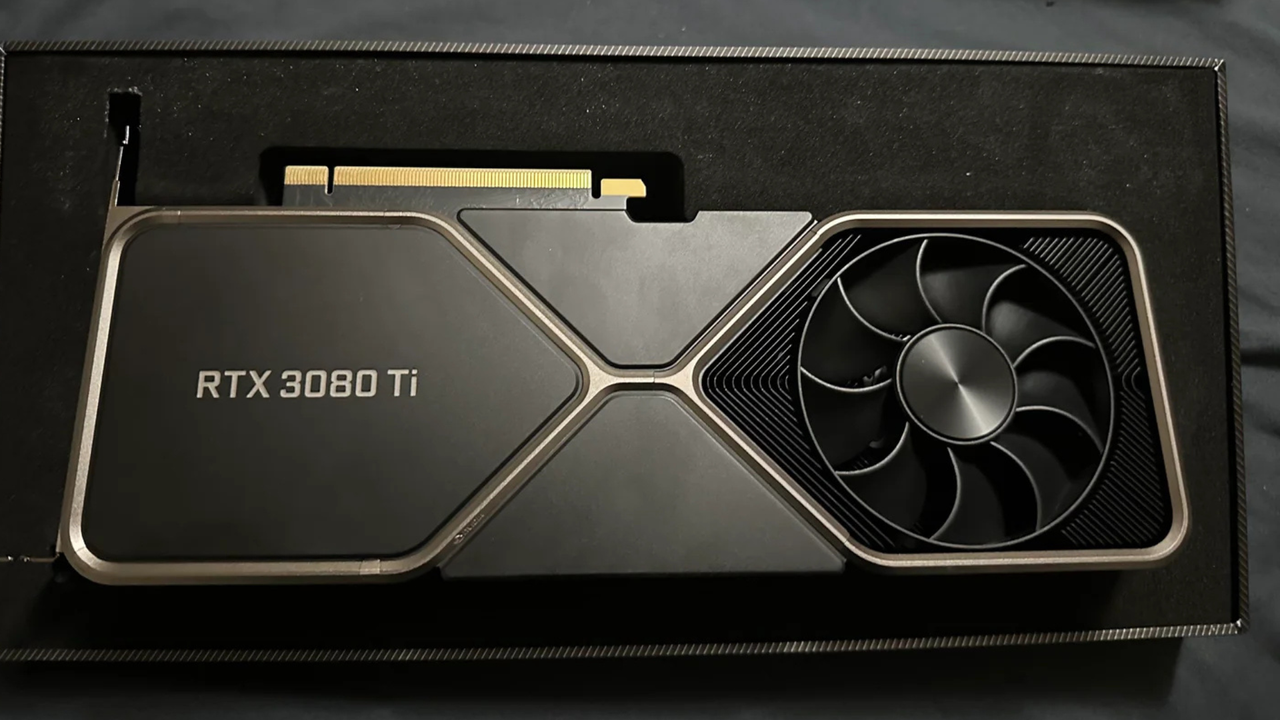
HP is seemingly planning to update its Omen 16L line-up of SFF gaming desktops, this time introducing Intel's Raptor Lake CPUs into the mix. This is according to a recent rumor posted by @realVictor_M on X. Supposedly, the new Omen 16L will be powered by the Intel Core i7-14650HX mobile CPU and up to an NVIDIA GeForce RTX 5060 Ti GPU, with lower tier GPU options also available. The new desktop will likely launch at CES 2026, although there is no word on an official launch or availability date.
It's unclear why HP would "update" its Omen 16L gaming PCs with an older CPU, but the Core i7-14650HX should perform similarly to the existing Arrow Lake models, thanks to its 16-core, 24-thread design. Pricing is also a mystery so far, although the current-gen HP Omen 16L, which is powered by the Arrow Lake Intel Core Ultra 7 265F and an RTX 5060, comes in at $1,559.99. It's also likely that the ongoing DRAM and storage supply issues will affect the price, so it would make sense for the new models to launch at the same price or higher prices than the old models. Alternatively, HP could be introducing the mobile CPU variants in order to cut back on costs somewhat, since you wouldn't need as powerful a PSU or cooler to keep the desktop fed and cooled.
Crawbots is an all-in-one IDE for web data extraction. It’s designed to simplify the scraping process, especially for developers working with Puppeteer, Playwright, or Selenium.
We’re aiming to make Crawbots powerful yet beginner-friendly, so junior devs can jump in without fighting boilerplate or complex setups.
The Samsung Galaxy Z Fold 7 has dropped in price, making it cheaper than buying a phone and a tablet separately. Here's why you'd want a foldable instead of two separate screens.
FINNY, an AI platform automating lead generation for financial advisors, secured $17 million in Series A funding to scale its proprietary data intelligence engine.
According to a report from Tom's Hardware, China's so-called "Frankenstein" EUV scanner was assembled from mismatched parts sourced through various channels, potentially including surplus equipment sales and online spare-parts markets. The alleged prototype has yet to produce a single chip.
PostEverywhere is an AI-powered social media management platform that helps creators, founders, brands, and agencies streamline content creation and scheduling across multiple platforms. With intelligent scheduling, automated publishing, and a simple, user-friendly interface, PostEverywhere makes it easy to plan, post, and grow your online presence - all in one place. Start your free trial today. Save time, boost engagement, and manage every social channel effortlessly with AI.
Redragon has officially announced the Wyvern K761 Pro as its latest full-size wireless mechanical keyboard, featuring both Bluetooth 5.0 and 2.4 GHz wireless connectivity. The K761 Pro is launching at just $74.99, and it features some enthusiast-grade touches, like a built-in LCD, to show keyboard information, and a knob for adjusting volume. The K761 Pro is available in two colorways—white and green and white and blue—and both feature shine-through RGB backlighting and "round" PBT keycaps, which look to be similar to OEM height, although no specific keycap profile is provided. It comes with linear Mint Mambo switches, which are 40 gf linear mechanical switches with 3.6 mm of travel, and it features hot-swap sockets, compatible with 3- and 5-pin mechanical switches. It also features a gasket mount and five-layer sound-damping in the case. The Redragon Wyvern K761 Pro is also reprogrammable and customizable on Windows with Redragon's proprietary software suite. The keyboard is charged via USB-C and features a 4,000 mAh battery, which should be more than enough, even for those who want to use RGB backlighting effects.
The Ryzen 7 5800X, which launched five years ago, is currently the top-selling CPU on Amazon UK, while its refresh, the 5800XT, sits in fourth place on the US site. These rankings highlight both the resilience of AMD's aging AM4 platform and the best options available to consumers amid surging...
Html4pdf is a fast, privacy-first PDF generation API for developers who need reliable HTML-to-PDF conversion without the complexity. Unlike traditional PDF services that require complicated setups or store your data, html4pdf keeps things simple: send HTML, get a PDF in 3-5 seconds, and your data is never stored. Built on battle-tested infrastructure, it handles everything from simple receipts to complex multi-page reports with consistent results.
Pricing is straightforward and fair. No subscriptions, no surprise fees, just credits. New users get 10 free credits to try the service, with full API key management and real-time usage tracking through an intuitive dashboard.
Is Microsoft's AI push driving users away? Linux can handle gaming and daily work, but the deep-rooted familiarity of Windows still prevents any permanent switch.
The ongoing RAM shortage has already had knock-on effect on the consumer market, from price hikes to system integrators starting to offer "bring your own RAM" build options and smartphone makers stepping back to offering 8 GB of RAM in flagship devices. However, the latest news suggests that the RAM shortage will soon result in delayed product launches—specifically in the laptop and mobile market, according to a report out of Korean business publication, Chosun Biz.
According to the report, which quoted industry insiders and analysts, large hardware brands, like HP and Lenovo, have recently signed agreements with memory suppliers in an effort to secure RAM for the upcoming product launch cycle. Despite this, insiders are predicting that launch delays are likely as DRAM demand still exceeds supply. The alternative solutions include a price hike, which would be in the order of 30% in the premium segment—on top of an already predicted 9% industry-wide price increase—or downsizing the premium laptop segment. Whether this plays out as predicted will likely be revealed fairly soon, as CES 2026, and all of its expected product launches, is just around the corner.
According to Forbes, most of the new AI billionaires are either founders or senior executives of SaaS companies, foundation model firms, or businesses focused on replacing human workers with AI software in the service and manufacturing sectors.
Pinta is a simple open-source image editor aimed at basic editing tasks like cropping, resizing, drawing, and quick color adjustments. It includes support for layers, effects, and a full undo history, while keeping system requirements low.
Mini-LED TVs that use RGB backlighting tech will arrive in a wider range of screen sizes from a wide array of brands in 2026. Should OLED TVs be worried?
Apple’s 2025 iPad lineup wasn’t about flashy redesigns, but meaningful performance upgrades and the arrival of iPadOS 26 combined to deliver the most complete iPad experience yet.
The five-year-old Ryzen 7 5800X and its 2024 refresh, the 5800XT, are among the best-selling CPUs this holiday season despite being two generations behind Zen 5.
The Seagate Expansion 22TB external HDD delivers huge storage capacity at a steep discount, making it a compelling choice for users who need dependable, plug-and-play mass storage.
UGREEN's NASync DH2300 proved to be a perfect entry point for me, a complete NAS novice, to set up a home media server and breathe new life into old HDDs.
Waymo's vehicles can navigate complex city streets, use lidar, radar, and cameras to build a real-time 3D map of their surroundings, and communicate their locations to centralized servers. Yet the system halts when a door sensor registers even a partial latch. Because the cars are sealed off from manual control,...
Pulseboard gives teams a simple 20-second daily check-in that reveals early wellbeing and stress trends — without extra surveys.
Team members share how they feel (Happy / Neutral / Stressed / Burned Out); leaders see anonymized patterns, not names.
Designed already for Slack and Microsoft Teams, Pulseboard helps you build awareness, prevent burnout, and start better conversations.
Trust Wallet is urging users to update its Google Chrome extension to the latest version following what it described as a "security incident" that led to the loss of approximately $7 million.
The issue, the multi‑chain, non‑custodial cryptocurrency wallet service said, impacts version 2.68. The extension has about one million users, according to the Chrome Web Store listing. Users are advised to
When four friends wake after Christmas, a shocking murder changes everything. Here's how to watch the Death in Paradise 2025 Christmas special online from anywhere.
Whether you’re looking to get a pair yourself or just want to explore what’s available on the market today, we’ve compiled a list of the most compelling pairs available.
AMD is preparing a new flagship gaming chip, the Ryzen 9 9950X3D2, which is said to have 192MB of L3 cache thanks to its dual-cache design that will add 3D V-Cache across both CCDs. The CPU originally leaked months ago, but it has finally appeared on benchmarking databases PassMark and Geekbench, with amicable scores to boot.
Christmas might be over with, but it's time to secure yourself a Boxing Day tech deal. We've put together a list of the best discounts from retailers including Amazon, Currys, Argos, Very, and more.
Nvidia has reorganized its cloud computing group, further scaling back its ambitions to operate a public cloud service that would directly compete with Amazon Web Services.
Marissa Mayer is back in the startup game, raising $8 million for Dazzle AI to tackle the critical challenge of making complex generative models genuinely useful for everyday consumers.
NVIDIA’s 100-hour GeForce Now cap isn’t new — but as PC upgrades become harder to afford, the idea of time-limited cloud gaming is hitting a nerve with players.
According to an update to Google's account help page, Gmail users can now change their existing Gmail address to a new one without losing all the associated data and services.
A China-linked advanced persistent threat (APT) group has been attributed to a highly-targeted cyber espionage campaign in which the adversary poisoned Domain Name System (DNS) requests to deliver its signature MgBot backdoor in attacks targeting victims in Türkiye, China, and India.
The activity, Kaspersky said, was observed between November 2022 and November 2024. It has been linked to a
Best Buy just launched a post-Christmas sale with massive discounts on best-selling tech, including TVs, smartwatches, laptops, Apple devices, and more.
LG is expanding its gaming monitor portfolio with the launch of UltraGear evo, a premium sub-brand that brings a 5K Mini LED monitor with 2,304 dimming zones, a curved 5K2K OLED ultrawide, and the world’s largest 5K2K gaming display
According to a special report by the New York Times, the U.S. government is concerned about how China sits at the center of that ecosystem, controlling large portions of battery manufacturing and processing.
Intel Foundry has released a video of a multi-chiplet 2.5D/3D processor with a 10,296 mm^2 silicon footprint, including leading-edge technologies such as 14A and 18A.
It seems like people aren't as devoted to their tech as much as they were a few years ago. But it's hard to love a device when it keeps changing and treating you like a consumer.
As a leader in innovative technology, ACEMAGIC today announced the upcoming launch of the ACEMAGIC Tank Centre series, introducing two new models, M1A PRO and M1A PRO+. Building on the success of the original TANK 03, the new lineup delivers significantly enhanced performance for gaming, AI workloads, and multi-display productivity, while retaining the series' distinctive industrial design.
As PC hardware continues to evolve, high-performance computing is becoming increasingly compact, intelligent, and energy-efficient. ACEMAGIC has been at the forefront of this shift, demonstrating that mini PCs can deliver desktop-class performance without the size or complexity of traditional systems.
AMD is preparing to refresh its Ryzen 9000 series "Zen 5" desktop processor lineup with two high-end chips targeting gamers and PC enthusiasts, the 8-core Ryzen 7 9850X3D, and the 16-core Ryzen 9 9950X3D2. The 9850X3D is a speed-bumped 9800X3D, while the 9950X3D2 comes with 3D V-Cache on both its 8-core chiplets, compared to the 9950X3D, which only has it on one of its chiplets. The Ryzen 7 9850X3D comes with a maximum turbo frequency of 5.60 GHz, a 400 MHz increase over the 9800X3D, along with a TDP of 120 W, which is expected to increase its single-thread performance by 5-7%.
The Ryzen 9 9950X3D2 is a different beast. It comes with a maximum boost frequency of 5.60 GHz, which is a 100 MHz reduction over the 5.70 GHz that the 9950X3D comes with, but both its chiplets have 3D V-Cache, allowing for more flexible scheduling and thread migration. With a combined L3 cache of 192 MB, this chip could also be vastly preferred by the workstation and creator crowd that's working on memory-intensive workloads. All this comes at a cost, though, with AMD rumored to increase TDP to 200 W, up from the 170 W of the 9950X3D, which could mean a PPT value nearing the 250 W-mark. Geekbench and PassMark numbers of the 9950X3D2 just surfaced on the web, which show the newer chip to be 2% faster than the 9950X3D despite the marginally lower clock speed, however, the real heft of this chip will be felt in memory/cache sensitive workloads.
Prosecutors classify the stolen intellectual property as Samsung's state-designated core technology for 10-nanometer-class DRAM, developed over about five years at a cost of roughly 1.6 trillion won, at a time when Samsung was the only company mass-producing 10-nm-class DRAM. The ten defendants are accused of using shell companies and frequently...
Texas-based HGP Intelligent Energy has sent a proposal to the US Department of Energy about using two former US Navy reactors to provide between 450 and 520 megawatts of constant power.
These are the best deals from the Argos Boxing Day sale, including savings of up to 50% on TVs, appliances, furniture, toys, games consoles, and more top-rated tech.
Samsung brings maximum performance to one of its most colorful monitors with the Odyssey OLED G6 S27FG60. It’s a 27-inch QD-OLED with 500 Hz, Adaptive-Sync, HDR True Black 500, HDR10, HDR10+ and wide gamut color.
A magnetic cloak works by diverting external magnetic fields so that, to an external observer, the object appears to be absent or invisible. Although this idea has been studied for years, most implementations have been limited to simple geometric forms, such as cylinders or spheres. The Leicester study marks the...
Surgify delivers generated workout music that adapts to your intensity in real time. It learns your training style and builds endless, unique tracks that sync with your reps, from HIIT to strength and cardio. Choose genres like EDM, hip-hop, metal, or custom blends to match your vibe.
Connect your heart rate and let Surgify adjust tempo and energy automatically. Set your mode, hit play, and get instant motivation without repeats so every session stays focused and high-energy.
Plants vs. Zombies: Replanted: Replanted pulls all the flora vs walking dead gaming together in definitive package, but arguably lacks the purity of the 2009 original game.
In what could only be described as an extremely timely Christmas miracle, a Redditor has received two full boxes of expensive, flagship SSDs worth $5,100, even though they paid for just two. A tale of Amazon's packaging error turned into relief amidst the ongoing component crisis.
ClickUp is betting on autonomous AI, acquiring code generation platform Codegen to create Super Agents capable of building software and managing projects end-to-end.
Sakana AI's ALE-Agent won the AtCoder Heuristic Contest 058, proving that scaled AI inference can match or surpass top human performance in complex optimization.
To secure its browser agent, ChatGPT Atlas is now relying on an automated, reinforcement learning-trained attacker to find sophisticated prompt injection exploits.
Sapphire launched its flagship graphics card and motherboard featuring PhantomLink discreet power delivery technology. The tech sees an ASUS BTF-like GC-HPWR power-delivery slot located along the plane of the main PCI-Express 5.0 x16 slot, which delivers power to the graphics card without you having to wrestle with a delicate 12V-2x6 cable on top of the card. But then there's a catch. The motherboard isn't designed on the philosophy of backside connectivity like ASUS BTF or MSI Project Zero or GIGABYTE Stealth, the connects are all still located along the obverse side of the PCB. There is a 600 W-capable 12V-2x6 input located next to the 24-pin ATX, which simply routes power to the GC-HPWR slot.
Launching today, are the Sapphire NITRO+ Radeon RX 9070 XT PhantomLink PE graphics card, and the NITRO+ X870EA PhantomLink Socket AM5 motherboard. Both products have an identical silver-white color scheme and NITRO+ design theme that pair well visually. The graphics card features an overclocked RX 9070 XT with similar specs to the regular NITRO+ RX 9070 XT from Sapphire. The motherboard comes in two color trims, white+silver and black+silver. It offers a premium CPU VRM solution, a heavy M.2 PCIe Gen 5 heatsink, reinforced PCI-Express 5.0 x16 slot, premium Wi-Fi 7 and onboard audio solutions, and USB4. Sapphire is expected to showcase this along with example builds at CES next week.
MediaTek, a global leader in innovative semiconductor solutions, today announced that it is working closely with DENSO, one of the world's leading automotive technology providers, to develop a custom automotive System-on-Chip (SoC) solution tailored for Advanced Driver-Assistance Systems (ADAS) and cockpit systems. This joint effort merges DENSO's automotive-grade safety expertise and deep vehicle integration with MediaTek's technologies cultivated through the development of Dimensity AX, leveraging power-efficient, high performance SoCs and AI capabilities to offer a scalable, production-ready platform for next-generation driver assistance.
LG announced the UltraGear EVO line of enthusiast-segment gaming PC monitors. The series includes three models, including two ultra-wides, and a conventional aspect-ratio monitor. Leading the pack is the UltraGear EVO 52G930B, a gargantuan 52-inch curved desktop monitor with 1000R curvature, 5120 x 2160 pixels resolution, 240 Hz refresh rate, and wide color gamut.
The UltraGear EVO AI 39GX950B is the star of the show. This monitor comes with in-built AI-accelerated upscaling that's native to the monitor (doesn't use any CPU or GPU resources). The display comes with 21:9 aspect-ratio, 1500R curvature, and a native resolution of 5120 x 2160 pixels at 165 Hz or 2560 x 1080 at 330 Hz, along with DisplayHDR True Black 500. The in-built AI upscaler also handles screen optimization, spatial audio, display settings, game genre-specific optimization, among a ton of other features. The display uses LG's new primary RGB tandem OLED panel technology. If you want all these features, but in a more traditional form-factor, there's the UltraGear EVO AI 27GM950B.
Almost no one asked for it, but curiosity won out. We're taking a close look at Intel's Core Ultra 5 225F – a locked, budget-focused CPU that's been quietly sitting on shelves for nearly a year.
A critical security flaw has been disclosed in LangChain Core that could be exploited by an attacker to steal sensitive secrets and even influence large language model (LLM) responses through prompt injection.
LangChain Core (i.e., langchain-core) is a core Python package that's part of the LangChain ecosystem, providing the core interfaces and model-agnostic abstractions for building
Start A Call is platform that allows you to make international calls from your browser in 3 clicks. No app downloads required. StartACall is the simplest way to call 195+ countries. Just open your browser, enter a number, and dial. Uses WebRTC technology for HD voice quality. Pay as you go only • No monthly fees. Call any mobile or landline. Setup in 60 seconds Perfect for digital nomads, remote teams, and international families. Try your first call free!
We want to hear from you! Did you get any cool tech for Christmas? Did you buy any loved ones cool tech? Let's talk about ... cool tech! Happy Holidays and a Merry Christmas to you and yours.
BuildDesk is a construction management platform built for SMB contractors who need real-time job costing and financial control. Unlike enterprise solutions, we offer unlimited users, integrated CRM, and live budget tracking at a flat monthly rate—helping contractors know if projects are profitable today, not next month.
Disney is using exoskeleton technology to engineer Hercules’ Titans for a live show at sea, allowing a single performer to control towering characters aboard the Disney Destiny.
All the ways to watch the 4th Ashes Test at the MCG, the famous Boxing Day Test, from anywhere as Australia and England battle in cricket’s historic series.
HP has a new mini PC packed with AI smarts and additional security for pros. I've been using it for a couple of weeks to see what it's all about, and I can say I'm impressed with how it performs and handles cooling.
Framework updated its original DRAM price hike blog post on December 24th, 2025, explaining that the company must respond to the price volatility its suppliers are experiencing. Initially, Framework announced a 50% price increase for its DDR5 memory upgrade configurations. To maintain transparency with customers, the company stated its intention to raise the price of DDR5 memory in Framework Laptop DIY Edition orders by 50%. This decision directly responds to the significantly higher costs from DRAM suppliers and distributors. As a result, the company cannot absorb all these cost increases and needs to pass some on to consumers. Therefore, another increase today is a natural response, as the company originally suggested.
FrameworkWith costs from our suppliers continuing to increase, we've had to make a further price adjustment on DDR5 memory modules. During this period of extreme memory shortages and price volatility, our priority is to make sure you can still buy a computer when you need one. With that in mind, we're setting our memory configuration prices as close as possible to the actual purchase prices we have with our suppliers and distributors. Since we're constantly sourcing additional memory and each purchase comes in at different (and often higher) pricing, we're using the Weighted Average Cost (WAC) of inventory, which currently comes to $10/GB for 8 GB, 16 GB, and 32 GB modules, and slightly higher for 48 GB modules.
One developer who successfully activated the feature in Windows 11 (version 25H2) claims it works "pretty good" on his computer. He shared a step-by-step guide on how to activate the feature on Windows 11 devices.
Agenta is an open-source LLMOps platform that helps teams build and ship reliable AI apps. Developers and domain experts work together to test prompts, run evaluations, and debug issues in one place.
LLMs are unpredictable, and teams often lack structure. Prompts get scattered, workflows stay siloed, and deployments happen without real validation, making debugging guesswork.
Agenta centralizes the workflow:
Experiment: Compare prompts and models and track versions.
Evaluate: Run automated evaluations with LLM-as-a-judge or custom code.
Observe: Trace requests, spot failures, and turn traces into tests.
Amazon's after-Christmas sale is live, and I'm rounding up today's 31 best deals, featuring clearance prices on smartwatches, TVs, blenders, headphones, and more.
Double the drawers means double the cooking space, but even the largest Ninja DoubleStack doesn't take up as much countertop space – grab it for just AU$259 this holiday season.
NuPhy earlier this year unveiled the Node 75, a 75% wireless mechanical keyboard with a retro design inspired by the Braun T3, and it has now brought that retro design language to an 1800 layout, which means you get a keyboard with a full-size num pad in a slightly more compact layout. The Node 100 also has the same touch-sensitive area on the right-hand side of the top edge of the keyboard—kind of mimicking the Apple Touch Bar in functionality—and the same dot matrix indicator LEDs on the left side of that same top edge. The Node 100 has a PCB gasket mount and is constructed of plastic, which allows NuPhy to bring the price down to a pretty reasonable $109.99, and it is available in Ink Grey, Lunar White, and Light Pink from NuPhy's online store. It is also available as both high- and low-profile designs and with a choice of linear, silent, and light tactile switches in both variants.
The Node series uses both 2.4 GHz and Bluetooth for wireless connectivity, with USB-C available as a wired option. The low-profile version uses NuPhy's Low-Profile Nano switches, which follow Gateron's Low-Profile 3.0 design, meaning the switch selection is somewhat limited at the time of writing. The low-profile version of the Node 100 keyboard is pitched as a portable option for on-the-go productivity, although it still weighs in at 787 g. Both versions of the keyboard have PBT keycaps, although the low-profile version uses NuPhy's nSA profile and dye-sublimated legends, while the high-profile version has double-shot keycaps in the mSA profile. Both versions of the Node 100 have two-stage adjustable feet for typing angles of 6°, 9°, and 12°. The front height of both versions of the keyboard are also reasonably low, at 13.8 mm on the low-profile keyboard and 18.9 mm on the full-height version.
Corsair's new Void v2 MAX Wireless model updates its predecessor with improved connectivity and smarts. With such a small difference in price and features, it’s the natural choice for most gamers, making a great headset even greater.
Spanish entrepreneur Bernardo Quintero, whose company is at the root of Google's Málaga cybersecurity hub, identified the author of the computer virus that influenced his career.
Google is finally adding a much-awaited feature to Gmail, allowing to change your old @gmail addresses without needing to create a new account. After switching to a new Gmail, you'll receive emails on both addresses, and all your existing data will remain intact.
Looking to do some post-Christmas shopping? We've laid out all of today's best Boxing Day sales in one easy to read list right here - including tech, appliances, home, and much more.
Archivist Al Kossow of Bitsavers, who led the technical recovery, described the process as "easy" as such efforts go. The tape, he explained, had "a pretty good chance of being recoverable." It held up well for a medium that relies on a thin, coated film and precise magnetic signal integrity...
data-engineer.ai is a tool to vibe code data apps (dbt, SQLMesh, text2SQL) in minutes using agents that understand your data. Connect your database, start prototyping your models, and click "Export" when you're ready to productionize!
Framework is increasing the prices of its memory modules in response to market pricing once more. Also encourages its buyers to look for better deal elsewhere as the memory market crunch bites into the PC building industry.
It’s getting harder to tell where normal tech ends and malicious intent begins. Attackers are no longer just breaking in — they’re blending in, hijacking everyday tools, trusted apps, and even AI assistants. What used to feel like clear-cut “hacker stories” now looks more like a mirror of the systems we all use.
This week’s findings show a pattern: precision, patience, and persuasion. The
Did you get a shiny new Xbox Ally or Xbox Ally X recently? If so, consider following these steps to improve your experience before diving into those similarly shiny games.
To get the best experience on your Steam Deck, you're going to want to make some settings changes before playing any games. Here are the things you should do first after getting your Steam Deck.
After-Christmas sales are officially live, and I've rounded up today's best deals that are worth buying from Amazon, Best Buy, Target, Walmart, and more.
The Fitbit Inspire 3 could be exactly what you need to kick off your fitness goals in the new year – and it's now down to its lowest-ever price on Amazon.
Groq, a rival to Nvidia in the AI chip race, has entered into a non-exclusive agreement with the Green Team, with a deal valued at $20 billion, roughly $13 billion more than Groq's last evaluation. Nvidia will also hire the firm's founder and CEO, along with its President, as part of the biggest purchase it's ever made.
Arch Linux is one of the first Linux distros to officially axe Pascal GPU support after Nvidia cancelled support in July. Arch is now using the 590 Nvidia Linux driver as its default Nvidia driver, which lacks Pascal support.
What are you willing to do to get your hands on DDR5 memory these days? Whatever it is, it probably doesn't match the lengths these Russian modders are reaching by trying to build their own RAM. You can actually follow along with your own parts, along with a bit of time to solder the memory ICs to the PCB.
The adjustment comes as China’s largest foundry runs near full utilization and faces sustained demand from domestic customers building inventories of memory and logic chips.
Starlink satellite 35956 suffered from a serious anomaly on December 17. It has been pictured largely intact, tumbling in space, but it will be weeks before it burns up in the Earth's atmosphere.
An innovative power supply that relocates modular connectors to the chassis side for superior cable management, delivering Cybenetics Platinum efficiency under a Gold-level marketing badge for builders willing to verify case compatibility.
The encrypted vault backups stolen from the 2022 LastPass data breach have enabled bad actors to take advantage of weak master passwords to crack them open and drain cryptocurrency assets as recently as late 2025, according to new findings from TRM Labs.
The blockchain intelligence firm said evidence points to the involvement of Russian cybercriminal actors in the activity, with one of the
Samsung's smartwatches are among the best we've tested, and that's in part due to the fantastic feature set. Some are pretty hidden, though; here's the best we've found.
Microsoft has unveiled a new hardware-accelerated BitLocker encryption system for Windows 11, which shifts cryptographic operations from software to dedicated accelerator units integrated into future CPU microarchitectures. Historically, software-based BitLocker in Windows 11 has caused massive performance degradation. For example, in Windows 11 going from no BitLocker to software-based BitLocker has caused average number of cycles per I/O to skyrocket from roughly 400,000 cycles to about 1.9 million cycles. This is a 375% increase in cycles per I/O, and can cause significant storage performance degradations. However, Microsoft is finally bringing hardware-based encryption to solve this.
The new hardware acceleration, announced at Ignite 2025 in November, is now available in Windows 11 version 25H2 and Windows Server 2025 with the September update. Early testing shows that some workloads experience double the storage performance while reducing CPU usage by over 70%. The system offloads AES-XTS-256 encryption processing from the main processor to a fixed-function cryptography engine embedded within the SoC. Encryption keys are hardware-wrapped to enhance security against memory-based attacks. The initial rollout will target Intel vPro platforms with the upcoming Core Ultra Series 3 "Panther Lake" processors, but Microsoft plans to extend support to other vendors as well.
Granite Rapids comprises several server and workstation CPUs, led by the Xeon 698X. The flagship is expected to feature 86 cores and 172 threads – substantially more than the 60 cores found in the W9-3595X Sapphire Rapids Refresh CPU, but still fewer than AMD's Zen 4-based Threadripper Pro 9995WX, which...
This impressive Asus ROG gaming monitor, with a 4K resolution and HDR support, along with a decent 160Hz refresh rate, is back at its lowest ever price on Amazon for just $299.
Leave personal sticky notes on any website for free. Never forget important things again.
Transform the way you browse with Leafovers – your personal sticky notes companion for every website.
Leafovers is a powerful yet simple Chrome extension that lets you create, organize, and manage sticky notes on any website you visit. Whether you're conducting research, shopping online, learning new skills, or just browsing the web, Leafovers helps you capture thoughts, reminders, and important information exactly where you need them.
Fortinet on Wednesday said it observed "recent abuse" of a five-year-old security flaw in FortiOS SSL VPN in the wild under certain configurations.
The vulnerability in question is CVE-2020-12812 (CVSS score: 5.2), an improper authentication vulnerability in SSL VPN in FortiOS that could allow a user to log in successfully without being prompted for the second factor of authentication if the
The U.S. Cybersecurity and Infrastructure Security Agency (CISA) added a security flaw impacting Digiever DS-2105 Pro network video recorders (NVRs) to its Known Exploited Vulnerabilities (KEV) catalog, citing evidence of active exploitation.
The vulnerability, tracked as CVE-2023-52163 (CVSS score: 8.8), relates to a case of command injection that allows post-authentication remote code
With time running out, the Nonnatus head on a rescue mission to Hong Kong. Here's how to watch the Call the Widwife 2025 Christmas specials online anywhere.
All the ways to watch NFL Week 17 live streams online from anywhere for FREE, as the Baltimore Ravens, Detroit Lions and Tampa Bay Buccaneers face elimination.
Protean Labs is dedicated to helping companies quickly and easily get started with simple cybersecurity tools.
You can use our command line tool in your CI/CD pipeline to scan your code's dependencies for known vulnerabilities, and we'll stop your pipeline, preventing a release that could put your company in harm's way.
The app is made to upgrade the basic Apple Notes app into more engaging one with social aspect and note posting like in a social network.
Users can invite each other and exchange notes privatley, while their notes are safley stored in their account and can be edited from multiple devices at the same time.
Additional features included are the speech-to-text typing in multiple languages. Users can set reminders for notes in the specific date and time, lock notes with face ID , pin inportant notes, use widgets for home screen display in 3 different sizes and invite friends via QR code scan.
Supported Devices: iPhone & iPad
Skaler is an all-in-one AI platform built for performance marketers and creative teams. It lets you spy on competitor ads, analyze what makes them convert, and instantly create your own winning image and video ads. With Skaler, you can clone any ad from the Meta Ad Library, generate on-brand visuals or UGC-style videos with AI, and optimize creatives based on real performance data. Perfect for marketers who want to eliminate guesswork and scale ad production fast.
The Callisto Protocol is now available for free on PC through the Epic Games Store For many years, the Epic Games Store has offered free games every week to its users. This has enabled many PC gamers to significantly expand their libraries, giving them free access to a large collection of high-quality games. For Christmas, […]
SK hynix is expanding its U.S. presence with a new office in the Seattle metropolitan area, placing the world’s leading HBM supplier within minutes of Nvidia, Amazon, and Microsoft.
Researchers from Northeastern University discovered that PEDOT:PSS, which is typically used in medical research, breaks down into harmful microplastics.
The new BitLocker implementation offloads encryption and decryption to dedicated crypto engines on supported SoCs, delivering faster storage performance and reduced CPU usage.
OpenAI is laying the groundwork for an advertising business, signaling a potential shift in how ChatGPT and other products could be monetized beyond subscriptions and enterprise deals.
What’s happening. According to reporting from The Information, OpenAI has begun exploring ad formats and partnerships, with early discussions pointing toward ads that could appear within or alongside AI-generated responses. The effort is still in its early stages, but internal conversations suggest ads are becoming a more serious part of OpenAI’s long-term revenue strategy.
Why we care. OpenAI is exploring ads inside AI-generated responses, creating a new, highly contextual channel for reaching users at the moment they seek information. This could put OpenAI in direct competition with Google and Meta, but also raises questions about trust and user engagement. Early adoption could offer a first-mover advantage, while formats and metrics may differ from traditional digital ads. Overall, it’s a potentially transformative new frontier for advertising.
Between the lines. OpenAI appears cautious, aiming to avoid disrupting user experience or undermining confidence in its models. Any ad product is likely to be tightly controlled, at least initially, and positioned as helpful or contextually relevant rather than overtly promotional.
The bigger picture. With soaring infrastructure costs and growing pressure to scale revenue, ads could become a key lever for OpenAI — especially as generative AI reshapes how people search for information and discover products.
What to watch. When ads move from internal planning to public testing, how clearly they’re labeled, and whether users accept advertising embedded in AI responses.
Bottom line. OpenAI isn’t rushing ads to market, but the foundations are being laid — and their eventual arrival could reshape both AI products and the digital advertising landscape.
Cybersecurity researchers have discovered a new variant of a macOS information stealer called MacSync that's delivered by means of a digitally signed, notarized Swift application masquerading as a messaging app installer to bypass Apple's Gatekeeper checks.
"Unlike earlier MacSync Stealer variants that primarily rely on drag-to-terminal or ClickFix-style techniques, this sample adopts a more
Waymo is testing a Gemini-powered in-car AI assistant, per findings from a 1,200-line system prompt. The assistant can answer general knowledge questions, control certain in-cabin features, and more.
Matt Rogers' food waste startup will soon deploy its commercial food waste bins in grocery stores throughout the U.S. Here's how Rogers thinks about preparing a startup for success.
There’s plenty of hype around AI and robots in healthcare, but the problem that’s actually costing hospitals money right now is operating room coordination. Two to four hours of OR time is lost every single day, not because of the surgeries themselves, but because of everything in between from manual scheduling and coordination chaos to guesswork about room […]
As regular desktop memory prices have skyrocketed over the past year, more gamers are turning to repurposing laptop SODIMM memory using SODIMM-to-DIMM adapters. This allows them to use the more affordable memory in their builds. According to 3DCenter.org, these adapters are relatively inexpensive. When paired with SODIMM memory, which has experienced a smaller price increase—an average of 136% compared to 245% for desktop DIMMs—gamers find that buying laptop memory makes more sense. They can achieve good enough memory performance at a much lower cost and finally perform a system upgrade or build a new PC.
These adapters serve more as a workaround than an ideal solution, mainly designed for repurposing spare laptop memory rather than achieving peak performance. Users must be prepared for significantly reduced memory clock speeds and looser timings, as mobile SODIMMs inherently lack the performance capabilities of desktop modules. Additionally, the adapter's signal path often requires further down clocking to maintain system stability.
HighPoint Technologies, Inc., a global leader in advanced PCIe storage and connectivity solutions, today announced the Rocket 7634D, the industry's first independent PCIe Gen 5 External CDFP Adapter. Engineered to serve as the cornerstone of next-generation external PCIe fabrics, the Rocket 7634D robust external CDFP-CopprLink connectivity compact low-profile form factor, and proven PCIe Gen 5 switching technology deliver the bandwidth, reliability, and interoperability demands of disaggregated computing, AI driven applications and performance hungry HPC and professional media workflows.
Built in full compliance with the PCI-SIG CopprLink specification, the Rocket 7634D functions as a professional-grade Host Interface Card (HIC); enabling direct, non-blocking connections between servers or workstations and external GPUs, accelerator and I/O cards, or NVMe storage enclosures—without the compromises of tunneling or legacy interconnects.
As Beijing's new licensing rules on samarium and related materials restrict exports of these heat-resistant magnets, America's ability to produce precision-guided munitions has come under pressure. That squeeze has prompted the Trump administration to rely on a short-term workaround built around a French samarium stockpile, while racing to secure new...
Supercandidate is the ultimate AI-powered resume platform designed to revolutionize how professionals in tech and digital fields craft and customize their CVs for every job opportunity. By intelligently analyzing job descriptions, it automatically tailors your resume to highlight the exact skills, keywords, and achievements that recruiters crave, transforming a generic document into a results-driven, ATS-optimized powerhouse that's scannable at a glance.
OLED screens, while the pinnacle of display tech today, still aren't perfect, and one area where OLED monitors in specific have struggled is text clarity. Either due to the unorthodox subpixel layout of these panels or the addition of a white subpixel, fringing around text has been a persistent issue, but LG has seemingly solved both at one go.
A reported attempt by a covert Chinese lab to reverse-engineer an EUV lithography scanner underscores that, despite access to scattered components, replicating ASML's EUV tools is effectively impossible without recreating the company's entire global supply chain, optics ecosystem, and proprietary software built over decades.
Google reduced the minimum audience size requirement to just 100 active users across all networks and audience types, making remarketing and customer list targeting far more accessible—especially for smaller advertisers.
What’s new. Audience segments with as few as 100 users can now be used across Search, Display, and YouTube, including both remarketing lists and customer lists. The same 100-user threshold now applies for segments to appear in Audience Insights, down from 1,000.
Why we care. Smaller accounts and niche advertisers can now activate audience strategies that were previously out of reach due to size constraints. This change removes a long-standing barrier to personalization, remarketing, and first-party data activation within Google Ads.
What to watch. How advertisers use smaller, more precise segments—and whether performance or privacy safeguards evolve alongside the expanded access.
First seen. This update was first spotted by Web Marketing Consultant, Dario Zannoni, who shared it on LinkedIn.
The fraudulent investment scheme known as Nomani has witnessed an increase by 62%, according to data from ESET, as campaigns distributing the threat have also expanded beyond Facebook to include other social media platforms, such as YouTube.
The Slovak cybersecurity company said it blocked over 64,000 unique URLs associated with the threat this year. A majority of the detections originated from
The Hasselblad X2D II the finest camera for photography ever made – for outright image quality at least – and it also saw a welcome price drop from its predecessor.
Here is the full list of the agtech and food tech Startup Battlefield 200 selectees, along with a note on what made us select them for the competition.
Italy has ordered Meta to suspend its policy that bans companies from using WhatsApp's business tools to offer their own AI chatbots on the popular chat app.
With tracking tools like the NORAD Santa Tracker and Google’s Santa Tracker, everyone can know when Father Christmas will arrive. Plus, there are now some new AI tools to bring the holiday magic.
According to a report from Reuters, NVIDIA has explored using Intel Foundry's 18A node but has not proceeded to mass production. Reuters states, "NVIDIA recently tested out whether it would manufacture its chips using Intel's production process known as 18A but stopped moving forward, two people familiar with the matter said. NVIDIA did not answer a request for comment." This is not necessarily a negative sign for Intel Foundry, as many customers have previously approached Intel to try out the 18A node. It is common for chip designers to evaluate what TSMC's competitors offer before committing to additional foundry capacity.
For the 18A node, the general impression is that it primarily serves Intel's internal products. Future versions, like 18A-P and 18A-PT, aim to attract external customers and are expected to be long-term Intel Foundry products. Intel's 14A node is becoming a critical product for Intel Foundry, with active development targeting a 2027 release. As Intel collaborates with customers on the node design, potential foundry partners are assessing whether the upcoming technology meets their needs. Early customer feedback indicates strong satisfaction with the development progress, with those familiar with the node describing it as genuinely competitive.
The goal, shared by nearly all major players, is to scale operations that reduce labor costs and human error while keeping fleets available at all hours. Progress remains closely tied to regional regulatory approvals and local partnerships that determine how far autonomous driving technology can advance commercially.
In a recent year-end assessment, Cloud Imperium Games founder and CEO Chris Roberts revealed that Squadron 42, the story-based portion of Star Citizen, is content-complete and quickly approaching beta. The ambitious space simulation action game has suffered multiple delays spanning over a decade.
Microsoft will soon start "accelerating" input/output (I/O) operations for BitLocker-encrypted volumes on PC systems with compatible hardware components. The company initially introduced the change at the Ignite conference last month, and has now provided some important details about how hardware-accelerated encryption will actually work.
HP delivers reference-quality color and speedy gameplay with the Omen 27qs G2. It’s a 27-inch QHD IPS panel with 280 Hz, Adaptive-Sync, MPRT, HDR400 and wide gamut color. It also brings superb video processing for super smooth motion.
Samsung has delayed the end of its DDR4 production line due to increased demand, and is expected to earmark output for a client signing an NCNR contract with the company.
Someone in the UK has just pulled off a heist — only, that it was completely legal and at a Costco. A prebuilt PC worth $4,863 was bought for just $2,431, featuring flagship parts all around like an RTX 5090, a Ryzen 7 9800X3D and 64 GB of DDR5 6000 MT/s RAM that costs at least $700 just on its own.
Google has positioned itself as the software lover’s choice when it comes to flagship phones – but there are some odd gaps between the standard and Pro handsets.
MSI proudly announces a major overhaul of its virtual livestreaming platform, DigiME. The new version features a fully optimized UI/UX and workflow, along with the official integration of Voicemod, the world's leading real-time voice transformation technology. Users can now instantly switch between multiple voice styles, creating personalized avatars and vocal identities for more immersive and creative interactive experiences.
As virtual avatars and AI applications become mainstream, voice is now a key element of digital identity. By partnering with Voicemod, MSI DigiME empowers users to not only "look" like themselves in the virtual world but also bring more diversity and creativity to livestreams, online content, and interactive experiences. Whether it's game streaming, video creation, socializing, or virtual meetings, the all-new DigiME offers endless possibilities.
Intel Foundry has published a short video demonstration of its advanced packaging technologies, demoing silicon scaling beyond reticle limits of 830 mm². According to the video, Intel's Foveros 3D and EMIB-T interconnect can scale silicon to 12x reticle size, packaging up to 16 compute dies paired with 24 HBM5 memory modules in a single package. All of this will leverage Intel's 18A—including 18A-P and 18A-PT—and 14A nodes that the company is preparing for mass production and external customers.
The approach involves a sophisticated layering technique where base dies, manufactured using the 18A-PT process, incorporate backside power delivery to enhance logic density and reliability. These base dies house SRAM structures similar to Intel's "Clearwater Forest" architecture. They serve as foundations for compute tiles built on the advanced 14A/14A-E nodes, which feature second-generation RibbonFET transistors and PowerDirect technology. Foveros Direct 3D enables vertical stacking through ultra-fine pitch hybrid bonding, while EMIB-T incorporates through-silicon vias to facilitate higher bandwidth connections between chiplets. This combination achieves scalability beyond reticle limits and will support all HBM standard, including HBM4, HBM5, and future versions.
Aaron Seitz, professor of psychology and director of the Brain Game Center for Mental Fitness and Well-being at Northeastern University, told The Washington Post that when people play video games, they are practicing complex skills in simulated environments, in contrast to conventional brain games, which he described as designed to...
Current AMD Ryzen desktop processors that use stacked 3D V-Cache top out at 128 MB of L3 from a single die. However, a recent post from hardware leaker HXL claims that Zen 6 will move beyond that limit.
A huge $650 saving means this MSI Aegis Z2 gaming PC, with an eight-core AMD Ryzen CPU, Nvidia GeForce RTX 5070 Ti, 32GB of DDR5 RAM, and 2TB SSD, could be yours for just $1,649 right now.
Every year, cybercriminals find new ways to steal money and data from businesses. Breaching a business network, extracting sensitive data, and selling it on the dark web has become a reliable payday.
But in 2025, the data breaches that affected small and medium-sized businesses (SMBs) challenged our perceived wisdom about exactly which types of businesses cybercriminals are targeting. 
Windscribe unveils new hashed anonymous accounts for extra privacy-conscious users, but traditional authentication remains. Here's all you need to know.
The Supreme Court of Pennsylvania ruled that police can access Google search results without a warrant, saying users consented by accepting Google’s privacy policy, thereby waiving Fourth Amendment protections and privacy rights.
Has a Change.org petition ever resulted in any meaningful, actual change? I have no idea, but here's one new petition that I thoroughly expect to deliver maximum results.
Intel Foundry has massive capacity in the United States, with its size surpassing that of TSMC's Arizona campus in terms of production capacity and building space. A CNBC crew visited Intel's Fab 52 in Arizona to explore its operations, uncovering some intriguing details about wafer capacity and future production plans. According to their report, Intel's Fab 52 produces approximately 10,000 wafers per week, totaling over 40,000 wafers per month. These wafers are manufactured using the 18A node, Intel's most advanced design, featuring innovations such as a backside power delivery network and gate-all-around transistors, among others.
Compared to TSMC's facility in Arizona, Intel's manufacturing capacity and node designs are superior. TSMC currently produces about 20,000 wafers per month at the older N5 and N4 nodes, which are 5 nm class, in the Fab 21 Phase 1 stage. Although TSMC plans to expand Fab 21 to increase wafer capacity and introduce more advanced nodes, these advancements will primarily remain in Taiwan, keeping U.S.-based TSMC production a few generations behind. Intel, on the other hand, has a limited number of external partners using its nodes, with the 18A node being primarily for Intel's own products, including the upcoming "Panther Lake" processor, and some future generations.
Samsung will showcase five new Odyssey gaming monitors at CES in January. Although three are relatively straightforward updates to the G8 series, the other two push new boundaries in stereoscopic and high-refresh-rate technology.
With Maingear's BYO RAM Builds program, customers can are essentially ordering one of the company's desktop PCs without purchasing RAM as part of the build.
NodeLand offers a collaborative workspace designed to help teams and individuals visualize, organize, and expand ideas using mind maps, templates, and more. This platform is perfect for thinkers who need more than just sticky notes and traditional documents. With NodeLand, you can create mind maps that store notes, images, videos, and files, allowing every node you add, connect, or expand to become a step in a living, evolving web of thought.
The U.S. Securities and Exchange Commission (SEC) has filed charges against multiple companies for their alleged involvement in an elaborate cryptocurrency scam that swindled more than $14 million from retail investors.
The complaint charged crypto asset trading platforms Morocoin Tech Corp., Berge Blockchain Technology Co., Ltd., and Cirkor Inc., as well as investment clubs AI Wealth Inc., Lane
Apple has been fined €98.6 million ($116 million) by Italy's antitrust authority after finding that the company's App Tracking Transparency (ATT) privacy framework restricted App Store competition.
The Italian Competition Authority (Autorità Garante della Concorrenza e del Mercato, or AGCM) said the company's "absolute dominant position" in app distribution allowed it to "unilaterally impose"
The creative director for Cyberpunk 2 has officially debunked the theory that elevator scenes in the original Cyberpunk game are there to hide loading scenes. In a post in Bluesky, Igor Sarzynski commented that "elevators in Cyberpunk are not 'cleverly concealed loading screens,'" pointing out the inconsistencies in the logic that you would need secret loading screens in an elevator to go up to a small room, but can "traverse the whole city and enter a huge complex interior with no loading screens." He attributes this seamless loading to CDPR's in-house REDengine, which he calls "a miracle."
Despite this, the director defends the move to Unreal Engine 5 for Cyberpunk 2, saying that "we wanna make games, not engines," likely referring to the fact that developing and maintaining a game engine involves a lot of time and resources that could be better spent working on the game itself. So far, it has been revealed that both Cyberpunk 2 and The Witcher 4 will be built on Unreal Engine 5, despite the chorus of complaints about the performance issues in UE5 games.
Microsoft has long been on a tirade against exclusive games, previously promising that the Call of Duty franchise, among others, would soon be available on multiple platforms on day one, although that has yet to come to fruition. However, according to Jez Cordon, editor at Windows Central and notable industry insider, the first Call of Duty Switch port is "nearly done and launching in a few months." This suggests a 2026 launch for the Nintendo Switch 2 version of Call of Duty, although it's still unclear what form the game will take.
The Switch 2's relatively underpowered hardware and limited storage have spawned questions about what sort of quality and gameplay can be expected from a CoD game on Switch 2, and there is no mention of the Switch 2 in any of the Call of Duty Black Ops 7 marketing, leading to speculation that the version that makes it to the Nintendo gaming handheld won't quite be a full-fledged version of the game. It's not entirely impossible that the Switch 2 CoD port could be something akin to Black Ops 7, though, since studios like Ubisoft have managed to get their AAA titles running on the Switch 2 in quite an impressive state. A 2026 launch lines up with previous rumors about the Switch 2 version of CoD.
Meet Fridgify, the AI-powered meal planner that starts in your fridge. Snap a photo, let AI detect ingredients, add dietary preferences & time constraints, and get personalized dinner plans with recipes—plus a smart grocery list for anything you're missing. Save, share, and favorite meals across devices. Stop food waste, save time, cook smarter. 👩🍳
Linux can be a solid option for anyone looking for an operating system that supports older hardware, but bleeding-edge distributions like Arch Linux often drop support for older hardware sooner than other distributions. This is exactly what happened recently, as the development team behind Arch Linux decided to upgrade the default NVIDIA GPU driver to version 590. This change means that Arch Linux will no longer support NVIDIA GPUs from the Pascal generation and older—this means GeForce GTX 1000 GPUs and older. Somewhat comically, this happened shortly after AMD's Linux kernel drivers extended support to AMD GPUs dating back to 2012.
Arch Linux has also migrated the default NVIDIA GPU drivers to the nvidia-open, nvidia-dkms, nvidia-open-dkms packages. Previously, the GTX 900 series GPUs were the oldest NVIDIA graphics cards supported by the Linux distro, although there are ways to work around the new support limitations. Users with older NVIDIA GPUs can manually uninstall the official nvidia, nvidia-lts, and nvidia-dkms packages and replace them with the nvidia-580xx-dkms drivers from the community-driven AUR (Arch User Repository).
Grand Theft Auto VI is just around the corner, barring any further delays, as the latest US-based installment in the game series, but a recent GamesHub interview with Rockstar's former technical director, Obbe Vermeij, revealed that the series may have gone in a completely different direction. According to the former executive, Rockstar was seriously considering making GTA: Tokyo during his time at the game studio. That means the would-be game would have been published sometime between 1995 and 2009, although the former director seems to be convinced that an international version of the game franchise is less and less likely now that the franchise has grown so large.
GTA: Tokyo was supposedly in talks to be developed by an unspecified studio in Japan, which would have combined Rockstar code with its own story and game assets. Tokyo was seemingly the only one that came close to fruition, but Rockstar was also considering GTA games in Rio de Janeiro, Moscow, and Istanbul. Vermeij commented that the only reason Tokyo and other international versions of the franchise were not pursued is that "when you've got billions of dollars riding on it, it's too easy to go let's do what we know again." He also says that the ubiquity and familiarity of American cities and culture were driving factors for abandoning the international versions. He goes so far as to say that it's more likely that future GTA games will revisit previous cities before leaving America, thanks to the risk aversion that comes from such a valuable game series.
VocalApp is an AI-powered audio transcription app built to fix what's broken with other services. We offer high-precision transcription for professionals and creators, combined with a "fair-use" model that respects your data.
Our key feature is a 90-Day Audio History for Pro users, allowing you to check your work against the original audio long after it's processed. We're launching our closed beta soon. Join the waitlist today to get 30 free credits to start and lock in exclusive early-bird pricing.
PC gamers have 24 hours to grab this beloved Metroidvania game Bloodstained: Ritual of the Night, the highly acclaimed spiritual successor to classic games like Castlevania, is now available for free through the Epic Games Store. Typically, this game costs £34.99, but for 24 hours, the game will be available for free. For the next […]
Mojang Studios is discounting Minecraft for the remainder of the holidays, giving everyone a rare chance to save on the world's best-selling video game.
Leado is an AI system designed to identify buying intent across Reddit and conversations that match a user’s specific problem space. Instead of relying on broad keyword alerts, it analyzes context within threads to detect when someone is actively seeking recommendations, solutions, or services. It then generates draft replies that match the tone and details of each discussion, helping users engage without manually searching through multiple subreddits.
U.S. export policy is colliding with the realities of globalized supply chains, reseller-driven distribution models, and explosive demand for AI accelerators in China.
In an attempt to keep prebuilt systems costs down and bypass a rocky supply chain, Maingear is offering custom build configurations where users provide their own RAM.
Google Gemini 3 and Gemini 3 Flash represent a pivotal moment for AI, delivering unprecedented reasoning, multimodal understanding, and efficiency across diverse applications.
These authors rejected Anthropic's class action settlement, arguing that "LLM companies should not be able to so easily extinguish thousands upon thousands of high-value claims at bargain-basement rates."
AMD’s Ryzen 7 5800X has become Amazon UK’s top-selling CPU DDR5 memory prices are through the roof, creating a nightmare situation for PC builders. The problem has gotten so bad that many PC builders have opted to avoid DDR5 memory altogether. PC builders are now upgrading to older CPU platforms with DDR4 memory support, making […]
At its peak, the service had around 250,000 subscribers. Things seemed promising, but Sega had already started moving on from the Genesis to its next generation console, the Saturn, and it was still early days for online streaming. Long story short, the service shut down in 1998 and several of...
Japanese PC shops have temporarily halted sales on BTO (built-to-order) computers, citing difficulties in keeping up with demand. Worldwide component shortages have not only made prices skyrocket, but they fluctuate so much that it's useless to offer quotes to customers where inventories are drying up.
Nvidia is preparing to deliver up to 80,000 H200 AI chips to China before the Lunar New Year holiday, marking the first time this level of silicon would be legally exported to the country since 2022.
Google's Nano Banana Pro, powered by Gemini 3 Pro, is now deeply integrated across its product suite, fundamentally reshaping visual content creation for users and developers.
I get it, these are uncertain times. Organic traffic is dropping like a rock, and new referral traffic coming in from LLMs like ChatGPT barely scratches the surface of what’s been lost.
The narrative of “traffic is simply coming from a new source” is not accurate. Search and engagement are happening in new ways, but CTRs are dropping significantly across nearly all industries.
It’s no surprise that many in the industry are feeling anxious about the future of SEO and whether AI might eventually render their roles obsolete. Bringing this up with your C-suite team might feel like the last thing you want to do.
But here’s the reality: Now is exactly the time to lean in.
Your leadership team needs to understand what’s happening, and, more importantly, what you’re doing about it.
Use this moment to educate, align expectations, and map out how your search strategy is evolving to meet the new landscape head on. Schedule the meeting. Start the conversation.
I’ll walk you through exactly what to do to maximize the value of this very important meeting.
Don’t avoid leadership — address AI visibility head-on
No, I’m not going to tell you to picture your leadership team in their underwear. That won’t make the conversation easier, it’ll just make it awkward.
What will help is showing up prepared to lead the conversation.
Set the tone from the start. Your leadership team will already respect the fact that you’re raising this issue before they assign someone to investigate it.
Use this opportunity to guide the discussion and provide clarity, not excuses. This isn’t the time to sugarcoat or downplay what’s happening.
Let’s break down the key points to bring to leadership to provide clarity.
Why SEO is down and how that impacts business
This is your opportunity to lead with facts, not fear. Give an honest recap of the current state of the industry and how it’s affecting your business.
To start, here are a few critical events that may help explain shifts in performance:
Tools like ChatGPT, Gemini, and Perplexity are changing user behavior and pulling searches away from Google entirely.
Google has since rolled out AI Overviews (AIOs), which are appearing in more and more SERPs and driving fewer clicks to third-party sites. (Reports of -61% reduction in organic CTR have been reported).
LLMs are sending some traffic, but it’s a drop in the bucket compared to what’s been lost from traditional search.
Bing launched AI-powered search summaries, but the impact was limited due to its smaller market share.
Next, present a clear, data-driven overview of what’s changed at your company and how it’s already affecting your business. If organic traffic is down 30%, own it, and if revenue has dipped as well, own that too.
Keep the conversation grounded in measurable outcomes and alignment with company goals. And confirm in advance with your analytics team that data you are citing (in addition to LLM visibility metrics you are collecting) are accurate.
Here’s data that needs to be shared.
Discuss revenue, leads (or actions marked as key events), and organic traffic data over time, ideally including year-over-year numbers.
These numbers tie the discussion directly to business impact instead of rankings or other vanity metrics. Year-over-year views help distinguish seasonality and industry trends from real performance drops. Identifying these allows leadership to quickly understand when performance went down vs. a soft market (or shift to a new search ecosystem).
Export and review keywords you’ve been tracking. This is valuable for Google and Bing, and additional insights from LLM rank tracking can add more context.
No, I’m not going against my long standing take that rankings shouldn’t be used as a performance metric on their own. However, in situations like these, rankings are incredibly important to understand if the decrease in traffic is purely lost rankings, lost demand, or shifts in how people search.
Export click/impression and CTR data in Google Search Console and Bing Webmaster Tools. Isolate queries/URLs that saw a CTR decrease and determine if those SERPs are now displaying AIOs.
This further demonstrates when performance is truly down or if everyone playing the game has been impacted. If the pages that saw the biggest dips in clicks also display AI overviews, then the impact is likely very similar for your competitors as well. Just another valuable piece of the puzzle.
Once you deliver the current state of the business, questions will follow. Don’t wait to be asked, own the narrative. Explain the broader context, industry-wide shifts, and emerging technologies behind these changes. A few opportunities to consider:
Pull traffic estimates and keyword ranking reports for your top competitors. Are they seeing similar results?
Review Google Trends and Exploding Topics to identify increasing (or decreasing) demand for topics/products within your industry.
Leverage new AI visibility technology/reports to show your brand’s visibility where the conversation/research is happening (LLMs).
Remember, this isn’t about assigning blame. It’s about showing you understand the change in landscape and how it’s impacting overall performance.
What we’ve learned so far and where we’re going
This is the moment to show leadership that you are not just diagnosing a problem, you are actively working toward a solution. They might not love every answer, but they will respect that you are thinking three steps ahead.
Make it clear that while the rules are changing, your team is already adapting to win in the next era of search. Then be explicit about what you need from them, whether that’s budget, headcount, data support, or cross-functional alignment, so you can actually execute the plan instead of just presenting the problem.
Here are a few ideas to communicate the next plan of attack.
We are working to increase our brand’s presence outside of traditional search, focusing heavily on AI-generated answers and emerging discovery platforms.
That includes tracking which questions matter most to our buyers, understanding where our brand appears today, and prioritizing content, PR, and partnerships to increase our odds of being named in those answers.
The goal is simple: If people are getting answers without clicking, our brand still needs to show up in the answer. This is done by repetition and consistency in our brand mentions/citations across the web.
We are rethinking content strategy around entities and topics, not just keywords and rankings.
LLMs reward brands that have deep, consistent coverage of a topic and clear signals of expertise. That affects what we publish, how we structure content, and how we collaborate with PR, product, and subject matter experts to build authority over time. This is the 2.0 version of “SEO content” and it won’t be easy, but the results will be worth it.
We are investing in visibility measurement across both traditional and non-traditional search channels.
Google organic traffic is no longer the single source of truth. We are building reporting that accounts for AI surfaces, social discovery, referral ecosystems, and even offline demand, so the broader team sees the full picture instead of assuming “SEO is down, therefore demand is down.” This helps quantify the broader shift in search ecosystems.
AI Overviews are a permanent shift, not a test.
This means resetting traffic baselines, forecasts, and goals to reflect fewer clicks from classic blue links within the SERP. We are not planning our pipeline in the hope that Google turns AI Overviews off, we are planning for a world where this is the new normal.
Some version of “AI Mode” will likely become Google’s default experience in 2026.
If more searches are answered directly in Google’s interface, fewer visitors will hit our site. That changes how many leads or sales we can expect from SEO alone, and it will force us to rethink everything, including budgeting and how we attribute performance across channels.
How we’ll be proactive and adapt to the new search landscape
You’ve explained what’s happening, why it’s happening, and how your team is adapting. Now, make it clear to leadership that to succeed in this shifting landscape, it can’t be done in isolation. You’ll need alignment, resources, and ongoing support.
Use this opportunity to preemptively answer questions like “What do you need from us?” and to shape the path forward. Leaders like nothing more than an actionable plan that they simply have to bless to get done.
Here are some critical needs to outline.
Search success in the AI era looks different, is measured differently than we are used to, and will take time to optimize.
We should agree up front on realistic timeframes, what leading indicators we will track, and how often we will report back. Rankings, traffic, and last-click revenue will not always move neatly in sync, so leadership needs to be comfortable with a period where we are learning and recalibrating, not just chasing last year’s dashboards.
Executive buy-in is needed to prioritize long-term brand-building alongside short-term performance metrics.
This means leadership agrees that some SEO and content initiatives will not pay off in this quarter’s reporting but are required to keep the brand visible in search and AI-driven experiences over the next 12 to 24 months. It also means updating KPIs so the team is not punished for investing in assets that compound over time instead of quick, last-click wins.
Budget flexibility to invest in experimental channels, new content formats, and tools that help track AI visibility.
A portion of the marketing budget will need to be earmarked for testing, for example: new AI visibility tools, structured data implementations, interactive content, and partnerships that increase the odds of being cited in AI answers. The goal is to learn fast, kill what does not work, and scale what does.
Cross-functional collaboration with analytics, product, PR, and content teams needs to happen to shift how we measure and execute organic growth.
SEO can no longer operate in a silo. We need analytics to help us build new dashboards that track visibility and assisted impact, PR to prioritize stories and placements that feed both search and AI systems, and product and content teams to align roadmaps with the topics and entities that matter most. Without that alignment, we end up with fragmented efforts and noisy data that no one trusts.
This is your moment to lead the AI visibility discussion
You’re not just reacting to change but guiding your organization through it. AI and LLMs are rewriting how people search, discover, and click. This isn’t the time to panic, let alone support the “organic search is dead” rumor. It means the game has changed, and good businesses aren’t afraid. They adapt.
Part of that strategy is ongoing monitoring. One-time pitches for buy-in are great, but all marketing efforts need to be measured. Set a regular cadence—for example, a monthly AI visibility update metric alongside your “normal” SEO KPIs.
As AI and LLMs evolve, you can leverage the data you’ve measured to brief leadership on what has changed and how you have adapted to the situation.
By getting ahead of the conversation, grounding your message in data, and proposing a realistic path forward, you’re showing exactly the kind of strategic thinking that executives value.
This is no longer only about SEO, it’s about future-proofing how your business earns visibility, trust, and traffic in a radically new environment. It doesn’t matter if that happens on Google, ChatGPT, Reddit, or anywhere else. What’s important is being visible in the spaces where your customers are hanging out.
Aflac, one of the largest insurance companies in the U.S., confirmed hackers stole reams of personal data, including Social Security numbers, identity documents, and health information.
IO Interactive’s upcoming James Bond game has been delayed by two months 007 First Light, the next game from Hitman developer IO Interactive, has been postponed for two months. IO Interactive has stated that this delay will ensure that the game “meets the level of quality you players deserve on day one”. IO Interactive has […]
AMD's Extended Profiles for Overclocking (EXPO) technology is receiving an update with version 1.2. According to the latest HWiNFO v8.35-5890 Beta, this tool has added support for AMD EXPO 1.2, even though AMD has not officially released this version yet. Currently, AMD employs EXPO 1.0 with its Ryzen processors to provide optimal overclocked memory profiles for each configuration. This approach enhances overall system performance and gives the Infinity Fabric, which interconnects the CCDs and IODs, perfect balance of latency and speed.
What will come with EXPO 1.2 remains a mystery. Recently, as part of the "Granite Ridge" Ryzen 9000 X3D series, AMD's upcoming Ryzen 7 9850X3D processor was seen running with 9,800 MT/s DDR5 memory, which is unusually high for its class in this late-cycle "Zen 5" SKU. AMD could bring some late-stage "Zen 5" memory profile optimizations that we haven't seen so far, just in time for the late cycle X3D SKUs.
Update 22:15 UTC: According to AMD insider and author of HYDRA, CTR, DRAM calculator for AMD Ryzen 1usmus on X, the EXPO 1.2 will finally include support for CUDIMMs. These are DDR5 modules with integrated clock driver circuits, which improve signal integrity at higher frequencies, allowing the DDR5 modules to reach frequencies beyond JEDEC-provided range. We still have no idea how AMD plans to implement this. The slide below is just for illustrative purposes and is AMD's earlier mention of EXPO. It does not reflect the latest 1.2 version.
AMD's upcoming "Zen 6" client processors are expected to continue the trend of offering optional SKUs with 3D V-Cache, similar to their predecessors. However, these new processors might feature significantly larger cache capacities compared to the current "Zen 5" SKUs in the "Granite Ridge" family. According to HXL on X, the single-CCD version will include 144 MB of 3D V-Cache, while the dual-CCD configuration will have 288 MB of cache. This suggests that AMD will maintain its familiar CPU design with a client I/O die and two separate CCDs, each benefiting from increased cache capacity.
This approach is quite similar to Intel's upcoming "Nova Lake" processors, which are also set to receive a substantial boost in cache capacity through the big Last Level Cache (bLLC). Rumors suggest that these will offer 144 MB for SKUs with a single compute die and 288 MB for those with two compute dies. Intel already employs bLLC in its "Clearwater Forest" server processors as a passive interposer, integrating local cache beneath active tiles. Including this technology in standard gaming chips could significantly enhance performance, positioning them as strong competitors against the upcoming "Zen 6" processor family.
Samsung Electronics today unveiled its most advanced Odyssey gaming monitor lineup yet, introducing five new models that push the boundaries of resolution, refresh rates and immersive visual performance. Led by Samsung's first 6K 3D Odyssey G9, the 2026 lineup debuts world-first display technologies for gamers and creators, including the next-generation Odyssey G6 and three new Odyssey G8 models.
"With this year's Odyssey lineup, we're introducing display experiences that simply weren't possible even a year ago," said Hun Lee, Executive Vice President of the Visual Display (VD) Business at Samsung Electronics. "From the industry's first 6K glasses-free 3D monitor to breakthrough 1,040 Hz speed, we designed these monitors to meet the ambitions of today's gamers and deliver a level of immersion that fundamentally changes how content looks and functions on screen."
An updated product page for the new RTX 5070 Ti WindForce OC V2 graphics card reveals that it retains most of the specifications of the existing OC SFF model, including the 2, 497 MHz factory boost and 16 GB of 28 Gbps GDDR7 memory on a 256-bit bus.
The president went further, claiming that "you're not allowed to build them" in the US but that he had authorized the Secretary of Transportation to approve production immediately. The remark came unexpectedly during a press conference largely focused on his administration's rollback of federal fuel economy rules – a policy...
Linux 6.19 drops legacy Radeon DRM driver for the modern AMDGPU kernel driver, ushering performance uplifts up to 30% for AMD GCN 1.0 and GCN 1.1 graphics cards.
10 former Samsung employees are accused of leaking Samsung's 10-nm DRAM technology to CXMT, allegedly allowing the latter to achieve technological breakthroughs on stolen information.
In a recent talk, Meta engineers detailed how they've been deploying a low-latency Linux scheduler originally developed by Valve for the Steam Deck across production servers.
Intel's Fab 52 in Arizona is currently the most advanced chip production facility in America, but it has yet to reach its full 40,000-wafer capacity due to low 18A yields.
Conducted between late October and November, Operation Sentinel saw international law enforcement agencies shut down cybercrime infrastructure, decrypt ransomware variants, and prevent large-scale financial losses across the region.
AMD's dominance in the workstation segment is about to challenged once again with the Granite Rapids-WS lineup, which has now appeared on American retailer SHI. These early prices paint a competitive picture for Intel's forthcoming Xeons, and while they might not achieve core parity with Threadripper, their value proposition can't be dismissed just yet.
Mayer launched Dazzle after shuttering her photo and contact management startup Sunshine. Green’s investment suggests Dazzle is poised for the coming wave of new AI-infused consumer businesses.
Digital avatar generation company Lemon Slice is working to add a video layer to AI chatbots with a new diffusion model that can create digital avatars from a single image.
DDR5 memory kits now cost almost 4x more than they did in September DDR5 memory prices continue to rise rapidly, with a generic 32GB (2x16GB) DDR5 kit now costing nearly 4x as much as it did in September. Over the past week, a 32GB kit of Crucial Pro DDR5-6000 memory has increased in price by […]
Microsoft is betting on AI and Rust to eliminate legacy C++ code by 2030. It’s an ambitious engineering pivot that could finally secure the Windows kernel.
A former Bungie director has revealed that the original inspiration for Marathon wasn't Tarkov or extraction shooters, but rather the Dark Age of Camelot MMO.
Walmart has procured a special 19% Christmas discount for the GameSir G7 SE Wired Controller, one of the best budget Xbox controllers we'll always recommend event at full price.
Walmart is offering exclusive Christmas discounts on powerful gaming laptops and lucrative gaming accessories. So, we've rounded up the best deals from this sale for new players to start their PC gaming career.
Mobvoi, a global leader in AI interaction and hardware, and Olares, the innovator behind the Personal AI Cloud, today announced a partnership designed to redefine the modern workflow. By integrating Mobvoi's TicNote Pods with the computational power of Olares One, the two companies are introducing a flexible ecosystem that offers users an unprecedented choice between subscription-based cloud services and private, local processing.
The partnership centers on the TicNote Pods, a device that has already garnered significant industry acclaim as the world's first 4G-enabled AI note-taking earbuds. Unlike traditional wearables that rely on a tethered smartphone, TicNote Pods operate autonomously. Whether in a boardroom, a lecture hall, or on a run, these earbuds capture high-fidelity audio and instant voice memos, ensuring that no critical information or sudden flash of inspiration is ever lost.
The sale has a little something for everyone. Sports fans can get 55 percent off NBA 2K26 Slam Edition (now $35.99), half off EA Sports Madden NFL 26 Deluxe Edition – regularly $99.99, but down to $49.99 for a limited time, or 30 percent off WWE 2K25 Deadman Edition.
All SaaS Software Directory is a platform that provides detailed information and comparisons of various software as a service solutions, both commercial and open-source. Find the best SaaS products for your needs with this comprehensive resource.
Member of marsx.dev family
A passionate console modder has just built his own sized-up version of the Lego Game Boy, only this time it actually works and features a crazy impressive electroluminescent screen. The display has a CRT-like glow effect, but it's not simulated through shaders; rather, it's entirely natural and looks era-accurate.
ASRock’s X870 Taichi Creator is a good, sub-$320 AM5 motherboard. Its strong all-around performance and creator-focused features - like 10 GbE, ample slot spacing/dual PCIe 5.0 slots, and numerous USB ports- make it a top mid-range option, especially for those who need a lot of expandability
Cybersecurity researchers have discovered two malicious Google Chrome extensions with the same name and published by the same developer that come with capabilities to intercept traffic and capture user credentials.
The extensions are advertised as a "multi-location network speed test plug-in" for developers and foreign trade personnel. Both the browser add-ons are available for download as of
Most business owners assume that if an ad is approved by Google or Meta, it is safe.
The thinking is simple: trillion-dollar platforms with sophisticated compliance systems would not allow ads that expose advertisers to legal risk.
That assumption is wrong, and it is one of the most dangerous mistakes an advertiser can make.
The digital advertising market operates on a legal double standard.
A federal law known as Section 230 shields platforms from liability for third-party content, while strict liability places responsibility squarely on the advertiser.
Even agencies have a built-in defense. They can argue that they relied on your data or instructions. You can’t.
In this system, you are operating in a hostile environment.
The landlord (the platform) is immune.
Bad tenants (scammers) inflate the cost of participation.
And when something goes wrong, regulators come after you, the responsible advertiser, not the platform, and often not even the agency that built the ad.
Here is what you need to know to protect your business.
Note:This article was sparked by a recent LinkedIn post from Vanessa Otero regarding Meta’s revenue from “high-risk” ads. Her insights and comments in the post about the misalignment between platform profit and user safety prompted this in-depth examination of the legal and economic mechanisms that enable such a system.
The core danger: Strict liability explained
While the strict liability standard is specific to U.S. law (FTC), the economic fallout of this system affects anyone buying ads on U.S.-based platforms.
Before we discuss the platforms, it is essential to understand your own legal standing.
In the eyes of the FTC and state regulators, advertisers are generally held to a standard of strict liability.
What this means: If your ad makes a deceptive claim, you are liable. That’s it.
Intent doesn’t matter: You can’t say, “I didn’t mean to mislead anyone.”
Ignorance doesn’t matter: You can’t say, “I didn’t know the claim was false.”
Delegation doesn’t matter: You can’t say, “My agency wrote it,” or “ChatGPT wrote it.”
The law views the business owner as the “principal” beneficiary of the ad.
You have a non-delegable duty to ensure your advertising is truthful.
Even if an agency writes unauthorized copy that violates the law, regulators often fine the business owner first because you are the one profiting from the sale.
You can try to sue your agency later to get your money back, but that is a separate battle you have to fund yourself.
The unfair shield: Why the platform doesn’t care
If you are strictly liable, why doesn’t the platform help you stay compliant? Because they don’t have to.
Section 230 of the Communications Decency Act declares that “interactive computer services” (platforms) are not treated as the publisher of third-party content.
The original intent: This law was passed in 1996 to allow the internet to scale, ensuring that a website wouldn’t be sued every time a user posted a comment. It was designed to protect free speech and innovation.
The modern reality: Today, that shield protects a business model. Courts have ruled that even if platforms profit from illegal content, they are generally not liable unless they actively contribute to creating the illegality.
The consequence: This creates a “moral hazard.” Because the platform faces no legal risk for the content of your ads, it has no financial incentive to build perfect compliance tools. Their moderation AI is built to protect the platform’s brand safety, not your legal safety.
The liability ladder: Where you stand
To understand how exposed you are, look at the legal hierarchy of the three main players in any ad campaign:
The platform (Google/Meta)
Legal status: Immune.
They accept your money to run the ad. Courts have ruled that providing “neutral tools” like keyword suggestions does not make the platform liable for the fraud that ensues.
If the FTC sues, they point to Section 230 and walk away.
The agency (The creator)
Legal status: Negligence standard.
If your agency writes a false ad, they are typically only liable if regulators prove they “knew or should have known” it was false.
They can argue they relied on your product data in good faith.
You (The business owner)
Legal status: Strict liability.
You are the end of the line.
You can’t pass the buck to the platform (immune) or easily to the agency (negligence defense).
If the ad is false, you pay the fine.
The hostile environment: Paying to bid against ‘ghosts’
The situation gets worse.
Because platforms are immune, they allow “high-risk” actors into the auction that legitimate businesses, like yours, have to compete against.
A recent Reuters investigation revealed that Meta internally projected roughly 10% of its ad revenue (approximately $16 billion) would come from “integrity risks”:
Scams.
Frauds.
Banned goods.
Worse, internal documents reveal that when the platform’s AI suspects an ad is a scam (but isn’t “95% certain”), it often fails to ban the advertiser.
Instead, it charges them a “penalty bid,” a premium price to enter the auction.
You are bidding against scammers who have deep illicit profit margins because they don’t ship real products (zero cost of goods sold).
This allows them to bid higher, artificially inflating the cost per click (CPC) for every legitimate business owner.
You are paying a fraud tax just to get your ad seen.
Because the platform is no longer a neutral host but is vouching for the business (“Guaranteed”), regulators can argue they have stepped out from behind the Section 230 shield.
By clicking “Auto-apply,” you are effectively signing a blank check for a robot to write legal promises on your behalf.
Risk reality check: Who actually gets investigated?
While strict liability is the law, enforcement is not random. The FTC and State Attorneys General have limited resources, so they prioritize based on harm and scale.
If you operate in dietary supplements (i.e., “nutra”), fintech (crypto and loans), or business opportunity offers, your risk is extreme. These industries trigger the most consumer complaints and the swiftest investigations.
If you are an HVAC tech or a local florist, you are unlikely to face an FTC probe unless you are engaging in massive fraud (e.g., fake reviews at scale). However, you are still vulnerable to competitor lawsuits and local consumer protection acts.
Investigations rarely start from a random audit. They start from consumer complaints (to the BBB or attorney generals) or viral attention. If your aggressive ad goes viral for the wrong reasons, the regulators will see it.
International intricacies
It is vital to remember that Section 230 is a U.S. anomaly.
If you advertise globally, you’re playing by a different set of rules.
The European Union (DSA): The Digital Services Act forces platforms to mitigate “systemic risks.” If they fail to police scams, they face fines of up to 6% of global turnover.
The United Kingdom (Online Safety Act): The UK creates a “duty of care.” Senior managers at tech companies can face criminal liability for failing to prevent fraud.
Canada (Competition Bureau): Canadian regulators are increasingly aggressive on “drip pricing” and misleading digital claims, without a Section 230 equivalent to shield the platforms.
The “Brussels Effect”: Because platforms want to avoid EU fines, they often apply their strictest global policies to your U.S. account. You may be getting flagged in Texas because of a law written in Belgium.
The advertiser’s survival guide
Knowing the deck is stacked, how do you protect your business?
Adopt a ‘zero trust’ policy
Never hit “publish” on an auto-generated asset without human eyes on it first.
If you use an agency, require them to send you a “substantiation PDF” once a quarter that links every claim in your top ads to a specific piece of proof (e.g., a lab report, a customer review, or a supply chain document).
The substantiation file
For every claim you make (“Fastest shipping,” “Best rated,” “Loses 10lbs”), keep a PDF folder with the proof dated before the ad went live.
This is your only shield against strict liability.
Audit your ‘auto-apply’ settings
Go into your ad accounts today.
Turn off any setting that allows the platform to automatically rewrite your text or generate new assets without your manual review.
Efficiency is not worth the liability.
Watch the legislation
Lawmakers are actively debating the SAFE TECH Act, which would carve out paid advertising from Section 230.
Google expanded Demand Gen channel controls to include Google Maps, giving advertisers a new way to reach users with intent-driven placements and far more control over where Demand Gen ads appear.
What’s new. Advertisers can now select Google Maps as a channel within Demand Gen campaigns. The option can be used alongside other channels in a mixed setup or on its own to create Maps-only campaigns.
Why we care. This update unlocks a powerful, location-focused surface inside Demand Gen, allowing advertisers to tailor campaigns to high-intent moments such as local discovery and navigation. It also marks a meaningful step toward finer channel control in what has traditionally been a more automated campaign type.
Response. Advertisers are very excited by this update. CEO of AdSquire Anthony Higman has been waiting for this for decades:
Google Ads Specialist Thomas Eccel, who shared the update on LinkedIn said: “This is very big news and shake up things quite a lot!”
Between the lines. Google continues to respond to advertiser pressure for greater transparency and control, gradually breaking Demand Gen into more modular, selectable distribution channels.
What to watch. How Maps placements perform compared to YouTube, Discover, and Gmail—and whether Google expands reporting or optimization tools specifically for Maps inventory.
First seen. This update was first spotted by Search Marketing Specialist Francesca Poles, when she shared the update on LinkedIn
Bottom line. Adding Google Maps to Demand Gen channel controls is a significant shift that gives advertisers new strategic flexibility and the option to build fully location-centric campaigns.
Search marketers are starting to build, not just optimize.
Across SEO and PPC teams, vibe coding and AI-powered development tools are shrinking the gap between idea and execution – from weeks of developer queues to hours of hands-on experimentation.
These tools don’t replace developers, but they do let search teams create and test interactive content on their own timelines.
In a zero-click environment, the ability to build unique, useful, conversion-focused tools is becoming one of the most practical ways search marketers can respond.
What is vibe coding?
Vibe coding is a way of building software by directing AI systems through natural language rather than writing most of the code by hand.
Instead of working line by line, the builder focuses on intent – what the tool should do, how it should look, and how it should respond – while the AI handles implementation.
The term was popularized in early 2025 by OpenAI co-founder Andrej Karpathy, who described a loose, exploratory style of building where ideas are tested quickly, and code becomes secondary to outcomes.
His framing captured both the appeal and the risk: AI makes it possible to build functional tools at speed, but it also encourages shortcuts that can lead to fragile or poorly understood systems.
Since then, a growing ecosystem of AI-powered development platforms has made this approach accessible well beyond engineering teams.
Tools like Replit, Lovable, and Cursor allow non-developers to design, deploy, and iterate on web-based tools with minimal setup.
The result is a shift in who gets to build – and how quickly ideas can move from concept to production.
That speed, however, doesn’t remove the need for judgment.
Vibe coding works best when it’s treated as a craft, not a shortcut.
Blindly accepting AI-generated changes, skipping review, or treating tools as disposable experiments creates technical debt just as quickly as it creates momentum.
Mastering vibe coding means learning how to guide, question, and refine what the AI produces – not just “see stuff, say stuff, run stuff.”
This balance between speed and discipline is what makes vibe coding relevant for search marketers, and why it demands more than curiosity to use well.
Vibe coding vs. vibe marketing
Vibe coding should not be confused with vibe marketing.
AI no-code tools used for vibe coding are designed to build things – applications, tools, and interactive experiences.
AI automation platforms used for vibe marketing, such as N8N, Gumloop, and Make, are built to connect tools and systems together.
For example, N8N can be used to automate workflows between products, content, or agents created with Replit.
These automation platforms extend the value of vibe-coded tools by connecting them to systems like WordPress, Slack, HubSpot, and Meta.
Used together, vibe coding and AI automation allow search teams to both build and operationalize what they create.
Why vibe coding matters for search marketing
In the future, AI-powered coding platforms will likely become a default part of the marketing skill set, much like knowing how to use Microsoft Excel is today.
AI won’t take your job – but someone who knows how to use AI might.
We recently interviewed candidates for a director of SEO and AI optimization role.
None of the people we spoke with were actively vibe coding or had used AI-powered development software for SEO or marketing.
That gap was notable.
As more companies add these tools to their technology stacks and ways of working, hands-on experience with them is likely to become increasingly relevant.
Vibe coding lets search marketers quickly build interactive tools that are useful, conversion-focused, and difficult for Google to replicate through AI Overviews or other SERP features.
For paid search, this means teams can rapidly test interactive content ideas and drive traffic to them to evaluate whether they increase leads or sales.
These platforms can also be used to build or enhance scripts, improve workflows, and support other operational needs.
For SEO, vibe coding makes it possible to add meaningful utility to pages and websites, which can increase engagement and encourage users to return.
Returning visitors matter because, according to Google’s AI Mode patent, user state – which includes engagement – plays a significant role in how results are generated in AI Overviews and AI Mode.
For agency founders, CEOs, CFOs, and other group leaders, these tools also make it possible to build custom internal systems to support how their businesses actually operate.
For example, I used Replit to build an internal growth forecasting and management tool.
It allows me to create annual forecasts with assumptions, margins, and P&L modeling to manage the SEO and AI optimization group.
There isn’t off-the-shelf software that fully supports those needs.
Vibe coding tools can also be cost-effective.
In one case, I was quoted $55,000 and a three-month timeline to build an interactive calculator for a client.
Using Replit, I built a more robust version in under a week on a $20-per-month plan.
Beyond efficiency, the most important reason to develop these skills is the ability to teach them.
Helping clients learn how to build and adapt alongside you is increasingly part of the value agencies provide.
In a widely shared LinkedIn post about how agencies should approach AI, Chime CMO Vinneet Mehra argued that agencies and holding companies need to move from “we’ll do it for you” to “we’ll build it with you.”
In-house teams aren’t going away, he wrote, so agencies need to partner with them by offering copilots, playbooks, and embedded pods that help brands become AI-native marketers.
Being early to adopt and understand vibe coding can become a competitive advantage.
Used well, it allows teams to navigate a zero-click search environment while empowering clients and strengthening long-term working relationships – the kind that make agencies harder to replace.
Top vibe coding platforms for search marketers
There are many vibe coding platforms on the market, with new ones continuing to launch as interest grows. Below are several leading options worth exploring.
AI development tool and experience level
Pros
Cons
Google AI Studio (Intermediate)
• Direct access to Google’s latest Gemini models. • Seamless integration with Google ecosystem (Maps, Sheets, etc.). • Free tier available for experimentation.
• Locked into Google’s ecosystem and Gemini models. • Limited flexibility compared to open platforms. • Smaller community/resources compared to established tools.
• Relatively new platform with less maturity. • Limited customization for complex applications. • Generated code may need refinement for production.
Figma Make (Intermediate)
• Seamless design to code workflow within. • Ideal for teams already using Figma. • Bridges gap between designers and developers.
• Requires Figma subscription and ecosystem. • Newer tool, still evolving features. • Code output may need developer review for production.
Replit (Intermediate)
• All-in-one platform (code, deploy, host). • Strong integration capabilities with third-party tools. • No local setup required.
• Performance can lag compared to local development. • Free tier has significant limitations. • Fees can add up based on usage.
Cursor (Advanced)
• Powerful AI assistance for experienced developers. • Works locally with your existing workflow. • Advanced code understanding and generation.
• Steeper learning curve, requires coding knowledge. • Need to download the software GitHub dependency for some features.
For beginners:
Lovable is the most user-friendly option for those with little coding experience.
Figma Make is also intuitive and works well for teams already using Figma.
Replit is also relatively easy to use and does not require prior coding experience.
For developers, Replit and Cursor offer deeper tooling and are better suited for integrations with other systems, such as CRMs and CMS platforms.
Google AI Studio is broader in scope and offers direct connections to Google products, including Google Maps and Gemini, making it useful for teams working within Google’s ecosystem.
You should test several of these tools to find the one that best fits your needs.
I prefer Replit, but I will be using Figma Make because our creative teams already work in Figma.
Bubble is also worth exploring if you are new to coding, while Windsurf may be a better fit for more advanced users.
Practical SEO and PPC applications: What you can build today
There is no shortage of things you can build with vibe coding platforms.
The more important question is what interactive content you should build – tools that do not already exist, solve a real problem, and give users a reason to return.
Conversion focus matters, but usefulness comes first.
Common use cases include:
Lead generation tools
Interactive calculators, such as ROI estimators and cost analyzers.
Quiz funnels with email capture.
Free tools, including word counters and SEO analyzers
Content optimization tools
Keyword density checkers.
Readability analyzers.
Meta title and description generators
Conversion rate optimization
Product recommenders.
Personalization engines.
Data analysis and reporting
Custom analytics dashboards.
Rank tracking visualizations.
Competitor analysis scrapers, with appropriate ethical considerations.
Articles can only take you so far in a zero-click environment, where AI Overviews increasingly provide direct answers and absorb traffic.
Interactive content should be an integral part of a modern search and content strategy, particularly for brands seeking to enhance visibility in both traditional and generative search engines, including ChatGPT.
Well-designed tools can earn backlinks, increase time on site, drive repeat visits, and improve engagement signals that are associated with stronger search performance.
For example, we use AI development software as part of the SEO and content strategy for a client serving accounting firms and bookkeeping professionals.
Our research led to the development of an AI-powered accounting ROI calculator designed to help accountants and bookkeeping firms understand the potential return on investment from using AI across different parts of their businesses.
The calculator addresses several core questions:
Why AI adoption matters for their firm.
Where AI can deliver the most impact.
What the expected ROI could be.
It fills a gap where clear answers did not previously exist and represents the kind of experience Google AI Overviews cannot easily replace.
The tool is educational by design.
It explains which tasks can be automated with AI, displays results directly on screen, forecasts a break-even point, and allows users to download a PDF summary of their results.
AI development software has also enabled us to design additional calculators that deliver practical value to the client’s target audience by addressing problems they cannot easily solve elsewhere.
Vibe coding works best when it follows a structured workflow.
The steps below outline a practical process search marketers can use to plan, build, test, and launch interactive tools using AI-powered development platforms.
Step 1: Research and ideation
Run SERP analysis, competitor research, and customer surveys, and use audience research tools such as SparkToro to identify gaps where AI Overviews leave room for interactive tools.
Include sales, PR, legal, compliance, and cybersecurity teams early in the process.
That collaboration is especially important when building tools for clients.
When possible, involve customers or target audiences during research, ideation, and testing.
Step 2: Create your content specification document
Create a content specification document to define what you want to build before you start.
This document should outline functionality, inputs, outputs, and constraints to help guide the vibe coding software and reduce errors.
Include as much training context as possible, such as brand colors, tone of voice, links, PDFs, and reference materials.
The more detail provided upfront, the better the results.
Begin with wireframes and front-end design before building functionality.
Replit prompts for this approach during setup, and it helps reduce rework later.
Getting the design close to final before moving into logic makes it easier to evaluate usability.
Design changes can always be made later.
Step 4: Prompt like a product manager
After submitting the specification document, continue prompting to refine the build.
Ask the AI why it made specific decisions and how changes affect the system.
In practice, targeted questions lead to fewer errors and more predictable outcomes.
Step 5: Deploy and test
Deploy the tool to a test URL to confirm it behaves as expected.
If the tool will be embedded on other sites, test it in those environments as well.
Security configurations can block API calls or integrations depending on the host site.
I encountered this when integrating a Replit build with Klaviyo.
After reviewing the deployment context, the issue was resolved.
Step 6: Update the content specification document
Have the AI update the content specification document to reflect the final version of what was built.
This creates a record of decisions, changes, and requirements and makes future updates or rebuilds easier.
Save this document for reference.
Step 7: Launch
Push the interactive content live using a custom domain or by embedding it on your site.
Plan distribution and promotion alongside the launch.
This is why involving PR, sales, and marketing teams from the beginning of the project matters.
They play a role in ensuring the content reaches the right audience.
The dark side of vibe coding and important watchouts
Vibe coding tools are powerful, but understanding their limitations is just as important as understanding their strengths.
The main risks fall into three areas:
Security and compliance.
Price creep.
Technical debt.
Security and compliance
While impressive, vibe coding tools can introduce security gaps.
AI-generated code does not always follow best practices for API usage, data encryption, authentication, or regulatory requirements such as GDPR or ADA compliance.
Any vibe-coded tool should be reviewed by security, legal, and compliance professionals before launch, especially if it collects user data.
Privacy-by-design principles should also be documented upfront in the content specification document.
These platforms are improving.
For example, some tools now offer automated security scans that flag issues before deployment and suggest fixes.
Even so, human review remains essential.
Price creep
Another common risk is what could be described as the “vibe coding hangover.”
A tool that starts as a quick experiment can quietly become business-critical, while costs scale alongside usage.
Monthly subscriptions that appear inexpensive at first can grow rapidly as traffic increases, databases expand, or additional API calls are required.
In some cases, self-hosting a vibe-coded project makes more sense than relying on platform-hosted infrastructure.
Hosting independently can help control costs by avoiding per-use or per-visit charges.
Technical debt
Vibe coding can also create technical debt.
Tools can break unexpectedly, leaving teams staring at code they no longer fully understand – a risk Karpathy highlighted in his original description of the approach.
This is why “Accept all” should never be the default.
Reviewing AI explanations, asking why changes were made, and understanding tradeoffs are critical habits.
Most platforms provide detailed change logs, version history, and rollback options, which makes it possible to recover when something breaks.
Updating the content specification document at major milestones also helps maintain clarity as projects evolve.
Vibe coding is your competitive edge
AI Overviews and zero-click search are changing how value is created in search.
Traffic is not returning to past norms, and competing on content alone is becoming less reliable.
The advantage increasingly goes to teams that build interactive experiences Google cannot easily replicate – tools that require user input and deliver specific, useful outcomes.
Vibe coding makes that possible.
The approach matters: start with research and a clear specification, design before functionality, prompt with intent, and iterate with discipline.
Speed without structure creates risk, which is why understanding what the AI builds is as important as shipping quickly.
The tools are accessible. Lovable lowers the barrier to entry, Cursor supports advanced workflows, and Replit offers flexibility across use cases.
Many platforms are free to start. The real cost is not testing what’s possible.
More importantly, vibe coding shifts how teams work together.
Agencies and in-house teams are moving from “we’ll do it for you” to “we’ll build it with you.”
Teams that develop this capability can adapt to a zero-click search environment while building stronger, more durable partnerships.
Build something. Learn from it. The competitive advantage is often one prompt away.
Tooth Fairy Tracker features Kiki the Tooth Fairy as its central character. When a child loses a tooth, parents can visit the website and enter their email to receive notifications as Kiki begins her mission.
LG delivers OLED clarity with its new 4K OLED Stripe display panels LG is tackling one of the biggest problems facing OLED monitor users: visual distortions. Specifically, they target colour bleeding and fringing to make text easier to read. How are they tackling this issue? With their new OLED Stripe technology, LG is moving to […]
Colloidal quantum dot (QD) light-emitting diodes have great potential in display applications. However, their commercialization remains a challenge due to the difficulty in achieving high-resolution patterning of QDs without degrading their optical properties. To address this, researchers have developed a nondestructive method for ultrahigh-resolution QD patterning. By blending QDs with a photocrosslinkable polymer, the approach preserves their optical properties and boosts efficiency and lifetime, paving the way for development of next-generation display technologies.
Over the past decade, colloidal quantum dots (QDs) have emerged as promising materials for next-generation displays due to their tunable emission, high brightness, and compatibility with low-cost solution processing. However, a major challenge is, achieving ultrahigh-resolution patterning without damaging their fragile surface chemistry. Existing methods such as ink jet printing and photolithography-based processes either fall short in resolution or compromise QD performance.
Akasa, a leading provider of thermal solutions, introduced the Skyline 3 Pro, an aluminium fanless case with a skyline shaped top cover, designed for the ASUS Tinker Board 3 and 3S single-board computers (SBCs). The Skyline 3 Pro offers passive cooling in a compact form factor, making it ideal for diverse embedded applications, including digital signage, edge AI and IoT, smart retail/kiosk, medical and other enterprise systems that require maintenance-free operation in silent environments.
The Skyline 3 Pro's sandblasted, anodized aluminium body serves not only as a protective shell but also as a passive heatsink. The custom thermal module and
included thermal pads draw heat away from the SBC's "hot zones" and dissipate it into the surrounding air through the sculpted "skyline" ridged heatsink fins, which are designed to maximize surface area for effective cooling.
The concept would not rely on traditional single-target interceptors but instead would attempt to flood Starlink's operating altitudes with hundreds of thousands of high-density pellets. By turning a defined orbital band into a hazardous zone, such a weapon could disable multiple satellites at once and endanger other spacecraft that share...
Redditor u/Loudenoughforme wrote that one of his memory modules from the 96GB kit he had wasn't working. That's an unfortunate discovery at any time, especially when the memory crisis has sent the price of this item up to $1,069 on Corsair's website.
Anna's Archive, a shadow library search engine, recently scraped Spotify to create a pirate archive containing 86 million songs and metadata for 256 million tracks.
Christina Najjar, better known by her online moniker Tinx, said someone online asked whether they should take a $120,000 remote job or earn double that amount by working full-time in an office.
Take advantage of this Newegg deal on an ABS Cyclone Aqua gaming PC, which has dropped in price to just $999.99. This pre-built rig comes with a ten-core Intel Core i5-14400F CPU, an Nvidia GeForce RTX 5060 GPU, a 1TB SSD, and 32GB of RAM.
A developer got fed up with the eyestrain brought about by 14 hours of reading software licenses, so he solved it by turning an old ePaper tablet into a secondary monitor.
TP-Link is offering a nearly 50% discount for its 5-port gigabit ethernet switch, allowing you to physically connect up to four devices to your home network for under $10.
Fiserv and Mastercard have expanded their partnership to operationalize agentic commerce at scale, positioning Fiserv as one of the first major processors to adopt Mastercard’s Agent Pay Acceptance Framework. This move establishes a critical infrastructure on-ramp for agentic payments, allowing AI agents to initiate transactions through secure, programmable rails. The partnership builds on previous collaborations regarding stablecoin adoption and […]
A law enforcement operation coordinated by INTERPOL has led to the recovery of $3 million and the arrest of 574 suspects by authorities from 19 countries, amidst a continued crackdown on cybercrime networks in Africa.
The coordinated effort, named Operation Sentinel, took place between October 27 and November 27, 2025, and mainly focused on business email compromise (BEC), digital extortion, and
Passwd is designed specifically for organizations operating within Google Workspace. Rather than competing as a general consumer password manager, its purpose is narrow, and business-focused: secure credential storage, controlled sharing, and seamless Workspace integration. The platform emphasizes practicality over feature overload, aiming to provide a reliable system for teams that already rely
Brand-agency partnerships look very different today than they did even a few years ago, and by 2026 that gap will only widen.
Internal marketing teams are more sophisticated, digital channels are more specialized, and the role agencies play is no longer one-size-fits-all.
As a result, the companies that get the most value from agency relationships aren’t always the biggest spenders.
They’re the ones that are clear about what they need and what they don’t.
That clarity starts with understanding the true role an agency should play inside your organization.
Too many partnerships struggle because expectations and responsibilities were never properly aligned from the start.
When that foundation is off, even strong execution can fall flat.
After working with thousands of businesses across various industries and growth stages, we consistently observe that agency success falls into two distinct partnership models, primarily shaped by company size and internal marketing maturity.
Model 1: Execution-first partnerships (large companies)
If your company generates more than $50 million in annual online revenue, you likely already have a strong internal marketing team.
Strategy, goal-setting, and planning live in-house. What you need from an agency is deep platform expertise and consistent, high-level execution.
At this stage, agencies function as specialist operators that:
Activate the roadmap your team has already defined.
Optimize performance inside specific channels.
Bring advanced technical knowledge that would be inefficient to replicate internally.
When something underperforms, a strong agency partner doesn’t rush to tactics.
They help determine whether the issue lies in execution, shifting market conditions, or a broader strategic blind spot – and they bring the data needed to support course correction.
Model 2: Integrated growth partners (small to mid-size companies)
For companies under $50 million in annual online revenue, the agency relationship is different.
Internal teams are often lean, stretched, or still developing core digital expertise.
In these cases, agencies don’t just execute – they help shape the entire growth strategy.
Here, the right agency partner becomes an extension of the marketing department that can:
Guide platform selection.
Develop cross-channel strategies.
Execute campaigns.
Provide direction on tools, tracking, and infrastructure.
The relationship is more integrated because it has to be.
For many growing businesses, agencies offer access to senior-level expertise at a fraction of the cost of building a full in-house team.
That tradeoff often creates the best possible balance between speed, strategy, and financial reality.
Most companies approach agency selection the wrong way.
Here’s how to improve your odds of finding a partner that actually fits your needs.
Ditch the RFPs
Many large companies use the request for proposal (RFP) process to solicit potential partners.
However, RFPs often favor vendors that excel at paperwork over those that prioritize performance.
From an agency perspective, if you don’t already know you’ve won an RFP, you’re not going to win it.
They act more as rubber stamps for a decision that has already been made.
Large companies should instead leverage their connections.
If you’re running a large internal marketing department, you probably already know dozens of professionals who could provide referrals.
Use that network to find firms doing great work, then reach out to them directly.
Smaller businesses should talk to their peers about trusted marketing vendors and then check reviews to validate those recommendations.
No agency is perfect, and every agency will have some dissatisfied clients.
But if you see patterns of negative reviews emerge, you should stay away.
Request an audit
Once you’ve identified a few potential partners, ask them to audit your current marketing setup.
In most cases, digital marketing agencies conduct these audits for free.
Keep in mind that during an audit, many agencies will point out what you’re doing wrong.
But the goal is to receive honest, constructive feedback that offers insight into what’s working and what’s possible.
The audit process will look different depending on the company’s size.
For larger companies, agencies should only audit the platforms they’ll be working on.
Smaller companies need a broader audit across the entire marketing funnel.
These agencies won’t be working in a vacuum.
Every element of marketing is interrelated, so they’ll need to know who manages each stage of the funnel and whether they’re doing a good job.
Companies of all sizes should collect audits from multiple sources.
This enables you to compare recommendations and understand if the partnership will be a good fit.
Large companies need partners that can integrate with their internal processes.
Smaller companies need to pick vendors with people they actually want to work with.
Both considerations are critical in ensuring long-term success.
Setting achievable goals
Once you’ve selected the right agency partner, it’s time to define your goals.
It’s an unfortunate reality that most business leaders set marketing goals that don’t align with their business goals, which puts agency partners in an untenable position before the relationship even gets off the ground.
Good agencies should challenge your goals before you even sign a contract. They should push you to dream bigger or rein you in if your expectations are unrealistic.
If a potential client in the beauty space says they want a tenfold return on ad spend (ROAS) while jumping their non-brand spend from $20,000 to $100,000, a good agency should know enough to push back.
Your potential partner should understand the economics of your business and help ensure your marketing goals align with your business goals.
Often they don’t, which is where good agencies add immediate value.
Once the work begins, you need to keep your agency accountable. Here’s how.
Contract length
Larger companies typically sign 12-month contracts with their agency vendors.
They value stability and performance, and longer contract terms provide agencies with the time needed to establish themselves within the marketing operation.
Smaller companies can’t afford to bind themselves to an underperforming agency for an entire calendar year.
If you’re hiring an agency partner at a smaller company, opt instead for a three-month agreement that automatically renews to month-to-month.
Challenge and conflict are healthy
The most productive business-agency partnership often involves some conflict from time to time.
Great partners will challenge your thinking regularly, which can sometimes create discomfort.
But if everything is always smooth sailing, you probably aren’t growing or improving.
The goal instead is to have productive conversations that involve healthy disagreement and constant refinement.
Ongoing accountability
If you’re overseeing a brand-agency partnership, you should establish regular reviews that compare progress to the opportunities identified in the agency’s initial audit.
For smaller companies, quarterly reviews make sense. They align with the contract structure and allow you to recalibrate budget allocation.
Larger companies might review monthly or quarterly, depending on spend and complexity.
However, context here matters. You need to understand if your industry is growing or shrinking to judge your agency’s work.
For example, if your industry is down 10% year-over-year and your sales are flat, you’re outperforming your competitors.
Often, the agency or brand can obtain this information from their representatives on platforms such as Google, Microsoft, Amazon, or Meta.
Innovation and testing
Great agency partners will proactively bring new growth ideas to the table, which is particularly valuable for smaller businesses.
Large companies also benefit from outside ideas and should establish dedicated budgets for testing.
After all, if your agency isn’t investing at least a small portion of the budget into new, untested ideas, brands will find themselves falling behind competitors that are.
Innovation isn’t just about testing what works today. It’s about understanding what’s coming next.
Great agency partners should help you see what’s coming 6-12 months out, and prepare your marketing to meet those new conditions.
Businesses need an agency’s expertise, which becomes insight over the longer term.
Not every brand-agency partnership succeeds, even with the best intentions.
If your gut is telling you something isn’t working or that something could be working better, here are a few red flags that might indicate it’s time to make a change.
Your business isn’t growing
Your marketing efforts should revolve around finding new-to-brand customers. Full stop.
If your business isn’t growing and your industry is stable or growing, that’s a big red flag that marketing isn’t working.
Once an agency stops being a partner in growth, it’s time to make a change.
Your agency isn’t pushing innovation
The marketing ecosystem is constantly changing:
Customer needs evolve.
Platforms update features.
New tools emerge that upend old processes.
If your agency isn’t bringing new ideas or exploring new ways to reach customers, your marketing is stagnating.
In these instances, an outside audit can reveal deficiencies and potential opportunities.
Your agency can’t explain performance
If your agency can’t contextualize your performance – good or bad – within the broader marketing ecosystem, it’s a strong indication they don’t understand your sales funnel.
Channel experts should know how their performance is affected by upper-funnel activities and how those activities affect bottom-funnel activities.
Marketing agencies for smaller businesses should know enough about the entire marketing operation and understand how performance in one area impacts another.
OpenAI has rolled out an annual review feature, "Your Year with ChatGPT," to users in select markets, including the United States, Canada, the U.K., Australia, and New Zealand.
On Windows 11, you can now use Virtual Workspaces to enable or disable Hyper-V, Windows Sandbox, and other virtualization features from Settings, and in this guide, I'll show you how.
Thermaltake, a leading PC DIY brand for premium hardware solutions, proudly introduces the MAGCurve 360 Ultra ARGB Sync AIO Liquid Cooler, a visual focused cooling solution that combines creative display customization with high performance thermal design. Featuring a 6.67 inch Curved AMOLED Display and integrated AI Forge function, the MAGCurve transforms the CPU cooler into a visually expressive part of the system while delivering reliable cooling for high performance builds. Available in Black and Snow editions, the MAGCurve 360 Ultra ARGB Sync is designed for builders who value both aesthetics and performance.
6.67 Inch Curved AMOLED Display with Creative Control
The MAGCurve 360 Ultra ARGB Sync is equipped with a 6.67 inch Curved AMOLED Display with a sharp 2240 x 1080 resolution delivering rich colors deep contrast and an immersive curved viewing experience. Beyond visual presentation, the display supports real-time system monitoring, time, and local weather information as well as video playback and dynamic visuals, allowing users to customize both function and appearance to match their setup.
Last week, Beelink revealed a teaser for its ME Pro NAS devices and now the company has unveiled the pricing for its first two 2-bay models, which come in a total of five different SKUs. All five SKUs are based on Intel Twin Lake SoCs, with the three base SKUs being built around the Intel Processor N95 and the two remaining SKUs sporting the Intel Processor N150. The base model pairs the N95 with 12 GB of 4800 MT/s LPDDR5 and a 128 GB SSD for US$369, whereas an upgraded SKUl with a 512 GB SSD comes in at US$449 and finally the top tier SKU comes with a 1 TB SSD for US$479. The N150 SKUs include 16 GB of LPDDR5 and start at US$529 with a 512 GB SSD and tops out at US$559 with a 1 TB SSD.
The ME Pro with the Twin Lake SoCs offers three M.2 NVMe slots, one with a PCIe 3.0 x2 interface and two with a PCIe 3.0 x1 interface. There's space for a pair of 2.5- or 3.5-inch hard drives and up to 30 TB drives are supported. Around the back you'll find a 19 V DC input, a 2.5 Gbps (Intel i226-V) and a 5 Gbps (Realtek RTL8126) Ethernet jack, an HDMI 2.1 port capable of 4K60p output, two USB 2.0 ports, one USB 3.2 Gen 2 (10 Gbps) Type-C port and a 3.5 mm audio jack. Around the front is a further USB 3.2 Gen 2 (10 Gbps) Type-A port, the power switch and a reset and clear CMOS pin-hole. A neat addition is a small tool that is attached to the base of the housing. Beelink has also included Wi-Fi 6 and Bluetooth 5.4 and it seems like the ME Pro ships with Windows 11 Home. Pre-orders are up now, with shipping said to start at some point in January.
NVIDIA has announced that starting January 1, 2026, each GeForce NOW cloud gaming subscription will be limited to 100 hours of play time per month. The company is implementing its long-lasting promise revealed in 2024, with the option for users to purchase additional play time as needed. Under the standard Performance tier, which costs $9.99 per month, after the 100-hour play time is reached, users can buy extra 15-hour blocks for $2.99 each. For the Ultimate tier, priced at $19.99 per month, additional 15-hour blocks are available for $5.99 each.
Since months are averaged to about 30.437 days, any play time exceeding the 100-hour limit is rounded up to the next 15-hour block, potentially leading to extra charge if someone wants more play time. For instance, playing around three hours per day (approximately 91 hours per month) remains within the base fee, but playing four hours daily (about 122 hours per month) results in extra costs of approximately $15.97 on the Performance tier or $31.97 on the Ultimate tier.
Authorities confirmed that operational control of the nation's water infrastructure remains intact. According to official statements, water management activities are being maintained "within normal parameters, through dispatches and voice communications," an indication that operators have reverted to manual coordination while digital services remain offline.
Expandable storage may be disappearing from phones, but SD cards still power consoles, cameras, and more. This guide explains the specs, speeds, and formats that actually matter, so you can buy the right card with confidence.
In an extremely timely mix-up, someone on the r/pcmasterrace subreddit sent one of the sticks in their 96 GB kit of Corsair's Vengeance DDR5 for an RMA and received non-functional dummy RAM in return. Customer's real memory was worth at least $1000 while the decorative modules are just $35.
Today, PLAION REPLAI officially launches the Intellivision Sprint across Europe. This premium, faithfully crafted revival of one of gaming's most intellectually ambitious home consoles arrives just in time for Christmas. Created in collaboration with Atari, the Intellivision Sprint brings 45 of the system's finest games back to the living room, fully rebuilt for modern displays while preserving the unique tactility, depth and design philosophy that set Intellivision apart.
More than a mini console, the Intellivision Sprint is a respectful, full-blooded recreation of a cult-classic system that once challenged Atari itself during the era known as The First Console War. Forty-five years later, those former rivals are united, delivering the first official Intellivision hardware revival in decades. It has been designed for collectors, enthusiasts, and players who value craftsmanship over novelty.
LG Display, the world's leading innovator of display technologies, announced today that it will debut the world's first 27-inch 4K OLED panel for monitors featuring an RGB stripe structure and a 240 Hz refresh rate at CES 2026, the world's largest IT and consumer electronics exhibition. The RGB stripe structure arranges the three primary color subpixels—red, green, and blue—in a straight line, significantly reducing visual distortions such as color bleeding and fringing, even at close viewing distances.
Although OLED panels using the RGB stripe method existed before, their maximum refresh rate reached around 60 Hz, making them unsuitable for use as gaming monitors. LG Display's new panel is the first in the world to achieve a 240 Hz refresh rate while maintaining an RGB stripe structure. It incorporates the company's specialized Dynamic Frequency & Resolution (DFR) technology, allowing users to directly switch between high-resolution (UHD 240 Hz) and high-refresh-rate (FHD 480 Hz) modes.
The FCC added the foreign technologies to a Covered List this week, preventing them from receiving the agency's equipment authorization. Without it, the new drones cannot be imported, marketed, or sold in the United States.
Thread Deck is a simple visual workspace that helps you think more clearly with your notes. Instead of bouncing between tabs, screenshots, and old AI chats, you can drop everything onto one canvas and see how it all fits together. Notes, links, ideas, and prompts stay side by side, and you can connect them with a click.
You can also plug your notes straight into AI chats like ChatGPT, Claude, or Gemini to get better results with your own context. Thread Deck makes it easy to save your best prompts, reuse them, and keep your ideas organized as you work. It’s calm, clean, and built for people who want a smarter, more visual way to think.
Google Photos' 'Ask Photos' feature leverages AI to allow natural language queries, fundamentally changing how users find and interact with their digital memories.
Google's Year in Search 2025 demonstrates a strategic pivot, embedding AI as the foundational layer across its entire product ecosystem, from Search to Gemini.
The U.S. Justice Department (DoJ) on Monday announced the seizure of a web domain and database that it said was used to further a criminal scheme designed to target and defraud Americans by means of a bank account takeover scheme.
The domain in question, web3adspanels[.]org, was used as a backend web panel to host and manipulate illegally harvested bank login credentials. Users to the website
Vince Zampella, CEO of Respawn Entertainment and Call of Duty co-creator, tragically dies aged 55 Vince Zampella, the CEO of Respawn Entertainment and former CEO of Infinity Ward, died in a car crash in Southern California on Sunday afternoon. The prolific video game developer was travelling in a Ferrari with another passenger when the vehicle […]
Intel is seemingly nearing the launch of "Granite Rapids-WS" workstation processors as the latest listings have appeared, found by @momomo_us on X. The listings show the lineup starts with an entry-level Xeon 634 CPU with 48M cache and running 2.7 GHz base speed, priced at roughly $540. However, the lineup tops out at a much higher price point of $8,300 for the flagship Xeon 698X SKU carrying 336 MB of cache and possibly XCC die with 86 cores and 172 threads. We don't have final numbers until the processor officially launches, so core counts will be confirmed once the processors are officially released.
For the W890 workstation platform that hosts these CPUs, Intel chose socket E2 design with 4,710 LGA pins built to support TDP ratings reaching 350 watts. Intel is taking a two-tier approach with distinct "Expert" and "Mainstream" configurations: Expert-class implementations unlock 112 PCIe lanes (96 PCIe 5.0 lanes plus 16 PCIe 4.0 lanes), while the Mainstream tier delivers 80 PCIe 5.0 lanes. Below, you can see the listings showing the price of various CPU SKUs, which we assume are not final MSRPs.
Paradox Customs, a boutique system builder based in Arizona, now offers customers the option to purchase prebuilt gaming PCs without memory installed. The company updated its online configurator and announced this change on its official X account. This option allows buyers to reduce immediate system costs or use memory kits they already own, helping them avoid additional expenses as memory shortages have driven prices up significantly. This change comes amid a severe shortage in the DRAM market, where DDR5 prices have risen sharply since early 2024, and certain high-performance modules are experiencing shipment delays of several weeks. For example, gamers are now expected to pay around $400 for 32 GB of DDR5 memory, which constitutes a significant portion of the total system cost.
The unusual choice now departs from the normal model in which system integrators select and validate every component to guarantee compatibility and simplify after-sales support. Purchasing memory modules in bulk have typically provided builders with stable margins and purchasing leverage that smooth short-term market swings. However, as the shortage is pricing out system integrators from accessing cheaper RAM, companies are looking to place the responsibility for sourcing RAM on the end use. Now system integrators like Paradox creates a product that sits between a fully supported turnkey machine and a do-it-yourself kit. This approach reduces the company's exposure to volatile inventory but also blurs the boundary between custom-builds and finished systems.
Update December 23, 22:20 UTC: MAINGEAR has also joined the "bring your own RAM" party, shipping systems without pre-installed RAM kits.
Although Windows has had awareness of the NVMe storage media protocol since Windows 8.1, it turns out that the stock Microsoft driver for NVMe devices, disk.sys, offers suboptimal performance. This driver dates back to 2006, and is part of Microsoft's oldest internal basic drivers. Disk.sys appears to treat NVMe devices like SCSI drives. Microsoft released a new native driver with a greater degree of awareness of NVMe with Windows 11 25H2 (client) and Windows 2025 (server) operating systems, called nvmedisk.sys. The easiest way to check if your drive is using the older driver would be to bring up Device Manager, collapse "Disk Drives," open the Properties of your drive, go to the Driver tab, and click on the "driver details" button.
Notebookcheck made a fascinating discovery that has the potential to unlock greater performance with your NVMe drives, if they are compatible. Apparently, nvmedisk.sys significantly improves performance, both in sequential and random workloads. Using this driver, however, is fraught with risks. Not all NVMe SSDs support it, and if incompatible, it could break Windows 11 boot. The publication put out a guide on how to get Windows 11 to use nvmedisk.sys. This involves changing three Windows Registry values. It would be a good idea to image or backup your data before you tinker with this, so you can perform a full image restore if it breaks Windows booting. The guide can be found in the source links below, use it at your own risk.
GIGABYTE has updated its website for the GeForce RTX 5070 Ti WINDFORCE OC V2 graphics card to reflect a change in the usage of its controversial leaking thermal gel. The older website, courtesy of UNIKO's Hardware, had information about "server-grade" thermal conductive gel, which was slowly leaking from multiple GPUs including GeForce RTX 50 series and Radeon RX 9000 series that used the leaking gel. In the more recent past, we haven't seen reports about more leaking thermal gel from the community, indicating that GIGABYTE has either fixed the issue or used a completely new thermal solution.
When the issue arose a few months ago, GIGABYTE explained that the problem was due to an excessive application of gel in early production batches. They assured that the material could withstand temperatures up to 150°C without melting. While they acknowledged the cosmetic issue of the gel appearing to drip or separate, GIGABYTE maintained that this did not impact the performance, reliability, or lifespan of the cards. They stated that later production runs had been adjusted to apply the correct amount of gel, but no recall was issued for the affected units.
A critical security vulnerability has been disclosed in the n8n workflow automation platform that, if successfully exploited, could result in arbitrary code execution under certain circumstances.
The vulnerability, tracked as CVE-2025-68613, carries a CVSS score of 9.9 out of a maximum of 10.0. Security researcher Fatih Çelik has been credited with discovering and reporting the flaw. The package
The U.S. Federal Communications Commission (FCC) on Monday announced a ban on all drones and critical components made in a foreign country, citing national security concerns.
To that end, the agency has added to its Covered List Uncrewed aircraft systems (UAS) and UAS critical components produced in a foreign country, and all communications and video surveillance equipment and services pursuant
Locu is a modern productivity app for software engineers. It optimizes daily work with science-based focus sessions, private notes, and to-dos, alongside issues from your favorite trackers like Linear and Jira.
Ubisoft recently spoke about some interesting work that it had to do to make Assassin's run at 30 FPS on the Nintendo Switch 2 with VRR enabled ahead of the game's launch earlier in December, but now developers who worked on porting Assassin's Creed Shadows to the Switch 2 have provided more details about the method in an interview with FRVR. As the rendering technical architect, Nicolas Lopez, rendering project lead, Sebastian Daigneault, and engine project lead, Bruno Champoux, explain, the Anvil Engine used for Assassin's Creed Shadows basically tricks the Nintendo Switch 2 by presenting the same frame twice in the same present period, effectively doubling the frame rate and allowing VRR to work when it wouldn't ordinarily work at frame rates under 40 Hz.
Ubisoft's frame rate trick has been confirmed to be in use in both Assassin's Creed Shadows and Star Wars Outlaws, both of which double the effective frame rate in order to hit a 30 FPS target, but it has also been integrated into the company's Anvil Engine and confirmed to be coming to future Ubisoft games on the Switch 2. This development work could also lay the groundwork to allow more Anvil Engine games to make it to the Nintendo Switch 2 with similar optimizations before long. In addition to Ubisoft's own Anvil engine, the developers confirmed that Ubisoft is working with Nintendo in order to bring that support for VRR at lower frame rates to other games.
Among the most visible signs of the disruption were the clusters of Waymo's white Jaguar I-Pace robotaxis idling motionless at intersections. The company, which operates more than 800 autonomous vehicles in the Bay Area, suspended ride-hailing operations temporarily as parts of the city's infrastructure went offline.
In our reviews of previous Lenovo Legion laptops, we've noted that they deliver a lot of bang for the buck, with devices like the Legion 5i being a great example. Now, it looks like Lenovo is planning to launch an update to its Legion gaming laptop series at CES in January 2026. Recent leaks from Windows Latest indicate that Lenovo is planning on launching AMD-powered Legion 5a and Legion 7a laptops, all of which will feature updated AMD Ryzen AI 400-series APUs and NVIDIA GeForce RTX 5060 Laptop GPUs. Prior leaks about the AMD Ryzen 400 APUs revealed that the next-gen APUs will pack both Zen 5 and RDNA 3.5 tech, with the Ryzen 9 APUs featuring up to 12 cores, while the leaked Ryzen 7 variants both packed 8 cores.
The leak confirms Legion 7a laptops equipped with the AMD Ryzen AI 9 HX 470 and Ryzen AI 9 465 APUs, while the 5a laptops will come with either the Ryzen AI 9 465 or Ryzen 7 250. The Legion 7a and the Ryzen 400-series Legion 5a will lead the line-up with 16-inch, 2,560 × 1,600, 16:10 OLED displays topping out at 240 Hz (165 Hz for the Legion 5a) and 500 nits brightness. It seems as though only the Lenovo Legion 7a will feature NVIDIA G-SYNC, while the entire line-up will deliver 100% DCI-P3 coverage. All except for the Ryzen 7-powered Legion 5a will feature X-Rite calibration from the factory. The top-end Legion 7a will come with up to 64 GB of LPDDR5x RAM at 8533 MT/s, while the lower-end Legion laptops will have slower DDR5-5600 RAM and top out at 32 GB. All three laptops will seemingly also feature keyboards with 24-zone RGB and swappable keycaps, which is interesting for those interested in longevity and repairability.
Footage of the crash, provided by a witness, shows a red 2026 Ferrari 296 GTX veering off the road and slamming into a concrete barrier shortly after exiting a tunnel. Zampella was driving and was pronounced dead at the scene. A passenger was transported to a hospital, where they later died.
Wauld is an end-to-end digital credential management platform that lets you design, issue, and track - verifiable certificates and badges in minutes. No more juggling between multiple tools, fragmented data, and manual verification processes.
With 600+ professionally designed templates, tamper-proof security, and real-time engagement tracking (including LinkedIn), you get the complete credentialing lifecycle in one unified platform. Wauld also offers a Free plan that supports up to 300 certificates or badges - ideal for online coaches, trainers and educators.
Anthropic’s new Frontier Compliance Framework details how the company will meet California’s SB 53 compliance requirements for managing catastrophic AI risks.
Call of Duty's Team RICOCHET continues to celebrate victories against cheaters with new report highlighting 800,000 permanent bans of disruptive players over the last year, spanning the post-launch seasons for Black Ops 6 and the launch of Black Ops 7.
With just a few days til Christmas, we've managed to find a charitable discount sale for the ASUS Zenbook A14, one of the finest laptops for AI-empowered tasks, complex work productivity, or casual internet that we recommend to any laptop user.
Linux users have long preferred AMD GPUs for their superior built-in support in the Linux kernel, and the latest Linux kernel update, version 6.19, appears to reinforce these notions, according to testing by Phoronix. For users of old GCN 1.0 and GCN 1.1 GPUs, like the AMD R9 390x, recent change to the Linux kernel now defaults to using the newer AMDGPU Linux kernel driver, where they would previously default to the Radeon driver. This change was facilitated by Valve, whose engineers have been working on bringing modern feature support to the GPUs and getting the AMDGPU kernel driver support into a state that allowed for it to become the default option. This change was expected to deliver a performance uplift, but in testing, it has been revealed that this performance uplift often exceeds 40%, depending on the game.
Phoronix tested the new configuration on an AMD Radeon HD 7900 3 GB from the Southern Island family, which is a 13-year-old graphics card, and in the publication's testing, the new driver outperformed the older version in every test, with the biggest performance increases coming from the GravityMark 1.87 OpenGL tests, although Unigine's benchmarks also saw a handsome improvement. Aside from performance improvements, access to features like the Mesa RADV Vulkan driver, among others, allows these older GPUs to play a number of games using Proton, which could improve performance or make previously unplayable games compatible.
OpenAI says prompt injections will always be a risk for AI browsers with agentic capabilities, like Atlas. But the firm is beefing up its cybersecurity with an "LLM-based automated attacker."
The move is the latest attempt by the Trump administration to delay the construction of 6 gigawatts of offshore wind near a hotspot of data center development.
Clair Obscur: Expedition 33 developer Sandfall is looking ahead to future projects, but doesn't intend to "scale up" for them despite their huge success.
The former Respawn Entertainment head and former Infinity Ward CEO is reported to have died following a single car crash in Los Angeles, according to early reports.
The Indie Game Awards has previously taken a stance against the use of generative AI, confirming that games that used generative AI during the development process are not eligible for consideration for any awards. Now, it has upheld that stance, with a new announcement from the IGA's Nomination Committee officially retracting Clair Obscur: Expedition 33's Game of the Year and Debut Game awards after Sandfall Interactive admitted to using generative AI during the production of the game. This is in spite of Sandbox Interactive previously confirming during the deliberation process that it had not used generative AI in the game. The studio later admitted to using generative AI during the development process—and accidentally shipping AI assets at launch—which goes against The Indie Game Awards's stance on the controversial technology.
The Indie Game Awards has instead awarded the Best Debut Game award to Sorry We're Closed, a story-driven survival horror game that mixes top-down navigation and exploration with arcade-style first-person shooting. Meanwhile, the 2025 Game of the Year award was awarded to Blue Prince, a "strategy puzzle adventure" roguelite game. Clair Obscur: Expedition 33 still has the multiple awards that it won during the 2025 The Game Awards, although those awards have also been called into question by the gaming community because of the game's budget and its large workforce, which some argue should disqualify it from indie status. An extended statement about the IGA retractions follows.
IT market research and analytics firm IDC warns that PC sales could decline by as much as 8.9 percent next year if DRAM shortages worsen. Even under current conditions, the market is expected to contract another 4.9 percent, compared with an earlier forecast of a 2.4-percent drop in 2026.
AdeptDev is a lightweight project management tool built specifically for developers. It helps you plan features, track progress, and stay focused without all the clutter of traditional project tools.
It connects directly with your codebase to automatically stay in sync with your commits, branches, and pull requests so your tasks always match what’s actually happening in your repo. When you open a pull request, finish a feature, or close an issue, AdeptDev updates your boards automatically. No more manual status updates or juggling tabs, just clean, effortless project tracking that moves at the same pace as your code.
The National Institute of Standards and Technology recently warned that an atomic clock device installed at its Boulder campus had failed due to a prolonged power outage. As a result, the Internet Time Services hosted at the campus are currently unable to provide an accurate time reference to external organizations...
Valve has begun rolling out the latest version of the Steam client, which users will receive the next time they launch the application. While the update includes several changes, the most consequential is the end of official support for 32-bit versions of Windows.
Darktable is an open-source alternative to Adobe Lightroom. The latest release brings capture sharpening to the demosaic module to recover detail lost to in-camera blur, alongside a new AgX-based tone mapper inspired by Blender with film-like highlight roll-off and deeper control over contrast and exposure.
Chinese fabs are quietly extending the useful life and performance of older ASML deep ultraviolet lithography systems by upgrading key subsystems, as Beijing pushes to sustain advanced chip output.
Cybersecurity researchers have disclosed details of a new malicious package on the npm repository that works as a fully functional WhatsApp API, but also contains the ability to intercept every message and link the attacker's device to a victim's WhatsApp account.
The package, named "lotusbail," has been downloaded over 56,000 times since it was first uploaded to the registry by a user named "
Tory Bruno's abrupt departure comes after 12 years in the role. The company, a Boeing-Lockheed Martin joint venture, has had to fight to keep pace with Elon Musk's SpaceX.
This holiday season, transform screen-time into a festive cultural journey with Google Arts & Culture's dedicated "Festive Fun" page. Consider this your AI-powered c…
Generative AI is everywhere right now. It dominates conference agendas, fills LinkedIn feeds, and is reshaping how many businesses think about organic search.
Brands are racing to optimize for AI Overviews, build vector embeddings, map semantic clusters, and rework content models around LLMs.
What gets far less attention is a basic reality: for most websites, AI platforms still drive a small share of overall traffic.
AI search is growing, no question.
But in most cases, total referral sessions from all LLM platforms combined amount to only about 2% to 3% of the organic traffic Google alone delivers.
Despite that gap, many teams are spending more time chasing AI strategies than fixing simple, high-impact SEO fundamentals that continue to drive measurable results.
Instead of improving what matters most today, they are overinvesting in the future while underperforming in the present.
This article examines how a narrow focus on AI can obscure proven SEO tactics and highlights practical examples and real-world data showing how those fundamentals still move the needle today.
1. Quick SEO wins are still delivering outsized gains
In an era where everyone is obsessed with things like vector embeddings and semantic relationships, it’s easy to forget that small updates can have a big impact.
For example, title tags are still one of the simplest and most effective SEO levers to pull.
And they are often one of the on-page elements that most websites get wrong, either by targeting the wrong keywords, not including variations, or targeting nothing at all.
Just a few weeks ago, a client saw a win by simply adding “& [keyword]” to the existing title tag on their homepage. Nothing else was changed.
Keyword rankings shot up, as did clicks and impressions for queries containing that keyword.
This was all achieved simply by changing the title tag on one page.
Couple that with other tactics, such as on-page copy edits, internal linking, and backlinking across multiple pages, and growth will continue.
It may seem basic, but it still works.
And if you only focus on advanced GEO strategies, you may overlook simple tactics that provide immediate, observable impact.
2. Content freshness and authority still matter for competitive keywords
Another tactic that has faded from view with the rise of AI is what’s often called the skyscraper technique.
It involves identifying a set of keywords and the pages that already rank for them, then publishing a materially stronger version designed to outperform the existing results.
It’s true that the web is saturated with content on similar topics, especially for keywords visible in most research tools.
But when a site has sufficient authority, a clear right to win, and content freshness, this approach can still be highly effective.
I’ve seen this work repeatedly.
Here’s Google Search Console data from a recent article we published for a client on a popular, long-standing topic with many competing pages already ranking.
The post climbed to No. 2 almost immediately and began generating net-new clicks and impressions.
Why did it work?
The site has strong authority, and much of the content ranking ahead of it was outdated and stale.
If you’re hesitant to publish the thousandth article on an established topic, that hesitation is understandable.
This approach won’t work for every site. But ignoring it entirely can mean passing up clear, high-confidence wins like these.
3. User experience remains a critical conversion lever
Hype around AI-driven shopping experiences has led some teams to believe traditional website optimization is becoming obsolete.
There is a growing assumption that AI assistants will soon handle most interactions or that users will convert directly within AI platforms without ever reaching a website.
Some of that future is beginning to take shape, particularly for ecommerce brands experimenting with features like Instant Checkout in ChatGPT.
But many websites are not selling products.
And even for those that are, most brands still receive a significant volume of traffic from traditional search and continue to rely on calls to action and on-page signals to drive conversions.
It also makes little difference how a user arrives – via organic search, paid search, AI referrals, or direct visits.
A fast site, a strong user experience, and a clear conversion funnel remain essential.
There are also clear performance gains tied to optimizing these elements.
Here are the results we recently achieved for a client following a simple CTR test:
Brands that continue to invest in user experience and conversion rate optimization will outperform those that do not.
That gap is likely to widen the longer teams wait for AI to fully replace the conversion funnel.
AI is reshaping search, but what works still matters
There is no dispute that AI is reshaping the search landscape.
It’s changing user behavior, influencing SERPs, and complicating attribution models.
The bigger risk for many businesses, however, is not underestimating AI but overcorrecting for it.
Traditional organic search remains the primary traffic source for most websites, and SEO fundamentals still deliver when executed well.
Quick wins are real.
Higher-quality content continues to be rewarded.
User experience optimization shows no signs of becoming irrelevant.
These are just a few examples of tactics that remain effective today.
Importantly, these efforts do not operate in isolation.
According to the analyst firm IDC, PC prices are projected to rise by up to 8% overall in 2026, due to a significant storage and memory shortage currently impacting the supply chain. IDC's moderate projection suggests that average selling prices for PCs could increase by approximately 4% to 6%, while a more severe shortage could drive the increase up to 8%. Several major vendors, including Dell, Lenovo, HP, Acer, and ASUS, have already warned customers about contract resets and overall list-price increases ranging from 15% to 20% for systems shipping in the second half of 2026.
The overall situation remains grim despite significant shifts in industry trends. For instance, Dell, one of the largest PC manufacturers, reports that Windows 10 to Windows 11 transition has been slower than expected. During a recent Q3 earnings call, COO Jeffrey Clarke noted, "We have not completed the Windows 11 transition. In fact, if you were to look at it relative to the previous OS end of support, we are 10-12 points behind where we were with the previous generation." This suggests that PC industry sales have been relatively stagnant, with clients not updating their PCs as much as anticipated.
The newly introduced platform fits into a single package and is designed to expand in space to a volume of 350 cubic meters – roughly a third the volume of the International Space Station (1,005 cubic meters).
Atari first announced its partnership with GSD Group to build video game-themed Atari Hotels in the US five years ago. The first of these was supposed to open in late 2020, but as with many things, the pandemic put a major dent in the plans.
Priced at under $590 right now, Lenovo's Legion Go S handheld with an AMD APU and running SteamOS is the best value alternative to the Steam Deck right now.
An acoustically-optimized power supply that prioritizes silence and efficiency over premium components, delivering impressive thermal performance and modern connectivity at a competitive price point.
Monitoring an AI model’s internal chain-of-thought is substantially more effective for detecting misbehavior than monitoring its final actions or outputs alone.
Today, Alphabet announced a definitive agreement to acquire Intersect, which provides data center and energy infrastructure solutions. The acquisition will enable more d…
Google appears to be rolling out the Performance Max Channel Performance report at the MCC level, giving agencies and large advertisers a long-awaited view of channel-level performance across multiple accounts.
What’s new: The Channel Performance report, previously limited to individual accounts, is now surfacing in some manager (MCC) accounts. Google had previously confirmed the feature was coming, but this marks one of the first confirmed sightings in live environments.
Why we care. MCC-level visibility allows agencies to analyze how Performance Max allocates spend and drives results across channels—Search, Display, YouTube, Discover, Gmail, and Shopping—without logging into each account individually. That’s a major efficiency gain for teams managing large portfolios.
What to watch. When and how quickly the feature becomes available across all MCCs, and whether Google expands the report with deeper metrics or export options.
First seen. This update was first picked up by head of Ecommerce Insights at Smarter Ecommerce, Mike Ryan, who very recently published a guide on How to use Google’s Channel Performance reports.
Bottom line. MCC-level Channel Performance reporting signals another step toward making Performance Max less of a black box—especially for agencies that need cross-account insight at scale.
Increased enforcement against incentivized reviews.
Local regulatory pressure.
Together, these forces have significant implications for businesses and local search visibility.
Review deletions are on the up globally
Data collected from tens of thousands of Google Business Profile listings across multiple countries by GMBapi.com show a sharp increase in deleted reviews between January and July 2025.
The surge began accelerating toward the end of Q1 and gained momentum mid-year, with a growing share of monitored locations experiencing at least one review removal in a given week.
This is not limited to negative feedback.
While one-star reviews continue to be taken down, five-star reviews now account for a sizable share of deletions.
That pattern suggests Google is applying stricter enforcement, including on positive reviews, as it works to maintain authenticity and trust.
More recently, Google has begun asking members of its Local Guide community whether businesses are incentivizing reviews, likely in response to AI-driven flags for suspicious activity.
Review deletion patterns vary significantly by business category.
Restaurants account for the highest volume of deleted reviews, followed by home services, brick-and-mortar retail, and construction.
These categories generate large volumes of reviews, and removals occur across both recent and older submissions.
That distribution points to ongoing enforcement, not isolated cleanup efforts.
By contrast, medical services, beauty, and professional services see fewer deletions overall.
However, closer analysis reveals distinct and consistent patterns within those categories.
What review ratings reveal about industry bias
Looking at deleted reviews as a share of total removals within each category reveals distinct moderation patterns.
In restaurants and general retail, deleted reviews are relatively evenly distributed across one- to five-star ratings.
By contrast, medical services and home services show a strong skew toward five-star review deletions, with far fewer removals in the middle of the rating spectrum.
That imbalance suggests positive reviews in higher-risk or regulated categories face closer scrutiny, likely tied to concerns around trust, safety, and compliance.
These differences do not appear to stem from manual, category-specific policy decisions.
Instead, they reflect how Google’s automated systems adjust enforcement based on perceived industry risk.
The age of a review plays a significant role in when it is removed.
In medical and home services, a large share of deleted reviews disappear within the first six months after posting.
That timing points to early intervention by automated systems evaluating language, reviewer behavior, and other risk signals.
Restaurants and brick-and-mortar retail show a different pattern.
Many deleted reviews in these categories are more than two years old, suggesting retroactive enforcement as detection systems improve or new suspicious patterns emerge.
It may also reflect efforts to refresh older review profiles.
For businesses, this means reviews can disappear long after they are posted, often without warning.
Geography adds further complexity
Industry alone does not tell the full story. Location matters.
In English-speaking markets such as the U.S., UK, Canada, and Australia, deleted reviews skew heavily toward five-star ratings.
That trend aligns with increased AI-driven moderation aimed at reducing review spam and incentivized positive feedback.
Germany stands apart.
Analysis of thousands of German business listings shows a higher share of deleted reviews are low-rated, and most are removed within weeks of posting.
This pattern aligns with Germany’s strict defamation laws, which permit businesses to legally challenge negative reviews and require platforms to take prompt action upon notification.
In short:
AI-driven enforcement dominates in many English-speaking markets.
Legal takedowns play a much larger role in Germany.
What this means for local SEO and small business owners
The rise in review deletions creates two primary challenges.
Trust erosion: When legitimate reviews, whether positive or negative, disappear without explanation, confidence in review platforms begins to weaken.
Data distortion: Deleted reviews affect star ratings, performance benchmarks, and conversion signals that businesses rely on for local SEO and reputation management.
For SEO practitioners, small businesses, and multi-location brands, review monitoring is no longer optional.
Understanding when, where, and which reviews are removed is now as important as generating them.
A PC case with “AniMe Holo” Holographic screen technology? ASUS has started to tease its upcoming ROG G1000 PC case, which is due to be unveiled at CES 2026. On January 5th, PC gamers will be able to see ASUS’ newest ROG PC case, which ASUS claims is “spinning at the heart” of. The teaser […]
US Government adds ASUS’ Live Update software to its “Known Exploited Vulnerabilities Catalog” The US government’s Cybersecurity and Infrastructure Security Agency (CISA) has added ASUS’ Live Update software to its “Known Exploited Vulnerabilities Catalog” over seven years after the vulnerability was uncovered. This is because the agency now believes that the vulnerability is being actively […]
Amazon is offering several exclusive discounts for various models of the JSAUX FlipGo Portable dual-screen monitor, giving dedicated laptop users a chance to add more digital real estate space for their workplace apps and internet browser tabs for less.
AQIRYS launches LUNA, a new wireless gaming headset built to immerse you in rich, 7.1 Virtual Surround Sound. Named after the celestial body that has guided explorers for generations, LUNA is engineered for gamers who demand high-resolution audio, crystal-clear communication, and total freedom of movement across all platforms.
Titanium-Enhanced Fidelity
At the core of LUNA lies a pair of 40 mm Hi-fi drivers with titanium-film diaphragms. This advanced material adds rigidity and reduces distortion, delivering a massive frequency response of 15 Hz - 28 kHz. Unlike standard drivers, LUNA provides a wider, more detailed soundstage - from the deep rumble of an explosion to the subtle snap of a reload - ensuring you hear every detail exactly as it was meant to sound. The closed-back, over-ear design further helps isolate external noise, keeping you fully immersed. To fully unlock the potential of the headset, dedicated software is available, allowing users to customize and enhance their 7.1 Virtual Surround Sound experience on PC.
AQIRYS launches NOVA, a new wireless gaming mouse built around three essential pillars: absolute accuracy with 8K polling rate, featherlight ergonomics, and versatile triple-mode connectivity. NOVA is engineered for e-sports professionals and competitive players who demand pixel-perfect tracking and instant responsiveness
Absolute Accuracy with PixArt 3950
At the core of NOVA lies the cutting-edge PixArt 3950 optical sensor, delivering jaw-dropping precision with 30,000 DPI and a massive 8000 Hz polling rate. Capable of tracking speeds up to 750 IPS and 50G acceleration, NOVA ensures that every flick and micro-adjustment is translated instantly with 1 ms response time. It is the ultimate tool for high-stakes competitive play where every millisecond counts.
In the name of music preservation, pirate group Anna's Archive has scraped 300 TB of data from Spotify's library, representing around 37% of all songs but 99.9% of all listens. It's essentially everything on Spotify packaged into torrents to be distributed illegally, analogous to how the group has made books available for free.
Clair Obscur’s disqualification raises uncomfortable questions about transparency, economic pressure, and whether zero-tolerance AI rules can realistically scale.
Players are questioning Battlefield 6 cosmetics after odd visuals and descriptions appear in a paid bundle, conflicting with earlier statements from DICE leadership.
Redditor Leading-Growth-8361 posted in the r/pcmasterrace subreddit that he bought some Corsair Vengeance DDR5 for his PC, but got a nasty surprise instead.

 Login
Login


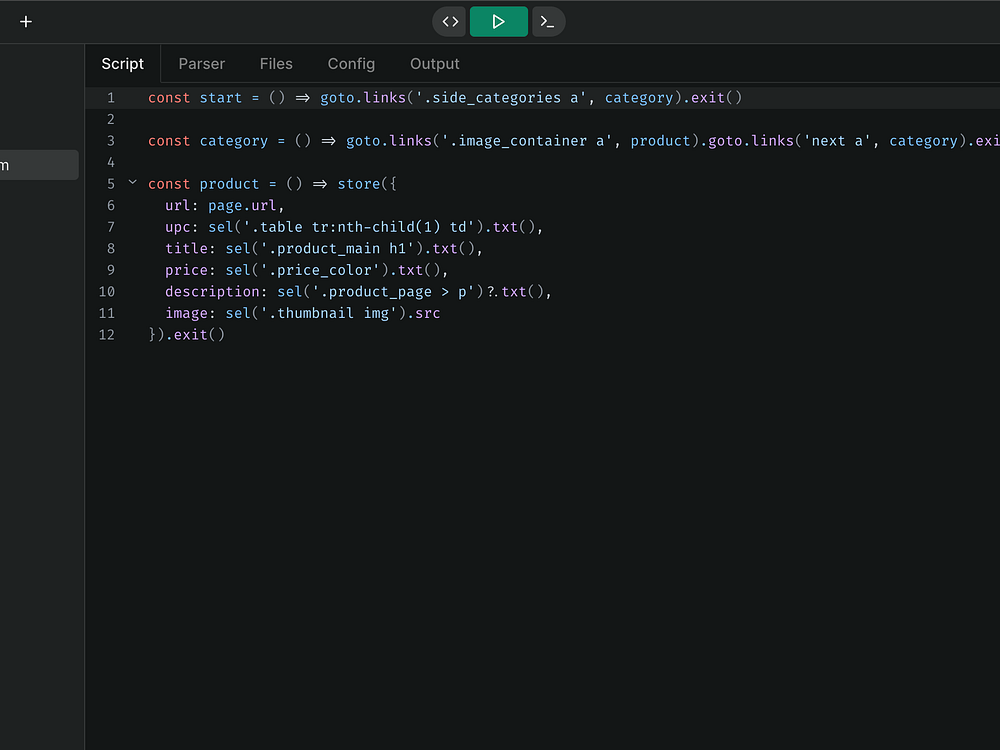







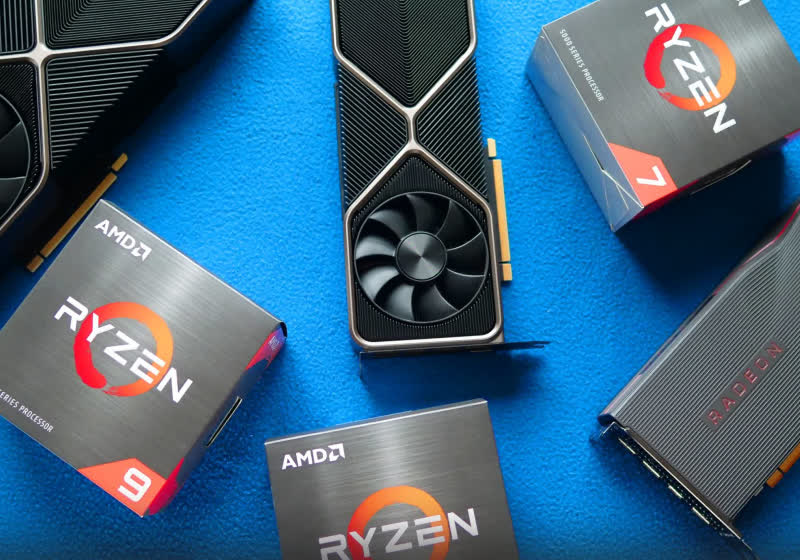

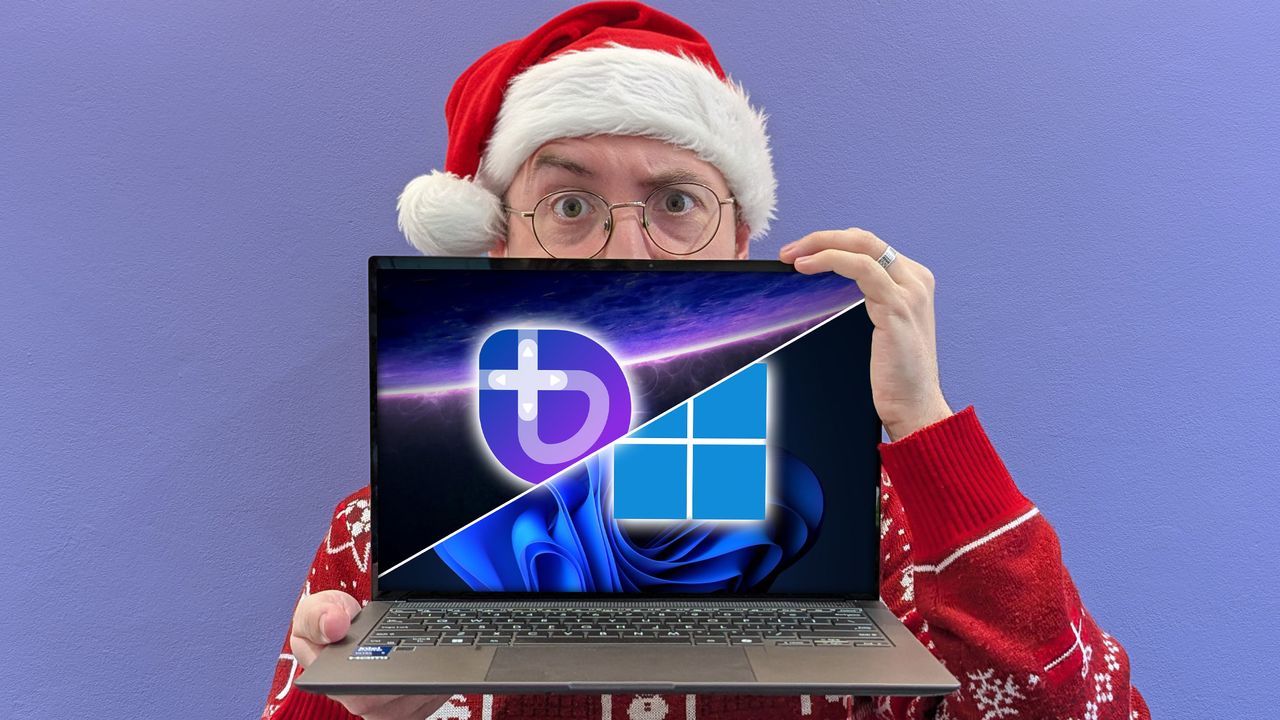




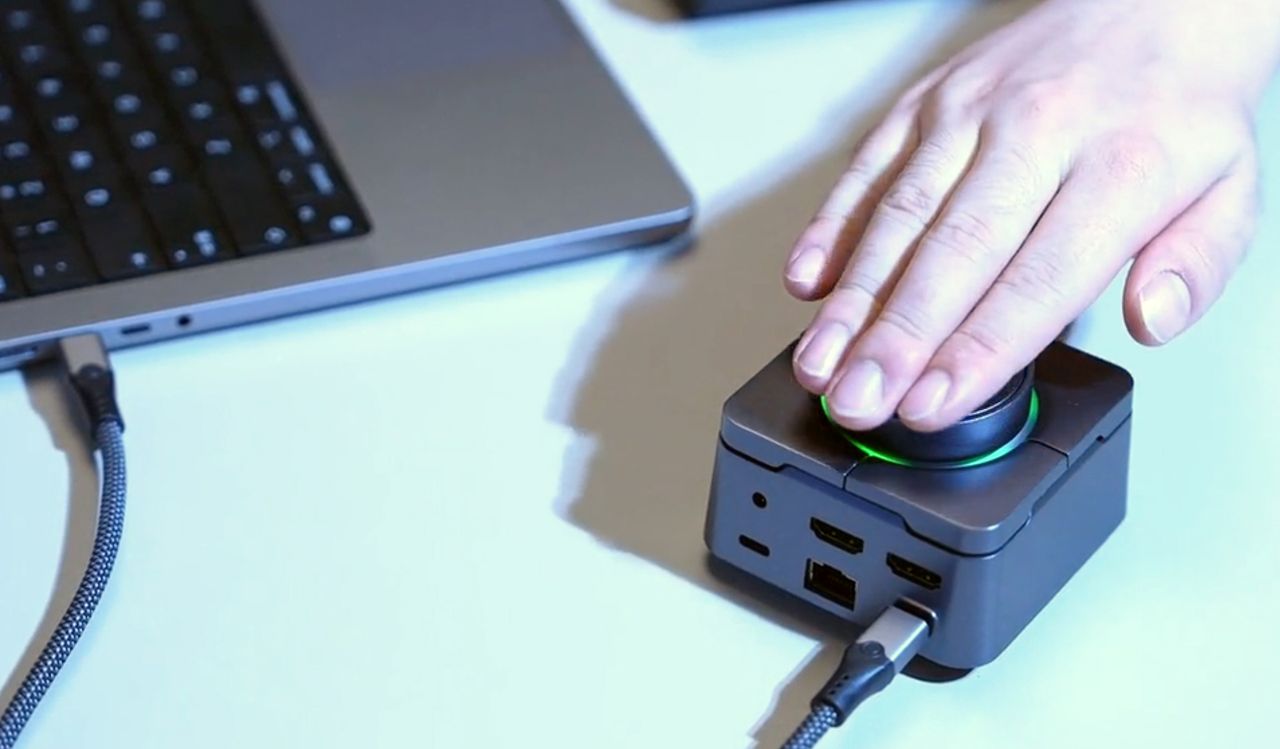

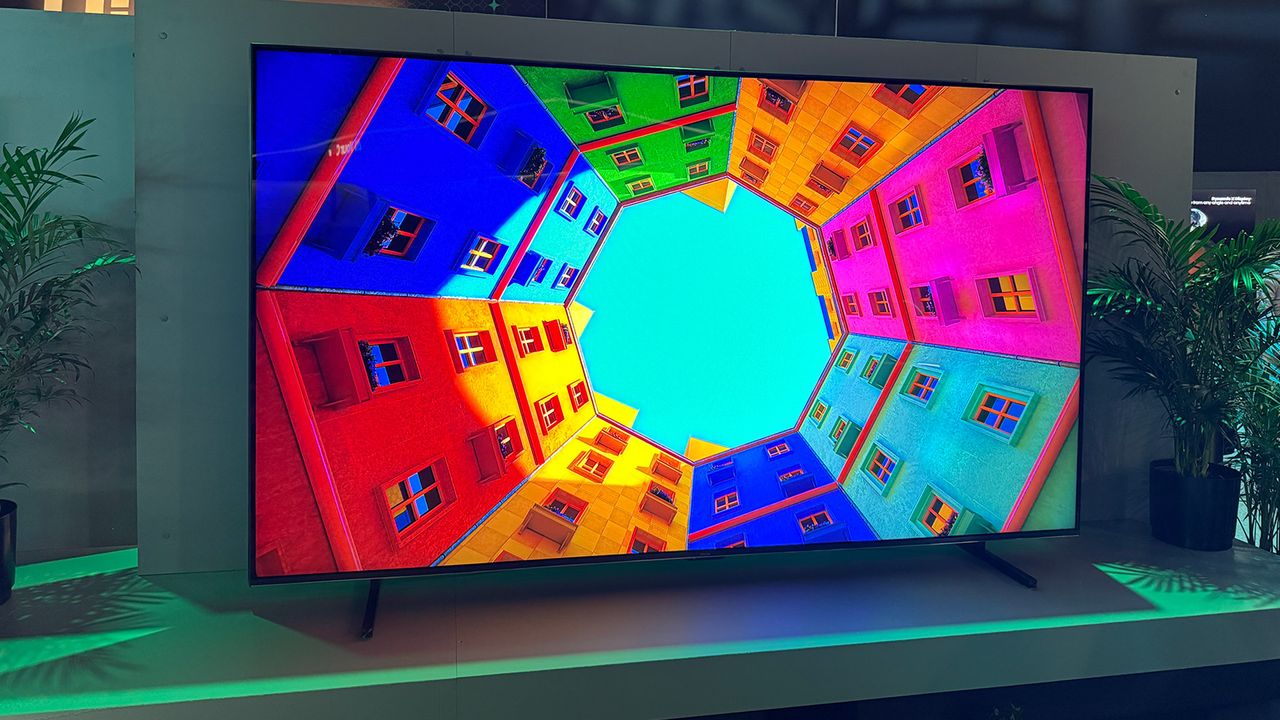



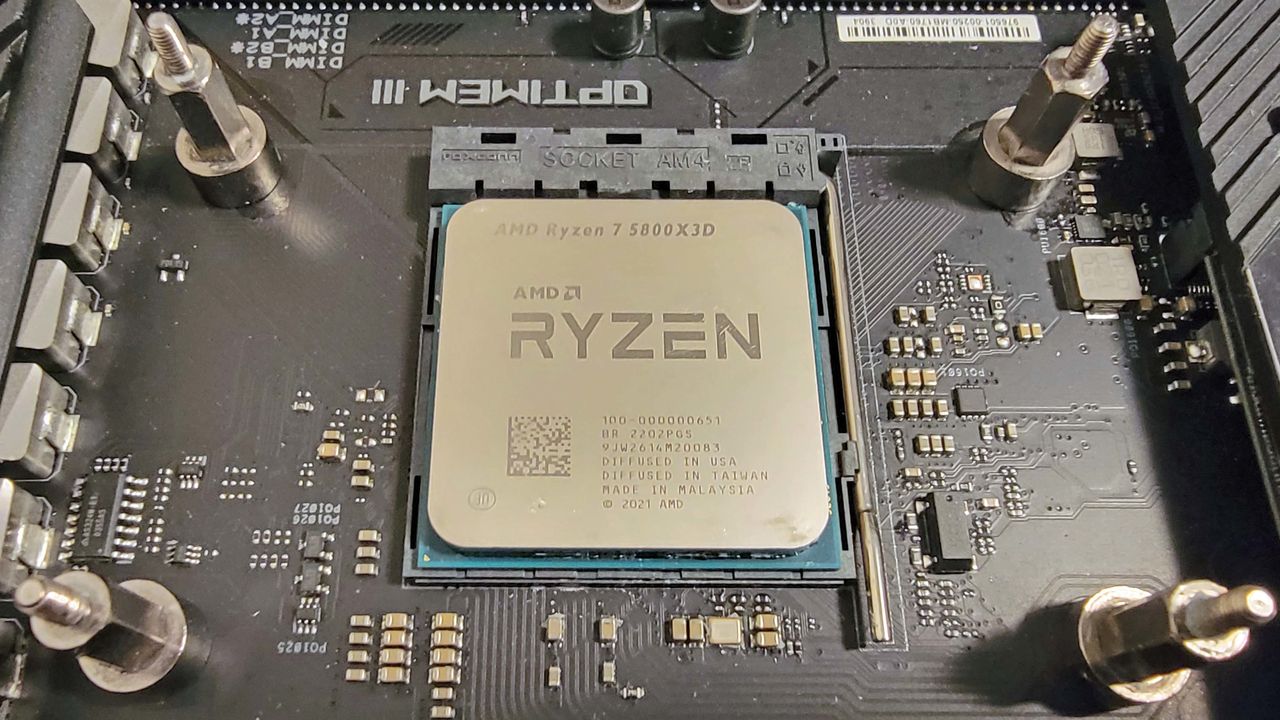
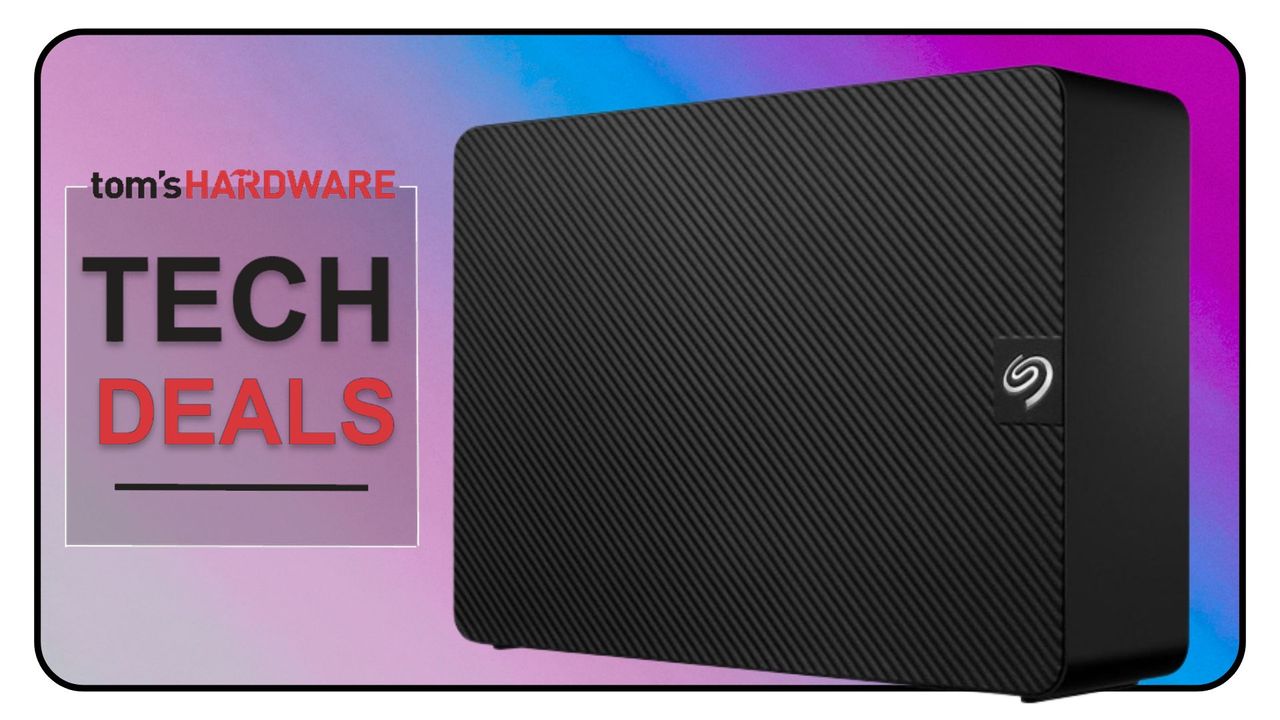
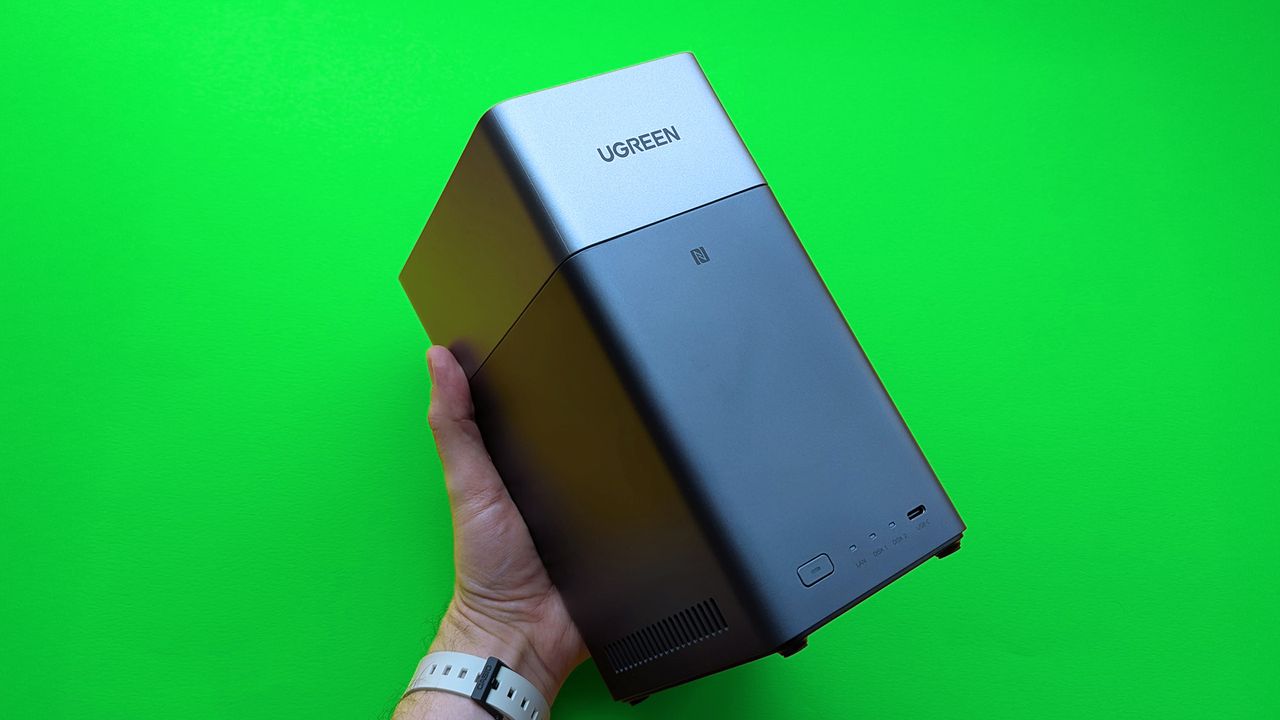

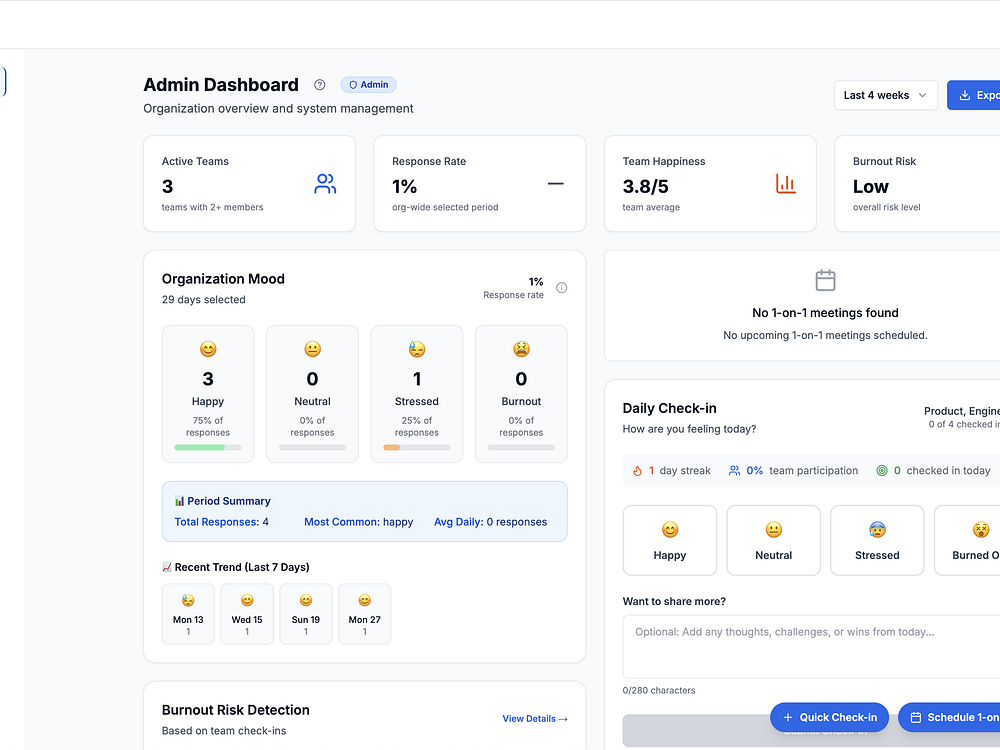








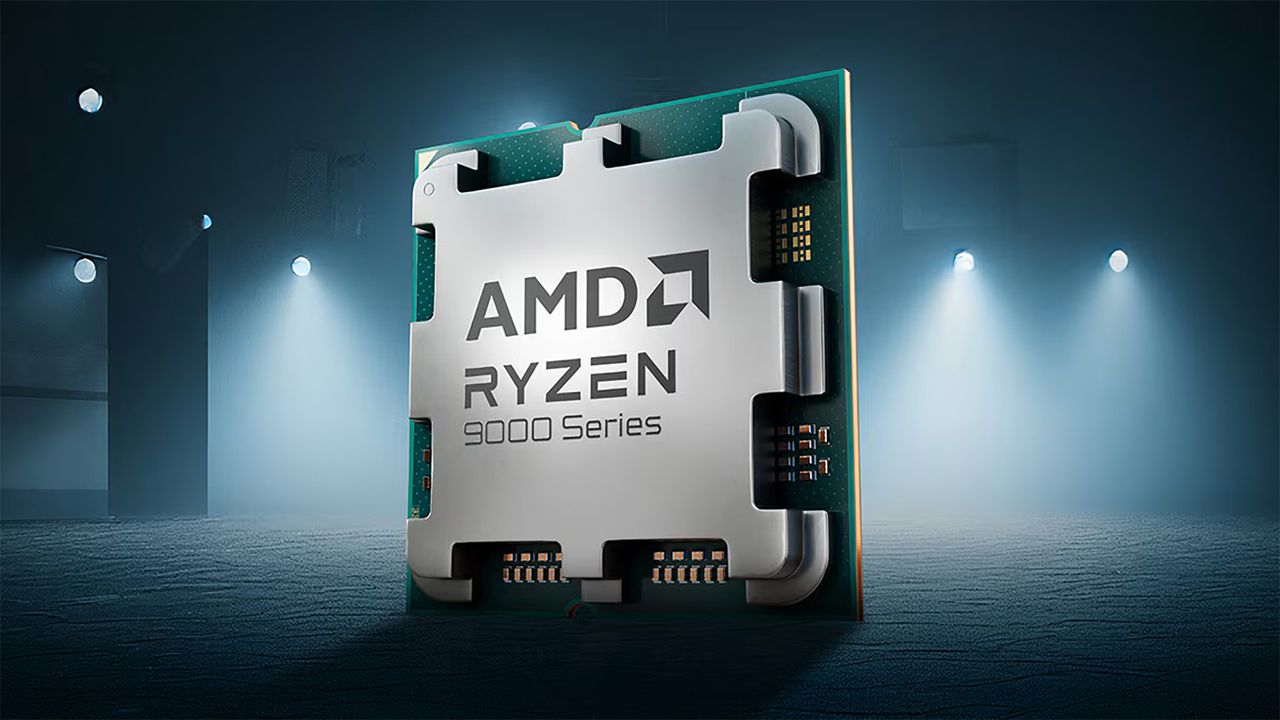
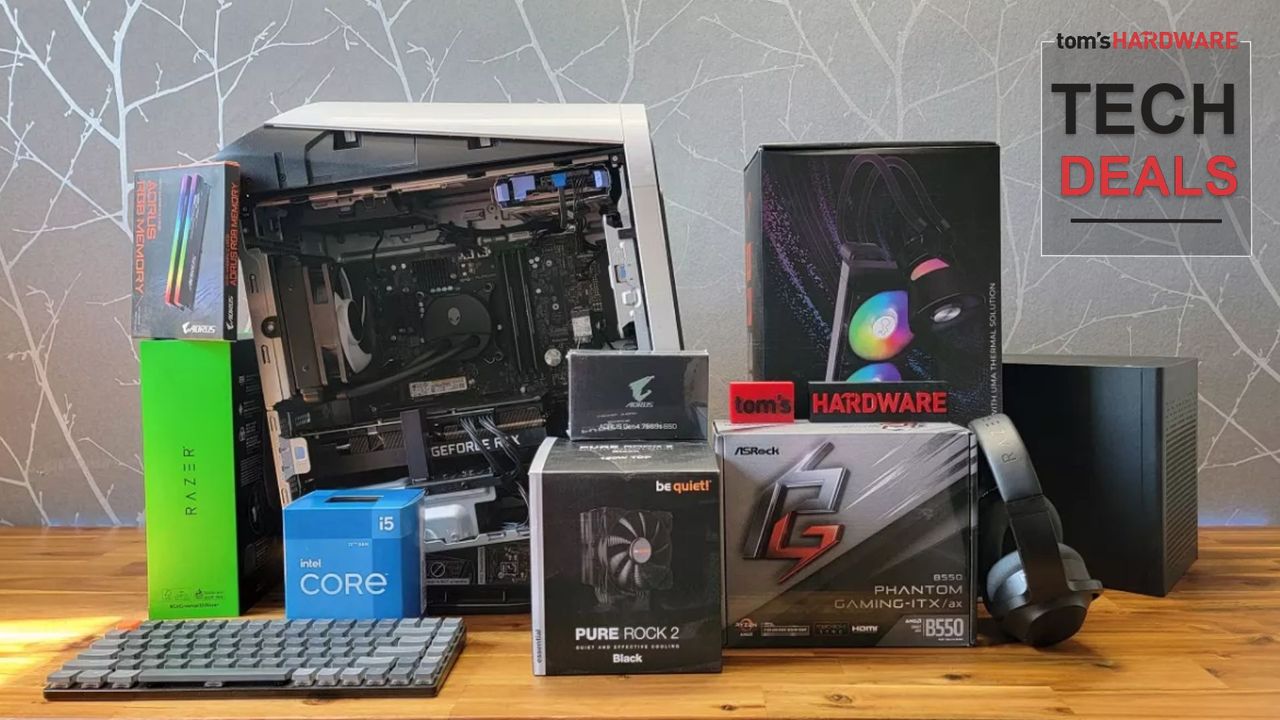


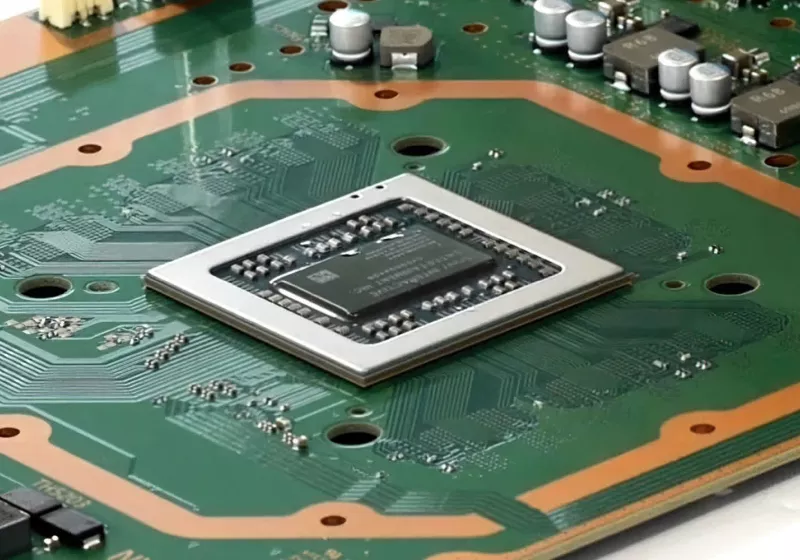














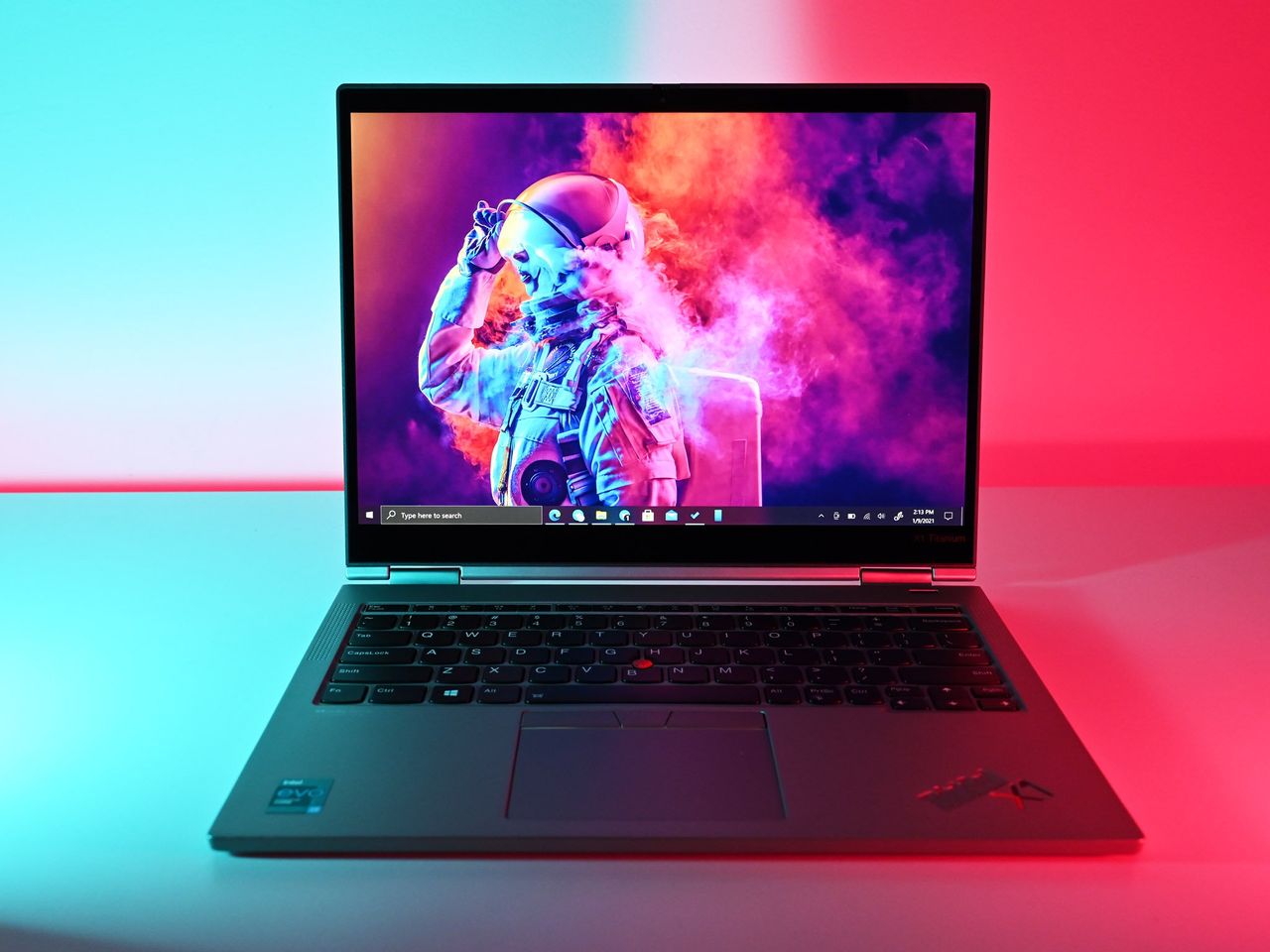












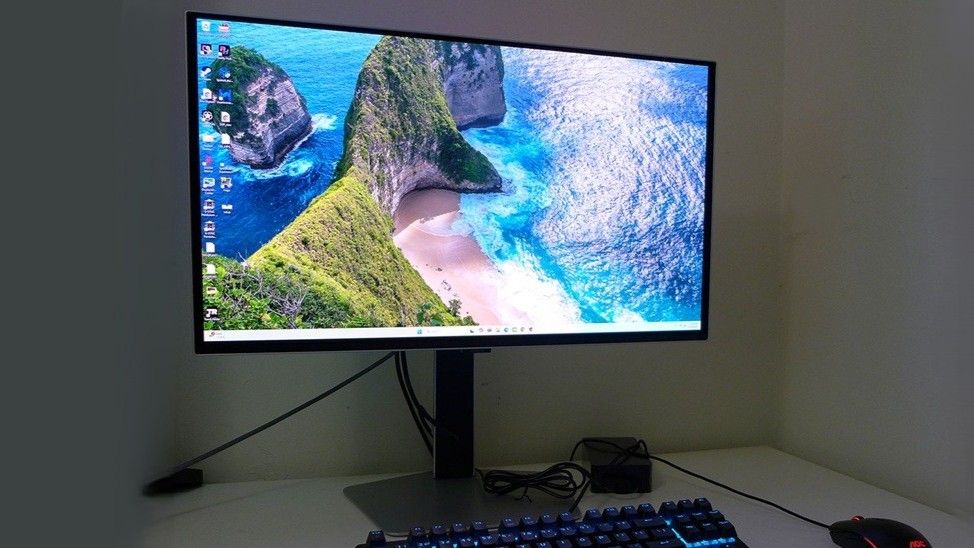






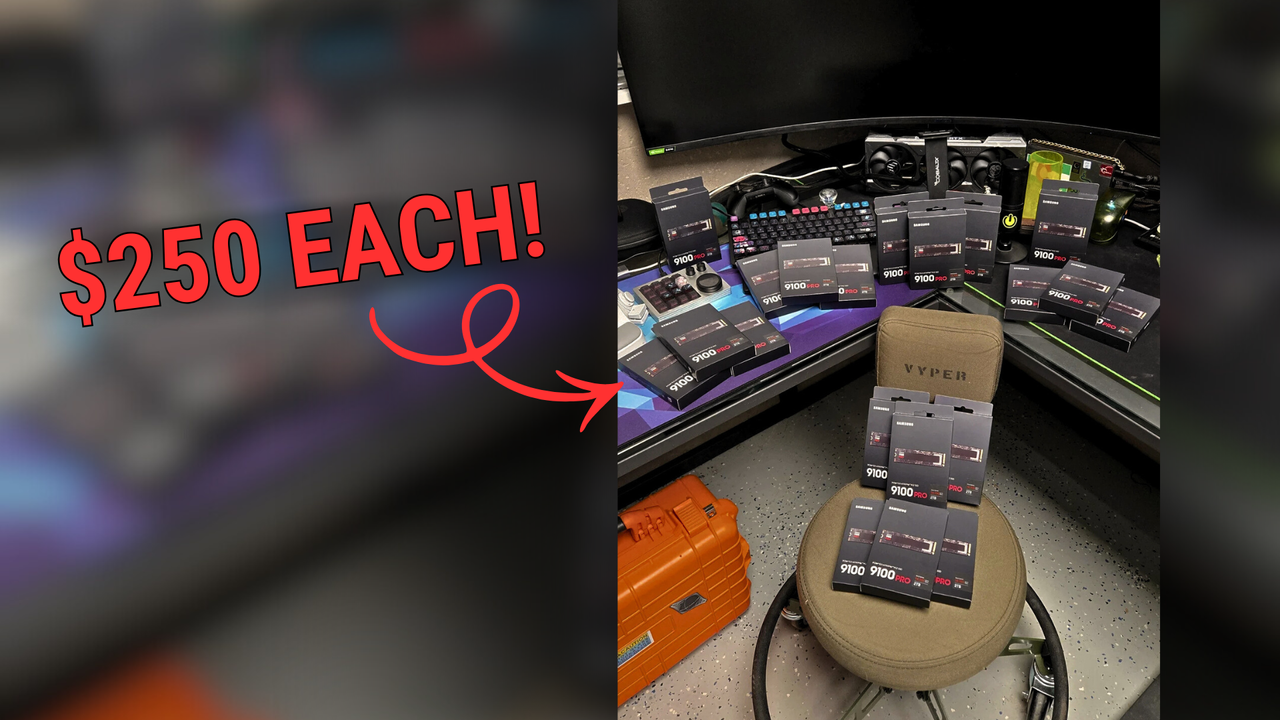


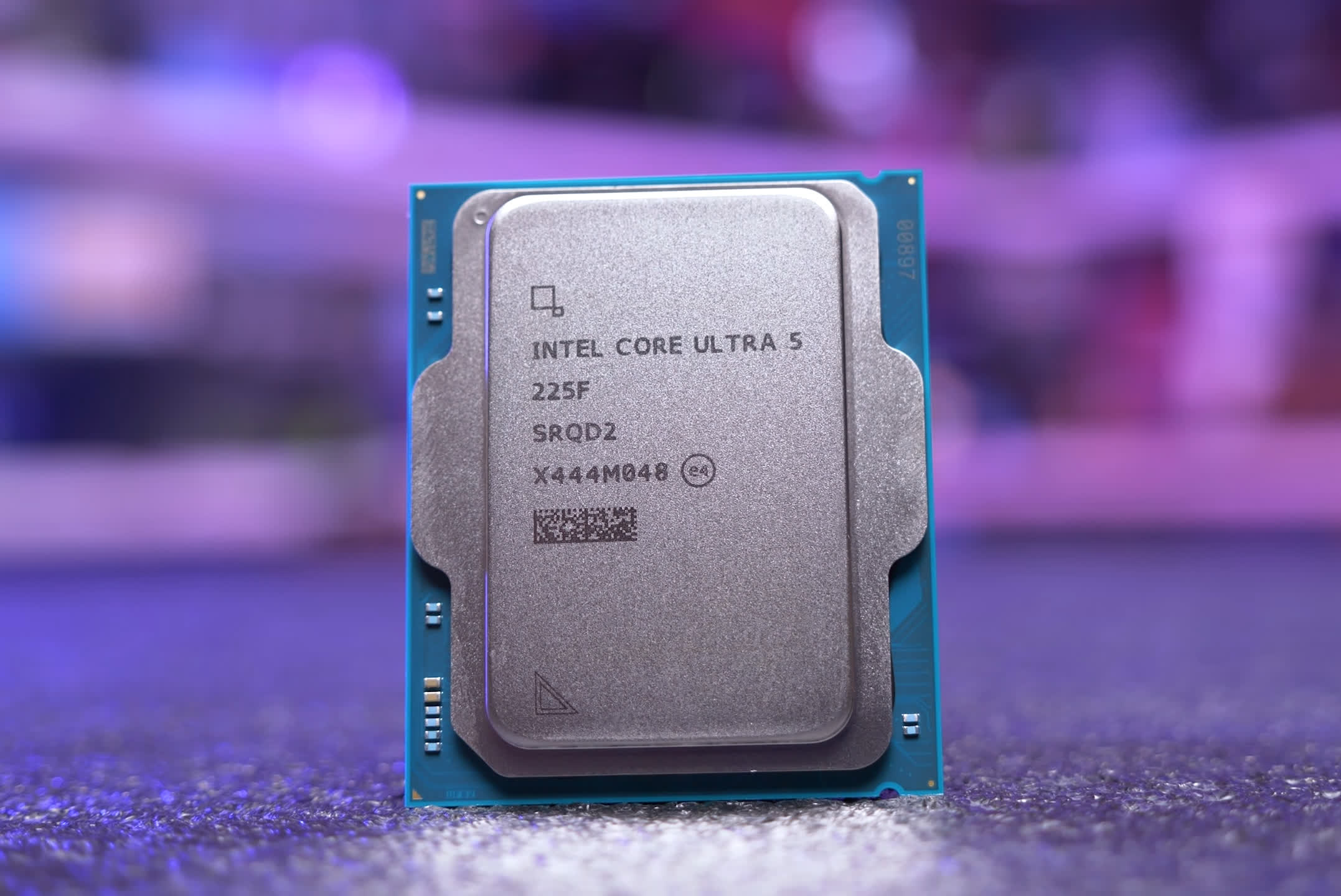









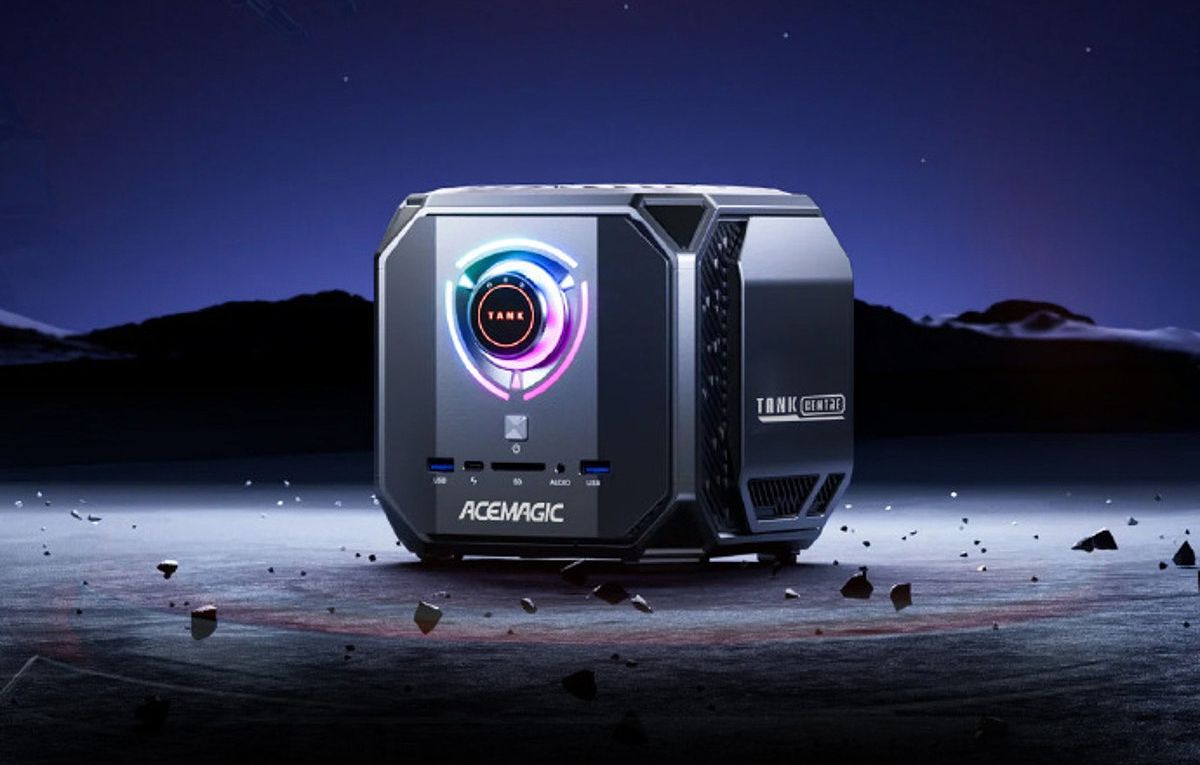

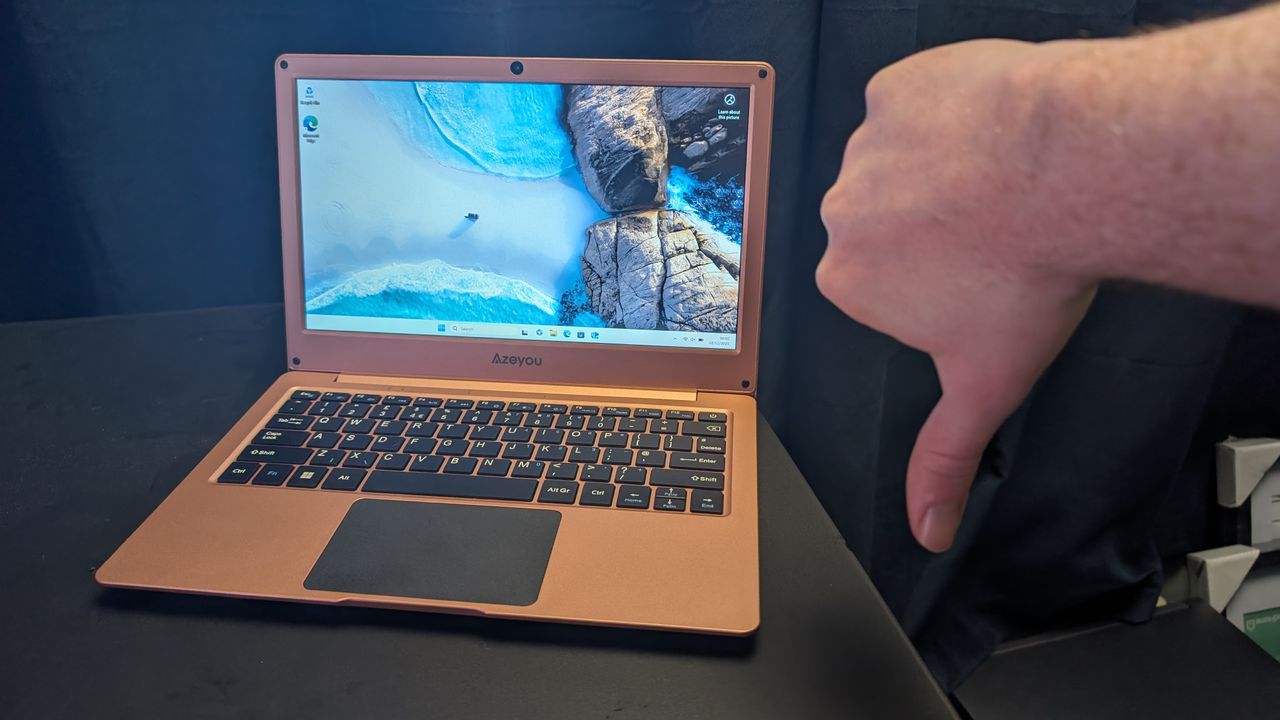
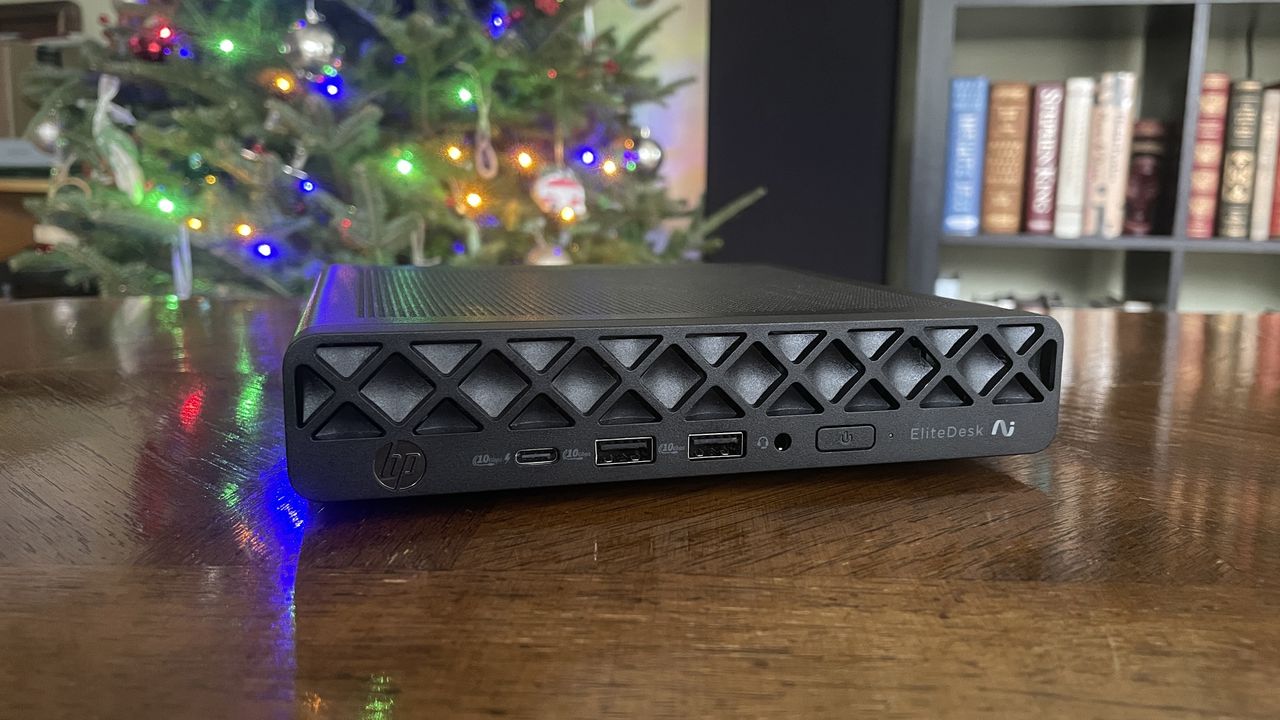

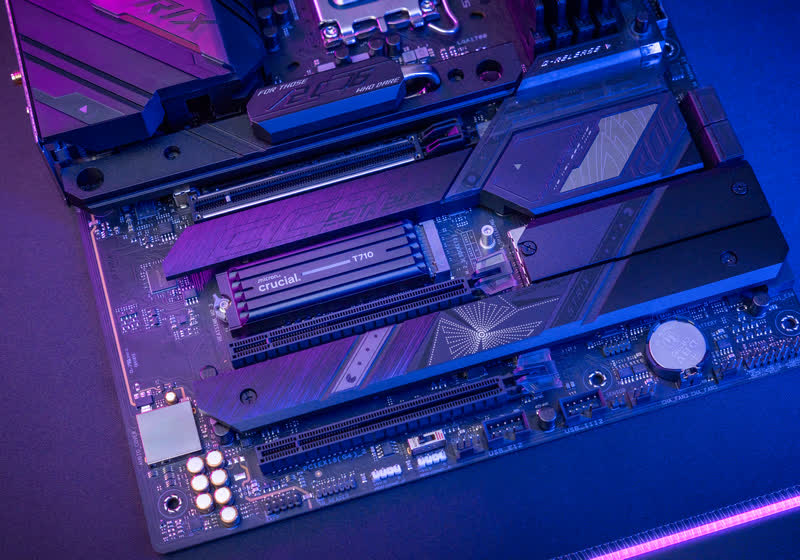
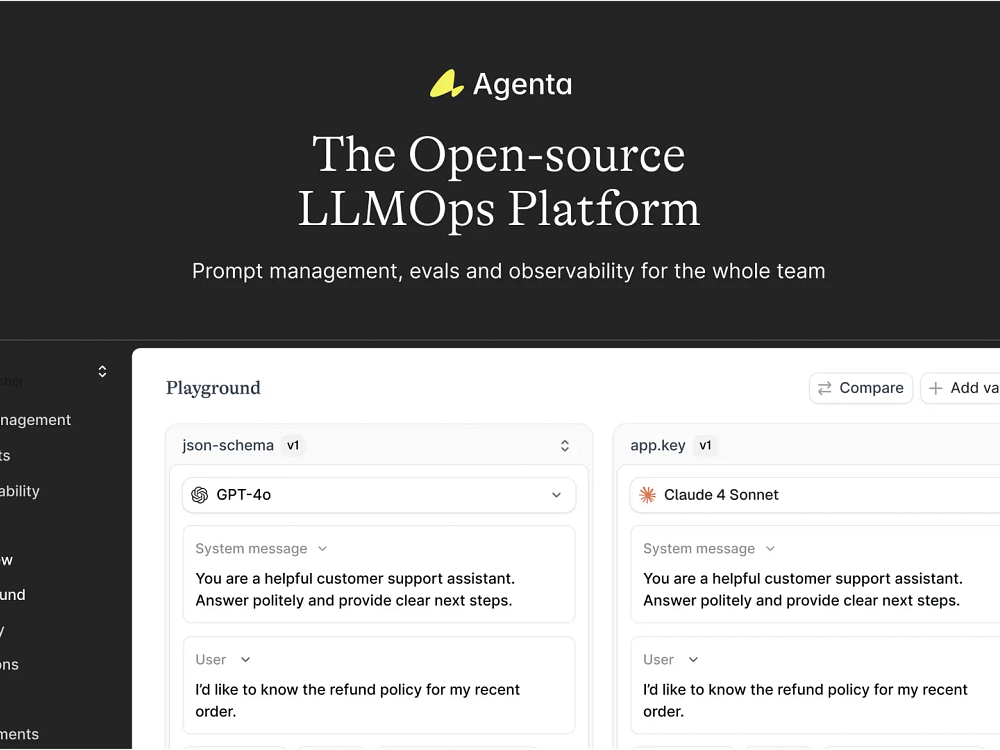






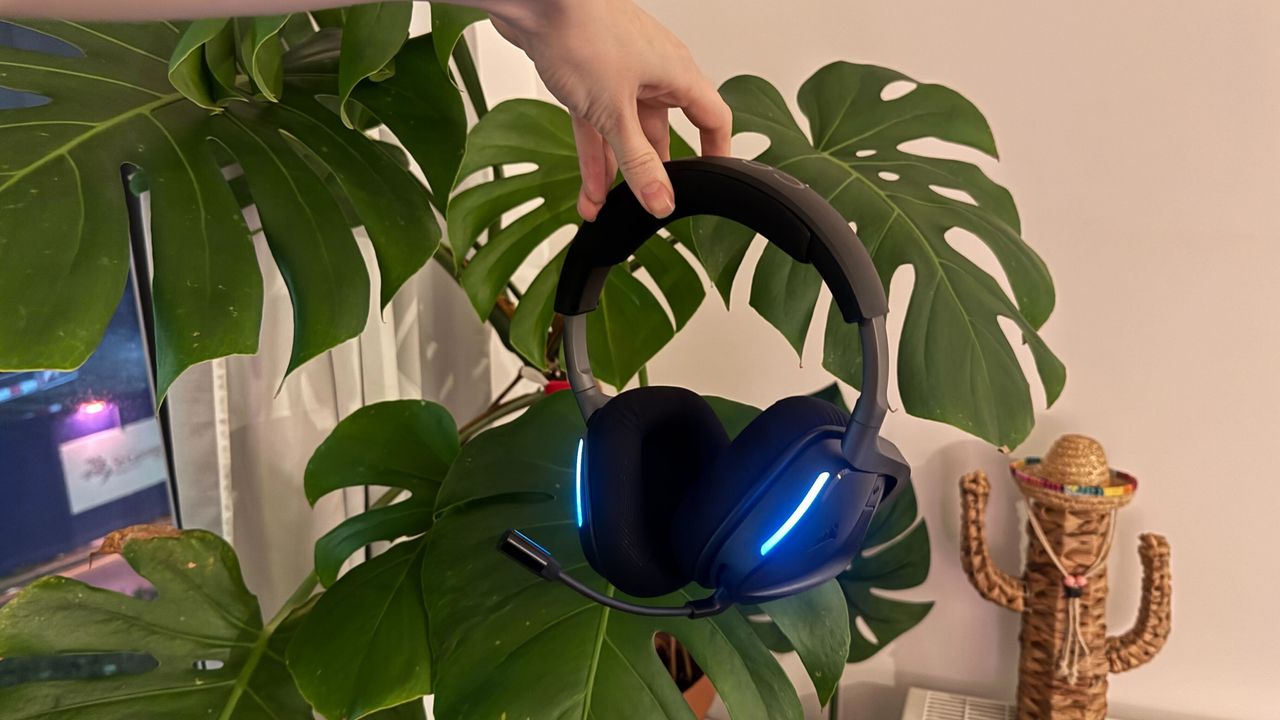
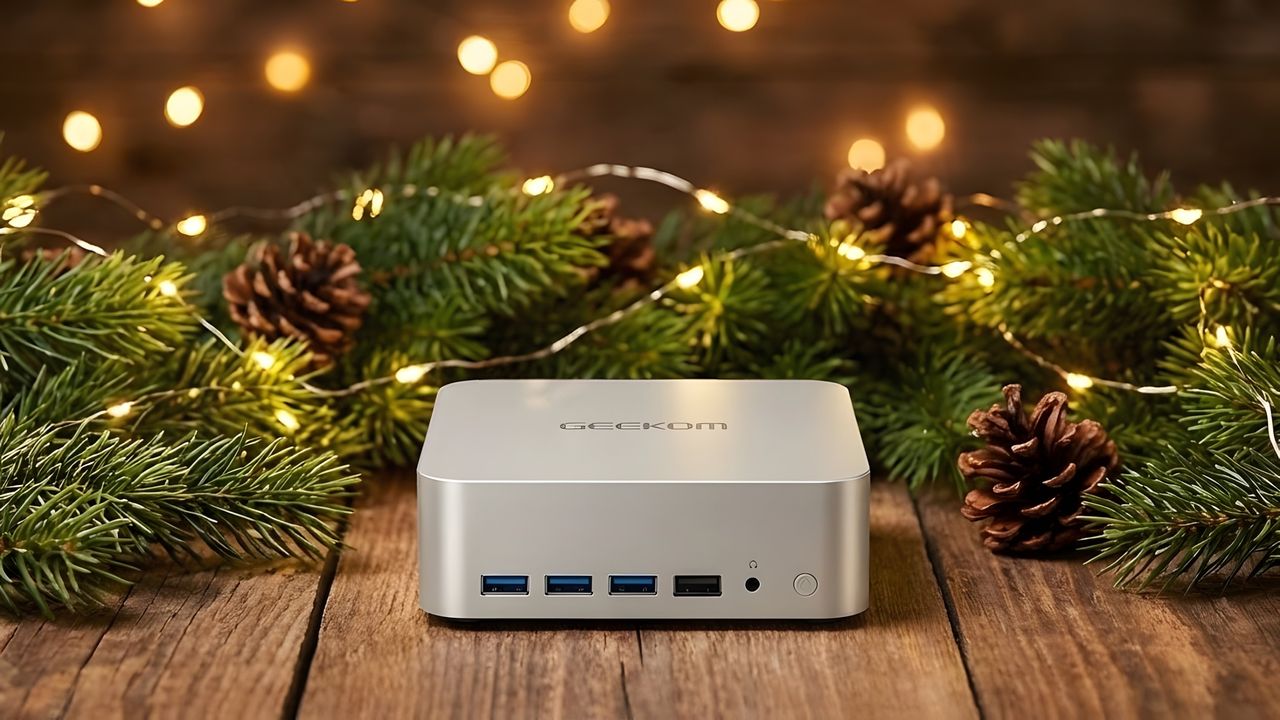



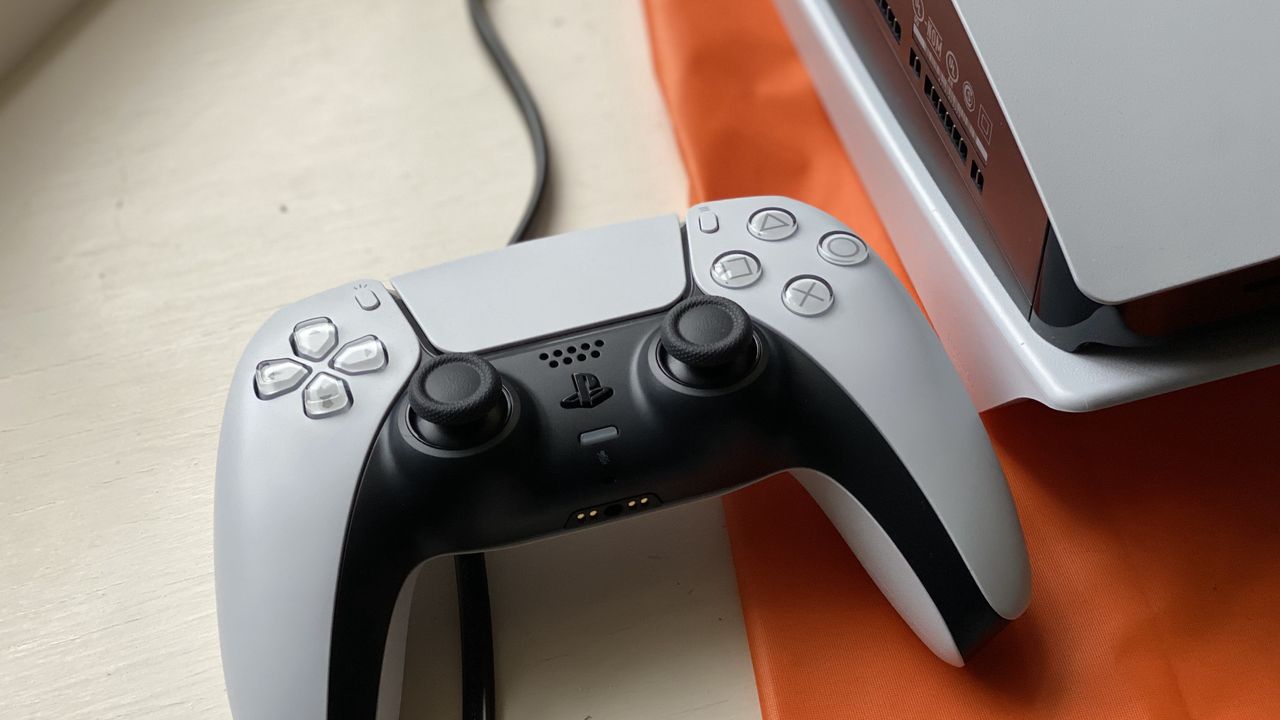


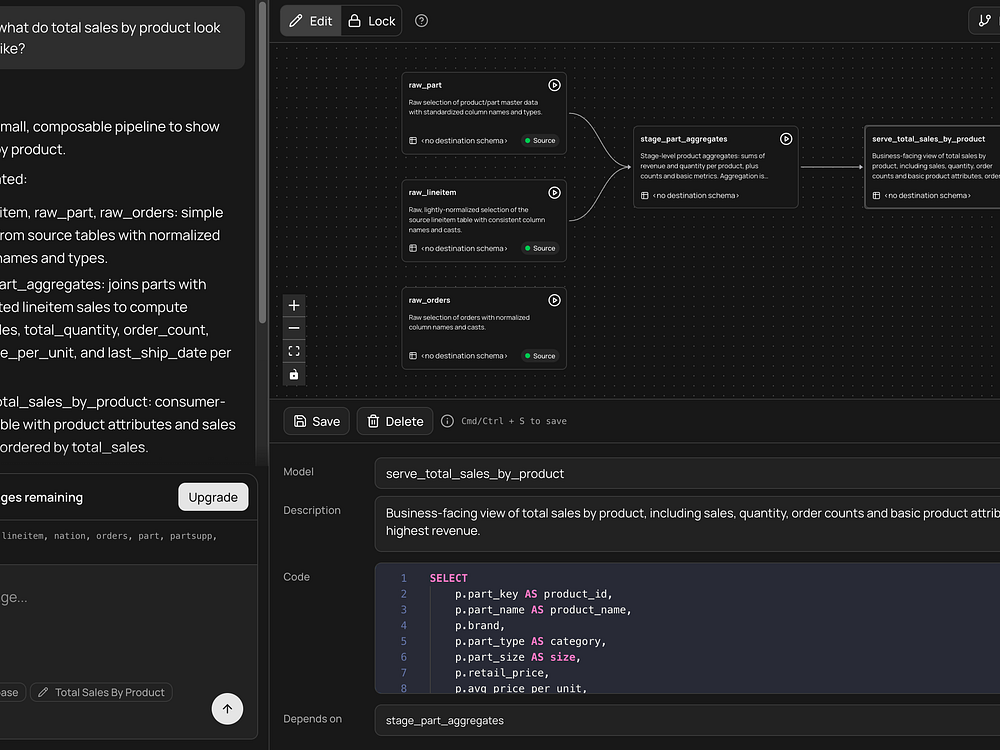
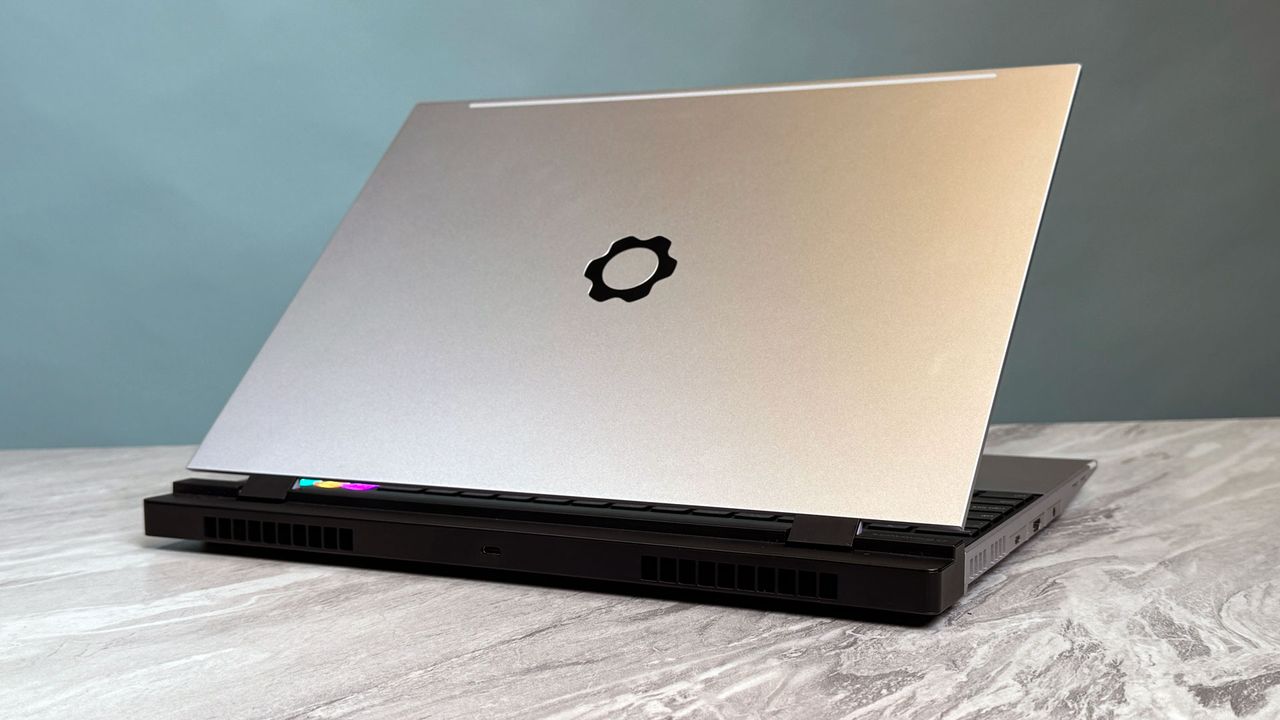




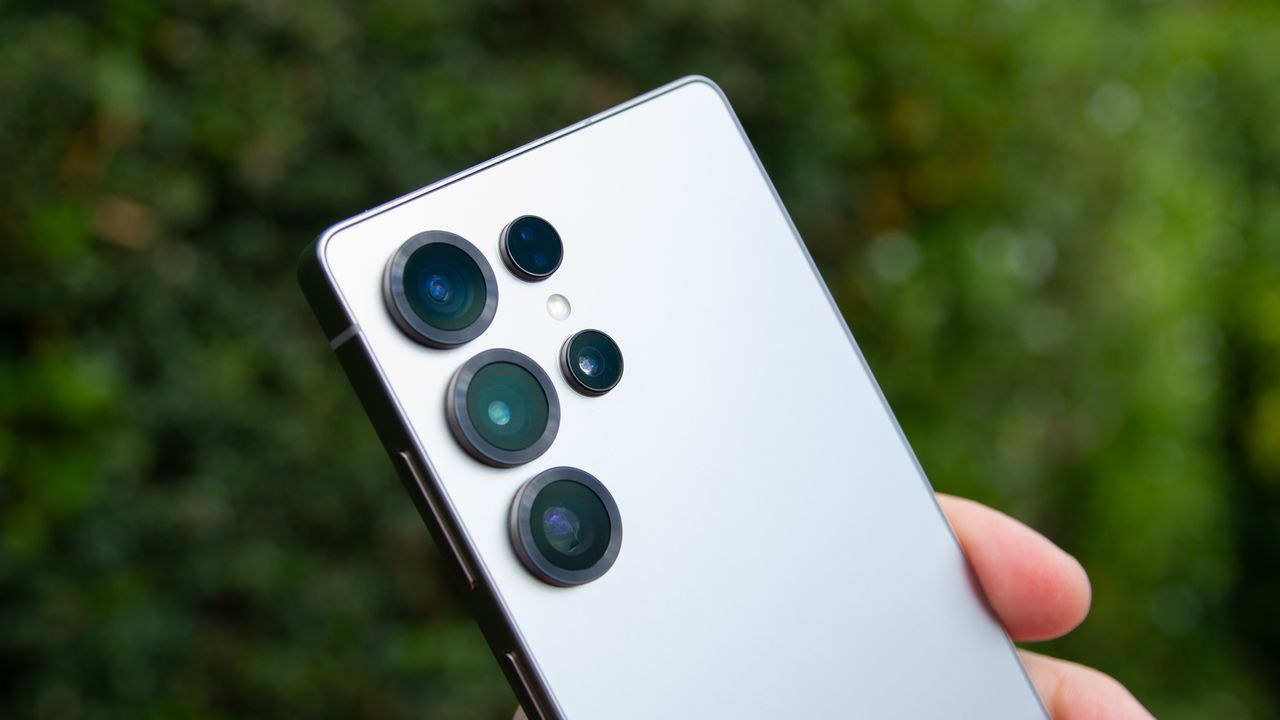
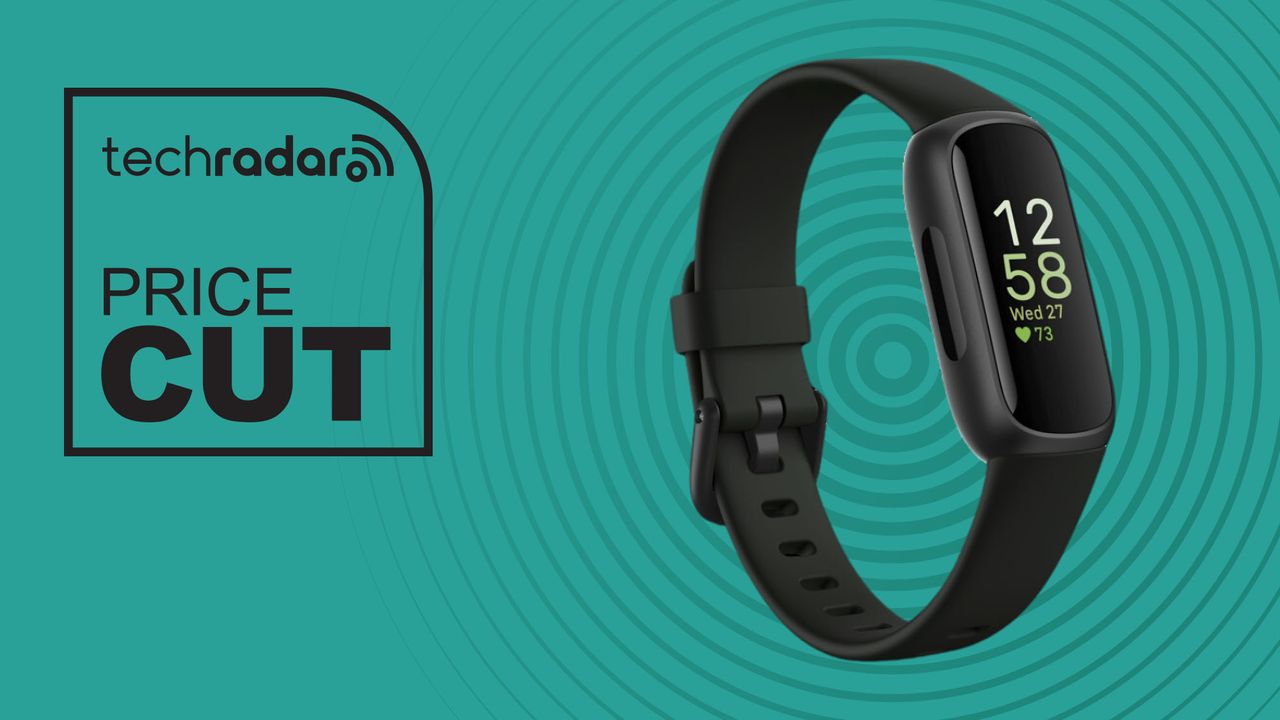
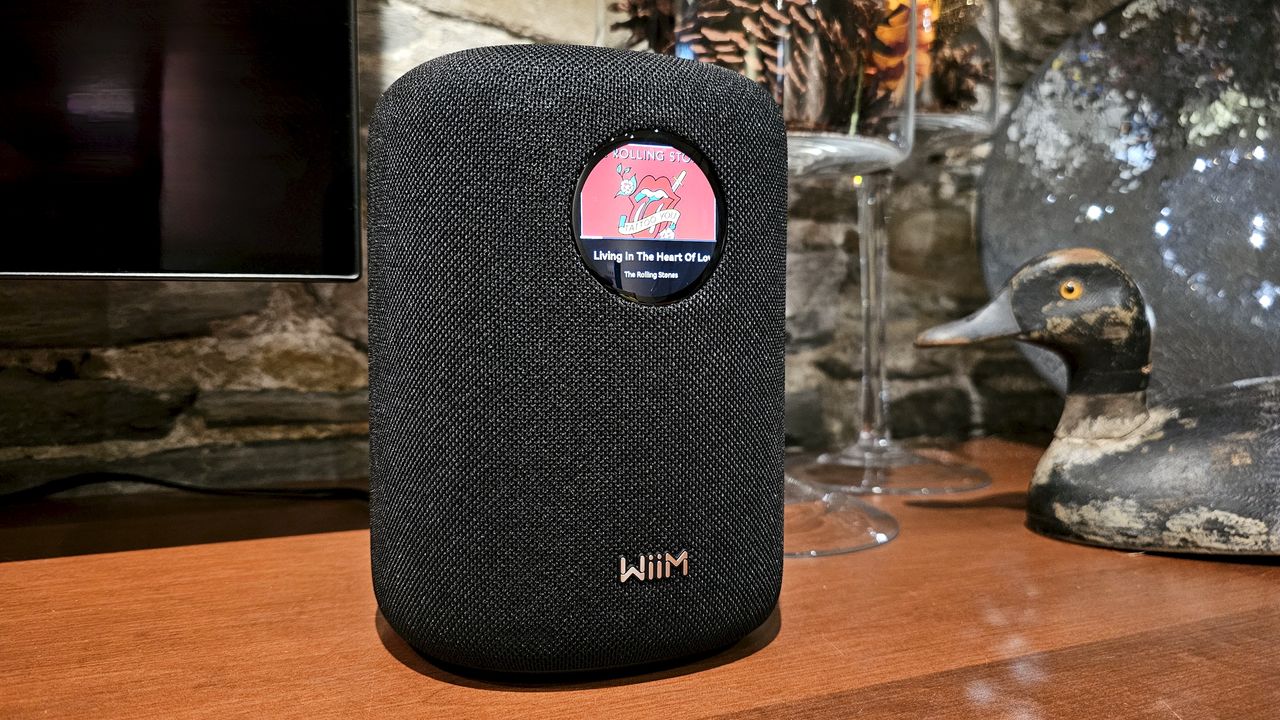




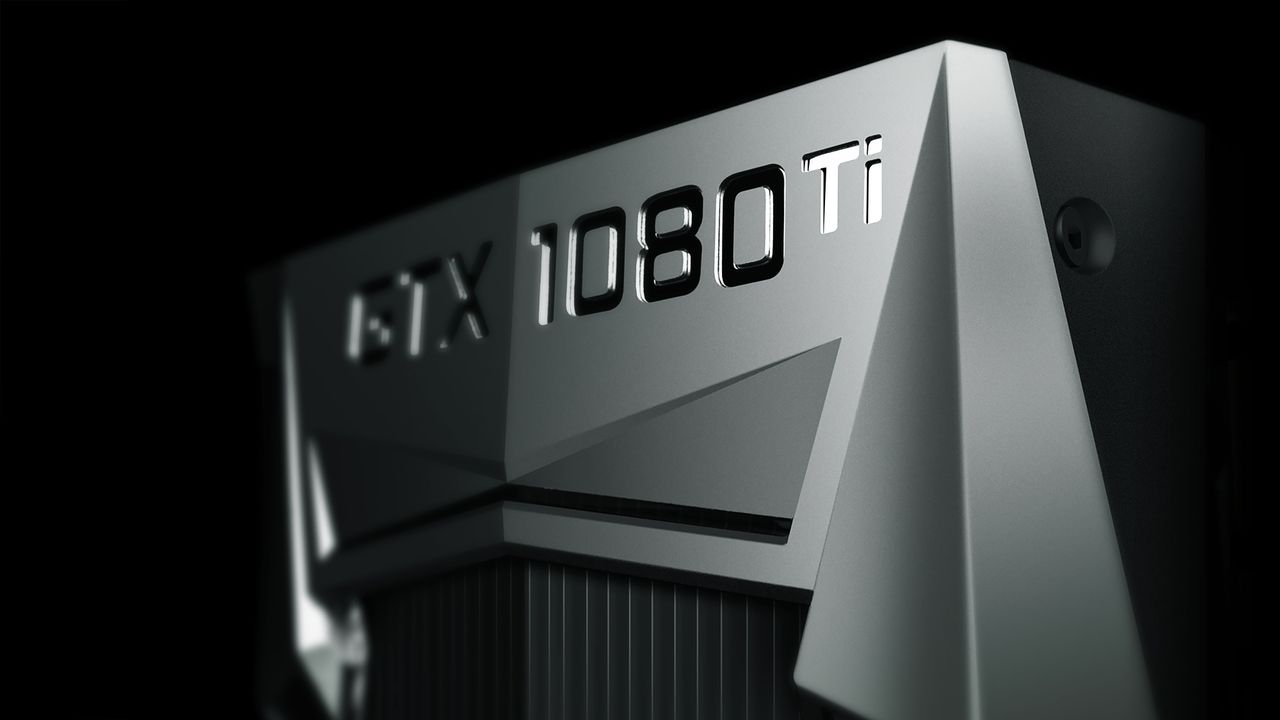
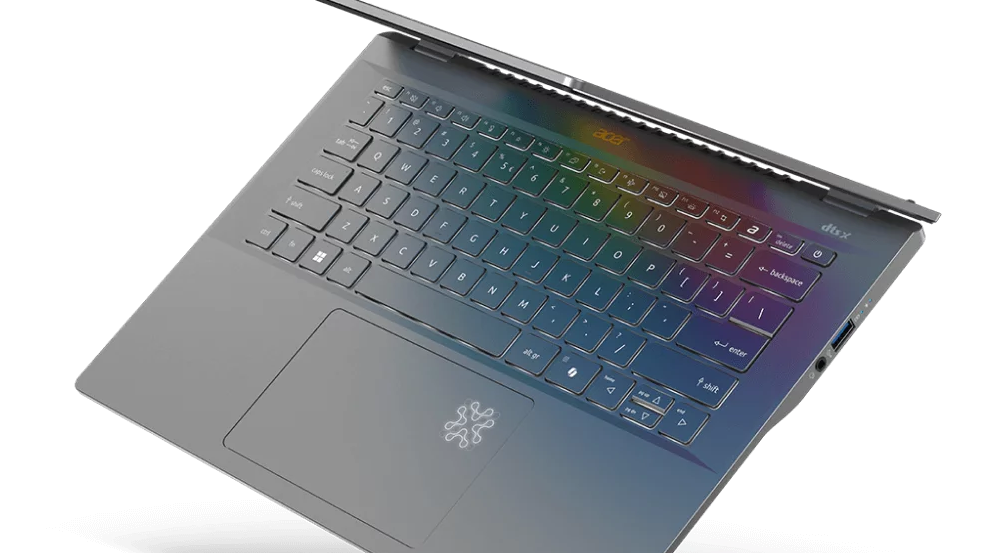
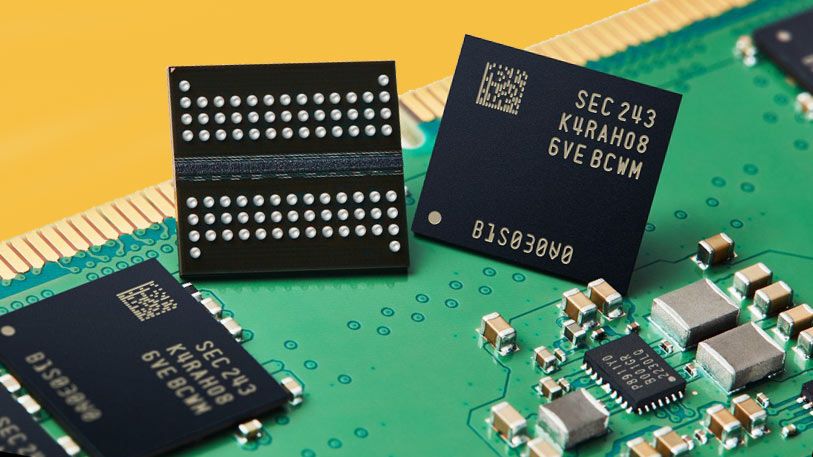


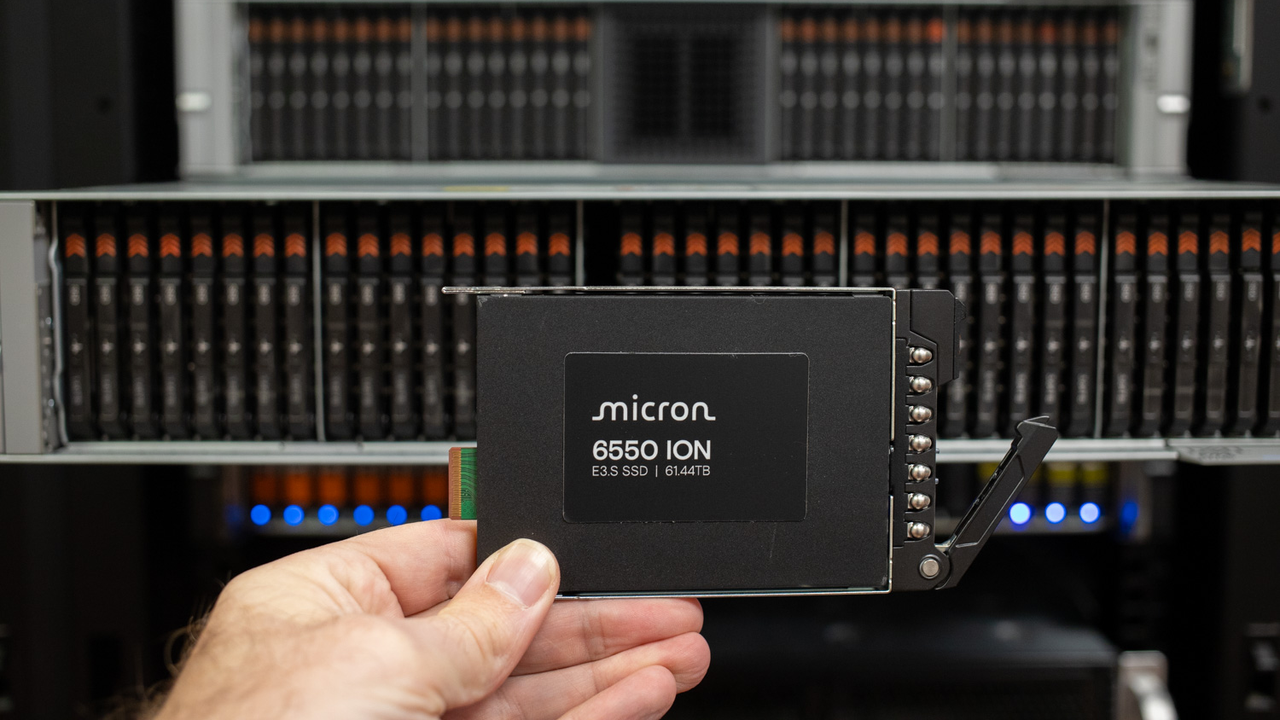
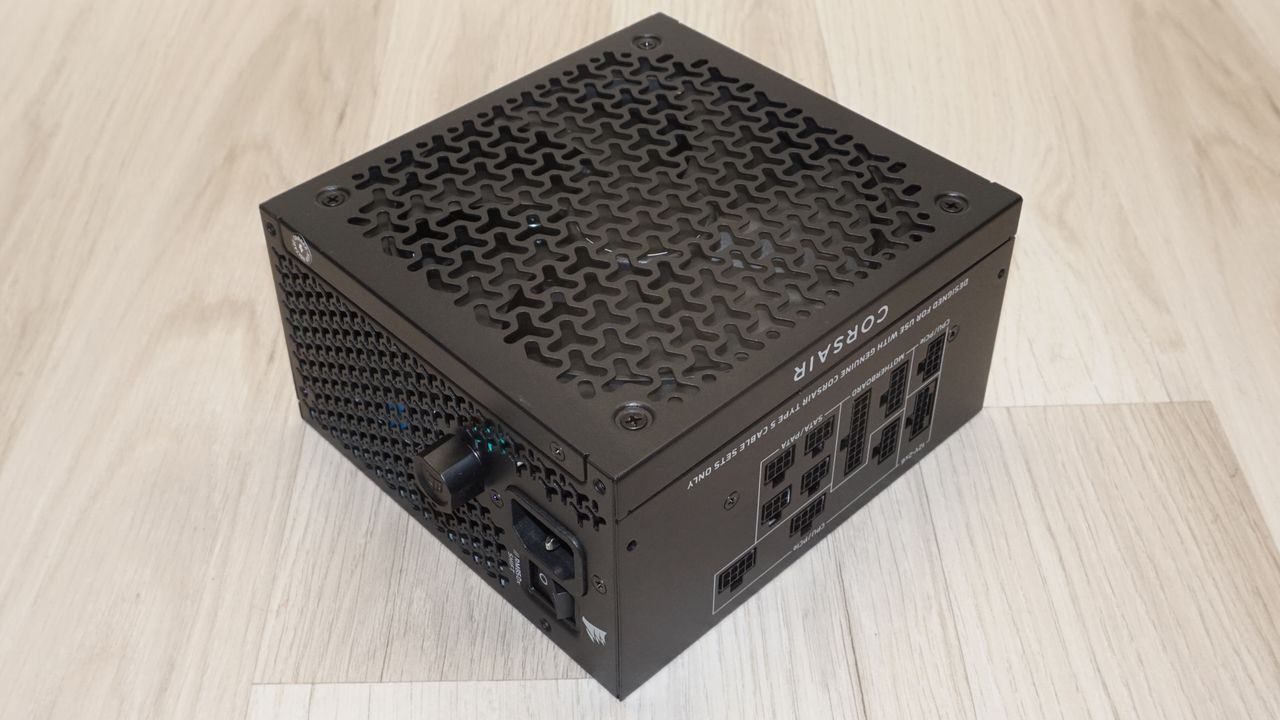








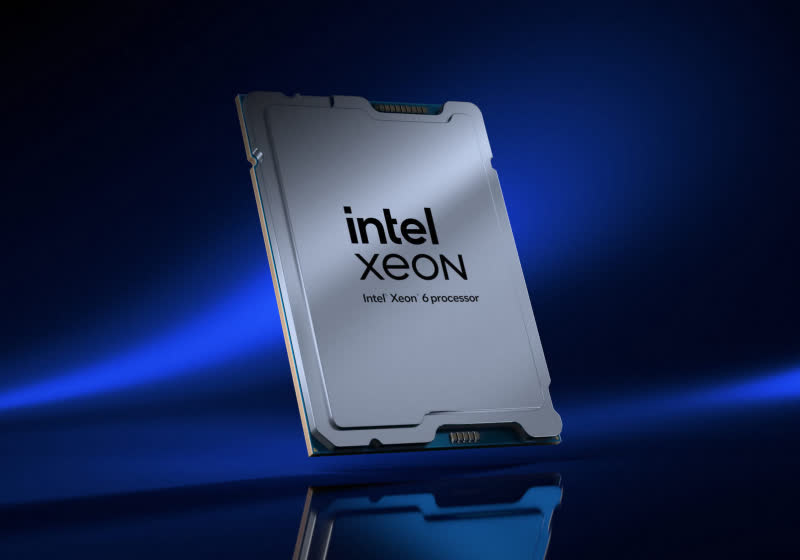

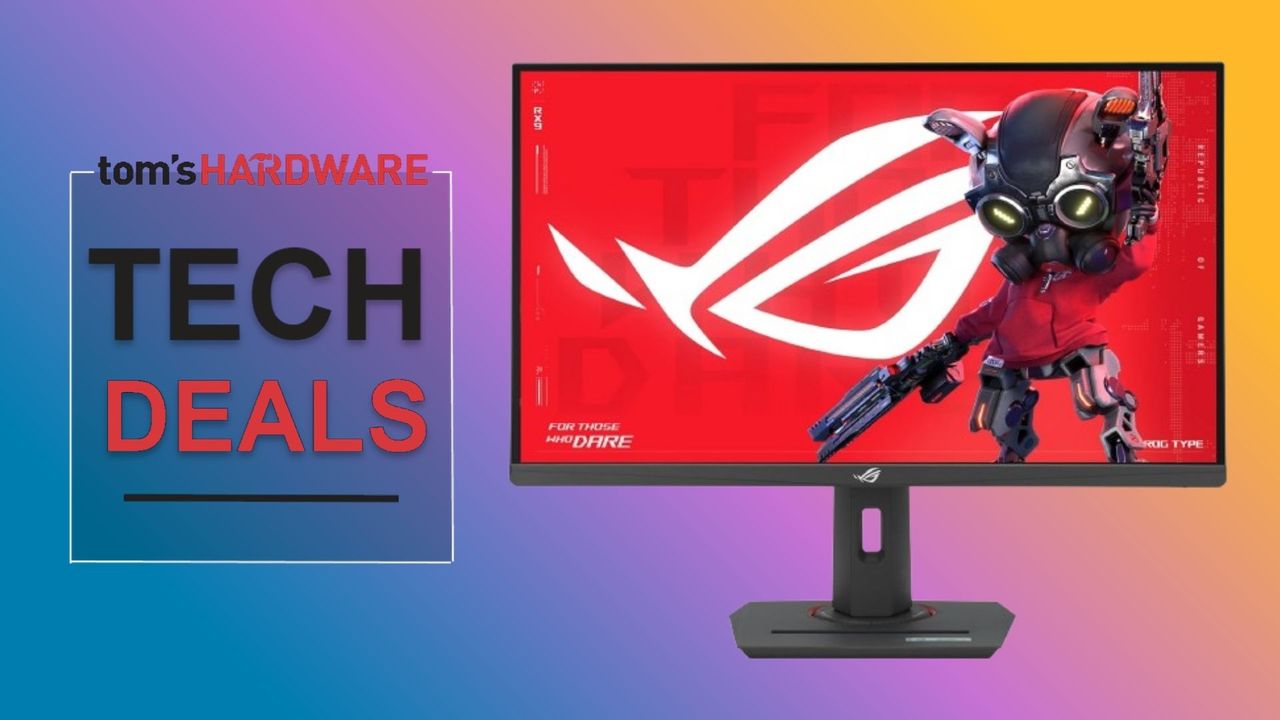
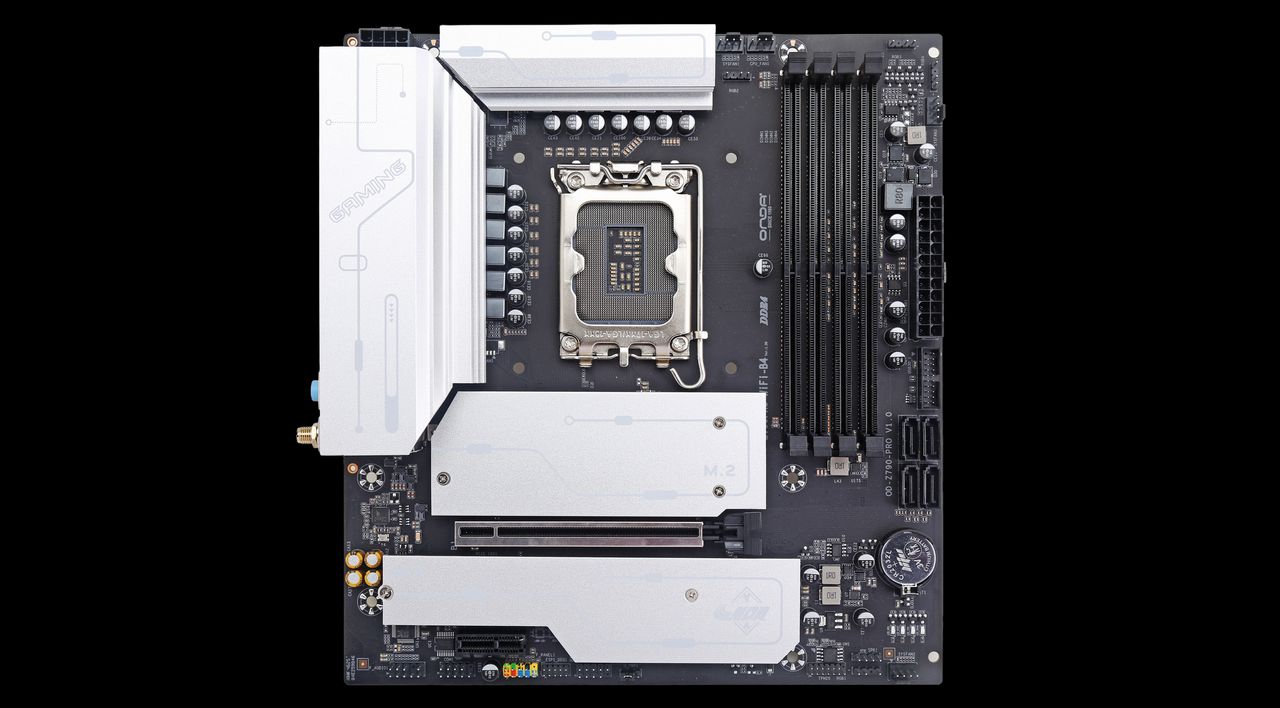
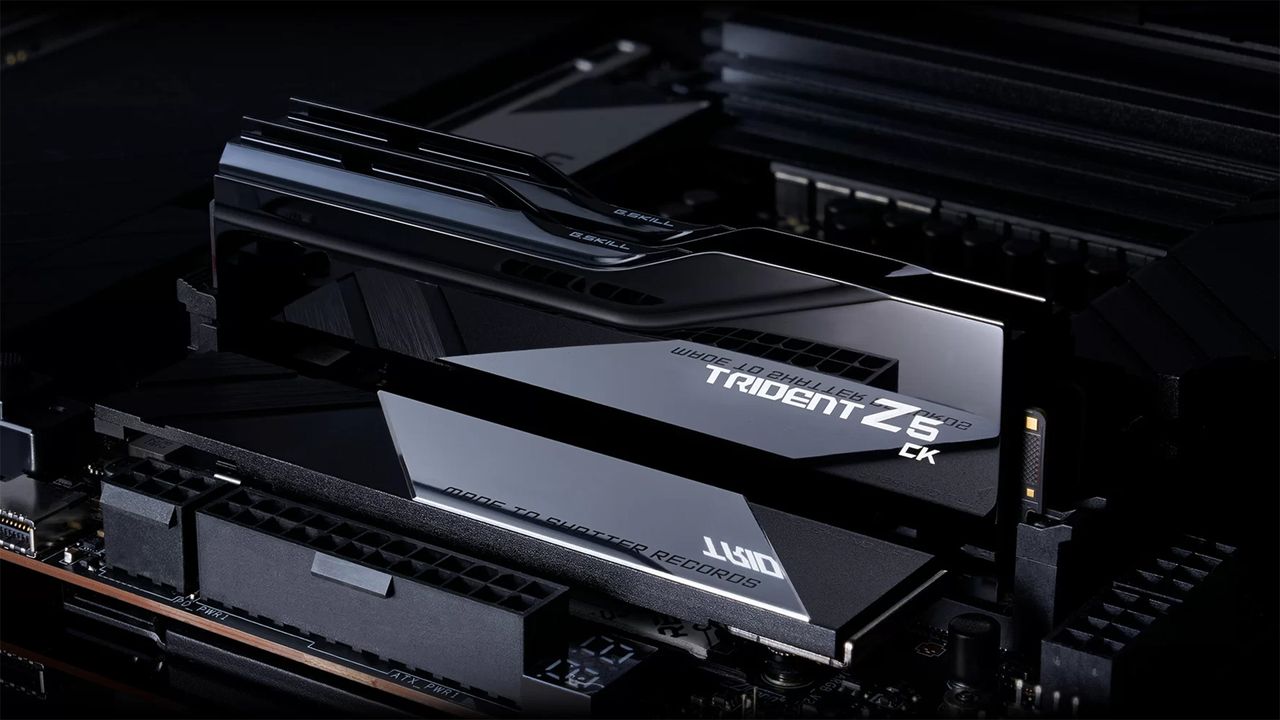








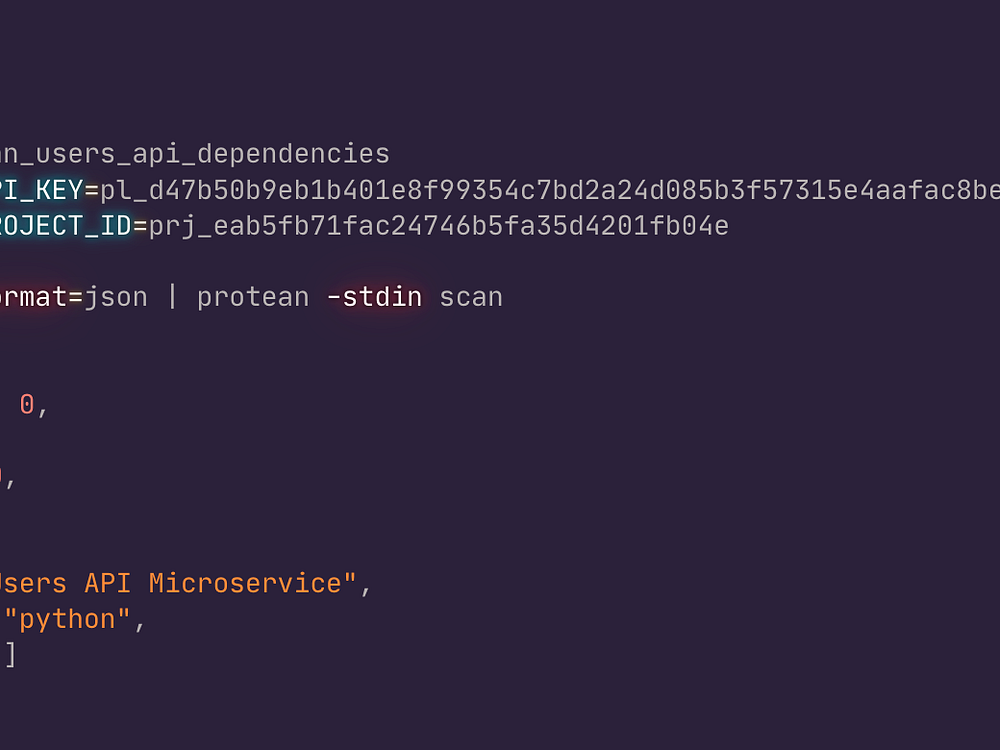

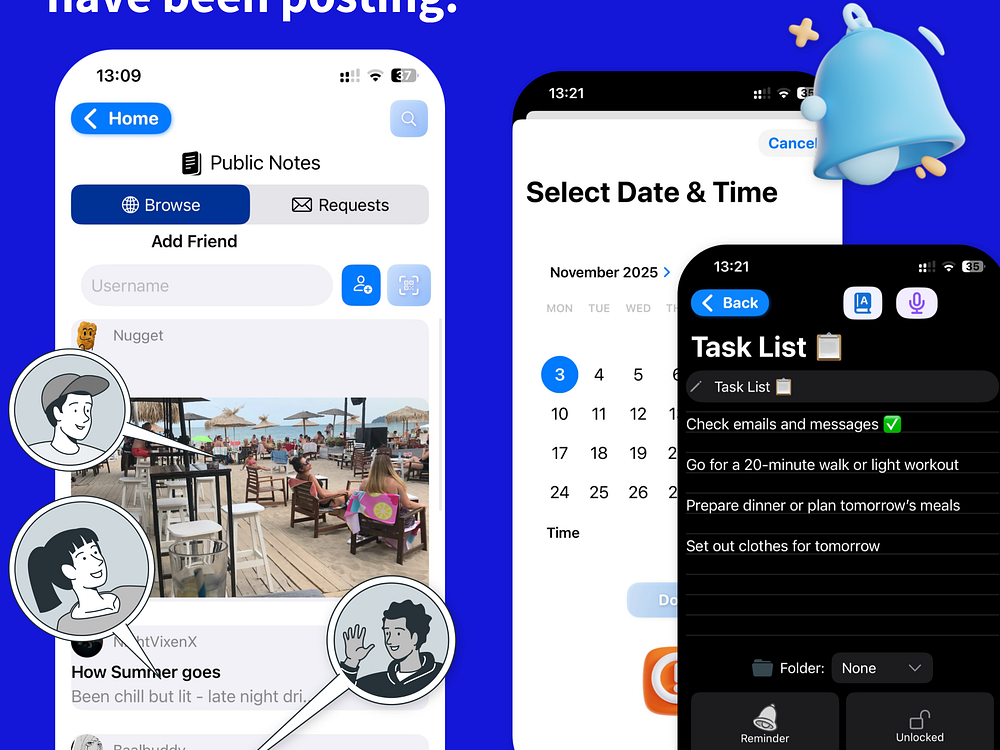


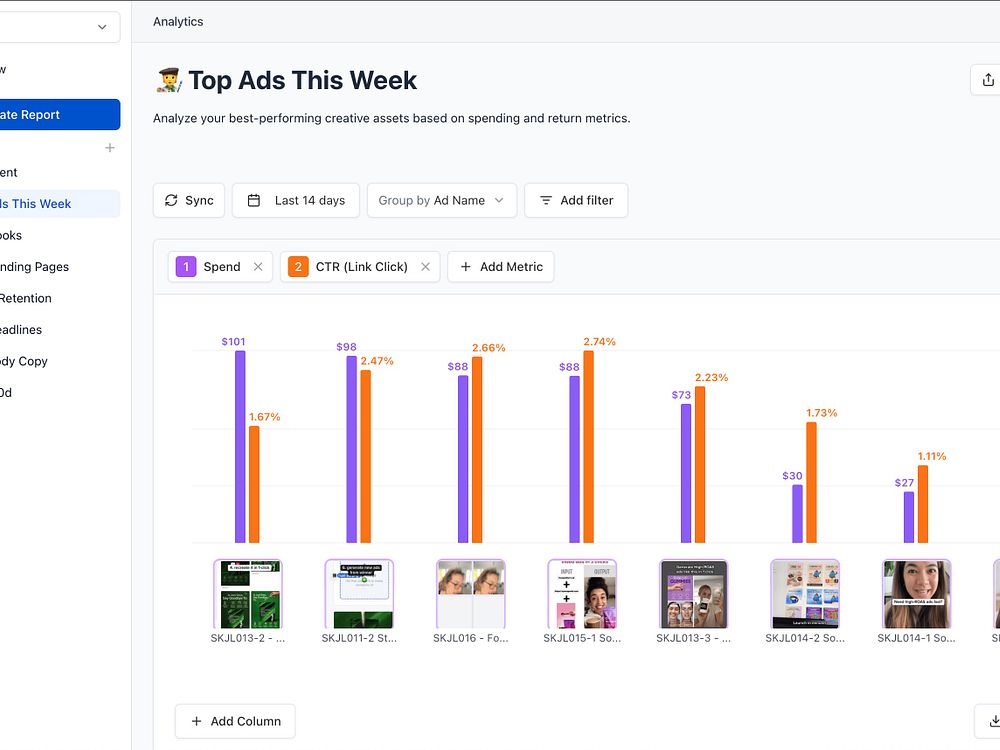



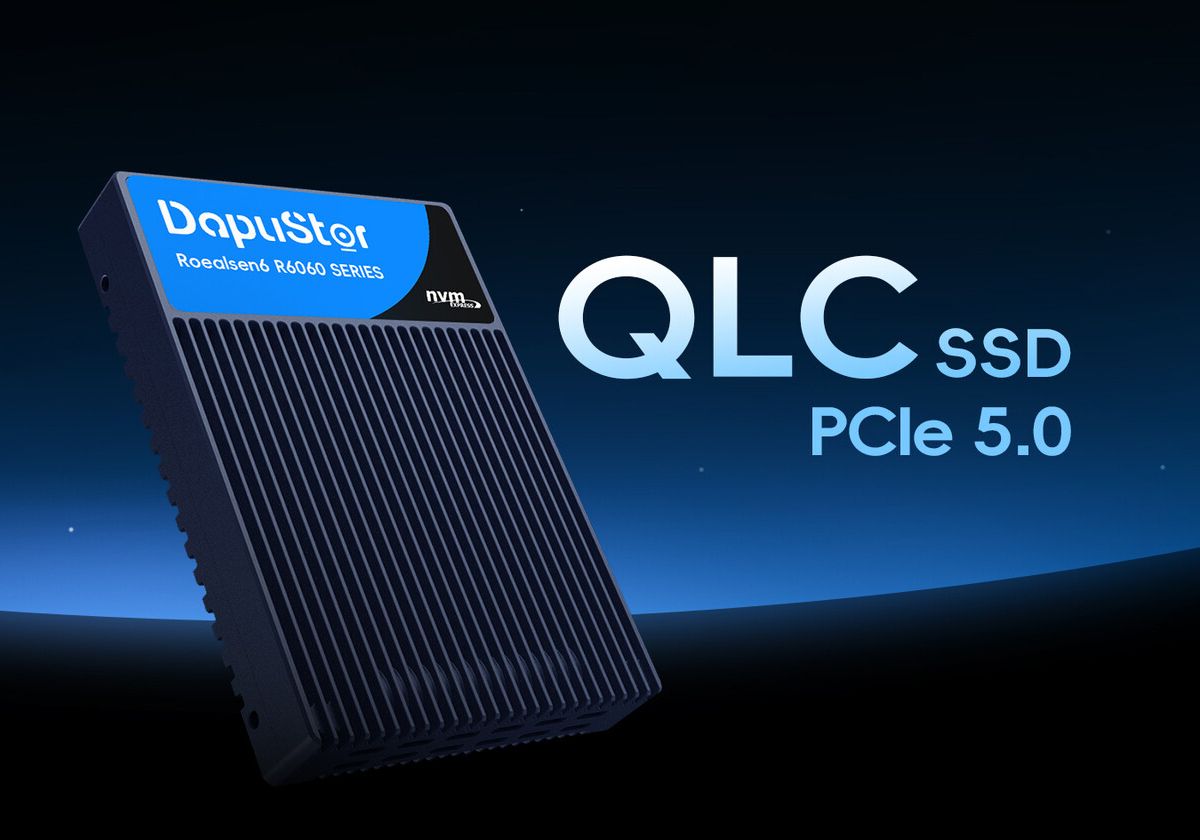





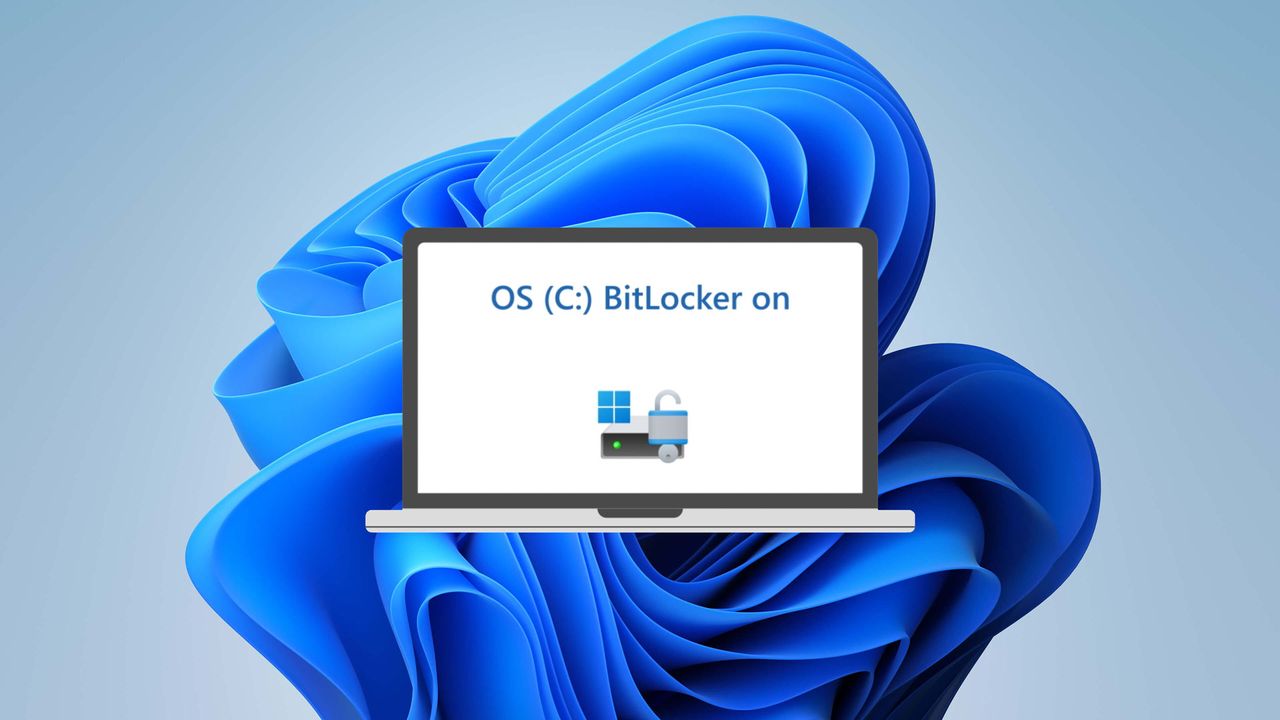
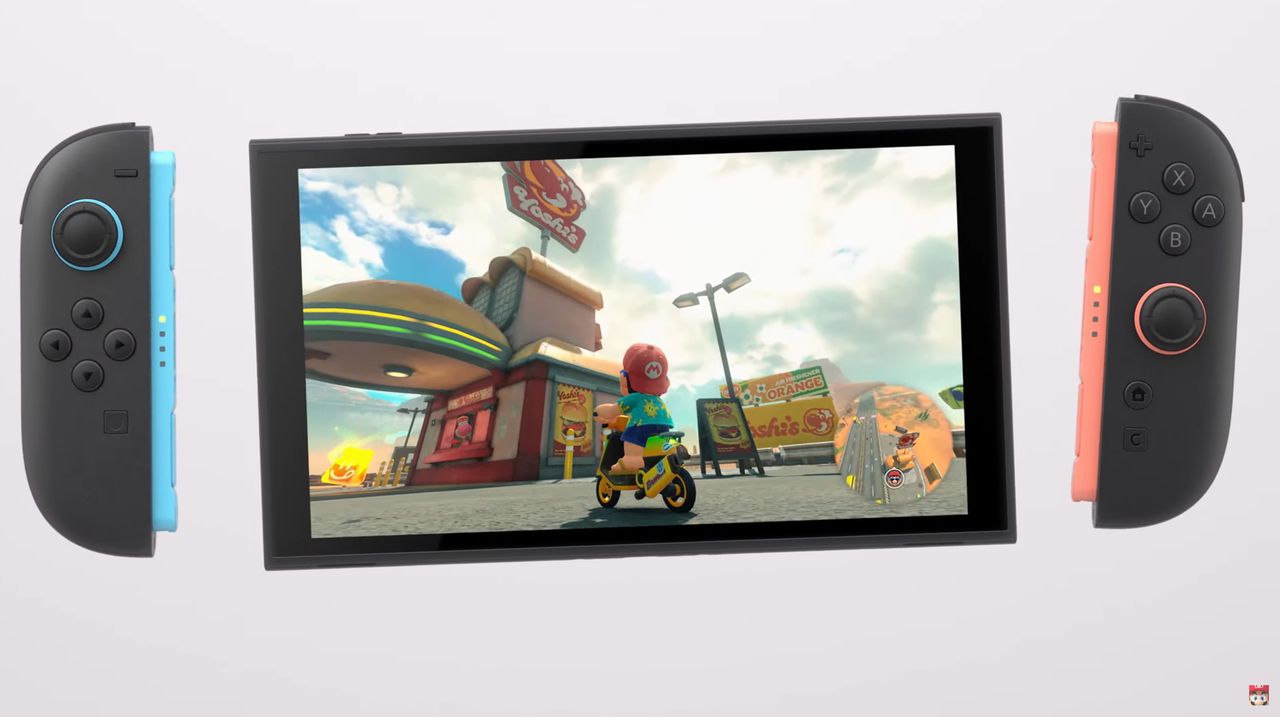









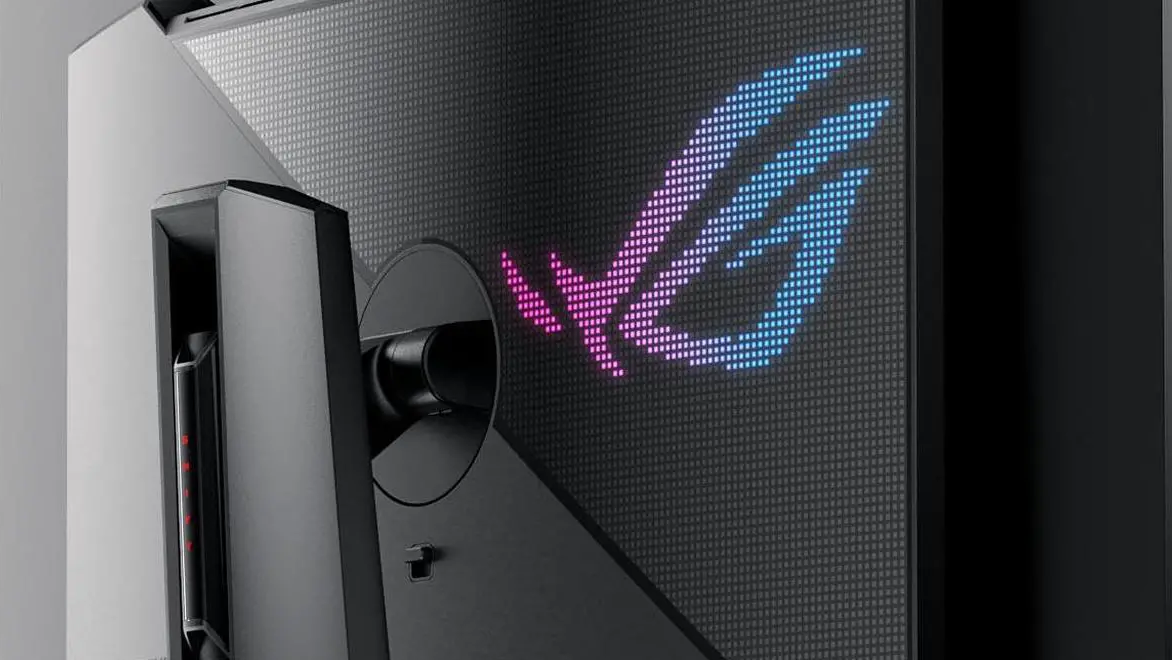

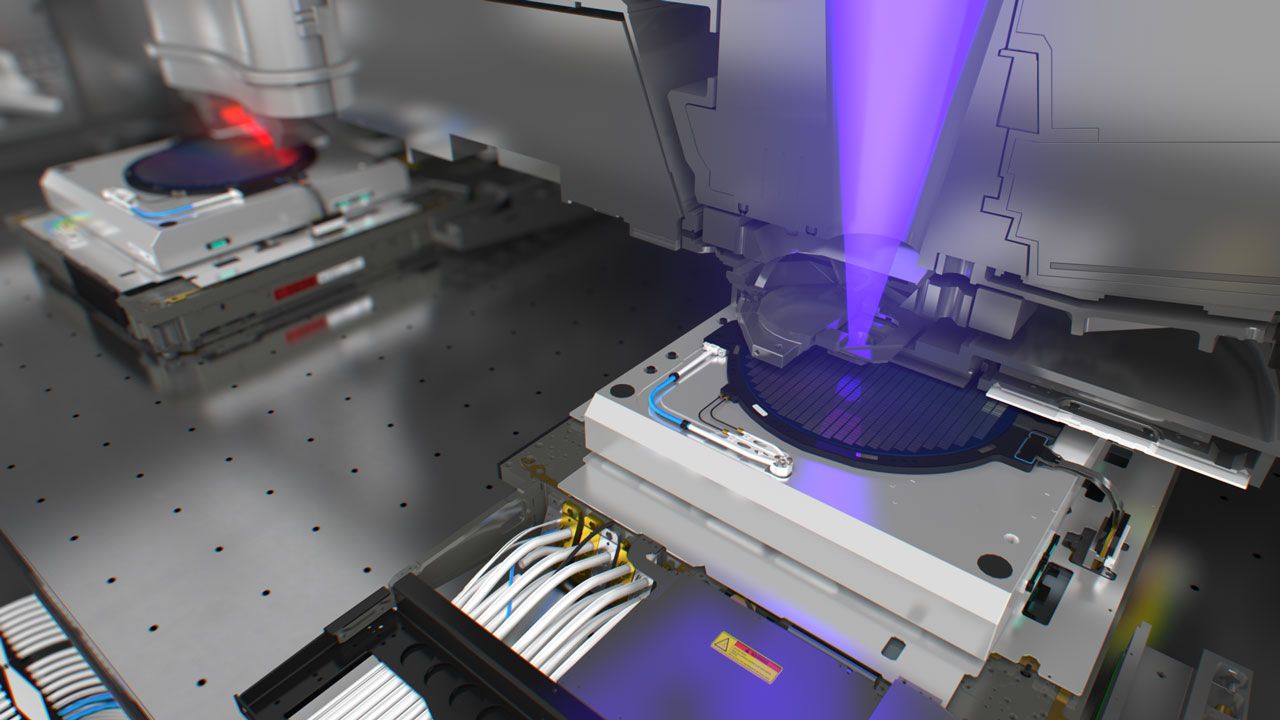


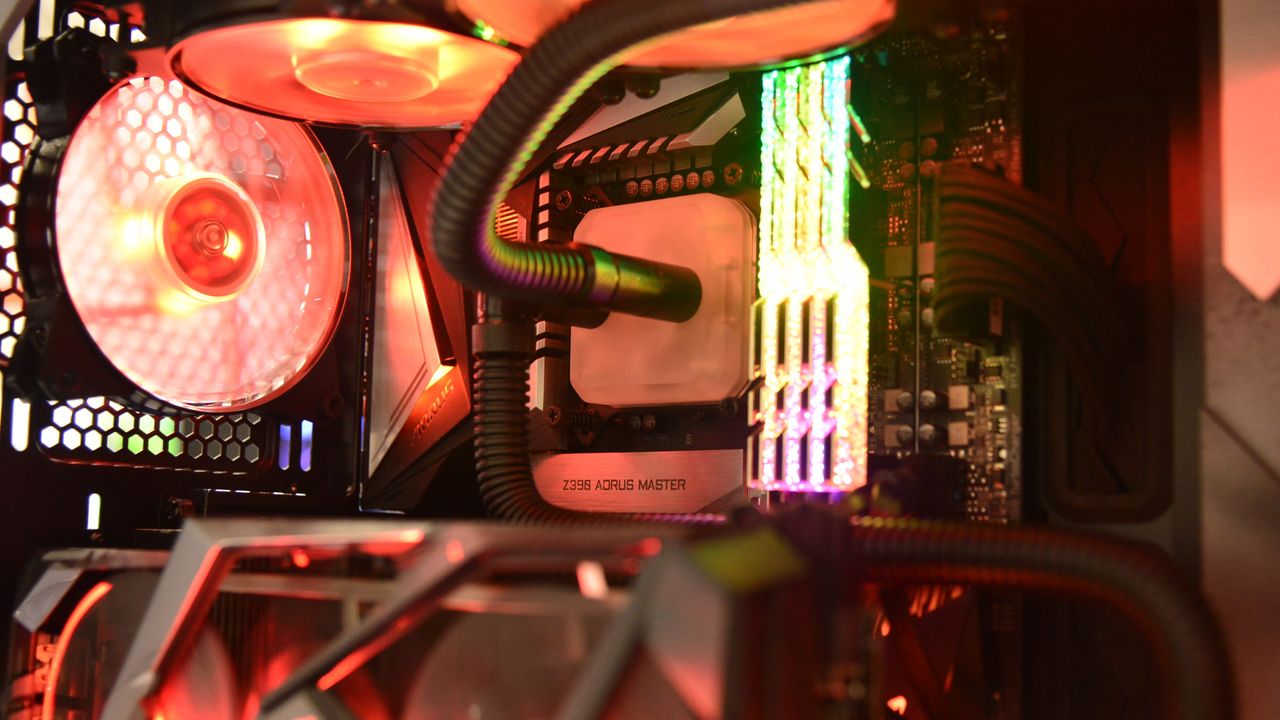


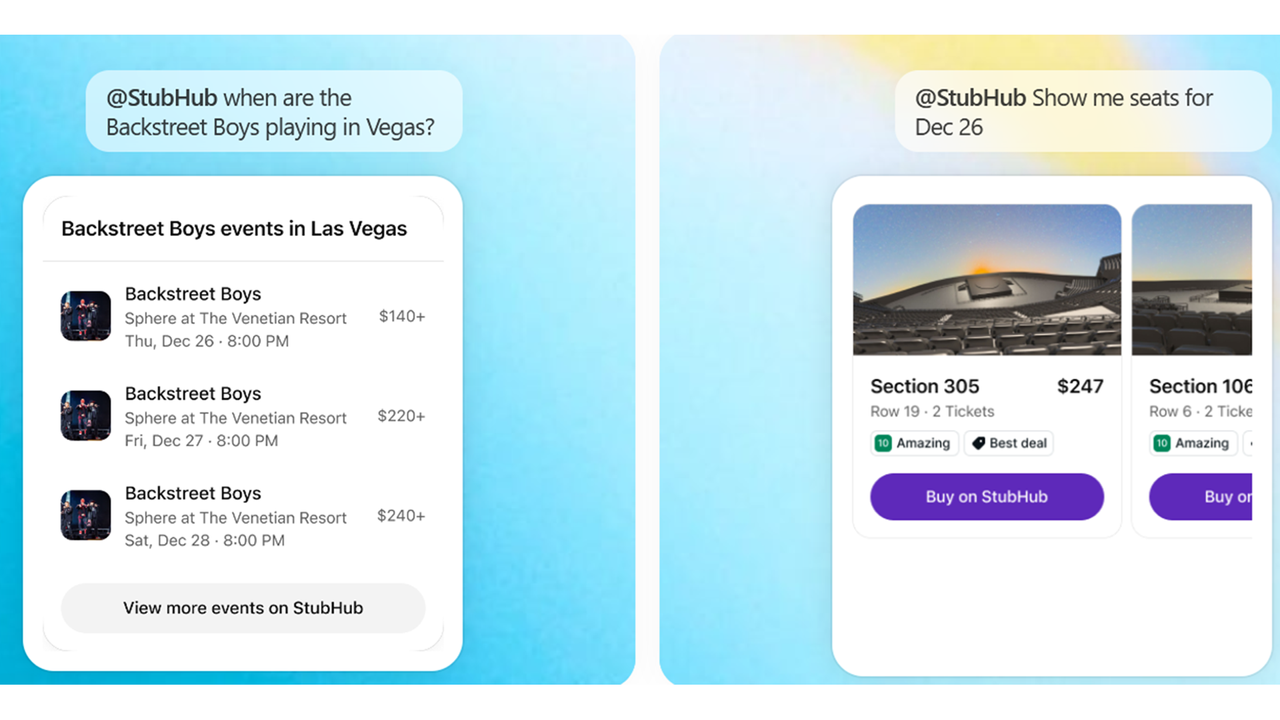








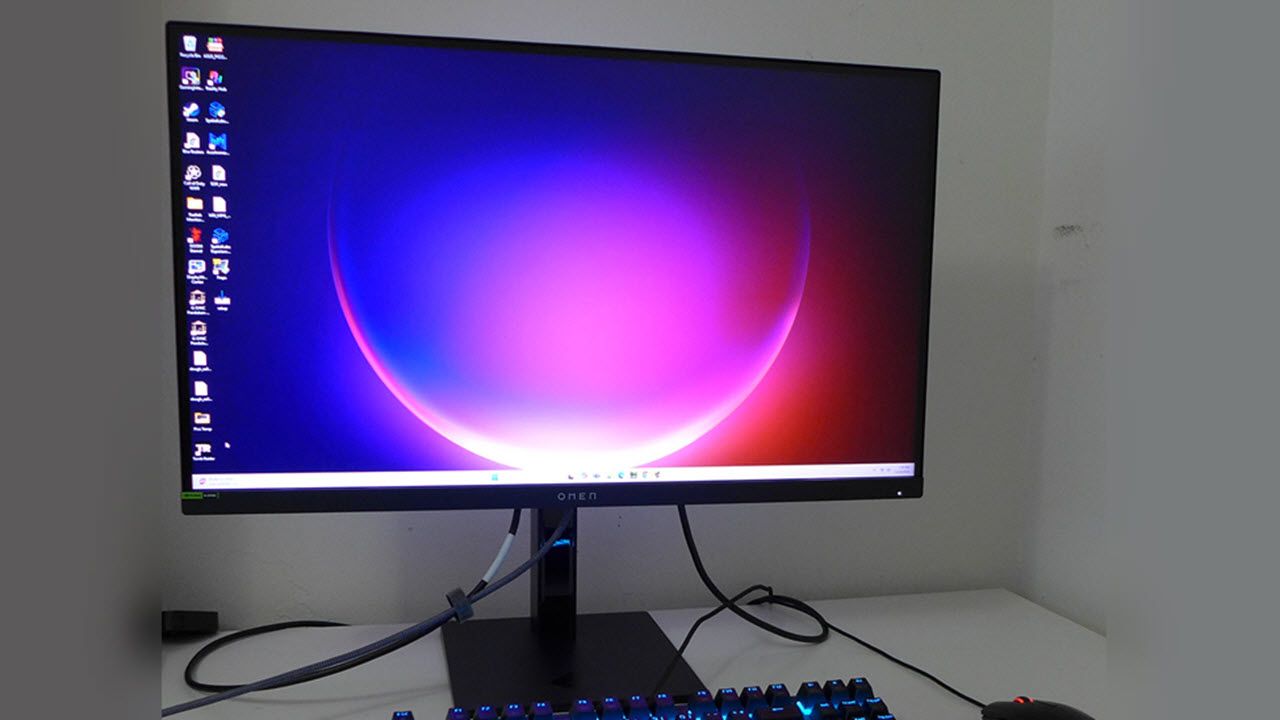
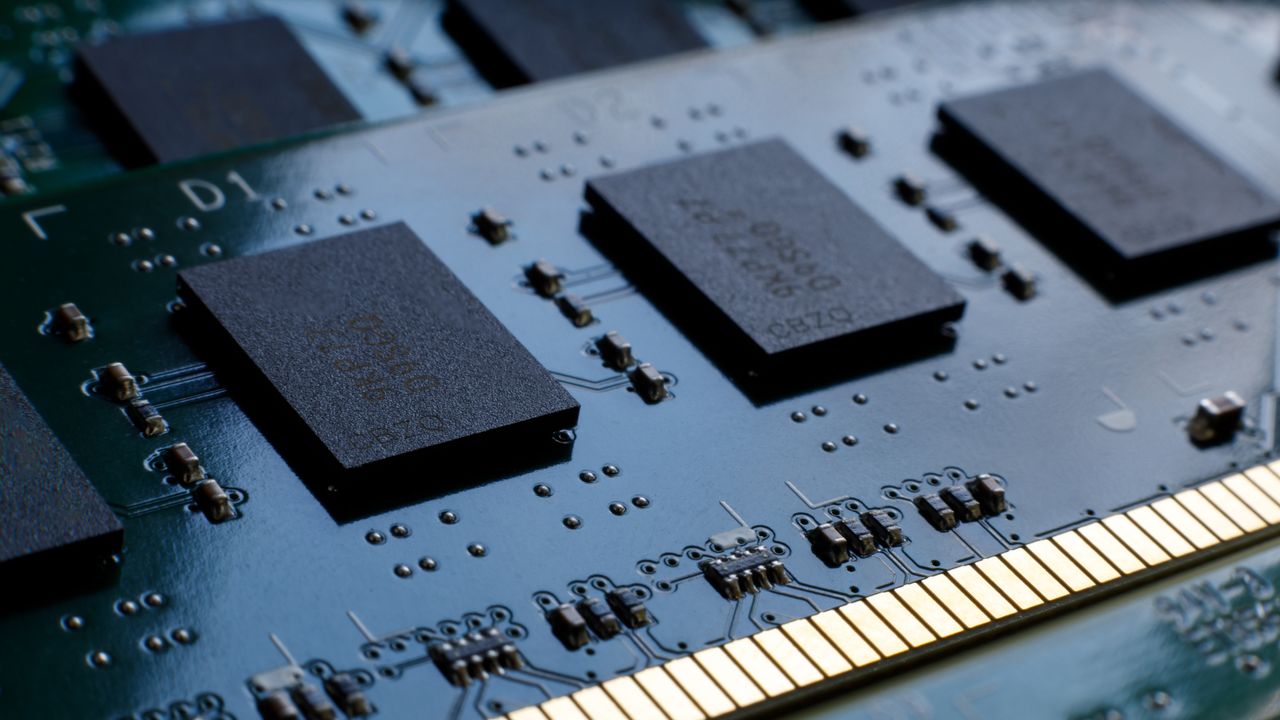
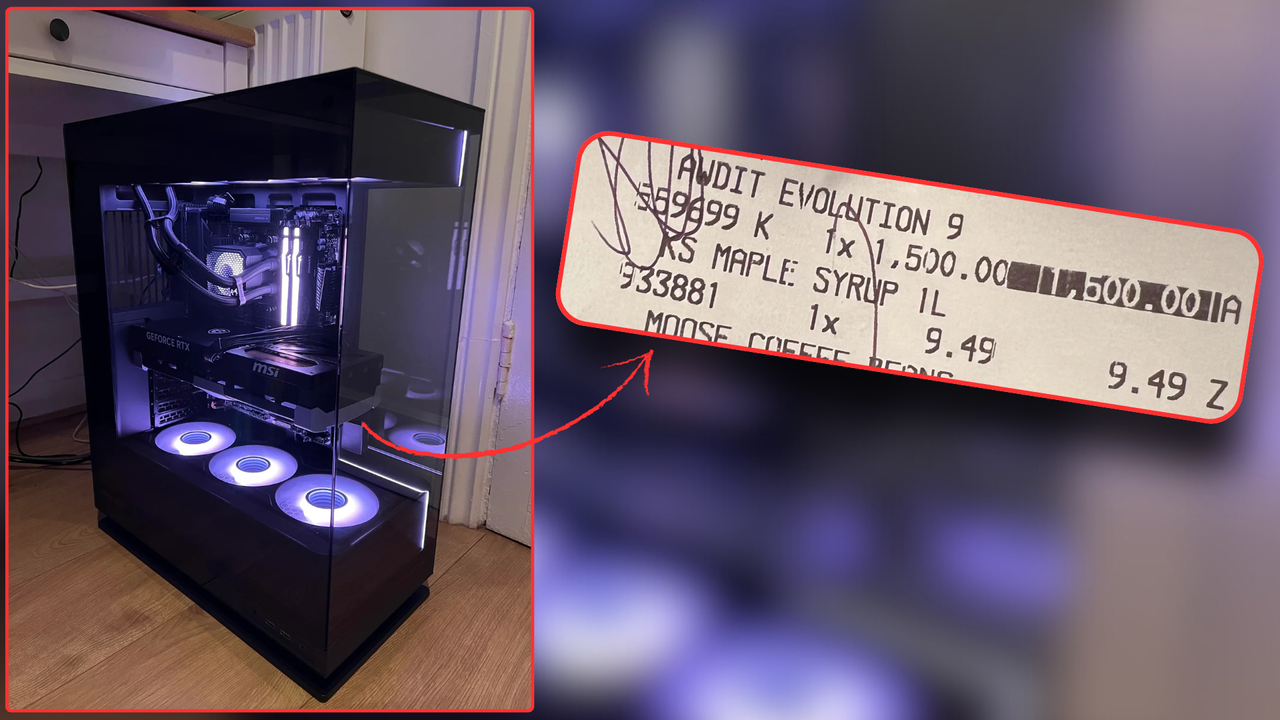


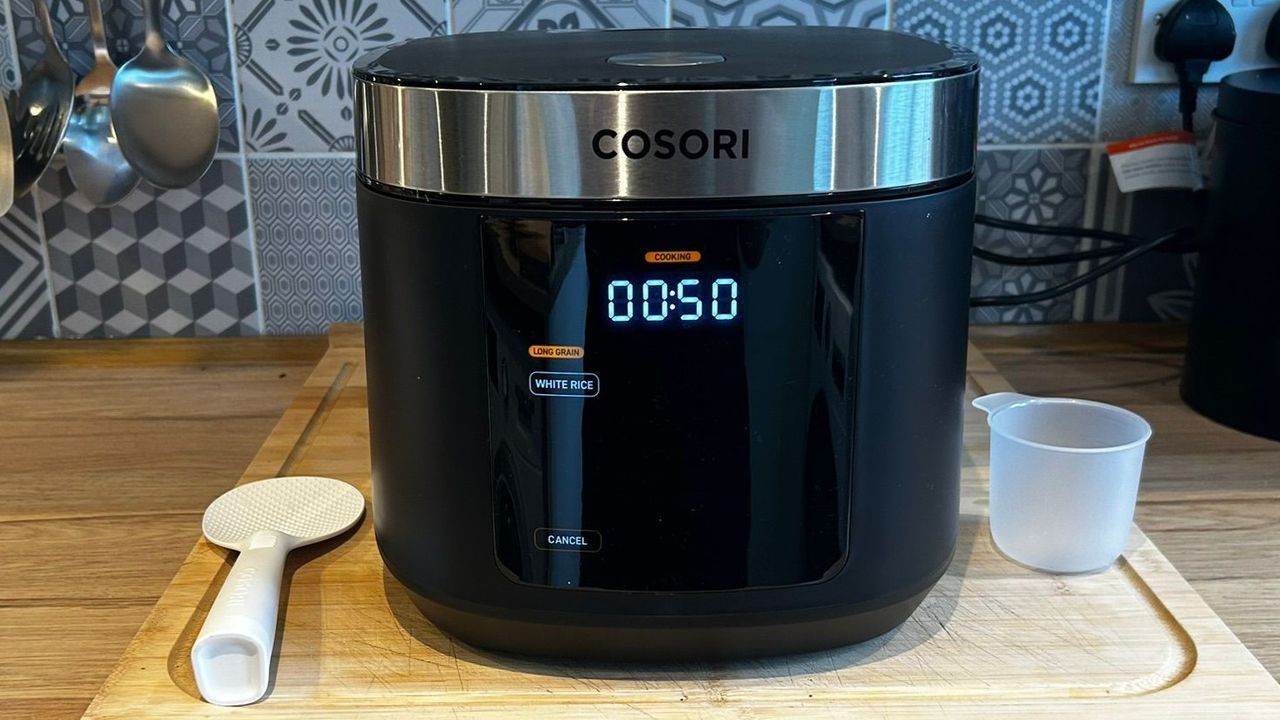


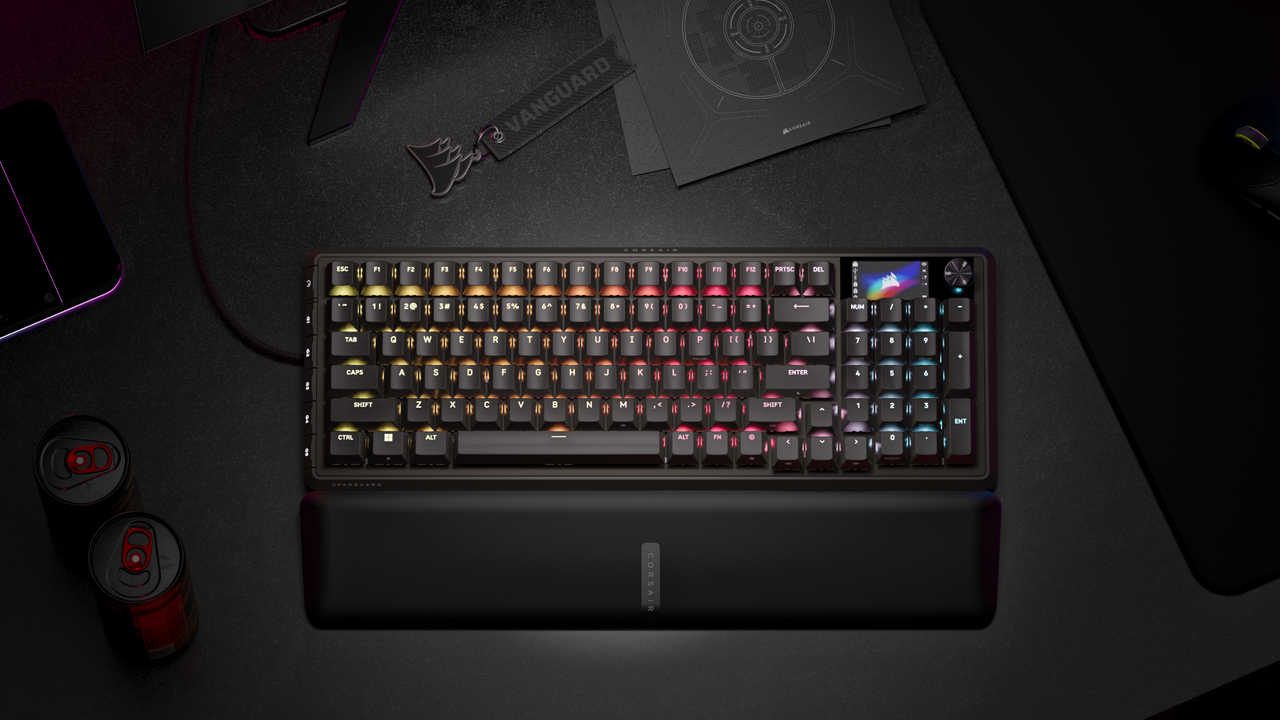


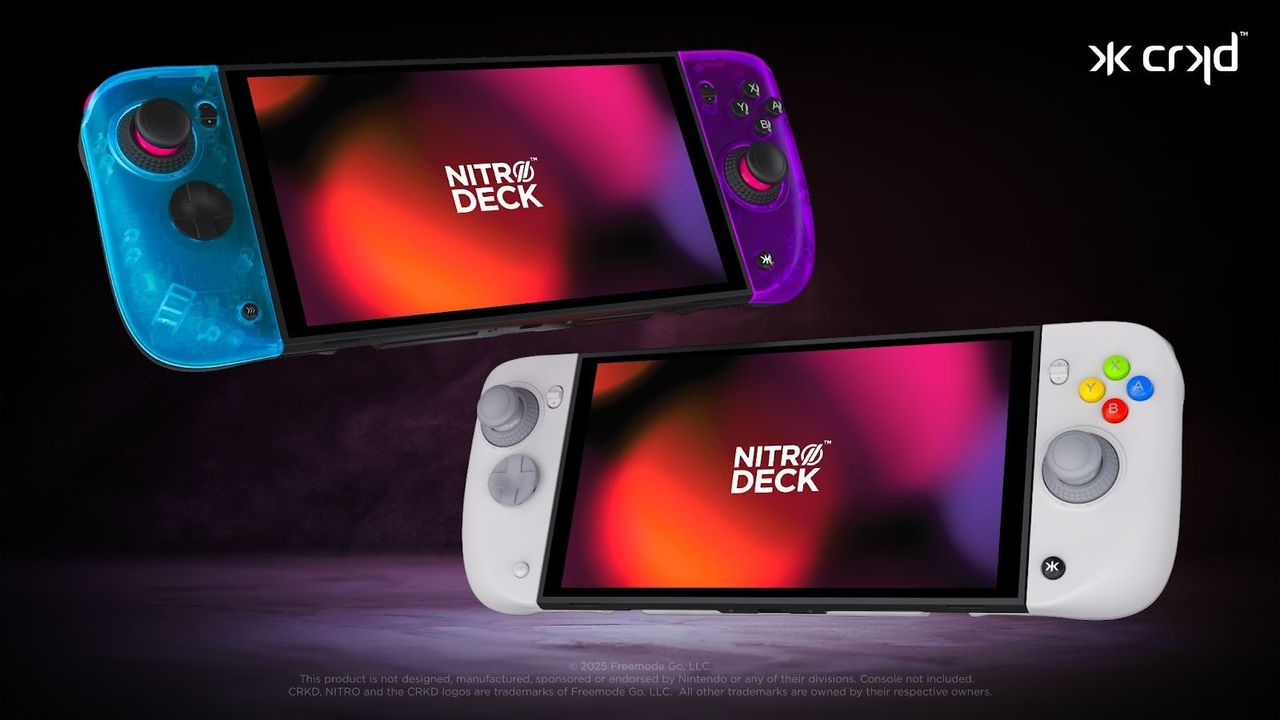





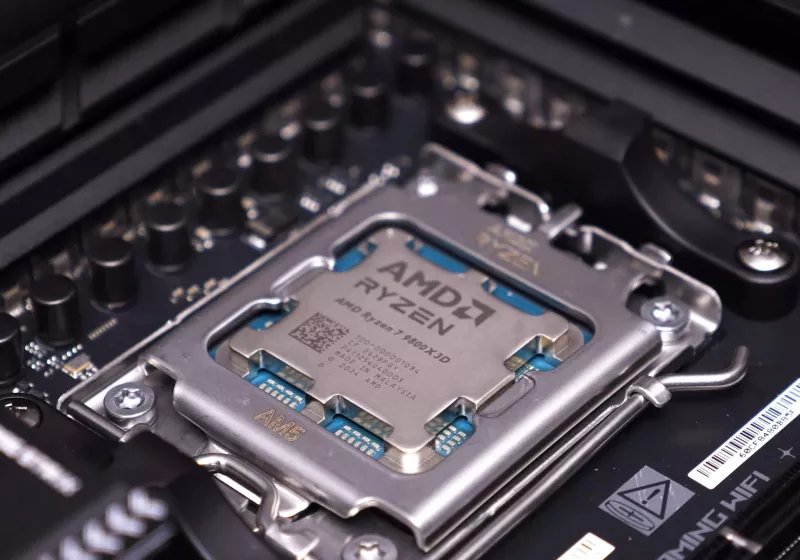

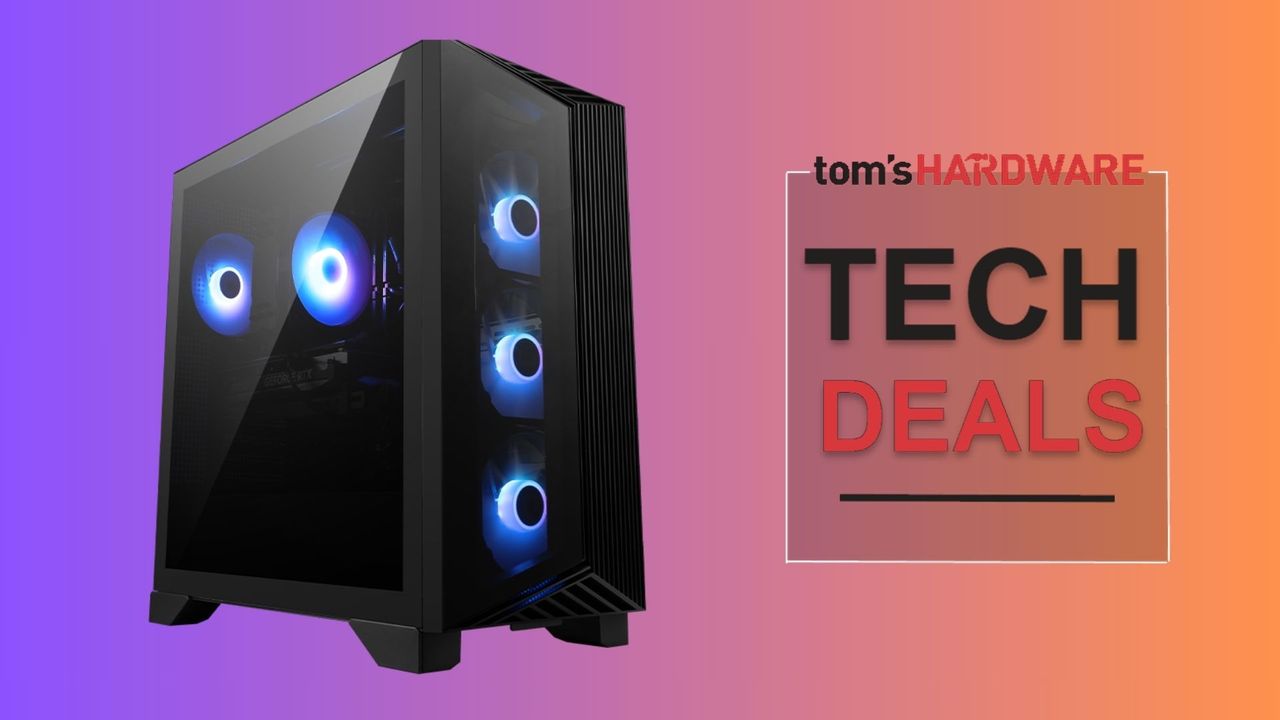
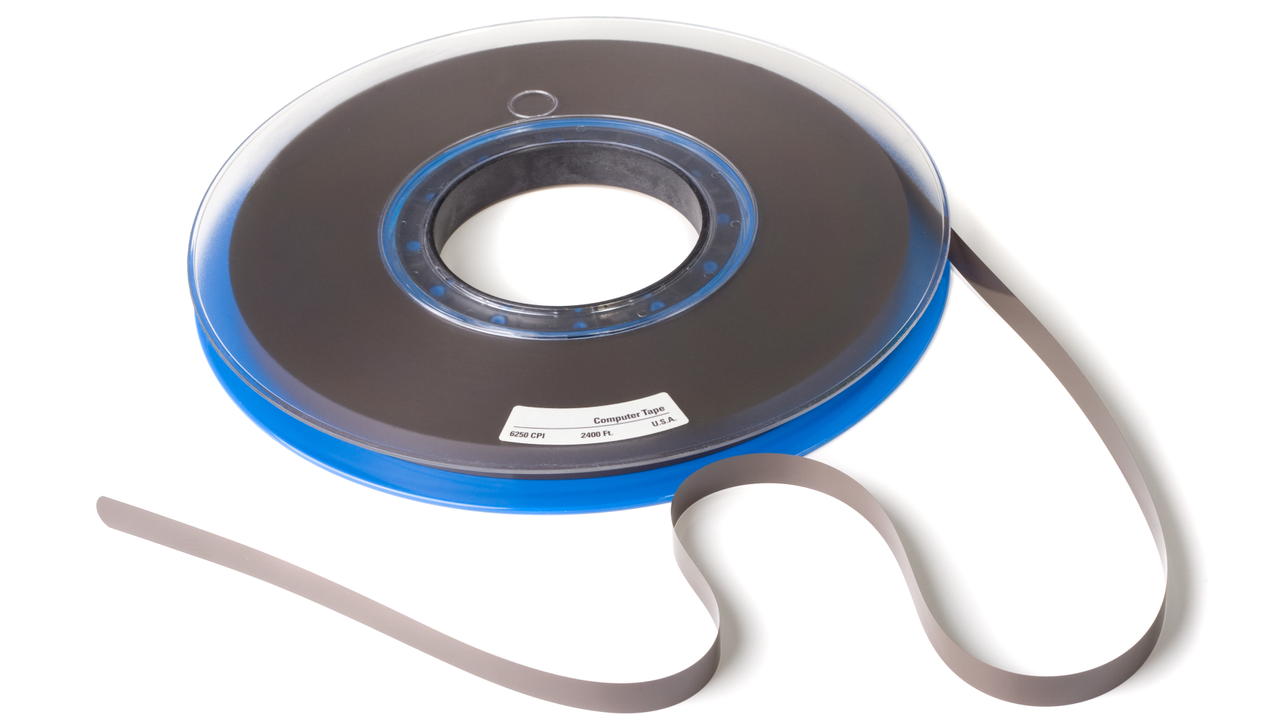




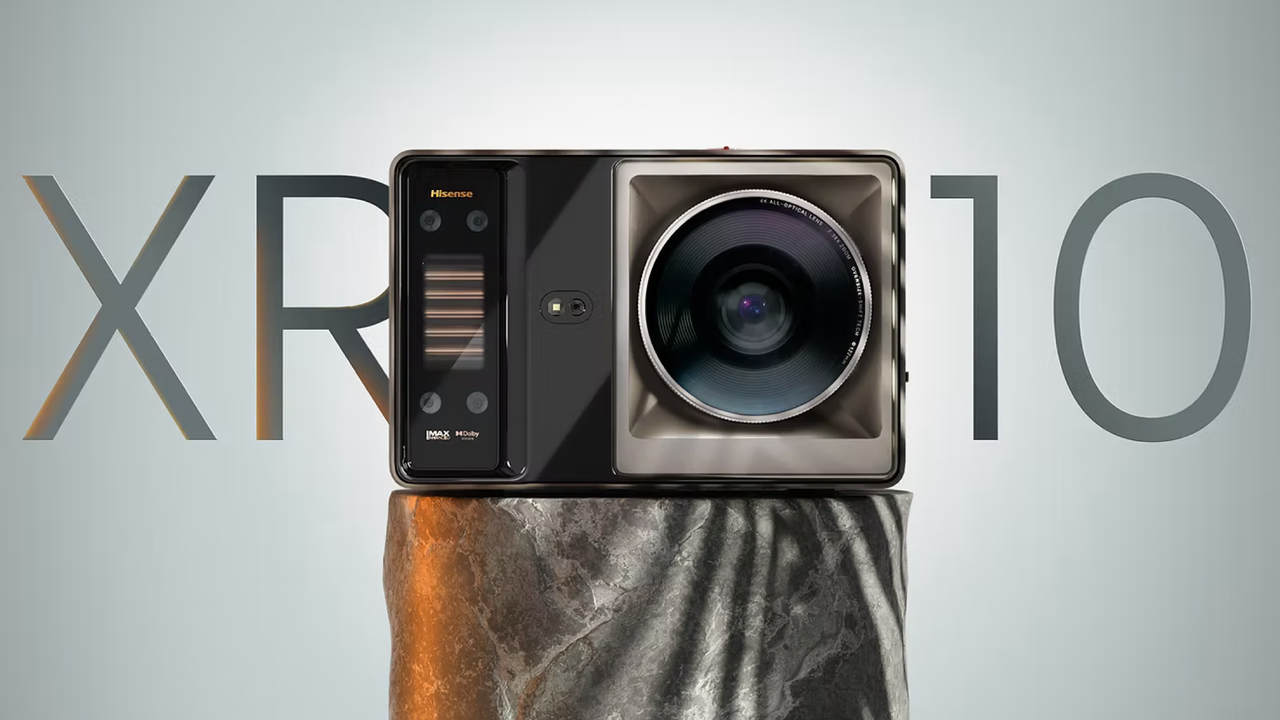



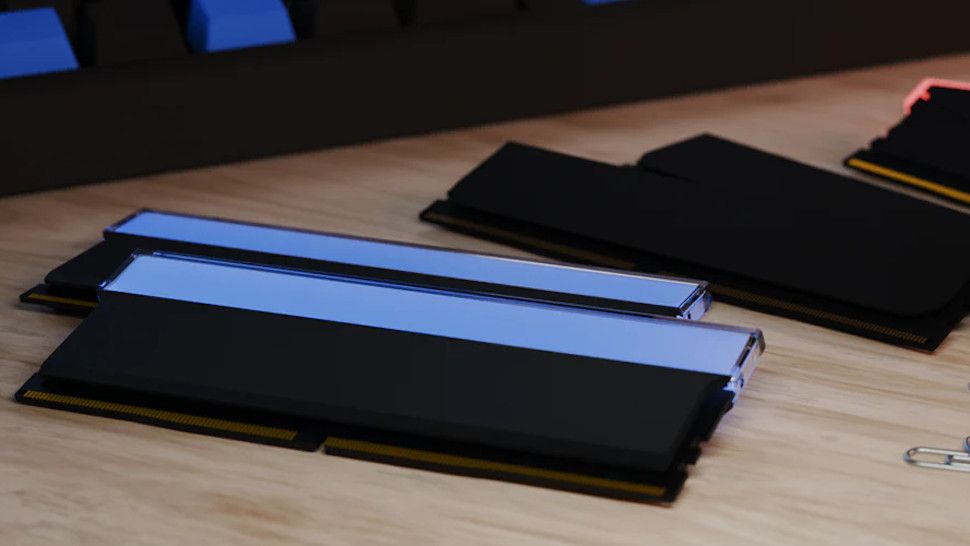








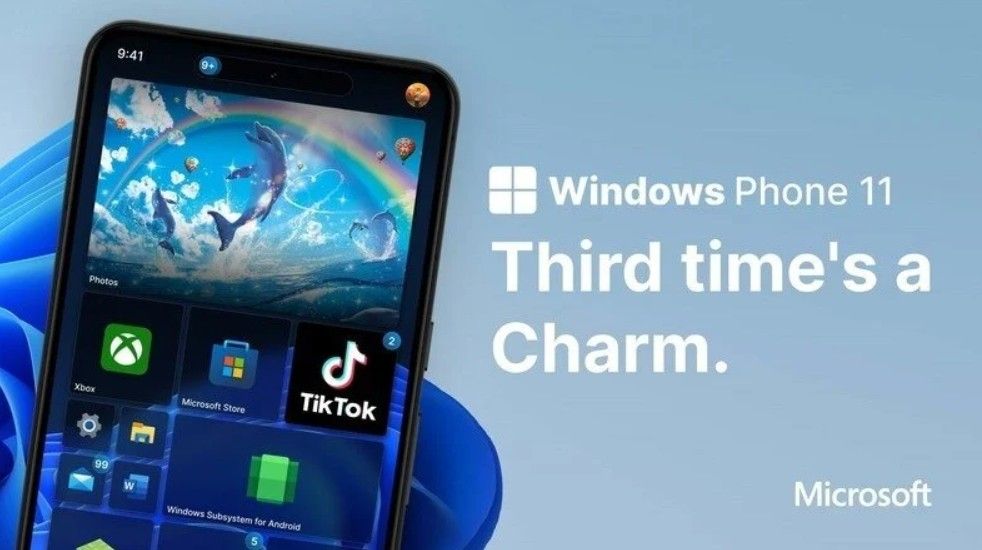


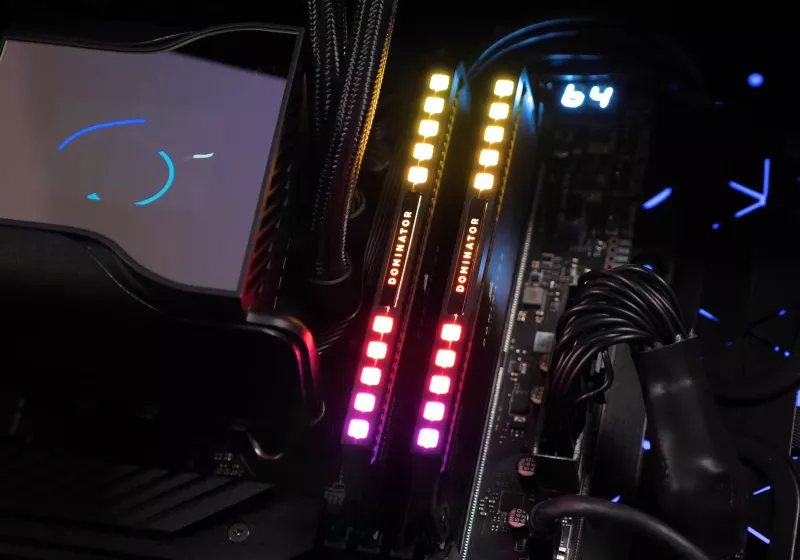
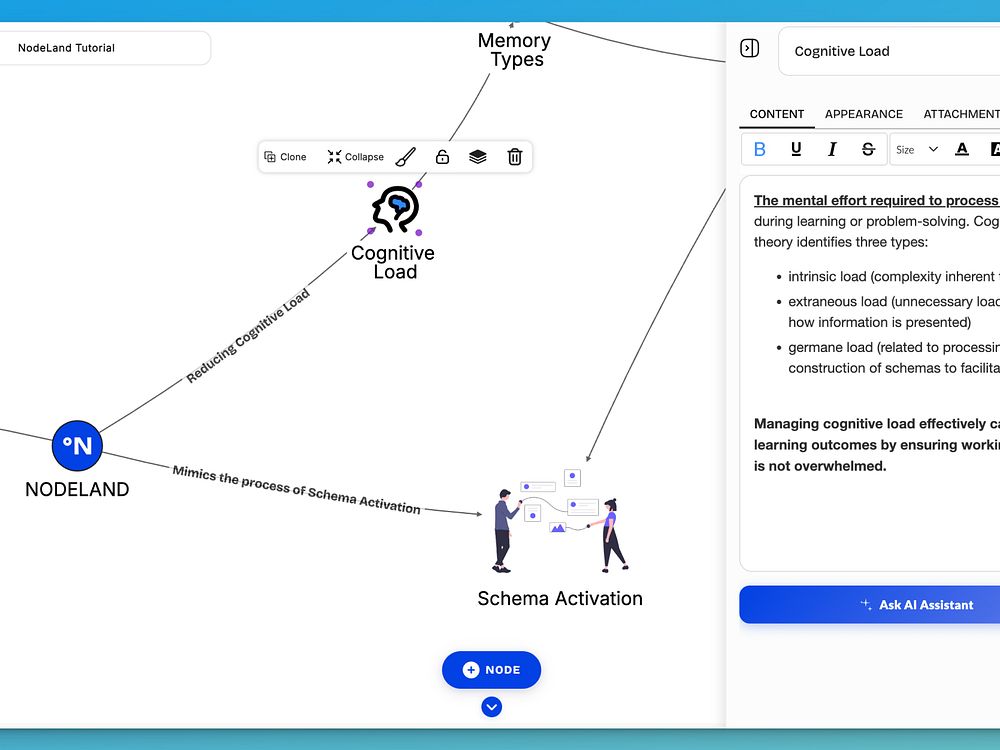






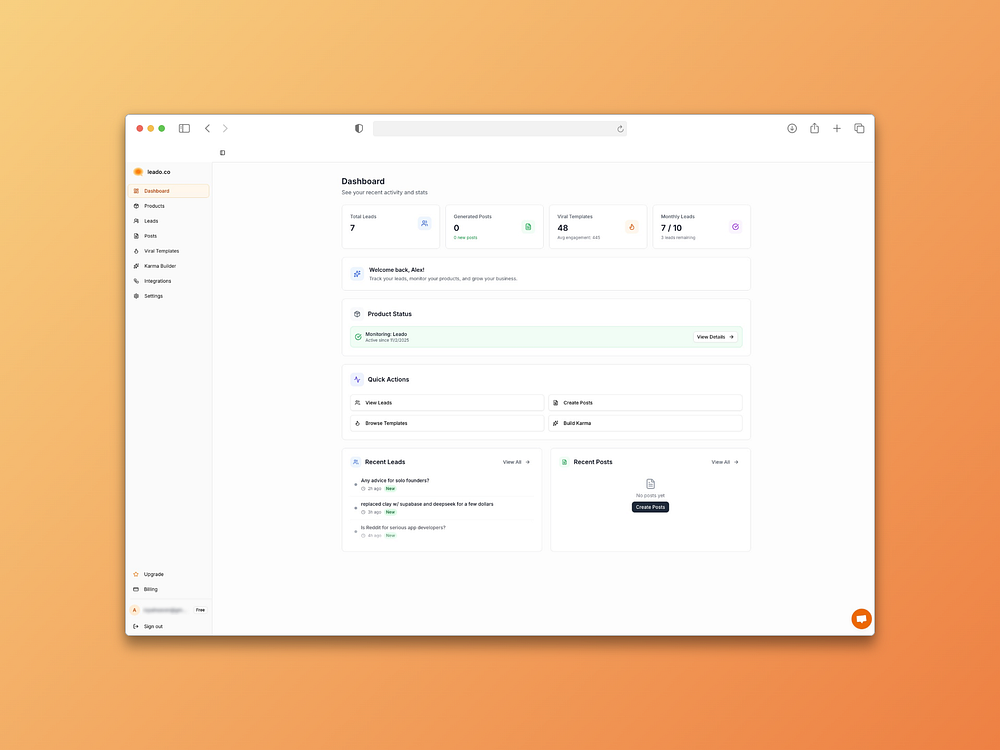

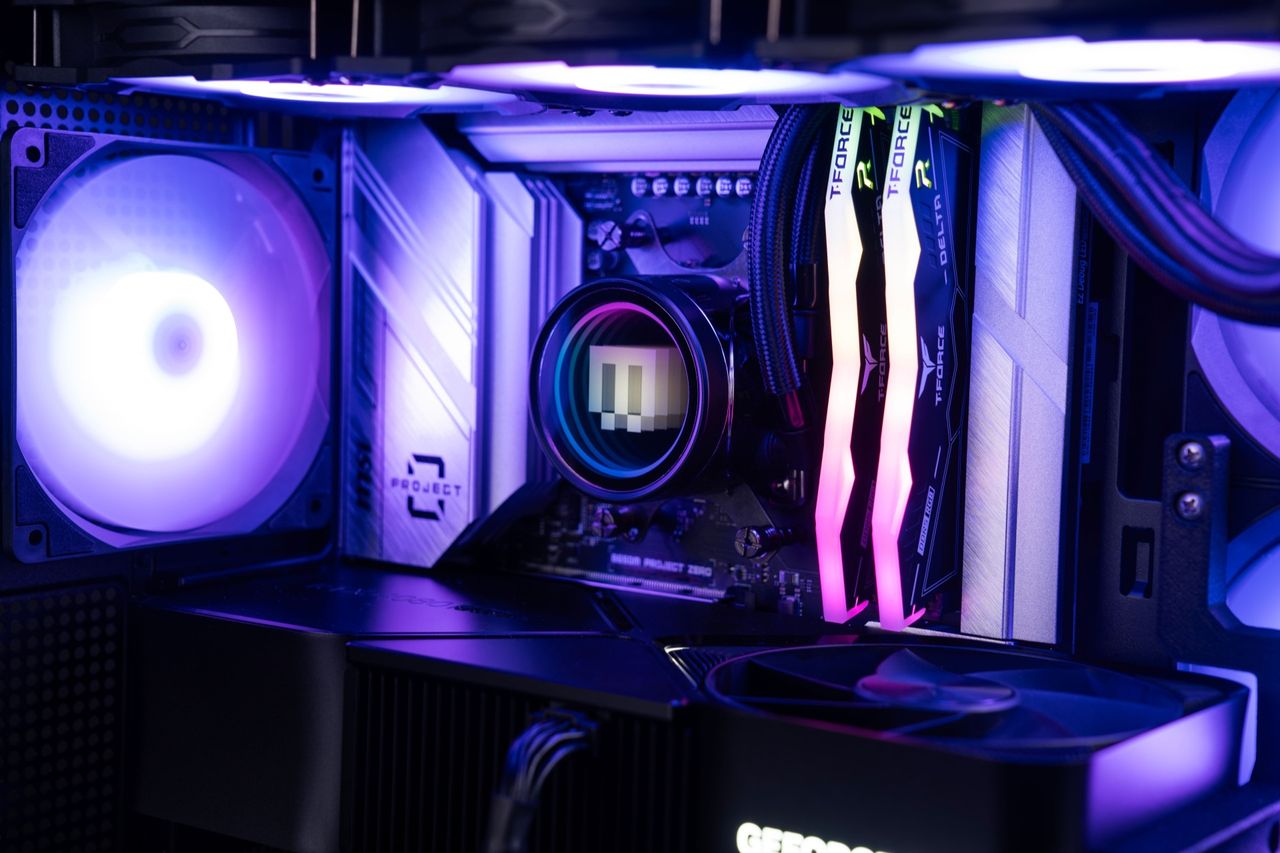




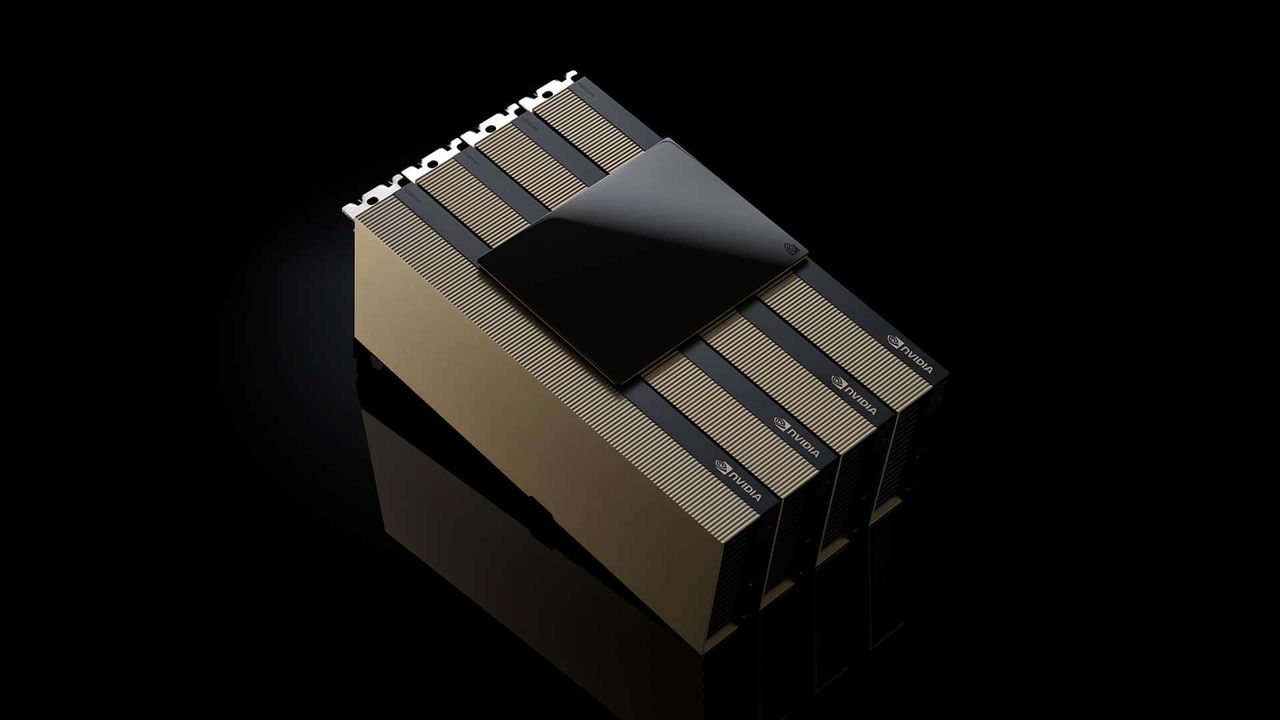



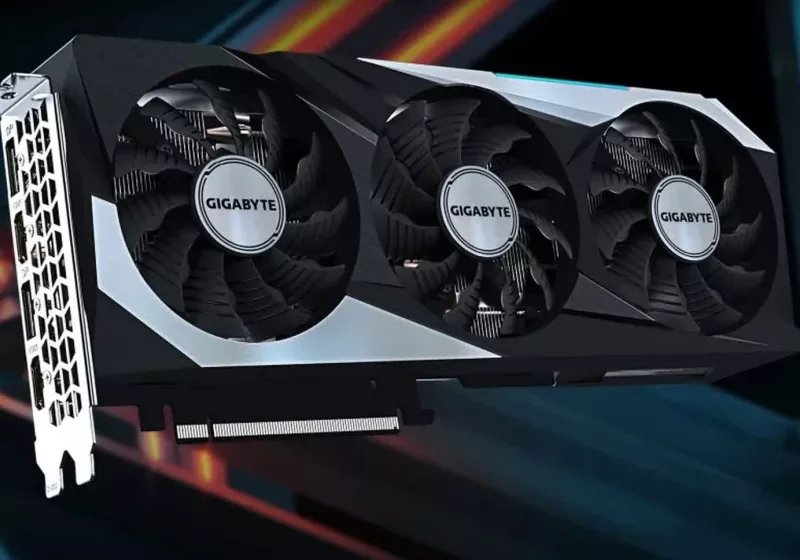

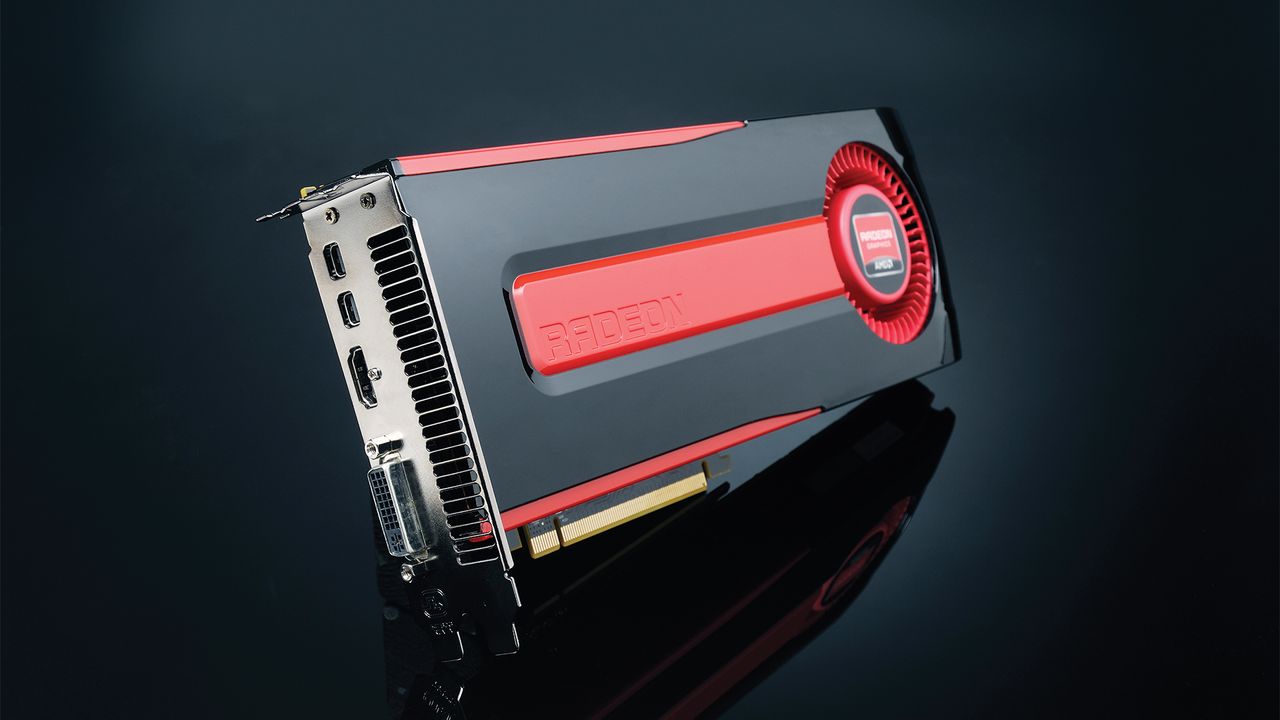
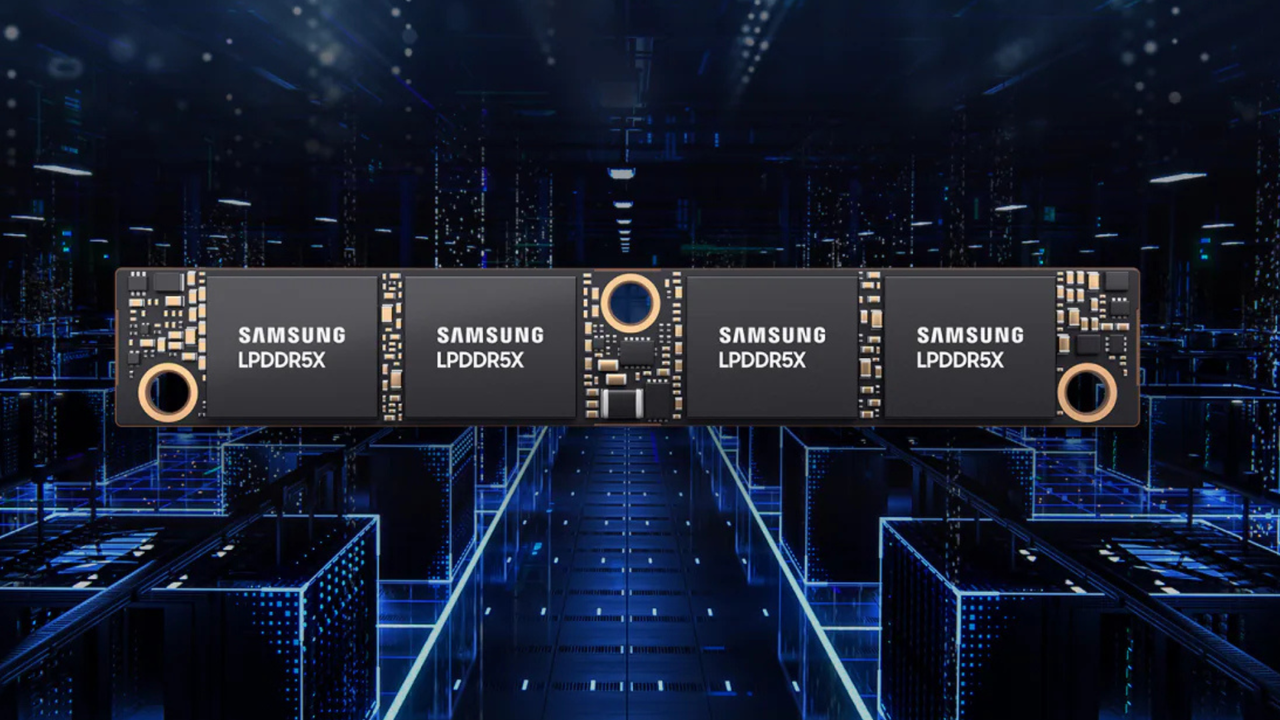



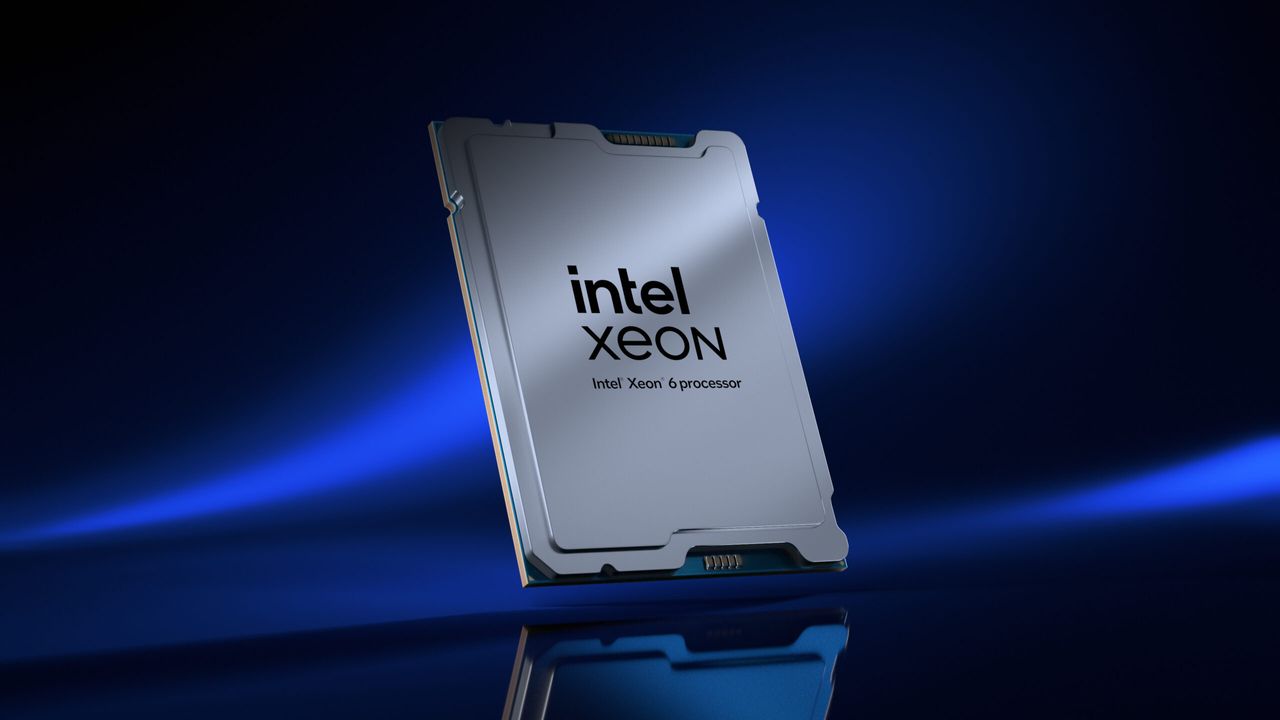
 Learn more about Nano Banana Pro, Google’s state-of-the-art image generation and editing model, and where you can use it now.
 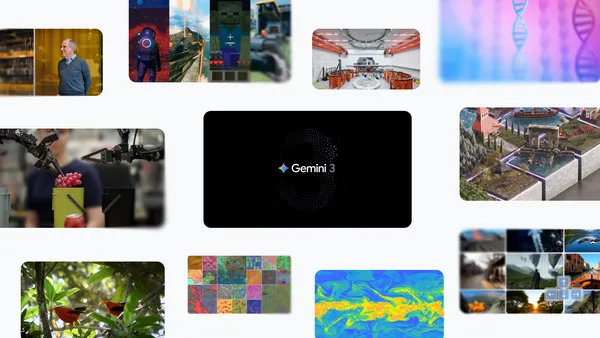 This year saw new AI models, transformative products and new breakthroughs in science and robotics.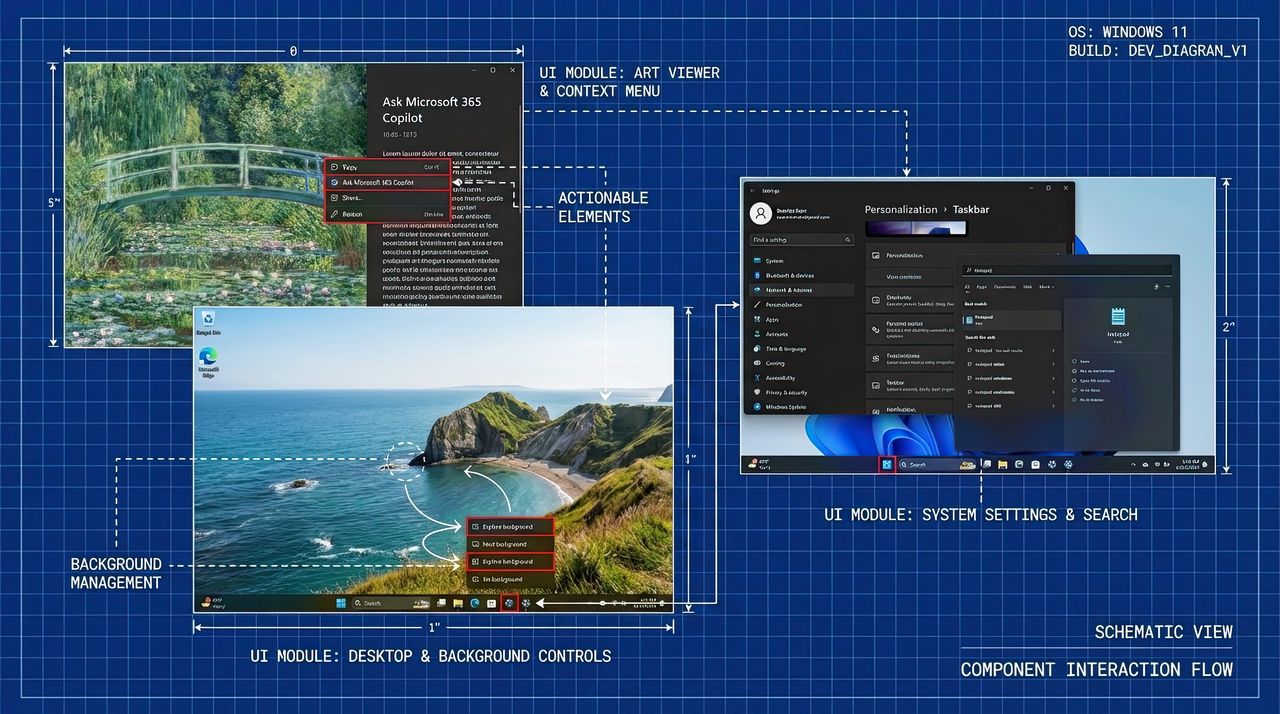

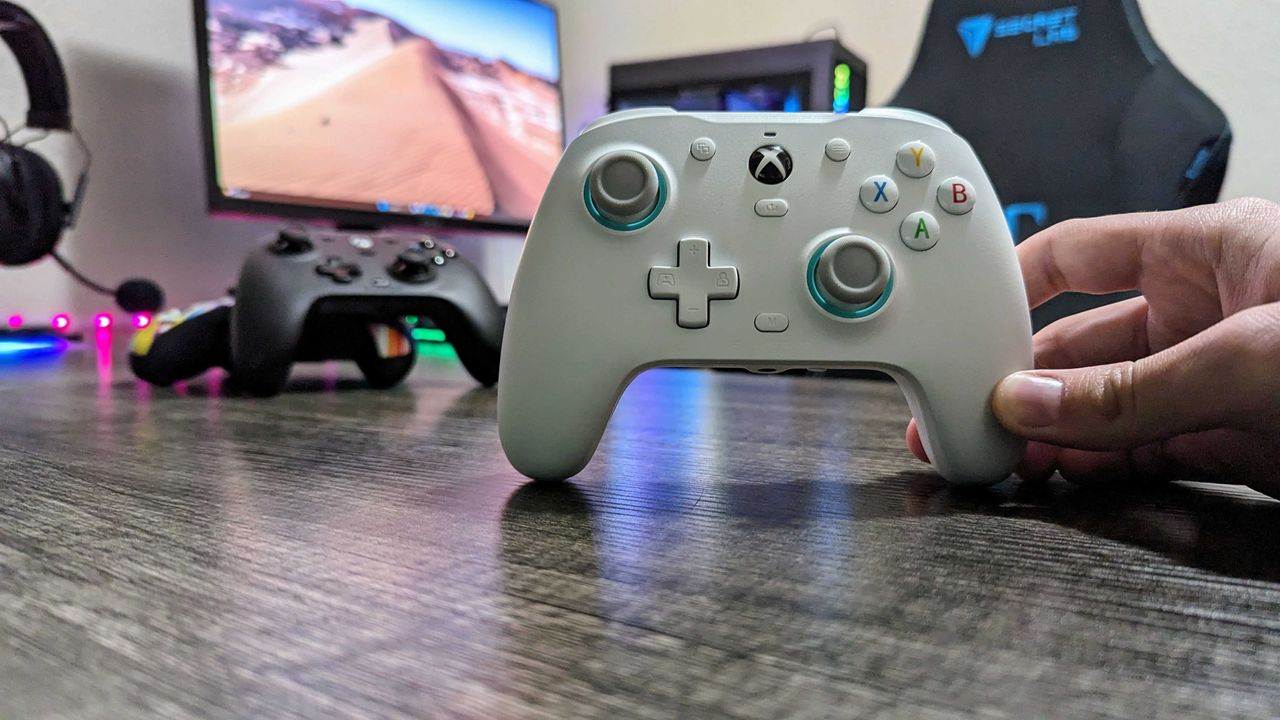






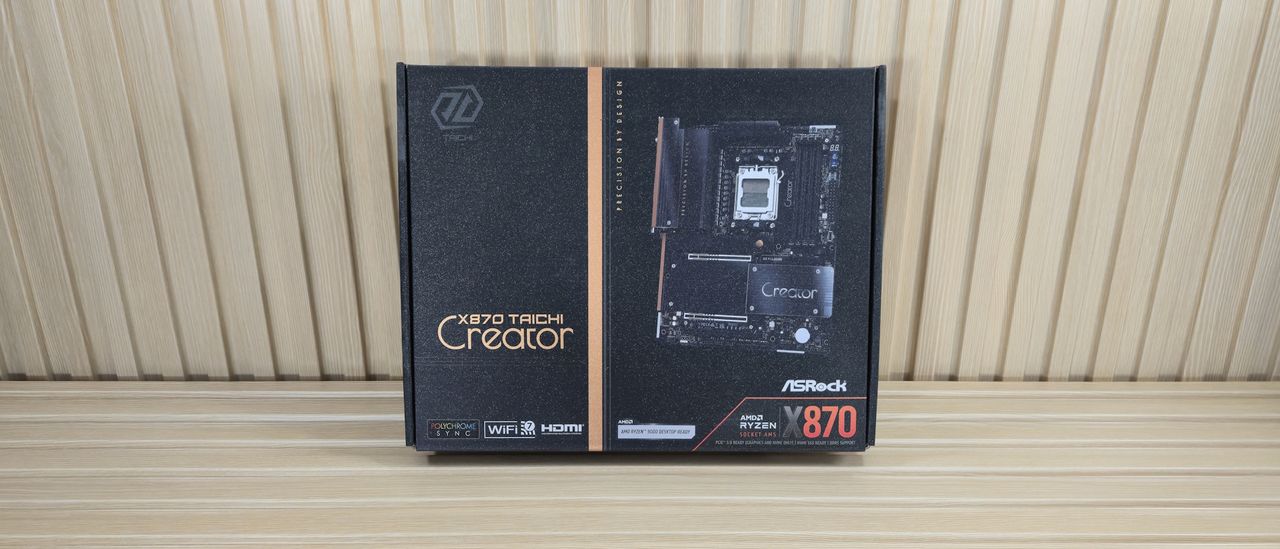


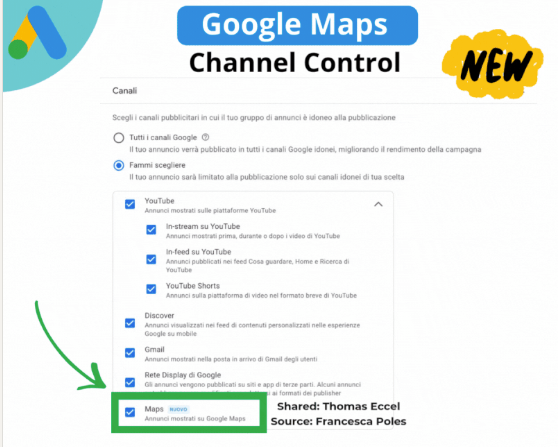



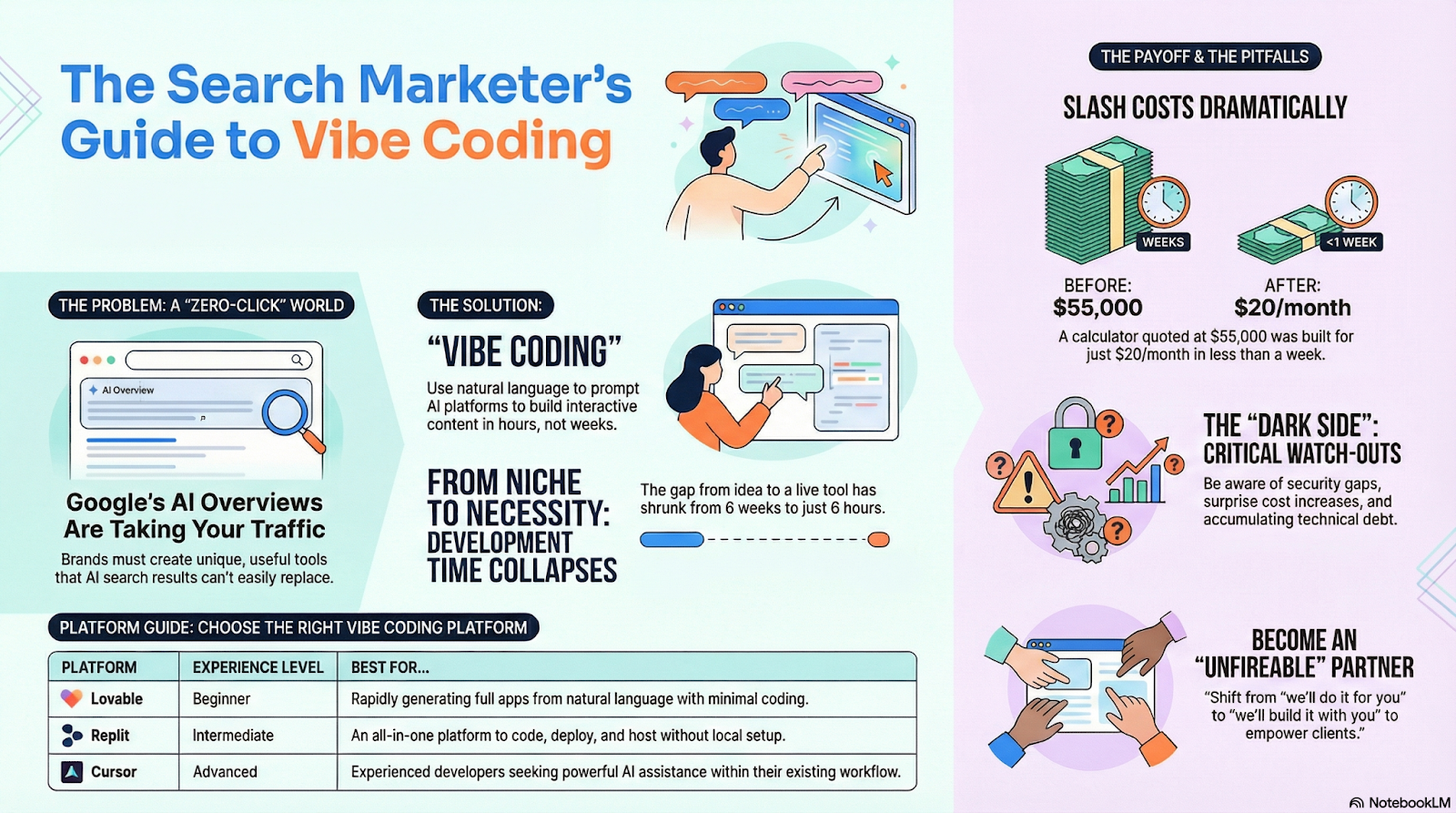
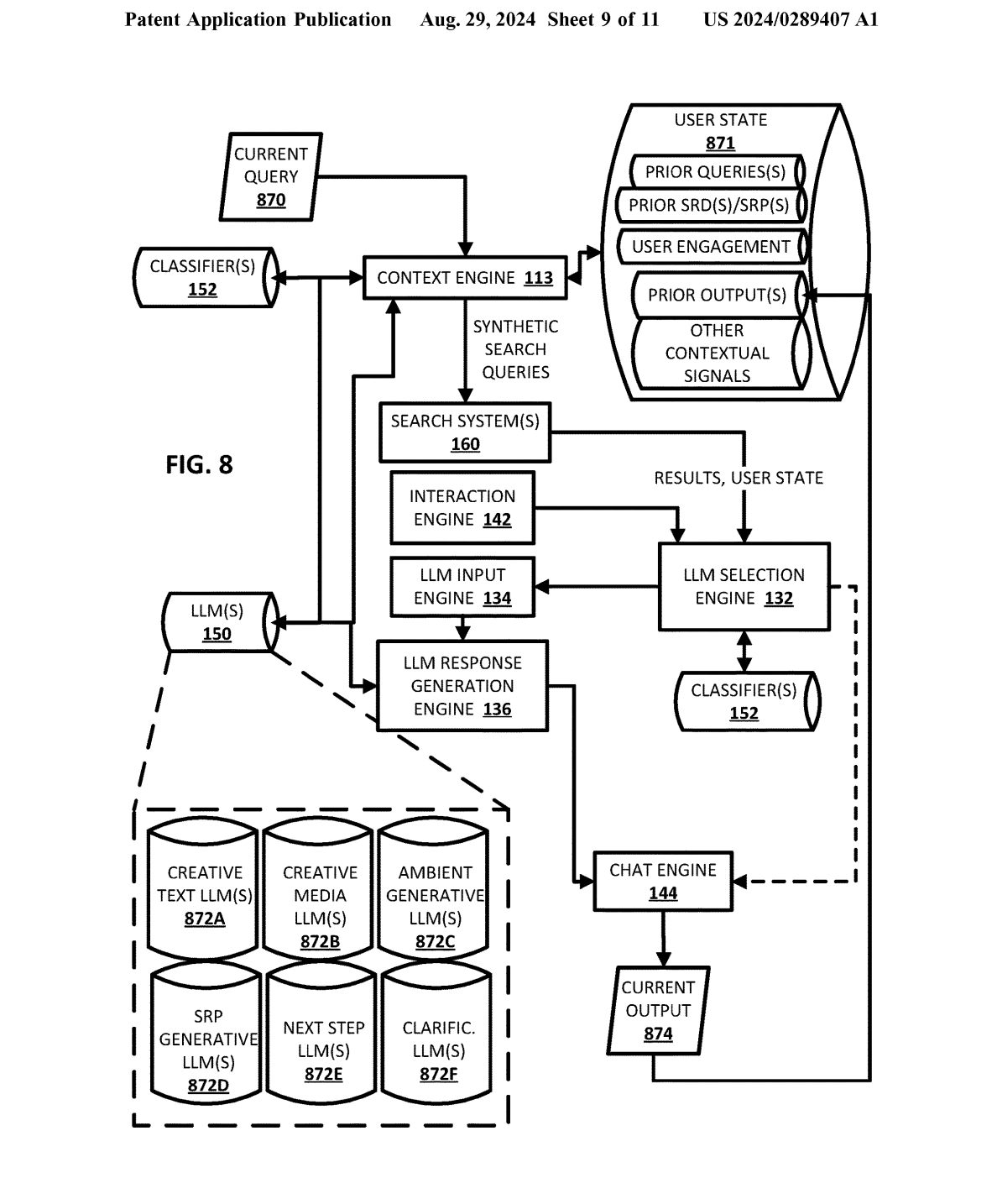


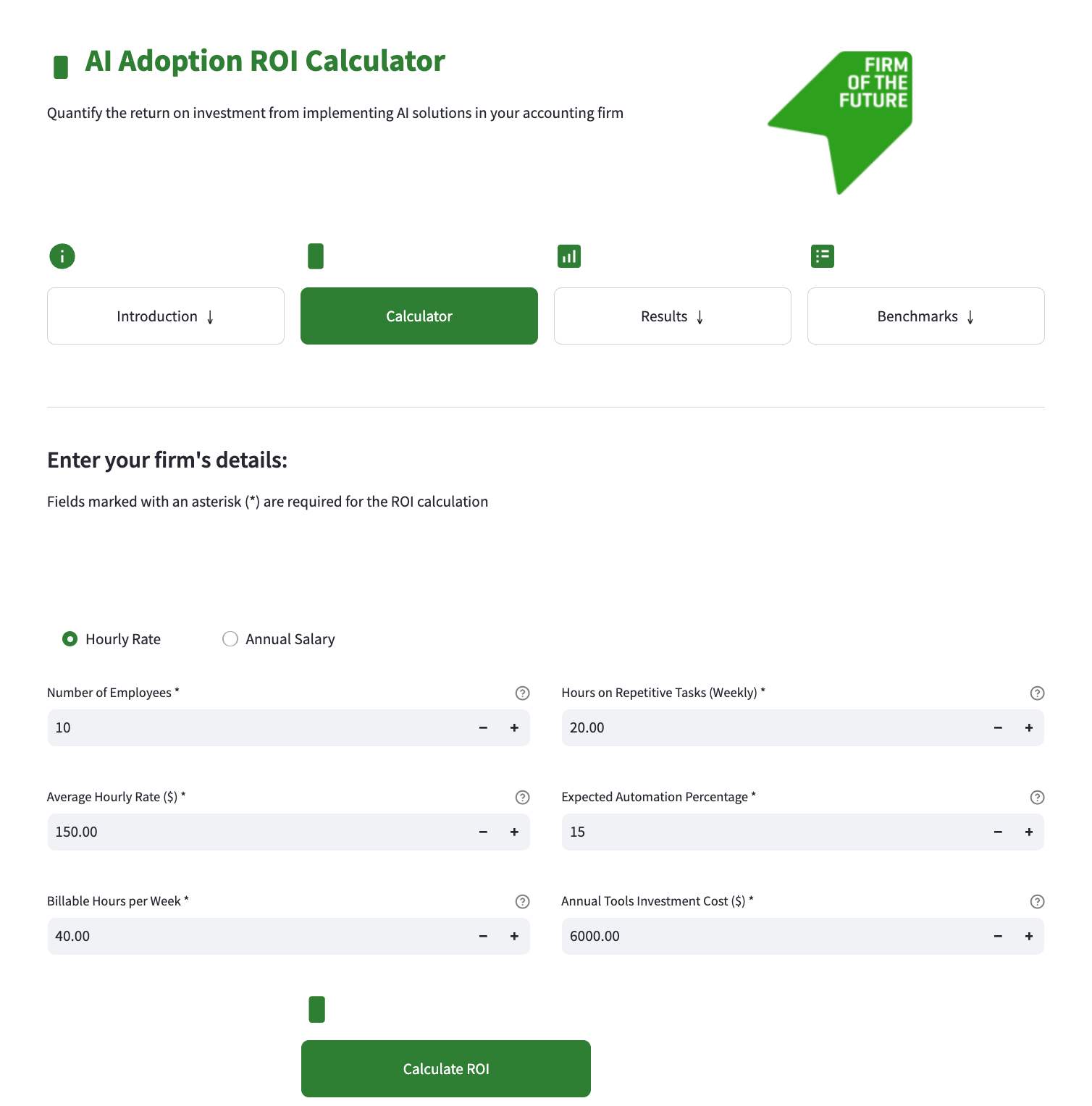






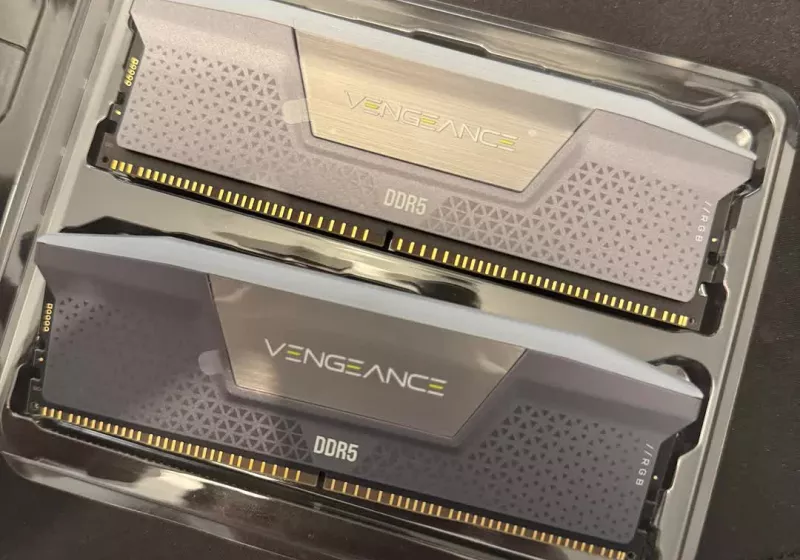



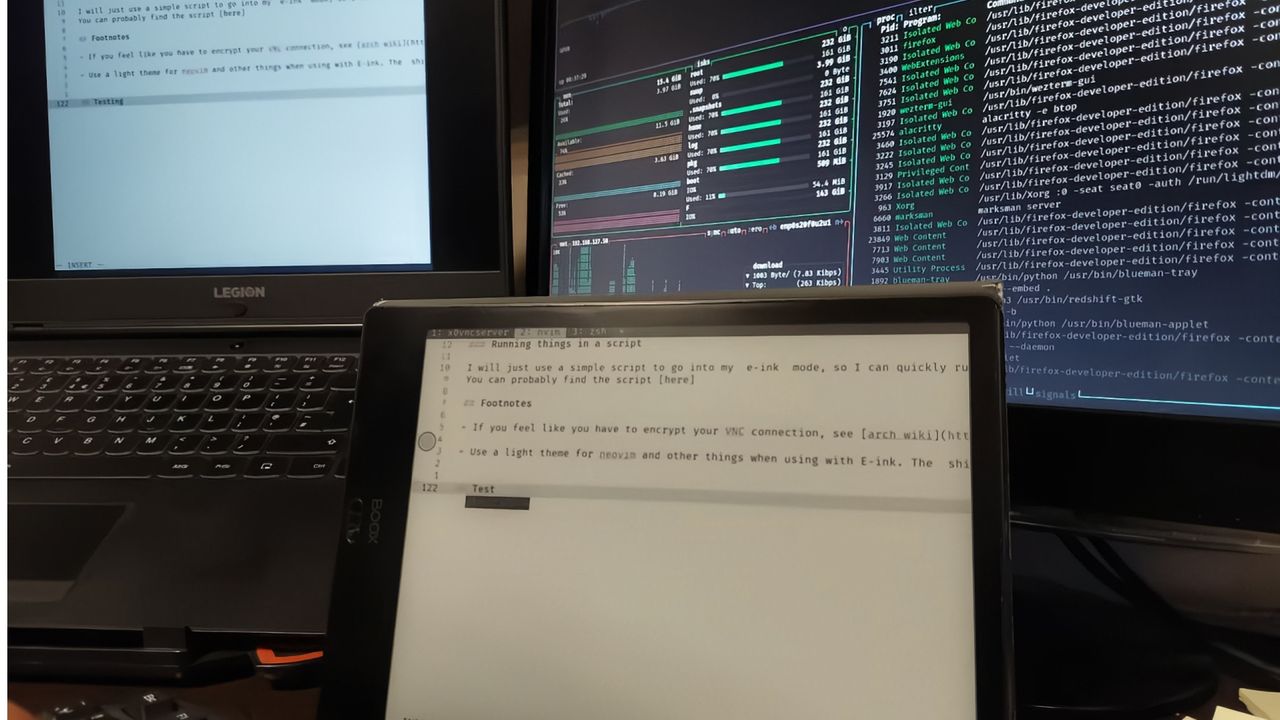


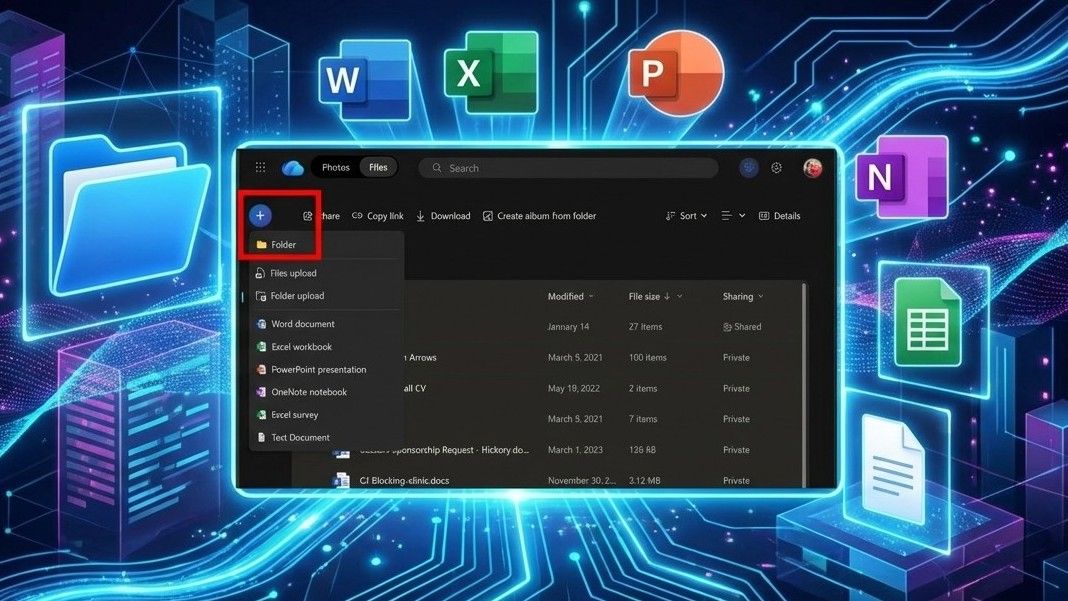

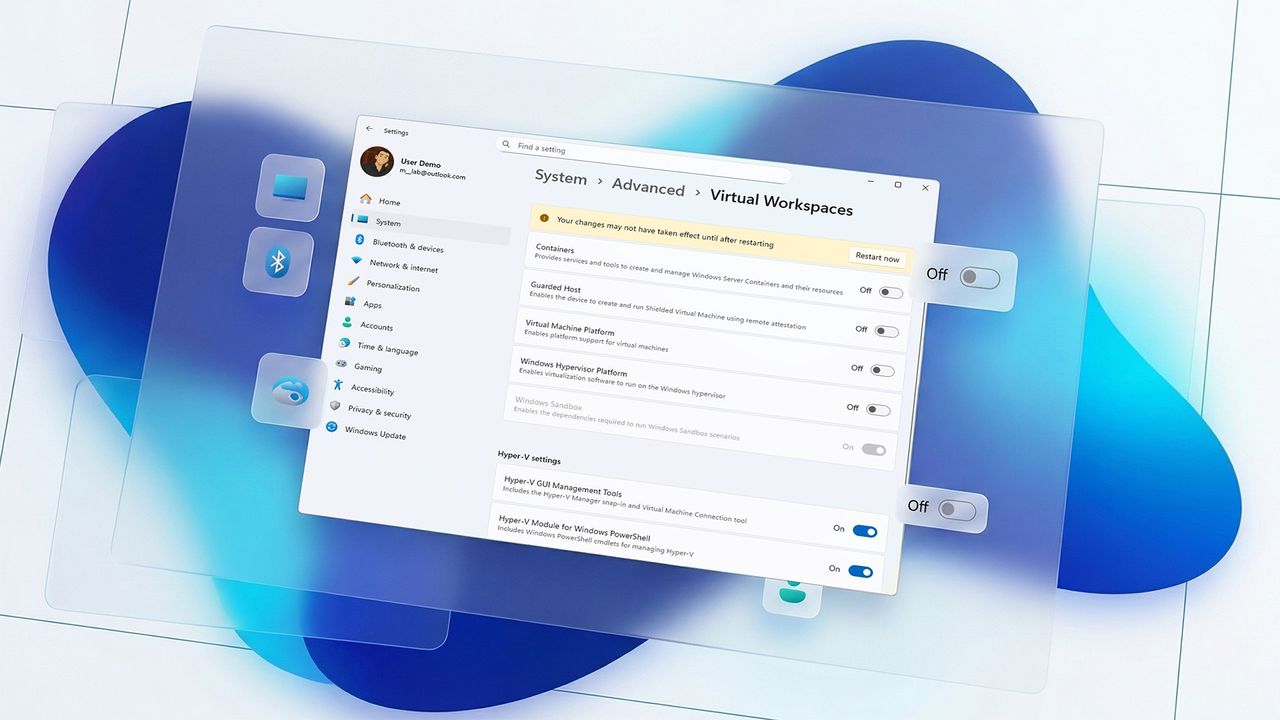



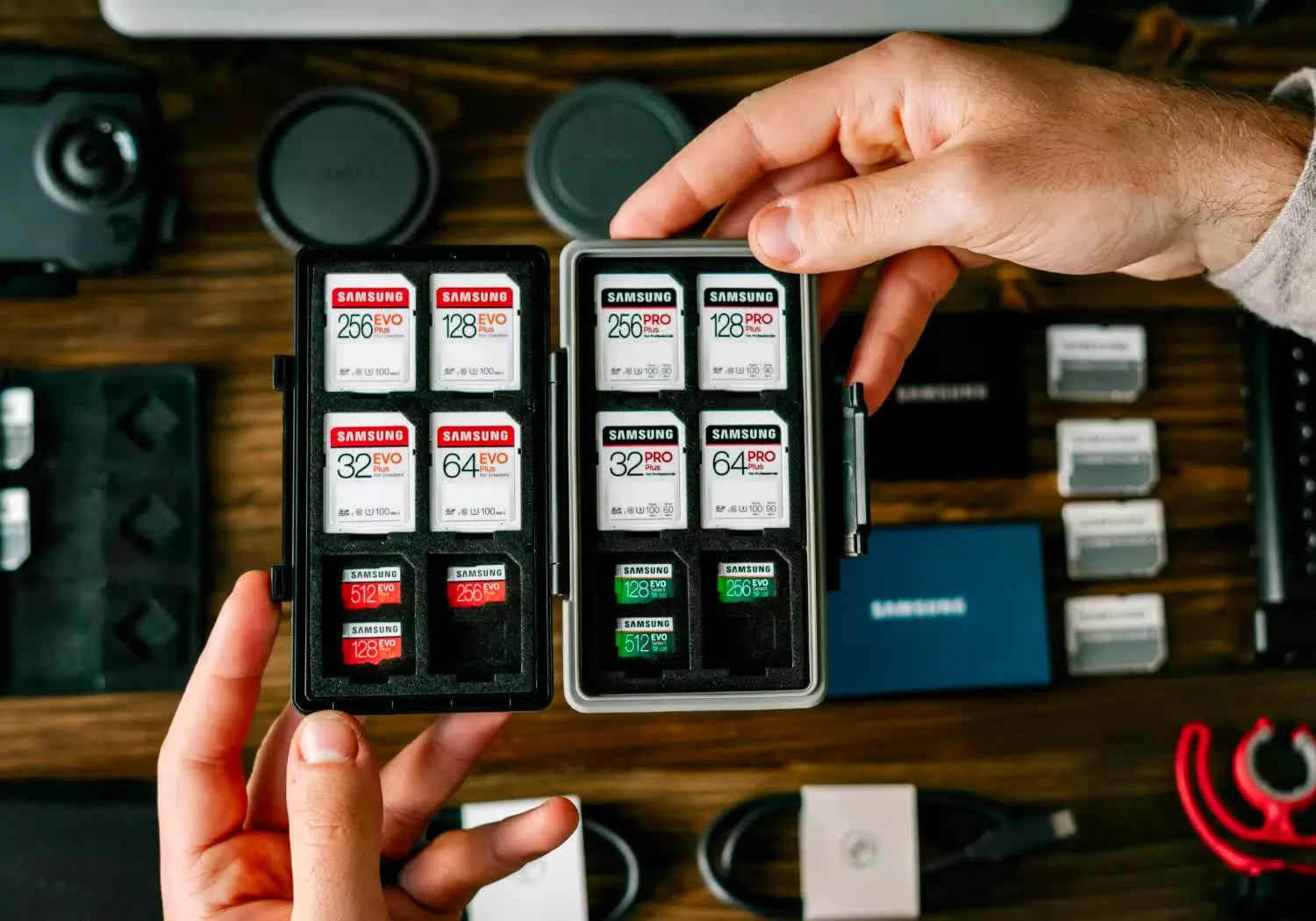
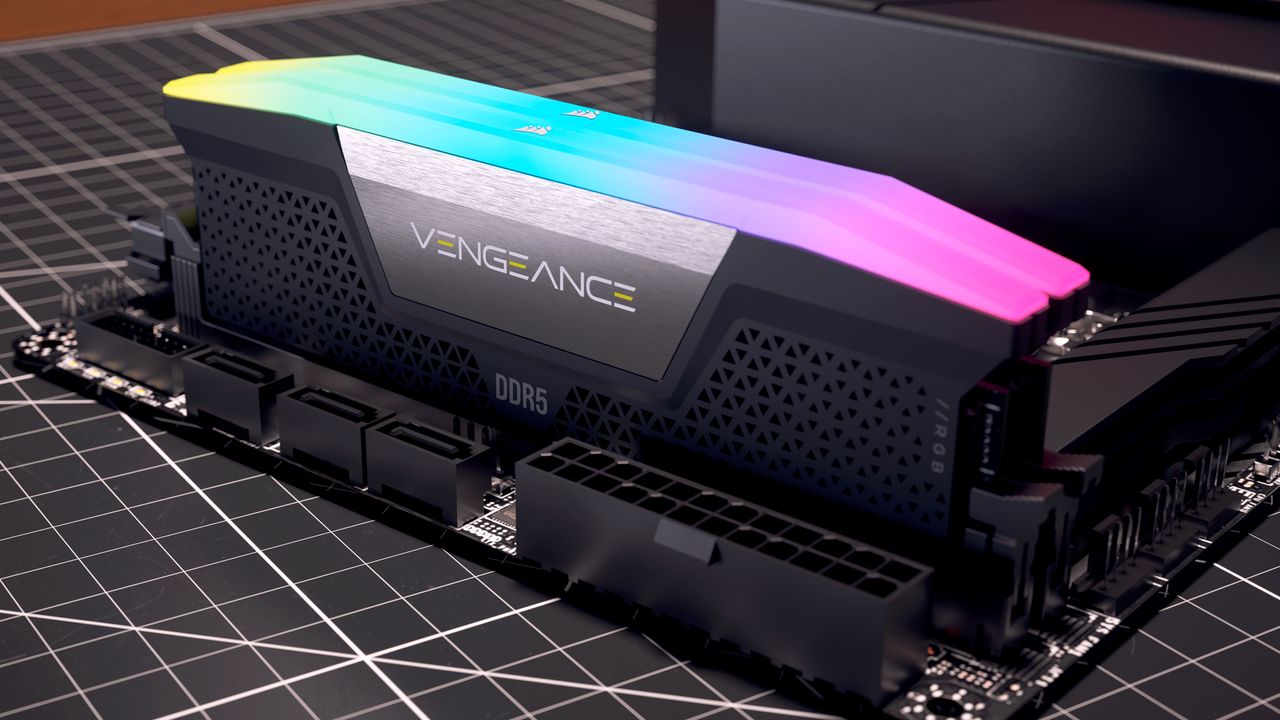




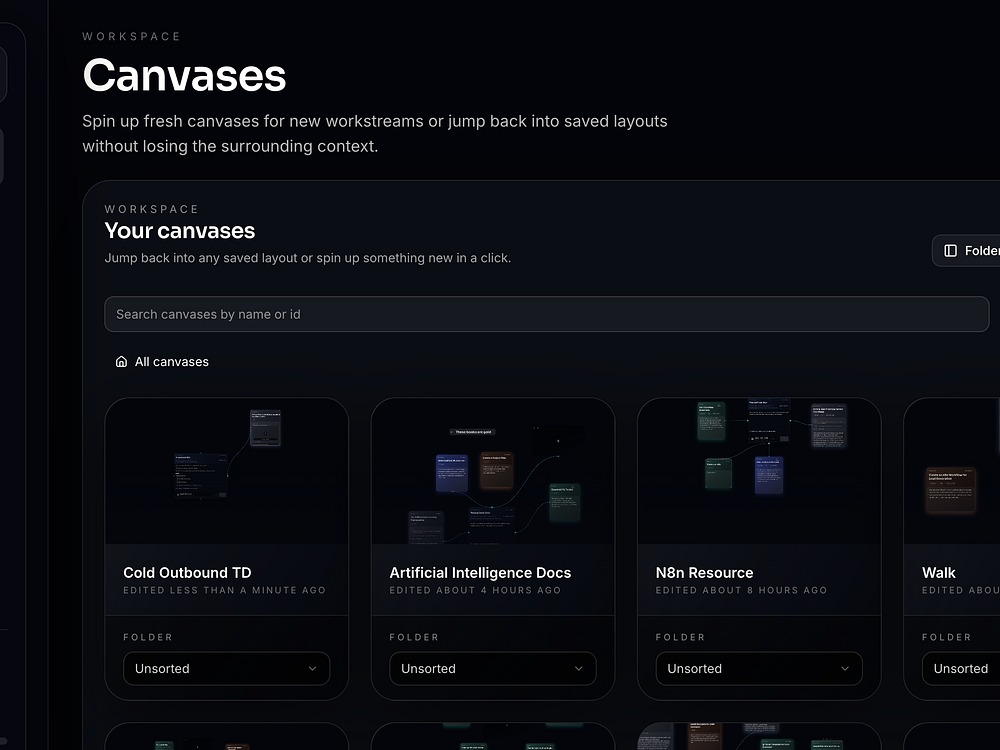







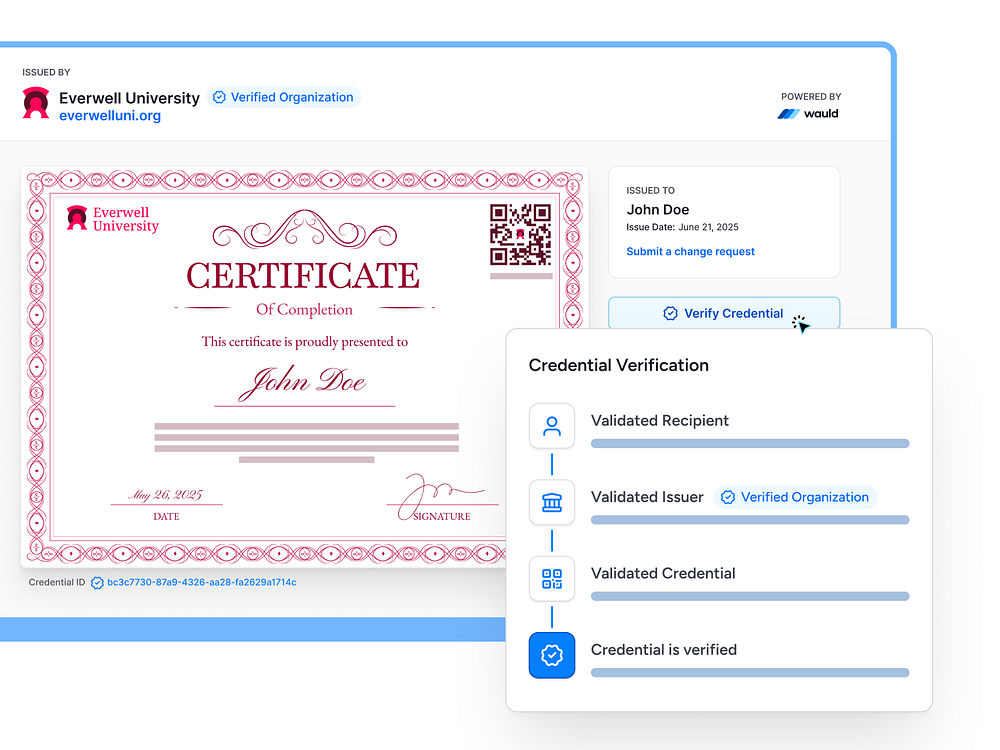









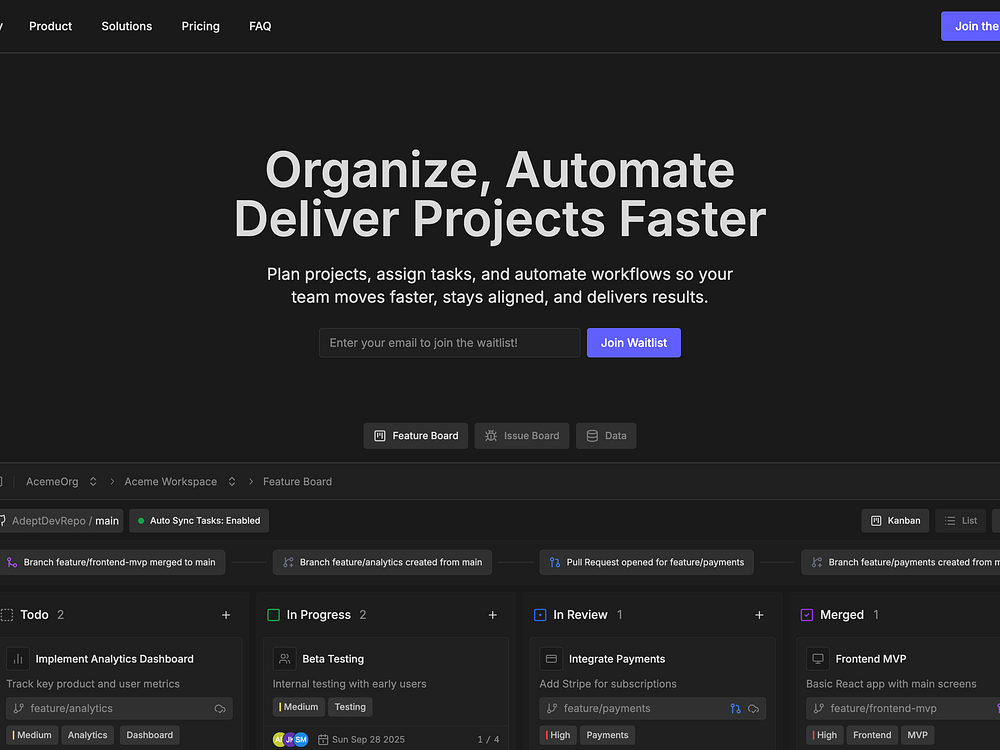



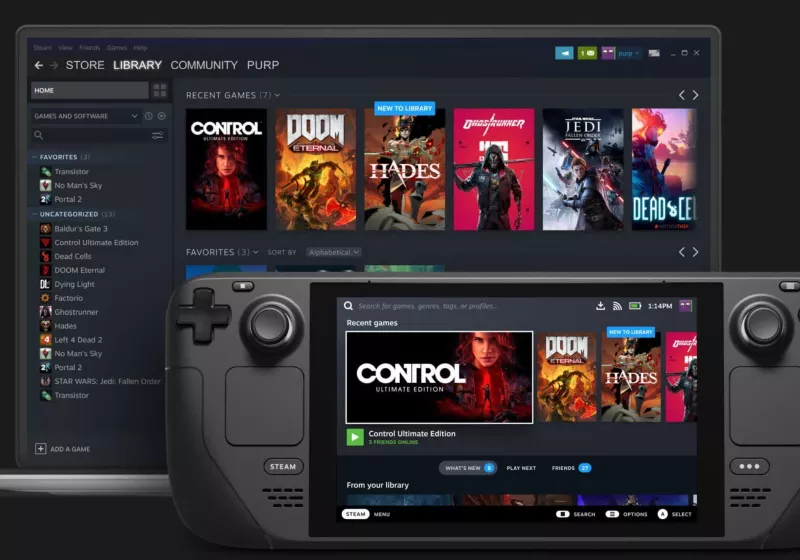



 This holiday season, transform screen-time into a festive cultural journey with Google Arts & Culture's dedicated "Festive Fun" page. Consider this your AI-powered c…
  Look back on Google AI news in 2025 across Gemini, Search, Pixel and more products.
 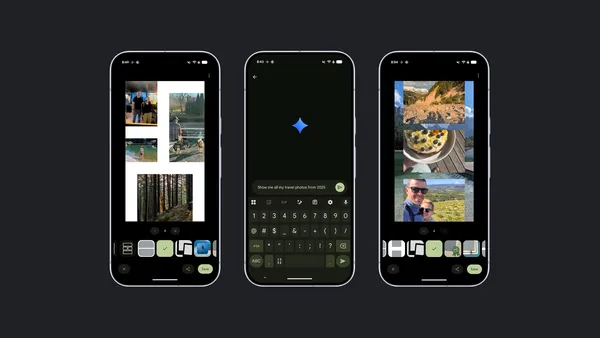 Learn how to use Google Photos to post, share or just look back on your 2025 in photos and videos.


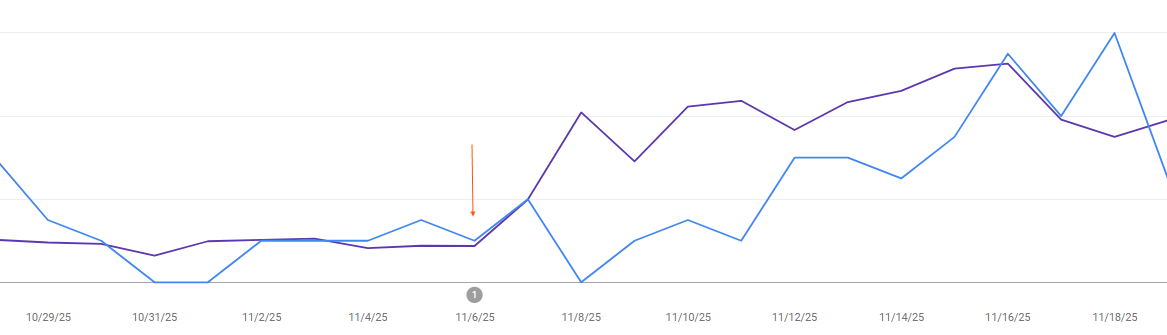




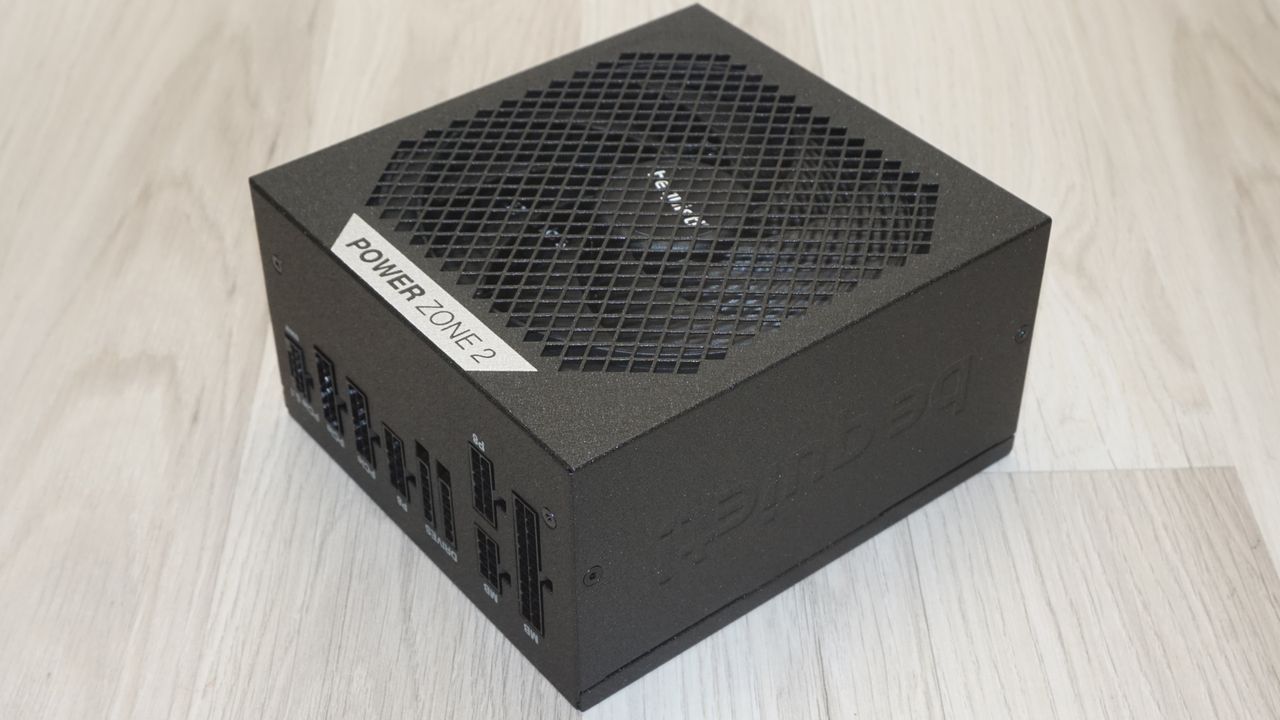
 Today, Alphabet announced a definitive agreement to acquire Intersect, which provides data center and energy infrastructure solutions. The acquisition will enable more d…