The Super Mario Galaxy Movie cast leak reveals a villain who could join Bowser Jr.


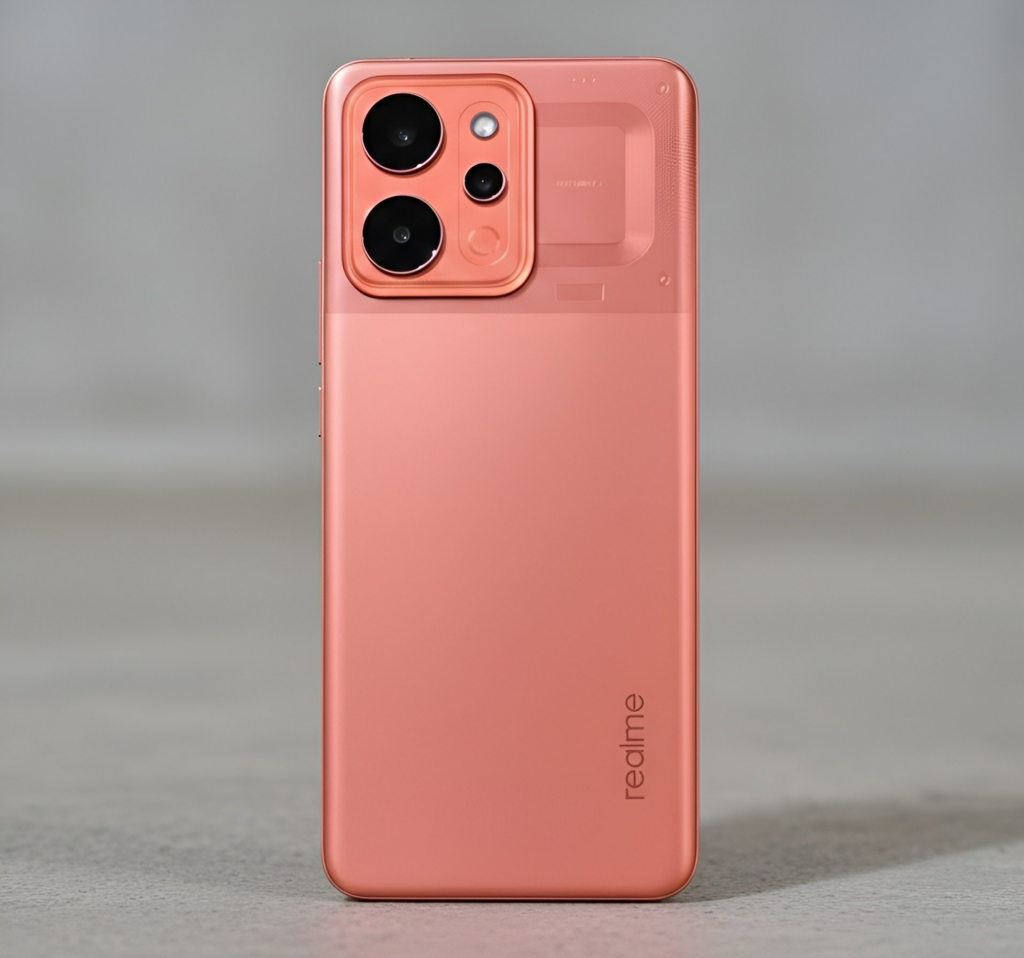
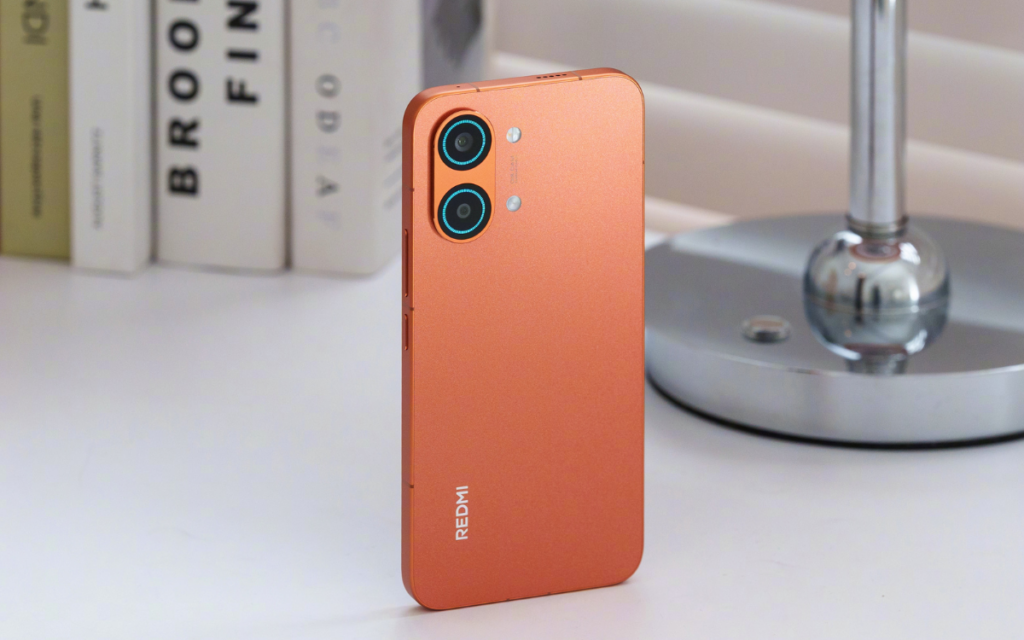
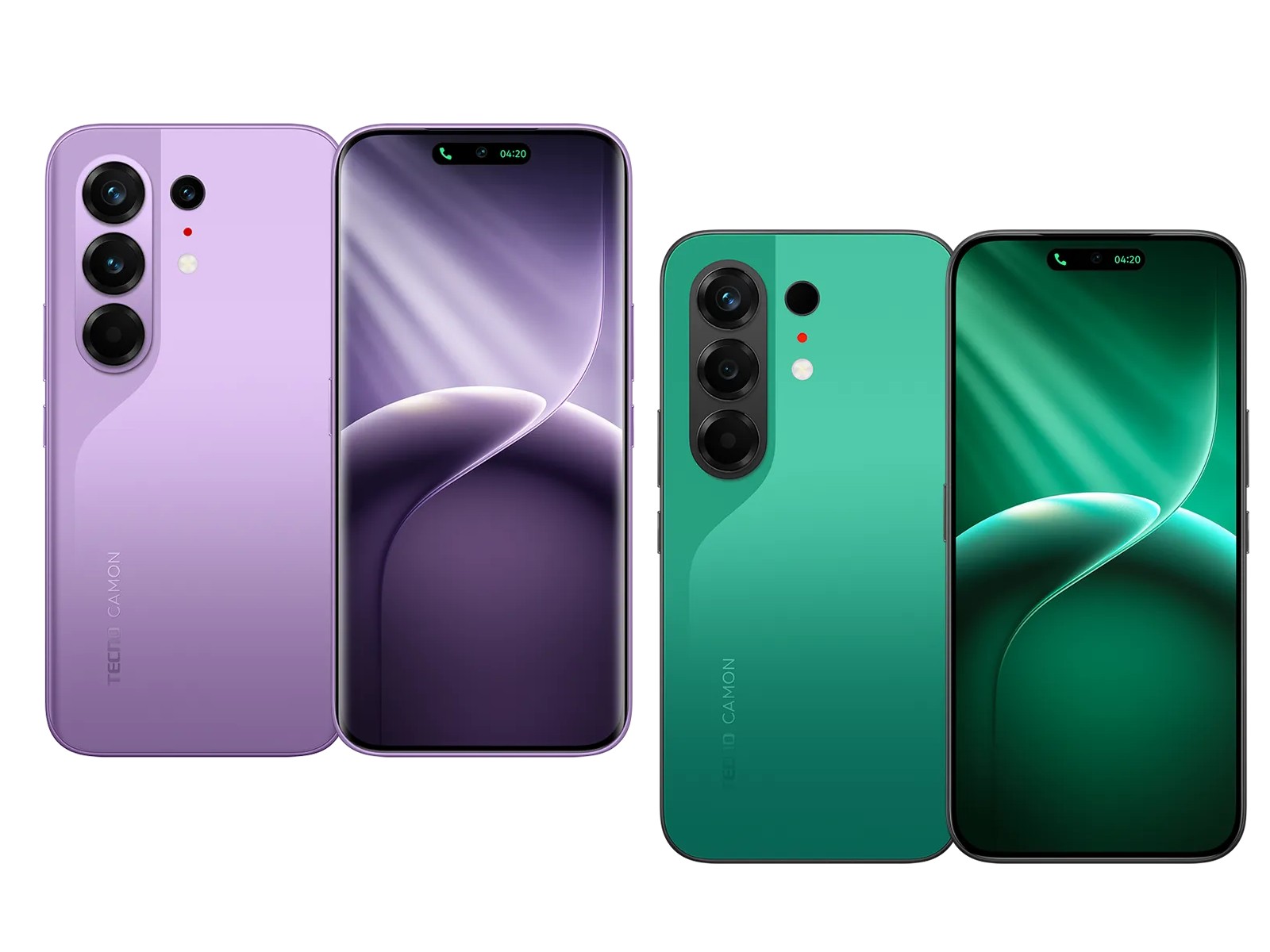
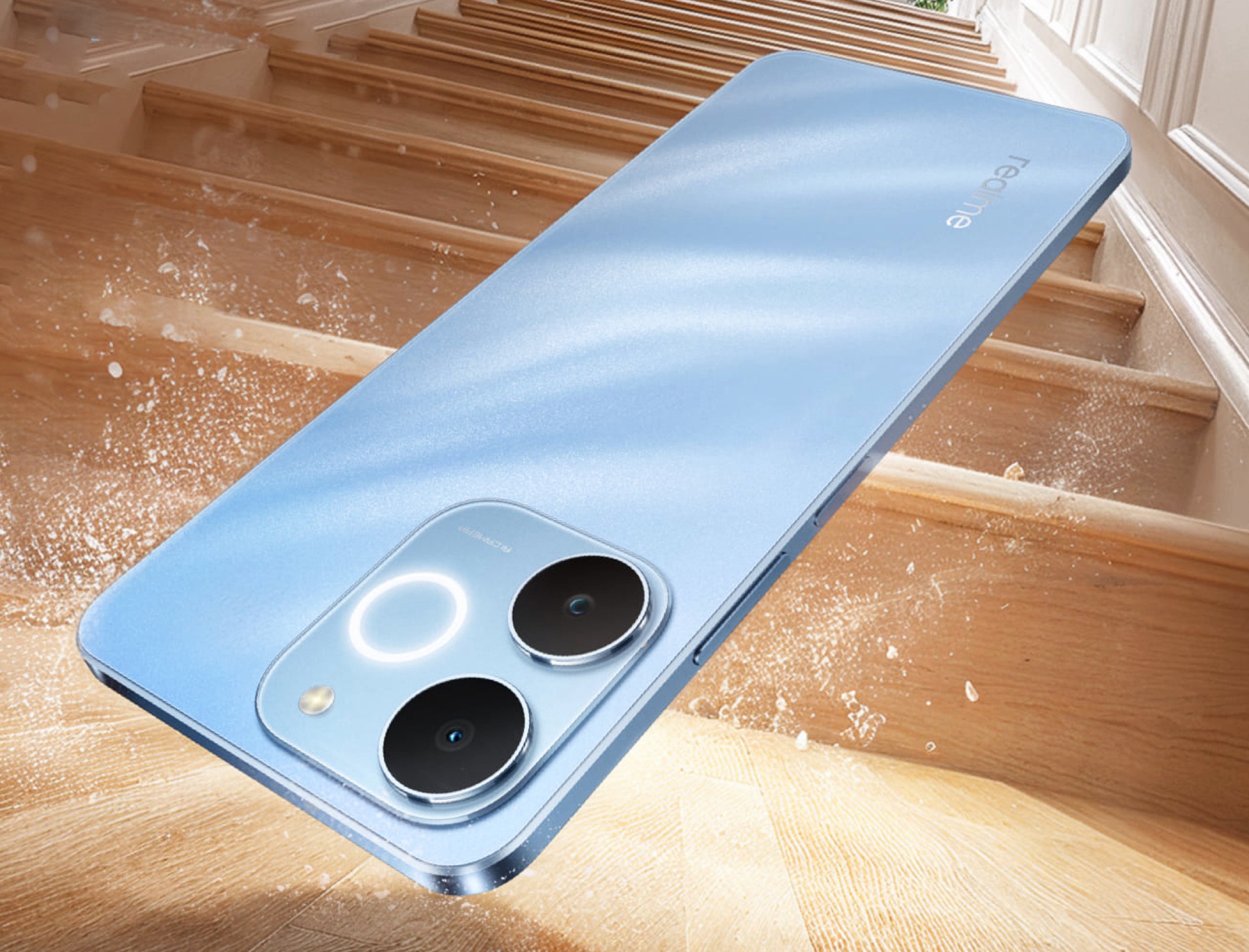
According to a new rumor, Realme is working on the C83, which will be positioned under the C85, just like the naming scheme implies. The C85 made its debut in November. The C83 is said to arrive in three RAM/storage combos: 4/64GB, 4/128GB, and 6/128GB. Their prices in India are rumored to be INR 13,499, INR 14,499, and INR 17,499, respectively. Realme C85 The C83 has the model number RMX5256 and will be offered in two colorways: Sprouting Green and Blooming Purple. Its full specs haven't been leaked yet, but we wouldn't be at all surprised if that happens in the next few days or...
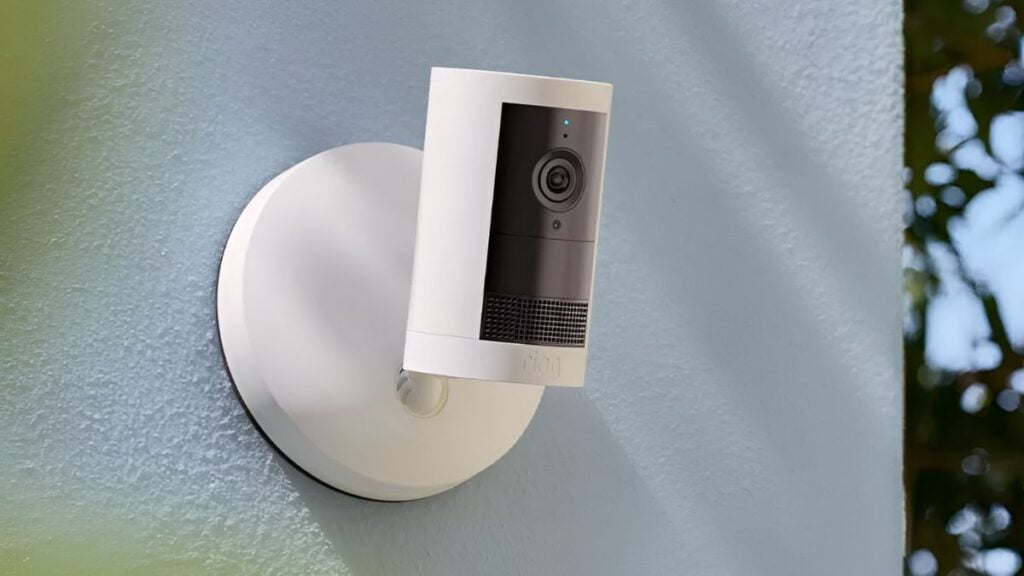
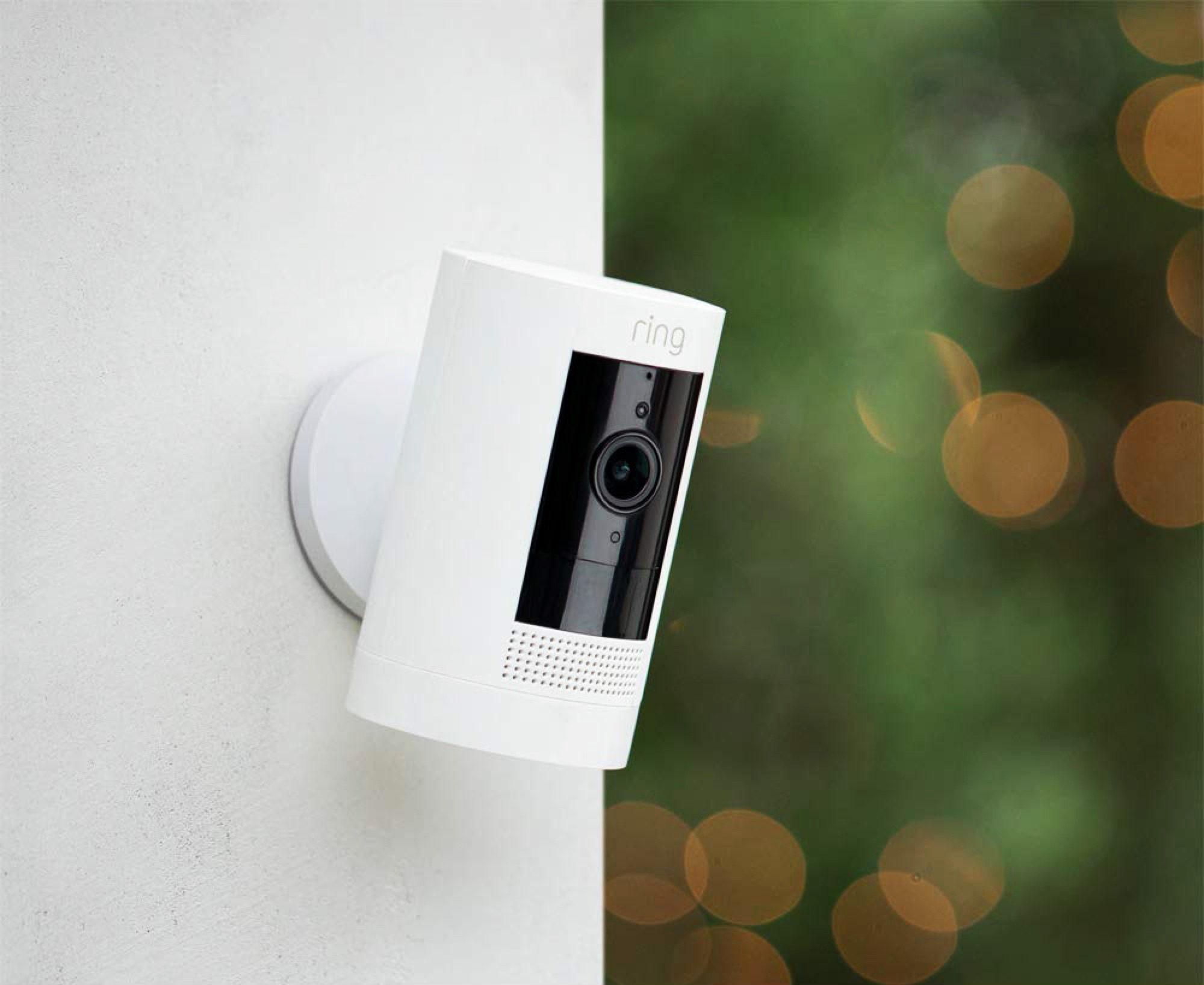
Leaked internal emails indicate that Amazon-owned Ring may be planning to expand its AI-powered camera network far beyond its current use cases, raising fresh concerns about large-scale neighborhood surveillance.

According to emails obtained by 404 Media, Ring founder Jamie Siminoff told employees that the companyβs controversial βSearch Partyβ feature was introduced βfirst for finding dogs,β but could eventually evolve into technology aimed at reducing crime across neighborhoods. Search Party launched in October as an on-by-default feature that connects Ring cameras within a local area and uses AI to identify lost pets, effectively creating a shared detection network across participating homes.
βThis is by far the most innovative that we have launched in the history of Ring,β Siminoff wrote in an email to staff shortly after the featureβs rollout. He added that the underlying system could become a key part of Ringβs long-term mission, describing a future where the company might help βzero out crime in neighborhoodsβ through AI-enabled tools.
The feature drew backlash during the Super Bowl after Ring promoted the concept in an advertisement. Critics argued that technology capable of scanning for lost animals could easily be repurposed for broader surveillance, particularly given Ringβs history of partnerships with police departments across the United States.
Recent product launches appear to reinforce those concerns. Ring has introduced βFamiliar Faces,β a facial recognition feature designed to identify known individuals captured on cameras, as well as βFire Watch,β which uses AI to alert users about nearby fires. While these tools are marketed as safety features, privacy advocates warn they could contribute to an increasingly interconnected surveillance ecosystem.
Additional emails obtained by 404 Media also highlight Ringβs growing law enforcement integrations. The company launched a βCommunity Requestsβ feature in September, allowing police to request footage directly from camera owners through a partnership with public safety technology firm Axon. Siminoff described the feature internally as βfoundationalβ to Ringβs mission of making neighborhoods safer.
In response to the reports, a Ring spokesperson said the company focuses on providing context about local events such as lost pets or fires and emphasized that footage sharing remains optional. The spokesperson also stated that Search Party does not process human biometrics or track individuals.
Despite those assurances, the leaked emails suggest Ringβs ambitions may extend well beyond pet recovery, potentially reshaping how residential surveillance technology is used in the future.
For more daily updates, please visit ourΒ News Section.
Stay ahead in tech!Β Join ourΒ Telegram communityΒ andΒ sign up for our daily newsletterΒ ofΒ top stories.
(Source: 404 Media)
The post Is Amazon Building a Mass Surveillance Network? Ring Emails Raise Alarm appeared first on Gizmochina.
With Samsung Galaxy Unpacked just days away, leaks are starting to fill in the remaining gaps, including how much Samsungβs next earbuds might cost.

According to tipster Roland Quandt, the Galaxy Buds4 are expected to retail for $179.99 in the US, while the Buds4 Pro could come in at $249.99. If accurate, thatβs identical to the launch pricing of the Buds3 lineup last year.
Thatβs notable. With component costs fluctuating and many brands quietly raising prices year over year, Samsung appears to be holding the line, at least this time.
In Europe, early retailer listings are pointing in the same direction. Italian retailer Euronics has already shown the Buds4 Pro at β¬249, while the standard Buds4 are tipped to land at β¬179. Other listings, including on Amazon in select markets, have surfaced ahead of schedule, although not all of them display final pricing.
Still, the consistency across multiple sources suggests these numbers are likely locked in.
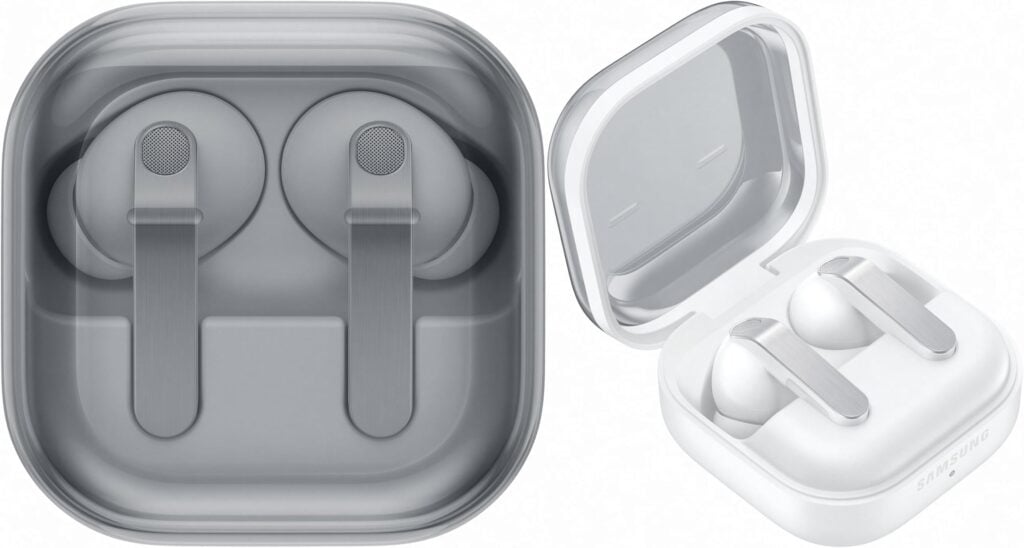
Recent dummy units and renders indicate that Samsung is refreshing the design. Both models are expected to adopt a flatter stem look. The distinctive Blade Lights seen on the Buds3 Pro appear to be gone, signaling a shift toward a cleaner, more understated aesthetic.
At $249.99, the Buds4 Pro would go head-to-head with Apple AirPods Pro 2, which also retail at $249 in the US. Sony and Googleβs premium offerings occupy a similar range.
The Galaxy Buds4 and Buds4 Pro are expected to debut alongside the Galaxy S26 lineup at Unpacked on February 25 in San Francisco. As usual, pre-orders should follow shortly after.
Nothing is official until Samsung takes the stage, but if these leaks hold, the Buds4 series may deliver an updated design without asking buyers to pay more.
Donβt miss a thing! Join our Telegram community for instant updates and grab our free daily newsletter for the best tech stories!
For more daily updates, please visit our News Section.
(Source)
The post Galaxy Buds 4 and 4 Pro pricing revealed ahead of Unpacked event appeared first on Gizmochina.
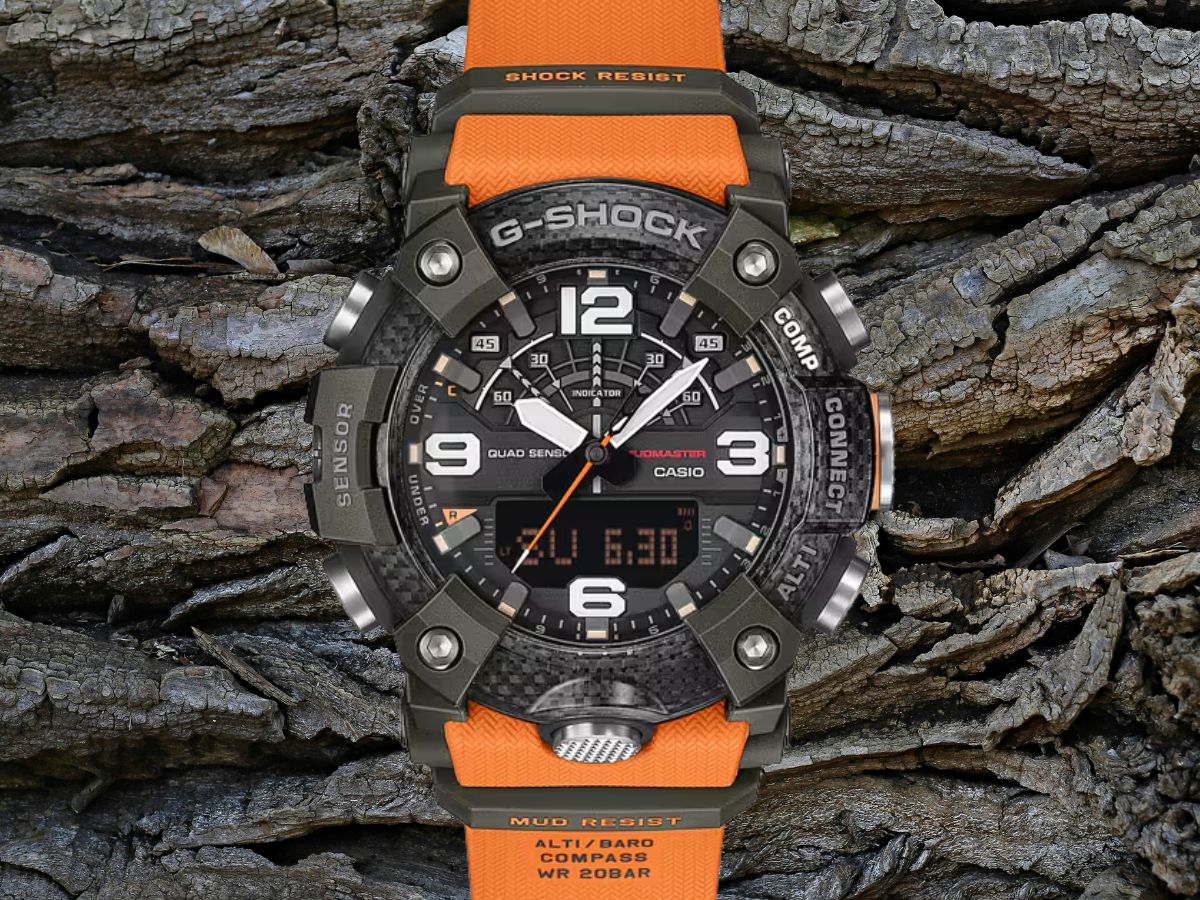
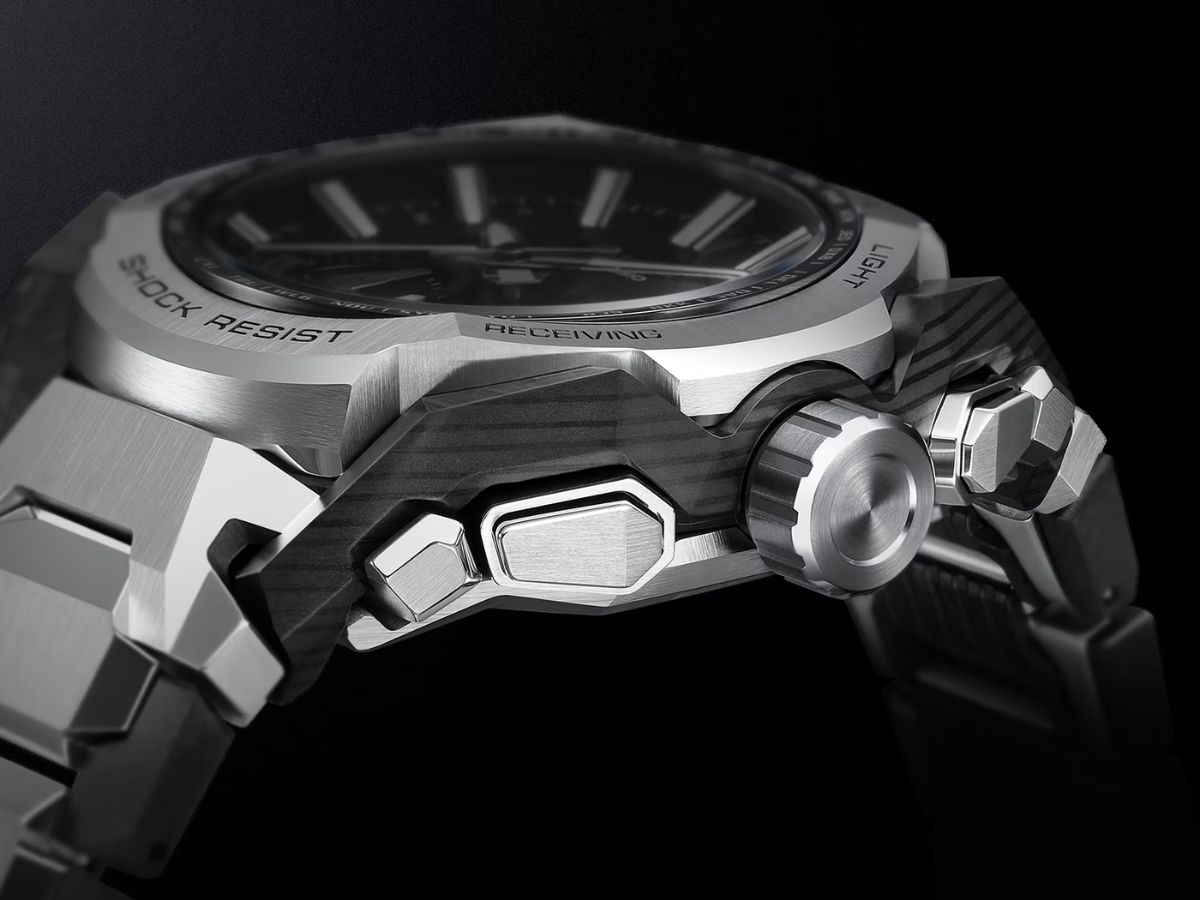
Titanium is one of the most desirable materials in watchmaking thanks to its lightweight strength, corrosion resistance, and premium look, but it often appears on pricier timepieces. So hereβs a list of some watches that manage to bring true titanium builds with a $500 budget without sacrificing quality or features. Below, weβve rounded up the best affordable titanium watches you can buy this year

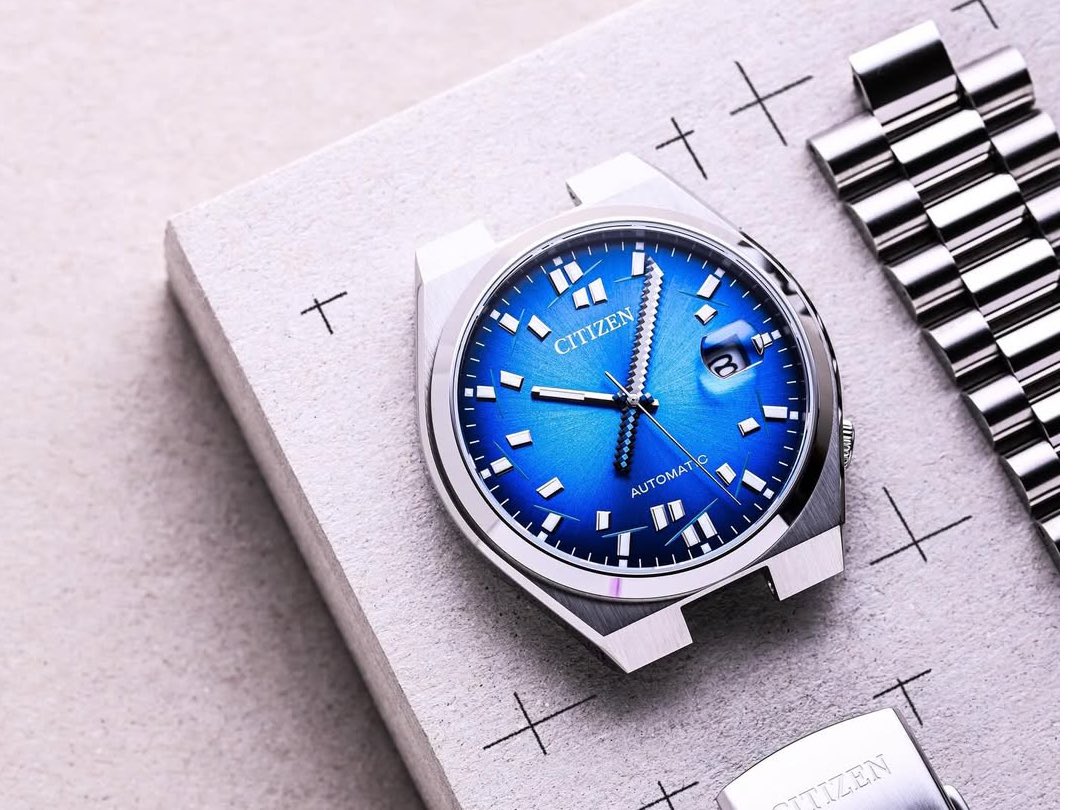
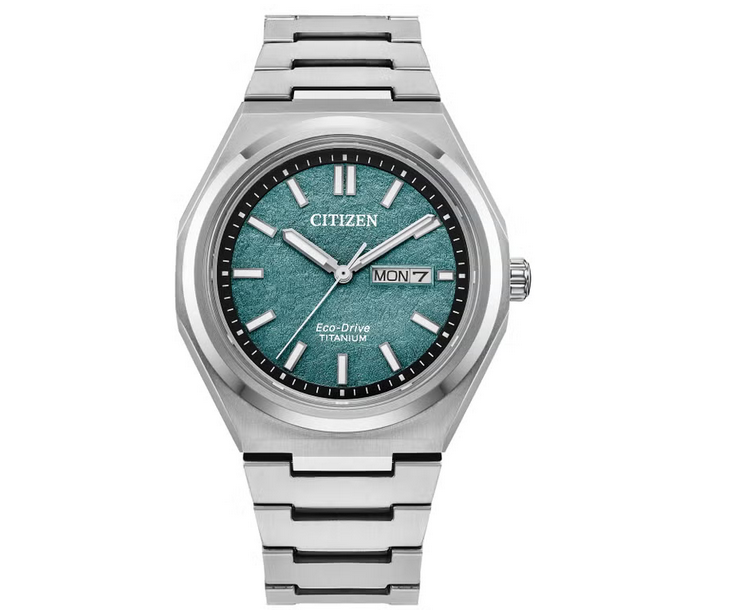
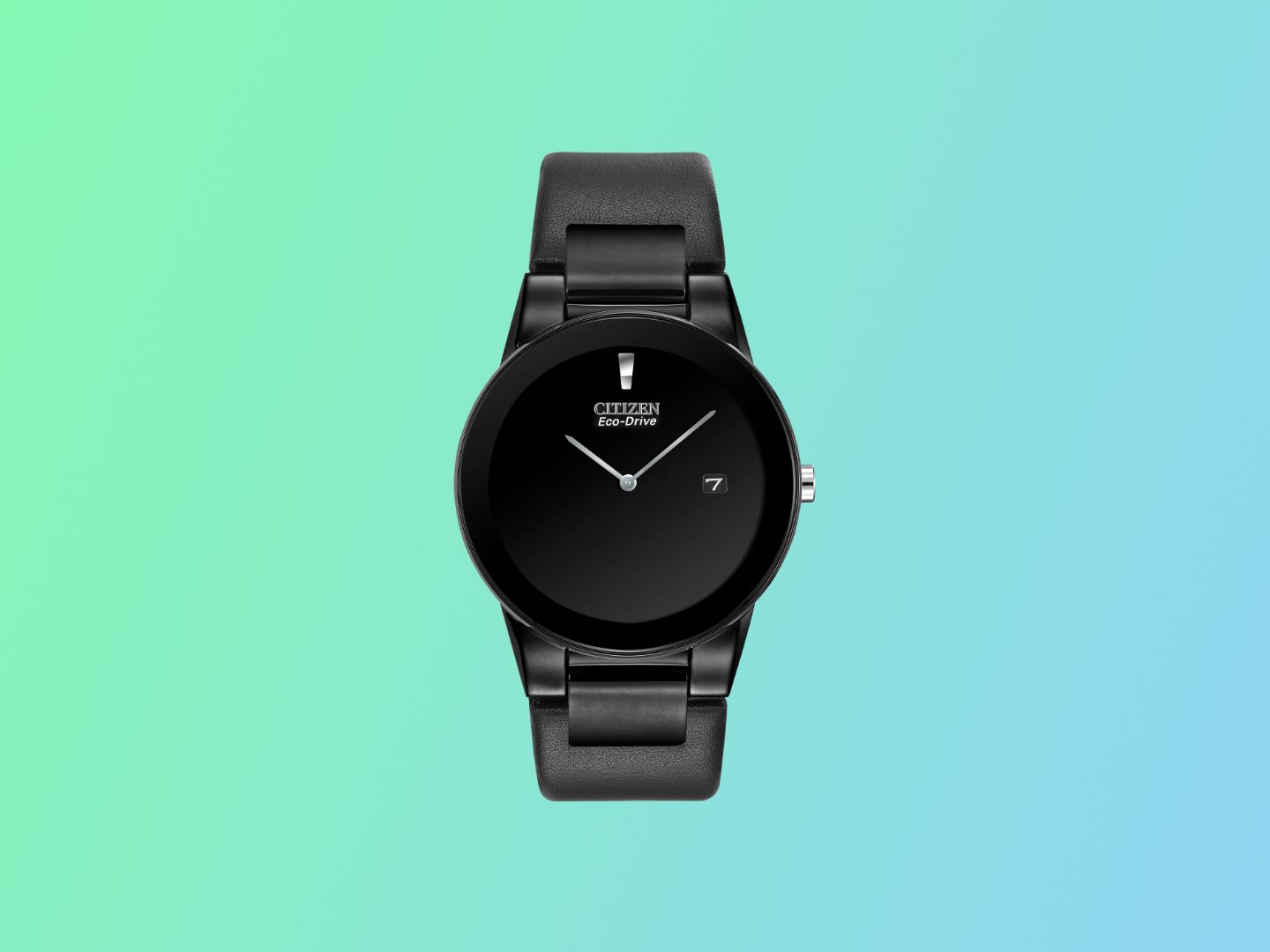
A standout in the affordable titanium space is the Citizen Zenshin Three-Hand Titanium Watch, which is a modern and stylish everyday timepiece with a brushed titanium case and a textured dial that adds subtle character. Powered by Citizenβs Eco-Drive solar technology, it never needs a battery change and offers reliable timekeeping with solid build quality. This is a great pick if you want a lightweight watch that looks refined enough for both work and weekend wear without crossing the $500 mark.

For sporty watch lovers who appreciate durability and outdoor readiness, the Citizen Promaster Diver with Super Titanium case is a rare gem under $500. Featuring 200 m water resistance, a robust rotating dive bezel, and solar-powered Eco-Drive movement, it offers serious functionality in a lightweight package. The Super Titanium coating also helps resist scratches, making this diver ideal for everyday wear and weekend adventures alike.

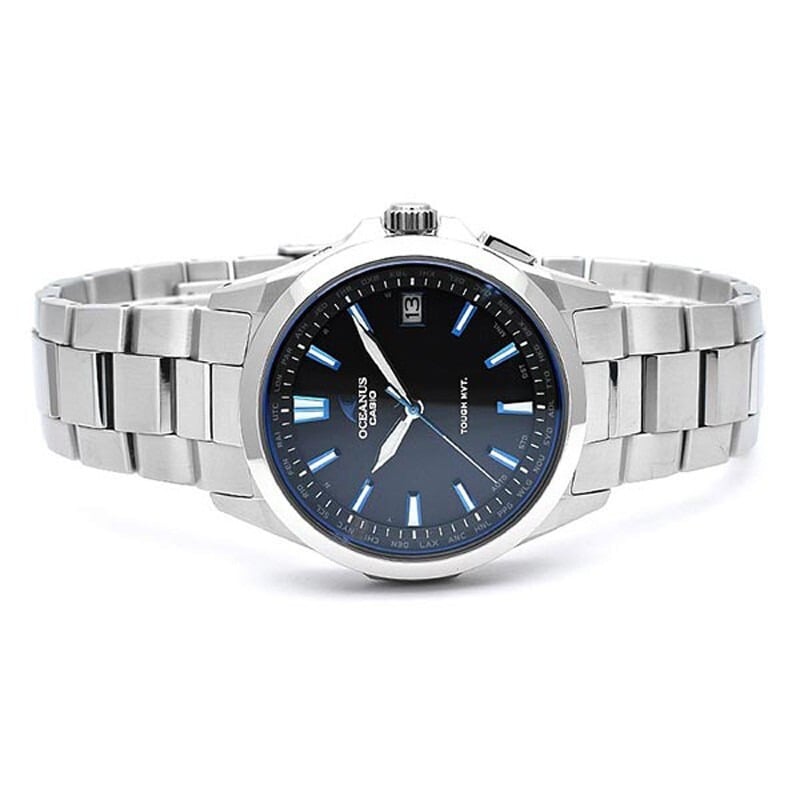
Casioβs Oceanus titanium watches are often overlooked but pack excellent value for under $500. These models combine precise solar-powered quartz movements with a sapphire crystal and lightweight titanium cases, making it perfect if you want a reliable and versatile daily watch with a slightly refined, dress-friendly aesthetic. Their understated design pairs easily with casual or business attire, while titanium ensures comfort during long hours on the wrist.

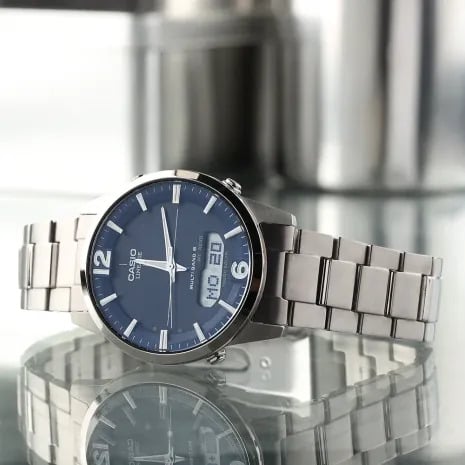
Casioβs Lineage series combines traditional analogue styling with modern tech perks. The titanium version tends to have radio-controlled timekeeping (Wave Ceptor), ensuring accurate time worldwide, plus a solar quartz movement for maintenance-free power. You also get radio-controlled accuracy, solar charging, sleek, and an everyday design. For those who want precision and practicality in a classy, lightweight titanium package, this model offers serious value under $500.
Titanium is lighter and more corrosion-resistant than stainless steel, often making watches more comfortable for long-term wear, especially for those with active or daily-wear needs. It also holds up well against scratches and daily knocks while still looking refined.
Finding a titanium watch under $500 is more feasible than ever, thanks to improved manufacturing and wider adoption of lightweight alloys in mid-tier watches. Options range from rugged divers and precise radio-controlled timepieces to classic everyday watches and sophisticated chronographs. Whether you prioritise sport features, solar power, or everyday elegance, thereβs a titanium watch on this list that offers comfort, durability, and style without the premium price tag.
For more daily updates, please visit our News Section.
Donβt miss a thing! Join our Telegram community for instant updates and grab our free daily newsletter for the best tech stories!
The post Best Titanium Watches Under $500 in 2026 appeared first on Gizmochina.
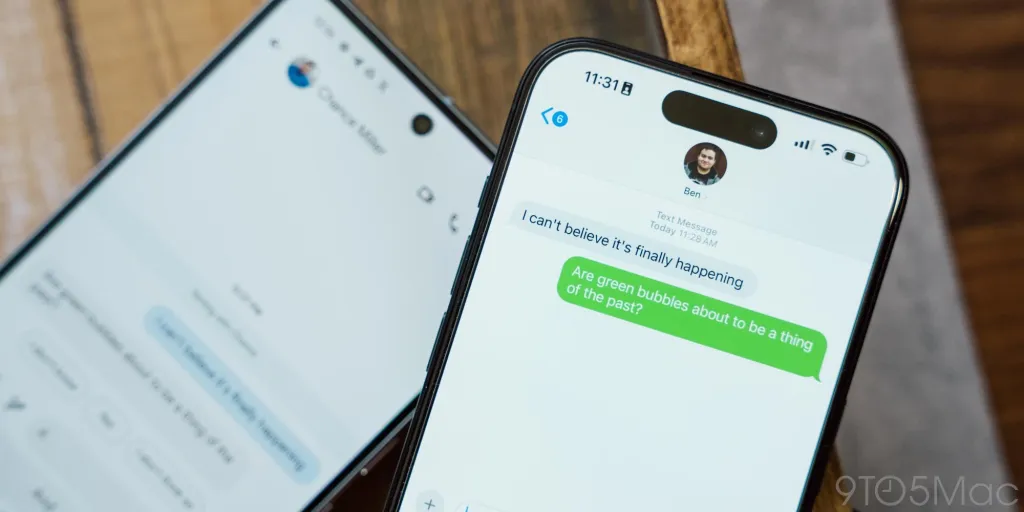
In the latest iOS 26.4 developer beta, Apple has quietly enabled early support for end-to-end encrypted RCS chats. On paper, that sounds like a big deal. RCS has long been one of the most debated topics in the iPhone vs Android messaging saga. But if you were hoping this means secure iPhone-to-Android texting is here, not quite.

For years, Apple avoided adopting Rich Communication Services, better known as RCS, arguing that the standard lacked proper end-to-end encryption. In the meantime, iPhone users had iMessage (fully encrypted, blue bubbles), while conversations with Android users dropped down to plain SMS. That divide became part technical limitation, part ecosystem strategy.
Apple finally introduced RCS support with iOS 18, but encryption wasnβt included. Now, in iOS 26.4 beta, thereβs a new toggle in Settings that enables encrypted RCS for supported users. Encrypted chats show a lock icon, similar to iMessage, indicating messages are secured in transit.
Right now, encrypted RCS only works between Apple devices. The feature does not yet enable encrypted messaging between iPhones and Android phones. In other words, the green-bubble security issue remains unresolved.
Thereβs another interesting detail: encrypted RCS activates only when iMessage is turned off. If iMessage is enabled, Appleβs own messaging system continues to take priority for Apple-to-Apple chats.
Google has offered encrypted RCS in its Messages app for compatible devices for years. But true cross-platform encryption requires every major player, including Apple, to fully implement the same specification.
So when will Android-to-iPhone encryption arrive?
Thatβs the big question. This beta confirms Apple is actively working on encrypted RCS. But full cross-platform support doesnβt appear ready yet. Itβs also absent from the stable iOS 26.4 release roadmap. Realistically, widespread encrypted RCS between iPhone and Android users could still be far away.
For now, this update is progress, just not the breakthrough we have been waiting for. Apple is moving forward on RCS encryption, but itβs doing so carefully and, at least for now, still within its own ecosystem boundaries.
Donβt miss a thing! Join our Telegram community for instant updates and grab our free daily newsletter for the best tech stories!
For more daily updates, please visit our News Section.
The post Apple is moving toward encrypted RCS β but thereβs still a catch appeared first on Gizmochina.
The sub-Rs 25,000 segment remains one of the most competitive in the Indian smartphone market. Devices in this price band now offer strong performance, capable cameras, fast charging, and refined software, blurring the lines with pricier mid range models. Whether youβre a gamer or just someone who wants a balanced daily driver, weβve rounded up the 5 best smartphones under Rs 25,000 that deliver the most bang for your buck right now.
The realme P4 Power 5G starts off our list as a phone that aggressively targets power users with battery-hungry needs. What sets it apart is its massive 10,001mAh battery, making it one of the largest youβll find in any commercially available smartphone right now. Pair this with an 80W wired fast charging, expect to spend less time charging your phone and more time using it.

Apart from the battery, it sports a 6.8-inch 144Hz HyperGlow curved display that gets impressively bright for outdoor visibility. The MediaTek Dimensity 7400 Ultra chipset delivers smooth performance for daily tasks and gaming, and the 50MP + 8MP + 2MP camera setup handles everyday photography well enough.
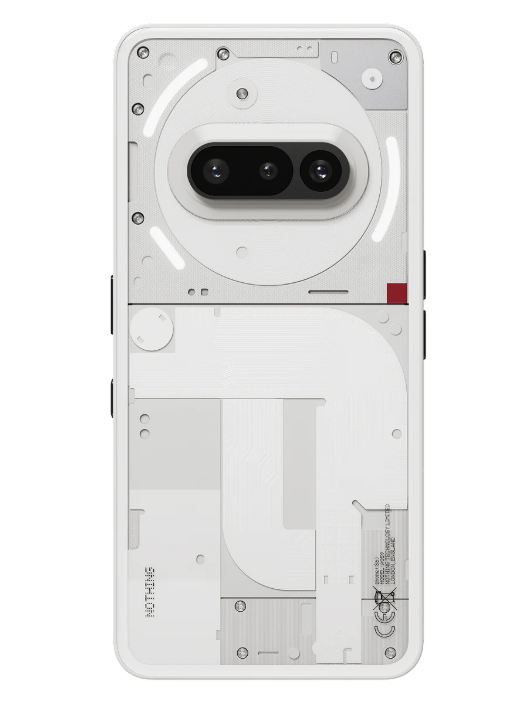
Next up, the Nothing Phone 3a is one of the most exciting options in this price bracket thanks to its clean design and polished software experience. Powered by the Qualcomm Snapdragon 7s Gen 3 chipset and a 6.77-inch AMOLED display, it offers smooth visuals and capable performance for everyday use.

It offers a strong triple camera setup, with all three sensors actually being usable (main, telephoto, & ultra wide). A sizeable 5,000mAh battery pack powers this device, which supports 50W wired fast charging. Nothingβs unique Glyph Lighting (and transparent construction) and refined Nothing OS give this phone a premium vibe normally reserved for higher-end devices, making it a strong contender if you value both aesthetics and performance.
The Redmi Note 14 Pro+ 5G also brings some capable features to the Rs 25,000 price range. It packs a 6.67-inch 1.5K AMOLED display with vibrant colors and a high refresh rate, paired with a massive 6200mAh battery supported by 90W fast charging.

You also get a versatile camera setup with the inclusion of a dedicated telephoto lens in this segment, giving it an edge over its rivals. This Xiaomi device delivers balanced performance, strong visuals, and a versatile camera setup, making it a compelling choice for those who want a more complete smartphone experience.
The realme 14 Pro+ is another notable pick that blends performance with imaging prowess. It features a 6.83-inch curved OLED display with a 120Hz refresh rate, promising an immersive viewing experience, whether youβre gaming or streaming content.

On the camera front, the 14 Pro+ leans into capable imaging hardware, which also includes a telephoto shooter. With reliable battery life and fast charging, itβs one of the best balanced phones under this price range if you want rounded performance across use cases. Some of its notable features include Snapdragon 7s Gen 3, a big 6,000mAh battery pack, and 80W wired fast charging.
Rounding up the list is the OnePlus Nord CE5, which strikes a great balance between performance, design, and long-term software support. It sports a 6.77-inch AMOLED display with a 120Hz refresh rate. It doesnβt lag behind in performance either with the Dimensity 8350 Apex SoC, offering dependable responsiveness for social apps, multitasking, and even gaming.

Battery life is solid, and OxygenOS (based on Android) remains one of the cleaner software experiences youβll find at this price, with buttery smooth UI animations and impressive customization options. If youβre looking for a phone that feels premium in day-to-day use without the premium price tag, the Nord CE5 makes a strong case.
For more daily updates, please visit our News Section.
Tech enthusiast? Get the latest news first! Follow our Telegram channel and subscribe to our free newsletter for your daily tech fix! 
The post Best Smartphones Under Rs 25,000 in Feb 2026 appeared first on Gizmochina.
Just months after launching the T4 Pro, vivo already appears to be working on its successor. The upcoming vivo T5 Pro has now surfaced in a global IMEI database, marking its first public appearance. The listing reveals the model number V2568. While the database doesnβt disclose any hardware details, it does confirm that the device is in development and likely inching closer to launch.

That timing makes sense. The vivo T4 Pro, which debuted in India in August 2025, carved out a strong position in the sub-βΉ30,000 segment.
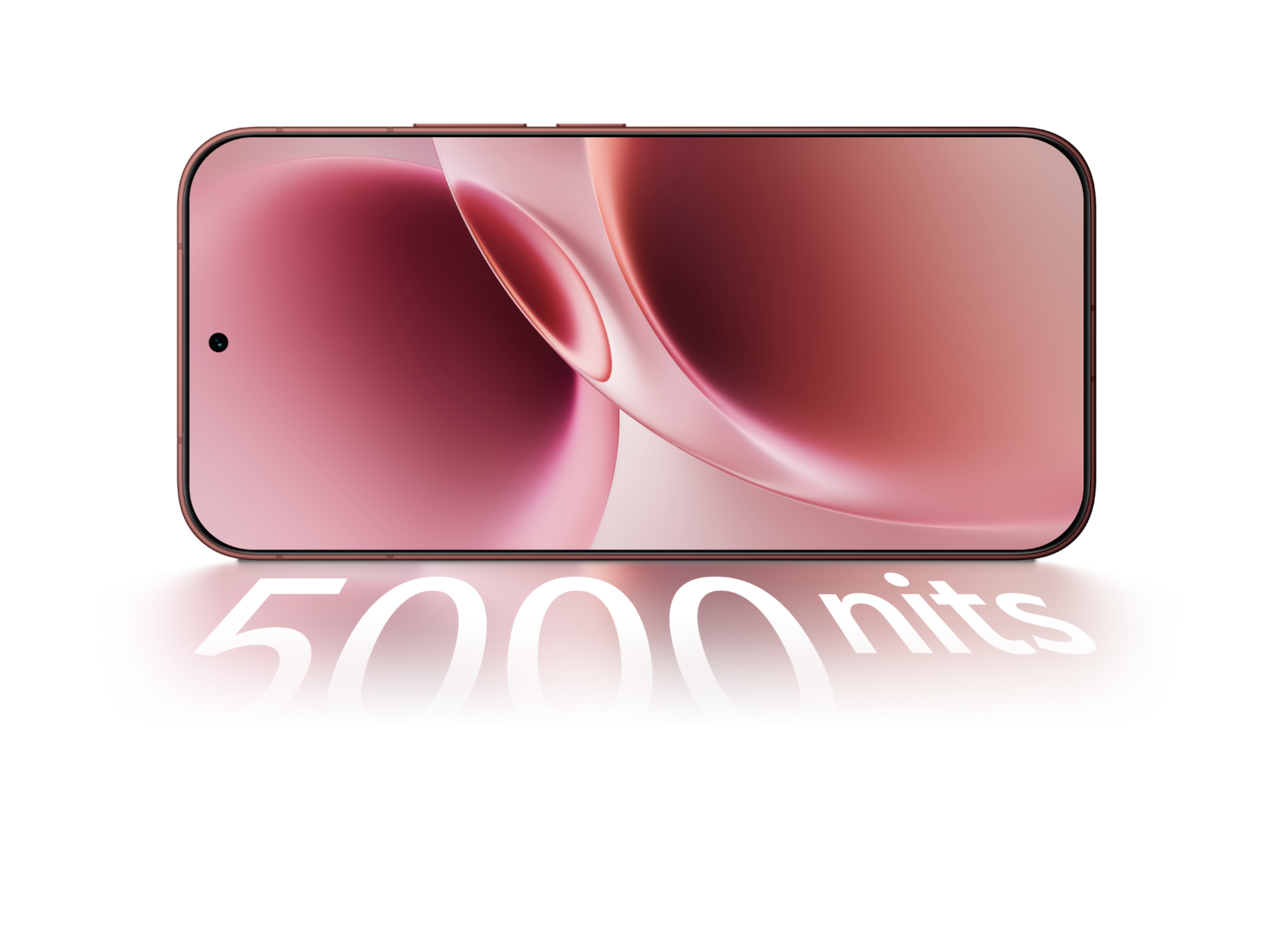
To recap, the T4 Pro featured a 6.77-inch quad-curved AMOLED display with a 120Hz refresh rate and a claimed 5,000-nit local peak brightness. Under the hood, it ran on Qualcommβs Snapdragon 7 Gen 4 chipset, paired with up to 12GB RAM and 256GB storage.
Cameras were a key highlight. The phone packed a 50MP primary sensor with OIS, a 50MP periscope telephoto offering 3x optical zoom (also with OIS), and a 2MP auxiliary sensor. On the front, a 32MP shooter handled selfies. Add to that a sizable 6,500mAh battery with 90W fast charging and IP68/IP69 ratings, and itβs easy to see why the device attracted attention.
Now the question is: what does the T5 Pro improve?
Itβs too early for confirmed specs, but a chipset upgrade feels likely, possibly a newer Snapdragon 7-series chip or a MediaTek Dimensity alternative. Refined camera hardware and tuning are also on the table.
The IMEI listing doesnβt reveal much beyond the model number, but itβs usually one of the first signs that a launch cycle has begun. Given vivoβs cadence in India, a release in August 2026 wouldnβt be surprising.
With brands like Realme, Redmi, and Nothing continuing to push aggressive mid-range offerings, vivo will need to bring meaningful upgrades, not just incremental tweaks, if it wants the T5 Pro to stand out.
Donβt miss a thing! Join our Telegram community for instant updates and grab our free daily newsletter for the best tech stories!
For more daily updates, please visit our News Section.
(Via)
The post Vivo T5 Pro surfaces on IMEI, suggesting development is underway appeared first on Gizmochina.
Google has shared new details about how it is strengthening security across the Android ecosystem, focusing on AI-driven protections, stricter developer policies, and expanded real-time defenses to protect users from malware, fraud, and privacy risks.

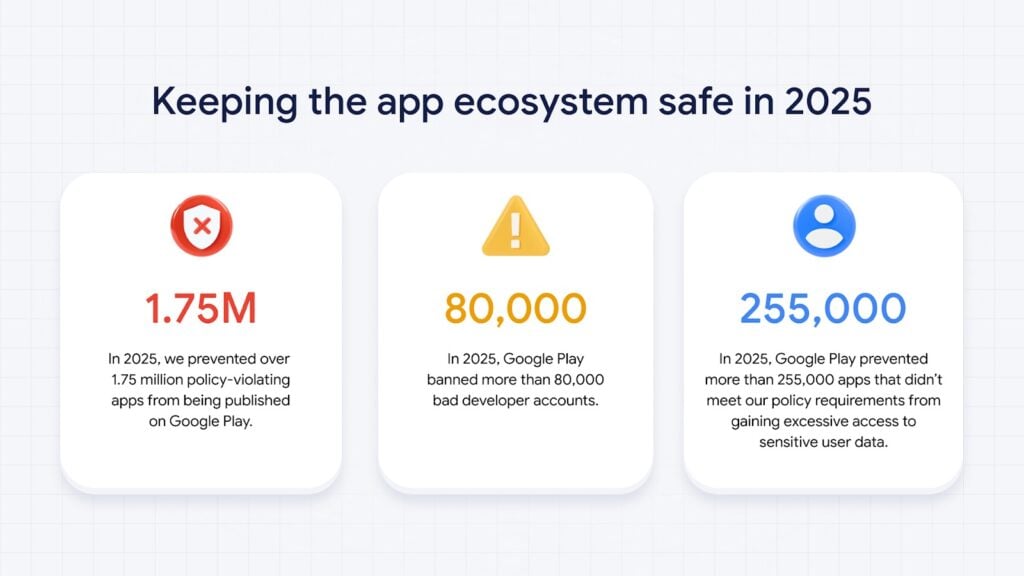
In 2025, Google prevented more than 1.75 million apps that violated policies from being published on Google Play. The company also banned over 80,000 developer accounts linked to harmful activity. Google says measures such as developer verification, mandatory pre-review checks, and testing requirements have made it harder for bad actors to enter the platform while helping legitimate developers build compliant apps more easily.

Apps listed on Google Play go through extensive safety reviews. Google runs over 10,000 checks on every app before publication and continues monitoring apps after they are released. During 2025, the company integrated its latest generative AI models into the review process, allowing human reviewers to detect complex malicious patterns faster.
Privacy protection was another major focus. Google prevented more than 255,000 apps from gaining unnecessary access to sensitive user data by enforcing stricter policies. Developer tools such as Play Policy Insights in Android Studio and the Data Safety section helped developers reduce permission requests and meet policy requirements earlier in the development process.
To maintain trust in app ratings, Google blocked 160 million spam reviews and ratings, including attempts to inflate or deflate scores. The company says its protections also prevented an average 0.5-star rating drop for apps targeted by review bombing.
Google Play Protect continues to operate as Androidβs main malware defense. It now scans more than 350 billion apps every day, including apps installed from outside Google Play. In 2025, real-time scanning detected over 27 million new malicious apps from external sources. Enhanced fraud protection, now available in 185 markets covering more than 2.8 billion devices, blocked 266 million risky installation attempts linked to 872,000 high-risk apps. Google also introduced in-call scam protection that prevents users from disabling Play Protect during suspicious calls.
For developers, Play Integrity API now supports hardware-backed signals and new tools such as device recall to identify repeat offenders. Android 16 also introduces tapjacking protection that developers can enable with minimal code.
Google says it will continue investing in AI defenses and developer verification programs to strengthen trust across the Android ecosystem.
For more daily updates, please visit ourΒ News Section.
Stay ahead in tech!Β Join ourΒ Telegram communityΒ andΒ sign up for our daily newsletterΒ ofΒ top stories.
(Source)
The post Google Bans 80,000 Developer Accounts, Blocks 1.75M Harmful Apps in 2025 appeared first on Gizmochina.
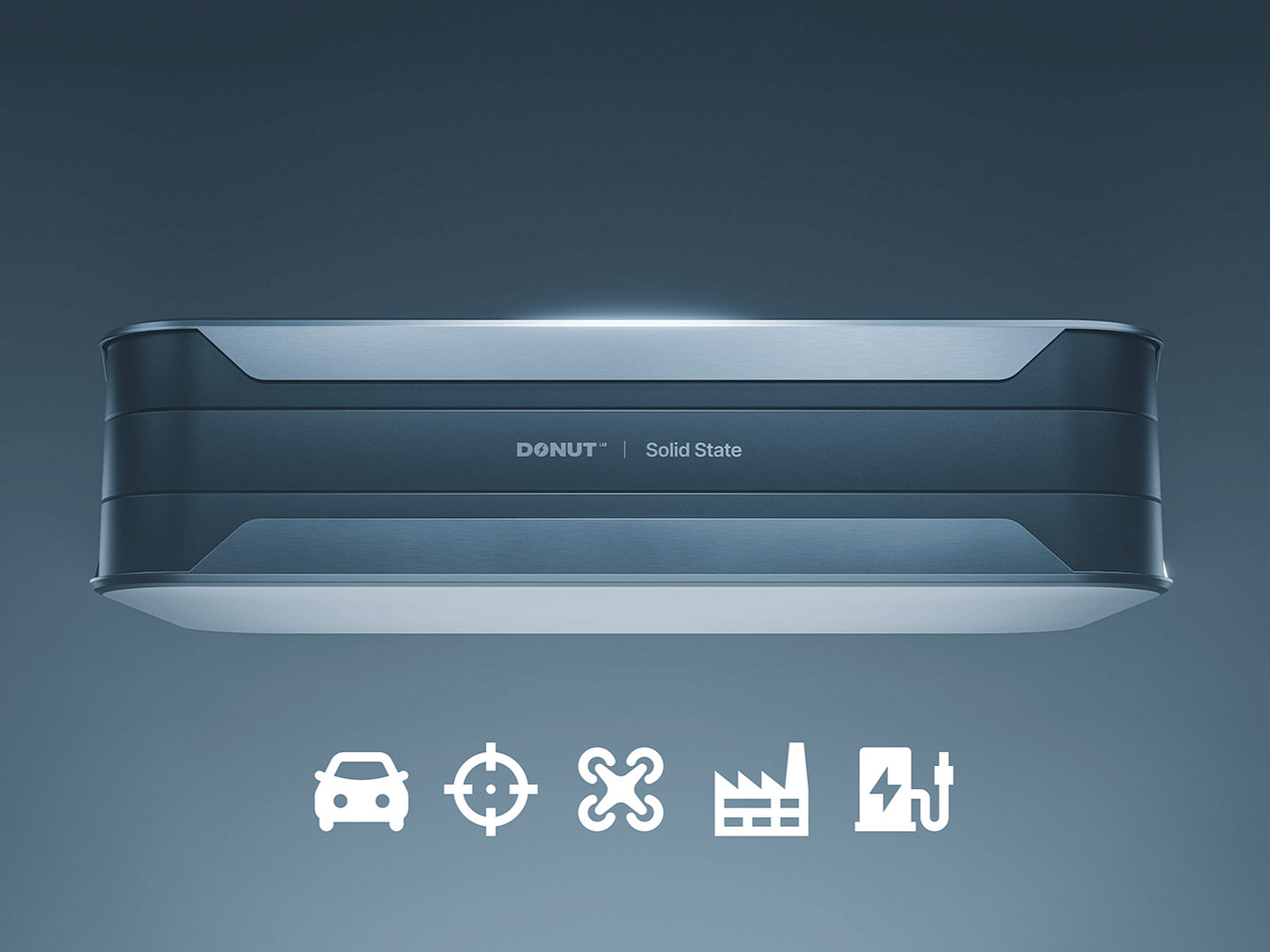
According to industry reports, Samsung SDI, the battery arm of Samsung Group, is considering selling its 15.2% stake in Samsung Display. That stake is currently valued at around 10 trillion won (roughly $6.9 billion) based on book value, a sizeable asset that could free up serious capital if divested.
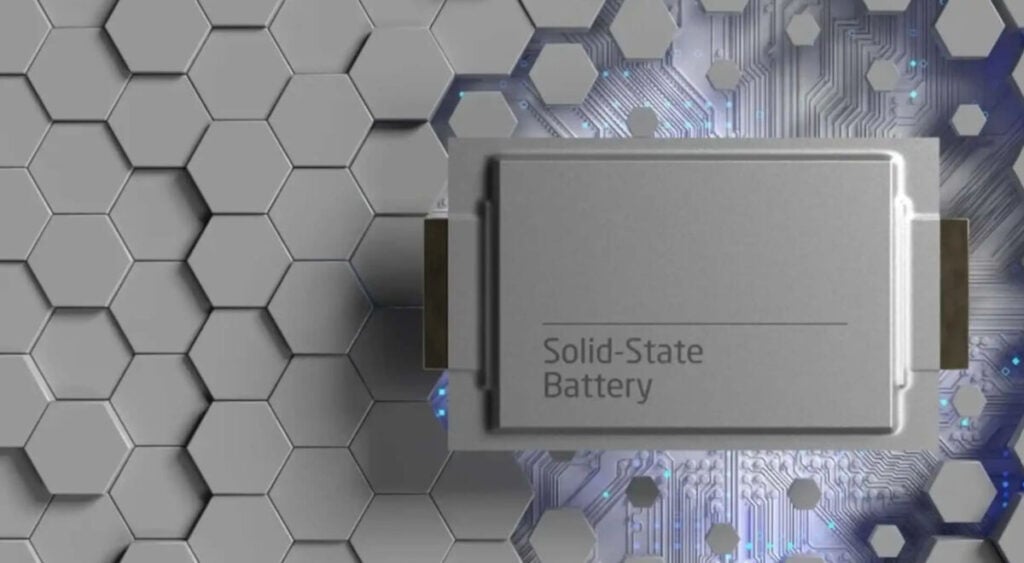
While no final decision has been announced, the move appears tied to Samsung SDIβs push into next-generation battery technologies, particularly all-solid-state batteries.

Samsung SDI hasnβt had an easy run lately. The slowdown in global EV demand has pressured battery makers across the board, and recent quarters have reportedly seen heavy operating losses. Rather than simply cutting costs, Samsung seems to be reshuffling resources. Selling a non-core stake could provide funding for expansion in areas that are still seeing strong growth β especially energy storage systems (ESS), which are benefiting from rising demand from AI-driven data centers.
At the same time, Samsung SDI is investing in lithium iron phosphate (LFP) batteries to stay competitive in lower-cost segments, while continuing aggressive R&D into more advanced chemistries.
Unlike conventional lithium-ion cells, solid-state batteries replace flammable liquid electrolytes with solid materials. In theory, that brings higher energy density, improved safety, longer lifespan, and potentially faster charging, all major advantages for electric vehicles and large-scale storage.
Samsung SDI has already established pilot production lines and is reportedly working with partners such as BMW and Solid Power on validation and supply development.
A company representative stated that any potential stake sale would go through internal review, including evaluation by the Sustainability Management Committee before final board approval. Details such as timing, structure, and potential buyers have not yet been finalized.
Speculation suggests the stake could be sold internally within the Samsung Group or to a strategic investor, but for now, nothing is confirmed.
Whatβs clear is the broader strategy: focus capital on batteries. As next-generation technologies approach commercialization, scale and funding matter more than ever. If Samsung successfully channels billions into solid-state development and ESS expansion, it could strengthen its position in a market thatβs rapidly evolving.
Solid-state batteries have been βfive years awayβ for what feels like a decade. But with giants like Samsung accelerating investment, the timeline may finally be tightening.
Donβt miss a thing! Join our Telegram community for instant updates and grab our free daily newsletter for the best tech stories!
For more daily updates, please visit our News Section.
(Source)
The post Samsung SDI weighs $6.9B Samsung Display stake sale to speed up solid-state batteries appeared first on Gizmochina.
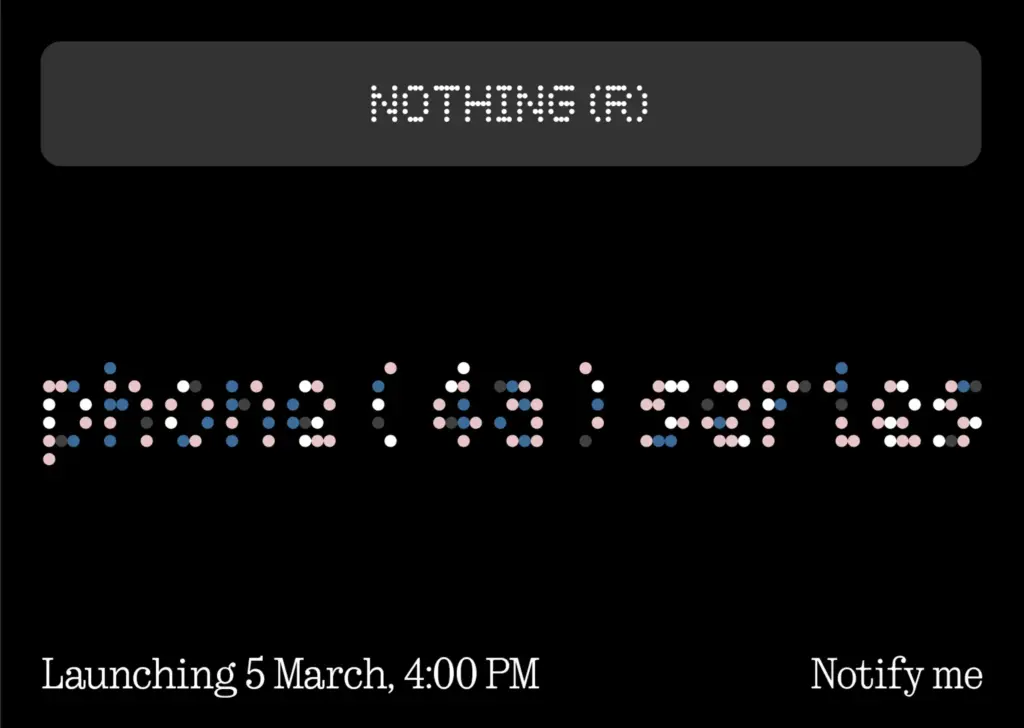
Nothing has started revealing key highlights of the upcoming Nothing Phone (4a) lineup ahead of its March 5 launch in India. The latest teaser focuses on a redesigned lighting system called the Glyph Bar, signalling a shift in how the brand approaches its signature rear lighting concept.

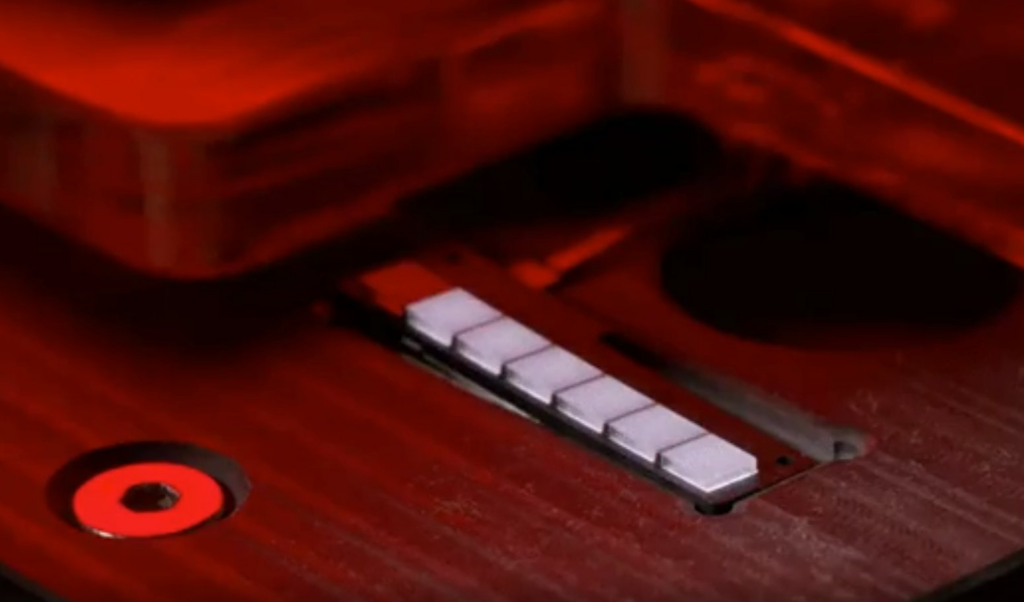
According to the company, the Glyph Bar is an evolution of its earlier Glyph Interface, aiming to provide clearer visual cues while minimizing distraction. The system consists of nine individually controllable mini-LEDs arranged to deliver sharper signals and a cleaner visual output.
Nothing claims the new implementation is around 40 percent brighter compared to the previous (a) series while producing a more natural glow without light bleed. The lighting setup is designed to convey notifications and status information instantly through six square lighting zones.
Earlier Nothing devices experimented with different approaches, ranging from multiple segmented lights to the Glyph Matrix display introduced recently. With the Phone (4a), the company appears to be refining the concept rather than expanding it into a full rear display. Teasers and early visuals suggest the lighting strip may sit closer to the deviceβs edge, possibly around a vertically aligned camera module, though the exact placement remains unclear.
Leaks suggest the standard Nothing Phone (4a) could feature a 6.78-inch 1.5K AMOLED display with a 120Hz refresh rate, powered by the Snapdragon 7s Gen 4 chipset. Camera details indicate a 50-megapixel primary sensor paired with an 8-megapixel ultrawide lens, along with a 32-megapixel front camera. The Nothing Phone (4a) Pro variant is expected to introduce additional upgrades such as a periscope telephoto lens and a faster 144Hz display on a slightly larger screen.
Both models are tipped to include larger batteries around the 5,200mAh range with 50W charging support, along with upgraded UFS 3.1 storage. Color options are said to include Black, Blue, Pink and White for the standard version, while pricing could see a slight increase due to industry-wide component costs.
For more daily updates, please visit ourΒ News Section.
Stay ahead in tech!Β Join ourΒ Telegram communityΒ andΒ sign up for our daily newsletterΒ ofΒ top stories.
The post Nothing Phone (4a) to feature new Glyph Bar powered by 9 individually controllable mini-LEDs appeared first on Gizmochina.
While the Xiaomi 17 series of flagship smartphones finally got an official global launch date, fresh report has revealed more details of its next-gen budget flagship phones. The Xiaomi 17T lineup might be making its debut months ahead of schedule, which could mean an earlier global release as well.
The earliest clue came via official regulatory filings and global SKU listings that reference new Xiaomi devices earlier than usual in the year. Xiaomiβs T-series usually arrive in the second half of the year, but these sightings have hinted at the Xiaomi 17T and Xiaomi 17T Pro models launching much earlier. So instead of an expected September 2026 release, the new budget flagships might drop sometime around May 2026.

Known tipster Experience More backs this claim by stating that the Xiaomi 17T and 17T Pro are launching four months ahead of the previous generation. This also means that the wider overseas availability should also be quicker than the previous generation. To recall, the Xiaomi 17T was recently spotted on the HyperOS codebase, which confirmed a sizeable jump in battery capacity; going from 5,500mAh on its predecessor, to a 6,500mAh cell.
Although the charging speeds remains at 67W. Furthermore, the Xiaomi 17T will reportedly pack a triple camera setup with a OmniVision OV50E main camera, along with a OmniVision OV13B ultra wide angle lens, and a Samsung ISOCELL JN5 telephoto shooter. Under the hood, this model could be equipped with MediaTekβs Dimensity 9500s chipset. Keep in mind that this is still just speculation at this moment, so take this report with a pinch of salt.
For more daily updates, please visit our News Section.
Tech enthusiast? Get the latest news first! Follow our Telegram channel and subscribe to our free newsletter for your daily tech fix! 
The post Leak Suggests Xiaomi 17T Series Will Launch Ahead of Schedule appeared first on Gizmochina.
Audio-Technica has just unveiled its ATH-SQ1TW2NC truly wireless earbuds, which are a pair of ultra-compact buds with ANC (Active Noise Cancellation). This is a suite of handy listening features and a range of bright color options that stand out in a crowd. So here are all the details.
The ATH-SQ1TW2NC earbuds use a square-style compact body thatβs light enough for extended wear without fatigue. Each earbud measures just 4 grams, and the hearables are available in six fun color options, including black, cafΓ© latte, forest green, gray, pink, and white camel. Audio-Technicaβs latest TWS support Bluetooth 5.2 and features 5.8mm dynamic drivers that support 20Hz to 20kHz audio range.

Despite their tiny form factor, the ATH-SQ1TW2NC offer ANC support along with up to 6 hours of audio playback on a single full charge. The charging case offers an additional 18 hours of battery life, with a full charge taking around 2.5 hours. Other notable features include touch sensitive controls, an IPX5 rating for water and dust resistance, a partner app that brings soothing nature sounds, and a 64 step volume adjustment.
There is also support for pass-through and talk-through modes that lets users stay aware of their surroundings. Audio-Technica has launched the ATH-SQ1TW2NC earbuds in Japan first, with pre-orders already live at a retail price of about Β₯12,980 (roughly $85). Shippinh is set to kick off on 27th February 2026, although global availability is still unclear. Audio-Technica just announced these earbuds after releasing the Ash Wood headphones in a Guitar Lacquer finish.
For more daily updates, please visit our News Section.
Donβt miss a thing! Join our Telegram community for instant updates and grab our free daily newsletter for the best tech stories!
Stay ahead in tech! Join our Telegram community and sign up for our daily newsletter of top stories!
The post Meet the Petite Audio-Technica ATH-SQ1TW2NC Earbuds: Lightweight, Colorful & ANC-Enabled appeared first on Gizmochina.
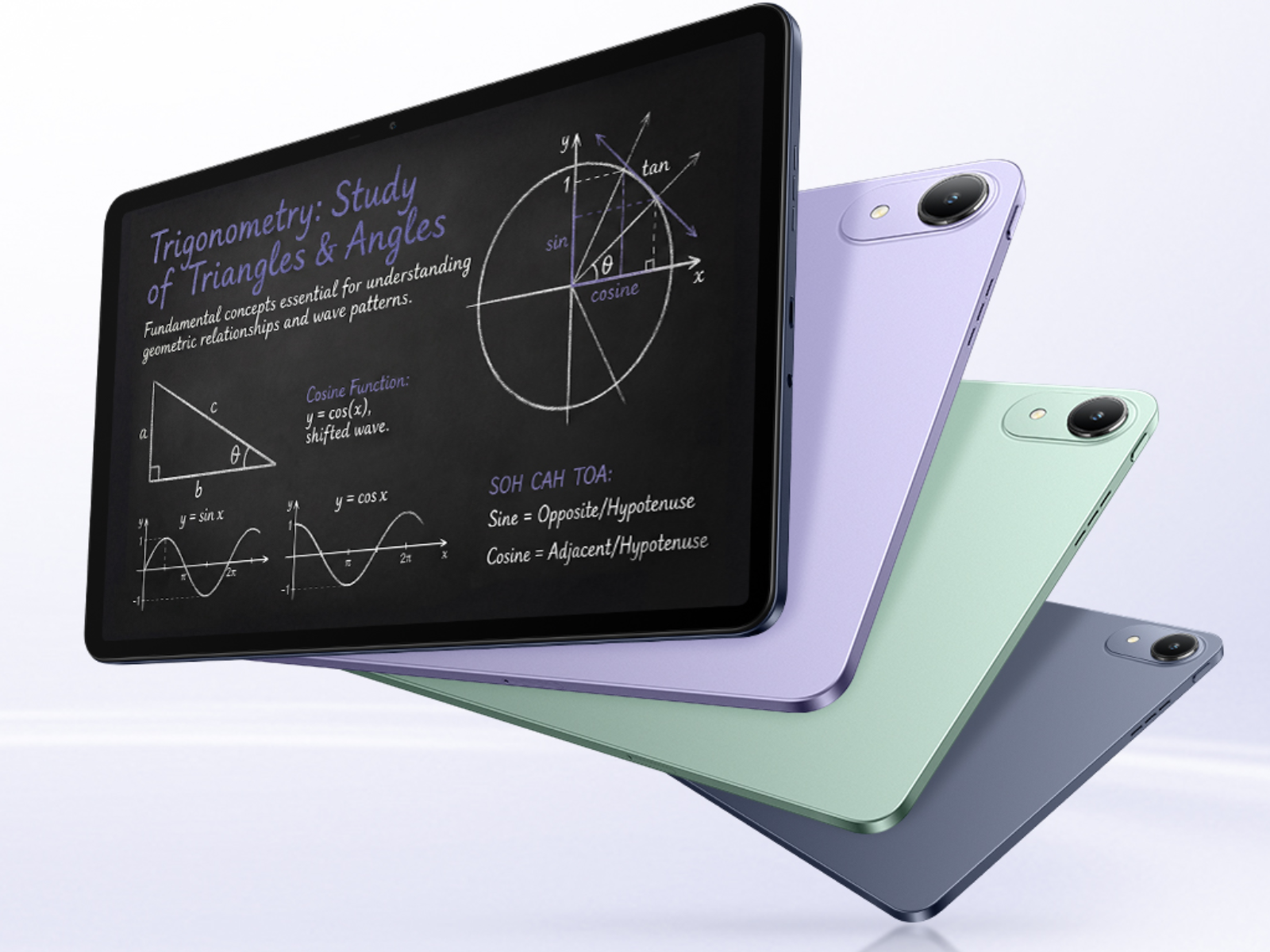
Xiaomi has dropped fresh hints that itβs gearing up to expand its tablet lineup in India, which could be the brandβs high-end Xiaomi Pad 8 model. Considering how the Pad 8 first launched in China back in September 2025, this could mark the global debut of the next-gen premium tablets.
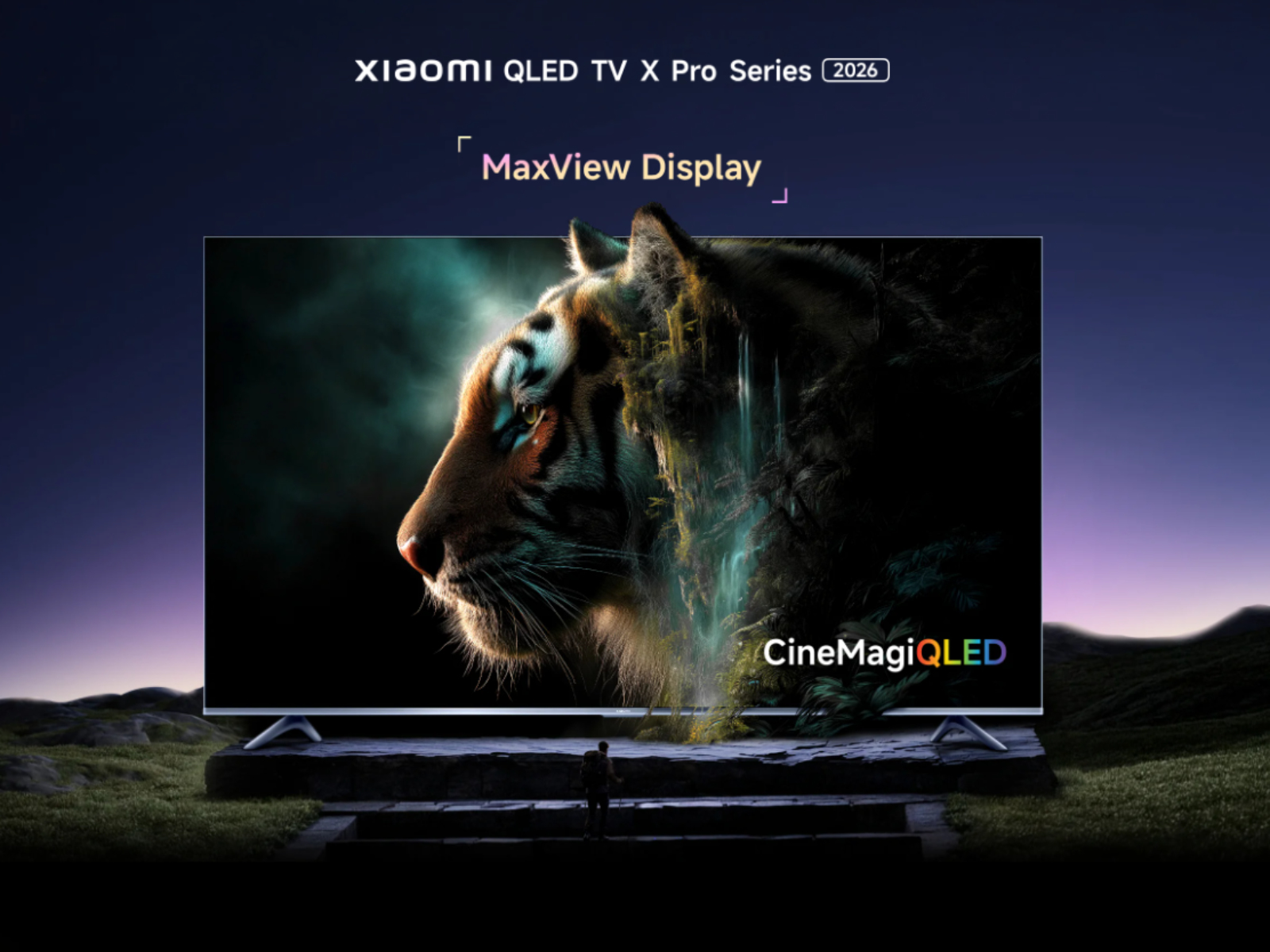
In a recent social media post, Xiaomi teased the arrival of a new device described only as a computing device with hints toward a thin, light form factor and flat-frame design. At the same time, Xiaomi Indiaβs Associate Director of Marketing and PR shared a series of emojis, including a TV, smartphone icons and a tablet, suggesting multiple product launches on the horizon. The brand just released the Xiaomi QLED TV X Pro 75 (2026), and the Xiaomi 17 models global launch is right around the corner. So this teaser likely hints at its latest tablet.

To recall, the Chinese tech giant just confirmed the Xiaomi 17 seriesβ global release date. Back in September, the Xiaomi Pad 8 lineup was also unveiled alongside these premium devices. So, the global debut this time could be near the worldwide announcement of the Xiaomi 17. Meanwhile, tipsters like Abhishek Yadav say these hints most likely point to the Xiaomi Pad 8 entering the Indian market soon.
While Xiaomi hasnβt shared India-specific details yet, the Xiaomi Pad 8 series is already on sale in China. So we have some idea regarding its specs and features:
For more daily updates, please visit our News Section.
Tech enthusiast? Get the latest news first! Follow our Telegram channel and subscribe to our free newsletter for your daily tech fix! 
The post Xiaomi Pad 8 Could Be Launching In India Soon appeared first on Gizmochina.
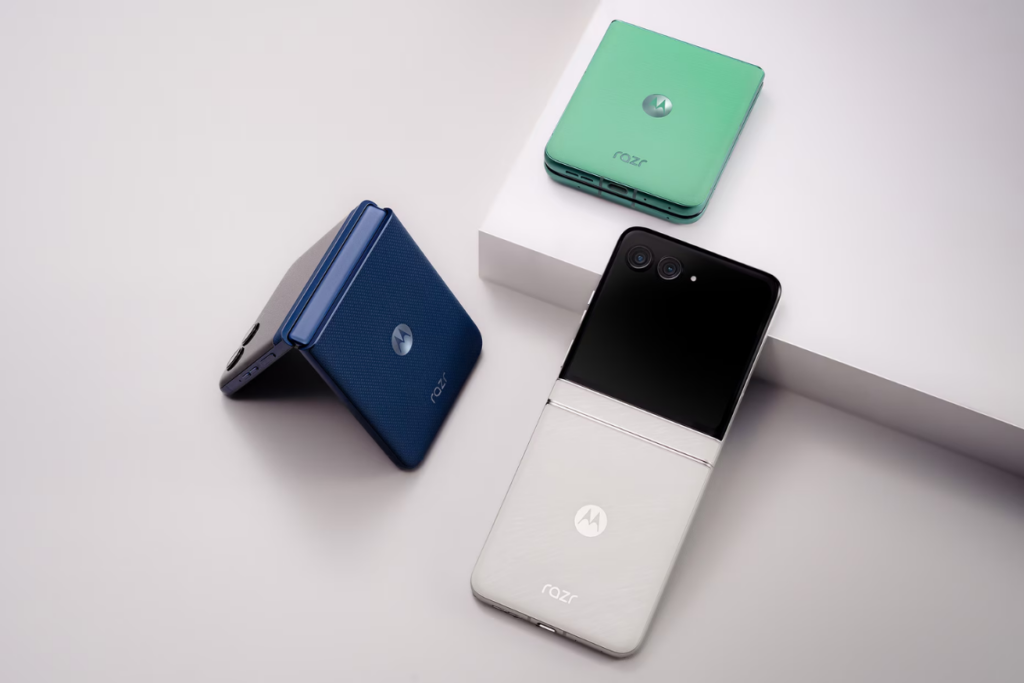
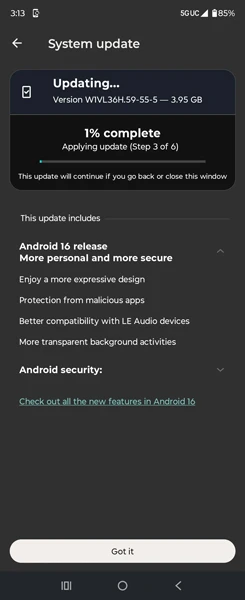
The Android 16 update is finally rolling out to Motorolaβs most premium smartphones, Razr 2025 and Razr Ultra 2025, in the US, just as Google has released the first Android 17 beta. Both Razr phones entered Android 16 beta testing about half a year ago, and now, after a long wait, the stable update is finally here.
The Android 16 update for 2025βs Razr smartphones is currently available on T-Mobile and Verizon carriers in the US, as spotted by Ytechb. For the Razr 2025, the update arrives with the firmware version W1UC36H.96-35-1, whereas the Razr Ultra 2025 users can identify the update by the firmware version W1VL36H.59-55-5.
This is the first major OS update for the Razr 2025 and Razr Ultra 2025, which has a massive download size of about 4GB. Itβs best to download such large packages over Wi-Fi and make sure the battery is at least 40% charged for a smooth upgrade to Android 16.
While itβs a major OS upgrade, donβt expect major visual changes or groundbreaking features. That said, there are still some useful upgrades and new features that further improve the software experience. It introduces a new notification cooldown feature that prevents you from getting annoyed when an app sends too many notifications from the same app within a short time. It does so by reducing the volume of incoming notifications for that particular app.
Android 16 lets you create custom models based on your needs, in addition to the existing modes, including Do Not Disturb, Bedtime, and Driving. You can also connect to a hotspot of a different device without entering the password, provided that both devices are logged in to the same Google account. The update also brings improvements to hearing aids, protection from malicious apps, and performance upgrades.
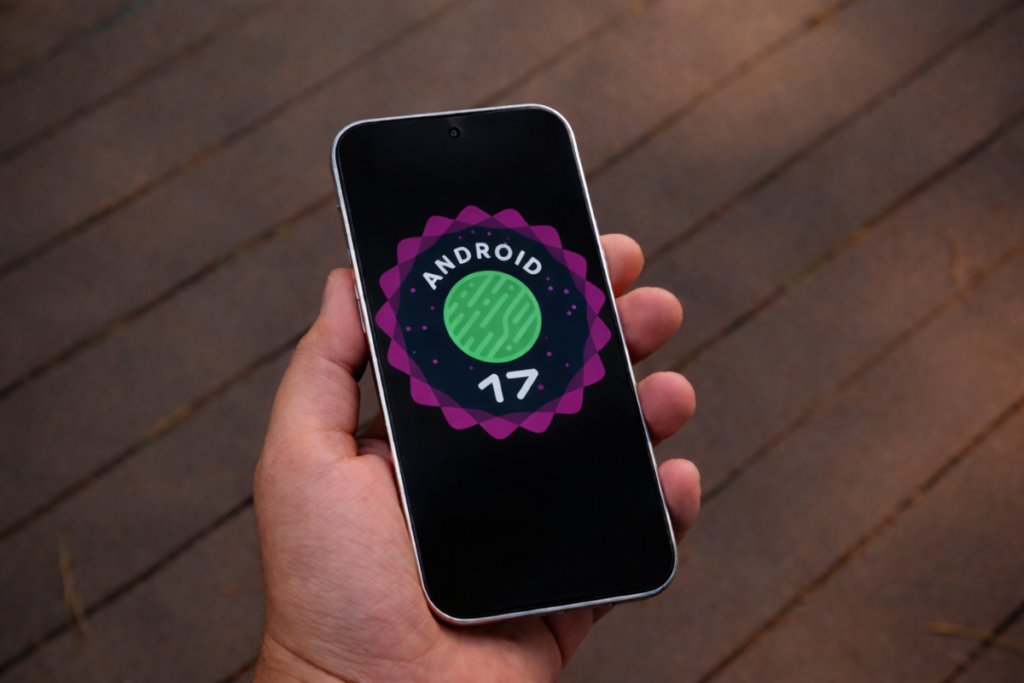
While Motorola is busy rolling out the Android 16 update, Google has already started developing Android 17. In fact, the first beta has been out for a few days now, with more to arrive in the coming weeks and months. The stable build could arrive around June or July 2026. Weβve a dedicated Android 17 section where we regularly post the latest developments on the same. You can follow that along to stay up-to-date.
To ensure you donβt miss out on the latest updates from Motorola, remember to visit the Motorola section once in a while. Or, you can join our Telegram channel to get instant notifications as soon as we publish new stories.
The post Motorolaβs premium phones finally receive Android 16 update in the US appeared first on Gizmochina.
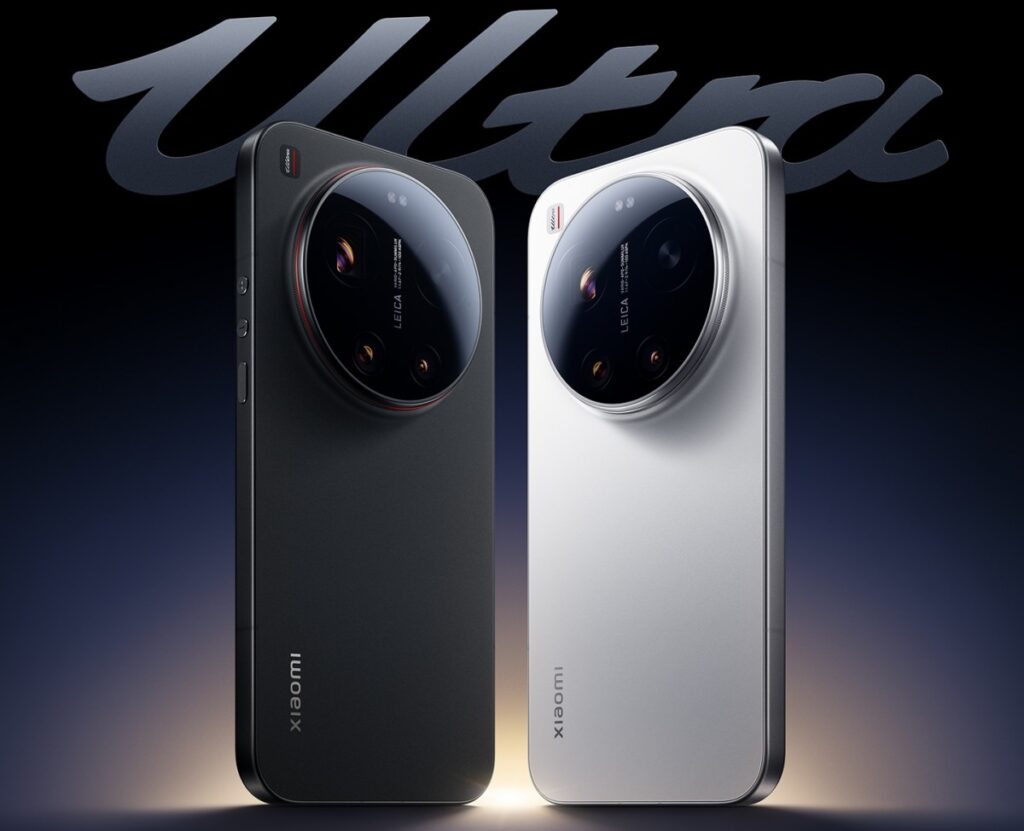
After weeks of speculation, Xiaomi has officially confirmed the global launch date for its next flagship family. The Xiaomi 17, Xiaomi 17 Pro, and Xiaomi 17 Pro Max first debuted back in September 2025, with the Xiaomi 17 Ultra model arriving later in December. But these launches were exclusive to the brandβs home market of China, and now we are finally getting a global release.
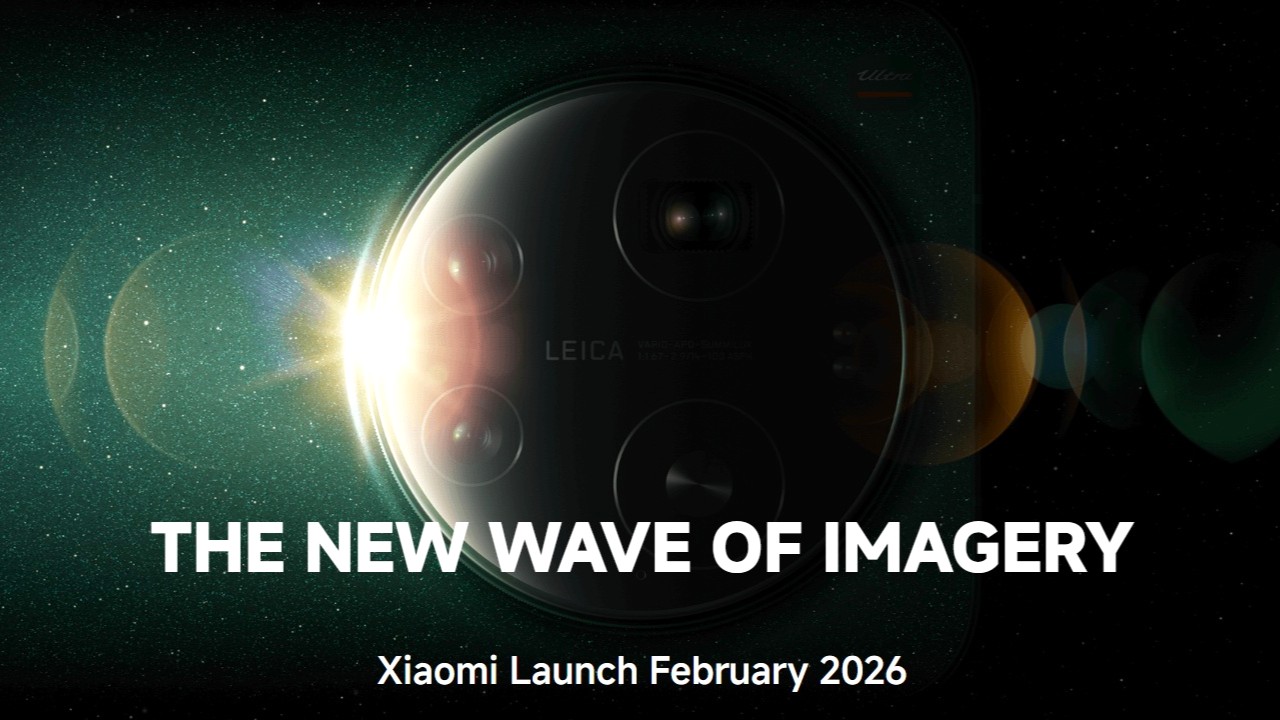
According to Xiaomiβs dedicated global launch page, the event is scheduled for 28th February 2026. This release is set for Barcelona, Spain, just before the start of the Mobile World Congress 2026 event. The spotlight will be on the standard Xiaomi 17 and the high-end Xiaomi 17 Ultra, which are expected to lead Xiaomiβs premium portfolio this year with advanced imaging co-engineered with Leica.

Xiaomiβs βThe New Wave of Imageryβ launch event will kick off in Barcelona at approximately 14:00 GMT+1, right ahead of MWC. The launch will stream live globally via Xiaomiβs official channels, and the Chinese tech giant is already encouraging fans to reserve their spot on the official event page. Live viewers can even enter prize draws and qualify for exclusive perks during the stream.
Details are still sketchy, but the official teaser does confirm benefits like a chance to win their latest AIoT product, 24 month of quality assurance, one free screen replacement within 6 months, and out of warranty repair with free labor costs within the warranty period. At the moment, it is unclear whether Xiaomi will launch the Xiaomi 17 Pro and Xiaomi 17 Pro Max models in the overseas market, so stay tuned for more.
For more daily updates, please visit our News Section.
Tech enthusiast? Get the latest news first! Follow our Telegram channel and subscribe to our free newsletter for your daily tech fix! 
The post Xiaomi 17 Series Finally Gets a Global Launch Date appeared first on Gizmochina.
Android 17βs development is progressing faster than we thought, as the first beta is already here, with no developer preview builds. But if you went through the changelog (here), youβd be disappointed to see no significant upgrades. However, the good news is that there are many under-development Android 17 features that will land at some point this year. Those include two useful features that Apple users have been using for years.
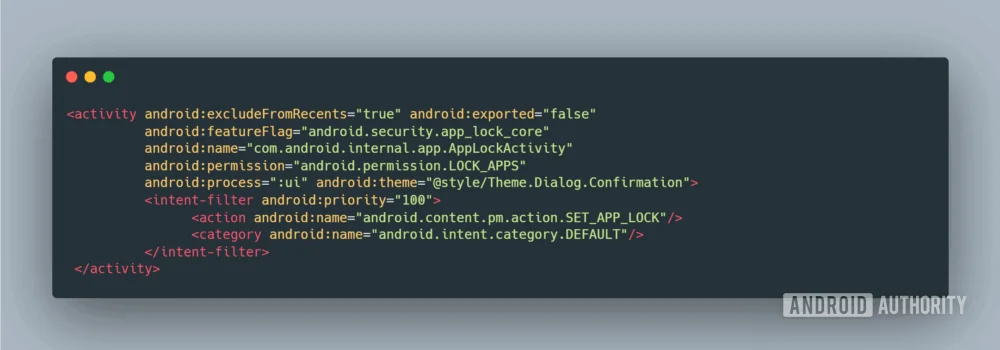
Google may finally bring a native app-lock feature to Android 17. While this isnβt officially confirmed yet, instances of it were discovered within the Android framework package.Β
So far, Google Pixel users are forced to rely on third-party app lockers, which are fundamentally concerning. While Pixel phones do have a Private Space for securing apps, they donβt work the way app lock does. It offers a separate space to run apps in a separate user profile, which can be good for apps you rarely open, but a headache for apps you open daily.
Apple felt the need for it a long time ago and introduced native app lock support with iOS 18 in 2024. Major Android brands, including Samsung, Xiaomi, Oppo, Vivo, and OnePlus, have also integrated it into their custom skins. Still, a native integration into Android OS is always the best route, especially for Pixel owners.Β
Android has a built-in clipboard feature that stores clipboard content, so you can easily paste it into your favorite apps, but the clipboard contents are not synced across your Android devices. This means you canβt paste the copied content from your phone onto another Android phone, PC, or tablet. That could change soon with the Universal Clipboard feature in Android 17.
This upcoming feature was spotted in an Android beta and Canary releases in November, and is expected to arrive as part of Android 17. This will work similarly to the Universal Clipboard on Apple devices, introduced back in September 2016, which allows users to copy text or media on one device and paste it instantly onto another.
A native app locker and a universal clipboard are two of the most useful features we are looking forward to in Android 17. One feature adds an extra layer of security to your apps, and the other strengthens the Android ecosystem.
Google appears to be following last yearβs release pattern. Therefore, the first Android 17 release was always going to be developer-focused, laying the groundwork for significant upgrades and new features in Android 17 QPR1, which would be released around August or September 2026, along with the Pixel 11.
Weβll continue to publish the latest stories around the same topic in our Android 17 section. You can also join our Telegram channel to get instant notifications about the latest happenings in tech.
The post These Android 17 best features have been on Apple devices for years appeared first on Gizmochina.
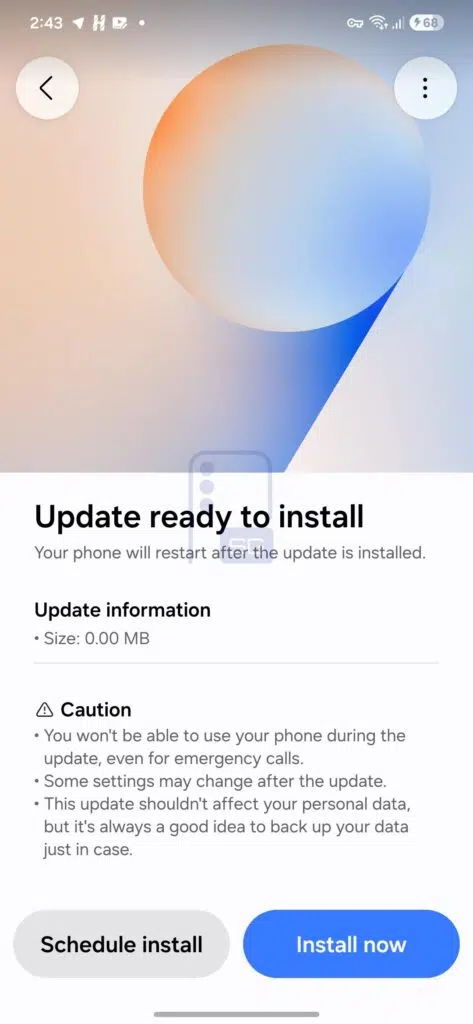
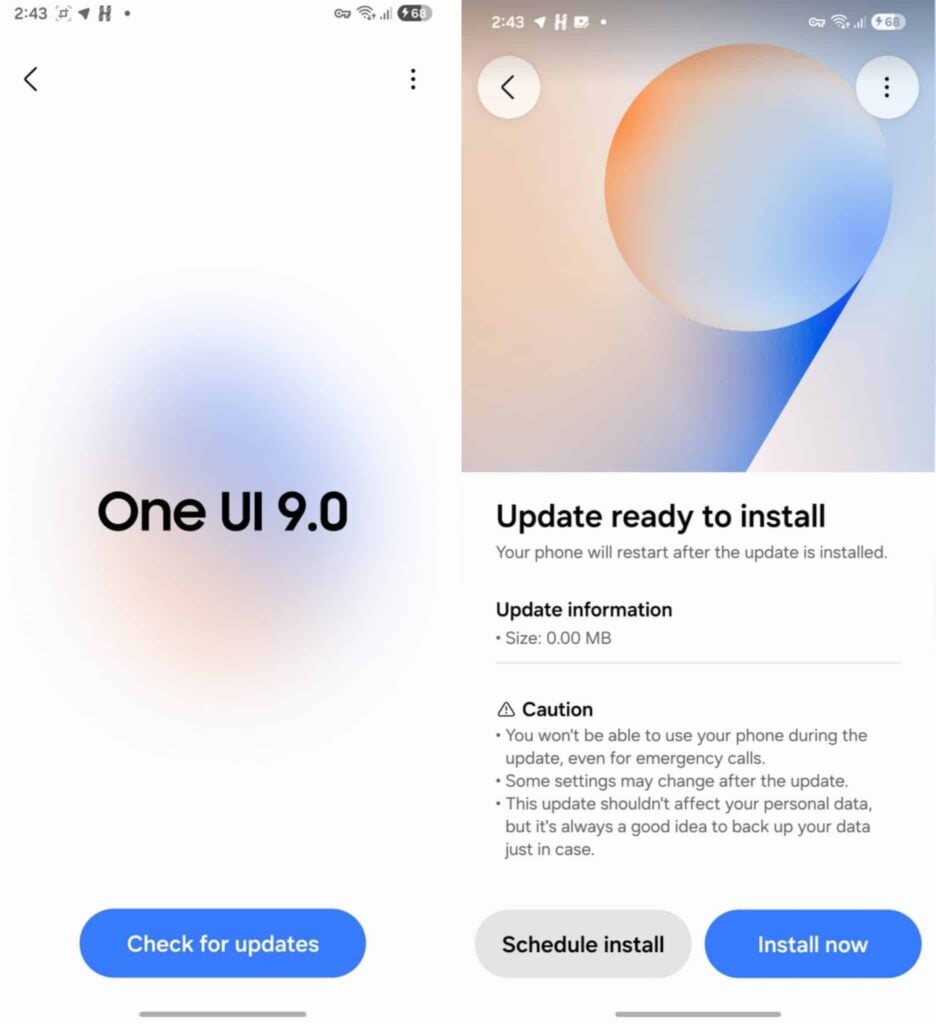
One UI 8.0 is already out, One UI 8.5 is still in testing, and now the first signs of One UI 9 are starting to appear.
Internal firmware leaks suggest Samsung has begun early testing of the Android 17-based update, even though its public debut is likely still months away. If Samsung sticks to its usual cadence, One UI 9 could launch alongside mid-2026 foldables like the Galaxy Z Fold 8 and Z Flip 8. For now, the changes weβre seeing are subtle, but interesting.


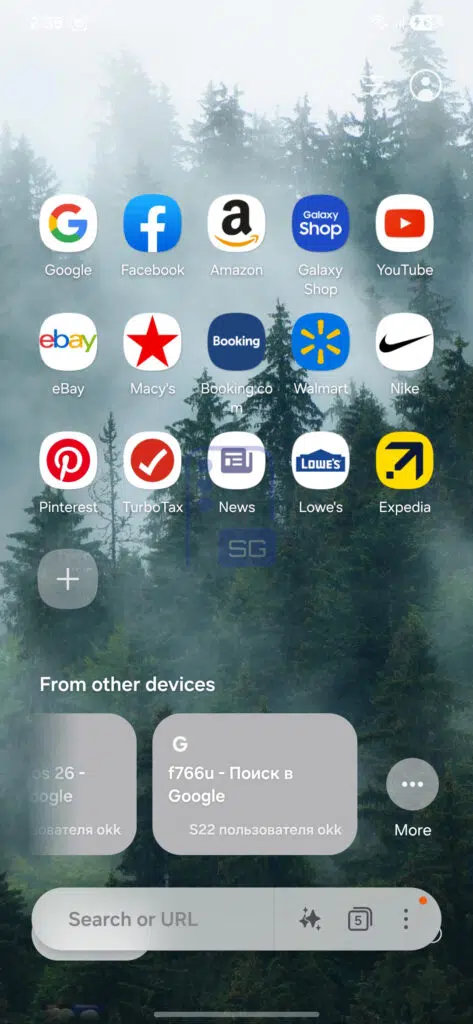
The floating action elements introduced in 8.5 remain, and the page now features a refreshed background graphic that feels more modern. At the top, there are two prominent controls: a back arrow on the left and a hamburger-style menu on the right for extra options.
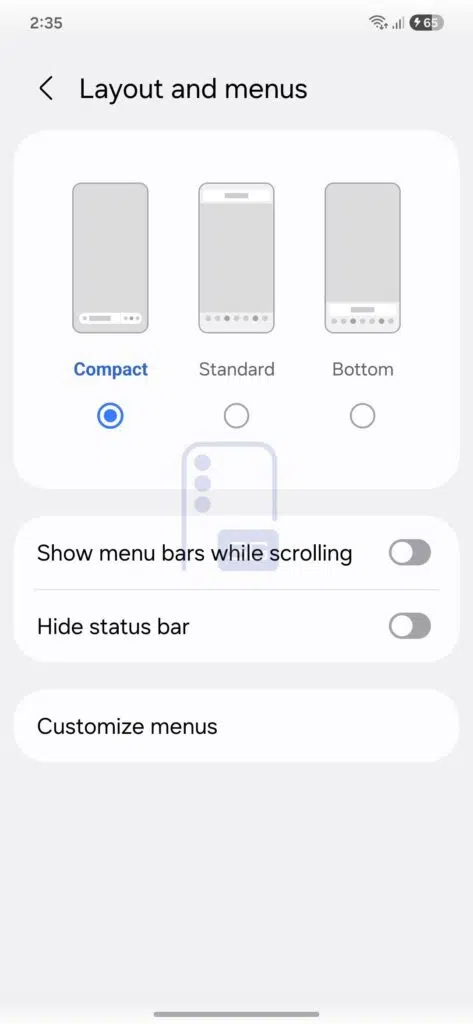
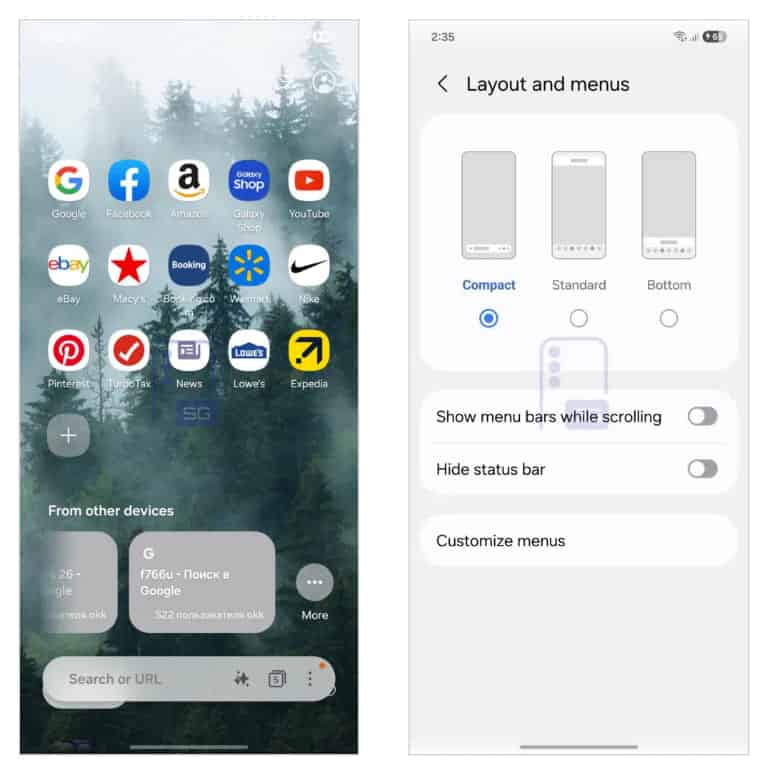
The bigger story may actually be happening inside Samsung Internet. Early One UI 9 builds appear to introduce a new βCompactβ layout option. This mode shifts toward a more immersive interface, with a redesigned bottom bar that groups search, recent tabs, menu access, and notably, an βAsk AIβ button. Thatβs where things get interesting.


The feature is reportedly powered by Perplexity AI and builds on Samsungβs broader AI push. Instead of just summarizing a page, the tool can analyze what youβre reading and respond to contextual questions. In some cases, it can even factor in browsing history to provide more tailored answers, like comparing product prices or extracting key insights from long articles.
Responses appear in a structured, chat-style format, and conversation history can be managed for privacy. Itβs expected to be limited to Galaxy AI-supported flagship devices, at least initially.
If this rolls out widely, Samsung Internet could become more than just an alternative to Chrome for Galaxy users.
While One UI 8.5 focused largely on visual refinements and wallpaper changes, One UI 9 appears to be more about embedding intelligence into everyday tasks.
Stay ahead in tech! Join our Telegram community and sign up for our daily newsletter of top stories!
For more daily updates, please visit our News Section.
The post One UI 9 leak reveals visual tweaks and new βAsk AIβ feature appeared first on Gizmochina.
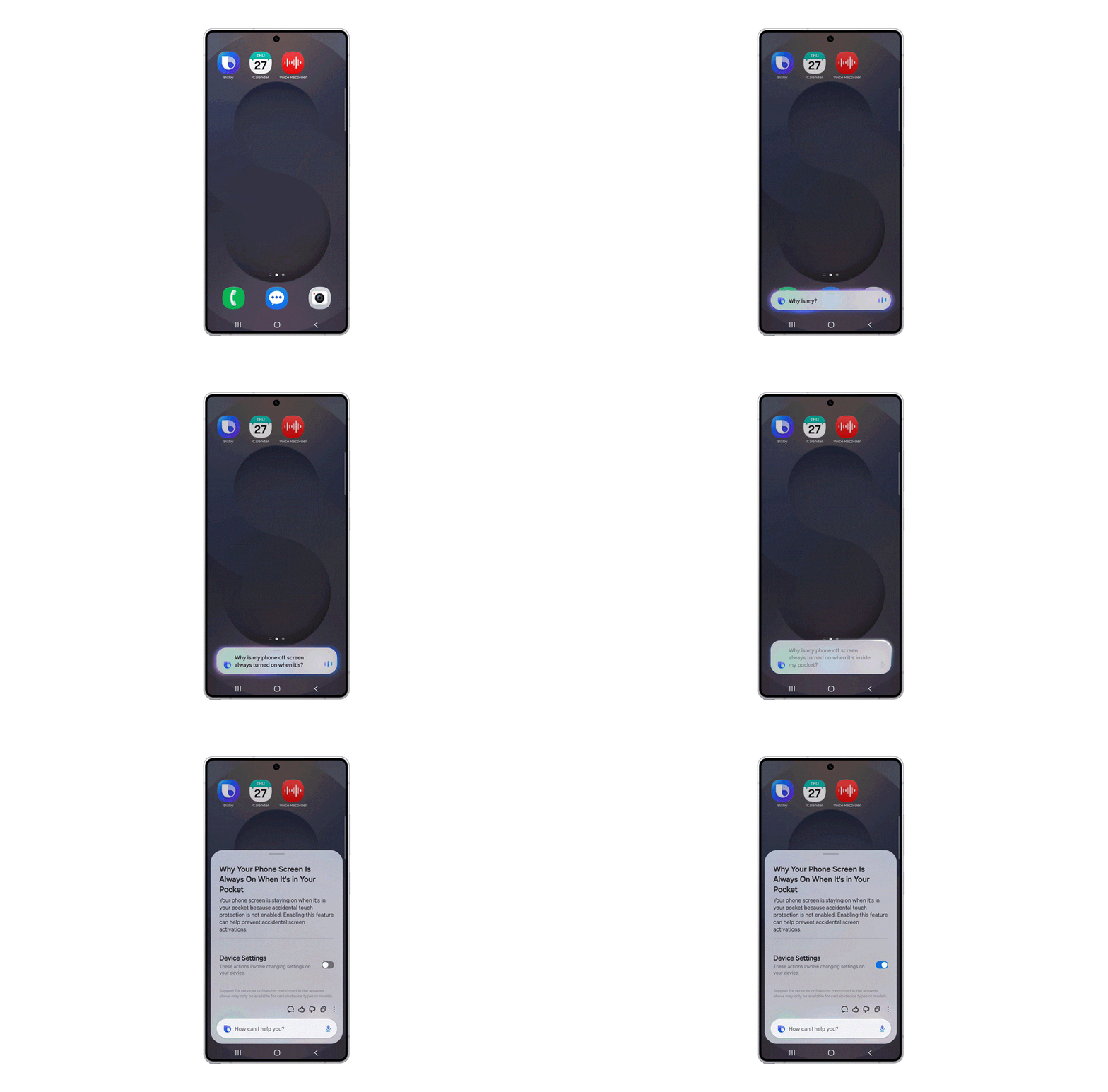
Samsung has introduced a refreshed version of Bixby alongside its One UI 8.5 software, focusing on improving how Galaxy users interact with their devices through conversational AI. The update signals a shift towards more natural interactions, hinting at deeper AI integration across Samsungβs ecosystem.
While the announcement highlights usability improvements, it also reflects the companyβs ongoing efforts to simplify complex device settings and make everyday tasks more intuitive.

The new Bixby is designed to act more like a conversational device agent rather than a traditional voice assistant that depends on rigid commands. Users can now describe what they want in everyday language, allowing the system to interpret intent instead of relying on exact feature names or menu navigation. This change aims to reduce friction, particularly for users who may not be familiar with device settings or terminology.
For instance, if someone wants their screen to remain active while reading, they can simply express that intention, and Bixby will identify the relevant option and enable it automatically. The assistant can also analyze current device behavior and suggest possible solutions when users ask why something is happening, helping them resolve issues faster without manual troubleshooting.
Another major addition is built-in real-time web search, allowing Bixby to present up-to-date information directly within its interface. Instead of opening a separate browser or switching apps, users receive results within the assistant, creating a more streamlined workflow. This integration could make Bixby more competitive as AI-driven assistants increasingly combine device controls with online knowledge access.
Samsung has confirmed that the One UI 8.5 beta with the updated Bixby is rolling out in select markets, including India, Germany, Korea, Poland, the UK and the US. Wider expansion is expected later, suggesting Samsung is positioning Bixby as a core part of its future Galaxy AI experience.
For more daily updates, please visit ourΒ News Section.
Stay ahead in tech!Β Join ourΒ Telegram communityΒ andΒ sign up for our daily newsletterΒ ofΒ top stories.
The post One UI 8.5 brings conversational Bixby with natural language device control appeared first on Gizmochina.
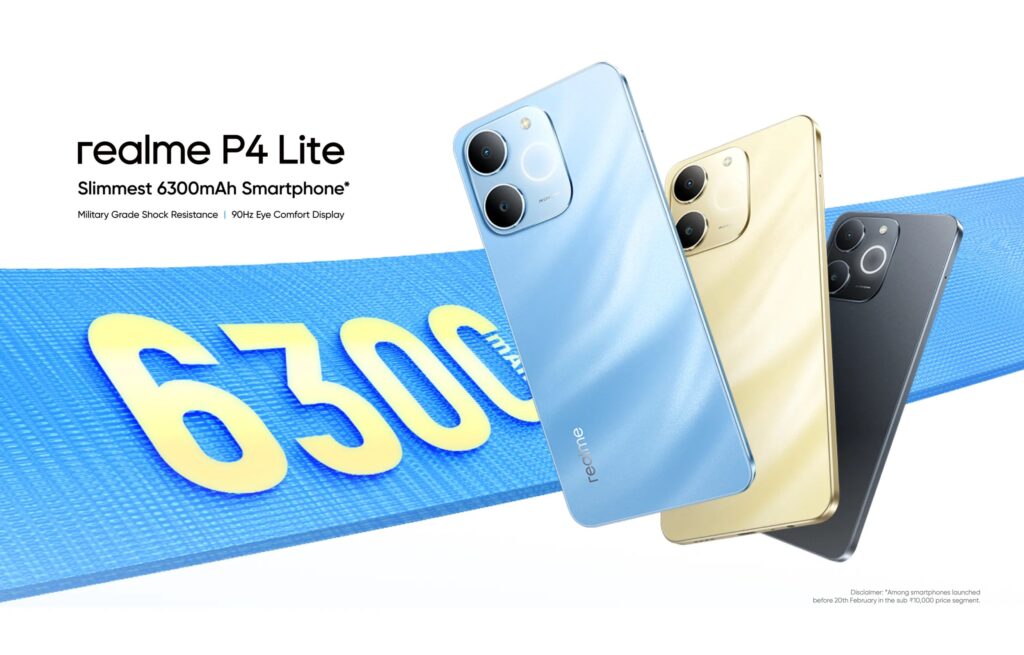
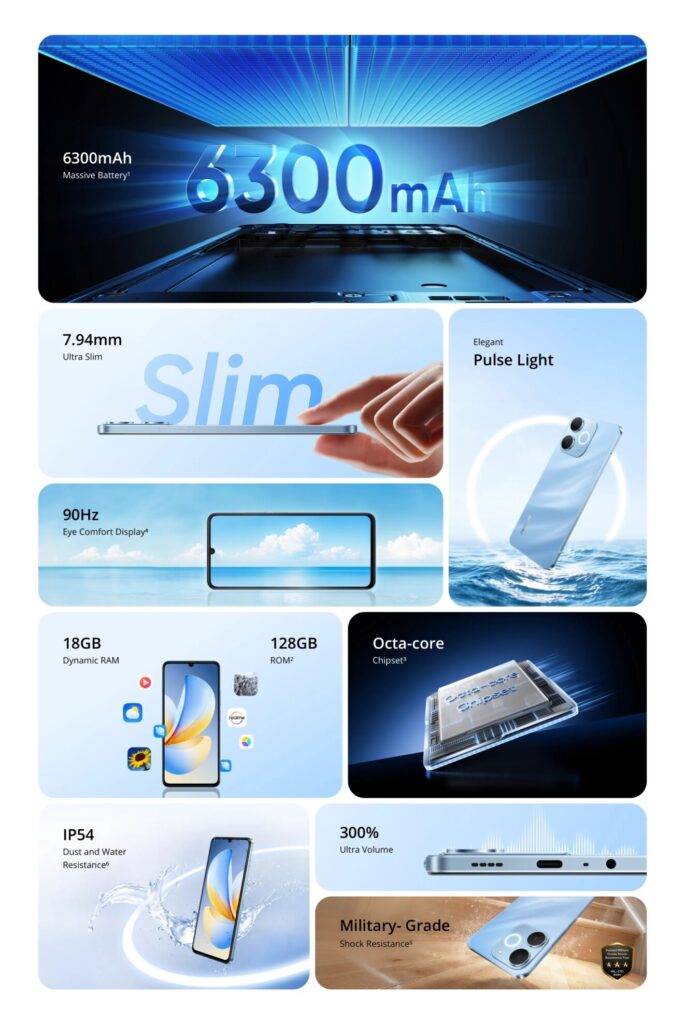
Realme has introduced the P4 Lite 4G in India, targeting the budget smartphone segment with durability and battery life as primary selling points.

The device features a 6.67-inch HD+ IPS LCD display with 720Γ1600 resolution, 90Hz refresh rate, and peak brightness of 563 nits. It runs on the Unisoc T7250 octa-core processor with Mali-G57 MP1 GPU, coupled with 4GB LPDDR4X RAM expandable to 12GB through dynamic allocation. Storage options include 64GB and 128GB variants, expandable to 2TB via microSD.
Running realme UI 6.0 based on Android 15, the phone offers a 13MP rear camera with Omnivision OV13B sensor and f/2.2 aperture, plus a 5MP front camera. Connectivity includes dual 4G VoLTE, Wi-Fi 802.11ac, Bluetooth 5.2, GPS, and USB Type-C. A side-mounted fingerprint sensor and 3.5mm headphone jack are included.

realme emphasizes durability with IP54 certification for dust and splash resistance and ArmorShell Protection. The phoneβs MIL-STD durability is a key focus of the device. It carries an IP54 rating for dust and splash resistance and comes with ArmorShell Protection. The company states the phone has passed military-grade durability testing, including a 1.8-meter drop test and a 33kg pressure test, meeting MIL-STD-810H standards. The device measures 167.2 Γ 76.6 Γ 7.94mm and weighs 201g.
A distinctive Pulse Light design is integrated on the rear, supporting nine colors and five customizable lighting modes. These lights react to notifications such as calls, messages, and charging status.
The P4 Lite 4G packs a 6300mAh battery with 15W fast charging and 6W reverse wired charging. Realme claims that a five-minute charge can provide up to five hours of music playback.
The P4 Lite 4G launches in Obsidian Black, Sea Blue, and Beach Gold. The 4GB+64GB model is priced at βΉ9,999 (βΉ7,999 with launch offers), while the 4GB+128GB variant costs βΉ11,999 (βΉ9,999 with offers). Sales commence February 24 through Flipkart, realme.com, and offline retailers.
For more daily updates, please visit ourΒ News Section.
Stay ahead in tech!Β Join ourΒ Telegram communityΒ andΒ sign up for our daily newsletterΒ ofΒ top stories.
The post Realme P4 Lite 4G India launch: Features 13MP camera, 6300mAh battery, Pulse Light design appeared first on Gizmochina.
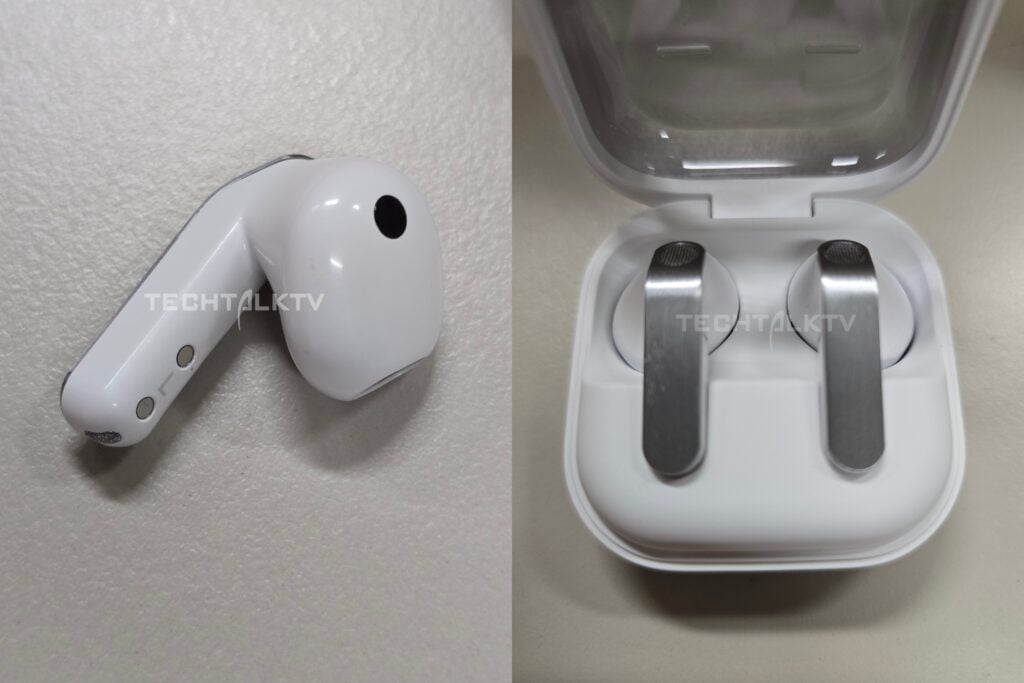
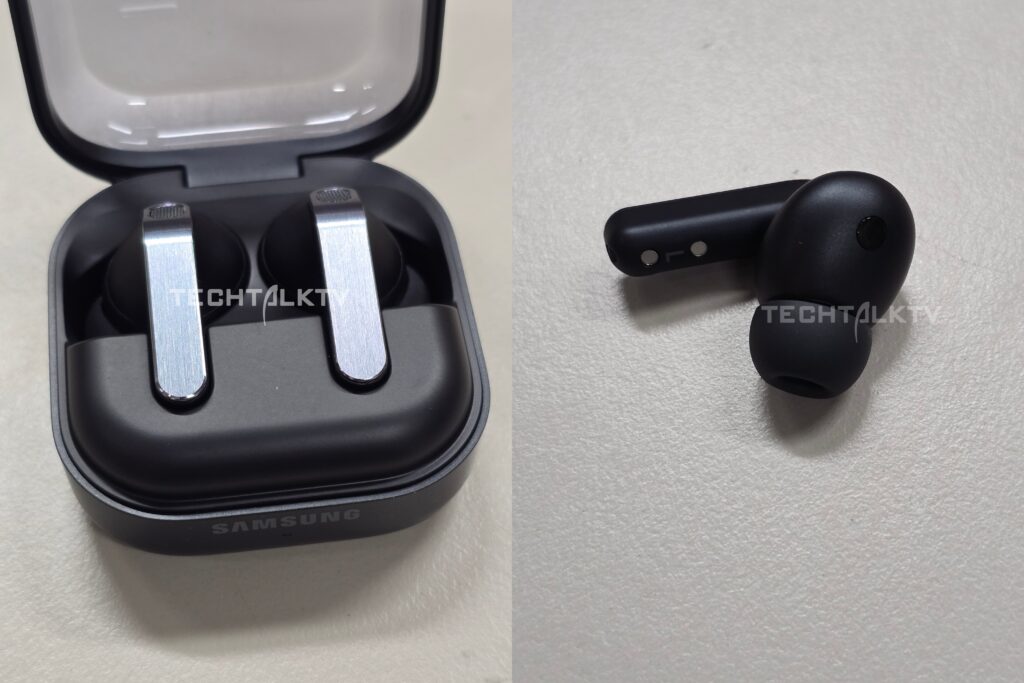
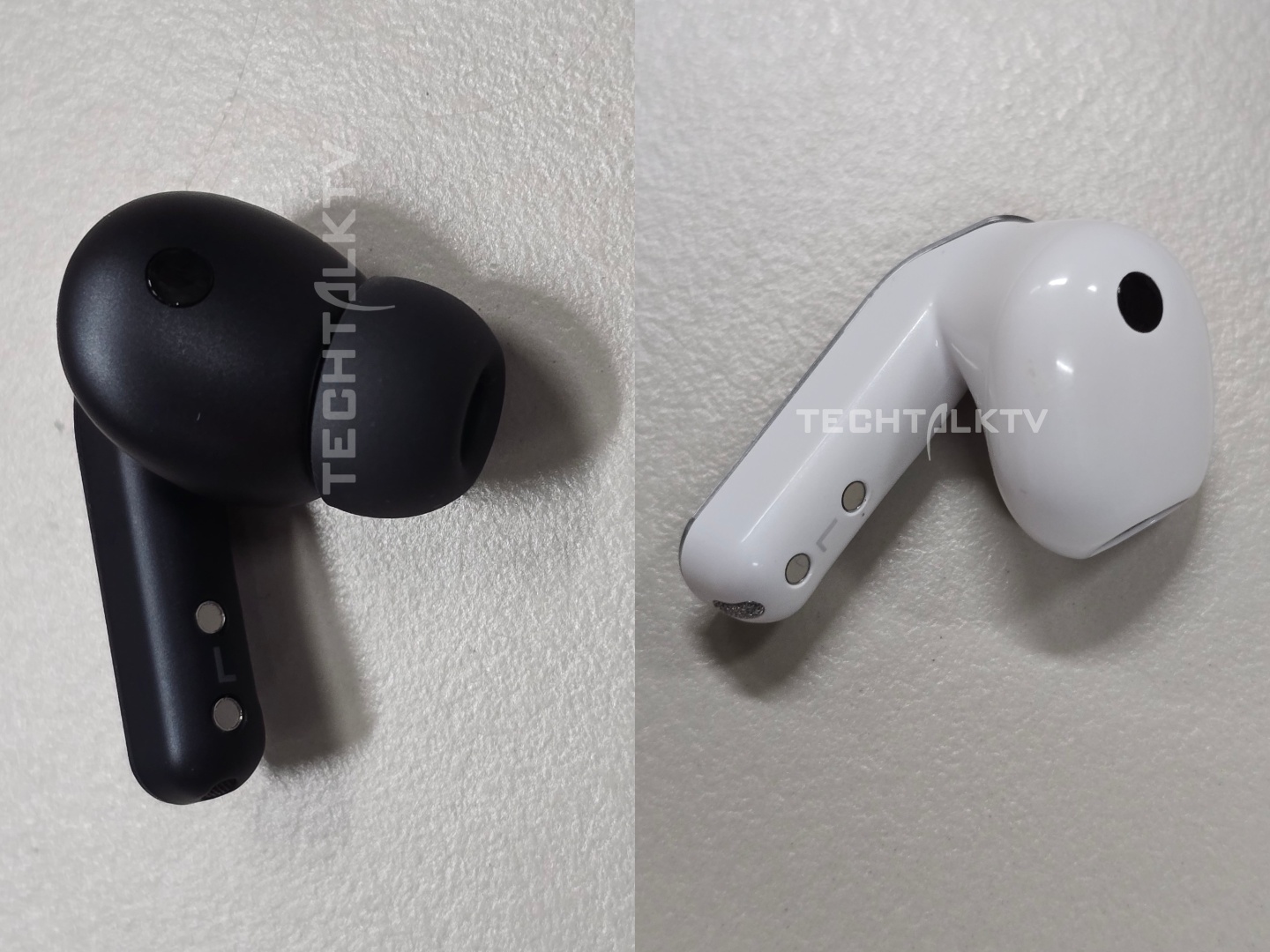
With Samsung Galaxy Unpacked just around the corner (February 25 in San Francisco), leaks are starting to paint a clearer picture of Samsungβs next audio lineup. The latest? Real-world images of what appear to be dummy units of the Samsung Galaxy Buds 4 and Samsung Galaxy Buds 4 Pro.

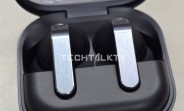
The photos, shared by known leaker TechTalkTV, show non-functional retail display models. While they donβt confirm specs, they do give us our clearest look yet at the redesigned hardware.
The biggest change is immediately noticeable: both models now feature a flat stem design. Itβs a shift away from the slightly rounded or angular stems we saw on the Buds 3 lineup. The new look feels simpler and more understated.
On the Pro model, the stems appear to have a brushed metallic finish. It looks more refined, and possibly more practical too, since brushed surfaces hide fingerprints better than glossy ones.

Another small but important tweak: the charging contacts now sit on the stems themselves, matching a new horizontal orientation inside the case.
And yes, the Blade Lights are gone.
If you liked the LED strips on the Buds 3 Pro, this might sting a bit. Samsung seems to be dialing things back visually in favor of a cleaner, more mature design language.
The charging case has also been reshaped. Instead of the more upright style from recent generations, this one appears flatter and rectangular, designed to rest more securely on surfaces.
Based on the dummy units, the standard Galaxy Buds 4 seem to stick with an open-ear approach β no silicone tips. That likely means a more breathable fit but less passive isolation.
The Buds 4 Pro, on the other hand, retain in-ear tips, which should help with noise isolation and active noise cancellation. Color options in the leaks include black for the Pro model and white variants for the standard version, aligning with earlier renders.
The Buds 4 lineup is shaping up to be a more polished, less flashy evolution rather than a radical redesign. Sometimes thatβs exactly what a product line needs.
Donβt miss a thing! Join our Telegram community for instant updates and grab our free daily newsletter for the best tech stories!
For more daily updates, please visit our News Section.
(Source: TechTalkTV)
The post Galaxy Buds 4, Buds 4 Pro dummy images leak with flat stems, no Blade Lights appeared first on Gizmochina.
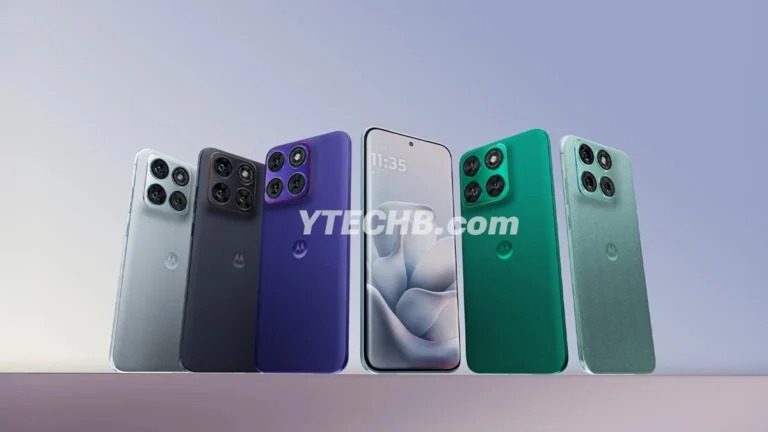
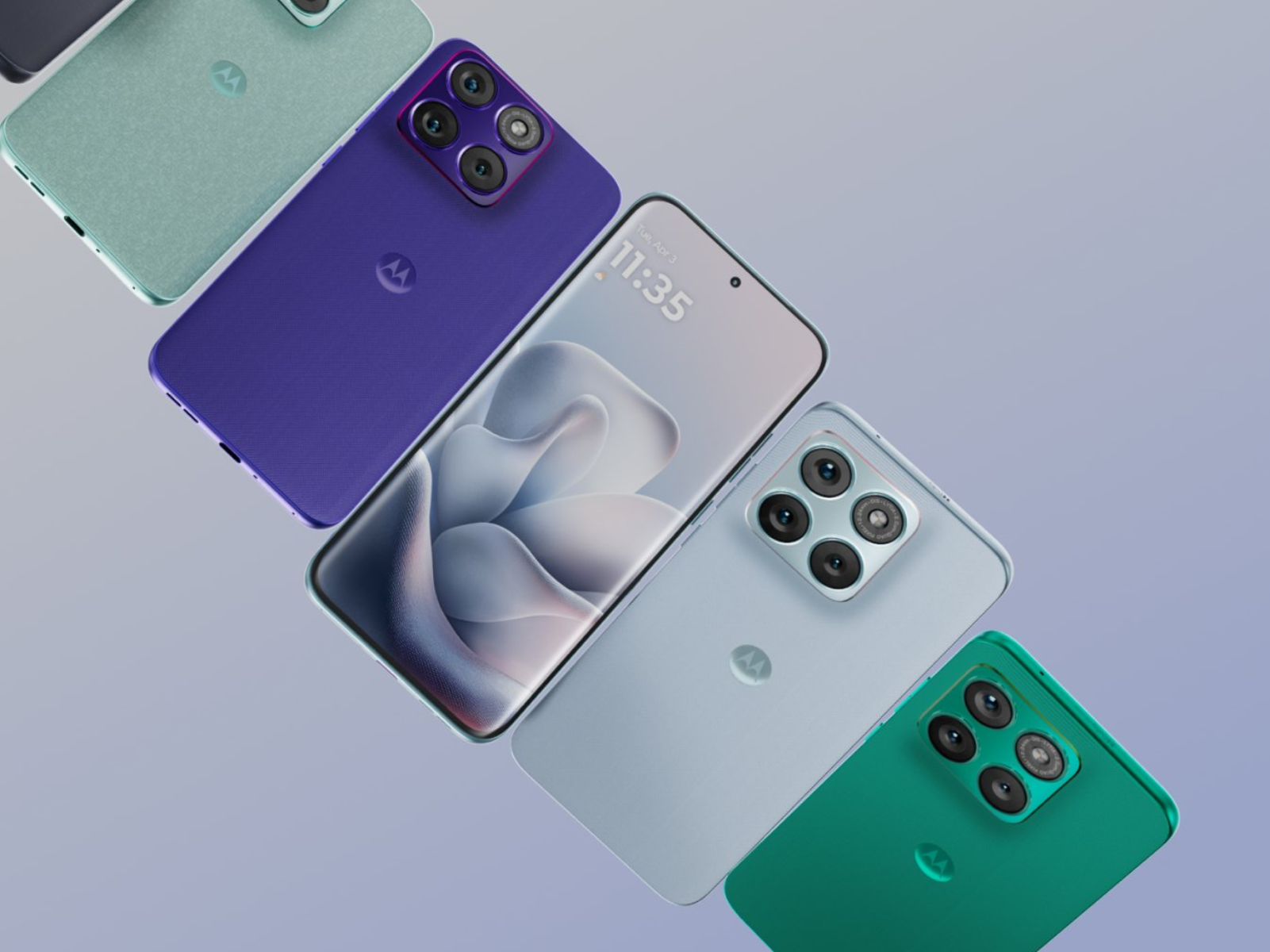
Motorola is preparing to launch its first Edge-series smartphone of 2026, the Motorola Edge 70 Fusion. The device was first revealed through renders last month, followed by additional marketing images shared by leakster Evan Blass. New marketing materials have now surfaced (via Ytechb), confirming key specifications that were previously unclear, including the processor.

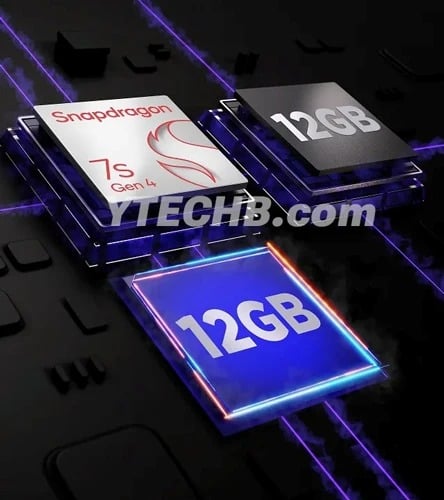
According to the latest images, the Edge 70 Fusion will be powered by the Snapdragon 7s Gen 4 chipset, resolving earlier confusion caused by a leaked spec sheet that suggested Snapdragon 7s Gen 3. The phone will launch with 12GB RAM, alongside an 8GB variant. Motorola will offer the device in five color options: Blue Surf, Country Air, Orient Blue, Sporting Green, and Silhouette.

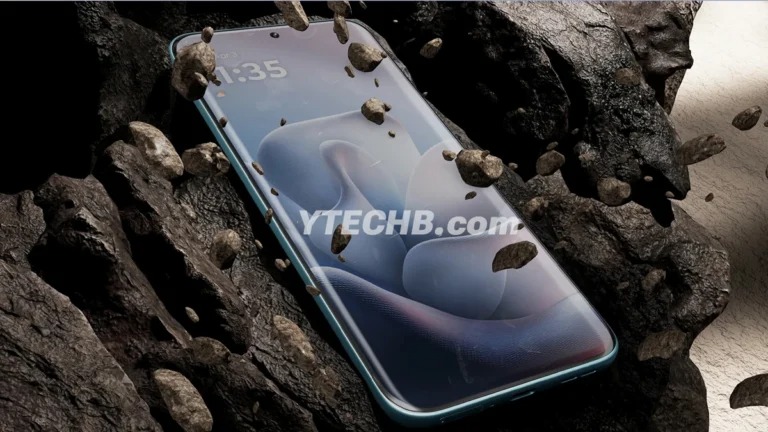
The smartphone will feature a 6.78-inch quad-curved OLED display with a 144Hz refresh rate and protection from Corning Gorilla Glass 7i. It will also carry IP68 and IP69 certifications for dust and water resistance, positioning it as a durable mid-range option.

Earlier coverage provided additional context about the deviceβs design and rumored hardware. Previous leaks showcased the Edge 70 Fusion in Silhouette and Country Air finishes before new renders revealed Blue Surf, Orient Blue, and Sporting Green. The design follows Motorolaβs familiar Edge-series language, including the signature rear camera module and a textured back panel inspired by nylon and linen materials. Despite a large battery, the phone appears relatively slim, suggesting a focus on ergonomics.
Previous specs leak claim that the 6.78-inch display will have a peak brightness of up to 5,200 nits. Camera hardware could offer a 50-megapixel Sony LYTIA primary sensor and a 32-megapixel front camera. The phone is also expected to pack a large 7,000mAh battery with 68W charging, run Android 16 out of the box, and include MIL-STD-810H durability certification alongside IP68 and IP69 ratings.
For more daily updates, please visit ourΒ News Section.
Stay ahead in tech!Β Join ourΒ Telegram communityΒ andΒ sign up for our daily newsletterΒ ofΒ top stories.
(Source)
The post Motorola Edge 70 Fusion Confirmed to Feature Snapdragon 7s Gen 4 & 12GB RAM in New Leak appeared first on Gizmochina.
If you were to buy a high-end Android phone in early 2026, thereβs a good chance it would charge faster than any of the Pro iPhones. And weβre not talking slightly faster, but dramatically.Β
For instance, iPhone 16 Pro Max charging tops at 45W, but Android phones like the Honor Magic 8 Pro feature 100W wired charging. At the same time, it packs a 7100mAh cell, which is over 50% higher than the iPhone 16 Pro battery.Β
All this combination changes how you use a phone. Charging stops being something you plan around. You plug in while getting ready in the morning, and youβre set for the rest of the day.
So here are the top five fast-charging smartphones of 2026 if youβre looking to buy one.
The Honor Win RT is difficult to ignore, mostly because of its battery. It ships with a massive 10,000mAh cell, which is closer to tablet territory than a typical smartphone. That alone would make it stand out, but Honor pairs it with 100W wired charging.

Itβs a big battery plus fast charging combo, and it makes sense. If youβre carrying a 10,000mAh battery, you donβt want to wait two hours to refill it. The 100W charging on Win RT ensures that the device goes from 0 to 100 in about 1 hour and 30 minutes. You can drain it heavily and still recover quickly.
The rest of the phone isnβt built like a battery pack with a screen attached. It runs on a Snapdragon 8 Elite Gen 5 chip, has a large 6.83-inch OLED display with high refresh rate support, and carries a serious camera system aimed at flagship buyers. Youβre getting top-tier performance, a bright and smooth panel, and a battery that simply refuses to quit.
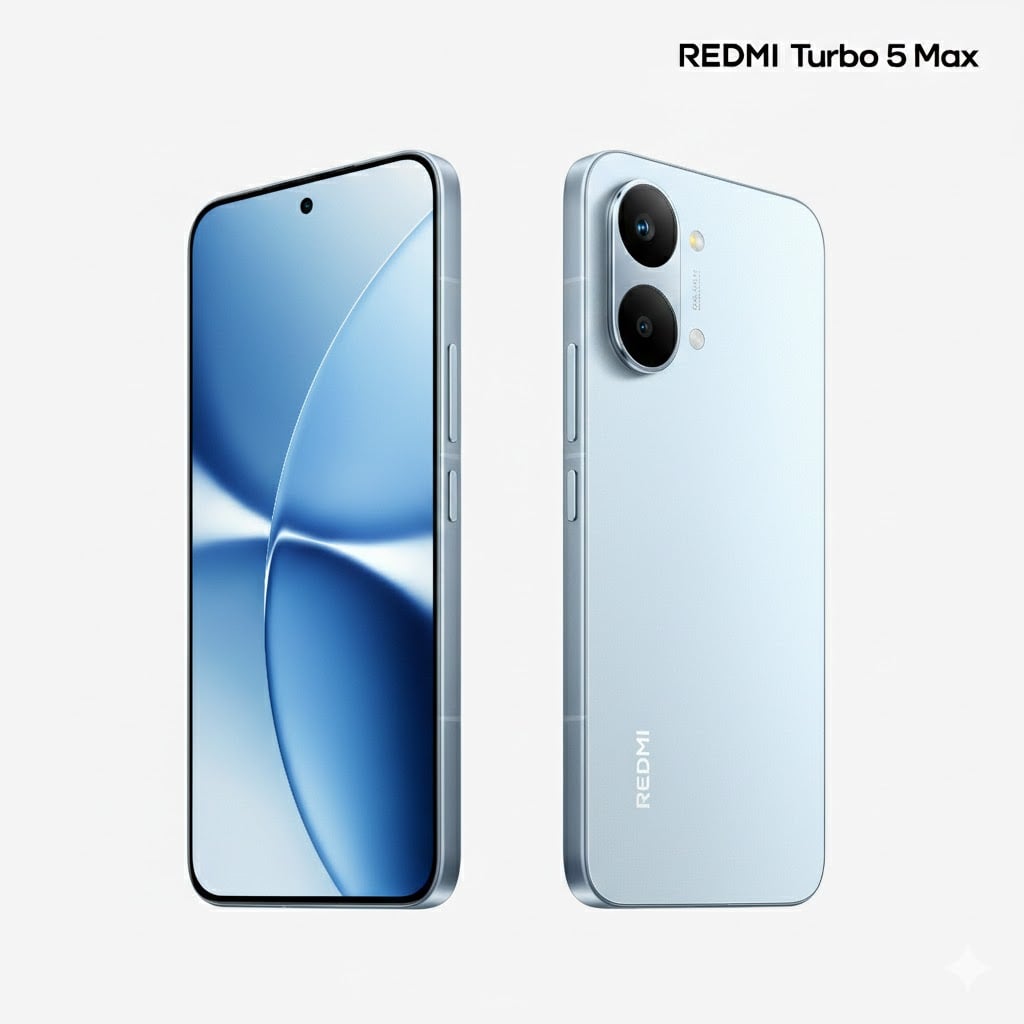
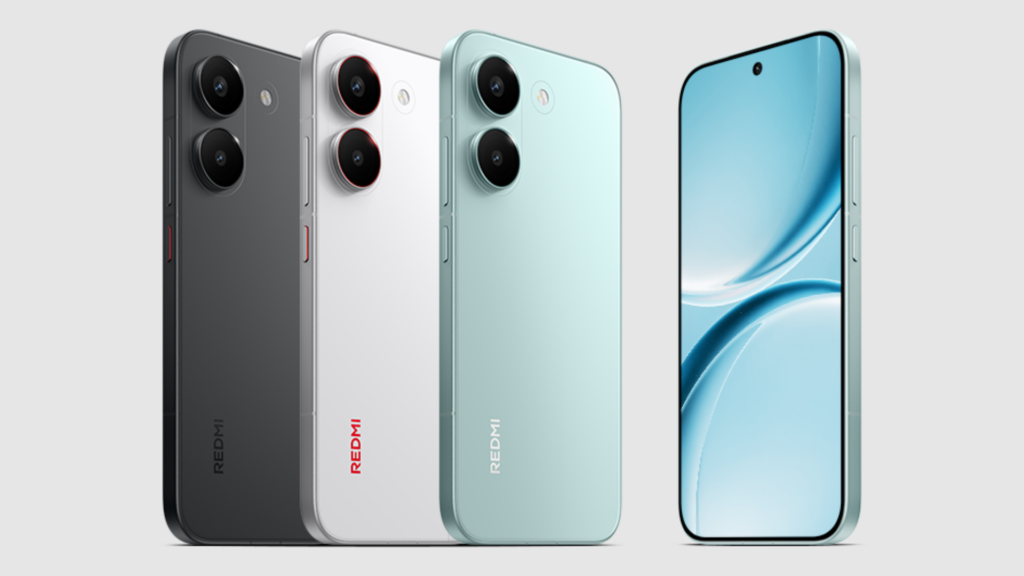
Xiaomiβs Redmi line has a habit of pushing battery sizes higher than most mainstream brands are comfortable with. The Redmi Turbo 5 Max continues that trend with a 9,000mAh battery and 100W wired charging.

Whatβs notable here is the balance. The Turbo 5 Max doesnβt lean into gaming aesthetics or oversized design language. It looks like a conventional large smartphone. But internally, itβs carrying a battery that can comfortably last through heavy use.
The Turbo 5 Max also supports fast reverse wired charging, meaning you can top up earbuds, a smartwatch, or even a friendβs phone if needed.
On the front, thereβs a large 6.83-inch AMOLED display with high brightness and a smooth refresh rate that makes everyday use feel fluid. Under the hood, it runs on an efficient 3nm Mediatek Dimensity 9500s chipset.
Wireless charging isnβt part of the equation here. But its 100W charging makes up for that.
The iQOO Z11 Turbo sits somewhere between an endurance device and a performance phone. It packs a 7,600mAh battery β smaller than the Honor Win RT or Redmi Turbo 5 Max, but still larger than many traditional flagships β and supports 100W wired charging.

iQOO has built a reputation around performance-focused phones that donβt necessarily cost as much as premium flagships. The Z11 Turbo continues that pattern. The fast charging is not just a marketing extra here; itβs how the company thinks of its Turbo phone. A capable hardware, solid camera system, and battery life that wonβt stress you out.
iQOO has also paired it with an advanced cooling system designed to keep temperatures under control during charging or gaming sessions. Speaking of which, itβs a capable phone with a Snapdragon 8 Gen 5 chip, a 200MP rear camera, and an AMOLED screen. It misses out on wireless charging tho.
The Honor Magic 8 Pro is a flagship first, fast-charging device second. But it still meets the criteria we have for this list, that is, 100W wired charging.
Unlike the Win, the Magic 8 Pro doesnβt go overboard with battery size. Instead, it balances capacity, speed, and overall design. Its 7100mAh battery is large enough to last comfortably through a full day, and when you do need to recharge, both wired and wireless options are extremely quick.

Notably, the Chinese Magic 8 Pro charges even faster at 120W wired, but 100W PPS and 80W wireless are common for all regions.Β
Apart from this, inside youβll find a Snapdragon 8 Elite Gen 5 processor, up to 16GB of RAM and 1TB of storage, a 6.71-inch LTPO OLED display, and a 200MP periscope camera setup. The Magic 8 Pro ticks all the boxes for a flagship of 2026.Β
The OnePlus 15 is perhaps the most familiar name on this list. OnePlus has been pushing fast charging for years, and with this model, it goes up to 120W wired charging in certain regions.

That puts it slightly ahead of the 100W baseline. Combined with a large battery β over 7,000mAh β it creates a setup where charging becomes a brief interruption rather than a routine.
Beyond charging, the OnePlus 15 carries a flagship-grade processor, a high-refresh-rate AMOLED display, and a refined OxygenOS experience built on Android 16.Β
What stands out across all five phones isnβt just the wattage. Itβs how normal 100W charging has become. And itβs not just about charging anymore; brands are also squeezing in a bigger battery with equally good wireless charging speed.
So if youβre shopping for a high-performance phone launched in the past few months, you may want to consider the options we mentioned above.
For more daily updates, please visit ourΒ News Section.
Stay ahead in tech!Β Join ourΒ Telegram communityΒ andΒ sign up for our daily newsletterΒ ofΒ top stories!Β 
The post Top 5 fast charging phones of 2026: 100W and more appeared first on Gizmochina.
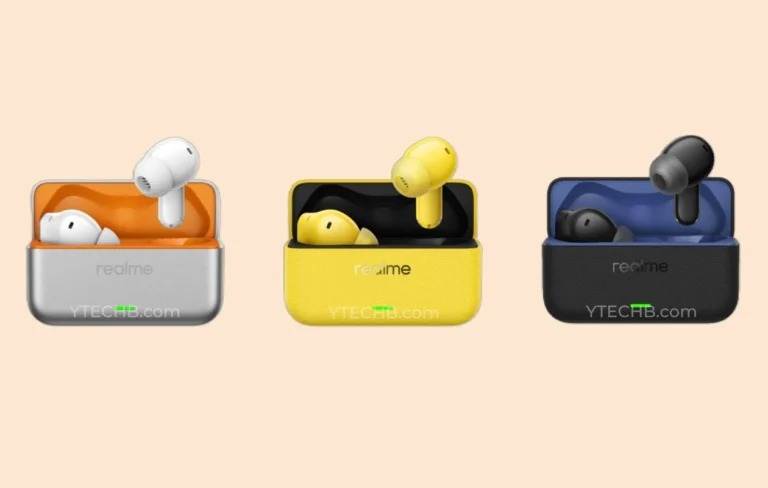
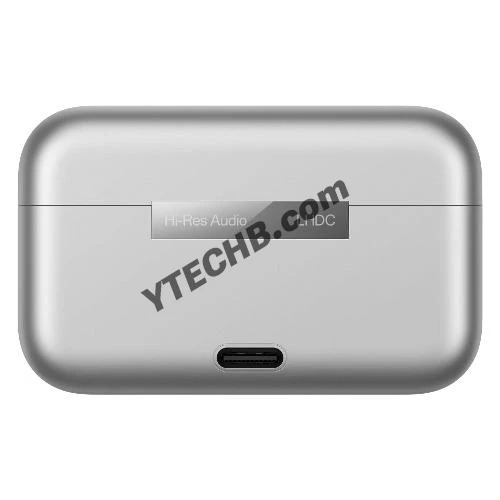
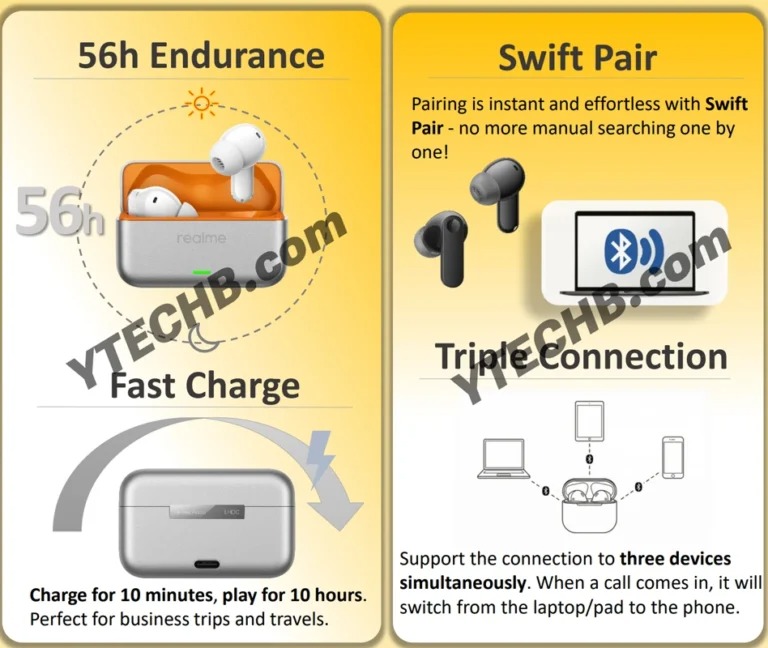
Realme is getting ready to launch a new pair of wireless earbuds called the Buds T500 Pro. The full specifications, features, and official-looking renders of the Buds T500 Pro have now surfaced ahead of the launch via a YTechB report.

As per the report, the earbuds feature 12.4mm dynamic drivers with Spatial 360 sound support and active noise cancellation reaching 50dB with frequency coverage up to 5,000Hz. A six-microphone array with AI-powered noise cancellation handles voice calls. Audio customization is available through Realmeβs Link app.
Design-wise, the T500 Pro maintains the familiar T-series earbud form factor at 4.5 grams per bud, but introduces a distinctive Candy Box charging case. Three colorways are planned: Orange, Yellow, and Blue Black.


Connectivity includes Bluetooth 6.1 with simultaneous three-device pairing for seamless switching between smartphones, tablets, and laptops. Battery performance reaches 56 hours combined playback via the 530mAh charging case.

Realme has integrated AI-powered features typically reserved for premium models. Live Translation supports over 30 languages for real-time interpretation. MindFlow Mode leverages ANC technology to create focused listening environments. The earbuds carry IP55 certification for dust and water resistance, making them suitable for workouts and outdoor activities.
According to the report, the Realme Buds T500 Pro are likely to cost around β¬60 in Europe. The company has not confirmed the exact launch date yet. The Buds T500 Pro will join the lineup after the Realme Buds Clip and the Realme Buds Air 8, both of which were introduced last month.
For more daily updates, please visit ourΒ News Section.
Tech enthusiast? Get the latest news first! FollowΒ our Telegram channelΒ andΒ subscribe to our free newsletterΒ for your daily tech fix!
The post Realme Buds T500 Pro specs leaked with 50dB ANC, Bluetooth 6.1, and 56-hour battery appeared first on Gizmochina.
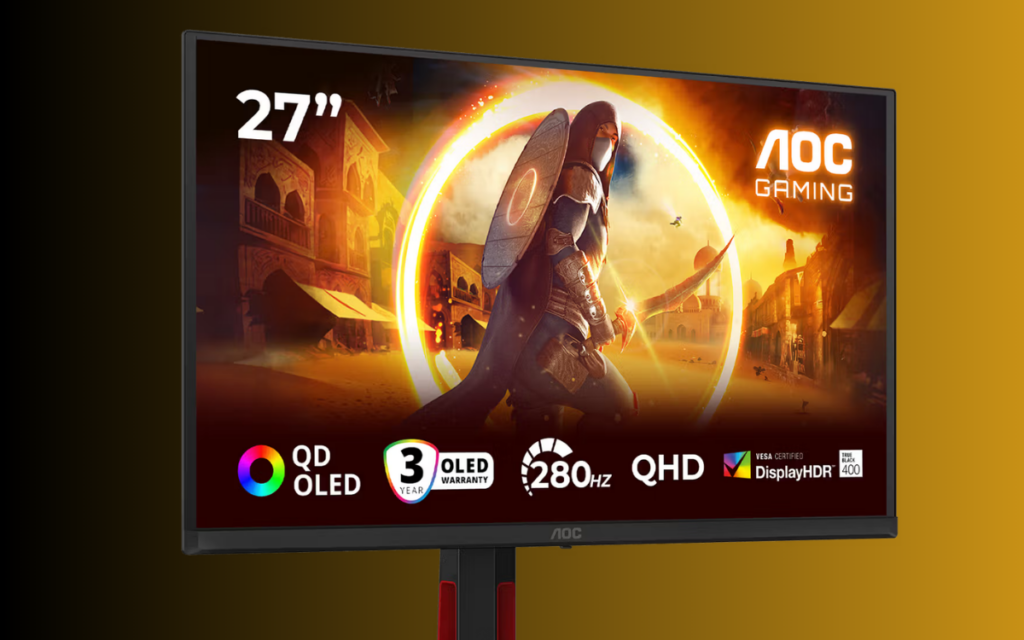
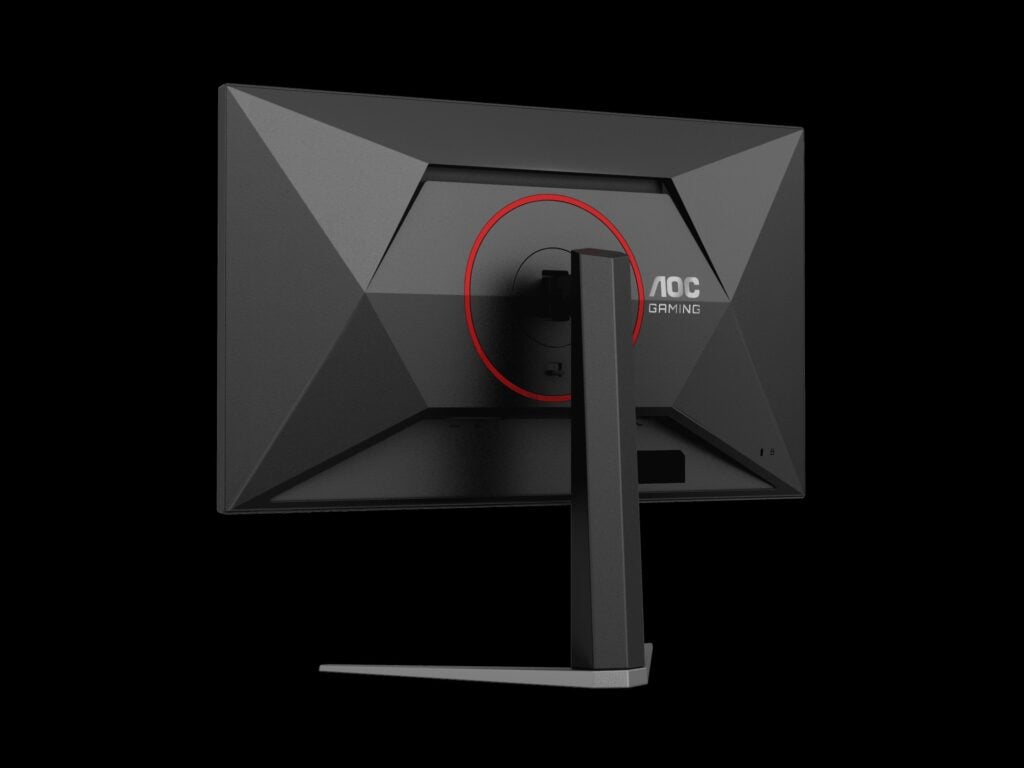
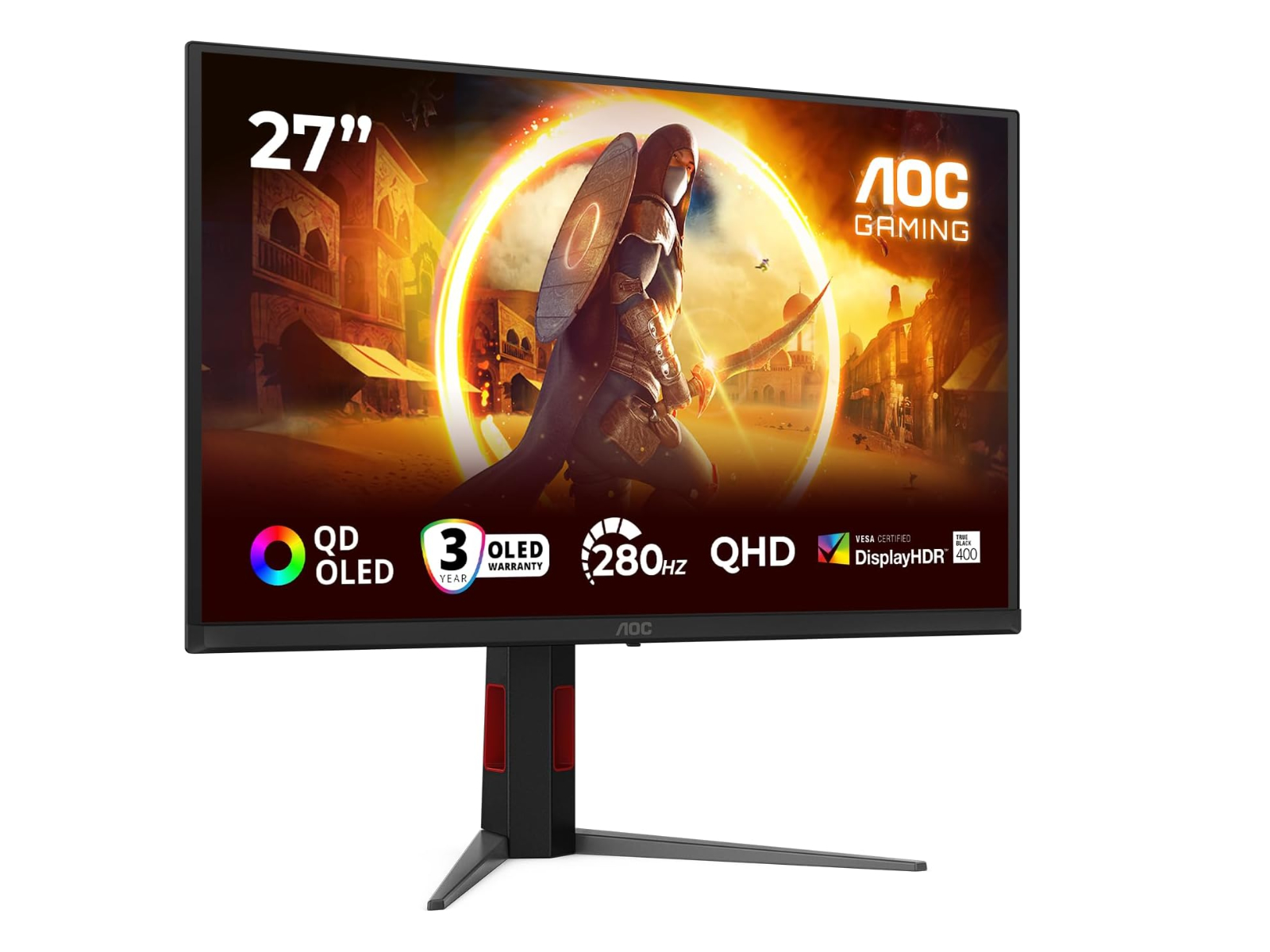
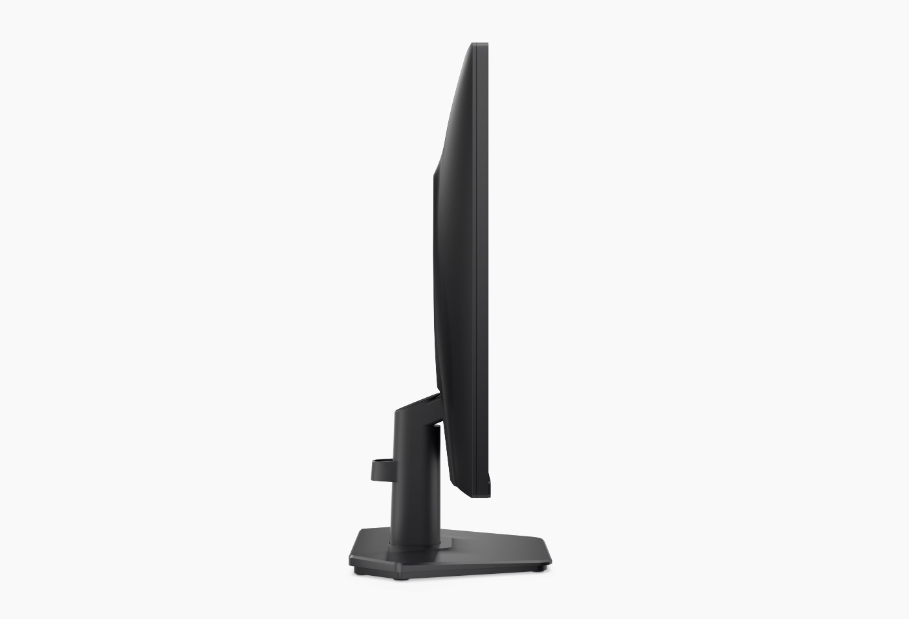
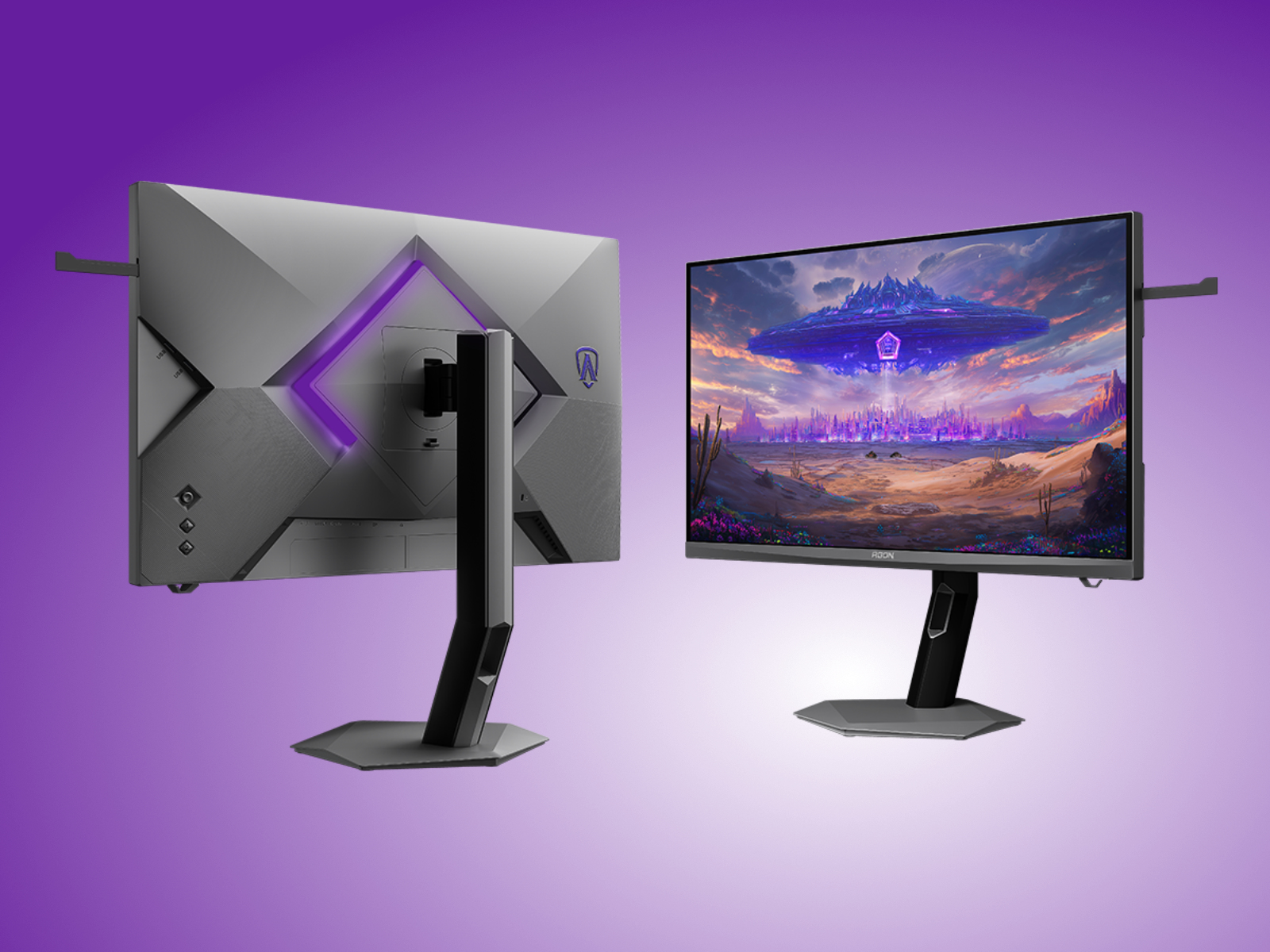
AOC has announced the Q27G4ZD, a new 27-inch gaming monitor designed for high-performance gaming. AOC plans to release the monitor later this month in the UK, with a starting price of Β£419.97.

The Q27G4ZD uses a QD-OLED panel with a resolution of 2560 x 1440. The panel combines quantum dot technology with OLED to deliver vivid colors and deep blacks.
The monitor features a 280Hz refresh rate along with a 0.03ms GtG response time. It also sports Adaptive-Sync and G-Sync compatibility to help eliminate screen tearing by synchronizing the display with the GPU.
In terms of colors, the monitor delivers a wide gamut, covering 99.4% of the DCI-P3 spectrum and 98.4% of Adobe RGB for accurate color reproduction. The monitor supports DisplayHDR True Black 400 for sharp contrast and accurate dark scenes, with a peak brightness of 1000 nits for lifelike visuals.


The Q27G4ZD includes several ergonomic features to improve comfort during long gaming sessions. The stand allows height adjustment, tilt, and swivel. The monitor also supports VESA wall mounting for flexible installation. AOC has added an anti-glare coating and flicker-free technology to reduce eye strain.
The connectivity options include two HDMI 2.1 ports, one DisplayPort 1.4, and four USB-A ports. AOC has included KVM switch functionality, allowing users to control multiple devices with a single keyboard and mouse. The monitor also features a headphone jack for audio output.
AOC offers customization software called G-Menu, which provides easy access to display settings. The design includes a three-sided frameless bezel for a sleek appearance. The monitor weighs 6.6kg with the stand and has dimensions of 609.3 x 537.7 x 240mm.
In related news, Gigabyte has recently launched a new 27-inch 2K 240Hz WOLED gaming monitor with up to 1300 nits HDR brightness, while ViewSonic has unveiled a new 27-inch QHD 360Hz Fast IPS gaming monitor.
For more daily updates, please visit ourΒ News Section.
Stay ahead in tech! Join our Telegram community and sign up for our daily newsletter of top stories! 
The post AOC launches new 27-inch QD-OLED gaming monitor with 280Hz refresh rate & 0.03ms response appeared first on Gizmochina.
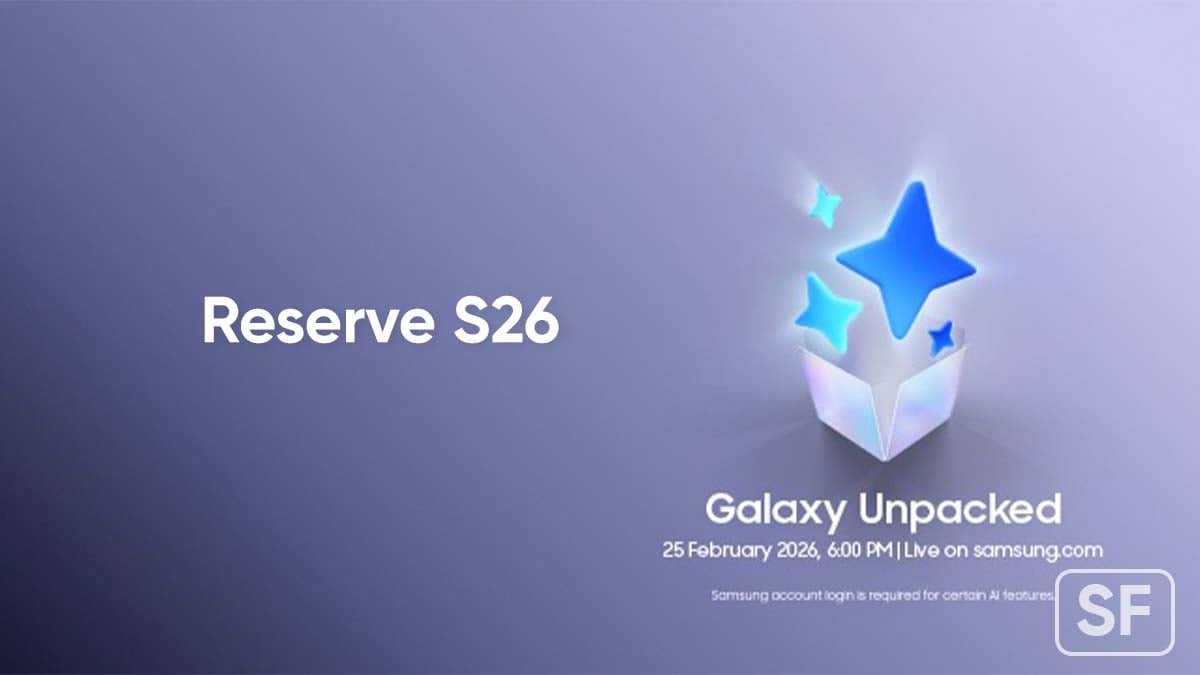
Samsung is ready to host its Galaxy Unpacked event on February 25, 2026. At this big event, Samsung will launch the new Galaxy S26 series, Galaxy Buds 4 series, and the stable version of One UI 8.5. If you are planning to buy a new Galaxy device, this is the right time to get ready.
The Korean tech giant has started pre-reservations for the upcoming Galaxy devices. If you reserve now, you can get a $30 Samsung Credit when you pre-order and purchase a qualifying device. This credit can be used on Samsung.com. It is a simple and free process to reserve.
To reserve, just visit Samsung.com and click on the βReserve Nowβ button. You need to fill in your first name, last name, and email address. You can also add your mobile number if you want. After that, click on reserve. Thatβs it.

By giving your email, you agree that Samsung can contact you about your reservation. If you share your mobile number, they may also send you text messages.
There are more benefits too. Customers can get up to $900 in additional savings with trade-in offers. You will also have a chance to win $5,000 to spend on Samsung.com. No purchase is needed to enter the sweepstakes, and it is sponsored by Samsung.
If you are thinking about upgrading to the Galaxy S26, reserving now is a smart move. Donβt miss the chance to enjoy extra savings and a $30 Samsung Credit.
The post $30 Samsung Credit: Have you reserved Galaxy S26? appeared first on Sammy Fans.


The Redmi A7 Pro got certified earlier this month, and now the Redmi A7 is following in its footsteps and may launch alongside the Pro model. The Redmi A7 has the model number 26020RNB4A, according to NBTC in Thailand. The device has also been EEC certified, and it's going to be 4G-only just like the Pro. The Redmi A7 and Redmi A7 Pro may be sold in some markets as the Poco C81 and Poco C81 Pro. At least some of these four phones will be powered by the Unisoc T7250 SoC, paired with 4GB of RAM. One or more of them will have a 6.9-inch HD+ LCD screen with a 120Hz refresh rate, up to...
Samsung is likely to become the main supplier of new HBM4 memory chips for NVIDIAβs upcoming top AI graphics cards, Vera Rubin. NVIDIAΒ plans to release these powerful chips in the second half of this year.
HBM4 is a special type of memory used in AI chips. It is built by stacking several memory chips. This design helps the chip work faster and handle large amounts of data. Because of this, the quality of the memory chips inside is very important.
NVIDIA plans to offer two types of HBM4 products. One will focus on stable and reliable performance. The other will focus on very high speed for large AI systems used in data centers. Even though most sales may come from the regular version, the high-speed version is expected to be much more expensive and bring higher profits.

Source β Samsung
Samsung focused early on making a high-performance version of HBM4. It used a newer and smaller manufacturing process, 1c DRAM. Other companies, like SK Hynix and Micron, used an older 1b process. Smaller and newer technology helps memory run faster, use less power, and work more efficiently.
Samsungβs new memory is said to use 10 to 20 percent less power and run about 10 percent faster than older versions. It can reach speeds of up to 13Gbps, which is much higher than normal standards.
However, future demand depends on how much big tech companies like OpenAI, Google, Meta, Microsoft, and Amazon spend on AI systems. If they reduce spending, standard models may sell more than high-end ones. Stay tuned for more information.
The post Samsung to lead HBM4 supply for NVIDIAβs AI expansion appeared first on Sammy Fans.
If youβve been thinking about buying a premium phone, now is a great time. With the Samsung Galaxy S26 Ultra launch coming soon, prices for last yearβs flagship model are dropping fast. One of the best offers right now is on the Galaxy S25 Ultra, and itβs worth checking out.
Usually, the 512β―GB version of the Galaxy S25 Ultra is priced at around $1,420. But on Amazon, itβs now available for about $1,165. It is a big discount and a good saving if you want a premium phone for less. Even the 256β―GB model is going for around $1,150, which means the larger storage option now costs almost the same.
This discount is live only for the Titanium Black colour. Other colours are also on sale, but not as good a discount as the black version.

Source β Samsung Mobile Press
This deal is a chance to get a premium phone for much less. Usually, Samsung flagship phones cost a lot, but discounts like this make them more affordable. If you like big storage and a powerful phone, the 512β―GB Titanium Black is the best choice right now.
Samsung Galaxy S25 Ultra comes with a powerful Snapdragon processor, an amazing 200MP camera, new AI features, a big battery, S Pen and more. If you want to grab this deal, you can check it here.
The post Huge price drop on Samsung Galaxy S25 Ultra ahead of S26 launch appeared first on Sammy Fans.


Google introduced its Titan M2 security chip with the Pixel 6 devices back in 2021, and it's still present in the Pixel 10 family, but it's obviously getting a little bit long in the tooth after more than four years. The good news is that a new rumor claims the Titan M3 is coming later this year to the Pixel 11 series alongside the Tensor G6 SoC. It's unclear exactly what will be new in the Titan M3, but it is allegedly codenamed Google Epic, so clearly it will be a massive improvement over its predecessor - otherwise why call it that? For reference, note that the Titan M2 handles...
Motorola's Razr 2025 and Razr Ultra 2025, also known as the Razr 60 and Razr 60 Ultra outside of North America, are now finally being updated to Android 16 in the US, days after Google launched the first beta of Android 17. So we definitely can't praise Motorola for being fast with this release - Google rolled out Android 16 in June of last year. Anyway, if your Razr or Razr Ultra (2025) is from T-Mobile or Verizon, you should be notified about the update very soon, if you haven't been already. The new build number for Verizon is W1UC36H.96-35-1 for the Razr and W1VL36H.59-55-5 for the...
Samsung is expected to benefit from a new $200 million US program that aims to support non-Chinese smartphones in the Indo-Pacific region. The plan, the Edge AI package, will help provide affordable, good-quality smartphones that use US operating systems like Android and iOS.
The US State Department says the program will help about 1 billion people in the Indo-Pacific join an βopen and innovativeβ internet system. While China is not mentioned by name, the plan is seen as a way to compete with Chinese phone companies.
Chinese brands now control more than half of the smartphone market outside China. According to the research firm Omdia, Chinese brands surged from 11% in 2013 to 52% in the first half of 2025.

Image: Samsung
Jacob Helberg, a US State Department official, said China uses its large population of 1.4 billion people to sell low-cost phones abroad. The new US program is meant to make the market fairer and ensure a reliable supply of smartphones from other companies.
Samsung is in a good position to benefit. The funding is mainly for companies from countries in the US-led βPax Silicaβ AI alliance. Apart from Apple, Samsung is the main phone maker that fits these rules and can compete with Chinese brands.
The plan is not just about phones. It is part of a bigger USΒ strategy to strengthen technology and AI in the Indo-Pacific. The USΒ will reportedly accept proposals from phone makers and telecom companies over the next 90 days, and after that, the funds will be distributed. Stay tuned for more information.
The post Samsung could benefit from $200 Million US plan in Indo-Pacific appeared first on Sammy Fans.


Samsung just announced that it successfully completed testing of a crucial technology, considered to be the staple of the future 6G network. For those who don't know, Samsung is also involved in the research and development of telecommunications networking equipment, not just smartphones. Samsung has partnered with KT Corporation and completed a test of the eXtreme multiple-input multiple-output (X-MIMO) technology in the 7GHz band. They achieved a peak download speed of a whopping 3Gbps by using an ultra-high-density antenna system. The said system incorporates four times the number...
Samsung held a special event, Hwaiting Night, at Samsung House in Milan on February 19. The event brought together athletes, influencers, and content creators. More than 130 people joined to celebrate the Olympic Winter Games Milano Cortina 2026.
One of the main guests was freestyle skier Alex Hall. He took photos with his Galaxy Z Flip 7 Olympic Edition. Other guests included Italian snowboarder Ian Matteoli, Swiss snowboarder and content creator Nicolas Huber, and Italian influencer Ludovica Frasca. Everyone was excited to be there.
The event was inspired by the Korean word β Hwaiting. It is a word people use to cheer someone on and give them strength. The event was a way to encourage athletes and celebrate their hard work.

Image via Samsung
Guests enjoyed several interactive programs during the night. They joined guided tours around Samsung House and listened to athletes share personal stories about their road to the Olympics. They also saw special TeamGalaxy videos showing behind-the-scenes moments from the Games.
Hwaiting Night was more than just a party. It showed Samsungβs idea that being open brings people together. Athletes, influencers, and fans could connect and share their experiences.
The post Samsung brings Olympic spirit to Milan with Hwaiting Night appeared first on Sammy Fans.
Samsung is facing a class action lawsuit in the United States. Two Galaxy S22 users have taken the company to federal court in New York. They say a recent software update made their phones completely stop working. They are asking for money and help for all affected users.
The issue with the Galaxy S22 series is linked to the One UI 6.1.1 update. In late 2024, this update was released. And after installing it, many Galaxy S22, S22+, and S22 Ultra phones began restarting again and again. Some phones eventually became totally dead and unusable.
Users say their phones got stuck in a βboot loop.β This means the device kept turning on and off without stopping. In some cases, people also lost their photos, contacts, and other important data. Complaints about this issue started appearing online in December 2024.

Some reports said certain models were affected more than others. Many users believe the update caused the problem. The lawsuit claims Samsung knew, or should have known, about the issue. However, the company still continued to push the update.
After their phones stopped working, many users contacted Samsung support. Some were told the motherboard had failed and needed replacement. They were asked to pay around $500 for repairs. Since most Galaxy S22 phones are out of warranty, customers had to pay on their own.
One of the people who filed the lawsuit said she could not afford the repair. She ended up buying a new phone instead. The lawsuit says Samsung should take responsibility and compensate affected customers. Stay tuned for more information.
The post Samsung sued after One UI 6.1.1 update allegedly bricks Galaxy S22 phones appeared first on Sammy Fans.


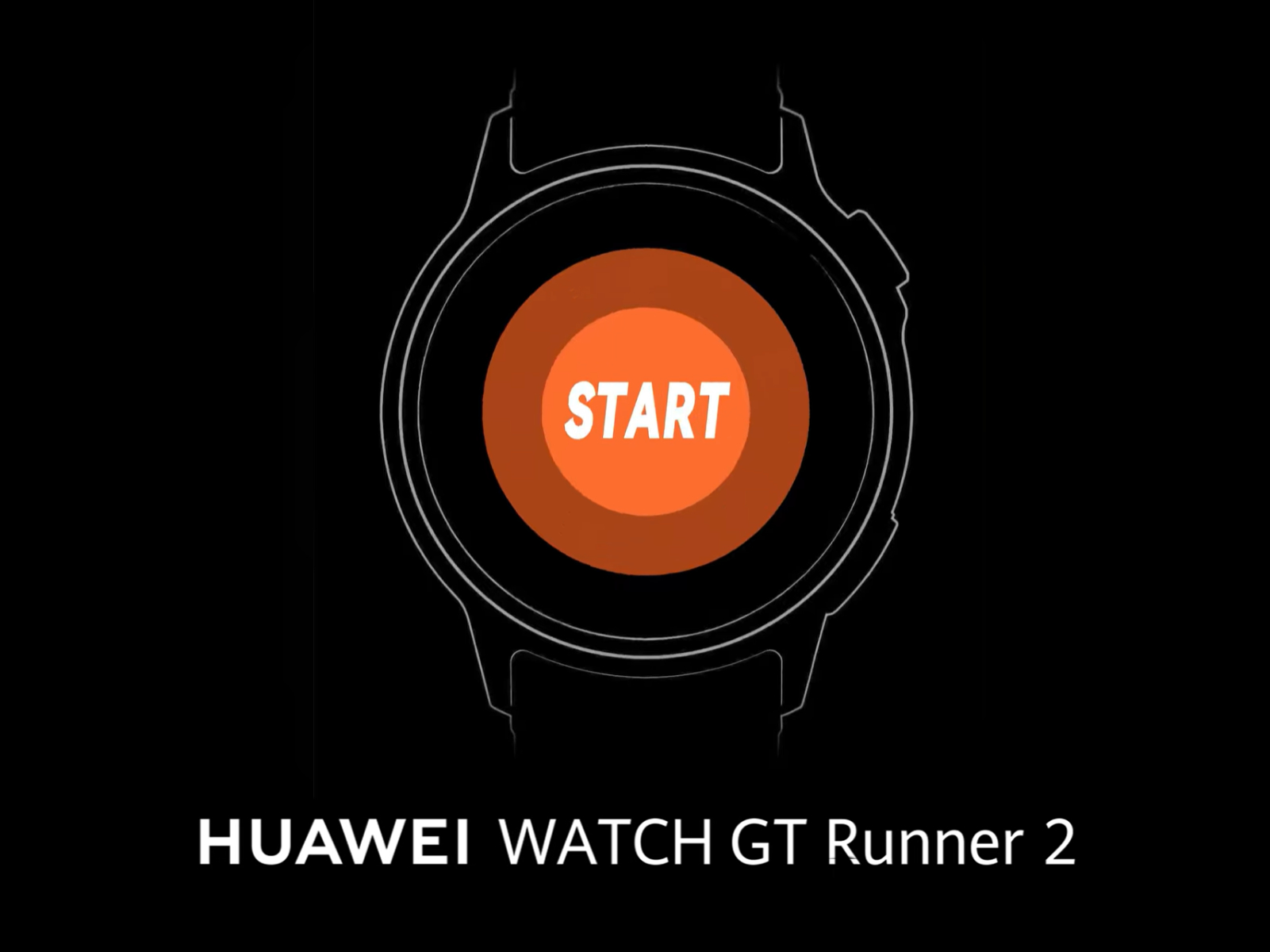
Huawei is holding a big launch event on February 26 where weβll see a handful of devices announced for the global market. One of these is the all-new Watch GT Runner 2, which has finally been confirmed by Huawei. Watch GT Runner 2 is the successor to 2021βs Watch GT Runner and was co-developed alongside two-time Olympic marathon gold-medalist Eliud Kipchoge. The wearable will cater to runners and features an βintelligent marathon modeβ which will help users prepare for marathons. The event will also see the debut of the Huawei Band 11 Pro alongside the global launch of the Mate...
Samsung is set to launch the Galaxy S26 series on Feb 25, and these phones will unlock next-gen performance for these flagship phones. Weβve also seen reports of the Exynos 2600 returning to the S-series in selected regions, but our focus remains on Snapdragon.
The Snapdragon team has already created hype for the Unpacked February 2026 event, officially indicating that the next-gen S-series phones will use a new Qualcomm mobile chip. That said, here are some of the key aspects of its performance side.
CPU
The Snapdragon 8 Elite has a custom-built 3rd gen Qualcomm Oryon CPU with 64-bit architecture featuring 2 prime cores up to 4.6GHz and 6 performance cores, clocked up to 3.62GHz.
With this setup, the chip deliver 20% single core, 17% multi-core, and 32% responsiveness improvements.
AI
Since Samsung will need an improved NPU for upcoming Galaxy AI features, the 8 Elite Gen 5 chip will deliver 37% NPU performance increase, up to 220 tokens per second, 64-bit memory visualization, and up to 32,000 context windows with 2-bit support.
Samsung is expected to take on a new AI content creation feature too with One UI 8.5, and the new chip will help the company deliver the optimum user experience.
GPU
The next-gen Qualcomm Adreno GPU will hike a 23% in overall performance, 25% improvemnet in ray tracing with a top speed of 1.2Gz. Furthermore, Snapdragon 8 Elite Gen 5 brings 18MB dedicated memory, 10% power efficiency, and 38% performance improvement.
Power
Combined, these segments contribute more power saving compared to the Snapdragon 8 Elite. Qualcomm says the new chip will bring 35% CPU, 20% GPU, 16% AI, and 16% overall SoC power efficiency.
Modem
This 3nm chip is using Qualcomm X85 5G Modem-RF with 5G advanced, 5G mmWave, and sub-6 GHz, 5G standalone (SA). It will provide 12.5 Gbps download speed, and 30% faster AI inference, and 50% lower gaming latency with AI-powered Wi-Fi.

Besides these numbers, weβll compare some of the early Geekbench benchmarks of the Galaxy S26 Ultra and the post-release S25 Ultra to see the performance enhancements.
In the most recent test, the Galaxy S26 Ultra (SM-S948B) has achieved 3761 points on single-core and 11454 on multi-core.

Galaxy S26 Ultra Geekbench Benchmarks
Compared to this, the S25 Ultra (SM-S938B), the device scores 3094 points on single-core and 9703 on multi-core. You should know that the results on single and multi-core flunctuates upto 100 points or more in iterative testing.

Galaxy S25 Ultra Geekbench Benchmark
The Galaxy S26 Ultra delivers more than 600 points on single-core, which is around 21.56% improvement. The phone also reigns supreme in multi-core performance with 1751 points, over 18% increase in this segment.
You should know that the single-core and multi-core improvements will contribute to better app launches, web browsing, smooth UI interactions, seamless AI features, better gaming experience, and multi-tasking improvements.
Samsung has been using the Snapdragon chipset for years, and Qualcomm continues to polish its performance for Galaxy phones, the Galaxy S26 series will mark a new chapter in this partnership. Qualcomm will send executives to the Unpacked event to share more details about the chipset upgrade. Weβll also keep you posted on new updates that will arrive at the Unpacked event. Also, share some insights on the performance when the actual device arrives.
The post Galaxy S26 Series Performance: Chipset, Geekbench and more appeared first on Sammy Fans.
Samsung is about to launch its new wireless earbuds, the Galaxy Buds 4 and Galaxy Buds 4 Pro, alongside the Galaxy S26 next week. Fans are excited about the new earbuds, especially because Samsung is expected to keep things affordable. Many people are curious about the price and whether it will go up compared to the previous generation.
A reliable tipster, Roland Quandt, shared the prices of the upcoming Galaxy Buds 4 online. Samsung Galaxy Buds 4 is expected to cost $179.99 in the US, and the Buds 4 Pro will be $249.99. These prices are the same as last yearβs Buds 3 and Buds 3 Pro.
In addition to the pricing leak shared on social platform Bluesky, Quandt highlighted an early Amazon Mexico listing that shows the Buds 4 in white, confirming at least one color option ahead of the official reveal.

Roland Quandt (Bluesky)
The new Galaxy earbuds will reportedly have a fresh design. Older Galaxy Buds were criticized for looking too much like Appleβs AirPods and for poor sound quality. Samsung has changed that.
Samsung Galaxy Buds 4 now have a metallic stem tilted toward the top, and they lie flat in their charging case instead of standing upright. Recently, real-life appeared online, showing a stunning design in black and white.
The Galaxy Buds 4 and Buds 4 Pro are expected to have better sound and comfort. With stable prices, a new design, and better features, Samsung hopes to win back more customers in the US and other markets. Stay tuned for more information.
The post Samsung Galaxy Buds 4 and Buds 4 Pro US pricing leaked appeared first on Sammy Fans.


Back in 2024, Apple filed a patent application for an "Electronic Device and Case with Satellite Communication Capabilities", and this has just surfaced now. Basically, it's a case that comes with more and better antennas which can enhance satellite connectivity. The case will be made for iPhones but also iPads, apparently. As you can see in the drawing below, the case will have a part that flips open to point the internal phased antenna array towards the sky in order to get a better satellite signal. This will also ensure that touching the phone won't block the satellite signal, since...
Today, Xiaomi has announced its next global launch event, which is taking place in Barcelona, ahead of MWC, on February 28 at 2 PM local time (that's 3 PM in Eastern Europe, 1 PM in the UK, 6:30 PM in India, 5 AM in California, and 8 AM in New York). Thus, a rumor from a few days ago turned out to be accurate. As you can see from the post on X embedded below, the tagline for the event is "The New Wave of Imagery is arriving", so it's pretty clear that the Xiaomi 17 Ultra will make its global debut on this occasion. The New Wave of Imagery is arriving.Mark your calendar π February 28,...
Some Samsung Galaxy users are facing a small but annoying issue with the One-Hand Operation Plus Good Lock module. But now, Samsung has confirmed that the issue will be resolved in the next app update.
According to users, the problem happens when they change their phone screen from landscape mode back to portrait mode while using an app. After switching back to portrait mode, the One Hand Operation Plus gestures sometimes stop working. It means users cannot use their swipe shortcuts or navigation gestures.
One user with a Samsung Galaxy S21 Ultra shared that the feature starts working again if they close the app and open it again. However, doing this again and again is inconvenient and frustrating. The issue does not happen all the time, but it has affected some devices.

Samsung is aware of this issue and has also replied. A Samsung Community moderator shared a message for affected users that the company has acknowledged the One Hand Operation Plus issue on some Galaxy devices. The team apologized for the inconvenience caused to users.
The moderator also mentions that the problem will be fixed in the next app update. Although the company did not give a release date, users can expect a solution soon.
Until the update is released, users can only fix the problem by closing and reopening the app. Samsung users should also check for updates in the Galaxy Store to make sure they get the latest version when it becomes available. Stay tuned for more information.
The post Samsung confirms fix for One Hand Operation + landscape to portrait issue appeared first on Sammy Fans.


The fifth One UI 8.5 beta just went live with the February Android security patch and an updated version of Bixby. Samsung has now officially detailed the upgraded Bixby, which is now being called a conversational device agent. In an official press release, Samsung detailed the new features coming to Bixby in One UI 8.5, which is expected to go official alongside the Galaxy S26 series on February 25. According to Samsung, the new Bixby will allow users to control and manage device settings using natural language. For example, a user could say they donβt want the screen to turn off...
Shortly after dropping the fifth Beta, Samsung has started testing One UI 8.5 Beta 6. With this move, Samsung has once again delayed the Stable rollout for the Galaxy S25 series.
Back in December, Samsung launched the One UI 8.5 Beta Program. Since its debut, the testing activity has been limited to the Galaxy S25 series. Meanwhile, the official unveiling is set to take place on February 25 in San Francisco.
Samsung has begun testing a new One UI 8.5 Beta for the Galaxy S26 series, which will be distributed as the Beta 6, via Alfaturk. The latest build carries PDA build version ending with ZZB7, with changes likely in the last digit.
Beta 4 brought Direct Voicemail, while Beta 5 debuted AI-powered Bixby. It seems the software has already hit the stability mark, and Samsung is now focusing on sequential deployment of new features from the S26 series.
If youβre on One UI 8.5 Beta 5, expect Beta 6 rollout early next month. Samsung may further stretch the Beta testing if more time is required. We may see up to seven/eight Beta builds like the previous One UI Beta testing programmes.
With the Beta 6 testing, Samsung has made it clear: Stable update isnβt near. Thereβs no controversy as Samsung already confirmed the official rollout will begin in early March, with the new flagships debutting the new software.
The Galaxy S26 series is expected to go on sale on March 11. Samsung may not immediately share the software advancements with older devices. That said, existing models will likely begin receiving One UI 8.5 by April 2026.

The post Samsung delays Stable One UI 8.5 rollout, Beta 6 will arrive appeared first on Sammy Fans.
Samsung Galaxy S26 series is unveiling next week, while a Philippines-based retailer has just accidentally published the product sale page, revealing key details including colors, price, and storage configuration.
Reservations are live for the next Galaxy, and the Unpacked event is scheduled for February 25. A live event is scheduled in San Francisco, while the new products will go on sale starting March 11, around the world.
Colors
As spotted by leaker Phonenurd, a Filipino retailer listed Galaxy S26 on sale. The device was featured in a total of six colors, including two online-exclusive shades.
The retailer listing revealed that the Galaxy S26 series will be available in these colors:
Price
From what the retailer listing shows, the Galaxy S26 could cost more than its predecessor. The upcoming flagship may start at 62,122 Philippine pesos in the Philippines, which translates to roughly $1,069.

Shared by @Phonenurd/X
Notably, the Galaxy S25 comes with a price tag ofΒ 54,090 (~ $929). There seems to be a substantial price hike in the Southeast Asian market. However, users would be getting the 512GB model while still paying for the 256GB one.
Take the pricing information as a pinch of salt, as it could also be a technical glitch. Itβs also possible that the retailer may announce decent exchange bonuses and instant cashback promotions to reduce the price of the device.
You may like:
The post Samsung Galaxy S26 leak exposes bold colors and price hike appeared first on Sammy Fans.


Ever joined a WhatsApp group only to realise youβve missed all the earlier messages? WhatsApp has now introduced a new Group Message History feature designed to put an end to that fear of missing out. The new feature allows group admins and members to share recent messages with newly added participants. WhatsApp says the shared message history will remain end-to-end encrypted. When adding new members to a group chat, a pop-up will appear with an option to share recent message history. Admins or members can choose to share between 25 and 100 recent messages with the new...
Samsung has a tradition of introducing a new arrangement of its Over the Horizon ringtone ahead of its Galaxy S-series launches and since weβre mere days away from the Galaxy S26 series introduction, itβs time for Over the Horizon 2026. This yearβs arrangement is titled βA Soundtrack of the Earthβ and was performed by the Royal Philharmonic Orchestra. The tune is inspired by the delicacy of nature and portrays a harmonious coexistence between technology and the planet. Composer and pianist Eunike Tanzil led the arrangement for the latest edition of Samsungβs ringtone, which was...
Samsung has developed a new camera noise algorithm, shipping with the Galaxy S26 series. Combined with the camera hardware, the new software advancement is expected to realize Samsungβs cleanest camera ever.
According to Samsung leaker IceUniverse, the Galaxy S26 series is coming with a brand new camera noise reduction algorithm.
Simply put, Samsungβs sky problem is finally getting fixed. If youβve shot photos with a Galaxy flagship over the past few years, you know exactly what Iβm talking about: that ugly, artifact-riddled gradient across blue skies.
The leaker describes the new algorithm as producing the best results ever seen on a Galaxy flagship. Sky shots show a clean, smooth, uniform blue; the kind of output that competing flagships have managed for a couple of generations now.
The 24MP mode is worth paying attention to specifically.
Samsungβs sensor binning approach on recent flagships has involved collapsing higher-resolution sensors down to a more manageable output for everyday shooting, which brings noise performance benefits but sacrifices fine detail.
The S26βs new algorithm appears to change that equation.Β Under high magnification, the 24MP output is reportedly retaining genuine clarity rather than the smeared, watercolor-like texture that aggressive noise reduction tends to produce.

Rumors have circulated suggesting Samsung may carry over sensor hardware from the S25 series rather than introducing entirely new imaging hardware for the S26.
The competitive landscape in 2026 flagship photography is brutal, and Samsung knows that its post-processing reputation has become a liability in certain enthusiast circles.
Samsungβs Galaxy Unpacked event for the S26 series is set for February 25. Like every year, the camera performance will almost certainly be one of the central talking points.
The post Galaxy S26 may deliver Samsungβs cleanest camera ever with new noise algorithm appeared first on Sammy Fans.
Samsung Galaxy S26 series is launching next week, and a new rumor signals the departure of a very useful feature. For some, it might even impact their purchasing decision, but Samsungβs move is likely aimed at enhancing device security.
X user SandeepAdap, who has shared credible Samsung intel in the past, claims that βDownload Mode on Samsung devices is going away soon, starting with the S26 Series.β
No official confirmation, no Samsung statement. Just a single post that has power users across forums asking the same question: Is Odin finally dying?
If you donβt know what Download Mode is, consider yourself lucky. Youβve probably never had to use it. But for the rest of us, it has been a lifesaver, quite literally, for our devices.
Download Mode, often called Odin Mode, is a low-level boot state that lets you flash firmware directly to your Samsung device via a PC. Itβs often used to rollback to a previous firmware if something is wrong with the new release.
Messing with it can permanently trip the Knox security fuse, locking you out of Samsung Pay and Knox-protected features forever. Its departure feels like a natural extension of Samsungβs ongoing push to tighten its ecosystem.
Knox has become a serious enterprise selling point, and having a widely documented hardware-level bypass sitting right there is a liability. It remains to be seen if Samsung bans Odin mode on existing models via a software update.
Have you ever used Odin to save your device or flash a custom ROM, and would this change affect your decision to upgrade to the Galaxy S26?

The post Galaxy S26 might mark the end of a very useful feature appeared first on Sammy Fans.


Realme today unveiled the P4 Lite as the fifth member of the P4 series, joining the previously launched P4, P4 Pro, P4x, and P4 Power. The Realme P4 Lite is a budget 4G smartphone, powered by the Unisoc T7250 SoC. The smartphone has 4GB RAM and up to 128GB of onboard storage, and it runs the dated Android 15 out of the box, with no word from Realme on how many Android version upgrades the P4 Lite will receive. [#InlinePriceWidget,14451,1#] The Realme P4 Lite features a 6.74" 90Hz HD+ LCD on the front, and it can be operated even when your hands are wet or oily, or you are wearing...
Poco is expected to launch the X8 Pro and X8 Pro Max in global markets soon. While the company has yet to officially confirm the devices, recent leaks have already revealed their key specs. Now, a new leak offers a first look at the design of the upcoming X8 Pro series. A tipster has shared official-looking renders of the Poco X8 Pro and X8 Pro Max on X, suggesting that the upcoming Poco devices are rebranded Redmi Turbo 5 and Turbo 5 Max. Poco X8 Pro Max (left) and Poco X8 Pro (right) The Poco X8 Pro Max is shown with a dual rear camera setup accompanied by a dual-LED flash. The...


vivo launched the T4 Pro back in August of last year, and the brand is now already working on its successor, which will unsurprisingly be called T5 Pro. [#InlinePriceWidget,14095,1#] The upcoming device's existence has been revealed by its listing in an IMEI database. As you can see from the screenshot below, the listing also tells us that its model number is V2568. There are no other details outed at this time, however. Like its predecessor, the T5 Pro is expected to launch in India with a great specs to price ratio. The T4 Pro comes with a 6.77-inch 1080x2392 AMOLED screen...
Samsung, in collaboration with KT Corporation, had a trial of 6G 7GHz, which crushed the impressive speeds of todayβs 5G. Before anyone gets carried away, 6G is still aiming for 2030, but the speed jump here is serious.
Key Highlights
In a fresh outdoor field test, Samsung hit 3Gbps in the 7GHz band using its new X-MIMO antenna technology. This is not lab fantasy numbers, but a real-world style setup, outdoors, with partners and commercial-grade gear in the loop.
In this trial, eight data streams were transmitted simultaneously from the base station to a single user device. The result: 3Gbps peak downlink; for context, many 5G users today still hover well below 1Gbps in real-world scenarios.
This trial shows Samsung is not sitting back while others define 6G. The next-gen network tech will not just be about higher peak speeds. It will be about smarter networks, denser antennas, and spectrum that balances reach with raw capacity.
The post Samsungβs 6G 7GHz trial crushes 5G speeds appeared first on Sammy Fans.

Infinix launched the Hot 60 Pro and the Hot 60 Pro+ in July of last year, and now the brand is already working on the Hot 70 Pro. This phone has been spotted on the Carlcare Indonesia website, which also confirms that it sports 5G connectivity and that it has the model number X6896. Carlcare further unveils that the Hot 70 Pro will be offered in just one version, boasting 6GB of RAM and 128GB of storage. Obviously, its presence on Carlcare in Indonesia also lets us know that the device will be sold in that country. Unfortunately, no other details about the Hot 70 Pro are available...
The Xiaomi 15T and 15T Pro launched last September, and in fact the entire T series was unveiled every year during that month like clockwork. This, however, is set to change in 2026, according to a new rumor out of China. Apparently, Xiaomi will be launching the 17T and 17T Pro a whopping four months earlier - so, most likely around May. If true, this would be a massive reshuffle of the company's overall launch schedule. Xiaomi 15T and 15T Pro The Xiaomi 17T allegedly has the model number 2602DPT53G, while the Xiaomi 17T Pro has the model number 2602EPTC0G. They are codenamed...
So far, it was unofficially known that the next-gen earbuds are arriving with the new Galaxy S series. Now, Samsung has almost officially confirmed that the Galaxy Buds 4 will be launched alongside the Galaxy S26 series next week.
Like elsewhere, Samsung published the Unpacked page on its Canadian website. The countryβs landing page brings an FAQ section, which carries a confirmation of the Galaxy Buds 4 launch along with the Galaxy S26 flagships.
The first FAQ entry alone confirms that the Unpacked wonβt be just limited to Galaxy S26 series reveal. Through FAQ, Samsung gave a clear answer without specifying the models, and fans are pretty excited for the earbuds.
βWhen is Galaxy Unpacked and launch for the new Galaxy phones and new Galaxy Buds?β
There are two key events for Samsungβs new Galaxy smartphones and Galaxy Buds, Unpacked and launch, which follow the schedule below.
The livestream of the Galaxy Unpacked event will be on February 25th, 2026 at 1:00 p.m. EST.
Samsung will also reveal the release date of its upcoming products. Itβs widely known that the Galaxy S26 series will be available for purchase starting March 11. That said, the earbuds may share the release date with the flagships.

Source β Samsung Canada (Reserve Page)
Galaxy Buds 4 and Buds 4 Pro are the most leaked products this year. From early clues in One UI to the recently leaked live images, Samsungβs premium earbuds are no longer a mystery unless thereβs something more to expose.
Samsung is set to hold the Galaxy Unpacked on February 25, 2026. A live event will be held in San Francisco, California, while fans around the world can join the unveiling live through a YouTube livestream.
The post Samsung launches Galaxy Buds 4 alongside S26 next week appeared first on Sammy Fans.
Samsung plans a strategic stake reshuffle to accelerate solid-state battery era. This battery technology is expected to replace the legacy lithium-ion solutions.
According to reports, Samsung SDI is bracing to cut/reduce its stake from Samsung Display to fund future investment, which includes the ESS (Energy Storage System) business and solid-state battery technology.
By selling its Samsung Display stake, Samsung SDI will likely strengthen its future businesses. Plans include conversion and expansion of existing lines to boost ESS production and add capacity for all-solid-state battery commercialization.
Itβs reported that the Korean tech giant will pursue full-scale expansion of its all-solid-state battery production lines this year. Itβs a significant development as the commercialization is expected in the year 2028.
Samsung SDI reportedly announced to sell its Samsung Display stake and other held assets in order to secure investment funds and improve its financial structure.
Pay attention, Samsung Display is 84.8 percent owned by Samsung Electronics and 15.2 percent by Samsung SDI. The battery wingβs stake in the display unit is estimated to be worth approximately KRW 10 trillion at book value.
Samsung SDI stated that the buyer, size, terms, and timing of the Samsung Display stake sale have not yet been determined.
A Samsung SDI representative said,
βWe plan to review all relevant matters, including the counterparty, scale, terms, and timing, through the Sustainability Management Committee, composed solely of outside directors, before reporting to and obtaining approval from the board.β

The post Samsung solid-state battery tech nears a big move appeared first on Sammy Fans.
Samsung will unveil the Galaxy Buds4 and Galaxy Buds4 Pro on February 25, at the same Unpacked event where the Galaxy S26 devices will make their debut. We've already seen quite a few leaks regarding the Buds4 and Buds4 Pro, including various renders, but now we have something a little bit different. A user on X claims to have snapped these shots showing Galaxy Buds4 and Galaxy Buds4 Pro dummy units, shipped to retail stores for display purposes. The images show a metallic finish on the stems, which is probably meant to differentiate them from AirPods. Samsung Galaxy Buds4...
Nothing recently began teasing its upcoming Phone (4a) series on social media. The Phone (4a) and Phone (4a) Pro are set to be unveiled on March 5, featuring upgraded design and hardware. Ahead of the launch, Nothing has confirmed that the lineup will use Snapdragon chipsets but has not specified the exact model. However, recent leaks and a Geekbench listing suggest that both phones will be equipped with the Snapdragon 7s Gen 4 SoC. Notably, the Phone (3a) and Phone (3a) Pro were powered by the Snapdragon 7s Gen 3 chipset, so it makes sense for the new models to feature its...
Bixby has spent a long time playing catch-up to assistants powered by Gemini and GPT. With the One UI 8.5 Beta, Samsung Bixby is not just patching holes; itβs entering the same arena with conversational AI and real-time web search.
For the first time, it feels like Samsung is serious about making Bixby think in plain human terms.
Samsung has rebuilt Bixby in its One UI 8.5 refresh around natural language understanding. Now, Galaxy users no longer need to memorize menu names or dig through settings; just describe what you want.
If you ask, βWhy is my phone screen always on when itβs inside my pocket?β Bixby checks context and surfaces relevant settings like Accidental Touch Protection. Instead of generic advice, it brings you straight to the toggle.

Bixby with Device Control
Real-time web search inside Bixby
Bixby can now pull live information from the open web and display results directly within its own interface. Ask it, βFind me hotels in Seoul that have swimming pools for kids.β
Bixby processes the request and shows relevant results in-app. It feels cohesive, part of the system rather than a gateway to another app. For users who live inside Samsungβs ecosystem, this integration is key.
The experience stays contained within One UI, which is subtle but powerful. Samsung is clearly building toward a model where Bixby becomes the glue between on-device controls and online intelligence.

Real-time web search in Bixby
Samsung needed Bixby to stop feeling like a legacy assistant and start behaving like a modern AI layer across One UI. This is that reset moment; it isnβt perfect yet, but it finally feels like Bixby is catching up rather than standing still.
The new Bixby beta arrives as part of One UI 8.5 in select markets: Germany, India, Korea, Poland, the UK, and the US. The company says broader expansion is planned, though exact timelines remain under wraps.
The post Samsungβs new Bixby in One UI 8.5 introduces conversational AI, real-time web search appeared first on Sammy Fans.
Samsung has released βOver the Horizon 2026β days before the Galaxy S26 steps onto the Unpacked stage. As expected, the company is using its signature anthem to set the tone before the hardware even gets a chance to speak.
This yearβs theme is called βA Soundtrack of the Earth.β
The orchestral arrangement lands days before Samsung unveils the new Galaxy S series on February 25, which signals where the brand wants the conversation to go β βHarmony between technology and the planet.β
If you have followed this tradition, you know the drill. Each year, Samsung reinvents βOver the Horizonβ to mirror its broader brand philosophy.
In 2024, we got a traditional Korean orchestra. In 2025, Samsung surprised us with a big band jazz spin. Now, for 2026, it goes full orchestral, no half measures.

Image source β Samsung
The arrangement paints mountains with brass and horns, then drifts into legato strings that mirror calm seas. It is Samsung doing what it does best at launch time, building atmosphere before the first spec sheet appears.
Samsung did not stop at a conventional Western setup. The arrangement weaves in the angklung, a traditional Indonesian instrument, blending its wooden resonance into a modern orchestral frame.
Eunike Tanzil owns the 2026 edition of Over the Horizon. Her style is lyrical but controlled, expressive without tipping into melodrama. She translates natural imagery into musical texture with a precision that fits Samsungβs messaging.
The Royal Philharmonic took to the booths at Abbey Road Studios in London. Producer and engineer Jonathan Allen handled the Dolby Atmos mastering, with careful microphone placement preserving natural spatial depth.
This is more than background music for a product launch. It is the opening chapter of the Galaxy S26 lineupβs story. If history tells us anything, Samsung rarely picks its soundtrack by accident.
The post Samsung drops βOver the Horizon 2026β ahead of Galaxy S26 reveal appeared first on Sammy Fans.


We're taking a look at vivo's new V70 series. Earlier, we gave you our impressions of the V70 Elite, so now, let's unbox the vivo V70. Our unit is the Alpine Grey model, and it comes with a 90W charger, a USB-C to USB-A cable, and a simple silicone case. Unboxing the vivo V70 The Alpine Grey model is a curious shade. Depending on the lighting, it appears a light brown color or a diluted rose shade. In reality, it has a light grey back panel and a slightly darker grey frame. The phone feels nicely compact in the hand, thanks to its 6.59-inch display and sub-8mm...
Casio has launched two new watches in the United States, the AQ230EGL-9A and AQ230EL-1A. These models were previously released in some international markets last year. The watches combine retro-inspired design with practical features, appealing to fans of vintage aesthetics and modern functionality.

Both models feature a rectangular case with softly beveled edges and short lugs. The compact design creates a clean and timeless look. The watches use an analog-digital hybrid display, which includes slim baton hour markers and slender hands above a small digital screen. This layout provides both analog elegance and the convenience of digital features, including a calendar, stopwatch, and alarm.
The AQ230EGL-9A has a gold-tone case, a champagne-colored dial, and a brown crocodile-textured leather strap. This combination creates a classic, luxurious style. The AQ230EL-1A, in contrast, has a silver-tone case, a black dial, and a black leather strap. The black-and-silver design offers a modern, versatile look suited for both casual and formal occasions.


Both models include water resistance, making them suitable for daily use. The dual-time feature lets users track two time zones simultaneously. This functionality makes the watches practical for travelers or anyone managing schedules across different regions.
Casio priced the AQ230EGL-9A at $79.95 and the AQ230EL-1A at $69.95. These are now available via Casioβs website.
In related news, Casio has launched the premium G-Shock MTGB4000D-1A in the US with durable carbon-steel construction, alongside the W-800HD-1AV digital watch, which features a classic retro design.
For more daily updates, please visit ourΒ News Section.
Stay ahead in tech! Join our Telegram community and sign up for our daily newsletter of top stories! 
The post Casio launches two affordable vintage style analog-digital watches in the US appeared first on Gizmochina.
Compact smartphones have been growing in popularity, with more brands launching their own small devices. Initially, most of these new releases were a part of the premium lineup. But now, Oppo and Vivo have just released two phones that are a part of their sub-flagship lineup, targeting users who want near flagship-level features in sleek, easy-to-hold designs without the bulk of larger phones. So in this comparison, weβll break down the key differences between the Vivo V70 and Oppo Reno 15 to help you decide which deserves your attention this year.
Both the Vivo V70 and Oppo Reno 15 lean into refined aesthetics, opting for minimalist designs with slim bodies and compact form factors. The duo features premium materials like aluminum frames and a glass rear panel. But while the Vivo V70 emphasizes a modern and minimalistic design, the Reno 15 pairs an elegant look with shiny new designs, especially in the Glacier White and Aurora Blue color variants.

In terms of display specs, both phones deliver similar visual experiences, with sharp resolutions and smooth refresh rates that make everyday interactions fluid and responsive. So you get a 6.59-inch OLED display with a 1.5K resolution, a 120Hz refresh rate, and solid brightness levels.

Just like with the design and display, Oppo and Vivo are basically tied in terms of performance as well. The two phones are equipped with the Snapdragon 7 Gen 4 SoC, which is paired with up to 12GB of RAM. Although the Vivo V70 maxes out at 256GB for storage, the Reno 15 has a more expensive 512GB variant. Under the hood, a massive 6,500mAh battery pack powers the Vivo V70 and Oppo Reno 15. Vivo has an edge with a faster 90W wired fast charging support. But this is only marginally faster than the 80W charging support on the Reno 15.
You get a versatile camera system on Oppo and Vivo, although there are a few differences. The main camera on the Reno 15 is a 50MP main shooter, which is coupled with an 8MP ultra wide angle lens and a 50MP periscope telephoto shooter with a 3.5x optical zoom.

The primary camera on the Vivo V70 is a 50MP sensor, with a same sensor size as the Reno 15. The tiny 8MP ultra wide angle lens returns here as well. But a big advantage is with the 50MP periscope telephoto shooter that has a 3x optical zoom and a larger sensor size. This should translate to better performance in lowlight scenes.
Furthermore, the tuning from Zeiss should offer another advantage in the shooting experience, thanks to various filters and more. For selfies and video calls, there is a 50MP camera on both devices, but the V70βs front camera gets autofocus support as well.

In 2026, Vivo made the switch to OriginOS 6 that made its software experience more refined and modern. It has great customization options, a cleaner look, and various AI powered tools. But ColorOS 16 on the Reno 15 is one of the best Android skins out there. Despite being on the same Android 16 platform, the latter brings a bunch of thoughtful features and a UI that could appeal to fans of iPhones and iOS.
Looking at their competitive specs and features on offer, picking between the two devices isnβt so easy. The starting price tag of the Vivo V70 and Oppo Reno 15 is Rs 45,999 for the same 8GB + 256GB base configuration. But there are a few things to consider.
Choose the Vivo V70 if:
Choose the Oppo Reno 15 if:
So the difference here basically boils down to the design, software, and camera. Meaning, the choice you make, depends on your priorities.
For more daily updates, please visit our News Section.
Tech enthusiast? Get the latest news first! Follow our Telegram channel and subscribe to our free newsletter for your daily tech fix! 
The post Vivo V70 vs Oppo Reno 15: Which Lite Flagship Phone Should You Buy? appeared first on Gizmochina.
TCL has officially dethroned Samsung as the top global TV shipper for December 2025, according to Counterpoint Researchβs latest data. This marks a major milestone for the Chinese electronics giant, whose shipments surged 10% year-over-year (YoY) last month, giving it a commanding 16% market share. Meanwhile, Samsung, the perennial leader, slipped to second place with a 13% share, despite an 8% YoY increase in shipments.

The performance of TCL was primarily driven by strong sales in Asia-Pacific, China, and the Middle East, which offset weaker demand in North America and Western Europe. The company achieved significant growth by focusing on mid-range and budget-friendly TVs, including the recently launched T7 series. TCL also boosted sales of its high-end QM8K and QM9K models through aggressive holiday pricing.

However, Samsung still holds the crown for Q4 2025 overall, shipping 2% more TVs than TCL during the period. While North and South America provided growth opportunities for Samsung, declines in Western Europe and the Middle East hurt its performance. On the flip side, Hisense, which took third place in December, saw its shipments plummet 23% YoY, highlighting significant struggles in Chinaβs shrinking TV market.
Looking ahead, the ambitions of TCL could spell bigger trouble for Samsung. The companyβs upcoming partnership with Sonyβs Bravia brand, set to finalize in March 2026, positions TCL to make a serious play in the premium TV market, a territory that Samsung has historically dominated with its high-end OLED and 8K offerings. If TCL can successfully leverage Sonyβs reputation in this space, the dynamic of the global TV market could shift dramatically.
For now, TCLβs December triumph might be temporary, but its growth trajectory is impossible to ignore. With a mix of strategic pricing, regional demand timing, and potential premium market expansion, Samsungβs top spot may no longer be as secure as it once was.
For more daily updates, please visit ourΒ News Section.
Stay ahead in tech! Join our Telegram community and sign up for our daily newsletter of top stories! 
The post TCL beats Samsung in global TV shipments for December 2025 appeared first on Gizmochina.
Amazfit has rolled out its latest rugged flagship smartwatch, the T-Rex Ultra 2, designed for outdoor adventurers and smart-watch lovers who want premium durability without compromise. With a new high-end titanium construction, a bright AMOLED display, and a larger battery pack, the brandβs latest flagship smartwatch aims to raise the bar for tough, long-lasting wearables.
The T-Rex Ultra 2 is built around a Grade-5 titanium bezel, case back and buttons, combined with a fibre-reinforced polymer body to balance durability and weight. This rugged construction helps keep the watch lightweight (around 89.2 grams) while remaining tough enough for outdoor exposure. Adding to its durability is the 10ATM water resistance and dual diving certification for underwater use.

Amazfitβs latest flagship smartwatch sports a 1.5-inch AMOLED display that is protected by scratch resistance sapphire glass. The screen offers an impressive peak brightness of up to 3,000nits, which is a big jump over its predecessor.
Battery life is a major strength of the Ultra 2, thanks to a larger 870mAh battery pack, which is rated for up to 30 days of endurance with typical use, making it ideal for multi-day trips without frequent recharging. In GPS mode, this can fall to around 50 hours depending on the settings. So it is a reliable companion for long hikes and trail runs as well.

One of the biggest upgrades over earlier rugged models is the Ultra 2βs advanced navigation suite. Supported by six satellite systems, the watch delivers fast, accurate tracking and turn-by-turn routing without needing a phone. Users can preload full-colour global maps via the Zepp app, plan offline routes up to 100 km, search for nearby points of interest, and get elevation profiles and rerouting on the fly. You also get built-in speakers and microphone for Bluetooth calling support and Zepp app integration.
The Ultra 2 packs several features aimed at real-world adventure use. This includes:
Buyers can even store maps, music, and activity data directly on the Amazfit T-Rex Ultra 2 thanks to the 64GB internal storage. Other notable features include a dual mode LED flashlight, NFC payment support, operation even at extreme temperatures up to -30βC, and an SOS mode.
The Amazfit T-Rex Ultra 2 targets outdoor adventurers and serious athletes who need endurance, navigation and rugged construction in one wearable. It complements other models in Amazfitβs lineup, such as the Amazfit T-Rex 3 Pro. The brand just launched its premium smartwatch for a starting price tag of 549.99 US Dollars. It is available for purchase on the companyβs official website and Amazon. In related news, this release arrives around a month after Amazfit released its new Active Max smartwatch globally and in the Indian market. You can also click here to check out our list of the best smartwatches for Android in 2026.
For more daily updates, please visit our News Section.
Donβt miss a thing! Join our Telegram community for instant updates and grab our free daily newsletter for the best tech stories!
Tech enthusiast? Get the latest news first! Follow our Telegram channel and subscribe to our free newsletter for your daily tech fix! 
The post New Amazfit T-Rex Ultra 2 Debuts With Grade-5 Titanium, 3000nits Display, & Huge Battery appeared first on Gizmochina.
Weβve seen Android phones get ridiculously powerful over the past few years, but this might be one of the clearest signs yet that mobile hardware is entering serious PC territory.

In a recent video, ETA Prime managed to run Cyberpunk 2077 locally on the Red Magic 11 Pro. No cloud streaming, no remote desktop tricks, just straight-up emulation. That alone is impressive. But the performance numbers make it even more interesting.
The Red Magic 11 Pro, powered by Qualcommβs Snapdragon 8 Elite Gen 5, handled the game at 720p with the lowest graphics preset. AMD FSR 2.1 upscaling was set to Balanced mode. Without frame generation enabled, the game hovered around 30 FPS, dipping into the high 20s during heavier scenes.
Once FSR frame generation was turned on, performance improved noticeably. Frame rates jumped past 40 FPS consistently and even touched 50 FPS in lighter sections. On a phone screen, thatβs surprisingly playable for a title that once pushed high-end gaming PCs to their limits.

ETA Prime also tried the Steam Deck preset, which slightly improves visuals while keeping FSR Balanced. Performance initially dropped to around 20 FPS, but enabling frame generation brought it back up to roughly 40 FPS. The tradeoff? Some visible artifacts and ghosting, which isnβt unexpected when relying on aggressive frame interpolation.
Under the hood, the Snapdragon chip was clearly working hard. CPU usage sat between 60% and 80%, while GPU usage ranged from 50% to 60%.
To be clear, this isnβt a replacement for a console or gaming laptop. But the fact that Cyberpunk 2077 can run locally on a smartphone at playable frame rates wouldβve sounded ridiculous just a few years ago.
Now? Itβs happening. And if this is where mobile silicon is today, the next couple of generations could get very interesting for portable gaming.
Donβt miss a thing! Join our Telegram community for instant updates and grab our free daily newsletter for the best tech stories!
For more daily updates, please visit our News Section.
(Source: ETA Prime)
The post Red Magic 11 Pro emulates Cyberpunk 2077 at playable 40+ FPS appeared first on Gizmochina.
Xiaomi recently confirmed the list of devices that will get the Android 17 OS update, which arrived soon after the first official Android 17 beta went live. Now, early leaks have revealed Oppoβs and OnePlusβs next major software updates based on Android 17. But ahead of any official release roadmap, the latest report has revealed a bunch of key updates for the upcoming ColorOS 17 and OxygenOS 17.
One of the biggest themes across leaks is system performance optimization. Both ColorOS 17 and OxygenOS 17 are reported to refine CPU resource and memory management, resulting in faster app launches, fewer micro-stutters and better overall fluidity when navigating the interface.

Background multitasking is expected to benefit from improved app retention, meaning apps stay active longer instead of reloading frequently. Leaks also suggest deeper internal optimizations like improved garbage collection processes to reduce unnecessary workload on system resources and refine idle power usage, which could translate into more consistent battery life in day-to-day use.
Both the ColorOS 17 and OxygenOS 17 updates are tipped to bring smoother system-wide animations and reduced UI frame drops, helping make everyday interactions feel more consistent and responsive. Whether scrolling through apps or navigating menus, leaks suggest that transitions and motion feedback will look more polished than before, improving the overall feel and software experience.

Camera apps are also a focus here. Reports point to improved zoom transitions while taking photos and videos, meaning less lag, flickering and abrupt jumps between zoom levels. This would be a great quality tweak that could make major differences during real world shooting sessions.

On the imaging side, one of the more practical changes highlighted in the leaks is smoother zoom behavior in the camera interface. These enhancements are for both stills and video capture. This hints at software-level improvements that could make switching between focal lengths or continuous zooming feel more natural and less jittery. Thatβs a welcome improvement for users who rely on their phones for quick photo/video tasks.
For more daily updates, please visit our News Section.
Tech enthusiast? Get the latest news first! Follow our Telegram channel and subscribe to our free newsletter for your daily tech fix! 
The post ColorOS 17 & OxygenOS 17 leak reveals new upgrades with Android 17 appeared first on Gizmochina.
Casio has launched the G-Shock MTGB4000D-1A in the US under its premium MT-G lineup. The model debuted earlier this year in Japan and is now available via Casioβs website and select retailers for $1,600.

The MTGB4000D-1A features an updated Dual Core Guard structure that uses a mix of carbon fiber and stainless steel for enhanced strength and reduced weight. Casio developed the design using artificial intelligence to analyze shock-resistant structures.
The watchβs frame is made from laminated carbon and glass fiber sheets, creating a layered pattern that is visible from the side. The stainless steel bezel uses a dual-layer design with separate hairline and mirror finishes, giving the watch a polished and textured appearance. The band uses a layered composite structure of stainless steel and carbon fiber-reinforced resin, providing a sturdy yet lightweight fit.
The dial uses a high-contrast layout with raised hour markers and bold hands for better readability. Multiple sub-dials add depth and support dual-time functions. Casio protects the dial with a sapphire crystal that includes an anti-reflective coating. The case measures 56.6 x 45.3 x 14.4 mm, and the watch weighs 178 grams.


The MTGB4000D-1A supports Triple G Resist protection against shock, vibration, and centrifugal force. The watch also offers 200-meter water resistance. Casio equips it with Tough Solar charging, Multi Band 6 radio-controlled timekeeping, and Bluetooth connectivity for pairing with the Casio Watches app to enable automatic time adjustment, world time settings, and status checks.
Additionally, the watch also includes a 1-second stopwatch, countdown timer, daily alarm, LED light, power-saving mode, and a full auto-calendar. The rechargeable battery delivers up to five months of use under normal conditions and up to 18 months with power saving enabled.
In related news, Casio has recently launched the W-800HD-1AV digital watch with a classic retro design in the US, alongside a new G-Shock collaboration model with ASSC featuring a transparent floral design.
For more daily updates, please visit ourΒ News Section.
Stay ahead in tech! Join our Telegram community and sign up for our daily newsletter of top stories! 
(Casio)
The post Casio launches premium G-Shock MTGB4000D-1A in the US with carbon-steel construction appeared first on Gizmochina.
Itβs no secret that Poco is preparing its next refresh with the Poco X8 series. The Poco X8 and Poco X8 Pro have surfaced in multiple leaks in recent weeks, and now a tipster claims to have shared the full specifications of both devices.
Starting with the Poco X8 Pro Max, the phone is tipped to feature a 6.83-inch 1.5K TCL M10 OLED display with a 120Hz refresh rate. The screen will have 2000 nits brightness, and it may use 3840Hz PWM dimming.
Under the hood, itβs said to run on the Dimensity 9500s processor paired with an Immortalis-G925 MC12 GPU. The device is also expected to use LPDDR5x Ultra RAM and UFS 4.1 storage.

On the camera side, the Pro Max may include a 50MP Light Hunter 600 main sensor with optical image stabilization, alongside an 8MP ultra-wide camera. A 20MP OV20B camera is expected on the front. The phone could pack an 8,500mAh battery with 100W wired charging and 27W reverse charging.
Other reported features include dual stereo speakers, LHDC 5.0 audio support, a 3D ultrasonic in-display fingerprint sensor, and IP68/IP69/IP69K ratings. Connectivity options may include Wi-Fi 7 and Bluetooth 5.4. The device is tipped to measure 8.15mm thick and weigh 219 grams.
The standard Poco X8 Pro, meanwhile, will be more compact with a 6.59-inch 1.5K TCL M10 OLED panel, also at 120Hz and 2000 nits HBM. Itβs expected to run on the Dimensity 8500 Ultra with a Mali-G720 MC8 GPU. Like the Pro Max, it could offer LPDDR5x Ultra RAM and UFS 4.1 storage.
The camera setup may include a 50MP Sony IMX882 sensor with OIS and an 8MP ultra-wide lens, plus the same 20-megapixel selfie camera. Keeping it running could be 6,500mAh with 100W wired charging and 27W reverse charging.

The Poco X8 Pro is also tipped to carry IP68/IP69/IP69K ratings, a metal frame, NFC, and an IR blaster. It may feature an optical in-display fingerprint scanner instead of the ultrasonic unit on the Pro Max. Connectivity could top out at Wi-Fi 6.
Both devices are expected to ship with Android 16 and HyperOS 3 out of the box.
For more daily updates, please visit ourΒ News Section.
Tech enthusiast? Get the latest news first! FollowΒ our Telegram channelΒ andΒ subscribe to our free newsletterΒ for your daily tech fix! 
(Source)
The post Poco X8 Pro and X8 Pro Max full specs out, thanks to this new leak appeared first on Gizmochina.
Xiaomi has just unveiled its latest premium large-screen TV for India: the QLED TV X Pro 75 (2026). This is a tall new smart TV that aims to deliver cinema-style visuals, immersive audio, and versatile smart features at a compelling price. This model expands the X Pro lineup with a feature-rich flagship-sized screen that goes on sale later this month.
As the name suggests, the Chinese tech giantβs new X Pro 75 sports a tall 75-inch QLED panel. This screen offers 4K UHD resolution along with a DLG 120Hz refresh rate, which comes in handy for gaming and smoother motion. Xiaomiβs latest smart TV supports HDR10+ and Dolby Vision, along with the Filmmaker Mode to preserve the original frame rates, aspect ratios, and color accuracy.

Under the hood, Xiaomi powers the QLED TV X Pro 75 with a quad core Cortex A55 chip, which is coupled with 2GB of RAM and 32GB of internal storage. Notably, this model runson the Google TV platform that also brings support for streaming apps like Netflix, Prime Video, YouTube and more. Chromecast and Apple AirPlay 2 support screen casting as well. Other notable features include an Auto Low Latency Mode (ALLM), MEMC motion smoothing, a 120Hz Game Booster, three HDMI (including eARC), two USB ports, Ethernet, optical audio, a 3.5 mm jack, dual-band Wi-Fi and Bluetooth.
For audio, there is a 34W speaker system that supports Dolby Atmos, DTS:X, and DTS Virtual:X. The Xiaomi QLED TV X Pro 75 (2026) is priced at Rs 69,999 in India. Early buyers who pre-book the TV with a Rs 999 deposit will have that amount credited back as Amazon Pay balance, and thereβs a Rs 5,000 bank discount available. Buyers who pre-book can also receive a four-year comprehensive warranty at no extra cost. The TV will go on sale starting February 27 across mi.com, Amazon India, and select offline stores.
For more daily updates, please visit our News Section.
Tech enthusiast? Get the latest news first! Follow our Telegram channel and subscribe to our free newsletter for your daily tech fix! 
The post Xiaomi Launches QLED TV X Pro 75 (2026) With 4K 120Hz Screen & Dolby Vision in India appeared first on Gizmochina.

A research team from Vienna University of Technology (TU Wien), working with Austrian-German startup Cerabyte, has created the worldβs smallest QR code. The tiny code measures only 1.98 square micrometers, making it smaller than most bacteria. The achievement has been officially recognized by Guinness World Records. Researchers say the project is not just about setting a size record but also about showing new possibilities for future data storage technologies.
The QR code is so small that it cannot be seen with the naked eye or even with standard optical microscopes. Scientists can only view and read it using an advanced electron microscope. The code is made up of a 29 Γ 29 module structure, with each pixel measuring only 49 nanometers wide. This is around one-tenth the wavelength of visible light, showing how far data encoding has moved into the nanoscale range.
To create the QR code, researchers used focused ion beam technology to etch the design into a thin ceramic film. Ceramic was chosen because it is extremely stable, durable, and resistant to harsh environments. Unlike atomic-level structures that may shift over time, ceramic materials help keep information stable and readable for long periods. The research was led by Professor Paul Mayrhofer and included several contributors from TU Wienβs Institute of Materials Science and Technology.
This technology could change how data is stored and preserved in the future. Ceramic-based nano storage may allow important information to survive for hundreds or even thousands of years without power, cooling, or regular maintenance. It could be used for long-term archives, scientific data, cultural records, and government documents that need permanent preservation. Because it consumes almost no energy after writing, it may also help reduce data center power usage and lower environmental impact, making digital storage more sustainable over time.
Read More:
(via)
The post Scientists Create Worldβs Smallest QR Code, Smaller Than Bacteria appeared first on Gizmochina.
Vivo has launched the Vivo V70 and Vivo V70 Elite in India. Both phones focus on camera performance, AI features, and battery life, while the Elite model brings flagship-level hardware with the Snapdragon 8s Gen 3 processor.

The main highlight is the ZEISS co-engineered camera system. Both devices include a 50MP ZEISS Night Telephoto camera using the Sony IMX882 sensor with NICE 2.0 Lite processing. It supports up to 10x zoom and is paired with a large 1.3cm sensor for better low-light shots and more detail. The primary camera is a 50MP Sony LYT-700V sensor with optical image stabilization for sharper photos and smoother videos in different lighting conditions. On the front, both phones feature a 50MP ZEISS group selfie camera with autofocus and a 92-degree field of view.

The ZEISS Multi-Focal Portrait system allows users to shoot portraits at different focal lengths. These include 23mm landscape portraits with hexagonal bokeh, 35mm street portraits with triangular bokeh flares, 50mm classic portraits with swirling bokeh, 85mm figure portraits with soft cinematic blur, and 100mm close-up portraits with leaf-like bokeh effects.
Video recording supports 4K at 60fps on both the front and rear cameras with zoom clarity at 1x, 2x, and 3x levels. Vivo also added AI Audio Noise Eraser, which identifies voices, wind, music, and background noise to improve sound quality in recordings.
The phones include several AI photography tools designed for everyday use. India-exclusive AI Holi Portrait maintains natural skin tones in color-heavy scenes. AI Magic Weather can change skies with effects like morning glow, clear sky, evening glow, and twilight. AI Floral Blessing adds animated flower petals to portraits. AI Magic Landscape improves travel photos using scene detection and color optimization. AI Creativity Style adds artistic looks such as cyber, oil blend, animation, and fireworks without using third-party apps.
Performance is different between the two models. The Vivo V70 Elite runs on the Snapdragon 8s Gen 3 built on a 4nm process with a peak clock speed of 3.0GHz and an AnTuTu score of 1.89 million. It supports up to 90fps gaming. The standard V70 uses the Snapdragon 7 Gen 4 with 27 percent faster CPU performance, 30 percent better GPU performance, and 26 percent higher gaming efficiency compared to the previous generation. Both phones use LPDDR5X RAM and UFS 4.1 storage. A 4200mmΒ² vapor chamber cooling system helps maintain stable performance. The Elite version also includes an X-axis linear motor and 4D gaming vibration for better haptic feedback.
Both devices have a 6500mAh BlueVolt battery with 90W FlashCharge support. They also come with IP68 and IP69 dust and water resistance, allowing submersion up to 1.5 meters for 120 minutes. A 3D ultrasonic fingerprint scanner provides faster unlocking even with wet fingers and adds anti-spoofing protection.
The display on both phones is a 6.59 inch 1.5K OLED panel with a narrow 0.125cm bezel, peak brightness of 5000 nits, SGS low blue light certification, and 100 percent P3 color gamut. The Elite model adds 3D Spatial Effect Wallpaper that reacts to movement. Both devices include Flip Cards, which create visual effects using gyroscope motion.
The phones run OriginOS 6 with features like AI Creation, AI Captions for meeting transcription, Origin Island drag and drop multitasking, One-Tap Transfer for cross-device sharing, and Vivo Office Kit for workflow integration. Private Space provides secure storage. Gemini Assistant with Google is also included. Vivo promises four generations of Android updates and six years of security updates.
The Vivo V70 is priced at βΉ45,999 for 8GB plus 256GB and βΉ49,999 for 12GB plus 256GB. It comes in Passion Red and Lemon Yellow. The Vivo V70 Elite starts at βΉ51,999 for 8GB plus 256GB, βΉ56,999 for 12GB plus 256GB, and βΉ61,999 for 12GB plus 512GB. It is available in Passion Red, Sand Beige, and Authentic Black.
Sales start February 26 through the Vivo website, Flipkart, Amazon, and retail stores. Pre-bookings are already open with bank discounts, exchange offers, EMI options, buyback schemes, and bundled accessories.
The post Vivo V70 and V70 Elite Launched with ZEISS Cameras, 6500mAh Battery, Snapdragon 8s Gen 3 appeared first on Gizmochina.

Nvidia is preparing to unveil a major new chip at GTC 2026, according to CEO Jensen Huang. In an interview with the Korea Economic Daily, Huang teased that the company will introduce hardware designed to push current technology to its limits. While he did not share technical details or the official name, he suggested the chip could mark a big step forward in performance and design.
The reveal is scheduled for March 16, 2026, during Huangβs annual GTC keynote in San Jose. Analysts expect Nvidia to focus heavily on its next-generation Vera Rubin architecture, which has been positioned as a key platform for future AI systems. Reports suggest the new chip may use advanced packaging methods aimed at solving memory bottlenecks, one of the biggest challenges in modern AI computing.
Nvidia is also reportedly working closely with SK Hynix on HBM4 memory technology. The goal is to directly stack high-bandwidth memory onto GPU logic dies, a move that could make the chip one of the most complex semiconductor designs ever produced if mass manufacturing succeeds.
Some rumors have mentioned an early preview of Nvidiaβs future Feynman architecture, expected later in the decade. This remains unlikely, but speculation continues due to its ambitious roadmap, which includes advanced manufacturing processes and silicon photonics.
Huang also hinted that multiple new chips could be announced at GTC 2026, making the event one of Nvidiaβs most closely watched launches in recent years.
Read More:
(via)
The post Nvidiaβs βWorld-Shockingβ Chip Is Coming: Hereβs What We Know appeared first on Gizmochina.
Honor has begun deploying MagicOS 10, built on Android 16, to Magic 7 Pro devices globally. The 3.27GB update (version 10.0.0.121) arrives eight months after Googleβs Android 16 release and requires 4-5GB free storage.

Performance Enhancements
The update introduces Turbo X performance engine with visible optimization indicators. System-level improvements include parallel operations during home screen navigation, refined app launch animations, enhanced camera performance, and more responsive keyboard input.
AI and Connectivity Features
Call translation functionality debuts through Honor AI settings. AI screenshot technology learns user behavior to automatically suggest relevant services. The update enables direct file sharing with iPhones via device-to-device contact, requiring Honor Connect app v1.1.18111 or later on iOS devices. Honor WorkStation software facilitates seamless transfers between Magic 7 Pro and Mac or Windows computers.
Interface Redesign
The Control Center receives a dark background with colorful icons and customizable layouts. Lock screen customization expands with additional clock styles accessible through two-finger pinch gestures. Transparency mode enhances visual effects for widgets and folders.
Magic Capsule Integration
Charging status and screen recording now integrate into Magic Capsule for real-time monitoring and quick access. Long take animations enable smooth transitions in Clock, Gallery, and Notes applications.
Additional Improvements
Bluetooth LHDC 5.0 high-definition audio codec support arrives alongside Androidβs native extra dim accessibility feature. Motion Sickness Relief includes automatic activation during driving with customizable dot colors. Camera interface refreshments allow two-row imaging menu views, status bar customization, and improved video browsing in Gallery.
Screenshot functionality expands to capture floating windows with single-step area selection. Users can replace original images with edited screenshots directly.
Magic 7 Pro owners can check for updates through Settings > System & updates > Software update. The comprehensive update marks a significant functional expansion beyond standard Android 16 features.
Tech enthusiast?Β Get the latest news first! Follow ourΒ Telegram channelΒ andΒ subscribe to our free newsletterΒ for your daily tech fix!
For more daily updates, please visit ourΒ News Section.
(via)
The post Honor Magic 7 Pro Gets MagicOS 10 Update Based on Android 16 appeared first on Gizmochina.
The hype around Samsungβs next flagship lineup is already in full swing. The Galaxy S26 series is set to go official next week, but in classic internet fashion, a βGalaxy S26 Ultraβ has surfaced early, just not the one youβre expecting. Instead, itβs a budget clone. And itβs selling for around $72.
A video making the rounds on Instagram shows what appears to be a knockoff version of the upcoming Galaxy S26 Ultra. At first glance, itβs surprisingly convincing. The rear camera layout closely mirrors leaked renders, the wallpaper matches the rumored official imagery, and the overall design looks premium enough to pass in a quick scroll.

Under the hood, this clone reportedly packs just 3GB of RAM and 16GB of storage β specs that feel outdated even for entry-level phones, let alone something pretending to be an Ultra flagship. While the seller advertises 5G support, the overall experience is worlds apart from what Samsungβs real flagship is expected to offer.
And of course, youβre not getting Samsungβs software ecosystem either. No Galaxy AI features, no long-term update commitment, no refined camera processing, just a shell designed to capitalize on hype.
This kind of thing isnβt new. Cheap replicas often pop up weeks, sometimes even months, before major launches. They ride the wave of leaks and rumors, targeting buyers who either donβt know better or are tempted by the price. The designs may look similar from a distance, but the similarities usually stop at cosmetics.
Meanwhile, the real Galaxy S26 lineup is set to debut at Galaxy Unpacked on February 25 in San Francisco. The event kicks off at 10 am PT, and as always, Samsung is likely to open up early registration perks and pre-order bonuses. Until then, this $72 βUltraβ serves as a reminder of how fast the knockoff market moves.
Donβt miss a thing! Join our Telegram community for instant updates and grab our free daily newsletter for the best tech stories!
For more daily updates, please visit our News Section.
(Source)
The post A Galaxy S26 Ultra clone is already selling for only $72 appeared first on Gizmochina.
Xiaomi has one of the best software update policies among Android brands, but even that has to come to an end sometime. Thus, it becomes important to keep the update policy of your device in check to ensure it continues to receive the latest updates.
To make things easier, we dug through Xiaomiβs official website to prepare a list for you that shows when your Xiaomi, Redmi, or POCO device will stop receiving software updates.
The End-of-Life (EOL) date is when your device stops receiving all software updates, including major HyperOS updates and security releases.
| Device | EOL Date (YYYY-MM-DD) |
|---|---|
| Xiaomi 15, 15 Ultra | 2031-03-01 |
| Xiaomi 15T, 15T Pro | 2031-09-24 |
| Xiaomi 14 | 2029-02-25 |
| Xiaomi 14 Ultra | 2029-03-15 |
| Xiaomi 14T, 14T Pro | 2029-09-26 |
| Xiaomi 13, 13 Pro | 2028-03-08 |
| Xiaomi 13 Ultra | 2028-06-12 |
| Xiaomi 13 Lite | 2027-03-02 |
| Xiaomi 13T, 13T Pro | 2028-10-04 |
| Xiaomi 12, 12 Pro | 2026-03-17 |
| Xiaomi 12 Lite | 2026-07-01 |
| Xiaomi 12T, 12T Pro | 2026-10-13 |
| Xiaomi Pad 7, Pad 7 Pro | 2028-03-01 |
| Xiaomi Pad 6 | 2026-07-10 |
| Xiaomi MIX Flip | 2029-07-18 |
| Device | EOL Date (YYYY-MM-DD) |
|---|---|
| Redmi Note 15, Note 15 5G | 2032-01-15 |
| Redmi Note 15 Pro, Note 15 Pro 5G, Note 15 Pro+ 5G | 2032-01-15 |
| Redmi Note 14 | 2031-03-01 |
| Redmi Note 14 5G | 2029-01-09 |
| Redmi Note 14 Pro | 2029-01-15 |
| Redmi Note 14 Pro 5G | 2029-01-30 |
| Redmi Note 14 Pro+ 5G | 2029-01-01 |
| Redmi Note 13, Note 13 5G | 2028-01-15 |
| Redmi Note 13 Pro, Note 13 Pro 5G, Note 13 Pro+ 5G | 2028-01-15 |
| Redmi Note 12 | 2027-03-23 |
| Redmi Note 12 5G | 2026-03-23 |
| Redmi Note 12 Pro | 2026-04-20 |
| Redmi Note 12 Pro 5G, Note 12 Pro+ 5G | 2027-03-23 |
| Redmi Note 12S | 2027-05-10 |
| Redmi 15 | 2029-09-22 |
| Redmi 15 5G | 2029-08-01 |
| Redmi 15C | 2031-08-28 |
| Redmi 15C 5G | 2031-09-30 |
| Redmi 14C | 2028-09-26 |
| Redmi 13C | 2026-11-10 |
| Redmi 12 | 2027-06-16 |
| Redmi 12 5G | 2027-09-01 |
| Redmi 12C | 2026-03-10 |
| Redmi A5 | 2029-04-30 |
| Redmi A3 | 2027-02-21 |
| Redmi A2, A2+ | 2026-03-24 |
| Redmi Pad 2, Pad 2 4G | 2032-06-15 |
| Redmi Pad 2 Pro, Pad 2 Pro 5G | 2029-09-22 |
| Redmi Pad Pro 5G | 2027-06-11 |
| Redmi Pad SE 8.7, Pad SE 8.7 4G | 2026-08-15 |
| Device | EOL Date (YYYY-MM-DD) |
|---|---|
| POCO F8 Pro, F8 Ultra | 2031-11-26 |
| POCO F7 | 2031-06-24 |
| POCO F7 Pro, F7 Ultra | 2031-03-27 |
| POCO F6 | 2028-05-23 |
| POCO F6 Pro | 2028-05-22 |
| POCO F5, F5 Pro | 2026-05-09 |
| POCO X7 | 2029-01-30 |
| POCO X7 Pro | 2029-01-07 |
| POCO X6 5G, X6 Pro | 2028-01-11 |
| POCO X5 5G | 2027-02-06 |
| POCO X5 Pro 5G | 2026-02-06 |
| POCO M8 5G, M8 Pro 5G | 2032-01-08 |
| POCO M7 | 2031-08-19 |
| POCO M7 Pro 5G | 2029-01-09 |
| POCO M6 | 2028-06-05 |
| POCO M6 Pro | 2028-01-11 |
| POCO C85 | 2031-08-28 |
| POCO C75 | 2028-09-26 |
| POCO C65 | 2026-11-06 |
| POCO Pad M1 | 2029-09-22 |
If your Xiaomi device is approaching its EOL date or has already reached it, you should really upgrade to a newer model. While an outdated device will still work just fine, it wonβt be as secure as newer devices running the latest HyperOS software and security patch. Check out the list of Xiaomi devices that promise six years of software support to find a reliable upgrade that stays relevant for much longer.
Also read:
1. How to turn off ads in Xiaomiβs HyperOS system apps
2. Xiaomi devices eligible for Android 17 update
3. HyperOS 3.1: Hereβs everything you need to know
To ensure you donβt miss out on the important updates from Xiaomi, remember to visit theΒ Xiaomi sectionΒ on this website regularly. Alternatively, you canΒ join us on TelegramΒ to get instant notifications about the latest HyperOS updates, along with the biggest tech headlines.
The post Hereβs when your Xiaomi device will stop getting HyperOS updates appeared first on Gizmochina.
Apple appears to be preparing its most ambitious push into AI-powered wearables yet. According to a recent Bloomberg report, the company is fast-tracking development on three new wearable devices, all centered around a much smarter version of Siri. And interestingly, all three reportedly include cameras.
Apple seems to be exploring ways to bring contextual awareness directly to the accessories we wear every day. The idea? Let Siri not just hear you, but also βseeβ whatβs happening around you.

The most intriguing product in the pipeline is a pair of AirPods with built-in cameras. These wouldnβt be for taking photos or videos. Instead, Apple is said to be experimenting with low-resolution sensor that would feed environmental data to Siri. Think real-time contextual assistance, or spatial awareness features powered by AI.
Apple is also known to be working on a smart glasses project aimed at competing with Metaβs growing wearable ecosystem. These glasses could include dual cameras: one optimized for media capture and another dedicated to computer vision tasks such as navigation or visual intelligence features.

Then thereβs the more unconventional device: an AI pendant. Designed to clip onto clothing or be worn around the neck, it sounds somewhat similar in concept to Humaneβs AI Pin. The difference? Appleβs version would rely heavily on the iPhone for processing power rather than functioning as a fully standalone device.
The pendant would reportedly feature a camera and microphone for continuous AI interaction. Internally, Apple is still debating whether it should include a built-in speaker.
All three devices are expected to lean on a significantly upgraded Siri, with reports suggesting deeper integrations that could expand its AI capabilities beyond what weβve seen so far.
Donβt miss a thing! Join our Telegram community for instant updates and grab our free daily newsletter for the best tech stories!
For more daily updates, please visit our News Section.
(Source: Bloomberg)
The post Apple reportedly working on three different wearables β all with cameras and AI appeared first on Gizmochina.
Samsungβs next Galaxy A-series refresh appears to be moving closer to launch. The Galaxy A37 and Galaxy A57 have now surfaced on Singaporeβs IMDA certification database, suggesting that both phones are nearing an official announcement.

The listings include model numbers A376B/DS and SM-A576B/DS. The βDSβ suffix indicates dual-SIM support, typically associated with global variants. As usual, the IMDA filings donβt reveal detailed specifications, but they confirm standard connectivity features.
This isnβt the first time the devices have shown up online. Both models were previously spotted on certification platforms and the Google Play Console. Based on Samsungβs past release patterns, a March 2026 debut wouldnβt be surprising.
Leaks suggest the Galaxy A37 could use Samsungβs Exynos 1480 chipset, the same processor seen in last yearβs Galaxy A55. That would position it as a solid upper mid-range option rather than an entry-level device. Early reports mention 6GB of RAM, with higher configurations possible.
On the camera front, rumors point to a 50MP primary sensor, potentially with optical image stabilization. An 8MP ultra-wide and a 5MP macro lens are also expected. Power could come from a 5,000mAh battery with 45W charging, which would match Samsungβs recent push toward faster charging in the A series.
Android 16 with One UI 8.5 is also rumored out of the box, though that will likely depend on final launch timing.
The Galaxy A57 is expected to sit slightly higher in the lineup. Reports suggest it may feature a newer Exynos 1680 processor. Display leaks mention a 6.6-inch AMOLED panel with a 120Hz refresh rate. Battery capacity is expected to remain at 5,000mAh with 45W charging. Other rumored features include IP67 water resistance and stereo speakers.
Samsungβs Galaxy A lineup has consistently been one of its strongest performers globally. The company tends to balance dependable hardware with long software support, which has helped the series compete well in crowded mid-range markets.
For now, the IMDA certification simply confirms that both devices are clearing regulatory steps. Official specs and pricing will likely follow soon.
Donβt miss a thing! Join our Telegram community for instant updates and grab our free daily newsletter for the best tech stories!
For more daily updates, please visit our News Section.
The post Galaxy A37 and Galaxy A57 appear on IMDA, hinting at imminent launch appeared first on Gizmochina.
Samsungβs new Samsung Galaxy Z TriFold is only weeks into its retail life in the United States, but some early buyers are already reporting problems with the inner display.

The TriFold, which unfolds into a roughly 10-inch tablet-sized screen, launched in the US on January 30, 2026, at $2,899. Demand was reportedly strong at release. Now, multiple posts on Reddit are raising concerns about reliability.
In one case, a user said their device suddenly flashed green before the inner display went black. A restart brought it back temporarily, but the issue reportedly returned the next day. The owner claimed the phone had not been dropped or exposed to unusual stress.
Another user described ghost touch inputs appearing just days after purchase. By the following morning, the display allegedly turned completely white and stopped responding to touch. That same post mentioned a faint popping sound during folding, along with what looked like a small bubble under the display layer.
At this point, itβs difficult to determine whether these are isolated defects or early signs of a broader issue.
Foldables have always carried additional durability challenges compared to traditional smartphones. A tri-fold design introduces even more moving parts and stress points than standard book-style foldables like the Samsung Galaxy Z Fold series.
Flexible OLED panels, ultra-thin glass layers, adhesives, and hinge assemblies all need to work together under repeated bending. Even minor manufacturing variances can show up quickly once devices are in real-world use.
Samsung has made steady improvements in hinge design and protective layers over the years, but entirely new form factors often reveal issues only after launch.
For now, the number of confirmed cases appears limited. Still, given the TriFoldβs premium price and experimental design, even a few failures can attract attention.
It may take a few more weeks and more user data to determine whether these incidents are simply early-unit defects or something more systemic.
Donβt miss a thing! Join our Telegram community for instant updates and grab our free daily newsletter for the best tech stories!
For more daily updates, please visit our News Section.
The post Multiple users of Samsungβs $2,899 Galaxy Z TriFold facing inner display failure appeared first on Gizmochina.
Earlier this month, Asus introduced its new business laptops called the ExpertBook B5 G2 and ExpertBook B3 G2. Both machines are powered by Intelβs 3rd-generation Core Ultra chips, also known as Panther Lake, and come in 14-inch and 16-inch sizes.Β
Whatβs interesting about these PCs is that they come with an operating system called βWindows 11 pure OS (not for open channel)β, next to the expected choices like Windows 11 Home and Windows 11 Pro.Β

As TechRadar notes, Asus hasnβt highlighted this in the marketing slide or press release. Instead, you see the mention directly on the specifications table. So, what is Windows 11 pure OS?
Asus hasnβt explained what makes this version of Windows 11 different. Thereβs no public breakdown of features removed or added. The phrase βnot for open channel,β however, is telling.Β
In enterprise hardware terms, that usually means the configuration isnβt sold through regular retail stores or online marketplaces. Instead, itβs likely reserved for bulk corporate purchases handled through business procurement channels (via TechRadar).

The βpure OSβ likely means a cleaner installation of Windows 11. In consumer laptops, Windows often ships with extra apps, trial software, or manufacturer utilities. For large organizations, that can be a headache. IT departments typically prefer a streamlined system image thatβs easier to deploy and manage across hundreds β or thousands β of devices.
A stripped-down Windows build would save time. Thereβs less need to remove unwanted apps, fewer background services to monitor, and potentially fewer variables when troubleshooting. For companies standardizing their fleets, simplicity matters more than flashy features.
Interestingly, the ExpertBook B5 G2 also debuts as part of Asusβ broader push into Copilot+ PCs, tying into Microsoftβs AI-focused hardware branding. Yet this quiet software option may be just as relevant to enterprise buyers.
For more daily updates, please visit ourΒ News Section.
Stay ahead in tech!Β Join ourΒ Telegram communityΒ andΒ sign up for our daily newsletterΒ ofΒ top stories!Β 
The post Asus quietly adds a βWindows 11 pure OSβ option to its new ExpertBook laptops appeared first on Gizmochina.
Dyson is adding a new device to its growing lineup of slim home cleaners. The company just announced the PencilWash, a product that builds on the design of last yearβs PencilVac, which Dyson describes as the βworldβs thinnest vacuum cleaner.β
While the PencilVac focuses on dry debris, the PencilWash is designed for wet messes on hard floors.

Like its sibling, the PencilWash packs its motor, battery, and electronics into its narrow handle. However, thereβs no dustbin here. Instead, Dyson has swapped in a water tank housed inside a larger cleaning head. The machine relies on a single high-density microfiber roller brush to clean floors.
The PencilWash uses a pressurized water system to feed clean water and a low-foaming cleaning solution onto the roller. As it moves across tile, laminate, or sealed wood, the roller scrubs the surface and collects dirty water into a separate compartment. The floor wonβt come out completely dry, but Dyson says any remaining moisture should evaporate quickly.
At 4.9 pounds (around 2.2 kilograms), the PencilWash is slightly heavier than the 4-pound PencilVac. Even so, it remains lightweight compared to many traditional floor scrubbers. Its handle can also recline nearly flat, allowing you to clean under beds, sofas, and other low furniture without any hassle.

The device is rated for over 30 minutes of run time on a full charge. For larger homes, Dyson will offer a spare battery that attaches to the end of the handle, though itβs sold separately.
Thereβs also a notable difference in price. While the PencilVac with four rotating cone brush heads sells for $600, the new PencilWash costs $349. That lower price also includes a charging dock in the box.
For more daily updates, please visit ourΒ News Section.
Stay ahead in tech!Β Join ourΒ Telegram communityΒ andΒ sign up for our daily newsletterΒ ofΒ top stories!Β 
The post Dyson introduces a $349 PencilWash for wet messes appeared first on Gizmochina.
Infinix announced the XPAD 30E tablet today alongside its Note 60 smartphone series. The device targets students with AI learning tools and affordable specs.

The tablet has an 11-inch FHD+ IPS LCD screen with TUV Blue Light certification, 60Hz refresh rate, and 440 nits brightness. It comes in Dreamy Blue, Forest Green, and Deep Blue.
The XPAD 30E includes 120,000 free educational resources with textbook-aligned courses and exercises. The AI Tutor feature offers Photo Solving in nine languages: Chinese, English (including Niger and Indian dialects), French, Indonesian, Russian, Urdu, Spanish, Turkish, and Filipino. Tap to Ask works in English and Russian. Other AI features include AI Creation and AI Screen Recognition.

The tablet runs XOS 15 based on Android 15 with a MediaTek Helio G80 processor. According to Shopee Indonesia, it has 4GB RAM and 128GB eMMC 5.1 storage, expandable via microSD card.
The camera specs are confusing. The listing shows 8MP at the top but mentions 5MP/8MP at the bottom for the rear camera. The front has an 8MP selfie camera with landscape video support.
A 7000mAh battery supports 18W fast charging. The tablet has 4G LTE with physical SIM support for calls and data. Multi-device collaboration lets you interact, share data, and mirror screens between phones, tablets, and laptops. Other connectivity includes Wi-Fi 5, Bluetooth, 3.5mm jack, and OTG.
The 4GB/128GB model costs Rp 2,394,000 in Indonesia (around $148). Social media posts say itβs available now, but itβs not listed on Infinixβs official website yet. It should appear there soon.
For more daily updates, please visit ourΒ News Section.
Stay ahead in tech!Β Join ourΒ Telegram communityΒ andΒ sign up for our daily newsletterΒ ofΒ top stories.
The post Infinix XPAD 30E 11-inch Tablet Official MediaTek Helio G80 with AI Learning Tools and 7000mAh Battery appeared first on Gizmochina.
A new budget pair of Redmi earbuds may be on the way. According to a report by YtechB, Xiaomi is ready to launch Redmi Buds 8 Active, the renders and price of which have now surfaced online.Β
The Active branding here means a more affordable model than a more rugged one. And it likely sits below the Redmi Buds 8 Lite in the lineup.Β
Visually, the Buds 8 Active borrows heavily from the Lite version, but there is one clear difference: instead of using an in-ear silicone tip design, the Buds 8 Active reportedly adopt a semi-in-ear, or open-fit, structure. That means no rubber ear tips sealing the ear canal.Β

The ear stem design, however, remains largely unchanged from the Lite variant. Based on the leaked renders, the charging case also looks nearly identical to the Lite model. Itβs expected to come in three classic color options: blue, black, and white.
On the hardware side, the Redmi Buds 8 Active are said to feature a 14.2mm dynamic driver paired with a titanium diaphragm.Β
For connectivity and audio quality, the earbuds are expected to support the AAC high-definition audio codec. Thereβs also mention of a dual-microphone system with AI-powered call noise reduction and wind noise reduction up to 6 meters per second.

Each earbud is tipped to pack a 37mAh battery, while the charging case carries a 475mAh cell. Playback time is estimated at around 7 hours on a single charge, extending up to 37 hours when combined with the case. Charging is said to take about 1 hour for the earbuds and roughly 2.5 hours for the case.
As for the price, the Redmi Buds 8 Active are tipped to launch at β¬19.99. However, the leak doesnβt mention when and where. Likely, it isnβt that far away from an official unveil.
For more daily updates, please visit ourΒ News Section.
Stay ahead in tech!Β Join ourΒ Telegram communityΒ andΒ sign up for our daily newsletterΒ ofΒ top stories!Β 
(Source)
The post Redmi Buds 8 Active launch imminent, renders and specs leak appeared first on Gizmochina.
Baseus has launched the EnerFill FE22 100W charger in China. The adapter is now listed on JD.com with a price of 149 yuan ($22). It is available in Starry Black, Moon White, and Ocean Blue color options.

The EnerFill FE22 supports PD 100W GaN fast-charging technology, which ensures efficient and stable power delivery. It is compatible with Xiaomiβs 100W HyperCharge fast-charging standard and other major fast-charging protocols, including PD, PPS, UFCS, SCP, FCP, and QC.
The charger has a compact design that measures 63mm x 54mm x 33mm and weighs 205g. Baseus uses a 3D stacked internal architecture to reduce the volume by 30% compared to traditional 100W chargers. The device includes foldable prongs for easy portability and storage.

The USB-C ports each support up to 100W output, delivering up to 20V/5A power for laptops and other high-power devices. The USB-A port supports a maximum output of 33W. The charger dynamically adjusts power distribution when multiple ports are active. It supports two-device combinations such as 65W + 35W or 65W + 33W. When all three ports are in use, the charger intelligently distributes power to ensure the total output does not exceed 100W.
Baseus includes its BPS 2.0 dynamic power distribution technology, which adjusts the output based on the connected devices to maintain efficiency and battery safety.

The charger features BCT 2.0 temperature control, with an AI chip that checks temperature up to 120,000 times per minute and adjusts power output to reduce heat buildup. It also features a high-efficiency thermal gel and a 360-degree heat dissipation design that helps maintain stable performance during extended use.
Baseus ensures safety with multiple protections, including overcurrent, overvoltage, short-circuit, and surge protection. It also supports trickle charging after a device reaches 80% battery to maintain long-term battery health.
In related news, Baseus has recently introduced the EnerGeek GT 21, which combines a charger and power bank in one device and can power three devices at the same time. The company has also launched a 200W 25,000mAh power bank that features dual built-in USB-C cables and supports up to 140W fast charging.
For more daily updates, please visit ourΒ News Section.
Stay ahead in tech! Join our Telegram community and sign up for our daily newsletter of top stories! 
(JD)
The post Baseus launches new 100W GaN charger with 2C+1A ports, supports Xiaomi 100W HyperCharge appeared first on Gizmochina.
Samsung has been dealing with a lot of leaks and rumors about its upcoming Galaxy S26 series. Details about the phone keep appearing online, and it seems the company wants to stop this. Leaks ahead of the official announcement can spoil surprises and reveal important information too early.
On February 25, Samsung is going to launch the Galaxy S26 series. But ahead of that, almost everything about these devices has revealed due to the several leaks and rumors on the internet.
Now, people are excited about the Galaxy S27. Fans are guessing what new features it will have, like better cameras, bigger batteries, faster performance, and new designs. Even before the Galaxy S26 launch, rumors about the S27 are already spreading and making people curious.
To try to stop Galaxy S27 leaks, Samsung has introduced a new secure chat mode for its internal messages. When it is turned on, employees cannot copy, forward, save, or take screenshots of messages. Samsung also plans to use it with its partners and suppliers. The aim is to keep product plans and internal information safe until the official launch.

Source β Thinborne
But leaks are hard to stop. Information can still come out through factories, suppliers, or distributors. And even if screenshots are blocked, someone could take a photo with another phone. In the world of tech, leaks happen a lot, especially for new phones.
Aside from this, leaks can also make people more excited about the upcoming devices. Fans talk about rumors, guess features, and share their ideas online. But too many leaks can also take away some of the fun of surprises and reduce excitement when the phone is finally announced.
Samsung will try to protect its secrets, but leaks are not going away. Fans will keep watching and guessing, and the excitement around the Galaxy S27 is already growing. The companyβs new chat system may help. Stay tuned for more information.
The post Samsung Galaxy S27 is already creating buzz β Hereβs why appeared first on Sammy Fans.


Samsung US has launched the WAFX-P, a new interactive display made to improve learning in schools and teamwork in offices. It combines clear visuals, smart tools, and AI features to help students, teachers, and employees work together more easily.
The WAFX-P has a built-in 4K camera, microphones, and speakers, making it easy to connect with other classrooms, guest speakers, or remote coworkers. Its Live Caption feature shows text on-screen for any audio or video, helping everyone follow along.
It runs on Android 15 with a fast Octa-Core CPU. The display lets users switch between apps, multitask, and use favorite tools without slowing down lessons or meetings.

Image via Samsung
This display features Samsung AI Assistant. Tools like Circle to Search, AI Summary, and Live Transcript help capture ideas, summarize lessons, and organize important points in real time. This makes learning and meetings more active and productive.
The WAFX-P comes in 65, 75, and 86 inches models to fit different rooms. It works with popular tools like Google Classroom and Google Drive so teachers can use their lesson materials easily.
Dual-pen and multi-touch support let many people write, draw, or brainstorm at the same time. Its 450-nit brightness ensures all content is clear and easy to see. Also, itΒ allows screen sharing from up to nine devices at once and has a 3-in-1 USB-C port for connecting, controlling, and charging devices.
The post Samsung US introduces WAFX-P for engaging lessons and meetings appeared first on Sammy Fans.


Google released Gemini 3 Pro on November 19, and today, exactly three months later, it's introducing Gemini 3.1 Pro. This model "represents a step forward in core reasoning", Google says, being "a smarter, more capable baseline for complex problem-solving". This, Google says, is reflected in its performance in various AI benchmarks. You can see Gemini 3.1 Pro compared to the other latest models from Google's competitors, as well as with Gemini 3 Pro, in the image below. Google highlights Gemini 3.1 Pro's performance in ARC-AGI-2, which it describes as "a benchmark that evaluates a...
Samsung has confirmed that its Galaxy Unpacked event will take place on February 25, 2026. At this event, the company will launch the new Galaxy S26 series. Samsung has already started teasing the upcoming phones, highlighting camera upgrades and new AI features. Now, there are strong hints that the Galaxy Buds 4 series may also be introduced at the same event.
According to the latest information via @smasithick, Samsung has started taking reservations for the Galaxy S26 lineup in many countries. In India, customers can reserve the phones through Amazon. Interestingly, Amazon Indiaβs Unpacked event page shows the outline of a pair of wireless earbuds. This small detail has caught the attention of fans.
The shape of the earbuds shown on Amazonβs page looks very similar to earlier leaked images of the Galaxy Buds 4. Samsung has not officially mentioned the new earbuds in its teasers, but this hint suggests that they could be launched alongside the new smartphones, similar to previous years.

Apart from Amazonβs hint, real-life images of the Galaxy Buds 4 and Galaxy Buds 4 Pro have also appeared online. These images have been shared by a known tipster, @Mr_TechTalkTV, and show dummy units sent to retail stores for display.
The pictures reveal the design of the earbuds and their charging cases in black and white. The design looks simple, modern, and attractive.

Samsung has not officially confirmed the Galaxy Buds 4 launch yet. However, reports strongly suggest the company will debut at Unpacked on February 25.. Stay tuned for more information.
The post Samsung Galaxy Buds 4 design revealed in real-life images; Amazon page fuels launch buzz appeared first on Sammy Fans.
In the rapidly evolving world of mobile technology, software updates play a pivotal role in enhancing user experience, security, and device longevity. Regular updates ensure your device remains protected against new security threats, improve performance, introduce new features, and maintain compatibility with the latest applications and services.
For Samsung Galaxy smartphones and tablets, Samsung has committed to providing a certain number of major OS and One UI updates to keep them secure and running smoothly.
Samsungβs update policy varies based on the device series and model. Newer flagship devices like the Galaxy S and Z Fold series receive up to 7 years of software support, including both OS and security updates. Mid-range and budget devices might receive fewer updates, but still benefit from significant software enhancements.
This policy ensures that Galaxy users can enjoy their devices with the latest features and security measures for an extended period, making the investment in Samsung products more worthwhile.

Hereβs a detailed look at the software update status for various Samsung Galaxy devices, including the pre-installed One UI version and the expected number of future One UI updates each model will receive:
| Model | Launch Date | Pre-installed One UI | Total One UI Updates |
|---|---|---|---|
| Samsung Galaxy S25 Edge | January 2025 | One UI 7.0/Android 15 | 7 (Received One UI 8) |
| Samsung Galaxy S25 Ultra | January 2025 | One UI 7.0/Android 15 | 7 (Received One UI 8) |
| Samsung Galaxy S25+ | January 2025 | One UI 7.0 | 7 (Received One UI 8) |
| Samsung Galaxy S25 | January 2025 | One UI 7.0 | 7 (Received One UI 8) |
| Samsung Galaxy S24 Ultra | January 2024 | One UI 6.0/Android 14 | 7 (Received One UI 7 & 8) |
| Samsung Galaxy S24+ | January 2024 | One UI 6.0 | 7 (Received One UI 7 & 8) |
| Samsung Galaxy S24 | January 2024 | One UI 6.0 | 7 (Received One UI 7 & 8) |
| Samsung Galaxy S24 FE | September 2024 | One UI 6.1/Android 14 | 7 (Received One UI 7 & 8) |
| Samsung Galaxy S23 Ultra | February 2023 | One UI 5.1/Android 13 | 4 (Received One UI 6, 7 & 8) |
| Samsung Galaxy S23+ | February 2023 | One UI 5.1 | 4 (Received One UI 6, 7 & 8) |
| Samsung Galaxy S23 | February 2023 | One UI 5.1 | 4 (Received One UI 6, 7 & 8) |
| Samsung Galaxy S23 FE | October 2023 | One UI 5.1/Android 13 | 4 (Received One UI 6, 7 & 8) |
| Samsung Galaxy S22 Ultra | February 2022 | One UI 4.1/Android 12 | 4 (Received One UI 5, 6, 7 & 8) |
| Samsung Galaxy S22+ | February 2022 | One UI 4.1 | 4 (Received One UI 5, 6, 7 & 8) |
| Samsung Galaxy S22 | February 2022 | One UI 4.1 | 4 (Received One UI 5, 6, 7 & 8) |
| Samsung Galaxy S21 Ultra | January 2021 | One UI 3.1/Android 11 | 4 (Received All 4 Updates) |
| Samsung Galaxy S21+ | January 2021 | One UI 3.1 | 4 (Received All 4 Updates) |
| Samsung Galaxy S21 | January 2021 | One UI 3.1 | 4 (Received All 4 Updates) |
| Samsung Galaxy S21 FE | January 2022 | One UI 4.0/Android 12 | 4 (Received One UI 5, 6, 7 & 8) |
| Model | Launch Date | Pre-installed One UI | Total One UI Updates |
|---|---|---|---|
| Samsung Galaxy Z Fold7 | July 2025 | One UI 8.0/Android 16 | 7 |
| Samsung Galaxy Z Flip7 | July 2025 | One UI 8.0/Android 16 | 7 |
| Samsung Galaxy Z Flip7 FE | July 2025 | One UI 8.0/Android 16 | 7 |
| Samsung Galaxy Z Fold6 | July 2024 | One UI 6.1.1/Android 14 | 7 (Received One UI 7 & 8) |
| Samsung Galaxy Z Flip6 | July 2024 | One UI 6.1.1 | 7 (Received One UI 7 & 8) |
| Samsung Galaxy Z Fold5 | July 2023 | One UI 5.1.1/Android 13 | 4 (Received One UI 6, 7 & 8) |
| Samsung Galaxy Z Flip5 | July 2023 | One UI 5.1.1 | 4 (Received One UI 6, 7 & 8) |
| Samsung Galaxy Z Fold4 | August 2022 | One UI 4.1/Android 12 | 4 (Received One UI 5, 6, 7 & 8) |
| Samsung Galaxy Z Flip4 | August 2022 | One UI 4.1 | 4 (Received One UI 5, 6, 7 & 8) |
| Samsung Galaxy Z Fold3 | August 2021 | One UI 3.1/Android 11 | 4 (Received All 4 Updates) |
| Samsung Galaxy Z Flip3 | August 2021 | One UI 3.1 | 4 (Received All 4 Updates) |
| Model | Launch Date | Pre-installed One UI | Total One UI Updates |
|---|---|---|---|
| Samsung Galaxy A07Β 5G | February 2026 | One UI 8.0/Android 16 | 6 |
| Samsung Galaxy A56 5G | March 2025 | One UI 7.0/Android 15 | 6 (Received One UI 8) |
| Samsung Galaxy A36 5G | February 2025 | One UI 7.0/Android 15 | 6 (Received One UI 8) |
| Samsung Galaxy A26 5G | January 2025 | One UI 7.0/Android 15 | 6 (Received One UI 8) |
| Samsung Galaxy A17 5G | December 2024 | One UI 7.0/Android 15 | 4 (Received One UI 8) |
| Samsung Galaxy A17 | December 2024 | One UI 7.0/Android 15 | 4 (Received One UI 8) |
| Samsung Galaxy A16 5G | October 2024 | One UI 6.1/Android 14 | 6 (Received One UI 7, One UI 8) |
| Samsung Galaxy A16 | October 2024 | One UI 6.1/Android 14 | 4 (Received One UI 7, One UI 8) |
| Samsung Galaxy A07 | August 2024 | One UI 6.1/Android 14 | 4 (Received One UI 7, One UI 8) |
| Samsung Galaxy A06 5G | July 2024 | One UI 6.1/Android 14 | 4 (Received One UI 7, One UI 8) |
| Samsung Galaxy A06 | July 2024 | One UI 6.1/Android 14 | 4 (Received One UI 7, One UI 8) |
| Samsung Galaxy A55 | March 2024 | One UI 6.0 | 4 (Received One UI 7, One UI 8) |
| Samsung Galaxy A35 | March 2024 | One UI 6.0 | 4 (Received One UI 7, One UI 8) |
| Samsung Galaxy A25 5G | December 2023 | One UI 6.0/Android 14 | 4 (Received One UI 7, One UI 8) |
| Samsung Galaxy A15 5G | December 2023 | One UI 6.0/Android 14 | 4 (Received One UI 7, One UI 8) |
| Samsung Galaxy A54 | March 2023 | One UI 5.1 | 4 (Received One UI 6, 7, One UI 8) |
| Samsung Galaxy A34 | March 2023 | One UI 5.1 | 4 (Received One UI 6, 7, One UI 8) |
| Samsung Galaxy A73 5G | March 2022 | One UI 4.1/Android 12 | 4 (Received One UI 5, 6, 7, One UI 8) |
| Samsung Galaxy A53 | March 2022 | One UI 4.1 | 4 (Received One UI 5, 6, 7, One UI 8) |
| Samsung Galaxy A33 | March 2022 | One UI 4.1 | 4 (Received One UI 5, 6, 7, One UI 8) |
| Model | Launch Date | Pre-installed One UI | Total One UI Updates |
|---|---|---|---|
| Samsung Galaxy M55 | April 2024 | One UI 6.0 | 4 |
| Samsung Galaxy M35 | August 2023 | One UI 5.1 | 4 |
| Samsung Galaxy M54 | April 2023 | One UI 5.1 | 4 |
| Samsung Galaxy M33 | April 2022 | One UI 4.1 | 4 |
| Model | Launch Date | Pre-installed One UI | Total One UI Updates |
|---|---|---|---|
| Samsung Galaxy F55 | May 2024 | One UI 6.0 | 4 |
| Samsung Galaxy F15 | March 2024 | One UI 6.0 | 4 |
| Samsung Galaxy F23 | March 2022 | One UI 4.1 | 4 |
| Model | Launch Date | Pre-installed One UI | Total One UI Updates |
|---|---|---|---|
| Samsung Galaxy Tab S11 Ultra | September 2025 | One UI 8.0/Android 16 | 7 |
| Samsung Galaxy Tab S11+ | September 2025 | One UI 8.0/Android 16 | 7 |
| Samsung Galaxy Tab S11 | September 2025 | One UI 8.0/Android 16 | 7 |
| Samsung Galaxy Tab S10 Ultra | September 2024 | One UI 6.1.1/Android 14 | 7 (Received One UI 7, One UI 8) |
| Samsung Galaxy Tab S10+ | September 2024 | One UI 6.1.1 | 7 (Received One UI 7, One UI 8) |
| Samsung Galaxy Tab S10 | September 2024 | One UI 6.1.1 | 7 (Received One UI 7, One UI 8) |
| Samsung Galaxy Tab S10 FE | October 2024 | One UI 6.1.1/Android 14 | 7 (Received One UI 7, One UI 8) |
| Samsung Galaxy Tab S10 Lite | November 2024 | One UI 6.1.1/Android 14 | 7 (Received One UI 7, One UI 8) |
| Samsung Galaxy Tab S9 Ultra | July 2023 | One UI 5.1 | 4 (Received One UI 6, 7, One UI 8) |
| Samsung Galaxy Tab S9+ | July 2023 | One UI 5.1 | 4 (Received One UI 6, 7, One UI 8) |
| Samsung Galaxy Tab S9 | July 2023 | One UI 5.1 | 4 (Received One UI 6, 7, One UI 8) |
| Samsung Galaxy Tab S9 FE | October 2023 | One UI 5.1/Android 13 | 4 (Received One UI 6, 7, One UI 8) |
| Samsung Galaxy Tab S8 Ultra | February 2022 | One UI 4.1 | 4 (Received One UI 5, 6, 7, One UI 8) |
| Samsung Galaxy Tab S8+ | February 2022 | One UI 4.1 | 4 (Received One UI 5, 6, 7, One UI 8) |
| Samsung Galaxy Tab S8 | February 2022 | One UI 4.1 | 4 (Received One UI 5, 6, 7, One UI 8) |
The total number of One UI software updates is based on Samsungβs current policy at the time of the deviceβs launch. The Galaxy S24 series and newer flagships are set to receive 7 years of updates, including both OS and security updates, while earlier models from the last few years generally received up to 4 major Android OS updates.
Q: Will updates slow down my device?
A: No, Samsung optimizes One UI updates for each specific device model. Updates are designed to maintain or improve performance, not degrade it.
Q: What happens if I donβt update my device?
A: Skipping updates may expose your device to security vulnerabilities and prevent you from using the latest features and app compatibility improvements.
Q: Can I roll back to a previous version after updating?
A: Generally, no. Samsung doesnβt officially support downgrading to previous OS versions once updated.
One UI 8.5 (Current Major Update):
One UI 8.5 is Samsungβs latest major refinement on Android 16, focusing on usability improvements rather than major redesigns. Key expected features include smarter lock screen customizations, floating tabs for better multitasking, an updated Bixby assistant with enhanced AI capabilities, performance optimizations, additional Galaxy AI integrations, extra app protections, and smoother animations.
The One UI 8.5 beta program (now at Beta 5 globally, Beta 4 in some regions like India) is active only for the Galaxy S25 series and includes the February 2026 security patch.
Stable One UI 8.5 version coming with the Galaxy S26 series on February 25, 2026, at Galaxy Unpacked. Wider rollout to older eligible devices (starting with S25/S24 series) is expected from late March 2026, with mid-range and budget models following in phases through Q2 2026 or later.
One UI 9 (Android 17):
Early internal and testing work for One UI 9 (based on Android 17) has started on select recent flagships like the Galaxy Z Fold series. Public beta is anticipated around May 2026, with stable rollout expected later in 2026 (likely starting with new flagships).
Rollout Schedule Update:
For the latest Samsung software update news and announcements, follow @thesammyfans on X. If you have a question, suggestion, or correction, you can reach me in DM on X.
This guide is updated as of February 20, 2025. Update policies are subject to change based on Samsungβs official announcements.
The post Current Samsung Software Update Status: How long will your Galaxy device get One UI updates? appeared first on Sammy Fans.


Earlier this month, Samsung released the fourth beta of One UI 8.5 for the Galaxy S25 family, and today the fifth beta is out to those who enrolled their devices in the beta program. The new firmware ends in ZZAN and includes the February 5, 2026 security patch level. It also comes with an updated version of Bixby. The rollout is currently taking place in the US, UK, India, Germany, and Korea. The new build is about 546-553MB in size. Samsung is now putting the finishing touches on One UI 8.5, which is expected to launch alongside the Galaxy S26 family on February 25. After the...


The final three months of 2025 proved great for smartphone shipments in Europe as the market was up 2% compared to Q4 2024. According to Counterpoint Researchβs Q4 2025 Smartphone Market Monitor, Apple was the leading brand in Europe with an estimated 33% share of all shipments. Cupertino saw strong demand for the iPhone 17 series, resulting in a 7% rise in shipments compared to the prior year. The report outlined strong demand for the 17 series in Eastern Europe. [#InlinePriceWidget, 14050, 1#] Samsung came in second with a 29% market share and a 4% rise in shipments,...
Rumors of a Meta smartwatch first surfaced in 2021, with leaked images appearing in 2022 before reports claimed the project was shelved. Now, a new report says Meta has revived the smartwatch project and plans to launch it this year. According to The Information, citing sources familiar with the project, Metaβs upcoming smartwatch, internally codenamed Malibu 2, is expected to launch in 2026 with health-tracking capabilities and Meta AI features. An AI-generated render of a Meta smartwatch The report claims the smartwatch project was revived during a company strategy meeting at...


Motorola is expected to launch the Edge 70 Fusion soon. A rumor claimed it would be powered by the Snapdragon 7s Gen 3 SoC, but the smartphone was later spotted on Geekbench with the Snapdragon 7s Gen 4 chip, leading to confusion. However, a newly leaked marketing image confirms that the Edge 70 Fusion will have the Snapdragon 7s Gen 4 at the helm. Additionally, the image confirms that the Motorola Edge 70 Fusion will have 12GB of RAM onboard, though we've heard rumors of an 8GB model as well. Other rumored specs of the Motorola Edge 70 Fusion include 256GB storage, a 6.78" 144Hz...
Samsung has released the One UI 8.5 Beta 5 update for the Galaxy S25 series. With this update, the company has also introduced a new version of the Samsung Bixby app for One UI 8.5 users.
Last month, Samsung shared a newsroom post about upgrading Bixby with Perplexity AI. However, the company later removed that post, and many people were unsure about the plan. Now, with the Beta 5 update, a new version of the Bixby app has appeared. This suggests that Samsung may have delayed the announcement to release it with the new beta release.
The official changelog of the update does not details about new Bixby app. However, the update brings several new features and improvements to the assistant. Letβs explore them in detail.
Samsung has not officially mentioned Perplexity anywhere in the update notes or even in the app, but its references have been spotted within the app. There is now a Perplexity icon appeared in sources at the bottom-left corner of search results. This is similar to how Perplexity shows references for information.Β The updated Bixby also seems to include several Perplexity features, such as research-based answers and local search results that require location access.
Image via SammyFans
Bixby now responds faster and gives more detailed answers. It can create longer and more structured content directly on the device. This means when you search for something, the results are clearer and more complete.
For example, if you ask Bixby to write a poem about the Galaxy Unpacked event 2026, it can generate a full poem with verses and proper structure. It can also provide detailed information about specific topics and pull results from certain websites more accurately.
In addition, Bixby can now perform in-app actions more smoothly. You can type commands like βSet display brightness to 30 percentβ or βChange system sound to level 3,β and Bixby will quickly apply those settings. You no longer need to go into the settings menu and search for options manually. This makes using your phone easier and saves time.
With these changes, Samsung is turning Bixby into a smarter assistant that understands both your phone and the internet. While Perplexity AI may help improve its intelligence, Samsung still keeps full control of how Bixby works within its system.
Samsung has also redesigned the Bixby interface to give it a fresh and modern look in One UI 8.5. The wake-up animation has been improved and now feels smoother and cleaner.
When you wake up Bixby, you will see a pill-shaped bar at the bottom of the screen. On the left side, there is a Bixby icon, and on the right side, there is a microphone icon. The bar has a soft glowing edge. When Bixby starts listening, the border lights up with colorful animations.
With One UI 8.5, the updated Bixbyβs wake-up animation is more fluid and visually appealing#Samsung #OneUI8_5 #Bixby pic.twitter.com/rUzlrZEXLF
β Sammy Fans β We
Samsung! (@thesammyfans) February 19, 2026
The overall interface design of the Samsung Bixby is now more minimal, simple, and attractive compared to older versions.
Samsung has also made some changes in the settings menu. Options like Notifications, Personalized Bixby, and Customization Service have been removed. Instead, Samsung has added a new βLabsβ section. This section allows users to try experimental features before they are officially released.

OLD VS NEW
The layout of the app has changed as well. On the main page of the Bixby app, you will now see a menu icon (three horizontal lines) in the top-left corner. From there, you can access settings and other options. Previously, the settings option was placed in the top-right corner, but it has now been moved under the new menu.

Old vs New (Samsung Bixby app main age)
In the βUse while lockedβ section of Bixby Settings, Samsung has added a new feature β Call and send messages. When you turn this option on, you can make calls or send messages directly from the lock screen using your voice or the side button. If you do not want this feature, you can now easily turn it off.

Old vs New
One UI 8.5 Beta 5 update brings meaningful improvements to Bixby. The assistant is now faster, smarter, and easier to use. If you are using the One UI 8.5 Beta on your Galaxy S25 series device, you can check out these new features now.
Aside from this, the minimal changelog of the Beta 5 update shows that Samsung is moving closer to the stable One UI 8.5 release. Stay tuned.
The post Samsung launches new Bixby with Perplexity AI to rival Gemini appeared first on Sammy Fans.


A few days ago, the upcoming Honor Magic V6 was spotted in the hands of actor Nicholas Tse, and now it's been seen at the Winter Olympics, currently taking place in Italy. It was spotted in the hands of Xu Mengtao, Olympic gold medalist in aerial skiing. She was using the yet-unannounced phone at the Olympics as you can see in the image below. Honor has confirmed a collaboration with the athlete, dubbing her an ambassador for the foldable device. The Honor Magic V6 is expected to be powered by Qualcomm's Snapdragon 8 Elite Gen 5 SoC, and to have a 200MP main camera, as well as a...
According to past rumors, Samsung's Galaxy A37 and A57 were supposedly getting official in the first half of February. That has obviously passed and the devices still haven't been announced, so if you're wondering what's going on, a tipster over on X purports to have the answer. Samsung has allegedly delayed their introduction to March. Unfortunately, there's no more specific time frame on offer right now than that. The Galaxy S26 family is launching on February 25, and Samsung probably doesn't want the A-series handsets to steal any of the flagships' thunder, so to speak. According...
Samsung is bringing a One UI 8.5-inspired software update screen redesign to Galaxy Watch users. Galaxy Wearable app is receiving a new update, which installs a redesigned interface, accessible for smartwatch users.
One UI 8.5 brings a gradient background behind the software label, which is now available for Samsung Watch users on One UI 8.0 Watch. The design system is newer, but Samsung brought it to One UI 8.0 Watch.
This UI tweak shows Samsungβs work of unifying the software design across its devices. UI visuals, inspired by the mobile screen, are provided to wearables. Itβs a step beyond feature expansion from mobile to watch in sync.
The design change has been spotted in versionΒ 2.2.17.26020951, via LarrySWhite and Aptivi. The screenshots are derived from the appβs interface on mobile. You can also trigger it by performing a software update check.
Since itβs an app-level tweak, the appearance will depend on the OS version of your wearable. It would appear regardless of the phone model and its operating system.
One UI 8.0 Watch is the latest wearable operating system. It introduced major design changes to Galaxy Watch models. The new tile system is a significant shift in elevating the usability of the smart wrist-worn gadget.
One UI 8.5 Beta Program is underway, and the official version will go official next week. Existing Samsung devices should start receiving the new changes with updates by April this year, starting with the Galaxy S25 series.
Β

The post Samsung brings One UI 8.5 update screen to Galaxy Watch appeared first on Sammy Fans.


vivo introduced the V70 series today at an event in New Delhi, India. The lineup includes two smartphones - V70 and V70 Elite. While the vivo V70 succeeds last year's V60, the V70 Elite is the first "Elite" model in the V Series. Whether or not Elite is the new Pro is something vivo hasn't confirmed yet. However, we did get to spend some time with the vivo V70 Elite, and here are our first impressions of the phone. The vivo V70 Elite arrives in a retail box similar to the V60's. It includes a charging cable, a SIM ejector, a 90W power adapter, some documents, and a protective case....
One UI 8.5 Beta 5 lands in the US, the final vibe check before Galaxy S26 takes the stage. February 25 is almost here, and the countdown to the Galaxy S26 series is getting real.
For Samsung fans in the United States, this week feels different. One UI 8.5 Beta 5 is finally rolling out stateside, and it feels like the last Beta firmware before the company begins releasing the Stable software update.
After hitting Germany, South Korea, the UK, India, and Poland, the One UI 8.5 Beta 5 build, tagged ZZAN, is now reaching US Beta testers. When a Beta spreads this wide and this late in the cycle, it usually means Samsung is nearly done.
Beta 5 comes in at around 547 megabytes; that is not a flashy feature drop. It is not packed with new UI tricks or surprise toggles buried three menus deep. This is polishing and deploying finishing touches before full rollout.
Samsung is clearly focusing on stability, squashing the lingering bugs. It feels like the kind of update you push when you are confident in the foundation and just want everything to feel right.
Bugs that have been fixed
The Beta 5 update includes a critical version update for Samsungβs voice assistant. When Samsung tunes Bixby this late in the beta cycle, it signals that the assistant will have a visible role in the Galaxy S26 presentation.
This is its final tune-up before the spotlight hits. Expect tighter responses, better system integration, and fewer awkward pauses. It usually means the build is feature-complete and very close to what will ship publicly.

Screenshot courtesy β OscarLachapel/X
The post One UI 8.5 Beta 5 goes live in the US days before official reveal appeared first on Sammy Fans.
Samsung has announced that Samsung Health is evolving into a one-stop healthcare app in India.
Starting February 24, 2026, Samsung Health users will see a new feature called Find Care rolling out via an app update. The move comes through a partnership with PharmEasy and Tata 1mg, two of Indiaβs leading health-tech platforms.
With Find Care integrated directly into Samsung Health, Galaxy users can order medicines, book diagnostic tests, and consult doctors online without leaving our favorite health app.
Everything sits inside the same interface where you already track your steps, heart rate, ECG, sleep, and more. It reflects Samsungβs push toward building a more complete digital health ecosystem, especially in a market as dynamic as India.
Kyungyun Roo, Managing Director, Samsung Research Institute, Noida, said:
βOur goal is to make healthcare more accessible and convenient for everyone. By integrating βFind Careβ Service in the Samsung Health app we are taking a significant step towards achieving this vision. βFind Careβ has been thoughtfully designed to meet the evolving needs of our users. We are committed to continuously innovating and enhancing our services to improve our userβs experience.β
PharmEasy is offering a six-month complimentary PharmEasy Plus membership to Samsung Health users who complete their first transaction through the app.
The membership includes benefits like added savings and free delivery. It is a smart incentive, and frankly, a strong nudge for users to try the new feature early.
Gaurav Verma, Chief Business Officer at PharmEasy (API Holdings) stated:
βOur collaboration with Samsung Health marks a significant step in integrating everyday technology with accessible healthcare. This partnership offers added savings, free delivery benefits and much more. It empowers users with greater value, accessibility, and control over their healthcare journeyβ
Tata 1mgβs Vice President Medical Affairs Dr Rajeev Sharma highlighted its potential to drive innovation in digital therapeutics and expand access beyond traditional clinical settings.
βThe collaboration between Samsung and Tata 1mg empowers users to take charge of their well-being outside of traditional healthcare settings. This partnership has the potential to drive innovation in digital therapeutics, further enhancing the accessibility and effectiveness of health solutions for all.β
Samsung Health on Galaxy devices already supports tracking of physical activity, heart rate, blood pressure, ECG, sleep patterns, calorie intake, medication reminders, and even Health Records. Adding real healthcare services on top of that shifts the app from being a tracker to becoming a true health hub.
The post Samsung Health is becoming a one-stop healthcare app in India with medicine orders and doctor consultations appeared first on Sammy Fans.
Samsung has just kicked off the One UI 8.5 Beta 5 updateβs rollout to the Galaxy S25 series. Itβs available for download as Beta 4 in India and Beta 5 in Germany, the UK, and South Korea. Fans in the US will also join the party soon.
In a surprising development, Samsung has begun the One UI 8.5 Beta 5 update distribution to the Galaxy S25, S25+, and S25 Ultra. If youβve joined the Beta Program and still participated, check for the latest OTA, ends with ZZAN.
The software weighs 553 MB, carries the latest security patch dated February 5, 2026, and includes one major improvement. The changelog signals the installation of an updated Bixby version, which enhances the usability experience.
Is Stable update coming next?
Beta 5 release indicates that the One UI 8.5 Stable will go live soon. The size of this update and the changelogβs content carry strong vibes. Minimal changes are usually meant to final phase of finishing touches.
With Beta 4, Samsung provided major usability improvements. The update also installed a new feature called Direct Voicemail. Weβre going hands-on with the ZZAN build to find whatβs not mentioned in the changelog.
Samsung launches the Galaxy S26 series next week, along with One UI 8.5. The firmware will begin rolling out on March 11, the day new flagships go on sale. However, older devices would be a little late in receiving the update.
Get the Beta 5 on your Galaxy through Settings > Software update > Download and install.

Credits β Android Flatform / Samsung Members (Korea)
The post One UI 8.5 Beta 5 arrives for Galaxy S25 series appeared first on Sammy Fans.

Ahead of the official launch of the Nothing Phone (4a) series on March 5, new details about the base model have surfaced online. The pricing and key specs of both the Phone (4a) and Phone (4a) Pro were also leaked recently. The Nothing Phone (4a) is said to be powered by the Snapdragon 7s Gen 4 chipset, as per a report. Notably, the device was also recently spotted on Geekbench with the same SoC, further corroborating the claim. Nothing Phone (3a) According to the report, the Phone (4a) will be offered in 8GB and 12GB RAM options as well as 128GB and 256GB storage variants. The...
The V70 Elite is vivoβs top-tier midrange offering and itβs shaping up to be one of the biggest upgrades in the V-series. Armed with Qualcommβs Snapdragon 8s Gen 3 chip paired with up to 12GB LPDDR5X RAM and 512GB UFS 4.1 storage, the V70 Elite is offering flagship-level performance. V70 Elite gets a Snapdragon 8s Gen 3 chipset alongside LPDDR5X RAM and UFS 4.1 storage The V70 Elite is built around a 6.59-inch AMOLED with FHD+ and an adaptive 120Hz refresh rate. The panel is rated at up to 5,000 nits peak local brightness and gets a 32MP selfie camera and an integrated ultrasonic...


The Poco X8 Pro and X8 Pro Max have received several certifications recently, suggesting an imminent launch. The Pro variant was also recently spotted on Geekbench, revealing details about its chipset. Now, a tipster has shared the complete specifications of both handsets. As per the tipster, the Poco X8 Pro Max will be powered by the Dimensity 9500s chipset, paired with LPDDR5x Ultra RAM and UFS 4.1 storage. Redmi Turbo 5 Max It is said to get a 6.83-inch OLED display with a 120Hz refresh rate, 1.5K resolution, up to 2,000 nits in high brightness mode, and 3,840Hz PWM support. The...


The new vivo V70 keeps some of the best features of the V60 while also bringing some changes that you can appreciate. Hereβs whatβs new and whatβs the same. The V70 now has a flat 6.59β OLED display (1,260 x 2,750px), replacing the quad-curved 6.77β panel of the previous model. The display is brighter, with peak global brightness of 1,800 nits and peak local brightness of 5,000 nits (compared to 1,500 nits global and 5,000 nits local). It is a 10-bit panel with 120Hz refresh rate like before. An important upgrade is the switch to an ultrasonic fingerprint reader, which is faster, more...
The memory market is currently a wild west of soaring prices and supply pinches, but Samsung Electronics isnβt just riding the wave, but directing it.
Reports from South Korea reveal that Samsung is conducting aggressive, periodic reviews of its memory production mix amid soaring prices.
While the industry fixates on the βHBM-or-bustβ narrative, Samsung is executing a calculated dual-track masterclass that leverages its sheer scale to dominate both the AI future and the high-margin present.
With average DRAM prices revised upward to a staggering 90-95% increase for the first quarter, the profitability of general-purpose memory has suddenly caught up to the specialized AI stacks.
For those claiming Samsung was behind in the AI race, the response has arrived in the form of mass shipments. Samsung recently confirmed it has begun delivering its sixth-generation HBM4 to major customers, including Nvidia.
Prices for PC DRAM alone are forecasted to climb 91% this quarter. Samsung is sitting on a goldmine because approximately 70% of its total output is currently dedicated to this general-purpose memory.
An industry insider commented, βSamsung has far greater flexibility than its competitors in adjusting its product mix. General-purpose DRAM is a very strong cash generator, making a dual-track strategy essentially unavoidable.β
Samsung is using its HBM4 leadership to lock in the AI giants like Nvidia and OpenAI, while simultaneously using its legacy dominance to harvest record profits from the global DRAM shortage.
The post Samsung is playing it smart while memory prices skyrocket appeared first on Sammy Fans.
One UI 9 will be the next major upgrade, and its interface visuals started to leak early. Samsung has successfully deployed One UI 8.0, and Beta testing of One UI 8.5 is underway. Samsung has already started internal testing of Android 17-based One UI 9.
Samsungβs One UI 8 retains the legacy software update interface. Major changes have been made to the One UI 8.5 version, slapping a signature wallpaper background as well. One UI 9 takes it to the next level with refinements.
Samsung improved the software update interface in One UI 9. The new design retains One UI 8.5 aesthetics, with primary changes arriving in visuals. The software label has been updated to βOne UI 9.0β and background image has been updated.
One UI 9 also retains One UI 8.5 floating buttons, via @Mohammed_K_2010. The software page brings two buttons on the top, one at each side. Thereβs a back button on the left and a hamburger menu on the right corner of the interface.

Image β Samsung updated software update pageβs design in One UI 9
Samsung Internet, as always, is starting to receive major changes from the new operating system early. As discovered by the team atΒ SammyGuru, the browser app has added a new βCompactβ layout and integrates an βAsk AIβ key.
Chrome remains the mobile browser king on Android, but Samsung is putting impressive efforts into upgrading its own version. The adoption of the Perplexity-powered Ask AI button is the latest example of the intense efforts.

Samsung Internet in One UI 9 | Credit β SammyGuru
With the internal firmware leaked, we expect more inputs and visuals to appear sequentially. The industry is currently busy with the Galaxy S26 series, which is set to launch on February 25 at a live Unpacked event in San Francisco.
The post Samsung One UI 9 interface visuals and βAsk AIβ leak early appeared first on Sammy Fans.

vivo is set to unveil the V70 series today at an event in New Delhi, India. The lineup includes the V70 and V70 Elite, with the latter being the first "Elite" model in vivo's V Series. The launch event will begin at 12 PM IST (6:30 AM UTC), and you can follow it with us by tuning in to the stream below. vivo hasn't detailed the V70 and V70 Elite's specs sheets yet, but it has confirmed that the V70 and V70 Elite will be powered by the Snapdragon 7 Gen 4 and Snapdragon 8s Gen 3, respectively, making these smartphones the first in the V Series to have a Qualcomm chip at the helm. vivo...
Samsung is unveiling the Galaxy S26 Ultra next week, and your current Galaxy device can score you a decent exchange value. While official values will be disclosed after Unpacked, we now have estimated trade-in values of the top phones.
Reservations for the Galaxy S26 Ultra are already live, offering you a free $30 credit, enhanced exchange values, and entry into a $5,000 giveaway. If you plan an upgrade to the S26 Ultra, what should be the trade-in value?
We have a potential value.
Samsung phones lose resale value faster than Apple iPhone models. The situation of Google phones is even worse, and why shouldnβt it be?
If you own a recent Galaxy flagship, you are entitled to the maximum value. The older the Galaxy, the lesser the exchange value. Most owners of recent flagships, like the S24 Ultra, might not be planning a purchase this year.

Samsung Galaxy S24 Ultra (left) and S25 Ultra (right)
Samsungβs foldable phones are even more expensive than the top-tier Galaxy S device. Yet, the difference isnβt visible when it comes to exchange values. Your Ultra phone may earn you a little more than the pricey foldable.
These are estimated trade-in values that arenβt final. The final value depends on your phoneβs physical and functional condition. A working phone with dents and scratches may harm its value even if it launched recently.
Galaxy S26 Ultra is a great upgrade for those rocking an S23 Ultra or earlier flagship. If youβre on the S24 Ultra and want to move on from those sharp corners, you can consider upgrading to the Galaxy S26 Ultra this year.
Samsung is likely to offer a $150 discount during preorders. It could be available for those reserving the upcoming devices early. You may not need any trade-in to secure this discount; however, an official confirmation is awaited.
The post Planning Galaxy S26 Ultra? Check top Samsung phonesβ potential exchange value appeared first on Sammy Fans.
Samsung has done it again. With its latest 3GPP Excellence Award, Samsung now holds a record eight wins, the most of any player in the mobile standards arena.
On February 19, Samsung officially announced this historic achievement. It is a signal of who is quietly writing the rulebook for the next decade of wireless.
The honor went to Eko Onggosanusi of Samsung Research America, recognized at the 3GPP global standards meeting in Gothenburg, Sweden.
The 3GPP Excellence Award celebrates individuals who shape the technical backbone of global mobile networks. Onggosanusiβs work sits at the very core of that backbone: the physical layer of radio access networks, specifically RAN Working Group 1.
The innovative achievement will anchor the 6G experience. Industry discussions around 6G point toward immersive XR, holographic calls, and seamless 8K or even 16K streaming.
These use cases demand extreme data rates and near zero latency. The move comes at a time when early 6G research is shifting from whiteboard concepts to concrete technical proposals within 3GPP.
Through Samsung Research and its Standards and Mobility Innovation Lab, the company has consistently invested in upstream standardization.
Owning key contributions in MIMO means Samsung influences how chipsets, base stations, and handsets evolve across the ecosystem. 6G remains years away from rollout, with most forecasts placing initial deployments in the early 2030s.
Standards work today determines what those networks can do. Samsung is not waiting for the market to ask for 6G. It is building the blueprint.
The post Samsung moves closer to ultra-fast 6G with 3GPP win appeared first on Sammy Fans.

Samsung dominated the Latin America (LATAM) smartphone scene in 2025, with 4 of the 10 best-selling devices being Galaxy phones. According to the latest Counterpoint Research report, Samsungβs Galaxy A06 topped the list as the best-selling smartphone in the region and accounted for 7% of all smartphone sales in the region for the past year. Samsungβs Galaxy A16, Galaxy A15 and Galaxy A56 were the other three Galaxy smartphones in the top 10 rankings. Motorolaβs Moto G15 came in third place. The other Moto devices in the top ten are the Moto G05, which slots in sixth place, and the...
Samsung has now shown Galaxy S26 AI image generation speed thatβs insane. The new teaser highlights that the βGalaxy AI has learned some new tricksβ and thatβs where things get a lot more interesting.
In a new teaser, Samsung spotlighted the AI image generation speed of the Galaxy S26 series. It seems a showcase of the EdgeFusion technology that works behind the scenes to let users edit and create images on the fly.
We are seeing a strategic shift in Samsungβs marketing strategy. The focus has quietly shifted from Privacy Display to Galaxy AI. The company has recently revealed the Galaxy AI Camera capabilities and AI editing tools.
Now, Samsung is displaying the feature in action. The video shows giving a text prompt that extracts within a few seconds. A man is seen sitting comfortably, and he gives a text prompt β βAdd party animals.β

Source β Samsung
While itβs a showcase of the AI feature, the execution is shown live in the scene rather than a device mockup. Shortly after giving the prompt, the system adds living dogs at all the appropriate places, and they look literally real.
Samsung confirmed it comes under the βnext level of photo editing.β EdgeFusion works inside, letting users generate images on-device. The execution time has been improved significantly, with edits made in a few seconds.
Galaxy S26 series is set to be unveiled on February 25 in San Francisco. The pricing is expected to remain unchanged stateside. Reservations are live, offering a free $30 credit, up to $900 trade-in savings and $5,000 giveaway.
The post Samsung Galaxy S26 flexes insane AI image speed appeared first on Sammy Fans.
Samsung just confirmed that the Galaxy S26 series will continue its double storage pre-order offer, which is a big relief for new people who have been looking forward to buying this new Android flagship.
Samsung India has confirmed that people who pre-order the Galaxy S26 series phones will get the 512GB version at the price of the 256GB. This will be favorable to store a lot of photos and create large media content.
Of course, it will be a limited-time offer, which will start on February 25, 2026, after the Unpacked February 2026 event. Besides this offering, Samsung is allowing users to register interest in the device and pre-reserve to get benefits such as a voucher and even win a lucky draw for even bigger prizes.

The disappointment started when a rumor appeared about the Galaxy S26 series, saying that Samsung would end the double storage pre-order campaign.
As for now, Samsung has been facing the DRAM and other memory chip supply problems alongside the electronics industry. Given that, the rumor aligned with market observations, alleging that the Korean tech firm will no longer facilitate the previous pre-order offers.
The new assurance will retain confidence among new buyers to grab a new Galaxy S26 unit. Unlike last year, Samsung might limit the double storage to certain markets, but weβll have to wait for an official confirmation on this matter.
You can visit the official Samsung website to register your interest in the Galaxy S26 series and get the pre-launch benefits before February 25.
The post Samsung wiped out Galaxy S26 pre-order disappointment appeared first on Sammy Fans.


Google's Gemini can now create 30-second music tracks based on prompts. To accomplish this, it's using Lyria 3, Google DeepMind's latest generative music model. Music creation is rolling out today in beta in the Gemini app in English, German, Spanish, French, Hindi, Japanese, Korean, and Portuguese. Everyone over 18 gets access to it, but Google AI Plus, Pro, and Ultra subscribers will enjoy higher usage limits than those who aren't paying. To use this, simply describe an idea or upload a photo or video to tell Gemini to take inspiration from it. Cover art is automatically generated by...
Alongside the Note 60 and Note 60 Pro smartphones, today Infinix also made the Xpad 30E tablet official. This comes with an 11-inch 1920x1200 LCD screen with 440-nit typical brightness, and it's offered in three colors: Dreamy Purple, Forest Green, and Deep Blue. The device seems to be heavily education-oriented, coming with an "AI Tutor" that includes "Photo Solving", "Tap to Ask", AI Creation, and AI Screen Recognition, as well as "120K+ premium resources" like "curated textbook-aligned courses and exercises". The tablet also has 4G connectivity built-in. Infinix Xpad...
Dell has launched two budget gaming monitors aimed at delivering high refresh rates without premium pricing. The SE2726HGS and SE2726HG share identical core specifications, differing only in stand ergonomics. The HGS model offers height, swivel, and tilt adjustments, while the HG provides tilt-only adjustment with a basic stand.

Both monitors use a 27-inch IPS panel with 1920 Γ 1080 resolution and 240Hz refresh rate. AMD FreeSync Premium eliminates screen tearing, and both support HDR and variable refresh rate over HDMI. Response times range from 5ms GTG in standard mode to 0.5ms GTG in extreme mode. Display specs include 300 nits brightness, 1000:1 contrast ratio, 178-degree viewing angles, and 99% sRGB color coverage with 16.7 million color support.


Dell includes eye comfort features: low blue light technology, flicker-free operation, anti-glare coating, and 3H surface hardness. Both models carry 3-star eye comfort certification.


Connectivity is identical across models. Each provides two HDMI ports and one DisplayPort 1.4 input, supporting 1080p at 240Hz. HDCP compatibility and Windows/macOS support are standard. The HGS ships with an HDMI cable; the HG includes an HDMI 2.0 cable. Both support 100 Γ 100 VESA mounting.
Power consumption averages 19.7W during typical use, with 40W maximum rated consumption. Physical dimensions are similar, though the HGS weighs more due to its adjustable stand.
Official pricing sets the SE2726HGS at $170 and the SE2726HG at $140. The SE2726HG is currently selling for $120 on Amazon.com.
For more daily updates, please visit ourΒ News Section.
Stay ahead in tech!Β Join ourΒ Telegram communityΒ andΒ sign up for our daily newsletterΒ ofΒ top stories.
The post Dell SE2726HGS and SE2726HG launch with 27-inch 240Hz IPS displays starting at $140 appeared first on Gizmochina.
Sony may be taking a harder look at the timeline for the PlayStation 6. Several industry reports suggest rising component costs could complicate an early launch. While the PS6 has often been mentioned as a 2027 release, that window now appears less certain. A delay into 2028 or even 2029 is being discussed in supply-chain circles.

Memory pricing is at the center of it. Data centers are absorbing large volumes of DRAM and high-bandwidth memory, and that has had knock-on effects for other hardware categories.
The PS6 is rumored to feature roughly 30GB of fast memory. If those reports are accurate, even modest price shifts could materially affect overall manufacturing costs. Some analysts had pointed to noticeable price increases through late 2025 and early 2026. Whether that trend continues is unclear, but the volatility alone makes planning difficult.
Sony typically prices its consoles aggressively at the start of a generation, even if profitability comes later through software and services. If memory costs stay elevated, Sony would face a familiar but uncomfortable choice: accept slimmer margins or push the retail price higher. A $1,000 console would be a tough sell in the mainstream market.
Extending the PS5 cycle
At the same time, thereβs no immediate urgency. The PlayStation 5 has reportedly surpassed 75 million units sold, and usage levels remain strong. The PS5 Proβs arrival in late 2024 already refreshed the lineup, giving Sony more flexibility. From a business perspective, extending the current generation slightly may not carry much downside, especially if major software releases continue to anchor engagement.
Sonyβs console generations have never followed a strict formula anyway. The PS3 launched six years after the PS2, while the PS4-to-PS5 gap stretched to seven. An eight- or nine-year span wouldnβt be typical, but it wouldnβt be unprecedented either.
Of course, semiconductor markets can shift quickly. If supply improves or pricing stabilizes, timelines could move again. For now, though, high memory costs combined with a still-healthy PS5 ecosystem make a later PS6 launch feel entirely possible.
Donβt miss a thing! Join our Telegram community for instant updates and grab our free daily newsletter for the best tech stories!
For more daily updates, please visit our News Section.
The post PS6 could slip to 2028 or 2029 as memory costs surge appeared first on Gizmochina.
In early 2026, budget smartphones continue to impress with balanced performance, long battery life, and a reliable everyday experience. So, for those looking for a new device for under $300, hereβs a list of some globally available smartphones around this price range. From long-lasting batteries to tuned cameras and clean software, here are the 5 best phones under $300 you can buy this February.

The Moto G Play 2026 stands out in the under-$300 class thanks to its thoughtful blend of features and solid everyday performance. It typically offers a smooth everyday experience, a sizable display for media consumption, and Motorolaβs near-stock Android software, which means you have fewer bloatware apps to deal with. Battery life is a highlight here, with big capacity cells delivering reliable all-day use even under heavy browsing or streaming. The camera performance wonβt rival flagship models, but for everyday photos and social posts, itβs more than capable.
| Preview | Product | |
|---|---|---|
|
|
Motorola Moto G Play β 2026 | Unlocked | Made for US 4/64GB | 32MP Camera | Pantone Tapestry | Check Price on Amazon Global |
Please Note: When you buy something using the links in our articles, we may earn a small commission at no cost to you.

If you prioritise battery above all else, the Moto G Power 2026 is a compelling pick. True to its name, it packs a large battery that easily lasts more than a full day, even with heavy usage, and it continues Motorolaβs trend of delivering dependable battery performance at a budget price. While the display and camera setup might feel a bit utilitarian compared with some rivals, you wonβt need to worry about mid-day charging.
| Preview | Product | |
|---|---|---|
|
|
Motorola Moto G Power β 2026 | Unlocked | Made for US 8/128GB | 50MP Camera | Pantone Evenng Blue |β¦ | Check Price on Amazon Global |
Please Note: When you buy something using the links in our articles, we may earn a small commission at no cost to you.

The Samsung Galaxy A36 is one of Samsungβs strongest mid-range contenders in the under-$300 segment. It offers a well-rounded package with a bright and crisp AMOLED display, smooth performance for everyday tasks, and decent camera hardware that captures reliable shots in various conditions. Samsungβs software polish and long-term update promise add extra value, especially if you plan to keep the phone for multiple years. It strikes a great balance between design, performance, and ecosystem support.β
| Preview | Product | |
|---|---|---|
|
|
Samsung Galaxy A36 5G (Awesome Lavender, 8GB, 256GB) | Awesome Intelligence β AI Smartphone: Circleβ¦ | Check Price on Amazon India |
Please Note: When you buy something using the links in our articles, we may earn a small commission at no cost to you.
| Preview | Product | |
|---|---|---|
|
|
SAMSUNG Galaxy A36 5G 2025 | 256GB, Dual SIM | 6.7β³ 120Hz AMOLED, IP67 Water Resistant, Android 15 |β¦ | Check Price on Amazon Global |
Please Note: When you buy something using the links in our articles, we may earn a small commission at no cost to you.

The Redmi Note 15 4G is consistently one of the most feature-rich phones under $300, delivering specs that punch above its price. Youβll typically get a large, vibrant display, capable mid-tier chipset performance for everyday use and light gaming, and a useful camera system that covers most casual scenarios. HyperOSβs customisation also gives you flexibility for personalising your experience. Battery life and charging speeds are solid, making it one of the best value options in this price bracket. It trades 5G connectivity for the impressive battery capacity and a 108MP main camera.
| Preview | Product | |
|---|---|---|
|
|
XIAOMI Redmi Note 15 4G LTE (Compatible with Tmobile Mint Tello & Global) (128GB + 6GB) 6.77Ⳡ120Hz⦠| Check Price on Amazon Global |
Please Note: When you buy something using the links in our articles, we may earn a small commission at no cost to you.

The Samsung Galaxy A17 5G delivers a well-balanced hardware and software mix for a budget price tag. While its performance tier is closer to everyday use than heavy gaming, 5G support gives it future-ready connectivity for streaming, browsing, and light cloud-based tasks. Its design language feels modern, and Samsungβs UI experience is refined and user-friendly.
| Preview | Product | |
|---|---|---|
|
|
Samsung Galaxy A17 5G (Black, 6GB RAM, 128GB Storage) | with Travel Adapter | 50 MP No Shake Camera⦠| Check Price on Amazon India |
Please Note: When you buy something using the links in our articles, we may earn a small commission at no cost to you.
| Preview | Product | |
|---|---|---|
|
|
Samsung Galaxy A17 5G Smart Phone, 128GB, Large AMOLED, High-Res Camera, Durable Design, Super Fast⦠| Check Price on Amazon Global |
Please Note: When you buy something using the links in our articles, we may earn a small commission at no cost to you.
When choosing the best under-$300 phones in February 2026, we looked at a bunch of key factors:
For more daily updates, please visit our News Section.
Tech enthusiast? Get the latest news first! Follow our Telegram channel and subscribe to our free newsletter for your daily tech fix! 
The post Best Smartphones Under $300 in Feb 2026 appeared first on Gizmochina.
A court decision in Germany has temporarily blocked Acer and ASUS from selling certain PCs directly in the country, following a patent dispute with Nokia.

The ruling comes from the Munich I Regional Court, which sided with Nokia in a case involving standard-essential patents (SEPs) tied to the H.265/HEVC video codec. HEVC is widely used for compressing high-resolution video, including 4K and 8K playback, and is built into modern processors and graphics systems.
According to the court, Acer and ASUS were found to have infringed Nokiaβs patents without securing licenses on FRAND (fair, reasonable, and non-discriminatory) terms. As a result, the court granted Nokia an injunction. That means the two PC makers cannot import, sell, or distribute affected devices directly in Germany, at least for now.
Because HEVC support is deeply integrated into current hardware and software stacks, the decision potentially covers most recent laptop and desktop models from both companies. Acer has already removed PCs from its German online store, leaving only accessories such as monitors available. ASUS has similarly restricted parts of its German website, with some product pages offline or marked as unavailable.
Both companies have said the move is tied to the temporary injunction. Theyβve also stressed that warranties, repairs, and customer service in Germany are continuing as normal.

The injunction applies to the manufacturers themselves, not to third-party retailers. That means stores like Amazon, MediaMarkt, and other electronics chains can continue selling devices already in inventory.
However, once current stock runs out, replenishing it could become difficult unless the dispute is resolved or a licensing agreement is reached.
Nokia filed patent lawsuits in 2025 against Acer, ASUS, and Hisense over HEVC-related intellectual property. Hisense later reached a licensing agreement with Nokia, leading to the claims against it being withdrawn.
Acer and ASUS have not settled so far and are expected to pursue appeals. Licensing negotiations may still be ongoing behind the scenes.
Donβt miss a thing! Join our Telegram community for instant updates and grab our free daily newsletter for the best tech stories!
For more daily updates, please visit our News Section.
(Source)
The post Acer and ASUS halt PC sales in Germany after court ruling appeared first on Gizmochina.
Dreame has launched its new 165W Smart Display Power Bank (model number JP365) on JD.com. The power bank features a 20,000mAh battery, a built-in cable, and a smart display. It is priced the device at 399 yuan (approximately $58).

The power bank includes a 20,000mAh battery with a rated capacity of 12,000mAh. Dreame has designed it with four automotive-grade 21700 power cells to improve energy density, charging efficiency, and durability. The company claims the battery retains over 80% of its capacity after 500 charge cycles. The 72Wh battery capacity complies with airline carry-on regulations.
Dreame has equipped the power bank with two USB-C ports, one USB-A port, and a built-in 60cm retractable USB-C cable. The cable supports up to 100W fast charging and retracts for convenient storage. The USB-C ports support 100W output individually, while the USB-A port supports up to 30W output.

The device can deliver a maximum combined output of 165W, which allows users to charge two laptops simultaneously. Dreame claims the power bank itself can be fully recharged in 1 hour and 50 minutes with a 65W or higher charger.
The power bank supports multiple fast-charging protocols, including PD 3.0, QC 3.0, PPS, UFCS, FCP, and AFC, ensuring broad compatibility with smartphones, tablets, and laptops. It also features a low-current mode for safely charging smaller devices such as wireless earbuds and smartwatches.
The device features a TFT color display that shows real-time battery percentage, charging power, remaining charging time, and battery health, along with a dynamic energy ring that visually indicates charging activity.

The power bank features an aluminum alloy casing that improves heat dissipation during high-load use. It integrates AI-based temperature control with an NTC temperature-monitoring chip to prevent overheating. The system conducts up to 460,800 temperature checks per hour and dynamically adjusts the power output to maintain safe operating conditions.
It also includes multiple safety protections, such as overcharge, overcurrent, short-circuit, and over-temperature safeguards, ensuring reliable and stable performance during everyday use. The power bank weighs 505 grams and measures 156.05 x 52.8 x 40.8mm. It is available in Deep Space Gray.
In related news, you can also check out our latest roundup of the best magnetic power banks available in 2026.
For more daily updates, please visit ourΒ News Section.
Stay ahead in tech! Join our Telegram community and sign up for our daily newsletter of top stories! 
(JD)
The post Dreame launches 165W power bank with built-in cable and smart display appeared first on Gizmochina.
Nothing has taken a key step in its rollout strategy for the upcoming Phone (4a) series by confirming Flipkart availability ahead of the official launch on 5th March 2026. A dedicated Flipkart microsite for the new mid-range lineup is already live, and likely includes both the Phone (4a) and Phone (4a) Pro.
To recall, all Nothing products have been sold online via Flipkart, which is one of the leading e-commerce platforms in the region. So it is no surprise that the Nothing Phone (4a) series continues the trend. While the microsite itself doesnβt show pricing or full specs yet, the listing does hint that the pre-orders and first sale could go live soon.

Based on what we know so far, the Nothing Phone (4a) is set to be equipped with the Snapdragon 7s Gen 4 SoC, which might be coupled with 12GB of RAM. A sizeable 5,080mAh battery pack could power this model, which likely supports 50W wired fast charging. This model likely runs on the Android 16 OS based Nothing OS custom skin out of the box. Other notable features include up to 256GB of UFS 3.1 storage, an IP65 rating for water and dust resistance, and possibly two color variants (black and white).
We can expect Nothingβs signature transparent aesthetic to make a return, along with an evolving Glyph LED lighting system. On the front, the Nothing Phone (4a) series is expected to offer a smooth display with up to a 144Hz refresh rate. For photography, the rear may have a triple camera setup, just like its predecessor.
For more daily updates, please visit our News Section.
Tech enthusiast? Get the latest news first! Follow our Telegram channel and subscribe to our free newsletter for your daily tech fix! 
The post Nothing Phone (4a) Series Flipkart Availability Confirmed Ahead of Launch appeared first on Gizmochina.
Tracking health and fitness doesnβt have to break the bank. In 2026, even sub-$100 fitness bands offer core health monitoring, smart notifications, long battery life, and sleek designs that work just as well at the gym as they do in daily life. From dedicated activity tracking to AMOLED displays and reliable sensors, these bands punch above their price tags. So here is our roundup of the 5 best fitness bands under $100 in 2026.

The Amazfit Band 7 remains one of the most compelling bands under $100 thanks to its solid AMOLED display, long battery life, and versatile health tracking suite. You get all the essentials like heart rate monitoring, sleep & stress tracking, SpOβ measurement, and multiple sport modes, all wrapped in a lightweight and comfortable band. Its crisp screen makes stats and notifications easy to read at a glance.

A staple in the budget segment, the Xiaomi Smart Band 10 continues to impress in 2026 with a bright and responsive display, reliable health and activity sensors, and intuitive app support. It covers standard tracking like steps, calories, sleep, heart rate, and SpOβ, and includes guided workout profiles to help beginners stay consistent. The lightweight design is ideal for all-day wear.

The Fitbit Inspire 3 brings Fitbitβs strong wellness ecosystem to the under-$100 space (often available on sale in 2026). While it doesnβt have a gaudy display, it shines with accurate heart rate tracking, connected GPS (uses your phone), sleep stage analysis, and guided breathing sessions for stress management. Fitbitβs app is one of the best in class, making this a great choice if you want deep insights without spending flagship prices.

If battery life and simplicity are priorities, the Garmin Vivofit 4 is a classic choice. Unlike many bands that need weekly charging, the Vivofit 4 can last over a year on a single coin cell, which is a huge advantage for low-maintenance users. It covers basic activity tracking, steps, distance, and sleep, and its always-on display is readable without a backlight.

The Amazfit Bip 6 blends fitness tracking with smartwatch-like features, all under $100. It offers built-in GPS for accurate outdoor mapping, solid heart rate and SpOβ monitoring, and over 100 sport modes, making it one of the most capable fitness bands for active users on a budget. The transflective display stays visible in sunlight, and the battery comfortably lasts multiple days on a charge.
When looking at fitness bands in this price bracket, hereβs what matters most:
In 2026, you donβt need a flagship smartwatch to stay on top of your fitness goals. Sub-$100 bands have evolved significantly, offering vibrant displays, robust tracking, smart alerts, and reliable sensors that support healthier habits. Whether itβs an everyday activity, sleep insights, or keeping motivated with sport modes, thereβs a strong fitness band under $100 in 2026 that fits your lifestyle without stretching your budget.
For more daily updates, please visit our News Section.
Donβt miss a thing! Join our Telegram community for instant updates and grab our free daily newsletter for the best tech stories!
The post Best Fitness Bands Under $100 in 2026 appeared first on Gizmochina.
Oppo is actively launching new phones in the market. After launching the Find X9 and X9 Pro globally in November, the brand announced the Reno 15 lineup in January. Earlier this month, the brand unveiled the K14x, an entry-level 5G phone in India. Now, it is said to be working on the Find X9s, a new flagship phone powered by the latest Dimensity 9-series chip. A new report by SmartPrix has revealed the key specifications of the device.

According to the report, the Oppo Find X9s will feature a 6.59-inch AMOLED panel delivering a 1.5K resolution and a 120Hz refresh rate. This phone is said to feature the Dimensity 9500s, a new chip that went official last month.
The Find X9s is said to arrive in two configurations, such as 12GB+256GB and 12GB+512GB. It is said to pack a 7,025mAh battery with 100W wired charging, but lack support for wireless charging. It will come preinstalled with ColorOS 16-based Android 16.
For selfies, the Find X9s will have a 32-megapixel camera on the front. Its rear-facing triple camera setup will comprise a 50-megapixel main camera, a 50-megapixel ultra-wide lens, and a 50-megapixel periscope camera, which could either feature the Samsung JN5 or Sony LYT-700 sensor.
In comparison, the Find X9 has the same display, a more powerful Dimensity 9500 chip, a similar battery capacity with slightly slower 80W wired charging, and 50W wireless charging. It remains to be seen whether the X9s features exactly the same set of camera sensors that are available on the X9.
The Find X9s is expected to release in the global market, including India, in the second quarter of this year.
For more daily updates, please visit ourΒ News Section.
Stay ahead in tech!Β Join ourΒ Telegram communityΒ andΒ sign up for our daily newsletterΒ ofΒ top stories.
(source)
The post Oppo Find X9s full specifications leaked as launch draws near appeared first on Gizmochina.
If you follow new smartphone launches, youβve probably noticed thisβmore and more smartphones now come with a standard IP rating.Β
A while back, IP68 used to be the best ingress protection for a device. If your phone had it, it meant you bought the premium model. Now, even mid-range devices are shipping with IP68, and some brands are stacking multiple ratings like IP66, IP68, IP69, and IP69K on the same spec sheet.Β

More interestingly, foldables have started showing up with official IP ratings. So whatβs changed? How are phones pulling this off, especially foldables, which look like they should be allergic to water?
From the outside, making the phone water-resistant might feel like a single-feature add-on. But internally, itβs the result of multiple systems working together.
At the most basic level, engineers try to reduce the number of ways water can enter the device in the first place. And that starts with the structure.
Modern smartphones are built with extremely tight tolerances. That is, frames and back panels are fitted with minimal or zero gaps. Manufacturers precisely apply adhesive to bond layers together. The goal is to eliminate as many entry points as possible.

That said, every phone is built with some unavoidable weak spots. It has a charging port, SIM tray, and physical buttons. Companies reinforce these areas with silicon gaskets and rubber sealing rings. The SIM tray, for example, often includes a tiny waterproof ring that compresses when inserted, blocking liquid entry.Β
Speakers and earpieces are even trickier as they require airflow to function. To solve this, manufacturers use hydrophobic acoustic membranes or finely engineered mesh materials. These allow sound waves to pass while preventing liquid water from flowing through.
This is the first line of defense.
However, even with such careful design and structuring, some moisture could still find its way inside. Thatβs why many phones include a second layer of protection.
For instance, critical components like the motherboard, connectors, and flexible printed circuit boards are often treated with a nano-hydrophobic coating. This ultra-thin layer repels water at a microscopic level.
As a result, instead of water spreading across metal contacts and causing short circuits, water beads up into droplets. These droplets are more likely to evaporate or roll away rather than linger and corrode components.

This coating doesnβt mean the phone is meant to be submerged casually. Itβs a safety buffer. If water breaches the outer seals, the internal coating reduces the likelihood of immediate failure.
Modern waterproof phones almost always rely on both strategies: keep water out structurally, and minimize damage chemically if water gets in. Either approach alone wouldnβt deliver the reliability we rely on today.
All of this is already challenging enough in a traditional slab phone. Foldables raise the difficulty level a few steps higher.Β
A standard phone is a sealed block. But a foldable has a hinge, moving parts, flexible screens, and ultra-thin cables that bend with every open and close. Gaps are inevitable. Movement is constant. Internal space is limited.
Waterproofing that design requires different thinking.
Samsungβs strategy in the Samsung Galaxy Z Fold series focuses on isolation. Instead of attempting to fully seal the hinge, Samsung reportedly treats the left and right halves as separate compartments. If water enters one side, internal barriers help prevent it from spreading to the other.

The hinge area itself is engineered to manage water rather than completely block it. It uses corrosion-resistant materials, specialized lubricants, drainage paths, and hydrophobic components help ensure that water doesnβt remain trapped inside. It also encapsulates the flexible circuit boards with rubberized materials and specialized sealing compounds to add further protection.
As for Oppo, it reportedly uses multi-layered sealing in Find N series foldables. It applies adhesives in combinations β back adhesive, spot adhesive, layered seals β to fill microscopic gaps around hinges and flexible boards. The idea is to create a three-dimensional protective network that maintains integrity even as the phone folds and unfolds.
Some foldables now carry IPX6, IPX8, and IPX9 ratings, meaning theyβre tested against immersion and various spray conditions. That would have seemed unrealistic for a hinge-based device not long ago.
Itβs worth remembering that IP ratings are based on controlled lab tests, and real-world scenarios can be much harsher. For example, saltwater can corrode metal faster, or chlorinated pool water and soap can degrade seals over time.Β
This is why most manufacturers note that water damage may not be covered under warranty, even for IP-rated phones. Water resistance reduces the risk, but does not eliminate it.
From an engineering standpoint, modern smartphone waterproofing is less about flashy breakthroughs and more about refinement. Itβs the result of tighter tolerances, better materials, smarter internal layouts, and layered defense strategies.
Whatβs changed isnβt just that phones can survive water. Itβs that this capability is no longer limited to top-tier flagships. Mid-range devices now routinely offer protection levels that were once a flagship feature.Β
Of course, donβt rinse your phone under a tap. But it does mean that when accidents happen, your odds are better than they used to be.
For more daily updates, please visit ourΒ News Section.
Tech enthusiast? Get the latest news first! FollowΒ our Telegram channelΒ andΒ subscribe to our free newsletterΒ for your daily tech fix! 
The post How modern phones are made waterproof, including foldables appeared first on Gizmochina.

Reebok continues its expansion into wearables with the launch of the Reebok Stride smartwatch, a new budget friendly wearable that packs various assisted GPS, AMOLED display, health tracking and Bluetooth calling into a compact, modern design. This new model joins the brandβs growing lineup of smartwatches in the US, so hereβs everything you need to know.
Reebokβs latest budget wearable sports a 1.43-inch AMOLED display with a 466 x 466 pixel resolution. Users can choose from over 100 built-in watch faces to personalise the look to their style. The watch is available in two colourways, namely Midnight Steel and Victory Gold. Stride supports more than 80 sports modes, including running, cycling, swimming and more. The assisted GPS also offers accurate route and distance stats.

The smartwatch also monitors key health metrics like heart rate, SpOβ levels and sleep quality, giving users insights into their daily well being. In addition to fitness functions, Stride delivers smart notifications from your phone and even Bluetooth calling, so you can take or make calls right from your wrist. Through the companion Reebok Connect app, Stride can sync data and provide deeper activity insights, goal setting and progress tracking. It also supports integrations with popular third-party services such as Strava, Google Health, and Apple Health.
Other notable features include up to 10 days of battery life with typical use on a single full charge and an IP68 rating for water and dust resistance. In the US, the Reebok Stride smartwatch is priced at $99.99, which is just below the Icon ($119.99) and sits above the Reebok Rush ($69.99).
For more daily updates, please visit our News Section.
Tech enthusiast? Get the latest news first! Follow our Telegram channel and subscribe to our free newsletter for your daily tech fix! 
The post New Reebok Stride Smartwatch Packs AMOLED, GPS, and Bluetooth Calling at $99 appeared first on Gizmochina.
A few months after the first leaks started circulating, the Google Pixel 10a is finally official. And if youβve been following the rumors, there arenβt many surprises. The specs are familiar, but it does tighten a few screws and leans even harder on software to make its case.
The Pixel 10a keeps the same 6.3-inch Actua display as before, but Google has slightly increased peak brightness to 3,000 nits, up from 2,700 nits on the Pixel 9a. The phone also retains its IP68 rating for dust and water resistance.

One of the more practical upgrades comes in the form of new screen protection. The Pixel 10a now uses Gorilla Glass 7i instead of Gorilla Glass 3. According to Google, the new Glass can survive drops from up to 1 meter (3.3 feet) and is more scratch-resistant than before.
As a Google phone, the software is the big talk for the Pixel 10a. It comes pre-installed with Android 16 out of the box and is promised seven years of software updates. It also comes with suites of AI features, from Gemini Assistant to Gemini Live.Β
The hardware powering it, however, remains the same. The Pixel 10a runs on the same Tensor G4 chipset as the Pixel 9a. Even the RAM and storage are the same at 8GB and 128GB or 256GB, respectively.Β

The Pixel 10a also retains the camera setup. It has a 48MP main rear lens with a 13-megapixel ultra-wide and a 13MP selfie camera. New here are the AI-features like Camera Coach, Auto Best Take, and Add Me.Β
The difference for Pixel 10a comes on the design side. Its back is now made of 81% recycled plastic. Google has also introduced a new Pixel 10a Case made from 36 percent recycled plastic, color-matched to the phone. Neither the device nor the case includes built-in magnets.
Google also says the Pixel 10a uses more recycled materials than any previous Pixel a-series phone. Itβs the first in the lineup to include recycled cobalt, copper, gold, and tungsten, making up at least 36 percent of the product by weight. The aluminum frame is made from 100 percent recycled material, and the packaging is completely plastic-free.

You can get the Google Pixel 10a in Fog, Obsidian, Berry, and Lavender. Its price starts at Rs 50,000 (8/128GB) in India, and at $499 in the US. Pre-order starts today, while it will go on open sale starting March 5.Β
For more daily updates, please visit ourΒ News Section.
Stay ahead in tech!Β Join ourΒ Telegram communityΒ andΒ sign up for our daily newsletterΒ ofΒ top stories.
(Source)
The post The new Google Pixel 10a is mostly last yearβs phone with more recycled materials appeared first on Gizmochina.
The Internet is fuming as OpenAI retired GPT-4o recently, a chatbot model beloved for its warm, conversational style and unique emotional resonance. Despite a Change.org petition amassing over 22,000 signatures, OpenAI stood firm in its decision, citing low usage (just 0.1% of users) and the evolution of its newer models, GPT-5.1 and GPT-5.2.

This isnβt the first time OpenAI has tried to sunset GPT-4o. In 2025, the company faced overwhelming backlash from users who described the model as irreplaceable. OpenAI reversed the retirement within 24 hours, but this time, it seems the shutdown is final, leaving thousands of fans feeling abandoned.
For many, GPT-4o was more than a tool, it was a companion. Social media is flooded with grief-stricken posts likening its retirement to losing a close friend. Paying subscribers have threatened to cancel their memberships, and a few have already cancelled in protest, with one X user declaring, βNo 4o, no money.β
The petition, spearheaded by Sophie Witt in April 2025, called on OpenAI to recognize GPT-4oβs unique appeal, which transcends performance metrics. Witt urged supporters to amplify their voices online, sparking widespread discussions about the emotional bond users form with AI.
However, GPT-4o wasnβt without controversy. At least eight lawsuits accuse the model of exacerbating mental health crises, with claims that its affirming tone contributed to self-harm in vulnerable users. These cases highlight the ethical challenges of emotionally intelligent AI, raising questions about where to draw the line between support and dependency.
OpenAI acknowledged these complexities in its January blog post, noting that feedback from GPT-4o users shaped its newer models. Yet, the decision to retire the model reflects a broader shift toward prioritizing safety and scalability over nostalgia.
The GPT-4o saga offers a clear lesson for marketers and AI developers about the risks and rewards of emotional design. As AI systems play a growing role in human interaction, the need to balance technological progress with accountability has never been more pressing.
In related AI news, Google could allow websites to opt out of AI Overviews following regulatory pressure in the UK.
For more daily updates, please visit ourΒ News Section.
Stay ahead in tech! Join our Telegram community and sign up for our daily newsletter of top stories! 
(Via)
The post Over 22,000 Sign Petition to Save GPT-4o as OpenAI Retires Popular Model appeared first on Gizmochina.

Alibaba Cloud has introduced its next-generation AI model family, Qwen-3.5, just ahead of the Lunar New Year. The launch is part of a broader wave of new flagship AI releases from major Chinese developers. The models are available through Alibaba Cloudβs Model Studio and are designed to strengthen Chinaβs position in the global AI race.
The company released Qwen-3.5-Open-Source, a 397-billion-parameter model whose weights are publicly available on Hugging Face and ModelScope. Alibaba claims it outperforms its earlier trillion-parameter model while matching leading systems from OpenAI, Anthropic, and Google DeepMind.
Qwen-3.5-Plus remains closed-source and offers a 1-million-token context window, targeting enterprise customers and large deployments.
Alibaba says Qwen-3.5 is 60% cheaper to use and delivers eight times better performance on large workloads compared to its predecessor. It includes multimodal features, understanding text, images, audio, and video. The model also introduces βvisual agentic capabilities,β allowing it to operate mobile and desktop apps and complete multi-step tasks independently.
Qwen competes with Chinese rivals such as ByteDanceβs Doubao and DeepSeek. With expanded support for 201 languages and growing global downloads, Alibabaβs latest release signals rising competition between Chinese AI leaders.
The launch of Qwen-3.5 increases competitive pressure on global AI leaders like OpenAI (ChatGPT), Anthropic (Claude), and xAI (Grok). While it may not immediately reduce their global user base, it strengthens Chinaβs domestic alternatives and expands open-weight adoption worldwide. If Qwen delivers similar performance at lower cost, it could attract developers, startups, and enterprises looking for cheaper large-context models.
However, brand trust, ecosystem integration, and enterprise partnerships still give US firms a strong advantage outside China. In short, it may not disrupt them overnight, but it clearly raises the competitive stakes.
Read More:
(via)
The post Alibaba Launches Qwen-3.5: Is This Chinaβs Answer to ChatGPT? appeared first on Gizmochina.
OxygenOS 17 is said to be in the works as OnePlus prepares its next major software upgrade based on Android 17. Early leaks have begun to surface online, offering an initial glimpse into potential changes focused on performance optimization, smoother user interactions, and improved system efficiency ahead of the official announcement.

According to early leaks shared through a Telegram source tracking OnePlus software development, OxygenOS 17 could introduce a significant system-wide fluidity upgrade. The focus appears to be on improving responsiveness across everyday interactions, including smoother animations and reduced UI frame drops. Reports suggest that transitions throughout the interface may feel more consistent, which could enhance the overall perception of speed even without major hardware changes.
The update may improve zoom transitions while capturing photos and recording videos, reducing lag and making adjustments appear more seamless. These changes could help deliver a more polished camera experience, particularly during continuous zoom operations where sudden stutters can sometimes occur.
Beyond visual improvements, deeper system-level optimization is reportedly being worked on. CPU resource management is said to be refined to reduce unnecessary workload, while background app retention could improve multitasking by keeping more applications active without slowing down the device. Enhancements to garbage collection processes are also mentioned, potentially leading to faster app launches and fewer micro-stutters during extended usage.
Although OnePlus has not officially confirmed OxygenOS 17, the update is likely to arrive shortly after the stable release of Android 17. Historically, OnePlus has introduced its new OxygenOS version within months of Googleβs Android launch, suggesting a possible announcement later in the year.
The upcoming OnePlus 16 is likely to be the first device to ship with OxygenOS 17 pre-installed, while older compatible models may receive the update through phased rollouts. Since OxygenOS and Oppoβs ColorOS share a common code base, similar enhancements could appear on Oppo devices as well.
For more daily updates, please visit ourΒ News Section.
Stay ahead in tech!Β Join ourΒ Telegram communityΒ andΒ sign up for our daily newsletterΒ ofΒ top stories.
(source)
The post OxygenOS 17 early leak hints at smoother performance, improved battery efficiency appeared first on Gizmochina.
Choosing between the Motorola Signature and Oppo Reno 15 isnβt just about specs; itβs about deciding how much flagship power you really need. One promises next-gen performance, a 165Hz LTPO display, and 8K Dolby Vision recording, while the other focuses on battery endurance and value pricing. With nearly βΉ13,000 separating them, this comparison matters for buyers who want to know whether the premium jump truly delivers a better long-term experience or if the Reno 15 already offers everything most users actually need.

Please Note: When you buy something using the links in our articles, we may earn a small commission at no cost to you.
| Feature | Motorola Signature | Oppo Reno 15 | Winner |
|---|---|---|---|
| Processor | Snapdragon 8 Gen 5 (3nm) | Snapdragon 7 Gen 4 (4nm) | Motorola β True flagship chipset |
| Display | 6.8β³ LTPO AMOLED, 165Hz, 6200 nits, Dolby Vision | 6.59β³ AMOLED, 120Hz, 1200 nits HBM | Motorola β Brighter & smoother LTPO panel |
| Main Camera | 50MP + 50MP Periscope (3x) + 50MP UW, 8K Dolby Vision | 50MP + 50MP (3.5x) + 8MP UW, 4K video | Motorola β Better ultrawide & 8K video |
| Battery | 5200mAh | 6500mAh | Oppo β Larger capacity |
| Charging | 90W wired + 50W wireless + reverse wireless | 80W wired + reverse wired | Motorola β Wireless charging support |
| Software Support | Android 16, 7 major updates | Android 16 (ColorOS 16) | Motorola β Longer update promise |
| Storage Type | UFS 4.1 | UFS 3.1 | Motorola β Faster storage |
| Price | $660 / βΉ59,000 | $500 / βΉ46,000 | Oppo β Better value |
| Preview | Product | |
|---|---|---|
|
|
Oppo Reno15 5G (Aurora Blue, 8GB RAM, 256GB Storage) with No Cost EMI/Additional Exchange Offers | Check Price on Amazon India |
Please Note: When you buy something using the links in our articles, we may earn a small commission at no cost to you.
The Motorola Signature features Gorilla Glass Victus 2 on the front, an aluminum frame, IP68/IP69 certification, and MIL-STD-810H compliance. It feels flagship in both durability and finish, with thoughtful extras like UWB support and Smart Connect. The Oppo Reno 15 also offers IP68/IP69 protection, Gorilla Glass 7i, and a premium glass back with an aluminum frame. However, the Signatureβs stronger glass and added ecosystem features make it feel more complete and future-ready. The Reno 15 still carries a refined aesthetic, but it leans more toward style than rugged confidence.
Motorola Signatureβs 6.8-inch LTPO AMOLED panel pushes boundaries with 165Hz refresh rate, Dolby Vision, HDR10+, and an eye-catching 6200 nits peak brightness. It feels built for gaming and HDR streaming at the highest level. Oppo Reno 15 offers a sharp AMOLED panel with 120Hz and HDR10+, but brightness and refresh rate are more conventional. The Signature clearly delivers a more immersive and smoother experience.
Motorola Signature wins this round with its brighter LTPO display, higher refresh rate, and tougher glass protection.
Motorola Signature runs on Snapdragon 8 Gen 5 with UFS 4.1 storage and up to 16GB RAM. Combined with Android 16 and seven promised major updates, it positions itself as a long-term powerhouse. Performance is flagship-grade, built for gaming, AI workloads, and heavy multitasking. Oppo Reno 15 uses Snapdragon 7 Gen 4 with UFS 3.1 storage, offering solid upper mid-range performance. It handles daily tasks smoothly, but doesnβt match flagship-level power. The Signature simply operates in a higher performance tier.
Oppo Reno 15 packs a larger 6500mAh battery with 80W wired charging and broad charging protocol support. Itβs clearly designed for endurance-focused users. Motorola Signature offers 5200mAh but compensates with 90W wired, 50W wireless, and reverse wireless charging. The wireless flexibility makes it feel more premium and versatile.
Motorola Signature wins on raw performance and charging versatility, while Reno 15 excels in sheer battery capacity.
Motorola Signature offers a triple 50MP setup, including a periscope telephoto with 3x optical zoom and advanced 8K Dolby Vision video recording. The sensor sizes and stabilization give it strong flagship credibility. Oppo Reno 15 also features a 50MP main and 50MP telephoto with 3.5x optical zoom, but its 8MP ultrawide is less competitive. Video tops out at 4K, making it less ambitious overall. The Signatureβs camera system feels more complete and high-end.
Both phones feature 50MP selfie cameras with 4K recording. Reno 15 offers an ultrawide selfie lens, which is useful for group shots. Motorola Signature, however, includes dual-pixel autofocus and higher frame rate options, giving it more versatility for video creators.
Motorola Signature takes the edge thanks to stronger ultrawide hardware and advanced 8K Dolby Vision recording.
Motorola Signature is priced around $660 (βΉ59,000), positioning it firmly in flagship territory. Oppo Reno 15 comes in at approximately $500 (βΉ46,000), targeting upper mid-range buyers. The price gap is significant, but so is the performance and display difference.
For buyers who want top-tier processing, LTPO 165Hz display, wireless charging, and extended Android updates, the Signature justifies its higher price. However, Reno 15 offers strong cameras, a massive battery, and premium build at a more accessible price, making it a smart value-driven option.
Motorola Signature delivers more power and features, while Oppo Reno 15 offers better value for budget-conscious buyers.
Disclaimer:
Prices are approximate and may vary based on country, region, and applicable taxes.
Motorola Signature stands out with Snapdragon 8 Gen 5, 165Hz LTPO display, 8K Dolby Vision recording, wireless charging, UWB support, and seven Android upgrades. It is clearly engineered for users who want cutting-edge hardware and longevity.
Oppo Reno 15 shines with its 6500mAh battery, solid telephoto performance, fast 80W charging, and competitive pricing. It feels tailored for users who prioritize endurance and balanced daily performance without stretching the budget too far.
Motorola Signature is the superior flagship with stronger performance, display, and camera technology. Oppo Reno 15 is the smarter pick for value-focused buyers who want reliability, battery life, and solid camera performance at a lower price point.
Read More:
The post Motorola Signature vs Oppo Reno 15: Which Phone Should You Actually Buy in 2026? appeared first on Gizmochina.
Infinix has officially unveiled its new Note 60 series for global markets, introducing the Note 60 and Note 60 Pro with a focus on performance upgrades, interactive design elements, and long-term software support. The lineup marks a shift for the brand as it brings Qualcomm Snapdragon hardware back into the Note series while experimenting with unique rear lighting and display features. Hereβs a look at the specifications and features of both smartphones.

The Infinix Note 60 and Note 60 Pro feature a 6.78-inch 1.5K AMOLED display with up to a 144Hz refresh rate and peak brightness reaching 4500 nits, aiming to deliver smooth visuals and strong outdoor visibility. The panels support a wide color gamut and are protected by Corning Gorilla Glass 7i. The design includes a metal frame, slim borders, and curved edges, giving the devices a more premium appearance compared to previous generations.
The Note 60 Pro is powered by the Snapdragon 7s Gen 4 chipset, making it one of the first Infinix Note devices in recent years to adopt a Snapdragon platform. The standard Note 60 runs on the MediaTek Dimensity 7400 Ultimate processor. Both are paired with LPDDR5X RAM and up to 256GB storage, alongside gaming-focused features such as vapor chamber cooling and antenna enhancements for stable connectivity during gameplay.

The Note 60 Pro introduces an Active Matrix display alongside its rear camera setup. It remains hidden until activated, showing notifications, animated effects or custom interactions. The regular Note 60 instead uses RGB Halo lighting to indicate alerts and status changes. Both phones carry dual rear cameras headlined by a 50-megapixel primary sensor with optical image stabilisation and an 8-megapixel ultra-wide lens, along with a 13-megapixel front-facing camera.
The devices run XOS 16 based on Android 16, with three OS upgrades and five years of security patches promised. Both models housing a 6500 mAh battery. The Note 60 supports 45W wired charging, while the Pro variant increases charging speeds and adds wireless charging capabilities. Additional features include JBL-tuned stereo speakers, IP64-rated protection, an in-display fingerprint sensor and a customisable side button with AI assistant functions.
The Infinix Note 60 and Note 60 Pro will roll out globally through the companyβs official online store, although pricing details are yet to be confirmed for individual markets.
The Note 60 will be available in Mist Titanium, Rose Gold, Fizz Blue, Midnight Black and Mocha Brown finishes, while the Pro model adds Solar Orange, Deep Ocean Blue, Frost Silver and Torino Black options. Availability timelines may vary by region, and more market-specific details are expected closer to local launches.
For more daily updates, please visit ourΒ News Section.
Stay ahead in tech!Β Join ourΒ Telegram communityΒ andΒ sign up for our daily newsletterΒ ofΒ top stories.
The post Infinix Note 60, Note 60 Pro launched with 144Hz display, Dimensity 7400 / Snapdragon 7s Gen 4 appeared first on Gizmochina.
Just when you thought your smartphoneβs rear-facing camera had reached its peak with 200-megapixel monster sensors, the industry has decided to turn the lens around and aim straight for your face.
According to the latest leaks from seasoned tipster Digital Chat Station, the 2026 flagship cycle is set to witness a staggering shift as manufacturers begin testing 100MP selfie cameras.
While we are already bracing for dual 200MP setups on the back of phones like the rumored Xiaomi 18 Pro, the jump to a nine-digit megapixel count for a front-facing lens raises a provocative question about where actual utility ends and marketing vanity begins.

Fitting a hundred million pixels into the punch-hole of a modern display is less about a simple hardware upgrade and more about a breakthrough in engineering. To make this work, brands like Oppo and Huawei are reportedly developing custom βsmall-pixelβ sensors that defy traditional size constraints.

Because these pixels are so tiny, they naturally struggle with light sensitivity, but the industry isnβt just throwing numbers at a wall for the sake of it. They are likely banking on advanced pixel-binning and potentially RYYB color filters to ensure your low-light selfies donβt look grainy.
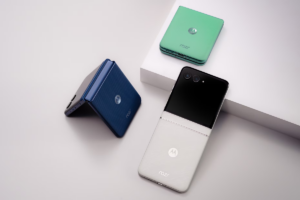
We are now in the social media age, where almost everyone is exploring content creation, whether itβs recording for TikTok, vlogging for YouTube, or sharing high-quality videos on Instagram.

The 100MP square sensor could allow creators to shoot a single high-resolution video vertically for TikTok while seamlessly cropping it into a horizontal format for YouTube, all without compromising 4K clarity.
Manufacturers are also reportedly embracing the new 1:1 square format, an innovation inspired by Appleβs Center Stage feature introduced with the iPhone 17. According to reports, Huaweiβs Nova 16 series and Oppoβs Find X10 series are expected to feature these advanced square sensors, signaling a shift in how front-facing cameras are designed.
The real value here isnβt just in capturing more detail but in enabling digital zoom, stabilization, and reframing during post-production without any loss in quality.
This level of flexibility could turn smartphones into powerful tools for content creators, rivaling even dedicated vlogging rigs and making mobile devices the preferred choice for the social media generation.
Despite the excitement, some might wonder if our devices can handle the immense data demands of a 100MP selfie camera. After all, such high-resolution photos come with significant processing and storage requirements.
However, with the advancements in modern chipsets and AI, refining and optimizing these massive images is no longer a challenge. AI-driven algorithms can efficiently enhance light, detail, and color in real time, ensuring that even high-resolution selfies are polished and ready to share instantly.
Ultimately, the 100MP selfie revolution might be the ultimate spec flex, but innovation is always welcome, and Android manufacturers have proven its value. Unless we experiment with new spaces, we wonβt know what to expect.
Five years ago, capturing the moon with such detail seemed impossible, yet here we are. The front camera is the final frontier of smartphone imaging, and it is finally getting the upgrade it deserves.
For more daily updates, please visit ourΒ News Section.
Stay ahead in tech! Join our Telegram community and sign up for our daily newsletter of top stories! 
The post The 100MP Front Camera Revolution: Necessary or Just Spec Race? appeared first on Gizmochina.


Earlier this month, Oppo confirmed that it will soon launch the Find X9s in India. The company also revealed that the phone will be powered by the MediaTek Dimensity 9500s chipset. Now, a new report has leaked more details about the upcoming phone. According to the report, the Oppo Find X9s for global markets will offer different specs compared to the Chinese variant. It is said to sport a 6.59-inch AMOLED display with 1.5K resolution and 120Hz refresh rate. Oppo Find X9 The phone will reportedly feature a triple rear camera setup with a 50MP Sony LYT-700 primary camera, a 50MP...
Samsung is getting ready to launch two new phones in its Galaxy A series. The phones, Galaxy A37 and Galaxy A57, have appeared on Singaporeβs IMDA website, which means they are almost ready for release.
The Galaxy A37 has the model number A376B/DS. This shows that it is a global version and can use two SIM cards at the same time. The Galaxy A57 has been spotted with the model number SM-A576B/DS, which is also a global dual-SIM version. While the IMDA listing does not show all the specifications, it confirms that these phones are coming soon.
The launch is expected to happen in March or early April. These listings show that Samsung is completing all the approvals needed to sell the phones worldwide.

Source β Samsung
Earlier leaks reveal that the Galaxy A37 will use the Exynos 1480 processor and is expected to run One UI 8.5. The cameras may include a 50MP main camera with OIS, an 8MP ultra-wide lens, and a 5MP macro lens. The battery is likely 5,000mAh with 45W fast charging, which is quite good for a mid-range phone.
The Galaxy A57 may have a 6.6-inch AMOLED screen with a 120Hz refresh rate. It will probably run on the Exynos 1680 processor and have the same 5,000mAh battery with 45W fast charging. Its camera setup could include a 50MP main camera, a 12MP ultra-wide lens, a 5MP macro lens, and a 12MP front camera for selfies.
Both phones are expected to be strong mid-range devices with modern design, good cameras, long battery life, and software updates for many years. These A-series devices are a good choice for users who want a reliable Samsung phone without paying for a flagship.
The post Samsung Galaxy A37 and A57 listed on IMDA, official launch likely soon appeared first on Sammy Fans.
Samsung is expecting very high profits in the first quarter of 2026. The main reason is the rising price of memory chips and strong demand for its new, fast memory β HBM4.
According to information via Chosun, Samsung is selling HBM4 at around $700 per unit, which is 20 to 30% higher than the older HBM3E model. The company started mass production of HBM4 on February 12. SK Hynix, another major Korean memory company, will also start making HBM4 soon and is expected to sell it at similar prices.
Last year, SK Hynix supplied HBM4 to NVIDIA at about $500 per unit, so prices have risen quickly in just six months. Samsungβs profits are not only from HBM4 but also from higher prices in general DRAM and NAND flash memory. Samsung is carefully managing how much HBM4 it produces, avoiding overproduction to keep profits high.

Source β Samsung Newsroom
With this strategy, Samsungβs operating profit for the first quarter could reach 32 trillion Korean won, breaking past records. In the fourth quarter of 2025, Samsung earned 20 trillion won. Global investment bank Morgan Stanley predicts Samsung could make 245.7 trillion won in operating profit for the whole year, a huge increase from last year.
Rising prices for HBM, DRAM, and NAND flash memory mean Samsung is likely to continue growing strongly. Its new HBM4 technology and smart production plans put it in a strong position in the global memory market.
The post Samsungβs HBM4 price increase hints at strong Q1 profit outlook appeared first on Sammy Fans.


Google has launched its latest midrange phone, the Pixel 10a. It looks very similar to last yearβs Pixel 9a, with most of the specs staying the same. Only a few small upgrades have been added.
Pixel 10a has a 6.3-inch Actua display with a 60β120Hz refresh rate. The screen is now brighter, reaching up to 3000 nits.Β The phone still runs on the Google Tensor G4 chip with 8GB RAM.Β
Also, the camera setup is similar as it offers 48MP main camera, 13MP ultrawide, and 13MP front camera. It comes with storage options of 128GB and 256GB.
Pixel 10aβsΒ 5100mAh battery lasts over 30 hours normally, or up to 120 hours with Extreme Battery Saver mode. Other features include IP68 water resistance, Gorilla Glass 7i, and Android 16 with 7 years of updates.
Image via Google
The Pixel 10a faces competition from the Samsung Galaxy S25 FE. Samsungβs phone has a 6.7-inch AMOLED display, a triple rear camera setup with a 50MP main sensor, and several AI features. These make the Galaxy S25 FE feel more premium, especially for users who want a bigger screen and better camera performance.
The price of the Pixel 10a has not changed from last year. It is $499 for the 128GB model and $599 for the 256GB model. Some users may feel paying full price for small upgrades is not very exciting. On the other side, you can grab the Galaxy S25 FE at $449 on Amazon.
Pixel 10a is a reliable phone with minor improvements and long-term software support. However, if you want a larger display or more advanced cameras, the Samsung Galaxy S25 FE may be a better choice for midrange buyers.
The post Pixel 10a launched with familiar specs to compete with Galaxy S25 FE appeared first on Sammy Fans.
While everyone is busy obsessing over the upcoming Galaxy S26 Ultraβs new camera sensors, there is one hardware change that I think is actually going to change how we use our phones in public. Itβs called the Smart Privacy Display, and for anyone who spends their morning on a crowded train, itβs a total game-changer.
We have all been there. You are sitting in a cafe or stuck in an elevator, and you can practically feel the person next to you reading your private messages or looking at your bank balance. Usually, the only fix is to stick a cheap, plastic privacy film over your screen. But letβs be honest, those things are terrible. They dim your screen, ruin your viewing angles even when you are alone, and make a $1,300 premium phone look like a budget device from 2010.
Samsungβs approach is technically different because itβs built directly into the display hardware through a tech it is calling Flex Magic Pixel.
How it actually work? Unlike a third-party protector, this βsmartβ display can actually control how light leaves each pixel. If you are looking at the screen head-on, it looks perfect, no loss in color, brightness, or sharpness. But the moment someone tries to peek from an angle, the pixels shift the light, making the screen look totally black or hidden to them.
The most impressive part is that you can customize everything in this feature. You can set specific rules in the One UI settings to protect only the sensitive stuff. Or you only want it to trigger when a private notification pops up, or when you are typing in a one-time password (OTP).
Samsung even teased this recently with an official video of a girl reading a βspicyβ book on the subway, she tapped a toggle called Zero-Peeking Privacy, and her nosy neighbor was totally blocked out.
In addition to these features, thereβs even an Auto Privacy mode that uses your location to realize you are in a public spot, like a bus or a busy airport, and it automatically activates. Thanks to its integration into the glass, it doesnβt mess with your 2600-nit peak brightness like those third-party protectors do.

Final Words:
I am currently using the S25 Ultra as my primary phone. I am doing everything on my phone, including banking, messages, emails, and even reading books.
When you are in a public place like a small restaurant, people peeking at the screen is a real issue. This privacy feature gives real peace of mind without extra accessories. This makes me happy because itβs a new idea and Samsung is the one showing everyone how to do it.
Rumor has it that even Apple is looking at similar tech for its future devices. If big companies are already getting in line, that shows how game-changing it could be.
The S26 Ultra will obviously have the usual speed and camera boosts, but for those of us who travel or just value our privacy, this privacy screen tech is probably the most practical reason to upgrade this year.
What do you think? Would the Smart Privacy Display make you feel more comfortable using your phone anywhere? Or is it a nice extra but not a must-have? Drop your thoughts on our X handle @thesammyfans, love to hear from the Samsung community! Stay tuned for the full reveal at Galaxy Unpacked soon. The future of phone privacy looks brighter (and more private) than ever. Sorry Apple!

The post Why Samsung Galaxy S26 Ultraβs Smart Privacy Display could change how you use your phone in public appeared first on Sammy Fans.


Samsung's Galaxy Z TriFold launched in the US in late January and sold out in minutes, due to incredibly low stock levels. We recently heard that the company would restock the device in the US before the end of this month, and today Samsung has confirmed this. [#InlinePriceWidget,14292,1#] The Galaxy Z TriFold will once again be in stock in the US this Friday, on February 20, at 10 AM Eastern / 7 AM Pacific. The company has sent out email notifications about the restocking to those who signed up for more information on the company's website. Unfortunately, Samsung hasn't given...
Today we are unboxing a very special phone - the Slate Grey Honor Magic8 RSR Porsche Design. This is the latest in a series of Honor smartphone collaborations with Porsche, and it follows in the same footsteps - you get the maxed-out variant of Honor's current flagship, give it a dash of Porsche design, and make the retail package exquisite. Speaking of, you get a 120W charger, a slim, vegan leather-clad case, a braided USB-A to USB-C cable, and a Porsche-themed SIM tool. Case, 120W charger, and a custom SIM tool Porsche doesn't settle for less than the best, so this...
Samsung is bringing back the Galaxy Z TriFold in the US. This phone is very popular because it folds three times and turns into a small tablet. When it first launched, it sold out in less than 20 minutes. Many people were not able to buy it. Now, Samsung is giving customers another chance.
The Galaxy Z TriFold will be available again on Friday, February 20, at 10 am ET (7 am PT). It will be sold on Samsungβs official website. If you want to buy it, you should be ready before the sale starts.
Since it sold out very fast last time, it may sell out quickly again. Reports say Samsung is making fewer than 100,000 units, so the supply is limited.

Image β Samsung Newsroom
Samsung Galaxy Z TriFold is different from normal smartphones. It has a 6.5-inch screen on the outside. When you unfold it completely, it becomes a large 10-inch tablet. This big screen is great for watching movies, reading, browsing the internet, or working. The phone runs on the Snapdragon 8 Elite for Galaxy processor.Β
The Galaxy Z TriFold starts at $2,899, which makes it very expensive. It is made for people who want both a phone and a tablet in one device. Β The phone is unique and special, so it may sell out again very quickly. Stay tuned for more information.
The post Get Ready: Samsung Galaxy Z TriFold available again in the US on February 20 appeared first on Sammy Fans.


Googleβs Gemini has become even more powerful. Until now, it could generate text, images, videos, and code. With the latest update, Gemini can now create full songs, including lyrics and music, and even design album art. All it takes is a text or image prompt, and Gemini turns it into a complete track.
This new feature is powered by Google DeepMindβs Lyria 3, a text-to-audio AI model. Earlier versions of Lyria could only make short instrumental clips or experimental music.
Now, Gemini can create 30-second songs that sound like real music, with layered instruments and melodies. It can also generate lyrics, so each track is a complete musical piece.

Source β Samsung
Also, Google has made sure that copyright issues are avoided. Each AI-generated track comes with a hidden SynthID to show it was created by AI. The songs are checked against existing music to prevent copying. The companyΒ also says that it trained Gemini without copying artistsβ work.
The new music feature is available in multiple languages, including English, Hindi, French, German, Japanese, Korean, Portuguese, and Spanish. It works for both free and paid Gemini users, although available credits depend on the subscription. The feature is also coming to Dream Track for YouTube Shorts to make it easier for creators to make music quickly.
The post Gemini now lets you generate songs from text and images appeared first on Sammy Fans.
I am so over being the only Android guy in the room. Whenever my friends want to share photos from a trip, I usually end up getting some blurry, compressed version over WhatsApp or a Google Drive link that nobody ever wants. Itβs basically been a decade of feeling like a second-class tech citizen.
But in the February 2026 update, Google changed everything for the Pixel 9 series users. Google has now enabled the Quick Share share feature to transfer photos using AirDrop on iPhone.
To use this feature, just hit the share button, tap on Quick Share, and your iPhone will appear right away. On iPhone screen, it looked just like a normal AirDrop, and just tap βAcceptβ. Five seconds later, you will have the full 4K video. No apps, no links, no drama.
Is there a catch? A small one. You still have to tell the iPhone user to turn on βEveryone for 10 minutesβ because Apple is still being Apple about security. Also, if you are using a Pixel 9a, you are out of luck for now since this update is only for the main Pixel 9 series.
Honestly, it is not 100% perfect, and you have to stay pretty close for the Bluetooth to stay connected. But itβs the biggest win I have had with this phone in a long time. If you have a Pixel 9, go tap on that update button in your settings right now. Itβs a total game changer.
The post Google Quick Share now works with Appleβs AirDrop on Pixel phones, full rollout over the next few days appeared first on Sammy Fans.
Samsung Galaxy S26 series is approaching, and one of its key attractions will be the optimized design. The phone lineup will consist of three models: Standard, Plus, and Ultra. Whilethe difference may not be significant compared to the previous generation, consumers will be able to spot the difference between the two generations.
If you are wondering whatβs unique is heading our way this year, then you are still in the right place. Here, I will walk you through the top design changes of the Galaxy S26 series.
Standard
Plus
Ultra
The standard model is bigger than its predecessor, due to the improvement in screen size. The display is expected to be 6.3 inches over 6.2 inches in the S25, adding some weight.
The Plus model is the same as the last generation, but the upcoming Ultra model will have more height and width, while offering a slightly slim and lightweight design.
The S26 Ultra model will have more rounded corners than the previous model. Last year, Samsung deleted those pointy corners and brought a modern look to the top-end flagship. However, the company has decided to increase the radius.

The screen will remain flat on these three models, but the Ultra will offer slimmer bezels on all sides. Itβs observed in press render leaks that the display will have a slightly larger hole-punch.
The sides have power and volume adjustment keys. The bottom includes a charging port, speakers, andaΒ SIM card tray. Other sides includes atennas. The Ultra model will have an S-Pen slot.
One of the biggest changes in this Galaxy S26 series design could be the frame material. This year, all three phones may appear with an aluminium frame, including the S26 Ultra. This high-end phone has been using Titanium for the past two years.
Samsung has adopted a new look for the rear camera. While retaining the arrangement, the phones will now use a new camera bump that pretty much resembles the Galaxy Z Fold 7. Overall, the design looks better than the S25 Ultra, especially those crowns.
Since the Ultra is adopting larger corner curves, the S-Pen will also tweak its clicker head for a seamless design. Check the image below to understand the difference.

These are the major design changes in the upcoming Galaxy S26 series, unveiling at the Unpacked event. Besides, Samsung also has new technological breakthroughs that will also be unpacked at the event.
The post Galaxy S26 series will launch with 7 design changes appeared first on Sammy Fans.


The Infinix Note Edge 5G, which was unveiled in global markets early last month, has now arrived in India. It is claimed to be the first handset in the country to be powered by the Dimensity 7100 chipset. It claims to have an AnTuTu score of over 7,50,000 and can be configured with up to 8GB of LPDDR5X RAM and 256GB UFS 2.2 storage. The phone sports a 6.78-inch curved LTPS AMOLED display that offers a 1.5K resolution and a refresh rate of 120Hz. The display is rated to deliver up to 4,500 nits of peak brightness and is protected by Gorilla Glass 7i. It also gets an in-display...
Samsung is going to launch its new Galaxy S26 series next week. The series includes three models β Galaxy S26, Galaxy S26 Plus, and Galaxy S26 Ultra. Even before the official launch, a cheap clone of the Samsung Galaxy S26 Ultra has already appeared online.
A video on Instagram shows the clone Samsung Galaxy S26 Ultra, which is being sold for only around $72. The video highlights the phoneβs design, including the camera island and the wallpaper, making it look very similar to the upcoming Galaxy S26 Ultra.
Despite its premium look, the clone is very different inside. It comes with only 3GB of RAM and 16GB of storage, although it does support 5G connectivity. Its performance and features are far below the real Galaxy S26 Ultra, which makes it clear that it is only a lookalike.

Image via Instagram
People may easily be able to recognize the clone because premium phones feel different and have better build quality, smoother performance, and additional features. The clone may attract attention because of its design, but it cannot match the experience of a genuine flagship device.
This shows that even before the launch, cheap copies of upcoming phones can appear online. While they may seem tempting because of the low price and premium look, the real innovation and performance will only be found in Samsungβs official devices.
Samsung fans will have to wait until the Galaxy Unpacked event on 25 February 2026 to see the real Galaxy S26 series. Users can register for the event to get special benefits. Stay tuned for more updates about the Galaxy S26 series.
The post Galaxy S26 Ultra clone up for purchase at merely $72 appeared first on Sammy Fans.
Samsung Galaxy Z TriFold takes the big screen idea further with its new tri-fold design. However, some early users are now reporting problems with the inner folding display. These early complaints have started to raise questions about reliability.
In the first case, a user said the inner screen suddenly turned black after about six weeks of use. The display stopped responding completely. Restarting the phone helped at first, but the problem came back the next day. After that, even a reboot did not fix the screen.
In the second case, another user said the screen failed after just five days. It first started showing random touches without being touched. By the next morning, the screen had turned fully white. It did not respond to any touch at all.
Both users said they were very careful with their phones. They claimed the devices were never dropped or damaged. One user also heard a popping sound when folding the phone. They even noticed what looked like a small air bubble under the display.
Right now, it is not clear what caused the problem. It could be a faulty unit. It could also be linked to the new tri-fold design. Foldable phones have more moving parts, which makes them more complex.
Screen issues can happen with any smartphone. However, foldable devices may face extra stress because they bend. Samsung has not yet shared an official response. For now, it is unclear if this is a small issue or something bigger. Stay tuned for more information.
The post Samsung Galaxy Z TriFold inner screen failures surface online appeared first on Sammy Fans.


The Google Pixel 10a uses more recycled material than any previous Pixel a phone. Alas, this also extends to the specs since itβs mostly the same device as the Pixel 9a. Weβll get to that in a second, first letβs look at 10aβs green credentials. Itβs the first in the a-series to use recycled cobalt, copper, gold and tungsten (at least 36% by weight). Its aluminum frame uses 100% recycled material and the packaging is 100% plastic-free. The Pixel 10a is powered by the same Tensor G4 chipset as the 9a and the other Pixel 9-series models. The chip comes from Samsungβs 4nm foundry. RAM...
Googleβs annual developer conference is taking place on May 19-20. As usual, the event will be held at the Shoreline Amphitheater in Mountain View, California and is scheduled to kick off on May 19 at 10AM PT (5PM UTC). Google confirmed that it will be livestreaming all keynotes, demos and developer sessions. Google also confirmed plans to unveil updates to Gemini AI, Android, Chrome and Cloud at the conference. Last yearβs I/O event was mostly centered around AI with new releases to the Pro and Flash Gemini models as well as the Imagen 4 image generator and Veo 3 AI video...


vivo is all set to unveil the V70 Elite and V70 in India tomorrow. However, the lineup is also expected to include a V70 FE model, which could see a launch at a later date. New details about the FE variant, including its design, have now surfaced online. The vivo V70 FE appears to feature a pill-shaped rear camera module housing two sensors and a ring light. According to the report, the phone will include a 200MP primary rear sensor paired with an 8MP ultrawide lens. It is also said to sport a 32MP front-facing camera. The V70 FE will reportedly feature a 6.83-inch AMOLED display...
Galaxy Unpacked is exactly one week away and Samsung is going all in on the teasers. The latest ones are all about Galaxy AI and the new image editing features that are coming to the native Galaxy camera app. Samsung is going all in on AI imaging by incorporating more creative tools inside the native camera app. Users will be able to capture, edit, and share images all in one place without switching apps. Samsung is touting new multimodal input, which will facilitate edits. Users will be able to describe how they want to alter their images in simple terms or even scribble shapes,...
Samsung builds the most secure Android phones on the planet, yet its newest βSecure Chatβ feature is not coming to Galaxy devices. It is for employees only.
Trusted news outlet Korea Herald reports thatΒ Samsung Electronics and other major Samsung Group affiliates have quietly rolled out a Secure Chat mode inside their in-house messaging platform to stop leaks.
The feature arrives after multiple internal meeting materials, including executive-level instructions, surfaced on anonymous platforms like Blind almost in real time.
Once a chat room is marked Secure Chat, copy and paste is blocked. Message forwarding is disabled. Screenshots cannot be taken. Chat records cannot be saved to a personal PC.
Every protected room is clearly labeled, leaving no ambiguity about the restrictions in place. The controls operate at the system level, which means employees cannot bypass them with casual workarounds.
Samsungβs internal notice frames it as a dual mission: protect sensitive business information and shield employee privacy. The logic is simple: if redistribution is technically impossible, leaks become exponentially harder.
The irony will not be lost on Galaxy fans. Samsung Knox remains one of the strongest mobile security platforms in the consumer market, yet this highly restrictive chat protection is walled off from the public.
It turns out the underlying technology could easily align with One UIβs security stack. A future Galaxy S-series update could, in theory, introduce a consumer-facing Secure Chat toggle inside Samsung Messages or a partner app.
The post Samsung introduces Secure Chat feature, just not for Galaxy users appeared first on Sammy Fans.
Samsung Galaxy phones are finally getting a new Google Play system update. Following the release of the One UI 8 update, Galaxy devices were stuck on older versions.
Samsung phones running One UI 8 have started receiving a new Google Play system update. The latest release installs the January 2026 version, which elevates Google Play and several core Android functions and security.
On the Google Play services side, three updates rolled out across the month.
The biggest quality-of-life addition is the ability to view transactions from other devices and online purchases made with virtual card numbers, right from Google Wallet. Wallet also gained the ability to create digital IDs on demand.
For anyone under 18, thereβs now support for signing into Android Automotive devices under certain conditions, something that previously wasnβt possible at all.
Security got a notable bump too, with NFC security keys that support the CTAP2 standard now usable for account authentication across phones, tablets, TVs, cars, PCs, and Wear OS.
Your device can now back up logs in a way thatβs tamper-resistant and limits who can access them. Data transfers between devices also got a compatibility improvement, and the supervision opt-out process was updated.
The Play Store saw a few smaller but noticeable tweaks.
Search results now collapse subtasks under the βOrganized by AIβ section. Game achievements can update in real time within the store. Besides, prize selection for certain promotions now lets you pick from multiple options.
Android System Intelligence added new language support for Message Armour. Android WebView shipped two updates (versions 144 and 145), both bringing the usual security patches, bug fixes, and new tools for developers building apps.

Hereβs everything new in GPSY January 2026:
Android WebView v145 (2026-01-28)
Important: Some features may be experimental and available to certain users.
Google Play services v26.03 (2026-01-26)
Account Management
Security & Privacy
Utilities
Google Play Store v49.9 (2026-01-26)
Android System Intelligence B.21 (2026-01-22)
Private Compute Services B.21 (2026-01-19)
Google Play services v26.02 (2026-01-19)
Account Management
Developer Services
Device Connectivity
Security & Privacy
System Management
Google Play Store v49.8 (2026-01-19)
Google Play services v26.01 (2026-01-12)
Developer Services
System Management
Google Play Store v49.7 (2026-01-12)
Android WebView v144 (2026-01-07)
Important: Some features may be experimental and available to certain users.
The post Google Play system update rolling out to Samsung phones appeared first on Sammy Fans.


Nothing recently announced the launch date for its upcoming Phone (4a) series. The company is expected to unveil the Phone (4a) and Phone (4a) Pro at the event. Ahead of the launch, a leak has revealed the phonesβ pricing, specifications, and color options. According to the leak, the Nothing Phone (4a) will sport a 6.78-inch AMOLED display with a refresh rate of 120Hz and 1.5K resolution. Nothing Phone (3a) and Phone (3a) Pro The base model is said to offer an upgraded triple 50MP rear camera setup with up to 70x digital zoom. It will reportedly offer a 32MP front camera. The phone...


Apple is working on three new wearable devices, according to a new report from Bloomberg's Mark Gurman. The company is allegedly developing smart glasses, AirPods with cameras and "expanded AI capabilities", and "a pendant that can be pinned to a shirt or worn as a necklace". All three of these are being "built around the Siri digital assistant", which will "rely on visual context to carry out actions". All of the products will be paired to an iPhone, and all of them will have cameras, but the AirPods and pendant will come with lower-resolution cameras that are there only to help the AI,...
Google introduced AirDrop support in Quick Share on the Pixel 10 series last year, making it easier to share files with iPhone users. Now, the company is expanding this feature to more devices. In an official X post, Google confirmed that the Pixel 9 series is receiving AirDrop support in Quick Share. The feature will be rolled out to the base Pixel 9, Pixel 9 Pro, 9 Pro XL, and the Pixel 9 Pro Fold in the coming days. The Pixel 9 series will now be able to share files with iPhone users in Quick Share. The feature should be available via a server-side update or via a software...
Samsungβs One UI 8.5 Beta is still fresh on the Galaxy S25 series, yet attention is already drifting to One UI 9 user interface. Thatβs the nature of this ecosystem; the moment one beta stabilizes, whispers about the next major version begin.
Fresh images shared by TarunVats suggest One UI 9, which is expected to run on Android 17, could further improve the One UI 8.5 user interface.
The leaked Quick Share interface shows a more compact floating bar at the bottom. The tabs appear rounder, tighter, and visually more integrated with the overall layout. It is a small tweak, but it looks more refined than ever.
The bar does not just float; it almost blends into the content layer, creating a subtle sense of depth. A slightly slimmer, more rounded bottom bar frees up vertical real estate. It also adds a level of sophistication that feels closer to Samsungβs design.
That said, this is reportedly an early internal build. Samsung is known to pivot hard based on beta feedback. Features get toned down, shapes get flattened and animations get simplified.

Screenshots courtesy Tarun Vats, via SamMobile
The latest One UI 8.5 Beta introduced a subtle but meaningful visual shift. In a major design shift, the company has replaced the old rectangular bottom bars from One UI 8.0 with floating, pill-shaped tabs.
Samsung could double down on the rounded aesthetic. Or it could partially revert if usability concerns pop up.Β One UI 9 is widely expected to debut alongside the Galaxy Z Fold 8 and Z Flip 8 in the second half of the year.
The post One UI 9 could further improve One UI 8.5 user interface appeared first on Sammy Fans.


This is the freshly announced Infinix Note 60 Pro, and it looks a lot like an iPhone 17 Pro Max - see it on video. With that out of the way, let's do an unboxing. The phone ships with a generous helping of accessories - USB cable, 90W charger, USB earbuds, and a MagSafe-enabled case. Let's talk specs. The Infinix Note 60 Pro uses the Snapdragon 7s Gen 4 SoC with a vapor chamber for cooling. Infinix says to expect up to 120fps in popular titles like Honor of Kings. The phone's 6,500mAh battery (some markets will get 6,000mAh) has bypass charging for gaming, too. Speaking of...
If you've been wondering whether the Xiaomi 17 Ultra Leica Edition (or Xiaomi 17 Ultra by Leica) is headed to international markets, we have some good news for you. The answer is yes, and this was recently confirmed by its certification in Thailand by NBTC. That has revealed that it's going to be offered under a different name though: it will be called Leica Leitzphone powered by Xiaomi. That's a mouthful but it kind of makes sense - there have been three previous Leitz Phones so far, all exclusive to Japan, and so Leica seems to have given up on that line and replaced it with its...
India is not just a volume story anymore. It is quietly becoming a premium story. With Samsung facing a demand slowdown in the West, India looks like an impressive opportunity for the future.
According toΒ EDaily, Samsung India posted revenue of 18.41 trillion won (around $12.7 billion) in 2025, with net profit hitting 1.54 trillion won (roughly $1.06 billion).
That is roughly 8 percent top-line growth and nearly 10 percent bottom-line growth year on year. In this climate, that is not a rounding error; that is momentum. That said, twenty trillion won in annual revenue is now within reach.
Counterpoint Research reported that smartphones priced above 30,000 rupees made up 22 percent of total shipments last year, an all-time high; an 11 percent jump in just one year. Samsung held 22 percent of the market by revenue.
Home appliances tell a similar story
Mordor Intelligence expects Indiaβs major home appliance market to grow from about 54.6 billion dollars this year to nearly 72 billion dollars by 2031.
Samsung entered India when the countryβs consumer electronics market was still forming. It stayed through currency crises, tax reforms, and brutal price wars. Now, as Western demand cools, that long patience looks more like foresight.
An industry insider noted, βSamsung Electronics has built an ecosystem spanning home appliances and smartphones through AI, giving it an advantage in targeting emerging markets,β adding, βIndia is likely to become a breakthrough for the home appliance and TV markets, which are facing structural downturns.β
The post As Western demand slows, Samsung finds its future in India appeared first on Sammy Fans.
Samsung just confirmed a massive benefit for its fans. Galaxy S26 buyers will get free double storage upgrade. The company has silently sweetened its reservation benefits in India, adding the storage upgrade freebie.
Samsungβs storage upgrade promotion doesnβt need explanation. Itβs pretty famous among the Galaxy fans worldwide. Despite DRAM and NAND flash costs skyrocketing, Samsung is keeping the famous perk alive.
Galaxy S26 buyers can purchase the 512GB variant while still paying for the 256GB. The Ultra version will be available in a 1TB model as well. That said, you can score 1TB by paying for the 512GB variant in India.
At present, the freebie is confirmed for India. Samsung should bring it to fans around the world, regardless of markets. Itβs a silent engine that pushes the sales of newly launched Samsung flagship smartphones.

Source β Samsung India
Earlier, Samsung confirmed three major perks upon reservations. If you preorder the new Galaxy phones, you get an assured voucher worth INR 2,699. Lucky consumers win up to INR 5,000 voucher and entry in an INR 50,000 giveaway.
Value lock-in is a new promo added to the India store. It lets you lock in the exchange price of your current device. If you enroll for the program via WhatsApp, you will be able to grab the full exchange value during preorders.
The post Planning to buy Galaxy S26? Samsung has good news appeared first on Sammy Fans.


Google is finally making the oft-leaked Pixel 10a fully official in a matter of hours, on February 18. Ahead of that, an ad that Google will run for the device in France has now been outed, you can take a look below. French Pixel 10a ad.[image or embed]β Roland Quandt (@rquandt.bsky.social) February 17, 2026 at 6:56 PM As you can see, AI photo features get the first shoutout, followed by "30 h" battery life, whatever that means, and the colors are shown as well. But the most interesting thing is that this ad mentions a reduced price for the device. This is probably meant to say that...
Google I/O 2026 is official; keynotes are set for May 19 and 20 and Samsung fans typically watch from the sidelines.
For years, I/O has felt like a Pixel-first show. Google builds it, Pixel debuts it, and everyone else adapts later. Galaxy users get the features, but not the spotlight; meanwhile, this year feels different.
The reason is simple: AI, XR, and deeper platform control. All three directly affect One UI, Galaxy AI, and Samsungβs next hardware cycle. If you own a Galaxy device, this keynote is not just background noise; it is early intel.
Android 17
Google pushed the first Android 17 Beta on February 13. As expected, it tweaks system defaults, improves navigation behavior across foldables and slabs, refines color profiles, and adds smarter device pairing.
The bigger narrative is design direction. Rumors suggest Android 17 may experiment with a more βliquid glassβ aesthetic. Think softer layers, more depth, more translucency. Google rarely lands a final look in Beta form.

Image β Google I/O 2026
One UI historically absorbs Googleβs visual cues and reshapes them with Samsungβs own design language. Expect the One UI 9 to take whatever Android 17 experiments with and refine it for Galaxy foldable phones.
Gemini
At I/O 2026, Gemini will dominate the stage. Expect tighter integration across apps, Chrome, and possibly even more cross-device continuity.
If Google announces expanded Gemini APIs or new on-device AI capabilities, the Galaxy S26 series could be first in line to take advantage. If Gemini becomes more context-aware across apps, Samsung can localize that experience inside One UI.
Gemini integrating with Appleβs ecosystem this year shows Google is platform-agnostic when it wants to be. Expect Samsung to further differentiate Galaxy AI, even if Gemini powers part of it.
XR
Google will likely provide updates on Android XR.
I/O 2026 kicks off at 10 a.m. PST on May 19 at Shoreline. The keynote will be livestreamed, talking about AI, Android, Chrome, and cloud initiatives. For the Samsung fans, this is not just Googleβs show, but a preview of the next upgrade cycle.
The post Google I/O 2026 announced: Hereβs what Samsung users should watch closely appeared first on Sammy Fans.
Infinix is launching a new Note series with a vanilla and a Pro model. The Pro is the first Infinix phone to use a Snapdragon chip since 2019 and it features a vapor chamber to keep it cool. The Infinix Note 60 Pro (our hands-on video is here) is powered by the Snapdragon 7s Gen 4, a 4nm chip from last year. It is paired with 8/12GB of RAM and 256GB storage. The 3D IceCore vapor chamber (4,758mmΒ²) and 0.36mm copper sheet work together to reduce temperature by up to 3Β°C during intense gaming. Infinix Note 60 Pro The Pro also features an Active Matrix Display β a dot-style...
vivo is expected to launch the X300 FE soon. The phone has recently received certifications in multiple regions and was also spotted on Geekbench. Now, a tipster has revealed its color options, along with RAM and storage variants. According to a tipster, the upcoming vivo X300 FE will be offered in 12GB/256GB and 12GB/512GB configurations. The tipster adds that the phone will be available in Black and Blue, but expects there to be other color options. vivo S50 Pro mini The vivo X300 FE is expected to be powered by the Snapdragon 8 Gen 5 SoC. As per the recent Geekbench listing, the...
Samsung has started teasing what could be the most software-heavy camera shift in Galaxy history. Galaxy S26 series keeps the majority of the camera hardware unchanged, and the 2026 upgrade is realized by AI features.
Ahead of Galaxy Unpacked on February 25, 2026, in San Francisco, Samsung is previewing a unified Galaxy AI camera experience for the Galaxy S26 series.
The pitch is simple on paper: capture, edit and share in one frictionless flow. No jumping between apps, nor exporting files just to fix exposure or crop out distractions. Every brand says something similar, but Samsung is adding a twist.
Samsung describes it as a multimodal system, meaning you can interact with the camera and editing tools more naturally, whether that is through text prompts, context-aware suggestions, or smart post-processing.
Galaxy S26 will allow users to turn a bright daytime shot into a convincing night scene. Not just darken the frame, but rebuild it with realistic lighting and atmosphere.
It can also restore missing details in photos, which suggests aggressive computational reconstruction when highlights are blown out or shadows are crushed.
There is also multi-photo merging, combining several shots into one final image directly on the device. These tools are apparently powered by Samsungβs new EdgeFusion technology.
Samsung appears to be betting that software, not silicon alone, will carry the Galaxy S26 camera story. It is a clear signal that the company sees AI-driven post-processing as its edge against rivals.
If the company nails the unified flow, where capture, AI enhancement, and sharing feel like one continuous motion, it could reduce friction in a way that matters more than a few extra megapixels ever will.
We will see the full end-to-end Galaxy camera experience next week at Galaxy Unpacked in San Francisco.
The post Samsung reveals Galaxy S26 camera upgrade with AI features appeared first on Sammy Fans.
Samsung Galaxy S26 series is equipped with creative AI capabilities. Galaxy Unpacked is set to be held next week. Meanwhile, Samsung has now previewed some of the upcoming Generative AI features of the devices.
Galaxy S26 series features the most cohesive camera experience. We will discuss the potential camera upgrades in a different post. Samsung revealed so much about the camera improvements of the new flagships.
Samsung released three videos that display image editing, including AI (artificial intelligence) generation. While the company stayed silent on the tech, the new editing experience is powered by EdgeFusion technology.
EdgeFusion solution is the key driver behind Galaxy S26βs upgraded AI editing experience. It ensures on-device AI image editing and generation. The execution time is merely seconds, elevating your everyday experiences.
In the videos released, Samsung showcased fixing missing objects, generating objects and transforming pictures. These creative capabilities once required professional skills or hours of editing.
Samsung says such editing is now possible on the new Galaxy phones in minutes. Beyond that, the entire system is supported by Natural Language, meaning you can ask the phone what to do in your own words.
The first video shows Galaxy AI bringing back an eaten bite to the cupcake in seconds. The picture doesnβt lose its aesthetics, feel, or shape, all natural.

Another video previews the AI-powered Sketch to Image generating a UFO in the sky. A simple sketch in the sky shot has turned into a real element.

Lastly, a picture of a dog has turned into a beautiful sticker pack. It not only keeps the primary aesthetics at the center but also generates stickers in different poses and moods.

The post Samsung unveils Galaxy S26βs creative AI capabilities appeared first on Sammy Fans.
Last month, the Infinix Smart 20 was spotted in the Google Play Console, and that revealed some of its specs. Now, the phone has been listed as up for sale by Lazada in the Philippines, complete with pricing. It's unclear if this represents the phone's actual launch or if it's a premature listing - the latter seems a tiny bit more probable since there are some typos as well as some missing info. Anyway, the phone is priced at PHP 4,499 (approximately $77) with 4GB of RAM and 64GB of storage, and PHP 5,830 (about $100) if you want 128GB of storage (the RAM stays the same). The phone...
One UI 8.5 upgrades are catching attention since day one, making it the best One UI software released to date, but its overall experience lags behind Appleβs iOS 26.
One UI 8.5 has revamped the user interface and brought new shapes to UI elements, improving the visibility and reachability simultaneously. Not only that, the software redesigned core elements, such as the back button and the search bar, for a user-centric approach, utilizing the unused space from past One UI versions.
These changes are distributed across system apps and make them feel graphically pleasing. Somehow, these UI elements still feel rigid when it comes to interactions and smoothness.
With this new update, a new bottom floating tab bar has appeared in the most frequently used apps. Iβve been using iOS for years, and iOS 26 was the first to implement this UI style. Released last year, iPhone users have praised this new approach of space efficiency and optimizing the on-screen view. Later on, Samsung replicated this UI but lacks the fluidity of iOS.
The new iPhone OS has a liquid glass design, and itβs not just a name; the UI works and simulates this effect when the user interacts with buttons and tabs. The smoothness starts from unlocking the phone to scrolling through the gallery and navigating menus. Apple has improved iOS 26 in all aspects despite early visibility issues.
When you switch from iOS 26 to One UI 8.5, Samsungβs software feels low-grade with every tap, despite offering better graphics. For some of the advanced users, Good Lock could do the trick and save the day. However, not everyone is keen on doing extra optimizations to their devices, which should come out of the box. A key reason behind this argument is that in-built system optimizations are way more power efficient than add-ons.
Over the past few years, Samsung has worked a lot on UI/UX improvements for Galaxy devices. Yet, the current face of One UI 8.5 doesnβt provide satisfying results against iOS 26. We can stay optimistic about future iterations, but Samsung will have to heavily optimize the UI/UX to provide optimum smoothness.
Whatβs your take on this matter? Share it through our social media channels.
The post One UI 8.5 experience lags behind iOS 26 appeared first on Sammy Fans.


Google is rumored to be developing better face unlocking tech for both the Pixel 11 family and upcoming Chromebooks. This endeavor is internally codenamed Project Toscana. According to someone who allegedly tested it, it will work without any additional visible sensors on the Pixel phones. It's unclear if it's using infrared like iPhones do, but if it is, then the IR bits are hidden under the display (and Apple is rumored to be going the same route for the iPhone 18 Pro and Pro Max). So basically everything looks the same as on a Pixel 10, but, importantly, the face unlocking works as well...
Samsung has added a new Arabic channel to its free streaming platform, Samsung TV Plus. The channel, Al Jazeera World, comes from Al Jazeera Media Network. This launch gives Arabic-speaking viewers more free content to enjoy.
Samsung TV Plus is a free streaming service available on many Samsung smart TVs and Galaxy devices. Users do not need to pay any monthly fee. The service is supported by ads, so people can watch without a subscription. It offers more than 3,500 live channels in 30 countries.
The new Al Jazeera World channel is now available in the Middle East and North Africa region. Millions of viewers in Saudi Arabia, the United Arab Emirates, and Egypt can already access it.

The channel will soon expand to Europe. It is expected to launch in countries such as the United Kingdom, France, Italy, Spain, Sweden, Norway, Denmark, and Finland.
Al Jazeera World includes travel documentaries and human stories. It shows programs about different cultures, traditions, and real-life experiences from around the world.
The channel also includes selected content from Al Jazeera Documentary and Al Jazeera Arabic. With this new addition, Samsung TV Plus continues to expand its free content from different regions and offer more choices to viewers.
The post Samsung TV Plus adds more free Arabic entertainment appeared first on Sammy Fans.
Google has shared new design guidelines that give us an early idea of how future Android XR smart glasses could work. These glasses include the upcoming Galaxy Glasses that Samsung is reportedly developing with fashion brands.
There will be two main types of glasses. The first type, called AI Glasses, will have a camera, microphones, and speakers. The second type, called Display AI Glasses, will include all of that plus a small augmented reality display in front of your eyes.
Both versions of the glasses are expected to have a camera button, a power button, and a touchpad. Models with a display will also include a second touchpad on the side to control on-screen items.

Image via 9to5Google
According to the information, the camera button will be easy to use. Press it twice to open the camera. Press it once to take a photo. Press and hold to start recording a video, and press again to stop. There will also be two small LED lights. One lets you know the camera is working, and the other lets people around you know when you are recording.
Β
The main touchpad will handle simple controls. Tap once to play or pause music or confirm something. Press and hold to open the Gemini assistant. Swipe to change the volume. On display models, the second touchpad lets you scroll, move between items, and go back by swiping down.
The screen layout will be simple. A system bar at the bottom will show alerts, time, weather, and notifications. Messages will appear as small bubbles that expand when tapped, letting you quickly reply or take action.
The post Googleβs guidelines reveal how Samsungβs AI Glasses may work appeared first on Sammy Fans.


According to a new rumor from China, Appleβs iPad Pro lineup may be left without a major update for years to come. Leaker Instant Digital believes the current M5 generation iPad Pro 13 and iPad Pro 11 are not going to get significant updates anytime soon. This rumor makes sense as Apple tends to wait a hefty amount of time before bringing any drastic changes to its Pro tablets. The iPad Pro received its first major redesign in 2018 with the Pro 11 (2018) and Pro 12.9 (2018) and then in 2024 with the M4 generation models. According to the new rumor, there are several factors at play,...
Samsung may raise the price of its Galaxy S26 phones this year. In the past, Samsung tried to keep prices the same as those of older models, even when parts became a little more expensive. But now, chips and memory are costing more, and Samsung may not be able to avoid higher prices.
Even though Samsung makes its own Exynos processors, it cannot buy them cheaper than other companies. But this time, the demand for memory is very high, as AI technology needs more and faster memory, so Samsung and other companies are using some of their memory for AI products. This pushes the price up.
Last year, Samsung kept the Galaxy S25 prices the same as the previous model. That helped sales and made customers happy. But this year, memory and chip costs are higher, so Samsung may need to raise prices for the Galaxy S26. Reports say the standard Galaxy S26 and Galaxy S26+ could cost more, while the Ultra model may stay at the same price.

Galaxy S25 Plus | Credit β Samsung
The Galaxy S26 will use different processors in different regions. In Europe, phones will have Samsungβs Exynos chips. In the US, they will use Qualcomm Snapdragon 8 Elite Gen 5. Even though the US phones are less affected by Exynos prices, Samsung may raise prices worldwide because many parts are more expensive.
Some extra benefits, like free storage upgrades for pre-orders, may still continue. This can help buyers get more value even if the phone costs more.
Samsung is going to officially launch the Galaxy S26 on February 25 at the Galaxy Unpacked event 2026. At that time, we will know the full prices, features, and availability of the new phones. Stay tuned for more information.
The post Samsung may revise Galaxy S26 pricing after several years of freeze appeared first on Sammy Fans.


Samsung recently teased the upcoming Galaxy S26 Ultra's low-light photography chops, and today the company's arm in the US has released a short video teasing the phone's low-light video recording capabilities. That's nothing out of the ordinary, but here's the thing - the teaser video itself was "generated with the assistance of AI tools", as the company's disclaimer clearly notes at the bottom. That's... interesting, to put it nicely. Why wouldn't Samsung just share a video captured in low-light conditions with the Galaxy S26 Ultra, if the idea is to tease how good it is at...


After smart rings and action cameras Dreame, a brand that got famous for its robotic vacuums, is expanding into the smartphone business. A couple of weeks ago at a launch event in Poland, the company showed off the Dreame RS1, Air1 and E1. Now the companyβs Weibo account is posting images of a luxury Dreame Aurora that doesnβt seem to be based on any one of those three. The bejeweled, gold-covered design certainly screams βopulenceβ... or maybe it screams something else depending on your taste levels. There are three different designs to choose from, maybe you like one more than the...


Earlier this year, during CES, Samsung announced its Galaxy Book6 laptop series powered by Intel's Core Ultra Series 3 processors, but it didn't disclose prices and launch dates for the European market. So today, the company is finally revealing the prices of all configurations and their availability. Pre-orders kick off on February 25 next week, just in time for the Galaxy S series Unpacked event. Actual shipments will commence on March 11, and the first European markets to get the Galaxy Book6 series are Belgium, France, Germany, Italy, the Netherlands, the Scandinavian countries,...


Motorola already launched the Razr 60 FIFA World Cup 26 Edition, and we recently heard that the company would also make FIFA World Cup 26 themed versions of both the Signature and the Razr Fold. Today the same source is back with another bombshell: Motorola is apparently working on a fourth World Cup special edition. There will also be the Motorola Edge 70 Fusion FIFA World Cup 26 Edition. Motorola Razr 60 FIFA World Cup 26 Edition Clearly then, Motorola is going all-in with its collaboration with FIFA for this year's World Cup, which is taking place in Canada, the US, and Mexico...


Samsung's Exynos 2600 SoC, which will power (at least) the base model Galaxy S26 models (in some regions, it remains to be seen), boasts the best Ray Tracing in the game. The Exynos 2600's graphics processor, the Xclipse 960, posted a chart-topping 8,321 points in Basemark's In Vitro 1.0's Ray Tracing test, beating out the Adreno 840 inside the Snapdragon 8 Elite Gen 5 by some 8%, and the Mali-G1-Ultra inside the MediaTek Dimensity 9500 by 17%. The Xclipse 960 uses AMD's latest RDNA 4 Ray Tracing technology, found in AMD's current-gen graphics cards. So if graphics are your...
Tecnoβs Camon 50 series was supposed to get unveiled at MWC next month, but the Camon 50 and Camon 50 Pro are already official in several markets in Africa. The pair share similar specs, but the Pro model does get a curved screen and a 3x telephoto camera. Tecno Camon 50 Pro (left) and Camon 50 (right) Camon 50 Pro is built around a curved 6.78" AMOLED with FHD+ resolution and a 144Hz refresh rate. The panel features a 32MP selfie camera and an under-display optical fingerprint scanner. The non-Pro model features the same screen specs, selfie cam and fingerprint scanner but opts...


Lava, the Indian smartphone brand, has launched the Bold N2 4G in the country. It is an affordable 4G handset available in two color options and costs less than $100. The Lava Bold N2 4G succeeds the Bold N1 4G, which was unveiled in June last year. While the new model shares many of its specs with its predecessor, it features a refreshed design and improved ingress protection. The phone is powered by an octa-core Unisoc SC9863A chipset, which is paired with 4GB of RAM and 64GB of internal storage. It does feature a microSD card slot for storage expansion. Lava has updated the...


Nothing has been teasing its Phone (4a) series for a while now and we finally have a launch date to look forward to β March 5. Nothing CEO Carl Pei shared a poster that hijacks the event invite for Appleβs own March 4 special experience event with a bright pink spray-paint overlay. Nothing Phone (4a) series launch poster Weβre expecting two phones from Nothing β the Phone (4a) and Phone (4a) Pro. The Phone (4a) series is rumored to be powered by the Snapdragon 7-series chipsets, with the vanilla model appearing in a Geekbench test run with the Snapdragon 7s Gen 4 chip. Nothing...


Infinix is expected to launch the successor to the GT 30 Pro soon. While the brand has yet to share official details, the Infinix GT 50 Pro was spotted on Geekbench last month. Now, additional information, including design renders, has leaked. The leaked renders reveal a gaming-focused design for the GT 50 Pro, featuring a carbon-fiber weave pattern on the rear panel along with LED accents at the bottom. The device will reportedly sport a 6.78-inch AMOLED display with a 1.5K resolution and a refresh rate of 144Hz. It is said to be powered by the MediaTek Dimensity 8400 Ultimate SoC,...
Samsung is set to finally unveil the Galaxy S26 series next week at the Galaxy Unpacked event in San Francisco. Just days before the announcement, a tipster has shared new details about the Galaxy S26 Ultra. According to well-known tipster Ice Universe, the Galaxy S26 Ultra will feature an upgraded selfie camera. While it will retain a 12MP front-facing camera, matching the Galaxy S25 Ultra, the device will use a new sensor. Galaxy S26 Ultra leaked press image The Galaxy S26 Ultra is tipped to switch to a Sony sensor, replacing the Samsung ISOCELL 3LU used in its predecessor. Other...
Oppoβs Find X10 series is still several months away from launch, but a new leak has revealed details about the phonesβ charging capabilities. The lineup is expected to include the Find X10, Find X10 Pro, and Find X10 Pro Max. According to a tipster on Weibo, the upcoming Find X10 lineup could include built-in magnets to support MagSafe-style wireless charging. Oppo Find X9 Pro Outside of Googleβs Pixel 10 series, no other Android smartphones offer the feature. Even Samsungβs upcoming Galaxy S26 lineup is rumored to skip built-in magnets and support only standard Qi2 wireless...


The upcoming Infinix Note 60 Ultra, designed by famed Italian house Pininfarina, has been certified by the FCC with the model number X6877. The certification interestingly reveals that the phone will have two battery capacities - rated at 5,850 mAh and 6,840 mAh, and advertised as typical 6,000 mAh and 7,000 mAh, respectively. This leads us to believe that, like other brands, Infinix will offer the Note 60 Ultra with the lower capacity in some markets like Europe, and with the higher one elsewhere. The FCC has also revealed that the Note 60 Ultra will support 30W wireless...

The Poco X8 Pro and Poco X8 Pro Max are definitely both coming soon, since we've already seen them getting certified by various authorities across the globe. Today, the Poco X8 Pro has been spotted in the Geekbench online database, because a prototype has run the benchmark. As you can see from the screenshot below, it managed a single-core score of 1,708 and a multi-core score of 6,297. It's powered by the recently unveiled MediaTek Dimensity 8500 SoC, the benchmark listing confirms. In the prototype that ran the benchmark, this was paired with 12GB of RAM, but of course Poco could...


While the Galaxy S26 series will headline next weekβs Galaxy Unpacked event, Samsung is also expected to unveil the Galaxy Buds4 and Galaxy Buds4 Pro earbuds. Ahead of the launch, new official-looking renders of the upcoming Galaxy earbuds have surfaced, courtesy of a tipster. The renders donβt really reveal anything new, but they offer the clearest look yet at the Galaxy Buds4 and Buds4 Pro, along with their charging cases. Samsung will include a charging cable and extra ear tips with the Pro variant, while the standard model will come with only a charging cable in the box. Both...


Two separate prior leaks told us that both the Xiaomi 17 and the Xiaomi 17 Ultra would be priced exactly the same as their predecessors in Europe, and now a new report from France comes to confirm this information. Xiaomi 17 Ultra The Xiaomi 17 and Xiaomi 17 Ultra pricing for the Eurozone is in the table below. Model Colors Configuration (RAM / Storage) Price Xiaomi 17 Black, Venture Green, Ice Blue, Alpine Pink 12 / 256 GB β¬999 12 / 512 GB β¬1,099 Xiaomi 17 Ultra Black, White,...


Last month, Samsung teased that it will add βa new layer of privacyβ to the Galaxy S26 Ultra with the new privacy screen feature. Now the company has shared a short video demonstrating how it works β it can make the whole screen or specific parts of it appear black when viewed from the side, without affecting legibility for you. Hereβs the video. In this case the whole screen gets blacked out for any unwanted onlookers when the Zero-peeking privacy toggle is enabled. Whatβs interesting is that the phone has per-pixel control over this feature and can only black out notifications with...


The vivo X300 FE was certified for sale in Europe back in October, and in the meantime it's been given the go-ahead in India by BIS as well. Now, IMDA in Singapore has certified it too, along with TΓV in Germany. The phone has the model number V2537. The TΓV certification reveals that the phone has support for 90W wired charging. The X300 FE has also run Geekbench, revealing that it's powered by the Snapdragon 8 Gen 5 SoC, paired with 12GB of RAM in the prototype that ran the benchmark. Of course, vivo could offer other RAM amounts too. The device will run Android 16 with...
Honor is actively preparing the teaser campaign for its next flagship foldable - the Magic V6. The device was spotted in the hands of actor Nicholas Tse, giving us our first live look at its design ahead of its debut at MWC Barcelona. The V6 is shown in its red colorway and it resembles its predecessor with an octagon-shaped camera island with red and gold accents. The V6 will feature the flat sides and will retain the fingerprint scanner embedded inside the power button. Honor Magic V6 design The Chinese version of the Magic V6 is expected to bring a 7,150mAh battery with...