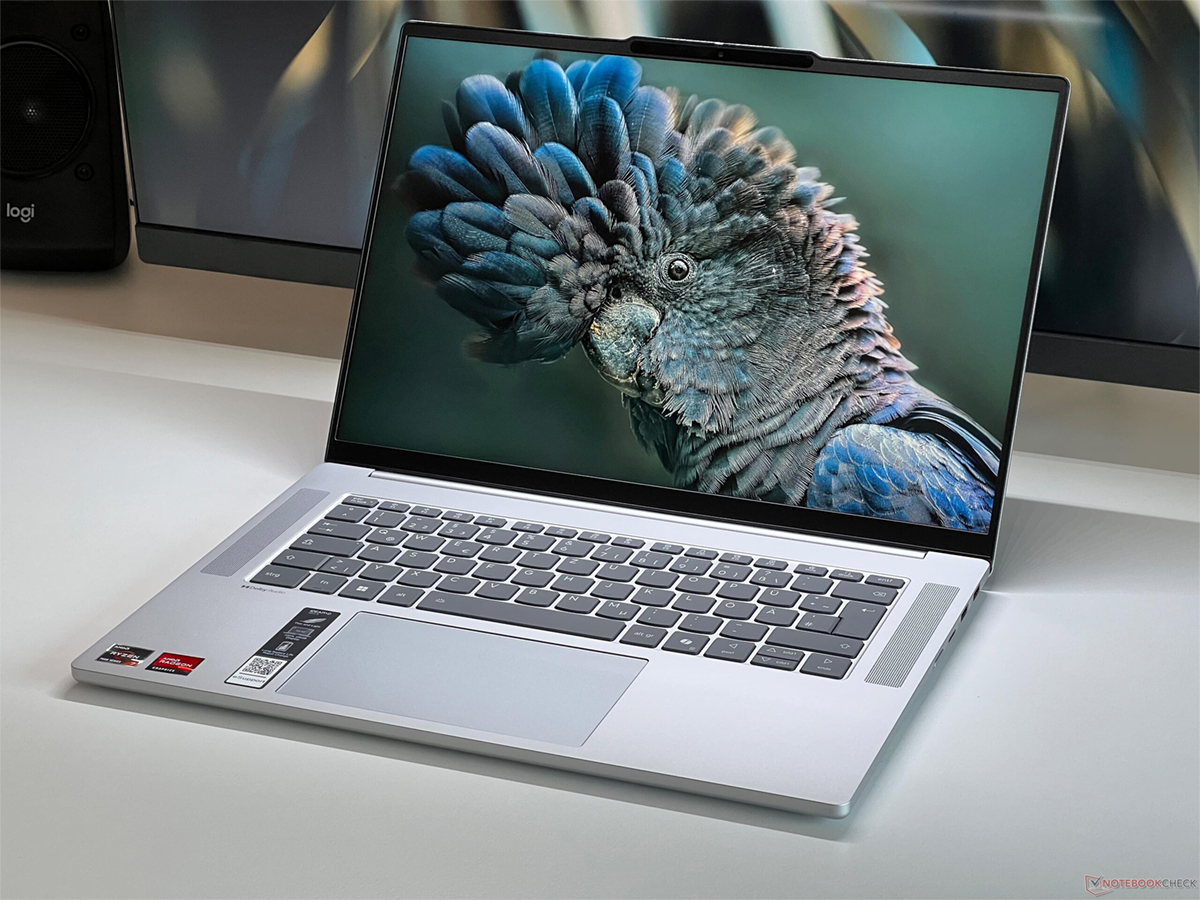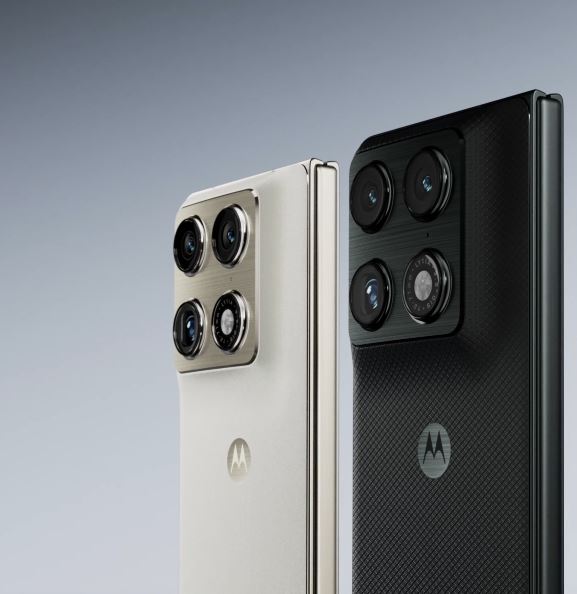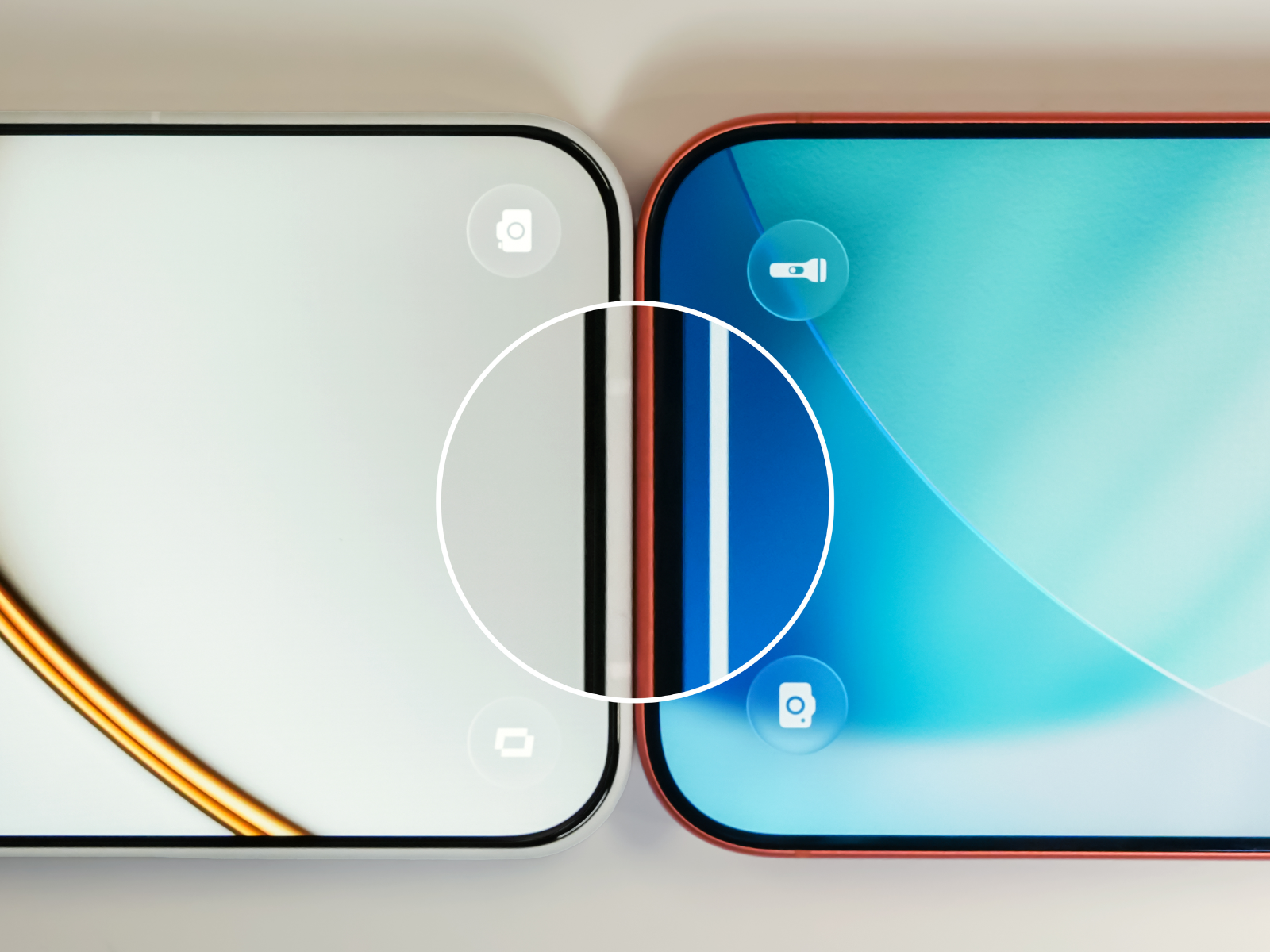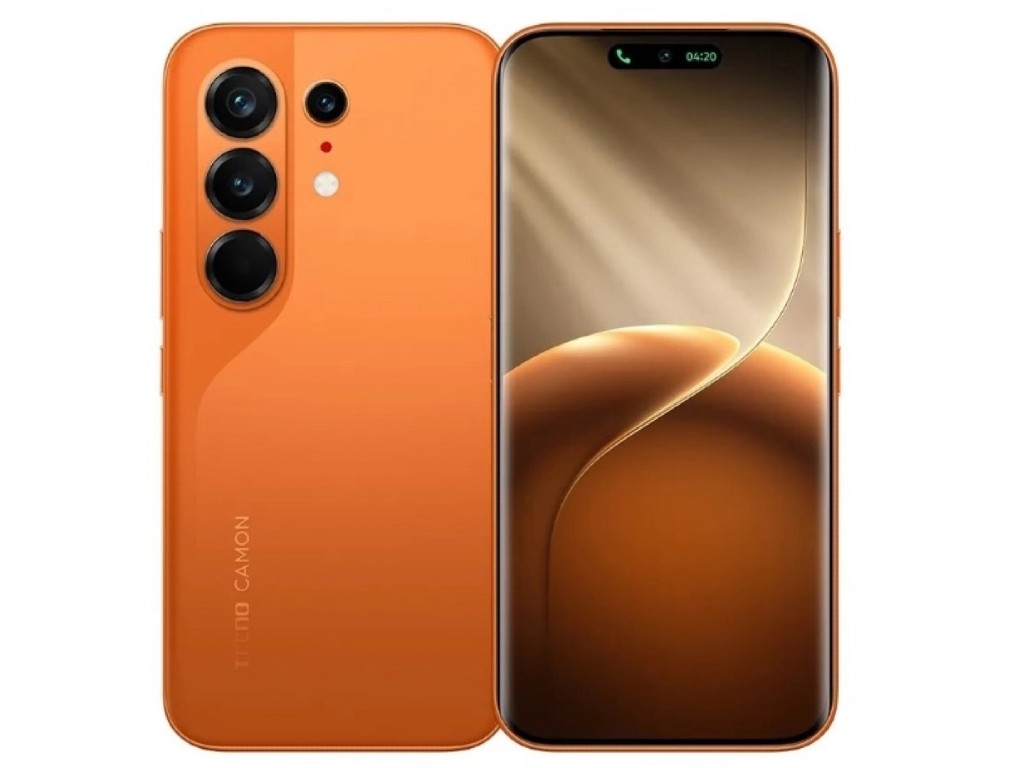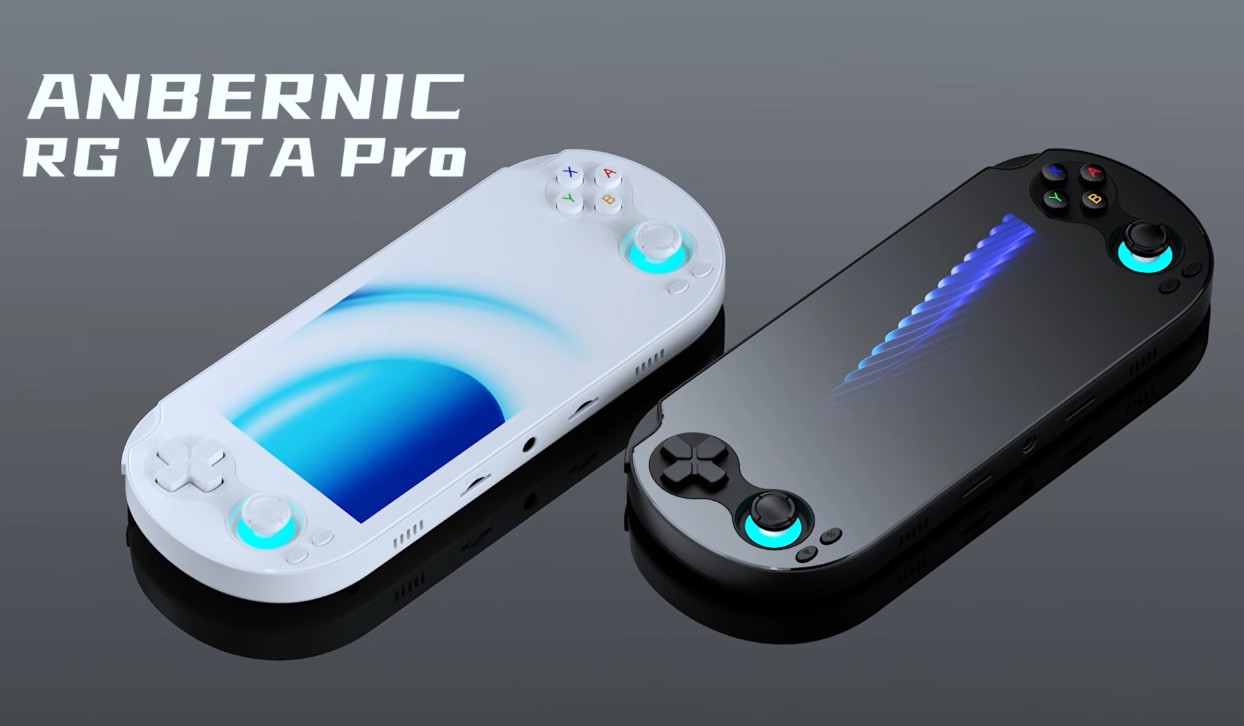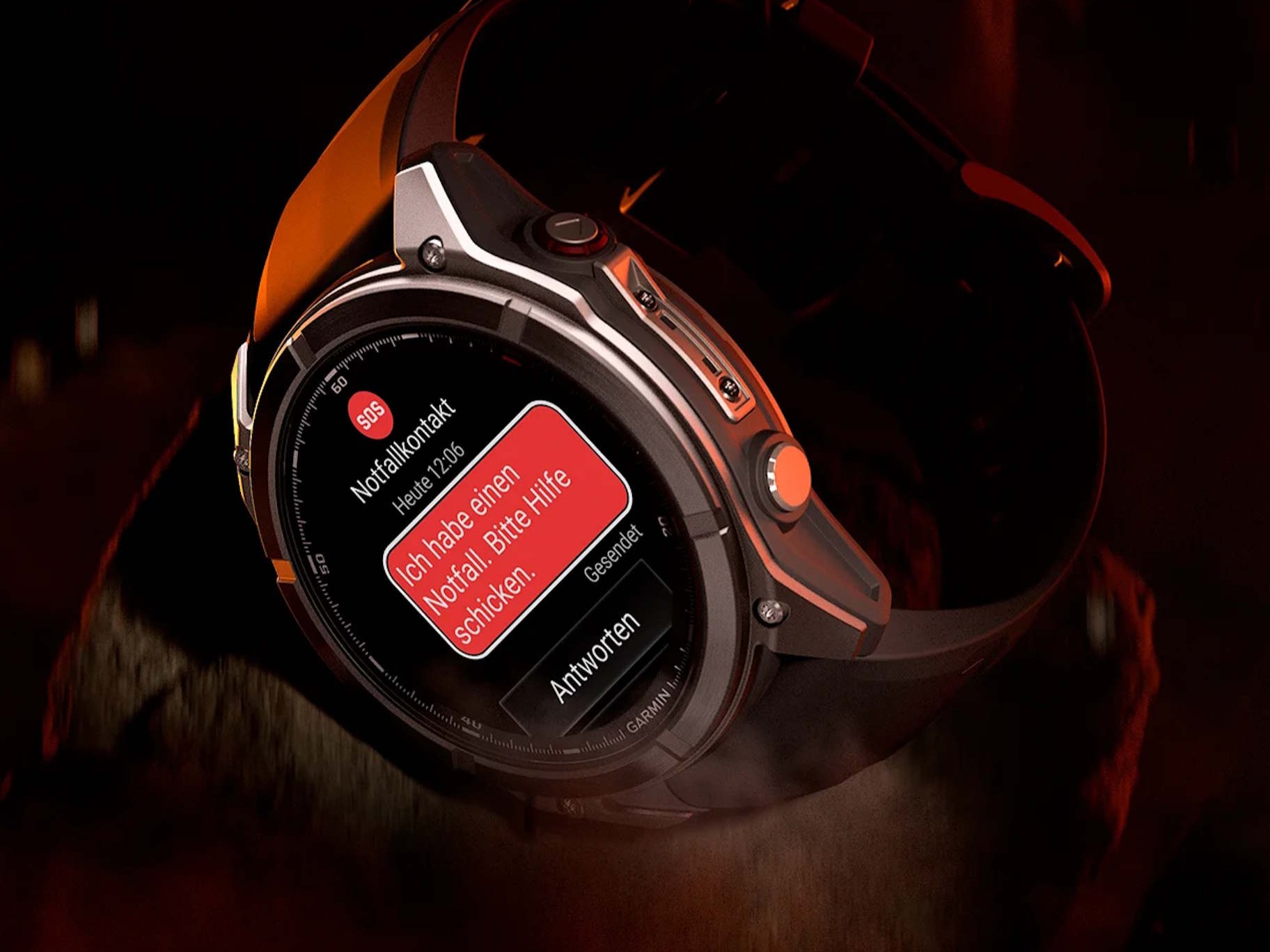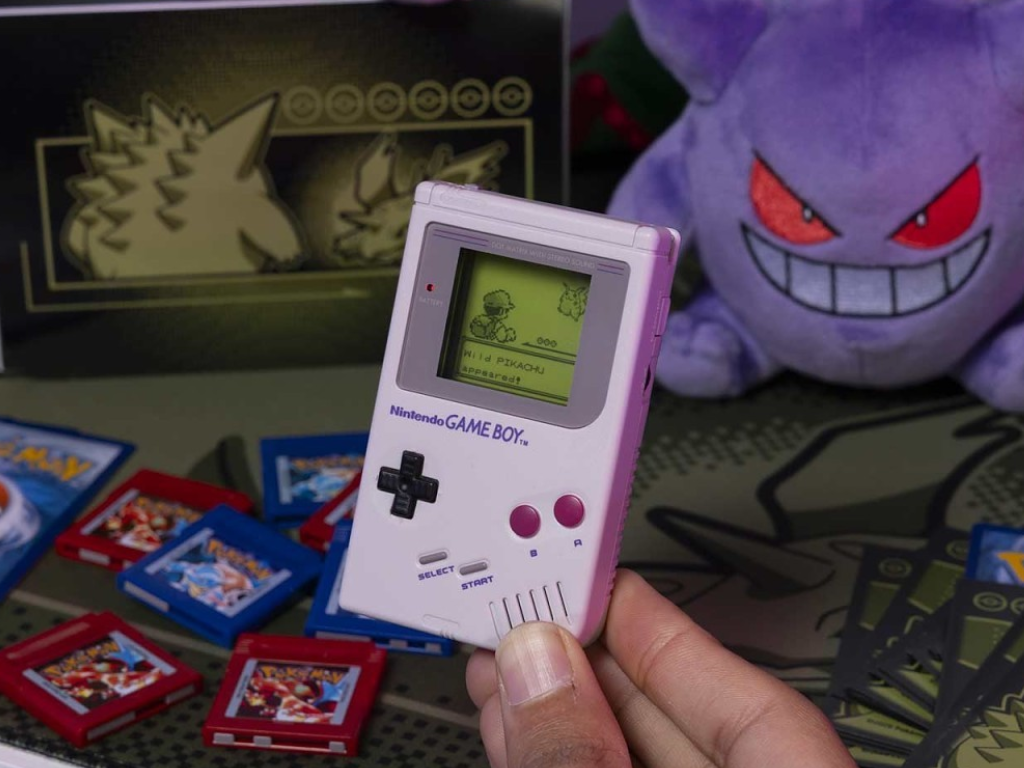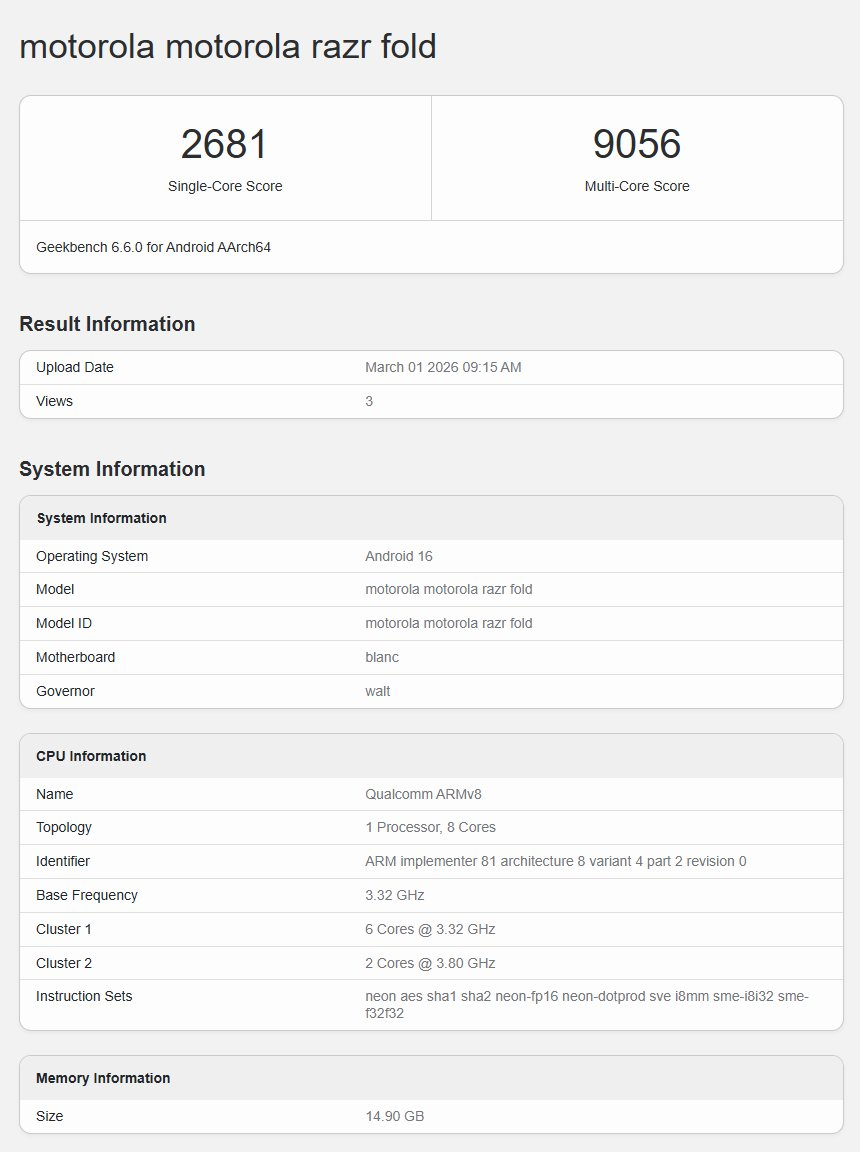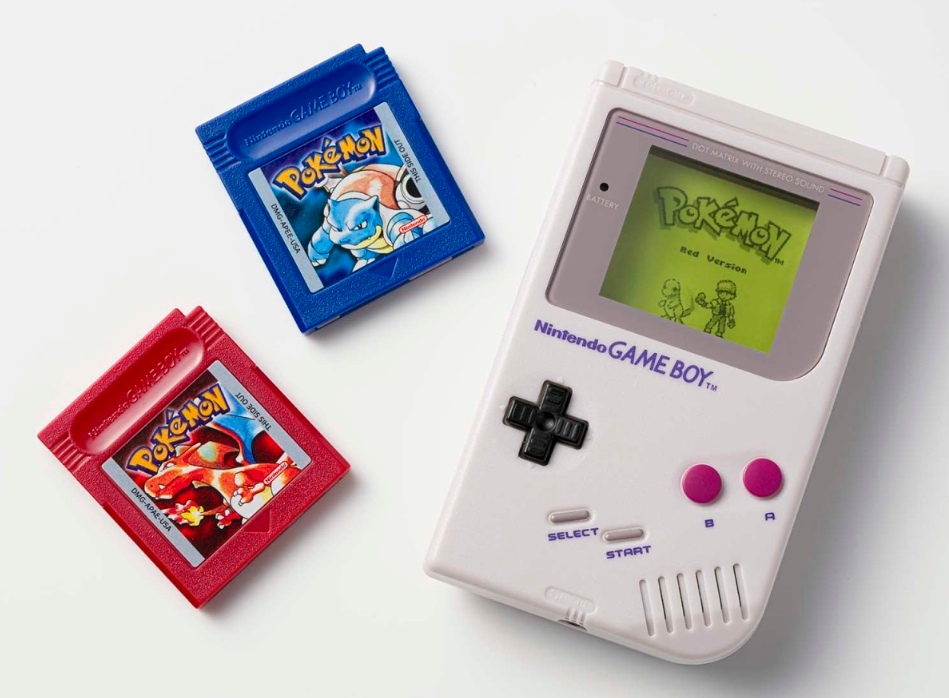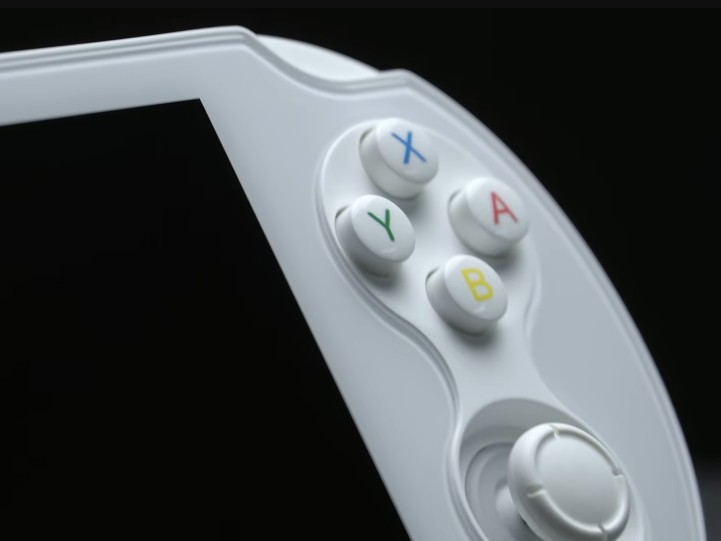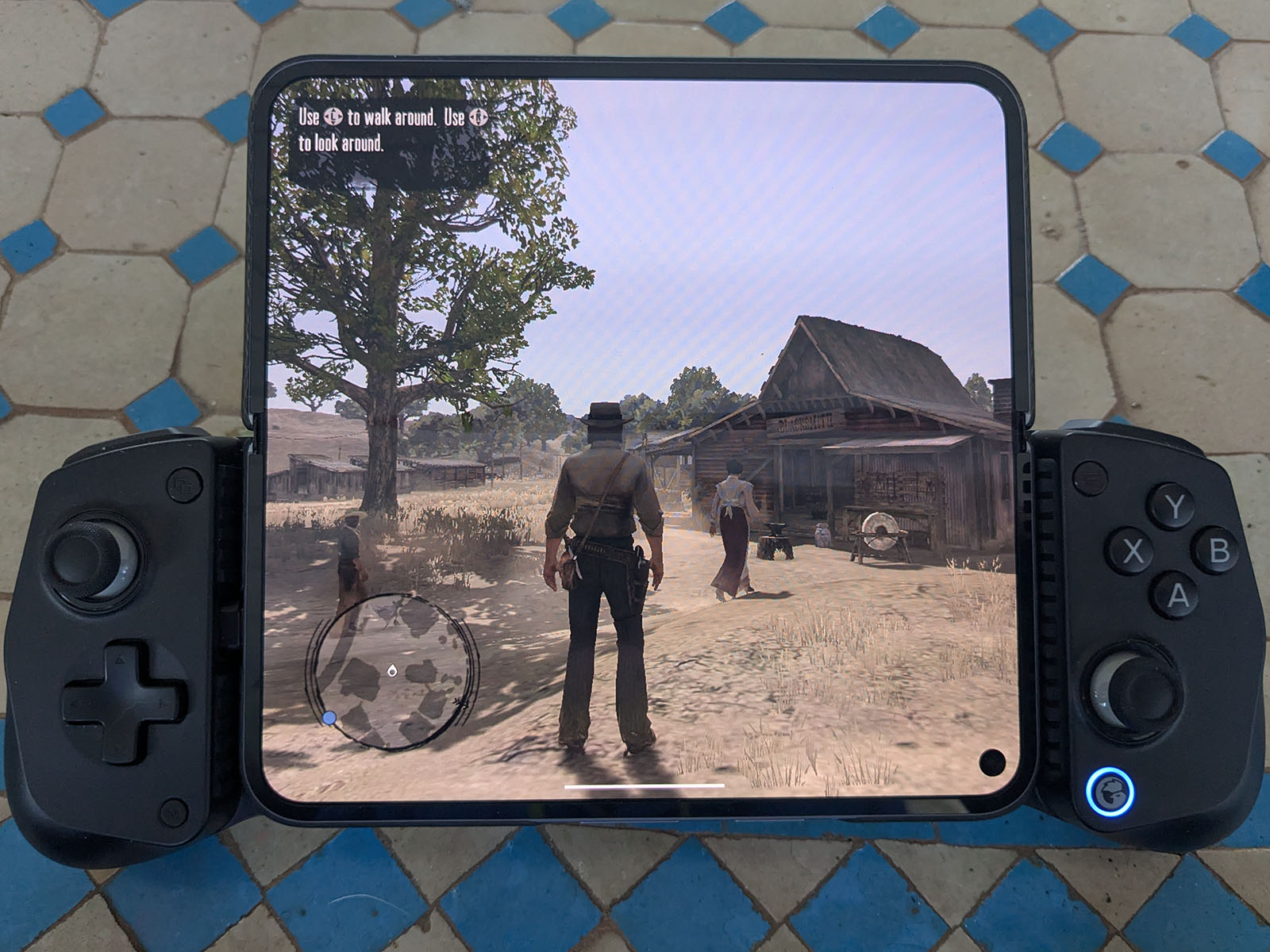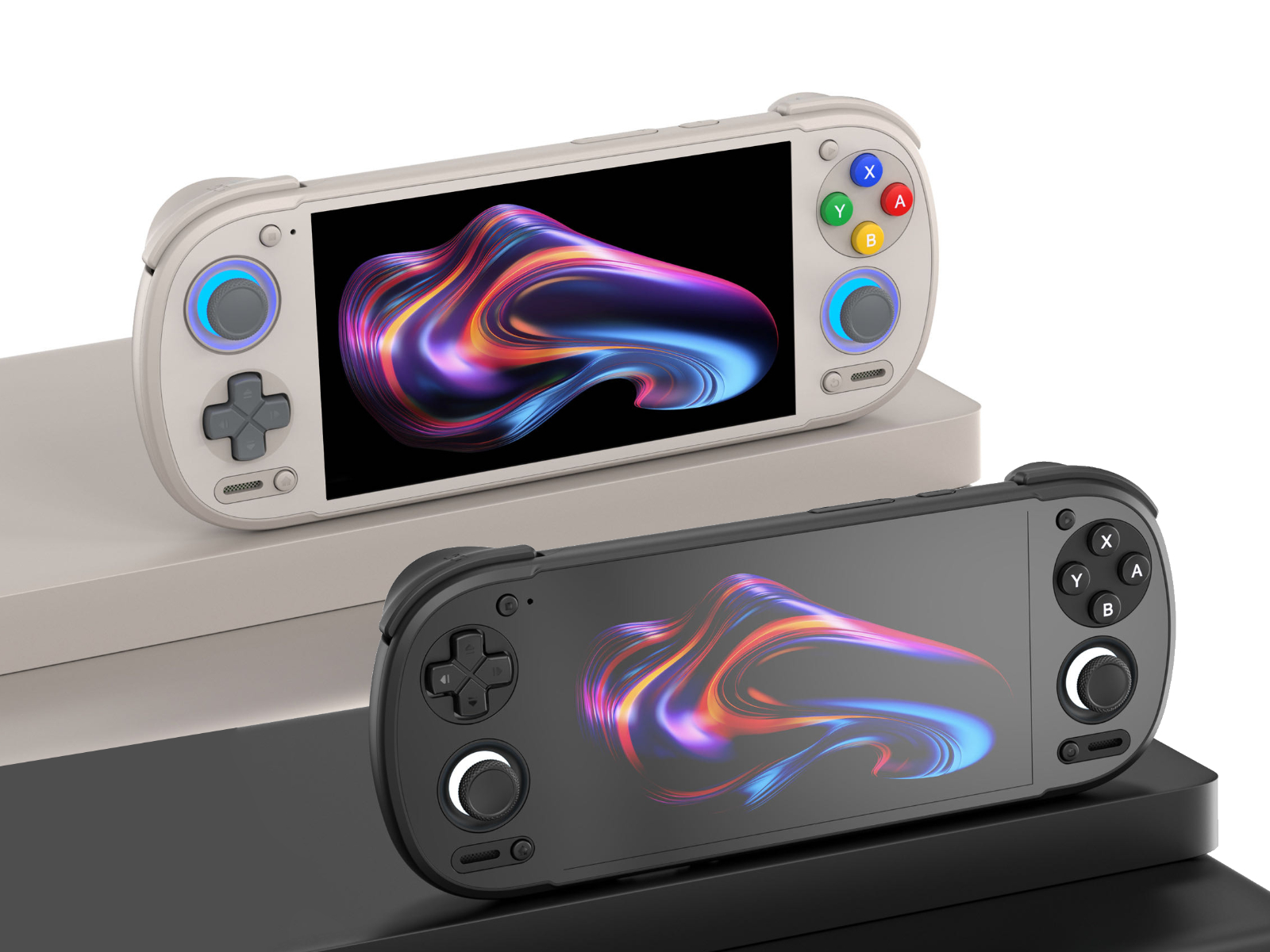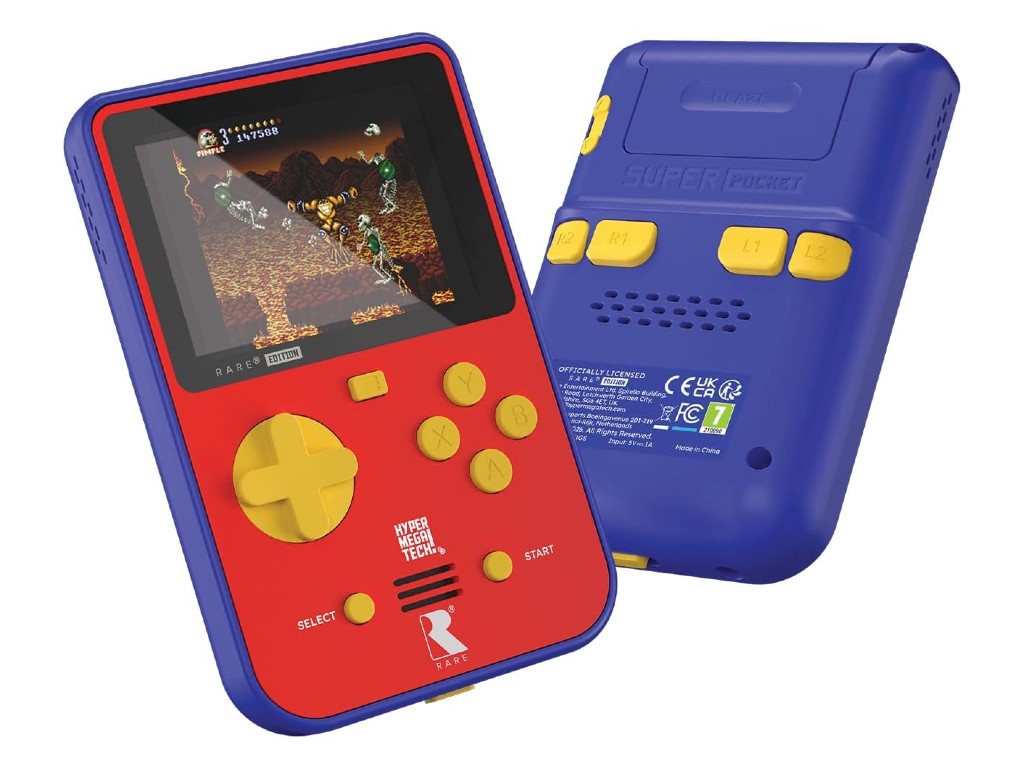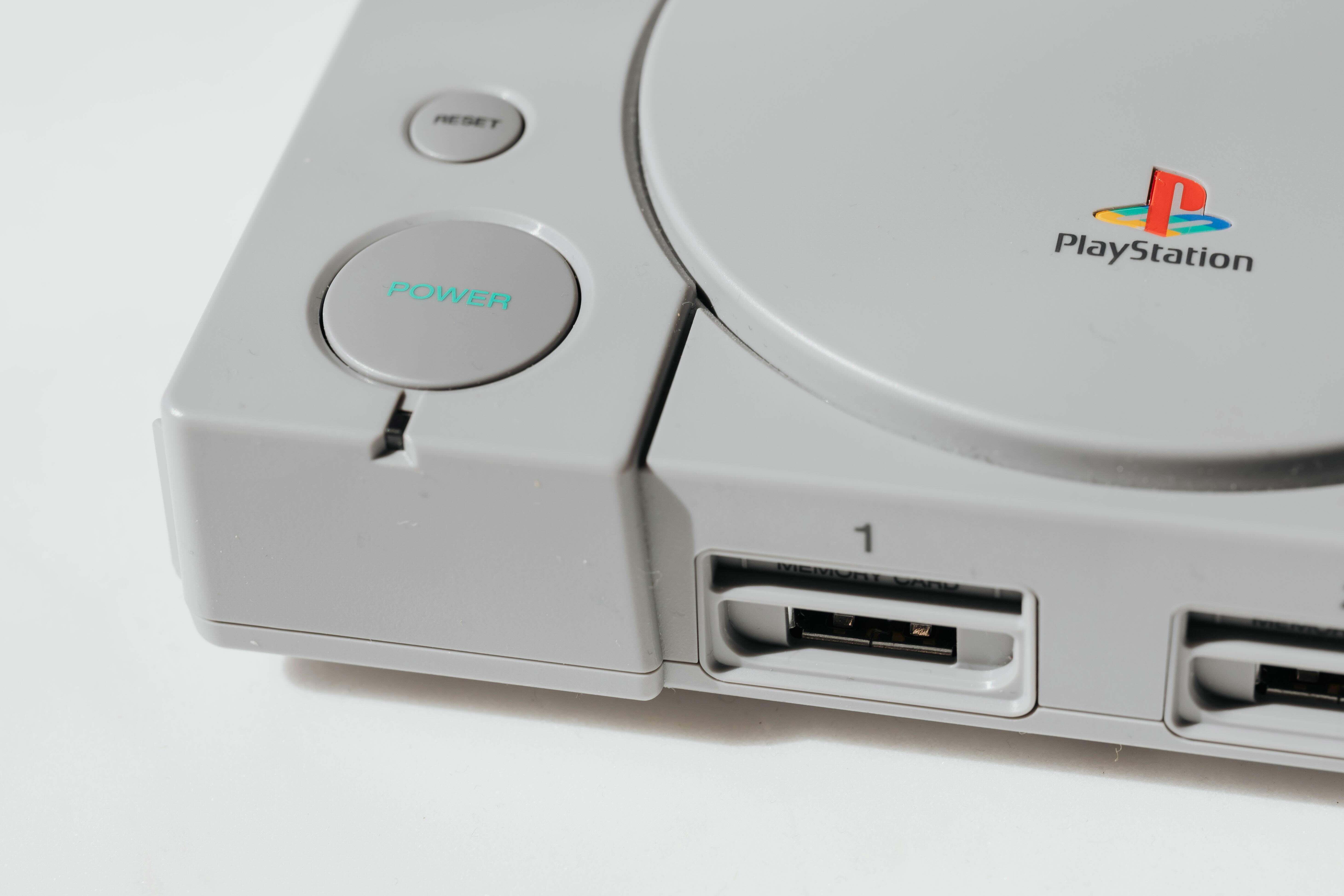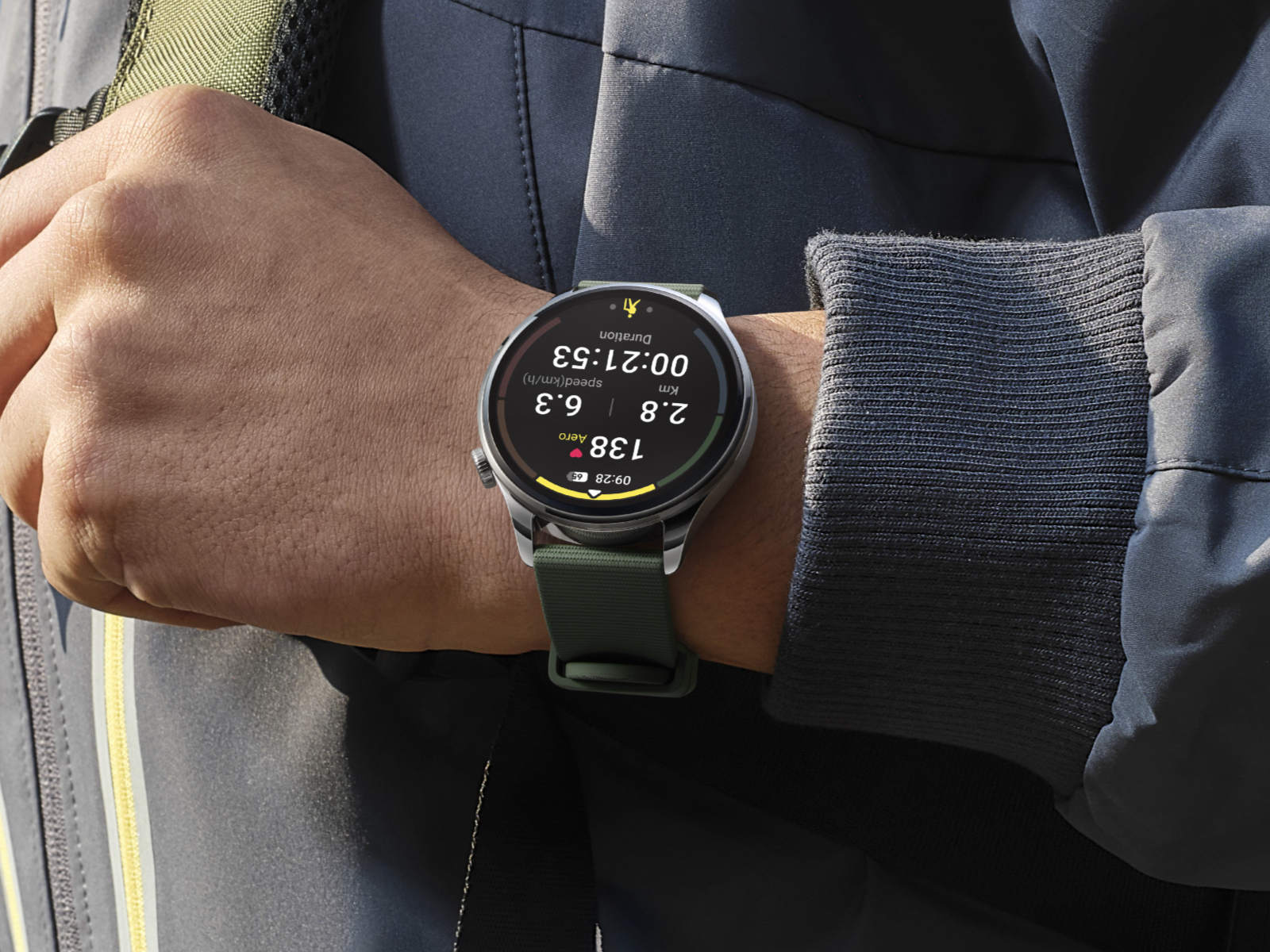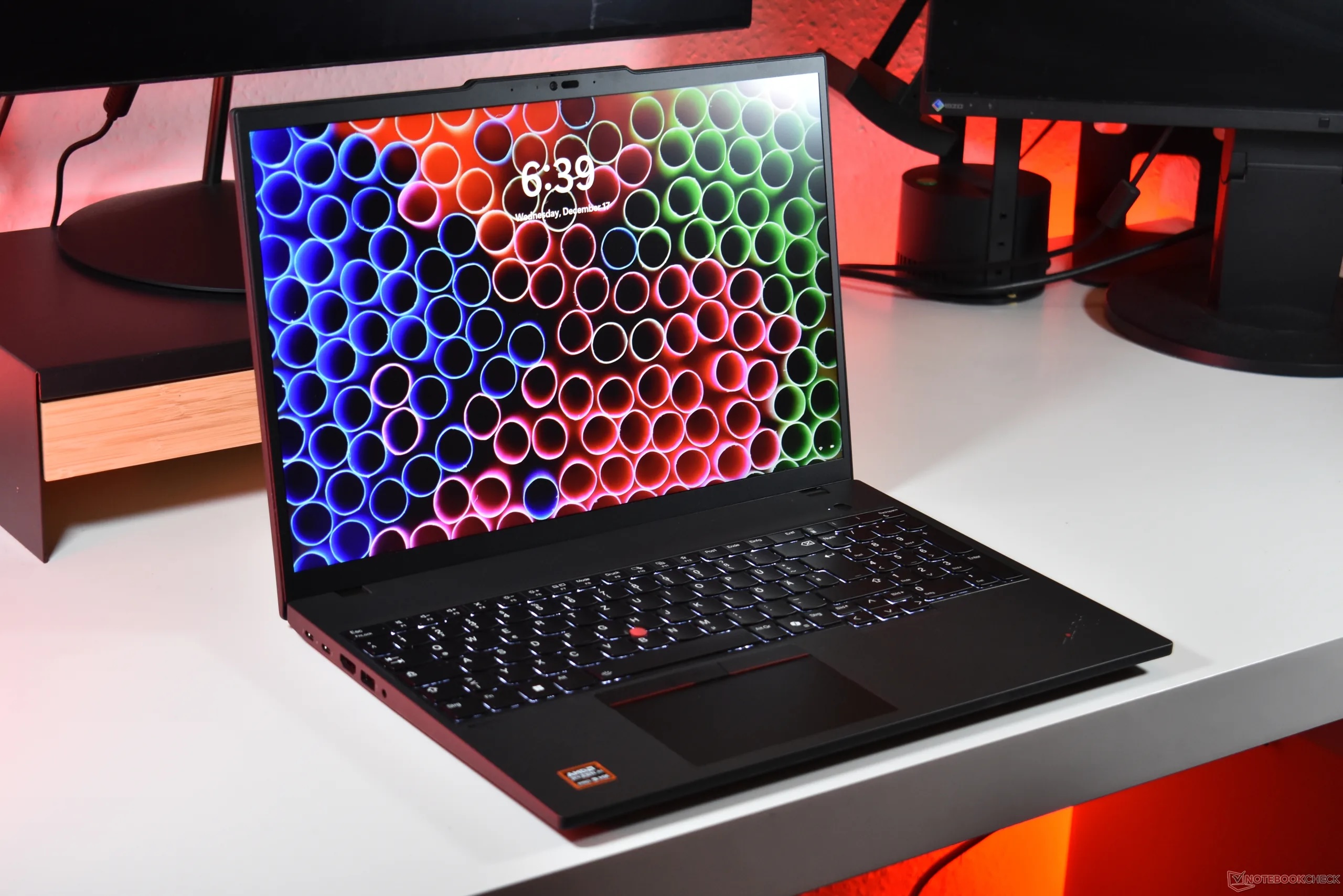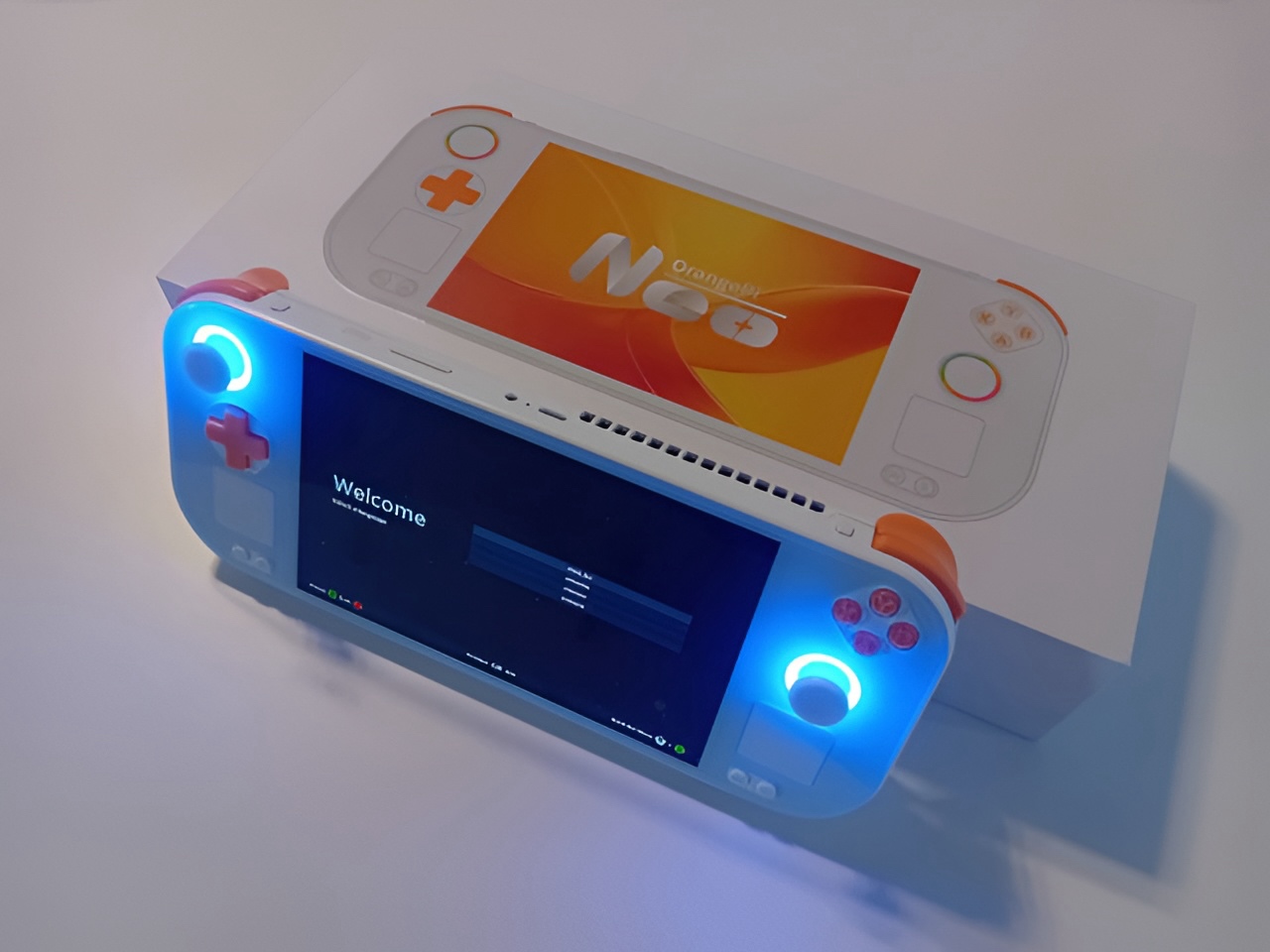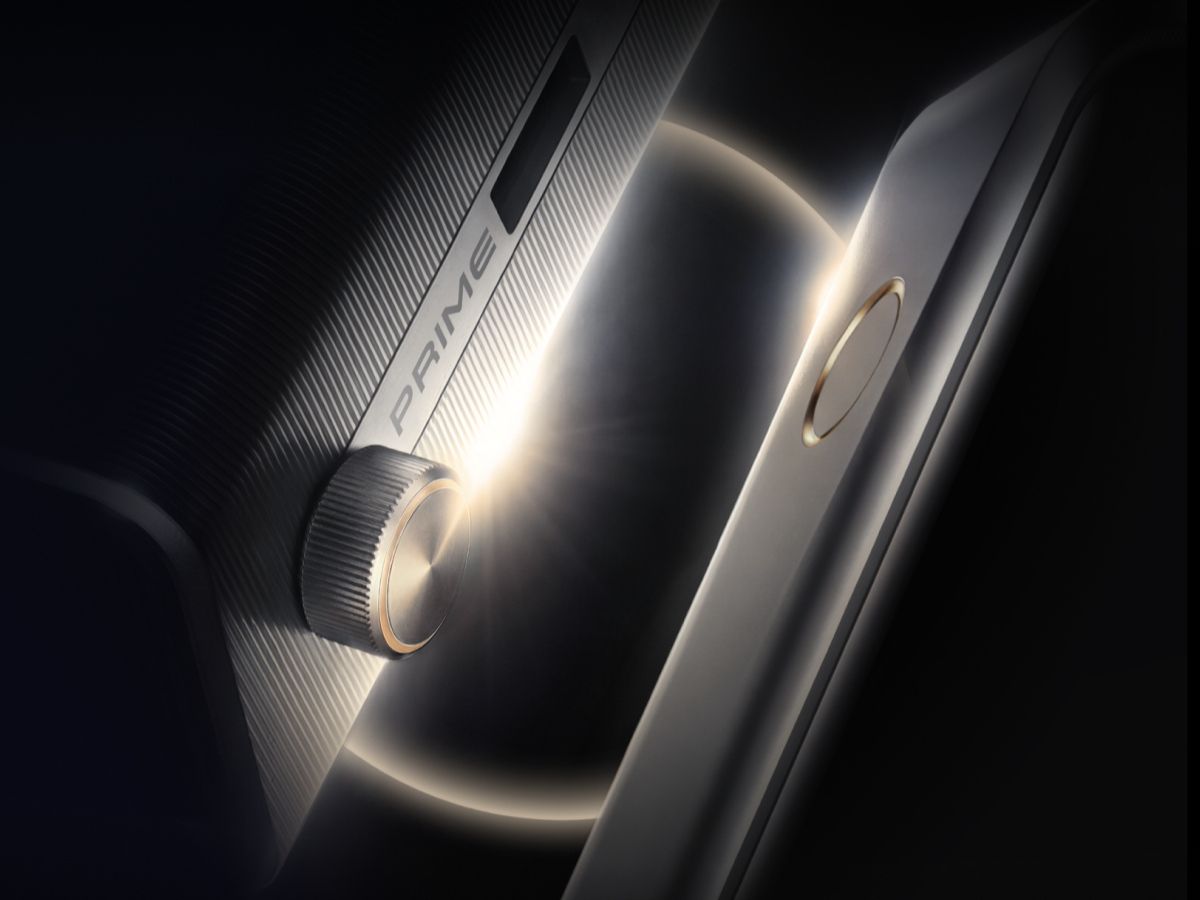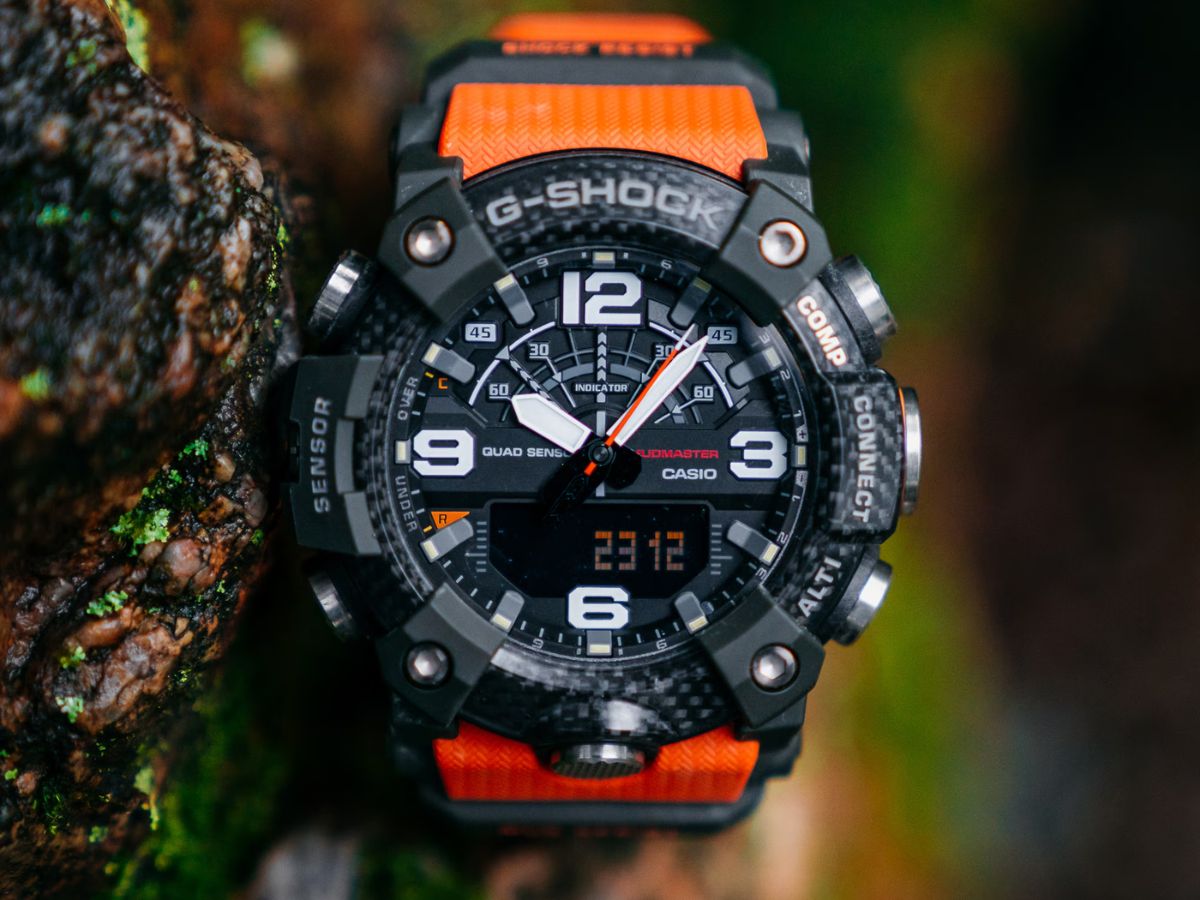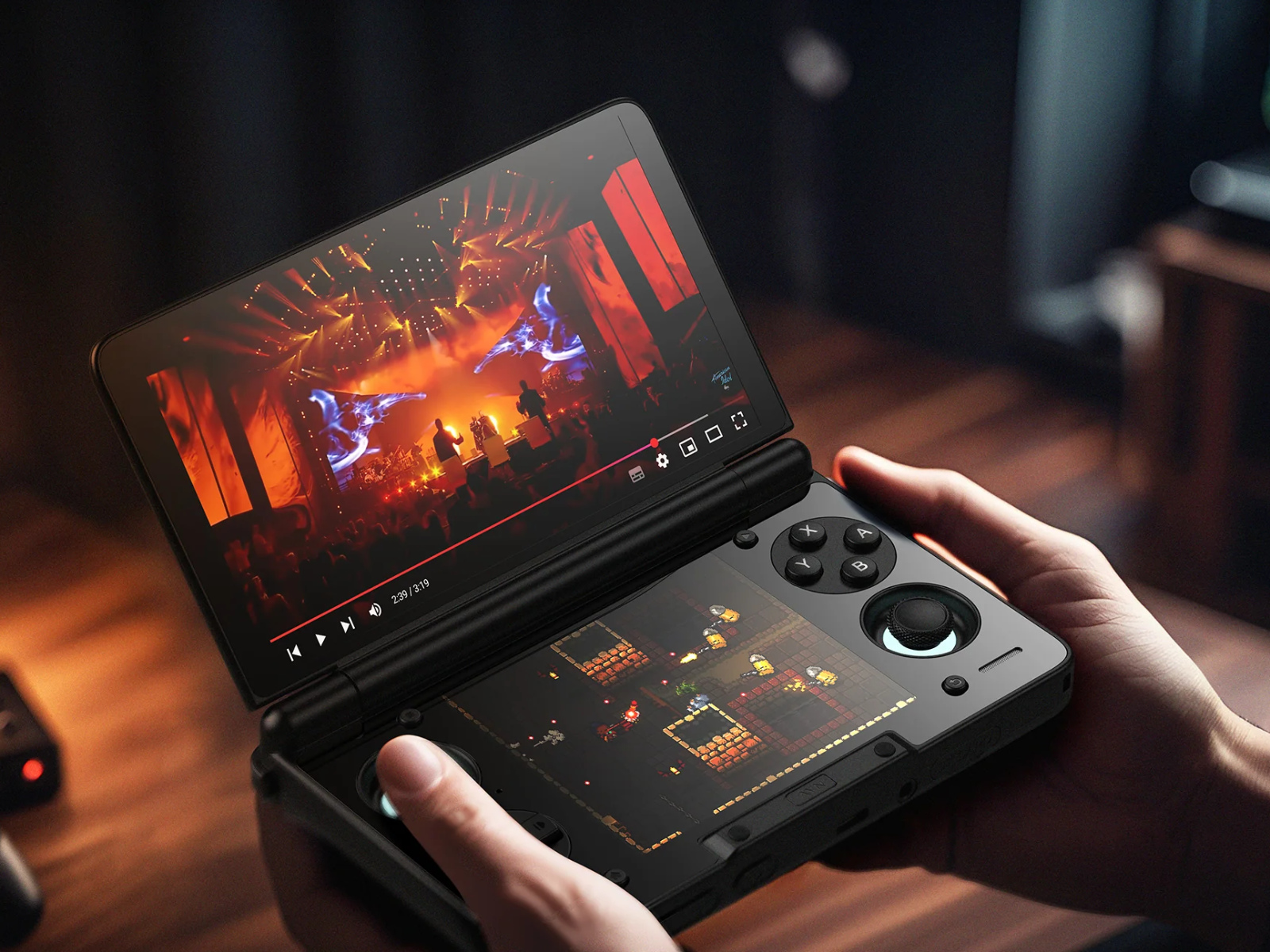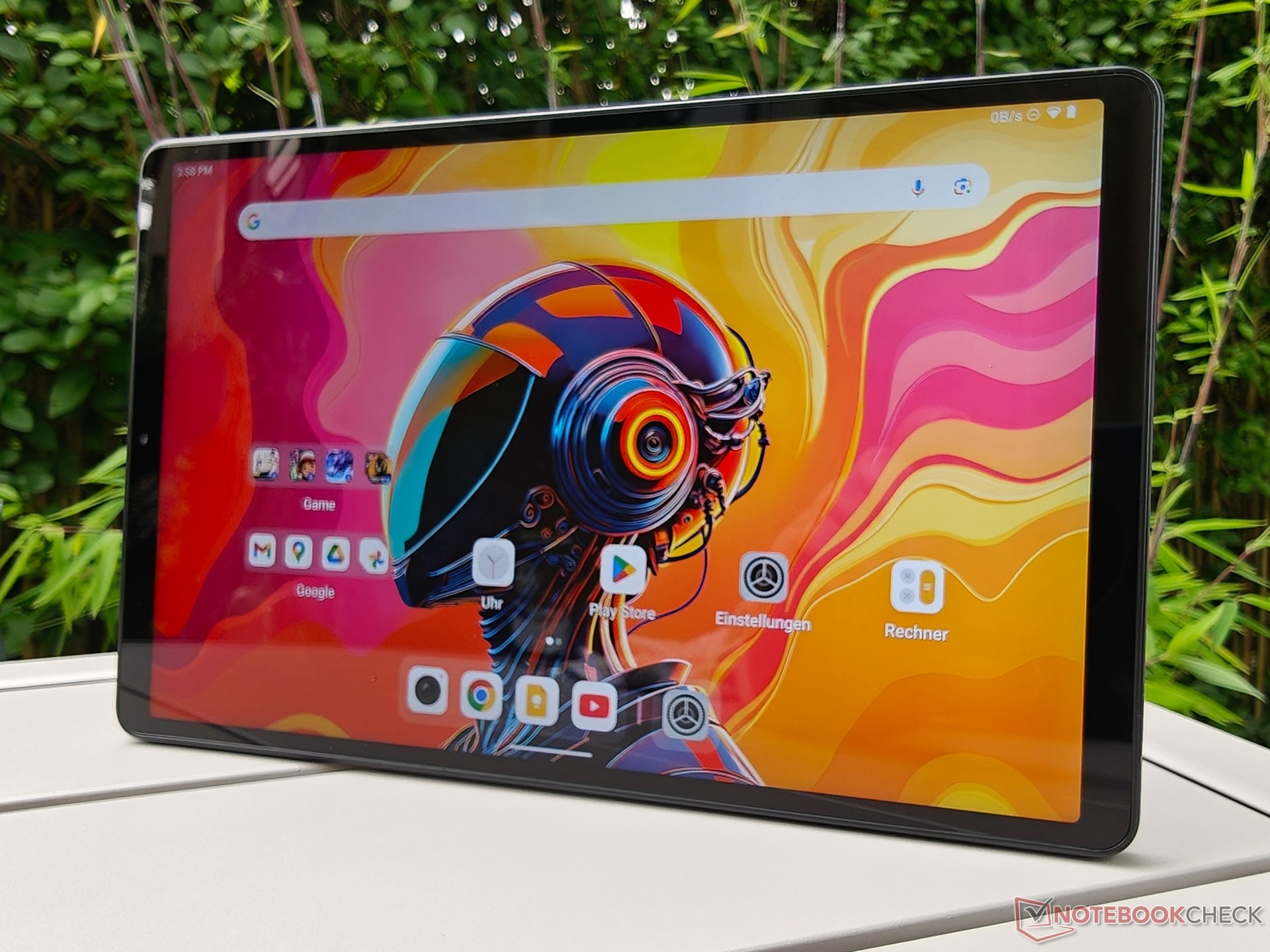
Anbernic RG Vita Pro: New official video reveals gaming capability and additional specs


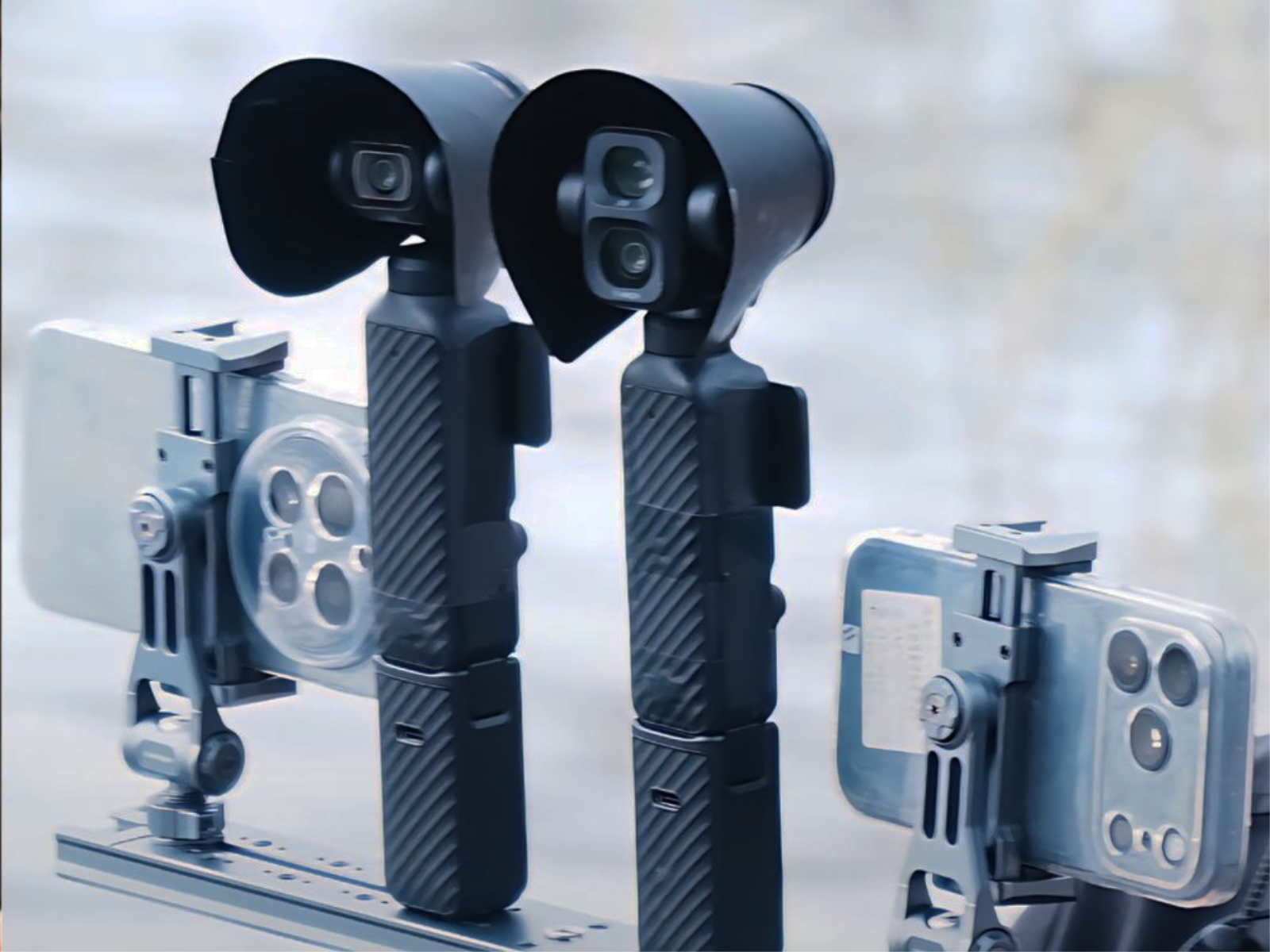
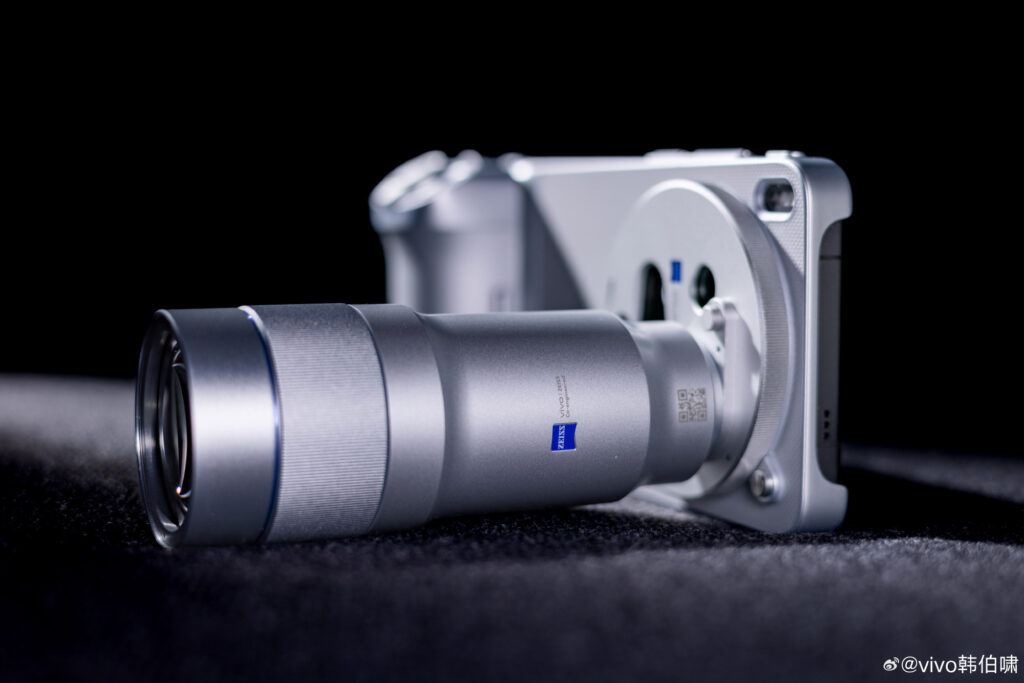
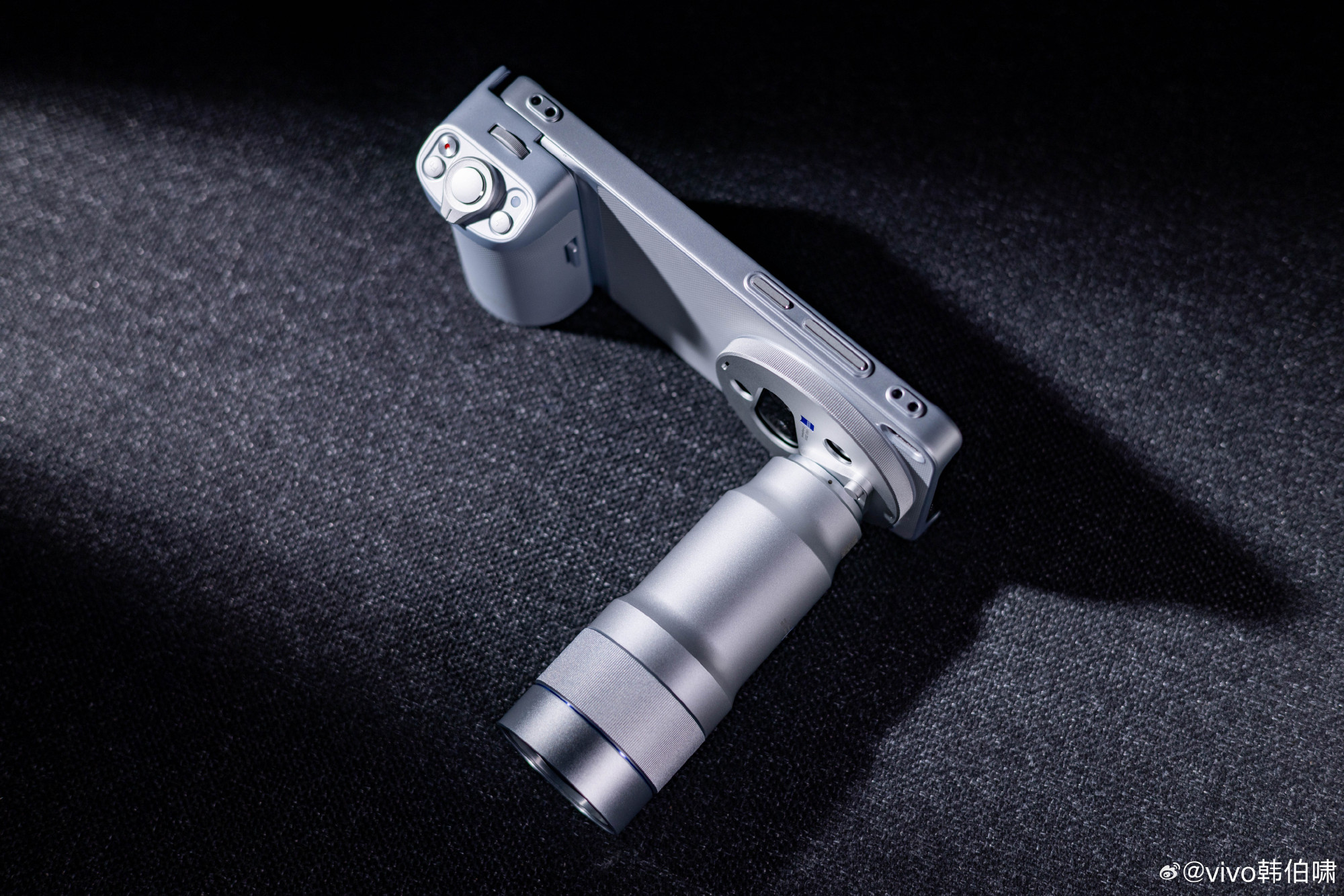
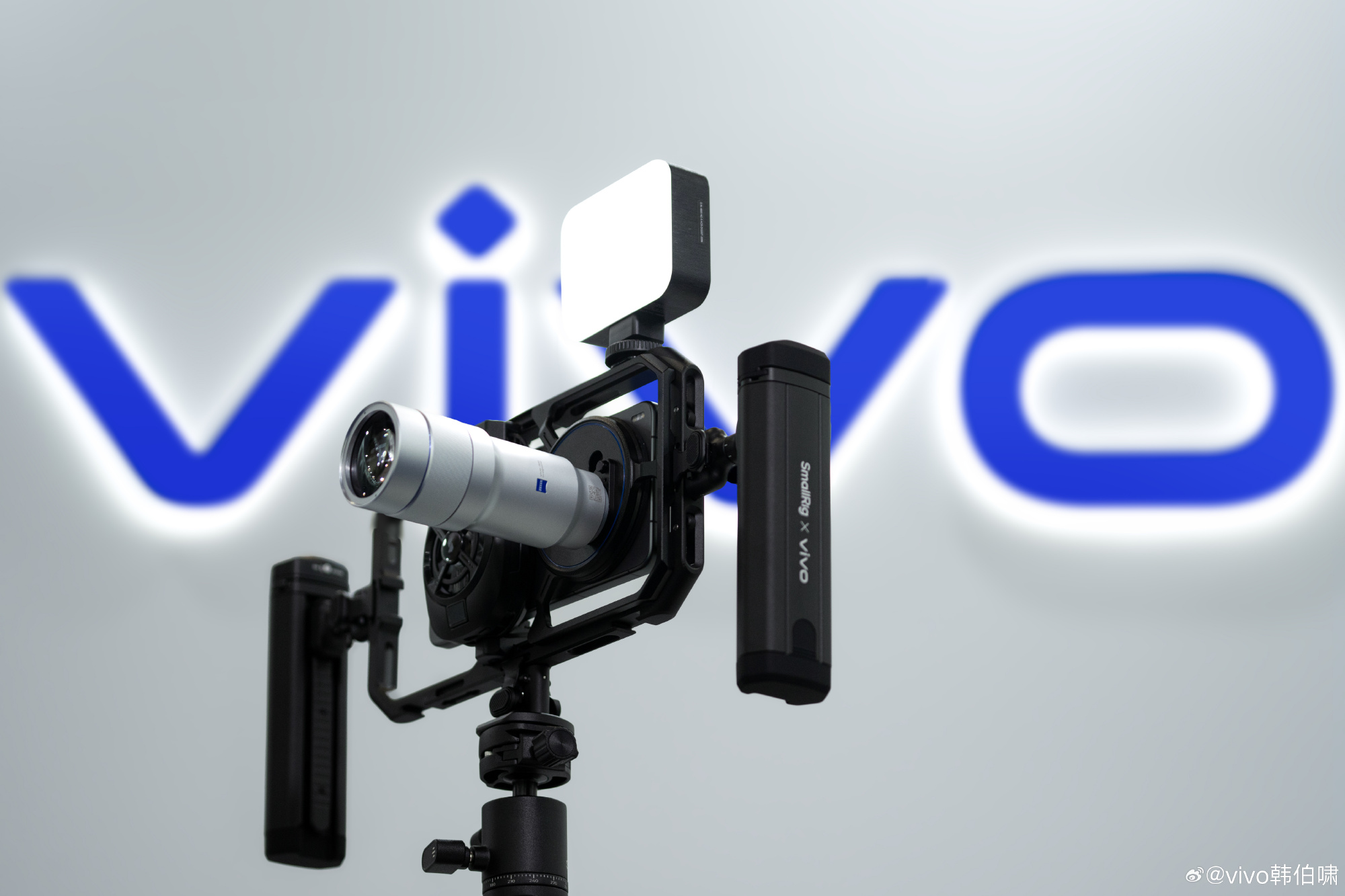
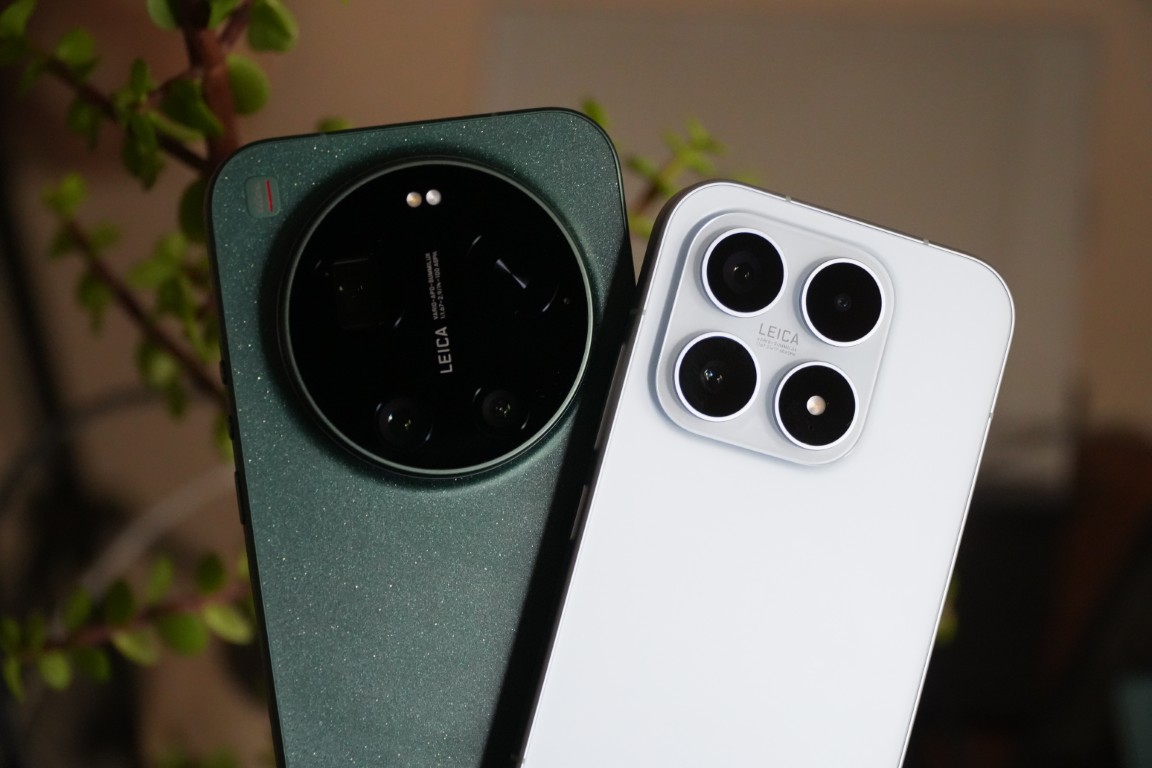
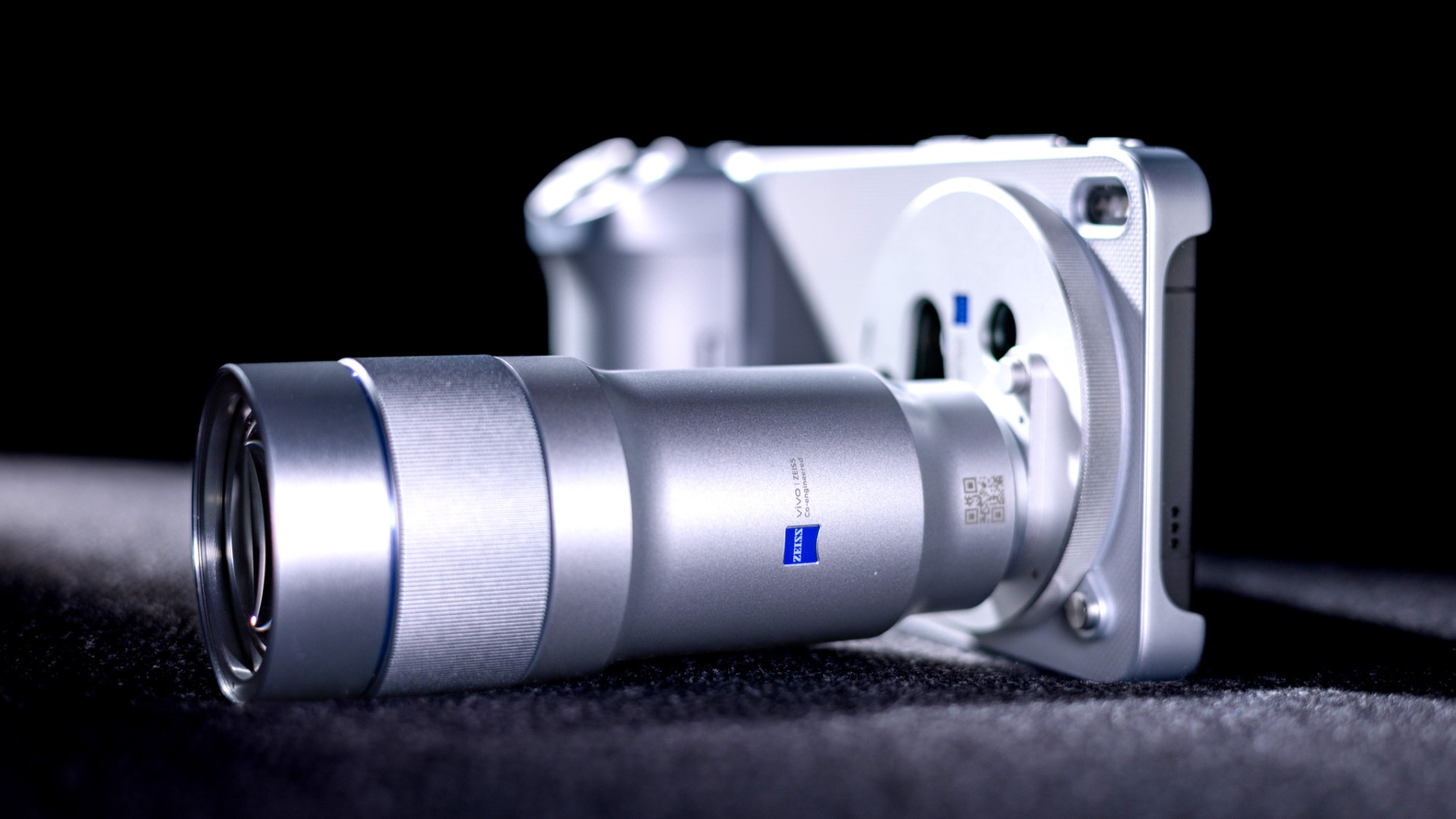
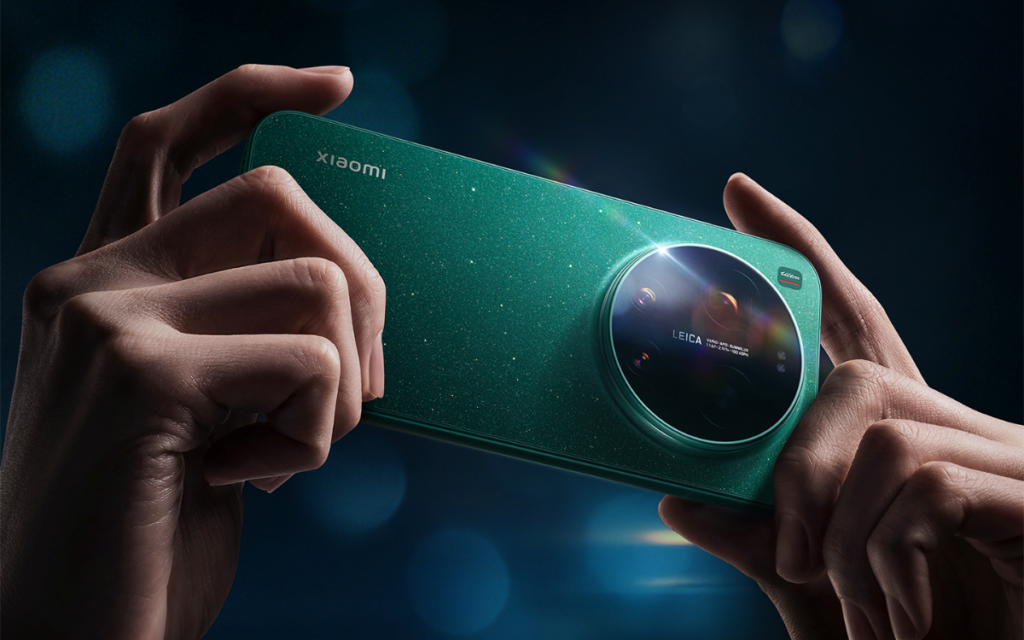
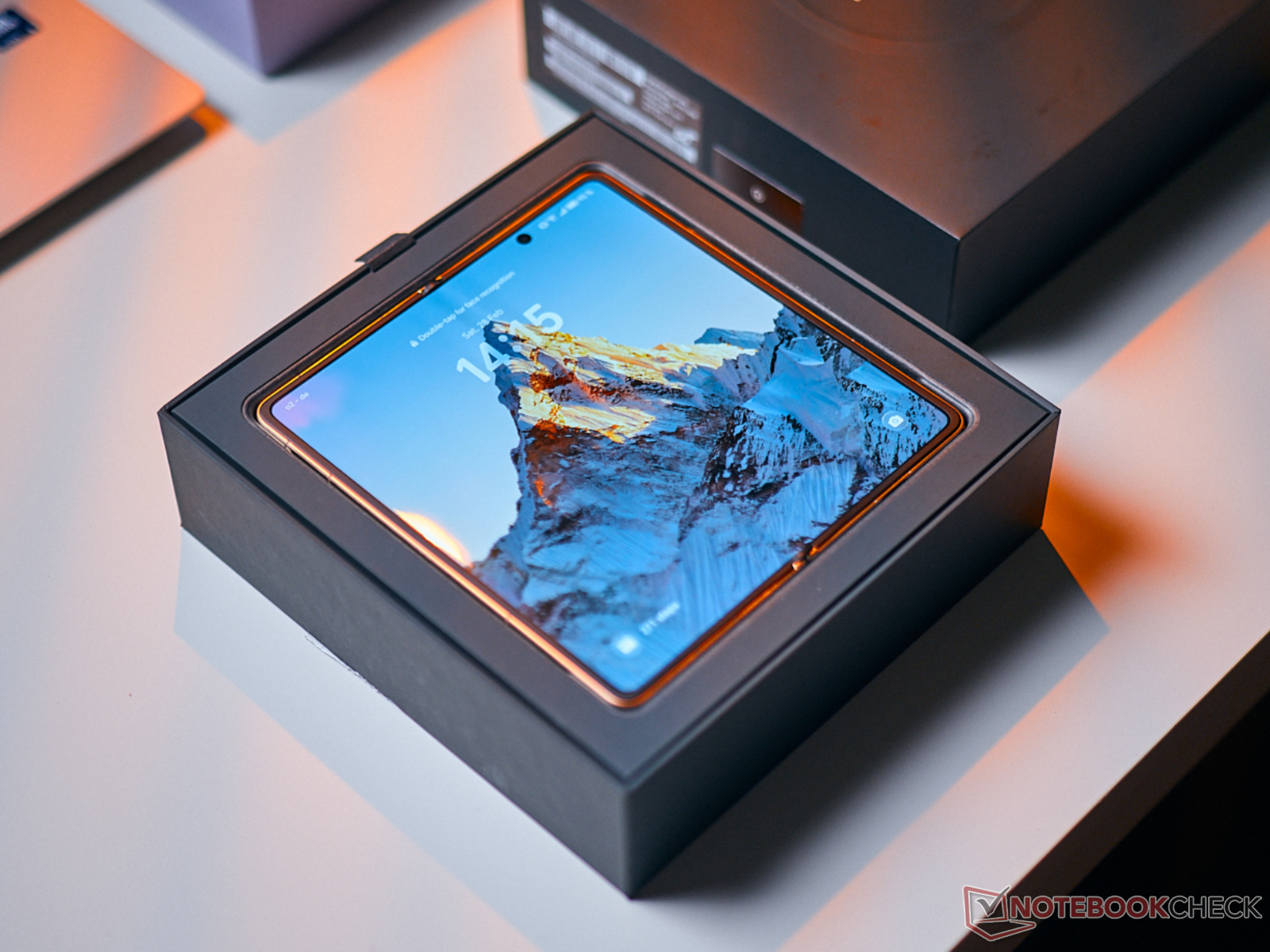
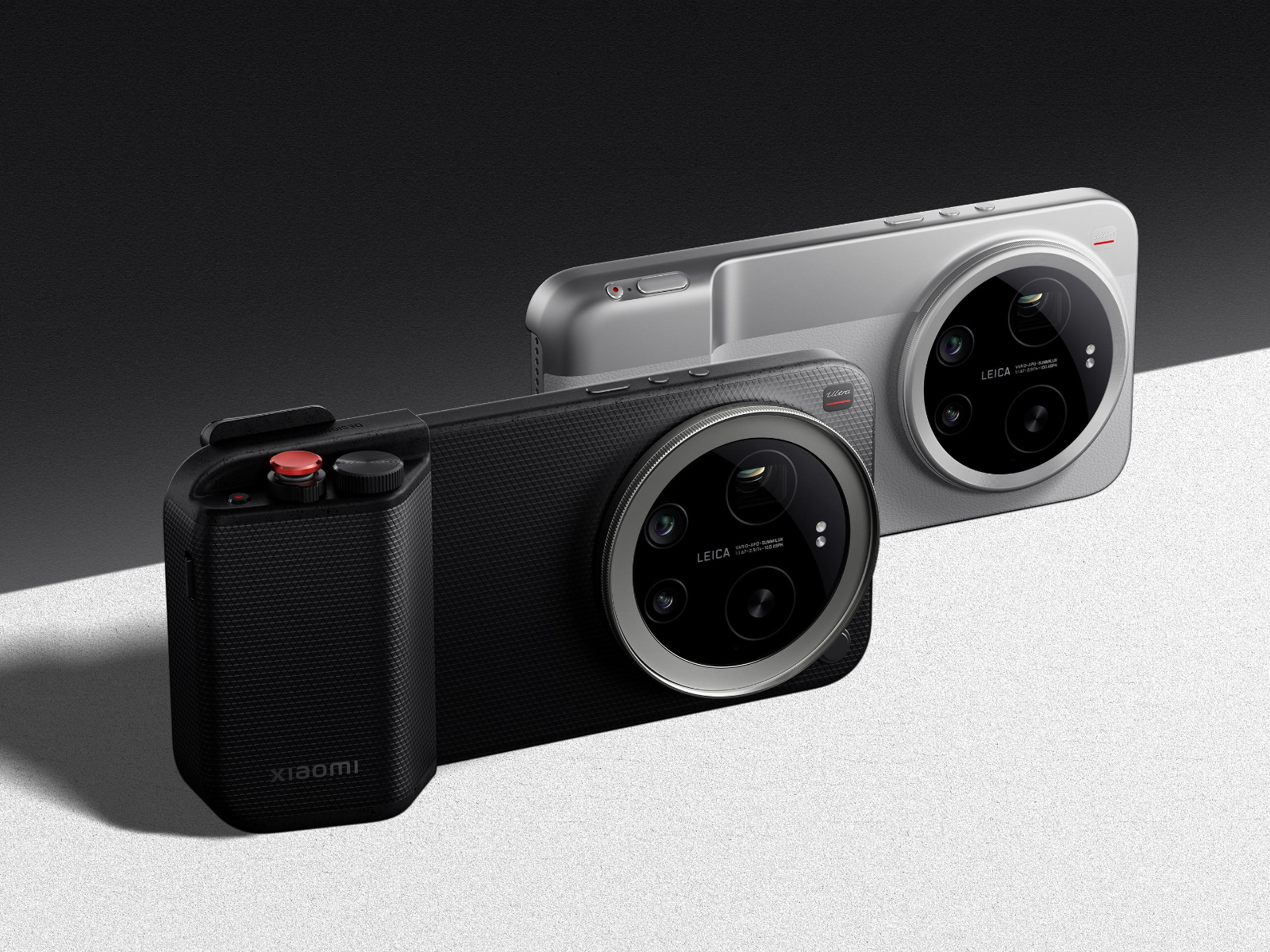
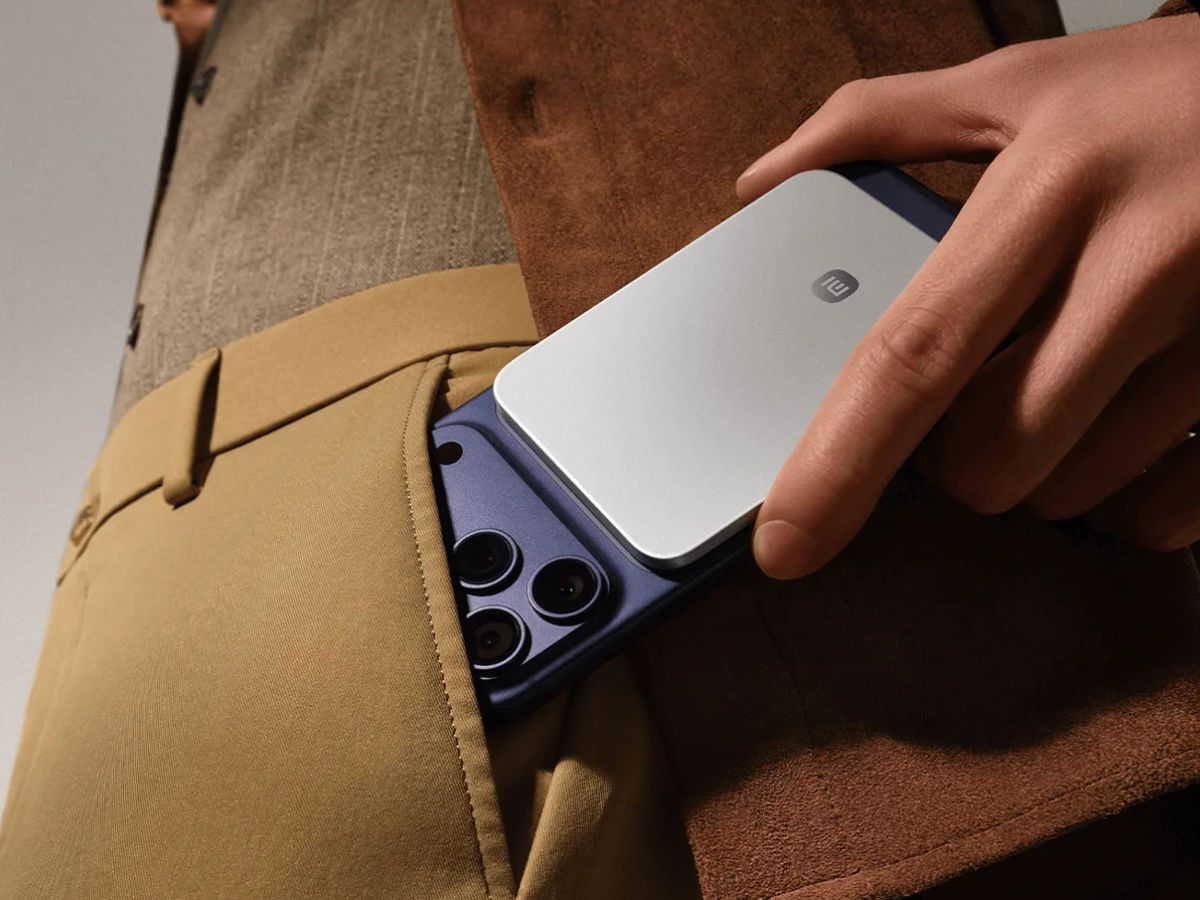
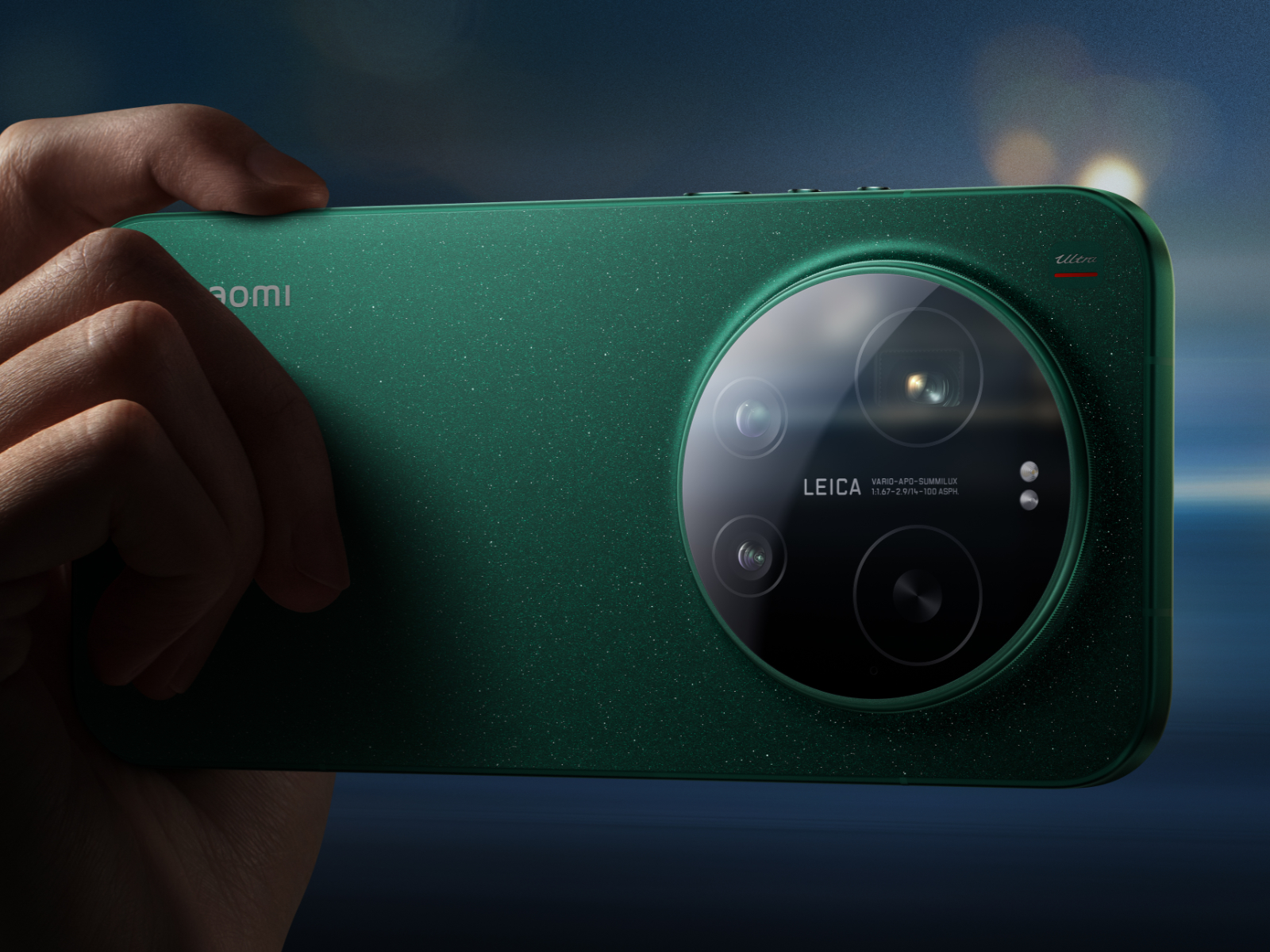
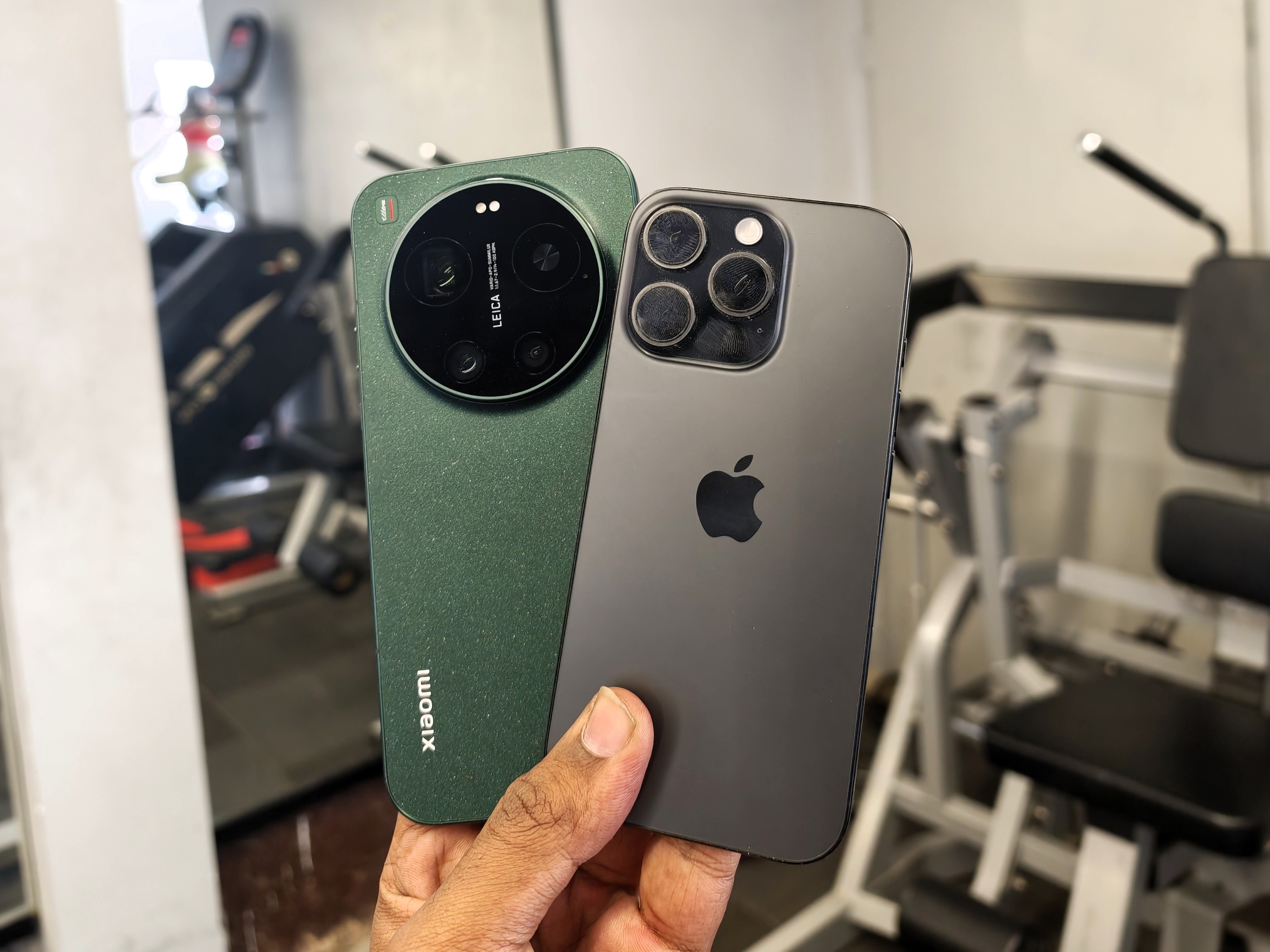
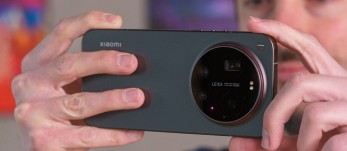
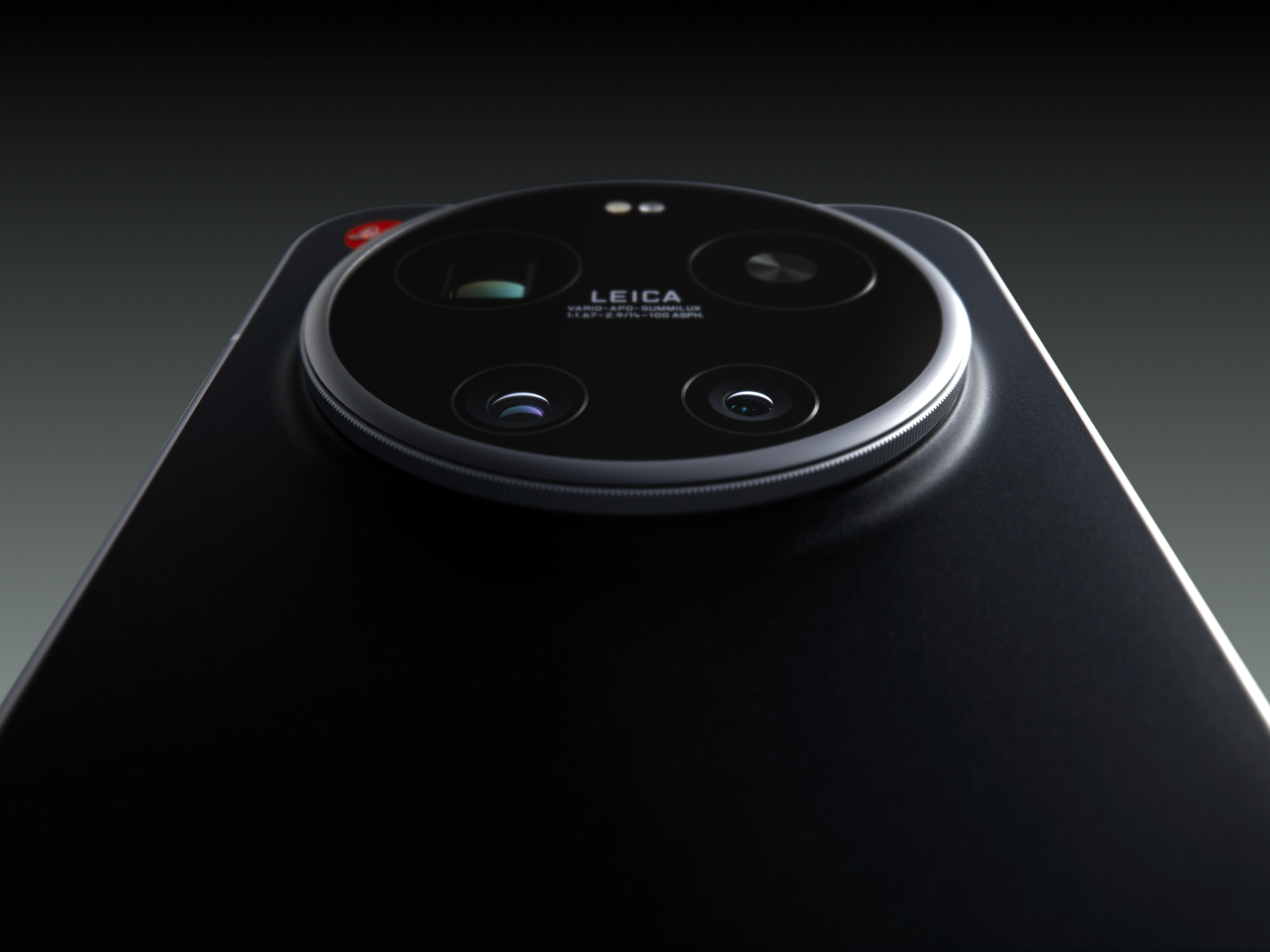
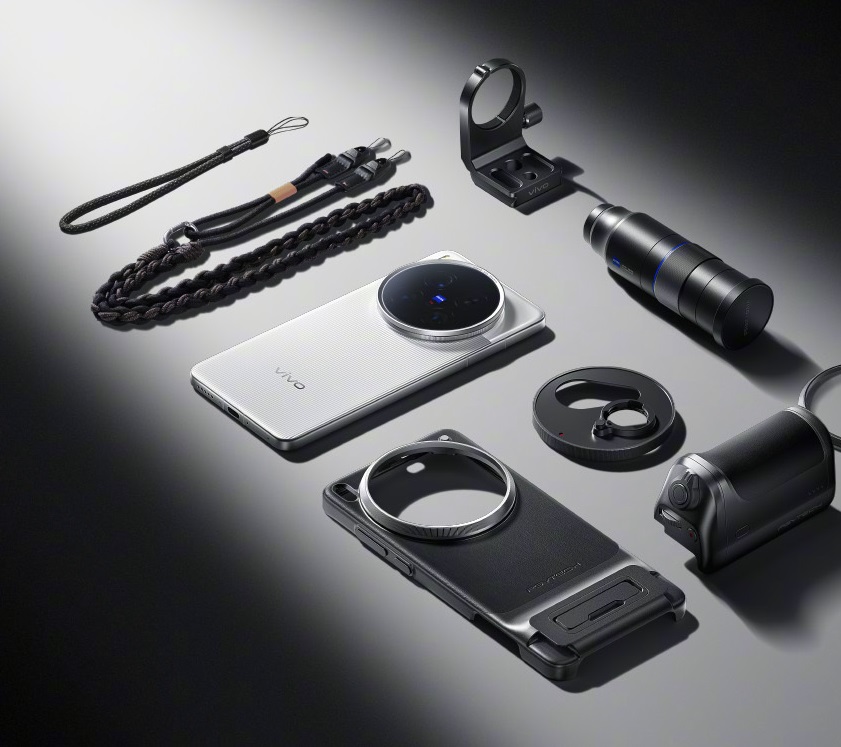
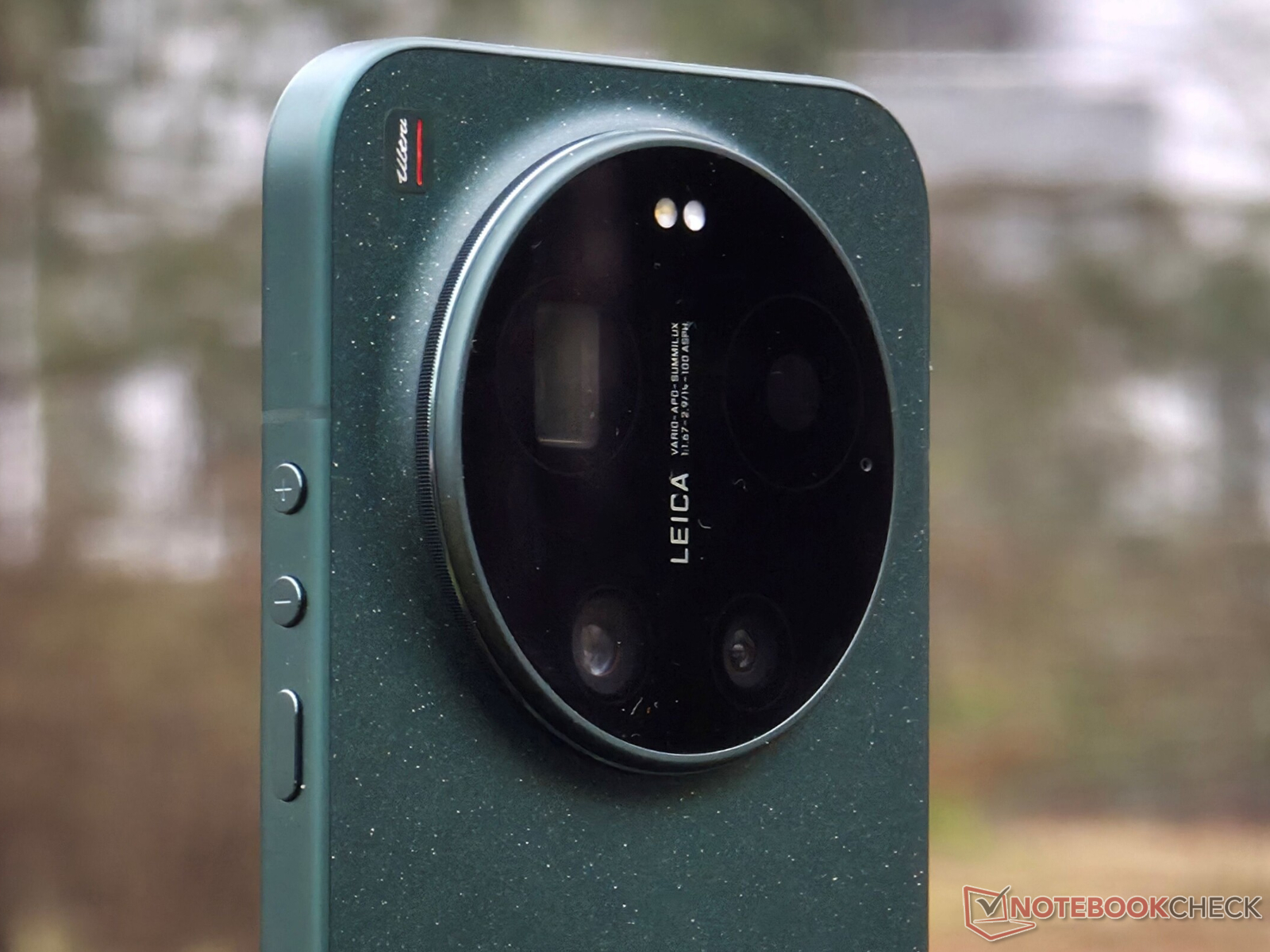
Camera flagships are more than just smartphones these days. They have huge potential, thanks to their high-end, next-gen imaging sensors and capable lenses. Heck, you can even expand their native optical reach by adding teleconverter lenses. We truly live in exciting times! Today, we're taking a look at the latest photography kits: the Xiaomi 17 Ultra Photography Kit and the Photography Kit Pro. Both add true manual control to the Xiaomi 17 Ultra and are focused on expanding its imaging prowess, not on adding external lenses. Let's start with the Pro kit. It's all based around a...
Samsung is giving people in the US a chance to win its newest gadgets in the βEasiest Giveaway Everβ. This is part of Samsungβs 14 Days of Giveaways. The giveaway comes after Samsung launched the Galaxy S26 series and Galaxy Buds 4 series.
The prize of this giveaway is amazing. One lucky winner will get a Galaxy S26 Ultra, Galaxy Buds 4 Pro, and a one-year Spotify Premium subscription. Samsung Mobile US shared the giveaway on social media, including X, saying: βNo need to phone a friend for this one. Enter the Easiest Giveaway Ever for a chance to win a Samsung Galaxy bundle.βΒ
Itβs very easy to enter.Β The giveaway also includes a short video where Samsung asks participants to βFill in the blank β Unlock your imagination with CRE_TIVE STUDIOβ. Just like the post, reply with your answer using the hashtags #GalaxyGiveaways and #GalaxyS26Ultra. You donβt need to buy anything to enter. The contest is open to people 18 years or older in the US.

And this giveaway is not run by X, Reddit, Facebook, or Instagram. Your information goes only to Samsung and is used only if you win. The contest has already started from 6:00 a.m. CT on February 25, 2026, and will end at 11:59 p.m. CT on March 10, 2026. Each post has its own entry time during the 14 days. You can check the full rules here.
With easy entry steps and amazing prizes, Samsungβs βEasiest Giveaway Everβ is perfect for anyone who loves tech. Donβt miss the chance to win a Galaxy S26 Ultra, Galaxy Buds 4 Pro, and Spotify Premium for free!
The post Your chance to get a Galaxy S26 Ultra and Buds 4 Pro for free! appeared first on Sammy Fans.
Google has pushed its March 2026 Play System update for Android devices. These updates work on phones, tablets, Wear OS, Android TV, Google TV, Android Auto, and even PC. They improve Google services, including Play services, Play Store, and Google Play system, to make devices safer, protect privacy, and improve overall performance.
The fresh update for Google Play services improves system management features to better privacy. It works across phones, PCs, TVs, Auto, and Wear OS. The update helps Android handle background processes better and keeps your data more secure.
Google Play Store v50.4 is now available, which brings an important change. On phones, users will now see app recommendations in short video clips. Instead of just reading app descriptions or looking at screenshots, you can watch quick video previews of apps. This makes it easier and more fun to discover new apps and see what they do before downloading them.

Most updates happen in the background and help keep your device running smoothly. Features may not appear immediately for everyone, because Google often rolls out updates slowly over time. Currently, it is live for Pixel devices and the company will soon expand it to more Android devices, including Samsung.
To get the updates, open Settings on your devices, open Settings, then go to Security and Privacy >> Updates >> Google Play System update. Check for updates and install the latest versions of Google Play services and Play Store to enjoy the new privacy features and app videos.
Check Full Changelog:
Google Play services v26.08 (2026-03-02)
Developer Services
Device Connectivity
Google Play Store v50.4 (2026-03-02)
The post March 2026 Google Play System Update Arrived: Hereβs Whatβs New appeared first on Sammy Fans.
Google Maps is getting a new icon on Android and iOS. Google has started rolling out this change with version 26.09.06.873668274 of the app. The icon still looks like a map pin, but it now has a fresh and modern design.
The shape of the pin has been slightly updated. The top ring is thinner than before, which makes it look lighter and cleaner. The circle inside the pin is now bigger, so it stands out more.
Another big change is the color style. Google removed the old diagonal color lines inside the pin. Instead, the new icon uses a smooth color gradient. The colors blend into each other, which gives it a softer and more modern look.
Image via 9to5Google
Even though the design has changed, the icon is still easy to recognize. It is clearly Google Maps, just with a new style. Some users may need a little time to get used to it, but the overall look is still familiar.
This new gradient style matches other Google apps that have also been updated. These include Google Photos, Google Home, Google Gemini, and Google Search. Google is slowly giving many of its apps a similar design so they all look connected.
Google Maps has also added new smart features in recent months. Many of these are powered by Gemini. There is now a more natural way to talk to the app for directions, replacing Google Assistant.
Gemini can also help users report traffic problems. Google is also adding Gemini features to Lens inside Maps and a βKnow before you goβ section on place listings. With these changes, Google Maps looks newer and works smarter for Android users.
The post Google modernizes Maps icon while maintaining recognizable branding appeared first on Sammy Fans.


Chinese technology brand Tecno has announced its collaboration with Italian lifestyle experience brand Tonino Lamborghini at the ongoing Mobile World Congress (MWC) in Barcelona, Spain. Tecno says "this partnership is an expression of a lifestyle shaped by design, technology and attitude, where Italian aesthetics meet advanced technological innovation to accompany everyday moments with purpose, boldness, and personality." Tecno products developed as a part of this collaboration will feature exclusive design elements inspired by Tonino Lamborghini's iconic style, and this collaboration...
Samsung Health has introduced a new feature to help users save money on prescription medicines. The app is already popular for tracking workouts, steps, sleep, and other health details. Now, it also helps users find discounts on medications easily. This update makes managing health and saving money much simpler.
The new feature allows users to search for prescription coupons at more than 70,000 pharmacies. Inside the Medications tracker, they can look up their medicines and check for available discounts. The process is quick and easy to use. Everything is done within the app, so there is no need to search elsewhere.
Samsung Health now connects smoothly with Samsung Wallet. When users find a coupon, they can save it to Samsung Wallet with just one tap. At the pharmacy, they simply open the Samsung Wallet at checkout to use the coupon. This gives them instant savings without printing anything.

With this, Samsung aims to make healthcare easier and more convenient. The app brings important health tools together in one place. Users can check their health data anytime on their Samsung devices. It helps reduce extra steps when managing care.
Samsung Health also includes Health Records, which lets users safely view medical records from their doctors. Another feature, Find Care, powered by HealthTap, allows users to speak with board-certified doctors online. They can ask questions about prescriptions and get advice from home.
With these new features, Samsung Health continues to improve. The new feature not only supports better health but also helps users spend less on the medicines they need.
The post Samsung Health expands digital care with prescription discount integration appeared first on Sammy Fans.


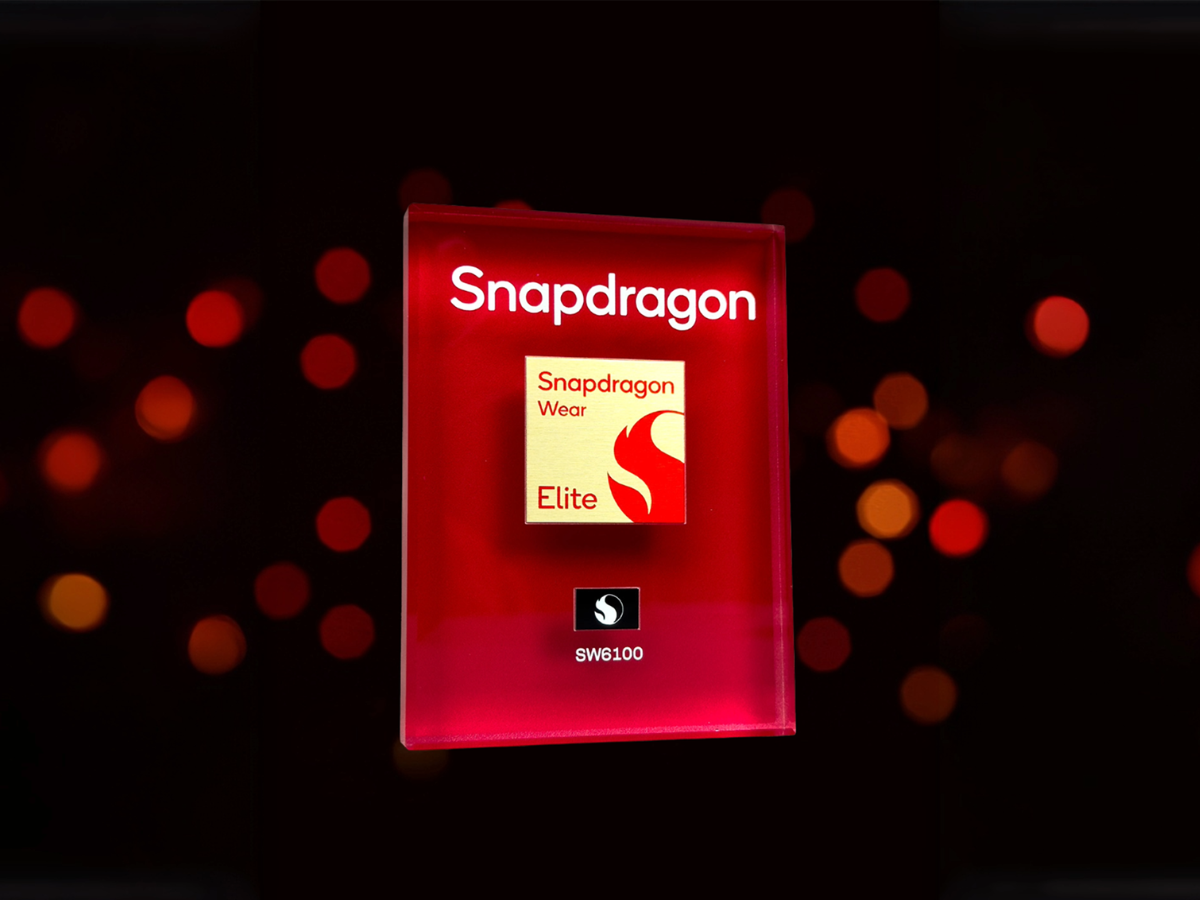
Qualcommβs latest system on a chip for wrist wearables is here, and it jumps on the Elite naming scheme with more power and on-device AI capabilities for the agentic AI era. Itβs set to power the next-generation of flagship WearOS smartwatches as well as upcoming AI wearables like pins and pendants with added support for Android and Linux. From a performance standpoint, Qualcomm claims the Wear Elite brings 5x CPU performance, up to 7x GPU improvement and 30% longer battery life when compared with the outgoing Snapdragon W5+ Gen 2 platform. Wear Elite is fabbed on a 3nm architecture...
Samsung showcased its latest display technology at Mobile World Congress (MWC) 2026, focusing on better privacy features and improved screen designs. At the event, Samsung Display used the Galaxy S26 Ultra to demonstrate its new ideas.
The Galaxy S26 Ultra already comes with a Privacy Display feature. This technology makes the screen difficult to see from the side, helping protect personal information like PINs and passwords. When turned on, it currently covers the entire screen to keep your data safe from people nearby.
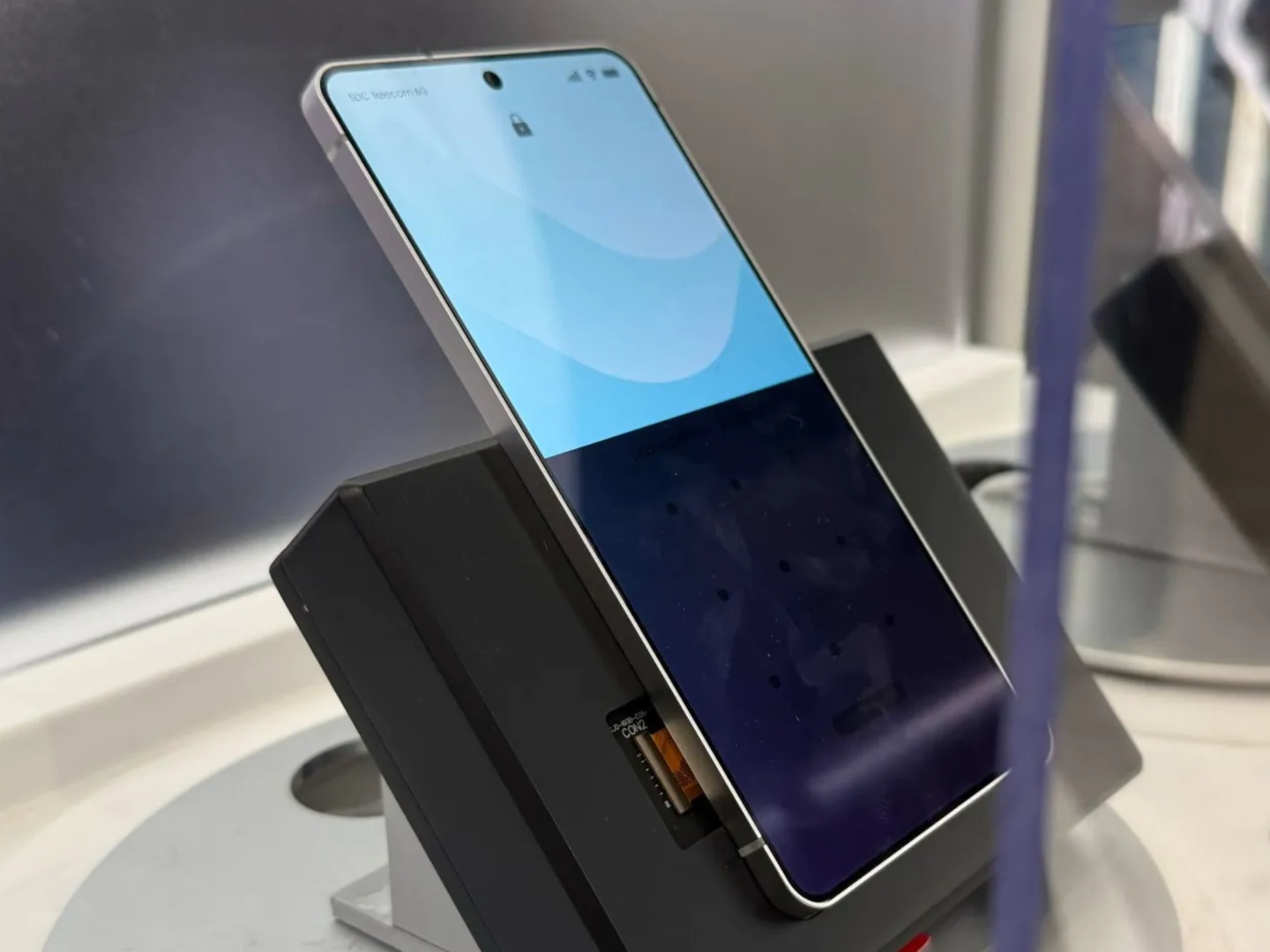
Samsung is now developing a smarter version of this feature. Instead of blocking the whole screen, the new system can protect only certain parts. One example shown at the event hides just the bottom half of the display. This would allow users to type a PIN or password safely while keeping the top half visible.

Image via 9to5Google
Another version hides only the Edge panel. While this may not seem very important, it shows Samsung is testing different options.

Image via 9to5Google
The company mentioned that these new features are still under development. The phoneβs hardware already supports them, but the software is not fully ready. This means the update could arrive in the future through a software release.
Samsung also introduced LEAD 2.0, a new display technology that offers thinner bezels and brighter screens. In addition, a slidable phone concept was displayed, giving a glimpse of what future Samsung devices might look like.
The post Samsung showcases new Privacy Display options at MWC 2026 appeared first on Sammy Fans.


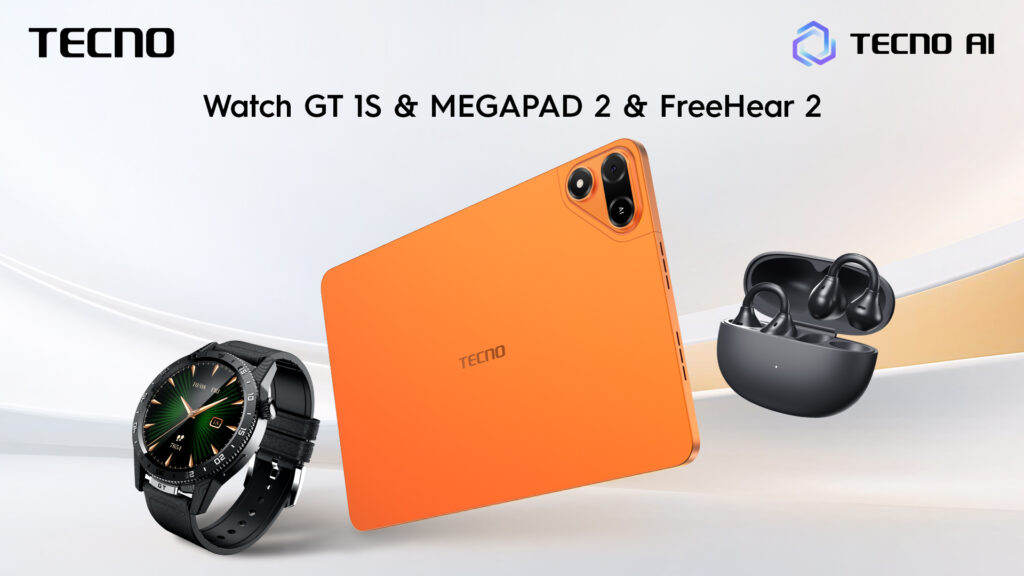
Tecno is having a busy schedule this year at MWC 2026 in Barcelona and is now announcing the Watch GT 1S smartwatch, the MEGAPAD 2 tablet and a pair of open-ear wireless buds called FreeHear 2. All three devices come alongside the Tecno Camon 50 Ultra that came out yesterday. Starting with the MEGAPAD 2, which is a mid-tier tablet designed for multimedia and education. It's built around an 11-inch 2.5K display, ticking at 90Hz and offers TΓV Low Blue Light certification. The chassis is just 6.6mm thin, making it easy to carry around. Tecno emphasizes the various AI-powered features...
At Mobile World Congress 2026, Samsung showed its new phone screen β LEAD 2.0. This screen is very bright, shows strong colors, and has very thin edges, almost no borders at all.
Phone companies always try to make screens better. People want screens that are bright, clear, and easy to see in sunlight. Samsungβs LEAD 2.0 does all of this. Compared to Samsungβs current OLED screens, the new screen looks much brighter and more colorful. Even with fewer pixels, pictures and videos look clear and sharp.
Samsung LEAD 2.0 can reach a brightness of 5,000 nits. For comparison, the Galaxy S26 Ultra screen can reach 2,600 nits. This means the new screen will be easier to see outside. It will also make videos and photos look better and show more details in bright light.

Image via Android Authority
The demo phones also had very thin edges. This shows that future Samsung phones could have almost no borders. A screen like this looks bigger and nicer without making the phone bigger.
Samsung has been making better phone screens for many years. The Galaxy S26 Ultra has a Privacy Display that hides the screen when seen from the side. LEAD 2.0 focuses on making the screen look amazing with bright colors, sharp details, and clear pictures.
We do not know yet when Samsung will put these screens in phones, but the demo shows a bright and colorful future. Videos, games, and pictures will look much better on these new screens.
Samsungβs LEAD 2.0 shows that phone screens are getting brighter, more colorful, and almost edge-to-edge. In the future, phones could look sharper and more vivid, which makes them more fun and enjoyable to use every day.
The post Samsung presents advanced phone screens with minimal bezels appeared first on Sammy Fans.
Samsung Galaxy S26 Ultra is officially here, and the delivery has already started, at least for some lucky buyers. The S26 Ultra is packed with several new features and outstanding performance, but it includes a unique privacy feature that you wonβt find anywhere else.
When you use phones in public areas like trains, in cafes, or at work, privacy on your screen is a big thing to protect. Thereβs always someone next to you who looks at your messages or banking app.
Thanks to Samsungβs Privacy Display, you wonβt face the annoying issue. Is it enough to make you switch from your iPhone or Pixel? Maybe. Letβs talk about it honestly. So, what exactly is this Privacy Display?
Samsung calls the tech Flex Magic Pixel (itβs in the OLED panel). Itβs built right into the screen.Β How does it work? Basically, the pixels can switch how they send light: a normal wide view for you when you are looking straight, or a narrow view so side-viewers see almost nothing. You can activate this feature just by swiping down to Quick Settings and tapping on the toggle.
There you will find the following levels:
It uses some AI to spot sensitive things (like PIN entry) and turn on protection automatically. The screen looks totally normal when it is off, bright, colorful, and has no weird tint.
Samsung is far ahead on this feature right now. iPhones have good software privacy (Face ID, encrypted stuff, tracking blocks), but the screen is visible; anyone beside you sees everything clear as day unless you add a film. Google Pixels are great for clean software, AI edits, and a security chip, but thereβs no built-in privacy screen.
Brands like Xiaomi, Oppo, Vivo, and others copy display tech fast (also using Samsung panels). Rumors say similar privacy features might come in 2026 flagships, but as of now, the S26 Ultra has it first.
The Galaxy S26 Ultra has a faster chip, better cameras (wider lenses, zoom upgrades), more Galaxy AI smarts, S Pen stuff, good battery. But if you have a S25 Ultra, a lot feels like small steps forward. Privacy Display is the new thing. Itβs useful every single day, not some one-trick gimmick.
To make it a must-have for normal people, Samsung needs big ads, simple ones like βYour screen, your eyes onlyβ in real-life situations. If the company pushes it, more people will notice.

My take:
Yeah, this makes me (or you) pick the S26 Ultra. Privacy feels more important now than ever, with data leaks and crowded spaces everywhere. Samsungβs Privacy Display is better than what Apple or Google offer right now, and even if copies come, this version feels the most unique. If privacy is the main concern, this phone makes upgrading feel meaningful. For me, thatβs enough reason to go for it. Your stuff stays private. Simple as that.
The post Is the Galaxy S26 Ultraβs Privacy Display enough to make you switch? appeared first on Sammy Fans.


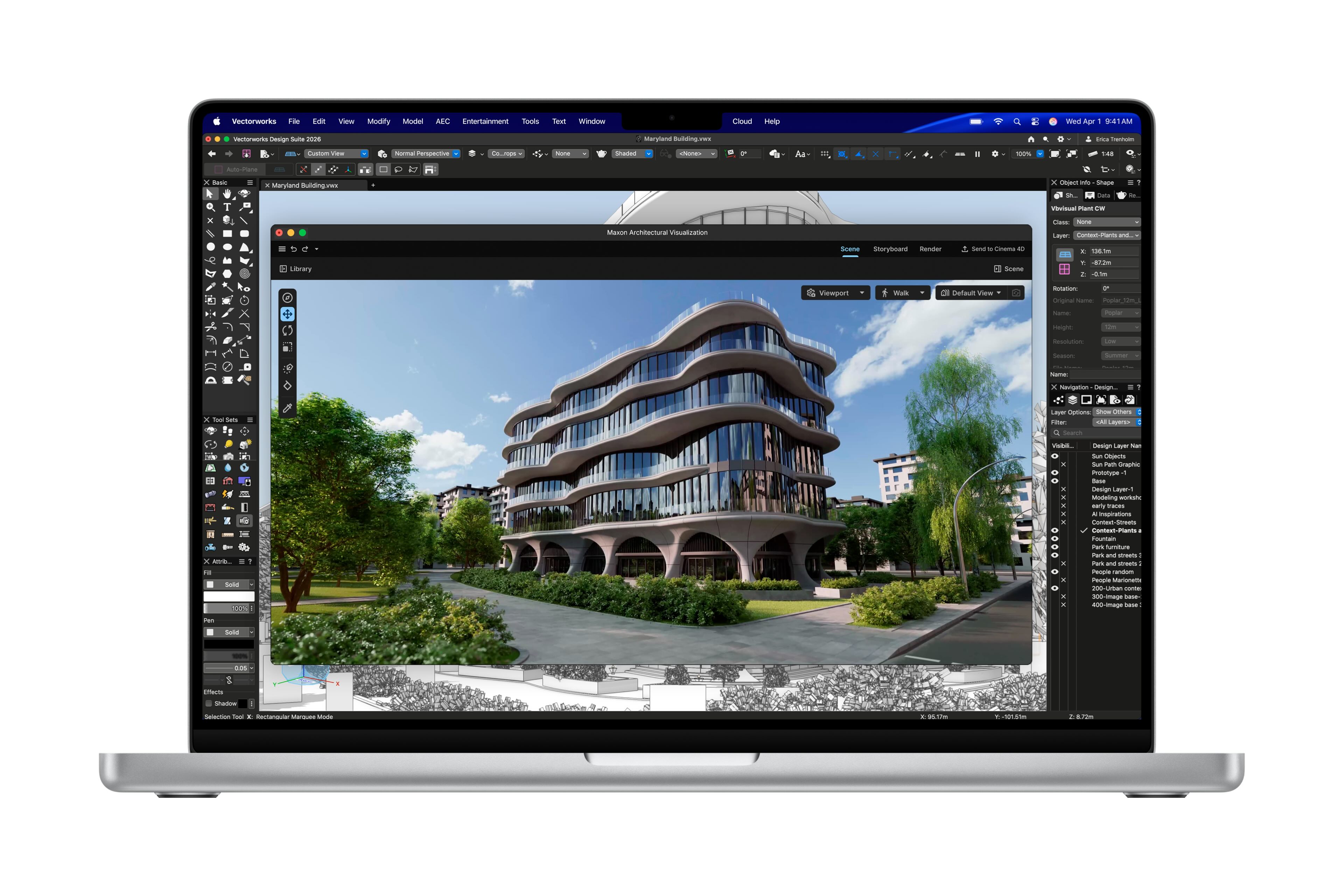
Apple today announced updated models of the MacBook Air and the MacBook Pro with its latest generation M5 processors, which also include the brand new M5 Pro and M5 Max. The company also announced two new models in the Studio Display series. The 2026 MacBook Air now gets the Apple M5 chip, which was first introduced last year on the 14-inch MacBook Pro and iPad Pro. This chip features the same 10-core CPU and 8- or 10-core GPU configuration as the previous M4, but all the cores are now faster, with the GPU also incorporating a neural accelerator in each core. The base storage has...
Samsung has started rolling out a new software update with the February 2026 patch for the Samsung Galaxy M56. The update focuses mainly on improving device security. It fixes several known issues and improves system protection. The rollout has currently begun in India.
February 2026 security update comes with firmware version M566BXXU5BZB4. It has a download size of 499.16MB. While the main focus is security, users may also notice small improvements in system stability. These updates help the device perform more smoothly.
The latest update fixes 37 security vulnerabilities. These issues were related to Android and Samsungβs own software features. By addressing them, Samsung ensures better protection for user data and privacy. Regular security patches are important to keep smartphones safe from new threats.

Source β Samsung
Samsung originally launched the Galaxy M56 in April 2025 with Android 15-based One UI 7. The company promised six major Android or One UI upgrades and six years of security updates. So far, the phone has already received One UI 8.0 based on Android 16. Five major updates are still expected in the future.
To download the new update, users can go to Settings, then tap Software update, and select Download and install. It is recommended to use a stable Wi-Fi connection. Also, make sure the phone has enough battery before starting the installation. The update may take a few days to reach all devices.
The Galaxy M56 is also eligible for One UI 8.5. Samsung recently showcased the stable One UI 8.5 version with the Samsung Galaxy S26 series. The new version is expected to roll out to supported devices in the coming weeks. Stay tuned for more information.
The post Samsung pushes February 2026 security update to Galaxy M56 users appeared first on Sammy Fans.


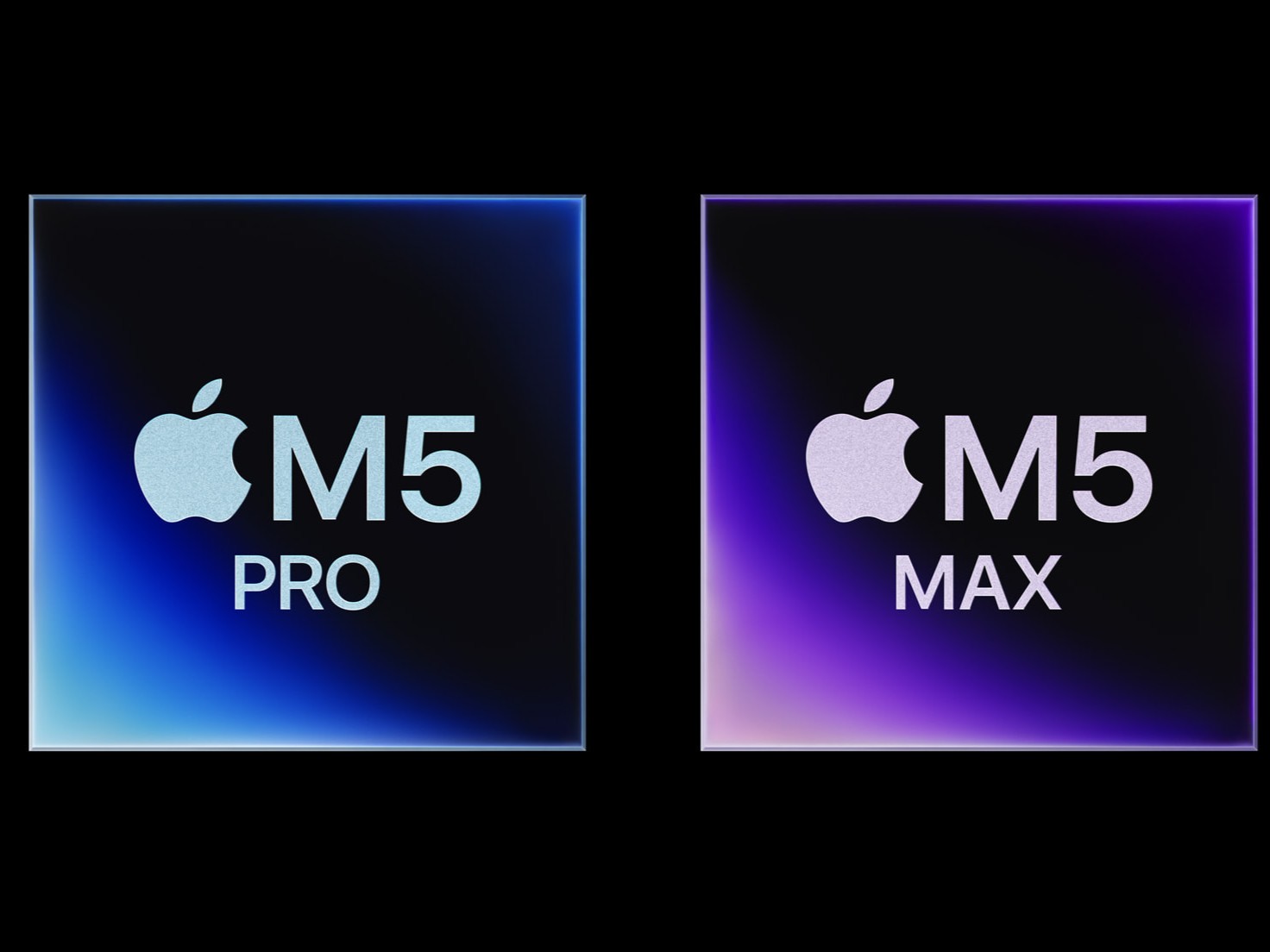
Apple continues its hot week of announcements with the highly-anticipated new M5 Pro and M5 Max chipsets, which will debut as soon as tomorrow on the new Apple MacBook Pro 14 and 16 models. Both the M5 Pro and M5 Max use Apple's all-new Fusion Architecture, which combines two third-gen 3-nanometer dies by using advanced packaging. The two dies feature a new 18-core CPU that's shared across M5 Pro and Max, a scalable GPU, Media Engine, unified memory controller, Neural Engine, and Thunderbolt 5 capabilities. Both M5 Pro and M5 Max share an 18-core CPU with 6 super cores and 12...
Smartphone brands continue to explore new ways to improve the camera capabilities of their phones and partner with established companies in the imaging industry. The latest partnership announced during MWC 2026 is the one between Honor and ARRI. For those unfamiliar with ARRI, it's a German-based manufacturer of motion picture film equipment founded in 1917. It produces professional motion picture cameras, lenses, lighting and post-production equipment. Over the years, the company has won 20 different scientific and technical awards from the Academy of Motion Picture Arts and...
Samsungβs new Galaxy S26 lineup is here, and if youβre interested in using Androidβs built-in Linux terminal. Thereβs something important to know that not every model supports it.
Last year, Google added a powerful Linux terminal feature to Android. It first worked on Google Pixel phones and lets users run a real Linux environment directly on their device. This is especially useful for developers and tech enthusiasts who like to code or test tools on the go.
With the launch of the Samsung Galaxy S26 series, many people wondered if Samsung phones would support it too. Now we have a clear answer.
The Linux terminal works only on the Exynos versions of the Galaxy S26 and the Samsung Galaxy S26 Plus. These versions are mostly sold outside the United States, China, and Japan. In those regions, Samsung uses its own Exynos processors inside the phones.

However, the Snapdragon versions do not support the feature. This includes the Samsung Galaxy S26 Ultra, which uses a Snapdragon chip in all markets.
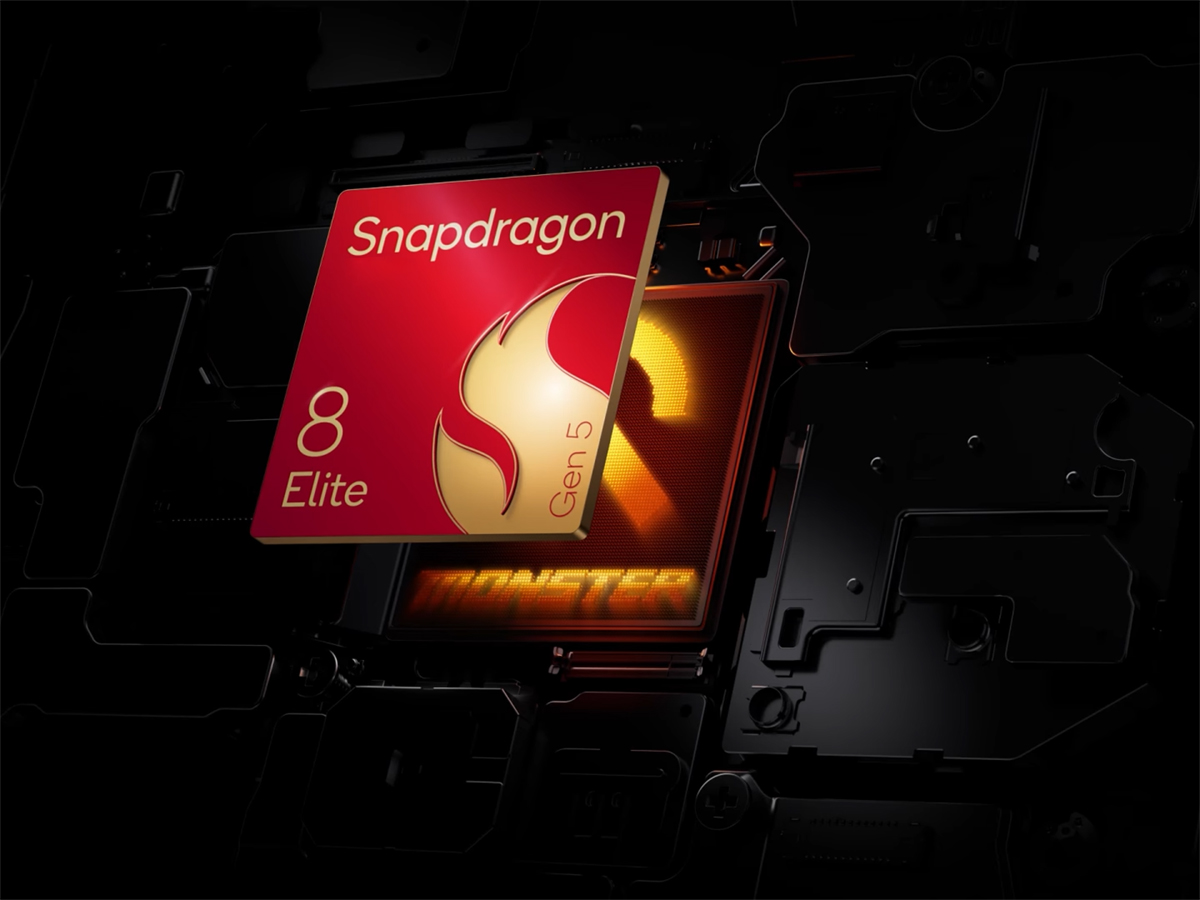
The reason is technical that the Snapdragon 8 Elite Gen 5 processor does not support a feature called non-protected virtual machines, which is required for Androidβs Linux terminal. When users try to open the terminal on these models, they see an error message.
There is some good news. The Samsung Galaxy Z Flip 7 also supports the Linux terminal. So, if having a Linux terminal on your phone is important to you, make sure you buy an Exynos-powered Galaxy S26 or S26 Plus. The processor inside the phone really matters this time.
The post Not all Samsung Galaxy S26 phones support Androidβs Linux terminal β hereβs what does appeared first on Sammy Fans.


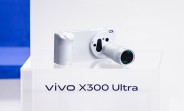
Up until now, we were only speculating about vivo's intentions to launch its X300 Ultra globally. There were clues in the past few months in the form of international certification documents, but now we have the official confirmation from vivo itself - the X300 Ultra is indeed coming to the international market, making it the first X Ultra to step outside of China. To hype up fans abroad, vivo showcased the phone's video recording capabilities at MWC 2026 in Barcelona. After mastering the still photos, vivo is now tackling videography and video production with its X300 Ultra flagship,...
Galaxy S26, S26+, and S26 Ultra donβt use a 10-bit display that Samsung showcased at launch. The correction came after the Unpacked event, after the specs went out, after people started pre-ordering based on what Samsung revealed.
During the Galaxy S26 Ultra launch, Samsung representatives mentioned the upgrade to a 10-bit display. A genuine upgrade, especially when you consider that brands like OnePlus, Xiaomi, and even Oppo have been shipping 10-bit phones for years now.
However, a Samsung spokesperson reached out to SamMobile days later with a quiet walk-back: actually, itβs 8-bit color depth. And thatβs not just the Ultra, but the standard S26 and the S26+ are also rocking 8-bit panels.
A proper 10-bit display can render 1.07 billion colors, while an 8-bit display can render 16.7 million. The difference shows up in gradients, less banding, smoother transitions, and more accurate color reproduction.
The Korean tech giant appears to be using frame rate control, or FRC, to simulate 10-bit output on 8-bit hardware. Itβs often called β8-bit + FRCβ in the industry, and it does reduce banding compared to plain 8-bit.
Ice Universe isnβt panicking about the 8-bit thing. Heβs more worried about something else: overall display quality. His advice? Go to a store, set both the S25 Ultra and S26 Ultra to 2K resolution, disable Privacy Mode, and look closely at text rendering, then decide.
Samsungβs the biggest Android player on the planet, and theyβre still shipping 8-bit displays while the competition moved on. You can dress it up with FRC and call it good enough, but the fact remains unchanged.
If you pre-ordered based on that 10-bit claim, youβve got every right to be annoyed.

The post Samsung lied? Galaxy S26 phones feature artificial 10-bit display, not true hardware appeared first on Sammy Fans.
Samsungβs first-ever Privacy Display feature on the Galaxy S26 Ultra comes with a catch: the screen is actually dimmer than the Galaxy S25 Ultra, even with the privacy tech turned off.
Tomβs Guide just put the Galaxy S26 Ultra through lab testing, and the results reveal that the Privacy Display upgrade has made the screen actually dimmer than last yearβs model.
The test revealed that the Galaxy S26 Ultra hits 1,806 nits at peak brightness, while the Galaxy S25 Ultra hits 1,860 nits. Samsung rates the 6.9-inch AMOLED panel at 2,600 nits, but real-world testing shows it falls short.
Tomβs Guide noticed the S26 Ultra looks visibly dimmer from the sides compared to the S25 Ultra, even with Privacy Display completely disabled.
Since the Flex Magic Pixel technology is integrated into the panel structure, this means youβre living with the trade-off, whether you use the feature or not.
When you do flip Privacy Display on, things get rough.
With Maximum Privacy Protection enabled, brightness drops to 586 nits. Thatβs a 67.6% drop from the 1,209 nits you get with adaptive brightness on. Turn off adaptive brightness entirely, and itβs worse: 248 nits with privacy mode active.

Source β Samsung Display
Privacy screens have always been dim. Anyone whoβs used an aftermarket protector knows this. Unlike privacy screen protectors that stick on permanently, Samsungβs implementation can be toggled, which is the entire point.
You sacrifice brightness when you need privacy, then flip it off and get your flagship experience back. The Privacy Display is genuinely innovative tech, no question, but it shouldnβt have come at the expense of screen brightness.
Related article:
The post Samsungβs Privacy Display makes Galaxy S26 Ultra dimmer than the S25 Ultra appeared first on Sammy Fans.


From Europe to Japan, Samsung is expanding its AI-powered 5G network infrastructure. In a recent development, the company has made two big announcements, disclosing evolving partnerships with local carriers.
Building on the current Open RAN deployment in Germany, the collaboration embraces AI computing platforms and automation.
Samsung, in collaboration with Vodafone, completed Europeβs first call using its virtualized RAN (vRAN) solution powered by Intelβs Xeon 6 SoC.
The test, conducted alongside partners Dell Technologies and Wind River, ran on a single high-performance server supporting 2G, 4G, and 5G networks, with commercial deployment planned for 2026.
To manage this software-driven network at scale, Samsungβs AI-powered CognitiV Network Operations Suite (NOS) enables one-click deployment and streamlined upgrades.
Samsung powers Rakuten Mobileβs cloud-native 5G network with a comprehensive O-RAN portfolio, accelerating AI and Openness.
Samsung announced it will supply O-RAN-compliant 5G radios to Japanβs Rakuten Mobile. It aims to support and expand its cloud-native Open RAN network, with commercial deployment expected to begin this year.
The companyβs radio portfolio for this deal includes low-band (700MHz), mid-band (1.7GHz), and Massive MIMO (3.8GHz) solutions. Both companies expressed ambitions to expand their Open RAN collaboration beyond Japan.
The post From Europe to Japan, Samsung expanding its 5G infrastructure appeared first on Sammy Fans.


Samsungβs Galaxy Watch 7 starts receiving the February 2026 update. It follows the November 2025 security patch, which landed after the One UI 8 Watch switch.
Galaxy Watch models are eligible for a new security update every quarter. Unlike flagship phones, they are not eligible for the latest patches that come every month.
We are already in the month of March, and Samsung just dropped the details of this monthβs security patch. It includes fixes for 60 CVEs from Google and 7 SVEs from Samsung to ensure security on Galaxy devices.
Meanwhile, the Galaxy Watch 7 is getting the February 2026 security update. It sounds older, but the reality is the rollout took longer than usual. It should have been here in February only, but it didnβt arrive.
Samsungβs February patch can be identified via PDA build version ending with BZB1. It weighs less than four hundred megabytes, requiring some time to download. Installation can only be processed once the package is extracted on the device.
Last month,Β Samsung was busy with the Galaxy S26 series. Not many Galaxy phones received the February patch either. The rollout mechanism has now reactivated, and phased distribution is already underway.
Galaxy Wearable is the easiest to install the latest updates on Galaxy Wearables. Open the app, navigate to the Watch settings > Watch software update. Hit the Download and install key to begin fetching, followed by Install now.

Source β Samsung Community Korea
The post February 2026 update arrives for Galaxy Watch 7 appeared first on Sammy Fans.


Early last month, details about a new mid-range device, the Honor 600 Lite, surfaced online. The handset is likely to be part of the upcoming Honor 600 series. While Honor hasn't made any details about the 600 Lite official, the phone has been listed online. The Honor 600 Lite offers a premium build with a metal frame, a glass rear panel, and an IP66 rating, according to the online listing. The device also appears to have a dedicated camera shutter button. Honor 600 Lite in Velvet Black As per the listing, the phone is powered by the MediaTek Dimensity 7100 Elite SoC, paired with...
Oppo's Find X9 series includes two smartphones - Find X9 and Find X9 Pro. Earlier last month, Oppo said that the Find X9s would launch soon in India with the Dimensity 9500s SoC. And today, Oppo announced that the Find X9 Ultra will debut globally later this year, making it the first Ultra model in the Find X lineup to launch outside China. Oppo stated that the Find X9 Ultra's global launch underscores its long-term commitment to the global market. The Find X9 Ultra's imaging system is co-developed with Hasselblad and it "integrates the most advanced imaging system Oppo has ever developed...
Samsungβs done with the Galaxy S26 series reveal, and the focus is now being shifted to A-series phones. A credible source has now revealed the potential colors of the upcoming Galaxy A37 and Galaxy A57 phones, and they are not random.
According to RolandQuandt, the Galaxy A37 and Galaxy A57 will be available in five colors. With its 2026 mid-range models, Samsung is bringing some brilliant shades, which were previously debuted with flagship models in the past.
Galaxy A37 colors:
Galaxy A57 colors:
Samsung played it smart with the Galaxy S26 series colors. Now, the company is ready to impress its fans with the Galaxy A37 and A57 color shades. Some of the palettes are inspired by Galaxy S and Z series phones released earlier.
Summary of the connections
Galaxy S26 series is available for preorders, with the release set for March 11. Samsung could launch the A37 and A57 by the end of March or early April. These models are pretty important for Samsung in securing volume.
The post Galaxy A37 and A57 feature iconic colors from S25, S23 and Z Fold4 appeared first on Sammy Fans.


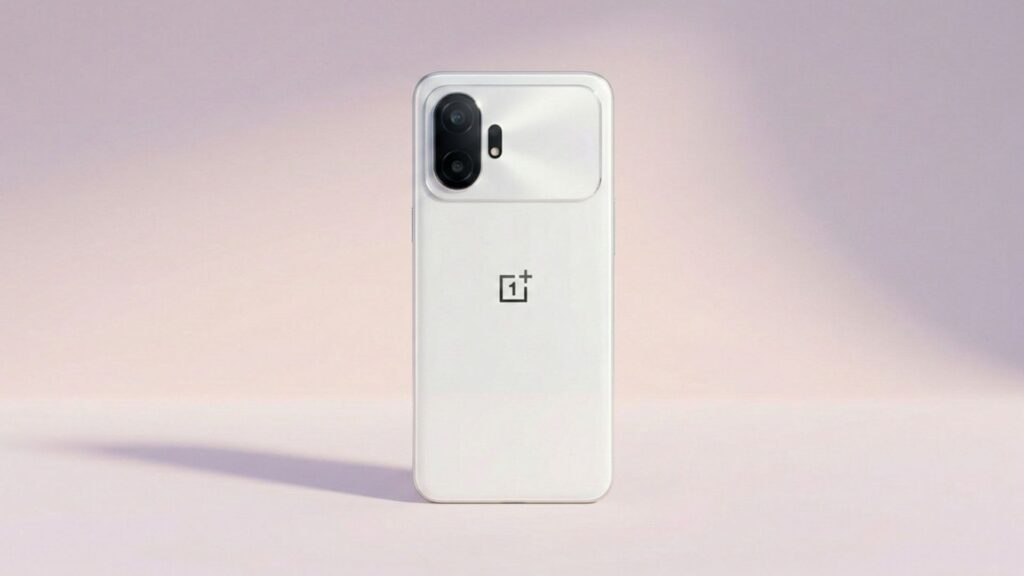
The OnePlus 15T is expected to debut in China later this month. Ahead of its launch, OnePlus has confirmed key details, describing it as a compact flagship with an upgraded periscope telephoto camera. Now, a company executive has revealed new details about the phoneβs display. OnePlus China President Li Jie took to Weibo to share an image of the OnePlus 15Tβs display, highlighting its slim and uniform bezels. In the teaser, the upcoming phoneβs display is compared to what appears to be Appleβs iPhone 17 Pro. The bezels on the phone clearly appear to be slimmer than those on the...
Samsung has reportedly delayed its 2nm Texas chip fab to next year, impacting Tesla and Big Tech. Reports emerging from Samsungβs home turf signal a halt in the mass production timeline for the US chip factory.
According to KoreaJoongangDaily, Samsung has postponed the mass production at its Texas chip plant to next year, and itβs going to impact Tesla and Big Tech companies.
Multiple sources with knowledge of the matter have made this claim. For context, the Korean tech giant has decided to kickstart production at the Taylor facility as early as this year.
Now, Samsungβs Taylor, Texas, chip factory has a new deadline of early 2027. This delay is probably fueled by ensuring seamless production and making the jump directly to the 2nm process.
βIt appears that even internally at Samsung, the timeline for the start of mass production has not yet been finalized,β a source familiar with developments told the Korea JoongAng Daily. βThe schedule has continued to slip, and it is now understood that a full-scale ramp-up for a meaningful volume output could be pushed to early next year.β
Another source at a semiconductor materials firm echoed the setback.
βThe plant has begun pilot operations, but full-scale manufacturing has already been significantly delayed,β the source said. βThe timeline appears to shift frequently, and there is no clear start-of-production milestone,β he said, adding that there appear to be factory utilization issues with specifying further.
Back in January 2026, Samsung Foundryβs VC disclosed plans to mass produce 2nm chip at Texas fab and develop design infrastructure for the second-generation process targeting mass production in the second half of the year.
The post Samsung reportedly delays Texas 2nm chip fab to 2027 β What it means for Tesla and Big Tech appeared first on Sammy Fans.

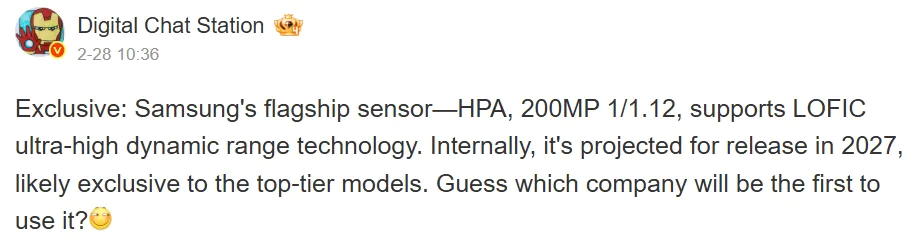
With the Galaxy S26 Ultra and its siblings now official, attention is already shifting to the Galaxy S27 series. The latest leak, however, isnβt directly about the 2027 phones themselves. Instead, it points to a new camera sensor currently being developed by Samsung, which could eventually make its way into the Galaxy S27 Ultra. According to tipster Digital Chat Station, Samsung is developing a new flagship 200MP ISOCELL sensor, reportedly dubbed HPA. The sensor is said to feature a large 1/1.12-inch format and could debut in smartphones in 2027. The tipster also claims that the...
Samsungβs March 2026 security update roadmap is out, and for Galaxy S26 buyers, it carries a clear message: your phone is at the highest level of the protection queue.
The Galaxy S26, Galaxy S26+, and Galaxy S26 Ultra have all been placed directly into Samsungβs Monthly Security Update tier. This means the moment a patch drops, these devices are among the first to receive it.
Monthly tier is the gold standard
Samsungβs update program runs on two tracks.
For a device sitting at the $899-plus price point, waiting a full quarter for a known patch to arrive is not an acceptable trade-off. That said, the Galaxy S26 series entering the Monthly tier from day one is not a small thing.
The standard Galaxy S26, the Galaxy S26+, and the Galaxy S26 Ultra are listed as a unit under the monthly schedule. There is no tiered entry here, where the Ultra gets priority and the base model trails behind.

Samsung has historically kept the core S-series family together on update timelines, and the March roadmap continues that pattern.
Moving down the lineup, Samsungβs March roadmap also brings three new additions to the quarterly security tier. The Galaxy A07 5G, Galaxy M17e 5G, and Galaxy F70e 5G are all newly listed this month.
One detail that often gets overlooked in these monthly roadmap updates: stability. Every single device listed in February 2026 retains its update status in March.
The post Samsung is giving the Galaxy S26 its highest level of protection appeared first on Sammy Fans.
Days after March commenced, Samsung revealed the latest security update details for the third time in 2026. Samsungβs January and February SMR packages seem filler, with the March release containing great improvements.
Together with the March 2026 update details, Samsung has also refreshed the software rollout roadmap, adding six new models. The company hasnβt retired any Galaxy device this month, nor adjusted the release timeframe.
Googleβs participation has significantly increased this month. The company alone is patching eight critical and fifty-two high-level CVE items.
Google Patches for the following CVEs from Android Security Bulletin are applied in this Security Maintenance Release β March 2026 Package.
Critical β 8
High β 52
CVE-2024-31328, CVE-2025-10865, CVE-2025-13952, CVE-2025-2879, CVE-2025-32313, CVE-2025-38616, CVE-2025-38618, CVE-2025-39682, CVE-2025-39946(A-432728472), CVE-2025-39946(A-446648770), CVE-2025-40266, CVE-2025-47384,
CVE-2025-47385, CVE-2025-48544, CVE-2025-48567, CVE-2025-48578, CVE-2025-48579, CVE-2025-48582, CVE-2025-48585, CVE-2025-48587, CVE-2025-48615, CVE-2025-48634, CVE-2025-48636, CVE-2025-48642, CVE-2025-48644, CVE-2025-48653,
CVE-2025-48654, CVE-2025-58407, CVE-2025-58408, CVE-2025-58409, CVE-2025-58411, CVE-2025-59600, CVE-2025-64783, CVE-2025-64784, CVE-2025-64893, CVE-2026-0005, CVE-2026-0011, CVE-2026-0012, CVE-2026-0013, CVE-2026-0024,
CVE-2026-0025, CVE-2026-0029, CVE-2026-0032, CVE-2026-0034, CVE-2026-0035, CVE-2026-20425, CVE-2026-20426, CVE-2026-20427, CVE-2026-20428, CVE-2026-20434, CVE-2026-21385, CVE-2026-21735
Already included in previous updates
Not applicable to Samsung devices
Samsung Mobile provides 7 Samsung Vulnerabilities and Exposures (SVE). These improve system stability and core functionalities across the One UI software system.
High
Moderate
Some SVE items included in the Samsung Android Security Update cannot be disclosed at this time.
The post Samsungβs March 2026 update carries 67 urgent patches, details go official appeared first on Sammy Fans.

Samsung has once again updated its One UI software rollout roadmap, this time in March 2026. The Monthly and Quarterly charts remain largely unchanged for existing devices, with the addition of around 6 models.
The company has also shared the details of its March 2026 security update. Samsung was pretty slow in the February patch rollout. It is expected that Galaxy devices should receive the March patches early this month.
Samsungβs Monthly and Quarterly roadmap has arrived.
Current Models for Monthly Security Updates
The Monthly schedule has added three models: Galaxy S26, S26+, and S26 Ultra. Older devices have been retained from the list of February 2026.
Galaxy Foldable Series
Galaxy S Series
Galaxy A Series
Enterprise Models
Current Models for Quarterly Security Updates
Samsungβs Quarterly roadmap is more like a replica of February 2026. While foldable and flagships remain the same, the Galaxy A, M and F categories have witnessed the addition of one device in each, extending the list further.
Galaxy Foldable Series
Galaxy S Series
Galaxy A Series
Galaxy C Series
Galaxy M Series
Galaxy F Series
Galaxy Tab S Series
Galaxy Tab A Series
Enterprise Models
Samsung has also revealed the March patch details. The update brings fixes for eight critical and fifty two high level of CVEs. Additionally, Samsung provides seven SVE items linked to the One UI software system.
The post Samsung updates One UI software rollout roadmap β March 2026 appeared first on Sammy Fans.
Samsungβs software update rollout was severely dry last month. Following the Galaxy S26 launch, Samsung has started rolling out the February 2026 update to even more Galaxy devices, with expansion taking place in the US.
According to the info (via DroidLife), Samsung is now rolling out the February 2026 update to older foldable models in the US. If you own a Galaxy Z Fold 5, Flip 5, Fold 4, or Flip 4, itβs time to check for the latest security patches.
February update brings 37 patches to Galaxy phones, foldables, and tablets. The package contains 25 CVE items from Google and 12 SVE items from Samsung. Itβs a complete package that improves both Android and One UI.
Software PDA versions:
To get the latest OTA, navigate to Software update menu inside Settings. Hit the Download and install key to initiate finding. Once done, let it download and hit Restart now when you are OK with a brief shutdown for installation.
Over the past few days, Samsung provided the February update to a handful of flagships. Starting with the Galaxy S25 series, the OTA was made available to the Galaxy S24 series and recent foldable and clamshell foldable models.
Previous rollouts
The post Samsungβs February 2026 update is more widely rolling out in the US appeared first on Sammy Fans.


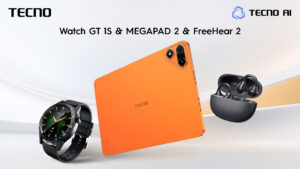
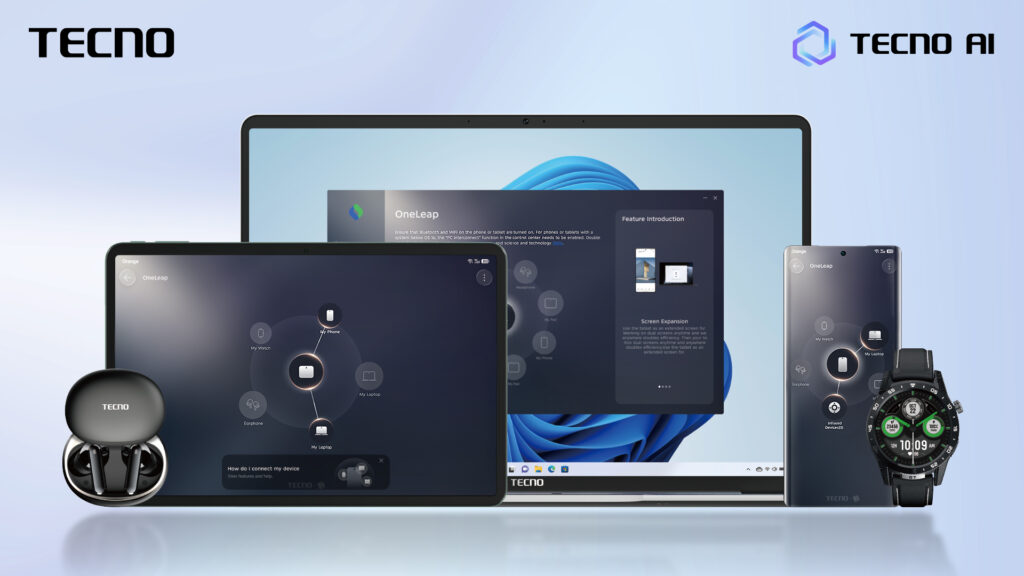
At Mobile World Congress 2026, TECNO announced an upgrade to its AIoT ecosystem. The update is built around TECNO OneLeap, a new interconnection platform that connects smartphones, tablets, PCs, and other smart devices. The company also introduced three new products: the MEGAPAD 2 AI tablet, the Watch GT 1S smartwatch, and the FreeHear 2 open-ear earbuds.

TECNO OneLeap is designed to make multi-device use simple. Devices are discovered automatically and can be connected with a single drag or tap. There is no need for repeated logins or complex setup. Discovery, connection, management, and cross-device interaction are handled in one unified interface.
OneLeap supports three-device collaboration across smartphones, tablets, and PCs at the same time. Trusted devices reconnect automatically. With Keyboard and Mouse Sharing, users can control three screens using one keyboard and mouse. A unified clipboard allows instant sharing of text and files. Images copied on a smartphone can be pasted directly into documents on a tablet or laptop. These tools are built to improve workflow across multiple screens.
The platform also offers flexible display options. A smartphone can mirror to a laptop, while a tablet works as an extended PC display. This enables a three-screen setup. In Phone Widescreen Extension mode, optimized for tablet screen ratios, smartphone and tablet activities stay independent so users can multitask without interruption.
OneLeap also supports real-time, face-to-face translation in more than 160 languages when paired with TECNO audio devices. Translated speech plays through earbuds instantly, and transcripts are saved on the phone for later reference.

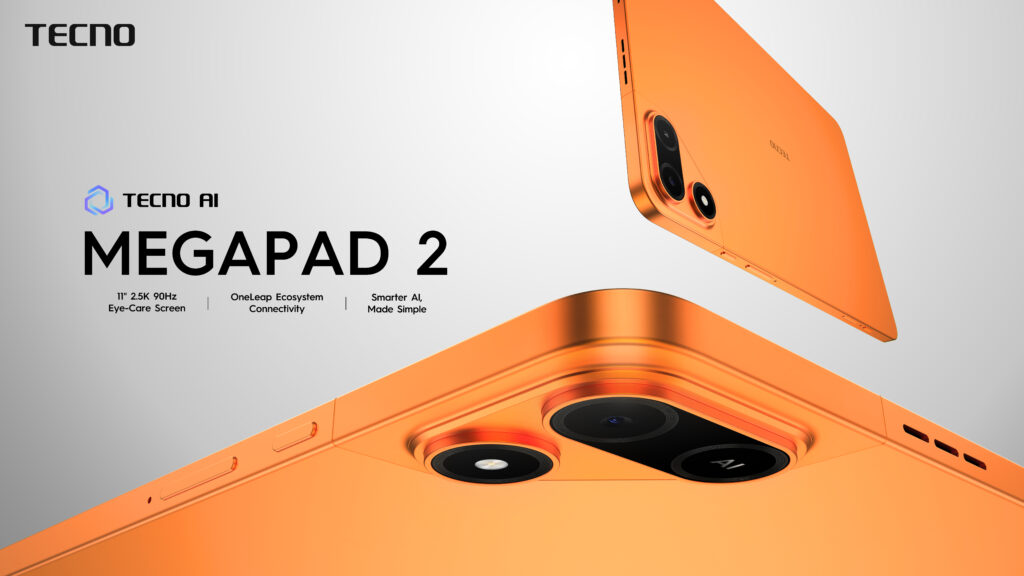
The MEGAPAD 2 features an 11-inch 2.5K display with a 90Hz refresh rate and TΓV Low Blue Light certification. It has a 6.6mm ultra-slim body and runs on HiOS. AI Problem Solving supports independent learning and allows parents to guide children. AI Translation works in up to 140 languages across images, calls, videos, and meetings. AI document summary and writing refinement tools support light study and everyday tasks. Through OneLeap, it supports file sharing and PC screen extension.

The Watch GT 1S includes dual-band L1 and L5 high-precision GPS and motion sensors for stable tracking in urban and remote areas. It monitors heart rate, blood oxygen, stress, and sleep. The battery lasts up to 15 days. It has 5ATM water resistance. AI watch faces can be created using image-to-image or text-to-image customization.
The FreeHear 2 weighs 5.4g per earbud and uses a C-bridge clip design for a secure and natural fit. It features a 10.8mm dual-magnetic dynamic driver for spatial audio. Total battery life reaches up to 46 hours. A five-minute charge provides more than one hour of playback.
The MEGAPAD 2, Watch GT 1S, and FreeHear 2 will roll out in selected global markets during Q1 and Q2 2026. Pricing and regional specifications will be announced at local launches.
Donβt miss a thing!Β Join our Telegram communityΒ for instant updates and grab ourΒ free daily newsletterΒ for the best tech stories!
For more daily updates, please visit ourΒ News Section.
The post TECNO MEGAPAD 2, Watch GT 1S, and FreeHear 2 Go Official with OneLeap Platform appeared first on Gizmochina.
TCL has launched the CrystalClip, a new pair of open-ear, clip-on earbuds designed for comfort, functionality, and style. The company also revealed a special Swarovski edition of the earbuds, which incorporates a detachable crystal accessory for a touch of elegance.

The CrystalClip earbuds use a lightweight, clip-on design to provide a comfortable fit for users who donβt want the intrusive feel of in-ear models. Each earbud weighs just 5.5 grams and features a titanium-reinforced arch bridge for flexibility and durability.
The earbuds include 10.8 mm dual-magnetic dynamic drivers, which TCL claims deliver rich, detailed sound and enhanced bass. The earbuds also support 3D Spatial Audio, which adds depth to music, gaming, and movies. For phone calls, the earbuds use dual-mic AI-powered ENC (Environmental Noise Cancelation) to ensure clear voice quality while reducing background noise.


The earbuds support up to 36 hours of battery life with the charging case, offering 8 hours of playback on a single charge. TCL says users can get 3 hours of playback after just 15 minutes of charging. The earbuds also have IPX4 sweat and splash resistance, ensuring they can handle workouts and light rain.
TCL has added customizable touch controls to the CrystalClip earbuds for music, calls, and voice assistants, along with real-time translation when paired with TCL smartphones.

The special edition CrystalClip earbuds come with a detachable accessory shaped like a rose made with Swarovski crystals. TCL says the crystal accessory can be clipped to the earbuds or worn separately as a decorative piece on bags, hats, or even styled into hair.
TCL will release the standard CrystalClip earbuds in February 2026 for β¬79. The Swarovski edition will launch in Q2 2026 for β¬149. Both models will be available in Asia-Pacific, Europe, and North America.
For more daily updates, please visit ourΒ News Section.
Stay ahead in tech! Join our Telegram community and sign up for our daily newsletter of top stories! 
The post TCL unveils CrystalClip open-ear earbuds with Swarovski special edition appeared first on Gizmochina.
Anker has launched the Soundcore Boom Go 3i Bluetooth speaker in European markets. The portable speaker, already available in the US for $79.99, is now on sale in the UK and Germany for Β£59.99 and β¬69.99. Anker announced the product at MWC 2026 as part of its Soundcore lineup, which also includes the new Space 2 noise-canceling headphones.

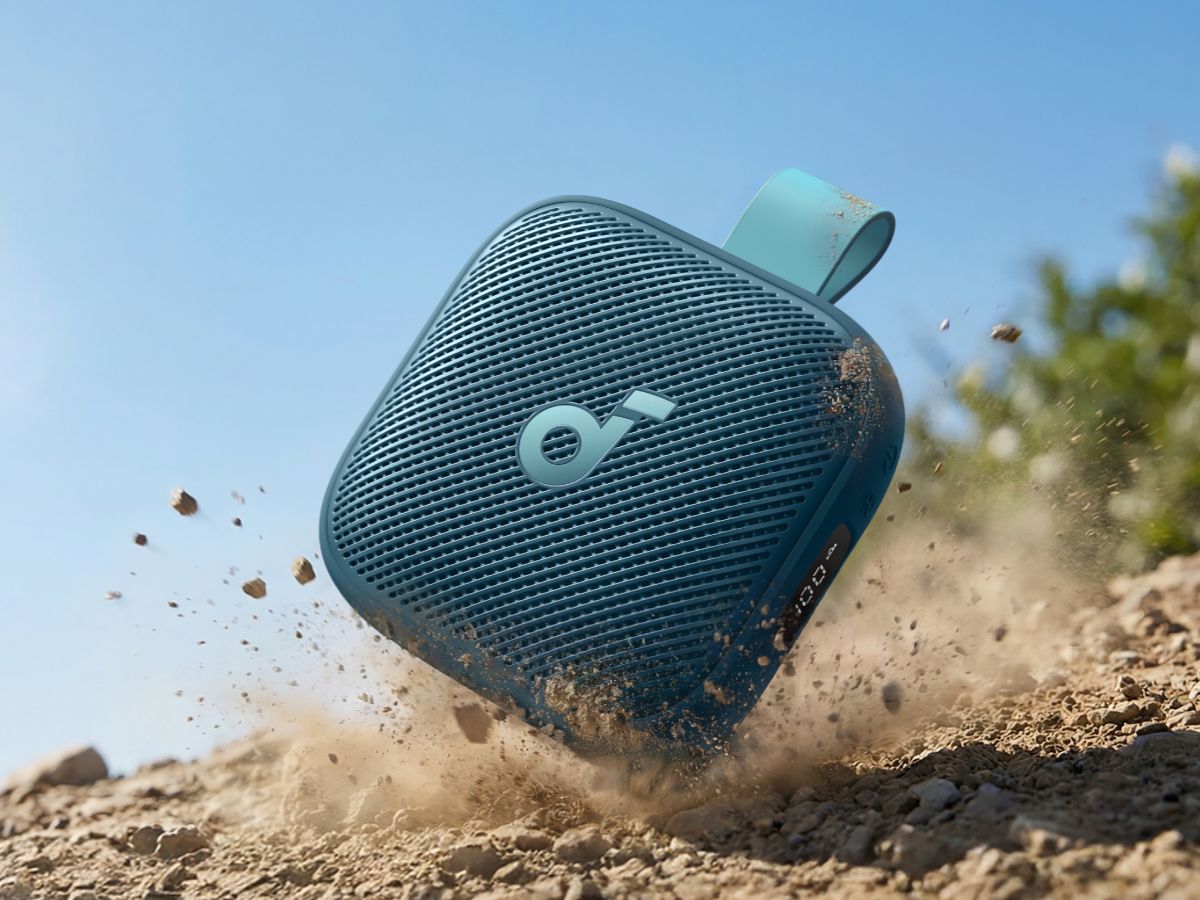
The Soundcore Boom Go 3i is an outdoor speaker with IP68 water resistance, drop protection for falls up to one meter, and a compact yet durable design. It features a 15W driver delivering up to 92dB peak volume and uses BassUp 2.0 technology to enhance low-frequency output for punchy bass.
The speaker offers up to 24 hours of battery life and features an LED indicator for real-time power levels. It also functions as a power bank, capable of charging devices like smartphones, with internal tests showing it charged an iPhone 17 from 0% to 40% in one hour.
Anker added LED lighting that syncs with music, featuring six reactive light modes and eight ambient options, customizable through the Soundcore app.

The Boom Go 3i supports Auracast Bluetooth technology for improved connectivity and device pairing. It allows users to connect multiple devices simultaneously or pair two speakers for stereo sound. The speaker also includes a 92dB emergency alarm that helps users signal for help in outdoor scenarios.
The speaker is available in four colors: Black, Beige, Blue, and Pink. Its compact design and dual-slot silicone strap provide flexibility for carrying or attaching it to backpacks or bikes.
For more daily updates, please visit ourΒ News Section.
Stay ahead in tech! Join our Telegram community and sign up for our daily newsletter of top stories! 
The post Anker launches Soundcore Boom Go 3i portable speaker in Europe appeared first on Gizmochina.
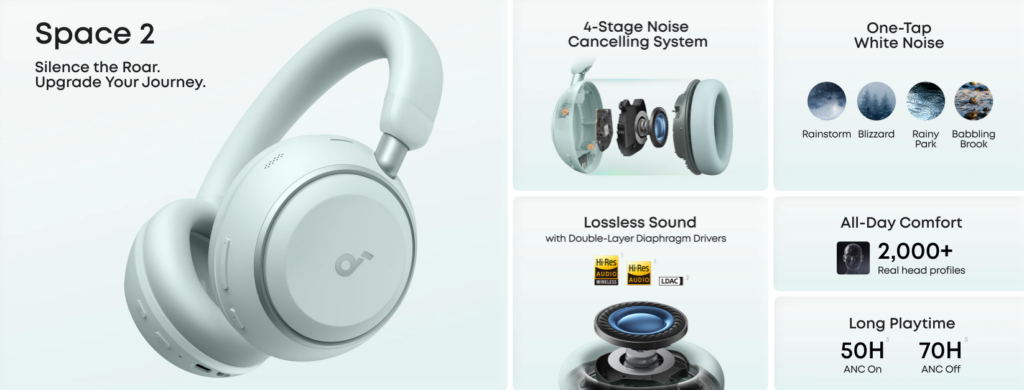
At MWC 2026, Anker has announced the Soundcore Space 2, a pair of over-ear noise-canceling headphones designed for travel and everyday use. The headphones come in three colors: Cream White, Jet Black, and Sage Green.

The Soundcore Space 2 headphones include advanced 4-stage active noise cancellation (ANC) that reduces low-frequency sounds like airplane engines, subway noise, and other background disturbances. The headphones weigh 261 grams, and the earcup design has been updated for a sleek, unified appearance.
The Soundcore Space 2 headphones improve on the Space One with better battery life, upgraded noise cancellation, and a lighter design. The Space 2 delivers up to 50 hours of playback with ANC on and 70 hours with ANC off, compared to the Space Oneβs 40 hours and 55 hours, respectively.
It also features fast charging, and a 5-minute quick charge provides up to 4 hours of playback, making the Space 2 a practical option for users in a hurry.

Anker has used soft memory foam padding to ensure comfort during long listening sessions. The ergonomic design has been tested with over 2,000 real head profiles for an optimal fit, according to the company.
The headphones feature 40mm double-layer diaphragm drivers and support Hi-Res Audio and LDAC, delivering high-quality sound with up to three times the data transmission rate of standard Bluetooth codecs. LDAC is only compatible with Android devices and can be enabled through the Soundcore app.
The Soundcore Space 2 will launch globally on April 21, 2026, through Amazon and Soundcore.com. The headphones will cost $129.99 in the United States, Β£129.99 in the UK, and β¬129.99 in Europe.
In related news, you can also check out our roundup on the best wireless earbuds under $100.
For more daily updates, please visit ourΒ News Section.
Stay ahead in tech! Join our Telegram community and sign up for our daily newsletter of top stories! 
The post Anker unveils Soundcore Space 2 headphones with improved ANC & 70h battery appeared first on Gizmochina.
TCL CSOT is at Mobile World Congress in Barcelona, showing off display tech focused on efficiency over higher resolution. The TCL Technology subsidiary is presenting Super Pixel technology for phones alongside progress in fine-metal-mask OLED, inkjet-printed OLED, and MLED under its APEX brand.

Super Pixel changes how pixels are arranged rather than cramming in more of them. TCL CSOT boosts sub-pixel count by 1.8% to match WQHD SPR sharpness while cutting power use up to 25% through better data processing. The Real RGB layout needs less bandwidth than SPR, pushing refresh rates up to 40% higher.
The real bet is on inkjet-printed OLED manufacturing. TCL CSOT says it spent over a decade on IJP OLED research and started mass production from its G5.5 line in Wuhan in November 2024. Construction kicked off on October 21, 2025 on an 8.6-generation facility in Guangzhou after a $4.15 billion investment. Inkjet printing puts down OLED materials without masks and cuts contamination, but scaling it up is hard because of issues with drying control, production speed, and material limits compared to vacuum evaporation.
TCL CSOT is showing concept hardware to prove what printed OLED can do: a 28-inch tri-fold monitor with a 1.8mm folding radius and 4.48mm profile, plus a 14-inch laptop panel thatβs 0.77mm thick and weighs 77 grams.
The timing matters because competition for large OLED production is heating up. Samsung Displayβs Gen-8.6 FMM tandem OLED line could hit mass production in Q2 2026, with panels headed to Apple MacBook Pro models. TCL CSOT is taking a different route with printed OLED to reach the same IT display market.
TCL CSOT is exhibiting March 2 to 5 at Fira Gran Via, Hall 2, Stand 2M30, during the GSMA show in LβHospitalet de Llobregat.
For more daily updates, please visit ourΒ News Section.
Stay ahead in tech!Β Join ourΒ Telegram communityΒ andΒ sign up for our daily newsletterΒ ofΒ top stories!
The post TCL CSOT Introduces Super Pixel Displays and 8.6-Gen Printed OLED Plans at MWC 2026 appeared first on Gizmochina.
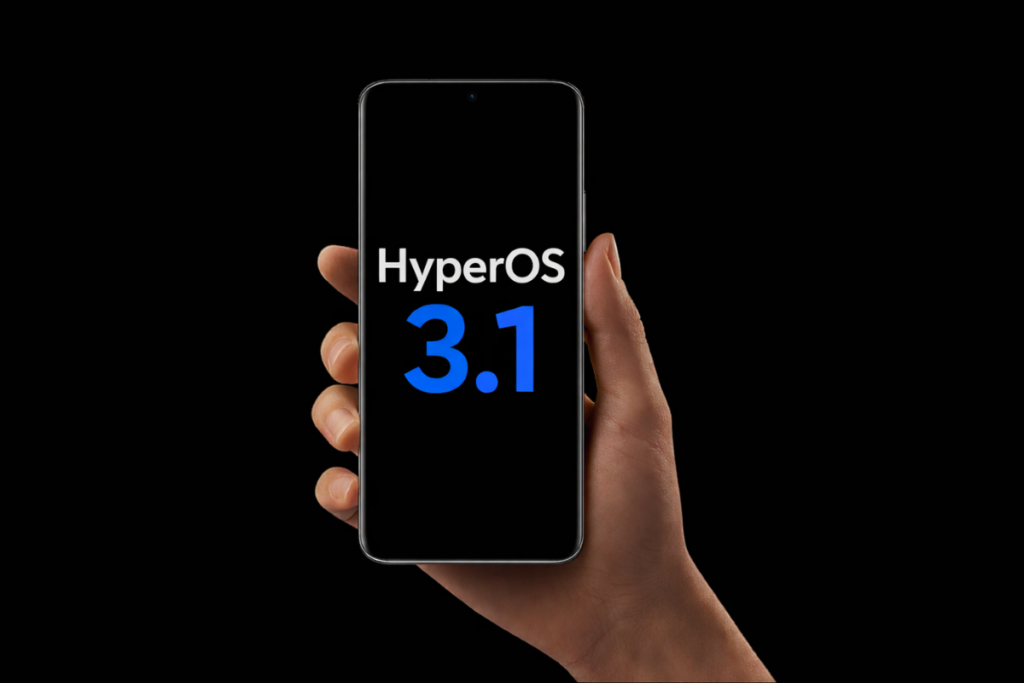
Xiaomi has announced that it has completed the official testing phase for the highly anticipated HyperOS 3.1 stable update, bringing a major Android 16-based software refresh closer to a public rollout. So hereβs everything you need to know.
According to a XiaomiTime report, the OS3.0.301.0 builds, which are the final stable build of HyperOS 3.1, have reached release-ready status. So we can expect the official rollout to kick off soon. This news arrives after weeks of beta testing and marks a key step forward for Xiaomi. Up until recently, the Chinese tech giant was busy rolling out the HyperOS 3 update for more devices, and now we are getting its next evolution.

Although Xiaomi hasnβt published a full changelog alongside the stable readiness announcement, the broader HyperOS 3.1 update is known to be based on Android 16 and brings a blend of UI enhancements, smarter system behaviour, ecosystem connectivity improvements, and optimisations over the base HyperOS 3 release.
Based on our earlier report, HyperOS 3.1 is expected to bring a bunch of features that include:
Brand-new models like the Xiaomi 17 series and the Redmi K90 lineup are expected to be among the first wave of devices to receive this update. The official rollout schedule should be revealed soon, so stick around for more. In the meantime, you can click here to check out every new feature, changes, and the full eligible device list.
For more daily updates, please visit our News Section.
Tech enthusiast? Get the latest news first! Follow our Telegram channel and subscribe to our free newsletter for your daily tech fix! 
The post Xiaomiβs HyperOS 3.1 update is ready for release, testing phase completed appeared first on Gizmochina.
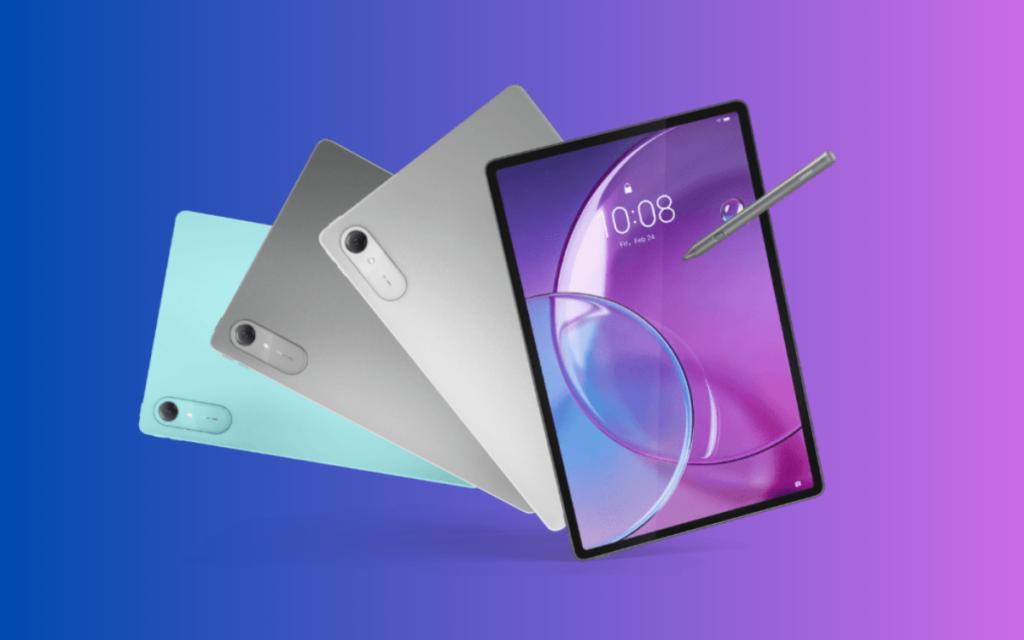
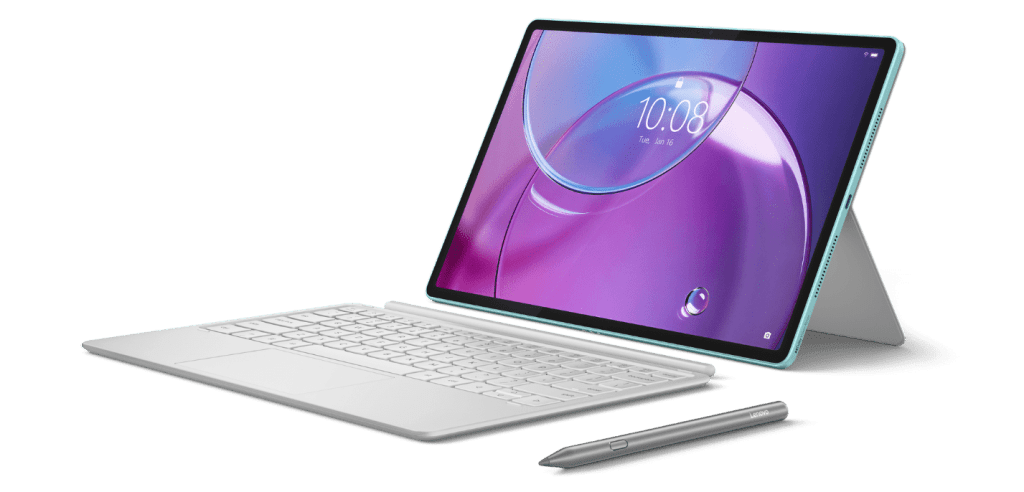
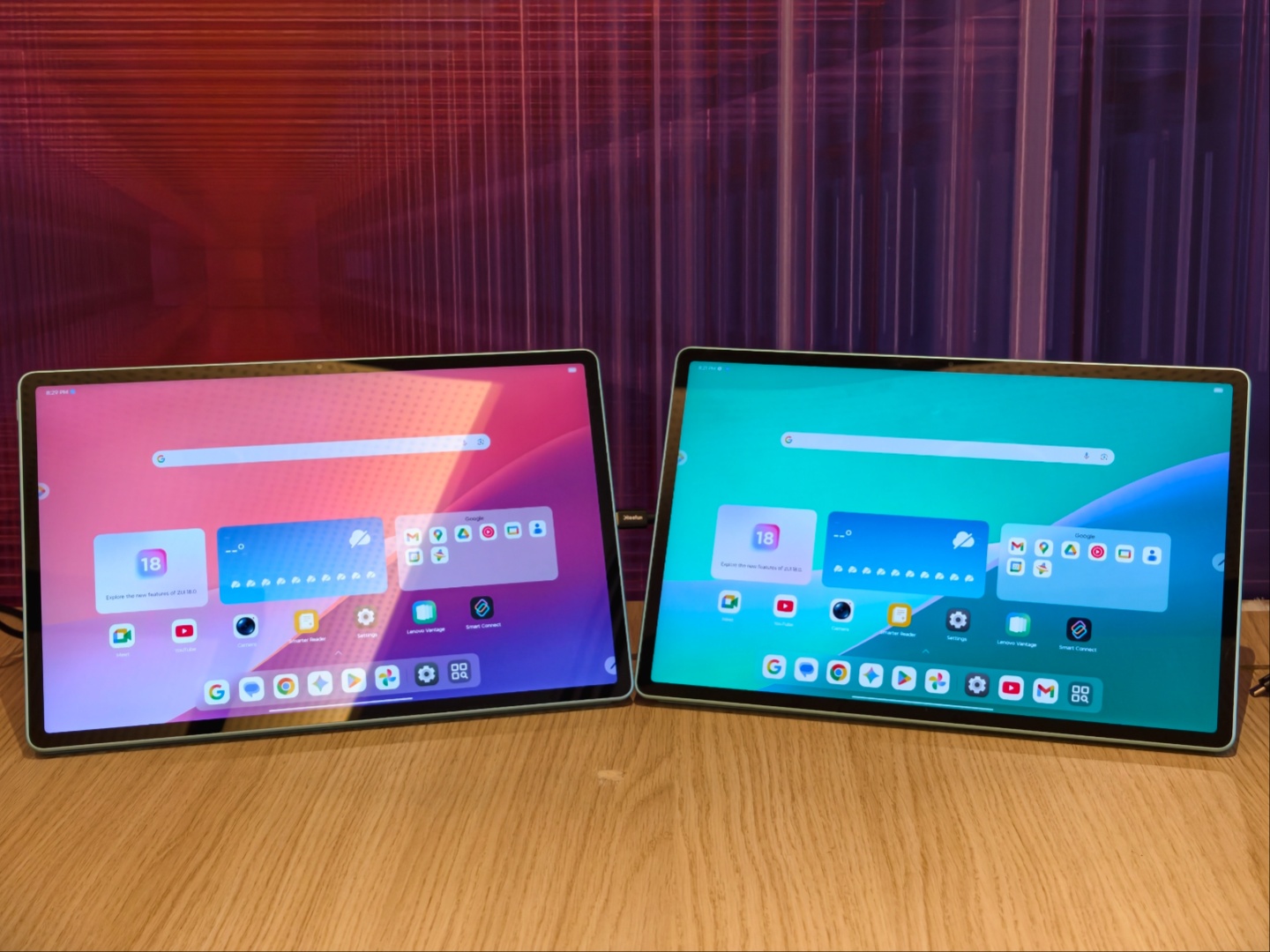
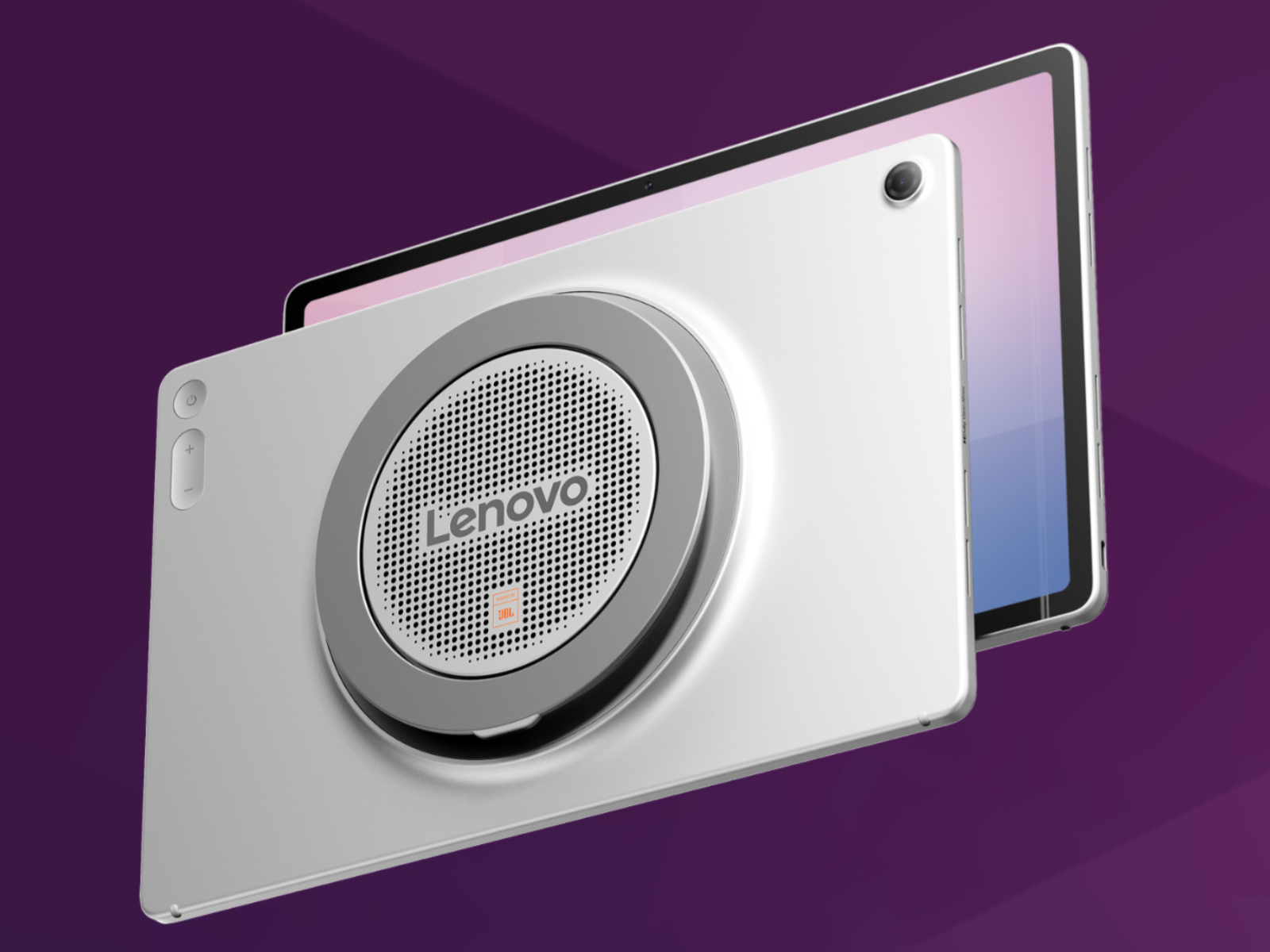
Lenovo has officially unveiled the Idea Tab Pro Gen 2 at the Mobile World Congress (MWC) 2026 in Barcelona. Letβs check out its specifications and pricing details.

The Idea Tab Pro Gen 2 features a 13-inch 3.5K PureSight Pro display with Dolby Vision, a 144Hz refresh rate, up to 800 nits peak brightness, and 99% DCI-P3 color coverage for sharp visuals and vibrant colors. Lenovo also offers an optional matte anti-glare version designed to reduce reflections.
Under the hood, the tablet is powered by the Qualcomm Snapdragon 8s Gen 4 processor with an Octa-Core CPU (up to 3.2 GHz) and Adreno 825 GPU. It offers up to 12 GB RAM, 512 GB storage, and supports up to 2 TB expandable storage via microSD.
The Idea Tab Pro Gen 2 runs on Android 16 out of the box and is guaranteed to receive upgrades up to Android 18, alongside four years of security patches.
The tablet features a 13 MP rear camera with autofocus for sharp photos and videos, and an 8 MP front camera for high-quality video calls and selfies. Lenovo has packed a massive 10,200mAh battery into the tablet. It supports 45W rapid charging.
The Idea Tab Pro Gen 2 boasts a slim and lightweight design, measuring just 6.20mm thick and weighing under 600g, making it highly portable. It features a JBL quad-speaker system with Dolby Atmos for an immersive audio experience. Lenovo also offers a 2-in-1 keyboard case with a dedicated Smart Key, enabling quick access to AI-powered features like text generation and translation.

The Lenovo Idea Tab Pro Gen 2 will be available in three fresh colors: Luna Grey, Cloud Grey, and Jelly Mint. It is priced starting at β¬549 and is set to launch in March 2026.
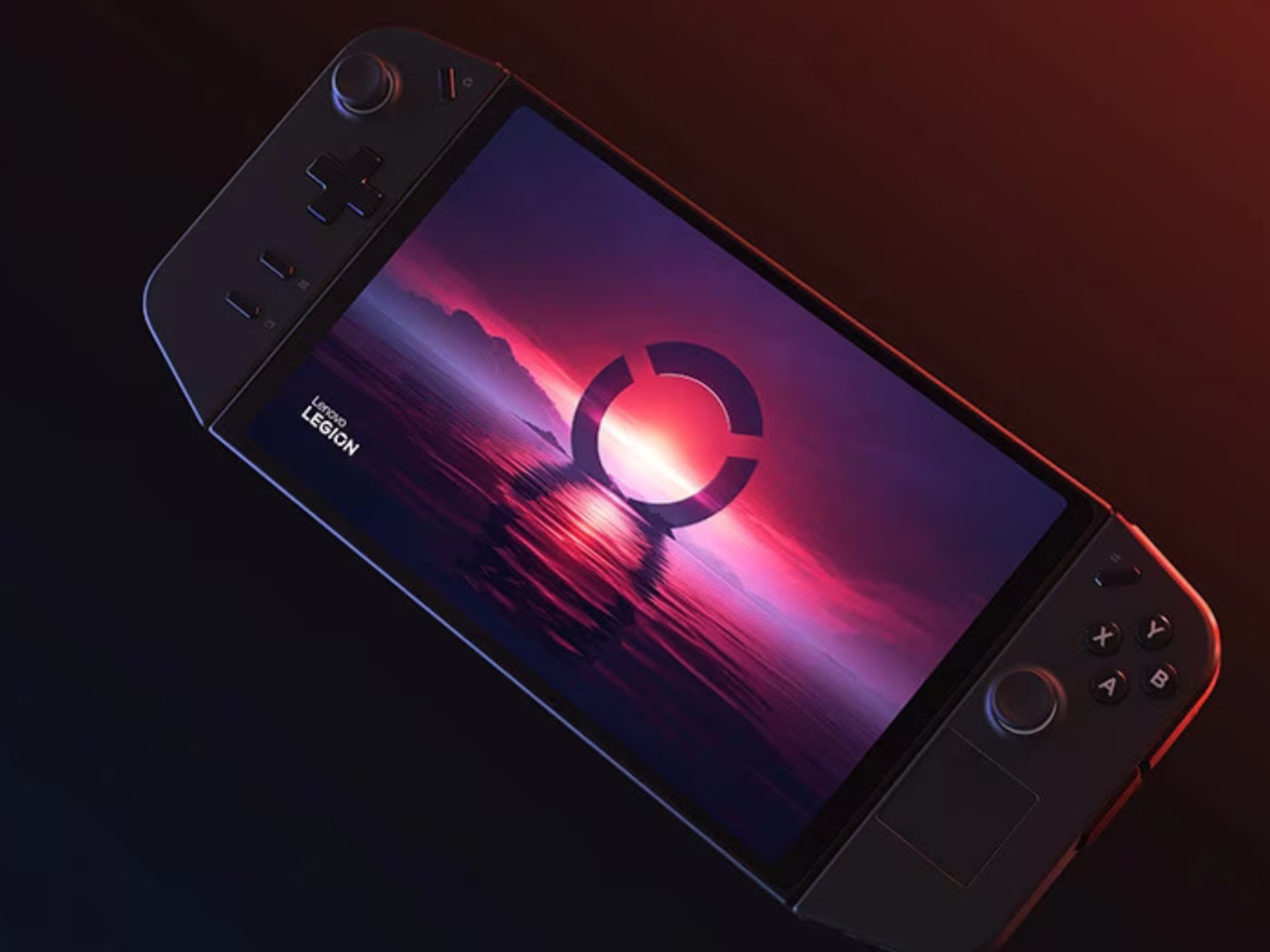
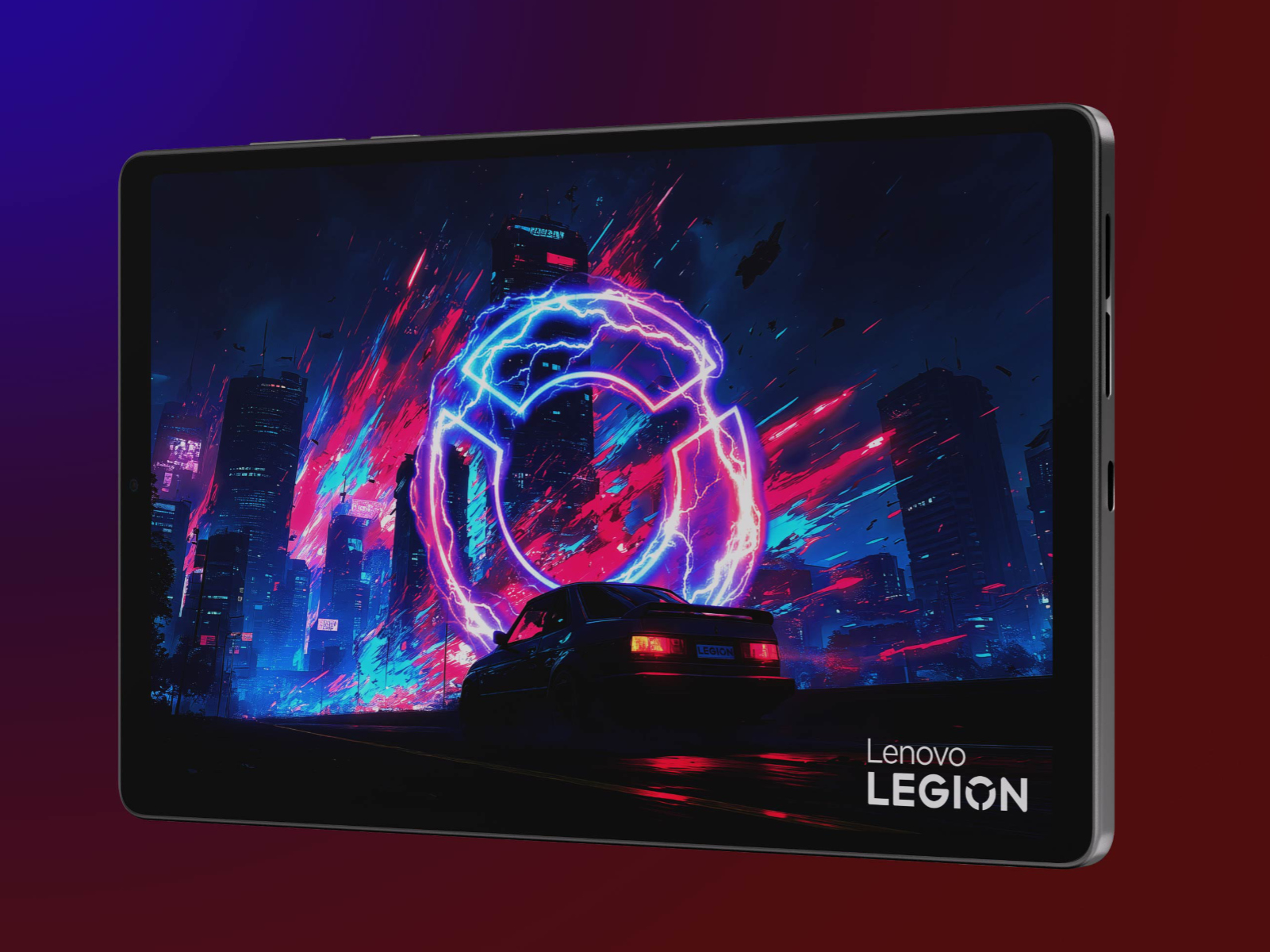
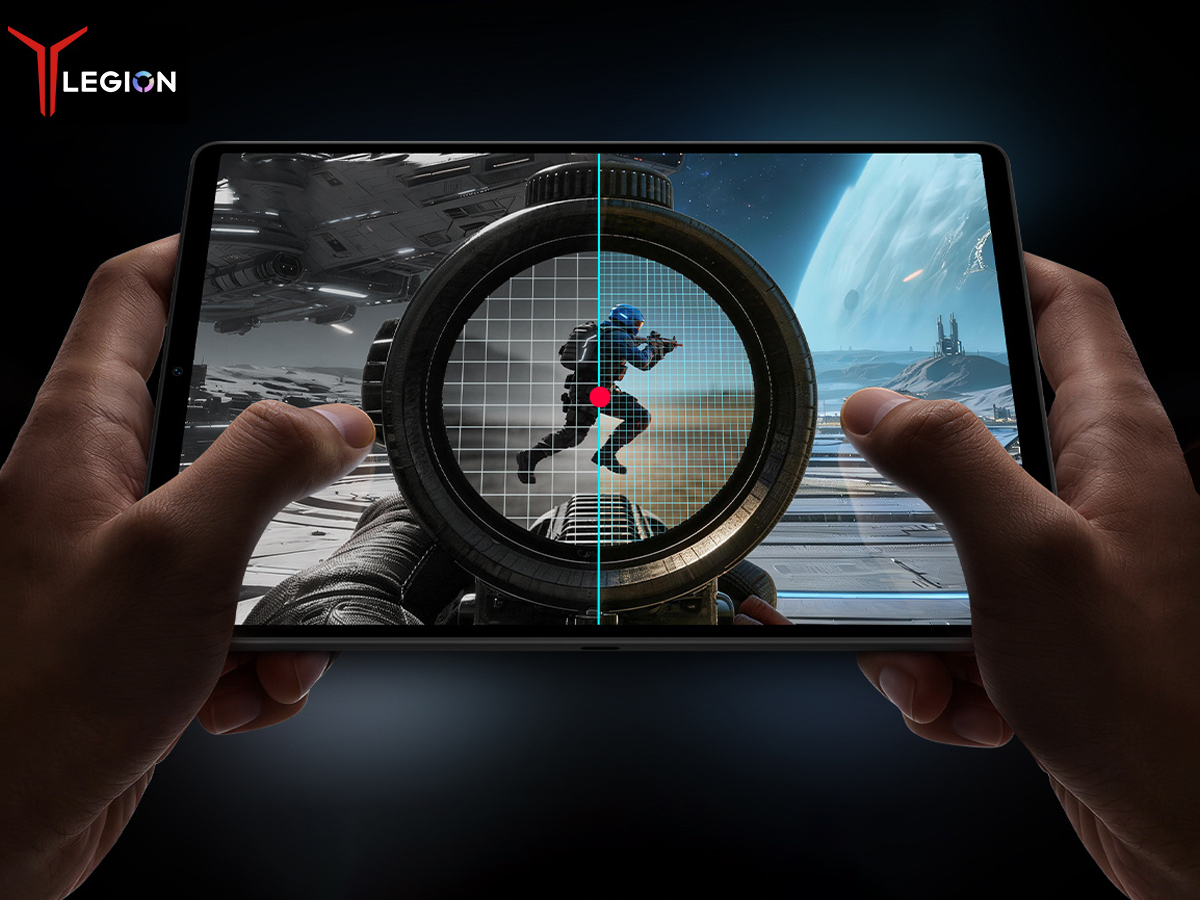
In related news, Lenovo has also introduced the Legion Tab Gen 5 at MWC, featuring an 8.8-inch 3K 165Hz display, the Snapdragon 8 Elite Gen 5 chipset, and a 9,000mAh battery.
For more daily updates, please visit ourΒ News Section.
Stay ahead in tech! Join our Telegram community and sign up for our daily newsletter of top stories! 
The post Lenovo launches Idea Tab Pro Gen 2 with a 13β³ 3.5K display, Snapdragon 8s Gen 4 & 10200mAh battery appeared first on Gizmochina.
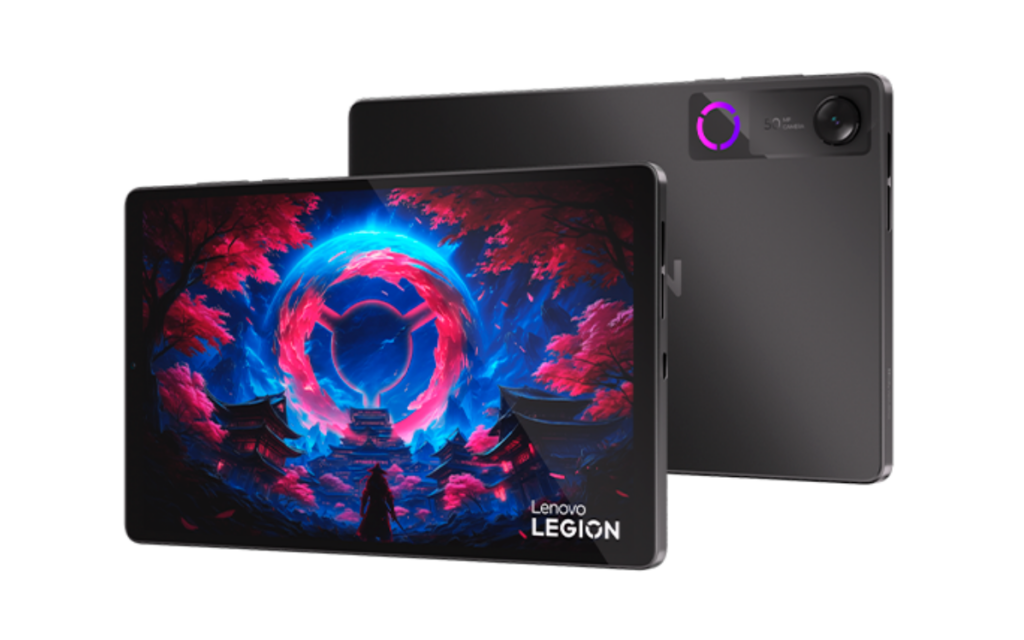
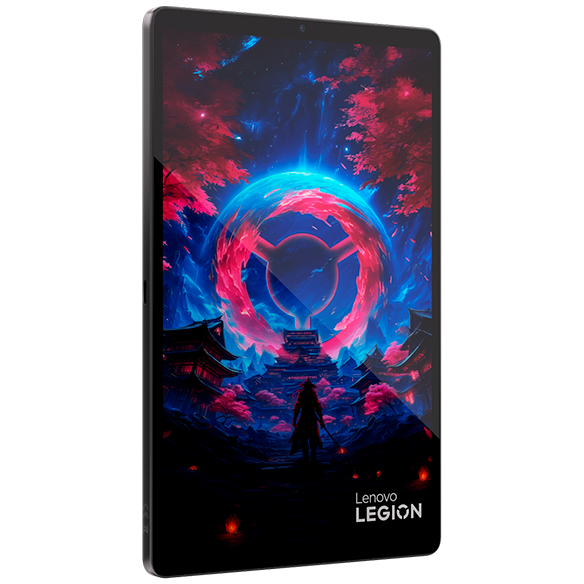
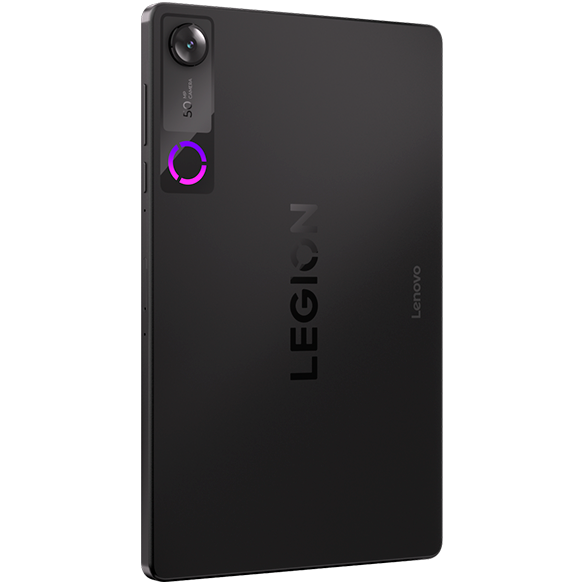
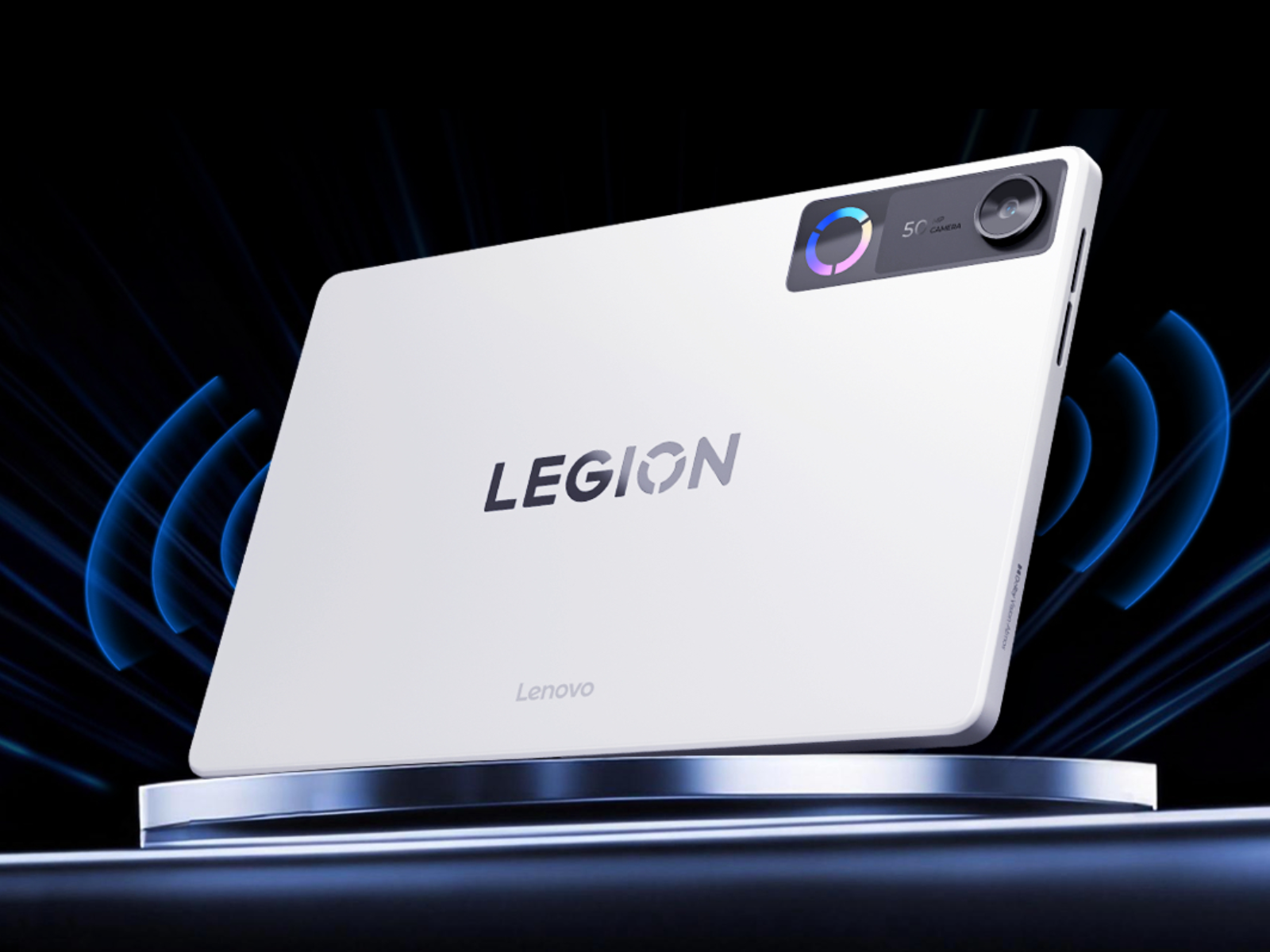
Lenovo has officially announced the Legion Tab Gen 5 at MWC 2026, a high-performance gaming tablet designed for serious mobile gamers. Letβs check out its key specs and pricing details.

The Legion Tab Gen 5 features an 8.8-inch 3K LCD display with a resolution of 3040 x 1904 pixels, a 16:10 aspect ratio, and 408 PPI for sharp visuals. It offers a 165Hz variable refresh, a 144Hz touch sampling rate, and 750 nits peak brightness with HDR10 and 98% DCI-P3 color gamut support.
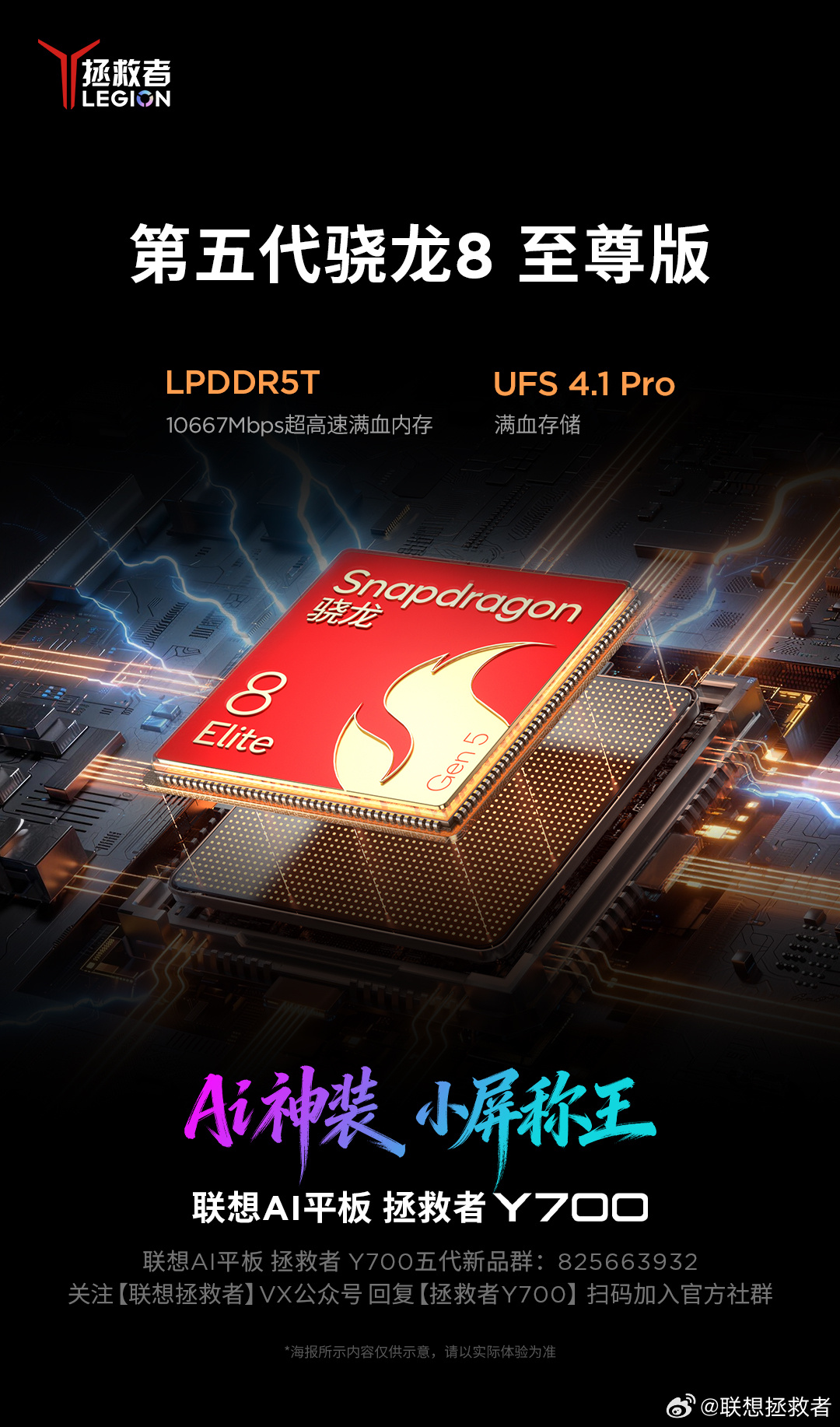
Under the hood, the tablet is powered by the Qualcomm Snapdragon 8 Elite Gen 5 chipset, built on a 3nm process. It comes with up to 16GB of LPDDR5T RAM and 512GB of UFS 4.1 Pro storage. To complement this raw power, it features Legion Coldfront Vapor cooling system with a vapor chamber, improving heat dissipation by 32%.

The tablet runs on Android 16, optimized for gaming and multitasking, with Lenovoβs AI Engine+ enhancing the experience through improved in-game sound, AI-powered noise cancellation for voice chats, and AI-driven touch sensitivity optimization.
The Legion Tab is equipped with a 50MP rear camera and a 50MP front-facing camera. For power, it features a 9000mAh battery with 68W fast charging support.
The tablet is lightweight and portable at 360g with dimensions of 206.5 x 128.5 x 7.6 mm. It includes two USB-C ports for charging and peripherals, supports Wi-Fi 7, Bluetooth 6.0, and USB-C audio.


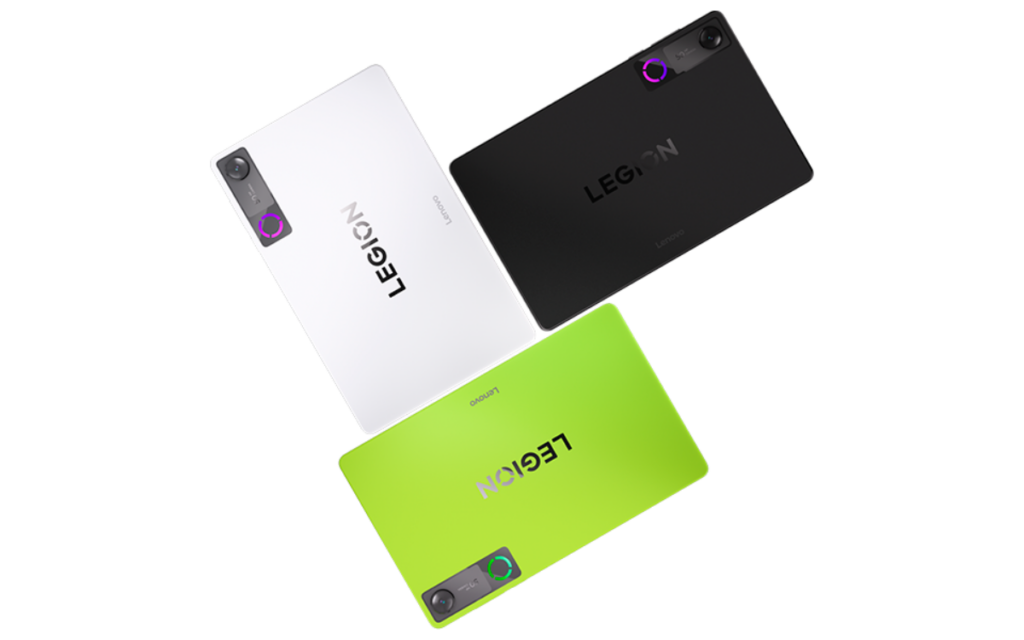
The Lenovo Legion Tab will be available in Eclipse Black, Glacier White, and Fifa Edition color options. It is priced at β¬999 for the base model in Europe and will be available starting April 2026.
The tablet will also launch in China as the Legion Y700 (2026) later this month. Availability in other markets, including Africa and the Middle East, is expected to follow soon.
For more daily updates, please visit ourΒ News Section.
Stay ahead in tech! Join our Telegram community and sign up for our daily newsletter of top stories! 
The post Lenovo Legion Tab Gen 5 debuts with 8.8β³ 3K 165Hz display, Snapdragon 8 Elite Gen 5 & 9000mAh battery appeared first on Gizmochina.
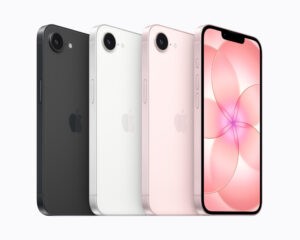
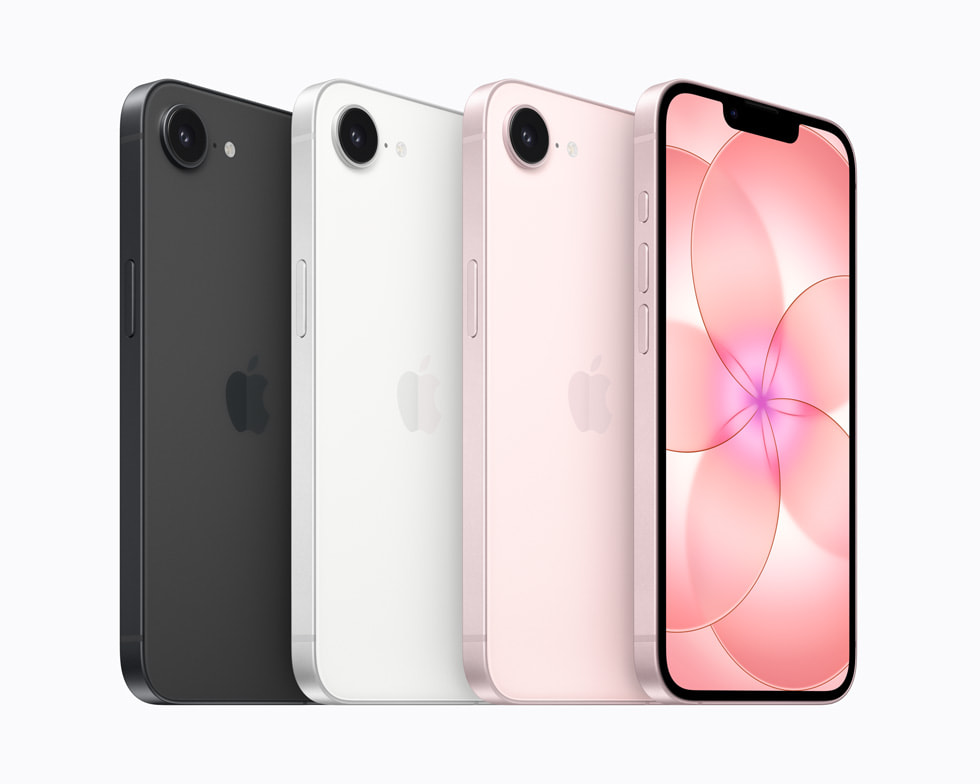
Apple has launched its latest smartphone, the iPhone 17e, the successor to the iPhone 16e. The device was unveiled alongside the iPad Air 2026 models, offering advanced features, improved durability, and double the starting storage at an accessible price.

The iPhone 17e features a 6.1-inch Super Retina XDR OLED display, offering exceptional clarity with a resolution of 2532 x 1170 pixels and a pixel density of 460 ppi. It supports HDR and True Tone for lifelike colors and boasts up to 1200 nits of peak brightness. The screen is protected by Ceramic Shield 2, which provides three times better scratch resistance than its predecessor and includes an anti-reflective coating.
Under the hood, the device is powered by the 3nm A19 chip, featuring a 6-core CPU, 4-core GPU, and a 16-core Neural Engine. This delivers twice the performance of the iPhone 11, enabling smooth multitasking, console-level gaming, and enhanced AI capabilities.
The iPhone 17e runs on iOS 26 and features a Liquid Glass design and enhanced Apple Intelligence, including Live Translation and Call Screening.

For photography, the iPhone 17e features a 48MP Fusion camera with f/1.6 aperture, optical image stabilization, 2x telephoto zoom, and the Photonic Engine for enhanced quality. It supports HDR video with Dolby Vision at 4K 60 fps, Slo-Mo at 1080p 240 fps. On the front, it features a 12MP TrueDepth lens which offers f/1.9 aperture, autofocus, and Dolby Vision HDR video up to 4K 60 fps.
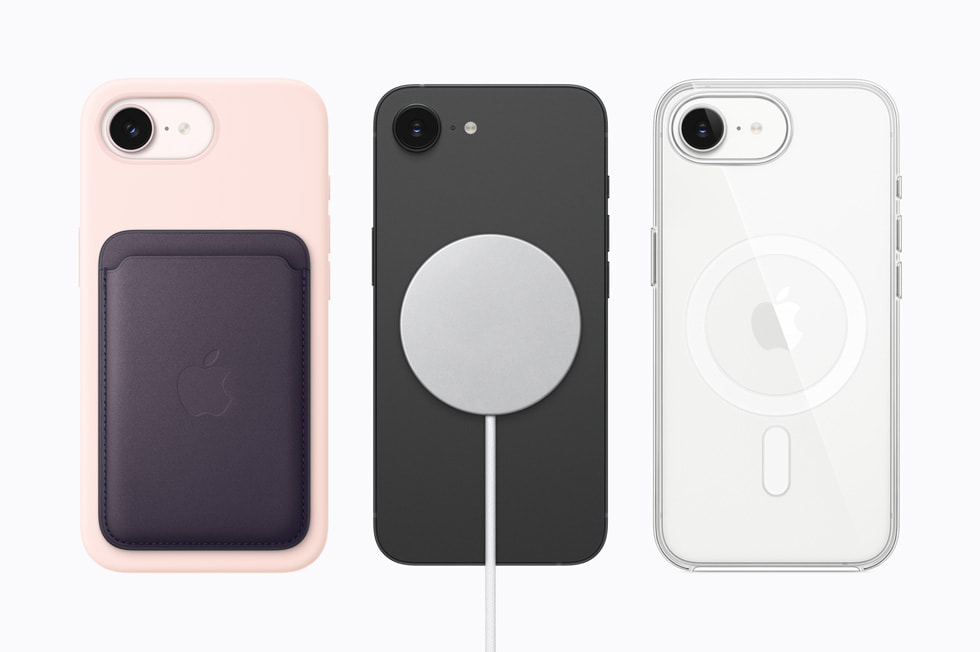
For power, the iPhone 17e features fast USB-C charging, reaching 50% in 30 minutes, and upgraded 15W wireless charging with MagSafe and Qi2.

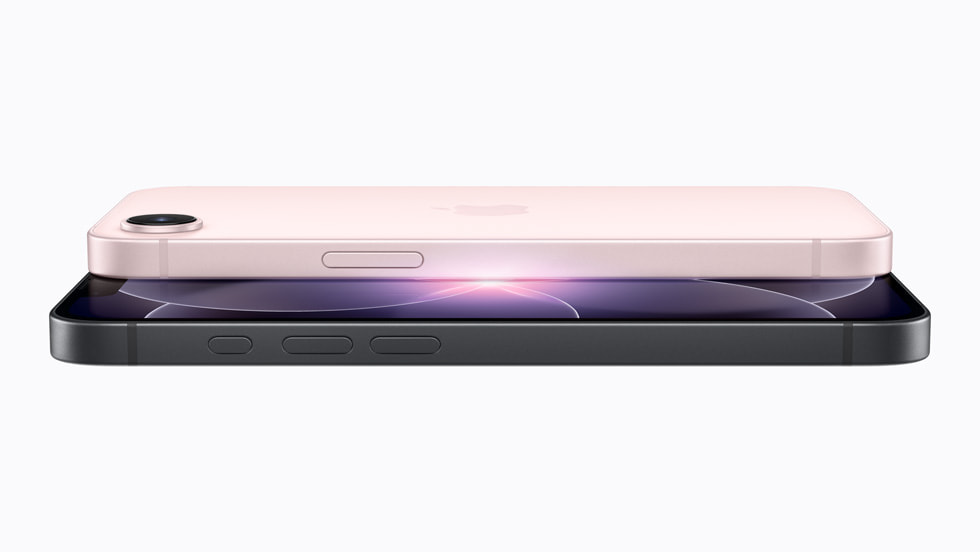
The iPhone 17e is built with aerospace-grade aluminum and is IP68-rated for water and dust resistance. It also includes Face ID for secure authentication and an Action Button for customizable shortcuts. Connectivity options include 5G, Wi-Fi 7, and Bluetooth 5.3.
The iPhone 17e is available in three elegant colors: black, white, and a new soft pink. It starts at $599 for the 256GB model, with a 512GB variant priced at $799.
Pre-orders begin on March 4, with availability starting March 11 in over 70 countries, including the United States.
For more daily updates, please visit ourΒ News Section.
Stay ahead in tech! Join our Telegram community and sign up for our daily newsletter of top stories! 
The post Apple launches iPhone 17e with A19 chip, 48MP Fusion camera & MagSafe appeared first on Gizmochina.
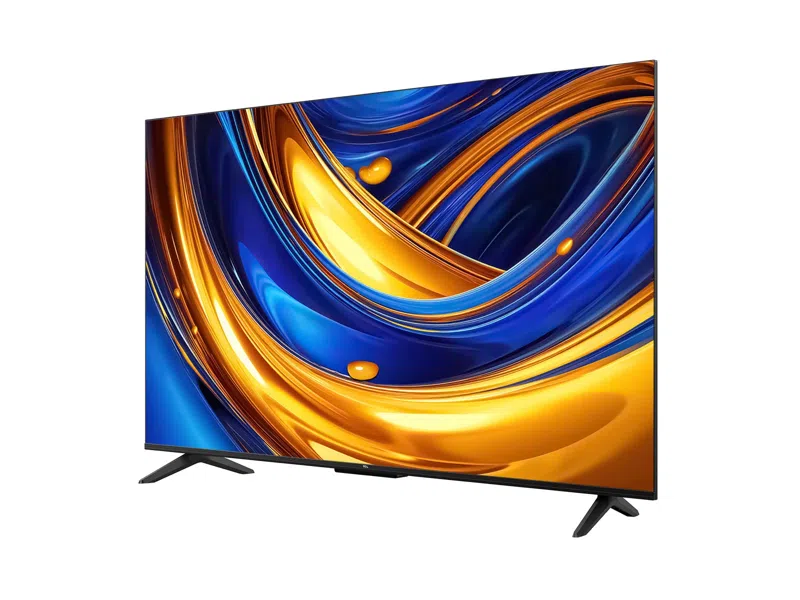
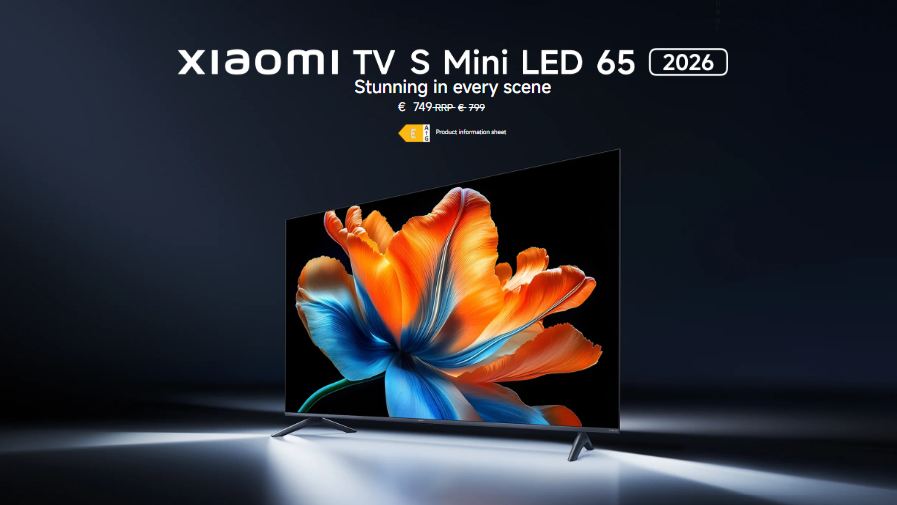
Xiaomi has expanded its smart TV lineup in Europe with the launch of the TV S Mini LED 2026 series. The new range brings Mini LED backlighting, high refresh rates, and Google TV integration to several price tiers, starting well below many established premium brands.
The lineup covers five sizes: 55, 65, 75, 85, and 98 inches. All models offer 4K resolution (3840 Γ 2160) with a peak brightness rated at up to 1,200 nits. Xiaomi claims 94% DCI-P3 color coverage, along with support for HDR10+ and HLG. Dolby Vision is available on the 85-inch and 98-inch versions.

Refresh rate varies depending on size. The 55-inch, 65-inch, and 75-inch models use 120Hz panels, while the 85-inch and 98-inch step up to 144Hz. That higher refresh rate makes the larger models more appealing for console gaming or PC setups.
Audio is handled by dual 15W speakers with Dolby Atmos support. Like previous Xiaomi TVs, the software experience is built around Google TV, which means access to major streaming platforms, Chromecast built-in, and Apple AirPlay compatibility.
Connectivity also differs slightly by size. The smaller models include Wi-Fi 5, Bluetooth 5.0, two HDMI 2.0 ports, and one HDMI 2.1. The 85-inch and 98-inch versions upgrade to Wi-Fi 6, Bluetooth 5.2, and three HDMI 2.1 ports β a more future-ready configuration for multiple high-bandwidth devices.
The new lineup is already listed on Xiaomiβs official online stores in countries including the Netherlands, Spain, Italy, and Germany. Thereβs no confirmation yet on UK availability, though Xiaomiβs broader European rollout suggests additional markets could follow.
Pricing currently starts at β¬549 for the 55-inch model. The 65-inch comes in at β¬749, followed by β¬949 for the 75-inch. The larger 85-inch variant is priced at β¬1,399, while the 98-inch tops out at β¬2,199.
Donβt miss a thing! Join our Telegram community for instant updates and grab our free daily newsletter for the best tech stories!
For more daily updates, please visit our News Section.
The post Xiaomi TV S Mini LED 2026 lineup launches in Europe with 4K, 1200 nits brightness, up to 144Hz refresh rate appeared first on Gizmochina.
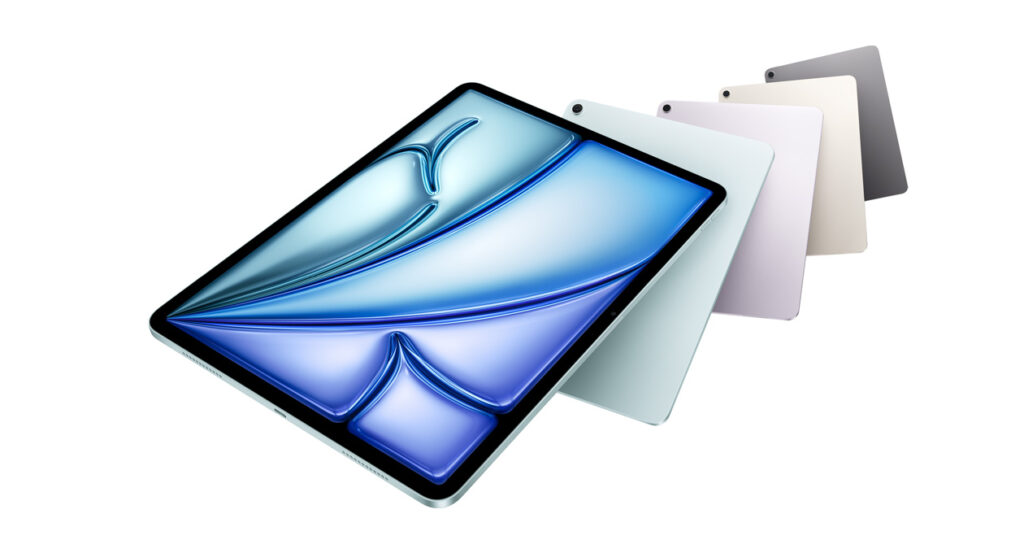
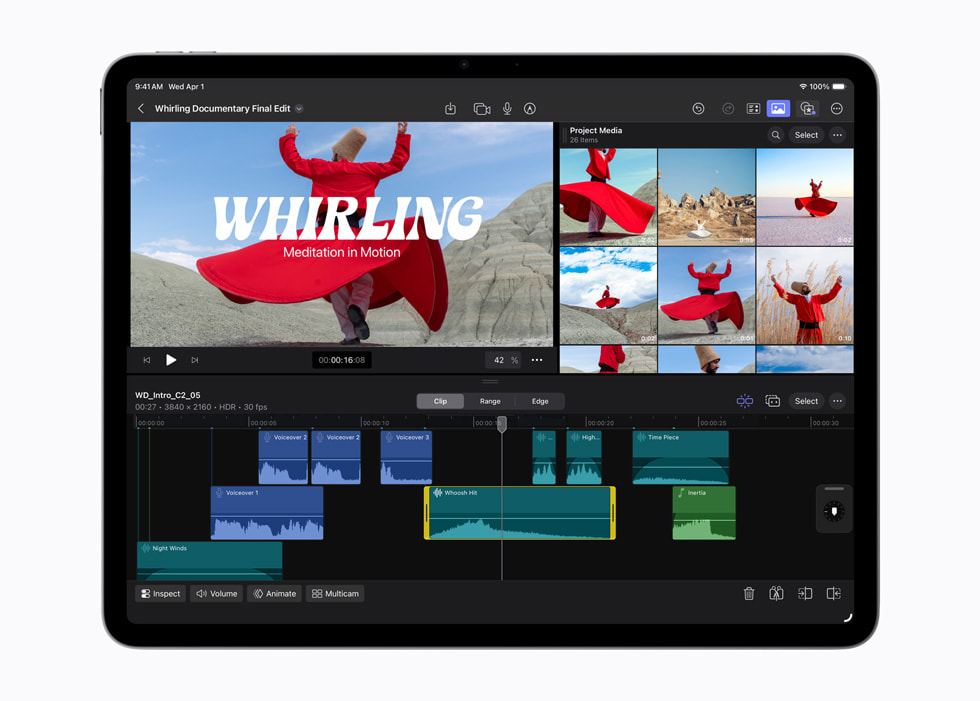
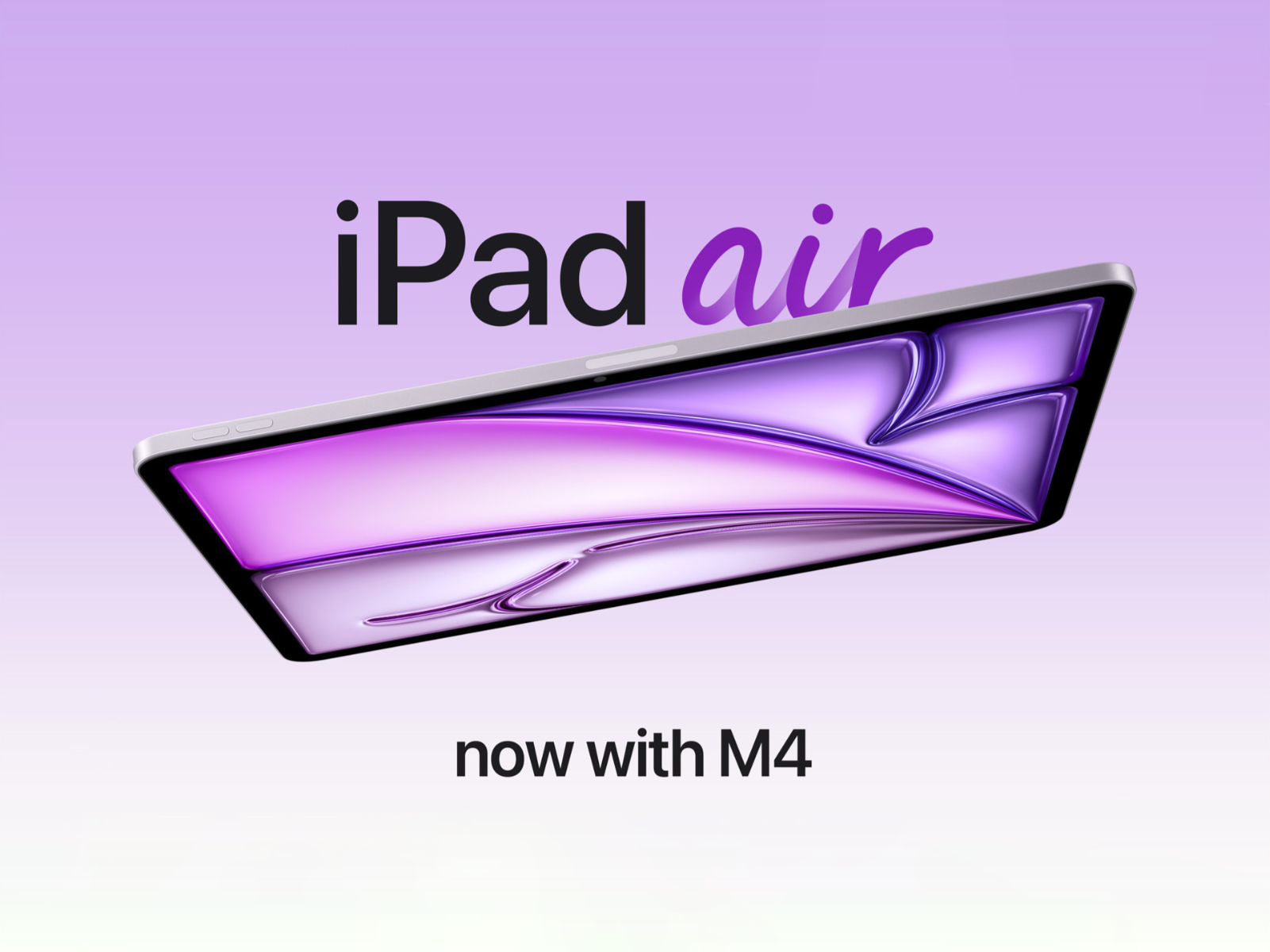
Apple has introduced the latest iPad Air 8th Gen (2026), powered by the advanced M4 chip. It comes in two sizes: 11 inches and 13 inches, offering improved performance, enhanced AI capabilities, and premium features. It maintains the same starting price as the previous model. Hereβs everything you need to know about Appleβs latest iPad Air lineup.

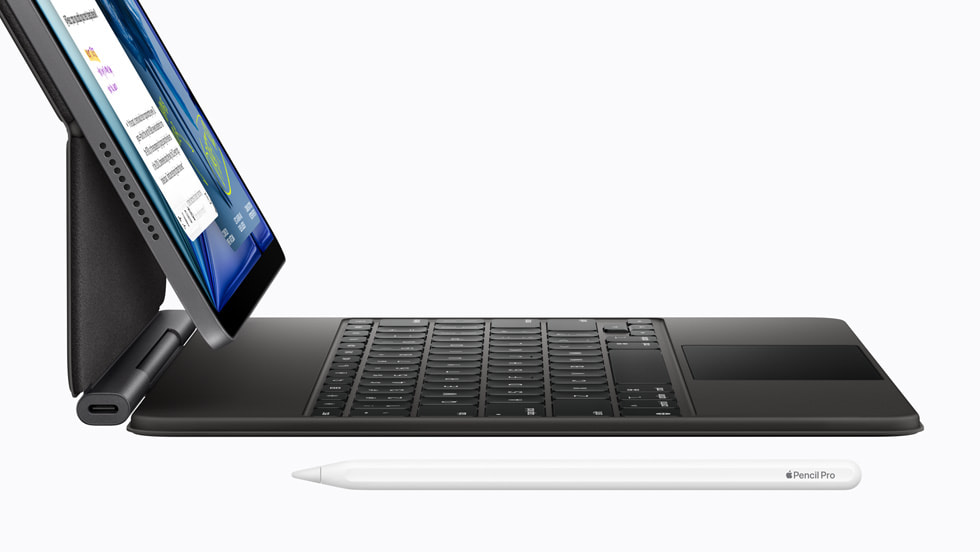
The new iPad Air features Liquid Retina displays in 11-inch (2360 x 1640 resolution) and 13-inch (2732 x 2048 resolution) sizes. Both support P3 wide color, True Tone, 500 nits brightness, anti-reflective coating, and full lamination for vibrant, sharp visuals. Both models also support Apple Pencil Pro and Apple Pencil (USB-C) for creative tasks like note-taking, sketching, and editing.
The new iPad Air is powered by the M4 chip, offering a 30% performance boost over the M3 and 2.3x the speed of the M1. Its 8-core CPU, 9-core GPU, second-gen ray tracing, and mesh shading enable ultra-realistic gaming and 3D rendering. It also features 12GB RAM and 120GB/s memory bandwidth, which ensures faster AI processing, gaming, and video editing.

The iPad Air runs on iPadOS 26, featuring a new windowing system for easier multitasking, a redesigned menu bar, and updates to the Files app. It also adds improved audio controls, Background Tasks support, and AI-powered features like scene removal from videos and faster search.
On the optics side, the iPad Air features a 12MP rear camera with Smart HDR 4 support, 4K video recording at up to 60fps, and cinematic stabilization. The front uses a 12MP Ultra Wide camera with Center Stage for video calls, along with extended dynamic range and Retina Flash to deliver sharp photos and clear video output.
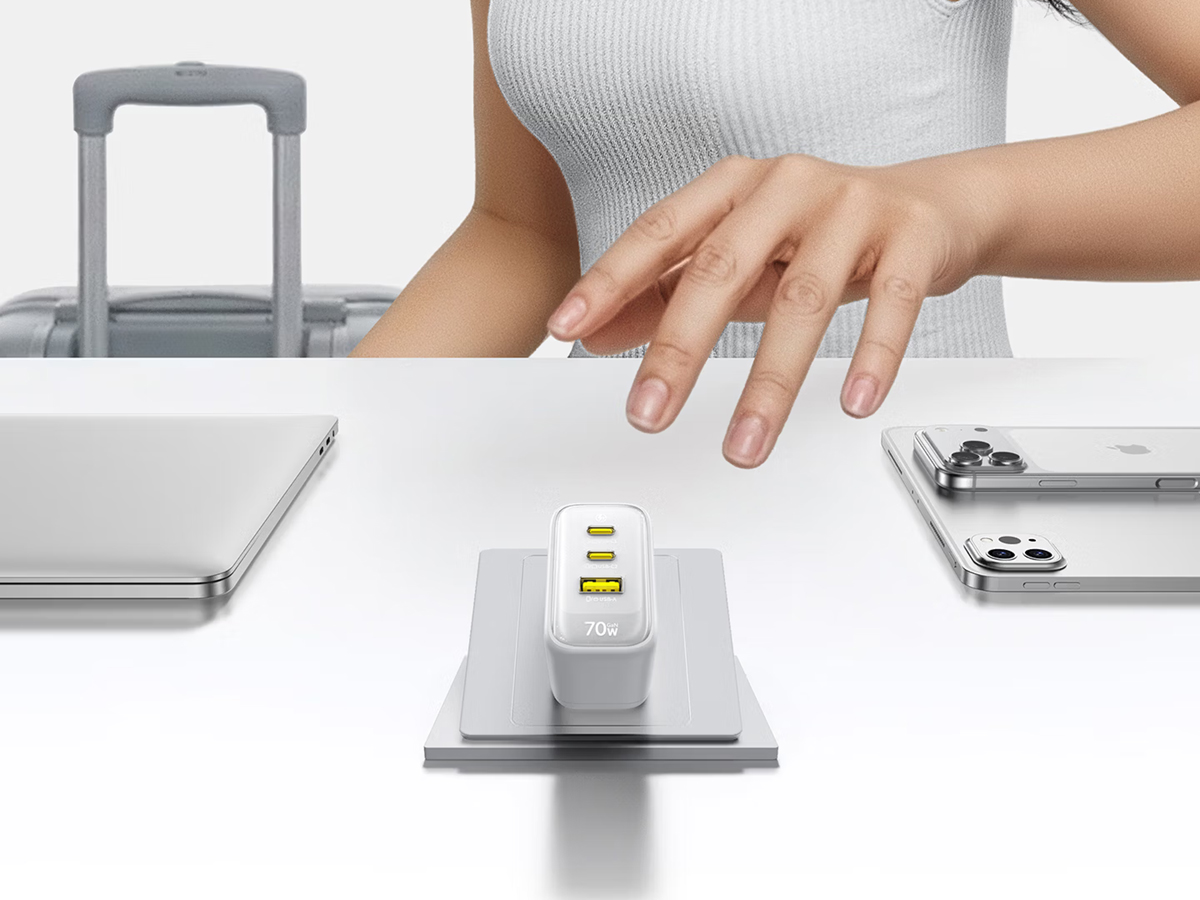
The iPad Air is designed for all-day productivity, offering up to 10 hours of web browsing or video playback on Wi-Fi and up to 9 hours on cellular networks. The 11-inch model features a 28.93-watt-hour lithium-polymer battery, while the 13-inch version includes a larger 36.59-watt-hour battery. Both models support fast charging via the included 20W USB-C power adapter.

The tablet features Appleβs N1 wireless chip for Wi-Fi 7, Bluetooth 6, and Thread networking. Cellular models include the C1X modem for faster 5G and better energy efficiency. It also offers Touch ID, Thunderbolt 3, and USB 4 for secure authentication, fast file transfers, and external display support.
The new iPad Air (2026) comes in four colors: blue, purple, starlight, and space gray. Below is the detailed pricing for all configurations:
11-inch iPad Air (Wi-Fi)
11-inch iPad Air (Wi-Fi + Cellular)
13-inch iPad Air (Wi-Fi)
13-inch iPad Air (Wi-Fi + Cellular)
Pre-orders begin on March 4, with availability starting March 11.
For more daily updates, please visit ourΒ News Section.
Stay ahead in tech! Join our Telegram community and sign up for our daily newsletter of top stories! 
The post Apple launches iPad Air (2026) 11β³ and 13β³ with M4 chip appeared first on Gizmochina.
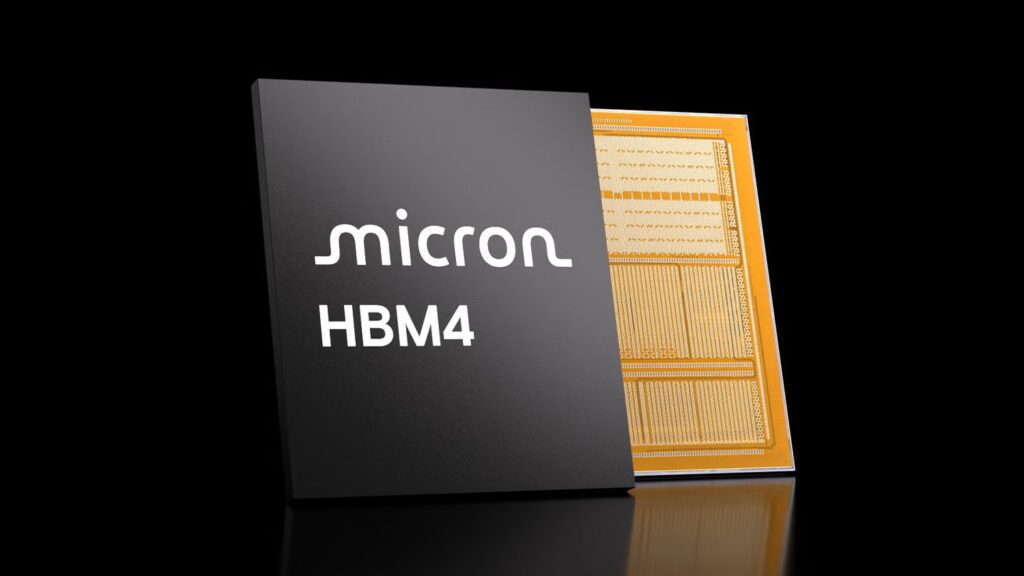
Micron confirmed in December 2025 that it will exit the Crucial consumer business, which covers retail RAM, SSDs, and memory cards sold through distributors and online channels. Shipments will reportedly continue through the end of Micronβs fiscal Q2. After that, Crucial-branded products will no longer be supplied to retail partners.

Warranty support for existing products will remain in place, and Micron will continue operating its enterprise portfolio under its own name. The change is specifically aimed at reallocating resources toward higher-margin segments such as data-center DRAM, high-bandwidth memory (HBM), and enterprise SSDs.
The reasoning isnβt subtle. AI infrastructure has significantly altered the memory market over the past two years. Data centers training and running large AI models require enormous amounts of DRAM and specialized memory solutions. As Micronβs Chief Business Officer Sumit Sadana put it, AI-driven growth in data centers has led to a surge in demand for memory and storage.
In a market where only three major suppliers β Samsung, SK hynix, and Micron β account for the vast majority of DRAM production, shifts like this matter. When capacity is redirected toward HBM and other server-grade products, less supply is available for traditional consumer devices. That imbalance is showing up in pricing.
For PC builders and upgraders, Crucialβs exit is notable. The brand has long been associated with reliable, reasonably priced memory upgrades. While other brands will continue selling DRAM and SSDs, the overall pool of consumer-focused supply is narrowing.
This doesnβt necessarily mean immediate shortages across the board. But it does suggest that consumer memory may no longer be a priority growth area for major manufacturers, at least in the near term. As AI data centers absorb more production capacity, everyday devices could face tighter pricing and slower cost declines than in previous cycles.
Micronβs decision reflects a broader reality in the semiconductor industry right now: AI infrastructure is where margins are strongest, and companies are following that demand. For consumers, the effects are hard to accept.
Donβt miss a thing! Join our Telegram community for instant updates and grab our free daily newsletter for the best tech stories!
For more daily updates, please visit our News Section.
The post Micron exits consumer business as AI demand reshapes priorities appeared first on Gizmochina.
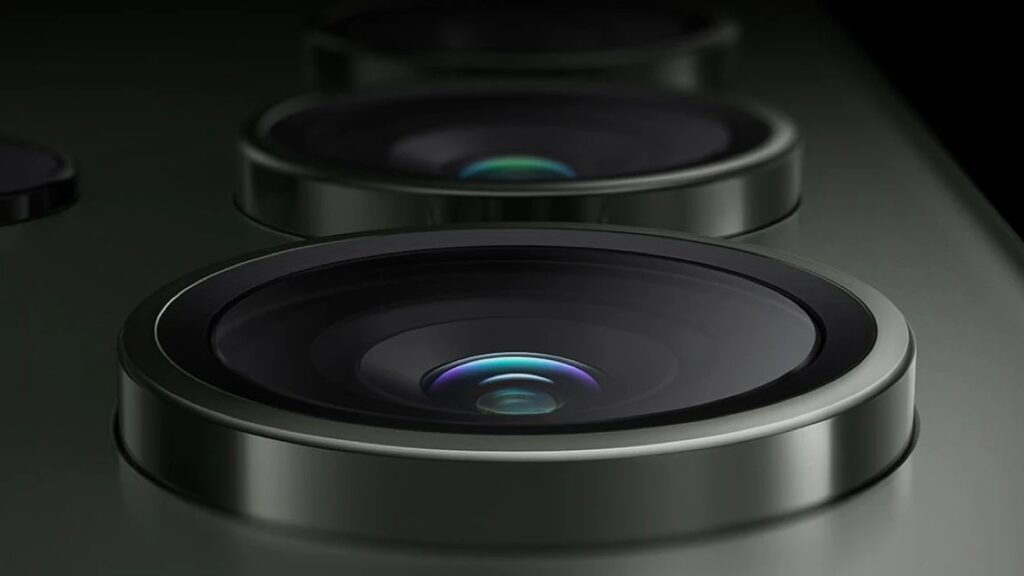
Samsung may be preparing a noticeably larger 200MP camera sensor for future flagships. According to new leaks out of China, the company is working on whatβs reportedly called the ISOCELL HPA.
The information comes from Digital Chat Station, who claims the ISOCELL HPA will feature a 1/1.12-inch optical format. That would make it significantly larger than Samsungβs recent 200MP sensors, such as the HP2 and HP3, which sit at around 1/1.3-inch.

In practical terms, a jump to 1/1.12-inch brings the sensor much closer to the 1-inch class used by some competitors. A larger surface area generally means better light gathering, which can improve low-light performance, detail retention, and overall image quality.
Another key detail in the leak is the use of LOFIC (Lateral Overflow Integration Capacitor) technology. LOFIC is designed to extend dynamic range at the hardware level, helping preserve highlight and shadow detail in high-contrast scenes. Instead of relying entirely on multi-frame HDR processing, the sensor itself handles more of the dynamic range capture. If implemented well, that could lead to more natural-looking images and fewer blown highlights.
The ISOCELL HPA is reportedly targeted for a 2027 release. As with many recent high resolution ISOCELL sensors, it may first appear in devices from Chinese smartphone brands before making its way into Galaxy flagships.
For Samsungβs own lineup, another leak from Ice Universe suggests the Galaxy S27 Ultra could instead use a different 200MP sensor called the ISOCELL HP6. That unit is said to retain the 1/1.3-inch size seen in recent generations but incorporate LOFIC improvements and refined image processing to close the performance gap.

In other words, Samsung may be pursuing two parallel strategies: increasing sensor size for its Chinese customers while continuing to optimize its existing form factor for Galaxy flagships.
With a 2027 timeline, thereβs still time before any of this becomes official. Still, the direction is clear: Samsung finally appears to be investing in sensor physics and underlying imaging hardware.
Donβt miss a thing! Join our Telegram community for instant updates and grab our free daily newsletter for the best tech stories!
For more daily updates, please visit our News Section.
(Source)
The post Samsung is working on a near 1β³ 200MP sensor, claims new leak appeared first on Gizmochina.

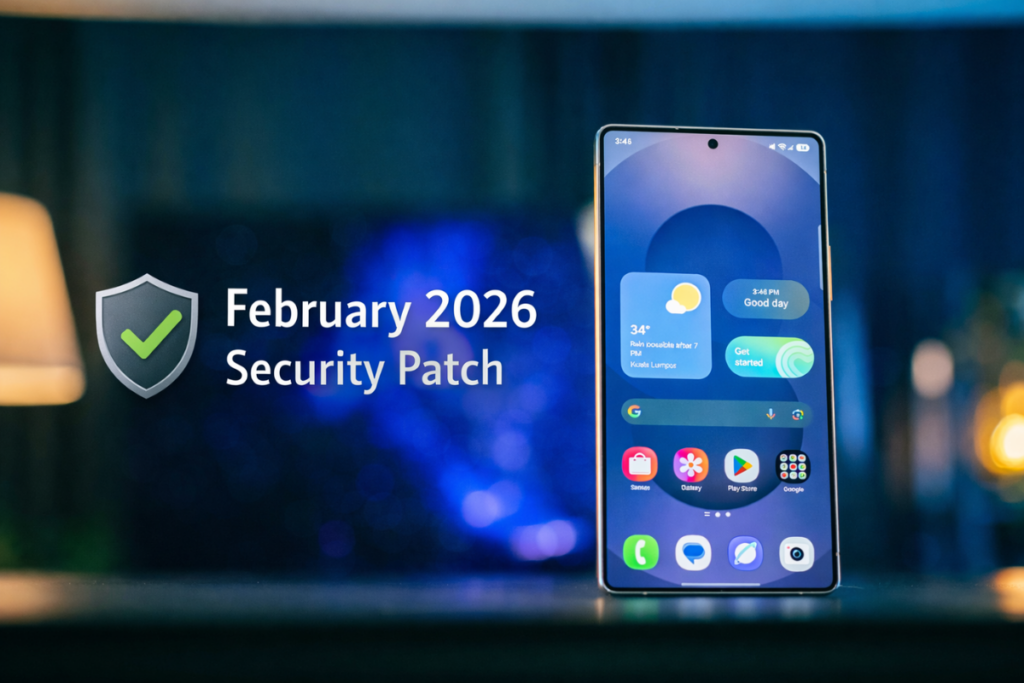
Samsung was pretty late to begin the February 2026 security update rollout, probably because it was too busy with the Galaxy S26 series launch. The update finally started rolling out in the last week of February, starting with the Galaxy S25 series. However, the rollout has since expanded to other Galaxy devices at a good pace.
The February 2026 security update now covers over a dozen Galaxy devices. Hereβs a list of all Samsung devices now receiving the latest security patch.
Galaxy S series
Galaxy Z series
Galaxy A series
Galaxy Tab series
The update will expand to more Galaxy devices over the coming days and weeks. Weβll update the list periodically to ensure it remains up-to-date.
Keep in mind that the update rolls out in stages, so it may take a few days to reach your device, even if itβs on the above list. You can manually check for updates by navigating to Settings > Software updates > Download and install.
The February 2026 security patch doesnβt include new features or improvements, like any other security patches. However, it includes patches for dozens of vulnerabilities, further strengthening your device security. Specifically, it addresses 37 security vulnerabilities, including 25 fixes provided by Google, while the remaining 12 are from Samsung.
Those Samsung-specific fixes address vulnerabilities related to Emergency Sharing, Knox Guard Manager, Samsung Dialer, the Settings app, facial and fingerprint authentication systems, and the companyβs PACM module.
Samsung is also preparing to roll out the One UI 8.5 update to older Galaxy devices, which debuted with the Galaxy S26 series recently. You can read more about One UI 8.5 here.
Be sure to visit theΒ Samsung sectionΒ regularly on this website for the latest updates. You can also join our Telegram channelΒ to get instant notifications about the breaking news and software rollouts.
The post Samsung devices getting the February 2026 security update appeared first on Gizmochina.
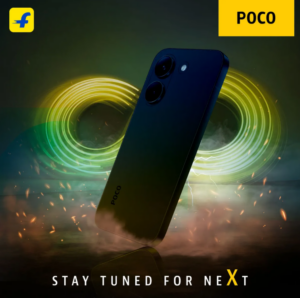
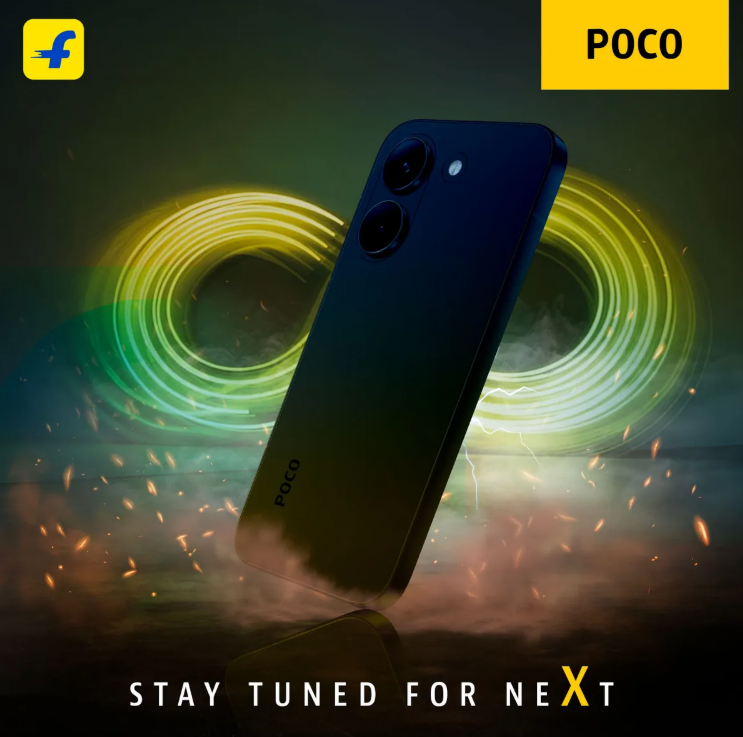
Poco has started teasing the arrival of its next X-series smartphones in India. The landing page is now live on Flipkart, and while it does not reveal anything significant, it hints that the launch could take place this month. The lineup is expected to include two models, the Poco X8 and Poco X8 Pro Max. These devices are believed to be slightly tweaked versions of the Redmi Turbo 5 and Redmi Turbo 5 Max, which are currently available in China.

The Poco X8 Pro and Poco X8 Pro Max are tipped to arrive with high-refresh-rate OLED panels, though in different sizes. The X8 Pro is rumoured to sport a 6.59-inch display with 1.5K resolution and a 120Hz refresh rate. The Pro Max variant, on the other hand, may step up to a larger 6.83-inch OLED screen while retaining the same 1.5K clarity and 120Hz smoothness, offering a more immersive viewing experience.
In terms of cameras, both models are expected to share a similar imaging setup. Each device could feature a 20-megapixel front camera for selfies. At the back, a dual-camera system is likely, led by a 50-megapixel primary sensor with OIS support, accompanied by an 8-megapixel ultra-wide lens. This suggests Poco may focus on balanced photography rather than adding extra sensors.
The Poco X8 Pro is said to run on the Dimensity 8500 Ultra chipset with up to 12GB LPDDR5x RAM and 256GB UFS 4.1 storage, backed by a 6,500mAh battery with 100W charging. The X8 Pro Max could be powered by the Dimensity 9500s processor and may pack around an 8,500mAh battery, slightly smaller than the 9,000mAh cell found in the Redmi Turbo 5 Max, which it is believed to be based on.

Poco is also teasing a new C-series phone dubbed the Poco C85x 5G via Flipkart. This phone is rumored to be similar to the Redmi 15 5G, which is already available in the market.
For more daily updates, please visit ourΒ News Section.
Stay ahead in tech!Β Join ourΒ Telegram communityΒ andΒ sign up for our daily newsletterΒ ofΒ top stories
The post Poco X8 Pro, X8 Pro Max, C85x launching soon, microsites goes live appeared first on Gizmochina.
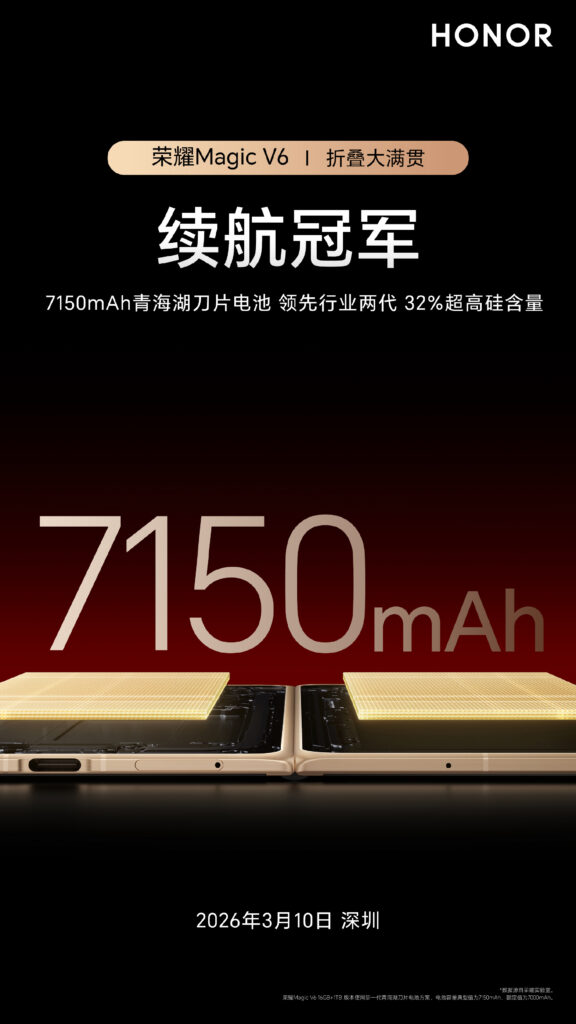
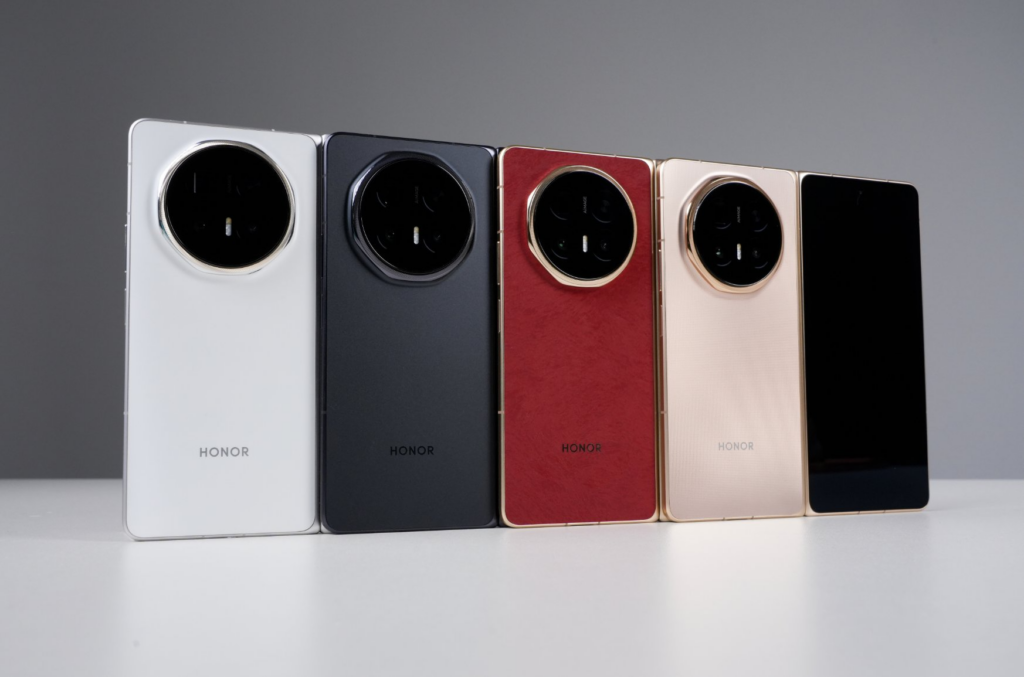
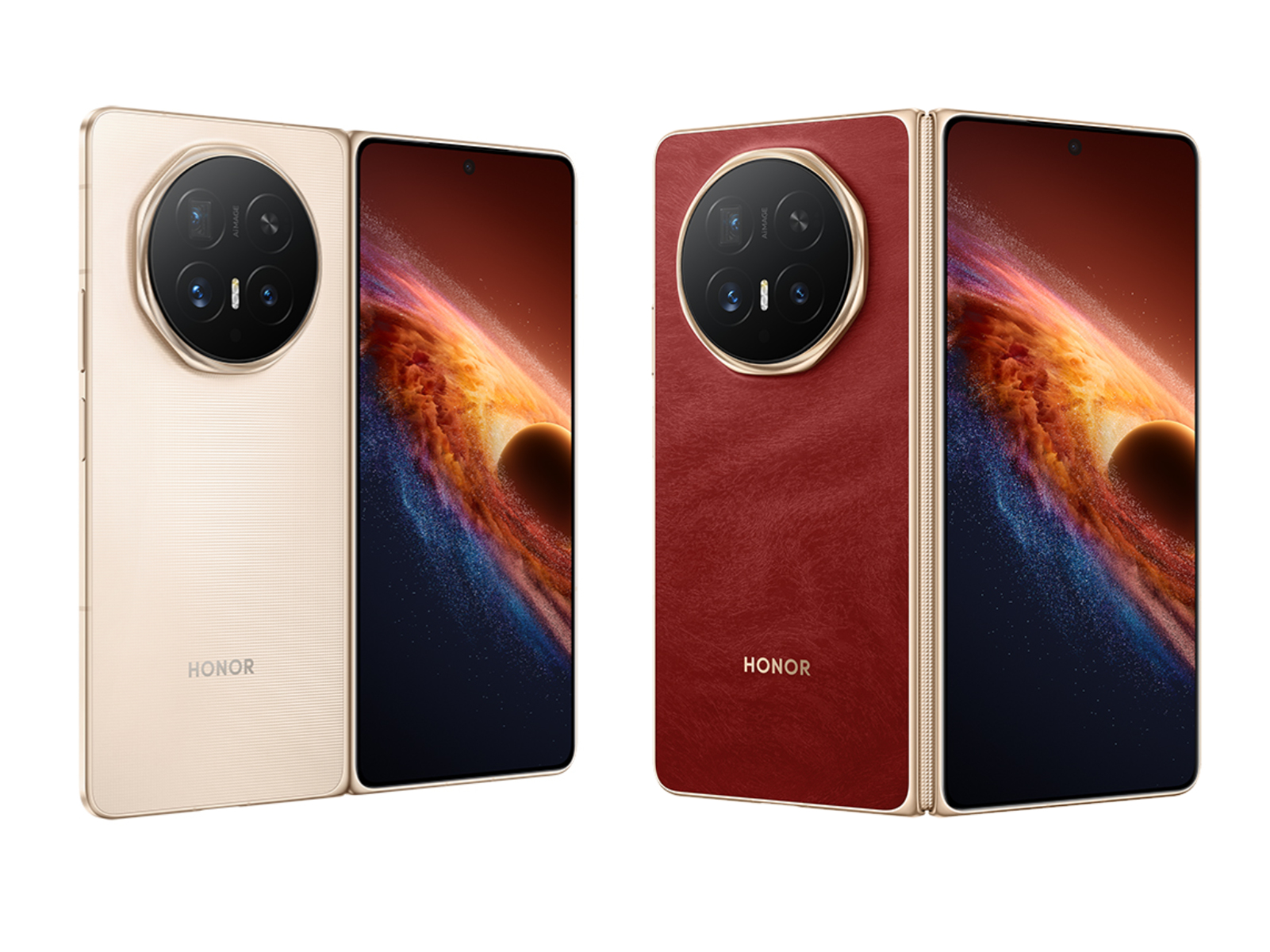
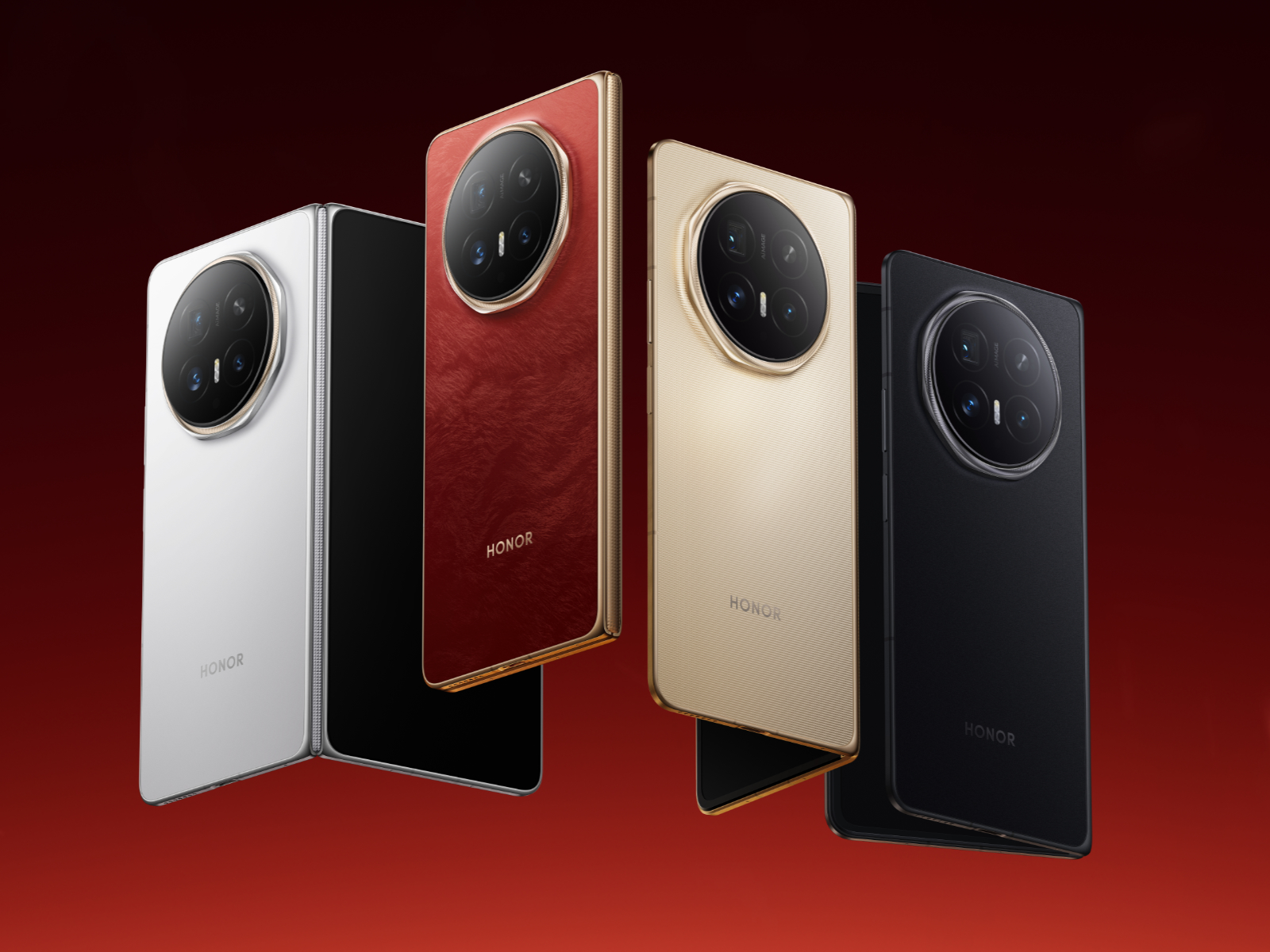
Honor has unveiled the Honor Magic V6 at MWC 2026 for global markets and soon after confirmed a China launch scheduled for March 10. While the global version already brings notable upgrades, the Chinese announcement is drawing attention for a different reason. Reports indicate that China will receive a larger battery variant of the foldable.

The global Honor Magic V6 comes equipped with a 6,660mAh silicon-carbon battery supporting 80W wired and 66W wireless charging. However, teasers shared by Honor in China suggest that the domestic model will feature a significantly bigger 7,150mAh battery. The company highlights a new generation Qinghai Lake blade battery with silicon content exceeding 32 percent and an energy density of 985Wh per litre, aiming to deliver over 24 hours of large-screen usage.
Unconfirmed reports indicate that the 7,150mAh edition may support up to 120W fast charging and could be reserved for the top configuration. There is also speculation that satellite communication support might be offered on select variants. Honor followed a similar approach last year by launching multiple battery options in China while offering a smaller pack for the Honor Magic V5 globally, and it appears the same strategy could continue with the Magic V6.

The Honor Magic V6 is powered by the Snapdragon 8 Elite Gen 5 processor paired with 16GB LPDDR5X RAM and 512GB UFS 4.1 storage. It is the first foldable smartphone to receive both IP68 and IP69 ratings for dust and water resistance. The device features a newly developed Super Steel Hinge tested for up to 500,000 folds. It measures 8.75mm when folded and 4mm when unfolded, with the white variant weighing 219 grams.
The inner display is a 7.95-inch LTPO 2.0 AMOLED panel with 2,172 x 2,352 resolution, adaptive 1Hz to 120Hz refresh rate and up to 5,000 nits brightness. The 6.52-inch cover screen also supports 1Hz to 120Hz refresh rate and up to 6,000 nits brightness. Both screens support stylus input and feature 20-megapixel selfie cameras. At the rear, the phone includes a 50-megapixel main sensor with OIS, a 64-megapixel periscope telephoto camera with 3x optical zoom and a 50-megapixel ultra-wide lens. It runs MagicOS 10 based on Android 16 and is promised seven major Android upgrades.
For more daily updates, please visit ourΒ News Section.
Stay ahead in tech!Β Join ourΒ Telegram communityΒ andΒ sign up for our daily newsletterΒ ofΒ top stories
The post This Honor Magic V6 variants packs 7,150mAh battery, largest on a foldable phone! appeared first on Gizmochina.
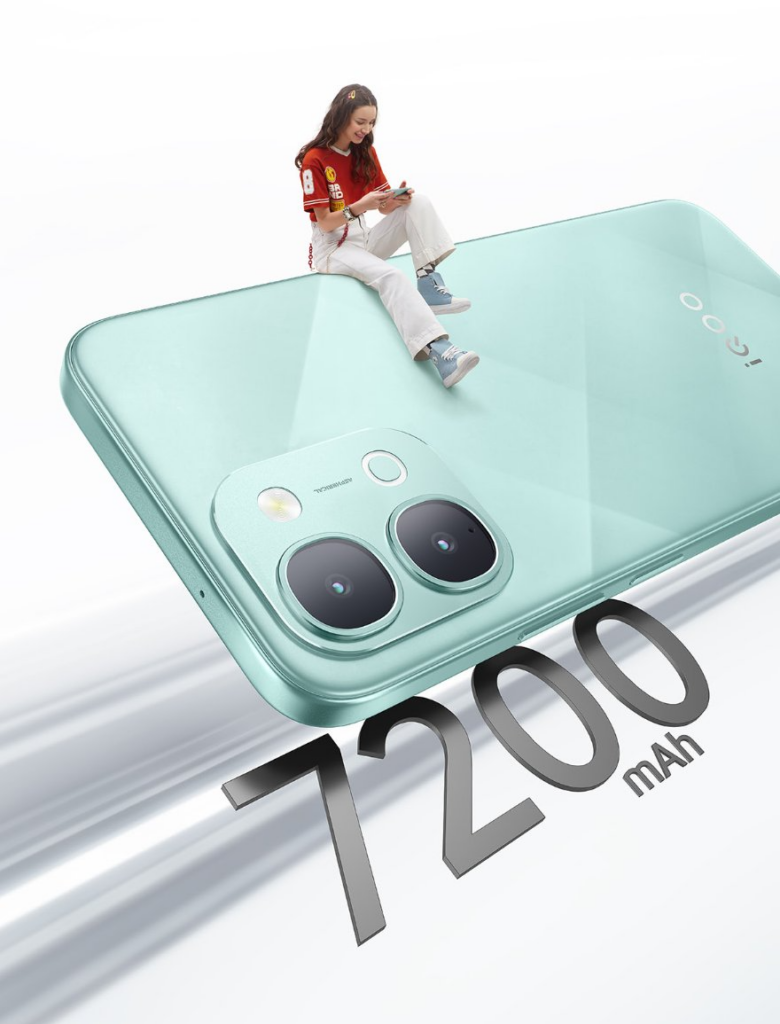
iQOO has confirmed that the iQOO Z11x will launch in India on March 12. Ahead of the debut, updated landing pages on Amazon and the brandβs website have revealed fresh details about the device, including battery capacity, charging speed and storage options. The teasers also confirm design elements and color choices.

The iQOO Z11x will pack a 7200mAh battery, which the company claims is the largest in its segment. Promotional material suggests up to 40 hours of video playback, 93 hours of music and extended gaming endurance on a single charge. The handset supports 44W FlashCharge and also offers reverse charging support. iQOO is highlighting long-term battery health, claiming durability for up to six years.
Under the hood, the device is powered by the MediaTek Dimensity 7400 Turbo chipset. It is confirmed to come in an 8GB+256GB variant, with expectations of 6GB+128GB and 8 GB+128 GB versions as well. The phone will run Android 16 with OriginOS 6 layered on top. The design features a squircle camera module with dual rear cameras, a standard LED flash and an additional ring-style light. A mint green shade has been showcased, alongside a black option.

Earlier teasers had revealed that the iQOO Z11x would be priced under Rs 23,000 (~$250) in India and sold via Amazon and the official iQOO online store. It is expected to succeed the iQOO Z10x, which offered a 6.72-inch 120Hz display, Dimensity 7300 chipset, 50-megapixel rear camera and IP64 rating.
Reports also suggest that a Vivo T-series model dubbed the Vivo T5x could share similar hardware to the iQOO Z11x.
For more daily updates, please visit ourΒ News Section.
Stay ahead in tech!Β Join ourΒ Telegram communityΒ andΒ sign up for our daily newsletterΒ ofΒ top stories
The post iQOO Z11x is launching on March 12 with massive 7,200mAh battery appeared first on Gizmochina.
Vivo X300 Ultra has been showcased at MWC 2026, offering an early look at the brandβs next flagship, focused heavily on photography and video creation. Vivo Product Manager shared official images of the device, highlighting a redesigned camera system and new professional accessories. The phone is expected to launch in the coming weeks.

At the centre of attention is a new 400mm Zeiss teleconverter attachment, claimed to deliver up to 17x optical zoom. With in-sensor cropping, the zoom range can extend to around 800mm or 30x while maintaining strong detail. Vivo is positioning the device as a creator-first smartphone, pairing advanced optics with a full suite of video accessories, including a grip handle, cooling fan and external light support.


The rear camera module retains a large circular design and houses a rumoured dual 200-megapixel setup. This includes a 200-megapixel Sony LYT-901 main camera with a 1/1.12-inch sensor and 35mm focal length, along with a 200-megapixel Samsung HPB periscope telephoto camera at 85mm with Zeiss APO certification. A 50-megapixel Sony LYT-828 ultra-wide lens and a multispectral sensor complete the system. For selfies, a 50-megapixel front camera with autofocus is expected.
The device is also tipped to feature a 6.82-inch 2K BOE flat display with narrow bezels and LTPO technology. The physical Action button appears to have been removed this time. It will pack the Snapdragon 8 Elite Gen 5 chip and a battery of around 7,000mAh capacity with 100W wired and 40W wireless charging support.
Early hands-on by Ben Gadget Reviews suggest that Vivo has significantly improved stabilisation, even at extreme focal lengths. The dedicated camera rig attaches securely and is designed for extended shoots, especially concerts and sports events.
Vivo has confirmed that the Ultra model will see a wider global release this year, marking a shift from its earlier China-focused launches.
For more daily updates, please visit ourΒ News Section.
Stay ahead in tech!Β Join ourΒ Telegram communityΒ andΒ sign up for our daily newsletterΒ ofΒ top stories
The post MWC 2026: Vivo X300 Ultra showcased with 400mm teleconverter offering 17x optical zoom appeared first on Gizmochina.
Brand Ai+ has announced the Pulse 2 in India, expanding its affordable smartphone portfolio with upgrades aimed at everyday users. Successor to last yearβs AI+ Pulse, the new model focuses on battery endurance, smoother display performance, latest Android version, and improved cameras, while keeping pricing within reach for entry-level buyers.

The Ai+ Pulse 2 comes with a 6.745-inch HD+ display featuring a 120Hz refresh rate, offering smoother scrolling compared to its predecessor. The panel supports up to 450 nits typical brightness and includes 10-point touch support. Under the hood, the device runs on the Unisoc T7250 octa-core processor built on a 12nm process, paired with LPDDR4x RAM and eMMC storage.
Photography is handled by a 50-megapixel dual AI rear camera setup, while the front camera has been upgraded to 8 megapixels for clearer selfies. The device packs a 6,000mAh Li-polymer battery with support for 18W fast charging. Despite the larger battery, Ai+ claims the phone maintains a slim profile in its category. The handset carries an IP64 rating for improved dust and splash resistance.
On the software front, the Pulse 2 ships with Android 16 layered with NxtQuantum OS. The updated platform is designed to deliver a cleaner interface and stable day-to-day performance. The phone will be available in Green, Blue, Pink, Purple and Black colour options.
Ai+ Pulse 2 will be offered in two configurations. The 4GB+64GB variant is priced at Rs 5,999 (~$65) for the first 24 hours of sale, while the 6GB+128GB model will be available at Rs 7,999 (~$90) during the launch window. The sale starts on March 11 at 12pm via Flipkart.
In related news, Ai+ is also working on the Nova 2 series. Likely, the new lineup will be unveiled in the next few days in the country.
For more daily updates, please visit ourΒ News Section.
Stay ahead in tech!Β Join ourΒ Telegram communityΒ andΒ sign up for our daily newsletterΒ ofΒ top stories
The post Ai+ Pulse 2 launched at Rs 5,999 (~$65); Brings 120Hz display, Android 16, 6,000mAh battery appeared first on Gizmochina.
At MWC 2026, Motorola officially unveiled the Motorola Razr Fold, its first book-style foldable smartphone. Alongside the launch, the device received a DXOMARK camera score of 164 and earned the Gold Label for imaging, marking a significant moment for the brandβs foldable ambitions.

The Motorola Razr Fold features a 6.6-inch pOLED screen with a 165Hz refresh rate, 2520 x 1080 resolution and peak brightness of 6000 nits, protected by Gorilla Glass Ceramic 3. Inside, there is an 8.1-inch LTPO display with a 120Hz refresh rate, 2484 x 2232 resolution and peak brightness reaching 6200 nits. Both panels support 10-bit colour, HDR10+, Dolby Vision and Pantone validation. Despite the large screens, the device measures around 4.6mm when unfolded and 9.9mm when folded, with a weight of 244g.

Powering the phone is the Snapdragon 8 Gen 5 processor paired with 16GB of LPDDR5X RAM and up to 1TB storage in select markets. It runs Android 16 and is promised up to seven years of OS and security updates. The foldable houses a 6,000mAh silicon-carbon battery with support for 80W wired charging, 50W wireless charging and 5W reverse wired charging.
Photography is a key highlight. The rear setup includes a 50-megapixel Sony LYTIA 828 main sensor with OIS, a 50-megapixel ultra-wide camera with macro support and a 50-megapixel periscope telephoto lens with 3x optical zoom and OIS.

The cover display integrates a 32-megapixel selfie camera, while the internal screen carries a 20-megapixel unit. Video capabilities extend up to 8K recording with Dolby Vision support, and AI-driven imaging enhances dynamic range, colour accuracy and low-light clarity.
Motorola Razr Fold price and availability
The Motorola Razr Fold is priced at EUR 1,999 in Europe. It will first go on sale in Europe, followed by North America in the coming months, with a China variant also expected soon. The device comes in Pantone Blackened Blue and Pantone Lily White colour options. A recent report claimed that it could be available for purchase in the second quarter of this year.
For more daily updates, please visit ourΒ News Section.
Stay ahead in tech!Β Join ourΒ Telegram communityΒ andΒ sign up for our daily newsletterΒ ofΒ top stories
The post MWC 2026: Motorola Razr Fold full specifications, price confirmed; Earns DXOMARK gold with top camera score appeared first on Gizmochina.
During the MWC 2026 event, Motorola introduced the Motorola Edge 70 Fusion, expanding its premium mid-range portfolio with a refined design and upgraded hardware. The announcement also suggests two different processor versions, one for global markets and another specifically for India. The Indian variant appears to bring notable changes, setting it slightly apart from the international model.

The Motorola Edge 70 Fusion focuses heavily on design and durability. It features a quad-curved body where the curved front glass blends smoothly into the rear panel, giving it a slimmer and more refined in-hand feel. The global model measures 7.2mm in thickness and weighs around 177g, while still packing a 5,200mAh battery. It carries IP68 and IP69 ratings along with MIL-STD-810H certification and Gorilla Glass 7i protection.
On the front, the device sports a 6.78-inch quad-curved OLED display with a 1272p+ resolution and 144Hz refresh rate. Peak brightness is rated at 5,200 nits, making it suitable for outdoor visibility. Audio performance is supported by dual stereo speakers with Dolby Atmos and Hi-Res Audio support.

Powering the global version is the Snapdragon 7s Gen 3 chipset built on TSMCβs N4 process, paired with performance improvements over its predecessor. Interestingly, Motorola Edge 70 Fusion teasers on Flipkart in India mention the Snapdragon 7s Gen 4 chipset, indicating that the Indian edition may feature a newer processor. The India model is also confirmed to include a significantly larger 7,000mAh battery and is launching on March 6. Reports suggest this variant could later reach global markets under the Motorola Edge 70 Fusion+ branding.
For imaging, the phone features a 50-megapixel Sony LYTIA 710 main sensor with OIS, accompanied by a 13-megapixel ultra-wide lens with macro support. The front houses a 32-megapixel selfie camera capable of 4K video recording. The device runs Motorolaβs AI suite, offering on-device content generation, contextual assistance, and enhanced photo processing.

The Motorola Edge 70 Fusion will roll out across select regions in Latin America, EMEA and Asia Pacific. Pricing details for global markets are yet to be officially announced. it will come in Pantone shades, such a Orient Blue, Sporting Green, Blue Surf, Country Air, and Silhouette.
In India, the device is scheduled to launch on March 6, with official Rs pricing expected at the event.
For more daily updates, please visit ourΒ News Section.
Stay ahead in tech!Β Join ourΒ Telegram communityΒ andΒ sign up for our daily newsletterΒ ofΒ top stories
The post Motorola Edge 70 Fusion has two CPU variants, India gets a better one with humongous battery appeared first on Gizmochina.
Motorola announced the Razr Fold at CES 2026 in January this year. The device is expected to rival other foldables like the Honor Magic V6, Oppo Find N6, Vivo X Fold 6, and Samsung Galaxy Fold 8 this year, but there has been no official word on its market release. Now, tipster Smart Pikachu has revealed when the device could hit the market.

According to Smart Pikachu, the Motorola Razr Fold is tentatively scheduled to launch in the second quarter of 2026. While this gives a clearer idea of the timeline, the company has not confirmed an exact launch date. Pricing details also remain unknown at this stage, and it is unclear which regions will receive the device first.

The Razr Fold features a 6.6-inch OLED cover display designed for quick interactions without unfolding the device. For selfies, the outer screen has a 32-megapixel front-facing camera. Once unfolded, the phone reveals an 8.09-inch LTPO OLED inner display with a 2K resolution. On the inside, there is a 20-megapixel camera catering to video calls and selfies in different orientations.
On the rear, the Razr Fold houses a triple-camera setup consisting of a 50-megapixel Sony Lytia primary sensor, a 50-megapixel ultra-wide lens with macro support, and a 50-megapixel periscope telephoto camera offering 3x optical zoom. The device runs on Hello UX based on Android 16.
The Razr Fold was recently spotted on Geekbench, revealing the Snapdragon 8 Gen 5 chipset paired with 16GB of RAM. Battery capacity and charging details have not been disclosed yet. Additional features include Motorola Pen support and a side-mounted fingerprint sensor. The phone will be available in Blackened Blue and Lilly White color options.
For more daily updates, please visit ourΒ News Section.
Stay ahead in tech!Β Join ourΒ Telegram communityΒ andΒ sign up for our daily newsletterΒ ofΒ top stories
The post This is when much-awaited Motorola Razr Fold may hit the market appeared first on Gizmochina.
OnePlus has begun teasing its upcoming compact flagship, the OnePlus 15T, in China. In a new Weibo post, OnePlus China President Li Jie confirmed that the device will see comprehensive upgrades, including its imaging system. Hereβs a look at what the OnePlus executive shared.

Li Jie revealed that the OnePlus 15T will feature a new LUMO periscope telephoto lens, promising notable improvements in both hardware and image processing. The company claims meaningful gains in clarity for distant subjects while also delivering better portrait depth and atmosphere.
Reports suggest the handset may include a 50-megapixel periscope camera with an 85mm focal length equivalent to 3.5x optical zoom, an F2.8 aperture, and OIS support. Camera samples have also surfaced to reveal the capabilities of the phoneβs periscope camera.
He added that while battery capacity, cooling and the periscope system have all been significantly enhanced, the deviceβs thickness and camera bump remain well controlled. The phone still feels slim and lightweight in the hand.
Reports have revealed that the OnePlus 15T will pack a massive battery of around 7,000 to 7,500mAh capacity. It is said to measure 8.5mm in thickness and weigh around 194 grams.

According to reports, the OnePlus 15T will house a 6.32-inch 1.5K 165Hz OLED screen equipped with an ultrasonic in-screen fingerprint sensor. The device will support 100W wired charging and 50W wireless charging.
Under the hood, the device will feature the Snapdragon 8 Elite Gen 5 chipset paired with up to 16GB of LPDDR5x RAM and up to 1TB of UFS 4.1 storage. It may also integrate a dedicated P3 display chip and an advanced gaming engine for sustained performance.
Its rear camera setup may feature either a 50-megapixel Sony IMX906 or a 200-megapixel Samsung HP5 primary camera, accompanied by aΒ 50-megapixel Samsung JN5 periscope telephoto lens, but no ultra-wide sensor. A 32-megapixel front camera is also expected.Β The device will also have other features, such as a Plus Key, ColorOS 16-based Android 16, and an IP68/69 rating for dust and water resistance. It is expected to arrive in three shades: Relaxing Matcha, Healing White Chocolate, and Pure Cocoa.
For more daily updates, please visit ourΒ News Section.
Stay ahead in tech!Β Join ourΒ Telegram communityΒ andΒ sign up for our daily newsletterΒ ofΒ top stories.
The post OnePlus 15T officially confirmed to larger battery, periscope camera appeared first on Gizmochina.
BARCELONA, March 2, 2026Β β AGIBOT, a global player in embodied intelligence, showcased its full range of humanoid robots and application solutions at MWC 2026, underscoring its strategic push into the European market. Following recent exhibitions in Milan and Munich, the company presented integrated robotics systems designed for retail, manufacturing, logistics, and service sectors, both at its own booth and alongside ecosystem partners across the venue.
The companyβs portfolio includes several robot platforms tailored for specific use cases: the A2 Series full-sized humanoids for reception and guidance; the X2 Series compact robots for entertainment, education, and research; and the G2 wheeled humanoids for industrial tasks such as precision assembly. AGIBOT also displayed the D1 quadruped robots for logistics and patrol, the C5 autonomous cleaning solution, and OmniHand, a highβdexterity manipulator for service and industrial applications.

During the event, AGIBOT officially launched its global online store atΒ store.agibot.com,Β offering direct purchase and leasing options for its A, X, and D Series robots. The company also introduced its RobotβasβaβService (RaaS) platform, enabling shortβterm rentals with a minimum duration of one day and pricing starting at β¬899. The rental service is currently available in 17 countries and regions, including Spain, Germany, France, Italy, the UK, and parts of North America and Asia.
In parallel, AGIBOT demonstrated collaborative integrations with industry partners. At the China Telecom pavilion, the D1 quadruped robot showcased advanced 6Gβbased sensing and connectivity. The company also signed a Memorandum of Understanding with Singtel Enterprise to jointly develop robotics applications leveraging Singaporeβs 5G infrastructure.
βEurope is a vital innovation hub, and we are committed to building strong local partnerships,β said William Shi, President of Europe at AGIBOT. βThrough open collaboration, we aim to coβdevelop an embodied AI ecosystem that addresses the specific needs of this region.β
AGIBOTβs presence at MWC 2026 reflects its broader strategy to deploy generalβpurpose embodied robots across realβworld environments while expanding access through flexible ownership models.
For more information, visitΒ www.agibot.com.
The post AGIBOT Unveils Full Humanoid Robot Lineup and Rental Service at MWC 2026 appeared first on Gizmochina.
Lenovo has confirmed that its upcoming Legion Y700 5th-generation tablet will launch in March. Ahead of the official unveiling, the company has disclosed major hardware details, highlighting significant performance gains over its predecessor. Hereβs a look at what to expect from the Y700 in terms of performance.


The Legion Y700 (2026) will run on Qualcommβs Snapdragon 8 Elite Gen 5 chipset, currently positioned as the most powerful chip in the Android camp. With this, the Y700 becomes the first compact tablet to feature the new flagship silicon. Lenovo has paired the chipset with LPDDR5T RAM rated at 10667Mbps and UFS 4.1 Pro storage, ensuring high-speed memory and faster data transfers. A previous report revealed that the device will arrive with up to 24GB+1TB configuration.
In AnTuTu testing, the tablet achieved a score of 4,532,189. This places it ahead of recent contenders such as the iQOO 15 Ultra, which scored 4,518,403, and the Honor Windows device at 4,409,382. Based on these numbers, Lenovo is pitching the Y700 as the most powerful Android small tablet at present.
The upcoming Lenovo Y700 continues with the 8.8-inch display size, offering a resolution of 3040 x 1904 pixels. It supports a 165Hz refresh rate, 408PPI pixel density, 2640Hz instantaneous touch sampling and 480Hz multi-touch sampling rate. The screen delivers up to 800nits global brightness, covers the DCI-P3 colour gamut and supports 12bit colour depth. It also carries TΓV Rheinland certifications for low blue light and flicker-free viewing.
Lenovo has introduced an AI-based network acceleration feature aimed at gamers. In challenging network conditions, the company claims gaming latency can reduce by 54.8 percent, while stutter instances may drop by 42.7 percent compared to rival devices. It will be available in black and white shades.
For more daily updates, please visit ourΒ News Section.
Stay ahead in tech!Β Join ourΒ Telegram communityΒ andΒ sign up for our daily newsletterΒ ofΒ top stories.
The post Lenovo Legion Y700 (2026) scores 4.53M on AnTuTu, features Snapdragon 8 Elite Gen 5 appeared first on Gizmochina.
Last month, Samsung launched the Galaxy S26 series with a fresh design and new features. Several people were excited to try it, expecting it to be more comfortable than the Samsung Galaxy S25 Ultra. But some early users noticed a difference in the Galaxy S26 Ultraβs screen that could make long use less comfortable.
A reliable tipster, Tarun Vats, shared a comparison of the two phones. He noticed the Galaxy S26 Ultra screen looks cooler and whiter. The S25 Ultra looks warmer and more natural. Text on the S26 Ultra is sharper but a bit harsh, while text on the S25 Ultra looks smoother and easier to read.
The tipster also saw a difference in screen texture. The S26 Ultra shows more visible pixel grain. The Galaxy S25 Ultra looks cleaner and smoother. The S26 Ultra is also brighter, which can cause glare and make the eyes tired after long use.

Image via Tarunvats
Both phones were tested at 2K resolution with Privacy Mode turned off. This means the differences are probably due to changes in color tuning, panel settings, or how pixels are displayed. Small changes like this can affect how comfortable the screen feels.
It is not clear yet if Samsung can fix this with a software update or if it is because of the hardware. Either way, people who use their phones a lot might notice the difference. Many fans are now waiting to see if Samsung will make updates to improve the screen experience.
The post Samsung Galaxy S26 Ultra display is brighter but less comfortable than S25 Ultra appeared first on Sammy Fans.


The vast show floors at Mobile World Congress (MWC) are full of surprises, and you never know who or what you may run into. Case in point, we came across the yet to be released Nothing Phone (4a) in all four of its official colors ahead of its upcoming March 5 announcement. Nothing had the Phone (4a) units behind protective glass, so we could only admire them from a distance and did not get to actually hold them. The new color options offer some welcome variety, with the traditional black and white models now joined by blue and pink options. These two new hues are quite saturated...
At Mobile World Congress in Barcelona, Google is showing new updates for Android and AI. People at the event can try many fun and simple demos. These demos show how AI can help in daily life.
Nano Banana is one of the features. It lets you see yourself in different scenes. For example, you can imagine being on the cover of an old 1980s magazine. After that, you can use Veo to turn your idea into a short video with sound. It is an easy way to create fun and creative videos.
There is also a demo with an XR headset and new smart glasses. With these, you can look around virtual cities. You can also hear music that changes based on what you see. This shows how AI can mix the real world with the digital world.

In addition, Google is showing a new way to use Circle to Search. If you see clothes you like in a photo, you can circle them on your screen. Then you can find more details and even try the clothes on virtually. This helps you decide before you buy.
Visitors can also try the newest Gemini features on new phones.Β These features help you do things faster and make your phone smarter. Stay tuned for more information.
The post A look at Googleβs new AI updates for Android in MWC appeared first on Sammy Fans.
Samsung Galaxy users can now travel more easily with American Airlines thanks to Samsung Wallet. American Airlines is the first US airline to work directly with Samsung Wallet. This means you can see your boarding pass, flight updates, and even track your luggage all in one place.
When you add your American Airlines boarding pass to Samsung Wallet, it shows all your flight details. You can see your flight time and date, gate and terminal, flight number, and seat. Samsung Wallet will also send notifications if anything changes. This way, you always know whatβs happening with your flight.
You can easily add a boarding pass. Open the American Airlines app, tap βAdd to Samsung Wallet,β and your pass will appear in the Wallet app. You can also find it in the Quick Access tab on your phone or on your Galaxy watch.

Image via Samsung
Samsung Wallet can also help you stay on time. Your travel information can sync with Samsung Calendar. If your phone uses One UI 8.0 or later, upcoming trips also show in the Now Brief section. This makes it easy to see your travel plans at a glance.

Image via Samsung
Thereβs also a luggage tracking feature. Tap βTrack Bags with SmartTagβ in Samsung Wallet to connect a Galaxy SmartTag to your boarding pass. This lets you track your bags using the Find My feature. Now, your flight details and luggage info are all in one place.
The post Samsung Wallet helps US Galaxy users track flights and luggage appeared first on Sammy Fans.


Last year, Samsung launched the Galaxy S25 Edge with Gorilla Glass Ceramic 2. This special glass was made in partnership with Corning to make the phone strong while keeping it very thin and staying cool. Now, Corning has introduced a new and improved version β Gorilla Glass Ceramic 3.Β
Corning just announced a stronger version for new smartphones. The company says Gorilla Glass Ceramic 3 is the toughest glass they have ever made. It is designed to last longer and protect devices better in everyday life.
In lab tests, Gorilla Glass Ceramic 3 survived drops from more than two meters onto surfaces similar to concrete. The glass also survived at least 20 repeated drops from one meter onto surfaces like asphalt. Corning said that a competing glass usually broke on the first drop in similar tests. This shows that the new material is much stronger over time.

Corning confirmed that the first phone to use Gorilla Glass Ceramic 3 will be from Motorola. It will be featured on the companyβs upcoming Razr fold device. Motorola plans to showcase it at Mobile World Congress 2026.
As for Samsung, the company has not confirmed anything about the Galaxy S26 Edge. Some reports say Samsung may skip the next Edge model because the Galaxy S25 Edge did not sell well. However, other reports suggest Samsung might launch it to compete with a slim iPhone from Apple.
For now, Gorilla Glass Ceramic 3 is officially confirmed only for Motorola. Whether Samsung will use it in a future Galaxy Edge phone remains unclear, and fans will have to wait for official announcements.
The post Corning Gorilla Glass Ceramic 3 debuts, Galaxy S26 Edge still unconfirmed appeared first on Sammy Fans.


Oppo couldnβt go another week without launching a new βA6β phone, so here we go. The company put so little effort into this one that the Oppo Bangladesh page just links to a Facebook post for details on the phone. The phone is called the Oppo A6s Pro and it is a mild upgrade over the existing Oppo A6 Pro (really, it only changes one thing). The phone officially went on pre-order on February 24, but we missed its momentous launch. We didnβt miss the end of pre-orders, though, that happens tomorrow on March 3. Oppo A6s Pro The 8/256GB model can be bought for BDT 39,990. As a...
Rokform, an established, California-based maker of premium mobile device cases and accessories, has launched its Rugged Case and tempered glass screen protectors for the new Samsung Galaxy S26 phone lineup. The Rugged Case is available for the S26 Ultra, S26+, and S26. Combining impact-resistant polycarbonate with shock-cushioning TPU, the Rugged Case delivers incredible drop protection (MIL-STD 810G-516.6 certified) in a slim, pocket-friendly design that doesn't compromise on everyday usability. What sets the Rugged Case apart from a standard protective case is its built-in...
Samsung is making it easier than ever to leave your keys at home. With the new Digital Home Key feature in Samsung Wallet, Galaxy smartphone users can unlock their doors right from their phone. Now, no more blunders for physical keys as your phone becomes your key.
Starting in March 2026, the feature is rolling out in select regions and will grow as more smart locks become compatible. Samsung Wallet already stores things like payment cards, ID cards, passes, and even digital car keys.
With Digital Home Key, your home access joins the Samsung Wallet. It makes Samsung Wallet a one-stop app for the things that matter most. The setup is quite simple. First, you need a compatible smart door lock set up through Samsung SmartThings using the Matter smart home standard.Β

Image via Samsung
During the setup, you can add your home key to Samsung Wallet. Once itβs added, unlocking your door is as easy as tapping your phone on the lock using NFC. You can also unlock your door straight from the app.
Notably, the keys are stored safely in Samsung Wallet and protected by Samsung Knox. Even if your phone is lost, you can remove access remotely using Samsung Find. Also, your key is protected by biometric authentication or a PIN, so only you can use it.
The post Samsung Wallet introduces Digital Home Key for seamless home access appeared first on Sammy Fans.
At MWC Barcelona 2026, Qualcomm shared its plan for 6G, the next generation of wireless technology. The company aims to help launch commercial 6G networks starting in 2029. A big part of this effort involves working closely with major technology companies, including Samsung.
6G is not just about faster internet. It is being designed to be smarter from the start. Artificial intelligence will be built into the network itself. This means the network will be able to manage traffic better, improve performance automatically, and support new smart services.
Qualcomm is known for making the chips that power many smartphones and wireless devices. In 6G, the company will focus on creating advanced processors and modem technology that can handle faster speeds and more complex AI tasks. Qualcomm will also help develop global 6G standards and test early systems before they are launched worldwide.

Image via Qualcomm
Samsung is one of the worldβs largest smartphone and network equipment makers. The company already plays a big role in 5G networks and mobile devices.
With 6G, Samsung is expected to help build new smartphones, base stations, and network systems that support the new technology. Its experience in making both devices and network equipment makes it an important partner.
Qualcomm, with Samsung and several other big companies, will work on improving three main areas β stronger connectivity, better sensing technology, and powerful computing. They also plan to test early versions of 6G devices and networks by 2028 before the full rollout begins in 2029. Stay tuned for more information.
The post Qualcomm and Samsung work toward a smarter 6G future appeared first on Sammy Fans.


Introduction Motorola unveiled its first book-style foldable, the Razr Fold back at CES, but it didn't reveal all of the phone's details. Today, it did, and we got a chance to handle the pioneer in person. We got hold of both the Pantone Lily White and the Pantone Blackened Blue models in Barcelona. The Razr Fold will launch in Europe, and then expand to North America "in the coming months". You'll get either 12GB or 16GB LPDDR5X RAM, and 256GB/512GB/1TB of built-in storage. In terms of price, Motorola has said β¬2,000, which likely refers to the 512GB model. The Razr Fold...
Lenovo has introduced two new tablets β one is ready to hit the road, the other will feel more at home at the office. The Lenovo ThinkTab X11 is the companyβs first rugged Android tablet. It is IP68-certified and MIL-STD-810H tested. Importantly, it supports Batteryless Mode, so it can stay all day on a dock or be used as a kiosk. When running on battery, the X11 has 10,200mAh in its tank. The tablet supports 5G and Wi-Fi 6E connectivity, as well as dual USB-C ports. There is a front-mounted NFC receiver too, which can simplify payments. Lenovo ThinkTab X11 The tablet has...


Apple has unveiled a third new iPad Air in as many years β the 2026 variant brings the Apple M4 chip, adds extra RAM and it is the first iPad to feature the N1 and C1X wireless chips from Apple. Cupertino makes a brief mention of last yearβs iPad Air, the one with the M3 chip, but itβs clear that this model is aimed at enticing owners of the M1-powered Airs (from 2022) and users of vanilla iPads to upgrade. Apple iPad Air (2026) colors: Space Gray β’ Blue β’ Purple β’ Starlight The new iPad Air (2026) with its M4 chip is 30% faster than the 2025/M3 version. Not bad, but hardly...
As expected, Appleβs week of product launches has begun, with the iPhone 17e arriving first. The latest affordable iPhone closely resembles last yearβs 16e but introduces a few upgrades while retaining the same price tag. For starters, the iPhone 17e is now powered by Appleβs A19 chip, albeit with a 4-core GPU. The device does, however, feature the latest C1X modem, which is claimed to deliver improved connectivity. On the front, the phone continues to sport a 6.1-inch OLED screen with a 2532x1170 resolution, 60Hz refresh rate, and a notch for the Face ID system and selfie camera....
Motorola unveiled the Edge 70 Fusion at the MWC and simultaneously with that it launched an identically-named but different phone in India. And as it turned out after the fact, Moto will be selling both versions in Europe. Motorola Edge 70 Fusion (5,200mAh) We got to handle the slimmer variant. That phone measures 162.8mm tall and 75.6mm wide, itβs the same for both versions. The difference comes in the thickness β 7.21mm for the slim one and 7.99mm for the other one β as well as the weight β 177g and 193g, respectively. This is caused by the different batteries inside β the...
Apple has unveiled the new iPhone 17e, a lower-priced phone in the iPhone 17 series. This phone gives strong performance, a good camera, and more storage at a reasonable price.Β
The iPhone 17e has a 6.1-inch Super Retina XDR screen thatβs bright and clear, so watching movies and using apps feels great. The screen is protected by Ceramic Shield 2, which makes it stronger and more scratch-resistant. The phone is also water and dust-resistant, so it is made to handle daily use.
The phone runs on the new A19 chip. This makes the phone fast and smooth. You can scroll, watch videos, play games, and use apps easily. The battery also lasts all day because the phone uses power in a smart way. It supports fast charging with a USB-C cable and wireless charging with MagSafe.

Image via Apple
The 48MP camera takes clear and detailed photos. It also has a 2x zoom option that works like a second camera. You can take portrait photos with a blurred background and record videos in 4K quality. The phone also reduces wind noise while recording videos.
The iPhone 17e supports satellite features for emergencies when there is no mobile signal. It comes in black, white, and soft pink. Pre-orders start March 4, and it will be available from March 11. It starts at $599 and now comes with 256GB storage.
Now the big question is whether this phone can affect the excitement around the Samsung Galaxy S26. While the iPhone 17e could attract buyers looking for value and a strong phone, it is not certain that it will take attention away from the Samsung Galaxy S26. The Galaxy S26 series already has strong features too, andΒ remains a strong and popular choice.
The post Apple introduces iPhone 17e: Can it impact Galaxy S26 frenzy? appeared first on Sammy Fans.
Samsung has pushed a new software update for the Galaxy A54, which installs the February 2026 security patch. At the moment, the update is available for users in South Korea, and Samsung will expand the rollout to more countries in the next few days.
The fresh update for the Samsung Galaxy A54 arrives with A546SKSSFEZB2. The installation package size of the update is 270MB. This update does not introduce any major new features or design changes. Instead, it mainly focuses on improving the phoneβs security and overall system performance.
February 2026 security update includes 37 security fixes provided by Samsung and Google. These fixes help protect the phone from possible threats, bugs, and security issues. Keeping your phone updated is very important because it ensures your personal data stays safe and the device runs smoothly.

The Galaxy A54 is currently running Android 16 with One UI 8. After installing this update, users may notice smoother performance and better stability. The update also clears unnecessary system and cache files, which can free up some storage space and improve efficiency.
Users can check for the update by going to Settings, tapping Software update, and selecting Download and install. The device will also receive the upcoming One UI 8.5 update with more improvements in the future.
The post Samsung boosts Galaxy A54 security with February 2026 patch appeared first on Sammy Fans.


vivo plans to show off the X300 Ultra at the MWC β that hasnβt happened just yet, but while we wait, we get to enjoy some teasers, all of which seem to focus on camera accessories. Hereβs a short teaser video that shows the Ultra inside the revamped Photography Kit (which promises up to 17x optical zoom) and the Camera Cage that adds grips, a tripod mount and additional mounting points for things like lights and microphones. So far, vivo has kept the X300 Ultra specs under wraps or rather, it has tried to β there have been quite a few leaks. Those include reports that the phone will...


Last month, Motorola announced its Razr 60 FIFA World Cup 26 Edition and today two more devices are joining it. The Motorola Razr Fold and Edge 70 Fusion FIFA Editions are now official, and we managed to get some hands-on time with the pair following their introductions. Both phones offer similar designs with their backs sporting raised-dot patterns, which Motorola claims were inspired by the texture and materials of the game of football. They feature a prominent 26-pattern signifying the World Cup 2026 and 24K gold plating for the Motorola batwing and FIFA World Cup 26 logos. The...
Qualcomm is holding a crucial keynote at MWC 2026, where it officially showcased that the market of AI wearables is expected to hit the 5.3 billion mark by 2032.
During the keynote, Qualcomm presented a slide, backed by a prediction from Counterpoint Research, that there is a 5.3 billion opportunity in the market of AI wearables by 2032.
Insider Max Weinbach, reporting live from Qualcommβs MWC 2026 keynote. He also refers to the potential βRise of Personal AI,β which would help Qualcomm achieve this massive figure.
In the presentation, Qualcomm showcased a variety of wearable products, including smart glasses, a ring, a smartwatch, an XR headset, headphones, earbuds, and so on.
Qualcomm canβt hit this ambitious goal alone and Samsung will play a crucial role in it. Samsung has a wide range of wearable devices, including watches, buds, headset and glasses are coming.
It is a pretty ambitious figure, which signals a massive surge in the wearable devices in the years ahead. It comes after the US chip designer introduced its next-generation mobile modem, elite Wear OS chipset, and other technologies.

Image credit β Max Weinbach
Recently, Samsungβs MX Business executive confirmed that the Snapdragon Wear Elite chipset will be used in the next-gen Galaxy Watch. Itβs highly likely that the second-generation Galaxy Watch Ultra could use a Snapdragon chip.
Read more:
The post Qualcomm sees 5.3 billion AI wearables market by 2032 appeared first on Sammy Fans.
Qualcomm walked into MWC 2026 with what looks like a modem announcement; looking at the roadmap, it may have quietly previewed the Galaxy S27 Ultraβs biggest under-the-hood connectivity upgrade.
The new Qualcomm X105 modem-RF system is the worldβs first 3GPP Release 19-ready platform. Release 19 is not just another incremental 5G Advanced step. It lays the groundwork for early 6G development and testing.
This is the modem that might anchor the Snapdragon 8 Elite Gen 6, or possibly a Gen 6 Pro variant, which makes it the prime candidate for Samsungβs 2027 flagship. It makes Galaxy S27 Ultra the strongest contender for the modem.
Peak download speeds hit 14.8 Gbps, with up to 13.2 Gbps on sub-6 GHz alone. Uplink throughput climbs to 4.2 Gbps, addressing one of the persistent bottlenecks in heavy cloud and creator workflows.
There is the 6nm RF transceiver, which Qualcomm claims has up to 30 percent lower power consumption and a 15 percent smaller board footprint.
The X105 also introduces an integrated fifth-generation AI processor inside the modem itself. The modem can detect and classify traffic types, then optimize them based on the user scenario.
Satellite support is another headline feature.
Qualcomm X105 integrates NR-NTN for video, voice, data, and messaging over satellite. A Galaxy S27 Ultra equipped with this modem could realistically handle satellite video calls in areas with zero terrestrial coverage.

If Qualcommβs X105 is baked into Snapdragon 8 Elite Gen 6, then the Galaxy S27 Ultra is shaping up to be less about CPU benchmarks and more about intelligent, AI connectivity that redefines what βalways connectedβ actually means.
Related articles:
The post Did Qualcomm just reveal Galaxy S27 Ultraβs connectivity upgrade? appeared first on Sammy Fans.


Motorola was one of the first companies to launch a foldable phone, but so far it had restricted itself to flip-style devices. This January at CES the company revealed its first book-style foldable, though it left some details under wraps. The Motorola Razr Fold still isnβt ready to go on store shelves, but at least now we have an almost complete picture. The Fold will be available in Europe, the Middle East, the Asia-Pacific, North and Latin America. Motorola Razr Fold Europe will be the first to get it with pre-orders set to begin on April 13. The phone will be bundled...
The Tecno Camon 50 Ultra 5G is now official with a large 6,500mAh battery, a triple rear camera setup, and improved protection over the Pro model. It comes with a 6.78-inch AMOLED display that offers a 1.5K resolution and a refresh rate of 144Hz. The display supports HDR10 and is protected with the Gorilla Glass Victus 2. The phone features an under-display optical fingerprint scanner as well. At the back, the design and the camera module remain similar to the Camon 50 Pro model. Thereβs a primary 50MP wide sensor, a 50MP telephoto unit with 3x optical zoom and OIS support, and an...
At MWC 2026, Qualcomm officially launched the Snapdragon Wear Elite chip, and Samsung has formally confirmed that the next Galaxy Watch will integrate this platform.
Years after embracing Exynos W series chips, Samsung is finally expanding the Snapdragon to its Galaxy Watch section, starting with the Snapdragon Wear Elite chip.
Samsung is working on two Wear OS products for 2026, including the Galaxy Watch 9 and Watch Ultra 2. It remains to be seen whether Qualcommβs chip dominates the supply or System LSI retains some participation.
The US tech giant named Google, Motorola and Samsung as its partners for the new wearable chipset. Qualcommβs confirmation followed byΒ InKang Song, Executive Vice President and Head of Technology Strategy Team, MX Business at Samsung Electronics.
βSamsung and Qualcomm Technologies share a long history of advancing whatβs possible in mobile computing, and we are thrilled to extend this partnership into the wearable category. By integrating the new Snapdragon Wear Elite platform, the next-generation Galaxy Watch will be an even more holistic wellness companion. This marks an important step in our ongoing efforts to deliver more efficient and personalized experiences, right from your wrist.β
Qualcommβs new Snapdragon Wear Elite chip also unlocks new possibilities for the next-gen Wear OS operating system. It integrates advanced artificial intelligence capabilities as well as satellite connectivity technology.
The chip is backed by 5x improvement on single-core CPU performance and up to 7x faster GPU, for app launching, multitasking, and smoother rendering. Advanced power management enables 30% longer day of use compared to the previous generation.
Continue reading:

Source β Qualcomm
The post Next Samsung Galaxy Watch will integrate Snapdragon Wear Elite; satellite connectivity likely appeared first on Sammy Fans.


As expected, vivo showcased its top-tier camera flagship β the X300 Ultra at MWC. This was not an official announcement but a sneak peek at whatβs to come, and the more important bit is that the X300 Ultra is confirmed to launch outside of China, which would make it the first vivo Ultra phone to do so. It remains to be seen which countries will get the device and thereβs no word on pricing for now. Vivo did not reveal the X300 Ultraβs actual design and key specs, but we did get to see its all-new teleconverter and camera rig. The verbosely named vivo ZEISS Telephoto Extender Gen2...
Qualcomm launches Snapdragon Wear Elite chipset for the Wear OS platform. Samsung usually utilizes its Exynos wearable chipset in Galaxy Watch models, and this yearβs Watch 9 and Watch Ultra 2 could be no exception.
The new Snapdragon Wear Elite is aimed squarely at flagship watches. Qualcomm says the first Wear Elite devices will arrive in H2 2026. The Galaxy Watch 9, along with the second-generation Watch Ultra, could land this July.
For the first time in years, Samsung faces a genuine decision at the top end of Wear OS. The Snapdragon Wear Elite platform is built on a 3nm process, matching the node Samsung already uses for Exynos W1000.
Qualcomm is using a 5-core CPU setup, one prime core clocked at 2.1GHz and four performance cores at 1.9GHz. It claims a 5x increase in single-threaded performance and a 7x GPU boost over its previous generation.
The US chip designer is promising 30 percent longer battery life and 50 percent charge in 10 minutes. It also supports silicon-carbon batteries, which could allow higher-density cells in the same footprint.
5G RedCap brings lower-power 5G to wearables. Wi Fi 6, Bluetooth 6.0, and even satellite connectivity via NB NTN are on the table. Satellite on a watch may sound excessive today, but Apple has already shown that safety features sell.
This is the first wearable chip from Qualcomm with a dedicated Hexagon NPU. It can handle on-device models up to 2 billion parameters.
Samsung could continue with Exynos W series silicon. There is also the possibility of a hybrid strategy. Samsung could use Exynos in the standard Galaxy Watch 9 and reserve Snapdragon Wear Elite for a Watch Ultra 2.

The post Snapdragon Wear Elite is official: Will Samsung use it in Galaxy Watch 9? appeared first on Sammy Fans.


OnePlus is expected to unveil the successor to the OnePlus 13T in China later this month. Although the company has not announced an exact launch date, it has begun teasing the upcoming OnePlus 15T. Most recently, a company executive shared details about the phoneβs rear camera system. In a post on Weibo, OnePlus China President Li Jie confirmed that the OnePlus 15T will come with an upgraded LUMA periscope lens at the back. The executive claims that the upgraded hardware enables better portrait and zoom shots. OnePlus 13T The handset will also offer a larger battery and improved...
Samsung announced an epic giveaway of Galaxy AI bundle in the US that includes a Galaxy S26 Ultra, a Galaxy Buds 4 and one full year of Spotify Premium subscription.
Fresh off the official debut of the Galaxy S26 Ultra on February 25, 2026, the Korean tech giant is already giving fans a shot at getting it for free. Just a straight-up social media giveaway that feels almost too easy.
Samsung is calling it the 14 Days of Giveaway, and if you are in the US, this is arguably the cleanest path to owning the Galaxy S26 Ultra without paying that $1300 price.
From February 25 through March 10, Samsung is running daily entry periods across X (Twitter), Reddit, Instagram, and Facebook.
Each day, the official Samsung Mobile US accounts post a prompt. You like the post. You reply with the requested answer. You include the hashtags #GalaxyGiveaways and $GalaxyS26Ultra; thatβs it.
Each day is its own drawing; miss one, and you can still jump into the next. Entries do not roll over, so staying active matters. Winners are picked shortly after each entry window closes, and notifications land via direct message or comment.
Samsung is giving away 35 prize bundles in total, with 28 of them being Product Bundles.Β Each Product Bundle includes:
This giveaway runs until March 10, and each day resets the board. Keep a close eye on X as Samsung moves fastest there.
Guess youβll need another feature to help you on the dance floor.
Enter the Easiest Giveaway Ever for a chance to win a Samsung Galaxy bundle including #GalaxyS26 Ultra and #GalaxyBuds4 Pro, plus a one year Spotify Premium membership. Read how to play below.
#GalaxyAI⦠pic.twitter.com/c6DjA8zkkE
β Samsung Mobile US (@SamsungMobileUS) March 1, 2026
The post How to enter Galaxy S26 Ultra, Buds 4 giveaway in the US; Samsung says itβs easiest appeared first on Sammy Fans.
Samsung has completed a multi-cell validation at its R and D center, pairing its virtualized RAN software with an accelerated computing platform from NVIDIA.
Unlike the demo, it was a realistic, multi-cell setup designed to mirror live network conditions. The company will showcase the milestone at MWC 2026, where AI inside the RAN is expected to dominate operator conversations.
Samsung plans to demonstrate an AI-based downlink performance boost at MWC 2026, specifically an AI MIMO beamformer running on NVIDIA AI Aerial infrastructure.
Simply put, beamforming shapes radio signals toward users. AI enhances that shaping in real time, squeezing more throughput out of the same spectrum.
Under the hood, Samsung vRAN software ran on NVIDIAβs AI infrastructure, including integration with ARC Compact powered by NVIDIA Grace CPU and L4 GPU.
Grace handles general-purpose processing, whereas the L4 accelerates AI workloads. Together, they create a unified CPU and GPU environment that keeps data moving fast between compute engines.
The company already has credibility in commercial vRAN deployments. Thanks to NVIDIAβs AI acceleration and validating it in a multi-cell environment signals seriousness about scale.
βAs AI-powered capabilities become integral to meeting the demands of evolving networks and growing traffic needs, Samsungβs vRAN takes center stage with its software-based architecture,β said Keunchul Hwang, Executive Vice President and Head of Technology Strategy Group, Networks Business at Samsung Electronics.
βThe successful multi-cell test with NVIDIA is another reinforcement of Samsungβs endeavor and leadership in providing operators with more flexibility and the best performance, with an enriched ecosystem consisting of industry-leading CPU and GPU partners such as NVIDIA.β
The post Samsung and NVIDIA take AI-RAN from lab to launchpad appeared first on Sammy Fans.


Following the global debut of the Xiaomi 17 series and the Pad 8 last week, the company has now announced their launch date in India. In a post on X, Xiaomi India confirmed that the Xiaomi 17 series, comprising the standard Xiaomi 17 and the Xiaomi 17 Ultra, will debut in India on March 11. The company will also unveil the Pad 8 tablet on the same day. The devices will be available for purchase in India via Amazon and the official Xiaomi online store. Notably, the Xiaomi 17 series and the Pad 8 tablet were unveiled in China in Q3 2025. The Xiaomi 17 Ultra and the Xiaomi 17 are...
Galaxy S26 Ultra is officially available for purchase, and Samsung fans owning the Galaxy S23 Ultra are confused whether to hold or upgrade to the new flagship.
On February 25, Samsung officially launched the Galaxy S26 series. Among the three models, Galaxy S26 Ultra is practically the most important variant. If you want peak performance across segments, Ultra is the strongest option.
Your purchase decision depends on your expectations, but we highlight some important points to look at before you make your purchase.
1. Handy design without sharp corners
Samsung dropped the Note lineupβs signature design legacy of sharp (angular) corners last year. With the new Galaxy S26 Ultra, the company has gone further by increasing the corner curvature to make the device more handy.
As thereβs an option, and you feel no longer comfortable with your S23 Ultraβs sharp, angular corners, S26 Ultra is the best option. Upgrade to the new flagship and bid farewell to the design that is not friendly with either palm or pockets.

Image: Galaxy S26 Ultra and Galaxy S23 Ultra
2. Sizzling colors
GrayGreen was the signature color of the Galaxy S23 Ultra. It was impressive in its launch year, but now it looks aged next to the eye-catching shades of the Galaxy S26 series.
Available colors include:

Apple promotes iPhone colors as a selling point, and Samsung has also adopted that strategy. If you want a practical visual refresh, Galaxy S26 Ultra is available in four standard and two online exclusive colors, and all are impressive.
BTW, that White shade is my favorite.
3. Advanced camera features
Galaxy S26 Ultra has actual camera differences from the S23 Ultra, but the performance is primarily enhanced by software and artificial intelligence.
Samsungβs S23 Ultra packs a 200-megapixel primary, a 12-megapixel ultrawide, a 10-megapixel telephoto, and a 10-megapixel periscope camera.
Galaxy S26 Ultra has upgraded the periscope camera to 50 megapixels, which features 5x optical zoom and ultrawide to 50 megapixels with sharp details and clarity.
If youβre a creator, traveller, or frequently use a video camera, Galaxy S26 Ultra has one impressive feature called βHorizon Lockβ that could alone impact your purchase decision.

4. Faster charging
With the Galaxy S26 Ultra, Samsung has finally improved the charging speed to 60W. Itβs a decent improvement over the legacy 45W charging speed.
Samsungβs advertisement and early reviews suggest the new phone charges from 0 percent to 75 percent in roughly 30 minutes. However, itβs not that massive a leap next to the Chinese vendors offering above 100W speeds.
5. Love AI? Go ahead
Galaxy S26 Ultra doubles down on artificial intelligence. Whether itβs Galaxy AI, Google AI, or its in-house Bixby, every aspect has improved significantly. Samsung has also incorporated Perplexity into Bixby for real-time web results.
Samsung believes Galaxy S26 Ultra has dozens of improvements over the S23 Ultra; the natural purchase choice would be different. Hereβs why S23 Ultra users should hold on.
1. Optical Zoom
Galaxy S23 Ultra was the last to feature 10x optical zoom. Starting with the Galaxy S24 Ultra, Samsung has been using a 50-megapixel periscope camera, which sounds better in megapixels but trimmed optical zoom to 5x.
If long-range camera quality is a decision-making aspect, you may dislike the Galaxy S26 Ultra. Samsung claims the S26 Ultra offers 10x Optical-quality zoom with its periscope, but it canβt match the level of hardware.
2. Lack of a 2nm chip breakthrough
Samsung is using Exynos 2600 in the S26 and S26 Plus, whereas the S26 Ultra is equipped with Snapdragon 8 Elite Gen 5 for Galaxy. Snapdragon is good, but it lags behind Exynos when it comes to the manufacturing process.
Qualcomm is set to manufacture its next Snapdragon chip using TSMCβs 2nm process. This processor would be utilized in the S27 Ultra next year. It will be an even bigger leap over this yearβs S26 Ultra in terms of performance.

Source β Qualcomm
3. Software support isnβt dead
Galaxy S23 Ultra still has one Android upgrade left in its lifecycle. The device was launched on Android 13, and Samsung guarantees four major OS updates and five years of security patches.
One UI 8.5, based on Android 16, is going to be a major switch, which could bring the majority of the S26 Ultra software perks to the S23 Ultra and a handful of camera features.
Android 17 arrives later this year with One UI 9.0, and One UI 9.5 may also be available. That said, your S23 Ultra wonβt be feeling outdated for at least two years from now on.

Source β Samsung
4. Unexciting S Pen
Like the Galaxy S25 Ultra, the new Galaxy S26 Ultra lacks a Bluetooth-supported S Pen. This letdown results in a degraded stylus that doesnβt bring features like Air Actions.
Samsung is gradually phasing out the stylus from its Galaxy S lineup. A recent official confirmation pledged long life for the S Pen, but the way would be decided on a later date.
On the flip side, the Galaxy S23 Ultra comes with a feature-packed stylus. It brings Air Actions and remote control capabilities. If such stylus features are in your daily needs, you should avoid the Galaxy S26 Ultra.
These were just 5 reasons to upgrade and 4 to skip; there are many more for both parts. I hope these would have helped you make a favorable decision.
The post Galaxy S26 Ultra vs S23 Ultra: 5 Reasons to upgrade, 4 to skip appeared first on Sammy Fans.

The recent Motorola Edge 70 is focused on a super-slim build, but that comes at the expense of battery capacity β the phone is only 6.0mm thick, but its battery is only 4,800mAh. For comparison, the Edge 60 was a 7.9mm phone with a 5,200mAh battery. Now Motorola is launching the Moto Edge 70 Fusion. It slims down compared to its predecessor too, but without sacrificing the battery β it has the same 5,200mAh capacity as the Edge 60 Fusion, while reducing the thickness from 8.0mm to 7.2mm. The weight remains essentially the same at 177g. Motorola Edge 70 Fusion The new Fusion is...
Samsungβs TM Roh is impressed by the 5 markets that helped in Galaxy S25 Ultra sales. Following the Galaxy S26 reveal, the Mobile Business Chief shared official insights with media from Southeast Asia and Oceania.
TM Roh discussed the use of AI, strong participation of Galaxy S25 Ultra as well as Galaxy S26 leap in 5 AI-hungry markets, including Thailand, Australia, Vietnam, Malaysia, and Singapore.
Samsungβs internal data, shared by TM Roh, suggests 9 out of 10 young people in Southeast Asia use AI on their mobile devices daily.
βSoutheast Asia and Oceania are one of the most dynamic markets in the world and the region that adopts AI innovations the fastest.β
Noting the regionβs diverse population and landscape, TM Roh revealed that Samsung is optimizing Galaxy AI for local languages, contexts and environments at three R&D centers in Indonesia, Vietnam, and the Philippines.
Samsungβs Galaxy S25 Ultra was the highest-selling model of the lineup last year. Roughly 67 percent of buyers of the Galaxy S25 series in Thailand, Australia, Vietnam, Malaysia, and Singapore picked the Galaxy S25 Ultra.
Roh also revealed that sales of the Galaxy S25 series have outpaced those of its predecessor in the regions. The growth didnβt stall throughout the year, with real-time usecase reviews pushed to decent sales across the markets.
With the Galaxy S26 series now official, Samsung is highlighting the advanced Agentic AI capabilities of the new flagships. Riding the wave of S25 momentum, the company is ambitious for the sales of the Galaxy S26 lineup.
βThe Galaxy S26 is built to deliver the most powerful mobile performance to date, elevating the camera experience to the next level and is designed to help users complete daily tasks more quickly and naturally with enhanced Galaxy AI.β
The post Galaxy S25 Ultra thrived in 5 AI-forward markets, TM Roh says appeared first on Sammy Fans.
The latest move of Samsung and AMD, 5G AI-vRAN, is already rolling out to live networks. This is what decides whether your Galaxy phone holds a steady 5G connection in a packed stadium or stutters during a live stream.
With the rollout of 5G AI-vRAN, Samsung and AMD are moving from controlled validation tests to real-world deployments with paying operators.
Samsung has been selected by Videotron to deploy its 5G Non-Standalone and 4G LTE Core gateway solutions in Canada. These are powered by AMD EPYC 9005 Series CPUs, putting Samsung deeper into the Canadian market.
Its cloud native core strategy is now tied tightly to high-performance x86 compute from AMD.
MWC 2026
At MWC, Samsung announces it will demonstrate AI-powered vRAN running on AMD EPYC processors. vRAN replaces specialized hardware with software running on general-purpose servers, reducing hardware dependency.
Samsung says it achieved commercial-grade, multi-cell 5G vRAN performance on AMD EPYC 9005 CPUs without using additional hardware accelerators.
The validation phase happened in Samsungβs R&D labs. Now the results are mature enough for commercial scale. Samsung is also expanding its Network in a Server, or NIS, concept. Powered by AMD CPUs, it brings compute and AI closer to the user.
Edge AI means processing data locally instead of sending everything back to a distant cloud. It benefits with on site video analysis, sensor fusion, radar detection, and Integrated Sensing and Communication use cases.

The post Samsung and AMD are equipping 5G networks with AI appeared first on Sammy Fans.


Xgimi has launched the Z6X 5th Generation Projector in China, targeting budget-conscious buyers. The projector is priced at 1,700 yuan (~$240) and is available for purchase on JD.com. This release comes nearly a year after the company introduced the Z6X Pro model in the same market.

The Z6X 5th Generation projector utilizes DLP technology with a 0.23-inch DMD display chip, offering a native Full HD 1920 x 1080 resolution and compatibility with 2K and 4K inputs. It features a high-transmittance coated lens for improved clarity and consistent brightness, certified at 550 CVIA lumens. The projector supports 124% Rec.709 color gamut, which delivers richer and more vibrant colors than many entry-level LCD projectors.

The Xgimi Z6X is designed for ease of use, featuring a 150-degree adjustable gimbal stand for versatile projection onto walls, ceilings, or angled surfaces. It offers automatic keystone correction, autofocus, and a 1.2:1 throw ratio for sharp, aligned images in medium-sized rooms. Xgimi has also added MEMC motion compensation technology to reduce motion blur and judder in fast-moving scenes
The projector runs on the GMUI 6.0 operating system, which provides a simplified interface and supports smart features like AI voice control and fast booting. It includes a MediaTek MT9270 chipset, a Mali-G52 GPU, 1.5GB of RAM, and 32GB of internal storage. The projector also supports wireless casting via AirPlay, DLNA, or the Xgimi app.
The Z6X includes dual 3W Dolby Audio-certified speakers for immersive sound and features low blue light technology with diffuse reflection imaging to minimize eye strain during long viewing sessions.

The projector offers HDMI 2.1 with eARC support, a USB 2.0 port, dual-band Wi-Fi, and Bluetooth 5.1. It operates quietly at under 28dB in standard mode and consumes less than 65W of power. The compact device weighs 1.09kg and measures 235 x 228 x 64 mm, making it highly portable.
In related news, BenQ has recently introduced new short-throw and ultra-short-throw projectors featuring flexible aspect ratio support, while the XElectron iProjector 3 Plus has debuted in India with Google TV and 2000 ANSI lumens brightness.
For more daily updates, please visit ourΒ News Section.
Stay ahead in tech! Join our Telegram community and sign up for our daily newsletter of top stories! 
(JD)
The post Xgimi launches affordable Z6X projector with 550 CVIA lumens, MEMC & Dolby Audio appeared first on Gizmochina.
Xiaomi has officially unveiled its Vision Gran Turismo (GT) concept hypercar, making its debut in the Vision Gran Turismo project. This initiative, created by Gran Turismo producer Kazunori Yamauchi, invites automakers to design futuristic concept cars for the popular PlayStation racing game Gran Turismo 7. Xiaomi is the first technology brand to join this elite group, which includes companies like Ferrari, Porsche, and Mercedes-Benz.

The Xiaomi Vision GT adopts a futuristic, aerodynamics-focused design with a sleek teardrop-shaped cockpit and a body shaped by air ducts and cutouts for a lightweight, dynamic look. It features a light blue finish with matching accented wheels, a halo-style taillight that also functions as an air outlet, and bold styling elements such as scissor doors, a shark-fin roof, T-shaped headlights, and a large rear diffuser.


The car achieves a drag coefficient of 0.29 and generates a downforce of -1.2. Xiaomi introduced innovations like the Active Wake Control System and Accretion Rims to optimize airflow and improve aerodynamic efficiency.
The hypercar is powered by Xiaomiβs 900V Silicon Carbide platform, which supports nearly 1,900 horsepower. It uses advanced components such as carbon-ceramic brakes and center-lock wheels to handle the immense power.


Xiaomi designed the Vision GTβs interior around comfort and technology, featuring a cocoon-like Sofa Racer cabin where the dashboard, seats, and doors blend seamlessly. It includes a butterfly-shaped steering wheel with an integrated display, a panoramic screen, and the Xiaomi Pulse system that uses light and sound for interaction.


The car also connects to Xiaomiβs Human x Car x Home ecosystem, enabling adaptive and personalized experiences based on the driverβs mood and behavior. The concept is on display at MWC 2026 in Barcelona and will soon be available for players in Gran Turismo 7.
At MWC, Xiaomi also announced the Xiaomi 17, Xiaomi 17 Ultra, Pad 8, and Pad 8 Pro.
For more daily updates, please visit ourΒ News Section.
Stay ahead in tech! Join our Telegram community and sign up for our daily newsletter of top stories! 
The post Xiaomi unveils Vision Gran Turismo hypercar concept at MWC 2026 appeared first on Gizmochina.
Rumors suggest that OnePlus could introduce the OnePlus 15T in China later this month. Ahead of any formal announcement, an official-looking poster has surfaced on Chinese social media, offering a clear glimpse at the handsetβs exterior. While the company has not confirmed the device yet, the leak gives enthusiasts an early look at what may be in store.

The leaked image indicates that the OnePlus 15T will feature a minimalist rear design with a raised rectangular camera island placed at the top corner. Within this module sits a vertically arranged dual-camera system, with an LED flash positioned on the left side.
Compared to the OnePlus 13T from last year, the leaked poster of the OnePlus 15T points to a subtle refinement in the rear design rather than a complete overhaul. As always, since this information is based on early leaks, it is advisable to wait for official renders from the company for final confirmation.
According to rumors, its frame is said to be made of metal, and the handset reportedly measures around 8.5mm in thickness while weighing approximately 194 grams. The device is also tipped to come with IP68 and IP69 ratings for dust and water resistance. Color options are expected to include Relaxing Matcha, Healing White Chocolate and Pure Cocoa.
As per recent reports, the OnePlus 15T may sport a 6.31-inch BOE X3 OLED LTPO display with 1.5K resolution, a 165Hz refresh rate, and an ultrasonic in-screen fingerprint sensor. It is likely to be powered by the Snapdragon 8 Elite Gen 5 chipset, paired with LPDDR5x RAM and UFS 4.1 storage. In China, variants could range from 12GB+256GB to 16GB+1TB.
The device is tipped to pack a 7,000mAh battery with 100W wired charging support, without wireless charging. For photography, it may feature either a 50-megapixel Sony IMX906 or a 200-megapixel Samsung HP5 primary camera, accompanied by a 50-megapixel Samsung JN5 periscope telephoto lens, but no ultra-wide sensor. A 32-megapixel front camera is also expected. The phone could run Android 16 with ColorOS 16 and include the Plus Key for additional functionality.
For more daily updates, please visit ourΒ News Section.
Stay ahead in tech!Β Join ourΒ Telegram communityΒ andΒ sign up for our daily newsletterΒ ofΒ top stories.
The post OnePlus 15T leaked poster showcase white variant with refreshed design appeared first on Gizmochina.
Motorola is all set to announce the Edge 70 Fusion on March 6 in India. While the initial Flipkart teaser page kept specifications under wraps, the updated listing has now disclosed important hardware and software details, offering a clearer idea of what to expect from the upcoming smartphone.

The refreshed Flipkart page confirms that the Motorola Edge 70 Fusion will be powered by the Snapdragon 7s Gen 4 chipset. The device will ship with Android 16 layered with Hello UX. Motorola has also committed to three major Android OS upgrades and five years of security updates, which effectively means support up to Android 19.

The handset will come with IP68 and IP69 ratings for dust and water resistance, along with Gorilla Glass 7i protection for the display and MIL-STD-810H certification for durability. Other confirmed features include NFC and Bluetooth 6.0 support. With these additions, the Edge 70 Fusion appears to be positioned as a well-rounded mid-premium offering rather than just a performance-focused device.

Motorola has already confirmed several hardware highlights of the Edge 70 Fusion. It is said to be the worldβs first smartphone to feature an OIS-enabled Sony LYT-710 50-megapixel primary camera. The brand claims improved low-light photography and better highlight control in videos. A 32-megapixel front camera will handle selfies, and all cameras are confirmed to support 4K video recording.
On the front, the device will feature a quad-curved AMOLED display with 1.5K resolution and a 144Hz refresh rate. It is rated for up to 5200 nits peak brightness and offers 96.2 percent screen-to-body ratio, along with HDR10+, SGS eye protection and Smart Water Touch 3.0 support.
The Edge 70 Fusion will pack a 7,000mAh silicon-carbon battery with 68W fast charging, while maintaining a slim 7.99mm profile. It will be offered in Country Air, Blue Surf and Silhouette colour options.
For more daily updates, please visit ourΒ News Section.
Stay ahead in tech!Β Join ourΒ Telegram communityΒ andΒ sign up for our daily newsletterΒ ofΒ top stories.
The post Motorola Edge 70 Fusion chipset revealed, up to Android 19 OS upgrades promised appeared first on Gizmochina.
The Honor Magic V6 has just made its global debut at MWC 2026, and it isnβt just another incremental update. While the foldable market has often been criticized for fragility, Honor has pivoted its engineering to focus on βindestructibilityβ without sacrificing its signature slim profile.
Here is why the Honor Magic V6 is being hailed as the most durable foldable phone ever made

For years, foldables struggled to achieve any water resistance. While some rivals reached IPX8, the Magic V6 is the first foldable in the world to secure both IP68 and IP69 certifications.
This level of ingress protection suggests that Honor has finally solved the βgapβ problem in the hinge where dust and liquid typically find their way into the delicate internal components.
The heart of any foldable is its hinge, and Honor has gone to extremes here. The new Super Steel Hinge is rated at 2,800 MPa of tensile strength. To put that in perspective, Honor claims this is 87% stronger than the A-pillar of a Tesla.
The hinge is laboratory-tested for 500,000 folding cycles, which equates to roughly 136 folds every single day for ten years. Despite this massive increase in strength, the hinge mechanism is part of a chassis that remains incredibly thinβjust 4.0mm when unfolded and 8.75mm when closed.
Honor has upgraded the protective layers on both the exterior and interior displays:
To prove these werenβt just βlab numbers,β Honor showcased the V6 in a series of dramatic stunts leading up to MWC. In one demonstration in Riyadh, the Magic V6 served as the core supporting mechanism for a zipline, successfully holding the weight of a person crossing a lake. This test was designed to highlight the structural integrity of the frame and hinge under massive tensionβsomething most foldables would literally snap under.
Powered by the Snapdragon 8 Elite Gen 5 and a massive 6,660mAh silicon-carbon battery, the Magic V6 isnβt just a rugged tank; itβs a flagship powerhouse. By combining aerospace-grade materials with the first-ever IP69 rating in the category, Honor has addressed the number one consumer fear: that foldables are too fragile for daily life. Visit this post to know when it will be available for purchase.
For more daily updates, please visit ourΒ News Section.
Stay ahead in tech!Β Join ourΒ Telegram communityΒ andΒ sign up for our daily newsletterΒ ofΒ top stories.
The post Why Honor Magic V6 is the most durable foldable phone ever appeared first on Gizmochina.
Honor has refreshed its premium ultraportable lineup at MWC 2026, introducing the MagicBook Pro 14 2026 with a familiar design but significantly upgraded internals. It weighs 1.37kg β not a dramatic drop from 1.39kg, but enough to keep it firmly in ultraportable territory.

The display remains one of the headline features. Honor is sticking with a 14.6-inch OLED touchscreen in a productivity-friendly 3:2 aspect ratio. Resolution sits at 3120 Γ 2080 (roughly 258 PPI), paired with a 120Hz refresh rate. On paper, the panel offers 100% DCI-P3 coverage, 10-bit color, and a peak brightness up to 700 nits for HDR content.
The display is clearly aimed at creators who care about color fidelity. TΓV Rheinland Low Blue Light and Flicker Free certifications are also present, and Honor is adding an βE-Book modeβ to reduce eye strain during longer reading sessions.
The bigger story, though, is inside. The MagicBook Pro 14 2026 is among the first laptops to ship with Intelβs new Core Ultra Series 3 processors, codenamed Panther Lake. Buyers can configure the laptop with Core Ultra 5 variants or step up to the flagship Core Ultra X9 388H for heavier creative workloads, and even some light gaming.
Memory options include 24GB or 32GB of LPDDR5X RAM, paired with 1TB of SSD storage. Notably, Honor includes dual M.2 2280 slots, giving users some room to expand storage later.

Connectivity is fairly comprehensive. You get Thunderbolt 4, a full-function USB-C 3.2 Gen 2 port, two USB-A ports, HDMI 2.1, and a 3.5mm headphone jack. Thereβs Wi-Fi 6 and Bluetooth 5.1 onboard, a 1080p wefbcam, and a triple-mic setup. The keyboard features 1.5mm key travel, and Honor is offering either a traditional or pressure-sensitive touchpad depending on configuration.
Battery capacity sits at 92Wh, which is generous for any laptop. Honor claims up to 15 hours of use, though real-world results will depend heavily on workload and screen brightness. Charging is handled by a 100W adapter, with a full charge taking just 68 minutes. It even supports up to 80W reverse charging for other devices β effectively turning it into a smart power bank.
On the software side, it ships with Windows 11 Home and includes Honorβs ecosystem features like Honor Share.
It will be available in Starry Gray, Green, and White. Pricing and detailed availability havenβt been announced yet.
Donβt miss a thing! Join our Telegram community for instant updates and grab our free daily newsletter for the best tech stories!
For more daily updates, please visit our News Section.
The post Honor MagicBook Pro 14 2026 debuts with a massive 92Wh battery, Core Ultra Series 3 chips, and 1.37kg build appeared first on Gizmochina.
Motorolaβs first book-style foldable, the Motorola Razr Fold, has surfaced on Geekbench, shedding light on the chipset powering the device. While the company had unveiled the phone at CES 2026 without confirming the processor, the latest benchmark listing gives a clearer picture of its performance credentials. The development adds fresh detail to what is shaping up to be a premium foldable offering.


The Geekbench entry reveals that the Motorola Razr Fold is powered by Qualcommβs Snapdragon 8 Gen 5 chipset. The listing shows a single-core score of 2,681 and a multi-core score of 9,056, suggesting flagship-grade performance. The processor configuration points to a high-performance setup with cores clocked up to 3.80GHz, paired with the Adreno 829 GPU. The tested unit carries 16GB of RAM and runs Android 16, likely layered with Motorolaβs Hello UX interface.
Interestingly, Motorola has not opted for the more powerful Snapdragon 8 Elite Gen 5 variant. This could be a strategic move to keep overall costs in check, especially considering the expensive nature of book-style foldable hardware. The benchmark also confirms Android 16 and 16GB RAM, positioning the device firmly in the premium segment.

The Razr Fold features an 8.09-inch LTPO OLED internal display with 2K resolution, complemented by a 6.6-inch OLED cover screen. On the camera front, it houses a 20-megapixel internal selfie camera and a 32-megapixel external front camera. The rear setup includes a 50-megapixel Sony Lytia primary sensor, a 50-megapixel ultra-wide lens with macro support, and a 50-megapixel 3x periscope telephoto camera.
The phone runs Android 16 with Hello UX, includes a side-mounted fingerprint sensor, and supports the Motorola Pen Ultra. It will be offered in Pantone-certified shades such as Blackened Blue and Lilly White. Additional details are expected to emerge closer to its wider market rollout.
For more daily updates, please visit ourΒ News Section.
Stay ahead in tech!Β Join ourΒ Telegram communityΒ andΒ sign up for our daily newsletterΒ ofΒ top stories.
(via)
The post Motorola Razr Foldβs chipset finally revealed via Geekbench listing, packs latest Snapdragon 8-series appeared first on Gizmochina.
Nintendo has released a mini Game Boy-styled music player that plays soundtracks from the original PokΓ©mon games. The device, called the PokΓ©mon Red & PokΓ©mon Blue Game Music Collection: Game Boy Jukebox, features a nostalgic design and comes with 45 cartridges that each unlock specific tracks. The music player is priced at $69.99 in the U.S., Β£59.99 in the UK, and 489 yuan in mainland China.

Nintendo crafted the mini jukebox with a design inspired by the iconic Game Boy, recreating its familiar look and layout. The screen and buttons mimic the original console but do not function as controls. Music playback works through mini cartridges, each linked to a specific track from PokΓ©mon Red and Blue, with artwork designed to match the corresponding audio.
The music player includes 45 tracks from the games, such as the Lavender Town theme, Hall of Fame melody, and the battle themes for Gym Leaders and wild PokΓ©mon. Nintendo has confirmed that the device does not play video games and serves only as a music player. The device also does not have a headphone jack, so the music must be played out loud. The jukebox runs on three LR44 button cell batteries, which are included.


The package includes the Game Boy Jukebox, 45 cartridges, and a storage case for the cartridges. Nintendo is selling the device through PokΓ©monCenter.com in North America with a limit of one per customer. Fans in mainland China can register for a lottery-based purchase starting March 6. The product has already sold out in the UK.
Nintendo released the jukebox as part of PokΓ©monβs 30th-anniversary celebrations. The device allows fans to relive memories of their adventures in the Kanto region through its iconic music.
In related news, Nintendo could increase the price of the Switch 2 as an AI-driven RAM shortage continues to put pressure on supply.
For more daily updates, please visit ourΒ News Section.
Stay ahead in tech! Join our Telegram community and sign up for our daily newsletter of top stories! 
(Source)
The post Nintendo Launches Mini Game Boy Music Player Featuring PokΓ©mon Soundtracks appeared first on Gizmochina.
Honor has officially taken the wraps off its newest foldable, the Magic V6, and on paper, itβs one of the most ambitious devices in the category right now. Thereβs just one catch: most of the world wonβt be able to buy it for months.

The announcement happened on March 1 during Honorβs pre-MWC 2026 showcase in Barcelona. The headline feature? Itβs the first smartphone to run on Qualcommβs latest Snapdragon 8 Elite Gen 5 chip. That alone gives Honor early bragging rights, especially in the foldable segment where performance and thermal efficiency matter a lot.
Interestingly, Honor chose to unveil the Magic V6 on a global stage before launching it in China. Thatβs a bit unusual. Typically, Chinese brands debut major devices domestically first. In this case, the move feels strategic: a way to plant a flag ahead of upcoming foldables like the Samsung Galaxy Z Fold8, Google Pixel 11 Pro Fold, and even Appleβs long-rumored iPhone Fold.
Chinese buyers wonβt have to wait long. Sales are expected to begin later this month. That timing gives Honor a meaningful head start in its home market.
International customers, however, are facing a different timeline. Honor has hinted that the Magic V6 wonβt arrive outside China until the second half of 2026. That likely means July or later, depending on region. Pricing hasnβt been announced either, which adds another layer of uncertainty.
Itβs an odd situation: the phone has been shown, demonstrated, and positioned as a global flagship β yet availability remains months away for Europe, the UK, and other markets. For enthusiasts who followed the Barcelona reveal hoping for near-term access, that delay is going to sting a little.
There are practical reasons for staggered launches, of course. Scaling production, meeting certification requirements, and managing supply chains across multiple regions takes time. Still, in a competitive foldable landscape, long gaps between announcement and release can dilute momentum.
Until that second-half global launch happens, the Magic V6 remains a bit of a tease β impressive on stage, available at home, and just out of reach for much of the world.
Donβt miss a thing! Join our Telegram community for instant updates and grab our free daily newsletter for the best tech stories!
For more daily updates, please visit our News Section.
The post Honor Magic V6 availability details hinted, and itβs disappointing appeared first on Gizmochina.
Honor has used the MWC 2026 stage in Barcelona to underline its ambitions beyond conventional smartphones. Alongside the new Magic V6 foldable, the company demonstrated its much-talked-about Robot Phone and confirmed that the device will go on sale later this year. The showcase highlights Honorβs attempt to differentiate itself in an increasingly crowded premium market.

The Robot Phone is essentially a high-end smartphone fitted with a motorised camera arm that folds out from the rear panel. The module houses a 200-megapixel main sensor built into what Honor describes as the smallest 4DoF gimbal system in the industry. The arm can mechanically extend, rotate and stabilise footage, offering subject tracking for videos and hands-free shooting. During demonstrations, the camera locked onto moving subjects and followed them smoothly, indicating a focus on creators and vloggers.
Honor has also integrated AI-driven interactions. Users can speak to the assistant, and the camera module can respond with physical gestures such as nodding or shaking, adding a playful robotic element. When not in use, the camera neatly retracts back into the body. While full specifications remain undisclosed, the company has confirmed that the Robot Phone will be commercially available in China in the second half of 2026.
At the same event, Honor teased a compact humanoid robot that performed simple actions on stage, though technical details were limited. The broader message was clear: the brand wants to stand out in a market where many flagship devices look similar, especially as rising memory chip costs are expected to push smartphone prices higher in 2026.
Honor has not revealed pricing for the Robot Phone and has indicated that the initial rollout will be limited to China, and will be available in the second half of the year. Given the complex gimbal mechanism and premium positioning, the device is expected to target the higher end of the market.
For more daily updates, please visit ourΒ News Section.
Stay ahead in tech!Β Join ourΒ Telegram communityΒ andΒ sign up for our daily newsletterΒ ofΒ top stories.
The post MWC 2026: Honor Robot phone purchase timeframe officially confirmed, flaunts 200MP motorized camera arm appeared first on Gizmochina.
On March 1, 2026, Samsung announced its plans to turn all of its global production facilities into what it calls βAI-driven factoriesβ by 2030. Itβs a bold target, and it goes well beyond the traditional automation that already defines modern electronics manufacturing. This time, Samsung is talking about systems that can make decisions on their own.

A key part of that vision is agentic AI, which, unlike standard AI tools, can independently plan and execute tasks in order to meet specific goals. Samsung first introduced the term on the consumer side with the Galaxy S26 series. Now it wants to bring similar decision-making capabilities into its factories to increase efficiency and reduce operational costs over time.
Samsung says it will gradually expand its use of industrial robots, including humanoid models. The company describes three categories: operating robots for managing production lines and facilities, logistics robots for transporting materials, and assembly robots for precise manufacturing tasks.
Humanoid robots are expected to handle more complex or flexible operations, the kind that still benefit from human-like dexterity. Samsung has been building up its robotics capabilities in recent years, including increasing its stake in Rainbow Robotics, which is now part of the group. One of the systems likely to appear on production floors is the RB-Y1, a wheeled humanoid robot equipped with dual arms.
Samsung isnβt alone in exploring this direction. Other manufacturers are experimenting with humanoid robots and AI-powered automation as labor costs rise and supply chains grow more complex. Still, making these systems reliable and economically viable across dozens of global plants is no small task.
For now, Samsung is outlining a roadmap rather than showing a finished product. Whether its factories look radically different by 2030 will depend on how smoothly these technologies integrate into real-world production environments. The ambition is clear. The execution, as always, will be the harder part.
Donβt miss a thing! Join our Telegram community for instant updates and grab our free daily newsletter for the best tech stories!
For more daily updates, please visit our News Section.
(Source: Samsung)
The post Samsung plans transition to βAI-driven factoriesβ with humanoid robots and agentic AI by 2030 appeared first on Gizmochina.
Honor has kicked off MWC 2026 with the announcement of the Honor Magic V6, its latest book-style foldable smartphone. The new model brings notable durability upgrades and hardware refinements, signalling a strong push towards making foldables more mainstream. With improved protection, a larger battery and flagship internals, the Magic V6 sets the tone for the brandβs 2026 portfolio.

The Honor Magic V6 becomes the first foldable smartphone to receive IP68 and IP69 ingress protection, offering resistance against dust and high-pressure water. It is powered by the Snapdragon 8 Elite Gen 5 processor, paired with 16GB LPDDR5X RAM and 512GB UFS 4.1 storage. Honor has engineered a new Super Steel Hinge, tested for up to 500,000 folds, while keeping the device slim at 8.75mm when folded and just 4mm when opened. The white variant weighs 219 grams.
The inner display measures 7.95 inches and uses an LTPO 2.0 AMOLED panel with 2,172 x 2,352 pixels resolution and adaptive refresh rate from 1Hz to 120Hz. Peak local brightness reaches 5,000 nits. Honor claims a significantly reduced crease depth and adds an anti-reflective layer for better visibility. The 6.52-inch cover screen also supports a 1Hz to 120Hz refresh rate, FHD+ resolution and up to 6,000 nits brightness. Both screens support stylus input and include 20-megapixel selfie cameras.

On the rear, the phone carries a triple camera system comprising a 50-megapixel main sensor with OIS, a 64-megapixel periscope telephoto lens offering 3x optical zoom, and a 50-megapixel ultra-wide camera. It runs MagicOS 10 based on Android 16, with a commitment of seven major Android upgrades. The 6,660mAh silicon-carbon battery supports 80W wired charging, 66W wireless charging and reverse wireless charging. Honor has also expanded cross-platform connectivity, enabling two-way notification syncing with iPhone, iPad and Apple Watch devices, along with file sharing and second-screen support for Mac users.

Honor has confirmed that the Magic V6 will be offered in Red, Gold, White and Black colour options. The company has not yet announced official pricing or market availability details. Global rollout timelines are expected to be revealed in the coming weeks.
For more daily updates, please visit ourΒ News Section.
Stay ahead in tech!Β Join ourΒ Telegram communityΒ andΒ sign up for our daily newsletterΒ ofΒ top stories.
The post Honor Magic V6 launched with Snapdragon 8 Elite Gen 5, 6,660mAh battery, IP68/69 rating appeared first on Gizmochina.
The flagship space in 2026 has reached a new high with the launch of the Xiaomi 17 Ultra and the Samsung Galaxy S26 Ultra, two of the most feature-packed smartphones to hit the market.
Both brands aim to redefine the Ultra experience, but they take very different approaches to design, imaging systems, performance, and software. Letβs break it down to see which one might deserve your hard-earned money.

Xiaomi introduced a flat display for the first time in its Ultra lineup with the 17 Ultra. The phone features a 6.9-inch display with ultra-thin bezels and a clean, linear design. Xiaomi reduced the size of the camera module and placed it higher to improve balance. At 8.29mm thick, it is the thinnest Ultra model Xiaomi has ever created.
Samsung made the Galaxy S26 Ultra slimmer than its predecessors, with a thickness of just 7.9mm. The phone features a 6.9-inch flat screen and a Privacy Display. This hardware-software integration restricts viewing angles, improving privacy in public spaces.
Both phones feel premium and relatively light for their class, but Samsung gains a slight edge thanks to its slimmer profile and the added practicality of the built-in Privacy Display.
Xiaomi used its 12-bit M10 OLED LTPO screen for the 17 Ultra. The display delivers up to 3500 nits of peak brightness, making it the brightest among flagships. Xiaomi integrated HyperRGB technology, which combines 2K clarity with lower power consumption compared to standard 1.5K displays. The screen also supports HDR10+ and Dolby Vision, and is protected by Xiaomi Shield Glass 3.0.
Samsung equipped the S26 Ultra with its 10-bit Dynamic AMOLED display. The screen supports 1-120Hz adaptive refresh rates, HDR10+, and Gorilla Armor 2 protection. While the display delivers excellent visuals, it falls short of Xiaomiβs brightness and efficiency.
Xiaomi has the edge in display performance with its brighter and more power-efficient screen.
Xiaomi and Samsung both use the Snapdragon 8 Elite Gen 5 chipset, but Samsung integrates the Snapdragon 8 Elite Gen 5 for Galaxy, a customized version optimized specifically for Galaxy devices. This custom chip enhances gaming, AI performance, and power efficiency, making it a standout feature for the Galaxy S26 Ultra.
Samsung pairs the chipset with 12GB or 16GB of LPDDR5x RAM and storage options of 256GB, 512GB, or 1TB UFS 4.1. It introduces its largest Vapor Chamber ever, which dissipates heat faster and more efficiently, ensuring consistent performance during intensive tasks. Samsung combines this with a tailored thermal interface material (TIM), resulting in 21% greater thermal performance compared to previous models.
Xiaomi equips the 17 Ultra with 16GB of LPDDR5x RAM and options for 512GB or 1TB of UFS 4.1 storage. It features the Xiaomi 3D Dual-Channel IceLoop cooling system, which brings a new capillary structure and improves thermal conductivity by 50% over the previous generation. This advanced cooling system ensures sustained performance during heavy gaming and multitasking.
Performance is top-tier on both devices, so day-to-day use feels equally smooth and responsive regardless of which one you choose.
Xiaomi ships the 17 Ultra with HyperOS 3.0 based on Android 16. The software delivers a clean user experience but lacks major AI-driven features. Xiaomi does not match Samsungβs promise of long-term software support.
Samsung made software a priority with the Galaxy S26 Ultra. The phone runs Android 15 with One UI 8.5 and will receive seven generations of Android updates and seven years of security patches. Samsung also introduced advanced AI features like Now Nudge for contextual suggestions and Now Brief for real-time summaries. These features make the phone smarter and more intuitive.
Samsung leads in software innovation and long-term support, making it the better choice for users who prioritize longevity.
Xiaomi developed the 17 Ultraβs camera system in collaboration with Leica, focusing on professional-grade photography. The phone features a 50MP Leica 1-inch Ultra Dynamic Camera powered by the Light Fusion 1050L sensor, which improves dynamic range and detail in challenging lighting conditions. The 200MP Leica telephoto camera uses a 1/1.4-inch HPE sensor with true optical zoom between 75mm and 100mm, maintaining full resolution without relying on digital cropping. The setup also includes a 50MP ultra-wide camera with a 115Β° field of view and macro support, while Leica APO certification helps reduce chromatic aberration for sharper, more color-accurate images.
Xiaomi also offers optional Photography Kits designed for camera enthusiasts. The standard kit includes a grip with physical buttons and magnetic charging, while the Pro kit adds a larger battery, trigger buttons, and a zoom lever.
Samsung equipped the Galaxy S26 Ultra with a quad-camera system that prioritizes versatility. The 200MP main sensor features a wider aperture for improved low-light performance. The phone includes a 50MP ultra-wide sensor and two telephoto lenses: a 10MP 3x optical zoom lens and a 50MP periscope telephoto lens with 5x optical zoom, supporting up to 100x Space Zoom. Samsung enhanced its Nightography Video for clearer low-light videos and improved Super Steady stabilization for smoother handheld recording.
Xiaomi offers superior still photography with its Leica-powered hardware. Samsung delivers better video performance and excels in low-light scenes.
Xiaomi equips the 17 Ultra with a 6000mAh battery, supporting 90W wired charging, 50W wireless charging, and PPS (Programmable Power Supply) for optimized and efficient charging speeds.
Samsung uses a smaller 5000mAh battery and features Super Fast Charging 3.0, which charges the phone to 75% in just 30 minutes with its 60W charger. It also supports 25W Qi2 wireless charging and reverse wireless charging.
Xiaomi takes the lead in this category, offering both higher capacity and faster charging options.
The Xiaomi 17 Ultra stands out for its brighter display, larger battery, and Leica-powered photography system. It is the ideal choice for users who prioritize cutting-edge camera technology and hardware performance.
The Samsung Galaxy S26 Ultra excels in AI features, long-term software support, and low-light video performance. It is better suited for users who want a phone that stays relevant for years and integrates advanced AI into daily use.
Both phones are excellent in their own right, but the choice ultimately depends on whether you value photography (Xiaomi) or software and AI (Samsung).
For more daily updates, please visit ourΒ News Section.
Stay ahead in tech! Join our Telegram community and sign up for our daily newsletter of top stories! 
The post Galaxy S26 Ultra vs Xiaomi 17 Ultra: Which Ultra is the Better Pick? appeared first on Gizmochina.

A leaked Quick Start Guide for the Osmo Pocket 4 has surfaced online, offering what might be the clearest look yet at the upcoming device. The document appears to be for the Creator Combo version and carries the usual DJI branding and layout. If genuine, it suggests the launch isnβt far off.

From the images, the Osmo Pocket 4 keeps the signature rotatable touchscreen, but it also appears to expand on dedicated hardware buttons. Thereβs a 5D joystick for gimbal control, a zoom button, a shutter button that doubles as power, a customizable βCβ button, and status LEDs. On paper, that may not sound dramatic, but for anyone who used the Osmo Pocket 3, it addresses one of the common complaints: too much reliance on touchscreen navigation during shooting.
The guide specifically mentions the Creator Combo bundle. That likely means DJI will once again offer multiple configurations, similar to the Pocket 3βs Standard and Creator kits.
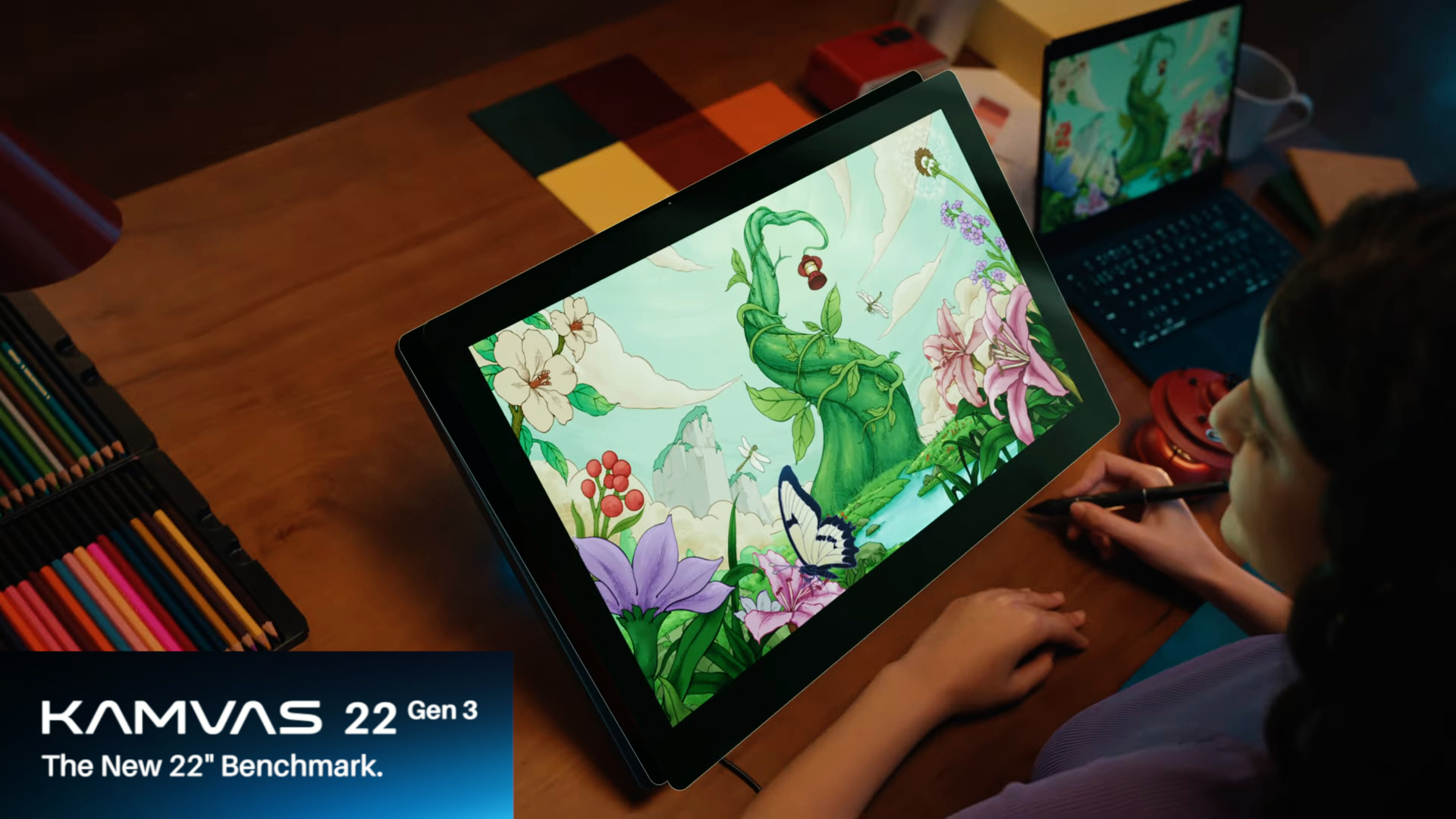
Thereβs also growing chatter that early units may already be circulating in certain regions, possibly in Asia. That would explain how a full Quick Start Guide ended up online. If thatβs the case, more substantial leaks could appear soon.

As for timing, previous rumors point to a March 26 announcement in China, with a broader global rollout potentially following in April. Some reports also suggest DJI may introduce a higher-end Osmo Pocket 4 Pro later this year.
DJI doesnβt seem to be reinventing the Pocket formula. Instead, the Osmo Pocket 4 appears to refine it, keeping the compact, three-axis stabilized design intact while improving usability through better physical controls and bundle flexibility.
If the leaked guide is legitimate, the official reveal may be right around the corner.
Donβt miss a thing! Join our Telegram community for instant updates and grab our free daily newsletter for the best tech stories!
For more daily updates, please visit our News Section.
(Source)
The post DJI Osmo Pocket 4 user guide shows updated physical controls ahead of launch appeared first on Gizmochina.
As MWC 2026 approaches, smartphone makers are once again using the event to showcase their unconventional designs. While much of the attention has been on Honorβs upcoming Robot Phone concept, Ulefone is preparing something different: a rugged handset with a detachable camera module.

The device is called the RugOne Xsnap 7 Pro, and its defining feature is a small βmagnetic action cameraβ built into the back of the phone. The module can be removed and used independently, turning it into a compact wearable camera. Ulefone says itβs designed for hands-free recording, whether attached to a helmet, backpack strap, or other gear.
The idea isnβt entirely new: detachable or modular cameras have appeared in various forms over the years. But integrating one directly into a smartphone is unusual. Ulefone describes it as the first βwearable action camera rugged phone,β though real-world performance will depend on how stable the connection is and how well the software handles syncing and control.
As for the phone itself, the hardware is fairly robust. It features a 6.67-inch 1.5K AMOLED display with a 120Hz refresh rate. Power comes from a MediaTek Dimensity 8400 5G chipset, paired with a substantial 9,000mAh battery aimed at extended outdoor use.
The rear camera system includes a 50MP main sensor with OIS and a 64MP night vision camera for low-light and infrared scenarios. Whatβs still unclear is whether the detachable unit utilizes the main sensor or operates as a separate camera. Ulefone has mentioned magnetic docking for charging and viewing through what it calls βAction Pod Docking.β Unfortunately, full integration details havenβt been shared yet.
The timing is notable. Honor is expected to showcase its ROBOT PHONE concept at MWC as well, featuring a robotic camera mechanism designed to move and adjust framing automatically. While the two approaches are very different β one focused on robotics, the other on modular camera and durability β both reflect a broader push toward more flexible mobile photography setups.
Ulefone plans to demonstrate the RugOne Xsnap 7 Pro prototype at Booth 7E46 during MWC 2026, with a commercial launch targeted for mid-year.
Whether the idea gains traction will likely depend on how seamless that camera module feels in everyday use β and whether users see it as a genuine tool rather than just an interesting add-on.
(Source)
The post Honor Robot Phone gets a competitor with a detachable βmagnetic action cameraβ appeared first on Gizmochina.


The Honor Magic V6 is one of the first big announcements coming out of this yearβs MWC β the most impressive figures on its spec sheet are how thin it is, 4.0mm unfolded and 8.8mm folded, and how big its battery is, 6,660mAh. The phone reaps the benefits of Honorβs partnership with battery maker ATL. Its battery features fifth-generation Silicon-Carbon (Si-C) material. It achieves a high energy density by using 25% silicon content, which is the highest in the industry, according to Honor. As impressive as the Magic V6 battery is, Honor isnβt stopping there and is working on even thinner...


The Honor MagicPad 4 becomes the first tablet to be powered by the Snapdragon 8 Gen 5 (the non-Elite near-flagship chipset). It is available starting today, though retail stores might have to wait until the 3rd. The tablet will be available at a discount this month and there are bundles with accessories on promo prices too. The offers for the UK and EU markets are slightly different, so letβs split them. Honor MagicPad 4 in Gray and White In the UK, the base MagicPad 4 (12/256GB) costs Β£600, while the 16/512GB upgrade is Β£700. However, a Β£100 early-bird voucher is available to...
Honor kicked off MWC 2026 by announcing its latest foldable β the Magic V6. Itβs a milestone not just for Honor but for foldables in general, being the first to sport IP68 and IP69 ingress protection. And itβs a proper flagship, equipped with the Snapdragon 8 Elite Gen 5 chip, triple cameras with a dedicated 3x optical zoom periscope and an upgraded 6,660mAh Si-C battery. Honor Magic V6 From an engineering perspective, this is Honorβs toughest foldable to date. It features a new Super Steel Hinge made of the strongest commercially available steel, and itβs tested at up to...
The Honor Magic V6 is now official, so let's do an unboxing. Ours is the Red model, and it ships with a USB cable and a color-matching red-and-gold case. The Magic V6 supports faster 80W wired and 66W wireless charging to the Magic V5's 66W/50W, but you'd need to buy the needed charger. The rear of the case tries to emulate the suede-like finish of the phone's rear panel, but it's nowhere as nice to the touch. It does, however, have the same color-changing qualities as the phone itself - the red changes its contrast under different angles. The case also has a clever kickstand...
Galaxy S26 marks the comeback of Exynos and Samsung already has bold ambitions for its in-house mobile SoC.
At a Galaxy Unpacked 2026 briefing in San Francisco, Moon Sung-hoon, Executive Vice President of Hardware at MX Division, made the companyβs long game crystal clear. Samsung wants its in-house Exynos SoC across the Galaxy lineup.
βWe hope to equip all Galaxy lineups with our own application processor,β Moon said, reports Dealsite (via Jukan). He also stressed that Samsung will continue working with partners to adopt the optimal chip when needed.
Samsung believes the Exynos 2600 is different. This is the worldβs first 2-nanometer smartphone AP. In chip manufacturing, shrinking the node improves efficiency and performance by packing more transistors into the same space.
Moon described this yearβs Exynos as having βpassed the bar on multiple fronts,β with significantly improved power consumption.
Anyone who followed the Galaxy S22 era remembers what happened with the Exynos 2200. Meanwhile, Samsung is now stepping back into its own silicon with the S26 and S26 Plus.
Despite the Exynos chipβs comeback, Samsung retained the Snapdragon chip in the Galaxy S26 Ultra. The official statement also signals that future Galaxy S Ultra models could continue to keep Snapdragon at the heart.
The Galaxy S26 Ultra sticks with the Snapdragon 8 Elite 5th Gen for Galaxy. Its improvements include 39 percent higher NPU performance, 24 percent better GPU performance, and a 19 percent CPU uplift over its predecessor.
For now, the message from San Francisco is clear. Samsung wants Exynos in every Galaxy. The S26 is where that ambition stops being theory and starts facing the real world.
The post Big News: Samsung aims to equip every Galaxy with Exynos, S26 starts the transition appeared first on Sammy Fans.
Samsung has confirmed that the new Privacy Display feature is reserved exclusively for the Galaxy S26 Ultra. If you are eyeing the standard or Plus model, this is one of the clearest lines Samsung has drawn in this generation.
Privacy Display on the Ultra is not a simple software trick or a rebranded screen protector mode. It is hardware-driven. Samsung is using pixel-level light dispersion technology built directly into the display panel.
Simply put, the Galaxy S26 Ultra screen can control how light spreads from each pixel, dramatically reducing visibility from side angles without dimming the entire display or requiring a stick-on privacy film.
Users can toggle between Partial Screen Privacy and Maximum Privacy Protection. The former limits visibility only within selected apps, think banking or messaging. The latter goes further, restricting shoulder surfing during PIN entry.
The Galaxy S26 and S26+? They simply do not have the underlying display hardware. Samsung clearly sees Privacy Display as a premium feature. It is part of the strategy to widen the gap between the Ultra and the rest of the lineup.
You can still use third-party privacy screen protectors, but that is old school and comes with the usual trade-offs in brightness and clarity.
Most people are not constantly guarding against shoulder surfers in public spaces. But for frequent travelers, corporate users, or anyone handling sensitive information on the go, the Ultra now offers a built-in privacy solution.

The post Does the Galaxy S26 and S26+ support Privacy Display? appeared first on Sammy Fans.
Samsung is clearly betting on contextual intelligence as the next layer of One UI. With the One UI 8.5 on Galaxy S26 series, Samsung introduced a powerful AI feature called Now Nudge that goes beyond what smart suggestions offer.
You are mid chat, plans are forming, someone suggests dinner next Friday, and suddenly you are jumping between calendar, gallery, and browser. This friction is exactly what the Samsung Now Nudge feature is trying to eliminate.
At its core, Now Nudge is a context-aware suggestion system. It looks at what is happening on your screen and offers real-time actions that make sense for that moment.
For instance:
It requires a Samsung Account login. Also, availability depends on your region and language.
Samsung Now Nudge analyzes what is displayed on your screen, including text conversations and image content. When it detects a relevant trigger, like a date, a location, or a shared memory, it offers a tap-based shortcut.
It can also analyze available image content to suggest photo sharing. If you are discussing an event, it may surface relevant pictures from your gallery. Meanwhile, Samsung itself notes that accuracy is not guaranteed.

Image β Samsung Now Nudge Feature
Now Nudge requires you to be logged into a Samsung Account. If you are privacy sensitive and prefer minimal system-level analysis, you may want to review permissions carefully.
If you are comfortable using smart suggestions in messaging apps and sharing contextual data within the Samsung ecosystem, Now Nudge will feel like a natural extension.
The good news is Samsung isnβt limiting Now Nudge to the One UI ecosystem. A context engine is useless if it only works in one or two apps. By integrating with widely used messaging platforms, Samsung has made a great deal.
Text message prompts are supported in select third-party messaging platforms, including Samsung Messages, Google Messages, Google Chat, WhatsApp, WhatsApp Business, KakaoTalk, LINE, Signal, Instagram DMs, Tango, NTT Docomo Messages, and KDDI Messages.
Support can vary by region and language.
The post Samsung Now Nudge Feature β Everything you need to know appeared first on Sammy Fans.


Honor is ready to showcase several highly anticipated devices at its MWC event today, and you can tune in to the action via the stream below. The event is scheduled to start at 1PM CET time (12PM UTC) and weβll be covering all of the major announcements from the event floor. So, what can we expect from this grand keynote? Honorβs next-gen book-style foldable Magic V6 for one. The device has been part of a teaser campaign for quite some time now and weβll finally get to see it go official. It will be the first foldable to bring IP68 and IP69 ingress protection, while also boasting a...


Samsungβs Galaxy S26 series may be named after the year 2026, but the three models feel like they are from different times. The Ultra once again gets the best new features, the vanilla model gets few but important upgrades, while the Plus model, well, there isnβt much to say about that one. The Samsung Galaxy S26 Ultra boasts a new Privacy Display feature. Compared to the S25 Ultra, it also has wider apertures on its 200MP main (f/1.4 instead of f/1.7) and 5x 50MP telephoto module (f/2.9 instead of f/3.4). Samsung also finally pushed past its self-imposed 45W charging limit and the new...
Samsung Galaxy S26, S26+, and S26 Ultra are now open for pre-order, and weβve brought a price increase breakdown as well as a comparison with previous generations to get you a clear picture of what has changed.
S26:
S25:
The standard version now starts at $899, thatβs for the price for the 256GB, as Samsung is no longer offering 128GB storage over the previous generation. Still, itβs $40 more than the 256GB version of the S25. After removing the 128GB storage, the standard model is offering a 512GB option.
S26+
S25+
The Galaxy S26+ takes a conservative approach and brings performance enhancements with a new Snapdragon chipset. For that, you will have to pay $100 and $180 extra for 256GB and 512GB, respectively.
S26 Ultra
S25 Ultra
The Galaxy Ultra flagship is the star of Samsungβs annual sales, and pre-launch rumors suggested that the entire S26 Ultra will get a price increase. In that case, Samsung didnβt disappoint new consumers and retained the base S25 Ultra price.
Instead, the company has opted for a $80 increment on the 512GB and a $140 hike on the 1TB version. You should know that the 16GB RAM is now part of the 1TB package.
The global DRAM shortage is the key reason behind these changes.Β By increasing the prices for other models and memory options, Samsung appearantly trying to offset the expense of not hiking the base S26 Ultra.
Still, the new performance, camera and features like privacy display, makes the Galaxy S26 Ultra model worth buying, since it hasnβt moved the base price at all.
The post Galaxy S26, S26+ and S26 Ultra: Price increase breakdown appeared first on Sammy Fans.
Mobile World Congress is set to be held from March 2 to March 5 in Barcelona. A day before the biggest mobile exhibition kicks in, Samsung revealed its MWC 2026 agenda, which includes Galaxy AI, S26 Ultra, Buds 4, and more.
At Unpacked on February 25, Samsung introduced the Galaxy S26 and Buds 4 series. The event also spotlighted upgraded Galaxy AI and Agentic AI advancements.
Samsungβs MWC 2026 exhibition space is also built on the momentum of Galaxy Unpacked. However, thereβs a strategic shift as it goes beyond mobile by demonstrating how Galaxy AI is evolving for the years ahead.
Samsung is positioning the S26 Ultra as the most complete expression of Galaxy AI yet. The heart of the device is the Snapdragon 8 Elite Gen 5 for Galaxy. AI features are not treated as foreground gimmicks here.
The company has redesigned the Vapor Chamber inside the S26 Ultra. It is physically larger and restructured to spread heat more evenly across the chassis. Agentic AI has impressive upgrades over the Galaxy AI features.
The camera remains central to the Ultra identity, with wider apertures bringing in more light. Nightography video has cleaner noise reduction, and Super Steady now includes a horizontal lock mode for more cinematic framing.

The new Galaxy Buds4 series integrates with Galaxy AI agents for contextual assistance. The Galaxy Watch8 series pushes more personalized health insights across running, sleep, and mindfulness, feeding data back into Samsung Health.
The Galaxy Book6 line and Tab S11 showcase how AI scales across larger screens. Galaxy XR and TriFold concepts are also available for hands-on previews and Samsung is showcasing its AI-driven factory initiatives and network automation.
The post Galaxy S26 Ultra getting an even bigger reveal at MWC 2026 appeared first on Sammy Fans.


Before the Unpacked February 2026 event, the Samsung community had doubts over the titanium Galaxy S26 Ultra, but the confusion ended with the final release, and Samsung didnβt even try to give a reason behind returning aluminum to this lineup.
In 2024, the Galaxy S24 Ultra became the first-ever Galaxy phone to equip a titanium frame, aiming to improve the durability and structural strength. It also helped the company to bring a thinner design for a better user experience. The Galaxy S25 Ultra retained titanium with a round corner design.
You should know that Apple was the first to debut Titanium with the iPhone 15 Pro lineup in 2023 and discontinued it with the iPhone 17 Pro series released late last year.
During the September event, Apple said its new brushed aluminum unibody design has a lightweight aerospace-grade 7000-series aluminum alloy. This upgrade accompanies major changes such as the camera plateau, which created more room inside the chassis and helped the company to increase the vapor chamber size for better cooling and improve the battery capacity, which is now more than 5,000mAh, better than the Galaxy S26 Ultra.
Now that the Galaxy S26 Ultra has also marked the end of Titanium in Galaxy S-series phones, we can say that Samsung followed Appleβs titanium reign. Thatβs all we could observe from Samsungβs silent design change.

Samsung Galaxy S26 Ultra (Source β Samsung)
With titanium out of the picture, Samsung has returned to Armor Aluminum. Samsung hasnβt detailed the aluminum or titanium within its Unpacked keynote, but here are the key benefits.
The S26 Ultra has a slimmer outlook, consisting of a 7.9mm thickness and 214 grams in weight. That makes the phone 0.3mm thinner and 4 grams lighter than the Galaxy S25 Ultra.
The reason behind this design improvement is that aluminum is less dense than titanium and helps to reduce the overall device volume. We may have seen further upgrades in this segment, but more space is now allocated to a larger vapor chamber for better cooling.
One of my favorite benefits of reverting to aluminum is vibrant colors returning to the Galaxy Ultra device. Unfortunately, the Galaxy S26 Ultra couldnβt offer improved battery life.
The Galaxy S25 Ultra may not be the last titanium Galaxy S-series phone, but we canβt be so sure, since Samsung chose to say nothing at all.
The post Galaxy S26 Ultra marks the end of titanium in the S-Series appeared first on Sammy Fans.

These are the Redmi Buds 8 Pro in Glacier Blue, and weβre ready to unbox them right after their global premiere. They are the latest addition to the Redmi brandβs audio portfolio and bring some impressive specs, including triple drivers, hi-res audio streaming with LDAC support and active noise cancellation (ANC) rated at up to 55dB, all while retailing for under β¬100/Β£100. Our Glacier Blue review sample is arguably the best color option, with the other two being plain black and white. It has a satin-like matte finish with slight hints of silver throughout the case and buds. The...
Samsung has released the Galaxy S26 Ultra, and it comes with real innovation, like the privacy display. While the company has awed the users with this innovation, the Galaxy S26 Ultra retained its old battery specs.
The Galaxy S26 Ultra equips a 5000 mAh battery. With this addition, all of the S-series Ultra phones have the same battery capacity, including S20 Ultra, S21 Ultra, S22 Ultra, S23 Ultra, S24 Ultra, and S25 Ultra.
For the past five years, Samsung has been relying on chipset optimisations to offer a better battery experience instead of actually upgrading the hardware. So, the improvement side is majorly goes to the chip side.
On the stage at Unpacked, the company proudly promoted the S26 Ultraβs battery performance, providing 31 hours of video playback. However, itβs the same as last yearβs Galaxy S25 Ultra. Itβs hard to note the difference in promotions, but the real-life experience might be slightly different than usual.

However, the experience might be different due to new chip optimizations that Samsung is offering with this new device, around 30 minutes more in real-life use cases.
In an age where competitors are launching over 6000 mAh flagships, Samsung is still stuck on a 5-year-old strategy. The criticism intensifies when Apple is also making praiseworthy battery improvements. Its latest iPhones have already surpassed 5000mAH battery pack, and more such improvements might be coming with the next-generation.
Afterall, itβs not bad that the Galaxy S26 Ultra is also using the 5000mAh battery. Instead, Samsung could have done better. To divert focus from this discussion, the phone maker is offering 60W wired charging support.
Samsung has launched the Galaxy S26 Ultra at $1,299, and itβs available for pre-order. The official sale will start on March 11, 2026.
The post Samsung is hallucinating over Galaxy S26 Ultraβs battery appeared first on Sammy Fans.

Last week, we asked our readers whether they had any interest in buying a Pixel 10a β the answer is a resounding βnoβ. The majority of voters think there are better mid-rangers on the market. The best thing that we can say based on these results is that around a third of voters think that the 10a isnβt a bad phone, itβs just overpriced. Which is bad. Jokes aside, there was a similar attitude in the 9a poll a year earlier, but people warmed up to the 9a over time β or rather as the price cuts came in. So, maybe there is hope for the new model. One good reason to jump on the Google Pixel...

Xiaomi's latest Wear OS smartwatch is here, and it means serious business. Meet the Xiaomi Watch 5, a no-compromises smartwatch with a massive battery. Before we go through the numbers, let's do an unboxing. The Watch 5 ships with Xiaomi's typical two-pin magnetic charger. We're not fans of it. First, it ends on a USB-A connection, not a USB-C, which isn't ideal in early 2026. Second, the two-pin design means you need to fiddle when placing the watch down to charge. It'd be much easier if Xiaomi went with a universal magnetic design, like Samsung and OnePlus. Charger aside, the...

Next week will be busy with news from the MWC and upcoming Apple announcements. This week the big event was the launch of the Galaxy S26 series. In case you missed it, this post serves as a jumping off point to the most important details. We also have a hands-on review with all three S26 models as well as a hands-on video. Long story short, the S26 trio is already on pre-order and will officially go on sale on March 11. The first shipments should start arriving around that time too. Itβs important to highlight that Samsung revised the prices of the S-series models β hereβs the detailed...
Earlier this month, Samsung started rolling out the February 2026 security update. However, the update has only reached a few Galaxy devices so far. As February is almost over, many users are still waiting to receive the latest security patch on their phones. It means that several Galaxy devices will get an older security patch in 2026.
Right now, the February 2026 update is available for Samsungβs newest flagship models. These include the Samsung Galaxy S25, Galaxy S24, and Galaxy S23 series. Samsung has also released the update for its latest foldable phones, including Galaxy TriFold, Fold 7, Fold 6, Fold 5, and Fold 4 along with Flip models.
This time, the rollout seems slower than usual. Many other Galaxy devices, including older flagship and mid-range models, have not received the February 2026 patch yet. Since the month is almostend, it looks like several Galaxy phones may get an older security patch, means February 2026 patch, in March 2026.
There could be a few reasons for this delay. Samsung was busy with the One UI 8.5 Beta Program and the Galaxy Unpacked 2026 event. When Samsung works on big software updates and major product launches, monthly security updates can sometimes move more slowly.
For users who have not received the February update, there is no need to worry. They may receive it in March 2026. You can check a list of those devices that will get an older patch in March 2026.

Source β Samsung
These Galaxy Devices will get an older security patch in March 2026
Some of them could also get the February 2026 patch next month
Users can check for updates by going to Settings, then Software Update, and tapping Download and Install to see if the latest version is available for their device. Stay tuned.
The post These Samsung phones may get older security patch in March 2026 appeared first on Sammy Fans.
Samsung just launched the Galaxy S26 Ultra, and rumors of the Galaxy S27 Ultra LOFIC camera evolution have started to surface. The latest entry signals a breakthrough in imaging capabilities, matching the βking of lenses.β
Leaker Digital Chat Station revealed that Samsung is developing a new 200MP sensor internally labeled HPA. A large 1/1.12 inch sensor with LOFIC technology baked in. In industry circles, it is already being called the βking of lenses.β
Ice Universe stepped in with the part Samsung diehards actually care about. The Samsung insider revealed that the Galaxy S27 Ultra will not use the exact HPA unit; it will use HP6. Meanwhile, thereβs more you should know.
The HP6 is essentially the consumer-tuned version of HPA. Slightly smaller at 1/1.3 inch, which sounds like a downgrade if you only read spec sheets, but performance matches the larger 200MP ISOCELL HPA camera sensor.
LOFIC stands for Lateral Overflow Integration Capacitor. What it really means is better dynamic range. LOFIC allows the sensor to store extra charge when light gets intense, instead of clipping it.
The result should be cleaner HDR without the artificial overprocessing that sometimes makes Samsung photos look overcooked. If Samsung gets this right, it is about image quality that actually competes with the best.
If you are holding an S24 Ultra or older, the S26 Ultra will still be a massive leap. But if you already own the S25 and care deeply about camera innovation, 2027 is shaping up to be the real reset.

Source β Ice Universe and Digital Chat Station (Weibo)
The post Galaxy S27 Ultra to feature new 200MP camera with LOFIC imaging appeared first on Sammy Fans.
At MWC 2026, Xiaomi took the wraps off the Xiaomi 17 series for global markets, alongside a new Wear OS watch and a handful of ecosystem devices. The new devices from Xiaomi come as the toughest competitors to the Galaxy S26 and Watch 8.
This is the kind of launch that Samsungβs mobile division studies carefully. Galaxy Watch 8 has been up for purchase since July, and preorders for the Galaxy S26 series are officially open ahead of sale commencement on March 11.
The Xiaomi 17 Ultra introduces Xiaomiβs first 1-inch LOFIC main sensor. LOFIC, short for lateral overflow integration capacitor, increases full well capacity.
Simply put, captures more light without blowing highlights, which means better HDR and more dynamic range in tough lighting.
Samsung has pushed large sensors and pixel binning for years, especially with its 200MP ISOCELL lineup. Now Xiaomi is going after sensor physics more aggressively.
Xiaomi is pairing a 200MP sensor with a 75mm to 100mm mechanical optical zoom, extending to a 400mm equivalent using sensor crop. It is Leica-tuned and built to APO standards to reduce fringing and ghosting.
Xiaomi says:
Xiaomi 17 Ultra breaks new ground with Xiaomiβs first 1β³ LOFIC main camera sensor. The Light Fusion 1050L image sensor uses cutting-edge capacitor technology to significantly increase full-well capacity and enable next-generation HDR performance. Another key breakthrough is the Leica 200MP 75β100mm camera, featuring a 75β100mm mechanical optical zoom. Built to Leica APO optical references, the telephoto camera maintains high image quality with minimal ghosting and colour fringing across the entire zoom range, and expands to a 400mm (17.2x) equivalent focal length thanks to advanced sensor technology for outstanding long-range photography.
Samsungβs Ultra models have long defined the Android zoom camera. If Xiaomiβs 200MP telephoto delivers cleaner long-range shots with true optical transitions between focal lengths, the Galaxy S26 Ultra will have real pressure on its hands.

Xiaomi 17 series first debuted in China as one of the earliest Snapdragon 8 Elite Gen 5 flagships. Now, the Chinese phone maker is bringing it globally, with the Xiaomi 17 starting at β¬999 and the Xiaomi 17 Ultra at β¬1,499 in Europe.
Similar to the Galaxy S26 series, Xiaomi 17 series run Snapdragon 8 Elite Gen 5 processor. Theoretically, the performance may draw, but Samsungβs flagship phones are already nailing the benchmarks with impressive scores.
The Xiaomi 17 Ultra boasts aΒ 50MP primary camera, a 200MP telephoto sensor, a 50MP ultrawide camera, and a 50MP selfie snapper. The phone sports a 6.9-inch display, packing 6,000mAh battery with 90W charging and up to 1TB of storage.

The post Xiaomi 17 Ultra challenges the Galaxy S26 Ultra with giant camera sensor appeared first on Sammy Fans.

TORRAS is launching a new anti-reflective screen protector designed specifically for the Samsung Galaxy S26 Ultra. The OrigArmor Screen Protector also boasts high light transmittance, enhanced protection against damage and easy installation with a roller tray system. You can find it now on the official TORRAS store as well as on Amazon. The TORRAS OrigArmor screen protector for the Samsung Galaxy S26 Ultra Since the S24 Ultra, Samsung has been using special glass for the display that cuts down on reflections. However, typical screen protectors negate this advantage of the...


A few months after launching in China, the Xiaomi Pad 8 Pro is expanding to more markets around the world. This is one of Xiaomiβs thinnest LCD tablets as it is 0.4mm slimmer than the Pad 7 Pro. The new slate measures only 5.8mm thick and weighs 485g (15g less than the previous model). You might not think it matters, but these improvements add up over time β the Pad 7 Pro was 0.3mm thinner than the Pad 6 Pro and now this model shaves off an extra 0.4mm. This matters since tablets almost have to be used with a case of some sort. The Xiaomi Pad 8 Pro measures 5.8mm thick and weighs...


Are two 5,000mAh power banks the same size? Before you say βof courseβ, we need to clarify what we mean by size. In terms of physical size, putting the new Xiaomi UltraThin Magnetic Power Bank 5000 15W next to a 5,000mAh power bank from EcoFlow shows a stark difference. The Xiaomi power bank weighs only 98g and measures 98.5 x 71.5 x 6.0mm. The EcoFlow power bank is nearly twice as heavy at 180g and it is more than twice as thick at 108.0 x 70.0 x 14.4mm. To be fair, some of that is due to the integrated charging cable and kickstand on the EcoFlow, but the Xiaomi uses a cutting-edge...


Xiaomi launched a tracking tag called simply the Xiaomi Tag. We have one in our hands and we can see a few reasons why you may want to pick one up over trackers from other brands. First, itβs how you can get one β an individual tag costs β¬18, while a pack of four goes for β¬60. For comparison, a second-gen Apple AirTag is β¬35 (or β¬120 for four), a Samsung SmartTag2 is β¬40 (β¬130 for four) and a Moto Tag 2 is also β¬40 (β¬130 for four). Xiaomi undercutting the competitionβs pricing is nothing new, but the difference is double or more in this case. The Xiaomi Tag is slender and cleverly...
Xiaomi today announced the Xiaomi 17 and Xiaomi 17 Ultra for international markets at an event in Barcelona, Spain, alongside a bunch of other products, including the Leica Leitzphone. No, it isn't one of those Japan-exclusive Leitz Phones made by Sharp, but basically the global version of the China-exclusive Xiaomi 17 Ultra Leica Edition we already reviewed, with the most notable difference being the battery capacity. [#InlinePriceWidget,14380,1#] The Xiaomi 17 Ultra Leica Edition packs a 6,800 mAh battery, whereas the Leica Leitzphone is fueled by a 6,000 mAh battery, just like the...
The Xiaomi 17 and 17 Ultra launched in China at the end of Q3 last year β so if you wrote them off as China-only phones that you canβt buy, itβs time to have a second look since they are now launching to new markets. There are no surprises on their spec sheets, other than the predictable decrease in battery capacity for the global models. Also, the 17 Pro isnβt part of the global rollout, but weβll talk about it in a second. Xiaomi 17 Ultra The Xiaomi 17 Ultra brings serious camera hardware. It is equipped with a 50MP 1β-type Light Fusion 1050L sensor with LOFIC HDR and...