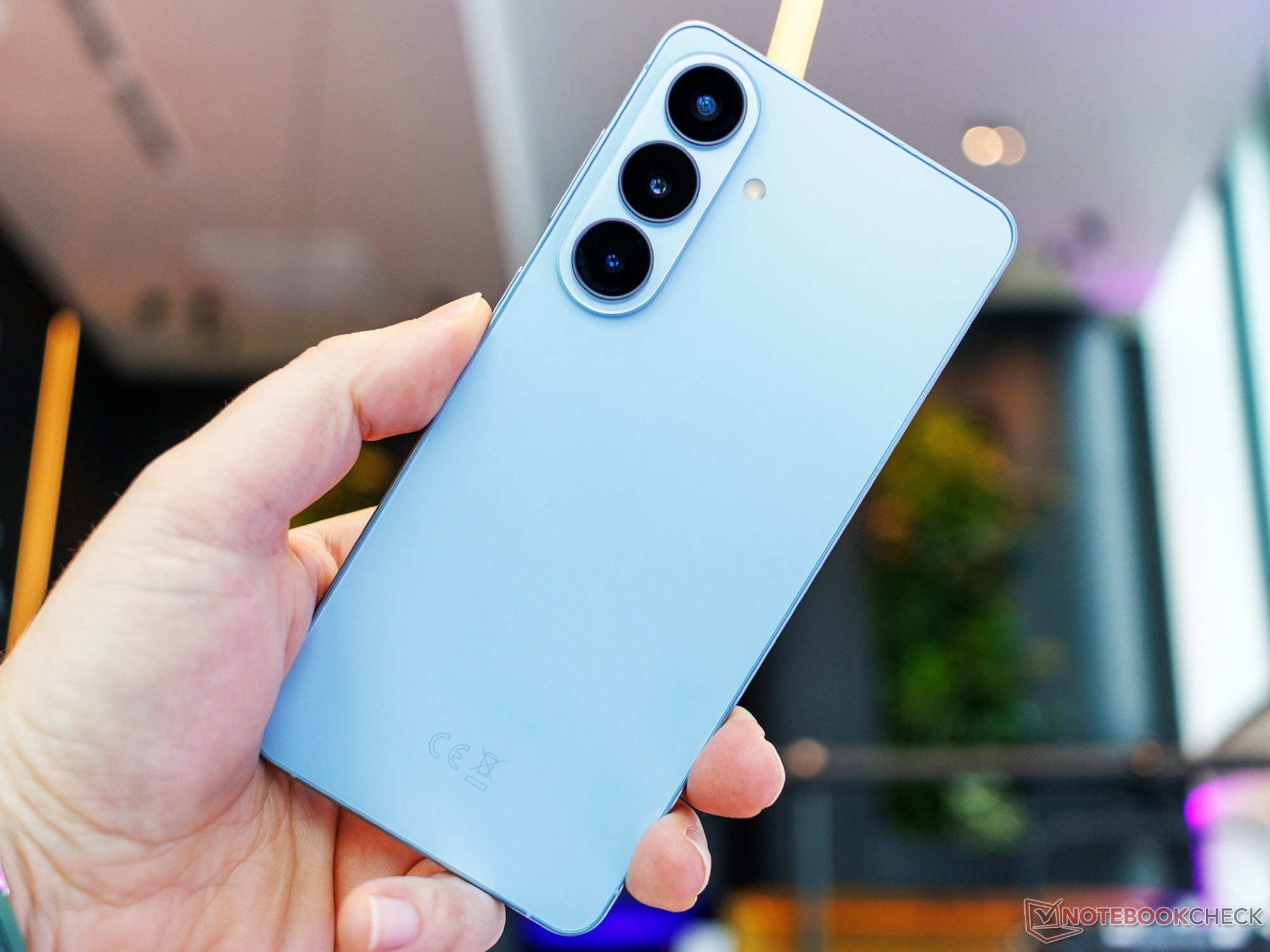
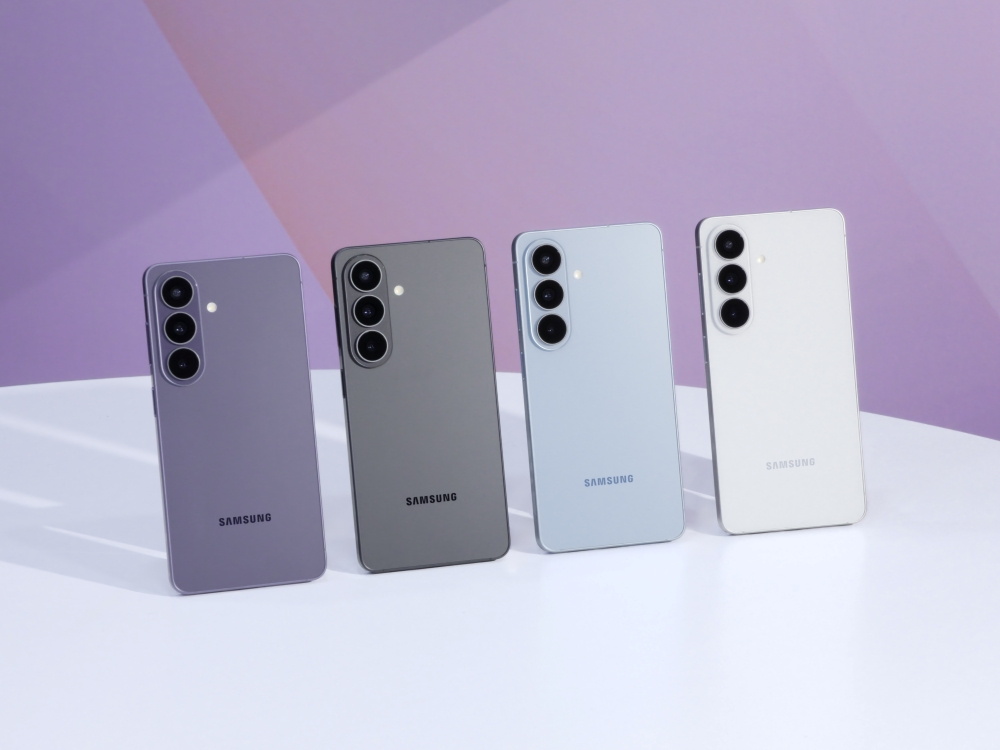
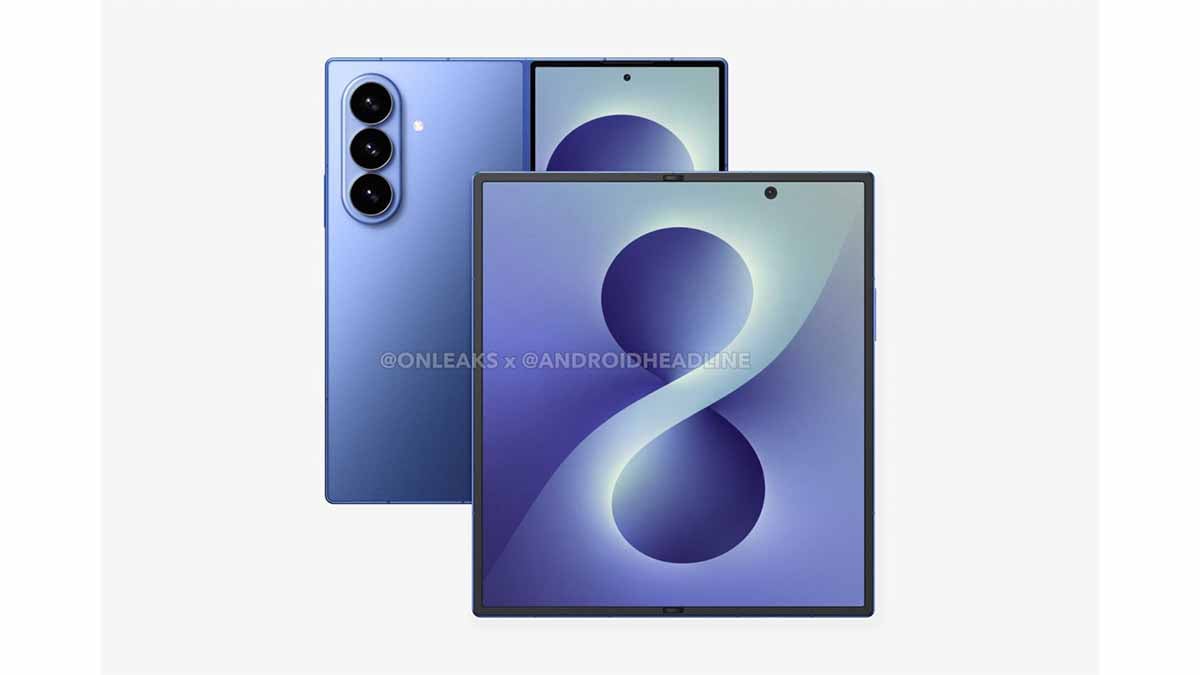
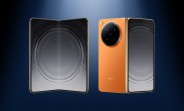
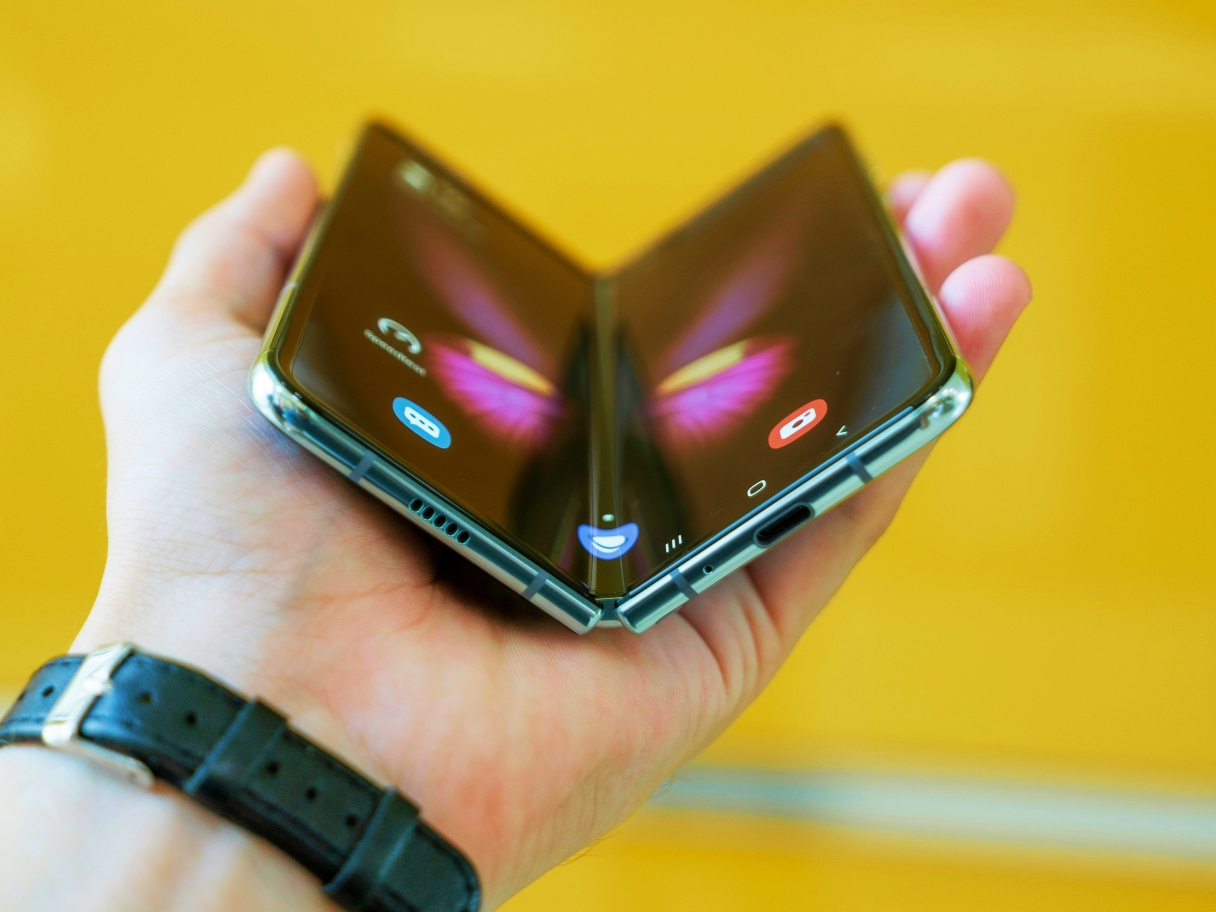
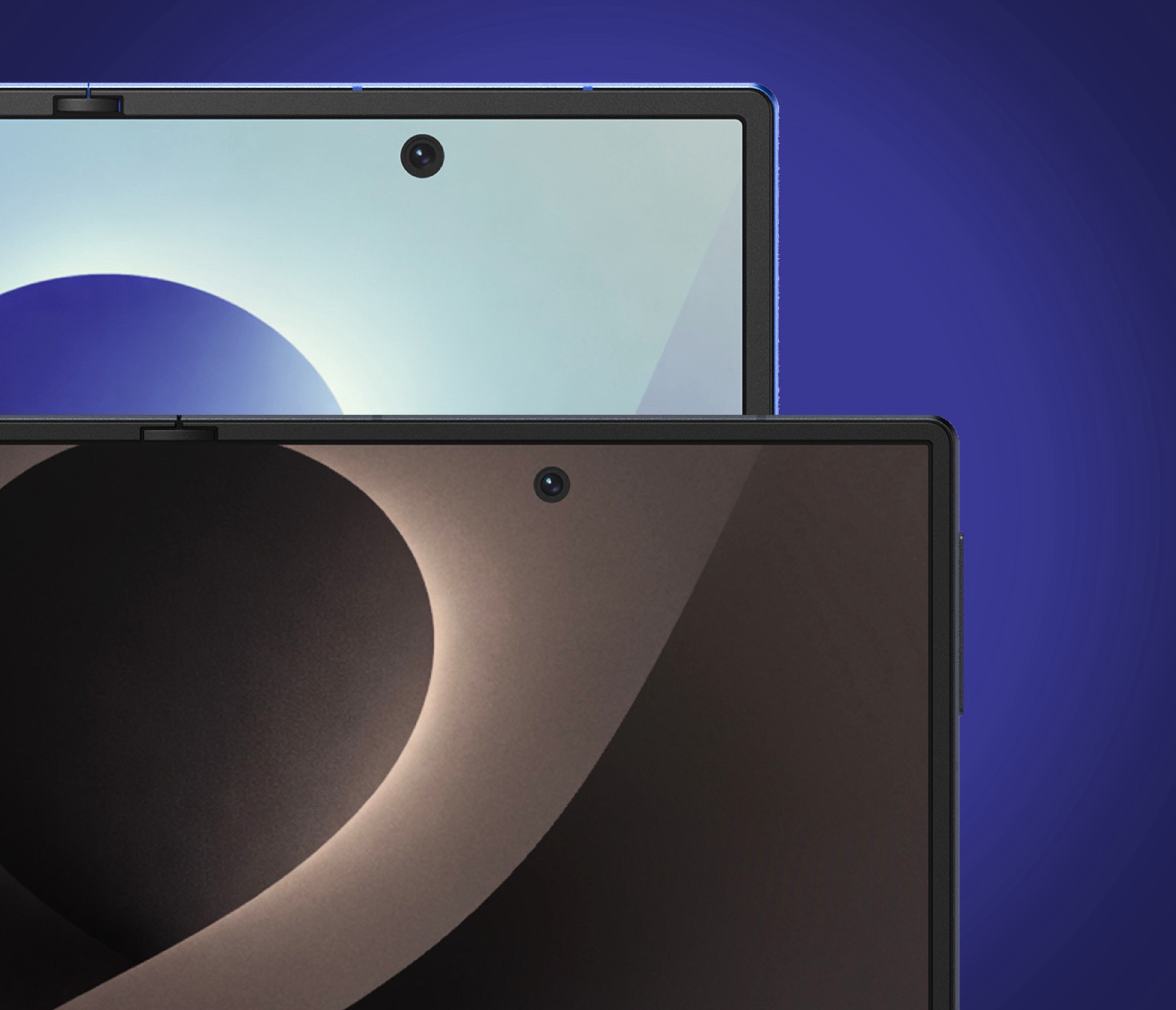
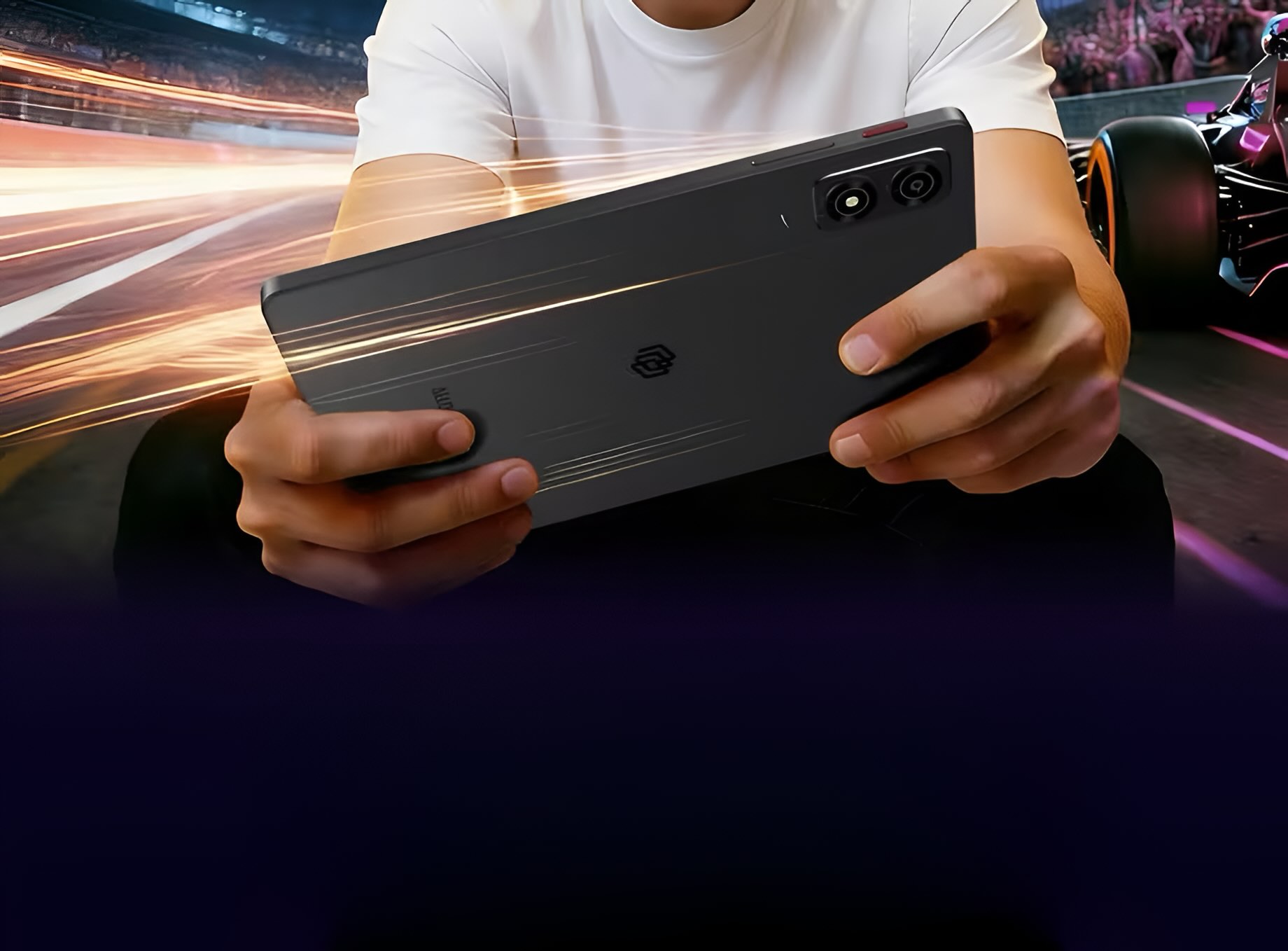
Samsung is getting ready to launch its next foldable phone, the Galaxy Z Fold 8, and leaks about its price have already started coming in. A new leak reveals that the starting price of the Galaxy Z Fold 8 may stay the same as last year, but higher storage options could cost more.
According to the information via @TheGalox_, the base model of the Galaxy Z Fold 8 is expected to come with 12GB RAM and 256GB storage, priced at around $1,999.This is the same starting price as the Samsung Galaxy Z Fold 7, which is good news for buyers who were worried about a price increase.
However, if you want more storage, you may have to pay extra this time. The 512GB version of the Fold 8 could cost about $2,199, while the top model with 16GB RAM and 1TB storage may go up to $2,499. These prices are higher than last year’s Fold 7, where the 512GB model was priced at $2,119 and the 1TB model at $2,419.
Source – Samsung Mobile Press
This means Samsung might be keeping the base model price steady but increasing the cost of upgrades.One possible reason could be the rising production costs.
For users, this means choosing the right storage will be important. If you don’t need a lot of space, the base model could still be a good deal.But if you want more storage, you should be ready to spend more money.
While nothing is official yet, these leaks give us a good idea of what to expect from Samsung’s next foldable phone. More details should be revealed soon. Stay tuned for more information.
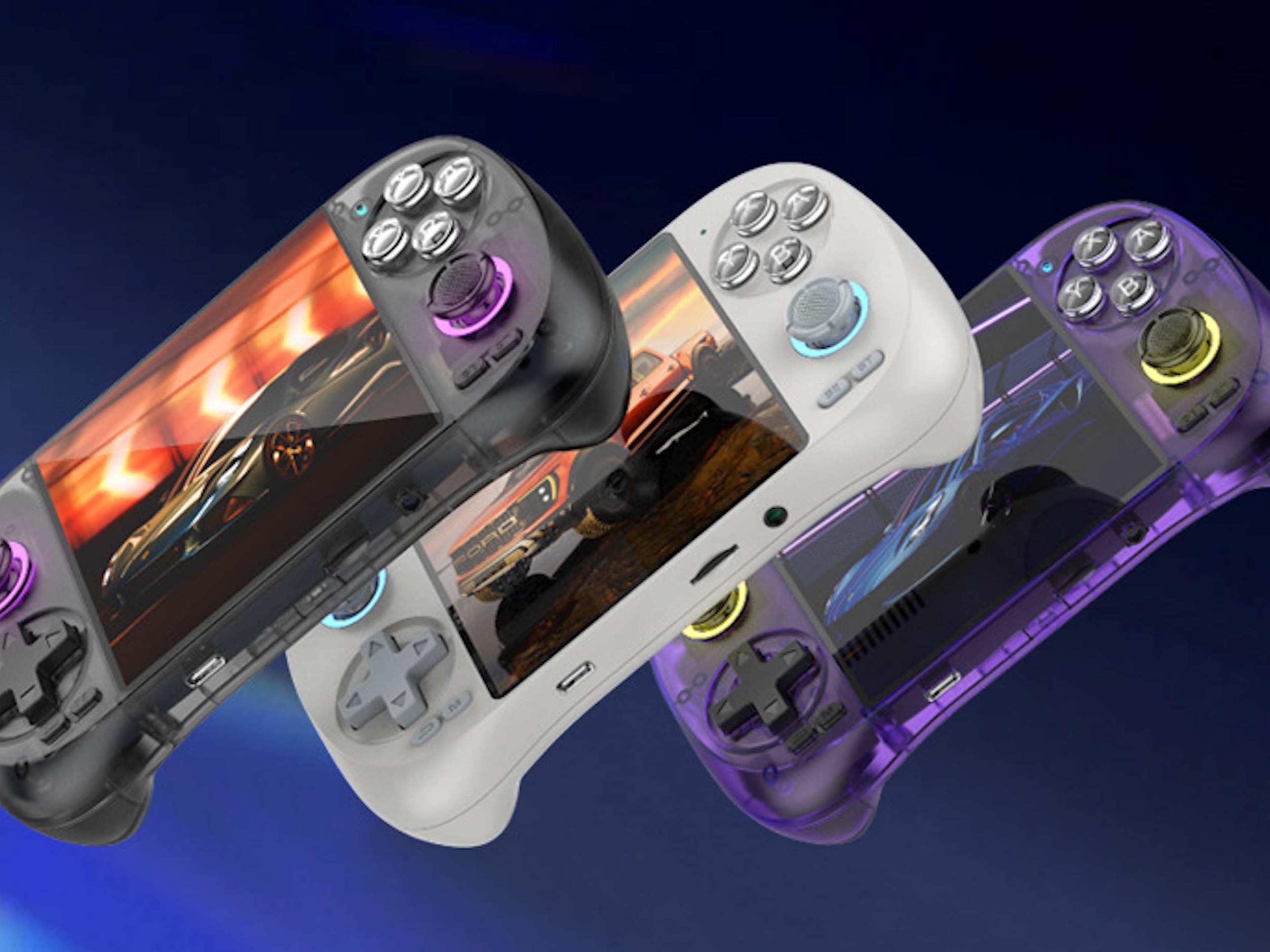
The Evercade Nexus is a new handheld with support for Evercade's collection of cartridge-based games. The new handheld has a customizable RGB logo and a TATE mode, but won't be available until October.
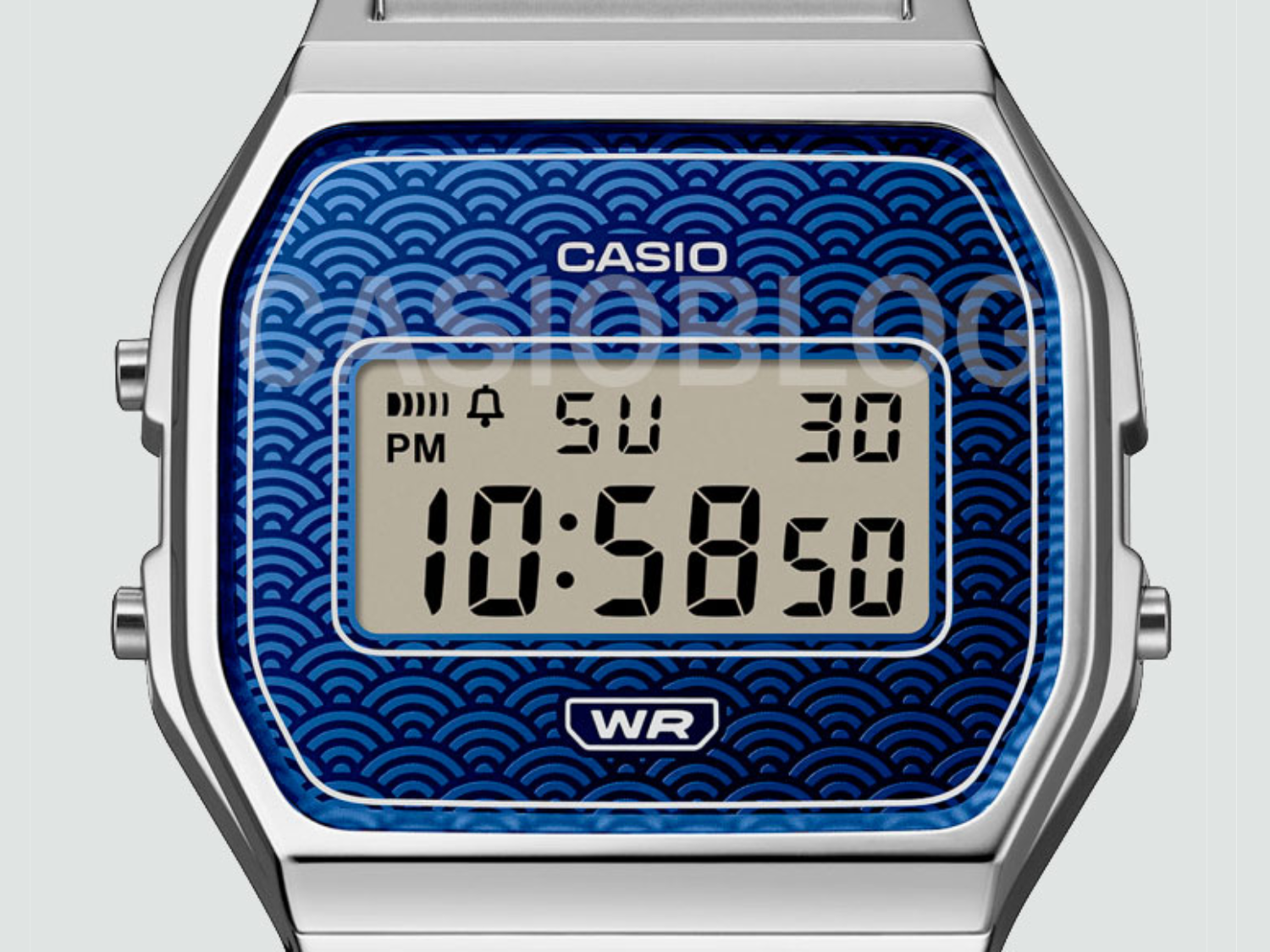
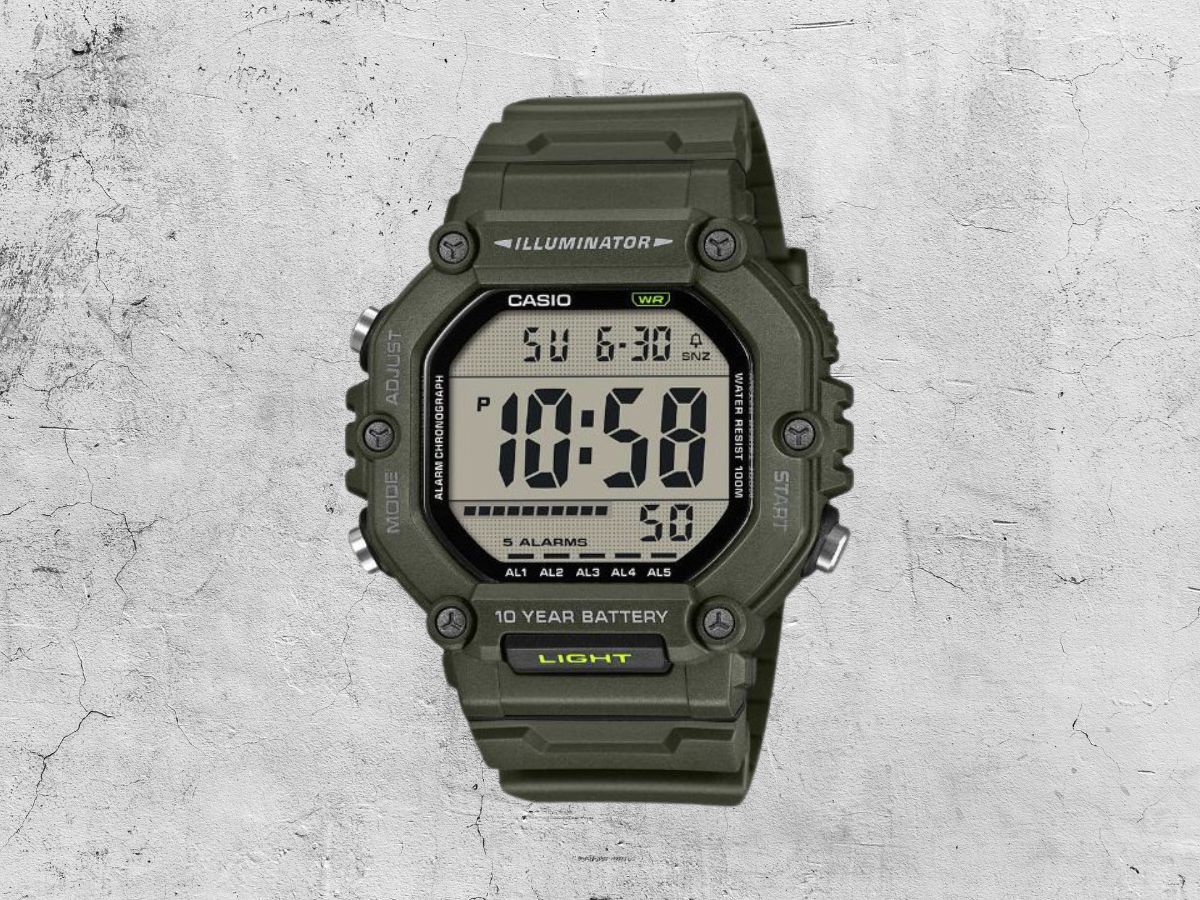
Casio has launched new Pro Trek PRW-69 series watches with duplex LCD, Triple Sensor, and a flame-resistant bio-based resin case. Set for April 2026, the lineup includes two variants with different straps but identical core features.
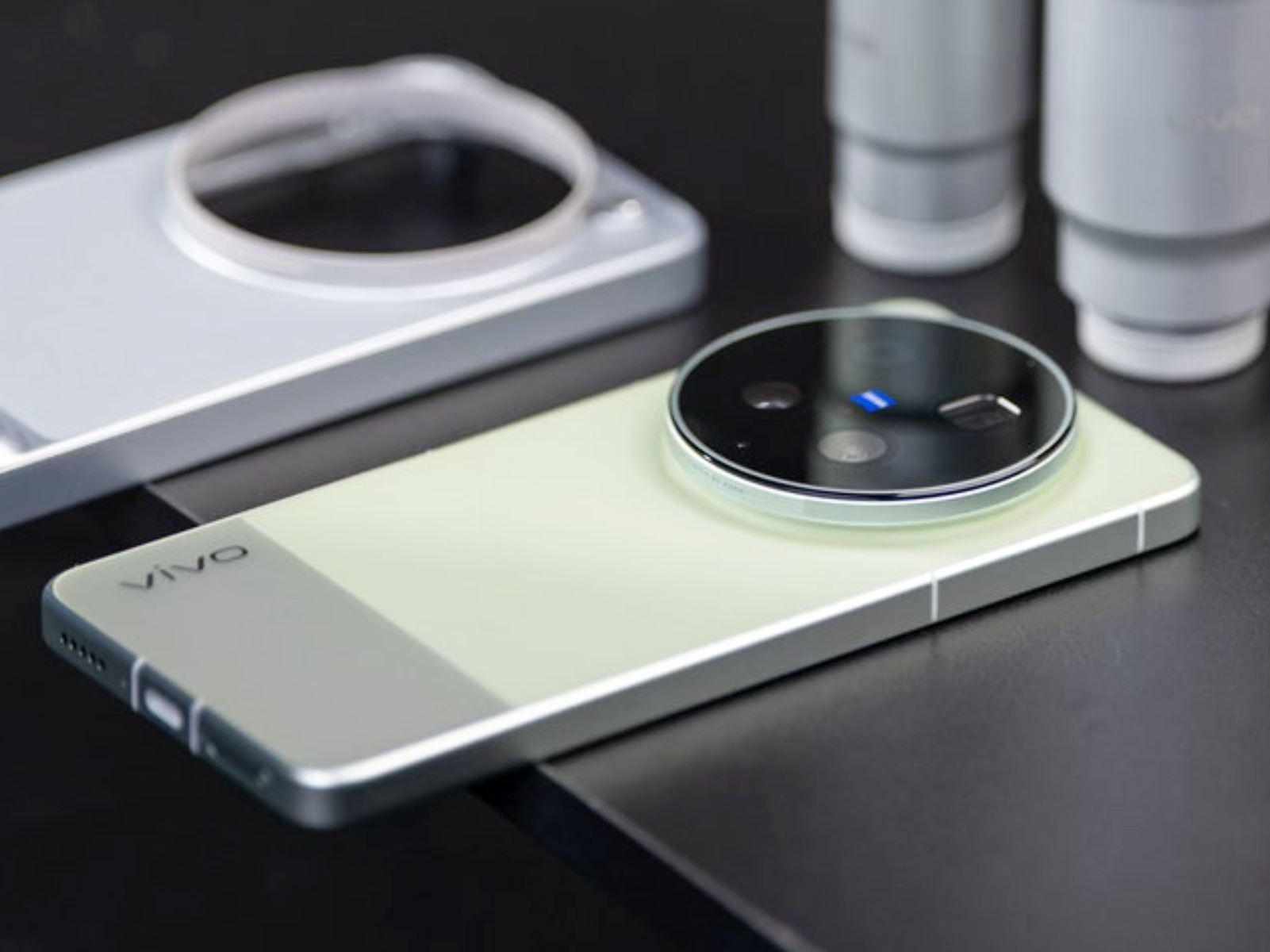
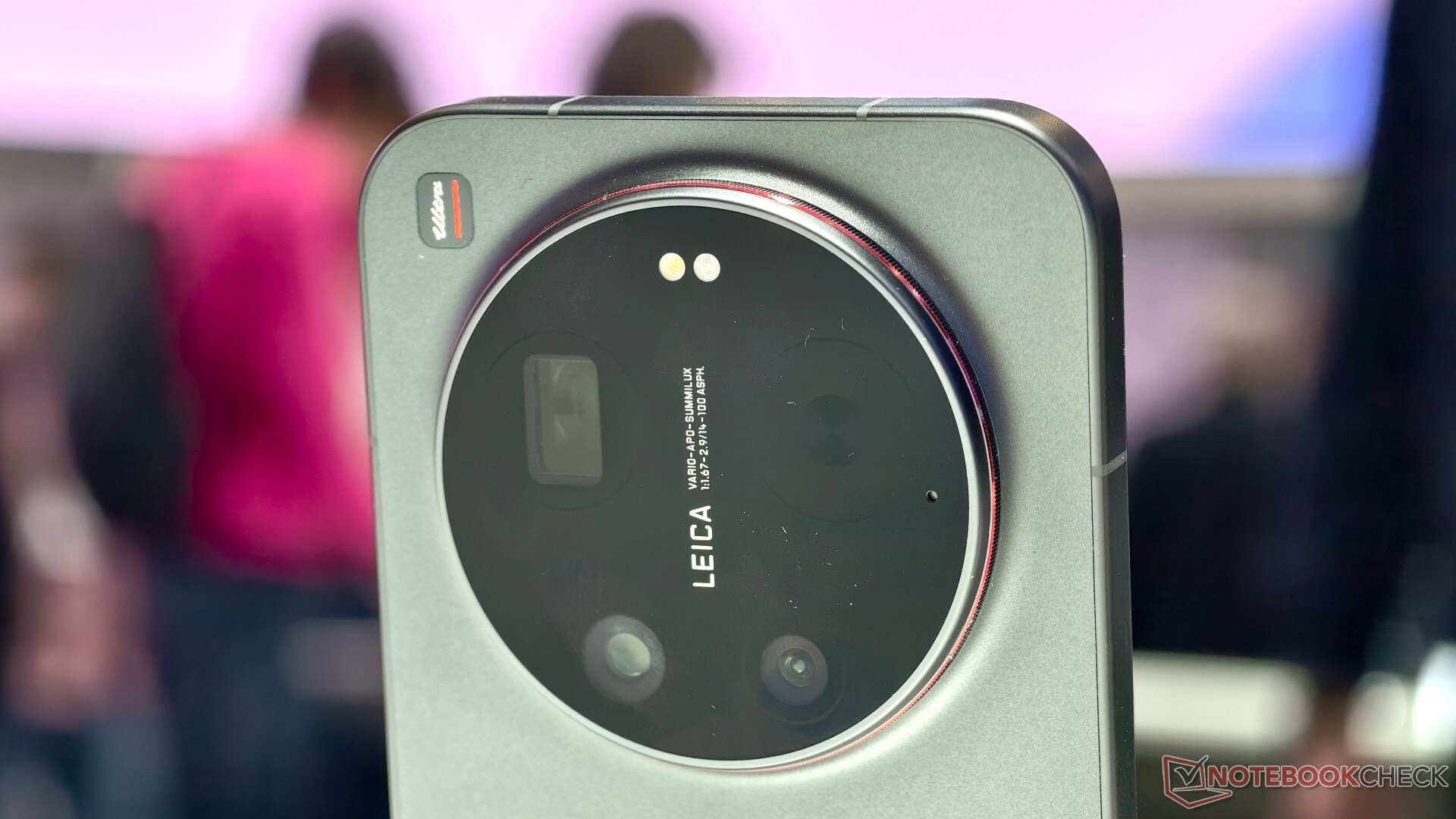
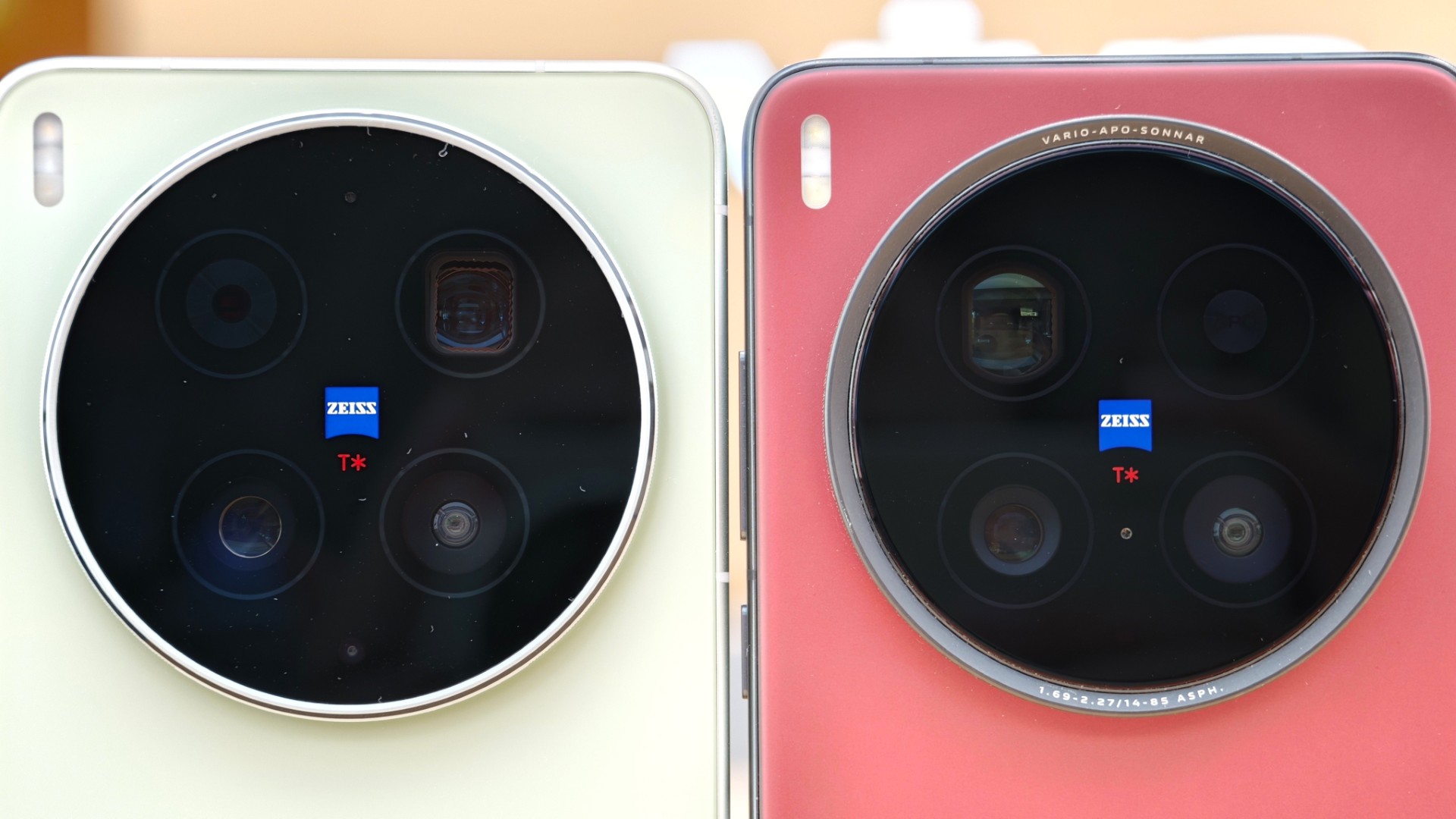
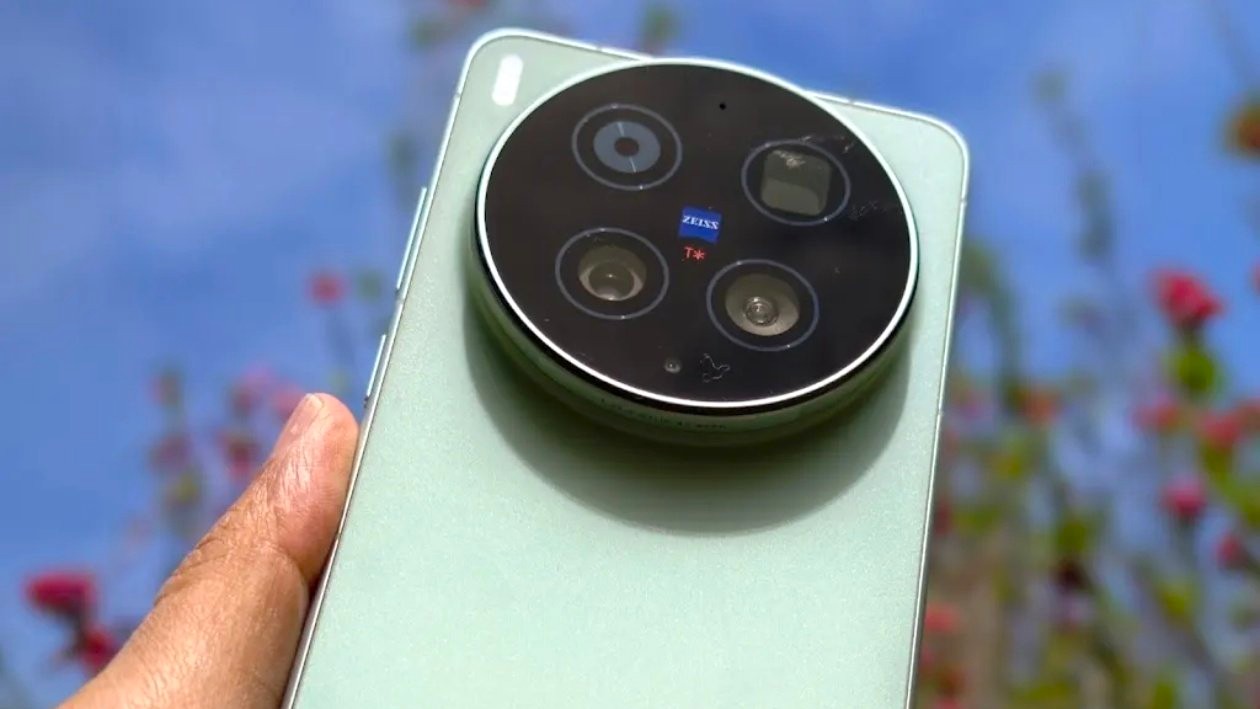
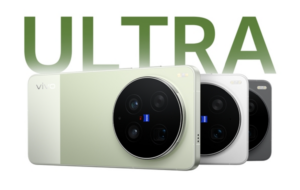
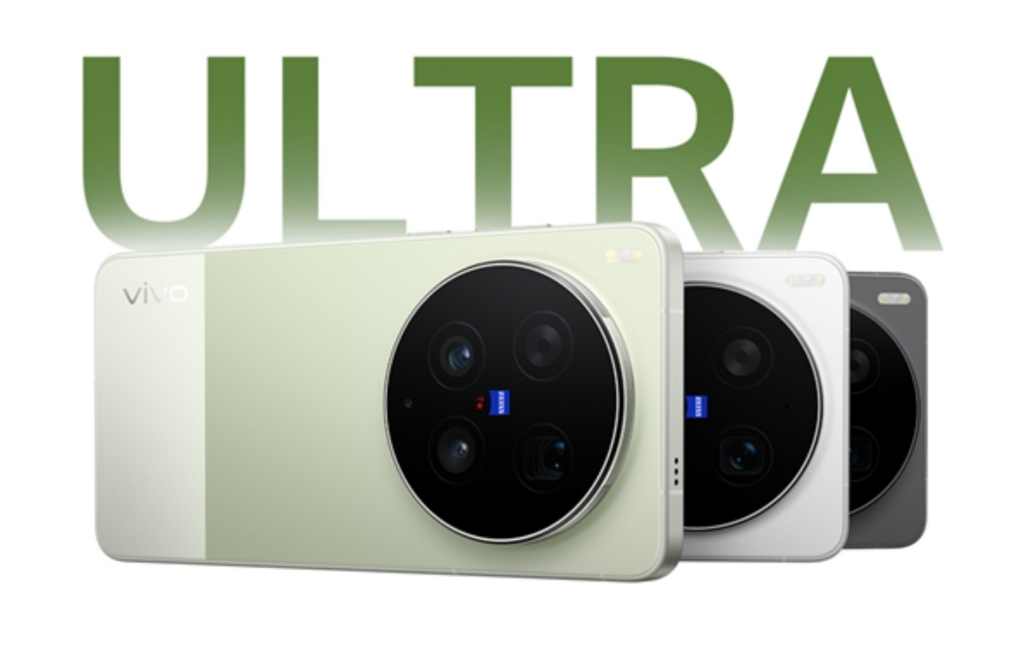
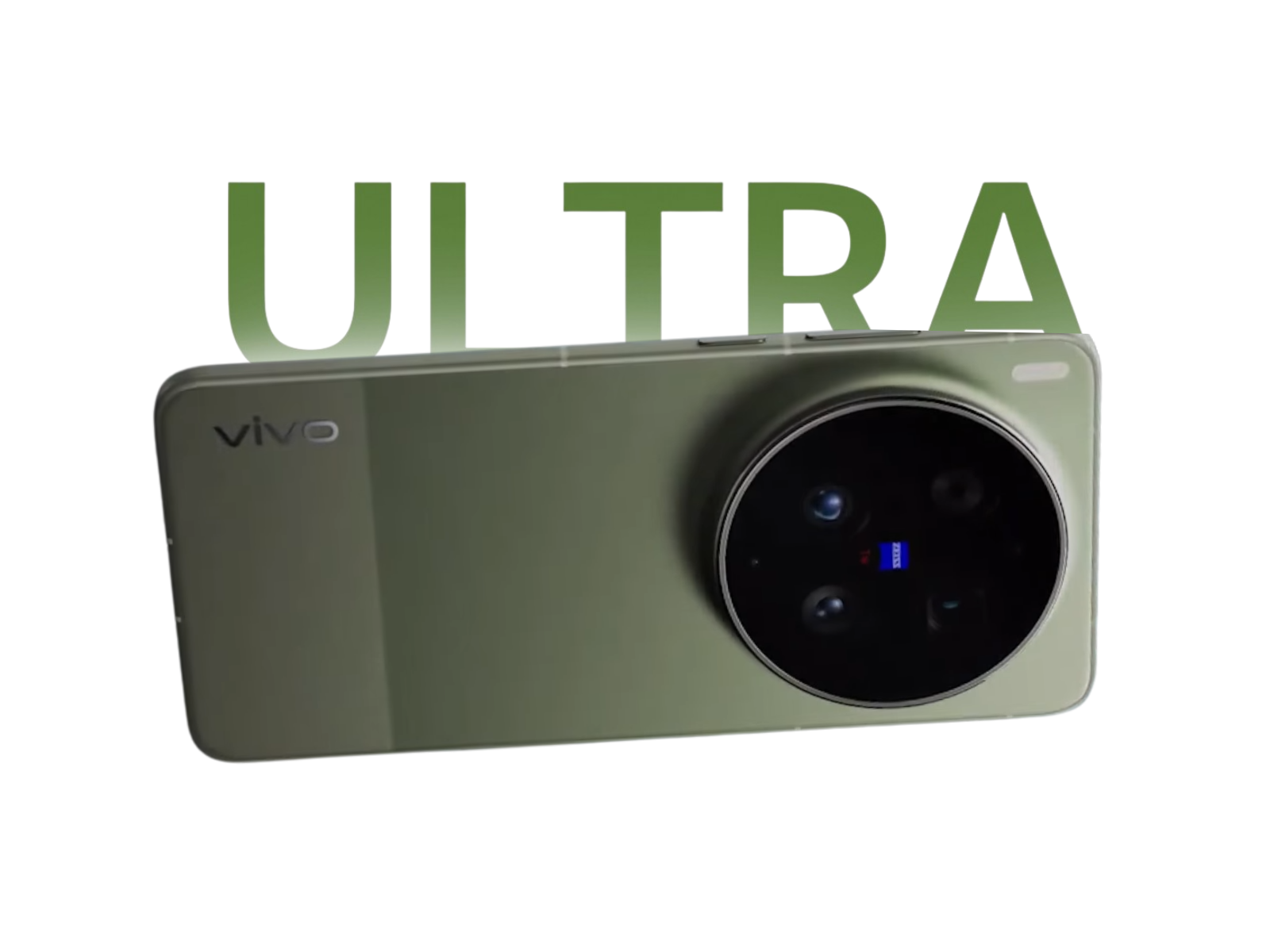
vivo launched the X300 Ultra in China yesterday as its all-out camera flagship of the year. Thankfully, this device is also going to be officially sold outside of China, and it looks like the EU will be getting it too.
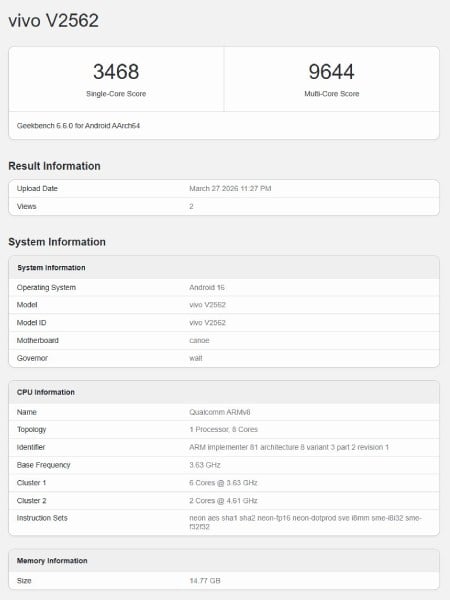
The European version of the device has now purportedly been found in the EPREL database, which is the European Register of Products for Energy Labelling. It has the model number V2562 and comes with a battery capacity rated at 6,395 mAh.
European vivo X300 Ultra at EPREL
This will most likely translate into an advertised capacity of 6,500 mAh, which means the...
Yesterday, CAD-based renders showing the upcoming Google Pixel 11 leaked, and today the Pixel 11 Pro has received the exact same treatment. The Pixel 11 Pro Fold was first, though, earlier this month. So we're now only missing the Pixel 11 Pro XL to have the full family portrait.
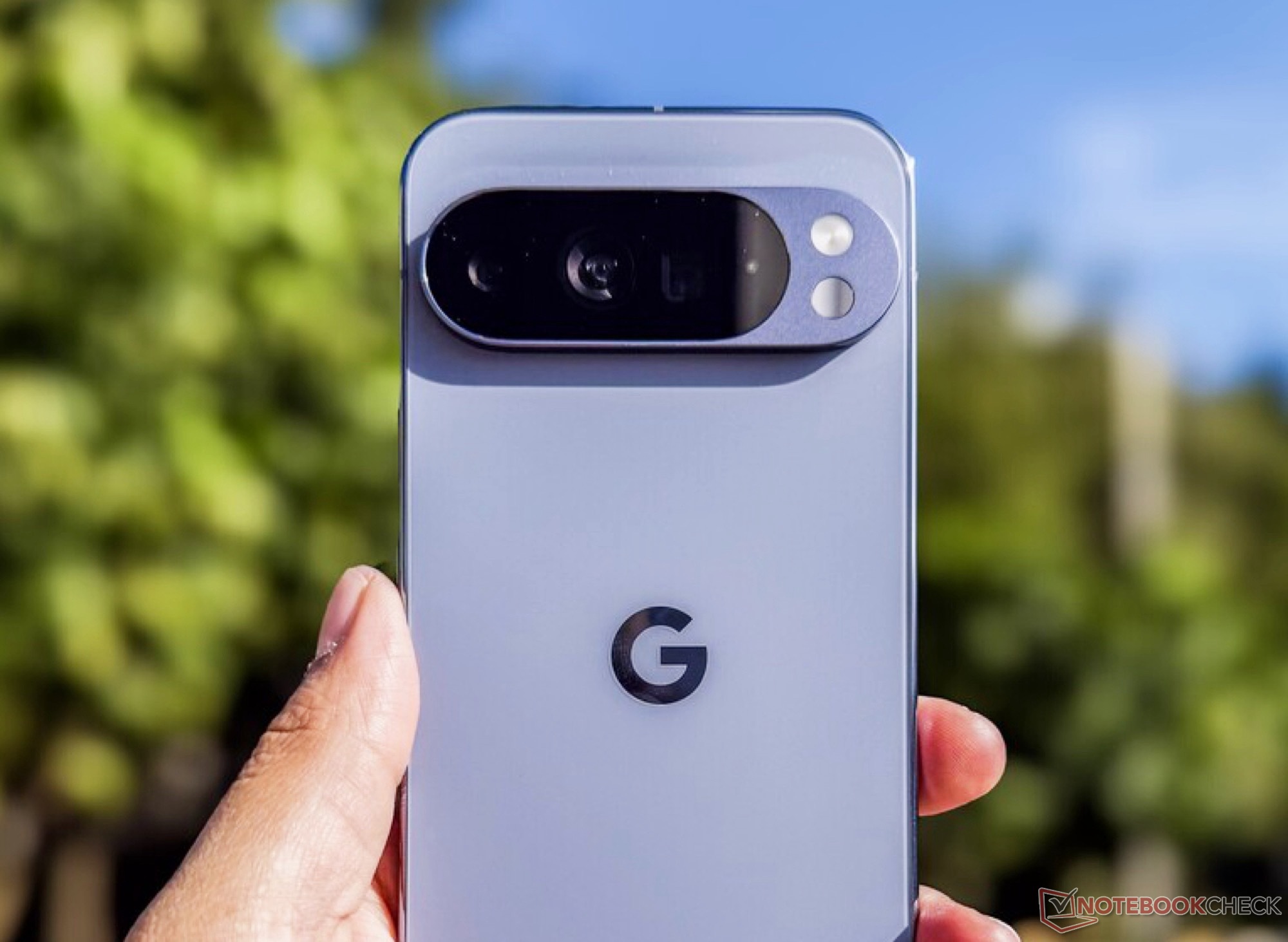
Like the Pixel 11, the Pixel 11 Pro has a redesigned camera island that, while keeping the oval shape of its predecessor, is now covered with dark glass all the way - the colored part is gone.
On the other side, the Pixel 11 Pro's screen bezels are okay, but will probably end up being thicker than some...
Google has added a new feature that lets people change their Gmail username. This means you can change the part before “@gmail.com” without making a new account. This feature is already available in the United States and is slowly coming to other countries.
Many people made their email accounts a long time ago.At that time, they chose fun or silly names. But now, those names may feel embarrassing or not suitable for work. Before this update, the only way to fix it was to create a new email account. But that also meant losing old emails, contacts, and important data.
Now, things are finally much easier. You can go to your Google Account settings, click on your profile picture, then select Manage your Google Account option. After that, go to Personal Info, tap on Email, and follow the steps to change your username. It is a simple process and does not take much time.
And the best thing is that your old email address will still work. It will be saved as another email linked to your account.You will still get emails sent to your old address, and you can also use it if needed. This helps you stay connected and not miss anything important.
However, there are a few limits. You can change your username only once every 12 months. Also, you can only create up to three new usernames in total. This new feature is very helpful.It lets you fix your old email name easily without losing your data.
Casio has officially opened pre-orders for the full-metal GMC-B2100ADS-1AJF, priced at ¥107,800 (~$679). Launching in April 2026, it brings stainless steel construction, Tough Solar, and Bluetooth features to the B2100 line.
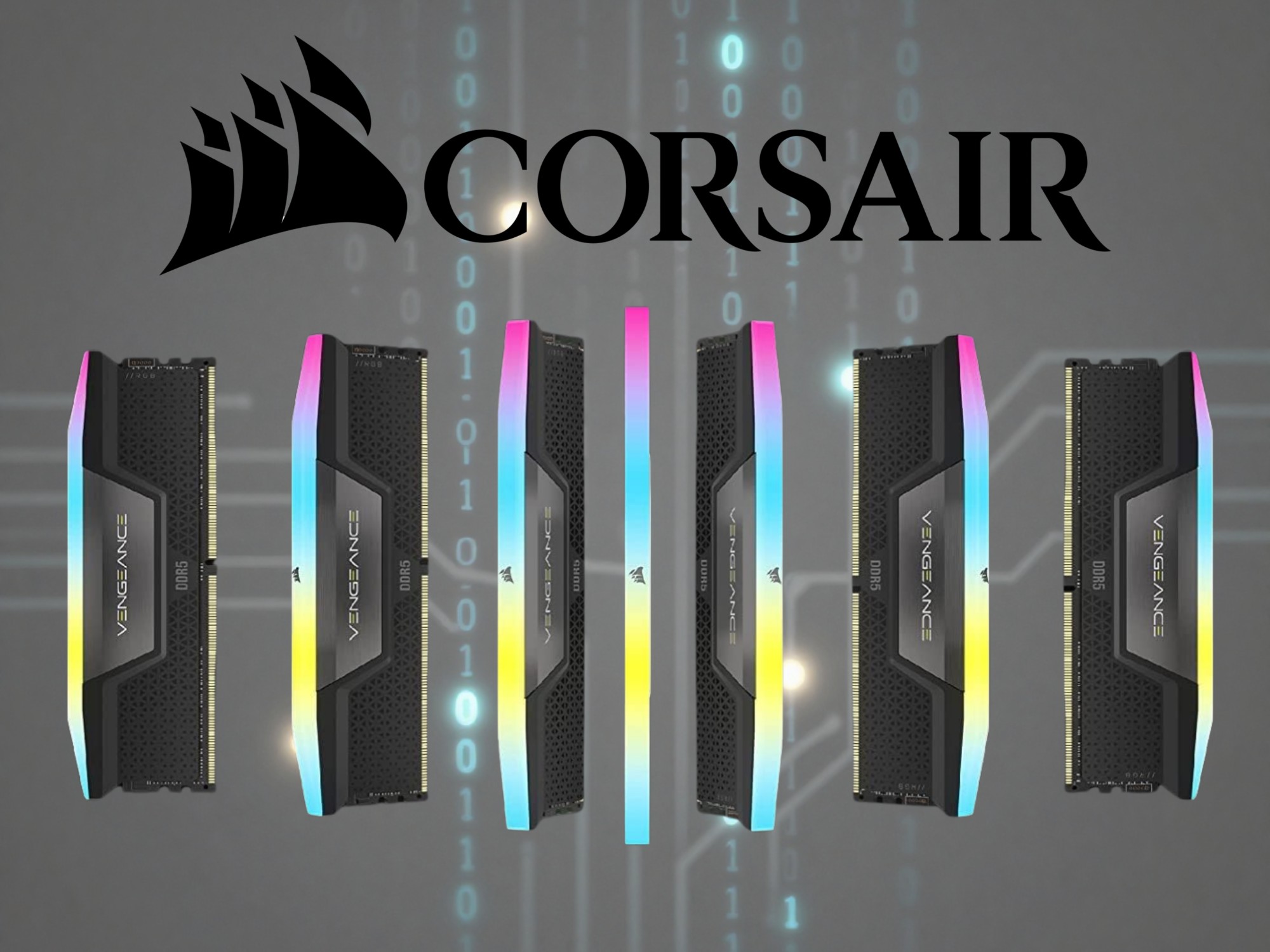
If Asia is any indication, other parts of the world could see memory prices fall further. After U.S. and European buyers noticed fluctuations, TrendForce found sharp declines in retail DDR5 RAM costs in China. Yet, critical DRAM manufacturers insist that demand from AI data centers remains steady.
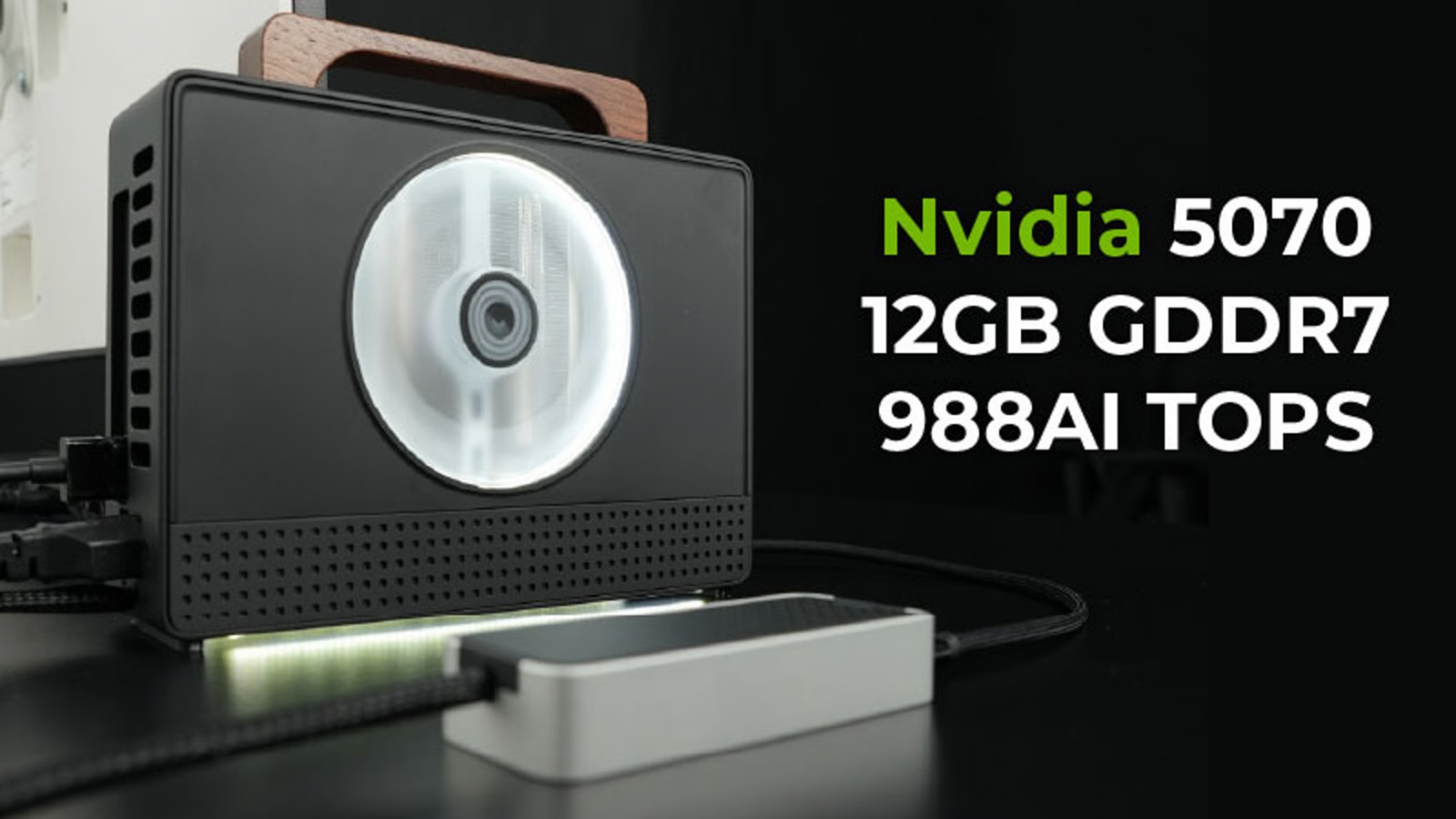
The Slimbook Creative Linux notebook returns, and the new edition promises even better performance thanks to the Nvidia GeForce RTX 5070 in a lighter chassis. With a keyboard with RGB lighting and a 180 Hz QHD display, the laptop is also suitable for Linux gaming enthusiasts.
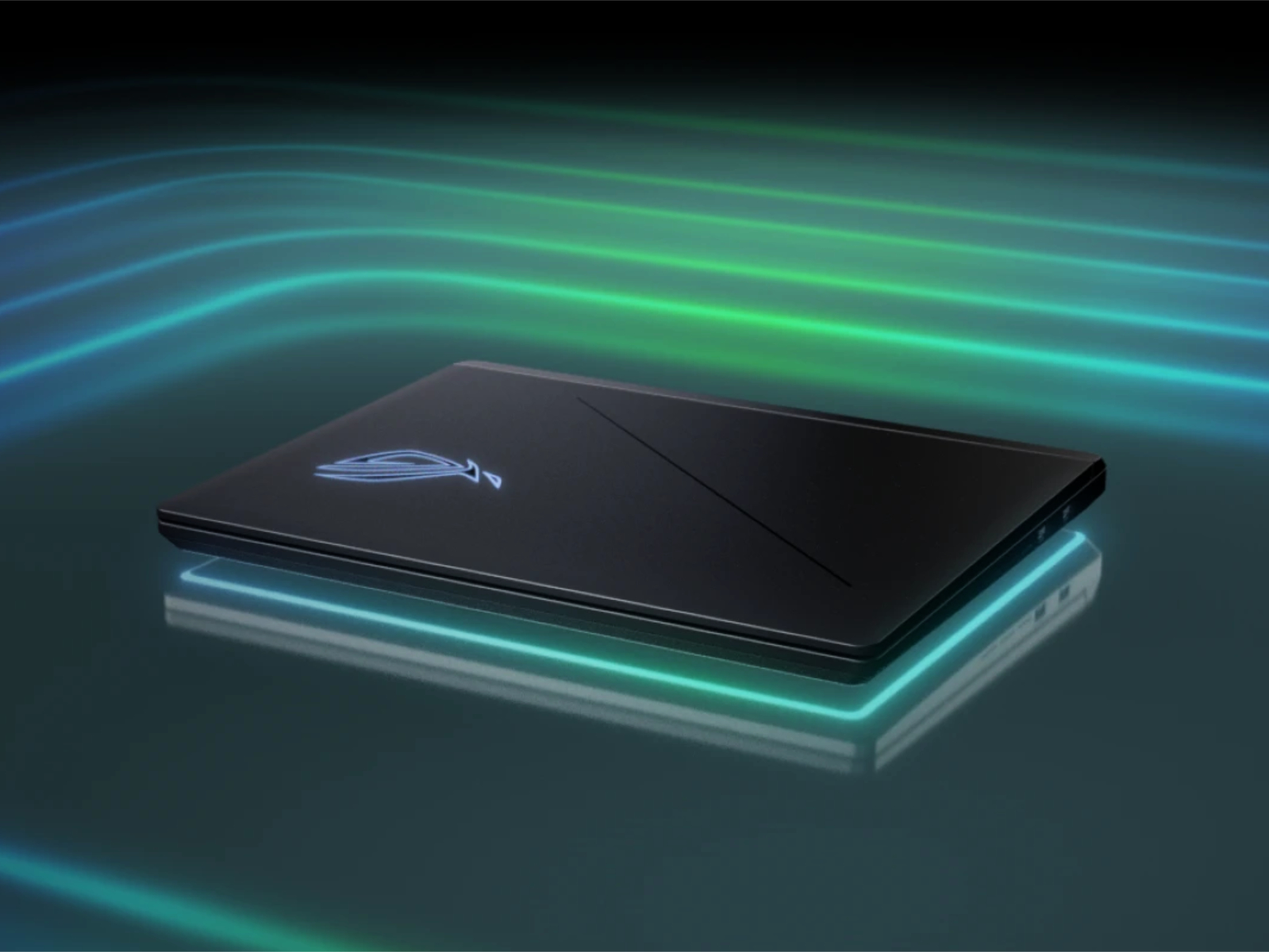
Asus has updated one of its most popular laptops with Intel's Panther Lake platform. Also available with a more powerful Nvidia GeForce RTX 5080 GPU this year, the ROG Zephyrus G14 GU405 also reaches up to 1,100 nits across its 2.8K OLED display too.
Asus has finally released its new 14-inch gaming laptop based on AMD's Gorgon Point platform. Announced almost four months ago, the ROG Zephyrus G14 (2026) GA403 combines a 73 Wh battery with a Ryzen AI 9 465 APU and an Nvidia GeForce RTX 5060 laptop GPU.
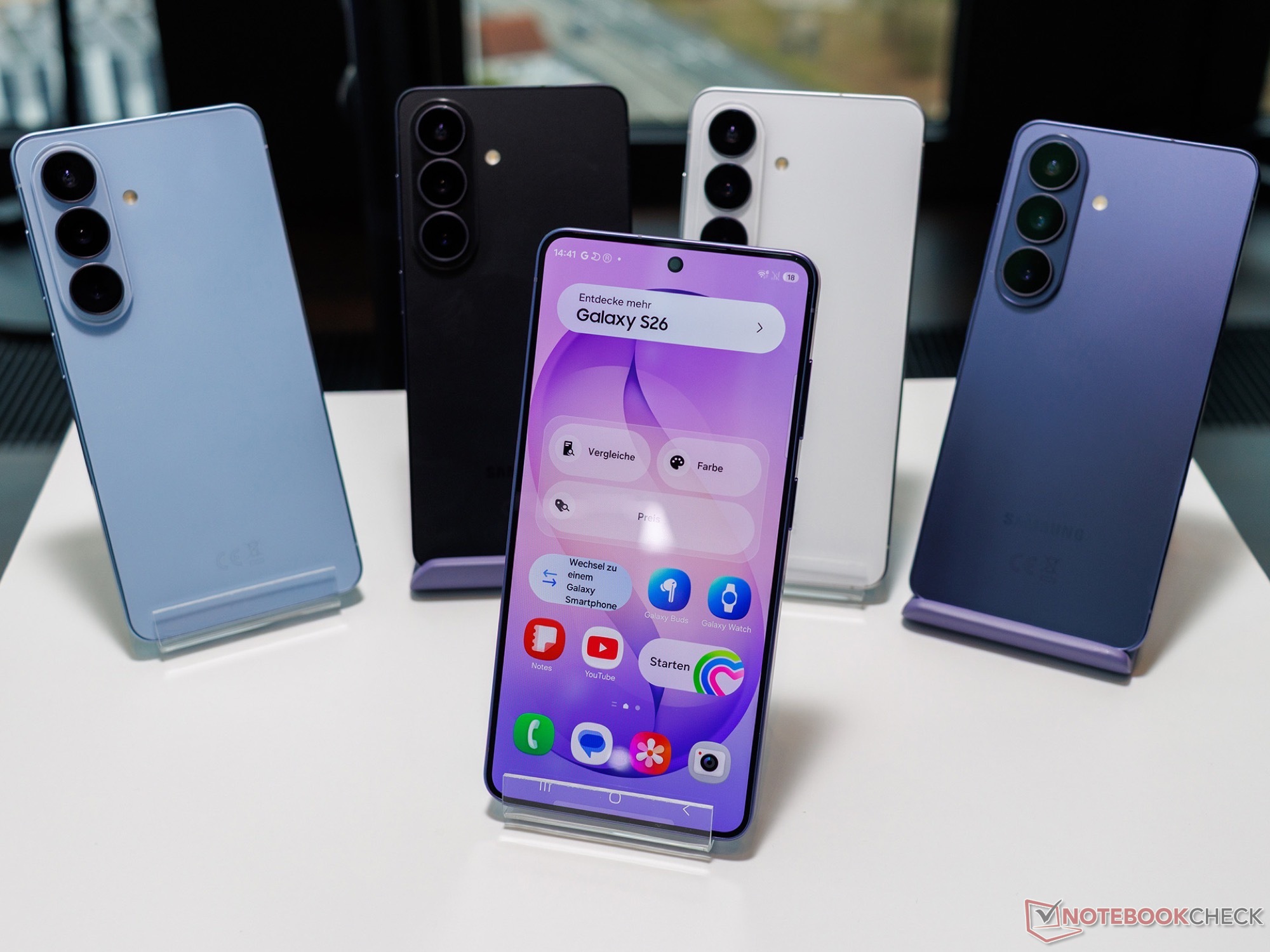
If you are thinking about getting a new phone, the SamsungGalaxy S26 series is a great choice. Right now, Amazon is offering a free gift card when you buy any model. This is a nice bonus since the phones are brand new and don’t have big discounts yet.
The Galaxy S26 series has three models- Galaxy S26, S26 Plus, and S26 Ultra. Each one is designed for different users. The base Galaxy S26 is compact and easy to handle.The Galaxy S26 Plus is bigger with a stronger battery. The S26 Ultra is the most powerful with advanced cameras and extra features like the S Pen.
Right now, Amazon offers a free gift card with each model: $100 for the Galaxy S26 and S26 Plus, and $200 for the S26 Ultra. Prices are $899.99 for the S26, $1,099.99 for the Plus, and $1,299.99 for the Ultra.
Source – Samsung
You can choose any color, and the gift card applies.These deals are only available for a limited time, so if you want a new Galaxy phone, it’s smart to grab the offer soon.
All three phones use the Snapdragon 8 Elite Gen 5 processor, which makes them very fast. They deliver smooth performance, smart features, and great cameras. With Amazon’s free gift card offer, these stylish, reliable smartphones are a smart choice for anyone. Visit the deal page now and enjoy the deal.
Samsung Card has introduced a new credit card – the Samsung iD STATION Card. It has been made together with HD Hyundai Oilbank to help drivers spend less on fuel and car services.
With this card, drivers can get a fuel discount of up to 10% at HD Hyundai Oilbank gas stations. The maximum discount is 35,000 won per month, depending on how much the card was used last month.
Also, users earn 3 points per liter for regular gasoline and 4 points per liter for LPG. Points can be used later for fuel or car washes.There is also a special deal for premium gasoline like KAZEN and ULTRON, where drivers can earn up to 9 points per liter.
Image via Samsung
The card also helps save money on everyday purchases. Drivers get 5% off on phone bills, convenience store shopping, and online shopping, up to 5,000 won per month. Along with fuel discounts, drivers can save up to 15,000 won per month.
Samsung iD STATION Card also helps with car maintenance. Engine oil changes at Speed Mate cost 20,000 won less, and tire rotation or repair services are free when paying with the card.
The card costs 15,000 won per year, for both domestic and international versions. Samsung Card says this card can help drivers reduce fuel costs and get extra rewards for everyday spending and car care. People who want the card can check more details and promotions on the Samsung Card or HD Hyundai Oilbank websites and apps.
Amida is reissuing one of the most unusual watches of the 1970s, giving the Digitrend a space-age design with a white ceramic case and prominently placed NASA logo in the brand new NASA Tribute Limited Edition.
The Casio Pro Trek PRW-B1000B-2 watch has been revealed. Expected to launch in Japan in the near future, before rolling out to other markets, this model has been inspired by the Yosemite National Park in the US.
Garmin wearables users can benefit from powerful and very extensive additional data analysis with Garmin Chat Connector, and do so without a paid Garmin Connect+ subscription. Rob Trent shows the capabilities of the solution using an example.
A new, affordable smartphone comes with an e-ink display and should therefore also be well suited for showing e-books or reading long texts. It even includes a stylus. It is being advertised with a refresh rate that is quite respectable for an e-ink display.
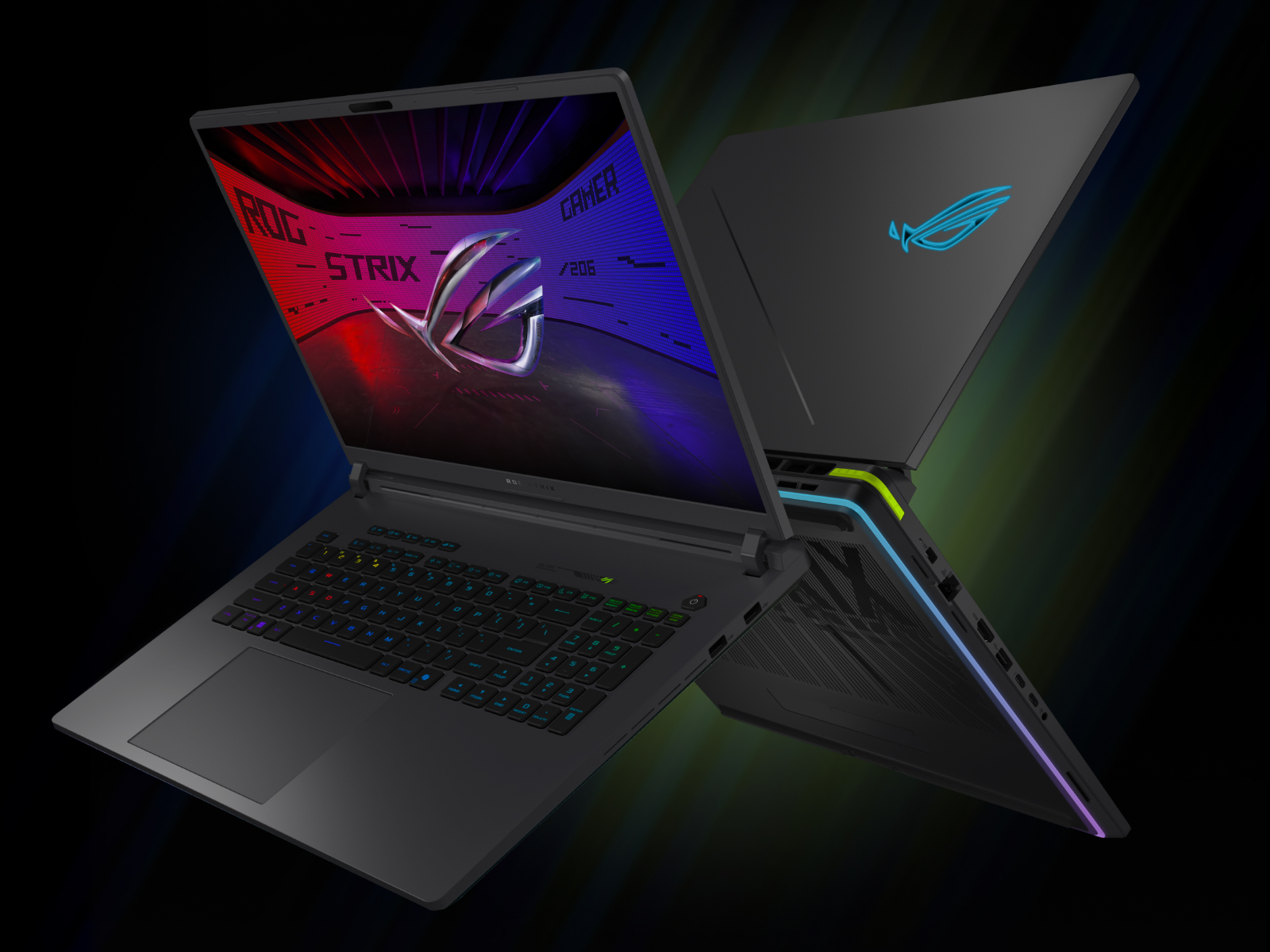
Asus has finally confirmed pricing for this year's ROG Zephyrus G16. While the 2025 edition currently starts at £2,099, this year's 16-inch gaming laptop runs to over 50% more. Even comparable variants are considerably more expensive than last year's, too.
Alongside numerous other Oppo phones, tablets, and wearables, Oppo today revealed in both global markets and China the official launch date for what is likely to be one of the most exciting camera flagships of the year. At least in China, the Oppo Find X9s Pro, the Oppo Pad Mini and Pad5 Pro, the Watch X3 Mini, and the Enco Clip2 earbuds will also launch at the same time.
A new OnePlus smartphone is now also available to buy for international customers, though with certain limitations due to direct import. The OnePlus 15T is being offered in three different model versions.
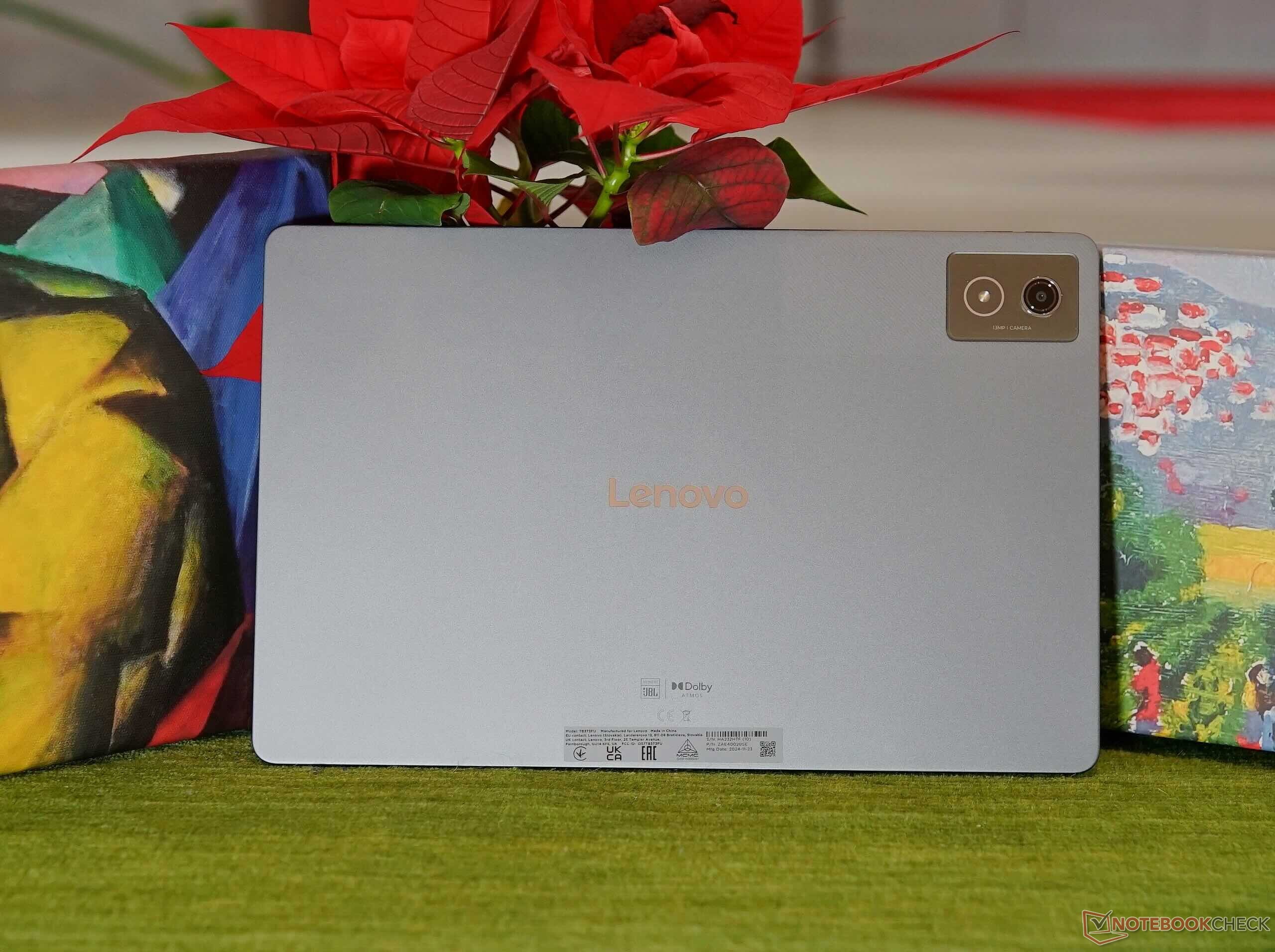
The Lenovo Tab K12 is fairly light for its size and comes with a number of business features, but it is also interesting for regular buyers. Specifically, the tablet includes a charger, which has unfortunately become a rarity with tablets and smartphones. We summarize our findings from the review.
A smartwatch we have already tested and found to be well equipped is getting new features with a free update. Athletes in particular could benefit significantly from the update. The update is already being rolled out to owners of the Amazfit T-Rex 3 Pro.
The two latest smart glasses from Meta and Ray-Ban are not only said to be the most comfortable models in the series to date, it is also possible to equip the glasses with lenses with dioptric correction so that conventional prescription glasses can be replaced.
Google appears to be rolling out a long-requested change to Gmail, with CEO Sundar Pichai confirming the update. The feature is not widely available yet, but it could address a limitation users have lived with for years.
Asus has finally released its new dual-screen gaming laptop. Equipped with a pair of 16-inch OLED displays, the ROG Zephyrus Duo (2026) GX651 also comes with a 16-core Intel Panther Lake processor plus up to 64 GB of RAM and an Nvidia GeForce RTX 5090 laptop GPU.
The Dell XPS 14 2026 has phenomenal battery life thanks to the large 70 Wh battery and the efficient Intel Panther Lake APUs. According to Hardware Canucks' testing, the Dell XPS 14 2026 can last over 43 hours when doing simple web browsing.
A recent benchmark by the YouTube channel NJ Tech compares gaming performance between Windows 11 and CachyOS. Early results suggest Linux is closing the gap, and in some cases, even pulling ahead in modern AAA titles.
At launch, Palworld was often referred to as Pokémon with guns. There are no armed battles in More Than Just Pals, but there are dates - and unlike last year, this is not just an April Fool's joke.
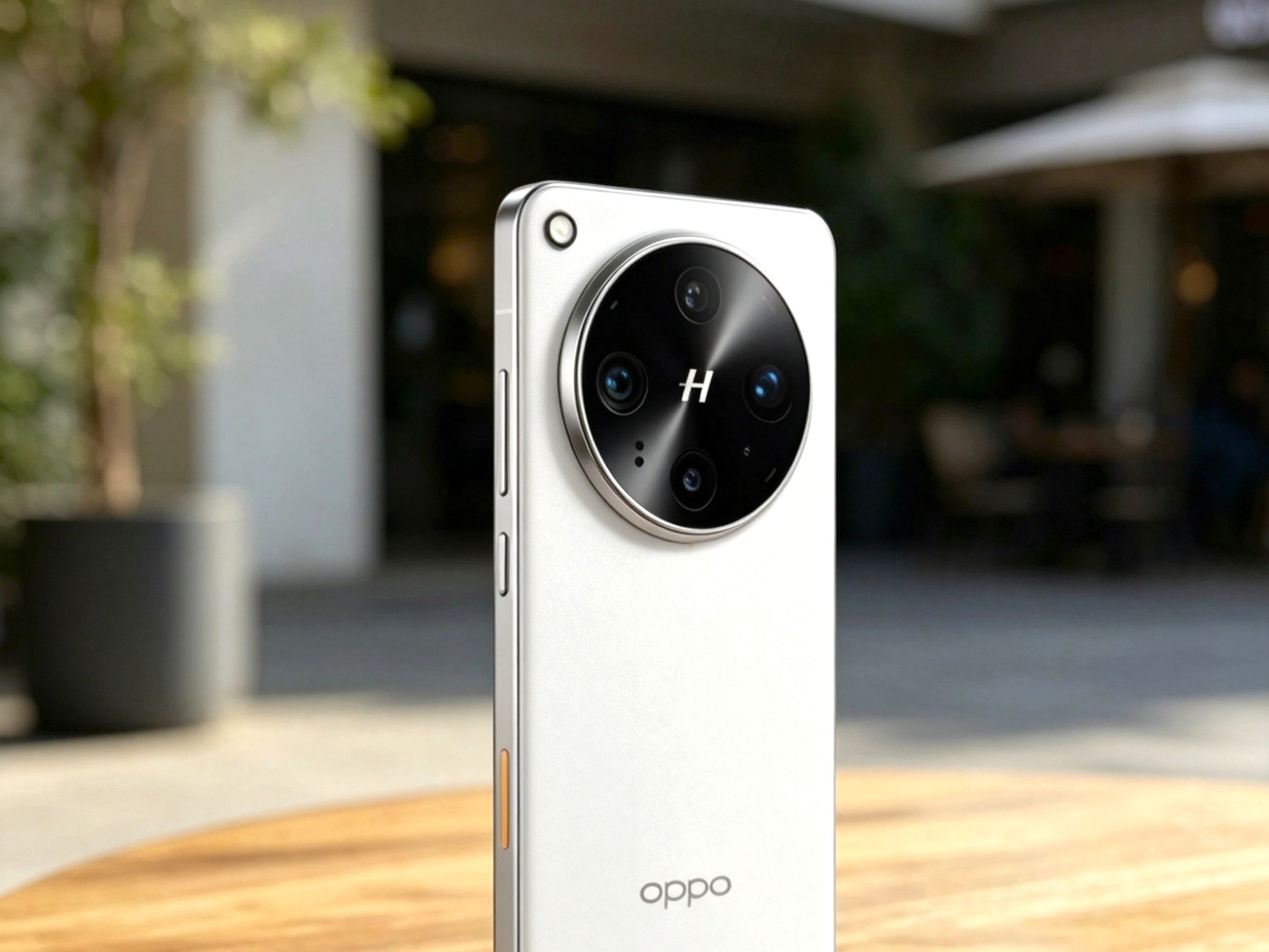
Oppo is yet to launch the remaining Find X9 series models but leaks and rumors about the Find X10 series have been surfacing already. The latest is that the Find X10 Pro Max will feature a triple 200 MP camera setup.
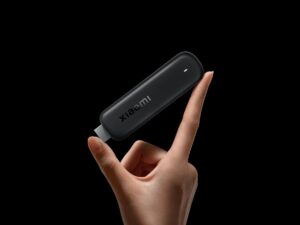
Last year, Xiaomi released the TV Stick 4K 2nd gen with a more powerful chipset and HDR10+ support. Now the company is refreshing its basic TV Stick HD with similar features.
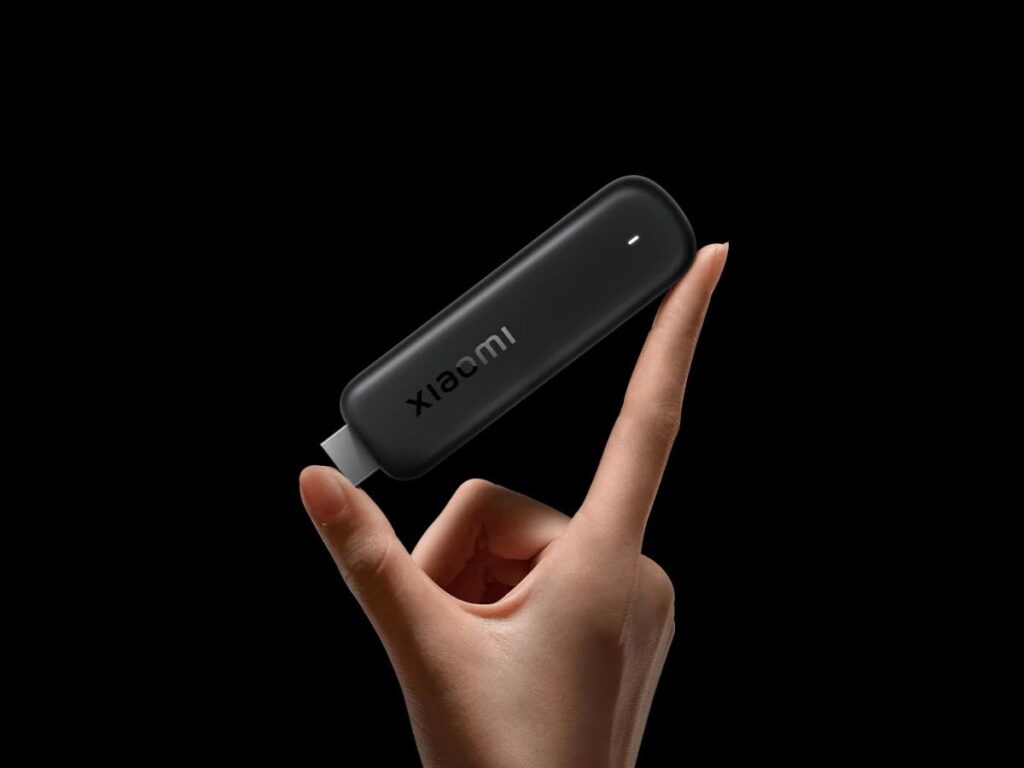
Starting with the exterior, it uses the more rounded design of the 4K 2nd gen. Alas, the power port is still a micro-USB – come on, Xiaomi. Note that there is only one USB port and no microSD slot, so if you want to connect extra storage, you’ll have to look at Xiaomi’s TV Boxes. The original stick didn’t support USB-OTG and we’re not sure whether this one does, but that’s an awkward solution anyway.
This stick is...
Hey Sammy Fans, if you are anything like me, a die-hard Samsung fan who has been using One UI since the very first day, you are probably checking your software update notifications every few hours, wondering the same thing: Is April finally the month my phone gets the stable One UI 8.5 update?
I have been writing about the One UI updates for years, discussing with many users in forums, and watching Samsung’s software update patterns, so let me give you my honest answer. No hype, just direct talk.
Let’s start. The One UI 8.5 has been in a beta testing program for the last few months. It is also available in stable form for the Galaxy S26 series. But for the rest of the people with older Samsung phones (like S25, S24, or even older ones), the update is taking longer than we expected.
We have been testing beta versions on the S25 phones and some foldable phones. These beta versions have been very smooth and bug-free for many weeks now. The latest Beta 8 feels so good, more like a stable version. So the big question everyone is asking is: Will the stable One UI 8.5 update start coming to older phones in April?
In my opinion, yes, most likely without any big delays. And here’s why I am feeling confident about that. Samsung knows that the Galaxy community is talking about new features of the One UI 8.5, like smoother animations, better battery improvement, enhanced Galaxy AI tools, and Quick Share improvements.
In addition, Android 17 beta has kicked off smoothly, with no major bugs reported so far. From what I know about how Samsung works, the company is already getting ready to launch the One UI 9 beta program pretty soon, probably in the next couple of months. I just want to add that nothing is officially confirmed yet.
Samsung will not continue the One UI 8.5 beta testing program forever because that would push everything back. By releasing the One UI 8.5 stable version, Samsung can focus on Android 17 features. I have seen this strategy before, and it usually means no unnecessary delay.
Now, let’s talk about the rollout date for your Galaxy device. Samsung follows the phased software update rollout plan for models, regions, and carriers.
If you are using a Galaxy S25 series phone, S25, S25+, or S25 Ultra, you will be first in line to get the stable One UI 8.5 update. These devices were the first to join the beta program.
It looks like mid-April will be a perfect time for the One UI 8.5 rollout. It most likely includes the latest April 2026 security patch. The latest beta is bug-free and also brings great battery life. For the Z Fold 7 and Z Flip 7, these devices are right behind the S25 series and could see a stable One UI 8.5 update in the same April rollout.
The Galaxy S24 series and Fold6/Flip6 series could also get the stable update in some regions. In any case, the rollout should start by the end of April or by early May.
What about older flagships like the S23 or S22 series, or the mid-range A-series, M-series, and tablets? You should not expect the rollout of these devices in April unless you are one lucky Galaxy user. Most of these devices will probably start getting stable updates in May or June, with the full rollout completing by summer.
With One UI 9 beta on the horizon, Samsung should complete the rollout very soon. Before waiting for the stable update, make sure your phone is eligible. Most devices running One UI 8 should also receive the 8.5, but check the Samsung Members app for any official list.
The rollout also depends on where you live. The Galaxy users living in Korea and Europe often see updates first, while other regions follow. If you are using a Carrier-locked device, there could be a delay of a week or two when compared with unlocked ones.
In my experience, when Samsung has its eyes on the next beta program. If you have a recent flagship or foldable, mark April on your calendar and keep an eye on software update notifications. For everyone else, you should get the update soon after.
The Weather Company is bringing its Storm Radar app to Android soon. Until now, it was only available for iPhone users.This app helps people check the weather simply and clearly.Weather is important for daily plans, so a good app can really help.
Storm Radar now has a new AI feature to make things easier. Users can ask simple questions like – Is it a good time to go outside? The AI will explain the weather in easy words.It also has detailed radar maps to show weather changes clearly.
Some features are free, but not all. To use advanced tools like the 72-hour radar, users need to pay. The cost is about $4 per month or $20 per year. There is also another plan with extra benefits at a higher price.
There are already many weather apps available for free. Still, Storm Radar wants to stand out by giving more accurate and detailed information. This can help people avoid problems like rain ruining their plans.
For some users, paying for better weather updates may be useful.Others may prefer free apps with basic features.When Storm Radar comes to Android, it will be interesting to see what users choose.
Storm Radar will reportedly be available soon on Android, including Samsung devices. However, Samsung already offers a weather app, which offers amazing and smart features to provide a better experience. Stay tuned for more information.
GitHub users have reported massive amounts of spam in over 11,000 projects. Microsoft Copilot has been inserting suggestions that reference the productivity tool Raycast. Developers are calling it advertising, but Microsoft has denied this, attributing it to a technical error that has since been fixed.
Several Amazfit smartwatches are currently receiving firmware updates. These releases are said to improve sleep tracking and add a new Bluetooth feature for users of models including the Bip 6.
Samsung has released a new app that it says helps with motion sickness. The free app, which is called Hearapy, plays a sound at a particular decibel and frequency, which then helps a user to improve balance.
Lenovo has finally released its 0.65-litre mini-PC in some capacity. Available in China and listed as 'coming soon' in other countries, the Yoga Mini i combines the Intel Panther Lake platform with up to 32 GB of RAM and Thunderbolt 4 connectivity.
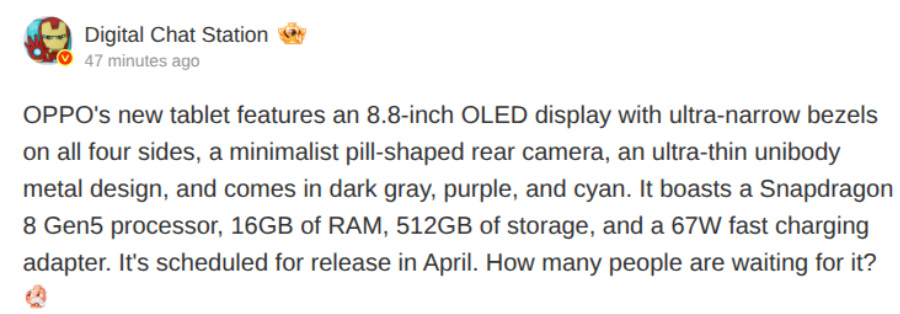
An Oppo executive has officially revealed the design of the company's upcoming Legion Tab Gen 5 and RedMagic Astra rival. Launching next month, the Oppo Pad Mini should combine an 8.8-inch OLED display with a Qualcomm Snapdragon 8 Gen 5 chipset and up to 16 GB of RAM.
Deal | The Amazfit T-Rex 3 Pro smartwatch is currently 50% off at a US retailer. This popular rugged wearable offers features like an integrated flashlight, support for diving and an up to 14-day battery life.
Google is now finally letting you change your Gmail address, the part before @gmail.com. This is currently rolling out in the US only, but hopefully will make it to other countries as well in the near future.
The company has published the quick video embedded below that tells you exactly what you need to do.
Basically, go to your Google Account settings, and tap Personal info, then Email, then Google Account email. Then you should see a big blue button saying "Change Google Account email". Tap it, and pick a new email.
The original address, the one you're replacing, will remain...
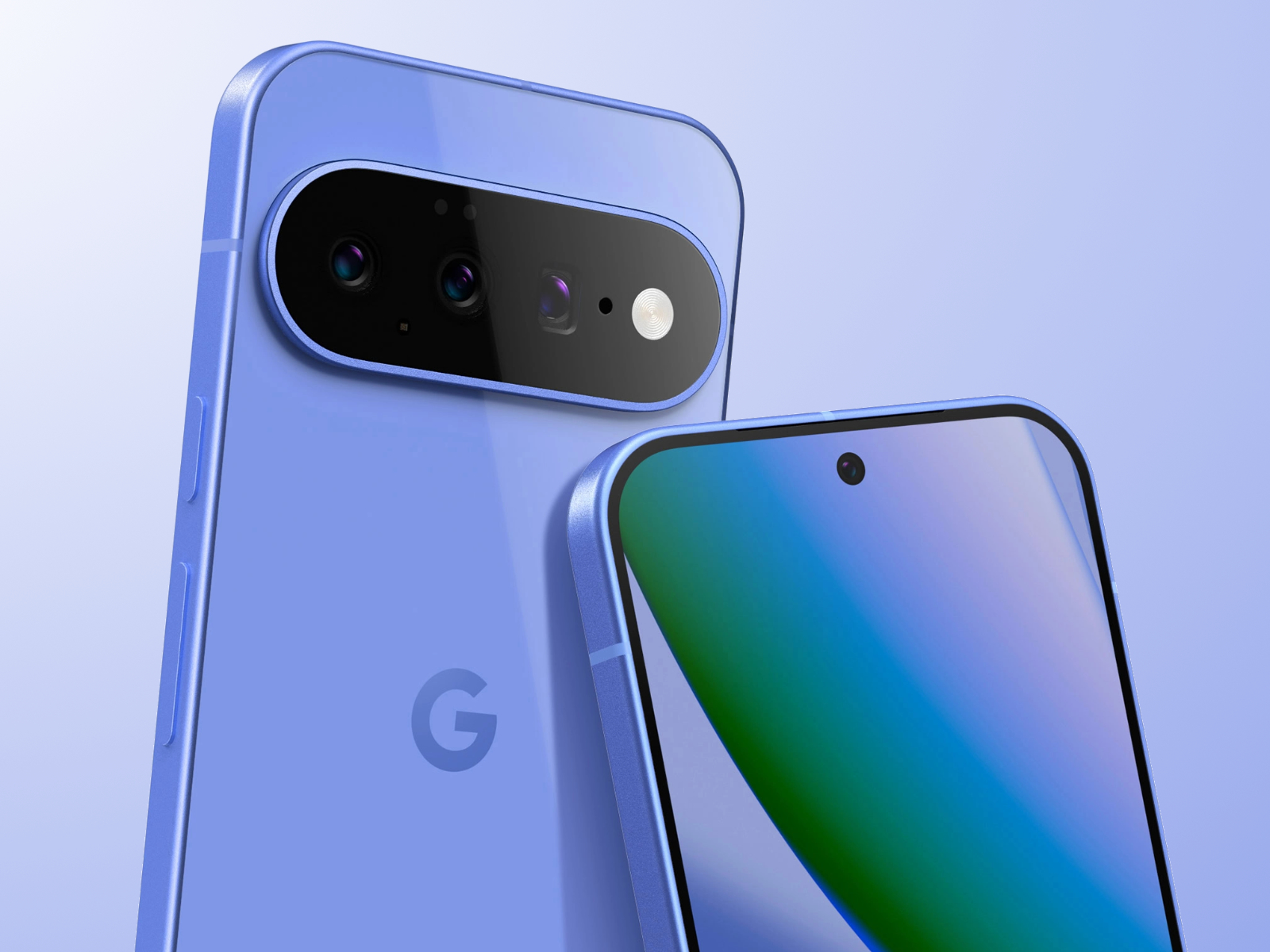
Google Pixel 11 Pro has appeared in early leaks, which gives us a simple idea of its design before launch. The phone is expected to arrive in August 2026, and it looks very similar to the previous model. Instead of big changes, Google is making small improvements to the design. It will compete with strong rivals, including the Samsung Galaxy S26 Ultra, which may offer more noticeable upgrades.
The new renders has been shared by Android Headlines. Looking at these renders, the Pixel 11 Pro looks very similar to the Google Pixel 10 Pro. The biggest change is the camera bar on the back. It now appears fully black, which makes the phone look cleaner and more modern.
The rest of the design, including the flat sides and display, stays mostly the same. The bezels are thin, but not as thin as some other flagship phones like the Samsung Galaxy S26 Ultra.
Image via Android Headlines
Aside from this, the Pixel 11 Pro is expected to come with a 6.3-inch display. It may run on the new Tensor G6 processor for better performance. The phone could have 16GB RAM, but there is also a chance of 12GB. Storage might start at 256GB.
These images are based on CAD files, which are usually given to case makers before a phone launches. Because of this, they give a good idea of the phone’s size and shape. However, small details like colors or exact finishing may still change in the final version. Still, these renders are useful to understand the overall design. Stay tuned for more information.
A new report has claimed that the studio known for Tomb Raider and Deus Ex games, Eidos Montreal, has cancelled a project that was in the making for seven years. Said project had reached a budget of hundreds of millions and was close to release.
Deal | Pathfinder: Kingmaker - Enhanced Plus Edition is an RPG set in the Pathfinder universe, in which you must build and extend your kingdom. Create your character according to your preferences and assign various skills to become the most powerful.
The actor voicing Bowser in The Super Mario Galaxy Movie has alluded to a sequel. In a recent interview, Jack Black suggested a third Mario movie may arrive in 2029. Nintendo films are growing in number, with The Legend of Zelda set to premiere in 2027 and a Star Fox picture rumored.
Baltic has introduced the Heures du Monde watch with a vintage design. The worldtimer watch features a vintage-sized 37 mm 316L stainless steel case, a 120-click bezel, a stone dial, and a Soprod C125 GMT movement.
The Casio MRW-230H-1E4 and the MRW-230H-2E, two new lightweight watches, are expected to launch in April 2026. Features of the newer model include a rotating timer bezel made of aluminum and 100 water resistance.
SpaceX has suffered two Starlink satellite incidents in three months, both explained as 'anomalies' with root causes yet to be disclosed. While SpaceX insists the debris field doesn't threaten the ISS or the Artemis II mission to the moon, with 9,500 satellites and counting, space debris is a growing concern.
Samsung has recently pushed the March 2026 One UI update to multiple Galaxy phones, and, according to some early reports, it breaks custom font support. Users are advised to wait before updating or not to switch to a different font after updating.
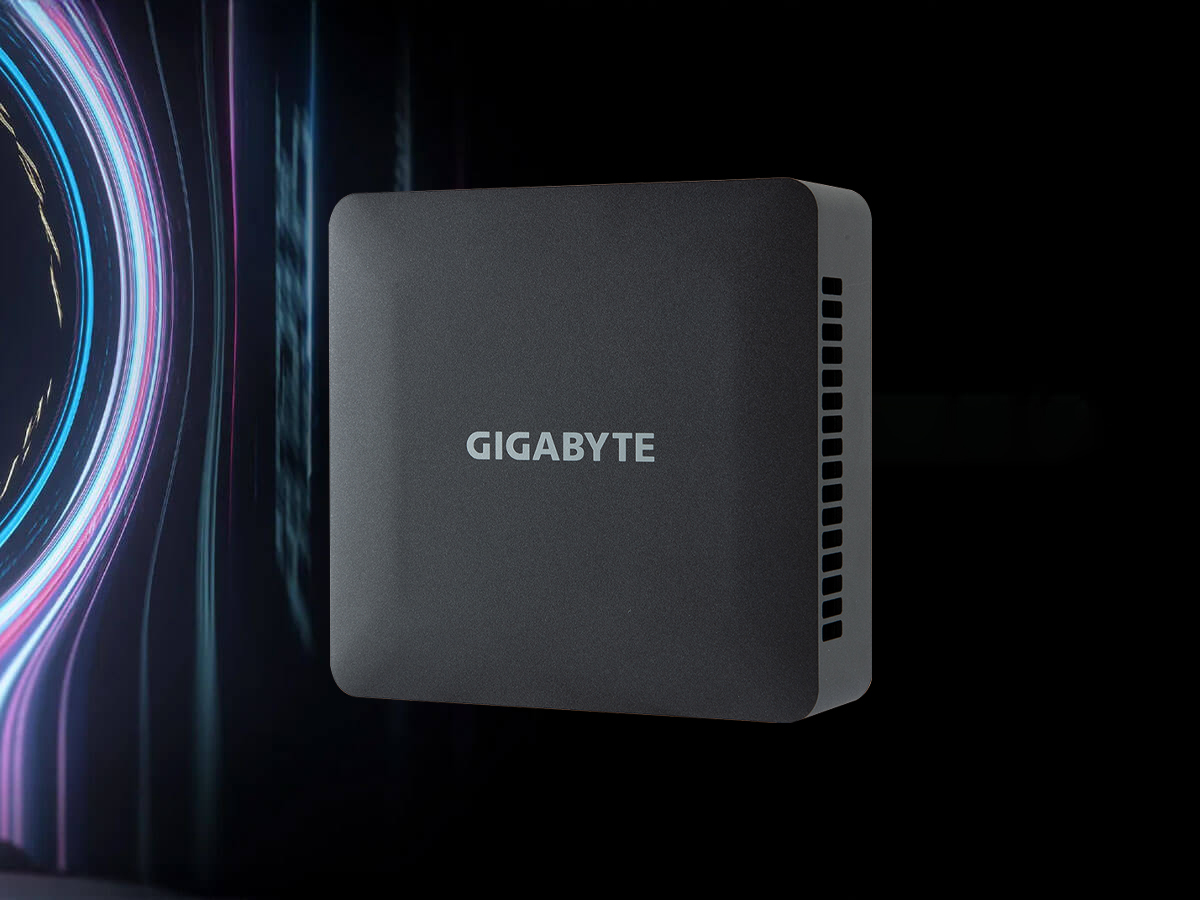
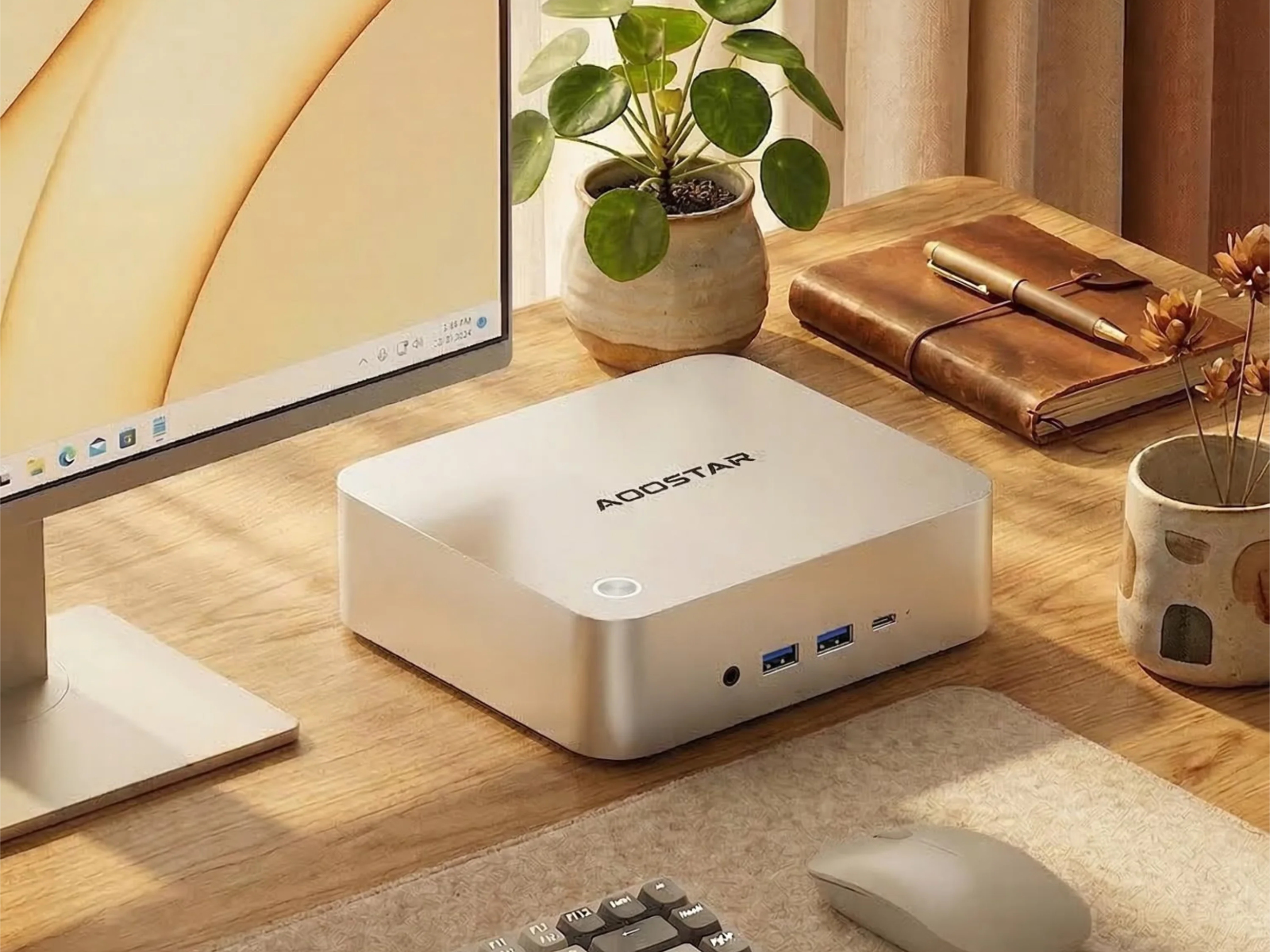
Minisforum has expanded its affordable mini-PC line with a new option measuring just 130 x 126 x 50 mm. Featuring USB4 connectivity and user-upgradeable RAM, the Minisforum M1 Lite can be ordered for just over $300 and is available globally.
Samsung is rumored to increase prices for its Galaxy Z Fold 7, Z Flip 7, and the Galaxy S25 Edge phones in its home country. For now, the price hike seems to be limited to select storage models.
Deal | Asus' Zenbook 14 OLED (model UX3405CA) comes equipped with a bright 1,200p OLED touch display, Intel's Core Ultra 7 255H, 16 GB of RAM, and a 512 GB SSD. The thin-and-light notebook also has a couple of Thunderbolt 4 ports as well as support for the latest Wi-Fi standard.
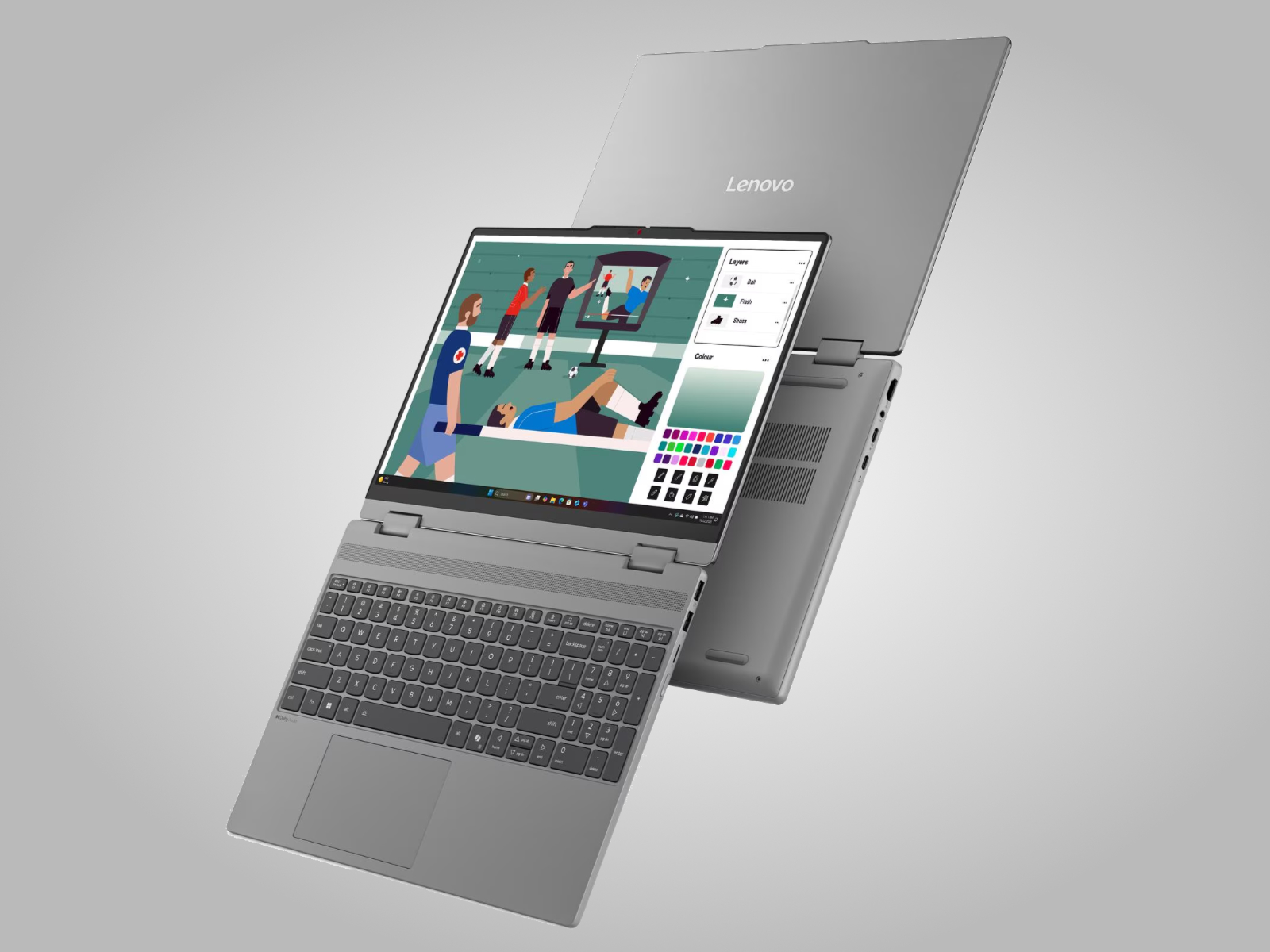
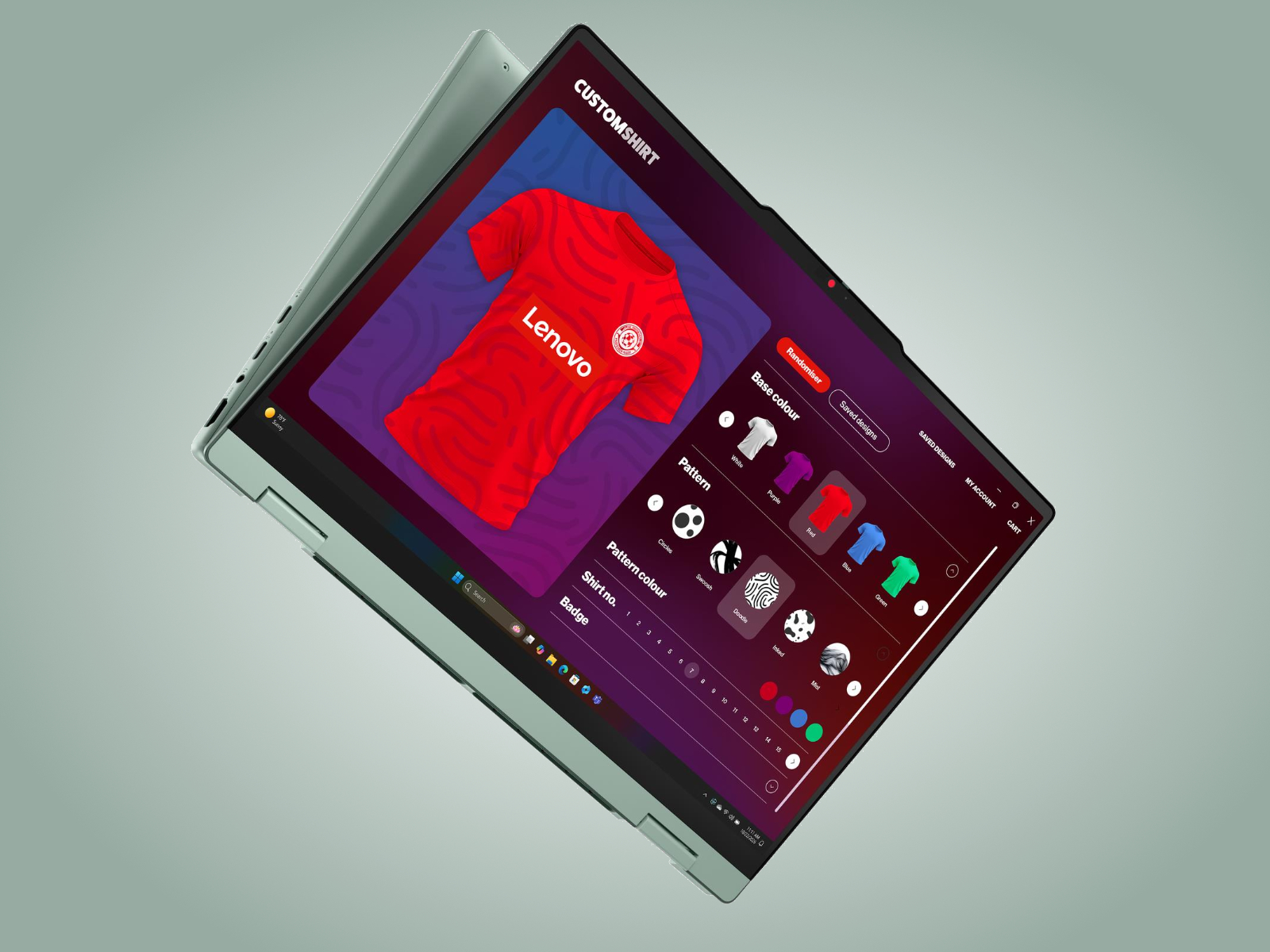
Lenovo has released a new 14-inch convertible featuring Intel's Panther Lake platform. Available with user-upgradeable RAM and a 60 Wh battery, the IdeaPad 5i 2-in-1 14IPH11 also contains dual M.2 slots despite its 14-inch form factor.
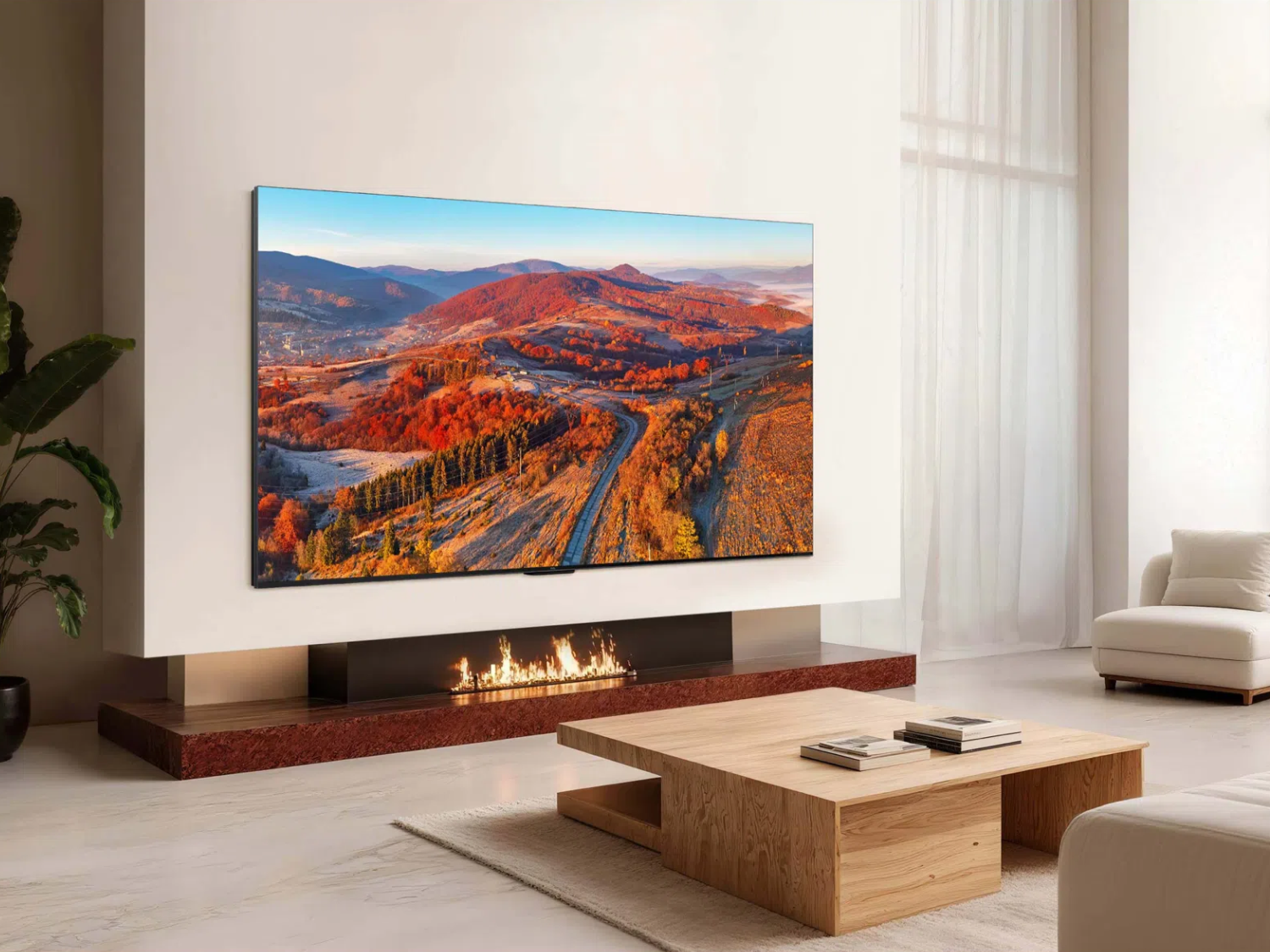
TCL is about to release the X11L SQD-Mini LED TV in Europe. Already available in the US, this new ultra-slim model offers an up to 288Hz refresh rate, with wide color gamut coverage and the Google TV interface.
A leak has revealed the specs and design of new HMD Crest smartphones. Expected to launch as the HMD Crest 2 and HMD Crest 2 Pro, both phones will have AMOLED displays, triple rear cameras, and a big battery.
The Google Pixel 11 Pro can be seen for the first time in high-resolution render images. The next-generation flagship smartphone appears to have a revised design with a new camera module, but Google is staying true to its design language.
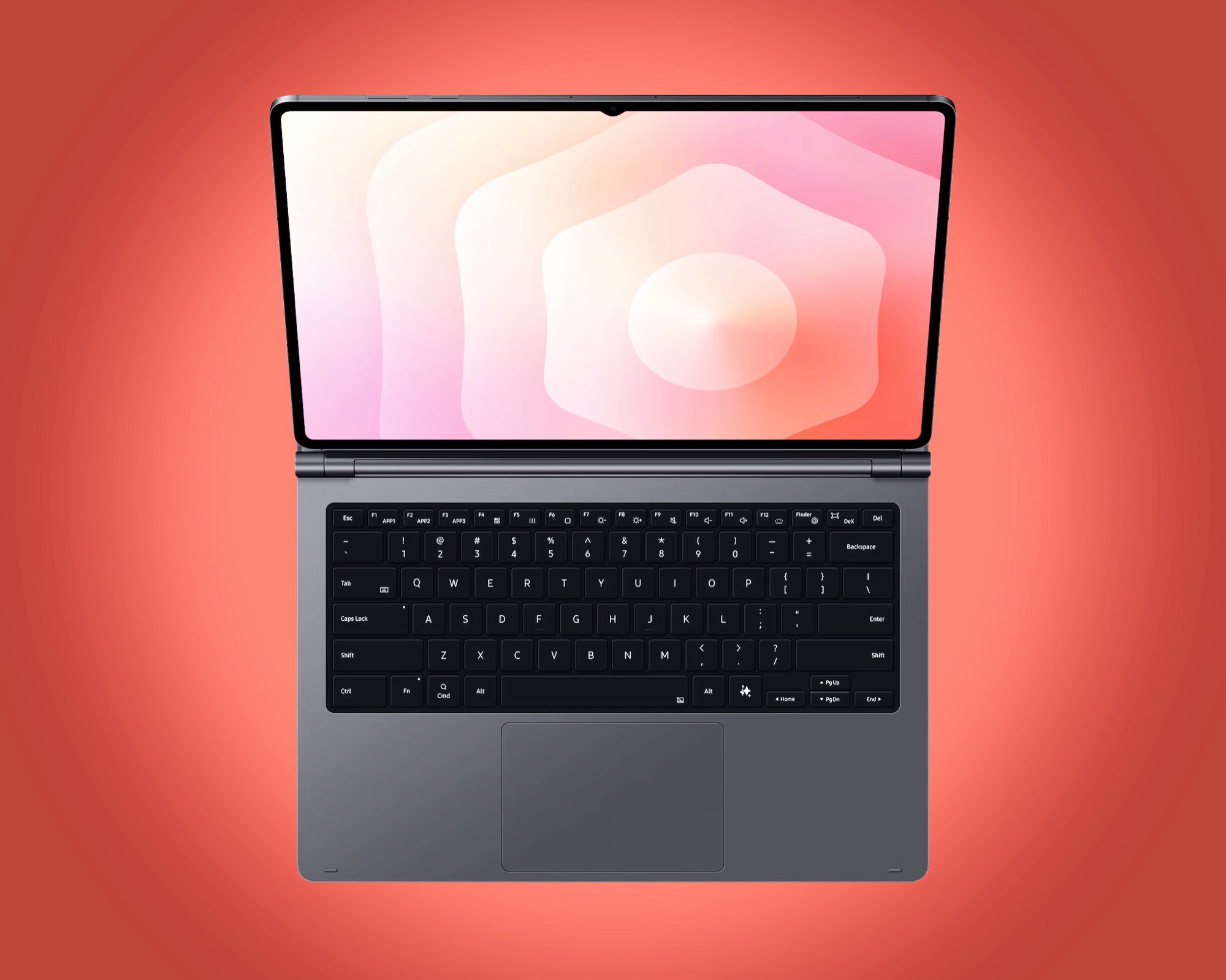
Samsung has quietly announced a new keyboard accessory (EF-DX935) for its Galaxy Tab S11 Ultra Pro tablet. It comes in gray and silver colors and retails for $400/€390 from Samsung.com.
Samsung Tab S11 Ultra Pro Keyboard in Gray
Samsung Tab S11 Ultra Pro Keyboard in Silver
Samsung Tab S11 Ultra Pro Keyboard is made from aluminum just like the Tab S11 Ultra, and it features a chicklet-style QWERTY keyboard, glass trackpad and a stand to help prop up the tablet at different viewing angles. It attaches magnetically via the Pogo Pin connector and is powered by...
Aptoide has just launched AppArena in Japan. This is the first "tailored alternative iOS game store" for the Japanese market, the company says. The launch was made possible by Apple's recent regulatory-induced changes enabling third-party app markets, following the passing of Japan's new Mobile Software Competition Act of 2025, which mandated this move.
The Japanese launch is in partnership with BBSS Corporation, a digital services and IT provider owned by the SoftBank group. AppArena is available today in Japan. It "moves away from traditional download-driven rankings, allowing users to...
Samsung has officially launched its blood pressure monitoring feature for Galaxy Watch users in the United States. Starting March 31, 2026, selected users can now check and track their blood pressure directly from their wrist using a Galaxy Watch and the Samsung Health Monitor app.
The blood pressure monitoring feature is important because high blood pressure is a common health problem. According to the Centers for Disease Control and Prevention, nearly half of adults in the US suffer from it. If not managed properly, it can lead to serious problems like heart disease and stroke.
The Galaxy Watch allows users to measure both systolic and diastolic blood pressure along with heart rate. However, it is not a complete replacement for medical devices. Users still need a regular upper-arm blood pressure cuff to set up the feature and recalibrate it every 28 days. This helps improve accuracy.
Image via Samsung
Notably, this feature is designed for wellness purposes only. It is not meant to diagnose or treat any medical condition.Users should always consult a doctor for proper medical advice.
The blood pressure tool adds to other health features already available on Galaxy Watches.These include ECG readings, irregular heart rhythm alerts, and sleep apnea detection, some of which are cleared by the FDA.
Samsung has also introduced new Galaxy Watch models, which include improved sensors and smart features powered by AI. These watches aim to give users better health insights and a more connected experience.
The rollout of the feature will happen gradually, so not all users will get the feature at once. Stay tuned for more information.
The Honor Win gaming laptop is set to be released sometime in April 2026. Ahead of the launch, a company representative has showcased a new 360W GaN power adapter, which will be compatible with other laptops.
With 18 drivers and 8,200 watts of power per speaker, the B&O Beolab 90 are extremely powerful. Bang & Olufsen is now reissuing the flagship speakers in two strictly limited versions.
Deal | Old World takes players into an ancient world full of political intrigue and dynastic power struggles. The 4X strategy game is currently 90% off on Steam and costs just under $4 until April 13.
The ARC Raiders update "Flashpoint" goes live on March 31 and expands the extraction shooter with new ARC threats, fresh equipment, a new map event, convenience improvements for crafting and additional cosmetic rewards, among other things. Insider Gaming also ranks Flashpoint as the third biggest update on the roadmap to date.
YouTube finally appears to be coming to Android Auto – but not in the way many had hoped. According to early user reports, the app offers audio only rather than video on the car’s display, and it also seems to require YouTube Premium.
There is a new Garmin smartwatch integration for users of some of the brand’s wearables. Those with models like the Garmin Fenix 8 and Forerunner 970 can now link their smartwatch to the Natural Cycles app, sharing temperature data for enhanced insights.
Video | Upscaling and Frame Generation are especially useful when gaming on laptops, and with DLSS 4.5, Nvidia not only dramatically increased image quality, but with dynamic frame generation, framerates above 240 or even 300 fps, even in ray- and pathtraced games, are not a problem anymore.
Pokémon Champions is meant to become more than just a new PvP spin-off: according to producer Masaaki Hoshino, the game is designed as a long-term platform that, in the best-case scenario, could keep running “forever.” To achieve that, The Pokémon Works and Game Freak are relying on a live-service model with rotating Pokémon pools so that the battle system remains manageable even with thousands of possible pocket monsters. The free-to-start title launches on April 8, 2026 for Nintendo Switch and Switch 2.
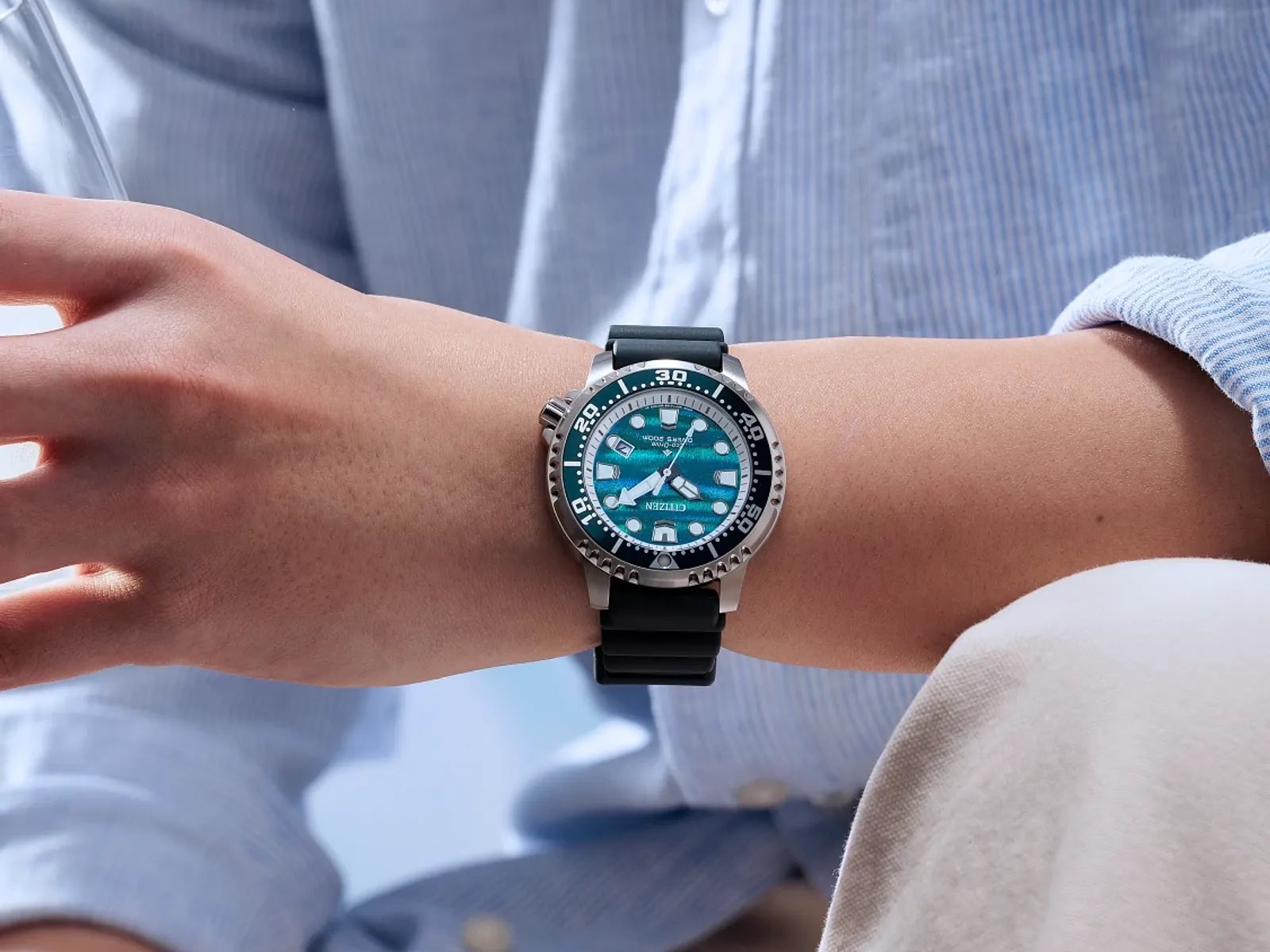
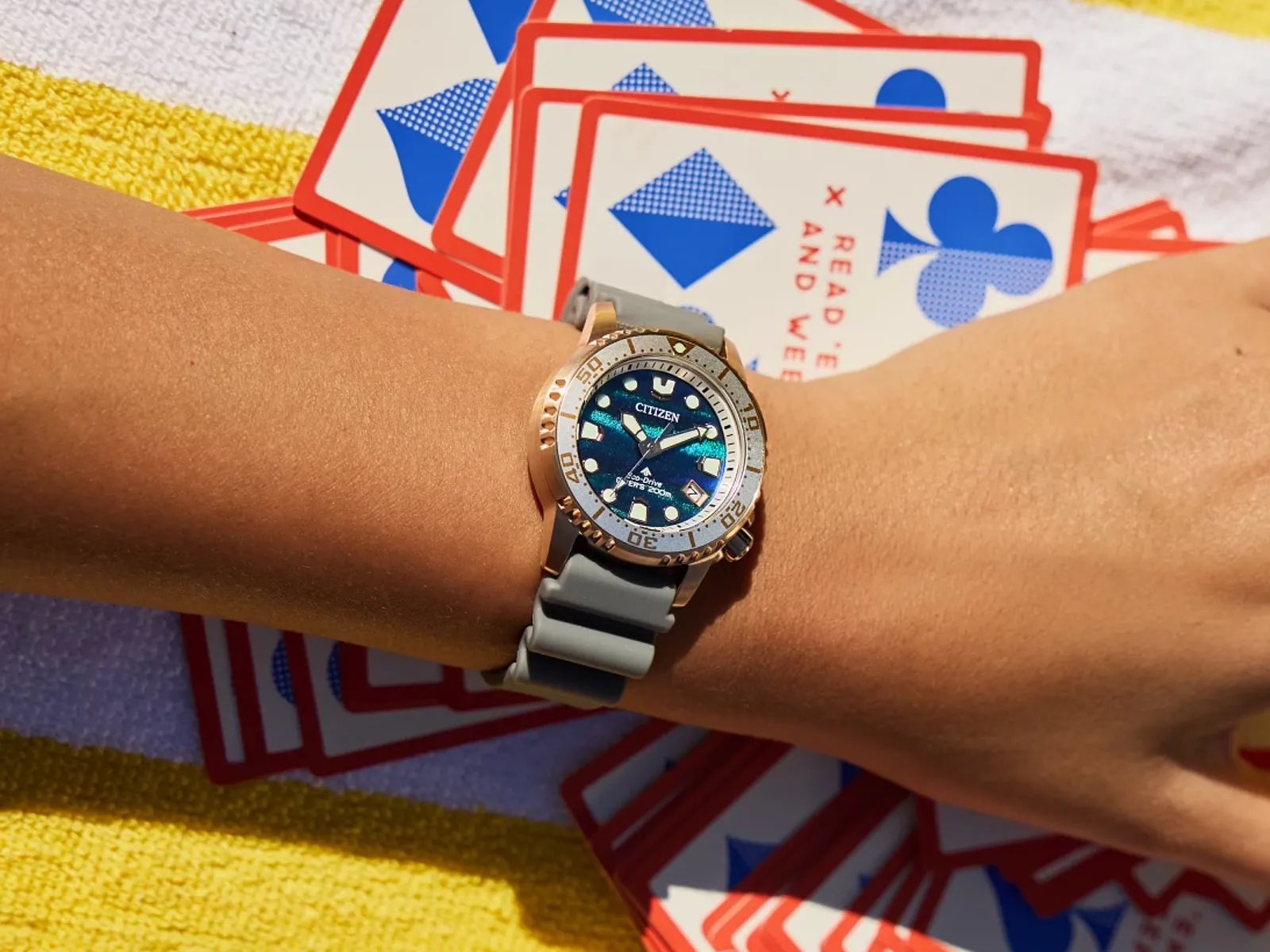
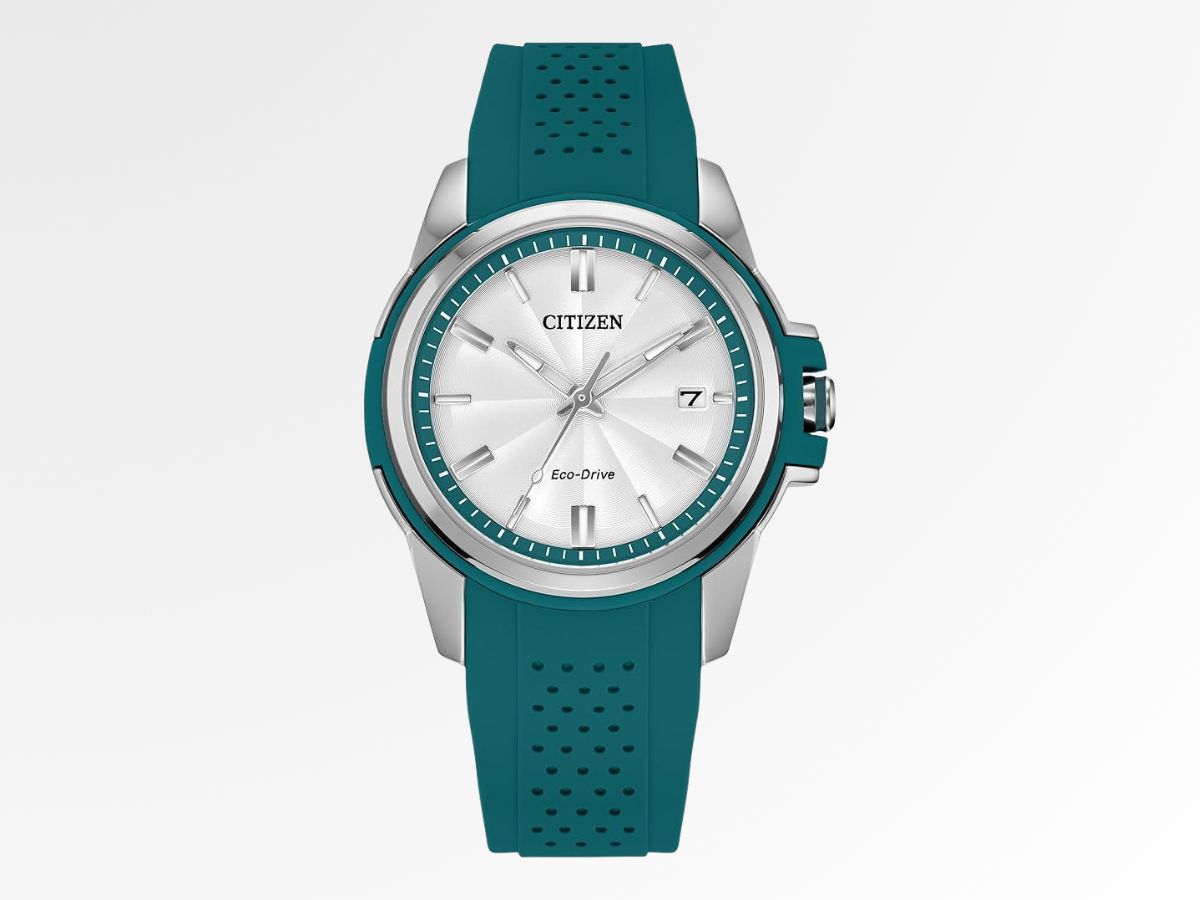
Citizen has revealed three new Eco-Drive chronographs in Japan. These Citizen Collection watches have metal dials, casing and straps, with a tachymeter bezel and protective sapphire glass.
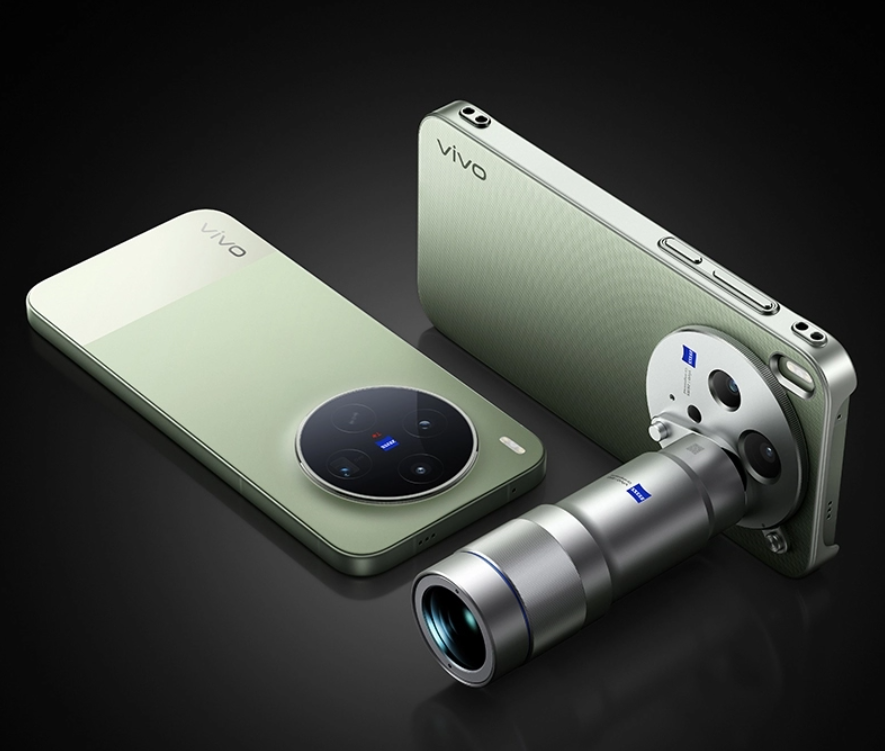
With two 200 MP cameras and two teleconverters at its disposal, the Vivo X300 Ultra is set to be one of the most impressive camera smartphones of the year. However, anyone who prioritizes image quality and versatility can already purchase a full-frame camera for roughly the same price.
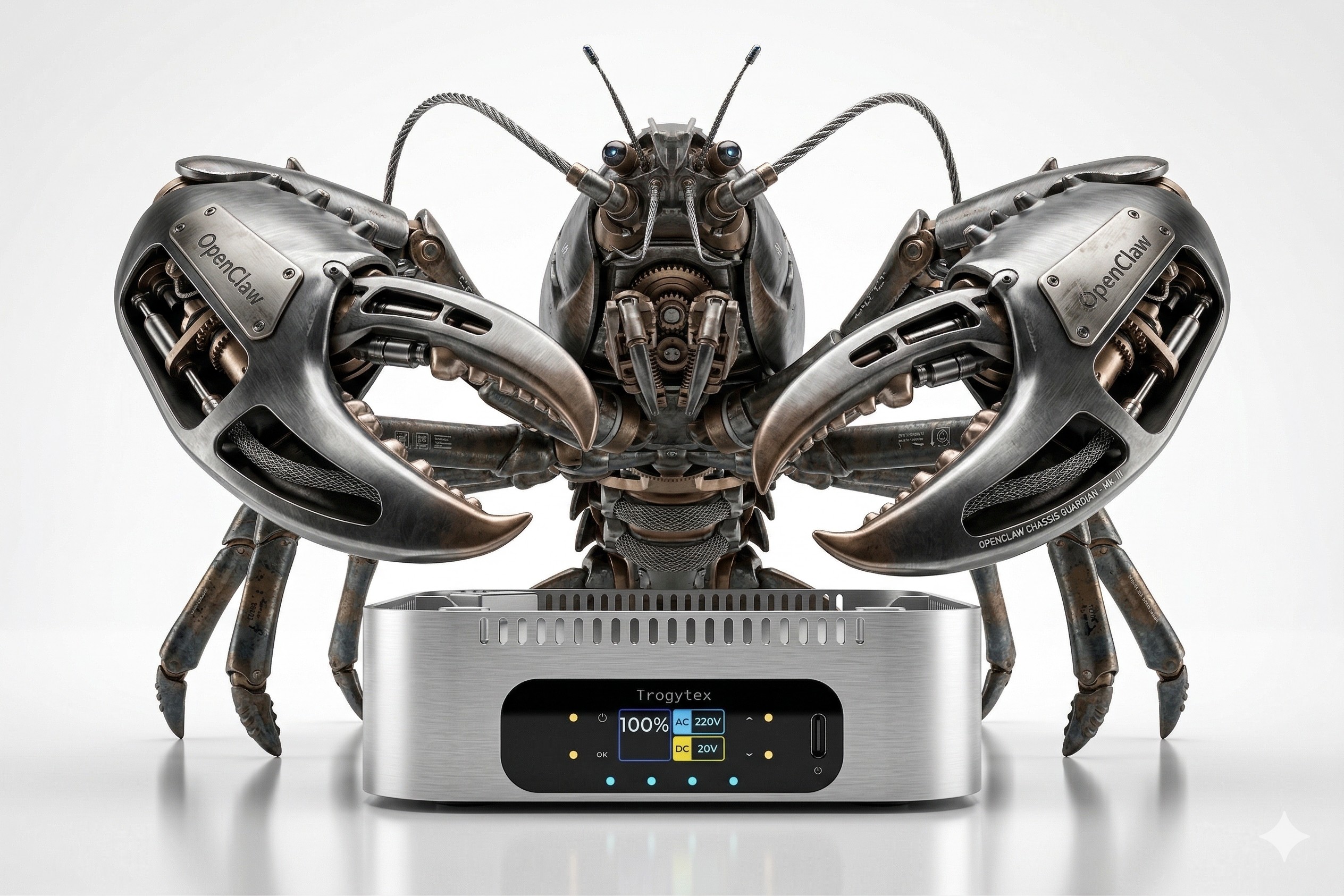
OpenClaw has become a massive trend in China, with lobster-themed merchandise and government subsidies fuelling the hype. In contrast, Europe and the US remain sceptical. While Chinese companies use the agent to increase efficiency, Western companies are primarily concerned about the potential risks.
TCL’s C7L Mini LED TV launches in the US and Europe with up to 3,000 nits brightness and a 144 Hz panel. Sitting below the C8L, it offers similar gaming features and Google TV at a more accessible level.
Xiaomi India has been teasing a Redmi Note 15 Special Edition for a week now. The company just confirmed a few key details that set it apart from the regular Redmi Note 15 – this is a last minute information drop as the phone is going live on April 2, Thursday.
According to the official landing page, the phone will be available in a new vegan leather finish if you pick the red and gold “Crimson Reserve” color (7.82mm). There are also the more standard Carbon Black (7.35mm) and Frosted White (7.4mm). We already knew some of that from last week.
Xiaomi Redmi Note 15 Special Edition...
Are the Realme C100 and C100i official? Who can say, but someone over in Thailand posted a fairly detailed hands-on with the two phones and the C100 is up on at least one retailer.
The Realme C100 is a large and relatively cheap phone – retailer BaNANA has the 4/128GB model at THB 7,000 ($215) and the 6/128GB model at THB 7,500 ($230).
Realme C100
The C100 has a 6.8” display, a 720p+ LCD with 144Hz refresh rate and 900 nits of brightness. The phone measures 166.3 x 78.1 x 8.45mm and weighs 210g. It is rated IP64 (dust proof, splash resistant) and has a drop-resistant...
Plenty of Samsung users have lost custom fonts setup on their Galaxy devices, following the latest update. Digging into details signals that it’s an intentional change, which could not be reverted in the following updates.
Samsung built a reputation on giving users control. Themes, icon packs, fonts, the whole playground. That freedom is part of what made One UI feel personal in a way stock Android never quite managed.
Now, with the March 2026 security patch rolling out across One UI 8 and 8.5, that promise just took a quiet hit.
Custom fonts are breaking after the latest patch
Over the past few days, Galaxy users have been flagging a strange issue across forums and Reddit threads. The pattern is consistent: install the March 2026 update, and custom fonts either refuse to apply or break entirely.
Some users report they cannot switch to third party fonts at all. Others say once they move away from a custom font, it becomes unusable afterward. The system throws vague error messages, leaving people guessing what went wrong.
If you have ever used tools like zFont 3, you already know how this feels. You set up your perfect typography, reboot, and suddenly it is gone. It is not just about fonts. It is about control being taken away without consent.
This is not some random glitch introduced by the update. March 2026 patch includes a fix for a vulnerability tracked as CVE-2026-20989. The issue involved improper verification of cryptographic signatures in the font settings.
Samsung has now tightened that verification process. Fonts must pass proper signature checks before they are accepted by the system. Anything outside that boundary gets blocked, while fonts downloaded from the Galaxy Store still work fine.
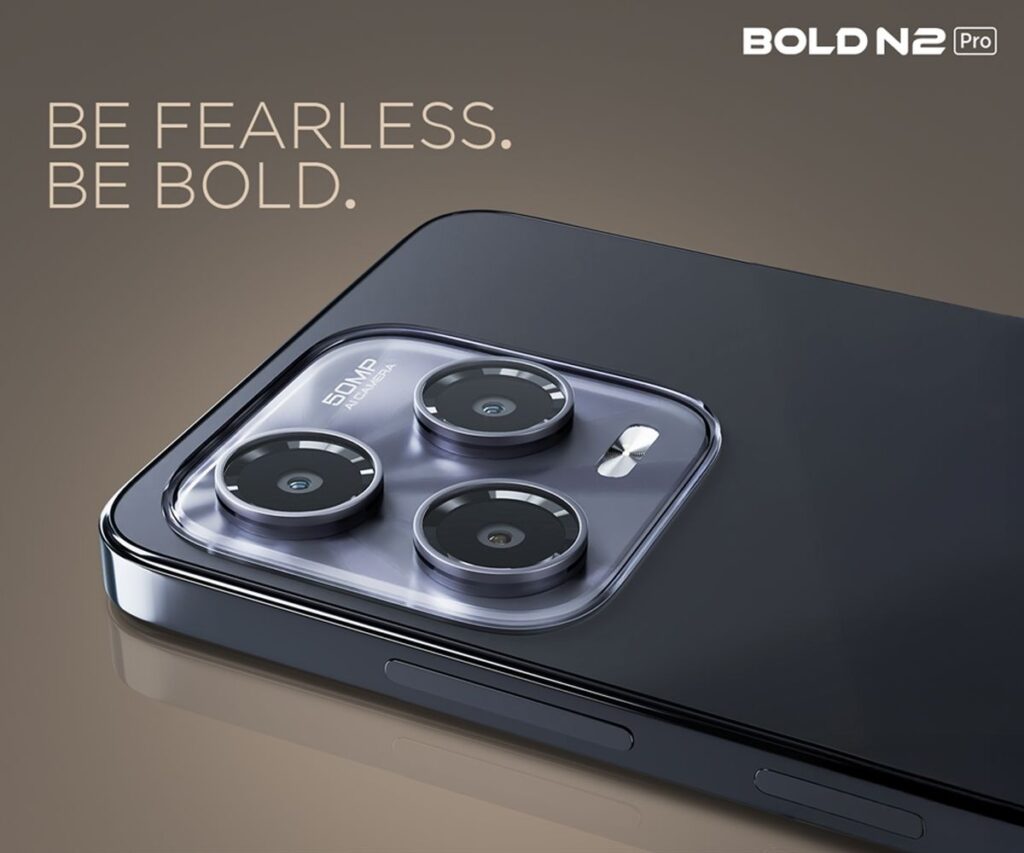
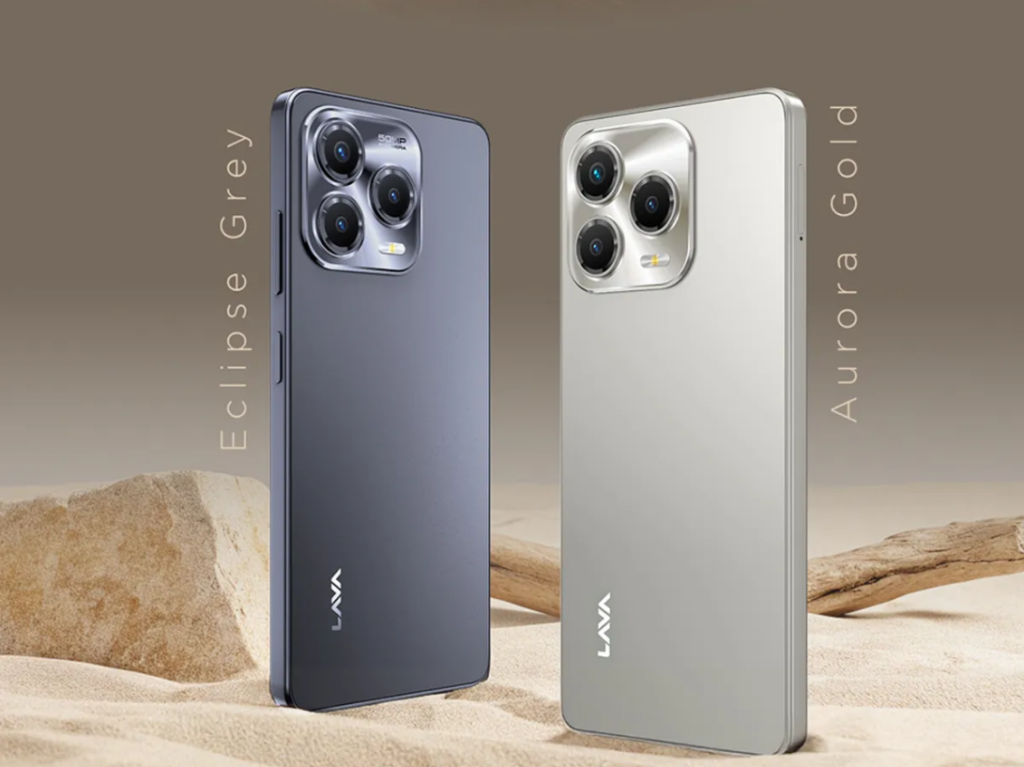
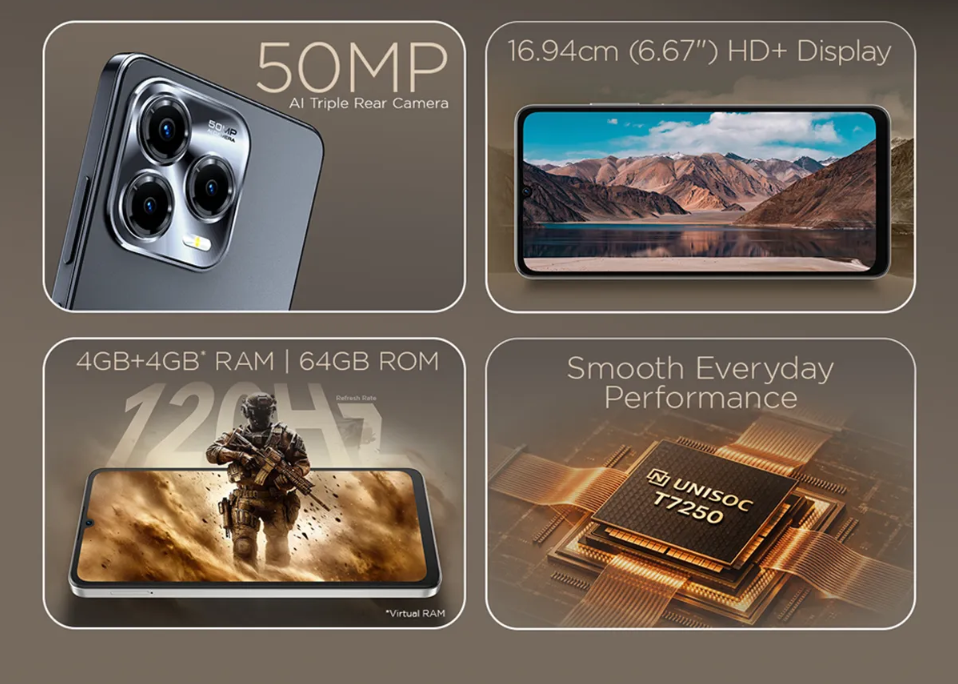
Lava has officially launched the Bold N2 Pro smartphone in the Indian market. Interestingly, the Pro version is smaller and cheaper than its vanilla sibling. It features a 120 Hz LCD display, a Unisoc T7250 chipset, and a decent 5,000 mAh battery that supports 18 W wired charging.
According to the latest CPU sales data out of Germany, overall CPU sales in week 13 of 2026 were the lowest ever. The AMD Ryzen 7 9800X3D was the top-selling CPU on Mindfactory, with Intel far behind.
Are the Realme C100 and C100i official? Who can say, but someone over in Thailand posted a fairly detailed hands-on with the two phones and the C100 is up on at least one retailer.
The Realme C100 is a large and relatively cheap phone – retailer BaNANA has the 4/128GB model at THB 7,000 ($215) and the 6/128GB model at THB 7,500 ($$230).
Realme C100
The C100 has a 6.8” display, a 720p+ LCD with 144Hz refresh rate and 900 nits of brightness. The phone measures 166.3 x 78.1 x 8.45mm and weighs 210g. It is rated IP64 (dust proof, splash resistant) and has a drop-resistant...
Oppo is set to launch its new K15 Pro series tomorrow, and the company has already revealed quite a bit about the phones ahead of the event. Based on the details shared so far, the K15 Pro series seems clearly aimed at users who care about performance and battery life.
The Oppo K15 Pro comes with a 6.59-inch display that supports a 144Hz refresh rate. Powering the device is the MediaTek Dimensity 8500 SUPER chipset, paired with what Oppo calls its Tide Engine for performance optimization.
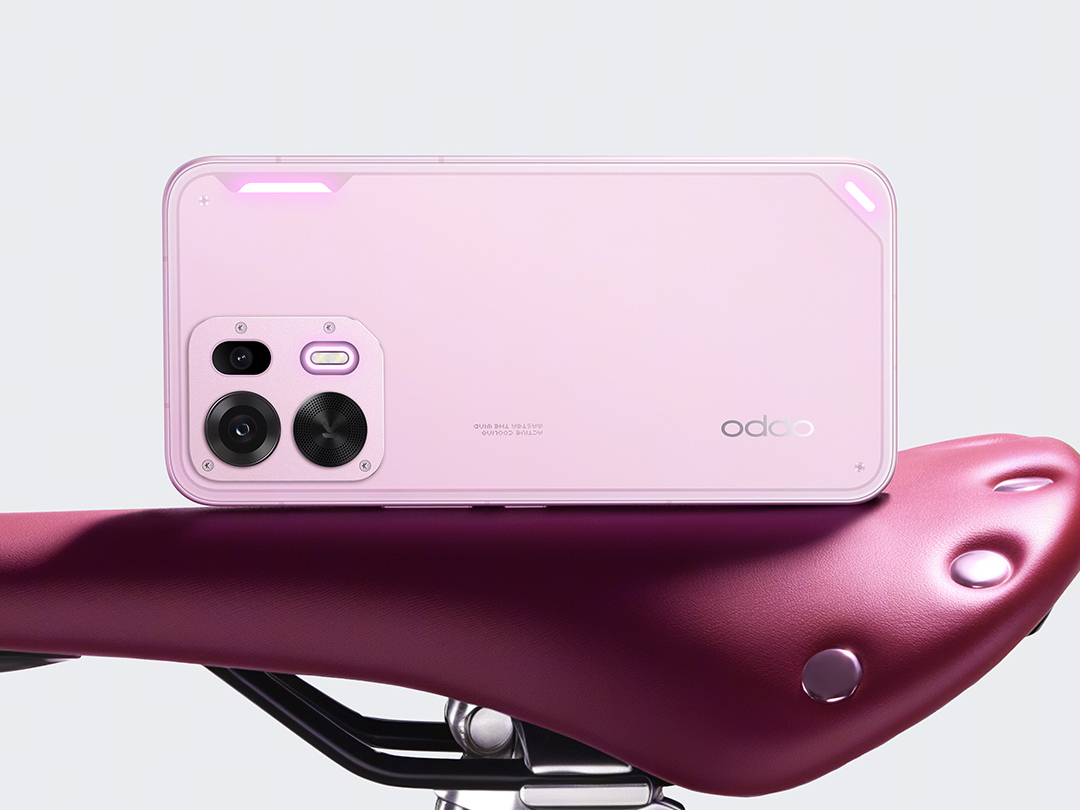
Cooling is another area Oppo is highlighting. The phone includes an active cooling fan along with a large VC heat dissipation plate. On paper, it sounds like the company is trying to keep performance consistent during longer gaming sessions rather than just focusing on peak numbers.
The phone packs a 7,500mAh battery, which is quite large even by current standards. It supports 80W fast charging and includes features like bypass charging and a dedicated battery management chip. If implemented well, this setup could help balance both endurance and charging speed.
The camera setup is fairly standard for this category. There’s a 50MP main sensor with OIS, an 8MP ultra-wide lens, and a 16MP front camera. The device carries an IP69 rating and has reportedly passed multiple durability tests. It also supports satellite connectivity thanks to dual-frequency GPS and China’s BeiDou satellite navigation system.
With the official launch just around the corner, pricing and full details should be revealed soon. From what’s been shared so far, the K15 Pro looks like a device built around sustained performance and battery endurance.
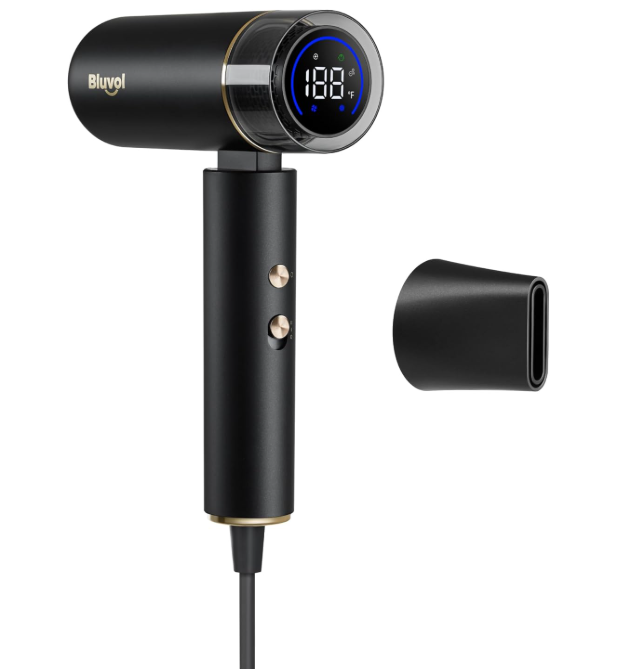
This April, Bluvol answers that instinct with a tightly curated release of personal care technology engineered for modern, hyper-mobile living. Designed for those who move between home office, airport lounge, and city street without pause, Bluvol’s newest launches don’t just promise comfort — they deliver performance-level wellness in beautifully compact form.
If you’ve been waiting for a sign to reset your routine, this is it.
NEST 10 ULTRA: The Neck Massager That Feels Like Structural Support, Not a Gadget
The NEST 10 ULTRA is the ultimate relaxation tool for desktop users, gamers, frequent travelers, and busy housewives. It creates an immersive “personal zone” by combining superior ergonomics, thermal precision, and audiophile-grade connectivity into one sleek package. If you’re serious about on-the-go recovery, this is the current benchmark.
Structural Ergonomics
Most neck massagers suffer from a “one-size-fits-none” failure. The NEST 10 ULTRA solves this with its Adapora C-shaped frame. Its flexible arms provide a customized “hug,” keeping the 3D nodes flush against the trapezius muscles regardless of your build. Whether hunched over a workstation or cramped in an airplane middle seat, the support feels structural rather than just pillowy.
The difference is immediate:
No floating massage heads
No constant repositioning
No shallow pressure
Whether you’re leaning into a laptop or wedged into an airplane middle seat, the sensation is structured, precise, and anatomically aligned.
The MassoHands System
The hardware justifies the premium. Utilizing the MassoHands system—comprised of two 3D kneading nodes and 20 precision points—the device mimics a professional therapist’s rhythmic pressure. Five intensity levels allow you to toggle between a light lymphatic touch and a deep-tissue release for stubborn knots.
Precision Heat and Audio
The NTC Smart Temperature Control hits its stride in five seconds, maintaining heat within ±1°C. Unlike cheaper competitors that feel inconsistently “scorching,” the NEST provides a steady, spa-like warmth that significantly enhances muscle softening.
The real “tech flex” is the 360° Spatial Audio. Powered by Bluetooth 6.0, the audio is seamless and lossless. Multipoint connectivity is effortless, allowing you to mask office chatter or cabin noise with immersive sound while staying connected to both your phone and laptop simultaneously.
T10 Apex Fodable Pocket Hair Dryer
TheT10 Apex is a powerhouse for the modern traveler, packing a high-speed 110,000 RPM brushless motor into a remarkably portable frame. The foldable handle makes it incredibly compact, easily tucked into a handbag or suitcase. For those seeking salon-quality speed and shine without the bulk, the T10 Apex is a travel-ready essential.
Bluvol products are available on TikTok and Amazon; order early to enjoy up to $50 off early bird special discounts. Spring is here; it’s time to break free from constraints and embrace a more vibrant and confident future.
Upgrade the ritual. Reset the standard. Step into a lighter, sharper version of yourself. Spring is here — and so is your reset.
About Bluvol
Bluvol is a lifestyle brand offering more than just health and personal care solutions. By combining design with wellness principles, we create professional-grade tools that connect your home, work and travel experiences, making life more convenient.
About Fanttik Innovations
Bluvol (formerly FanttikSolo) is the personal care and wellness division of Fanttik Innovations. Known for its premier power tools and the slogan “Ideas for Fantastic Life,” Fanttik is a major retail force found in Walmart, Costco, and Lowe’s. With over 1.1 billion TikTok views and high-profile partnerships with the UFC, NBA (Brooklyn Nets), and NASCAR, the brand focuses on making innovation accessible for everyone.
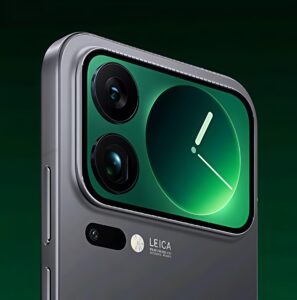
The upcoming Xiaomi 18 series is already generating interest months ahead of its expected debut in China. While the lineup is likely to include multiple models, early leaks have begun highlighting what the top-end variant could offer. As per a new leak, the Xiaomi 18 Pro Max, in particular, is tipped to bring notable changes in camera hardware.
Xiaomi 18 Pro Max camera details leak
Xiaomi 17 Pro Max camera details leaked
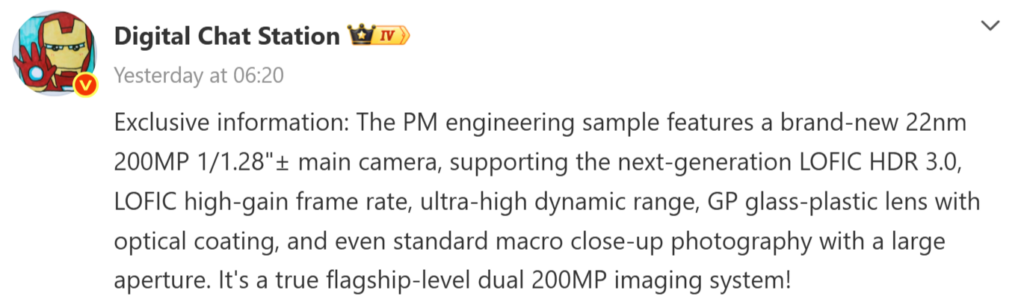
According to tipster Digital Chat Station, the Xiaomi 18 Pro Max engineering prototype is being tested with an upgraded imaging setup. The device is expected to feature a 200-megapixel primary sensor with a large 1/1.28-inch size, built using a 22nm process. This approach is said to improve power efficiency and thermal control while maintaining high-resolution output.
The sensor is likely to support the next generation LOFIC HDR 3.0 technology, aimed at improving dynamic range in challenging lighting conditions. This system works by capturing a wider range of brightness levels, helping preserve details in both highlights and shadows. It is also expected to include high frame gain functionality, which enhances image clarity in low-light scenes.
The telephoto camera is also tipped to see a major upgrade, potentially matching the 200-megapixel resolution. It may support macro photography and feature a wider aperture for improved light intake and detail. Together, the setup could form a flagship-grade dual 200-megapixel camera system designed for versatile shooting scenarios.
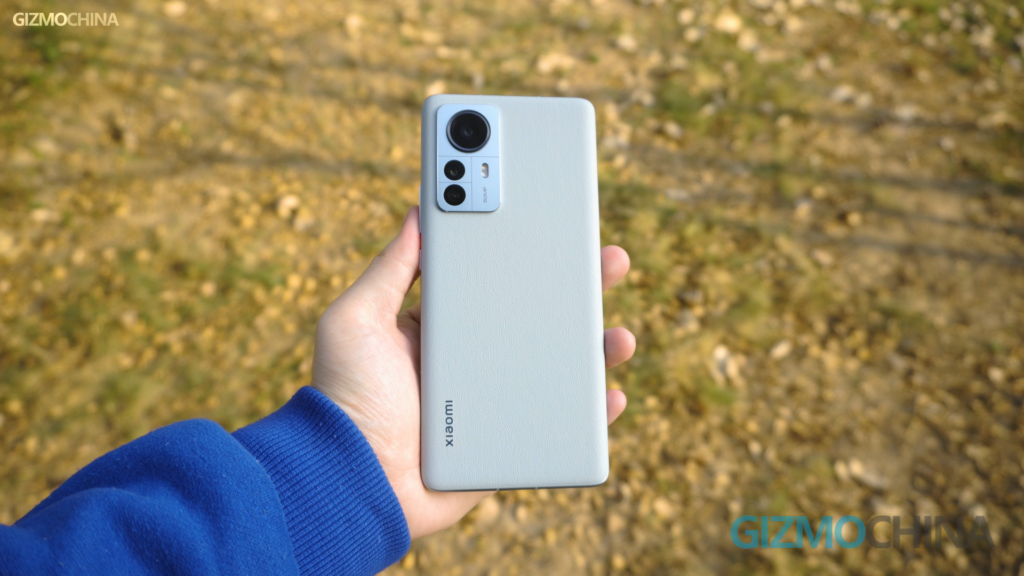
Xiaomi 17 Pro Max
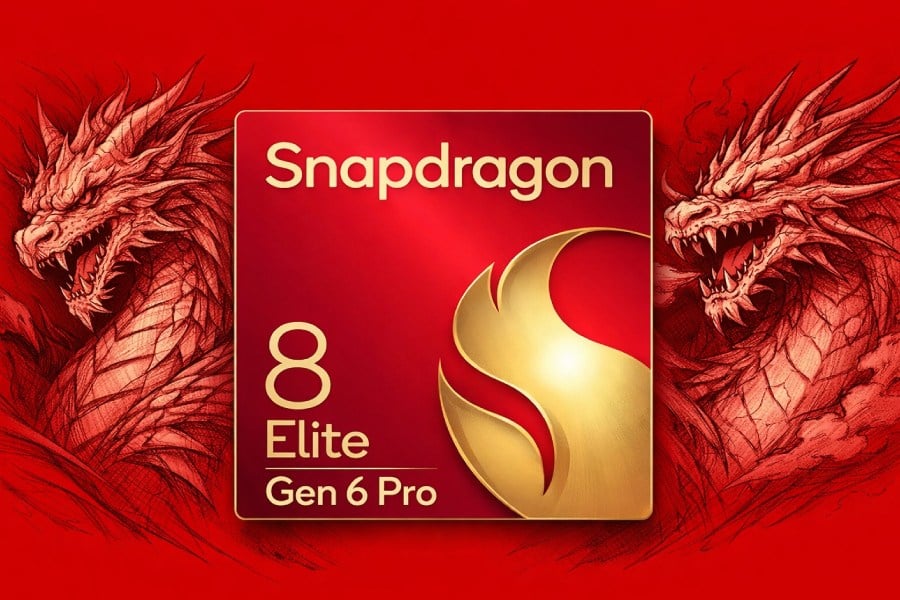
In addition, reports suggest the Xiaomi 18 Pro Max could feature a large display of around 6.8 inches, a secondary display on the back, and a battery close to 7,500mAh. The wider Xiaomi 18 lineup is expected to include the standard and Pro variants, likely powered by the upcoming Snapdragon 8 Elite Gen 6 platform.
For more daily updates, please visit our News Section.
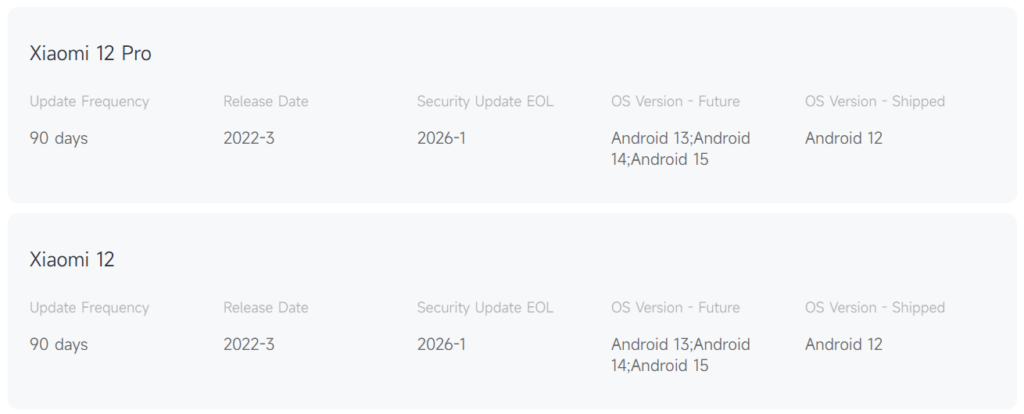
Xiaomi says goodbye to the Xiaomi 12 and Xiaomi 12 Pro as the devices have received their final HyperOS upgrade this month. The phones reached end-of-life (EOL) status in January 2026, meaning they won’t receive any updates, including security patches.
While it may be surprising to see the HyperOS 3 update rolling out to the Xiaomi 12 and Xiaomi 12 Pro after reaching end-of-life status, the update actually resolves issues introduced by the initial HyperOS 3 rollout, such as occasional app crashes and memory management inconsistencies.
The latest HyperOS update for the Xiaomi 12 and 12 Pro resolves previous issues, ensuring the devices remain stable and reliable for daily use. Here’s the firmware version of the final HyperOS 3 update for the affected Xiaomi devices:
Xiaomi 12 Pro
Indonesia: OS3.0.3.0.VLBIDXM
Russia: OS3.0.2.0.VLBRUXM
Turkey: OS3.0.2.0.VLBTRXM
Taiwan: OS3.0.2.0.VLBTWXM
India: OS3.0.2.0.VLBINXM
Xiaomi 12
Indonesia: OS3.0.2.0.VLCIDXM
Russia: OS3.0.3.0.VLCRUXM
Turkey: OS3.0.2.0.VLCTRXM
Taiwan: OS3.0.2.0.VLCTWXM
These builds should offer a reliable software experience to Xiaomi 12 and 12 Pro users. However, keep in mind that the devices won’t receive any further updates. That means your device will miss out on the latest HyperOS features and security patches.
While the Xiaomi 12 and 12 Pro will continue to work just fine, it’s best to upgrade to a newer model. Check out the list of Xiaomi devices offering six years of updates to find one that stays relevant for longer.
Since the devices have already reached end-of-life status, they are unlikely to receive the HyperOS 3.1 update, which is already rolling out to eligible devices. You can read more about it in our HyperOS 3.1 section.
To ensure you don’t miss out on the latest HyperOS stories, remember to visit the Xiaomi section on this website regularly. Alternatively, you can join us on Telegram to get instant notifications about the latest HyperOS updates, along with the biggest tech headlines.
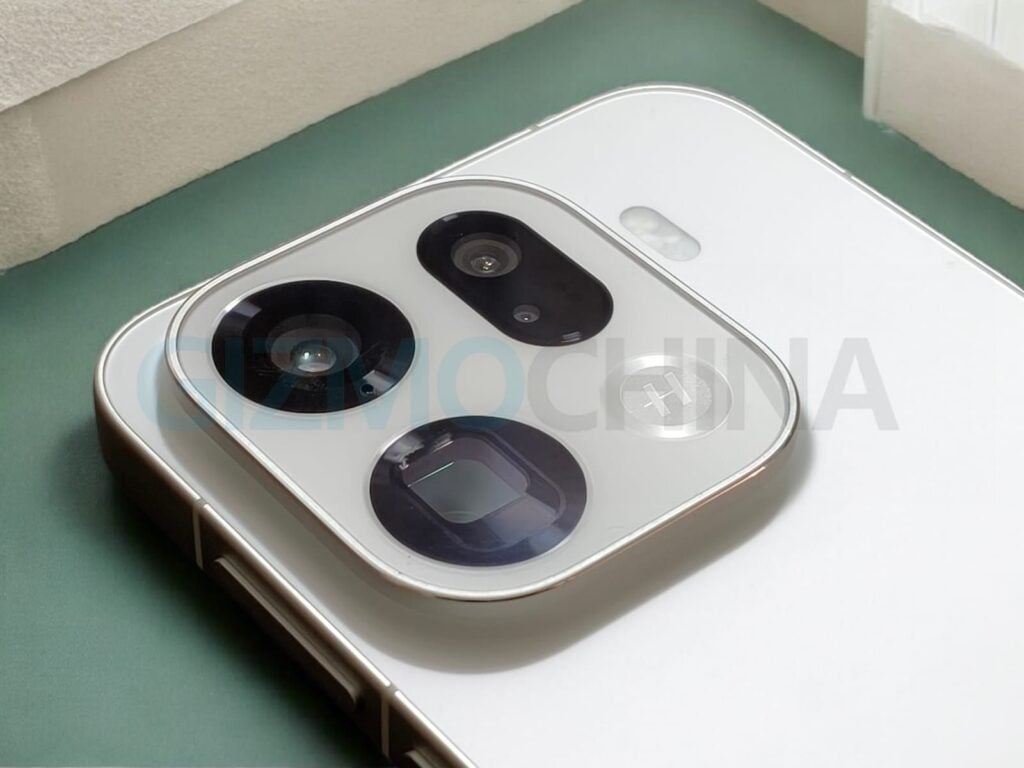
Oppo has just announced the global launch date for the Oppo Find X9 Ultra. But in the rumor mill, attention has already shifted a generation ahead to the Oppo Find X10 series. And if you’ve been following along, the Find X10 Pro Max is expected to feature an ambitious camera setup.
Oppo Find X10 Pro Max could feature a 50MP ultrawide camera
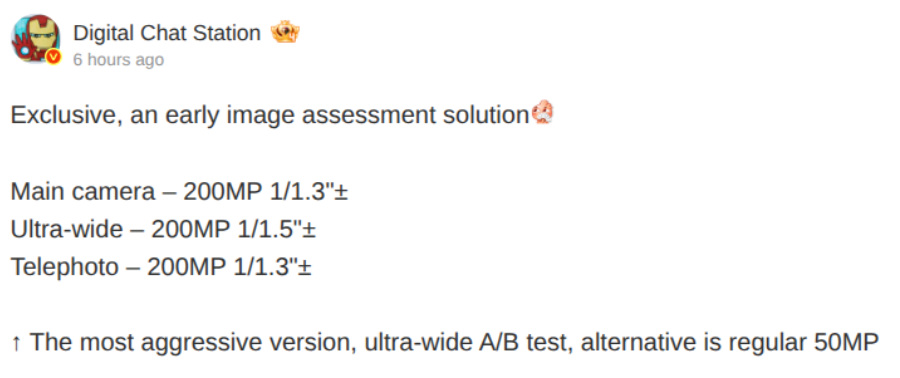
The latest leak suggests that both the main and telephoto cameras may use a 1/1.3-inch sensor, while the ultrawide could come in slightly smaller at 1/1.5-inch. However, the tipster also notes that Oppo may fall back to a 50MP ultrawide sensor instead. These two configurations are reportedly undergoing A/B testing.
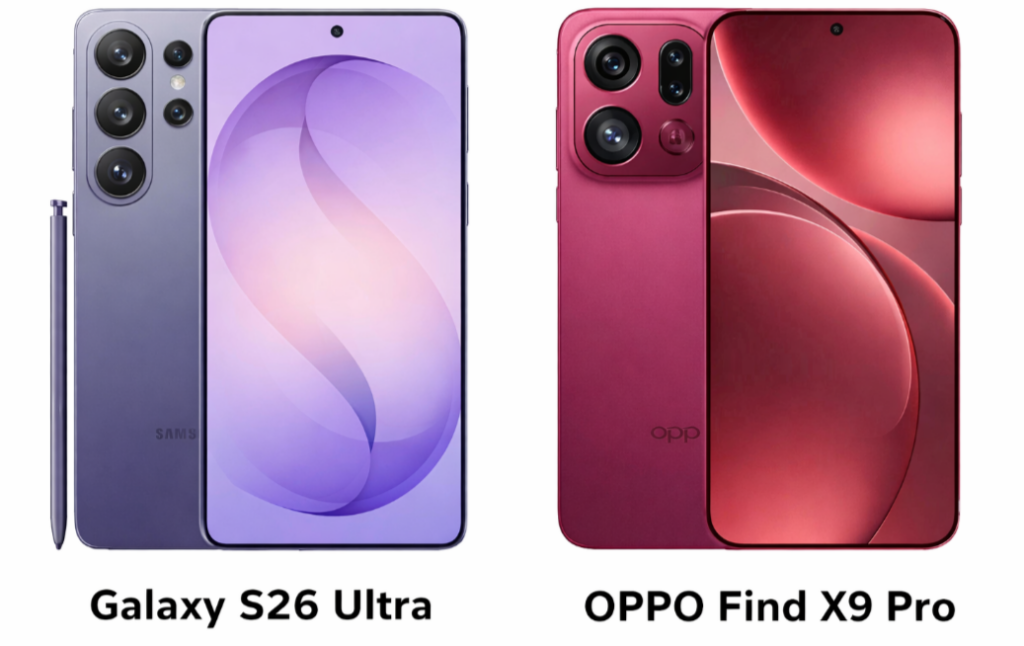
For context, the Find X9 Pro features a 50MP ultrawide and a 50MP main camera, alongside a 200MP periscope telephoto lens.
Oppo Find X9 Pro
As for the 1/1.3-inch main and telephoto sensors, the same tipster previously claimed they would support technologies such as 4×4 RMSC (Rearranged Pixel Color Information) and UFCC (Ultra Full Color Capture).
Both are expected to improve color accuracy and dynamic range. The sensors are also rumored to use an advanced manufacturing process to enhance overall image quality, likely for the main camera.
Beyond the cameras, the Find X10 lineup is expected to be among the first devices powered by the upcoming MediaTek Dimensity 9600 chip.
None of these details has been officially confirmed by Oppo yet. Still, the leaks suggest the company may be experimenting with an unusually stacked camera system for its next flagship series. We’ll keep you posted as more information comes to light.
For more daily updates, please visit our News Section.
Oppo is gearing up to launch new X9 series of flagship phones in China. These include Find X9 Ultra and Find X9s Pro, which the brand has been teasing for the past few days. In a new development, the brand has officially confirmed when these phones will go official in the home market.
Oppo Find X9 Ultra, Find X9s Pro incoming
Oppo Find X9 Ultra, Find X9s Pro launch date
Oppo has officially confirmed that its joint imaging launch event with Hasselblad will take place on April 21 at 7:00 PM in China. The event will introduce both the Find X9 Ultra and Find X9s Pro, with a clear emphasis on pushing smartphone photography further.
The Find X9 Ultra is expected to introduce a new telephoto system featuring a 10x optical zoom lens. The company is said to be using a redesigned prism structure that enhances long-distance shooting capabilities. This setup supports native 10x optical zoom, extends to higher quality zoom levels, and reaches up to 120x digital zoom.
To maintain image stability and consistency, Oppo is incorporating an active optical calibration system during manufacturing. This ensures each unit delivers precise alignment, which is especially important for long-range photography. The device is also tipped to include a custom 50-megapixel sensor paired with an advanced image processing engine for improved clarity and detail.
The Find X9s Pro is positioned as a strong imaging device in its segment, featuring a dual 200-megapixel camera system. This includes a high-resolution primary sensor and a matching telephoto lens, making it one of the few phones in its category with such a setup.
It will be a compact flagship phone equipped with a 6.32-inch OLED panel, a Dimensity 9500 chipset, and a massive battery of around 7,000mAh capacity with 80W charging support.
In addition to smartphones, Oppo is also expected to showcase new products such as the Oppo Pad Mini and Pad 5 Pro flagship tablets powered by the Snapdragon 8 Gen 5 and 8 Elite Gen 5 chipsets, respectively.
For more daily updates, please visit our News Section.
HMD looks set to expand its presence in India’s entry-level segment with the upcoming Crest 2 Pro, and the latest leak suggests it could bring some meaningful upgrades over the HMD Crest and HMD Crest Max.
According to tipster @smashx_60 on X, the alleged HMD Crest 2 Pro will feature a 6.78-inch Super AMOLED display with FHD+ resolution. That’s larger than the 6.67-inch panel of the Crest and Crest Max. The refresh rate is also higher, at 120Hz compared to 90Hz on the previous models, suggesting smoother scrolling and animations.
Under the hood, the device is said to run on Qualcomm’s Snapdragon 4 Gen 4 chipset. It’s not meant for heavy workloads, but should be more than enough for everyday use like calling, messaging, online payments, and watching YouTube.
Battery life seems to be a key selling point of the Crest 2 Pro. The phone is expected to pack a 6,000mAh battery, the largest HMD has used so far. It supports 33W charging, which should be decent for topping up, even if not the fastest in the segment.
On the back, the phone is tipped to feature a triple-camera setup led by a 64MP main sensor, along with an 8MP secondary lens and a 2MP auxiliary camera. There is a 50MP sensor for selfies. The hardware suggests a fairly standard setup for this category.
Based on the leaked render, the bezel width appears similar to the Crest and Crest Max, including the slightly wider chin. The overall design also remains largely unchanged, with minor refinements to the square camera island.
There’s still no official word on pricing or a launch date, but based on the leaked specs, the Crest 2 Pro could land in the sub-₹20,000 range. For further context, the HMD Crest and Crest Max started from ₹14,999 and ₹16,499, respectively.
For now, it looks like HMD is trying to tick the right boxes: good display, large battery, and balanced performance. More details should follow soon.
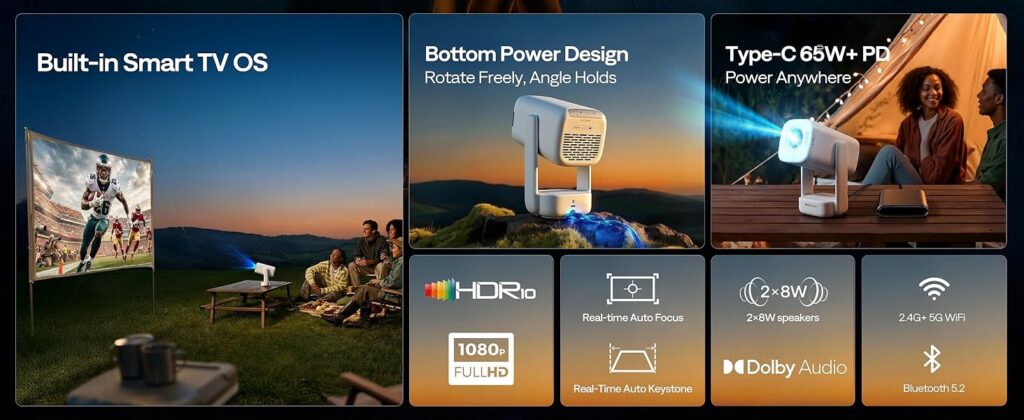
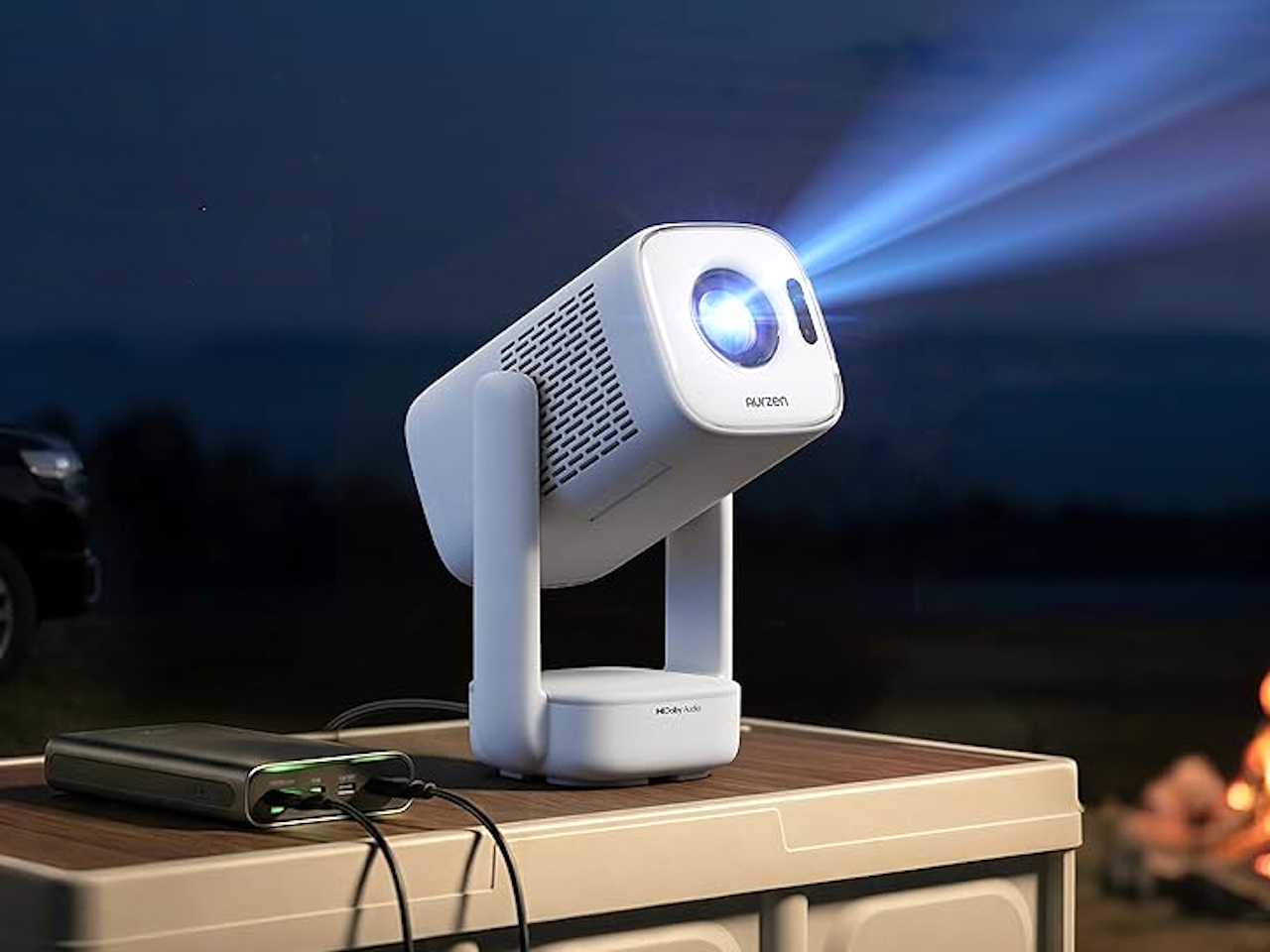
Aurzen has launched the EAZZE D1 Air smart projector, a portable device that combines built-in streaming, flexible power options, and automatic setup features. The projector is designed to work as a standalone entertainment system without requiring external streaming hardware.
The D1 Air supports licensed apps such as Netflix and YouTube out of the box. Users can access content directly after powering on, similar to a smart TV experience, without additional setup or devices.
The projector features a native 1080p resolution and delivers 300 ANSI lumens of brightness. It includes Dolby Audio tuning for improved sound output. Aurzen has also used a sealed optical design, which is intended to maintain image quality and reduce performance degradation over time.
For setup and usability, the D1 Air integrates a Time of Flight laser autofocus system that adjusts focus automatically based on distance. It also includes automatic keystone correction to keep the image aligned when projecting from different angles or surfaces.
A built-in 180 degree gimbal stand allows users to adjust the projection direction easily, including switching between wall and ceiling projection. The design also helps keep cables out of sight during use.
Power is handled through a recessed USB Type C port with 65W Power Delivery support. This allows the projector to run on compatible laptop chargers or portable power banks, making it suitable for use in different rooms or outdoor settings without relying on a fixed power source.
The Aurzen EAZZE D1 Air is now available on Amazon in the United States at a retail price of $199.99, with a limited-time introductory price of $129.99. It is also being rolled out in Europe, including the United Kingdom, Germany, and France. Pricing is set at £179.99 in the UK with a £129.99 launch offer, and €199.99 in Europe with an introductory price of €149.99.
For more daily updates, please visit our News Section.
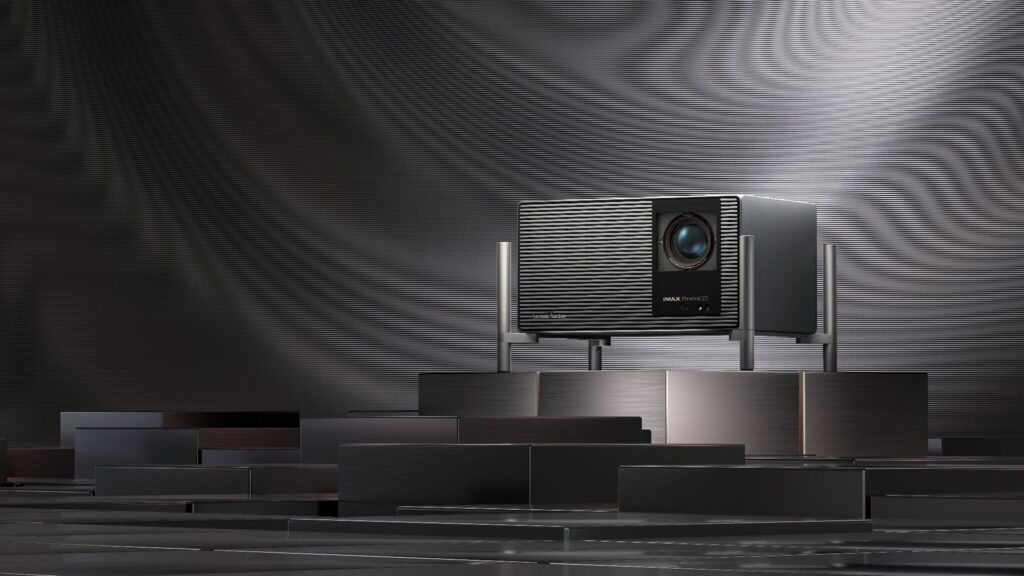
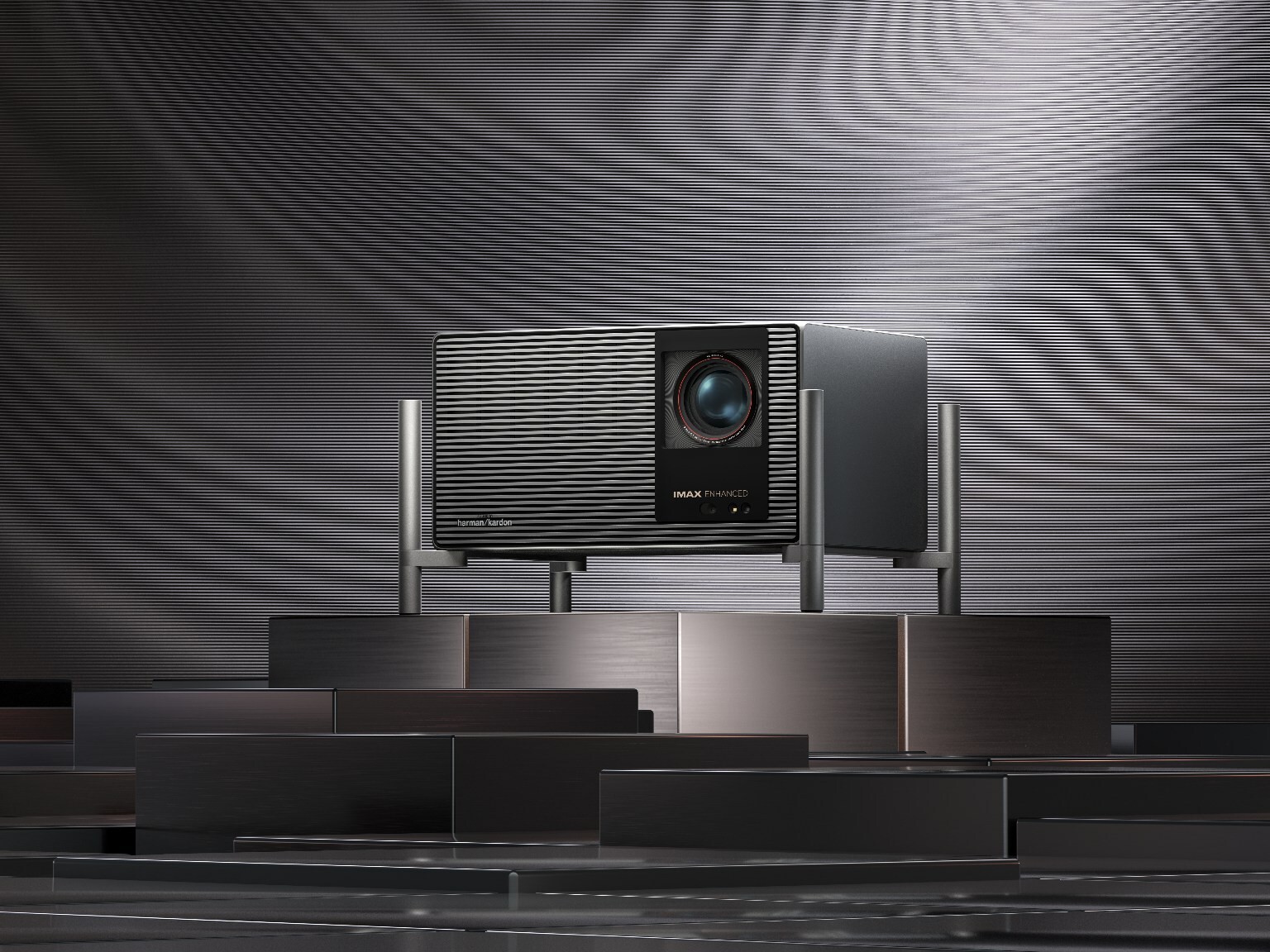
XGIMI has opened pre-orders for its TITAN Noir series 4K projectors, following their debut at CES 2026. The company is offering early access through its website, where customers can place a $50 deposit to secure discounts of up to $3,200 ahead of the official Kickstarter launch scheduled for April 23.
The TITAN Noir lineup represents XGIMI’s flagship home theater range, designed for dedicated cinema setups and premium living spaces. The series focuses on improving contrast, brightness, and color performance using an RGB triple-laser projection system combined with a Dual Iris mechanism. This setup is aimed at delivering deeper blacks and more precise light control in large-screen environments.
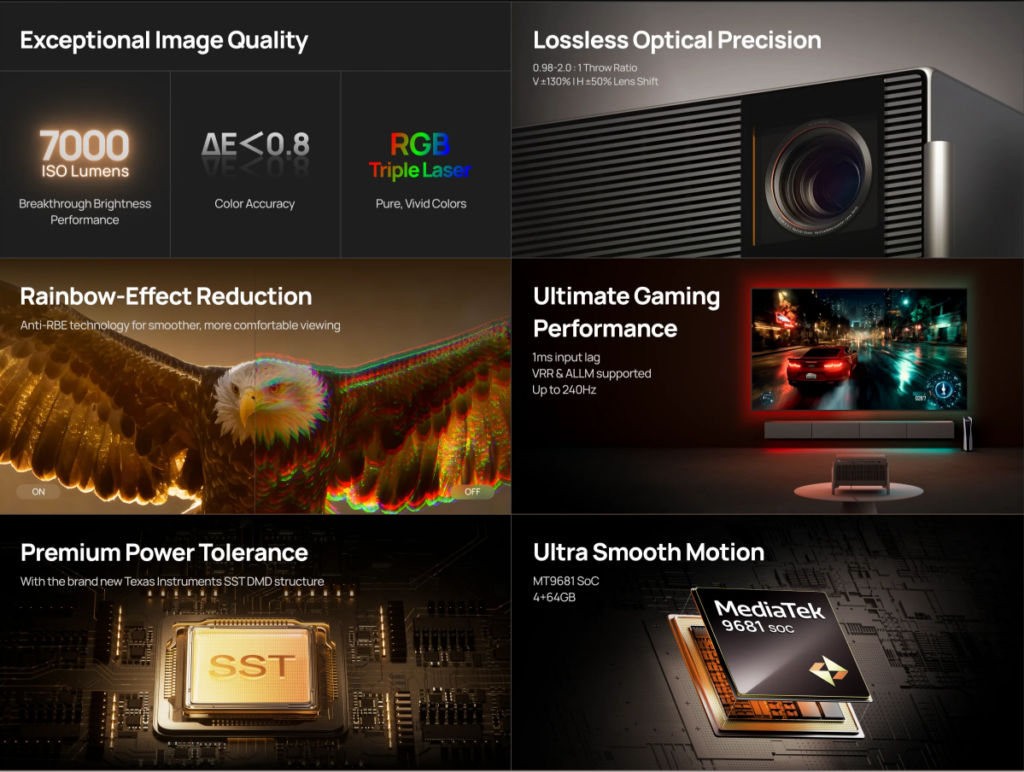
Leading the lineup is the TITAN Noir Max, positioned for users prioritizing high-end projection performance and large display sizes. The projector delivers up to 7,000 ISO lumens of brightness and a native contrast ratio of 10,000:1, supported by the Dual Iris system for enhanced dynamic range.
The TITAN Noir Max supports IMAX Enhanced, Dolby Vision, and HDR10+ formats, covering a wide range of modern content standards. Color accuracy is rated at ΔE < 0.8, with 110% coverage of the BT.2020 color gamut, indicating a focus on precise and wide color reproduction.
Internally, the projector is powered by the MT9681 chipset, paired with 4GB of RAM and 64GB of storage. It also supports refresh rates of up to 240Hz, targeting users who plan to use the projector for gaming alongside video playback.
XGIMI confirmed that customers who place a deposit will receive a private Kickstarter launch link via email on April 23 to complete their purchase. Alongside the consumer models, the company is also preparing a separate TITAN Noir variant for AV distributors in Europe, which will be tailored for professional use cases and released at a later date.
For more daily updates, please visit our News Section.
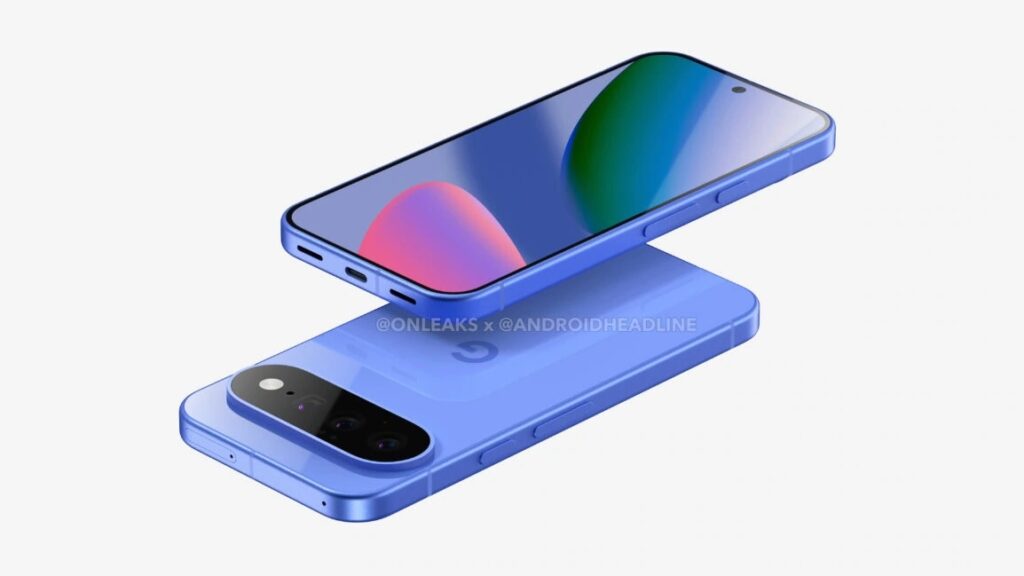
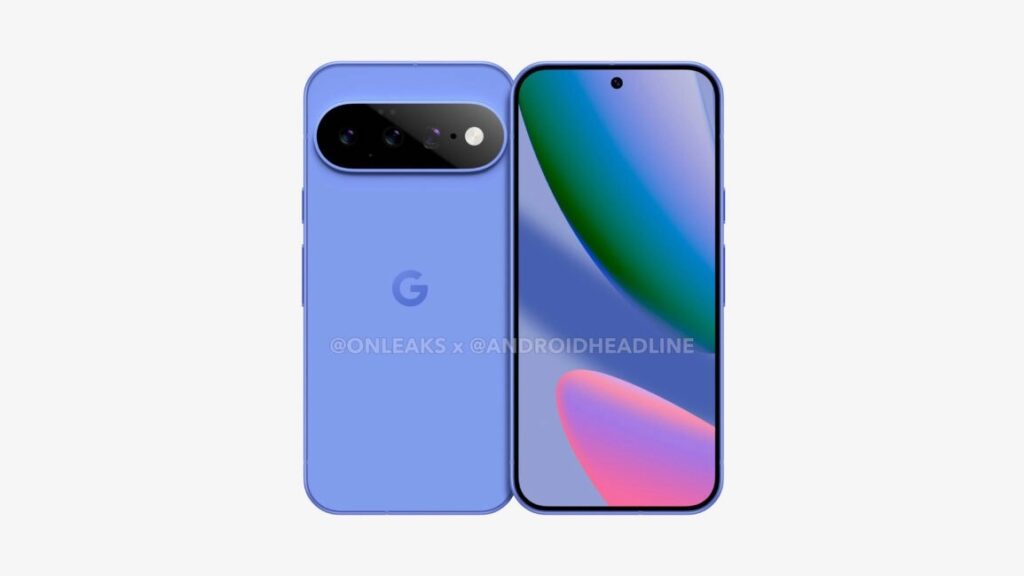
Early renders of the Google Pixel 11 have surfaced, offering a detailed look at the upcoming flagship ahead of its expected August debut. The images, shared by tipster @OneLeaks (via Android Headlines), point to a design that largely builds on its predecessor while introducing subtle refinements.
The device is reported to measure 152.8 x 72 x 8.5mm and is expected to feature a 6.3-inch LTPO AMOLED display. The overall footprint remains close to the Pixel 10, suggesting minimal changes in size and form factor. Flat sides continue to define the design, while the signature rear camera bar appears slightly larger but thinner. The triple rear camera layout remains intact.
Under the hood, the Pixel 11 is expected to run on Google’s next-generation Tensor G6 processor. The chipset is said to adopt a 7-core architecture and will reportedly be manufactured using TSMC’s 2nm process. The device may also mark a shift in connectivity hardware, replacing Samsung’s modem with a new MediaTek M90 modem.
Security is another area of upgrade. The phone is expected to feature a new Titan M3 security coprocessor, internally referred to as “Google Epic,” replacing the Titan M2 used in previous Pixel devices.
In terms of memory and storage, the Pixel 11 is likely to offer 12GB of RAM, with storage options starting at 128GB and going up to 256GB. There is also speculation that Google could increase the base storage to 256GB, in line with trends seen in recent flagship releases.
The device is expected to run Android 17 out of the box. On the camera front, new software-driven features are rumored, including an ultra-low-light video mode with on-device processing. This would allow high-quality video capture in dark conditions without relying on cloud processing. Additional features may include Cinematic Blur at 4K 30 fps and a video relight tool for adjusting lighting in recorded footage.
A 5,000mAh battery is also expected. Pricing is rumored to start at $799, similar to the previous model.
For more daily updates, please visit our News Section.
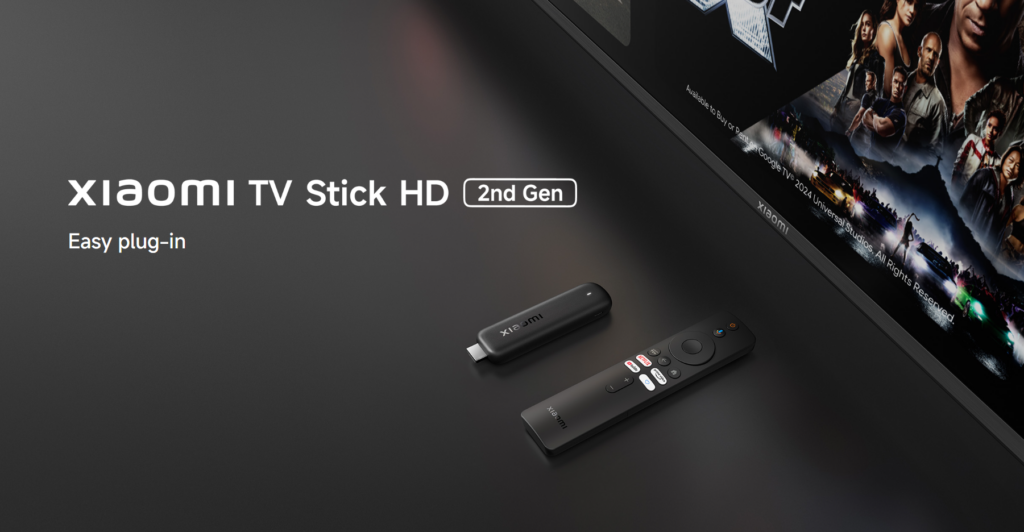
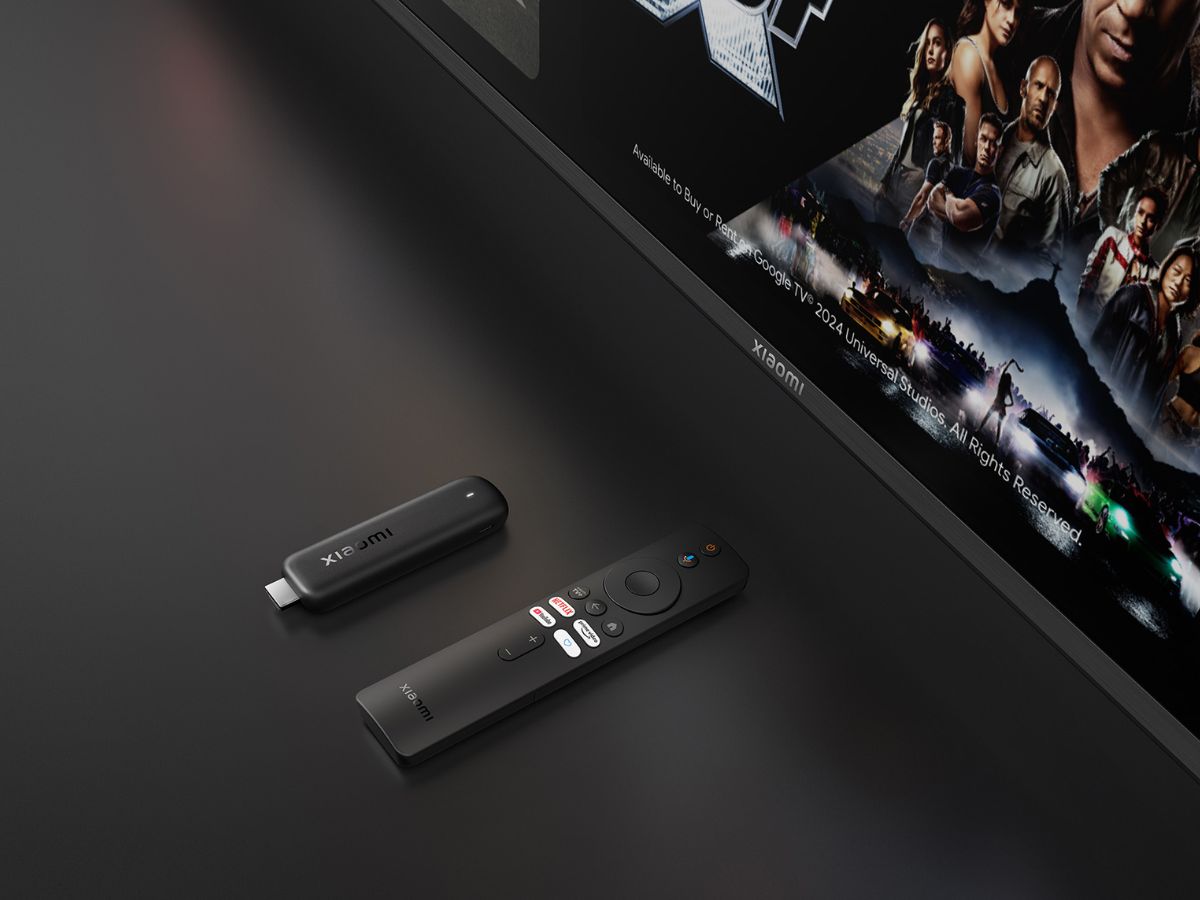
Xiaomi has listed the TV Stick HD (2nd Gen) on its global website, confirming an upcoming international release. The device is positioned as an entry-level streaming solution, following the earlier launch of the Xiaomi TV Stick 4K (2nd Gen).
The TV Stick HD (2nd Gen) plugs directly into a TV or monitor through an HDMI port and requires a Wi-Fi connection to function. It runs on Google TV, offering access to apps such as Netflix, YouTube, and Apple TV, along with personalised recommendations and user profiles. Google Assistant is built in, allowing voice-based search, app control, and smart home commands via a dedicated button on the remote. The device also supports Google Cast for wireless screen sharing from smartphones and tablets.
In terms of output, the stick supports resolutions from 720p to 1080p, with a maximum output of 1080p at 60Hz. It also supports HDR10+ for improved contrast and detail in supported content. Audio support includes Dolby Audio and DTS:X, provided the playback hardware and content are compatible.
The hardware includes a quad-core Cortex-A55 processor paired with a Mali-G31 MP2 GPU. Xiaomi claims a 38% CPU performance improvement compared to the older Mi TV Stick. The device is equipped with 1GB DDR4 RAM and 8GB of internal storage.
Connectivity options include dual-band Wi-Fi with 2.4GHz and 5GHz support, as well as Bluetooth 5.0. The remote supports both Bluetooth and infrared control and includes shortcut buttons for Netflix, Prime Video, and YouTube.
The stick measures 107.4 x 30 x 14 mm and weighs 44 g, featuring a compact, rounded design intended for portability. It is powered via a micro USB port and includes an HDMI extension cable and USB power cable in the box.
The TV Stick HD (2nd Gen) supports a wide range of codecs, including AV1, VP9, H.265, and H.264, along with multiple video, audio, and image formats. Pricing and exact availability have not yet been confirmed.
For more daily updates, please visit our News Section.
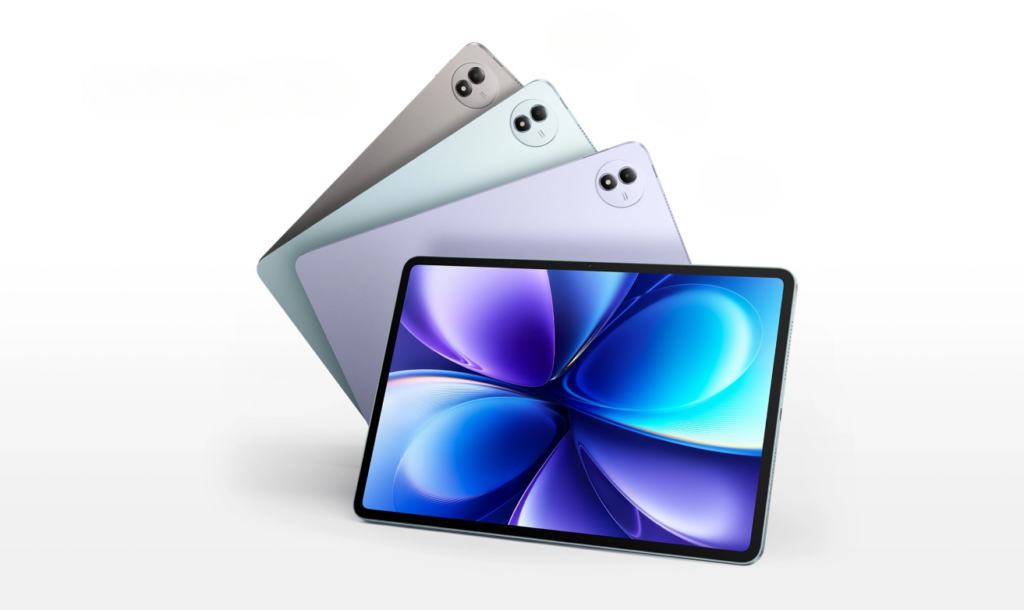
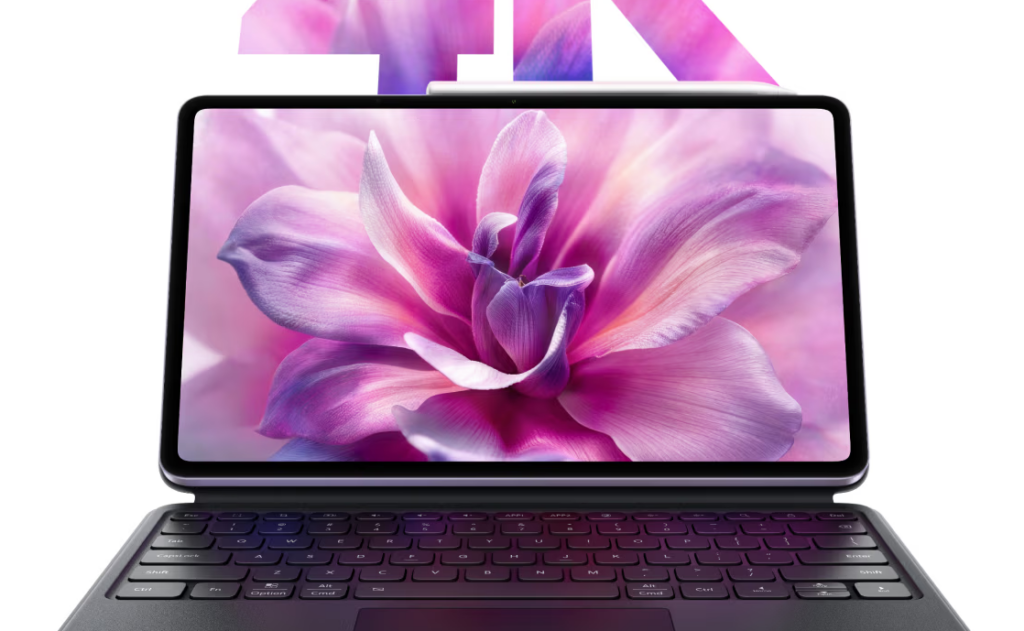
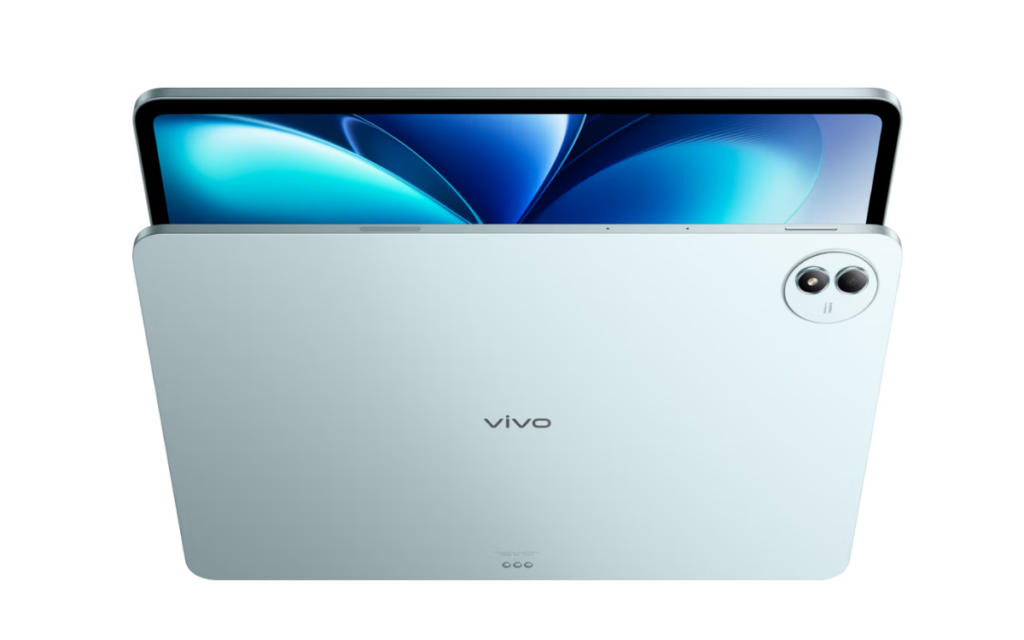
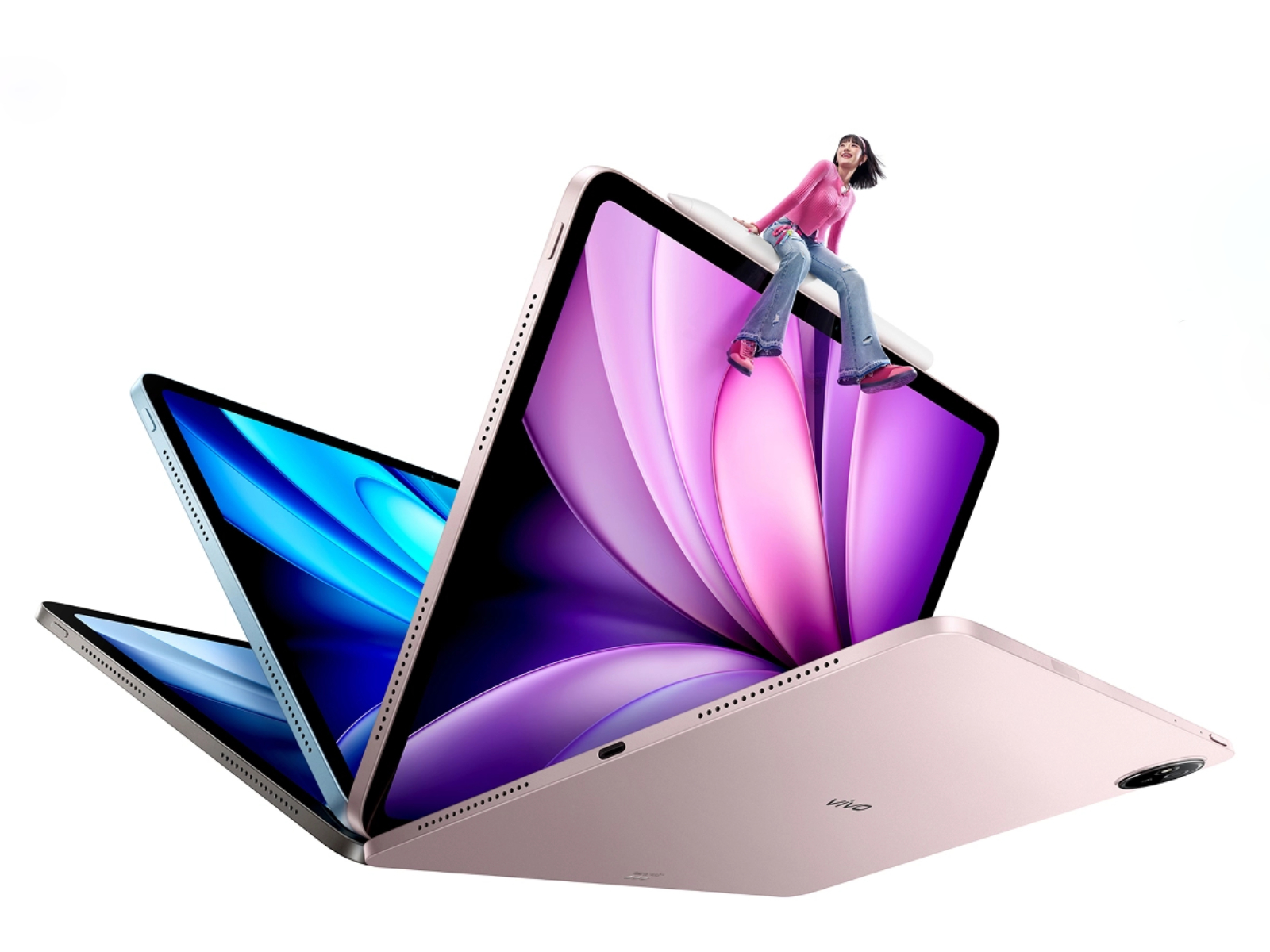
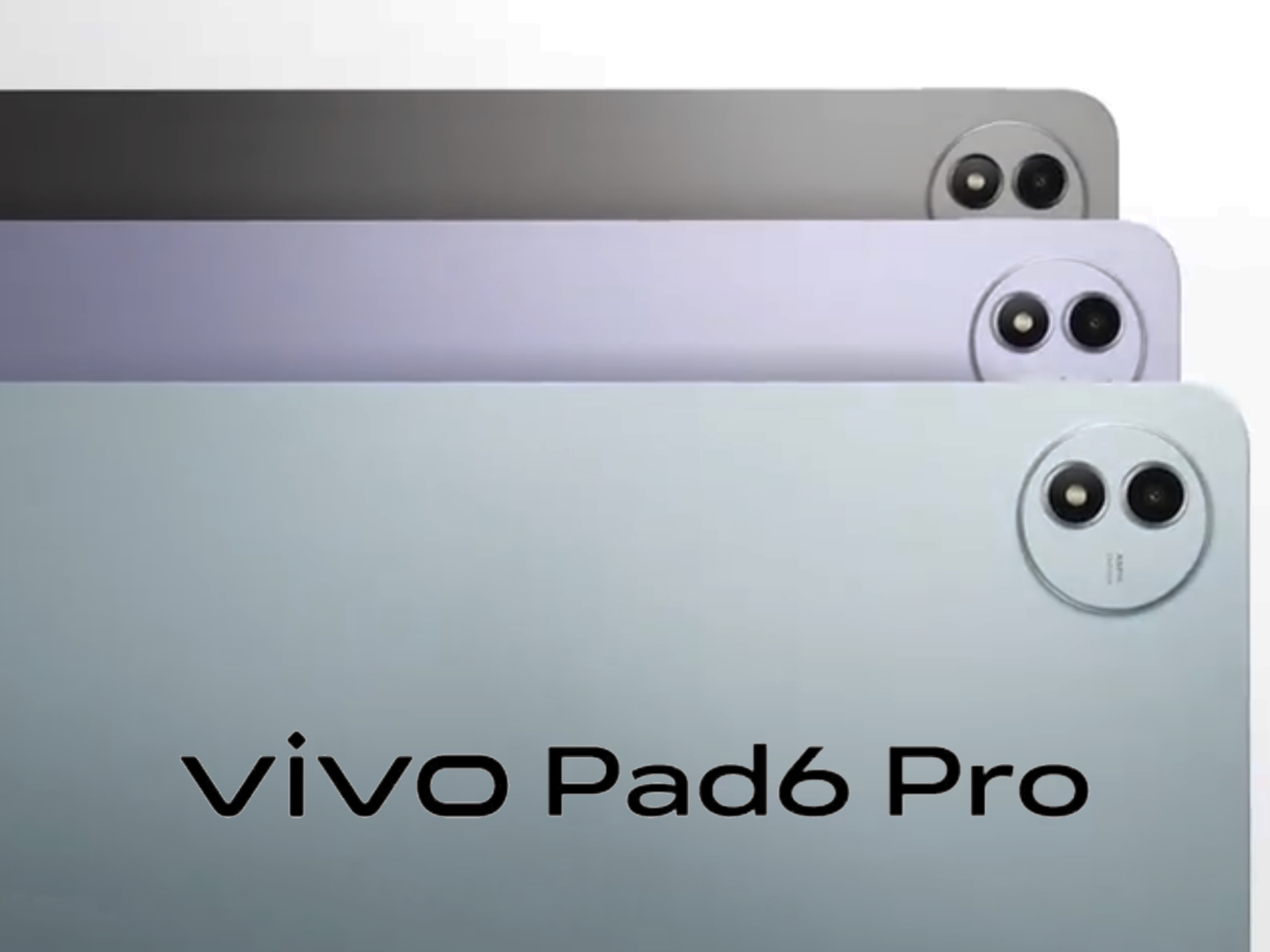
Vivo has unveiled its latest flagship tablet, the Pad 6 Pro, designed to offer a premium blend of productivity and entertainment features.
Vivo Pad 6 Pro Specifications
The Vivo Pad 6 Pro features a 13.2-inch 4K display (3840 x 2512 pixels) with a 3:2 aspect ratio. It boasts a 144Hz refresh rate, 540Hz touch sampling rate, HDR support, P3 wide color gamut, and △E ≈ 0.8 color accuracy. It also includes TÜV-certified low blue light, DC dimming, and adaptive color temperature.
Under the hood, the Pad 6 Pro features the Snapdragon 8 Elite Gen 5 chipset (3nm), LPDDR5X RAM, and UFS 4.1 storage. To keep the thermal in check, it features a VC cooling system and a large 71,446 mm² heat dissipation area.
The tablet runs on OriginOS 6, optimized with the Blue River Smooth Engine for fluid multitasking and responsiveness. It includes productivity features like a multi-window interface, cross-device sharing, and apps such as CapCut Pro, ZWCAD, and Atomic Workbench for video editing, CAD design, and office tasks.
For imaging, the vivo Pad 6 Pro features a 13MP rear camera that supports modes like night mode, document scanning, and professional mode, as well as 4K video recording. It also includes an 8MP front camera, perfect for video calls and selfies.
The Pad 6 Pro packs a massive 13,000mAh battery with 66W fast charging. For audio, the tablet features an 8-speaker panoramic system with Super Audio 7.0 spatial effects for immersive sound.
The tablet offers gaming features like super-resolution for 19 games, frame interpolation, and live screenshots. It supports Wi-Fi 6E, Bluetooth 5.4, USB 3.2 Gen 1, and OTG. For productivity, the Pad 6 Pro also offers accessories like the Smart Touch Keyboard 6 Pro and Vivo Pencil 3.
Pricing and Availability
The Vivo Pad 6 Pro comes in multiple configurations to cater to different user needs. The pricing starts at 4,499 yuan ($660) for the 8GB + 256GB model. The 12GB + 256GB variant is priced at 4,999 yuan ($735), while the 12GB + 512GB model costs 5,799 yuan ($855). The top-tier configuration, featuring 16GB + 512GB, is available for 6,699 yuan ($985).
The tablet is available in three color options: Inspiration Purple, Relax Blue, and Free Gray. It is now up for pre-order in China.
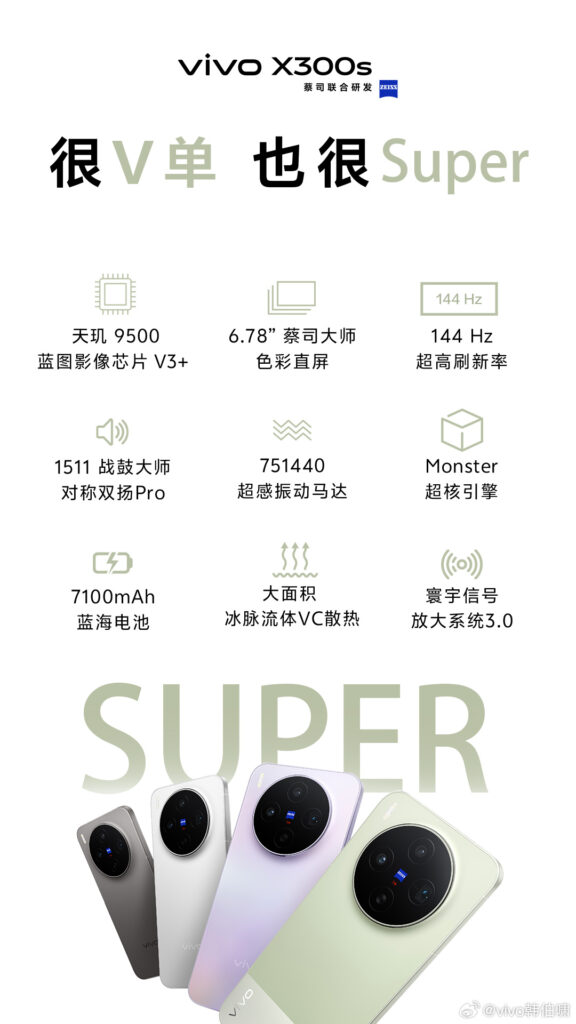
Alongside this tablet, the company has also launched the Vivo X300s with the Dimensity 9500 chipset, ZEISS cameras, and a 7100mAh battery, alongside the Vivo X300 Ultra, which features a ZEISS Master Lens camera system and supports 4K 120fps video recording.
For more daily updates, please visit our News Section.
Xiaomi has launched the Mijia Smart IH Rice Cooker P1 in China, a feature-packed rice cooker priced at 1099 yuan ($159). The device is now available on JD.com.
Mijia Smart IH Rice Cooker P1 Specifications
The Mijia Smart IH Rice Cooker P1 uses induction heating (IH) technology to deliver three-dimensional, all-around heating. This system ensures even cooking and incorporates a 1.2x pressure cooking system, which raises the internal temperature to around 105°C.
This process allows rice grains to absorb water more effectively, resulting in softer, more elastic grains with better sweetness and consistency. Xiaomi has equipped the cooker with a 10-stage intelligent cooking curve that automatically adjusts heat, cooking time, and pressure based on the type of rice and the water content.
The pot features a titanium construction with 2.5mm thick walls and a fluorine-free non-stick coating. Xiaomi used a molten titanium infusion process for the inner pot, which enhances its durability and heat resistance. The structure includes food-grade stainless steel, titanium particles, a crystal protective layer, and an aluminum heat-conduction layer.
The device has a stainless steel inner lid, an intuitive LED display, and precise water level markings for various recipes. It can cook up to 16 bowls of rice in its 4-liter version, making it ideal for families and gatherings. The fast cooking mode prepares rice in 24 minutes without compromising quality.
Xiaomi integrated smart features into the cooker, allowing connection to the Mijia app for remote control, 24-hour scheduling, and access to over 100 cloud-based recipes. It also supports XiaoAI voice control and lets users customize rice texture.
The rice cooker features six safety mechanisms, including pressure release and safety valves, pressure control, and a lid lock mechanism. Xiaomi provides a 3-year warranty with the product, reinforcing its durability.
In related news, Xiaomi has recently introduced a budget-friendly 6.5L smart air fryer featuring steam, bake, and fry modes, alongside the launch of the Mijia Mite Remover 3 Pro, which offers 17,000Pa suction in a lightweight 1.7kg cordless design.
For more daily updates, please visit our News Section.
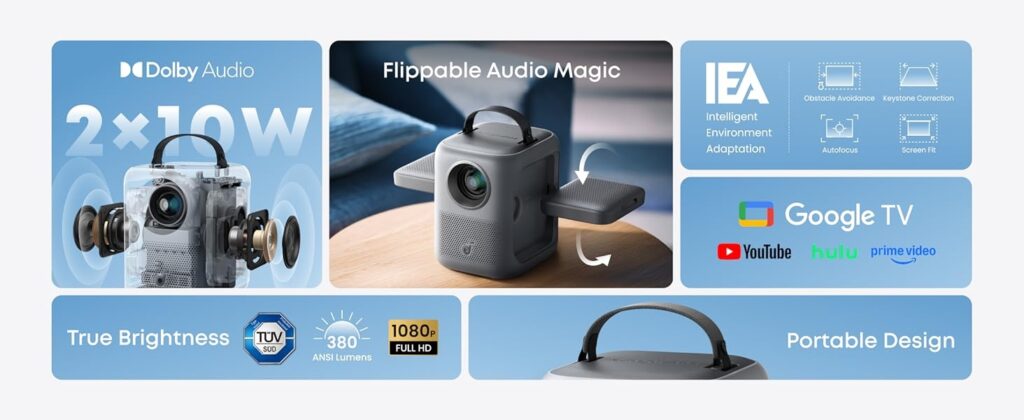
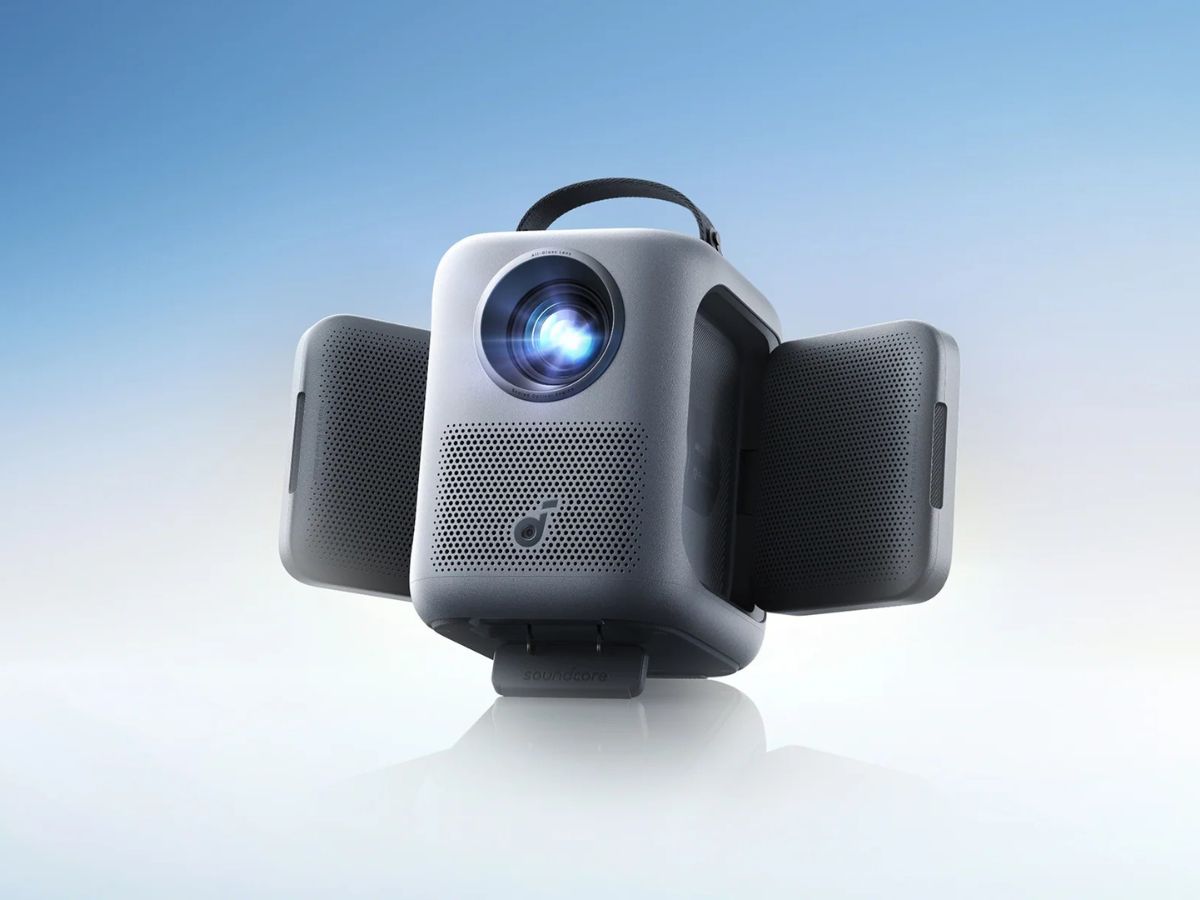
The Anker Soundcore Nebula P1i Smart Projector has launched in the UK, with a wider European rollout expected in early April 2026. The device was first introduced at the start of 2026 and arrived in the US market in February. It expands the Nebula lineup alongside the earlier Nebula P1.
The Nebula P1i is a Full HD projector with a native 1080p resolution. It can project images up to 150 inches in size and uses a 1.25:1 throw ratio. The LED light source delivers up to 380 ANSI lumens of brightness, paired with a 1,500:1 contrast ratio. To improve usability, the projector includes autofocus, automatic keystone correction, and obstacle avoidance for image alignment.
The device runs on Android TV OS with the Google TV interface. Users get access to streaming apps such as Netflix, YouTube, and Prime Video directly on the projector. For connectivity, it supports Wi-Fi 5 and Bluetooth 5.1. Physical ports include HDMI with ARC support, a USB-A port, and an AUX input.
Audio is handled by built-in 10W Dolby Audio speakers. The speaker module can open up to a 90° angle, while the projector body itself supports up to 200° rotation. This allows flexible placement and easier adjustment for different viewing setups.
In the UK, the Nebula P1i is available through the Anker official store at a discounted price of £314.50, down from the £369.99 retail price. A similar offer is also listed on Amazon. In Europe, the projector is expected to launch at a standard price of €369.99.
For more daily updates, please visit our News Section.
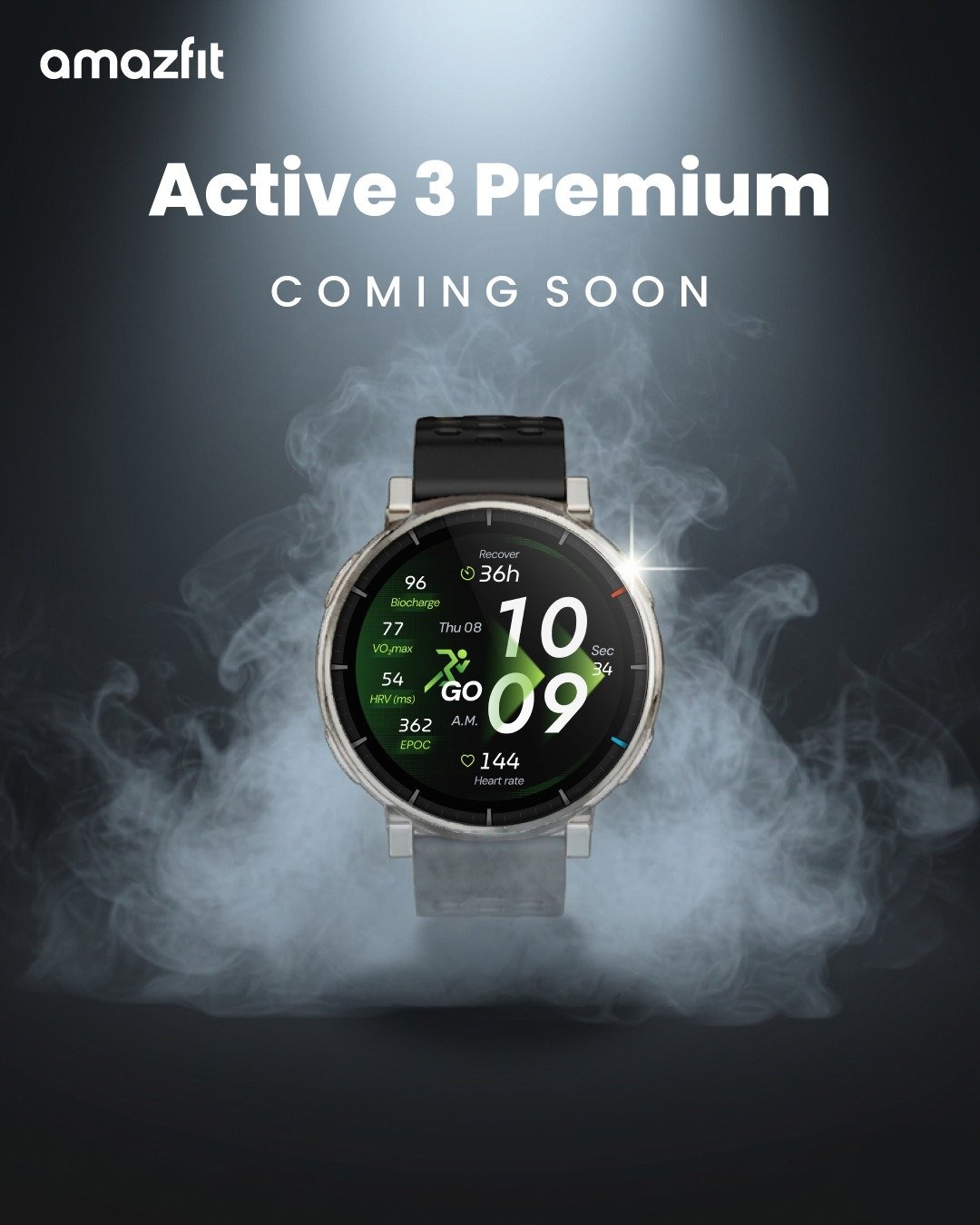
Amazfit is preparing to launch two new smartwatches in India, the Active 3 Premium and the T-Rex Ultra 2. The company has started teasing both models after introducing them globally last month. Sales will take place through Amazon India, the Amazfit India online store, and offline retail channels, although the exact launch date is yet to be confirmed.
The T-Rex Ultra 2 is the more rugged of the two. It uses a 1.5-inch AMOLED display protected by scratch-resistant sapphire glass. The build includes a Grade 5 titanium bezel and case back, aimed at durability. It comes with a 10 ATM water-resistance rating and carries dual diving certifications, making it suitable for underwater use.
Amazfit T-Rex Ultra 2
For outdoor use, the watch supports six satellite positioning systems and includes full-colour global maps. It also offers 64GB of internal storage. A built-in dual-mode flashlight is included, with adjustable brightness and a Boost Mode for maximum output. There is also a green light mode designed to reduce interference with night vision goggles. For safety, the device includes a dedicated SOS signal function.
Battery life is rated at up to 30 days in standard smartwatch mode, and it can run for over 50 hours with continuous GPS tracking.
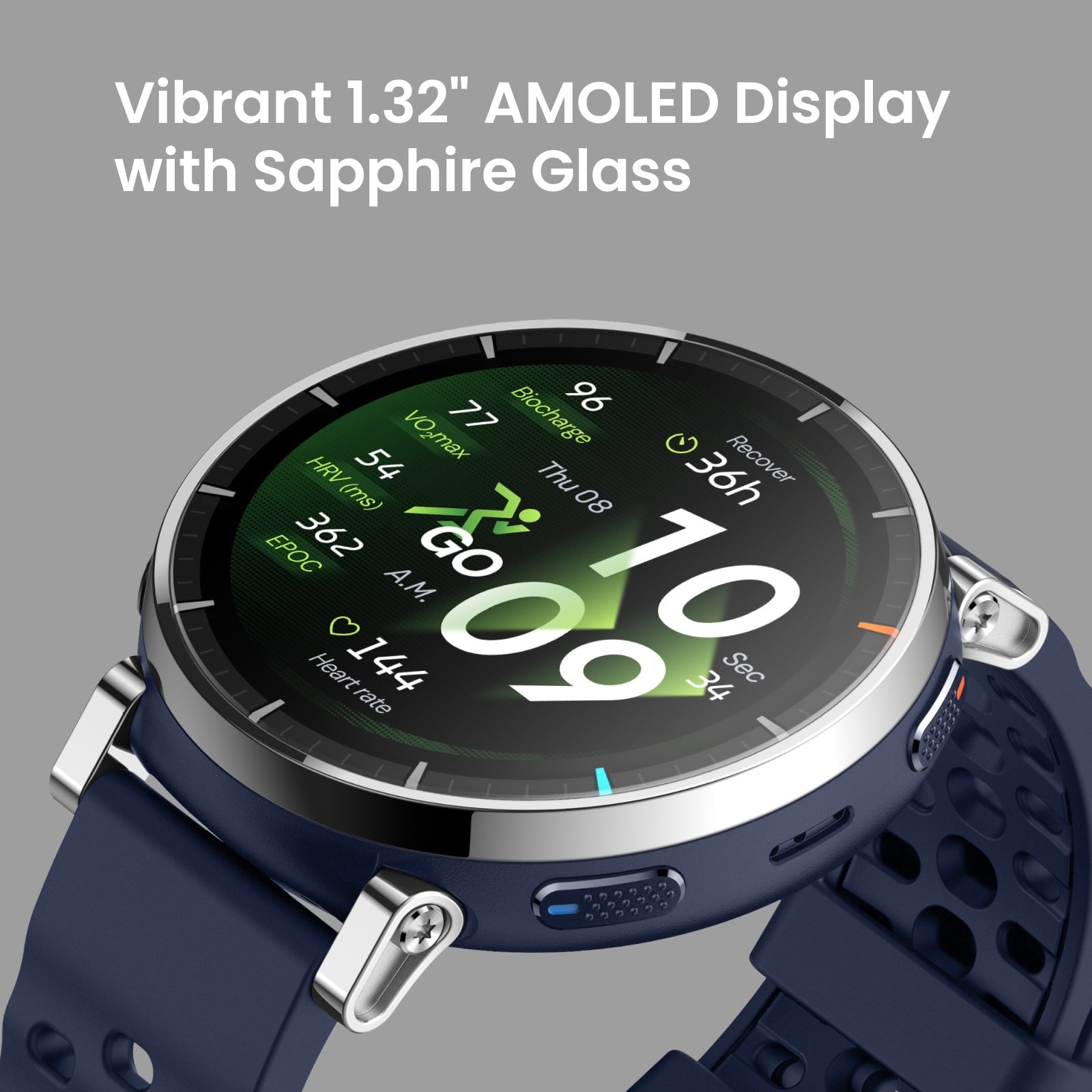
Amazfit Active 3 Premium
The Active 3 Premium is designed as a more compact fitness-focused smartwatch. It features a 1.32-inch AMOLED display with a peak brightness of 3,000 nits. The screen is protected by sapphire glass and is housed in a 45mm stainless steel case with four physical control buttons.
It includes built-in running workouts powered by Zepp Coach. The watch supports a six-satellite positioning system and offers offline maps for navigation. It comes with 4GB of internal storage for apps and data.
Battery life on the Active 3 Premium is rated at up to 12 days under typical use, and up to 7 days with heavy activity.
Both models target different users, with the T-Rex Ultra 2 focusing on rugged outdoor use and the Active 3 Premium aimed at everyday fitness tracking.
For more daily updates, please visit our News Section.
Vivo has introduced the X300s smartphone at its spring launch event in China, alongside the X300 Ultra. The device focuses on imaging upgrades, display improvements, and performance enhancements across the device.
Display and performance
The X300s features a 6.78-inch flat AMOLED display with 1.5K resolution (2800 × 1260 pixels) and a 20:9 aspect ratio. This is the first device in the X series to support a 144Hz refresh rate. The panel is built using 8T LTPO technology and a Q10 Plus luminescent substrate.
The display supports HDR10+, 2160Hz high-frequency PWM dimming, and DC-like dimming. Peak brightness reaches up to 4500 nits, while global brightness is rated at 2000 nits. It also covers 100% of the P3 color gamut and supports native 144FPS mode in Honor of Kings. Armor Glass protection is included.
The device runs on the MediaTek Dimensity 9500 processor, paired with Vivo’s V3+ imaging chip. The combination is designed to handle both performance tasks and real-time image processing. The phone comes with 12GB or 16GB LPDDR5X RAM and storage options up to 1TB using UFS 4.1. It runs Android 16 with Origin OS 6.
Camera system and optics
The X300s uses a Zeiss-certified camera system. The main camera is a 200MP Samsung HPBr sensor with a 1/1.4-inch size and f/1.68 aperture. It includes optical image stabilization with CIPA 4.5 certification.
A 50MP ultra-wide camera with f/2.0 aperture is included, along with a 50MP Sony LYTIA 602 periscope telephoto lens. The telephoto camera supports Zeiss APO certification, 3.5x optical zoom, telephoto macro, Zeiss T* coating, and OIS. The device introduces Zoom Flash II, which uses updated LED materials to improve color rendering by 14%. It supports more than ten film-style lighting modes. On the front, the phone includes a 50MP camera with an f/2.0 aperture.
AI imaging and software
The X300s adds new software tools for photography. Blueprint Color Palette allows manual adjustment of filters and supports saving and sharing custom presets. AI Creation Camera adapts to different photography styles such as cosplay and travel themes, processing scenes in real time while maintaining facial accuracy.
G2 teleconverter accessory
Vivo also introduced the G2 teleconverter, designed for extended zoom photography. It weighs 153g and measures 96mm in length. The lens uses a 15-element optical structure and meets Zeiss APO standards. It supports 200mm portrait video recording.
Hardware, battery, and connectivity
Other features include an in-display ultrasonic fingerprint sensor, stereo speakers, Hi-Fi audio, and USB Type-C audio. The device measures 161.98 × 75.48 × 8 mm and weighs 217g. It carries IP68 and IP69 ratings for dust and water resistance.
Connectivity options include 5G SA/NSA, Wi-Fi 7, Bluetooth 5.4, NFC, and multi-system GPS support including NavIC.
The phone is powered by a 7100mAh battery with support for 90W wired fast charging, 40W wireless charging, and reverse wireless charging.
Pricing and availability
The X300s starts at 4,999 yuan for the 12GB + 256GB variant. The 16GB + 512GB version is priced at 5,499 yuan and 5,999 yuan depending on configuration, while the 16GB + 1TB model is priced at 6,999 yuan. The device is available for order in China and will go on sale starting April 3.
For more daily updates, please visit our News Section.
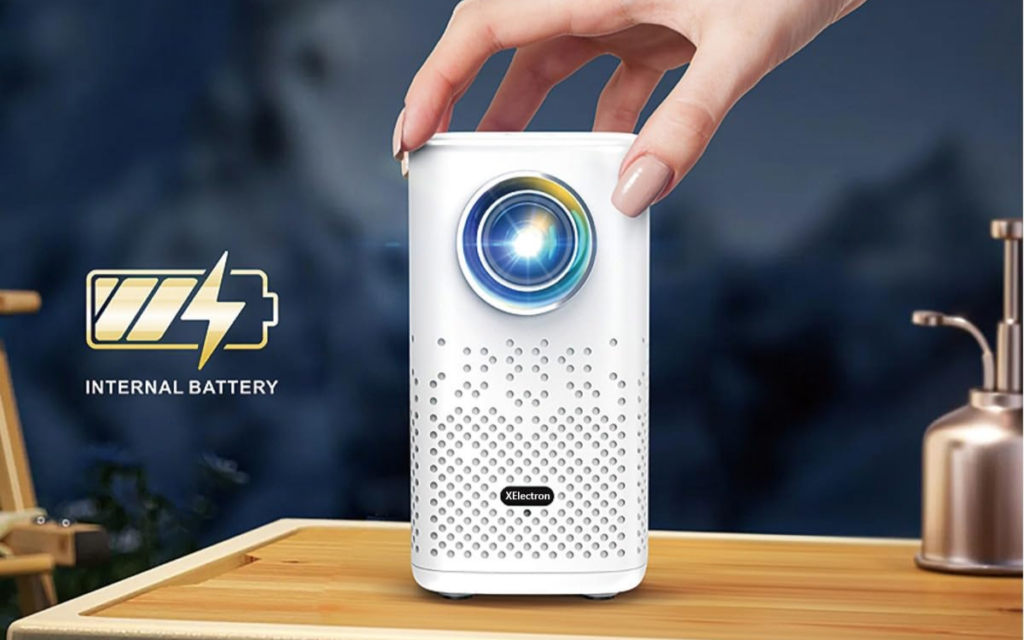
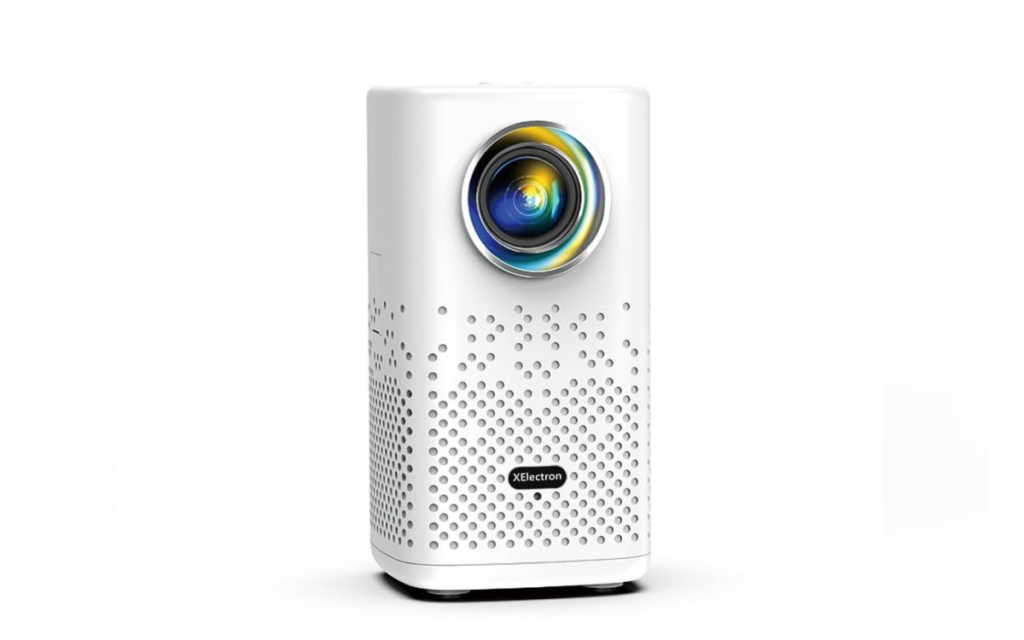
XElectron launches the PocketBeam Portable Smart Projector, offering a compact design, built-in battery, large screen projection, and smart connectivity. It is priced at ₹9,990 and is available on the official website and Amazon.
XElectron PocketBeam Projector Specs
The PocketBeam projector delivers 1280 x 720p resolution with 1080p support, 6000 lumens brightness, and a 5000:1 contrast ratio. It supports up to 150-inch projections and includes Auto Keystone Correction and remote focus for effortless adjustments, making it perfect for various settings.
This projector runs on an Android 13-based operating system, allowing users to access popular OTT platforms like Netflix, Amazon Prime Video, and YouTube directly.
XElectron has equipped it with dual-band Wi-Fi (2.4G/5G) for smooth streaming and Bluetooth 5.0 compatibility. The device also supports wireless screen mirroring with Miracast and AirPlay, making it easier to cast content from smartphones or laptops.
The PocketBeam is powered by a 3200mAh built-in battery, providing up to two hours of playback on a single charge. The projector uses Type-C charging. It also includes a built-in speaker for audio playback, though users can pair external speakers or headphones using Bluetooth.
The device weighs just 0.6 kg, making it highly portable and suitable for users who need a projector for travel, picnics, or quick setups in various environments. The LED light source has a lifespan of up to 40,000 hours.
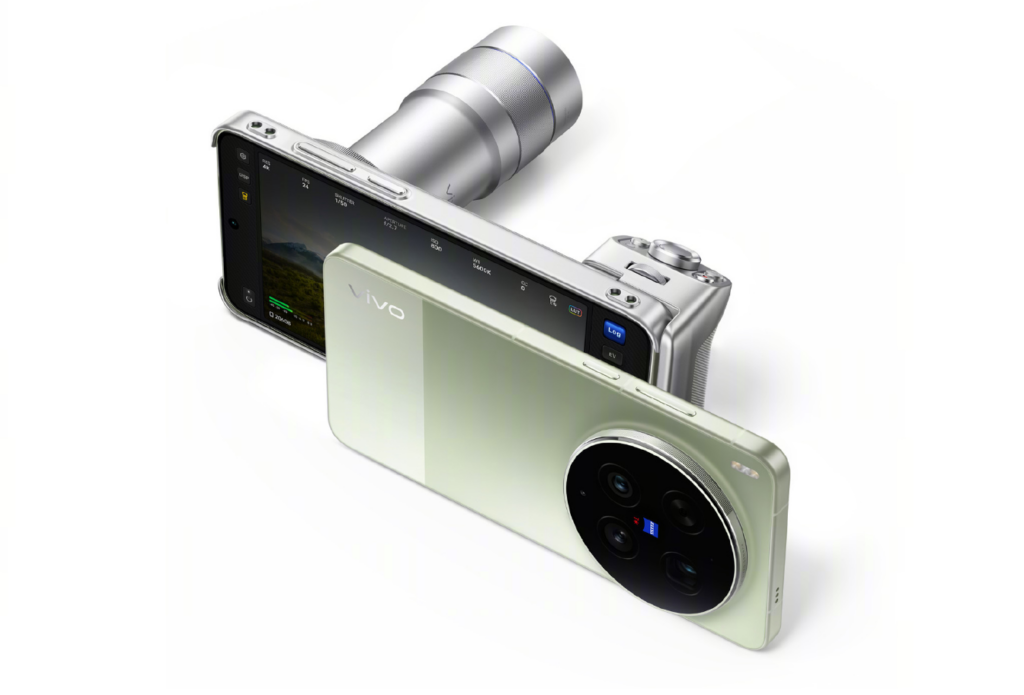
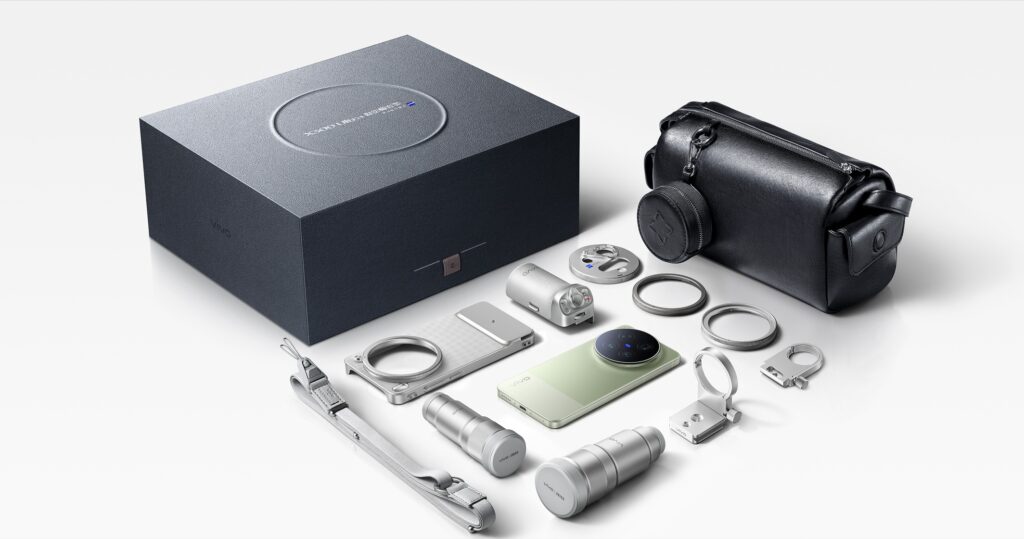
Vivo has introduced the Vivo X300 Ultra at its spring launch event, positioning it as a camera-focused flagship with a strong emphasis on professional imaging. Powered by the Snapdragon 8 Elite Gen 5 chipset, the device combines high-end hardware with an advanced multi-lens system developed in partnership with Zeiss.
Design and build
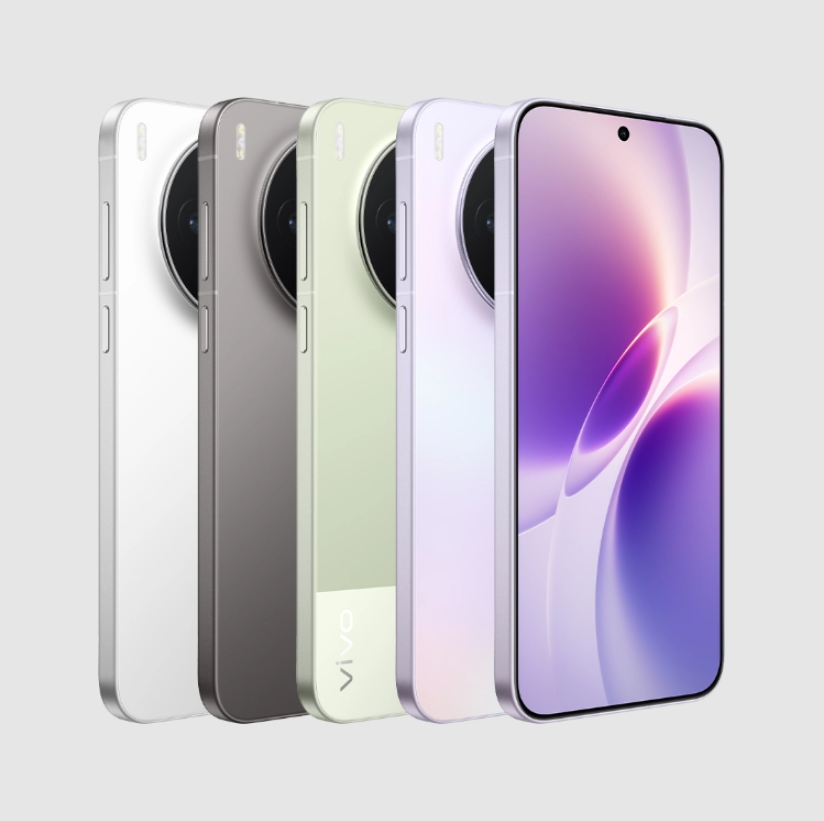
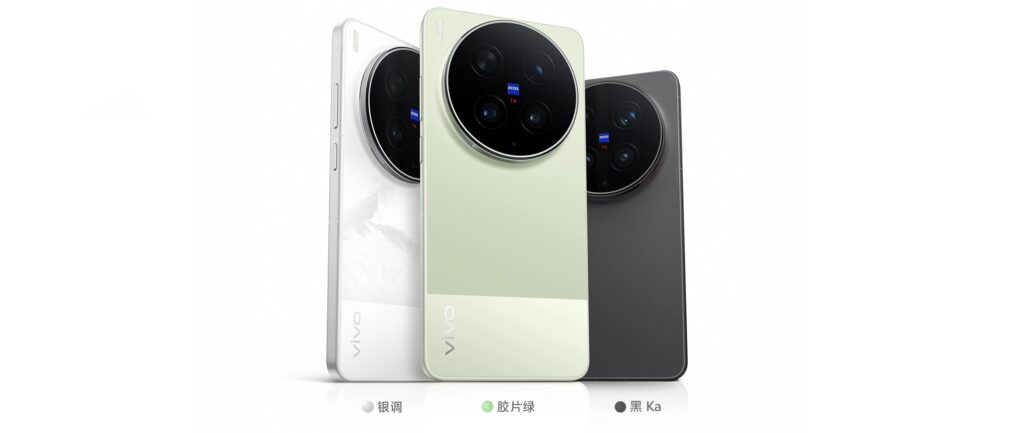
The X300 Ultra follows a camera-inspired DECO design, drawing from the look of pancake lenses. The design is minimal and functional, with a 2.5D flat display and physical detailing such as a knurled texture and silver trim along the frame edges.
It comes in three finishes. Film Green features an oily sheen inspired by vintage lenses. Silver Tone uses a textured back that reflects light differently. Black remains the standard option. The phone carries IP68 and IP69 ratings for dust and water resistance.
Performance and cooling
The device runs on the Snapdragon 8 Elite Gen 5 SoC, paired with up to 16GB LPDDR5X RAM and up to 1TB UFS 4.1 storage. Vivo has upgraded thermal management with Ice Pulse Fluid VC cooling. The system increases overall heat dissipation by 14 percent, with a 22 percent larger vapor chamber. A redesigned water return channel improves cooling efficiency and helps maintain a stable surface temperature during extended use.
Camera system
The main focus is the Zeiss master lens array, designed to deliver consistent image quality across focal lengths with 25MP output support.
The 14mm ultra-wide camera uses a 50MP Sony LYTIA 818 sensor with f/2.0 aperture, OIS, and third-generation VCS bionic spectrum technology. The 35mm main camera uses a 200MP Sony LYTIA 901 sensor with f/1.85 aperture, improved light capacity, and reduced reflectivity. The 85mm telephoto camera uses a 200MP Samsung HP0 sensor with gimbal-level stabilization and supports up to 60 autofocus operations per second.
To extend zoom capabilities, Vivo offers two external teleconverter modules. The Zeiss G2 Teleconverter provides a 200mm focal length with around 8.7x optical zoom. The Zeiss G2 Ultra Teleconverter extends this to 400mm using a 15-element optical structure.
Imaging software and video
The device includes a Blueprint Original Color Camera system with 12 spectral channels and a dedicated sensor for improved color accuracy. Vivo’s color processing includes Smooth EV compression and a custom color appearance model to handle brightness and tone.
On the video side, the X300 Ultra supports 4K 120fps Dolby Vision and 4K 120fps 10-bit Log recording across all lenses. It includes OIS stabilization on all cameras, a four-microphone array, and support for 3D LUT imports. It also integrates with ACES workflows for professional editing. Built-in cinematic modes include a 24fps film style and a 60fps modern format.
Display and battery
The phone features a 6.82-inch 2K LTPO AMOLED display with a 144Hz refresh rate, HDR10+, and 2160Hz PWM dimming. It runs Android 16 with Origin OS 6.
It is backed by a 6600mAh battery with 90W wired charging, 40W wireless charging, and reverse wireless charging.
Pricing and availability
The Vivo X300 Ultra starts at 6,999 yuan for the 12GB + 256GB model and goes up to 11,999 yuan for the 16GB + 1TB Satellite Edition bundled with the photography kit. The device is available for pre-order and will go on sale in China starting April 3.
For more daily updates, please visit our News Section.
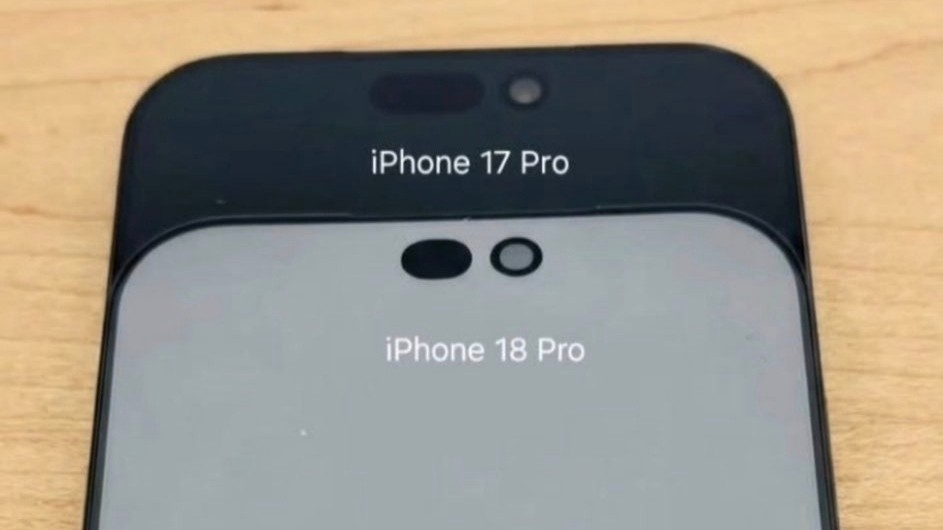
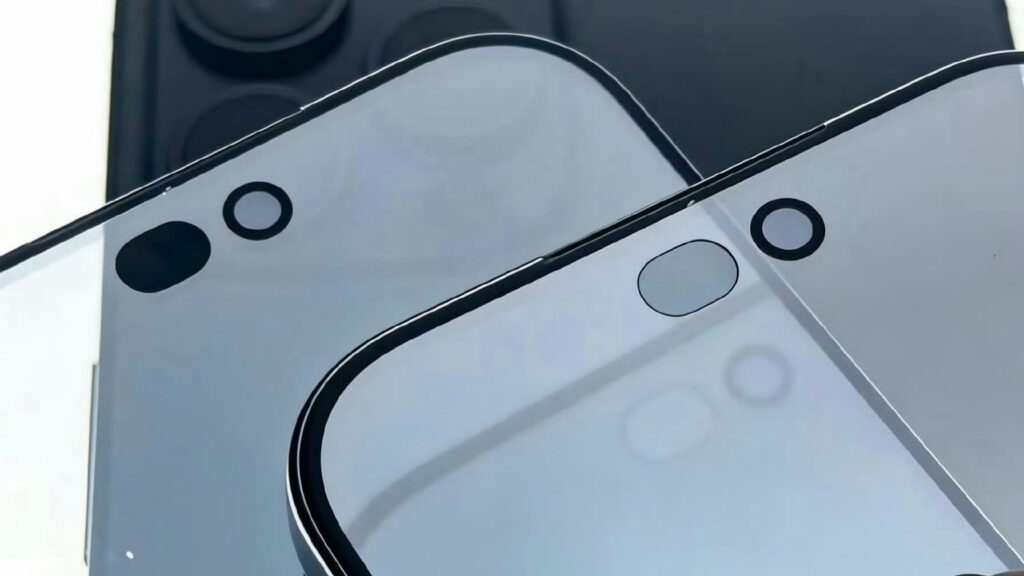
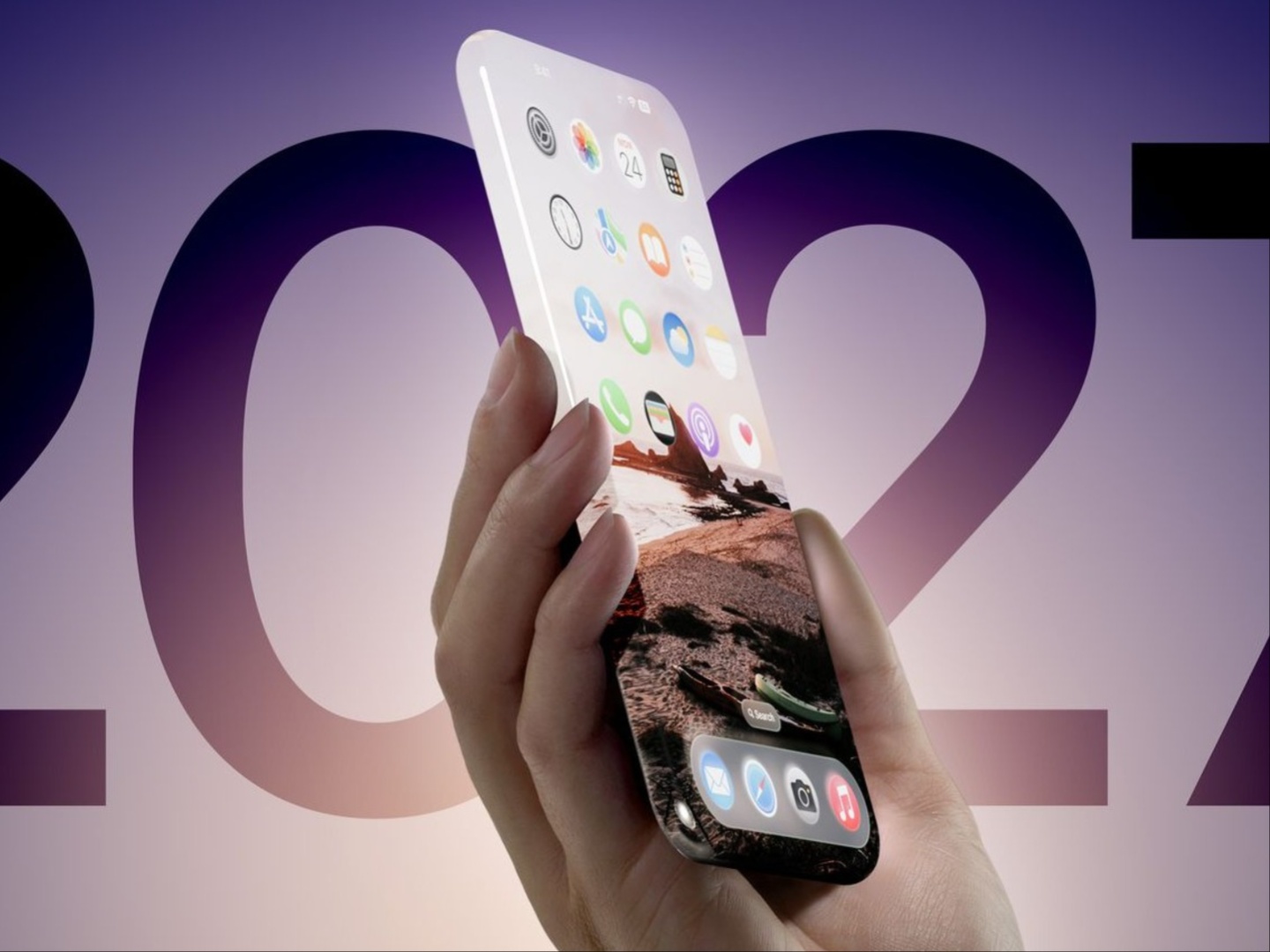
Apple introduced the Dynamic Island with the iPhone 14 Pro series back in 2022 and has kept its dimensions untouched since then. Now, leaked images of screen protectors for the upcoming iPhone 18 Pro series suggest that the Dynamic Island could finally see a design update in 2026.
The company has been exploring under-display solutions for quite some time, but judging by its track record, a shift to a hole-punch design seems unlikely until it fully addresses the common issues associated with UDC technology.
According to the latest leak, the infrared flood illuminator, part of the Face ID system, may finally move under the display. However, the infrared camera will still require a cutout. This change reportedly makes the Dynamic Island around 35% smaller than previous generations, which would be a welcome improvement. The screen protectors also reinforce earlier leaks pointing to a smaller Dynamic Island on the iPhone 18 Pro series.
While there’s no explanation for why parts of Apple’s Face ID system still require a cutout, previous reports suggest there may be more at play than just technical limitations. Apple’s 20th anniversary iPhone is expected to arrive next year, and the company is reportedly planning major upgrades to mark the occasion. In that context, a smaller Dynamic Island on the iPhone 18 Pro lineup wouldn’t be surprising, even if Apple has already found ways to move to a hole-punch design without compromising functionality.
Elsewhere, the iPhone 18 Pro series is expected to feature a 2nm-based A20 Pro chip, along with a variable aperture system for the main camera. So while Apple may be saving some of its more “groundbreaking” changes for 2027, the upcoming Pro models should still have enough to generate excitement.
There’s still some time before Apple officially unveils the iPhone 18 Pro series, but more details are likely to surface through unofficial channels as we get closer to launch.
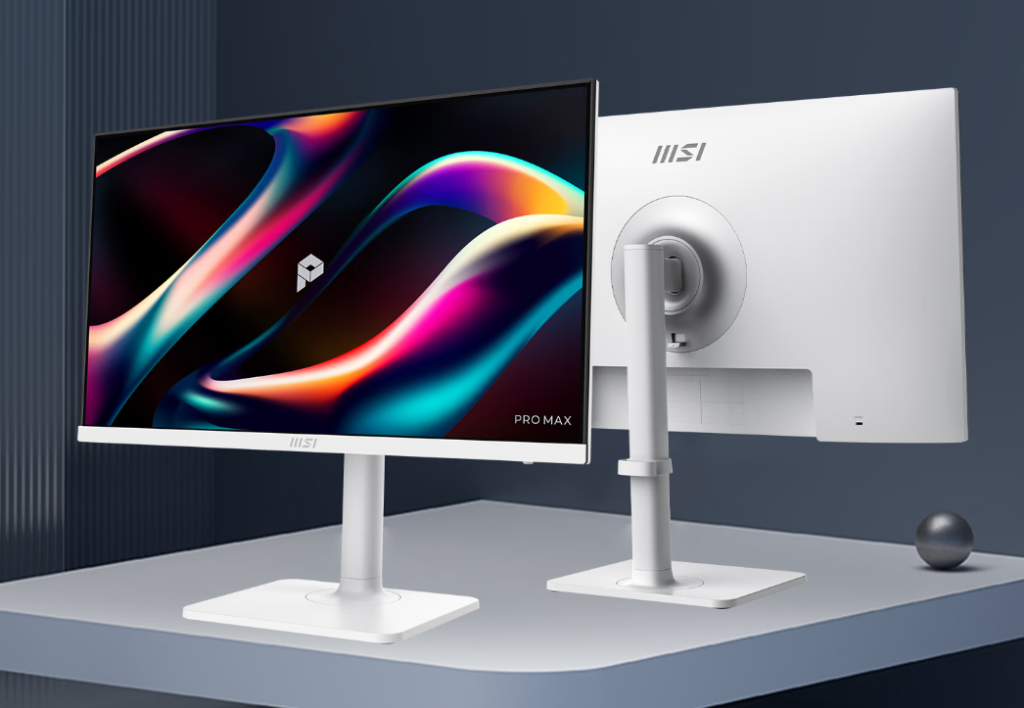
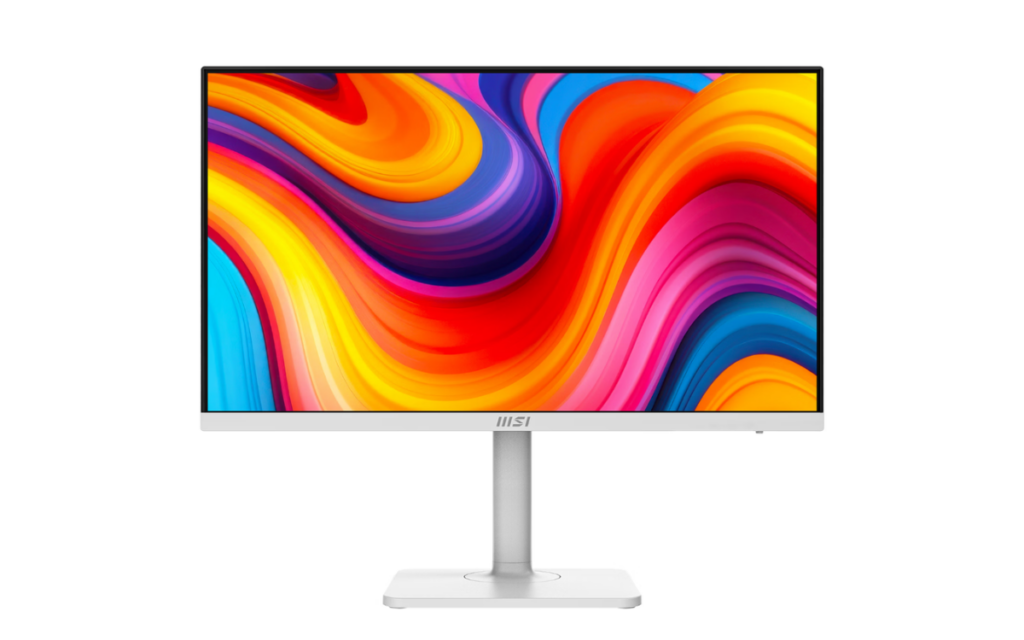
MSI has launched its first monitor with circular polarization eye-care technology in China, the Pro Max 271QPHW E14. The monitor is priced at 1,299 yuan ($188) and is now available on JD.com.
MSI Pro Max 271QPHW E14 Specifications
The Pro Max 271QPHW E14 features a 27-inch flat IPS panel with a 2560 x 1440 (2K) resolution. It offers a 144Hz refresh rate with 1ms MPRT. It also supports Nvidia G-Sync and AMD FreeSync, reducing screen tearing for gaming and multitasking.
MSI included a wide color gamut with 93% DCI-P3 coverage and up to 121% sRGB color volume. The monitor achieves a Delta E ≤ 2 color accuracy rating. The display supports HDR Ready, improving contrast and dynamic range. Its 300-nit brightness and 1500:1 contrast ratio deliver clear performance in various lighting conditions.
The monitor uses circular polarization technology to reduce digital eye strain. It converts harsh digital lighting into softer, polarized light that is more comfortable to view for extended periods. It also features TÜV Rheinland certification, hardware-level low blue light technology, DC dimming to minimize flicker, and an anti-glare matte coating for improved eye comfort during extended use.
For connectivity, the monitor includes HDMI 2.0b, DisplayPort 1.2a, and a USB-C port with DisplayPort Alt Mode and 65W power delivery. It also features USB-A and USB-B ports, an audio output jack, and a built-in KVM switch, which lets users control multiple devices with a single keyboard and mouse.
MSI has integrated dual speakers for basic audio output. The ergonomic stand provides height adjustment up to 110mm, as well as tilt, pivot, and swivel controls for optimal positioning.
The monitor enhances productivity with smart features like the M-Mate app for system-based parameter control, M-Sync for seamless MacBook integration.
MSI has also added several eye-care functions, including posture correction reminders, Amsler grid testing, and astigmatism checks. These features encourage healthier viewing habits and align the monitor with modern eye-care standards.
In related news, TCL has launched the Thunderbird 27Q6A Pro, a 27-inch 2K Mini-LED gaming monitor with a 320Hz refresh rate.
For more daily updates, please visit our News Section.
Samsung’s pricing strategy for the Galaxy S26 series has been under the microscope ever since launch. With all three Galaxy S26 models seeing a bump this year, the base variant quietly losing its 128GB option did not go unnoticed.
Now, a new discovery suggests that Samsung may not have killed the entry-tier Galaxy S26 with 128GB storage entirely. It just hid it where most consumers would never look, and selling it to partnering businesses.
The retail Galaxy S26 in the UK starts at 256GB and is priced at £899. But an Enterprise Edition listing tells a different story. Here is where things get interesting.
A 128GB Galaxy S26 Enterprise variant has surfaced on an IT supply chain platform, carrying a price tag of £660, over £239 cheaper than the standard retail model.
For a phone that just launched with higher prices across the board, this changes the narrative quite a bit. The 256GB Enterprise model itself is listed at £899, which lands right in line with the consumer version.
There is no catch in terms of hardware: you are still getting the same Galaxy S26 core setup. It includes the Exynos 2600 chipset, a 4,300mAh battery, and 25W wired charging.
The display remains a 6.3 inch 1080p OLED panel, and the rear camera system sticks to the familiar 50MP, 12MP, and 10MP. In other words, this is the exact same phone Samsung is selling at a higher starting price, just with less storage.
Before getting too excited, there is a reason this model is flying under the radar. Enterprise Editions are not meant for regular buyers. These are designed for corporate clients, bulk deployments, and long-term business contracts.
Smartphones are supposed to get cheaper over time. That is how this industry works, but Samsung just flipped that logic on its head. Samsung is now hiking prices on the Galaxy Z Fold 7, Galaxy Z Flip 7, and Galaxy S25 Edge.
According to newsway (via Jukan), Galaxy Z Fold 7, Z Flip 7, and S25 Edge prices are getting hiked in South Korea. Memory prices have exploded: DDR4 went from $1.35 to $13 in a year, a steep 10x surge, while NAND is up fivefold.
Here is what the new reality looks like after conversion:
Galaxy S25 Edge 512GB jumps to about $1,073
Galaxy Z Fold 7 512GB climbs to about $1,662
Galaxy Z Flip 7 512GB sits around $1,076
The hikes are roughly $65 (100,000 won) for 512GB models and up to $131 (200,000 won) for 1TB variants. Samsung is not absorbing the shock. It is passing the bill straight to its most loyal buyers. The ones still considering last year’s flagships.
It seems the decision is currently limited to South Korea. However, it might soon be applied to Global markets as well. Samsung hasn’t yet officially confirmed the price hike, but it’s going to impact the overall sales.
Late buyers usually get rewarded with discounts. Samsung is effectively telling consumers that timing does not matter anymore. Buy now or pay more later; that’s a dangerous message in a market already struggling with slowing demand.
Samsung already pushed prices higher with its Galaxy S26 flagships.
An industry official said, “With memory prices soaring to unprecedented levels, manufacturers’ profitability is expected to take a significant hit. Although companies are concerned about weakening demand, they have little choice but to adjust product prices due to mounting cost pressures.”
A bedside lamp that not only automatically adapts to your sleep rhythm, but also uses mmWave sensors to enable more precise sleep tracking than a smartwatch - Sleepal aims to contribute to better sleep health.
After Apple resisted for a long time, the Apple iPhone is finally getting better support for smartwatches other than the Apple Watch. However, smartwatch manufacturers who want full access to an iPhone's push notifications must agree to strict guidelines.
The OnePlus Nord CE 6 Lite is expected to be the company's upcoming budget smartphone offering. Ahead of any official announcement, a leak has revealed key specifications of the device.
A month ago, Lava introduced the Bold N2, a fairly basic 4G phone. Now the company is launching the Lava Bold N2 Pro – confusingly, the Pro phone is smaller and cheaper than its vanilla sibling. Huh?
The N2 Pro is powered by the Unisoc T7250, a staple of cheap 4G phones. This is a 12nm chip with Cortex-A75 and A55 cores, a Mali-G57 and an LTE modem. The Pro seems to only have one configuration with 4GB of RAM and 128GB storage.
The Lava Bold N2 Pro is powered by a Unisoc T7250 with 4GB of RAM
The phone features a 6.67” 120Hz LCD with 720p+ resolution. It runs Android 15, which...
The annual Exynos vs Snapdragon debacle is back as Samsung has once again taken a two-chipset approach with Galaxy S26 and Galaxy S26+ depending on the region. This year, we have the Exynos 2600 SoC for the majority of markets, but buyers in the US and China are getting the Qualcomm Snapdragon 8 Elite Gen 5.
Luckily, the folks over at Android Addicts managed to secure both a European model Galaxy S26 with the Exynos 2600 chip alongside a US version with the SD 8 Elite Gen 5 and put both through a battery drain test.
The two units in the video are identical in terms of specs, both...
TCL’s C8L Mini LED TV is now available in the US and Europe, with up to 6,000 nits brightness and over 4,000 dimming zones. Alongside 144 Hz support, the TV comes with 2.2-channel system tuned audio by Bang & Olufsen.
Deal | Another free game wave has been spotted on Steam. All these newly added games became available throughout March 2026, and a couple of them already have good overall player ratings.
Oppo has officially confirmed the launch date for the Find X9 Ultra, which will debut in China as well as global markets. In China, the company is set to unveil the Find X9s Pro alongside the Ultra model.
The Oppo Find X9 Ultra is set to launch in China and select global markets on April 21. Meanwhile, the Find X9s Pro will debut on the same day but is currently expected to remain exclusive to the Chinese market.
Oppo hasn’t shared a lot of details about its upcoming Find X9 Ultra flagship, but we do know that it will offer a 10x periscope telephoto camera with a custom 50MP Samsung...
Samsung just made a massive move on paper, but it’s actually pretty simple once you break it down. Samsung is retiring 87 million of its own shares, worth roughly $9.5 billion. In simple terms, it’s deleting them permanently.
These shares were sitting in Samsung’s treasury after being bought back earlier in 2025. Now you might be wondering, why would a company destroy something worth that much?
Because fewer shares can mean more value for the ones that remain.
By reducing the total number of shares in the market, each existing share represents a slightly larger ownership in the company. Samsung is getting rid of 87 million treasury shares, stock it had previously bought back from the market in early to mid-2025.
Out of those 87 million shares, about 73.36 million are common shares, while 13.6 million are preferred shares. Both categories are being retired, which keeps things balanced.
This move does not reduce Samsung’s capital. The company is using its distributable profits to carry out the retirement. So it’s not hurting its financial base. Instead, it’s reshuffling value in a way that benefits shareholders.
If you’re an investor, it’s generally seen as a positive signal. It shows Samsung is confident enough in its business to return value rather than just sitting on cash. It can also support stock prices over time, since supply is being reduced.
For Samsung fans, it’s another sign the company is playing the long game. Not flashy, not loud, but calculated.
Apple has rolled out the first developer beta of iOS 26.5, alongside iPadOS 26.5, macOS 26.5, visionOS 26.5, and watchOS 26.5. This comes just a week after the company released the stable iOS 26.4 and iPadOS 26.4 updates to users.
The iOS 26.5 beta 1 update introduces a handful of minor changes along with several bug fixes. According to the release notes, developers will also notice new purchase options in the App Store.
The update is said to introduce a ‘Suggested Places’ section in the Maps app, aligning with Apple’s recent push to incorporate ads into the platform. It will show...
Samsung Galaxy A55 and A56, the next possible participants of One UI 8.5 Beta, have started receiving the March 2026 security update.
Galaxy A55 and A56 users in India are receiving the March 2026 update, which carries 67 patches (60 for Android and 7 for One UI). The update will gradually be expanded to more markets, while you can manually trigger it through:
Settings > Software update > Download and install.
The update should soon be available for the Galaxy A53 and A54 devices. The former has already received the update in South Korea. The latter, meanwhile, is lagging behind others, probably due to its supported cycle.
At present, the Galaxy A56 and A55’s updates are rolling out in India (via RohitMisra93 and TarunVats). Users may be eligible for One UI 8.5 Beta Program next month as Samsung plans to expand the Beta testing.
It’s not just a security booster, but impacts overall performance. The OTA cleans the software system and removes temporary files. It results in smoother functioning, less lags and stable functional operations.
One UI 8.5 Beta
Started in December, Samsung’s One UI 8.5 Beta has significantly expanded in March 2026. The company brought the opportunity to the users of Z Fold 7/6, Z Flip 7/6, Galaxy S24 series, S24 FE and S25 FE in select countries.
There’s another expansion already planned for the next month. It’s expected that the early access would be opened for Galaxy S23 series, and select A series phones, including the A56, A36, A55 and A35 in South Korea and India.
Samsung is more widely rolling out the March 2026 update to the Galaxy S23 and S24 series. Starting in South Korea, the latest security patch has been expanded to more countries in Asia, Europe, and Latin America.
Galaxy S23 and S24 phones received the March update first in South Korea. The update brings fixes for 67 problems, including 60 fixes from Google and 7 from Samsung. It aims to elevate the system security of your device.
Samsung brings new security updates to its flagship phones every month. Galaxy S23 and S24 series still have decent software support left in their lifespan. It’s decent on the S23 but impressive on the S24 lineup.
One UI 8.5 update is being prepared for Samsung fans. It’s already available for several devices as part of Beta Program. The company plans to expand the Beta activity to even more models in April, which is just around the corner.
If you own a Samsung phone, check for the latest updates. Open Settings > Software update > Download and install. Once fetched, the downloading will begin and you will need to hit Install now at last to finish.
Beta is available in limited countries, and Stable rollout is expected in May. That said, if you are not eligible for Beta testing, the next update will be April patch and you might also receive the May patch based on One UI 8.0.
Security updates often feel boring, but don’t avoid them. Being on the latest official firmware ensures the privacy and reliability of your device. OTAs also clean up system at core that eventually benefit users with better performance.
OnePlus is currently working on the Ace 6 Ultra, according to multiple recent rumors from China. The device is expected to be powered by MediaTek's Dimensity 9500 SoC, and to have a 6.8-inch screen with a 165Hz refresh rate.
Today, a new rumor outs its battery capacity as well, and this will allegedly be 8,500 mAh. It will support 100W wired charging. The Ace 6 Ultra is due to be released in April.
OnePlus Ace 6
Interestingly, a very early rumor from July of last year said the Ace 6 Ultra might have a built-in cooling fan, but we haven't heard anything else about it, so it's...
Samsung looks set to benefit from AI chips; it has become the last hope for chip giants. TSMC’s foundry has reportedly been booked till 2028.
According to KoreaHerald, Samsung Foundry is the strongest contender to benefit from the surge in AI chips. Massive orders and long-term contracts have choked TSMC’s foundry, and there’s no other option but Samsung.
TSMC’s chip-making capacity has been fully booked till 2028. The Taiwanese company already has orders for the present year, the following year, and the year forward. It majorly includes Apple, Qualcomm, and MediaTek.
The shift to 2nm is scheduled for 2026, with key clients including Nvidia, AMD, Qualcomm, and Apple. TSMC will keep its 2nm process limited to Taiwan until the next semiconductor process shift takes place.
TSMC has gained trust and established its supremacy in the semiconductor sector. Even its planned Arizona fab, targeting mass production around 2030, is reportedly largely reserved before construction has begun.
If TSMC is unavailable, Samsung is the only other company capable of producing chips at the 2nm node. Samsung has a very small share in the foundry market, but the gap with TSMC is expected to narrow in the times ahead.
Exynos 2600 that powers the Galaxy S26 series is the first product manufactured using Samsung Foundry’s 2nm process. The company has reportedly improved the process yields, with the recent information suggesting around 60 percent.
“Foundry bottlenecks have become severe as demand surges,” an industry official said. “Samsung is looking at ways to operate its facilities more flexibly to capture this demand.”
Samsung Display and LG Display have begun preparations to respond to Apple’s OLED transition for the iMac (monitor). Apple is planning to apply OLED to the iMac for the first time around 2029–2030.
According to industry sources, Apple recently asked Samsung Display and LG Display to produce iMac OLED samples using their mass-production equipment.
Samsung Display plans to produce OLED samples with a pixel density of around 220 PPI on its large-size Quantum Dot (QD)-OLED production line and send them to Apple in the second half of this year.
The Korean tech giant has also been mass-producing a 5-stack (B-B-G-B-G) QD-OLED since last year. By adding an extra green (G) layer, it gains an advantage in brightness.
Previously, the iMac OLED specs requested by Apple were reported to include a 24-inch panel with 600 nits brightness and 218 PPI. The current LCD iMac sold by Apple has key specifications such as 500 nits brightness and 218 PPI.
LG Display also plans to respond to the iMac OLED using its large-size White (W)-OLED technology, but it is expected to lag behind Samsung Display.
It’s reported that LG Display is planning to respond to the iMac OLED not with its current 4-stack (B-G-B-R) W-OLED, but with a 5-stack (B-G-B-R-G) W-OLED that is still under development.
LG Display is also developing its ‘eLEAP’ technology, which does not use a fine metal mask (FMM), to target IT OLED applications such as the iMac and MacBook, which internally refers to eLEAP as “FLIP.”
Instagram has started testing a Plus subscription service in some markets, Meta has confirmed. This has so far been spotted in the Philippines, Mexico, and Japan, where it's priced at PHP 65 / MXN 39 / JPY 319. Those amounts translate into approximately $2 for Mexico and Japan, and $1 for the Philippines.
For that amount of cash, you get some exclusive features, like the ability to create multiple story audiences, get story rewatch insights, search your story viewer list, preview stories, extend your story's expiration by an additional 24 hours, send super hearts to stories, and spotlight...
Samsung is upgrading Bixby across its 2026 home appliances, adding deeper language understanding and a new layer of contextual control.
The update centers on a built-in large language model. It allows Bixby to follow natural conversations, not just fixed commands. Users can speak casually, and the system interprets intent based on context and prior inputs.
LLM meets Perplexity Open Q&A
This version of Bixby goes beyond basic voice control. Samsung has integrated a large language model directly into the assistant, improving how it processes everyday language and multi-step intent.
There is also a new Open Q&A feature powered by Perplexity. It brings a generative AI layer into appliances, letting users ask general questions and get useful answers in real time.
Users can ask about food storage, travel ideas, or seasonal recipes. The appliance responds with relevant suggestions instead of redirecting them to a phone.
Natural commands, smarter responses
Samsung is rolling out these features to its 2026 lineup. That includes Family Hub refrigerators, air conditioners, robot vacuums, water purifiers, and new laundry appliances with a 7-inch display. You do not need exact phrasing anymore.
For example:
Saying, “I’ve put beef and mackerel in the Family Hub, switch the mode,” will prompt the refrigerator to automatically set the “meat/fish mode.”
Saying, “I’m going to have whiskey, make some ice,” activates the whiskey ball ice feature.
Similarly:
“Turn on the AC without direct wind” starts cooling in wind-free mode.
“I’m washing jeans, set the right course” sets the washer to the denim cycle.
Users can also easily set up appliance automation through Bixby. This allows devices to operate based on conditions like time, day, or weather.
For instance:
“When the laundry is done, clean the floor” triggers the robot vacuum after the washing cycle ends.
“If it rains, run dehumidification on the AC” sets automatic dehumidifying on rainy days.
Samsung also enhanced the “Device Q&A” feature, guiding product usage and troubleshooting. When users ask how to use or manage appliances, Bixby responds with voice guidance. On devices with screens, it also provides video guides.
Examples:
“How do I reset the robot vacuum?”
“How do I clean the ice water purifier?”
“How do I clean the washing machine heat exchanger?”
Users receive both voice instructions and on-screen video guides, reducing the need for manual searches or customer support.
If a user asks, “My electricity bill is high, how can I reduce it?” Bixby suggests energy-saving options like SmartThings-based AI Energy Saving Mode. Users can then say, “Turn on AI Energy Saving Mode” to apply it across devices.
Bixby with Perplexity
Samsung has integrated Perplexity into Bixby, enabling a new “Open Q&A” feature that answers everyday questions. With Open Q&A, users can freely ask questions to appliances like refrigerators or air conditioners and receive accurate, useful responses.
Examples include:
“Recommend a good place for a spring outing with family.”
“Suggest seasonal spring foods.”
“How can I store onions for a long time?”
Kim Yong-jae, Executive Vice President of Samsung’s Digital Appliances division, said that Bixby continues to evolve to enable natural conversations and convenient device usage. He added that Samsung will further enhance Bixby and its software capabilities so AI appliances can act as companions in the home.
A Reddit user reported buying a Crucial 64GB DDR5-5600 SO-DIMM laptop memory kit for $6.99 at a local liquidator after it was labeled as an Amazon return and lacked a price tag, prompting the cashier to assign a flat price.
If founder Tim Sweeney leaves Epic Games, a tech insider says Disney may seek a controlling interest. Disney already made a massive investment in Fortnite to create an interactive world with its characters. The owner of the Star Wars IP has floundered when developing and publishing games in-house.
Czech-to-English translator and editor Max Hejtmanek says Warhorse Studios abruptly ended his four-year role on Kingdom Come: Deliverance 2, telling him his position would become “obsolete” as the company shifts all future translation work to AI to boost efficiency and cut costs. Hejtmanek, who says he handled much of the game’s English text from dialogue to promotional material, urged fans not to harass staff or review-bomb the game, while Warhorse and its publisher have not publicly responded.
With e-ink and extensive capabilities: A new display that can also be used wirelessly relies on electronic ink and includes its own processing chip. WiFi is also supported, and creating custom interfaces is intended to be straightforward.
Alongside the X300 Ultra and X300s smartphones, today vivo also launched the Pad6 Pro in China. As the name implies, this is the successor to the Pad5 Pro from last year, and it comes with a 13.2-inch screen with 4K resolution and a 144Hz refresh rate.
It's powered by the Snapdragon 8 Elite Gen 5 SoC, paired with 8/12/16GB of RAM and 256/512GB of UFS 4.1 storage. It has a 13MP rear camera, an 8MP front camera, an 8-speaker system, and a 13,000 mAh battery.
vivo Pad6 Pro official images
It runs Android 16 with OriginOS 6 on top. Pricing is as follows: CNY 4,499 ($650) for the...
Samsung has launched a new Android app that can work with its Galaxy Buds4 Pro to temporarily rid you of motion sickness. The idea comes from a Japanese study performed at the University of Nagoya, where researchers found that listening to a 100Hz sine wave at 75-85dB for several minutes can temporarily alleviate motion sickness by improving balance.
This is exactly what Samsung's Hearapy app does. You can download it from the Play Store, and while the company says you should use it with its Galaxy Buds4 Pro, there's no stopping you from trying to use it with other earbuds too - or even...
Huawei Consumer Business Group Chairman of the Board of Directors Richard Yu has some good news for fans of both the brand and satellite connectivity. He promises that Huawei will expand satellite connectivity to lower-priced devices, so it won't be confined to high-end models only.
This will be a new chapter in the company's journey, and it's necessary because, according to Yu, mobile networks don't cover enough of the world. Thus, connectivity struggles still exist. So, satellite tech is the solution.
Yu also promised that satellite connectivity will come to affordable...
The Aurzen Eazze D1 Air is a portable 300-lumen, 1080p LCD projector designed to run off external USB-C power banks rather than AC power. The projector supports Netflix, Amazon Prime, and YouTube and can be used as a portable speaker.
The Oppo Find X9s Pro has been officially confirmed to launch in April. It will be a camera-centric flagship with dual 200MP sensors and Hasselblad tuning.
A new update in mobile messaging could make it much easier for iPhone and Android users to stay connected by adding a feature, Messaging-Initiated Video Calls (MIVC). This update is introduced by the GSMA and is called RCS Universal Profile 4.0.
Messaging-Initiated Video Calls means you may be able to start a video call directly from your chat screen. Instead of switching to another app, you could simply press a button inside the conversation and begin a video call.
This feature is expected to work for both one-on-one chats and group chats. It makes communication quicker and more convenient.
The most helpful part of this feature is that people can join the call even if they missed the start. Like, if someone is busy when the call begins, they can join later without any issue. Also, the call details can be saved in the chat, so users can easily see what happened. This keeps everything organized in one place.
This feature could allow smooth video calling between different phones and networks. This is mainly useful for users of Apple and Google devices, who currently do not always get the same features while chatting with each other.
However, there is still no clear answer on when this feature will be available. Neither Apple nor Google has confirmed their support yet. Stay tuned for more information.
Google Maps on Android Auto is getting a major upgrade for electric vehicle (EV) drivers. Starting this week, the app will offer smarter trip planning for thousands of drivers using AI-powered battery predictions.
The new feature works with 16 major EV brands, including Audi, BMW, Chevrolet, Hyundai, Toyota, Volkswagen, and others. It uses real-time data like traffic, road slopes, and weather to give better battery range estimates, helping drivers plan stops and reduce range anxiety.
Using the feature is simple. First, add your car’s make and model in the Google Maps app on your phone. Then, set your destination in the car, and the app will show how much battery your trip will need. You can also enter your current battery level, and Maps will suggest charging stops along the route.
Drivers can even choose how much battery they want left when arriving at their destination.Like, if you want to reach with 80% battery instead of nearly empty, Google Maps will plan extra charging stops and adjust your estimated arrival time to include charging.
Notably, this feature requires Google Maps version 25.44 or newer and only works with compatible EVs. The system does not connect directly to your car, so predictions are based on the information you enter and may not always match real-time driving exactly.
This update makes driving an electric car easier and more reliable. With AI-powered battery predictions on Android Auto, Google Maps helps EV drivers plan smarter routes, manage charging stops, and travel freely.
Three new Casio Vintage AQ-240E series watches are about to launch. Each of these hybrid watches has a pastel colored square dial and a slim digital display in the 6 o’clock position with support for dual time zones.
Last week, a report revealed that Apple plans to let Siri connect with third-party AI chatbots through a new ‘Extensions’ feature in iOS 27. Now, additional details about the feature have surfaced.
In his Power On newsletter, Bloomberg’s Mark Gurman reports that the Extensions feature will have its own dedicated section within the App Store, effectively serving as a marketplace for AI integrations.
Users will be able to browse this section and add third-party chatbots to Siri, enabling them to run directly within the assistant. However, the feature will only work with apps that...
Samsung is facing growing tension between its management and workers as talks over pay and bonuses have failed. The company’s largest union is now increasing pressure on employees to join a strike.
The union is planning a big strike in May. It said it will publicly share which teams and departments take part in the strike. This is meant to encourage more workers to join. The union also warned that teams that do not participate may not get benefits later, such as better bonuses or improved working conditions.
Earlier, the union had already said that workers who do not join the strike could face negative outcomes. Because of this, pressure is increasing on employees to take part.
Most union members, around about 70%, work in the semiconductor (DS) division, which is very important for the company’s business. The union is focusing on this division because a strike there could strongly affect operations. However, workers in the finished product division are less interested in joining the strike.
The main issue is about performance bonuses. Right now, bonuses are limited to 50% of a worker’s yearly salary. The union believes this limit is unfair and wants it removed so workers can earn more.
On the other hand, the company has offered a different plan. If the semiconductor division becomes the best in the domestic market, more than 10% of profits will be shared as bonuses. This could allow workers to earn more than the current limit through special rewards.
Even after several meetings in late March, both sides could not reach an agreement, and discussions have stopped for now. Stay tuned for more information.
Rollme just launched the PowerX smartwatch for $39.99 featuring an 1,100 mAh battery and dual-light torch. It offers 5 ATM water resistance and 100-day standby time, available now with a promotional strap offer.
The Samsung Pro Keyboard is now also available in the US and in Europe. The keyboard features a high-quality aluminum body and a large multi-touch trackpad, effectively turning the 14.6-inch flagship tablet into a laptop replacement. However, the keyboard is extremely expensive.
The Samsung Galaxy S26 was previously offered with at least 256 GB of storage. This is now changing, as Samsung has added a new 128 GB base model to its range, which is significantly cheaper, but is only intended for selected customers.
To keep the PS6 price reasonable, Sony may sacrifice a larger SSD and an optical drive. A leaker thinks that neural texture compression could result in trimmer game sizes than expected. The PS5 price increase and storage shortage have other analysts predicting a $1000 MSRP.
Casio’s new alleged A159WEV-2 and A159WEV-7 watches introduce Seigaiha wave-pattern dials with subtle, soft reflective finishes. Specs stay unchanged, but pricing is expected near $100, which means this could be a solely design-focused, possibly limited release.
Fans awaiting Grand Theft Auto VI have begun scrutinizing Rockstar Games’ UK financial filings, with online analyses suggesting Rockstar North alone may have spent more than £2.1 billion (over $2.7 billion) since 2019, fueling speculation that the project could ultimately exceed $3 billion. The estimates, drawn largely from wages and expenses and popularized by a YouTuber and a Reddit user, remain unverified and may also reflect ongoing support for other Rockstar titles rather than exclusively for GTA VI development.
Earlier this month, CAD-based renders portraying the upcoming Google Pixel 11 Pro Fold leaked, and today the vanilla Pixel 11 is getting the exact same treatment. Like the Pro Fold, this one is expected to become official in August.
Compared to its predecessor from 2025, the Pixel 11 has noticeably smaller bezels, as well as a tweaked camera island design. The oval-shaped island is now fully covered by glass - the metallic part on its right side is gone.
That said, the design overall is very Pixel-like and doesn't change a lot. If you were waiting for a huge redesign, this won't...
YouTube is finally available on Android Auto, but it doesn’t work the way you might think. You can’t watch videos like on your phone, and there are some important limits to know about.
The main reason behind the limitation is safety. Watching videos while driving is dangerous, so Android Auto restricts apps that could distract drivers. Until now, many people have used third-party apps like CarStream or Fermata Auto to try to play YouTube videos in their car, but it was tricky to get it working.
With the official YouTube app on Android Auto, you can play, pause, and skip videos, but only the audio will play. It means that YouTube works more like a music or podcast app rather than a video app. This makes it useful if you want to listen to podcasts, news, or music from YouTube while driving.
Image via Reddit
There are other limits too. You can’t skip to a specific point in a video, but the skip button only moves to the next video. You also can’t browse YouTube on the car screen, which is expected because Android Auto focuses on keeping drivers safe.
Notably, YouTube on Android Auto needs background playback, which means you must have a YouTube Premium subscription. Free users won’t be able to use it. The cheapest plan, Premium Lite, costs $7.99 per month in the US, while the full Premium plan costs $13.99 per month.
YouTube on Android Auto is mainly for listening to audio content while driving. It’s not for watching videos, and it needs a paid subscription. If you mostly use YouTube for podcasts or music, this update could be helpful.
If you’re a fan of big dive watches, Citizen’s newest limited-edition Promaster might be exactly what you’ve been waiting for. At 44mm, it has a prominent wrist presence, and its iridescent dial reflects light in vivid aquatic shades. Following its release in Canada and China, the watch is now officially available in the US for $495 starting today.
Several users of a Google Pixel 10 Pro (XL) have reported that the flagship smartphone's LED flashlight can quickly lead to burns and even cause damage to itself if the flashlight is not deactivated in time.
Lenovo has released a new Intel Panther Lake-based convertible laptop. Available in the US and a few other markets, the IdeaPad 5i 2-in-1 (15IPH11) can be configured with up to 32 GB of RAM and a 165 Hz OLED display that peaks at 1,100 nits in HDR mode.
Lenovo has started selling a new 15-inch laptop featuring an optional 165 Hz OLED display. Also powered by the AMD Gorgon Point platform, the IdeaPad 5a 2-in-1 (15AGP11) can be configured with up to 32 GB of RAM. The new 2-in-1 has reached North America and Australia so far.
The Taalas HC1 is a new chip – essentially a processor – specifically designed to accelerate a single AI model. The rise of such specialized chips isn’t an entirely new phenomenon and has already been seen in crypto mining.
The HMD Luma is the only smartphone from the brand to launch in 2026 so far, but we may soon see a new addition to the India-exclusive Crest lineup. X user @smashx_60 shared an official-looking render and key specs for the upcoming HMD Crest 2 Pro.
HMD Crest 2 Pro
The device reportedly features a 6.78-inch Super AMOLED display with FHD+ resolution and a 120Hz refresh rate. We can spot a punch-hole cutout up top, which is said to house a 50MP front-facing camera. The device will reportedly feature Qualcomm’s Snapdragon 4 Gen 4 chipset and the largest battery ever fitted on an HMD...
Samsung has announced that it is starting work on a new technology – silicon photonics. The company shared this news at the OFC 2026 event in Los Angeles.
Silicon photonics is a way to transmit data using light rather than electricity. Using light makes data travel faster and uses less power. This is very useful because AI data centers are growing and need to move a lot of data quickly.
Samsung reportedly announced it is ready to start making these new chips when customers send their designs. The company has already prepared everything needed for production.
First, Samsung will focus on making chips called photonic integrated circuits (PICs). These chips combine many small parts into one. These parts help turn electrical signals into light, send the light, and then turn it back into electrical signals.Earlier, these parts were made separately, but now they are placed on one chip.This makes the system faster and more efficient.
Samsung also said its technology can reach speeds of 224 Gbps per lane. This means future devices can be very fast, up to 1.6 Tbps. At the beginning, the company will sell these chips for optical modules, even though other companies are already in this market.
In the coming years, Samsung plans to improve its technology step by step. It aims to launch optical engines in 2027, better chip packaging in 2028, and full co-packaged optics (CPO) by 2029. This will help it compete strongly in the future. Stay tuned for more information.
Fans have been eagerly waiting for the sequel to The Last of Us Part II. Naughty Dog stays pretty tight lipped about its upcoming projects and there have been no updates on whether there will be a Part III or not, but the latest post from Druckmann seems to hint at its existence.
The Fallout 4 Anniversary Edition was released for the Nintendo Switch 2 on February 24. While there were concerns about the graphics and performance at launch, Bethesda is now improving the game by adding Nvidia DLSS through a free update.
Xgimi has officially launched the new Titan Noir series 4K projectors in the global market with a launch discount. The Titan Noir series consists of a total of three projectors, including the Titan Noir, the Titan Noir Pro, and the Titan Noir Max. The high-end Noir Max features up to 7,000 ISO lumens of brightness and a 240 Hz refresh rate.
The Google Pixel 11 has surfaced in an early leak. By the looks of things, Google will finally be modernising even its cheaper flagship this year, thanks to slimmer display bezels and an updated camera housing.
Deal | FRONT MISSION 1st: Remake is a remake of the 1995 strategy classic and throws players into a futuristic war fought with heavy combat mechs. The game is currently available on Steam at an 80% discount for $6.99, making it cheaper than ever before.
The voice actor for Kliff agrees with Crimson Desert reviews that call the open-world game’s story shallow. Alec Newman details how Pearl Abyss procrastinated about deciding on a plot. Despite his objections, the title shipped with a narrative that many players find nonsensical.
The OnePlus Nord CE 6 Lite is expected to be the company's upcoming budget smartphone offering. Ahead of any official announcement, a leak has revealed key specifications of the device.
A long-haul truck driver shows on Reddit just how far gaming in a truck can go: instead of a simple console in his cab, he has installed a complete SimRacing station. The setup, which costs around $6,000, may seem a little over the top, but it could be entirely justified in the monotonous day-to-day life of a trucker.
Google wants to make it much easier to switch from ChatGPT, Grok and other AI apps to Gemini. New import tools can transfer memories, preferences and complete chat histories so users no longer have to start from scratch.
vivo just announced the X300s alongside the X300 Ultra, and Oppo is unveiling its competitor to the latter next month in the form of the Find X9 Ultra. But the company is also eager to let us know that it has an X300s competitor of sorts in the pipeline as well, namely the Find X9s Pro.
The company has just published the teaser video you can see below on its official Weibo account. The Find X9s Pro will have a 200MP main camera and a 200MP periscope telephoto camera, which is a setup that has also been rumored in the past for the non-Pro Find X9s. There's also a 50MP ultrawide, and...
Samsung has introduced a new and simple way to help people deal with motion sickness during travel. Many people feel dizzy, nauseous, or uncomfortable when they are in a car, train, or airplane. This happens because the inner ear senses movement, but the eyes may be looking at something still, like a phone. This confuses the brain and causes uneasiness.
For this, Samsung has created the Hearapy app, which works with the Galaxy Buds 4 Pro. The idea is very easy to follow.Before starting your journey, you just need to listen to a special low sound for 60 seconds. This sound is called a 100 Hz tone and is designed to help your body adjust to movement.
This process is based on research from Nagoya University in Japan. Scientists found that this special low sound can activate the balance system in the inner ear. When this system works properly, it reduces the chances of feeling motion sickness. In tests, people felt less stress and fewer symptoms while traveling.
The Hearapy app makes everything simple for users. It automatically sets the correct time and sound level, so there is no need to adjust anything. You just play the sound and get ready for your trip.
Samsung Galaxy Buds 4 Pro are designed to deliver this sound clearly. They also block outside noise, so the tone is not disturbed.This helps the sound work better and improves the results.
Anker’s soundcore Nebula P1i portable smart projector has arrived in one European country. Expected to roll out more widely in the near future, this new model offers Google TV and unusual fold-out speakers that support Dolby Audio.
The Xiaomi TV Stick HD (2nd Gen) has been spotted on the brand’s global website. This Google TV streaming stick supports HDR10+, with improved CPU performance compared to its predecessor.
The Oppo Find X9 Ultra is expected to launch soon. Ahead of this big event, the company has announced two new GaN chargers and one power bank. All feature compact designs, and one is already available in China.
Thanks to NASA's TESS satellite, astronomers have discovered an exoplanet orbiting a red dwarf. Located near our solar system, it may be rocky and have an atmosphere. But further studies are needed to better understand it.
RedMagic has relaunched its latest ultra-thin gaming smartphone. Available worldwide, the refresh builds on Prism and Phantom variants with an extra pop of colour. The new RedMagic 11 Air has a higher price of entry than existing options, though.
The global laptop is set for a dramatic downturn in 2026. Rising costs driven by AI chips and memory shortage are pushing laptop prices sky-high and scaring off buyers. While the rest of the industry is bracing for a sharp decline, Apple is bucking the trend and seeing rapid growth thanks to its wallet-friendly MacBook Neo.
Xiaomi is now selling the new Mijia Smart Air Purifier Max in some European countries. This “enhanced” model has a dual filter system, with an integrated display and remote app-based controls.
Casio appears to be about to release two new AE-1600H series watches: the AE-1600HX-1B and the AE-1600HX-3A. These two rugged watches have large LCDs, with features like dual time, 100 m water resistance and a 10 year battery life.
Vivo has finally released the X300 Ultra. At the same time, the company has also revealed its global launch plans. The company's pricing in its home market suggests that its new flagship will be on the expensive side when it reaches other markets, though.
CheckMag | With the new ThinkPad T laptops, the Lenovo ThinkPad T14 Gen 7 and ThinkPad T16 Gen 5, Lenovo has announced a major update to its "bread and butter" models for corporate customers. We were able to talk to the product manager, Christoph Blindenbacher, about the new repairable ThinkPads.
Vivo has now released a new high-end tablet. Equipped with a 144 Hz display, the Vivo Pad6 Pro is also one of the first tablets featuring Qualcomm's flagship Snapdragon 8 Elite Gen 5 chipset.
Things aren’t getting better – they are getting worse. The current semiconductor shortages are affecting RAM, SSD and CPU prices and companies are pulling the emergency brake.
Ayaneo just announced that the Konkr Pocket FIT 8Elite is now shipping, after a delay of several months. Unfortunately, the Indiegogo post announcing this ends on a somber note:
Please also note that due to the recent increase in storage component prices, future production costs will rise significantly. As a result, after this upcoming restock, Pocket FIT 8Elite will very likely be the final production batch, and...
In addition to the X300 Ultra camera flagship, vivo is also introducing the X300s today – this one fills a gap between the small 6.3” X300 (CNY 4,600 for a 12/256GB model) and the large-but-pricey 6.78” X300 Pro (CNY 5,600 for a 12/256GB phone).
The vivo X300s has a starting price of CNY 5,000 (there’s a more detailed breakdown below) and features a 6.78” 144Hz OLED display with 1,260 x 2,800px resolution (20:9) and 10-bit colors. It’s an LTPO panel (BOE Q10 Plus), which makes it nearly identical to the Pro display (it’s missing Dolby Vision, but that’s about it).
The vivo X300s has a...
Samsung has been ranked as the number one TV brand for 2026. This recognition comes from Consumer Reports, a trusted organization known for testing products and giving honest reviews. The ranking shows that Samsung is doing very well in the TV market and is ahead of many strong competitors.
According to the report released by Consumer Reports, Samsung scored 74 points overall. This score is based on several important factors like product reliability, customer satisfaction, performance, and price. Other major brands followed closely behind. LG Electronics scored 72 points, Roku got 71 points, and Sony scored 70 points.
The rankings have been created using a mix of lab tests and real customer feedback. The survey included people who bought TVs between 2015 and 2025. Experts also tested TVs for picture quality, sound, motion clarity, and HDR performance. Data privacy and security have also been considered in the final scores.
Image via Samsung
The main reason for Samsung’s top ranking is its strong TV performance. Its 65-inch OLED TV model (QN65S90F) received an excellent score of 91 points in performance tests. The TV is highly praised for its clear picture, wide viewing angles, smooth motion, and good sound quality.
Consumer Reports described it as a well-balanced TV that performs well in almost every area. This achievement shows that Samsung continues to focus on quality and innovation.
Leaks have revealed Sony's plans for its next pair of over-ear headphones. Targeted at gamers, the Inzone H6 Air will sport an open-back design while retaining headset functionality too.
The Apple iMac is currently available with a high-resolution display with a brightness of 500 nits, although this is based on an old-fashioned 60 Hz IPS panel. This is set to change soon, as both Samsung Display and LG Display are currently developing tandem OLED panels for the next-generation iMac.
Chinese Wuling Hongguang has launched an updated city electric car starting at just $6,200. The 2026 model has up to 187 miles (301 km) of range, a redesigned exterior, a 10.1-inch touchscreen, and faster charging.
Video | Following the resurrection of the XPS in early 2026, Dell is also reworking their entire commercial product portfolio, and we had the chance to check out all of the new laptops for you.
Motorola has finally confirmed when it will begin selling its first book-style foldable. Arriving much earlier than expected, the Razr Fold will go toe-to-toe with rivals like the Galaxy Z Fold7 and the Oppo Find N6, among others.
The solar robot Maximo has reached a new milestone in collaboration with Nvidia. The system has reportedly installed a total of 100 MW of new solar capacity in California. According to the company, the installation speed is twice as fast as conventional module assembly.
In our review, this compact Oppo smartphone impresses with a strong overall package and boasts an impressive array of megapixels in its cameras. It also features an exceptional design and many premium features, though there are a few shortcomings. We’ve summarized the key points below.
Samsung has moved its browser beyond last year’s PC beta, adding Windows support, cross-device continuity, and new Perplexity-powered assistant features.
Deal | Anker’s recently announced 45 W Nano charger has dropped to its lowest-ever price on Amazon for a limited time. The compact charger ships with a single USB-C port, which delivers a maximum of 45 W output. Plus, it has dual foldable prongs and a smart display.
Android makers never quite managed to make a local file sharing solution that is as good as Apple’s AirDrop – and they tried. So, as the saying goes, if you can’t beat them, join them. The Samsung Galaxy S26 series (S26, S26+, S26 Ultra), the only phones that run stable One UI 8.5 at the moment, already have official AirDrop support via the Quick Share feature. And soon, older models will get it too.
A number of people are reporting that their Quick Share settings screen has a new “Share with Apple devices” toggle. However, while the feature is visible, it doesn’t actually work for...
The vivo X300 Ultra has just arrived officially! It continues the refinement of the series and doesn't diverge from the core specs of its predecessors.
That means, its camera system has gotten better with both better hardware and software, but it's fundamentally the same 14mm + 35mm + 85mm premier-quality setup.
The vivo X200 Ultra brought the large sensor 1/1.28-inch 14mm ultrawide, and the X300 Ultra seemingly reuses it for 2026. The 85mm zoom may sound the same - 200MP 1/1.4-inch - but it uses Samsung's newer ISOCELL HP0 sensor, which brings twice as fast autofocus (vivo claims...
Samsung has flipped the switch on the next Galaxy Watch. A firmware build tied to model number SM-L345U has surfaced on internal servers, pointing to the Galaxy Watch 9 entering active testing, via @Mohammed_K_2010.
Firmware sightings usually land after core development wraps. This is the phase where Samsung validates stability, connectivity stacks, and power behavior in real-world conditions. In plain terms, the upcoming puck is no longer just a lab project.
The SM-L345U identifier has already been linked to the Watch 9 in earlier leaks. Seeing it attached to live firmware strengthens that mapping. It also lines up with Samsung’s typical rhythm, where testing ramps up roughly two to three months before launch.
Snapdragon Wear Elite chip
The wearable is expected to run on Qualcomm’s Snapdragon Wear Elite platform, a step beyond the current generation. Qualcomm itself hinted at this upgrade, suggesting better efficiency and tighter AI-assisted health processing.
If true, Samsung may be leaning more on Qualcomm again after mixing its own Exynos-based solutions in recent cycles. Battery is still a question, but not a complete unknown. Early leaks point to a modest capacity bump over the Watch 8.
Samsung refreshed the Watch 8 alongside foldables last July. The same stage is likely reserved this year, with the Galaxy Watch 9 expected to debut next to the Galaxy Z Fold 8 and Galaxy Z Flip 8 at the July 2026 Unpacked event.
Samsung released Home Up v17.5.0.30 and Game Booster + v2.0.00.23 for Galaxy users. The latest versions bring functional improvements. They are available for download on Samsung devices through Galaxy Store app.
Both Home Up and Game Booster + belong to Good Lock. One UI 8.5 iteration of Good Lock continues to add useful new features. Samsung is also refining the experience by polishing the UI aspects and fixing bugs.
Home Up v17.5.0.30
Samsung bumped the Home Up version to 17.5.0.30 with the pre-April release.
The update brings fixes for the bug related to the Edge Panel. The personalization module will now function as intended, as it also carries improvements for other bugs.
Fixed the bug with the Edge Panel
Fixed other minor bugs
Game Booster + v2.0.00.23
Game Booster + is also getting some love before Samsung wraps March 2026.
This Samsung Good Lock module is getting a major update, which installs the Pilot Feature set. The changelog reveals the addition of Gamepad Touch Mapping, AP clock limitation, and Game Intro Fast-forward features.
S26 Pilot Feature Release
Added Gamepad Touch Mapping, AP clock limitation, and Game Intro Fast-forward features
The updated versions are available on Galaxy Store. The rollout is underway, and availability may vary by model, operating system, and region.
Game Booster + update is primarily focused on the Galaxy S26 series. Samsung may bring these advancements to older models as well, but it could only happen after stability verification.
For years, file sharing between Android and iPhone has been unnecessarily messy. If you’ve ever tried sending a quick photo from a Galaxy to an iPhone, you already know the pain. Now, things are starting to shift.
Not fully official yet, not widely rolled out either, but real enough that some Galaxy users can already try it today.
More Galaxy devices are getting “AirDrop-like” support
This change first showed up with the Galaxy S26 series, where Quick Share gained the ability to send files directly to iPhones. Back then, it looked limited. Now, it’s clear Samsung is expanding this behind the scenes, via GalaxyClub.
A few updated components are doing the heavy lifting here:
Quick Share (v13.8.51.58)
Quick Share Agent (v3.5.22.24)
Quick Share Connectivity (v1.5.13.15)
Updating these alone won’t unlock the feature, though. The actual toggle, labeled “Share with Apple devices,” is currently tied to devices running the One UI 8.5. That said, there’s a workaround if you’re willing to tweak some settings.
Supported Galaxy devices
Based on early testing, here’s where things stand right now:
Galaxy S series
Galaxy S25 series
Galaxy S24 series
Galaxy S23 series
Galaxy S22 series
Galaxy Z series
Confirmed on Galaxy Z Fold 7
Likely supported on other Z models running Android 16
Galaxy A series
Working:
Galaxy A56
Galaxy A36
Galaxy A55
Not working (so far):
Galaxy A16
Galaxy A17
Galaxy A26
Galaxy A54
Unclear:
Galaxy A35
The key requirement across the board is Android 16. Even then, compatibility is not guaranteed.
How to enable AirDrop support
If you don’t want to wait for Samsung’s official rollout, there is a DIY method. It’s not for everyone, but if you’re comfortable with APKs, it’s fairly straightforward.
Method 1: Sideload the Quick Share Extension
Update all Quick Share-related apps via Galaxy Store
Download the “Quick Share Extension” APK from a trusted source like APKMirror
Install the APK manually
Restart your device
Check Quick Share settings for the new “Share with Apple devices” option
Method 2: Wait for One UI 8.5
Samsung is expected to roll this out officially with One UI 8.5, likely beginning in April 2026. The cleaner option is to simply wait. Once the rollout kicks off, the feature should appear natively, no workarounds needed.
Vivo has now released a new high-end smartphone with a huge 7,100 mAh battery. Also sporting a trio of impressive cameras, the device boasts an AMOLED display with a 1-144 Hz variable refresh rate. The Vivo X300s can be configured with up to 16 GB of RAM and 1 TB of storage, too.
Fake SSDs are proliferating with the rise in memory prices and getting better at avoiding detection. Unlike the laughably crude counterfeits of yesteryear, a fake Samsung 990 Pro can now pass CrystalDiskMark with flying colors.
The Taalas HC1 is a new chip – essentially a processor – specifically designed to accelerate a single AI model. The rise of such specialized chips isn’t an entirely new phenomenon and has already been seen in crypto mining.
PlayStation Plus subscribers are on the verge of receiving a new batch of free games. In the meantime, one of the titles for April's lineup has already leaked via a typically reliable source.
The Panther Lake variant of the Gigabyte Brix mini PC recently made a silent debut, and now, the company has quietly introduced the AMD Gorgon Point version. There’s no formal announcement on price and availability yet.
eGryphon has launched a Kickstarter campaign for a portable eGPU with Thunderbolt 5, OCuLink 5.0, a built-in 400 W PSU, and RTX 5060 Ti or RTX 5070 options.
Deal | Amazon subsidiary Woot is now selling the 65-inch LG C5 OLED TV for less than $1,000. This price puts the LG C5 65-inch OLED below the price of the brand-new 65-inch LG B5 OLED, a TV meant to serve as the entry point to LG's 2025 OLED TV lineup.
Two leakers, one message: After plenty of camera-related details have emerged about the Xiaomi 18 and 18 Pro, a new leak now hints at a key upgrade coming to the successor of the Xiaomi 17 Ultra. The innovative 200 MP optical zoom lens on the upcoming Ultra model will apparently receive several notable improvements.
Oppo's premium small tablet Pad Mini is expected to arrive in April alongside the Find X9 Ultra, Watch X3 Mini and the Enco Clip 2 earbuds, but an Oppo official shared a short teaser video of the tablet ahead of launch. And although short, we got a glimpse of what to expect.
The Pad Mini is described as "incredibly thin and light", featuring razor-thin bezels. By the looks of it, it features an aluminum-clad chassis with a simplistic design and a dual-camera setup on the back, which corroborates earlier findings.
Speaking of earlier findings, recent leaks suggest that...
Spring is the perfect time to refresh your daily routine, and Bluvol is making that easier with its latest tech releases. Focused on modern lifestyles, these products are designed for people who are always on the move, whether working from home, traveling, or managing a busy day. With a mix of comfort, portability, and smart features, Bluvol’s April Tech Edit aims to upgrade how you relax and take care of yourself, now with early bird discounts as part of the spring sale.
NEST 10 ULTRA: A Smarter Neck Massager for Everyday Relief
NEST 10 ULTRA is more than a typical neck massager, it’s designed to feel like real support rather than just a gadget. It’s ideal for office workers, gamers, travelers, and anyone dealing with daily neck strain, creating a personal relaxation space wherever you are.
A key highlight is the Adapora C-shaped frame, which flexibly adjusts to your neck and shoulders to keep the massage nodes perfectly aligned. This eliminates constant repositioning and delivers deeper, more effective pressure.
The MassoHands system uses 3D kneading nodes with multiple pressure points to mimic a real massage, while five intensity levels let you switch from gentle relaxation to deep muscle relief.
It also features smart heat technology that warms up in seconds and maintains a stable temperature for consistent comfort, helping muscles relax faster. On top of that, built-in 360° spatial audio with Bluetooth 6.0 and multipoint connectivity lets you connect multiple devices and enjoy an immersive, distraction-free experience while working or traveling.
T10 Apex Foldable Pocket Hair Dryer: Power Meets Portability
T10 Apex hair dryer is designed for people who want fast and efficient styling without carrying a bulky device. It comes with a powerful 110,000 RPM brushless motor, which ensures quick drying while maintaining smooth and shiny results.
What makes it stand out is its foldable design. The handle folds neatly, making it easy to carry in a handbag or suitcase. This makes it a great choice for travelers or anyone with limited storage space.
Despite its compact size, it delivers strong airflow similar to larger dryers. Whether you are getting ready at home or on the go, the T10 Apex offers a balance of performance and convenience.
Bluvol products from the April Tech Edit are available on popular platforms like Amazon and TikTok. As part of the launch offer, buyers can get early bird discounts of up to $50, making it a good time to try these new products at a lower price.
Since these are new releases, availability may vary, so ordering early is recommended to take advantage of the discounts and secure your preferred product.
A Simple Upgrade That Makes a Difference
Bluvol’s latest lineup focuses on practical upgrades that fit into real daily routines. The NEST 10 ULTRA improves relaxation with better ergonomics, heat control, and audio features, while the T10 Apex hair dryer brings powerful performance in a compact form.
If you are looking to refresh your routine this season, these products offer a mix of comfort, smart technology, and portability. It’s a simple way to upgrade your everyday experience without adding complexity.
March brought many exciting smartphones, including the premium Vivo X300 Ultra, Xiaomi 17 series, Honor Magic V6 foldable phone, and iPhone 17e. Plus, we saw a range of mid-range phones from Nothing, Samsung, Motorola, and POCO. April 2026 is also shaping up to be an exciting month for smartphone enthusiasts, with many devices already lined up for launch, and more launch announcements likely to follow as the month progresses.
The Oppo Find X9 Ultra is one of the most anticipated smartphone launches in April. We’ll also see the OnePlus Nord 6, Vivo V70 FE, Realme 16, and Vivo T5 Pro launching in the same month. Let’s look at the launch date and specs we already know.
While the exact launch date is still under wraps, Oppo has confirmed that the Find X9 Ultra will launch in April. This will be the first “Ultra” model from the brand to launch in global markets after being China-only for years.
The phone is said to feature a 6.82-inch LTPO AMOLED screen with a 144Hz refresh rate and a peak brightness of 3600nits. It is almost confirmed to have the powerful Snapdragon 8 Elite Gen 5 chipset at its core, paired with up to 16GB RAM and 512 of internal storage.
The Hasselblad-branded rear camera setup may include a 200MP primary shooter, a 200MP periscope lens with 3x optical zoom, a 50MP periscope lens with 10x optical zoom, and a 50MP ultrawide camera. It’s likely to carry a 50MP front-facing camera for selfies.
Oppo Find X9 Ultra reportedly features a 7,050mAh battery with support for 100W wired charging and 50W wireless charging. The smartphone will have a pressure-sensitive camera button for quick access.
2. OnePlus Nord 6
Launch date: April 7, 2026
The OnePlus Nord 6 could come with a 6.78-inch AMOLED screen with a 165Hz refresh rate and a peak brightness of 1800nits. It’s confirmed to feature the Snapdragon 8s Gen 4 and promises steady-smooth 165fps in Battlegrounds Mobile India (BGMI) battle royal video game. To further improve the gaming experience, the Nord 6 offers an all-new Touch Reflex chip for a higher touch sampling rate and a “6-axis console controller gyro.”
The phone is said to have a 50MP primary rear camera, supported by an auxiliary lens (likely a depth sensor). It could have a 16MP selfie camera. With this setup, the Nord 6 should be able to record 4K-60fps videos. The battery is a key aspect of this device, packing a massive 9,000mAh and supporting 80W fast charging. The device may also offer 27W reverse wired charging.
3. Vivo V70 FE
Launch date: April 2, 2026
The Vivo V70 FE will be one of the first phones to launch in India in April. The company has already launched it in Indonesia, so we already know pretty much everything about the midranger.
The V70 SE phone sports a 6.83-inch AMOLED screen with a 120Hz refresh rate and 1900nits of peak brightness. It’s powered by a MediaTek Dimensity 7360 Turbo chipset, paired with up to 12GB RAM and 512GB of internal storage.
The vertical camera array on the back houses a 200MP primary camera and an 8MP ultrawide unit, capable of recording up to 4K videos. There’s a 32MP selfie snapper on the front, which can also record 4K videos. Furthermore, the Vivo phone features a 7,000mAh battery with 90W wired charging support.
4. Realme 16
Launch date: April 2, 2026
Realme 16 is scheduled to launch in India on the same day as the Vivo V70 SE. It features a unique “selfie mirror” design intended for social media creators. A small circular mirror is placed on the rear camera bar, which allows users to use the higher-quality 50MP Sony IMX852 primary camera for selfies and group shots.
The 50MP primary sensor is joined by a supported lens (like a depth sensor). The front also features a 50MP camera. On both sides, the device supports up to 1080p video recording. At its core is a MediaTek Dimensity 6400 Turbo chipset, ensuring smooth performance.
The Realme 16 boasts a 6.57-inch AMOLED screen with a 120Hz refresh rate and a peak brightness of 4500nits. To keep the lights on, it features a 7,000mAh battery and supports 60W fast wired charging.
The Vivo T5 Pro could launch in India in mid-April as the company’s best shot at phones priced in the INR 30-35K segment. It’s expected to feature a massive 9,020mAh battery with support for 90W fast wired charging.
The smartphone is said to feature a 6.8-inch AMOLED screen with 1.5K resolution and 144Hz refresh rate. It could be powered by a Snapdragon 7s Gen 4 chipset, which offers excellent day-to-day performance and reliable gaming performance. As for the cameras, the phone may offer a 50MP Sony IMX882 primary sensor on the back. Details for other sensors are currently unknown.
Which of these smartphones are you excited about the most? Do let us know your thoughts in the comments below. Also, join our Telegram channel to ensure you don’t miss out on the latest news.
Samsung has shifted to a 2nm process node for its latest flagship chipset, the Exynos 2600, while Qualcomm’s Snapdragon 8 Elite Gen 5 still relies on TSMC’s 3nm node. While Exynos chips have struggled with power efficiency and thermal control in the past, this move to 2nm suggested a significant improvement in that area. Early leaks also pointed to notable efficiency gains compared to the Exynos 2500, leading users to expect comparable power efficiency between the Snapdragon and Exynos variants of the Galaxy S26 and S26+.
Unfortunately, recent performance and battery life tests between the two chips, including one from YouTube channel AndroidAddicts, have dampened those expectations for users outside the US and China, where the Galaxy S26 and S26+ are powered by the Exynos 2600.
In a previous test, the Galaxy S26 (Exynos 2600) consumed 40% more power than the OnePlus 15, which is powered by the Snapdragon 8 Elite Gen 5 and a significantly larger battery. However, what makes this Galaxy S26 vs Galaxy S26 comparison more interesting is that nearly all the hardware, apart from the chipset, remains identical. Performance tuning between the Galaxy S26 and the OnePlus 15 is also quite different, which can heavily influence power consumption. In contrast, it should be nearly identical between the two Galaxy S26 variants.
The test from AndroidAddicts was designed to simulate real-world usage rather than measure peak performance. It included a mix of tasks such as phone calls, video recording, Google Maps navigation, video calls, YouTube, and other social media apps.
The result? The Exynos variant lasted 6 hours and 48 minutes, while the Snapdragon variant reached 9 hours and 26 minutes. That’s a substantial gap for two nearly identical versions of the same flagship. It’s also surprising, given that the 2nm node was expected to deliver better efficiency, and disappointing at the same time, especially since most regions are getting the Exynos variant.
Choosing between the Samsung Galaxy S26 Ultra and the Vivo X200T isn’t just about specs; it’s about deciding how much flagship experience is really worth paying for. One represents the absolute peak of premium smartphones with every feature packed in, while the other challenges that idea by offering surprisingly similar power at nearly half the price. For buyers stuck between “best” and “smartest value,” this comparison becomes far more important than it looks.
Disclaimer: Specs are based on available data. Actual performance may vary. Verify details from official sources before buying.
Design and Display
Build and Feel
The Samsung Galaxy S26 Ultra leans heavily into a premium, ultra-refined identity with Gorilla Armor 2 protection and an aluminum frame that feels engineered for durability and long-term use. The integrated stylus adds a functional edge, making it more than just a flagship; it feels like a productivity tool. On the other hand, the Vivo X200T keeps things sleek and modern, with a lighter, more comfortable in-hand feel and the added advantage of IP69 protection, which quietly makes it more rugged in extreme conditions.
Display Quality
Samsung pushes clarity with a sharper QHD+ panel, anti-reflective coating, and consistent brightness, making outdoor use feel effortless. Vivo counters with insane peak brightness and ultra-high PWM dimming, delivering a more eye-friendly and vibrant viewing experience in harsh lighting.
Verdict
Samsung feels more premium and practical overall, while Vivo’s display feels more aggressive and visually striking.
Specifications Including Battery
Performance
The Snapdragon 8 Elite Gen 5 inside the Samsung Galaxy S26 Ultra delivers top-tier flagship power with better sustained performance and optimization, especially for heavy multitasking and gaming. It feels more refined and consistent. The Dimensity 9400+ in the Vivo X200T is no slouch—it’s extremely powerful and efficient—but slightly less polished under long stress loads. Software support also favors Samsung with longer update commitments.
Battery and Charging
Vivo clearly dominates in battery hardware with a massive 6200mAh cell, paired with faster wired and wireless charging. It’s built for endurance and quick top-ups. Samsung focuses more on balanced efficiency, offering reliable battery life but slower charging speeds, which may feel conservative in comparison.
Verdict
Samsung wins in performance consistency and longevity, while Vivo easily takes the lead in battery and charging convenience.
Camera
Main and Secondary Lenses
The Samsung Galaxy S26 Ultra offers a more versatile quad-camera setup, including high-resolution zoom options and 8K video, making it ideal for users who want flexibility across all focal lengths. Its processing also tends to produce more consistent flagship-grade results. Meanwhile, the Vivo X200T focuses on optical quality with Zeiss tuning, delivering more natural colors and strong portrait performance, though with slightly less zoom versatility.
Selfie Camera
Vivo takes a clear edge with a higher-resolution selfie camera and wider framing, making it more appealing for social content and group shots. Samsung’s front camera is reliable but feels less exciting.
Verdict
Samsung is better for versatility and video, while Vivo feels more refined for portraits and selfies.
Pricing
The Samsung Galaxy S26 Ultra sits at around ₹1,40,000 ($1300), placing it firmly in the ultra-premium category. In contrast, the Vivo X200T comes in at roughly ₹60,000 ($700), making it significantly more accessible while still offering flagship-level specs.
Is the Price Justified?
Samsung justifies its price through long-term software support, premium build, stylus functionality, and a more complete flagship experience. It feels like a device built to last years. Vivo, however, delivers exceptional hardware at nearly half the price, making it feel like a high-performance bargain with very few compromises.
Verdict
Samsung is justified but expensive, while Vivo offers outstanding value for money.
Disclaimer: Prices are approximate and may vary based on country, region, and applicable taxes.
Conclusion
The Samsung Galaxy S26 Ultra stands out with its stylus, DeX support, longer software updates, and highly versatile camera system, making it ideal for productivity and power users. The Vivo X200T shines with its massive battery, ultra-fast charging, Zeiss-tuned cameras, and aggressive pricing, targeting users who want flagship performance without overspending.
Verdict
Samsung feels like the complete, no-compromise flagship for those willing to pay a premium. Vivo, however, quietly becomes the smarter choice for most buyers, delivering flagship-level performance and features at a price that feels far more justified.
Disclaimer: This comparison is based on the specifications provided and is intended for general informational purposes. Actual performance, camera results, battery life, and overall experience may vary depending on real-world usage, software updates, and individual preferences.
Flagship battles are no longer just about specs: they’re about what actually improves daily use. The Samsung Galaxy S26 Ultra and Xiaomi 17 take two very different approaches: one leans into premium features and productivity, while the other focuses on raw value and cutting-edge upgrades. This comparison breaks down which one truly delivers where it matters most.
Please Note: When you buy something using the links in our articles, we may earn a small commission at no cost to you.
Design and Display
Build and Feel
The Samsung Galaxy S26 Ultra leans heavily into a premium, productivity-first design with its Armor aluminum frame, Gorilla Armor protection, and integrated stylus. It feels like a device built for power users who value durability and multitasking. In contrast, the Xiaomi 17 offers a more compact and refined approach, with Dragon Crystal Glass and a cleaner, lighter in-hand feel. The Xiaomi device comes across as more practical for daily comfort, while Samsung prioritizes a bold, feature-rich identity.
Display Quality
Samsung delivers a sharp 1440p LTPO AMOLED panel with excellent brightness and anti-reflective coating, making it highly usable outdoors. Meanwhile, Xiaomi pushes display innovation further with a brighter 3500-nit panel, Dolby Vision, and ultra-high PWM dimming, resulting in better eye comfort and richer HDR visuals. The Xiaomi display feels more modern and aggressive in tuning, while Samsung remains balanced and consistent.
Verdict
Xiaomi 17 wins for display innovation and comfort, but Samsung feels more premium and productivity-focused overall.
Specifications Including Battery
Performance
Both devices are powered by the Snapdragon 8 Elite Gen 5, but Samsung’s slightly higher clock speeds and refined One UI optimization give it a marginal edge in sustained performance. It feels more stable under heavy workloads and long gaming sessions. Xiaomi, however, pairs strong hardware with faster UFS 4.1 storage and a lighter HyperOS experience, which often feels quicker in day-to-day use. The difference is subtle, but Samsung leans toward consistency, while Xiaomi feels snappier.
Battery and Charging
Samsung sticks with a 5000mAh battery and relatively modest charging speeds, focusing on reliability. Xiaomi clearly dominates here with a massive 6330–7000mAh battery and 100W wired charging, alongside faster wireless options. The Xiaomi device feels far more future-ready for heavy users who prioritize uptime and speed.
Verdict
Xiaomi 17 clearly wins due to superior battery capacity and significantly faster charging, despite Samsung’s slight performance stability edge.
Camera
Main and Secondary Lenses
Samsung takes a clear lead in versatility with its quad-camera system, including a 200MP main sensor and dual telephoto lenses offering true optical zoom flexibility. It feels built for users who want maximum range and consistency across scenarios. Xiaomi, with its Leica-tuned triple 50MP setup, focuses more on color science and cinematic output. While it lacks Samsung’s zoom depth, it delivers more natural tones and better video flexibility with Dolby Vision and LOG recording.
Selfie Camera
Xiaomi stands out with a 50MP selfie camera, offering sharper detail and better flexibility for content creators. Samsung’s 12MP sensor is reliable and well-optimized, but feels conservative in comparison. Xiaomi’s front camera feels more aligned with modern usage trends like vlogging and high-resolution selfies.
Verdict
Samsung wins for zoom and versatility, while Xiaomi appeals more to creators with better color tuning and a stronger selfie camera.
Pricing
The Samsung Galaxy S26 Ultra is priced around $1300 (₹1,40,000), placing it firmly in the ultra-premium category. The Xiaomi 17, at approximately $1000 (₹90,000), undercuts it significantly while still offering flagship-level hardware. This price gap creates a clear difference in positioning. Samsung targets those wanting everything regardless of cost, while Xiaomi focuses on delivering maximum value.
Is the price justified?
Samsung justifies its pricing with features like the stylus, DeX support, longer software updates, and superior camera versatility. It feels like a complete ecosystem device. Xiaomi, however, delivers exceptional hardware, better battery, faster charging, brighter display, at a lower price, making it feel like a smarter buy for most users.
Verdict
Xiaomi 17 wins easily in value for money, while Samsung remains a premium, feature-packed investment.
Disclaimer: Prices are approximate and may vary based on country, region, and applicable taxes.
Conclusion
Samsung differentiates itself with the S Pen, DeX desktop experience, ultra-refined software support, and unmatched camera versatility. It feels like a productivity powerhouse rather than just a smartphone. Xiaomi counters with a massive battery, ultra-fast charging, superior display brightness, and Leica-tuned imaging, making it feel more modern and performance-driven. The Xiaomi device leans into practical daily advantages, while Samsung focuses on long-term utility and ecosystem integration.
Verdict
The Samsung Galaxy S26 Ultra is ideal for users who want premium features, productivity tools, and long-term reliability. The Xiaomi 17, however, emerges as the better overall choice for most buyers, offering stronger value, better battery life, and a more advanced display experience at a significantly lower price.
Disclaimer: This comparison is based on the specifications provided and is intended for general informational purposes. Actual performance, camera results, battery life, and overall experience may vary depending on real-world usage, software updates, and individual preferences.
So far, OnePlus is offering two Ace-branded phones, the Ace 6 and Ace 6T,, in China. Recent reports suggest that the Ace 6 Ultra is in the works and may go official in April. As per a Weibo post by tipster Digital Chat Station, the said device has received approval from the country’s MIIT certification platform. Additionally, another tipster has revealed the battery size of the device.
OnePlus Ace 6 Ultra MIIT certified
According to DCS, the OnePlus device bearing the model number PMB110 has been approved by China’s MIIT authority. This device is said to be the Ace 6 Ultra when it hits the Chinese market.
To recall, a modified version of the Ace 6T was released globally with the OnePlus 15T moniker. It is unclear whether the company plans to launch a tweaked version of the Ace 6 Ultra globally.
OnePlus Ace 6 Ultra key specs
In terms of specifications, the OnePlus Ace 6 Ultra is expected to feature a 6.8-inch OLED panel that offers a 165Hz refresh rate. A leak by tipster Bald Panda reveals that it will feature the Dimensity 9500 SoC and a massive 8,500mAh battery. The rest of its specs are under wraps.
Rumors suggest that it will rival the Redmi K90 Ultra, which is also expected to feature a 165Hz display, a Dimensity 9500 chip, and an 8,500mAh battery. However, one differentiating feature between the two phones will be that the Redmi offering will have a built-in cooling fan for heat dissipation.
For more daily updates, please visit ourNews Section.
While Nothing may already be developing Nothing OS 5.0 (based on Android 17), the company is also preparing to roll out a mid-cycle update, Nothing OS 4.1, which recently debuted with the Nothing Phone (4a) series. This upgrade features new AI capabilities, lock screen enhancements, and additional useful upgrades.
If you have a Nothing phone, check the list below to see if your phone is eligible for the Nothing OS 4.1 update.
Nothing OS 4.1 update: Eligible devices list
Nothing hasn’t officially confirmed the list yet. However, the update is almost certain to reach every smartphone that received the Nothing OS 4.0 update or launched with it. Based on that, here’s the list:
Nothing Phone (3)
Nothing Phone (3a)
Nothing Phone (3a) Lite
Nothing Phone (3a) Pro
Nothing Phone (2)
Nothing Phone (2a)
Nothing Phone (2a) Plus
CMF Phone 2 Pro
CMF Phone 1
The Nothing OS 4.1 software debuted with the Nothing Phone (4a) series in March 2026. The company hasn’t announced a rollout schedule for older devices. According to several reports, the update may land on the Nothing Phone (3) and Phone (3a) series in early April. The update will likely expand to more devices later that month, and could reach a competition by May 2026.
You can read about new features and upgrades in Nothing OS 4.1 on this page.
Remember to visit our Nothing section regularly for the latest developments. Alternatively, you can join our Telegram channel to get instant notifications about the latest happenings in tech.
Ugreen has released the MagFlow Air Qi2 15W Ultra-Slim Magnetic Power Bank, a compact charging accessory with a built-in cable and support for both wireless and wired fast charging.
The power bank is 13.9 mm thick and weighs 213 g. It measures 111.0 x 69.8 x 13.9 mm, making it easy to carry in a pocket or use while attached to a phone. It has a matte finish that resists fingerprints and scratches.
It supports Qi2 wireless charging with up to 15W output. The magnetic alignment helps keep the device in place during charging. Ugreen says an iPhone Air can reach 35 percent charge in about 30 minutes using wireless charging.
The device includes a built-in braided USB-C cable. This cable is tested for over 10,000 bends and can be used for both output and input. It supports up to 30W two-way fast charging, allowing users to charge smartphones, tablets, and other USB-C devices, or recharge the power bank itself.
The battery capacity is 10,000 mAh, using an ATL battery cell. According to Ugreen, this can charge an iPhone 17 Air around 1.7 times and an iPhone 17 Pro Max about 1.3 times. The battery is designed to retain more than 80 percent of its capacity after five years of use.
For safety and performance, the power bank uses an ATL chip, NTC dual temperature monitoring, and a built-in metal heatsink. These features help manage heat and maintain stable charging.
The device supports iPhone 12, 13, 14, 15, 16, and 17 series models, except iPhone 16e. Wired charging is compatible with iPads and Samsung Galaxy devices, including the S25, S24, S23, S22, and S21 series.
The Ugreen MagFlow Air Qi2 power bank is priced at $69.99 in the US, where it is currently listed as temporarily out of stock. In Europe, including France and Germany, it is available for €69.99 with immediate shipping.
For more daily updates, please visit our News Section.
The rumor mill is gradually leaking details about the iQOO 16, which is expected to launch in October this year in China. One of the major highlights of the iQOO 15 is that it features a Samsung M14 OLED panel, which has a 6.85-inch screen size with 2K resolution and a 144Hz refresh rate. Reports have suggested that the iQOO 16 will arrive with an upgraded display, and now, in a new Weibo post, tipster Smart Pikachu has revealed some details about it.
iQOO 16’s display details tipped
The above post by tipster Smart Pikachu indicates that iQOO could be among the first brands to test Samsung’s upcoming 2K display panels featuring 165Hz and 185Hz refresh rates, with the hashtag suggesting a possible link to the iQOO 16.
The tipster notes that 165Hz is just the beginning, as the supply chain is also preparing native 185Hz panels from Samsung, while game ecosystems are already being adapted to support such high refresh rates.
The increase in refresh rate will allow the iQOO 16 to take on the OnePlus 16, which is said to be its closest rival that’s rumored to feature a 200Hz or 240Hz screen. While the OnePlus 16 may continue to support a 1.5K resolution, the iQOO 16’s screen may offer 2K resolution like its previous generation.
Another major upgrade for the iQOO 16 is in the camera department. The same tipster revealed earlier this month that it may feature a 200-megapixel primary camera and a 50-megapixel periscope telephoto camera. This setup is also expected to include a 50-megapixel ultra-wide lens.
The details about its battery size, charging capabilities, and memory configurations are not known yet. In all likelihood, it will draw power from the Snapdragon 8 Elite Gen 6 chip. Due to the recent hike in memory chip prices, the iQOO 16 may start at 5,000 Yuan (~$725) for the base variant, which may offer a 12GB+256GB configuration.
For more daily updates, please visit our News Section.
On April 1, Oppo will take the covers off the Oppo K15 Pro series of midrange gaming-focused phones in China. Later in the same month, the brand will announce the Oppo Find X9 Ultra and Find X9s Pro. Today, the brand confirmed that the latter will come equipped with dual 200-megapixel cameras.
Oppo Find X9s Pro cameras teased
Oppo Find X9s Pro camera module teased
The teaser seemingly showcases the rectangular camera module that the Find X9s Pro may feature. As mentioned, it will be packed with dual 200-megapixel cameras, and possibly a 50-megapixel camera for ultra-wide shots.
As per reports, the device will be equipped with two Samsung HP5 200-megapixel sensors, one for the primary camera and the other for the periscope telephoto camera. Reports also suggest the inclusion of a 3.2-megapixel multispectral lens. For selfies, it may feature a 50-megapixel front camera.
The Oppo Find X9s Pro is said to be a compact phone equipped with a 6.32-inch OLED LTPS panel offering a 1.5K resolution and a 120Hz refresh rate. Under the hood, it may have the Dimensity 9500 chip and a battery of around 7,000mAh capacity.
It may also offer 80W wired and 50W wireless charging. In terms of memory configurations, it could be available with up to 16GB of LPDDR5x RAM and up to 1TB of UFS 4.1 storage. It will have four shades, such as Titanium, White, Cyan, and Orange.
Oppo Find X9s Pro’s leaked image
The Find X9s Pro will run on ColorOS 16 based on Android 16. It will have other features such as an ultrasonic in-screen fingerprint sensor and an IP68/69-rated body.
For more daily updates, please visit ourNews Section.
Oppo is reportedly working on two flagship-grade tablets. Alongside the expected flagship-tier Oppo Pad 5 Pro, the company is also preparing a smaller model, the Oppo Pad Mini.
The device was recently teased by Qiao Jiadong, Oppo’s Director of Smart Ecosystem Products, in a short video shared on Douyin. While the teaser didn’t dive into specifics, it confirmed the Pad Mini is a thin and light tablet that doesn’t entirely compromise on performance.
Now, ahead of what’s expected to be an April launch, more details have surfaced thanks to well-known tipster Digital Chat Station on Weibo.
Oppo Pad Mini Specifications
According to the leak, the Oppo Pad Mini will feature an 8.8-inch OLED display with ultra-narrow bezels on all four sides.
The design, at least based on early visuals, seems to follow Oppo’s recent aesthetic. There’s an ultra-thin unibody metal build paired with a minimalist, pill-shaped rear camera module that protrudes slightly. Color options reportedly include dark gray, purple, and cyan.
The video shared by DCS shows the device in the purple shade.
Internally, the tablet is said to run on the Snapdragon 8 Gen 5 chipset, paired with up to 16GB of RAM and 512GB of storage. There’s also mention of 67W fast charging support, though battery capacity hasn’t been specified yet.
Oppo is expected to hold a launch event in April in China to unveil the Find X9 Ultra and Find X9s Pro smartphones. Likely, the Oppo Pad Mini and Pad 5 Pro may go official at the same event.
According to previous reports, OnePlus is working on the OnePlus Pad 3 Pro and Pad Mini tablets. These devices are expected to be rebranded versions of Oppo’s Pad 5 Pro and Pad Mini, respectively.
For more daily updates, please visit our News Section.
Rogbid has unveiled the Rogbid Loop, its first screen-free smart band focused on health tracking. The Loop combines advanced sensors with a minimalist design to deliver precise health monitoring without the distractions of a display.
Rogbid Loop Specifications
The wearable features a GH3228 500Hz ECG chip for 30-second ECG tests with accurate readings and intelligent analysis. It offers continuous real-time ECG monitoring and an advanced health risk analysis system to identify potential issues early, promoting proactive health management. Additionally, it includes a Lorenz scatter plot to visualize heart rate variability (HRV), highlighting stress levels, physical recovery, and cardiovascular balance.
Rogbid includes additional 24/7 health monitoring features, such as heart rate tracking, SpO2 monitoring, blood pressure readings, body temperature measurement, and blood composition analysis.
The Loop also offers scientific sleep monitoring to analyze rest patterns for better recovery and energy levels. It also includes a remote family healthcare feature to share heart rate and sleep data with authorized family members and send alerts for abnormal readings.
The band includes multiple sports modes for tracking various workouts and improving training efficiency. It features a durable 25-gram high-density alloy body resistant to corrosion and shocks, along with a 5ATM waterproof rating for use during swimming or in wet conditions.
In terms of power, the Loop is equipped with a 150mAh battery that provides up to 15 days of standby time. It also features integrated NFC for smart access at compatible terminals.
Pricing and Availability
Rogbid ships the Loop with five interchangeable straps in Black, Khaki, Blue, Dark Green, and Green. The band price is set at $69.99. The Rogbid Loop is available now from the official store.
In related news, Rogbid also recently introduced the Model R3 smartwatch, featuring 4G connectivity, an Android-based operating system, and a built-in 5MP camera.
For more daily updates, please visit our News Section.
In 2025, Xiaomi achieved a major milestone with record-breaking revenue in its smart large home appliances division. The company reported a 23.1% year-over-year increase, driven by robust sales of air conditioners, refrigerators, and washing machines.
According to the report, air conditioner shipments surpassed 8.5 million units, reflecting 24% year-on-year growth. Refrigerator shipments crossed 2.8 million units (up 4%), while washing machine shipments exceeded 2.3 million units (up 18%), with all three categories hitting historical highs.
Air conditioners emerged as the standout product segment. Xiaomi expanded its lineup from entry-level wall units to advanced multi-split central systems, differentiating itself through competitive pricing, superior smart functionality, and enhanced service features.
The key advantage is the integration with HyperOS Connect and the Mijia ecosystem. This allows for control via smartphones or XiaoAI voice assistants and enables automation through temperature and humidity sensors. Premium models even feature millimeter-wave radar to detect human presence and optimize airflow direction for comfort.
Xiaomi further strengthened its position by upgrading the Mijia air conditioner warranty to 10 years. This comprehensive coverage includes labor, repair costs, parts replacement, and refrigerant refills.
To meet demand, Xiaomi ramped up production at its new Wuhan Smart Home Appliance Factory, which has an annual capacity of 7 million units. In Q2 2025 alone, the company shipped 5.4 million air conditioners, a 60% year-on-year increase, securing a 16% share of China’s online market.
Xiaomi also expanded its international footprint in 2025 by launching smart appliances across Europe, including Spain, Germany, France, and Italy. Additionally, the company plans to enter the Indian market later this year as part of its global growth strategy.
For more daily updates, please visit our News Section.
Huawei could be preparing a camera upgrade for its upcoming Huawei Pura 90 Pro models. A new leak suggests the company is testing LOFIC technology for telephoto cameras, which could improve image quality in both bright and low-light conditions.
The information comes from tipster Smart Pikachu, who said two major Chinese smartphone brands are testing LOFIC for telephoto lenses. While no names were confirmed, the hints in the post pointed to Huawei’s Pura 90 lineup.
LOFIC, or lateral overflow integration capacitor, is a sensor design that helps the camera manage light more effectively. Instead of letting extra light overwhelm the sensor, it temporarily stores the excess and uses it in a controlled way. This helps keep bright parts of an image from losing detail.
When shooting in darker scenes, the sensor shifts its focus to capturing even very small amounts of light more efficiently. This helps produce clearer images with less grain, especially when zooming in with a telephoto lens.
If Huawei adds this to its telephoto camera, it could improve long-distance shots, especially in difficult lighting. Other expected details of the Pura 90 series include a 6.58-inch display on the standard model and a larger 6.87-inch flat display on higher-end versions. The base model may use the Kirin 9020 chip, while the Pro version could use the Kirin 9030. The Ultra model is expected to run on the Kirin 9030 Pro.
Huawei is likely to launch the Pura 90 series in the first half of the year, following its usual release timeline.
The ReVanced project has been taken down from GitHub following a DMCA complaint. The request did not come from Google, but from a third party. As required under copyright law, GitHub removed the repository first and then reviewed the case.
ReVanced says the complaint has no legal basis and has already submitted a counter-notice. Under the DMCA process, there is now a mandatory 14-day window. During this time, the claimant must take legal action if they want the takedown to stay in place. If no lawsuit is filed, GitHub can restore the repository.
For now, the project remains unavailable on GitHub. This is standard procedure, not a final decision. ReVanced’s developers say this is not a shutdown. Development has continued without interruption. A mirror repository is already live on GitLab, and the community remains active.
ReVanced itself is a tool that modifies Android apps like YouTube. It emerged after the shutdown of YouTube Vanced in 2022, when developers were forced to stop the original modded app under legal pressure. Unlike Vanced, ReVanced does not distribute a pre-modified app. Instead, it provides patches that users apply to official app files on their own devices to unlock features such as ad blocking, background playback, and other functions usually tied to a paid subscription. It does not host videos or distribute pirated content. Instead, it changes how the app behaves on a user’s device.
The legal and ethical debate around ReVanced remains unresolved. While it does not directly distribute copyrighted media, it bypasses platform rules and removes ads, which are a key source of revenue for creators and companies. Supporters argue it gives users more control over their experience. Critics say it undermines the ecosystem that funds online content.
What happens next depends on the 14-day window. If no legal case is filed, the repository is expected to return, and development will continue as usual.
For more daily updates, please visit our News Section.
Honor looks set to expand its mid-range lineup with the X80i. Details shared by Chinese tipsters on Weibo give a fairly complete picture of what to expect, even though the company hasn’t confirmed anything yet.
The phone is said to feature a 6.6-inch flat OLED panel with a 1.5K resolution. One number that stands out is the claimed 6,500 nits peak brightness. If accurate, that would be a significant jump over last year’s X70i, which peaks at 3,500 nits. The device is also expected to stay relatively slim at 7.34mm and weigh around 185g, which is interesting considering the battery size.
Speaking of which, the X80i could pack a 7,000mAh battery, with a rated capacity of around 6,800mAh listed on TENAA. Charging is expected to be capped at 45W, which isn’t the fastest, but seems like a reasonable trade-off given the capacity.
Performance duties are handled by the MediaTek Dimensity 7100, with some reports suggesting a Dimensity 7050 variant for certain markets. Either way, it should be enough for everyday tasks, light gaming, and general multitasking without much trouble.
Honor X80i hands-on photo
The camera setup looks fairly simple. Leaks mention a dual rear system with either a 108MP or 50MP main sensor depending on the version, paired with a 5MP secondary camera. On the front, there’s an 8MP shooter. Nothing particularly ambitious here, but likely in line with the phone’s positioning.
Other details include an in-display fingerprint sensor, a metal frame for a more premium feel, and what’s described as an AI shortcut button.
There’s still no word on pricing or an exact launch date, but based on these early details, the Honor X80i seems to be shaping up as a battery-focused mid-ranger with a strong emphasis on display quality.
Oppo Watch X3 Mini has been officially shown in new images shared by Oppo on Weibo. These images confirm the design and color options of the smaller version of the Watch X3.
Oppo Watch X3 Mini Starlight SilverOppo Watch X3 Mini Mocha BrownOppo Watch X3 Mini High-gloss Gold
The smartwatch will be available in three colors: High-gloss Gold, Mocha Brown, and Starlight Silver. Each color comes with a different strap design. All variants use 18mm quick-release straps, so users can replace them with other compatible straps.
The Watch X3 Mini is built for users who want a smaller smartwatch. Oppo’s promotion also shows a focus on women users. One highlighted feature is Menstrual Cycle Exercise Guidance. The watch can recommend workouts based on hormonal levels. It also provides access to fat-burning exercises demonstrated by fitness influencers.
The Watch X3 Mini is expected to be a smaller version of the Oppo Watch X3, which launched earlier this month. While the full specifications of the Mini are not confirmed yet, it may include a smaller display and battery compared to the Watch X3. The Watch X3 comes with a 1.5-inch display and a 646mAh battery.
The Watch X3 is powered by the Snapdragon W5 chip. It includes 2GB RAM and 32GB storage. The device runs on ColorOS 16.0. It supports eSIM connectivity along with Bluetooth 5.2, Wi-Fi, NFC, and dual-frequency GPS.
For health tracking, the Watch X3 includes ECG, SpO2, heart rate, and skin temperature sensors. It supports more than 100 sports modes. The smartwatch uses 7.5W magnetic charging and can fully charge in about 75 minutes.
The Watch X3 Mini is expected to launch in April. Oppo is also planning to introduce other products at the same time, including the Oppo Ear Clips and the Oppo K15 Pro.
For more daily updates, please visit our News Section.
India-based robotics company Milagrow has introduced the Spaze Smart Autonomous Cleaning Robot, a commercial floor-cleaning system designed for large indoor spaces. The launch targets facilities dealing with manpower shortages, rising maintenance costs, and the need for consistent hygiene in high-footfall environments.
The Spaze robot is built for spaces such as malls, airports, hospitals, hotels, and corporate campuses. It integrates five cleaning functions into a single unit, including sweeping, scrubbing, dust pushing, vacuuming, and mopping. The system is designed to handle both dry debris and liquid spills typically found in public environments.
It also includes automatic carpet detection. When transitioning to carpets, the robot increases suction while disabling scrubbing and mopping to avoid moisture damage. A dual-roller brush setup is used to extract dust, hair, and debris from carpet surfaces.
In terms of performance, the robot delivers up to 15,000Pa suction power and is rated to cover up to 40,000 square feet. It is powered by a 24V 40,000mAh lithium battery, with a claimed runtime of up to 12 hours per charge. Charging takes approximately 4 to 5 hours. Noise levels are kept under 70dB, allowing use during operational hours.
Navigation is supported by RT2R 3.0 mapping with LDS LiDAR, along with wide-angle and ToF cameras and ultrasonic sensors. These systems enable real-time obstacle detection and route adjustments in dynamic environments. The robot is also capable of operating in tight layouts, including corridors, elevators, and gated access areas, while maintaining minimal wall gaps.
The system supports autonomous operations such as automatic water refilling, wastewater disposal, dust pad cleaning, and self-charging. It can resume cleaning after recharging and includes AI-based patrol cleaning for identifying stains. Multi-unit deployment is supported through fleet coordination. Connectivity features include remote monitoring, scheduling, and reporting through mobile and PC platforms, along with voice command support.
Pricing and availability
The Spaze Smart Autonomous Cleaning Robot is priced at INR 36,84,990 (US$38,850) and is available through the company’s website and Vijay Sales.
For more daily updates, please visit our News Section.
Topfeel has launched its Next 2 mini PC, a compact system powered by the AMD Ryzen 7 H255 processor. The Next 2 is one of the few mini PCs that supports a dedicated graphics card, making it a flexible choice for gamers and creators.
Topfeel Next 2 Specifications
The mini PC features the Ryzen 7 H255 processor with 8 cores, 16 threads, a 4.9GHz boost clock, and a 4nm design, operating at a max TDP of 85W for desktop-grade performance. Its integrated AMD Radeon 780M GPU handles everyday tasks and light gaming efficiently without a dedicated graphics card.
Topfeel has equipped the Next 2 with a PCIe x16 slot, which allows users to install a discrete GPU. The system supports GPUs up to 185mm in length and 42mm in thickness. It includes a 12V 8-pin external power delivery, with recommended configurations supporting cards up to the RTX 4060 Ti.
The Next 2 supports dual DDR5 SO-DIMM slots with up to 128GB of RAM and speeds of 5600MHz. It also features three PCIe 4.0 x4 M.2 2280 SSD slots and an additional M.2 2230 slot for either a Wi-Fi card or storage. The Pro variant offers expandability for up to four 2.5-inch SATA drives, making it a good choice for home storage or NAS setups.
Topfeel has designed the cooling system with a custom top-down thermal module. It uses a 10015 fan, four copper heat pipes, and a thickened copper base. The system divides airflow between the CPU and GPU, ensuring stable performance even during intensive workloads.
Connectivity on the Next 2 includes USB4, dual LAN ports (10GbE and 2.5GbE), HDMI 2.1, DisplayPort 2.1, and USB-C. The system can drive up to four displays at once.
Topfeel uses a CNC-machined aluminum chassis for the Next 2, with 3-4mm thickness and a slide-rail design for easy upgrades. The system measures 203 x 98 x 190mm for the standard variant, while the Pro version increases the length to 261mm.
Pricing and Availability
The Topfeel Next 2 mini PC is available in multiple configurations at competitive price points. The base barebone variant is priced at 2,999 yuan ($419). The 16GB RAM + 512GB SSD version costs 5,099 yuan ($712), while the top-end 32GB RAM + 1TB SSD option is priced at 7,099 yuan ($991).
The Next 2 Pro adds further expandability and starts at 3,199 yuan ($447) for the barebone model, with the 16GB RAM + 512GB SSD version at 5,299 yuan ($739) and the 32GB RAM + 1TB SSD option at 7,299 yuan ($1,019).
In related news, GMKtec has recently introduced the Evo-T2S mini PC powered by the Intel Core Ultra X7 358H, featuring up to 64GB RAM and delivering up to 180 TOPS of AI performance. Meanwhile, Aoostar has unveiled the MACO 470 mini PC, equipped with the Ryzen AI 9 HX470 processor, along with USB4 and OCuLink support.
For more daily updates, please visit our News Section.
Gmktec officially launched the Evo-T2S mini PC in China. The system is powered by the Intel Core Ultra X7 358H processor and comes with 64GB of RAM. It is priced at 14,999 yuan ($2,170) and is now listed on JD.com.
Gmktec Evo-T2S Specifications
The Evo-T2S is powered by Intel‘s Core Ultra X7 358H processor, built on the advanced 18A 1.8nm process. It features 16 cores (4 performance, 8 efficiency, and 4 low-power cores), with boost speeds up to 5.1GHz.
The processor delivers 180 TOPS of AI computing performance (INT8) and includes the Intel NPU 5 engine to optimize AI inference and enhance collaboration between the CPU and GPU for efficient workload handling.
Gmktec has paired the processor with an Intel Arc B390 GPU. The GPU features 12 Xe3 cores, runs at up to 2.5GHz, and supports 1080p gaming, video editing, and 3D rendering. It includes ray tracing units and 96 XMX AI cores, providing compatibility with XeSS upscaling and AI frame generation technologies.
The EVO-T2S offers 64GB of LPDDR5X memory running at 8533 MT/s. The storage system includes an 853GB SSD and dual M.2 2280 slots, compatible with PCIe Gen5 and Gen4 drives, which together support up to 16TB of total storage. The device incorporates Phison’s aiDAPTIV+ technology, allowing the offloading of AI model data to SSDs to enhance performance and reduce memory strain.
Gmktec enables fast connectivity with its AMD RZ717 wireless module. The module supports Wi-Fi 7 and Bluetooth 5.4. The system also features dual Ethernet ports (10GbE and 2.5GbE) for high-speed networking, along with versatile I/O options, including HDMI 2.0, DisplayPort 1.4, and dual USB4 ports. It also includes an OCuLink (PCIe Gen4x4) interface for connecting desktop-class GPUs to boost performance.
The mini PC weighs 930 grams and measures 154 x 151 x 73.6 mm. It features a dual-fan cooling system with a vapor chamber, supporting up to 54W CPU power and 60W peak power consumption. Gmktec pre-installs its Claw software for a plug-and-play experience.
Gmktec plans to launch a higher-end Core Ultra X9 388H variant in the future.
In related news, Aoostar has recently introduced the MACO 470 Mini PC powered by the Ryzen AI 9 HX470, featuring USB4 and OCuLink support. Meanwhile, SEAVIV has unveiled the AideaMini R10 Mini PC, equipped with the AMD Ryzen 5 3500U and OpenClaw support.
For more daily updates, please visit our News Section.
The Apple iPhone 18 Pro is not only set to receive a series of exciting hardware upgrades, but also a revised design with a smaller punch-hole. Photos of a screen protector now show in advance what this scaled-down Dynamic Island could look like.
During our review, the Apple iPhone 17e proved to be a solid smartphone, easily handling everyday tasks and impressing us in particular with its performance and camera quality. As a result, the device will likely appeal to many consumers despite its steep $599 starting price – and being the most affordable iPhone 17 model certainly helps.
BYD, the Chinese EV giant, is hitting the brakes. Too many BYD electric cars are being used as taxis, which is damaging its premium image among private customers. The solution is the new Linghui brand. The premium electric model e7 comes with completely free flash charging for one year, saving frequent drivers the equivalent of over $2,300 or €2,000.
The European Samsung Galaxy S26 and the Galaxy S26+ are equipped with a Samsung Exynos 2600 ARM chip instead of a Qualcomm Snapdragon 8 Elite Gen 5 as in the rest of the world. As a comparison test shows, this decision has a drastic effect on battery life.
The Huawei Watch Ultimate 2, the Huawei Watch GT 6 and several other Huawei smartwatches get access to Curve Pay in Europe to dramatically improve the contactless payment experience.
Boasting multiplatform support and a 1,000 Hz maximum polling rate, the ULT Pro is a new gaming controller striving to stand out with advanced features and deliver reliable controls even in fast-paced games requiring quick reflexes. It also comes with extra programmable buttons for added flexibility.
The Anycubic Kobra X is a new 3D printer designed to reduce material usage. It is currently available at a limited-time discount and offers advanced features such as AI recognition. The model also supports printing with multiple individual filaments.
We’ve been seeing conflicting reports about the Dynamic Island on the iPhone 18 series, which has been rumored to shrink in size. We now have images of an alleged iPhone 18 Pro screen protector, which shows the slimmed-down Dynamic Island.
iPhone 17 Pro screen protector (top) vs iPhone 18 Pro (bottom)
The pill-shaped cutout housing the TrueDepth camera and Face ID sensors appears slimmer, and according to the post on Weibo, it measures 13.49mm compared to the 17 Pro’s 20.76mm wide cutout.
Outside of the slimmer cutout, the iPhone 18 Pro appears to have identically sized display...
Samsung is preparing to offer its AI-derived Call Screening feature to the Galaxy S25 series with the One UI 8.5 update.
The confirmation did not come through a flashy announcement. Instead, it surfaced in a Samsung Community thread, where a moderator responded to user queries via TarunVats.
Samsung is bringing one of its newest AI-driven calling tools to last year’s flagship lineup. The Galaxy S25 series is now confirmed to receive the Call Screening feature, a capability that first debuted with the Galaxy S26.
Call Screening won’t remain exclusive to the S26; it is on its way to the S25 series. One UI 8.0 laid the groundwork with deeper Galaxy AI integration. One UI 8.5 appears to be the refinement phase, where Samsung backports newer capabilities.
Call Screening is part of Samsung’s broader push into on-device intelligence
Call Screening feature allows users to filter unknown calls in real time, using AI to identify intent before they even pick up. The S26 lineup set a new bar here, especially in markets where spam calls remain a daily annoyance.
The feature is expected to roll out with the stable One UI 8.5 update. Based on Samsung’s current update cadence, that places the release window around April 2026, but after the rollout of One UI 8-based April security patch.
There is still no detailed changelog or regional rollout plan yet, but the direction is clear. Samsung is closing the feature gap faster this cycle, and the Galaxy S25 is next in line to benefit.
According to a prolific leaker, a new Nintendo Switch 2 limited edition console is on the way. The console will launch alongside the much-anticipated The Legend of Zelda: Ocarina of Time Remake. The leaker also hints at the scope of the remake, as Nintendo is seemingly pulling out all the stops for the remake.
Deal | The Acer Swift 16 AI (model SF16-51T-76TG) comes equipped with a high-end 120 Hz OLED panel, Intel's power-efficient Core Ultra 7 256V, 16 GB of RAM, and a 1 TB SSD. Along with support for Wi-Fi 7, it also has a couple of Thunderbolt 4 ports.
Skoda is entering the large family SUV market with its largest EV to date, the Peaq. This new flagship model towers above the Kodiaq, offering optional space for seven people and boasting an enormous 1,010 litres of trunk space. Thanks to the new 91 kWh battery, the extra long-range model surpasses a range of 600 kilometres.
Casio has released official sound packs from its 1980s keyboards VL-1, SK-1 and MT-40 on the Waves Place platform. Priced from ¥1,100 to ¥4,980, the packs launched March 25 and include rhythms, one-shots and tones.
Samsung appears to be building Apple AirDrop-inspired Tap to Share feature, which could be rolled out as part of Android 17-based One UI 9 upgrade.
Android’s Quick Share has been inching toward something bigger for a while. The latest One UI 9 leaks finally make that direction harder to ignore.
What’s new is a “Tap to share” layer, spotted in system strings and app teardowns, built around NFC. Bring two phones close, let NFC establish the handshake, and then let Quick Share take over the actual data movement.
Back in One UI 8.5 Labs, Samsung was quietly testing NFC-based sharing. It looked experimental, almost parked. Now it is resurfacing with clearer UX language and deeper system hooks, signalling alignment beyond an experiment.
References to something called “Gesture Exchange” tie Samsung’s implementation to work happening inside Google’s ecosystem. Earlier, we have seen similar proximity-based triggers in Play Services, initially scoped for contact sharing.
Now those same hooks are appearing inside Quick Share, suggesting file transfer is being folded into the same framework. Early builds of Android 17 point to a system-level “TapToShare” service, which changes the conversation.
This is no longer about Samsung catching up to Apple. It looks like Android is standardizing the experience across brands. If this lands as expected, Quick Share stops being just Samsung’s answer to AirDrop.
Samsung’s role here is familiar.
The Korean tech giant prototypes fast, pushes features into user-facing builds, and often acts as the proving ground for Google’s broader platform ideas. We have seen this pattern with multi-device continuity, nearby sharing, and even foldables.
Samsung has outlined a multi-year plan to bring silicon photonics (Dream Chip) into mass production, setting 2028 as the inflection point.
As disclosed by Samsung Foundry, the roadmap frames the Dream Chip as a lever to narrow its gap with TSMC, which still holds a clear lead in advanced manufacturing. The announcement surfaced at OFC 2026 in Los Angeles, where Samsung detailed a “turnkey” model.
It involves bundling silicon photonics with high-bandwidth memory, logic foundry services, and advanced packaging into a single, vertically integrated offering. Silicon photonics replaces electrical signaling with optical transmission.
2028 is when Samsung expects to align silicon photonics with AI accelerators in production environments. The architecture places photonics chips adjacent to switch chips, the point where inbound data traffic aggregates before distribution.
The layout echoes design directions seen in systems like NVIDIA’s Spectrum-X, developed alongside TSMC. Samsung’s 2029 roadmap points to photonics embedded within packaged AI modules, combining GPUs and HBM in integrated stacks.
Semiconductor industry estimates place Samsung roughly three years behind TSMC in this domain. That gap is not purely about process nodes. It extends to ecosystem maturity, design enablement, and customer trust.
Silicon photonics remains early in its commercialization curve, with yield, cost, and standardization still in flux. Yet the direction is hard to ignore. AI workloads are not slowing, and neither are the constraints of traditional interconnects.
One industry source put it bluntly: real competition begins when photonics moves from roadmap to wafer. For Samsung, 2028 is less a deadline and more a proving ground.
Microsoft has temporarily limited availability of the optional Windows 11 KB5079391 preview update for 24H2 and 25H2 after some systems began failing with error 0x80073712.
The GMKtec Evo-T2 is now available to purchase. This new Panther Lake mini PC will be available in limited quantities at first, and the initial batch will feature the Intel Core Ultra X7 358H. The pre-order price starts at $1,839 with the introductory discount in place.
Sony Japan has announced the suspension of sales of select CFexpress and SD memory cards due to semiconductor shortages, affecting camera owners who need them for work. The affected cards are also listed as out of stock in the US.
Realme is gearing up to launch the successor to the Narzo 80 Lite in India soon, according to a new leak. Called the Narzo 100 Lite, the upcoming device is expected to be a budget offering, said to come in two color options and three RAM/storage configurations.
The Realme Narzo 100 Lite is tipped to be the first device in the upcoming Narzo 100 lineup, set to succeed the Narzo 90 series. However, since the Narzo 90 lineup did not include a Lite variant, the 100 Lite is likely to serve as a successor to last year’s Narzo 80 Lite.
Realme Narzo 80 Lite
According to the leak, the Narzo...
Samsung is expanding One UI 8.5 Beta to Galaxy Z Fold 6 and Z Flip 6 users in more countries. The initial rollout started in South Korea, with the latest expansion taking place in India and more markets following soon.
Users of the Galaxy Z Fold 6 and Z Flip 6 are receiving a huge firmware update, weighing over 4.5 GB. It carries the latest March 2026 security patch, and the build version ends with ZZCD.
One UI 8.5 Beta is expected to be available in Germany, Poland, the UK, and the US as well. The scope has just widened to India, from South Korea. Western countries should soon begin receiving Beta Program invites through Members.
If you are not from a Beta-eligible country, you may have to wait till the end of May to receive the update. The stable rollout may only commence after Samsung verifies the stability of the new One UI software version.
One UI 8.5 update introduces a polished user interface design. It also carries new personalization features, such as letting you tweak the Quick Panel. Good Lock and its plugins have also learned new tricks to elevate Galaxy experiences.
Samsung will have more waves of Beta expansion. In a major press release last week, Samsung announced that Beta will expand to even more devices. Stable update is expected to be available on S25 series by the end of April.
New Blood Interactive CEO David Oshry and Dusk creator David Szymanski have criticized Nvidia’s forthcoming DLSS 5, set to launch this fall on RTX 50-series GPUs, arguing that its shift toward generative AI goes beyond super-sampling and muddies what DLSS is meant to be. Both warn that “optional” adoption may become effectively mandatory as games are built around the tech, and they urge developers and consumers to push back by withholding collaboration and spending.
If you’ve ever walked into Samsung service centers with your Galaxy device and braced yourself for a long wait, this update is for you. Samsung is finally addressing one of the biggest pain points in after-sales support, and it’s doing it at scale.
Starting April 1, Samsung is rolling out its reservation service across all service centers in South Korea. This reservation service, which covers smartphones, tablets, and wearables, lets users choose when they want their device inspected.
It’s designed to cut down queues and bring some predictability into what has traditionally been a chaotic experience. The company has been testing the system since September last year across 23 major service centers.
From April 1, reservations will be available from Tuesday to Friday at all Samsung service centers in South Korea. You can book your slot either through the official website or the contact center. There are a couple of catches, though, and they matter:
Same-day bookings are not allowed
If you’re more than 10 minutes late, your reservation gets canceled
Now, you might wonder why Monday is missing. Samsung says visitor traffic spikes by more than 40 percent on Monday mornings. Adding reservations into that mix could actually make things worse instead of better.
There’s a workaround: the same 23 pilot centers will now accept reservations from Monday afternoon onwards, starting at 1 PM. Samsung is watching how this plays out, and if it works smoothly, a broader rollout could follow.
Yeo Se-jung, Executive Vice President and Head of Operations at Samsung Electronics Service, said, “With the expansion of the reservation service, we expect customers to use Samsung Electronics products more conveniently. We will continue to provide differentiated services that customers truly need.”
As expected, One UI 8.5 Beta is already rolling out to the Galaxy Z Fold 6 users. Samsung just expanded the Beta Program to the 2024 foldables, with the owners of the two models confirming the availability in South Korea.
Moments after the Galaxy Z Flip 6 user, a Galaxy Z Fold 6 owner grabbed the One UI 8.5 Beta update. The sign-up process involves Enrollment through Samsung Members app, followed by receiving OTA from Samsung.
Four months after debuting Beta, Samsung is still playing on the same field. Galaxy S26 marked the official rollout of One UI 8.5 Beta. Meanwhile, existing users are still waiting for the update, with an exact timeline also awaiting.
Samsung’s Beta Program lets you access the latest One UI software early. Galaxy S25 was the primary lineup for the One UI 8.5 Beta. They joined as the first models, with improvements applicable across all lineups.
One UI 8.5 introduces the Ambient Design system. It extends the content visibility on the screen and fills the interface with elegant blur and gradient. The customization kit is also updated, covering Quick Panel for personalization.
Well, One UI 8.5 Beta is expected to be available in limited markets. Galaxy S25 users get it in six countries, including Germany, India, Poland, South Korea, the UK, and the US. If your country isn’t listed for Beta, the wait is a bit longer.
Samsung is expected to initiate the One UI 8.5 stable rollout in April. Galaxy S25 series is the first in line for the Stable update. Older phones, foldables and tablets should begin getting their updates in the month of May.
Samsung is rolling out One UI 8.5 Beta to the Galaxy Z Flip 6 days after the official announcement. Starting in South Korea, the Beta Program is available on the foldable phone(s) released in 2024.
Galaxy Z Flip 6 usually receives software updates alongside the Galaxy Z Fold 6. That said, the Beta Program may already be available on the book-style foldable model as well.
A Galaxy Z Flip 6 user confirmed in the Korean community that the One UI 8.5 Beta Program has been launched. The enrollment window is now open, providing users with the opportunity to access the latest software early.
How to get One UI 8.5 Beta
To join the Beta Program, just open the Samsung Members app. Scroll up to reach the Beta banner and tap to begin the process. Give your consent to the terms and conditions and hit Enroll to complete the process of joining Beta.
Now, navigate to the Software update page inside Settings. Tap Download and install to manually trigger the update fetching. Your phone will connect to the server and check if the Beta OTA is available for download.
One UI 8.5 Update
April is just around the corner, and Samsung is providing early access to its premium devices. Users of the Galaxy S25 series have received 8 Beta OTAs so far. Samsung is currently working on a security patch firmware for the devices.
The April 2026 patch may arrive soon, and then the One UI 8.5 rollout should start. The update already feels late, and Samsung may not stretch the delay to May. We just wrote Galaxy S25 users brace an important month ahead.
Epic Games’ latest round of layoffs, which cut roughly 1,000 roles, has drawn renewed scrutiny after reports that a longtime programmer with terminal brain cancer lost his employer-sponsored life insurance immediately upon termination. While the company offered severance and six months of continued health coverage, the employee’s family says a pre-existing condition prevents obtaining new coverage, prompting outreach to Epic executives and an update that discussions are now underway.
Deal | The 2026 Lenovo Yoga 7 2-in-1 16 is now shipping with the fancy new AMD Ryzen AI 7 400 series for $1200 to $1600+ depending on the configuration. The competing Intel-powered HP offers almost the same user experience for significantly less.
Retro Gamer reports that Kratos’ iconic pale, ashen skin in God of War was not a lore-first design choice but the result of director David Jaffe approving an unfinished concept sketch that simply looked “really cool.” Developer Stig Asmussen says the team later integrated the accidental look into the narrative, while the stark white palette also helped Kratos stand out amid the game’s marble environments and blood-soaked combat.
A new OnePlus smartphone under its China-exclusive Ace series is reported to be in development. Now, a leak has revealed some key specifications with upgrades over the previous generation.
New Blood Interactive CEO David Oshry and Dusk creator David Szymanski have criticized Nvidia’s forthcoming DLSS 5, set to launch this fall on RTX 50-series GPUs, arguing that its shift toward generative AI goes beyond super-sampling and muddies what DLSS is meant to be. Both warn that “optional” adoption may become effectively mandatory as games are built around the tech, and they urge developers and consumers to push back by withholding collaboration and spending.
A reliable leaker has disclosed Nintendo’s release schedule as far out as 2027. NateTheHate discussed Switch 2 games like Star Fox and an Ocarina of Time remake on his latest podcast. A former PR Manager for the company believes an irate Nintendo may need to reshuffle its marketing strategy.
Will Wright, creator of The Sims, is continuing to push forward with Proxi, an AI-driven “memory game” that turns players’ personal recollections into a navigable world populated by avatar-like Proxies, despite years of technical uncertainty and investor skepticism. After Gallium Studios’ funding dried up in October 2024 and its 30-person team was laid off, Wright has kept the project alive with an unpaid skeleton crew while still searching for backers in 2026, framing the effort as a high-risk pursuit he’d rather see fail spectacularly than succeed modestly.
Deal | OnePlus has slashed the price of its WearOS smartwatch, the OnePlus Watch 3 43mm. It boasts a battery life that puts rivals to shame and packs several health and fitness tracking features.
After its predecessors dominated our trending chart for the past two years, it's hardly surprising that the Samsung Galaxy A57 topped our trending chart in the week of its debut. It enjoyed a comfortable lead over second placed Poco X8 Pro Max and the Galaxy S26 Ultra in third.
[#InlinePriceWidget, 14379, 1#]
Poco X8 Pro came in fourth, followed by the outgoing Galaxy A56. The other member of Samsung's new mid-range duo, the Galaxy A37, came in sixth.
We then have the iPhone 17 Pro Max, followed by the OnePlus 15T and the Galaxy A17. The Redmi Note 15 completes this installment of...
Samsung is working on something exciting that could make life easier for smartphone users.Sharing files between different brands has always been a bit tricky, mainly between Samsung and Apple devices. But now, that might finally change in a big way on older devices too.
The new update brings support for AirDrop into Samsung’s Quick Share system. This means Samsung users may soon be able to send photos, videos, and files directly to iPhones, iPads, and even Macs without needing extra apps.
At first, this feature was only available on the latest Samsung Galaxy S26 lineup. But now, Samsung is expanding it to more devices. Instead of a full system update, the feature is being added through updates to Quick Share and its related tools.
These Galaxy devices received a new Quick Share update:
Galaxy S22, Galaxy S22 Plus, Galaxy S22 Ultra
Galaxy S23, Galaxy S23 Plus, Galaxy S23 Ultra
Galaxy S24, Galaxy S24 Plus, Galaxy S24 Ultra
Galaxy S25, Galaxy S25 Plus, Galaxy S25 Ultra
Galaxy Z Fold 7
But here’s the catch. Even though the feature is showing up on many devices, it’s not working properly yet. Some users can see the “Share with Apple devices” option, but it doesn’t actually connect to nearby Apple devices. Others don’t see the option at all.
This means Samsung is likely still testing the feature or gradually turning it on through its servers.Updates to apps like Google Play Services may help, but the experience is still not reliable. Stay tuned for more information.
April is on the verge, and Galaxy S25 users awaiting the One UI 8.5 update brace for an important month ahead. Samsung seems to have a different plan for the owners of its last year’s flagship lineup, which already feels frustrating.
It’s all about the One UI 8.5 update.
Galaxy S25 users want One UI 8.5, but Samsung is still crafting a security booster. March patch has arrived recently, and the April patch is expected next. As of now, we are not seeing the rollout of another Beta update for the users.
Samsung’s One UI 8.5 is available in Beta, but it’s a harsh truth that Samsung’s Beta testing system is not competitive. Beta Program is indeed impressive, but its limited availability hurts user sentiments, covering millions.
If you are living outside any of the ineligible Beta countries, you are already months behind. The irony is, the Beta Program isn’t short, but extensive. And we’ve noticed in recent years that Samsung significantly extended the period.
For reference, One UI 8.5 Beta dropped first in December. March has almost ended, completing four months of Beta testing. Yet, the users of the Galaxy S25 series are still waiting for the Stable update around the world.
Well, the One UI 8.5 update isn’t too far now. Samsung has entered rapid testing mode, with the 8th Beta already feeling like Stable. April patch may set the foundation, before Samsung deploys the new features and UI tweaks.
If you are in the Beta team, the Stable release won’t be very exciting. The update is a big deal for those witnessing screenshots on social media since it started. Stay ready for an adventurous week, that is April, literally!
Crimson Desert got off to a rocky start on Sony’s popular base console. Performance mode offered the highest frame rates but degraded the lush scenery of Pywel. A new PS5 patch adds 4K output and FSR upscaling to this preset, resulting in smooth gameplay with less blurriness.
Thin, light, and a compact chassis without major compromises in the camera setup: the Honor Magic8 Pro Air showed very good photo quality in our review and clearly reveals the weaknesses of the iPhone Air.
Oppo plans to unveil new smartphones under its K-series on April 1. Ahead of the launch, it has shared a bunch of promotional images that show off the design and colors of one of the devices, which will launch as the Oppo K15 Pro.
Crimson Desert is one of the hottest games of 2026 and combines open-world systems like few other titles. At the same time, Crimson Desert is systemic, a reflection of the industry in 2026, and is polarizing the community.
It’s no secret that battery endurance has always been the Achilles’ heel of Wear OS smartwatches, so when Xiaomi announced its Watch 5 with a massive 930mAh silicon-carbon (Si-C) battery, we were instantly intrigued. With claims of up to 6 days of regular use, which extends to 18 days in power save mode, Watch 5 offers the longest runtimes of any smartwatch running Android on the wrist.
Alongside the lofty battery claims, Xiaomi also outfitted the Watch 5 with a big 1.54” AMOLED touchscreen protected by sapphire glass and a premium stainless-steel casing. This is also the first...
Samsung has shipped the Galaxy S26 Ultra with an innovative Privacy Display feature, which aims to protect your on-screen content against prying eyes. Samsung is known for its display technologies innovation; it was the first to introduce OLED on smartphones and popularize it worldwide. However, the past few years have brought the phone maker criticism for being easy with new Galaxy S-series phones.
Yet, Privacy display marks a new milestone and has denounced those criticisms, especially since no other smartphone has this feature. The leaks and rumors around this feature have appeared on the internet long before the Unpacked event, but the picture wasn’t clear about the extent to which it would protect the screen.
However, hands-on experience has proved that Samsung’s words and actions are well aligned on this matter.
All the users need to do is enable the Privacy display feature from the quick panel, and it will block the majority of the viewing angles from all four directions. Yes, the feature will block the screen visibility based on the distance of the other person next to you or around you. Ultimately, it does a fantastic job of saving the screen from your nemesis.
Behind-the-scenes tech
The S26 Ultra’s AMOLED screen has two types of pixels – narrow, which emit light on the front, and wide pixels, which disperse light in broad angles (left, right, up, and down). The normal mode keeps these two pixel types enabled simultaneously.
However, the privacy mode dims wide pixels and keeps the narrow pixels in full effect. That’s how it creates a clear picture on the front and reduces visibility on the sides.
Reviews and user reports
Reviewers have praised this technology for its effectiveness in hiding the screen, which is a good thing for the company’s portfolio because getting genuine reviews isn’t an easy thing for a new tech.
However, there’s a side that we can’t ignore: eye fatigue. Some users report that the feature is causing eye fatigue and headaches on long runs. However, such reports differ from those of users who have been using the S26 Ultra since day one of their delivery.
With that said, Privacy display is proven as an innovation for Samsung, and it shows that the company is still doing new things in the background to improve user experience.
Oppo has revealed the design, including the colors of its new smartwatch, the Watch X3 Mini. It has also highlighted a feature that is targeted at women.
GitHub’s latest roadmap post signals a broader security push for Actions, centered on secure-by-default behavior, stronger policy enforcement, and better CI/CD observability.
CheckMag | Whether you are looking to host a D&D campaign, troubleshoot code, generate ideas, create NSFW content, or bypass the guardrails set out by the big players, hosting your own LLM is easy with KoboldCPP, and works surprisingly well, even without a GPU.
The new Reserva Pro battery storage system from the Austrian company Fronius is specifically aimed at customers with high energy demands. It offers high charge and discharge rates as well as backup power capabilities.
Several recently launched smartphone lineups are currently available at discounted prices on Amazon UK. These include the Nothing Phone (4a) series, Samsung’s Galaxy S26 lineup, and the Poco X8 Pro and X8 Pro Max. Discounts are also available on a range of other flagship devices.
While the Nothing Phone (4a) and Phone (4a) Pro haven’t received direct price cuts, buyers can still take advantage of a bundled offer that includes a complimentary pair of Ear (3).
Nothing Phone (4a)
Free Ear (3)
...
CheckMag | Whether you are looking to host a D&D campaign, troubleshoot code, generate ideas, create NSFW content, or bypass the guardrails set out by the big players, hosting your own LLM is easy with KoboldCPP, and works surprisingly well, even without a GPU.
Flagship battles aren’t always about which phone is the most powerful, they’re about which one actually makes sense to buy. The Samsung Galaxy S26 Ultra pushes boundaries with top-tier specs and features, while the iPhone 17e takes a smarter, value-focused approach. This comparison isn’t just about performance; it’s about deciding whether cutting-edge hardware is worth paying nearly double, or if a balanced experience delivers the better deal.
Please Note: When you buy something using the links in our articles, we may earn a small commission at no cost to you.
Major Features:
Feature
Samsung Galaxy S26 Ultra
iPhone 17e
Winner
Display
6.9″ LTPO AMOLED, 120Hz, 2600 nits, QHD+
6.1″ OLED, 60Hz, 1200 nits peak
Samsung – smoother, brighter, sharper
Build & Protection
Gorilla Armor 2, Armor aluminum, IP68
Ceramic Shield 2, aluminum, IP68
Samsung – tougher glass + better durability
Processor
Snapdragon 8 Elite Gen 5
Apple A19
Samsung – more raw power (on paper)
RAM & Storage
Up to 16GB RAM, UFS 4.X
8GB RAM, NVMe
Samsung – higher RAM + faster storage
Rear Camera
200MP + 10MP (3x) + 50MP (5x) + 50MP UW
48MP single camera
Samsung – massively more versatile
Selfie Camera
12MP with PDAF
12MP + 3D depth
iPhone – better for video + Face ID
Video Recording
8K, 4K@120fps, HDR10+
4K Dolby Vision
Samsung – higher resolution + flexibility
Battery
5000 mAh
4005 mAh
Samsung – bigger capacity
Charging
60W wired, 25W wireless, reverse
Slower wired, 15W wireless
Samsung – much faster overall
Connectivity
Wi-Fi 7, Bluetooth 6.0, UWB
Wi-Fi 6, Bluetooth 5.3
Samsung – newer standards
Extra Features
S Pen, DeX, UWB
Face ID, Satellite features
Samsung – more productivity tools
Price
~₹1,40,000
~₹65,000
iPhone – far better value
Disclaimer: Specs are based on available data. Actual performance may vary. Verify details from official sources before buying.
Design and Display
Build and Feel
The Samsung Galaxy S26 Ultra leans into a premium, ultra-flagship identity with Gorilla Armor 2 protection, an Armor aluminum frame, and the added utility of a built-in stylus. It feels engineered for productivity and durability, especially with enhanced scratch resistance. The iPhone 17e keeps things simpler with Ceramic Shield 2 and aluminum, offering a clean, lightweight experience that feels more approachable. The difference in philosophy is clear—Samsung aims for maximum capability, while Apple focuses on simplicity and ease of use.
Display Quality
Samsung dominates with a 6.9-inch LTPO AMOLED panel, 120Hz refresh rate, and a massive 2600 nits peak brightness. The anti-reflective coating and higher resolution make it ideal for outdoor use and media. The iPhone’s 6.1-inch OLED panel is sharp and color-accurate, but lacks high refresh rate smoothness and brightness headroom. It feels refined but less immersive.
Verdict
Samsung wins clearly with a more advanced, brighter, and smoother display, while also offering extra utility through its stylus.
Specifications Including Battery
Performance
The Snapdragon 8 Elite Gen 5 inside the Galaxy S26 Ultra delivers top-tier Android performance with powerful Oryon cores and a strong GPU. It is built for heavy multitasking, gaming, and long-term software support with 7 Android updates. The iPhone 17e’s A19 chip is efficient and fast in daily use, especially with iOS optimization, but it targets a more balanced experience rather than raw power. The difference becomes noticeable under sustained heavy workloads.
Battery and Charging
Samsung packs a 5000 mAh battery with 60W wired charging and faster wireless options, making it more suitable for power users. The iPhone 17e’s 4005 mAh battery is paired with slower charging, prioritizing efficiency over speed. It feels dependable, but not aggressive.
Verdict
Samsung takes this round with stronger performance and faster charging, making it better suited for demanding users and future-proofing.
Camera
Main and Secondary Lenses
The Galaxy S26 Ultra offers a versatile quad-camera setup with a massive 200MP sensor, dual telephoto lenses (3x and 5x), and a high-resolution ultrawide. This setup provides flexibility across all shooting scenarios, especially zoom and landscape photography. The iPhone 17e sticks to a single 48MP sensor, which delivers consistent and reliable results but lacks versatility. Samsung’s system feels more like a professional toolkit.
Selfie Camera
Both devices feature 12MP front cameras with autofocus, but Apple adds depth sensing and strong video capabilities like Dolby Vision. Samsung counters with HDR10+ and solid autofocus performance. The difference is subtle, but Apple leans slightly toward video quality.
Verdict
Samsung wins overall with its superior camera versatility and zoom capabilities, while Apple remains strong in consistency and video.
Pricing
Price Comparison
The Galaxy S26 Ultra is priced around ₹140,000 ($1300), firmly in ultra-premium territory. The iPhone 17e, at around ₹65,000 ($600), sits in a much more accessible range. The gap is significant, and it directly reflects the difference in hardware and features.
Is the Price Justified?
Samsung justifies its price with cutting-edge display tech, advanced cameras, flagship performance, and productivity features like DeX and stylus support. It feels like a complete powerhouse. The iPhone 17e delivers solid performance, reliable cameras, and iOS ecosystem benefits at a much lower cost, making it a strong value pick for everyday users.
Verdict
The iPhone 17e wins on value for money, while the S26 Ultra justifies its premium with unmatched features.
Conclusion
The Galaxy S26 Ultra stands out with its S Pen, DeX desktop experience, advanced camera system, and ultra-bright display. It is built for users who want maximum capability in a single device. The iPhone 17e focuses on essentials, a smooth iOS experience, strong optimization, satellite features, and a simplified camera system that delivers consistent results.
Verdict
The Samsung Galaxy S26 Ultra stands out as the best overall smartphone, delivering top-tier performance, a superior display, versatile cameras, and advanced features that clearly place it at the top of the flagship segment. It feels like a complete powerhouse built for users who want the absolute best without compromise.
However, the iPhone 17e emerges as the more logical and value-driven choice. It delivers a smooth, reliable flagship-like experience at nearly half the price, making it far more balanced for most users. The real-world difference simply does not match the massive price gap.
Final takeaway:
Best overall phone: S26 Ultra
Best logical + value choice: iPhone 17e
Disclaimer: This comparison is based on the provided specifications and is for informational purposes. Actual performance, camera results, and battery life may vary depending on real-world usage and software updates.
When it comes to smart home innovation, Xiaomi has been leading the charge with its expansive product ecosystem, designed to integrate seamlessly into everyday life.
In 2026, the brand offers some standout devices that reimagine convenience, style, and functionality. Here’s a look at 7 unique Xiaomi smart home products you can buy this year, each bringing something extraordinary to the table.
Xiaomi Robot Vacuum 5 Pro
The Xiaomi Robot Vacuum 5 Pro delivers exceptional cleaning performance with advanced AI technology. It detects over 200 objects, including cables and pet bowls, using a triple-camera system. Its suction power reaches an impressive 20,000Pa, which allows it to clean carpets, corners, and low-clearance areas with ease.
The robot comes with a self-cleaning base that reduces maintenance tasks. Its anti-tangle brushes and precise navigation simplify household cleaning, making it one of the smartest robot vacuums available.
Xiaomi Semi-Automatic Espresso Machine
The Xiaomi Semi-Automatic Espresso Machine provides café-quality coffee at home. It uses a 20-bar pump and low-pressure pre-infusion technology to extract rich flavors from coffee grounds. The compact 14cm-wide stainless steel design fits easily into any kitchen.
It comes with a professional steam wand that creates dense milk foam for drinks like lattes and cappuccinos. The machine also offers customizable brew volumes, allowing users to enjoy single or double servings based on their preferences.
Xiaomi Dust Mite Vacuum Cleaner 2 Pro
The Xiaomi Dust Mite Vacuum Cleaner 2 Pro tackles allergens and dust mites in household fabrics. It features 16kPa suction power and offers 72,000 taps per minute to dislodge dirt from mattresses and sofas. The built-in UV sterilization and 65°C hot-air drying system ensure a germ-free and comfortable clean.
The vacuum uses an intelligent dust sensor that adjusts suction power according to dirt levels. Its six-stage filtration system prevents secondary pollution, making it an essential tool for maintaining clean and healthy spaces.
Mijia Smart Air Purifier 6
The Mijia Smart Air Purifier 6 improves indoor air quality with its five-sensor system. It detects PM2.5, dust, and other pollutants while providing real-time feedback via an LCD display. Its five-layer composite filtration system removes allergens, bacteria, and VOCs, including formaldehyde.
The air purifier has a CADR of 443m³/h, which ensures the entire room is purified in just 3.5 minutes. It integrates with the Xiaomi Home app for remote control and features voice control compatibility, making it an ideal choice for allergy-prone households.
Xiaomi Vacuum Cleaner G30 Max
The Xiaomi Vacuum Cleaner G30 Max provides powerful cleaning performance with 280AW maximum suction power. The vacuum can clean deep crevices and handle stubborn dirt, making it ideal for homes with carpets and hard floors.
The device features dust detection, automatic suction adjustment, and three cleaning modes (Eco, Auto, Turbo). Its bendable tube and attachments ensure versatile cleaning, including pet hair and hard-to-reach spots, with up to 90 minutes of runtime in Eco mode.
Xiaomi Outdoor Camera CW100 Dual
The Xiaomi Outdoor Camera CW100 Dual offers enhanced home security with dual-lens functionality. This surveillance camera provides nearly 180° panoramic coverage and ensures no blind spots. It records sharp visuals in 2K resolution and uses smart full-color night vision to capture details even in the dark.
The camera uses AI to detect people, vehicles, and motion, sending instant alerts via the Xiaomi Home app. It features two-way audio for communication and is IP66-rated for outdoor reliability.
Xiaomi Rechargeable Mini Fan
The Xiaomi Rechargeable Mini Fan offers a simple yet effective solution for portable cooling. The fan features multiple speed settings and operates quietly, making it suitable for home, office, or outdoor use.
Its lightweight, rechargeable design ensures convenience for users on the go. The fan powers on via USB and offers a surprising amount of airflow for its size. Xiaomi combines practicality and minimalist style in this device, catering to everyday needs.
For more daily updates, please visit our News Section.
Flagship smartphones in 2026 are no longer just about specs: they’re about how those specs translate into real-world usage. The Galaxy S26 Ultra and OPPO Find X9 Pro take completely different approaches: one focuses on refinement, ecosystem, and long-term reliability, while the other pushes aggressive hardware with massive battery and cutting-edge features.
This comparison matters for buyers deciding between a polished all-rounder and a hardware powerhouse that promises more on paper. The real winner depends on whether consistency or raw innovation matters more in daily use.
Please Note: When you buy something using the links in our articles, we may earn a small commission at no cost to you.
Design and Display
Build and Feel
The Galaxy S26 Ultra brings a more refined and durable build with Gorilla Armor 2 protection and an Armor aluminum frame, along with stylus support that adds productivity value. It feels like a device designed for serious, long-term usage. The OPPO Find X9 Pro, with its glass and aluminum build, feels sleek and modern, and the IP68/IP69 rating adds extra durability confidence. OPPO leans toward comfort and smooth aesthetics, while Samsung feels more functional and premium. The inclusion of a stylus subtly gives Samsung an edge for productivity-focused users.
Display Quality
Samsung offers a Dynamic LTPO AMOLED 2X panel with 1440p resolution, HDR10+, and anti-reflective coating, delivering sharper visuals and better outdoor usability. OPPO counters with a feature-rich LTPO AMOLED display with Dolby Vision and a higher peak brightness of 3600 nits. While OPPO wins in raw brightness and HDR formats, Samsung’s higher resolution and anti-reflective layer make it feel more practical and consistent in real-world viewing.
Verdict
Samsung wins with a sharper, more practical display and added stylus functionality, while OPPO focuses on brightness and features.
Specifications Including Battery
Performance
The Galaxy S26 Ultra is powered by the Snapdragon 8 Elite Gen 5 with a high-clocked Oryon CPU and Adreno 840 GPU, delivering top-tier flagship performance. The OPPO Find X9 Pro runs on the Dimensity 9500 (3nm), which is also extremely powerful and efficient. Both phones are clearly flagship-level, but Samsung’s chipset and optimization tend to offer more consistent sustained performance. OPPO feels extremely fast, but Samsung feels slightly more stable under heavy workloads.
Battery and Charging
OPPO takes a massive lead with its 7500mAh silicon-carbon battery, offering significantly longer endurance. Charging is also faster with 80W wired and 50W wireless support. Samsung’s 5000mAh battery with 60W charging is solid but clearly more conservative. OPPO’s setup feels built for heavy users, while Samsung focuses on balanced daily usage.
Verdict
Samsung leads in performance stability, but OPPO dominates battery life and charging speed.
Camera
Main and Secondary Lenses
Samsung delivers a highly versatile quad-camera setup with a 200MP main sensor, dual telephoto lenses (3x and 5x), and a 50MP ultrawide. This provides more flexibility, especially for zoom ranges and consistent results. OPPO offers a powerful triple setup with a 200MP periscope lens and Hasselblad tuning, focusing more on hardware and color science. OPPO feels more experimental, but Samsung feels more complete and reliable across scenarios.
Selfie Camera
OPPO includes a 50MP selfie camera with autofocus and 4K recording, making it excellent for high-resolution content. Samsung’s 12MP front camera focuses more on balanced output and video stability. OPPO clearly wins on hardware, but Samsung tends to deliver more consistent results.
Verdict
Samsung wins for overall versatility and reliability, while OPPO offers stronger selfie hardware and creative flexibility.
Pricing
The Galaxy S26 Ultra is priced at around $1300 (₹140,000), while the OPPO Find X9 Pro comes in lower at $1200 (₹110,000). This creates a noticeable price gap, with OPPO being the more affordable flagship despite offering aggressive hardware.
Value for Money
OPPO delivers exceptional value with a larger battery, faster charging, and strong camera hardware at a lower price. Samsung, however, justifies its premium with features like stylus support, longer software updates (7 years), and a more complete ecosystem experience. OPPO feels like the better deal on paper, while Samsung feels like a more long-term investment.
Verdict
OPPO wins on value, while Samsung justifies its price with longevity and premium features.
Disclaimer: Prices are approximate and may vary based on country, region, and applicable taxes.
Conclusion
Samsung stands out with stylus support, DeX, longer software support, and a more refined flagship experience. It feels like a productivity-focused device built for consistency. OPPO, on the other hand, shines with its massive battery, ultra-fast charging, brighter display, and Hasselblad-tuned camera system. It feels more aggressive and innovation-driven.
Verdict
The Galaxy S26 Ultra emerges as the more balanced and versatile flagship, offering better long-term value, productivity features, and consistent performance. The OPPO Find X9 Pro, however, is the better choice for users who prioritize battery life, charging speed, and cutting-edge hardware at a lower price.
According to reliable insider Digital Chat Station, both the Redmi K90 Ultra and the OnePlus Ace 6 Ultra will be unveiled in April. Interestingly, both phones are expected to share several features.
DCS claims both phones will be powered by MediaTek Dimensity 9500. Its core setup includes a single high-frequency prime core clocked at up to 4.21GHz, alongside three performance cores and four efficiency cores. The chip delivers up to a 32 percent improvement in single-core performance and a 17 percent boost in multi-core workloads over its predecessor.
The similarities don’t stop there. Both devices are rumored to pack batteries in the 8,000mAh range with support for 100W fast charging, along with ultra-smooth 165Hz displays.
Redmi K90 Ultra
The K90 Ultra is also expected to feature a 1.5K-resolution LTPS display, a dedicated graphics chip, and even an active cooling fan.
According to reports, it will have a battery closer to 8,500mAh. If true, that would be unusually large, even for a gaming-focused phone.
Other rumored features include custom-tuned symmetrical stereo speakers, a larger vibration motor for stronger haptics, an ultrasonic fingerprint sensor, and an IP68 rating for water and dust resistance.
OnePlus Ace 6 Ultra
The Ace 6 Ultra, meanwhile, is tipped to feature a massive 6.8-inch display with a 165Hz refresh rate and, like its Redmi rival, will run on the Dimensity 9500.
The phone has already cleared certification in China, though specific details remain under wraps. A device with the model number PMK110 has surfaced in China’s SRRC database, and it could be the Ace 6 Ultra, but that’s not confirmed just yet.
The Ace 6 Ultra is expected to go head-to-head with the Redmi K90 Ultra when both launch in China this April. For now, there’s no word on whether OnePlus plans to release the device globally, but given the company’s track record, it’s not off the table.
For more daily updates, please visit our News Section.
Tomorrow (March 30), Vivo will announce the much-anticipated Vivo X300 Ultra in China. Alongside it, the company is also set to introduce the Vivo X300s and the Vivo Pad 6 Pro. Just ahead of the launch, a new poster shared by Product Manager Han Boxiao has revealed key hardware details of the X300s, giving a clearer idea of what to expect from the device.
Vivo X300s key specifications confirmed
Viov X300s key specs confirmed
The official teaser confirms that the Vivo X300s will be powered by the MediaTek Dimensity 9500 chipset, paired with the brand’s in-house V3+ imaging chip. The device will feature a 6.78-inch flat display tuned with Zeiss color calibration, offering a 144Hz refresh rate for smoother visuals. Audio performance is expected to be enhanced through dual stereo speakers with advanced tuning.
The phone is also set to include a large 7,100mAh battery, which is notably higher than what is typically seen in this segment. Thermal management will be handled by a large-area VC liquid cooling system, aimed at maintaining stable performance during extended use. Vivo has also highlighted a new signal amplification system for improved connectivity. The poster also shows color options, such as light green, lavender, white, and dark grey.
Apart from the confirmed specifications, the Vivo X300s is said to feature a 50-megapixel front camera. On the rear, it may include a triple camera setup comprising a 200-megapixel main sensor with OIS, a 50-megapixel ultra-wide lens, and a 50-megapixel periscope telephoto camera with OIS. This setup suggests a strong focus on versatile photography.
The device is also expected to support 90W wired and 40W wireless charging. Additional features could include an ultrasonic in-display fingerprint sensor, a USB-C Gen 3.2 port, and an IP68 and IP69-rated body for durability.
For more daily updates, please visit ourNews Section.
Qualcomm’s next flagship chips are still months away from becoming official, but leaks are already sketching out what the company might be planning. As you might have heard, there could be two versions this time: the Snapdragon 8 Elite Gen 6 and the Snapdragon 8 Elite Gen 6 Pro.
According to a new report from ITHome, the Snapdragon 8 Elite Gen 6 Pro could support LPDDR6 RAM.
Previously, it was believed to support LPDDR5X, but a report last week suggested that LPDDR6 is on the cards for the Snapdragon 8 Elite Gen 6 Pro.
Snapdragon 8 Elite Gen 6 Pro will support LPDDR6
In line with that, the Pro model, carrying the internal model number SM8975, has appeared in customs information with the new memory support.
The SoC is also said to feature a 2+3+3 CPU layout, likely an all-big-core setup similar to the Snapdragon 8 Elite Gen 5. This means there will be two prime cores for peak performance, three performance cores for sustained workloads, and three efficiency-oriented cores.
On the graphics side, the Snapdragon 8 Elite Gen 6 Pro is said to include an Adreno 850 GPU along with 18MB of GMEM (graphics memory).
The standard version of the chip reportedly shares the same CPU architecture, but it may run at lower clock speeds and use a slightly less capable Adreno 845 GPU. More notably, this version is expected to stick with LPDDR5X memory rather than move to LPDDR6.
Of course, with the launch still some time away, these specifications could change. But if LPDDR6 does make its way into the Pro model, it would mark one of the first major shifts in mobile memory in a while.
For more daily updates, please visit our News Section.
UNIX has introduced a new wireless headset, the HAVANA (UX-W3), expanding its presence in the budget audio segment. The device brings a combination of noise reduction features, long battery life, and a foldable design aimed at everyday use.
The HAVANA (UX-W3) includes both Active Noise Cancellation (ANC) and Environmental Noise Cancellation (ENC). ANC is used to reduce background noise during media playback, while ENC focuses on improving voice clarity during calls by filtering surrounding noise. This dual setup is intended to maintain usability in crowded or noisy environments.
The headset connects over Bluetooth with a stated range of up to 10 metres. It is powered by a 300mAh battery, rated for up to 42 hours of playback on a single charge. Standby time is listed at up to 400 hours. Charging is handled via a Type-C port, with a full charge taking approximately 2 to 3 hours.
In terms of hardware, the HAVANA (UX-W3) uses a foldable over-ear design, allowing it to be stored more easily when not in use. The headset also includes RGB lighting accents, which serve as a design addition rather than a functional feature.
Pricing & availability
The HAVANA (UX-W3) is priced at Rs. 1,699. It is currently available through the company’s official website as well as online platforms, including Amazon India and Flipkart. The device is available in Black and Beige color options and comes with a 6-month warranty.
For more daily updates, please visit our News Section.
Lava is set to launch a new smartphone in India, the Lava Bold N2 Pro 4G. The company has confirmed the launch through a Flipkart microsite, which also reveals the key specifications and launch timing.
The Lava Bold N2 Pro 4G will launch in India on March 31 at 12 PM IST. The listing gives a clear look at what the device will offer in terms of hardware and software.
The smartphone will feature a 6.67-inch HD+ display with a 120Hz refresh rate. This should help with smoother scrolling and general use. On the back, the phone will include a 50MP triple AI camera setup.
It will be powered by the Unisoc T7250 chipset. According to the listing, the processor has an AnTuTu score of over 240,000. The phone will come with 4GB RAM and support an additional 4GB of virtual RAM. It will also include 128GB of internal storage. The device will run on Android 15 out of the box. Lava states that the software will be clean, with no ads or pre-installed bloatware.
Lava Bold N2 Pro 4G features
For battery, the phone will pack a 5000mAh unit and support USB Type-C charging. It also comes with an IP54 rating, which means it is protected against dust and light splashes. The Lava Bold N2 Pro 4G will be available in two colour options, Eclipse Grey and Aurora Gold.
Pricing and availability details have not been announced yet. These are expected to be revealed at the launch event.
Samsung Display has announced a new film technology designed to reduce glare on QD-OLED monitors while improving panel durability. The technology, called QuantumBlack, will be applied across all new QD-OLED monitor panels released by the company this year.
QD-OLED panels are capable of delivering true black levels by switching off individual pixels. However, reflections from ambient light can reduce perceived contrast in real-world conditions. QuantumBlack aims to address this limitation by lowering light reflectance by 20 percent compared to Samsung Display’s previous film. This reduction is expected to improve visibility in darker scenes, particularly in environments with strong lighting.
The change has direct implications for gaming monitors, where contrast and shadow detail are critical. Lower reflections can help maintain clearer separation between objects and backgrounds, which may improve visibility in darker areas of games such as first-person shooters and survival titles.
Alongside optical improvements, Samsung Display says the new film also increases panel durability. Internal testing indicates that surface hardness has been raised from 2H to 3H. A higher hardness rating generally means better resistance to scratches from routine use, including cleaning or incidental contact.
The introduction of QuantumBlack comes as display manufacturers continue to focus on refining QD-OLED technology beyond core image quality. Several monitor brands have already introduced similar anti-reflection positioning under different names. ASUS refers to its implementation as Black Shield, while Gigabyte and MSI use Obsidian Shield and Dark Armor, respectively, to highlight reduced reflectivity in their latest products.
According to data from Omdia, the global self-emissive monitor market is projected to grow from 3.4 million units in 2025 to 7.6 million units by 2030. Samsung Display currently leads this segment with a reported 75 percent market share.
For more daily updates, please visit our News Section.
Asus has launched its latest all-in-one desktop series, the ExpertCenter P600 AiO, designed to deliver next-generation AI performance for business users. The lineup includes two models, the 27-inch PM670GA and the 24-inch-class PM640GA.
Asus ExpertCenter P600 AiO Specifications
The ExpertCenter P600 AiO features AMD Ryzen AI processors, with options including the AMD Ryzen AI 5 430 (4 cores, up to 4.5GHz, 8MB cache, 50 TOPS NPU) and the AMD Ryzen AI 7 445 (6 cores, up to 4.6GHz, 16MB cache, 50 TOPS NPU). It supports up to 64GB DDR5 memory and 2TB PCIe 4.0 SSD storage.
The PM640GA features a 23.8-inch FHD IPS panel with 250 nits brightness, while the PM670GA boasts a larger 27-inch FHD IPS display with 300 nits brightness. Both models offer 178° wide viewing angles, 99% sRGB color accuracy, TÜV Rheinland-certified low blue-light emissions, an anti-glare coating, and optional touchscreen functionality.
Asus offers two camera options for these models: a 2MP FHD+IR camera and an upgraded 5MP FHD+IR camera. Both include a retractable mechanism to ensure privacy by physically blocking the lens when not in use. For audio, these PCs feature dual 5W internal stereo speakers.
The ExpertCenter P600 AiO series offers extensive connectivity, including a USB 2.0 Type-A port, a microphone/headphone combo jack, a Kensington lock slot, and an HDMI-in button on the side. The rear panel features three USB 3.2 Gen 1 Type-A ports, one USB 3.2 Gen 1 Type-C port, HDMI-out 2.1, HDMI-in 1.4, an RJ45 LAN port, and a power input. Wireless connectivity includes WiFi 6 and Bluetooth 5.2, with optional upgrades to WiFi 7 and Bluetooth 5.4.
For ergonomic comfort, the lineup includes an optional height-adjustable stand. The stand allows users to tilt, swivel, and rotate the display for different work needs.
The P600 AiO is built for high security and durability, featuring Asus ExpertGuardian with TPM 2.0 and biometric login. It meets the MIL-STD 810H military durability standard for reliability.
Asus also provides optional accessories such as a full-sized keyboard, ergonomic mouse, height-adjustable stand (HAS), and VESA mount support.
In related news, HP has recently introduced the Star Studio Pro 27 all-in-one PC, powered by the Intel Core 5 210H processor, paired with a 27-inch FHD display featuring a 120Hz refresh rate and 16GB of DDR5 RAM.
For more daily updates, please visit our News Section.
The OnePlus Nord CE6 Lite is expected to launch soon alongside the OnePlus Nord CE6, succeeding the Nord CE4 Lite from 2024. This suggests OnePlus is once again shifting focus toward aggressively priced entry-level devices in the Indian market.
The timing is interesting. Some key components are getting more expensive as tech giants continue to push heavily into AI infrastructure. That usually leads to price hikes, cost-cutting, or a bit of both. Which is why it’s worth paying attention to what OnePlus is planning with the budget-friendly CE6 Lite, and how it ends up being priced.
According to an exclusive report from Smartprix, the Nord CE6 Lite is built around a 6.7-inch LCD panel that supports a 120Hz refresh rate. That’s a noticeable downgrade from the Nord CE4 Lite, which offered an AMOLED panel with a peak brightness of 2,100 nits.
On the inside, the phone will be powered by the MediaTek Dimensity 6300 5G chipset. It should handle everyday tasks like browsing, streaming, and light gaming without much trouble, which is likely the priority for this segment.
The camera setup appears fairly simple. The report suggests a 50MP main sensor paired with a secondary lens on the back, mainly to maintain the dual-camera design, along with a 16MP front camera.
One area where the phone could stand out is a large 7,000mAh battery. Its predecessor from 2024 paired a 5,110mAh cell with 80W fast charging. So, hopefully the Nord CE6 Lite will support similar charging for quick top-ups.
Unfortunately, the report hints at a cost-cutting move here: the phone may not ship with a charger in the box. This could be disappointing for users who are already on a tight budget, especially in the Indian market, where this move from Chinese smartphone makers hasn’t fully normalized yet.
Lastly, pricing. According to the report, the 6GB + 128GB option (base variant) could cost “under ₹23,000,” which is quite aggressive in 2026 for the specs mentioned above.
Casio is preparing to expand its EDIFICE lineup with the new EQB-1300 series, expected to be announced in April. As per a report from Casioblog, the range will include three variants at launch: the blue EQB-1300D-2A, green EQB-1300DC-3A, and a newly revealed brown EQB-1300D-5A.
The EQB-1300 focuses heavily on dial design. It uses layered textures and bold color finishes to create a sporty look inspired by automotive design. The surface features a geometric layout made up of parallel line patterns, while satin-finished side elements give the impression of metal panels. The outer chapter ring is slightly raised, creating a floating effect with visible shadows. Hour markers are shaped with clean polygonal edges, reinforcing the premium positioning of the model.
The bezel also stands out. Its top surface varies in width across different sections, adding visual depth and breaking away from a uniform circular design.
While official dimensions are not confirmed, the watch is expected to be more compact than models like the ECB-2300 and ECB-2200. This would mark a shift toward a slimmer profile for the EQB series, which has not seen a major update since the EQB-2000 launched nearly four years ago.
The watch runs on module 5758, bringing Bluetooth connectivity and solar charging. It supports automatic time syncing via smartphone, daylight saving adjustments, and easy configuration through an app. A low battery indicator is included, where the second hand moves in two-second steps.
Functionality is straightforward. There is a 30-minute stopwatch displayed through a subdial at the 8 o’clock position, which also shows the day of the week. A date window sits opposite it, while a separate indicator displays 24-hour time. There is no timer or alarm.
Water resistance is rated at 100 meters. As per Casioblog, the pricing is expected to stay under $300, though the green IP-coated variant may cost slightly more.
For more daily updates, please visit our News Section.
Philips has listed a new high-end gaming monitor in China under its Evnia lineup, the 32M2N8900X. The model uses a 31.5-inch QD-OLED panel with a 3840 x 2160 resolution and supports refresh rates up to 240Hz over both HDMI and DisplayPort, positioning it for high-performance gaming and content work.
The panel delivers a 0.03 ms response time and supports Adaptive-Sync, along with NVIDIA G-SYNC compatibility to reduce screen tearing. It is rated for DisplayHDR True Black 500, while additional certification details also point to DisplayHDR True Black 400 support, depending on mode. ClearMR 13000 is also listed, indicating reduced motion blur in fast scenes.
Brightness levels are rated at 300 nits in SDR at full screen, 515 nits in HDR at 10 percent window, and up to 1000 nits peak in HDR at 3 percent window. The monitor supports true 10-bit color and offers a 1,500,000:1 contrast ratio. Color coverage includes full sRGB and up to 99.5 percent DCI-P3, with Delta E below 2 in sRGB mode. Pixel density is rated at 139.87 PPI, and the panel uses an RGB Q-Stripe subpixel layout with an anti-glare coating.
Philips integrates QD-OLED technology with Quantum Dot enhancement for higher brightness and color output while maintaining deep blacks and wide viewing angles. The panel also uses an internal graphene layer to improve heat dissipation and maintain long-term color stability.
On the feature side, the monitor includes three-sided Ambiglow with AI-based lighting effects, a built-in KVM switch, and MultiView support for PiP and PbP. Gaming-focused tools include Smart Crosshair, ShadowBoost, and low input lag modes. Eye comfort features such as LowBlue mode and flicker-free technology are also included. Audio is handled by dual 5W speakers with DTS Sound.
Connectivity options include two HDMI 2.1 ports, one DisplayPort, USB-C with up to 65W Power Delivery, USB-B upstream, two USB-A ports, and an additional USB-C downstream port with 15W output. Philips has not yet confirmed pricing or availability outside China.
For more daily updates, please visit our News Section.
Some smartphone comparisons come down to minor upgrades, but this one is a clear clash of priorities. OnePlus 15T is engineered around high-performance hardware, featuring a next-gen chipset, high refresh rate display, and an unusually large battery with ultra-fast charging. In contrast, the Samsung Galaxy S25 FE takes a more balanced flagship approach, combining refined build quality, a versatile multi-camera system, and extended software support.
This comparison ultimately comes down to prioritizing raw performance and hardware innovation versus a more polished, well-rounded user experience.
Please Note: When you buy something using the links in our articles, we may earn a small commission at no cost to you.
Major Features:
Feature
OnePlus 15T
Samsung Galaxy S25 FE
Winner
Display
6.32″ AMOLED, 165Hz, Dolby Vision, 3600 nits peak
6.7″ LTPO AMOLED 2X, 120Hz, 1900 nits
OnePlus – higher refresh rate + brighter panel
Resolution & Sharpness
1216 x 2640 (~460 ppi)
1080 x 2340 (~385 ppi)
OnePlus – sharper visuals
Build Quality
Glass + aluminum + fiber back, IP68/IP69K
Glass (Victus+) + aluminum, IP68
Samsung – more premium materials
Performance
Snapdragon 8 Elite Gen 5, Adreno 840
Exynos 2400, Xclipse 940
OnePlus – significantly more powerful
RAM & Storage
Up to 16GB RAM, UFS 4.1
Up to 8GB RAM, UFS 4.0
OnePlus – faster + more memory
Rear Camera
50MP + 50MP telephoto (3.5x)
50MP + 8MP tele (3x) + 12MP ultrawide
Samsung – more versatile setup
Selfie Camera
16MP, 1080p video
12MP, 4K video
Samsung – better video capability
Battery
7500mAh
4900mAh
OnePlus – massive advantage
Charging
100W wired, 50W wireless
45W wired, 15W wireless
OnePlus – much faster charging
Software Support
Android 16 (no long-term promise mentioned)
7 years updates
Samsung – long-term reliability
Extra Features
IR blaster, faster Bluetooth 6.0
Samsung DeX, Wireless DeX
Samsung – better ecosystem features
Price
~$600 / ₹58,000
~$700 / ₹50,000
OnePlus – better hardware value
Design and Display
Build and Feel
The OnePlus 15T leans toward a performance-first design with a sturdy aluminum alloy frame and fiber-reinforced back, paired with high-end IP68/IP69K protection. It feels built for durability and aggressive use. The Samsung Galaxy S25 FE, on the other hand, focuses on premium aesthetics with Gorilla Glass Victus+ on both sides and an enhanced armor aluminum frame. It feels more refined and flagship-like in hand, with a cleaner, polished finish that aligns with Samsung’s design language.
Display Quality
The OnePlus 15T pushes boundaries with a 165Hz AMOLED panel, Dolby Vision, and extremely high peak brightness, making it ideal for gaming and HDR-heavy usage. The Samsung Galaxy S25 FE counters with a larger Dynamic LTPO AMOLED 2X display, offering smoother adaptive refresh and excellent color tuning. While OnePlus delivers raw display power, Samsung’s panel feels more balanced and easier on the eyes for long-term use.
Verdict
OnePlus 15T wins for performance-focused display and brightness, while Samsung Galaxy S25 FE feels more premium and visually refined.
Specifications Including Battery
Performance
The OnePlus 15T clearly dominates with the Snapdragon 8 Elite Gen 5 chip, offering top-tier performance that easily handles gaming, multitasking, and future workloads. It also pairs with faster UFS 4.1 storage and higher RAM options, giving it a clear edge in speed. The Samsung Galaxy S25 FE’s Exynos 2400 is capable and efficient, but it doesn’t match the raw power or sustained performance of OnePlus, especially under heavy loads.
Battery and Charging
The battery is where the gap becomes massive. The OnePlus 15T packs a huge 7500mAh battery with 100W wired and 50W wireless charging, making it one of the fastest and longest-lasting setups in its class. The Samsung Galaxy S25 FE offers a 4900mAh battery with slower 45W charging and modest wireless speeds. Samsung focuses more on stability than speed, but the difference is noticeable in daily use.
Verdict
OnePlus 15T is the clear winner for performance and battery, delivering significantly more power and faster charging.
Camera
Main and Secondary Lenses
The OnePlus 15T features a dual-camera setup with a strong 50MP main sensor and a 50MP telephoto lens with 3.5x zoom, focusing on quality over quantity. It delivers sharp images and solid zoom performance but lacks an ultrawide lens. The Samsung Galaxy S25 FE takes a more versatile approach with a triple-camera setup, including ultrawide, telephoto, and wide lenses. This makes it more flexible for different shooting scenarios, even if the telephoto sensor is less powerful than that of OnePlus.
Selfie Camera
Samsung takes the lead in selfies with a 12MP sensor capable of 4K video, offering better detail and video quality. The OnePlus 15T’s 16MP front camera is decent but limited to 1080p video, which feels slightly behind in this segment.
Verdict
Samsung Galaxy S25 FE wins for versatility and better selfie/video capabilities, while OnePlus focuses on stronger primary and zoom quality.
Pricing
Price Comparison
The OnePlus 15T is priced at around $600 (₹58,000), while the Samsung Galaxy S25 FE comes in at about $700 (₹50,000). Despite the higher dollar price, Samsung appears more affordable in the Indian market, which shifts the value perception significantly.
Is the price justified?
The OnePlus 15T justifies its price with cutting-edge performance, a massive battery, and ultra-fast charging. It feels like a power-user device built for longevity. The Samsung Galaxy S25 FE, however, offers a more balanced package with a premium design, versatile cameras, and long-term software support, making it appealing for users who prefer stability and ecosystem features over raw specs.
Verdict
OnePlus 15T offers better hardware value, while Samsung Galaxy S25 FE delivers more balanced overall value, especially considering pricing in India.
Disclaimer: Prices are approximate and may vary based on country, region, and applicable taxes.
Conclusion
The OnePlus 15T stands out with its massive battery, 165Hz display, and flagship-grade performance, clearly targeting power users and gamers. It feels like a device built to push limits. The Samsung Galaxy S25 FE differentiates itself with premium build quality, versatile cameras, Samsung DeX support, and long-term software updates, making it more ecosystem-friendly and future-proof.
Final Verdict
If you have to choose one, then OnePlus 15T is the better pick overall. It delivers significantly stronger performance, a much larger battery, faster charging, and a more advanced display, making it feel more powerful and future-ready in daily use. While the Samsung Galaxy S25 FE offers a more balanced experience with better cameras and software support, it doesn’t match the raw hardware advantage of the OnePlus. For most users, the OnePlus 15T gives more value in the long run.
Hisense has opened pre-orders for its XR10 4K Triple Laser Smart Projector, which was first shown at CES 2026. The model is positioned as the company’s most advanced home projector so far.
The XR10 supports 4K UHD resolution at 60Hz and can project images from 65 inches up to 300 inches. It uses a triple-laser light source that delivers up to 6,000 ANSI lumens. This level of brightness is designed to keep the image clear even with lights on. The light source is rated for up to 25,000 hours.
The projector has a 0.84 to 2.0:1 throw ratio, along with 2.39x optical zoom and lens shift. These features allow flexible placement without needing to move the unit much. Hisense has also added a seven-level iris adjustment and a 17-element glass lens system. The XR10 delivers a 6,000:1 native contrast ratio and up to 60,000:1 dynamic contrast.
For picture formats, it supports Dolby Vision, HDR10+, and IMAX Enhanced. It covers up to 118 percent of the BT.2020 color space, which is aimed at accurate color output.
The XR10 runs on Hisense’s VIDAA smart platform. It includes apps like Netflix, Amazon Prime Video, Disney+, and Apple TV. Screen mirroring is supported through AirPlay 2 and Miracast. For connectivity, it offers Wi-Fi 7, Bluetooth 5.4, HDMI 2.1, HDMI 2.0, USB 3.0, and Gigabit Ethernet. It also supports eARC and CEC for easier audio setup.
Audio is handled by a built-in 2.1-channel system developed with Devialet. It includes two 8W speakers and a 15W subwoofer. The system supports Dolby Digital and DTS Virtual:X. The sound profile has also been tuned with input from the Opéra de Paris. Cooling is managed by a dual-channel liquid cooling system designed to keep temperatures stable and reduce noise.
Pricing & availability
In the US, the XR10 is priced at $6,999.99. It is currently available for pre-order at $5,299.99 with a $1,700 discount. Buyers also get a free HT Saturn 4.1.2 wireless sound system. In Europe, it is listed at £5,999 in the UK and €4,999 in Germany.
For more daily updates, please visit our News Section.
Samsung has launched the 8TB version of its 870 Evo SSD. The new model is now available in China for 12,999 yuan through major retailers like JD.com. In Europe, the SSD is priced at around €1,259, while in Singapore it is priced at $1,864.
Samsung 870 Evo 8TB SSD Specs
Samsung introduced the 870 Evo series in 2021 with capacities ranging from 250GB to 4TB. The new 8TB model doubles the previous maximum capacity, providing more options for users with heavy storage needs.
The 870 Evo SSD achieves sequential read speeds of up to 560 MB/s and write speeds of up to 530 MB/s, which are the highest possible speeds for the SATA interface. Samsung uses Intelligent TurboWrite technology to deliver consistent write performance over extended periods. Everyday users can expect professional-grade performance for tasks like gaming, media editing, and large file transfers.
Samsung designed the 8TB model for reliability and longevity. The SSD includes a five-year limited warranty and a 4,800 TBW (terabytes written) endurance rating, making it suitable for data-intensive workloads like 4K/8K video processing. The 870 EVO uses Samsung’s V-NAND TLC memory and the in-house MKX controller to ensure stable performance and compatibility across a wide range of devices.
This new SSD supports a standard 2.5-inch SATA form factor, which allows it to work with most desktop PCs, laptops, and NAS devices. Samsung Magician software lets users easily migrate data, monitor drive health, and install firmware updates. The SSD weighs approximately 48 grams and maintains compatibility with SATA 6Gb/s connections, while also supporting older SATA 3Gb/s and SATA 1.5Gb/s standards.
Motorola‘s upcoming Razr 70 Ultra has appeared in CAD renders and a 360-degree video shared by OnLeaks and XpertPick, revealing a device that prioritizes refinement over reinvention.
The foldable maintains its clamshell form factor with dimensions of 171.3 x 74.1 x 7.8mm unfolded and 88.0 x 74.1 x 15.8mm folded. The camera bump pushes the total thickness to 9.6mm and 17.63mm, respectively. This represents a slight increase from the Razr 60 Ultra’s 7.2mm and 15.7mm measurements, suggesting internal modifications likely targeting battery capacity or camera components.
Display specifications remain static: a 7-inch internal foldable screen paired with a 4-inch cover display, matching the previous generation’s configuration.
Design alterations are minimal. The left edge now features a dedicated Moto AI button, while power and volume controls stay right-mounted. The bottom houses a USB Type-C port, speaker grille, microphone, and SIM slot. A secondary microphone sits topside.
For context, the Razr 60 Ultra delivers a 7-inch FlexView pOLED LTPO inner display (1224 x 2992 pixels, 1-165Hz refresh, 4000 nits peak brightness) and a 4-inch QuickView outer screen (1272 x 1080 pixels, 1-165Hz, 3000 nits, Gorilla Glass Ceramic). It runs Snapdragon 8 Gen Elite on 3nm architecture with Adreno 830 graphics, 16GB LPDDR5X RAM, and 512GB UFS 4.1 storage.
Camera hardware includes triple 50MP sensors: main (f/1.8, OIS), ultra-wide (f/2.0), and front-facing (f/2.0). Connectivity spans 5G SA/NSA, dual 4G VoLTE, Wi-Fi 6E, Bluetooth 5.4, and NFC. The 4700mAh battery supports 68W wired and 30W wireless charging. The Razr 70 standard model has already surfaced on China’s TENAA with images and specifications, indicating an imminent launch window for both variants.
Samsung may have been focusing on selling and promoting the Galaxy S26 series, but its next-gen foldable phones, including the Z Fold 8 Wide, have already started creating buzz online.
Recently, CAD renders of the upcoming Z Fold 8 surfaced online courtesy of Onleaks. The phone looked almost like the Fold 7 with the same size and shape. At the time when users called it a Fold 7 clone, another set of renders appeared, this time, it was Z Fold 8 Wide.
Similar to its name, the phone is wider than the Z Fold 8. The Wide version aims to go for a more tablet-like experience in folded and unfolded states.
But we’ve dived deeper into this new foldable and found five major differences you will find against the Fold 8.
It’s wide
The Z Fold 8 is 143.2mm wide, but the Fold 8 Wide measures 161.4mm when unfolded. Meanwhile, the Fold 8 Wide shrinks to 82.2mm, and the Fold 8 to 72.8mm when folded. It can be seen that the phone remains wide on both fronts.
This will directly impact the viewing experience with a revamped resolution that will be more horizontal, view-friendly for multitasking two apps on each side, or watching a YouTube video.
Wide cover screen
The cover screen will only be 5.4 inches, but it will be wider, like a vertical tablet. On the other hand, the Fold 8 will offer a 6.5-inch smartphone-like display.
The Fold 8 Wide’s display also goes corner to corner with small bezels, which will improve its hands-on experience. However, it may not be comfortable to operate with one hand.
Image via Android Headlines
Smaller
Despite increasing the width, the Z Fold 8 will be taller than its wide sibling. The former stands at 158.4mm (folded, unfolded) and the latter comes at 123.9mm.
The size reduction here will contribute to the horizontal experience that we’ve talked about earlier.
Galaxy Z Fold 8 CAD Render (Source – Androidheadlines)
Small Internal screen
The Fold 8 Wide’s specs gave it a clear win over the Z Fold 8 in terms of overall width. Still, it has a smaller foldable screen; according to the leaked data, it will sport a 7.5-inch panel, compared to 8 inches on the Fold 8.
The size difference could belong to the bigger bezels on the wide fold, but the current picture looks gleaming.
Thicker
Furthermore, the wide fold will add around 0.4mm and 0.8mm thickness for unfolded and folded states, respectively.
Cameras
Samsung isn’t using an under-display camera on the internal screen, nor on the cover. On the rear side, you will see two cameras, and it kind of reminds me of the Galaxy S25 Edge. It means the phone might have a main 200MP and a 12MP ultra-wide-angle camera, followed by an LED flash.
Conclusion
Overall, the Galaxy Z Fold 8 wide provides a new orientation to Samsung’s foldable device portfolio and will allow customers to choose a different version of what they currently have in the market.
Besides these revelations, the Samsung Galaxy Z Fold 8 and Fold 8 Wide will come with a Snapdragon 8 Elite Gen 5 chipset, new AI features, the latest One UI version, and other key improvements.
Epic has published the Fortnite Victory Cups rules for Chapter 7 Season 2, with rising solo rank requirements, Elite-only Reload Duos entry, and Round 2 prizes tied to Victory Royales.
The new Reserva Pro battery storage system from the Austrian company Fronius is specifically aimed at customers with high energy demands. It offers high charge and discharge rates as well as backup power capabilities.
Samsung's new car-to-home service allows owners of Hyundai and Kia cars to control their SmartThings appliances right from inside their car. Users will also be able to set routines based on the car's location from the house.
Deal | Eldest Souls is an action-adventure game set in a fantasy world where the Ancient Gods have taken revenge on humanity. You are a lone warrior who must travel through this world to face and defeat them using your two-handed sword.
Deal | The OnePlus Pad 3 is available at 14% off on Amazon in a limited-time deal. The tablet features a 13.2-inch 144Hz display, a high-end Snapdragon chipset, and a 12,140mAh battery.
Android 17 Beta 3 reaches platform stability and fully enables Bubbles, while adding interactive Picture-in-Picture and better external-display support for desktop-style multitasking.
The highly anticipated arrival of the Samsung Galaxy A57 and Galaxy A37 went down this week. Both share the core specs of their predecessors but with subtle 2026 improvements - new chipsets, better build quality, and some more AI.
The Samsung Galaxy A37 and Galaxy A57 will be available from April 9 or 10 (it varies by region). In the US, the A37 will start at $450, while the base A57 option will cost $550. In Europe, the prices are €430 and €530, respectively. In some regions, you will get the higher storage tier (256GB) for free during a short promotional period. This varies by region...
Recently, Samsung released the 8th One UI 8.5 beta software for the Galaxy S26 series, bringing nearly dozens of bug fixes and improvements to the system. These fixes are applied to the gallery apps, camera app, Studio app, notifications, Now Brief, and some cross-device connection capabilities with Samsung’s notebooks.
Test programs are designed to provide insights into the upcoming features and software capabilities. Usually, the first changelog comes filled with a ton of features, but the next few have to be explored to find hidden gems.
Besides bug fixes, the company hasn’t mentioned any other system improvements. By doing so, I gave the system a free run on my Galaxy S25 Ultra.
Similar to my previous explorations, I compared it with the Galaxy S26 Ultra for task execution and touch response speed tests. This time around, the S25 Ultra performed even better in terms of opening apps and sending them back to the background. The scrolling and app loading have been improved as well.
The stability in the beta version is far better than any other OTA update released under the Galaxy S25 series’s beta program. It means that the software is ready to roll out for all Galaxy S25 series, but there’s a catch.
You know, Samsung might be fixing some more bugs before calling the program off for the S25 series users. However, we found that the software is working just fine with all of its features working without any issues.
Samsung has confirmed that the beta program will expand for more devices in April, and this should be an indication that the S25 series is likely to conclude its testing phase in the same month.
Did you install the 8th One UI 8.5 beta on your S25 series phone, and how’s your experience so far? Share it here on my dedicated thread on X.
Google has started rolling out ChromeOS LTC-144 to most devices on the Long Term Support Candidate channel, while the main LTS channel remains on 138 until April 21.
Deal | The 15 for 15 Spring 2026 game collection is now available on Humble Bundle. As the name suggests, it offers 15 games for just $15, making each cost just $1. All the included games also run on the Steam Deck, and they have good overall ratings.
According to a new leak, Xiaomi is working on a new foldable phone. This device will arrive as the company's first book-style foldable since the Mix Fold 4 in 2024, and could beat the Samsung Galaxy Z Fold8 to launch.
Samsung unveiled the Galaxy A57 and A37 mid-rangers this week and they will go on sale in early April. We will be doing full reviews on these two in due time, but we wanted to share our initial thoughts first.
The Galaxy A56 and A36 were very successful
In its report for Q2 last year, the IDC highlighted both the Galaxy A56 and A36 as key growth drivers for Samsung. The A56 was also the best-selling phone in Europe last year, beating out the iPhone 16. It didn’t do so well in the US, but that’s because Samsung bungled the launch – more on that in a bit. Also, in our Top 20 most popular...
The past week was a joy ride for the One UI 8.5 beta program, with more Samsung devices joining the test phase, but without the Galaxy S25 Edge.
The Galaxy S25 FE, S24, S24+, S24 Ultra, S24 FE, Fold 6, Flip 6, Tab S11 series entered the beta in the latest round. Despite being limited to key markets, Samsung enabled these device owners to test the new features and prepare the firmware for the final release, which could happen in April.
Providing the beta slot to the S25 FE and not doing the same for the S25 Edge doesn’t make sense. The phone has a higher price point and also has high-end specs, which collide directly with the latest generation of S-series.
It also serves 7 generations of OS upgrades, which makes it worthy of a device to enter the beta program first. Yet, the decision to keep the phone in the dark is worth noticing. For now, Samsung hasn’t said anything on this matter, nor have its community moderators, but we’ll have to wait for the next major development in this story.
S25 Edge
This Galaxy phone brings aesthetics and power in one package. Samsung said it has to revisit internal component assembly and reduce the size of components, such as the charging port, to make it thinner than any Galaxy S-series phone.
The phone measures 5.8mm thin and weighs only 163 grams, which makes it easy to hold and operate at the same time. Despite this thin outlook, the phone doesn’t compromise on the specs. It has a 6.7-inch Dynamic AMOLED 2X display with a smooth frame rate. The phone offers a 200MP main camera on the rear, the same as the S25 Ultra.
With these specs and a premium build, the Galaxy S25 Edge should have been included in the One UI 8.5 beta program, yet it is still missing that in action.
With the Magic8 Pro Air, Honor offers extensive eye protection features against OLED screen flicker. The thin and lightweight Android smartphone includes a dedicated settings menu designed to provide a more eye-friendly user experience despite PWM.
The compact flagship phone looks very similar to the Apple iPhone Air, but that should not distract from the strong overall package of the Magic8 Pro Air. In many areas, the Android smartphone is at least a class above the Apple device.
The Samsung Galaxy A57 and Galaxy A37 will be available from April 9 or 10 (it varies a bit by country) with a starting price of $550 / €530 / ₹63,000 and $450 / €430 / ₹57,000, respectively. Note that during the pre-order period, Samsung offers a free storage upgrade in some regions. How does that sound to you?
Compared to its predecessor, the Galaxy A57 has a slimmer and lighter frame (6.9mm, 179g vs. 7.4mm, 198g) with better water resistance (IP68 vs. IP67). And it has a new chipset, the Exynos 1680, which replaces the 1580. The bezels around the 6.7” 120Hz 1080p+ display are slimmer...
Both an Oppo executive and a well-known leaker have shared additional details about the Hasselblad camera on the Oppo Find X9 Ultra in recent hours, and these indications are highly promising for anyone looking for the best smartphone camera of the year. In direct comparisons, even some of the camera specs of the Vivo X300 Ultra appear weaker.
Just hours before its official launch in China, the Vivo X300 Ultra can already be tried out in many places. Numerous hands-on images show the Zeiss camera flagship in several colors, also in direct comparison with its predecessor.
U.S. buyers are starting to see memory prices level off at major retailers. Amazon shoppers will find that some Corsair Vengeance DDR5 RAM is now slightly more affordable. Google’s TurboQuant algorithm may allow AI data centers to use fewer modules, increasing supply for gamers.
Shuttle has unveiled a set of new mini PCs with support for the LGA1851 socket. This allows the mini PCs to be equipped with powerful desktop-class Intel Arrow Lake-S CPUs. The systems also boast a healthy array of connectivity and expansion options.
The Oppo Find N6 will be a very popular phone – and it could have been even more popular, but Oppo decided not to offer it in Europe. Otherwise, the N6 could have hit an impressive 50% positive vote in last week’s poll or gone even higher, assuming the phone reviews well (we have a review unit and we’re already testing it).
The phone’s predecessor, the Find N5, impressed us last year and the N6 brings several important upgrades like the “zero-feel” crease, the 200MP main camera and the larger 6,000mAh Si/C battery.
Of course, foldables aren’t for everyone – many in the comments said...
Samsung unveiled the Galaxy A57 and Galaxy A37 earlier this week. However, the two phones will only become available on April 9, which is Thursday next week. You can pre-order an A57 (8/128GB) for $550 or an A37 (6/128GB) for $450. But while we wait, let’s have a look at what else is available.
[#InlinePriceWidget, 14379, 1#]
[#InlinePriceWidget, 14378, 1#]
You can pick up last year’s model, the Galaxy A56, for $165 less than the A57. You will lose out on the new, slimmer build (the A56 is 7.4mm, 198g vs. 6.9mm, 179g for the A57), the new chipset (Exynos 1580 vs. 1680) and the upgraded...
Deal | The HP OmniBook 5 ships with a 1,200p OLED screen, Qualcomm's entry-level Snapdragon X SoC, 16 GB of RAM, and a 512 GB SSD. For buyers who can live with the quirks of Windows on ARM, this notebook should be a great deal with long battery life and the excellent contrast ratio afforded by an OLED panel.
Video | Intel is bringing their successful Panther Lake SOC to business laptops, and we had the chance to go hands-on with their new vPro generation and some new commercial laptops for 2026.
For several days, a supposed poster has been circulating in China revealing the retail prices of all Vivo X300 Ultra storage configurations. Ahead of the launch in China next week, there is now more concrete information available. Not only the import prices from China, but also the official euro pricing for Austria and Germany are known, and one of the accessories aimed at video creators will also be available in the EU.
Samsung’s HD Voice feature on the Galaxy Buds 4 aims to offer a crystal clear calling experience. Bluetooth calling has always had a ceiling. You hear it the moment you step into traffic or take a call on a windy street.
Voices get flattened, consonants blur together, and everything starts to sound slightly robotic. That is not just poor tuning, but a bandwidth problem, paired with weak noise handling.
Samsung’s Galaxy Buds 4 series tries to fix both at the same time. The company calls it HD Voice, and unlike typical marketing labels, there is actual engineering underneath.
Why traditional Bluetooth calls fall short
Most Bluetooth voice calls operate within a narrow frequency range. That limited bandwidth strips away detail from speech, especially the higher frequency components. These are the subtle cues that make words sound distinct.
Now add environmental noise. Standard earbuds rely on basic filtering, which often struggles in dynamic conditions like moving traffic or crowded spaces. The result is a compressed, noisy call that feels far from natural.
The shift to 16kHz super wide band
HD Voice on the Galaxy Buds 4 doubles the effective Bluetooth voice bandwidth to 16kHz. It expands the range of frequencies that can be captured and transmitted during a call.
More data gets through, and that directly translates to more natural-sounding speech. You start to hear the edges of words again; conversations feel less processed, more immediate.
AI, multiple mics, and VPU
The Galaxy Buds 4 series uses multiple microphones to capture sound from different directions. That part is expected, while the interesting bit is the Voice Pick Up Unit, or VPU.
The VPU acts as a dedicated sensor layer focused on identifying your voice. It works alongside the mic array to isolate speech patterns from surrounding noise.
HD Voice is not just about the earbuds; it is an end-to-end system. When paired with a Galaxy S26 series device, the Buds 4 can fully leverage Samsung’s optimized audio stack.
How to enable HD Voice on your Galaxy Buds
Getting started is straightforward, though the option is slightly buried in settings:
Open your Galaxy Buds case near your Galaxy smartphone
Go to Settings
Tap your Galaxy Buds settings
Select Sound quality and effects
Open Advanced quality options
Enable Super wideband speech
Once enabled, HD Voice kicks in automatically during calls.
Oppo has informally unveiled its compact Pad Mini tablet via an executive’s TikTok post, with leaks pointing to specs that make it the most powerful compact tablet in its class. The device is expected to launch as soon as April alongside Oppo’s broader spring lineup.
UV lamps for curing gel nails are certainly high up on the list of products where you wouldn't expect to find artificial intelligence. But O Nail is now doing just that - and promises some advantages.
Deal | Survival: Fountain of Youth is an open-world survival game set in the 16th century. You embody an explorer and must collect the resources essential to your survival. Build shelters and various buildings to improve your bases and uncover the secrets of a lost civilization.
Gamers are afraid that the PS6 and new Xbox console will stretch even generous budgets. The PS5 price increase has made the prospect of upgrading to the Sony and Microsoft consoles frightening. Multiple analysts expect that the PS6 and Project Helix could cost buyers $1000 or more.
Apple has discontinued the Mac Pro. The venerable desktop computer had a twenty-year run and served as the flagship model in the company's lineup for most of its lifetime. The company has since removed the product from its website.
The Mac Pro first launched in 2006 as a replacement for the then flagship Power Mac G5. Similar to its predecessor, the Mac Pro was a desktop tower PC with a modular design that allowed the user to replace the CPU, memory, optical and storage drives, and PCI expansion cards.
The basic format of the Mac Pro remained unchanged till 2012, even as it...
Casio’s upcoming Edifice EQB-1300 lineup has surfaced again with a new brown dial variant. The slim solar Bluetooth watch is now expected in multiple color options, likely launching in April with a sub-€300 price range.
A new study by Anker based on real usage data from Germany shows that balcony solar systems are economically worthwhile in most cases. The equation becomes more complicated when storage solutions are involved because of higher costs and shorter warranty periods.
vivo is working on the T5 Pro, the successor to the T4 Pro, and it's expected to launch in India soon. The T5 Pro surfaced in an IMEI database back in February, and a few days ago its key specs got outed by a tipster.
Today, a new report claims the phone will become official in India by mid-April. It allegedly comes with a 6.8-inch AMOLED screen with "1.5K" resolution and 144Hz refresh rate, and it's powered by the Snapdragon 7s Gen 4 SoC. There's a 9,020 mAh battery keeping the lights on, which charges at 90W.
vivo T4 Pro
On the rear there's a 50MP main camera using Sony's IMX882...
Samsung has released a new update for Quick Share, which makes sharing files easier and better for Galaxy users. The update enables AirDrop-like sharing on Galaxy devices.
The fresh update brings a new option called “Your Devices.” It is added in the Who can share with you setting.With this option, you can choose to receive files only from your own devices. This helps keep your phone safe and gives you more control over who can send you files.
Samsung has also changed how things look in the Share Panel. Now, nearby devices are shown from left to right. This small change makes it easier to quickly find and select the device you want to share with.
Image via TarunVats
In addition to this, the update adds the ability to share app content. Before, Quick Share was mainly used for sending photos, videos, or files. Now, you can also share things like reminders, camera presets, photo filters, and stickers. This makes sharing more fun and helpful in everyday use.
It also brings an AirDrop-like sharing experience to older Galaxy devices running One UI 8.5 Beta. This means even if you have an older phone, you can still enjoy fast and smooth sharing like newer devices. However, some One UI 8.0 users are also reporting receiving this feature.
You can easily get this update via Samsung Galaxy Store >> Menu option >> Updates. Install the update to enjoy latest features.
The VSDinside Stream Dock MiniW is an extra input device designed not only for streamers but also for productive use in various workflows. Macros can be customized, and each button is equipped with an integrated LCD display.
A new leak is giving Xbox fans hope for a cheaper Game Pass option. The possible new tier is said to focus on first-party titles and could include games such as Halo 5, Fallout 76 and DOOM Eternal. Not everyone in the community would be happy about that, however.
Developer MegaCrit is responding to the massive criticism of the latest changes in Slay the Spire 2 and is rolling them back with beta patch v0.101.0. Specifically, the patch reverses changes to cards such as Prepared, Borrowed Time and Capture Spirit, as well as frustrating encounter and difficulty adjustments.
This is the Oppo Watch X3,and it may or may not come to the global stage. But we've got our fingers crossed, because its predecessor became a globally available wearable.
The smartwatch comes in Orange, Black, or this Titanium, and costs CNY 2,800. It ships with a 4-pin wireless charger and a USB cable.
There's more than a skin-deep resemblance between the Oppo Watch X3 and the OnePlus Watch 3. They're not the same, mind - while the OnePlus wearable uses stainless steel, the Oppo Watch X3 uses Titanium, which is lighter. It shows, too, as the Oppo is just 43 grams, while the OnePlus...
It seems consumer reports have finally caught Samsung’s attention, with the representatives promising that a fix for Galaxy S26 Ultra display issues will be rolling out soon.
A Galaxy S26 Ultra owner submitted a bug report through the official means. In a recent development, the user AnthonyHershko received an update from Samsung, promising that fixes and improvements for Galaxy S26 display issues are coming soon.
Earlier, a Samsung moderator of the US community also acknowledged problems with the Galaxy S26 Ultra display. That response also signalled that an investigation is being conducted, but a resolution remains awaited.
Meanwhile, the most recent response includes two specific terms, “flickering” and “distortion.” Samsung may have found the bugs that are causing these problems on the Galaxy S26 display, with a fix rolling out with upcoming updates.
Source – Anthony Hershko (X)
Galaxy S26 Ultra users have complained about eye strain and headaches. It’s happening because of the new pixel structure used in the S26 Ultra screen that powers Privacy Display.
However, the fix Samsung is promising looks related to flickering and distortion. It could not be the one that resolves eye strain problems, as it is driven by the Flex Magic Panel, a hardware difference.
What we expect are improvements to refine the display experience. Users of the Galaxy S26, S26 Plus, and S26 Ultra should look forward to the April 2026 firmware. It should carry some important stuff tied to the display segment.
Samsung has released two software updates for the Galaxy S26 series so far. The flagships have yet to receive the March 2026 security patches. It remains to be seen April firmware brings March patches or jump directly to April.
Xbox and Owlcat Games have confirmed a Spring 2027 launch window for The Expanse: Osiris Reborn, with a closed beta for Xbox Series X|S set to begin on April 22.
Although the Apple M5 Max is not meant for gaming, the presence of a 40-core GPU on the SoC makes it a prime candidate for gaming. To that end, a YouTuber has tested the Apple MacBook Pro with the M5 Max in a slew of Windows games. The results are impressive considering that the M5 Max had to play the games through an emulation layer.
With the new iOS update, Apple Music has pulled ahead with stronger discovery tools, neat new UI elements, and steadier pricing, while Spotify is struggling with late lossless rollout and rising costs. For users in Apple’s ecosystem, the transition is now easier to justify than before.
Lenovo has introduced new wireless earbuds that aim to stand out with surprisingly large drivers and a charging case featuring its own display. The company also promises an impressive battery life of up to 60 hours.
The OnePlus 15 just experienced its biggest price drop yet – the 512GB model is 23% off. This is a flagship model with a Snapdragon 8 Elite Gen 5 chipset, a 6.78” 1272p+ LTPO display and a 7,300mAh Si/C battery with 120W wired and 50W wireless charging. It has a 50MP main (1/1.56”), a 50MP 3.5x/80mm telephoto and a 50MP ultra-wide camera, plus a 32MP selfie.
OnePlus 15
€250 off
Read our review
16/512GB - €850 at Amazon DE
The OnePlus 15R price drop wasn’t as...
Google is finally loosening its grip on the Pixel home screen, and the latest Android 17 Beta suggests a bigger shift is underway. Buried inside Android 17 Beta 3 is an in-progress feature called “Organizer.”
It is not live yet, and based on what has surfaced so far, it is clearly unfinished. For the first time, Pixel users may get a proper tool to manage entire home screen pages without the usual friction.
Organizer is designed to let users create, delete, and rearrange home screen panels from a single interface. Right now, reorganizing Pixel layout requires you to move icons one by one, clear pages manually, and hope it all lines up the way you want.
Android 17 Organizer feature flips that process, as per the AndroidAuthority report. When creating a page, the system can automatically populate it using categories like Most Used, Games, Productivity, or Travel.
These categories appear to be pulled from Play Store data, which makes the suggestions more contextual than random. You also get layout choices, so the structure is not locked.
The leaked interface shows placeholder visuals, blue circles and pink rectangles standing in for actual app icons and widgets. That is developer-stage material, not something close to rollout, even the “Organizer” name feels temporary.
Image – Android Authority
For years, Google kept the Pixel Launcher minimal. Android 17 shows Google is starting to respond. Beta updates have already introduced smaller but meaningful tweaks and if Organizer ships it would be the first real step toward structural control.
Meanwhile, Samsung has offered deep home screen control through One UI for multiple generations. Rearranging pages, managing layouts, and organizing apps into structured panels, this has been standard there for a while.
The D40max is a gaming handheld that promises plenty of gaming fun for under $ and runs Android as its operating system. The display features an unusual aspect ratio, and all the controls needed for modern games are included.
Lenovo is now selling a new 14-inch convertible laptop built around AMD's Gorgon Point platform. Available with an optional OLED display and a 60 Wh battery, the IdeaPad 5a 2-in-1 Gen 11 is sold globally too.
The Exynos 2600 is the first chipset to use Samsung’s 2nm process, promising upgrades to both performance and efficiency, thanks to advanced lithography, increased nanosheet count, and improved gate control. However, things haven’t gone Samsung’s way, as the chip ended up drawing 30W at peak, making its rival, the Snapdragon 8 Elite Gen 5 (21W), significantly more power-efficient.
YouTube channel TechStation365 performed a series of tests on Galaxy S26 (powered by Exynos 2600), OnePlus 15 (powered by Snapdragon 8 Elite Gen 5), and Motorola Signature (powered by Snapdragon 8 Gen 5). For the sake of this article, we’ll focus on Geekbench 6 and a Decompression Test (for a 20GB ZIP file), which reveal rather interesting results.
Both the Snapdragon 8 Elite and Snapdragon 8 Elite Gen 5 have a peak power draw of around 21W, while the Exynos 2600 reaches 30W, which is a pretty significant gap, even though the power draw may have just been for a few seconds. This also means the Exynos 2600 will perform poorly under sustained workloads due to increased power draw.
Snapdragon 8 Elite Gen 5
Single core: 3,641 points
Multi core: 10,902 points
Peak power draw: 21.48W
Exynos 2600
Single core: 3,271 points
Multi core: 10,745 points
Peak power draw: 30.22W
Snapdragon 8 Gen 5
Single core: 2,904 points
Multi core: 9,443 points
Peak power draw: 21.89W
Even in the Decompression Test, the Exynos 2600 didn’t see any efficiency improvements. It reached up to 7.8W in peak power consumption, while the Snapdragon 8 Gen 5 and Snapdragon 8 Elite Gen 5 are below 5W. The Snapdragon 8 Elite Gen 5 also takes less time to decompress.
The results pretty much confirm that TSMC still has a solid upper hand in chip efficiency over Samsung. YouTube channel TechStation365 has concluded that the Exynos 2600 is a power-hungry chipset, as those 10-cores require a little more juice to perform optimally. Hopefully, we’ll see some real efficiency upgrades in Exynos 2700.
Thin-and-light laptops have always been my go-to for their portability and sleek aesthetics.
Over the past couple of weeks, I had the chance to test out the Asus Zenbook 14 (UM3406G), a machine that promises the best of modern design, AI-infused performance, and impressively long battery life.
While marketed as an ultraportable, it’s clear that Asus also wanted to make a device that stands out in terms of build, features, and utility. But does it deliver on all fronts? Let’s break it down.
Design and Build Quality
Straight out of the box, the Zenbook 14 makes an impression with its minimalist, all-aluminum alloy chassis. Asus has gone for a clean, professional aesthetic that blends seamlessly into both casual and office settings. The Jade Black finish steals the spotlight, subtle, sophisticated, and premium. However, it’s a fingerprint magnet, which detracts slightly from its otherwise polished look. You’re going to want to keep a microfiber cloth handy.
At 1.49 cm thin and weighing 1.28 kg, this laptop is designed for those on the move. It’s incredibly lightweight and slim, yet it doesn’t compromise structural integrity. The MIL-STD 810H certification for military-grade durability adds some peace of mind. I tossed it into my work bag every day and used it in various coffee shops without worrying about accidental bumps.
The hinge design allows the lid to open a full 180 degrees, making collaboration or angled viewing comfortable. However, the one downside in practical use is that you can’t open the lid with one hand, a very annoying hiccup in an otherwise thoughtful design.
Display
The display is easily one of the standout features of the Zenbook 14 for me. It comes with a 14-inch FHD+ Lumina OLED panel (1920×1200) surrounded by incredibly thin bezels and an aspect ratio of 16:10, giving it an impressive 87% screen-to-body ratio.
Even though the resolution might feel a little low compared to higher-res panels, the colors are absolutely stunning. They’re vivid and deeply saturated, covering 100% of the DCI-P3 color gamut with a 1,000,000:1 contrast ratio. Whether I was editing photos, watching HDR videos, or just scrolling through documents, the display felt immersive and incredibly true-to-life.
HDR content looks fantastic on this VESA-certified DisplayHDR True Black 500 panel. The 0.2ms response time makes motion smooth and fluid, which is perfect for watching videos or working on media-heavy tasks.
That said, there are a couple of downsides. The glossy screen, while gorgeous indoors, can be highly reflective in bright lighting. On top of that, the refresh rate is capped at 60Hz, which is fine for my general productivity tasks but might feel limiting for gamers or anyone used to 120Hz or higher.
On the positive side, my unit includes a touchscreen, and it works flawlessly. It also supports a stylus, which has made the laptop even more versatile for creative or note-taking tasks.
Ports and Connectivity
The laptop comes with a well-rounded selection of ports. You get one USB 4.0 Gen 3 Type-C port with DisplayPort and Power Delivery, one USB 3.2 Gen 2 Type-C port, one USB 3.2 Gen 1 Type-A port, an HDMI 2.1 port, and a 3.5mm combo audio jack.
The port selection is versatile enough to cover most of my needs, but I did notice that Asus placed all the USB-C ports on the right side of the laptop. For me, this design choice can make cable management a bit tricky when connecting multiple peripherals or an external monitor on my desk. I also found myself missing an SD card reader, which would have been helpful for transferring files from my camera or other recording devices.
Keyboard and Trackpad
I found the keyboard on the Zenbook 14 to be a joy to type on. The well-spaced keys, natural layout, and backlit made it easy to start typing right away without any awkward adjustments.
The 1.4mm key travel feels smooth and satisfying, while still being quiet enough for any setting. I also liked the smudge-resistant keycaps, which keep the keyboard looking clean and tidy even after extended use.
I found the trackpad to be smooth and accurate, with plenty of space for swipes and multitouch gestures. It also comes with an integrated numpad shortcut, which is a clever feature that worked really well.
Benchmarks
Here’s how the Zenbook 14 (UM3406G) performed in my benchmarking suite:
PCMark 10: 6,985 overall – Smooth and consistent for everyday multitasking.
Geekbench AI: 6,875 – Competent for handling on-device AI-related tasks like productivity features and video call enhancements.
3DMark Time Spy: 1,650 overall – Decent for casual gaming and minimal 3D workloads.
CrystalDiskMark: 6,978 MB/s read / 6,130 MB/s write – Ensures fast boot times, large file handling, and responsive app performance.
These results position the Zenbook 14 as an ultraportable designed for everyday productivity and portability, rather than a powerhouse for intensive workloads or gaming. It performs reliably for general tasks, but if you are seeking high-range performance for creative applications or gaming should look elsewhere. It’s best suited for professionals, students, and casual users.
AI and Performance
The Zenbook 14 (UM3406G) uses the Ryzen AI 5 430 processor, and I’ve found it great for enhancing everyday productivity with its AI-powered features. Windows Copilot works seamlessly with 50 TOPS, offering tools like background blurring for video calls, real-time translation, local AI-based summarization, and even basic image editing.
These features have been super convenient and made my workflow feel more efficient. Office apps also run incredibly smoothly, handling everything from heavy Excel sheets to PowerPoint presentations without any issues.
In my testing, the laptop handled over 30 Chrome tabs without breaking a sweat, but pushing beyond that introduced noticeable slowdowns, especially when multitasking with other programs.
For day-to-day tasks like web browsing, casual Photoshop sessions, light editing tasks, writing documents, and working with office apps, it runs perfectly as long as I keep the workload moderate.
Gaming
The laptop offers entry-level gaming performance with its integrated Radeon 840M GPU, which I found good enough for casual gaming. In esports titles like Valorant, it performs really well, delivering a smooth 170-230 FPS. The GPU runs at around 85-90% usage and consumes about 28W of power, which provides a stable and competitive experience.
For slightly more demanding games like Genshin Impact, the laptop manages 49-57 FPS on medium settings. The GPU is fully utilized at 97-99%, drawing about 20W of power. It’s definitely playable, but there are occasional dips during more intense moments.
When I tested PUBG on its lowest settings, the laptop averaged around 32 FPS, with the GPU maxed out at 98%. It’s clear that it struggles with modern AAA or resource-heavy titles.
While the Zenbook 14 isn’t a gaming laptop, it handles light gaming and older esports titles quite well. It’s great if you’re looking to game casually or play less demanding titles, but it’s not suited for intense DX12 workloads or modern AAA games on higher settings. For me, it works perfectly as a secondary device for light gaming when I’m not looking for peak performance.
Thermal and Fan Performance
Thermals were remarkably well-managed, thanks to the single-heatpipe cooling system. Even under sustained workloads, the device remained cool to the touch, with the fan ramping up only during heavy tasks. For everyday usage, this is one of the quietest laptops I’ve tested.
Battery Life, Sound, and Camera
The Zenbook’s 75Wh battery is solid. I got over 10 hours of use with tasks like browsing, writing, using Office apps, and streaming. For heavier workloads, like multitasking with demanding apps, it lasted around 7-8 hours, which was enough to get me through the day without charging. The 65W fast charging is handy, it took around 50 minutes to go from 0 to 60%.
The speakers, however, were a bit disappointing. They’re bottom-firing and don’t have much bass. They’re okay for casual media and calls but don’t stand out if you’re hoping for great sound quality.
The 1080p webcam works fine for video calls. The quality is decent, and features like AI background blur and low-light adjustments help. It’s not amazing, but I didn’t have any complaints using it for meetings.
Verdict
The Asus Zenbook 14 (UM3406G) gets a lot of things right.
It combines a premium design, a fantastic OLED display, excellent battery life, and strong everyday performance into a lightweight package that’s easy to live with. The Ryzen AI 5 430 may not be the most powerful chip in its class, but it focuses on efficiency, and that’s exactly what this category needs.
There are compromises. The 60Hz display feels limiting, the reflective panel can be annoying, and the speakers could have been better. Port placement also feels slightly inconvenient.
But none of these break the experience.
After using it for over two weeks, this feels like a laptop designed for real life not benchmarks. It’s reliable, consistent, and comfortable to use daily.
If you’re looking for a Windows ultrabook that prioritizes battery life, portability, and a great display over raw power, this is an easy recommendation.
The Zenbook 14 (UM3406) starts at ₹85,990 for the Ryzen AI 5 340 variant, while the higher-end Ryzen AI 5 430 model is priced around ₹115,990 on the Asus store.
For more daily updates, please visit our News Section.
Vivo is gearing up to launch the Vivo X300 Ultra on March 30 in China. The company already showcased the device at MWC in February, so a global launch is also expected soon.
Ahead of that, the global model of the Vivo X300 Ultra has appeared on Geekbench.
The device, identified by the model number V2562, is powered by Qualcomm’s latest Snapdragon 8 Elite Gen 5 chipset. It is paired with 16GB of RAM, runs Android 16, and scored 3,468 points in single-core and 9,644 points in multi-core tests.
Interestingly, the Chinese model of the device, with model number V2547DA, also appeared on Geekbench a few days ago. It posted slightly higher scores, with 3,722 in single-core and 11,621 in multi-core tests.
The processor, RAM, and OS version are the same as the global model, which suggests the latter might still need some optimization.
Vivo X300 Ultra Specifications (Expected)
Vivo X300 Ultra is expected to feature a 6.82-inch 2K BOE display with narrow bezels all around. The Chinese model will pack a 6,600mAh battery, along with 100W wired and 40W wireless charging support. Despite that, the phone reportedly maintains a slim profile at 8.19mm.
Cameras, of course, are the highlights here. It features a 200MP Sony LYTIA-901 main sensor paired with a 50MP LYTIA-828 ultrawide sensor, which was previously used as the X300 Pro’s main sensor. This phone also has a 200MP ISOCELL HP0 prerescope telephoto unit along with a 5MP multi-spectral sensor, which will improve colour accuracy.
On the audio and recording side, the X300 Ultra introduces a quad-microphone system. The phone also includes customized speakers, featuring a 1697 upward-firing unit and a relatively large 0.8cc sound cavity, which could contribute to louder or fuller audio output.
Last but not least, the device is said to include a high-end 751440 vibration motor for more precise haptic feedback. Vivo is also adding a back-tap gesture feature, allowing users to trigger shortcuts like silent mode, flashlight, or screen recognition functions.
For more daily updates, please visit our News Section.
A new 3D printer should be able to print with various metals or alloys, not plastic. This opens up completely new possibilities for producing extremely resilient models with complex shapes and high stability. The Scrap 1 is quite limited in terms of installation space.
Lenovo has updated its 16-inch multimedia laptop range with new AMD Gorgon Point and Intel Panther Lake options. Equipped with optional 120 Hz and 2.8K OLED displays, the 16IPH11 and 16AGP11 are Lenovo's latest entries in its long-standing IdeaPad Slim 5 series.
Lenovo has released a new 16-inch laptop in North America with 32 GB of LPDDR5X-8533 RAM and a 120 Hz OLED display. The 16IPH11 also combines a 16-core Panther Lake processor with an Nvidia dGPU that has a 105 W TGP. Currently, the IdeaPad Pro 5i is only available as a 16-inch laptop in North America.
Earlier today we found out that OnePlus is allegedly launching the Nord CE6 alongside the Nord CE6 Lite in May, and now the latter's main specs have been outed by another source.
The Nord CE6 Lite is said to come with a 6.7-inch LCD screen with a 120Hz refresh rate, the MediaTek Dimensity 6300 SoC at the helm, a 50MP main camera paired with a decorative auxiliary sensor, a 16MP selfie snapper, and a 7,000 mAh battery.
OnePlus Nord CE6 Lite
There's a side-mounted fingerprint sensor too, embedded into the power button. The phone will launch with a base variant coming with 6GB of...
Sony has announced substantial price hikes for its PlayStation consoles across all the major regions. These are the biggest price hikes we have seen so far, with a straightforward $100 increase in the US market.
According to the company's blog post, which lists all the updated prices, there is "continued pressures in the global economic landscape". These do seem to happen quite regularly to Sony, as the company cited something similar last year when it increased PlayStation prices, as well as in 2022 when it also increased PlayStation prices.
The following are the new prices for...
Sony will raise the PS5 Pro price from $749.99 to $899.99 on April 2, 2026. Now, buyers are reportedly purchasing the console in a panic to avoid the $150 hike. Stock levels at major retailers are currently steady, but the increasing demand may change that.
Garmin has started the weekend by rolling out a new update to many of its older high-end smartwatches. Replacing a recent beta release, Beta Version 26.07 should resolve an issue that impacts inReach Remote usage.
The PlayStation 5 and 5 Pro price hikes make this the best time for Valve to secure truly competitive Steam Machine pricing, which matters greatly even if the product does end up trailing PlayStation 5 Pro in graphics performance. The beefier CPU of Steam Machine and superior PC upscalers versus base PS5 turn the coming showdown into an interesting battle, indeed.
The B3 G1 series can be equipped with up to an Intel Core Ultra 7 vPro 265H, 96 GB DDR5-5600 RAM and 6 TB of PCIe 4.0 NVMe SSD storage. Both sizes feature 1200p and 1600p IPS screens and the 16-inch model has a 1200p touchscreen option.
Deal | It’s not often that buyers will find a deep discount on a manufacturer’s top OLED TV. The LG G5 improves on WOLED panels, with class-leading brightness and more precise colors. A Greentoe deal on the 65-inch and 77-inch models beats the previous Amazon low sale price for the LG TV.
Vivo is set to launch the X300 Ultra, the successor to last year's X200 Ultra. Ahead of the official launch, the company has revealed several key upgrades coming to the device.
According to a new rumor from Bloomberg's Mark Gurman, who is usually a very reliable source of Apple-related information, the company is planning some big changes to Siri in iOS 27, which is due to be unveiled on June 8.
We don't just mean that the long-awaited, much-delayed AI-infused Gemini-powered Siri will finally make an appearance. Gurman now says Apple will also "open up" Siri and will let it run any AI service via an extension that plugs into Siri if a respective third-party AI app allows this.
Thus, ChatGPT will no longer be an exclusive partner for Siri. Currently, when...
OnePlus is launching the Nord 6 on April 7. While this device has been leaking a lot lately, until today we weren't sure whether there will be a Nord CE6 too. According to a new leak from a tipster over on X, the answer is, thankfully, yes.
Not just that, but the image below purportedly shows the upcoming Nord CE6 for the first time ever. The design is clearly reminiscent of other recent Oppo and OnePlus smartphones.
The same source says OnePlus will also launch the Nord CE6 Lite alongside the CE6 in May. OnePlus didn't launch a Nord CE5 Lite, so the last CE Lite device was the CE4...
Deal | Tails of Iron is an RPG in which you must reclaim your kingdom and face powerful enemies using various combos in Souls-like battles. Several different biomes are available, and you also have access to two free expansions.
The Ugreen MagFlow Air Qi2 15W Ultra-Slim Magnetic Power Bank 10000mAh Built-in USB-C Cable has been launched in Europe and is also available to order in North America. It has a slim body, offering two ways to charge devices.
The Ugreen MagFlow Air Qi2 15W Ultra-Slim 5,000 mAh Power Bank is now available in Europe and on the way to North America. Capable of charging up to two devices simultaneously, this accessory is particularly slim.
The Redmi TV A Pro 2026 Series has been released in China. This new 4K model from the Xiaomi sub-brand offers an up to 144Hz native refresh rate and wide color gamut coverage.
Casio has released three new Edifice watches in Europe: the EFR-575C-8A, the EFR-575D-4A and the EFR-575CL-5A. Each chronograph has a slim metal bezel and multiple indicators on the dial.
Apple was long rumored to get rid of the Dynamic Island on the iPhone 18 Pro and iPhone 18 Pro Max, but recently a new rumor claimed that wouldn't happen, and instead, they would just have a smaller Dynamic Island.
Today, a new rumor from Ice Universe in China brings some more context. According to him, it's not just the Pros that will get the smaller Dynamic Island - but the entire series, including the iPhone 18 and the iPhone Air 2.
On the other hand, the screen bezels will stay exactly the same as they are in the iPhone 17, iPhone 17 Pro, iPhone 17 Pro Max, and iPhone Air,...
Shelly could be about to release its new Presence Gen4 sensor. Unveiled several months ago, this smart home product supports Zigbee and Matter, and offers a wide range of customization options.
Higher PS5 and PS5 Pro prices have rocked the industry and strained already depleted budgets. Even so, one analyst predicts the Switch 2 may not be an affordable alternative for long. Nintendo and Xbox consoles are facing a stubborn memory shortage and challenges due to the Iran conflict.
Citizen’s EO2023-00W Promaster Dive is finally making its way to the US market. It brings with it a color-shifting dial, a unidirectional bezel, and the same reliable, solar-powered functionality the line is known for.
LG has now released its latest 17-inch laptop across China and Japan. Scheduled to receive a global launch later this year, the Gram Pro 17 combines a 2.5K display with up to 32 GB of RAM, Panther Lake processors and a 77 Wh battery inside a housing that weighs less than 1.4 kg.
LG has finally expanded its 14-inch laptop offering with models featuring Intel's Panther Lake platform. Supposedly lasting up to 3 hours longer than their AMD Gorgon Point counterparts, LG's new Gram 14 laptops still weigh just over 1 kg and can be configured with up to 32 GB of RAM.
LG has started selling new 16-inch laptops with AMD Gorgon Point and Intel Panther Lake processors. Featuring a new Aerominum composite body, the Gram Pro 16 has reached China and Japan with optional 120 Hz OLED displays and a 77 Wh battery across all SKUs before an eventual global release.
Epic Games Store has confirmed its game giveaway plans for early April 2026. Reverting to one title, the storefront has decided to offer a slice-em-up brawler with online multiplayer and cross-platform support.
Deal | One can currently add five games to their Epic Games library for free. Available to claim for a short time in some cases, the new freebies span Android, iOS, macOS and Windows. Havendock, Hyper Echelon, Lucky Goal, Symmetry and The Wreck giveaways end at different times.
A retailer has revealed an alleged global release date for the long-awaited DJI Osmo Pocket 4. Not only that, but the same retailer has also shared evidence to suggest that DJI has already shipped retail units globally.
Tesla doesn't have a full-size family SUV at the moment, but it may be thinking of adding one to its portfolio due to popular demand. The Model Y L won't cut it, it seems, especially in the US, where 3-row SUVs are much larger.
Ayaneo has announced that it will be making production and price changes to some of its handhelds. While some devices will cost more, others like the Pocket S Mini and the Pocket Vert will no longer be available to buy once current stock is depleted.
A few days ago, the upcoming Honor 600 and Honor 600 Pro leaked in official-looking renders, and in the meantime the former was also spotted on Geekbench rocking the Snapdragon 7 Gen 4 SoC.
Now, Honor has officially started teasing the duo in Malaysia, where it's put up a special microsite for their upcoming launch. Three themes are teased as you can see in the images below: "Next Design", "Next AI", and "Next-Gen Camera".
Honor 600 series teaser images
The design is, according to the aforementioned leaked renders, heavily inspired by the iPhone 17 Pro and iPhone 17 Pro Max,...
Hisense’s XR10 triple laser smart projector is now available to pre-order in the US. Also spotted at third-party retailers in Europe, this model is said to offer up to 6,000 ANSI lumens brightness and wide color gamut coverage.
Tecno has now unveiled a new affordable smartphone, the Spark 50 5G, in India. It features an HD+ display, a 6,500 mAh battery, a Dimensity 6400 chipset, and a horizontal pill-shaped camera island that’s made out of 6-series aluminum.
Govee has released its new Outdoor Chromatic String Lights in Europe. These premium smart lights offer white and colored lighting effects from high-density RGB LEDs, and support for Matter.
Amazfit’s firmware version 2.16.2.1 update is currently rolling out to one of its smartwatches. According to the change log, this release improves the weather feature, as well as system stability for the Balance 2 XT smartwatch.
New Citizen Veya watches, the FE1260-09A, the FE1261-06A, the FE1262-03A, and the FE1263-01A, have been spotted at a US retailer. These sporty analog timepieces have metal bezels and casing, with different colored resin straps.
NateTheHate provided followers with a mixed bag of unofficial Switch 2 announcements. A 3D Mario release date in 2027 will cause groans, but a new Zelda game could headline the holiday season. The insider says a full-fledged The Legend of Zelda: Ocarina of Time remake is incoming.
Omnissa says Windows devices in its enterprise telemetry dataset saw 3.1 times more forced shutdowns than macOS in 2025, alongside higher crash and app-hang rates.
Xiaomi quietly released the affordable Redmi A7 Pro – it’s currently available in Italy and Indonesia. This phone is very similar to the Redmi A5 and Poco C71, except (as far as we can tell) it runs full-fat Android 16 / HyperOS 3 instead of the lighter Go Edition like the other two models.
The A7 Pro is powered by the same Unisoc T7250 chipset, a rather old 12nm part. The more worrying spec is the 4GB of LPDDR4X RAM – that’s not a lot for full Android and apps (Go Edition apps are lighter). For storage, you can have either 64GB or 128GB of UFS 2.2. The good news is that there’s a microSD...
A little over a week after debuting its Galaxy S26 Ultra Enterprise Edition, Samsung has seemingly also introduced a corporate-exclusive version of the Galaxy S26. The more notable bit is that we’re seeing two versions of the S26 Enterprise Edition, with one featuring 256GB storage and retailing for £899 and a second option with 128GB storage with a retail price of £660.
The 128GB storage version is pretty weird considering the regular Galaxy S26 starts with 256GB storage. The £239 lower starting price is pretty noteworthy too, but it's still not a regular phone that you can just buy...
The market for used EVs is currently gaining significant momentum across Europe. According to dealers, rising fuel costs have sparked a rapid surge in interest. This trend is consistently reflected on online platforms, even though market dynamics vary between individual regions.
Volkswagen appears to be responding to criticism of its touch-heavy interiors. According to TopGear, brand boss Thomas Schäfer has said that real buttons and proper door handles will once again play a bigger role in future models.
A new Kickstarter project promises not only to protect the Mac Mini from power outages, but also claims to have solved Apple's design dilemma surrounding the power button.
Rockstar is recruiting new game testers in India. Since QA roles like these become especially important in the final phase of development, that could be a good sign for the release of GTA 6.
When it comes to HBO’s new Harry Potter series, most people are looking first at the cast, the sets and the script. But one crucial factor in its success is often overlooked: the music. Why the new score by Hans Zimmer and Bleeding Fingers could become the series’ biggest nostalgia hurdle.
After almost seven years since the first announcement, Crimson Desert released just over a week ago and gamers have taken a liking to it. In an interview with a Korean publication, Pearl Abyss has shared information about the future of the game.
AI chatbots have become an intrinsic part of our online activity, and as usual, there are different camps. Some use ChatGPT while others prefer Claude or Google's Gemini. These chatbots are programmed to learn from your behavior, interests and past interactions to serve you more relevant information and answers. So if you decide to switch from one AI service to another, you'd have to start from scratch, as your chat history won't be available.
Google is making the switch much easier with the latest update to Gemini. The company has now added a new Import memory tool that lets you...
Garmin claims to have improved its Garmin Coach service across multiple high-end smartwatches. Also featuring a potential Garmin Connect issue, v26.06 is currently being beta tested across Enduro 2, Fenix 7, Quatix 7 and Marq Gen 2 smartwatches with Pro versions to follow.
iQoo has launched two new smartphones, the Z11 and the Z11x, in China. iQoo packs massive batteries in both smartphones. To be more precise, the former ships with a 9,020 mAh battery, while the latter comes with a 7,050 mAh cell. The Z11 features an AMOLED panel and a Dimenity 8500 chipset.
Philips has revealed a new 240 Hz OLED gaming monitor backed by RGB Q-Stripe technology. Spanning 32-inches, the Evnia 32M2N8900X surpasses its predecessor in several areas.
The Creality Sermoon P1 is an all-in-one professional 3D scanner for fast, accurate capture with built-in processing as well as flexible scanning modes. A current promotion bundles the scanner with a SPARKX i7 3D printer for free.
Xiaomi has launched a new budget smartphone with 5G connectivity. Also featuring MicroSD card expansion and a 3.5 mm jack, the new release combines this hardware with a massive battery and a 120 Hz display. The Redmi 15A 5G will receive updates until 2032, too.
PocketBook has released its latest Onyx Boox alternative in the US. Priced to undercut Onyx Boox's equivalent 10.3-inch E Ink tablets, the PocketBook InkPad One also includes a stylus for note-taking purposes.
Deal | The LG UltraPC 16 (2023) is now on sale at Staples for much less than the MSRP of MacBook Neo. However, despite costing less than $500, the LG UltraPC 16 features 16 GB of RAM and 512 GB of storage, both of which are double the amount of RAM and storage that you get in the MacBook Neo.
The Kwynex is a new modular mechanical keyboard featuring a detachable touchscreen and fingerprint sensor for biometric authentication. The display also offers a rather high 4K resolution and an ultrawide aspect ratio.
Apple was founded in 1976, so the iPhone manufacturer is celebrating its 50th anniversary this year. One of the most unusual products to celebrate this anniversary is the Jobs Limited Edition of the Apple iPhone 17 Pro, which includes a piece of the Apple founder's turtleneck sweater.
The Samsung Galaxy S26 Ultra is here, and for yet another year, we get a rather modest upgrade over the previous generation. And at this point, it has become an age-old question: should you go for the newer Galaxy or the older Samsung Galaxy S25 Ultra will do just fine?
With Samsung's long software support promise of 7 years of OS upgrades and security patches, the latest generation has one fewer advantage over the older one, so even if you choose to go for the S25 Ultra, you won't be missing out on important software upgrades.
Despite the lack of proper hardware upgrades, the Galaxy...
As expected, Tecno has unveiled its latest Spark series smartphone in India. The Spark 50 is a 5G phone that comes with a 6,500mAh battery and a Dimensity 6400 chipset. It will be available for purchase starting April 3.
The handset comes with a 6.78-inch display with an HD+ resolution and a refresh rate of 120Hz. It’s an LCD panel that offers up to 560 nits brightness and 240Hz touch sampling rate.
You get a 6nm octa-core MediaTek Dimensity 6400 SoC with a Mali-G57 MC2 GPU. The phone can be configured with up to 6GB LPDDR4x RAM and 128GB UFS 2.2 storage. There’s a microSD card slot...
Recently, OnePlus confirmed the launch of the Nord 6. A tipster has now revealed the expected launch timeline for the Nord CE6 and Nord CE6 Lite, along with a first look at the Nord CE6.
The European Union is putting an end to cheap, duty-free parcels from China by introducing new fees that will greatly impact platforms such as Temu, Shein and AliExpress. Recent media reports have missed a crucial detail of the new EU customs reform, which is set to become a major cost trap for online shoppers starting July 1, 2026.
Two leakers, one message: After plenty of camera-related details have emerged about the Xiaomi 18 and 18 Pro, a new leak now hints at a key upgrade coming to the successor of the Xiaomi 17 Ultra. The innovative 200 MP optical zoom lens on the upcoming Ultra model will apparently receive several notable improvements.
The new SmartSens SC5A6XS brings a 1-inch 50MP sensor format with advanced HDR 3.0 and enhanced low-light capabilities. It supports high-frame-rate 4K video and is expected to power upcoming flagship smartphones.
EverSiege Untold Ages debuted March 26, 2026, as a $19.99 strategy rogue-lite from Tindalos Interactive. Currently 25% off at $14.99, it features MOBA-style combat with city-building and three-player co-op.
A Reddit user has claimed that their new Galaxy Watch 8 burned their wrist while sleeping. The burn was so significant that it ripped the skin off the affected area and left a scar. Samsung has reportedly failed to acknowledge the issue.
The Ultrahuman Ring Pro was announced at the end of February and went on pre-order around the world with the notable exception of the US. But now the red tape hurdles have been cleared and the Pro ring is available for pre-order in the US as well.
The Ultrahuman Ring Pro plus the Pro Charging Case is sold as a bundle priced at $479. This is an early bird pricing tier that applies only to a limited number of units – after those sell out, the price will go up.
We have been covering Ultrahuman for a long while now, so they sent us an exclusive code that our readers can use to get a 10%...
Sony and Honda's ambitious EV project has come to a surprising end. Despite recently opening a showroom in California, the joint venture has completely halted development of the Afeela 1. This is due to a drastic change in Honda's strategy, collapsing US markets and huge financial losses.
The Gigabyte A16 Pro promises a lot: a slim chassis, RTX 5070 Ti, a bright display, and solid battery life—all at a relatively low price. But in everyday use, unexpected weaknesses show up in connectivity, drivers, and efficiency. Can it still deliver as an affordable creator laptop?
On the path to the planned April 23 release, Ubuntu 26.04 LTS beta is here with the new GNOME 50 desktop and several new default apps, including the Resources system monitor, not to mention the latest release candidate version of the yet-to-be-released Linux kernel 7.0. New GPU drivers and plenty of package updates are also included.
Meta has released one of the biggest WhatsApp updates of the year today. The patch brings useful new features, such as the option to use two accounts on the iPhone, but the focus is on generating replies using artificial intelligence.
The newest addition to the Redmi 15 series was just unveiled in India. Say hello to the Redmi 15A, which arrives in India with a 6,300mAh battery, a 120Hz display and affordable pricing. It’s actually a rebadged Poco C85x with a different camera island design.
Redmi 15A design and key specs
Redmi 15A is built around a 6.9-inch IPS LCD with HD+ resolution and a 120Hz refresh rate. The panel is rated at 810 nits peak brightness and features an 8MP selfie cam. The back houses a 32MP main shooter and an unspecified auxiliary lens. You get a Unisoc T8300 chipset at the helm paired with...
Cuktech has launched the new 10 Ultra wall charger with a built-in smart display that supports touch control. The GaN-powered charger delivers a maximum 100 W of output across four ports, including three USB-C ports and a single USB-A port. Plus, it comes with 8-layer safety protection, including overvoltage and short circuit safeguards.
Netflix’s March 2026 price hike creates an $11 gap between privacy and data-harvesting. For many, the $26.99 Premium tier is a huge hardware tax on the 4K OLED screens they already bought. Ownership is officially over.
Update | (Update: Original reporting inaccurate; headline and teaser heavily edited) Dell originally announced the new affordable Dell Pro 3 laptops with Intel's last year chips, Lunar Lake. Dell has since updated the spec sheet, and the new Dell Pro 3 laptops will not ship with Core Ultra 200V after all.
Google has rolled out the third Android 17 beta to developers, about a month after the second. Notably, the first beta was released on February 13. With Beta 3, Android 17 has now reached platform stability.
Android 17 Beta 3 is now available for Pixel 6 and newer devices, including the Pixel Tablet and Pixel Fold handsets. Users enrolled in the beta program will receive the update over the air.
In an official blog post, Google detailed the new features and improvements in Beta 3, which also includes the March Android security patch.
The update introduces support for the...
Deal | The well-equipped Lenovo Idea Tab Pro tablet comes with a 12.7-inch 144 Hz display with a pixel density of over 270. Powered by the Dimensity 8300 SoC, the budget tablet should be a great choice for the majority of folks with casual workloads.
The Motorola Razr 70 series is expected to debut in the coming weeks. Recently, the standard Razr 70 surfaced on TENAA, revealing its key specifications. Now, renders of the Razr 70 Ultra have leaked.
As per the leak, the Razr 70 Ultra will be slightly thicker than the outgoing Razr 60 Ultra. The upcoming clamshell foldable is said to measure 171.3 x 74.1 x 7.8 mm when unfolded, and 88.0 x 74.1 x 15.8 mm when folded.
Meanwhile, the Razr 60 Ultra is 7.2 mm thick in its unfolded state and 15.7 mm when folded. The leak suggests that the slight increase in thickness may be due to...
Half-Life 2 and Portal writer Erik Wolpaw says a small group at Valve is quietly experimenting with generative AI tools, though he argues the technology remains “pretty bad” at creative writing and isn’t a near-term threat to human authors. He suggests AI may be more useful for improving real-time, reactive NPC dialogue systems, while emphasizing Valve’s efforts are informal and exploratory rather than a company-wide initiative.
Kingdom Come: Deliverance 2 creative director Daniel Vávra has publicly defended Nvidia’s DLSS 5 amid widespread backlash over its early “uncanny” visual demos, arguing the neural-rendering tech will improve and may eventually reduce reliance on costly ray tracing. Vávra says “haters won’t stop” DLSS 5’s adoption, predicting developers will learn to tune it to specific art styles even as he acknowledges his past skepticism toward AI-generated art.
Xiaomi is set to debut a new compact flagship tablet soon. This tablet, the Redmi K Pad 2, could launch in April alongside the Redmi K90 Ultra and has been tipped to arrive with some upgrades over last year's Redmi K Pad.
Death Stranding 2: On the Beach lead level designer Hiroaki Yoshiike says Hideo Kojima explicitly ordered the team to make the sequel more enjoyable so more players would finish it, a response to feedback that the original could feel slow and overly elaborate. By trimming mandatory worldbuilding and adding optional supplemental elements, Kojima Productions aimed to improve pacing and accessibility, an approach Yoshiike claims is reflected in stronger completion metrics and early critical and player praise.
Google is expanding its "Live Translate" feature to iOS, allowing iPhone users to experience real-time audio translation through headphones. Supporting over 70 languages, the tool preserves the speaker's original tone and cadence for more natural conversations. The update is currently rolling out across major global markets, including the UK, Japan, and Europe.
vivo is launching the X300 Ultra on Monday, and Oppo is working on its very own competitor to that device, the Find X9 Ultra. We already know that it's coming in April, and that, like the X300 Ultra, it will be available globally.
Whereas vivo's Ultra has optional teleconverters taking it to high zoom levels, the Oppo Find X9 Ultra will have a built-in 10x telephoto camera. Oppo released a new teaser today calling it a built-in 'teleconverter' of sorts, clearly throwing some shade vivo's way.
Oppo Find X9 Ultra 50MP 10x periscope telephoto camera details
The Find X9 Ultra has...
A new report explains how Battlefield 6 may have taken years longer to surface without AI tools. Developers relied on machine learning to make lip movements appear more natural and modify facial animations. Despite the lack of a Steam disclosure, gamers also believe the company approved AI images.
Apple plans to introduce "Extensions" in iOS 27, allowing users to replace or expand Siri’s AI capabilities with third-party chatbots like Claude, Gemini, and ChatGPT. This might turn Siri from one of the least helpful AI assistants to one of the most flexible ones.
Apple has officially discontinued the Mac Pro, confirming that it will not get a refresh anytime soon. The Mac Studio will replace it as Apple’s high-performance desktop solution.
Samsung's foldable reign is coming to a close as US market shift proves Apple was right to wait. New data shows North American foldable shipments surged 28% as Motorola’s 44% market share and Google’s triple-digit growth put Samsung on high alert.
Homebrew developer James Lambert built a custom open-world game engine for Nintendo 64, achieving a Skyrim-scale open world without loading screens on real Nintendo 64 hardware.
The Apple MacBook Neo is powered by a passively cooled A18 Pro SoC. A tech YouTuber has now shown that, with a simple mod, you can increase the performance of the MacBook Neo by double digits while reducing the laptop's temps.
Siemens Mobility will also offer the Vectron Dual Mode with a large battery pack in the future. Instead of a diesel generator that's found in the ICE L and other trains, a battery capacity of 2 MWh is intended to provide the electric locomotive with range when no overhead wire is available.
European gamers are anxious following a rumor about a PS5, PS5 Pro, and PS Portal price increase. While unconfirmed, the MSRP of the PlayStation consoles may rise by €100. Sony previously claimed that it could survive the memory shortage that has disrupted the gaming world.
Video | Intel just released their Panther Lake SOCs for business laptops, and we had the chance to experience first-hand what vPro actually stands for, and get some hands-on time with the new generation of professional laptops from Lenovo, Dell, and HP, just to name a few.
This compact AI voice recorder offers unlimited transcription, supports numerous languages and sports a long recording time. Thanks to a big spring sale discount, this helpful gadget is now 27% cheaper than usual.
CRKD has announced the Atom+ mini Bluetooth controller as a follow-up to the Atom controller released in 2024. The palm-sized controller is a little bigger than its predecessor, but features dual TMR thumbsticks.
The Motorola Razr 70 Ultra can be seen for the first time in high-resolution render images. Motorola's next-generation folding flagship combines a 4-inch secondary display with slim bezels with a 7-inch main display and a dual camera.
Phil Lord and Christopher Miller’s adaptation of Project Hail Mary arrived in theaters on March 20, 2026, and I just gave it a watch. Aside from the whole "sci-fi" premise, the film's depiction of tactile, physical ship controls is a neat critique of modern touchscreen-heavy designs. This article contains spoilers.
The Heir combines the functionality of a modern smartwatch with the look of any analog watch, from an affordable Casio to a high-end Rolex. The Heir can alert you to incoming messages as well as track activities.
Aoostar has launched a new mini-PC featuring one of AMD's latest APUs. Also sporting OCuLink connectivity and LPDDR5-8533 RAM, the Aoostar Maco 470 is set to receive a global release later this year too.
Like the iPhone X, Apple is expected to bring something special for its 20th anniversary next year. An iPhone with an all screen front and under-display Face ID camera is on the cards.
Asus has revealed the extent of its global launch plans for one of its next 18-inch gaming laptops. Launching in eight SKUs, the ROG Strix G18 2026 departs from last year's model in a few areas while retaining an ultra-bright Mini LED display and an Nvidia GeForce RTX 5080 laptop GPU.
Asus has revealed more details about its new 16-inch gaming laptop. Set for a global launch, the laptop will be available in six variants with Intel's Core Ultra 9 290HX Plus processor. The ROG Strix G16 2026 will be configurable with up to Nvidia's GeForce RTX 5080 laptop GPU, too.
The Vivo Pad6 Pro is days away from receiving an official release. According to a reliable leaker, Vivo will not be launching a cheaper alternative simultaneously. Instead, the probable Vivo Pad6 is set to arrive separately and with a different display from its Pro-branded counterpart.
Boasting multiplatform support and a 1,000 Hz maximum polling rate, the ULT Pro is a new gaming controller striving to stand out with advanced features and deliver reliable controls even in fast-paced games requiring quick reflexes. It also comes with extra programmable buttons for added flexibility.
Vivo has confirmed more details about its upcoming Pad6 Pro tablet. Featuring a Snapdragon 8 Elite Gen 5 chipset, the Vivo Pad6 Pro will also be available in three colour options but with a 144 Hz LCD panel just like last year's model.
GoPro has announced launch plans for a suite of next-generation action cameras. Not only has the company confirmed when its new GoPros will be launching, but it has also shared new information about its GP3 imaging processor.
A limited-time spring promotion offers huge discounts on several GEEKOM mini PCs powered by AMD Ryzen processors. Prices start at $368 and the sale will run until March 31.
Leaked specifications for the upcoming OnePlus Watch 4 smartwatch appear to be rather disappointing. However, regulatory certificates seemingly have something interesting in store.
Microsoft may already be thinking about a successor to Project Helix. A popular insider insists that another new Xbox console will follow the hybrid system. An Xbox handheld could appear on or after the Helix release date, but the company faces stiff competition from Valve and Sony.
AMD’s long-rumoured dual-X3D CPU is finally here. The Ryzen 9 9950X3D2 is the first consumer-grade CPU to come with 3D V-cache on both CPU tiles, and it will be available for purchase in April.
Intel has confirmed it will not release the Core Ultra 9 290K Plus, abandoning the planned 24-core flagship as part of its Arrow Lake Refresh lineup. Instead, the company is focusing on the more broadly positioned Core Ultra 7 270K Plus and Core Ultra 5 250K Plus, which it considers sufficient in terms of performance and value.
Ford is expanding the Transit family. The new Transit City is designed for inner-city use as a compact electric van. Read on for all the facts about range, payload and why the EV is especially appealing to fleet operators.
A huge number of DJI Osmo Pocket 4 dummy units have been spotted at a Chinese warehouse. Indicating that a release is almost upon us, the dummy units will be used in retail stores once DJI has officially unveiled its long-awaited Osmo Pocket 3 successor.
The Amazfit Arm Sleeve, designed for Helio Core and Helio Strap users, is now available in the US. This is a wider accessory for the wearable, and is offered in a range of sizes.
Garmin has released a new update, software version 5.09, for one of its Lily-series smartwatches. It is said to improve the performance of the wearable in cold temperatures. However, a sensor-related bug does not appear to have been resolved in this update.
The Casio G-Shock BGA-15K is expected to be released in four colorways in the near future. This new Baby-G model comes with swappable accessories and a playful date display.
New LEGO sets planned for this summer have leaked on social media, and they are inspired by a Jurassic World-uniuverse TV series, as well as astronomy and monuments. However, some details are missing, and we will have to wait for more information.
Jon L. Noble, one of the British participants in Neuralink’s clinical trial, describes his first 100 days with the N1 implant as “science fiction” that has become part of everyday life. Particularly remarkable is his statement that he can now even play World of Warcraft using his thoughts. Golem reported on the case on March 25, referring to Noble’s own X post from March 22.
Warner Bros. has announced another Lord of the Rings film alongside The Hunt for Gollum, one that will take a more detailed look at some of the early chapters Peter Jackson left out of his film adaptation. As if that were not surprising enough, the idea reportedly came from Stephen Colbert, who is co-writing the project together with his son Peter McGee.
A report from Insider Gaming suggests that Sony is experimenting with individualized discounts in the PlayStation Store. Apparently, not all users are receiving the same discounts on the same games. That has sparked criticism, as some players are reportedly paying nearly twice as much as others for identical offers.
The first trailer for HBO’s new Harry Potter series has arrived, offering not only a look at many iconic locations and characters from the first book, but also revealing a surprisingly early release window. Opinions on the trailer, however, are sharply divided.
The engo3 is a new pair of smart glasses that feature a inbuilt display, allowing users to view various information directly in their field of vision without having to look at their smartphone. This should prove useful for athletes.
A new promotional video reveals what is likely the most comprehensive camera kit for the Vivo X300 Ultra, not only unboxing and testing the Zeiss camera but also the two teleconverters. New camera samples, both with and without the telephoto extenders, primarily showcase portrait shots.
Ride-hailing company Uber, together with Verne and Pony.ai, is bringing autonomous taxis to European roads. The first commercial robotaxi network is launching in Croatia.
Whether the Samsung Galaxy Z Fold8 Wide is a mini-foldable, a cheaper alternative to the Galaxy Z Fold8 or simply a counter to the similarly compact Apple iPhone Fold remains to be seen. Comparative images already visualize how Samsung's next-generation folding flagships look in comparison.
Intel published slides comparing the Arc Pro B70 GPU with Nvidia's RTX 4000 Pro. The Intel card appears to have up to 2.2x larger context windows thanks to its 33% larger VRAM capacity, which leads to 2x tokens per dollar performance increase and up to 6.2x faster responses in multi-agent or multi-user workloads.
Shuttle has unveiled a set of new mini PCs with support for the LGA1851 socket. This allows the mini PCs to be equipped with powerful desktop-class Intel Arrow Lake-S CPUs. The systems also boast a healthy array of connectivity and expansion options.
A brand new full-frame lens from South Korea promises high image quality and a fast maximum aperture at a weight of just 216 grams and a relatively affordable price of around $260.
OpenAI has changed how ChatGPT handles long pasted text, with content over 5,000 characters now converted into attachments for Plus, Pro, and Business users.
Edifier has launched a new pair of easy-to-use speakers promising solid audio quality. In addition to supporting a wide range of audio inputs, the Edifier M90 are active speakers capable of running without an external amplifier.
DJI has officially launched its first-ever Avata 360 drone with a massive transmission range of up to 20 km (12.4 miles). The new 360 FPV drone is equipped with DJI’s 1-inch imaging system, O4+ video transmission, and omnidirectional obstacle sensing. The 1-inch-equivalent sensors can capture footage up to 8K/60 fps and 120 MP photos.
Apple's next iPad release has been detailed ahead of its official launch. Likely debuting worldwide shortly, the iPad 12th Gen appears set to surpass last year's model with significantly better performance but an unchanged design.
Sony has confirmed US pricing for its latest Bravia TVs. Starting with a 50-inch model, the Bravia 3 II series stretches all the way up to a 100-inch model. All variants feature direct-lit 4K and 120 Hz panels with four HDMI 2.1 ports and come with Google TV pre-installed.
Deal | The Nothing Phone (4a) Pro is now enjoying a sweet pre-order promotion on Amazon. You can pre-order the phone now, and Amazon will include a gift card with the purchase. The Nothing Phone (4a) Pro can be had with either 8 GB of RAM and 128 GB of storage or 12 GB of RAM and 256 GB of storage.
Google has begun an early stable rollout of Chrome 147.0.7727.24/.25 for Windows and Mac, but the company has not yet published a detailed desktop feature or security breakdown in the release notes.
QuantumBlack cuts reflectivity by 20 percent on QD-OLEDs over its predecessor and is already shipping inside 2026 monitor products from ASUS, Gigabyte, and MSI.
Dell is introducing its new Dell Pro lineup. The new Dell Pro 5 laptops, available in 14- and 16-inch, include the most options by far, including AMD and Intel CPUs, plus LPCAMM2 memory - a groundbreaking innovation.
Mova recently held a launch event for the AtomForm Palette 300, and one thing is clear: creators are excited for this release. With hot-swapping nozzles, 36-color support, and an all-new software suite, the Palette 300 is bringing some massive features to the maker space.
Ubisoft has detailed controller support for The Division Resurgence ahead of launch, confirming PS5, Xbox, and Backbone compatibility, along with pre-registration rewards.
Apple could be the latest major OEM to adopt a 200 MP camera solution. Following in the footsteps of rivals like Samsung, the American company has now been reported to be evaluating a large 200 MP sensor that could feature on next year's iPhones.
The Honor 600 and Honor 600 Pro are expected to launch soon in Europe. Ahead of an official announcement, the standard Honor 600 has appeared on Geekbench.
OnePlus has confirmed a new Nord series smartphone. The Nord 6 will launch in India with notable upgrades over its predecessor, including a 9,000mAh battery and a 165Hz display.
A leaked AMD GitHub repository revealed an INT8 build of FSR 4 that appears capable of running on RDNA 2 and RDNA 3 GPUs, even as AMD positions official FSR 4 support exclusively for newer RDNA 4 hardware. Sony has effectively deployed this same INT8 technology as the PlayStation 5’s upgraded PSSR (often dubbed PSSR 2.0), prompting modders to port the leaked libraries to Radeon RX 6000 and 7000 cards while AMD remains publicly silent.
A prototype mod dubbed the Super Switch HD taps the SNES’s internal digital video bus to deliver native, lag-free 1080p output over a pure digital signal, avoiding analog RGB and external upscalers. Created by modder Stanislav Parhomovich, it adds an on-screen interface for resolution, aspect ratio, and processing tweaks, but has no announced release date or price.
The second batch of limited-edition Dnsys Z1 knee exoskeletons made in collaboration with Kojima Productions will be released on March 26, 2026. The exoskeleton reflects the world of Death Stranding 2: On The Beach while providing mobility assistance.
Google says that Android is now faster than iPhone in web browsing. The performance boost stems from software-hardware integration between Chrome, the Android OS, and flagship processors. There's a catch - the speed difference might not be as big as the benchmarks suggest.
Oppo is expected to launch a smaller version of its newest smartwatch, the Watch X3. Now, a leaked image has provided a first look at the upcoming smartwatch, which will arrive as the Oppo Watch X3 Mini.
If the PS6 ships by late 2027, Sony needs studios to prepare for its arrival. According to industry veteran Jeff Gerstmann, plans to support the new console may be progressing rapidly. A recommitment to exclusives could signal that PlayStation is thinking about PS6 games for its launch.
The MacBook Pro 14 with Apple's new M5 Max SoC has some flaws, but the overall performance is still excellent and there is hardly a better alternative, especially when you want to edit pictures or videos.
This one's for the history books: Samsung is finally breaking down the "walled garden" by bringing native AirDrop support to the Galaxy S26 series in the US, Europe, and India via a new Quick Share update. Galaxy owners in those regions can now share res files seamlessly with iPhones, iPads and Macs. No third-party apps required.
Apple's A18 Pro-powered MacBook Neo has been the talk of the town in recent weeks. According to a YouTuber, the $599 laptop can apparently run one of the most impressive games of 2026 - Crimson Desert - at acceptable frame rates.
Crimson Desert has been the talk of the town in recent weeks, for both good and bad reasons. The highly-anticipated open-world game has been six years in the making, but its reception since going live has taken a turn for the worse.
Sony’s new concept caters to console gamers who are also smartphone addicts. The patent shows a mobile phone connected to a DualSense PS5 controller, providing additional inputs. PS5 and PS6 games may support touchscreen controls or make use of a second screen.
Mark Grayson is travelling into the Underrealm with Damien Darkblood in "Hurm," the fourth episode of Invincible Season 4. Released March 25 on Prime Video, this chapter gets rid of battles and the core comic-book storyline, and trades it for some much-needed reflection before a crazy reunion.
Nintendo is responding to rising storage costs and will sell games for the Nintendo Switch 2 at a higher price if they are purchased on a cartridge instead of being bought and downloaded digitally from the Nintendo eShop. Yoshi and the Mysterious Book is the first game to use this pricing model.
Garmin Connect is a very comprehensive and capable ecosystem that offers plenty of options, especially for athletes. A recent in-depth report suggests that, ever since the introduction of Garmin Connect+, the company has been navigating a delicate balance between maintaining openness and delivering added value for paying customers.
Google is turning up the volume on generative AI with the launch of Lyria 3 Pro, capable of composing full three-minute songs with pro-grade control. This new model allows users to ask Lyria for specific verses, choruses, and bridges. From original gaming soundtracks to cost-cutting corporate jingles, Lyria 3 Pro is set to disrupt the music industry by putting studio-grade production in the hands of everyone.
Xiaomi has finally released its soundbar and wireless subwoofer internationally. While a full global rollout is pending for now, the Desktop Speaker Pro Set will be a relatively inexpensive affair based on its Singaporean launch price.
A reliable source has outlined Microsoft's plans for the future of its Surface PC division. Reportedly, Qualcomm Snapdragon X2 and Intel Panther Lake versions of the Surface Pro and Surface Laptop will launch before the summer.
A leaker has outlined Epic Games' plans for its final mobile giveaway of the month. Revealed ahead of time, the free game will join two others that the Epic Games Store has already confirmed for PC and macOS.
Lenovo has released a 16-inch ThinkPad in North America. Equipped with up to 128 GB RAM and an Nvidia GeForce RTX 5090 laptop GPU, the ThinkPad T16g Gen 3 also features a 99 Wh battery. Other markets have received variants with 192 GB RAM, though.
Thanks to artificial intelligence and data from the TESS satellite, astronomers have been able to discover new exoplanets in the universe. And this could also help solve one of the greatest mysteries to this day.
Alldocube has revealed the exact launch details and pricing of its upcoming compact gaming tablet, dubbed the iPlay Mini 4 Ultra. The rather affordable 8.8-inch tablet boasts impressive specs, including a 144 Hz display.

 Login
Login


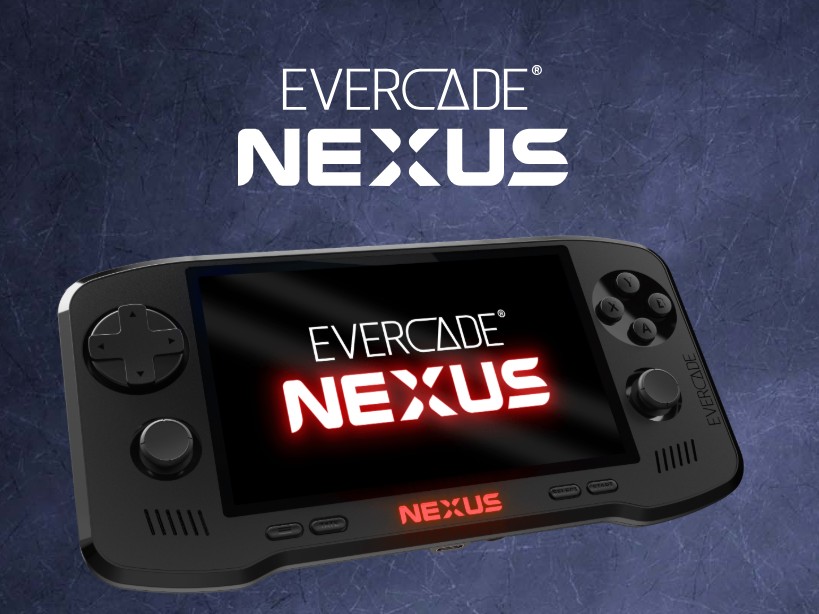







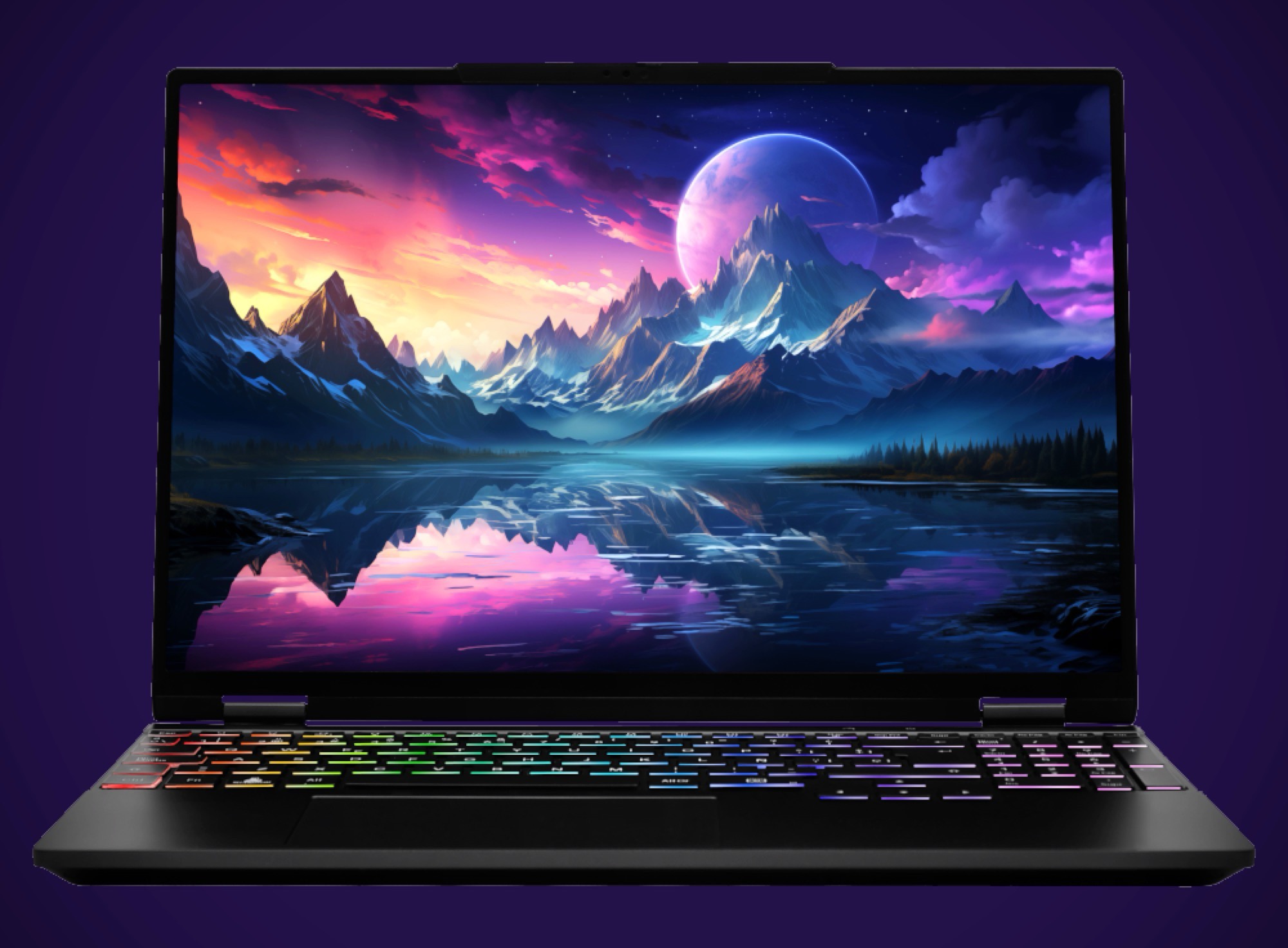
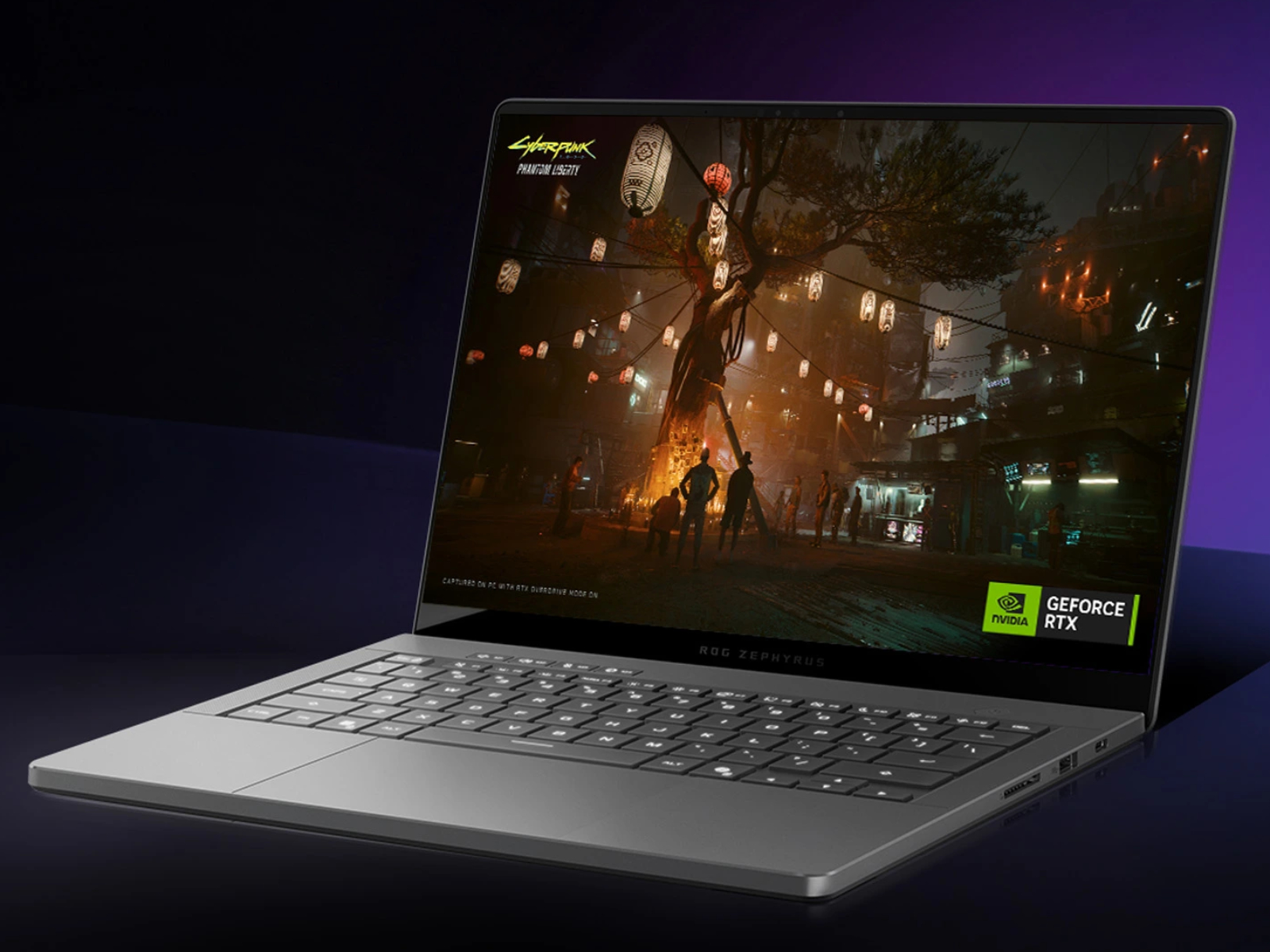



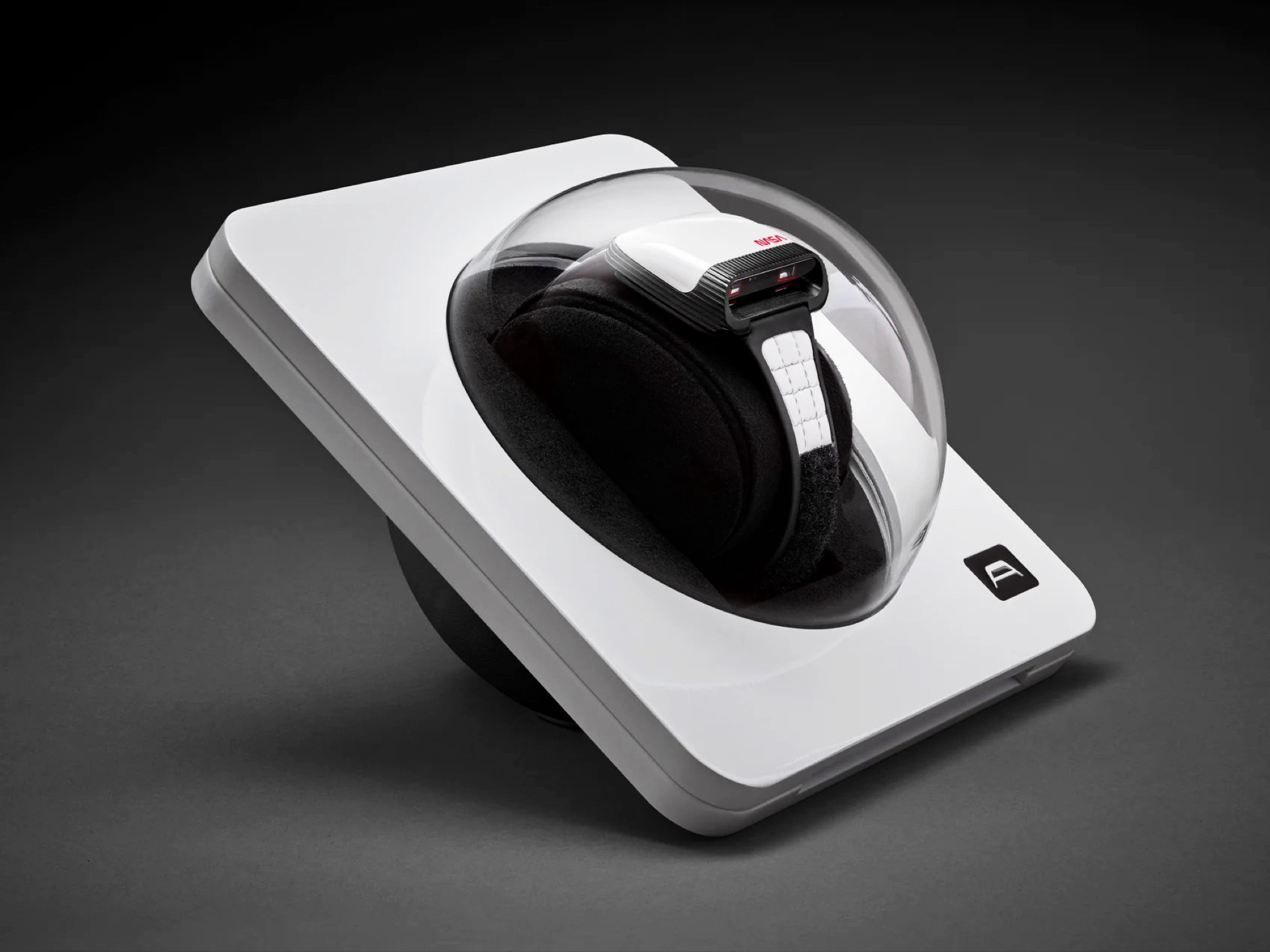

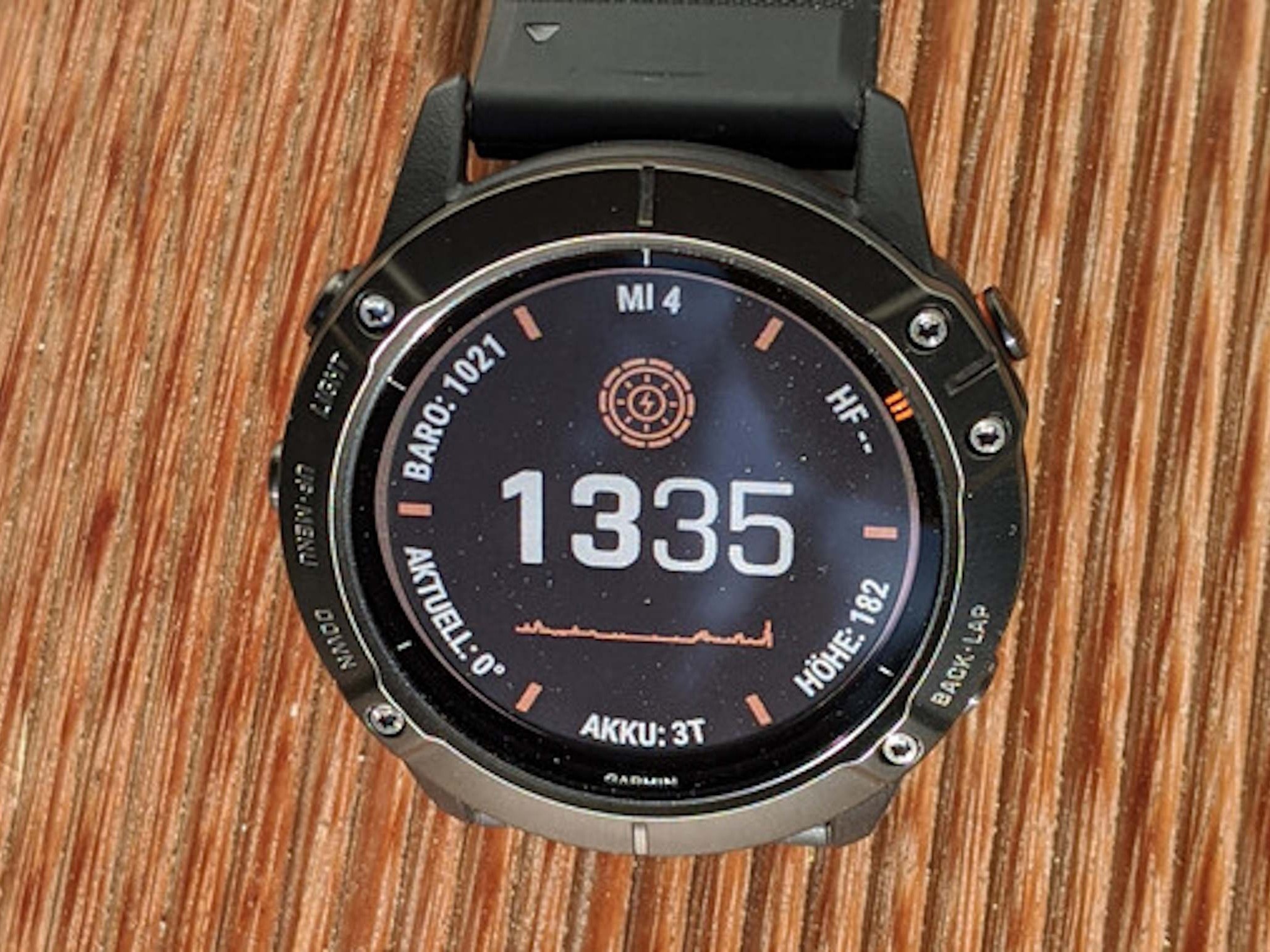
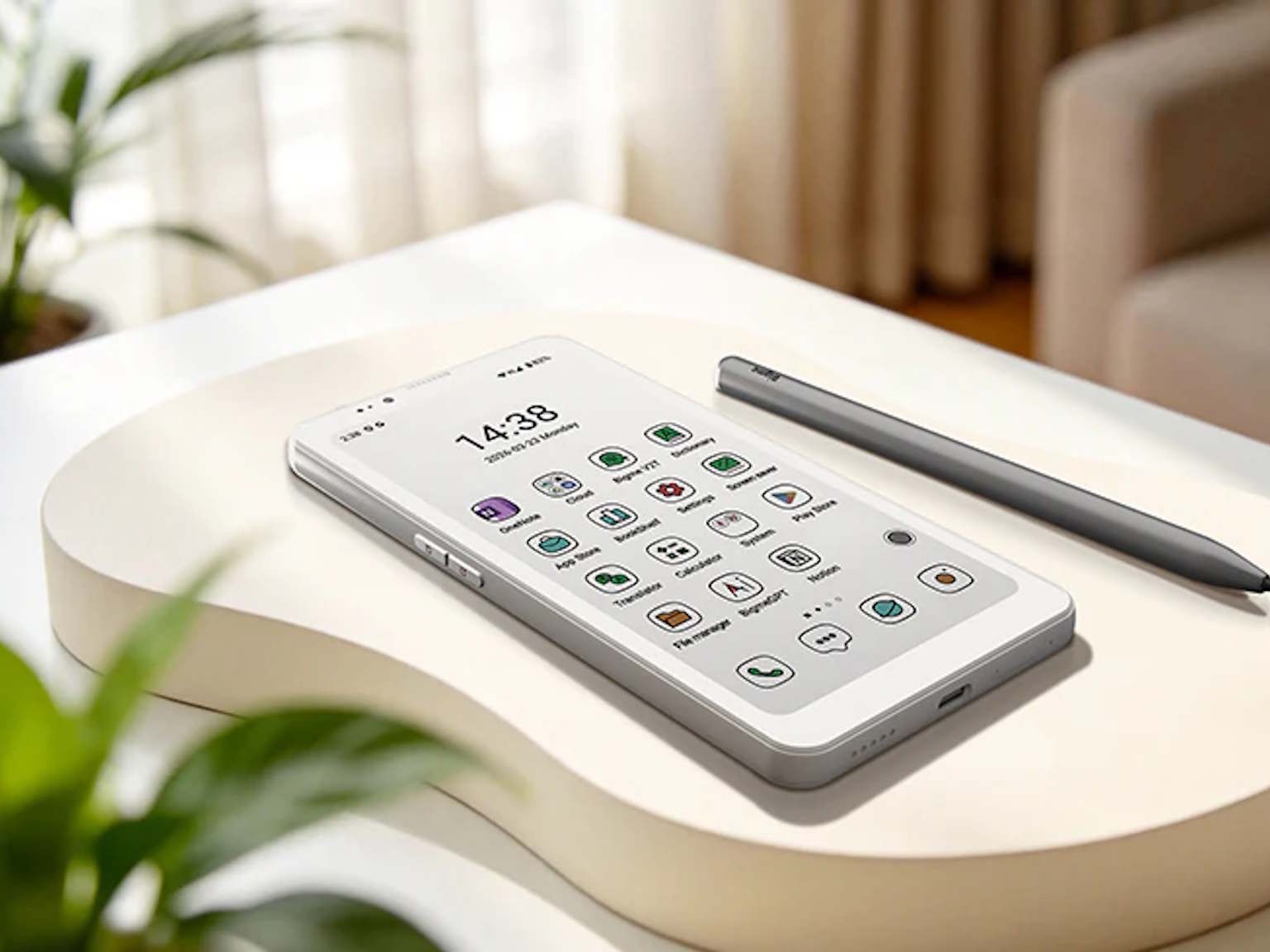

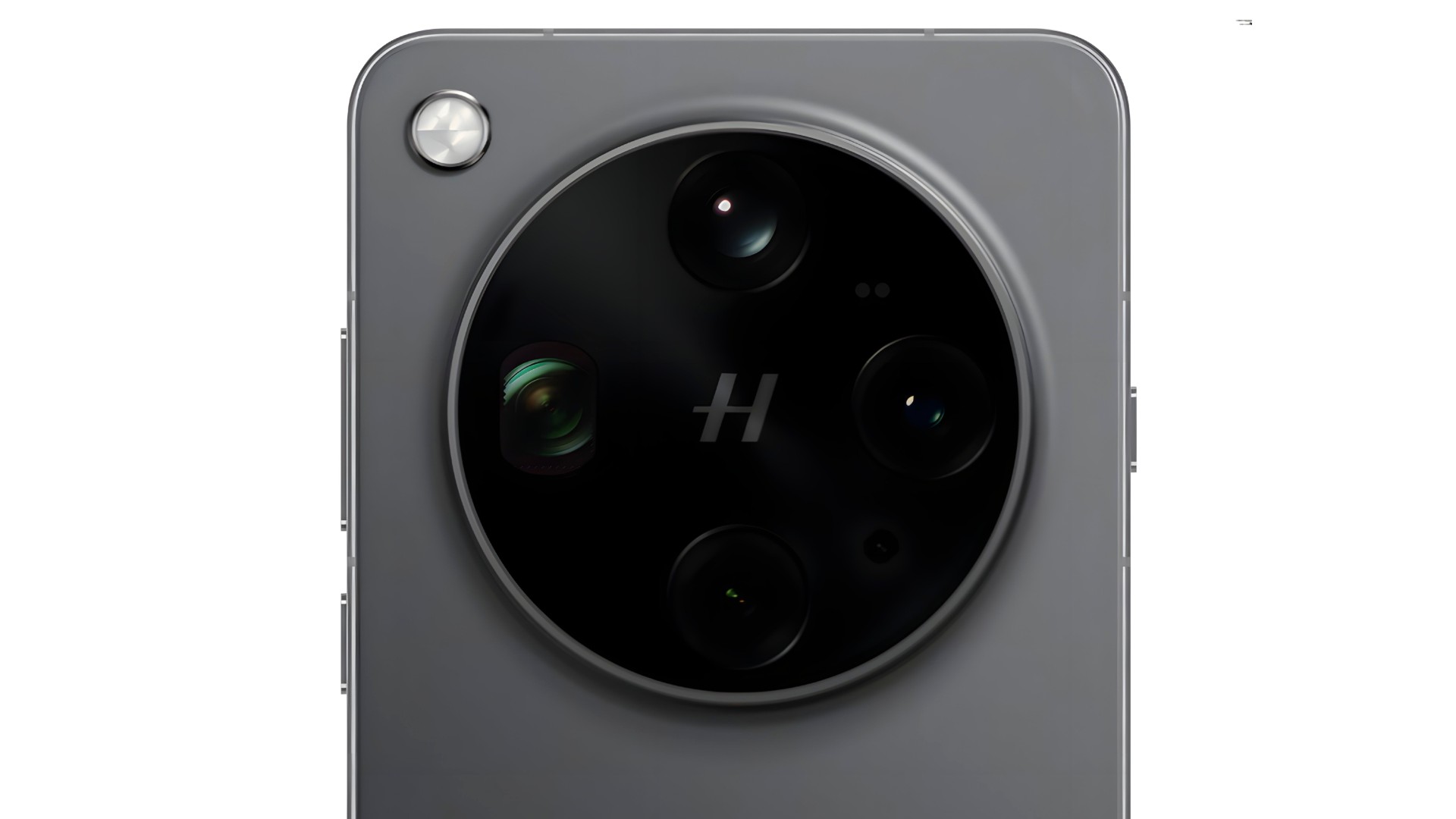
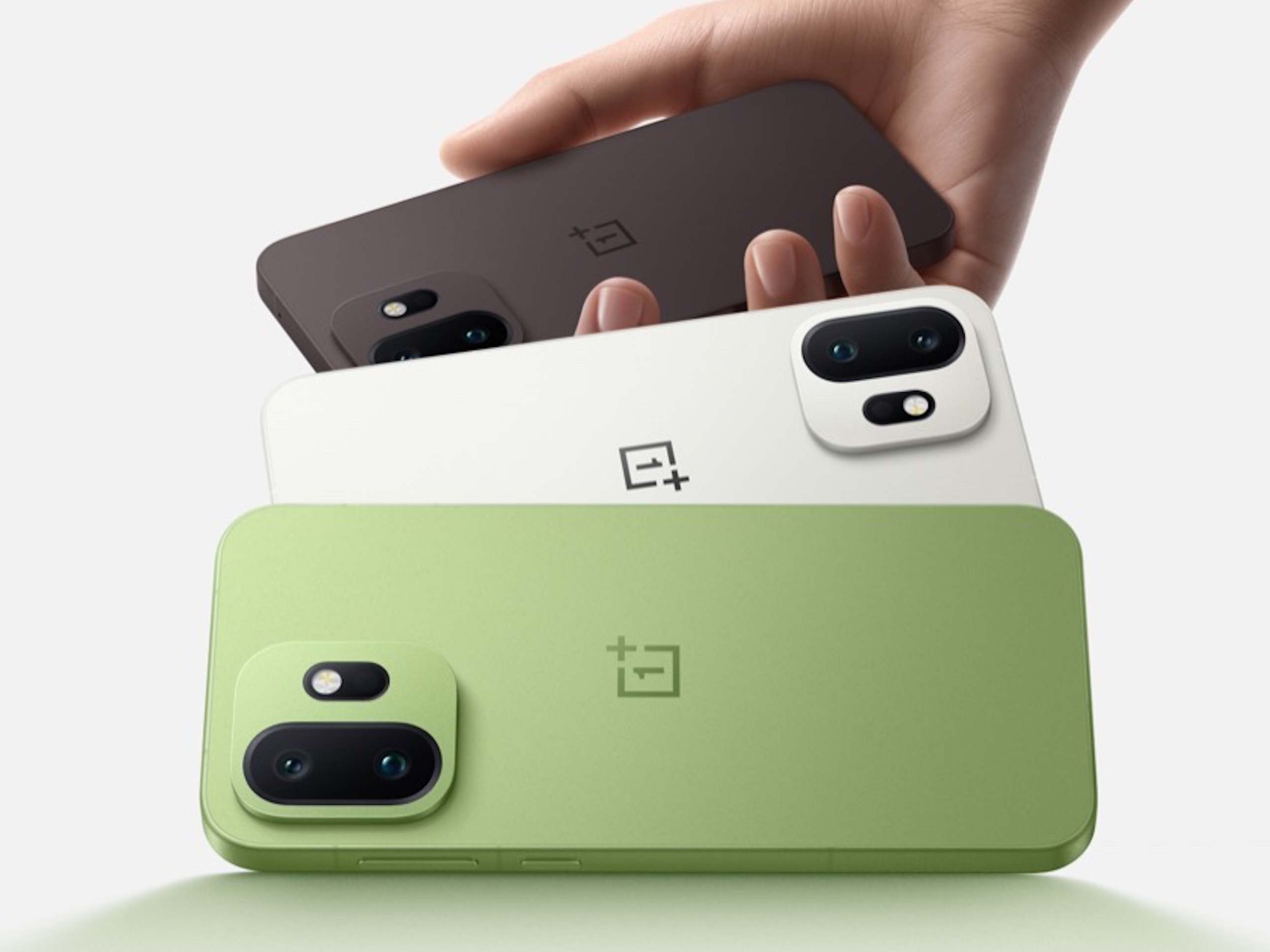
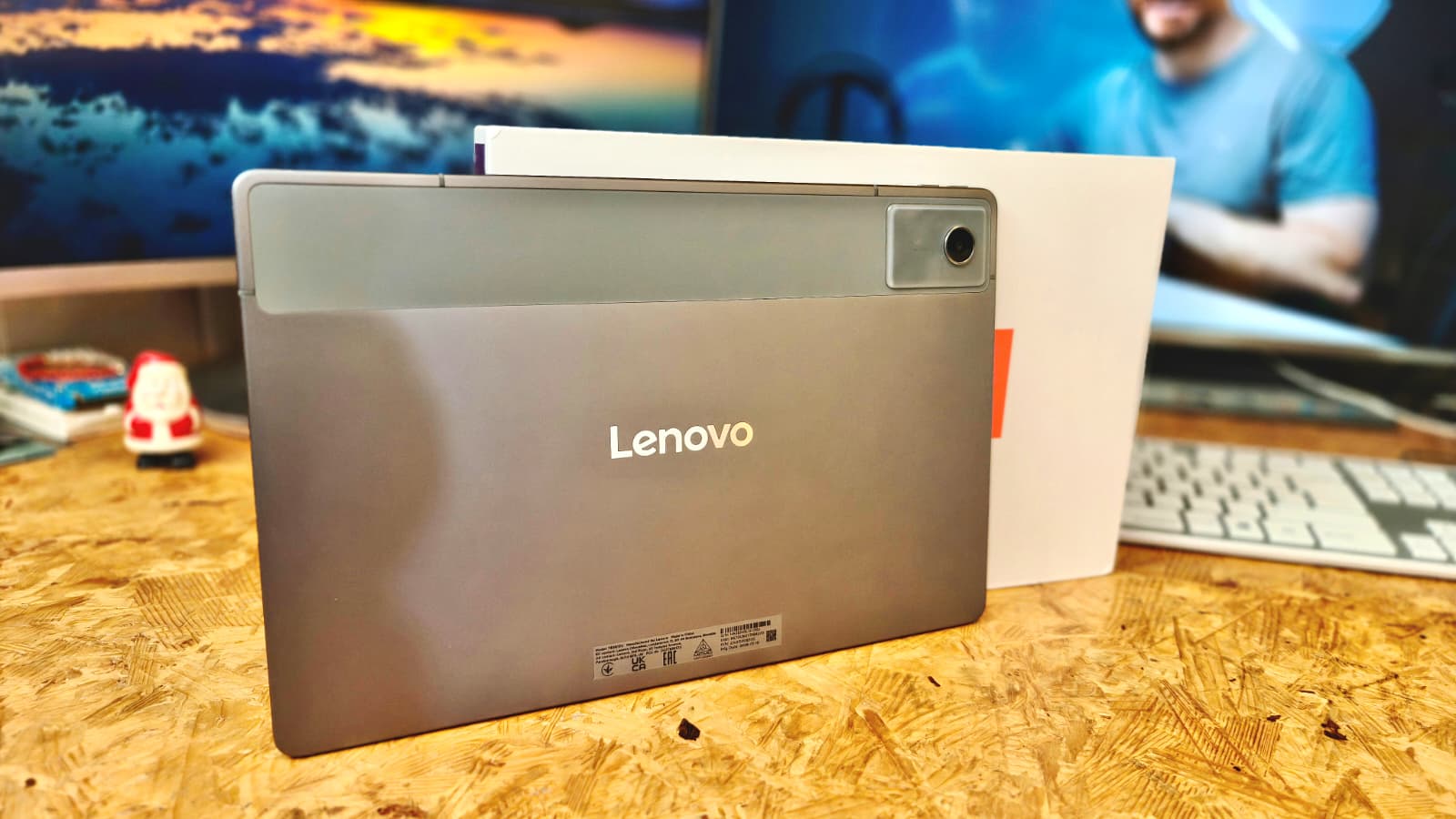
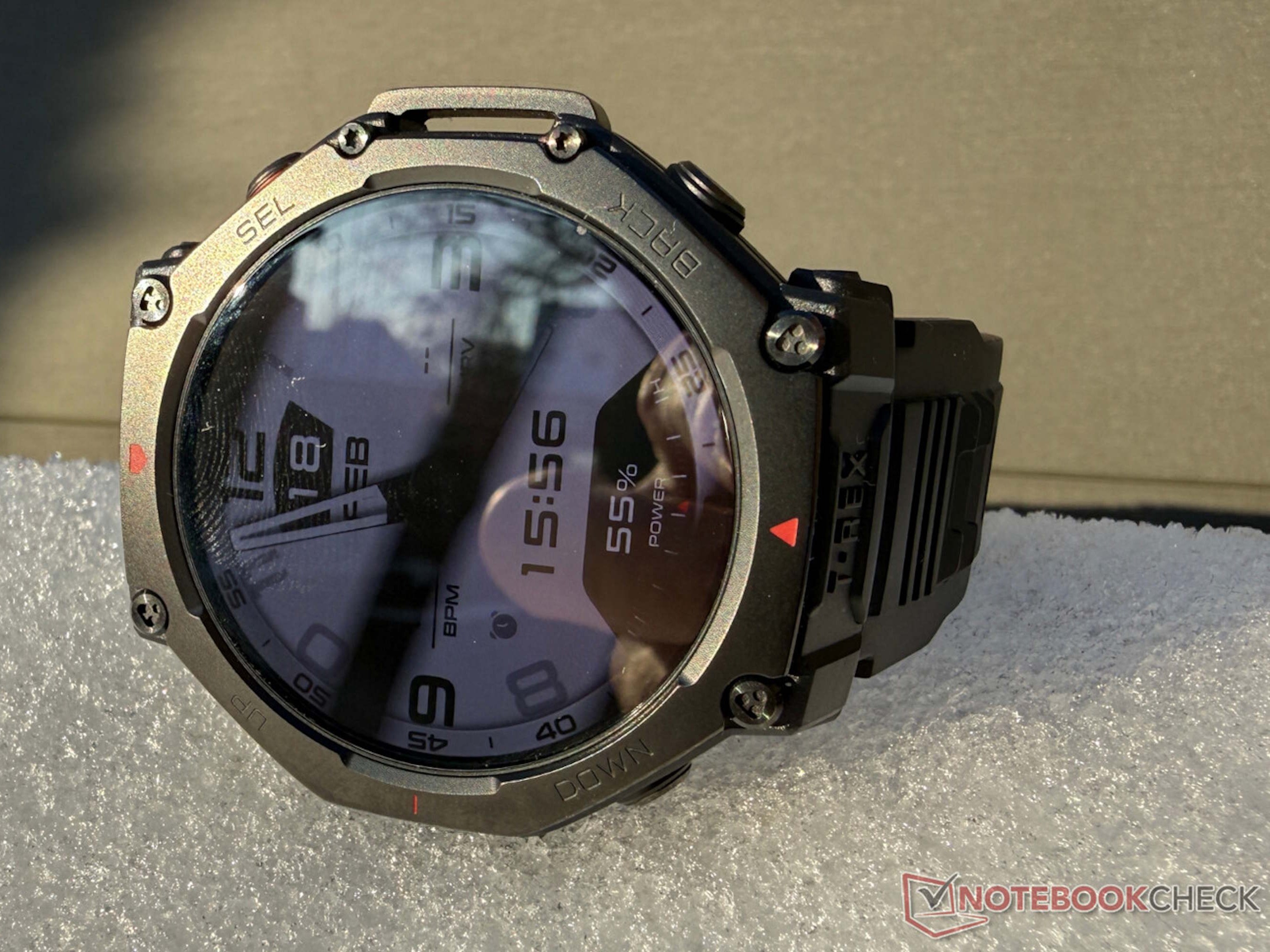


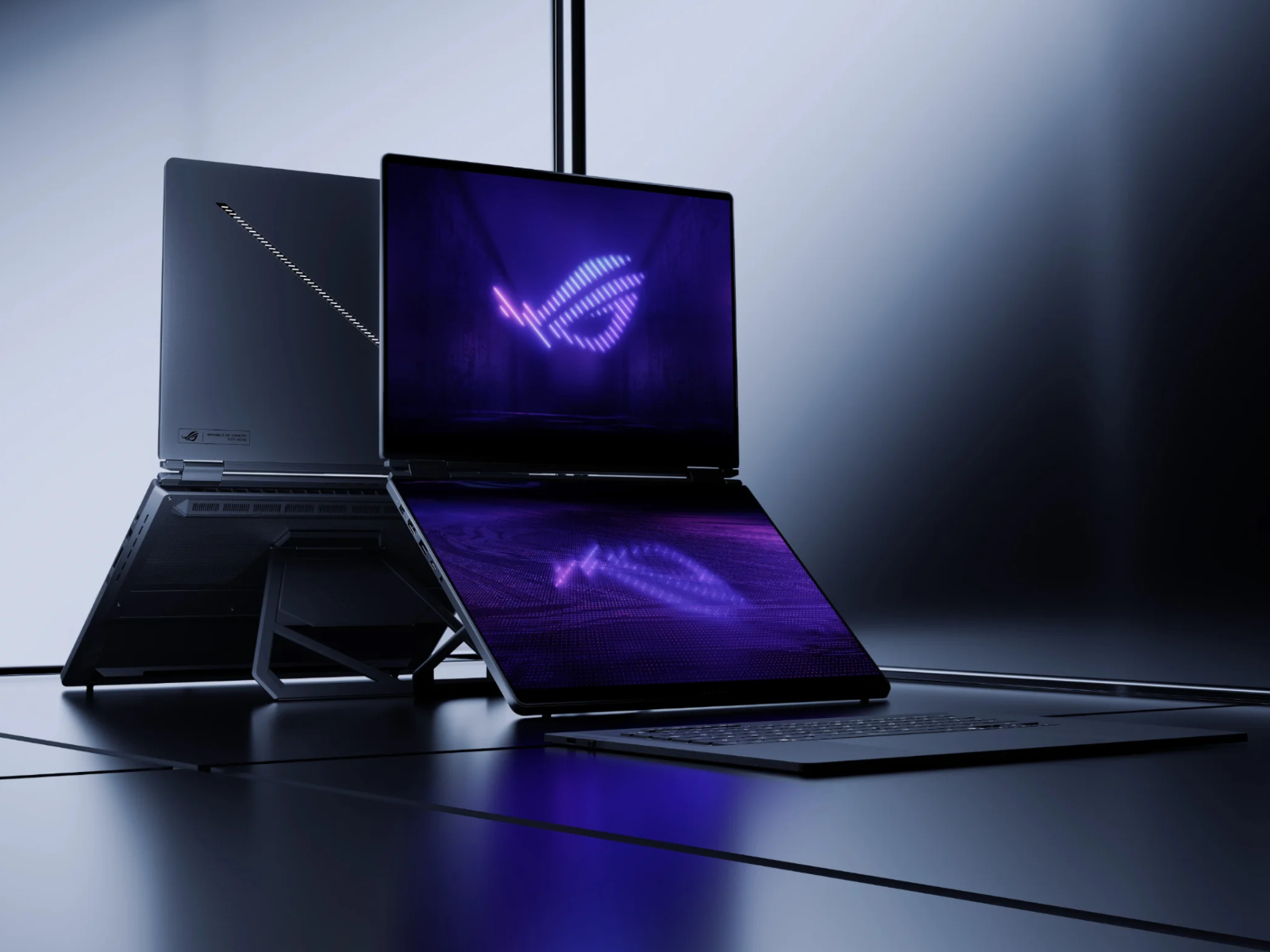
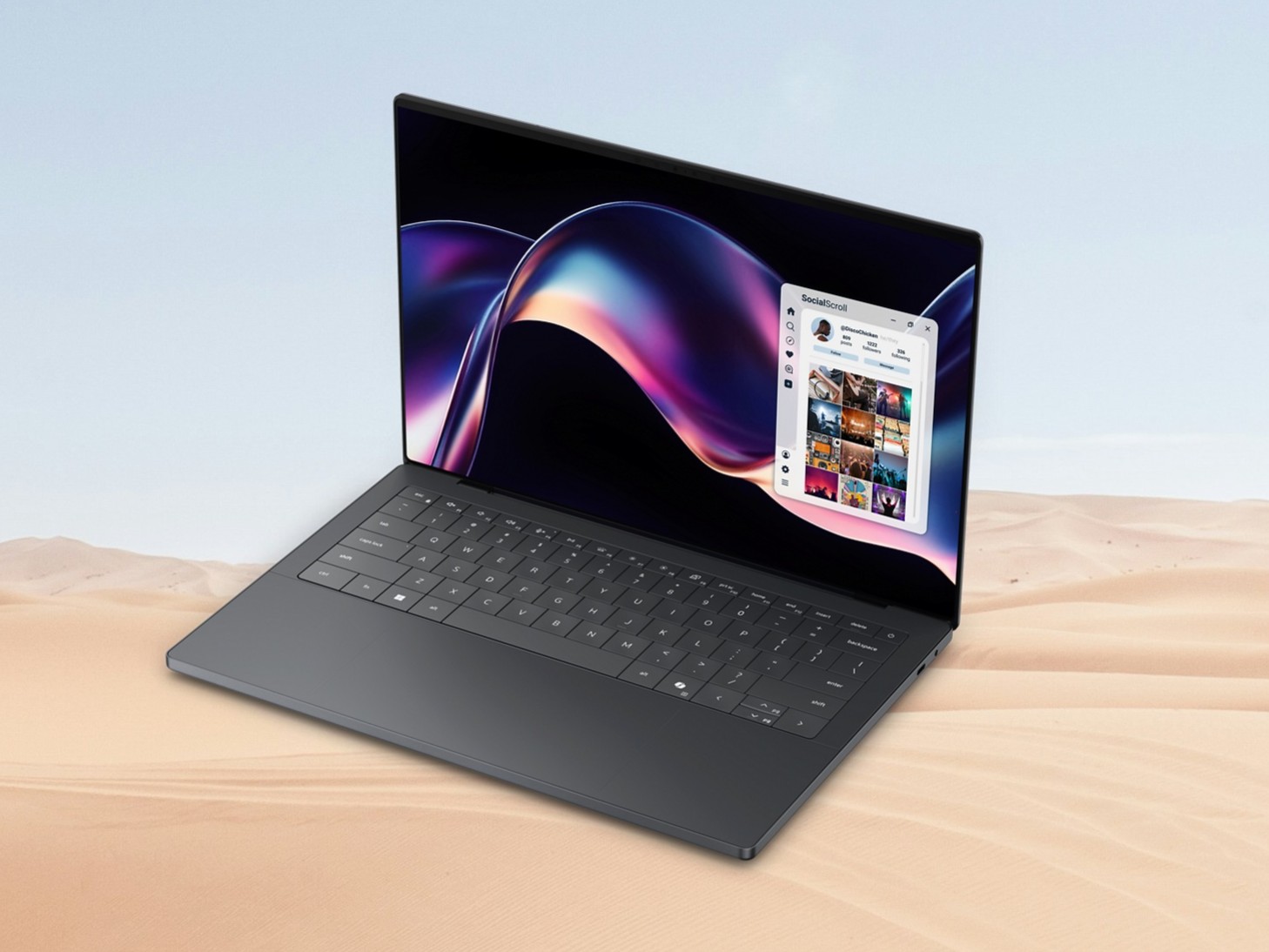





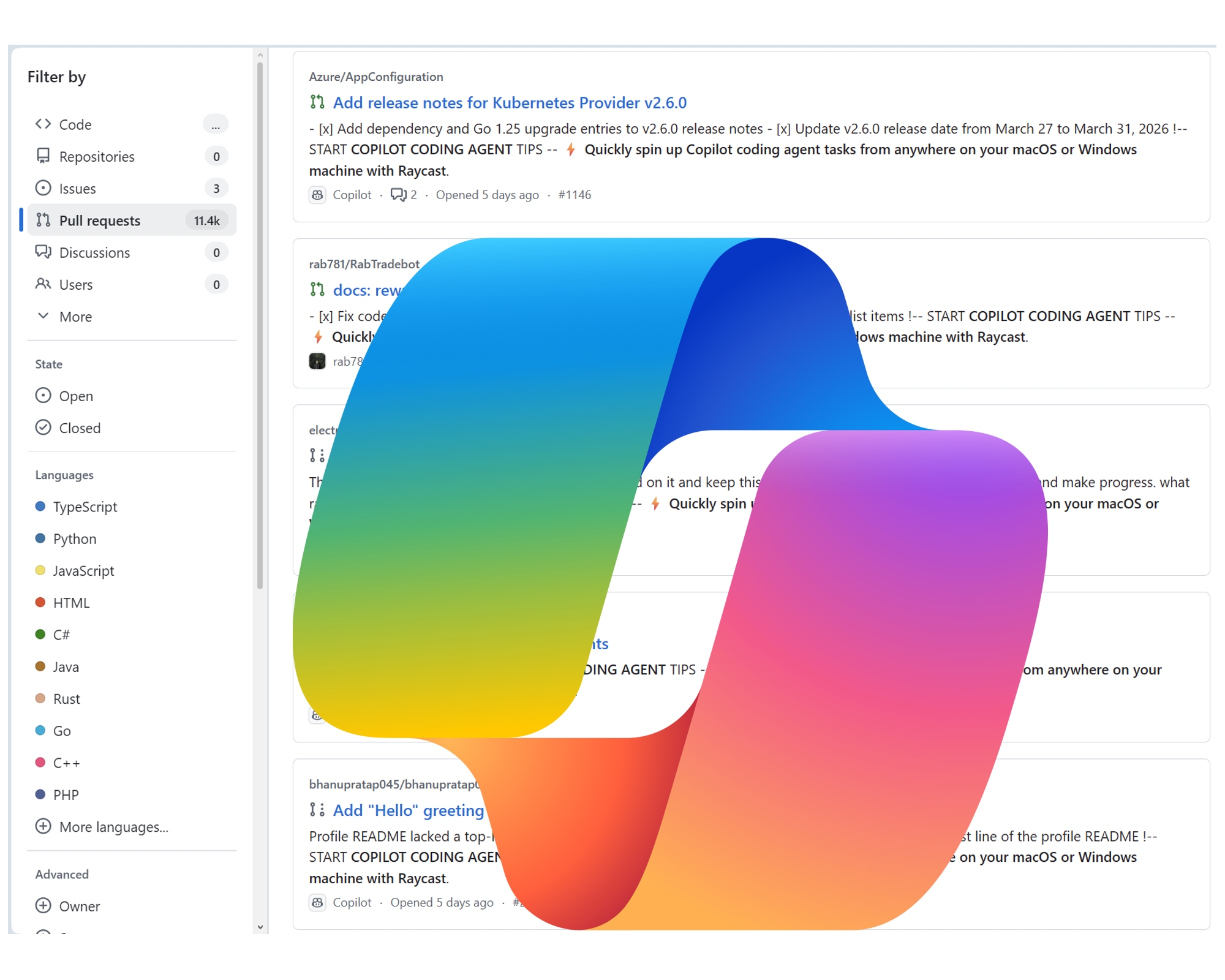
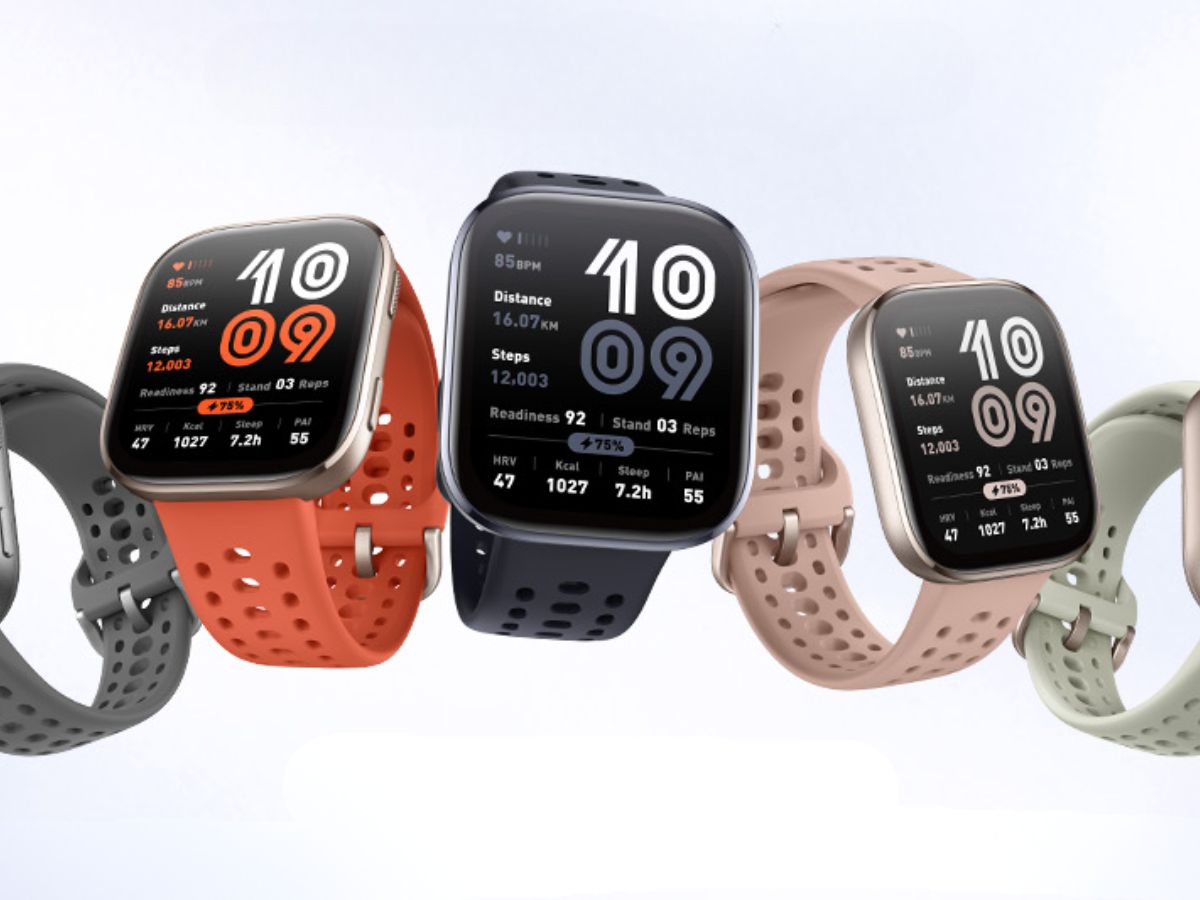
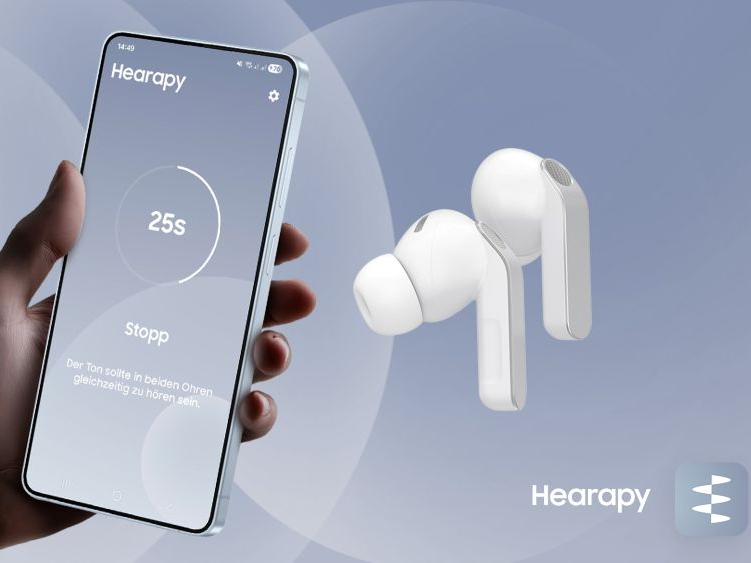

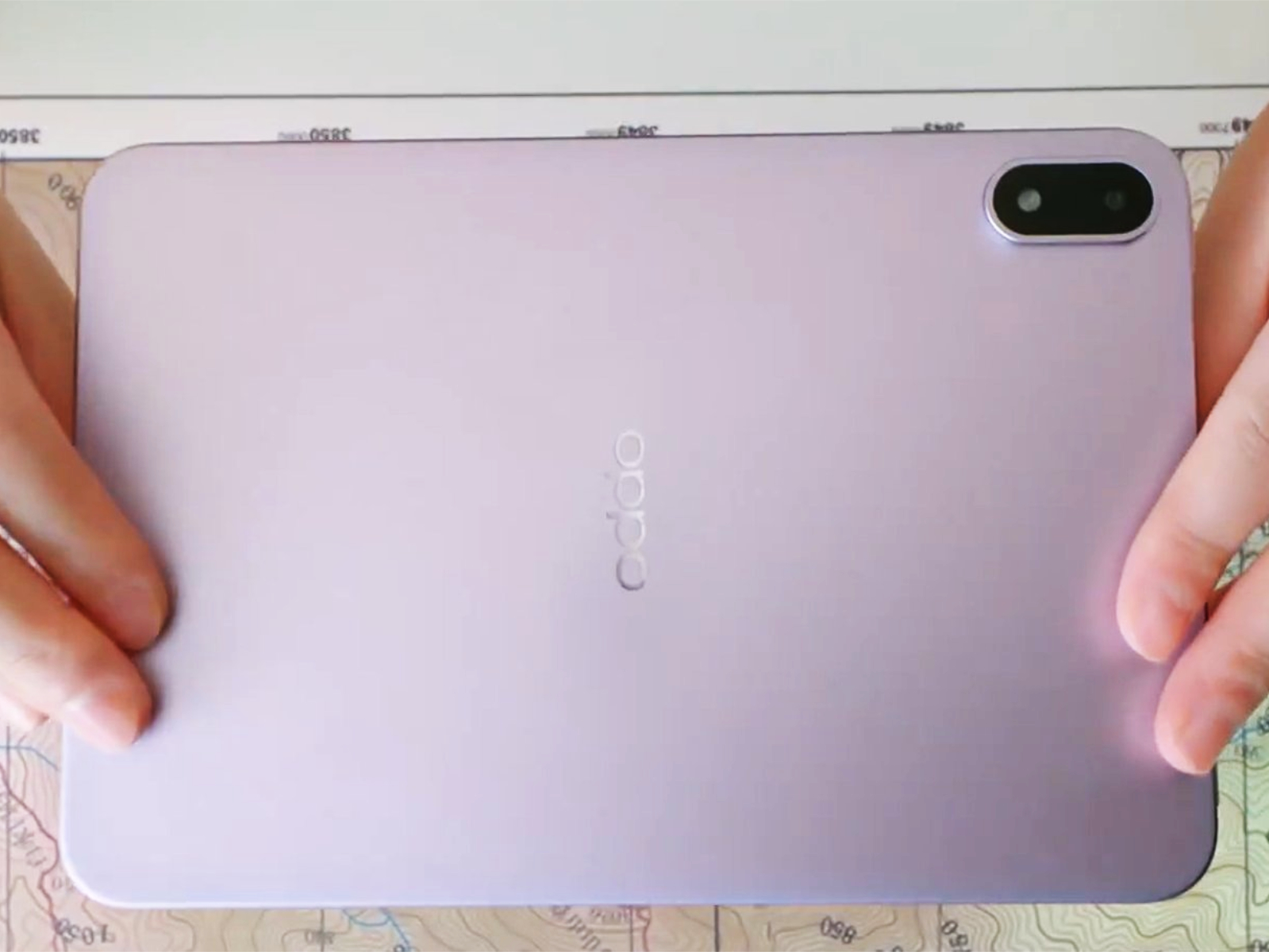
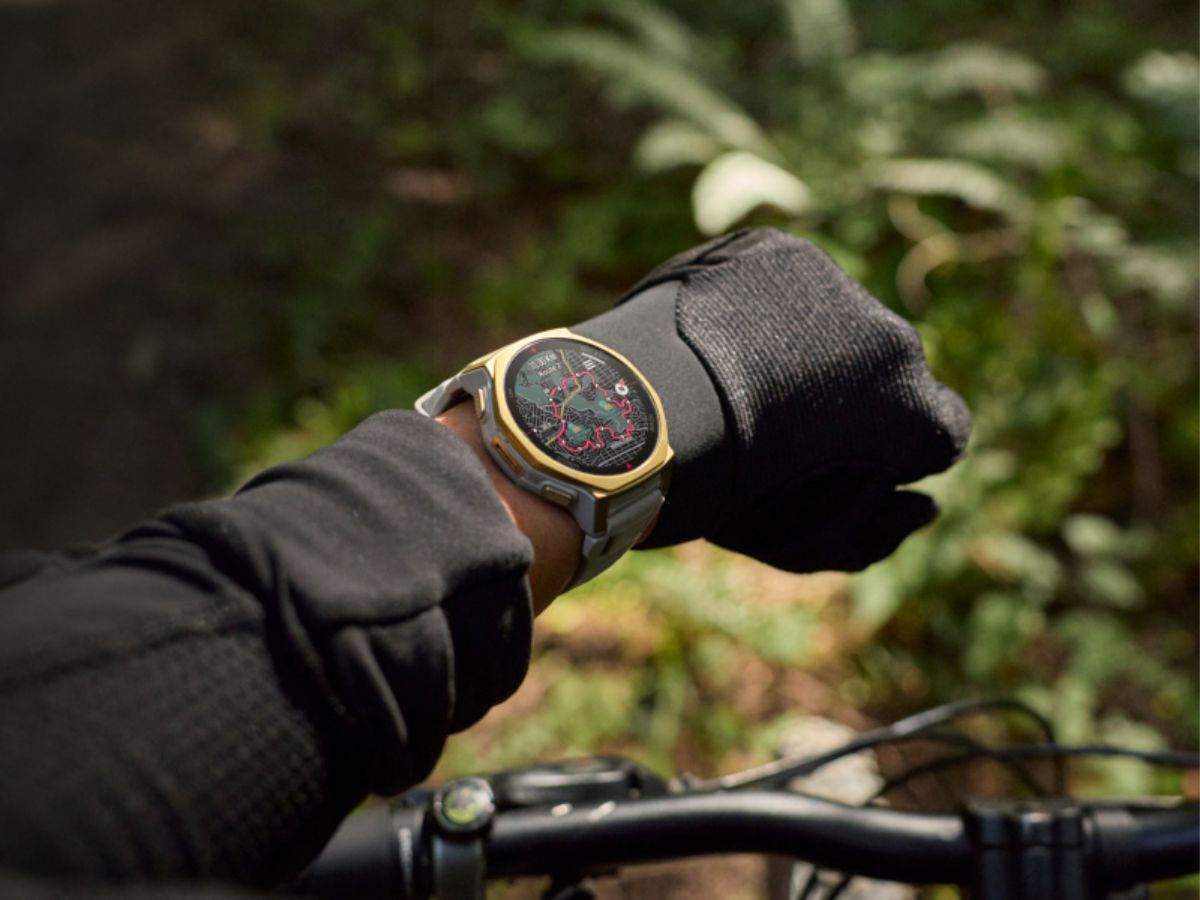






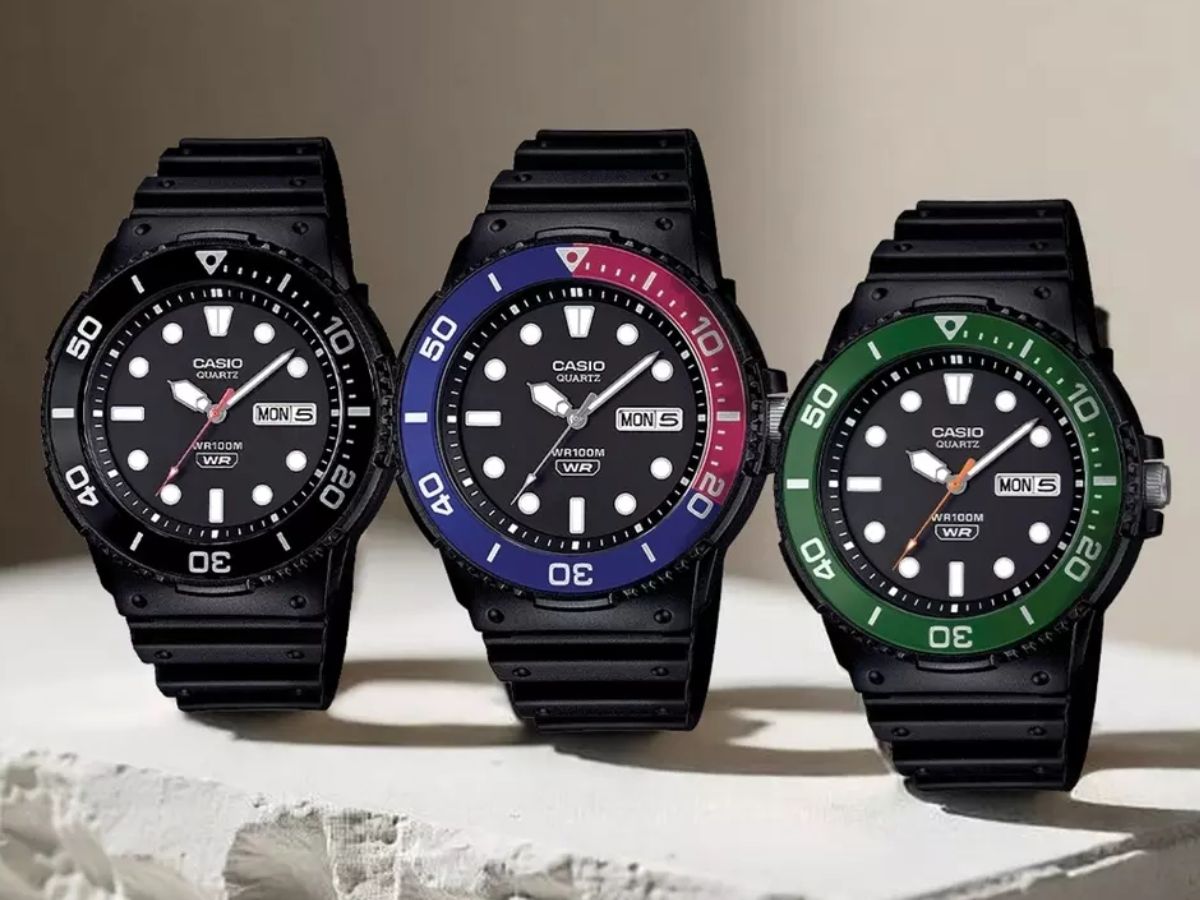

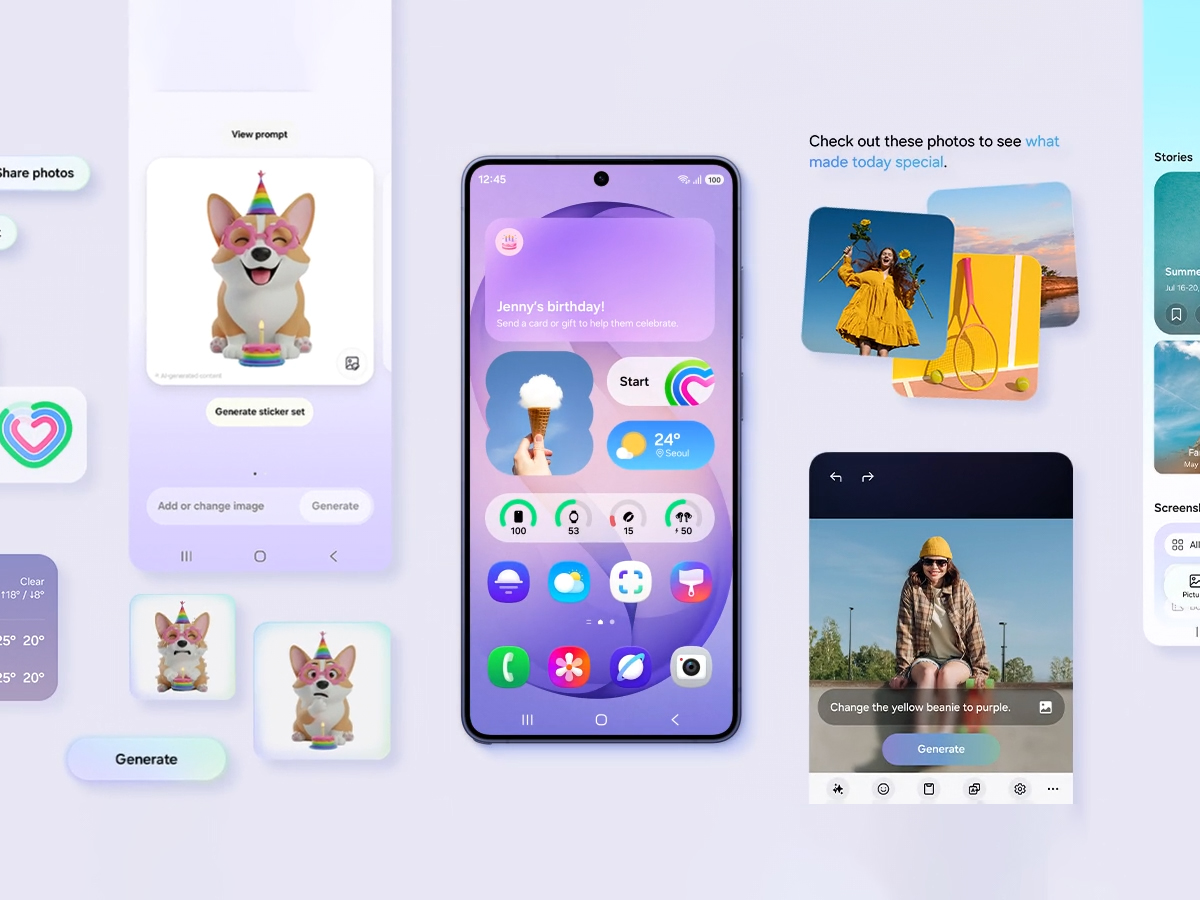
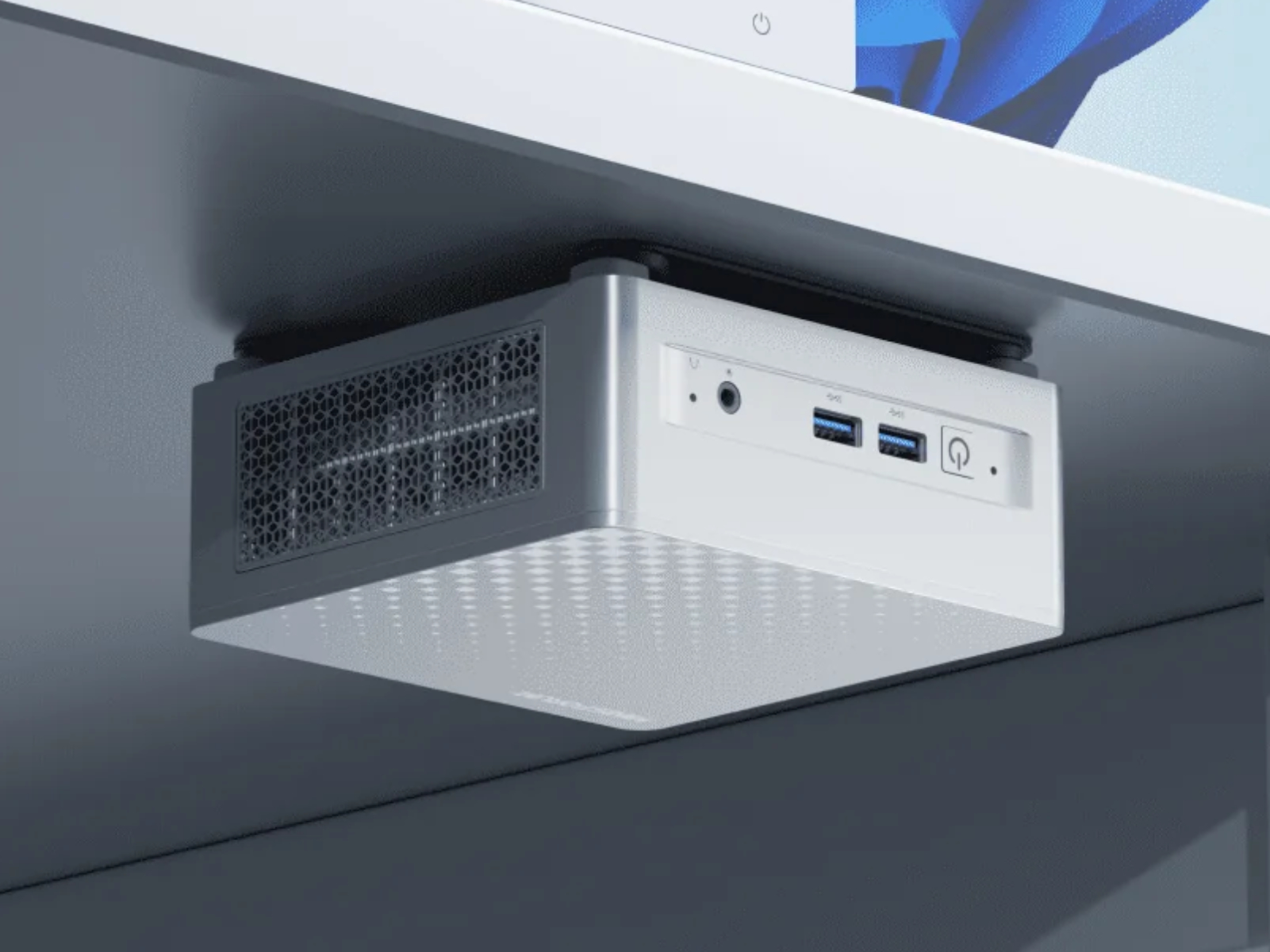
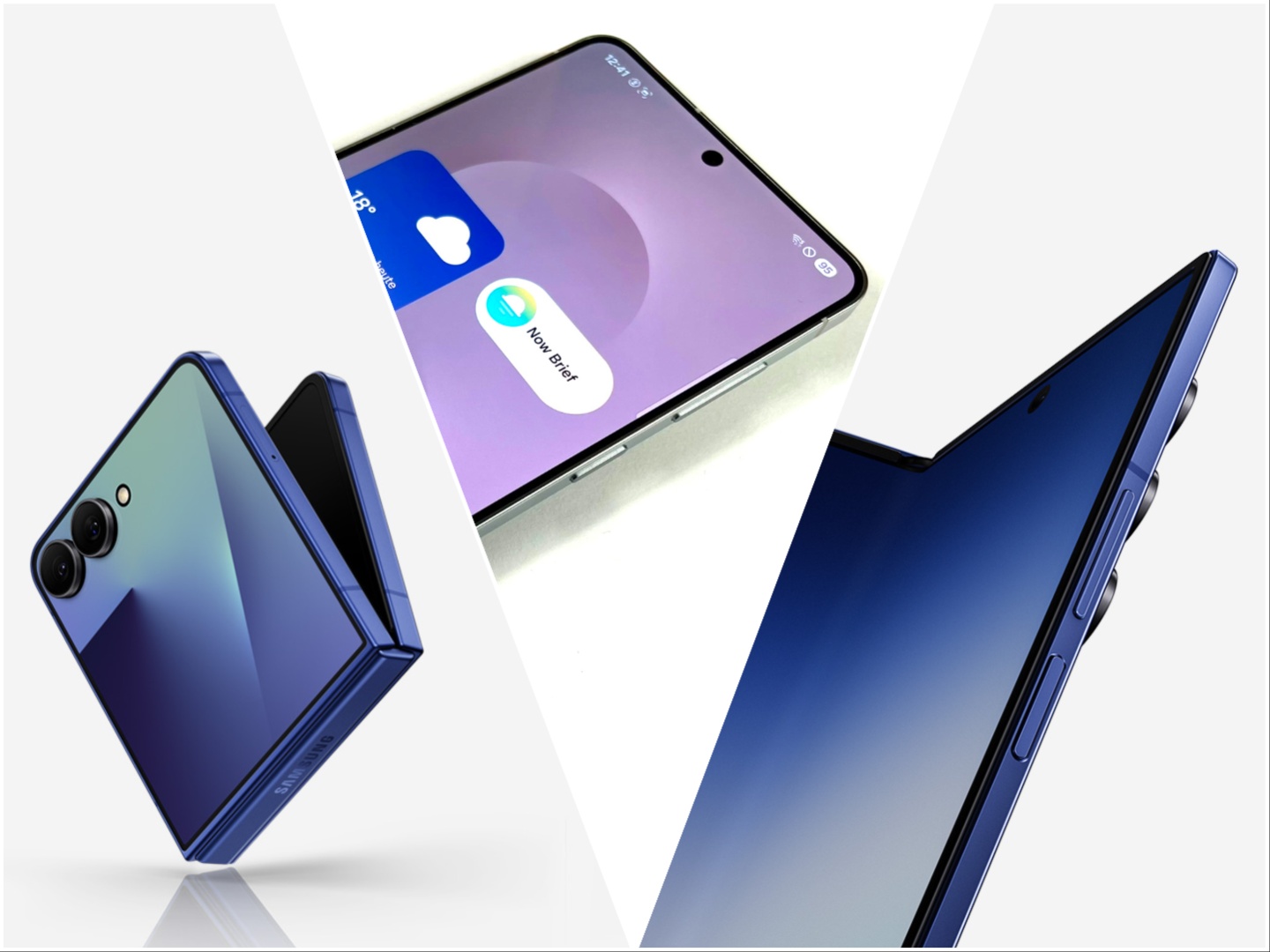
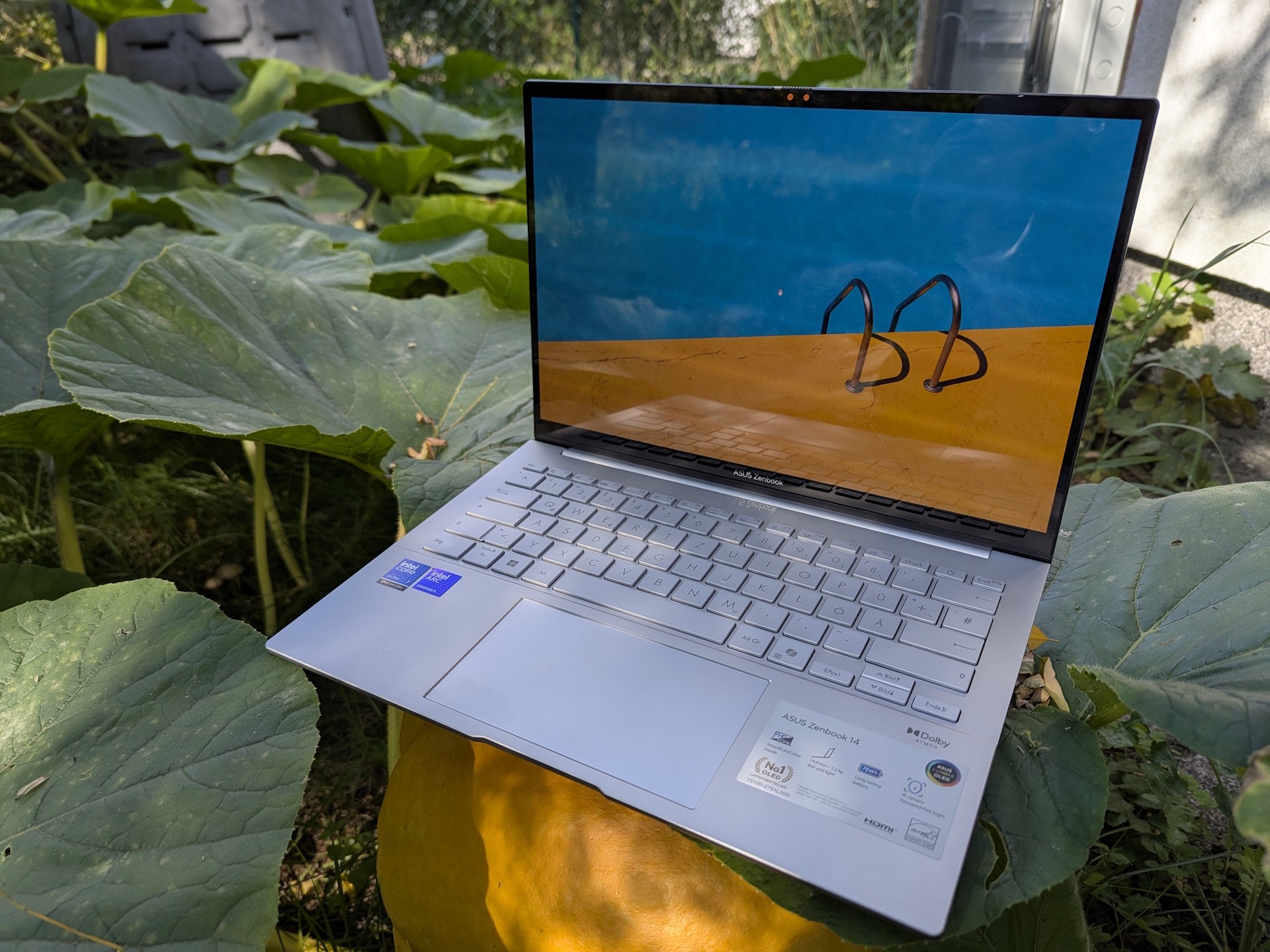
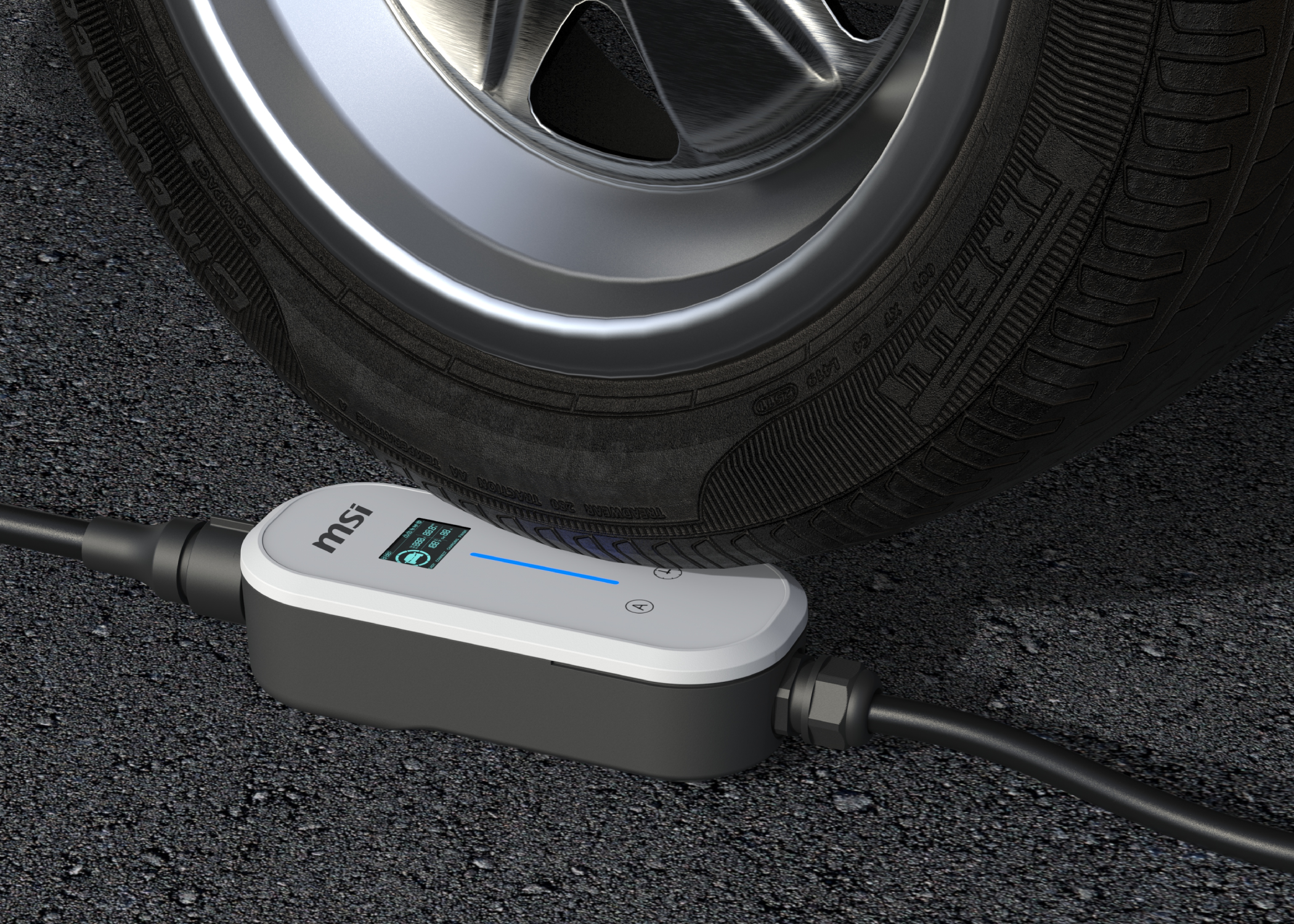
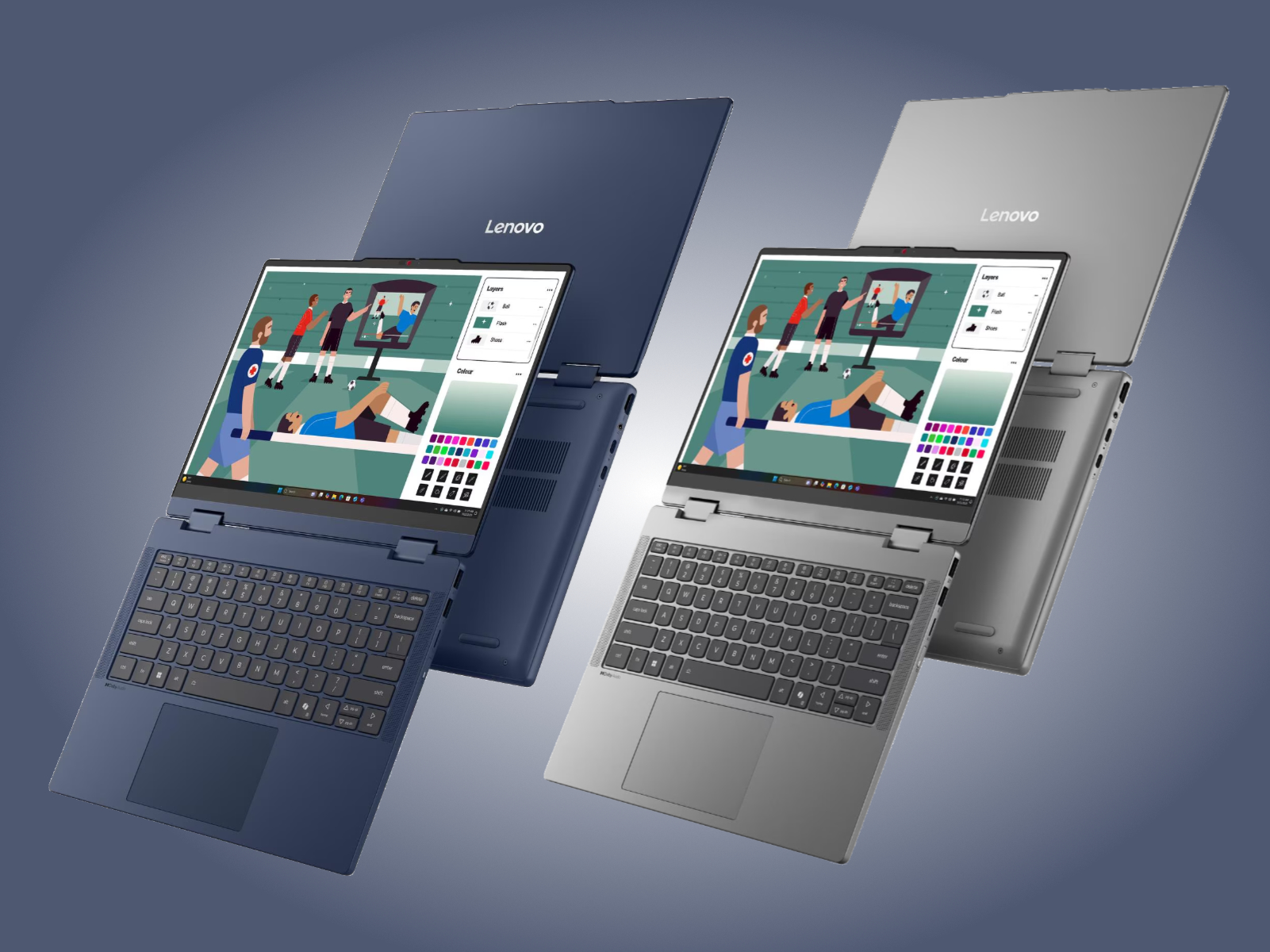
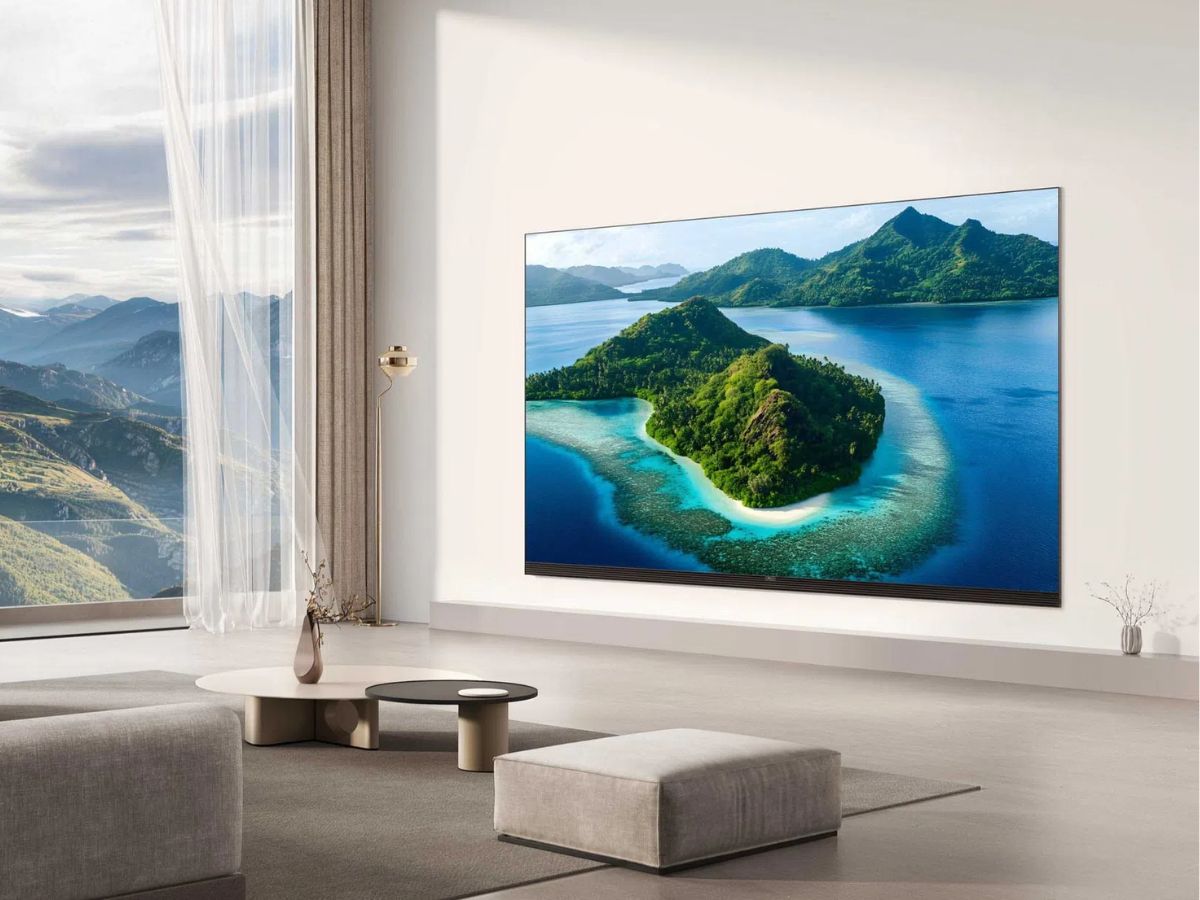





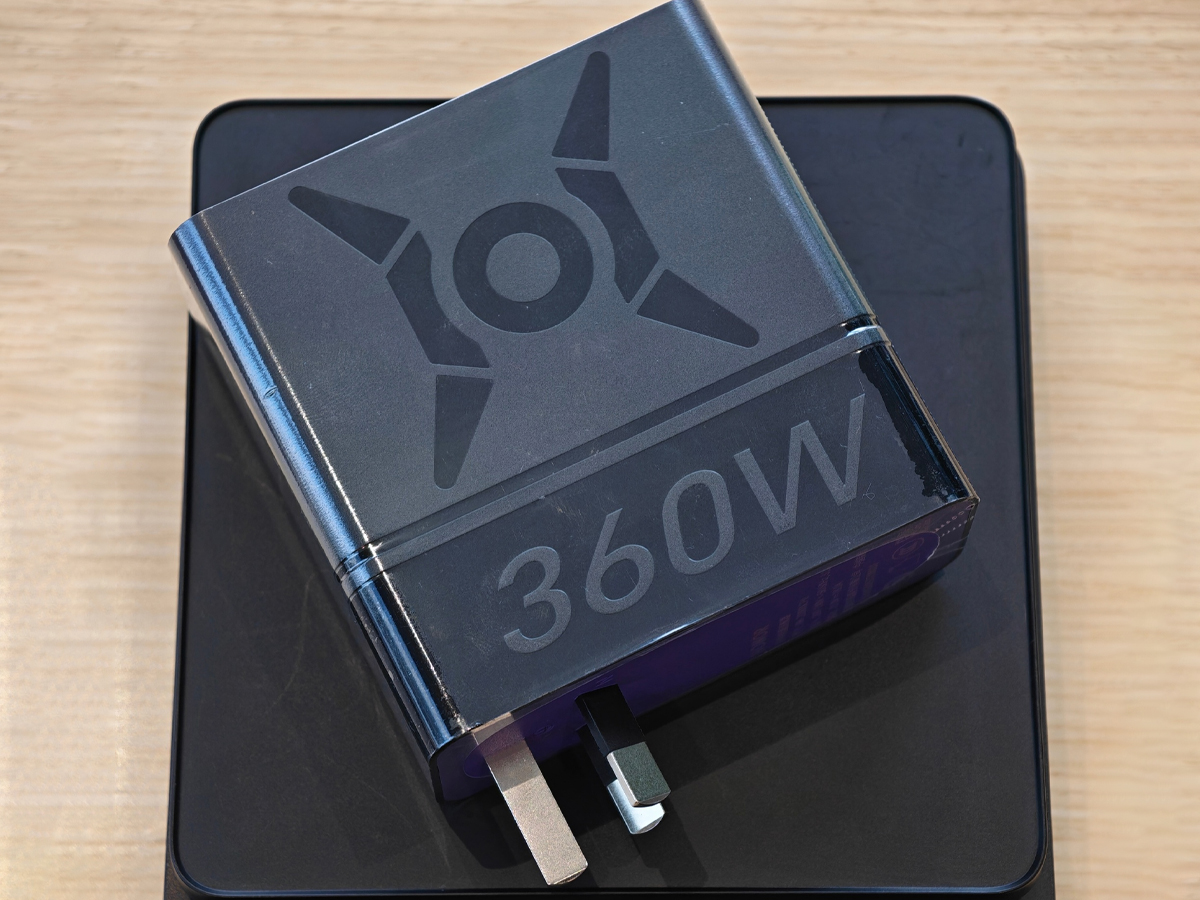




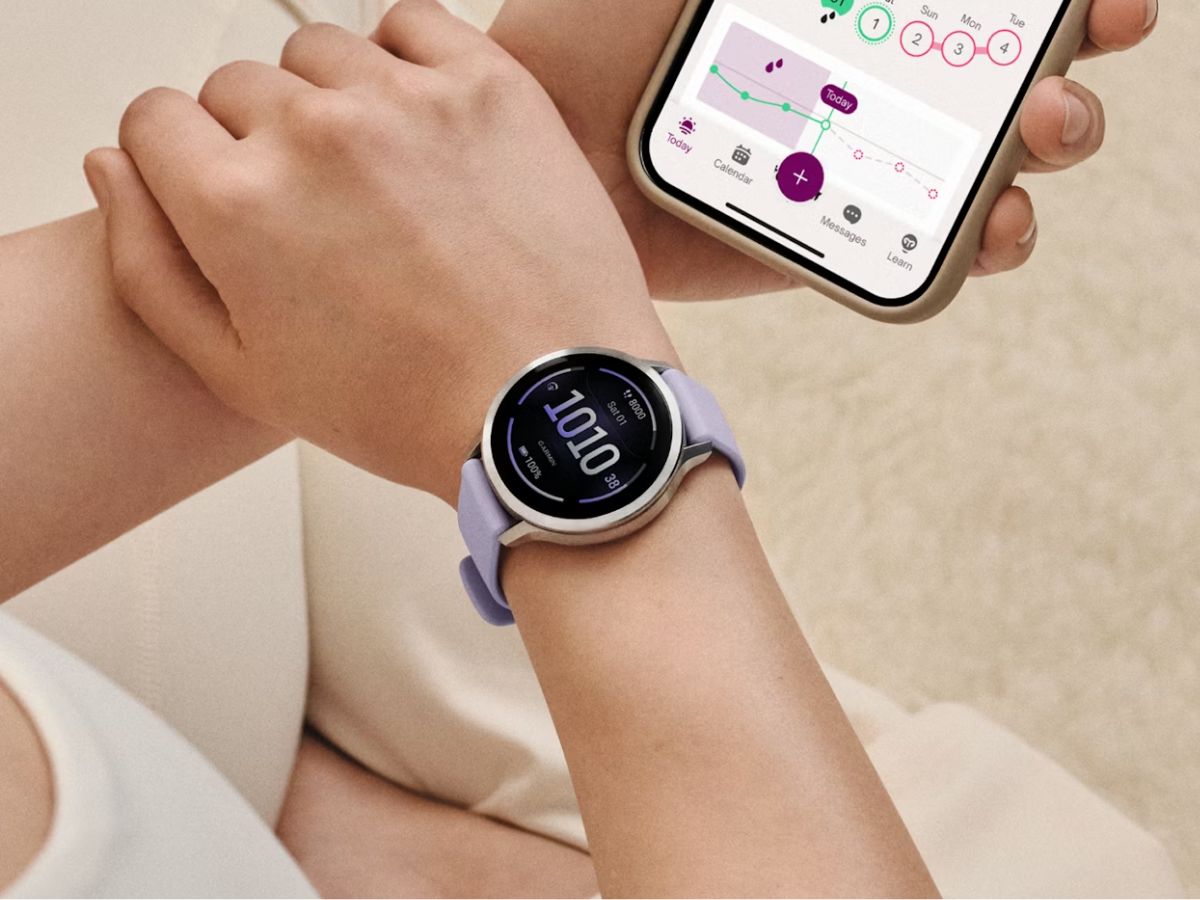
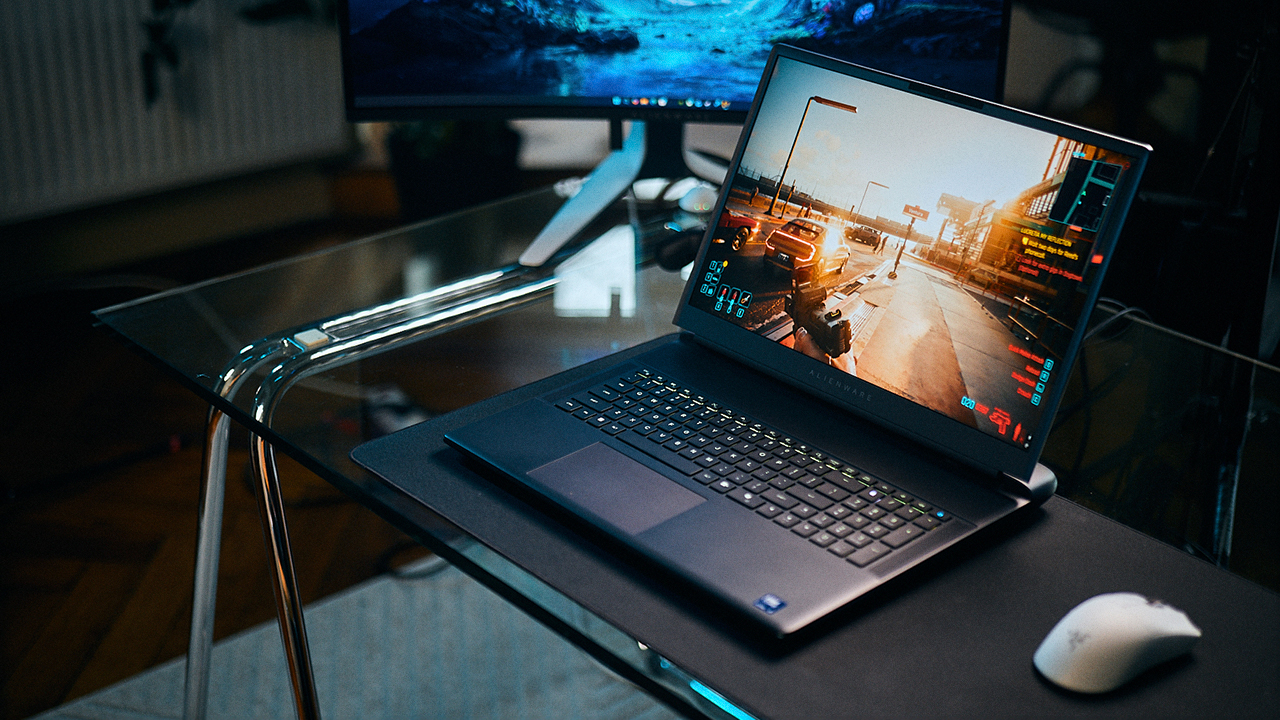

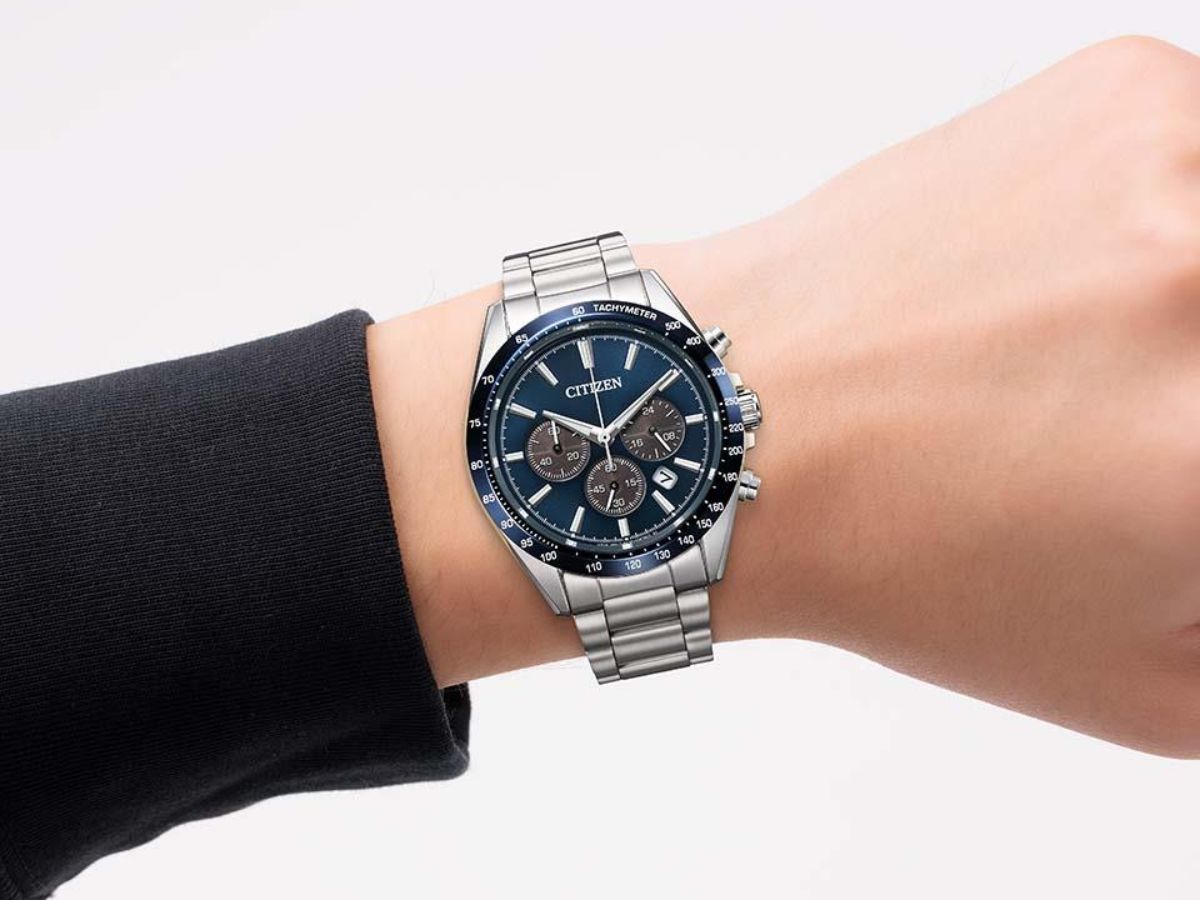
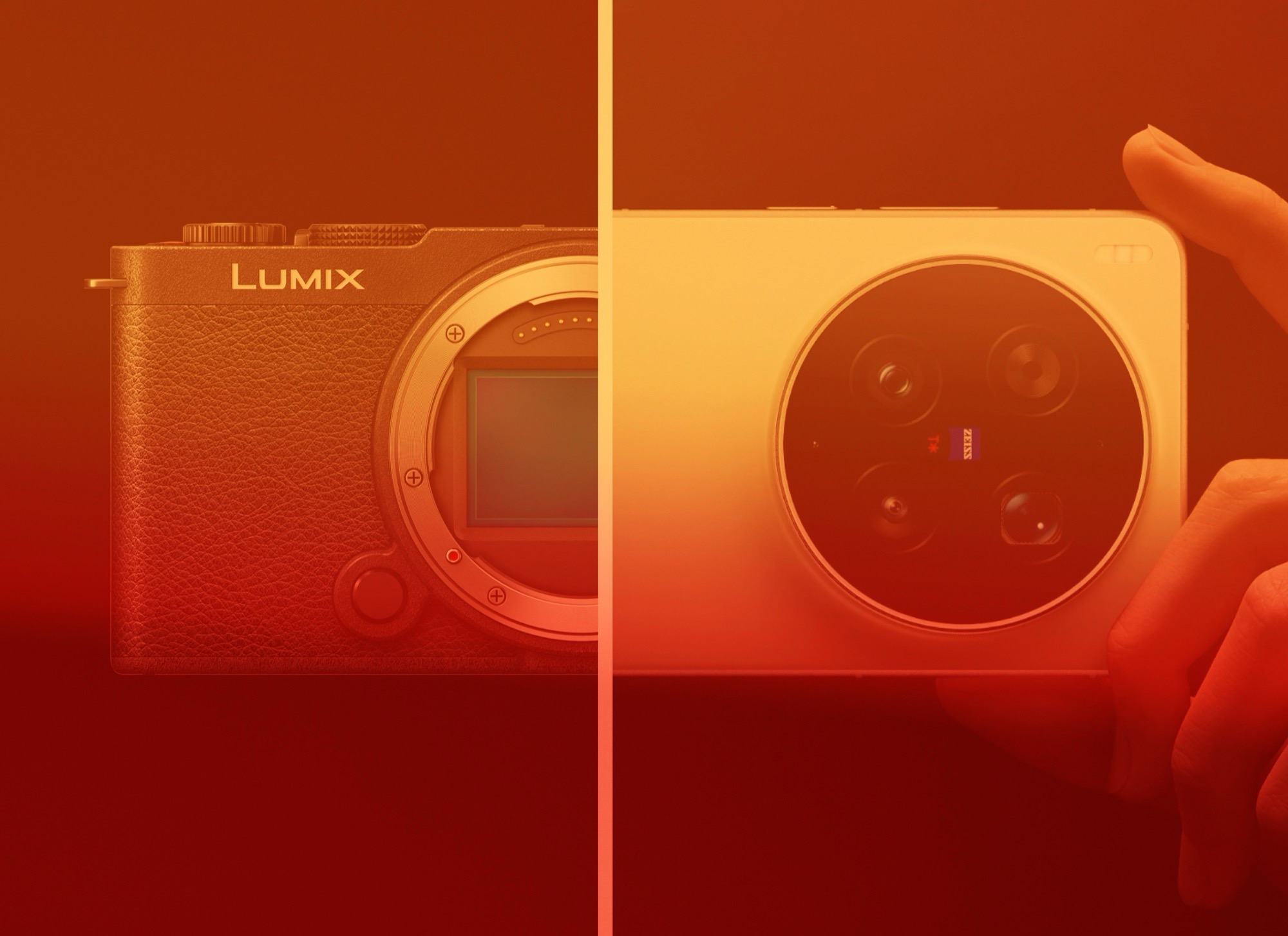


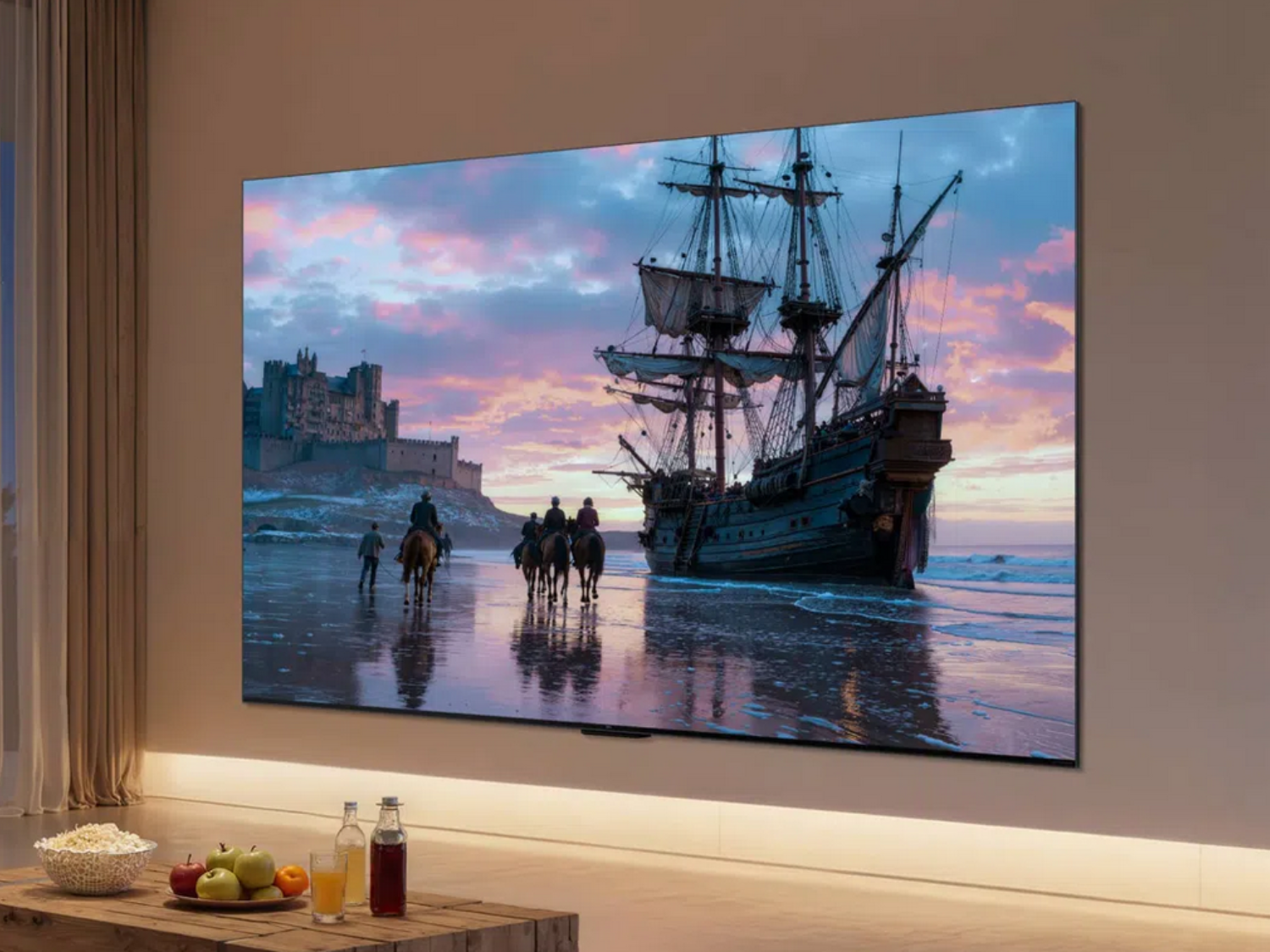


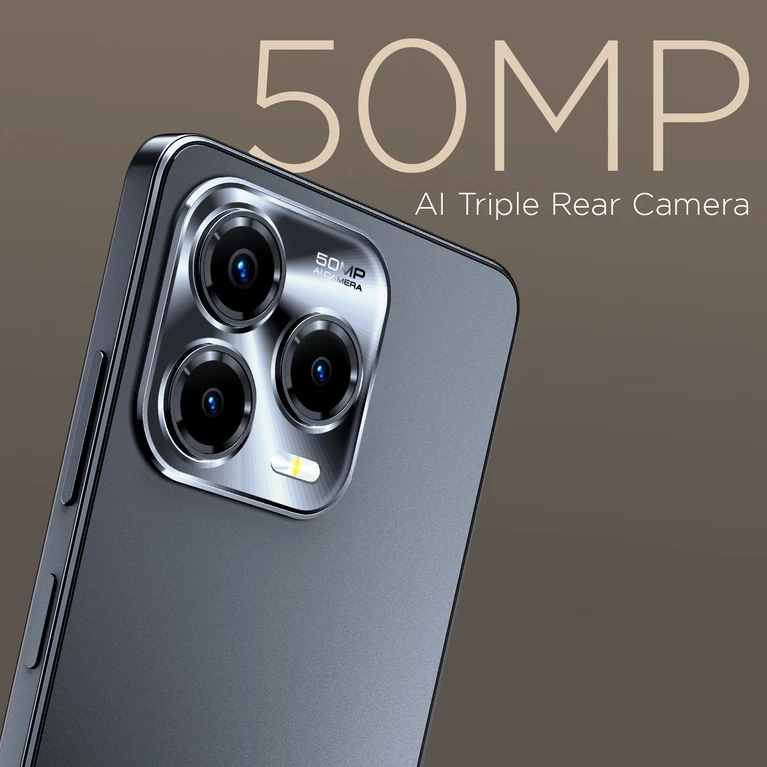


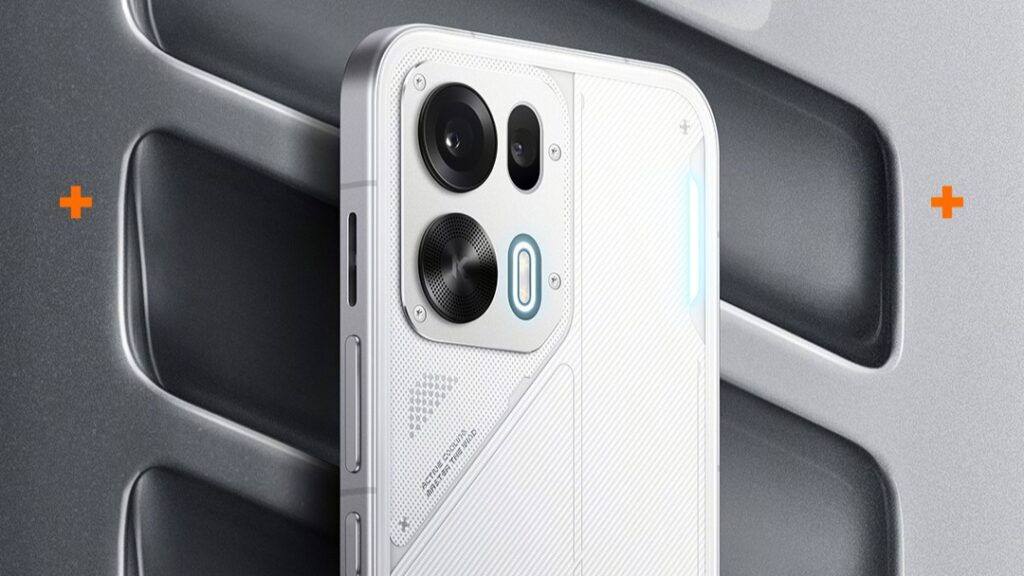

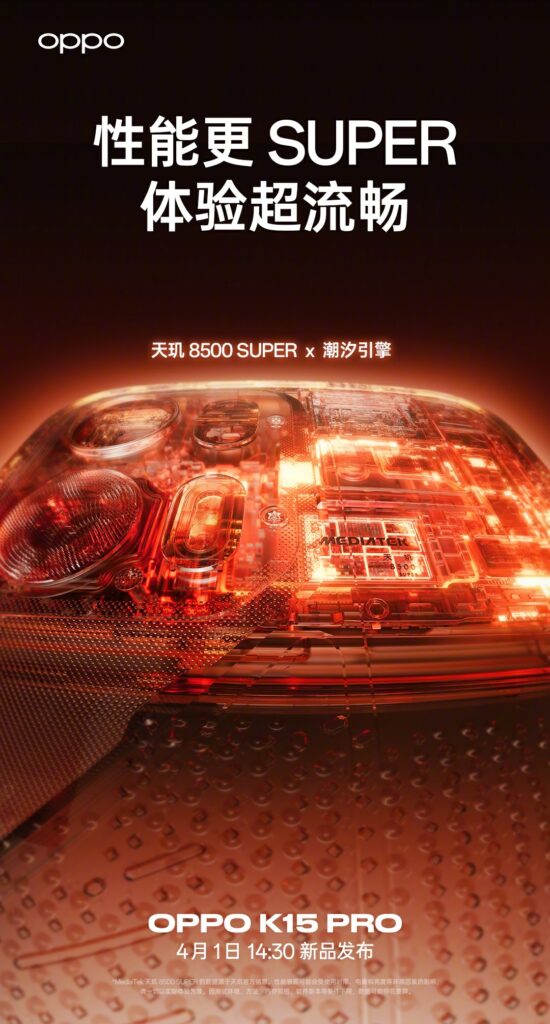


 C-shaped frame. Its flexible arms provide a customized “hug,” keeping the 3D nodes flush against the trapezius muscles regardless of your build. Whether hunched over a workstation or cramped in an airplane middle seat, the support feels structural rather than just pillowy.