Login
Login
X Tests Collaborative AI-Powered Community Notes
AI will compose a note, then humans will be able to refine it.

AI will compose a note, then humans will be able to refine it.
Reddit continues to enhance its market appeal.
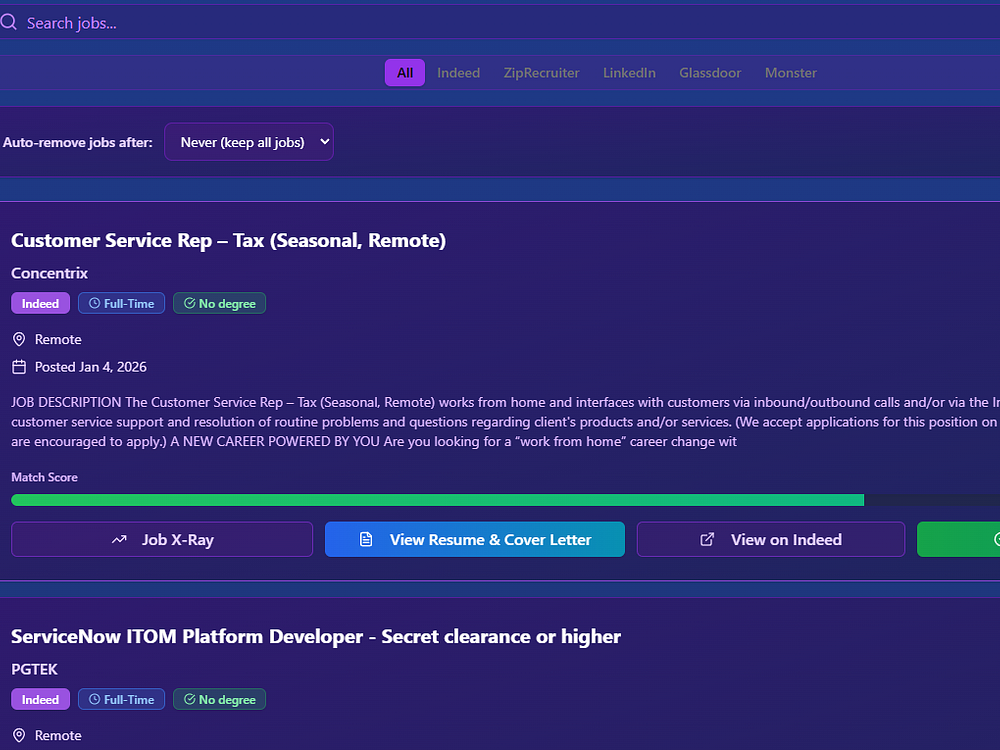
JobHustler automates your job search across LinkedIn, ZipRecruiter, Indeed, Glassdoor, and Monster without browser extensions or platform credentials. It scans listings, filters for quality matches with a 70% fit score, and helps you act faster. Use built-in AI to tailor resumes and generate cover letters for each application, and get started on a free tier that never stops.







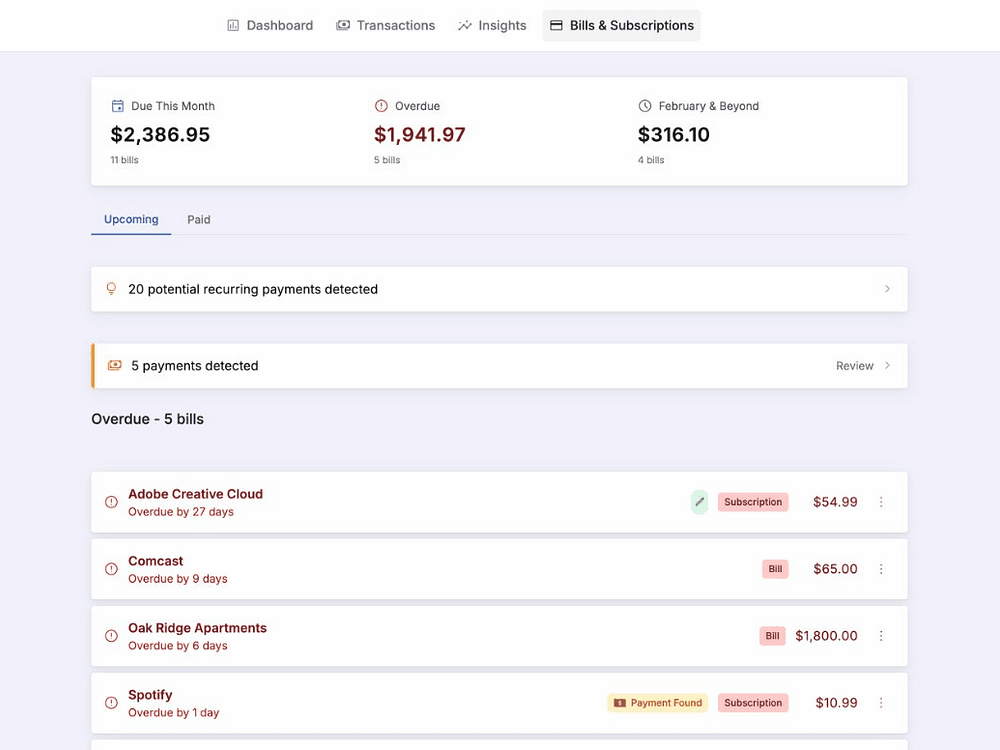
Nexafin automatically detects your recurring bills and shows what's due this week, what's overdue, and what's coming up. You can connect bank, credit, and investment accounts across 12,000+ institutions or import CSV/PDF statements if you prefer not to link. Enjoy a 30-day free trial.

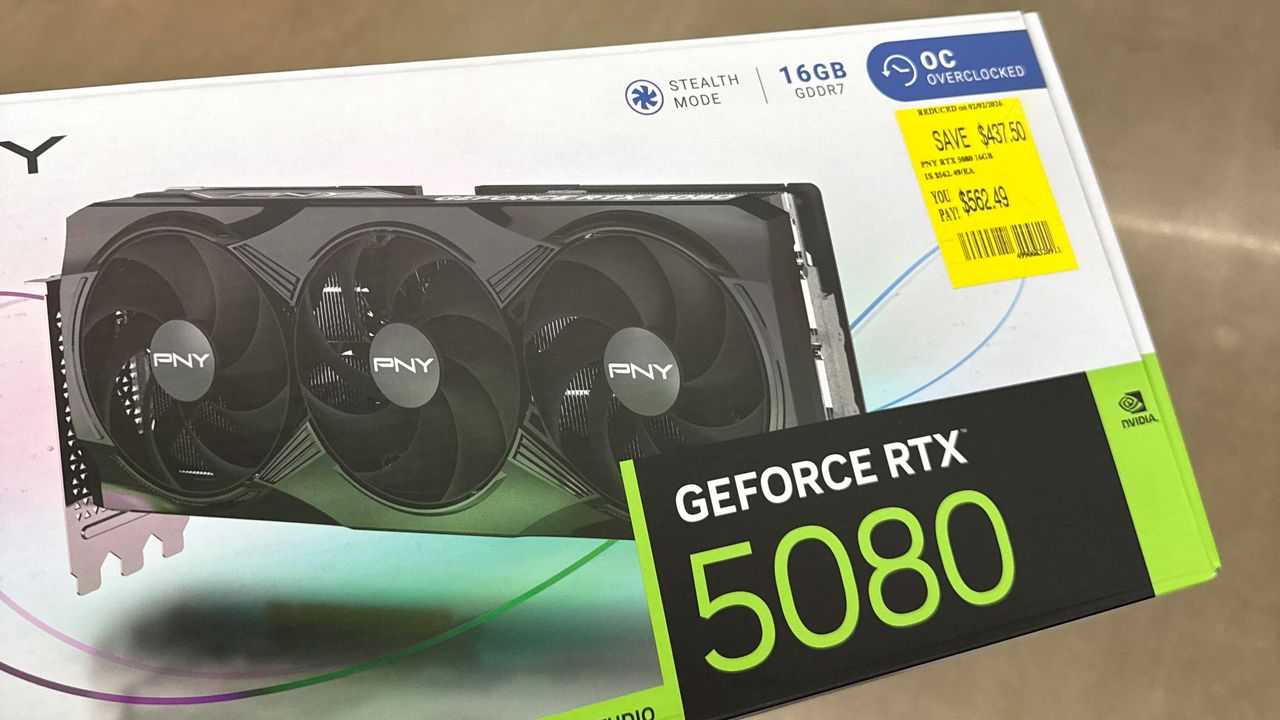
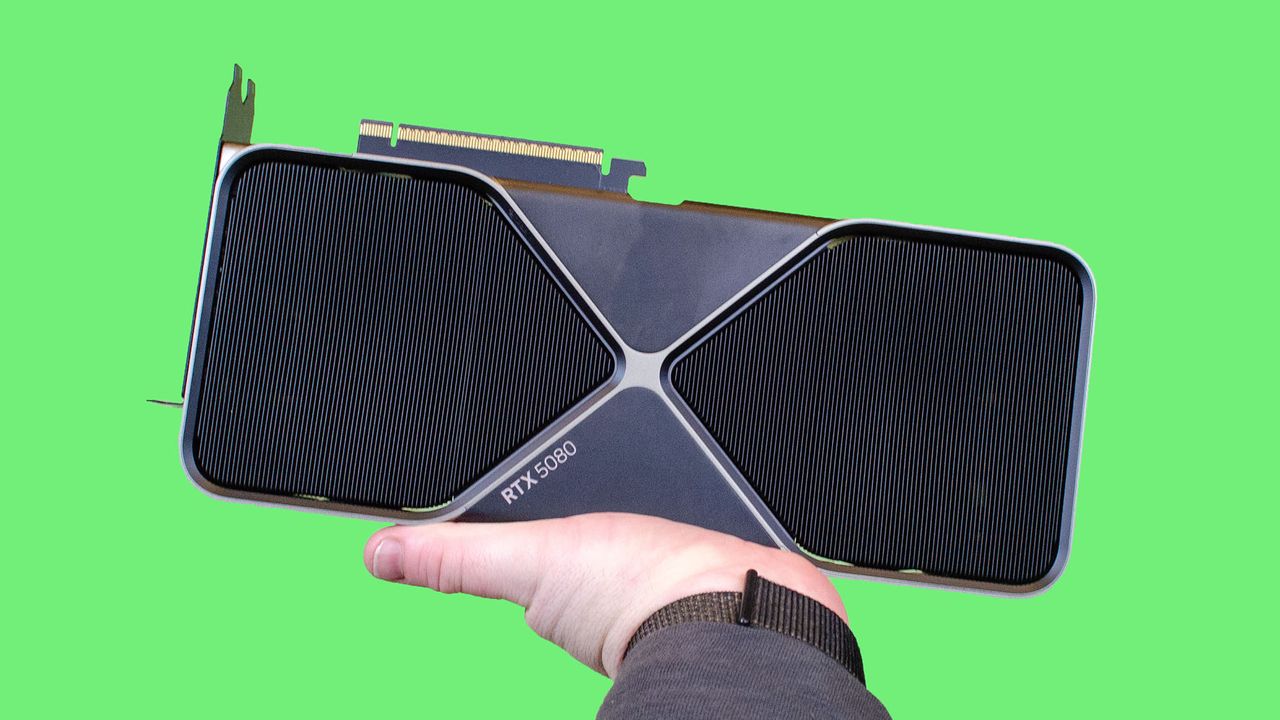
Nvidia’s RTX 60 series may have been pushed back to 2028 According to The Information (paywalled article), Nvidia has delayed its “Kicker” (RTX 50 SUPER) GPU lineup, citing memory shortages. As a knock-on effect, this change delays the next-generation of Nvidia GPUs, the RTX 60 series, until at least 2028. In December, Nvidia reportedly delayed […]
The post Nvidia delays next-gen RTX 60 series GPUs to 2028, report claims appeared first on OC3D.



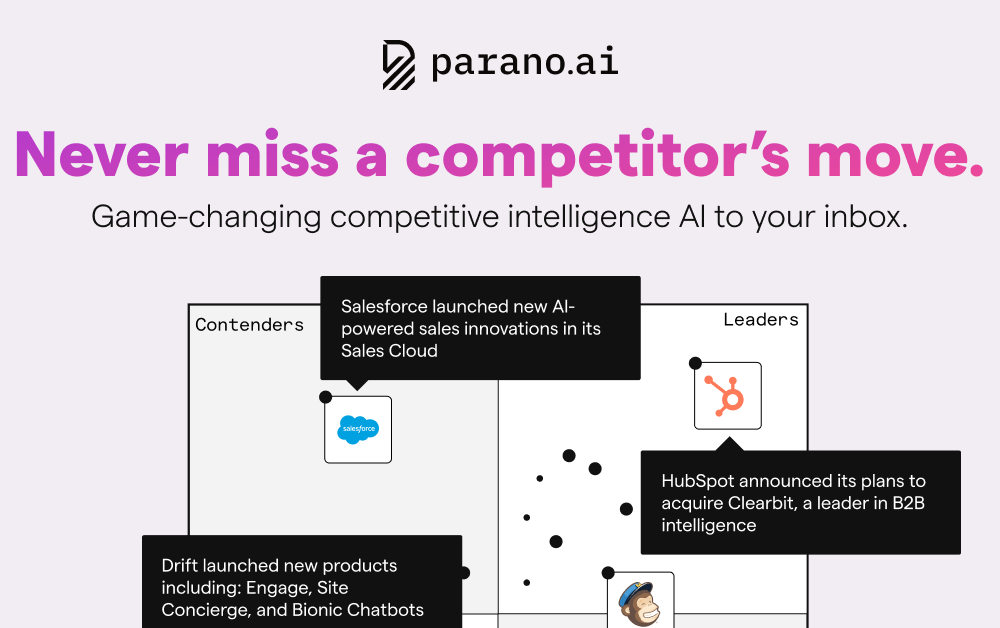
Parano.ai delivers AI-assisted competitive intelligence that tracks competitors’ marketing, product updates, pricing, reviews, hires, funding, and website changes in real time. It sends executive summaries, change-detection comparisons, and tailored alerts to your inbox, Slack, or Microsoft Teams.
Set your competitors, fine-tune signals with granular filters, and receive daily or weekly digests for faster decisions. Pricing is per competitor with unlimited seats.



Google's John Mueller offered a simple solution to the question of whether a passage is indexed and is ready to rank.
The post Google Shows How To Check Passage Indexing appeared first on Search Engine Journal.

It has been only a few days since Apple's new AirTag 2 hit the store shelves. Yet, iFixIt is now out with a teardown of the device, revealing interesting insights about the coin-like tracker. iFixIt: Apple AirTag 2 still does not sport "tamper proof" speakers iFixIt's teardown of the AirTag 2 has revealed a few interesting aspects about the new device: For the benefit of those who might not be aware, the new AirTag's key specs include: The new AirTag is available at the same $29 price point. You can also buy a bundle of 4 for $99.
Read full article at https://wccftech.com/apple-airtag-2-speakers-still-not-tamper-proof-as-per-an-ifixit-teardown/


AT&T’s subpar service and customer service were quickly in the negative spotlight when a customer on Reddit explained his horrible experience with the U.S. carrier concerning an iPhone 17 Pro that was supposed to arrive brand new at the designated address. Unfortunately, not only was the box shipped with a broken factory seal, but the device also had a smudged display, clearly indicating it had been opened before. Naturally, the first instinct would have been to return the product, which would have been a simple process, right? Wrong, and after the customer endured the excruciating after-sales support, he was charged triple […]
Read full article at https://wccftech.com/customer-says-att-iphone-17-pro-had-broken-seal-was-charged-triple/








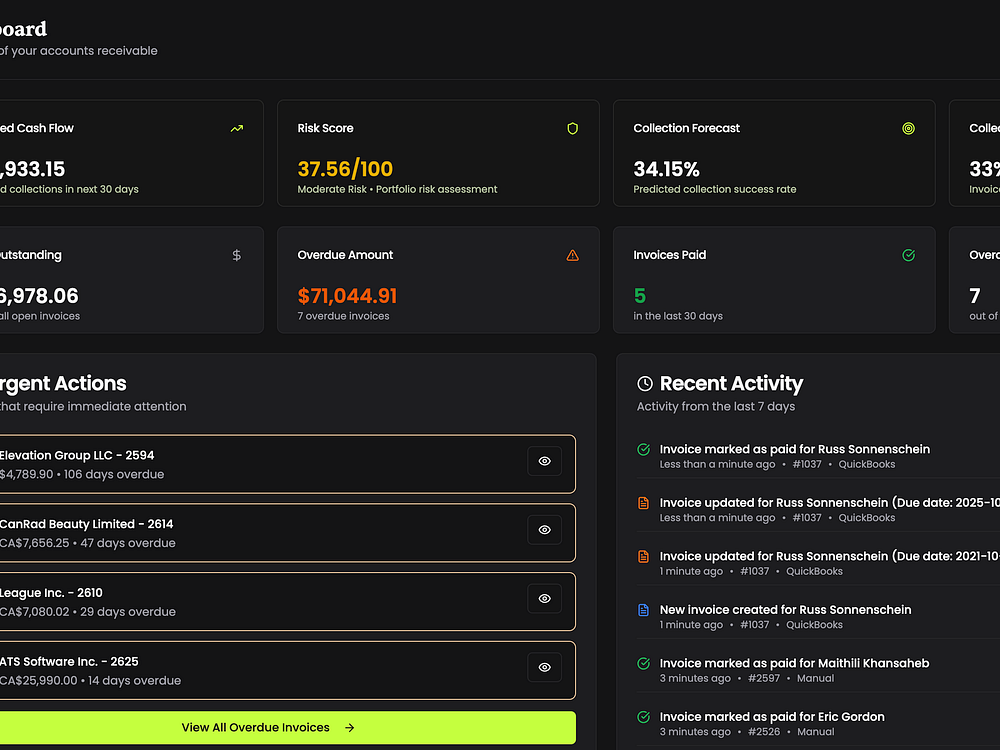
Resolut streamlines accounts receivable so you get paid on time and protect cash flow. Connect QuickBooks, orchestrate email, SMS, and phone reminders, and escalate with legal voice when needed, all without harming client relationships. The platform offers a dynamic billing portal with multiple payment options, automatic cash application, and AI-driven credit risk assessment. Use autopilot or co-pilot modes to balance automation with control, cut DSO, and eliminate administrative burdens across the full AR cycle.


Right now, there's a big air of mystery around MachineGames, and what its next project will be. The developer is mostly known for its take on the Wolfenstein series; its last game, Indiana Jones and the Great Circle, meant it took several years off from the Wolfenstein franchise to make a different kind of excellent Nazi-punching adventure. But now that its treasure-hunting adventure is out, with its own DLC, and will soon be available on the Nintendo Switch 2, the question once again becomes: what's next for MachineGames? Presumably, what's next is Wolfenstein 3, and in a recent interview with […]
Read full article at https://wccftech.com/it-can-be-now-it-can-be-later-but-were-not-done-with-it-machinegames-will-make-wolfenstein-3-eventually/


Tesla's CEO is highly optimistic about the prospect of computing in space, as Musk believes Earth's energy constraints hinder the advancement of AI. Tesla's CEO Claims Energy Is a Problem On Earth, But in Outer Space, Chips Will Be the Next Constraint As the world of AI infrastructure advances, many experts argue that the 'dot-com' moment for this buildout will come when hyperscalers realize there isn't enough energy on the grid to sustain datacenter development, which would ultimately lead to a compute glut. Energy is a massive constraint that the AI bandwagon currently witnesses, given that it is argued that […]
Read full article at https://wccftech.com/elon-musk-says-the-current-pace-of-ai-expansion-will-force-the-need-for-orbital-data-centers/


One mechanic that Embark Studios uses to keep players engaged in ARC Raiders is the game's Expeditions, which are essentially a big reset for your Raider. Things like your Workshop, player level, skill points, blueprints, coins, quests, and stash upgrade progress all get reset, letting you start again with new rewards and buffs to make your next round of Topside visits all the more intriguing. What makes Expeditions interesting to complete (and what helps keep players logging onto ARC Raiders each day) is that you have a limited amount of time to prepare for them, with Expeditions running on a […]
Read full article at https://wccftech.com/arc-raiders-players-can-prepare-for-the-second-expedition-with-a-new-catch-up-mechanic-and-lowered-stash-value-requirements/


Sports is the most discussed topic on X, which makes it a key focus for Threads as well.
The chatbot, called "Kai", will be able to help you find info within the group chat stream.
TikTok's updated its Co-Funded promotion option to help drive more sales.
The request stems from claims that Meta failed to act on teen safety advice.

For many local businesses, performance looks healthier than it is.
Rank trackers still show top-three positions. Visibility reports appear steady. Yet calls and website visits from Google Business Profiles are falling — sometimes fast.
This gap is becoming a defining feature of local search today.
Rankings are holding. Visibility and performance aren’t.
The alligator has arrived in local SEO.
Across multiple U.S. industries, traditional local 3-packs are being replaced — or at least supplemented — by AI-powered local packs. These layouts behave differently from the map results we’ve optimized in the past.
Analysis from Sterling Sky, based on 179 Google Business Profiles, reveals a pattern that’s hard to ignore. Clicks-to-call are dropping sharply for Jepto-managed law firms.
When AI-powered packs replace traditional listings, the landscape shifts in four critical ways:
A fifth issue compounds the problem:
AI local packs surfaced only 32% as many unique businesses as traditional map packs in 2026, according to Sterling Sky. In 88% of the 322 markets analyzed, the total number of visible businesses declined.
At the same time, paid ads continue to take over space once reserved for organic results, signaling a clear shift toward a pay-to-play local landscape.

The same pattern appears, especially in the U.S., where Google is aggressively testing new local formats, according to GMBapi.com data. Traditional local 3-pack impressions are increasingly displaced by:
Impression trends still fluctuate due to seasonality, market differences, and occasional API anomalies. But a much clearer signal emerges when you look at GBP actions rather than impressions.
Mentions inside AI-generated results are still counted as impressions — even when they no longer drive calls, clicks, or visits.

Some fluctuations are driven by external factors. For example, the June drop ties back to a known Google API issue. Mobile Maps impressions also appear heavily influenced by large advertisers ramping up Google Ads later in the year.
There’s no way to segment these impressions by Google Ads, organic results, or AI Mode.

Even there, however, user behaviour is changing. Interaction rates are declining, with fewer direct actions taken from local listings.
Year-on-year comparisons in the US suggest that while impression losses remain moderate and partially seasonal, GBP actions are disproportionately impacted.

As a counterfactual, data from the Dutch market — where SERP experimentation remains limited — shows far more stable action trends.

The pattern is clear. AI-driven SERP changes, expanding Google Ads, and the removal of call and website buttons from the Map Pack are shrinking organic real estate. Even when visibility looks intact, businesses have fewer chances to earn real user actions.
Historically, local optimization centered on familiar ranking factors: proximity, relevance, prominence, reviews, citations, and engagement.
Today, another layer sits above all of them: eligibility.
Many businesses fail to appear in AI-powered local results not because they lack authority, but because Google’s systems decide they aren’t an appropriate match for the specific query context. Research from Yext and insights from practitioners like Claudia Tomina highlight the importance of alignment across three core signals:
When these fundamentals are misaligned, businesses can be excluded from entire result types — no matter how well optimized the Google Business Profile itself may be.
Surviving today’s zero-click reality means moving beyond reliance on a single, perfectly optimized Google Business Profile. Here’s your new local SEO playbook.
Failure to appear in local packs is now driven more by perceived relevance and classification than by links or review volume.
AI systems cross-reference Reddit, social platforms, forums, and local directories to judge whether a business is legitimate and active. Inconsistent signals across these ecosystems quietly erode visibility.
High-quality, frequently updated photos, and increasingly video, are no longer optional. Google’s AI analyzes visual content to infer services, intent, and categorization.
It’s a hard truth, but Google Ads — especially Local Services Ads — are now critical to retaining prominent call buttons that organic listings are losing. A hybrid strategy that blends local SEO with paid search isn’t optional. It’s the baseline.
Local SEO is no longer a static directory exercise. Google Business Profiles still anchor local discoverability, but they now operate inside a much broader ecosystem shaped by AI validation, constant SERP experimentation, and Google’s accelerating push to monetize local search.
Discovery no longer hinges on where your GBP ranks against nearby competitors. Search systems — including Google’s AI-driven SERP features and large language models like ChatGPT and Gemini — are increasingly trying to understand what a business actually does, not just where it’s listed.
Success is no longer about being the most “optimized” profile. It’s about being widely verified, consistently active, and contextually relevant across the AI-visible ecosystem.
Our observations show little correlation between businesses that rank well in the traditional Map Pack and those favored by Google’s AI-generated local answers that are beginning to replace it. That gap creates a real opportunity for businesses willing to adapt.
In practice, this means pairing local input with central oversight.
Authentic engagement across multiple platforms, locally differentiated content, and real community signals must coexist with brand governance, data consistency, and operational scale. For single-location businesses with deep community roots, this is an advantage. Being genuinely discussed, recommended, and referenced in your local area — online and offline — gets you halfway there.
For agencies and multi-location brands, the challenge is to balance control with local nuance and ensure trusted signals extend beyond Google (e.g., Apple Maps, Tripadvisor, Yelp, Reddit, and other relevant review ecosystems). The real test is producing locally relevant content and citations at scale without losing authenticity.
Rankings may look stable. But performance increasingly lives somewhere else.
The full data. Local SEO in 2026: Why Your Rankings are Steady but Your Calls are Vanishing






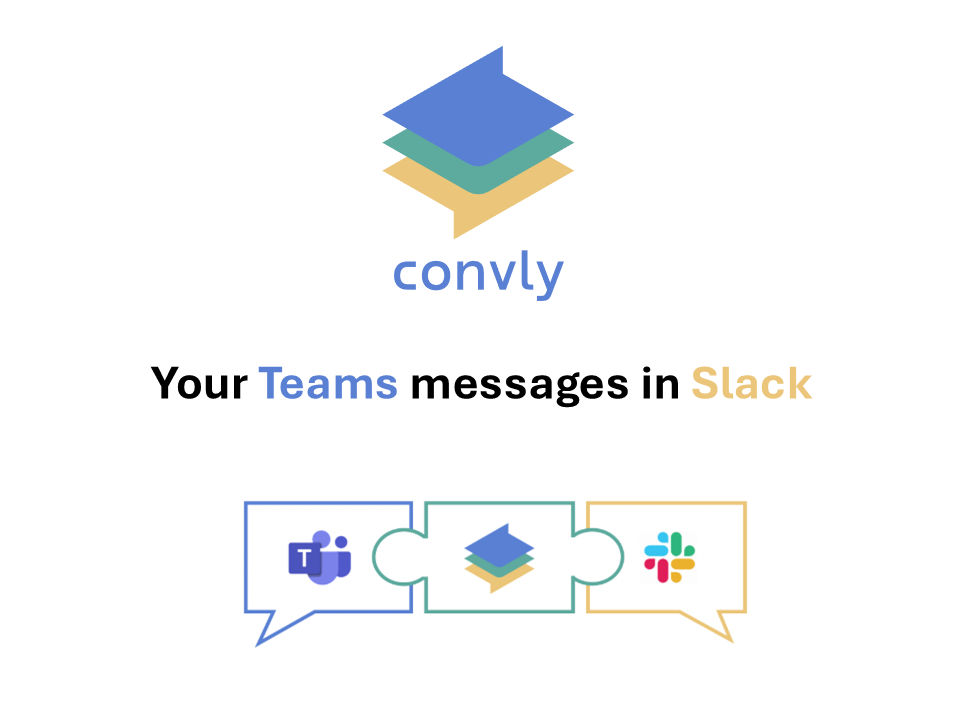
Convly is a solution that allows users to manage Microsoft Teams messages directly from Slack. It lets them stay in Slack while handling Teams direct messages, group chats, and meeting conversations. Convly supports formatted text, message edits and deletions, replies, images, and file sharing. It is useful for companies that use Slack while working with clients or partners on Teams, for organizations where different departments rely on different collaboration tools, and in M&A contexts where multiple platforms coexist. By bridging Slack and Microsoft Teams, Convly provides a practical way to maintain consistent communication across two widely used collaboration platforms.





Google has started a Discover core update. The rollout may take up to two weeks, with expansion to more countries and languages later.
The post Google Releases Core Update Targeting Discover Feed appeared first on Search Engine Journal.

Today, The Verge's Tom Warren has published some updates on the Xbox schedule for this year. In 2026, the Xbox brand celebrates its 25th anniversary, and Microsoft is trying to launch games in four of its biggest franchises: Forza Horizon, Halo, Gears, and Fable. We already know the date of Playground's Forza Horizon 6, which will be released on May 19, 2026, as announced during the recent Xbox Developer Direct 2026. Warren adds that his sources indicate Halo Studios (formerly known as 343 Industries) is targeting a Summer release for Halo Campaign Evolved, the single-player remake of the 2001 game […]
Read full article at https://wccftech.com/xbox-2026-schedule-halo-summer-kiln-april-new-controller/


Google wowed tech enthusiasts back in late 2025 when it made the Quick Share function for Pixel 10 devices compatible with Apple's AirDrop, allowing seamless file transfers between Android and iOS and ecosystems. Now, as per the comments from a Google bigwig, that seamless interplay is coming to a lot more devices in 2026. Google bringing the seamless interplay between Quick Share and Apple's AirDrop to a lot more Android devices this year We noted back in November 2025 that Google reverse-engineered AirDrop without any apparent input from Apple, essentially finding a workaround for seamless file transfers between Pixel 10 […]
Read full article at https://wccftech.com/google-confirms-compatibility-with-apples-airdrop-coming-to-android-phones-other-than-pixels/


Last week, as part of a flurry of showcases Blizzard Entertainment announced to start 2026, the studio hosted a World of Warcraft: State of Azeroth showcase, which dug into the roadmap the company has for the long-running MMORPG in 2026. Following that showcase, in an interview with The Game Business, game director Ion Hazzikostas and executive producer and vice president Holly Longdale went further into what they envision for the future of World of Warcraft, and the "bigger vision" they have for the franchise. It's clear that Blizzard has a lot coming for World of Warcraft. The game's next major […]
Read full article at https://wccftech.com/we-firmly-believe-our-best-years-are-ahead-of-us-blizzard-has-a-bigger-vision-for-world-of-warcraft/


 Learn how Google's NAI framework uses AI to make technology more adaptive, inclusive and helpful for everyone.
X is offering a $1 prize for the winning entry.

Google has released the February 2026 Discover core update, which focuses specifically on how content is surfaced in Google Discover.
Google said the update is rolling out first to English-language users in the U.S. and will expand to all countries and languages in the coming months. The rollout may take up to two weeks to complete, Google added.
What is expected. Google said the Discover core update will improve the “experience in a few key ways,” including:
Because the update prioritizes locally relevant content, it may reduce traffic for non-U.S. websites that publish news for a U.S. audience. That impact may lessen or disappear as the update expands globally.
More details. Google added that many sites demonstrate deep knowledge across a wide range of subjects, and its systems are built to identify expertise on a topic-by-topic basis. As a result, any site can appear in Discover, whether it covers multiple areas or focuses deeply on a single topic. Google shared an example:
Google said it will continue to “show content that’s personalized based on people’s creator and source preferences.”
During testing, Google found that “people find the Discover experience more useful and worthwhile with this update.”
Expect fluctuations. With this Discover core update, expect fluctuations in traffic from Google Discover.
Rollout. Google said it is “releasing this update to English language users in the US, and will expand it to all countries and languages in the months ahead. “
Why we care. If you get traffic from Google Discover, you may notice changes in that traffic in the coming days. Google recommends that if you need guidance, Google has “general guidance about core updates applies, as does our Get on Discover help page” in those help documents.
ASROCK implements “comprehensive internal reviews” in response to reports of CPU failures ASROCK has released an official statement in response to recent reports of AMD Ryzen 9000 CPU failures on their AM5 motherboards. The company claims that they have started a “comprehensive internal reviews and rigorous verification processes”. Additionally, they have been working in “seamless […]
The post ASROCK issues official statement on recent AMD Ryzen 9000 CPU failures appeared first on OC3D.



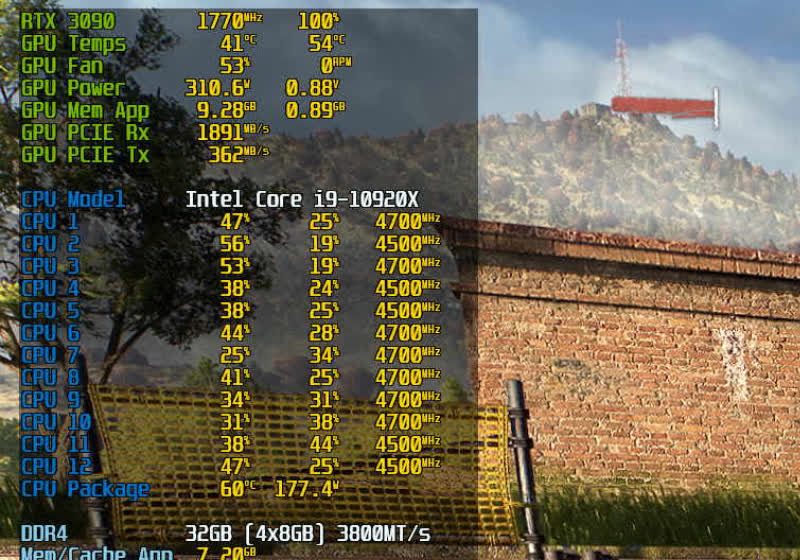
CapFrameX is a free Windows tool for capturing and analyzing PC gaming performance, with an emphasis on frame times, FPS behavior, and smoothness metrics like 1% and 0.1% lows.











As NVIDIA's cloud service GeForce NOW celebrates its sixth anniversary, with a new batch of games set to join the service, a new batch of games are also getting support for NVIDIA's DLSS 4 with Multi-Frame Generation, including the critically acclaimed Masocore from Team Ninja that will arrive on PC and PS5 tomorrow, Nioh 3. While the full game won't be available until tomorrow, February 6, 2026, if you haven't already, you can download the Nioh 3 demo to get yourself prepared for the full release. The demo and the full game both support NVIDIA DLSS 4 with Multi-Frame Generation. […]
Read full article at https://wccftech.com/nioh-3-sea-of-remnants-and-vampires-bloodlord-rising-add-support-for-nvidia-dlss-4-with-multi-frame-generation/


Today, Guerrilla Games has finally unveiled its upcoming online co-op action game: Horizon Hunters Gathering. Announced over four years ago, the game indeed features the stylized, slightly cartoonish look players got a glimpse of in early 2023 with the footage leak. It's undoubtedly a big departure from the main series' trademark highly realistic visuals, and it remains to be seen whether it will resonate with fans. Visually, at least, the MMORPG Horizon Steel Frontiers, in development at NCSoft, certainly looks more similar to the main games. Anyway, first and foremost, Guerrilla's Game Director Arjan Bak reassured fans that they're not going to stop […]
Read full article at https://wccftech.com/horizon-hunters-gathering-guerrilla-cartoonish-coop-game/


If the report is true, then we will have to wait a few more months before seeing the next-gen gaming handhelds powered by newer Intel chips. Intel Reportedly Delays Panther Lake for Gaming Handhelds to Q2 2026; Two SKUs with 12 and 10 Xe3 Cores Supposedly in the Making Not long ago, Intel's VP and GM, Robert Hallock, confirmed that dedicated Panther Lake SoCs for gaming handhelds will be released this year. While Robert didn't share any details on the launch, the prominent leaker "Golden Pig Upgrade" suggested the launch at the end of Q1 2026. The leaker said in […]
Read full article at https://wccftech.com/intel-gaming-handheld-specific-panther-lake-chips-rumoredly-delayed-to-second-quarter-2026/


Apple might release the iPhone 17e in a matter of days, if the latest rumors from the Cupertino giant's labyrinthine supply chain are anything to go by. Apple iPhone 17e reportedly launching on February 19 According to the rumors circulating within Apple's case and accessory manufacturing circles, the Cupertino giant might launch the iPhone 17e via a press release on Thursday, February 19. Do note that Apple typically launches new products on Mondays or Tuesdays, with Wednesdays also seeing occasional launches. As such, a Thursday launch is quite aberrant for Apple. It is for this reason that we would urge […]
Read full article at https://wccftech.com/supply-chain-rumors-suggest-apple-iphone-17e-might-launch-on-february-19/


Samsung’s Heat Pass Block (HPB) is currently applied to the Exynos 2600 and is an excellent implementation to help lower temperatures and improve thermal resistance by 16 percent. With reports doing the rounds that other chipset makers will also adopt this technology to their SoCs, the latest rumor now claims that Qualcomm will be implementing it in its Snapdragon 8 Elite Gen 6 Pro and Snapdragon 8 Elite Gen 6 later this year. Looking at the high clock speeds achieved by the Snapdragon 8 Elite Gen 5, the thermal limitations of passive coolers like vapor chambers are already being reached, requiring more […]
Read full article at https://wccftech.com/qualcomm-to-use-samsung-heat-pass-block-technology-for-snapdragon-8-elite-gen-6/


Today's Nintendo Direct Partner Showcase event had a lot of announcements that were exciting for players who don't have any other console or device to play games on besides a Nintendo Switch 2, because most of the biggest announcements were about games already available elsewhere coming to the Switch 2. Three of those bigger ports all came from Bethesda, as Bethesda Game Studios boss Todd Howard appeared to reveal that Indiana Jones and the Great Circle, The Elder Scrolls IV: Oblivion Remastered, and Fallout 4: Anniversary Edition are all coming to Nintendo Switch 2 in 2026. Two out of three […]
Read full article at https://wccftech.com/a-trio-of-bethesda-ports-are-coming-to-nintendo-switch-2-in-2026-fallout-4-indiana-jones-and-oblivion-remastered/


 Google Cloud built an industry-first AI tool to help U.S. Ski and Snowboard athletes.

Most PPC teams still build campaigns the same way: pull a keyword list, set match types, and organize ad groups around search terms. It’s muscle memory.
But Google’s auction no longer works that way.
Search now behaves more like a conversation than a lookup. In AI Mode, users ask follow-up questions and refine what they’re trying to solve. AI Overviews reason through an answer first, then determine which ads support that answer.
In Google Ads, the auction isn’t triggered by a keyword anymore – it’s triggered by inferred intent.
If you’re still structuring campaigns around exact and phrase match, you’re planning for a system that no longer exists. The new foundation is intent: not the words people type, but the goals behind them.
An intent-first approach gives you a more durable way to design campaigns, creative, and measurement as Google introduces new AI-driven formats.
Keywords aren’t dead, but they’re no longer the blueprint.
Here’s what’s actually happening when someone searches now.
Google’s AI uses a technique called “query fan out,” splitting a complex question into subtopics and running multiple concurrent searches to build a comprehensive response.
The auction happens before the user even finishes typing.
And crucially, the AI infers commercial intent from purely informational queries.
For instance, someone asks, “Why is my pool green?” They’re not shopping. They’re troubleshooting.
But Google’s reasoning layer detects a problem that products can solve and serves ads for pool-cleaning supplies alongside the explanation. While the user didn’t search for a product, the AI knew they would need one.
This auction logic is fundamentally different from what we’re accustomed to. It’s not matching your keyword to the query. It’s matching your offering to the user’s inferred need state, based on conversational context.
If your campaign structure still assumes people search in isolated, transactional moments, you’re missing the journey entirely.

Dig deeper: How to build a modern Google Ads targeting strategy like a pro
An intent-first strategy doesn’t mean you stop doing keyword research. It means you stop treating keywords as the organizing principle.
Instead, you map campaigns to the why behind the search.
The same intent can surface through dozens of different queries, and the same query can reflect multiple intents depending on context.
“Best CRM” could mean either “I need feature comparisons” or “I’m ready to buy and want validation.” Google’s AI now reads that difference, and your campaign structure should, too.
This is more of a mental model shift than a tactical one.
You’re still building keyword lists, but you’re grouping them by intent state rather than match type.
You’re still writing ad copy, but you’re speaking to user goals instead of echoing search terms back at them.
Once campaigns are organized around intent instead of keywords, the downstream implications show up quickly – in eligibility, landing pages, and how the system learns.
If you want to show up inside AI Overviews or AI Mode, you need broad match keywords, Performance Max, or the newer AI Max for Search campaigns.
Exact and phrase match still work for brand defense and high-visibility placements above the AI summaries, but they won’t get you into the conversational layer where exploration happens.
It’s not enough to list product features anymore. If your page explains why and how someone should use your product (not just what it is), you’re more likely to win the auction.
Google’s reasoning layer rewards contextual alignment. If the AI built an answer about solving a problem, and your page directly addresses that problem, you’re in.
The algorithm prioritizes rich metadata, multiple high-quality images, and optimized shopping feeds with every relevant attribute filled in.
Using Customer Match lists to feed the system first-party data teaches the AI which user segments represent the highest value.
That training affects how aggressively it bids for similar users.
Dig deeper: In Google Ads automation, everything is a signal in 2026
Even as intent-first campaigns unlock new reach, there are still blind spots in reporting, budget constraints, and performance expectations you need to plan around.
Google doesn’t provide visibility into how ads perform specifically in AI Mode versus traditional search.
You’re monitoring overall cost-per-conversion and hoping high-funnel clicks convert downstream, but you can’t isolate which placements are actually driving results.
AI-powered campaigns like Performance Max and AI Max need meaningful conversion volume to scale effectively, often 30 conversions in 30 days at a minimum.
Smaller advertisers with limited budgets or longer sales cycles face what some call a “scissors gap,” in which they lack the data needed to train algorithms and compete in automated auctions.
AI Mode attracts exploratory, high-funnel behavior. Conversion rates won’t match bottom-of-the-funnel branded searches. That’s expected if you’re planning for it.
It becomes a problem when you’re chasing immediate ROAS without adjusting how you define success for these placements.
Dig deeper: Outsmarting Google Ads: Insider strategies to navigate changes like a pro
You don’t need to rebuild everything overnight.
Pick one campaign where you suspect intent is more complex than the keywords suggest. Map it to user goal states instead of search term buckets.
Test broad match in a limited way. Rewrite one landing page to answer the “why” instead of just listing specs.
The shift to intent-first is not a tactic – it’s a lens. And it’s the most durable way to plan as Google keeps introducing new AI-driven formats.

Google Search is entering an “expansionary moment,” fueled by longer queries, more follow-up questions, and rising use of voice and images. That’s according to Alphabet’s executives who spoke on last night’s Q4 earnings call.
Why we care. AI in Google Search is no longer an experiment. It’s a structural shift that’s changing how people search and reshaping discovery, visibility, and traffic across the web.
By the numbers. Alphabet’s Q4 advertising revenue totaled $82.284 billion, up 13.5% from $72.461 billion 2024:
Alphabet’s 2025 fiscal year advertising revenue totaled $294.691 billion, up 11.4% from $264.590 billion in 2024:
AI Overviews and AI Mode are now core to Search. Alphabet CEO Sundar Pichai said Google pushed aggressively on AI-powered search features in Q4, highlighting how central they’ve become to the product.
This includes Google upgrading AI Overviews to its Gemini 3 model. He said the company has tightly linked AI Overviews with conversational search.
AI is driving more Google Search usage. Executives repeatedly described AI-driven search as additive, saying it boosts overall usage rather than replacing traditional queries.
Engagement rises once users interact with AI-powered features, Google said.
Changing search behavior. Google shared new data points showing how AI Mode is changing search behavior — making queries longer, more conversational, and increasingly multimodal.
Sessions are also becoming more conversational.
AI Mode is also expanding beyond text.
Google highlighted continued distribution of visual search capabilities, noting that:
Gemini isn’t cannibalizing Search. As the Gemini app continues to grow, Google says it hasn’t seen signs that users are abandoning Search.
Instead, Google said users move fluidly between Search, AI Overviews, AI Mode, and the Gemini app.

AI is no longer an experimental layer in search. It’s actively mediating how customers discover, evaluate, and choose local businesses, increasingly without a traditional search interaction.
The real risk is data stagnation. As AI systems act on local data for users, brands that fail to adapt risk declining visibility, data inconsistencies, and loss of control over how locations are represented across AI surfaces.
Learn how AI is changing local search and what you can do to stay visible in this new landscape.

We are experiencing a platform shift where machine inference, not database retrieval, drives decisions. At the same time, AI is moving beyond screens into real-world execution.
AI now powers navigation systems, in-car assistants, logistics platforms, and autonomous decision-making.
In this environment, incorrect or fragmented location data does not just degrade search.
It leads to missed turns, failed deliveries, inaccurate recommendations, and lost revenue. Brands don’t simply lose visibility. They get bypassed.
Local search has become an AI-first, zero-click decision layer.
Multi-location brands now win or lose based on whether AI systems can confidently recommend a location as the safest, most relevant answer.
That confidence is driven by structured data quality, Google Business Profile excellence, reviews, engagement, and real-world signals such as availability and proximity.
For 2026, the enterprise risk is not experimentation. It’s inertia.
Brands that fail to industrialize and centralize local data, content, and reputation operations will see declining AI visibility, fragmented brand representation, and lost conversion opportunities without knowing why.
Here are four key ways the growth in AI search is changing the local journey:
Businesses that don’t grasp these changes quickly won’t fall behind quietly. They’ll be algorithmically bypassed.
Dig deeper: The enterprise blueprint for winning visibility in AI search
AI systems build memory through entity and context graphs. Brands with clean, connected location, service, and review data become default answers.
Local queries increasingly fall into two intent categories: objective and subjective.
This distinction matters because AI systems treat risk differently depending on intent.
For objective queries, AI models prioritize first-party sources and structured data to reduce hallucination risk. These answers often drive direct actions like calls, visits, and bookings without a traditional website visit ever occurring.
For subjective queries, AI relies more heavily on reviews, third-party commentary, and editorial consensus. This data normally comes from various other channels, such as UGC sites.
Dig deeper: How to deploy advanced schema at scale
Industry research has shown that for objective local queries, brand websites and location-level pages act as primary “truth anchors.”
When an AI system needs to confirm hours, services, amenities, or availability, it prioritizes explicit, structured core data over inferred mentions.
Consider a simple example. If a user asks, “Find a coffee shop near me that serves oat milk and is open until 9,” the AI must reason across location, inventory, and hours simultaneously.
If those facts are not clearly linked and machine-readable, the brand cannot be confidently recommended.
This is why freshness, relevance, and machine clarity, powered by entity-rich structured data, help AI systems interpret the right response.
Ensure your data is fresh, relevant, and clear with these tips:
Dig deeper: From search to answer engines: How to optimize for the next era of discovery
Historically, local search was managed as a collection of disconnected tactics: listings accuracy, review monitoring, and periodic updates to location pages.
That operating model is increasingly misaligned with how local discovery now works.
Local discovery has evolved into an end-to-end enterprise journey – one that spans data integrity, experience delivery, governance, and measurement across AI-driven surfaces.
Listings, location pages, structured data, reviews, and operational workflows now work together to determine whether a brand is trusted, cited, and repeatedly surfaced by AI systems.
Local 4.0 is a practical operating model for AI-first local discovery at an enterprise scale. The focus of this framework is to ensure your brand is callable, verifiable, and safe for AI systems to recommend.
To understand why this matters, it helps to look at how local has evolved:

Local 4.0 is a new operating model for AI-first local discovery at enterprise scale. The focus is on understanding, verifying, and recommending based on consumer intent.
In an AI-mediated environment, brands are no longer merely present. They are selected, reused, or ignored – often without a click. This is the core transformation enterprise leaders must internalize as they plan for 2026.
Dig deeper: AI and local search: The new rules of visibility and ROI

Discovery in an AI-driven environment is fundamentally about trust. When data is inconsistent or noisy, AI systems treat it as a risk signal and deprioritize it.
Core elements include:

Why ‘legacy’ sources still matter
Listings act as verification infrastructure. Interestingly, research suggests that LLMs often cross-reference data against highly structured legacy directories (such as MapQuest or the Yellow Pages).
While human traffic to these sites has waned, AI systems utilize them as “truth anchors” because their data is rigidly structured and verified.
If your hours are wrong on MapQuest, an AI agent may downgrade its confidence in your Google Business Profile, viewing the discrepancy as a risk.
Discovery is no longer about being crawled. It’s about being trusted and reused. Governance matters because ownership, workflows, and data quality now directly affect brand risk.
Dig deeper: 4 pillars of an effective enterprise AI strategy
AI systems increasingly reward data that is current, efficiently crawled, and easy to validate.
Stale content is no longer neutral. When an AI system encounters outdated information – such as incorrect hours, closed locations, or unavailable services – it may deprioritize or avoid that entity in future recommendations.
For enterprises, freshness must be operationalized, not managed manually. This requires tightly connecting the CMS with protocols like IndexNow, so updates are discovered and reflected by AI systems in near real time.
Beyond updates, enterprises must deliberately design for local-level engagement and signal velocity. Fresh, locally relevant content – such as events, offers, service updates, and community activity – should be surfaced on location pages, structured with schema, and distributed across platforms.
In an AI-first environment, freshness is trust, and trust determines whether a location is surfaced, reused, or skipped entirely.
Unlocking ‘trapped’ data
A major challenge for enterprise brands is “trapped” data, which is vital information, often locked behind PDFs, menu images, or static event calendars.
For example, a restaurant group may upload a PDF of their monthly live music schedule. To a human, this is visible. To a search crawler, it’s often opaque. In an AI-first era, this data must be extracted and structured.
If an agent cannot read the text inside the PDF, it cannot answer the query: “Find a bar with live jazz tonight.”
Key focus areas include:
At enterprise scale, manual workflows break. Freshness is no longer tactical. It’s a competitive requirement.
Dig deeper: Chunk, cite, clarify, build: A content framework for AI search
AI does not select the best brand. It selects the location that best resolves intent.
Generic brand messaging consistently loses out to locally curated content. AI retrieval is context-driven and prioritizes specific attributes such as parking availability, accessibility, accepted insurance, or local services.
This exposes a structural problem for many enterprises: information is fragmented across systems and teams.
Solving AI-driven relevance requires organizing data as a context graph. This means connecting services, attributes, FAQs, policies, and location details into a coherent, machine-readable system that maps to customer intent rather than departmental ownership.
Enterprises should also consider omnichannel marketing approaches to achieve consistency.
Dig deeper: Integrating SEO into omnichannel marketing for seamless engagement
As AI-driven and zero-click journeys increase, traditional SEO metrics lose relevance. Attribution becomes fragmented across search, maps, AI interfaces, and third-party platforms.
Precision tracking gives way to directional confidence.
Executive-level KPIs should focus on:
The goal is not perfect attribution. It’s confidence that local discovery is working and revenue risk is being mitigated.
Dig deeper: 7 focus areas as AI transforms search and the customer journey in 2026
Fragmentation is a material revenue risk. When local data is inconsistent or disconnected, AI systems have lower confidence in it and are less likely to reuse or recommend those locations.
Treating local data as a living, governed asset and establishing a single, authoritative source of truth early prevents incorrect information from propagating across AI-driven ecosystems and avoids the costly remediation required to fix issues after they scale.
AI-mediated discovery is now the default – and local 4.0 gives enterprises control, confidence, and competitiveness by aligning data, experience, and governance into the AI discovery flywheel.
This isn’t about chasing trends; it’s about ensuring your brand is accurately represented and confidently chosen wherever customers discover you next.
Dig deeper: How to select a CMS that powers SEO, personalization and growth

AI-mediated discovery is becoming the default interface between customers and local brands.
Local 4.0 provides a framework for control, confidence, and competitiveness in that environment. It aligns data, experience, and governance around how AI systems actually operate through reasoning, verification, and reuse.
This is not about chasing AI trends. It’s about ensuring your brand is correctly represented and confidently recommended wherever customers discover you next.
Nvidia reportedly makes a 30% cut to its planned GPU supply in China A report on Board Channels has claimed that Nvidia is reducing its supply of GPUs by 30% in China. Currently, it is unknown how Nvidia’s GPU supply is impacted in other regions. If this report is true, Nvidia’s supply of GPUs may […]
The post Nvidia makes heavy cuts to GPU supply in China – Report appeared first on OC3D.






Vitalityfit is an independent comparison portal for over-the-counter medicines, cosmetics, and health products in Germany. It aggregates daily prices from over 50 verified online pharmacies and shops, allows you to order directly with merchants, and helps you save 20–30% on average. You can search by product, ingredient, or symptom, track multiple items with a wishlist, and browse guides to buy safely. Vitalityfit launched in 2019 and is free to use on the web and mobile apps (iOS and Android).
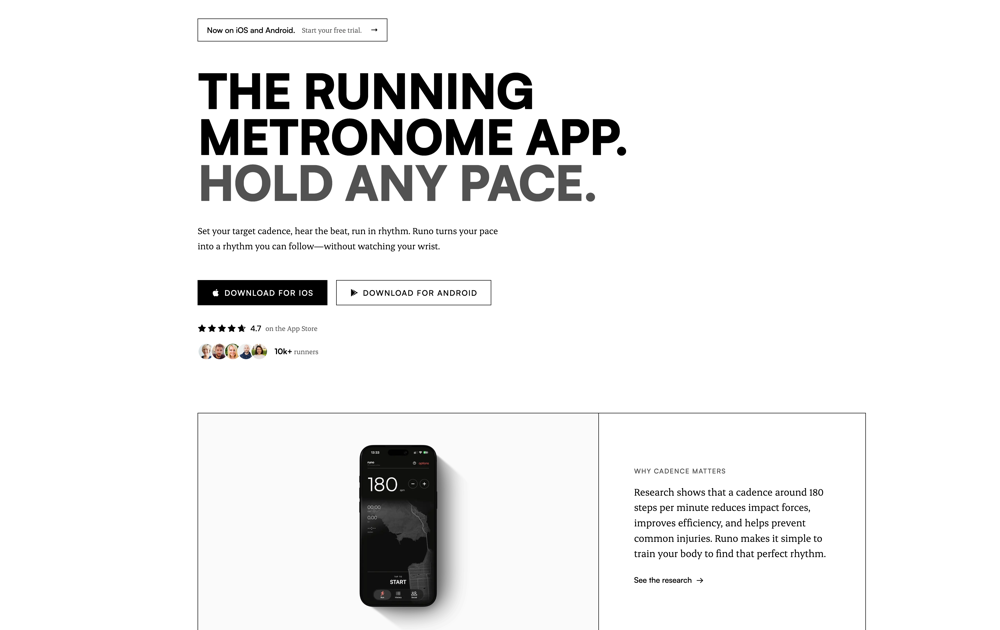
Runo is a running metronome that turns your target cadence into an audible beat so you can maintain pace without looking at your wrist. Set exact steps per minute from 120 to 220, layer the beat over music or podcasts, and review run history to track cadence trends. Runo syncs with Strava, connects to Bluetooth heart rate monitors, and includes an Apple Watch app with optional haptic cues. You can train with friends on leaderboards and build a consistent stride that improves efficiency and reduces injury risk.
















After it was rumoured to appear during today's Nintendo Direct Partner Showcase, once the showcase started, it didn't take too long for Final Fantasy VII Rebirth to appear, with a new trailer showcasing the second entry in the FFVII Remake Trilogy on Nintendo Switch 2, and a release date, with it arriving almost precisely as predicted: on June 3, 2026. Two weeks ago, the reliable insider NateTheHate pointed to Final Fantasy VII Rebirth arriving on Nintendo Switch 2 and Xbox Series X/S sometime this year. Following that, yesterday, ahead of today's Partner Showcase, NateTheHate pointed to Rebirth appearing at today's […]
Read full article at https://wccftech.com/final-fantasy-vii-rebirth-arrives-on-nintendo-switch-2-this-june/


NVIDIA's plans for this year's consumer GPU launches are unclear, but a new report says the RTX 50 SUPER series won't launch at all. NVIDIA's Consumer GPU Plans Are Currently Under Jeopardy, Driven by Memory Supply Constraints The DRAM supply shortage has forced GPU manufacturers to revise their roadmaps, leading to significant disruptions in many future launches. At this year's CES, we saw no talk about next-gen consumer GPUs at all, and the main reason is simply that getting the necessary chips has become difficult. Now, according to The Information, NVIDIA has "no plans" to launch a new GPU this […]
Read full article at https://wccftech.com/nvidia-reportedly-wont-launch-the-rtx-50-super-series-this-year/


Apple's upcoming low-cost MacBook is one of the year's most anticipated consumer devices. And, in what constitutes a nod to the ongoing memory crisis, the device will feature reduced RAM to preserve its low retail price. Apple's low-cost MacBook to retail at between $699 and $799 As per the reporting by Taiwan's Mirror Daily, Apple's upcoming low-cost MacBook is expected to sport the A18 Pro chip, the same SoC that powers the iPhone 16 Pro and Pro Max, and remains comparable to the M1 chip in performance. Surprisingly, and in what likely constitutes a nod to the constrained memory supply, […]
Read full article at https://wccftech.com/apples-low-cost-macbook-to-sport-a-reduced-8gb-ram-as-memory-crisis-bites-and-a-price-of-between-699-and-799/


As part of the company's third-quarter financial results, which revealed that the PS5 has sold over 92.2 million units as of December 31, 2025, and that Ghost of Yotei's launch sales managed to surpass the sales of Ghost of Tsushima, we also got an update from Sony's chief financial officer Lin Tao about how the company is handling the ongoing memory shortage crisis. The answer, which will delight anyone who was perhaps planning to pick up a PS5 in 2026, is that Sony has defended itself against the shortages - for now. "As for securing a supply of memory, we […]
Read full article at https://wccftech.com/sony-memory-shortages-ps5-ps5-pro/


NVIDIA's GeForce NOW cloud gaming service is turning six this month. As you might recall, it launched right as the COVID-19 pandemic started spreading globally in February 2020. The service has undoubtedly greatly improved over the last few years, convincing more publishers to bring their games to the cloud and also continuously improving the backend technology to raise the bar for cloud gaming, as they did a few months ago with the RTX Blackwell upgrade. NVIDIA took the opportunity to confirm that GFN users have streamed over one billion hours of gameplay to date. Given the ongoing memory shortage, it […]
Read full article at https://wccftech.com/geforce-now-turns-six-users-streamed-over-1b-hours-to-date/


The inner display belonging to the iPhone Fold is one of the most complex pieces present in Apple’s first foldable smartphone, with the technology giant previously reported to be experiencing technical problems in eliminating the crease, which is an area that was earlier said to have been addressed by the company. As the firm explores Ultra-Thin Glass (UTG) panels of varying thickness, a fresh report states that Apple is also mulling the use of a polyimide film (PI) placed on top of this glass to improve scratch resistance. Assuming this is what the Cupertino firm is planning, the iPhone Fold will be […]
Read full article at https://wccftech.com/iphone-fold-being-explored-with-polyimide-film-for-utg-for-better-scratch-resistance/


SpaceX is fast becoming a pivotal cornerstone of Elon Musk's almost unbounded space-related ambitions. Just last week, the mega-billionaire effected the $250 billion acquisition of xAI by SpaceX, bestowing a valuation of $1 trillion on SpaceX in the process and unlocking the preliminary stages of AI datacenters in space. Yet, Elon Musk's ambitions vis-à-vis SpaceX continue to grow, and might soon encompass a dedicated Starlink phone. SpaceX might launch a dedicated Starlink phone to corner the market for satellite-connected devices As per a report from Reuters, SpaceX is mulling the launch of a dedicated Starlink phone, quoting three different sources […]
Read full article at https://wccftech.com/spacex-tipped-to-launch-its-own-starlink-phone-as-elon-musks-ambitions-grow-ever-bolder/


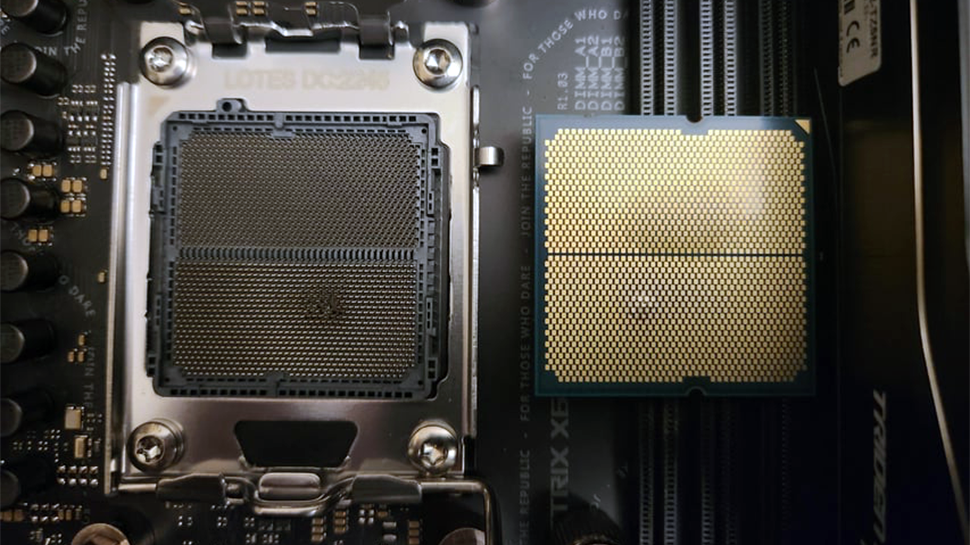
The company has started investigations to mitigate Ryzen 9000 CPU failures on AMD AM5 motherboards. ASRock Starts Internal Reviews and "Rigorous" Verifications for Ryzen 9000; BIOS Optimizations are Also Being Carried Out If you have been reading our reports on Ryzen 9000 series CPUs, you might be aware that most deaths happened on ASRock motherboards. While 800 series motherboards remain the number one killer of Ryzen 9000 CPUs, some reports have also surfaced on the 600 series motherboards. Ryzen 9000 CPU failures aren't uncommon, and it's not just limited to ASRock motherboards, but in comparison with other vendors, ASRock's AM5 […]
Read full article at https://wccftech.com/asrock-issues-official-statement-regarding-ryzen-9000-series-cpu-failures-on-its-am5-motherboards/



 Learn more about Google’s new ad that will run during football’s Big Game on February 8.

Right now, it’s hard to find a marketing conversation that doesn’t include two letters: AI.
SEOs, strategists, and marketing leaders everywhere are asking the same question in different ways:
Much of that thinking makes sense. If you run a business, you can’t ignore a tool that turns hours of grunt work into minutes. You’d be foolish to try.
But we’re spending too much time asking, “Can AI do this?” and not enough time asking, “Should AI do this?”
Once the initial excitement fades, some uncomfortable questions show up.
This isn’t anti-AI. I use AI. My team uses AI. You probably do, too.
This is about using AI well, using it intentionally, and not automating so much that you accidentally automate away the things that make you valuable.
The slippery part of automation? It rarely starts with big decisions. It starts with small ones that feel harmless.
First, you automate the boring admin. Then the repetitive writing. Then the analysis. Then client communication. Then, quietly, decision-making.
In SEO, “too much” often looks like this:
If this sounds harsh, that’s because it happens fast.
The promise is always “we’ll save time.” What usually happens is you save time and lose something else. Most often, you lose the sense that your marketing has a brain behind it.
This is the question I keep coming back to.
If everyone uses AI to create everything, the web fills up with content that looks and sounds the same. It might be polished. It might even be technically “good.” But it becomes interchangeable.
That creates two problems:
The irony?
Heavy automation often strips those things out. It produces “fine” content quickly, but it also produces content that could have come from anyone.
If your goal is authority, being indistinguishable isn’t neutral. It’s a liability.
This is where things start to get strange.
We’re already heading into a world where AI tools summarize content, other tools re-summarize those summaries, and someone publishes the result as if it’s new insight. It becomes a loop.
If you’ve ever asked a tool to write a blog post and it felt familiar but hard to place, that’s usually why. It isn’t creating knowledge from scratch. It’s remixing patterns.
Now imagine that happening at scale. Search engines crawl pages. Models summarize them. Businesses publish new pages based on those summaries. Agents use those pages to answer questions. Repeat.
Remove humans from the loop for too long, and you risk an internet that feels like it’s talking to itself. Plenty of words. Very little substance.
From an SEO perspective, that’s a serious problem. When the web floods with similar information, value shifts away from “who wrote the neatest explanation” and toward “who has something real to add.”
That’s why I keep coming back to the same point. The question isn’t “can AI do this?” It’s “should we use AI here, or should a human own this?”
There’s a quieter risk we don’t talk about enough.
If you let AI write every proposal, every contract, every strategy deck, and every content plan, you start outsourcing judgment.
You may still be the one who clicks “generate” and “send,” but the thinking has moved somewhere else.
Over time, you lose the habit of critical thinking. Not because you can’t think, but because you stop practicing. It’s the same way GPS makes you worse at directions. You can still drive, but you stop building the skill.
In SEO, judgment is one of our most valuable assets. Knowing:
AI can support decisions, but it can’t own them. If you automate that away, you risk becoming a delivery machine instead of a strategist. And authority doesn’t come from delivery.
Here’s a reality check agency owners feel in their bones.
Clients don’t stay because you can do the work. They stay because they:
It’s business, but it’s still human.
When you automate too much of the client experience, your service can start to feel cheap. Not in price, but in care.
The same thing happens in-house. Stakeholders want confidence. They want interpretation. They want someone to say, “This is what matters, and this is what we should do next.”
AI is excellent at producing outputs. It isn’t good at reassurance, context, or accountability. Those are human services, even when the work is digital.
If you automate content production without proper oversight, eventually you’ll publish something wrong.
Sometimes it’s small. A definition that is slightly off. A stat that is outdated. A recommendation that doesn’t fit the situation.
Sometimes it’s serious. Incorrect medical advice. Legal misinformation. Financial guidance that should never have gone live.
Even in low-risk niches, accuracy matters. When your content is wrong, trust erodes. When it’s wrong with confidence, trust disappears faster.
The more you scale AI output, the harder quality control becomes. That is where automation turns dangerous. You can produce content at speed, but you may not spot the decay until performance drops or, worse, a customer calls it out publicly.
Authority is fragile. It takes time to build and seconds to lose. Automation increases that risk because mistakes don’t stay small. They scale.
This is the part that often gets brushed aside in the rush to “implement AI.”
SEO and marketing work regularly involves sensitive information—sales data, customer feedback, conversion rates, pricing strategies, internal documents, and product roadmaps. Paste that into an AI tool without thinking, and you create risk.
Sometimes that risk is contractual. Sometimes it’s regulatory. Sometimes it’s reputational.
Even if your AI tools are configured securely, you still need an internal policy. Nothing fancy. Just clear rules on what can and can’t be shared, who can approve it, and how outputs are reviewed.
If you’re building authority as a brand, the last thing you want is to lose trust because you treated sensitive information casually in the name of efficiency.
Right now, there’s a window. Most businesses are still learning how to use AI well. That gives brands that move carefully a real edge.
That window won’t stay open.
In a few years, the market will be flooded with AI-generated content and AI-assisted services. The tools will be cheaper and more accessible. The baseline will rise.
When that happens, “we use AI” won’t be a differentiator anymore. It’ll sound like saying, “we use email.”
The real differentiator will be how you use it.
Do you use AI to churn out more of the same?
Or do you use it to buy back time so you can create things others can’t?
That’s the opportunity. AI can strip out the grunt work and give you time back. What you do with that time is where authority is built.
I suspect the SEO role is shifting.
Not away from execution entirely, but away from being valued purely for output. When a tool can generate a content draft, the value shifts to the person who can judge whether it’s the right draft — for the right audience, with the right angle, on the right page, at the right time.
In other words, the SEO becomes a director, not just a doer.
That looks like this:
If you’re trying to build authority, this shift is good news. It rewards expertise and judgment. It rewards people who can see the bigger picture and make decisions that go beyond “more content.”
AI is excellent at certain jobs. And if we’re honest, a lot of SEO work is repetitive and draining. That’s where AI shines.
AI can help you:
This is the sweet spot. Use AI to reduce friction and strip out the boring work. Then spend your time on the things that actually create differentiation.
In my experience, the best use of AI in SEO isn’t replacing humans. It’s giving humans more time to do the human parts properly.
There’s a lot of talk about personalized results. A future where each person gets answers tailored to their preferences, context, history, and intent.
That future may arrive. In some ways, it’s already here. Search results and recommendations aren’t neutral. They’re shaped by behavior and patterns.
Personalization could be great for users. It also raises the bar for brands.
If every user sees a slightly different answer, it gets harder to compete with generic content. Generic content fades into the background because it isn’t specific enough to be chosen.
That brings us back to the same truth: unique value wins. Real expertise wins. Original experience wins. Trust wins.
Automation can help you scale personalization — but only if the thinking behind it is solid. Automate personalization badly, and all you get is faster irrelevance.
So how do we move from “can AI do this?” to “should AI do this?”
The better approach is to decide what must stay human, what can be assisted, and what can be automated safely.
These are the questions I use when making that call:
These questions are simple, but they lead to far better decisions than, “the tool can do it, so let’s do it.”
To make this practical, here’s where I’d draw the line for most teams.
I’d happily automate or heavily assist:
I would not fully automate:
If you automate those, you may increase output, but you’ll often decrease loyalty. And loyalty is a form of authority.
The biggest risk isn’t that AI will take your job. It’s that you use it in a way that makes you replaceable.
If your brand turns into a machine that churns out generic output, it becomes hard to care.
If you want to build authority, you have to protect what makes you different. Your judgment. Your experience. Your voice. Your evidence. Your relationships.
AI can help if you use it to create space for better thinking. It can hurt if you use it to avoid thinking altogether.
It’s easy to get excited about AI doing everything. Saving on headcount. Producing output 24/7. Removing bottlenecks.
But the more important question is what you lose when you remove too much human involvement. Do you lose:
For most of us, the goal isn’t more marketing. The goal is marketing that works — for people we actually want to work with — in a way we can be proud of.
So yes, ask, “Can AI do this?” It’s a useful question.
Then ask, “Should AI do this?” That’s the one that protects your authority.
And if you’re unsure, start small. Automate the grunt work. Keep the thinking. Keep the voice. Keep the care.
That’s how you get the best of AI without automating away what makes you valuable.

As AI-driven bidding and automation transform paid media, first-party data has become the most powerful lever advertisers control.
In this conversation with Search Engine Land, Julie Warneke, founder and CEO of Found Search Marketing, explained why first-party data now underpins profitable advertising — no matter how Google’s position on third-party cookies evolves.
First-party data is customer information that an advertiser owns directly, usually housed in a CRM. It includes:
It doesn’t include platform-owned or browser-based data that advertisers can’t fully control.
Digital advertising has moved from paying for impressions, to clicks, to actions — and now to outcomes. The real goal is no longer conversions alone, but profitable conversions, according to Warneke.
As AI systems process far more signals than humans can handle, advertisers who supply high-quality customer data gain a clear advantage.
Rising cost-per-clicks are a fact of paid media. First-party data doesn’t always reduce CPCs, but it improves what matters more: conversion quality, revenue, and return on ad spend.
By optimizing for downstream business outcomes instead of surface-level metrics, advertisers can justify higher costs with stronger results.
When advertisers feed Google data tied to revenue and customer value, AI bidding systems can prioritize users who resemble high-value customers — often using signals far beyond demographics or geography.
The result is traffic that converts better, even if advertisers never see or control the underlying signals.
Among campaign types, Performance Max (PMax) currently benefits the most from first-party data activation.
PMax performs best when advertisers move away from manual optimizations and instead focus on supplying accurate, consistent data, then let the system learn, Warneke noted.
Small and mid-sized businesses aren’t disadvantaged by limited first-party data volume. Warneke shared examples of success with customer lists as small as 100 records.
The real hurdle for SMBs is infrastructure — specifically proper tracking, consent management, and reliable data pipelines.
Two issues stand out:
Warneke’s advice: Step back and audit how data is captured, stored, and sent back to platforms, then improve it incrementally.
There’s no need to overhaul everything at once or risk the entire budget. Even testing with 5–7% of spend can create a learning roadmap that delivers long-term gains.
AI optimizes toward the signals it receives — good or bad. Advertisers who own and refine their first-party data can shape outcomes in their favor, while those who don’t risk being optimized into inefficiency.


Intel’s ARC B390 graphics chip delivers console-like performance in Alan Wake 2, despite using higher game settings Intel’s Panther Lake ARC B390 graphics chip has been benchmarked against Microsoft’s Xbox Series S in Alan Wake 2, with Digital Foundry reporting strong performance from Intel’s integrated graphics. At both 30W and 45W TDPs, Intel’s iGPU delivered […]
The post Intel Panther Lake graphics deliver console-like performance in Alan Wake 2 appeared first on OC3D.
















TSMC is now looking to expand its fab operations in Kumamoto, Japan, as the chip giant now plans to introduce 3nm production lines, a massive upgrade from the previous plans. TSMC's Japan & US Projects Will Be On Par In Terms of Process Technologies Being Produced Within the Same Timeline The Taiwan chip giant has realized that expanding production in Taiwan alone won't do the job, given the gigantic node demand from the AI sector. More specifically, it is the advanced processes that are in significant demand by HPC customers, which is why production lines responsible for nodes like 3nm […]
Read full article at https://wccftech.com/tsmcs-japan-plans-are-now-looking-much-more-aggressive/


Starfield was the first unfortunate victim of Microsoft's acquisition of Bethesda, as the open-world space role-playing game was the first title from the studio in years to not hit a PlayStation console. However, things have changed a lot since the game's release, and with Microsoft's multiplatform pivot, it's only a matter of time until every previous Xbox console exclusive hits PlayStation 5. Now, after a rumored internal delay into 2026, it seems like the wait for Starfield to land on Sony's current-generation console is reportedly close to an end. In a new report shared today, Polish publication PPE revealed that […]
Read full article at https://wccftech.com/prepare-your-spaceships-starfield-is-reportedly-landing-on-playstation-5-in-april-2026/


Despite no official driver that supports Intel MFG on the Alchemist series, this user was able to turn it on using a quick copy-and-paste method. YouTuber Enables Intel Multi-Frame Generation on Arc A380 Using Simple Driver Modification; Unlocks Triple-Digit Frame Rates in Cyberpunk 2077 Intel's new XeSS3 Multi-Frame Generation feature has been announced for all the Arc GPUs, including the first generation of Arc graphics. However, the official driver for the older hardware hasn't been rolled out yet. It's a similar story for the Arc B series, which will soon get the XeSS 3 MFG support, but right now, users […]
Read full article at https://wccftech.com/intel-xess-3-multi-frame-generation-turned-on-intel-arc-a380-via-user-workaround/







Safely run even rm -rf / — all in your browser.






picAId turns ordinary property photos into professional-looking images. Upload photos from your phone and get enhanced results that improve lighting, color, and clarity for MLS and marketing. Agents and sellers save time and avoid expensive shoots while maintaining consistent, polished visuals across listings.










Nintendo is wasting no time in 2026. Following the successful launch of the Nintendo Switch 2 and its launch window games, the Japanese company returned with its Partner Showcase format to highlight the third-party titles coming to both the new hardware and the original Switch. Here's everything announced during the event, including new looks at new and already announced games and third-party port announcements. Official Livestream You can watch the full 30-minutes long Nintendo Direct Partner Showcase stream directly below. Every February 2026 Nintendo Direct Partner Showcase Announcement Orbitals The Nintendo Direct Partner Showcase opened with a new look at Orbitals, […]
Read full article at https://wccftech.com/watch-todays-nintendo-direct-partner-showcase-here-where-to-watch-and-what-to-expect/


Exactly a week after dropping the first 'Features Overview' video dedicated to the open world and story of Crimson Desert, developer Pearl Abyss has released the second entry in the series. The new video dives deep into the action/adventure RPG's combat mechanics and character progression ahead of its March 19, 2026 launch date. The showcase reveals a combat system designed around fluidity, expressiveness, and player choice, combined with progression paths that, according to the developers, will reward exploration and experimentation. At the heart of Crimson Desert's combat are weapon variety and seamless skill chaining. Players can wield an arsenal of […]
Read full article at https://wccftech.com/crimson-desert-second-features-overview-combat-depth-progression/


Smartphone chipset revenues for MediaTek crossed $10 billion for Q4 2025, with SoCs like the Dimensity 9500 and Dimensity 8500 contributing to those figures as the Taiwanese firm targets a wider adoption of its premium silicon. However, with this segment accounting for a whopping 59 percent of the total quarterly revenue, MediaTek could face some trouble down the road, as previous estimates have stated that the company will face a decline in chipset shipments in 2026, thanks to rising DRAM and NAND flash costs, but will still hold the top position this year over its rivals. A closer look at the […]
Read full article at https://wccftech.com/mediatek-q4-2025-smartphone-chipset-revenue-made-up-59-percent-of-total/


Sony has posted its own quarterly financial report, revealing that PS5 shipments have now reached 92.2 million units, up from 84.2 million units declared in the previous quarter. This means that Sony sold 8 million PlayStation 5 consoles in its fiscal Q3, a rather significant (-15.8%) decrease from Q3 2024. This is only slightly offset by marginally better PS5 shipments in Q1 and Q2 2025 compared to the previous year. Overall, in FY 2024, Sony had shipped 15.7 million units as of Q3, whereas this year, the total fiscal year sales to date amount to 14.4 million units, or -8.3%. […]
Read full article at https://wccftech.com/ps5-shipments-92-million-ghost-of-yotei-outsold-tsushima/


Compared to your typical action role-playing game, Nioh 3 is way more complex. Each of the weapons available in the game has extensive movesets that require multiple button combinations to accommodate the huge Martial Arts loadout that has now become typical for the series. While Nioh 3 streamlines the complexity of its predecessor's controls and button combinations, it adds unexpected mechanical challenges that make it difficult to consistently unleash Martial Arts set to specific motion and button combinations. Complete The Shogun's Preparation: change this setting ASAP to improve combat flow and ultimately make fighting enemies more enjoyable. Change the Controls to Type B ASAP […]
Read full article at https://wccftech.com/how-to/the-shoguns-preparation-change-this-setting-asap-in-nioh-3-to-improve-combat/



A platform for the world to vote on political leaders
Your All-in-one AI Copilot for MacOS
CLI control to monitor and work with Claude Code remotely
Native 4K output with extended video time with just a prompt
Full project management inside VS Code, Cursor & Windsurf
Your agent's personal remote computer and drive
Voice notes to LinkedIn and X viral content in seconds!
Built by Therapists, For Therapists
Turn code into visual docs, board context into code
Turn contracts into instant, actionable intelligence
Take-Two says that GTA 6 is handcrafted and doesn’t use Generative AI In an interview with GamesIndustry.biz, Take-Two Interactive’s CEO, Strauss Zelnick, has confirmed that Grand Theft Auto VI (GTA 6) has not used generative AI at any point in its development. “Their worlds are handcrafted”, the CEO said regarding Rockstar Games. However, the CEO […]
The post GTA 6 makes no use of Generative AI – Take-Two CEO confirms appeared first on OC3D.
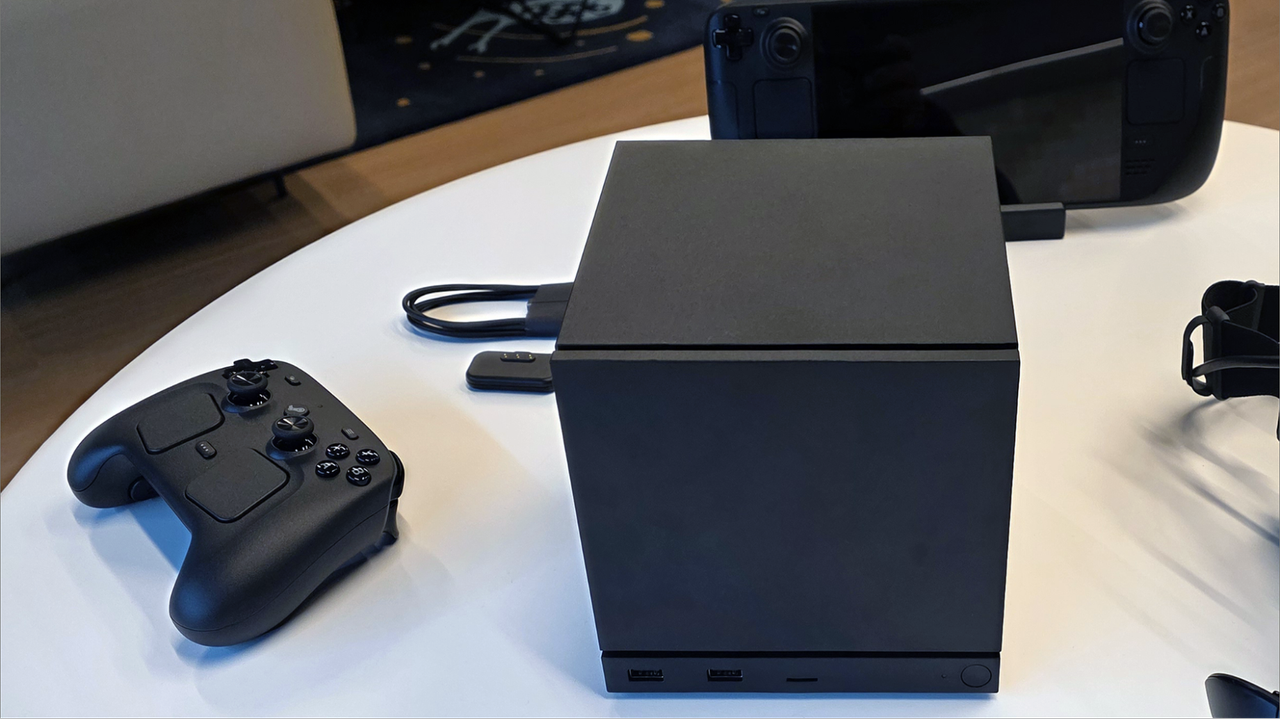
Valve discusses Steam Machine pricing and upgrade options As part of a new FAQ post on their Steam Machine gaming system, Valve has confirmed that their Steam Machine, Steam Controller, and Steam Frame hardware will launch in the first half of this year. Furthermore, Valve has confirmed that its Steam Machine is upgradable. Sadly, pricing remains […]
The post The Steam Machine will be upgradable! Valve Confirms appeared first on OC3D.





Forever Voice lets you create a living autobiography in your real voice so loved ones can ask questions and hear your stories through natural conversation. You author and approve the content, grounding responses in your words, memories, and values. Built with privacy and consent in mind, it offers private, permission-based access, strong encryption, and control over who can listen. Forever Voice also works with Times of My Life to capture and preserve your legacy.

Just a few hours after AMD CEO Lisa Su publicly shared that they expected the Steam Machine to start shipping in early 2026, Valve posted an update revealing there will actually be a slight delay. In a blog post dedicated to launch timing and other FAQs for the whole family of upcoming Steam Hardware products, Valve admitted they've had to revisit the shipping schedule and pricing due to the ongoing memory and storage shortages that have hit the tech industry hard. They had hoped to be able to share both the launch and price details by now, but that just […]
Read full article at https://wccftech.com/steam-machine-actually-gets-slight-delay-ram-shortage/


The M5 was announced back in October 2025, but Apple is just getting warmed up because it has plans to launch the M5 Pro, M5 Max, and M5 Ultra in the first half of 2026. Though the first two higher-end chipsets have been reported to launch around the time the company releases its macOS 26.3, it is the iOS 26.3 Beta that contains evidence of these SoCs. However, the release candidate only mentions two of the three silicon, casting a shadow of doubt in our minds as we discuss the details below. The M5 Pro wasn’t mentioned in the iOS 26.3 […]
Read full article at https://wccftech.com/ios-26-3-beta-reveals-only-two-m5-chipsets-one-version-missing/


Well, it appears the prospect of integrating Chinese memory into consumer products is becoming a reality, as major manufacturers are now exploring this route. HP, Dell, Acer & ASUS Are Currently Validating CXMT's DDR5 Modules, Rushing to Adopt Chinese Memory Memory shortages have grown massively in severity, and with that, OEMs on the client side have few options left to satisfy consumer demand. DRAM contract pricing is rising by triple-digit percentages each quarter, making it no longer feasible to buy DDR5/DDR4 modules in spot without passing the increased costs directly onto consumers. However, Nikkei Asia reports that major PC manufacturers […]
Read full article at https://wccftech.com/major-pc-manufacturers-are-surprisingly-exploring-integrating-chinese-memory-into-their-products/

Full stack vibe coding platform. Created by Vercel.
Instantly surface the assumptions behind a UI screenshot
Create motion images in a single prompt in an editing canvas
Real-time speech-to-text with speaker diarization
Never fill a PDF by hand again
Run Claude, Codex & Copilot directly in GitHub & VS Code
Ask in plain English. Get accurate answers from your data
AI that turns your melody into a full arrangement
Turn a prompt into a production-ready site with Webflow

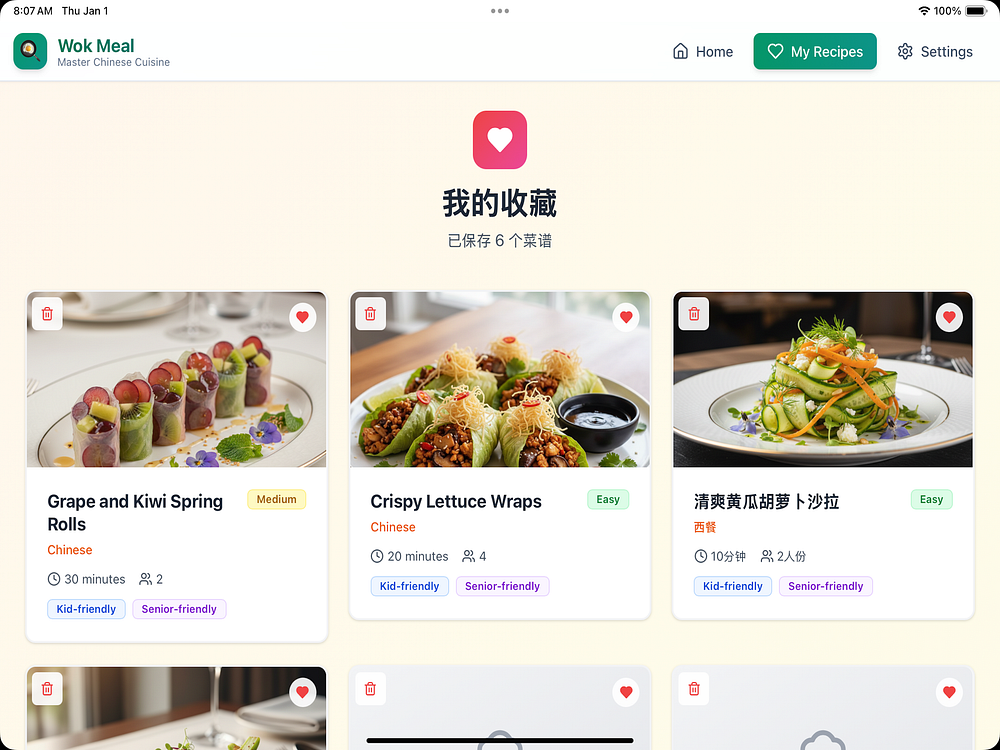
Wok Meal provides AI-powered meal planning that adapts to your tastes, ingredients, and lifestyle. Set preferences and dietary needs, add what’s in your pantry, and generate a weekly plan tailored to you. It creates a smart shopping list from your plan and keeps everything organized. Explore the community forum for ideas and tips, and refresh your plan anytime as your ingredients or schedule change.

This is when AI exits your screen and comes into real life. The Weekend Club organizes six-person brunches where you meet five new friends each weekend. It uses a short personality quiz, personal details, and availability for AI to curate compatible groups. Then it sends venue info and one-liner intros every Friday so you can just show up.
Designed for expats, nomads, and locals, it skips swipes and post-event messaging to keep connections real. Rate your table after brunch to refine future matches and explore new spots as the club expands across cities worldwide.







Google is testing ads in AI Mode as Search revenue grew 17% to $63 billion. AI Mode queries run 3x longer than traditional searches.
The post Google Search Hits $63B, Details AI Mode Ad Tests appeared first on Search Engine Journal.

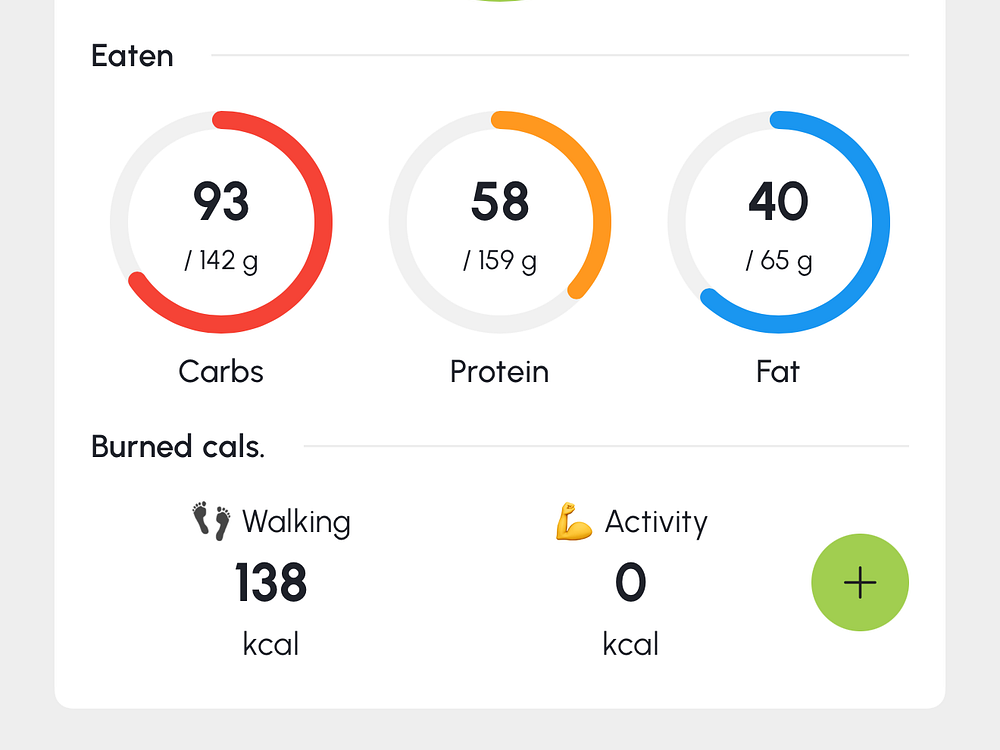
Calorie Smart AI is a nutrition and fitness tracker that helps you take control of your health. Log meals with your voice, recognize food with your camera, and track calories and macros to reach your targets faster. Keep workouts and progress in one place so you can stay consistent and achieve your goals.



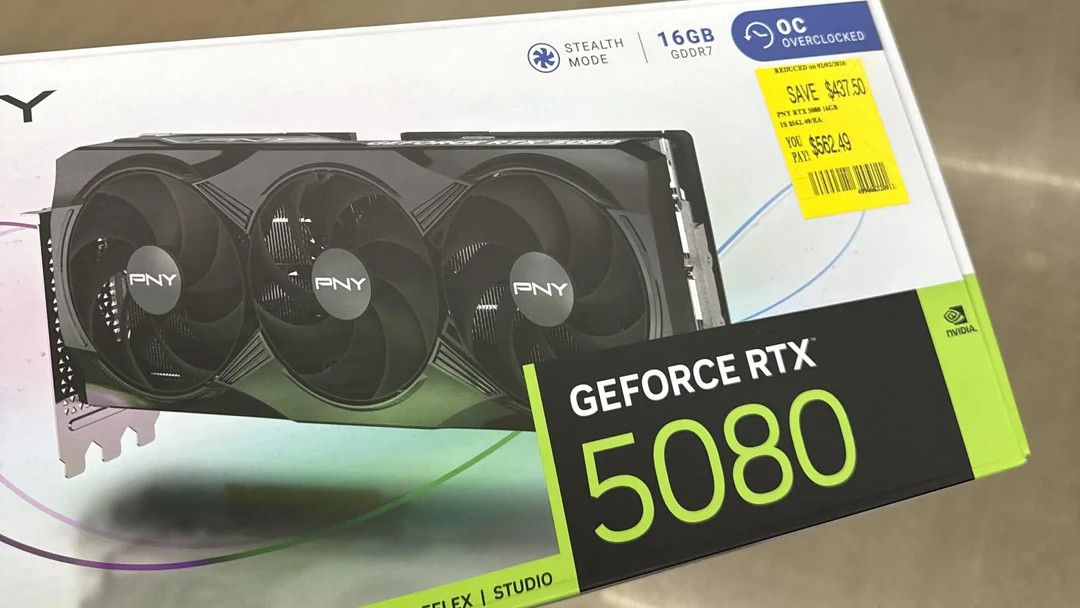
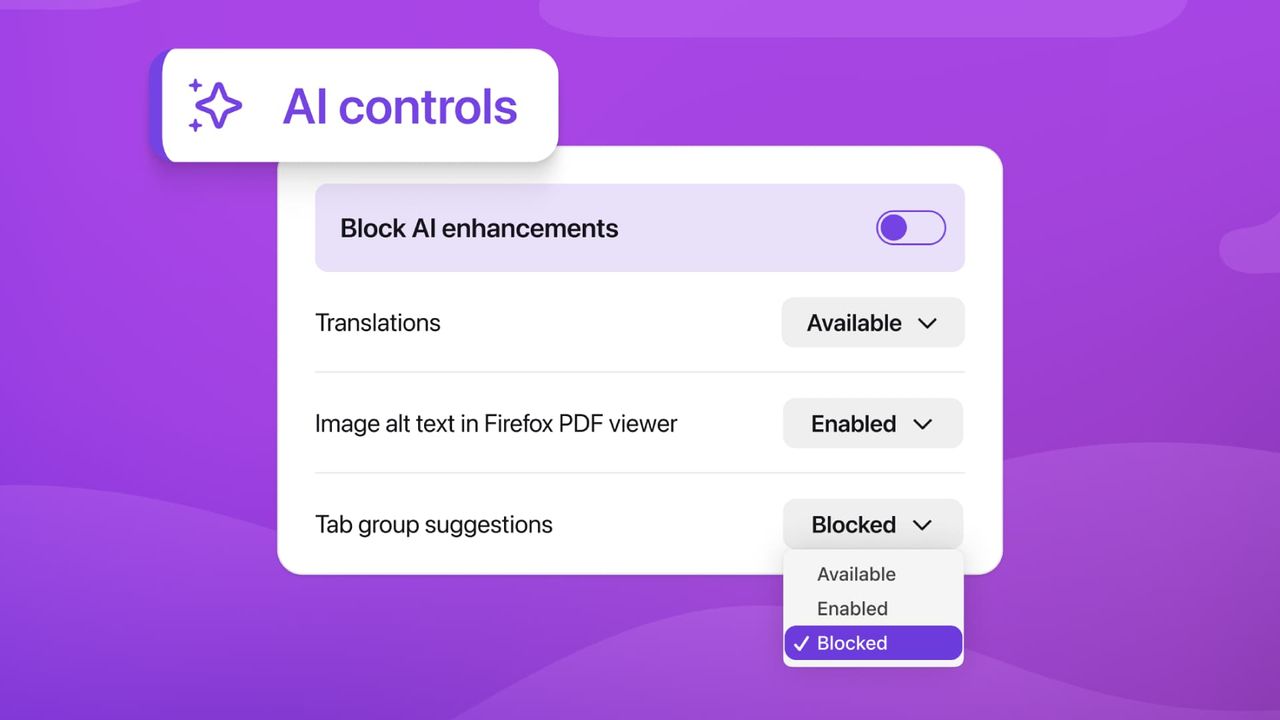

Apple launched its Private Cloud Compute framework with much fanfare back in 2024, placing privacy front and center in its overarching AI strategy. However, this critical differentiating factor - one that clinched plaudits from consumers - is now seemingly under existential threat, as per the latest comments emerging from Google's earnings call today. The scope of Apple's Private Cloud Compute framework appears to be shrinking as Google becomes the iPhone maker's "preferred cloud provider" We already know that Apple is gearing up to launch a revamped version of Siri, likely with the upcoming iOS 26.4 update, bringing the much-delayed in-app actions, […]
Read full article at https://wccftech.com/google-creates-a-privacy-conundrum-by-declaring-it-has-become-apples-preferred-cloud-provider/

Snapchat's daily active user count shrunk in Q4.

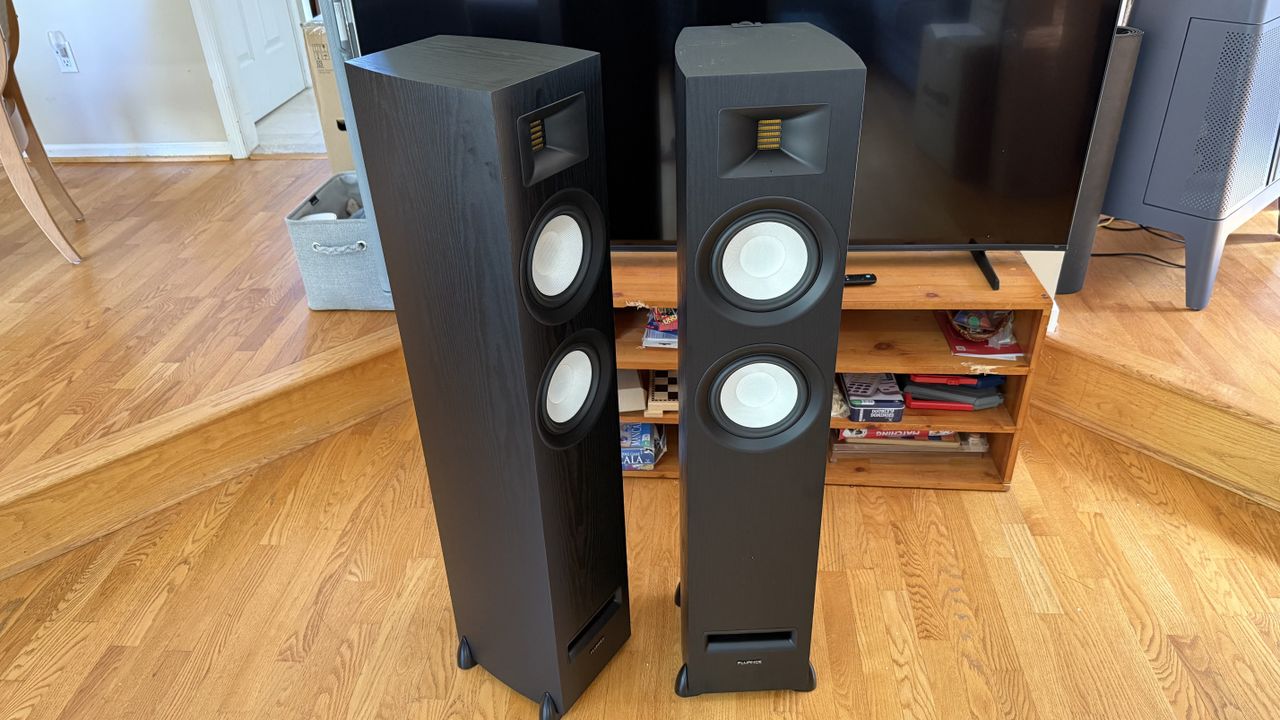







Built a cool product but can't get traffic? Meet Citedy, the AI-powered competitive intelligence platform that uses analysis to hunt down your competitors, find their weak spots, and automatically generate SEO-optimized articles that leverage their search traffic and chat mentions. Citedy automates competitive warfare by analyzing your competitors' content strategies and creating articles designed to outrank them. It's SEO and content marketing on autopilot, tailored for startups that need to compete with giants.
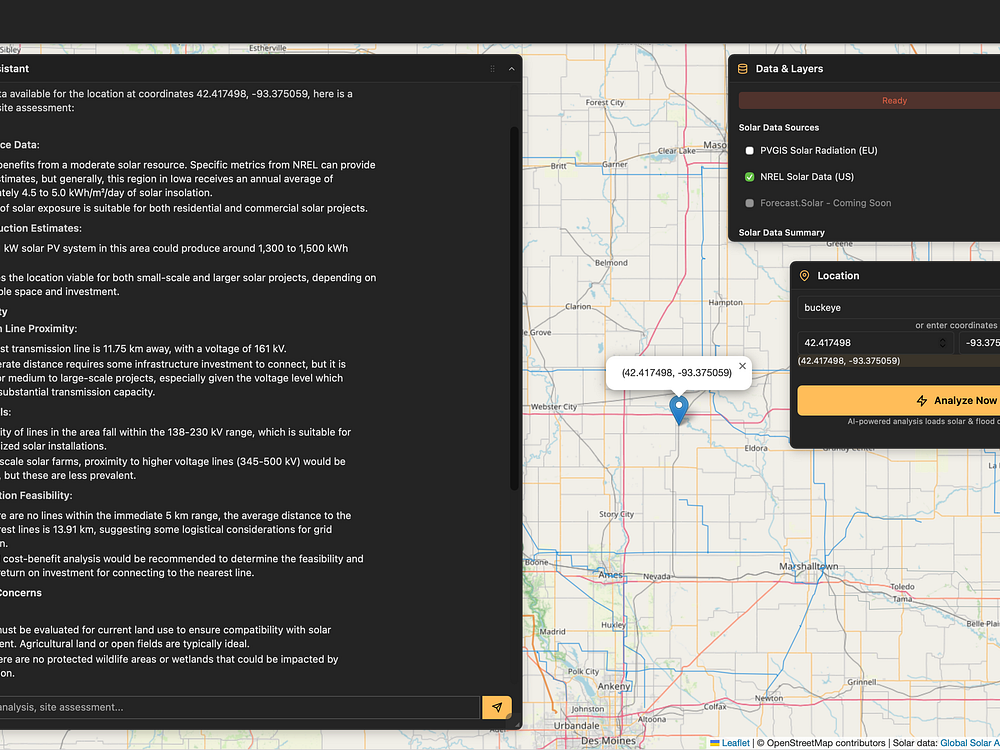
A map-based tool for solar engineers to streamline site assessment. You can view solar potential, transmission lines, and site constraints in one place instead of juggling multiple data sources, with AI-assisted analysis to speed up your workflow.
Intel’s Robert Hallock is letting you know how to get the most out of your Intel CPU As part of a newly released video in their “The Blueprint” series, Intel’s Robert Hallock has decided to dive deep into the world of Intel CPU overclocking. Specifically, he has explained how overclocking works for Intel’s Core Ultra […]
The post Intel explains how overclocking works on its CPUs appeared first on OC3D.



PostWizard is your AI-powered marketing assistant designed to turn ideas into viral-ready tweets and threads in seconds. Connect your account to generate high-quality content, create AI images, and schedule posts directly via the official X API. Whether you’re a solo creator or an agency managing multiple brands, PostWizard helps you boost your reach and engagement without the high cost of a social media manager. Stop staring at a blank cursor and start scaling organically, save hours of manual work, and never run out of ideas again.

Valve's new console is on track, according to AMD, and it should start shipping early this year. AMD Says Valve is on "Track" and Will Start Shipping Steam Machine in Early 2026; Also Confirms Microsoft's Next-Gen Xbox is on Track for 2027 Launch AMD itself has confirmed that Valve's next-gen gaming console will start shipping this year. In the Q4 2025 Earnings Call, AMD's CEO, Dr. Lisa Su, stated that Valve is on track to start shipping the Steam Machine in early 2026. We know from earlier reports that Valve is reportedly launching the Steam Machine in 2026, and while […]
Read full article at https://wccftech.com/amd-confirms-steam-machine-will-start-shipping-early-this-year/

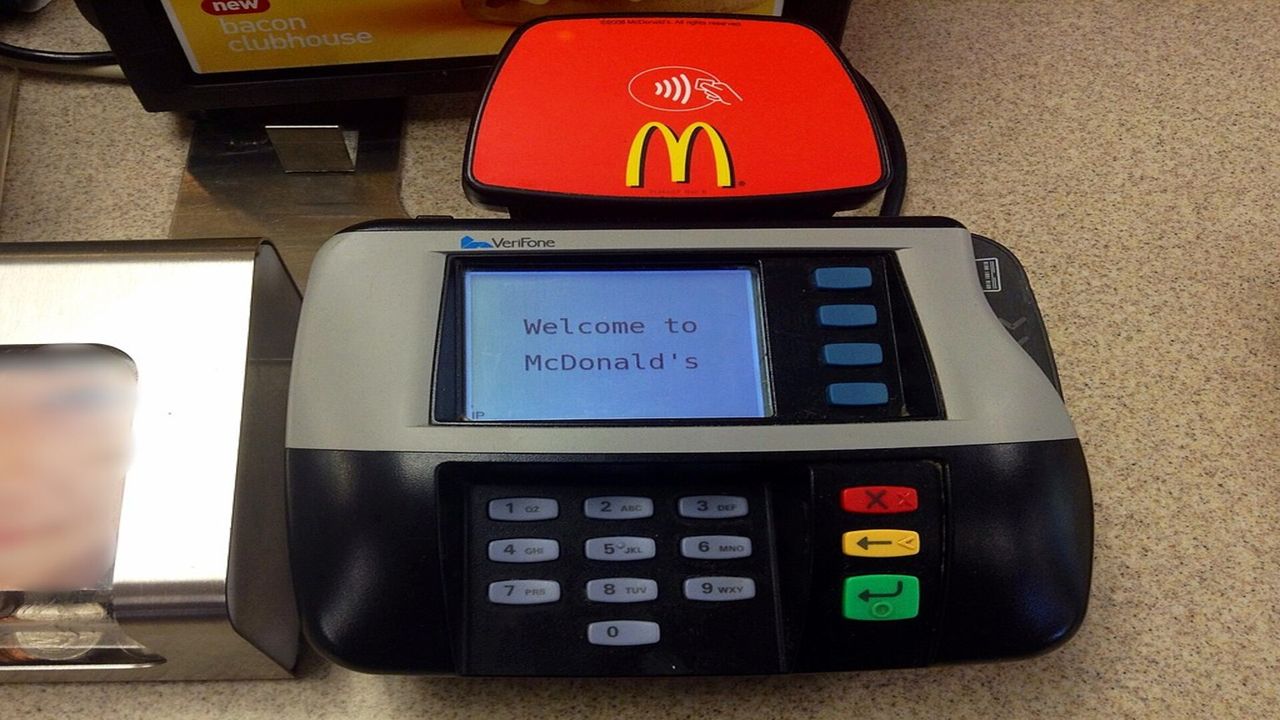


Google Search Advocate John Mueller is pushing back on the idea of serving Markdown files to LLM crawlers.
The post Google’s Mueller Calls Markdown-For-Bots Idea ‘A Stupid Idea’ appeared first on Search Engine Journal.









Last week, Blizzard Entertainment announced a flurry of showcase events, one for each of its major titles: World of Warcraft, Overwatch 2, Hearthstone, and Diablo IV. The World of Warcraft showcase happened at the end of last week, with Blizzard digging into its World of Warcraft roadmap for 2026. Today, it followed up with the Overwatch Spotlight, announcing what to expect for the coming year, and a significant change to the game going forward: it's no longer called Overwatch 2, and will instead just be called 'Overwatch' once again. Towards the end of the 35-minute spotlight, Overwatch game director Aaron […]
Read full article at https://wccftech.com/were-dropping-the-2-overwatch-2-is-now-just-called-overwatch-moving-forward/


After weeks of vacillation on the part of the tech-focused rumor mill between a February or March/April 2026 launch for the Pixel 10a, Google has just released official teasers of its new budget smartphone, announcing that the device will launch on February 18, 2026. Google releases official teasers for the Pixel 10a Google has just announced that pre-orders for the upcoming Pixel 10a will go live on February 18. Even so, in-store availability is not expected until March 05. As we noted in a dedicated post, Evan Blass, a known tipster, recently posted a screenshot of the Pixel 10a's certification […]
Read full article at https://wccftech.com/google-pixel-10a-officially-launching-on-february-18/


The memory shortage has become so severe that consumers are now looking to Chinese suppliers like CXMT and YMTC as their 'saviour', hoping to get cheap DDR5/DDR4 modules, but that might never be the case. The retail situation in the RAM market is worsening by the day, with price hikes across the board, especially for higher-capacity modules. Mainly driven by DRAM shortages, it has become tough for gamers to access any memory, and given that the supply situation isn't looking to improve anytime soon, many of us have set our hopes on Chinese memory manufacturers coming to the rescue. Consumers […]
Read full article at https://wccftech.com/can-chinese-memory-save-us-from-the-ongoing-ram-shortages/



X has announced the recipients of its initial long-form content prize pool.

Musk’s social media platform is facing restrictions and penalties in several regions.
Meta says the volume of content being generated via its AI app has increased significantly.






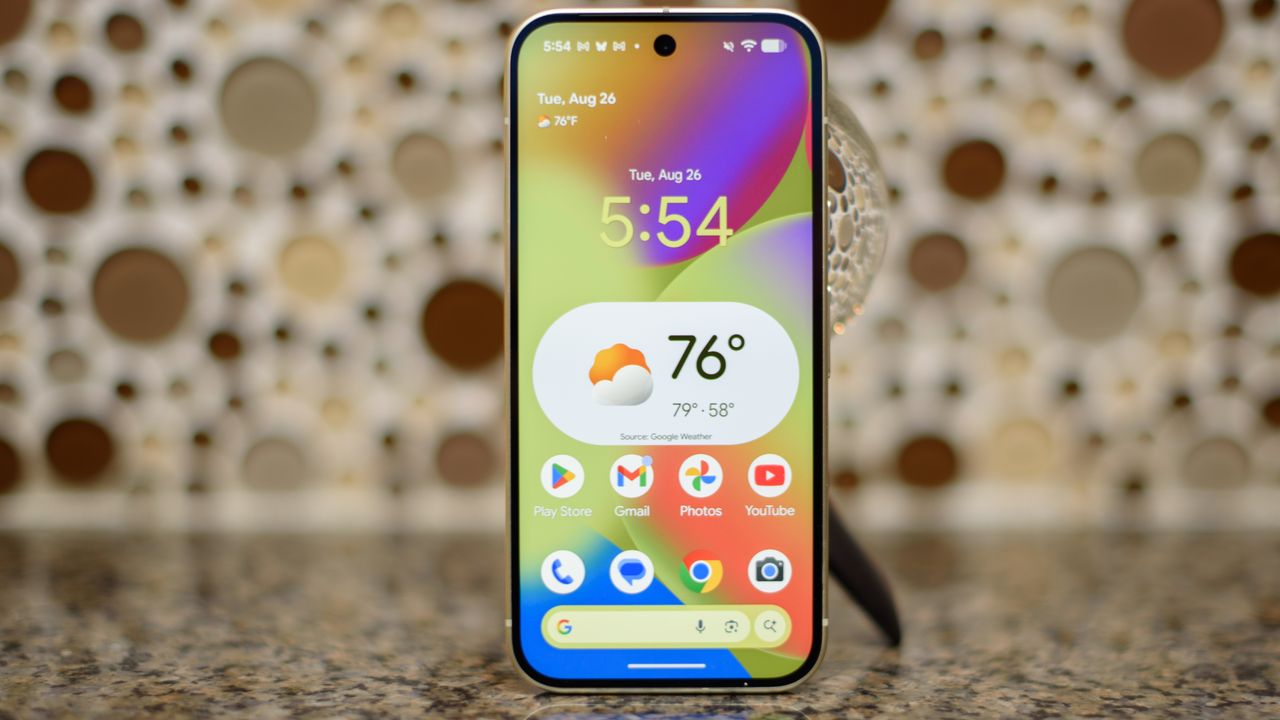
Nvidia recommends uninstalling Windows 11 Update KB5074109 if users face issues Last month’s Update KB5074109 for Windows 11 is still causing issues, to the point that Nvidia representatives have had to weigh in on their official support forums (via Windows Latest). In response to one use, Manuel@NVIDIA recommended uninstalling the update after users reported issues […]
The post Nvidia confirms its “looking into” Windows 11 Update KB5074109 appeared first on OC3D.



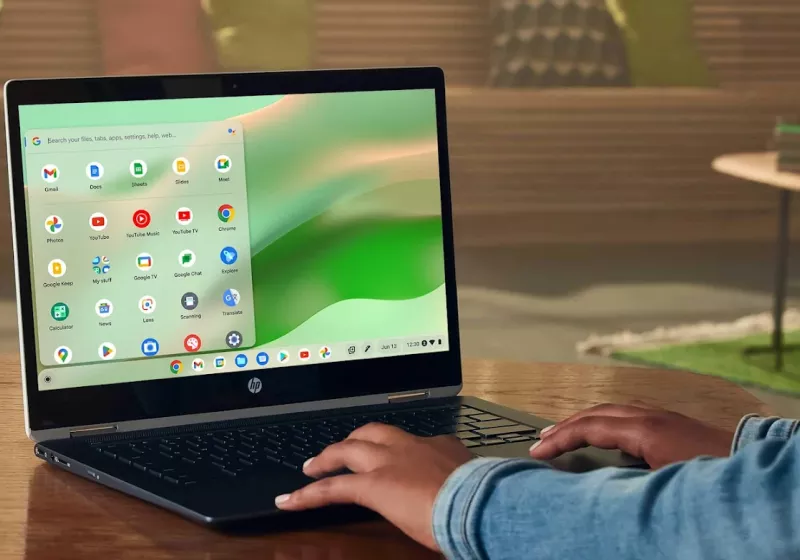

Nioh 3 features deeper, more flexible combat, a semi-open-world structure, and seamless switching between Samurai and Ninja styles, earning praise as the most complete and accessible entry in the series-and one of the stronger modern Soulslike experiences for fans of demanding action RPGs.


Lucid Engine helps brands measure and grow visibility across AI search engines. It tracks citations and recommendations on ChatGPT, Perplexity, and Gemini, benchmarks competitors, and alerts you when rankings shift. The platform reveals which sources and sentiments drive answers and builds a prioritized backlog to close content gaps so you capture more recommendations. Monitor changes over time with live tracking, geo comparisons, and model release overlays to protect demand.

After accurately predicting a Nintendo Direct Partner Showcase for this week, reliable insider NateTheHate has another prediction, this time to do with the arrival of Final Fantasy VII Rebirth on Nintendo Switch 2, but more importantly, about how Square Enix will start its marketing campaign for Final Fantasy VII Remake Part 3, which, according to NateTheHate, will not be a PlayStation exclusive title at launch, and will instead be multiplatform from day-one. During the latest episode of the NateTheHate podcast, when discussing predictions for tomorrow's Partner Direct Showcase, on the topic of what Square Enix might bring to the table, […]
Read full article at https://wccftech.com/final-fantasy-vii-remake-part-3-will-reportedly-be-multiplatform-on-launch-no-timed-playstation-exclusivity/


We've known that a new Mass Effect (which we'll call Mass Effect 5 in this story for the sake of simplicity) was coming ever since late 2020. At that year's edition of The Game Awards, developer BioWare shared a brief trailer showing an aged Liara T'soni and subtly hinting at a direct sequel to the original trilogy, skipping the latest franchise installment, 2017's Andromeda. More than five years later, we've still got very little to go on. Another brief teaser was published on N7 Day 2023, but BioWare was still very much focused on releasing Dragon Age: The Veilguard first. […]
Read full article at https://wccftech.com/mass-effect-5-should-be-bethesda-style-open-world-game-says-ex-skyrim-lead/


With the understanding across the tech industry being that "no one can escape memory shortages," with price increases for devices already directly impacted by the shortages and rising cost of RAM, the question of popular consoles, like the Nintendo Switch 2, getting a price increase seems inevitable and more like a question of 'when,' instead of 'if.' So far, Nintendo has been cautious on the topic of price increases for the Nintendo Switch 2. When tariffs were the major factor potentially impacting the price of the console, Nintendo president Shuntaro Furukawa made it clear that the price of the console […]
Read full article at https://wccftech.com/nintendo-president-doesnt-want-to-be-overly-influenced-by-rising-ram-costs-nintendo-switch-2-price-to-remain-stable-for-now/

 Google AI announcements from January
YouTube has also added more languages to its auto-dubbing translation tools.
Reddit's Reminder Ads give you a secondary opportunity to prompt users about your events.
















WinRAR 7.20 delivers faster handling of large archives, especially when deleting files or opening ZIPs with massive file counts. The update also enhances automation with smarter archive naming masks, expanded command-line switches, and faster extraction for TAR-based formats.

DMARCTrust monitors DMARC reports to show who sends emails as your domain and whether SPF and DKIM pass. It aggregates data from Gmail, Microsoft, Yahoo, and dozens of providers into a clear dashboard and alerts you to DNS record changes and authentication failures. Set it up in minutes with a unique reporting address and 2FA-secured access. Choose US or EU data hosting, track pass rates over time, and keep non-technical teams informed while protecting deliverability.

Build a Rocket Boy, the studio behind the biggest flop and the worst-reviewed game of 2025, MindsEye, is still chipping away at fixing and improving the game that was the butt of its fair share of jokes last year. The game's latest update, Update 7, is "a big step forward" for both the game and the studio, according to Mark Gerhard, chief executive and chief technical officer at Build a Rocket Boy. The new update focuses on improvements to "campaign flow, making objectives easier to follow, and continuing to refine AI behavior," the patch notes on the game's official website […]
Read full article at https://wccftech.com/new-mindseye-update-is-a-big-step-forward-for-both-build-a-rocket-boy-and-mindseye-new-content-is-in-development/


CNET has now published the results of an interesting test where it pitted the battery life of 35 smartphones against each other and, unsurprisingly, the Apple iPhone 17 lineup has emerged as the victor of this relatively exhaustive test. Apple iPhone 17 Pro Max is at the top of the smartphone battery life leaderboard, the base iPhone 17 wins second place, along with the OnePlus 15 CNET ran two battery life tests on a total of 35 smartphones: a three-hour test where a video was streamed over WiFi with the screen at full brightness, and a 45-minute endurance test spanning […]
Read full article at https://wccftech.com/apples-base-iphone-17-lasts-as-long-as-the-oneplus-15-with-a-7300mah-battery/


Take-Two CEO Strauss Zelnick was asked by GamesIndustry.biz whether developer Rockstar Games had used AI to build Grand Theft Auto 6, and the answer was negative: the state of Leonida, a fictionalized version of Florida, has been entirely handcrafted. That said, Zelnick mentioned that GenAI-powered tools are being used all across Take-Two's studios to "drive costs and time efficiencies". On the topic of AI, I've been enthusiastic since the very beginning. This company's products have always been built with machine learning and artificial intelligence. We've actually always been a leader in the space, and right now we have hundreds of […]
Read full article at https://wccftech.com/gen-ai-had-zero-part-building-grand-theft-auto-6/


Dispatch was one of the more beloved indie games from 2025, selling over 3 million copies to close out the year and getting several nominations from the DICE Awards and The Game Awards. It was even one of Wccftech's picks for the Best Adventure Games of 2025 and one of our picks for the Best Games of 2025 overall. Everything was coming up roses, and with a Nintendo Switch and Nintendo Switch 2 port coming in January 2026, it seemed like developer AdHoc Studio was about to add another million copies sold to its tally. That was until it actually […]
Read full article at https://wccftech.com/adhoc-studio-working-with-nintendo-to-address-dispatch-censorship-nintendo-switch-switch-2/

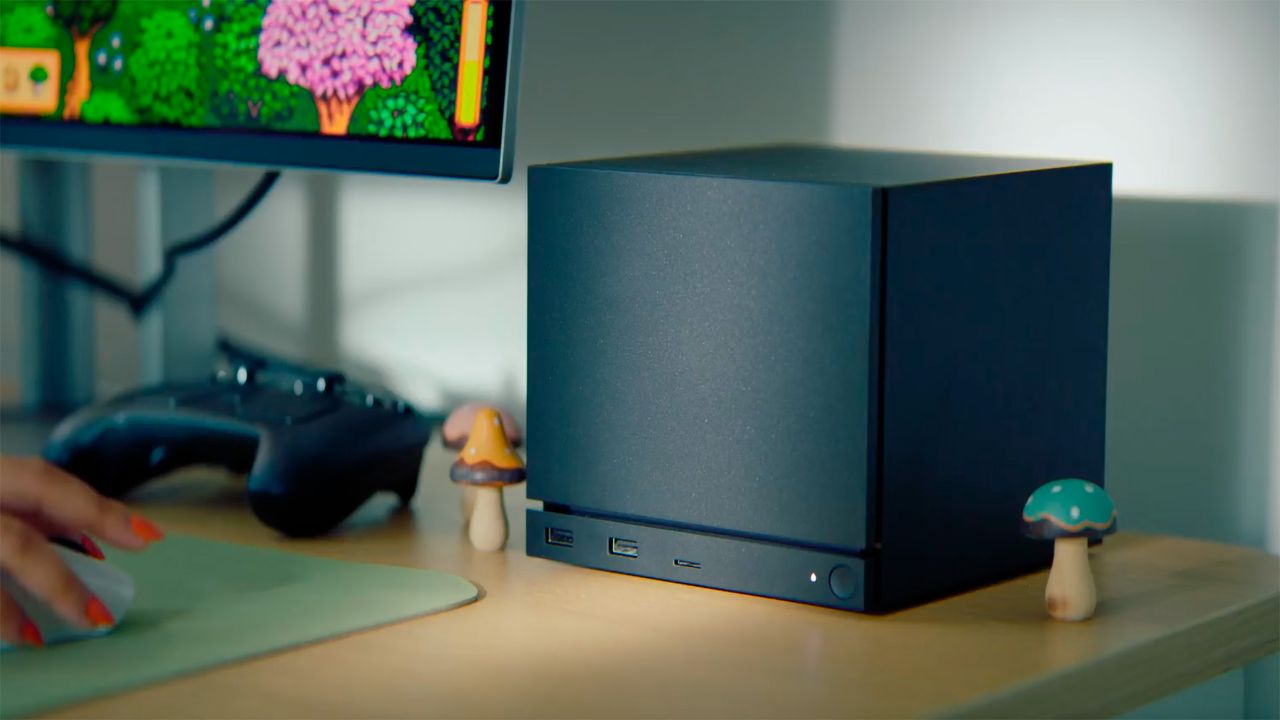

Google Ads introduced multi-party approval, a security feature that requires a second administrator to approve high-risk account actions. These actions include adding or removing users and changing user roles.
Why we care. As ad accounts grow in size and value, access control becomes a serious risk. One unauthorized, malicious, or accidental change can disrupt campaigns, permissions, or billing in minutes. Multi-party approval reduces that risk by requiring a second admin to approve high-impact actions. It adds strong protection without slowing daily work. For agencies and large teams, it prevents costly mistakes and significantly improves account security.
How it works. When an admin initiates a sensitive change, Google Ads automatically creates an approval request. Other eligible admins receive an in-product notification. One of them must approve or deny the request within 20 days. If no one responds, the request expires, and the change is blocked.
Status tracking. Each request is clearly labeled as Complete, Denied, or Expired. This makes it easy to see what was approved and what didn’t go through.
Where to find it. You can view and manage approval requests from Access and security within the Admin menu.
The bigger picture. The update reflects growing concern around account security, especially for agencies and large advertisers managing multiple users, partners, and permissions. With advertisers recently reporting costly hacks, this is a welcome update.
The Google Ads help doc. About Multi-party approval for Google Ads

In 2015, PPC was a game of direct control. You told Google exactly which keywords to target, set manual bids at the keyword level, and capped spend with a daily budget. If you were good with spreadsheets and understood match types, you could build and manage 30,000-keyword accounts all day long.
Those days are gone.
In 2026, platform automation is no longer a helpful assistant. It’s the primary driver of performance. Fighting that reality is a losing battle.
Automation has leveled the playing field and, in many cases, given PPC marketers back their time. But staying effective now requires a different skill set: understanding how automated systems learn and how your data shapes their decisions.
This article breaks down how signals actually work inside Google Ads, how to identify and protect high-quality signals, and how to prevent automation from drifting into the wrong pockets of performance.
Google’s automation isn’t a black box where you drop in a budget and hope for the best. It’s a learning system that gets smarter based on the signals you provide.
Feed it strong, accurate signals, and it will outperform any manual approach.
Feed it poor or misleading data, and it will efficiently automate failure.
That’s the real dividing line in modern PPC. AI and automation run on signals. If a system can observe, measure, or infer something, it can use it to guide bidding and targeting.
Google’s official documentation still frames “audience signals” primarily as the segments advertisers manually add to products like Performance Max or Demand Gen.
That definition isn’t wrong, but it’s incomplete. It reflects a legacy, surface-level view of inputs and not how automation actually learns at scale.
Dig deeper: Google Ads PMax: The truth about audience signals and search themes
In practice, every element inside a Google Ads account functions as a signal.
Structure, assets, budgets, pacing, conversion quality, landing page behavior, feed health, and real-time query patterns all shape how the AI interprets intent and decides where your money goes.
Nothing is neutral. Everything contributes to the model’s understanding of who you want, who you don’t, and what outcomes you value.
So when we talk about “signals,” we’re not just talking about first-party data or demographic targeting.
We’re talking about the full ecosystem of behavioral, structural, and quality indicators that guide the algorithm’s decision-making.
Here’s what actually matters:
In 2026, we’ve moved beyond the daily cap mindset. With the expansion of campaign total budgets to Search and Shopping, we are now signaling a total commitment window to Google.
In the announcement, UK retailer Escentual.com used this approach to signal a fixed promotional budget, resulting in a 16% traffic lift because the AI was given permission to pace spend based on real-time demand rather than arbitrary 24-hour cycles.
All of these elements function as signals because they actively shape the ad account’s learning environment.
Anything the ad platform can observe, measure, or infer becomes part of how it predicts intent, evaluates quality, and allocates budget.
If a component influences who sees your ads, how they behave, or what outcomes the algorithm optimizes toward, it functions as a signal.
To understand why signal quality has become critical, you need to understand what’s actually happening every time someone searches.
Google’s auction-time bidding doesn’t set one bid for “mobile users in New York.”
It calculates a unique bid for every single auction based on billions of signal combinations at that precise millisecond. This considers the user, not simply the keyword.
We are no longer looking for “black-and-white” performance.
We are finding pockets of performance and users who are predicted to take the outcomes we define as our goals in the platform.
The AI evaluates the specific intersection of a user on iOS 17, using Chrome, in London, at 8 p.m., who previously visited your pricing page.
Because the bidding algorithm cross-references these attributes, it generates a precise bid. This level of granularity is impossible for humans to replicate.
But this is also the “garbage in, garbage out” reality. Without quality signals, the system is forced to guess.
Dig deeper: How to build a modern Google Ads targeting strategy like a pro
If every element in a Google Ads account functions as a signal, we also have to acknowledge that not all signals carry equal weight.
Some signals shape the core of the model’s learning. Others simply refine it.
Based on my experience managing accounts spending six and seven figures monthly, this is the hierarchy that actually matters.
Your tracking is the most important data point. The algorithm needs a baseline of 30 to 50 conversions per month to recognize patterns. For B2B advertisers, this often requires shifting from high-funnel form fills to down-funnel CRM data.
As Andrea Cruz noted in her deep dive on Performance Max for B2B, optimizing for a “qualified lead” or “appointment booked” is the only way to ensure the AI doesn’t just chase cheap, irrelevant clicks.
We are witnessing a “death by a thousand cuts,” where browser restrictions from Safari and Firefox, coupled with aggressive global regulations, have dismantled the third-party cookie.
Without enhanced conversions or server-side tracking, you are essentially flying blind, because the invisible trackers of the past are being replaced by a model where data must be earned through transparent value exchanges.
Your customer lists tell Google, “Here is who converted. Now go find more people like this.”
Quality trumps quantity here. A stale or tiny list won’t be as effective as a list that is updated in real time.
Using keywords and URLs to build segments creates a digital footprint of your ideal customer.
This is especially critical in niche industries where Google’s prebuilt audiences are too broad or too generic.
These segments help the system understand the neighborhood your best prospects live in online.
To simplify this hierarchy, I’ve mapped out the most common signals used in 2026 by their actual weight in the bidding engine:
| Signal category | Specific input (The “what”) | Weight/impact | Why it matters in 2026 |
| Primary (Truth) | Offline conversion imports (CRM) | Critical | Trains the AI on profit, not just “leads.” |
| Primary (Truth) | Value-based bidding (tROAS) | Critical | Signals which products actually drive margin. |
| Secondary (Context) | First-party customer match lists | High | Provides a “Seed Audience” for the AI to model. |
| Secondary (Context) | Visual environment (images/video) | High | AI scans images to infer user “lifestyle” and price tier. |
| Tertiary (Intent) | Low-volume/long-tail keywords | Medium | Defines the “semantic neighborhood” of the search. |
| Tertiary (Intent) | Landing page color and speed | Medium | Signals trust and relevance feedback loops. |
| Pollutant (Noise) | “Soft” conversions (scrolls/clicks) | Negative | Dilutes intent. Trains AI to find “cheap clickers.” |
Dig deeper: Auditing and optimizing Google Ads in an age of limited data
Signal pollution occurs when low-quality, conflicting, or misleading signals contaminate the data Google’s AI uses to learn.
It’s what happens when the system receives signals that don’t accurately represent your ideal client, your real conversion quality, or the true intent you want to attract in your ad campaigns.
Signal pollution doesn’t just “confuse” the bidding algorithm. It actively trains it in the wrong direction.
It dilutes your high-value signals, expands your reach into low-intent audiences, and forces the model to optimize toward outcomes you don’t actually want.
Common sources include:
These sources create the initial pollution. But when marketers try to compensate for underperformance by feeding the machine more data, the root cause never gets addressed.
That’s when soft conversions like scrolls or downloads get added as primary signals, and none of them correlate to revenue.
Like humans, algorithms focus on the metrics they are fed.
If you mix soft signals with high-intent revenue data, you dilute the profile of your ideal customer.
You end up winning thousands of cheap, low-value auctions that look great in a report but fail to move the needle on the P&L.
Your job is to be the gatekeeper, ensuring only the most profitable signals reach the bidding engine.
When signal pollution takes hold, the algorithm doesn’t just underperform. The ads start drifting toward the wrong users, and performance begins to decline.
Before you can build a strong signal strategy, you have to understand how to spot that drift early and correct it before it compounds.
Algorithm drift happens when Google’s automation starts optimizing toward the wrong outcomes because the signals it’s receiving no longer match your real advertising goals.
Drift doesn’t show up as a dramatic crash. It shows up as a slow shift in who you reach, what queries you win, and which conversions the system prioritizes. It looks like a gradual deterioration of lead quality.
To stay in control, you need a simple way to spot drift early and correct it before the machine locks in the wrong pattern.
Early warning signs of drift include:
These are all indicators that the system is optimizing toward the wrong signals.
To correct drift without resetting learning:
Your job isn’t to fight automation in Google Ads, it’s to guide it.
Drift happens when the machine is left unsupervised with weak or conflicting signals. Strong signal hygiene keeps the system aligned with your real business outcomes.
Once you can detect drift and correct it quickly, you’re finally in a position to build a signal strategy that compounds over time instead of constantly resetting.
The next step is structuring your ad account so every signal reinforces the outcomes you actually want.
Dig deeper: How to tell if Google Ads automation helps or hurts your campaigns
If you want to build a signal strategy that becomes a competitive advantage, you have to start with the foundations.
Implement offline conversion imports. The difference between optimizing for a “form fill” and a “$50K closed deal” is the difference between wasting budget and growing a business.
When “journey-aware bidding” eventually rolls out, it will be a game-changer because we can feed more data about the individual steps of a sale.
Use value-based bidding. Don’t just count conversions. Differentiate between a customer buying a $20 accessory and one buying a $500 hero product.
Don’t just dump everyone into one list. A list of 5,000 recent purchasers is worth far more than 50,000 people who visited your homepage two years ago.
Stale data hurts performance by teaching the algorithm to find people who matched your business 18 months ago, not today.
Brand traffic carries radically different intent and conversion rates than nonbrand.
Mixing these campaigns forces the algorithm to average two incompatible behaviors, which muddies your signals and inflates your ROAS expectations.
Brand should be isolated so it doesn’t subsidize poor nonbrand performance or distort bidding decisions in the ad platform.
A $600 product and a $20 product do not behave the same in auction-time bidding.
When you put them in the same campaign with a single 4x ROAS target, the algorithm will get confused.
This trains the system away from your hero products and toward low-value volume.
Google’s automation performs best when it has enough data to be consistent and high-quality data to recognize patterns. That means fewer, stronger campaigns are better as long as the signals inside them are aligned.
Centralize campaigns when products share similar price points, margins, audiences, and intent. Decentralize campaigns when mixing them would pollute the signal pool.
When everyone has access to the same automation, the only real advantage left is the quality of the signals you feed it.
Your job is to protect those signals, diagnose pollution early, and correct drift before the system locks onto the wrong patterns.
Once you build a deliberate signal strategy, Google’s automation stops being a constraint and becomes leverage. You stay in the loop, and the machine does the heavy lifting.

Anthropic is drawing the line against advertising in AI chatbots. Claude will remain ad-free, the company said, even as rival AI platforms experiment with sponsored messages and branded placements inside conversations.
Why we care. Anthropic’s position removes Claude, and its user base of 30 million, from the AI advertising equation. Brands shouldn’t expect sponsored links, conversations, or responses inside Claude. Meanwhile, ChatGPT is about to give brands the opportunity to reach an estimated 800 million weekly users.
What’s happening. AI conversations are fundamentally different from search results or social feeds, where users expect a mix of organic and paid content, Anthropic said:
Incentives matter. This is a business-model decision, not just a product preference, Anthropic said:
Anthropic isn’t rejecting commerce. Claude will still help users research, compare, and buy products when they ask. The company is also exploring “agentic commerce,” where the AI completes tasks like bookings or purchases on a user’s behalf.
Super Bowl ad. Anthropic is making the argument publicly and aggressively. In a Super Bowl debut, the company mocked intrusive AI advertising by inserting fake product pitches into personal conversations. The ad closed with a clear message: “Ads are coming to AI. But not to Claude.”
Claude’s blog post. Claude is a space to think
OpenAI responds. OpenAI CEO Sam Altman posted some thoughts on X. Some of the highlights:


The U.S. Justice Department and a coalition of states plan to appeal a federal judge’s remedies ruling in the Google search antitrust case.
The appeal challenges a decision that found Google illegally monopolized search but stopped short of imposing major structural changes, such as forcing a divestiture of Chrome or banning default search deals outright.
What’s happening. The DOJ and state attorneys general filed notices of appeal yesterday, challenging U.S. District Judge Amit Mehta’s September remedies ruling, Bloomberg and Reuters reported.
Why we care. The appeal means we still don’t know how much Google will keep controlling where search gets placed. And that control basically decides who wins traffic. If stricter fixes happen, it could change default search settings, open the door to rival search engines, and shift how people use search across devices.
Yes, but. The DOJ and states haven’t detailed their legal arguments. Court filings didn’t specify which parts of the ruling they will challenge, though attention is expected to focus on Chrome and Google’s default search deal with Apple.
What to watch. The U.S. Court of Appeals for the D.C. Circuit is expected to hear the case later this year. For now, it’s business as usual for Google — though its most important contracts now face annual review, and the risk of tougher remedies remains firmly on the table.
What they’re saying. David Segal, Yelp’s vice president of public policy, welcomed the appeal. In a statement shared with Search Engine Land, Yelp said the trial court’s remedies do not go far enough to restore real competition in search:

If your CPCs keep climbing, the cause may not be your bid strategy, your budget, or even your competitors.
You might be suffering from low ad quality.
Let’s break down the most foundational — and most misunderstood — metric in your Google Ads account. If you want to stop overpaying Google and start winning auctions on merit, you need to understand how the 1-to-10 Quality Score actually works.
Before we dive in, let’s clear up the confusion. Google shows a lot of “scores” and “diagnostics,” and you can safely ignore most of them. Quality Score is the exception.
You can’t fix what you can’t see. To get started, go to your Keywords report in Google Ads and add these four columns:
When you analyze Quality Score, don’t judge keywords in isolation. You’ll drive yourself crazy. Look for patterns at the ad group level instead.
If most keywords have a Quality Score of 7 or higher, you’re in good shape. If most are at 5 or below, that’s your cue to roll up your sleeves and improve ad quality.
This is the only part of Quality Score fully within your control. It asks one simple question:
If your ad relevance is generally “Below average,” the fastest fix is Dynamic Keyword Insertion. It automatically inserts your keywords into the ad text. If you prefer a manual approach, make sure the keywords in the ad group actually appear in both the ad copy and the landing page.
When Google sends users to your site, do they find what they’re looking for? Or do they bounce after two seconds and head back to Google for a better result?
If your landing page experience score is low, start with the PageSpeed Insights tool. A “Below average” rating often points to slow load times, a poor mobile experience, generic content, weak navigation, or all of the above.
Google only makes money when users click, so it favors ads people are most likely to click.
If your expected CTR is lagging, start with competitive research:
Next, visit the Google Ads Transparency Center and review your competitors’ ads.
If your ads are great but CTR is still low, review the Search terms report. You may be showing for irrelevant queries, which explains why users aren’t clicking on an otherwise awesome ad.
I’ll be honest: chasing a 10/10 Quality Score everywhere is a waste of time. It’s unrealistic and usually unnecessary.
Instead, do a quick check-up every few months. Find one or two ad groups with lower Quality Scores, identify the most “Below Average” component, and fix that first.
Improving ad quality takes more effort than raising budgets or bids. But it pays off with more clicks at the same — or even lower — cost.
This article is part of our ongoing Search Engine Land series, Everything you need to know about Google Ads in less than 3 minutes. In each edition, Jyll highlights a different Google Ads feature, and what you need to know to get the best results from it – all in a quick 3-minute read.
















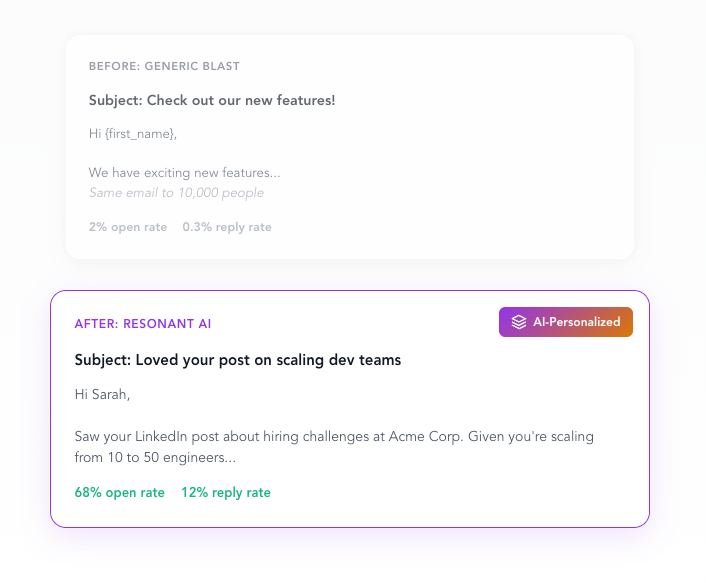
Resonant is an AI-native email platform that writes genuinely personalized outreach using each contact’s social profiles, company news, browsing, and purchase data. Connect your CRM or upload a CSV, set a goal, and Resonant researches LinkedIn, Twitter, and your data to craft context-rich emails that sound handwritten. Review, edit, and send at scale while tracking opens, clicks, and replies. Teams across e-commerce, B2B sales, SaaS, recruiting, and media use it to boost reply rates, revenue, and retention.

Samsung’s Galaxy S26 Ultra recently made its single-core and multi-core run on Geekbench 6, and just like its predecessors, the flagship features an overclocked version of Qualcomm’s Snapdragon SoC. This time, it was the Snapdragon 8 Elite Gen 5, whose performance cores were running at 4.74GHz instead of the default 4.61GHz. Despite this small frequency bump, our single-core and multi-core results are shown to be higher, which obviously makes us question a few things, starting with whether there’s any advantage to Samsung shipping its premium devices with a slightly faster chipset. An active cooling solution coupled with the diminishing returns […]
Read full article at https://wccftech.com/our-snapdragon-8-elite-gen-5-are-faster-than-galaxy-s26-ultra-overclocked-version/


With barely three weeks left until Samsung removes the wraps from this year's Galaxy S26 series, the South Korean tech behemoth is now entering its most aggressive marketing phase to build up excitement and buzz around the upcoming smartphones. To that end, Samsung has just dropped three short teaser videos that hint at the Galaxy S26 series' massively improved neural framing, low-light photography, and zoom capabilities. Samsung is teasing massive photography-related improvements for the upcoming Galaxy S26 series Last week, Samsung teased the Privacy Display feature of the upcoming Galaxy S26 series. The feature uses Flex Magic Pixel OLED technology that […]
Read full article at https://wccftech.com/samsungs-galaxy-s26-series-teasers-hint-at-massively-improved-neural-framing-low-light-photography-and-zoom-capabilities/


After rumours appeared last week pointing to a Nintendo Direct Partner Showcase happening this week, specifically on Thursday, February 5, 2026, we now know those rumours and reports were correct. Confirmed first through the Nintendo Today! mobile app, Nintendo will host a Partner Showcase Direct event tomorrow, February 5, at 6am PT / 9am ET / 2pm BT. This will be the third Nintendo Direct event of 2026 so far, after the Super Mario Galaxy Movie Direct and a Tomodachi Life: Living the Dream Direct last month. It's also the first Partner Showcase event Nintendo has hosted since July 2025. […]
Read full article at https://wccftech.com/the-rumours-were-true-nintendo-confirms-a-parnter-showcase-nintendo-direct-for-tomorrow/


Excellent deals do exist, but they are rarer than a 32 GB DDR5 kit selling for less than $300. User Manages to Snag GeForce RTX 5090 for Just $899, While Another Receives RTX 5080 for Just $562 We rarely see GPUs available at their official MSRP, let alone below it. It took a long time for the GPU market to stabilize, but the worsening DRAM supply just spiked prices higher than they had been. Occassionally, we see users snagging GPUs at lower prices on deals, but two users were extremely lucky to grab them for almost half their prices. The […]
Read full article at https://wccftech.com/two-lucky-customers-grabbed-geforce-rtx-5080-and-rtx-5090-for-half-their-msrp/


I am not going to lie: I love Team NINJA. If you have been checking out my coverage over the past few years, you likely know this already. Ever since first picking up the PlayStation port of Dead or Alive, I was hooked. There is a specific feel to their combat that no other developer quite replicates. That admiration for the studio founded by the legendary Tomonobu Itagaki, who sadly passed away last October, only deepened as they pioneered the genres I love most: the high-octane character action of Ninja Gaiden and the punishing Masocore depth of Nioh. Even when […]
Read full article at https://wccftech.com/review/nioh-3-review-rise-of-the-shogun/


Samsung's Exynos 2600 chip is certainly shaping up to be one of the highest performing mobile-focused chips of 2026, especially in the graphics department, where its Xclipse 960 GPU is emerging as an absolute beast of a performer. Now, that same GPU has pushed the Exynos 2600 to the top of the Basemark Ray Tracing leaderboard. The Exynos 2600 SoC's Xclipse 960 GPU propels it to the top of the Basemark Ray Tracing leaderboard For the benefit of those who might not be aware, the Exynos 2600 is Samsung's first chip that leverages its 2nm Gate-All-Around (GAA) process, which is a […]
Read full article at https://wccftech.com/samsungs-exynos-2600-chip-takes-first-place-on-the-basemark-ray-tracing-leaderboard-after-beating-snapdragon-8-elite-gen-5/



Google may finally be starting to address a popular SEO and AI visibility “tactic”: self-promotional “best of” listicles. That’s according to new research by Lily Ray, vice president, SEO strategy and research at Amsive.
Across several SaaS brands hit hard in January, a pattern emerged. Many relied heavily on review-style content that ranked their own product as the No. 1 “best” in its category, often updated with the current year to trigger recency signals.
What’s happening. After the December 2025 core update, Google search results showed increased volatility throughout January, according to Barry Schwartz. Google hasn’t announced or confirmed any updates this year, but the timing aligns with steep visibility losses at several well-known SaaS and B2B brands. According to Ray:
Why we care. Self-promotional listicles have been a shortcut for influencing rankings and AI-generated answers. If Google is now reevaluating how it treats this content, any strategies built around “best” queries are in danger of imploding.
The gray area. Ranking yourself as the “best” without independent testing, clear methodology, or third-party validation has been considered (by most) to be a sketchy SEO tactic. It isn’t explicitly banned, but it definitely conflicts with Google’s guidance on reviews and trust.
Yes, but. Self-promotional listicles likely weren’t the only factor impacting organic visibility. Many affected sites also showed signs of rapid content scaling, automation, aggressive year-based refreshes, and other tactics tied to algorithmic risk.
What to watch. Whether self-promotional listicles earn citations and organic visibility. Google rarely applies changes evenly or instantly.
The analysis. Is Google Finally Cracking Down on Self-Promotional Listicles?

AI search hasn’t killed SEO.
Now you have to win twice: the ranking and the citation.
Google searches for almost anything today, and there’s a good chance you’ll see an AI Overview before the organic results, sometimes even before the ads.
That summary frames the query, shortlists sources, and shapes which brands get considered.

AI Overviews now appear for about 21% of all keywords, according to Ahrefs. And 99.9% are triggered by informational intent.
Search rankings still matter. But AI summaries increasingly determine who wins early consideration.
Here’s what we’re seeing: brands aren’t losing visibility because they dropped from position three to seven. They’re losing it because they were never cited in the AI answer at all.
This article draws on research conducted by Search Influence and the online and professional education association UPCEA, which examined how people use AI-assisted search and how organizations are adapting. (Disclosure: I am the CEO at Search Influence)
Key takeaways
To understand what’s happening, we need to look at two sides of the same equation – how people are searching today and how organizations are responding (or aren’t).
“AI Search in Higher Education: How Prospects Search in 2025” surveyed 760 prospective adult learners in March 2025. It examined:
While the study focused on professional and continuing education, these behaviors mirror what we’re seeing across industries: more AI-assisted discovery, earlier opinion formation, and trust signals shifting.
A separate snap poll of 30 UPCEA member institutions in October 2025 looked at the other side:
Together, these datasets show a widening gap between how people search and how organizations have adapted.
So what does the data actually tell us?
The research highlights several search behaviors that consistently influence how people discover and evaluate options today.
The data makes one thing clear: AI-driven search has moved from the margins into the mainstream.
Trust is forming earlier now, often before users compare sources directly.
If you’ve been putting off your AI search strategy because “people don’t trust AI,” the data says otherwise. AI citations are becoming a credibility signal – a trust shortcut before deeper research begins.
Search doesn’t happen in one place or follow one clean path anymore.
These behaviors aren’t sequential. Users move between surfaces, carrying context with them.
What they see in an AI summary influences how they read a search result. A YouTube video can establish trust before a website ever earns a click.
This is where many strategies fall out of sync. Teams optimize one channel at a time – usually their website – and treat everything else as optional.
But AI search engines pull from everywhere your brand has a presence:
Your AI credibility is cumulative. It’s built anywhere your brand shows up, not just where you own the URL.
The rise of AI search doesn’t mean the end of traditional search. It raises the bar for it.
Even as AI summaries reshape early trust, people still rely heavily on first-party sources and organic results when they evaluate options:
AI engines prioritize content that search engines can already crawl, interpret, and trust.
If your core content isn’t clearly structured, accessible, and eligible to rank in traditional search, it’s far less likely to be pulled into AI-generated answers.
Dig deeper: Your website still matters in the age of AI
Most organizations recognize that AI search is reshaping discovery. Far fewer have translated that awareness into coordinated action.
Most institutions sit somewhere between curiosity and commitment:
The majority of teams know something important is happening. But ownership, process, and prioritization remain unresolved.
When asked what’s holding them back, institutions cited execution constraints:
For many organizations, AI search has entered the roadmap conversation. It just hasn’t earned consistent operational focus yet. (Sound familiar?)
Dig deeper: Why most SEO failures are organizational, not technical
When teams do take action, their priorities cluster around two themes:
Those goals are linked. Clear, structured information makes it easier for AI systems to represent a brand. Visibility follows clarity. When that clarity is missing, AI fills in the blanks using third-party sources and competitor content.
AI visibility tracking varies widely:
Among teams that do track AI visibility:
This creates a familiar blind spot. Teams feel the impact of AI search anecdotally but lack consistent visibility into where, how, and why their brand appears.

Dig deeper: How to track visibility across AI platforms
Universities bring everything search engines are supposed to reward:
Yet in AI-generated answers, those advantages often don’t translate. When AI systems generate answers, they cite content that already matches the way users ask questions. That often means:
Those formats are dominated by aggregators and publishers – not the institutions themselves.

AI doesn’t look for the biggest brand. It looks for the best answer. Higher education shows what happens when brands rely on authority alone and why every industry needs to rethink how it publishes.
The most common question right now: “How do we show up in AI results?”
In many cases, I think the honest answer is to fix what’s already broken.
AI systems rely on the same signals that traditional search does: crawlability, structure, clarity. If your pages are blocked, poorly organized, or weighed down by technical debt, they won’t surface cleanly anywhere.
We’ve seen teams invest energy in AI conversations while core pages still struggle with:
Start with your traditional SEO foundation. AI systems can only work with what’s structurally sound.
Dig deeper: AI search is growing, but SEO fundamentals still drive most traffic
AI search engines favor content that can be lifted cleanly and reused without interpretation. The job of content shifts from “telling a complete story” to “delivering clear, extractable answers.”
Many brand pages technically contain the right information, but it’s buried in long-form prose or brand language that requires context to understand.
Content that performs well in AI answers tends to:
This isn’t about shortening content. It’s about sharpening it. When intent is obvious, AI knows exactly what to pull and when to cite you.
If AI keeps citing comparisons, lists, and explainers – and it does – brands probably need to own those formats themselves.
AI systems pull from content that already reflects how people evaluate options. When those pages don’t exist on your site, AI cites the aggregators and publishers instead.
To compete, brands need to publish:
Put simply: publish what AI actually wants to cite.
Dig deeper: How to create answer-first content that AI models actually cite
Your website shouldn’t be doing all the work.
AI answers routinely pull from a mix of sources:
In some cases, being cited from a third-party platform matters more than where your site ranks.
We’ve seen AI Overviews where a brand’s YouTube video is cited alongside their webpage and third-party sources – all shaping the same answer. That blended source set is becoming the norm.

If your content strategy only prioritizes on-site publishing, you’re narrowing your chances of earning AI visibility.
Dig deeper: YouTube is no longer optional for SEO in the age of AI Overviews
AI search is moving faster than most SEO strategies are built to respond.
The question isn’t whether AI search will matter to your industry.
It’s whether you’ll be cited, overlooked, or summarized by someone else.
The brands that adapt now – not later – will be the ones that win.

Google has updated two of its help documents to explain the limits of Googlebot when it crawls. Specifically, how much Googlebot can consume by filetype and format.
The limits. The limits, some of which were documented already and are not new, include:
Note, these limits are pretty large and the vast majority of websites do not need to be concerned with these limits.
Full text. Here is what Google posted fully in its help documents:
Why we care. It is important to know of these limits but again, most sites will likely never even come close to these limits. That being said these are the document limits of Googlebot’s crawling.





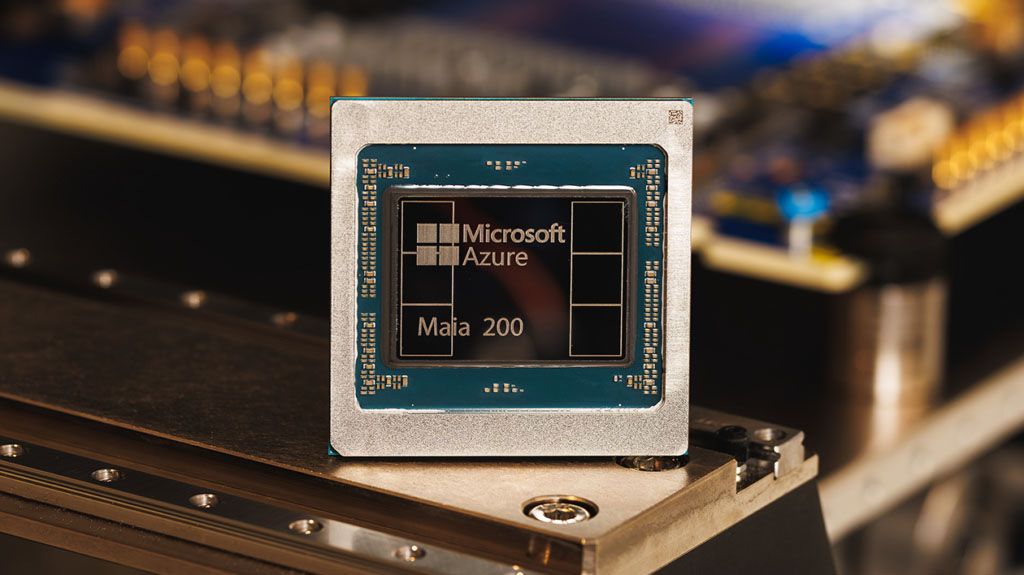

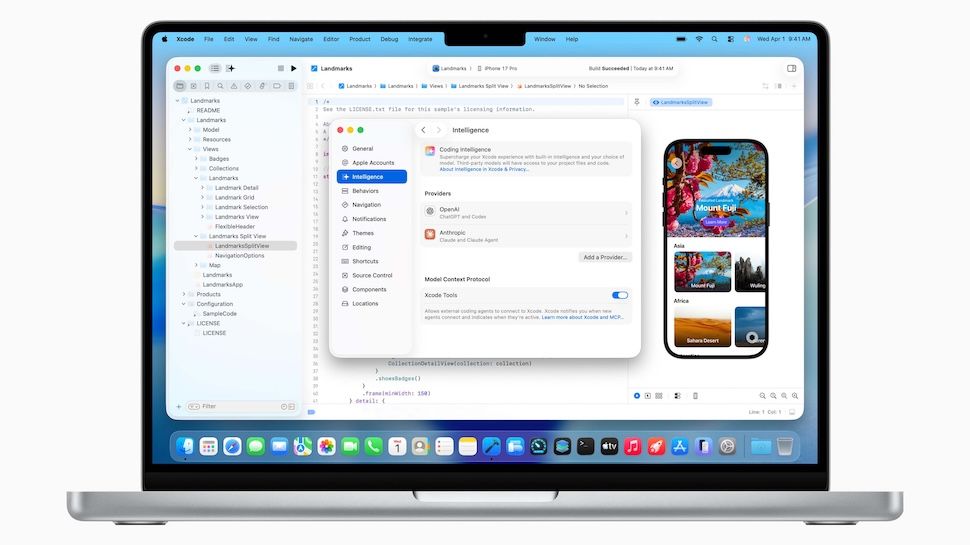

With its pivot to HAMR, Western Digital aims to deliver 100TB+ HDDs Western Digital has promised to launch 100TB HDDs by 2029, delivering a 2.5x increase in storage density over the next three years. This year, Western Digital will launch 40TB HDDs. This drive is their ePMR 40TB UltraSMR HDD, which enters volume production later […]
The post Western Digital promises 100TB HDDs by 2029 appeared first on OC3D.
Microsoft is reportedly walking back on Windows AI integrations If you ask any heavy Windows user about their opinions on Copilot and AI, you will likely hear nothing but complaints. For too long, Microsoft has used Windows as an AI testing ground, with users serving as guinea pigs. AI is being forced on users, even […]
The post We win? Microsoft to scale back AI integrations into Windows appeared first on OC3D.





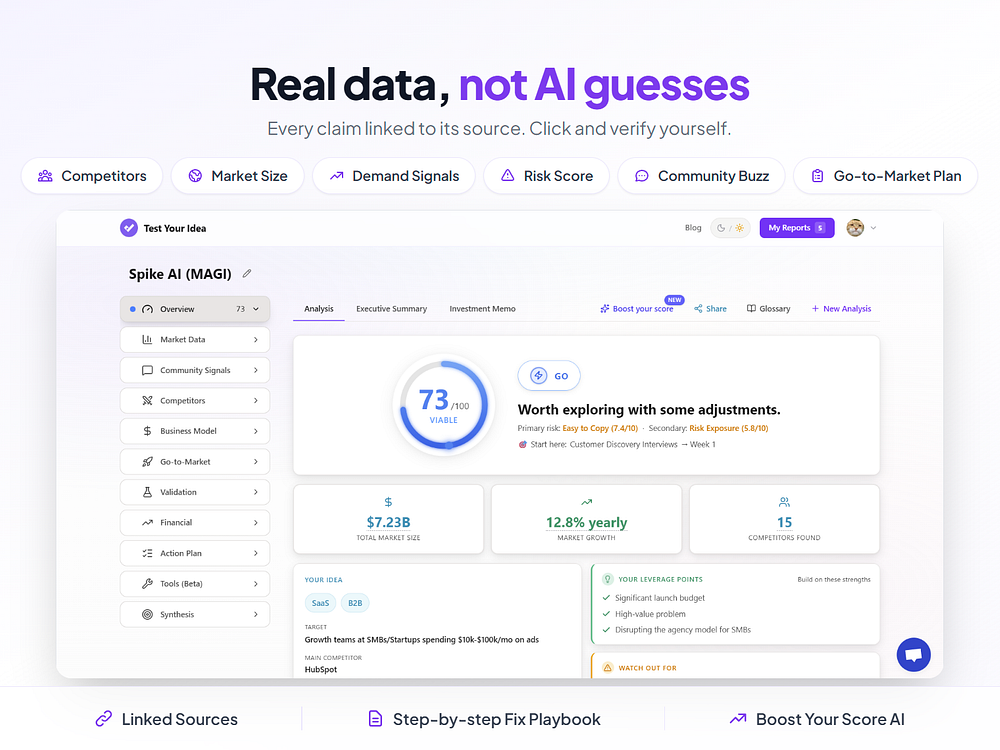
Test Your Idea scans 11 live data sources and tells you what's wrong with your startup before you write a single line of code. You're about to spend six months building something, but will anyone pay for it?
Drop your idea in two sentences and get back a viability score (0-100), real competitors (not the ones you googled), market size with actual sources, the three biggest problems you'll face, and what to fix before you start. Free scan. Full report for $19. No subscription.

This is one of the cheapest OLED Android gaming handhelds on the market, powered by the Snapdragon 865 processor. MANGMI Launches Pocket Max OLED Gaming Handheld at Just $199 as Super Early Bird Price Popular handheld maker, MANGMI, has announced its latest Android gaming handheld called Pocket Max, bringing the power of the Snapdragon 865 processor and Adreno 650 GPU for a smooth gaming experience. It's the second Android handheld device from the company that delivers significantly superior specs out of the box, including the internal hardware and screen, which makes Pocket Max a powerful Android handheld for enthusiasts. While […]
Read full article at https://wccftech.com/mangmis-new-7-inch-144hz-oled-android-gaming-handheld-launched-at-just-199/


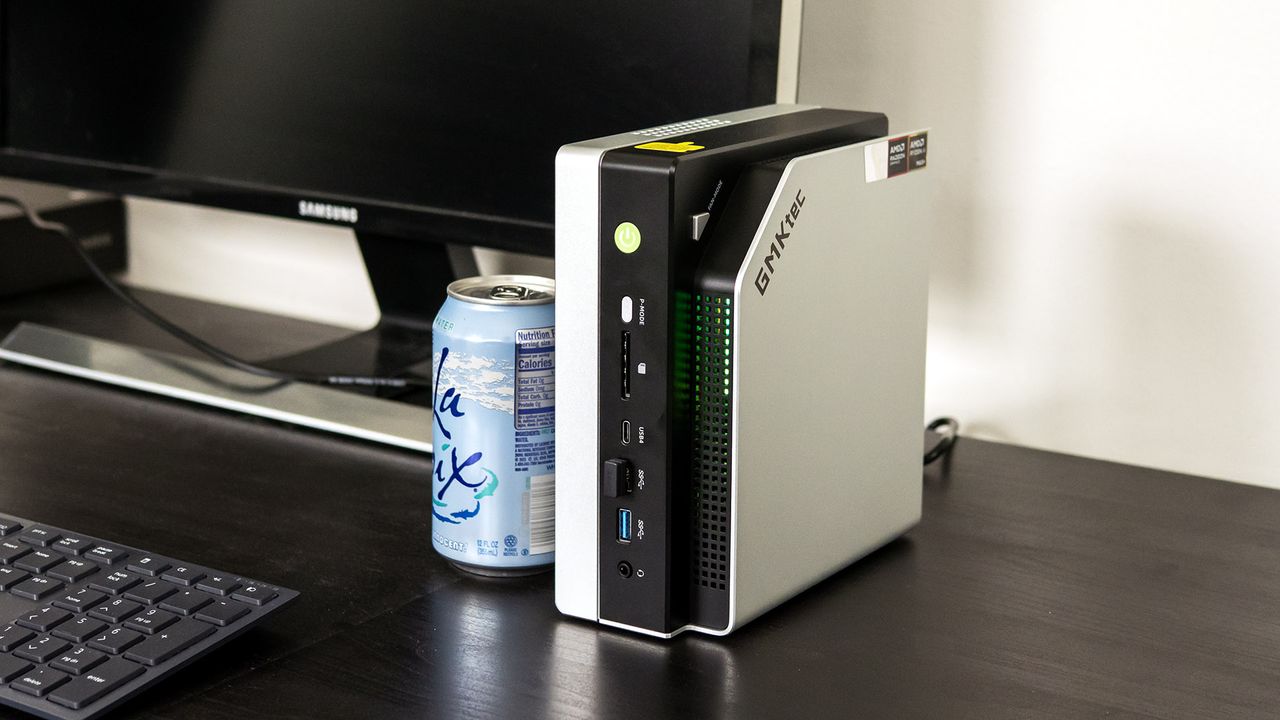
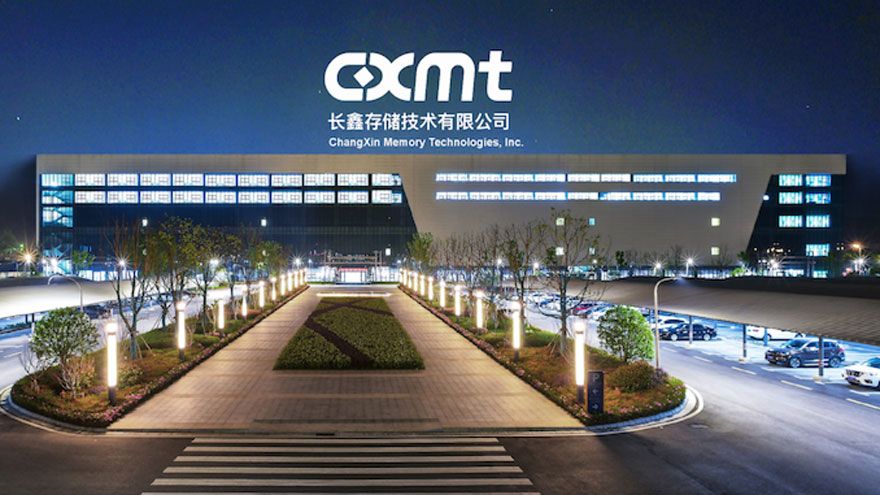


Run Claude Code agents in terminal with a visual editor
One shared moment a day

One of the biggest reasons new advertisers end up in underperforming Performance Max campaigns is simple: they followed Google’s advice.
Google Ads reps are often well-meaning and, in many cases, genuinely helpful at a surface level.
But it’s critical for advertisers – especially new ones – to understand who those reps work for, how they’re incentivized, and what their recommendations are actually optimized for.
Before defaulting to Google’s newest recommendation, it’s worth taking a step back to understand why the “shiny new toy” isn’t always the right move – and how advertisers can better advocate for strategies that serve their business, not just the platform.
Google Ads reps play a specific role, and that role is frequently misunderstood.
They do not:
Their responsibility is not to build a sustainable acquisition strategy for your business. Instead, their primary objectives are to:
That distinction matters.
Performance Max is Google’s flagship campaign type. It uses more inventory, more placements, and more automation across the entire Google ecosystem.
From Google’s perspective, it’s efficient, scalable, and profitable. From a new advertiser’s perspective, however, it’s often premature and misaligned with early-stage needs.
Dig deeper: Dealing with Google Ads frustrations: Poor support, suspensions, rising costs
Performance Max often benefits Google before it benefits the advertiser.
Because it automatically spends across Search, Shopping, Display, YouTube, Discover, and Gmail, Google is given near-total discretion over where your budget is allocated. In exchange, advertisers receive limited visibility into what’s actually driving results.
For Google, this model is ideal. It monetizes more surfaces, accelerates adoption of automated bidding and targeting, and increases overall ad spend across the board. For advertisers – particularly those with new or low-data accounts – the reality looks different.
New accounts often end up paying for upper-funnel impressions before meaningful conversion data is available.
Budgets are diluted across lower-intent placements, CPCs can spike unpredictably, and when performance declines, there’s very little insight into what to fix or optimize.
You’re often left guessing whether the issue is creative, targeting, bidding, tracking, or placement.
This misalignment is exactly why Google reps so often recommend Performance Max even when an account lacks the data foundation required for it to succeed.
What Google defines as “best practice” does not automatically translate into the best strategy for your business.
Google reps operate from generalized, platform-wide guidance rather than a custom account strategy.
Their recommendations are typically driven by aggregated averages, internal adoption goals, and the products Google is actively promoting next – not by the unique realities of your business.
They are not built around your specific business model, your customer acquisition cost tolerance, your testing and learning roadmap, or your need for early clarity and control.
As a result, strategies that may work well at scale for mature, data-rich accounts often fail to deliver the same results for new or growing advertisers.
What’s optimal for Google at scale isn’t always optimal for an advertiser who is still validating demand, pricing, and profitability.
Dig deeper: Google Ads best practices: The good, the bad and the balancing act
Smart advertisers understand that automation is something you earn, not something you start with.
Even today, Google Shopping Ads remain one of the most effective tools for new ad accounts because they are controlled, intent-driven, and rooted in real purchase behavior.
Shopping campaigns rely far less on historical conversion volume and far more on product feed relevance, pricing, and search intent.
That makes them uniquely well-suited for advertisers who are still learning what works, what converts, and what deserves more budget.
To understand how this difference plays out in practice, consider what happened to a small chocolatier that came to me after implementing Performance Max based on guidance from their dedicated Google Ads rep.
The challenge was straightforward: The retailer’s Google Ads account was new, and Performance Max was positioned as the golden ticket to quickly building nationwide demand.
The result was disastrous.
To make matters worse, conversion tracking had not been set up correctly, causing Google to report inflated and inaccurate sales numbers that didn’t align with Shopify at all.
Understandably, the retailer lost confidence – not just in Performance Max, but in paid advertising as a whole. Before walking away entirely, they reached out to me.
Recognizing that this was a new account with no reliable data, I immediately reverse-engineered the setup into a standard Google Shopping campaign.
We properly connected Google Ads and Google Merchant Center to Shopify to ensure clean, accurate tracking.
From there, the campaign was segmented by product groups, allowing for intentional bidding and clearer performance signals.
Within two weeks, real sales started coming through.
By the end of the month, the brand had acquired 56 new customers at a $53 cost per lead, with an average order value ranging from $115 to $200.
More importantly, the account now had clean data, clear winners, and a foundation that could actually support automation in the future.
Dig deeper: The truth about Google Ads recommendations (and auto-apply)
By starting with Shopping campaigns, advertisers can validate products, pricing, and conversion tracking while building clean, reliable data at the product and SKU level.
This early-stage performance proves demand, highlights top-performing items, and trains Google’s algorithm with meaningful purchase behavior.
Shopping Ads also offer a higher level of control and transparency than Performance Max.
Advertisers can segment by product category, brand, margin, or performance tier, apply negative keywords, and intentionally allocate budget to what’s actually profitable.
When something underperforms, it’s clear why – and when something works, it’s easy to scale.
This level of insight is invaluable early on, when every dollar spent should be contributing to learning, not just impressions.
Standard Shopping consistently outperforms Performance Max for accounts that require granular control over product groups and bidding – especially when margins vary significantly across SKUs and precise budget allocation matters.
It allows advertisers to double down on proven winners with exact targeting, intentional bids, and full visibility into performance.
That said, once a Shopping campaign has been running long enough to establish clear performance patterns, a hybrid approach can be extremely effective.
Performance Max can play a complementary role for discovery, particularly for advertisers managing broad product catalogs or limited optimization bandwidth.
Used selectively, it can help test new products, reach new audiences, and expand beyond existing demand – without sacrificing the stability of core revenue drivers.
While Performance Max reduces transparency and control, pairing it with Standard Shopping for established performers creates a balanced strategy that prioritizes profitability while still allowing room for scalable growth.
Dig deeper: 7 ways to segment Performance Max and Shopping campaigns
Google reps are trained to recommend what benefits the platform first, not what’s safest or most efficient for a new advertiser learning their market.
While Performance Max can be powerful, it only works well when it’s fueled by strong, reliable data – something most new accounts simply don’t have yet.
Advertisers who prioritize predictable performance, cleaner insights, and sustainable growth are better served by starting with Google Shopping Ads, where intent is high, control is stronger, and optimization is transparent.
By using Shopping campaigns to validate products, understand true acquisition costs, and build confidence in what actually converts, businesses create a solid foundation for automation.
From there, Performance Max can be layered in deliberately and profitably – used as a tool to scale proven success rather than a shortcut that drains budget.
That approach isn’t anti-Google. It’s disciplined, strategic advertising designed to protect spend and drive long-term results.















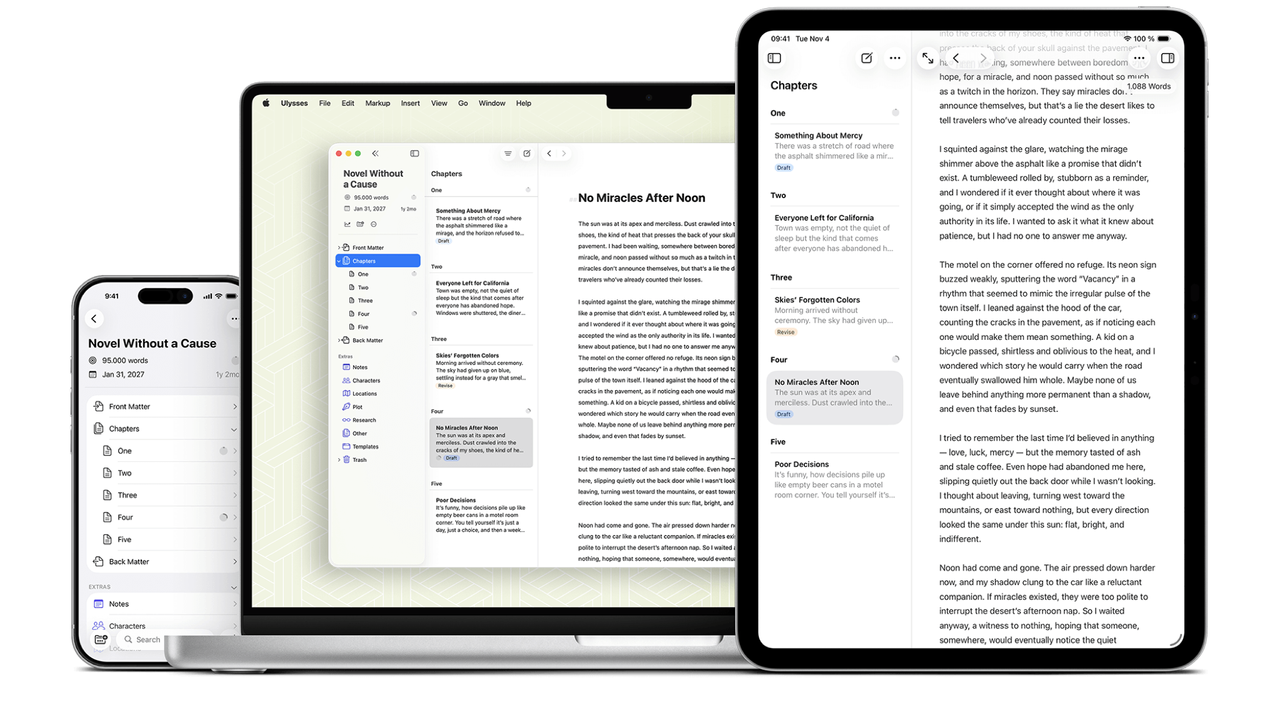
Borderlands 4 may never arrive on Nintendo’s Switch 2 Borderlands 4 was originally due to launch on Switch 2 on October 3rd, with Gearbox confirming a last-minute delay one week before its planned launch. Now, four months later, Take-Two Interactive, the game’s publisher, has confirmed that they have chosen to “pause development” of the game’s […]
The post Take-Two “pause” Borderlands 4 development for Switch 2 appeared first on OC3D.





Dr. Lisa SuFor 2026, we expect semi-custom SoC annual revenue to decline by a significant double-digit percentage as we enter the seventh year of what has been a very strong console cycle. From a product standpoint, Valve is on track to begin shipping its AMD-powered Steam Machine early this year, and development of Microsoft's next-gen Xbox featuring an AMD semi-custom SoC is progressing well to support a launch in 2027.


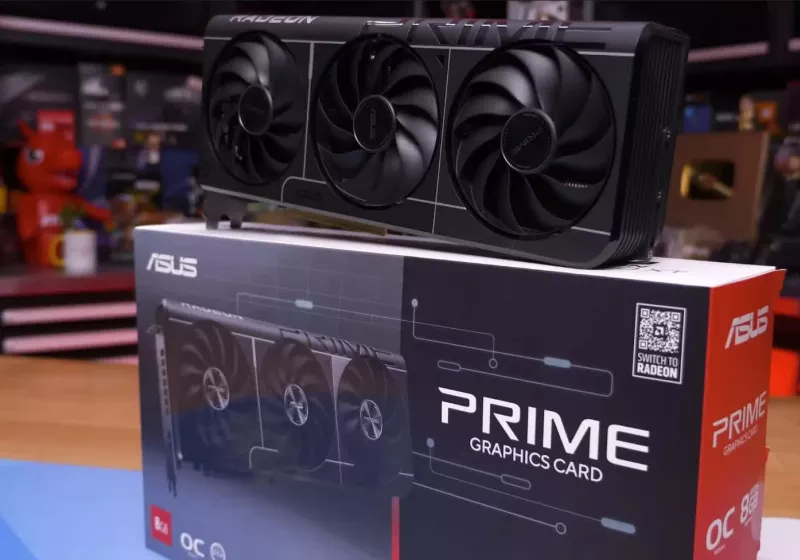

Liv is a comprehensive wellness platform that integrates mental health support, fitness tracking, and daily management tools specifically designed for ADHD executive function challenges. It currently connects with Google Calendar, Google Tasks, Fitbit API, and offers in-the-moment AI coaching support. The mission is to create accessible mental health and wellness tools informed by lived experiences with combined-type ADHD, bridging the gap between clinical understanding and daily reality for neurodivergent individuals.

Nioh 3 features a vast weapon selection, with many options within the different weapon types for Samurai and Ninja Style sporting a set passive skill, alongside randomly assigned skills that can be used to define your character build. Among these weapon choices are Crucible weapons. These remarkable weapons are difficult to come by while playing the game normally, but there's an easy way to farm them in the early game. Become the Master of Weapons: here's where you can farm Crucible Weapons, and why you should to unlock the full combat potential of Takechiyo. How to Farm Crucible Weapons Farming […]
Read full article at https://wccftech.com/how-to/the-master-of-weapons-how-to-farm-crucible-weapons-in-nioh-3/


Nioh 3 is the first new entry in the hardcore action role-playing game series by Team NINJA in over 6 years, and a lot has changed since the second entry. While the basic combat mechanics and loot system are rooted in the franchise's history, the third entry introduces many changes and additions that can leave even veterans a little confused. In this Complete Walkthrough and Guides Hub, you will find everything you need not only to successfully complete your journey through time but also to have tons of fun while doing so, starting from the Warring States period, which can be […]
Read full article at https://wccftech.com/how-to/nioh-3-complete-walktrough-and-guides-hub/


The updated 14-inch and 16-inch MacBook Pro models that are rumored to launch in March with Apple’s new M5 Pro and M5 Max chipsets are expected to retain the same thermal solution as the previous models. Despite these SoCs being highly efficient, they do tend to get exceptionally hot. While the technology giant might not be too keen to introduce a revamped heatpipe layout or switch to a vapor chamber, a fresh rumor claims that TSMC’s 2.5D packaging will be utilized instead of the company’s Integrated Fan-Out (InFO) technology, helping improve heat dissipation and lower resistance. There are other advantages too, which […]
Read full article at https://wccftech.com/m5-pro-and-m5-max-to-move-to-2-5d-from-info-packaging-leading-to-improved-heat-dissipation/


Yesterday, Epic published the Epic Games Store year-in-review post, revealing new records for sales of third-party games (+57% over last year), total PC users (over 317 million), and monthly active users (MAUs; 78 million in December 2025, when the giveaway of Hogwarts Legacy added around six million users). That said, while playtime spent with third-party games increased by 4%, total engagement across all Epic Games Store titles dropped by 14%, signaling a decrease in first-party engagement of games like Fortnite and Rocket League. Website GamesIndustry.biz was able to interview Epic Games Store General Manager Steve Allison, who admitted that the […]
Read full article at https://wccftech.com/epic-games-store-gm-admits-steam-wont-be-toppled/