The Uniswap price chart just printed a sharp 15% intraday rise, and this time it’s not just retail noise. Infact, Whale transaction counts have spiked aggressively and the timing is hard to ignore. UNI recently tapped $2.35, a level closely aligned with late-2020 support zones. Now, heavy capital is stepping in post BlackRock news.
Is the rise from UNI’s lowest point in years a Coincidence? Maybe or Maybe not. let’s look closer for a much clearer perspective.
Why Whales Are Moving & Buying in Sync in Uniswap crypto
Over the past 24 hours, based on Santiment onchain data, 10 addresses have executed transactions exceeding $1 million. At the same time, more than 175 addresses moved over $100K each, both are classified as whale transactions. That’s not random liquidity shuffling, infact that’s concentrated involvement.
Meanwhile, whale cohorts holding between 1,000 and 1 million UNI have increased their balances. In plain terms, larger players aren’t just trading the bounce they’re mass accumulating.
On the Uniswap price chart, this activity coincides with price stabilizing near long-term structural support. And while broader market sentiment remains fragile, this sort of synchronized whale behavior tends to precede volatility one way or another.
Network Activity Rebound Supports Bullish View For Uniswap price
Now here’s where it gets interesting. Daily active addresses jumped to 1,853 from around 1,150 in prior days. That’s a material uptick in on-chain participation. Interest in Uniswap crypto isn’t just speculative but real users are interacting again and that’s the most positive thing happened.
At the same time, the 30-day MVRV ratio has improved. That metric essentially tracks whether recent buyers are underwater. With it recovering, traders from the past month are beginning to regain position strength. If momentum continues, short-term recovery pressure could build.
Still, let’s be real. A bounce doesn’t automatically mean a trend shift.
BlackRock Catalyst
So why the sudden spark in what was otherwise a bearish atmosphere?
Uniswap Labs and Securitize announced a partnership with BlackRock to enhance DeFi liquidity for institutional investors via the USD Institutional Digital Liquidity Fund (BUIDL). The collaboration enables on-chain trading of BUIDL shares through UniswapX, an auction-driven protocol.
That headline alone was enough to jolt the UNI/USD pair higher.
Institutional bridges tend to shift perception fast. And perception, especially in crypto, often drives short-term price action harder than fundamentals.
UNI/USD Key Deciding Resistance Looms
Now comes the harder part, as the intraday spike loved by all and bullish speculation already jumped. But, the worries has not over yet, as immediate resistance range sits between $5.50 and $7.00.
Clearing that band would suggest the Uniswap price is re-entering a broader bullish range. Failure to build above current momentum, however, could send UNUSD back into consolidation most likely under $4.00 again, until macro sentiment improves.
So, what’s next? For now, the Uniswap price analysis suggests that it is responding to whale accumulation, improving on-chain metrics, and an institutional headline. Whether this develops into a sustained move depends less on today’s spike and more on whether the broader market narrative decides to cooperate.
The LayerZero price doesn’t usually move quietly. This time, it detonated. A 38% intraday spike and over 75% in seven days. And suddenly, ZRO is the token everyone’s pretending they were watching all along.
What lit the match? Institutional gravity. An announcement confirming a Ark Invest CEO Cathie Wood’s advisory board addition hit the tape, reinforcing a clear narrative: finance is shifting on-chain, and LayerZero intends to be part of that infrastructure layer. Add to that a strategic investment from Tether tied to interoperability tech used by USDt0, and the story writes itself, as this shows credibility, capital, and long-term positioning.
But let’s be real. The market doesn’t move on vision alone. It moves on positioning.
LayerZero Price Surged WIth Institutional Boost
The news cycle delivered exactly what speculative markets crave for. Institutional attention, Reduced perceived project risk, Signals of long-term relevance and most importantly the fresh capital that’s looking for exposure.
That cocktail pushed the LayerZero price sharply higher and flipped sentiment fast. On the LayerZero price chart, the vertical structure is hard to ignore. ZRO/USD didn’t grind up. It sprinted.
And whenever a chart starts sprinting, traders start sweating.
Big Resistance Lies Ahead In ZRO/USD
Here’s the technical friction point. On the daily timeframe, ZRO/USD is facing resistance in the $2.45–$2.50 range. That’s the immediate ceiling. Price pushing beyond it won’t be easy, and the current hesitation suggests the rally may be running hot.
Now, the nearest round number support sits near $2.00, where possibly other major players are having eye at. If momentum cools and since overheated metrics suggest it might then that’s the level traders are quietly circling.
The broader LayerZero price prediction now hinges on one simple condition: a sustained daily close above $2.45–$2.50. Without that confirmation, upside targets near $2.90 and even $3.30 remain conditional, not promised.
Why A Dip is Likely, Because of Overheating OnChain Signals
And here’s the uncomfortable part. CryptoQuant metrics flag the asset as overheated. Futures retail activity over the past 24 hours has surged, suggesting too many late entrants are piling in at once. Historically, when retail crowds futures positioning, larger players tend to reassess risk.
Volume bubble maps across both futures and spot markets echo that heating pattern. Translation? The move may be extended in the short term.
Now, could the LayerZero crypto rally ignore these warning signs and continue higher? Absolutely. Markets love squeezing doubters. But confirmation matters.
So what’s next in LayerZero price?
If buyers defend $2.00 and build structure, the narrative holds. If price reclaims and closes firmly above the resistance band, momentum traders will chase toward higher targets.
Until then, the LayerZero price sits at a crossroads charged with institutional narrative fuel, but flashing technical exhaustion lights at the same time.
Samsung’s Unpacked event is locked in, and if history tells us anything, this is where the Galaxy S26 series officially takes the spotlight. Samsung also commenced the Galaxy S26 Reserve campaign; let’s dig deeper into the details.
The Galaxy S26 Reserve perks, broken down
Samsung doesn’t hide perks behind unclear wording this time. The Reserve program includes real incentives you can use.
First, there’s the $150 Samsung Credit. This is bigger than the typical accessory discount. You could be able to apply this Samsung Credit toward Galaxy Buds, cases, chargers, storage upgrades, or other Galaxy devices.
Reserving the Galaxy S26 costs nothing; no deposit, no commitment. You put your name down, and Samsung hands you a $30 instant credit when you complete your purchase, which you can use toward accessories.
Samsung is letting you lock in your trade-in value ahead of launch in India. If you own a recent Galaxy flagship, you can secure today’s maximum exchange value instead of gambling on depreciation later.
Now, the wildcard: the $5000 giveaway, technically called a sweepstakes. Everyone who reserves is entered automatically. There are tiers of prizes, and one grand winner gets a large credit or a Samsung bundle worth up to $5000.
How to reserve Samsung Galaxy S26
Go to the Galaxy S26 Reserve page. Enter basic info and confirm you want to reserve. There’s no payment required, no immediate charge. All you are doing is placing a claim on the available perks before Galaxy S26 goes official.
You will get a confirmation email with your Reserve details, including how your $150 credit and sweepstakes entry are applied. Samsung will remind you to complete your purchase so you can claim all credits and finalize your order.
Should I reserve?
If you are thinking about upgrading to the Galaxy S26 and you value predictability, early perks, and ecosystem continuity, reserving makes sense.
You are not committing funds. You are not locking into anything binding. You are securing $150 in Samsung Credit, a $30 completion credit, your current trade-in value, and a shot at a $5000 prize.
Reserve first, decide later. That’s how this should read.
Samsung just confirmed Galaxy S26 series will be available in “special colors.” The official invite of Galaxy Unpacked has arrived today and Samsung has scheduled the event for February 25, 2026, in San Francisco, California.
Recently, Samsung started reservations for the Galaxy S26 series in India, and the official website lists the availability of “special colors.”
Samsung is offering access to the upcoming special colors as a pre-reservation perk. The website highlights that consumers pre-reserving the next Galaxy would have access to the colors exclusively sold by Samsung.
The Korean tech giant has only confirmed the event date and venue. However, teasers are giving us early looks at the upcoming devices and their features. Samsung also didn’t reveal the hues that will be sold as online exclusives.
Previously, the Galaxy S26 Ultra was tipped to launch in Pink Gold and Silver Shadow. The two shades will be sold through Samsung.com and the Shop app. Four colors will be featured as standard, with Violet being the signature shade.
Galaxy S26 series will be available in Violet, Black, Blue, and White colorways. The Black would be completely dark, with the frame matching body color. White will look absolutely elegant and mesmerising as shown in leaked renders.
For serious Samsung fans in India, the Galaxy S26 India pre-reserve is less about hype and more about locking in leverage before launch night. February 25 will bring the specs, while the decision-making window has already opened.
Samsung today announced the Galaxy Unpacked, where new Galaxy S series models will be unveiled. Meanwhile, the South Korean tech giant does not want you waiting till launch night to make a move.
Rs 999 VIP Pass
The pre-reserve works through an Rs 999 VIP Pass, which is refundable. You can grab it on Samsung.com or the Shop App.
It unlocks three separate incentives.
A Rs 2,699 e-Store voucher for accessories
Entry into a lucky draw worth up to Rs 50,000
A separate chance to win a Rs 5,000 voucher through a simple registration contest
Exchange value lock-in
Samsung is offering an Exchange Value Lock-In before launch. That means you can freeze the resale value of your current smartphone now, instead of gambling on what it will be worth after the S26 is officially announced.
Anyone who has tried selling a device during launch season knows what happens. The moment a new flagship is revealed, old models drop. However, this lock-in protects you from that slide toward the Galaxy S26 purchase.
Should you pre-reserve?
If you were planning to upgrade anyway, the math makes sense.
Rs 999 gets you:
Accessory savings
Giveaway eligibility
Price protection on your old phone
This combination reduces risk and that is what pre-reserve programs are really about.
Just hours after rolling out Android 16 QPR3 Beta 2.1, Google confirmed that it is already moving on. Attention now shifts to the next big phase, the Android 17 Beta release, internally tagged 26Q2, and it’s big news for Samsung fans!
Android 17 is no longer a distant roadmap item. For Galaxy fans, this is the start of the One UI 9.0 story. It is officially in motion, and Samsung’s next chapter will build directly on what Google begins testing in the weeks ahead.
Samsung is expected to launch its Android 17-based One UI 9 with the Galaxy Z Fold 8 and Z Flip 8 around July this year. The next-gen foldables would maintain the legacy initiated by the Z7 series models in the latter part of 2025.
Android 17 Beta 1 is kicking off soon.
Google has made it clear that once you move onto Android 17 Beta 1, you cannot opt out without wiping your device. The only clean exit without a data wipe comes at the end of the Android 17 Beta cycle, which runs through June 2026.
The OTA message will have ‘Downgrade’ in the description. Opting out will not cause a data wipe as long as you don’t apply the downgrade OTA update.
One UI 9
Pixel Betas may seem distant from the Galaxy ecosystem, but they are the blueprint. Every UI tweak, privacy change, and core shift in Android 17 will ripple into One UI 9. Samsung typically begins internal One UI testing well final Android release.
By the time Android 17 hits platform stability in June 2026, One UI teams will already be adapting features to fit the Galaxy experience. It would include deeper AI integration, refined multitasking for foldables, and tighter security controls.
Price prediction for 2026 suggests a potential high of $55.
Long-term forecasts indicate LINK could reach $195 by 2030.
Chainlink has emerged as a game-changing decentralized oracle network, enabling smart contracts to connect seamlessly with real-world data, APIs, and traditional financial systems. As the crypto market evolves, Chainlink’s role continues to expand, especially with its Cross-Chain Interoperability Protocol (CCIP) gaining traction. Its native token, LINK, not only powers the ecosystem but has also caught the attention of investors and analysts. As a result, institutional interest surged, leading to the launch of the LINK ETF by Grayscale in early December 2025.
With LINK price showing signs of a potential breakout and strong on-chain fundamentals backing its rise, the big question remains: Can LINK coin price hit $50 in December 2025? Let’s dive into this detailed Chainlink price prediction 2026–2030 to find out.
Chainlink (LINK) is currently around $8.50, and odds suggests a dip to crucial support between $4.15 and $6.05 is highly likely if bearish sentiment elevates more. In shortterm, from $8.50 bulls may try a fight to $12 or $15, but persistent bearish pressure might lead it back to the lower range.
Chainlink Price Targets February 2026
In January, the LINK price failed to hold $13 and collapsed to $7 by early February. But, with a slight recovery, it is trying hard to sustain in $8.50 range. If it redevelops as a support, then a revisit to $12 or $15 could be expected, but if $8.50 loses, then $4.15-$6.05 could be the last line of defense.
Chainlink Price Prediction 2026
The weekly chart highlights an important price range for Chainlink (LINK) between $4.15 and $6.05. For many years, this range has provided crucial support, preventing the price from declining further.
In 2023, the price surged from this range, reaching a high of $31 by late 2024. However, bearish market conditions took over, leading to a consistent decline from 2025 onward. Early 2026 continued this downward trend, with the price now struggling around $8.50.
This support level is significant in the short term, as a reversal from this point could lead to a retest of the $12 or $15 levels. Historically, prices do not drop straight down without a challenge from bullish investors. However, if selling pressure remains strong and demand fails to meet expectations, the price may approach the $4.15 to $6.05 demand area again.
Looking ahead, the Chainlink price prediction for 2026 indicates the potential for a significant price surge similar to the explosive rally observed in 2020. Analysts suggest that if momentum and market sentiment align positively, the price could see a reversal, but it would take time to process that kind of price action.
Year
Potential Low ($)
Potential Average ($)
Potential High ($)
2026
35
50
55
Chainlink On-Chain Analysis
In the LINK on-chain metrics, both spot and futures markets are clearly exhibiting a Taker Buy-Dominant phase. It shows that buyers are actively executing at market prices without waiting for pullback opportunities. This is simply a strong sense of conviction rather than speculative strategies.
Additionally, the Average Order Size in both the spot and futures markets has escalated into the “Big Whale” category. This shift signals the involvement of institutional participants, who significantly influence LINK’s market structure, rather than retail trading flows.
Chainlink Price Targets 2026 – 2030
Year
Potential Low ($)
Potential Average ($)
Potential High ($)
2026
35
50
55
2027
48
64
80
2028
58
85
104
2029
70
108
141
2030
85
147
195
This table, based on historical movements, shows Chainlink price to reach $195 by 2030 based on compounding market cap each year. This table provides a framework for understanding the potential LINK price movements. Yet, the actual price will depend on a combination of market dynamics, investor behavior, and external factors influencing the cryptocurrency landscape.
LINK Crypto Price Forecast 2026
As per Chainlink’s Price forecast for 2026, the high price could be $55, the low may reach $35. This makes the average around $50.
LINK Price Prediction 2027
Moving to 2027, the LINK Price projects that it might hit a high price of $80 potentially. With a $48 low and an average of $64.
Chainlink Price Analysis 2028
Moving to 2028, the Chainlink Price Forecast predicts a high price of $104. On the flip side, the low may fall to $58, and the average is projected to be around $85.
LINK Coin Price Prediction 2029
As per Chainlink Price Forecast 2029, LINK’s high price is predicted to be $141, with a low of $70 and an average of $108.
Chainlink Price Prediction 2030
Finally, as per the Chainlink Price Forecast 2030, LINK’s price can reach a high price of $195. With a low of $85 and an average of $147.
Market Analysis
Firm Name
2026
2030
Changelly
$25.83
$140.70
coincodex
$6.44
$14.79
Binance
$18.43
$22.40
Mitrade
$32.22
$139.2
Investing Haven
$54.10
$80
Flitpay
$62.6
$110
*The aforementioned targets are the average targets set by the respective firms.
Never Miss a Beat in the Crypto World!
Stay ahead with breaking news, expert analysis, and real-time updates on the latest trends in Bitcoin, altcoins, DeFi, NFTs, and more.
FAQs
How much is Chainlink worth?
At the time of writing, the value of one LINK crypto token was $ 8.30107549.
What is the price prediction for Chainlink in 2026?
Chainlink price prediction for 2026 suggests LINK could trade between $35 and $55, with an average price near $50 under bullish conditions.
How much will 1 Chainlink be worth in 2030?
By 2030, 1 Chainlink could be worth between $85 and $195, depending on adoption, market cycles, and long-term crypto growth.
Where will Chainlink be in 5 years?
In five years, Chainlink is expected to be a core Web3 infrastructure, with broader adoption and a potential price range of $80–$140.
Is Chainlink a good long-term investment?
Chainlink is considered strong long term due to its real-world utility, oracle dominance, institutional adoption, and expanding cross-chain ecosystem.
What factors influence Chainlink price predictions?
LINK price is driven by oracle demand, CCIP adoption, staking growth, institutional interest, crypto market cycles, and global liquidity trends.
Samsung fans interested in the Galaxy S26 series can now reserve the next Galaxy on Best Buy and AT&T as well. For the first time, Samsung has expanded reservations outside its territory in view of added convenience.
Galaxy S26 reserve unlocks a $30 discount when you preorder the new devices. It will be provided as a gift card, which you can spend toward accessories. Here is how you can reserve the Galaxy S26 series on Best Buy and AT&T.
Samsung
Samsung announced Galaxy S26 reservation benefits, including $30 Samsung Credit and up to $900 savings via trade-in. Reservation also enrolls you into a hefy $5000 giveaway, with the luckiest grabbing the full amount.
Best Buy
Best Buy launched a dedicated Galaxy Unpacked Reserve page on its website. It’s a simple process as you just need to provide your email address. Once done, you will receive exclusive alerts along with Best Buy communication.
The e-commerce is letting users reserve the new Galaxy by February 25, 2026, at 11:59 a.m. CT. You will be entitled to a $30 discount coupon, usable toward select accessories while preordering the Galaxy S26 series.
AT&T
In its Unpacked invite press release, Samsung announced AT&T will offer Galaxy S26 reservations. As of now, the carrier hasn’t launched a landing page for the same, nor has any such annoucement has been made on social accounts.
We will update this article when AT&T begins reservations.
Galaxy S26 Ultra is the next big thing from Samsung, and everyone is eager to know the release date. On February 11, the company officially confirmed the Unpacked event, and we can assume a tentative market availability post-launch.
Samsung Galaxy S26 Ultra release date
Samsung has so far launched five flagship lineups between 2020 and 2025. Over the past five years, it has been seen that the company has shifted the Galaxy S Unpacked event from the end of the first quarter to early or mid-quarter.
Here’s a brief look at the last five flagship launches and releases:
Galaxy S20 series
Launch date – February 11, 2020
Release date – March 6, 2020
Galaxy S21 series
Launch date – January 14, 2021
Release date – January 29, 2021
Galaxy S22 series
Launch date – February 9, 2022
Release date – February 25, 2022
Galaxy S23 series
Launch date – February 1, 2023
Release date – February 17, 2023
Galaxy S24 series
Launch date – January 17, 2024
Release date – January 31, 2024
Galaxy S25 series
Launch date – January 22, 2025
Release date – February 7, 2025
Galaxy S26 series?
During those five years, February remained Samsung’s favorite month. The company either hosted the Unpacked event in February or started the first sale. However, a 4-week delay has pushed the first sale to the month of March.
We were anticipating the Galaxy S26 series’ sale in the second week of March 2026. The sudden cancellation of the Galaxy S26 Edge and revival of the S26 Plus are significantly delaying the launch and release timeline of the flagships.
Samsung will launch the Galaxy S26 Ultra with several meaningful upgrades. The smartphone will get the latest Qualcomm chipset, enhanced camera sensors, next-gen One UI software, a new array of AI features, and a lot more.
Galaxy S26 and S26 Plus will use Exynos and Snapdragon chips, based on the market. The Galaxy S26 Ultra will stick to Snapdragon 8 Elite Gen 5 globally. 2027 may see a broader adoption of Exynos chips in Samsung flagships.
We will update this article based on reliable news about the launch/release date.
Samsung released the official Galaxy Unpacked invite, and it wasn’t just another press release. As always, Samsung continues to impress with its innovative marketing, with Galaxy S26 Unpacked alerts now just a Like away.
Galaxy S26 series is confirmed to be unveiled on February 25 in California. We are right two weeks away from the official reveal. This gap will be filled with various promotions, teasers, and official editorial articles from executives.
We, at SammyFans, keep our readers updated with the latest news and insights. As part of the Unpacked campaign, Samsung has also launched a curated alerts system for the Galaxy S26 series that activates with a Like.
One of Samsung Mobile’s X posts isn’t just a post. It doubles down as an alert registration opportunity and requires no typing. If interested, hit the Like button, and you will be enrolled for exclusive updates and sneak peeks.
Tapping the Like isn’t just boring, but returns a confirmation that you are in. Once done, you will be receiving exclusive Galaxy Unpacked updates, sneak peeks, and first-to-know alerts that will keep you ahead of the curve.
Samsung touts Galaxy AI will make everyday life easier than ever. This sensation is triggered by Agentic AI included in the Galaxy S26 series. Many more meaningful improvements are on the way as Unpacked is finally set.
Ahead of its February 25 Unpacked event, Samsung has opened Galaxy S26 reservations in the US and tied them to a $5000 Samsung.com sweepstakes (giveaway) that does not require a purchase.
Every reservation doubles as an entry into a sweepstakes for a $5,000 Samsung.com gift card. No purchase is required to enter, at least on paper, so there is no downside to throwing your name in.
The sweepstakes opens at 6:00 p.m. ET on February 10 and closes at 12:59 p.m. ET on February 25, just ahead of Unpacked. One winner takes the entire $5,000 Samsung.com digital gift card.
The sweepstakes is open to legal residents of the 50 US states and Washington, DC who are at least 18 years old. Samsung fans need to complete a Galaxy S26 reservation on the official website.
Source – Samsung Mobile Press
After February 25, Samsung’s administrator, Don Jagoda Associates, will randomly select one winner from all eligible entries. Odds depend entirely on how many people sign up, so this is pure luck, not speed or spending.
The winner will need to respond within 48 hours of notification and complete standard eligibility and release forms. Once confirmed, Samsung says the $5,000 digital gift card will be delivered within six to eight weeks.
The company is also stacking this with other perks, including a $30 credit during preorder and potential trade-in savings later, but the sweepstakes is the headline grabber. It pulls people into the funnel before Unpacked even begins.
Samsung’s next Unpacked event kicks off February 25 at 10 a.m. PT in San Francisco. If you are planning to watch the Galaxy S26 reveal anyway, reserving early is the only way to put the $5000 giveaway on the table.
Samsung has locked in its next Unpacked and confirmed that the Galaxy S26 series will break cover on February 25, with the event kicking off at 10 a.m. PT in San Francisco and streaming live on YouTube, and reservations are open.
Unpacked lands about two weeks from now, and the Galaxy S26 lineup will be the main act. Samsung is sticking to its familiar US playbook here: a live show in California, a global livestream, and a fast transition into pre-orders
Samsung has opened the gates to a $30 Samsung Credit for anyone who reserves and later pre-orders a Galaxy S26 device. That credit does not apply to the phone itself. Think cases, chargers, earbuds, watches, the usual extras.
Reservations for the Galaxy S26 series are already live, and they cost nothing. Samsung is teasing up to $900 in total savings for US buyers. It is tied to trade-ins, which is nothing new, but it is still a serious number if you are coming from a recent flagship.
Even without a trade-in, Samsung says reservations will lock in up to $150 off the Galaxy S26 series at pre-order. For the first time, Galaxy reservations are not limited to Samsung.com, as Best Buy and AT&T in the US will also accept Galaxy S26 reservations.
February 25 at 10 a.m. PT is when Samsung tells the full Galaxy S26 story. Until then, the smart move for US buyers is simple: reserve early, bank the $30 credit, and keep your options open.
Samsung today announced the Galaxy Unpacked event set for February 25, 2026, where the Galaxy S26 series will be unveiled. Samsung has shifted the Unpacked from its usual San Jose venue to San Francisco in the United States.
The Samsung Galaxy S26 Unpacked invites are also out, featuring a sparkling box containing stars of artificial intelligence. The Korean tech giant continues to keep Galaxy AI at the forefront of its mega launch event of 2026.
Unpacked is going to be an in-person event in San Francisco. However, Samsung will also livestream the event, which everyone can watch through YouTube and Facebook and Instagram handles, along with the website.
Get ready for a mobile experience designed to remove friction from the things you do every day. The new Galaxy S series is coming – built to simplify everyday interactions, inspire confidence and make Galaxy AI feel seamlessly integrated from the moment it’s in hand.
Unpacked event to go live at:
As of 10 a.m. PT (Pacific Time)
Washington (US – EST): 1 p.m. EST
London (UK – GMT): 6 p.m. GMT
New Delhi (India – IST): 11:30 p.m. IST
Seoul (South Korea – KST): 3 a.m. KST
Bangkok (Southeast Asia: 12 a.m. ICT
The release of event invite also marks the beginning of reservations for the next Galaxy. As usual, Samsung fans can reserve the next Galaxy. Reservation is free in the US and ensures early buyers grab maximum benefits during preorders.
Source – Samsung Mobile Press
Unpacked 2026 will bring Galaxy S26 series and Galaxy Buds 4 lineup. From the software side, Samsung is also unveiling the One UI 8.5. Agentic AI will be a key highlight at the event, a major upgrade over the Galaxy AI.
Galaxy S26 and S26+ will use Exynos 2600 in Asia, Africa, and Europe. The Galaxy S26 Ultra is going Snapdragon worldwide, and the two siblings will also feature Qualcomm-made chipsets in the US, Canada, and China.
Leaks suggest Galaxy S26 series price could remain unchanged in the US. Seasoned Samsung users may notice a major letdown at checkout. It’s said that Samsung may not offer a free storage upgrade due to soaring memory prices.
The Stellar price has a habit of moving when nobody’s watching. And right now, the data flashing in the background doesn’t look like noise, but it looks like intent. While timelines chase candles, capital has been positioning itself calmly, almost politely, across major exchanges. That usually ends one way.
Binance alone saw $124M in 7-day volume, Coinbase $71M, and Upbit chipped in another $65M. When writing, the Stellar price chart is hoping for fireworks, but current broader market activity and sentiment are capping the momentum. This shows trading activity is high in the XLM/USD price.
Volume Without the Drama
What makes this setup uncomfortable is how price action looks. Per Coinglass, the sustained spot volume across the week suggests this isn’t a weekend spike or a leverage-fueled shortterm sprint. It’s infact a repeat participation.
Now, combine this rising activity with a $5.26B market cap and roughly $89M in open interest, and it shows something traders hate admitting: positioning is building quietly in Stellar crypto.
XLM/USD isn’t screaming for now or may be a dip to $0.10 is coming before it grabs on to liquidity and show a reversal. But, one thing is clear that it’s whispering the positive longterm momentum quietly building.
A Familiar Pattern Returns
Now here’s where it gets awkwardly familiar. Back in 2017, Stellar price touched the lower channel twice before the market flipped. What followed wasn’t subtle, during that cycle that lasted over 280 days, XLM price expanded by roughly 49,500%.
Now, the odds are high that it helps predict the likelihood of a mirror rally. That’s not a prediction; it’s a data point that still sits on the Stellar price chart like an unanswered question.
Under the hood, Stellar crypto keeps stacking fundamentals while price drifts.
The network is ISO 20022 compliant, aimed squarely at cross-border payment infrastructure. Over the past seven days, Stellar ranked third among public chains by TVL growth, posting close to a 10% increase. That’s usage, not speculation.
Even more interesting, an old IMF discussion resurfaced featuring Stellar leadership in the context of global payments and financial plumbing. Not exactly meme-coin territory.
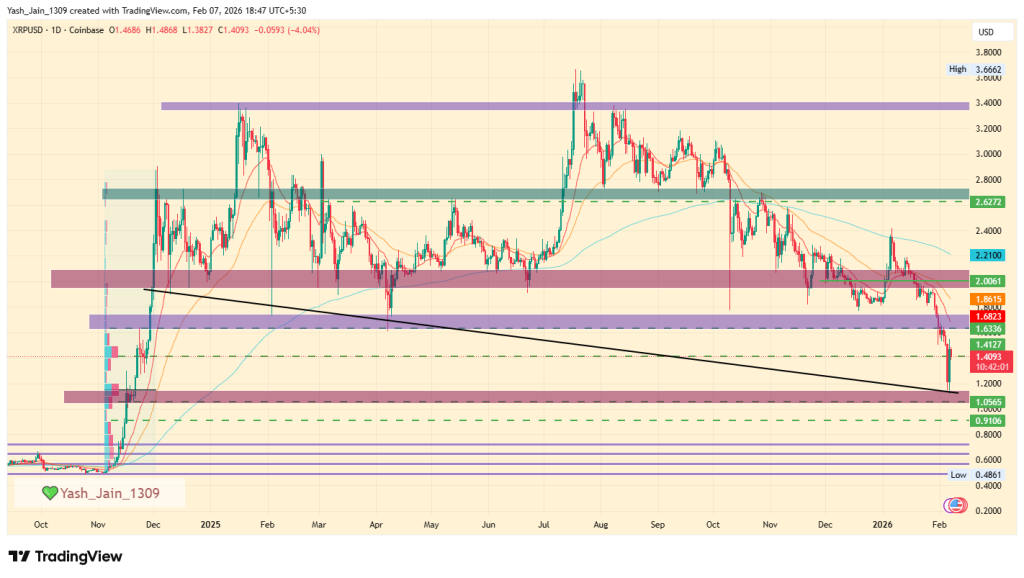
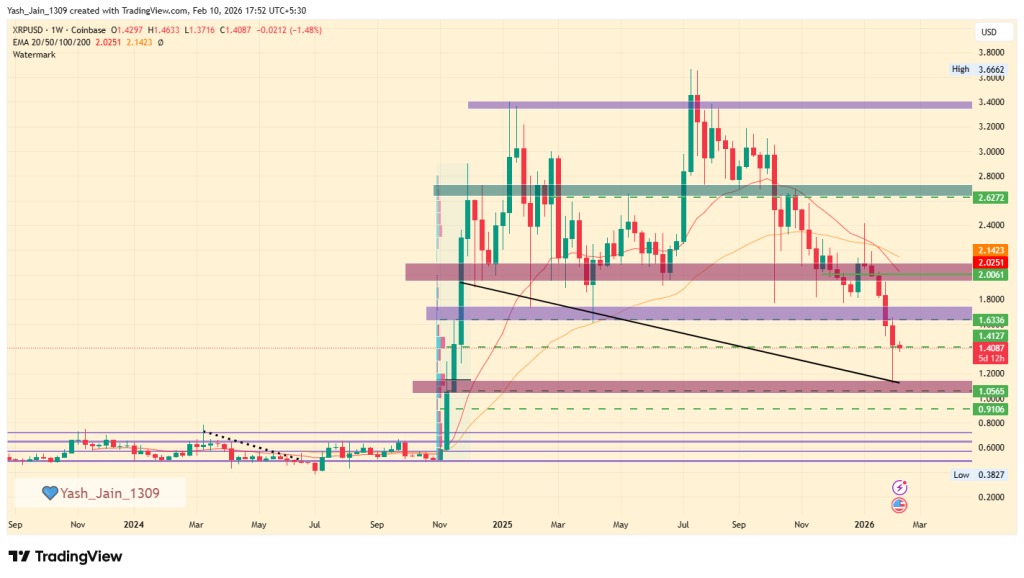
This week started with Russia dropping a regulatory bombshell, and the market barely blinked. The XRP price is still hovering around $1.42 24 hours after Russia’s news came to light, which introduced this bill to legalize XRP and crypto access for all investors. On paper, this opens the gates for roughly 146 million people. In narrative terms, it sounds massive. In price action? Its influence is not so much. Traders, for now, seem unimpressed and are looking for XRP’s next possible move.
Russia Opens the Door, Market Hesitates
The bill instantly fueled social buzz, with XRP framed as a “math-based payment mechanism” quietly favored by elite financial circles since 2013, according to a leaked email from Jeffrey Epstein. The implication is clear that XRP crypto was designed for institutions, not for speculation. That contrast has reignited long-standing debates around crypto’s real utility.
But price doesn’t trade on ideology alone. Despite the headlines, XRP/USD hasn’t seen an aggressive inflow. Instead, it’s choosing to follow broader markets trend and as a result its hovering just above $1.41 support, suggesting traders are watching, not chasing.
XRP Price Chart Sends Mixed Signals
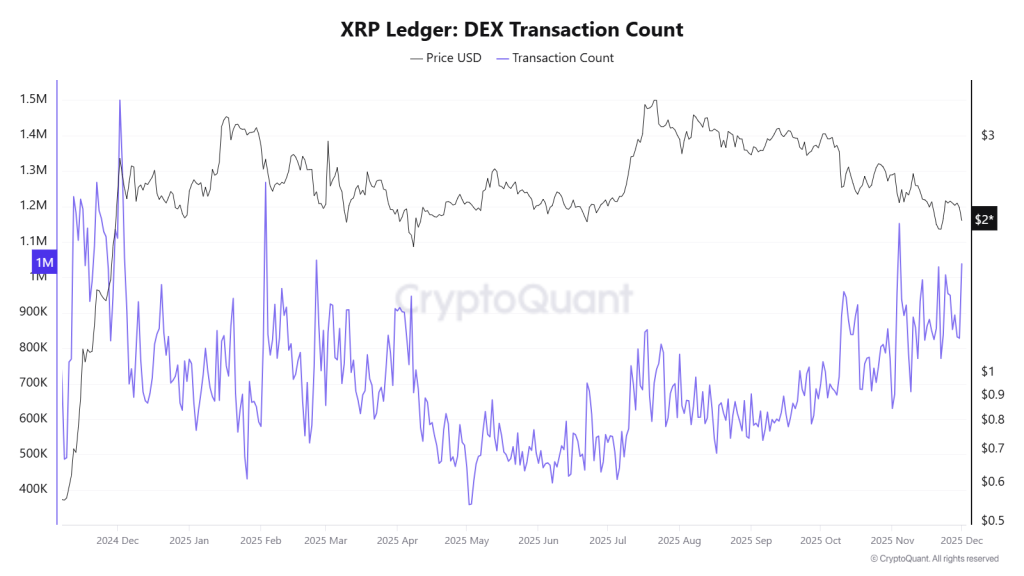
Over-analysing the past 30-day data and the XRP price chart makes things murkier. Just days ago, XRP/USD briefly dropped to $1.10, marking its lowest level in months. That move triggered immense spikes in DEX activity and sparked a bounce that looked strong at first glance.
This illustrates that the fall was massive, but the recovery wasn’t impressive as it lacked follow-through. Structurally, the rebound appears mechanical rather than conviction-driven. Buyers stepped in, yes no doubt about their entry, but they entered very cautiously. Now, the situation suggests that if $1.41 cracks, the technical path back to $1.10 is wide open, and markets clearly know it.
Narratives Clash, Numbers Don’t Care
Social media optimism keeps pushing aggressive XRP price prediction targets; some are still north of $10 this year. But Skeptics remain louder than ever, arguing that those levels are detached from the current market structure.
BREAKING
"I can't believe some people on the internet think $XRP will go over $10 this year, it's not going to happen, it’s just not" – Jim Cramer pic.twitter.com/XssRmbW4Np
For now, XRP price action suggests traders are waiting for proof, not promises. So what’s next? If support holds, XRP stabilizes and absorbs the news quietly, a steady recovery may come in the short term. But if it doesn’t, the downside narrative would accelerate quickly, as higher-timeframe charts are mostly bearish-dominant.
Analysts predict PEPE could reach $0.0000539 by 2026.
Long-term forecasts suggest potential highs of $0.0002733 by 2030.
Pepe Coin (PEPE), the memecoin inspired by the iconic frog meme, has rapidly become a standout in the crypto world. Ranked just behind Dogecoin and Shiba Inu, PEPE’s explosive rise—boasting gains of over +130325085.96% from its all-time low—has captured investor attention globally.
As it maintains its position among top memecoins, many are now asking: Will PEPE price go parabolic by the end of 2025? In this article, explore CoinPedia’s in-depth PEPE coin price prediction for 2025, and discover long-term forecasts that look ahead to 2030.
PEPE’s price has struggled due to low liquidity and cautious investor sentiment, continuing into Q1 2026. A price rise is possible in the remaining Q1 2026 if new capital enters, odds have been high with PEPE/USD’s tightening trading range. However, without this influx, a decline towards $0.00000120 may occur.
PEPE Price Prediction 2026
PEPE’s price has struggled in Q4 2025 due to low liquidity and cautious investor sentiment. This has continued in January 2026, and February is following that cautious investor, too.
The broader market is in an extreme fear phase, and prices are collapsing. However, if new capital flows in, a price rise is likely in the rest of Q1 2026, as this outlook is supported by a tightening trading range, which indicates a potential breakout more than ever. The PEPE price has faced challenges for several months, falling short of the expectations set by experts and investors alike, primarily due to an overarching risk-off sentiment within the memecoin space.
However, it’s essential to acknowledge that the current low market liquidity and cautious investor behavior have kept new capital on the sidelines amid a series of bearish trends.
Nevertheless, it is also a fact that entering the crypto market through memecoins remains one of the most accessible and easiest methods available. Therefore, should new liquidity begin to flow in, we can undoubtedly anticipate a bigger rise in PEPE’s price. Q1 2026 stands out as an ideal timeframe for this potential resurgence, and the compression of the falling wedge shows compression of the trading range that confirms the effectiveness and reliability of these trendlines that have been containing the price of PEPE since 2025, and the odds of a rally to pop out soon have greatly risen.
But, if it fails and collapses, then a decline toward $0.00000120 is expected, where we saw a rally sprouting back in early 2024.
PEPE On-Chain Outlook
As per the metric “90-day Spot Taker CVD”, the cumulative difference between market buy and market sell volumes has turned positive and is increasing, indicating that high-conviction traders are aggressively market-buying PEPE rather than waiting for passive fills at lower prices.
This aggressive participation is a hallmark of a robust accumulation phase, in which market demand begins to outpace available liquidity, often serving as a precursor to a volatile price expansion.
Given that similar green clusters on the historical chart preceded significant rallies in mid-2024 and mid-2025, the current uptick suggests that “smart money” is positioning for a major move as the asset stabilizes near its current support levels in January 2026.
PEPE Price Prediction 2026 – 2030
Year
Potential Low ($)
Potential Average ($)
Potential High ($)
2026
0.0000179
0.0000359
0.0000539
2027
0.0000269
0.0000539
0.0000809
2028
0.0000404
0.0000809
0.0001214
2029
0.0000607
0.0001214
0.0001822
2030
0.0000910
0.0001822
0.0002733
This table, based on historical movements, shows PEPE price to reach $0.0002733 by 2030 based on compounding market cap each year. This table provides a framework for understanding the potential PEPE price movements. Yet, the actual price will depend on a combination of market dynamics, investor behavior, and external factors influencing the cryptocurrency landscape.
Pepecoin Price Forecast 2026
Our PEPE price prediction suggests that the price of PEPE in 2026 might range between $0.0000179 and $0.0000539, with the average price of the meme coin at $0.0000359.
Pepe Coin Price Prediction 2027
For 2027, we predict that the price of PEPE could range between $0.0000269 and $0.0000809, and the average price of the meme coin is expected to be around $0.000539.
Pepecoin Price Targets 2028
As per our Pepe Coin Price Prediction, in 2028, the price could range between $0.0000404 to $0.0001214, with the average price of the meme coin at $0.0000809.
Pepecoin Price Projection 2029
For 2029, the price of PEPE could range between $0.0000607 and $0.0001822, with the average price of the meme coin expected to be around $0.0001214.
Pepe Coin Price Prediction 2030
Based on our Pepecoin price forecast, the price of PEPE in 2030 might range between $0.0000910 to $0.0002733, with the average price of the meme coin predicted to be around $0.0001822.
PEPE Coin Market Analysis
Firm Name
2026
2030
Changelly
$0.0020
$0.015
CoinCodex
$ 0.000026
$ 0.000047
Binance
$0.000014
$0.000017
Never Miss a Beat in the Crypto World!
Stay ahead with breaking news, expert analysis, and real-time updates on the latest trends in Bitcoin, altcoins, DeFi, NFTs, and more.
FAQs
How much is Pepe coin worth?
The current price of Pepecoin is $ 0.00000368.
What factors could drive PEPE’s price growth in the coming years?
PEPE’s price depends on meme coin market sentiment, liquidity inflows, social media trends, and broader crypto cycles rather than fundamentals alone.
Is PEPE a high-risk investment compared to other cryptocurrencies?
Yes. As a meme coin, PEPE is highly volatile and sentiment-driven, making it riskier than utility-based cryptocurrencies with real-world use cases.
How does PEPE compare with Dogecoin and Shiba Inu?
PEPE competes mainly on community hype and trading momentum, while DOGE and SHIB benefit from longer histories and broader ecosystem support.
What is PEPE price prediction for 2026?
PEPE could trade between $0.0000179 and $0.0000539 in 2026, depending on meme coin demand, liquidity inflows, and overall crypto market momentum.
What is PEPE price prediction for 2027?
In 2027, PEPE may range from $0.0000269 to $0.0000809 if bullish sentiment and retail participation remain strong across meme coins.
What is PEPE price prediction for 2028?
PEPE’s price in 2028 could move between $0.0000404 and $0.0001214, driven by broader market cycles rather than project fundamentals.
What is PEPE price prediction for 2030?
By 2030, PEPE could reach up to $0.0002733 in optimistic scenarios, though prices will remain highly sensitive to market sentiment and risk appetite.
Analysts project Dogecoin could reach $0.75 to $1.25 by the end of 2026.
Long term projection highlights that by 2030 it could even reach the $3 mark.
Dogecoin, the original meme coin, has cemented its status as a crypto legend. Known for its viral appeal and a fiercely loyal community, it continues to capture headlines and investor interest. Following Donald Trump’s election win, speculation around a potential Dogecoin ETF fueled a surge in optimism.
Now, that speculation has become a reality. With the September 18 launch of the REX-Osprey DOGE ETF, trading under the ticker DOJE and carrying a 1.5% fee, the path has been cleared for institutional access. This groundbreaking debut makes it the first U.S.-listed spot ETF for Dogecoin and significantly raises the odds for similar approvals from major players like Bitwise and Grayscale before year-ends.As growing optimism and increasing adoption reshape the market, traders are asking: “Will Dogecoin go back up?” and “Can DOGE hit $1?” In this article, we dive into a detailed technical analysis and a long-term Dogecoin price prediction 2025 to 2030.
In January, prices fell, and by February, DOGE fell further, retesting a trendline after briefly dropping below $0.10. Influenced by the broader market’s decline, the DOGE/USD market is fearful. DOGE may decline to the $0.055-$0.060 support range if broader conditions worsen, but if it reaches this area, then a reversal could happen if accumulation increases, with $0.21 and $0.39 as resistance levels for recovery.
Dogecoin Price Prediction 2026
In January, the price consistently declined on the weekly chart. Now, in early February, it has retested the downward trendline after breaching the $0.10 support area. This ongoing decline has affected multiple price levels, and the broader market is being significantly impacted by other major cryptocurrencies like BTC, XRP, and SOL, which have instilled extreme fear among investors.
At this point, DOGE seems poised for further decline towards the support area of $0.055-$0.060, a range that previously contributed to a substantial rise in late 2023. If it reaches this demand area and accumulation increases, we could see a reversal, with $0.21 and $0.39 identified as key hurdles for a long-term recovery rally.
Year
Potential Low ($)
Potential Average ($)
Potential High ($)
2026 (conservative)
0.13
0.39
1.00
DOGE On-Chain Outlook
Despite the price facing challenges after peaking at $0.46 in late 2024 and then falling, 2025 is a very tough year for its investors. But the total number of holders has surged to an impressive 8.17 million, indicating strong investor accumulation.
Similarly, large holders are showing strategic accumulation patterns that suggest bullish sentiment. While the number of retail holders holding between 10 and 10,000 coins has been declining, those holding between 100 million and 1 billion coins continue to increase, reinforcing a positive outlook for the asset.
Dogecoin Price Prediction 2026 – 2030
Year
Potential Low ($)
Potential Average ($)
Potential High ($)
2026
0.75
1.00
1.25
2027
1.15
1.35
1.50
2028
1.25
1.75
2.00
2029
1.50
2.15
2.65
2030
2.50
2.75
3.00
This table, based on historical movements, shows DOGE price to reach $3 by 2030 based on compounding market cap each year. This table provides a framework for understanding the potential DOGE price movements. Yet, the actual price will depend on a combination of market dynamics, investor behavior, and external factors influencing the cryptocurrency landscape.
Samsung just confirmed a delay in the rollout of a major Quick Panel customization feature until the One UI 8.5 Stable update arrives.
One UI 8.5-powered Good Lock introduces bold new upgrades for apps and modules. QuickStar is one of the biggest beneficiaries. Samsung teased a grid customization feature, which is missing in the Beta software.
In a recent development, a Samsung moderator confirmed that the Quick Panel grid customization feature isn’t ready and is expected to roll out after the One UI 8.5 Stable.
Button grid customization will let Galaxy users tweak the size and orientation within the quick settings. Even though the fourth Beta has arrived, those personalization features aren’t accessible on Galaxy S25 devices.
Samsung is working on a major upgrade for the QuickStar app. Once available, Galaxy users will be able to customize Quick Panel in landscape mode, tweak the orientation of toggles, and set an image as the toggle background.
Good Lock manager previewed these changes in last month’s announcement. There’s more to come, and a mega show of some of the biggest highlights is anticipated at the Galaxy Unpacked this month.
If you’re on One UI 8.5 Beta, many Good Lock features are already available. The stable update is expected to start rolling out sometime in April.
Exynos 2600 turns out to be Samsung’s smartest chipset, bringing advanced AI features to the Galaxy S26 series. Years after criticism, it looks like the company is finally ready to stop apologizing for Exynos.
That is the quiet fact hiding behind the leaked MLPerf Mobile v5.0 scores (via BairroGrande) for the Exynos 2600. On paper, these numbers look bold, but in context, they are more interesting than being just flashy.
The leaked benchmarks point to a November 2025 build of Exynos 2600. Samsung’s Exynos 2600 reportedly hits 1185, while Snapdragon 8 Elite Gen 5 sits at 880.
This is the difference between Live Translation feeling instant versus feeling like it is catching its breath. Voice summaries that actually get context right and on-device assistants that respond faster, not smarter, but smarter in use.
Object detection
Exynos clocks 4661 against Snapdragon’s 4221. This affects the camera more than Samsung will admit on stage. Faster subject lock, less shutter hesitation and better edge detection when you point the phone at a moving object.
On-device image generation
The most eyebrow-raising detail is on-device image generation. A 512×512 image generated in roughly one second, fully offline. Samsung is positioning Galaxy AI as something you can use without sending your data to the cloud.
Snapdragon still leads in image segmentation and super-resolution tasks. Meanwhile, MLPerf is a controlled benchmark. Real-world performance depends on thermals, scheduling, and how One UI actually taps into the NPU.
If these MLPerf Mobile v5.0 results translate even halfway into shipping Galaxy S26 units, Exynos 2600 stops being the compromise option.
Samsung is aiming to turn its mobile processor business profitable. To this end, Exynos 2700 is seemingly a prime candidate to push the company’s ambitions, with the chip estimated to power nearly half of Galaxy S27 units.
According to Korean media, Samsung could push Exynos 2700 to production in the second half of the year. It will be fabricated using the Samsung Foundry’s second-generation 2nm (SF2P) process technology with GAA.
More importantly, analysts believe that Samsung could power nearly half of the Galaxy S27 units with the Exynos 2700 processor next year. It’s going to be just double of what Samsung has achieved in the S26 series.
It’s said that Exynos 2600 is used in around 25 percent of the Galaxy S26 series units. With Exynos share ramping in the Galaxy S27 series, we may see a wider adoption, with Ultra potentially getting the company’s in-house chip.
This year, Samsung is using 75 percent Snapdragon and 25 percent Exynos in the Galaxy S26 series. The Galaxy S26 Ultra will be shipped with Snapdragon 8 Elite Gen 5 for Galaxy globally, while the other two models will see a chip split.
Exynos 2600 turned out to be a huge leap after the Exynos 2500 failure. Thanks to the second-generation 2nm node, Exynos 2700 will perform even better than the Galaxy S26’s Exynos 2600 application processor.
The US, Canada, and China usually maintain Snapdragon exclusivity. With Exynos share going around 50 percent, it looks like S27 Ultra may be powered by the Exynos 2700 chipset in some parts of the world, such as South Korea.
Nothing is certain as the development of the new chip is in the initial stage. We may see changes and final adoption numbers can only be believed at the verge of 2027.
Samsung just delivered One UI 8.5 Beta 4 to Galaxy S25 series, and it carries a subtle refresh for the charging indicator animation. The fresh version has two major changes over its One UI 8.0 iteration, and it looks a lot better now.
With the One UI 7, Samsung introduced a new battery icon, which incorporates a dynamic charging animation. Since deployment, Samsung has been playing with the design and animations of this particular aspect.
Charging animation changes
One UI 8.5 Beta 4 has redesigned the charging animation with two big tweaks. First, the charging animation’s pill has become slightly smaller. Second, the color selection has been revised to match the software aesthetics.
Pill size
The charging animation pill in One UI 8.5 is a little smaller than the One UI 8.0. Samsung has reduced the pill’s width, which actually improves the shape.
The revised size of the indicator matches other components in the One UI 8.5 software. It was a necessary change, which wasn’t widely reported yet improved by developers.
Color
Samsung has once again altered the gradient palette of the animation. In One UI 8.0, it’s Cyan, while One UI 8.5 turns it into something Galaxy users are already familiar.
Remember One UI 7.0’s charging animation, which was attached with a “Charging” label? That variant had the same color deployment as we see in the latest One UI 8.5.
Image – Galaxy’s charging animation design
One UI 8.5 Beta version has reached a decent level of stability. The fourth Beta dropped yesterday and feels ready for prime time. Well, Samsung isn’t opening public rollout anytime soon as the Galaxy S26 series is yet to arrive.
Samsung is preparing to unveil the Galaxy S26 series on February 25 in San Francisco.
Qualcomm is working on two versions of Snapdragon: a Snapdragon 8 Elite Gen 6 and a Gen 6 Pro. Galaxy S27 Ultra is anticipated to feature the Snapdragon 8 Elite Gen 6 Pro, and it could come with a higher price tag.
Chinese leaker DigitalChatStation reports that Qualcomm is using TSMC’s 2nm process for both Snapdragon versions. That said, the Snapdragon 8 Elite Gen 6 Pro could directly impact the Galaxy S27 Ultra price strategy.
Samsung is already in a tough situation with the Galaxy S26 series pricing. Soaring component costs are already hurting the price strategy. An extended burden from APs end would further pressurize Samsung’s position.
Meanwhile, Samsung can escape the price hike of AP or somehow lower the burden. Qualcomm already confirmed it’s in talks with Samsung Foundry, and the design of its next chipset has been finalized for production.
Source – Digital Chat Station (Weibo)
Qualcomm is said to have handed orders of a portion of Snapdragon 8 Elite Gen 5 for Galaxy chips to Samsung Foundry. The chip is already being produced by TSMC on 3nm, but Samsung would utilize its 2nm process.
Beyond that, Qualcomm might cooperate with Samsung to manufacture Snapdragon 8 Elite Gen 6’s Pro version using the latter’s Foundry and enhanced 2nm process. The chip could power the Galaxy S27 Ultra rather than “for Galaxy” version.
TSMC is known to have increased prices for its chip fabrication facilities. Samsung Foundry may play a crucial role in safeguarding the next-gen Galaxy flagships from going expensive.
Samsung pushed a new update to the Group Sharing app following the rollout of the latest One UI 8.5 Beta update. The latest version introduces three major changes that actually impact how you utilize this Galaxy application.
One UI 8.5 makes sharing with family and close circles faster, cleaner, and far less annoying than before. Here is what is new, and why it fits neatly into the broader Samsung Account and SmartThings experience.
Added invite function via link
Until now, adding someone to a Group Sharing setup felt a bit too manual. You needed the right account, the right device, and a bit of patience.
One UI 8.5 fixes that with link-based invites. You can now generate an invite link and share it like any normal URL.
Add a family share album
Samsung is also expanding Group Sharing into photos, and this one feels overdue. One UI 8.5 adds proper family shared albums that sync across members.
These albums live inside Samsung Gallery and tie directly to your Samsung Account. Photos added by one person show up for everyone in the group.
Child account support
The third piece of the update focuses on child account integration. Samsung is tightening how child Samsung Accounts work inside Group Sharing.
Source – Android-X (Samsung Members Korea)
That said, One UI 8.5 is not just a flashy redesign. It is a quality-of-life release. For Galaxy users who actually share devices, homes, and memories, that makes all the difference.
On February 9, Samsung started rolling out the One UI 8.5 Beta 4, and it staples a faster, more fluid One UI Home. The latest release replaces the existing version that was deployed with the third Beta update’s rollout.
As spotted by TarunVats, Galaxy S25 users have received a new One UI Home with the One UI 8.5 Beta 4. No manual intervention is required as the software update itself carries a fresh new version of the system launcher.
Samsung’s Beta 4 changelog highlighted bug fixes and performance improvements. Beyond that, the release added a new Direct Voicemail feature. This addition is paired with Galaxy AI for added convenience on your Galaxy.
Digging for core changes reveals a new One UI Home version. It is installed along with the main software update on the Galaxy S25 series. Like the previous build, it improves the animation fluidity and responsiveness.
One UI Home is a foundation app that backs the entire home screen functionality. App icons, widgets, and folders, along with gestures and animations, rely on this core One UI utility to run on Galaxy mobile devices.
The app occasionally receives updates through Galaxy Store. Since the Beta Program is running, Samsung is tagging a new build along with the OS itself. It’s all about refining the user experience and offering more fluid behaviour.
If you are enrolled in the Beta Program, check for the latest updates and install Beta 4. If you aren’t participating in the Beta trial, you don’t need to wait much as the Stable update’s rollout is slated to initiate by March this year.
Samsung’s Galaxy Z Flip 7 Olympic Edition is being used by winners to capture every medal moment. The company has expanded the Victory Selfie program, allowing the winners to lock in that precious moment.
At the center of this experience is the Galaxy Z Flip 7 Olympic Edition. It is compact, easy to handle with gloves or cold hands, and familiar to athletes who already use similar devices in daily life.
For Milano Cortina, Samsung is expanding the Victory Selfie program beyond its original scope. What began as a feature for individual and pair events is now opening up to every Olympic competition, including full team events.
That shift changes the visual language of the podium. No longer just a single champion framing their own triumph, but entire teams leaning in, laughing, shouting, holding medals up together. Podium optics, rethought.
These Victory Selfies will not stay confined to social feeds or post-event highlight reels. They will appear in real time on stadium screens and through live broadcasts.
Source – Samsung
Fans inside the venue and viewers at home will see celebrations unfold as they happen, from the athletes’ own perspective. It is immediate, imperfect, and far more human than a traditional podium shot.
For Samsung fans, this is familiar territory. The company has spent years weaving Galaxy devices into global cultural moments, especially through its Olympic partnerships. The Victory Selfie is now part of that legacy.
Samsung will unveil the Galaxy S26 Ultra with full enthusiasm at the Unpacked event, then comes the million-dollar question: do you buy it now, or skip?
The Galaxy S26 Ultra is not a bad phone. It is refined, comfortable, and very Samsung, but it is also the most dangerous kind of flagship, one that looks like progress while quietly stalling where it matters most.
If you care about mobile photography, stop here.
Samsung reused the same fundamental camera philosophy yet again. Tuning may be better, software will do heavy lifting, but the hardware itself feels recycled, especially when you zoom out and look at where the industry is going.
Apple is preparing a physical variable aperture on the iPhone 18 Pro Max. Samsung knows this too, that’s why, leaks around the Galaxy S27 Ultra are already pointing to variable aperture paired with a new ISOCELL HP6 sensor.
Now, let’s flip the script
If cameras are not your obsession, the Galaxy S26 Ultra is genuinely appealing. Flex Magic Pixel is one of those features only Samsung would ship. A privacy-focused display mode that limits side viewing angles is genuinely clever.
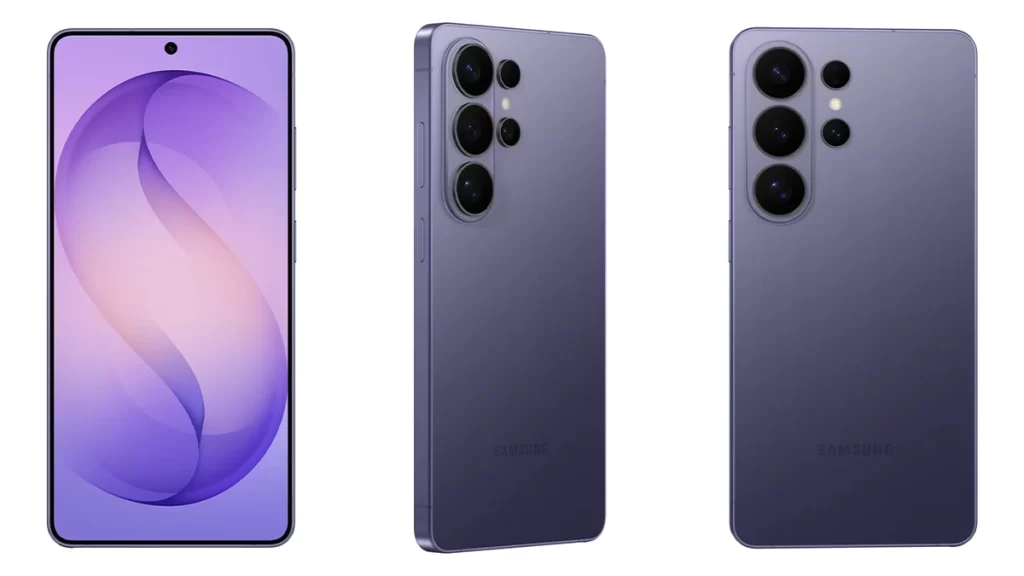
Samsung has made some major changes to the design of this upcoming flagship. The back panel now boasts a prominent dual-layer camera bump, corners are now more rounded than before, and thickness has been reduced.
Image credit – Ice Universe
Under the hood, it has Snapdragon 8 Elite Gen 5, the world’s fastest mobile chip. Galaxy AI has been improved to become Agentic AI. One UI 8.5 brings multiple benefits and convenience over previous iterations of the software.
Galaxy S26 Ultra – Who should buy, who should skip
If you are using a Galaxy S21 Ultra, S22 Ultra, or anything older, the S26 Ultra is a solid upgrade. If you are on a Galaxy S23 Ultra, S24 Ultra, or the latest Galaxy S25 Ultra, this is a hard skip.
If you care deeply about photography or videography, absolutely skip it. The S27 Ultra is shaping up to be the real upgrade, the one that finally moves Samsung’s camera story forward again.
Samsung’s Direct Voicemail feature arrived in One UI 8.5 Beta 4, and it’s better than Apple’s approach in at least two ways.
Galaxy S25 users finally received the much-anticipated fourth Beta update today. Starting in South Korea, it was quickly expanded to the United States, with users in India, Germany, Poland, and the UK also grabbing the OTA.
When it comes to Direct Voicemail, Samsung and Apple are circling the same idea. It’s about letting the phone handle missed calls more gracefully, without forcing users to pick up or dig through clutter later.
Though Samsung comes late to the Direct Voicemail offer, its version is smarter than Apple’s. It’s because of two advantages, including a voice enhancer powered by Galaxy AI and an auto send trigger for convenience.
Voicemail with Audio Eraser
Apple’s Live Voicemail records faithfully, but that is also the limitation. What you hear later is exactly what the microphone captured, noise and all.
Samsung’s Direct Voicemail takes a different approach, with the feature plugging straight into Galaxy AI’s Audio Eraser. The same system already used for cleaning up Gallery videos now applies to voice messages.
One UI 8.5 brings advanced Direct Voicemail to Galaxy S25
Automation for convenience
Apple decides when a Live Voicemail gets sent. The system handles the timing, and iPhone users live with that decision. However, Samsung hands that choice back to the user, making it a practically useful feature.
In One UI 8.5, Direct Voicemail includes a customizable auto-send timer. You can set it anywhere from 1 to 20 seconds. Beyond the basics, this is what thoughtful engineering looks like.
Samsung is not reinventing voicemail. It is refining the edges that people actually notice.
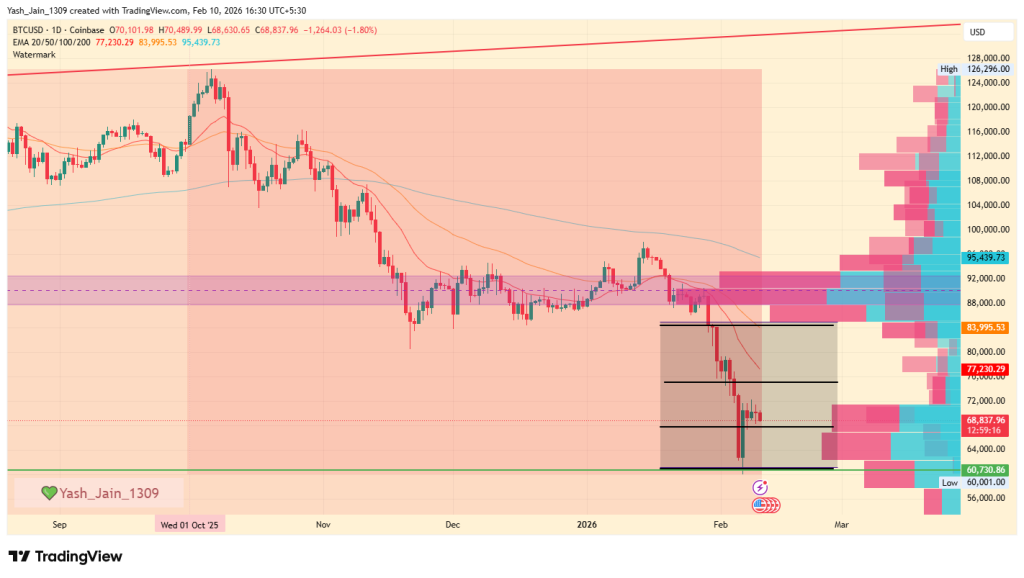
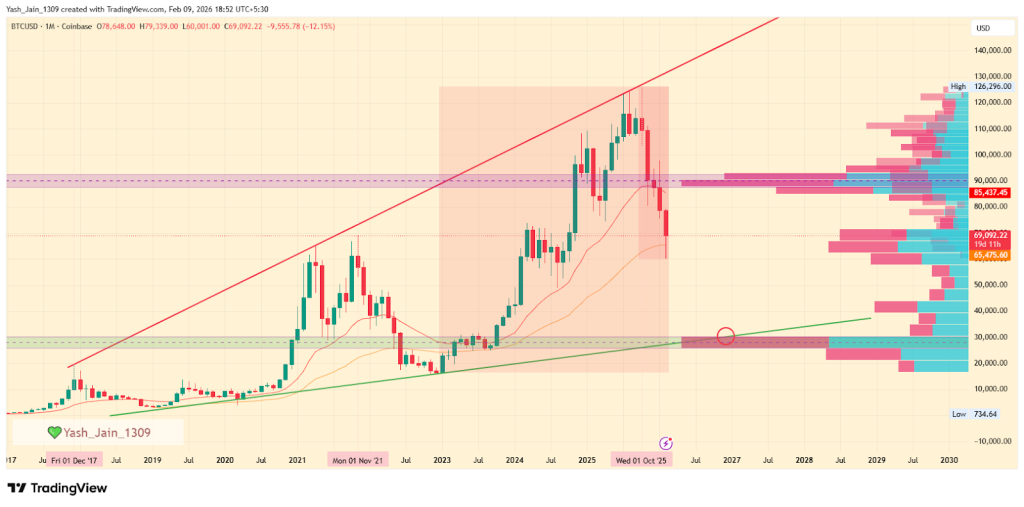
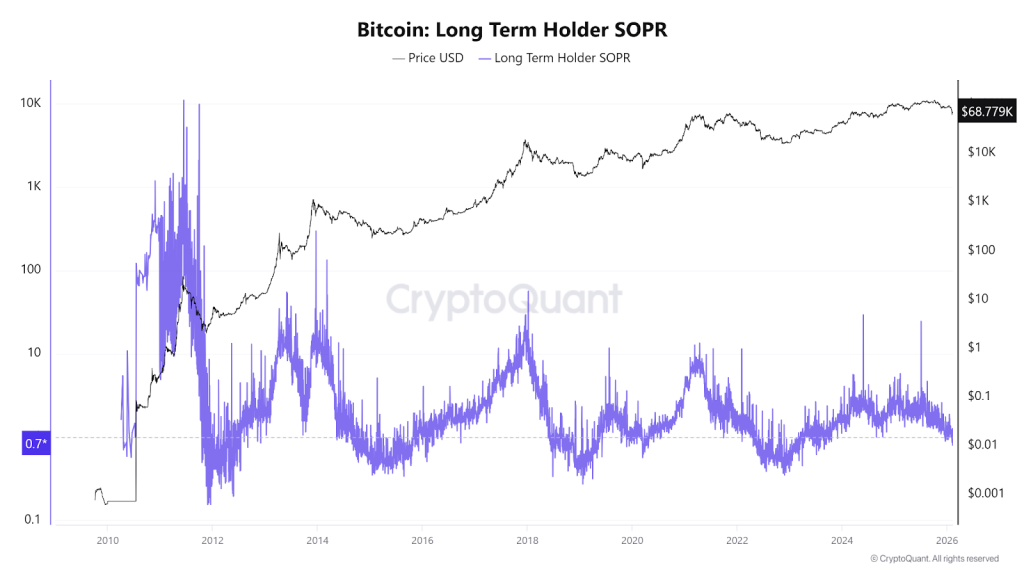
Bitcoin price is hovering near the $70,000 mark in early February 2026, a strong drawdown from the late-January highs near $90K. The selloff was sharp, confidence faded quickly, and now the market is stuck watching one range obsessively and that is $60K to $65K. Lose that, and things could get messy fast in shortterm.
The damage along the way is already clear. Multiple support levels failed during the drop, forcing traders into a wait-and-see mode. Big bets are on pause. Everyone wants proof that a short-term bottom actually exists before stepping back in.
Fear Dominates as Structure Stays Bearish
Now is a time when every investor and trader wants a clear view, not a sugarcoating. To them sentiment has turned really ugly and a position without knowing the risk could create serious consequences.
Because, the Crypto Fear and Greed Index still remains deep in Extreme Fear territory. At the same time, spot Bitcoin ETFs continue to bleed capital, with weekly flow data showing persistent outflows stretching back from September 2025 and extending into early February. That’s not the backdrop of a confident market.
Zoom out on the Bitcoin price chart and the technical picture lines up with the mood. The 50-day EMA is still below the 200-day EMA, keeping the death cross active since mid-November. Adding to the pressure, a short-term death cross between the 20-day and 50-day EMAs printed in late January, confirming near-term weakness.
As a result, traders now treat the $60,000–$65,000 zone as the last meaningful cushion. A clean break there could invite forced selling rather than measured exits.
Short-term Indicators Hint at Relief, Cautiously
That said, not everything is screaming collapse, at least not on the daily timeframe.
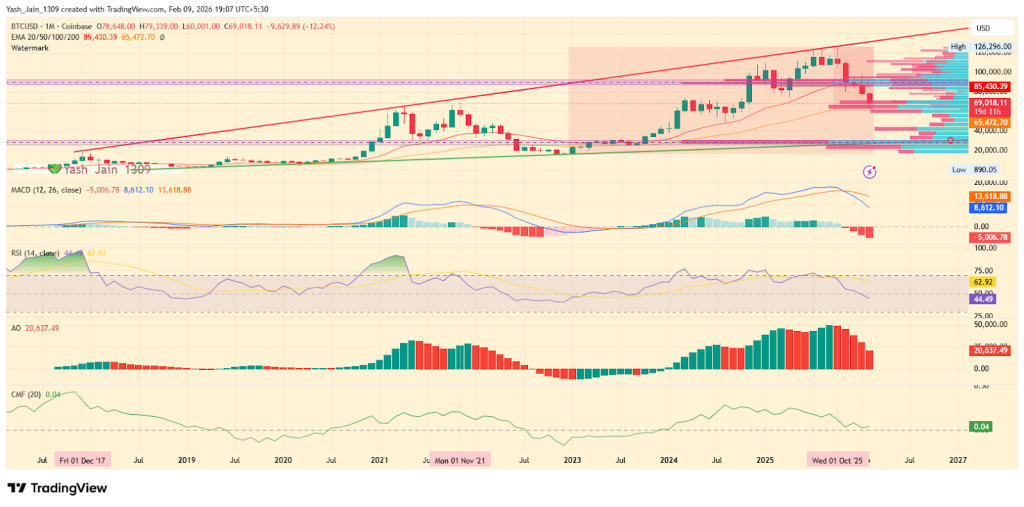
RSI on the daily chart is recovering from deeply oversold levels and currently sits near 32.5, suggesting selling pressure may be losing some intensity on daily timeframe chart. Meanwhile, MACD remains in a bearish cross, but the gap between signal lines is narrowing. In plain terms, downside momentum is slowing with recent bullish move in past few days.
CMF, however, is still negative at around –0.05. Until it flips above the zero line, money flow doesn’t support a sustained bounce. This keeps any Bitcoin price prediction in the “short-term relief only” category rather than any kind of trend reversal not even in the shortterm view.
Leverage Tells a More Dangerous Story
Derivatives data adds another layer of concern. As per Santiment data, the Open Interest has been falling seamleslly from 30 days high of 38 million OI to only 20 billion OI positions, while BTC price struggles, a sign that traders are exiting positions rather than committing fresh capital.
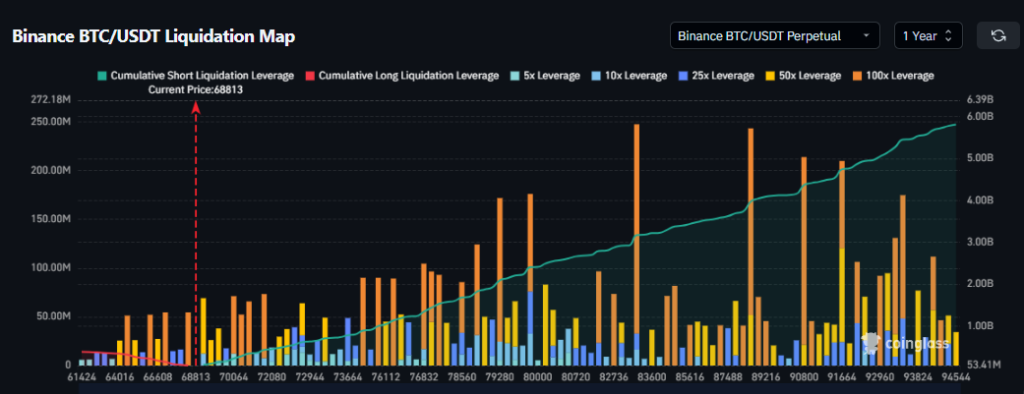
The brief funding spike on February 6 looked dramatic, but it functioned more like a short squeeze than genuine demand. Once funding flipped back to positive, the market became crowded with over-leveraged longs.
That’s the trap. Positive funding without rising participation leaves buyers exposed. Without new money entering, even a modest dip could trigger liquidations, dragging Bitcoin/USD back toward lower support.
For now or this month, Bitcoin price may attempt a bounce toward $74,750 or even $84,900 if buyers show up decisively. But until the 200-day EMA near $95,700 is reclaimed, the broader structure stays tilted firmly toward the bears.
XRP price is hovering around $1.43, barely holding above the $1.41 support, and the market tone isn’t exactly comforting. Just days ago on the weekly chart, XRP briefly slid to $1.10 which was its lowest level in several months, it barely stopped just above the psychologically loaded $1.00 mark.
That bounce looked encouraging on the surface. Underneath, not so much. Because while price recovered, confidence didn’t.
Longer-term holders still remain shaky, and the structure around the XRP price chart suggests the rebound may have been more mechanical than conviction-driven. This isn’t panic yet, but it’s fragile on the inside.
One thing investors and traders must know to be clear. That a dip to $1.10 and a spike back isn’t meaningless, at least for now. Because it means that buyers did step in, and the $1.00-$1.10 zone still commands respect from bulls. But here’s the problem, in the short-term it looks like a spike but on the long-term chart the recovery didn’t flinch XRP price meaningfully towards the broader trend.
From a technical standpoint, XRP/USD is still skating dangerously close to failure. If $1.41 gives way, price action opens a clean path back toward $1.10. And if that level fails to hold on a retest, the downside narrative intensifies fast.
So yes, support exists. But it’s being tested by hesitation, not confidence. And, if it returns back the $1.00 consolidation could start.
Derivatives Data Leans Heavily Toward More Downside
Now for the uncomfortable part. Derivatives positioning also doesn’t agree with the idea of a stable base forming.
Liquidation data shows roughly $390 million stacked on the short side compared with just over $190 million in long exposure. That imbalance matters. It suggests traders are leaning into weakness, not preparing for a sustained rebound.
In other words, the futures market isn’t buying the bounce. It’s betting against it.
And if XRP price drifts lower again, that heavy short positioning could amplify volatility rather than cushion it. This is why any XRP price prediction right now carries asymmetric risk.
Supply Distribution Shows Whales Quietly Heading for Exits
Meanwhile, on-chain behavior isn’t offering much comfort either. Per Santiment data, the metric Supply distribution by balance tells a clear story. Addresses holding between 10 million and 100 million XRP have been steadily selling since early February, which is responsible for the crash in XRP. More concerning, now wallets in the 100 million to 1 billion XRP range have turned bearish in the last 24 hours with metric showing a downside u-curve.
That shift matters. Larger holders don’t usually rush. When they start leaning toward distribution, it often precedes deeper price tests.
If selling pressure continues and XRP revisits $1.00, the risk isn’t just a clean breakdown. Cascading liquidations could follow, reinforcing bearish momentum across both spot and derivatives markets.
For now, XRP price remains above support. But the longer it lingers without demand stepping in, the thinner that safety net becomes.
Wild rumors circulating online indicate that Samsung SDI is testing a dual-cell silicon carbon battery for the Galaxy S27 series and select Galaxy A phones, which has reportedly outclassed the 5200mAh threshold.
5000mAh, that number has haunted Galaxy phones for years. Every launch, every keynote, same ceiling, same polite promises about efficiency doing the heavy lifting. We’ve been too patient, but this alleged prototype says something very different.
According to the rumor (via phonefuturist), the Galaxy S27 generation is being lined up for a serious battery shake-up. We are talking about a dual-cell 5200mAh silicon carbon battery, not a marketing tweak, not a rounding error, but a real jump in energy density.
The prototype reportedly pushes past 450 Wh per kilogram in energy density. That is a massive leap over today’s lithium-ion packs. The result is a battery that is bigger in capacity, faster to charge, and still slim enough to fit.
This is built on a dual-cell silicon-carbon architecture. Simply put, the Korean tech giant is splitting the battery into two smaller cells and packing them with a new silicon-carbon material instead of the old graphite mix.
Silicon can store way more energy than graphite, but it is tricky and swells if you are careless. Samsung SDI has been grinding on this problem for years, and now it looks ready, with rumors even hinting at a 20000mAh prototype in the works.
Honor and Xiaomi have been flexing higher capacities and silicon-based cells while Samsung played it safe. That era looks done if these alleged Samsung SDI battery prototypes make it into the Galaxy S27 next year.
Moments after the initial drop in Korea, Samsung has now expanded the One UI 8.5 Beta 4 to the Galaxy S25 series in the US, Germany, UK, and India. The latest firmware update adds February 2026 security patch and Direct Voicemail feature.
For Galaxy S25 users, One UI 8.5 Beta 4 feels like a turning point. The software is settling down, the security patch is current, and Direct Voicemail (via TarunVats) finally brings Samsung’s calling experience up to par with its biggest rivals.
February 2026 security patch
Build ZZAL brings the February 2026 security patch to the Galaxy S25, S25+, and S25 Ultra. That’s the February 5, 2026, security level, for those tracking patch currency. The download weighs in at approximately 1.5 gigabytes, via AndroidFlatform.
Direct Voicemail
Direct Voicemail is the headline feature, offering real-time transcription of incoming voicemails with the ability to jump into the call mid-message. Think of it as Samsung’s version of Pixel’s call screening, except it happens after you’ve already declined the call.
The caller leaves their message. You read it as text, live, on your screen. If it’s important enough, you pick up and interrupt them. If it’s another spam call, let it finish and delete it. The implementation feels polished from early reports.
Image translated from Korean to English using Google Translate
What’s encouraging is the execution speed. One UI 8.5 development has moved faster than previous point releases, and the beta quality has been surprisingly stable. That suggests Samsung’s internal development processes are maturing.
If you’re on the beta, update now. If you’re waiting for stable, you won’t be waiting much longer.
Samsung has just rolled out One UI 8.5 Beta 4 for the Galaxy S25 series, and this one feels different. Firmware build ZZAL is clearly aimed at tightening screws rather than testing new stuff driven from the Galaxy S26 series.
Users of the Galaxy S25, S25+, and S25 Ultra who have been testing every iteration since the early One UI days will notice the shift immediately. The focus here is stability, call reliability, and polishing the user experience, via ya_sking12767.
This fourth beta lands at a moment when the software is expected to feel close to done.
What’s new in One UI 8.5 Beta 4?
Samsung says the latest Beta update addresses a major lock screen problem. Users reported that the clock would scroll oddly, which was ruining the experience. The Phone app’s search history issue has also been resolved.
Calls randomly switching from a connected headset to the phone itself has been one of those bugs that make a premium device feel unfinished. With Beta 4, Samsung has finally addressed this behavior, making it far more reliable.
Search history glitches that could cause crashes are now fixed, along with issues where pasting numbers from call links into the keypad simply did not work as intended.
AI Select, one of Samsung’s smarter features, now behaves more naturally. After copying content, it no longer stays awkwardly on screen, improving the fluidity of the overall user experience.
Samsung has also rolled out a Bixby update with this build. The Perplexity-backed assistant seems to have received backend tuning rather than surface-level changes, likely improving responsiveness and command handling.
One UI 8.5 Beta 4 feels like a stability milestone for the Galaxy S25 series. The phone feels calmer, more predictable, and closer to what a final release should be.
It remains to be seen whether Samsung keeps running the Beta Program or heads toward the Stable release. A previous statement suggests that the official release will happen in March, and updates should arrive thereafter
After revealing the Galaxy F70e on February 2nd and unveiling it on February 9, Samsung finally announced the smartphone today in India. The sale is set to start on February 17, but everything about the device is now officially clear.
Samsung Galaxy F70e launched with a great camera, big battery, decent chipset, smooth screen, and long software promise. It’s available in two storage configurations, two colors, Blue and Green, with the back panel features leather finish.
Galaxy F70e – Design, Specifications and Features
Starting with the appearance, the smartphone is designed with a premium leather pattern finish at the back. It incorporates modern aesthetics with everyday practicality, and Samsung made it sleek at 8.2mm, featuring an IP54 rating.
Colors include Limelight Green and Spotlight Blue.
Samsung’s Galaxy F70e smartphone comes with a 6.7-inch HD+ display with a 120Hz refresh rate. It has a High Brightness Mode (HBM) feature that delivers clear and vibrant visuals even in bright outdoor conditions.
Galaxy F70e boasts a dual rear camera setup, consisting of a 50MP main camera with f/1.5 aperture and a 2-megapixel depth sensor. For selfies, Samsung installed a front camera that features 8-megapixel resolution.
Source – Samsung Newsroom
Under the hood, the F70e is equipped with the MediaTek Dimensity 6300. Samsung revealed the device hits impressive 623,000+ AnTuTu score. The chip’s CPU peaks at 2.4 GHz, offering 10 percent gaming performance gains.
It’s packed with a massive 6000mAh battery and supports 25W fast-charging. As compared to its predecessor, the phone has received a 20 percent increment in battery capacity for seamless productivity and connectivity.
Samsung touts One UI optimization for smooth experiences and battery life. It runs Android 16-based One UI 8 for an intuitive user experience. Software support includes 6 generations of OS and 6 years of security updates.
The company will start selling the Galaxy F70e in 4GB + 128GB and 6GB + 128GB versions in India, starting February 17. It will be available on Samsung.com, Flipkart, and select retail stores across the country.
Price:
4GB + 128GB – INR 12,499
6GB + 128GB – INR 13,999
Consumers can avail an additional INR 500 special launch offer for a limited period.
Samsung might soon start the Galaxy S26 series reservation, and it could unlock a useful freebie toward preorder. It remains unclear whether the double storage benefit will stay intact or be scrapped this year.
Information shared by tipster Sanju Choudhary suggests that Samsung could start the Galaxy S26 reservation on Wednesday, February 11, and the preorder freebie will likely be a 60W charging adapter.
If the input is accurate, Samsung could drop the Galaxy Unpacked invite day after tomorrow. Historically, Unpacked invitagion come along with the opening of reservations, including in the US, Europe, India, and key markets.
Free 60W adapter makes sense as a preorder freebie, which buyers would actually welcome. The Galaxy S26 Ultra supports up to 60W wired charging, while the wireless charging is also upgraded to 25W through compatible Qi2 cases.
The India-based tipster is unsure if the free storage upgrade will be offered. Earlier, it was reported that the Galaxy S26 Ultra could see a little price hike in India, even after claiming all the early purchase benefits.
Samsung may launch the Galaxy S26 Ultra for INR 1,40,000 in India. It’s an increment of INR 11,000 compared to the S25 Ultra. There could be an upfront discount of INR 10,000 along with INR 3,000 cashback on Buds 3/4 Pro.
Interestingly, the previous tip highlighted the free storage upgrade benefit’s availability. Meanwhile, there’s no certainty seeing the massive rise in smartphone component costs, such as DRAM and NAND memory, along with AP.
Samsung is set to unveil the Galaxy S26 series on February 25, with the first sale opening on March 11, 2026.
Fresh Apple leaks suggest iOS 27 could be a boring upgrade. The new software will drop at WWDC this June, and a formal announcement may arrive next month. Samsung’s heavy lifting of One UI is widening the gap in terms of software.
Bloomberg’s Mark Gurman leaks that Apple iOS 27 could focus on bug fixes, performance, and design tweaks. A significant portion of marketing would spin around Siri upgrades powered by Gemini and an AI chatbot.
Apple Intelligence would receive further improvements for iPhones. Siri with Gemini will surely make headlines for weeks, but WWDC26 is slated to be “a fairly muted affair this year.”
iOS 26 is one of the most buggy software updates ever offered by Apple. Even loyal iPhone users criticized the performance and experience. That said, Apple’s focus has shifted to bug fixes and performance improvements.
Apple last year introduced Liquid Glass design language, which has been wisely replicated by Android skins, including One UI 8.5. Android 17 is doubling down on Apple-style design changes, arriving on Pixels this year.
The US tech giant doesn’t plan bold tweaks to the iOS 27 user interface. It would simply refine the changes deployed in iOS 26. Software will receive fine-tuning along the way, and bug fixes will realize performance gains.
Starting with One UI 7, Samsung commenced a bold new era in software experience. It was also the year when the world witnessed true AI experiences. Since then, we have been seeing notable improvements, with One UI 8.5 having nailed it.
Industry reports deliver great news for Samsung and Nvidia fans with the world’s first HBM4 production commencing this February for the next-gen AI chips.
According to Yonhap, Samsung will begin producing HBM4 for Nvidia AI chips after the Lunar New Year holidays. With this milestone, the Korean tech giant will become the first in the world to commercialize the new HBM.
Samsung’s HBM4 reportedly exceeds the speeds required by Nvidia. The company is utilizing a fabrication process better than its rivals. NVIDIA is set to use HBM4 memory chips in its Vera Rubin AI accelerators.
Despite steep edges, Samsung is having mid-20% share in Nvidia’s HBM4 supply. A larger portion, going beyond 50 percent, is going to SK Hynix, with Samsung is runner up, followed by the US-based memory maker Micron.
Korean outlet Hankyung reports that Samsung has secured mid-20% share for HBM4. It’s significantly higher than the current HBM3E supply, which the company trailed; therefore, it’s good to go for future partnerships.
An industry insider stated:
“Samsung, which has the world’s largest production capacity and the broadest product lineup, has demonstrated a recovery in its technological competitiveness by becoming the first to mass-produce the highest-performing HBM4.”
Apple is set to kickstart 2026 with the launch of its new iPhone 17e, and its price and upgrades are going to hurt Samsung’s Galaxy S26 series.
Analyst MarkGurman of Bloomberg reports Apple iPhone 17e price and upgrades, which aren’t good news for the Galaxy S26 series. The affordable iPhone is gearing up to attack Samsung’s upcoming flagships from many aspects.
iPhone 17e price
Apple kept the iPhone 17e price unchanged, and iPhone 17e turns out to be no exception. While Chinese OEMs surrendered to climbing DRAM prices, and Samsung is under pressure, Apple keeps the iPhone prices intact.
Like the iPhone 16e, the iPhone 17e is widely expected to cost $599. This price stagnation may not just remain limited to the iPhone 17e, but expand to the forthcoming models, including the iPhone 18 Pro and Pro Max coming later this year.
iPhone 17e upgrades
Apple is reportedly bringing two major upgrades to the iPhone 17e this year. First, the device is getting an iPhone 17-level A19 chipset. Second, it’s getting MagSafe wireless charging support, featuring a built-in magnet.
For the last two years, Samsung has been maintaining a strategy to use a generation-old chip in its Fan Edition models. Meanwhile, Apple is bringing its best to even the affordable iPhone model, and that’s where it gains an edge.
Despite multiple rumors, the S26 series is arriving without built-in magnetic charging. Apple calls such a solution MagSafe, and the Pixel 10 upgraded to native Qi2 charging. Samsung wants Galaxy S26 buyers to own a special case.
Well, Samsung’s upcoming Galaxy S26, S26+, and S26 Ultra could launch at the same price as the Galaxy S26 series in the US. The standard model is upgrading to 256GB storage, and it could start at $799, at least stateside.
Samsung fans waiting for Apple’s MagSafe-grade native magnetic charging on the Galaxy S26 just got their answer, and it is not the one many hoped for.
A new listing has surfaced in the Wireless Power Consortium database. The Galaxy S26, S26 Plus, and S26 Ultra all appear with updated Qi 2.2.1 certification.
Qi 2.2.1 pushes wireless charging speeds higher, with the Ultra expected to hit 25W and the standard models landing around 20W. It brings Samsung closer to the upper tier of wireless charging performance.
The WPC data confirms support only for the Base Power Profile. No Magnetic Power Profile, no integrated magnet ring, nor snap-on alignment with Qi2 magnetic accessories, unless you add a case that does the job for the phone.
Apple moved to magnets years ago, and Google followed with the Pixel 10 series. Samsung has been sitting on the sidelines, and the Galaxy S26 leak suggests it plans to stay there.
Samsung appears to be prioritizing a thinner chassis and guaranteed S Pen compatibility over the convenience of native magnets. Power users will understand the logic, but they do not have to like it.
Because the Galaxy S26 lineup sticks with standard BPP coils rather than a reworked magnetic MPP setup, Wireless PowerShare should remain intact. That means you can still charge the battery of your Galaxy watch or earbuds using the Galaxy S26 phone.
Samsung just proved something most broadcast engineers would’ve laughed at five years ago. You can live-stream an Olympic opening ceremony using phones. And this is the kind of global stage Galaxy S25 Ultra owners paid for.
At Milan’s San Siro Olympic Stadium, 26 Galaxy S25 Ultra units were strategically positioned across the global stage. Each one was feeding real-time footage into the global broadcast as 75,000 attendees and 3,500 athletes kicked off the Winter Olympics.
Samsung, working directly with Olympic Broadcasting Services, deployed the S25 Ultra as legitimate capture hardware. The kind of move that signals where mobile imaging tech actually sits in 2026.
The opening ceremony broadcast captured athlete entrances, crowd reactions, and backstage emotion with the kind of intimate framing that traditional broadcast cameras struggle to access.
Broadcast-grade sensor performance, sub-second latency on wireless transmission, and ProVisual Engine processing that handles dynamic lighting conditions without choking.
Walk through what that setup demanded:
Multi-camera sync across two dozen devices
Real-time color grading to match broadcast standards
Stabilization algorithms to handle crowd movement and tunnel vibrations
The Galaxy S25 Ultra handled it without the usual rig of external batteries, cooling systems, or tethered workstations. It shows the superiority of Samsung smartphones that go beyond just everyday usage when needed.
Foldable form factor, Olympic branding, and enough computational photography power to let them document their own once-in-a-lifetime moments.
Source – Samsung
From the athletes’ thrilling entrance to the cheers of spectators, and scenes of them enjoying and anticipating the days before their teams and teammates, Samsung and Galaxy connected the beginning of the world’s greatest sports festival into unforgettable, precious moments.
Galaxy S26 price hike is unconfirmed, so far, but if leaks and rumors turn out to be accurate, it could change how US shoppers compare Samsung and Apple.
The Galaxy S26 hardware will be impressive. The real risk this year is not whether Samsung can justify higher costs, but whether it can do so without dismantling the value-first reputation that made Galaxy matter in the US.
Samsung is clearly running a market-specific pricing play for 2026. On paper, it looks rational. Rising RAM costs, tighter yield rates on 3nm silicon, and supply chain instability leave little room to absorb losses everywhere.
Galaxy S26 US price hike?
So Samsung shields the US and pushes the pain outward. However, it clashes with the brand story Samsung spent a decade telling.
Samsung did not win fans by being the most expensive option. It won by offering flagship hardware at prices that felt justifiable. Fragmenting that promise by region risks turning a global fanbase into a collection of short-term customers.
Galaxy S26 price hike seems unlikely, at least in the US. Leaks suggest US pricing will hold steady to stay aligned with Apple’s iPhone 17 lineup. Roughly $799 for the S26, $999 for the S26+, and $1,299 for the S26 Ultra.
Source – Evan Blass
The rumored end of free storage upgrades during pre-orders is not a minor tweak. Those incentives softened the BoM shock for buyers and made early adoption feel rewarded. Loyal users notice that kind of move, even if it never shows up on a spec sheet.
Europe is where Samsung’s strategy stops being subtle.
India appears to be getting a carefully cushioned increase.
A rumored INR 1,40,000 MRP for the S26 Ultra sounds steep until you factor in the expected ₹10,000 discount and exchange bonuses. On paper, the effective price lands close to last year’s, but early shoppers won’t face difficulties buying the device.
Samsung did not win its US fanbase by being the cheapest. It won by being smarter about value. Better hardware for the same money, plus meaningful extras that made buyers feel respected.
The Galaxy S26 strategy risks unraveling that bond. Even if US prices hold, the disappearance of perks is a creeping hike in disguise. Overseas, the blunt increases are already testing loyalty.
Recent leaks point to a major Galaxy S26 downgrade, but digging into details sheds light on some really practical benefits.
Samsung NEVER PROMISED to install charging magnets inside Galaxy phones in 2026, but the rumors did. Samsung’s internal survey regarding built-in magnets sparked the debate, and rumors floated online suggesting so.
Latest inputs, including with 100 percent accuracy, confirm that the Galaxy S26, S26 Plus, and S26 Ultra DO NOT BRING BUILT-IN MAGNETS. Like the S25 series, the Galaxy S26 phones will need the right case for Qi2 charging.
Samsung did not forget how Qi2 works
On paper, the Galaxy S26 looks like it fell behind, with no built-in Qi2 magnets, extra cases, and a messy accessory story. Meanwhile, Google’s Pixel 10 walks in with magnets installed straight into the phone and calls it progress.
Samsung did not forget how Qi2 works. It made a choice, a very Samsung choice.
The Galaxy S26 series still supports fast Qi2 charging through cases. Speeds are competitive, especially on the Ultra. The flagship experience does not collapse just because magnets are optional instead of mandatory.
One downgrade, unexpected benefits
Wireless PowerShare is not a spec sheet flex.
If you have ever dropped your Galaxy Watch on the back of your phone at 2 percent before heading out, you already know why this matters. Compatible Galaxy phones assisted users in such difficult times, and the S26 series won’t be an exception.
Pixel 10 users lose that entirely.
Google sacrificed Battery Share to make room for its Pixelsnap magnets. Strong alignment, clean mounting, instant Qi2 access, all nice, but the moment your earbuds die and there is no charger around, that magnet feels like a gimmick.
Source – Samsung
Samsung sidestepped that problem by skipping internal magnets altogether. No magnets means no interference with the charging coil. No interference means Wireless PowerShare versatility stays intact; that is, engineering priorities show through.
Want Qi2 alignment and magnetic mounts?
Buy the right case and you are set.
Want to keep reverse charging for your Galaxy Buds and Watch?
Your Galaxy S26 will let you share power wirelessly.
Samsung has yet to reveal the Galaxy S26 launch date, but a new Unpacked campaign has just done so. The Unpacked season has officially begun, and the event invite may be dropped next week, probably on Monday.
Just recently, Samsung Gulf kickstarted an awarding campaign linked to the Unpacked, with its terms revealed Galaxy S26 launch date.
Samsung Gulf is asking netizens what it’s going to unveil at the Galaxy Unpacked. The video clip alone has no hint of the launch date, but the terms and conditions page does.
The company encourages people to comment as much as possible to amplify winning chances. Winners would receive a Galaxy S25 FE smartphone or the Galaxy Watch 8 smartwatch.
The question is:
What do you think will happen during #GalaxyUnpacked ?
Fans just need to respond in comments and use the #GalaxyUnpacked hashtag. The campaign began on February 2 and remains live through April 10.
Image – Samsung Gulf
While we (fans) are already aware of February 25 as the Galaxy S25 unveiling, a formal confirmation is still awaited. Digging into the campaign’s terms and conditions gave us a clear idea of the official launch date.
The page lists two stages of the campaign:
Teaser (Before Galaxy Unpacked)
During and After Galaxy Unpacked
The pre-Unpacked stage asks what Samsung is revealing at the event, as part of creating hype. The second stage features during and post-Unpacked tasks, with fans being asked to share “their favorite feature about the new devices.”
Interested fans residing in Gulf countries can participate as described by Samsung. The pre-Unpacked campaign is live until February 24, and the “during and post-Unpacked” is scheduled for February 25 to April 10.
It’s the official confirmation that the Unpacked is happening on February 25.
Samsung is circulating a fresh new teaser, which showcases the Galaxy S26 Ultra’s selfie camera, display bezels, frame corners, and physical buttons.
The teaser, highlighting “Next level privacy,” primarily focuses on the Privacy Display feature. Upon closely viewing the teaser reveals a better look at the Galaxy S26 Ultra’s selfie snapper, screen bezels, rounded corners, and buttons.
Galaxy S26 Ultra design
Samsung has increased the curvature of Galaxy S26 Ultra corners. With the Galaxy S25 Ultra, Samsung dumped the boxy design. The Galaxy S26 Ultra is a step forward in Samsung’s aim to unify design across all models.
The selfie camera’s hole is getting a little bigger than the S25 Ultra. It’s a wise answer to Apple’s iPhone 17, which offers better group selfies. Samsung has enlarged the hole in the display to extend the field of view of the selfie shooter.
Next come the bezels that separate the screen from the phone’s frame. The Galaxy S26 Ultra shows very thin bezels that are symmetric (equally thick from all sides). It’s said that the bezels have the same thickness as the S25 Ultra.
The right side of the device features three physical buttons. Two of those buttons allow users to adjust the speakers’ volume. The side key is multifunctional as you can make it a dedicated AI key or use it as a power button.
Samsung’s post caption also contains a URL, belonging to its Kenya subsidiary. The web page hasn’t been published yet, but the teaser did show the purpose. Samsung began teasing Galaxy Unpacked and we’re getting big news next week.
Android has entered a security dead zone. More than 1 billion Android users are now running phones that no longer receive critical protection. For Samsung fans, this is no longer an abstract risk/problem; it has become personal.
Android’s latest distribution data shows Android 16 on just 7.5 percent of devices, Android 15 sits at 19.3 percent, Android 14 at 17.9 percent and Android 13 at 13.9 percent. Everything below that line is effectively abandoned.
The stats reveal that more than 40 percent of Android users are stuck on Android 12 or older. That is over a billion phones running without critical security fixes.
Google has already warned that Android is once again under active attack from new spyware campaigns. These are not theoretical threats, but live, and none of the outdated devices are protected against them.
Google’s advice sounds reassuring at first glance. Play Protect still supports devices as far back as Android 7. Malware signatures are updated, and apps can continue receiving their own security updates from developers.
“Google Play Protect, Android’s built-in malware and unwanted software protection, continues to support devices as far back as Android 7 to help keep users safe,” a Google spokesperson told Zak Doffman of Forbes.
“These devices still benefit from the latest Play Protect security signatures and real-time malware scanning.”
That helps, but it is not enough as Play Protect does not patch the kernel or deep system-level vulnerabilities. That said, a four-year-old Samsung flagship is now less secure than a modern mid-range phone.
Apple is facing its own mess, with iOS 26 adoption moving more slowly than expected. Until users update, iPhones are also exposed. But that problem has an expiration date. Those iPhones will be upgraded over the coming months.
Samsung officially retired the Galaxy S21 series, leaving millions of users confused about what to do next. The decision came right before the unveiling of the Galaxy S26 series, and that’s going to be a massive upgrade for fans.
This month, Samsung made it official that the Galaxy S21, S21+, and S21 Ultra are now EOL. The three devices are no longer eligible for new security patches. January 2026 patch arrived last month as probably the last SMR.
The Galaxy S21 series was pushed to quarterly updates back in early 2025. That was the warning sign, with February 2026 being the line in the sand.
The S21 Ultra still feels solid as the display holds up, performance is smooth, and One UI is still seamless. Day-to-day use does not suddenly fall apart, but security does not care how smooth your scrolling feels.
No SMR means no protection against newly discovered zero-day exploits. No fixes for banking trojans that target outdated kernels. No patches for Qualcomm vulnerabilities that attackers already know how to chain.
If you use mobile banking, UPI apps, work profiles, or even store passwords locally, you are trusting an OS that no longer gets emergency doors welded shut. Samsung’s One UI updates will not save you here.
Want peace of mind? Galaxy S26 is the cleanest break
Snapdragon 8 Elite Gen 5 is a real leap, not a marketing one. Sustained performance is better, thermal behavior is smarter, and One UI feels purpose-built around on-device AI tasks.
The new Privacy Display, internally known as Flex Magic Pixel, is not a gimmick. Shoulder surfing protection and dynamic pixel masking matter more than ever.
More importantly, Samsung is promising seven years of updates.
You can also go for a new Galaxy S25 phone, available with steep discounts. Samsung also launched certified re-newed devices in the US and Europe.
If you want zero drama and a long runway, move to the S26. If you want maximum sense per rupee, the S25 is sitting right there. Holding on to the S21 is possible, but it is a conscious gamble and requires special manual attention.
Telegram for Android is getting a major upgrade this February, bringing an iOS-style UI (user interface) and unlocking access to the Stories feature for everyone.
On February 6, Telegram pushed a new update for Android users, which adopts UI changes from its iOS version. Upon checking the user interface changes, I found a working Stories menu, and further inspection revealed that Stories is now open.
iOS-style UI
Telegram for Android has reduced the height of the Header. The app label has been retained, accompanied by Stories. The hamburger menu has been repositioned from the left to the right side for easier access.
The “Search chats” has become a full bar, replacing the legacy icon. If you use the folders feature, you may notice another change with terms aligned inside pills. The bottom side has also added a navigation bar with four items:
Chats
Contacts
Settings
Profile
Telegram has also tweaked the design of Settings and simplified various options. It’s now even easier to find tools and options. The settings page also features a search icon, which will help you easily find the required settings.
Well, posting stories is already available on the Beta channel and specific accounts.
Image – SammyFans
Telegram Stories
Wide arrival of Telegram Stories is the big news of the day. The feature was previously limited to premium subscribers. Reports suggest Stories have become available to some users for a limited time, but Telegram later pulled the feature.
With the latest UI, Telegram is allowing users to post stories. You can access it from the Chats screen, which lets you capture photos, videos or select one from the Gallery.
Selecting a picture or video takes you to the next section, which offers cool customization options like drawing, stickers, link, location, weather, audio and so on.
Image – SammyFans
Once done, you are headed to the final phase of posting a Story on Telegram. If you own channels, you can switch to the personal account. Privacy limits include Everyone, My Contacts, Close Friends, and Selected Users.
Like Instagram archives, Telegram lets you create an automatic album linked to your account. Stories posted will be saved in a dedicated album, which will remain accessible even after the Story expires after the timeline.
Note: For now, non-premium account users can post 1 story in a day.
First, Google Play system updates remain outdated on Samsung phones, but when those Android patches arrive, they roll back silently.
Google has clarified the issue with the Play System update on Android devices, including Samsung Galaxy devices. It comes after plenty of reports shedding light on the fact that the releases awkwardly went backward.
Android phones, including some Samsung Galaxy models, suddenly started showing that the latest Google Play system update installed dates back to November 2025. It all happened days after completing the installation of January 2026 release.
It worried some users if there was a bug with the operating system. Google didn’t stay silent to let the controversy spark further. The company explained the incident, and there’s no need to worry if you are one of the victims.
“We are aware that some users are seeing an outdated “Google Play system update” date.
This is a display-only issue. It does not affect device performance or security.
We appreciate your patience and feedback as we work on a fix to ensure the labeling accurately reflects your current version.”
Per the official statement, Google says it’s just a label bug. It means the January 2026 update is still installed, just the info UI presenting it as the November release. Well, a fix for affected devices is already being prepared.
In recent months, Google’s Play System update has become a complete mess. Pixel phones stay up to date, while Samsung Galaxy phones get affected more. Beta testing activities completely restrict the Play System updates from rollout.
Camera bumps are returning to Galaxy flagships this year, and Samsung hasn’t just slapped a thick layer on the back. We just saw Galaxy S26 Plus in its White colorway, and a leaker with eagle eye discovered a transparent camera island design.
Galaxy S26 lineup’s camera bump features a 2-layer design. The bump hasn’t just enlarged in a single layer, but in two. The first layer is slapped to the back panel, surrounding the camera sensor, while the second sits above the first.
The leaked White color render showcases that the top camera island layer of the Galaxy S26 series is transparent. It doesn’t feature a glass finish like previous iPhones, but a subtle change to differentiate the design.
It might also be featured in other colors, including Black. However, White has become the first to brace the transparent layer. Paired with metallic rings, the 2-layer design offers a smooth and unique look to the smartphones.
Here’s the camera bump with a transparent layer, discovered by IceUniverse.
Image courtesy – Ice Universe (@UniverseIce/X)
Durability remains a concern when we talk about something like glass on a phone. Metal backs are more durable than glass or glasstic against accidental drops. Camera island could be heavily impacted if the device drops from a height.
Well, Samsung would have ensured the transparent layer doesn’t come at a cost of durability and reliability. Still, consumers have to take additional precautions and prevent accidental drops as much as possible.
A reliable industry insider and Samsung leaker just dropped fresh intel on the 4 design changes of the Galaxy S26 Ultra. If we’re being honest, none of it screams revolution; four changes, all subtle and all worth examining.
More rounded corners
Samsung is rounding out the S26 Ultra’s corners slightly. It’s not a dramatic overhaul like the Note 20 to S22 transition, but enough that you’ll notice when you pick it up.
The S25 Ultra already dialed back the sharp edges that defined the S23 and S24 Ultra. This is another step in that direction. The Galaxy S26 Ultra features slightly more rounded corners, giving it a softer overall appearance.
That front camera is getting bigger
The selfie cutout is expanding to accommodate a wider field of view. Leaker IceUniverse specifically mentioned group selfies as the target use case.
Google improved selfie experience with the Pixel 10 series, and Apple’s iPhone 17 introduces a major breakthrough. Samsung can’t afford to lag when influencers and casual users alike prioritize front camera versatility.
Bezels are not going thinner
Samsung already achieved near-symmetrical bezels with the S24 Ultra. There’s only so much physics allows when you’re packing antennas, digitizers, and structural integrity into a metal frame.
Instead of bezel thinness, we are looking at a major leap in this aspect. Maybe Samsung could bring a full-screen smartphone with under display camera and a zero-bezel screen in the future.
A little larger screen
The display grows from 6.86 to 6.89 inches, that’s 0.03 inches. You won’t notice this in real-world use, but an increase in display size may have become a necessity to increase corner rounds.
That said, the South Korean tech giant isn’t reinventing the Galaxy S26 Ultra design. The device brings fruitful refinements over the design legacy established by the Galaxy S25 Ultra.
The S26 Ultra will look like an S25 Ultra with a slightly different vibe. That’s the leak.
Samsung has now officially launched the Galaxy A07 5G in India. It is the cheapest 5G smartphone offering from the brand, bringing exceptional network along with decent specifications and longer software support.
The Samsung Galaxy A07 5G is now available for purchase in India. It comes with an octa-core chip with 2.4 GHz peak speed. The device sports a 6.7-inch LCD screen with HD+ resolution. Samsung has upgraded the panel to support a 120Hz refresh rate for smooth scrolling.
The Galaxy A07 5G features a dual rear camera setup, consisting of a 50-megapixel primary and a 2-megapixel depth sensor. Samsung lists up to 10x digital zoom with the main rear camera, while the 8-megapixel selfie camera rests beneath an Infinity-U cutout.
Samsung is selling the Galaxy A07 in two storage variants, including 4GB + 128GB and 6GB + 256GB. Available in three colors, including Black, Light Green, and Light Violet, the device starts at INR 15,999 (~ $175).
Connectivity options include USB Type-C for charging and data transfer, USB 2.0, 3.5mm earjack, Wi-Fi 5GHz, and Bluetooth 5.3. It runs Android 16-based One UI 8 and is supported by six years of major software updates.
Physical specifications include dimensions: 167.4 x 77.4 x 8.2 in mm and weight: 199 grams. Galaxy A07 5G offers impressive battery life, thanks to its 6000mAh battery. Users will be able to top up the battery juice using a 25W Samsung charger, not included in the box.
Samsung is building hype for the Galaxy S26 Unpacked, and then comes Apple, preparing to unveil a new iPhone, the iPhone 17e, this month.
New reports suggest the iPhone 17e could arrive as soon as February 19 with a simple press release. While Samsung is preparing a full-blown Galaxy S26 showcase, Apple appears content sliding its affordable iPhone into the news cycle.
According to industry sources cited by Macwelt, the iPhone 17e launch is now penciled in for later this month. This mirrors last year’s iPhone 16e strategy, which also skipped the stage and went straight to the newsroom inboxes.
Design-wise, the iPhone 17e reportedly sticks to the same look as the iPhone 16e. Apple is expected to ship the iPhone 17e with the new A19 chip, along with MagSafe support, pushing wireless charging speeds up to 25W.
MacOtakara claims earlier rumors about a visual refresh were off the mark, and the notch lives on for another year. Meanwhile, Apple is said to include its second-generation C1X modem and a new N1 wireless network chip.
iPhone 17e is a competitor to the Galaxy S25 FE and the upcoming Pixel 10a. It has nothing to do with the Galaxy S26 flagship phones. Apple is just filling the gap before it makes a major move with the iPhone 18 in 2027.
When the Galaxy S26 hits the stage later this month, it will not be fighting for attention. The iPhone 17e will still sell, but in a month dominated by Samsung firmware updates and flagship hype, it feels like background noise.
Bitcoin is currently trading at: $ 69,204.63229986
Predictions suggest BTC to hit $150K to $250K before 2026 ends.
Long-term forecasts estimate BTC prices could hit $900K by 2030.
After a historic 2025 that saw Bitcoin shatter records and flip the legendary $125,000 mark, the market has taken a sharp, cooling turn. The early weeks of 2026 have been defined by a “sell-the-news” reality check, leaving many to wonder if the bull run has finally run out of steam or if we are simply witnessing the ultimate “buy the dip” opportunity.
The landscape has shifted. With a pro-crypto administration in the White House and institutional giants like MicroStrategy and Metaplanet treating BTC as a foundational reserve asset, the rules of the game have changed. No longer just a speculative play for retail traders, Bitcoin is now a geopolitical chess piece and a corporate balance sheet staple.
But as the price tests crucial support levels, the big question remains: Is this a temporary correction before a march toward $200,000, or the start of a long-term reset?
In this deep dive, we break down the Bitcoin price prediction for 2026–2030, exploring the massive trends, regulatory shifts, and institutional moves driving this historic cycle. If you want to know where the floor is and how high the ceiling goes. read on for the full scoop.
Coinpedia’s BTC Price Prediction 2026
In early 2026, Bitcoin is in a correction phase after peaking at around $126,296 in October 2025. A potential bottom may occur around December 2026, with significant support expected between $25,900 and $30,350. Historical trends suggest this decline could reach 70%-76%, potentially bringing Bitcoin down to the lower border of the ascending broadening wedge’s support. This period may mark the end of the bear market, with 426 days in total, similar to historical correction periods, and pave the way for a rally in the next year.
What is the Bitcoin price prediction for today?
The BTC price may range between $68,291.03 and $71,076.80 today.
As of early February 2026, Bitcoin is trading near $ 70,000 after a sharp crash from the late January 90K area. In the immediate term, $60K support plays a key role in preventing BTC from falling further.
So far, several key levels have broken along the way, and that shift has traders watching for a clear short-term bottom before they start retaking bigger bets.
Overall, the Sentiment still feels shaky, leaning more toward the bearish side. The Crypto Fear and Greed Index still sits in Extreme Fear, and spot Bitcoin ETFs have continued to withdraw funds based on weekly flows data, September 2025 onwards. Major outflows occurred, even in early February.
Also, the 50-day EMA is technically below the 200-day EMA, so the death cross signal has remained alive since mid-November. The short-term EMA death cross between the 20-day and 50-day EMA bands occurred in late January, confirming the bearishness in the short term.
Therefore, Traders now treat $60,000-$65,000 as the next line of support. Lose it, and forced selling can follow. February has started choppy, and it stays that way until buyers return in size again. If they do, $74,750 stays target 1 for February, and $84,900 is the target 2 in the short term.
While the entire bearish structure remains dominant, a tilt towards the bullish structure, with the 200-day EMA band at $95,700 defeated, will be key. Till then, the overall structure remains on the bearish side.
Bitcoin Price Prediction 2026
The current price action in early 2026 confirms that Bitcoin price is following a well-defined historical rhythm within its long-term ascending wedge. After reaching a peak of approximately $126,296 in October 2025, the market has entered a significant correction phase.
This peak was not accidental; it represented a direct hit on the upper resistance boundary of the wedge pattern that has governed Bitcoin’s macro price action for years. Historically, these touches lead to extended periods of decline the first major crash from $21,000 lasted 427 days, while the second from $69,000 lasted 426 days. If this 14-month corrective cycle holds true, we are looking at a “target date” for a definitive bottom around December 2026.
The intensity of the sell-off in February 2026 was largely driven by a failure to reclaim the $87,800–$92,950 supply range. According to the anchored volume profile, this zone represented the highest momentum area of the previous bearish move, and once it flipped from support to resistance, the downward pressure has accelerated. Since markets don’t go straight, there will be attempts to rise, but the likelihood is high that they will occur in the future as fakeouts and result in further decline.
As we look toward the remainder of 2026, the charts suggest that the most significant high-momentum demand area sits much lower, specifically between $25,900 and $30,350.
This range represents a crucial “interest zone” where institutional buyers previously stepped in and where the lower support of the ascending wedge is likely to converge by year-end.
Statistically, Bitcoin’s major crashes have shown a trend of diminishing returns in terms of percentage drawdowns. The late 2017 onwards crash saw an 87.25% decline, and the 2022 crash reached 78.65%. Following this trajectory of “dampening volatility,” the current third crash is projected to result in a 70%-76% approx decline. From the $126,000 ATH, a 76% correction would push the price toward that critical $30,000 region.
Consequently, the prediction for December 2026 is a final test of the wedge’s lower border within this demand zone, marking the end of the current bear cycle and setting the stage for the next period of accumulation and next big rally could occur in 2027 onwards.
BTC Price Indicator Analysis 2026
Similarly, the technical indicators shows that Bitcoin price has already entered a danger zone we haven’t seen in years. On a deeper look at the monthly RSI, BTC has a legendary track record of never hitting “oversold” levels; it usually bottoms out right around the 40 mark. Right now, we’re sitting at 44.49 and sliding fast. This isn’t just a dip it’s the classic signal that the bearish momentum is finally taking over and heading for that historical floor.
The indicators under the hood are screaming the same thing. The MACD has already locked in a bearish cross, and the gap between the lines is widening. In past crashes, the selling hasn’t stopped until those lines flattened out near the zero mark. We aren’t even close to that “exhaustion” point yet, meaning there is plenty of room for this to bleed out further.
Even the “smart money” indicator (CMF) is still showing positive inflows for now, but that’s actually the scary part. Once that green line snaps below zero and heads toward -0.20, that’s when the real panic hits. We aren’t at the end of the crash; we’re in the middle of it. Don’t mistake this for exhaustion, as the collapse toward the pattern’s lower border would soon intensify.
Month
Potential Low
Potential Average
Potential High
2026
$30,000-$45,000
$90,000 – $101,000
$115,000 – $118,000
Bitcoin Price On-chain Outlook
Liquidation data shows roughly $5.81 billion on the short side, compared with just over $380 million on the long side. That imbalance matters because it’s completely dominated by bears and bulls, with no room for survival. It suggests traders are leaning into weakness rather than preparing for a sustained rebound.
In other words, the futures market isn’t buying the bounce. It’s betting against it.
And if BTC price drifts lower again, that heavy short positioning could amplify volatility rather than cushion it. This is why any BTC price prediction right now carries asymmetric risk.
Moreover, the BTC long-term holder SOPR chart shows a current value of 0.7, which is below 1, indicating that more long-term investors are selling at a loss. And it’s seen when more holders keep selling at a loss, this metric has a history of hitting the 0.2-0.3 mark, which has truly seen a fresh demand. For now, the long-term trend is more bearish.
Recent Events Affecting Bitcoin’s Price
The transition from late 2025 into early 2026 saw Bitcoin flip from a booming success story into a struggling “bear market.” After hitting its peak in October, the excitement cooled off fast as the fundamental pillars holding up the price began to crumble at the same time.
By December, the “cheap money” era felt officially over. The Federal Reserve confirmed that high interest rates weren’t going anywhere, and the nomination of Kevin Warsh to replace Jerome Powell signaled a shift toward even tighter financial discipline. This left investors spooked, fearing a future without the safety net of central bank support.
The situation worsened in January when big institutional players started pulling their money out of spot ETFs to lock in profits. At the same time, rising tensions between the U.S. and Iran proved that Bitcoin isn’t yet seen as a “safe haven” but investors ditched crypto for actual gold to avoid the risk.
Finally, a “double blow” of bad news drained what was left of the market’s momentum. Crucial crypto legislation, the CLARITY Act, got stuck in the Senate, leaving the industry in legal limbo. Meanwhile, new fears about quantum computing threats to blockchain security started to circulate. Together, these events broke the market’s confidence, pushing the price toward the lower end of its long-term trend.
Bitcoin Crypto Price Prediction 2026 – 2030
Year
Potential Low ($)
Potential Average ($)
Potential High ($)
BTC Price Forecast 2026
150K
200K
230K
BTC Price Prediction 2027
170K
250K
330K
Bitcoin Predictions 2028
200K
350K
450K
BTC Price 2029
275K
500K
640K
Bitcoin Price Prediction 2030
380K
750K
900K
BTC Price Forecast 2026
The BTC price range in 2026 is expected to be between $150K and $230K.
BTC Price Prediction 2027
Subsequently, the Bitcoin price range can be between $170K to $330K during the year 2027.
Bitcoin Predictions 2028
With the next Bitcoin halving, the price will see another bullish spark in 2028. Specifically, as per our Bitcoin Price Prediction, the potential BTC price range in 2028 is $200K to $450K.
BTC Price 2029
Thereafter, the BTC price for the year 2029 could range between $275K and $640K.
Bitcoin Price Prediction 2030
Finally, in 2030, the price of Bitcoin is predicted to maintain a positive trend. Indeed, the BTC price is expected to reach a new all-time high, ranging between $380K and $900K.
Based on the historic market sentiments and trend analysis of the largest cryptocurrency by market capitalization, here are the possible Bitcoin price targets for the longer time frames.
Year
Potential Low ($)
Potential Average ($)
Potential High ($)
2031
$540,830.43
$901,383.47
$1,261,936.86
2032
$757,162.60
$1,261,936.86
$1,766,711.60
2033
$1,059,945.80
$1,766,711.60
$2,473,477.75
2040
$5,799,454.28
$9,665,757.13
$13,532,059.98
2050
$161,978,188.65
$269,963,647.74
$377,949,106.84
Bitcoin Prediction: Analysts and Influencers’ BTC Price Target
“Jack Dorsey, former Twitter CEO (now X), predicts Bitcoin could exceed $1 million by 2030 due to its ecosystem growth and increasing adoption.”
Cathie Wood, CEO of Ark Invest, projects Bitcoin to reach $1.5 million by 2030, driven by institutional adoption and its position as digital gold.”
“Wall Street broker Bernstein believes 2026 will mark the start of a tokenization “supercycle,” maintaining its $150,000 Bitcoin price target for this year and $200,000 for the 2027 cycle peak.”
“Brad Garlinghouse, the Ripple CEO, predicts Bitcoin will hit $180,000 in 2026, due to favorable market and regulatory conditions.”
Never Miss a Beat in the Crypto World!
Stay ahead with breaking news, expert analysis, and real-time updates on the latest trends in Bitcoin, altcoins, DeFi, NFTs, and more.
FAQs
What are the biggest risks to Bitcoin’s price in 2026?
Major risks include global recessions, tighter crypto regulations, declining liquidity, or a sustained breakdown below key support levels.
How much will BTC be worth in 2030?
Bitcoin price forecasts for 2030 range from $380K to $900K, driven by scarcity, long-term adoption, and expanding institutional participation.
What will be the price of Bitcoin in 2050?
While uncertain, many long-term projections suggest Bitcoin could exceed $1 million by 2050 if it becomes a global store of value.
Is Bitcoin still a good hedge against inflation in the long term?
Bitcoin’s fixed supply makes it attractive as an inflation hedge, especially during currency debasement and long-term economic uncertainty.
Samsung Unpacked is happening on February 25, and a new leak has just revealed the Galaxy S26 Ultra in full 360-degree design.
Credible leaker Evan Blass continues to expose the Galaxy S26 Ultra ahead of Unpacked, and the latest installment reveals the design in a 360-degree video. It’s the first time we’re seeing the device in its final look without a watermark.
The Galaxy S26 Ultra comes with slightly more rounded corners than the Galaxy S25 Ultra. It’s crafted on a solid base of its predecessor with refinements. Samsung has also trimmed the bezels to extend the display area of the panel.
On the back, the flagship features three cameras inside an island. Two more rings are placed next to the camera bump, which include a ToF sensor and a Telephoto camera. Three cameras surrounded by the bump includes:
an ultrawide camera
a main (primary) image sensor
a periscope (zoom) lens
One change you will notice is the departure of saturn camera rings. The company has restored metallic rings to cover the camera lenses. The decision is derived from feedback shared by Samsung fans after the Galaxy S25 Ultra launch.
Source – Evan Blass
You can watch the Galaxy S26 Ultra in 360-degree video here.
Earlier, Samsung teased the Privacy Display feature of its new flagships. The panel is crafted on Flex Magic Pixel technology. It dims the screen visibility from a side angle to protect on-screen content whenever required.
Later, three teasers were dropped focussing the camera capabilities. Two of them showcased the phone’s nightography photo and video, while one highlighted Space Zoom, which is now clearer than the previous flagships.
Google will not release Android 17 Developer Preview this year. It feels like the end of an era. The familiar Android Developer Preview is gone. Not delayed, not renamed, but gone.
In its place sits something far more fluid and far more unpredictable, called Android Canary.
Android 17 skips Developer Preview
Google confirmed last year that the Android Canary program would fully replace Developer Previews. Some Pixel enthusiasts embraced it immediately, while others waited, expecting Android 17 Developer Preview 1 to land on schedule.
For years, Developer Previews served as the first look at what the next Android version might become. Canary is not a preview tied to Android 17, Android 18, or any single version. It is a rolling release channel that never really stops.
Good or bad news for Samsung users?
For Galaxy users who track firmware builds, One UI betas, and every breadcrumb Samsung drops, this change matters more than it first appears.
Every major Android change has to pass through layers of Samsung-specific services, hardware abstraction, and regional firmware branches.
Samsung might be facing a more fragmented early development phase for One UI 9. Internally, this could mean more parallel firmware branches, more experimental binaries, and potentially a messier pre-beta cycle.
Samsung has two options
Either it treats Canary builds as loose reference material and waits for Android 17 Beta to truly lock in development, or it adapts its internal testing model to track Canary more closely than before.
The One UI 9 Beta program should begin after Google launches Android 17 Beta on Pixels. If you are a regular Galaxy user, patience is still the winning move. The real action starts with One UI 9 Beta, not before.
XRP price currently stands at $2.99, with a market capitalization of $179.79 billion. Analysts and AI forecasts alike suggest that XRP could reach $5.05 by the end of 2025. Long-term XRP price predictions also place it as high as $26.50 by 2030, with an ultra-bullish target of $526 by 2050.
Ripple (XRP) remains one of the top five crypto assets in the world, gaining traction as institutional adoption ramps up and its prolonged legal battle approaches resolution. Since President Trump’s return to office, XRP has seen a resurgence in on-chain activity, investor sentiment, and even XRP ETF approved turned it into a bluechip asset.
Now, making this the most ideal time for XRP price prediction 2026-2030 to be in more focus. Read this to know in depth what’s coming next in XRP.
XRP has dropped to $1.15, testing demand from late Q4 2024. If it breaks above $1.63, it might rise to $2.00 or $2.62. If not, it could fall to $1.00 and consolidate there in Q1 2026.
XRP Price Prediction For February 2026
A long-term declining trendline was retested in early February, resulting in a notable spike that indicates a rise in demand. However, the direction for the rest of February will depend on whether the price can break through the $1.63 resistance level. If it gains momentum, the next key resistance levels to watch are $1.75 and $2.00. Conversely, if the price falls, $1.00 will serve as an important support level.
XRP Price Prediction 2026
On the weekly chart, XRP’s price shows significant weakness, falling to $1.15, which retests the demand area established in late Q4 2024. However, early February saw a quick reversal from this short-term demand level.
If the price continues to recover and manages to surpass $1.63, the uptrend could continue toward $2.00 or even $2.62 in Q1 2026. On the other hand, if $1.63 acts as resistance and the price reverses, we can expect a decline to $1.00, with Q1 possibly spent consolidating around the $1.00 level.
Year
Potential Low
Potential Average
Potential High
2026
$1.75
$3.45
$5.05
XRP Onchain Outlook
The XRP Ledger: DEX Transaction Count chart indicates a significant bullish divergence starting from May 2025. While the price is consolidating, the activity in decentralised exchanges (DEX) is increasing sharply.
The high transaction volume, which includes both orders placed and cancelled, shows that experienced traders are actively positioning themselves and adding liquidity in anticipation of a future price movement.
As a result, this on-chain metric suggests that the market is preparing for a powerful and sustainable rally in the XRP price ahead.
Also, the biggest fact right now in December is that altcoin liquidity is drying up. Projects securing new liquidity channels like ETFs have a better chance of long-term survival, and since November 14th, the XRP ETF has been seeing positive inflows consistently, despite what price action is, and so far, Cumulative Total Net Inflow has crossed $756 million, while total net assets are worth $723.05 million, by December 1st.
Ripple XRP Price Prediction 2026 – 2030
Year
Potential Low ($)
Potential Average ($)
Potential High ($)
XRP Price Prediction 2026
5.50
6.25
8.50
Ripple Price Prediction 2027
7.00
9.0
13.25
XRP Price Prediction 2028
11.25
13.75
16.00
XRP Price Prediction 2029
14.25
16.50
21.50
XRP Price Prediction 2030
17.00
19.75
26.50
This table, based on historical movements, shows XRP price prediction 2030 to reach $26.50 based on compounding market cap each year. This table provides a framework for understanding the potential XRP price movements. Yet, the actual price will depend on a combination of market dynamics, investor behavior, and external factors influencing the cryptocurrency landscape.
Based on historic price sentiments and XRP’s rising popularity, here are the XRP future price projections beyond 2030, where Ripple price forecasts suggest that it has become more speculative. Therefore, assuming continued adoption and dominance, XRP may see aggressive valuations in the decades ahead.
Year
Potential Low ($)
Potential Average ($)
Potential High ($)
2031
25.00
29.50
35.25
2032
31.50
36.75
41.25
2033
35.75
42.25
47.75
2040
97.50
135.50
179.00
2050
219.25
331.50
526.00
A look at this table, highlights the XRP price prediction 2040 and XRP price prediction 2050 potential high ambitious targets but this reflect a transformative vision for XRP as a dominant global payment player.
Market Analysis
Firm Name
2025
2026
2030
Changelly
$2.05
$3.49
$17.76
Coincodex
$2.38
$1.83
$1.66
Binance
$2.16
$2.27
$2.76
Never Miss a Beat in the Crypto World!
Stay ahead with breaking news, expert analysis, and real-time updates on the latest trends in Bitcoin, altcoins, DeFi, NFTs, and more.
FAQs
What will XRP be in 2026 price prediction?
XRP price predictions for 2026 range between $3.45 and $5.05, depending on ETF inflows, market sentiment, and sustained demand above key levels.
What will XRP be worth in 2030?
By 2030, XRP forecasts suggest a potential range of $17 to $26.50 if adoption grows and Ripple maintains its role in global payments.
How much will 1 XRP be worth in 2040?
Long-term projections estimate XRP could trade between $97 and $179 by 2040, assuming continued network usage and institutional integration.
Is XRP a good investment going into 2026?
XRP’s outlook for 2026 depends on ETF inflows, broader crypto sentiment, and its ability to hold key support levels above $2.
Samsung Foundry is expected to initiate trial production of Tesla AI5 chip this month and CEO Elon Musk is personally watching the work.
According to reports (via Jukan), Samsung could kickstart Tesla AI5 chip manufacturing for trials, and Elon Musk is joining meetings. Beyond AI5, Samsung Foundry will also produce the next-generation AI6 processors for Tesla.
Tesla is putting considerable effort into the AI chip development and production preparation process with Samsung. In particular, Tesla CEO Elon Musk is reportedly personally overseeing key progress and leading the project.
It seems Samsung may turn its Taylor factory operational even before the schedule. It was said to enter production stage in the latter half of 2026, but trial production starting this month only signals a significant development.
An industry source said,
Tesla CEO Elon Musk is paying a lot of attention to cooperation with Samsung Electronics. He personally participates in working-level technical meetings at Samsung Electronics’ foundry division (related to AI5 and AI6 chip work), adding that I heard he actively checks progress one by one during meetings and presents opinions.
It was recently reported that Tesla has completed the AI5 design work. Quickly after the reports, new inputs hint at the commencement of trial production. Initial samples are expected to be secured by the first half of this year at the earliest.
Tesla’s AI5 silicon is slated to power Robotaxi and Robot. The leading EV maker inked a short-term deal for AI5 with Samsung, which isn’t beneficial for either side, yet the world’s richest man is ambitious for the future outcome.
Elon’s personal intervention signals expectations for increased profits through expanded collaboration. The deal signed between Samsung and Tesla is worth nearly $17 billion, but Elon said this is just the beginning.
The smartphone market finally grew again. Global shipments rose 2 percent in 2025 to 1.25 billion units, the highest level since 2021. Apple stayed on top, Samsung finished just behind, but the story was different in the year 2025.
On the surface, the leaderboard, specifically Samsung vs Apple in 2025, looks unchanged.
Apple stayed on top. iPhone shipments climbed 7 percent to 240.6 million units, marking Apple’s strongest year ever by volume. A record fourth quarter and a surge in iPhone 17 demand, especially in Mainland China.
After three years of decline, Samsung posted 7 percent annual growth in 2025. Fourth quarter shipments rose 16 percent year over year as Galaxy S and Z demand held firm and entry-level volumes finally recovered.
Regaining share in the A0x and A1x segments matters because that is where Samsung had been losing ground the longest.
Xiaomi held third place but slipped 2 percent as entry-level demand weakened late in the year. Vivo moved into fourth for the first time, powered by India. OPPO stabilized in the second half and is positioning for added scale with Realme.
Omdia flags rising DRAM and NAND costs as a growing constraint heading into 2026. Those pressures hit unevenly, especially for brands with limited scale or heavy low end exposure.
Runar Bjorhovde warns that margin squeeze, not demand, may define the next phase. Volume still matters. Profitability will matter more.
“Although 2025 overall has been a positive year for most vendors, headwinds are building for the 2026 outlook.”
Qualcomm may rely on Samsung HPB cooling tech, debuted in the Exynos 2600, for its next-gen Snapdragon processors.
Snapdragon 8 Elite Gen 6 and Gen 6 Pro may launch later in the year, and Samsung HPB cooling trick is reportedly being considered by Qualcomm. If the adoption materializes, it will improve the SoCs’ heat dissipation abilities.
Heat Path Block could be expanding this year
Samsung’s HPB (Heat Path Block) is a next-gen packaging tech utilized in the Exynos 2600. This chip will be used in the Galaxy S26 and S26 Plus, which improve heat flow and lower thermal resistance by up to 16 percent.
The new chip packaging technology allows internal heat to move outward more quickly. It helps the mobile platform maintain a stable internal temperature. That said, the application processor remains reliable even under heavy loads.
With Qualcomm planning major upgrades for the Snapdragon 8 Elite Gen 6 CPU, a modern cooling solution becomes a necessity. Samsung’s Heat Path Block fits nicely here, and Samsung already offered it to Apple and Qualcomm.
It’s said that the Snapdragon 8 Elite Gen 6 could reach around 5GHz, while the Gen 6 Pro could surpass 5GHz CPU speed. These chips are expected to be used in the Galaxy S27 and S27 Ultra next year alongside Exynos 2700.
Rumors have it that Samsung Foundry may also produce Snapdragon 8 Elite Gen 5 and Gen 6 using its 2nm GAA process. Qualcomm may offer a slice from its TSMC orders to maintain production costs of its next-gen chipsets.
Exynos 2600 is in mass production, and practical changes would be visible post-launch. It’s the world’s first processor made using 2nm technology. It rivals TSMC’s 3nm Snapdragon and Apple’s 3nm A series iPhone processors.
Samsung is getting its new hardware products and software stuff ready ahead of the February 25 Unpacked. One UI 8.5 update rollout is linked to the Galaxy S26 series and the present status is pretty much confusing for the S25 series.
One UI 8.5 Beta Program was released in early December 2025. Samsung rolled out three Beta builds to the Galaxy S25 series so far. Work on the fourth Beta is underway, but the Stable build is also getting tested internally.
One UI 8.5 Beta
On February 4, Samsung uploaded two internal Beta builds to its software server. As per the findings, the latest build ends with ZZB3, via TarunVats. If verification goes well, it is expected to be provided to users as Beta 4 next week.
One UI 8.5 Stable
Beyond Beta, Samsung is also testing a Stable One UI 8.5 update. US models of the Galaxy S25 series are preparing the CZB3 build. It’s a non-Beta software, which would be provided to users as part of the update’s public rollout.
Image – SammyFans
That said, the status of the One UI 8.5 update is confusing. The company is progressing with both the Stable and Beta builds internally. However, the official rollout may not kick off before the Galaxy S26 series goes on sale.
Samsung’s One UI 8.5 introduces notable user interface tweaks. It also expands the Galaxy AI feature suite to benefit Galaxy users. Transition effects and animations have also been improved to elevate Galaxy experiences.
Meanwhile, the Korean tech giant is bringing some serious upgrades to the Galaxy S26 series. Features like Privacy Display and improved night photo and video camera that rely on hardware may not be provided with updates.
Samsung Galaxy S26 series is unveiling on February 25 in San Francisco. Before the Unpacked reveal, several reports related to the Galaxy S26 series price have emerged, and we’ve compiled a comparison guide with the S25 series.
Pricing rumors have been all over the place, ranging from mild increases to claims of eye-watering hikes touching €500. After digging through sources and cross-checking with information specific to France, the situation is finally clearer.
Prices are going up, yes, but not in the dramatic way some rumors suggested. And interestingly, one model in the lineup may actually end up looking like the safest buy.
That Bulgarian list caused panic, but context matters.
It’s worth mentioning that Bulgaria only adopted the euro recently, and local pricing quirks often do not translate cleanly across Europe. Dealabs confirms that those extreme numbers will not apply to France or most of Europe.
Here is how the Galaxy S26 compares to the Galaxy S25 at launch:
Base variant – 256GB
Galaxy S26 256 GB: €999 vs €959 for the S25
Galaxy S26+ 256 GB: €1269 vs €1169 for the S25+
Galaxy S26 Ultra 256 GB: €1469, unchanged from the S25 Ultra
Upper tier – 512GB
Galaxy S26 512 GB: €1199 vs €1079
Galaxy S26+ 512 GB: €1469 vs €1289
Galaxy S26 Ultra 512 GB: €1669 vs €1589
Location specific – 1TB
Galaxy S26 Ultra 1 TB: €1969 vs €1829
Is the S26 Ultra really the best deal?
The Galaxy S26 and S26+ see clear increases across the board. Storage upgrades now cost more, and the lack of a cheaper base option makes the jump from the S25 feel even steeper.
The base 256 GB Galaxy S26 Ultra costs exactly the same as last year’s model. If you were already considering the Ultra, Samsung has effectively softened the blow.
Considering the expected upgrades in performance, battery life, and overall refinement, that pricing stands out.
As always, launch prices are only part of the story. Samsung is known for aggressive pre-order bonuses, trade-in offers, and carrier deals.
Apple told you for years that what happens on your iPhone stays on your iPhone, yet today that promise bends as Siri will begin calling Gemini to think for answers, and Google just confirmed its Cloud partnership with Apple.
Mark Gurman confirms Apple is paying Google, probably Cloud too, roughly 1 billion dollars a year so Gemini can power Siri. That is not a side project; that is rent, paid to a company Apple loves to frame as the opposite of its values.
You might think this is just a smart business move by Apple. iPhone fans are told Apple tried to build its own models, massive ones, roughly 150 billion parameters strong, and they still came up short when reality arrived.
Google showed up with a 1.2 trillion parameter machine, and the doors opened. We have been covering Siri long enough to remember the glow-up promise. Twenty months have passed since Apple first teased a smarter assistant.
Now the upgrade arrives, not from Apple alone, but Google infrastructure humming in the background. This is not about whether Gemini is good; it is about honesty.
If Apple’s future intelligence depends on rented brains, then the privacy story will keep shrinking, quietly, until it fits whatever deal comes next.
Google says Apple will be using Google Cloud as part of the Gemini deal. This doesn’t square at all with Apple’s claims about using its own servers/Private Cloud Compute. Apple is using Google Cloud for the chatbot Siri in the fall.
Galaxy S26 Ultra has just disappointed Samsung fans due to its lack of built-in Qi2 charging magnets. With Pixel 10 matched Apple’s iPhone wireless charging lead, Samsung is playing it safe, and honestly, this one stings.
Samsung insider IceUniverse reports with 100 percent accuracy that the Galaxy S26 Ultra will not include built-in magnets for wireless Qi2 charging.
The confirmation landed today, on February 5, 2026, and it shuts the door on months of optimism around native Qi2 support. If you want magnetic charging or accessories, you will still need a specialized case.
I cannot believe Samsung did this twice.
We are talking about a 2026 Ultra flagship, the phone that walks on stage at Unpacked, acting like it owns the Android universe. And yet, Samsung punts one of the most practical hardware upgrades straight into the hands of case makers.
Source – Ice Universe
Galaxy S26 Ultra is now behind its biggest rivals
Let’s be clear about what this means. Apple’s iPhone 17 has refined MagSafe and full Qi2.2 support baked into the chassis. Google’s Pixel 10 has native magnetic alignment without forcing users to bulk up their phone with a third-party case.
Both brands made magnets a system-level feature. Samsung chose not to. The company is asking users to compromise the Ultra design, add thickness, and spend extra money just to catch up to what competitors already offer out of the box.
This decision makes the S26 Ultra feel oddly conservative for a phone that should be setting the pace. In a year where Apple and Google are leaning forward, Samsung just leaned back, and it could impact purchase decisions.
Samsung refreshed its software updates page earlier this week, committing support for 11 Galaxy Watch models. Galaxy Watch 4 and Watch 4 Classic are the oldest to remain eligible for official security updates every quarter.
Unlike Galaxy phones, Samsung Galaxy Watch models get security updates once a quarter. It seems Samsung has extended the software support for its OG Galaxy Watch lineup by a year, offering up to five years of updates.
When launched, the Galaxy Watch 4 and Classic were promised to receive new updates for four years. Samsung surprised fans by confirming the availability of One UI 8 Watch; as promised, it rolled out the update as well.
After One UI 8 Watch, the Galaxy Watch 4, along with Watch 5 and Watch 6, have also received a newer security patch dated January 2026. The company may offer at least two more security updates through August this year.
If Galaxy Watch 4 exits this August, Galaxy Watch 5 may be ousted around the same time in 2027, and Watch 6 in 2028. The watches will remain as functional as before, just the security status will render vulerable.
Meanwhile, the Galaxy Watch 5 and Watch 5 Pro will likely receive another big OS upgrade this year. Five years is already decent, and no wonder that Samsung further stretches security updates for its wearable device users.
As of February 2026, Samsung has guaranteed quarterly security updates for 11 Galaxy Watch devices. Here is the complete list shared by Samsung:
Galaxy Watch8 40mm/44mm
Galaxy Watch8 Classic 46mm
Galaxy Watch Ultra
Galaxy Watch7 40mm/44mm
Galaxy Watch FE
Galaxy Watch6 40mm/44mm
Galaxy Watch6 Classic 43mm/47mm
Galaxy Watch5 40mm/44mm
Galaxy Watch5 Pro
Galaxy Watch4 40mm/44mm
Galaxy Watch4 Classic 42mm/46mm
Updating your Galaxy Watch software is as simple as updating your phone. Open Watch Settings on the Watch or Wearable app on your phone. Scroll and tap the Watch software updates, followed by Download and install.
Qualcomm delivered a softer outlook this week, and the reason was blunt: memory is in short supply, and it is starting to choke the mobile phone pipeline.
On February 5, Qualcomm forecast second quarter revenue and profit below Wall Street expectations, pointing directly to a global memory shortage that is forcing phone makers to slow builds and draw down inventory.
Qualcomm shares slid sharply in after hours trading, extending a weak start to the year.
CEO Cristiano Amon told Reuters the entire forecast miss stemmed from constrained memory availability at Qualcomm’s mobile customers. OEMs, especially in China, are trimming inventory to match what they can actually source.
This has direct implications for Samsung.
The upcoming Galaxy S26 series is expected to rely on Qualcomm silicon for roughly three quarters of the lineup, continuing a familiar Snapdragon-heavy strategy. That dependency now comes with pressure.
Rising memory prices are inflating BOM costs, and Samsung is being forced into tighter inventory discipline ahead of launch. Margins are getting squeezed from both sides. Premium phones still move, but they cost more to build.
Across the broader Android ecosystem, the response is already visible. Xiaomi, Oppo, and Vivo are quietly pruning low-end models. Entry-level phones suffer first in this environment, as volume alone does not pay the bill.
“I’m very happy with the business – I just wish we had more memory,” Amon said. “Everything is basically OEMs, especially in China, bringing down their inventory levels to adjust to their memory supply,” Amon said.
Samsung Galaxy S26-related leaks are not just limited to the phones, but also software, earbuds, and Qi2 charger. We are now seeing more official images of Samsung’s upcoming 25W Qi2 charger coming from a seasoned leaker.
RolandQuandt posted half a dozen images of the 25W Qi2 Magnet Charger from Samsung. The product is shown in official press shots, which are pulled from Samsung Mobile Press and the company’s e-Store.
The retail box features the product’s appearance like others. It terms the gadget as “Magnet Charger,” with “Qi2 25W” is tagged along. The power delivery side is a circular chip, and the input has a USB Type-C connector.
From the specs, the charger will be compatible with the Galaxy S26 Ultra. It will offer faster charging at a speed of up to 25W. The other two siblings will also get upgraded charging, but the maximum speed is said to be 20W.
Source – Roland Quandt
It’s widely rumored that Samsung installed Qi2-compatible magnets inside the Galaxy S26 phones. Meanwhile, recently leaked cases brought bad news to fans as they might have to attach Qi2 cases to achieve a faster charging speed.
A retailer leaked images of cases of the S26 and S26 Ultra. The cases were in two varieties, with one having a magnetic ring, while the other lacked one. With cases getting Qi2 ring, it seems the phones still lack magnets inside the body.
The only good news is faster wired and wireless charging on the Galaxy S26 Ultra. If Samsung retained its old charging mechanism, the Galaxy S26 series phones would be capable of sharing power through their coils as before.
Samsung Camera has been updated to version 16.5.02.17, and it could become accessible in the One UI 8.5 Beta 4 update.
One UI 8.5 Beta Program is live for the Galaxy S25 series, with Samsung Camera preparing to be updated to a newer version with the Beta 4 release. The software update’s rollout is getting delayed due to some major issues.
Recently, a fresh Samsung Camera version has emerged on APKMirror. The installation fails upon sideloading this version on the Beta 3 release. It signals incompatibility, which would be addressed with the next Beta release.
Samsung is working hard on the One UI 8.5 Beta. However, the release of Beta 4 has been pending for about three weeks. We may see the rollout next week, if no new problem doesn’t arrive in the remaining test phase.
The Korean tech giant is also focusing on the Galaxy S26 series. The official launch is slated for February 25. Before that, Samsung had started releasing official teasers to create hype for the upcoming flagship phones.
Two internal builds have already updated on the server today. It shows the developers are regularly testing the latest software. Changes in build version shows the progress is being made before the rollout initiates.
If you’ve joined the Beta, your Galaxy S25 device should get the new update next week. The software could also bump the current Camera app version 16.5.02.6 to version 16.5.02.17.
Samsung announced that Galaxy S25 Ultra devices will be hardwired into the Opening Ceremony broadcast on February 6, working alongside Olympic Broadcasting Services (OBS) to capture angles traditional cameras can’t reach.
The Korean tech giant is doubling down on its Olympic partnership with a technical integration that goes well beyond logo placement to include the Galaxy S25 Ultra and AI.
Galaxy S25 Ultra units will be positioned on jibs, in stadium stands, and inside athlete entrance tunnels at Milano San Siro Olympic Stadium. All footage streams wirelessly over 5G directly into the live broadcast feed.
OBS CEO Yiannis Exarchos says the goal is to “complement core broadcast coverage” with perspectives that feel native to how fans already consume content on their phones.
Over 75,000 people will be in the stadium, but millions more will watch on screens where mobile-first framing actually makes sense. The real story here is how Samsung is deploying Galaxy AI across Milano Cortina’s geography.
Volunteers stationed in high-altitude or remote venues will use Galaxy AI’s Interpreter to communicate with athletes and officials. Since translation happens on the device itself, it works even when network coverage is not available.
Source – Samsung Mobile Press
Samsung House
Samsung is opening Samsung House at Palazzo Serbelloni in Milan. The space will host National Olympic Committee events, live competition viewing, and catering by Michelin-starred chef Enrico Bartolini.
It runs from February 4 through 22, then reopens for the Paralympic Games from March 6 to 15.
Charging stations, monitors for short-track speed skating officials, and the usual operational tech round out the package. Samsung’s Olympic involvement now stretches back to Nagano 1998 and continues through LA 2028.
Samsung phones are losing resale value to Apple. Fresh data from the used phone market signals worsning situation of the retention rate. The numbers tell a grim story, and Samsung fans have seen this movie before.
Only this time, the gap has blown out to something close to embarrassing. As of December 2025, the average used iPhone is trading at around $485 (KRW 705,494). A comparable used Samsung device sits at merely $130 (KRW 188,616).
The value gap between Apple and Samsung phones stretched to 3.7x, up sharply from 2.9x just a year earlier. Make no mistake, this is not a market fluke; it is a structural problem that Samsung keeps pretending is temporary.
The iPhone 17 Pro (256GB) traded at 1,633,089 won in January, five months after launch, dropping only 8.8% from its retail price (1.79 million won).
Meanwhile, the Galaxy S25 Ultra (256GB) had a used market price of 1,093,828 won at the same point, down 604,572 won (35.6%) from its retail price (1,698,400 won).
While the price difference is 540,000 won, the depreciation rate gap is approximately 4 times. The Ultra line is supposed to be the Android answer to the iPhone Pro.
The reality is, resale value reflects belief. Belief in longevity, brand discipline, and pricing sanity. Apple protects its floor aggressively, but Samsung keeps blowing holes in it.
Samsung floods the channel with discounts weeks after launch, then wonders why used prices collapse. Then there is the A series problem. Samsung ships millions of budget phones with the Galaxy name slapped on them.
An industry veteran once put it bluntly: “Resale value is where marketing slogans go to die.”
When the perception builds that the depreciation rate is high, consumers will choose a brand that they can “use longer and resell better” at a similar price. Samsung Electronics needs to establish a new value retention strategy.
The benchmark run of Galaxy S26 Ultra Global with Snapdragon chip shows a single-core score of 3,601 and a multi-core result of 10,686. The device is paired with 12GB of RAM and runs Android 16 on the “canoe” motherboard with a “walt” governor.
Looking at the numbers, the 3,601 single-core result represents roughly a 12-14 percent improvement over the Galaxy S25 Ultra’s typical Geekbench 6 single-core performance (around 3,150-3,200 depending on thermal conditions).
Multi-core performance crosses the 10k threshold for the first time in Galaxy history. The S25 Ultra typically landed between 9,200 and 9,600 in sustained workloads.
The topology breakdown reveals 1 processor with 8 cores: 6 performance cores clocked at 3.63 GHz (Cluster 1) and 2 prime cores at 4.74 GHz (Cluster 2).
The instruction set confirmation (neon, aes, sha1, sha2, neon-fp16, neon-dotprod, sve, i8mm, sme-i8i32, sme-f32f32) shows full ARMv9 feature parity with advanced matrix multiplication support.
For those of us tracking the S-series year over year, this marks a generational shift in on-device AI capabilities and sustained thermal performance under heavy compute loads.
Samsung appears to have made the strategic call to ship Snapdragon 8 Elite Gen 5 globally for the Ultra model. The S26 Ultra is shaping up to be the most technically sound Ultra model Samsung has shipped in three years.
Whether it becomes the definitive upgrade of the year depends on factors this Geekbench listing can’t reveal. From the SoC side, this is the cleanest win Samsung has had in the premium Android space since the Snapdragon 8 Gen 2 era.
Samsung has started teasing the new features of its upcoming flagship phones. The official unveiling is expected on February 25, and a new rumor sheds light on the potential Galaxy S26 Ultra price in India and launch offers.
According to X user Phonenurd, Samsung Galaxy S26 Ultra could come with a maximum retail price of INR 140,000 in India. It’s a substantial increase over the prices of the Galaxy S25 Ultra, which started at INR 129,000 in the market.
If accurate, the Galaxy S26 Ultra prices are going up by INR 11,000 in India. Meanwhile, Samsung may soften the blow with early purchase offers, which include a flat discount of INR 10,000 toward the Galaxy S26 Ultra.
The upgrade discount will take the Galaxy S26 Ultra price down by INR 10,000. The MRP of INR 140,000 would be slashed to INR 130,000. Besides, fans could be offered a cashback of INR 3,000 with the Buds 3/4 Pro bundle.
It seems the Korean tech giant is keeping the free storage upgrade alive in India. The rumor also mentions a possible availability of a free storage upgrade, meaning you get an upper-tier memory version at the lower price tag.
Galaxy S26 Camera Teaser
Earlier, Samsung dropped a set of new teasers of the Galaxy S26 series. The videos primarily focused on highlighting the camera capabilities of the new flagships.
The upcoming Galaxy flagships bring a better zoom camera, nightography, and night videos. This is just the beginning of official teasers, with an Unpacked invite likely coming next week.
iPhone 18 could feature a familiar look as iPhone 17 is selling too well. Samsung is bringing bold changes to the Galaxy S26 series, while Apple seems to have no plans of design refresh, but refinements are certainly likely.
Apple’s iPhone 17 turned out to be a massive success, and iPhone 18 could be paying the price in terms of design. iPhone 16 reverted to iPhone X-like vertical camera and iPhone 17 Pro debuted with a larger island on the back.
The iPhone maker is likely to highlight other improvements. It includes A20 and A20 Pro performance, manufactured using 2nm tech. Meanwhile, reports suggest Apple is avoiding the high-performance 2nm TSMC node.
iPhone 17 looks similar to the iPhone 16, and the iPhone 18 may replicate the 2026 design language. There’s nothing wrong, as leading smartphone vendors don’t usually tweak their design language every year or more frequently.
Samsung introduced its new signature design philosophy with the Galaxy S22 Ultra, which remained intact till the Galaxy S25 Ultra. This year’s Galaxy S26 Ultra is adopting a camera island alongside its two siblings.
With iPhone sales already hurting Galaxy, Apple could go even more fierce against Samsung. It’s said that the iPhone 18 Pro and Pro Max could only launch this year, while the standard iPhone 18 could arrive early next year.
iPhone 18 Pro could come with variable aperture camera technology. A DSLR-grade teleconverter mechanism is also being explored. If true, we may see Samsung bringing some exceptional camera upgrades to the S27 Ultra next year.
Samsung has a Galaxy Wide Fold model in its pipeline, and this device may go on sale in several countries. Apple is entering the foldable stream this year, and Samsung is already preparing to bring a direct alternative to the iPhone Fold.
A Galaxy Z Fold phone with a wide screen would be available in countries around the world. New findings paint a clear picture of the market availability, signaling a drop in South Korea, China, US, Canada and more markets.
Smartprix reports the so-called Wide Fold has appeared on the GSMA database with different model numbers, which reveal their regional belongings.
SM-F9710 – China
SM-F971W – Canada
SM-F971U1/SM-F971U – USA
SM-F971N – South Korea
SM-F971B – Global
Model numbers ending with 0 are locked to China, while U/U1 and W belong to North America (the US and Canada, respectively). Korean models come with an N suffix in the model number, while the B version gets a broad launch.
Countries from Asia and Europe usually get B models. The new development aligns with the recent revelation of potential production volume. Samsung plans to produce about 1 million units of the Galaxy Wide Fold in 2026.
Samsung is also working on the Galaxy Z Fold 8 and Z Flip 8. The focus has shifted from clamshell to book-style foldable after the success of the Galaxy Z Fold 7.
In addition, the South Korean tech giant is also developing next-gen smartwatches and tablets, as the Watch 9, Watch Ultra 2, and Tab S12 series have also appeared onthe GSMA database.
Conflicting rumors are creating confusion about the pricing of Samsung’s Galaxy S26 series. In a recent development, two early inputs emerged, but they clash: one claims no hike, while the other warns of a 40 percent jump.
Greece – No price hike
A new report from Techmaniacs indicates that the Galaxy S26 series may not see substantial pricing changes. Industry sources claimed that the S26 Ultra may not go pricier, and Samsung either has no plans to launch it at a lower price.
Regarding the Galaxy S26 and S26 Plus, the report suggests that the pricing decision is yet to be made. The decision is pending, probably pushed by Apple’s price freeze for the iPhone 17 series released in September 2025.
Samsung will not bring a 128GB version of any Galaxy S26 series model this year. The base storage will be 256GB across all models. The flagship phones will be widely paired with 12GB of RAM, with some countries getting up to 16GB.
Bulgaria – 30 percent jump
Credible leaker MysteryLupin revealed Galaxy S26, S26+, and S26 Ultra prices for Bulgaria, terming them “concerning.” As termed, the pricing info is literally concerning as it indicates a notable jump of up to 40 percent.
The standard base Galaxy S26 with 256GB could start at €1,199 (~ $1,417), while the 1TB version of the Galaxy S26 Ultra could come with a price tag of €2,329 (~ $2,754). Here’s the price chart as shared by tipster MysteryLupin:
Galaxy S26 12/256 – €1199
Galaxy S26 12/512 – €1429
Galaxy S26+ 12/245 – €1499
Galaxy S26+ 12/512 – €1729
Galaxy S26 Ultra 12/256 – €1739
Galaxy S26 Ultra 12/512 – €1969
Galaxy S26 Ultra 12/1TB – €2329
However, the source further added that the country, Bulgaria, adopted the Euro (currency) this year only. The pricing information shared above isn’t the same as planned for other European markets such as France.
One thing is common in all three teasers: the camera bump design. Samsung has crafted a pretty camera island for its 2026 flagships. The new teasers give us our first official look at the design in the most brilliant way possible.
Samsung’s latest teasers focus on camera capabilities. The video starts from a distance, with the text “CLOSER,” “GROOVE,” and “GLOW” turning “CLOOOSER,” “GROOOVE,” and “GLOOOW,” respectively.
The triple O comes into focus and evolves into the camera design of the upcoming flagships.
The second teaser puts night videography of the devices on display. The device is shown capturing a lady enjoying celebratory moments somewhere at an event where a lighting environment isn’t favorable.
Image – Samsung Galaxy S26 Nightography Teaser
The third teaser potentially spotlighted camera presets that turn regular videos into cinematic clips. The text here used is “GLOW,” which signals at night videos that don’t look dull, and other phones can’t match the level.
Image – Samsung Galaxy S26 Night Camera Teaser
Samsung is preparing to hold the Galaxy Unpacked on February 25. It will be an in-person event in San Francisco, with the Buds 4 series also coming. Expect the general sale to open on March 11, the day the new devices hit market shelves.
Samsung used ISE 2026 to unveil Spatial Signage, a glasses-free 3D display along with Micro LED and enterprise display technologies.
The company is not presenting Spatial Signage as a one-off product. It is positioning it as part of a tighter system where display hardware, content creation, and deployment live under the same roof.
Spatial Signage
Spatial Signage is Samsung’s latest attempt to make 3D viable in real commercial environments. The display relies on the company’s proprietary 3D Plate technology, which creates depth behind the LCD panel itself rather than projecting outward.
The first global model measures 85 inches and uses a 4K UHD panel with a 2,160 x 3,840 resolution in a 9:16 portrait layout. Retail floors, museums, luxury storefronts, and entertainment venues are the primary targets.
Source – Samsung
AI Studio
At ISE 2026, Samsung also demonstrated AI Studio, a new app inside its VXT platform. The tool converts still images into motion-ready signage content without relying on third-party software.
For Spatial Signage, the system automatically adjusts shadows, spacing, and background treatment to better suit the 3D effect, reducing the amount of manual tuning typically required.
Micro LED
Beyond Spatial Signage, Samsung used ISE 2026 to broaden its supersized commercial display lineup. The headline addition is the 130-inch Micro RGB Signage (QPHX), shown to commercial audiences for the first time.
108-inch The Wall All-in-One in 2k res
Samsung also introduced a new 108-inch The Wall All-in-One (MMF-A) in 2K resolution. Like existing 110-inch, 136-inch, and 146-inch variants, it reduces on-site complexity, but the 108-inch model goes further with a split-panel structure.
Enterprise displays
Samsung confirmed that its 115-inch 4K Smart Signage (QHFX) and 146-inch 2K The Wall All-in-One (IAB) are now certified for compatibility with Cisco collaboration devices.
The company also announced a new partnership with Logitech. The 4K Smart Signage QBC series is now part of Microsoft’s Express Install for Microsoft Teams Rooms.
Samsung announced that its Wallet app will gain support for Amex (American Express) cards. Starting February 4th, Samsung Wallet users can utilize the app to make international payments through their Amex card.
Mastercard and Visa are already supported on Samsung Wallet, with Amex being the latest addition. This expansion will facilitate Samsung Wallet users with overseas payments, even without requiring a physical card.
Based on this collaboration with Amex, Samsung plans to expand the Wallet app’s global payment support coverage and further strengthen its competitiveness in the global markets.
Beyond that, it’s the latest attempt against Apple, which continues to expand the presence of Apple Pay in the markets where Samsung Wallet has a clear lead in the segment.
American Express
Amex is a technology-based global premium payment and lifestyle brand that is a credit card preferred by high-income earners and business travelers in the US, Europe, and Asia.
American Express cards provide users with several premium benefits to customers through partnerships with hotels, airlines, restaurants, and more.
Payments through Samsung Wallet are available at American Express merchants worldwide that support NFC (contactless payment). The company says it plans to expand beyond Samsung Card to additional card issuers later.
Chae Won-chul, Executive Vice President and Head of the Digital Wallet Team at Samsung Electronics’ MX Division, said, “Through this addition of Amex card international payment support, we plan to strengthen Samsung Wallet’s global usability and provide differentiated services to premium card users,” adding, “In the future, Samsung Wallet will continue to improve user convenience by adding more global payment options.”
Samsung Wallet
Samsung Wallet has various services like Samsung Wallet MiliPass, a mobile ID for military personnel and their families, Wallet Money, a rechargeable simple payment service, Wallet Points, a rewards program, and more.
Pay attention, Samsung’s rising digital wallet and payments app offers a secure payment environment based on robust security features, allowing users to use it with confidence during international travel or business trips.
Samsung Galaxy S26 Ultra will launch in four bold colors and at least two online exclusive shades. A fresh leak brings back the flagship’s color options to headlines, but two more rumored colors remain to be seen.
Newly leaked Galaxy S26 Ultra images showcase the device in its four standard colors, including Cobalt Violet, Black, White and Sky Blue. The device could be available in two more shades, namely “Pink Gold” and “Silver Shadow.”
After AndroidHeadlines, Russian retailer Cifrus.ru (via SammyGuru) also revealed official pictures of Samsung’s upcoming flagship. The retailer has also listed a 128GB model of the S26U, which was nothing but a technical error.
Moments after listing the device, Cifrus.ru pulled the webpage. The listing is no longer there, but the visual assets have been grabbed early. Colors that are missing in renders could be sold as Samsung.com-exclusive variants.
Just recently, an online listing brought disappointing news for fans. It looks like Samsung hasn’t installed Qi2 magnets inside the devices. Users would be required to purchase compatible accessories to utilize Qi2 charging.
If it happens, Pixel 10 will remain the only Android device with Qi2 charging. Samsung is widely rumored to bring Qi2 charging to the Galaxy S26 series; meanwhile, things may not turn out the way everyone has anticipated.
Samsung’s Galaxy S26 series could hit market shelves on March 11. Before release, the devices will officially be unveiled on February 25. The event is set to take place in San Francisco, and an official livestream will be available for fans.
A new industry report suggests that Samsung is betting big on the Galaxy Z Fold 8 rather than the Z Flip 8, and it’s going to happen for the first time in history.
Korea’s ETNews, citing industry sources reveal that Samsung plans to manufacture around 3.5 million Galaxy Z Fold 8 units for the second half of 2026, compared to just 2.5 to 3 million Galaxy Z Flip 8 devices.
This marks a historic production reversal that nobody saw coming three years ago when the clamshell Flip dominated sales at a comfortable 60-70 percent share.
Galaxy Z Fold 7 to be thanked
At 215g, it came in lighter than the Galaxy S25 Ultra. At 8.9mm thin, it became the slimmest foldable Samsung has ever shipped. Those two numbers alone erased years of complaints about bulky, heavy book-style foldables.
Industry estimates put combined Fold 7 and Flip 7 shipments at over 6 million units last year, with the Fold 7 outselling its clamshell sibling despite initial production plans favoring the Flip.
One industry insider called it “effectively the first Fold to increase shipments through reorders,” a stunning achievement for a product line that traditionally played as a niche portfolio.
Apple is entering the foldable game this year with a book-type device. Analysts project the Cupertino giant will ship approximately 10 million foldable units annually. The message is clear: the book-type form factor is where the real money lives.
Galaxy Z Fold 7 dumped the S Pen support for sleekness. Samsung could keep the Z Fold 8 unchanged from this particular aspect. The company also promises major improvements to the display crease.
Google is finally admitting what Pixel users have known for years. With Android 16 QPR3 Beta 2, Adaptive Connectivity is no longer a single, vague toggle buried in network settings. It is now split into two clear controls, each with a specific job and a clearer promise.
Until now, Adaptive Connectivity lived as a lone on-off switch under Settings, Network and internet. Google said it would extend battery life and manage connections automatically. You flipped it on and hoped the phone made the right call when Wi-Fi turned unreliable or power drain lagged in.
In QPR3 Beta 2 (via 9to5Google), Adaptive Connectivity becomes two separate toggles, both enabled by default.
One focuses purely on stability. Auto switch to mobile network does exactly what the name suggests. When Wi-Fi quality drops, the phone prioritizes staying connected, even if that means jumping to mobile data.
The second toggle is about restraint. Optimize network for battery life chooses the most efficient connection with power savings in mind, not raw reliability.
Technically, the change appears tied to an update of Adaptive Connectivity Services, recently pushed via Google System Services as version p.2026.01.
In Android 16 QPR3 Beta 2, the old single toggle is gone. In its place sit the two new options, described in plain language, inside the same Network and internet menu.
This split matters more than it may look at first glance. One more QPR3 beta is expected later this month. The stable Android 16 QPR3 release is still lined up for March.
February 2026 version of the Samsung update roadmap has brought bad news for the users of the Galaxy S21 series, S22 series, and S21 FE. Notable reshuffle has been carried out, with some getting ousted and others getting downgraded.
Galaxy S21 series (moved from Quarterly in January, completely removed in February):
Galaxy S21 5G
Galaxy S21+ 5G
Galaxy S21 Ultra 5G
Samsung launched the Galaxy S21 series in January 2021. The lineup has received four years of regular security updates and an additional year of quarterly updates. Samsung ended the support after the 5th anniversary.
Even though the software support has ended, your device will remain as functional as before. It would stop receiving new Android and One UI patches, rendering your privacy and data less secure and vulnerable to threats.
Galaxy S22 series (demoted from Monthly to Quarterly):
Galaxy S22
Galaxy S22+
Galaxy S22 Ultra
Galaxy S21 FE 5G (remained in Quarterly, but was in Monthly in January)
Galaxy S22 series and S21 FE have been downgraded from Monthly to Quarterly tier. The devices have completed their 4-year monthly updates support. Now, Samsung will offer a new security update once every three months.
If you own a Galaxy S22 series device or the S21 FE, February 2027 would mark the end of software updates support. Your device will remain secure through software patches through January 2027, with no impact on functionality.
The live price of the Cardano token is $ 0.26220655.
Price prediction suggests potential to reach $2.75 to $3.25 by year-end 2026.
Long-term forecasts indicate ADA could hit $10.25 by 2030.
The Cardano price prediction 2026 is generating significant buzz in the crypto market, as the last quarter is soon to close in few days, boosting interest for the next altcoin. The 2025 for ADA/USD began with numerous fundamental updates strengthening its future, including the transformative Plomin Hard Fork, but 2026 seems even more constructive.
Now, Questions abound: “Will Cardano spearhead the altcoin movement?” and “What heights can ADA reach by 2050?” Explore this Cardano price prediction 2026 and beyond, filled with expert insights and ambitious forecasts.
Coinpedia’s Cardano Price Prediction
The Cardano price outlook for 2026 is promising, driven by its extraordinary 4,000% surge in 2020 and currently holding strong at a significant support level. With a positive shift in market sentiment, even a moderate increase could lead to a remarkable 1,000% rise, positioning Cardano around $4.50.
A more conservative target of $1.40 indicates a solid 300% gain based on existing trends. Analysts are broadly optimistic that upcoming ETF approvals will boost institutional adoption and market stability, with price projections ranging from $2.05 to $2.80.
The ADA price is currently experiencing a significant sell-off. However, early February has revealed a crucial demand zone where new buying interest is likely to emerge, setting the stage for a potential bullish rally. Additionally, the lower boundary of the falling wedge is providing solid support, indicating that a price spike could be imminent. Therefore, it is anticipated that ADA could potentially reach $0.60 this month. On the other hand, if BTC collapses again, ADA might drop to $0.20 or even lower.
Cardano AI Price Prediction For February 2026
Source
Low Price
Average Price
High Price
Gemini
$0.85 – $0.95
$1.00 – $1.20
$1.30 – $1.50+
BlackBox
$0.65
$1.00
$1.50
ChatGPT
$0.75
$0.95
$1.25
ADA Price Prediction 2026
The Cardano price forecast for 2026 points to an important support level on its weekly chart, a range that has consistently acted as a strong pivot point for price trends, and is currently giving off signals of another potential rally. This support level is known for displaying remarkable resilience over time, suggesting that if Cardano price USD can maintain its position above this threshold once again, it could pave the way for significant price movements in 2026.
Looking back at Cardano’s historical performance on the weekly chart, it shows an extraordinary rally in 2020, when the asset posted staggering gains of nearly 4,000%. During that bullish phase, the Cardano price USD spent an extended period consolidating around the dynamic support trendline, which appears to be a strategic accumulation at discounts from smart money, contributing significantly to its eventual surge.
If the current market sentiment shifts positively, a resurgence in investor confidence could lead to a recovery. Not ambitiously, even modestly, past performance could give a tremendous surge. Last year’s performance was 4000%. If we assume 1/4 of that momentum, it would result in an increase of approximately 1000%, potentially elevating Cardano’s price to $4.50 by 2026.
Conversely, a more conservative approach suggests a realistic price target of around $1.40, indicating a potential increase of about 300%. This estimate remains feasible, especially since it is based on fundamental analyses and market trends that are not reliant on speculative triggers, such as the possible approval of exchange-traded funds (ETFs).
Additionally, many experts propose that these ETFs could significantly impact the market by boosting institutional investment and improving market stability. In a situation where ETF approvals occur and retail investor excitement rises, Cardano’s price could realistically range from $2.05 to $2.80.
Scenario
Potential Low
Average Price
Potential High
Without ETF Approval
$0.85
$1.10
$1.25
With ETF Approval + Retail Surge
$1.20
$1.65
$2.05
Bullish Breakout (with ETF & macro support)
$1.50
$2.05
$2.80
Cardano On-chain Analysis
As per Cardano’s on-chain metrics, “Smart Money” accumulation phase is the best observation right now, because the divergence between retail and institutional holders is more vivid than ever.
As the number of addresses holding between 10 and 1 million ADA is declining, and the consistent surge in the 10 million to 100 million coin bracket confirms this, this represents a major supply consolidation. The observation shows that these mega-whales are strategically absorbing the “weak hands” during price dips, effectively building a rock-solid fundamental floor for the asset. Also, the fact that the 1M to 10M coin bracket is also growing confirms that professional high-net-worth investors seem to be positioning for a recovery, too.
Similarly, the surge to 4.57 million total holders despite a grueling 2025 proves that Cardano’s ecosystem is expanding its reach even in a “stress test” environment. This growth in the holder base suggests that the asset is not being abandoned; rather, it is being redistributed into a more stable, long-term foundation. When a holder count rises as prices fall, it signals that the market views current levels as a deep-value opportunity rather than a reason to exit.
Additionally, the Weighted Sentiment flipping the 0 line to 0.656 is a crucial momentum trigger. Professionally, this “0-line flip” indicates that the aggregate social and market bias has shifted from fear to optimism.
Combined with the strategic whale accumulation, this sentiment pivot suggests that the “disbelief” phase is ending and that a bullish rally is likely once the remaining retail sell pressure is fully absorbed by the growing whale cohorts.
Cardano (ADA) Price Prediction 2026 – 2030
Price Prediction
Potential Low ($)
Average Price ($)
Potential High ($)
2026
2.75
3.00
3.25
2027
4.50
4.75
5.00
2028
5.25
5.50
5.75
2029
6.75
7.25
7.75
2030
9.00
9.75
10.25
This table, based on historical movements, shows ADA prices to reach $10.25 by 2030 based on compounding market cap each year. This table provides a framework for understanding the potential Cardano price movements. Yet, the actual price will depend on a combination of market dynamics, investor behavior, and external factors influencing the cryptocurrency landscape.
Samsung today released the February 2026 patch details and software roadmap. This month’s roadmap carried out major changes, removing 2021’s flagship lineup from support and demoting the 2022’s premium phones alongside an FE.
Galaxy S21 series will no longer receive software updates. The Galaxy S22 series will now get new updates on a quarterly basis. The S21 FE has also been transferred to the Quarterly schedule, demoted from the Monthly tier.
Current Models for Monthly Security Updates
Premium Samsung devices are eligible for new updates every month. The chart is dominated by Galaxy S and Z series phones. However, Samsung also provides monthly updates to select Galaxy A and Tab series devices.
Galaxy Foldable Series
Galaxy Z TriFold
Galaxy Z Fold4, Galaxy Z Fold5, Galaxy Z Fold6, Galaxy Z Fold7, Galaxy Z Fold Special Edition
Galaxy Z Flip4, Galaxy Z Flip5, Galaxy Z Flip6, Galaxy Z Flip7, Galaxy Z Flip7 FE
Galaxy S24, Galaxy S24+, Galaxy S24 Ultra, Galaxy S24 FE
Galaxy S23, Galaxy S23+, Galaxy S23 Ultra, Galaxy S23 FE
Galaxy A Series
Galaxy A56 5G
Enterprise Models
Galaxy A53 5G, Galaxy A54 5G, Galaxy A55 5G
Galaxy Tab Active5 Pro
Galaxy XCover6 Pro, Galaxy XCover7, Galaxy XCover7 Pro
Current Models for Monthly Security Updates
Non-flagship devices, such as mid-range and budget devices, get updated once every quarter. This tier also features Samsung’s flagship tablets. In addition, Samsung shifts Monthly devices to Quarterly chart after a certain period.
Samsung’s Biannual software update tier has officially shut down this month. As of January 31, 2026, the category had two devices, including the A03 and Tab A8. Now, there are just two categories: Monthly and Quarterly.
Samsung has made the details of its February 2026 security update public. Galaxy phones, foldables, and tablets will receive over three dozen CVE and SVE items combined.
February 2026 update brings 37 patches to Samsung devices, including smartphones, foldable phones, and tablets. Among the total improvements, 25 come from Google for Android and 12 are provided by Samsung Mobile.
Android CVEs
Google no longer introduces “critical” patches in the monthly bulletin. The company has tweaked the mechanism to benefit a wide range of Android devices. The February patch features 25 “high” level CVEs for Samsung devices.
Here’s a list of CVEs included in the February update:
One UI is based on Android, yet Samsung specifically brings SVE items to further cement Galaxy’s security and reliability. The latest iteration carries 12 Samsung Vulnerabilities and Exposures items for Galaxy device users.
Samsung’s February 2026 SMR has 12 patches for One UI labeled as “High” and “Moderate.”
SVE-2025-1140(CVE-2026-20977)
Improper access control in Emergency Sharing prior to SMR Feb-2026 Release 1 allows local attackers to interrupt its functioning.
SVE-2025-1217(CVE-2026-20983)
Improper export of android application components in Samsung Dialer prior to SMR Feb-2026 Release 1 allows local attackers to launch arbitrary activity with Samsung Dialer privilege.
SVE-2025-2226(CVE-2026-20978)
Improper authorization in KnoxGuardManager prior to SMR Feb-2026 Release 1 allows local attackers to bypass the persistence configuration of the application.
SVE-2025-2289(CVE-2026-20979)
Improper privilege management in Settings prior to SMR Feb-2026 Release 1 allows local attackers to launch arbitrary activity with Settings privilege.
SVE-2025-2473(CVE-2026-20980)
Improper input validation in PACM prior to SMR Feb-2026 Release 1 allows physical attacker to execute arbitrary commands.
SVE-2025-2705(CVE-2026-20981)
Improper input validation in FacAtFunction prior to SMR Feb-2026 Release 1 allows privileged physical attacker to execute arbitrary command with system privilege.
SVE-2025-2706(CVE-2026-20982)
Path traversal in ShortcutService prior to SMR Feb-2026 Release 1 allows privileged local attacker to create file with system privilege.
Note that some of the SVE items may not be included in this package, in case these items were already included in a previous update. Some SVE items included in the Samsung Android Security Update cannot be disclosed at this time.
Samsung will begin rolling out the February 2026 security update soon.
Samsung Galaxy S26 Global version has now appeared on Geekbench, revealing the Exynos 2600’s CPU and GPU performance benchmarks.
Galaxy S26 and S26 Plus will launch with Exynos 2600 in the Global market, whereas the Galaxy S26 Ultra will go solo with Snapdragon 8 Elite Gen 5. Samsung’s in-house chip has made great improvements in CPU and GPU stats.
Galaxy S26 Exynos CPU performance
The Galaxy S26 vanilla model has spotted on Geekbench with the Exynos 2600 chipset. The device scored up to 3336 points in single-core CPU performance tests and up to 11369 in multi-core CPU performance tests.
Galaxy S26 Exynos GPU performance
The base Galaxy S26 was also tested on Geekbench’s GPU benchmark. The phone benchmarked at 27478 points in Vulkan, indicating strong performance. This is backed by Samsung’s Xclipse 960 GPU powered by AMD graphics.
Source – Geekbench
The Exynos 2600 chipset features a deca-core CPU, consisting of a tri-cluster architecture. It has a prime core clocked at 3.8 GHz, 3 performance cores hitting 3.26 GHz, and six efficiency cores peaking at 2.76 GHz.
Additional info revealed in the benchmark test includes Android 16-based One UI skin and 12GB of RAM. The device is set to launch with One UI 8.5 preinstalled and storage options start from 256GB; there’s no 128GB version.
The device was tested a handful of times on the Geekbench platform. Scores remained stable, indicating that the company has finally achieved reliability. From this point, only further improvements are likely till release.
Samsung will introduce the Galaxy S26 series on February 25 in San Francisco.
Samsung Galaxy S26 series is widely expected to bring Qi2 wireless charging upgrade. Samsung also has a new Magnet Charger with Qi2 support, which could launch this month, but a new leak signals troubling info for fans.
Recently, NewMobile leaked images of the S26 Ultra’s S Pen along with official cases and screen protectors. The leaks indicate that the transparent cases may or may not have a magnetic ring for wireless charging.
This revelation suggests that the Galaxy S26 series may not have Qi2 magnets inside. If true, it’s a massive letdown after a long streak of leaks of arrival. Fans would have to rely on official cases to support Qi2 wireless charging.
Case with magnets is to support Qi2 charging, while the regular transparent case that lack magnetic field on the back is the point. If there’s a case exist without magnets, it’s simply telling us that there is no native Qi2 magnet inside.
Source – nieuwemobiel
In the past, we’ve seen leaks of upgraded wireless charging standards and Qi2-compatible power banks. The recently leaked Magnet Charger also signaled the upgraded charging standard, but that’s not going to happen.
Meanwhile, it’s said that the Galaxy S26 Ultra may charge at up to 25W wirelessly. Samsung could be bringing 15W or 20W charging to the Galaxy S26 and S26 Plus.
Galaxy S25 series and later flagships are already Qi2 charging-ready. Buy a Qi2-compatible case, and your phone will begin supporting Qi2 charging. The same could have to be done with the new Samsung Galaxy flagships.
Samsung is getting ready to launch a new smartphone in India called the Galaxy F70e 5G. The phone will be launched on February 9 and it is is made for users who want good camera quality, long battery life, and 5G support at a low price.
The Galaxy F70e 5G will have a 120Hz display, which means the screen will feel smooth while scrolling and watching videos. The display can reach up to 800 nits of brightness and is expected to be an LCD screen. The phone will have a notch at the top of the screen.
For photos, the phone will come with a 50MP main camera on the back and a 2MP depth camera for portrait photos. On the front, it will have an 8MP camera for selfies and video calls.
The phone will be powered by the MediaTek Dimensity 6300 processor. The phone supports 12 5G bands, which helps with better network coverage. It will also have a big 6000mAh battery, so users can use the phone for long hours without charging often.
Via – Fonearena
The Galaxy F70e 5G will run Android 16 with One UI 8. Samsung has promised six Android updates and six years of security updates.
The phone will have a leather-like finish on the back and will be available in Lime Green and Spotlight Blue colors. It also has an IP54 rating, which protects it from dust and water splashes.
Other features include Voice Focus for clearer calls and Samsung Knox Vault for better security. The phone will be sold on the Samsung India website and Flipkart after launch. The company has confirmed that the phone will cost under ₹15,000, which makes it a budget-friendly option.
While everyone is awaiting the Galaxy S26 series, Samsung is already working on the Galaxy Watch 9, Watch Ultra 2, Tab S12+, and Tab S12 Ultra.
New entries in the GSMA IMEI database have revealed Samsung’s next flagship tablets and smartwatches, offering a rare, concrete glimpse into the company’s plans months ahead of launch.
The listings were first uncovered by Smartprix, and they hint at a strategy shift that will not go unnoticed by long-time Galaxy watchers.
Galaxy Watch 9 and Watch Ultra 2
The GSMA IMEI database confirms the Galaxy Watch 9 with model number SM-L345U and the Galaxy Watch Ultra 2 listed as SM-L716U.
The Galaxy Watch 9 is expected to continue refining Samsung’s established smartwatch formula. Design changes are likely to be subtle, with the focus shifting to improved health tracking, better efficiency, and longer battery life.
The emergence of the Watch Ultra 2 confirms that Samsung sees long-term potential in the rugged, durability-focused segment it entered recently. Expect tougher materials, enhanced GPS accuracy, and deeper fitness and outdoor features.
Galaxy Tab S12+ and Tab S12 Ultra
Samsung is preparing two tablets: the Galaxy Tab S12 Ultra 5G, listed as SM-X946B, and the Galaxy Tab S12+ 5G with model number SM-X846B. For now, there is no standard Galaxy Tab S12 anywhere in sight.
Last year, Samsung trimmed its tablet lineup by dropping the Plus model and sticking to a base Tab S11 and a premium Ultra. Now the company seems to be reversing course. The Plus is back, and the entry-level flagship is gone.
Source – Smartprix
The IMEI leaks suggest Samsung is entering the second half of 2026 with a sharper, more premium-focused lineup. The smartwatches may launch alongside the Galaxy Z Fold 8, Flip 8, and Wide Fold in H2 206.
Historically, Samsung devices tend to surface in IMEI databases roughly six to seven months before launch. With these listings now public, a Galaxy Unpacked event sometime in July 2026 looks increasingly plausible.
The Galaxy S25 series was a hit in 2025, and Samsung is now working on its successor lineup. This article contains crucial details about the upcoming Samsung Galaxy S26 Ultra flagship smartphone, based on leaks and industry reports.
Samsung is set to launch the Galaxy S26 Ultra on February 25, 2026, but the details mentioned in this article may change based on the following inputs. For now, do not take this information as a confirmed spec or feature of the device.
Quick Look: What the rumors say
Expected Release: February 25 (launch), March 11 (release/first sale)
Processor: Snapdragon 8 Elite Gen 5 for Galaxy (TSMC 3nm)
RAM: LPDDR5X RAM (Faster 10.7Gbps)
Display: 120Hz refresh rate, 2600 nits brightness, and a new Privacy Display feature (Flex Magic Pixel technology)
Camera: 200MP main, 50MP ultrawide, 50MP 5x periscope and a 12MP 3x telephoto
Design: A potential move from “floating lenses” to a new pill-shaped camera island
Image Source – Onleaks and AndroidHeadlines
Display
Samsung’s displays are always best-in-class, and the S26 Ultra aims to continue that legacy.
Size: 6.9-inch Dynamic AMOLED.
Refresh rate: 120Hz refresh rate, touch sampling rate will increase.
Brightness: Peak brightness is rumored to remain unchanged at 2,600 nits.
Protection: It’s expected to use the next-generation Corning Gorilla Glass Armor.
New Feature: The most exciting feature is the “Privacy Display” technology based on “Flex Magic Pixel.”
Performance
Galaxy S26 Ultra will use Snapdragon 8 Elite Gen 5 for Galaxy, a chipset tailored for Samsung flagships. The chip will be manufactured using TSMC’s 3nm process technology, offering significant gains in CPU, GPU, and especially NPU.
A key rumor indicates the S26 Ultra will be one of the first phones to use new LPDDR5X RAM clocked at 10.7Gbps. This is a substantial speed bump from the 8.5Gbps RAM in the S25 Ultra, offering various improvements.
Image: Qualcomm Snapdragon 8 Elite Gen 5 Features
Camera
Samsung’s Galaxy S26 Ultra is expected to be paired with:
A 200MP Wide (primary) sensor with f/1.4 aperture.
A 50MP Ultrawide lens (1/2.52-inch sensor size).
A dual-telephoto system.
The device may use a new telephoto camera with 10MP resolution, trimmed down from a 12MP lens, featuring 3x optical zoom at a 1/3.94-inch sensor size, smaller than the Galaxy S25 Ultra’s 1/3.52-inch image sensor.
Additionally, the Galaxy S26 Ultra will have a 50MP periscope with a 1/2.52-inch sensor size. This camera will offer 5x optical zoom capabilities and enhanced light intake as compared to its predecessor, the S25 Ultra.
The bigger punch-hole:
Recent rumors suggest it will stick with a 12MP punch-hole but will make the cutout larger. This is allegedly to house a new lens with a wider 85-degree field-of-view (up from 80), allowing for better group selfies.
Battery and charging
This is the upgrade users have been requesting for years. Samsung isn’t bringing a capacity upgrade to the Galaxy S26 Ultra. The battery will remain 5,000mAh, but the wired and wireless charging will upgrade to 60W and 25W, respectively.
Disclaimer: This is an Article Based on Leaks and Rumors
The information presented in this article is based on early leaks, supply chain rumors, and industry analyst speculation circulating as of February 2, 2026.

 Login
Login

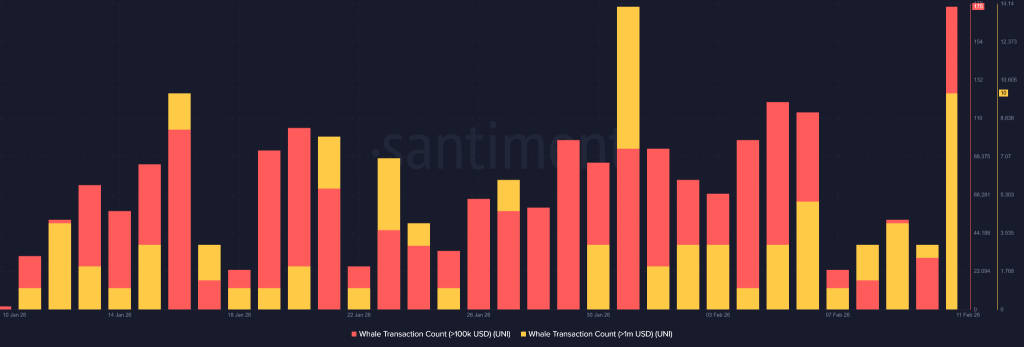
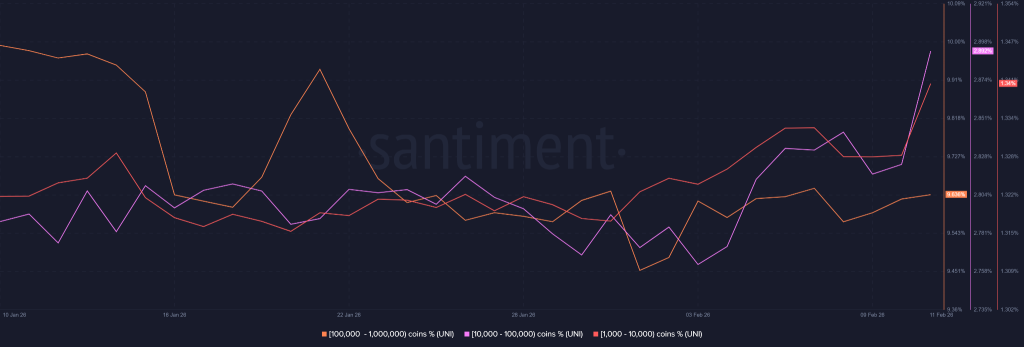
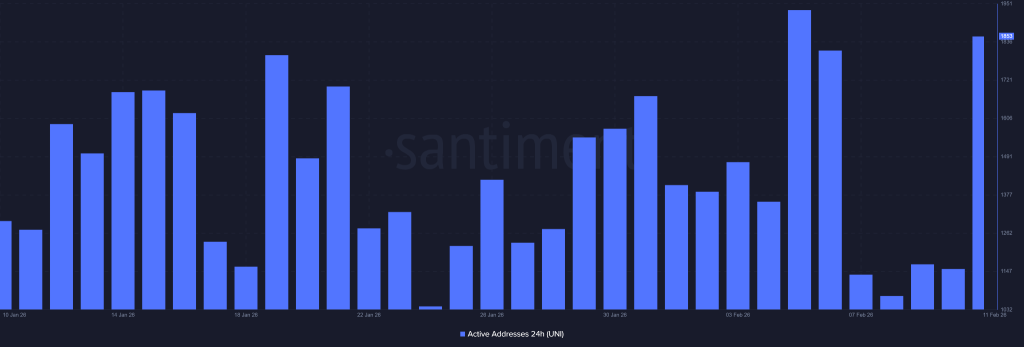
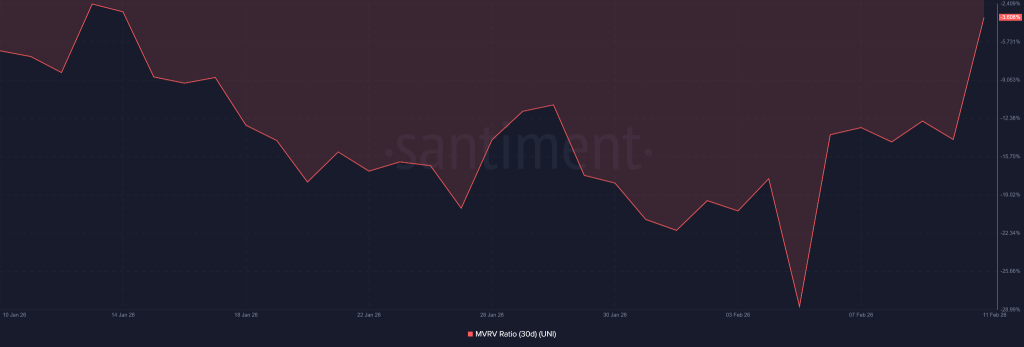
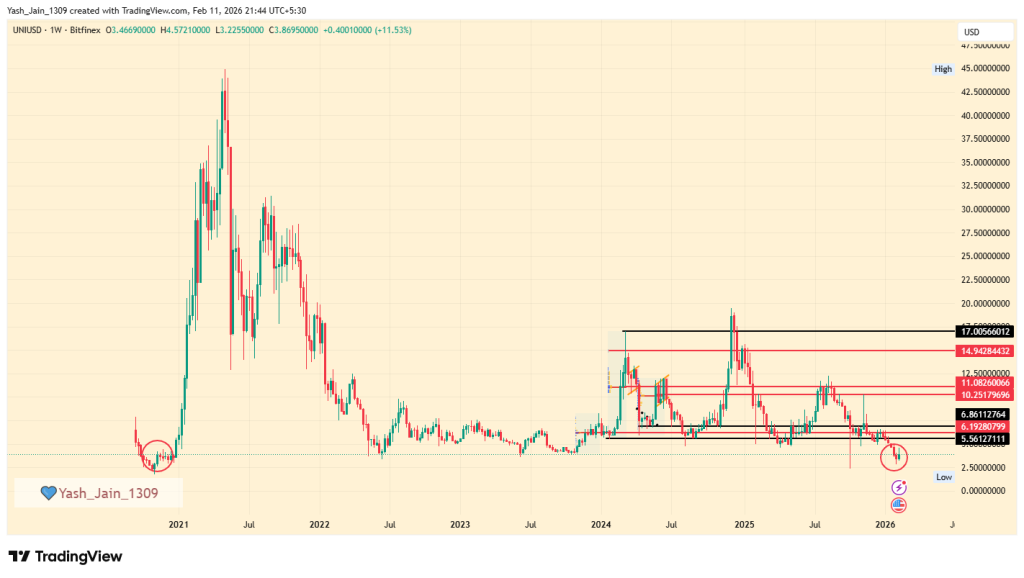
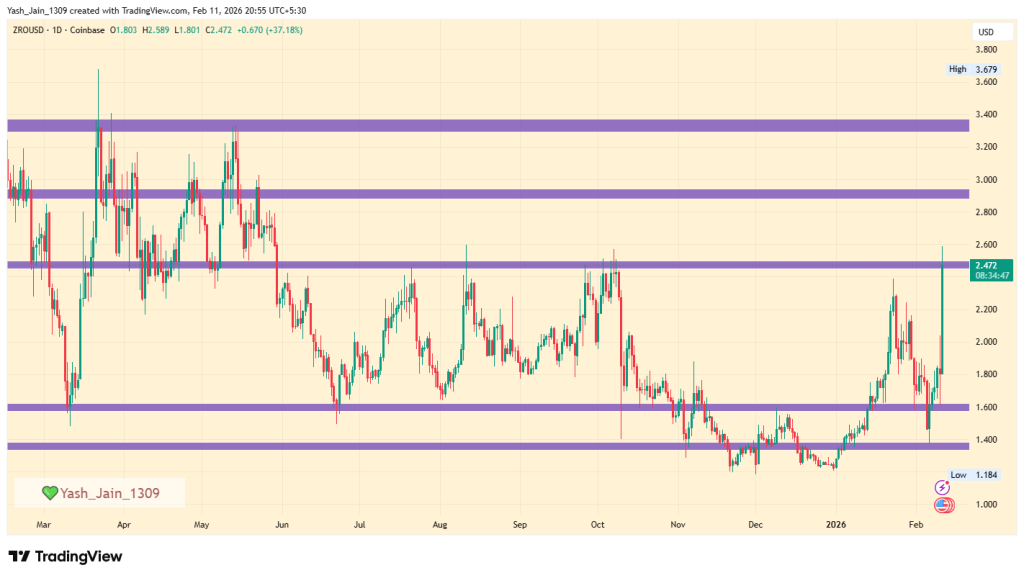
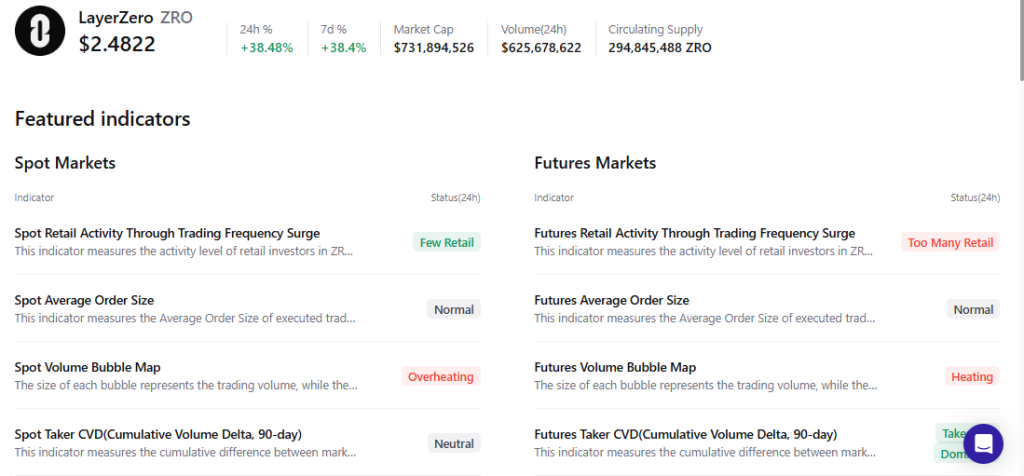
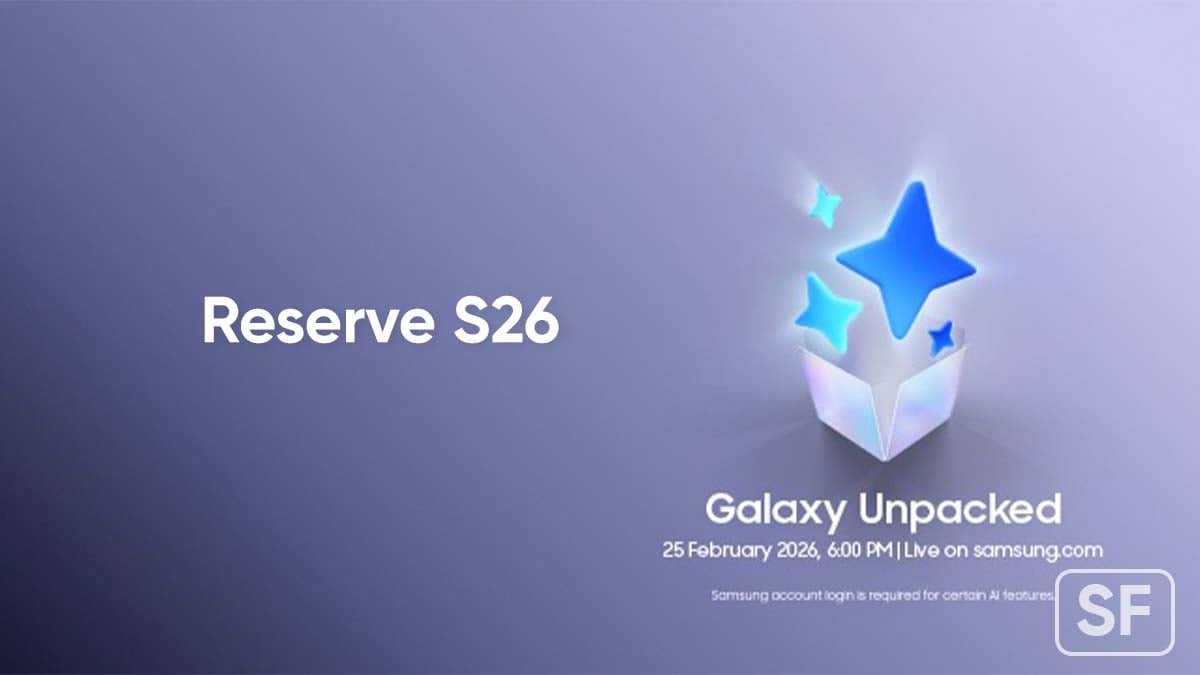




 -2.24%
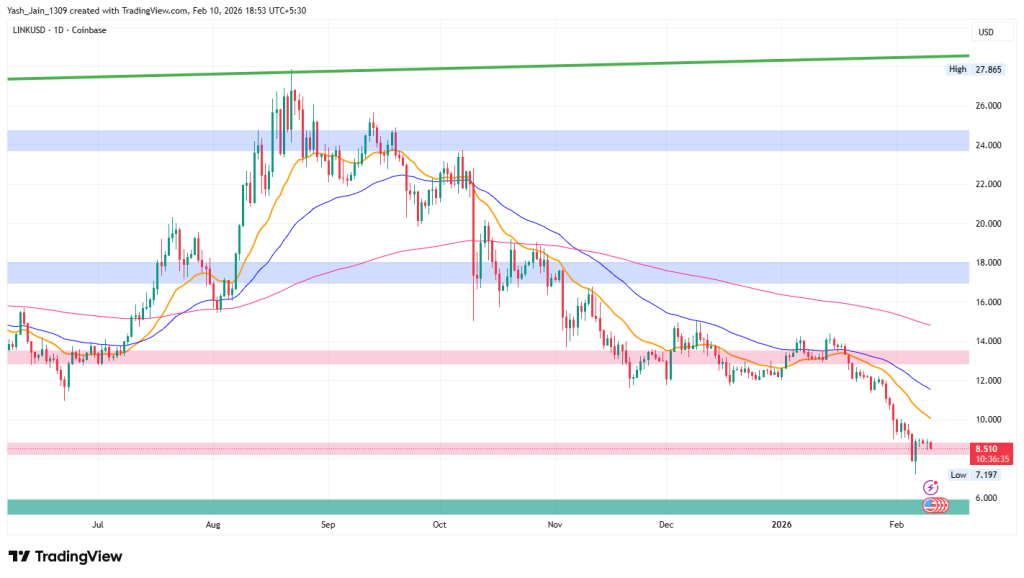
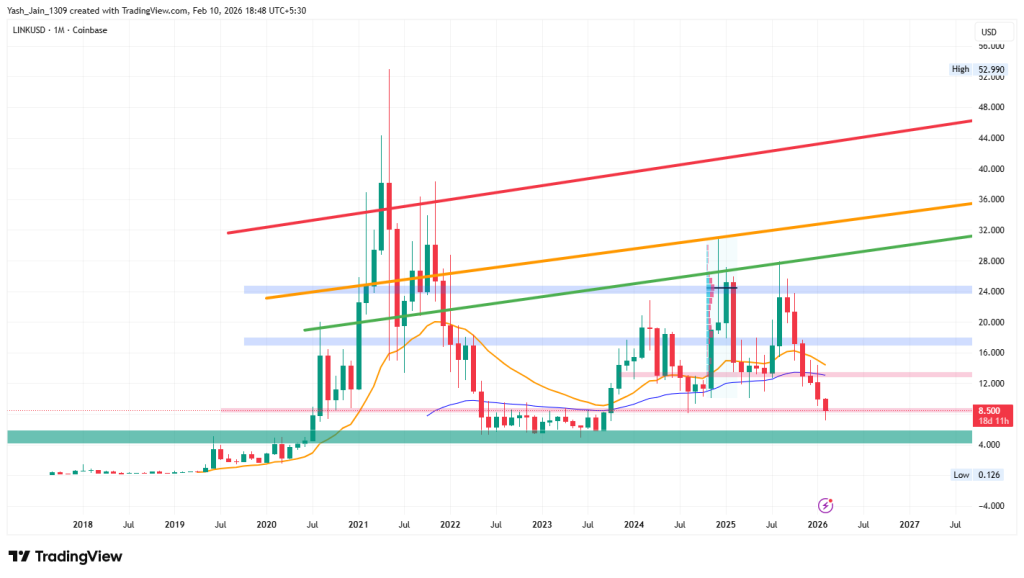
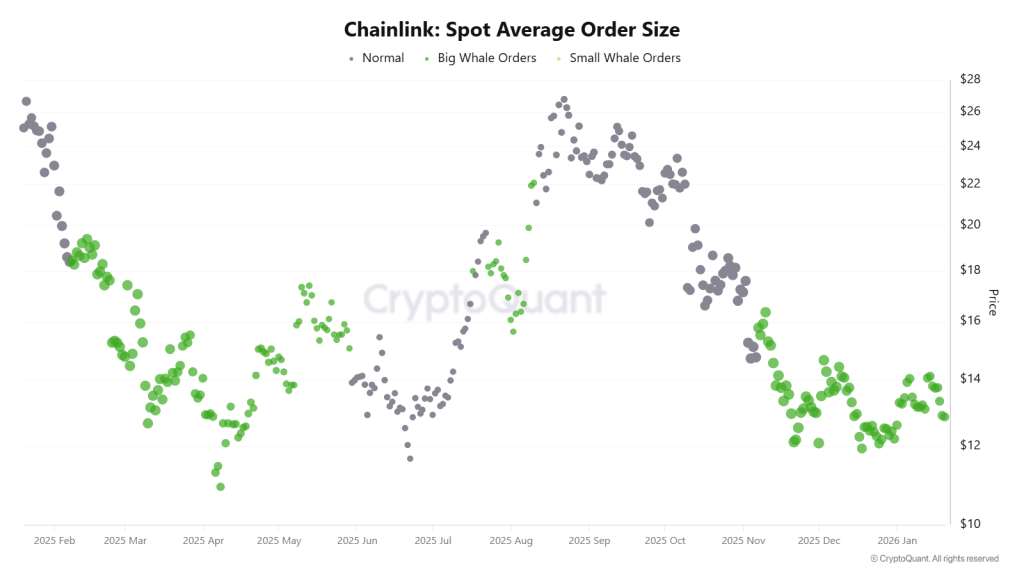


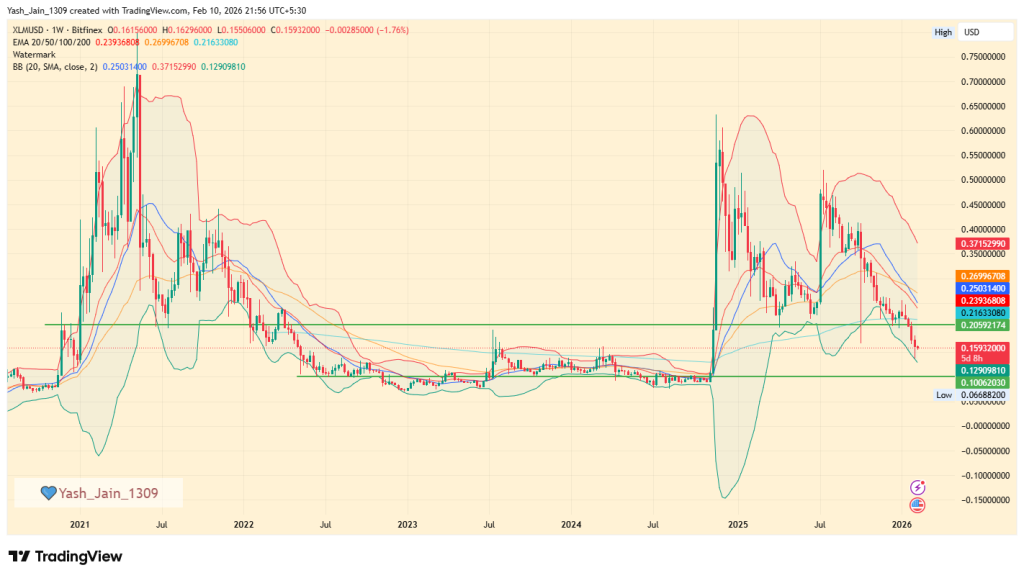
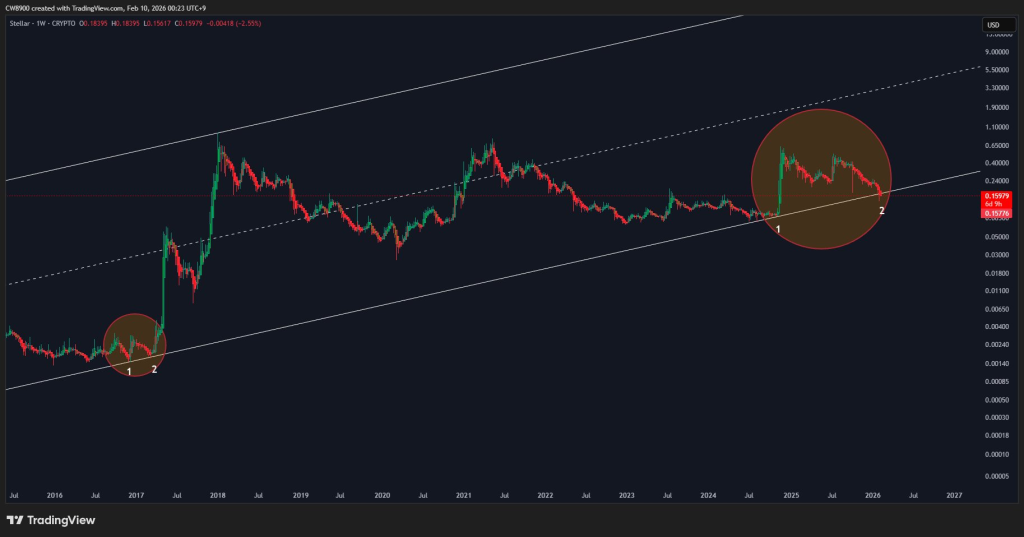
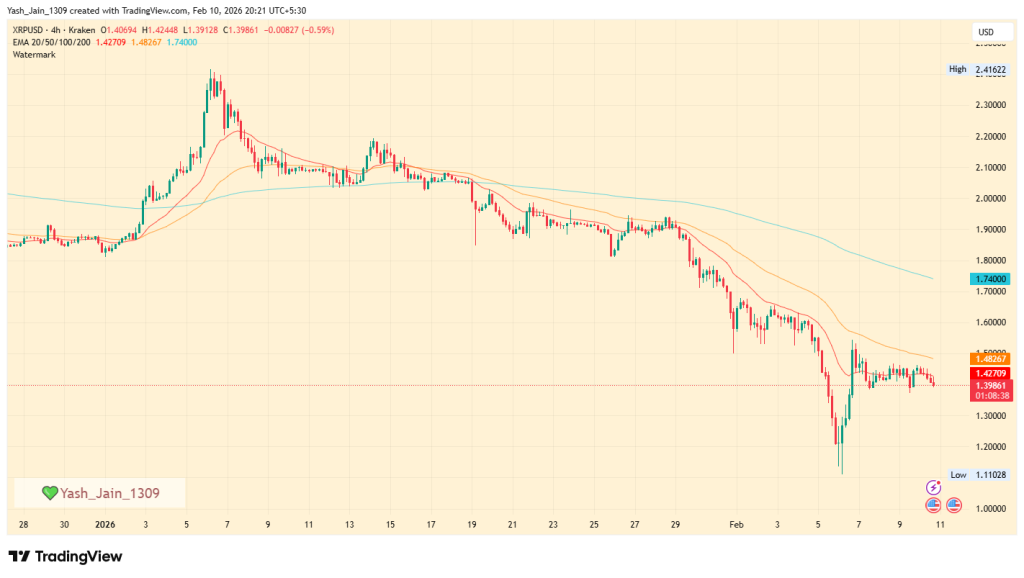
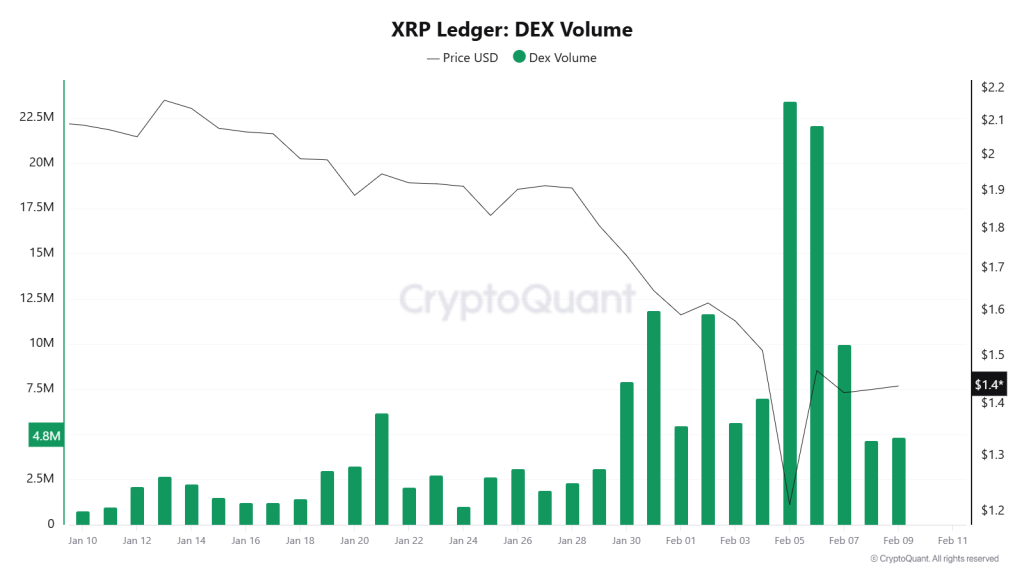
 BREAKING
  XRP Avengers
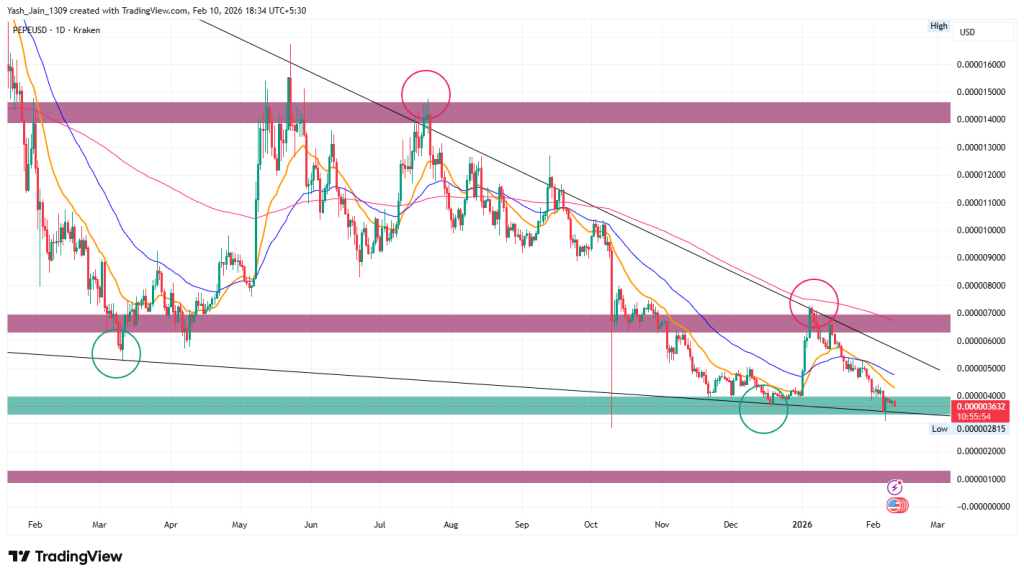
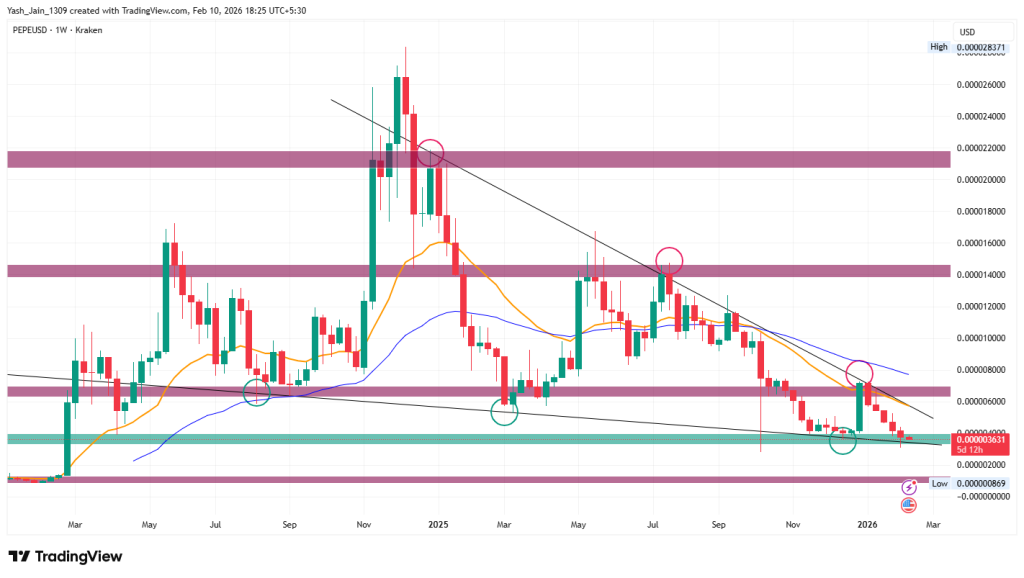
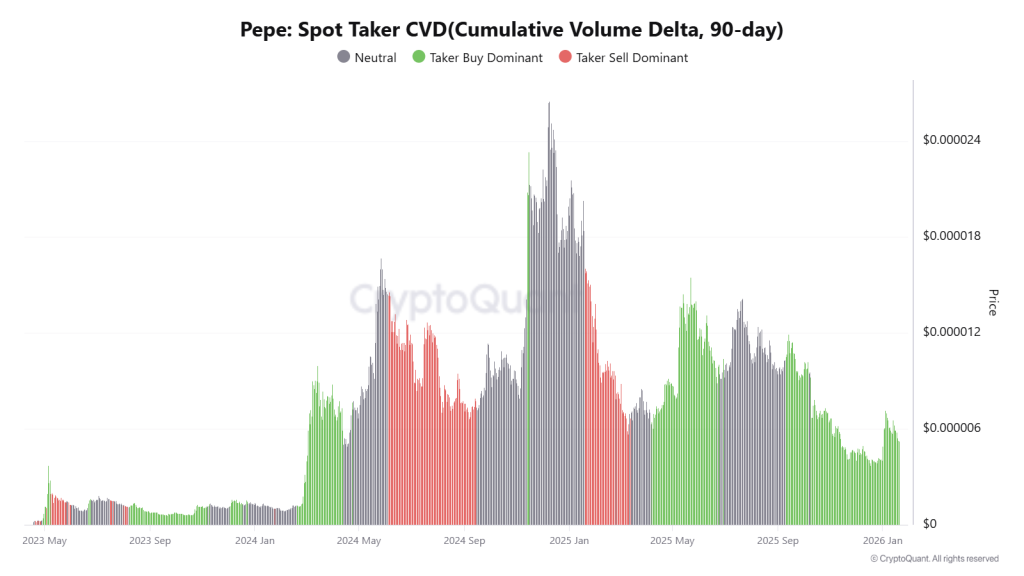

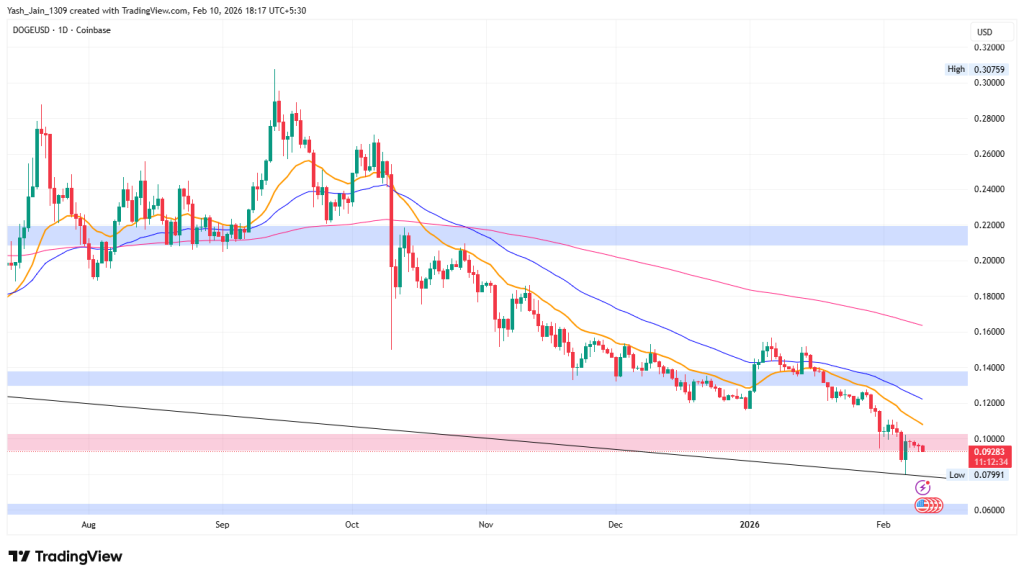
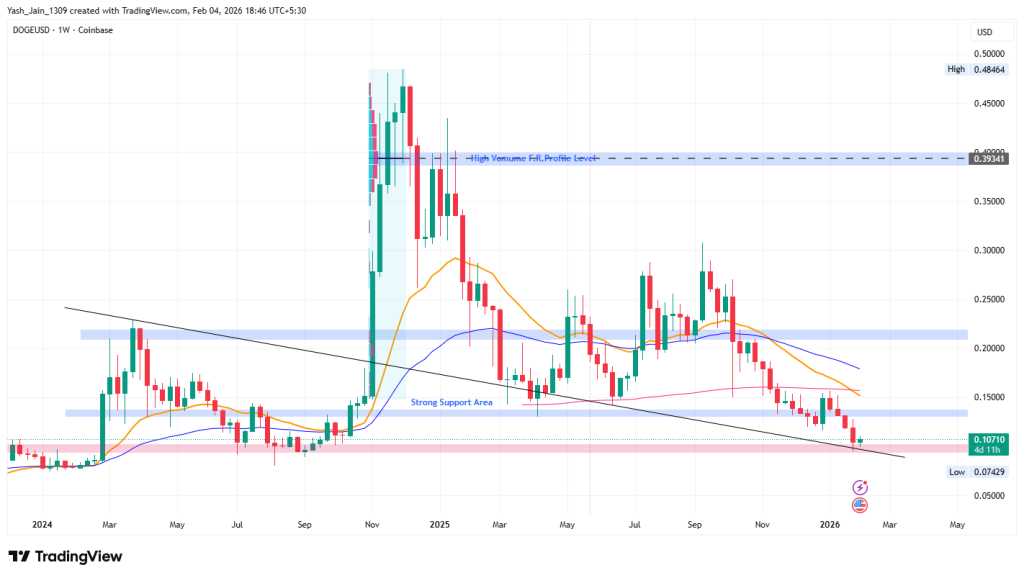
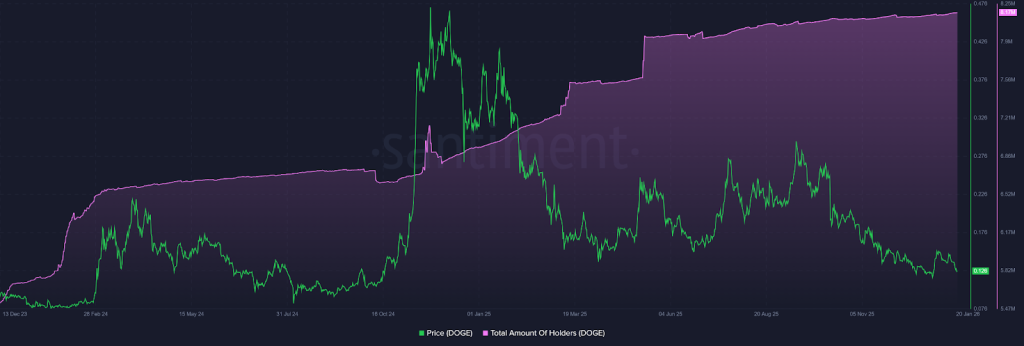
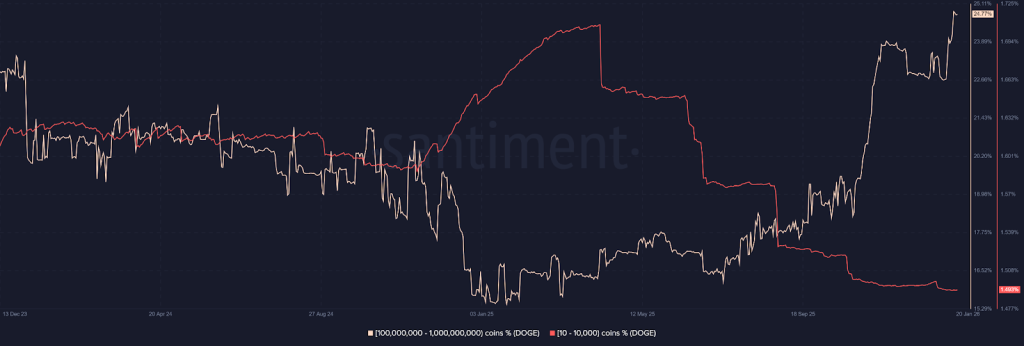
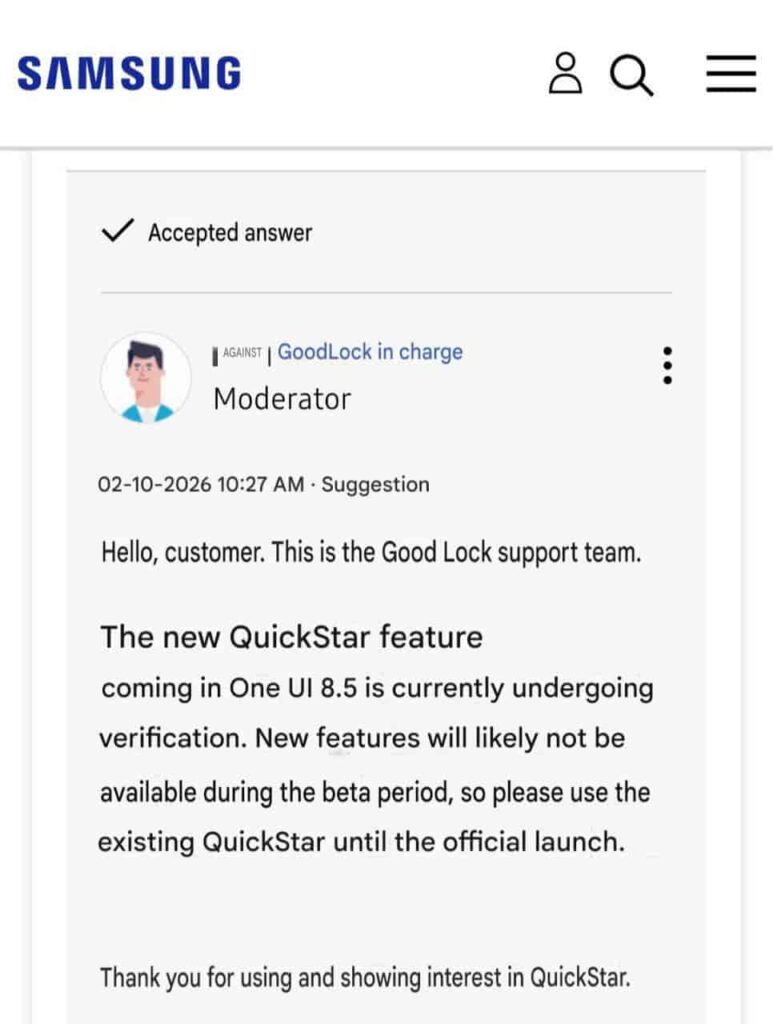
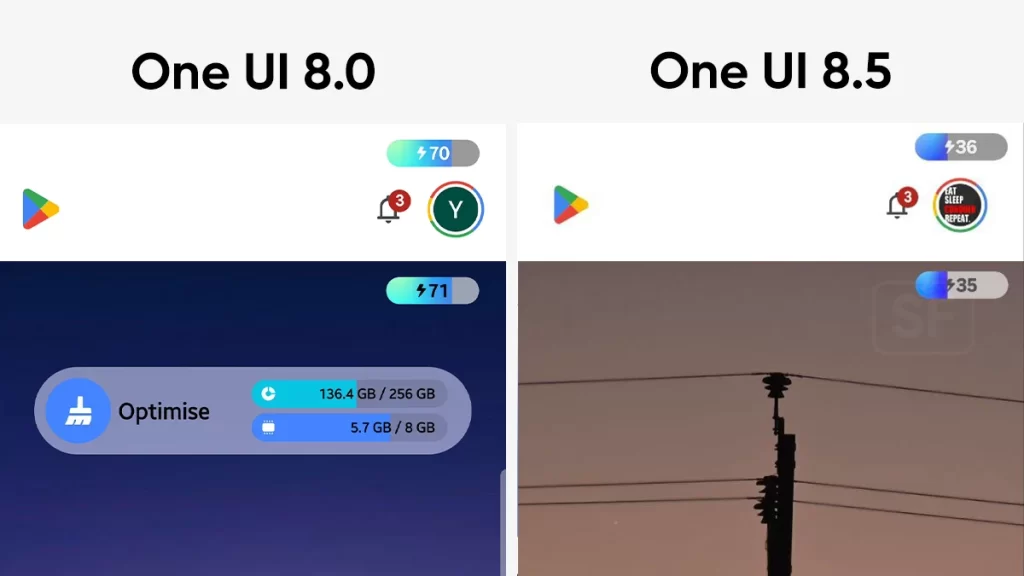
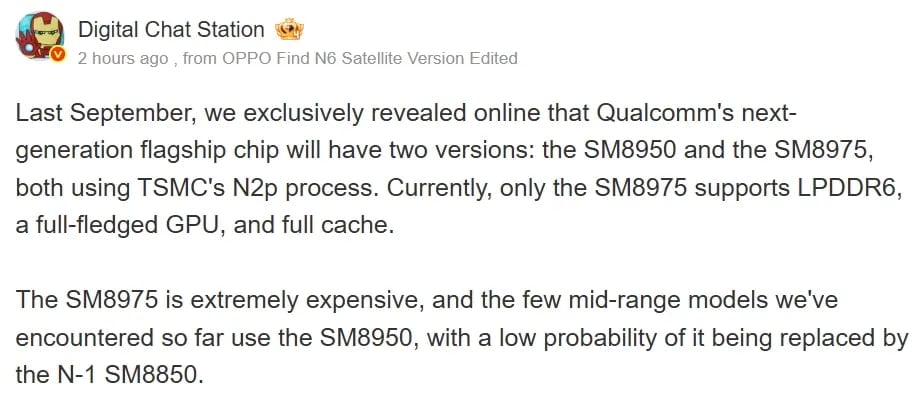
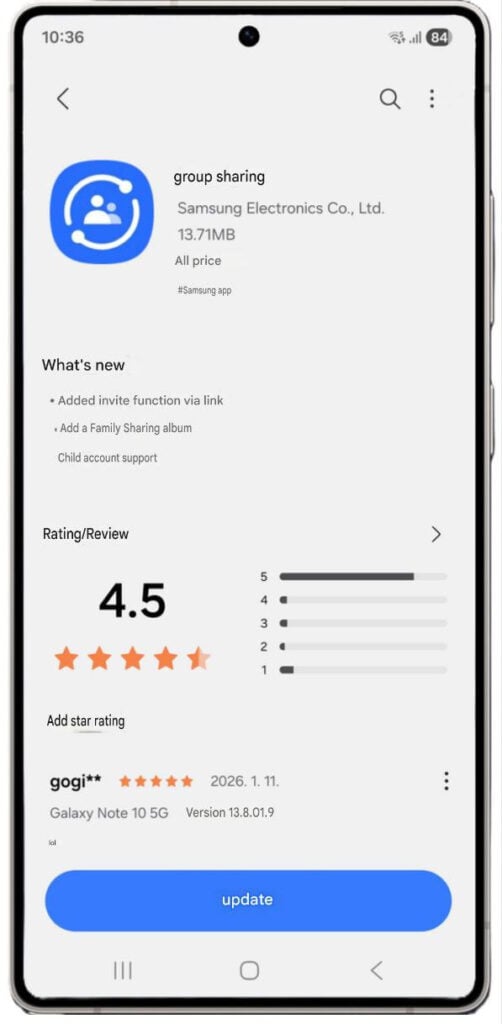
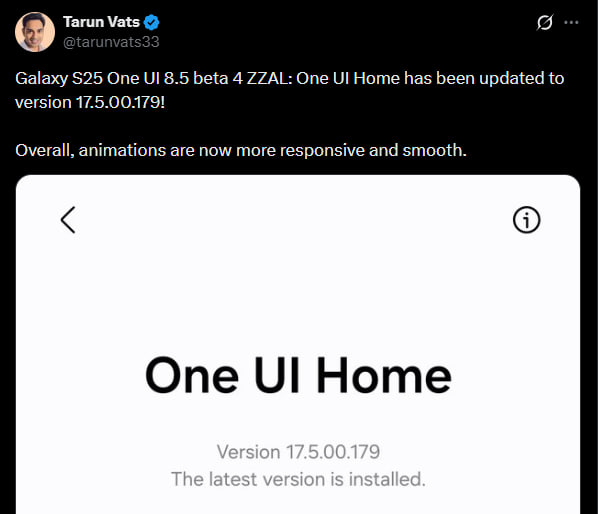





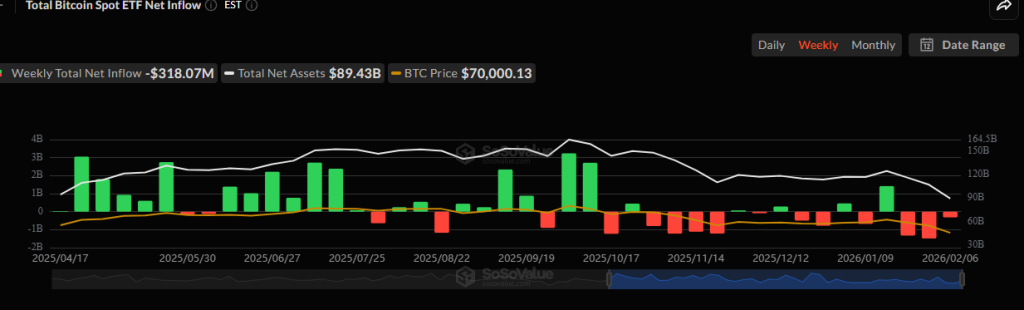
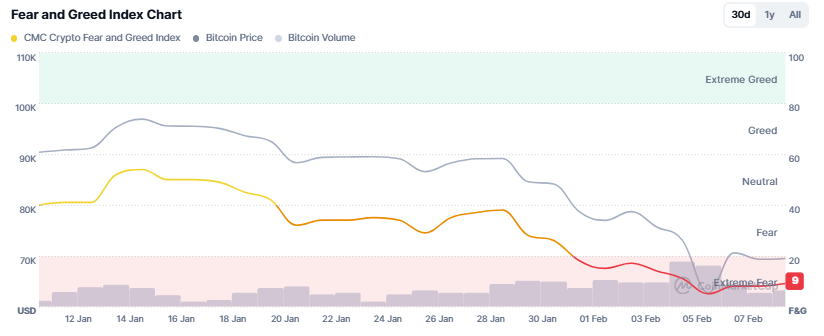
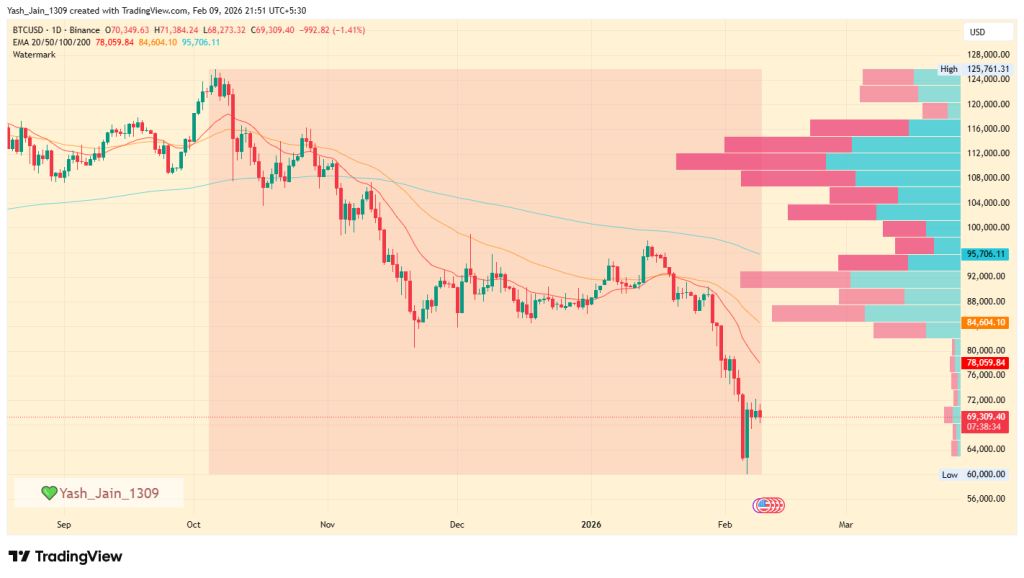
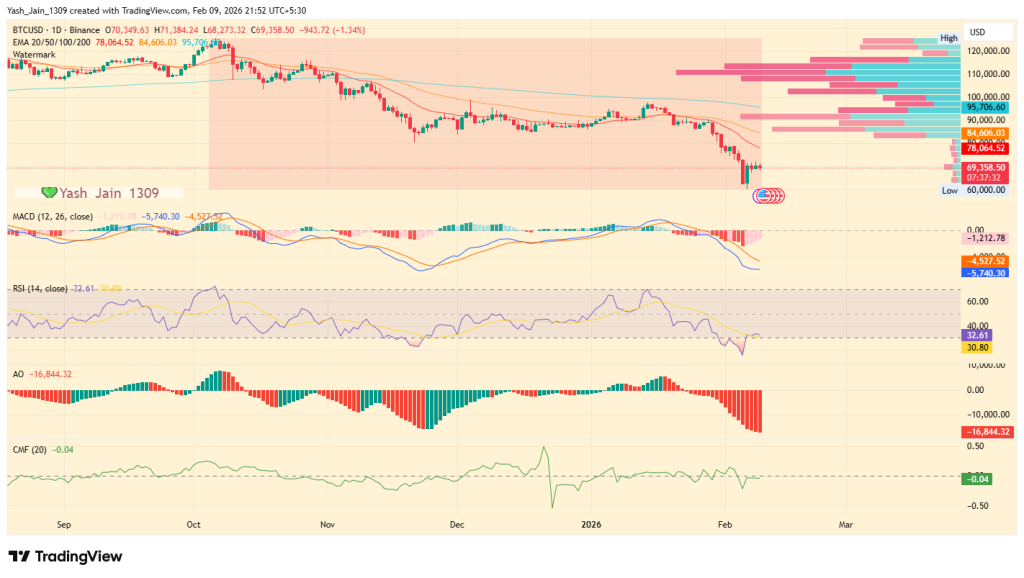
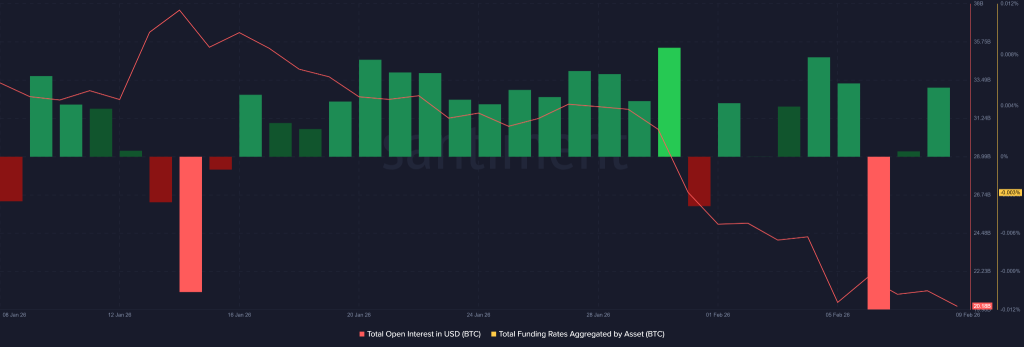
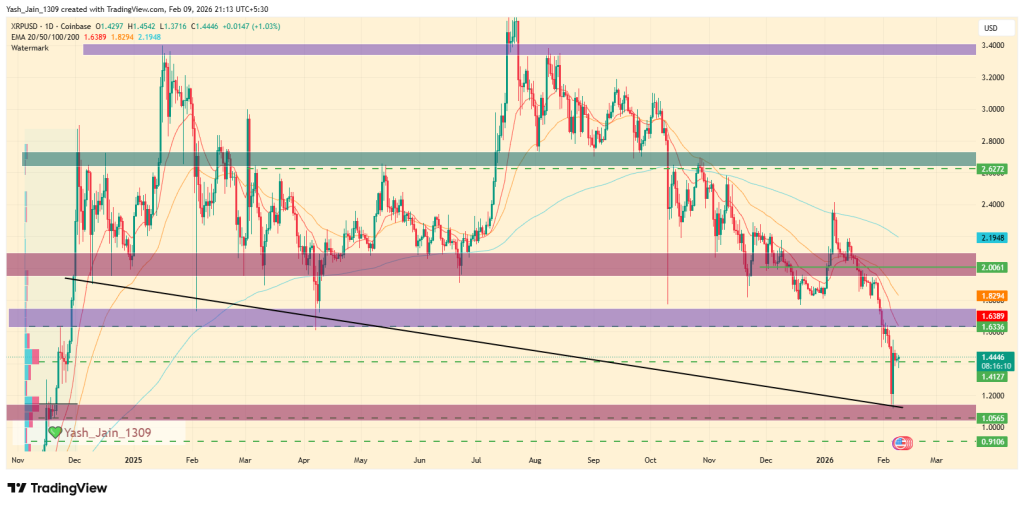
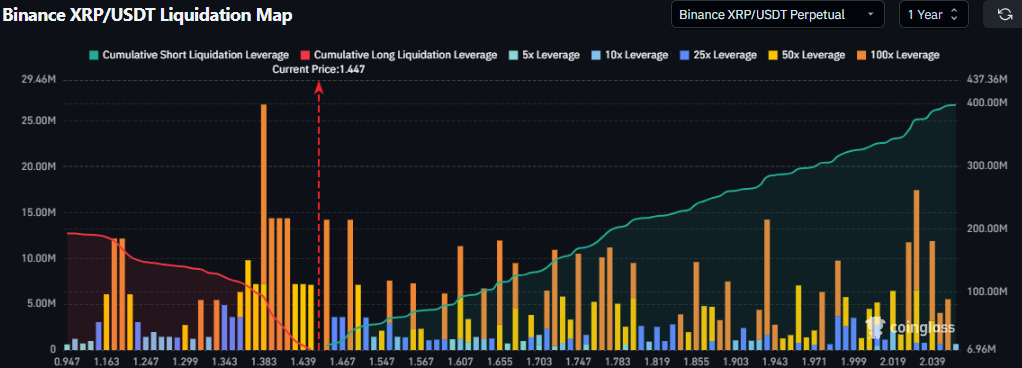
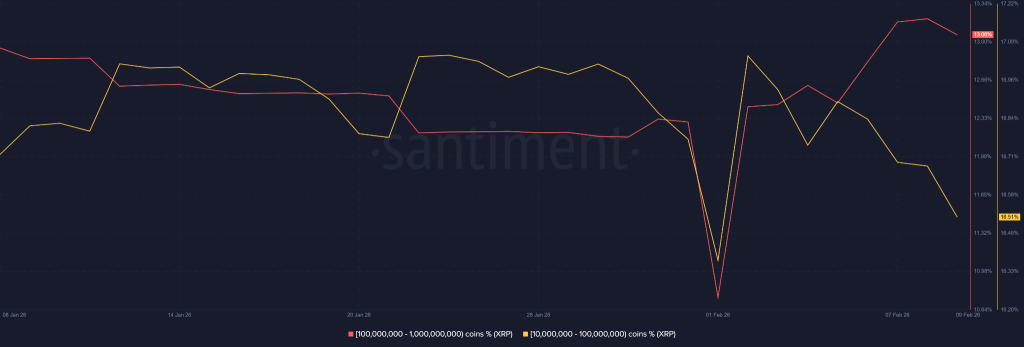


 ?
?
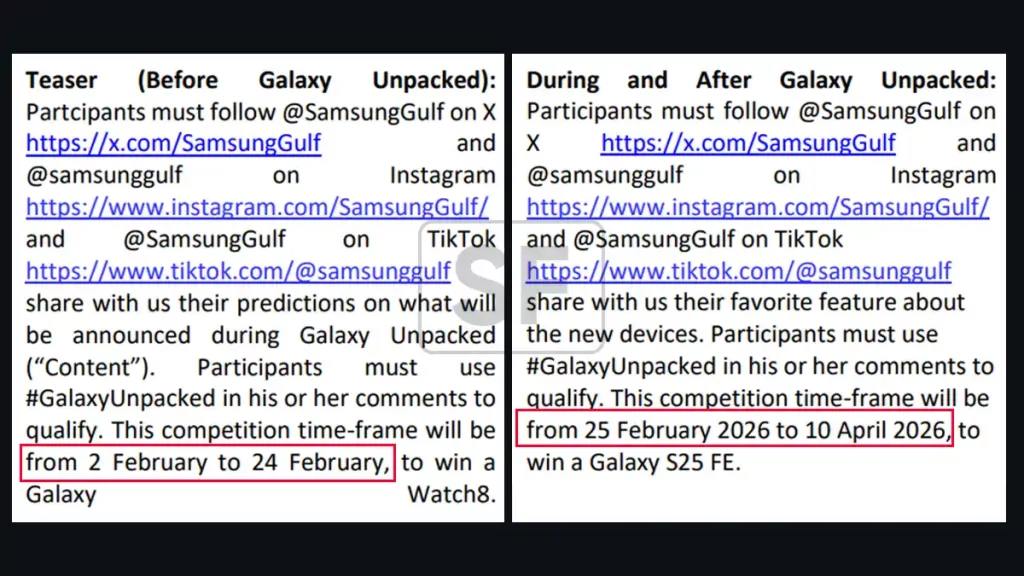


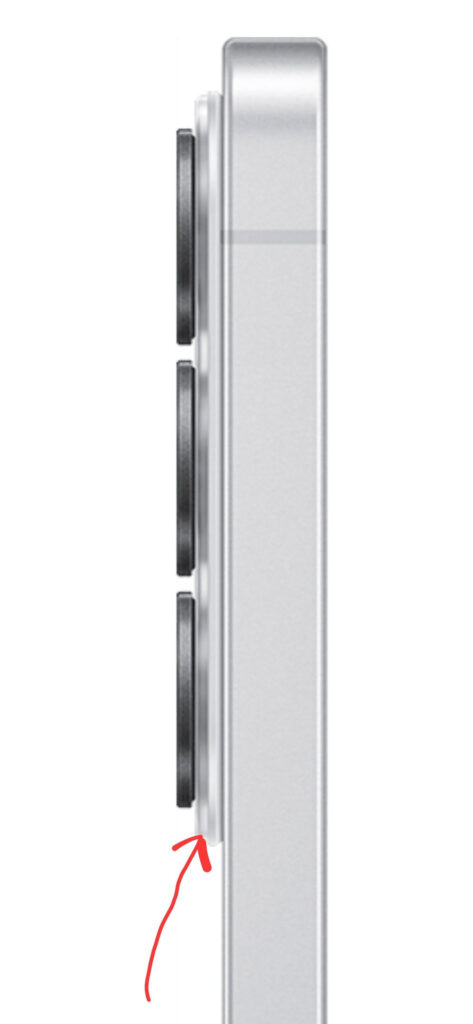
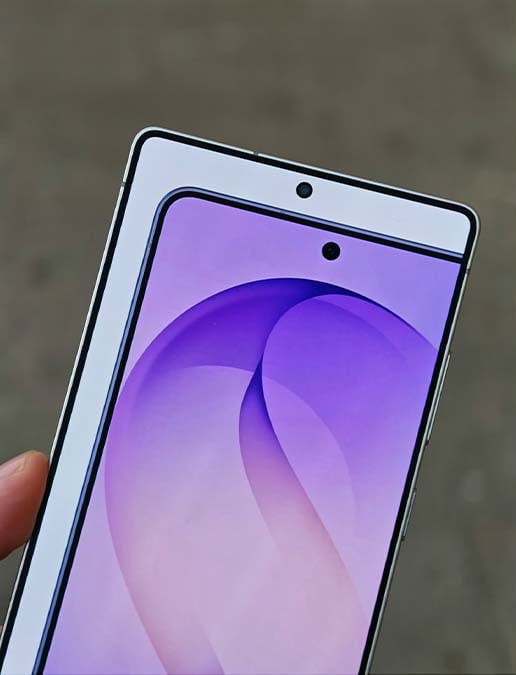
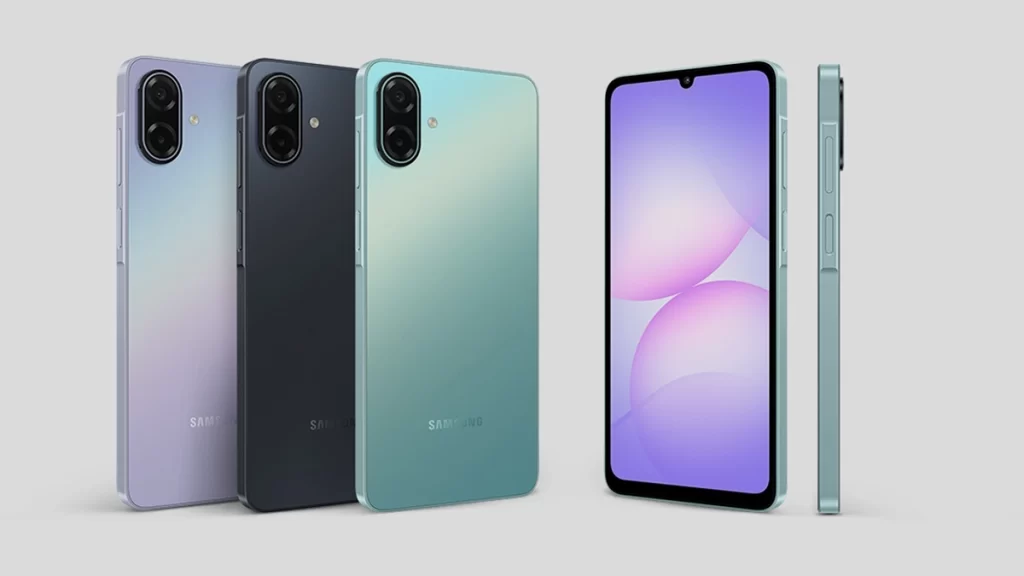
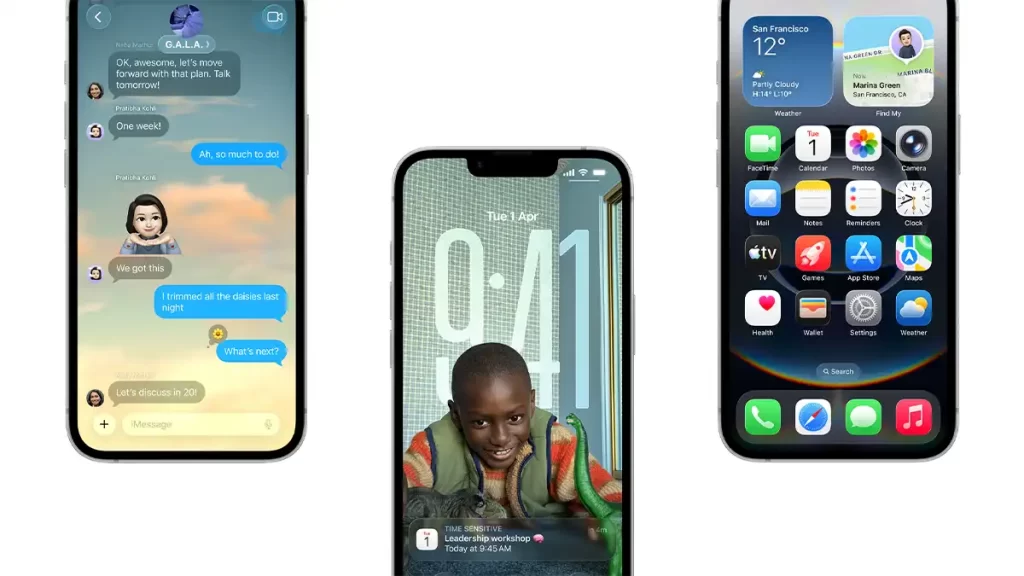
 0.40%
0.40%