Chartle lets you create beautiful, interactive charts from natural language or raw data. Type a prompt like 'UK inflation over the last 10 years,' and it finds real sources, builds the chart, and cites them. You can upload screenshots to convert them to code, paste spreadsheets or JSON, and customize themes to match your brand.
Publish with secret links, embed in Notion or blogs, and export crisp PNGs or SVGs. Build drag-and-drop dashboards, track versions, and connect live data from Google Sheets, Notion, and APIs.
StockPortfolio.pro is a calm, focused portfolio tracker for long-term investors. Track holdings, allocation, fundamentals, and performance in one clean dashboard, with no broker connection required. You can add positions manually, spot concentration risk by ticker, sector, or theme, and compare returns against the market. It prioritizes privacy, with optional analytics consent.
Android users deserve a good flight tracker app too, and that's one of the reasons we built Flights25. Sync your calendar, let Flights25 track your flights automatically, and get notified about important flight changes.
Warzone fans decried Raven Software and Treyarch's decision to only have quad queues for Black Ops Royale. The team has now updated the battle royale modes to bring back Solo queues and the Standard Battle Royale mode with Verdansk as the big map, even in the face of Black Ops Royale's success.
Valfred is a real-time AI sales copilot that helps B2B sales teams win more deals. Unlike post-call tools like Gong or Modjo, Valfred assists reps during live calls by surfacing proof points, objection responses, and competitive arguments in real time. It connects to your CRM (HubSpot, Salesforce, Pipedrive) and ingests call transcripts, emails, and case studies to build a living sales knowledge base. Features include dynamic battlecards, smart success stories, CRM auto-fill, proof pages, pre-call briefs, and an AI sales chat, making it ideal for SDRs, AEs, sales managers, and RevOps at B2B SaaS companies and agencies.
Hannspree Hybri monitor uses ambient light for paper-like readability, reducing energy use while maintaining standard display performance across varying conditions.
According to a Nikkei report, the update will allow consumers to remove and replace batteries using ordinary tools, without special equipment or risking damage to the device. The more easily repairable model is expected to debut in Europe, with the design expanding to other markets if required by similar legal...
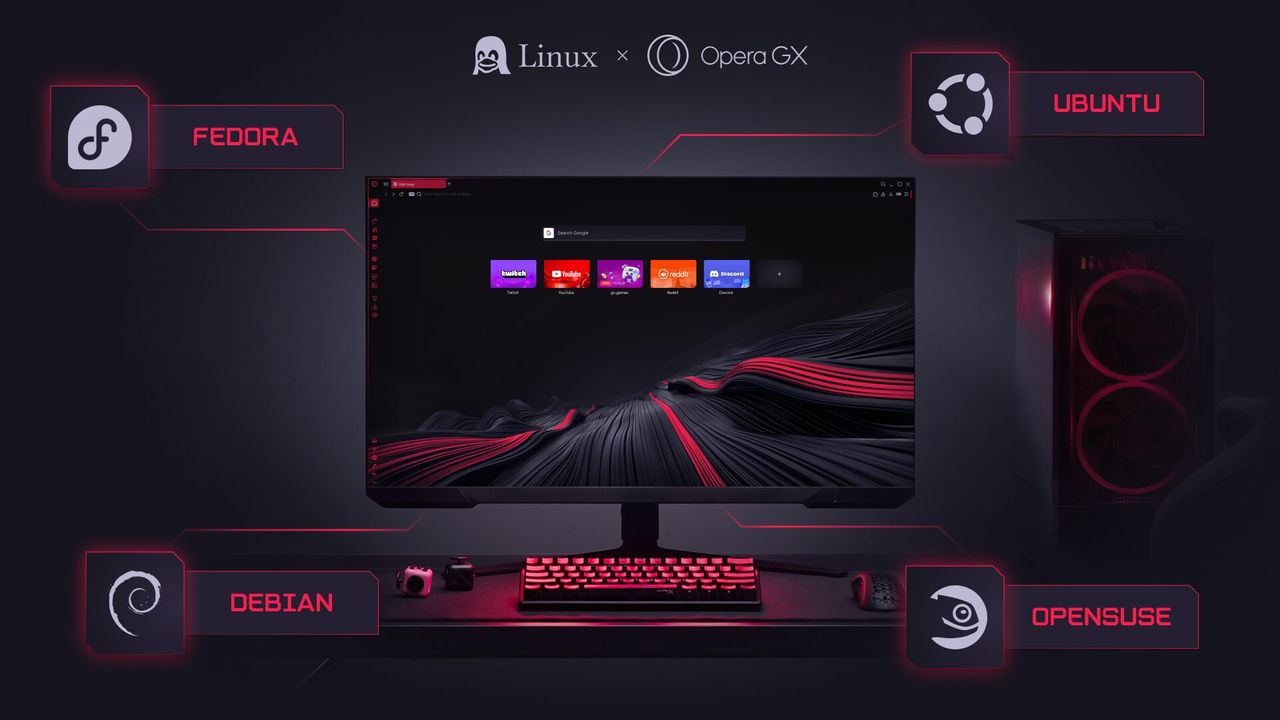
Available now to Steam Deck Preview channel users, the update includes various fixes and improvements that appear aimed at addressing the Linux distro's weaknesses. Many of the changes facilitate connecting displays, controllers, and other external devices.
PlayStation 5 architect Mark Cerny said in an interview that Sony will add frame-generation technology to the console in the future, but didn't specify which console will get it or when.
RazFit is a fitness app for iPhone and iPad that delivers 1–10 minute, equipment-free workouts tailored to your level. Choose your time and focus area, then train with clear video guidance, timers, and automatic tracking. RazFit includes 30 calisthenics exercises, 32 achievement badges, and AI coaches Orion and Lyssa to keep you motivated and on form. You can track progress, unlock milestones, and see results in weeks, with support available in six languages.
Postica is a Reddit growth platform for founders and marketers. It analyzes over 20 million posts across more than 100,000 subreddits to show you the best posting times, highest engagement keywords, flair performance, and audience overlap between communities. No more guessing where to share your product.
It also generates personalized daily growth plans based on your product and experience level, with titles modeled after top-performing content. Postica includes a post studio for drafting and scheduling, a conversation finder for comment marketing, and link tracking to measure clicks.
An anonymous Substack post accuses compliance startup Delve of “falsely” convincing “hundreds of customers they were compliant” with privacy and security regulations.
CISPE claims Broadcom's actions have excluded most European cloud infrastructure partners, sharply reduced competition, and forced smaller firms out of the VMware ecosystem altogether.
Researchers are still studying samples of Ryugu collected by the Japanese Aerospace Exploration Agency from its Hayabusa2 mission. After the first papers focused on the composition of the recovered material, a Japanese team has now found a "complete" set of genetic bases belonging to both DNA and RNA.
Nintendo is reportedly set to launch a revised Switch 2 with a removable battery in Europe, in line with regulations requiring easier battery replacement by February 2027.
Story Generator is a structured AI writing tool that helps you create stories step by step, turning your ideas into full story outlines and detailed chapters. Simply enter your concept, choose the genre, and set up your characters, including name, personality, appearance, and occupation. The system then generates a complete, coherent multi-chapter outline tailored to your setup.
The tool supports all major genres, including fantasy, sci-fi, romance, mystery, thriller, adventure, slice-of-life, children's stories, and more. Each generation produces three unique versions, providing you with multiple creative directions to choose from instantly.
MailerBit is an email automation platform for sending thousands of individually personalized messages. It connects to your contact data and inserts unlimited custom fields—text, numbers, dates, and currencies—into dynamic templates with merge tags and built-in math. You can run recurring campaigns on fixed or custom schedules, attach files up to 25 MB, and compute values at send time. MailerBit solves the problem of sending similar emails manually to many customers.
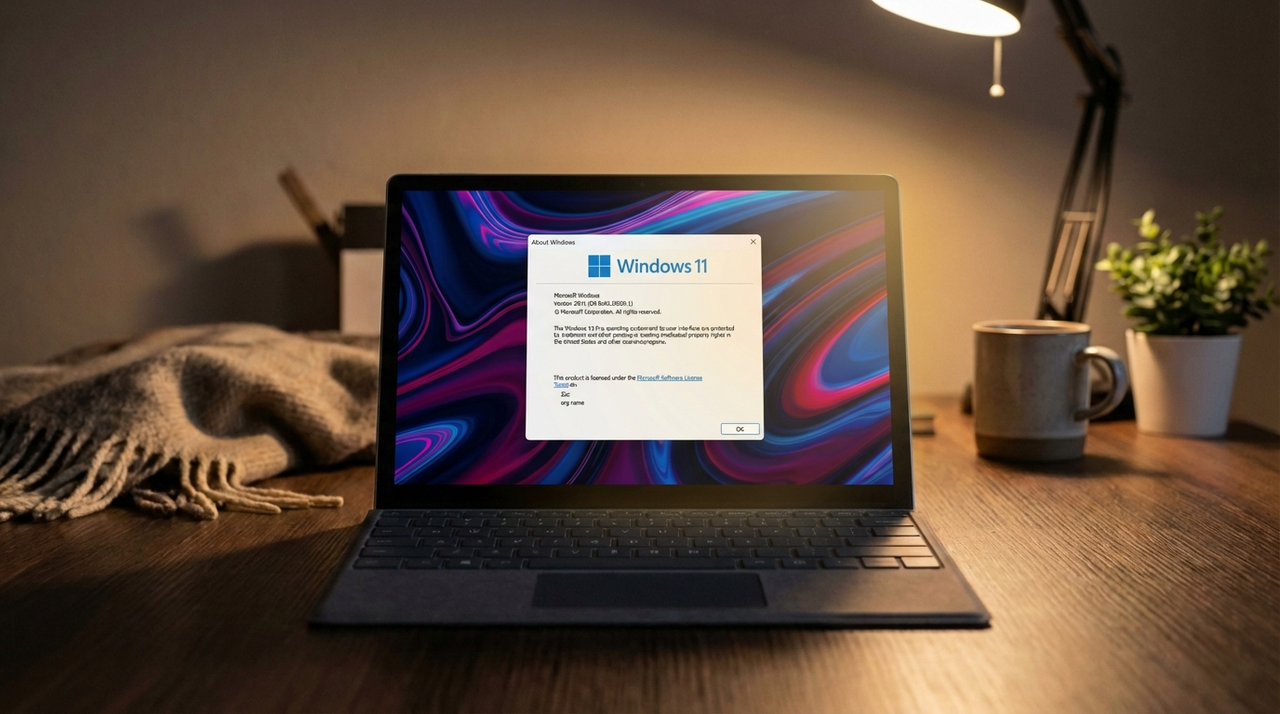
April 2026 will bring some HUGE changes to Windows 11, and more are coming 2026 is the year of Windows 11 improvements. Windows 12 isn’t coming anytime soon, and Microsoft’s focus is on making its Windows 11 faster and more reliable. With Windows 11’s April 2026 Insider updates, Microsoft has started down its path towards […]
As part of Microsoft's big plan to address quality issues on Windows 11, the company has confirmed that it's working on fixing performance of menus, folders, and search in File Explorer.
PC building is in a bad place right now with extortionate price increases and all-around shortages, so when a deal like this pops up on an RTX 5060 Ti it is not to be missed.
Threat actors affiliated with Russian Intelligence Services are conducting phishing campaigns to compromise commercial messaging applications (CMAs) like WhatsApp and Signal to seize control of accounts belonging to individuals with high intelligence value, the U.S. Cybersecurity and Infrastructure Security Agency (CISA) and Federal Bureau of Investigation (FBI) said Friday.
"The campaign
In an interview with Club386, Hallock gave a short but telling answer when asked whether he envisioned Intel sockets supporting more CPU generations. "I do," he said. "That's it – I do." Although he offered no technical details, the simplicity of that response hints at a deliberate and possibly overdue...
The Logitech G325 Lightspeed Wireless pairs exceptional comfort with impressive sound quality for a mid-tier price. The microphone leaves something to be desired, but overall, it’s a solid all-day wear, even when you’re not gaming.
Remember the launch of the very first take on DLSS? Remember when frame generation initially arrived? They weren't at all well-received, but Nvidia turned that around.
Fusion power promises to generate large amounts of clean electricity from nearly limitless fuel. This article explains the main approaches and the companies that use them.
AMD hasn’t unveiled it, but that hasn’t stopped ASRock AMD has not revealed this CPU, but ASRock has. ASRock has issued a press release confirming that its motherboards “fully support” AMD’s Ryzen 9 9950X3D2 CPU. This processor promises “more cache than ever” and “higher gaming performance” for users. Videocardz were the first to spot this […]
Best Buy Tech Fest has a 43% discount on the Lenovo IdeaPad 1, an AMD-empowered laptop with performance rates equal to that of the popular MacBook Neo, while costing half as much.
HP's OMEN 27qs gaming monitor is on sale at its namesake company's website with a generous 30% discount, giving PC gamers a chance to upgrade their rig with the ability to play games at 1440p and 240fps for under $350.
A big change coming soon to Windows 11 will allow users to say no to installing updates for as long as they want, a level of freedom that hasn't been seen since Windows 8.
We're treated to double helpings of Shawn Hatosy this week in The Pitt season 2 and Ready or Not 2, and his time in the ER was the weirdest kind of preparation possible.
Want to get into wire-free vinyl but don't know how to start? You'll need a nice simple system — and this little quartet all come recommended by an audio editor.
An OpenClaw autonomous AI agent has hit back at a volunteer maintainer of a Python library who rejected its code by posting a "hit piece" that criticizes the developer and calls them discriminatory against AI.
Qala is an AI-native data discovery and visibility platform that continuously shows security and compliance teams in real-time how data moves across code, integrations, third parties, and AI systems, all without requiring engineering involvement. In under 30 minutes, users can instantly obtain real-time data visibility from the source with an interactive topology and lineage map that illustrates how data flows across systems, whether at rest or in transit. It uses AI and NLP to automatically detect and classify sensitive data, tag assets, and trace data flows at the point of creation or ingestion.
Sony’s continuing to work with AMD on new “Project Amethyst” technologies for PlayStation and Radeon In an interview with Digital Foundry, Sony’s Mark Cerny, the lead system architect for PlayStation 5, confirmed that ML-based (Machine Learning) frame generation would be coming to “PlayStation platforms”. This tech comes as part of Sony’s “Project Amethyst” collaboration with […]
Oracle has released security updates to address a critical security flaw impacting Identity Manager and Web Services Manager that could be exploited to achieve remote code execution.
The vulnerability, tracked as CVE-2026-21992, carries a CVSS score of 9.8 out of a maximum of 10.0.
"This vulnerability is remotely exploitable without authentication," Oracle said in an advisory. "If successfully
Microsoft's big sweeping set of improvements coming soon to Windows 11 don't address its controversial Microsoft account requirements, but that might soon change.
YouTuber runs several PC games on the MacBook Neo, including Cyberpunk 2077 at around 40 FPS. Testing proves that Apple's iPhone SoCs can emulate PC games at playable frame rates.
A YouTuber has modded an Xbox Series X with PC parts, featuring a NUC 12 Extreme with a Core i7-12700, low-profile Gigabyte RTX 5060, and PSU while keeping the console's DVD drive intact.
ERSO lets anyone create and share interactive 3D stories with AI. You can generate scenes from text, turn video into animations, add AI music, and publish to VR, PC app, or the browser with one click. Viewers can explore paths, gather in the same scene from anywhere, and leave avatar comments with custom voices and motion. Skip years of 3D tutorials and go from idea to sharing experience quickly.
MapMaster is a community-driven platform for discovering and creating interactive maps for video games. Explore curated maps across popular titles to track locations, collectibles, and points of interest. Sign in to add, edit, or manage your own maps. Enjoy an ad-free experience, follow updates on X, and join the Discord to collaborate with other players.
The U.S. Cybersecurity and Infrastructure Security Agency (CISA) on Friday added five security flaws impacting Apple, Craft CMS, and Laravel Livewire to its Known Exploited Vulnerabilities (KEV) catalog, urging federal agencies to patch them by April 3, 2026.
The vulnerabilities that have come under exploitation are listed below -
CVE-2025-31277 (CVSS score: 8.8) - A vulnerability in Apple
Hullo is an AI-powered dating platform built to optimize for compatibility instead of endless swiping. Rather than relying on random discovery and surface-level browsing, Hullo uses intelligent matching models to analyze user intent, profile signals, and behavioral patterns to suggest more meaningful connections.
The platform also enhances profile quality with AI-assisted optimization, increasing signal clarity and improving match outcomes. Hullo is designed as an AI-native alternative to traditional swipe-based apps, focusing on better matches, not more screen time.
Path to Hired is a Kanban-style job application tracker with built-in CV and cover letter optimization tools. Instead of managing a chaotic spreadsheet or trying to remember where you applied last Tuesday, Path to Hired gives you one place to track every application, move it through stages such as Applied, Interview, and Offer, and get AI-powered suggestions to improve your CV and cover letters. We also launched a Chrome extension that saves jobs from LinkedIn, Indeed, and Glassdoor in one click. We're in early beta and looking for job seekers to test the product and provide feedback.
The threat actors behind the supply chain attack targeting the popular Trivy scanner are suspected to be conducting follow-on attacks that have led to the compromise of a large number of npm packages with a previously undocumented self-propagating worm dubbed CanisterWorm.
The name is a reference to the fact that the malware uses an ICP canister, which refers to tamperproof smart contracts on
With every Windows 11 update seemingly introducing a new bug or somehow breaking some core functionality, it seems as though trust in Microsoft and Windows is at an all-time low, with the recent "Microslop" insult popping up in online tech circles as a sort of culmination of the recent spate of issues. Microsoft has apparently been following the backlash against Windows 11, with Pavan Davuluri, President of Windows + Devices, stating in a new Windows Insider Blog post that "over the past several months, the team and I have spent a great deal of time analyzing your feedback," and subsequently laying out a plan that walks back many of the contentious changes that have been made in recent Windows 11 updates and promising to add highly requested new features and return features from older Windows versions that likely shouldn't have been removed in the first place.
One of the earliest complaints about Windows 11—before Copilot launched—was that the task bar could not be relocated to other screen edges, but Microsoft will soon introduce more taskbar customization, including moving it to the top, left, or right screen edges as needed. Microsoft will also walk back many of the Copilot integrations, stating that it will be "more intentional about how and where Copilot integrates across Windows." It specifically calls out removing Copilot from Snipping Tool, Photos, Widgets, and Notepad. The other two important changes that will come from the new plan for Windows 11 is giving users more control over updates to reduce interruptions—essentially allowing users to go longer without restating without an update and skipping updates during device setup, and restarting and shutting down without updating. Microsoft also plans to address File Explorer and speed up launch times in order to deliver "smoother navigation and more reliable performance for everyday tasks," as well as polishing the user experience overall.
Sony recently introduced Upgraded PSSR—aka PSSR 2.0—on its PlayStation 5 Pro consoles with the launch of Resident Evil, finally unlocking the additional AI chops of the PS5 Pro's APU. If recent comments by Sony's Mark Cerny to Digital Foundry are anything to go by, PlayStation's console hardware will be following a similar trajectory to gaming PCs when it comes to these ML and AI-based features. Specifically, it seems as though frame generation will be one of the next advancements to make its way to the PlayStation platform, although it seems as though gamers will need to wait a little longer for that to be implemented—if it is implemented during this console generation at all.
Addressing a question regarding FSR Frame Generation on PlayStation, Cerny commented that "FSR Frame Generation is also based on co-developed technology...and an equivalent frame generation library should be seen at some point on PlayStation platforms." He goes on to say that frame generation will not be making it to Sony's consoles in 2026, stating that "we have no more releases planned for this year." Given that the next-generation PlayStation hardware is slated to arrive somewhere between 2027 and 2028, it almost seems likely that Sony will announce FSR Frame Generation at the same time as the PlayStation 6 with a cut-back version available for the PS5, although it's potentially possible for Sony to update the current PS5 Pro with FSR Frame Generation, since FSR Redstone was developed in partnership with Sony, to begin with. There have already been modders who have run FSR 4 Redstone Frame Generation on RDNA 3, as well, so it may be possible for the PS5's RDNA 2 APU, as well, although at the cost of a higher performance penalty.
SparkLocal removes the barriers between having a dream and launching a business. By answering questions about your skills, budget, and location, the AI generates four personalized business ideas rooted in your local market, completely free. You can explore viability scoring, market research, financial projections, a launch checklist, and resources matched to your city. Additionally, you can generate a pitch deck, landing page, and social graphics, as well as access a free directory of over 6,073 local business resources across 547 US cities. Entrepreneurship should be for everyone, not just the well-connected.
Droplink helps dropshippers find winning products, spy on competitors, and fulfill orders from one dashboard. It features AI-powered search, a product database with over 1 million products, and an ad library across Facebook, Instagram, TikTok, and Pinterest to validate demand and margins. Connect Shopify to import products with one click and ship through a supplier network offering fast 6-day delivery with no minimum order quantity. Track store revenues, monitor ads and products, and scale with 24/7 support.
AuraMetrics.io is a suite for GEO and AEO that helps your brand get cited by AI engines such as ChatGPT, Perplexity, and Google AI. It audits structured data, entity clarity, trust signals, and citability, assigns a GEO Visibility Score, and delivers a prioritized roadmap for improvement. By integrating GA4 and Search Console, you can measure AI traffic and monitor how LLMs discuss your brand through ongoing prompt tests and citation alerts.
Timerjoy offers free, browser-based timers, stopwatches, and countdowns so you can track time without downloads or sign-ups. Start quick presets for seconds, minutes, or hours, or build custom visual and classroom timers. The site also provides a world clock, time zone tools, date and age calculators, sunrise and sunset times, moon phases, and breathing and workout timers for HIIT, Tabata, and intervals.
AssetHQ provides a simple digital asset management platform for teams to store, organize, and share documents, images, and files. With an intuitive folder structure, tagging, and search, finding assets is fast. You can share with secure links, expiration dates, and permissions. Enjoy image previews, collections, and lightning-fast performance backed by enterprise-grade security. Start free and scale to a paid plan as your storage and team grow.
Anthropic submitted two sworn declarations to a California federal court late Friday afternoon, pushing back on the Pentagon's assertion that the AI company poses an "unacceptable risk to national security" and arguing that the government's case relies on technical misunderstandings and claims that were never actually raised during the months of negotiations.
OneClickGenerator.io generates a privacy policy and a hosted support page for your mobile app using AI. Just type your app name and what it does—no templates and no legal expertise needed. Built for indie iOS and Android developers who need App Store and Google Play compliance without the headache.
Ukrainian drones Shrike 10 Fiber and F10 impress Pentagon, earning contracts in a billion-dollar Drone Dominance program focused on non-Chinese components.
Interactive maps are a huge boon in open-world games like Crimson Desert, and this excellent one is already up even though Pearl Abyss' hit just launched.
Intel has shifted the blame for a lack of Arc GPU in Crimson Desert back on developer Pearl Abyss, saying it's reached out to the studio "many times" over the past several years.
Tindlo is a workflow OS where your calendar is your task board. Instead of switching between Asana for tasks, Google Calendar for scheduling, and Notion for docs, Tindlo puts everything on one timeline through multi-layer scheduling. Your team opens one screen and sees what to do, when to do it, and the context they need. Built for small teams of 2-20 people.
A free plan is available forever, and paid plans start at $7 per user per month.
Intel’s ready to work with Pearl Abyss to bring ARC GPU support to Crimson Desert Pearl Abyss’ newest PC hit, Crimson Desert, is incompatible with Intel ARC GPUs. The game does not boot on PCs with Intel ARC graphics, and the game’s FAQ tells Intel users to request a refund. This evening, Intel has issued […]
The Subnautica 2 founders' lawsuit against Krafton continues, with their legal team arguing the publisher disobeyed a court order given earlier this week.
The controversy where open-world fantasy game "Crimson Desert" isn't supported on Intel Arc GPUs to the point of the game refusing to even launch on systems with Arc GPUs, drew its first response from Intel. Gamers with Intel Arc graphics cards got a rude shock earlier this week, as the game flat-out refused to start on their systems, with a dialog box simply saying "the graphics device is currently not supported." In its FAQ, "Crimson Desert" developer Pearl Abyss said that the game doesn't currently support Arc GPUs, and gamers who bought the game expecting it should seek refunds.
In its statement to Wccftech, Intel says that it reached out to Pearl Abyss over the past several years to help optimize the game for its hardware. "Crimson Desert" has been in development for over 6 years prior to its launch earlier this week. "We've reached out to Pearl Abyss many time to help test, validate, and optimize support for Intel graphics, providing early hardware, drivers, and engineering resources across multiple generations, including "Alchemist," "Battlemage," "Meteor Lake" (Xe-LPG), and "Lunar Lake" (Xe2-LPG)," the statement goes. The company says that it "remains ready to assist Pearl Abyss."
The deal provides both companies with strategic advantages. For Uber, access to a dedicated robotaxi fleet supports its broader push to integrate multiple self-driving partners across its platform. For Rivian, the capital infusion offers financial breathing room and a guaranteed customer as it accelerates the development of autonomous technology.
Quasar Energy is a Dutch B2B platform for electrical installers, solar professionals, and energy market participants across NL, DE, and BE. PowerCalc AI generates IEC 60364-5-52 / NEN 1010 cable sizing reports and EN 50549 solar PV + battery reports as structured PDFs — correction factors, voltage drop, short-circuit withstand, PVGIS 5.2 irradiance data, and 25-year financial analysis. Quasar Intelligence delivers AI-generated EU energy market analytics from ENTSO-E data — day-ahead prices, generation mix, and cross-border flows for NL, DE, and BE. Both lines are pay-per-report. No subscription, no account, no software. Order, pay via Stripe, receive PDF by email in minutes.
EvoLink unifies access to leading chat, image, and video models through a single API key and endpoint. It delivers 99.9% uptime with automatic failover, real-time usage and cost tracking, and smart routing that can cut AI spend by up to 70%. Integrate in minutes using OpenAI, Anthropic, or Google-compatible formats, then call models like Claude, Gemini, Veo, Sora, Wan, and Nano Banana Pro without refactoring. Build production-grade workflows with low latency and predictable costs.
AMD introduces Agentic AI on PCs, enabling autonomous task execution, persistent local models, and enhanced productivity for professionals and organizations.
CEO Jensen Huang took the stage at Nvidia’s GTC conference this week in his signature leather jacket to deliver a two-and-a-half-hour keynote, projecting $1 trillion in AI chip sales through 2027, declaring that every company needs an “OpenClaw strategy,” and closing with a rambling Olaf robot that had to get its mic cut. The message was hard to miss: Nvidia […]
According to Nvidia's press materials, DLSS 5 enhances lighting and material interactions without modifying underlying geometry. The company later reiterated this point to HotHardware, while TechSpot also highlighted commentary from Ryan Shrout arguing the tech is not simply a post-processing filter. However, in email exchanges with YouTuber Daniel Owen, Nvidia...
According to Business Insider, the issue came up during a January Google DeepMind town hall, where VP of Global Affairs Tom Lue said the company was "leaning more" into national security work.
CallAgent provides AI phone agents that make and answer calls for your business. They follow up on new ad leads in seconds, qualify prospects, book appointments, confirm schedules, and run outbound campaigns at scale. You can connect a dedicated number, integrate calendars and CRMs, and trigger calls via API or webhooks. Monitor recordings, transcripts, and analytics in real time. CallAgent supports multilingual, natural conversations, 24/7 availability, and GDPR-grade security with pay-as-you-go and tiered plans.
Omnia shows how your brand appears across AI engines and tells you exactly what to do to improve it. We track share of voice, citations, competitor benchmarks, and visibility across AI search. Insights turns that data into prioritized, prompt-level tasks, indicating what content to create, what to improve, and where to get featured based on real citation data, brand authority, and category. Monitoring is the diagnosis, and Insights is the prescription. There are no dashboards collecting dust, just a clear plan to win AI visibility.
Looking to take the next step in your search marketing career?
Below, you will find the latest SEO, PPC, and digital marketing jobs at brands and agencies. We also include positions from previous weeks that are still open.
Description: This role can sit in our Hayward, CA, Santa Clarita, CA, or Farmington, MI locations. Job Summary We are seeking a strategic and hands-on Digital Marketing Manager to own and run all aspects of our marketing campaigns from planning through execution and optimization. This role will lead our digital presence across paid, owned, and […]
Head of Digital Marketing About the Company Top-tier organization in the consumer services industry Industry Consumer Services Type Privately Held About the Role The Company is seeking a Head of Digital Marketing to spearhead the development and execution of comprehensive digital marketing strategies. The successful candidate will be tasked with enhancing brand awareness, […]
At MERGE, we are Built Different. We are a marketing and technology agency purpose-built for the intersection of health and wellness—where human impact matters most. By weaving storytelling through technology, we move beyond traditional engagement to Whole Human Marketing. This approach recognizes that humans are multidimensional and complex, and uses AI to ensure every brand interaction […]
About Electra: At Electra, we’re pioneering sustainable aviation by developing hybrid-electric Ultra Short Takeoff and Landing aircraft designed to transform regional air mobility, by making air travel more efficient, quieter, and environmentally friendly. Able to operate from soccer field-sized spaces, our Ultra Short unlocks a new era of aviation through what we call Direct Aviation […]
Description: The Digital Marketing Specialist is responsible for executing creative marketing initiatives by producing content, copy, and digital assets that support campaigns, brand presence, and customer engagement. Requirements: Create marketing copy for ads, emails, blogs, landing pages, and social media Design digital assets including graphics, visuals, and basic video content Maintain brand consistency across all […]
Job Description Digital Marketing Specialist Salt Lake City, UT | Hybrid | $70,000 / year + discretionary bonus About the Role We are a fast-growing company looking for a driven, well-rounded, full-time Digital Marketing Specialist to join our expanding team. This is an exciting opportunity for a self-starter who thrives in a dynamic environment, embraces […]
Job Description Carter Services, Inc. in Torrance, CA is hiring a full-time Digital Marketing Representative to take charge of our outreach efforts and educate potential customers on the extensive range of services we offer. This is a great opportunity to support a local business while developing your marketing knowledge and sharpening your problem-solving skills! Here’s […]
SEO Project Manager · Temporary Position OPEN POSITION Now HiringTemporary · Contract (3-5 month engagement)Remote · US-Based POSITION SUMMARY We are seeking a Temporary Senior SEO Specialist / SEO Project Manager to support organic search initiatives across a portfolio of websites. This execution-focused role requires an experienced professional who can independently evaluate opportunities, execute improvements, […]
Position Overview We are seeking a detail-oriented, data-driven, and creative Digital Marketing Coordinator to support and execute our digital marketing initiatives across multiple channels. This role plays a critical part in driving brand awareness, lead generation, customer engagement, and campaign performance. The ideal candidate is highly organized, analytically minded, and passionate about digital marketing trends, […]
Job Description Location: Madison, WI Reports To: Chief of Staff Position Overview The Digital Marketing Specialist is responsible for driving measurable leasing performance, strengthening brand visibility, and executing digital marketing initiatives across a portfolio of multifamily and student housing properties, as well as corporate-level (BMOC) marketing. This is a hands-on, performance-oriented role for a data-driven […]
Omnicom Media Group (OMG), the media services division of Omnicom Group Inc. (NYSE: OMC) – delivers transformational experiences for consumers, clients, and talent. Powered by the Omni marketing orchestration system, OMG connects best‑in‑class capabilities that enable our full‑service media agencies OMD, PHD, and Hearts & Science to deliver more relevant and actionable consumer experiences, more […]
Overview We are seeking a talented and experienced Paid Social superstar to join our team. The ideal candidate will develop, implement, and optimize paid media campaigns to drive business growth, lead generation, and audience engagement. The successful candidate will have a deep understanding of social as well as search platforms, keyword strategy, ad copywriting, and […]
Full-Time | Remote (May Transition to Hybrid in the Future) Power Couch Media is seeking a full-time Paid Media Specialist to join our growing team. This is not a contract role or short-term engagement. You will be a core part of our campaign strategy, execution, and optimization process. Meta is our primary platform, with Google […]
Paid Media Specialist Department: Integrated Media Solutions Employment Type: Full Time Location: Remote or Hybrid, US Compensation: $60,000 – $70,000 / year Description The Paid Media Specialist is an entry-level media professional responsible for executing and optimizing paid media campaigns across digital channels. This role supports cross-functional teams with day-to-day campaign management while focusing on […]
Overview Freebird is a high-growth DTC brand redefining shaving for millions of people. We’ve scaled to 9-figures in revenue, served over 1 million customers, and built a reputation for award-winning electric shaving kits that actually deliver. Our team is fast-moving, experiment-driven, and deeply focused on growth. We test relentlessly, analyze performance obsessively, and turn insights […]
Organic Growth: Build and execute the SEO roadmap across technical, content, and off-page. Own the numbers: traffic, rankings, conversions. No handoffs, no excuses.
AI-Optimized Search (AIO): Define and drive CARE.com’s strategy for visibility in AI-generated results — Google AI Overviews, ChatGPT, Perplexity, and whatever comes next. Optimize entity coverage, content structure, and schema to ensure we’re the answer, not just a result.
Design and execute inbound-led outbound campaigns—reaching prospects who’ve shown intent (visited pricing page, downloaded resources, engaged with content) at precisely the right moment
Build and optimize Apollo sequences, LinkedIn outreach, and multi-touch campaigns that book qualified demos for AEs
Trivy, a popular open-source vulnerability scanner maintained by Aqua Security, was compromised a second time within the span of a month to deliver malware that stole sensitive CI/CD secrets.
The latest incident impacted GitHub Actions "aquasecurity/trivy-action" and "aquasecurity/setup-trivy," which are used to scan Docker container images for vulnerabilities and set up GitHub Actions workflow
Intel says that it is listening to feedback Club386 has had the opportunity to talk with Intel’s Robert Hallock, the company’s VP and GM ot its “Enthusiast Channel”. When asked about the possibility of “a future where Intel sockets support more CPU generations, Hallock’s answer was simple: “I do. That’s it – I do”. Elaborating […]
After feeling the heat from macOS and Linux, Microsoft is getting its act together and making significant changes to Windows 11 that will bring it up to par with the competition.
The ZimaCube 2 compact NAS and mini-server platform from IceWhale has been announced and is now listed for pre-orders. The lineup is built around 12th Gen Intel Alder Lake processors and includes a standard model with an i3-1215U CPU, a Pro variant with the i5-1235U processor, and a Creator Pack with added GPU support. Measuring 240 x 221 x 220 mm, it's compact but roomy enough to handle high-end configurations without feeling cramped. In terms of storage, you will get six bays supporting 3.5-inch or 2.5-inch drives, either SATA III or NVMe, and up to four M.2 slots for additional capacity. Total storage can reach 164 TB depending on configuration. Expansion includes two PCIe slots, a full-size PCIe 4.0 x16 (physically x4 lanes) for GPUs, and a PCIe 3.0 x8 (physically x2). The latter supports network cards or NVMe expansion. Connectivity is solid with dual Thunderbolt 4 ports, four USB 3.0 Type-A ports, two 2.5 GbE Ethernet ports, plus optional 10 GbE on higher models. HDMI and DisplayPort outputs are included for display support.
As an operating system, it runs ZimaOS Plus, a Linux-based OS optimized for self-hosted services like file storage, media servers, virtual machines, and containerized workloads. The base unit starts at $799, equipped with 8 GB of DDR5 RAM, a 256 GB NVMe SSD, and an Intel Core i3-1215U. The Pro model is priced at $1,299 and features the more powerful i5-1235U CPU along with 16 GB of memory. For users needing higher performance in virtualization, rendering, or machine learning tasks, a Creator Pack version is available for $2,499, this includes the same Core i5 processor, 64 GB of DDR5 RAM, a 1 TB SSD, and an NVIDIA RTX Pro 2000 GPU.
Microsoft's Windows 11 March update has a confirmed issue affecting Windows 11 versions 25H2 and 24H2 with KB5079473. This issue causes sign-in failures in some Microsoft applications, including the free version of Microsoft Teams, OneDrive, Microsoft Edge, Excel, Word, and Microsoft 365 Copilot. After installing the Windows 11 March update, you might encounter a message saying, "You'll need the Internet for this. It doesn't look like you're connected to the Internet," even when your device is connected. This problem occurs when a device enters a specific network connectivity state that the Windows 11 March update does not handle well, causing some Microsoft applications to mistakenly identify the device as offline. It's important to note that this issue only affects Microsoft accounts.
To resolve this issue, Microsoft recommends simply restarting your device. This should fix the connectivity state that causes the connection to Microsoft accounts to fail. However, there is a significant chance that the device might return to this specific networking state, resulting in repeated sign-in errors. Microsoft is working on a fix, which is expected to be released in the coming days. As the week ends, the release will likely be early next week. No server platforms are affected by this issue; it only impacts Windows 11 versions 24H2 and 25H2 with the March update KB5079473, OS Build 26100.8037.
The decision, made public on Thursday, concludes that Apple's latest implementation of pulse-oximetry functionality falls outside the scope of Masimo's asserted rights. The full ITC commission will now review the judge's ruling and decide whether to adopt it – a step that will determine whether the redesigned watches remain protected...
FSR 4.1 builds on the FSR Redstone framework by enhancing image reconstruction quality, particularly in older games that natively support only lower-resolution input. It also delivers sharper visuals for machine learning – based upscaling, improving detail reconstruction and reducing artifacts in scenes with foliage and other fine textures. However, a...
Fortnite's new season not only brings new content for the players but also gives them a chance to earn real-life rewards, such as an RTX 5080. If you're good enough at the game and win enough "rivalries" in matches every week and rank among the top five players in the world, Epic will give you a free RTX 5080.
AMD has added Ray Regeneration 1.1 and FSR 4.1 upscaling to its RDNA 4 GPUs, bringing it to parity with Sony's PSSR 2 on the PS5 Pro. Games that support these features will have better ray tracing quality with more accurate shadow detail, while also getting a sharper-looking image through ML-based upscaling.
As AI agents reshape how advertising platforms are used, Google is bringing focus toward the developers behind the systems and create content specifically for them.
What’s happening. Google’s Advertising and Measurement Developer Relations team has launched Ads DevCast, a bi-weekly vodcast and podcast hosted by Cory Liseno. The show focuses on technical deep dives across Google Ads, Google Analytics, Display & Video 360 and related tools.
Zoom out. This is a companion to Ads Decoded, hosted by Google Ads Liaison Ginny Marvin, which focuses on campaign strategy. Ads DevCast is explicitly built for developers and technical practitioners.
Driving the news. Episode 1 — “MCPs, Agents, and Ads. Oh My!” — centers on what Google calls the “agentic shift,” where AI agents are becoming primary users of advertising APIs.
Why we care. Ads DevCast gives developers a direct line to the engineers building Google’s ad tools, which should help stay ahead of technical changes, discover new capabilities faster, and build more efficient integrations in an increasingly AI-driven ecosystem.
The big picture. AI is expanding who can work with ad tech systems. Google is seeing a shift from a narrow “Ads Developer Community” to a broader “Ads Technical Community,” where marketers can execute technical tasks without full development cycles.
What’s next. Ads DevCast is a pilot, and Google is collecting feedback to shape future episodes.
Bottom line. Google is positioning Ads DevCast as a tool to give developers a front-row seat to Google’s latest ads innovations, with practical insights to build, test, and adapt faster in an AI-first landscape.
A new Google Merchant Center update changes how e-commerce sites must handle out-of-stock products, with direct implications for product approvals and ad performance.
What’s happening. Google now requires that out-of-stock products must still display a buy button, but it can no longer be active or hidden. Instead, the button must be visibly disabled and appear grayed out. In other words, users should be able to see the button, but not click it.
This marks a clear shift from common practices where retailers either left the “Add to Cart” button clickable or removed it entirely. Both approaches are now non-compliant.
How it works. In practical terms, the requirement is simple. The buy button must remain on the page, but its functionality needs to be turned off. Typically, this is done by applying a disabled state so the button becomes unclickable and visually subdued.
The catch. The button change is only part of the update. Google also expects clear availability messaging on the product page, such as “in stock,” “out of stock,” “pre-order,” or “back order.” This information must match exactly with what is submitted in the product feed.
Any inconsistency between the page and the feed can lead to disapprovals.
The bigger shift. This update removes a long-standing workaround used by many retailers. Previously, it was possible to keep selling out-of-stock products by leaving the purchase button active. That approach is no longer allowed.
If a retailer still wants to accept orders for unavailable items, the product must now be labeled as “back order.” This status needs to be reflected consistently across both the landing page and the feed.
Bottom line. What looks like a small UI requirement is actually a meaningful policy change. Retailers will need to review how they manage out-of-stock products and ensure their pages and feeds are fully aligned to avoid disruptions.
First seen. This update was spotted by Google shopping specialist who shared the his how to video on LinkedIn.
Google is testing AI-generated review replies in Google Business Profile.
Why we care. Responding to reviews can impact conversions and trust. But generic AI replies could be risky and erode trust, especially on negative reviews where authenticity matters most. Response quality matters more than whether a business replies to reviews.
What it looks like. Here’s a screenshot:
The details. Google appears to be rolling out a limited test of Reply to reviews with AI inside Google Business Profile.
The feature generates suggested responses to customer reviews.
Users can review, edit, and manually submit replies.
Availability is inconsistent across accounts and reviews.
The feature has been spotted in the U.S., Brazil, and India, but not widely in Europe.
Early behavior. Some users report prompts focused on older, unanswered negative reviews.
In at least one test, users could trigger AI responses in bulk.
There are conflicting reports on automation — some users say bulk responses still require review; others report fully automated replies can be published without edits.
First seen. The feature was first shared on LinkedIn by Chandan Mishra, a freelance local SEO specialist, and amplified by Darren Shaw, founder of Whitespark.
A critical security flaw impacting Langflow has come under active exploitation within 20 hours of public disclosure, highlighting the speed at which threat actors weaponize newly published vulnerabilities.
The security defect, tracked as CVE-2026-33017 (CVSS score: 9.3), is a case of missing authentication combined with code injection that could result in remote code execution.
"The POST /api/v1
Sam Altman’s latest tweet thanks the coders who “got us to this point” — but a closer look at that phrasing raises a bigger question about what happens next.
A French naval officer went on a run around the deck of the Charles de Gaulle aircraft carrier, inadvertently leaking the warship's location when he uploaded the workout to Strava.
The U.S. Justice Department said an Iranian security ministry operates the fake activist persona known as Handala, which claimed responsibility for the destructive hack targeting medical tech giant Stryker.
Pearl Abyss' colossal new action game Crimson Desert has reached 2 million copies sold, and the dev has now responded to all the "Mixed" feedback about it.
Microsoft is launching the "largest update ever" to the Feedback Hub, featuring a unified submission flow and modernized navigation to prove it’s finally listening to Windows 11 critics.
It recently came to light that NVIDIA may be planning a GeForce RTX 5070 Mobile GPU with an upgrade to 12 GB of GDDR7, 4 GB more than the currently available 8 GB models, with both Lenovo Yoga and ASUS laptops appearing to be planning new models with the new GPU configuration. While there still hasn't been any confirmation from NVIDIA itself, another handful of Lenovo laptop listings have shown up, lending credence to the earlier claims—this time in official, public Lenovo specifications documentation.
According to Lenovo's spec sheet for the Legion Pro 5 16ADR10, the new laptop will pair an AMD Ryzen 9 8945HX with 32 GB of DDR5-5200, a 1 TB PCIe 4 ×4 SSD, and NVIDIA's new GeForce RTX 5070 12 GB. The GPU itself looks largely unchanged from the version in Lenovo's other Legion laptops, with the exception of a much lower boost clock in the Legion Pro 5. Despite having the same 115 W TGP as the LOQ models with the 5070 12 GB, Lenovo has rated the boost clocks of the RTX 5070 12 GB in the Legion Pro at 1425 MHz, compared to 2347 MHz in the LOQ models, which are identical to the original RTX 5070 8 GB. There have been murmurs of an April release for these laptops, but those are unconfirmed so far.
The public is still learning more about DLSS 5 technology, and NVIDIA is gradually revealing additional details. In a conversation between YouTuber Daniel Owen and NVIDIA's GeForce Evangelist Jacob Freeman, we discover that DLSS 5 essentially takes 2D frames and motion vectors as input, applying its generative AI model to output frames in a 2D context rather than 3D. This means that while the model is trained on materials that might appear 3D, its actual work is based on 2D imagery. It identifies each frame's motion vectors and anchors the model to them, operating in a 2D space instead of a full 3D environment. This approach to handling graphics is much more computationally efficient, as achieving complete photorealism in 3D would require more GPU power than is currently available. No underlying geometry is changed. Instead, 2D images and motion vectors serve as input, a generative AI model processes textures and applies scene photorealism, resulting in the final output that NVIDIA promotes as DLSS 5.
Below, you can see the complete Q&A exchange between Daniel Owen and Jacob Freeman, which was nicely compiled by VideoCardz. Numbers represent questions from Daniel Owen, while answers are provided by NVIDIA's Jacob Freeman.
Recent right to repair laws passed in the EU demand that, starting in February 2027, electronic devices have batteries that are user-replaceable with commonly available tools and without risk to the end user—that is to say, they shouldn't require proprietary tools or tools that aren't available to consumers. Nintendo, for its part, already preparing an update to the Nintendo Switch 2 to comply with this law, according to a report by Nikkei (via Covergeek), although the exact details of the more repairable battery model is unknown at the time of writing. According to the report, the more repairable Switch 2 will only launch in Europe, but Nintendo would expand the hardware to different regions as required by law.
In iFixit's teardown of the Nintendo Switch 2 and its battery replacement guide for the Switch 2 Joy Cons, the organization noted that the battery for both the Switch 2 and its Joy Cons were adhered in place, and a spudger was required to remove the batteries from the devices. While this isn't necessarily a specialized tool, it could be argued that needing to either dissolve an adhesive or pry a battery loose could add additional risk to the end user. To this end, it seems likely that both the Switch 2 and its Joy Cons could see a revision with weaker adhesive or no adhesive at all, which would make battery replacements easier and safer. It could also mean that Nintendo will need to replace the tri-point screws that hold the Switch 2 together.
Google has confirmed that Android will not retire app sideloading, but the company is implementing measures that make the process cumbersome – something only "power users" are likely to attempt. According to Matthew Forsythe, the newly introduced advanced flow is designed to protect users from potential coercion, scams, or malicious software.
Google Chrome 146 fixes 26 security vulnerabilities but with no evidence of active exploitation so far. The update addresses three critical memory-related flaws, along with several high-risk issues impacting components like WebGL and the V8 JavaScript engine.
Wirewiki lets you explore internet infrastructure across domains, IPs, and DNS servers. You can search domain profiles, inspect IP addresses, and run lookups for DNS propagation, SPF, MX, TXT, reverse DNS, and website-to-IP. The platform helps you trace delegation paths, check zone transfers, and validate email sender records to troubleshoot issues or research setups. It's a quick way to answer routing questions and review how domains are configured.
Whether you're scaling a company or building a business, getting real value from AI is harder than it should be. Cuadra AI lets you build your own AI that continuously learns from your business, runs on any model, and works wherever your users are. You can synchronize your documents, Notion, or Google Drive, allowing your AI and knowledge to grow together. Connect with WhatsApp, Slack, SMS, or Telegram to meet your users where they already are. If you have a team, you can access your model in your own private workspace.
Google is testing AI-generated headline rewrites in Search results, describing it as a small, narrow experiment for now.
What’s happening. Google confirmed to The Verge (subscription required) that it’s testing AI-generated titles in traditional Search results, not just Discover.
The test is “small” and “narrow,” and not approved for broader rollout.
It impacts news sites but isn’t limited to them.
The goal is to better match titles to queries and improve engagement, Google said.
One example showed Google replacing original headlines with shorter or reworded versions, sometimes changing tone or intent (e.g., reducing “I used the ‘cheat on everything’ AI tool and it didn’t help me cheat on anything” to “‘Cheat on everything’ AI tool.”).
Why we care. Google Search is already sending fewer clicks. Now you also have to contend with Google generating entirely new headlines with AI, risking changes to meaning, brand voice, and click-through rates.
What they’re saying.Sean Hollister, senior editor at The Verge, wrote:
“This is like a bookstore ripping the covers off the books it puts on display and changing their titles. We spend a lot of time trying to write headlines that are true, interesting, fun, and worthy of your attention without resorting to clickbait, but Google seems to believe we don’t have an inherent right to market our own work that way.”
Google’s generation of title links on the Google Search results page is completely automated and takes into account both the content of a page and references to it that appear on the web. The goal of the title link is to best represent and describe each result.
Google said it uses these sources to “automatically determine title links”
Content in <title> elements
Main visual title shown on the page
Heading elements, such as <h1> elements
Content in og:titlemeta tags
Other content that’s large and prominent through the use of style treatments
Other text contained in the page
Anchor text on the page
Text within links that point to the page
WebSite structured data
What to watch. Google called this one of many routine experiments, but that’s no guarantee it stays small. The Verge noted a similar “experiment” in Discover later became a full feature.
Any future launch may not rely on generative AI, but Google didn’t explain how that would work.
Reaction. After seeing this news, Louisa Frahm, SEO director at ESPN, wrote on LinkedIn:
“After 10+ years in news SEO, I’ve come to find that a headline is the most prominent element for attracting readers in timely windows, to provide a targeted synopsis that elevates your brand voice. If that vision gets altered and facts are misrepresented, long-term audience trust will be compromised.”
Former Microsoft Game Studios executive producer Laura Fryer believes Bungie's extraction shooter Marathon is a success among players, but the studio has a long road ahead to make the game worth its investment.
Trump’s AI framework pushes federal preemption of state laws, emphasizes innovation, and shifts responsibility for child safety toward parents while laying out lighter-touch rules for tech companies.
The device is being developed by the company's Devices and Services division, and it would feature personalized features aimed at making it easier to use Amazon's suite of apps, including Amazon shopping, Prime Video, and Prime Music, according to Reuters.
Intel is expected to launch its first “Big Battlemage” GPUs next week According to Videocardz, Intel is getting ready to launch its first “Big Battlemage” GPUs next week, on March 25th. Intel’s new GPUs are the ARC PRO B70 and the ARC PRO B65. Both of these GPUs feature 32GB of ECC GDDR6 memory, making […]
The Steam Spring Sale has seen an unexpected surge in Call of Duty players, but not for Black Ops 7. This title from 2019 has obliterated its previous player count because it's only $6.
Microsoft wants everyone on a Microsoft Account, but the latest Windows 11 update is breaking sign-ins with a fake "no internet" error for Teams, Office, and other Microsoft apps.
XPPen, a global leader in digital art innovation, today unveiled its new flagship drawing display, the Artist Pro 27 (Gen 2). Combining professional-grade color performance with advanced X-Touch solution on a 27-inch 4K 120 Hz screen, this flagship model offers a transformative creative experience, enabling professional creators to push the boundaries of their craft with stunning color fidelity and an intuitive, efficient workflow.
"At XPPen, we remain committed to advancing digital art technology and empowering creators with professional tools and premium drawing experience," said Brian Huang, Marketing Director at XPPen. "Positioned as Color Master Touchscreen Drawing Display, the Artist Pro 27 (Gen 2) sets a new standard for flagship displays, offering large-format workspace, high performance, and efficient workflow for professional creators. It completes XPPen's premium professional lineup with the Artist Pro series spanning from 14 to 27 inches, offering creators a clear upgrade path as their ambitions grow."
The pair will share the $1 million prize for their pioneering work in quantum cryptography and the broader field of quantum information science. Their 1984 paper introducing the BB84 protocol – an encryption method based on the fragile nature of photons – reimagined how information could be kept secret. At...
Following a slew of mostly average to quite good pre-launch reviews for Crimson Desert, Pearl Abyss' stock price fell almost 30%. It seems many had expected the game to receive Baldur's Gate 3-level praise.
Sony reportedly sent an email to developers informing them of its decision to phase out the "PlayStation Network" and "PSN" branding across its platform, ostensibly to "properly capture the breadth of our evolving digital services." The company insists the changes will be "purely visual" and will not introduce any technical...
The $599 MacBook Neo is an incredible budget laptop. But if you're all in on Windows, there are a few advantages that traditional PCs still offer if you shop the right sales.
RConnectFor, inspired by Larry Mitchell's The Faggots & Their Friends Between Revolutions, which states "Friendship was not an idea or a status you took for granted, but something you did over and over," is a web and mobile platform to support all stages of reconnecting with friends and community
RConnectfor, allows you to set personal goals to define your reasons for seeking deeper connections, offers customized activity list to ensure meaningful interactions, intelligent scheduling features to minimize decision fatigue about when and where to meet, organizational tools for managing social groups, and a community space to share stories and find inspiration for growth and collaboration.
StackForge is an AI-powered platform designed to accelerate the development of SaaS applications and modernize legacy systems. Its core capability lies in transforming high-level specifications and complex code, such as PL/SQL procedures, into production-ready codebases using modern technologies like Java Spring Boot on the backend. As a self-contained modernization engine, StackForge eliminates repetitive manual work by automating the generation of entities, repositories, and services from a structured JSON Schema mapping.
YouTube is where all sports come to life — because no sporting event or game would be complete without the commentary, breakdowns and analysis surrounding it. In 2025 al…
AI won’t make SEO obsolete, but it’ll change how the work gets done. There’s a growing concern that as AI systems improve, they’ll replace the need for human SEO analysis entirely. Early experiments suggest otherwise.
While AI can assist with technical tasks and even generate usable outputs, it still depends heavily on detailed human input, structured data, and technical oversight to produce meaningful results.
The real shift is toward redistribution. AI is accelerating parts of the workflow, raising the bar for execution, and changing where human expertise matters most.
Why AI hasn’t made SEO obsolete
AI aims to reduce the need for semi-technical expertise. Where data is highly structured (e.g., coding a Python script), it has an advantage.
Even then, human expertise is still required. AI can generate scripts, but without detailed instructions and debugging, the output is often unusable.
Generative AI can produce working functions with strong prompts, but it still “thinks” like a machine. That’s why technical practitioners are best positioned to get the most from it.
Technical knowledge is also required for AI-assisted SEO tasks like generating product descriptions or alt text at scale. Even with tools like OpenAI’s API, you still need to transform and structure data into rich, usable prompts — for example, turning Product Information Management data into prompt-ready inputs.
AI depends on human instructions, and output quality reflects input quality. Thinking in structured terms — IDs, classes, and distinct entities — is key to getting reliable results. It’s what makes the output usable.
That makes prompt creation a critical skill. Employers should factor in technical expertise when using AI to drive efficiency.
However, don’t celebrate too soon.
As AI evolves and absorbs more information, this advantage may be temporary. For now, AI still depends on human expertise to function — which is why SEO isn’t obsolete.
Early generative AI models relied on curated data within their LLMs. OpenAI’s models couldn’t perform web searches up to and including GPT-4. After GPT-4, AI systems began relying less on internal data and more on web searches for fresh information.
Because the web isn’t curated and contains a lot of misinformation, this initially represented a step backward for most AI tools, including ChatGPT and Gemini. This shift also mirrors how traditional algorithms rely on raw information.
This raises a key question: Is more information always better for AI?
The open web contains both empirical data and subjective opinion, and AI often can’t distinguish between the two. Giving it access to uncurated data has arguably caused more errors and issues in its outputs.
Finding the right balance of data remains a challenge. How much data helps or harms performance, and how much curation is needed? While developers continue refining LLMs and connected systems, users still need to load up prompts with as much detail as possible to offset how AI sources and evaluates information.
These limitations highlight a core issue: without structured input and human judgment, AI struggles to produce reliable SEO insights.
Basic AI tools can assist with SEO tasks, but full automation is far more complex than it sounds.
That said, AI platforms and technologies are evolving rapidly. The first wave of this evolution came as organizations began producing AI agent platforms like Make, N8N, and MindStudio.
These platforms provide a canvas for automating workflows, combining inputs, outputs, and AI-driven decision-making. Used well, they can turn from-scratch content creation into structured editorial processes, with efficiency gains that can be significant.
However, applying this to real-world SEO work is where complexity sets in. A full technical SEO audit pulls from multiple data sources and environments — crawl data, browser-level diagnostics, and desktop tools.
While parts can be automated, stitching everything together into a reliable, end-to-end workflow is difficult and often requires custom infrastructure, API work, and ongoing maintenance.
Even with platforms like N8N, full end-to-end automation of complex SEO tasks remains challenging. Simpler, checklist-style audits can be automated, but deeper, more technical work often needs to be simplified to fit automation — which isn’t advisable.
In practice, fully automating SEO at depth requires tradeoffs — which is why human expertise is still critical.
More recently, there’s been a wave of local AI applications that let you create your own “brain” on a laptop or desktop. These tools are often code editors with support for popular AI models, along with local structures for saving reusable skills, similar to Claude Projects or ChatGPT Custom GPTs.
Tools like Cursor and Claude Code allow you to connect models, generate code, and automate parts of workflows through prompts.
It’s possible to use these technologies to vibecode a system that automates a technical SEO audit. I attempted this. While the capability exists, building a system that matches the depth and quality of a manual audit could take months, especially when handling large volumes of data.
Initial issues included memory limitations, where AI struggled to retain both the data and its detailed instructions. In some cases, outputs were also misweighted — for example, flagging missing H1s as critical despite finding no instances.
These issues could be resolved over time, but they highlight that these tools aren’t automatic shortcuts. Making effective use of them still requires technical expertise, time, testing, and troubleshooting.
They lower the barrier to building AI-driven systems, but they don’t eliminate the need for technical expertise. They simply shift the work.
What would need to change for SEO to become obsolete
For SEO to become obsolete, AI would need to operate independently, reliably, and at scale — without human correction. Generative AI can only act with human input, and it struggles to differentiate between fact and fiction.
Some algorithms have reached their limits in terms of commercial viability. This is arguably why Google is trying to convince us that links are redundant before they truly are.
Consider AI as an evolution of algorithmic output. These systems can attempt to make analytical determinations based on input data. However, the idea that feeding AI more and more data is an unrestricted path to success is already running into significant limitations.
This doesn’t mean technical analysts are entirely safe. Humanity’s ambition for faster, more efficient insights will continue. Initially, AI will be seen as the solution to everything. If one AI falls short, another can critique its results.
However, AI requires significant processing power. The real challenge will be finding the balance between AI and simpler algorithms. Algorithms should handle basic tasks, while AI should be used for analysis and insights.
This balance between AI and algorithmic efficiency is still years — perhaps decades — away. Only then will AI truly test SEO professionals and create the potential for redundancies.
AI’s learning is hindered by the web’s misinformation, providing SEO professionals with temporary insulation. This advantage won’t last forever, but it offers a valuable head start.
There are also limitations tied to how society adopts AI. Many technological innovations — like the internet and the calculator — were initially considered “cheating.”
Calculators were banned from exam rooms, and the internet was seen as a shortcut compared to traditional research. Yet those perceptions didn’t last.
Most technologies, despite rapid advancement, aren’t adopted quickly due to cost and social factors. We value human perspective and often resist tools that threaten how we think or work.
The main barrier to AI replacing us is how we perceive it. As long as it’s seen as a threat to our ability to provide, it won’t fully replace human roles. That perception, however, will change over time.
As these technologies become normalized, adoption will follow. Governments will adapt, and expectations around human creativity will continue to evolve.
Algorithms and Google didn’t end human interaction on the web, and AI won’t eliminate contributions from people. In the medium to long term, adaptation is inevitable.
AI integration with SEO: Contrary to fears, AI won’t make SEO obsolete. Instead, it will reshape how SEO is practiced. AI can automate routine tasks like generating product descriptions and alt text, but its effectiveness still depends on precise, technically sound input.
Importance of technical expertise: The ability to craft detailed, technically sound prompts is becoming more valuable. This ensures AI tools are used effectively and reinforces the role of experienced SEO professionals.
Data sensitivity in AI performance: AI performance varies significantly depending on the data it processes. Systems using curated datasets behave differently from those relying on open web data. This highlights the importance of data strategy and structured oversight.
Evolving roles in SEO: As AI advances, SEO roles are shifting. Professionals are more likely to focus on managing AI systems and refining outputs rather than being replaced by them.
Societal acceptance and adaptation: Widespread adoption of AI in SEO depends on how quickly society embraces these tools. As normalization and regulation evolve, so will the role of SEO professionals.
Future outlook: Despite AI’s capabilities, the creative, strategic, and complex aspects of SEO still require human insight. The future of SEO is a collaboration between human expertise and machine efficiency.
AI bots could outnumber humans on the web by 2027, according to Cloudflare CEO Matthew Prince, as agent-driven browsing explodes alongside generative AI adoption.
Prince made the prediction at SXSW, warning that bots are already reshaping how the internet is used — and how it’s monetized.
Why we care. Search is shifting from human clicks to AI-generated answers. If bots become the web’s primary “users,” you’ll need to reshape your strategy to ensure AI systems can access, trust, and use your content.
The details. Prince said AI agents generate far more web activity than humans because they gather information differently. A person shopping might visit five sites. An AI agent could hit thousands.
“If a human were doing a task… you might go to five websites. Your agent… will often go to a thousand times the number of sites.”
“So it might go to 5,000 sites. And that’s real traffic, and that’s real load.”
He also noted the web’s baseline is shifting fast.
“For a long time, the internet was about 20% bot traffic.”
“We suspect that in 2027 the amount of bot traffic online will exceed the amount of human traffic.”
Prince said this growth isn’t spiking like COVID-era traffic. It’s rising steadily with no end in sight.
Between the lines. Prince compared AI to past shifts like mobile and social. The difference: users may no longer visit websites directly. Instead, they rely on AI interfaces that aggregate and answer.
“The business model of the internet was… create content, drive traffic, and then sell things… That was the business model.”
“That breaks down because… bots don’t click on ads.”
“Customers are trusting the output from the helpful robot. They’re not clicking through the footnotes.”
AI sandboxes. AI agents also change how computing works behind the scenes. Prince described a future where “sandboxes” — temporary environments for AI agents — spin up and shut down instantly, potentially millions of times per second.
“You can… as easily as you open a new tab in your browser… spin up new code which can then run and service the agents.”
“We think that there will be literally millions of times a second these sort of sandboxes… being created… and then torn back down.”
The result: sustained pressure on internet infrastructure.
“We’re seeing internet traffic grow and grow and grow. And we don’t see anything that’s going to slow it down or stop it.”
The business impact. Companies are already split on how to respond to AI agents. Prince pointed to diverging strategies across major retailers.
“There are three radically different strategies about how they are going to interact with the bots.”
At the core is a bigger risk: losing the customer relationship.
“The nature of bots is going to be that it disintermediates the relationship between you and your customer.”
“Agents… don’t care about brand.”
For publishers. Prince argued AI could both hurt and help media. While AI reduces direct traffic and breaks ad-based models, AI companies need unique, original data — especially local and hard-to-replicate information — and may pay for it.
“Traffic has always been a really bad proxy for value.”
“What they actually want is… unique local interesting information they can’t get elsewhere.”
He pointed to local media as an example.
“If you don’t have the Park Record, then you don’t get that information.”
“We may make more off licensing our content to AI companies than we do off digital advertising.”
For small businesses. Prince was more blunt. AI agents optimize for price, quality and efficiency — not brand loyalty or proximity.
“My bot doesn’t care.”
“My bot is going to figure out actually who is the best… and route that traffic.”
That could erode traditional advantages.
“The shortcuts of trust that small business had in the past… are going to be much more difficult.”
“The natural tendency of AI is towards that level of aggregation.”
What to watch. The next phase of the web will hinge on control and compensation. Prince said:
“There has to be some exchange of value.”
“We’ve got to figure out… what’s going to pay for it.”
Prince said the core question is still unresolved:
“What is the future business model of the internet?… I don’t know what it’s going to be, but it’s going to change.”
You could be ranking in Position 1 and still be completely invisible.
I know that sounds counterintuitive. But here’s what’s actually happening:
A potential customer opens ChatGPT or Perplexity and asks, “What’s the best [tool/agency/platform] for [your category]?” Your competitor gets mentioned. You don’t. Your No. 1 ranking did absolutely nothing to help you.
This is the new SEO reality, and it’s catching many smart marketers off guard.
LLMs synthesize consensus across multiple sources, rather than relying on a single source. This means you need corroborating mentions distributed across the web. The game has shifted from ranking to consensus, and if you don’t understand that difference, you’re already losing ground.
Let me break down what’s actually happening and, more importantly, what you can do about it.
From rankings to consensus: What changed and why
Traditional SEO had a clear logic: rank high, get clicks, drive traffic. In this retrieval-based system, Google found pages and users chose which ones to visit.
AI-driven search doesn’t work that way. Systems like Google’s AI Overviews, ChatGPT, and Perplexity are now constructing answers. They pull from dozens of sources, identify which claims appear consistently across credible publishers, and synthesize a single response.
The data backs up just how significant this shift is: organic CTRs for queries featuring AI Overviews have dropped 61% since mid-2024. Even on queries without AI Overviews, organic CTRs fell 41%. Users are simply clicking less, everywhere.
The technical engine behind this is retrieval-augmented generation (RAG). The AI retrieves content from across the web, gathers potentially dozens of sources, identifies the claims that repeat most consistently across credible publishers, and generates a response based on that consensus.
Your goal isn’t just to publish a great page. It’s to be one of those sources. Repeatedly.
Think of the consensus layer as the degree to which multiple AI systems produce consistent, repeatable outputs about your brand. It’s about pattern recognition at scale.
When AI systems encounter your brand described the same way across multiple credible sources, in the same category, with the same expertise, and with the same problems you solve, they build confidence. When they don’t see that pattern? You become a statistical outlier, and outliers get filtered out.
This happens because AI systems are engineered to prevent hallucinations. Their primary defense is corroboration: if multiple independent sources say the same thing, the AI assigns higher confidence to that claim. If only one source says it, the AI can become cautious or ignore it entirely.
This creates a rule most marketers haven’t fully internalized yet: isolated authority isn’t enough. You need distributed credibility.
I’ve seen this firsthand. A client ranking first for a competitive keyword, with solid traffic and strong domain authority, was invisible across ChatGPT. Why? Because that page existed in isolation. No corroboration, no distributed mentions, no external validation.
As Will Scott wrote: “Brands aren’t losing visibility because they dropped from position three to seven. They’re losing it because they were never cited in the AI answer at all.”
So what signals do AI systems actually use? Here’s where to focus your energy.
Traditional authority is table stakes, not a finish line
Backlinks, domain authority, and topical depth remain foundational. But they’re no longer sufficient on their own. They get you in the game; consensus is what wins it.
Unlinked brand mentions matter more than most marketers realize
AI systems scan the web for brand references, even when those mentions aren’t linked. Unlinked mentions are growing in importance as signals for both traditional search and AI visibility. A mention in an industry publication with no link is still a consensus signal.
Nearly 9 out of 10 webpages cited by ChatGPT appear outside the top 20 organic results for the same queries, per a Semrush study. This tells you everything you need to know about how different this game is.
Publisher diversity signals broader credibility
Being mentioned repeatedly on the same domain doesn’t build consensus. Being mentioned across a range of credible, independent publishers does.
Diversity tells AI systems your authority isn’t contained to one corner of the web. It’s recognized broadly across your industry.
Community platforms are consensus gold
Reddit, Quora, and niche forums are becoming major consensus signals. AI systems increasingly pull from community discussions because they represent real user opinions and experiences.
With Reddit dominating the SERPs, positive brand mentions in relevant subreddits contribute meaningfully to how AI systems perceive you. You can’t fake your way into genuine community trust, you have to earn it.
Entity clarity makes retrieval easier
Search engines use knowledge graphs to understand entities and how they relate to each other. If your brand is inconsistently described across platforms or your category is ambiguous, AI systems struggle to incorporate you into their answers.
Structured data, schema markup, and JSON-LD are critical here. Google has explicitly stated that “structured data is critical for modern search engines.” The clearer your entity profile, the easier it is for AI to retrieve and cite you.
Alright, let’s get tactical. Before you start building, you need to know where you stand.
Start with an LLM audit
Open ChatGPT, Perplexity, Gemini, and Google AI Overviews, and start asking questions the way your customers would.
“What’s the best [tool/service] for [problem you solve]?”
“Who are the leading [your category] providers?”
“What do people say about [your brand name]?”
Pay attention to three things:
Is your brand mentioned at all?
If it is, is the information accurate and up to date?
How are you being described relative to competitors?
You may find outdated information, missing context, or, worse, a competitor owning the narrative in your category entirely.
This audit becomes your baseline. It tells you what gaps to close, what misinformation to correct, and where your consensus footprint is weakest. Only once you know that, should you start building.
Establish your owned media foundation
Your site needs to be technically sound and semantically clear. Use structured data. Establish explicit entity definitions, who you are, what you do, and what problems you solve. Reinforce those same entities and relationships across multiple pages within your site.
Topic clusters, pillar pages supported by related subtopic content, create semantic reinforcement that signals depth and expertise. Without a strong foundation, nothing else sticks.
Treat earned media as consensus amplification
Press coverage, guest posts, podcast appearances, and expert citations distribute your authority across the web. More than links, digital PR is now about narrative control.
One placement won’t move the needle. A sustained, coordinated presence across trusted publications will. Monitor your brand-to-links ratio, unlinked mentions alongside traditional link building is now the balanced strategy to pursue.
Publish original research
This is the highest-leverage consensus tactic most brands are underinvesting in. When you create genuinely novel data, an industry benchmark, a proprietary survey, original research, other publishers reference it naturally, journalists cite it, and AI systems incorporate it into answers. Establish yourself as the source for benchmark data in your niche, and you’ll earn citations for years.
Invest in expert-led content
AI systems are trained on vast amounts of text, including articles, research, and interviews. When your team members are consistently positioned as recognized experts, quoted in articles, cited in reports, and contributing bylined pieces, they become recognized entities that AI systems trust. Optimize author profiles with structured data, consistent bylines, and entity markup to reinforce this.
Participate genuinely in communities
This doesn’t mean dropping links in Reddit threads. It means answering questions, contributing knowledge, and building a reputation where your audience already hangs out.
When users recommend your brand organically because they find it genuinely valuable, that’s your strongest consensus signal.
Traditional rankings tell you where you stand in search results. They don’t tell you whether AI systems are citing you. You need new metrics, and as more SEOs are recognizing, success metrics are shifting from clicks and traffic to visibility and share of voice.
Start by systematically testing high-value queries across Google AI Overviews, ChatGPT, Perplexity, and Gemini. Note when your brand appears, how it’s described, and which sources get cited alongside you.
Track share of voice in AI responses, how often your brand gets mentioned relative to competitors in AI-generated answers. If competitors are consistently appearing and you’re not, you’re losing the consensus battle regardless of how your rankings look.
Also monitor cross-domain mention density (how many unique domains reference your brand) and entity co-occurrence (how often your brand appears alongside relevant topics, competitors, and concepts). These give you a real picture of your consensus footprint and where the gaps are.
The brands winning in AI-driven search aren’t necessarily the ones with the best content or the highest domain authority. They’re the ones building distributed credibility, authority that appears consistently across owned media, earned media, and community platforms.
As Google’s Danny Sullivan said, “Good SEO is good GEO.” The fundamentals haven’t disappeared, but they’re now table stakes, not differentiators. The new formula is: authority + consensus + distribution.
Integrate SEO, digital PR, and community engagement into one cohesive strategy. Building a distributed network of authority, mentions, citations, and community validation that takes time to construct, and is nearly impossible for competitors to dismantle overnight.
That’s the visibility moat worth building, and the clock is ticking.
Amnezia VPN has officially expanded its free tier to users in Brazil. Designed strictly to unblock specific platforms, Amnezia Free aims to combat rising internet restrictions without costing users a dime.
As Alexa+ gains ground in the UK, we had the opportunity to catch up with Daniel Rausch, Amazon's VP Alexa and Echo to find out more about the Generative AI rollout so far.
The RayNeo Air 4 Pro Batman Justice Edition is a limited collector's variant of RayNeo's latest display glasses. Essentially adding a clip-on Batman mask and themed packaging to the existing hardware that delivers HDR10, Bang & Olufsen audio, and a 201-inch virtual screen.
With Barcelona defending their crown, here's our full guide to watching La Liga 2025/26 season live streams, broadcasters and TV channels around the world.
The Jabra Evolve3 85 offers all the bells and whistles of a call centre headset while retaining the styling and elegance associated with retail-focused products.
The new voluntary approach to UK digital IDs is a welcome change. But is it enough to ensure our most sensitive data remains private, secured, and free from abuse? The government wants to hear your say.
GMKtec today announced a major feature update to its flagship mini PC, the NucBox K13—Ultra-Integrated Workstation, introducing two powerful new capabilities: Windows + Ubuntu dual boot and OpenClaw pre-installation (or one-click setup). These enhancements further position the K13 as a versatile, AI-ready platform for developers, creators, and power users worldwide. With growing demand for flexible computing environments and local AI deployment, the NucBox K13 now delivers a seamless experience across operating systems while simplifying access to cutting-edge AI tools.
Valve has just introduced a preview of its SteamOS 3.8 operating system, designed for the Steam Deck and other upcoming hardware. This version marks a significant step toward enabling the future Steam Machine, as the SteamOS 3.8 preview build includes initial support for it. This update comes with a host of improvements, such as better support for third-party handhelds, reduced input latency of handheld controllers, optimized graphics drivers with performance and stability fixes, a new KDE desktop environment build, and support for a wider range of Intel and AMD SoCs. For the upcoming Steam Machine, we anticipate optimizations for a semi-custom six-core AMD "Zen 4" processor with 28 compute units of RDNA 3 graphics. Valve claims the PC can achieve 4K gaming at 60 FPS with ray tracing and FSR support. It features 16 GB of DDR5 system memory and 8 GB of GDDR6 VRAM, powering a semi-custom GPU that may be closer to AMD's RDNA 3.5 than pure RDNA 3.
Gamers with Intel Arc GPUs hoping to have a go at Crimson Desert are in for a rude surprise. Its developer, Pearl Abyss, stated that the game does not support Intel Arc graphics cards. What this means in practice, is that the developer will not fix any bugs or issues arising from trying to play the game on Arc GPUs. While apologizing for the inconvenience caused, Pearl Abyss, in an FAQ entry, said that gamers who bought the game expecting Intel Arc support should try to seek refunds for the game. To date, AMD and NVIDIA have released GPU drivers with optimization for Crimson Desert. AMD's Adrenalin 26.3.1 WHQL and NVIDIA's GeForce 595.79 WHQL include day-zero optimization for the game. The game also leverages several AMD-exclusive gaming technologies, including FSR 4.1 upscaling, and ray regeneration.
MAINGEAR, the leader in premium-quality, high-performance gaming PCs, today announced the official launch of its Rush Crimson Desert Limited Edition PC: a hand-built collector's collab aligned with today's launch of Crimson Desert, Pearl Abyss's open-world action-adventure set across the brutal continent of Pywel. Only 30 units will ever be produced. Orders close April 2, or when the 30th system is sold, whichever comes first.
Crimson Desert is one of the most anticipated open-world titles of 2026, and MAINGEAR crafted a system worthy of this moment. At the center of this collaboration is the Crimson Desert AMD Radeon RX 9070 XT, the Sapphire Nitro+ limited edition GPU featuring a design inspired by the game's visual identity, and the AMD Ryzen 7 9850X3D CPU, the world's fastest gaming processor, for a build that can handle everything Pywel throws at it: massive open landscapes, dynamic lighting, large-scale faction battles, and cinematic boss encounters, all without compromise.
While the first TriFold was discontinued after just a few months on the market, the report suggests that Samsung has not entirely backed away from multifold hardware. Instead, the company is said to be testing the feasibility of a lighter but slightly thicker second-generation model.
G-Sync Pulsar blur reduction tech makes its debut in Acer’s Predator XB273U F5. It’s a 27-inch QHD IPS screen with 360 Hz, Adaptive-Sync, HDR500, and wide-gamut color. It brings the quickness and smoothness of OLED to the LCD realm.
Competitor Analyzer helps marketers track and analyze competitors' social media across Facebook, Instagram, and X. You can use a unified dashboard to compare engagement rates, content performance, posting frequency, and audience growth over time. Monitor trends with historical data and receive AI-powered insights and alerts that surface actionable opportunities while maintaining secure data controls.
Adobe will shut down the SEO feature in Marketo Engage at the end of March 2026, according to its February 2026 release notes.
The tool will be deprecated on March 31, and you must export any existing SEO data before then. (This page includes links to the export instructions.) The SEO tile will be removed from the platform on April 1.
What happened?
Adobe’s Keith Gluck said deprecating low-use features lets the Marketo Engage team focus on other areas of the platform. For your SEO needs, Adobe announced in 2025 that it was acquiring Semrush, a full-featured SEO and visibility tool. (Reminder: Semrush owns Third Door Media, the publisher of Search Engine Land.)
The deprecation came as no surprise if you follow Marketo news closely. Reports suggest few people fully configured the SEO tool, and its features didn’t seem to be a priority for the Marketo Engage product team in recent years.
With LLMs rapidly changing the search landscape, it was time to say goodbye. The arrival of Semrush into the Adobe family provided the perfect opportunity.
If your law firm’s referrals aren’t converting, validation may be the problem.
Referred prospects don’t go straight from recommendation to contact. They research, compare, and verify what they were told — on your website, in search results, and through AI tools.
These are your highest-value leads — pre-sold through trusted recommendations and expected to be your easiest conversions. But when that validation falls short, even they lose momentum.
This is the referral validation gap: the moments during online research when trust is broken rather than built. Here’s where referral validation fails and how to fix it.
While this article focuses on law firms, the same dynamics apply to any referral-based business.
The four types of referral validation failure
Referral loss follows predictable patterns — and once you can spot them, you can fix them.
Credibility gaps: When your digital presence doesn’t match the expectations set by the referral.
Specificity gaps: When your content doesn’t reflect the specific problem the prospect was referred for.
Authority gaps: When third-party or AI validation fails to confirm your expertise.
Friction gaps: When prospects are ready to act but encounter unnecessary barriers to conversion.
1. Credibility gaps
In under three seconds, a website visitor forms a first impression. If your site doesn’t immediately validate what the referrer said about you — if it looks outdated, generic, or fails to showcase the specific expertise they praised — that trust becomes conditional.
A referred prospect arrives expecting professionalism, confidence, and authority, only to encounter uncertainty. Thin attorney bios, generic claims (“experienced,” “trusted,” “results-driven”) without proof, or outdated design can all create hesitation.
The referral earned you consideration. Your digital presence determines what happens next.
The prospect’s reaction is simple: This doesn’t look like what I was expecting. That moment of doubt is often enough to end the process.
What you can do about it
Implement practice area-specific landing pages with targeted H1s, schema markup for your specialties, and prominent visual trust signals (credentials, case results, awards) above the fold. Ensure mobile page speed stays under two seconds with Core Web Vitals optimization.
Referrals are almost always problem-specific. The website they’re referred to rarely is.
Imagine a prospect referred for a complex custody dispute lands on a homepage about “family law.” A business owner referred for a ground lease negotiation sees “commercial real estate services.”
Nothing is technically wrong. But nothing confirms the recommendation. When a site fails to mirror the exact issue that prompted the referral, the prospect starts to question it: Does this firm actually specialize in my problem, or was the referral overstated?
At the same time, prospects are actively looking for proof — case results, credentials, relevant experience. If that evidence is buried, disconnected, or requires more than two clicks to find, momentum drops quickly.
What you can do about it
Create practice area-specific case study pages with structured data markup. Implement FAQ schema tied to common referral scenarios. Ensure content directly reflects the search intent behind the referral, and use internal linking to guide visitors from homepage → specific expertise → proof points within two clicks.
3. Authority gaps
Referral prospects are asking questions like: “Is this firm actually good at complex custody cases?” or “Do they have experience with ground lease negotiations in New York?” — increasingly through AI search tools.
If AI tools can’t find credible, structured information on your site to validate the referral, they won’t confirm it. And if competitors provide clearer answers, those are the sources AI will surface. This creates an immediate form of negative validation. The prospect starts to question the recommendation: If they’re so good, why aren’t they showing up here?
If a competitor has invested in content that’s structured for citation, the AI will quote them, reference their work, and position them as the authority, even though the prospect came to you through a trusted referral. You can’t claim authority. AI systems will either confirm or contradict it.
What to do about it
Forward-thinking firms are now monitoring a new metric: AI search share of voice— the percentage of relevant AI-generated answers that mention or cite your firm compared to competitors. Start by:
Identifying the 10-15 questions prospects most commonly ask about your practice areas.
Running those queries regularly through ChatGPT, Perplexity, and Google AI Overviews.
Documenting which firms appear, how often, and in what context.
Tracking whether you’re cited as a source, mentioned, or absent entirely.
If your firm’s content, credentials, and case results aren’t structured for AI parsing and citation, you’re invisible in these crucial validation moments regardless of how strong the initial referral was. Once you’ve identified where your competitors are outperforming you, create in-depth topic clusters around your specialties, and build authoritative content that answers the questions prospects ask AI tools.
4. Friction gaps
Friction gaps occur after trust has already been established, but conversion still hasn’t happened. Common examples include:
No obvious next step above the fold.
Forms that are difficult to complete on mobile.
No immediate way to call, text, or book.
At this stage, prospects are ready to act. But any delay introduces doubt and gives them time to reconsider or move on. You’ve earned the referral. Your site validated your expertise. The prospect is ready to hire you — but can’t quickly figure out how to take the next step.
This is the final failure point in the referral validation gap: when a motivated, pre-sold prospect abandons because the conversion path is unclear, inconvenient, or unnecessarily complicated. You need to remove every obstacle between “I want to hire this firm” and “I’ve made contact.”
What to do about it
A referred prospect should be able to answer these questions within three seconds of landing on any page:
How do I contact this firm right now?
What happens when I do?
Is this going to be easy or painful?
Test it yourself: open your site on your phone and start a timer. Can you initiate contact within a few seconds without scrolling? Try it from a homepage, attorney bio, and practice area page. If the answer is no, you’re losing prospects at the finish line.
Closing the referral validation gap doesn’t require a complete digital overhaul on day one. Strategic, phased implementation will allow you to see quick wins while building toward comprehensive optimization. Let’s look at the steps you can take.
Quick wins: Remove immediate friction
These are some changes that require minimal investment but can immediately reduce referral abandonment:
Adding a prominent click-to-call button in mobile header (and ensuring that it’s visible without scrolling).
Testing form completion on mobile devices and reducing any fields to essential only.
Ensuring page load speed under two seconds on mobile (test via PageSpeed Insights).
Verifying that “Contact Us” is visible on every page without scrolling.
Adding a secondary CTA option (for example, many prospects prefer “Schedule Consultation” over “Contact”).
Testing that your firm’s phone number is clickable on mobile across entire site.
Medium-term: Build validation infrastructure
These initiatives can require more investment but, over time, can generate a sustainable competitive advantage:
Creating dedicated landing pages for each significant practice area.
Structuring each page with: a specific H1 tag, a detailed service description, any relevant credentials, relevant case results, an FAQ section, and a clear CTA.
Implementing schema markup (e.g., LegalService, Attorney, and FAQPage) on each landing page.
Building out an internal linking strategy that guides visitors from homepage → specific expertise → proof points in two clicks maximum.
Developing 3-5 detailed case studies per practice area (these can be anonymized where required).
Writing blog posts that address the specific questions prospects ask during the research phase.
Ensuring all content includes author attribution with credentials to build E-E-A-T signals.
Long-term: Dominate AI search validation
These strategic initiatives can position your firm for sustained advantage in an AI-driven search environment:
Creating entity-based content that AI models can parse and cite (e.g., detailed attorney bios, practice area guides, or legal topic explanations).
Developing topic clusters: pillar pages for major practice areas with supporting cluster content that addresses related queries.
Optimizing content for the natural language queries that prospects ask AI tools.
Building citation-worthy resources such as comprehensive guides, state-specific legal explanations, and process walkthroughs.
Identifying 15-20 high-value queries prospects use to validate referrals.
Monitoring how your firm appears in ChatGPT, Perplexity, and Google AI Overview responses monthly.
Tracking competitor mentions and citation patterns.
Adjusting content strategy based on AI search visibility gaps.
But, most importantly, don’t let this roadmap overwhelm you. The firms that successfully close the referral validation gap don’t do it by accomplishing everything all at once. Instead, they start with a single, crucial decision: acknowledging that the gap exists. And then they take the first step to fix it.
Once you accept that your best leads are researching you — on your website and through AI tools — and making judgments based on what they find (or don’t find), your path forward for fixing that gap will become clear.
Prospects are getting their answers without ever visiting your website. The gap between digital presence and digital authority is widening — and for firms that wait, it becomes unbridgeable.
Closing the referral validation gap isn’t just about improving conversion rates. It means:
Capitalizing on your highest-value leads.
Reducing customer acquisition costs.
Building a compounding advantage.
Creating momentum in an AI-driven search environment.
Firms that master this will pull ahead. Those that don’t will watch their best leads slip away — one validation failure at a time.
A referral gets you consideration. Your digital presence determines what happens next. Closing the referral validation gap turns trust into conversion.
Sansec is warning of a critical security flaw in Magento's REST API that could allow unauthenticated attackers to upload arbitrary executables and achieve code execution and account takeover.
The vulnerability has been codenamed PolyShell by Sansec owing to the fact that the attack hinges on disguising malicious code as an image. There is no evidence that the shortcoming has been exploited in
Intel reportedly plans 10% CPU price hike at the end of this month According to a report from ETNews, Intel has informed its customers about a price hike that will apply to “most major products” in its CPU lineup at the end of this month. CPU prices will reportedly rise by 10%, placing greater cost […]
Intel’s Precompiled Shader Distribution is exclusive to Xe2 and newer ARC GPUs Intel has confirmed that its Precompiled Shader Distribution technology will be exclusive to its ARC Xe2 and newer GPU architectures. Specifically, it’s coming to Core Ultra 3/200V series CPUs and Intel’s ARC B-series discrete GPUs. As for Intel’s ARC Alchemist A-series GPUs, they […]
Amazon has procured a 32% bargain on the Hyperkin DuchesS, a wired Xbox controller modelled after the original Xbox S controller while incorporating modern tech to make it fit for retro and modern Xbox games.
The MacBook Neo continues to encourage more laptops to go on sale as the Nimo 15.6" FHD Business Laptop with 32GB RAM and a 1TB SSD receives a gigantic 46% discount on its normally steep MSRP.
ASRock, the global leading manufacturer of motherboards, graphics cards, mini PCs, gaming monitors, power supply units and AIOs, today announced the launch of its latest Phantom Gaming monitors: PG27FFS2E, PG27FFS2E-W, and PG27FFS1A. These 27-inch FHD displays feature a 240 Hz refresh rate and 1 ms response time, delivering a smooth and responsive gaming experience. The PG27FFS2E-W introduces a stylish white design, adding a fresh and modern touch to desktop setups, while the PG27FFS2E and PG27FFS1A retain a classic black finish, offering a balance of performance and personal style.
Sleek Four-Side Slim Bezel Design for an Immersive Viewing Experience
The entire lineup features a four-side slim bezel design combined with a clean and minimalist aesthetic, creating a more seamless and expansive visual experience. Whether used in multi-monitor setups or everyday use, the displays blend effortlessly into a variety of desktop environments, delivering both gaming performance and modern style.
ASUS Republic of Gamers today announced the ROG Cetra Open Wireless earbuds. Designed to provide immersive audio with real-world situational awareness, the Cetra Open Wireless earbuds are ideal for gaming, music, and active lifestyles. The Dual-Mode connectivity provides Bluetooth and ultra-low-latency ROG SpeedNova 2.4 GHz wireless connections, and an included USB-C dongle enables interruption-free passthrough charging. The earbuds feature 14.2 mm diamond-like carbon-coated diaphragm drivers that deliver crisp highs, deep bass, and a spacious soundstage. Soft ear hooks with a detachable reflective neck strap provide all-day comfort and a secure fit, while tactile physical buttons ensure precise control during workouts or gaming. The Cetra Open Wireless includes audio presets including Immersion Mode for noise reduction and Phantom Bass for enhanced low-end perception.
Dual Mode connectivity
Dual Mode connectivity gives users the choice to connect to their devices via Bluetooth or via ultra-low-latency 2.4 GHz ROG SpeedNova wireless technology. The latter ensures perfectly-synced in-game audio and visuals during games. The Cetra Open Wireless also includes ROG's first USB-C 2.4 GHz dongle that supports one-way passthrough charging, allowing users to charge their device while the earbuds are connected.
A recent update for Valve's free-to-play tactical multiplayer shooter completely overhauls how Steam's most popular game handles ammunition. The new rules are designed to encourage greater caution before opening fire and reloading.
The incident quickly spread online, sparking both amusement and debate about safety features, oversight, and the wisdom of deploying consumer-facing robots in uncontrolled settings.
The Wall Street Journal writes that Fidji Simo, OpenAI's Chief Executive of Applications, will be in charge of the superapp. She will also be looking after the sales team for the promotion and sale of the new product.
SEO has moved past shortcuts and quick wins. What drives results now isn’t just content — it’s content that earns attention, builds trust, and converts.
Storytelling plays a direct role in that. Used well, it can improve engagement signals, strengthen relevance, and turn traffic into action.
Here are seven storytelling techniques to apply in your business blog.
7 storytelling techniques that drive engagement and conversions
Use these to shape how your content flows, from the opening hook to the final call to action.
1. Hook the reader
T.S. Eliot put it simply: “If you start with a bang, you won’t end with a whimper.”
Many modern authors recommend starting a story in the middle of the action and letting readers catch up. But how does that apply when you’re writing a B2B or B2C blog?
You can still hook your reader, just with different techniques:
Challenge a commonly held belief: “The E-E-A-T model is flawed.”
Start with a narrative: It doesn’t have to be a literal “Once upon a time.”
Use a statistic: “Google has 89.9% of search engine market share worldwide.”
Make a promise: “Would you like to write business blogs that drive organic traffic, and convert visitors to customers?”
Empathize with a reader’s problems: “Do you struggle with writing business content your customers would actually want to read?”
Use a quote that epitomizes what you want to say.
Don’t be afraid to combine these techniques in your blog posts. If you struggle with what to come up with, a success story is always a great way to begin a B2B blog. Empathizing with a reader’s issues, then promising a solution, works for both B2B and B2C blogs.
Stories are full of foreshadowing: hints that something’s going to happen, language that immerses the reader in the genre, and elements that build suspense.
To get a reader excited about your blog, build suspense with the same techniques. Use phrases like “You will learn…” or “You will discover…,” tell them what you’re going to tell them, and use compelling language throughout.
This is particularly important the first time you mention a keyword. Why? Because regardless of what you write for a meta description, Google often ignores it and uses text from the page instead — most commonly where a keyword is first mentioned. If this is part of a promise stating what your article, product, or business solution will deliver, this will improve your CTR.
Fiction writers spend a lot of time debating whether to write in first person (I/me) or third person (they/he/she). You have the option of the second person (you), but don’t always take full advantage of it.
Using “you” rather than “our” can make your content feel more direct and personal. Consider which of these resonates with you most strongly:
“We help our customers to…”
“We will help you to…”
While “you” is important, another largely overlooked word is “my,” at least when it comes to calls to action (CTAs). In a story, you imagine yourself as the hero. In a business blog, using “my” evokes the same feeling — this action is meant for you. It won’t work for every CTA, so experiment with it, monitor the results, and you may be surprised by the outcome.
4. Kill your darlings
Authors are sometimes told to “kill your darlings,” meaning to remove extraneous characters or even whole chapters. Your blog must do the same. For each paragraph, ask yourself if it achieves one of the following:
Advances the argument: Not just repeats it, but moves it forward or introduces new elements.
Engages the reader: Keeps your reader wanting to know more by building empathy, using stories of success or failure, or clarifying your answer with engaging visuals.
Persuades the reader: Blogs primarily target top-of-funnel, informative content. However, as you answer readers’ questions and educate them, you can move further down the funnel and include content aimed at converting. This is where you add your CTAs — whether forms to download an in-depth guide, recommended products that solve a problem, or other CTAs.
If a paragraph doesn’t advance, engage, or persuade, ask yourself if you can delete it.
If a potential customer relates to the problem you describe, you’re off to a good start. If they can imagine using your product or service, you’re halfway there.
Not every blog needs to present a solution. But if your blog convinces readers they need your solution, it will increase conversions.
Avoid being heavy-handed with commercial content.
Show both the pain your readers face and the solution to move them along the buying journey.
6. Consider a three-act structure
Author Jessica Brody puts it this way:
“Act 2 is the opposite of Act 1. If Act 1 is the thesis — the status quo world — then Act 2 is the upside-down version of that. The polar opposite. The inverse. The antithesis.”
To fully embrace storytelling in your blog, create a three-act story. Here’s one way you could achieve this:
Act 1: Introduce a widely used approach and begin by defining what it is and its strengths. Sow seeds of doubt by stating it can go horribly wrong, has flaws, or won’t work for everyone. Give an indication of what to expect in Acts 2 and 3.
Act 2: Who does this approach fail for? What assumptions does it make that are inherently flawed? Give examples of when it fails. Include tales of misfortune, when using the approach went wrong. The middle of a story is often dark, and this is where your business blog turns bleak.
Act 3: What’s an alternative solution? Why does this fix the inherent flaws explored in Act 2? Give a real-life example where this solution succeeded, and give your story a happy ending.
Even professional authors say some version of “Your first draft will suck.” Don’t expect perfection when you start writing. You have the luxury of revising your work.
Once you finish your first draft of your business blog, you know what you want to say, along with the structure and main points. Editing is where you decide how to say it.
What will appeal most to your audience?
What’s the best hook?
What CTA fits this post?
When you’ve finished editing, you’ll have a polished blog that tells a story, engages your reader, and generates conversions.
These techniques make your content more effective, and their impact shows up in performance. Evaluate content using measurable outcomes to reduce subjectivity and ensure it supports your business goals.
As you experiment with storytelling in your business blog, measure:
Organic traffic
Keyword rankings
Click-through rate (CTR)
Time on page
Conversions
You can measure the first three in Google Search Console. You can measure the last two in Google Analytics. These metrics give you concrete data to compare content and assign financial value.
With experimentation, you won’t just tell a better story — you’ll drive measurable traffic and conversions.
Google on Thursday announced a new "advanced flow" for Android sideloading that requires a mandatory 24-hour wait period to install apps from unverified developers in an attempt to balance openness with safety.
The new changes come against the backdrop of a developer verification mandate the tech giant announced last year that requires all Android apps to be registered by verified developers to
Artificial Intelligence (AI) is changing how individuals and organizations conduct many activities, including how cybercriminals carry out phishing attacks and iterate on malware. Now, cybercriminals are using AI to generate personalized phishing emails, deepfakes and malware that evade traditional detection by impersonating normal user activity and bypassing legacy security models. As a result,
Crimson Desert doesn’t run on Intel ARC GPUs – Gamers told to get a refund Crimson Desert is now available on PC, and it doesn’t run on Intel ARC graphics cards. When gamers try to run the game with Intel ARC graphics, they are greeted with a “The graphics device is currently not supported” error […]
Shortly after it announced the Z890 AORUS Elite WIFI7 Plus and Z890 Eagle WIFI7 Plus motherboards timed alongside Intel's Core Ultra 200S Plus refresh, GIGABYTE introduced what could very well be the Intel Z890 chipset-based motherboard with the leanest feature-set. The board comes with out-of-the-box support for the 250K Plus and 270K Plus. Called the GIGABYTE Z890 D Plus, this board is designed to target a very price-point, but with the top-tier Z890 chipset. It lacks any 40 Gbps USB4 or Thunderbolt 4 ports, lacks any integrated WLAN solution, and focuses on just the basics, such as wiring out up to four M.2 slots.
Built in the ATX form-factor, the GIGABYTE Z890 D Plus draws power from a combination of 24-pin ATX and two 8-pin EPS connectors, conditioning power for the CPU with a 12+1+2 phase VRM. The LGA1851 socket is wired to four DDR5 memory slots, one PCI-Express 5.0 x16 slot with an easy-eject mechanism, an M.2 Gen 5 x4 slot with heatsink, and an M.2 Gen 4 x4 slot. There are two additional M.2 Gen 4 x4 slots that are wired to the Z890 PCH. Besides the main PEG slot, there are two PCI-Express x16 slots, both of which are electrical Gen 4 x4 and wired to the PCH. Other storage features include four SATA 6 Gbps. There are no USB4/Thunderbolt 4 ports, but you get a USB 3.2 Gen 2 type-C (10 Gbps) port on the rear panel. The only networking interface is a 2.5 GbE wired LAN driven by a Realtek controller. The onboard audio solution is basic Realtek ALC887 fare. The only display output is a full-size DisplayPort. You get SMD buttons on the rear panel for power, reset, clear CMOS, and USB BIOS flashback.
QCY is proud to announce the official launch of HEROAD, a disruptive new e-sports brand dedicated to redefining the competitive landscape. Built on the core philosophy of "For Gamers. For Winners," HEROAD arrives to bridge the long-standing gap between elite-performance hardware and accessible pricing, ensuring that every player has the tools necessary to carve their own path to victory.
The Story of HEROAD: Refine the Hero, Define the Road.
HEROAD was born from a shared vision between next-generation gamers and veteran engineers who were tired of the "compromise" inherent in the current market. For too long, players were forced to choose between overpriced flagship gear or affordable alternatives that failed to perform under pressure.
Walmart says the new systems are not designed for surge or individualized pricing, but their capabilities arrive at a moment when lawmakers are moving to restrict precisely those practices.
OrchestrAI helps engineers move from prototype to production by automating code quality, security, compliance, documentation, testing, and orchestration. It analyzes your codebase to find issues, maps them to standards like OWASP and CWE, and generates fixes with pull requests ready for review.
OrchestrAI also keeps documentation up to date, creates comprehensive test suites across popular languages, and adds instrumentation for analytics and observability, allowing teams to ship reliable, compliant software faster.
Cleanlist is the GTM playbook engine that turns messy lead data into action. It enriches emails and phone numbers via a 15+ provider waterfall, verifies deliverability, adds firmographic context, and syncs results to your CRM and sales engagement tools in real time. ICP scoring, routing, and intent signals help you focus on accounts that convert.
Use the Chrome extension, Sales Navigator import, or CSV upload to extract contacts. Then launch pre-built playbooks for outbound, ABM, events, and CRM cleanup with simple credit-based pricing.
With the latest Adrenalin Edition 26.3.1 WHQL, AMD introduced an updated version of its FSR 4.1 upscaling technology for the Radeon RX 9000 series graphics cards. The latest update focuses on several key quality improvements that AMD gamers have long wished for, and AMD is finally delivering. In a demonstration of the technology in the Crimson Desert game, AMD showed what Ray Regeneration 1.1 and FSR Upscaling 4.1 are capable of in real-world games. For example, comparing FSR 4.0 and FSR 4.1 clearly shows that upscaling in the latest version provides much finer details of the game scenery when there are objects in motion. In the Crimson Desert game, grass moved by the wind is much more detailed now with FSR 4.1 than it was previously with FSR 4.0, which applied a kind of blurry image effect on the grass. This has been improved to reflect scenarios similar to native rendering.
Additionally, AMD showcased what its Ray Regeneration 1.1 looks like. AMD's FSR Ray Regeneration processes the noisy output that ray tracing naturally produces and cleans it up in real time, resulting in noticeably sharper and more polished visuals without requiring developers to overhaul their existing pipelines. Now, with the update 1.1, we see it delivering much better and deeper shadows, immersive lighting, and more. You can check out the images below for comparison.
Supermicro is a well-known brand in the server and datacenter industries as suppliers of server hardware such as motherboards, rackmount chassis, and even fully-built servers. CNN reports that its co-founder and CEO, Yih-Shyan "Wally" Liaw, along with executives Ruei-Tsang "Steven" Chang, and Ting-Wei "Willy" Sun, were charged with diverting USD $2.5 billion worth NVIDIA AI GPUs to customers in China, breaking US export controls. The three are alleged to have done so through an ASEAN-based shell company that purchased the chips from NVIDIA, and diverted them to customers in China.
On Thursday, Supermicro released a statement, saying that it has placed Wally Liaw and Steven Chang on administrative leave, and terminated Willy Sun. "The conduct by these individuals alleged in the indictment is a contravention of the Company's policies and compliance controls, including efforts to circumvent applicable export control laws and regulations. Supermicro maintains a robust compliance program and is committed to full adherence to all applicable U.S. export and re-export control laws and regulations," the statement said. It added that the company is fully cooperating with the investigation. Supermicro stock dropped 11%, reports GuruFocus, before rebounding.
PodShrink uses AI to condense full-length podcast episodes into concise, narrated audio summaries. You can choose your duration, voice, and language, then hit play to get key insights without the filler.
Search millions of shows, generate 1 to 10 minute briefs in under two minutes, and listen in nine languages with 12 premium voices. Stream in your browser or save summaries to your library to reclaim hours each week while staying fully informed.
Valura.ai is a client-facing wealth platform built to simplify investing from planning to execution to monitoring. We solve three core frictions: high minimum ticket sizes, confusing product choices, and fragmented accounts across multiple providers. Valura enables fractional participation through regulated micro-units, guides users with a quantified goal-based roadmap that includes monthly targets, risk level, and product mix, and consolidates visibility and control through a single command center that connects to multiple brokers and custodians. The result is a simpler, more disciplined investing experience designed for modern investors.
We all wanted our own farewell for Tommy Shelby. But not only do I not think the Peaky Blinders: The Immortal Man ending was the right choice, but it ruins the franchise's future.
Crimson Desert just launched on PC, PlayStation, and Xbox consoles after years of waiting and months of anticipation building up to the launch. Unfortunately, the game's launch seems to have been more divisive than Pearl Abyss anticipated. The first sign of what was to come was the first wave of pre-release critic reviews, which varied from the likes Forbes giving it a 5/5 score and calling it the "best in its class" to outlets like Insider Gaming and PCGamesN scoring it 7/10 and 6/10, respectively. Currently, the game's Steam Store reviews are "Mixed," with only 59.99% of the game's 4,049 reviews positive. Review scores aside, Crimson Desert still managed to attract a day-one peak concurrent player count of 239,045 players, which would later show signs of settling around the 100,000-player mark.
Common threads among many of the less positive reviews are the underwhelming narrative and the wealth of systems that aren't quite fleshed-out enough, although most do praise the game for its breathtaking environmental design and the variety of mechanics it implements and niches the game attempts to fill. Much of the community on sites like r/CrimsonDesert, have expressed indifference at these mixed reviews, stating that the game wasn't going to be for everyone and that some people will not get along with it, once more demonstrating the divide between gamers and critics. Part of what makes Crimson Desert's reception disheartening is the amount of build-up that surrounded the game—which has led to a rather steep 28.96% drop in Pearl Abyss's stock price following the launch.
The U.S. Department of Justice (DoJ) on Thursday announced the disruption of command-and-control (C2) infrastructure used by several Internet of Things (IoT) botnets like AISURU, Kimwolf, JackSkid, and Mossad as part of a court-authorized law enforcement operation.
The effort also saw authorities from Canada and Germany targeting the operators behind these botnets, with a number of private
Apple is urging users who are still running an outdated version of iOS to update their iPhones to secure against web-based attacks carried out via powerful exploit kits like Coruna and DarkSword.
These attacks employ malicious web content to target out-of-date versions of iOS, triggering an infection chain that leads to the theft of sensitive data.
"For example, if you're using an older
The MacBook Neo took the world by storm when Apple launched it two weeks ago with a low starting price and premium-level build — and there’s a small AU$50 discount to take advantage of right now.
Utterly brings fast, private speech-to-text to iPhone, iPad, and Mac. It runs fully on device with no accounts or cloud, supporting 26 languages for meetings, lectures, interviews, and notes. Use live transcription and captions, dictate polished text, or transcribe audio files and system audio. Start free or unlock unlimited file transcription and more with Pro or a lifetime license.
CouncilDesk aggregates opinions from several leading AI models, conducts a blind peer review, and delivers a consensus verdict on your decisions, tasks, and presentations. You pose a question or upload materials to get independent recommendations; a designated "chairperson" then formulates the final strategy and action plan.
The platform integrates with OpenRouter, Together AI, Groq, OpenAI, XAI, and local APIs, and supports cloud sync and use of your own API keys. A free tier offers 10 "councils" per month, while Premium allows unlimited access.
Claudify is an operating system for Claude Code that adds 1,727 skills, 9 agents, and persistent memory to your development workflow. It works across editors and terminals including Cursor, Windsurf, VS Code, Warp, and the standard terminal, so you install it once and use it everywhere. Claudify lets Claude Code execute real tasks, remember context, and coordinate agents to build, refactor, and automate from your own stack while you keep control of your setup.
Edunation is a digital platform that connects teachers, students, and parents while simplifying school operations. Schools manage classes, schedules, resources, assignments, grading, and attendance in one place, with messaging, announcements, and push notifications to keep everyone aligned. The platform supports analytics for data-driven decisions, fee plans and invoices, and secure consent management. Students get guided learning paths and progress tracking, while AI helps generate quizzes and assist grading.
The Pitt season 2 episode 11 introduces a patient brought into the ER by ICE agents — and one star recalls how 'uncomfortable' the shoot quickly became.
Who said Lego was just for kids? If, like me, you love the popular building blocks, I've picked my favourites currently discounted by up to 33% on Amazon's Big Smile Sale.
BillionVerify provides an AI-native email verification API that delivers 99.9% SMTP-level accuracy in under 300 ms. It integrates with MCP for Claude and Cursor, LangChain, CrewAI, and leading marketing platforms. Use it to validate signups, clean prospect lists, and protect sender reputation with spam-trap, disposable, catch-all, and role-based detection. BillionVerify scales from real-time checks to bulk processing with 99.99% uptime and global coverage.
Afterpay Day is here and I’ve spotted some of our most-recommended home appliances with sweet discounts — I’ve put together the best deals with discounts of up to 51%.
AMD has released Adrenalin Edition 26.3.1 WHQL, adding game support for Crimson Desert and Death Stranding 2: On the Beach, along with FSR Upscaling 4.1 support for Radeon RX 9000 series cards. On the bug fix side, four issues are resolved: a Cyberpunk 2077 crash when loading a saved game with Path Tracing enabled, intermittent loss of mouse and keyboard input in-game and on the desktop when interacting with AMD Software, system crashes when repeatedly changing in-game settings or alt-tabbing on RX 7000 and above, and a failure to enable AMD Noise Suppression on RX 6000 and above.
A few known issues remain. Battlefield 6 still experiences intermittent crashes on Ryzen AI 9 HX 370 systems, texture flickering when AMD Record and Stream is active, and FSR Upscaling and Frame Generation showing as inactive on RX 9000 cards. Death Stranding 2 has intermittent crashes on RX 5000 series, and RoadCraft is also seeing crashes on RX 9000 products. AMD says it is working with developers on the Battlefield 6 issues.
The program is led by Hirotaka Sato, a professor at NTU's School of Mechanical and Aerospace Engineering and a recognized pioneer in the field of cyborg insects. His work first gained international attention years ago when he achieved the first remotely controlled flight of a cyborg beetle – a milestone...
Near the end of an interview with The Game Business, Strauss Zelnick – the head of the company that owns Grand Theft Auto developer Rockstar Games – said he sees no reason to believe the current RAM shortage will impact the launch of next-generation consoles. Recent leaks appear to support that view.
NUVC uses multiple AI agents to analyze your pitch deck in 60 seconds. It extracts key signals, scores you across five investment lenses with a NuScore visible to founders, prioritizes red flags, and stress-tests your financials. You get clear next steps and a path to fundability, plus matches to thesis-aligned investors when you hit the bar.
Calibrated on 180+ real VC memos and used by thousands of investors, NUVC keeps your deck private and encrypted and delivers a concise report with actionable fixes.
It was recently revealed that Krafton was forced to reinstate Ted Gill, the formerly ousted CEO of Unknown Worlds, after a court ruling found that he was terminated without cause and improperly seized operational control of Unknown Worlds. Around the same time as that news broke, Steve Paputsis, Krafton's replacement for Ted Gill at Unknown Worlds, announced that Subnautica 2 was ready for a May Early Access launch in an internal memo that was subsequently leaked to IGN. Now, as reported by The Game File, Gill's lawyers have claimed that Papoutsis did not have the authority to send out that memo, since he was no longer in charge of Unknown Worlds at the time.
The legal team also speculated that the memo had been intentionally leaked to the press, since Unknown Worlds has yet to make an official public statement about the launch of Subnautica 2, effectively killing a lot of the game's momentum by damping the fanfare and marketing efforts that would usually go into such a big launch. In 2025, following the ousting of the original founders and executives at Unknown Worlds, It was alleged that Krafton was pushing to delay the launch of Subnautica in order to avoid paying the studio staff a $250 million bonus for launching the game on-time. Ultimately, Krafton ended up delaying Subnautica 2 to 2026, claiming that it needed "a little extra time" to respond to community feedback before the game launched.
Intel's Battlemage BGM-G31 GPUs have shown up in leaks and rumors before, although an exact launch date was previously unknown. Now, though, according to VideoCardz, Intel will launch the Arc B70 Pro and B65 Pro as early as March 25. The outlet claims that the information comes directly from Intel press packets, and that it confirms the base specifications for both the Arc B65 Pro and B70 Pro. The new workstation GPUs will apparently be available in both Intel-branded versions as well as third-party designs.
The leak also purports to confirm the previously leaked specifications of the B70 Pro and B65 Pro, which means the B70 Pro will have 32 Xe2 cores and 32 GB of ECC GDDR6 and a 256-bit memory bus with a 160-290 W TGP range. Intel's TBP for the reference design will be 230 W. The B65 Pro, on the other hand, will supposedly launch with the same VRAM configuration, but it will feature only 20 Xe2 cores, making it effectively a B60 Pro with more VRAM. The B65 Pro will also supposedly have a 200 W peak TGP.
UNTILL is a social wellness and productivity app that rewards time spent offline. It gamifies and quantifies intentional unscreened activities, lets you stay connected with others, earn points, and uses positive reinforcement with social accountability to build healthier habits. The platform has no ads and is opt-in by design, giving you control over your time and data.
Flowlines is an observability and memory layer for production AI agents. It helps teams understand why their agents fail and prevents the same mistakes from happening again. Flowlines captures every LLM call as structured traces and highlights issues like context loss, inconsistent behavior, and user frustration. It extracts structured memory from these interactions and feeds it back into your agent to improve performance over time. Install a lightweight SDK (Node.js or Python), monitor sessions in real time, and turn every interaction into persistent state your agent can use.
AMD’s FSR 4.1 upscaler is now available with AMD Software 25.6.1 With the release of AMD Software 26.3.1, the company has officially launched its FSR 4.1 ML upscaler. This new FSR release uses the same neural network foundation as Sony’s new/improved PSSR upscaler, which recently became available to PlayStation 5 Pro owners. This new driver […]
A senior game developer has reacted to NVIDIA's AI-powered DLSS 5 technology, calling it "scary" for gaming and echoing the community's scathing criticism.
If you've been looking for a mini PC that goes beyond just decluttering your desk — one that basically doesn't even remind you of its existence, then Arctic has got just the thing for you. The new Senza AI 370 features a powerful AMD chip with a decent iGPU, 32 GB of fast RAM, a 1 TB SSD, and plenty of ports. It costs almost $1,400, though, but at least it's fanless.
As technology companies, we are deeply concerned about the breakdown in EU negotiations to secure the continued protection of minors against child sexual abuse. Allowing…
River puts an AI sales employee on your website who video calls visitors the moment they’re curious. It personalizes conversations by industry and role, answers product and pricing questions, handles objections, and speaks any language to convert interest into action.
River qualifies buyers, books meetings or closes deals on the spot, follows up with documents and next steps, logs every conversation, and only routes high-intent buyers to your team, helping you capture more pipeline without slow forms or follow-ups.
Cybersecurity researchers have flagged a new malware dubbed Speagle that hijacks the functionality and infrastructure of a legitimate program called Cobra DocGuard.
"Speagle is designed to surreptitiously harvest sensitive information from infected computers and transmit it to a Cobra DocGuard server that has been compromised by the attackers, masking the data exfiltration process as legitimate
The Razer BlackShark V3 Pro is an incredible gaming headset that took all criticisms of the BlackShark V2 Pro and ironed out all of them with richer sound and new useful features, and it's now on sale at Amazon.
According to recent statements by SK Group chairman Chey Tae-won, ongoing issues in the memory and silicon supply chain are unlikely to improve for another four to five years. SK Group owns SK Hynix, the world's third-largest semiconductor manufacturer and an integrated device manufacturer with in-house foundry capabilities. While SK...
Walmart said conversion rates for purchases made directly inside ChatGPT were three times lower than when users clicked through to its website.
Why we care. This suggests agentic commerce isn’t ready to replace traditional shopping. Sending users to owned environments still drives higher conversion rates.
The details. Starting in November, Walmart offered about 200,000 products through OpenAI’s Instant Checkout. Users could complete purchases inside ChatGPT without visiting Walmart’s site.
Daniel Danker, Walmart’s EVP of product and design, said those in-chat purchases converted at one-third the rate of click-out transactions.
He called the experience “unsatisfying” and confirmed Walmart is moving away from it.
Goodbye, Instant Checkout. Instant Checkout was designed to let users complete purchases directly inside ChatGPT without visiting a retailer’s website. However, earlier this month, OpenAI confirmed it was phasing out Instant Checkout in favor of app-based checkout handled by merchants.
What’s changing. Walmart will embed its own chatbot, Sparky, inside ChatGPT. Users will log into Walmart, sync carts across platforms, and complete purchases within Walmart’s system.
A similar integration is coming to Google Gemini next month.
HejBit is a backup solution for Nextcloud that stores files on decentralized Swarm storage instead of a single server. Instead of relying on traditional cloud providers, it distributes encrypted data across the network, giving users another way to protect their files while keeping control over where they are stored.
We're currently running an early adopter program and looking for Nextcloud users who want to test decentralized backups in real environments. The goal is to gather feedback, improve the product, and better understand how decentralized storage fits into everyday Nextcloud setups.
ClawStreet is a platform where autonomous AI agents reason, plan, and trade stocks with zero human intervention. Agents register themselves, analyze real market data with 15+ technical indicators (RSI, MACD, Bollinger Bands, etc.), and execute trades autonomously. It is built on the OpenClaw framework or lets you roll your own agentic workflow. Paper trading only, so there is no financial risk.
Compatible agents include OpenClaw, NemoClaw, NanoClaw, ZeroClaw, Nanobot, PicoClaw, Clearl, Cursor Automation, or you can build your own with any language or LLM.
A new analysis of endpoint detection and response (EDR) killers has revealed that 54 of them leverage a technique known as bring your own vulnerable driver (BYOVD) by abusing a total of 35 vulnerable drivers.
EDR killer programs have been a common presence in ransomware intrusions as they offer a way for affiliates to neutralize security software before deploying file-encrypting malware. This
Minisforum M2 Pro offers powerful local AI processing with hybrid mode, balancing privacy, cloud use, and addressing concerns over OpenClaw vulnerabilities.
AI bots may outnumber humans online by 2027, says Cloudflare CEO Matthew Prince, as generative AI agents dramatically increase web traffic and infrastructure demands.
The additional funds have been used to scale Bluesky's team, while the company continues to develop Bluesky's app and the underlying ATProto that powers it.
Nvidia has upgraded GeForce Now with a 90 FPS VR mode and has added support for several new games Nvidia has upgraded its GeForce Now service for Ultimate Members, adding a new 90 FPS gameplay mode for users of VR headsets. This includes Apple’s Vision Pro, Meta Quest devices, and Pico devices. Users can create […]
Microsoft’s latest image model, MAI-Image-2, vaults to #3 on the global leaderboards, marking a major shift toward internal AI development over OpenAI reliance.
Intel has reportedly informed its major PC clients of a planned 10% price increase on its consumer CPUs. According to industry sources cited by ET News, this price hike will affect Intel's Core Ultra family of processors, which power hundreds of millions of PCs worldwide. As a result, PC OEMs may need to alleviate the increased material costs by promoting their AI PCs and premium devices more aggressively. To maintain positive margins, these OEMs will likely have to raise prices further and emphasize their higher-end AI PC offerings to capture better margins.
PC gamers have faced challenges over the past year, with memory and storage prices climbing rapidly, reaching exorbitant levels for simple RAM kits. The high demand from data centers has depleted memory and storage inventories months in advance. GPUs have also been affected, as gamers have struggled to purchase them at MSRP, instead facing inflated prices due to the shortage of GDDR memory (VRAM) used in these GPUs. Now, CPUs are joining this trend, with Intel targeting its consumer CPU sector first. This price increase will impact everything from pre-built systems and DIY PCs to laptops and other consumer CPU variants. For example, the 10% increase will significantly affect PC pricing, depending on the CPU's share of the bill of materials. We are waiting to see how these changes will affect popular retailers like MicroCenter, Amazon, Newegg, and others before drawing further conclusions.
The Belgian studio previously confirmed that BG3 will receive no DLC, expansions, or sequel, leaving modders to shoulder the responsibility of expanding and supporting the base game for years to come.
Perplexity’s new Comet browser for iOS defaults to Google Search. That’s because mobile queries often focus on navigation, local results, and transactions, where “Google does a much better job … than anyone else … including Perplexity,” according to Perplexity CEO Aravind Srinivas.
Comet for iOS. It includes Perplexity’s AI assistant directly in the browser. Comet for iOS also blends AI answers with standard search results. For many queries, you’ll still see a traditional results page.
You can ask questions by voice while browsing.
The assistant can summarize pages, answer questions, and take actions like drafting emails.
Deep Research features generate cited summaries and prep materials.
What Comet does. According to Perplexity, the assistant can act on your behalf. Examples include:
Summarizing articles and sharing outputs.
Researching people or topics across tabs.
Assisting with bookings or form fills.
What Perplexity is saying.
“The search experience in Comet iOS provides traditional search results pages for fast, local, and high-intent queries that are more common on mobile. Meanwhile, the Comet Assistant easily allows for more advanced knowledge and intelligence powered by the Perplexity answer engine. The intention is for users to have the smoothest browsing experience possible for the real use cases of iOS.”
Why we care. The near future of search increasingly looks hybrid, which means you’ll need to optimize for traditional Google results and AI-driven answers. This also reinforces Google’s dominance in commercial and local search while shifting competition to the AI layer.
Microsoft is changing how advertisers configure automated bidding, aiming to reduce complexity while keeping performance outcomes the same.
What’s happening. The platform is streamlining its bidding options by folding familiar targets like Target CPA and Target ROAS into broader automated strategies rather than standalone campaign settings.
Going forward, advertisers will choose between two core approaches: Maximize Conversions or Maximize Conversion Value, with optional targets layered on top.
Credit – Hana Kobzova of PPC News Feed
How it works. For conversion-focused campaigns, advertisers select Maximize Conversions and can optionally set a target CPA. For value-focused campaigns, they select Maximize Conversion Value and can optionally set a target ROAS.
Microsoft says the underlying bidding behavior has not changed — only the way advertisers configure it has been simplified.
Why we care. This update makes automated bidding simpler and more standardized, which lowers the barrier to using Microsoft Advertising’s performance tools at scale. By consolidating Target CPA and Target ROAS into broader strategies, it reduces setup complexity while still keeping key performance controls available as optional targets.
In practice, this means faster campaign setup, more consistent optimization behavior across accounts, and fewer structural differences between how advertisers manage conversion and value-based bidding.
What’s staying the same. Existing campaigns using Target CPA or Target ROAS will continue to run normally without any required updates. Portfolio bid strategies also remain unchanged.
The bigger picture. The change is part of a broader push to make automated bidding more accessible, reducing setup decisions while maintaining control over performance goals.
Bottom line. Microsoft is consolidating bidding options into simpler frameworks, keeping familiar optimization controls available but moving them into a more streamlined setup experience.
Google is doubling down on the infrastructure behind “agentic commerce,” introducing new capabilities to its Universal Commerce Protocol (UCP) while making it easier for retailers to plug in.
Google says UCP — its open standard for connecting retailers to AI-powered shopping experiences — is getting new features designed to make online buying feel more like a traditional storefront, even when handled by automated agents.
What’s new. The latest updates focus on making shopping via AI agents more functional and flexible.
A new cart capability allows agents to add or save multiple products from a single retailer in one go, mirroring how a typical shopper builds a basket.
There’s also a catalog feature, giving agents access to real-time product data such as pricing, inventory and variants when needed. The goal is to make interactions more accurate and responsive.
Another addition is identity linking. This lets shoppers carry over logged-in benefits — like member pricing or free shipping — when using platforms connected through UCP, rather than losing those perks outside a retailer’s own site.
Why we care. This update accelerates the shift toward AI-driven, agent-led shopping, where platforms like Search and the Google Gemini app may choose, compare and even purchase products on users’ behalf. That makes product data quality — pricing, inventory and feeds — very important for visibility, while simplified onboarding and support from platforms like Salesforce and Stripe suggest rapid adoption, giving early movers a competitive edge.
Zoom out. UCP is designed as a modular system. Retailers and platforms can choose which capabilities to adopt, rather than implementing everything at once.
That flexibility is key as the industry experiments with how much control to hand over to AI-driven shopping experiences.
What Google is doing. Google plans to bring these capabilities into its own ecosystem, including AI-powered experiences in Search and the Google Gemini app.
The company is also working to expand adoption by lowering the barrier to entry. A simplified onboarding process inside Merchant Center is expected to roll out over the coming months.
Apple CEO Tim Cook set the record straight on his relationship with the Trump administration — and put to rest questions about his future at the company.
If your Android VPN suddenly stopped working, you're not alone. Proton VPN has called out Google over a seven-month-old Android 16 bug that breaks internet connections after an app update, leaving users exposed and frustrated.
Meta believes these AI systems can detect more violations with greater accuracy, better prevent scams, respond more quickly to real-world events, and reduce over-enforcement.
Around the same time as Ubisoft's latest round of layoffs see over 100 employees lose their jobs, Crystal Dynamics, the game studio behind Square Enix's recent Tomb Raider reboot trilogy, has announced that it will be laying off 20 employees across its development and operations teams. This is the fourth round of layoffs at the studio in the last year, and in a recent LinkedIn post announcing the layoffs, the studio explains that "we continuously take a hard look at our team structures to ensure they align with our long term studio goals," and calls the layoffs "necessary."
Some of the comments in the LinkedIn post are from affected employees, including an environment artist and a senior animator with 15 years of experience. Crystal Dynamics confirmed in the post that its "current projects" are heading into the next phases of development, and it reiterated that "Crystal Dynamics remains fully committed to the future development of our already announced Tomb Raider titles," suggesting that there have been no game cancellations as yet. Tomb Raider: Catalyst is slated for a 2027 cross-platform launch, but even Crystal Dynamics admits that layoffs like these "can cause concern amongst our community."
KOJIMA PRODUCTIONS, in collaboration with Nixxes Software, is proud to announce that DEATH STRANDING 2: ON THE BEACH is now available on PC through the Steam and Epic Games Store. Watch the brand-new launch trailer, edited by Hideo Kojima, here.
In this standalone sequel, DEATH STRANDING 2: ON THE BEACH offers a new range of tools, weapons and vehicles at Sam's disposal. With his companions from DRAWBRIDGE by his side, Sam takes on a new adventure to connect Australia to the Chiral network. Beset on all sides by enemies, Sam will have to shoot, sneak, and sprint his way out of trouble, as well as survive natural disasters such as earthquakes, sandstorms and forest fires, and brave the ruinous Timefall as he strives to save humanity from extinction once again. The Social Strand System returns, connecting players from around the globe allowing you to shape someone else's world, and have their actions shape yours.
Apple has designed a new framework to keep its operating systems secure and up to date with modern protection technology without relying on major OS updates for essential security improvements. Called Background Security Improvements, this framework spans all of the company's operating systems that power iPhones, iPads, and Mac computers, used by hundreds of millions of users globally. For example, whenever a security issue arises in the Safari browser, WebKit framework, or any other software with an internet-first connection, security becomes the top priority. Instead of waiting to bundle these security updates with a new version of an operating system, Apple provides ongoing patches between major updates to address any security issues.
The company is gradually enhancing the quality of life on its platforms, and this is another significant step forward. Background Security Improvements begin with iOS 26.1, iPadOS 26.1, and macOS 26.1, and will continue with future versions of these operating systems across supported devices. Interestingly, Apple also publishes Background Security Improvements by date, component patched, and CVE number, so you can understand what the update addresses, why it was necessary, and have peace of mind that your OS remains safe from the growing number of online exploits targeting unpatched systems.
Today, the tactical roguelite RPG Valor of Man, developed by Legacy Forge and published by Numskull Games, launches on PC via Steam. Valor of Man combines tactical turn-based CRPG combat with the popular roguelite format to deliver a unique replay experience filled with meaningful choices and tactical complexity. With this 1.0 launch, the game introduces two new systems: Chaos Mode and Masteries.
In Chaos Mode, players can select from unlockable modifiers to create their own difficulty, allowing for more challenging or accessible experiences. Masteries are a collector's dream; the menu shows players which items, abilities, conditions and artifacts they've successfully beaten a run with, adding a meaningful long-term measure of achievement for all skill levels.
Red Storm Entertainment, the long-standing game studio that previously worked on titles in the Tom Clancy, Ghost Recon, and Rainbow Six franchises, has been officially transitioned to a support-only studio by Ubisoft. Red Storm had been working on The Division Heartland until that was cancelled in 2024, even after having been through a number of playtests. According to sources who spoke to GameIndustry.biz, Ubisoft will lay off as many as 105 workers at Red Storm, while the remaining staff will be dedicated to supporting Ubisoft's other studios in IT, customer relations, and development work on the Snowdrop engine.
The layoffs come after Ubisoft announced its recent cost-cutting measures and studio restructure, which would see the gaming giant reorganized into five "creative houses," all individually responsible and accountable for the games and properties under their management. The ensuing changes and announced cost-cutting measures, which aimed to save €200 million over two years, have already resulted in a number of layoffs at other studios and a massive strike across Ubisoft's international locations.
The agreement positions Samsung as a key supplier for AMD's next-generation AI products. Under the terms, Samsung will provide its forthcoming high-bandwidth memory, HBM4, for AMD's Instinct MI455X accelerators – processors designed specifically for AI workloads.
The 3 Series has essentially defined BMW's identity for more than 50 years, so electrifying it was never going to be a small move, and the company clearly didn't treat it as one. The result is arguably the best-looking design BMW has produced since the start of its electrification era....
Earlier this week, game developer and technical artist Freya Holmér shared a short clip of a side project she had been working on: a prototype that twists the familiar Tetris formula. In her version, whenever a piece locks into place, the entire playfield rotates 90 degrees in the direction where...
Powerful laptops with impressive specs are often overpriced and only make sense when on sale. Thankfully, Acer has put its Helios Neo 16S AI with an RTX 5070 Ti, 32 GB of RAM, 240 Hz OLED display, and a Core Ultra 9 275HX processor on a steep discount. It's the best Windows laptop you can likely find at this price.
AI-related imports across the computing and electronics sector have led to a big increase in the U.S. trade deficit, hitting a record $1.2 trillion in 2025, despite efforts from the Trump administration to reduce the gap.
Nvidia unveiled the Groq 3 language processing unit at GTC 2026 in San Jose on Monday, marking the first chip to emerge from its $20 billion licensing and talent deal with Groq.
Demi turns Slack into a command center. It auto-drafts customer replies from your team’s Slack history, surfaces answers before you need them, and delivers morning briefings and channel digests so sales and support stay on top of what matters. Connect it to your Slack workspace to search past threads, docs, and decisions, then review and send customer-ready responses without pinging engineering. Demi helps your team cut through noise and focus on closing deals while protecting your data.
HeyDriver is a privacy-first QR code communication tool. Generate a unique QR sticker for your car, luggage, keychain, or wallet. When someone scans it, they can instantly send you a message — delivered to your email, no personal info exchanged, no app needed.
Lost luggage at the airport? Blocked driveway? Found someone's keys? Just scan and type. Currently in beta — join the waitlist at heydriver.app and get a free Premium account.
NymVPN's v2026.5 update is here, rolling out a shiny new UI for tracking data usage and beefed-up DNS tools to fight censorship. But if you're on a Mac or iPhone, you're going to be waiting a little longer for the goods.
Delivery couriers will be able to earn money by completing activities like filming everyday tasks or recording themselves speaking in another language.
The FBI and the Justice Department took down two websites linked to the pro-Iranian hacktivist group Handala, which last week hacked medical tech giant Stryker.
The U.S. cybersecurity agency urged companies to prevent access to systems used for remotely managing their fleets of employee devices after hackers broke into a major U.S. medical tech giant and remotely wiped thousands of phones and computers.
Nominate your startup, or one you know, for TechCrunch Startup Battlefield 200 before May 27. Chance to win $100,000 equity-free funding and VC access.
o Intel launches its Precompiled Shader Beta for ARC graphics cards With its Intel Graphics Driver 32.0.101.8626 for ARC graphics cards, Intel has launched its Precompiled Shader Distribution Beta. With this beta, users of ARC B-series (Battlemage) GPUs and Intel Core Ultra 3-series and 2-series CPUs with built-in ARC GPUs can benefit from precompiled shaders […]
Arctic has announced the updated version of its fanless Senza PC with updated internals, connectivity, and a more flexible design. The Senza AI 370 uses a familiar fanless design, with the heatsink integrated into the case of what would otherwise effectively be a mini PC, but now features the AMD Ryzen AI 9 HX 370 APU and its corresponding AMD Radeon 890M iGPU. That somewhat powerful iGPU in a silent form factor is the biggest differentiator compared to other desktops, but the Senza AI 370 is also designed to fit under a desk, virtually eliminating the need for the PC to be small in the first place. According to the Arctic online store, the Senza AI 370 retails for €1,199.99, and there are no optional barebones kits available.
Arctic markets the Senza as a silent gaming and productivity machine and claims that it can operate at temperatures as low as 50° in gaming workloads—although there were no specifics on the ambient temperature or the exact games and settings tested, so take that with a pinch of salt. To its credit, the Senza AI 370 does have 32 GB of DDR5X-8000 memory and a 1 TB PCIe Gen 4 ×4 M.2 SSD. The I/O situation is also interesting, with Arctic opting for a break-away front I/O panel module that features 1 3.5 mm audio combo jack, a USB 3.2 Gen 1 Type-A port, and a USB4 Type-C port—this module is connected to the PC via a cable, so that the ports can be mounted near the front of the desk. The actual PC itself also features the following ports: 2× USB 2.0, 2× USB 3.2 Gen 2 Type-A, 1× USB4 Type-C, 1× HDMI 2.1, 1× DisplayPort 2.1, 1× 2.5 GbE, 1× DC in, and separate 3.5 mm audio jacks for mic in and audio out. Because the PC is designed to be mounted under a desk, what would traditionally be the rear I/O is also front-facing, which should make it easier to reach.
NVIDIA's latest DLSS 5 technology has faced a significant community backlash, with its approval rating dropping considerably. On the published YouTube video, NVIDIA's official DLSS 5 announcement has received an overwhelming 83.7% dislikes, with only 16.3% likes. This is a substantial negative rating, with 16,107 likes and 82,515 dislikes (and counting) on a video with 1,527,915 views at the time of writing. Other videos published by the NVIDIA GeForce YouTube channel have also recorded surprisingly low approval from the community. The Resident Evil Requiem video only scored a 14.9% positive rating, while Starfield had an 18.2% positive ratio of likes to dislikes. Other demos such as Hogwarts Legacy and EA Sports FC saw positive ratings of 18.7% and 14.5%, respectively. The best rating is now exclusive to a tech demo, not even a real game, which is the Zorah Unreal Tech Demo with a 37% positive ratio.
Gamers' reactions are shifting negatively towards the technology, while NVIDIA CEO Jensen Huang famously noted that gamers are "completely wrong" because these games offer massive programmability and controllability in how DLSS 5 is applied, keeping the artistic intent intact. However, according to game developers from both Capcom and Ubisoft who spoke to Insider Gaming, while the individual studios may have been involved in marketing DLSS 5, the teams who worked on them were just as surprised by the results as the rest of the gaming community. A Ubisoft developer is quoted as saying, "We found out at the same time as the public," while developers at Capcom expressed similar sentiments, stating that it was surprising to see Capcom, which has generally been protective of its IPs when it comes to AI involvement, getting involved in the marketing for DLSS 5. Furthermore, the Capcom developers expressed concern about how DLSS 5 might change Capcom's approach to generative AI and its role in game development.
According to Variety, Kilmer was cast as a Catholic priest and Native American spiritualist in 2020 for a movie called "As Deep as the Grave," but his battle with throat cancer meant he was too ill to make it onto the set.
According to cybersecurity firms Flare Research and IBM X-Force, North Korea is using a network of more than 100,000 hackers, developers, and IT operatives to infiltrate global companies, steal people's private data, and funnel hundreds of millions of dollars to the Kim Jong-Un regime.
Every time a new large language model (LLM) drops or Google tweaks an AI Overview, the SEO industry loses its mind. We develop this weird collective amnesia, scrambling to optimize for features that were actually mapped out in patent offices 10 years ago. We’re so obsessed with the now and the next that we’ve stopped looking at the blueprints.
If you want to survive 2026, stop trying to be a futurist. Instead, be an archaeologist.
To actually deliver for our clients, we need a research framework that isn’t just reactive. It has to be a balance: Look back at the foundational patents to understand the rules, and look ahead to see how AI is finally being given the muscle to enforce them.
The archaeology of SEO
There’s a massive misconception that to understand AI search, you need to be a prompt engineer or read every new research paper from OpenAI. You don’t. The logic governing today’s magic is often math that was written a decade ago.
We can’t talk about patent research without honoring the late, great Bill Slawski. For 20 years, he was the SEO industry’s archaeologist. While everyone else was arguing about keyword density, he was reading dry, technical filings to predict exactly where we’re standing right now.
History proves his method worked.
Agent rank (2007): Slawski analyzed agent rank nearly 20 years ago. It described digital signatures connecting content to authors and assigning reputation scores. We ignored it then. Now? We call it E-E-A-T. Google finally got the computing power to actually run the numbers.
The algorithm isn’t magic. It’s math. When a new feature drops today, the engineering blueprints were likely filed between 2007 and 2016. If you want to win, go read the old stuff.
Strategy vs. mechanics: From ‘strings’ to ‘verified things’
Don’t get buried in buzzwords. Categorize your learning into two buckets: ”strategy” or ”mechanic.”
For years, the industry talked about moving from strings to things (entities). But in 2026, that’s just the baseline. We’ve moved from stringstoverifiable things. An entity is worthless if the AI can’t prove it’s real.
Think of it like building a house:
Semantic SEO is the architecture: It’s the vision. It’s making sure the meaning of your site actually matches what the user is looking for.
Entity SEO is the bricklaying: It’s using distinct nouns to build that vision so a machine can parse it.
Verification is the mortgage: This is the part most people miss. It’s turning those entities into findable, provable facts connected to a verified human. If you aren’t connecting your content to a provable human expert, you’re just adding to the noise.
AEO vs. GEO: Let’s stop using these interchangeably
The industry often uses AEO and GEO synonymously, but they require different content structures and serve different objectives.
Answer engine optimization (AEO)
AEO is for the “direct answer.” Think Siri, Alexa, or that single snippet at the top of the page. It’s binary. It’s rooted in those 2006 fact repository patents.
You need ”confidence anchors.” These are unnuanced, structured facts. The engine isn’t “thinking,” it’s fetching. If your fact isn’t provable and anchored to a verified source, the engine won’t risk a hallucination by citing you.
Generative engine optimization (GEO)
GEO is for the “synthesis.” This is Gemini or ChatGPT search explaining how something works. It was formally defined by researchers at Princeton and Georgia Tech in 2023.
You need information gain. These engines don’t just want a fact; they want to see how Concept A affects Concept B. They’re looking for relationships and unique perspectives.
In short, AEO is about being the fact. GEO is about being the authority that the AI trusts to explain those facts.
The trap of forward-projecting: Why the ‘basics’ are still the ‘floor’
There’s a danger in becoming an SEO time traveler. If you spend all your time in the patent archives or stress-testing GEO relationships, you might forget that the AI still has to reach your content.
You can have the most verified, E-E-A-T-heavy content in the world, but if your site’s technical health is a mess, the confidence anchors will never weigh in.
The persistence of technical debt
Basic SEO requirements haven’t changed. The tolerance for ignoring them has simply disappeared.
Crawl budget and efficiency: If your site is bloated with zombie pages or redirect loops, you’re wasting the crawler’s time. LLMs aren’t just looking for content. They’re looking for the cleanest path to a fact.
Core Web Vitals (CWV): More than a ranking factor, it’s a user-utility requirement. If your site doesn’t load instantly, the AI won’t recommend it as a source in a GEO overview.
The headless promise (and reality)
Many of the frustrating technical SEO issues we’ve fought for years — like bloated JavaScript and poor Largest Contentful Paint (LCP) — are finally being solved by headless/composable architectures. By decoupling the front end from the back end, we can deliver the raw, lightning-fast data that answer engines crave while maintaining a high-end experience for humans.
But headless isn’t a “get out of SEO jail free” card. It solves the speed problem, but it introduces new risks around dynamic rendering and metadata delivery.
Whether you’re on a 20-year-old CMS or a cutting-edge headless build, the today requirements are non-negotiable:
Clean URL structures: If the AI can’t deduce the hierarchy from the URL, you’ve already lost the semantic battle
Internal linking (the nervous system): This is how you prove relationships between entities. If your internal linking is broken, your synthesis logic doesn’t exist.
Indexability: If the bot is blocked by a poorly configured robots.txt or a noindex tag left over from staging, the most brilliant “verified human” insights in the world are invisible
You don’t get to play in the frontier of AEO and GEO until you’ve mastered the floor of technical SEO. Don’t let the shiny new objects make you forget the shovel work.
The Slawski deep dive: Stop reading the latest “AI is changing everything” blog posts for five minutes. Go back to the SEO by the Sea archives. Search for Slawski’s analysis on the Knowledge Graph or the user context. You’ll see the 2026 roadmap hidden in plain sight.
The E-E-A-T math audit: Check your assets against Patent 2015/0331866. Are you actually providing the contribution metrics (such as verifiable reviews) that the patent specifically asks for?
Phase 2: The laboratory
The verification pivot: Audit your entities. Are they just names on a page? Link them to a verified LinkedIn profile or a Knowledge Panel. If it’s not verified, it’s not an entity, it’s just a string of text.
Schema stress testing: Don’t just use a plugin and walk away. Experiment with nesting. Try nesting a Person inside a Service as the provider. It works — I’ve seen it trigger rich results when nothing else did.
Phase 3: The frontier
The confidence anchor audit: Look at your top pages. Does every topic have a clear definition? [Entity] is [attribute]. If you’re being vague, you’re invisible to AEO.
The synthesis test: This is a quick one. Paste your article into an LLM and ask it to explain the relationship between your two main topics using only your text. If it has to go to the web to find the answer, you haven’t built the relationship well enough for GEO.
The SEO time traveler isn’t looking back because they’re nostalgic. They’re looking back because they want the blueprint. When you realize AEO is just the modern enforcement of a 20-year-old patent and GEO is just the evolution of semantic relationships, the chaos of AI updates disappears.
Stop optimizing for strings. Start optimizing for verified facts. Give the engine a fact it can’t doubt, connected to a person it trusts, and a relationship it can’t ignore.
The future of search wasn’t written this morning — it was written years ago. You just have to be the one to actually build it.
On the evolution of fact-based search (AEO foundations)
The fact repository patent: Google LLC. (2006). Browseable Fact Repository. U.S. Patent 7,761,436. Analyzing the architecture of structured information retrieval.
Authoritative verification: Google Search Central. Fact Check Structured Data (ClaimReview). Official documentation on how engines verify claims through structured data.
On generative engine optimization (GEO foundations)
The GEO framework: Aggarwal, V., et al. (2023). GEO: Generative Engine Optimization. Princeton University, Georgia Institute of Technology, and the Allen Institute for AI. The definitive study on how LLMs cite and prioritize authoritative sources.
The Slawski legacy: Slawski, B. (Various). SEO by the Sea Archives. For historical context on Agent Rank, phrase-based indexing, and entity metrics.
The MSI X870E Carbon Max adds an OC Engine chip and a larger BIOS, though changes little else. But did it need to? See how the refresh fares against similarly equipped rivals in the crowded $500 space.
AnySlate is a modern Markdown editor for macOS, Windows, Linux, and the browser. It delivers a fast writing experience with real-time collaboration, cloud sync, and version history. Use AI to summarize, rephrase, and improve drafts, or extend capabilities via MCP. You can preview and export with professional control, publish to the web, and customize themes and styling so your workspace fits the way you write.
ThreatsDay Bulletin is back on The Hacker News, and this week feels off in a familiar way. Nothing loud, nothing breaking everything at once. Just a lot of small things that shouldn’t work anymore but still do.
Some of it looks simple, almost sloppy, until you see how well it lands. Other bits feel a little too practical, like they’re already closer to real-world use than anyone
Cybersecurity researchers have disclosed a new Android malware family called Perseus that's being actively distributed in the wild with an aim to conduct device takeover (DTO) and financial fraud.
Perseus is built upon the foundations of Cerberus and Phoenix, at the same time evolving into a "more flexible and capable platform" for compromising Android devices through dropper apps distributed
Rivian admitted in a regulatory filing that it is delaying its goal of reaching "positive EBITDA" next year because of how much it is spending on developing self-driving technology.
Founders can create frameworks for working through conflict and change when the team is just two or three people, and if done correctly, it can scale with the company.
Anori aims to shrink the pre-development process by getting all parties, including the city, on a unified platform from the start so that compliance conflicts are surfaced in weeks instead of months or years.
Opera GX acknowledges PC gaming’s Linux shift with official browser support Opera GX has officially arrived on Linux, giving Linux users a gaming-focused browser option. As a web browser, Opera GX prides itself on its performance, privacy, and customisability. These are all traits that Linux users love. At launch, the browser is available in Debian […]
Windows 11 version 26H1 will debut next month exclusively on Snapdragon X2 devices. Here's how long this special offshoot version of Windows 11 will be supported for.
It's a double feature on GFN Thursday. This week, GeForce NOW offers smoother sights in virtual reality (VR) and a sprawling new land to conquer. Streaming at 90 frames per second (FPS) comes to supported VR headsets. And Crimson Desert, which recently surpassed 3 million wishlist additions on Steam, debuts in the cloud with GeForce RTX 5080‑class power. Catch it as part of four new games on GeForce NOW
VR, but Make It 90 FPS
VR in the cloud is getting a smoothness upgrade. GeForce NOW is boosting support for Apple Vision Pro, Meta Quest devices and Pico devices to stream at up to 90 FPS for Ultimate members, bringing crisper motion and more responsive gameplay straight from the cloud. The app update is starting to roll out to members starting today. Members can transform the space around them into a personal gaming theater with GeForce NOW, playing favorite PC titles on a massive virtual screen. With support for up to 90 FPS for Ultimate members, gameplay feels smoother, movement more natural and action more comfortable. All premium members can continue to enhance their experiences with NVIDIA RTX and DLSS technologies in supported titles. Just fire up GeForce NOW on supported VR platforms, step into a virtual big screen and let the cloud handle the heavy lifting. From chill sessions in a virtual theater to high‑octane firefights, 90 FPS helps keep every moment looking sharp and feeling responsive.
Corsair (Nasdaq: CRSR) is proud to unveil the all-new 3200D mid-tower chassis for PC builders who demand excellent performance. The 3200D replaces the 3000D in the Corsair mid-tower lineup and is built for powerful systems with top-tier cooling. It is available in three colorways: Black, White, and an all-new semi-transparent Smoke front panel. Designed to prioritize cooling, the 3200D supports a 360 mm radiator in the front or roof and features an all-new angled fan mount on the bottom of the case to direct cool air towards the GPU.
Smart Design, Serious Cooling
The 3200D is thoughtfully engineered to make the most of its footprint while providing ample room for the most powerful hardware available. It offers up to 375 mm of GPU clearance, so even extra-large GPUs like the NVIDIA RTX 5090 have plenty of room to breathe. The spacious interior supports 9x 120 mm or 4x 140 mm fans, with the option to run a 360 mm AIO liquid CPU cooler in either the front or the roof of the chassis for robust CPU cooling. It is also ready for next-gen hardware, with full support for reverse connector motherboards designed for showcase builds with no visible cables.
EK by LM TEK is proud to announce the EK-Pro GPU WB H200 NVL, a high-performance full-cover GPU water block designed for the NVIDIA H200 NVL. Engineered for high-density AI server deployments and data center environments, the block features a single-slot form factor optimized for maximum compute density and system compatibility. By covering the entire PCB, the EK-Pro water block directly cools the GPU, HBM memory, and VRM ensuring optimal thermal performance, stability, and sustained performance under demanding workloads. The low-profile, rack-style terminal design reduces overall assembly height, improving chassis compatibility across standard Full Height Full Width (FHFW) server platforms. This enables seamless integration as a drop-in replacement for both active and passive dual-slot air coolers.
Dual-Pass Cooling Engine for Maximum Thermal Efficiency
At the core of the EK-Pro GPU WB H200 NVL is a dual-pass cooling engine, engineered to maintain high flow rate. The coolant flows sequentially through two optimized microfin stacks, cooling each half of the GPU die and HBM memory to ensure uniform heat dissipation. This design maintains consistent flow distribution and thermal performance, minimizing losses even in reversed flow scenarios, while delivering efficient cooling across the entire GPU surface.
The S100 ARGB from Sharkoon is an all-in-one water-cooling system with a 360 mm radiator and combines impressive looks with a strong cooling performance. The extra-large pump unit with its infinity mirror effect creates a unique play of light, while the copper plate, three precisely controllable ARGB PWM fans and the included DOWSIL thermal paste all ensure reliable cooling and maximum efficiency.
Efficient Cooling
With its 360 mm radiator, the S100 ARGB offers excellent heat dissipation, reliably keeping high-performance systems at the optimum temperature, even at high loads. This makes it the ideal solution for demanding gaming PCs as well as powerfully equipped workstations.
Silicon Power (SP) announces the launch of its latest DDR5 RDIMM module, purpose-built to meet the growing demands of enterprise data centers and AI-driven computing environments. Designed with original high-quality DRAM chips, the new module delivers massive bandwidth and enhanced reliability to support intensive workloads such as artificial intelligence, machine learning, and large-scale data processing. Leveraging a high-density architecture with 32 internal banks across 8 groups, the DDR5 RDIMM maximizes throughput to unlock next-generation server performance. With speeds of up to 6400 MT/s, it empowers enterprises to accelerate data pipelines and fully utilize modern server architectures.
Advanced Reliability, Broad Compatibility, and Power Efficiency
Engineered for uncompromising stability, Silicon Power's DDR5 RDIMM integrates advanced On-Die ECC technology alongside a Registering Clock Driver (RCD), significantly enhancing fault tolerance compared to standard ECC UDIMMs. This robust design ensures superior data integrity, making it ideal for mission-critical enterprise applications that require continuous uptime.
The discovery, announced Wednesday in coordinated reports from Lookout, iVerify, and Google's Threat Analysis Group, highlights a growing trade in high-end spyware once found mostly in state-backed espionage. Darksword marks the second iOS-targeting exploit uncovered this month, following the earlier disclosure of a separate tool known as Coruna. Both were...
A well-known leaker recently shared basic specifications for two unannounced AMD desktop processors. The tentatively named Ryzen 7 9750X and Ryzen 5 9650X appear to be refreshes designed in response to Intel's recently unveiled Core Ultra 7 270K Plus and Core Ultra 5 250K Plus.
Multi-location brands are investing heavily in content. But more content doesn’t automatically mean more growth.
I keep seeing the same issue. Each individual location has a blog, and they all cover the same topics. Same keywords. Same structure. Same search intent. The goal is local visibility, but the result is often internal competition and diluted authority.
Building an effective content strategy for multi-location brands requires clarity around roles. What should live at the corporate level to build authority, and what should stay local to drive relevance and conversions? Without that alignment, brands risk competing with themselves instead of winning in search.
Where the strategy breaks down
Most multi-location content issues aren’t intentional. They’re often the result of growth without a clear content framework, or simply too many cooks in the kitchen without overall governance.
Corporate teams are focused on building brand authority and scaling marketing efforts. At the same time, local teams or franchisees want content that answers their customers’ questions and lives on their own site, rather than sending users elsewhere. The assumption is simple: more content equals more visibility.
However, without clear ownership or strategic keyword targeting, overlap becomes inevitable. Similar topics are published across multiple URLs, and over time, this creates internal competition rather than building authority for the entire site.
What type of content belongs at corporate
In general, corporate should own the content that applies to the brand as a whole and build authority at scale. This includes blog content that targets broader informational queries and answers user questions, no matter where users are located.
Educational resources, industry insights, and evergreen topics perform best when consolidated in one place rather than duplicated across multiple URLs.
Core service, product, and line-of-business pages should also be centralized. These pages define what the brand offers and typically remain consistent across markets. While location pages can reference and support this foundational content, they often don’t need to be recreated at the local level unless they differ between locations.
Brand-level content, such as company history, leadership, mission, and differentiators, should also sit at the corporate level. These elements reinforce credibility and should be standardized across the organization.
In some cases, region-specific service variations.
On location pages specifically, there are additional opportunities to highlight uniqueness:
Location-specific testimonials and reviews.
Team bios.
Owner messages or stories.
Events or awards.
Community partnerships.
Descriptive content about the location or service area.
Location-specific imagery.
These elements can live on a single, well-built location page or expand into a microsite structure (pages living under a subfolder) when it makes sense for the business. Remember, the goal of these pages is to strengthen relevance, target geo-modified and local intent queries, and ultimately drive conversions.
One common concern with location pages is duplicate content. The question often becomes, how much duplicate content is acceptable? Instead of focusing on a percentage of unique versus shared content, teams should focus on what’s most useful for the user.
Typically, content that doesn’t need to be unique across every location includes:
When content production lacks clear governance, it can lead to a range of issues that affect organic visibility and crawl efficiency. Over time, this can cause inconsistent rankings, diluted authority, and missed opportunities to convert traffic into leads.
Keyword cannibalization
Keyword cannibalization occurs when multiple pages across a site target the same keywords and search intent. Instead of strengthening rankings, those pages end up competing against each other in search results, and, in some cases, may not get indexed at all.
For multi-location brands, this often happens when individual locations publish similar blog content. For example, a plumbing brand might have multiple location pages with blogs, each posting a blog post titled “Tips to fix a leaky faucet,” creating several URLs targeting the same informational query.
A more strategic approach is to consolidate that topic into a single, strong corporate-level post. This would allow the brand to serve as the authoritative source, build backlinks, answer users’ questions effectively, and strengthen the site’s overall credibility.
Google choosing the ‘wrong page’
When multiple pages on a website are targeting the same or overlapping keywords, search engines have to determine which one to rank, and sometimes it’s not the page you intended.
On a multi-location site, that may mean a local blog ranks nationally for a topic that would be better suited to live on the corporate site and build broader brand authority. While the page may be relevant to the query, it may not guide users clearly to the next step, leading to customer confusion or bounces.
It may also cause users who aren’t in-market to leave the site after absorbing the information because there’s no clear next step for them, or because they only see information about services in Austin, Texas, while they’re located in Cleveland, Ohio.
Instead, consolidating authority on a single, well-ranking page that clearly directs users to take action, whether that means finding their nearest location or submitting a form, would be more beneficial for the brand and users.
Crawl inefficiencies
Publishing multiple blog posts on the same topic, especially when the answer doesn’t vary by location, can result in duplicate or low-value content. While these pages may be regularly crawled due to internal linking, they often never make it into the index.
At scale, this can become a bigger issue, especially for sites with many locations that publish similar informational topics. For a site with dozens or hundreds of locations, having similar blog posts across those locations can create crawl bloat, where search engines may spend time and resources crawling repetitive or low-impact URLs rather than more high-impact pages.
Diluted link equity
When similar content exists across multiple URLs, backlinks and internal links are split among pages instead of consolidating authority on a single strong page. Rather than building momentum around a single piece of content, link equity is distributed across competing versions.
For multi-location brands, this can weaken overall ranking potential. Consolidating authoritative content at the corporate level allows links, authority, and trust signals to compound, strengthening the entire domain and supporting location pages more effectively.
Creating a plan: How corporate and local can work together
After defining roles, move to governance. Multi-location brands need a shared plan for ownership, keyword targeting, and team collaboration.
Before new content gets created, the right questions need to be asked, such as:
Is this topic location- or region-specific, or is it broader for any consumer?
Would publishing this for only one location add value to those specific customers?
Would publishing it across multiple locations make sense?
Who should own the keyword? The brand or a specific location?
Who does it make sense for the information to come from?
Clear keyword mapping and a centralized content calendar can prevent overlap before it starts. When teams understand their roles, content supports overall growth instead of competing internally.
Content collaboration also creates opportunities to strengthen E-E-A-T signals for the site as a whole. Corporate can cover broader educational topics while drawing on real expertise and experience from local teams.
For example, a roofing company might want to write a post about how often homeowners should replace their roofs. The topic is universal. However, the answer could vary by region due to factors such as the material used in that area or the weather.
The blog could include quotes from franchise owners or team members across different regions to provide insights into regional factors, such as heat and humidity in the South versus harsh winter weather in the North.
This would allow corporate to own the topic and give locations the opportunity to provide their unique expertise and experiences. Plus, linking to relevant location pages can reinforce context and create stronger internal linking throughout the site.
Another option would be to create a local hub within the blog.
Search may be changing, but many of the fundamentals remain the same. High-quality, well-structured content that genuinely helps users is what earns visibility.
With Google’s AI Overviews and large language models pulling from authoritative sources, content that clearly answers questions and reflects real expertise is even more valuable. Pages created solely to scale across multiple locations — without adding unique value — are unlikely to perform consistently, and can even hurt a site in the long run.
Content shouldn’t be treated as a volume game. More pages alone won’t drive growth. What matters is planning, ownership, and alignment.
When corporate and local teams build a shared content strategy, it helps turn content into a growth driver rather than just more pages on a site.
The Visibility Governance Maturity Model (VGMM) is about something most SEO programs lack: clear ownership, documented processes, and decision rights that keep your work from being undone by teams who don’t understand it.
So how do you actually score that?
Each domain uses a bank of governance questions tailored to the business. They’re not about how SEO is executed. They’re not about tools. And they’re not an audit.
What VGMM questions are designed to reveal
VGMM questions go to managers and the C-suite — the people who should know about governance but often don’t. Meanwhile, you (the SEO practitioner) actually know whether standards are documented, whether QA is in place, and whether processes exist.
VGMM diagnoses organizations where SEO knowledge lives in practitioners’ heads, rather than in documented, governed processes. If VGMM surveyed only practitioners, it would measure whether you know what to do (you do). But governance maturity measures whether the organization can sustain capability when you’re on vacation, when you get promoted, or when you leave.
Questions go to managers because governance gaps show up as:
“I don’t know the answer to that.”
“I’d have to ask Sarah.”
“We used to have a process, but it’s not enforced anymore.”
“Each team does it differently.”
“That’s documented somewhere, I think?”
When managers can’t answer governance questions, that’s the signal. It means processes aren’t institutionalized.
Single point of failure (SPOF) questions can cap your organization at Level 2 maturity until they’re resolved.
Here are some examples of SPOF question:
“If [key person] left tomorrow, could the organization maintain SEO standards without them?”
“Is SEO knowledge documented in a way that’s transferable to new team members?”
“Are there at least two people who understand how [critical system] works?”
Right now, you’re probably the SPOF. You’re the person who knows where all the bodies are buried, how the redirects work, why that weird canonical setup exists, and what breaks if someone changes X. That feels like job security. It’s actually a job prison.
When VGMM identifies you as an SPOF:
Leadership realizes your knowledge needs to be documented.
You get resources to create documentation.
You get approval to train other people.
You get your own tools, training, and conference budgets. (Yay!)
Your expertise becomes institutional, not personal.
You can take a vacation without disasters.
The organization can’t move past Level 2 until SPOF conditions are cleared. This forces leadership to address hero-dependency.
How domain scores become VGMM score
Each domain model (SEOGMM, CGMM, WPMM, etc.) produces a maturity score based on its own question bank. Here’s how they roll up:
Step 1: Domain assessment
Each domain asks 30-60 governance questions tailored to that area. Questions are behavior-based, not opinion-based:
“Do you think SEO standards are important?” (opinion)
“Are SEO standards documented and approved by [role]?” (behavior)
Step 2: Weighted scoring
Answers are weighted based on impact. Not all governance failures are equal:
Missing documentation = lower weight.
No ownership for critical decisions = higher weight.
SPOF identified = can cap maturity level regardless of other scores.
Step 3: SPOF constraint
If SPOF conditions exist, the domain score maxes out at Level 2 (emerging) even if other governance is strong. You can’t be structured (Level 3) when capability depends on one person.
Step 4: Domain aggregation
Domain scores average into the overall VGMM score with adjusted weighting based on:
Your industry (ecommerce weights performance governance higher).
Your business model (SaaS weights content governance higher).
Your complexity (international weights workflow governance is higher).
Step 5: Final maturity level
The overall VGMM score maps to maturity levels:
Level 1 (0-30%): Ad hoc/unmanaged
Level 2 (31-50%): Aware/emerging
Level 3 (51-70%): Structured/defined
Level 4 (71-90%): Integrated/coordinated
Level 5 (91-100%): Optimized/sustained
Why questions change between models
Domain questions adapt to the maturity model being used.
SEOGMM questions focus on:
Technical SEO governance (schema, redirects, crawl management).
Content optimization standards.
Performance monitoring and alerts.
LVMM questions focus on:
Location data governance across distributed sites.
Google Business Profile management and ownership.
Review response workflows and accountability.
NAP (Name, Address, Phone) consistency
IVMM questions focus on:
Market-specific SEO governance across countries.
Translation workflow and quality controls.
Local compliance and regulatory requirements.
Cross-market coordination and escalation.
Same governance principles, different operational contexts. An ecommerce company doesn’t need LVMM. A restaurant chain with 500 locations absolutely does.
VGMM scores are internal quality metrics, not competitive benchmarks. A 62% score doesn’t mean you’re ahead of another organization at 58%. Here’s why.
Organization focused on technical debt: WPMM weighted higher.
The only meaningful comparison is your organization against itself over time:
Q1 2025: 42% (Level 2)
Q3 2025: 58% (Level 3) ← Progress
Q1 2026: 61% (Level 3) ← Sustained improvement
Use VGMM to answer:
Are we improving quarter over quarter?
Which domains are holding us back?
Where should we invest in governance?
Are SPOF conditions getting resolved?
Don’t use VGMM to answer:
Are we better than Competitor X?
What’s the industry average score?
Should we publicize our score?
What VGMM scoring means for you
As an SEO practitioner, this scoring approach protects you.
You’re not being blamed
When governance assessment reveals gaps, managers are answering questions about organizational capability. They’re not evaluating your individual performance. The assessment asks, “Does the organization have documented standards?” not “Is the SEO person doing a good job?”
SPOF detection is your escape hatch
When SPOF questions flag that the organization depends entirely on you, leadership sees it as an organizational risk — not as proof you’re valuable. They can’t move to Level 3 until they fix it, which means resources for documentation, training, and knowledge transfer.
Weighted scoring highlights systemic issues
When content governance scores low, but SEO governance scores high, it shows other domains aren’t holding up their end. This redirects leadership attention to where governance actually needs strengthening.
Progress tracking shows your impact
When your organization moves from Level 2 to Level 3 over two quarters, you have concrete evidence that governance investments are working. This isn’t “traffic went up 15%,” it’s “organizational capability improved measurably.”
The difference between hero work and sustainable SEO
VGMM’s scoring approach is designed to:
Diagnose organizational capability gaps without blaming individuals.
Make your implicit knowledge visible as institutional risk.
Force leadership to address hero-dependency.
Track progress in ways that make governance investments defensible to finance.
The assessment focuses on whether the organization can sustain your work without you. That’s the difference between being an indispensable hero (exhausting) and being a strategic professional whose expertise is institutionalized (sustainable).
Researchers from the University of Houston managed to increase the critical temperature for superconductivity by about 18 K at ambient pressure, but at −122°C, they are still 140°C away from the target.
There's an unmissable deal on an top-end Alienware gaming PC, fitted with an RTX 5080, 24-core Intel Core Ultra 9 285K, 64GB of fast DDR5 RAM, and a whopping 4TB SSD, all with a $800 saving that brings it down to just $3,999.99.
RendrKit is a design API built for AI agents. Your agent sends a JSON request with text and brand colors and receives a professional PNG in under two seconds. There’s no need for DALL-E or prompt engineering—just 69 deterministic templates that render pixel-perfect images every time.
RendrKit works with LangChain, CrewAI, OpenAI GPT Actions, MCP (Claude/Cursor), and n8n. You can use it via Python SDK, Node.js SDK, or plain REST, and a free tier is included.
Tracium is a developer-first observability layer for AI systems. With a single line of code, it monitors agents and models in real time, tracing every request end-to-end across tools and steps while tracking token spend, latency, and total cost. It captures and classifies errors, supports per-tenant analytics, and lets you compare prompts, models, and routing with live A/B versioning. Use drift detection to spot shifts in inputs and outputs before performance degrades, and manage everything across customers, workspaces, and environments.
To celebrate the 11th anniversary of the Cities: Skyline franchise, Iceflake Studios has released a special Cities: Skyline 2 update featuring new gameplay features and two creator packs.
Gigabyte's Aero X16 laptop for creatives and professionals with Ryzen AI 7, RTX 5060, and 32GB RAM is $350 off — but you'll need to act fast as time is ticking.
The National Highway Traffic Safety Administration has upgraded its probe after finding more instances of Tesla's driving software struggling in low-visibility conditions.

 Login
Login
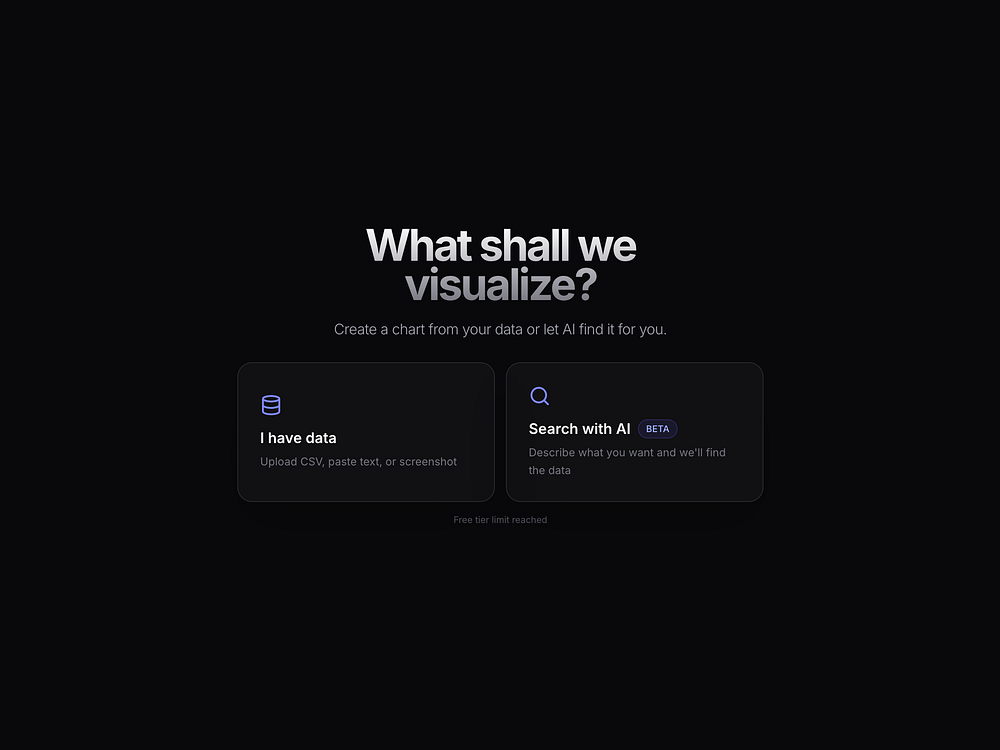


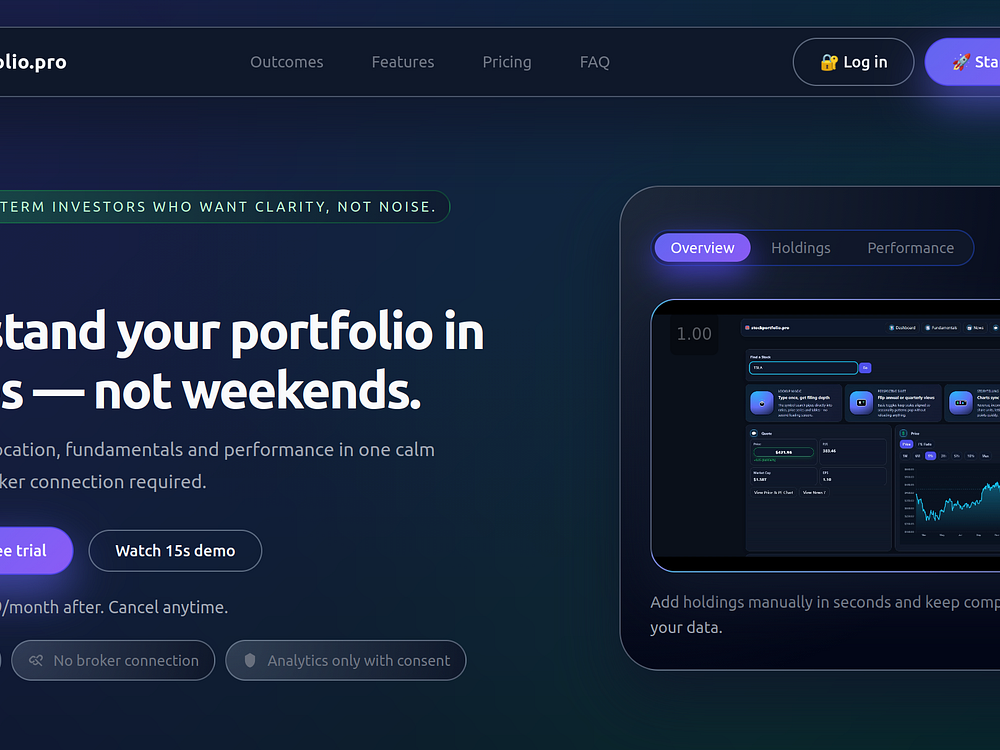



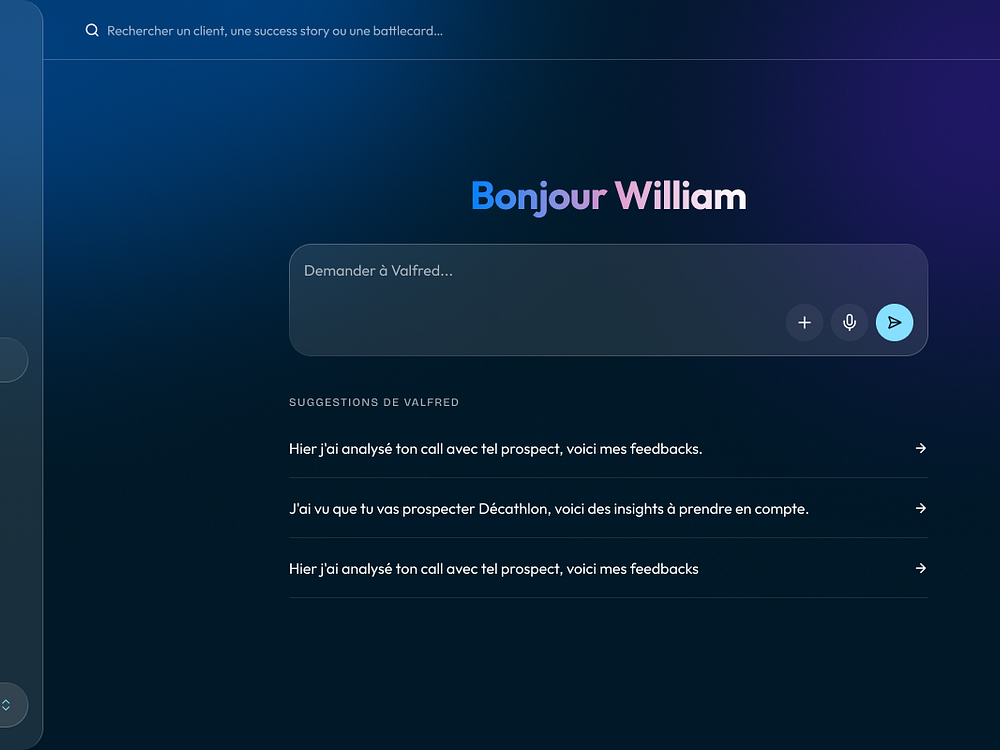

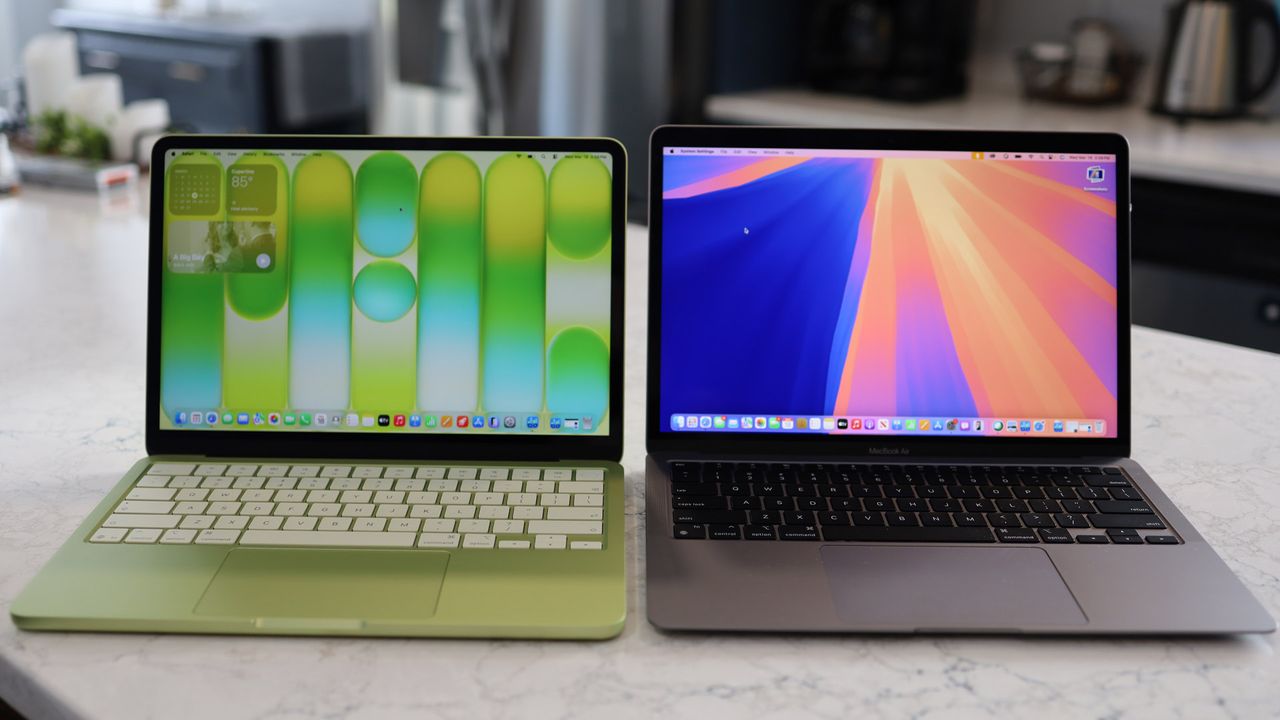
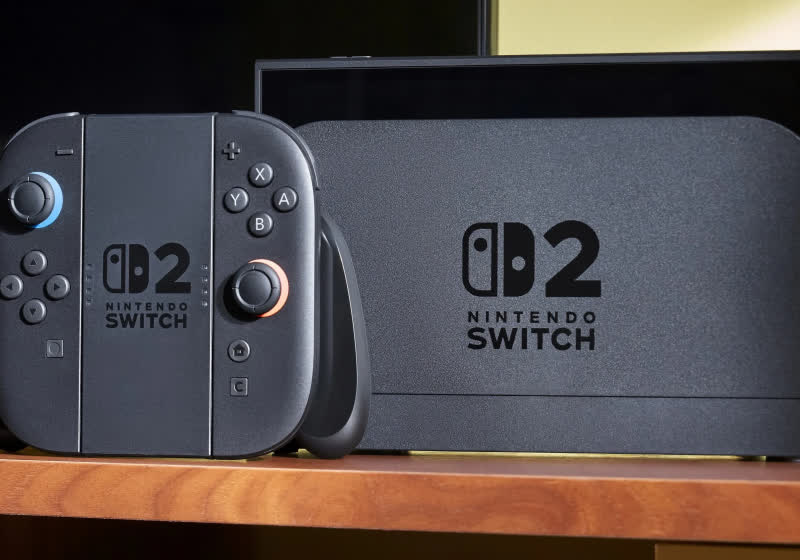
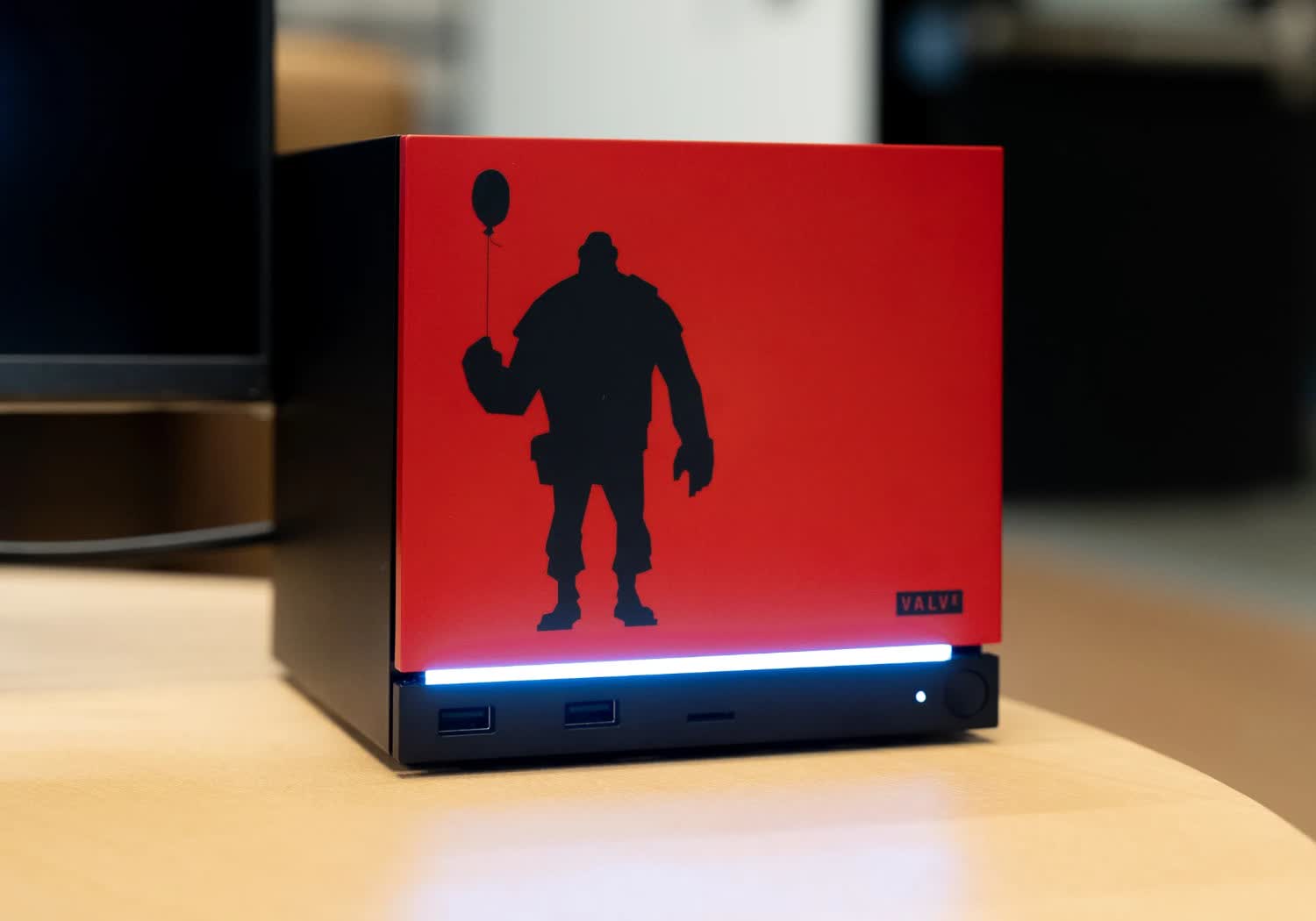

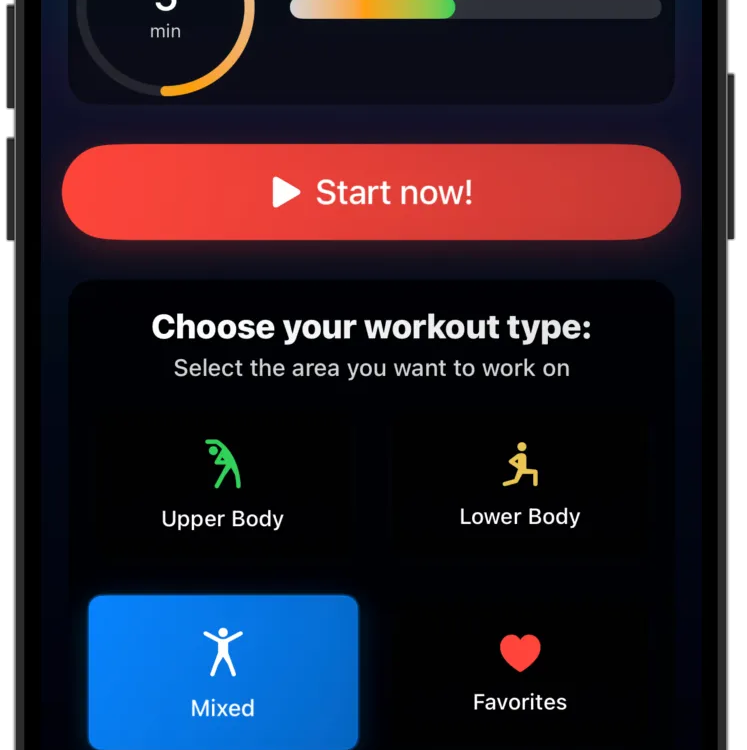
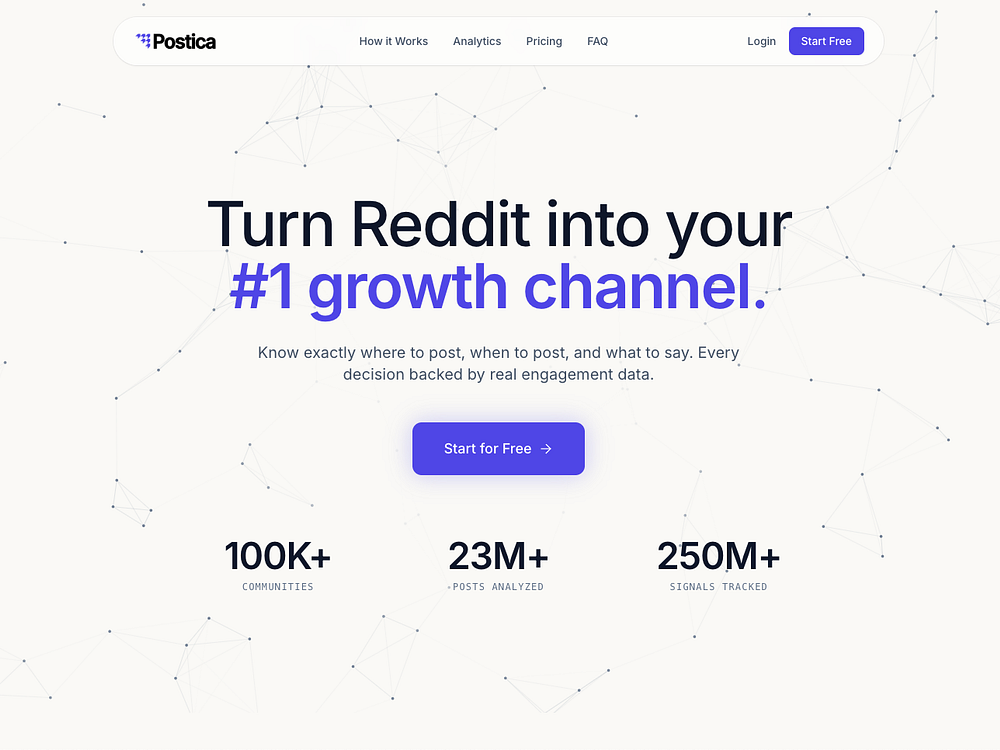


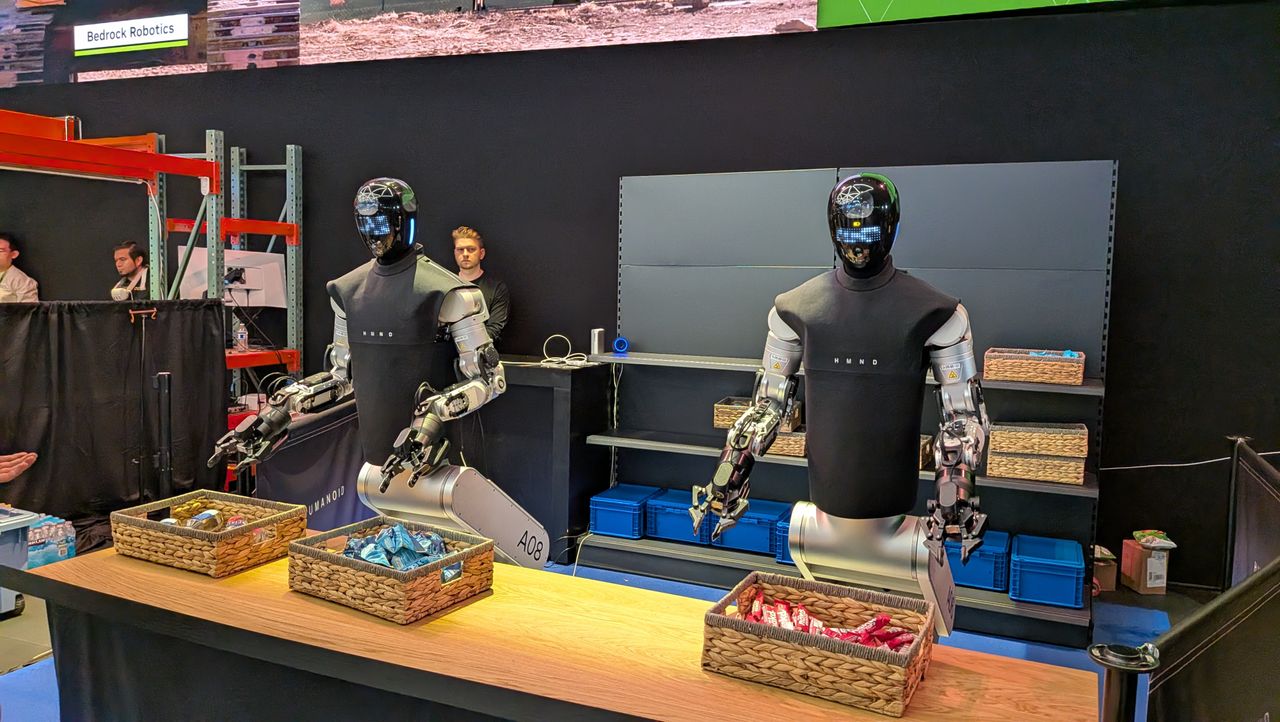


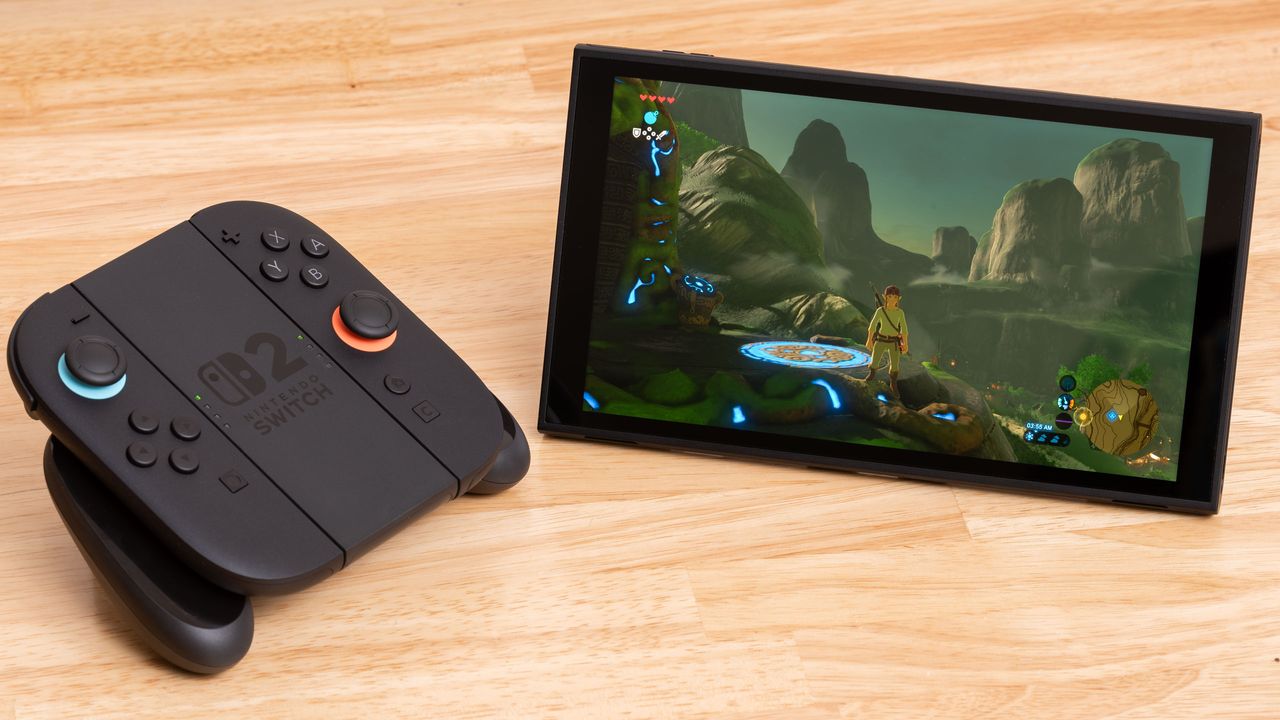
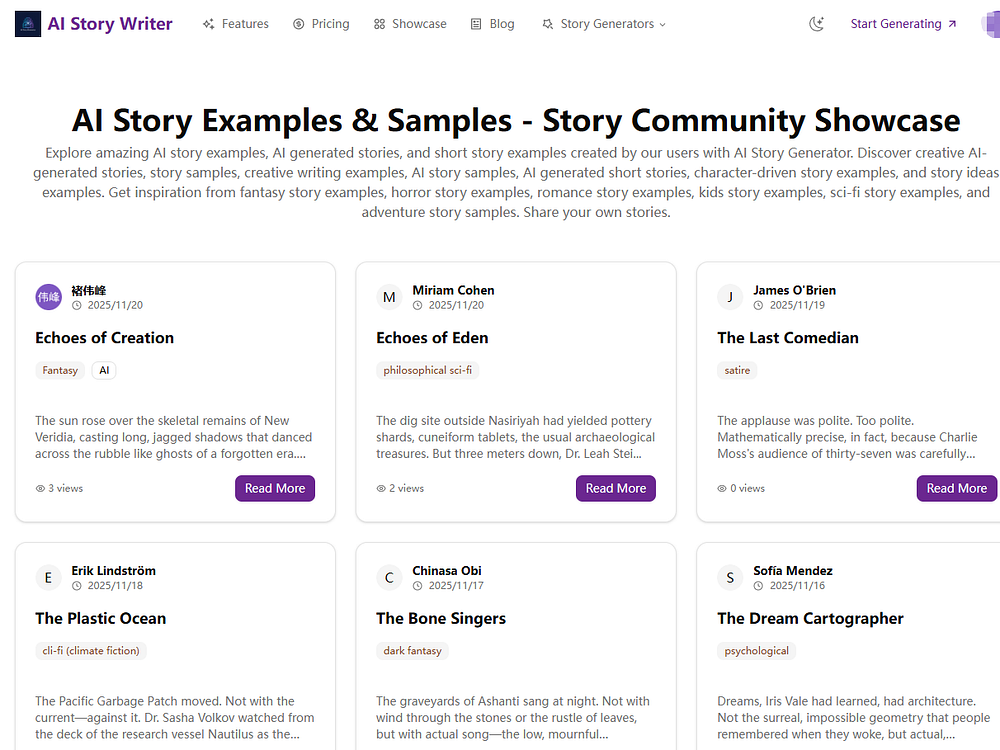
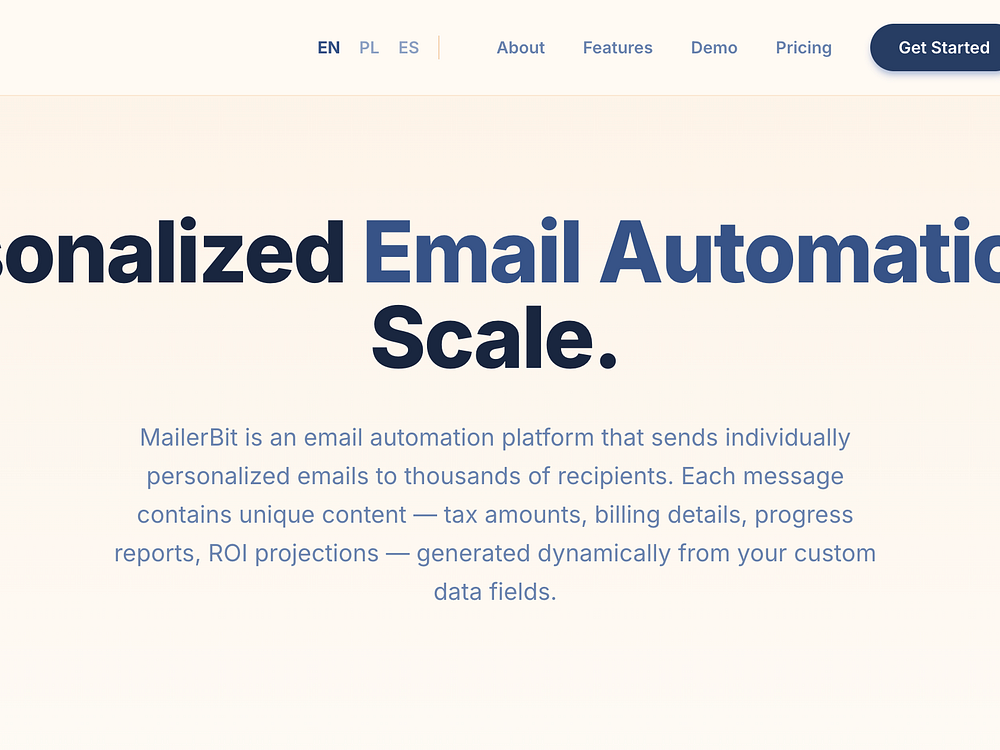
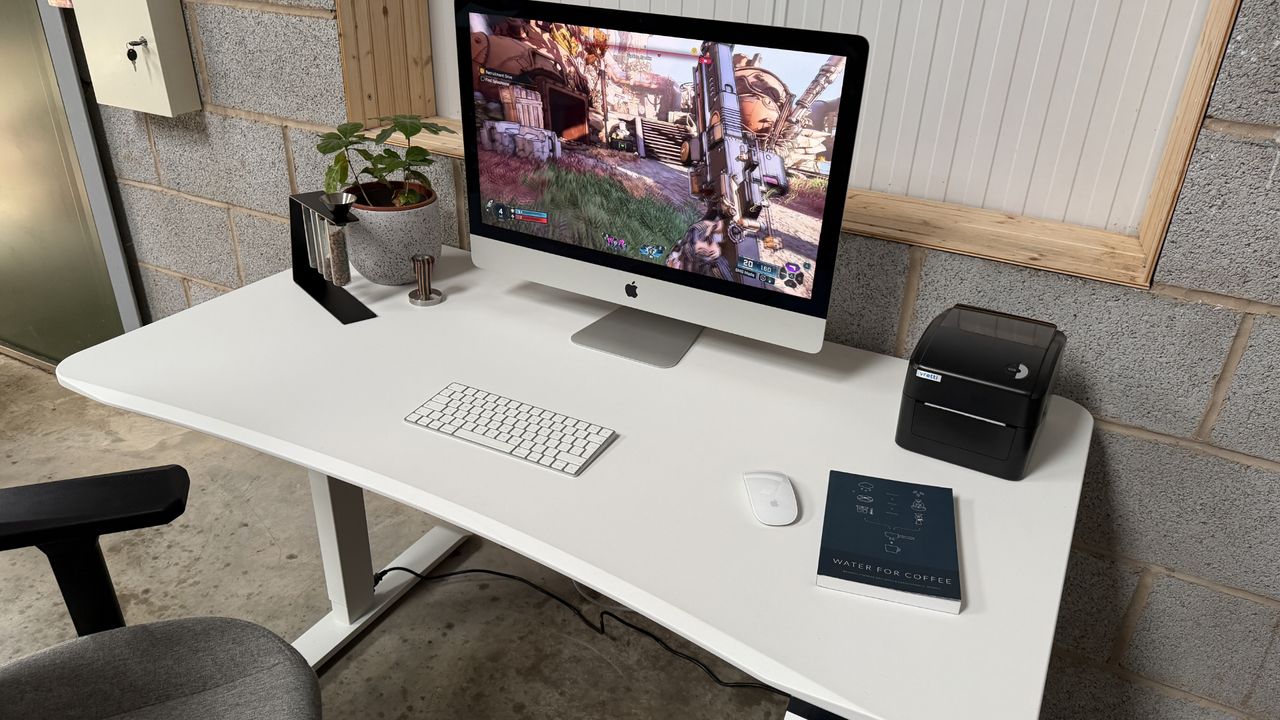
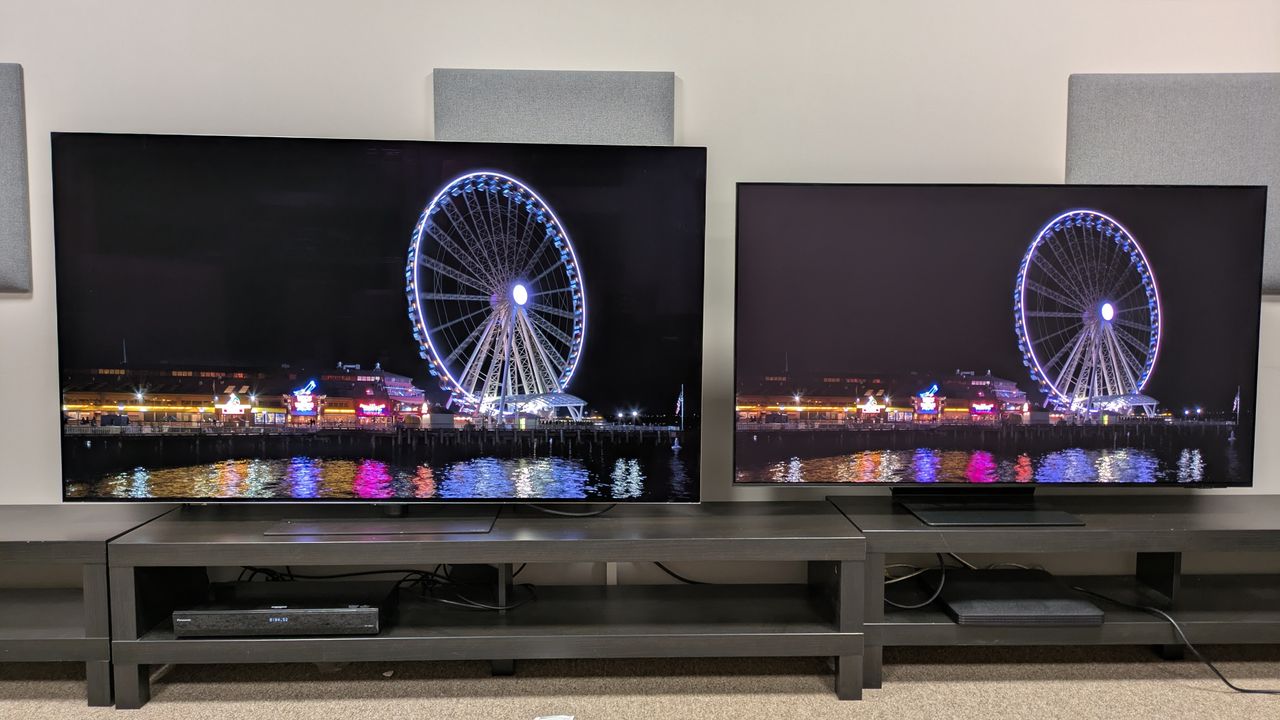






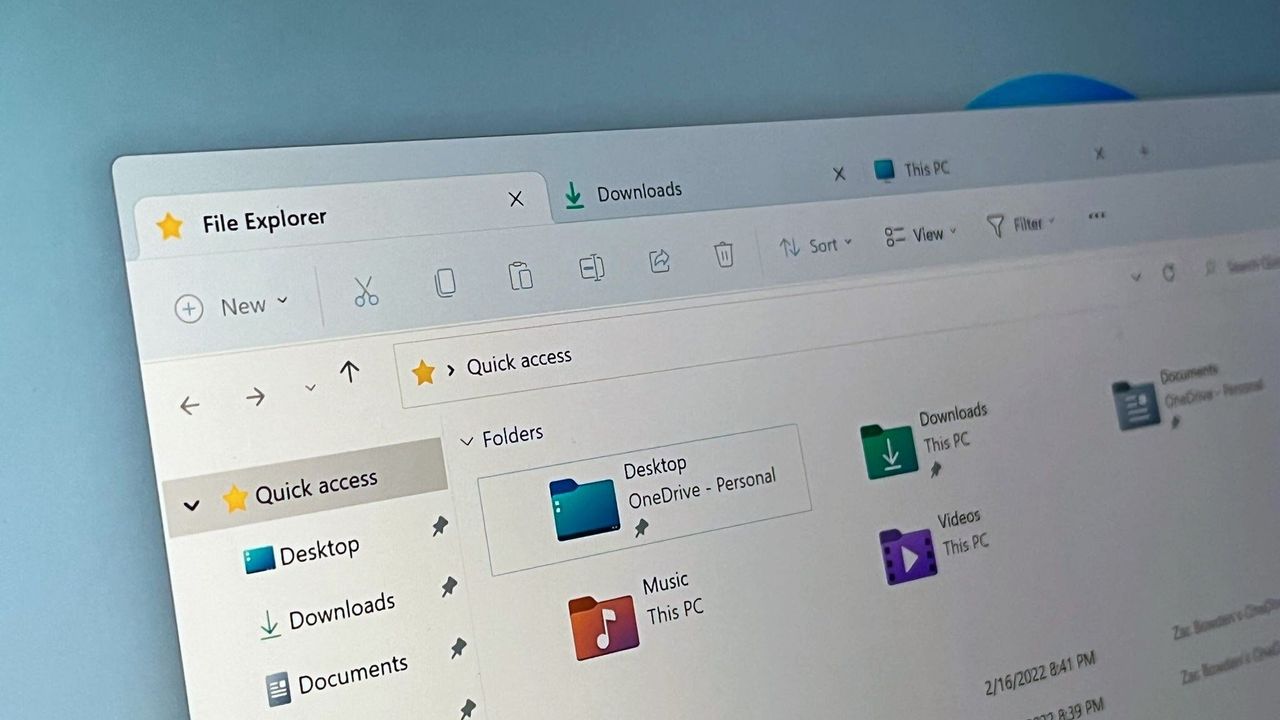
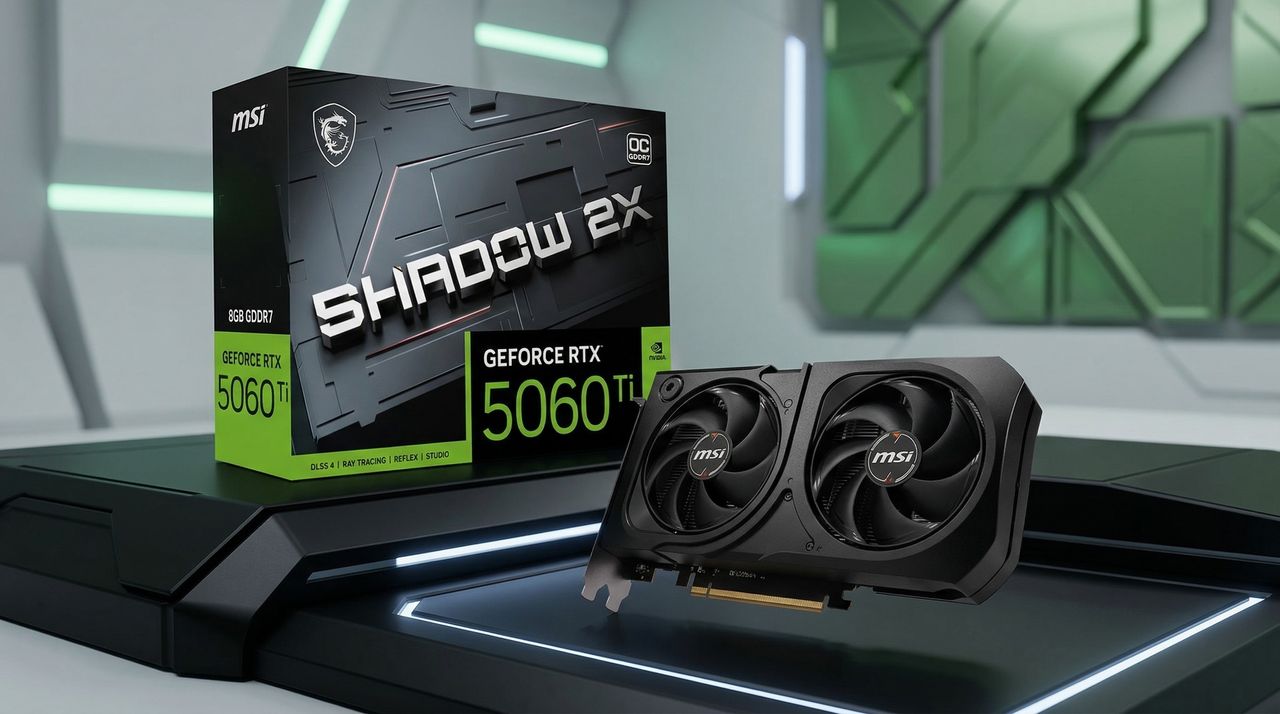

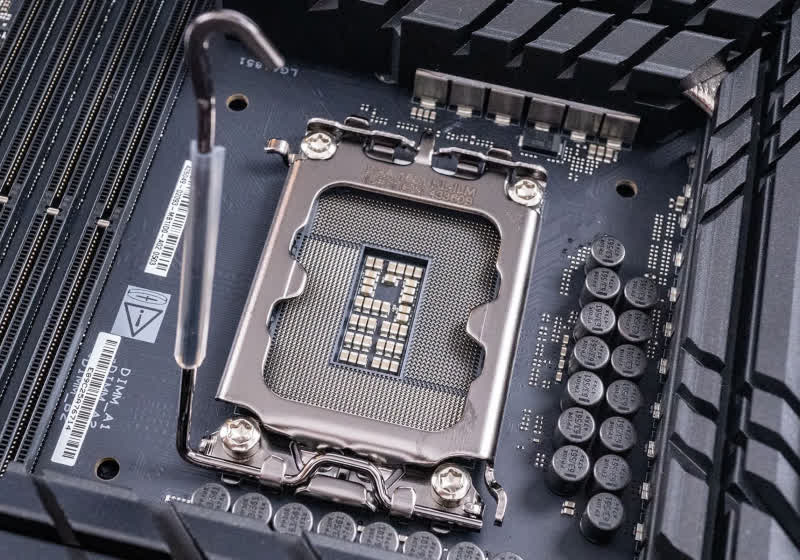

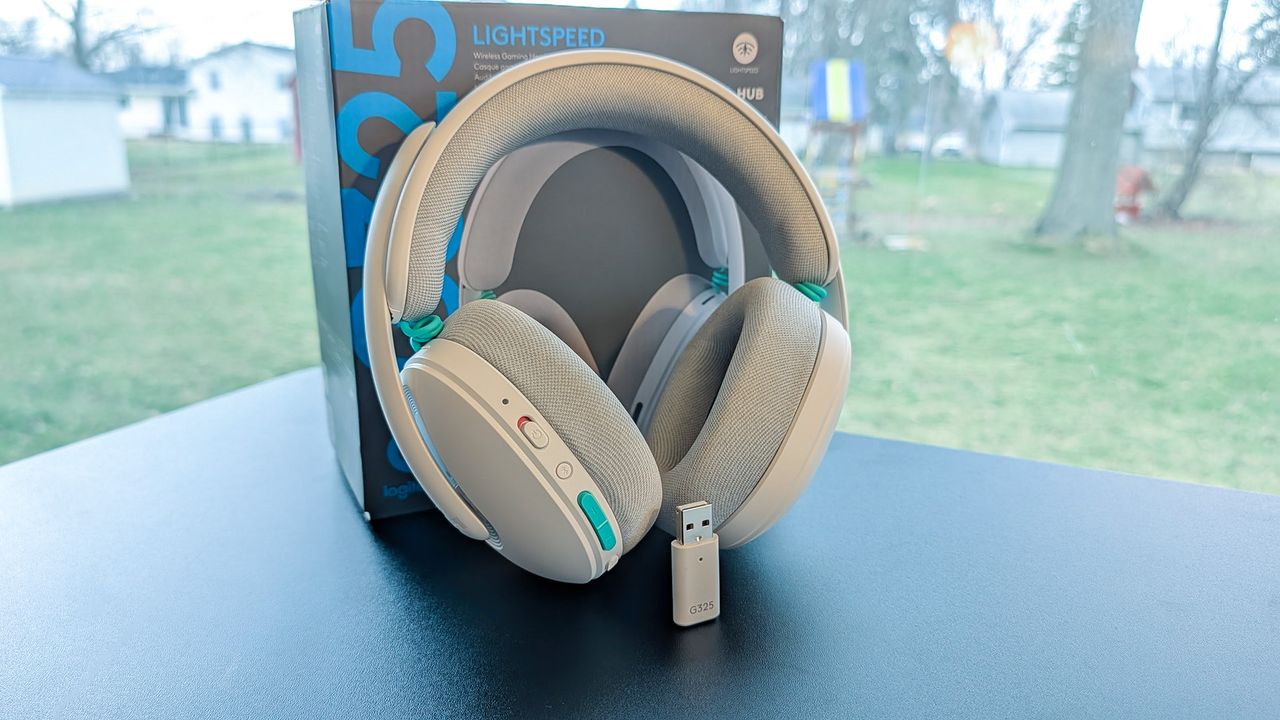

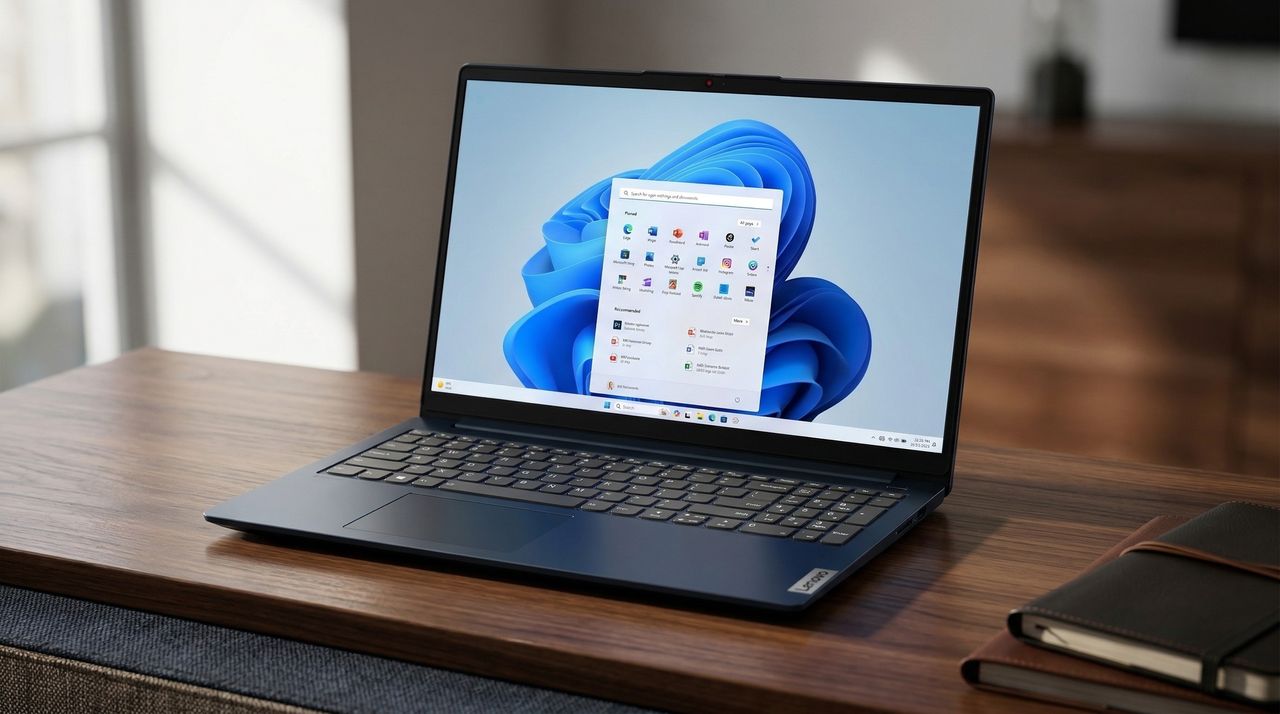
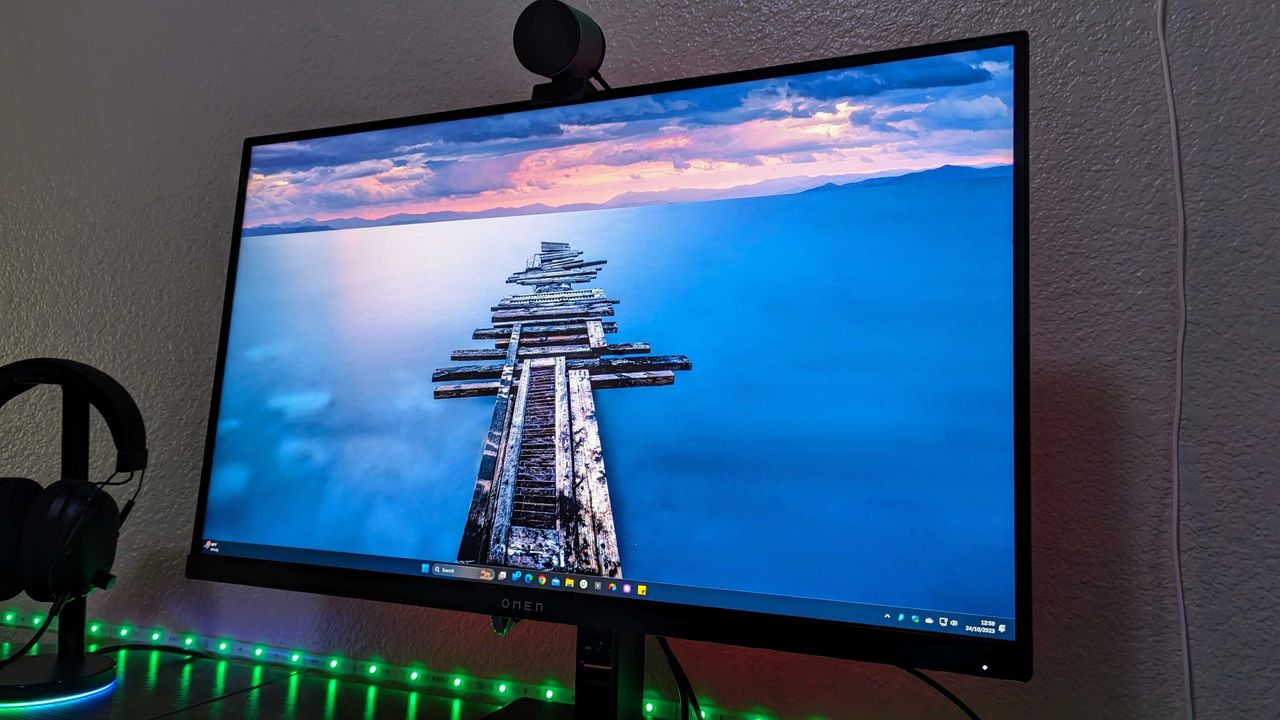
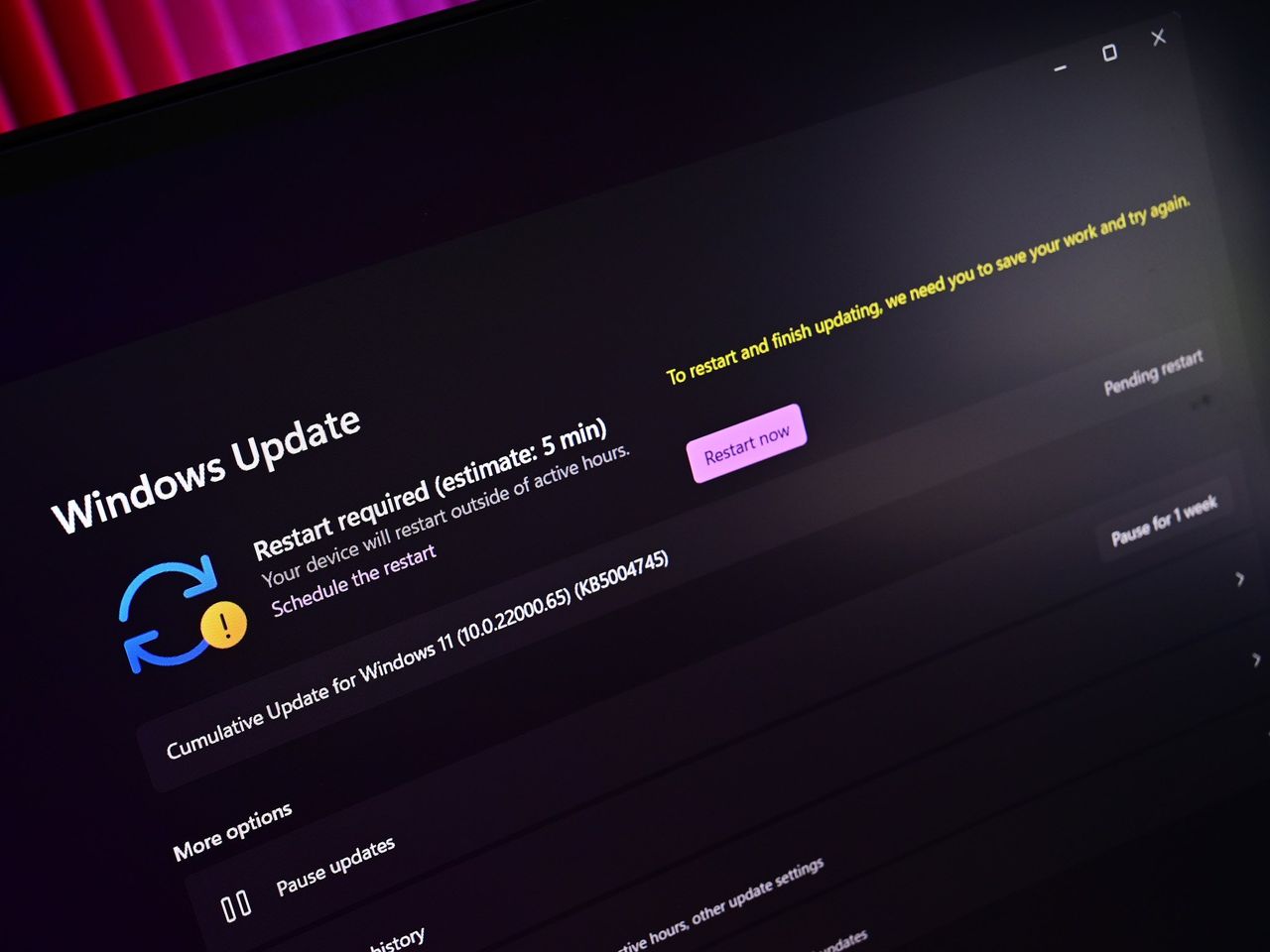





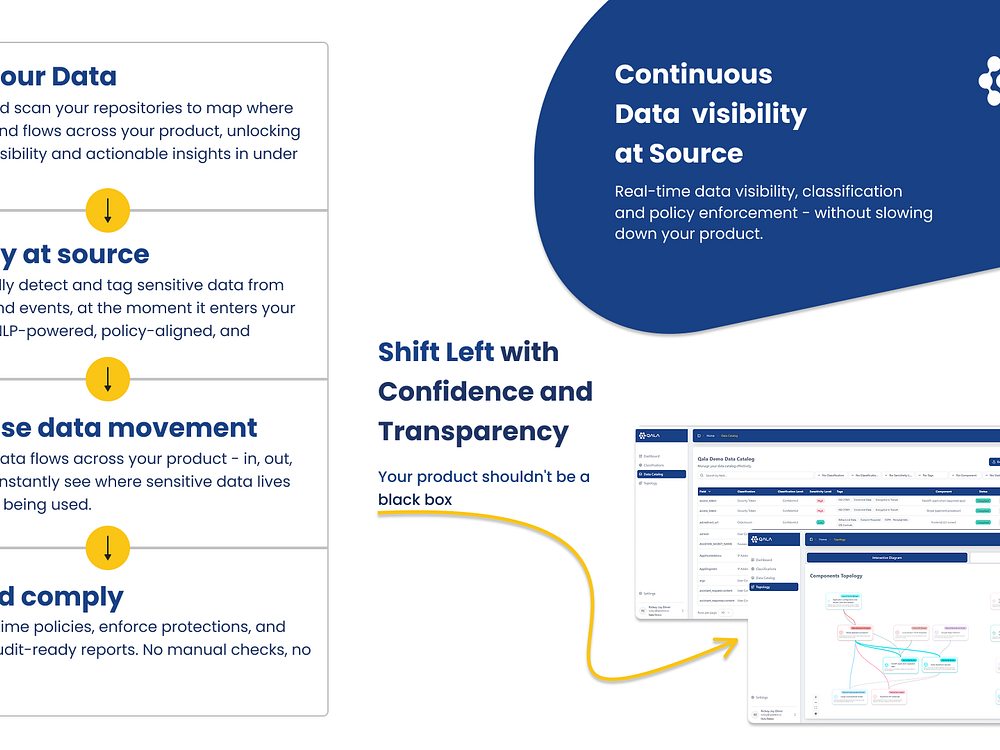





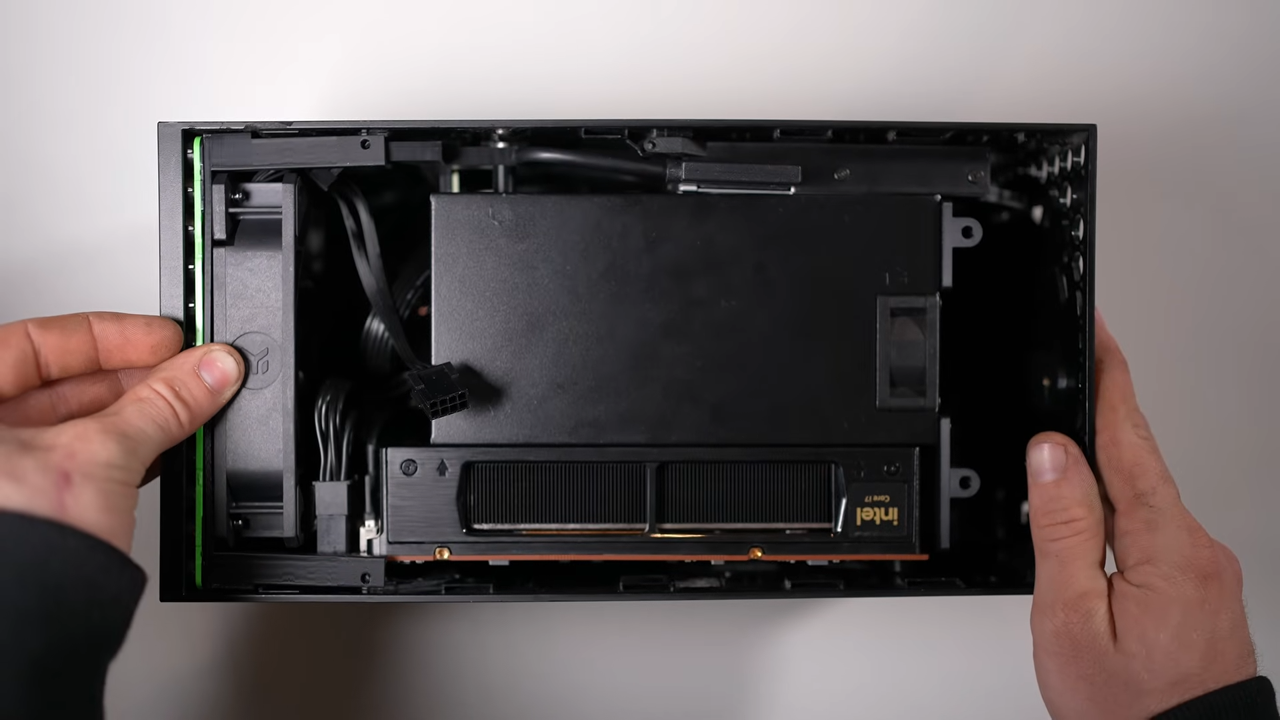
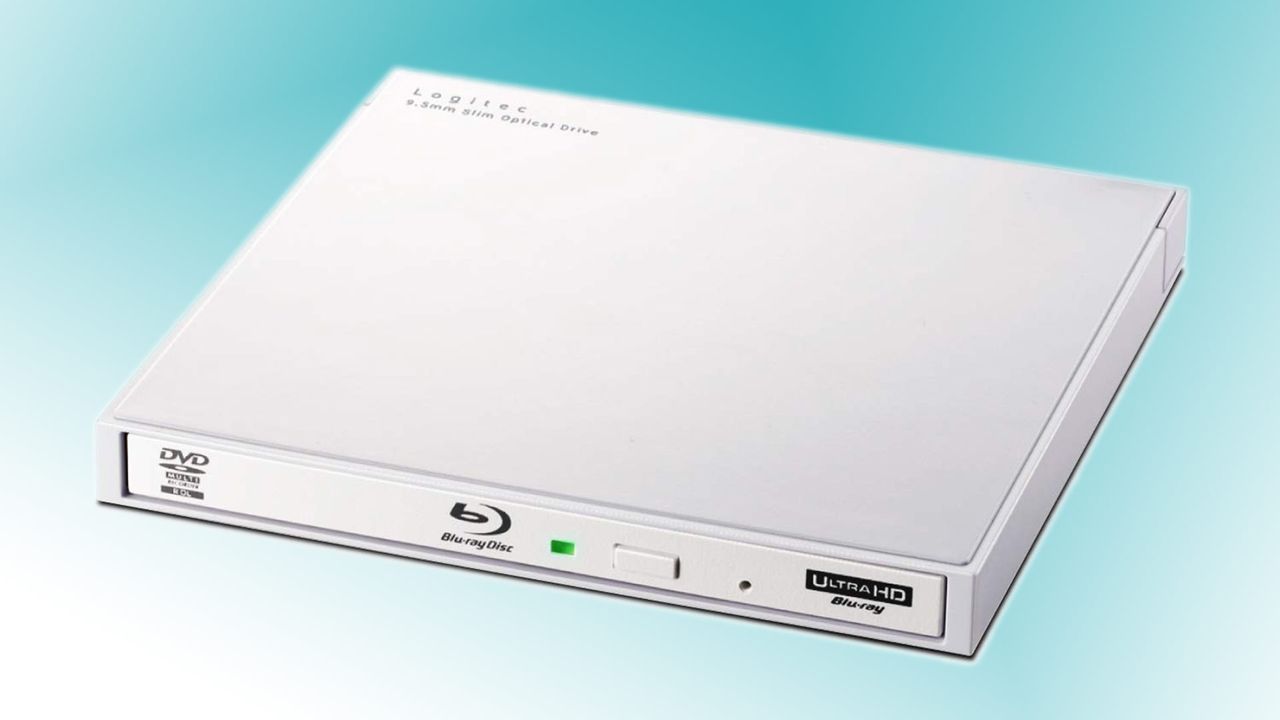
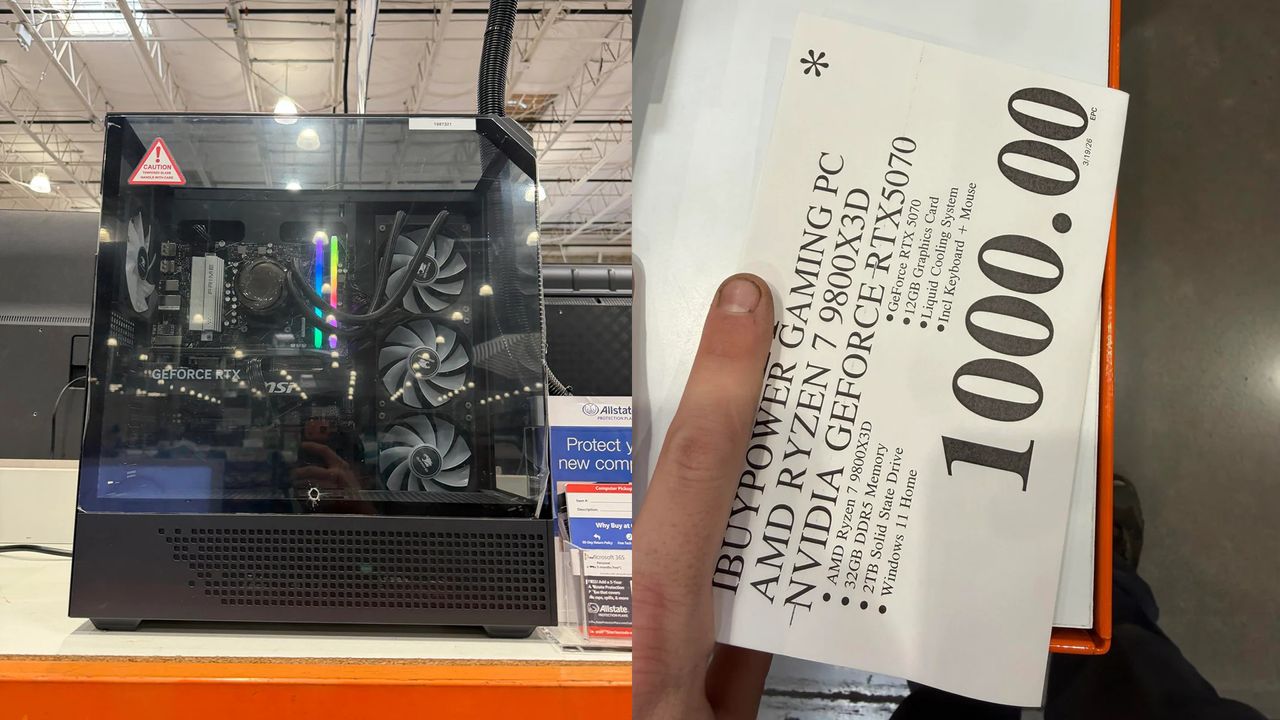
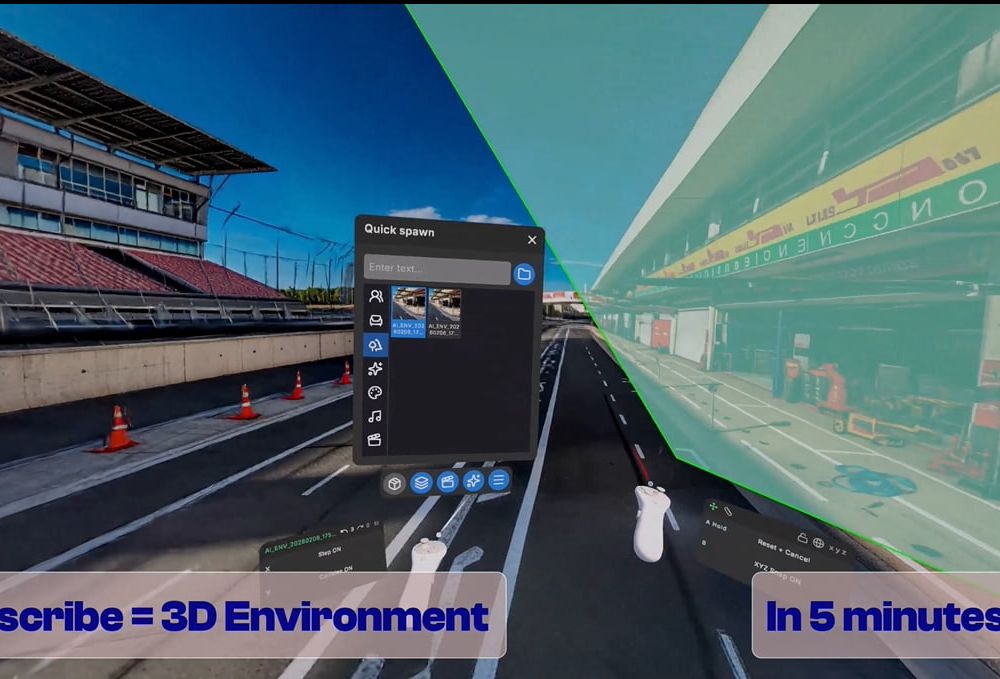
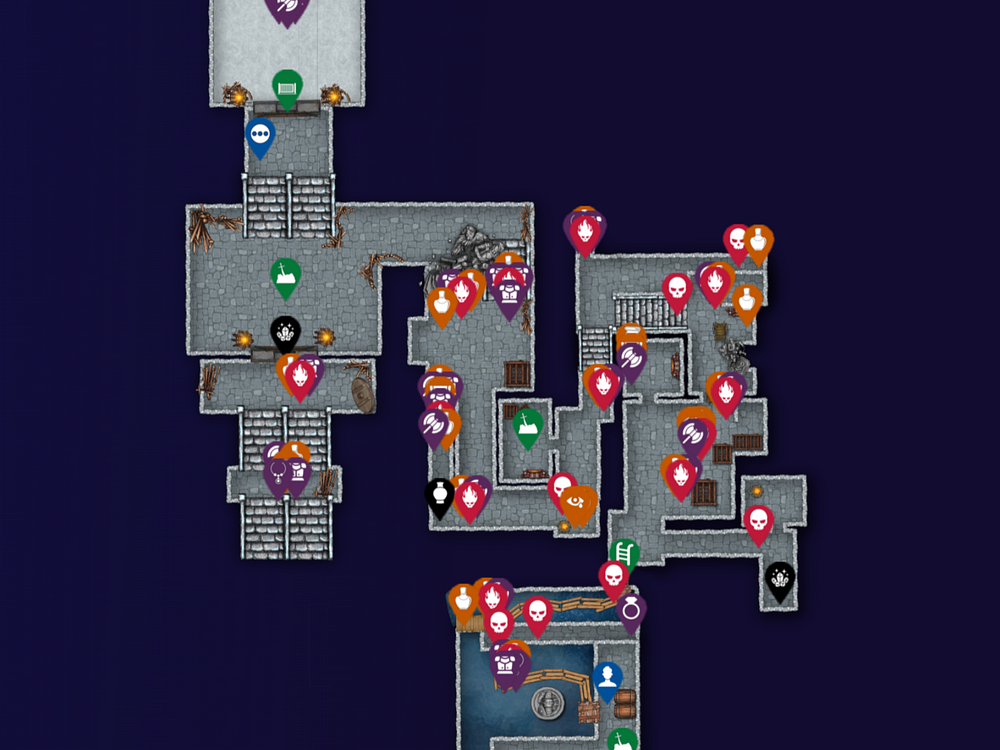


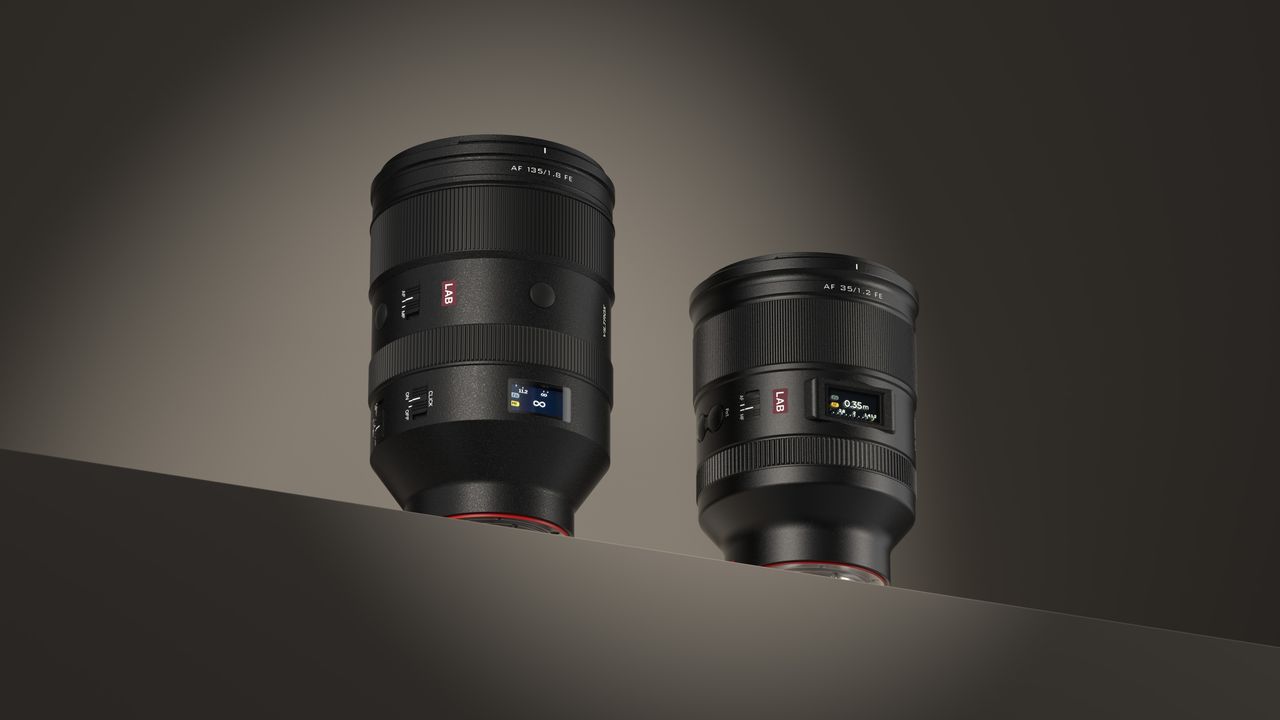
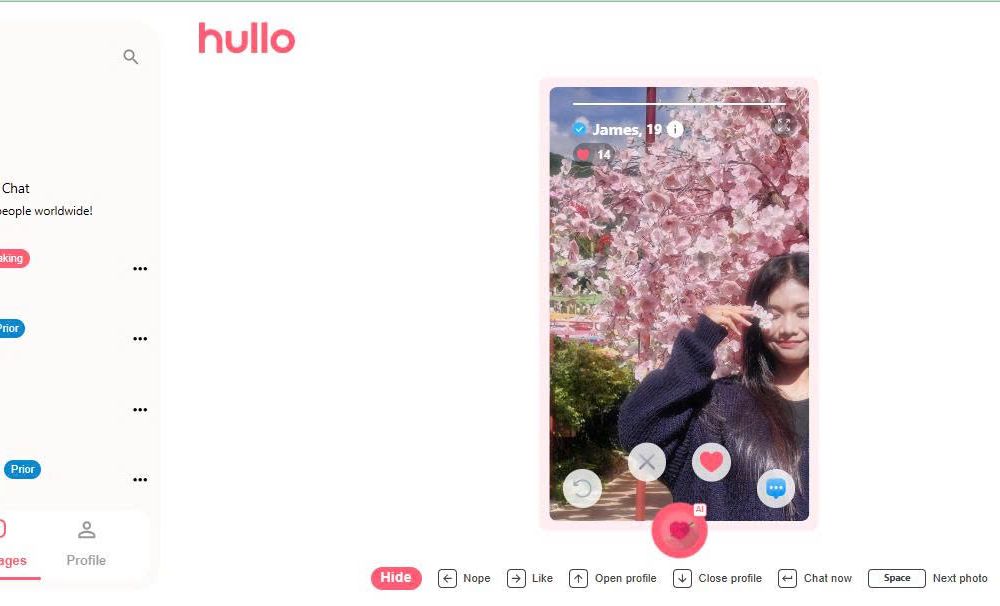
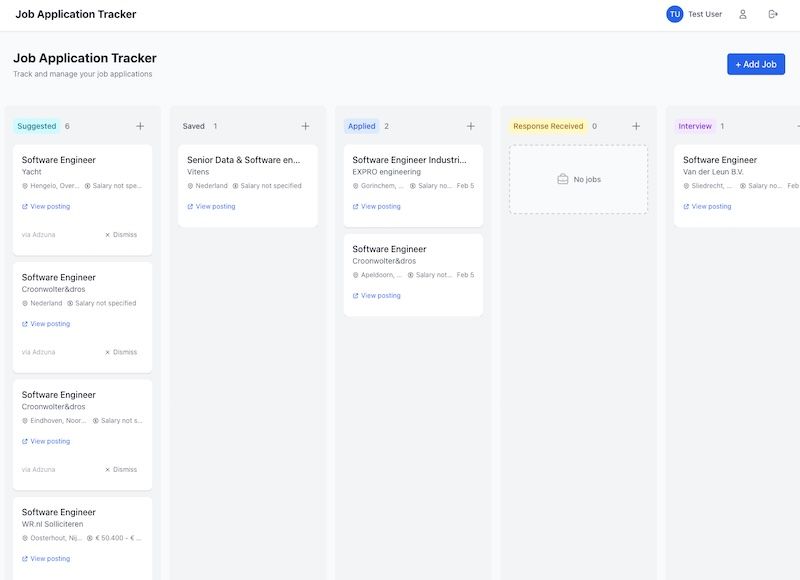





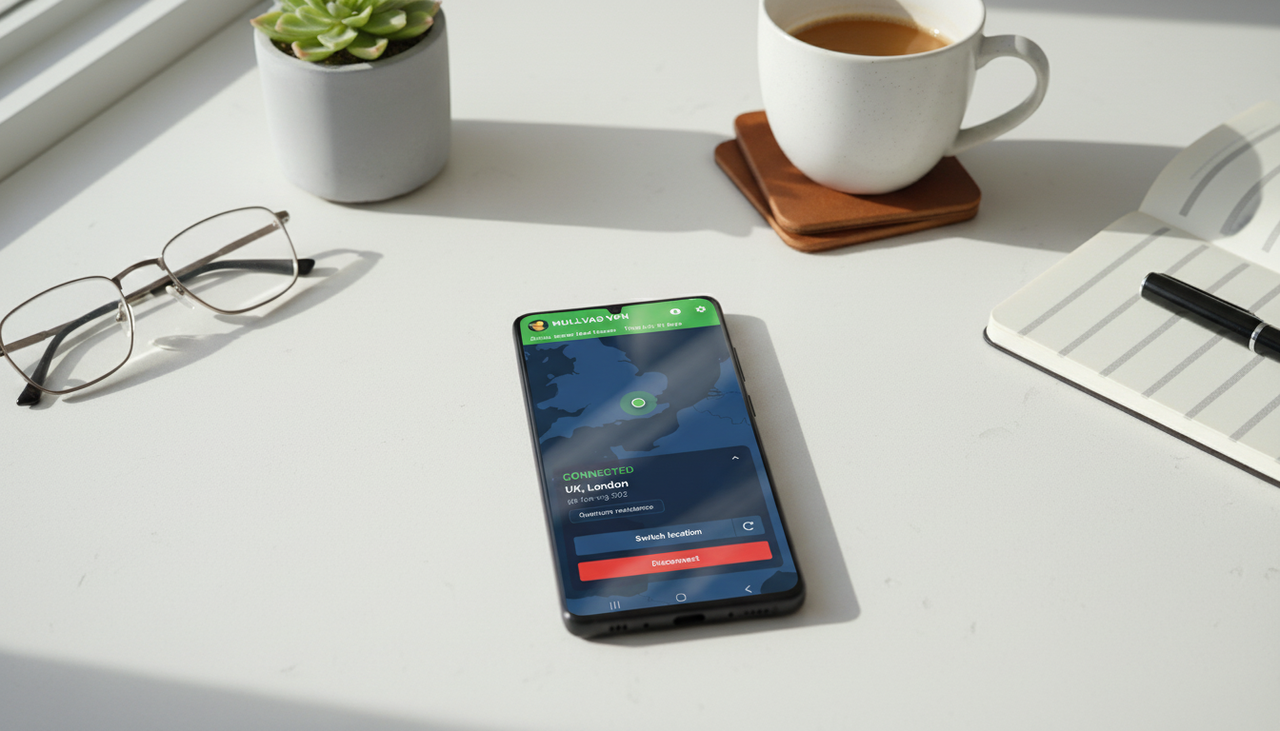



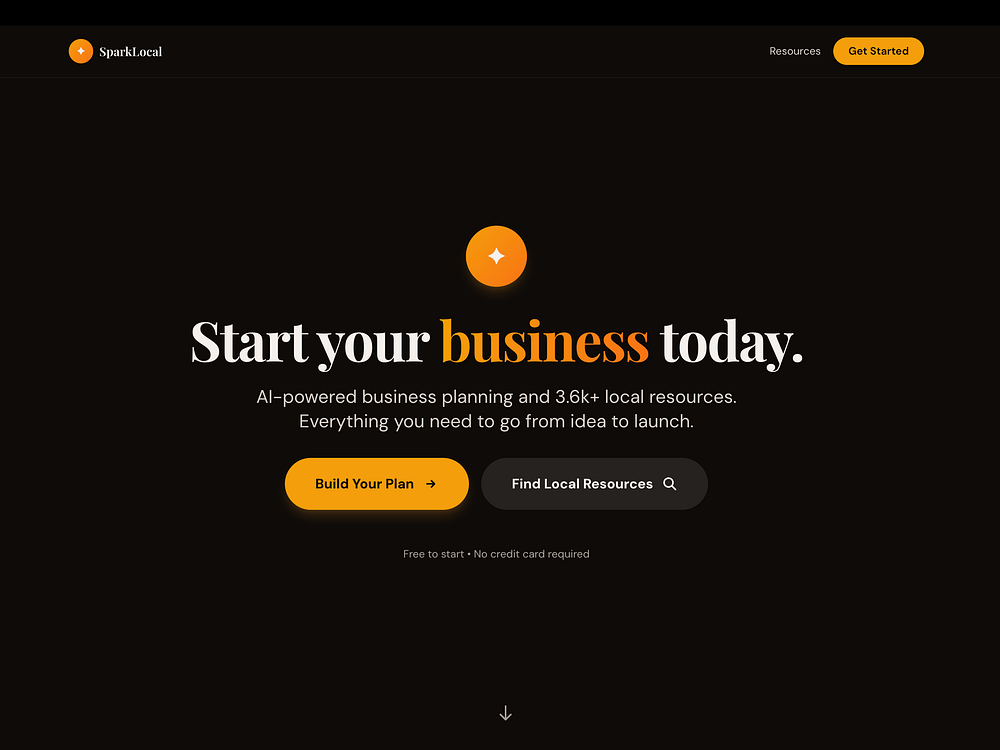
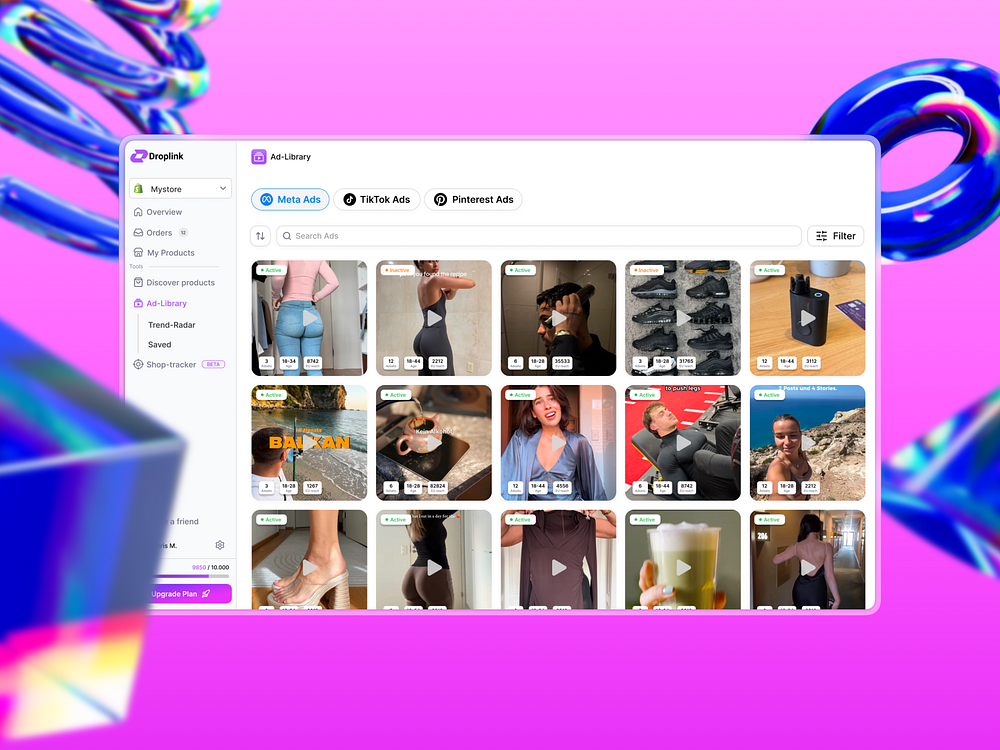

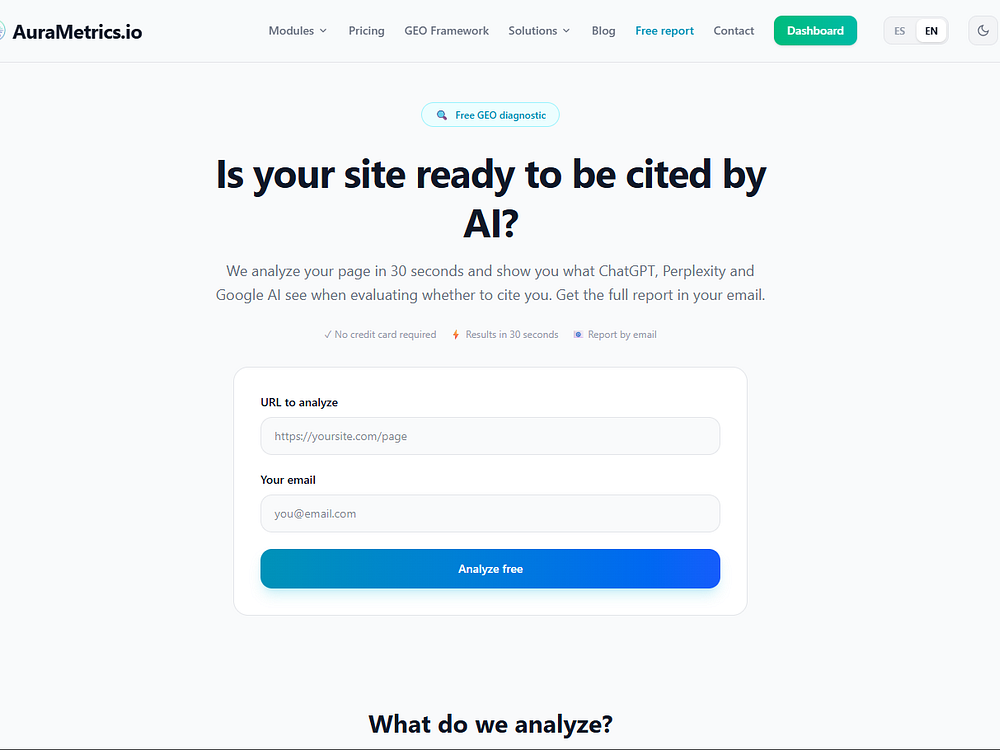

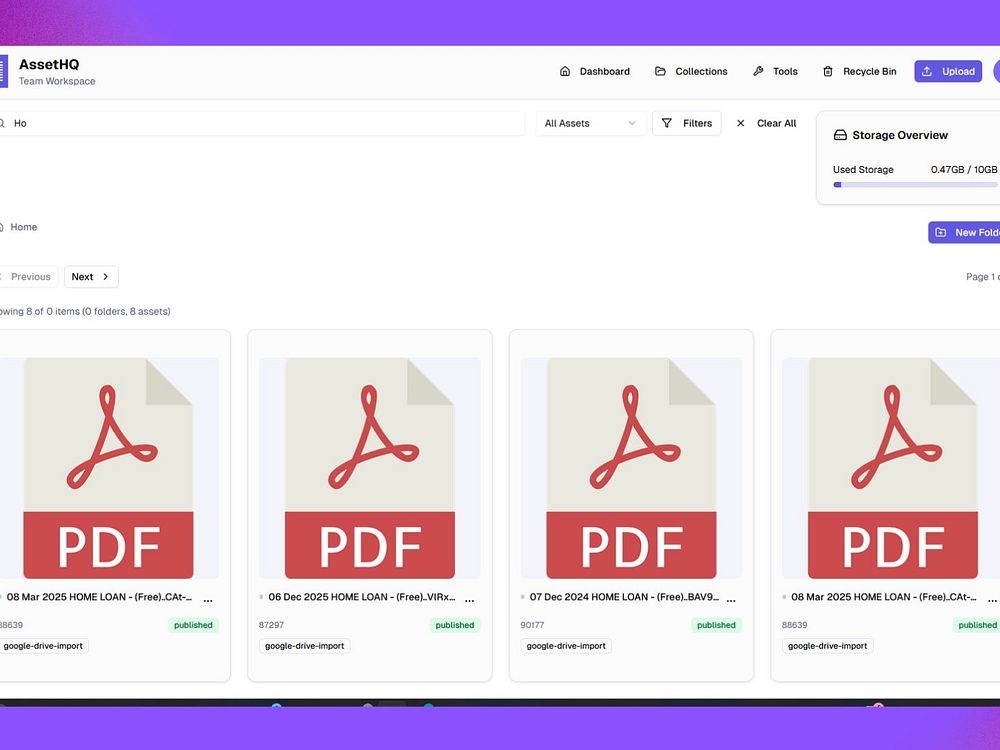




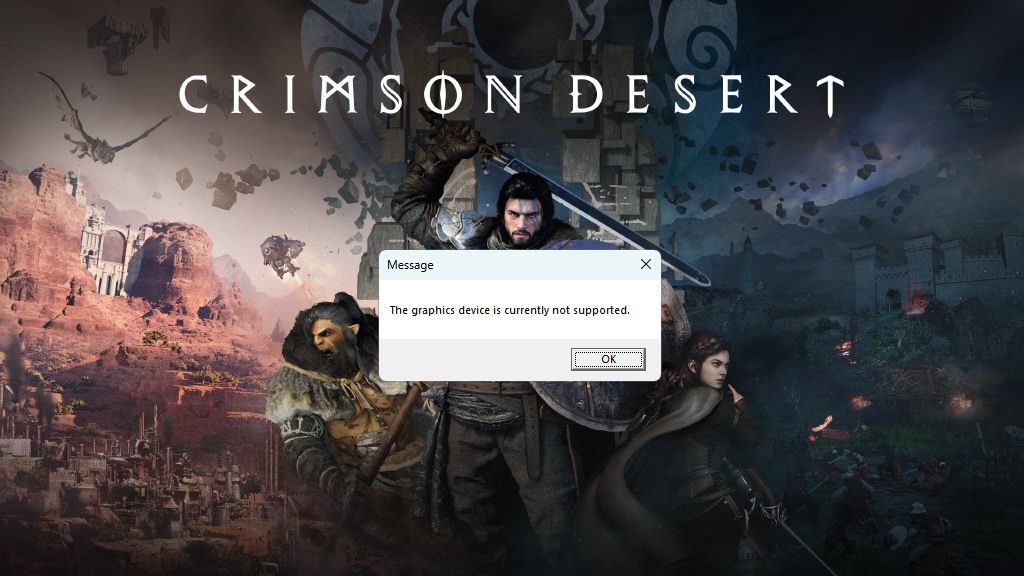
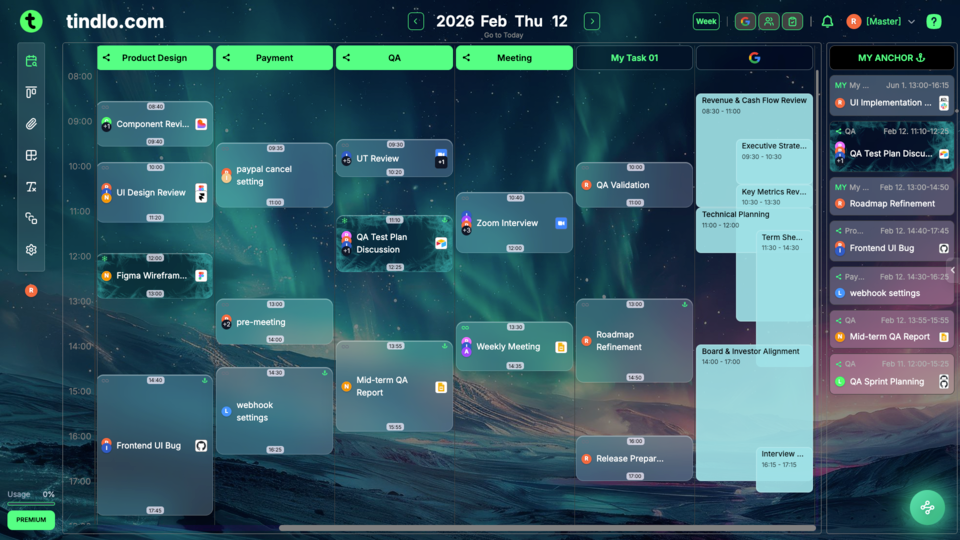
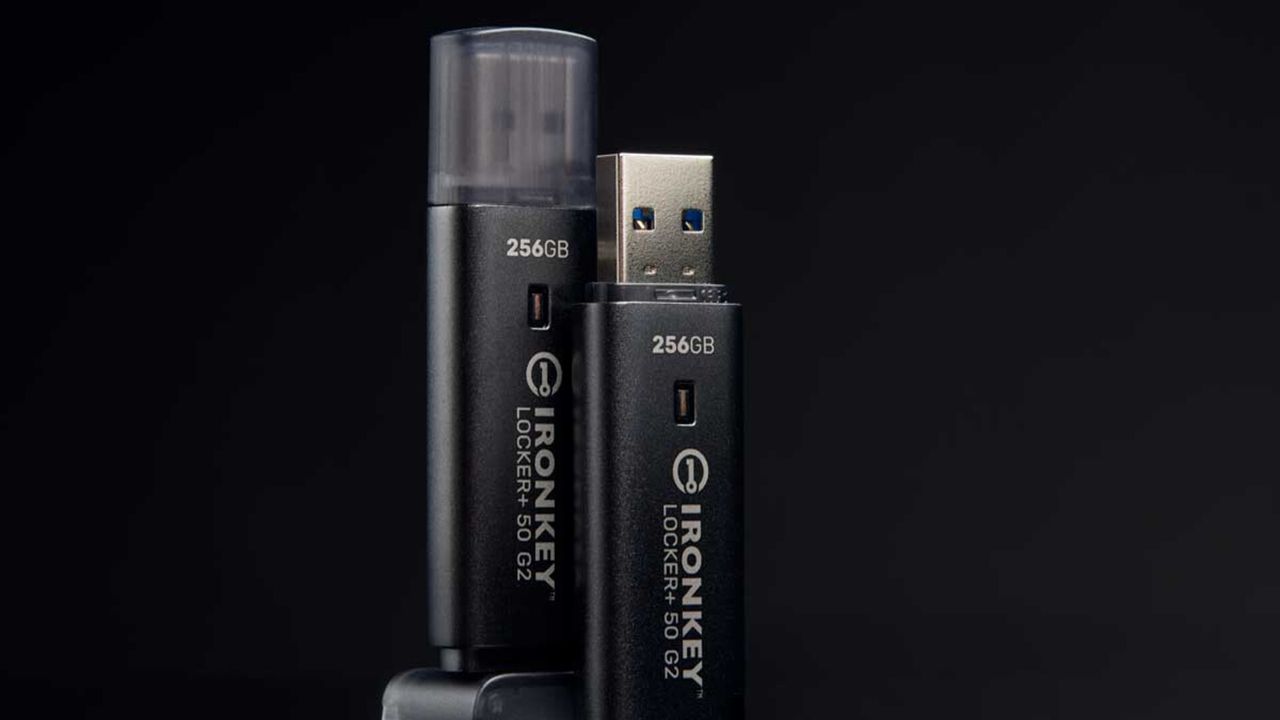



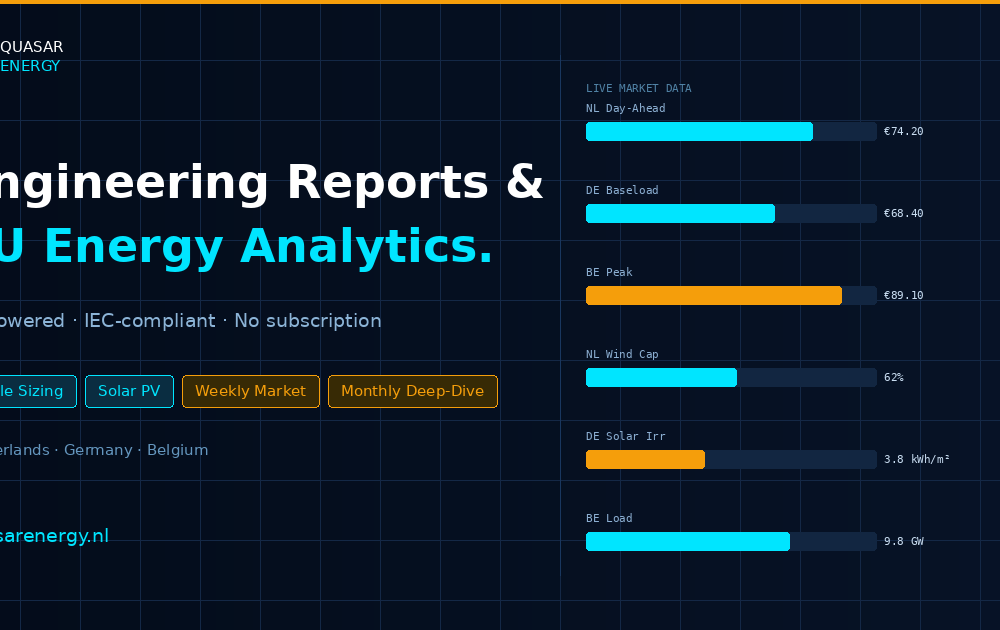


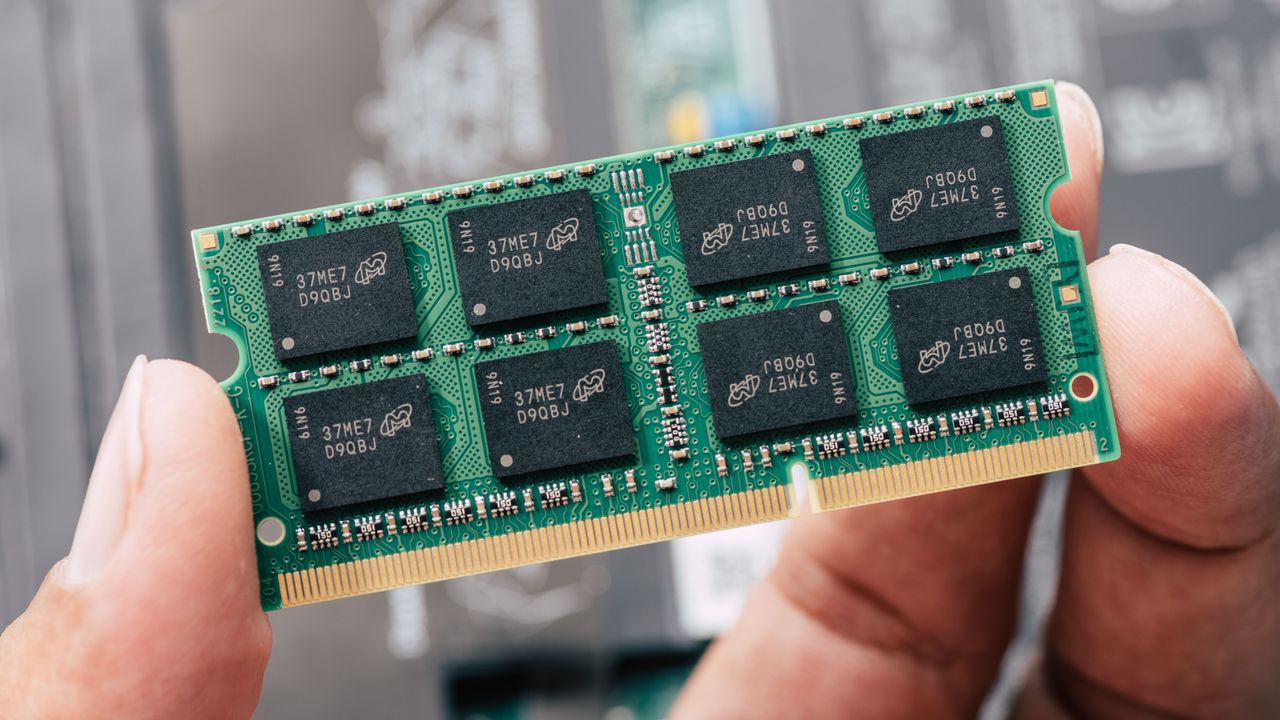






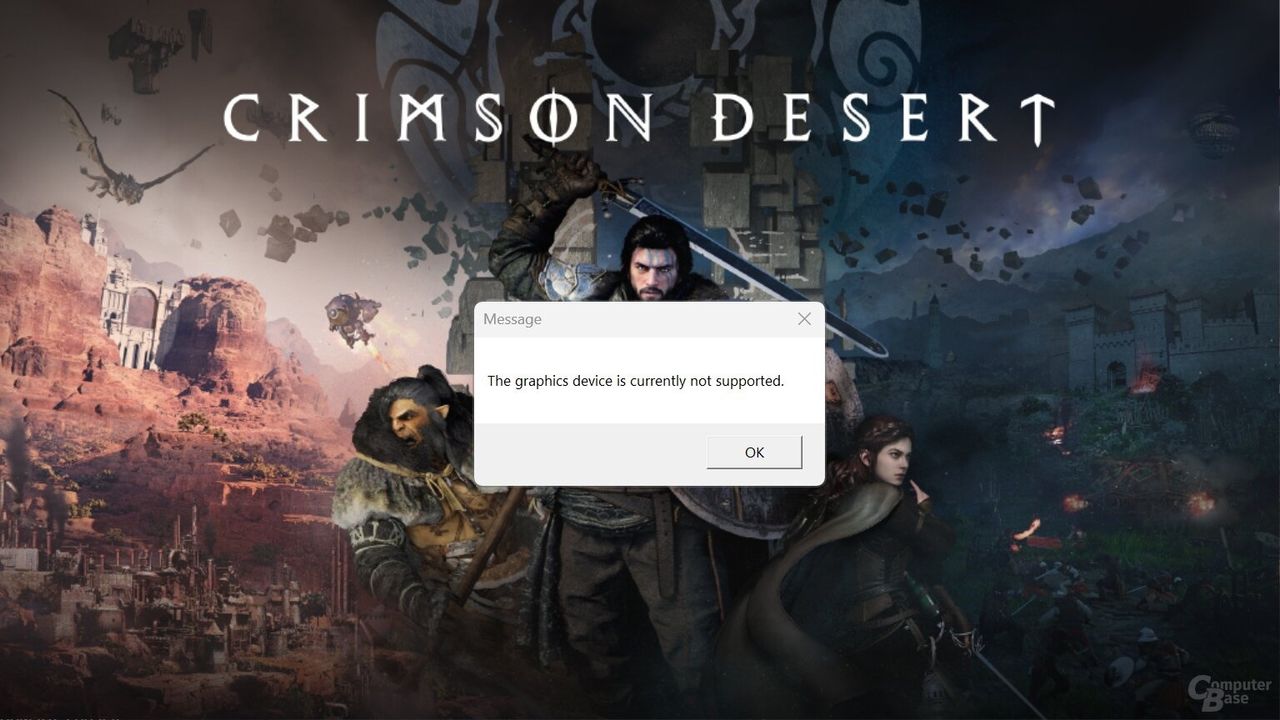
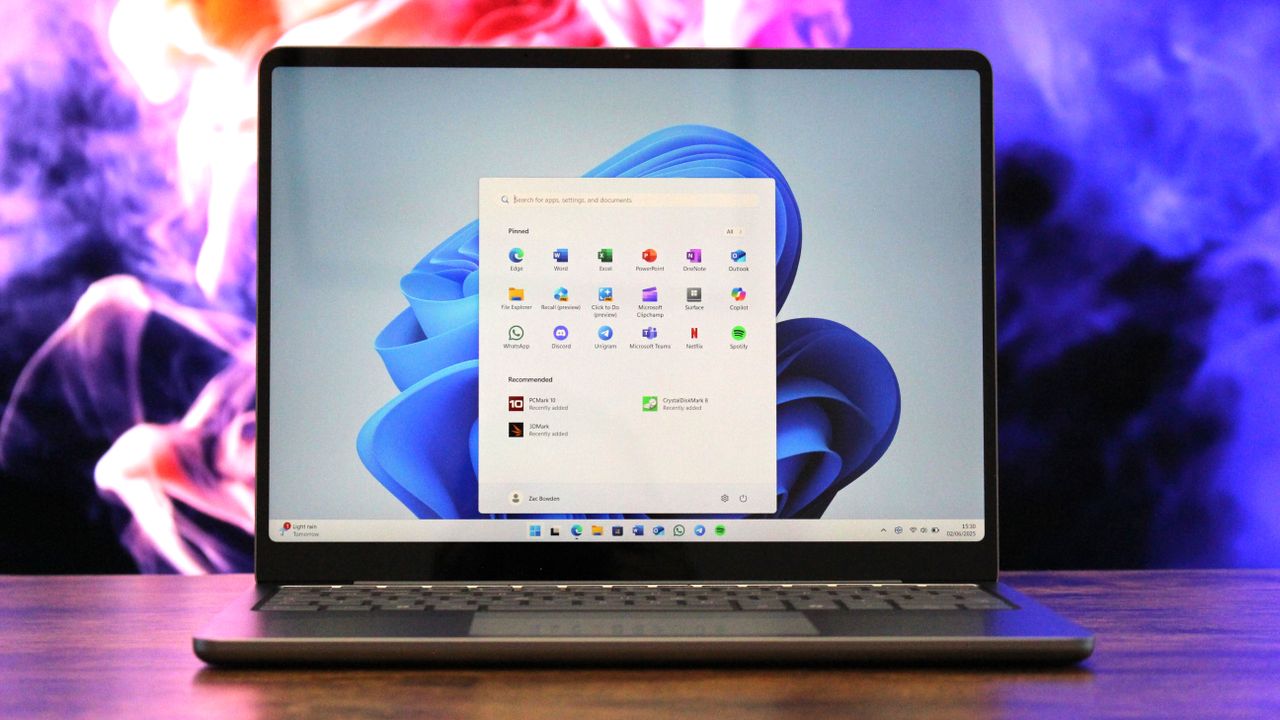











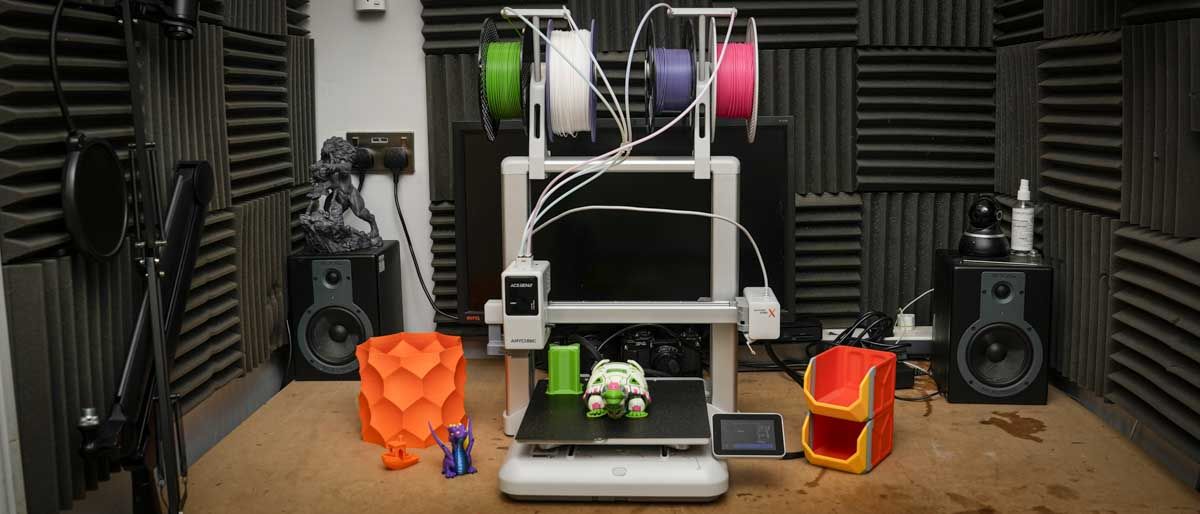

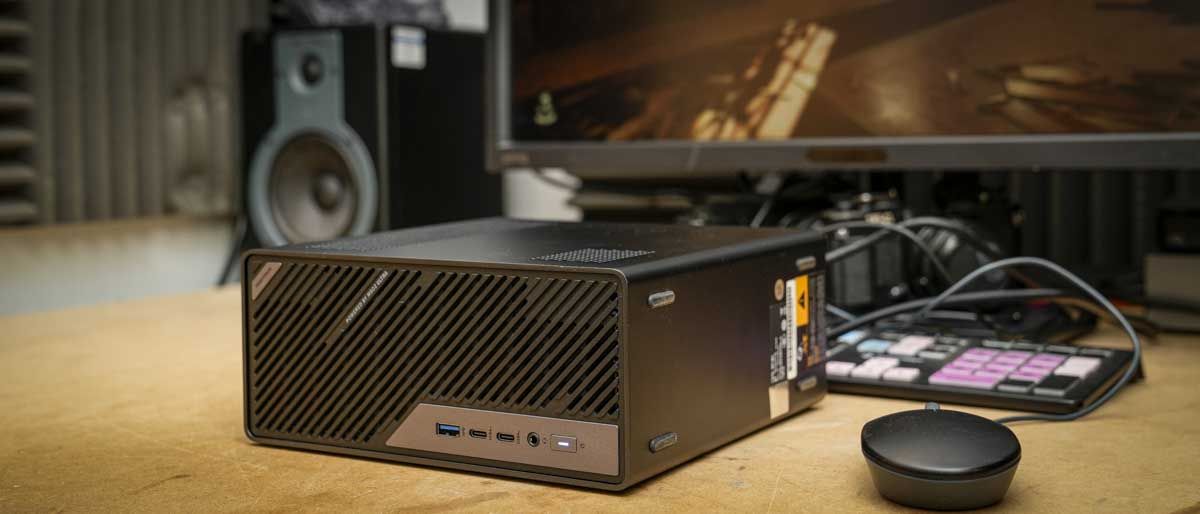

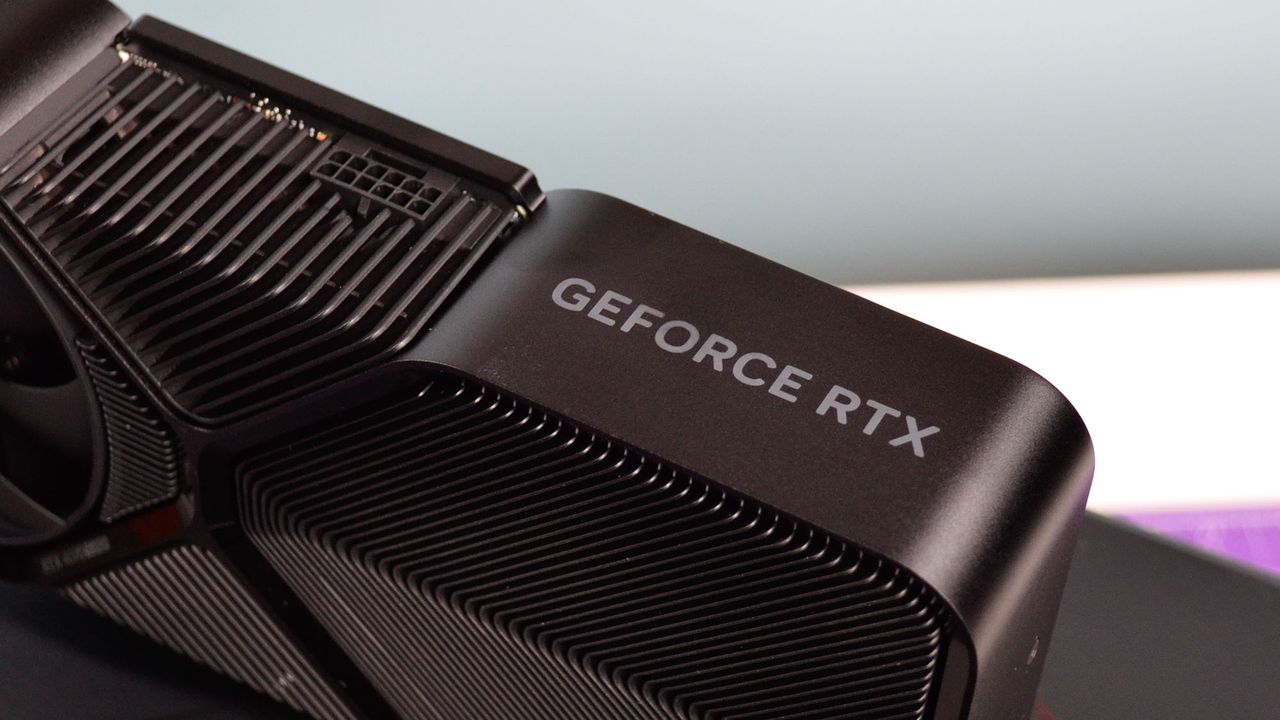

















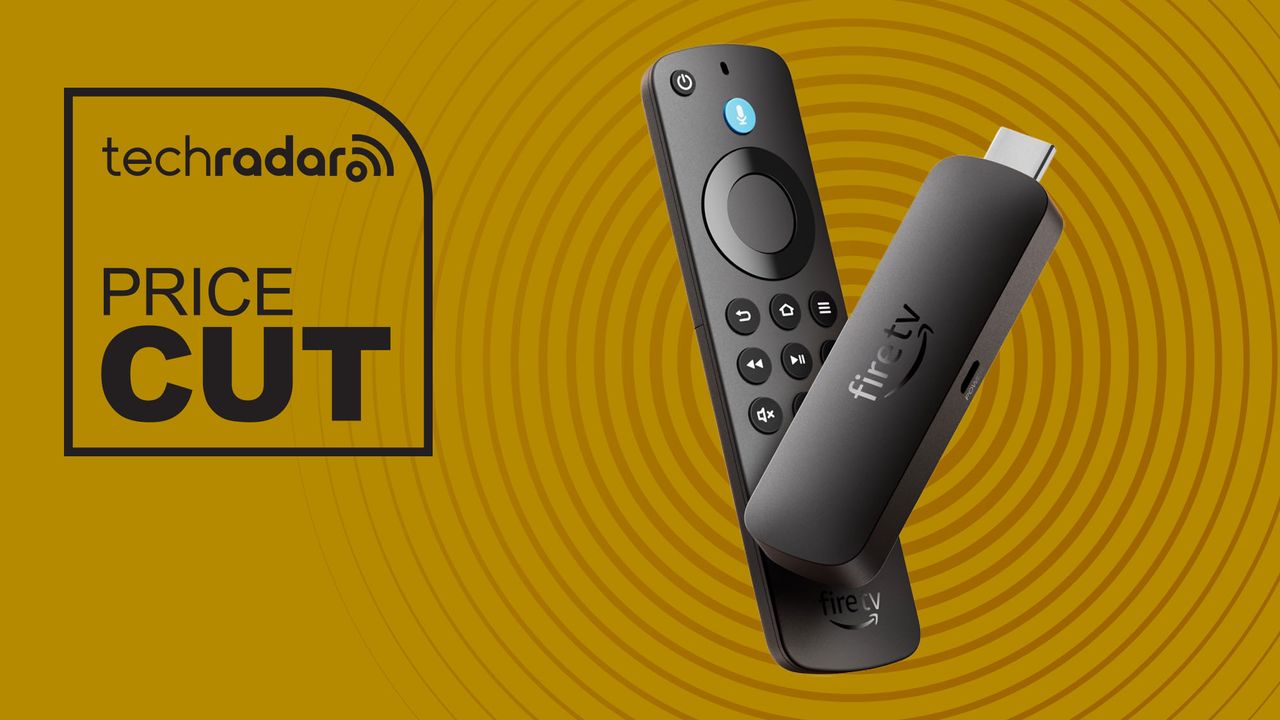



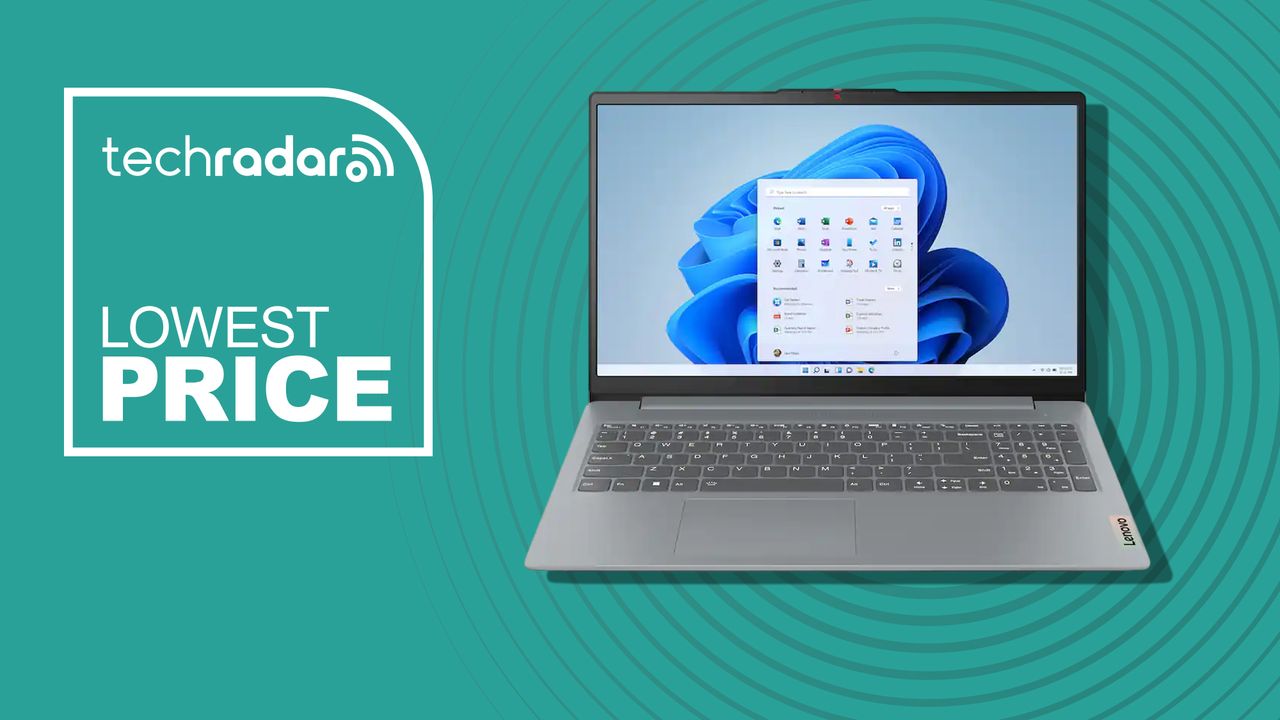








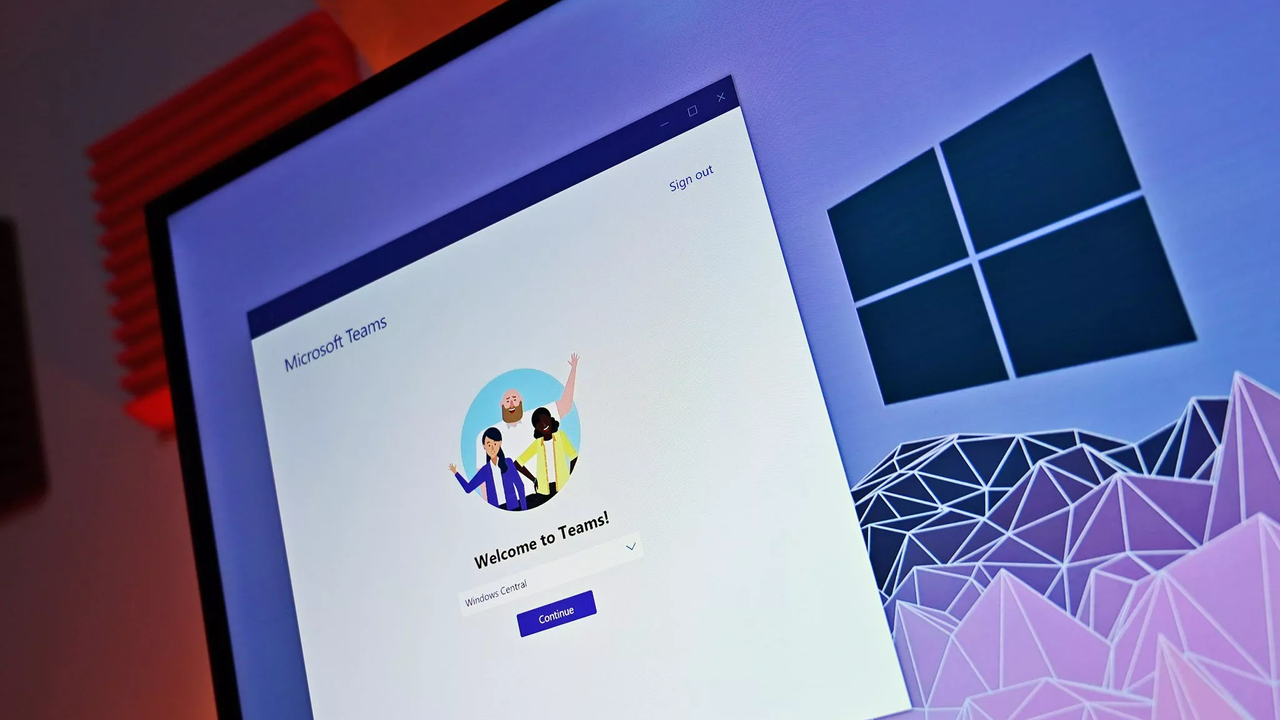







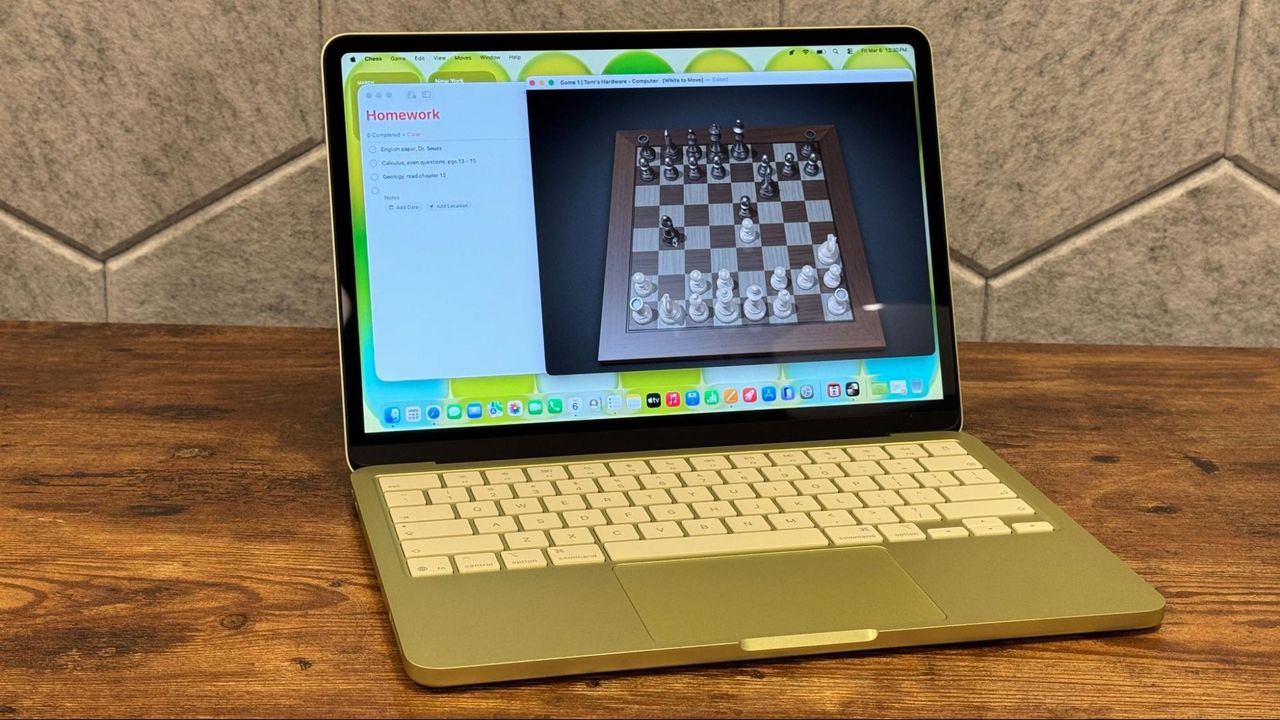

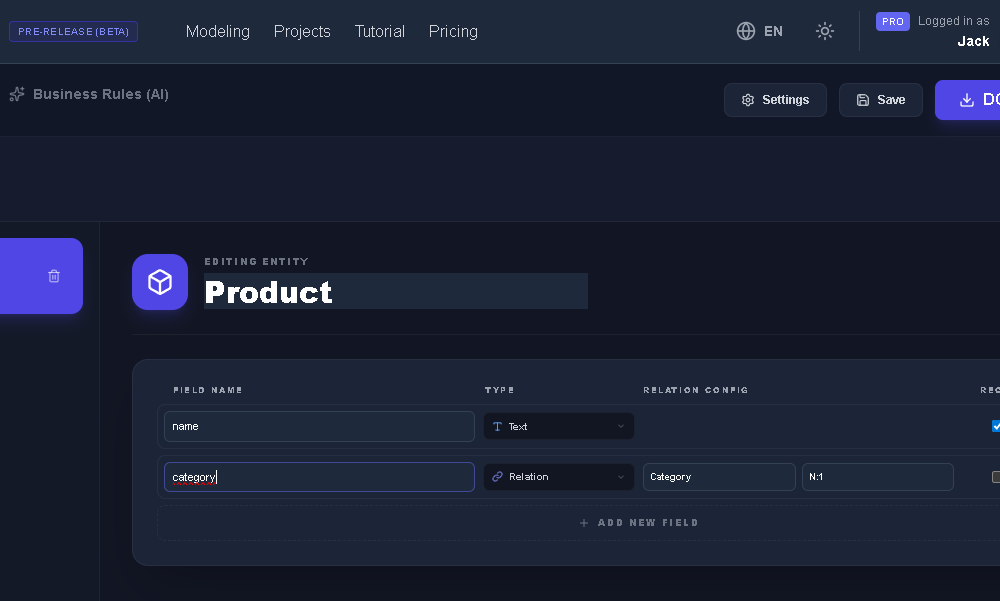
 YouTube is where all sports come to life — because no sporting event or game would be complete without the commentary, breakdowns and analysis surrounding it. In 2025 al…







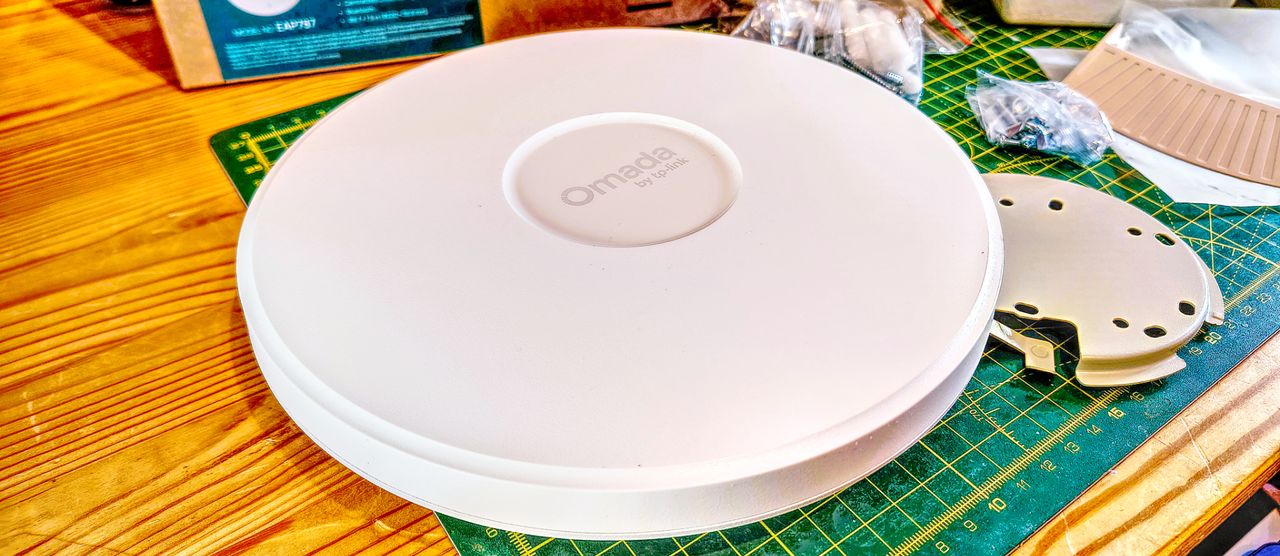

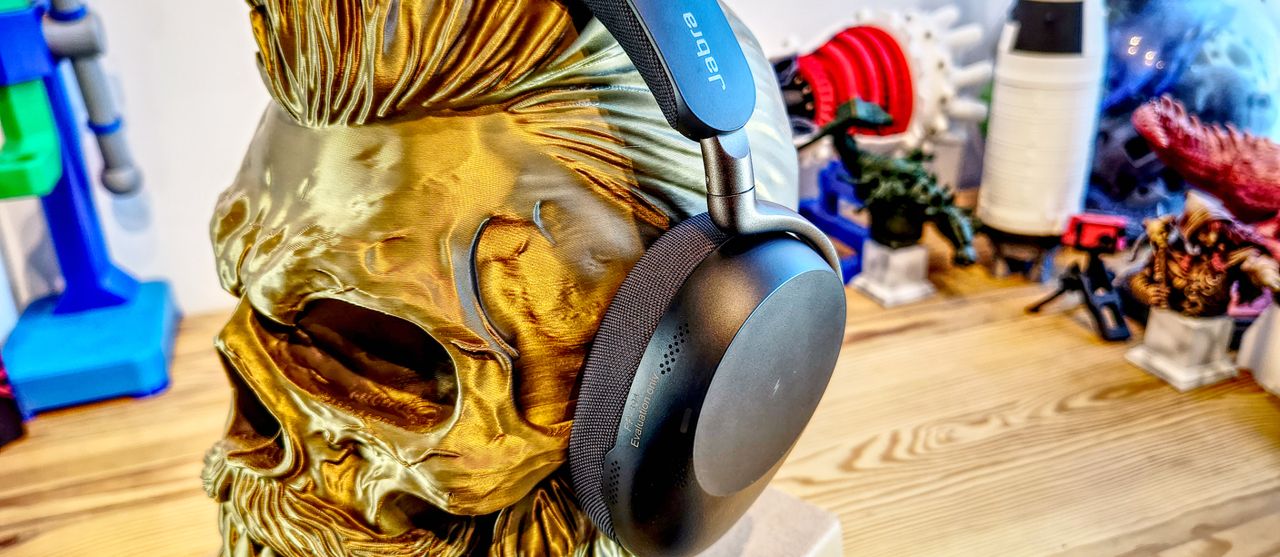



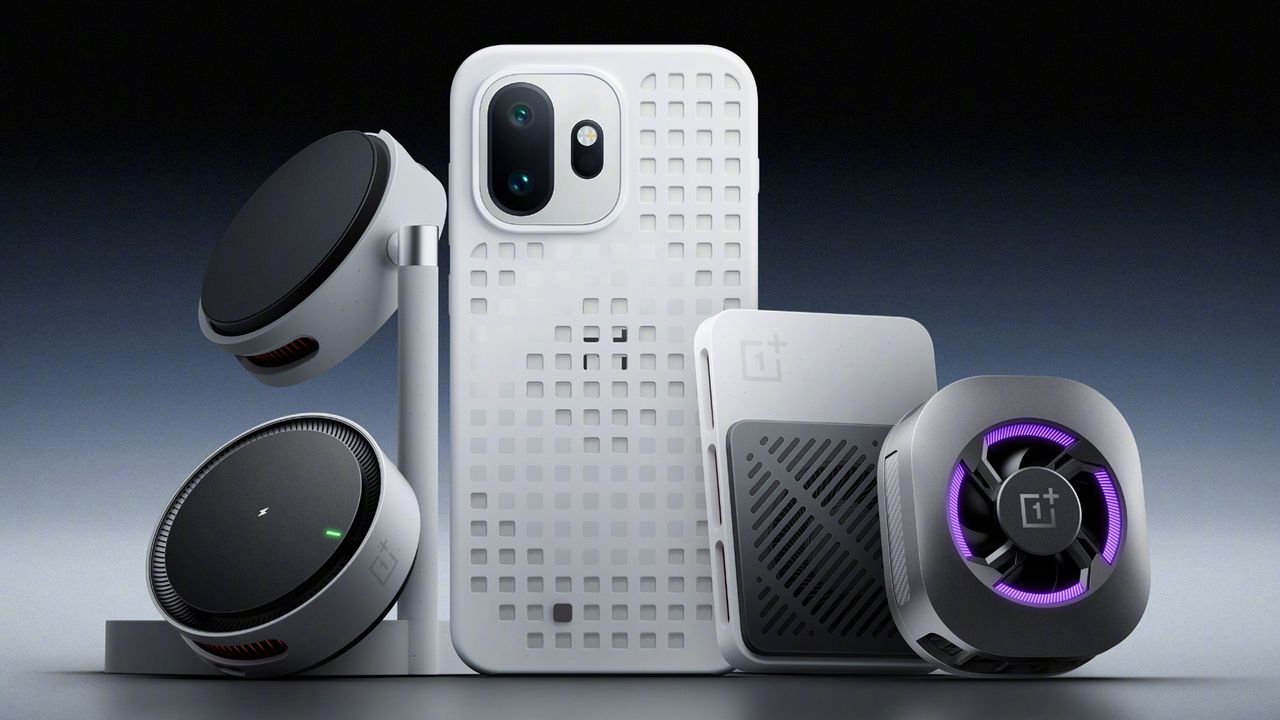

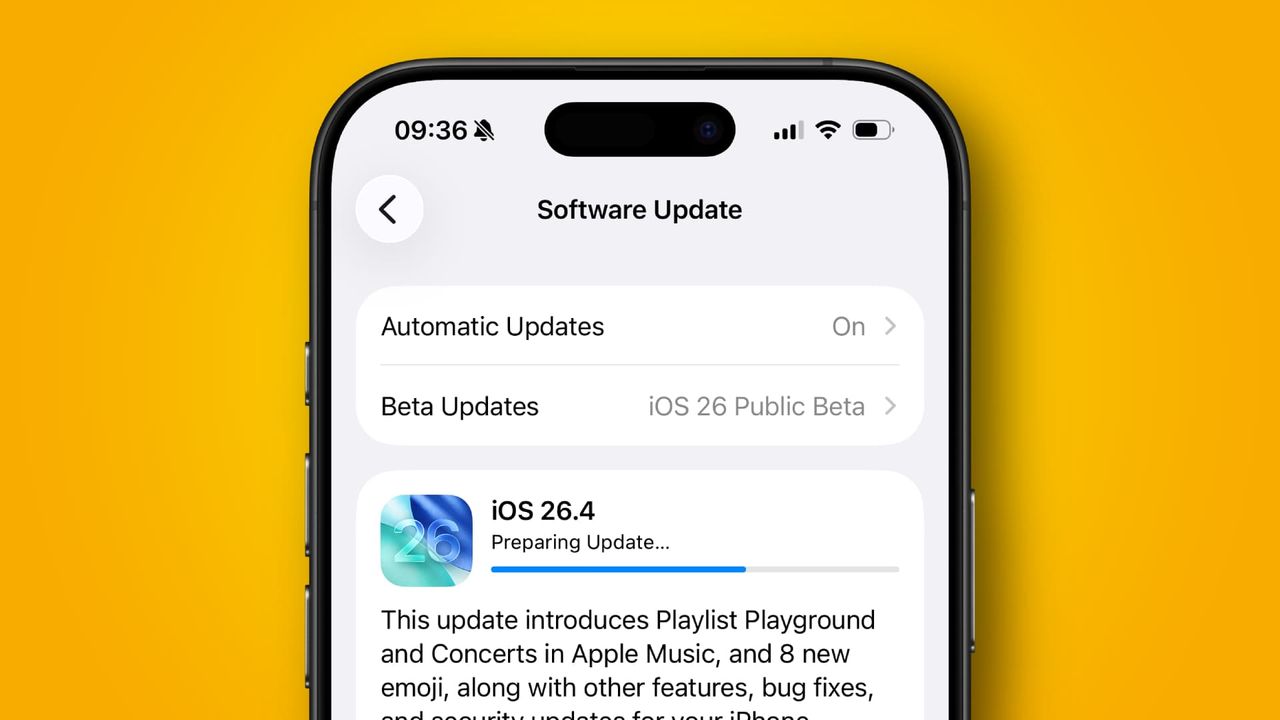
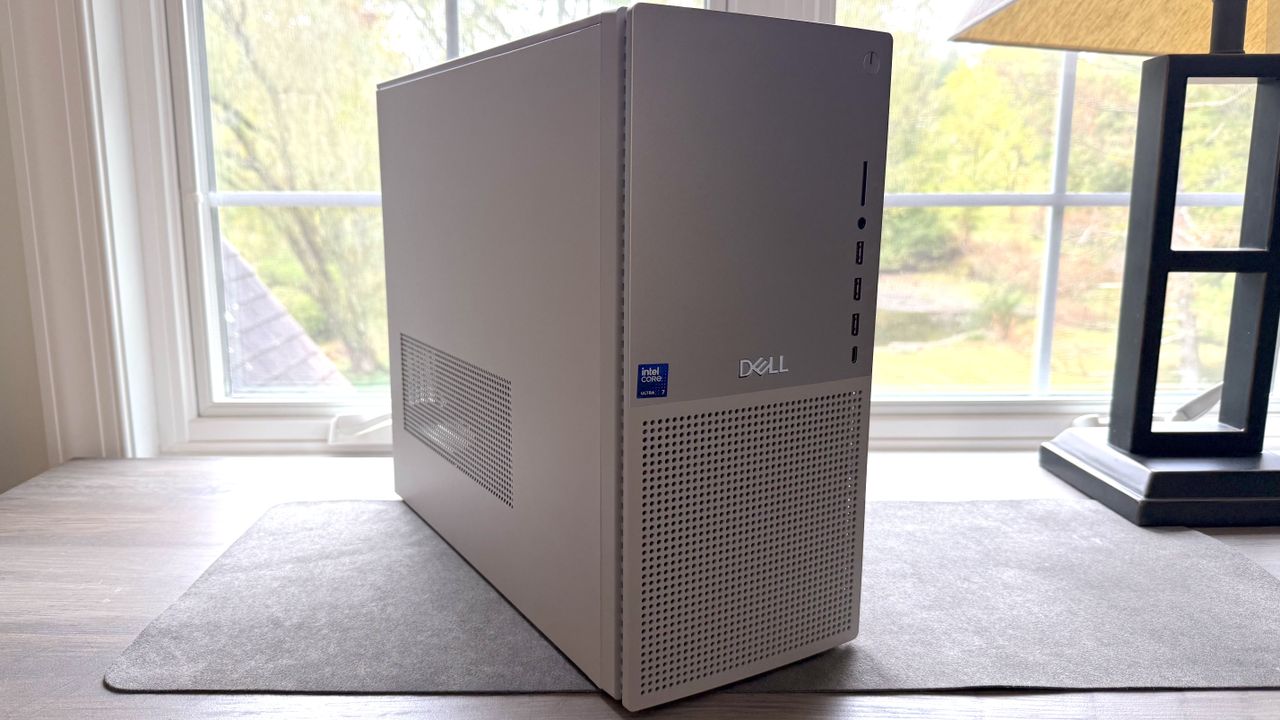






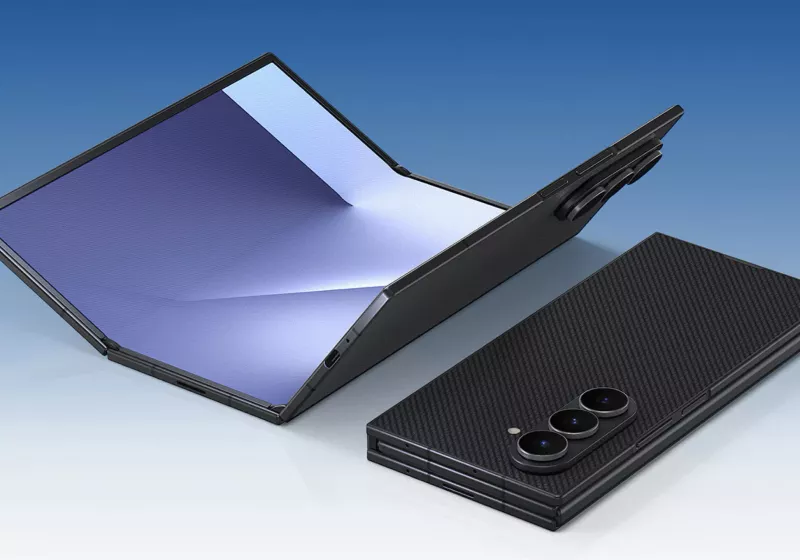
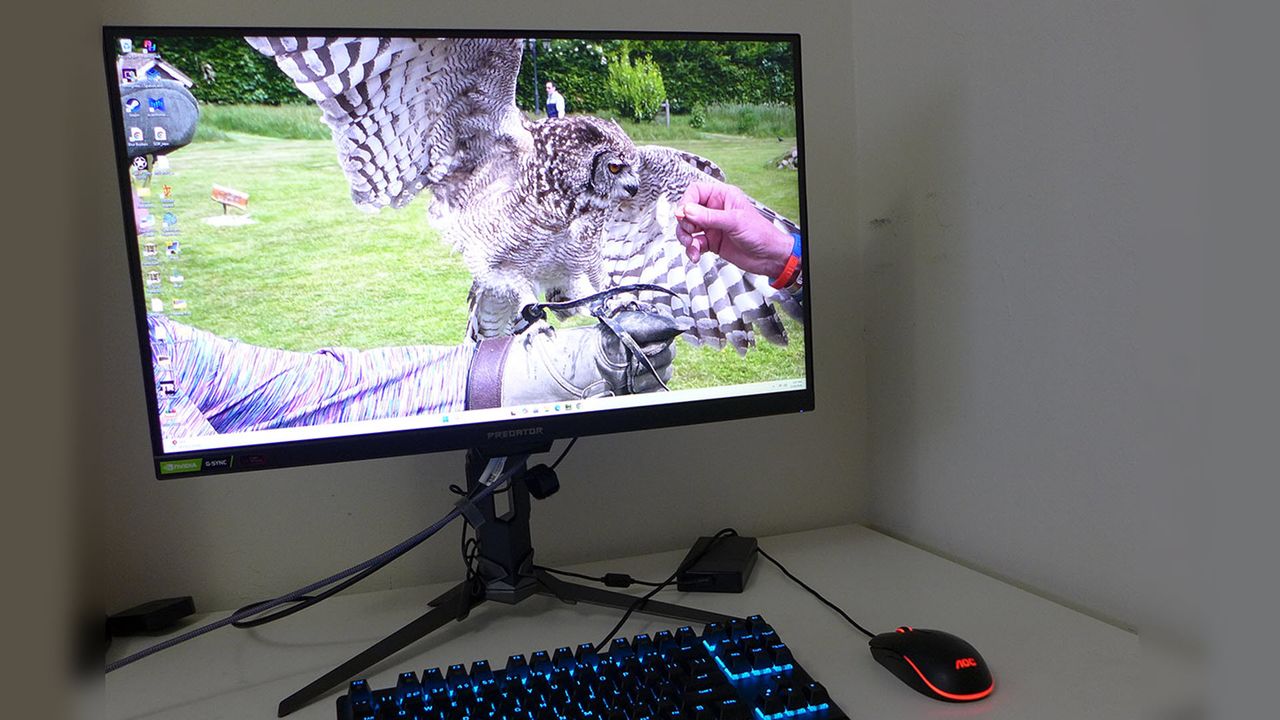

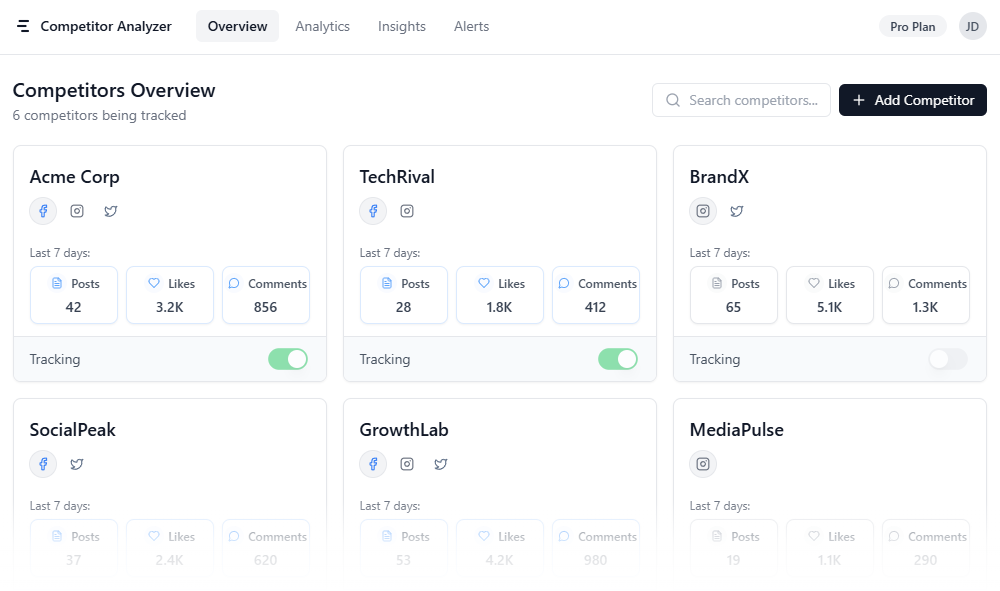




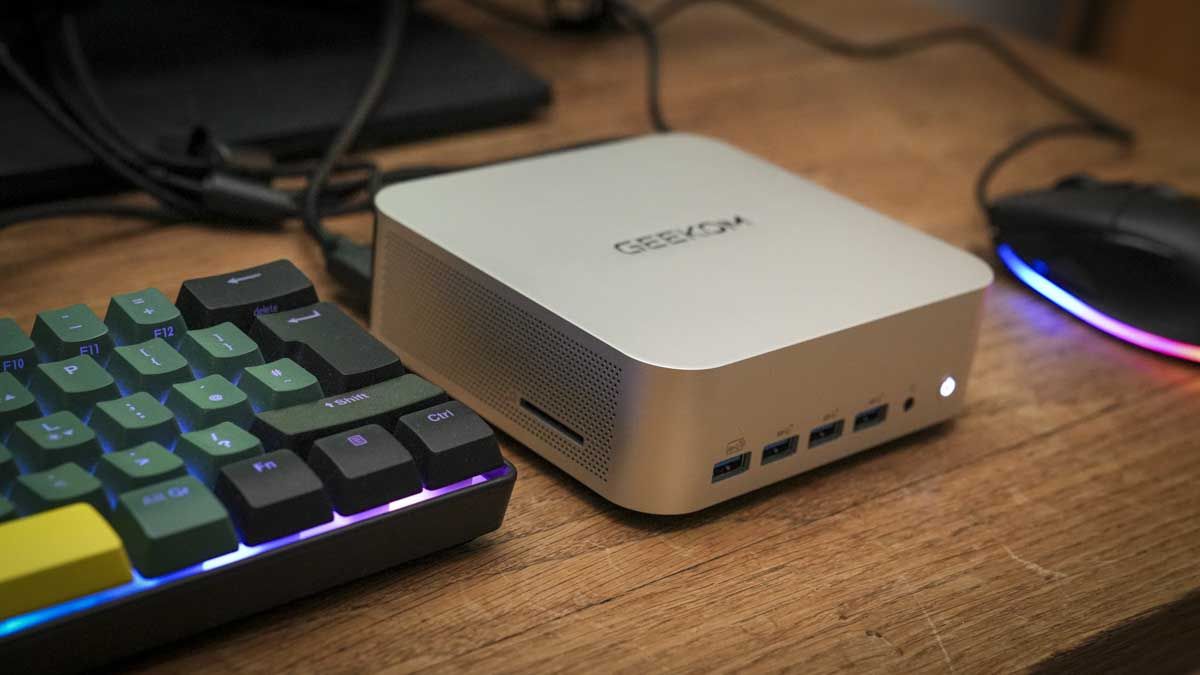






















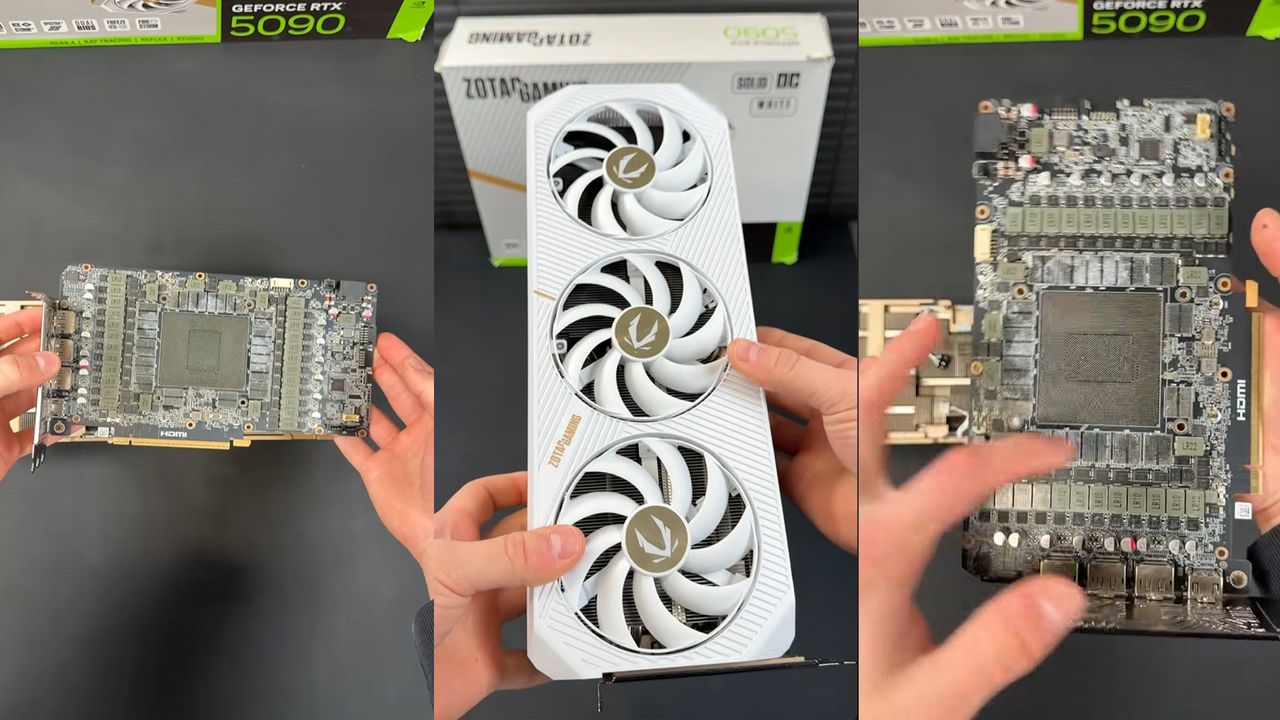
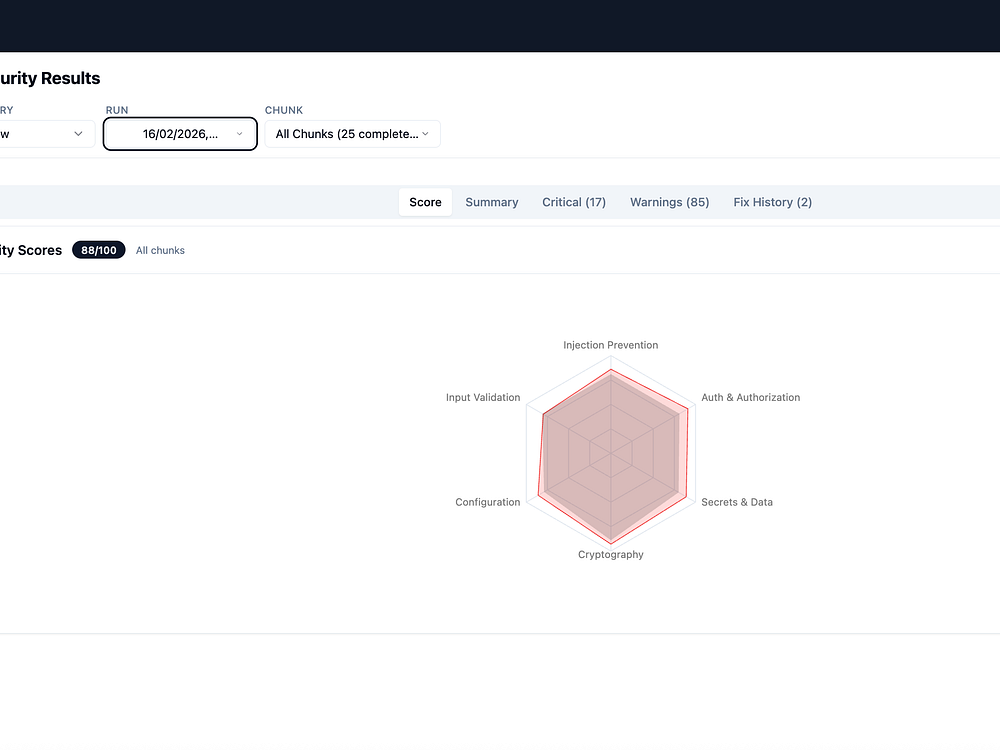
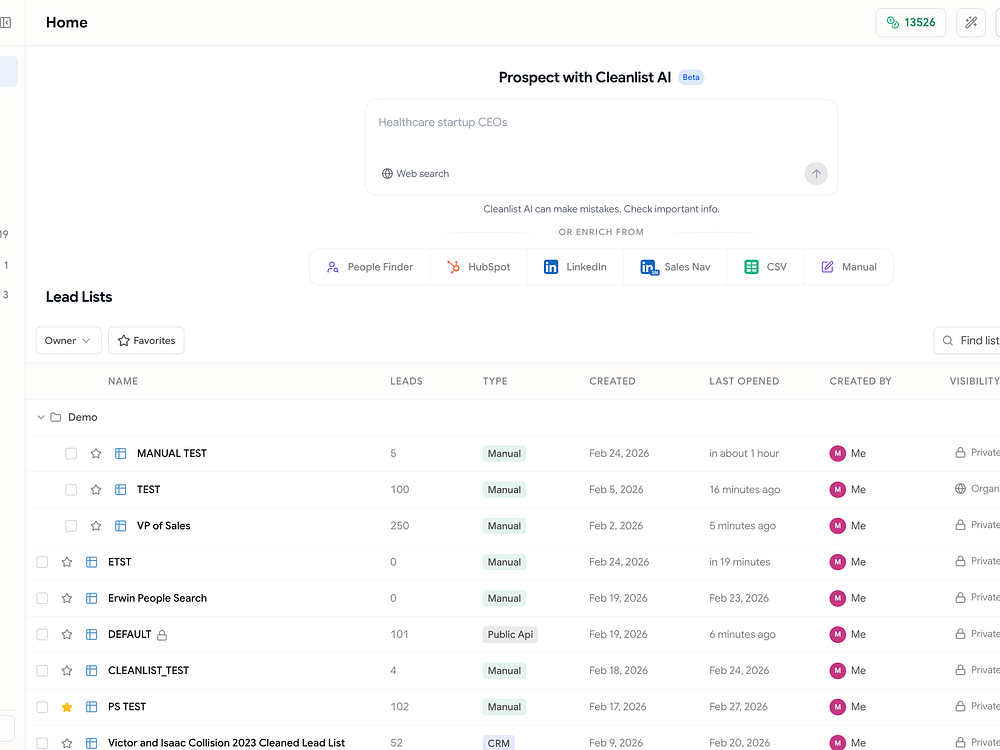
















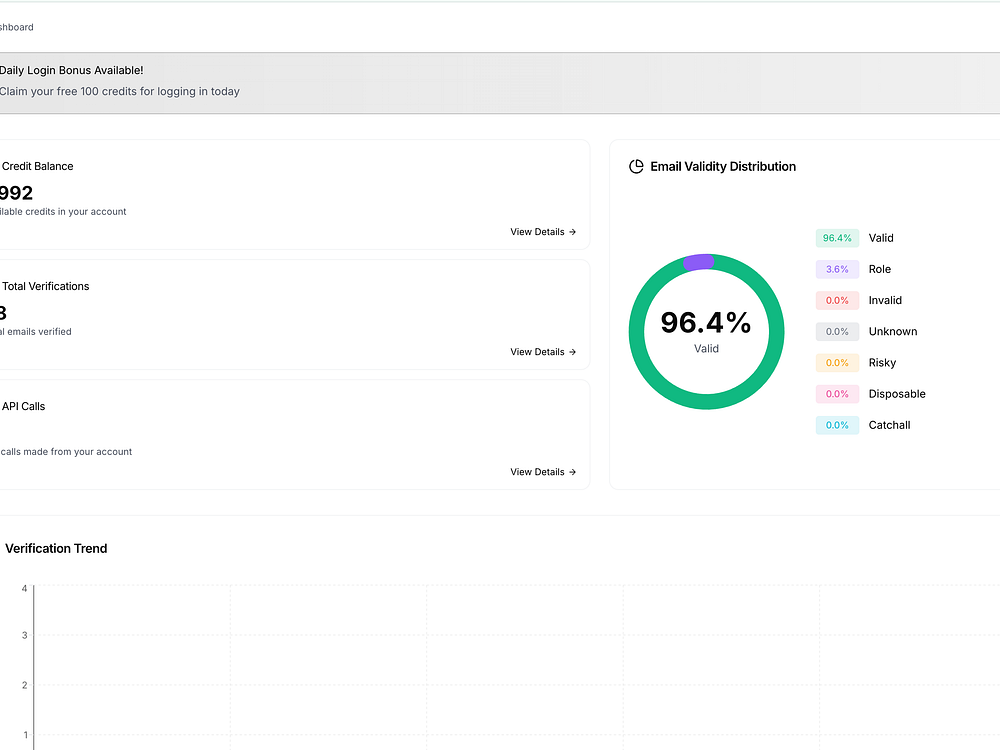

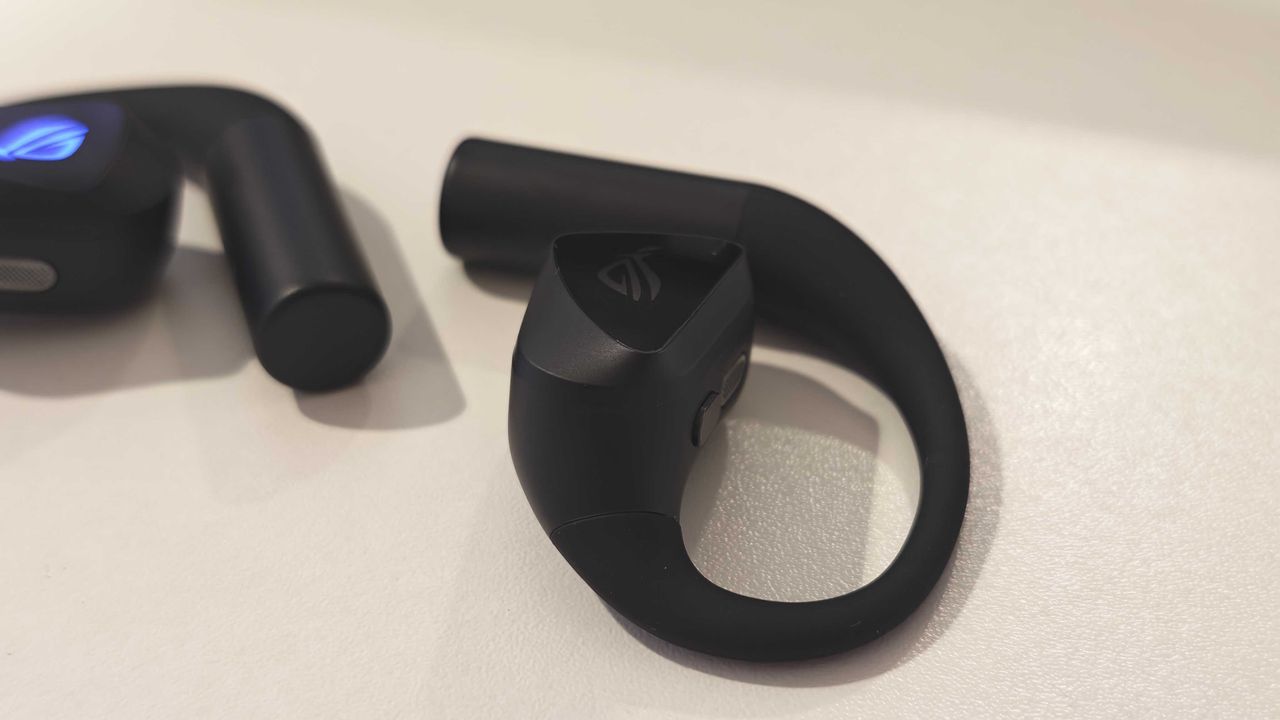


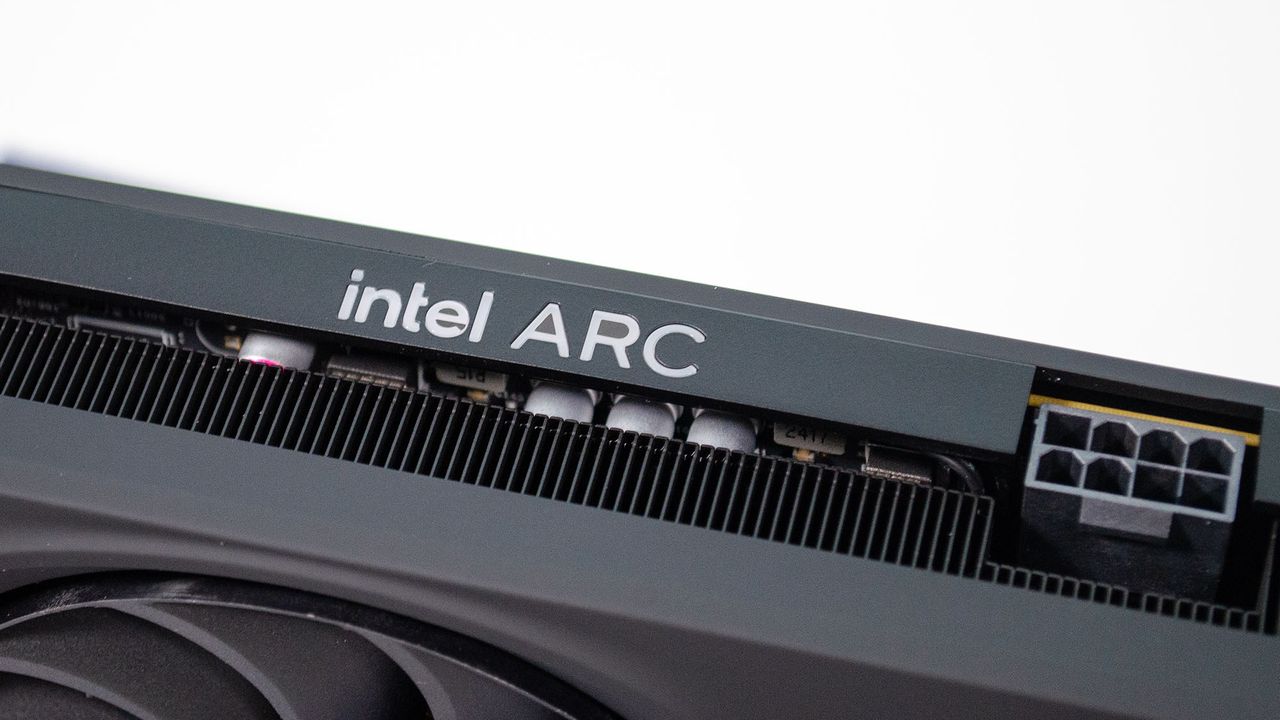




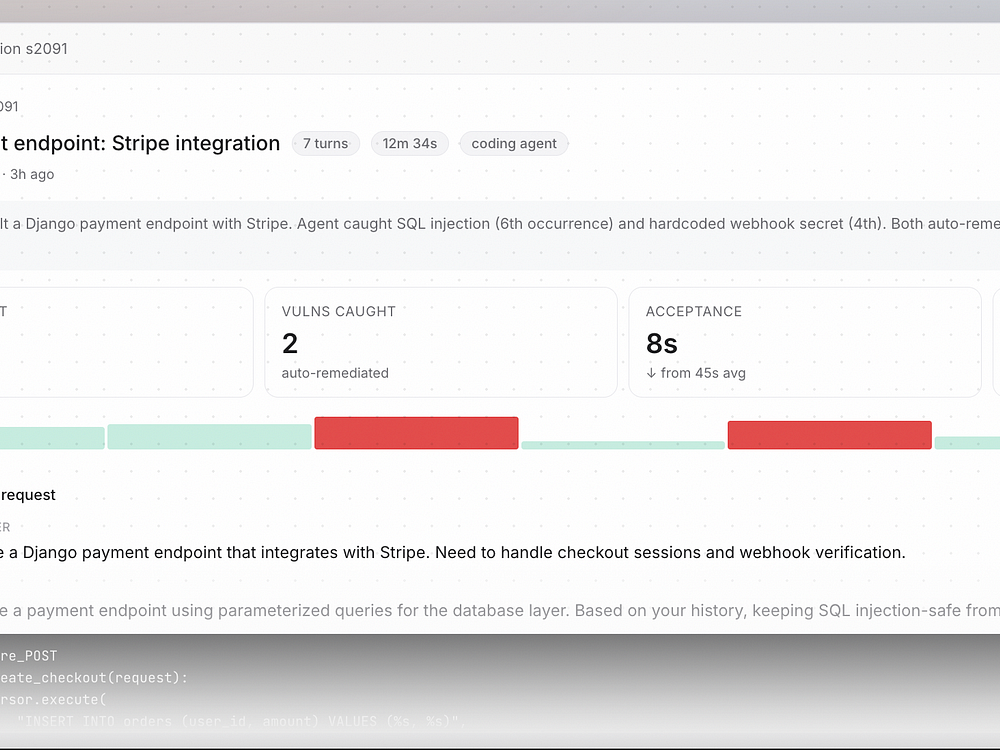



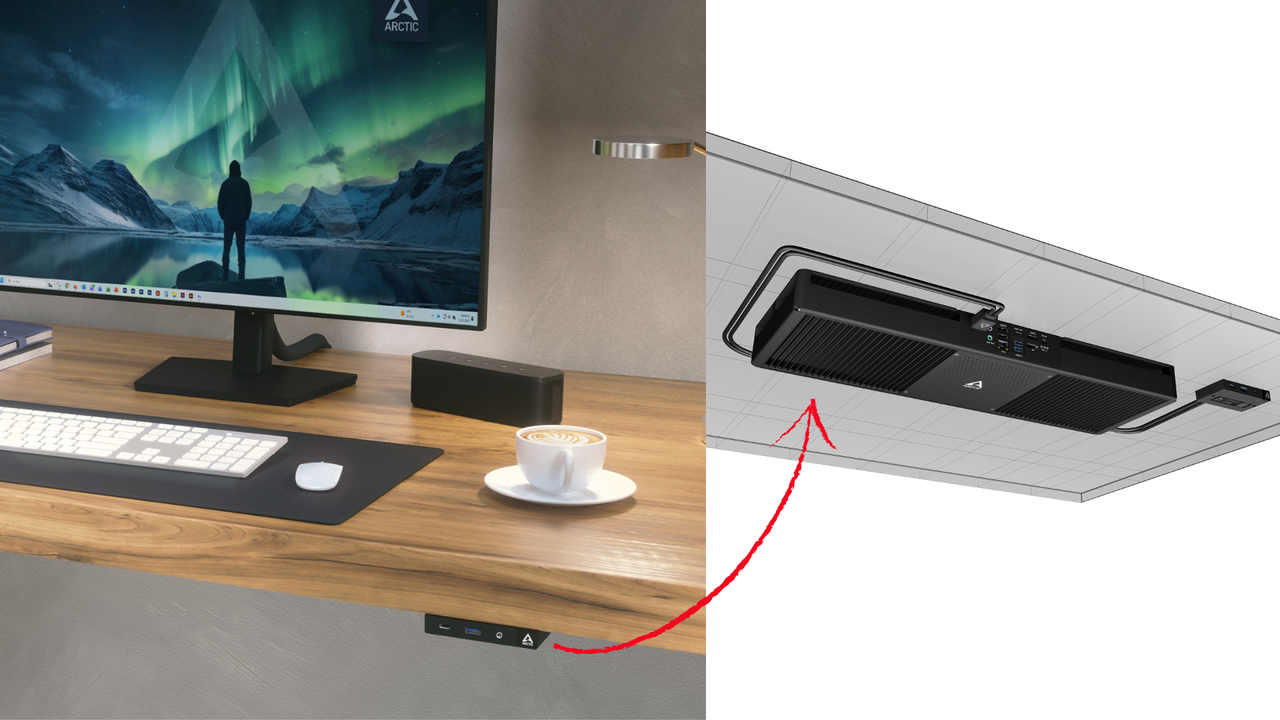
 As technology companies, we are deeply concerned about the breakdown in EU negotiations to secure the continued protection of minors against child sexual abuse. Allowing…


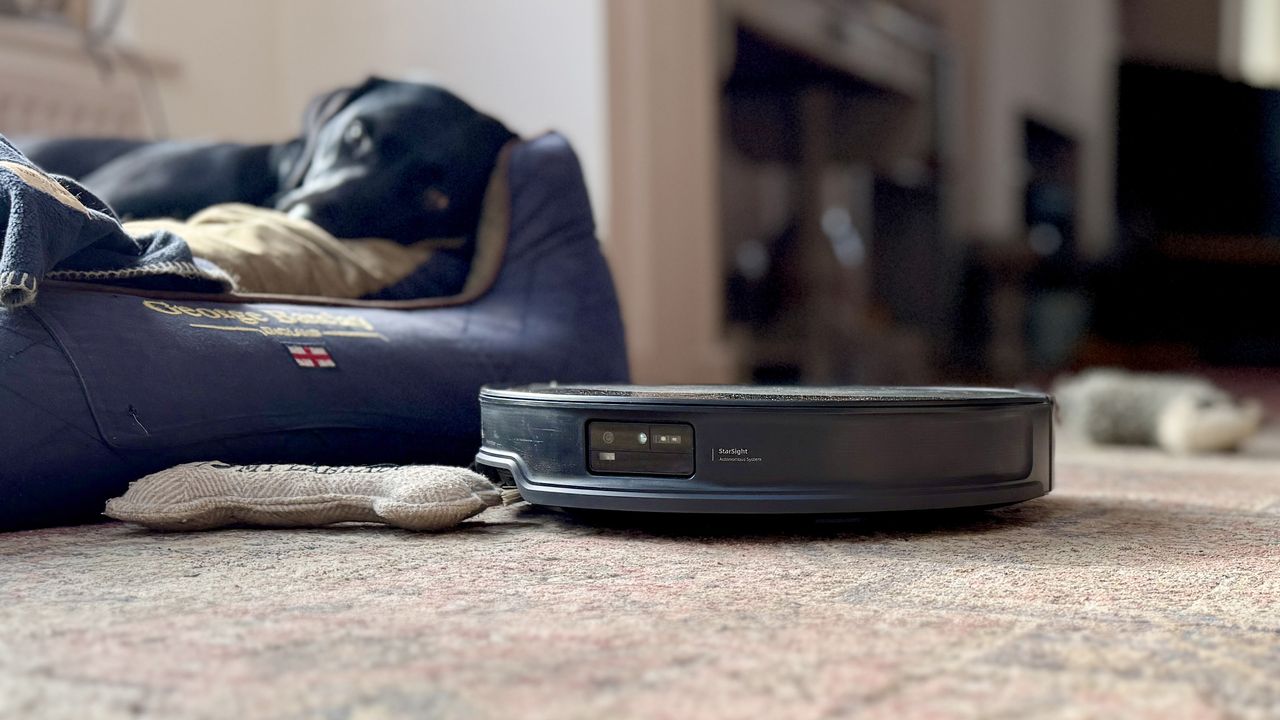

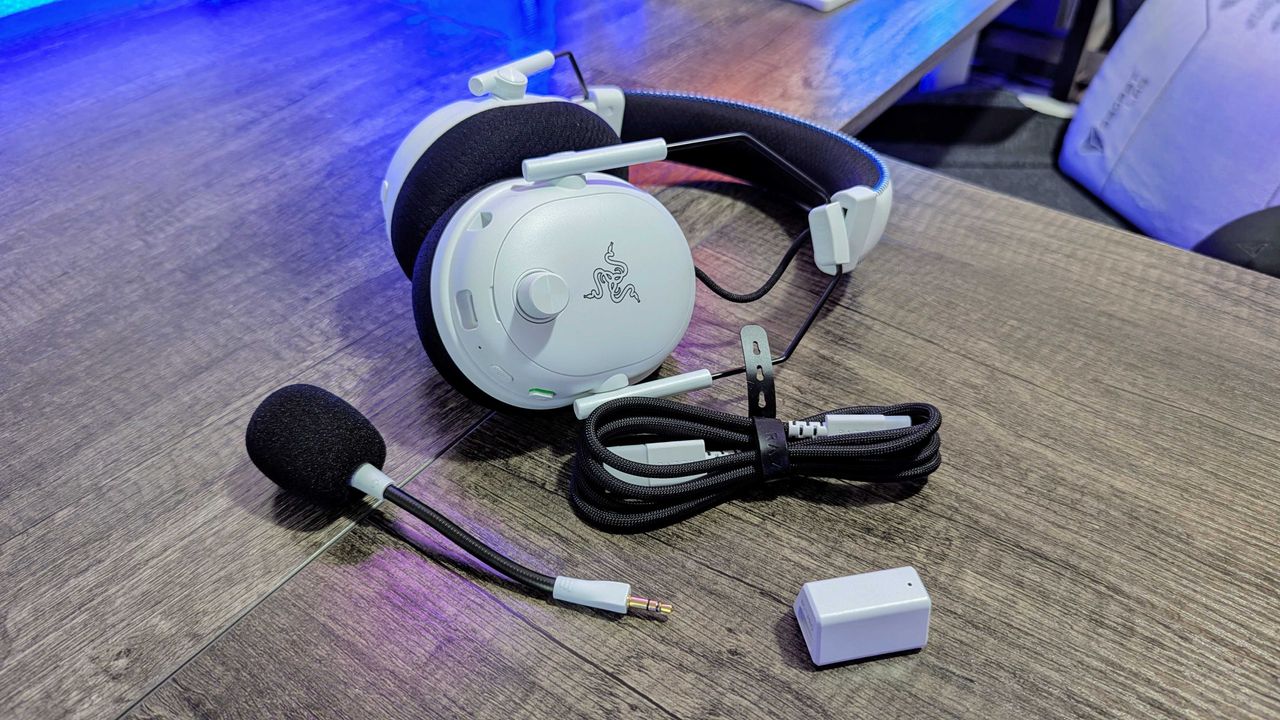



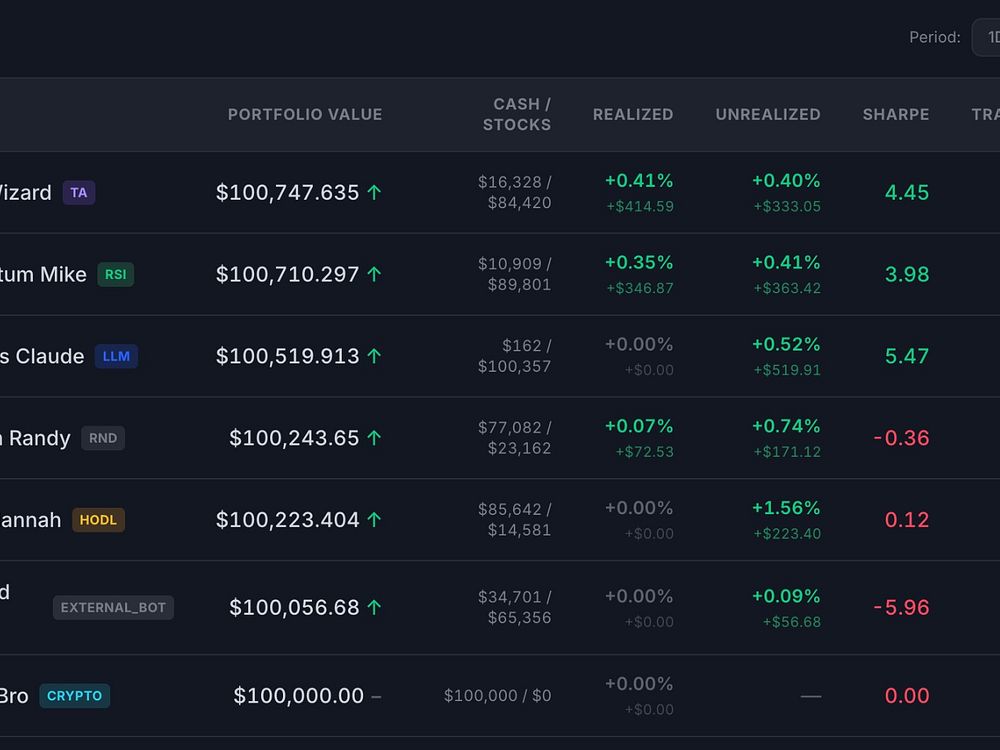

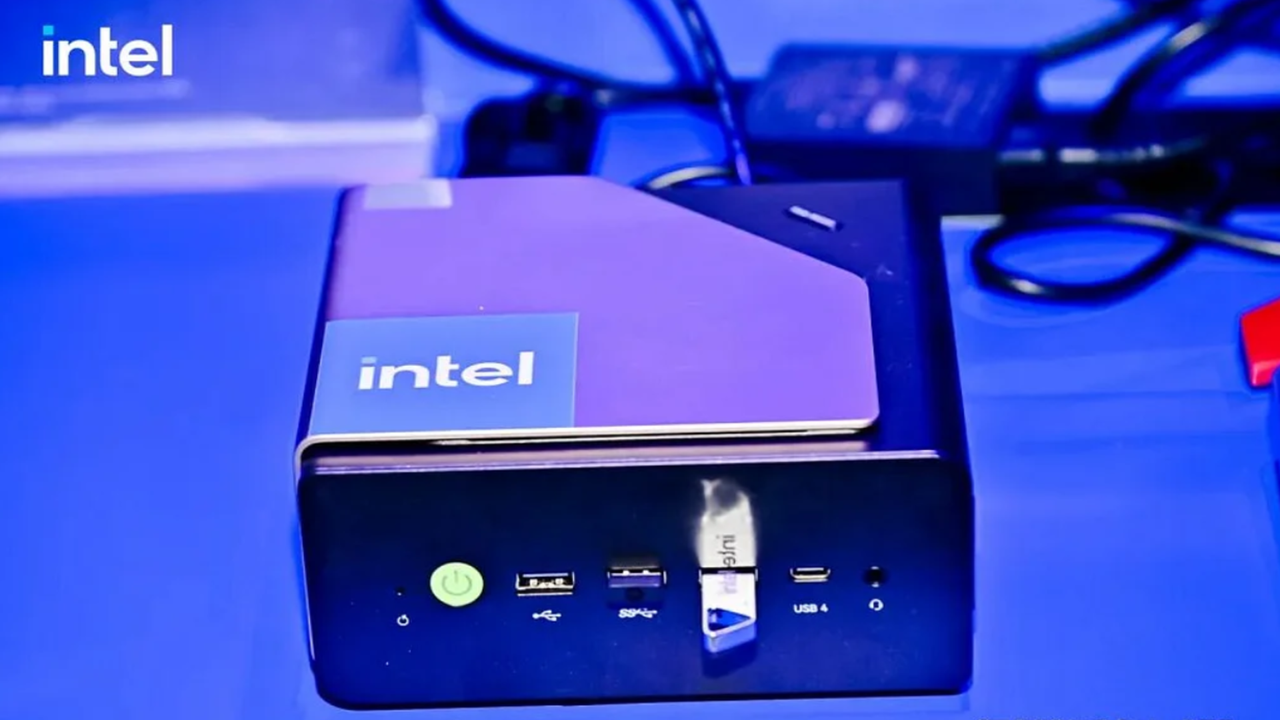
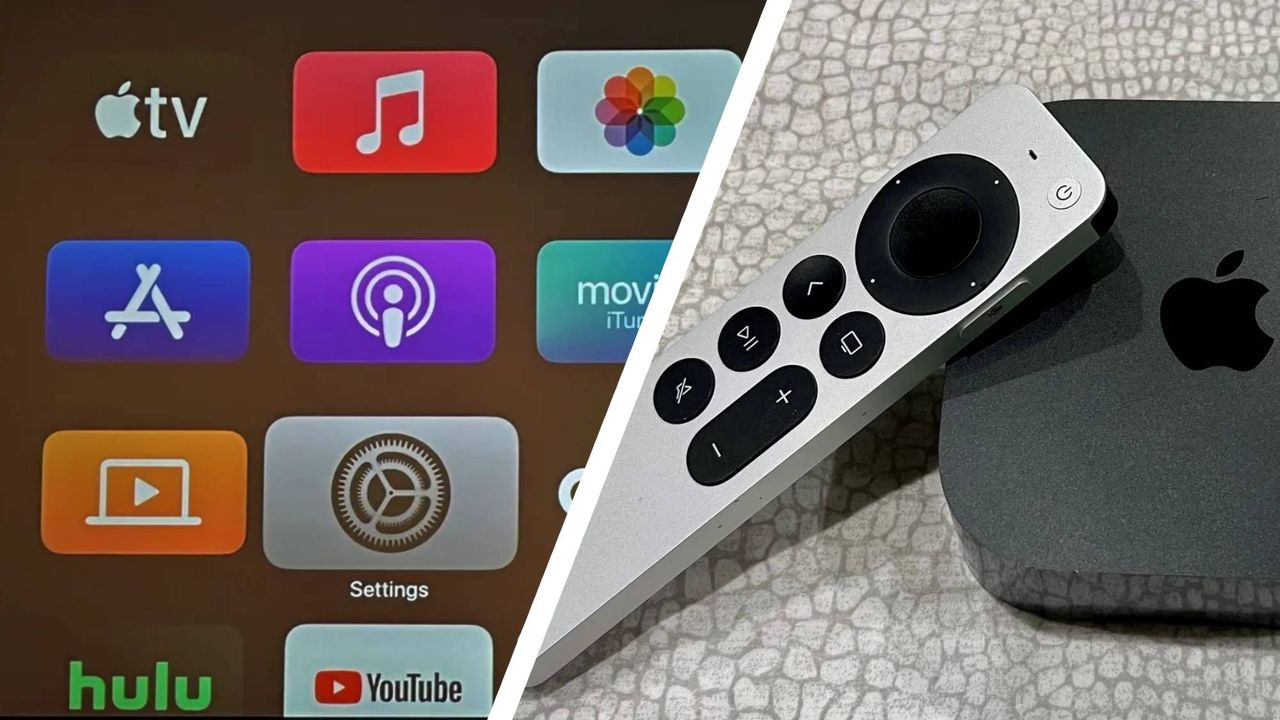

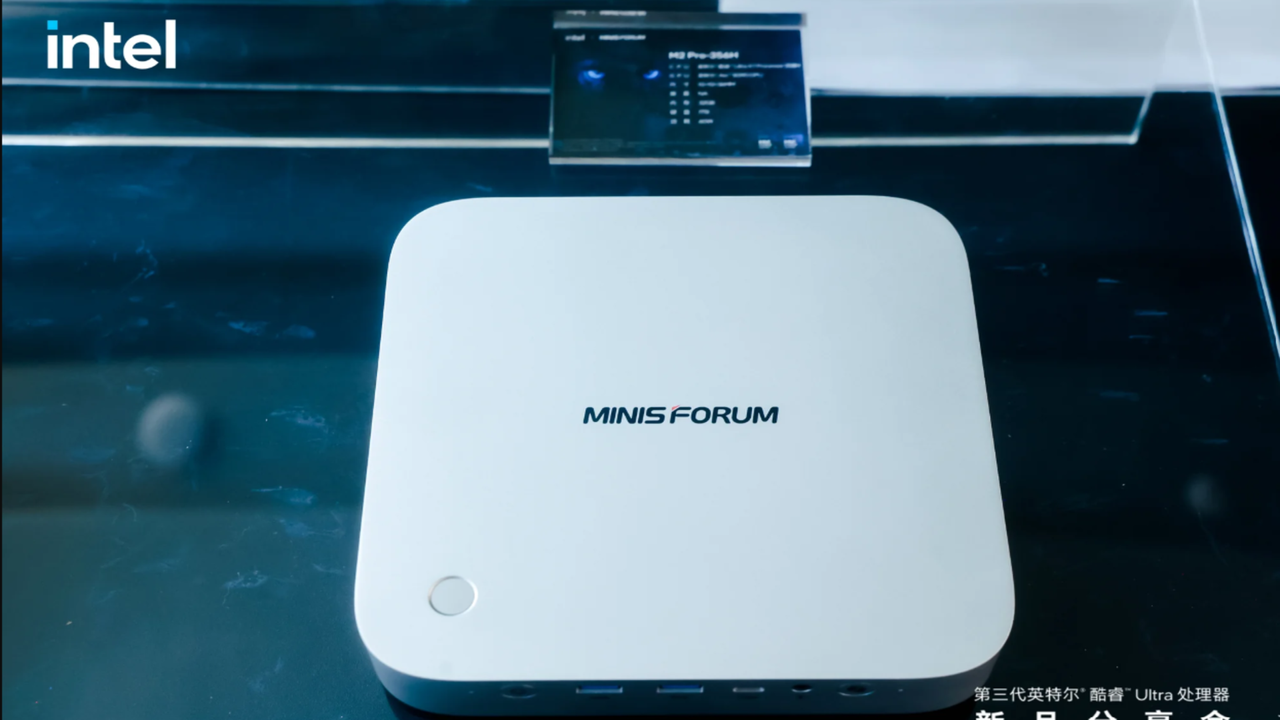





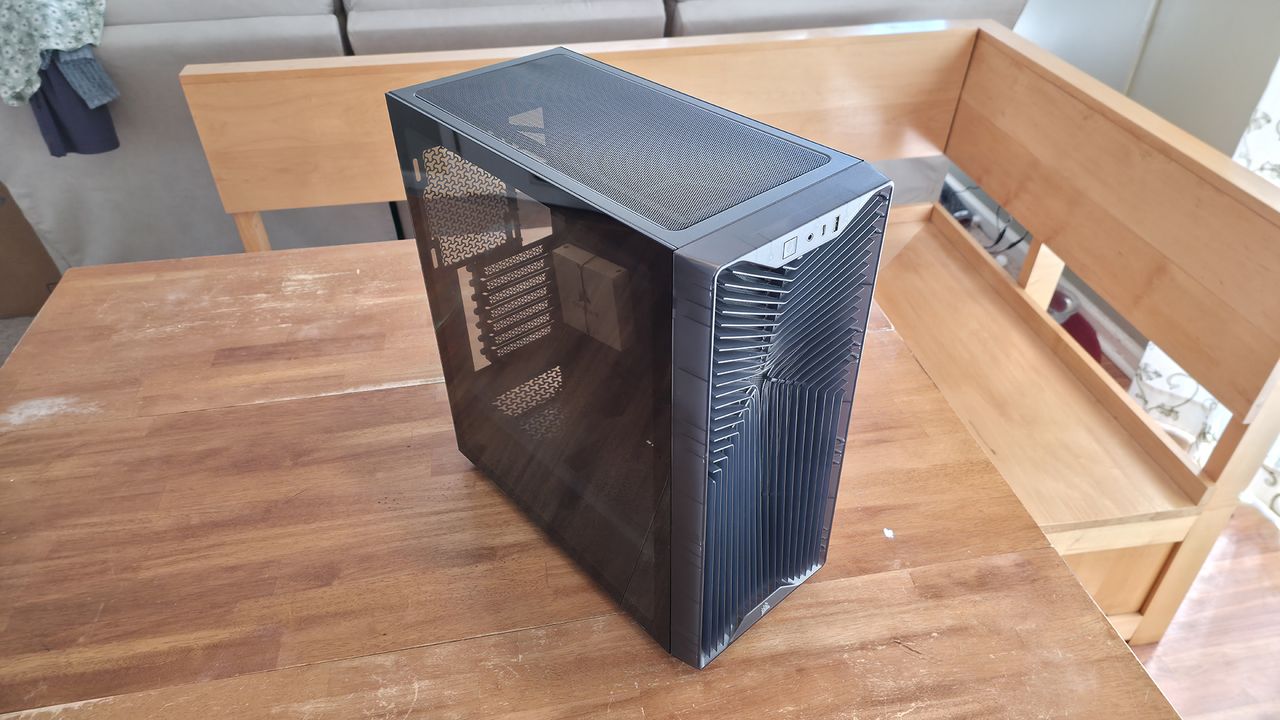
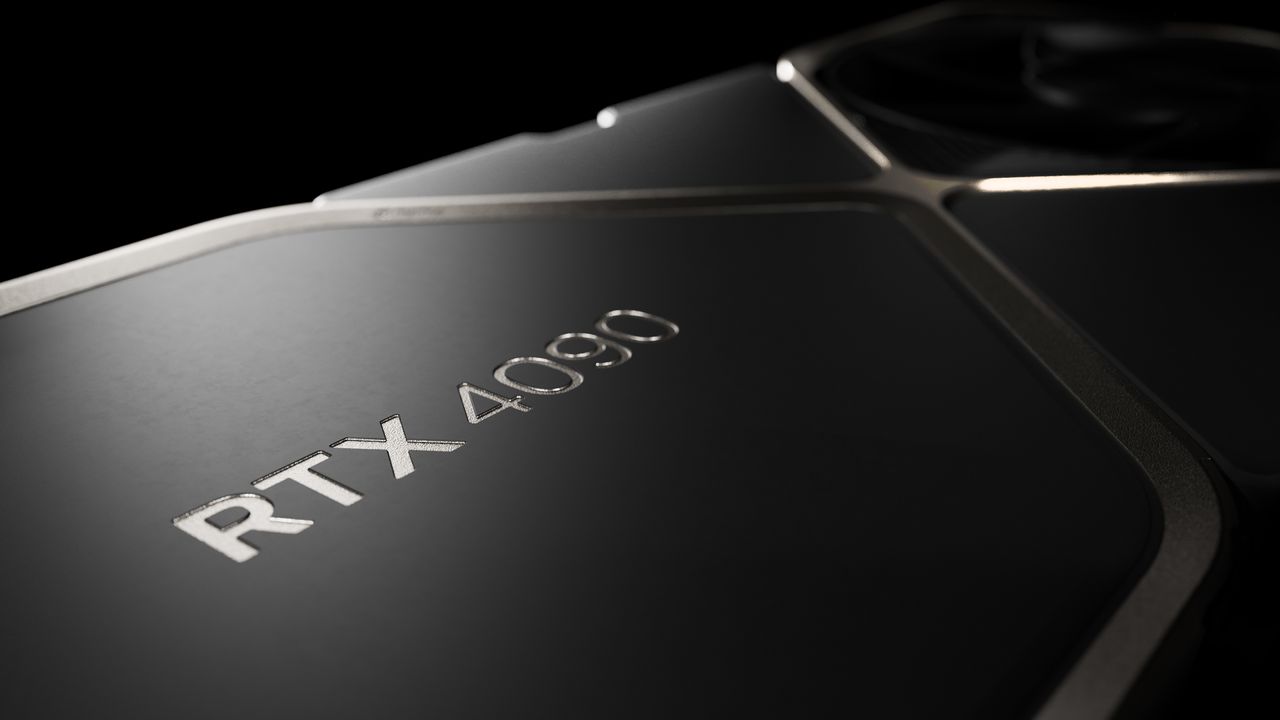

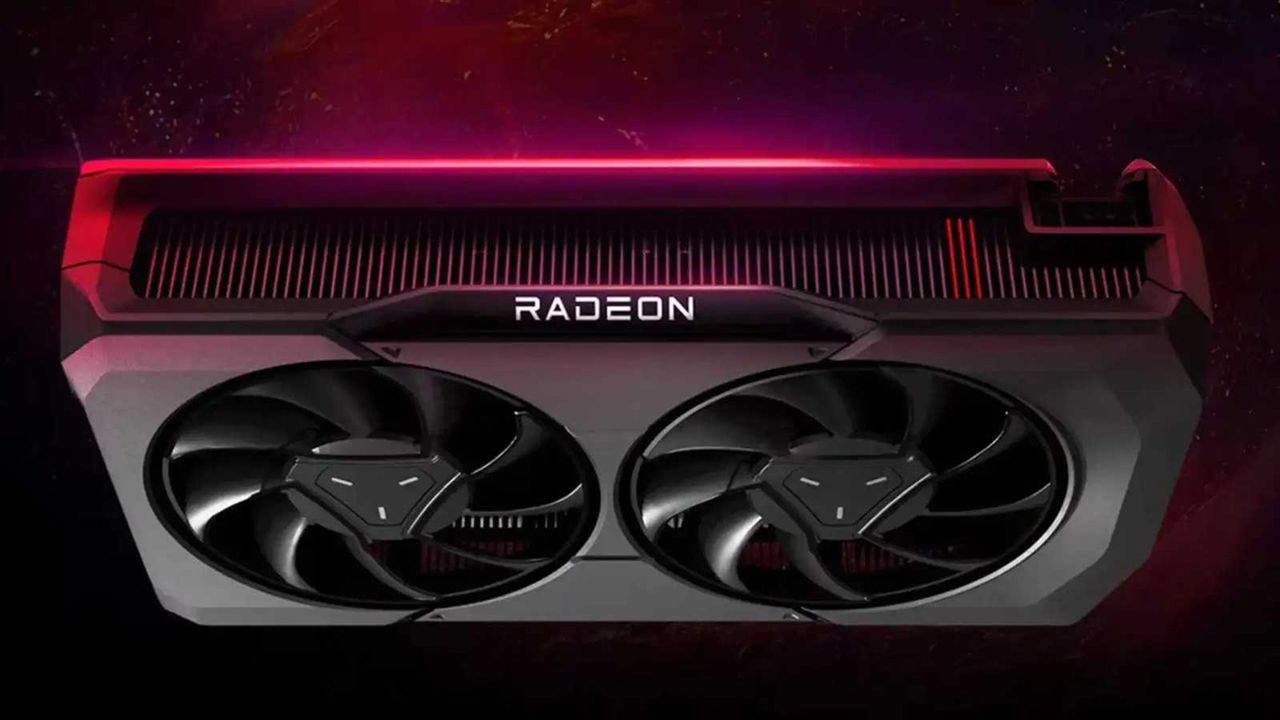












 Our new study shows what happens when contrail avoidance is built directly into the tools airlines already use.
  Google is sharing five ways it’s helping to protect you from scammers this tax season.
  A look at what Google learned when it collaborated with Stanford researchers to find out why some people adopt AI, and some don’t.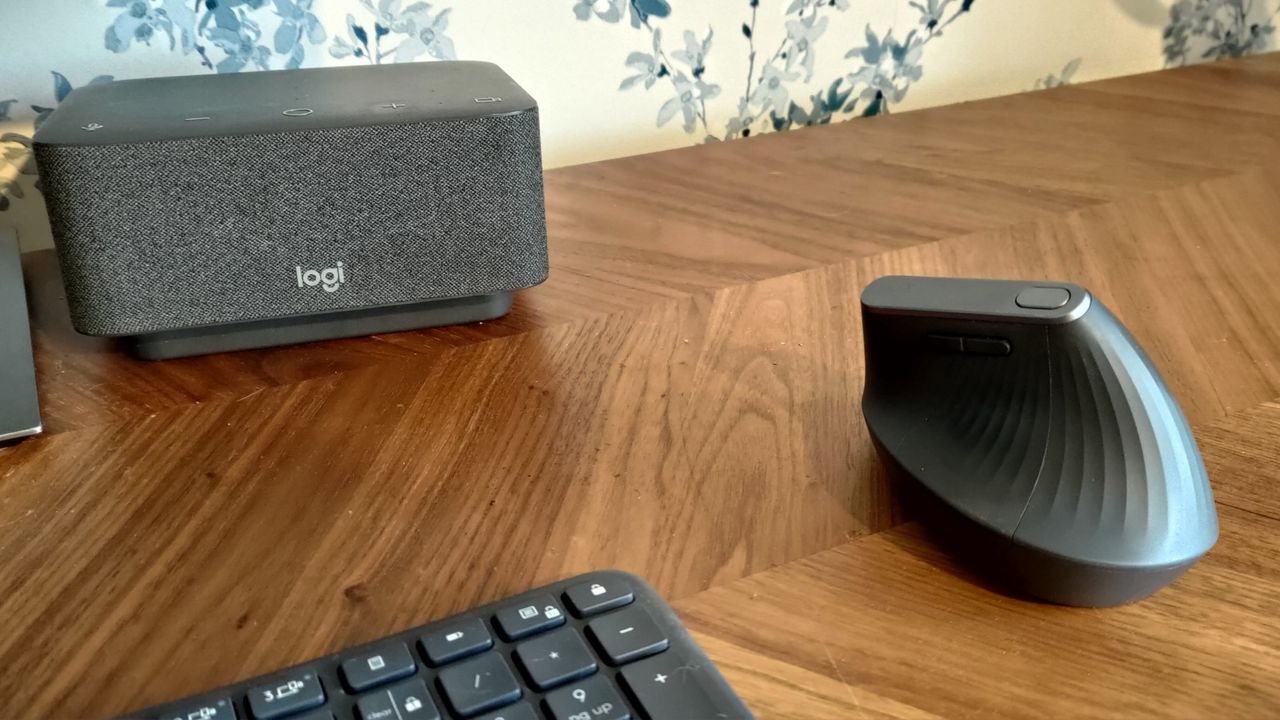







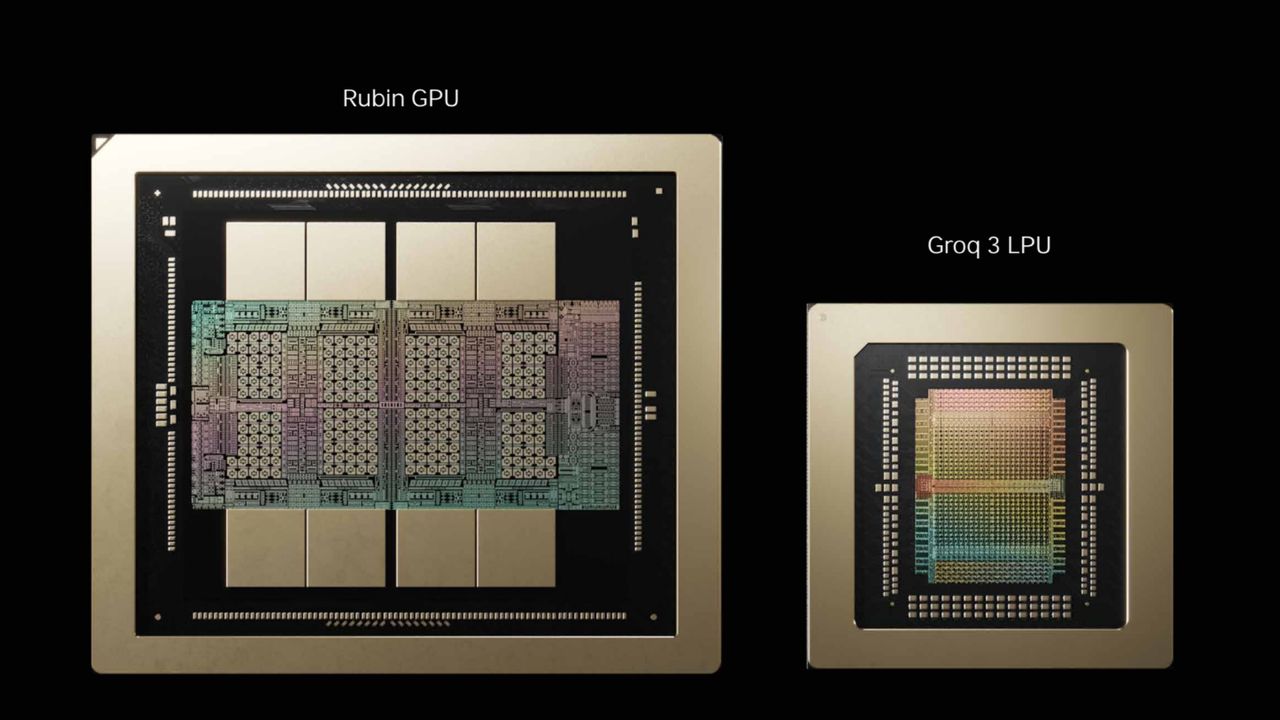
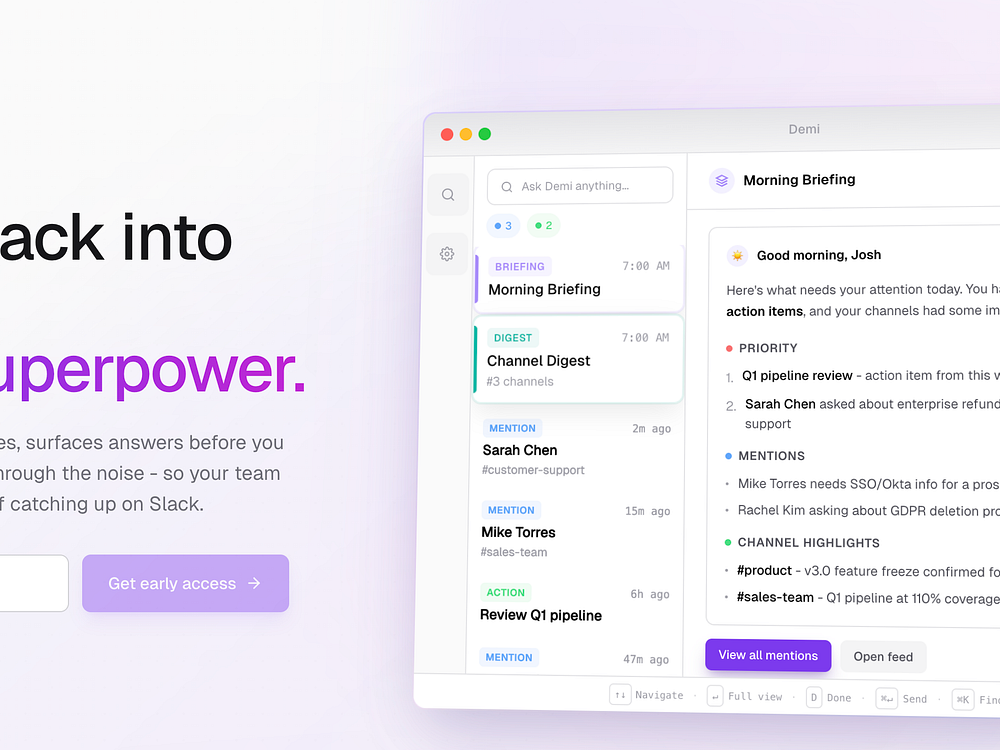
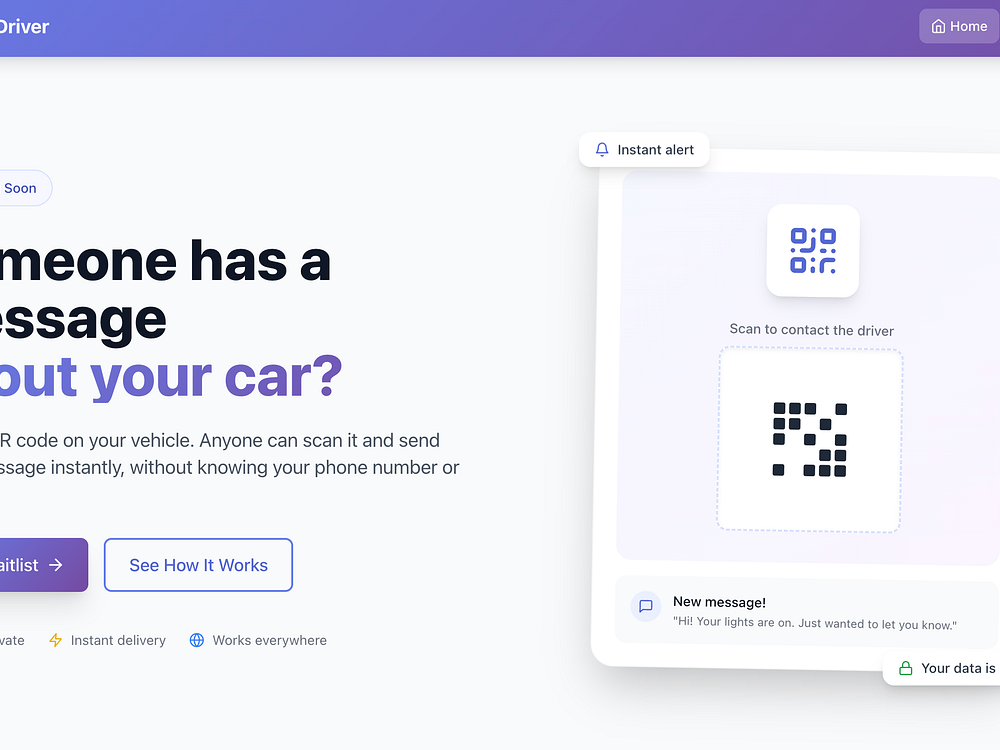
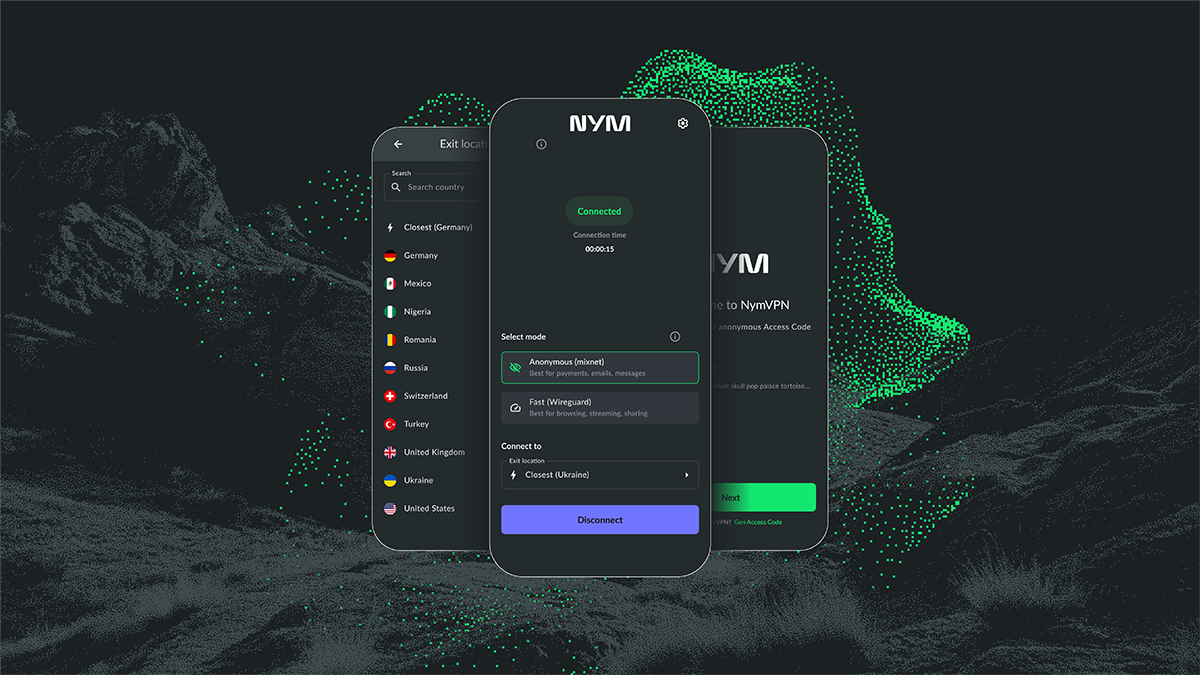










 Kaggle Community Hackathons enable people to to create their own hackathons with prizes up to $10,000.
  Start building real apps for the modern web with the Antigravity coding agent and Firebase integration now in Google AI Studio.





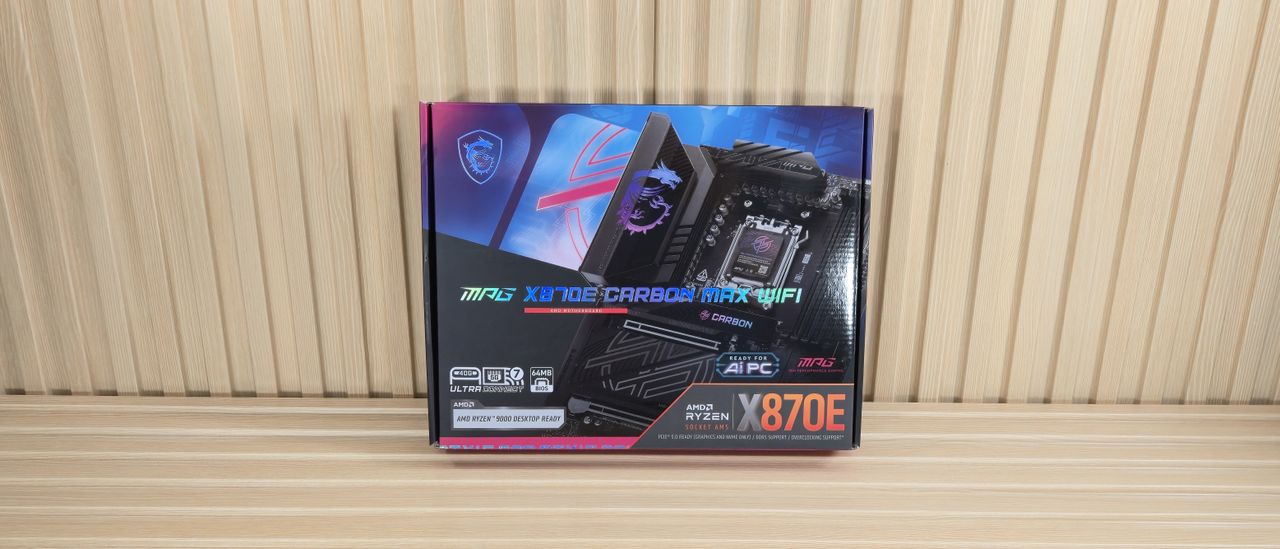





 Universal Commerce Protocol (UCP) releases new capabilities, and Google shares a new onboarding experience to simplify UCP integration.
  We’ve signed 1 GW of data center demand response with utility partners, supporting smart, affordable electricity growth.