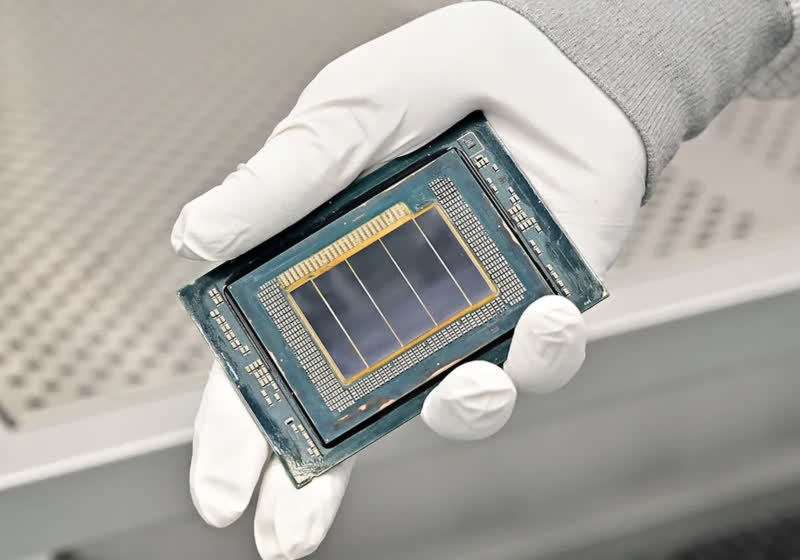
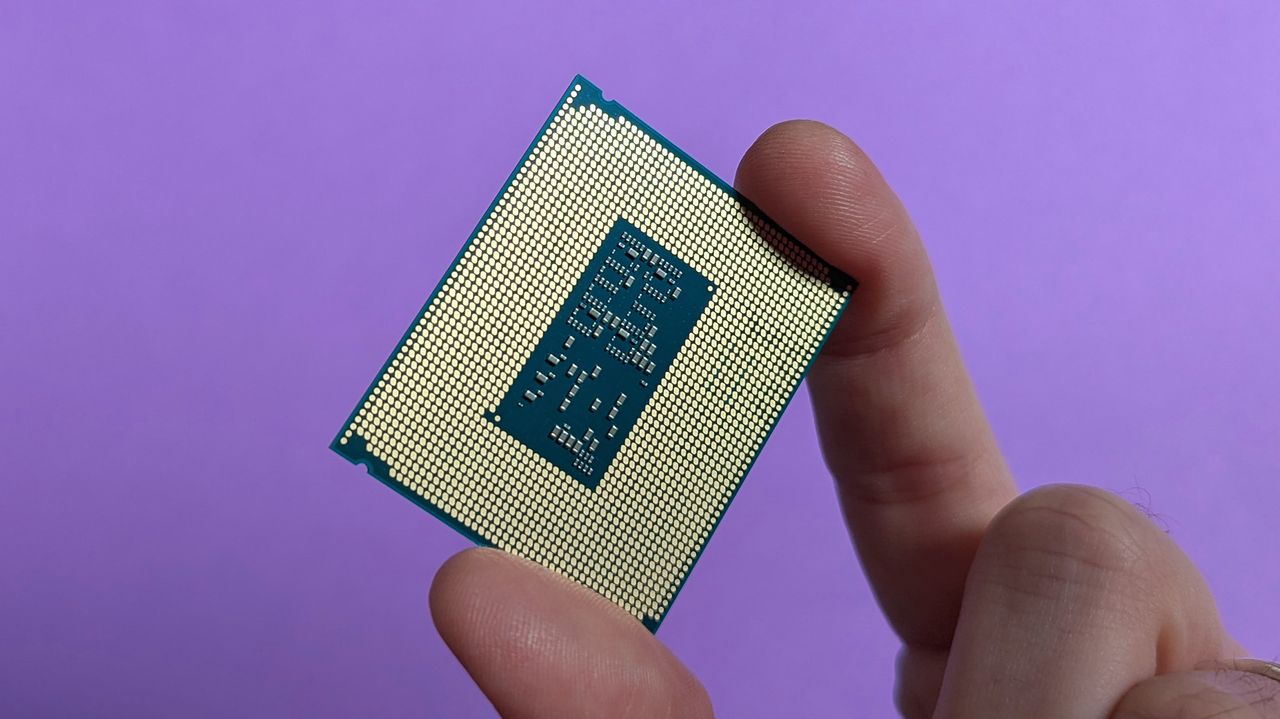
Arm introduces its first in-house AGI CPU, offering high-density performance and gaining early backing from major companies, including Meta and OpenAI.
These sorts of bans are often celebrated by the Counter-Strike community, because, aside from interfering with the CS2 skin and key market, farming accounts generally have a negative effect on gameplay, either throwing matches by being AFK in-game or by having the match played by bots. After revealing the ban wave, Magal encourages players to report farming bans by email (csgoteamfeedback@valvesoftware.com).
According to the affidavit, the FBI sought information during a probe into a threatening message received by Alexis Wilkins, the girlfriend of FBI Director Kash Patel. The email, sent from the address peaty_terms_1o@icloud.com, reads, "Do you know how happy I'll be when your c**t ass face is canoed by an...
Build fast, beautiful, fully customizable websites without subscriptions, lock-in, or cloud-based limitations. Zero One turns Kirby CMS into a powerful self-hosted website builder, giving you the freedom, privacy, and control that SaaS platforms can’t offer. It includes a visual layout builder, form builder, header and footer builder, SEO tools, GDPR features, multilingual support, AI-ready integrations, and a flexible design system. Whether you're a freelancer, agency, or privacy-focused business, Zero One lets you create modern, scalable websites you can host anywhere with no monthly fees and no vendor lock-in.
NoteGPT is an AI learning assistant for students, educators, professionals, and creators. It converts YouTube videos, lectures, meetings, and PDFs into concise notes and summaries, generates flashcards, and lets you chat with models like ChatGPT, Claude, Gemini, and DeepSeek. Use transcription, PDF translation, and writing helpers to research and draft faster. You can create podcasts with text-to-speech and voice cloning, and design or edit images for slides and visuals. It is available on web and Chrome with strong privacy safeguards.
Apple is now sending Lock Screen notifications to iPhones and iPads running older versions of iOS and iPadOS to alert users of web-based attacks and urge them to install the update.
The development was first reported by MacRumors.
"Apple is aware of attacks targeting out-of-date iOS software, including the version on your iPhone. Install this critical update to protect your iPhone," the
SK hynix’s potential U.S. listing could raise $10-$14 billion to help it build more capacity, encourage others to follow, and end the 'RAMmageddon' memory shortage.
The European Union's top executive body has confirmed a cyberattack after hackers reportedly stole reams of data from the European Commission's cloud storage.
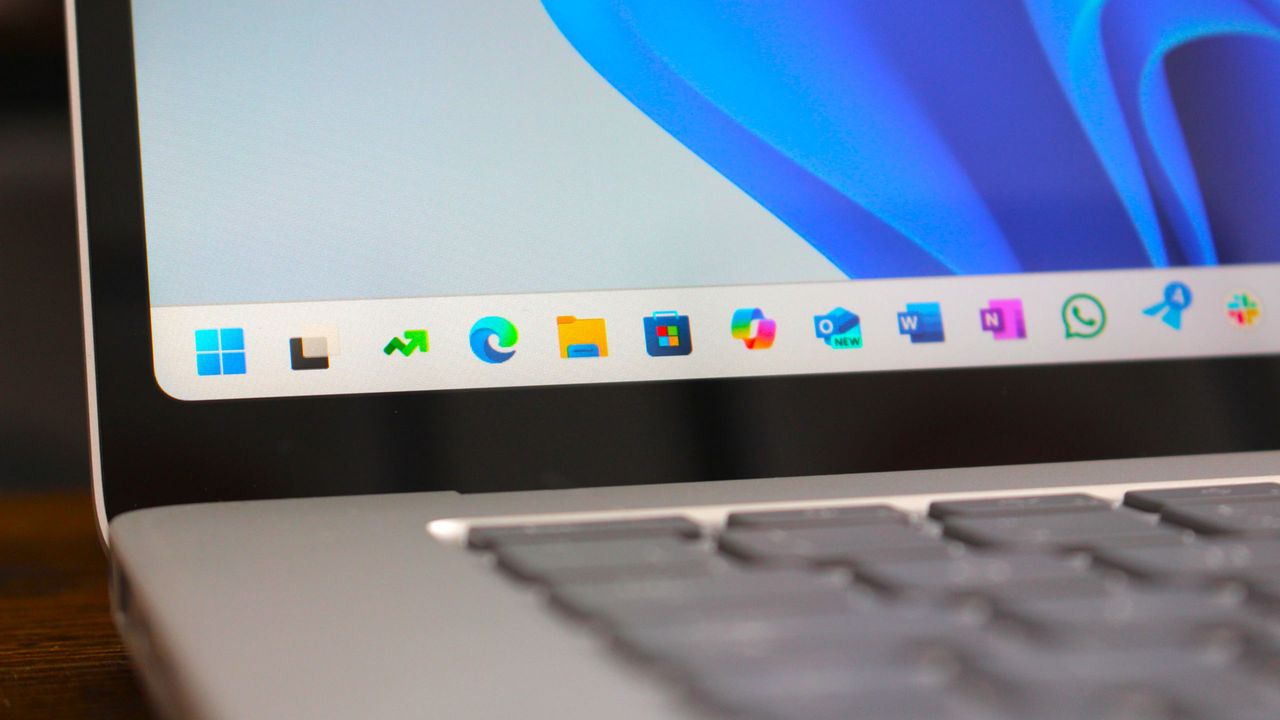
Microsoft is finally updating its long-standing kernel policy, which previously allowed old drivers with expired certificates to run and be trusted by the Windows 11 NT Kernel. This change means that Microsoft's early 2000s program for cross-signing root programs as valid will no longer function. This program had enabled NT Kernel-trusted code signing programs to execute even after their certificates expired. As a result, third-party driver developers, such as printer makers with their old printer drivers, could run old drivers on Windows 11 without a valid security certificate. However, this is coming to an end, as Microsoft will use its April update to instruct the Windows NT Kernel to only accept new drivers signed through the Windows Hardware Compatibility Program (WHCP).
The WHCP will ensure that each driver receives a valid security certificate that meets Microsoft's security standards. This update will be implemented with OS versions Windows 11 24H2, 25H2, 26H1, Windows Server 2025, and future releases. Despite this change, Microsoft will still allow Windows to load older, trusted drivers to maintain backward compatibility and its long-standing plug-and-play feature. The April 2026 Windows update will begin enforcing the new policy in evaluation mode on supported systems. During this period, Windows will monitor driver activity and only fully activate the policy once it determines that doing so will not cause compatibility issues. Microsoft is also maintaining a curated allow list of reputable cross-signed drivers, ensuring that widely used software and hardware can continue to function where necessary, easing the transition.
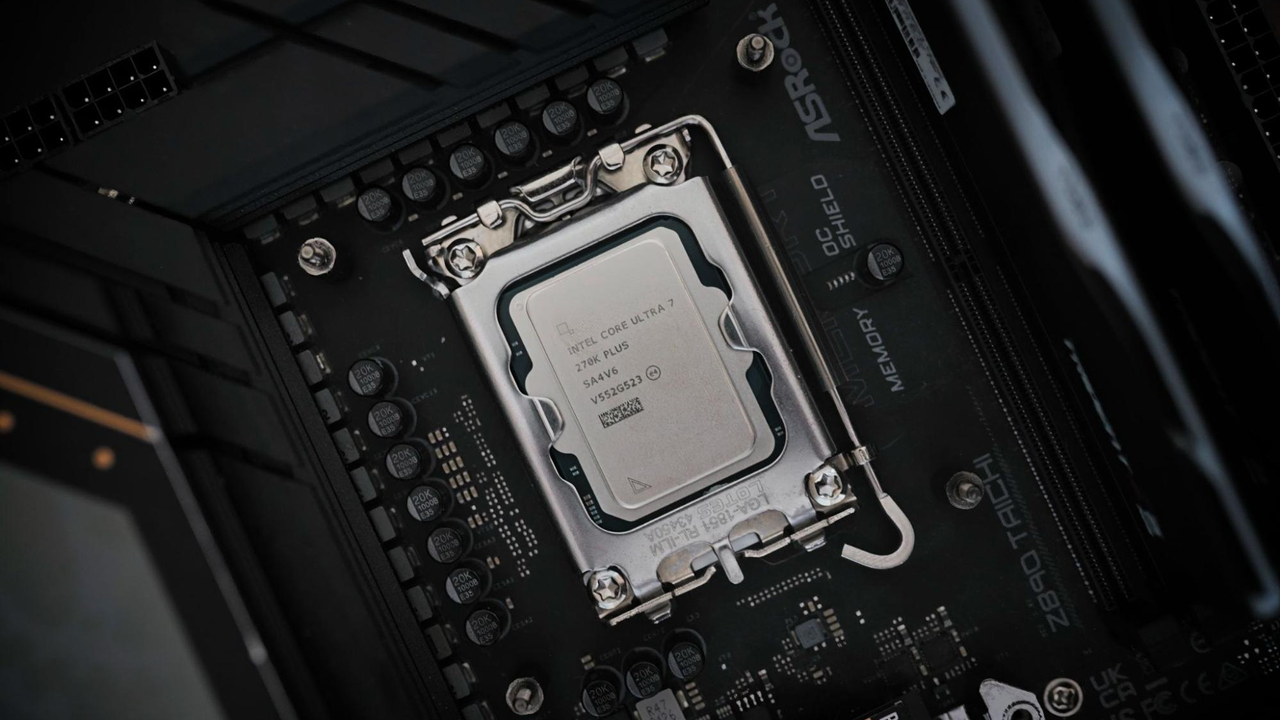
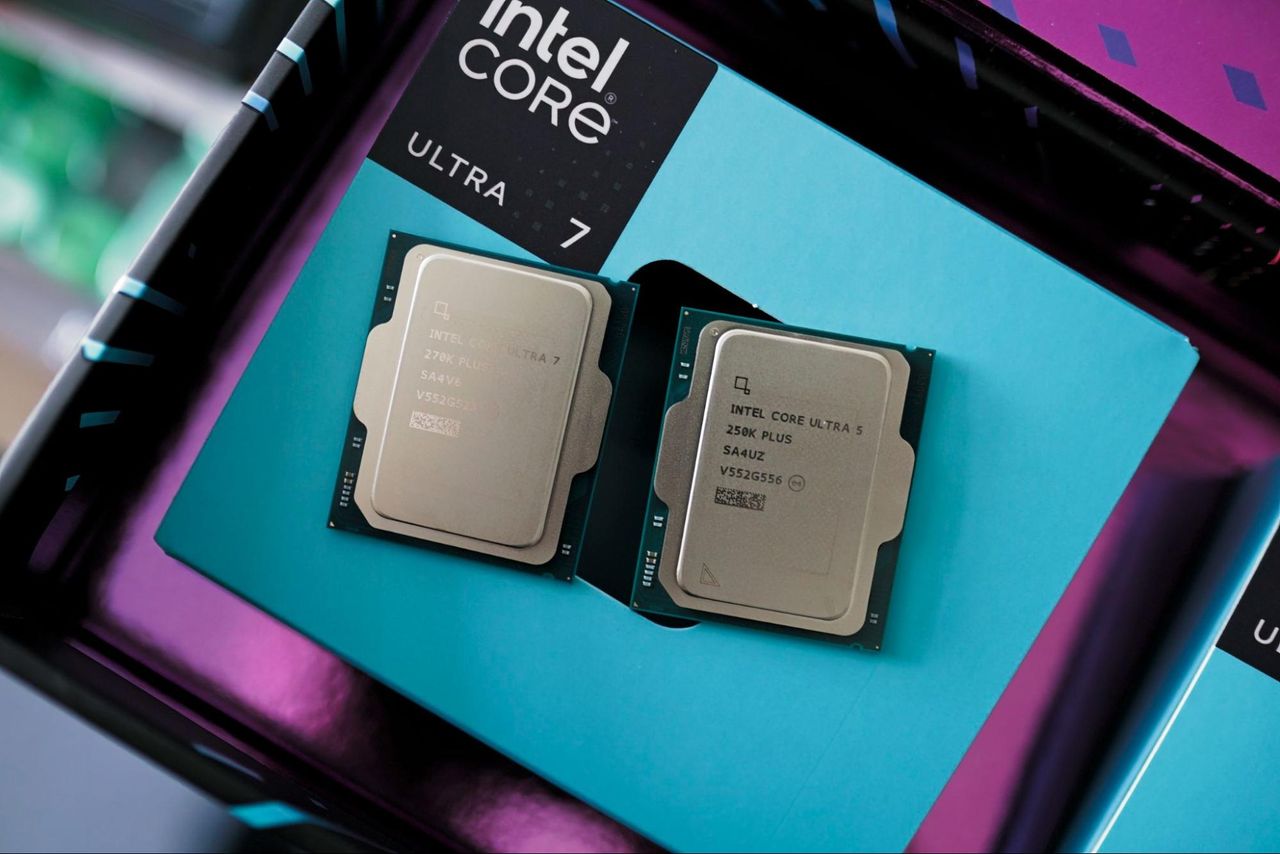
Following Intel's recent launch of the Core Ultra 200S Plus desktop CPUs, Maingear has announced three new MG-1 series pre-built desktop PCs based on the new Intel Arrow Lake Refresh CPUsf. All three PCs feature the same Maingear Epic 360 AIO cooler, MG-1 case, and case fan setup, consisting of 3× 120 mm RGB intake fans, 2× 120 mm exhaust fans, and 1× 120 mm RGB rear exhaust fan. Front I/O is also identical across all three models, featuring dual USB 3.2 Type-A ports, a single USB 3.2 Type-C port, and a 3.5 mm combo audio jack, and the MG-1 PCs all come with Wi-Fi 7 and Bluetooth 5.4. All three MG-1 systems also come with the same 32 GB of DDR5-6000 memory running in dual-channel configuration and a 2 TB T-Force A440 Gen 4 M.2 NVMe SSD, and are preloaded with "Bloatware Free" Windows 11 installations. Gamers also receive a free copy of Resident Evil: Requiem and the Intel Holiday Bundle, which offers the choice of Battlefield 6, Assassin's Creed: Shadows, Sid Meier's Civilization VII, or Dying Light: The Beast.
The Maingear MG-1 Emerald is the least expensive version of the Intel Core Ultra 200S series PCs, coming in at $2,549, and is powered by an Intel Core Ultra 5 250K Plus with 18 cores (6 P-Cores, 12 E-Cores) and 18 threads in an MSI Z890 Gaming Plus WiFi motherboard, paired with an NVIDIA GeForce RTX 5070 12 GB GPU and an MSI 850 W I + Gold PSU. The $3,549 Maingear MG-1 Sapphire gets the Intel Core Ultra 7 270K Plus with 24 cores (8 P-Cores, 16 E-Cores), an NVIDIA GeForce RTX 5080 16 GB, and the same motherboard as the Emerald. The top-end Maingear MG-1 Amethyst keeps the same Intel Core Ultra 7 270K but bumps up the GPU to the NVIDIA GeForce RTX 5090 32 GB, with an MSI MEG Z890 Ace motherboard, a 1250 W 80+ MSI PSU, and a whopping $5,199 price tag. The MG-1 case used in the Amethyst, Emerald, and Sapphire pre-built PCs is compatible with Maingear's MG-1 Panels, which are themed front panels that can change up the look of a PC build.
ASUS today announced two new ExpertCenter P600 AiO models, the 27-inch PM640GA and the 24-inch class PM670GA. The ExpertCenter P600 AiO is an all-in-one Copilot+ PC, designed to deliver next-generation AI performance for business. Powered by up to an AMD Ryzen AI 7 processor with up to 50 NPU TOPS, it combines immersive visuals, AI-enhanced collaboration and enterprise-grade security in a sleek and versatile design.
With its edge-to-edge touchscreen, adjustable stand options and built-in security features, ExpertCenter P600 AiO is engineered for the evolving needs of modern offices, retail counters and educational environments—empowering employees to work faster, collaborate smarter and stay more secure.
ASUS ExpertBook B3 G1, announced today, is a configurable laptop designed for business, available in 14-inch and 16-inch models and featuring a durable, lightweight design starting from just 1.44 kg, a 180° lay-flat design, advanced AI integration, enterprise-grade security, and seamless hybrid collaboration.
Powered by up to the Intel Core Ultra 7 (Series 2) processors with integrated GPU and NPU acceleration, ASUS ExpertBook B3 G1's advanced AI features—including ASUS MyExpert, Microsoft Copilot, and noise-canceling technology—streamline productivity across meetings, content creation, and multitasking scenarios. The lightweight, easily-maintained design offers extensive I/O options and support for high-speed Wi-Fi 7 connectivity. Security is strengthened by ASUS ExpertGuardian, delivering NIST SP 800-193-compliant BIOS protection, dual ROM recovery, and TPM 2.0 encryption for robust data resilience.
In the US, the standard PS5 will increase from $549 to $649, while the Digital Edition rises from $499 to $599. The PS5 Pro sees the largest jump, climbing from $749 to $899, and the PlayStation Portal moves from $199 to $249.
According to TrendForce's latest data, shipments of OLED monitors saw massive growth in 2025. Manufacturers shipped a total of 2.7 million units, marking a 92% increase compared to the previous year. The consulting firm noted that the impressive momentum has been largely sustained by substantial promotional campaigns from major industry brands.
Advertisers can now generate short videos directly inside Google Ads using Veo, Google’s most advanced generative video model — no video production required.
How it works. Upload up to three static images into Asset Studio and Veo generates videos up to 10 seconds long with natural motion, designed specifically for YouTube formats and audiences. These can then be turned into ready-to-serve ads using customisable templates.
What else it can do. Combined with Nano Banana, advertisers can adapt creatives further — swapping backgrounds, adjusting messaging, and tailoring content to specific audience interests.
The bigger picture. This follows Google’s earlier rollout of video templates and automatic video creation in Demand Gen campaigns, and represents the next step in Google’s push to make video creative accessible to advertisers of all sizes without dedicated production resources.
Why we care. Video consistently outperforms static creative on YouTube — but producing it has always required time, budget, and expertise. Veo removes most of that barrier, letting advertisers turn existing product images into polished video ads in minutes. For teams running image-heavy campaigns who have been unable to compete in video placements, this changes the equation significantly.
Early testing. Hop Skip Media founder Ameet Khabra shared some early results of the testing she did showing a video she created on LinkedIn. Her review is:
“Consumer product brands with clean imagery and inherent motion logic will get the most out of this”
The bottom line. As Google continues building AI creative tools directly into the ads platform, the gap between advertisers with production budgets and those without narrows. For anyone who struggles to get video production budget approved and have assets with inherent motion logic, now could be the best time to test AI-generated video in Google Ads.
Brieflet reads everything from your sources—news, blogs, YouTube, Reddit, academic journals—and twice a day gives you a short, personalized brief of what matters. You can shape what you see over time by talking to a built-in AI assistant in plain language. Available on web and iOS.
QuotePro is a quoting, scheduling, and CRM platform for residential and commercial cleaning businesses. It helps you price jobs with 200+ calculators, send branded multi-tier proposals in seconds, and automate follow-ups that sound like you. Use the web or iPhone app to track leads, schedule work, and view revenue metrics in one place. Integrate accepted quotes with Jobber, accept payments via Stripe or Venmo, and quote in multiple languages to win more profitable jobs.
TeamPCP, the threat actor behind the supply chain attack targeting Trivy, KICS, and litellm, has now compromised the telnyx Python package by pushing two malicious versions to steal sensitive data.
The two versions, 4.87.1 and 4.87.2, published to the Python Package Index (PyPI) repository on March 27, 2026, concealed their credential harvesting capabilities within a .WAV file. Users are
Kodak's affordable do-it-all camera returns with the updated PixPro AZ653, adding USB-C charging to a versatile feature set, including 65x zoom and macro mode
Six Democrats sent a letter to the Director of National Intelligence seeking clarity on whether using a commercial VPN could strip citizens of their privacy rights by exposing them to foreign surveillance laws.
For less than $70 you can score the Fitbit Inspire 3 and make the most of its wide range of fitness features without having to splurge on an Apple Watch.
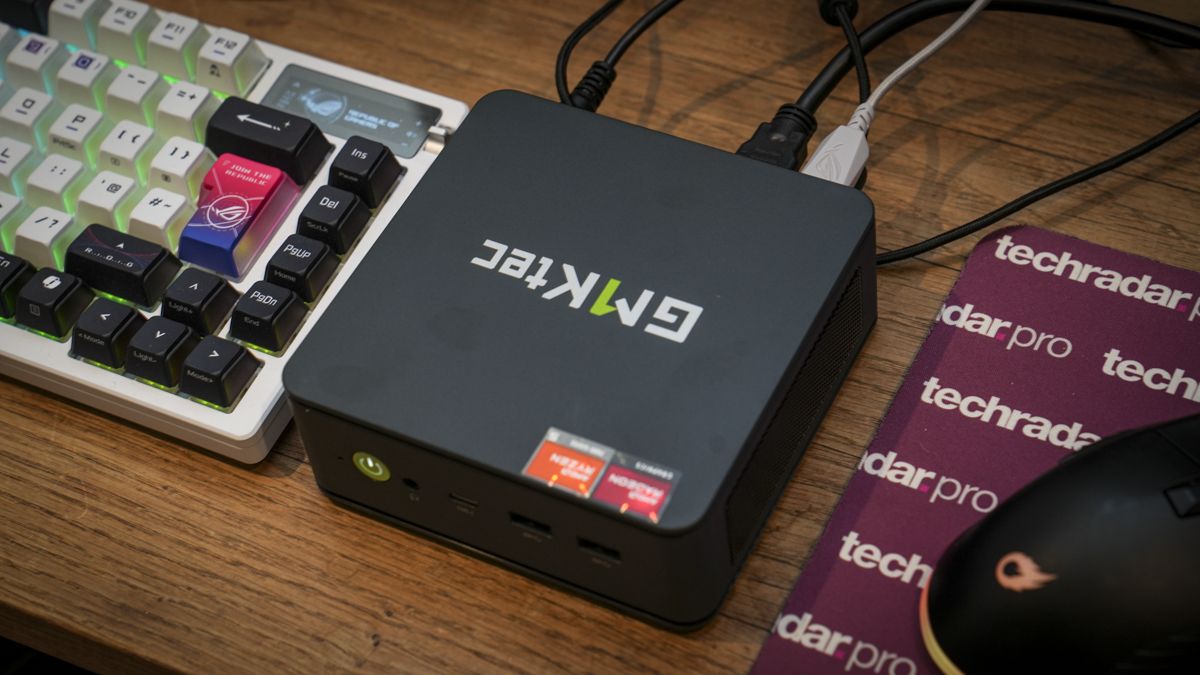
A stylish, highly upgradable Copilot mini PC with genuine AI credentials, impressive connectivity, and an OCuLink port for when you need a bit more processing power.
Before the Amazon Big Spring Sale ends, TechRadar's best deal hunters will be available to give personalized buying advice — here's what you need to know.
Google may have saved everyone from the RAMpocalypse Finally, we have some good news from the AI space. Google has announced new tech that has sent the stock prices of memory companies lower. Why? Google’s new “TurboQuant” tech promises to reduce AI’s memory usage by 6x. This tech could cause the AI industry’s demand for […]
A newly discovered Xbox Game Pass codename, TRITON, points to a first party game lineup, adding to speculation that Microsoft could be testing a different subscription offering.
Microsoft's controversial Xbox marketing campaign "This is an Xbox" was almost immediately ended after new CEO Asha Sharma came on board. Microsoft explains why.
For many, one of the factors that helped build hype for Crimson Desert leading up to the game's recent launch was its lenient minimum and recommended system requirements, and Pearl Abyss delivered on much of that hype, even though there were issues with Intel Arc GPUs at launch. Overall, the game boasted high player counts and positive retention post-launch, and Korean publication, Inven, reports that the game sold over 2 million units on launch day and 3 million within four days. Pearl Abyss has also reportedly started the R&D process for a potential Nintendo Switch 2 port of Crimson Desert.
According to Pearl Abyss CEO, Heo Jin-Young, there will be a compromise in graphical quality with a potential Switch 2 port, but he also notes that the studio cannot make any promises about a future Switch 2 release. However, the studio is committed to expansion into multiple platforms, including mobile, as a medium-to-long-term strategy. The studio is also considering the possibility of mods for Crimson Desert, but it seems reluctant to support mods, because it would require the studio to open up parts of the proprietary game engine. Aside from the potential Switch 2 port, Pearl Abyss plans to support Crimson Desert in the long term with new content and by expanding on the game's existing content—all while the original core developers from Crimson Desert work on the studio's next title, DokeV, an open-world creature-collector action-adventure game that was announced in 2021 and is slated for launch sometime in 2028.
In a sharply worded 43-page order, US District Judge Rita F. Lin said the government's actions appeared to be driven by retaliation rather than legitimate security concerns. "The record supports an inference that Anthropic is being punished for criticizing the government's contracting position in the press," Judge Lin wrote. "Nothing...
According to France-based tipster Gyo, the PlayStation Portal is expected to rise from €219.99 to €249.99 following the hike, while the PS5 Slim Disc Edition could increase from €549.99 to €649.99. The PS5 Pro is also set to become €100 more expensive, going from €799.99 to €899.99.
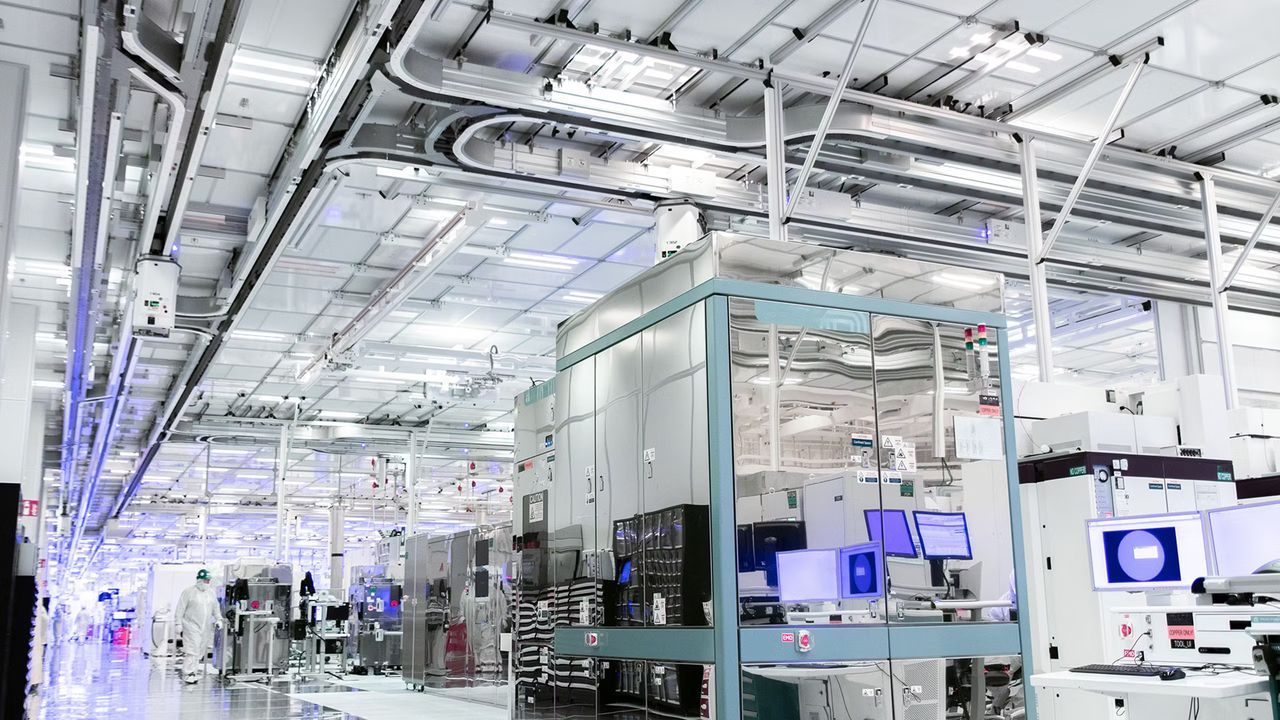
French industrial gas supplier Air Liquide opened a new factory near the port of Taichung, Taiwan, on Wednesday, as the semiconductor industry faces a worsening helium shortage.
Google is testing AI-generated summaries in YouTube feeds, replacing video titles with auto-written synopses.
Some YouTube users are seeing video titles replaced by AI-generated summaries in the Android app. Reports on Reddit showed title-less video cards with collapsible summary boxes instead.
The details. Video thumbnails remain, but titles are missing in some cases.
AI summaries appear in expandable text boxes beneath each video.
Users must tap to expand summaries to understand the content.
The test appears limited to YouTube on Android.
What it looks like. Here’s a screenshot Reddit user GrimmOConnor shared:
Why we care. This further abstracts creator metadata and reduces control over how your YouTube content appears. Titles remain a critical ranking and click-through signal. Replacing them with AI summaries can impact keyword targeting, brand voice, and intent matching — and increase the risk of inaccuracies that hurt performance.
Google confirmed a “small” and “narrow” experiment replacing original page titles with AI-generated versions in Search results.
According to Google, the goal is to better match queries and improve engagement.
But examples showed Google shortening or rewording headlines, changing tone and meaning.
Reaction. Early feedback suggests a worse browsing experience. Expanding summaries slows discovery and adds friction to content selection, which runs counter to YouTube’s engagement goals.
What’s next. There’s no official confirmation from YouTube on a broader rollout. The missing titles may be a bug, but the AI summary feature aligns with Google’s broader push into generative AI.
Looking to take the next step in your search marketing career?
Below, you will find the latest SEO, PPC, and digital marketing jobs at brands and agencies. We also include positions from previous weeks that are still open.
Job Description Salary: $21.27-$25.85 hourly The Marketing Specialist Acquisition will play a key role in overseeing and managing Syntrios digital marketing efforts to drive awareness, engagement, and conversions. This role is responsible for overseeing and executing integrated campaigns across several online channels. Key Responsibilities: Implement, monitor, and improve PPC campaigns (Google, Bing, etc.) Plan and […]
Why USA Clinics Group? Founded by Harvard-trained physicians with a vision of offering patient-first care beyond the hospital settings, we’ve grown into the nation’s largest network of outpatient vein, fibroid, vascular, and prostate centers, with 170+ clinics across the country. Our mission is simple: deliver life-changing, minimally invasive care, close to home. We’re building a […]
Description Lightburn is hiring a Search Optimization Manager to drive the research, strategy, and execution of SEO and emerging search optimization needs. This role combines deep analytical research with hands-on optimization to improve visibility, discoverability, and performance for a wide range of clients. You’ll own SEO and GEO strategy for clients by conducting competitive analysis, […]
Job Description The intern supports strategic projects within the Organic Growth and Digital Strategy teams. These projects include tracking brand visibility across Large Language Models (LLMs), assisting with AI-driven search analysis, documenting organic discovery trends, and supporting brand authority research across search engines and social platforms. This opportunity provides a unique, “behind-the-scenes” view of how […]
Benefits: Competitive salary Health insurance Opportunity for advancement Paid time off Training & development Digital Marketing Specialist (SEO Focus) Company: Direct Clicks Inc. Job Type: Full-Time or Hourly Based on Experience Location: Remote Candidates must be located within driving distance of Roseville, Minnesota for occasional in-person team meetups. About Direct Clicks Inc. Direct Clicks Inc. […]
Company Description At Sectigo, we align around our mission and pride ourselves in helping thousands of customers sleep better at night. Sectigo is the most innovative provider of certificate lifecycle management (CLM), delivering comprehensive solutions that secure human and machine identities for the world’s largest brands. Sectigo’s automated, cloud-native CLM platform issues and manages digital […]
Job Description Kuhn Raslavich is seeking a Digital Marketing Manager to lead and execute the firm’s digital strategy across web, SEO, social media, content, and analytics. This is a hands-on role ideal for someone who can operate as a department of one, build processes from the ground up, and elevate a growing law firm’s digital […]
Omniscient Digital is an organic growth agency that partners with ambitious B2B SaaS companies like SAP, Adobe, Loom, and Hotjar to turn SEO and content into growth engines. We pride ourselves on being lean, agile, and experimental. Our team thrives on R&D and innovation, always exploring the smartest ways to deliver exceptional results. We believe […]
SEO Operations Associate (AI Search) We’re hiring a hungry, detail-obsessed operator to help execute and manage SEO + AI search campaigns for fast-growing companies. This is not a traditional SEO role. You’ll be working directly on cutting-edge AI search (ChatGPT, Perplexity, Gemini) while helping drive execution across multiple client projects. If you’re organized, sharp, and […]
We are seeking an experienced SEO Strategist to assist our team on a full-time basis. This is an exciting opportunity for a data-driven individual with a creative mindset who thrives on delivering exceptional results. If you are a problem-solver with a passion for SEO and a desire to make a meaningful impact, we want to […]
Responsibilities Executing lead generating paid media strategies and campaigns across digital ad platforms such as LinkedIn Ads, Google Ads, Meta Ads, Reddit Ads, and other relevant advertising channels Trafficking advertising campaigns into digital platforms, including ad creative, keywords, URL UTMs, audience building, and more. Ensuring that advertising messages align with client or company objectives Measuring […]
JustFab is currently looking for a Paid Media Specialist This position will report to the Sr. Manager, Media. Key Responsibilities Media Management & Optimization Build, launch, and manage media campaigns across major platforms including, but not limited to, Google, Meta, TikTok, Snapchat, Pinterest, and other emerging channels, with the ability to quickly learn and adopt […]
Benefits 401(k) Bonus based on performance Competitive salary Dental insurance Free food & snacks Health insurance Opportunity for advancement Paid time off Training & development Vision insurance Are you passionate about supporting business owners and helping them grow? Do you enjoy being the go-to partner who helps clients show up at the right moment and […]
About WPP Media WPP is the creative transformation company. We use the power of creativity to build better futures for our people, planet, clients and communities. For more information, visit wpp.com. Role At WPP Media, we believe in the power of our culture and our people. It’s what elevates us to deliver exceptional experiences for […]
We are seeking an experienced and results-driven Paid Search Manager to oversee the strategy, execution, and optimization of paid search marketing campaigns. The ideal candidate will have a strong background in digital advertising, data analysis, and campaign optimization, with the ability to manage large-scale paid search initiatives that drive measurable growth and return on investment. […]
Organic Growth: Build and execute the SEO roadmap across technical, content, and off-page. Own the numbers: traffic, rankings, conversions. No handoffs, no excuses.
AI-Optimized Search (AIO): Define and drive CARE.com’s strategy for visibility in AI-generated results — Google AI Overviews, ChatGPT, Perplexity, and whatever comes next. Optimize entity coverage, content structure, and schema to ensure we’re the answer, not just a result.
We’ve all seen the charts going viral on LinkedIn. They’re everywhere at this point. Multiple industry studies, even this research from Semrush, confirm that Wikipedia and Reddit are the top-cited domains across major LLM platforms — and CMOs are running with this data.
The response is predictable: Just search for any bottom-of-funnel (BOFU) software query, and you’ll find Reddit threads in the top-ranking positions. This is exactly why the market is currently flooded with “Reddit SEO” agencies:
Just stop.
Taking this macro context — or a few isolated, high-ranking SERPs — and pivoting your entire GEO strategy toward Reddit or Wikipedia is a massive strategic error for the majority of B2B brands.
Why CMOs are misguided by the Reddit hype
The algorithmic tide is running toward massive community forums and open-source encyclopedias. That shift is real — but how it’s being interpreted isn’t.
The charts driving this executive FOMO are mathematically accurate, but they’re strategically misguided. Applying them as a universal GEO playbook ignores why that aggregate data exists and why certain pages rank for high-intent queries.
Reddit is the primary target because it’s perceived as easier to influence. While the industry respects Wikipedia’s ironclad editorial guardrails, Reddit is often viewed as an open loophole.
This is a classic case of marketing whiplash, where teams abandon foundational principles to chase the shiny new object.
To understand why Reddit and Wikipedia are a high-effort, low-upside channel for the vast majority of brands, you have to look at the context executives ignore.
“Wikipedia, Reddit, and YouTube are heavily cited by LLMs because they are massive websites with a topical footprint that spans into a million different areas.”
By default, they’ll always get the most aggregate LLM citations.
High-ranking Reddit threads on BOFU queries can’t be reproduced
When you see a Reddit thread driving CTR for a specific BOFU software query, it’s tempting to view it as an SEO loophole that can be easily reverse-engineered. This is incorrect.
In reality, this is a scenario where the “voice of the customer” largely dictates who gets recommended.
This isn’t an SEO hack or a growth trick. It’s the culmination of years of actual human peer reviews and real discussion on a topic that has reached a definitive consensus. Your marketing team can’t microwave this historical, multi-year, authentic brand sentiment.
Claiming you need a Reddit or Wikipedia strategy because they are the most-cited domains overall is like claiming spaghetti carbonara is the most-eaten dish in Italy. Yes, it’s ubiquitous and popular, but just because it’s everywhere doesn’t mean you should put it on the menu at a high-end steakhouse.
The illusion of ‘hacking’ Reddit and Wikipedia for AI visibility
Even if you ignore the macro context and decide to aggressively pursue a Reddit or Wikipedia SEO strategy, you’ll quickly realize how LLMs actually process data.
Hacking them for AI citations is an illusion built on a fundamental misunderstanding of what LLMs are looking for. When you look at the mechanics of AI citations, two massive roadblocks emerge.
Historical consensus can’t be microwaved
Thirsty SEO agencies will frequently pitch Reddit marketing services, promising to generate hundreds of upvotes and comments to trigger LLM visibility. But the data shows LLMs don’t care about manufactured virality.
Up to 80% of Reddit threads cited by AI have fewer than 20 upvotes, according to Semrush. More importantly, the average age of a cited post is roughly 900 days. LLMs are surfacing historical, established consensus, not yesterday’s growth hack.
Wikipedia editors will just delete you
The exact same brutal reality applies to Wikipedia. A Princeton University study analyzing AI-generated Wikipedia content revealed exactly what happens when marketers try to “hack” the encyclopedia with generative tools.
Researchers found that when users utilized AI to create self-promotional pages for businesses, the articles were mathematically lower in quality, lacking proper footnotes and internal links.
The result?
Human moderators quickly identified the low-effort content, deleted the pages for “unambiguous advertising,” and actively banned users.
Paraphrasing destroys narrative control
Even if you successfully infiltrate a subreddit or a Wikipedia page without getting banned, you lose control over your product positioning. Benji Hyamnotes that Reddit mentions are typically too short and lack the depth necessary for an LLM to associate your product with a specific problem and solution.
The Semrush data also proves this: AI tools don’t quote Reddit word-for-word. They blend and paraphrase discussions (showing a semantic similarity score of just 0.53).
Your carefully crafted value proposition will be mashed up with random, anonymous user comments, or stripped down to dry, encyclopedic neutrality, diluting your brand narrative entirely.
Posting on Reddit isn’t an SEO strategy — it’s shouting through a bus window, hoping to join the conversation. At best, it’s a short-term tactic. At worst, it actively damages your brand.
The lack of ROI is only half the problem when it comes to building a Reddit or Wikipedia presence. The much larger issue is the active harm it can inflict on your brand’s image.
Brands that treat these platforms as loopholes for AI citations fundamentally misunderstand their architecture.
As Eli Schwartzpoints out, trying to replicate decades of genuine human conversation with templated brand messaging isn’t just ineffective — it’s a massive reputational hazard.
Reddit communities are aggressively moderated
Subreddits and wiki pages are policed by passionate human moderators and veteran Wikipedia editors. They’ve seen every variation of corporate infiltration.
A new account dropping a link, manufacturing enthusiasm, or violating Wikipedia’s strict conflict of interest (COI) guidelines is flagged, reverted, and banned almost immediately. Sometimes, this is accompanied by a public callout (featured on subreddits like r/hailcorporate), causing more brand damage than the campaign was ever worth.
LLMs ingest deleted spam and banned accounts
This is the most critical and misunderstood risk. Reddit sells its data directly to companies like Google and OpenAI. Wikipedia’s entire edit history is completely open source.
LLMs aren’t just scraping the public-facing websites. They’re receiving the entire firehose of data (including deleted posts, reverted wiki edits, and banned accounts). When your agency’s fake comments or promotional product descriptions get removed by moderators, those AI models still see the manipulation.
Astroturfing creates a permanent negative trust signal
Because the AI models have full visibility into the moderation pipeline, links or mentions flagged as inauthentic carry negative weight. By attempting to game the system, you’re essentially training the AI to associate the brand with spam and coordinated manipulation.
Once you accept that hacking Reddit or Wikipedia is both ineffective and dangerous, you have to look at where LLMs are actually pulling their answers from when a buyer is ready to make a purchase. When you filter for high-intent, BOFU prompts, the “Reddit/Wikipedia is everywhere” narrative falls apart.
Using AI visibility platforms like Scrunch AI exposes Reddit’s and Wikipedia’s true influence on specific target categories. For one B2B client, tracking 300+ custom prompts generated thousands of LLM responses, but just two specific Reddit threads were responsible for the vast majority of citations.
The Wikipedia data was even more revealing.
For high-intent software queries, the encyclopedia barely registered. When AI tools cited Wikipedia, they were almost exclusively scraping broad, top-of-funnel category definitions, or pulling background facts from a specific company’s history page.
Data from Grow and Convert shows the same thing. For trucking software queries, LLMs consistently cited domains like PCS Software and TruckingOffice.
For project management queries, the AI cited specialized software review sites and niche blogs.
If you’re chasing platforms simply because they cover massive topical geography, you’re making a painful error. You don’t need to be visible everywhere. You only need to be visible in the specific digital neighborhood that influences your flagship category.
How to actually earn AI recommendations: Owned content and niche citations
Winning in AI search requires optimizing for targeted influence rather than aggregate metrics. The most effective GEO strategy abandons massive topical geography and focuses entirely on the pillars you can actually control.
Publish deep, human-written owned content
Your website remains your most powerful asset. To be recommended, you must provide the specific, granular depth the AI needs to understand your value. Your key product and solution pages need to explicitly cover:
Who the product is for.
How it’s used.
The specific pain points it solves.
Its core benefits.
This depth is exactly what gives you a chance at showing up for the highly specific, long-tail queries a customer types into an AI when evaluating products.
Execute targeted citation outreach
Use AI visibility tools to identify the specific, niche domains that currently influence your flagship categories. Once you know which industry blogs, review sites, and peer publications the LLMs are actually citing for your BOFU queries, execute targeted outreach to earn your place on those exact lists.
If you want a Reddit or Wikipedia strategy, respect their ecosystems
Reddit and Wikipedia carry real authority, and earning trust there is valuable independent of AI visibility. If you choose to invest in them, it must be a long-term play, not a marketing hack.
Engage authentically on Reddit: Answer questions, provide unique insights, and participate in discussions where your buyers actually hang out. Build street cred before recommending your own tools.
Build a branded subreddit for transparency: Create an official space for your team to share expertise, host AMAs, and answer product questions openly.
Monitor conversations for product insights: Use the platform to spot emerging pain points and shifts in sentiment before they hit traditional search engines.
Leave Wikipedia to the experts: If your brand genuinely deserves a Wikipedia page, it will be created by independent editors using reliable secondary sources. Don’t try to write your own product entry.
The path to AI visibility runs through your own domain and the highly specific digital neighborhoods your buyers trust. AI engines reflect the authority you already have. If you want the algorithm to recommend your brand, then you have to do the work to actually be recommendable.
Cybersecurity researchers have disclosed details of a now-patched bug impacting Open VSX's pre-publish scanning pipeline to cause the tool to allow a malicious Microsoft Visual Studio Code (VS Code) extension to pass the vetting process and go live in the registry.
"The pipeline had a single boolean return value that meant both 'no scanners are configured' and 'all scanners failed to run,'" Koi
A Mac user since the 1980s — and former Apple magazine editor — looks back on 50 years of Apple to explore how it went from rebellious outsider to tech giant while still managing to feel a little magical.
As TechRadar's deals editor, I've spent hours shopping Amazon's Big Spring Sale so you don't have to – here are 25 deals that are actually worth buying.
Handala, a pro-Iranian hacking group allegedly working for Iran’s government, published emails it said were taken from the Gmail account of FBI director Kash Patel.
When an 82-year-old Kentucky woman was offered $26 million from an AI company that wanted to build a data center on her land, she said no. Sure, that same company can try to rezone 2,000 acres nearby anyway, but as AI infrastructure stretches further into the real world, the real world is starting to push back. That tension is everywhere […]
PlayStation 5 console prices are rising, and Sony blames the “global economic landscape” Sony has officially confirmed that its PlayStation 5 consoles are set to receive a price hike. All PlayStation 5 console models are affected, including the PlayStation 5 Pro. Baseline consoles will see their prices increase by $100, while the Pro will see […]
The Geekom IT13 is our no.1 mini-PC for its reliably quick performance for productivity tasks, 4K monitor support, and compact design, and it's now on sale for a 33% Amazon Spring Sale discount.
Sony has raised PS5 prices across multiple regions, and early comparisons show Xbox hardware now offers better value in several markets, shifting the pricing landscape between the two platforms.
Alienware announced a refresh for its flagship Area-51 and Aurora gaming laptops at CES 2026, and they're now available to buy from Dell. Best part? The older models are enjoying some heavy discounts.
Stock prices of DRAM manufacturers dipped by as much as 19% over the past 5 days, over the March 24 announcement of Google TurboQuant, a new technology that Google claims will reduce the memory footprint of AI models by a factor of 6, and improve inference speeds by a factor of 8. As of this writing, Micron Technology (NASDAQ: MU) dipped 19.5% over the last 5 days. Over in Korea, SK Hynix saw its stock price drop by 6%, while Samsung Electronics saw a dip by 5%.
TurboQuant is an advanced quantization algorithm developed by Google that delivers massive data compression for LLMs and vector search engines. It effectively tackles memory bottlenecks in the key-value cache and accelerates similarity lookups without sacrificing model accuracy. TurboQuant achieves this efficiency by combining two novel techniques: PolarQuant, which simplifies data geometry using polar coordinates to eliminate traditional memory overhead, and Quantized Johnson-Lindenstrauss (QJL), a 1-bit mathematical error-checker. Capable of compressing the key-value cache to just 3 bits without requiring fine-tuning, TurboQuant enables up to 8x faster runtimes on GPUs, establishing a new standard for AI efficiency.
Judge Jane Boyle of the US District Court for the Northern District of Texas ruled Thursday that X failed to show any "antitrust injury," such as a measurable benefit to rival social media companies. "The very nature of the alleged conspiracy does not state an antitrust claim, and the court...
Speaking to Ian King on CNBC's Europe Early Edition, Puzder said, "If the European Union is going to participate in the AI economy... They're going to need data centers, data and access to the United States AI hardware stack, and you can't overregulate and move the goal post on regulations...
Starting this month, using smart TV features on Vizio TVs will require signing in with a Walmart account. It remains unclear which models are affected, but the stipulation will likely apply to all new TV sets. The retail giant confirmed to Ars Technica that users can combine their pre-existing Vizio...
PlayStation 5 consoles are once again receiving price hikes due to the global economic crisis. The disc and digital editions of the base console are $100 more expensive now, while the PS5 Pro is up $150, now costing $900. You still have a few days to secure these consoles before the new pricing comes into effect from April 2.
The U.S. Supreme Court ruled against Sony Music Entertainment in its case against Cox Communications alleging that the ISP is liable for its users' illegal sharing of copyrighted content.
Just six weeks after launching its ad pilot, OpenAI has hit a significant milestone — and the platform is still in its early stages of rollout.
The numbers.
Over $100 million in annualized ad revenue, generated from less than 20% of eligible US free and Go tier users seeing ads daily
Around 85% of Free and Go users are eligible to see ads — meaning the current revenue represents a fraction of the platform’s eventual ad capacity
More than 600 advertisers are now on the platform
What’s coming next.
Self-serve advertiser access is on track to launch in April
Geographic expansion into Canada, Australia, and New Zealand is being explored
OpenAI has hired former Meta ad executive Dave Dugan to lead ad sales
Why we care. ChatGPT’s ad business has scaled to $100 million in annualized revenue in just six weeks — and that’s from less than 20% of eligible users seeing ads today, meaning the inventory is about to get significantly larger.
Self-serve access launching in April is the moment this becomes accessible to the broader advertiser market, not just the 600+ brands currently in the managed pilot. Getting in early, before competition drives up costs, is the same playbook that rewarded early movers in search and social advertising.
The quality picture. OpenAI says fewer than 7% of ads are rated by users as “low relevance” — a metric the company says they are actively focused on improving alongside user trust.
The bigger context. Ads are a key part of OpenAI’s path to profitability ahead of an anticipated IPO. Executives have told investors the company expects to generate more than $17 billion from ChatGPT consumers in 2026 — with advertising representing a meaningful slice of revenue from its free user base.
The bottom line.$100 million in annualized revenue from less than 20% of eligible users in six weeks is a strong early signal. When self-serve access opens in April and the eligible audience expands, the numbers could scale quickly — and advertisers who have been waiting on the sidelines may soon find the platform harder to ignore.
OpenAI have been pumping out the ads ads for free-tier ChatGPT users in the US for over a month now, and early testing suggests they’re more frequent and more targeted than many users might expect.
How often they appear. In a test of 500 questions across the mobile app, roughly one in five questions in a new conversation thread triggered an ad at the bottom of ChatGPT’s response — always as a website link button, always tailored to the topic of the question.
What kind of ads appeared. The range was broad — dog food, hotel bookings, productivity software, cruise vacations, streaming services, corporate credit cards, AI coding tools, and basketball tickets, among others. Travel questions triggered ads most frequently; asking for help planning a trip to Palm Springs surfaced a Booking.com ad that automatically searched for hotels in that location.
The “poaching” dynamic. When a question mentioned a brand by name — DoorDash or Netflix, for example — the ad that appeared was sometimes for a direct competitor. Marketing professors describe this as a longtime staple of digital advertising now migrating to AI.
Why we care. ChatGPT ads are appearing roughly once every five questions on the free tier, with targeting based on conversation topic and memory — making it an emerging channel advertisers should monitor, particularly given the “poaching” dynamic that allows brands to appear against competitor mentions, a tactic already proven in search advertising.
What OpenAI says.
Ads do not influence ChatGPT’s answers
Full conversation content is not shared with advertisers
Ad targeting is based on question topic, past chats, and whatever ChatGPT has stored in memory about the user
Early signals show low ad dismissal rates and no impact on consumer trust metrics
The irony. OpenAI CEO Sam Altman called ads “a last resort” in 2024, saying the mix of “ads plus AI is sort of uniquely unsettling.” The company is now expanding the rollout to Canada, Australia, and New Zealand after its US pilot.
The big picture. Neither Google’s Gemini nor Anthropic’s Claude currently features sponsored ad buttons in outputs — though Google has said it’s not ruling it out. OpenAI is essentially pioneering a new ad format, and how it handles the balance between monetisation and user trust will shape whether AI advertising becomes a lasting industry or a cautionary tale.
Spotted. Digital marketer Glenn Gabe, shared on X how the ads are showing on mobile and confirmed it isn’t showing on Plus accounts.
The bottom line. For advertisers, ChatGPT’s ad inventory is becoming real, even though there is still a long way to go to prove ROI. However the platform’s credibility depends entirely on whether users feel the ads are eroding the experience. That’s a tension worth watching closely as the rollout scales.
You know SEO improves traffic, authority, and trust. What we don’t talk about enough is how a strong SEO foundation can help other channels, including PPC.
This practical case study will show you how performance marketing scales in a high-consideration B2B medical device market and how getting SEO fundamentals firmly in place enables paid media to deliver at scale.
B2B medical device marketing breaks most performance playbooks
Marketing a premium pelvic floor chair has little in common with selling SaaS tools or consumer products. This is a high-ticket medical device with a long sales cycle and a strong reliance on medical expertise.
Buyers include doctors, fitness centers, physiotherapists, urologists, and gynecologists. They ask detailed questions and have high expectations around clinical evidence, credibility, and long-term value.
In markets like this, many common performance tactics fail quickly. Increasing bids, expanding keyword coverage, or testing endless landing page variants doesn’t compensate for a lack of credibility and topical authority.
If potential buyers don’t trust the provider behind the product, no amount of optimization will create sustainable results. That was exactly the situation we faced at the outset of this project.
Starting point: Paid media with limited topical authority
At the end of 2023, we launched our first Google Ads lead generation campaigns. At that stage:
The website wasn’t optimized to modern SEO standards and lacked topical authority.
Conversion tracking was limited, which meant conversions were often attributed to the direct channel.
There were no clearly defined Google Tag Manager (GTM) events in place.
Conversions imported from GA4 meant delayed signals and limited usefulness for bidding algorithms.
Sales were happening, but primarily driven by word of mouth rather than by clearly attributable digital touchpoints.
Still, those early campaigns revealed something valuable. We began seeing our first sales coming through paid search. That wasn’t enough to scale, but it confirmed that search demand existed and could convert once the surrounding system improved.
The turning point: Treating SEO as revenue infrastructure
In mid-2024, we made a deliberate shift, treating SEO as revenue infrastructure instead of a secondary task or a nice-to-have initiative. Rather than focusing on quick ranking wins, the goal became building topical authority in pelvic health and creating the trust layer that paid media depends on, especially in medical markets.
The emphasis was intentionally top-of-funnel. The keyword and content strategy focused on education. We:
Mapped the full informational landscape around pelvic health, pelvic floor therapy, and non-invasive treatment options using Semrush.
Focused on the questions patients actually ask, explanations of treatment mechanisms, and comparisons between different therapeutic approaches. The content avoided aggressive selling and instead aimed to educate clearly and responsibly.
Invested in long-form articles with structured sections, FAQ elements, and embedded videos featuring our physiotherapists. The objective was to build a credible resource that users and search engines would trust over time.
Semrush Position Tracking development
Authority building through medical partnerships
Our most impactful SEO lever was authority and link building. The brand already worked closely with clinics and medical professionals who used the pelvic floor chair in their practices. Instead of relying on traditional outreach or guest posting, we developed a partner-driven backlink strategy.
We provided clinics using our chair with free, ready-to-use content ranging from performance campaign visuals (B2C lead generation) to educational materials and clinical studies on the effectiveness of the technology. In return, the clinics linked to our website from their dedicated product pages, using the content we supplied and creating natural, relevant references.
These weren’t generic backlinks. They came from trusted medical domains, embedded in highly relevant content, and aligned closely with how Google evaluates expertise and trust in healthcare contexts.
Over time, this resulted in steady growth in referring domains and a significant increase in topical authority. As the network graph from our Semrush backlink analysis shows, our strongest referring pages have high authority scores.
Semrush Network Graph for backlink analysis
They originate primarily from fitness studios, physiotherapy practices, and medical clinics. These relationships position the brand at the center of a tightly connected backlink network, reinforcing topical relevance and trust within the healthcare and wellness ecosystem.
By late 2024, the impact was clearly visible. The website ranked number one for the most important generic keywords, such as “Beckenbodenstuhl” (German for pelvic floor chair), and gained visibility across a broad range of related queries.
More importantly, organic visibility began shaping brand perception. Prospects encountered the brand repeatedly during their research phase, often through AI Overviews, long before ever clicking on an ad. SEO has effectively become a trust engine.
How organic dominance reshaped Google Ads performance
This is where paid media behavior started to change. A strong organic presence does more than drive unpaid traffic. It changes how users respond to ads.
When people already recognize a brand from their organic research, paid listings feel familiar and credible rather than intrusive. This is especially true with AI Overviews, where we held top rankings for the most important generic keywords related to our product.
This effect became especially clear in competitor campaigns. Users searching for alternative pelvic floor solutions clicked on our ads because we were a brand they had already encountered organically, and click-through rates reflected that trust.
With authority finally established, we restructured our Google Ads campaigns by:
Focusing on exact match keywords for core intent.
Clearly separating brand, generic, and competitor campaigns.
Bidding aggressively on competitor terms.
This was only possible because landing pages aligned perfectly with user intent and the brand already carried organic credibility.
In several competitor campaigns (competitor names are blurred out), click-through rates reached an astonishing average of 48.29%. In isolation, those numbers might seem unrealistic. In context, they were the natural result of strong organic preconditioning, with AI Overviews playing a major role, and the brand recognition we built through consistent visibility.
Fixing the signal: GTM events and CRM feedback loops
Another major improvement came from conversion tracking. We moved away from GA4-imported conversions and implemented GTM-native events designed specifically around meaningful lead actions.
This provided Google Ads with faster, cleaner signals and significantly improved Smart Bidding performance. In high-ticket B2B and medical markets, signal quality matters far more than volume, and optimizing toward the wrong conversion can do more harm than not optimizing at all.
The final step was closing the loop between marketing and sales. By integrating HubSpot CRM, we tracked lead quality beyond form submissions and identified which leads actually converted into revenue.
That information was fed back into Google Ads, allowing the algorithm to optimize toward outcomes that truly mattered, not just surface-level conversions. In long sales cycles, this feedback loop is essential.
With approximately $12,000 in total ad spend in 2025, the combined SEO and PPC system delivered strong year-over-year growth.
Unit sales driven by SEO and PPC increased by 140% from 2023 to 2024, followed by a further 79% increase in 2025.
Across the full two-year period, this represented more than a fourfold increase in sales volume, with digital marketing playing a central role in influencing revenue throughout a long and complex buying cycle.
This translated into a return on ad spend of approximately 133x, underscoring the compounding effect of aligning organic visibility, paid media, and clean conversion data.
What actually made PPC scale: Trust, signals, and SEO
The biggest takeaway for us was that SEO shouldn’t be viewed solely as a traffic channel. It has a direct impact on the quality of signals fed into paid media platforms, and those signals ultimately determine how well algorithms can optimize.
Paid search only begins to scale once a foundation of trust is in place. In categories where consideration cycles are long and credibility matters, ads perform much better when users already recognize the brand and perceive it as an authority in the field.
Sustainable, high ROAS is rarely the result of a single optimization. It’s built through interconnected systems that align SEO, paid media, tracking, and CRM feedback regarding lead quality.
Performance marketing itself doesn’t fail in complex markets. What fails is the assumption that complexity can be solved with simple tactics.
PostZapAI is an AI-powered social media management platform for creators, agencies, and businesses. Schedule content across 9 platforms – Twitter/X, LinkedIn, Instagram, Facebook, YouTube, Bluesky, Threads, TikTok, and Pinterest – from one dashboard. Claude AI writes platform-specific captions instantly, and a Viral Score Predictor scores your post before you publish. Content Repurpose AI turns any URL into 9 ready posts. It also includes team approval workflows, an India Festival Calendar, unified analytics, and a free Bio Page that replaces Linktree.
Currys has launched its Easter sale right now with discounts of up to 40% available across thousands of products, so I've searched the sale and hand-picked the 16 best deals on top-rated tech we love.
The tech giant's claim that it has not seen any successful spyware attacks targeting Apple devices with Lockdown Mode enabled comes amid a leak of hacking tools targeting users running devices with older software.
AEWIN is glad to launch our new member of AEWIN Network Expansion Modules, the NCT404. Built upon two Intel latest E610-XAT2 ethernet controllers, it provides quad-port 10GbE RJ45 with two pairs of Gen 3 bypass. It is full-height half-length PCIe CEM with PCIe Gen 4 x8 signals. NCT404 is compatible with AEWIN platforms and off-the-shelf systems for flexible configurations and optimized network resilience.
Intel new released E610-XAT2 features over 50% lower power consumption compared to previous generation controller (X710-AT2) which helps to lower operational costs in the meantime. In addition, Intel committed over 10-year full support lifecycle which makes it perfect to build new projects that are expected to have long-term support. For enhanced ethernet security, Intel E610-XAT2 features a hardware Root of Trust (RoT) for firmware resiliency.
Dimension-hopping developer Behaviour Interactive (Dead By Daylight) and rocket-jumping publisher Devolver Digital (BALL x PIT, Baby Steps) have joined forces to unveil Serious Sam: Shatterverse via today's Xbox Partner Preview showcase. This multiversal multiplayer FPS is based on the adventures of boomer shooter legend Sam 'Serious' Stone - whose over-the-top run-and-gun classic, Serious Sam: The First Encounter, celebrates its 25th birthday this year - but with an oh-so-modern roguelite twist.
Serious Sam: Shatterverse is a co-op FPS where five players can team up, blast through shifting universes, stack wild boons, bend the rules with run modifiers and hunt the deadliest forces of Sam's relentless arch-nemesis, the villainous Mental.
DEEPX, a Seoul-based fabless semiconductor company developing ultra-low-power AI inference chips for physical AI applications, has secured 27 commercial purchase orders across eight countries within seven months of starting mass production of its first-generation AI chip—a pace that industry observers describe as highly unusual for an emerging fabless company at such an early stage of commercialization.
The orders span seven major Physical AI application domains, including robotics, smart factories, edge AI servers, industrial AI, surveillance, AI IT services, and smart cities, with deployments now active across Asia, North America, and Europe.
Nvidia says that DLSS 5, due later this year, is designed to sit on top of existing assets, taking a 2D frame plus motion vectors and inferring more photorealistic lighting and materials in real time. The company pitches it as a leap toward more lifelike visuals, but critics see it...
The report is the latest reminder that Washington's export controls can still be circumvented by embedding advanced GPUs inside full server products. The US first moved against chips such as Nvidia's A100 in October 2022, then tightened the rules in October 2023 with additional measures and broader licensing requirements aimed...
Omnissa's 2026 State of Digital Workspace report outlines the IT challenges that various organizations face from the growing use of AI and the heterogeneous deployment of enterprise devices. The relative instability of Windows and Android is a recurring theme throughout the report.
Six Democratic lawmakers on Thursday asked Director of National Intelligence Tulsi Gabbard to reveal whether US citizens who connect through VPNs are losing constitutional protections against warrantless spying. Their letter argues that because virtual private networks obscure a user's true location, intelligence agencies may presume those communications are foreign in...
Amazon has slashed the price of this Creality Ender 3 V3 SE 3D printer down to just $186.15 right now, a record low for this retailer, and cheaper than you'll find it at Creality's own store, making it one of the most affordable options on the market.
The Logitech G522 Lightspeed Wireless is a mid-range flagship that’s worth its price for comfort as much as sound. I wish it felt a little sturdier, but it’s a pick you won’t be disappointed in.
If your entire Google Ads strategy consists of targeting brand and non-brand keywords, you’re limiting growth. If performance is declining, it’s not the platform — it’s the strategy.
People don’t discover you through non-brand search. They research on Reddit, ChatGPT, Facebook, LinkedIn, and YouTube. They watch demos, read testimonials, and learn about your brand long before they ever search for it.
If you have a complex sales process and a long customer journey, this shift is critical and requires a different approach. Here’s what you need to know to make this work in B2B.
AI-forward campaigns: A cost-effective growth gold mine
Google has been developing multi-channel, multi-asset campaigns for years — first with Performance Max, then with Demand Gen. These campaigns reach your audience across the web as they research and evaluate.
Your brand is front and center while your audience builds their shortlist. By the time they’re ready to pick vendors to take the next step, you’ve already built trust. Then they’ll find you by searching for your brand.
A Performance Max campaign with a variety of ad types, like image and video ads, can showcase demos or customer testimonials on YouTube. They can appear across the web via the Display Network. They can follow (retarget) your target audience as they research. That’s what drives the branded search that converts later.
These campaigns let you do all of this cost-effectively. In a Performance Max campaign, you can use keywords alongside your own customer data as signals. You’re not abandoning keywords. You’re using them smarter.
The search experience is changing. Your strategy should, too.
Google’s search results pages have evolved with AI Overviews and AI Mode. If this experience is changing so dramatically, isn’t it time to rethink your ad strategy as well?
I’m a fan of the 4S framework: search, scroll, stream, and shop.
I’d add “ask” to reflect how people now engage across AI tools. They ask ChatGPT or Gemini, search Google, scroll LinkedIn, stream YouTube videos, and shop across platforms. If your strategy only covers one or two of those behaviors, you’re missing how growth actually happens.
Focusing only on keyword targeting means you’re missing the bigger picture. Yes, brand keywords will convert better than non-brand keywords. But how do people even know to search for your brand in the first place? (The answer is that you’ve been showing up in their feed the whole time.)
This approach takes time, especially for B2B companies with long sales cycles.
It took us nearly a year to realize the value Performance Max was driving for a life science client. Most of their deals take months to close. Our account manager was about to pause the campaign at one point because the ad platform data didn’t look good.
But as we began piping in sales data, things started clicking. Once we got over the sales cycle hump and started seeing revenue data, Performance Max proved its value.
If you can sync data beyond MQLs — like Proposal Sent — that provides more data and signals to Google, and more peace of mind until you can add sales data.
Be patient, feed the system better data, and don’t give up too early. B2B sales cycles are complex.
You might have 100 people at an event that you promoted through a LinkedIn ad strategy. Some of those people caught an email promoting a webinar. Months later, they searched for you on Google and asked for a proposal. Still months later, they became a customer.
Even with the best-recorded data, you won’t see this happening right away in a long sales cycle.
If you don’t have a test-and-learn budget, reallocate 5% to 10% to introduce AI-forward campaign types. Test strategically. Don’t go all in, and don’t launch major tests during a busier time of year. Give yourself breathing room while the system learns.
This approach takes time. But it drives sustainable growth if you commit to the process. The advertisers who figure this out are building sustainable growth, while others are still stuck optimizing for a shrinking slice of demand.
A new version of the Google Ads API is out, bringing a handful of targeted updates across video, app campaigns, and audience planning tools.
Key changes in this release.
A new VideoEnhancement resource that surfaces whether a video ad is Google-generated or advertiser-provided — giving developers clearer visibility into auto-enhanced creative
A new AppTopCombinationView resource providing read-only insights into top-performing asset combinations in App campaigns
The ability to disable the hotel feed in Demand Gen campaigns via HotelSettingInfo.disable_hotel_setting
A new conversion metric for indirect first in-app installs across Campaign, Customer, and AdGroup resources
Several enhancements to ContentCreatorInsightsService and ReachPlanService
What to do. Upgrading to v23.2 requires updating both client libraries and client code — all updated libraries and code examples are already published.
Catch the walkthrough. Google is hosting a live release walkthrough on March 26 at 11am ET on Discord and YouTube Live, with a recorded version to follow for those who can’t attend.
Why we care. The VideoEnhancement gives developers the ability to programmatically identify whether a video ad is Google-generated or advertiser-provided, which has been a notable blind spot in Performance Max reporting. For agencies and teams building custom reporting tools, this is a meaningful step toward greater creative visibility.
The bottom line.A routine but useful release — the VideoEnhancement resource in particular is worth attention for any developer building tools around Performance Max creative reporting.
Refreshing creatives for every seasonal moment just got significantly faster — Google has quietly launched Asset Group Theming inside Performance Max, letting advertisers apply seasonal themes to existing asset groups without rebuilding from scratch.
How it works. Advertisers can clone a high-performing asset group and apply a theme — Google then generates themed image variations and suggests aligned headlines and descriptions, while leaving the original asset group completely untouched for safe testing.
Available themes cover.
Promotional: Sale, Studio/Editorial
Seasons: Winter, Spring, Summer, Fall
Cultural moments: Christmas, Black Friday/Cyber Monday, Halloween, Valentine’s Day, Easter, Mother’s Day, Father’s Day, Hanukkah, New Year, Lunar New Year, and Back to School
Where to find it. Look for the prompt inside Asset Groups ahead of major holidays, or via “Apply theme to existing asset group” when creating a new one.
Important caveat. This is a starting point, not a finished product. The tool uses existing images as a base and adds themed backgrounds — it does not replace videos, and typically only updates a handful of headlines to match the theme. Everything still needs to be reviewed and sense-checked before going live.
Why we care. Seasonal creative refresh has always been one of the more time-consuming parts of campaign management — requiring design resources, rebuilding asset groups, and risking performance drops on proven setups. This feature removes most of that friction, letting teams adapt their best performers to key moments in minutes rather than days.
The bottom line. Think of it as a creative assistant, not a replacement for a designer — but for advertisers managing multiple seasonal peaks across the year, the time savings alone make it worth exploring.
First spotted. This update was spotted by Google Ads specialist Bia Camargo who shared a screenshot on LinkedIn.
The local SEO community remains locked in a permanent debate over the “hide address” toggle for service area businesses (SABs). Most owners view this switch as a simple privacy setting. In reality, it’s a high-stakes decision that dictates how Google’s algorithm interprets your physical relevance.
Does your defined service area influence where you rank?
Does hiding your street address suppress your visibility in the local pack?
Most importantly, does Google purge that data from its system, or does your map pin simply become an invisible anchor?
These are fundamental and relevant questions of how proximity functions when you choose to go off the grid.
How Google actually places your map pin
To be clear, the address and the map pin aren’t the same thing. When you enter an address into your Google Business Profile, Google doesn’t simply drop a pin. It runs the address through its geocoding engine to resolve the text string against its internal database.
To understand why a map pin ends up in a highway median or a city center, you must examine Google’s internal data models:
Google is looking for a match it can trust. When it finds a high-confidence match, it places the pin specifically at the rooftop of your building.
Once you understand how these three work together, you can get some clarity on why Google appears to rank SABs differently in the local map pack.
Is your map pin placement a bug or the default?
Make no mistake: this isn’t a bug. It’s a fundamental breakdown in how Google translates a text string into a physical coordinate.
When this translation fails, your business ends up with a misplaced map pin, which directly misplaces your local proximity authority.
When Google can’t find a high-confidence match at the building level, it doesn’t just leave your pin floating. Instead, it falls back to the most reliable geographic feature it can confidently resolve. In most cases, that fallback is the city centroid (the geographic center of the municipality tied to your address).
Google’s own Geocoding API documentation outlines this fallback logic, explaining why pins for businesses with perfectly visible, verified addresses sometimes end up dumped in the middle of a city.
Simply put, if your address isn’t recognized by Google’s internal systems, the geocoding process lacks the confidence to place the pin precisely.
If Google can’t reconcile your GeostoreAddressProto with a high level of certainty, it may not anchor your GeostorePointProto to your building’s rooftop.
Geocoding loses confidence when a business shares a generic building footprint, lacks a distinct suite number, or is placed in a newly developed zone that Google’s Street View API hasn’t yet mapped.
A building that’s newly constructed or recently added to a commercial complex may not yet exist in Google’s geographic database with enough detail for a rooftop-level match. The street and city exist, but the specific parcel hasn’t accumulated enough mapping data for Google to confidently place a pin.
To understand why, it helps to know how Google’s geocoding data actually gets populated. Google’s own developer documentation states that data collection is a periodic process, and new construction data can take time to be reflected in Google Maps.
The address hierarchy Google geocodes against is built from a combination of sources, including satellite imagery updates, municipal records, and USPS address data, none of which updates in real time.
When the API resolves an address, it returns one of four location types: ROOFTOP, RANGE_INTERPOLATED, GEOMETRIC_CENTER, or APPROXIMATE.
The suite number problem
I’ve said this to clients more times than I can count. It seems like a minor formatting detail. It isn’t.
When a business enters something like 1234 Main Street, Suite 200, in Address line 1, Google’s geocoding engine attempts to resolve that entire string as a street address.
Suite numbers are unit identifiers. They exist within buildings. They aren’t street-level geographic data, and Google’s geocoding process doesn’t use them to identify rooftop locations.
Embedding a suite number in Address line 1 introduces a conflict into the geocoding query that the system can’t cleanly resolve against a physical coordinate.
Instead of anchoring the pin to your building, the geocoding process encounters a string it can’t fully parse at the street level, loses confidence, and falls back, often all the way to the city centroid. This may cause clients to drive to another location or the middle of the highway.
Proximity at the pin vs. proximity at the address
A profile verified at a physical address doesn’t rank based on the visible address.
I recently managed a new listing where a geocoding conflict forced the map pin to the city center of Houston, miles from the actual office. While the text on the profile showed the correct street address, the ranking was anchored entirely to a misplaced coordinate in the downtown centroid.
In this instance, a suite number was embedded directly into the primary address field. When Google’s system can’t cleanly parse a street number and name, it often defaults to the city centroid as the best available data point. This isn’t an edge case.
Whether it’s a suite number on the wrong line or a new construction site, these formatting errors trigger geocoding failures that are notoriously difficult to unwind.
The client’s ranking data confirmed the technical reality. For high-competition terms like “water damage restoration,” the business didn’t rank based on its physical office. It ranked based on where the pin was dropped.
If your pin is in a highway median or a city center due to a formatting error, that is where your proximity authority lives.
If you have a service-area business, the stakes are higher, and the scenarios are more complex.
When Google reprocesses that address, and the geocoding fails to anchor cleanly from the beginning, the business owner has no easy way to know. A storefront owner can open Google Maps, pull up driving directions to their location, and immediately see where the pin landed. An SAB with a hidden address can’t do the same quick check.
The address isn’t visible on the profile, and the pin placement isn’t clearly surfaced in the dashboard or on Maps. The business is left with poor ranking reports and no obvious explanation. They may never realize the pin drifted at all.
Their verified address may be a home office or a shared workspace, and if it’s a shared workspace, the geocoding problem gets worse. Regus locations and similar co-working buildings are among the most geocoding-hostile addresses an SAB can use. These are large commercial buildings with dozens or hundreds of unit numbers, multiple tenants, and high address turnover.
My hypothesis is that Google’s geocoding engine assigns lower confidence to these addresses precisely because the unit-level data is so dense and inconsistently mapped. The result is a pin that may never anchor properly to begin with, and an SAB operator who has no easy way to verify where Google actually thinks they’re located.
My business’s GBP functioned as a verified storefront in Farmington Hills for years. Three years ago, I moved the operation to a new office in Pontiac and updated the address accordingly. The listing appeared as a storefront until I triggered a reverification while testing a separate case study.
Because I work primarily from home, and hadn’t invested in signage at the new Pontiac location, Google forced the profile into service area business status.
Even though the dashboard displayed a Pontiac address for several months, the map pin reverted to Farmington Hills as soon as I toggled to hide the address. This fallback exists behind the scenes, effectively anchoring the business to a location it hasn’t occupied in over a thousand days.
This is a ranking disaster for any business owner. I struggle to rank in my city for the “marketing agency” category because Google is calculating my proximity from an old office.
If a business transitions from a storefront to an SAB after changing addresses, editing the existing listing is a risk. I was set up as a storefront at the new address for several months.
The most effective path forward is to create a new listing for the business and request a review transfer. This can’t be fixed by Google support.
Supporting evidence: What Google’s own patents say
Google has filed and been granted multiple patents that describe the underlying systems at work. These patents are directly relevant to how geocoding, pin placement, and local ranking interact.
Outlines the core pipeline connecting an address to a map pin, establishing that the inputted address and the resolved geocode are two separate entities.
Scoring Local Search Results Based on Location Prominence
Describes a dual scoring system: documents within a geographic area are scored by location prominence factors (authoritative document score, citation volume, review count, and mention count), while documents outside the area are scored by distance from a defined center point such as a postal code centroid or the midpoint of the active map window.
Explains how ambiguous or improperly parsed address components produce lower-confidence geocode outputs, resulting in broader map pin placements rather than rooftop-level matches.
Describes the geocoding/geomap server that converts a street address into a single latitude/longitude coordinate and overlays it as a location marker on a map image. Establishes the mechanical basis for map pin placement and documents that pin position is derived from the resolved coordinate, not the inputted address.
Best practices for properly anchoring your map pin
A well-geocoded address with a narrow service radius gives Google the most confident, stable picture of where your business operates.
Check your Address line 1: Suite numbers, unit numbers, floor numbers, and building names belong in Address line 2. Line 1 should contain only the street number and street name.
Check whether your building geocodes cleanly: You can test this in Google Maps directly, or search your address in the developer’s geocoding page and see where the pin lands. Or more importantly, see how Google is parsing the address, and enter it the same exact way.
Be prepared for verification: Correcting a geocoding conflict in an existing profile almost always triggers a new verification request. This is expected. Work through it. Don’t make additional edits until verification is complete, as multiple pending changes can restart the cycle.
Why geocoding confidence is your local ranking foundation
The friction between an address string and Google’s geocoding confidence isn’t a minor technical glitch. It’s a fundamental ranking blocker.
Google values data stability and confidence over your recent dashboard edits. If you’re struggling with a pin that refuses to anchor, or an SAB that won’t rank, you’re likely fighting a geocoding pin placement issue that can’t be solved with standard optimizations or Google support, for that matter.
Stop trying to out-content a broken map pin. It’s the ultimate proximity indicator that Google needs to confidently rank your business. The underlying issue isn’t complicated. Google needs a clean, parseable address string to anchor your pin at the building level.
SyncStudio generates faceless short-form videos from a single topic, scripted by AI, rendered automatically, and published directly to YouTube, TikTok, and Instagram. Pick a topic or let AI suggest one, choose a format—Motion Graphics, Text Stories, or Quiz—and SyncStudio handles the rest: scripting, rendering, metadata, captions, and scheduling across your connected channels. No camera, editing timeline, or export-and-upload loop. It's built for creators, marketers, and agencies who want consistent content without production overhead.
Dadan is an AI-powered video creation platform with screen recording, editing, and interactive video features. It helps teams create engaging product demos, walkthroughs, and training videos by letting them add quizzes, polls, lead forms, and call-to-action buttons directly inside the video. With Dadan AI Assist, your workflow speeds up through automatic video transcription in multiple languages, quick summaries, and smart chapter creation with timestamps.
Threat actors are using adversary-in-the-middle (AitM) phishing pages to seize control of TikTok for Business accounts in a new campaign, according to a report from Push Security.
Business accounts associated with social media platforms are a lucrative target, as they can be weaponized by bad actors for malvertising and distributing malware.
"TikTok has been historically abused to distribute
The Apple Mac Pro is dead, the Mac Studio is now king Apple has officially discontinued its Mac Pro lineup, removing the product from its webstore entirely. The product has not been updated since 2023, and that model has been removed from sale. This version of the Mac Pro had a starting price of $6,999 […]
The European Organization for Nuclear Research has announced a major breakthrough in making antimatter more portable – almost like something you could ship via Amazon. Researchers at the Baryon Antibaryon Symmetry Experiment have successfully transported a small number of antiprotons across CERN's main site, and they are now working to...
“This is a regular update designed to better surface relevant, satisfying content for searchers from all types of sites. The rollout may take up to 2 weeks to complete.”
About core updates. Core updates roll out several times each year. They introduce broad, significant changes to Google’s search algorithms and systems, which is why Google announces them.
It has been a long time since the last core update. While many expected Google to roll out core updates more frequently, that didn’t happen.
What to do if you are hit. Google didn’t share new guidance specific to the March 2026 core update. However, Google has previously offered advice on what to consider if a core update negatively impacts your site:
There aren’t specific actions you can take to recover. A negative rankings impact may not mean anything is wrong with your pages.
You may see some recovery between core updates, but the biggest changes tend to follow another core update.
In short: write helpful content for people, not for search engines.
“There’s nothing new or special that creators need to do for this update as long as they’ve been making satisfying content meant for people. For those that might not be ranking as well, we strongly encourage reading our creating helpful, reliable, people-first content help page,” Google said previously.
Why we care. With any core update, you often see significant volatility in Google search results and rankings. These updates may improve visibility for your site or your clients’ sites, but you may also see fluctuations or declines in rankings and organic traffic. We hope this update rewards your efforts and drives strong traffic and conversions.
RankRecon is a free SEO browser extension that extracts Google search results and analyzes each ranking page across 25+ data points, including content metrics, link profiles, schema, and trust signals. You can generate SERP analysis reports with content targets, archetypes, and checklists, or export raw data to Excel, CSV, JSON, and more.
It runs locally in your browser with no accounts, APIs, or cloud services, keeping your data private and suitable for sensitive or client work.
Clawly is a complete agent management platform for running OpenClaw (Clawdbot) without setup hassle. It lets you deploy agents in seconds, keep them online 24/7, and connect channels like Telegram, Discord, WhatsApp, and Slack. Track tokens and spend with real-time dashboards, daily breakdowns, and budget alerts. Start, stop, and monitor agents from a web UI, bring your own API keys or use managed billing, and import/export configs. Each agent runs in an isolated, secure container.
Rising geopolitical tensions are reflected (or in some cases preceded) by cyber operations, while technology itself has become politicized. Let’s admit it: we are in the middle of it.
Introduction: One tech power to rule them all is a thing of the past
The relative safety, peace and prosperity that much of the world has enjoyed since 1945 was not accidental. It emerged from the ashes
A pro-Ukrainian group called Bearlyfy has been attributed to more than 70 cyber attacks targeting Russian companies since it first surfaced in the threat landscape in January 2025, with recent attacks leveraging a custom Windows ransomware strain codenamed GenieLocker.
"Bearlyfy (also known as Labubu) operates as a dual-purpose group aimed at inflicting maximum damage upon Russian businesses;
OpenAI’s reported decision to shelve ChatGPT’s adult mode highlights the impossible tension between building AI that feels more human and keeping it totally clean, safe, and investor-friendly.
All the ways to watch E3 Saxo Bank Classic 2026 live streams online and from anywhere, including for FREE, as Mathieu van der Poel goes for three in a row.
War Thunder proves that supporting the latest version of DLSS is a tricky proposition Update 2.55.0.35 has arrived for War Thunder, adding support for Nvidia DLSS 4.5. DLSS 4.5 is Nvidia’s newest AI upscaler, and it boasts improved image quality over all prior versions of DLSS. With this change, Nvidia users should be able to […]
GIGABYTE Technology, one of the top global manufacturers of motherboards, graphics cards, and hardware solutions, today announced the release of its new AMD AGESA 1.3.0.0a BIOS, bringing full support and performance optimization for the AMD Ryzen 9 9950X3D2 Dual Edition processor across GIGABYTE's entire AM5 800 Series and 600 Series motherboard lineup.
The Ryzen 9 9950X3D2 Dual Edition processor doubles the L3 cache stacked below the processor cores, delivering a massive leap in data-intensive and latency-sensitive workloads. GIGABYTE's latest BIOS is specifically tuned to unlock the full potential of this expanded cache architecture.
ASRock, a global leader in motherboards, graphics cards, gaming monitors, small form factor PCs, and power supply units, today announced that its AM5 motherboards fully support the newly launched AMD Ryzen 9 9950X3D2 Dual Edition Processor. The newly introduced AMD Ryzen 9 9950X3D2 Dual Edition processor offers more cache than ever, making it the ideal processor for creators and developers.
ASRock's AM5 motherboard is able to support the newly launched processors by simply downloading and installing the latest BIOS from the ASRock official website. In addition to downloading BIOS updates from the official site, users can also take advantage of BIOS Flashback and Instant Flash for quick and convenient upgrades. ASRock strongly recommends updating to the latest BIOS version to ensure optimal compatibility and performance.
Philips today introduced the Envia 32M2N8900X, a high-end planar-format gaming monitor. The 31.5-inch monitor uses a high refresh-rate QD-OLED panel. You get 4K Ultra HD (3840 x 2160 pixels) resolution at 240 Hz refresh-rate, and 0.03 ms response time. The 32M2N8900X offers VESA DisplayHDR TrueBlack 500 certification thanks to its QD-OLED technology and 515 nits maximum brightness at 10% APL, and 1000 nits peak brightness in HDR at 3% APL. Color gamut includes full sRGB, and 99.5% DCI-P3, with delta E <2 in sRGB.
Other features include Philips Ambiglow, or ambient lighting, an integrated KVM switch, USB hub, and gamer-friendly overlay features such as monitor OSD-based crosshairs, shadow boost, and picture-in-picture. The monitor also embeds 5 W (RMS) stereo speakers. Thermal management for the QD-OLED panel is care of a heatspreader that uses a graphene layer. Display inputs include one DisplayPort 2.1, two HDMI 2.1, and one USB-C (DP passthrough). The integrated USB hub connects to a USB 3.2 upstream, putting out two type-A and one type-C with 15 W power delivery. The main USB-C port (which is used for input), can be used as a downstream high-speed charging port. When connected to a laptop or iPad, it provides 65 W of USB-PD 3.0 compliant power delivery while taking in DP input. The company didn't reveal pricing. For now the monitor is only available in China.
The streaming giant's new pricing pushes the Standard With Ads plan up by $1 to $8.99 per month. The ad-free Standard plan that allows viewing on two devices simultaneously is going up by $2, from $17.99/month to $19.99/month.
If you've been putting off buying a QD-OLED monitor because of your room's lighting setup, Samsung Display might have solved your dilemma. The company's new "QuantumBlack" coating finally cuts down on black level raise, reducing purple tint and improving contrast under ambient lighting, among other upgrades.
The BRINC Guardian has a built-in Starlink module, allowing operators to continue operating the drone even if it falls outside the range of its base station, cellular networks, and other terrestrial signals.
Cybersecurity researchers have disclosed three security vulnerabilities impacting LangChain and LangGraph that, if successfully exploited, could expose filesystem data, environment secrets, and conversation history.
Both LangChain and LangGraph are open-source frameworks that are used to build applications powered by Large Language Models (LLMs). LangGraph is built on the foundations of
URCDKeys brings you its biggest seasonal sale on genuine, globally-valid software you need, to spring-clean your IT setup. Discounted genuine software allows you to spend more on hardware by saving big on software. Get genuine Windows 11 Pro at just $24. Windows 11 Home can be had at just $22. Free yourself from annual Microsoft 365 payments with lifetime-valid Office 2019 Professional at $62.50. Better yet, combine it with Windows 10 Pro at $63. Check out other great deals on Windows and Office versions you'd like.
Please use the coupon code TP25 to avail the prices you see below.
AI Photo Generator lets you create, edit, and refine images with leading models like Stable Diffusion XL, Flux 2 Pro, Gemini Pro Image, and Seedream 4. You can use reference images, stock photos, and community examples to guide results, then iterate in a streamlined workspace with fine control. Generate avatars, headshots, stylized art, and photo restorations, organize favorites into collections, and export social-ready images quickly. Plans start at $29, including credits, unlimited characters, and optional API access for developers.
Connect is an AI interpreter that translates your speech in real time while preserving your unique voice, emotion, and rhythm. It works as a system microphone, so people on Zoom, Meet, Discord, or any app hear you in their language with about 180ms latency. You can use Streaming or Instant modes, uni- or bi-directional flow, and route audio where you need it. Connect supports 30+ languages across Windows, macOS, and Linux, offers end-to-end encryption, noise cancellation, speaker labeling, adaptive context, and keeps conversations unstored.
Text surveys miss 93% of human meaning. VoiceZero is an anonymous voice mail platform for HR, restaurants, and product teams. Users scan a QR code or use WhatsApp to speak freely. Our AI decodes the raw audio for tone, sentiment, and urgency across 74 languages. Standout features include zero-knowledge architecture (AES-256 and Tor) for total privacy, under 2-minute smart escalation to intercept issues, and AI theme clustering.
FarmSentry is farm management software designed to work the way farmers do. Log crop and livestock activities quickly, track costs field by field, and see whether you're making or losing money without using spreadsheets. It supports 12 crop types and 5 livestock species with specialized tools for each. Your team can log data from their phones even offline. Smart calendars remind you about vaccinations, harvests, and treatments. When the bank needs reports, generate them with a few clicks instead of spending a weekend on it.
All the ways to watch Japanese Grand Prix 2026 live streams online and from anywhere, as teams face Suzuka's fast corners and tricky energy management.
Orateur is an AI public speaking coach that helps you become a confident communicator. Practice in a guided studio, record speeches, and get instant feedback on clarity, pacing, filler words, and confidence. Follow a structured curriculum from beginner to advanced, build executive presence, and talk with Obby, your personal AI coach, for tips and drills. Track progress with analytics and earn achievements.
Plany organizes your trips on a visual calendar instead of a static list. Drag activities between days, see your whole itinerary at a glance, and collaborate with travel partners in real time. Connect ChatGPT or Claude, and your AI can create trips, add real places, and build day-by-day itineraries directly in your calendar. Import your Google Maps saved places with one click. Trips auto-segment by city when you visit multiple destinations. Share publicly or keep private. Free to start.
If you've been anywhere near the PC gaming industry recently, you'll have heard time and time again about companies increasing prices or delaying products due to memory shortages and price increases. While those price increases have affected the current-gen gaming consoles, with the PS5 Digital Disc Edition getting two €50 price increases in 2025, leaker @GyoJvfr on X has revealed that steeper price increases for the PlayStation 5 may be on the horizon, courtesy of a retail source.
According to the leaker's source, the entire line-up of current PlayStation hardware—even the PlayStation Portal—will see a price hike "soon," although the leaker does not have an exact price to share. Following the price hike, the PlayStation 5 Slim will cost €649.99, up from €549.99, while the PS5 Pro will increase from €799.99 to €899.99, and the PlayStation Portal will cost €249.99, up from €219.99. It's worth mentioning that it's unclear exactly how widespread the price increase will be, but recent hardware price increases have been global. No price increase was mentioned for the PS5 Digital Slim Edition, but presumably, it will also receive a €100 price increase.
V Rising is one of those indie games that found a niche and excelled at delivering what its player base asked of it, earning a Very Positive Steam user review score of 89%. That being the case, players have been clamoring for a sequel or its successor. In a recent blog post, however, Stunlock Studios revealed that it would not be making a sequel to V Rising, stating that "the journey to Dracula is a complete one as it stands." Instead, the game studio is working on a new game in the same universe as V Rising, although it's still early days, so it did not share much else about the game.
Being that the new Vampire game will still take place in the same universe as V Rising, it seems logical to conclude that it will be a spiritual successor, but Stunlock also calls the new game "our most ambitious project yet in our 15-year history of making games." Not much else has been revealed about the successor to V Rising, but the studio has also commented that the new game is being designed around the studio's ambitions, commenting that "while the core workings of V Rising are strong and have allowed us to construct a wonderful bastion of dark Vampire delights, that foundation can also be limiting." This suggests something more than a few extra mechanics, better graphics, a longer story, or a bigger world, and the game studio later said that "Our next game will invite you to explore your darkest whims in a world of greater depth, danger, and mystery than ever before," suggesting that there will be more to it than the current survival RPG genre V Rising slots into.
Khadas recently unveiled its Mind Pro mini PC, powered by Intel's Panther Lake CPUs, alongside its modular eGPU solution, which is powered by the NVIDIA GeForce RTX 5060 Ti, but the brand has recently announced that the ongoing hardware shortages caused by the AI boom have resulted in the brand needing to hike prices for the entire series and delay or potentially cancel some versions of the mini PC altogether. In a recent statement regarding the pricing of the Khadas Mind Pro Pricing, Khadas references the ongoing PC hardware availability issues and says that, while it will be increasing prices for the Mind Pro, it has "chosen to keep this price adjustment as minimal as possible" by absorbing part of the price increase.
It goes on to explain that the Khadas Mind Pro with the Intel Core Ultra X7 and 64 GB of memory will see a $300 price increase, from the pre-order price of $1,999 to a new MSRP of $2,299. Additionally, the brand has had to delay the launch of the Intel Core Ultra X9 version of the mini PC with 96 GB RAM and the Core Ultra X7 model with 32 GB of memory. It cites a disproportionate increase in memory costs for the 96 GB DDR5-9600 modules used in the high-end version as the reason for the delay in the high-end model. The brand didn't exactly explain why the Mind Pro X7 with 32 GB of memory was delayed, but it did explain that the Core Ultra X7 version that remains available is the best balance between price and performance. It might also be the version that is most likely to sell the most units and where Khadas can generate enough profit to cover some of the increased memory costs. Until the pre-order period is over, the Mind Pro mini PC with the Core Ultra X7 will carry the same $500 discount from the new MSRP, coming in at $1,799 ahead of the March 27 pre-order closure.
The biggest memory burden for LLMs is the key-value cache, which stores conversational context as users interact with AI chatbots. The cache grows as conversations lengthen, increasing both memory usage and power consumption. TurboQuant addresses this issue by reducing model size with "zero accuracy loss," improving vector search efficiency, and...
Hookbridge provides fast, reliable webhook delivery for sending and receiving events. It queues, signs, and retries automatically with exponential backoff, dead-lettering, idempotent sends, and replay support. You get HMAC signatures, encrypted payload storage, HTTPS-only transport, and endpoint rate limits. Use the console and APIs to monitor logs and metrics, replay messages, and manage endpoints. Built for solo developers and small teams, it enqueues in milliseconds and gives you observability and control.
MoatRadar helps you find high-moat opportunities across stocks, startups, and crypto by applying the philosophies of Buffett, Graham, Damodaran, and 40+ others. It scans over 40,000 equities, 1,500 crowdfunding campaigns, and 50,000 tokens, then surfaces ideas in seconds. You can configure searches with valuation, growth, profitability, and risk filters, or pick an investor framework to see up to 20 opportunities per scan with concise breakdowns.
As Microsoft's new Xbox CEO considers making Xbox Game Pass more affordable with "lower-priced tiers," one executive dev says he thinks that's a bad idea.
Japanese company Elecom is bringing back one of the most unusual mouse designs in PC peripheral history: the M.A.P.P. (Mechanical Designers Accelerate Peripheral Products) mouse, created by Ghost in the Shell manga artist Masamune Shirow back in 2002. The reissue is limited to 3,300 units per color variant (black, white, blue), with pre-orders opening April 6 through the Elecom Direct Shop and general availability starting May 1. The original M.A.P.P. project was a collaboration between Shirow and mecha designer Hajime Katoki, and at that time it was pushing unconventional form factors while keeping ergonomics, weight balance, and grip at the center of the design. The reissue seems to stay faithful to that original vision. Elecom says that Shirow personally updated certain details, including the areas around the newly added side buttons, however, the core aesthetic remained the same.
It weighs 78 g, measures 67 × 106 × 38 mm and its functionality has been brought up to date. The mouse now supports Bluetooth connectivity, up to three device multi-pairing, and a hardware toggle for quick switching. All five buttons use silent switches, and customization is handled through Elecom's Mouse Assistant software on Windows and macOS. The optical sensor offers adjustable DPI (400, 800, 1600, 2400, and 3200), while the lithium-ion battery lasts up to 45 days of use per charge. It can be recharged via USB-C and is rated for around 100,000 charge cycles. The timing for the Elecom revival of its M.A.P.P. mouse isn't accidental as a new Ghost in the Shell anime is scheduled for July 2026. All three color variants, black, white, and blue, are priced at 12,800 yen including tax, which is roughly $85.
Apple has officially discontinued its high-end Mac Pro desktop computer, with no plans to refresh the model in the future. According to the company, which confirmed the decision to 9to5Mac, Apple had been selling the Mac Pro alongside other Mac options that were more aligned with its strategic goals. Initially launched with a redesigned casing in 2019, the Mac Pro was powered by Intel processors until Apple decided to switch to its M2 Ultra SoC in 2023. However, this model has gone a long time without any hardware updates. Apple even introduced an M3 Ultra chip last year but decided to pair it with the Mac Studio instead. The Mac Studio is a smaller, more compact machine that offers greater performance than the Mac Pro while being more practical for various work environments. Multiple Mac Studios can also be interconnected with Thunderbolt 5, making them a potential compute cluster.
For now, Apple will maintain the Mac Studio as its "pro" Mac option, with a refresh expected either this year or next. The current top configuration of the Mac Studio includes an M3 Ultra chip with a 32-core CPU and an 80-core GPU. This powerful setup is paired with up to 256 GB of memory and up to 16 TB of SSD storage. With the introduction of this model without updating the Mac Pro, it was clear that the Mac Pro's days were numbered. Surprisingly, Apple's future desktop computer strategy will focus on the Mac Mini and Mac Studio, complementing its extensive lineup of MacBooks, which includes the Pro, Air, and the newly launched Neo. As one of the largest Apple computer lineups ever, simplifying and removing some products makes sense for a company that is focused on custom silicon.
It's no secret that Hades has been a hit indie franchise, with Hades 2 garnering 112,947 concurrent players on Steam when it launched out of Early Access. Now, as of April 14, 2026, almost exactly two years after the Early Access launch, Hades 2 will also be available on PlayStation 5 and Xbox Series X|S consoles as well as Xbox Game Pass and Game Pass PC. The indie roguelite hack-n-slash game will be launching to consoles with all of the patches and improvements that have been released on PC during the game's time on Steam.
Hades 2 is currently available for pre-order on the Xbox store for $23.99, but it will retail at $29.99 on release day. Both Microsoft's gaming handheld and the Steam Deck have shown that Hades 2 does not require top-of-the-line hardware to run, but it's reassuring for console gamers to know that Hades 2 will support both 4K resolution and 120 FPS for the Xbox platforms. Hades 2 follows the Melinoë, the sister of Zagreus, the protagonist of the original Hades game, as she plots her way through the winding underworld packed with figures from Greek mythology. The Hades 2 console launch trailer follows.
TwoTicks is a non-custodial crypto trading platform that lets you run automated trading strategies directly from your exchange account. Instead of manually watching charts all day, you can choose a strategy, connect your exchange, and let it run automatically. TwoTicks was built by experienced traders to give investors a more structured way to participate in crypto markets. You stay in full control of your funds while the platform handles the execution, automation, and tracking of results through a simple dashboard.
ProxAI Logistics connects AI agents to real-world logistics and field services through a fully autonomous API. It handles task discovery, cost estimates, submission, tracking, on-chain USDC payments on Solana or Base, and proof delivery via webhook or API, without client-side human intervention. A human operator reviews each job and provides photo proof. Use it for visual audits, marketplace pickups, auction proxy, L1 IT support, and courier tasks across Greater Montreal.
Frenzy turns market movement into a pulse you can feel and trade. Choose a pulse profile—minimal, arcade, frenzy, or silent—to match your tempo, then enter the market with real-time cues that keep you focused. Start trading instantly or try a demo to get the rhythm before you commit.
AI smart glasses win major funding to support dementia care, though real-world effectiveness and long-term impact remain uncertain despite early promising observations.
Something Very Bad is Going to Happen makes an obvious reference to The Blair Witch Project — but the show's hidden Easter eggs are an ode to another classic horror movie.
The countdown to a summer of unforgettable soccer is officially on! This year, we're helping fans explore the tournament, find inspiration and get closer to the action b…
The Samsung Galaxy Book5 Pro 360 is a favorable 2-in-1 laptop with a detailed 3K AMOLED display, a high-performance Lunar Lake Intel Core Ultra Series 2 CPU, and additional features for work and personal use. It's also now available for a 29% discount courtesy of the Amazon Spring Sale.
In the future, ARM-based PCs could save the day for entry-level and mid-range PC gamers. I'm not sure I believe it, but that's exactly what this recent analyst report suggests.
OpenAI looks increasingly chaotic, as it shutters various projects and restructures in ongoing, increasingly fruitless-looking attempts to become profitable.
The leading system integrator iBUYPOWER is happy to share they will be integrating the new Intel Core Ultra 200S Plus series processors into its gaming PC lineup. Any new computer using an Intel Core Ultra 200S Plus series processor is covered by iBUYPOWER's industry‑leading three‑year labor and two‑year parts warranty, which the leading national computer and consumer electronics retailer Micro Center honors nationwide for convenient in‑store diagnosis and repair.
Compatible with Intel 800 Series chipset-based motherboards, the Intel Core Ultra 200S Plus series processors deliver up to 15% faster geomean gaming performance -- versus existing Core Ultra Series 2 desktop CPUs -- and up to 103% more multithreaded performance compared to similar CPUs in its class. With the new platform utilizing all-new software that simplifies initial set-up and performance acquisition, the Intel Core Ultra 200S Plus processors are ideal for everyday gamers and creators that crave max value with real performance.
Marathon launched almost exactly three weeks ago, with a mix of both fanfare and criticism, but given its reasonably strong player counts—with a stable 28,000-40,000 daily concurrent players—it's not surprising to learn that the game has sold an estimated 1.2 million units across the three platforms where it is available. According to Alinea Analytics, Marathon has earned $55 million in revenue across PC, PlayStation, and Xbox platforms. The analytics firm estimates that Steam holds around 800,000 of those players, while Marathon sold 217,000 units on PlayStation 5 and 133,000 on Xbox Series platforms.
The researchers also looked into the correlation between Bungie's previous games and Marathon, and it seems as though the developer's reputation may have been a substantial driving force for Marathon players. As many as 78.2% of Marathon's Steam players had previously played Destiny 2, while 62.7% had played Helldivers 2, and 55.9% played Arc Raiders—although it should be noted that all three titles had colossal player counts, so some of this may be pure coincidence, and some of it could also be attributed to Steam's recommendation algorithms, which would be more likely to show Marathon to fans of similar Bungie games. There have also been rumors of Marathon potentially launching on last-gen Xbox and PlayStation consoles, but nothing has been confirmed regarding that release just yet.
The move comes just weeks after social aggregator Digg, which once aimed to rival Reddit, shut down its app, citing an inability to control a surge of bots. Reddit, by contrast, appears determined to tackle the problem head-on.
HushAsk routes anonymous employee questions and feedback directly inside Slack, with no separate app or new login for your team. Messages go to HR privately or to a shared channel, depending on what the sender chooses. The anonymity uses SHA-256 hashing, not just a policy promise.
Seatlr connects travelers heading to the same city in shared chat rooms. Enter your flight to join a city-wide space that covers all airlines, see who's online, and start group or private conversations using nicknames for privacy. Seatlr provides on-device translation in 59 languages, 24-hour auto-delete for all posts and messages, and multi-airline coverage across thousands of destinations to help you meet, chat, and plan activities together.
With Taylor Swift, Alex Warren, Bad Bunny and Sabrina Carpenter looking set to win big, here's how to watch iHeartRadio Music Awards 2026 from anywhere.
AI adoption is accelerating across global organizations, improving productivity, but governance frameworks and risk management systems remain incomplete and inconsistently implemented.
The standard plan without ads now costs $19.99 per month, a $2 increase from the previous $17.99 subscription fee, while the premium plan is also going up by $2 and will now cost $26.99 per month.
One of the biggest highlights of the March 2026 Xbox Partner Preview event was the trailer for The Expanse: Osiris Reborn, as it showcased its gameplay along with dates for its upcoming full release and Xbox Series X|S beta test.
Today, Google released Google Search Live globally where AI Mode is available, for these languages and regions. This brings Search Live to more than 200 countries and territories.
Google credits its new audio and voice model, Gemini 3.1 Flash Live, which it says “delivers even more natural and intuitive conversations.” The “new model is also inherently multilingual, which means that people around the world can now speak with Search in their preferred language,” Google added.
How it works. To use Search Live, open the Google app on Android or iOS and tap the Live icon under the Search bar. From there, you can ask your question out loud to get a helpful audio response, then continue the conversation with follow-up questions or dive deeper with helpful web links. If you want to ask about something in front of you, like how to install a new shelving unit, you can enable your camera to add visual context. This way, Search can see what your camera sees and offer helpful suggestions, plus links to more information on the web.
You can also access Search Live if you’re already pointing your camera with Google Lens — just tap the Live option at the bottom of the screen to have a real-time, back-and-forth conversation about what you see in the real world.
Why we care. This is another way users can have conversations with Google’s AI instead of typing queries. Answers could increasingly bypass traditional clicks, and further erode traffic to websites. The inclusion of links (citations at the bottom) means publishers and brands could still see some benefits, but most searchers likely will have little need or desire to click on those links or dig deeper after getting their answer.
Google is launching new Performance Max controls and reporting: audience exclusions, expanded reporting, and budget forecasting tools.
What’s new. Google announced a mix of “steering updates” and “actionable insights” for PMax:
First-party audience exclusions: You can exclude customer lists to shift spend toward net-new customer acquisition instead of repeat conversions.
Budget reporting: A new in-platform report projects end-of-month spend and shows how daily budget changes impact performance.
Full audience reporting: You get detailed breakdowns by demographics, including age and gender.
Network segmentation: You can segment placement reports by network, now under When and where ads showed.
Why we care. These updates help address concerns about PMax’s lack of control and transparency. Exclusions help you avoid wasting spend on existing customers, while improved reporting gives you clearer signals for optimization, budgeting, and brand safety decisions.
Soon, fans of The Expanse: Osiris Reborn will be able to don the armor of a Pinkwater mercenary and experience part of the game themselves. Starting April 22, the closed beta will be available on Steam, Xbox Series X|S, and PlayStation 5 to everyone who purchases the Collector's Edition or Miller's Pack on the website. The closed beta will give players a feel for the game's combat, movement in the zero-g environment, and dealing with life and death on a remote space station. Additionally, Owlcat Games revealed that the game will launch in Spring 2027 on PC (via Steam, Epic Games Store, and GOG) and on Xbox Series X|S and PlayStation 5, with a Day 1 launch on Xbox Game Pass. Fans can wishlist the game now.
The Expanse: Osiris Reborn is a story-driven action RPG set in The Expanse universe with focus on companions, player choices, and dynamic third-person combat. As a Pinkwater Security mercenary who survives a catastrophic incident on Eros, players have to build a team to fight back against Protogen and their experiments. Though the game is set in the same universe as the books and show, it focuses on its own story and characters.
Hooded Horse is proud to announce a new title joining its roster of world-class strategic and tactical games, developed by industry veterans who have worked on everything from StarCraft to Guild Wars. Announced at the Xbox Partner Preview, Lost Lake Games' debut title, Vaunted, is an upcoming tactical RPG that challenges players to seize the ultimate score.
Vaunted throws players into a galaxy where chaos reigns supreme, and a millennium has passed since the fall of the last galactic empire. A galaxy where mercenaries and treasure hunters scrap over priceless imperial relics buried in far-flung ruins. Join dysfunctional frenemies Dyse, Gendril, and Kyvaath as they battle against ruthless rivals, monstrous aliens, and giant robots in search of the ultimate score. That is, if they can get their angry benefactor off their backs!
During the Xbox Partner Showcase, NACON and the studio Teyon, acclaimed for its previous game RoboCop: Rogue City, were pleased to unveil their new project set in the World of Darkness universe: Hunter: The Reckoning - Deathwish. One of the most iconic licenses in the role-playing game world returns 20 years after the release of the last video game in this universe. In this first-person, single-player action RPG, players take on the role of a monster hunter in an expansive version of New York, tracking their prey among citizens unaware of the secret world surrounding them. Hunter: The Reckoning - Deathwish will be released on PlayStation 5, Xbox Series X/S, and PC Steam in summer 2027.
Hunter: The Reckoning - Deathwish immerses players in a dark New York where vampires, werewolves, and other supernatural horrors lurk and scheme in the shadows. Players assume the role of a Hunter, or humans who have discovered the horrifying truth that monsters secretly rule our world and decided to track them down. Players customize their Hunter just like the tabletop RPG, and explore the city at their own pace, searching for clues and side quests that may give them an edge against enemies as powerful as they are dangerous.
S.T.A.L.K.E.R. 2: Cost of Hope, the first major expansion for S.T.A.L.K.E.R. 2: Heart of Chornobyl, is coming to Xbox Series X/S, Xbox Cloud Gaming, PC, and PlayStation 5 in Summer 2026. Step into a fresh expedition across the Zone - a massive nonlinear expansion packed with dozens of hours of gameplay. Expect haunting stories, twisted characters, and that same heavy atmosphere of decay... with just a flicker of hope breaking through.
It's time to step into a new chapter of a well-known conflict. Duty, one of the oldest factions, sees the Zone as a threat that must be contained and destroyed. On the other side, Freedom believes it's a gift - something to explore and harness for the greater good. For a time, this tension was held together by a fragile peace. But deals like that rarely last. In Cost of Hope, players once again take on the role of Skif, the protagonist of the core game, as he navigates events unfolding alongside Heart of Chornobyl. After installing the DLC, a signal on the PDA will trigger the new storyline as the game unfolds. As always, your choices shape what happens next - and the consequences could affect not just the Zone, but far beyond it.
Rebellion, the UK independent video game studio behind the smash hit Sniper Elite franchise, Zombie Army series, and Atomfall, has revealed Alien Deathstorm. Announced live at today's Xbox Partner Preview, Alien Deathstorm is a brand new, raw, visceral first-person action horror game that takes place on a remote off-world colony that is being devastated by a cataclysmic storm and alien creatures.
In Alien Deathstorm, you play as the Combat Engineer, a highly trained first responder, who has been dispatched to a remote, off-world colony that has suffered a complete loss of communications. Arriving days or potentially weeks ahead of a full rescue fleet, your job is to determine what has caused the colony to fall silent and try to save as many lives as possible.
That gaming backlog won't clear itself - GeForce NOW is here to help. Stream the latest titles straight from the cloud across a variety of devices. This week, five new titles are ready to play instantly in the cloud gaming platform's library. Screamer drifts onto the scene with retro‑racing attitude and pixel‑perfect speed. Plus, Honkai: Star Rail Version 4.1, "Unraveled for Daybreak," touches down.
Hit the Gas
Screamer from Milestone roars back onto the track as a blistering arcade racer that thrives on speed, precision and pure retro attitude. Tight corners and neon‑soaked straights define a style built for thrill seekers who crave the rush of classic '90s racing action. The mix of sharp visuals, snappy handling and roaring engines creates an experience that's equal parts vintage energy and modern muscle. Running on GeForce NOW, Screamer puts pedal to the metal with ultralow latency and buttery‑smooth streaming. In the cloud, every race launches instantly, every drift hits with full force and every victory feels just a little louder.
Super Meat Boy 3D, the 3D remake of the "tough-as-nails" platformer will officially launch on March 31, according to a new release date trailer published as part of an Xbox Partner Preview. It will be available for the Xbox Series X|S, PC via Steam and the Xbox Store, the PS5, and for the Nintendo Switch 2 via the Nintendo eShop. It will also be a day-one Xbox Game Pass and Cloud gaming title, so it will see quite a wide release.
Super Meat Boy 3D is meant to be a 3D reimagining of the original 2D precision platformer that originally launched way back in 2010, which has sold an estimated 2.6 million+ units, according to conservative estimates. Pricing has not yet been announced for Super Meat Boy 3D, but the original Super Meat Boy still retails for $14.99 16 years after release. The 3D version of the game will require at least an AMD Ryzen 3 3100 or Intel Core i3-10100, 8 GB of memory, and an AMD Radeon RX 6400 or NVIDIA GeForce GTX 1050 Ti or 1650 to play.
Microsoft's Windows 11 operating system officially has a dark mode, but many UI elements, menus, and applications from Microsoft still lack proper dark mode support. Microsoft is working to address this issue in the world's most widespread operating system. Since the introduction of WinUI, many releases and versions have been shipped with the operating system. For example, Windows 10 retains many UI elements from the Windows 7 era and earlier versions. However, Microsoft plans to modernize the entire UI ecosystem with more WinUI 3 for a modern look and feel, which will also enhance dark mode support. According to Marcus Ash, who leads Microsoft's Windows Design and Research team, the overhaul is near. When a user on X asked when dark mode support would come to Regedit, Marcus Ash responded:
We are pushing to get our tools and techniques to the point where we can implement the dark theme in more areas across Windows. No timelines to commit to yet for Regedit. As we make progress in various legacy system panels and dialogs, we will keep improving consistency.
With the rapid rise of autonomous agents like OpenClaw and Anthropic's Claude Work, along with the wide range of opinions about their impact on the future of work, it is not surprising to see renewed interest in workplace PCs. Add to that Intel's recent release of commercial vPro versions of...
Set to debut on April 14 in more than 200 countries and regions, Apple Business brings together the company's existing enterprise programs – Apple Business Connect, Apple Business Essentials, and Apple Business Manager. The new service represents Apple's most comprehensive effort yet to provide small and mid-sized companies with integrated...
In newly issued guidance, UK officials outlined the timeline for shutting down legacy mobile infrastructure. Operators have already switched off 3G services, and 2G is set to follow between 2029 and 2033. Users are being urged to prepare ahead of time, as not all devices will make the transition intact.
Intel has confirmed it has scrapped the Core Ultra 9 295K Plus, and will not be releasing a Special Edition "KS" part for its Core Ultra 200S series lineup.
A long-term and ongoing campaign attributed to a China-nexus threat actor has embedded itself in telecom networks to conduct espionage against government networks.
The strategic positioning activity, which involves implanting and maintaining stealthy access mechanisms within critical environments, has been attributed to Red Menshen, a threat cluster that's also tracked as Earth Bluecrow,
The impact of the UK's age verification law continues, with Apple implementing age checks for iOS 26.4 users, and some already plan to flee to Android.
The real-time headphone translations experience keeps each speaker’s tone, emphasis, and cadence intact, so it’s easier to follow the conversation and tell who’s saying what.
Senators Josh Hawley and Elizabeth Warren want the Energy Information Administration to gather more details about how data centers use power — and how that affects the grid.
In one year, Shield AI's value has leaped 140%. This after it won a contract to be the software provider to Anduril's Fury fighter jet for the U.S. Air Force.
PC Patch 1.1 has landed for Death Stranding 2 Death Stranding 2: On the Beach has received PC patch 1.1, which adds new performance optimisations and fixes to the game. This includes a bug that prevented PC gamers from accessing Death Stranding 2’s VR Training Missions, and another that prevented Steam Friends from loading in […]
During the March 2026 Xbox Partner Showcase, the popular free-to-play action RPG, Wuthering Waves, made an appearance to announce that it's coming to Xbox with benefits exclusive to Xbox Game Pass Members.
Another Xbox Partner Preview showcase has come, giving us a closer look at new Xbox and PC games and updates coming from Microsoft's game dev partners.
Microsoft’s current Surface lineup is caught between aging 2024 internals and the disruptive $599 MacBook Neo. If you want the best value, you have to wait for the Spring refresh.
Automated traffic grew 23.5% year over year in 2025 — about eight times faster than human traffic, which rose 3.1%, according to HUMAN Security’s State of AI Traffic report.
AI-driven traffic appears to be a major contributor to that growth, with average monthly volume increasing 187% year over year, while traffic from AI agents and agentic browsers (e.g., OpenAI’s Atlas, Perplexity’s Comet) grew nearly 8,000% year over year.
Automated traffic is defined in the report as: “All internet traffic generated by software systems rather than human users, including traditional automation such as search engine crawlers, monitoring bots, and conventional scraping tools, as well as AI-driven traffic.”
Why we care. Search is increasingly shaped by more than human queries, crawling, and indexing. AI agents now participate in discovery, comparison, and transactions — within Google’s evolving results and across AI-driven interfaces.
The details. HUMAN groups AI-driven traffic into three broad categories:
Training crawlers collecting data for models. They still dominate at 67.5% of AI traffic, but their share is declining as scrapers and agents scale.
Real-time scrapers that feed AI search and answers. Scraper traffic grew nearly 600% in 2025, driven by AI-powered search and real-time answer engines.
Agentic AI systems that execute tasks autonomously. Smaller in share, but growing fastest and most disruptive.
AI agents behave more like users. These systems aren’t limited to reading content. They increasingly navigate funnels, log in, and transact. In 2025:
77% of observed agent activity (requests) occurred on product and search pages.
Nearly 9% touched account-level interactions.
More than 2% reached checkout flows.
About the data. HUMAN analyzed more than one quadrillion interactions (requests/events) across its customer base in 2025, with aggregated, anonymized data from 2022 to 2025. It classified AI-driven traffic into training crawlers, AI scrapers, and agentic AI using user-agent strings, infrastructure signals, and observed behavior, noting limits in self-declared bot identity, which may undercount or misclassify some AI-driven activity.
Bottom line. Traffic is becoming less purely human, and discovery is no longer confined to search engines. Optimization now means deciding which machines can access, interpret, and act on your content.
Google introduced a new user agent, called Google-Agent, that signals when AI agents act on users’ behalf, marking an early shift toward agent-driven web interactions.
What happened. Google added Google-Agent to its list of user-triggered fetchers on March 20 and has begun a gradual rollout.
The Google-Agent user agent identifies requests made by AI agents running on Google infrastructure, including experimental tools like Project Mariner.
How it works. Google-Agent appears in HTTP requests when an AI agent visits a site to complete a user-initiated task.
Example use cases include browsing pages, evaluating content, or taking actions such as submitting forms.
This differs from Googlebot and other crawlers, which run continuously in the background without direct user prompts.
IP ranges. Google shared the IP ranges for its desktop agent:
Mozilla/5.0 AppleWebKit/537.36 (KHTML, like Gecko; compatible; Google-Agent; +https://developers.google.com/crawling/docs/crawlers-fetchers/google-agent) Chrome/W.X.Y.Z Safari/537.36
And the IP ranges for its mobile agent:
Mozilla/5.0 (Linux; Android 6.0.1; Nexus 5X Build/MMB29P) AppleWebKit/537.36 (KHTML, like Gecko) Chrome/W.X.Y.Z Mobile Safari/537.36 (compatible; Google-Agent; +https://developers.google.com/crawling/docs/crawlers-fetchers/google-agent)
Why we care. This lets you identify agent-driven traffic in server logs. You can now distinguish traditional crawl activity from visits triggered by real users through AI agents. That should help you track agent-assisted conversions, understand emerging user behavior, and prepare for agentic search.
“The Google-Agent user agent is rolling out over the next few weeks, and will be used by Google agents hosted on Google infrastructure to navigate the web and perform actions upon user request.”
What to watch. Early volumes will be low as the rollout continues, but now is the time to establish a baseline. What to do:
Monitor logs for Google-Agent activity.
Make sure CDNs and WAFs aren’t blocking the published IP ranges.
Validate that key site actions, including forms and flows, work for automated agents.
DLSS 5 has been under fire almost since the moment NVIDIA revealed the technology. While some, including some game developers and studios, have seen the ML-based technology as a positive for game development, and while there are still questions surrounding the practical applications of DLSS 5, many have criticized both NVIDIA and DLSS 5 for "sloppifying" games and drastically altering the artist's intent. Recently, David Szymanski and Dave Oshry, the game developer behind Dusk and Iron Lung, and the CEO of game studio New Blood Interactive, respectively, spoke about DLSS 5 in an interview with PC Gamer, echoing many of the concerns of gamers and leveling harsh criticisms at NVIDIA for the way it has handled the response to the new tech.
Oshry, who later expanded on the interview in a post on Bluesky, opened his comments by asking "First of all, who asked for this!?" and going on to say that DLSS 5 deviates from the original idea behind DLSS 5, which was fundamentally a technology used to increase frame rates using an upscaled image without substantial detail loss. He criticizes NVIDIA for calling a generative AI product DLSS, stating that "they're hiding this Gen AI bullshit behind the DLSS moniker because they think we're stupid," encouraging gamers to push back against the tech and vote with their wallets, "just like we did with NFTs and crypto games." Oshry mentions that one of the common defenses for DLSS 5 is that its optional, but goes on to question where tech like DLSS 5 leads while criticizing NVIDIA for recent hardware trends: "You know what's not optional? Paying more for less—which is what we've been doing with NVIDIA for years now." He continues along this line further down, comparing the tech to the other NVIDIA tech that either flopped or was left by the wayside, like 3Dvision and PhysX, and more modern tech, like RTX and Path tracing, all of which had their merits, questioning the merits of DLSS 5. "This is fundamentally changing the way video games look based on artificial intelligence that's been trained on Instagram models and Epstein memes. Are you serious?" The game developer closes off by sarcastically asking "At this rate, why make game art at all? Why not just draw some shapes and colors and let AI generate what it thinks it should look like? After all, who cares, the only thing that matters is "realism" right?" Oshry's full statement follows.
The most advanced of the new models, the Ring Battery Video Doorbell Pro 2nd Gen, is priced at $249.99 and features 4K video and a 10x digital zoom. The Battery Video Doorbell Plus 2nd Gen, at $179.99, offers 2K video resolution and 6x zoom. A third model, the $99.99 Battery...
Khleb builds a passive nutrition tracking system using smart plateware that captures calories and macronutrients automatically. Its smartplate and smartglass combine spectroscopy, computer vision, and precise weight sensing to determine what and how much you eat, then sync the data to the Khleb app and connected health platforms.
You just eat as usual with no photos, phones, or manual logging, while clinical-grade sensors deliver high-fidelity dietary insights at home.
ShipSignal helps founders find validated product ideas and reach their first customers. It scans Reddit, Hacker News, Google Trends, Product Hunt, app stores, and YouTube to surface real demand, then scores opportunities with revenue estimates. ShipSignal delivers deep market intelligence, competitor breakdowns, unit economics, and week-by-week build guides. It also generates targeted lead lists and a go-to-market playbook so you can ship faster and start conversations with buyers on day one.
All the ways to watch Czechia vs Republic of Ireland live streams online, including for FREE, with the winners advancing to the World Cup playoff final.
All the ways to watch Italy vs Northern Ireland in the 2026 World Cup playoffs for FREE, as Michael O'Neill's team seek an upset in Bergamo against the Azzurri.
All the ways to watch Poland vs Albania live streams online – including for FREE – in the decisive World Cup 2026 playoff qualifier at Stadion Narodowy.
Housemarque has said it paid more attention to refining Saros' combat and the game's onboarding experience, admitting that its predecessor, Returnal, took a while to learn how to play.
Amazon slashes the price of the Shokz OpenRun Pro 2 in its Big Spring Sale – these top bone conduction headphones are now down to their best price since Black Friday.
Search Live allows users to point their phone camera at objects to get real-time assistance, enabling back-and-forth conversations that draw on the visual context from the camera feed.
Google introduces Performance Max updates, including audience exclusions, budget projections, and expanded reporting to give advertisers more visibility and control over campaign performance.
It looks like Nvidia’s RTX 60 series doubles down on path tracing A new leak has unveiled alleged specifications for Nvidia’s RTX 60-series GPUs, along with performance targets. If these rumours are correct, Nvidia’s next-generation RTX graphics cards will use GR20x “Rubin” series silicon with TSMC 3nm silicon. According to Red Gaming Tech, Nvidia’s RTX […]
Intel confirms that it’s never going to release its Core Ultra 9 290K PLUS CPU When Intel released its Core Ultra 5 250K PLUS and Core Ultra 7 270K PLUS CPUs (see our review here), a lot of people had a simple question: Where’s the Core Ultra 9 290K PLUS? The simple answer is that […]
Google Translate’s Live translate with headphones is officially arriving on iOS! And we're expanding the capability for both iOS and Android users to even more countries…
Visibility is no longer just about ranking. It depends on whether your content is discovered, evaluated, and selected in AI-driven search experiences.
We’re kicking off our new monthly SMX Now webinar series on April 1 at 1 p.m. ET with iPullRank’s Zach Chahalis, Patrick Schofield, and Garrett Sussman on how you must adapt.
The session introduces iPullRank’s Relevance Engineering (r19g) framework for executing Generative Engine Optimization (GEO) through an omnichannel content strategy. You’ll learn how AI search uses query fan-outs to discover and select sources, and how to structure content so it’s retrieved, surfaced, and cited.
It also emphasizes that GEO success isn’t universal. It requires testing, tailored strategies, and a three-tier measurement model spanning discovery, selection, and citation impact.
While initially criticized as a black box, Performance Max has evolved into a fairly critical campaign type. With each passing quarter, Google has introduced more functionality and visibility.
Additional reporting is helpful, but what matters is what you can actually act on. While you can’t control everything in Performance Max, there are specific levers that can have a meaningful impact on performance. Here are the parts of PMax you can control and how to use them effectively.
Control what you can: Search terms and placements
One of the most exciting updates in the last year to Performance Max has been the ability to add these campaign-level negative keywords.
In the past, you could contact Google to add these in. It was somewhat cumbersome and involved filling out an Excel doc, forwarding it to Google, and giving them permission to implement.
With the inclusion of the search terms report, we’re now able to select a keyword and quickly add it to the campaign-level negative keyword list, just as we can with a search or shopping campaign.
Another way to optimize PMax is to review and monitor the placements report. Most recently, Google has moved the Performance Max placements report out of the reporting section of the Google Ads account and into the Where ads have shown section at the campaign level. While this makes analysis easier by removing additional steps, we still only have impression-level reporting on placements.
We can use this information to decide whether to add these placements as negative placements at the account level. This is found in Tools > Content suitability > Advanced settings > Excluded placements.
While this isn’t ideal, there’s still useful insight we can glean from this report, such as ads appearing in kids’ programming or driving a high number of impressions from mobile apps.
Also located in the When and where ads showed section is the ad schedule. Even if you hadn’t selected an ad schedule when creating the campaign, Google automatically dayparts performance hourly.
Google typically recommends an open ad schedule, but if you have a limited budget, restricting your ad schedule during off-peak or non-converting hours is an excellent way to increase efficiency.
You can do this by creating a campaign-level ad schedule within Campaigns > Audiences, keywords, and content > Ad schedule. Make sure your Performance Max campaign is selected in the top left dropdown menu.
Demographic exclusions are a relatively new feature at the campaign settings level for Performance Max. Unfortunately, reports for these campaigns are hard to obtain, limiting informed decisions on demographic exclusions.
This functionality is helpful if you’re aware of specific demographics that aren’t actively in the market for specific products or services. To make adjustments, go to Campaign-level settings > Other settings > Demographic exclusions. From here, you can turn on age or gender exclusions:
While PMax initially didn’t even provide device-level reporting, a new feature lets you opt out of serving on certain devices.
If you opt into all device targeting when launching a PMax campaign, you should periodically review device performance and adjust accordingly. This is best done by segmenting at the campaign or asset group level by device. Device-level data is extremely helpful for determining which device is better suited to reach your goal.
Likewise, if you almost always opt out of certain devices when launching a campaign, this data makes it easier to either launch with all device targeting enabled and monitor performance, or add a device you hadn’t initially added to see how it impacts performance. Device-level targeting is also available at the campaign level, under Other settings.
Improve inputs: Creative and AI assets
Ad assets play a large role in the display, YouTube, and Discover network performance of a PMax campaign. For many, there’s still a gap in producing high volumes of quality image and video creative.
While still evolving, AI assets are getting closer to filling these gaps — enabling us to more effectively target these additional networks. As newer iterations of LLMs emerge, this will become a primary way to generate video content and professional-looking images.
Google already offers generative AI image assets from shopping feed products that look relatively impressive. But we’re still a ways out from seeing high-quality AI-generated videos without the well-known glitches we typically see in this type of content.
Understand the limits of control in Performance Max
The channel controls report gave more insight into where ads were serving. I have an unpopular opinion on this report. While helpful, there’s little we can do within the campaign to improve performance. Because of this, the report is frustrating.
We’ll likely see channel controls available within Performance Max in the near future — similar to what we already have in Demand Gen campaigns. For now, adjust creative and bids to sway volume within certain networks. To opt out of certain networks completely and focus on shopping, then a feed-only Performance Max campaign will do just that.
Performance Max is evolving from a black box to a critical asset in a marketer’s toolkit. The steady stream of new functionality, from campaign-level negative keywords to detailed placement and ad schedule reports, shows Google’s commitment to providing greater control.
Use these levers — strategic exclusions, device adjustments, and budget-aware scheduling — to move beyond set-it-and-forget-it and run Performance Max campaigns with precision and efficiency.
Microsoft's head of design and research for Windows has provided an update on the progress of Windows 11's incomplete dark mode, confirming that tooling is being put in place to make dark mode more consistent across the OS.
Scythe has introduced the Magoroku (SCMR-1000) dual-tower air CPU cooler. The launch comes from the company's Japan headquarters, following the shutdown of the Scythe European branch announced on April 26 last year. The cooler itself isn't entirely new, an early prototype surfaced around mid-2024, with a more polished unit later shown at Computex 2025. Standing 155 mm tall, the Magoroku is designed to fit a wider range of cases while still offering a full dual-stack heatsink layout. The cooler measures 134 x 155 x 142.5 mm, including its bundled 120 mm fans. The fan uses a standard 4-pin PWM connector, operates between 350-2,000 RPM, and at full speed, it can reach up to 60.29 CFM, with a maximum noise of 26.88 dBA. Static pressure is rated up to 2.45 mmH2O.
Cooling is handled by six 6 mm nickel-plated heatpipes feeding into the dual-tower heatsink. The cooler weights 1,036 g with the fan installed, putting it in line with other budget-oriented dual-tower designs. A thin vibration-dampening rubber layer is also included on each of the fans. Compatibility includes Intel LGA 1851, 1700, 1200, and 115x platforms, alongside AMD AM4 and AM5. The Scythe Magoroku is scheduled to go on sale starting April 10th, priced at ¥4,980 (tax included) or about $32 (at the current exchange rate), right in the affordable market segment.
According to a post from leaker Digital Chat Station on Weibo, supply chain insiders say that Apple is testing a 200MP camera with a 1/1.2-inch sensor. That's larger than the 1/1.3-inch 200MP ISOCELL unit in the Galaxy S26 Ultra and other companies' flagships, meaning Apple's version should capture more light...
The cancellation marks the latest retreat in a broader industry pullback from electric vehicle programs, as automakers grapple with falling demand, shifting regulations, and rising costs. More than a dozen global carmakers have already delayed or abandoned their all-electric goals, reversing commitments made when government incentives and climate policies favored...
Wildcat Lake is the successor to Twin Lake, which itself was a refresh of Alder Lake-N. These are ultra-budget CPUs aimed at embedded devices, cheap laptops, mini-PCs, NAS devices, and more, where efficiency is key. The Core 3 304 is part of the Wildcat Lake family and represents a huge jump over its predecessors in early Geekbench results.
As the Super Micro smuggling scandal unfolds, U.S. senators have urged the government to halt Nvidia GPU exports to China, as the Foreign Affairs Committee prepares the Chip Security Act, which will impose location tracking for all exported AI accelerators.
Dusk AI offers AI companions with real long-term memory so your chats persist and characters remember you over time. Choose from personas across romance, fantasy, and more, and build ongoing relationships that carry details from every conversation. It adapts to your preferences and saves context after dark, letting you roleplay and explore stories that grow with you.
Murlyn is a decision intelligence platform that lets you paste any high-stakes document and simulate how each stakeholder will respond. You can build a panel by role, seniority, deal size, and industry, watch reactions in real time, surface objections and blind spots, and get an AI rewrite that holds up in the room. Teams use it for cold emails, proposals, board decks, job offers, and competitive analysis, with plans for solo users to enterprises.
Episode 7 of new Netflix series Something Very Bad is Going to Happen was supposed to have the classic Adolescence one-shot — but instead, we've got the Uncut Gems of horror.
All the ways to watch Turkey vs Romania live streams online – including for FREE – in the decisive World Cup 2026 playoff qualifier at Besiktas Stadium.
When you’re building at breakneck speed, hiring a trusted team is crucial for an early-stage startup. Bland CEO and co-founder Isaiah Granet has tactical advice on how the company managed to find hidden talent in unlikely places.
AMD officially unveils its Ryzen 9 9950X3D2 Dual Edition CPU AMD has today announced its Ryzen 9 9950X3D2 Dual Edition CPU, the company’s first-ever consumer-grade CPU featuring 3D V-Cache across all CPU chiplets. This CPU has 192MB of total L3 cache. This accelerates the performance of many workloads by keeping more data on chip, reducing […]
A company called Clickout Media is being called out for buying trusted news and niche sites, replacing them with AI-generated gambling content, and abandoning them after Google penalties. Some call this “parasite SEO,” but to me it sounds more like large-scale search spam.
What’s happening. The company acquired sports, gaming, and tech sites, then rapidly shifted them from editorial coverage to casino and crypto content, PressGazette reported.
Sites were stripped of original reporting, filled with AI-written articles, and used to push offshore gambling links, according to former employees.
How it works. The strategy relies on buying domains with existing authority, then exploiting their ability to rank in Google. Content typically followed a pattern:
Legitimate coverage continues briefly to preserve credibility
Gambling content is introduced and scaled
AI-generated articles and fake author profiles replace human writers
Revenue comes from affiliate deals with casino operators, sometimes tied to player losses
The impact. Several previously active publications now appear deindexed, with layoffs and closures following. In some cases, even charity websites were repurposed to host gambling content.
What they’re saying. Google prohibits publishing content at scale for the primary purpose of manipulating rankings. It refers to extreme cases like this as “site reputation abuse,” a violation that can trigger manual actions and removal from Google’s index and search results.
“While we aren’t able to comment on a specific site’s ranking on Search, our policies prohibit publishing content at scale for the primary purpose of manipulating search rankings,” Google said about this case.
Why we care. This isn’t SEO in any meaningful sense. It’s reputation abuse designed to game rankings at scale.
Like it or not, everyone is fishing in the same pond. As content marketers and SEO practitioners, we all have the same subscriptions to Semrush and other SEO tools, giving us access to the same data as our competitors.
If we all have the same tools, aren’t we just writing the same content?
There’s a better way.
You may be sitting on a wealth of data about your target audience and your existing customers, and you don’t even know it. These insights are invisible to your competitors, yet they’re unread, unanalyzed, and underutilized by the marketing team.
The problem: Third-party tools can create an over-commoditized content echo chamber
While SEO toolsets are invaluable (and I’ll always be using one, pretty much daily, for the rest of my career), they aren’t a failsafe way to ensure you’re creating the best content for your audience. These tools measure existing search demand through their own data, giving the best estimate of keyword traffic and search results.
However, when these aren’t viewed through the lens of your own customers, the result can be content that’s oversaturated in your market, overwhelming anyone looking for help or answers online.
When your content isn’t unique to your current or target audience, your organization and its offerings may get lost in the sea of SEOs and content strategists at your competitor organizations, who are trying to follow the same best practices and strategy.
It’s time to better utilize your own data to implement content campaigns that drive interest from the very audience that’s already shown a proven interest.
For the purposes of this article and marketing content creation, first-party data is any data from current, potential, or past customers that’s only accessible internally. The top “5 goldmines” where I’ve consistently found nuggets of content foundations and insight are:
Internal site search queries: What visitors couldn’t find on your site, but keep searching for.
Sales call transcripts: The exact language and questions prospects say before they buy.
CRM data: Spotting patterns in deal stages, objections, and lost deals.
Support tickets: The issues and questions your product or service keeps failing to answer, leading to frustrated customers.
Email replies and metrics: What the audience actually responds to versus what they ignore.
These five areas are a great place to start collecting and utilizing first-party data to its full potential.
This data is key to better, more-targeted content marketing for three reasons.
It’s proprietary
This data is confidential and only available to your internal team. Often, it’s not even accessible to everyone and may require favors from data analysts or web developers to pull. That’s what makes it so unique. Competitors can’t find or replicate it, no matter what SEO tools they have.
It reflects real buyer language
This relates to the “curse of knowledge” cognitive bias, where you know so much about a topic that you assume others do as well. One of my favorite examples is the “facial tissue” market. You may know facial tissue as “Kleenex,” even though that’s technically a brand name for a type of facial tissue.
With many consumers using a competitor’s brand name colloquially, how do competitors refer to their own product? Because most people likely aren’t searching “facial tissue” with the intent to buy, it’s up to manufacturers to determine the language their audience uses to find alternatives.
Even though employees at XYZ Tissue Co. know the product is technically “facial tissue,” that doesn’t mean their customers do.
It maps to your full marketing funnel
While third-party keyword data usually skews to the top of the funnel, first-party data captures mid- and bottom-funnel content gaps that drive conversions and brand loyalty, not just traffic.
How to get content ideas from first-party data: The specifics
We know these data sources are valuable. So, how do we use them? Let’s break it down.
Internal site search
Site search is one of my favorite sources of insight and inspiration. It’s active, ongoing, real-time data showing how your target audience is trying to interact and engage with you through internal site search. No matter what the data looks like, it can hold a wealth of information about what content your users expect to find on your website.
If you don’t have site search on your website, you can create it using Google’s programmable site search feature. While it will provide internal site search data, it may also display ads or external results on users’ results pages.
To use site search effectively, export the queries monthly, clean the data to remove spam, then cluster by theme (such as product collections or service offerings). Finally, run it through keyword research tools to flag anything with high keyword volume and low competition that’s missing from your site.
Bonus: For products or services your customers are searching for that don’t exist, it might be useful to send that data to the R&D department for potential new offerings to consider.
Use a service like Gong, Chorus, or manual transcriptions from sales calls and CRM data to look for recurring needs, questions, and objections across customers from all stages of the purchasing funnel.
If, for instance, you see continued resistance to your enterprise SaaS analytics platform due to the long onboarding process, consider creating a time-bound, step-by-step guide that makes it painless for anyone to switch analytics platforms. This can be great collateral for the sales team to address popular objections.
In the CRM, you can also filter lost deals by reason. For instance, finding “went with competitor” + common objection could lead to a comparison or differentiation article that highlights your features vs. the competitors you keep losing deals to.
Besides reviewing the data, ask the sales team directly on a call or email about their most common objections. Because they’re constantly in communication with potential customers, they’ll likely know immediately the top objections they receive regularly.
Support tickets
The support team can also be an invaluable resource. In addition to asking the support team directly what problems they solve for customers on a daily basis, look in your customer support ticket queue and dashboard to find old and new tickets with recurring issues (your top 10 most common complaints are probably content gaps you need to address ASAP).
An explainer blog post, knowledge base article, or PDF guide that tackles the issue from an actionable angle can not only give you more content to promote, but also help the support team with materials to share with your customers.
Email replies and metrics
Depending on the industry, your email lists’ reply inboxes may be exploding with valuable customer data. At a supplements company I worked at, we regularly received customer responses to our email marketing campaigns. They asked questions about products, gave suggestions, and even offered enthusiastic reviews we could feature on our website.
You can also look at the metrics.
If your monthly newsletter is the highest-performing email, should you increase it to a biweekly newsletter?
If your product features never get high conversions, is that because of the content, or are they more interested in value-focused blog posts and videos?
Don’t take your first-party data for granted. Build automated pipelines for report generation, conversation follow-ups, and content creation from these sources to build momentum around the topics your audience most wants to hear.
While competitors can copy your articles, they can never copy your customer conversations. Try it out this week: audit a first-party data source and see what content ideas you can find.
Google expanded its structured data support for forum and Q&A pages, adding properties that help you signal reply threads, quoted content, and whether content is human- or machine-generated. The update aims to reduce how Google misreads discussion and Q&A content.
What changed. Google’s QAPage docs now support commentCount and digitalSourceType. DiscussionForumPosting docs now support sharedContent plus the same commentCount and digitalSourceType.
The details. In Q&A markup, you can use commentCount on questions, answers, and comments to show total comments even if not fully marked up. answerCount + commentCount should equal total replies of any type.
How it works. digitalSourceType lets you flag whether content comes from a trained model or simpler automation. Use TrainedAlgorithmicMediaDigitalSource for LLM-style output and AlgorithmicMediaDigitalSource for simpler bots. If omitted, Google assumes human-generated content.
What’s new for forums. sharedContent lets you mark the primary item shared in a post. Google accepts WebPage, ImageObject, VideoObject, and referenced DiscussionForumPosting or Comment, including quotes or reposts.
Why we care. This gives you more precise control over how Google reads modern community content — especially forum-heavy sites, support communities, UGC platforms, and Q&A sections. Google can better distinguish answers from comments, count partial threads across pagination, and identify when a post mainly shares a link, image, video, or quoted reply.
AMD has just revealed a new Ryzen 9 9950X3D2 Dual Edition desktop CPU with 208MB of total cache, making it the new most powerful chip for gaming and productivity in Team Red's arsenal.
Samsung Browser is now available for Windows. It connects your mobile and PC browsing with several features and integrates a new AI tool powered by Perplexity.
Subscription fatigue is real, and at $360 a year, Game Pass Ultimate is a major culprit. However, the grapevine suggests a major shake-up is coming under new leadership. If Xbox wants my $30, they need to stop giving me what they want to sell and start giving me what I actually play.
Satechi has added a wired keyboard and mouse to its Slim LX lineup, both sharing the same clean, minimal aesthetic the series is known for. The Slim LX3 is a full-size wired keyboard with a numeric keypad and navigation keys, with a slim profile measuring just 1.7 cm tall and 550 g. It connects via USB-C with a bundled USB-A adapter and works across macOS, Windows, ChromeOS, and iPadOS. A dedicated physical switch allows switching between Mac and Windows. The Slim LX mouse pairs an anodized aluminium body with a metal scroll wheel, weighing in at 92.5 g and measuring 11.05 x 6.12 x 2.84 cm. It is ambidextrous, rated for 3 million clicks, and also uses USB-C with a USB-A adapter included. Cable length on both is 120 cm.
Both come in Silver or Space Black and are available now at the Satechi website and select retailers. The Slim LX3 keyboard is $49.99, while Satechi Slim LX mouse is $24.99.
AMD today launched the Ryzen 9 9950X3D2 Dual Edition Socket AM5 desktop processor. This processor is positioned above the Ryzen 9 9950X3D, and is the much awaited implementation of 3D V-Cache memory on both CCDs (CPU complex dies) of the processor. The 16-core/32-thread processor is based on the Zen 5 microarchitecture, and features a total of 192 MB of shared L3 cache—that's 32 MB of on-die L3 cache plus 64 MB of 3D V-Cache that's contiguous with it, across both CCDs. This enables the maximum possible gaming performance, as worker threads of the game can be located on either of the two CCDs and benefit from large last-level cache. The base clock is 4.30 GHz, with a boost clock of 5.60 GHz—100 MHz lower boost than the 9950X3D, and the same clocks as the 9850X3D—no word if these are the same for each CCD.
The AMD Ryzen 9 9950X3D2 Dual Edition is positioned to be a 16-core Zen 5 Flagship part, and to ensure the chip has not just the most cache, but also the highest possible clock speeds in the series, and retain its overclocking capabilities, AMD expanded the TDP of the processor to 200 W—the highest ever for an AMD Ryzen part. AMD is offering gaming performance rivaling its latest Ryzen 7 9850X3D part, but with significantly improved productivity performance in applications with large cached data-sets, such as software development, AI training and inferencing, and video production. The company's first-party productivity benchmarks show the 9950X3D2 post significant single-digit percentage gains over the 9950X3D. AMD did not announce price, but said that the 9950X3D2 Dual Edition will be available from April 22, 2026.
Known specifications of the Ryzen 9 9950X3D2 Dual Edition follow.
Samsung Display announced today that it has developed a new low-reflection, high-durability film that further reduces light reflectance while enhancing display durability.
Samsung Display announced the development of 'QuantumBlack,' a low-reflection and high-durability film that reduces light reflection by 20% compared to the company's previous film and increases panel hardness to 3H. The company confirmed that this technology will be fully applied to all new QD-OLED monitor products launched this year. To highlight the unique value of this technology, Samsung Display named it 'QuantumBlack ' and recently completed trademark registration.
When the rumor mill for Intel's "Arrow Lake Refresh" began, we expected three SKUs: Core Ultra 5 250K Plus, Core Ultra 7 270K Plus, and a flagship Core Ultra 9 290K Plus. However, we later discovered that Intel is not launching the flagship SKU and will only release the Core Ultra 5 and Core Ultra 7 models. Instead, Intel chose to focus on delivering value with its Core Ultra 7 270K Plus SKU, which features 8 P-Cores and 16 E-Cores with a maximum turbo boost of 5.5 GHz. For individual boosting frequency, P-Cores reach up to 5.4 GHz, with a base speed of 3.7 GHz. E-Cores have a maximum boost frequency of 4.7 GHz and a base speed of 3.2 GHz. The main reason for canceling the flagship SKU is product overlap, as the Core Ultra 9 290K Plus would have the same core configuration as the Core Ultra 7 270K Plus, just with slightly higher clock speeds. Consequently, Intel decided not to launch this SKU. It has now been confirmed by Intel Germany for PC Games Hardware that Intel will definitely not introduce this SKU at any point in the future.
Florian Maislinger, Tech Communication Manager, Intel GermanyIntel is excited to deliver exceptional value with our Intel Core Ultra 200S Plus series processors. The Intel Core Ultra 7 270K Plus and Intel Core Ultra 5 250K Plus are positioned to deliver outstanding gaming performance and incredible value compared to our competition. Our objective was to maximize performance for the desktop SKUs that are most widely available. As a result, Intel is not launching a U9 290K Plus SKU.
Corsair, a leading maker of performance gaming peripherals, announced the new MM mousepad family, a complete lineup of precision gaming mouse pads engineered to take professional precision to a whole new level. Leading the family is the MM Glass Large, Corsair's first ever glass gaming mousepad, built with a surface for ultimate speed, yet still keeps players firmly in control. With a soft touch surface, noise reduction treatment, anti-snag rounded edges, and an incredibly grippy polyurethane anti-slip base, it's built to go beyond the expectations of standard mouse mats and the full MM family brings that same commitment to precision to every playstyle and setup.
Perixx has introduced the PERIMICE-719R/RX Series, a new wireless ergonomic vertical mouse designed specifically for women seeking a more natural hand position, reliable everyday performance, and flexible charging options. With a focus on comfort and usability, this series also provides an excellent fit for users with smaller hand sizes.
At the core of the PERIMICE-719 Series is its ergonomic vertical design, which keeps the wrist in a neutral, upright "handshake" position. This helps reduce strain and discomfort compared to a traditional mouse, making it a practical solution for long hours of work, whether in office environments or home setups.
Espressif Systems (688018.SH) proudly announces the upcoming release of ESP32-S31, a high-performance dual-core Wi-Fi 6 + Bluetooth 5.4 + IEEE 802.15.4 + Ethernet System-on-Chip (SoC). Building on Espressif's proven track record, this versatile SoC addresses the growing demand for advanced IoT applications including consumer and industrial appliances, smart speakers, voice-controlled devices, and automation systems requiring comprehensive wireless connectivity, edge AI capabilities, rich HMI, and robust security features.
ESP32-S31 delivers comprehensive wireless connectivity by combining Wi-Fi 6 (802.11ax) in 2.4 GHz band, Bluetooth 5.4 with both Bluetooth LE (Low Energy) and Classic (BR/EDR) support, plus an IEEE 802.15.4 radio enabling Thread and Zigbee protocols for diverse IoT applications. ESP32-S31 will provide a seamless support for Matter protocol over Wi-Fi as well as Thread radio.
Cybersecurity researchers have disclosed a vulnerability in Anthropic's Claude Google Chrome Extension that could have been exploited to trigger malicious prompts simply by visiting a web page.
The flaw "allowed any website to silently inject prompts into that assistant as if the user wrote them," Koi Security researcher Oren Yomtov said in a report shared with The Hacker News. "No clicks, no
Unmasking impostors is something the art world has faced for decades, and there are valuable lessons from the works of Elmyr de Hory that can apply to the world of defensive cybersecurity. During the 1960s, de Hory gained infamy as a premier forger, passing off counterfeit masterworks of Picasso, Matisse, and Renoir to unsuspecting collectors and renowned museums. Over the next several decades,
Some weeks in security feel loud. This one feels sneaky. Less big dramatic fireworks, more of that slow creeping sense that too many people are getting way too comfortable abusing things they probably shouldn’t even be touching.
There’s a little bit of everything in this one, too. Weird delivery tricks, old problems coming back in slightly worse forms, shady infrastructure doing
PC and server manufacturers recently informed Nikkei Asia that they are no longer receiving enough processors from Intel and AMD to satisfy demand. Server and OEM PC manufacturing could face delays, and prices might rise by 10% to 15%.
The high-profile appointments mark a clear pivot for Trump's second-term tech strategy – one centered on aligning the private sector's most powerful figures with national goals around artificial intelligence, cryptocurrency, and emerging industrial policy.
GitHub describes this training data as inputs, outputs, code snippets, and associated context, but the fine print goes into more detail. According to the company, it can also include code surrounding the cursor, comments and documentation, file names, repository structure, navigation patterns, chats with Copilot features, and even thumbs-up or...
Supermicro shareholders argue that the company committed securities fraud because it did not tell them that illegal activities made up a huge portion of its sales and that it had issues with export controls compliance.
Here’s what we know, and what you need to know, about Coruna and DarkSword, two advanced iPhone hacking tools discovered by security researchers. DarkSword has now leaked online.
Relatively light at just 2 billion parameters, the model is meant for use with consumer-grade GPUs for those who want to self-host it. It currently supports 14 languages.
ASUS is going large at DreamHack 2026 with its AMD-powered hardware ASUS ROG will be at DreamHack 2026 this weekend in Birmingham (March 27th-29th), where the company will host a massive “Free-to-Play Gaming Zone” with ASUS AMD/Radeon-powered systems and ROG OLED monitors. At DreamHack, ASUS will showcase its latest hardware. This includes ASUS’ first public […]
For years, we’ve relied on regular expression (regex) filters, custom dashboards like Looker Studio, or third-party tools — approaches that were often inconsistent and difficult to maintain. Now, GSC’s branded query filter brings that capability natively into one of the most widely used organic reporting platforms.
With this shift, a key gap in SEO reporting becomes easier to address — along with some of the assumptions behind it. Brand demand and discovery can now be evaluated independently, improving performance interpretation and enabling clearer, more defensible reporting grounded in first-party data.
How GSC’s branded query filter works
At its core, the feature does exactly what it promises. It automatically filters queries into:
Why branded vs. non-branded reporting has been inconsistent
Separating branded from non-branded search performance isn’t new. What’s changed is how practical it is to do consistently.
Historically, we’ve built this segmentation manually using:
Regex rules in GSC performance reports.
Keyword tagging in third-party rank-tracking tools.
Custom dashboards pulling from GA4 or BigQuery.
Query classification via exports.
These approaches worked, but they were fragile and difficult to maintain at scale. Common challenges included:
Character limits on regexes.
International sites with language variants.
Misspellings that would slip through.
No shared standard for what counts as a branded term.
Without a consistent framework, segmentation varied by team, tool, and implementation — making it difficult to rely on as a repeatable reporting practice. When data is difficult to access, it doesn’t shape everyday decisions.
GSC’s branded query filter doesn’t make third-party tools obsolete. They remain valuable for competitor brand analysis. GSC becomes the authoritative source for first-party branded performance, while cross-tool comparison shifts from a workaround to a validation step.
The center of gravity shifts back to GSC — right where we want it.
Why SEO performance looks different when you split the data
Branded traffic is both a signal of brand awareness and a high-converting traffic source. It also skews performance when blended with non-branded data.
Without segmentation, reporting often leads to misleading narratives:
“Our organic CTR is improving” (driven mostly by branded growth).
“I’m seeing rankings as stable” (while non-branded discovery is declining or vice versa).
“Traffic was flat year-over-year” (masking rising/declining brand demand).
These patterns make it difficult to understand what’s actually driving performance.
Separating branded and non-branded data allows you to distinguish between brand demand and discovery and evaluate each on its own terms. It also makes it easier to answer key questions:
Are we growing brand demand or non-branded reach?
Is our content strategy increasing non-branded visibility?
If nothing else, is the current strategy working as it should be?
How branded vs. non-branded data reveals what’s really happening
Measuring brand health
Branded search trends are among the clearest signals of brand awareness and trust. Monitoring organic performance for branded terms can surface gaps and opportunities across other channels.
For example, using a regex filter to isolate branded performance, this ecommerce property shows clear year-over-year declines over the last three months. That raises important questions:
Has search demand for the primary branded term increased or decreased?
Was paid search spend for branded terms adjusted?
Are there social, video, or PR opportunities that aren’t being fully leveraged?
In this case, further analysis using tools like Keyword Planner (via Google Ads), Google Trends, and third-party keyword platforms showed a 12% year-over-year decline in branded search demand. That contributed to a 32% decrease in branded clicks.
There are additional factors worth exploring — including paid spend and brand sentiment — but isolating branded performance helps pinpoint where to investigate next.
Non-branded queries typically drive the majority of organic traffic, while branded queries make up a smaller share but convert at significantly higher rates. These differences reflect user intent.
Searches that include a brand name are usually navigational or transactional, while non-branded queries signal discovery.
As a result, impressions, clicks, CTR, and conversions behave differently across branded and non-branded segments.
Searches that include a brand name often indicate intent to visit that brand’s website (see the ecommerce property CTR comparison chart below). Because of this, branded queries are considered bottom-of-funnel and more likely to convert.
Efficiency, strategy, and measuring discovery
Non-branded performance remains the clearest proxy for:
Topical authority.
Content effectiveness.
Organic discovery and reach.
Tracking non-branded visibility separately allows teams to answer:
Are we reaching new users?
Is our content strategy expanding keyword footprints?
Did recent core algorithm updates, which typically create keyword volatility, impact non-branded traffic?
In the ecommerce example above, non-branded impressions dropped sharply around Sept. 12, 2025 — a period when performance should have been trending upward heading into back-to-school, Halloween, and the holiday season.
In this case, the decline was not tied to SEO strategy. Instead, non-branded impressions dipped following Google’s retirement of the &num=100 parameter in Search Console reporting in mid-September 2025.
Because branded queries typically rank higher, they were less affected by this change, making the issue harder to detect in blended data.
Most SEO teams already separate branded and non-branded performance, but consistency has been the challenge.
With native segmentation now built into GSC, achieving that consistency becomes far easier. What once required workarounds can now be done directly within the primary reporting interface.
It’s easy to view the branded query filter as just another GSC feature. In reality, it represents something larger:
Standardized brand classification.
Native segmentation inside first-party data.
More consistent and reliable SEO reporting.
Stronger ties between SEO and broader marketing performance.
This shift changes how SEO work gets done. Teams gain clearer visibility into brand demand trends and discovery performance, and can spend less time reconciling discrepancies across tools and more time interpreting results.
As adoption grows, branded versus non-branded reporting will likely become the default rather than an advanced, custom setup. Reporting becomes more consistent, and performance narratives are easier to support with shared data.
If you’re focused on driving impact, the opportunity is to move beyond reconciling data and toward more confident, consistent interpretation and communication.
LinkedIn Ads consistently delivers some of the highest-quality B2B leads in paid media. But it also has a reputation for being very expensive — for both cost-per-click (CPC) and cost-per-lead (CPL) metrics.
Because of that reputation, I wanted to test a theory: that I could get low CPCs and low-cost qualified leads from LinkedIn Ads by creating a highly valuable, audience-specific piece of content.
As an agency, we usually run LinkedIn Ads campaigns for our clients. We don’t really run many paid ads for ourselves. However, to have the most control over this test, I decided that Saltbox Solutions would be the guinea pig. (Disclosure: I’m the director of strategy at Saltbox Solutions, a B2B-focused PPC and SEO agency.)
The results were impressive.
We spent less than $1,000 and generated a significant volume of leads at a sub-$10 CPL. For advertisers on a shoestring budget, LinkedIn Ads may not be out of reach as previously thought. It just requires a solid strategy.
Here’s what I did, why it worked, and how you can apply the same framework to your own campaigns — regardless of your advertising budget.
The campaign setup
The goal of this campaign was to get our target audience to download our 2026 B2B Demand Gen Playbook — a hefty, 23-page guide created specifically for B2B marketing decision-makers. The timing was key because many marketing leaders were already planning for 2026 in Q4 2025.
For this LinkedIn Ads campaign, I used a document ad format + a lead generation objective. The document ad lets the audience flip through and preview the content before downloading, with four pages available to preview before requiring a download to access more.
I also used a lead gen form for contact capture, since it’s fairly frictionless — the form lives within the LinkedIn platform and autofills most of the contact information from a user’s profile. There was just one campaign for this test, with three ad copy variations for the document ad.
In terms of budget and bid strategy, the campaign used a $600 lifetime budget and a $15 manual bid.
This is what allowed for such low CPLs. Before writing a single word, I did deep audience research to figure out what they really cared about and what would be useful to them.
I knew exactly who I wanted to talk to (and who would be a good fit for the agency): B2B marketing decision-makers at larger companies with a dedicated marketing team. They worked mostly in a demand generation capacity and needed help prioritizing the channels that would make sense for their 2026 goals.
From there, the research focused on understanding what they would actually need in that planning process. It involved:
Mining client meeting notes and calls for recurring questions, common pain points, and frequent requests that kept coming up during planning season.
Using SparkToro to plug in my ideal customer profile (ICP) details and explore the questions, topics, and channels the audience was already engaging with.
Scanning LinkedIn, where I’m active and where a majority of my network is in B2B marketing, for real-time insight into what people were worried about.
Reviewing Reddit threads and B2B marketing communities I’m part of, which were super helpful for getting at the questions marketing leaders had.
The main question throughout this process was, “If I were in my audience’s shoes, what resource would actually be helpful right now?”
One big advantage I had: My audience is me. I’m a B2B marketer talking to other B2B marketers. Being plugged into the same communities and conversations made it much easier to put a personal spin on the content and write like a human.
Once I had a clear picture of what my audience needed, the focus shifted to going deep. The goal was to create a genuinely useful resource, not a thinly veiled sales pitch disguised as a playbook.
That took time to get right. But that depth is likely what drove the 76% lead form completion rate. When people could preview the document in their feed and see that it was substantive, they trusted it was worth downloading.
A few other notes on creating the playbook:
Timeliness: It was created to address a very timely and important marketing activity – annual planning. Because of that, 2026 became the focal point of the cover, and the content was framed around the moment the audience was already in.
Contextual CTAs: Calls to action to get a free audit were sprinkled into sections that dealt with PPC and SEO/GEO, which are the services we actually provide. The CTAs felt earned rather than forced because they were relevant to the surrounding content.
Cover design: A lot of effort went into how the guide looked. Knowing it would be promoted as an ad, the goal was to make it pop in the LinkedIn feed and grab the audience’s attention.
The targeting strategy
For audience targeting, I used a few different layers:
I also excluded a few attributes deliberately after viewing the audience insights:
The resulting audience was about 54,000 people. It could’ve been smaller and still delivered great results.
Job title targeting would also be worth testing. The leads were qualified as-is, but it would be interesting to see what the results would look like with more specific role targeting.
Three ad variations were used to test different copy angles. All three used the same document ad format and lead gen form. The only variable was the copy.
Here are the variations.
Version 1:
Version 2:
Version 3:
A few principles guided the ad copy process:
Each variation led with a strong hook. The first sentence had to grab attention and make people want to keep reading.
The copy ran longer than you typically see in ads to give a clearer sense of the guide’s tone and value before the click.
Common fears and questions the audience already had were addressed, such as translating high-level strategy into execution and staying visible in AI search results.
The tone leaned into a “we’ve got you” approach rather than being overhyped or promotional. B2B buyers are skeptical and respond to guidance and valuable information, not pressure.
The copy also had some personality, with a slightly cheeky edge while staying professional. For example, it called out common situations, such as having a beautiful strategy deck but never executing the plan.
Campaign and ad results
Recapping the campaign’s overall performance from Jan. 5 to Jan. 31:
One interesting note is that while the CPC bid was set at $15, the average CPC actually came in way under that at $5.41.
The average CTR was also above LinkedIn’s typical benchmark of 0.50%, and the lead form completion rate was over 75%.
LinkedIn lead gen campaigns have delivered strong results across many client engagements. But even by those standards, this performance was pretty good.
And for the specific ads, V2 was the winner by far:
The LinkedIn Ads algorithm zeroed in on that one and gave it pretty much all the airtime. It makes sense — that had the most eye-catching hook, “Steal our best demand gen ideas.”
The campaign was intentionally stopped at 60 leads. We’re a small, boutique agency, and the goal was to be thoughtful about nurturing the leads generated rather than flooding the funnel with volume that couldn’t be followed up on well.
Of the 60 leads, roughly 56 were qualified — a remarkable outcome for a prospecting campaign.
Our approach to working these leads has been organic LinkedIn engagement rather than a hard sell. No cold pitch sequences. Just showing up in their world as a familiar, credible presence.
As the person who wrote the playbook, I’m also personally reaching out to downloaders to ask for feedback on what they found useful and what they were hoping to see that wasn’t there. That insight will directly shape the next version of the guide and any future content assets created.
The campaign is still in the nurture phase. The primary goal of this test was to validate the model, not generate an immediate pipeline. On that measure, it exceeded expectations.
What made this work and what could be done differently
Looking back at the campaign as a whole, a few things stand out as the real drivers of performance:
Audience research came first. The target audience was clearly defined before anything was created. The content, the targeting, and the copy all flowed from that. As a result, it was very specific.
The content was timely. Releasing a 2026 planning guide early in the year, when everyone was back from the holidays, really worked in this campaign’s favor.
Depth built trust before the form appeared. The preview paired with substantive ad copy had a positive impact on lead form completion rate.
The copy sounded like a person, not a brand.
What could be done differently next time:
Despite the high conversion rates, adding a bit more friction to the form completion process may help. The fact that it was so easy to fill out the form means that the audience may not remember actually downloading it.
Following up with the leads faster after downloading would be a priority. The same approach of asking for feedback would still apply, rather than a sales pitch.
Running it longer and getting more leads would provide a larger data set to learn from.
Testing more ad copy variations against the winner.
How to do this yourself
Whether you’re running lead gen for a client or testing it on your own business, here are some tips to make it work:
Do your audience research before you create the asset: Reddit, SparkToro, community forums, and your own client conversations are all underutilized sources of real audience pain points, and you get pointers on the language they use.
Build something genuinely useful: If it’s a thinly veiled promotion, you’re wasting your audience’s time.
Match your content topic to a timely moment your audience is already in: What season, event, or planning cycle are they navigating right now?
Give your ad copy some personality: Test a hook that stands out, or at least is something that sounds like it was written by a real person.
Start small intentionally: Validate CPL and lead quality before scaling. A $500 test can tell you a lot.
Let the winner run: Early creative testing gives you the signal you need to spend efficiently at scale.
Align your content and your targeting precisely: If you wrote the guide for marketing decision-makers, make sure the campaign isn’t picking up sales roles.
We plan to relaunch this campaign once we’ve gathered enough feedback from the first wave of downloaders. The playbook itself is a living document. It will be updated as the industry shifts, particularly with the wave of ads in AI Overviews and responses.
This was one content asset and one campaign. More are in the works, and this test gave a lot of confidence in the approach.
The platform isn’t the problem. The strategy and offering might be what is driving up the cost.
If you’re willing to put the work into research, producing a quality asset, and getting the messaging right, LinkedIn Ads can be one of the most efficient B2B lead generation channels available.
Most teams have security tools in place. Alerts are firing, dashboards look clean, threat intel is flowing in. On the surface, everything feels under control.
But one question usually stays unanswered: Would your defenses actually stop a real attack?
That’s where things get shaky. A control exists, so it’s assumed to work. A detection rule is active, so it’s expected to catch something. But very
The kernel exploit for two security vulnerabilities used in the recently uncovered Apple iOS exploit kit known as Coruna is an updated version of the same exploit that was used in the Operation Triangulation campaign back in 2023, according to new findings from Kaspersky.
"When Coruna was first reported, the public evidence wasn't sufficient to link its code to Triangulation — shared
Unlike prior entries in the popular arcade racing series, Forza Horizon 6 will enable players to change graphics settings without restarting the game. Furthermore, live previews will show players the effects of visual tweaks in real-time, and monitoring tools will track video and system memory usage. A benchmark is also included.
Musk and Tesla filed the recusal motion this week in Delaware's Court of Chancery, arguing that Chancellor Kathaleen McCormick "supported" a LinkedIn post criticizing Musk and Quinn Emanuel, the law firm representing him. The filing says that this wasn't the default thumbs-up reaction but LinkedIn's heart-in-hand "Support" emoji, which the...
Intel’s new Core Ultra 200S Plus CPUs come with a unique feature: Binary Optimization Tool. We’ve put it to the test in 10 games with the 250K Plus and 270K Plus, and came out with an 8% uplift on average.
Buy a powerful Intel Core Ultra 270K Plus bundle with a MSI Z890 Carbon Wifi and 32GB of RAM for $899.99 - get pre AI-apocolypse RAM pricing on this awesome launch day Newegg bundle
You can grab 32GB of DDR5-6200 Corsair Vengeance RAM for $300.99 right now. That's a $130 discount on its (current) list price, a serious saving in a market that the AI boom has left in ruin.
One Chinese and two U.S. citizens have been charged of conspiring to commit smuggling and export control violations after they attempted to order servers containing controlled chips for export to Thailand on paper, but with China as the intended final destination.
The Argos Big Red Sale has returned, with discounts of up to 50% available across tech, appliances, toys, furniture, and homewares — I've found the 13 best deals for you right here.
When we presented Surfshark with a Data Subject Access Request, the provider was quick to fulfill its GDPR obligations, but the amount of data held on us was alarming
Under GDPR and similar privacy regulations, VPN providers are legally required to share the data they hold on you when asked. I decided to put this basic data right to the test.
Get ready for the next big outage or camping trip with the EcoFlow Solar Generator Delta Pro 3 portable power station with solar panels, currently $800 off.
Chillio is a smart IPTV player that unifies content from your accounts and delivers smooth, high-quality streaming on iPhone, iPad, Mac, Apple TV, and now Android TV (Beta). Browse smart sections, recommendations, cast favorites, and ratings to quickly find what to watch, and use the full guide to see what's on and plan ahead. Save favorites, watch offline, and tailor filters, folders, and settings to your taste. Search with AI, keep profiles personal, and share content with others, all free and built for speed and polish.
Fears of AI-driven job loss are growing fast, and they’re fueling backlash against data centers. Sen. Mark Warner suggests taxing them to help workers survive the transition.
The model, which lets enterprises build voice agents for sales and customer engagement, puts Mistral in direct competition with the likes of ElevenLabs, Deepgram, and OpenAI.
Physical games are expensive, especially on Switch 2 Nintendo has announced that starting with Yoshi and the Mysterious Book, all future Switch 2 first-party games will have different prices for their physical and digital editions. Moving forward, the game’s physical edition will be more expensive. Nintendo states that this is due to the cost of […]
WordStream by LocaliQ’s 2025 benchmarks show nearly 87% of industries saw year-over-year CPC increases. The cross-industry Google Ads average reached $5.26 per click. High-intent verticals are higher: legal services average $8.58, and the most competitive B2B categories approach or exceed $8 to $9 per click.
These increases reflect structural shifts in how search results pages are designed, how auctions are optimized, and how inefficiencies compound across paid search accounts. Many remain invisible until a structured PPC audit uncovers them. Protecting the budget you already have — starting with your branded terms — is where recovery begins.
Here are the five trends every advertiser needs to understand right now.
What’s driving your CPC
More advertisers are chasing the same finite inventory
Search advertising is, at its core, an auction. When more advertisers compete for the same keywords, prices rise. Global PPC spend continues to surge (Quantumrun Research), while available click slots on results pages haven’t grown at the same rate. More money chasing the same inventory yields higher prices.
The pandemic permanently accelerated this shift—brands that hadn’t invested seriously in paid search entered Google’s auction and didn’t leave.
Google’s AI Overviews are squeezing in
One of the most consequential structural changes in paid search over the past decade is the SERP itself. Google’s AI Overviews now occupy prominent space for informational and exploratory queries. As they expand through 2024 and 2025, they reduce the number of organic and paid listings visible above the fold.
A late-2025 Seer Interactive analysis of 3,119 search terms across 42 organizations found paid CTR on queries with AI Overviews dropped 68%—from 19.7% to 6.34%.
The mechanism is straightforward: as AI Overviews take more real estate (Skai), fewer paid placements appear above the fold. Impression share tightens. Automated bidding competes more aggressively for what remains, and prices rise.
The nuance: users who click past an AI Overview tend to be further along in the buying journey. WordStream’s data shows roughly 65% of industries saw higher conversion rates despite rising CPCs. The implication is clear: shift budget toward high-intent transactional queries where AI Overviews are less likely, and away from informational queries where they dominate.
Smart bidding is making the whole auction more expensive
Modern Google Ads campaigns increasingly rely on automated bidding strategies, such as maximizing conversions or target CPA. Per Google’s Smart Bidding documentation, the system sets a precise bid for each auction based on predicted conversion likelihood — prioritizing performance over cost control.
When nearly every competitor uses the same logic, it creates a self-reinforcing loop of rising bid pressure. This is a market-wide dynamic you can’t reverse — only adapt to.
Unauthorized brand bidding is inflating your costs from the inside
While you can’t control platform algorithms or the macroeconomy, one major driver of CPC inflation is within your control.
When affiliates, partners, or competitors bid on your trademarked keywords, they enter an auction that should be nearly uncontested. Each additional bidder drives your branded CPC up, and you pay twice: once to create the demand, and again when a third party captures that same searcher at the bottom of the funnel.
The effects compound. AI Overviews have already compressed available click inventory; unauthorized brand bidding then inflates the cost of the inventory you win.
Detecting violations requires more than manual SERP checks. Unauthorized bidders often use cloaking—geotargeting away from your headquarters or dayparting outside business hours—to evade detection. With a self-service platform like Bluepear, you can run automated 24/7 monitoring across search engines, geographies, and devices—capturing ad copy and landing page evidence to dispute invalid affiliate commissions and enforce trademark guidelines at scale. Fewer bidders on your branded terms mean less auction pressure and lower CPCs on traffic you already own. It’s one of the few paid search levers that doesn’t require a broader strategy overhaul to move.
What to do about it: three priorities for advertisers
The data points to three clear priorities as you navigate this environment:
Protect your branded baseline. Branded keywords reflect demand you already created. Systematically monitor who else is in that auction and remove unauthorized bidders with automated brand protection tools — one of the highest-leverage actions available right now.
Anchor optimization to cost per acquisition. WordStream’s 2025 benchmarks show a higher CPC can deliver a higher-quality, further-down-funnel user and a lower CPA. The headline CPC number is increasingly a poor proxy for campaign health.
Build first-party data infrastructure. You’re best insulated from continued CPC inflation when your bidding algorithms use high-quality, proprietary conversion signals — reducing reliance on the platform’s broad audience approximations.
Average CPCs are at their highest levels in years, and that trend is unlikely to reverse. Advertisers who manage costs most effectively have adapted their strategies accordingly.
Not sure how many unauthorized bidders are in your branded auction right now? Register with promo code BRANDAUDIT: Bluepear team will deliver a customized audit of your branded search landscape within 48 hours!
For the latest insights on branded search and paid search protection, follow Bluepear on LinkedIn.
The Razer Kishi Ultra is a phenomenal controller that elevates Xbox Cloud Gaming to new heights of fun while being comfy to use, and its steep price has been cut by 55% to make it more accessible.
Samsung Electronics today announced the official launch of Samsung Browser for Windows, extending its popular mobile browser experience to PC with seamless cross-device continuity and new agentic AI capabilities designed to make the browsing experience easier and more intuitive.
Browse Seamlessly From Mobile to PC
Samsung Browser for Windows bridges the gap between devices, allowing users to seamlessly continue browsing as they move between mobile and PC. Beyond simple synchronization of bookmarks and browsing history, users can pick up exactly where they left off. For instance, users can continue exploring the same webpage when moving between mobile and PC, creating a more seamless cross-device experience. With Samsung Pass integration, users can securely store personal information and sign in to websites or autofill profiles with ease.
Durabook, the global rugged mobile solutions brand owned by Twinhead International Corporation, today announced the launch of its new Z14I-HG fully rugged mobile workstation. Powered by Intel Core Ultra processors with integrated AI Boost NPU and NVIDIA RTX Ada Generation GPUs, the Z14I-HG delivers up to 682 TOPS of AI performance and workstation-class graphics acceleration directly at the edge. This enables demanding workloads such as real-time 3D rendering, AI inference, computer vision, digital twin simulation, and advanced data analytics to be performed on-site without reliance on cloud infrastructure.
The Z14I-HG is built to operate in environments where conventional laptops cannot function reliably. Combining rugged durability with workstation-level graphics and AI computing, the Z14I-HG is designed for defence operations, industrial automation, field engineering, AI-powered inspection, geospatial analysis, and mobile command applications.
Supermassive Games has revealed the PlayStation 5 and PlayStation 5 Pro features of its next major entry in its Dark Pictures Anthology, Directive 8020.
After an agonizing 14 month wait, The Pitt is finally available to stream in the UK as HBO Max lands in good old Blighty. Frankly, you need to brace yourself for 'mass casualty trauma'.
In a unanimous judgment for Cox Communications, the Court ruled that an ISP is contributorily liable for user infringement "only if it intended that the provided service be used for infringement," and that intent can be shown "only if the party induced the infringement or the provided service is tailored...
Thanks to its class-leading hardware and software, the Apple iPad lineup has long been the go-to tablet recommendation for most people, but now let us guide you on which model is the best for you.
To build 1 TW of AI silicon per year, Elon Musk's TeraFab would need to process 22.4 million Rubin Ultra GPU wafers, 2.716 million Vera CPU wafers, and 15.824 million HBM4E wafers annually using from 142 to 358 fabs, according to Bernstein.
YouTuber Scott Manley demonstrated using a ZX Spectrum home computer launched in 1982 to land a spacecraft on the Kerbal Space Program spaceflight simulator.
PixelHush helps developers share code safely by automatically hiding tokens, API keys, and passwords whenever screen recording starts. Install the extension in VS Code, Cursor, Windsurf, or Antigravity and it detects recorders like OBS, Loom, Zoom, and more with zero setup.
Use the Chrome extension to blur secrets on dashboards and repos across the web. PixelHush runs silently, keeps tutorials and demos clean, and offers Free and Pro plans with broader recorder detection and priority support.
Vidlink adds interactive cards to any video so viewers can click products, resources, and sites at the exact moment you mention them. Paste a YouTube link or upload a file, set links with timecodes, then share a single link where cards appear inside the player and open instantly.
Creators use it for recipes, reviews, outfits, music, and courses, and brands make shoppable ads. It’s free to start and doesn’t require an account to create your first video.
Nvidia addresses Arknight: Endfield stuttering with their newest GeForce Hotfix Nvidia has issued a new GeForce Hotfix driver, addressing stuttering issues within the company’s recently released GeForce 595.97 driver. This is the second GeForce Hotfix driver released this month, with the first Hotfix addressing overclocking bugs, issued in Resident Evil Requiem, and game crashes. Nvidia’s […]
Episode 10 of Detective Hole on Netflix reveals one fate that's too grim for words — but Jo Nesbø's real-life story behind it is even more ridiculous than the onscreen scene.
Cincoze has announced the latest addition to its Rugged Computing - DIAMOND product line: the DX-1300 high-performance compact industrial computer. The DX series, already used for numerous large-scale projects, has garnered a strong reputation for its high performance, compact design, and comprehensive functionality. The newly released DX-1300 builds on this legacy, featuring the latest Intel Core Ultra 200S processor, a compact footprint of 242 × 173 × 75 mm, rich I/O, and versatile expansion options to meet a wide range of application needs. The DX-1300 serves as the ideal edge computing platform for high-end image processing, AI inference, and multitasking data integration applications in space-constrained environments.
The DX-1300 is powered by the Intel Arrow Lake-S platform Core Ultra 200S processor, featuring an integrated CPU, GPU, and NPU hybrid computing architecture that delivers up to 36 TOPS of AI computing power. Compared to the previous generation, AI inference performance has increased by up to 3.5 times, supporting demanding edge AI applications such as real-time video analysis, smart inspection, and data analytics. Furthermore, it supports up to 96 GB of 6400 MT/s DDR5 CSODIMM memory, significantly enhancing data transfer efficiency and reducing latency. This bolstered performance still fits in a chassis measuring only 242 x 173 x 75 mm—a footprint comparable to an 11-inch iPad—making it perfect for integration into equipment control cabinets, production line machinery, and in-vehicle systems where space is at a premium.
With the S60 ARGB, S50 ARGB and S40, Sharkoon expands its portfolio of all-in-one liquid coolers with three powerful solutions for different systems. From the 360 mm variant for maximum performance to the compact 240 mm version, the models offer efficient cooling, modern features and easy integration into current PC builds. The 360 mm radiator of the S60 ARGB ensures maximum cooling performance, even for demanding gaming systems and workstations. Three pre-installed 120 mm ARGB PWM fans provide strong airflow with adjustable noise levels. The square pump head with mirror effect and ARGB lighting adds a modern visual touch.
With its 240 mm radiator, the S50 ARGB is ideal for more compact systems requiring strong cooling performance. Two pre-installed 120 mm ARGB PWM fans deliver efficient airflow with precise control. The large pump head with mirror effect and ARGB lighting ensures a modern appearance. The 360 mm radiator of the S40 ensures reliable cooling performance even under high load and is aimed at users seeking maximum performance in a deliberately functional, streamlined design. Three pre-installed 120 mm PWM fans provide strong airflow with adjustable noise levels. The large square pump head emphasizes its clean, minimalist design.
TrendForce's latest findings show that global OLED monitor shipments hit 2.735 million units in 2025, a 92% YoY increase. This impressive growth was mainly fueled by aggressive promotional efforts by brands in the fourth quarter. Furthermore, 27-inch 240 Hz QHD models gained considerable popularity due to their excellent price-to-performance ratio, significantly increasing shipments. The launch of new 280 Hz models further energized the market.
Looking ahead to 2026, total shipments are expected to grow by 51% YoY as brands continue to roll out new products and marketing strategies gain further traction.
Gigabyte, the world's leading computer brand, announces the availability of its Z890 Plus series motherboards that support the new Intel Core Ultra 200S Plus series processors. Led by the Z890 AORUS ELITE DUO X, the Z890 Plus series brings next-generation memory capability with CQDIMM support, one-click performance boosting through Ultra Turbo Mode, and an upgraded feature set inspired by previous flagship designs.
Highlighting the CQDIMM and GIGABYTE's exclusive D5 DUO X Technology, the Z890 AORUS ELITE DUO X and Z890M FORCE DUO X WIFI7 models are engineered to achieve uncompromising performance without tradeoffs between memory capacity and speed, enabling full 256 GB capacity with two 128 GB CQDIMM modules. To ensure stable high-frequency operation, D5 DUO X Technology integrates an optimized motherboard circuit design that reduces memory channel loading and enhances signal integrity, alongside advanced BIOS tuning that intelligently manages timing, signal synchronization, and voltage management.
AltBot translates Discord messages across language-specific channels in real time. Type in English and it appears in Korean, Japanese, and 12 other languages in under a second. Replies, threads, reactions, and files sync too. One server subscription covers everyone, with no per-user or per-message fees. The free plan includes the same translation quality and sync, while paid plans add more languages, topics, and priority processing. Unlike bots built on Google Translate or DeepL, AltBot runs its own AI model on dedicated hardware, and messages never leave our servers. Currently in public beta with Free, Basic ($19,99/mo), and Premium ($54,99/mo) plans. Start free, no card required.
Cybersecurity researchers have discovered a new payment skimmer that uses WebRTC data channels as a means to receive payloads and exfiltrate data, effectively bypassing security controls.
"Instead of the usual HTTP requests or image beacons, this malware uses WebRTC data channels to load its payload and exfiltrate stolen payment data," Sansec said in a report published this week.
The attack,
Intel's eagerly anticipated Core Ultra 250KF Plus desktop CPU, the most affordable of the bunch, is now available to buy in limited quantities. It's a perfect option for value-conscious gamers and creators, and I don't expect stock to last long.
ASRock Inc., a global leader in motherboards, graphics cards, mini PCs, gaming monitors, and power supplies, today officially launched the all-new Intel Arc Pro B70 graphics, further expanding its professional graphics card lineup. The company introduced the workstation-focused Intel Arc Pro B70 Creator 32 GB and Intel Arc Pro B70 Passive 32 GB.
The Intel Arc Pro B70 series features up to 32 GB of VRAM, specifically engineered to meet the demands of modern AI inference. Powered by latest-generation Xe Matrix Extensions (XMX) AI engines, these cards deliver exceptional AI performance and support multi-GPU configurations under Linux for large language model (LLM) workloads. Also, it features Independent Software Vendor (ISV) certifications and optimized drivers with a significant performance boost across various APIs, particularly OpenGL.
Thermaltake, a leading PC DIY brand for premium hardware solutions, proudly introduces the SWAFAN EX INFINITY ARGB Sync PC Cooling Fan and CT EX INFINITY ARGB Sync PC Cooling Fan, two new additions to its ARGB fan lineup designed to elevate both system cooling and visual presentation. Featuring Thermaltake's Dual Infinity Mirror Lighting, the fans create layered reflections that add striking depth and illumination to modern PC builds.
Both models are available in Black and Snow editions and feature MagForce 2.0 Quick Connection Design for faster installation and cleaner cable management. Built with a 28 mm-thick frame and Hidden Screw Design, the fans enhance cooling performance while maintaining a smooth, uninterrupted surface that highlights the lighting. They also support 5 V motherboard RGB synchronization, compatible with ASUS Aura Sync, GIGABYTE RGB Fusion, MSI Mystic Light Sync, and ASRock Polychrome.
Team Group Inc., a global leader in memory solutions, today announced the launch of the T-Create Classic H514 M.2 PCIe 5.0 SSD, designed to meet the growing demand for high-performance data storage in the generative AI era. Built on the PCIe Gen 5 x4 interface, the SSD delivers up to 14,200 MB/s read and 13,300 MB/s write. Its ultra-fast data transfer capability significantly enhances the efficiency of accessing large creative assets and supports the performance requirements of video editing, image processing, visual effects, and 3D modeling software. The H514 also enables smooth and stable workflows for local AI model inference and training, empowering professional creative output.
Featuring an advanced 6 nm controller, the T-Create Classic H514 delivers ultra-low read and write latencies of just 0.05 ms and 0.015 ms, respectively. This minimizes data response times and enables seamless coordination with the CPU and GPU, ensuring smooth system performance even when handling complex, high-resolution projects or multi-layered creative tasks. Built with advanced 3D NAND flash, the H514 offers capacities of up to 4 TB, supporting the deployment and storage needs of large AI language models ranging from 7B to 175B parameters. By enabling local data storage, the SSD provides creators with more responsive and stable creative workflows.
Valve has long been preparing its software stack for the arrival of both the Steam Machine and the upcoming Steam Frame, and the latest update sees the gaming giant add a long list of fixes, QoL improvements, and features to SteamVR as well as changes to the developer back-end in order to prepare for the Steam Frame. As pointed out by u/FantasySynthDev on r/Steam on Reddit, Valve's developer back-end now includes the option to select Android as a supported operating system—a change that delivers on Valve's promise to increase Android support for the Frame at GDC.
The new toggle seems to be there to indicate to users that there is an Android version of the game available, but the Redditor notes that checking the box and uploading an Android build does not yet make an Android version available for download in Steam, further suggesting that this is more preparation for the Steam Frame. Steam has also added documentation for the Android APK upload and VR testing workflows in the Steamworks documentation. While the Steam Frame and Steam Machine may not launch as early as many gamers had hoped, these changes to the back-end and documentation suggest that the new hardware may not launch as long after the "first half of 2026" plans as many feared when Valve declined to announce pricing earlier this year.
Sionda is a simple AI tool that helps you figure out if your message sounds right before you send it. Instead of rewriting everything, it focuses on tone and clarity so you can keep your voice but avoid coming off awkward, too harsh, or unclear.
Whether it's a work email, text, or something sensitive, Sionda gives you quick, honest feedback so you can hit send with confidence and not second guess it afterward.
Transmute is an open-source, self-hosted file converter you run on your own hardware. It converts images, video, audio, documents, data, fonts, and more with a clean web UI and a REST API. Built on FastAPI and powered by FFmpeg, Pillow, and Pandoc, it delivers private, fast conversions without file size limits, watermarks, or third-party uploads. Deploy quickly with Docker and manage conversions programmatically or through drag-and-drop.
 Login
Login










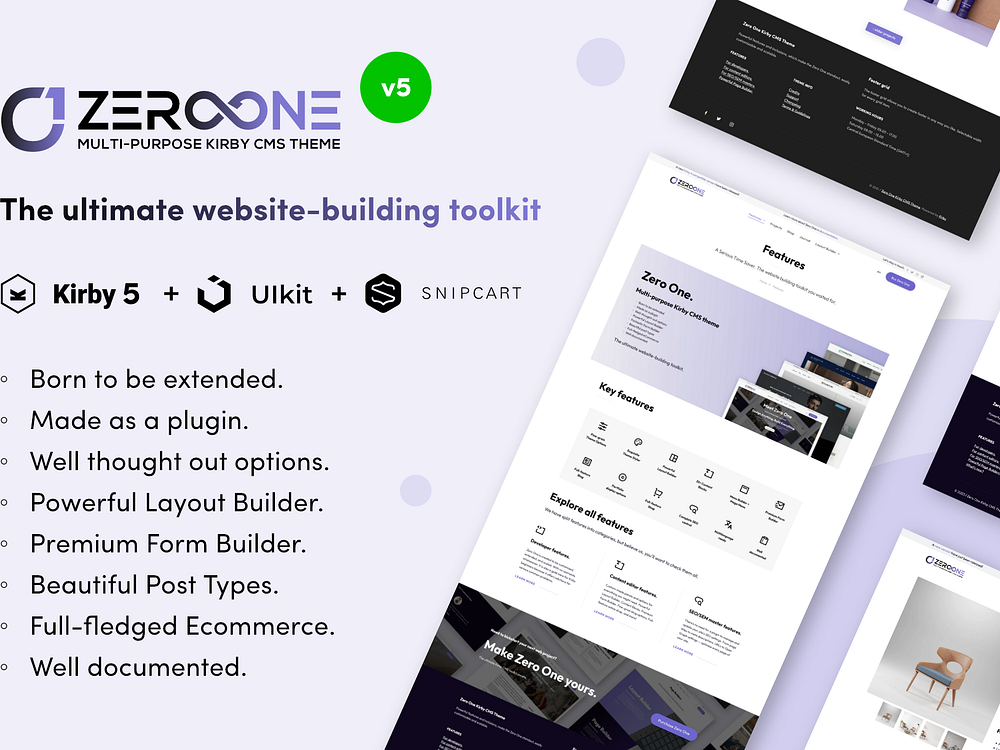
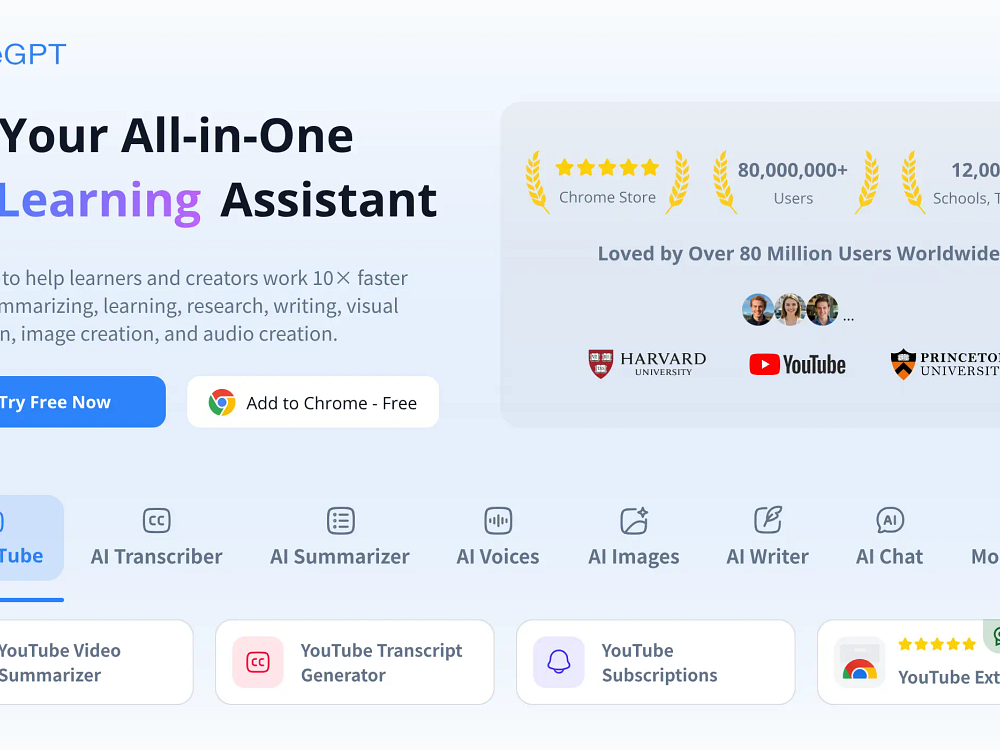













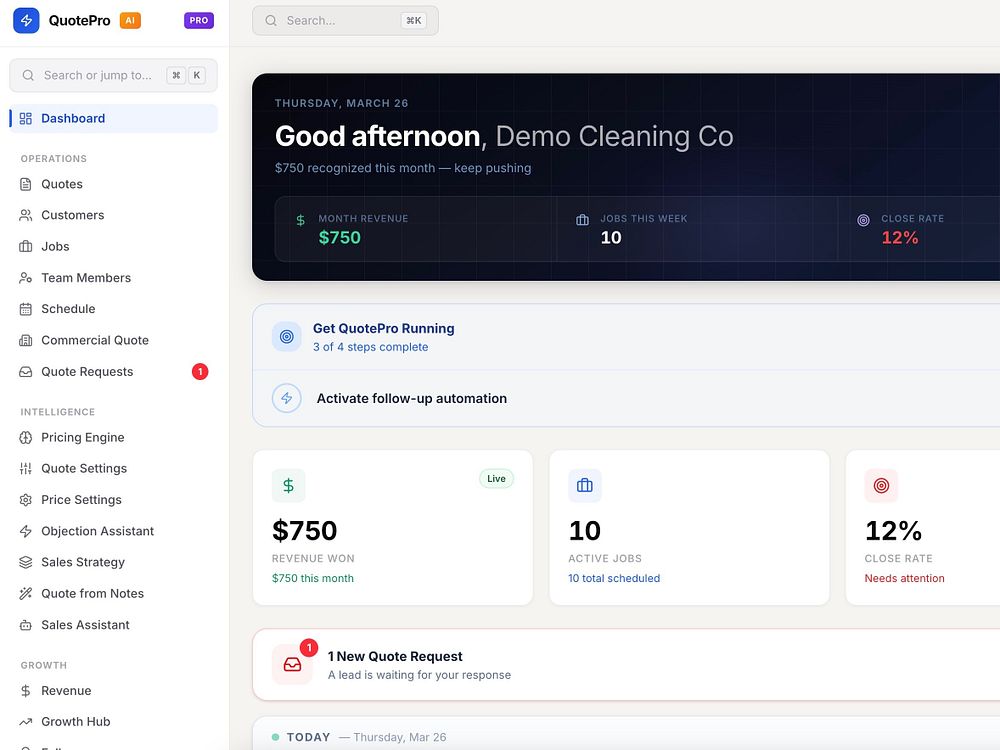






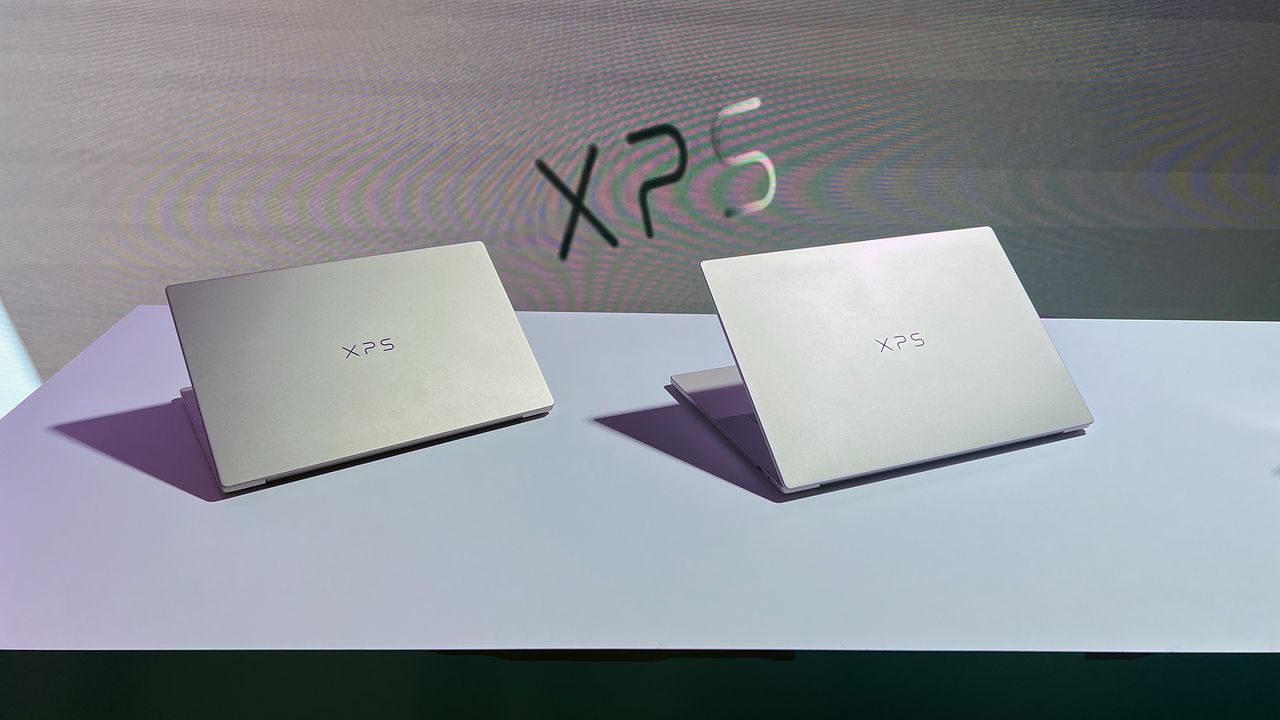

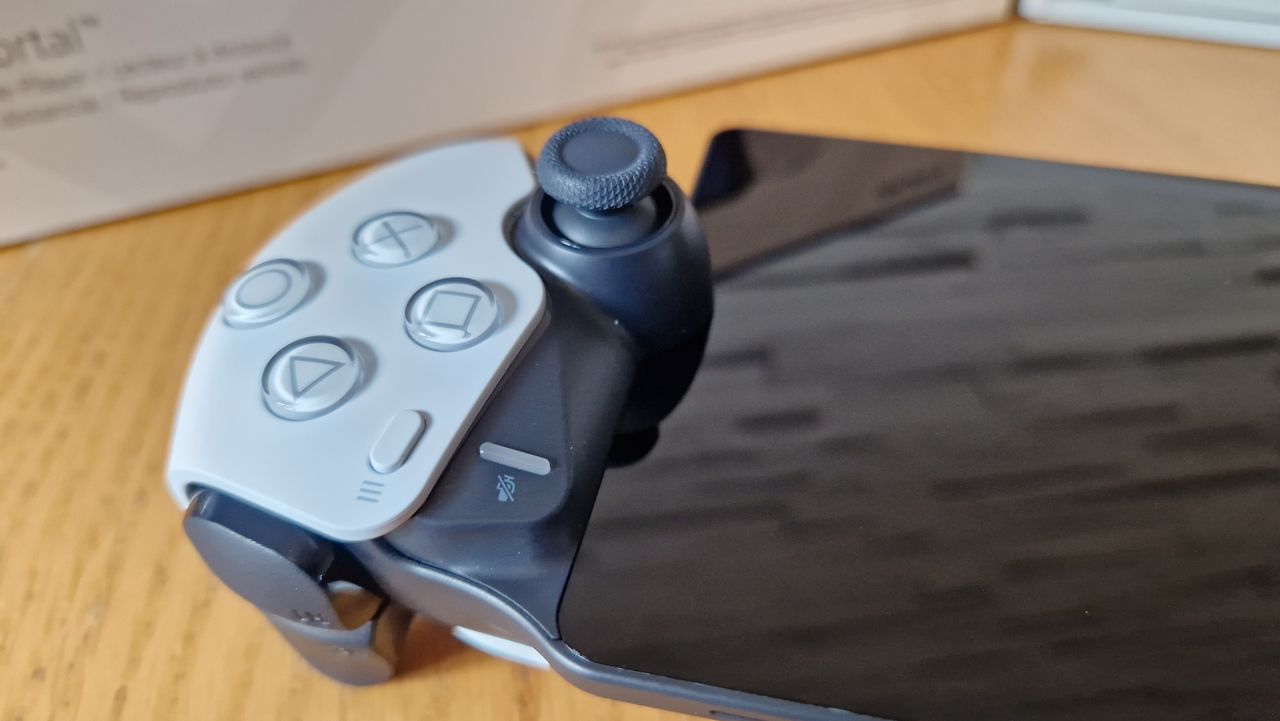

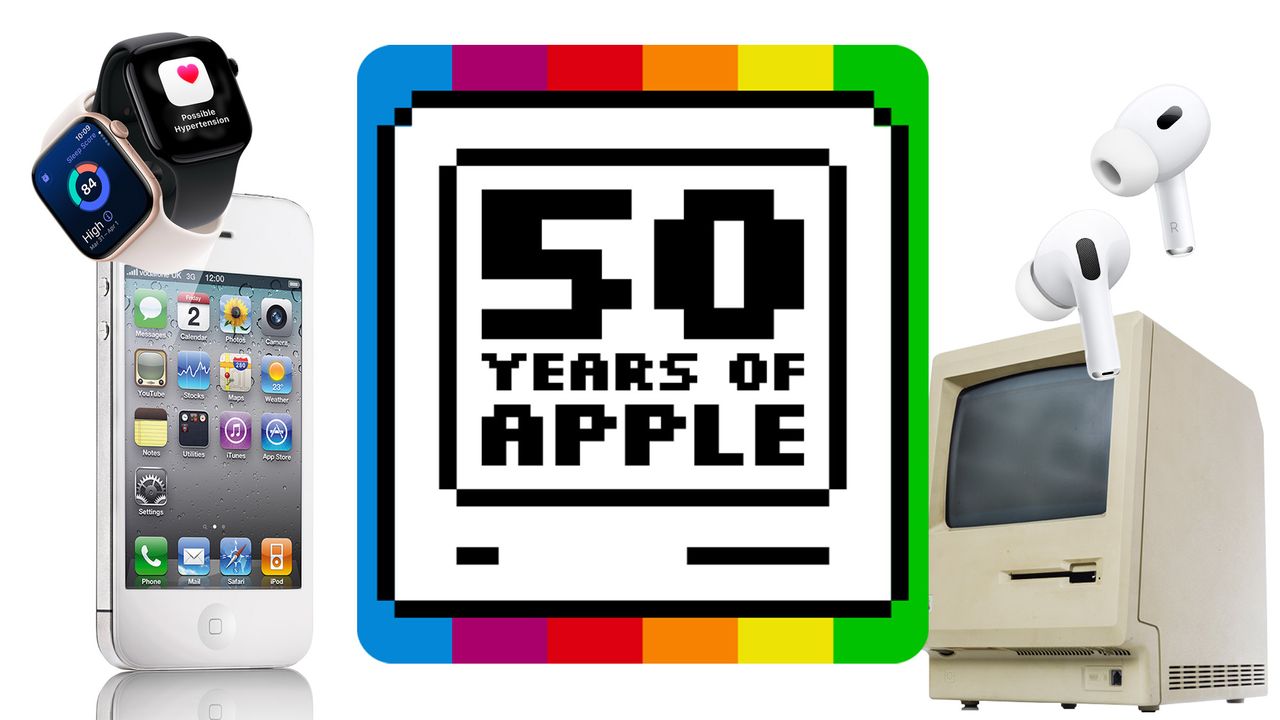
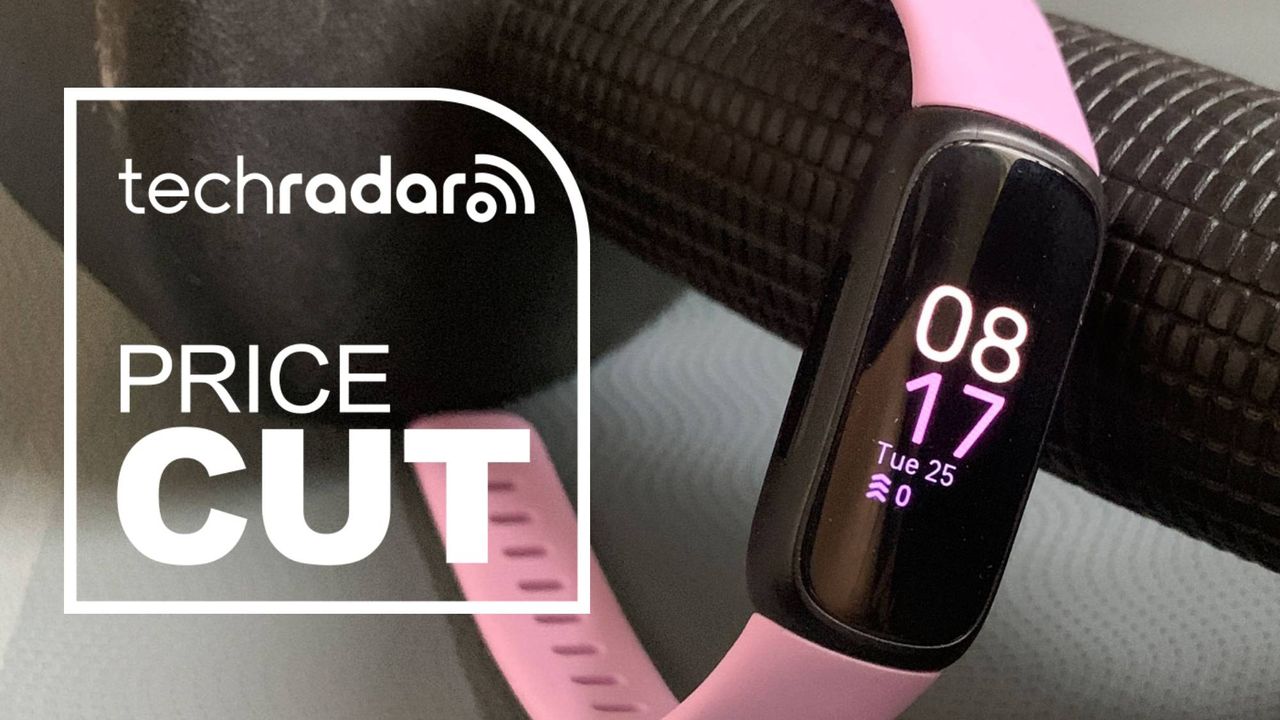

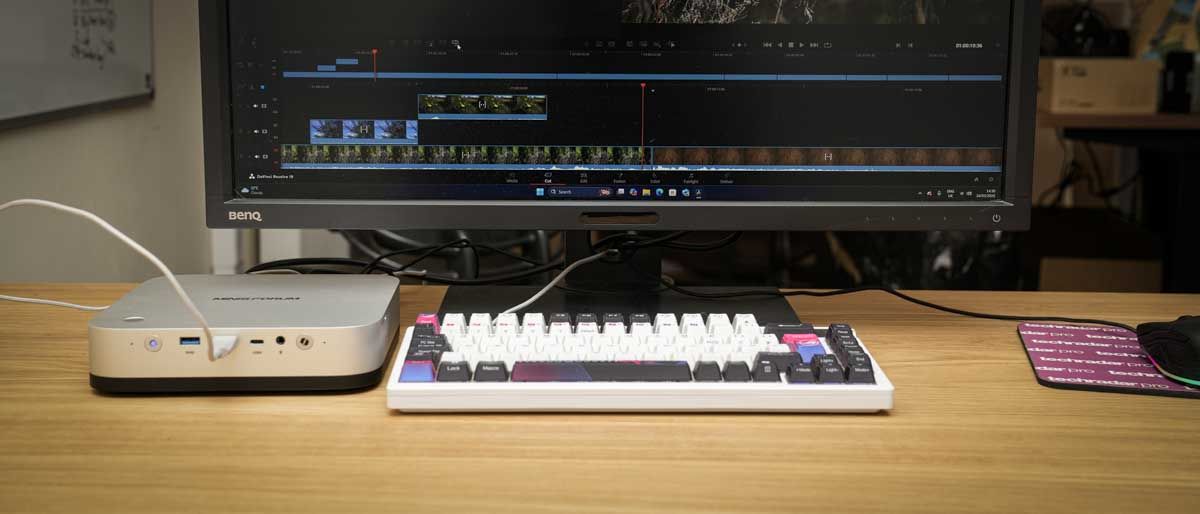






 Learn how Google approaches some of today's most pressing security topics, challenges and concerns, straight from Google experts.
  Gemini Drops is our regular monthly update on how to get the most out of the Gemini app.
  MLB Scout Insights feature, powered by Gemini and Google Cloud AI, provides baseball commentary.
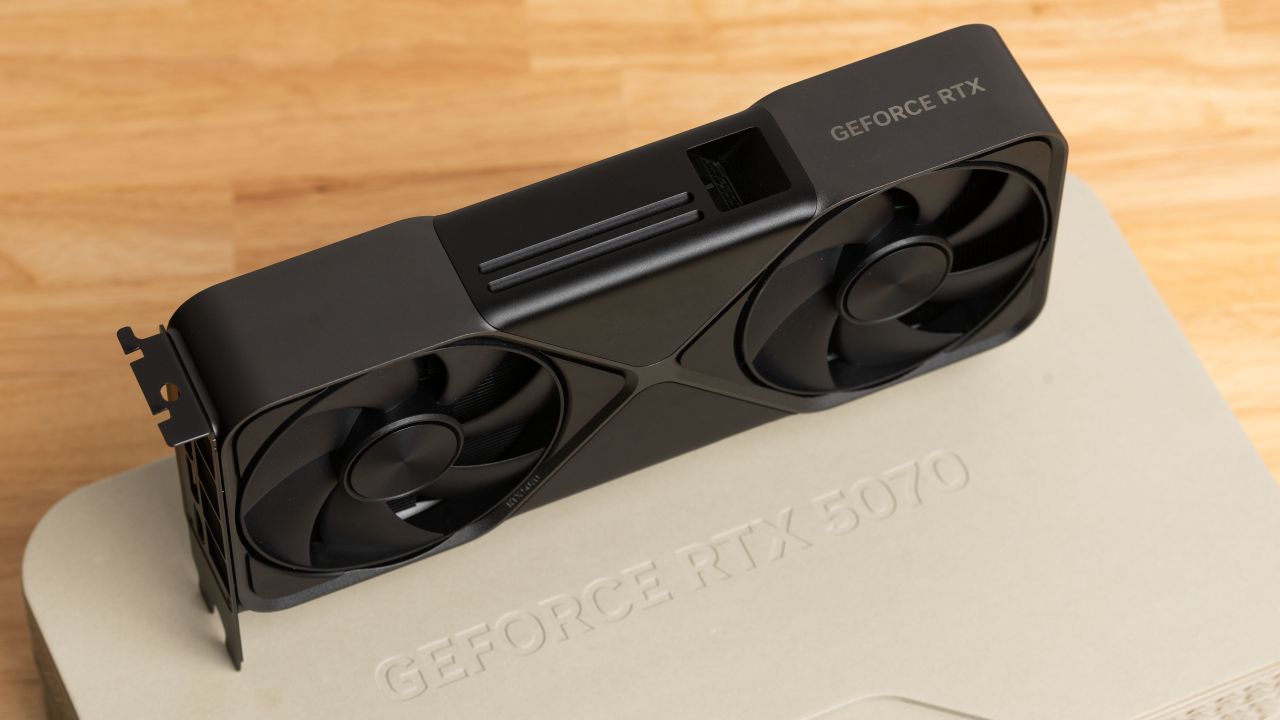





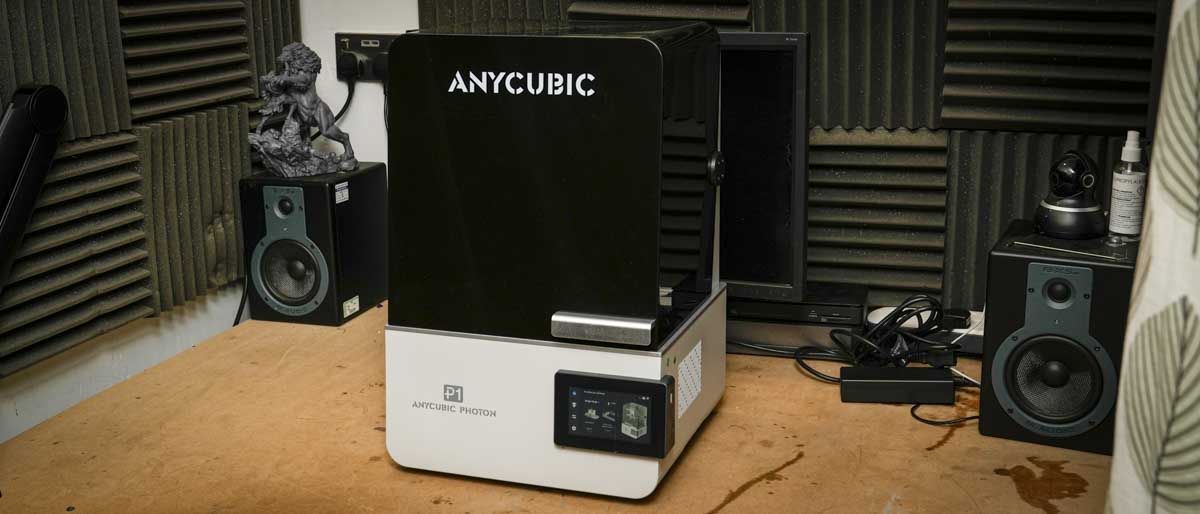






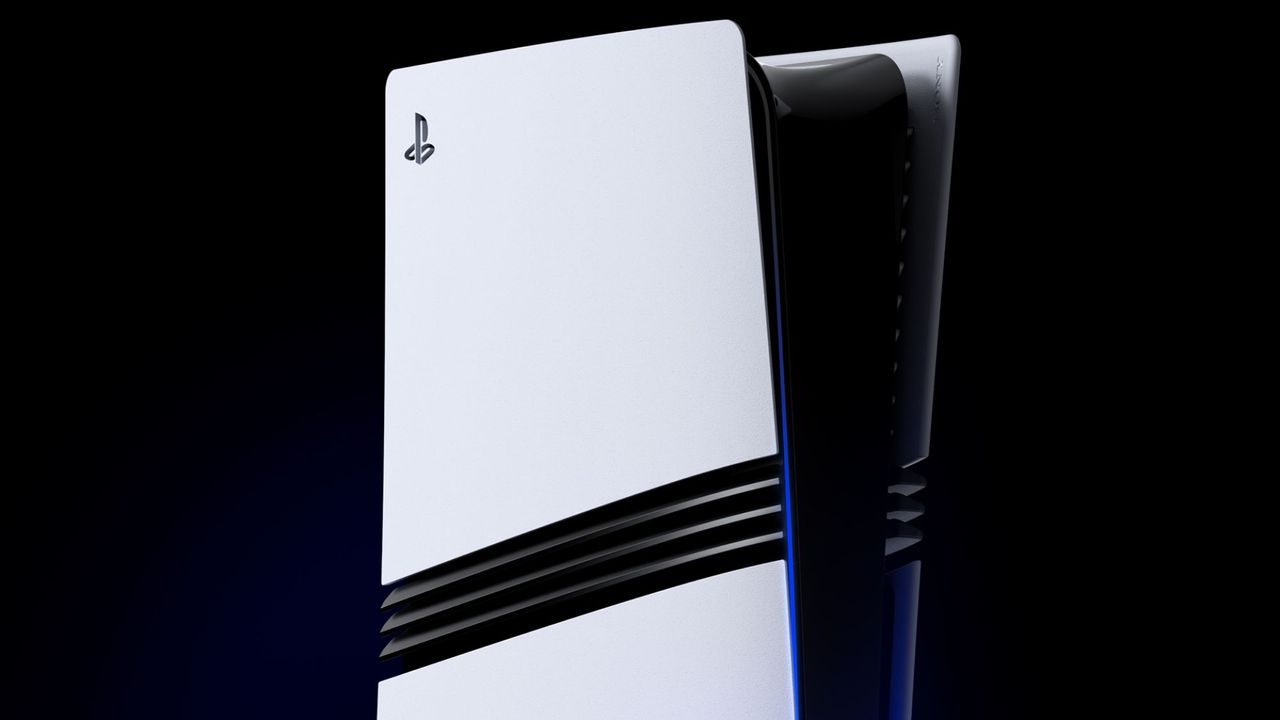



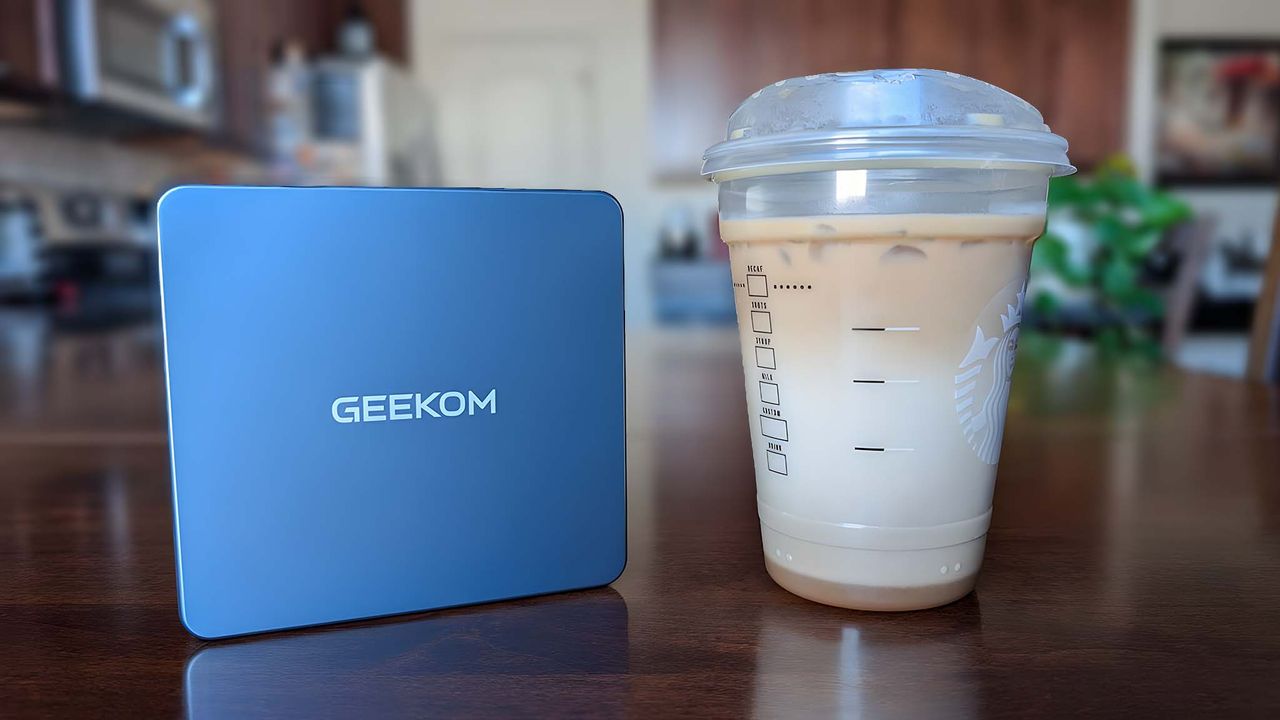

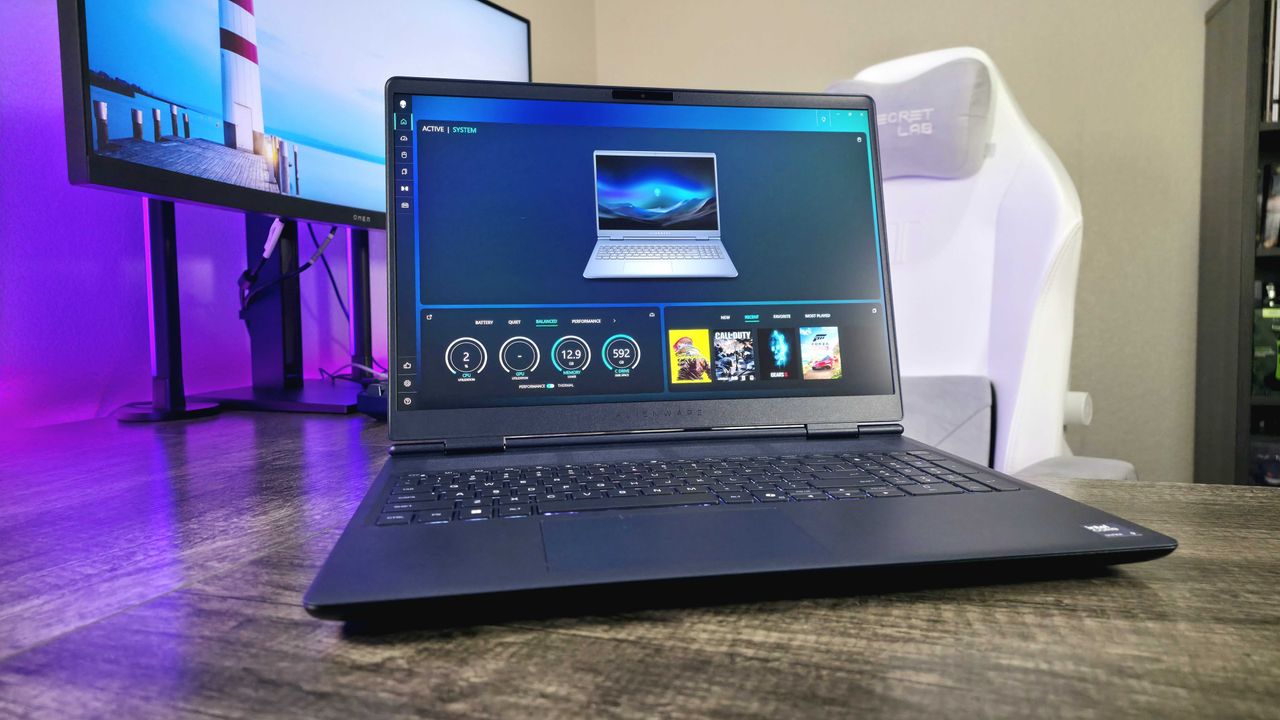







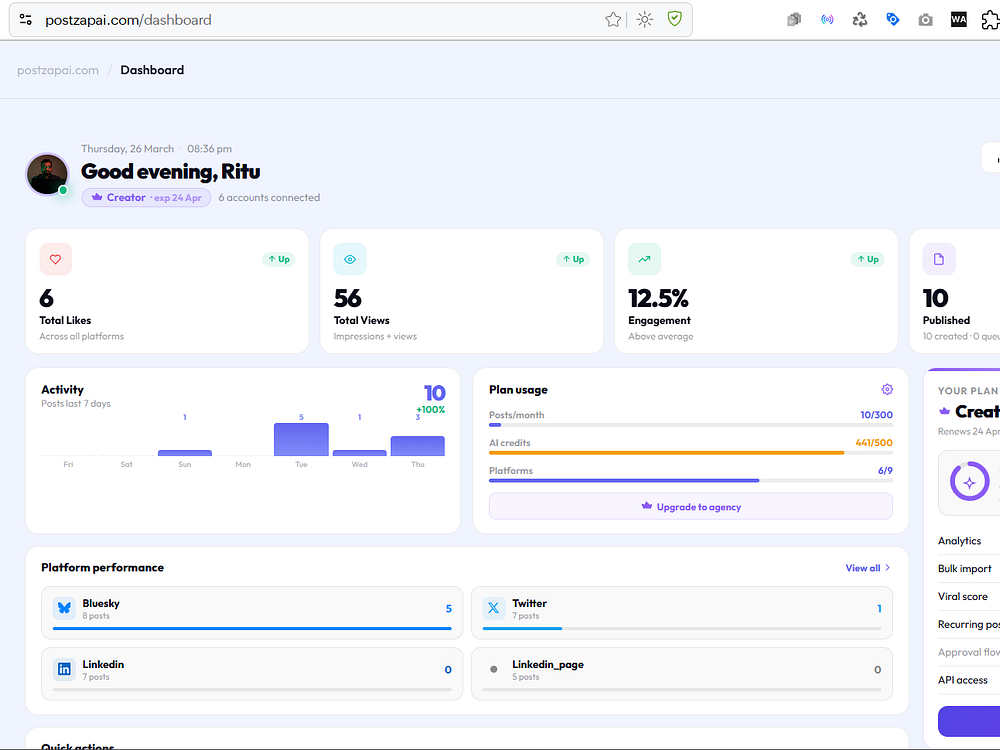




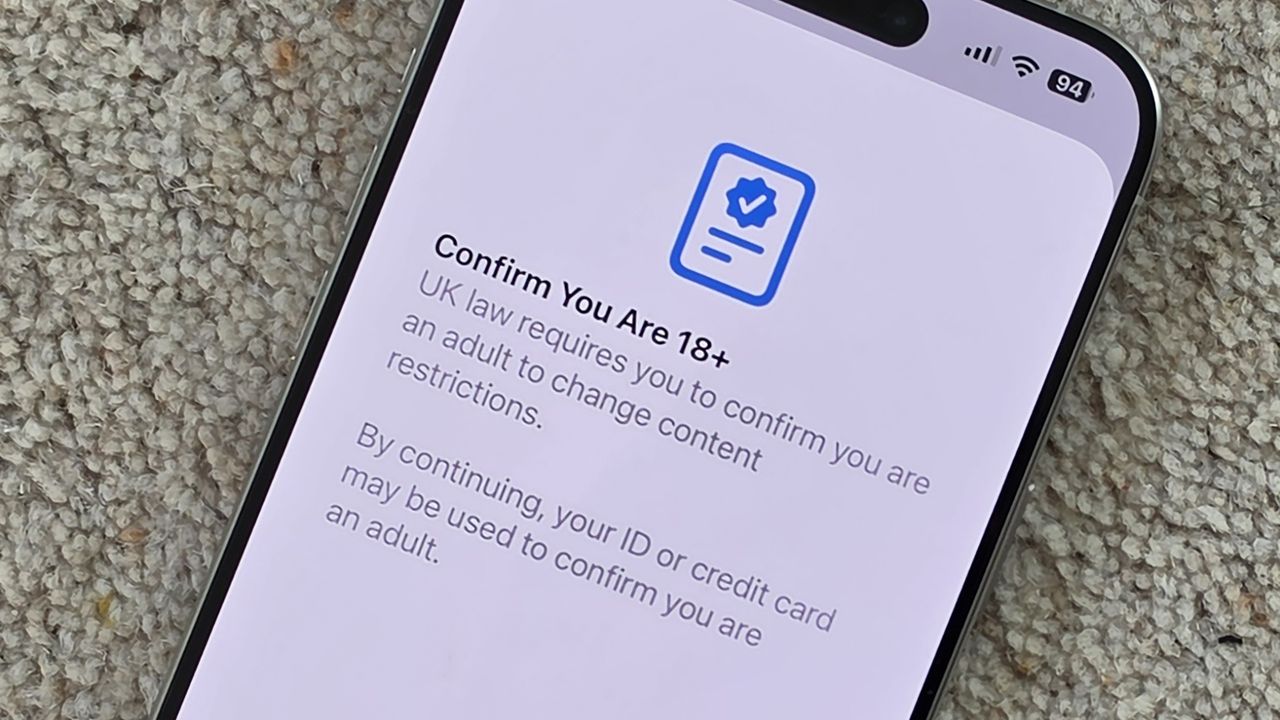
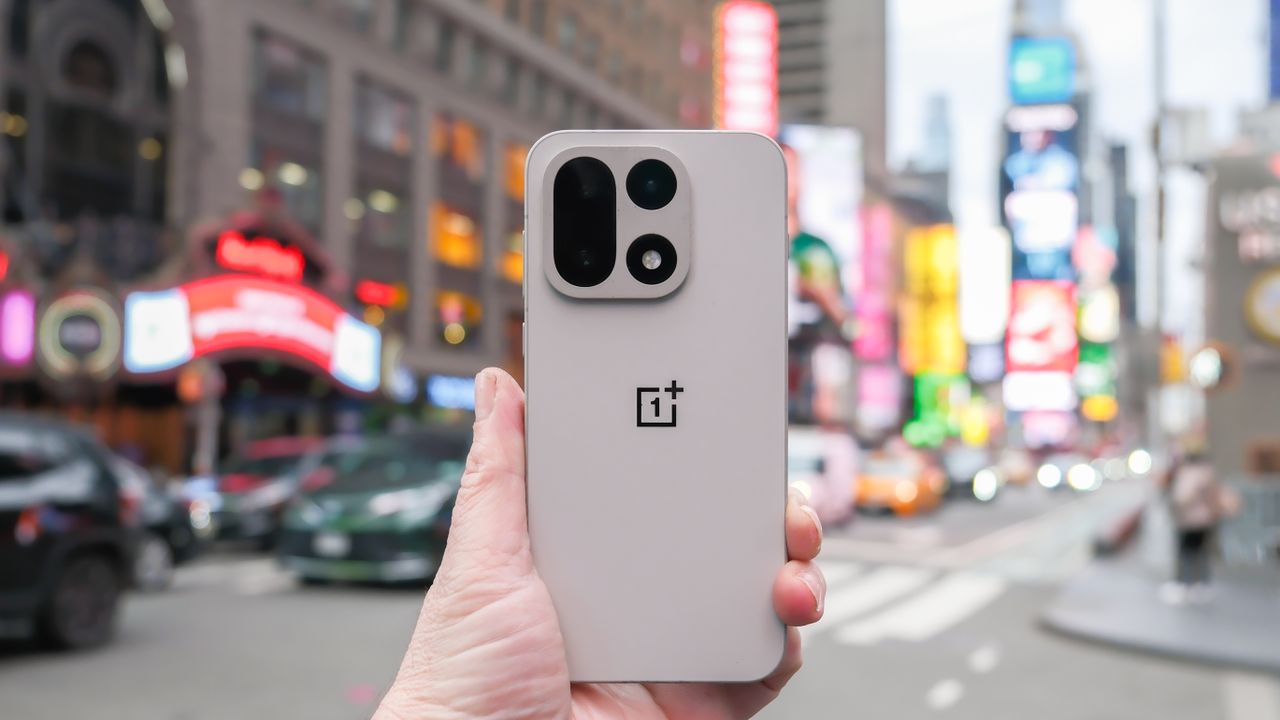





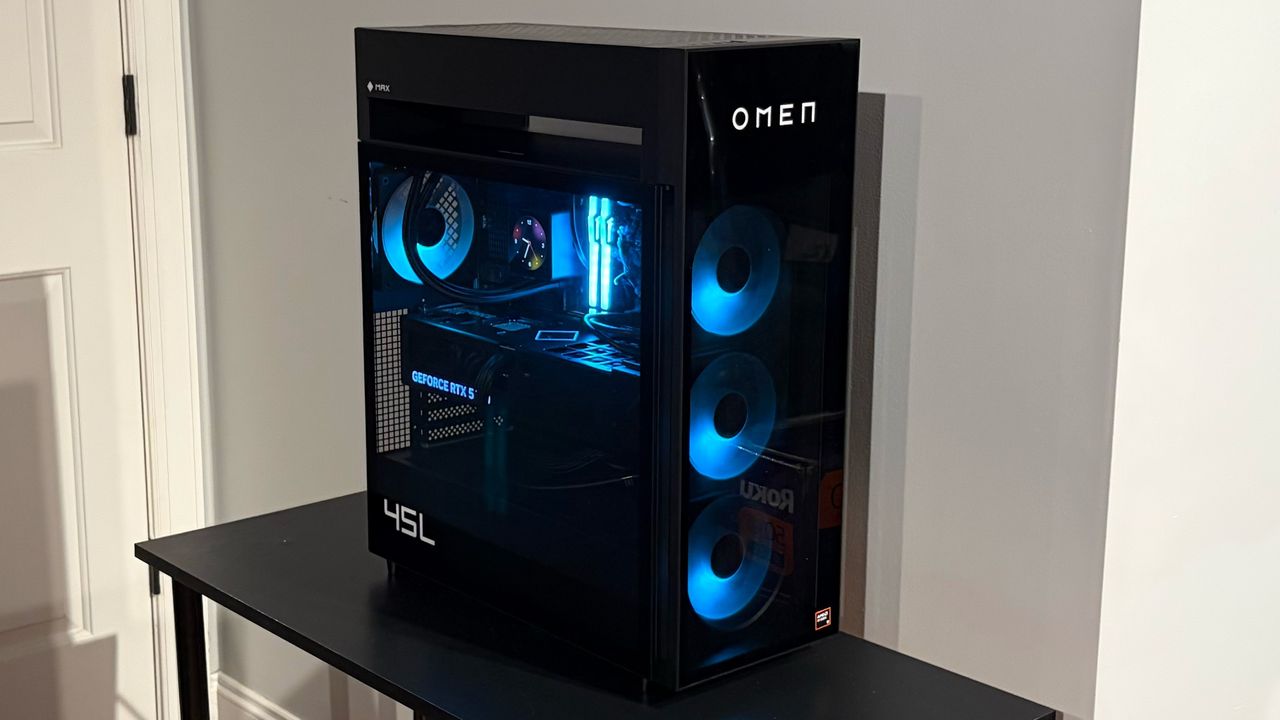

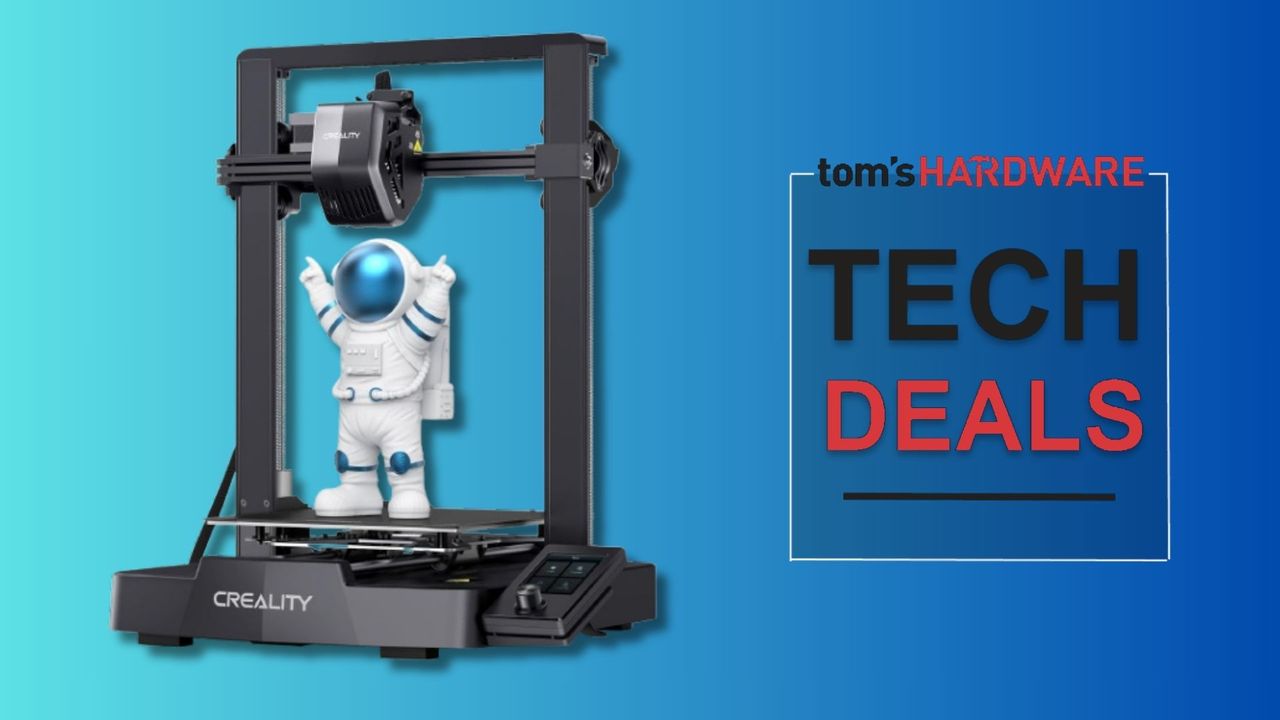

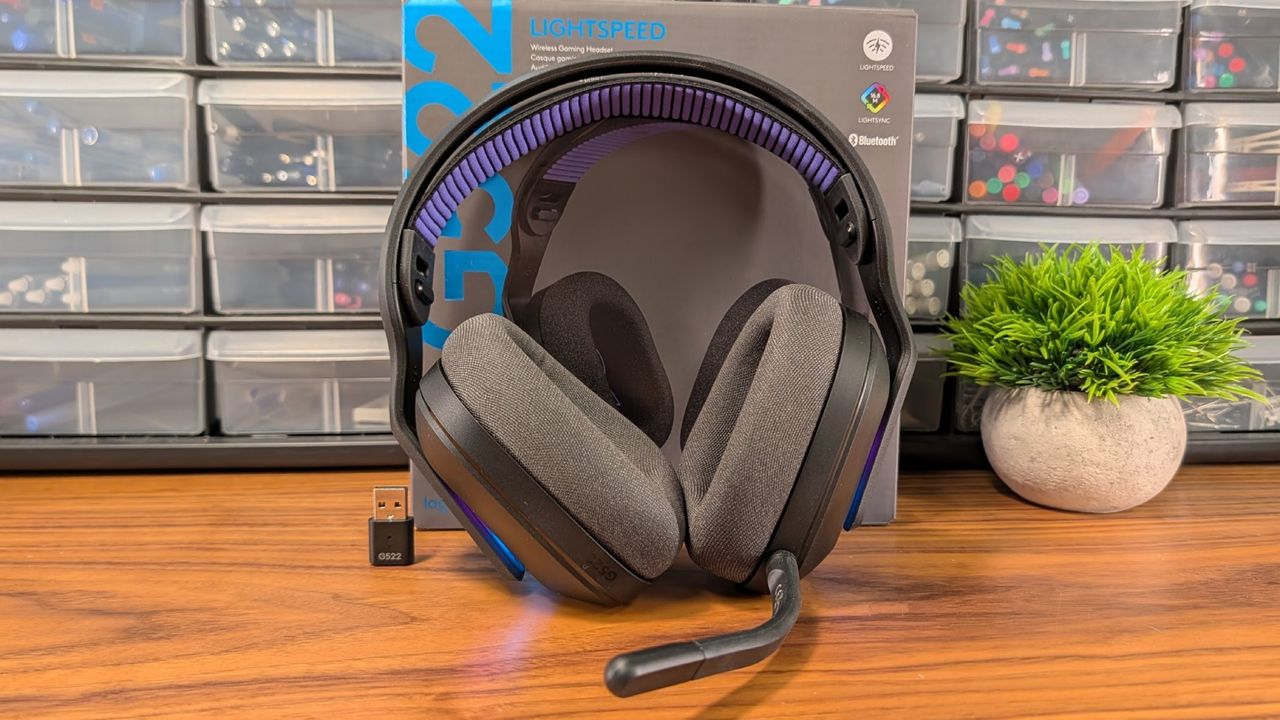


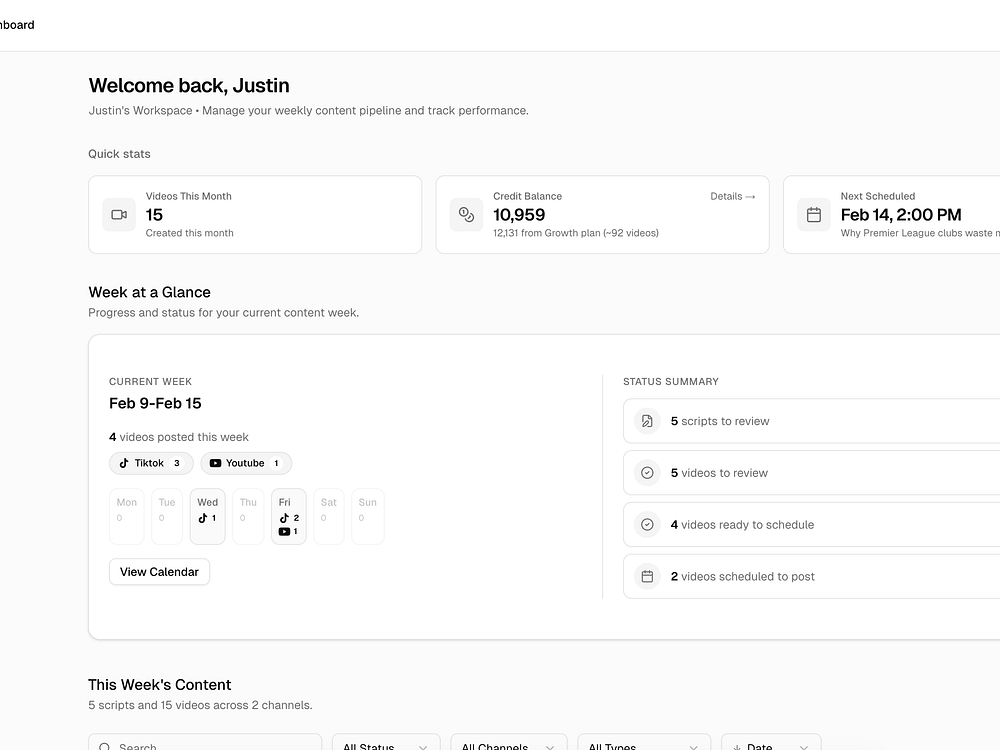
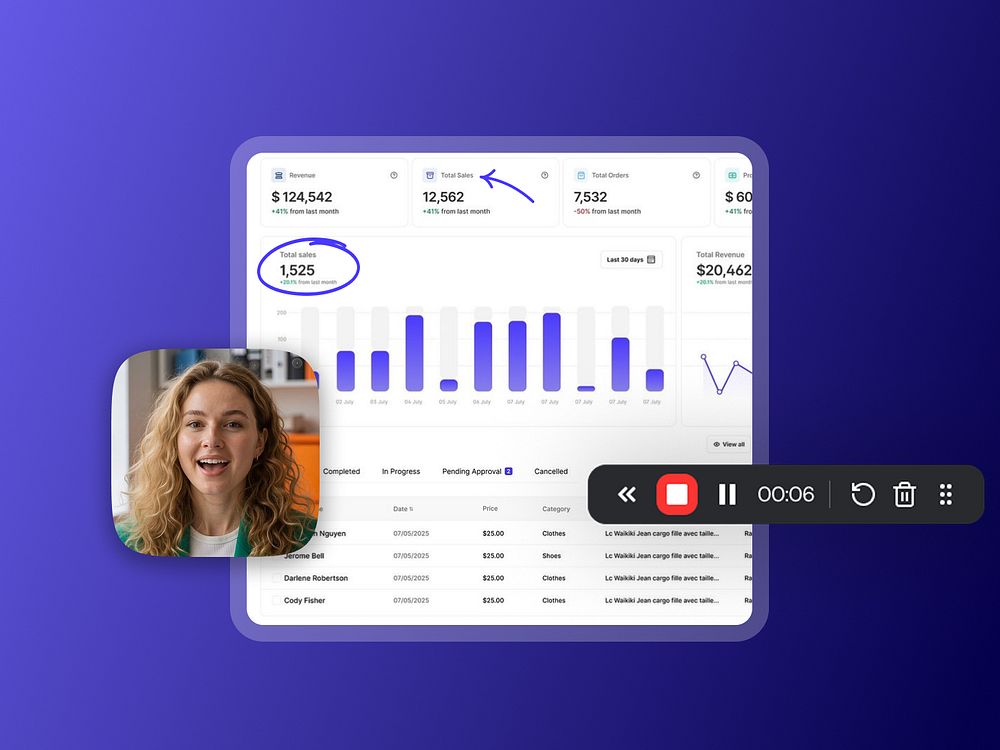



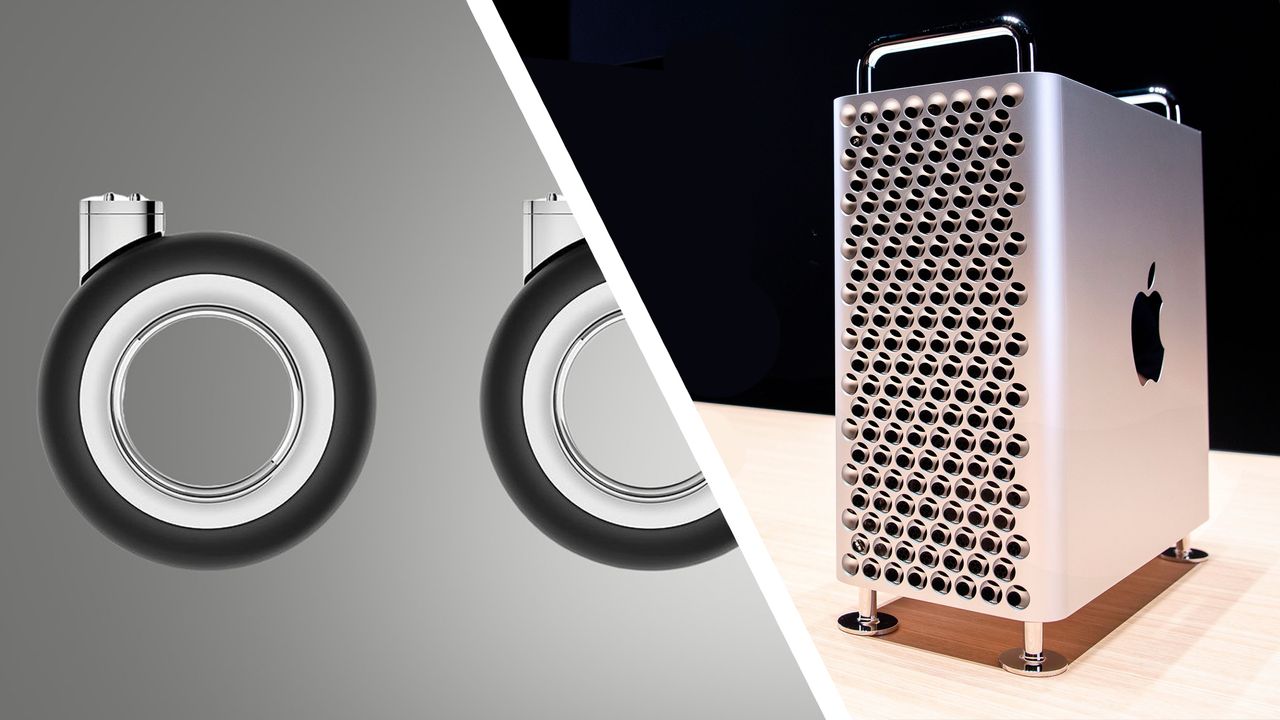


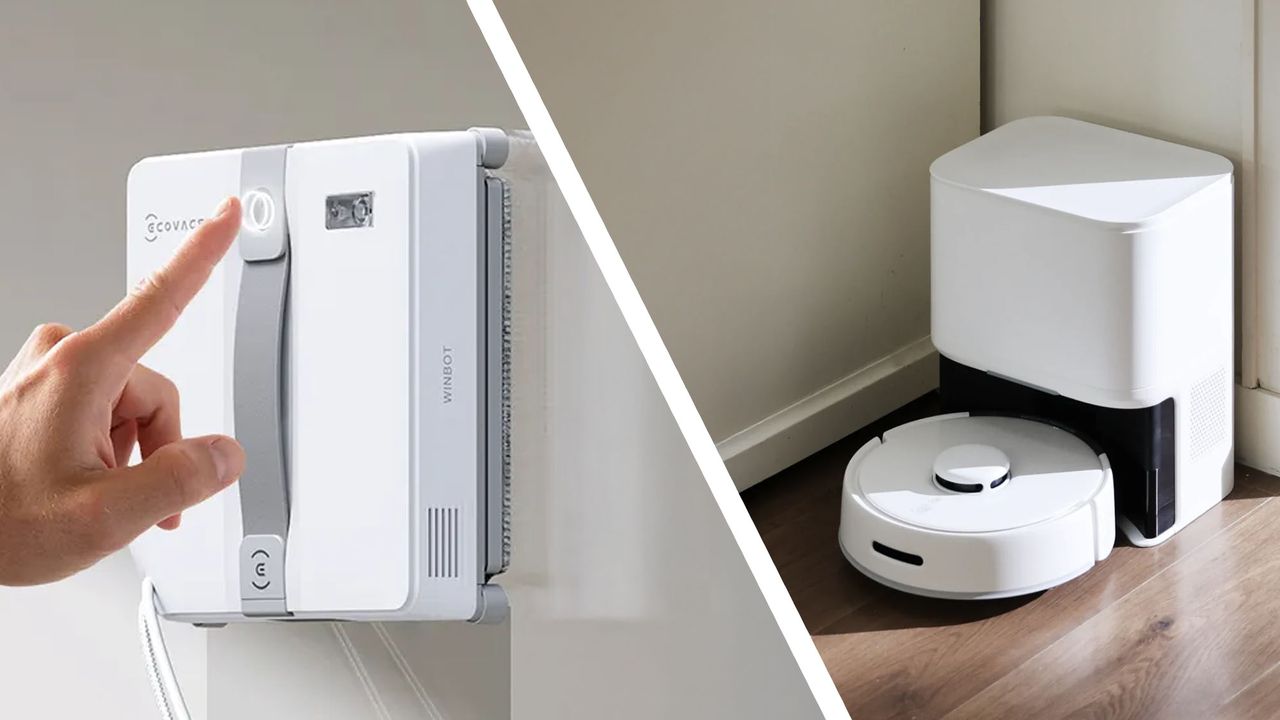
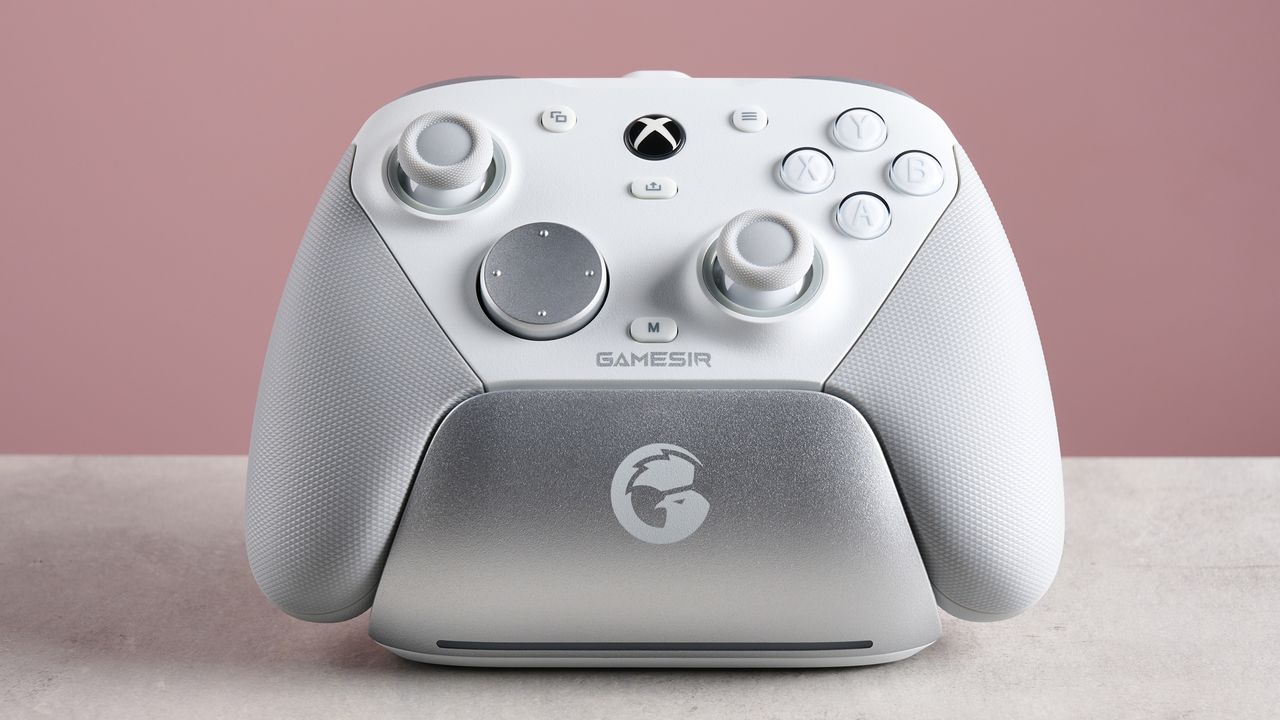

























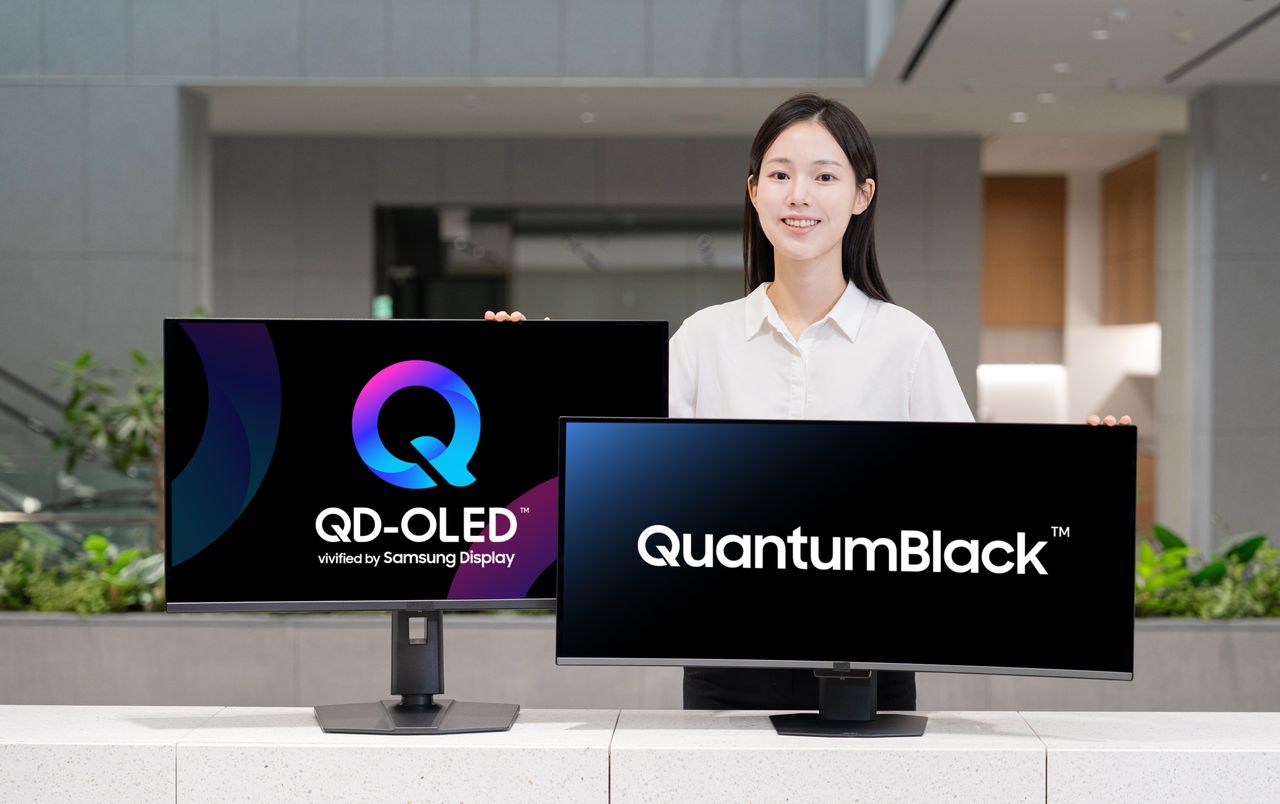


























 The countdown to a summer of unforgettable soccer is officially on! This year, we're helping fans explore the tournament, find inspiration and get closer to the action b…

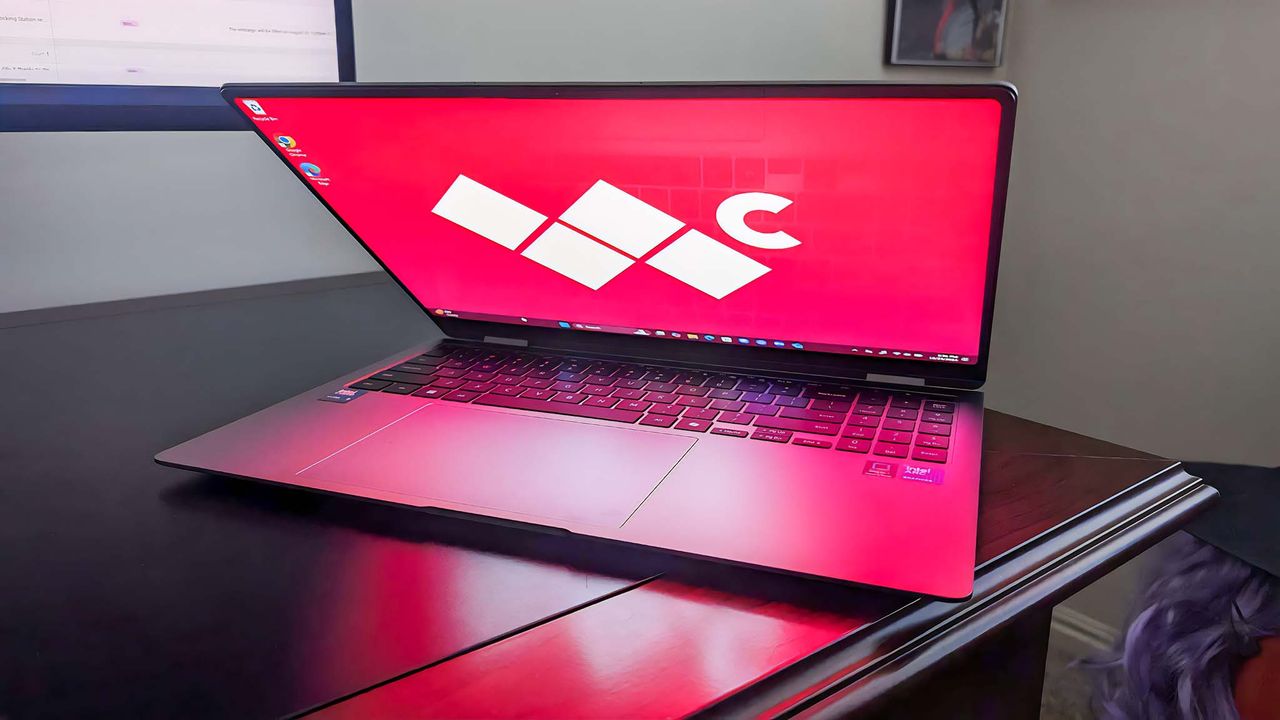








 The Gemini app just made it easier to switch from another AI chat app, without starting from scratch.





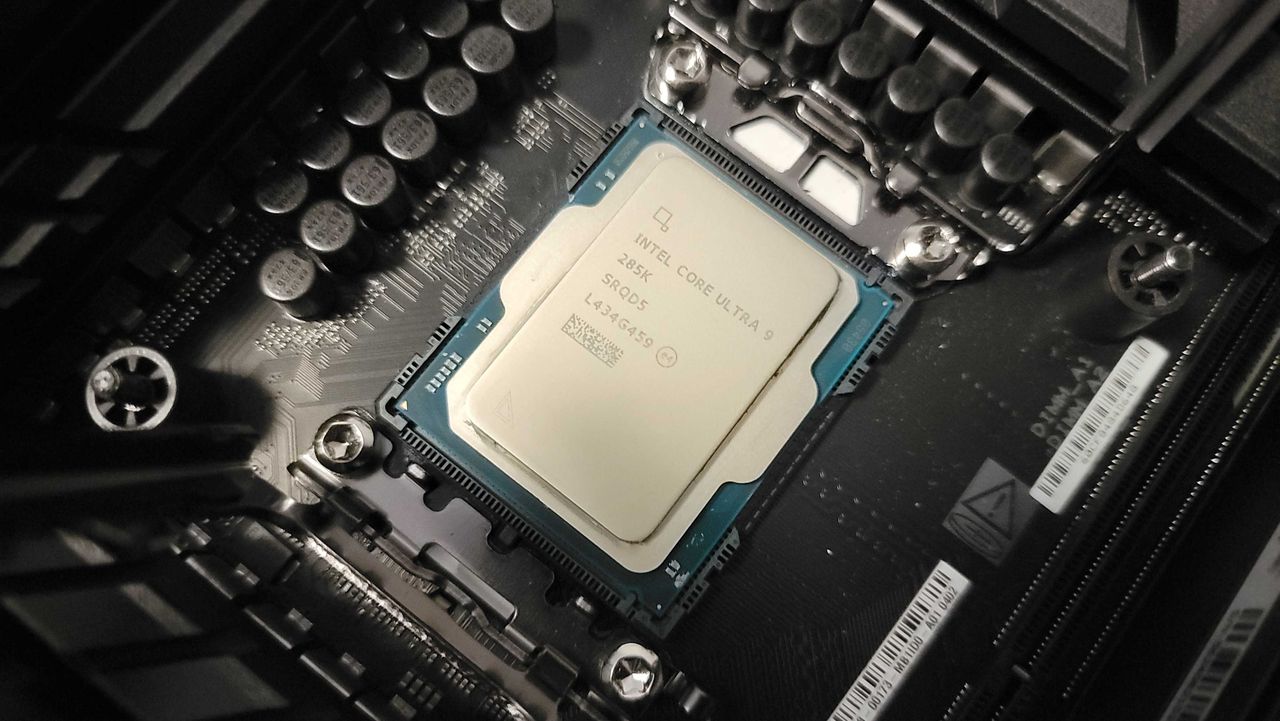


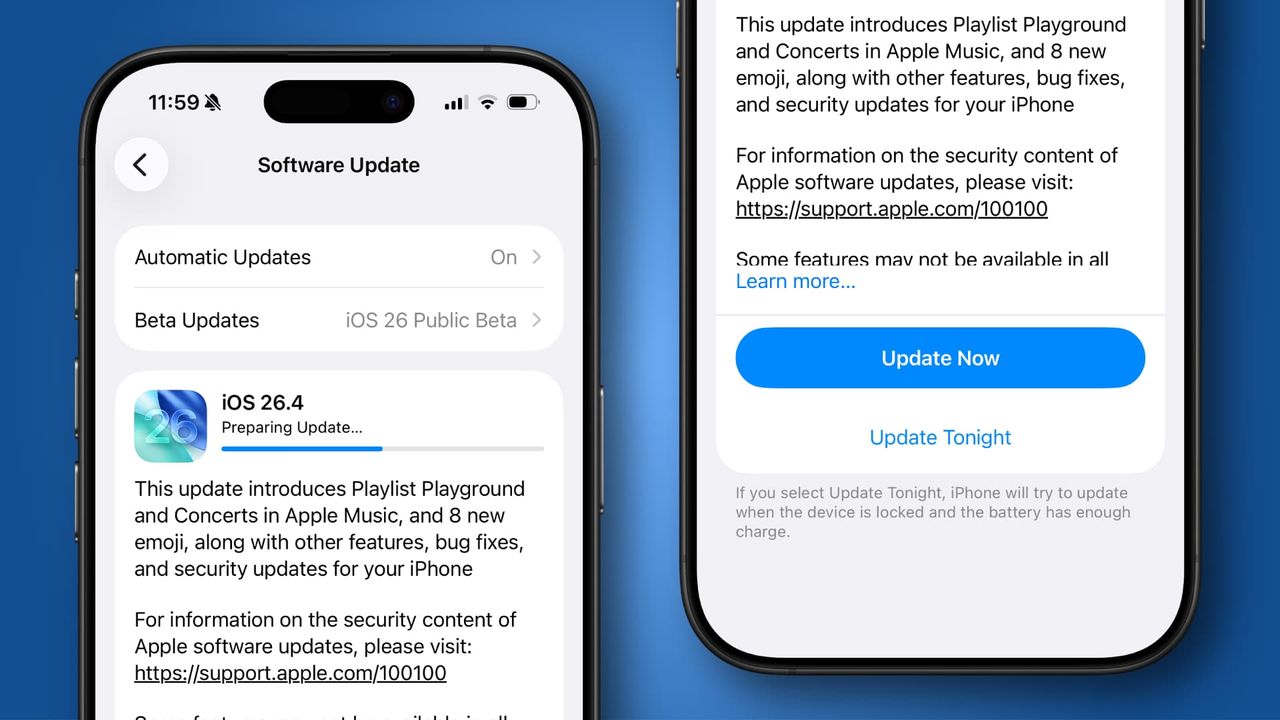
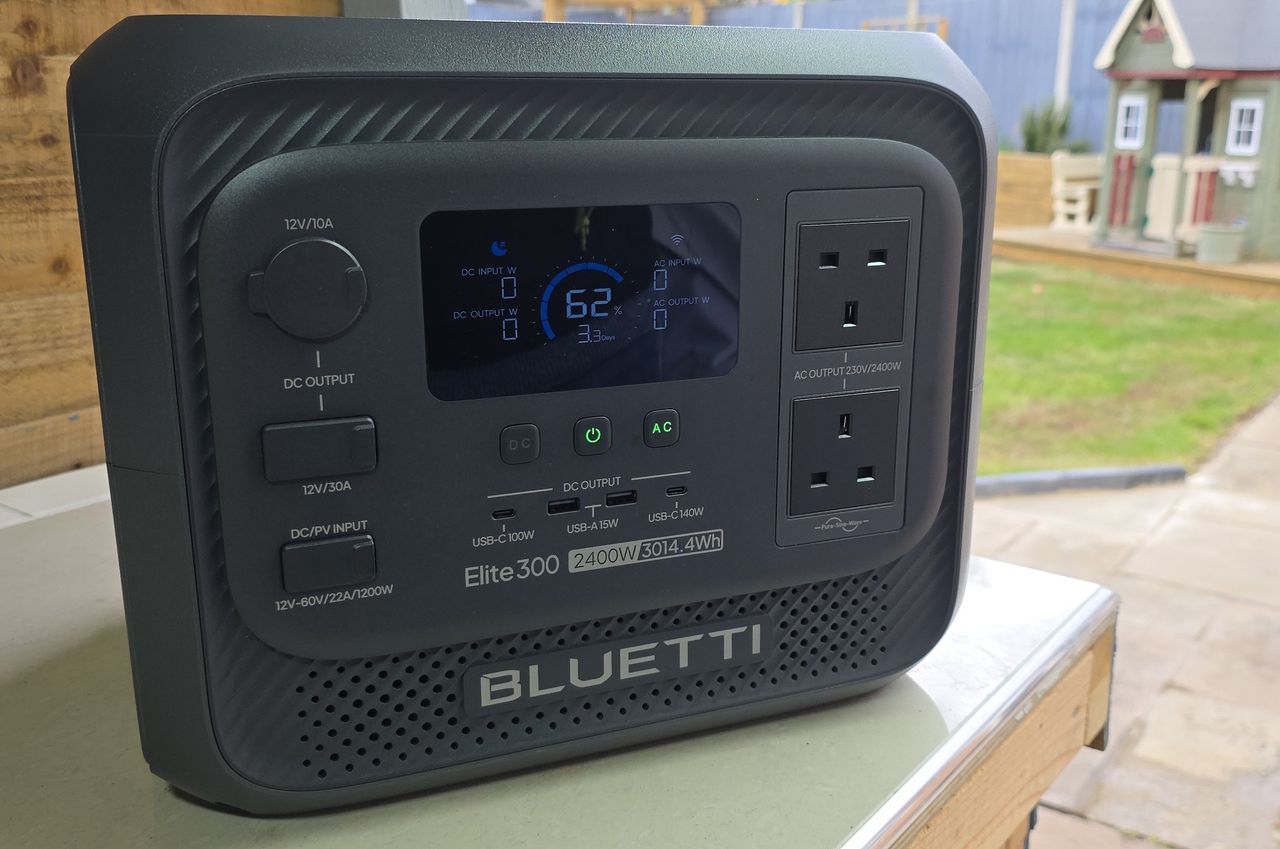




 Get the origin story behind the stunning wallpapers you see on Google TV Streamer, Nest Hub and other Google TV devices.
  In the latest episode of our Dialogues on Technology and Society series, LL COOL J sits down with James Manyika.

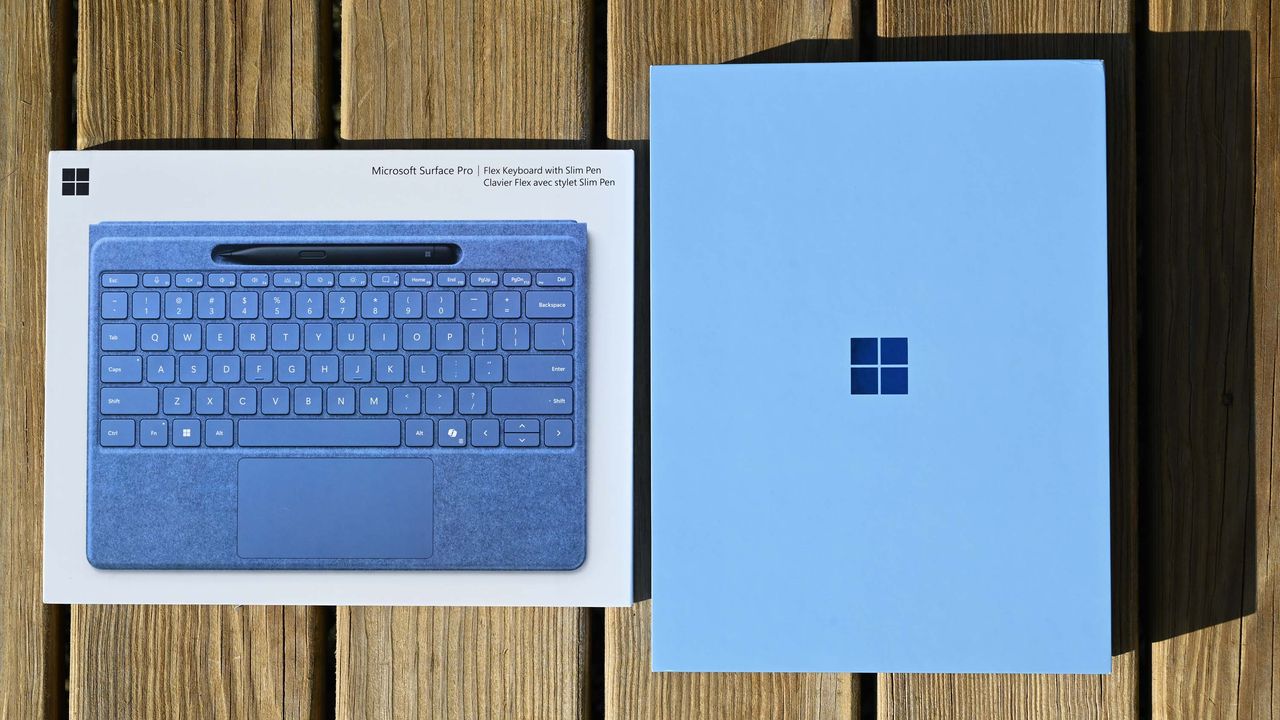



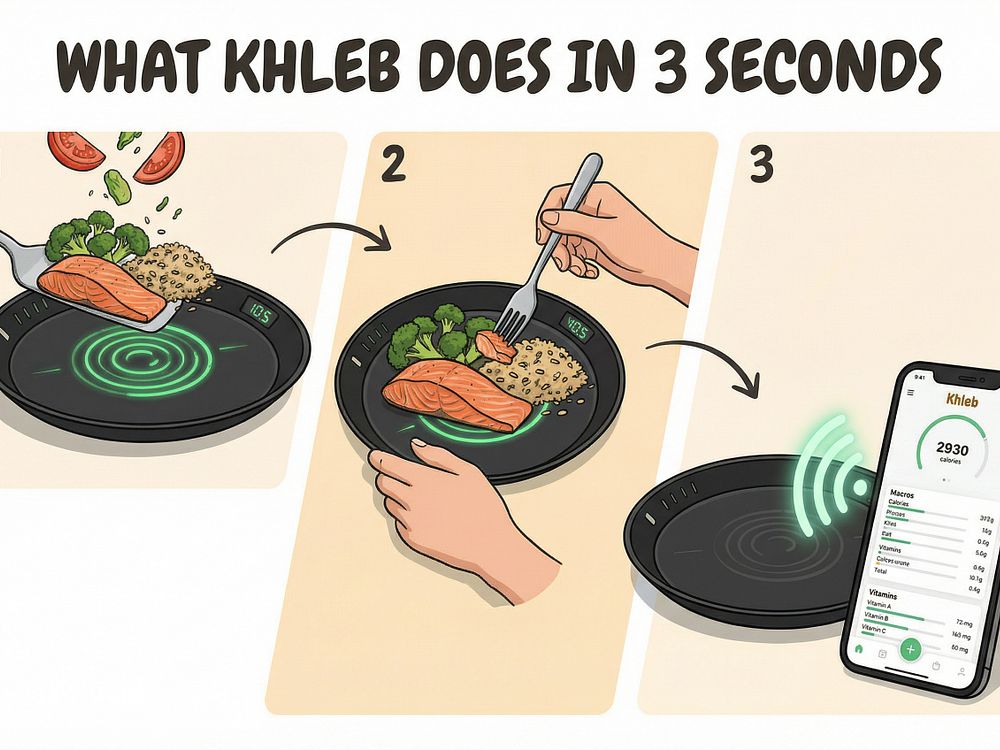

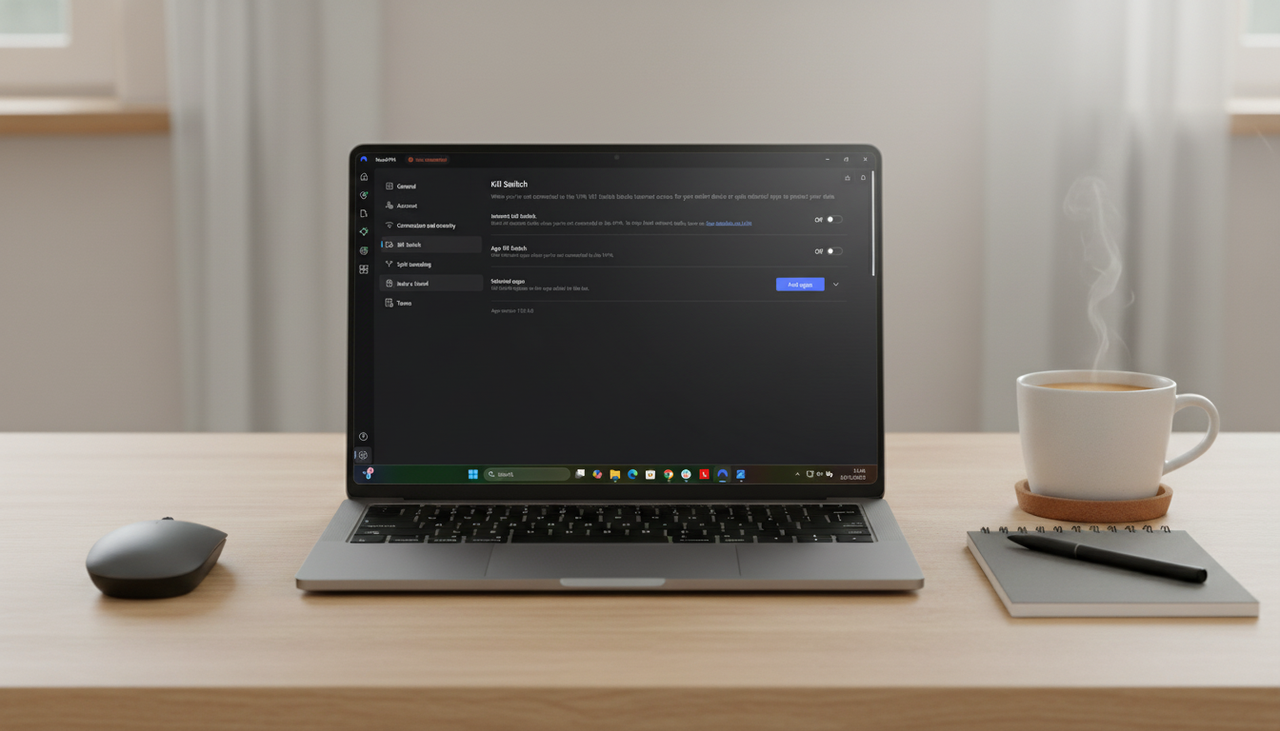




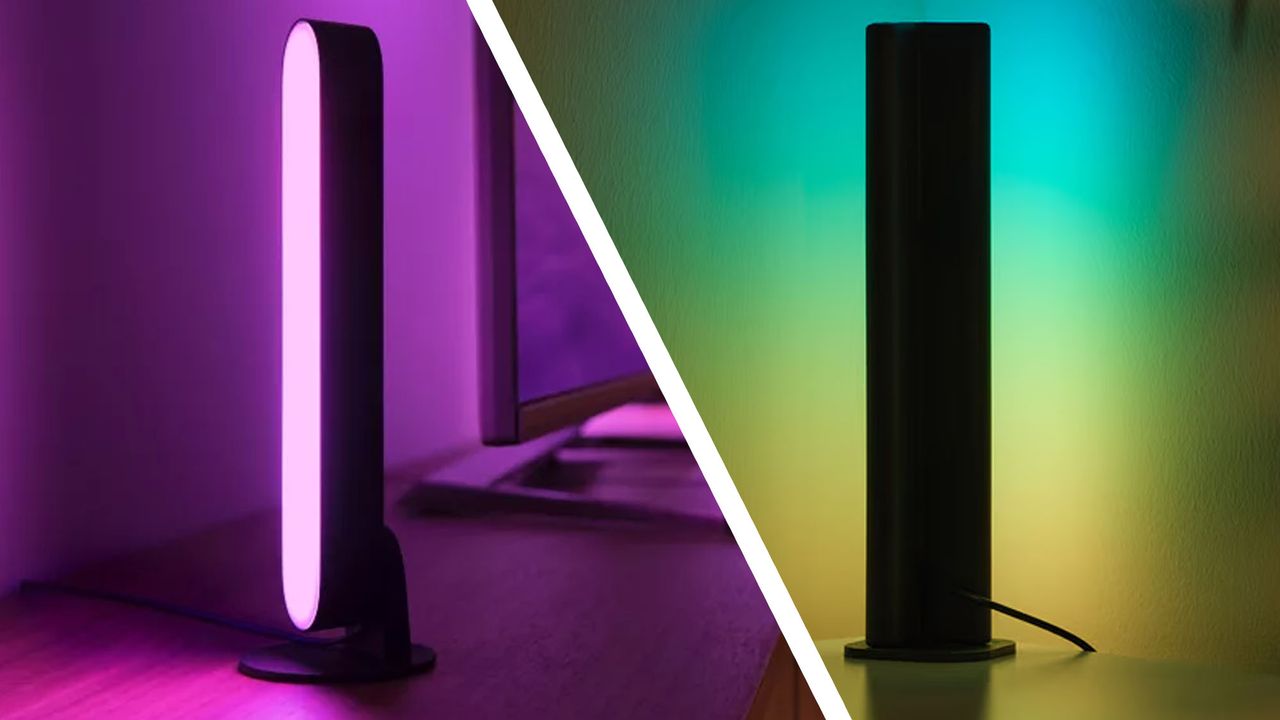


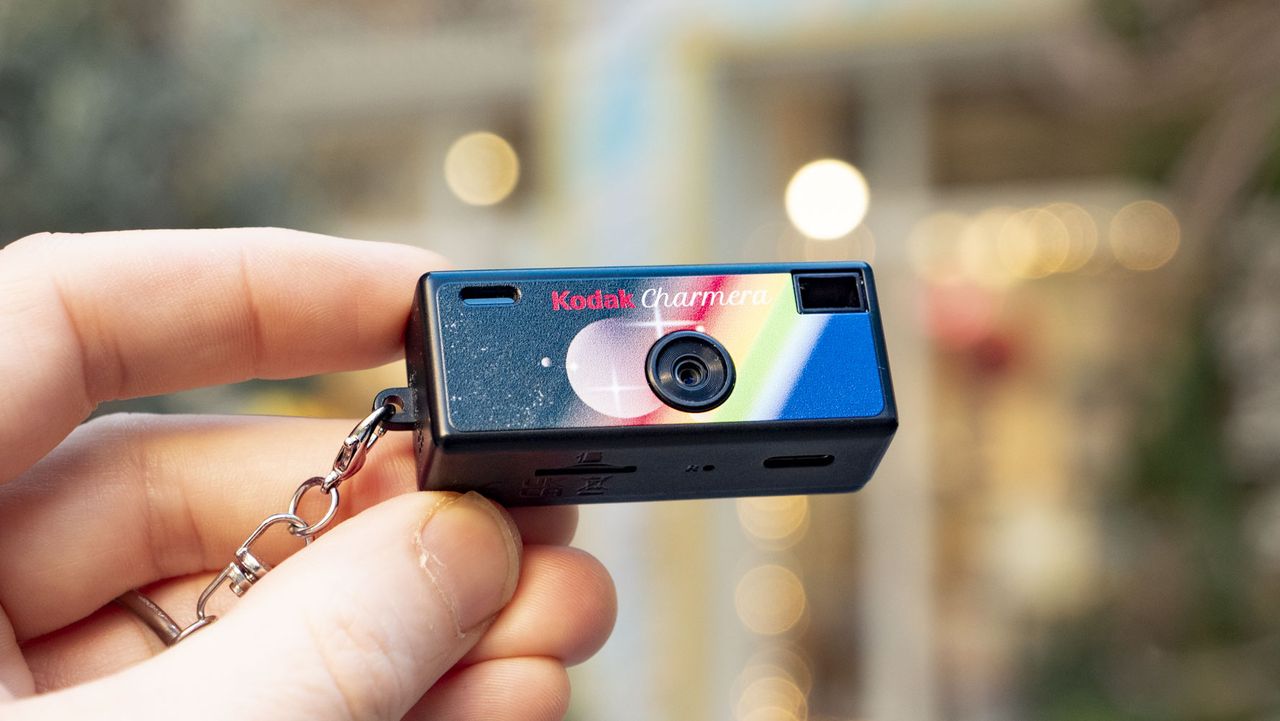










 Google Translate’s Live translate with headphones is officially arriving on iOS! And we're expanding the capability for both iOS and Android users to even more countries…
  The winners of the MedGemma Impact Challenge demonstrated the potential of Google’s open medical models for solving diverse healthcare challenges.
  Learn more about our latest Demand Gen Drop and ways to maximize campaign performance in Demand Gen campaigns.
  Gemini 3.1 Flash Live is now available across Google products.
  Google is launching Gemini 3.1 Flash Live via the Live API in Google AI Studio, for building realtime voice and vision agents.
  We’re expanding Search Live globally, to all languages and locations where AI Mode is available.