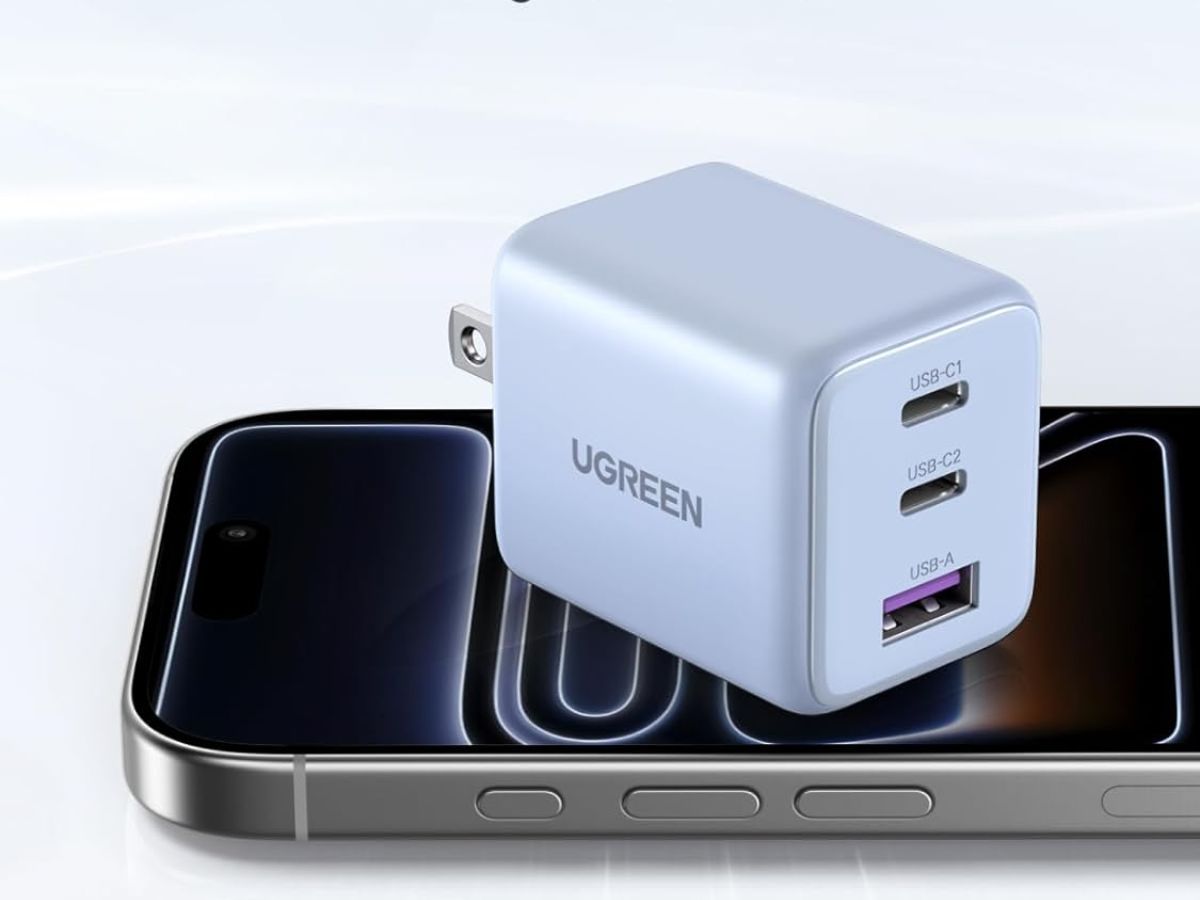
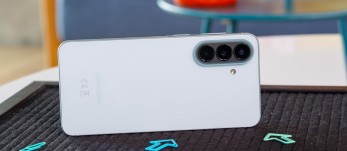
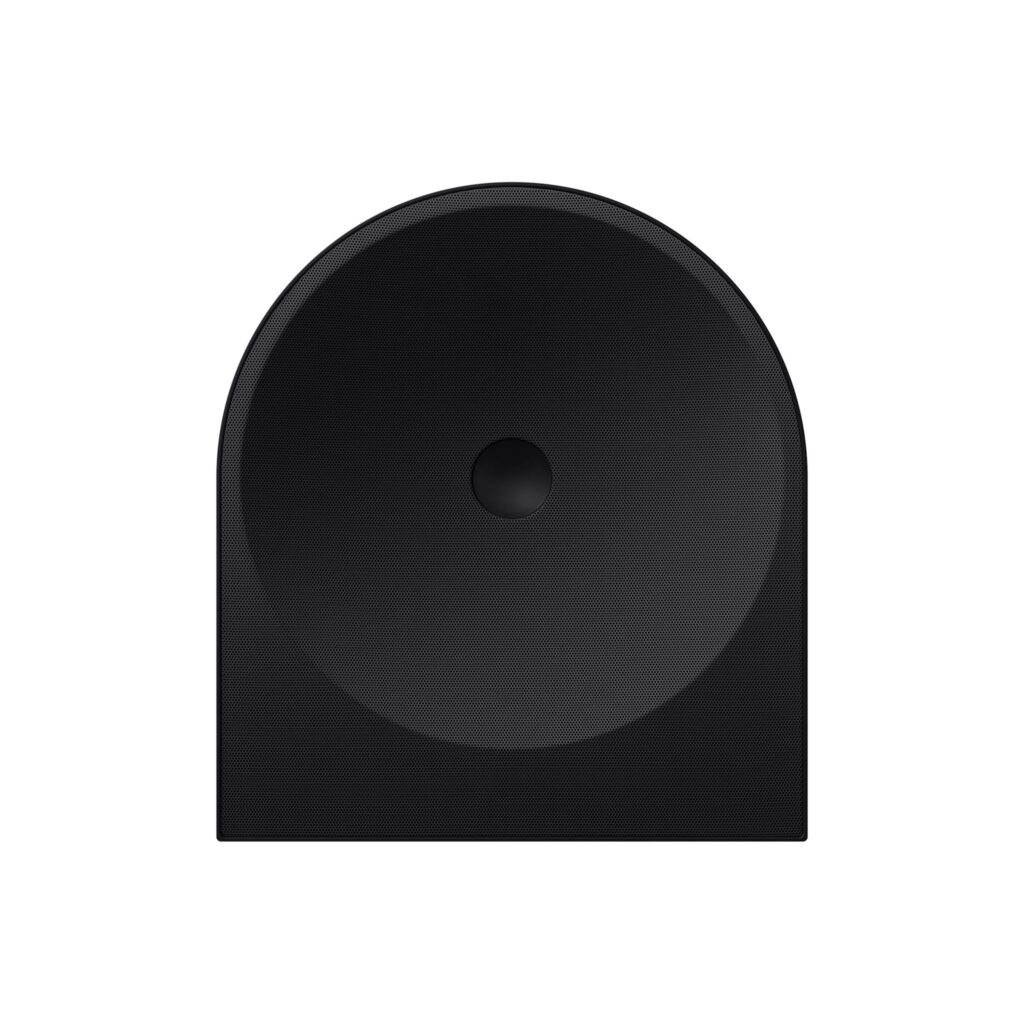
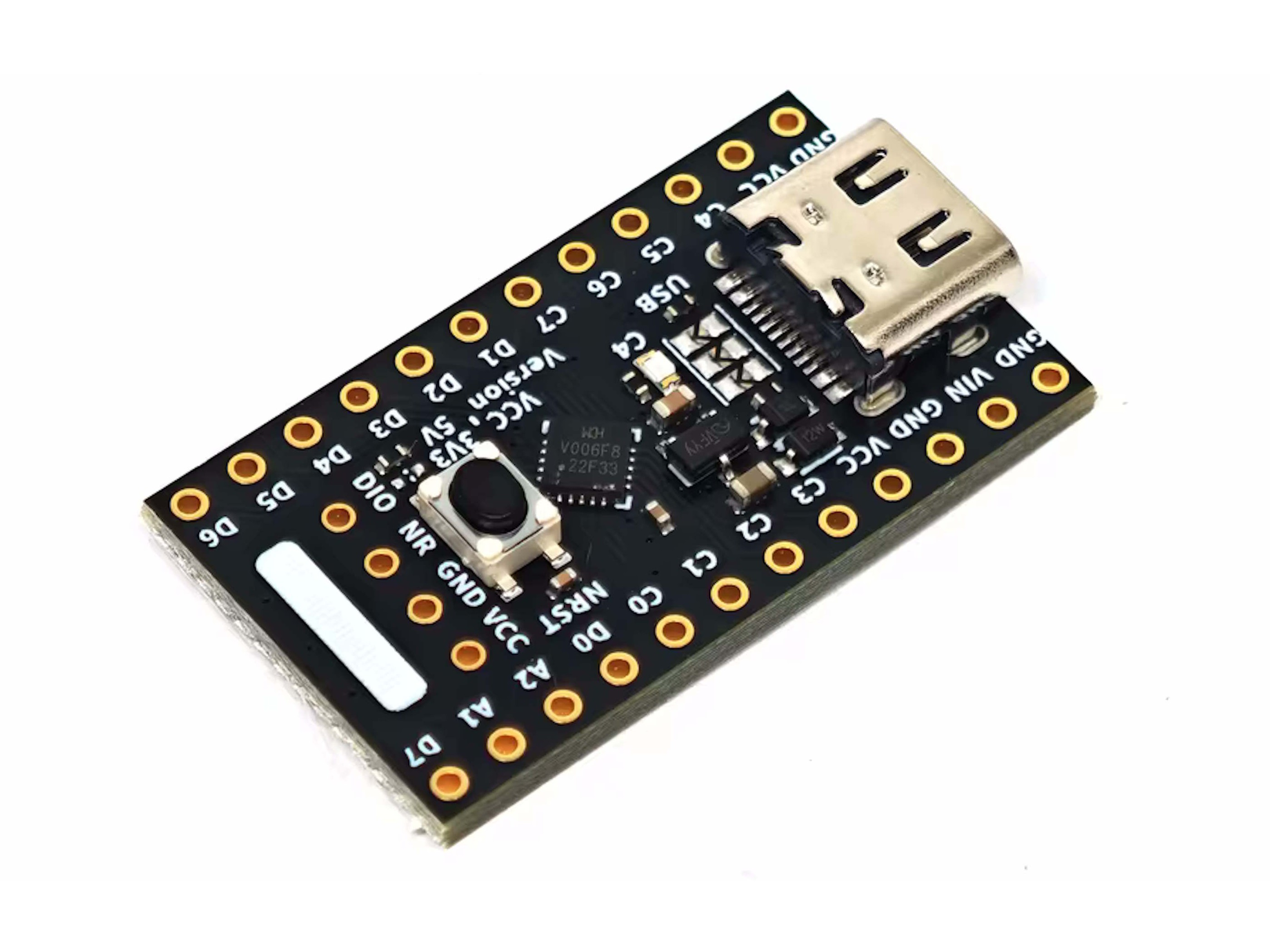
The Ugreen GaN Charger 30W, also known as the 30W USB-C Wall Charger 3-Port, is now available in two new colorways in the US. Features include support for various charging protocols and a compact design.
Console owners may not have to wait long for multiplayer to come to Rockstar Games' next title. The latest leak points to a December arrival for GTA 6 Online. GTA 5 and Red Dead Redemption 2 both saw the additional mode appear shortly after their release dates.
Deal | No Man's Sky is an exploration game set in a galaxy. As a player, you must uncover the secret hidden at its center, but to do so, you'll need to explore numerous planets and gather resources while avoiding various dangers.
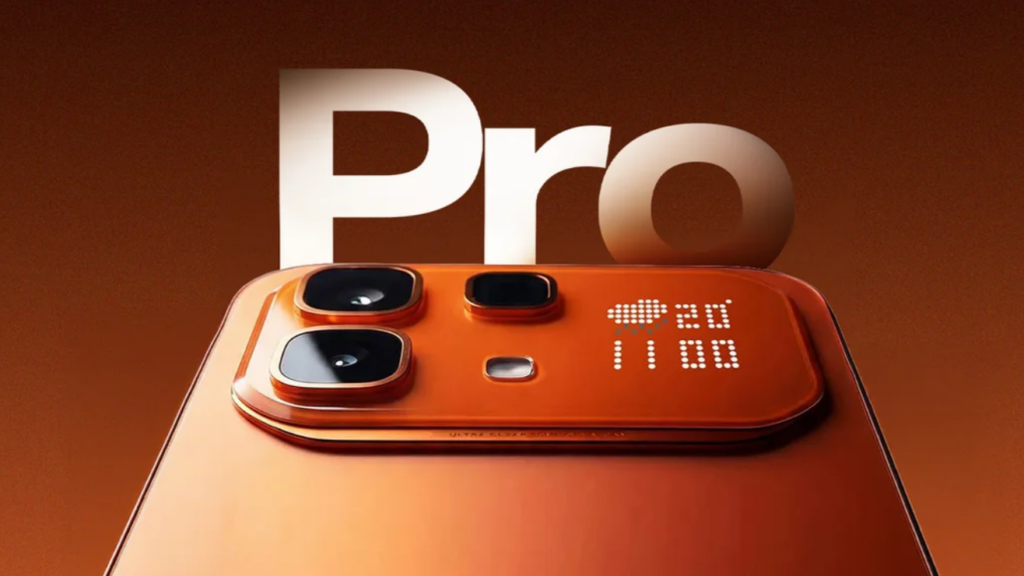
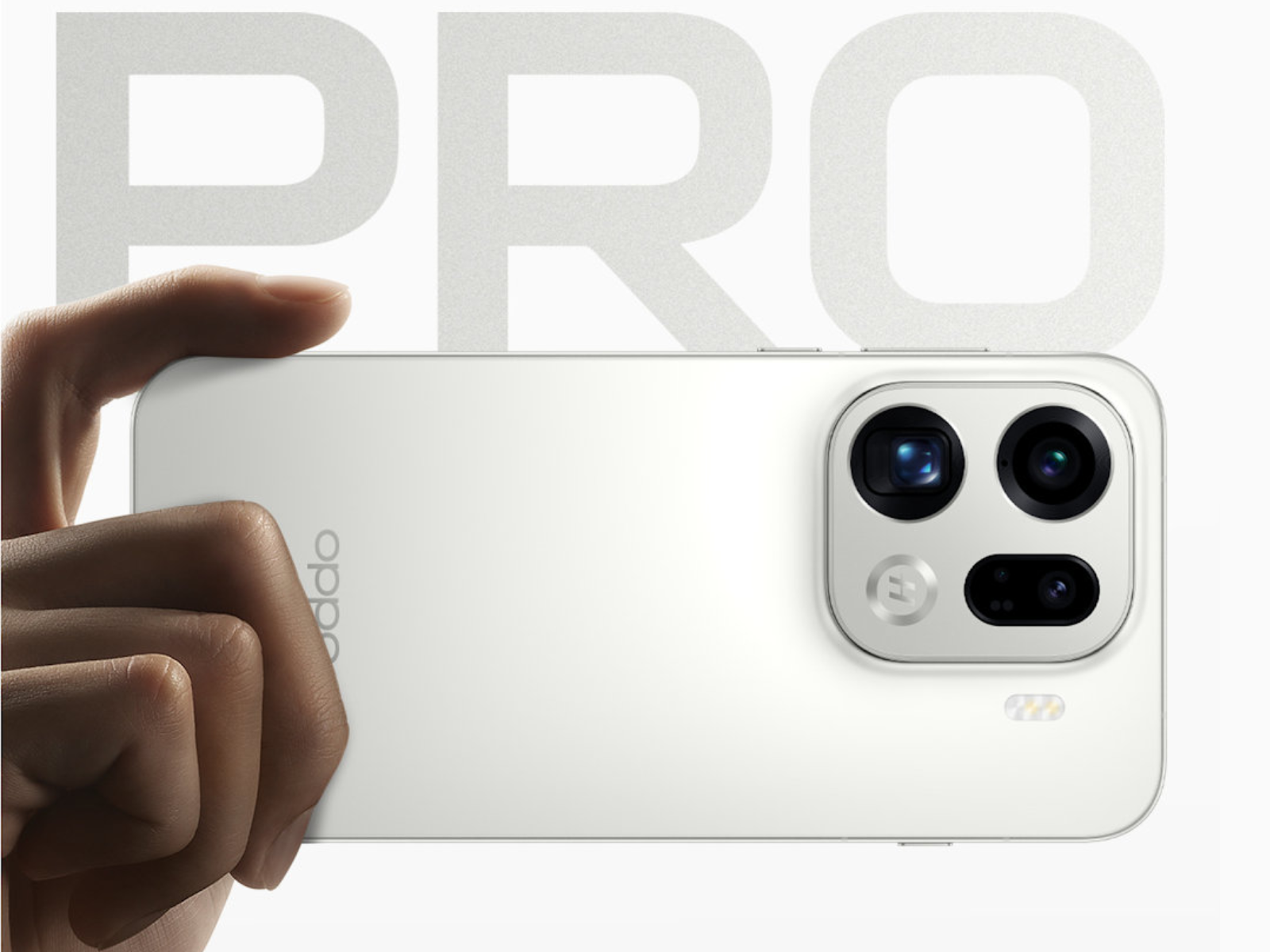
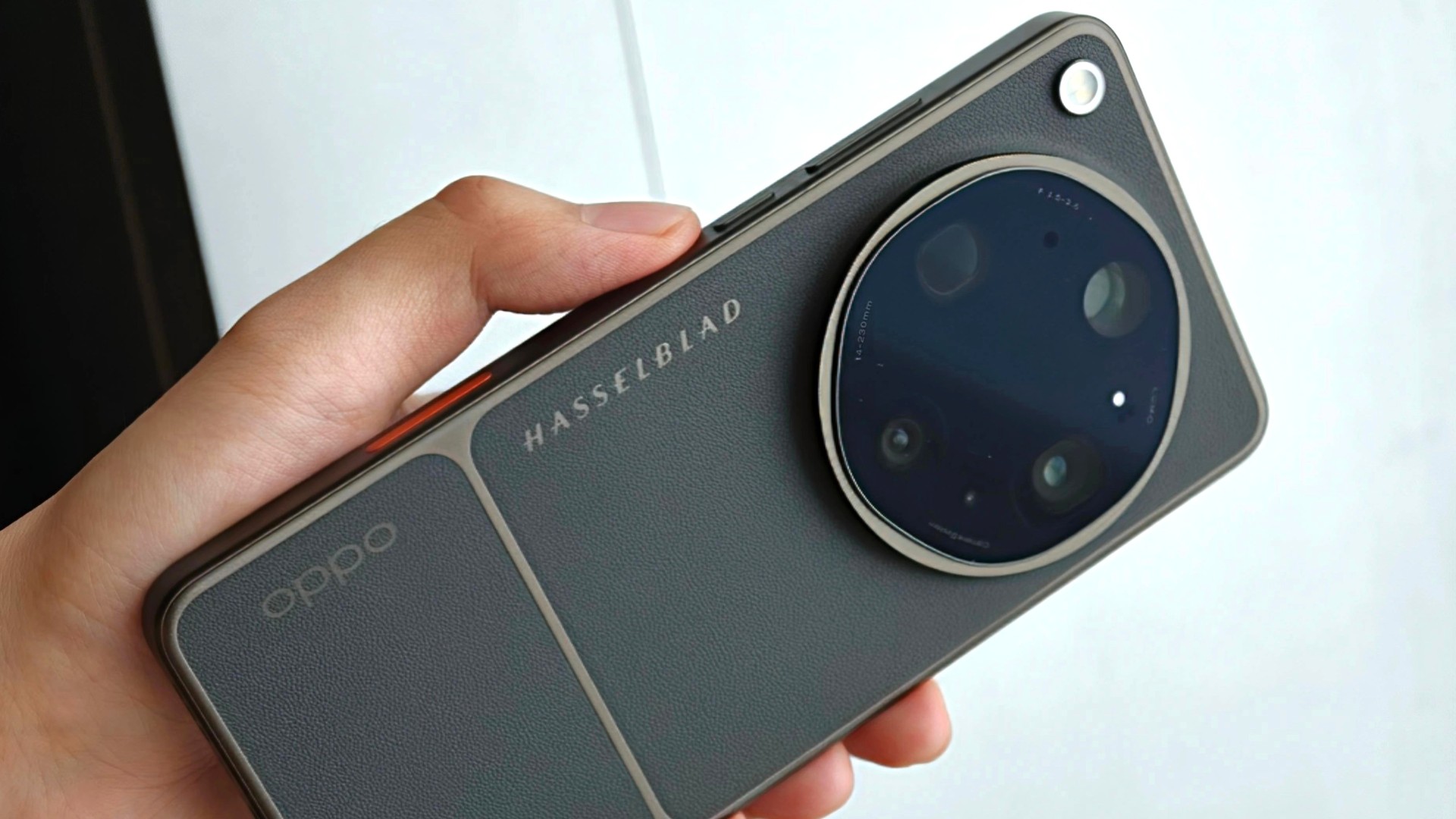
The Oppo F33 series has finally received a launch date. It will include the standard F33 and the F33 Pro, succeeding last year’s Oppo F31 lineup.
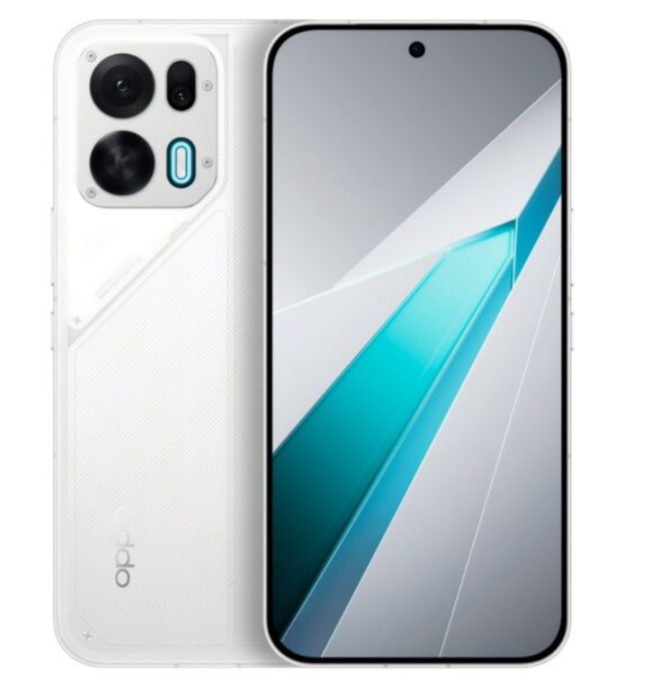
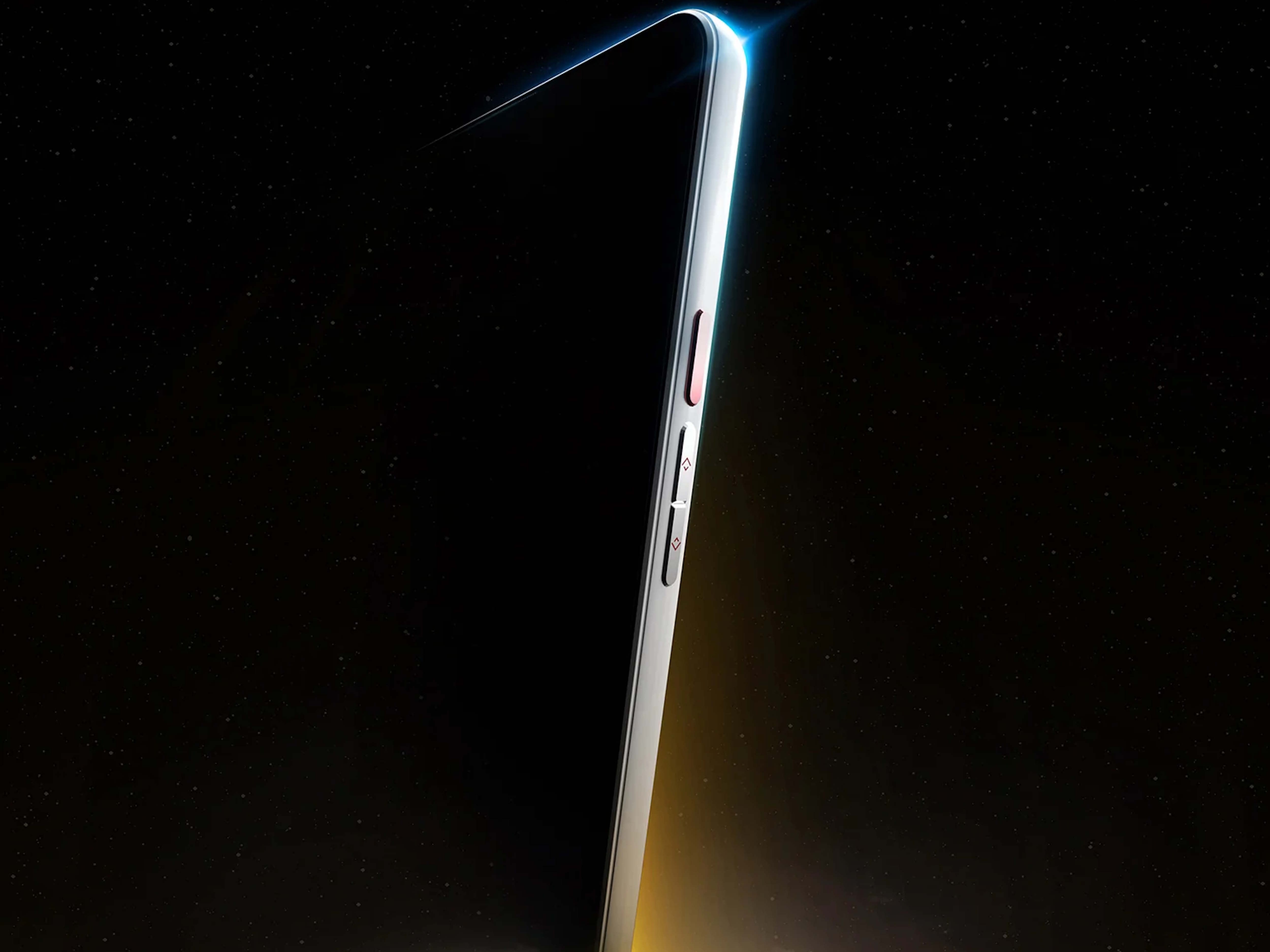
Oppo has confirmed that the F33 series will be unveiled in India on April 15. The company also revealed the phone’s design and color options through a poster shared on X.
The F33 Pro will feature a 50MP front camera and a 50MP camera at the back paired with a 2MP depth sensor. The poster also reveals that the front camera will have a wide FoV and offer a 0.6x wide angle mode.
According to Oppo, the F33 Pro will sport a 6.57-inch...
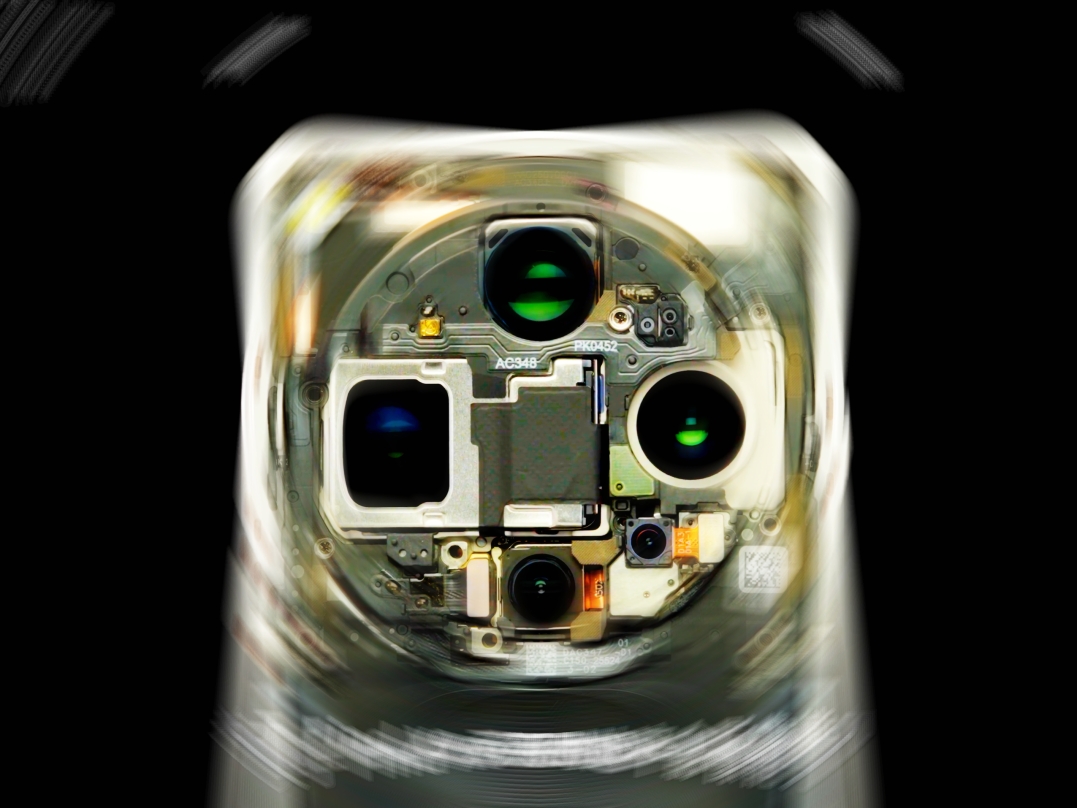
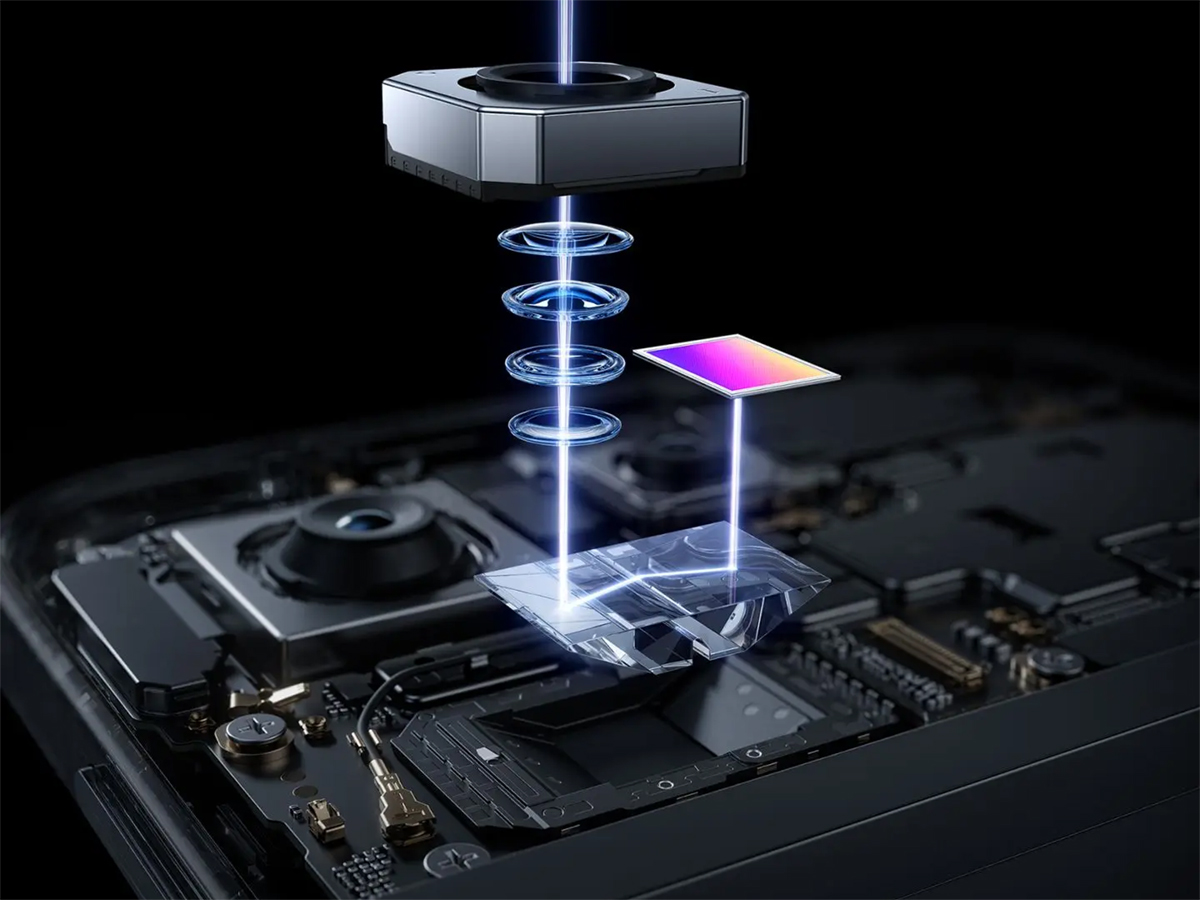
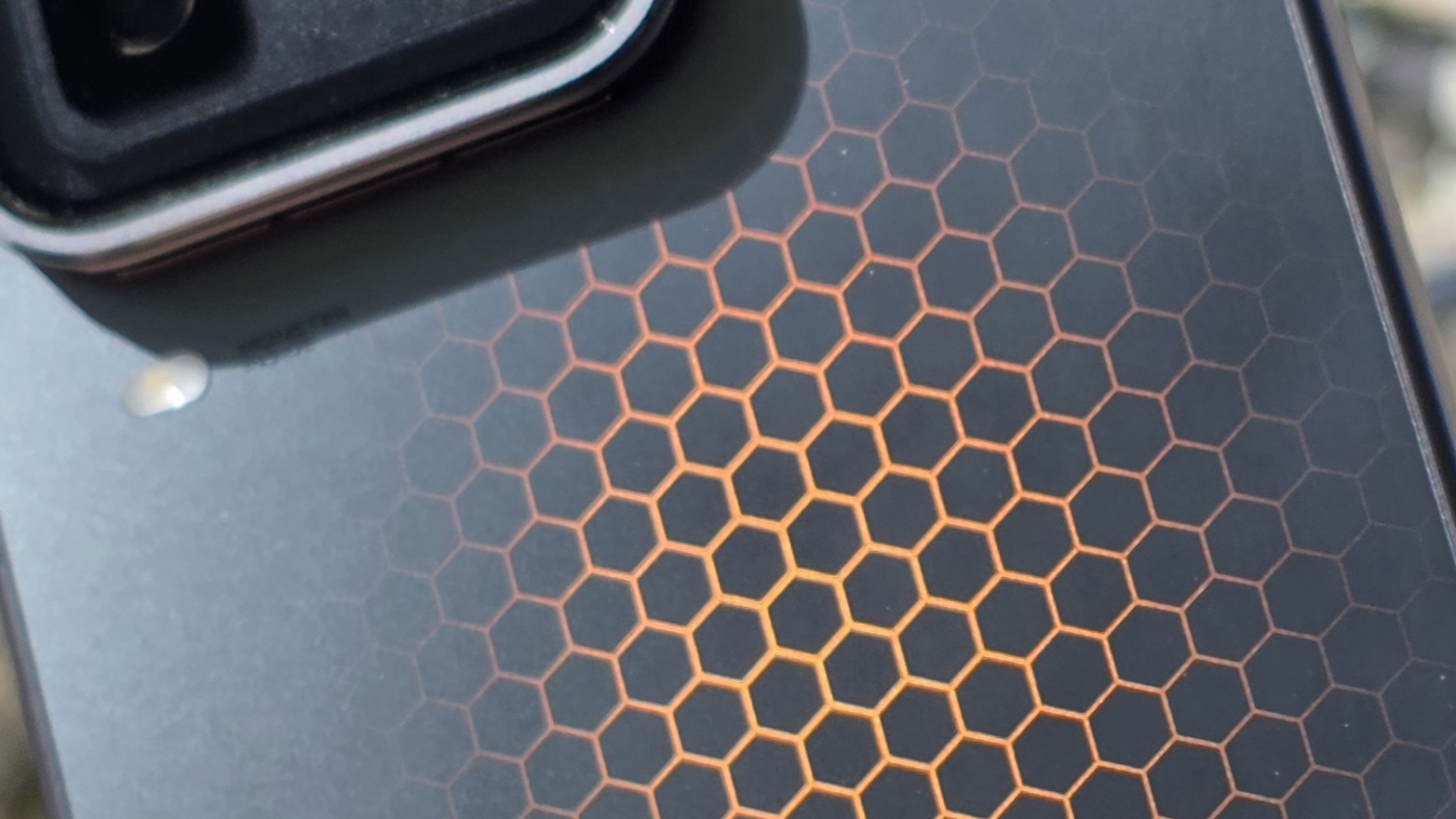
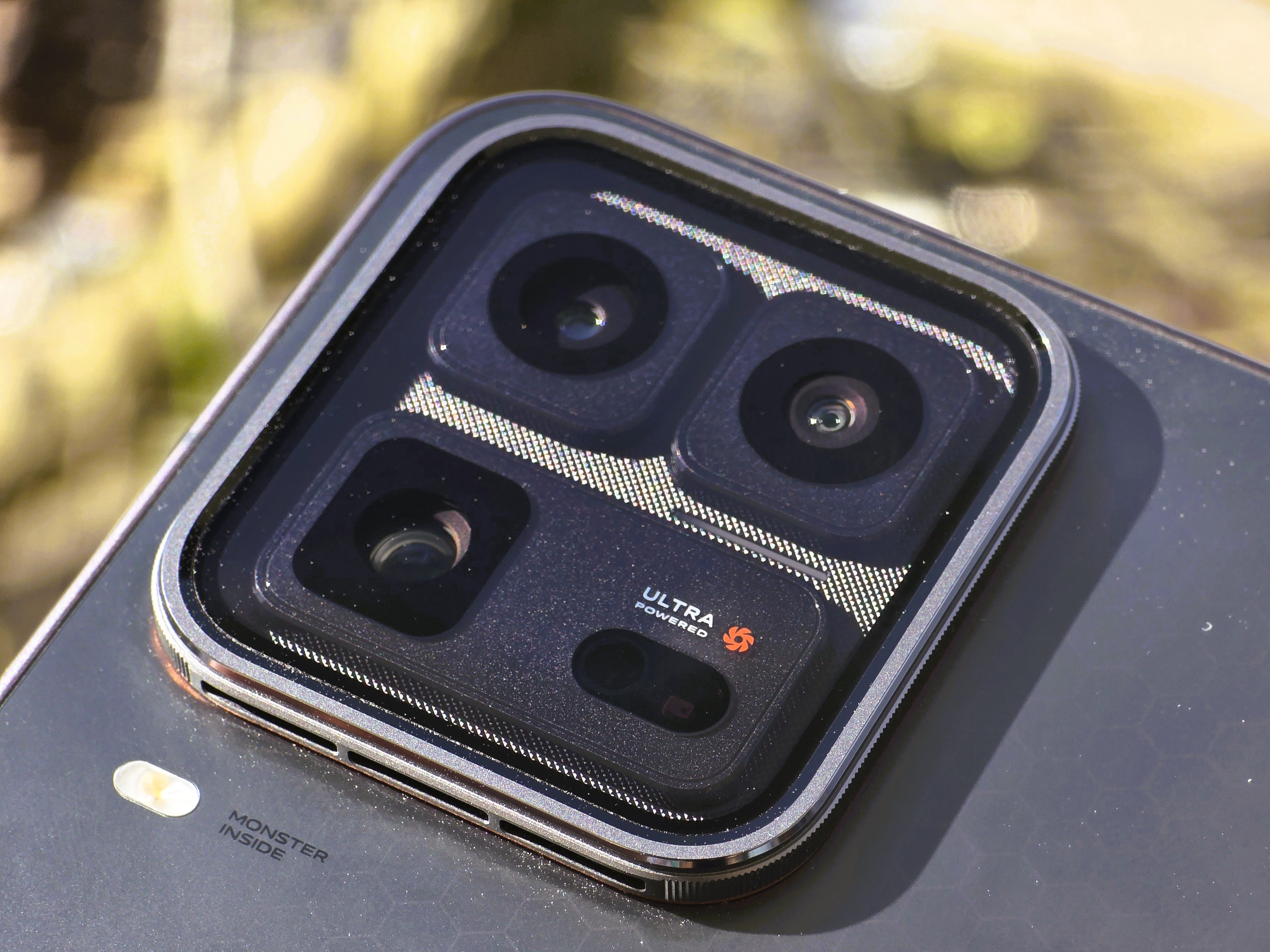
Oppo has finally revealed the Oppo Find X9 Ultra’s full, revolutionary camera system. With a massive light intake advantage over older Samsung phones with 10x zoom, and record-breaking 1x and 3x zoom camera, the Find X9 Ultra might just be the best camera phone of 2026 - potentially outclassing the likes of the Xiaomi 17 Ultra, Vivo X300 Ultra, iPhone 17 Pro, and Galaxy S26 Ultra.
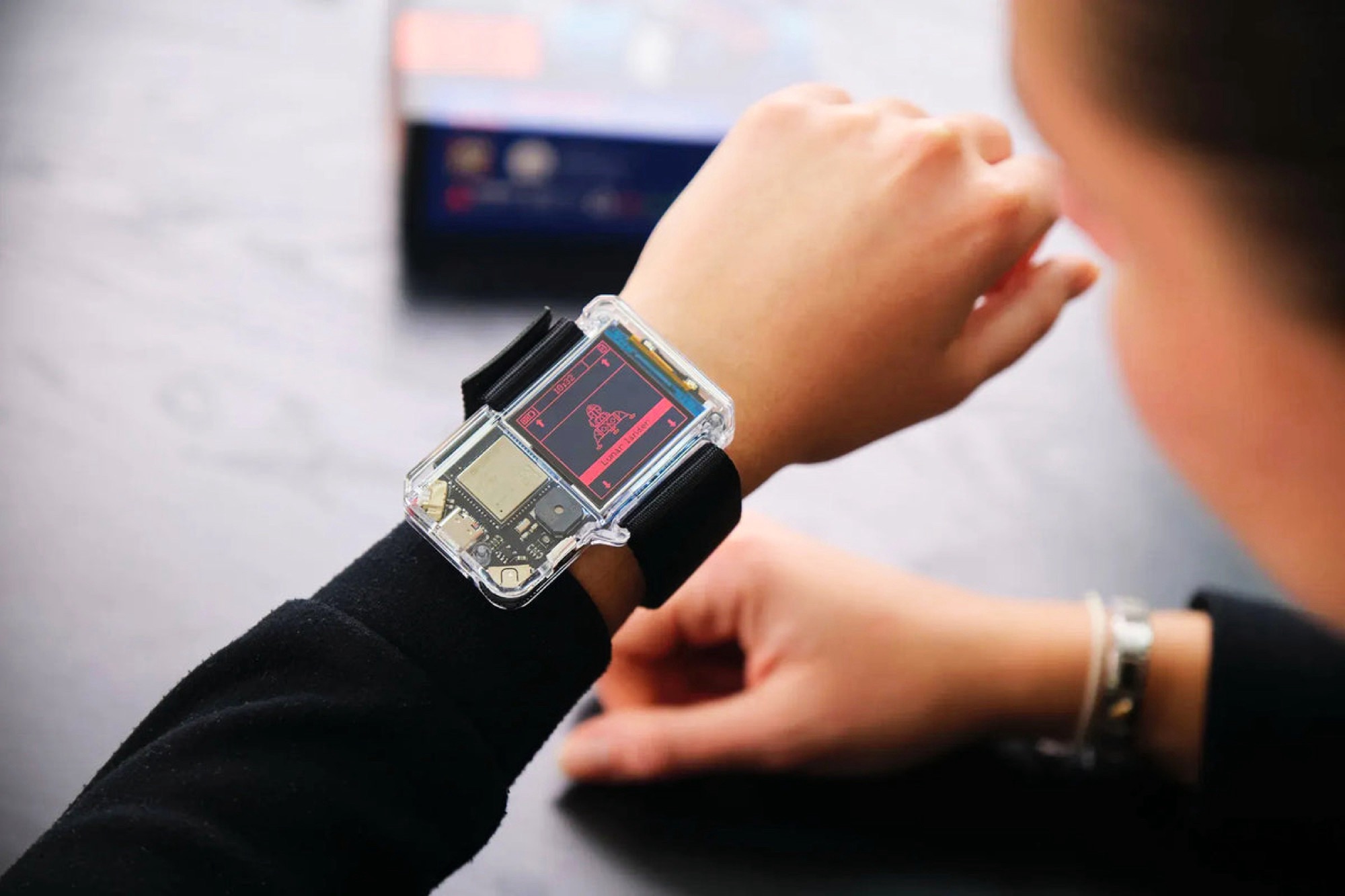
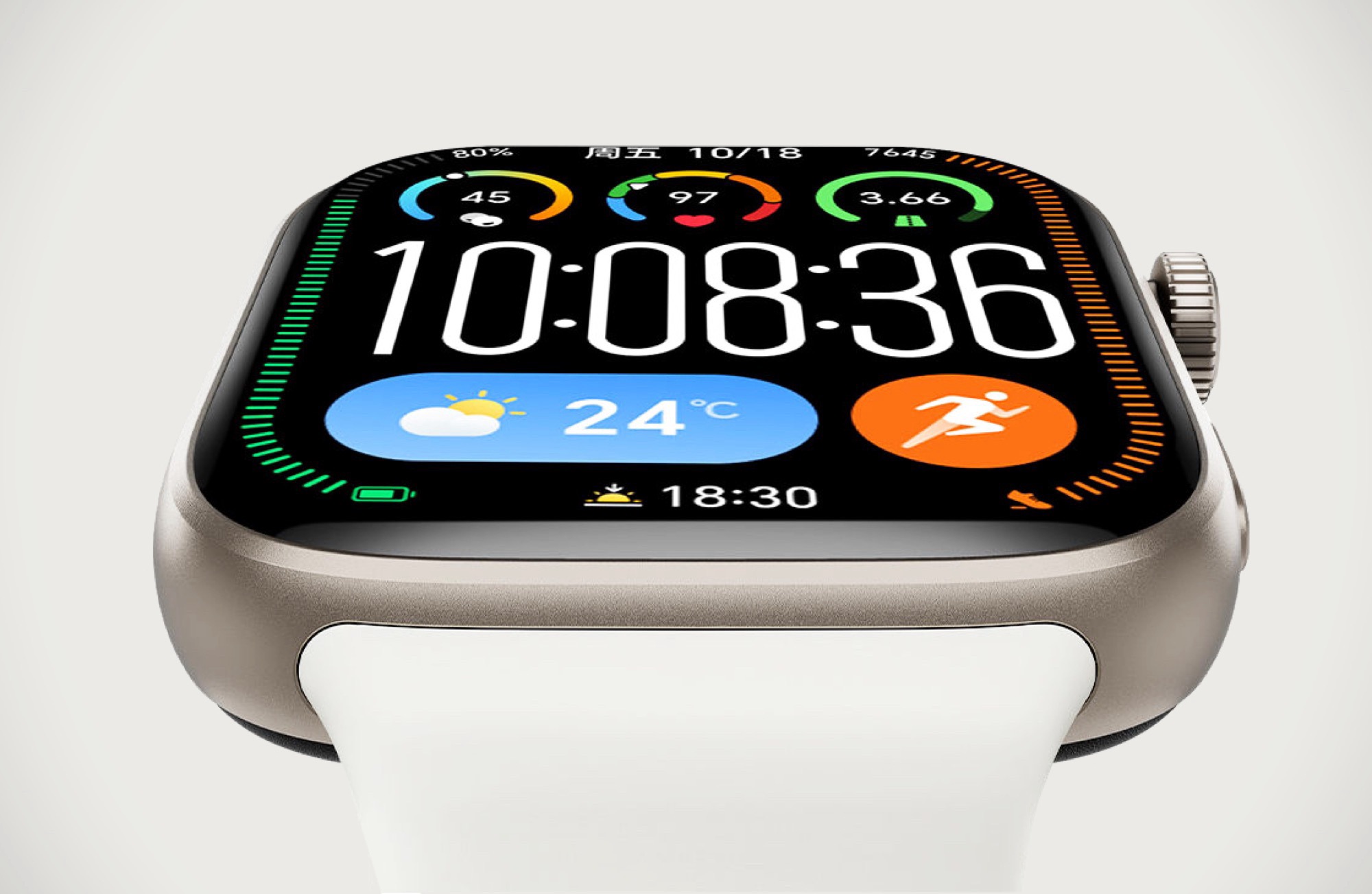
Researchers have developed a low-cost, smartwatch-like device that uses optical sensors to non-invasively detect plastic particles inside the body, potentially eliminating the need for expensive blood tests.
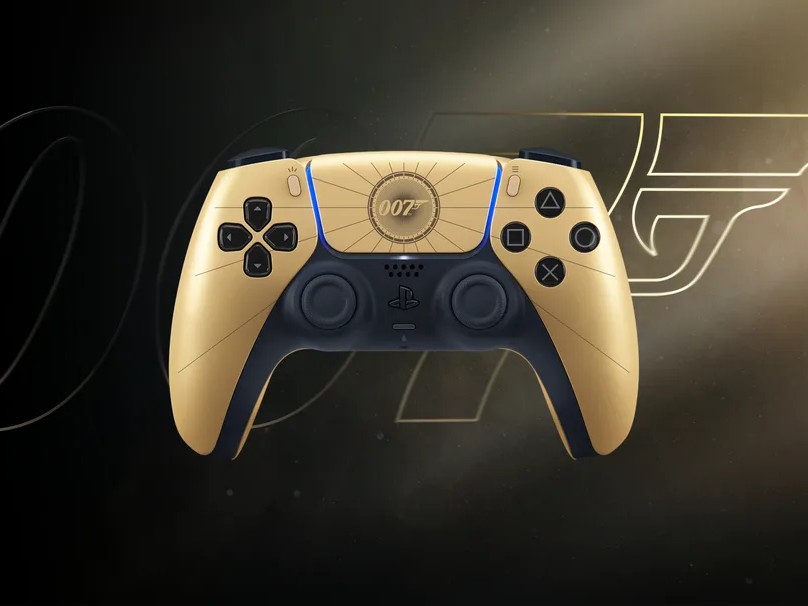
Ahead of the release of 007 First Light on PS5, PlayStation has announced a limited edition DualSense controller based on the game. It will be available for pre-order in multiple regions and will be released on the same day as the video game.
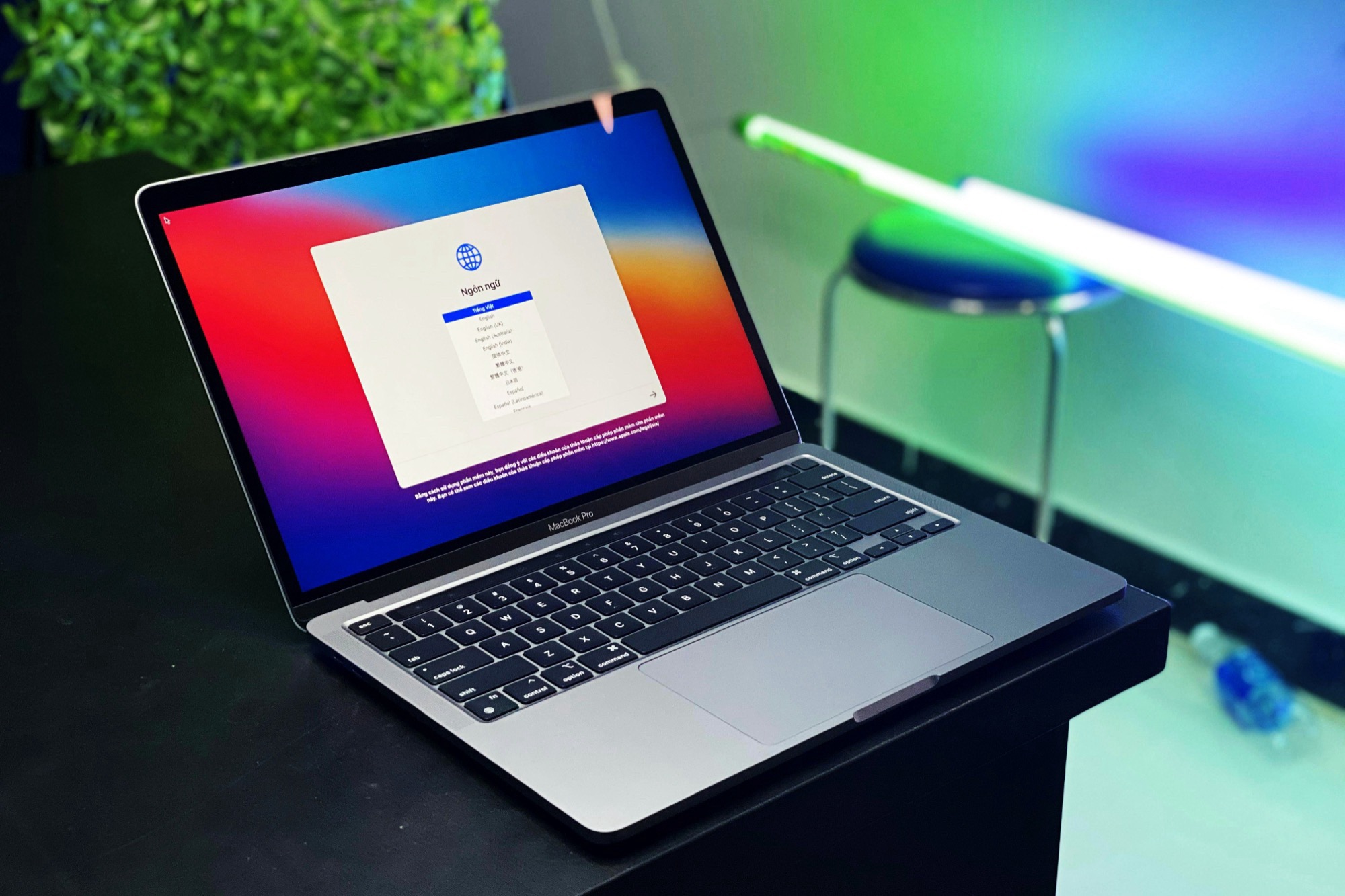
The Apple MacBook, iMac and Mac mini suffer from a macOS bug that effectively acts like a time bomb. After a timer reaches a certain value, new TCP connections can effectively no longer be established, causing many apps and websites to stop working.
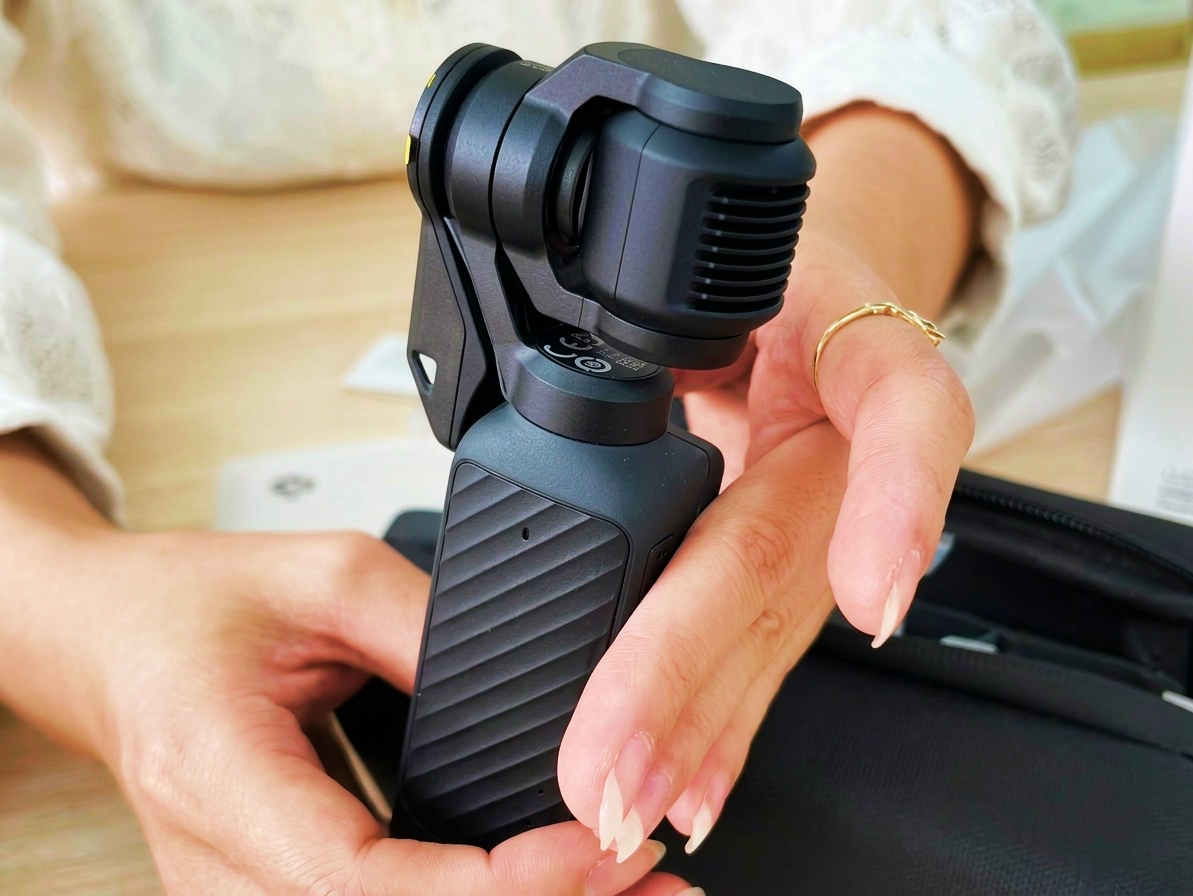
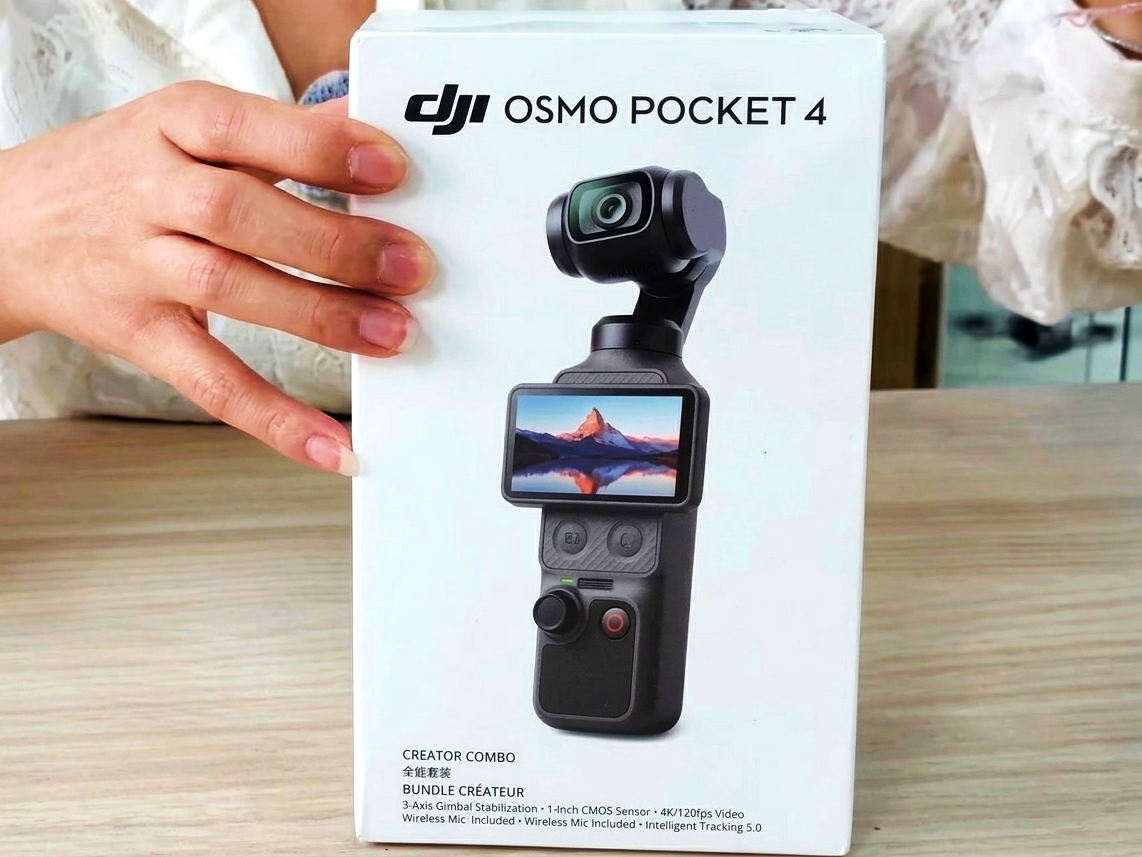
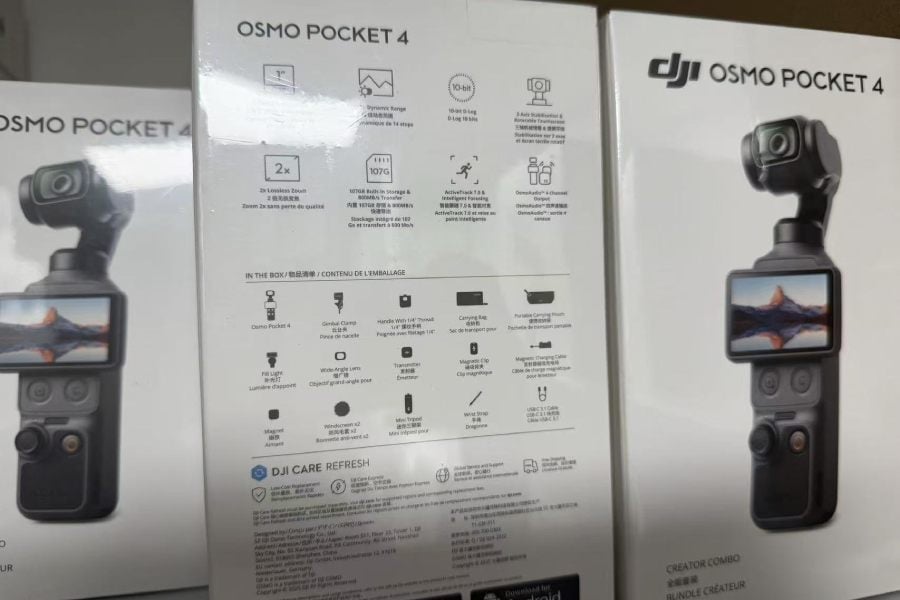
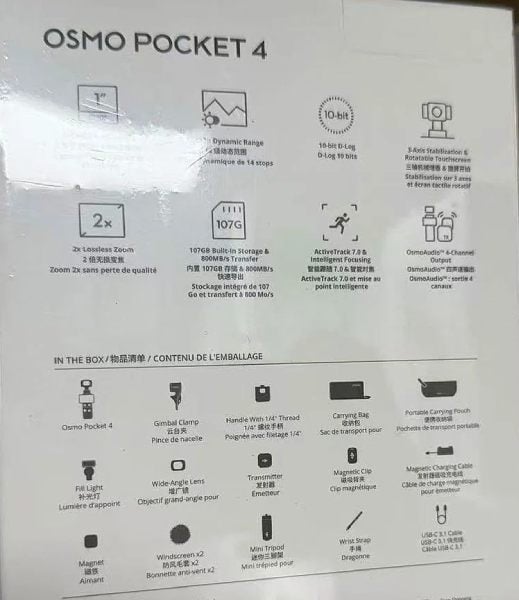
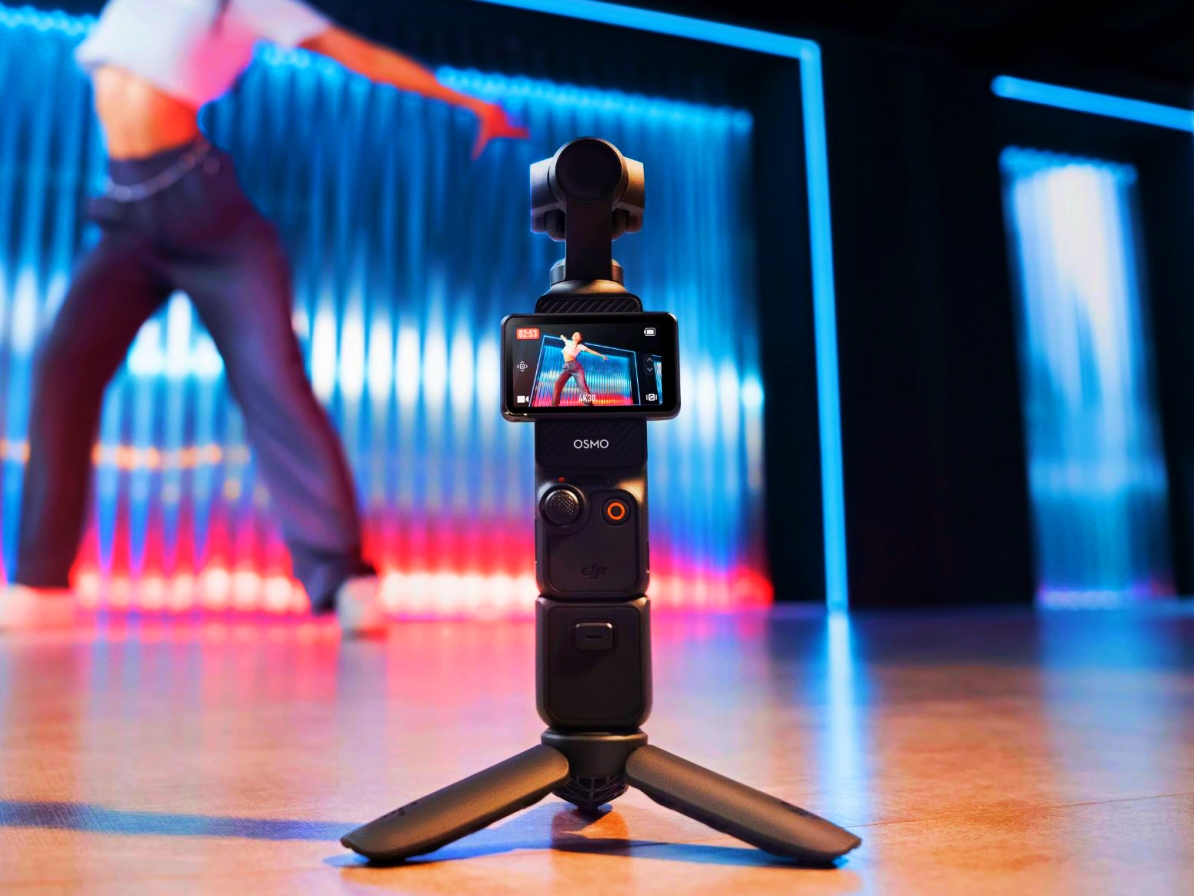
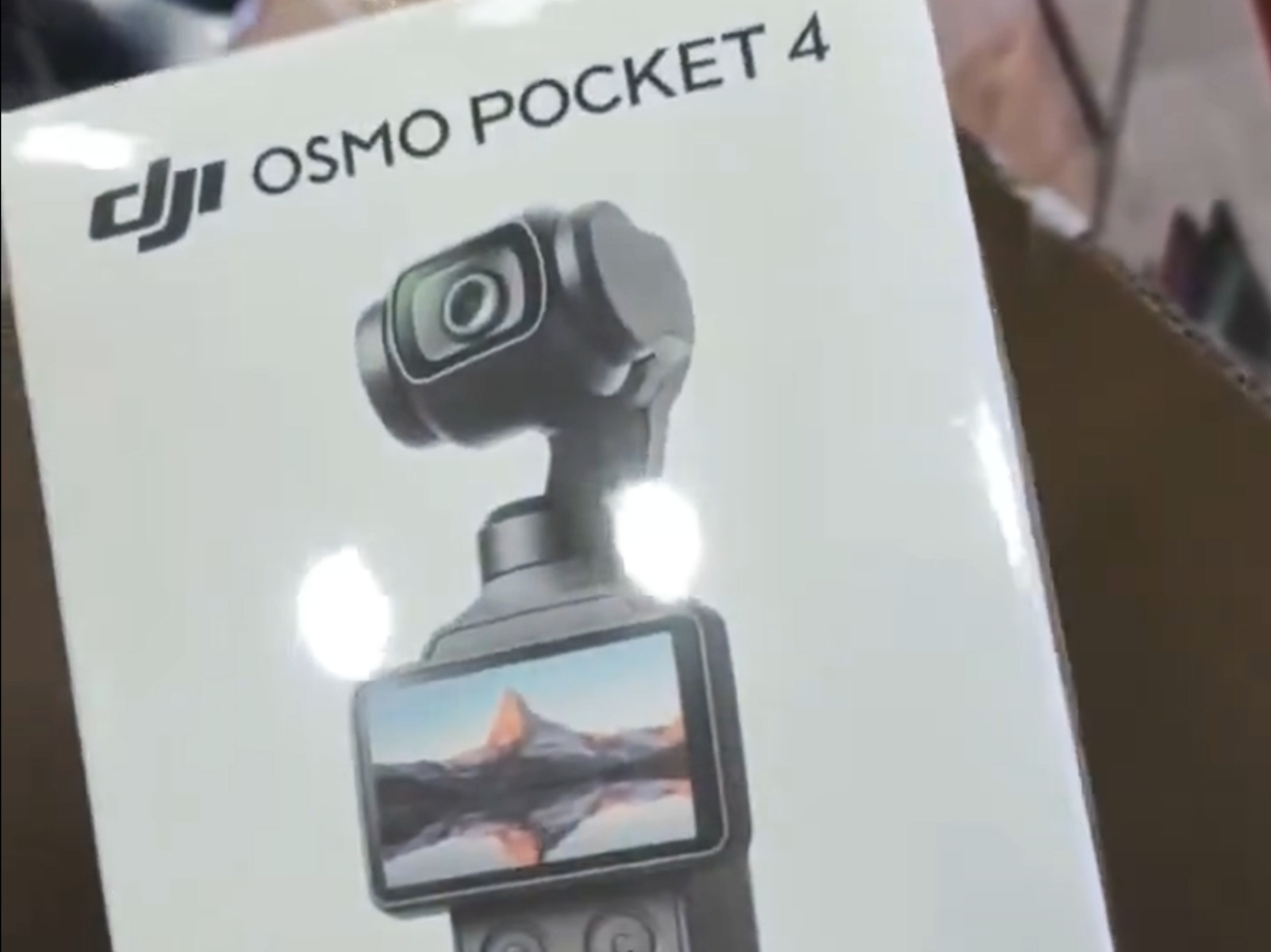
The latest DJI Osmo Pocket 4 leaks details new physical "zoom" and custom buttons for better, pro-grade controls. With a new magnetic mount point for modular fill lights and a bundled DJI Mic 3, the Osmo Pocket 4 could open the door to even more magnetic accessories compared to the Osmo Pocket 3.
Sony’s next major gaming event could unfold sooner than anticipated. A reliable leaker has heard that April 16th is a likely date for a PlayStation State of Play. Despite several major PS5 exclusives in development, third-party titles may take center stage instead.
Deal | Courtesy of an ongoing sale on Lenovo's official online store, the Lenovo IdeaPad Slim 5 16 laptop is now available with a major $400 discount. The laptop packs 16 GB of RAM, as well as a modern 8-core AMD Ryzen 7 "Gorgon Point" APU.
Realme silently launched the C100 yesterday, and before that it starred in a hands-on alongside the C100i, so you may have been wondering what happened to the C100i. While it's still not exactly official, it has now been spotted in the Google Play Console.
The listing has yielded the image you can see above, and it's also revealed the phone's main specs. It is powered by the Unisoc T615 SoC, paired with 4GB of RAM. It has a screen with 720x1570 resolution, and the model number RMX5377.
According to the previous leak, the C100i has a 6.8-inch LCD screen with the aforementioned...
Samsung is expected to outclass NVIDIA in profits next year despite a smaller market cap. The company just posted earnings guidance for Q1 2026, estimating operating profit of nearly $42 billion in a single quarter. That’s a 755% jump over the same period last year.
We just reported that Samsung made more money in one quarter of 2026 than it did in the entire year of 2025. The memory chip market has been building toward something like this for a while; HBM demand exploded and AI infrastructure build-outs accelerated.
Every hyperscaler on the planet needed more memory, faster, and Samsung is the company that makes the stuff the entire industry runs on. KB Securities (via Jukan) projects Samsung’s full-year operating profit at $221 billion in 2026, and the 2027 projection sits at $330 billion.
KB Securities’ 2027 forecast for NVIDIA falls below $330 billion. If Samsung hits that target, it becomes the most profitable company on the planet by operating income, and it would do it while carrying a market capitalization that’s roughly 19% of NVIDIA’s.
Analysts tracking the memory cycle believe it hasn’t peaked. We’re sitting at the midpoint, with prices still having room to climb. Samsung’s own guidance suggests the company knows it.
The most profitable company in the world might not be the one building the AI future. It might be the one quietly selling the memory it runs on, and that should make Big Tech a little uncomfortable.
Bookmark this. KB Securities expects Samsung to make more money than Nvidia next year. pic.twitter.com/KNlDOG3gEd
Samsung and Minted have announced a partnership expansion to bring new artworks from independent artists around the globe to the Samsung Art Store.
These artworks are coming from the first-ever “Frame It” art challenge winners. The contest was co-hosted by both brands in December 2025. These artworks will be available through 2026 to bring new art styles to Samsung users. The company has shared the winners:
Autumn River by Wendy Keller (first prize winner)
Winter’s Quiet Return by Carol C. Young (second prize winner)
County Line Up by Kamala Nahas (third prize winner)
Apple Tree by Wendy Keller (fourth prize winner)
Misty Valley by Melanie Severin (fifth prize winner)
Autumn River by Wendy Keller (Source – Samsung)
Minted arts have been available for Samsung Art Store users since 2019, but the new Frame It competition has enabled new creations that are specifically targeting Samsung Frame series TVs. As an outcome, 180 artworks by 98 independent artists will be available on the Art Store.
Both partners are also supporting these independent artists with prizes ranging from $2,000 to $750, and an Editor’s pick of $150, as well as a commission on net sales.
Furthermore, new Samsung x Minted artworks will be available through seasonal themes to vary their appearances and user experience.
Amazon is ending support for numerous Kindle e-readers and Kindle Fire tablets in May. After a deadline has passed, it will no longer be possible to load new e-books onto the affected Kindle models, effectively turning them into paperweights.
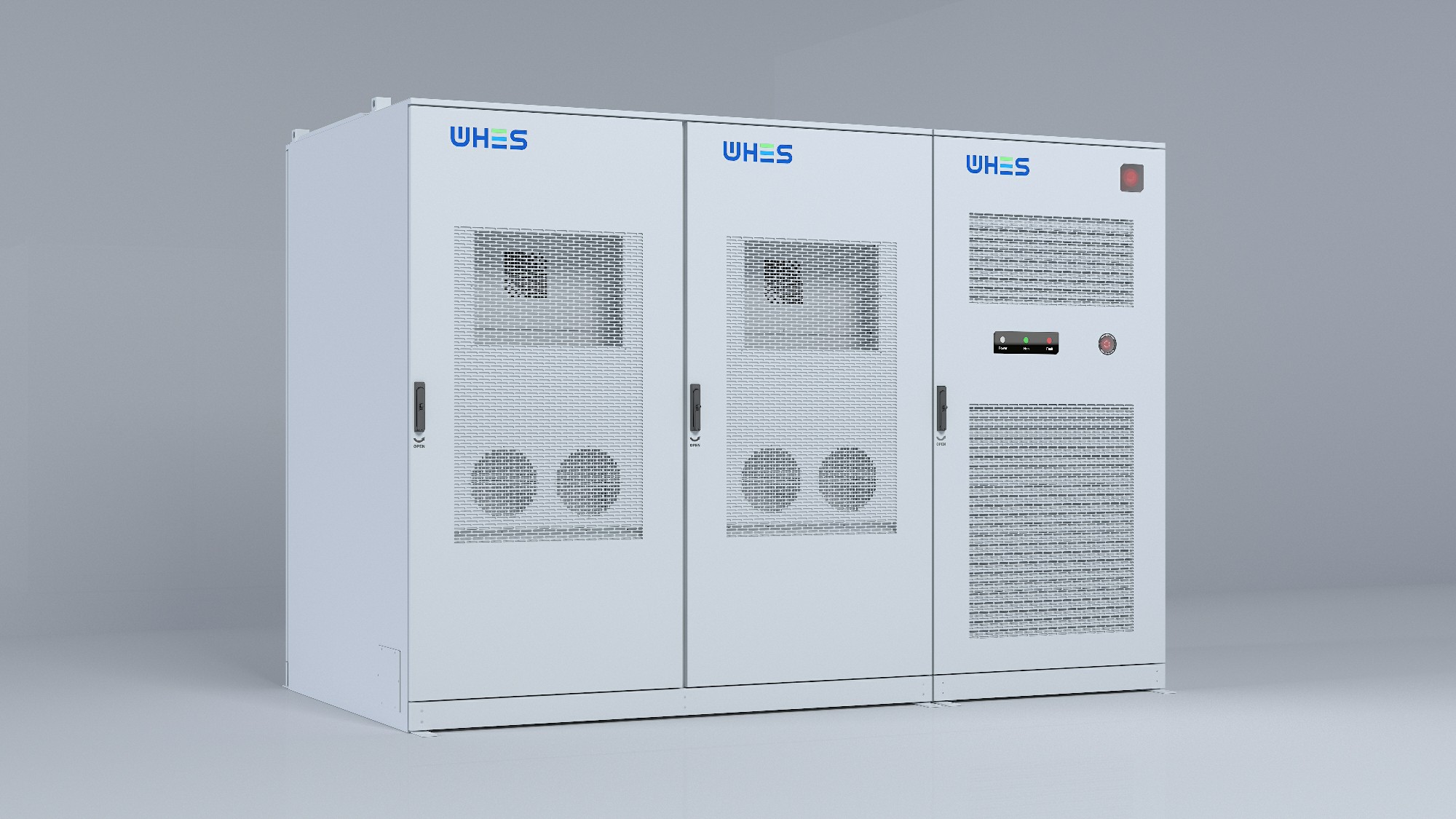
With a combination of Chinese hardware and German software, Tesvolt aims to impress with its recently introduced battery storage system. This is intended to ensure low prices and high safety standards while enabling a rapid payback period.
Tractive presents Cat 6 Mini and Dog 6 XL, two brand new pet trackers that not only record calories burned, active time spent and sleep, but also help to track a pet through a GPS module.
Deal | Courtesy of an ongoing sale on Lenovo's official online store, the Lenovo IdeaPad Slim 5 16 laptop is now available with a major $400 discount. The laptop packs 16 GB of RAM, as well as a modern 8-core AMD Ryzen 7 "Gorgon Point" APU.
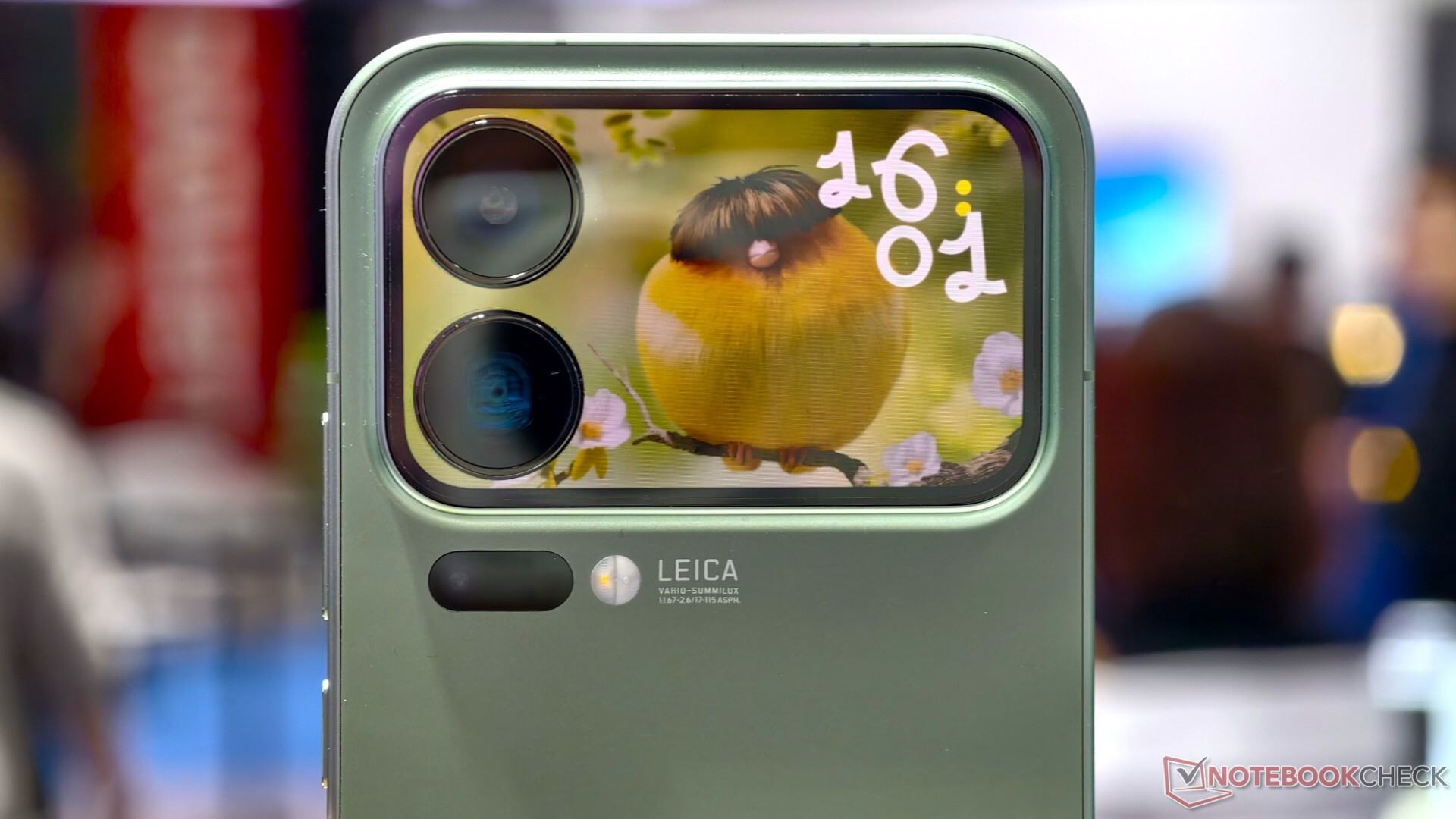
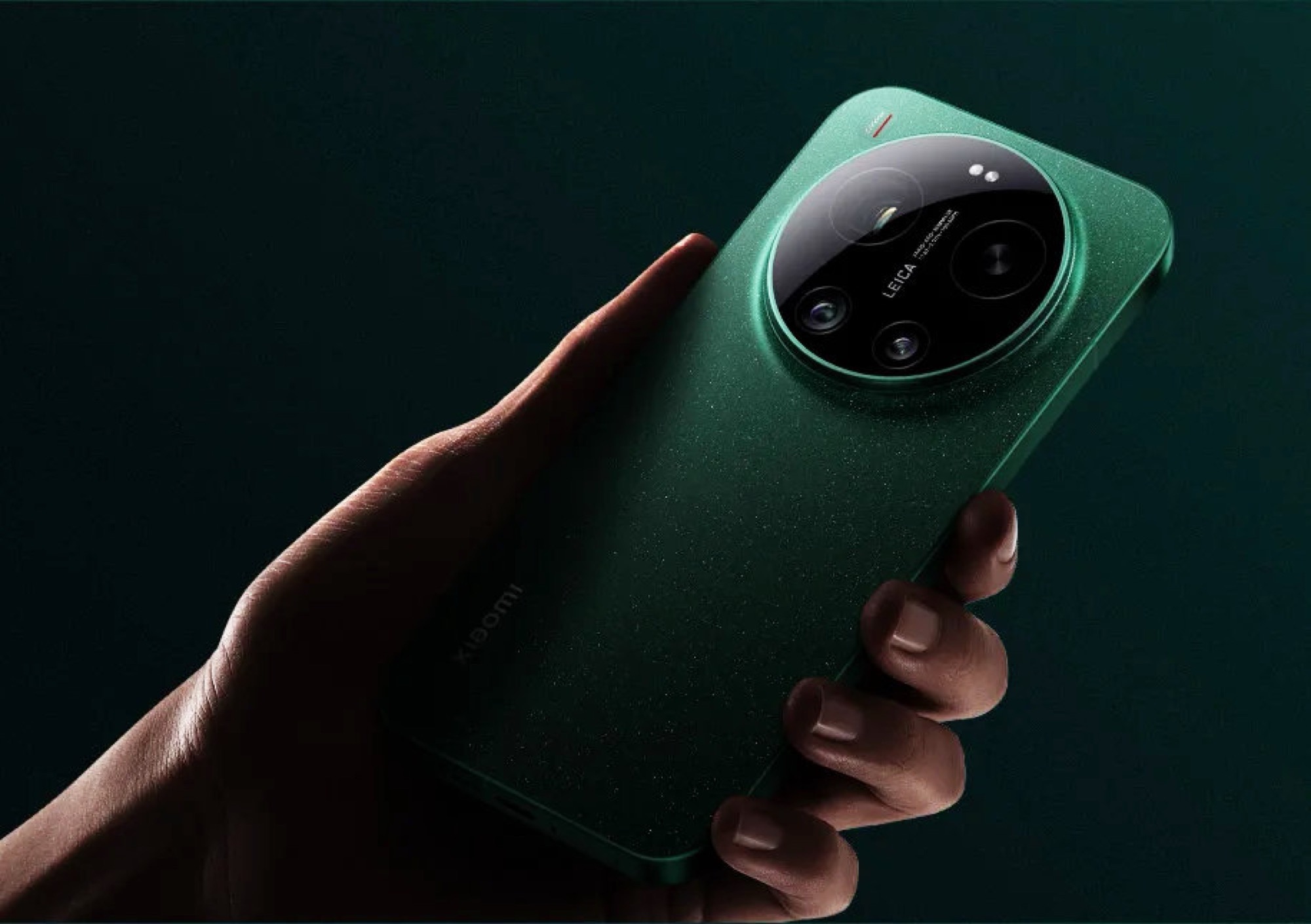
Two well-known leakers have provided more details on the next generation of Leica-branded cameras, which is already set to launch in China in a little over five months. It already seems fairly certain that it will use two 200MP sensors, but in the details as well, Xiaomi apparently is taking more cues from Oppo's and Vivo's current Ultra phones.
Keychron has officially made all of its keyboard and mouse designs open-source, including all of the wireless gaming keyboards and mice, making it significantly easier to design custom enclosures, mods, and add-ons for the relevant products. While these designs are not available for commercial use, the STEP files are free to download, and the community can suggest improvements in GitHub pull requests.
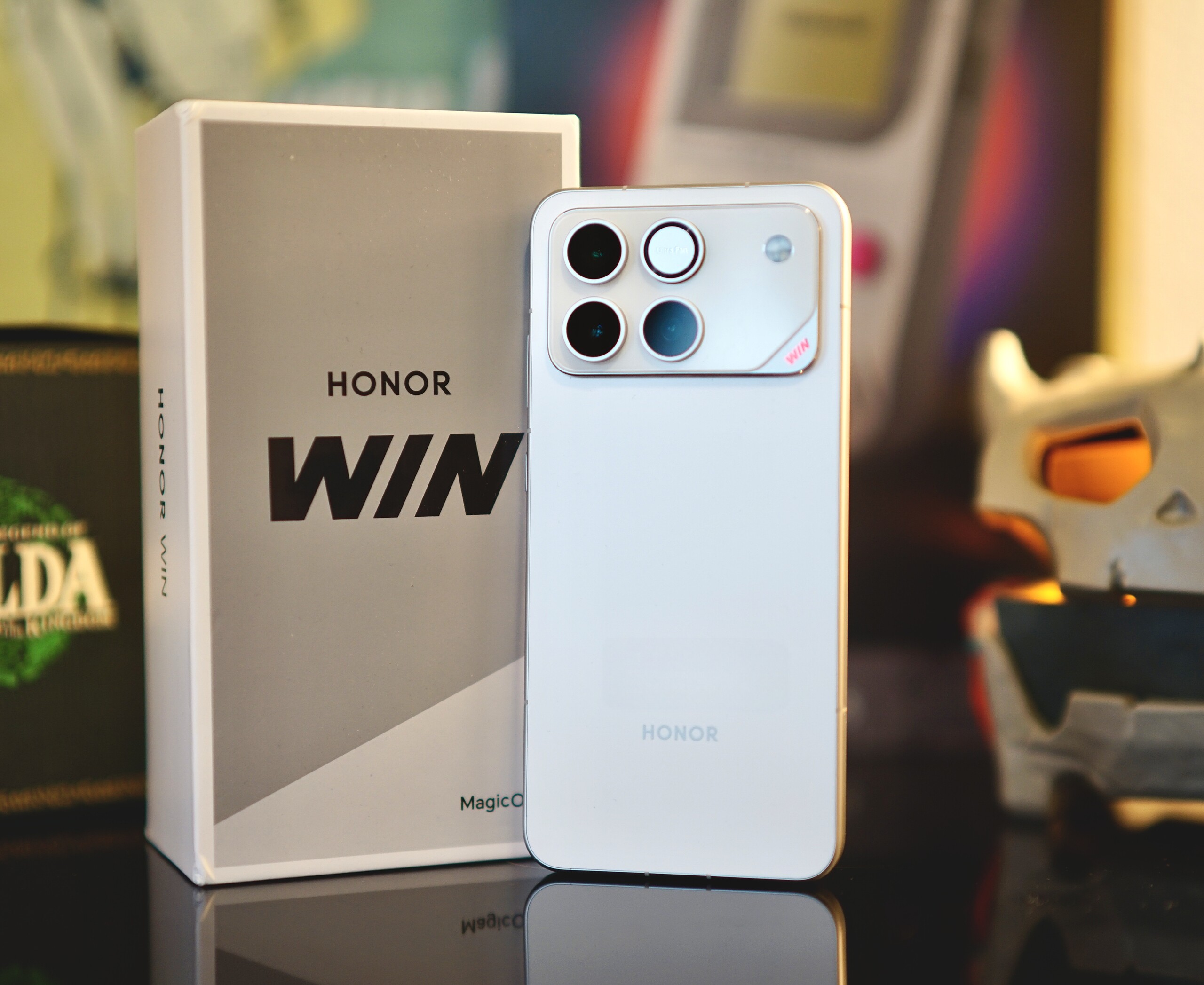
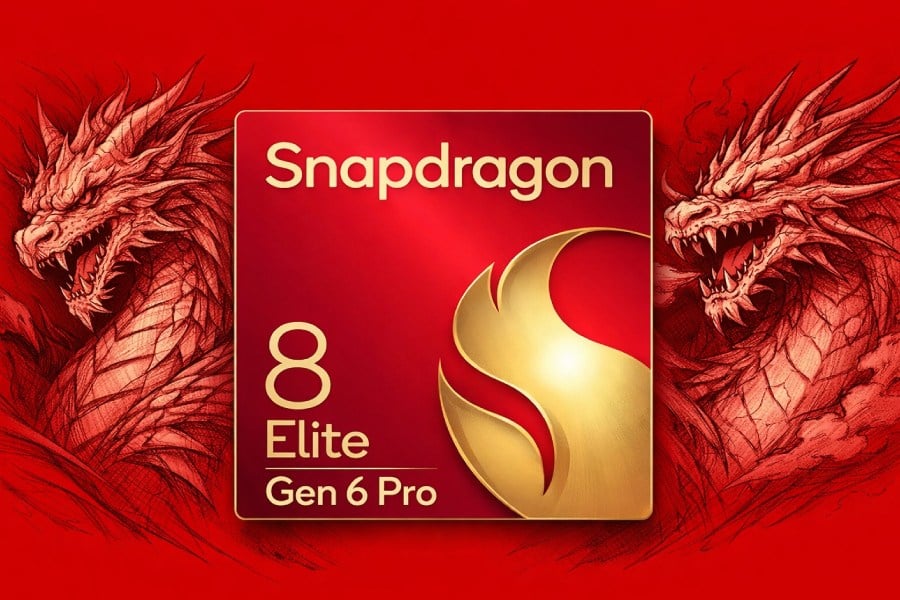
The Honor Win's sequel could keep the massive battery and fast charging of the original. Honor is also rumored to be adding a Snapdragon 8 Elite Gen 6 processor along with a slightly bigger screen.
Last month, the Samsung Galaxy Z TriFold went out of stock in the U.S., and the company indicated that the phone wouldn’t be restocked. However, it’s now announced that Galaxy Z TriFold will be returning to sale once again this Friday.
Samsung has listed this phone on its official online store with a tagline, “Coming soon – the return of our popular trifold screen.” The company also announced that this sale will be available until supplies last.
It has an official countdown timer running on the Samsung Store, which could help you to stay ready to place an order. Besides the online store, you can also find the phone at Samsung’s official experience stores.
Samsung Galaxy Z TriFold is returning in the U.S.
Launched in December, the Samsung Galaxy Z TriFold brings a new generation of foldable form factor. It folds twice to create a massive 10-inch tabelt size screen space that helps users to see content bigger and multitask better than ever.
Once closed, the TriFold becomes an ordinary phone with its 6.5-inch Dynamic AMOLED 2x display offering you all functions without requiring you to unfold the device. Its dimensions make the phone as hand-frinedly and its weight makes it easy to carry.
It equips three rear cameras: a 12MP ultra-wide, a 200MP high-quality main camera, and a 10MP 3x telephoto optical zoom camera. There’s one 10MP selfie camera on the foldable display and the other on the cover.
The phone uses the Snapdragon 8 Elite chipset, coupled with the One UI 8.0 operating system with Galaxy AI features. It comes with Samsung’s 7 OS upgrades and seven years of security patch support.
Unlike Fold 7, Z TriFold ships a 5,600mAh battery, the largest Samsung has ever packed inside a foldable phone. And, it supports 45W fast super charging. Now comes the price, the phone was launched at $2,899 in crafted black color and 512GB of storage.
Sony's new pair of high-end wireless headphones should soon receive a global release. Rather than the WH-1000XM7, The ColleXion will be an even more premium alternative to the WH-1000XM6 that Sony is now said to be launching in two colours.
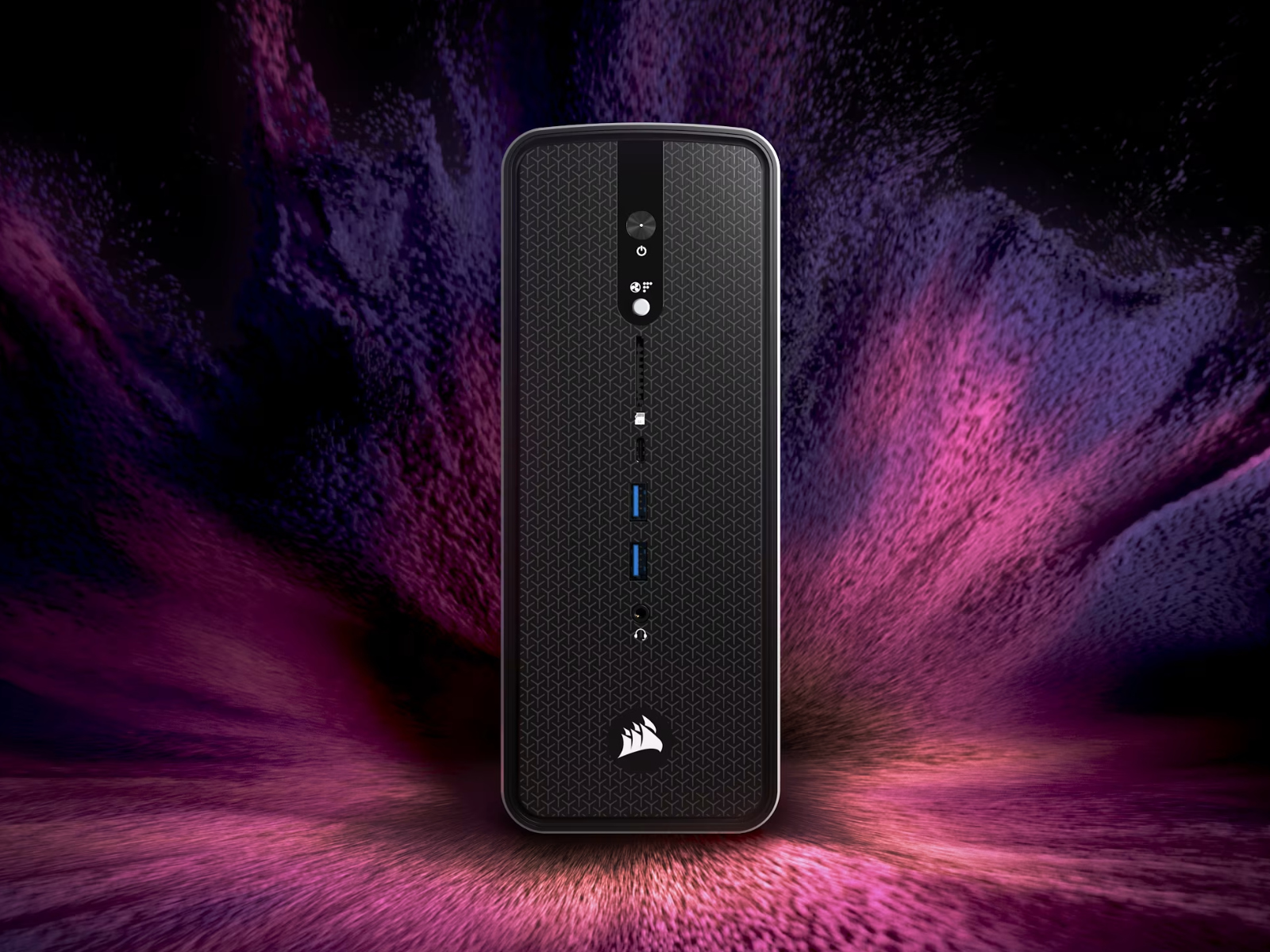
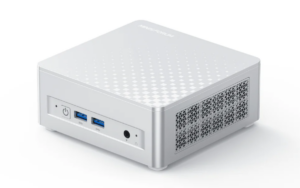
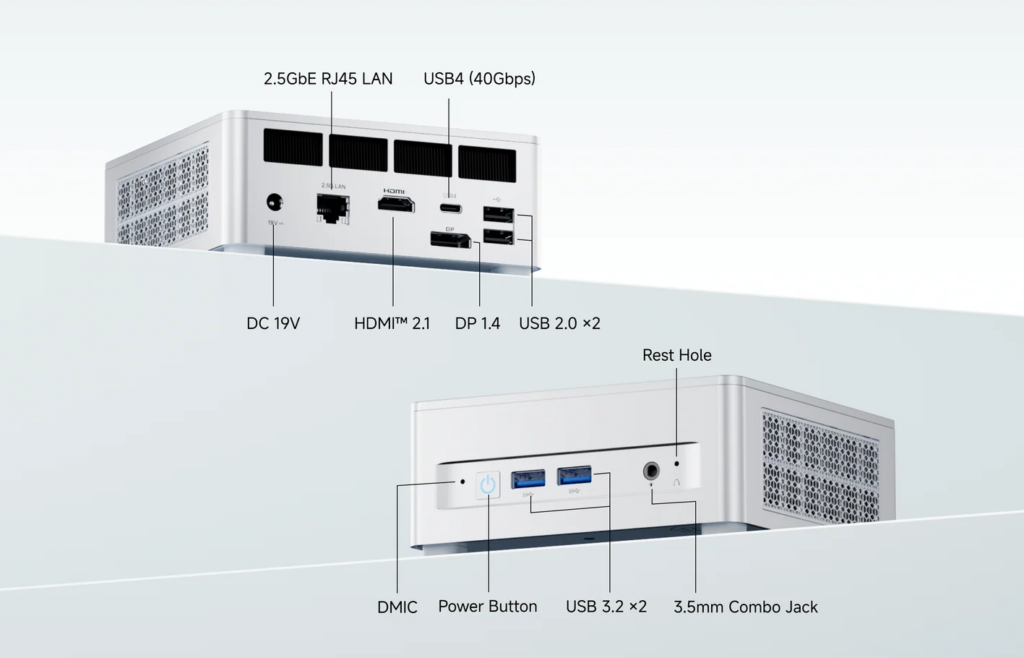
Corsair has confirmed new pricing for its first AMD Strix Halo mini-PC. Available with the Ryzen AI Max+ 395 and up to 128 GB of RAM, the AI Workstation 300 previously ranged between $1,599 and $2,299.
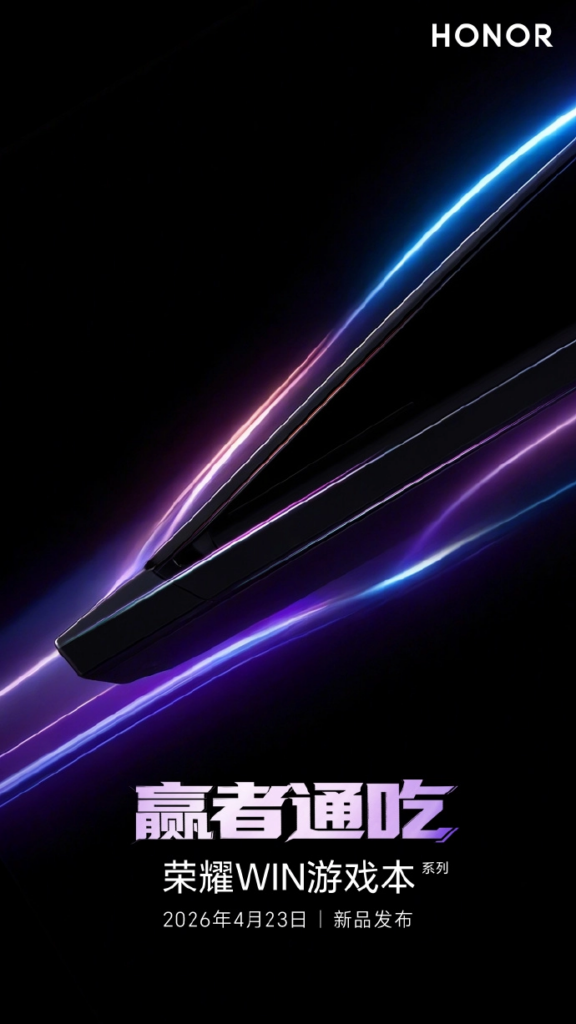
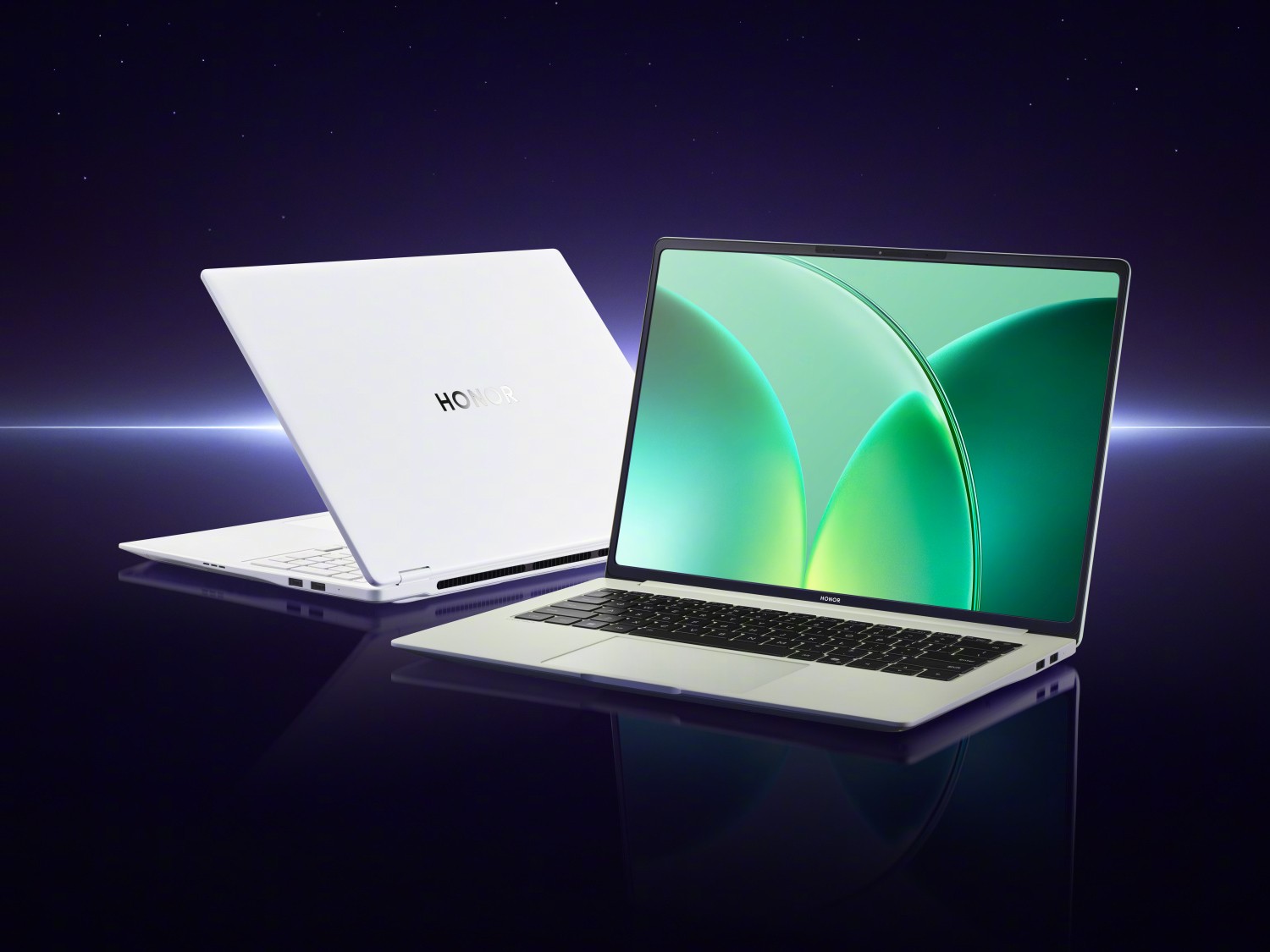
Honor has announced it will be launching 2026 models of its MagicBook X14 Plus and MagicBook X16 Plus laptops. The two laptops will launch alongside new models under Honor's WIN and MagicBook Pro series on the same day.
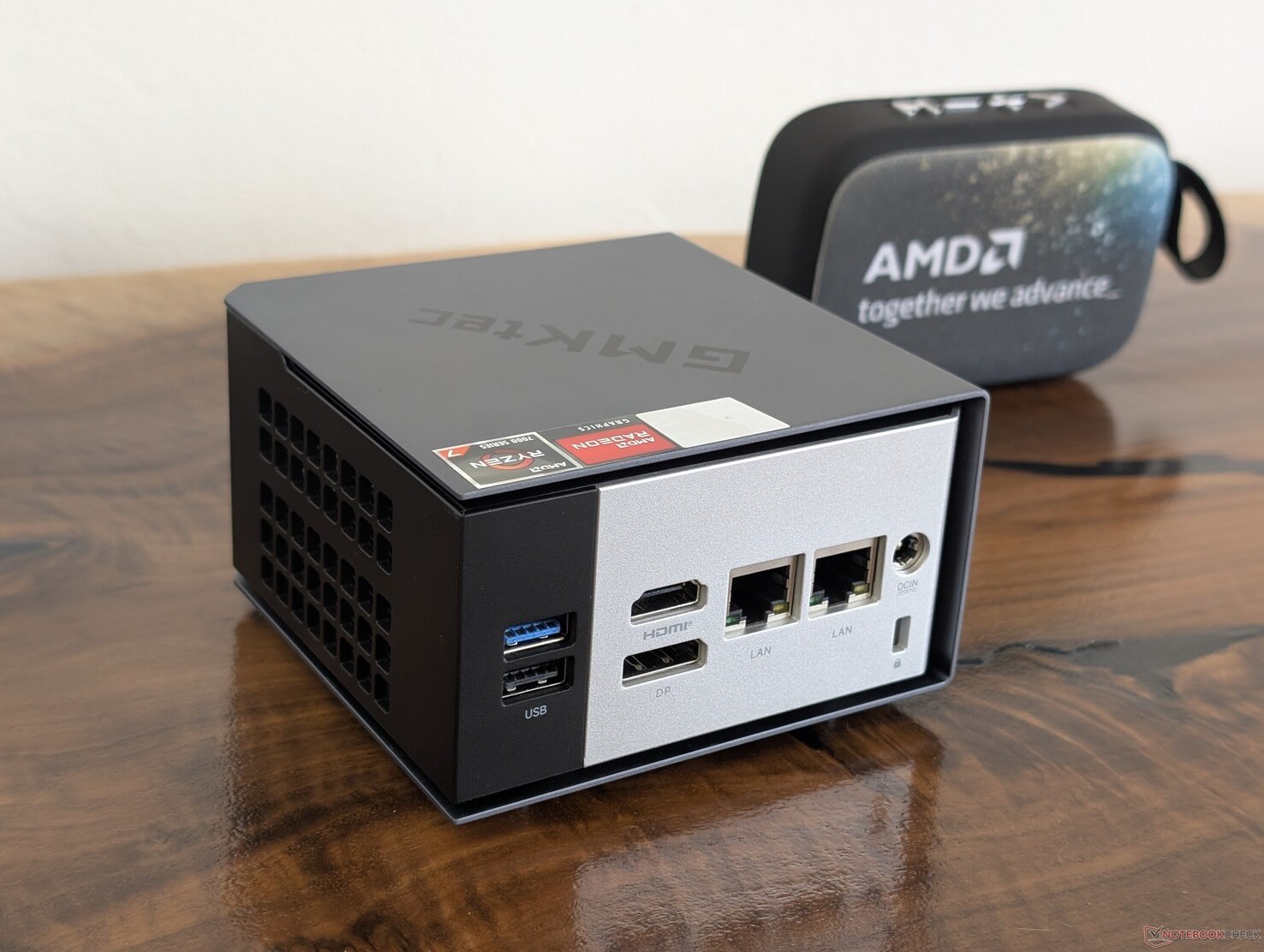
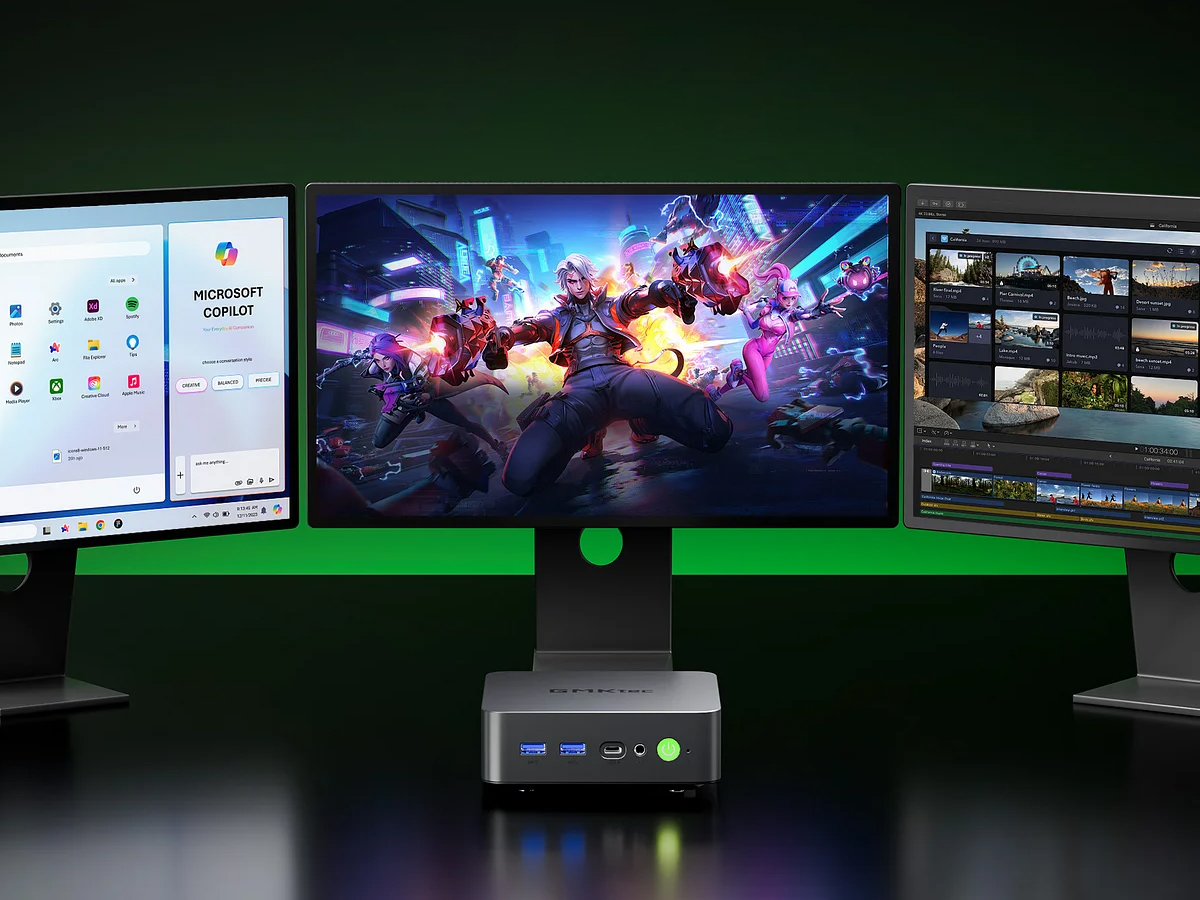
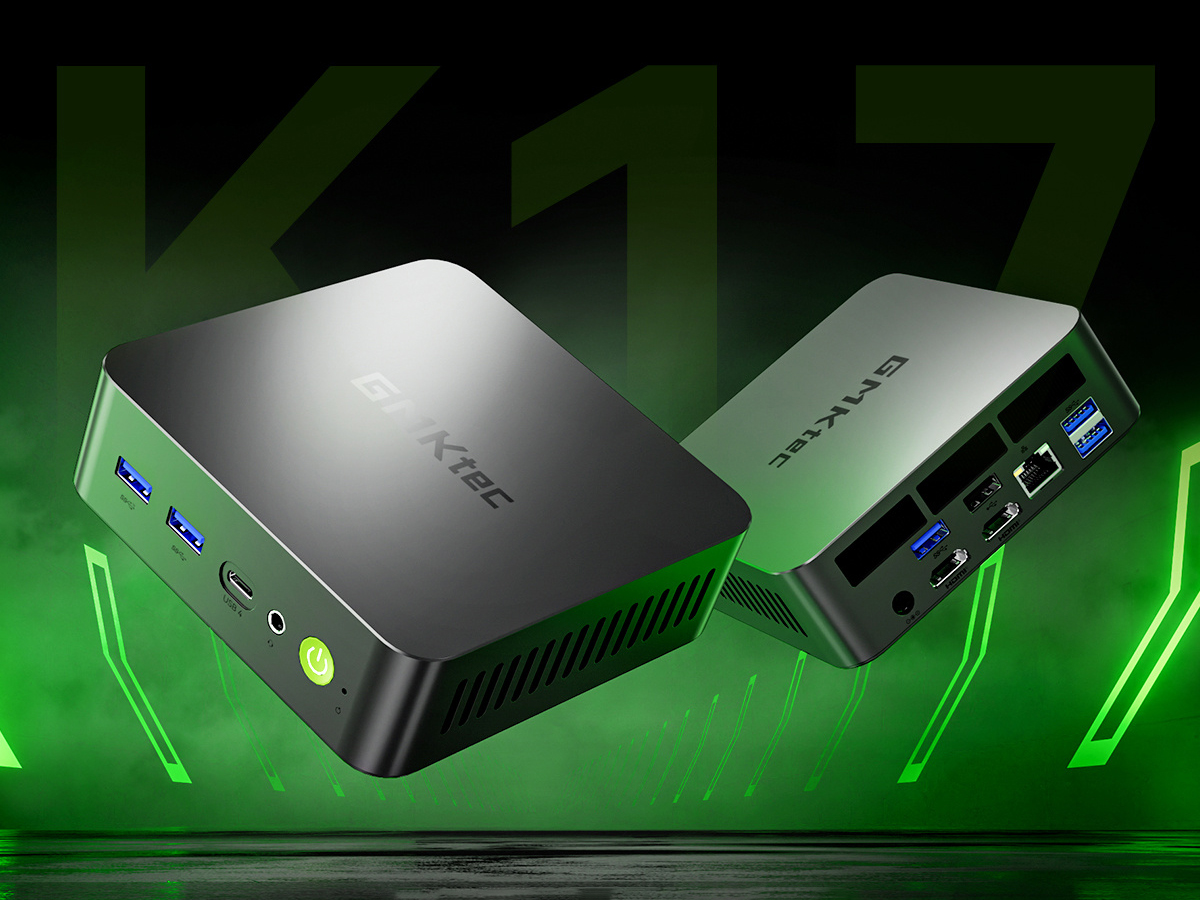
Deal | The GMKtec K16 mini PC may not be the fastest system on the block, but manages to pack commendable performance in day-to-day tasks courtesy of its Ryzen 7 APU and 32 GB of LPDDR5 RAM. With a 34% discount, the mini PC is now even more affordable on Amazon Prime for a limited time.
Samsung discontinued the Galaxy Z TriFold after only three months of sales because it was an expensive product to produce. The company was believed to sell off the remaining stock in the pipeline and then halt sales altogether, and the final sale date has now been revealed.
The launch of Motorola's next premium clamshell foldable is almost upon us. While Motorola is focusing on the Razr Fold, a new leak has highlighted the Razr 70 Ultra in multiple finishes.
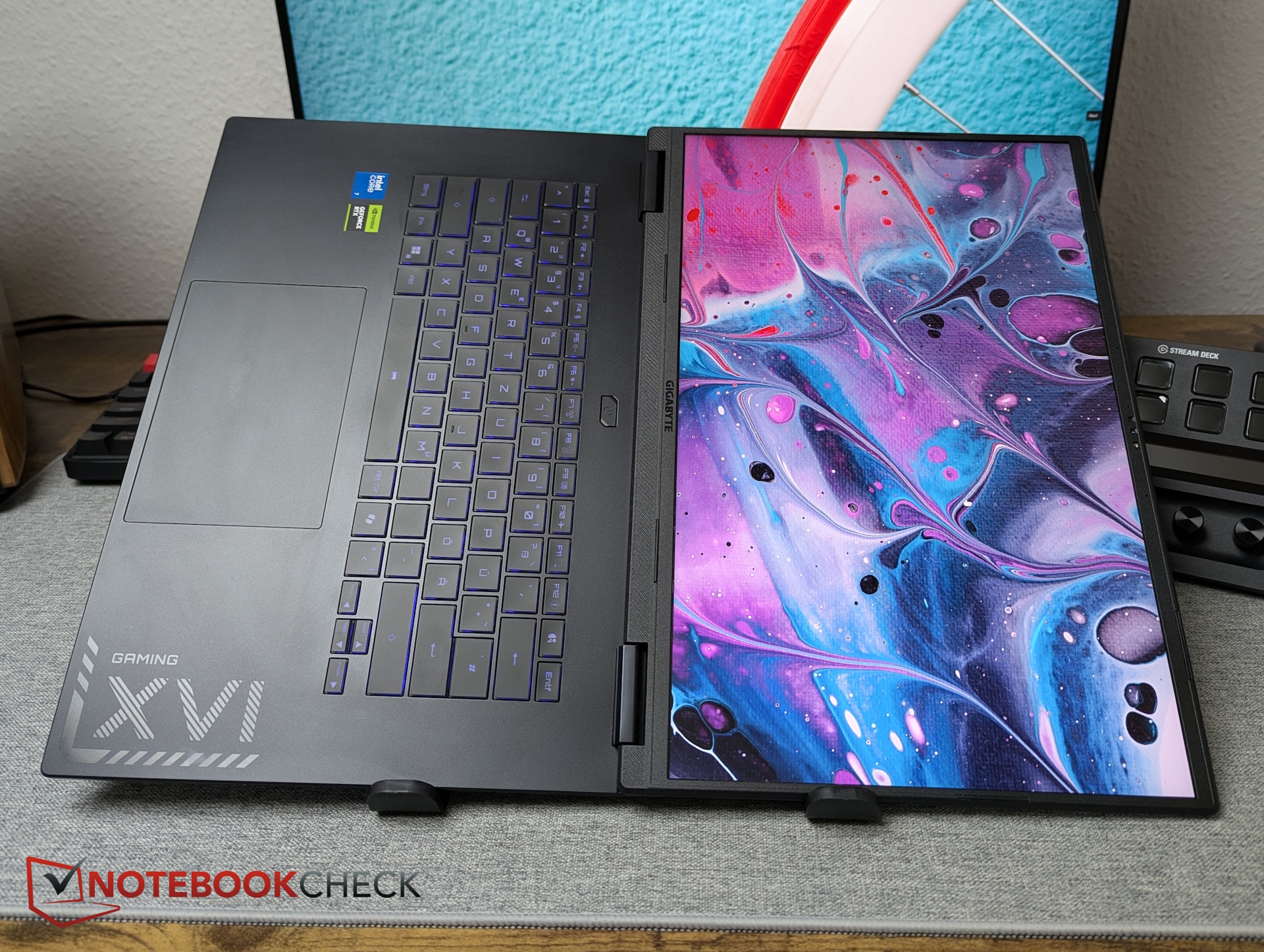
MetaMech is a relatively unknown laptop manufacturer outside of China. While we await the Legion 7a 15ASH11 with AMD Strix Halo, MetaMech has released the MetaMech 16 2026 with the Ryzen AI Max+ 395, up to 96 GB VRAM, a 99 Wh battery and even OCuLink connectivity.
A supplier of critical console components expects a dramatic increase in revenue. Chicony Electronics may be prepping for a surge in PSU manufacturing to support Project Helix. Amid the ongoing memory shortage, skeptics have questioned whether a new Xbox console release date in 2027 is realistic.
Even G2 comes closer to the original vision of Google Glass than most smart glasses, as a display shows navigation, notifications, a calendar or fitness tracking directly in the field of vision. The smart glasses are available now.
Astronomers have recently discovered a dwarf galaxy located near the Andromeda Galaxy. It has a unique composition, and further studies may help scientists better understand the early stages of the universe.
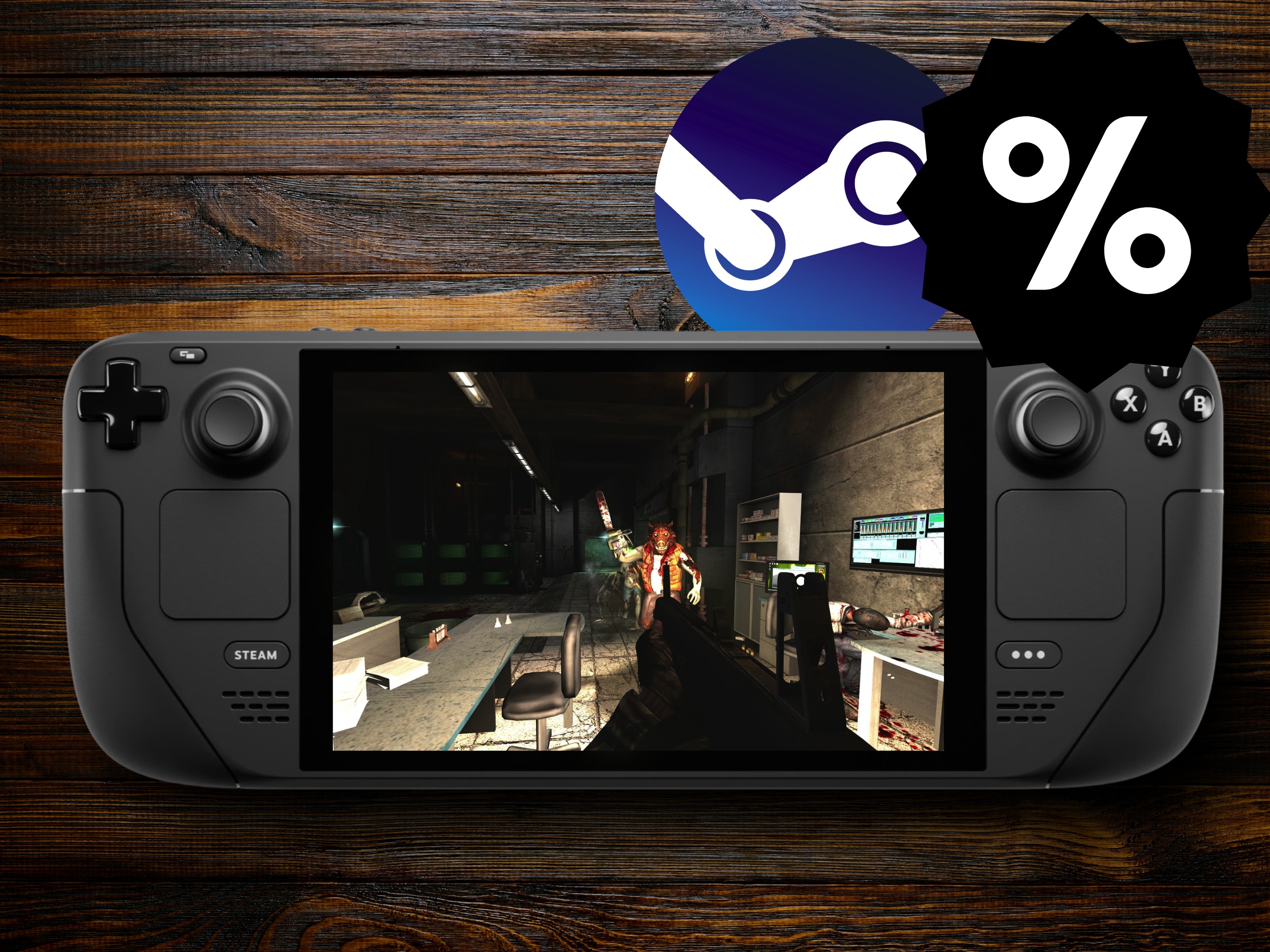
Morbid Metal is a new 3D hack-n-slash game from Screen Juice that combines the fast-paced, heavy-hitting combat from the likes of Warframe with traditional roguelite mechanics and challenging boss fights from games like Elden Ring. It has officially launched in Early Access, and it supports the Steam Deck on day one with very lightweight system requirements.
Deal | Whether you're a fan of arcade brawlers or games with emotionally rich storylines, Yakuza 0: Director’s Cut has players covered. With fans considering it the perfect entry point for beginners, curious players can snag it at an all-time low price.
Samsung’s Exynos 2700, which is expected to power the next-generation Galaxy S27 and S27 Plus, has just appeared in a pair of Geekbench listings. The SoC bears the S5E9975 model number, with the listing also containing the ERD identifier, which implies it is likely tested on an engineering board.
Exynos 2700 features a 10-core CPU with ARMv8 cores. The speediest cores clock in at 2.88GHz while the efficiency ones are capped between 2.3GHz and 2.4GHz. The listing reveals that Exynos 2700 earned 2,603 single-core and 10,350 multi-core scores. Nothing impressive at first glance, but we...
A recent report claimed that Apple’s foldable iPhone ran into issues during its engineering test phase, potentially delaying its launch beyond the September window by several months. However, a new report contradicts that claim, suggesting that Apple remains on track to unveil the iPhone Fold in September.
Bloomberg’s Mark Gurman has dismissed recent claims of a delay, stating that development remains on track. Citing people with knowledge of the matter, Gurman reports the foldable iPhone will be unveiled alongside the iPhone 18 Pro.
pic.twitter.com/ESgl3uiUWF— Majin (@MajinBuofficia)...
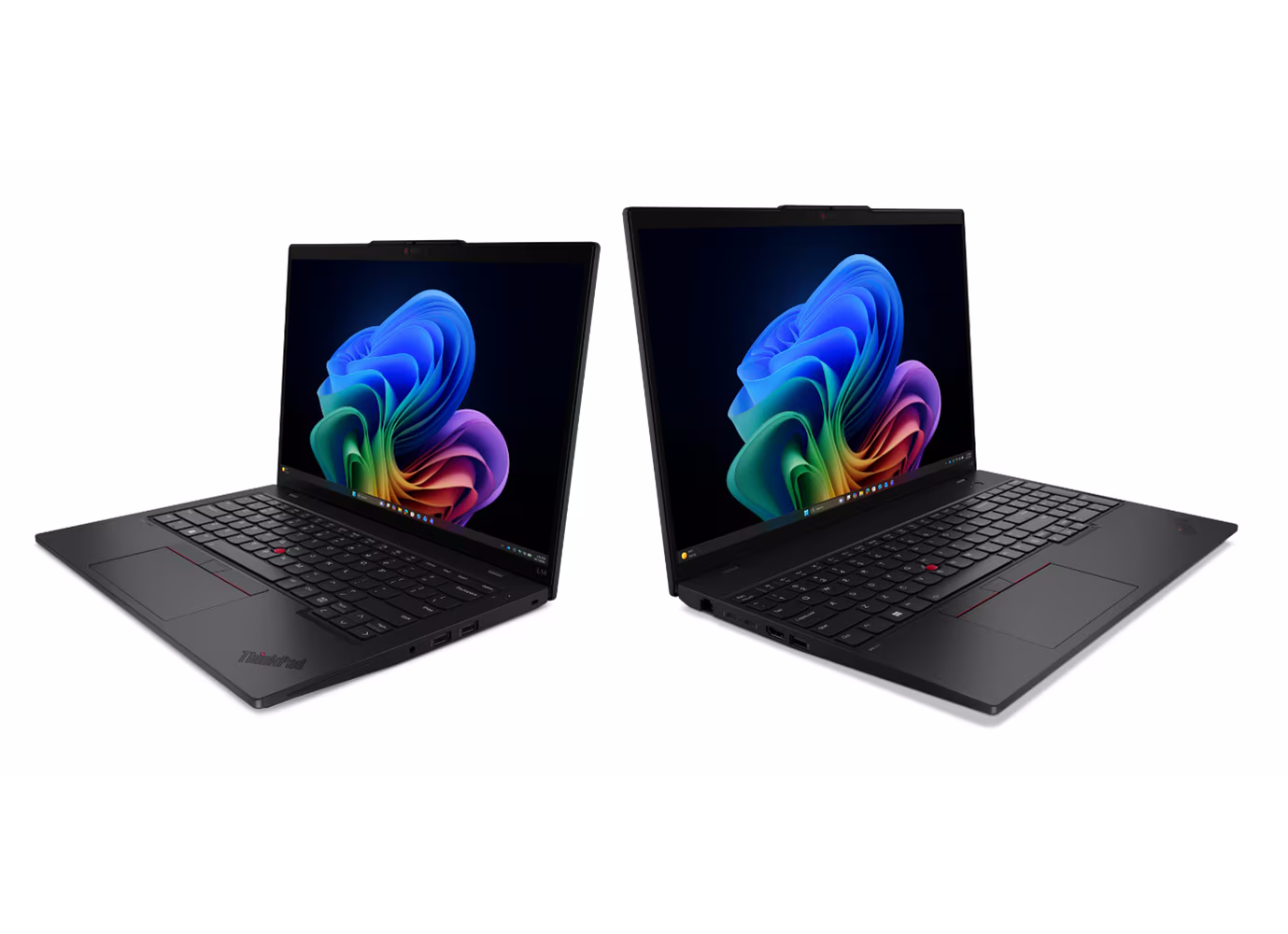
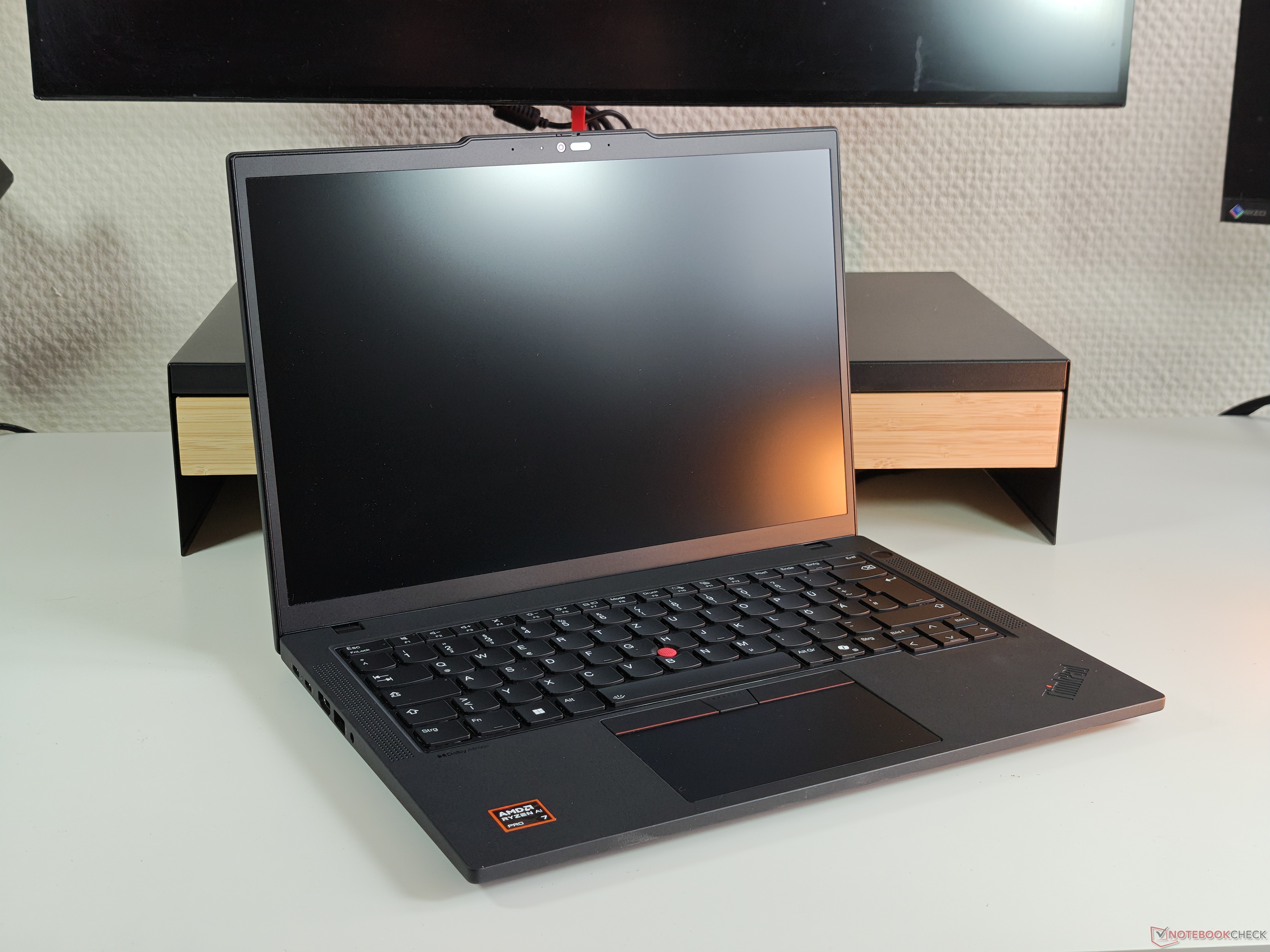
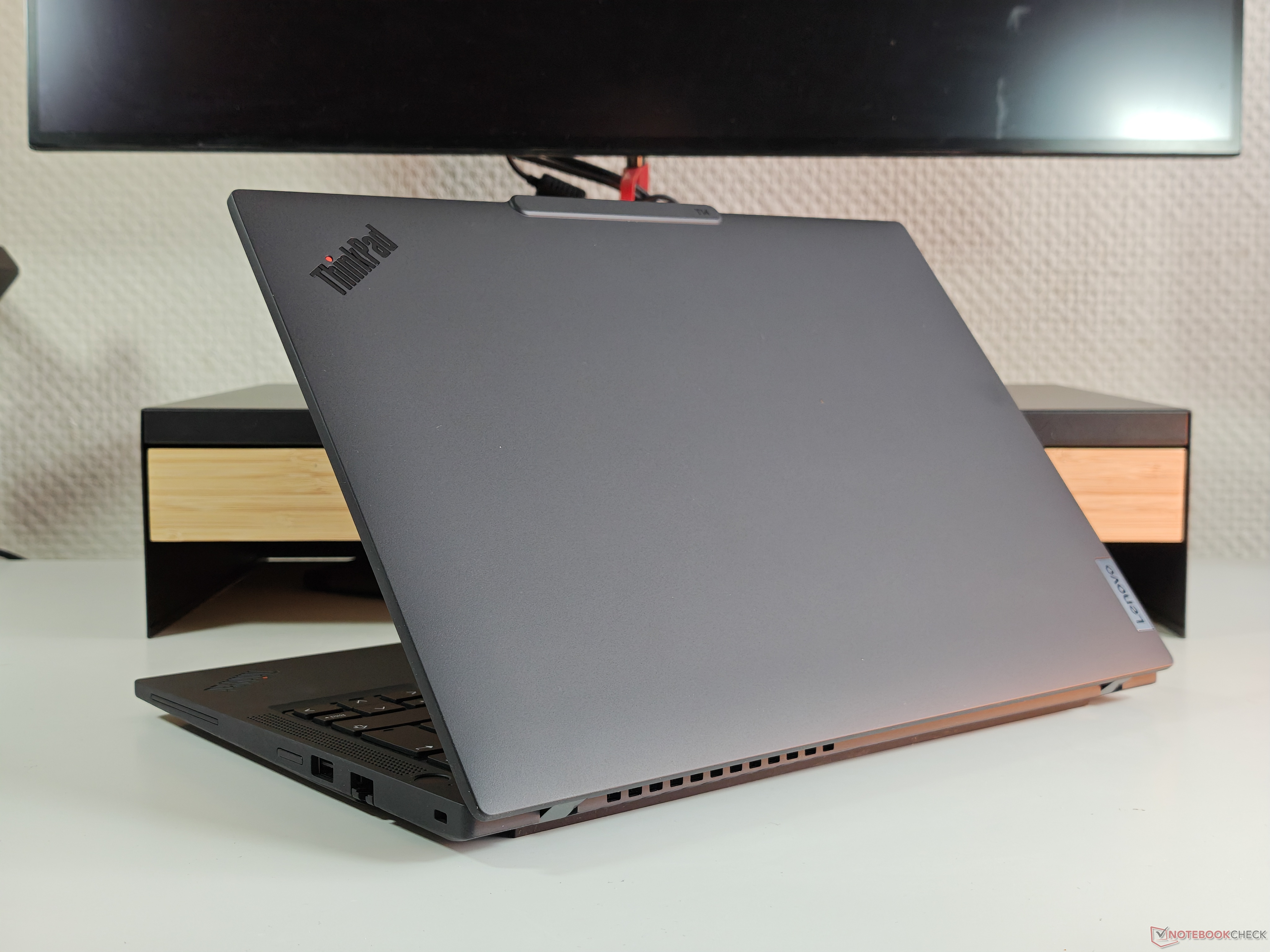
The most affordable enterprise ThinkPads are the L series laptops. The new Lenovo ThinkPad L14 Gen 7 and L16 Gen 3 are coming to the market with AMD Ryzen AI 400 and Intel Panther Lake.
The eufyMake E1 UV printer is a compact desktop machine that can print on over 300 different types of materials. It is now available in early access with two bundles and some perks for those who pre-order the machine.
As of April 2026, a huge chunk of new web pages are AI-generated, which is making finding authentic hardware benchmarks harder than ever. This flood of automated slop warrants a return to whitelist browsing and verified sources.
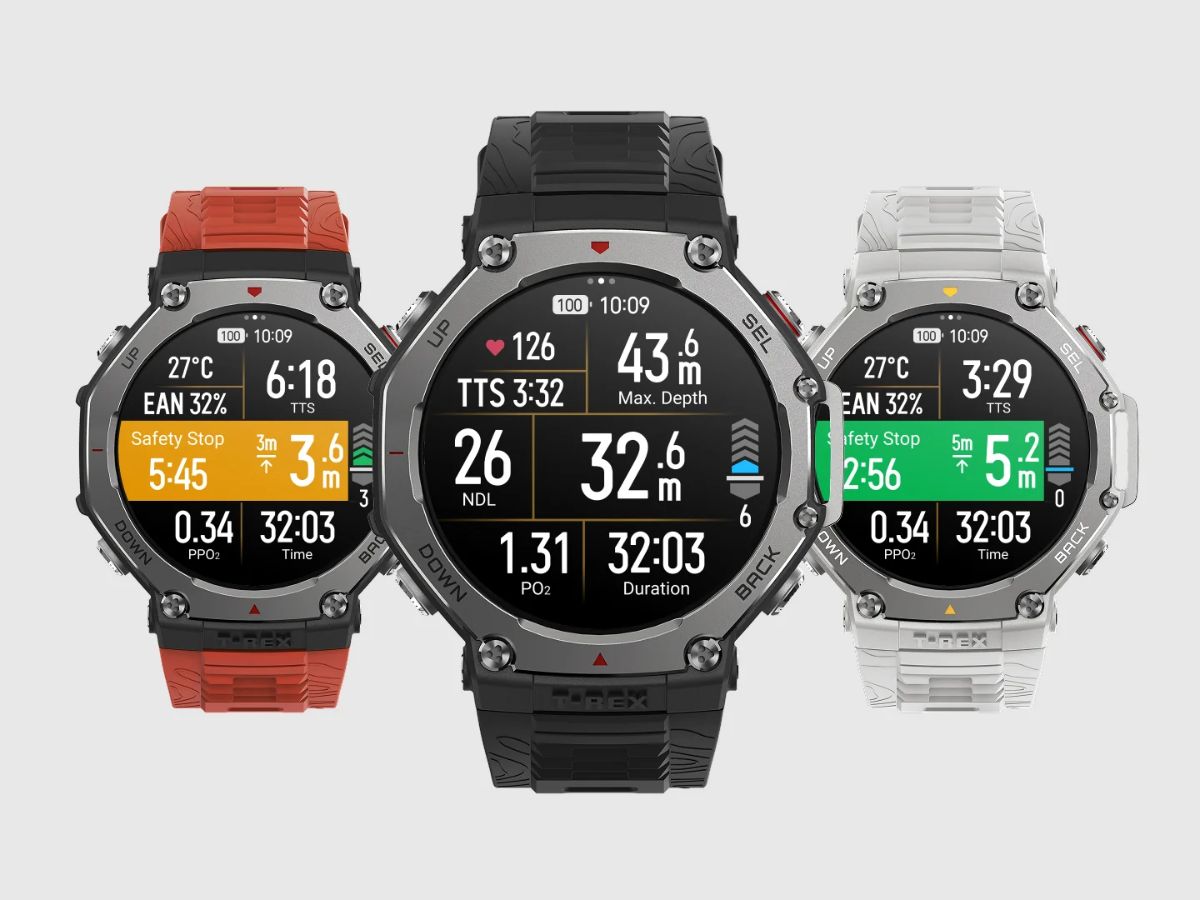
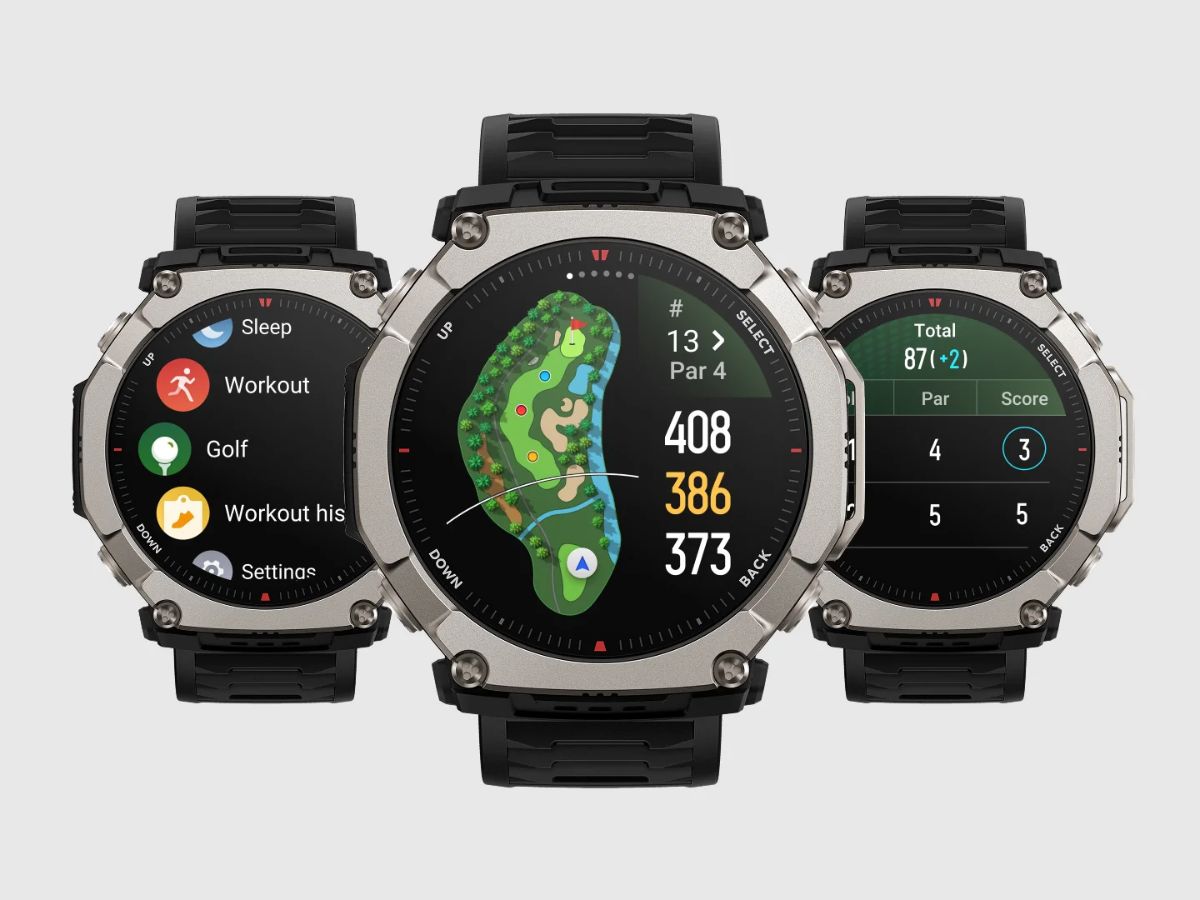
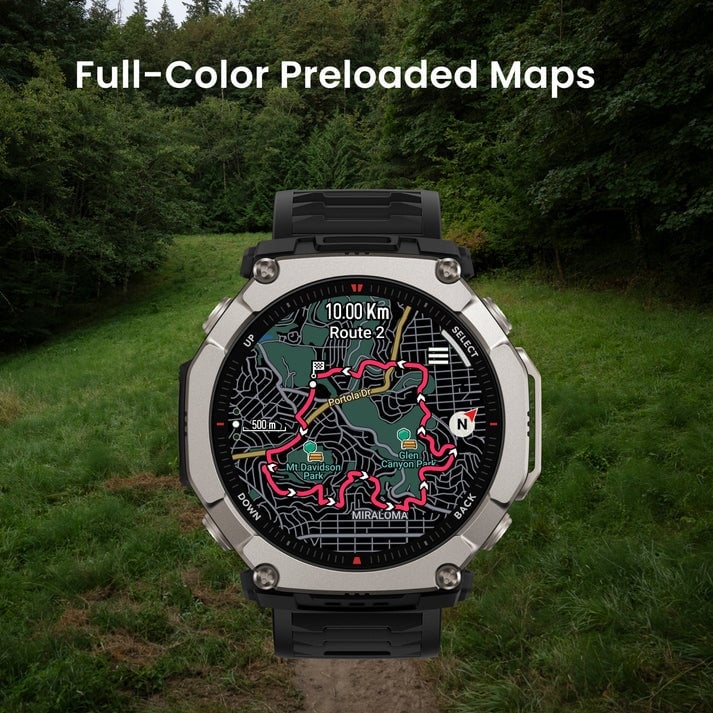
Firmware version 4.6.5.2 is currently rolling out to one of Amazfit’s smartwatches. This release brings several map related features and improvements to the T-Rex 3, as well as a new metric for some runners.
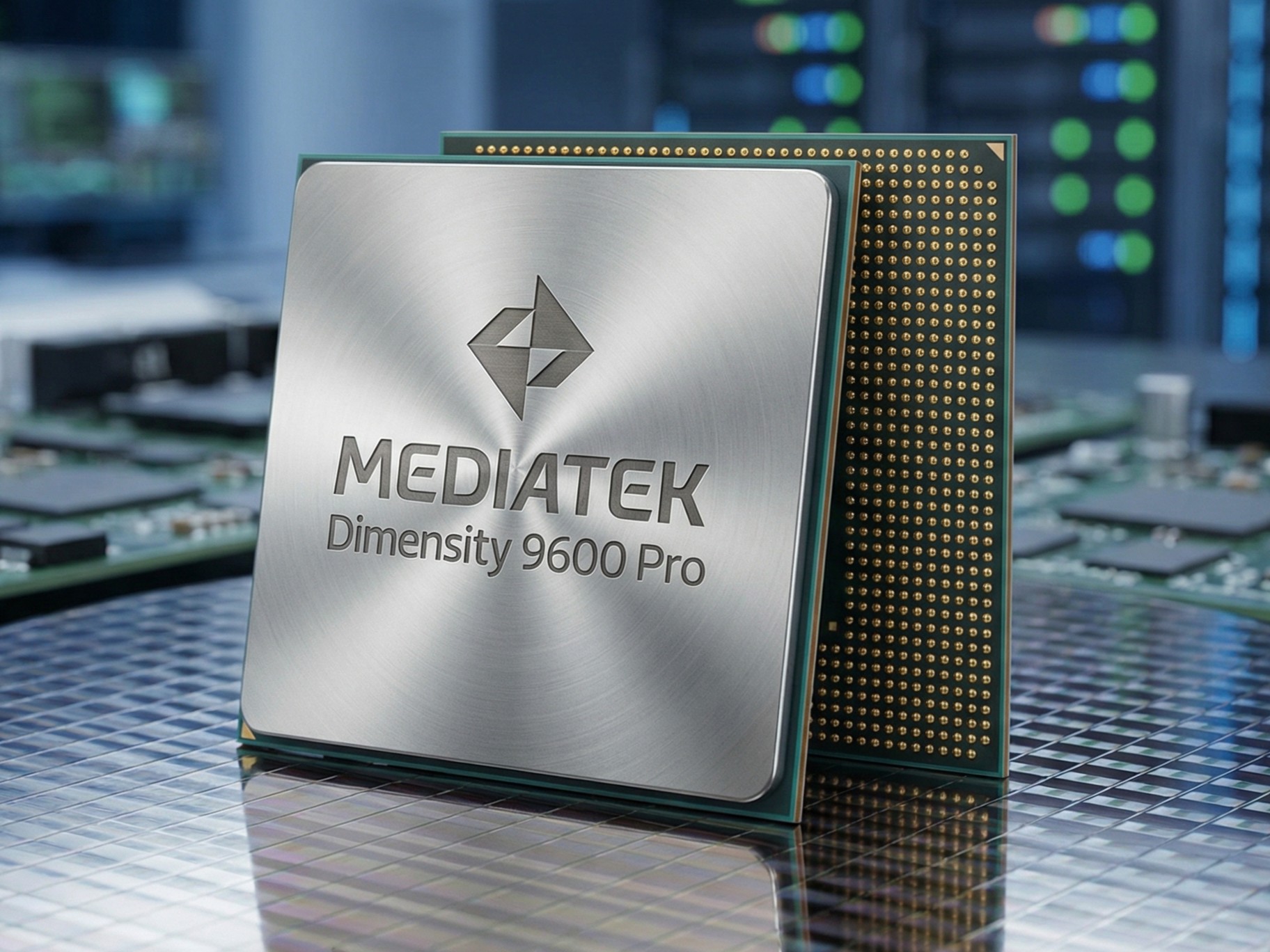
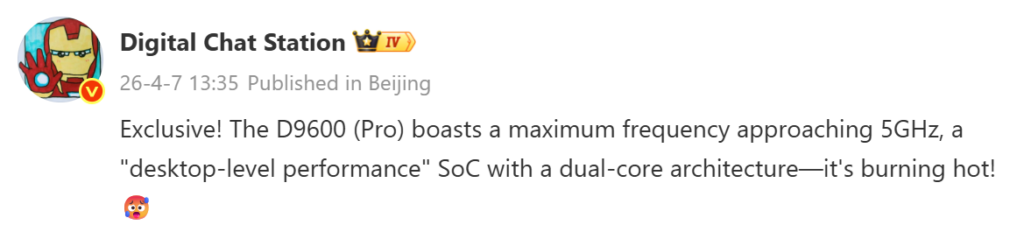
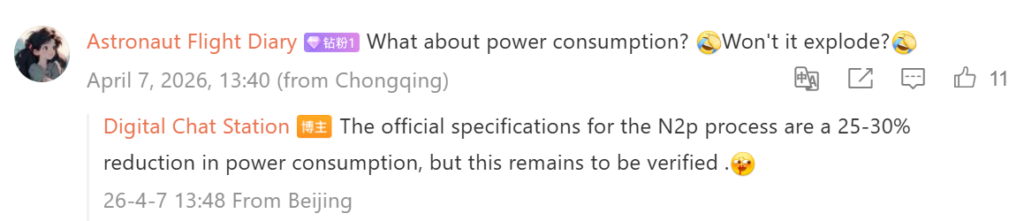
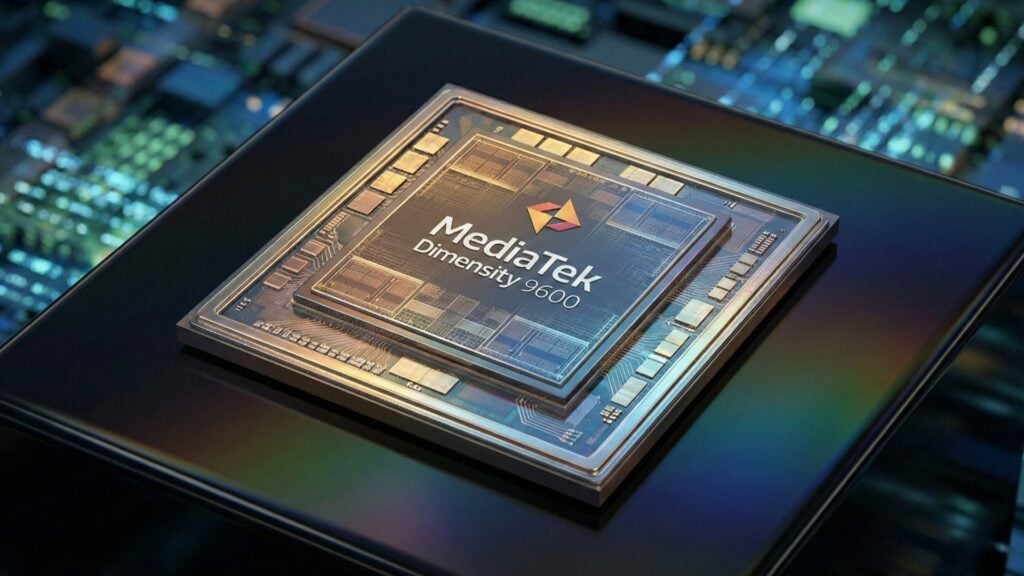
The increased frequencies would be possible via the N2P fabrication from TSMC. Still, even with the more efficient nodes, the Dimensity 9600 Pro chips are apparently overheating and require more complex cooling.
From vinyl records to compact cassettes and CDs to smartphones - Trettitre combines the most popular retro music formats with a MagSafe holder for smartphones, turning the record player and mobile cassette player into space-saving wall decorations while they are not in use.
The Honor Win's sequel could keep the massive battery and fast charging of the original. Honor is also rumored to be adding a Snapdragon 8 Elite Gen 6 processor along with a slightly bigger screen.
Apple’s latest developer roundup points to WWDC26 prep, new sample code, design resources, and expanded App Store Connect analytics with more than 100 new metrics.
Lenovo Japan has announced the update of the Lenovo ThinkPad X13 line. The new Lenovo ThinkPad X13 Gen 7 laptop is a refresh of last year's X13 Gen 6, adopting Intel Panther Lake and AMD Ryzen 400.
Ugreen is now selling its new Nexode Pro 100W Charger with Smart Display in the EU. Already available in the US, the GaN accessory has a range of USB-C and USB-A ports with a folding design to make it easier to transport.
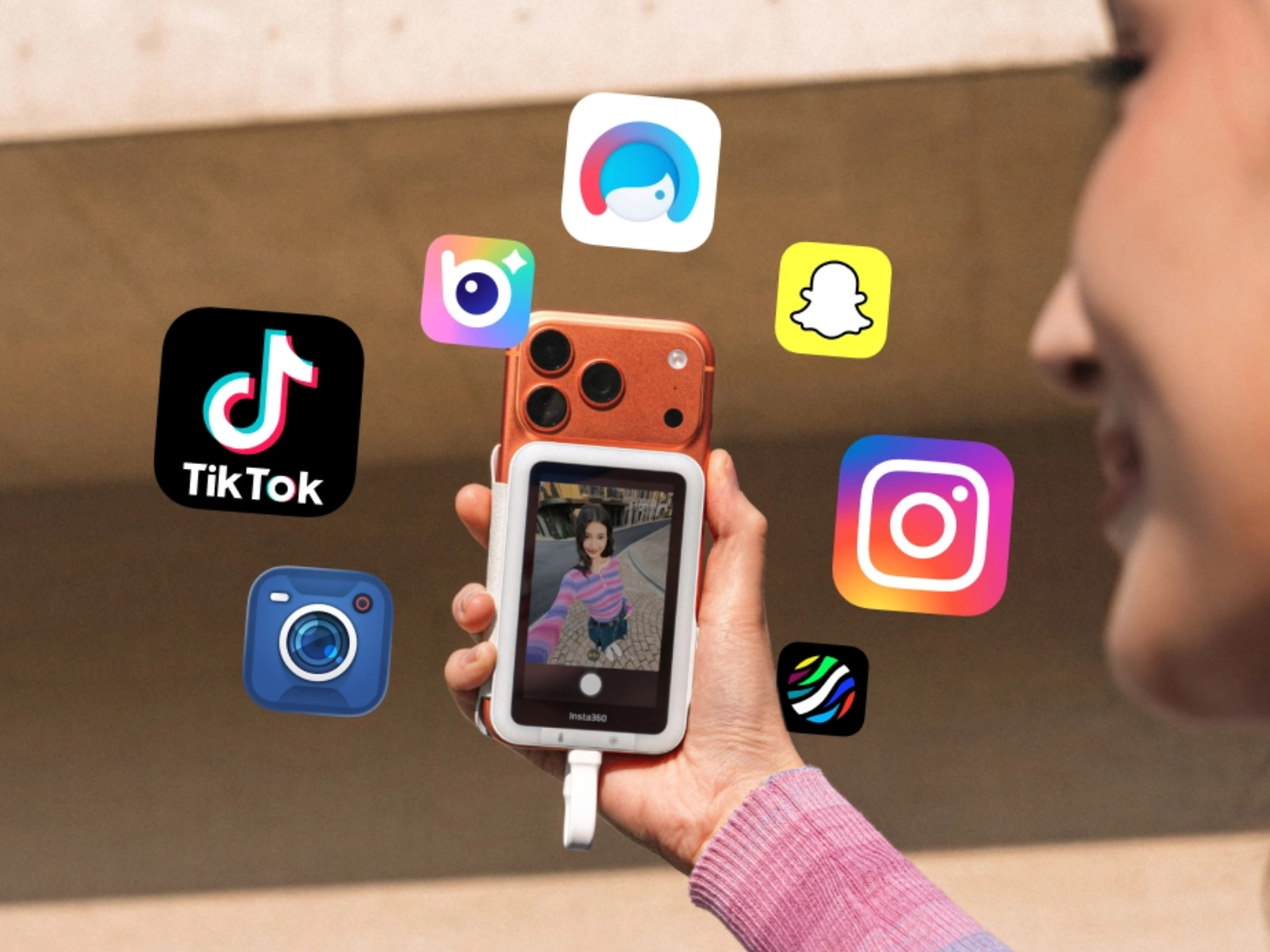
Insta360 is now selling a new MagSafe-compatible camera accessory. Available globally in two variants, the Insta360 Snap is available globally with an optional selfie light and a 3.5-inch viewfinder across both models.
Samsung is expecting to hit over $38 billion (KRW 57.2 trillion) in operating profits for the first quarter of 2026, fueled by its semiconductor division. The figure would represent all-time high quarterly earnings and a 753% rise compared to the Q1, 2025 earnings. The Q1 earnings would also trump Samsung’s entire 2025 annual profit, which is a remarkable feat.
Consolidated figures based on K-IFRS
(in trillion won)
2026 Q1 (guidance)
2025 Q4
2025 Q1
Sales
133
93.84
79.14
Operating profit
57.2
20.07
...
Samsung is upgrading the Galaxy S25 Ultra camera experience, bringing a new tool called Ocean Mode. This is the same feature Samsung built a couple of years ago to help map coral reefs and monitor underwater ecosystems.
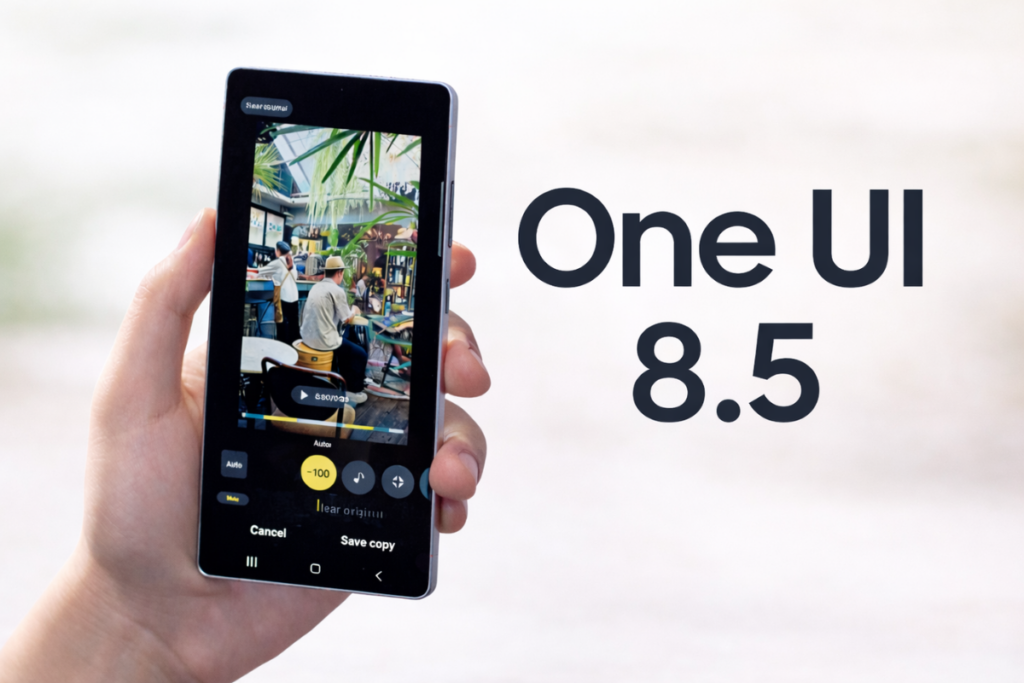
An Expert RAW update pushed to the S25 Ultra running One UI 8.5 Beta, specifically version 5.0.08.2, appears to have brought Ocean Mode. It was never meant for your average consumer, but the Galaxy S26 Ultra got it first.
Earlier this year, the company signaled Ocean Mode would go public, and now here it is, landing on the Galaxy S25 Ultra through a Beta firmware update.
Ocean Mode uses algorithms to correct the color distortion and visual warping that happens the moment you point a camera at anything underwater.
Samsung’s Galaxy phones carry IP ratings for fresh water. Ocean Mode is a camera algorithm. It corrects what your lens captures underwater. It does absolutely nothing to the physical integrity of your device.
Use a proper waterproof housing for anything serious. Don’t let a software feature create a false sense of security about hardware limitations that haven’t changed.
Whether this stays locked to the S25 Ultra or spreads to the S24 Ultra in the coming weeks is the question worth watching.
Galaxy S26 Ultra is the first phone that features built-in Privacy Display technology. We’ve already heard that this technology will be adopted by Chinese phone makers later this year.
Market research firm Sigmaintell (via TheElec) projects global smartphone shipments featuring privacy display technology will climb from 1 million units in 2025 to 21 million in 2026.
It’s going to be a 20-fold jump in twelve months; then 29 million in 2027, a roughly 40 percent year-over-year increase. Numbers like that don’t happen by accident; Galaxy S26 Ultra opened the door for this segment.
Huawei and Xiaomi are reportedly weighing their own versions. Oppo and Vivo are said to be deep in development. When Samsung moves on something premium, the rest of the Android field doesn’t wait around to see how it plays out.
Sigmaintell thinks this technology moves into foldables next. However, this technology currently carries penalties in resolution and brightness. Well, nobody should expect this in next year’s Z Fold without serious groundwork being laid first.
The forecast says 29 million units by 2027. Samsung got here first. The question now isn’t whether privacy displays become standard in premium Android. It’s whether anyone catches up before Samsung makes the gap embarrassing.
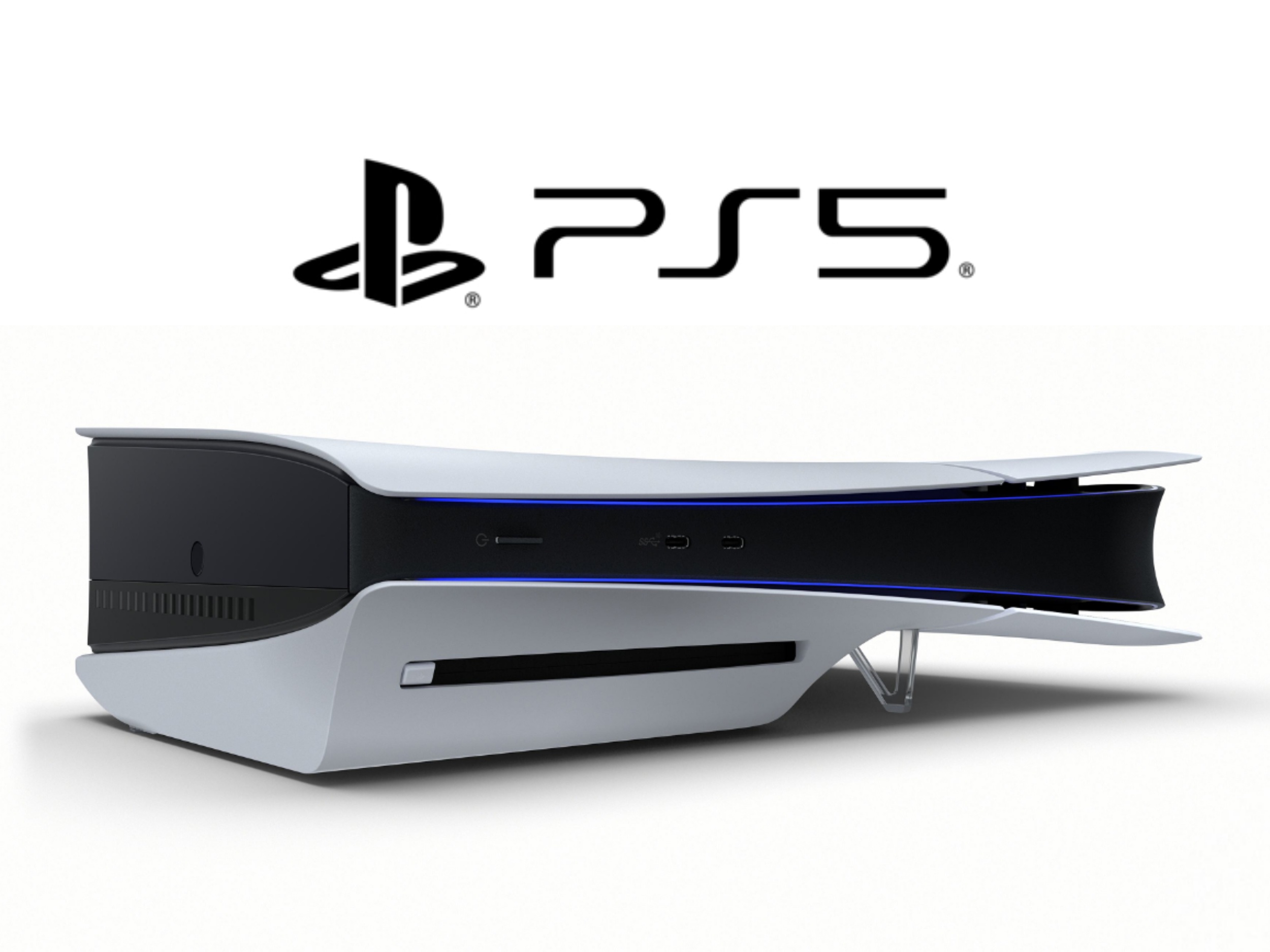
Sony is apparently testing a new user interface for the PlayStation 5, with early users reporting a revised home screen that offers faster access to the Store, PS Plus and the games library – in some cases even outside the beta program.
Grand Seiko has shared a teaser video featuring its upcoming Spring Drive UFA diver’s watch on social media. This reveals some information about the timepiece’s design and appears to show a notable missing feature.
CheckMag | Samsung is defying its record $38 billion Q1 2026 profit by hiking prices across its US lineup. The Galaxy Book5 series sees a flat $300 jump, while Galaxy Tab prices have increased by up to $100. With a $599 MacBook Neo and new Asus Zenbooks here, Samsung’s aggressive price hikes on older hardware may drive loyalists toward the competition.
Evitania Online combines idle automation with MMO elements and is off to a remarkably strong Early Access start: just one day after release, the free-to-play game already has more than 140 reviews on Steam, 96% of them positive.
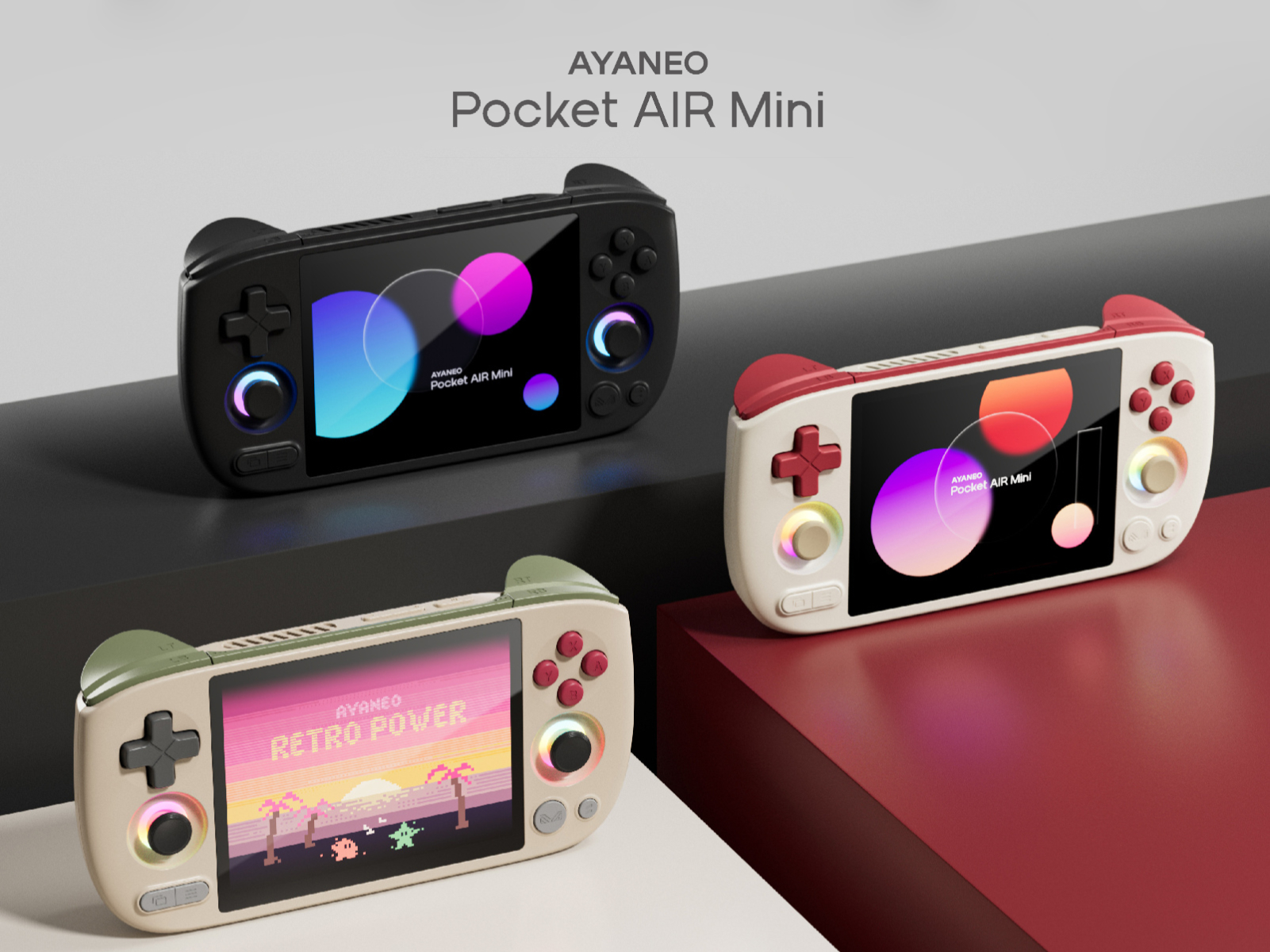
Ayaneo has raised the price of its cheapest Android handheld, the Pocket Air Mini. The new prices will take effect on April 9, but is currently limited to China.
Google is finally granting Google Photos users on Android a long-requested feature: videos can now be played faster or slower directly in the app. The rollout is already underway.
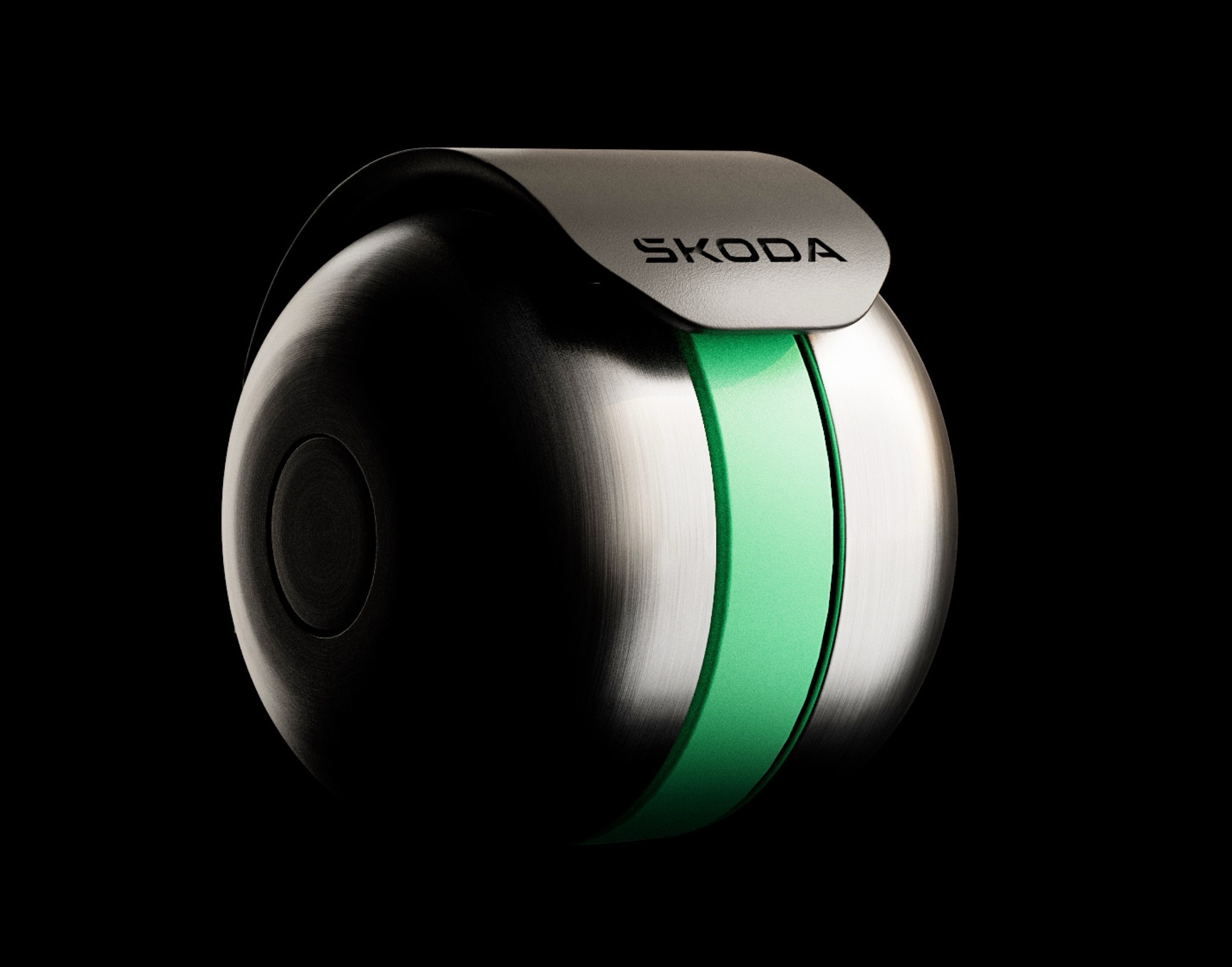
Most headphones now support active noise cancellation (ANC), which blocks out disturbing ambient noise but also muffles important sounds. Skoda DuoBell is designed to outwit ANC, as the bicycle bell can be heard through ANC headphones.
Oppo has confirmed that its next smartwatch is set to receive a global launch. Another luxurious model, the Watch X3 Mini will follow in its predecessor's footsteps with a much smaller display than the existing Watch X3.
Anthropic is keeping its new cyber AI, Claude Mythos, under wraps, even though the company says the model has found security vulnerabilities in major operating systems and browsers. The reason: Mythos may not only be able to detect vulnerabilities, but also help create dangerous exploits.
Gamers are already suffering from high memory prices driven by the AI boom and may even have to brace for further restrictions in the future. The strategy game Stormgate is losing its online features because its server host was acquired by an AI company. It is entirely possible that scenarios like this could become more common in the future.
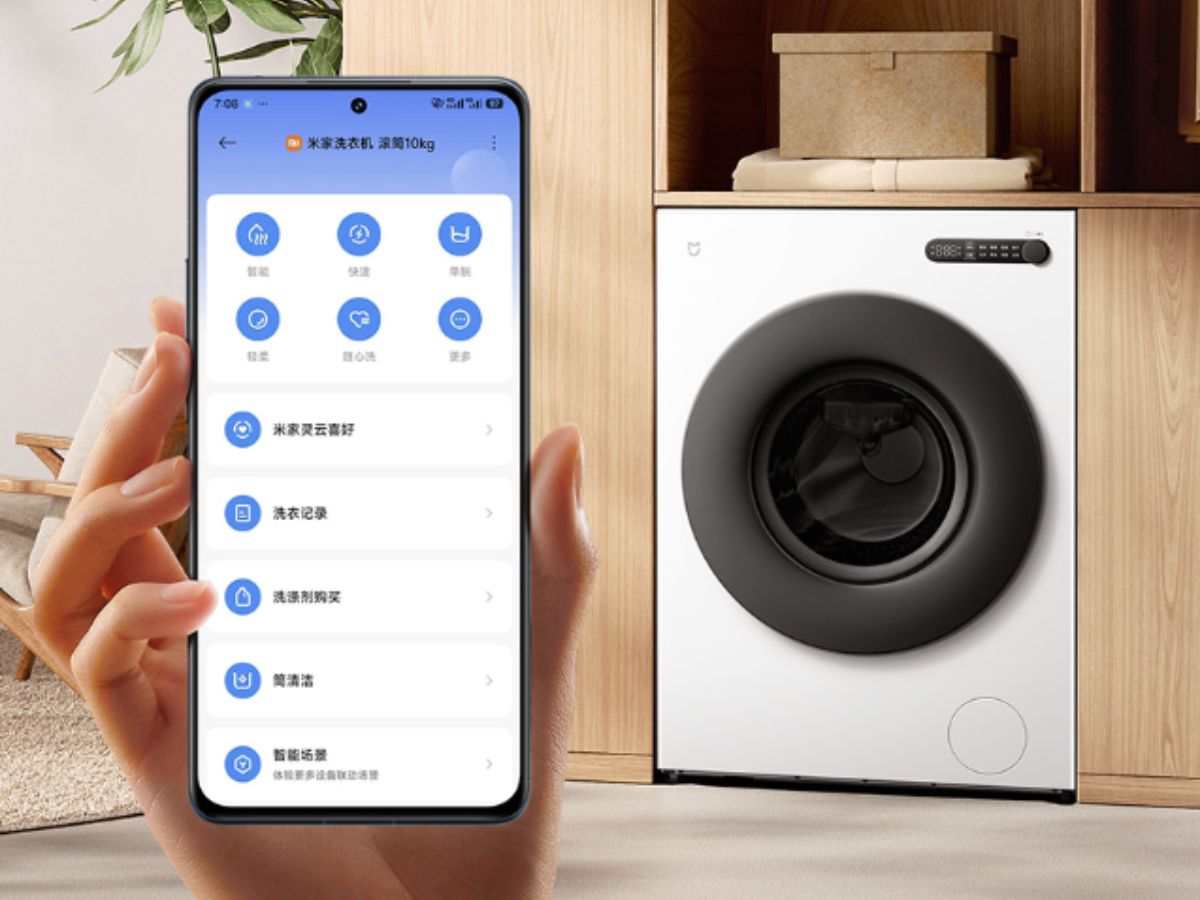
The Xiaomi Mijia Air Conditioner Eco has been listed on the brand’s global website and confirmed for a European launch. With four versions on the way, this model is described as energy-efficient, with app-based controls and a range of smart features.
Inexpensive, fast and ultra-wide - this is the combination with which the latest full-frame lens from Brightin Star aims to win over buyers. The lens costs just $249 and is delivered free of charge internationally.
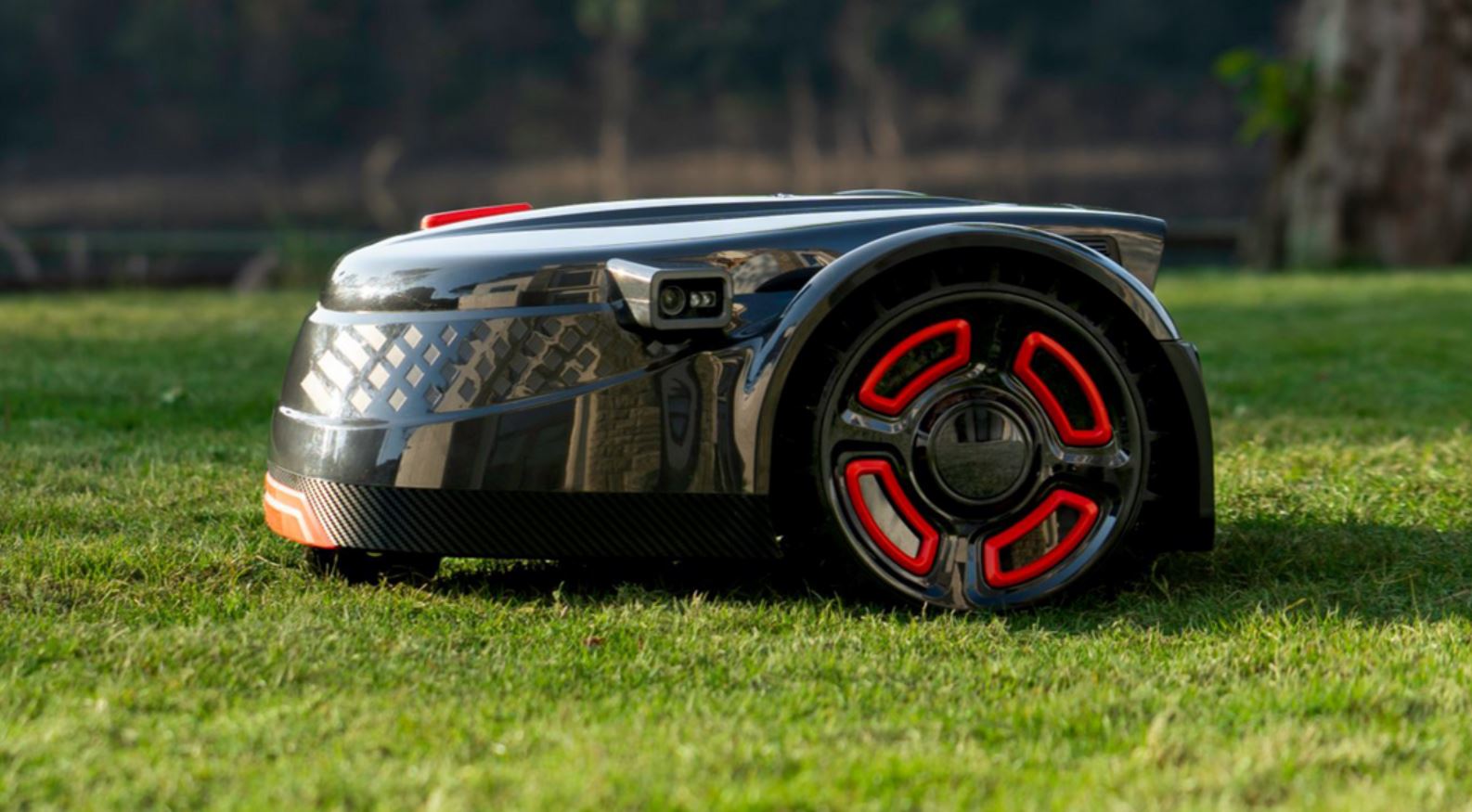
Yarbo’s versatile M Series garden robot has been upgraded. Thanks to the new SAM module, the mower can now autonomously patrol the yard, follow a person, and perform other tasks.
Mammotion is now offering its iNavi service free of charge for life. This means that compatible Luba and Yuka series robotic mowers can navigate your garden using NetRTK completely free of charge, with no need for an RTK base station.
Honor has launched a pair of new smartphones, but they aren’t exactly brand new, as we’ve seen them before with other names. Honor X5d and X5d Plus are rebranded versions of the Honor X5c and X5c Plus, respectively, which launched back in 2025. The X5d series brings identical specs and looks to the X5c models, though there is a new Tidal Blue color option to help differentiate them.
Honor X5d and X5d Plus both feature 6.74-inch IPS LCDs with HD+ resolution and a 90Hz refresh rate. They get a 5MP selfie camera housed inside a waterdrop notch and a side-mounted fingerprint...
Xiaomi has established a strong reputation in the smart home market, offering affordable and advanced devices.
In 2026, the brand’s range of outdoor security cameras caters to various user needs, from remote 4G connectivity to advanced zoom capabilities.
Here is a detailed look at the best Xiaomi outdoor cameras available this year.
Xiaomi Outdoor Camera CW100 Dual
The Xiaomi Outdoor Camera CW100 Dual provides high-quality security monitoring with dual cameras in one device. It features a 3MP professional sensor and Wide Dynamic Range (WDR) technology that captures sharp and clear visuals. The dual lenses offer nearly 180° of coverage, reducing blind spots and allowing users to monitor two areas simultaneously.
The camera includes smart AI detection for identifying humans and vehicles. It sends real-time alerts for disturbances and allows users to set virtual fences for added security. The full-color night vision ensures clear video even in low light. With advanced features at an accessible price, this camera is ideal for users who need reliable coverage without overspending.
Key Features:
Dual lenses for 180° coverage
2K HD image quality with full-color night vision
AI detection for humans and vehicles
IP66 water and dust resistance
Price: £39.99
Xiaomi Outdoor Camera CW500 Dual
The Xiaomi Outdoor Camera CW500 Dual combines a static fixed camera and a pan-tilt-zoom (PTZ) camera. This combination ensures comprehensive coverage for larger spaces. The 4MP ultra-HD sensors deliver 2.5K resolution for clear and detailed video.
The PTZ camera pans 355° horizontally and tilts 95° vertically, allowing users to monitor every corner of a property. The fixed camera continuously watches over a single angle, while the PTZ camera tracks motion within the zone. The camera supports full-color night vision along with dual-band Wi-Fi 6 for stable connectivity, ensuring smooth playback without interruptions.
Key Features:
Fixed and PTZ cameras work together for enhanced coverage
Smart AI tracking and human movement detection
Integrated full-color night vision
Dual-band Wi-Fi 6 for fast connectivity
Price: Around $65
Xiaomi Outdoor Camera CW700S
The Xiaomi Outdoor Camera CW700S stands out with its advanced zoom capabilities. The camera offers 9x hybrid zoom using a telephoto and wide-angle lens, allowing users to capture distant details such as faces or license plates. It produces sharp, 2.5K ultra-HD images for both close-up and wide-angle shots.
The camera provides full-color night vision, even in low light, using its built-in white and infrared lighting. The PTZ functionality enables 360° horizontal coverage, making it a reliable choice for monitoring large outdoor spaces. The camera’s IP66 weather rating ensures durability in harsh conditions.
Key Features:
9x hybrid zoom for long-distance clarity
Full-color night vision for detailed low-light video
360° horizontal and 100° vertical rotation
IP66 weatherproof design
Price: Around $90
Xiaomi Outdoor Camera BW500
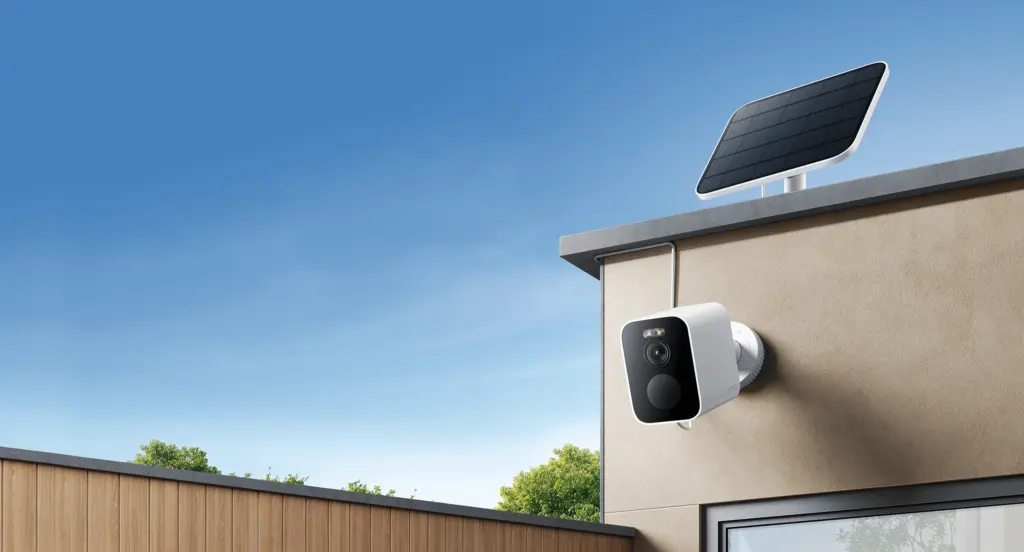
The Xiaomi Outdoor Camera BW500 uses a built-in 10,000mAh battery that can last up to six months on a single charge. It features energy-efficient technology to minimize power consumption and is compatible with optional solar panels for uninterrupted operation in remote locations.
The camera records in 2.5K resolution with a 136° wide field of view to reduce blind spots. Its smart night vision automatically adjusts for full-color or black-and-white recording based on the lighting. Designed to perform well in outdoor conditions, the camera has an IP67 rating for protection against dust and water.
Key Features:
Six-month battery life with solar panel support
Wide 136° viewing angle to capture more area
Built-in 8GB storage with H.265 encoding for efficient video recording
Rugged IP67 rating for weather resistance
Price: Around $95
Xiaomi Smart Outdoor Camera 4 4G
The Xiaomi Smart Outdoor Camera 4 4G offers complete independence from Wi-Fi by using built-in 4G LTE connectivity. You can install this camera anywhere with cellular coverage and monitor footage through the Xiaomi Home app. Xiaomi includes a free, unlimited data plan for seamless operation without additional subscription costs.
The dual 5MP sensors support 3K resolution, combining a wide-angle view with a telephoto perspective for detailed monitoring. Advanced AI detection reduces false alarms by distinguishing between humans and vehicles. The camera also features two-way voice communication and active defense alerts with sound and light alarms for enhanced security.
Key Features:
4G LTE connectivity eliminates the need for Wi-Fi
Dual 5MP cameras for wide and zoomed-in views
AI detection for human and vehicle tracking
Rugged IP66 construction for outdoor weather resistance
Price: 379 yuan ($55)
For more daily updates, please visit our News Section.
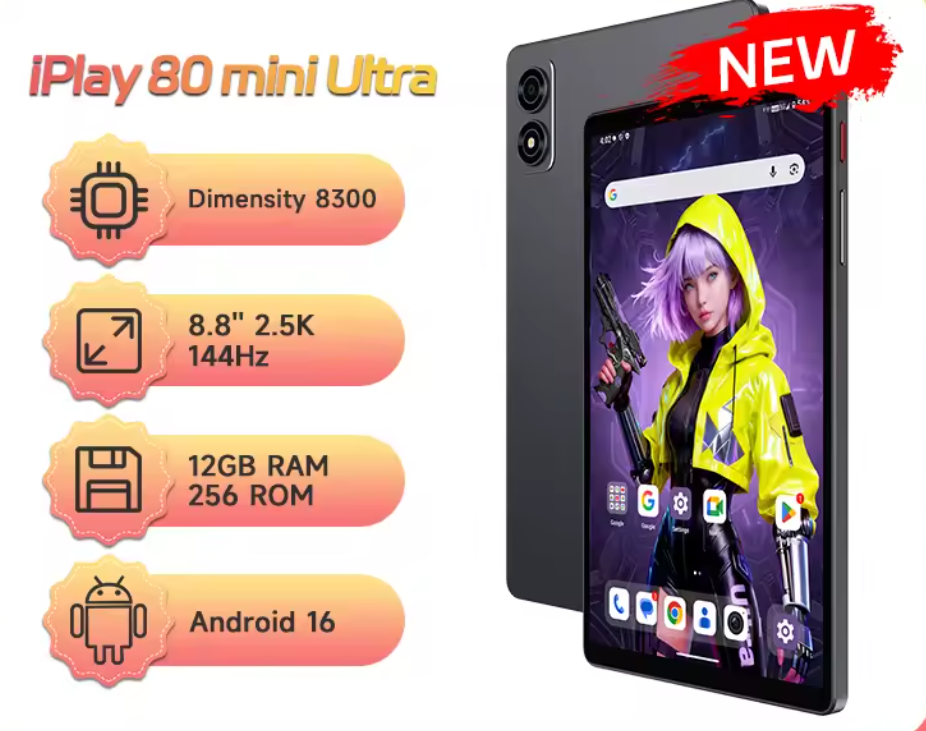
ALLDOCUBE iPlay 80 mini Ultra is a compact yet powerful gaming tablet designed for users who want high performance in a smaller form factor. With a fast processor, smooth high refresh rate display, and 5G connectivity, this tablet aims to deliver a strong balance between portability and power. It is especially appealing for gamers, content consumers, and users who need a capable device on the go.
Display and Design
This tablet features an 8.8-inch IPS display with a sharp 2.5K resolution of 2560 × 1600 pixels. The screen supports a 144Hz refresh rate, making scrolling and gaming very smooth. Colors appear vibrant, and the viewing angles are wide thanks to the IPS panel. The compact size makes it easy to hold with one hand, while still offering enough screen space for immersive viewing and gameplay.
Performance and Hardware
The device is powered by the MediaTek Dimensity 8300 chipset, which delivers strong performance for both gaming and everyday tasks. It comes with 12GB RAM and 256GB internal storage, ensuring smooth multitasking and enough space for apps, games, and media. The tablet runs on Android 16, offering a modern and clean software experience with access to Google Play services.
Battery and Charging
The iPlay 80 mini Ultra is equipped with a 7200mAh battery, which is quite large for its size. This allows for long hours of usage, whether you are gaming, watching videos, or browsing. It supports 20W fast charging and is compatible with up to 33W charging, helping reduce downtime when you need to recharge.
Camera and Connectivity
For cameras, the tablet includes a 5MP front camera and a 13MP rear camera with LED flash. While not designed for heavy photography, they are suitable for video calls and basic photos. The device supports 5G LTE connectivity, ensuring fast internet speeds on the go. It also includes Wi-Fi 6E and Bluetooth 5.3 for stable and fast wireless connections. Additionally, it supports dual Nano SIM cards and expandable storage via TF card up to 1TB.
Price and Availability
ALLDOCUBE iPlay 80 mini Ultra will be available at a special first sale price of $314.99 at AliExpress. The sale runs from April 10, 2026, to April 15, 2026, making it a limited-time offer for early buyers. At this price, it delivers excellent value considering its high-end specs and compact design.
Overall, this tablet stands out as a powerful mini gaming device with a high refresh rate display, strong performance, and 5G support. It is a great option for users who want flagship-level features in a portable size without spending too much.
OPPO K15 Pro+ is designed for users who want strong performance, long battery life, and a smooth display experience in one device. It combines high-end hardware with a clean and modern software experience, making it suitable for gaming, multitasking, and everyday use.
Price and Availability
OPPO K15 Pro+ is currently available via Giztop, with global shipping offered for international buyers. The device starts at an attractive price of $599, making it a strong value option considering its high-end display, powerful chipset, and massive battery.
Display and Design
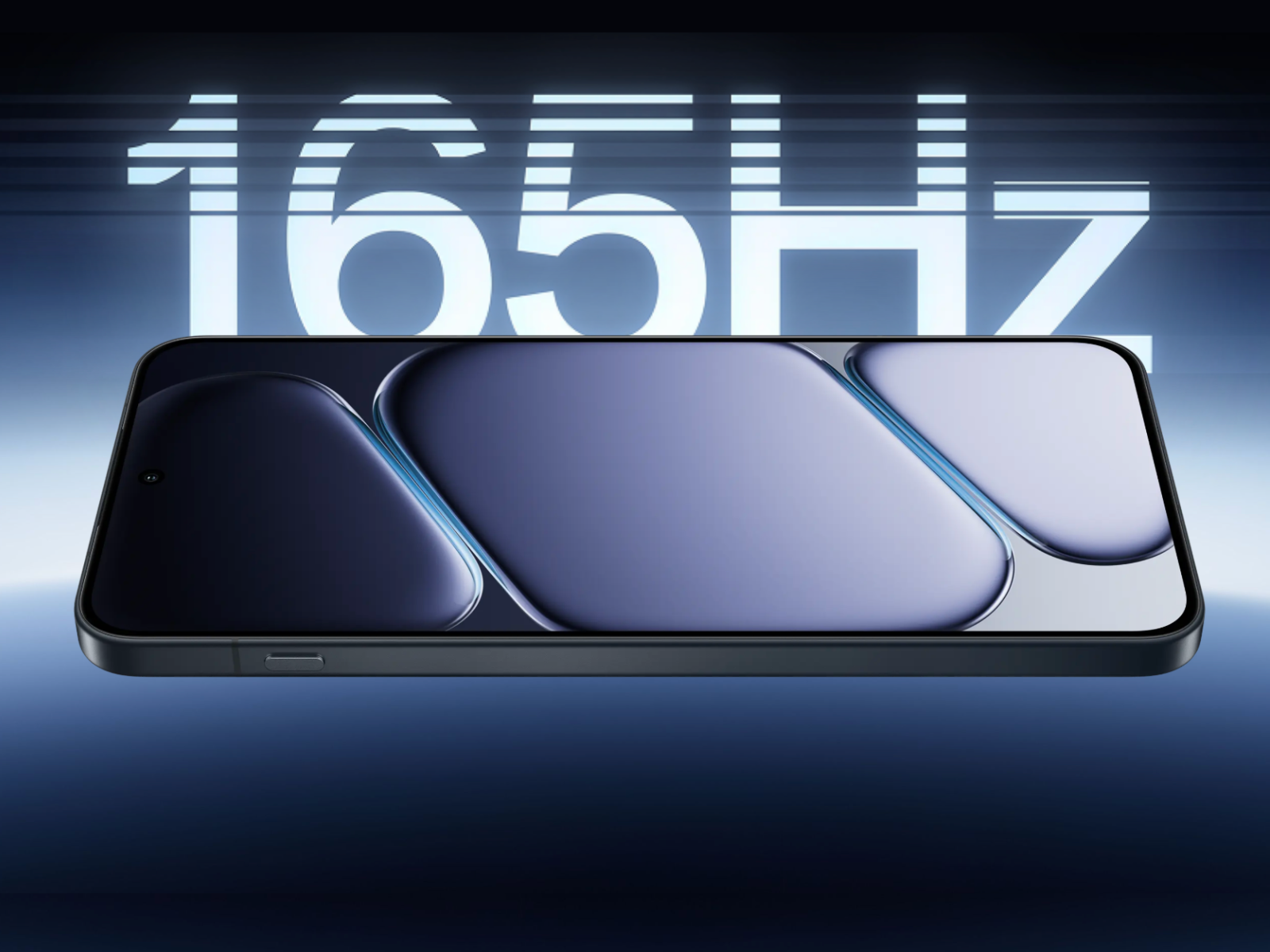
The phone features a large 6.78-inch AMOLED display with a sharp Full HD+ resolution of 2772 × 1272 pixels. It supports a 165Hz refresh rate, delivering extremely smooth scrolling and gaming visuals. With up to 1800 nits brightness and 450ppi density, the screen remains clear and vibrant even in bright outdoor conditions.
Performance and Storage
Powered by the MediaTek Dimensity 9500s chipset, the device ensures fast and efficient performance. It comes with 12GB LPDDR5X RAM, allowing seamless multitasking and smooth app usage. Storage options include 256GB and 512GB UFS 4.1, offering fast data speeds and plenty of space. There is also a microSD card slot for further expansion.
Camera System
The OPPO K15 Pro+ features a dual rear camera setup with a 50MP Sony IMX890 primary sensor with OIS and an 8MP ultra-wide lens. This setup captures detailed photos with stable shots. On the front, a 16MP camera handles selfies and video calls effectively.
Battery and Charging
One of the biggest highlights is its massive 8000mAh battery, designed for extended usage without frequent charging. It supports 100W SuperVOOC fast charging, allowing the device to recharge quickly despite the large battery size.
Software and Additional Features
The phone runs on ColorOS 16 based on Android 16, offering a smooth and user-friendly interface. Additional features include an under-display fingerprint sensor, an advanced cooling system, and multiple sensors for enhanced usability.
Overall, the OPPO K15 Pro+ stands out as a powerful and well-balanced smartphone with a strong focus on performance and battery life.
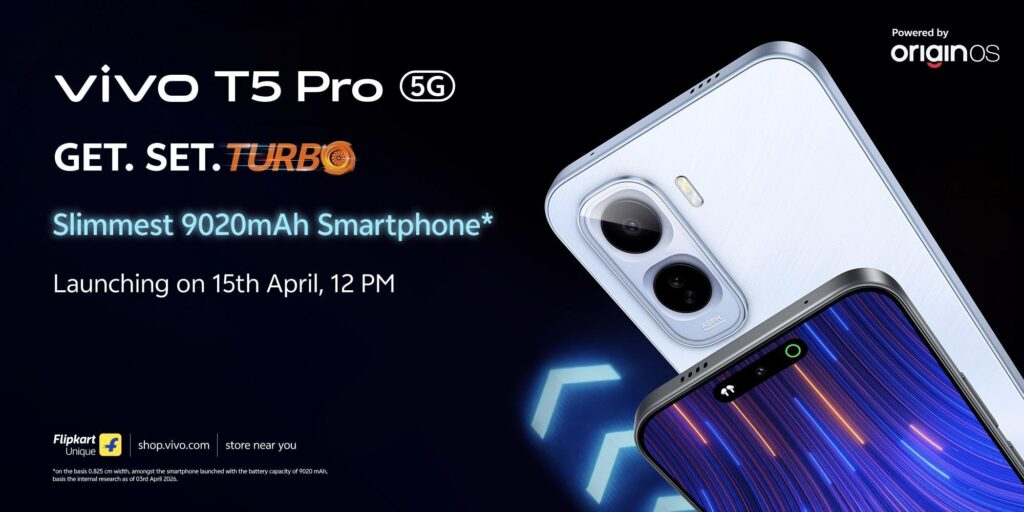
Vivo has confirmed that the Vivo T5 Pro will be unveiled on April 15 in India. The launch date poster once again reiterates that the device will pack a massive 9,020mAh battery. Its microsite available on Flipkart states that some of its key specs will be confirmed on dates preceding the launch. Ahead of the launch, the device has appeared on the Geekbench benchmarking platform to reveal its chipset.
Vivo T5 Pro launch date
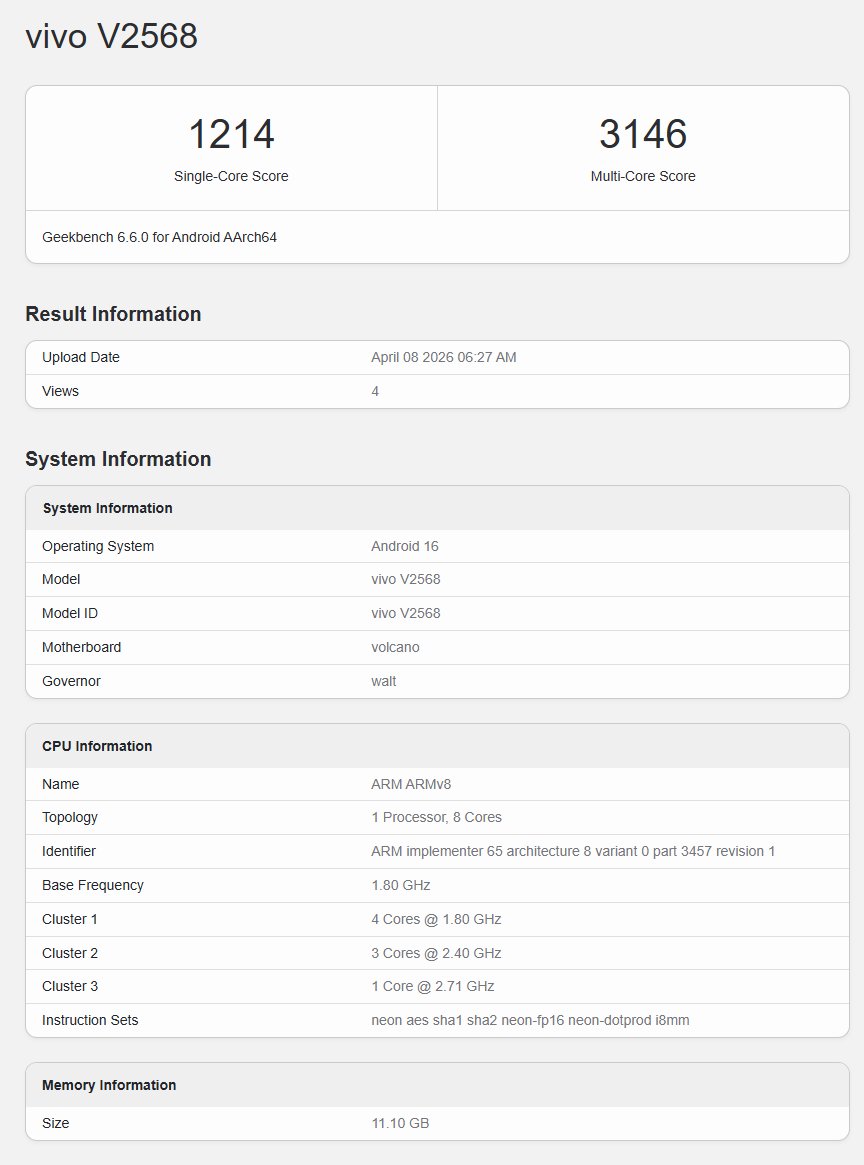
Vivo T5 Pro Geekbench listing
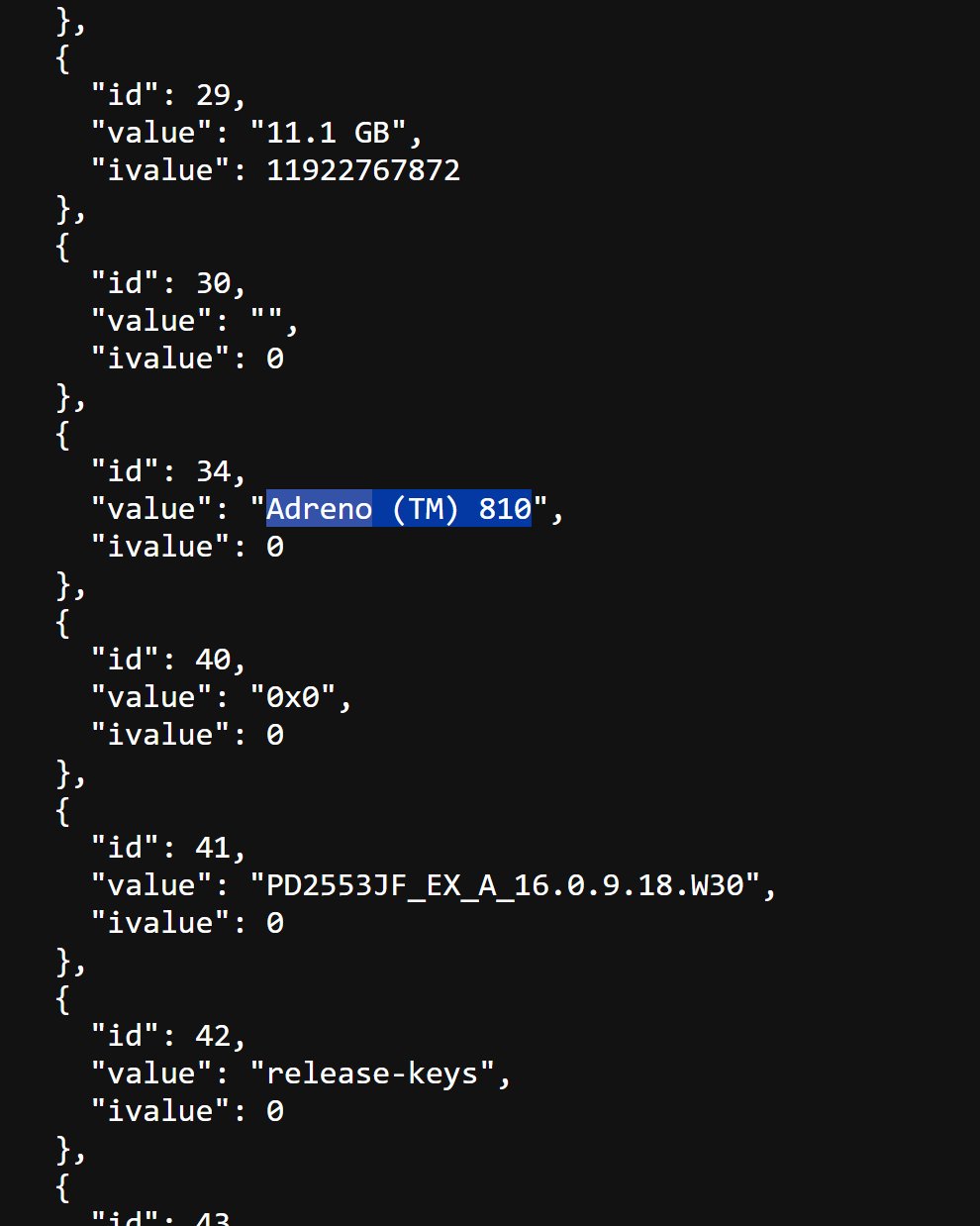
The Vivo T5 Pro Geekbench listing reveals that it is powered by the Snapdragon 7s Gen 4 chip. Although the chip’s name is not directly mentioned, the CPU and GPU details available through the Geekbench listing are sufficient to confirm the inclusion of the said chip.
The Geekbench listing further reveals 12GB of RAM and Android 16, which will have the OriginOS 6 skin on top. In the single-core and multi-core tests, the device scored 1214 and 3146 points, respectively.
Recent reports have revealed that the Vivo T5 Pro will feature a massive 6.8-inch AMOLED screen delivering a 1.5K resolution and a 144Hz refresh rate. Its 9,020mAh battery is expected to support 90W fast charging. The device will also carry an IP68/IP69 rating for dust and water resistance.
The brand has already confirmed through the Flipkart landing page that the 12GB RAM variant of the device will offer 256GB of built-in storage. It will support 120fps gaming in select titles and will include a large 7,000mm² vapor chamber unit for heat dissipation.
For more daily updates, please visit our News Section.
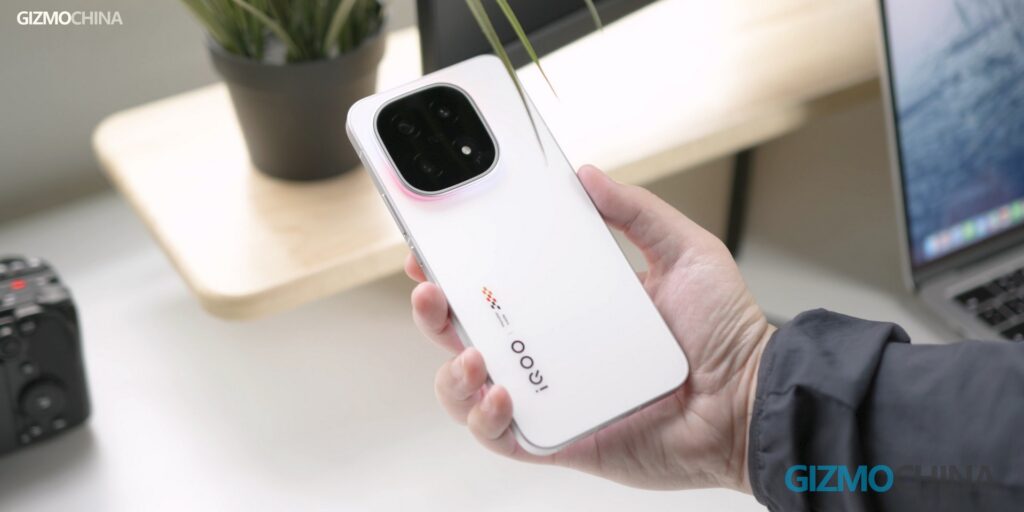
iQOO appears to be working on a new performance-focused flagship, as a new leak hints at another model in the iQOO 15 series. While the current lineup includes the iQOO 15 and 15 Ultra, the brand may introduce a new variant aimed at bringing gaming-centric features to a wider audience.
iQOO 15T moniker and expected launch timeframe
iQOO 15T could in works
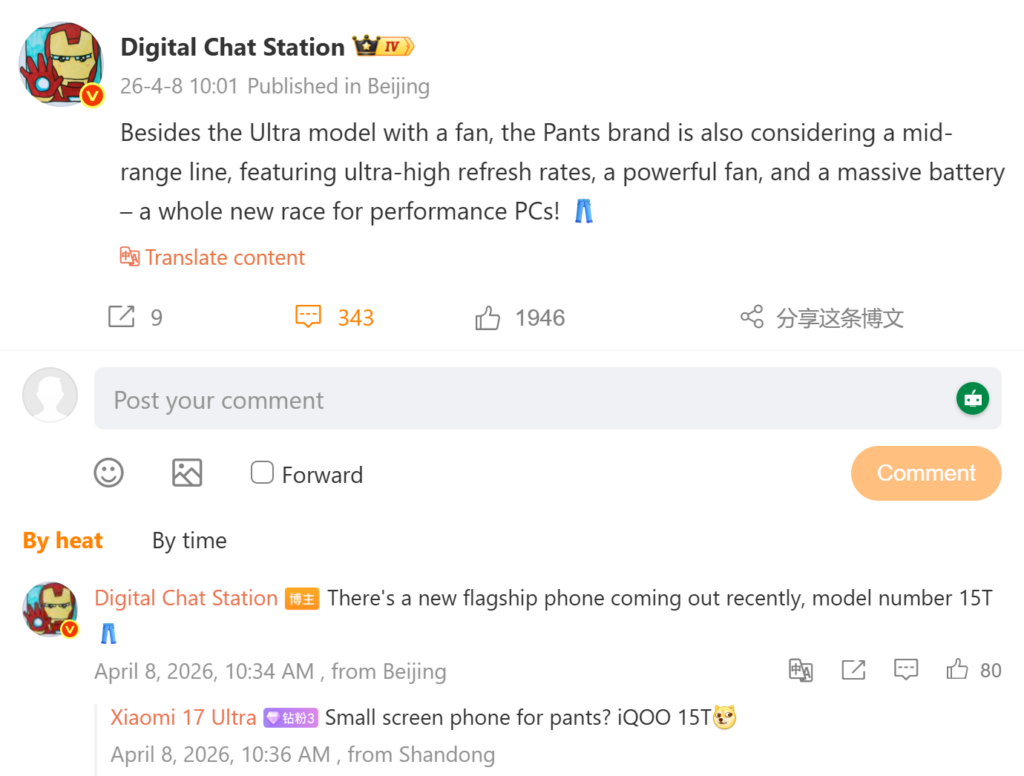
A Weibo post by tipster Digital Chat Station suggests that the new device could be called the iQOO 15T. It is expected to borrow certain high-end features from the Ultra model, including a built-in cooling fan.
This move indicates that iQOO may be looking to bring advanced thermal management to more accessible devices. In terms of timeline, the iQOO 15T is likely to launch before the iQOO 16, which is expected to debut in China around October. This places the possible arrival of the 15T somewhere in mid-2026.
Apart from the iQOO 15T, the brand is also said to be working on the Neo 11 and Neo 11 Pro. These devices are expected to feature a 6.83-inch 2K OLED display and could be powered by the Snapdragon 8 Elite and Dimensity 9500 chipsets, respectively. They may pack batteries of up to 8,000mAh and include a metal middle frame along with an ultrasonic in-screen fingerprint sensor, suggesting a focus on both performance and build quality.
iQOO 16: What’s known so far
As for the iQOO 16, early reports indicate that it may arrive with a 2K Samsung display supporting refresh rates of up to 165Hz or even 185Hz. The device is also expected to feature the Snapdragon 8 Elite Gen 6 chipset. In terms of cameras, it could include a 200-megapixel primary sensor, accompanied by a 50-megapixel ultra-wide lens and a 50-megapixel periscope telephoto camera.
It is advisable to take this leak with a pinch of salt and wait for more reports to confirm the iQOO 15T’s existence.
For more daily updates, please visit our News Section.
A fresh leak out of China suggests Xiaomi could switch from Omnivision camera sensors to SmartSens in the upcoming Xiaomi 18 series.
According to information shared by Digital Chat Station on Weibo, a top-five smartphone brand is planning to use a SmartSens sensor in its next flagship lineup. While the tipster didn’t name the company outright, it’s widely speculated to be the Xiaomi 18 series.
Xiaomi 18 Pro could feature 200MP SmartSens sensors
The leak suggests the lineup could feature dual 200-megapixel main cameras with a 1/1.28-inch sensor size. On higher-end models, these sensors are expected to support LOFIC HDR 3.0, which is a hardware-level sensor technology that improves dynamic range.
LOFIC — short for lateral overflow integration capacitor — combines linear and logarithmic charge storage within a single pixel. This should result in more balanced images, especially in high-contrast environments like sunsets or backlit scenes.
Xiaomi has been gradually exploring alternatives to Sony sensors. The company switched from Sony to Omnivision on Xiaomi 17 Pro series, and earlier reports suggest the company is testing other domestic imaging solutions too. So this move wouldn’t be entirely surprising if Xiaomi does so.
The Xiaomi 18 Pro models are also said to pair the SmartSens 200MP sensor with experimental modular optics. That could include magnetic, snap-on lenses, which might allow users to attach accessories like telephoto converters directly to the phone.
On the performance side, the devices are expected to run on Qualcomm’s Snapdragon 8 Elite Gen 6 Pro chip, paired with up to 16GB of RAM, and a battery reportedly reaching 7,000mAh.
None of this is confirmed yet, and of course, Xiaomi hasn’t commented publicly. But the company has hinted it may keep the rear display introduced on the Xiaomi 17 Pro for the Xiaomi 18 Pro.
Oppo is preparing to launch the Watch X3 Mini globally on April 21 in its home country. The company is positioning it almost like a piece of jewelry first, and a smartwatch second, which is a slightly different approach compared to most wearables in this space.
Design is clearly a big part of the pitch here. The Watch X3 Mini features a compact body with a polished finish, sapphire crystal on the front, and what Oppo describes as an 18K gold stainless steel case. It’s available in gold, mocha brown, and silver, all of which look more fashion-focused than sporty. There’s also a special edition package that includes a themed charging stand, leather strap, and a few accessories, though how widely that bundle will be available isn’t entirely clear yet.
On the health side, Oppo is adding a mix of standard and slightly more niche features. One of the highlights is a menstrual cycle tracking system that goes a bit further than usual, offering predictions and workout suggestions based on different phases. There are also tools for stress monitoring, sleep tracking, and even things like sun exposure guidance. Some of these features sound ambitious, so it’ll be interesting to see how they perform in actual use.
The watch uses a fairly advanced sensor setup, including wrist temperature tracking, multi-channel heart rate monitoring, and blood oxygen tracking. Again, most of this isn’t entirely new on its own, but Oppo seems to be bundling it together into a more lifestyle-focused experience.
In terms of functionality, the Watch X3 Mini supports standalone features like messaging and communication, along with camera preview and phone-finding tools. It also runs over 100 apps, according to Oppo, which should cover basic use cases.
Battery life is rated at up to 7 days in a power-saving mode, or around 2.5 days with full features enabled, which is fairly typical for this category.
The launch is expected to happen alongside other Oppo products, including the Find X9 Ultra and new audio accessories. More details around pricing and availability should become clearer at the event.
Oppo has confirmed that the Oppo F33 series will break cover on April 15 in India. The lineup has two models, namely the F33 and F33 Pro. Ahead of the launch, the brand has confirmed a few details about the upcoming F-series phones.
Oppo F33 series key specs officially confirmed
Oppo F33 Pro
Oppo has confirmed that the Oppo F33 Pro will feature a 50-megapixel ultra-wide camera with a 100-degree FOV on the front. This camera will be powered by the GalaxyCore GC50F6 sensor with an f/2.0 aperture and an 18mm focal length.
For an enhanced selfie experience, the F33 Pro offers an AI Groupfie feature, which can automatically expand to 0.6x when two people enter the frame. It also comes with support for a face distortion correction algorithm that can detect up to six faces at one time.
The F33 series also brings a colorful Front Fill Light for better low-light selfies, along with a Popout mode that creates layered, dynamic images directly in-camera. The Dual-View Video feature enables simultaneous recording from both front and rear cameras, adding versatility for content creation. Additionally, the F33 Pro debuts a refreshed Starry Sea Lens Module design, giving the camera system a more distinctive and modern look.
On the back, both the F33 and F33 Pro will feature a 50-megapixel main camera equipped with the OmniVision OV50D40 sensor, which will be paired with a 2-megapixel depth sensor. For the first time, these F-series phones will have an AI Portrait Glow feature, which can automatically apply the most suitable lighting in real time. It offers options like Natural Light, Flashlight, Rim Light, and Studio Light.
The compamy has also confirmed that the Oppo F33 Pro will feature a 6.57-inch flat display. It will be offered in three shades: Misty Forest, Starry Blue, and Passion Red.
For more daily updates, please visit our News Section.
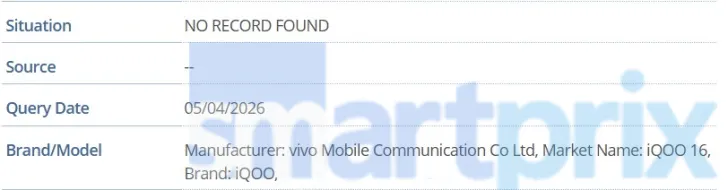
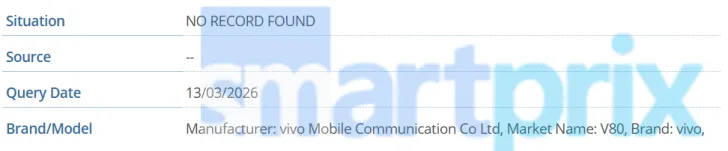
New phones don’t always show up with a launch teaser first. Quite often, they quietly appear in certification databases, and that seems to be the case with the iQOO 16 and Vivo V80, both of which have now been listed in the GSMA IMEI database, courtesy of Smartprix.
It usually means the devices are past the early stages and moving closer to testing or certification. So while nothing is official yet, it’s a decent sign that both phones are getting closer to launch.
The iQOO 16 is expected to succeed the iQOO 15 (our review), which was very much focused on performance. That’s kind of been iQOO’s approach for a while now: capable chips, aggressive cooling, and charging speeds that are usually higher than rivals. There’s no confirmation on specs yet, but it wouldn’t be surprising if the new model follows the same pattern, just with newer hardware and maybe some tweaks to thermals.
The Vivo V80 should be a bit different in comparison. The V series has always leaned more toward design and camera features rather than raw power. Based on previous models, things like the “Aura Light” and portrait-focused imaging will likely return. It’ll probably use an upper mid-range Snapdragon or Dimensity chip, something that keeps things smooth without pushing too hard on performance.
From here, the next step is typically regional certifications, and that’s when more concrete details start showing up.
For now, there’s not much confirmed, but the overall direction feels familiar. The iQOO 16 will likely aim at performance-heavy users, while the Vivo V80 sticks to cameras and design. Nothing unexpected, but still worth keeping an eye on as more information comes in.
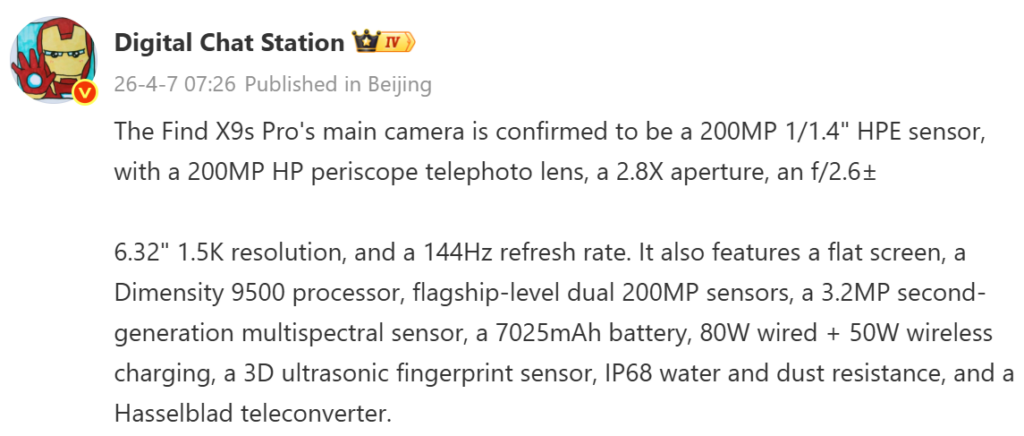
Oppo is starting to build some momentum around its next flagship lineup, with new details emerging about the Find X9s Pro. The phone is expected to sit alongside the Find X9 Ultra, but from what’s been shared so far, it might end up being the more interesting of the two, especially if you care about camera flexibility.
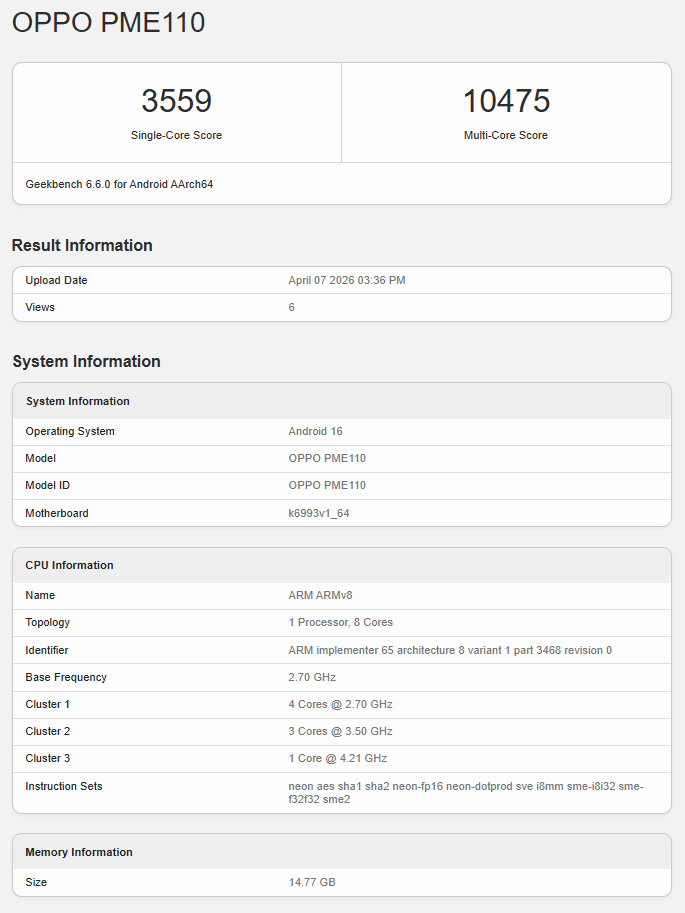
There have been two Geekbench listings (model PME110) making the rounds, which point to the phone running on MediaTek’s Dimensity 9500, paired with 16GB of RAM. The scores, around 3559 single-core and 10475 multi-core, are pretty much in line with what you’d expect from the chipset. It should have no trouble with gaming or heavier workloads.
As for the rest of the hardware, leaks suggest a relatively compact 6.32-inch OLED display with a 1.5K resolution and a 144Hz refresh rate. On the camera side, the setup sounds ambitious: a 200MP main sensor along with a 200MP periscope telephoto offering 2.8x optical zoom, with the teleconverter acting as an extra layer on top.
Battery capacity is said to be around 7,025mAh, which is quite large, paired with 80W wired and 50W wireless charging. The phone is expected to weigh about 198g, and color options could include Natural White, Native Titanium, Vibrant Orange, and Wind Chaser Green.
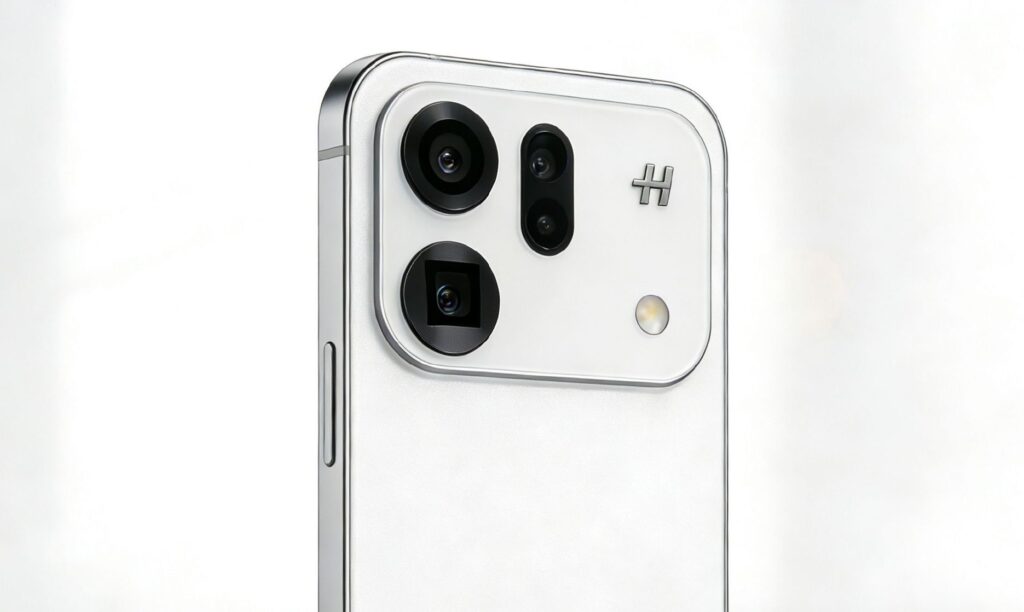
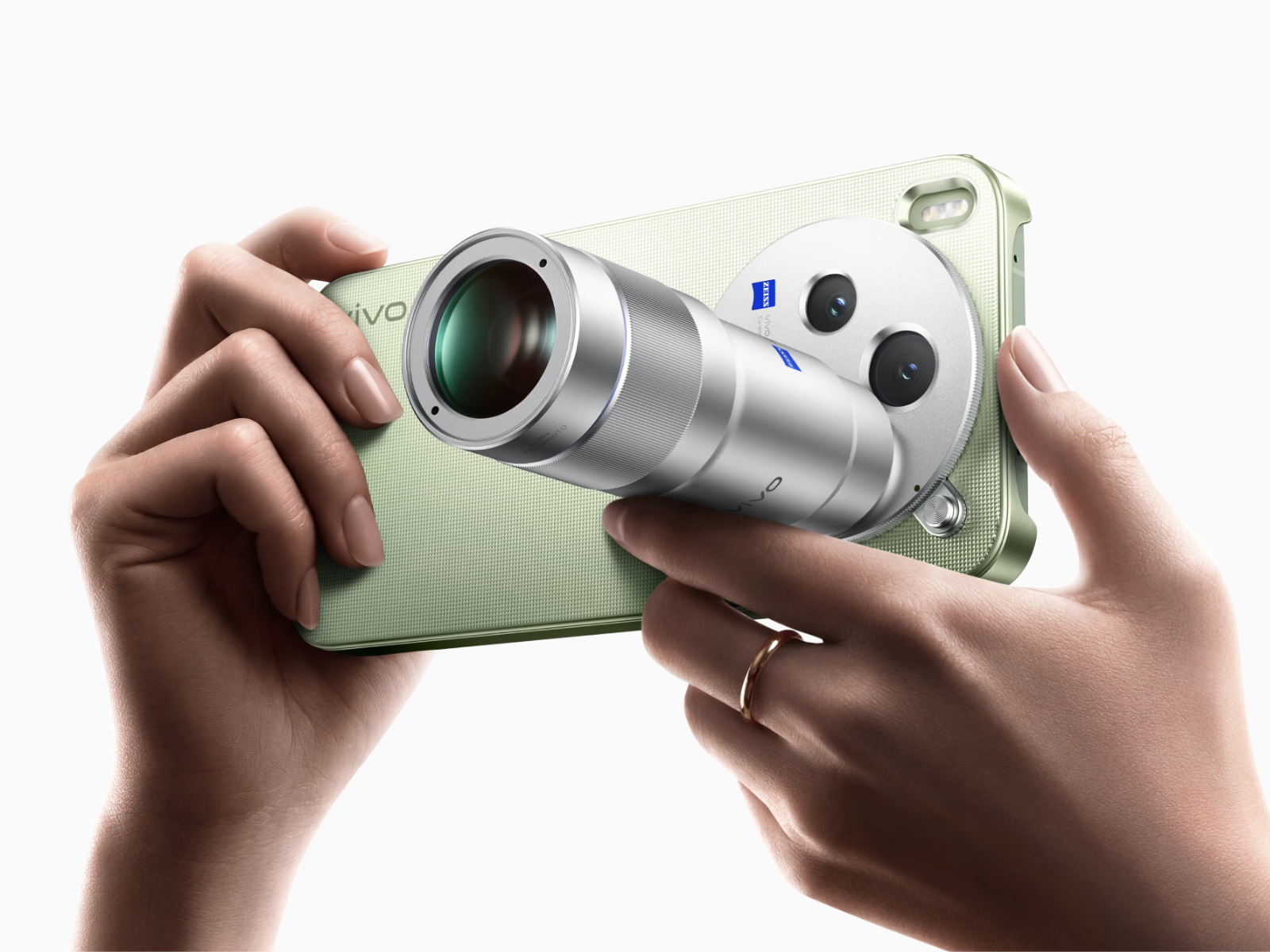
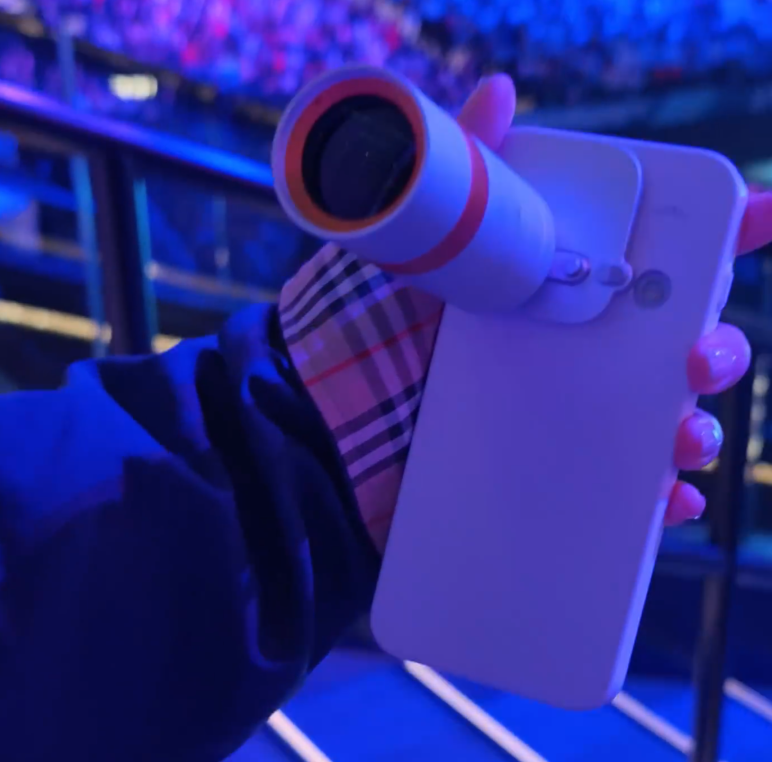
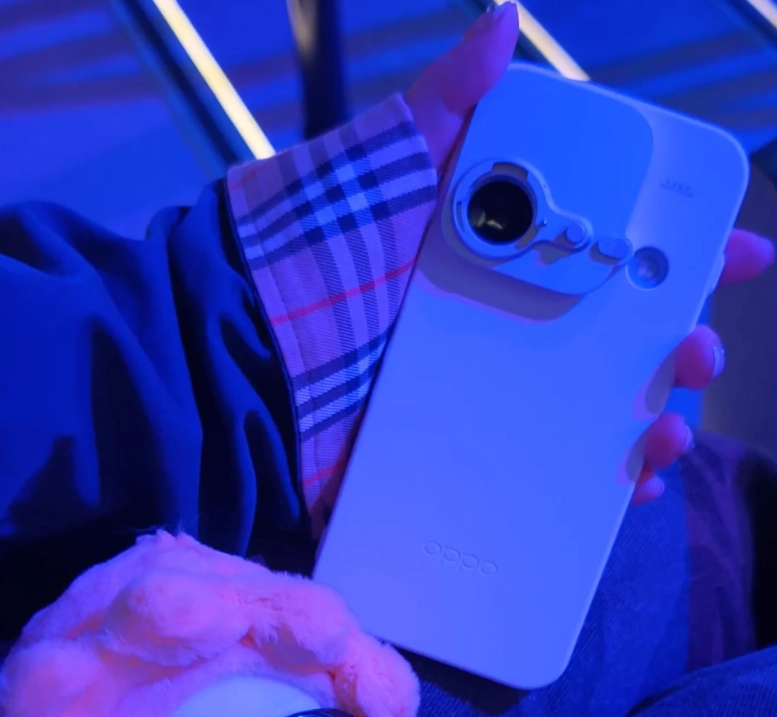
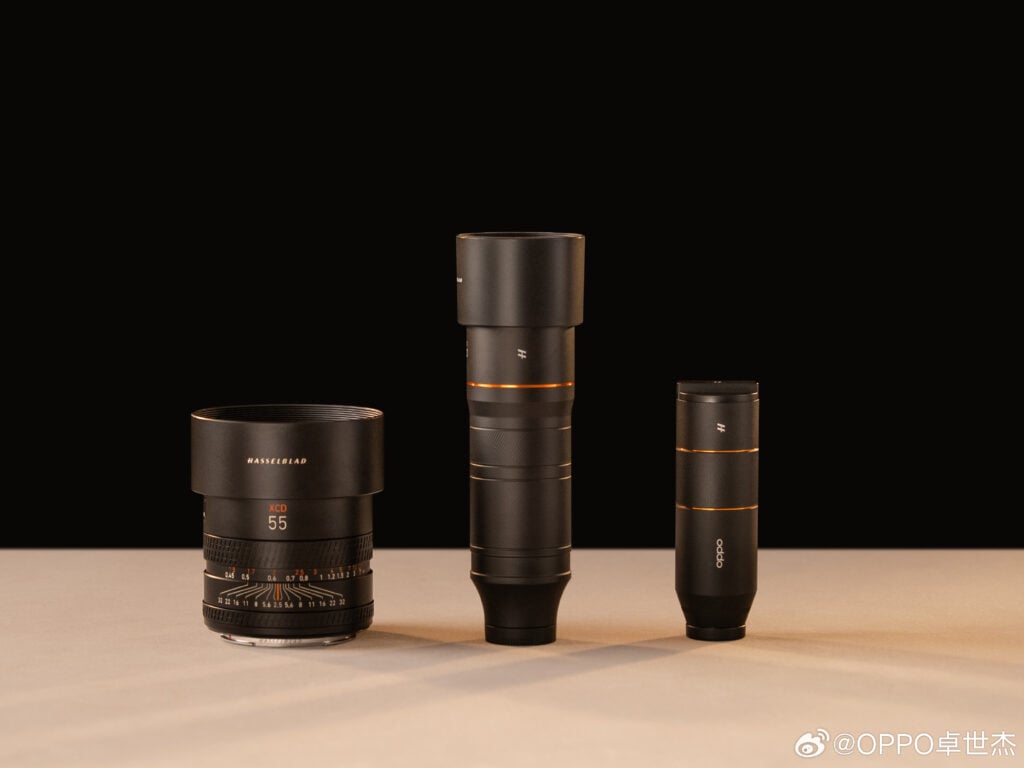
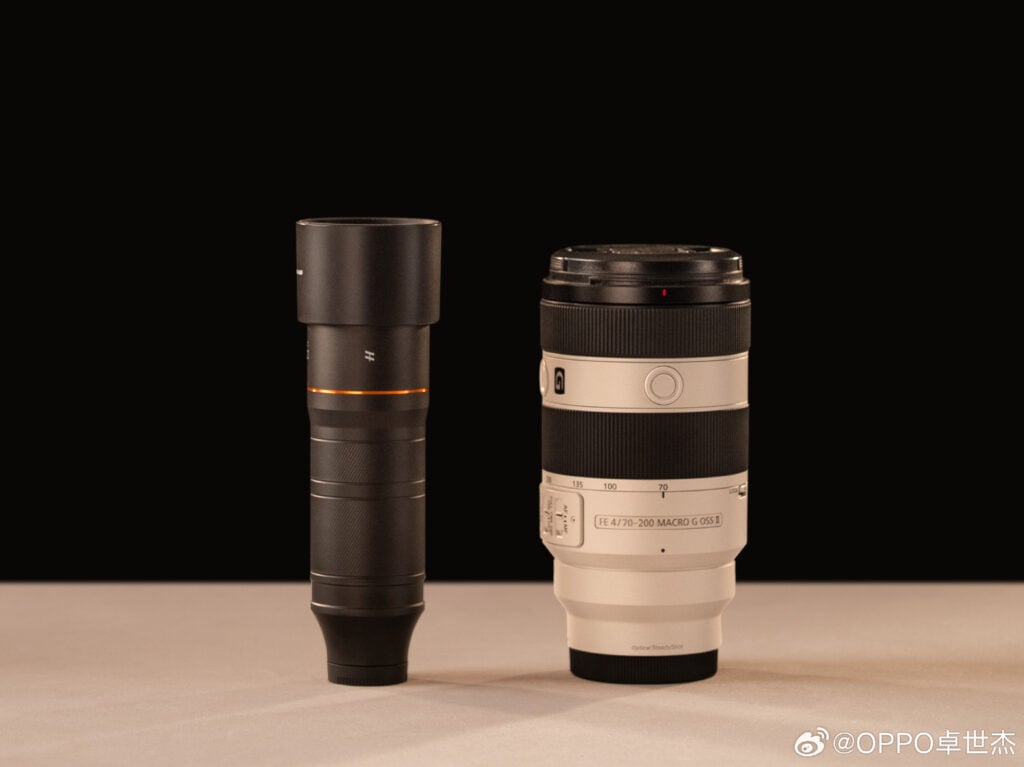
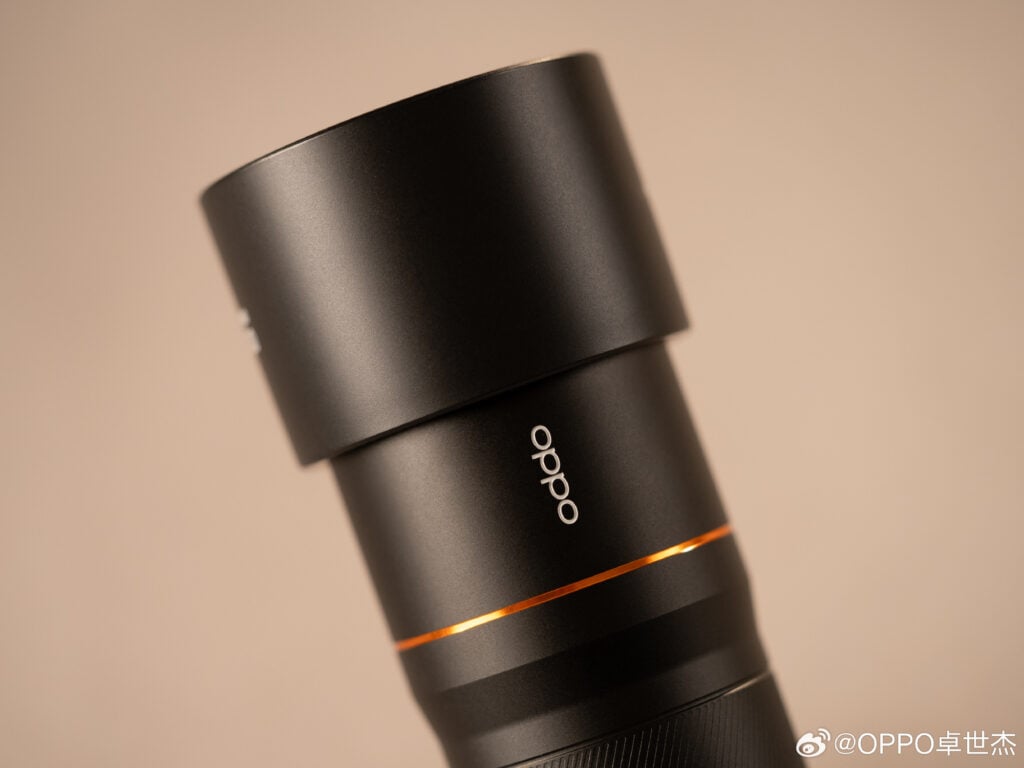
The company has confirmed a China launch on April 21, and in the lead-up, it’s been teasing a few camera-focused features. One of the more unusual additions is an optional Hasselblad-branded teleconverter designed for the Find X9s Pro. It’s meant to extend the phone’s zoom capabilities, and early clips suggest it does make a noticeable difference.
Taken together, the Find X9s Pro looks like Oppo is trying something slightly different: a more compact flagship that still leans heavily into camera hardware. The teleconverter, in particular, could be a bit of a differentiator if it ends up working well in real-world use.
There’s still no official word on pricing just yet, but with the launch set for April 21, that shouldn’t be too far off.
Redmi will hold a major launch event later this month in China. The event will see the arrival of the Redmi K90 Max, Redmi K Pad 2, and new laptops. Earlier today, the company released official images showcasing the K90 Max’s design for the first time. At the same time, the brand has also revealed the K Pad 2’s official images, highlighting its design, color options, and key specifications.
Redmi K Pad 2 design, color options
Redmi K Pad 2 – Deep BlackRedmi K Pad 2 – Spotlight PurpleRedmi K Pad 2 – Space Sliver
The Redmi K Pad 2 continues with a compact 8.8-inch tablet form factor, making it easier to carry while still offering a large screen for gaming and media consumption. It features a metal unibody construction, giving it a premium and sturdy feel. Compared to its predecessor, the rear design looks cleaner, with a simplified camera module and the removal of the decorative strip.
Another noticeable change is the repositioning of the power button to the right side, which should improve accessibility during landscape use. The button is also expected to integrate a fingerprint sensor for quick unlocking. It will be available in three shades: Deep Black, Spotlight Purple, and Space Silver.
Redmi K Pad 2 specifications
Redmi K Pad 2 key specs
The Redmi K Pad 2 is confirmed to feature an 8.8-inch LCD panel that offers a 165Hz refresh rate and promises improvements in brightness, touch response, and eye comfort. Under the hood, it is powered by the Dimensity 9500 chipset, which is said to bring a noticeable jump in both single-core and multi-core performance compared to the previous generation.
The tablet packs a large 9,100mAh battery, aiming to deliver extended gaming sessions without frequent charging. It is expected to include dual X-axis motors for better haptic feedback and a tuned dual-speaker setup for an enhanced audio experience.
Last year, the Redmi K Pad was rebranded as the Xiaomi Pad Mini in the global market. Therefore, it is likely that the second-generation Redmi K-series tablet could be renamed as the Xiaomi Pad Mini 2 globally.
For more daily updates, please visit our News Section.
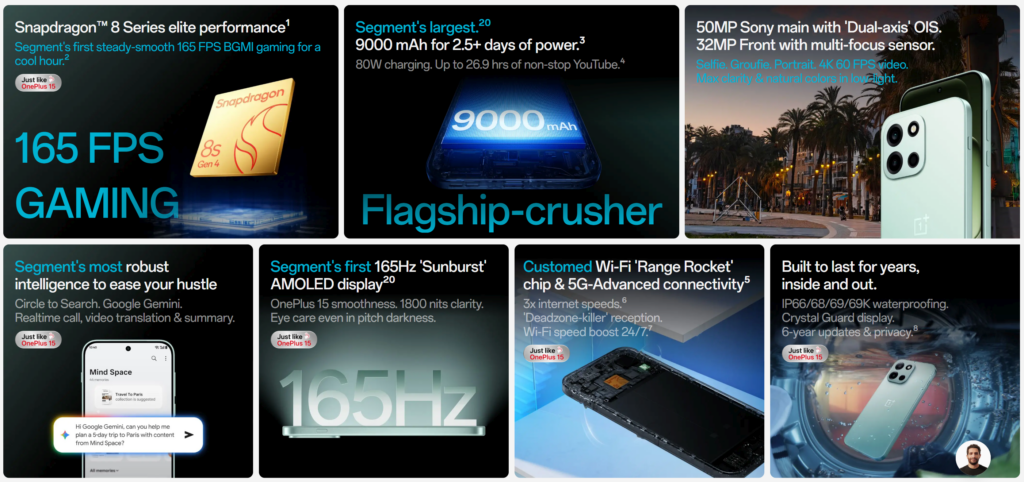
OnePlus has launched the OnePlus Nord 6, bringing a strong mix of performance and battery capacity to the mid-premium segment. The smartphone features a 165Hz AMOLED display, a Snapdragon 8-series SoC, and a massive 9000mAh battery. It also introduces OxygenOS 16 based on Android 16, along with durability upgrades and gaming-focused enhancements. Here is a closer look at its specifications, features, and pricing.
OnePlus Nord 6 specifications and features
OnePlus Nord 6
The OnePlus Nord 6 features a 6.78-inch AMOLED display with a 1.5K resolution of 2772 x 1272 pixels and supports up to 165Hz refresh rate. The panel supports up to 3600 nits peak brightness, 10-bit colour depth, and 3840Hz PWM dimming. It runs on OxygenOS 16 based on Android 16 and is confirmed to receive four Android updates along with six years of security patches.
The Nord 6 is powered by the Snapdragon 8s Gen 4h chip, up to 12GB LPDDR5X RAM, and 256GB UFS 4.1 storage. The phone packs a 9000mAh battery with support for 80W fast charging, 27W reverse charging, and bypass charging. A large heat dissipation system is also included to maintain performance during extended usage.
OnePlus Nord 6 key features
For photography, the phone features a 50-megapixel Sony LYTIA-600 main camera with OIS and EIS, along with an 8-megapixel ultra-wide camera. On the front, there is a 32-megapixel camera supporting 4K video recording. Other features include Wi-Fi 7, Bluetooth 6, NFC, a USB Type-C port, an in-display fingerprint sensor, an IR blaster, and dual stereo speakers.
In terms of durability, the Nord 6’s display is protected by Crystal Guard material and carries IP66, IP68, IP69, and IP69K ratings along with MIL-STD-810H certification. Finally, the device measures 8.5mm in thickness and weighs around 217 grams.
OnePlus Nord 6 price and availability
The OnePlus Nord 6 is priced at Rs 38,999 (~$420) for the 8GB+256GB variant and Rs 41,999 (~$450) for the 12GB+256GB model. It is offered in Quick Silver, Fresh Mint, and Pitch Black colour options.
The smartphone will be available from April 9 at 12PM via OnePlus online store, Amazon, OnePlus Store app, and offline retail outlets. Launch offers include Rs 2,000 (~$21) instant discount on select bank cards and up to six months no-cost EMI options.
For more daily updates, please visit our News Section.
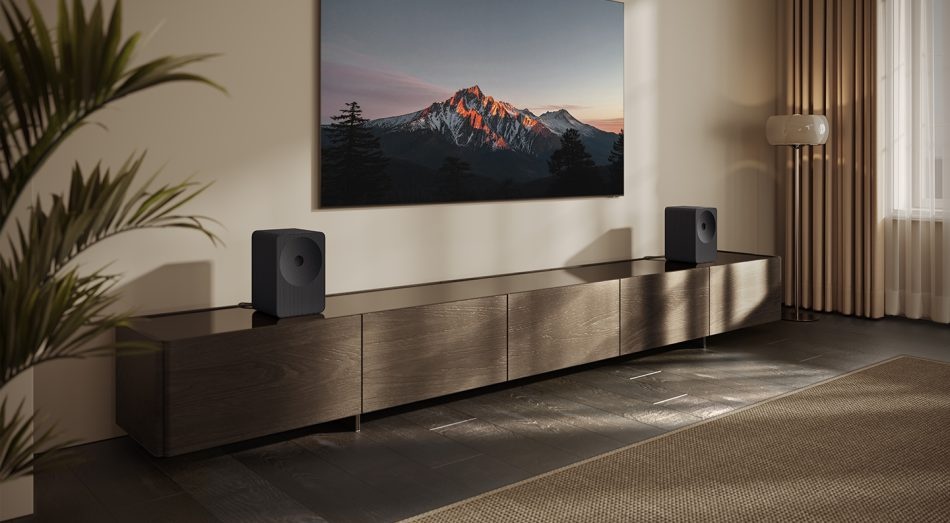
Samsung has begun rolling out its 2026 home audio lineup in the US, bringing a mix of new Wi-Fi speakers under the Music Studio series and updated Q-Series soundbars. The focus this year is on smarter audio tuning and easier integration across multiple devices.
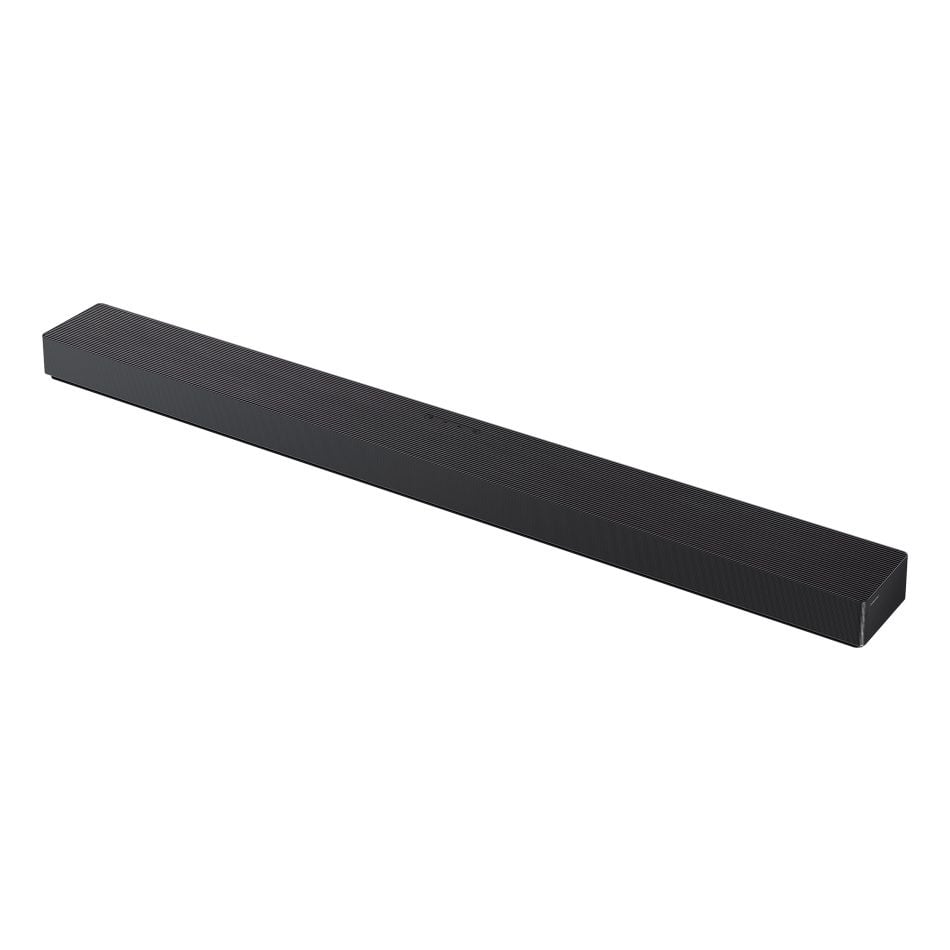
The new soundbar range is headlined by the HW-Q990H, which comes with an 11.1.4 channel setup and supports Dolby Atmos over both HDMI and wireless connections. It also includes dual active subwoofers. Like previous high-end models, it uses SpaceFit Sound Pro to adjust audio based on the room, but now relies on a built-in microphone for more accurate tuning. Features such as Adaptive Sound, Sound Elevation, and Auto Volume are also part of the package, handling content detection, aligning audio with the screen, and keeping volume levels steady.
HW-Q990H SoundbarHW-QS90H
Below it, the HW-Q900H and HW-Q800H carry over most of the same features, including Dolby Atmos, SpaceFit Sound Pro, Adaptive Sound, AI Dynamic Bass Control, and Auto Volume. The differences mainly come down to channel output and where they sit in the lineup. Samsung is also adding the HW-QS90H, which is designed as a single-unit option. It has a 7.1.2 channel configuration with four built-in woofers, so there is no separate subwoofer. A built-in gyro sensor detects whether it is placed on a table or mounted on a wall and adjusts the sound accordingly.
Music Studio 7
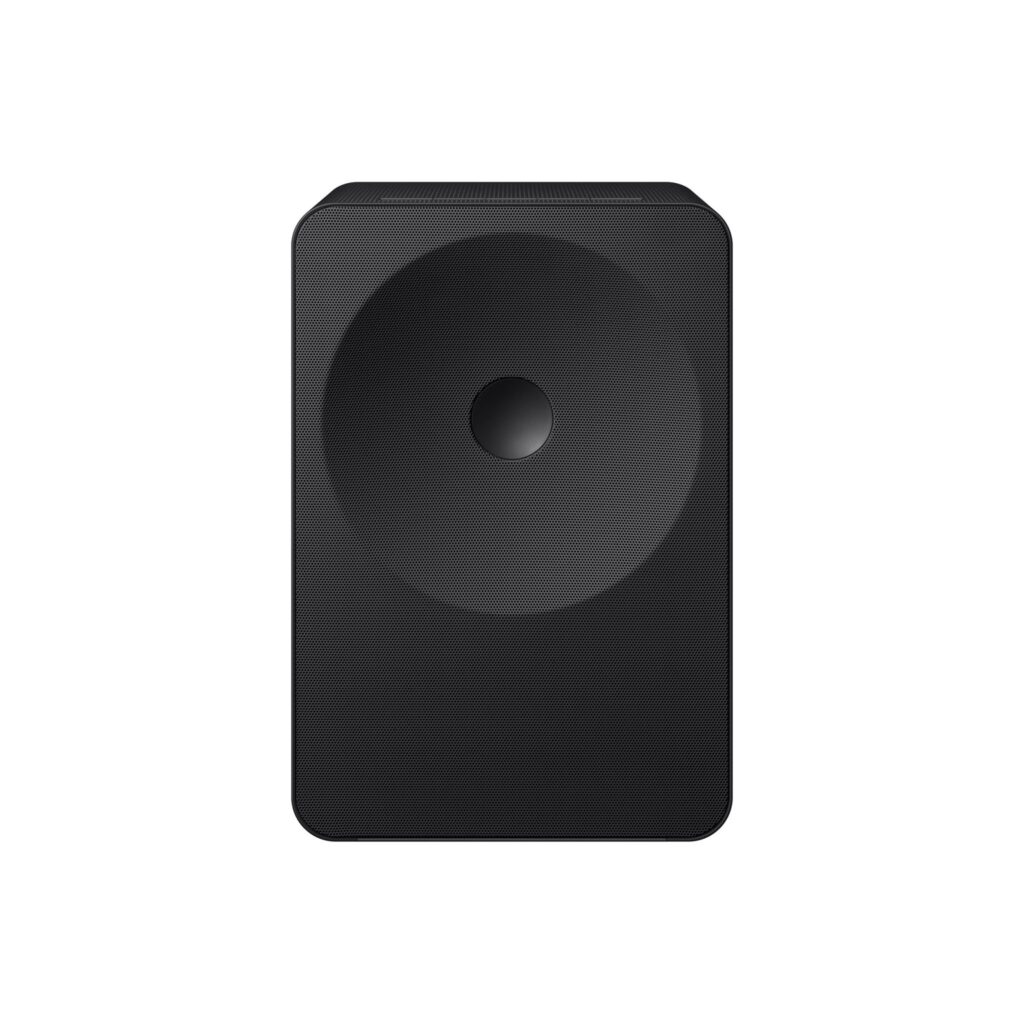
On the speaker side, the Music Studio 7 is aimed at users who want a single speaker setup. It delivers 3.1.1 channel audio and supports Dolby Atmos in both wired and wireless modes. Samsung has added Pattern Control to manage sound direction and reduce distortion, along with AI Dynamic Bass Control, SpaceFit Sound Pro, and Active Voice Amplifier Pro. It supports Wi-Fi, Bluetooth, and Spotify Tap.
Music Studio 5
The Music Studio 5 is a smaller option built for tighter spaces. It uses waveguide technology to spread sound more evenly and includes AI-based audio processing, Dynamic Bass Control, SpaceFit Sound Pro, and Active Voice Amplifier Pro. Connectivity options remain the same as the larger model.
Both speakers work with Q-Symphony, allowing them to sync with compatible Samsung TVs and soundbars. The feature now supports up to five devices and adjusts audio based on how the speakers are placed.
Samsung is also offering control through its Samsung Sound app, which brings device grouping, playback control, and audio settings into one place.
The Music Studio 5 starts at USD 299.99, while the HW-Q990H is priced at USD 1,999.99. The lineup is now rolling out through Samsung’s website and retail stores, with some models expected to arrive later.
For more daily updates, please visit our News Section.
Xiaomi has started crowdfunding for its latest home security device, the Smart Camera 4 Max AI Zoom Edition, in China. The device is priced at 799 yuan (~ $116) during the crowdfunding phase, with a suggested retail price of 999 yuan (~ $145).
At first glance, the new camera doesn’t look drastically different from the earlier Smart Camera 4 Zoom Edition. The design is familiar, but Xiaomi has shifted to a silver-gray finish and added a fabric base this time around.
Xiaomi Smart Camera 4 Max AI Zoom Edition Specifications
As for the actual hardware, the camera combines a 12MP telephoto lens with an 8MP wide-angle lens, both using a relatively bright f/1.6 aperture. The camera supports 4K monitoring, 12x hybrid zoom, and 3x lossless zoom.
It also functions well in low-light. The camera has full-color night vision and a new photography mode for capturing everyday moments rather than just surveillance footage.
The Smart Camera 4 Max AI Zoom also supports a 360-degree horizontal and 180-degree vertical pan-tilt range, with motor speeds said to be 30 percent faster than the Xiaomi C700. It can track people and pets, continuing a trend seen across many smart home cameras, but Xiaomi is trying to make this tracking more precise.
Under the hood, the device runs on a 3T quad-core chip, which Xiaomi claims is 300 percent more powerful than the C700.
The more notable addition, though, is software. Xiaomi is introducing its first “AI care model,” which targets three main use cases: children, the elderly, and pets.
The system can recognize behaviors — like whether a child is studying — and generate daily reports. It also supports searching through recorded footage using text or video cues.
Buyers who pick it up early will get a one-month trial of the AI service, after which it will likely shift to a subscription model.
For more daily updates, please visit ourNews Section.
Qualcomm’s next flagship mobile chip, the Snapdragon 8 Elite Gen 6 series, has previously been tipped to focus more on efficiency than major CPU gains. Now, a fresh detail from tipster Fixed Focus Digital adds another layer to that narrative.
According to the leak, Qualcomm could introduce an LPE (Low Power Efficiency) core as a dedicated coprocessor in the Snapdragon 8 Elite Gen 6.
An LPE core on Snapdragon 8 Elite Gen 6 mean?
An LPE core is ideal for handling smaller background tasks. These could include things like sensor monitoring, notification handling, or always-on features that don’t require the full CPU to wake up. Offloading such tasks to a tiny, ultra-efficient core would allow the primary cores to remain idle more often, which in turn helps conserve power.
If that happens, it would complement the changes already rumored for the CPU layout. The current Snapdragon 8 Elite Gen 5 uses a 2+6 configuration, with two high-performance cores and six performance cores running at the same frequency tiers. For the next generation, Qualcomm is expected to move to a 2+3+3 setup, splitting those six cores into two clusters.
Clock speeds for these clusters are under wraps, but separating them could allow Qualcomm to run different groups of cores at different frequencies depending on the workload. That would give the scheduler more flexibility in balancing performance and power use.
The addition of an LPE core would take that further by moving the smallest background processes away from the CPU entirely.
None of this is confirmed yet, but the overall direction suggests Qualcomm is focusing on reducing power consumption across both active and idle scenarios.
For more daily updates, please visit our News Section.
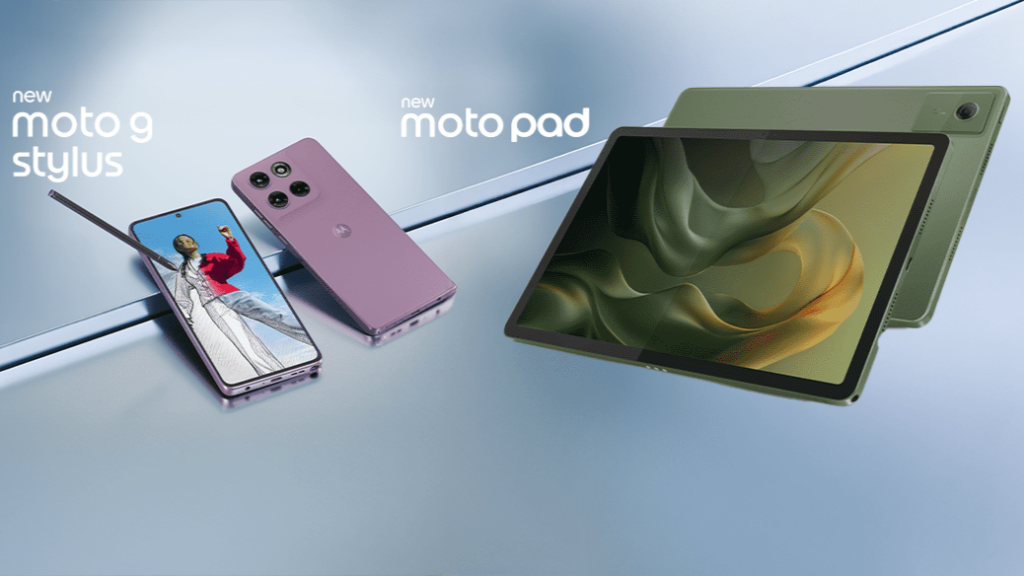
Alongside its new stylus phone, Motorola has also introduced the Moto Pad 2026, an 11-inch tablet aimed at everyday productivity and media use. It doesn’t try to do anything too ambitious, but it covers the basics fairly well.
The tablet features an 11-inch display with a 2.5K resolution and a 90Hz refresh rate. It should be sharp enough for reading and streaming, while the higher refresh rate helps keep things smooth during general use. There’s also a quad-speaker setup tuned for Dolby Audio, which should make it a decent option for watching content.
Under the hood, it runs on the MediaTek Dimensity 6300, a 5G chipset more commonly seen in mid-range phones. It’s not designed for heavy workloads, but it should handle everyday tasks like reading, streaming, and light multitasking fairly well.
One of the more notable additions is Smart Connect, which allows the tablet to work more closely with Motorola phones and other compatible devices. You can move content between screens or continue tasks across devices, which can be useful if you’re already in that ecosystem. The tablet is backed by a 7040mAh battery with 20W charging, which should be enough for a full day of typical use.
Pricing and availability:
Pricing starts at $249.99, keeping it firmly in the affordable category. The Moto Pad 2026 will be available in the United States starting April 30 through T-Mobile and Metro by T-Mobile. It will also be sold directly via Motorola’s official website at the same MSRP.
Overall, it feels like a fairly straightforward tablet, not particularly flashy, but practical enough for users who want a larger screen for work or entertainment without spending too much.
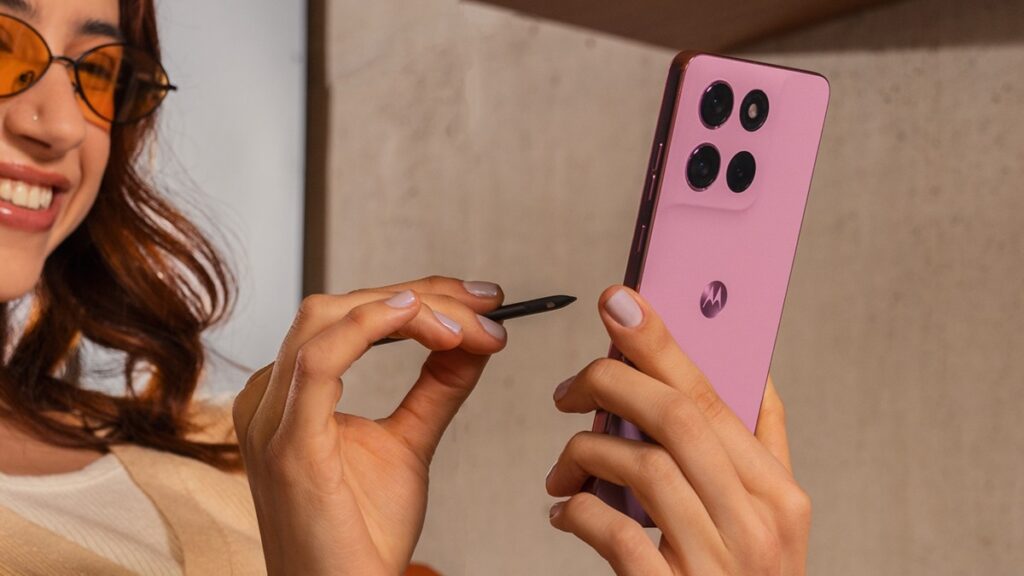
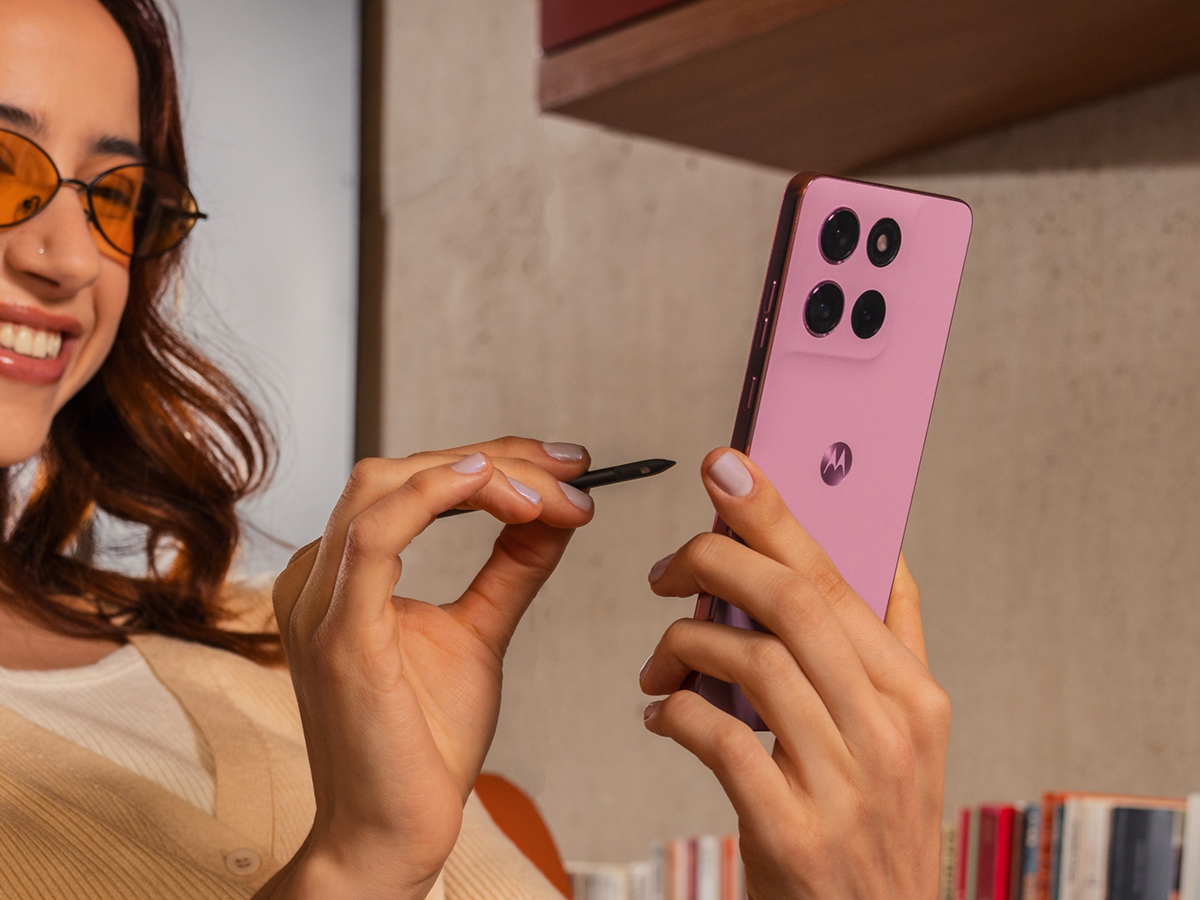
Motorola has introduced the Moto G Stylus (2026), continuing its push to make stylus-equipped phones more accessible in the mid-range segment. The idea here is fairly straightforward: give users a practical tool for writing, sketching, and quick input, without pushing into flagship pricing.
As expected, the built-in “active stylus” is the main highlight. It supports pressure and tilt, so it’s not just for basic taps or navigation. Motorola is also leaning into software. You can sketch inside the Notes app and turn drawings into AI-generated images, or write out math problems and have them recognized and solved. It’s not something everyone will use daily, but it does add some real utility.
On the front, the phone features a 6.7-inch AMOLED display with a 120Hz refresh rate and 1.5K resolution. Peak brightness is rated at 5000 nits, which sounds impressive, though real-world visibility will depend on how it behaves outside controlled conditions.
It’s built around the same 4nm Snapdragon 6 Gen 3 5G chipset as last year’s Moto G Stylus, but Motorola claims a roughly 10% performance boost, likely due to faster memory and storage: UFS 3.1 (up from 2.2) and LPDDR5X (up from LPDDR4X).
Camera setup includes a 50MP Sony LYTIA 700C (1/1.56-inch) main sensor, paired with a 13MP ultrawide that also handles macro shots, along with a 32MP front camera. You get 4K video recording across all cameras, plus some AI-based image processing and hybrid zoom.
The device is rated IP68 and IP69 for dust and water resistance, which is still relatively uncommon at this price point. It packs a 5200mAh battery with 68W wired charging and 15W wireless charging, and runs Android 16 out of the box.
Pricing and availability:
Starting at $499.99, the Moto G Stylus (2026) sits in the upper mid-range segment and will go on sale in the US starting April 16.
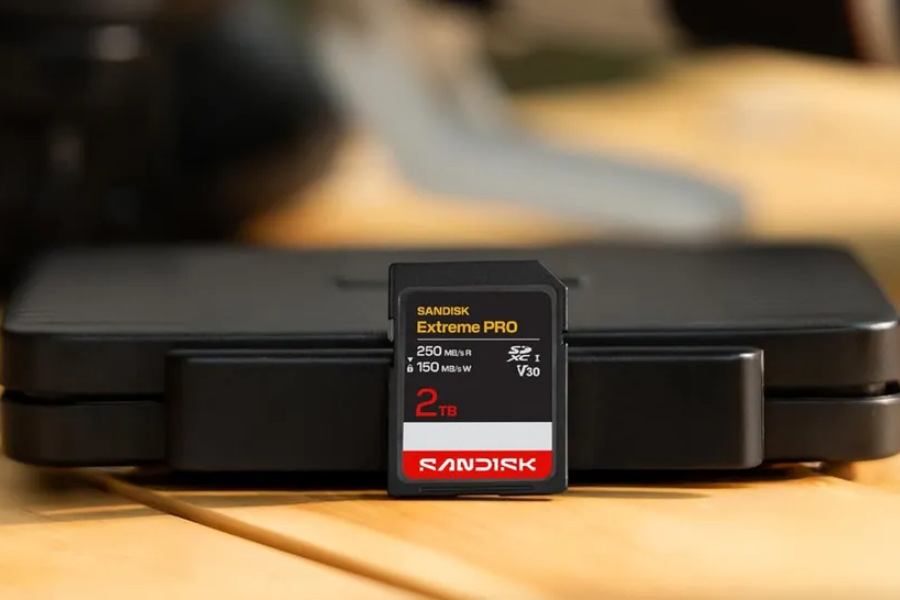
SanDisk has launched a rather expensive 2TB Extreme Pro UHS-II SD card for professionals and the like. And that is reflected directly in its price.
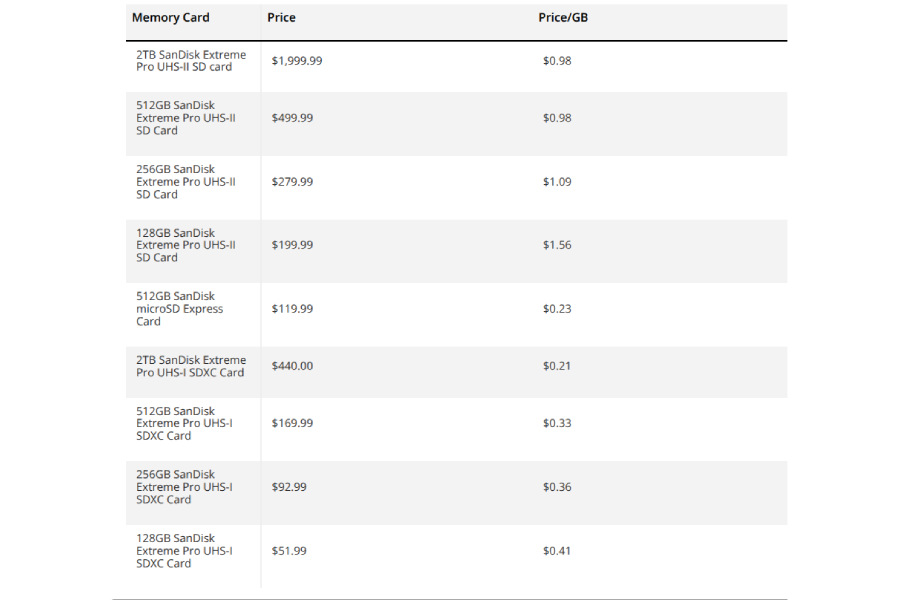
The new card from SanDisk is priced at $1,999.99. According to a report from Tom’s Hardware, that’s more than four times the cost of SanDisk’s own 2TB UHS-I card, which sells for under $500.
SanDisk 2TB Extreme Pro UHS-II SD card Specifications
What you’re paying for here is speed and reliability. The card supports sequential read speeds of up to 310MB/s and write speeds of up to 305MB/s, which makes it a UHS-II tier card. It’s designed for workloads like 8K video recording and high-resolution burst photography, where sustained performance matters more than raw capacity alone.
There’s also a durability angle. SanDisk says the card comes with an IP68 rating, meaning it can handle dust, water exposure, and even drops from up to six meters.
Still, the pricing stands out even within SanDisk’s own lineup. At roughly $1 per gigabyte, the 2TB UHS-II card matches the cost-per-GB of the 512GB version but remains significantly more expensive than UHS-I alternatives, which can dip as low as $0.21 per gigabyte. Even SanDisk’s newer microSD Express cards are far cheaper on a per-GB basis.
Below is a breakdown of SanDisk cards on a price/GB basis (via Tom’s Hardware):
In other words, this isn’t meant to be a mainstream upgrade. It’s a niche product for people who need both capacity and speed in a single, portable format, and are willing to pay a premium to avoid compromises.
For more daily updates, please visit our News Section.
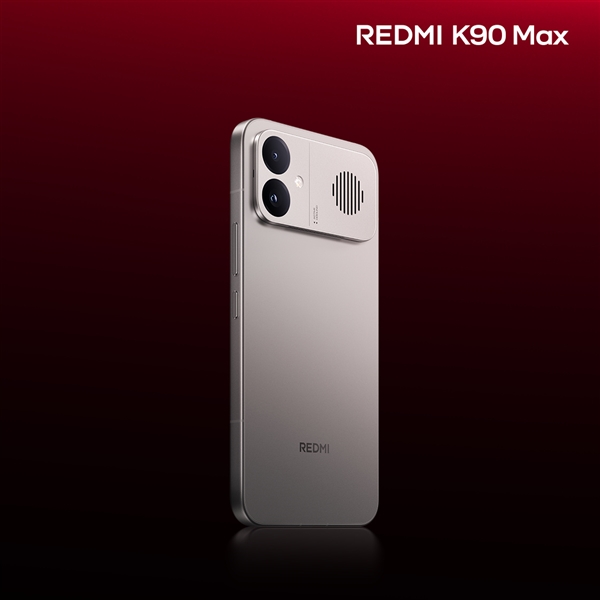
The Redmi K90 Max has surfaced in official renders for the first time, offering a glimpse at its rear design ahead of launch. The company has showcased the device in a new Space Silver color, setting the tone for what appears to be a performance-focused smartphone with a refined look.
Redmi K90 Max design revealed
Redmi K90 Max
The Redmi K90 Max’s Space Silver variant features a cool-toned silver finish paired with a flat frame made of aluminium alloy, giving the device a clean and minimal appearance. While the front is not visible, it appears to be equipped with a flat display, as it is a gaming-focused phone.
At the back, the phone carries a horizontally aligned camera module similar to the Pro Max variant, but with a key difference. One section of the module houses a visible vent for the internal cooling system instead of a traditional speaker layout. Below this, a wide air outlet stretches across the panel, hinting at a more aggressive thermal setup.
The cooling system includes a large internal fan measuring over 18mm, designed to improve airflow efficiency. Redmi claims measurable gains in airflow compared to standard solutions, with faster heat dissipation during intensive tasks. The structure is said to be isolated from the motherboard, ensuring durability while maintaining dust and water resistance.
Redmi K90 Max specifications (rumoured)
Redmi K90 Max
As per reports, the Redmi K90 Max could feature a 6.83-inch OLED panel with 1.5K resolution and a 165Hz refresh rate, paired with the Dimensity 9500 chipset. The device is also tipped to pack a large 8,500mAh battery with 100W charging support, along with an ultrasonic in-screen fingerprint scanner for secure unlocking.
On the audio front, it may include Bose-tuned symmetrical dual speakers, while haptic feedback could be handled by a large X-axis linear motor. The phone is further expected to retain its built-in cooling fan system for thermal management and carry IP68 and IP69 ratings for dust and water resistance.
For more daily updates, please visit our News Section.
Xiaomi has launched a new power bank in China, bringing attention to updated safety norms and improved everyday usability. The device, called the Xiaomi Magnetic Power Bank 10000 7.5W 2026 Edition, aligns with upcoming regulatory standards while adding a few practical features.
Focus on new safety standards and battery design
The 2026 edition is designed to comply with China’s latest mobile power safety regulations, which are set to be implemented in 2027. Xiaomi claims the device passes multiple new compliance tests, including scenarios like heat exposure, overcharging, and physical stress. It also features a redesigned battery cell along with several layers of protection that work across both hardware and circuit levels.
Another addition is the ability to check battery health and status through a connected system, offering users more visibility into long-term usage. The company has also mentioned a recommended usage period of five years, which is now printed on the device to guide users on safe replacement timelines.
The power bank comes with a total capacity of 10000mAh and supports both wired and wireless charging. Wired output can go up to 33W, while wireless charging reaches up to 15W. It also supports wired input up to 30W, allowing faster top-ups when needed.
A key highlight is its magnetic attachment system, supported by strong internal magnets that keep compatible devices securely attached. There is also a built-in adjustable stand, which allows the phone to be placed at different angles for media viewing or gaming while charging.
The device includes a small digital display that shows battery percentage, charging status, and alerts. It can charge up to three devices at once through a combination of wired and wireless connections and supports multiple charging protocols for wider compatibility.
Priced at around 199 Yuan (~$29), the Xiaomi Magnetic Power Bank 2026 Edition is now available in China.
For more daily updates, please visit our News Section.
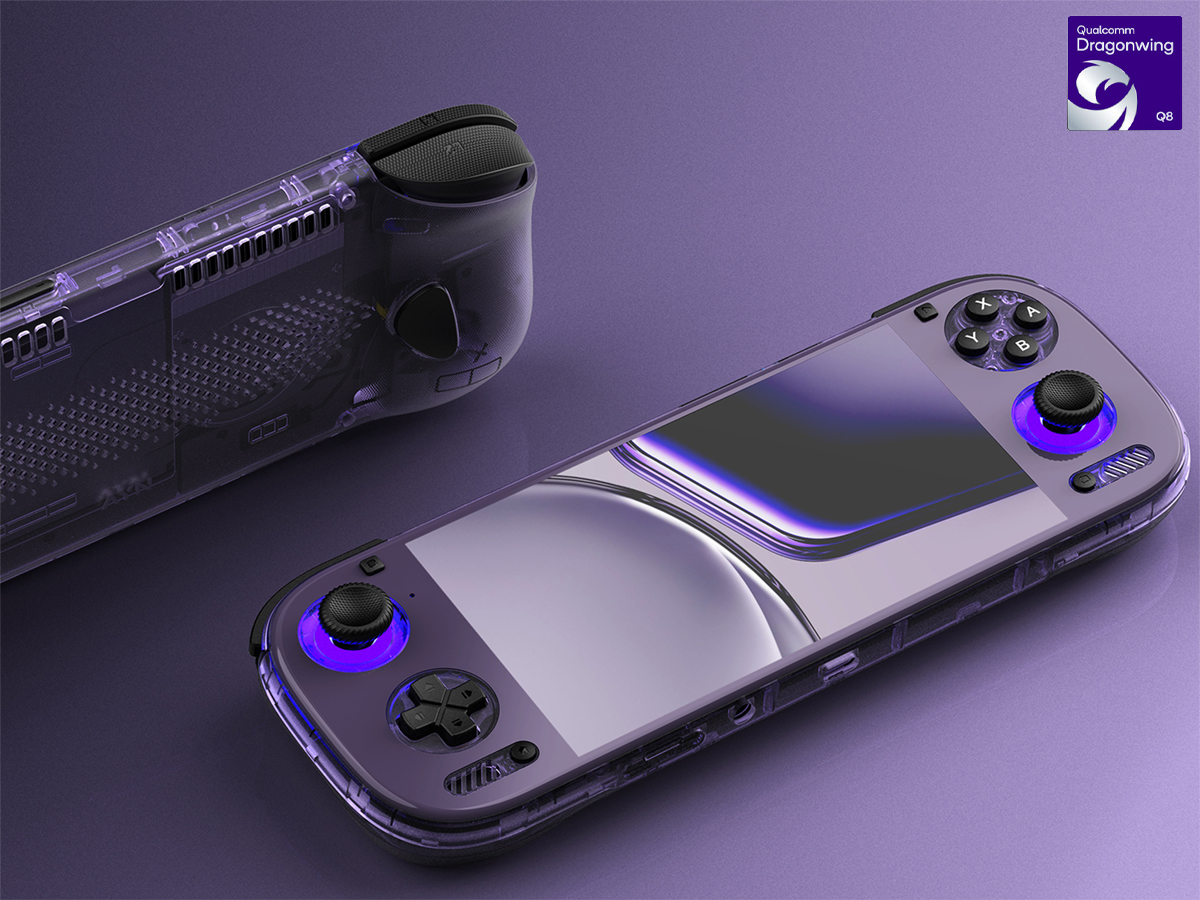
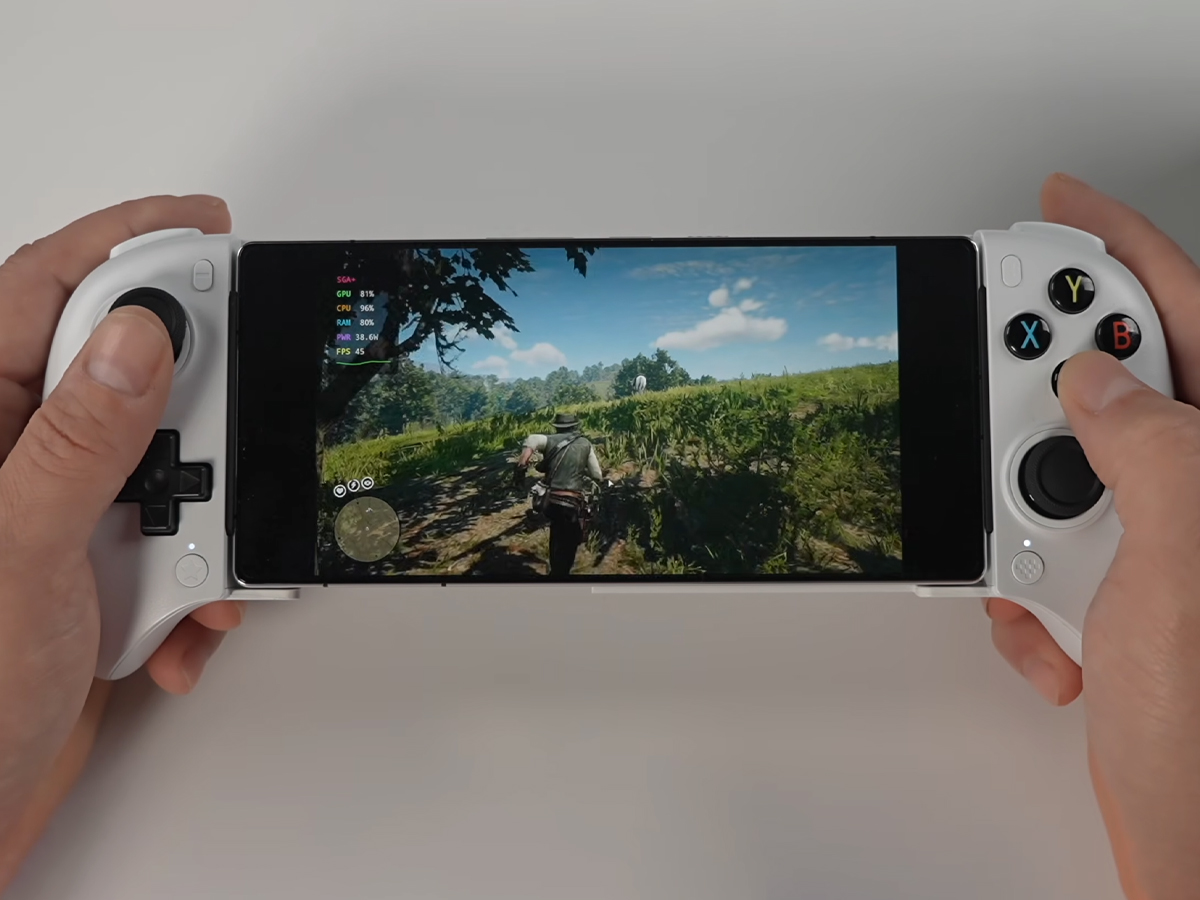
A new leak suggests that OnePlus could be exploring a different product category, with tipster Digital Chat Station sharing details about what appears to be an image of the company’s first gaming-focused handheld device. Continue reading ahead to know what’s known about it.
OnePlus gaming console’s design revealed
OnePlus gaming console leaked image by DCS
Based on the leaked image, the device looks significantly thicker than a typical smartphone and appears to include built-in purple-colored grips on both sides. This kind of design usually indicates a focus on long gaming sessions, where comfort and control are key. Shoulder buttons are also visible, hinting at a more immersive control setup, especially for competitive titles.
The overall layout suggests that OnePlus is not simply adapting a phone into a gaming accessory but working on a dedicated form factor. There are expectations of a large internal battery to support extended gameplay, along with the possibility of an active cooling system to manage heat during demanding sessions.
OnePlus gaming console: What’s known so far
According to details shared by the above-mentioned tipsters, the device could feature an 8-inch display and run on a flagship Dimensity processor. This combination suggests that performance will be a major highlight, especially for high frame rate gaming and sustained workloads.
Interestingly, the control system is expected to move away from traditional joystick-heavy layouts. Instead, the focus may be on FPS-style interaction, blending touchscreen input with physical triggers. This approach could align well with games like BGMI and similar shooters, where quick reactions and precise input matter.
There are also hints that the device may borrow several characteristics from modern smartphones, including high refresh rate screens, responsive multi-touch input, and advanced performance tuning. These additions could help bridge the gap between mobile gaming and handheld console experiences.
At this point, OnePlus has not shared any official details about such a product. However, if these leaks turn out to be accurate, the company could be preparing to enter a new segment that blends smartphone power with dedicated gaming hardware.
For more daily updates, please visit our News Section.
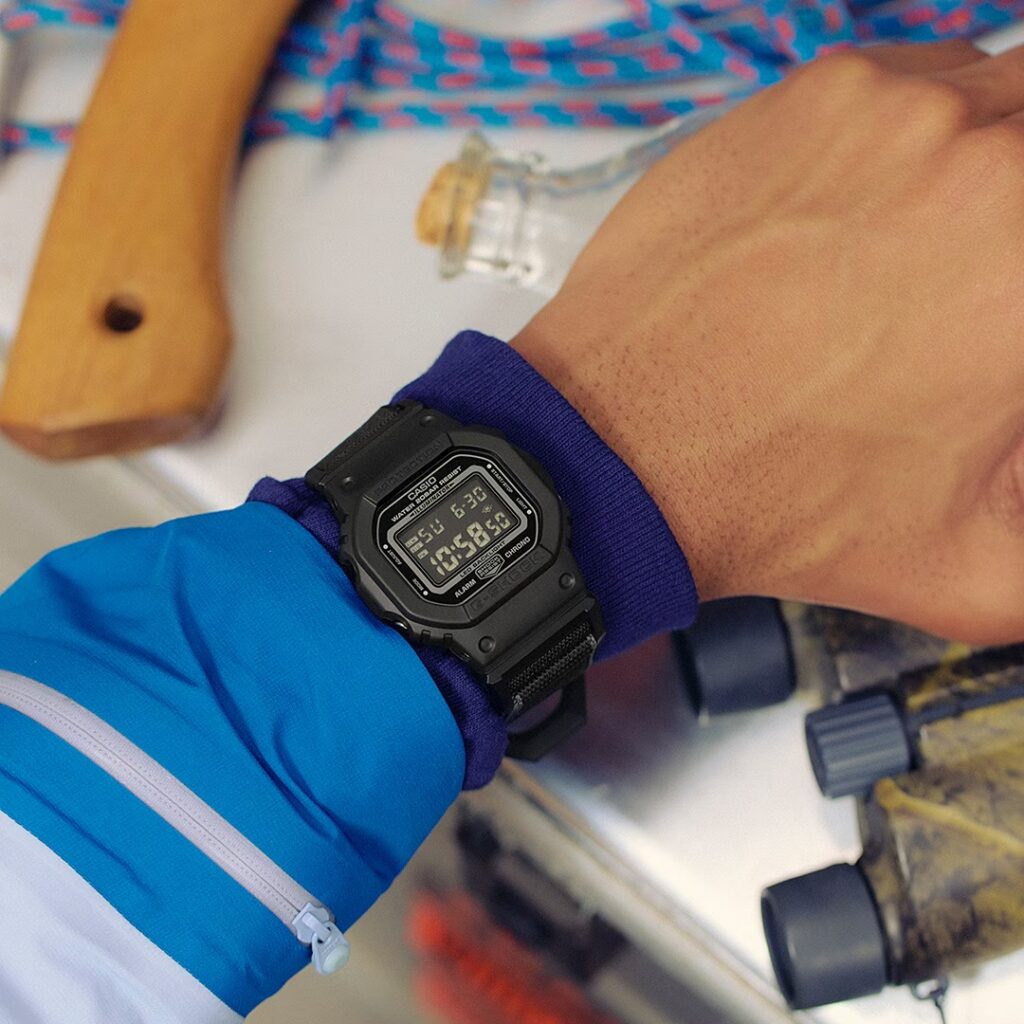
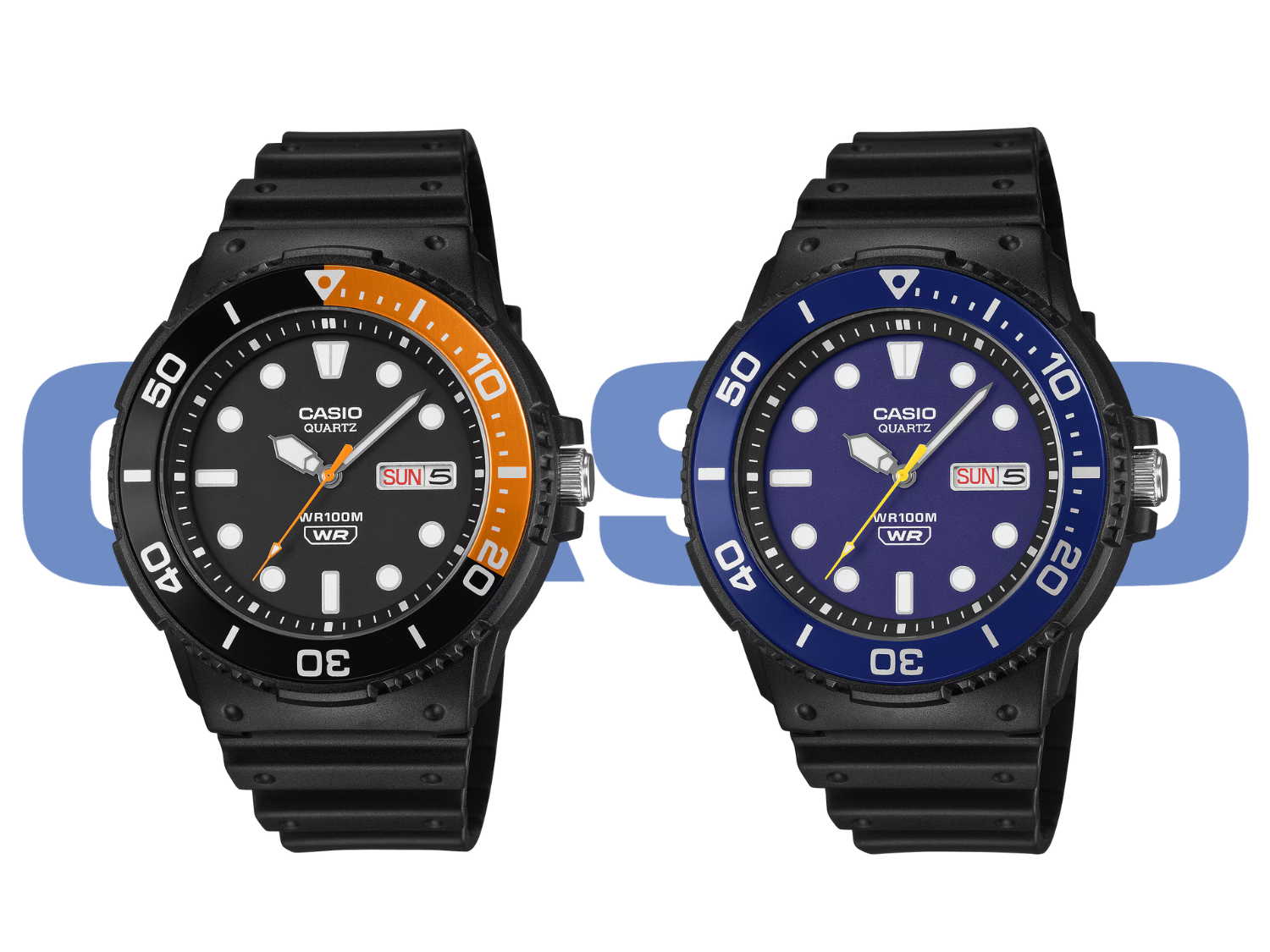
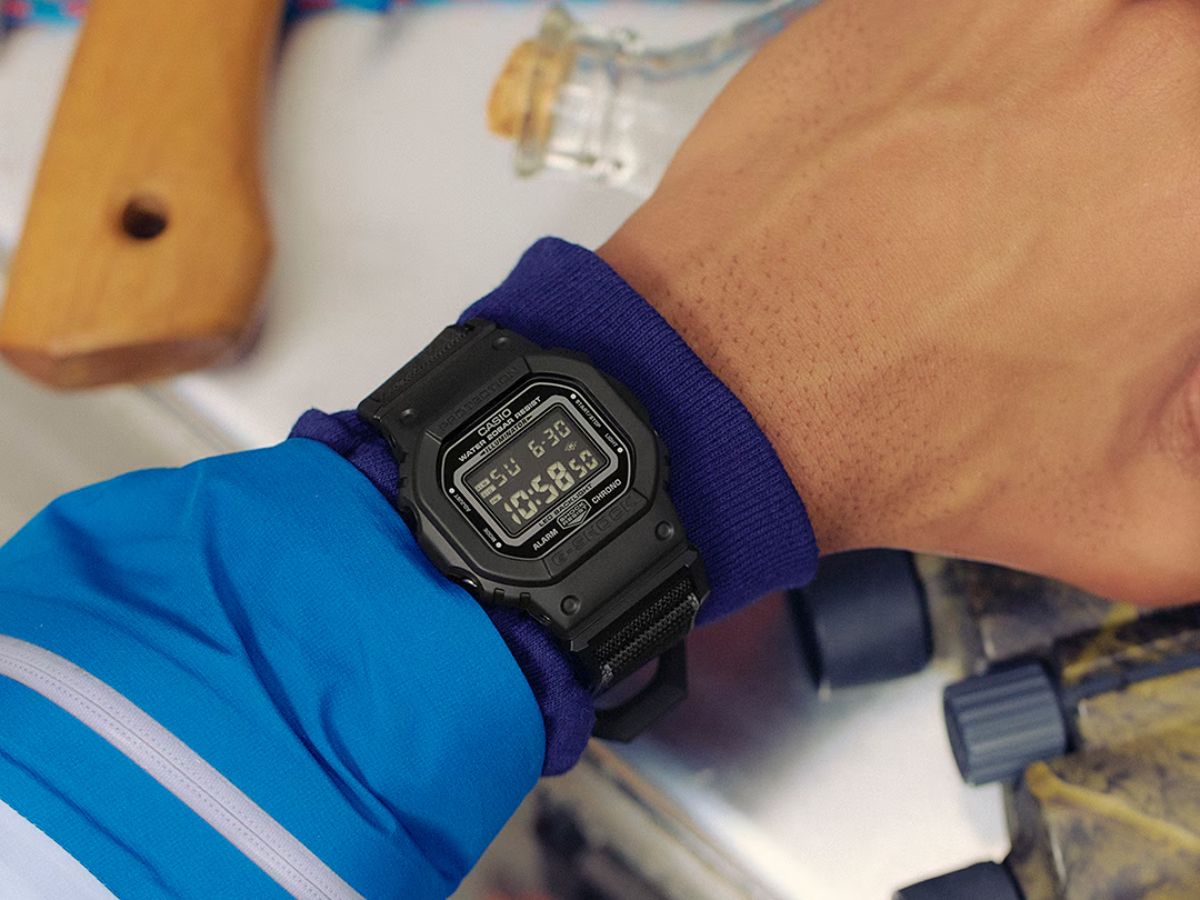
Casio has launched the G-Shock DW5600MNC series in the United States. The new watches were first revealed in February this year and later released in Japan. Each model from the series is priced at $165 and is now available to order in the US.
Casio G-Shock DW5600MNC Specifications
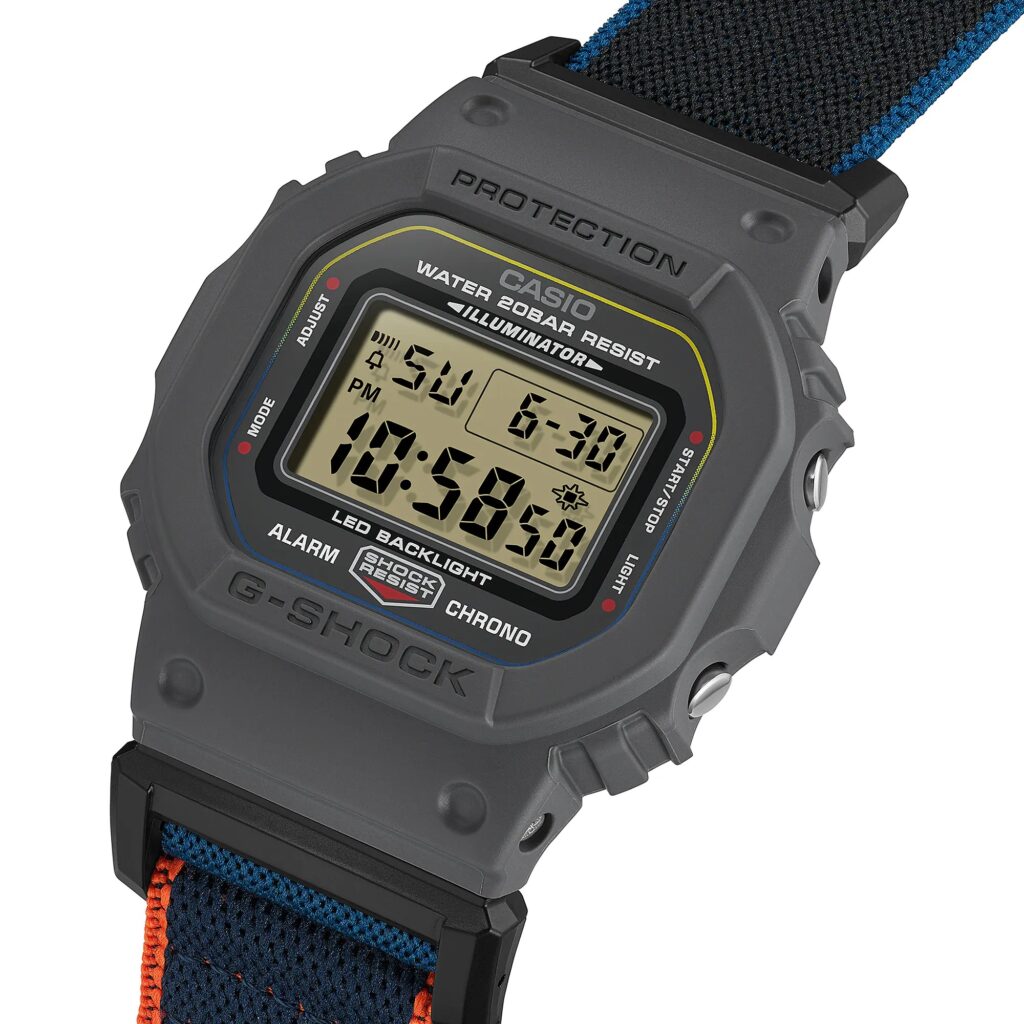
Casio offers the DW5600MNC series in three color schemes. The DW-5600MNC-1 comes in an all-black style with a monochromatic finish. The DW-5600MNC-7A8 is light gray with neon yellow accents for a fresh and bright appearance. The DW-5600MNC-8A2 features sporty colors, including a gray base with navy, orange, and yellow accents.
The series introduces a cloth band for improved comfort. Casio used polyester material for the band, which stretches up to 2.7 times its size to ensure a superior fit. The watches also include the Fidlock magnetic buckle system. This system uses magnets combined with a mechanical locking mechanism to make putting the watch on or removing it easy and quick. Casio designed the buckle for one-handed operation, which adds convenience to daily use.
The company has incorporated bio-based resin into key parts of the bezel. This material reduces the environmental impact compared to traditional resin while maintaining the durability G-Shock watches are known for. The DW5600MNC models remain shock-resistant and water-resistant up to 200 meters.
The watches retain G-Shock’s well-known rugged features. The DW5600MNC includes a 1/100-second stopwatch, a countdown timer with a range of up to 24 hours, multi-function alarms, a Super Illuminator LED backlight, and a full auto calendar accurate up to the year 2099. Casio also ensured a long battery life of approximately five years with a CR2016 battery.
Each DW5600MNC model has a compact case size of 48.9 x 42.8 x 13.4 mm and a weight of 53 grams. The watches are compatible with wrist sizes between 145 to 215 mm.
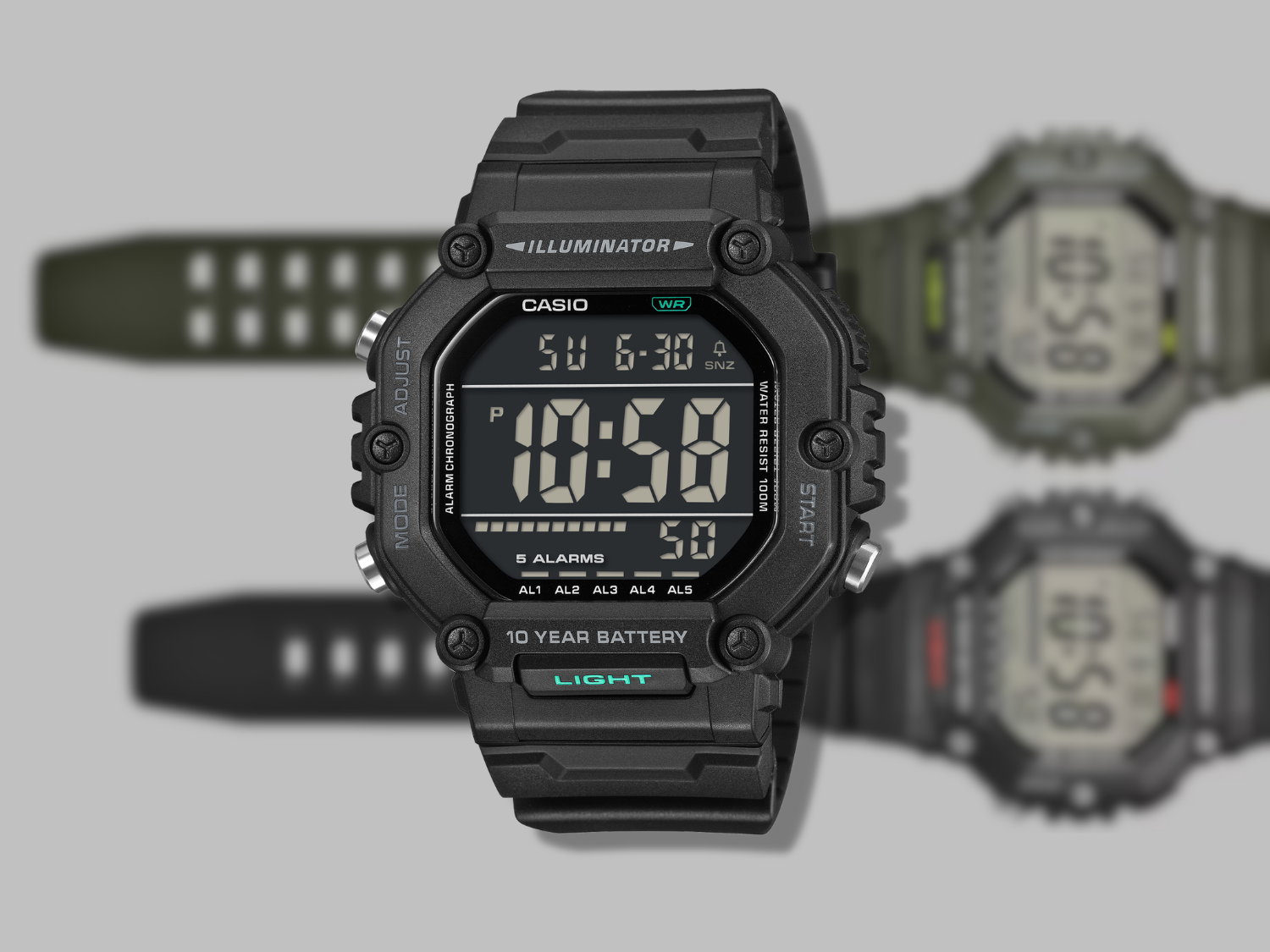
In related news, Casio has recently introduced the AE-1600HX series watches, featuring a large display, 100m water resistance, and an impressive 10-year battery life.
For more daily updates, please visit our News Section.
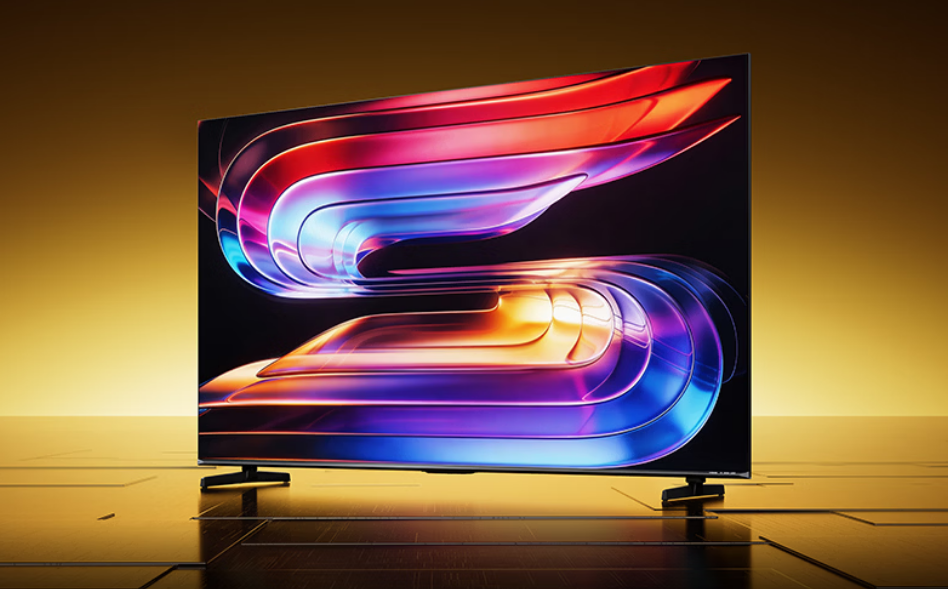
Hisense has officially unveiled the Vidda S Mini TV in China. The new Mini LED TV comes in three sizes: 55-inch, 65-inch, and 75-inch, and will be available for purchase starting April 17. The pricing starts at 2,552 yuan ($372) for the 55-inch model, 3,493 yuan ($509) for the 65-inch version, and 4,434 yuan ($646) for the largest 75-inch option.
Hisense Vidda S Mini TV Specs
The Vidda S Mini TV uses a Mini LED backlight system with up to 180 local dimming zones. The panel supports 180Hz refresh rates for smoother motion, making the TV suitable for fast-paced content and gaming. It features a 10-bit display that produces 1.07 billion colors and achieves 96% DCI-P3 color gamut coverage for vibrant and precise color reproduction.
Hisense included an anti-glare (AG) coating and a low-reflection (LR) layer to improve visibility in bright environments. The TV reaches a peak brightness of 600 nits and integrates RGB intelligent light sensing to adjust brightness and color temperature based on ambient lighting conditions.
The TV offers six-layer eye protection with 20,000Hz PWM dimming, low blue light filtering, and flicker-free technology for long-term viewing comfort.
The Vidda S Mini TV boasts a 2.1-channel speaker system with a built-in 1.2L independent subwoofer, which delivers up to 120W of total sound output. The audio setup supports Dolby Audio and DTS decoding.
Hisense equipped the TV with several gaming-friendly features. The Vidda S Mini TV includes HDMI 2.1 ports, Variable Refresh Rate (VRR), Auto Low Latency Mode (ALLM), and MEMC motion compensation.
The TV also supports Bluetooth 5.4 and Wi-Fi 6 for stable and fast connectivity. It includes two HDMI 2.1 ports, two USB 2.0 ports, an Ethernet port, and AV inputs for versatility across devices.
For smart features, Hisense has integrated the Xinghai large language model with DeepSeek AI. This allows advanced voice controls, multi-command recognition, and even support for regional dialects. It can also wirelessly cast content from Android, iOS, Windows, and macOS devices.
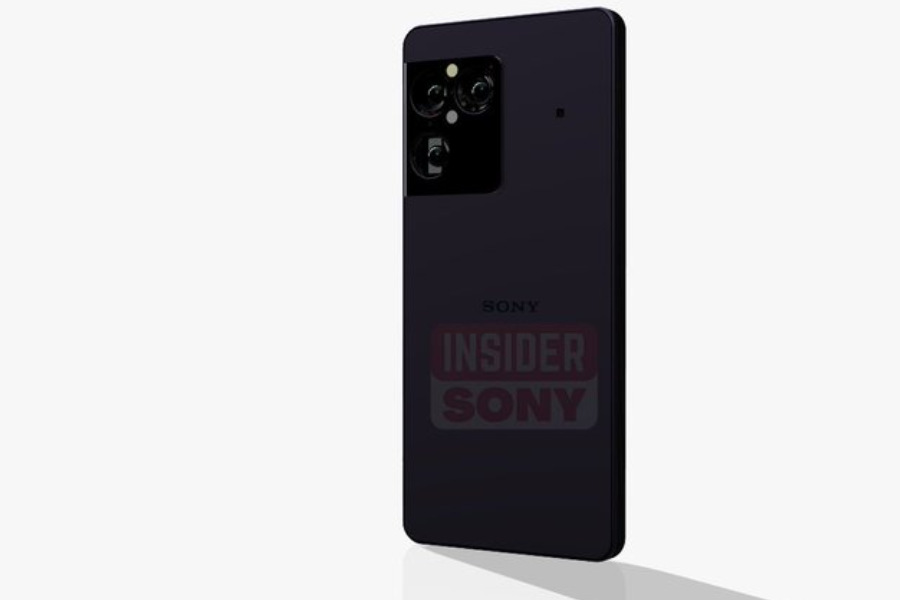
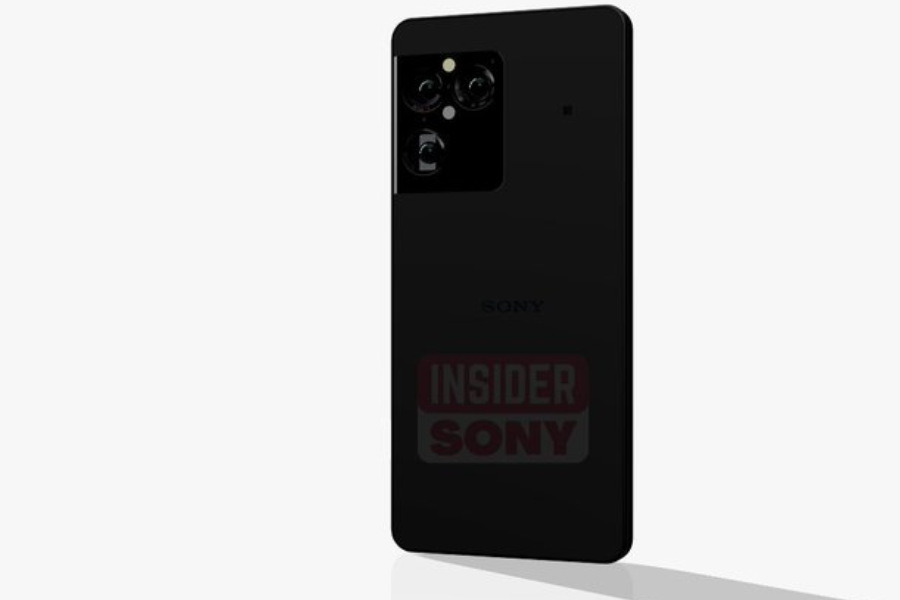
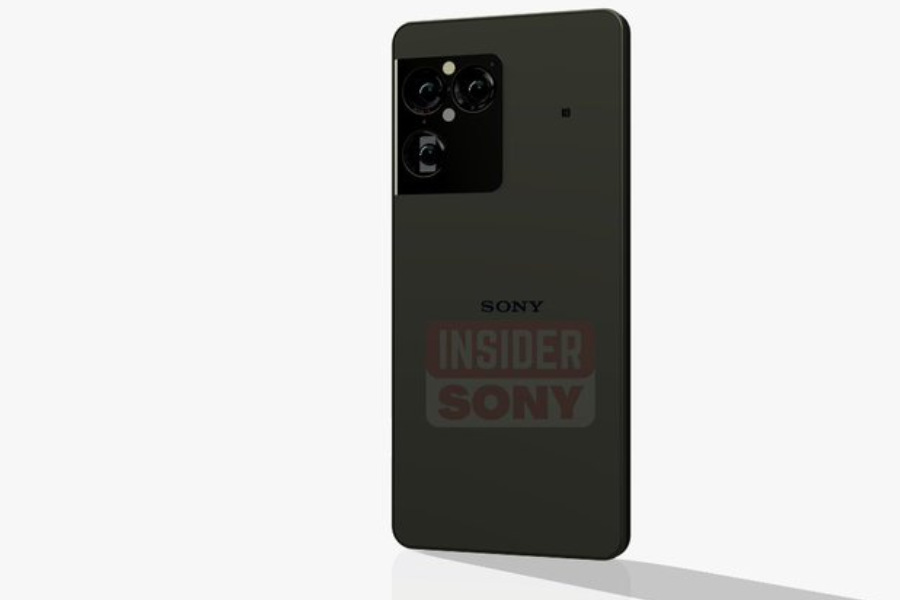
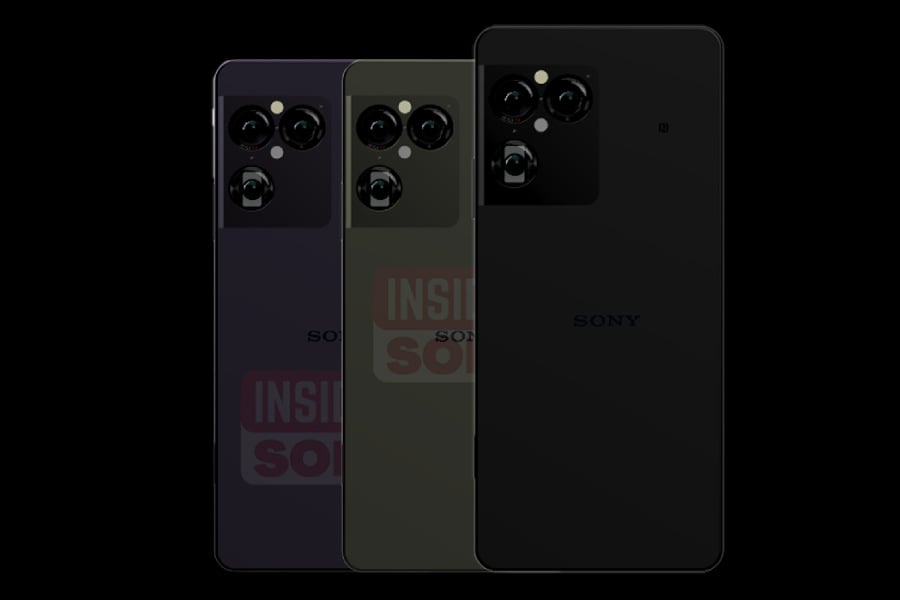
Sony might be planning a big design refresh for its next Xperia flagship. Fresh images of the Sony Xperia 1 VIII (via Insider Sony) reveal a design that doesn’t quite follow the company’s recent playbook.
The phone is noticeably different from earlier Xperia models, which have typically stuck to a tall, minimalist look with subtle changes year over year.
What stands out here is the camera layout. It feels familiar, not to Sony users, but to those who remember the OnePlus 10 Pro. Of course, the resemblance isn’t one-on-one, but the overall arrangement and styling do give an old OnePlus vibe.
Up front, things are more in line with Sony’s usual approach. The renders show a flat display with relatively standard bezels, rather than the ultra-thin borders seen on many competing flagships.
The front-facing camera sits within the top bezel instead of a punch-hole or notch. And in classic Sony fashion, there are also visible stereo speakers on the front.
Sony Xperia 1 VIII could bring notable camera upgrades
Beyond the design, early rumors also suggest some changes in the camera system. The Xperia 1 VIII is expected to feature a triple-camera setup built around 48-megapixel sensors. While the ultrawide camera may remain unchanged from the previous generation, the main and telephoto cameras could see more meaningful updates.
Specifically, leaks suggest a larger primary sensor, which typically helps with low-light performance and overall image quality. There’s also talk of a new telephoto sensor, possibly falling somewhere between 1/3-inch and 1/2-inch in size.
That said, it’s still just a rumor at this point. Sony has not confirmed anything yet, and details like the final design, hardware, and feature set could change before launch.
The foldable space could be getting a bit more crowded, and maybe more interesting, if the latest leaks are anything to go by. There’s fresh chatter around Apple’s first foldable, and more specifically, what it might be called.
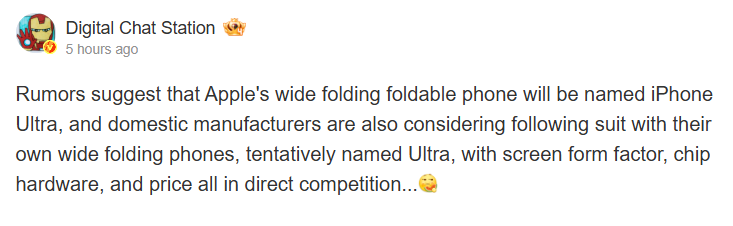
According to Weibo tipster @DigitalChatStation, Apple’s upcoming wide-format foldable may actually launch as the iPhone Ultra. That’s not confirmed, of course, but the name alone is enough to get other brands thinking. The same leak suggests that some Chinese manufacturers are already considering using “Ultra” branding for their own wide foldable devices.
No specific brands were named, but that hasn’t stopped the speculation. Names like a possible “Huawei Pura Ultra 2” or “Xiaomi MIX Fold Ultra” have already started floating around online. Unofficial, obviously, but not entirely unrealistic given how naming trends usually evolve.
The mention of a “wide foldable” is also interesting. It lines up with earlier reports about Huawei working on a new model, possibly called the Pura X2. That device is said to feature a 7.69-inch WQHD+ inner display with a wider aspect ratio, along with a 5.5-inch outer screen. The goal seems to be better usability both when folded and unfolded. There’s also talk of a newer Kirin 9030-series chip and an upgraded telephoto camera, though details are still a bit thin.
As for Apple, its foldable iPhone is still expected sometime in the second half of 2026. A lot of the interest around it isn’t just about hardware; it’s also about how Apple might approach software and durability. If the “Ultra” branding does stick, it would clearly place the device at the very top of Apple’s lineup, both in terms of features and pricing.
At this point, the direction is becoming clearer: foldables are moving further into the premium space, and “Ultra” might just be the next label everyone wants to use.
If you have been in the loop, you might know smartphones are quietly getting more expensive. Just as Nothing Phone (3a) Lite saw a price bump today, Motorola has also increased prices for a handful of its devices in India. The revised pricing takes effect immediately and touches both its budget and mid-range portfolio.
Over the past few months, smartphone makers have been dealing with higher component costs, currency fluctuations, and ongoing supply chain pressure. This in turn, is directly affecting consumers, and Motorola’s latest revision fits neatly into that pattern.
Motorola hikes Moto G and Edge series prices in India
The price hike affects three devices across the Moto G and Edge lineups, including the Moto G35, Moto G57 Power, and Motorola Edge 60 Fusion. The increases vary depending on the variant, but in most cases, buyers are now paying between Rs 500 and Rs 2,000 more than before.
For the Moto G35, the base 4GB + 128GB variant now costs Rs 12,499, up from Rs 11,999. The higher-end 8GB + 128GB version sees a steeper jump, going from Rs 12,999 to Rs 13,999.
Moto G35
The Moto G57 Power, a higher-end phone in Motorola’s budget lineup, has also seen price changes. Its 8GB + 128GB model now retails at Rs 15,999, compared to its earlier price of Rs 14,999.
The biggest increase is on the mid-range Motorola Edge 60 Fusion. The 8GB + 128GB variant now costs Rs 22,999 (up from Rs 20,999), while the 8GB + 256GB and 12GB + 256GB variants have climbed to Rs 24,999 and Rs 26,999, respectively.
Moto Edge 60 Fusion
For buyers, the right time to purchase a phone is getting harder to predict. Prices that were once stable for months are now more fluid, even for devices that have been on the market for a while.
Minisforum has introduced the Elite M1 Lite, a compact mini PC powered by the Intel Core Ultra 5 125U processor, now available globally, including in China.
Minisforum Elite M1 Lite Specifications
The Intel Core Ultra 5 125U processor features 12 cores and 14 threads with a maximum turbo frequency of 4.3GHz. It includes a dedicated Neural Processing Unit (NPU) that delivers up to 21 TOPS of AI computing power. The NPU allows the M1 Lite to handle AI workloads like smart office tasks and on-device processing with minimal reliance on cloud-based resources.
The system supports up to 96GB dual-channel DDR5-5600 RAM via two SO-DIMM slots. It includes two M.2 2280 PCIe Gen4 SSD slots for storage, with configurations available for 512GB or 1TB pre-installed SSDs.
The Elite M1 Lite offers versatile connectivity options. It supports triple-display setups via an HDMI 2.1 port, a DisplayPort 1.4, and a USB4 port, enabling resolutions of up to 8K at 60Hz or 4K at 144Hz. The USB4 port provides 40Gbps data transfer speeds and supports Power Delivery input (up to 100W) and output (up to 15W).
It also features two USB 3.2 Gen2 Type-A ports, two USB 2.0 Type-A ports, a 3.5mm audio combo jack, and a 2.5GbE LAN port. For wireless connectivity, the device includes Wi-Fi 6E and Bluetooth 5.2.
The cooling system uses phase-change materials and a blower fan to maintain stable performance under load. The fan keeps noise levels under 45dB even at maximum speeds. The M1 Lite weighs 0.6kg and measures 130 x 126 x 50.4mm, making it compact enough to fit on small desks or mount behind a monitor using the included VESA bracket.
Pricing and Availability
The Minisforum Elite M1 Lite is priced competitively for both the US and Chinese markets. In the US, the barebone version starts at $311, while the 16GB RAM + 512GB SSD configuration is priced at $615. In China, the barebone model is available for ¥2,199, and the 16GB + 512GB variant costs ¥4,399.
In related news, Gmktec has recently unveiled the NucBox K17 mini PC, powered by an Intel Core Ultra 5 processor and supporting up to 16TB of storage.
For more daily updates, please visit our News Section.
Infinix is getting ready to launch the Note 60 Pro in India. The phone first showed up globally back in February 2026, and the India version looks set to follow pretty closely, with a few localized touches and launch offers.
The Infinix Note 60 Pro is scheduled to go official on April 13 at 12 PM IST, with pre-orders opening a few days earlier on April 8. It’ll be available in Deep Ocean Blue, Mocha Brown, and Solar Orange, which, at least from the renders, look fairly distinct.
One of the more unusual bits here is the back. Infinix is using what it calls an active matrix display. It’s essentially a hidden LED panel that lights up for notifications, battery status, and a few custom animations. It stays invisible otherwise, so the back doesn’t look busy all the time. The idea is somewhat similar to what Nothing has been doing, just executed differently.
Under the hood, the phone runs on the Snapdragon 7s Gen 4, built on a 4nm process. It’s paired with up to 12GB LPDDR5 RAM and 256GB UFS 2.2 storage. Nothing too surprising here, but it should be more than enough for everyday use and some gaming on the side.
On the front, there’s a 6.78-inch AMOLED display with a 1.5K resolution and a 144Hz refresh rate. Infinix is also claiming peak brightness of up to 4,500 nits, which sounds impressive on paper.
Camera setup is fairly standard for this category: a 50MP main sensor with OIS, an 8MP ultrawide, and a 13MP front camera. It does support 4K video recording on both sides, which is still a nice addition at this level.
Battery capacity is listed at 6,500mAh, with support for 90W wired and 30W wireless charging. The wireless charging support sets this mid-range apart from its competition. Other features include stereo speakers tuned by JBL, an IP64 rating, and Android 16 with XOS 16 on top.
For India, the hardware is expected to remain mostly unchanged, including the metal frame and Gorilla Glass 7i protection. Infinix is also expected to bundle in some launch offers.
All in all, the Note 60 Pro seems to be leaning heavily on its design and display, while still covering the basics on performance and battery.
Living rat neurons successfully trained to perform real-time AI computations
Structured neuron networks improved learning and reduced synchronization
Technology shows strong potential for brain-machine interfaces and bio-AI systems
AI – generated image for representation only
Research Overview
Researchers developed a novel bio-AI system where living rat cortical neurons were trained to perform real-time computational tasks. The study focuses on combining biological neural networks with machine learning techniques using a closed-loop reservoir computing approach. The goal is to explore whether living neurons can act as functional computing systems rather than just biological components.
System Design and Working
The system integrates living neurons with high-density microelectrode arrays and microfluidic devices. Neural signals are recorded, converted into continuous outputs, and fed back into the system as electrical stimulation in a loop of about 330 milliseconds. A real-time learning method continuously adjusts the output to match target signals, allowing the system to learn without external intervention.
Network Structuring Innovation
To improve performance, neurons were physically organized into 128 micropores connected through microchannels. This design prevented excessive synchronization, which is common in unstructured neural networks. As a result, neuron correlation dropped significantly from 0.45 to around 0.12, leading to more complex and efficient network behavior. The lattice network structure showed the best overall performance.
Capabilities and Results
The system successfully generated different waveform patterns such as sine, square, and triangular waves across multiple time intervals. It also demonstrated the ability to approximate complex chaotic systems like the Lorenz attractor. During training, the system maintained strong accuracy, achieving correlation levels above 0.8.
Limitations and Future Scope
Despite its capabilities, the system shows a performance decline after training stops, with increasing error during autonomous operation. A key limitation is the 330-millisecond feedback delay, which restricts the system’s ability to handle fast-changing signals. Future work aims to reduce latency using specialized hardware, with potential applications in brain-machine interfaces, neural prosthetics, and next-generation bio-hybrid AI systems.
We are in the second week of April, the likely timeline when Samsung could rollout new One UI 8.5 Beta updates for Galaxy S25, S24 and S23 series.
One UI 8.5 Beta Program is already open for Galaxy S25 and S24 series, whereas the Galaxy S23 lineup may mark its entry this April. Newly discovered builds are the same across all lineups, signaling a good pace of testing.
Users of the Galaxy S25 series will get the 9th Beta, while the Galaxy S24 series users will get the 2nd Beta. Users of the Galaxy S23 series will join the Beta Program, with signups bringing them the 1st build over the air.
Next One UI 8.5 Beta builds could be as follows:
Galaxy S25 Series → ZZD5
Galaxy S24 Series → ZZD5
Galaxy S23 Series → ZZD5
Galaxy S25 series may also receive the 10th Beta update. The rollout is expected to take place on 20th of April. We also heard that the public release could begin at the end of this month, while Global expansion may happen on May 4.
Samsung has officially released the One UI 8.5 on March 11. Galaxy S26 series comes preinstalled with the latest version of the software. Older devices will likely begin grabbing the official update sometime in May this year.
New One UI 8.5 beta builds spotted
• Galaxy S25 Series → ZZD5 • Galaxy S24 Series →ZZD5 • Galaxy S23 Series → ZZD5
The Casio Standard MTP-B210, or MTP-B210D, watches have been spotted on several of the brand’s official websites. This model has a minimal design with a metal casing and strap, and four dial colors to choose from.
OnePlus has finally launched the Nord 6 smartphone after months of leaks and rumours. Available to order this week, the Nord 6 comes in three colours with a design that closely resembles the OnePlus 15.
Dell has now released a new Panther Lake mini-PC globally. Sold with up to 64 GB of DDR5 RAM, the Dell Pro 5 Micro can also be equipped with the Core Ultra 7 366H vPro while being powered off USB Type-C.
8BitDo has updated its 8BitDo 64 range with a new set of accessories. Designed to give its black and white versions a pop of colour, the Classic Button Set is relatively inexpensive too.
Leaked images and specs of the Oppo Pad Mini show a unique, smartphone-like punch-hole camera design. Rumored to launch on April 21, 2026, alongside the Oppo Find X9 Ultra, the "pocketable" powerhouse aims to redefine what a "small tablet" looks like. Watch out, iPad mini!
Anthropic just announced Project Glasswing - the company's newest initiative to secure critical software using the unreleased Claude Mythos Preview model. The project includes $100 million in usage credits and $4 million in donations.
In late March 2026, there were reports about OnePlus working on a gaming handheld that would go against the likes of AYN Odin 3 and Retroid Pocket 6. A sketchy leak has now given a glimpse of what the device may look like from the back.
Apple's inaugural foldable iPhone may not be delayed after all. A new, timely report by Bloomberg claims the flagship foldable is on track for a September launch, where it will debut alongside the iPhone 18 Pro and iPhone 18 Pro Max.
It seems the development and testing of Samsung’s Exynos 2700 chipset is progressing well as its CPU hit Geekbench for the first time.
In its first appearance, Samsung’s Exynos 2700 posted a 2,603 single-core score and 10,350 multi-core on Geekbench CPU, via AbhishekYadav. The chip runs a deca-core configuration, which is already interesting.
One prime core sits at 2.78GHz, four performance cores at 2.88GHz, then a middle cluster of four at 2.40GHz, plus a single low-power core at 2.30GHz. Paired with the Xclipse 970 GPU, the tested unit pulled an OpenCL score of 15,618.
The prototype device ran Android 16 with 12GB of RAM onboard. And yes, that means Samsung is already deep into the OS development for the S27 lineup.
Samsung has been fighting to reclaim Exynos credibility since the 2200 generation embarrassed them globally. Every benchmark entry between now and launch will be scrutinized harder than any Qualcomm chip ever faces.
The company is rumored to use an enhanced 2nm process in manufacturing the Exynos 2700. It would be used in the Galaxy S27 and S27 Plus, and the utilization rate will increase as compared to the Galaxy S26 series.
Exynos 2600, used in the S26 and S26+, turned out to be a huge success. It still lags behind its Snapdragon counterpart, but it has significantly solidified Samsung’s credibility in the mobile processor and Foundry market.
It’s said that the S27 lineup may add a Pro version, while keeping the three unchanged. That said, the range would bring S27, S27+, S27 Pro, and S27 Ultra. These are just early rumors, and the product plan may change as well.
Samsung just shipped the April 2026 security update to the Galaxy S24 and S23 series, including FE models. The rollout follows the recent opening for the Galaxy S25 series, which followed the wider availability of the Galaxy S26 series.
The April 2026 update is now available for download on the Galaxy S24, S24 FE, S24+, S24 Ultra, S23, S23 FE, S23+, and S23 Ultra devices. The rollout has only started in SouthKorea, with wider availability following in the next few days.
Samsung yesterday revealed the details of its April 2026 security patch. The OTA carries forty-seven improvements for Galaxy users. If your device runs a Snapdragon chip, expect four fewer patches than Exynos devices.
Software update notifications may be delayed. You can speed up the process by manually fetching the latest firmware. To do so, open Settings, followed by Software update page and hit the Download and install.
One UI 8.5 Beta is available on the Galaxy S24 series. Samsung is preparing to kickstart the Beta testing for the S23 series. The Beta Program expansion will likely take place this month, while the exact timeline is unknown.
April patch sets the foundation for the Beta Program opening. If you’re a Galaxy S24 smartphone user and enrolled in Beta, it’s not the one for you. The security patch is based on One UI 8.0, which is based on Android 16.
Asus released five new laptops in the US on April 7. Now, the company has revealed higher pricing for all models, including the Zenbook 14. As a result, the larger Zenbook S16 is cheaper than its 14-inch counterpart. The Zenbook A14 and Zenbook A16 have received significant price increases, too.
The smart ring market leader Oura could soon solve one of the biggest problems with these wearables, as a patent shows how a smart ring could be equipped with an easily replaceable battery, which could give it a significantly longer service life.
vivo recently began teasing the arrival of the T5 Pro in India and confirmed its battery capacity. The company has now announced an official launch date.
The vivo T5 Pro will be unveiled in India on April 15 and will be available via vivo’s official online store as well as Flipkart.
The device is confirmed to pack a massive 9,020mAh battery and feature a 7,000mm² vapor chamber cooling system.
It will measure 8.25mm in thickness and carry IP68 and IP69 dust and water resistance ratings. The handset is also confirmed to feature a 144Hz display.
As per a recent leak, the vivo...
Yarbo’s versatile M Series garden robot has been upgraded. Thanks to the new SAM module, the mower can now autonomously patrol the yard, follow a person, and perform other tasks.
The upcoming Infinix Hot 70 got certified by the FCC back in March, and now it's also been spotted in the Google Play Console. This listing comes with the frontal image of the phone which you can see below.
It also reveals that the Hot 70 has the model number X6895 and is powered by the MediaTek Helio G99 SoC, which is 4G only. It has 4GB of RAM and a screen with 720x1576 resolution.
According to the aforementioned FCC certification, it will have two versions, one with a battery rated at 5,430 mAh, the other rated at 5,600 mAh. These will probably be advertised as 5,600 mAh and...
After confirming the Redmi K90 Max’s launch in China, the company has now shared the phone’s official design on Weibo. Redmi also confirmed that it will unveil the Redmi K Pad 2 alongside the K90 Max.
Redmi showcased the design of the ‘Space Silver’ color variant of the K90 Max on Weibo. The phone features a flat rear panel with a camera module similar to the K90 Pro Max.
However, instead of the speaker grille seen on the K90 Pro Max, the upcoming handset features a larger grille for its built-in cooling fan, with an additional air outlet vent positioned underneath the camera...
Apple is locking in its foldable future and it’s doing it the Samsung way. The first foldable iPhone, tentatively named iPhone Ultra, will solely rely on Samsung Display and Apple might have already banned the entry of any other firm for three years.
Multiple industry sources confirm that Apple has agreed to source iPhone Ultra phone’s foldable OLED panels exclusively from Samsung Display for the next three years.
Samsung Display reportedly pushed for the deal first. Supplying a critical component to a direct rival like Apple always needs justification, especially when Samsung’s MX Division is competing head-on in premium phones.
BOE has made progress in foldables, shipping panels to Chinese OEMs; however, yields and durability remain sticking points at Apple’s quality thresholds. LG Display is even further behind with no commercial track record in foldable panels.
Production is expected to begin in Q2, with initial shipments pegged at around 3 million units this year. Even with Apple entering the segment, scaling too fast carries risk.
The foldable OLED panels will use CoE (Color filter on Encapsulation). It removes the polarizer, reducing thickness and minimizing stress in the folding area. Apple is also sticking with the M14 OLED material set, the same as iPhone 17 Pro.
April 8 is not a good day if you were planning to pick up a budget Samsung phone in India. We’re seeing a fresh round of price revisions across the Galaxy M and F lineup. No slow rollout, no silent tweaks; retail channels have already started updating tags.
Tipster AbhishekYadav flagged the changes, and from what we’re hearing on the ground, this aligns with what distributors were briefed earlier this week.
Here’s the damage:
Galaxy M36 / F36: +INR 1,000
Galaxy M17 5G: up to +INR 1,500
Galaxy M17e: +INR 500 to INR 1,000
Galaxy F70: +INR 500 to INR 1,000
Galaxy M06 / F06: +INR 1,500 to INR 2,000
Galaxy M07 / F07: up to +INR 1,900
It’s a full sweep across the entry and lower mid-range portfolio. The kind of move Samsung usually avoids mid-cycle unless something breaks badly in the supply chain.
We’ve been tracking component pricing for months now, and the pressure has been building. DRAM and NAND prices have surged sharply this quarter, in some cases touching a 30 percent jump.
Samsung is both a supplier and a buyer in this game. It makes memory, but its smartphone division still operates on tight internal pricing. That matters a lot in India, where the Galaxy M and F series run on razor-thin margins.
Samsung Electro-Mechanics has been supplying glass substrate samples to Apple since last year and the AI chip industry is paying attention.
TheElec sources confirmed this week that Samsung’s advanced packaging division has been feeding Apple experimental substrate materials, the kind that replace the organic core inside traditional flip chip-ball grid array packaging with glass.
Apple’s AI server chip is being developed with Broadcom and is expected to be manufactured at TSMC. Samsung Electro-Mechanics is running a pilot glass substrate line, while mass production isn’t targeted until after 2027.
Samsung Electro-Mechanics has been running glass substrate trials with Broadcom since last year too. Broadcom sits at the center of the custom AI chip market, co-designing silicon with Google, Meta, OpenAI, and now Apple.
If Samsung locks in Broadcom as a customer, those substrates could end up inside chips built for half of Silicon Valley. But Apple coming directly to Samsung changes the texture of this story.
Apple has a documented habit of bringing things in-house. That said, the Cupertino giant doesn’t rely on a partner, study the space intensely, then quietly build the capability internally and cut the partner out.
Walmart's Onn series of Google TV streaming devices has a well-earned reputation for offering some of the best-value options on the market. The latest entry in the series, the Onn 4K Streaming Stick, continues that trend.
The Redmi K Pad 2 has been officially announced, and compared to the first-gen device, the new compact tablet features a minimalist rear design similar to the iPad mini. It's powered by the flagship Dimensity 9500 and sports a 165Hz display.
OnePlus could soon venture into the gaming handheld market, according to recent leaks. An alleged image of a OnePlus-branded handheld has surfaced online, along with some of its key specifications.
In a now-edited Weibo post, well-known tipster Digital Chat Station shared an image of what appears to be a OnePlus gaming handheld.
The device appears to feature purple textured grips on either side, along with shoulder trigger buttons, rear cameras with an LED flash, a USB Type-C port at the bottom, and volume keys on the side.
While the alleged device shares several design cues with...
Samsung has a totally killer plan for Bixby, and ultimately, you won’t be required to use apps on Galaxy devices. Bixby has been upgraded with LLM and the integration of Perplexity’s AI capabilities is a solid move.
On March 31, Samsung relaunched Bixby not as a smarter voice assistant but as what it calls a “device agent.” A voice assistant waits for commands, while an agent understands what you actually want and figures out how to get there
Jisun Park, Corporate Executive Vice President and Head of Language AI at Samsung’s Mobile eXperience division, laid out what that looks like in practice.
The new architecture puts an LLM at the core, which means Bixby now interprets intent rather than matching commands. Samsung rebuilt individual device functions as callable agents, each defined in a way the LLM can invoke on the fly.
Ask the new Samsung Bixby service to make your screen visible only to you and it activates Privacy Display. Tell it your eyes are tired and it recommends and switches on Eye Comfort Shield, right there in the conversation.
Bixby supports multiple languages, but Korean is structurally brutal for language models. Park said they surpassed their original Korean performance targets by a significant margin.
Samsung’s Bixby is already available across Samsung’s broader device lineup. You can tell your robot vacuum to start cleaning while you’re across town. You can flip on the air conditioning before you get home.
The phone becomes a control surface for the entire household. That’s the actual play here: a single conversational layer across every Samsung device you own.
The Redmi K90 Max recently starred in official teasers, and now, Xiaomi has showcased the design of the gaming phone in new photos. These images show the back design and the slim form factor of the device. The launch is set for later in April 2026.
Sony has launched The Playerbase, a new community program that will select one fan to have their face scanned and appear as a limited-time character portrait in Gran Turismo 7, with additional PlayStation Studios titles reportedly under consideration. Eligible PSN users across multiple regions can apply by sharing their PlayStation experiences, after which finalists will be interviewed and the winner flown to Los Angeles for 3D scanning ahead of a planned summer 2026 announcement and a later in-game update.
Samsung and Apple flop the EU repairability report once again. Two of the most powerful phone manufacturers on the planet just got schooled by Motorola.
The “Failing the Fix 2026” report from the US PIRG Education Fund (via WIRED) dropped this week, and it’s not kind to the industry’s biggest names.
Apple pulled a D minus, the lowest grade among major brands surveyed.
Samsung wasn’t far behind with a D.
Motorola walked away with a B plus.
This isn’t the old French repairability index system. The report has shifted to the EU’s EPREL database, a framework designed to capture how repairs actually work in the real world, not just how manufacturers say they work on paper.
The scoring pulls from disassembly ease, spare parts availability, repair documentation access, standard tool compatibility, and declared software support duration.
Inside the EPREL system, Samsung lists only the regulatory minimum: five years of software support. Samsung scores the worst possible marks in the software category despite offering better coverage than most of its rivals.
Ease of disassembly now carries more weight than any other factor in the scoring. That shift hit Samsung and Apple harder than most.
Samsung’s scores were calculated from just five models because its EPREL listings are incomplete. The company had the opportunity to update its official regulatory disclosures, which may have improved its repairability scores.
A new experiment from Marques Brownlee (MKBHD) offers a rare, side-by-side look at how Samsung’s smartphone selfies from the original Galaxy S1 to the latest Galaxy S26 have evolved over more than 15 years.
The YouTuber recreated the same self-portrait across every major Galaxy S generation, starting from the original Galaxy S1 and moving all the way to the Galaxy S26.
The intent was simple: hold framing constant and expose the shifts in HDR handling, color tuning, and computational photography.
Early Galaxy S models lean heavily on basic sensor output, with limited dynamic range and inconsistent exposure control. The transition phase begins around the mid-2010s.
Devices like the S6 and S7 introduce more reliable HDR stacking, though results often skew toward artificial contrast. By the time Samsung enters the S10 and S20 era, the company is clearly pushing computational photography harder.
Recent models show a different philosophy. The S23 and S24 outputs appear more controlled. Skin tones are steadier and highlights retain detail without aggressive flattening.
One result breaks the progression; the Galaxy S20 stands out for the wrong reasons. The 2020’s flagship struggles with both dynamic range and clarity. Bright areas wash out, while facial details lack definition.
The S23 and S24 represent a stable baseline, where HDR, detail retention, and tonal accuracy are largely in sync. The improvements on the recent models, including the Galaxy S25 and S26, are now incremental, not dramatic.
It's Samsung's turn: I took the same photo with every gen Samsung Galaxy S from 26 to 1. Holy HDR pic.twitter.com/AoLsKBwEFf
Sony has launched The Playerbase, a new community program that will select one fan to have their face scanned and appear as a limited-time character portrait in Gran Turismo 7, with additional PlayStation Studios titles reportedly under consideration. Eligible PSN users across multiple regions can apply by sharing their PlayStation experiences, after which finalists will be interviewed and the winner flown to Los Angeles for 3D scanning ahead of a planned summer 2026 announcement and a later in-game update.
iQOO launched the Z11 in China in late March, and now we have the first clues telling us that it will also be sold in other markets, joining the already available Z11x. The global Z11 has been certified in Indonesia by SDPPI with the model number I2512.
It's also been certified by the Bluetooth SIG, as well as Thailand's NBTC. Its global debut is now only a matter of time. We're not sure if it will have the exact same specs as the Chinese Z11, but if it does, here's what to expect.
iQOO Z11 global certifications
The iQOO Z11 sold in China comes with a 6.83-inch AMOLED screen...
Samsung has now started the first sale of the Galaxy A37 and A57 with some incredible discounts. Shoppers can purchase the smartphones in India, starting today, and the company has a decent discount offer for all.
Galaxy A37 and Galaxy A57 come with an instant discount of INR 3,000 in India. You can score this instant discount by making a payment through one of the eligible banks’ credit cards, including HDFC, ICICI, SBI, and Axis Bank.
The discount of INR 3,000 is available across both models and all configurations. You can also get the smartphone on early EMI, which removes the cost burden. Samsung also lets you unlock 6 percent extra corporate benefit for special pricing.
Galaxy A37 and A57 come with a striking new design. The camera bump looks familiar to the Galaxy S26 series flagships. Samsung has also made them thinner than their predecessors to improve the in-hand feeling.
The costs of these smartphones have spiked significantly due to memory prices. Other components, such as application processor and camera sensors, are also playing a major role in increasing the cost of bill of materials.
Galaxy S25 series users have marked a big win over Samsung and forced it to reverse a decision on the latest AI features for this flagship.
Samsung has officially announced that it’s working on a new software update that will bring new AI features for the Galaxy S25 series. The company specifically mentioned that the feature list includes call screening, which has become a cornerstone for this discussion.
The Galaxy S26 series comes with new performance upgrades and AI features. Since the launch day, Galaxy S25 users have been expecting these new additions to descend to their phones with the One UI 8.5 update.
Users reached Samsung through its community moderators and verified whether the call screening feature would be a part of the One UI 8.5 rollout. The moderators denied the compatibility.
This was the turning point for the entire scenario, in which Samsung users started criticising Samsung’s 7 OS update policy. They alleged that the company is keeping the new features exclusive to the Galaxy S26 series as a selling point. And they are feeling betrayed even after purchasing a premium phone. That’s not it; the company also denied access to call screening for the Galaxy Z Fold 7 and Flip 7 series.
This criticism is genuine, and there are a few reasons. The Galaxy S25 series was launched in January last year, which makes it only one year old, and has received one major OS update so far. Meanwhile, the Z Fold 7 and Flip 7 are the most recent foldables.
What makes the scenario even more concerning is that these previous-gen devices come with a high-end chipset. Therefore, they could run all of the latest features without any performance issues.
Third, and the final features like call screening are software-focused. Hence, developers can install it via an OTA update. With these facts, Samsung appeared to be neglecting previous flagships and limiting the new feature pack.
User raised questions, if Samsung is doing this to only a year-old flagship, it may also discriminate against the S26 series when the S27 lineup launches. These are some of the most genuine comments that Samsung should read.
Following the initial backlash, Galaxy S24 and S23 series users also joined the movement and forced Samsung to come up with an announcement in their favor.
Author’s take
With the release of the Galaxy S24 series, Samsung started selling the 7 OS upgrade and 7 years of security update support. The policy is in effect for premium phones launched over the time span of past two years.
This is one of the selling points of Samsung S-series and foldables, which assures consumers of getting long-term support, keeping the phone updated with new features. However, the most recent incident suggests that Galaxy S-series and Foldable users may face some lag in the 7 OS upgrade as the years goes bye.
From my perspective, Samsung should be doing these after-sales services without user complaints. In fact, it’s its responsibility to keep its existing users happy. So that they could refer to that good experience to their family and friends. Similarly, if they are getting mistreated, they will spread that experience as well. This will hurt the consumer trust in the brand’s after-sales services.
As the software experience is picking up consumers’ interest, this attitude of Samsung leaders for existing users won’t go unattended. Also, if it wants to compete against Apple, it must fix such flaws. For example, Apple has already released the call screening feature for all of the supported devices from the past generation. And the good thing is, no one has to ask for it. The company just gave it away. This should be the common standard of after-sales services.
We expect that this user backlash will set an example for Samsung, and it should not neglect its past year’s flagships, such as the Galaxy S25 series.
Intel says its 14th‑gen Raptor Lake Refresh CPUs and the LGA 1700/700‑series motherboard platform will remain in production, ensuring continued availability for desktop builders even as the company transitions to Arrow Lake. The move also keeps DDR4 support alive amid volatile memory pricing, giving users a lower‑cost entry point and a clearer upgrade path to DDR5 later.
With the Edge 70 Fusion, Motorola is bringing an unusual idea to the mid-range segment: two versions in different weight classes, depending on whether maximum battery life or an especially lightweight device matters more. In the summary of our review, we highlight each models' respective strengths and weaknesses.
Asus has introduced a new, high-performance router. It supports the latest WiFi 7 standard, though it is worth taking a very close look at the spec sheet in this regard. It comes with five separate antennas, which should help improve transmission quality.
The Realme C100 and C100i have both been quietly launched in Thailand, but it now turns out that there's a third member of the family on the way too: the C100x. This is headed to India according to a new report.
According to unnamed "trusted sources", it will have 4GB of RAM and 64/128GB of storage. It will be offered in India in two colorways called Golden Coast and Deepblue Tides.
This leak also gives us the phone's model number, which is RMX5366. This device has already been entered into the EPREL database in the EU, and its listing reveals that it has a battery capacity rated at...
Another PS5 Pro enhanced game has arrived on Sony’s pricey but increasingly potent console. Digital Foundry analyzed the new ray-traced focused Cyberpunk 2077 update. The performance review praised the lighting and influence of PSSR, but the upgrades excluded some reflections.
Seiko’s limited-edition Supercars GMT has officially gone on sale. The SSK057K stands out with a carbon-pattern dial and bold red accents, all backed by Seiko’s automatic GMT movement. With just 1,500 units available worldwide, it’s a niche release that, for now, remains exclusive to Australia.
Deal | The Asus ROG Xbox Ally has a lot going for it, especially its comfortable design, but the overall experience is marred by its weak processor. Now that it is on sale, its lower price makes it more appealing and worth considering.
Some new leaks have given us our first glimpse at Apple’s first foldable iPhone. It has a rather unconventional design and comes with two camera sensors at the back.
The first DJI Osmo Pocket 4 unboxing video has leaked, revealing new buttons, new case, new mic, and a smart fill light. However, the unboxing video doesn’t seem to mention the famous “Creator Combo”. The Osmo Pocket 4 should have 107GB internal storage and 14 stops of dynamic range, now potentially launching earlier than expected - on April 16.
A new leak has revealed key specifications of an upcoming OnePlus smartphone, which could launch as the Ace 6 Ultra. It is expected to be a performance-centric phone with a high-end chipset and up to 16GB of RAM.
Another day, another Oppo A6 variant. At this point, it almost feels like Oppo is playing a game, but here we are. The company has quietly launched the Oppo A6k in China, packing a 7,000mAh battery and a Dimensity 6300 chipset.
The Oppo A6k sports a 6.75-inch LCD display with a 120Hz refresh rate, HD+ resolution, and 1,125 nits of peak brightness. The phone carries an IP69 dust and water resistance rating.
The Dimensity 6300 SoC is paired with up to 12GB of LPDDR4X RAM and up to 512GB of UFS 2.2 storage. You also get a microSD card slot for storage expansion.
At the back, the...
Asus has now brought its lightweight 16-inch laptop to the US. Equipped with AMD Gorgon Point APUs and 32 GB of RAM, the new Zenbook S16 also features a larger battery than its predecessor.
Pebblebee has announced a new device that is the first of a new product category. Called the Halo, it is described as a safety device with a siren, strobe light, and live notification alert. It also doubles as an item finder.
Asus is now selling a new Intel Panther Lake-based laptop in the US. Equipped with a 120 Hz OLED display, the new Zenbook S14 retains the compact and lightweight 14-inch form factor of its predecessor with a larger battery capacity too.
The OnePlus Nord 6 has gone fully official in India today. You can register your interest for it on the OnePlus website, and the first sale will take place on April 9 at 12PM local time.
The phone is priced at INR 38,999 with 8GB of RAM and 256GB of storage, and INR 41,999 with 12GB of RAM and 256GB of storage. For both options, there's an INR 3,000 bank discount which brings the effective price down to INR 35,999 and INR 38,999, respectively.
OnePlus Nord 6 in Fresh Mint (left), Pitch Black (center), and Quick Silver (right)
You can get the device in Fresh Mint, Pitch Black,...
Xiaomi has launched the new Mi Robot Vacuum and Mop 6 Pro in China. This model offers a high level of suction power and a roller mopping system. Plus, it has a slim body and a retractable LiDAR sensor to fit under low-lying furniture.
Casio has released the new G-Shock GMH5600-1 and GMH5600-9 watches in the US. Each has a negative MIP LCD, surrounded by a stainless steel bezel, with features like Bluetooth connectivity, heart rate monitoring and step counting.
Newly leaked images of the Insta360 Luna suggest it might have unique selling points compared to the DJI Osmo Pocket 3 and Pocket 4. The "Luna" is sporting a handle featuring a joystick, zoom lever, record button and two mysterious buttons. Combined with its confirmed dual-camera system, the Insta360 Luna looks ready to offer the manual precision pro creators have been waiting for.
Deal | Frostpunk is a city builder taking place on a frozen Earth, where you must build the last city. Establish laws and develop technologies to maintain the confidence of your people. And don’t forget to explore this hostile world to better understand its history.
RPCS3 developers release a simplified set of 2026 system requirements, broken into "Minimum", "Recommended", "Optimal", and "Max Performance" tiers. All told, these requirements look pretty reasonable, as they should following years of optimization efforts.
Exclusive | Veteran artist Mark Linington says Nvidia’s DLSS 5 demos have pushed AI-assisted rendering beyond simple enhancement and into reinterpretation territory, creating new concerns about creative control, authorship, and whether the final image still belongs to the artists who built it.
Nintendo is again facing the prospect of an anticipated game leaking early. There are reports of a bootable Tomodachi Life: Living the Dream Switch ROM already in the wild. A retailer displaying physical copies may be the source of the Switch emulator compatible file.
If you thought that the day would pass without another Oppo A6 series announcement, guess again. Following a detailed leak from earlier this week, Oppo has finally unveiled the international version of its A6c. It features several differences from the Chinese A6c, including a Unisoc chipset, a larger 7,000 mAh battery and a different camera island.
The global A6c arrives with the CPH2895 model number and brings a 6.75-inch IPS LCD with HD+ resolution and a 120Hz refresh rate. It is equipped with a Unisoc T7250 (T615) chipset paired to 4GB LPDDR4X RAM and up to 128GB UFS 2.2...
The latest robot from CircuitMess was inspired by NASA's Mars Perseverance Rover. With a swiveling camera, a robotic arm and six wheels, the programmable robot is designed to give teenagers and adults alike an understanding of electronics and robotics.
Intel has officially confirmed it is a part of Elon Musk’s chipmaking initiative called Terafab. It will help xAI, SpaceX and Tesla manufacture “1 TW” worth of chips at full capacity.
Now that the Samsung Galaxy S26 and the Galaxy S26+ are already being delivered with a slower Exynos chip in Europe, the Galaxy Watch Ultra 2 could face a similar fate. A leak suggests that Samsung will not be offering the flagship smartwatch in Europe with the Snapdragon Wear Elite.
Xiaomi will launch its sub-premium smartphone, the Redmi K90 Max, shortly. This phone will be a performance-focused model sitting beneath the Redmi K90 Pro Max. On the way, however, is what could be the Redmi K90 Ultra.
Rumors about the iPhone Fold have been going on for years at this point, and Apple is expected to introduce its first non-slab phone this September alongside the iPhone 18 Pro series. We now have a new look at how the trio compares size-wise thanks to case mold images shared by Sonny Dickson.
The Fold features a peculiar, wide design just as previously rumored. We can spot a dual camera setup on the back, which is expected to consist of two 48MP sensors (wide and ultrawide) housed inside a camera plateau like on the iPhone Air. The new images were not accompanied by exact dimensions,...
The Honor Win launched in December and according to a new leak from China the brand is already busy working on its successor. We will tentatively call this the Honor Win 2.
It will allegedly be powered by the upcoming Snapdragon 8 Elite Gen 6 SoC, but the 'normal' version, not the Pro - Qualcomm is rumored to be releasing two options this year, with the Pro being the proper successor to the 8 Elite Gen 5.
The Honor Win 2 reportedly has a 6.89-inch QHD+ OLED screen with a 185Hz refresh rate, an ultrasonic in-display fingerprint scanner, and a 10,000 mAh battery.
So, compared to...
Samsung dropped a firmware update for Galaxy XR today, and it’s not a minor patch. Android Enterprise support has landed, paired with a five-year software commitment. For a platform that launched in October 2025, that’s a bold statement.
Android Enterpriseextends the management framework that IT departments have trusted across millions of Android phones into spatial computing.
The Galaxy XR can now be deployed at scale in manufacturing floors, hospitals, retail environments, and training facilities without giving corporate security teams a collective heart attack.
Organizations get fully managed and dedicated device support, zero-touch enrollment, QR code provisioning, and DPC identifier setup.
Managed Google Play handles app distribution. Admins can push password policies, configure networks, and remotely lock or wipe devices.
“Our vision for XR extends beyond hardware — it’s about building a secure, scalable ecosystem informed by our users,” said James Choi, EVP and Head of XR R&D Team, Mobile eXperience (MX) Business at Samsung Electronics. “With Android Enterprise support and ongoing platform upgrades, Galaxy XR demonstrates how real-world use cases across work, discovery, and play influence our direction.”
Virtual keyboard positioning now saves your preferred depth and height. Desktop session restore brings back up to three apps in their original layout after a reboot.
Accessibility improvements include single eye tracking and pointer customization. Wall panel alignment helps users line up content against physical surfaces without the usual guesswork.
Auto Spatialization is the flashiest addition, converting 2D content in Chrome and YouTube into 3D photos and video. Five years of updates on a first-gen XR headset is a commitment Samsung’s phone line had to earn over time.
A particularly powerful desktop system is now available with a pre-order discount. It is intended not only for accelerating AI models but also for gaming and productivity applications. It also includes significantly faster networking.
Today, Motorola has officially introduced the Moto G Stylus (2026) and the Moto Pad (2026). The Moto G Stylus (2026) comes with a stylus, as the name implies, which responds to tilt and pressure "in supported apps", according to the official press release.
This enables "broader shading, finer lines, and more natural strokes, bringing a pen-on-paper feel to everyday tasks". The stylus lasts for up to 100 hours on standby and "nearly" four hours of writing. It fully recharges in 15 minutes and it's IP68 and IP69 certified for dust and water resistance, just like the phone itself, which...
Samsung has made a big change in the price of Galaxy S26 Ultra just a month after the release, declining below the Galaxy S25 Ultra.
The company launched the Unlocked Galaxy S26 Ultra at a starting price point of $1,299 in the US. Its 512GB version is priced at $1,499 and 1TB at $1,799. Following the new discount, these prices have declined to the following:
$1,099 for 256GB
$1,299 for 512GB
$1,599 for 1TB
Samsung Galaxy S26 Ultra now starts at $1,099 in the US
That’s a $200 saving on each model. Compared to that, the 256GB version of the Galaxy S25 Ultra is priced at $1,299, the 512GB at $1,419, and the 1TB variant at $1,659. These prices are basically the launch prices of the phone from a year ago.
This is the first major price cut for the lineup, which appears to be applied for a limited time. Still, getting the $200 off without a trade-in is a big offer for anyone looking to buy this phone upright.
On the other hand, Samsung is offering up to $720 instant credit for people who want to swap their old phone for a new Galaxy S26 Ultra.
Launched on February 25, the Galaxy S26 Ultra comes with a new Snapdragon chipset with improved performance and new AI features. The design embraces refreshed material and an optimized frame for a new look.
The highlighted feature of this phone is the privacy display, which hides the content from side view to protect your data from unknown people while using the phone in public.
Samsung has also improved the main camera, capturing more light in photos and videos in nightitme. Features like horizontal lock steady mode offer unique video stabilization that you won’t find in iPhones.
After the latest discount, the Galaxy S26 Ultra is now also competitive in price category than the S25 Ultra. Are you considering buying one? Share your thoughts on our social media channels.
It appears that Perplexity has made progress with the Hey Perplexity wake-up phrase for the Galaxy S26 series after dumping the “Hey Plex”.
Perplexity app version 2.81.2 app insights from AndroidAuthority revealed a new wake-up voice setup screen mentioning “Hey Perplexity.
“Say Hey Perplexity to open the assistant, even when the screen is off,” found in the setup, changing from Hey Plex mentioned in the past. The assisting screenshot shows the setup screen with instructions.
There are no other details available about the upgrade and the reason behind this change, as promised by the company.
Backdrop
Prior to the launch of the Galaxy S26 series, Samsung announced Perplexity integration with the new phones and Hey Plex wake-up phrase to trigger the voice assistant. This functionality is the same as the Google Gemini, which comes as the default AI agent for the S26 series users.
The S26 series comes with the pre-installed Perplexity app, and initially, it had a setup process for Hey Plex. Early test shows that the feature was working better than expected. However, it’s not as fluent as Gemini.
Despite this, Perplexity unpromptly removed the feature from the latest S-series phones. Soon after, Perplexity CEO Aravind Srinivas announced that the feature would be renamed to Hey Perplexity without confirming a rollout date. Since then, users have been waiting for this wake-up phrase transition.
The latest insight shows that the lineup may soon receive Hey Perplexity with a new app update.
Apple has reportedly sold more MacBook Neo than it expected. This has given rise to a unique problem for the company, as Apple seemingly doesn't have the A18 Pro SoCs on hand to produce more MacBook Neo units. Interestingly, the A18 Pro used in the MacBook Neo are being classified as "effectively free".
The comet C/2026 A1 (MAPS) will not be visible in the sky in the coming days. Indeed, it did not survive its passage near the Sun. However, other celestial objects may meet a different fate, and new observations could be made.
With a fast Dimensity 8200, a gigantic 23,400 mAh battery and an integrated 1,080p DLP projector, the brand new Tank Pad Ultra should work just as well when camping as it does on a construction site.
Asus has now released a new set of 14-inch laptops. Based around AMD Gorgon Point APUs, the Zenbook 14 also features a 75 Wh battery, a 1200p OLED display and up to 32 GB of LPDDR5X RAM.
Sony is hunting for a server-side engineer to revamp the PlayStation Network. The job listing mentions voice chat across multiple platforms, likely for live-service PS5 PC games. Rumors had suggested that the company planned to keep more titles confined to the PlayStation Store and consoles.
Amazfit is rolling out firmware version 4.6.5.2 to one of its recently released smartwatches. This brings a new Golf Mode to the T-Rex Ultra 2, as well as new running metrics and a sleep-related improvement.
Xiaomi's next Redmi Note smartphones have taken their first step on the road to being released. Spotted globally, the new series will be receiving a global release with the Redmi Note 17, Redmi Note 17 Pro, and Redmi Note 17 Pro Max currently rumoured.
WhatsApp is testing a new noise cancellation feature for its mobile app. Currently available in beta to a few Android users, the feature allows users to enable noise cancellation during voice and video calls.
Take-Two Interactive, publisher of Grand Theft Auto VI, has reportedly shut down its AI team and terminated its head of AI, Luke Dicken, along with other AI staff, according to multiple LinkedIn posts from affected employees. The move appears to reflect a shift in upper management priorities and contrasts with CEO Strauss Zelnick’s recent investor comments, which touted “hundreds” of AI initiatives while emphasizing that GTA 6 uses no generative AI.
Intel or AMD: The age old question of the PC market. In case of the Lenovo ThinkPad T14 Gen 6, both are available. Which one is best for you depends on your priorities.
Oppo is launching the Find X9s Pro alongside the Find X9 Ultra in China on April 21, and the brand has been in full teaser campaign mode for a while now.
Today a video surfaced showing that the Find X9s Pro will get an optional Hasselblad co-branded teleconverter to take zooming to another level.
The quality seems good, but that's not the point here - the point is to tease the existence of the teleconverter, of course. The Find X9s Pro has also been spotted on Geekbench today with the model number PME110. It managed a single-core score of 3,463 and a multi-core score of 10,174 in...
Garmin has delivered a major new update to several of its mid-range smartwatches. The first public v17.xx update, Beta 17.16 is rolling out globally with over two dozen improvements for both the Venu 4 and the Vivoactive 6.
The Moto G Stylus 2026 is a new mid-range smartphone from Motorola. Its main highlight is the built-in active pen, which is backed by AI-powered features. The starting price is $499.99, a $100 bump from the predecessor.
Apple’s first foldable smartphone might be delayed due to challenges with its manufacturing process. It was initially rumoured to launch in September 2026, but it might not surface until December.
Mammotion is now offering its iNavi service free of charge for life. This means that compatible Luba and Yuka series robotic mowers can navigate your garden using NetRTK completely free of charge, with no need for an RTK base station.
Vivo is reportedly planning to launch the X300 FE in India soon, following its launch in Russia. Now a leak has revealed it will be available in a new color that is not sold in Russia.
Video | With the original Snapdragon X Elite, Qualcomm promised a laptop revolution ... with moderate success in 2024. This year, we see a lot fewer devices with Windows on ARM, but the second-generation X2 Elite is so much better, so it will be very interesting what this means for the future!
The Motorola Moto Pad 2026 has been formally announced. This affordable tablet is powered by the Dimensity 6300, a lower mid-range SoC, which is paired with an 11-inch display with a 90 Hz refresh rate and a 7,040 mAh battery.
LG has now released a new gaming monitor with 2,304 Mini LED backlight zones. Also featuring Dual Mode technology with support for 165 Hz and 330 Hz refresh rates, the LG UltraGear Evo 27GM950B delivers up to 750 nits SDR and 1,250 nits HDR peak brightness.
Samson, an open-world action game reminiscent of genre heavyweights such as GTA and Sleeping Dogs, launches on Steam on April 8. Despite the clearly recognizable parallels, developer Liquid Swords wants to give the title its own identity.
Xiaomi has started selling an affordable new 120 Hz monitor in Europe. Available across the EU and the UK, the Xiaomi 2K Monitor A27Qi 2026 surpasses its 2025 predecessor in several areas with a faster refresh rate and higher peak brightness, among other improvements.
Google is apparently continuing work on AluminiumOS: A new leak shows eye-catching wallpapers with neon colors, abstract shapes, and both light and dark variants. The images could offer an early indication of how the new laptop platform is meant to stand out visually from ChromeOS.
Sony is rumoured to have developed two new pairs of over-ear headphones. At the same time, the company is said to be preparing a new version of the WH-1000XM6. The same leaker has revealed when this Sandstone variant is set to arrive, too.
A new version of the Home Assistant app for iOS, version 2026.4.0, is now available. This release brings three new features to users, two of which are currently in testing, as well as an improvement linked to CarPlay.
YAR: Forgotten Throne, an open-world RPG with strong Slavic influences, has climbed into the top ranks of SteamDB. The indie title from Honor Games launched on April 3, 2026 and appears to be going down well with the community: 93% of Steam reviews are positive.
LG has finally released its latest 39-inch OLED gaming monitor. Available in the US before other markets, the UltraGear OLED 39GX950B combines a 5K2K resolution with a 165 Hz refresh rate and 335 nits full panel brightness.
The Xiaomi Mijia Capsule Coffee Machine is coming to countries worldwide. This new device appears to be simple to use, with features like a 19 Bar ULKA pump, two cup sizes and a relatively low operating noise.
Nvidia’s own promotional video for DLSS 5 was blocked on YouTube because of a third-party copyright claim. Although the clip is now back online, the case is still causing frustration in the community – and raises questions about the reliability of YouTube’s copyright system.
According to Bloomberg, Apple is planning a major Siri upgrade: in the future, the voice assistant could execute multiple commands within a single request. Apple’s Shortcuts app is also said to become much smarter.
Microsoft has announced the next lineup of games that Xbox Game Pass members will be able to download and play this month. The lineup includes Hades II, Call of Duty: Modern Warfare, and more.
A new version of the Decathlon Rockrider E-ACTV 900 low-frame electric all-terrain bicycle has launched in Europe. Features include a continuously variable transmission (CVT), front suspension and support for Decathlon’s app. Plus, this model arrives with a lower RRP than its predecessors.
Deal | Although it takes a different path than its predecessor, Frostpunk 2 remains a very good city-building game. Anyone who has not yet had the chance to see that for themselves can now pick up the title on Steam with a 50% discount for the first time.
Pokémon Champions is about to launch, and experienced players have already prepared their teams in Pokémon Home. However, anyone who is not bringing their own Pokémon and does not want to spend money on the game may have to brace for a rather slow start.
Nitecore has further reduced the size and weight of its USB-C air pump. The new AP01 is the manufacturer's lightest model to date, weighing only 22 grams. The pump is also small enough to be tucked away in a small accessory bag.
Xiaomi is adding a gaming-focused model to its Redmi K90 lineup. The company has begun revealing details about the Redmi K90 Max ahead of its launch in China.
Sony’s upcoming Xperia 1 VIII appeared in a set of case renders last week, showcasing a boldly redesigned camera island and a punch-hole cutout display. Well, we now have an updated computer-aided design (CAD) look at the next Xperia flagship, which once again confirms the previously leaked design.
This is the second source showcasing a square-shaped camera island housing three camera sensors. The design is reminiscent of the OnePlus 10 Pro, though we should once again remember that these are merely renders and not the phone’s final design. Then again, this is the second source showing...
Xiaomi President Lu Weibing has just confirmed on Weibo that Redmi is launching the K90 Max later this month. This might just be the new name for the highly anticipated K90 Ultra, or a new device entirely, it's unclear at this point.
What is clear, however, is that the K90 Max will come with an active cooling fan with a larger diameter than competitors' solutions. Air intake volume can reach 0.42cfm, which, according to Lu, is 30% more than in competing devices. And it achieves all of this with a noise "as low as" 32dB on the lowest of three speeds.
Redmi K90 Max...
A leak just surfaced that’s either the best Samsung news in years or a very well-timed fantasy. A new leak suggests that Samsung could keep the Galaxy Z Fold 8 price the same as Fold 7.
Samsung is planning three configurations for the Galaxy Z Fold 8, all targeted at a July 2026 launch. The variants are expected to be 12GB RAM with 256GB storage, 12GB with 512GB, and a top-shelf 16GB with 1TB.
According to the leak, Samsung intends to hold the line at $1,999, $2,199, and $2,499. Word-for-word, the same structure as the Fold 7. If that actually happens, it will be the most deliberate pricing decision Samsung has made in years.
Foldables are no longer curiosities; they are inching toward mainstream adoption, and the biggest obstacle has always been price. Keeping the Fold 8 at $1,999 removes the objection for a lot of buyers who are willing to join the Fold Army.
The Galaxy Z Wide Fold is rumored to arrive around the same time, a device clearly designed to cut off Apple’s anticipated foldable iPhone. A surprise price hike on the Fold 8 would muddy that narrative badly.
Currency swings, supply disruptions, last-minute spec changes, any of those can move final retail pricing. @TheGalox_ has a solid track record, but even reliable sources work from information that can become stale between now and launch.
Samsung is equipping the Galaxy Watch Ultra 2 with 5G network support, but it might be limited to the US, as a new leak signals 4G version exclusivity in Europe.
The European version of the Galaxy Watch Ultra 2 carries model number SM-L715F, and early test firmware for that moniker has already been spotted, via GalaxyClub.
Standalone 5G on a smartwatch isn’t the same transformative leap it is on a phone. However, it matters for latency on calls, responsiveness when the watch is untethered from your phone, and future-proofing for health and emergency services.
Samsung’s 5G watch ambitions were supposed to be a big deal. It was reported weeks ago that the Galaxy Watch Ultra 2 would become the company’s first smartwatch with a 5G modem.
If accurate, European consumers paying premium prices for a product called “Ultra” deserve the same hardware as American customers. The word “Ultra” implies no compromises; a 4G-only modem in 2026 is a compromise.
Could Samsung announce a 5G variant for Europe later?
Samsung may take some time to bring a 5G-compatible variant. But right now, development resources on are clearly pointed at the 4G version, and there’s been no indication that a 5G European variant is even in the pipeline.
The development of Watch 9 and Watch Ultra 2 is underway. Samsung may introduce these new smartwatches alongside the next-gen foldables. All the devices are expected to go official at an Unpacked event around July 2026.
Intel or AMD: The age old question of the PC market. In case of the Lenovo ThinkPad T14 Gen 6, both are available. Which one is best for you depends on your priorities.
The RedMagic 11 Pro series has been delisted from the 3DMark benchmark because the gaming phone line was caught "cheating" to achieve high scores. As it turns out, the phones can actually score high, but by ignoring safe thermal limits.
The Zenbook A14 model features 16 GB RAM, 512 GB SSD and a 2K OLED screen, while the A16 model comes with the more powerful Extreme-series processor, 48 GB LPDDR5X-9600 RAM, 1 TB SSD and a 3K OLED display. HP's OmniBook Ultra 14 is also available now, but at a considerably higher price of $2,049.99
Casio has officially launched the new G-Shock BGA-15K watch. Available to order in Japan and on the way to other countries globally, this model has a playful date display and comes with two swappable accessories.
Anker has released its new soundcore Nebula P1i smart projector in more European countries. Already available in the US and the UK, this Google TV model has rotating speakers for optimized audio.
Oppo is officially unveiling the Find X9 Ultra on April 21, and ahead of that we've seen it in some hands-on images. Today a quick hands-on video has surfaced showing the device in all its glory.
View this post on Instagram A post shared by Random Leaks (@random__leaks)
It looks like what we've seen in the pictures, the camera island size wanting to send the message that this is the ultimate camera-centric phone. After all, Oppo says one of the telephoto cameras in there is like a built-in teleconverter. The camera island's bezel is weirdly shaped, and the huge...
Amazfit has launched two new smartwatches in India, the Active 3 Premium and the T-Rex Ultra 2. The two devices expand the company’s portfolio across mid-range and premium segments, with a clear split between general fitness use and rugged outdoor tracking.
The Active 3 Premium comes with a 1.32-inch AMOLED display with a 466 × 466 resolution and a 60Hz refresh rate. The panel reaches up to 3,000 nits of peak brightness and is protected by sapphire glass with an anti-fingerprint coating. It uses a 45mm stainless steel case with four physical buttons. The watch measures 45 × 45 × 11mm and weighs 38 grams.
It runs on Zepp OS 5 and supports Zepp Flow AI voice control. Connectivity includes Bluetooth 5.3 LE, with compatibility for Android 7.0 and above and iOS 14.0 and above. A built-in microphone and speaker enable Bluetooth calling.
The smartwatch includes the BioTracker 6.0 PPG biometric sensor with a 5PD + 2LED setup, along with an accelerometer, 3-axis motion sensor, barometer, ambient light sensor, and a skin temperature sensor. It supports five satellite positioning systems, including GPS, GLONASS, GALILEO, and QZSS.
Fitness tracking includes more than 170 workout modes, including HYROX race. It also supports automatic recognition of 25 strength training movements and 8 sports activities. Running-focused tools include built-in workouts, Zepp Coach plans, lactate threshold tracking, running power, ground contact time, track run mode, smart trajectory correction, and a virtual pacer.
Additional features include 24-hour heart rate, SpO2, and stress monitoring, along with BioCharge. The watch also supports notifications, to-do lists, calendar reminders, music control, and camera control. It includes 4GB of internal storage and supports offline maps. The device is rated 5ATM for water resistance and is backed by a 365mAh battery, rated for up to 12 days of typical use, 7 days of heavy use, and up to 24 hours of continuous GPS tracking.
The T-Rex Ultra 2 sits at the top end of the lineup and focuses on durability and extended outdoor use. It features a 1.5-inch AMOLED display with a 480 × 480 resolution, 60Hz refresh rate, and peak brightness of up to 3,000 nits. The display is protected by sapphire glass and 2.5D tempered glass, along with an anti-fingerprint coating. The watch uses a Grade 5 titanium bezel and case back, and measures 51 × 51 × 14.3mm. It weighs 89.2 grams without the strap.
It also runs Zepp OS 5 with Zepp Flow AI voice control and supports Bluetooth 5.2 LE connectivity. Like the Active 3 Premium, it includes a microphone and speaker for Bluetooth calling.
The T-Rex Ultra 2 supports dual-band positioning and six satellite systems, along with a circularly polarized GPS antenna. It offers more than 187 workout modes, including HYROX race, and includes automatic recognition for strength training and sports activities. Running features include Zepp Coach, track run mode, smart trajectory correction, virtual pacer, and race achievement predictions.
Health tracking is handled by the BioTracker 6.0 PPG sensor, supported by sensors such as an accelerometer, barometer, ambient light sensor, and temperature sensor. It includes continuous heart rate, SpO2, and stress monitoring, along with BioCharge.
The device also includes 64GB of internal storage, support for full-color global maps, and a built-in dual-mode flashlight with adjustable brightness and a Boost Mode. Additional features include a green light mode designed for use with night vision goggles and an SOS signal function. The watch is rated for 10 ATM water resistance and includes dual diving certifications.
Battery capacity is 870mAh, with claimed usage of up to 30 days under typical conditions, 15 days with heavy use, and up to 44 hours in trail running mode. Continuous GPS usage is rated at over 50 hours.
Pricing & availability
In India, the Active 3 Premium is priced at Rs. 15,999 and is available in Apex Silver. The T-Rex Ultra 2 is priced at Rs. 49,999 and comes in Black Magma. Both models are available through the Amazfit India online store, Amazon.in, and offline retail channels.
For more daily updates, please visit our News Section.
Huawei has officially launched the Huawei Vision Smart Screen 6 SE, a new smart TV aimed at delivering a premium viewing and connected home experience. The device went on sale on April 7 at 14:08 China time, with a starting price of 3899 Yuan (approximately $540 USD). It is available through Huawei Mall, authorized e-commerce platforms, and offline experience stores.
The Smart Screen 6 SE features a sixth-generation Super Mini LED LCD panel with 4K Ultra HD resolution. A key highlight is its 288Hz refresh rate, which ensures ultra-smooth motion, especially beneficial for fast-moving content and gaming. The display also offers a wide 178-degree viewing angle, along with improved brightness and contrast, with peak brightness increased by around 50% for more detailed visuals.
Powering the device is Huawei’s self-developed Honghu chipset, built on a dual-core A73 and dual-core A53 architecture. It comes with 3GB RAM, expandable with an additional 1GB of virtual memory, and 64GB of internal storage. Huawei claims the new model delivers about 15% better responsiveness than its predecessor.
In terms of connectivity, the TV includes dual HDMI 2.1 ports, enabling support for high-bandwidth gaming and smooth 4K content playback. It runs on HarmonyOS, allowing seamless integration with Huawei’s ecosystem. The built-in AI camera supports video calls, home monitoring, and fitness tracking.
Additional features include AI-powered picture enhancement, eye protection mode, children mode, and cross-device interaction, making it a well-rounded smart TV available in 55, 65, 75, and 85-inch variants.
Xiaomi has expanded its smart lighting lineup with a new series, the Mijia Ceiling Light Pro Ultra-Thin. As the name suggests, the focus here is on a slim, low-profile design that doesn’t visually crowd the ceiling, while still delivering strong brightness and more natural-looking light. There’s also a clear push toward “healthier” lighting this time, alongside the usual smart features.
The series comes in three variants, each aimed at a slightly different room size. L100 (Large Square) is the top-end model, meant for bigger living rooms (around 25-45㎡). It pushes up to 10,000 lumens at 150W, which is quite a lot for a ceiling light. Xiaomi claims an average illuminance of ≥300lx, along with a Ra98 color rendering index. The panel itself measures 1050 × 650mm and is just 29mm thick.
D60 (Large Round) sits somewhere in the middle, targeting spaces like smaller living rooms or larger bedrooms (15–25㎡). It’s rated at 75W and delivers up to 5,200 lumens. Diameter is 600mm, with a 24mm thickness.
D50 (Small Round) is designed for more compact rooms under 15㎡. It drops to 60W and 4,200 lumens. This one measures 500mm across and is also 24mm thick.
All three use a custom full-spectrum LED setup, and you can adjust the color temperature between 2700K and 5700K. They also carry an RG0 rating, meaning minimal blue light hazard.
The ultra-thin design is clearly a big part of the appeal. They’re meant to sit close to the ceiling and spread light more evenly, rather than acting as a bulky fixture in the center of the room. On the smart side, Xiaomi is bundling in its HyperOS smart connectivity system. That means the usual stuff, such as remote control, scheduling, and linking with other Xiaomi devices.
Pricing is fairly aggressive, especially once subsidies are factored in:
D50: 849 yuan (around 721 yuan after subsidy)
D60: 999 yuan (about 849 yuan after subsidy)
L100: 1759 yuan (roughly 1495 yuan after subsidy)
The emphasis here seems to be on comfortable, soft lighting rather than just raw brightness. The wide light surface and high CRI should help with things like reading or desk work, though real-world performance will depend on placement and room size.
The Mijia Ceiling Light Pro Ultra-Thin series is already listed and available for purchase on Xiaomi Youpin and other e-commerce platforms in the home country.
Tecno has historically faced criticism for its slow software updates, and that trend hasn’t quite shifted yet. The company has recently announced its Android 16 rollout schedule, but most of its competitors are already offering Android 17 betas. Despite the wait, we finally have official details on which devices are eligible and when they can expect the new HiOS 16 update.
The Android 16 update for Tecno devices comes with the HiOS 16 skin on top, offering additional features and upgrades beyond what’s already included in Android 16. The update will be rolled out to the Camon 40 series, Camon 30 series, and several devices in the POVA and Phantom lineup as per the timeline below.
Tecno Android 16 (HiOS 16) rollout timeline
Q2 2026 (April – June)
Tecno Camon 40
Tecno Camon 40 Pro
Tecno Camon 40 Pro 5G
Tecno Camon 40 Premier 5G
Q3 2026 (July – September)
Tecno Camon 30
Tecno Camon 30 5G
Tecno Camon 30 Pro 5G
Tecno Camon 30 Premier 5G
Tecno Camon 30S
Tecno Camon 30S Pro
Tecno POVA Slim 5G
Tecno POVA 7 NEO
Tecno POVA 7
Tecno POVA 7 5G
Tecno POVA 7 Ultra 5G
Tecno POVA Curve 5G
Tecno POVA 7 5G Pro
Q4 2026 (October – December)
Tecno Phantom V Fold2 5G
Tecno Phantom V Flip2 5G
The company states that the availability of the update will depend on region, model type, and carrier certification. Because of this staged rollout, the same device in one region may receive the update earlier than some regions. You can manually check for available updates in the System update section inside the Settings app.
Tecno Android 16 (HiOS 16) update: New features and major upgrades
HiOS 16 focuses on smoother performance, visual changes, and much deeper AI integration through Ella and AIGC tools. It introduces a refreshed design language, “Superfluidity,” aimed at smoother animations, cleaner transitions, and a more cohesive visual experience. The UI has effects similar to Liquid Glass.
The Minus One screen is now more structured, allowing you to quickly access tools such as real-time translation and other smart services. You can access key actions and information without even opening individual apps.
AI has been a major focus in HiOS 16, now featuring a more powerful built-in “Ella” assistant with deeper system integration and better context understanding. It can help you manage daily routines, offer proactive suggestions, summarize YouTube videos, and integrate with WhatsApp to read and reply to messages.
The latest software offers AI-driven photo editing upgrades in the Gallery app, an intelligent calling assistant for real-time subtitles, call summaries, and noise cancellation.
HiOS 16 lets you transfer files with iPhones with just a single tap without requiring an internet connection. The software also introduces OneLeap for managing multiple devices. Furthermore, it brings App Flash Launch 2.0, Sensory Scheduling 3.0, and MemCompress to enhance the overall performance. There are also some gaming-related upgrades, such as Gaming Bypass Charging and a more precise touch control.
Backed by Jeff Bezos, Prometheus aims to build real-world industrial AI
Former xAI co-founder Kyle Kosic joins to lead infrastructure
Plans to raise billions and invest in AI-disrupted industries
AI-generated image for representation only
A new and highly secretive AI startup, Project Prometheus, is quietly emerging as one of the most ambitious bets in the artificial intelligence race. Backed by Amazon founder Jeff Bezos and co-led by former Google executive Vikram Bajaj, the company was founded in 2025 with a bold goal: to take AI beyond chatbots and into the physical world.
Unlike tools such as ChatGPT or Claude Code, Prometheus is focused on building systems that understand real-world environments. Its AI models are being designed to work in industries like aviation, engineering, and architecture, using domain-specific data such as jet engine design.
A major boost to the company comes from the hiring of Kyle Kosic, a co-founder of xAI. Kosic, who previously worked with Elon Musk and helped build the Colossus supercomputer, will now lead Prometheus’ AI infrastructure efforts.
The startup is also part of a growing “talent war” in AI, where top engineers are being aggressively recruited with massive offers. Notably, all 11 co-founders of xAI have now exited, highlighting rising tensions in the industry.
Prometheus is expanding fast, with offices in San Francisco, London, and Zurich, and hundreds of employees already hired. Its long-term plan includes raising tens of billions of dollars and building a Berkshire Hathaway-style investment model, acquiring stakes in companies, and using their data to train smarter AI.
Despite its rapid growth, Prometheus remains highly secretive, with no official public statements yet.
Fujifilm has introduced a new hybrid camera in India, expanding its X Series lineup with a model aimed at both photographers and video creators. The Fujifilm X-T30 III brings a familiar design but focuses heavily on improving video capabilities and intelligent shooting features.
Fujifilm X-T30 III key specs, features
Fujifilm X-T30Ⅲ – Silver
The Fujifilm X-T30 III combines a 26.1 megapixel X-Trans CMOS 4 sensor with the X-Processor 5, delivering faster image processing and improved dynamic range. This setup ensures consistent image quality for both still photography and video recording, making it suitable for a wide range of shooting scenarios.
On the video side, the camera supports 6.2K recording at 30fps with 10-bit color, along with 4K at 60fps and high-speed 1080p at 240fps. The open gate recording mode captures the full sensor area, allowing flexibility for cropping into different aspect ratios such as vertical or cinematic formats without losing clarity.
Fujifilm’s color science remains a key highlight, with a dedicated film simulation dial offering 20 presets. New additions like REALA ACE and NOSTALGIC Neg provide distinct looks, while custom slots allow users to save their own color profiles for quick access during shoots.
The camera also features AI-powered autofocus that can detect a variety of subjects including people, animals, birds, vehicles and even drones. Combined with digital stabilisation, it helps in maintaining sharp focus and smoother handheld footage during motion-heavy scenes.
Fujifilm X-T30 III price and availability
The Fujifilm X-T30 III is priced at Rs 102,999 for the body only, while the kit with a 13-33mm lens is available at Rs 119,999. It weighs around 378 grams and retains a compact form factor with a centre viewfinder and a tilting rear display suited for varied shooting angles.
With features that bridge still photography and advanced video, the X-T30 III is positioned for creators who want versatility without moving to larger systems. It also supports wireless connectivity with Instax Link printers for instant prints.
For more daily updates, please visit our News Section.
Redmi has officially confirmed that the Redmi K90 Max will debut this month in China. This phone will be rivalled by the OnePlus Ace 6 Ultra, which is also expected to break cover this month. Interestingly, both phones will be equipped with a 165Hz refresh rate display and will be powered by the same Dimensity chip. Today, tipster Digital Chat Station shared a Weibo post revealing more details about the Ace 6 Ultra.
OnePlus Ace 6 Ultra key details tipped
OnePlus Ace 6 Ultra key specs leaked
As per the leak, the OnePlus Ace 6 Ultra will have a 16-megapixel front camera. On the back, it will feature a 50-megapixel main camera along with an 8-megapixel ultra-wide sensor.
The leak further states that the Ace 6 Ultra will be available in multiple configurations, such as 12GB+256GB, 12GB+512GB, 16GB+256GB, 16GB+512GB, and 16GB+1TB. In terms of color options, the device will be available in Black and Titanium.
The Ace 6 Ultra will feature the Dimensity 9500 chip and an 8,500mAh battery, similar to the K90 Max. While the display size of the Redmi phone is not known yet, the Ace 6 Ultra will house a 6.78-inch flat OLED screen delivering a 1.5K resolution and a 165Hz refresh rate.
The Redmi K90 Max will have some differentiating features, such as a built-in cooling fan and a dedicated D2 graphics chip. It appears that these features will be absent on the OnePlus offering.
For more daily updates, please visit our News Section.
Oppo has added another model to its A-series lineup in China, the Oppo A6k, and this one seems clearly aimed at users who care more about battery life than anything else. Yes, it’s a budget phone, with a few practical compromises along the way.
Up front, there’s a 6.75-inch LCD display with HD+ resolution (1570 × 720). Not exactly sharp, and Oppo isn’t really trying to sell it that way either. Instead, the focus is on smoothness. The panel supports a 120Hz refresh rate and 240Hz touch sampling, so general navigation should feel relatively fluid compared to some of its competitors. Brightness goes up to 900 nits typically, with a peak of 1125 nits. Anything over 1000 nits is quite impressive for an IPS panel and should be enough for comfortable outdoor use.
The phone runs on the MediaTek Dimensity 6300, a fairly familiar 5G chip in this segment. It’s paired with LPDDR4X RAM and UFS 2.2 storage, so nothing unusual there.
In terms of actual use, this should handle everyday tasks like calling, messaging, web browsing, video streaming, and even some lightweight games just fine. It’s not built for heavy workloads, but that’s kind of expected here. Benchmark numbers land roughly around 530K on AnTuTu v11 and about 770 / 1980 on Geekbench 6, which is about where you’d expect it to be.
Cameras are fairly straightforward. There’s a 50MP main sensor, along with a 2MP monochrome lens, and an 8MP front camera. Nothing particularly ambitious, but it covers the basics. A side-mounted fingerprint sensor is also here, which honestly still feels quicker than in-display options at this price.
The main talking point, though, is the battery. Oppo has gone with a 7000mAh unit, which is hard to ignore. For most users, that should comfortably last more than a day, maybe even stretch into a second depending on usage. Charging is rated at 45W SuperVOOC, with support for UFCS and a few other standards, so it’s not locked to one ecosystem.
It comes in Dawn Gold, Twilight Blue, and Seashell White in the home country.
Pricing and availability:
The phone is currently available for sale in China.
Xiaomi Mijia Electric Shaver Pro Set is available for purchase on the Chinese Platform Youpin for 699 yuan (approximately $95–$100 USD). It is offered as a premium gift box package that includes multiple grooming attachments for everyday use.
Cons: Slightly premium pricing, may feel complex for basic users, limited global availability
What You Get & How It’s Used
This set includes an electric shaver, a multi-functional wireless charging base, a sideburn trimmer, and a nose hair trimmer. It’s ideal for users who want a single device for full face grooming. The charging base is a key highlight; it doesn’t just charge the shaver but also sterilizes and air-dries it automatically when placed on the dock. This makes daily maintenance effortless and hygienic.
Performance & Shaving Technology
The shaver uses a double-ring corrugated blade net, which covers more surface area compared to traditional designs. Combined with stainless steel blades and a cross + reciprocating cutting system, it delivers faster and cleaner shaves. The high-speed motor performs around 5 million cuts per minute, while a smart chip adjusts power based on beard thickness.
Comfort & Smart Protection
For sensitive skin, the silicon-based microbead coating reduces friction and gives a smoother glide. The built-in pressure sensor prevents you from pressing too hard, reducing irritation and skin damage.
Battery & Usability
With Type-C charging and up to 95 days of battery life, it’s highly convenient. The color display shows battery, mode, and travel lock status clearly.
Last week, Oppo revealed that the Oppo Find X9s Pro, which is slated to launch on April 21 in China, will be equipped with dual 200-megapixel cameras. The rumor mill has been speculating that this phone could be equipped with a pair of Samsung HP5 sensors that have been previously used on some flagships and even mid-range phones. However, a new Weibo post from reliable tipster Digital Chat Station has revealed the exact sensors that will be powering the X9s Pro’s dual 200-megapixel cameras.
Oppo Find X9s Pro’s key details leaked
According to the tipster, the Find X9s Pro will have a 200-megapixel primary camera based on a 1/1.4-inch HPE sensor. To put into context, the sensor is slightly smaller the X9 Pro’s Sony IMX828 (1/1.7-inch) 50-megapixel primary camera.
The leak also reveals the existence of a 200-megapixel periscope telephoto lens using the HP5 sensor with around 2.8x optical zoom and an f/2.6 aperture. While the tipster has not mentioned in the leak, the X9s Pro’s rear setup will also have a 50-megapixel camera for ultra-wide shots.
On the front, the Find X9s Pro will sport a 6.32-inch 1.5K flat display with a 144Hz refresh rate and LIPO technology. It will be powered by the Dimensity 9500 chipset and include a large 7,025mAh battery with support for 80W wired and 50W wireless charging. Additional features could include a second-generation multispectral sensor, an ultrasonic fingerprint scanner, IP68 rating, and a Hasselblad-branded external telephoto accessory.
Oppo Find X9 Ultra’s new details leaked
In a related update, DCS revealed that the Find X9 Ultra is said to arrive in three versions. Both the standard and the 16GB+1TB satellite communication variants are expected to be offered in colour options such as Earth Tundra, Canyon Sand, and Polar Glacier.
A special Hasselblad “Explorer Master Kit” is reportedly tied to the 16GB + 1TB satellite edition in the Earth Tundra finish, aligning with earlier rumours about the device’s positioning.
For more daily updates, please visit our News Section.
MediaTek is reportedly working on the Dimensity 9600 series of flagship chipsets. Recent reports have revealed that the brand may unveil 2nm chips, namely the Dimensity 9600 and 9600 Pro, later this year. Today, tipster Digital Chat Station released a Weibo post to reveal the performance leap the D9600 series will offer.
Dimensity 9600 Pro performance detailstipped
According to DCS, the Dimensity 9600 and 9600 Pro may introduce a dual ultra-core CPU setup, marking a notable change from previous designs. The chip is said to reach peak clock speeds close to 5GHz, which places it in a new league for smartphone processors.
The architecture is expected to follow a 2+3+3 core configuration, with two ultra-large cores leading performance-heavy tasks. This approach could bring desktop-level processing capabilities to mobile devices. The chipset is also believed to be based on TSMC’s advanced N2P process, which may result in a 25 to 30 percent drop in power consumption, but this is yet to be verified, claims the tipster.
Earlier reports suggest that MediaTek could segment the lineup into multiple tiers. The standard version may be based on an enhanced Dimensity 9500+, while the Pro and Pro Max variants are likely to adopt the newer 2nm-class architecture. This layered strategy could allow brands to target different price segments while maintaining flagship-grade performance.
MediaTek Dimensity 9600 (AI-generated image)
The Dimensity 9600 series is also expected to benefit from MediaTek’s involvement in developing advanced AI chips, including work related to Google’s TPU platform. This could translate into better on-device AI capabilities and improved power efficiency in real-world usage.
Leaks indicate that the Vivo X500 series and the Oppo Find X10 lineup may adopt the Dimensity 9600 series, particularly in their Pro Max models. Meanwhile, competing Snapdragon 8 Elite Gen 6 series chipsets from Qualcomm are expected to be reserved for select ultra-premium devices, setting up an interesting battle in the flagship segment.
For more daily updates, please visit our News Section.
Choosing between the OnePlus 15T and the Nothing Phone (4a) Pro highlights a classic dilemma: raw flagship power vs balanced value with standout design. One targets performance-focused users who want top-tier specs and battery life, while the other appeals to those who prioritize aesthetics, camera versatility, and price. This comparison matters because both phones sit in competitive segments, making it important to understand which one actually delivers the better overall experience for your needs.
Please Note: When you buy something using the links in our articles, we may earn a small commission at no cost to you.
Major Features:
Feature
OnePlus
Nothing
Winner
Build & Protection
IP68/IP69K, glass front, alloy frame, reinforced back
IP65, aluminum unibody, LED back
OnePlus – stronger protection
Display
6.32″ AMOLED, 165Hz, Dolby Vision, 3600 nits peak
6.83″ AMOLED, 144Hz, 5000 nits peak
Tie – OnePlus smoother, Nothing brighter
Chipset
Snapdragon 8 Elite Gen 5 (3nm)
Snapdragon 7 Gen 4 (4nm)
OnePlus – flagship vs midrange
GPU
Adreno 840
Adreno 722
OnePlus – much more powerful
Storage Type
UFS 4.1
UFS 3.1
OnePlus – faster storage
Max RAM/Storage
16GB / 1TB
12GB / 256GB
OnePlus – higher ceiling
Main Camera
50MP + 50MP (telephoto)
50MP + 50MP (periscope) + 8MP UW
Nothing – more versatile
Zoom
3.5x telephoto
3.5x periscope
Nothing – periscope advantage
Selfie Camera
16MP
32MP
Nothing – higher resolution
Video
8K, 4K@120fps
4K@30fps
OnePlus – higher capability
Battery
7500mAh
5400mAh (India)
OnePlus – much larger
Charging
100W wired, 50W wireless
50W wired
OnePlus – faster + wireless
Wireless Charging
Yes (50W)
No
OnePlus – clear win
Connectivity
Wi-Fi 7, Bluetooth 6.0
Wi-Fi 6, Bluetooth 5.4
OnePlus – newer tech
Price
₹58,000
₹40,000
Nothing – cheaper
Disclaimer: Specs are based on available data. Actual performance may vary. Verify details from official sources before buying.
Design and Display
Build and Feel
The OnePlus 15T focuses on durability with IP68/IP69K protection and a clean, performance-first design. The glass-fiber back keeps things practical while still feeling premium enough. In contrast, the Nothing Phone (4a) Pro leans heavily into visual identity with its transparent-style back and signature LED lighting system. The aluminum unibody adds a more industrial, standout look. It feels more expressive, while the OnePlus stays minimal and serious.
Display Quality
OnePlus pushes a 165Hz AMOLED panel with Dolby Vision and extreme brightness control, making it smoother and more consistent for gaming and HDR content. Nothing counters with a larger 144Hz AMOLED panel and a much higher peak brightness, which helps outdoors and gives it a more immersive feel. However, the refresh rate edge and better PWM dimming on OnePlus subtly improve long-term comfort.
Verdict
Nothing wins on uniqueness and visual appeal, but OnePlus feels more refined and premium overall. For everyday usability and smoother visuals, OnePlus has the edge.
Specifications Including Battery
Performance
The OnePlus 15T runs on the Snapdragon 8 Elite Gen 5, which sits firmly in flagship territory. It delivers significantly better raw power, GPU performance, and long-term stability. The Nothing Phone (4a) Pro, powered by Snapdragon 7 Gen 4, handles daily tasks well but lacks the headroom for heavy gaming or sustained performance. The gap is noticeable, especially for power users.
Battery and Charging
OnePlus takes a massive lead with a 7500mAh battery, paired with 100W wired and 50W wireless charging. It’s built for heavy usage with minimal downtime. Nothing offers a respectable 5400mAh battery (India) with 50W charging, which is decent but not exceptional in this segment. The difference becomes clear during long gaming or travel days.
Verdict
This section clearly favors OnePlus. It feels like a performance beast with unmatched battery endurance, while Nothing remains more balanced but less ambitious.
Camera
Main and Secondary Lenses
OnePlus keeps things simple with a dual 50MP setup, focusing on consistency and strong telephoto performance with 3.5x optical zoom. Image processing is reliable, and video capabilities go up to 8K, which adds flexibility. Nothing, however, brings a more versatile triple camera system, including an ultrawide lens alongside its 50MP main and periscope zoom. This gives it more shooting options, especially for landscapes and creative framing.
Selfie Camera
Nothing takes a clear lead with a 32MP front camera, producing sharper and more detailed selfies. OnePlus sticks to a 16MP sensor, which is usable but less impressive in comparison, especially in social media scenarios.
Verdict
Nothing wins for versatility and selfie quality, while OnePlus holds an edge in video capabilities. For most users, Nothing feels more complete in the camera department.
Pricing
The OnePlus 15T is priced at around ₹58,000, positioning it in the flagship killer category. Meanwhile, the Nothing Phone (4a) Pro comes in at approximately ₹40,000, making it significantly more affordable. The price gap of nearly ₹18,000 changes the conversation entirely.
Is the Price Justified?
OnePlus justifies its price with flagship-level performance, a massive battery, and premium durability. It’s clearly built for users who prioritize power and longevity. Nothing, on the other hand, offers strong value with a unique design, capable cameras, and a solid everyday experience at a much lower price. It feels like a smarter buy for most casual and mid-level users.
Verdict
Nothing delivers better value for money, while OnePlus targets those willing to pay extra for top-tier performance and battery.
Disclaimer: Prices are approximate and may vary based on country, region, and applicable taxes.
Conclusion
OnePlus 15T stands out with its flagship chipset, massive 7500mAh battery, ultra-fast charging, and superior durability ratings. It feels engineered for performance-heavy users who want reliability over flair. The Nothing Phone (4a) Pro differentiates itself with its iconic LED back design, larger immersive display, and a more versatile camera setup. It leans into personality and balance rather than raw power.
Verdict
The choice depends heavily on priorities. OnePlus 15T is the clear winner for performance, battery life, and long-term usage. Nothing Phone (4a) Pro makes more sense for users who value design, camera flexibility, and affordability. Overall, OnePlus feels like the more powerful device, but Nothing offers the smarter value proposition for the majority.
Disclaimer: This comparison is based on the specifications provided and is intended for general informational purposes. Actual performance, camera results, battery life, and overall experience may vary depending on real-world usage, software updates, and individual preferences.
Nothing has quietly increased the price of the Nothing Phone (3a) Lite in India. According to a report by 91Mobiles, the price has been raised by Rs 3,000 across all variants.
As a result, the base 8GB RAM and 128GB storage model now costs Rs 24,999, up from Rs 21,999. The 8GB RAM and 256GB variant has increased from Rs 23,999 to Rs 26,999.
According to a circular from Nothing to retailers, the change is effective from April 6. However, it will only apply to new stock purchased from that date. Older stock will continue to sell at the original launch price.
Nothing Phone (3a) Lite
The shift isn’t happening in isolation. Industry-wide component costs, especially memory, have been trending upward, prompting brands to reconsider pricing even after launch. Instead of waiting for a new product cycle, companies are increasingly making mid-cycle corrections to protect margins.
This trend has already been visible across several brands. Redmi and Realme have adjusted pricing on select models, while Samsung introduced newer A-series devices at noticeably higher starting points compared to previous generations.
Nothing Phone (3a) Lite Specs
The phone features a 6.77-inch FHD+ Super AMOLED display with a 120Hz adaptive refresh rate and up to 3000 nits peak brightness. It also comes with Panda Glass protection.
The device runs on the MediaTek Dimensity 7300 Pro processor. Its triple rear camera setup includes a 50MP main camera using a 1/1.57 inch Samsung sensor, an 8MP ultra-wide camera, and a 2MP macro camera. On the front, there is a 16MP camera that records up to 1080p at 60fps.
For now, buyers should be able to get the Phone (3a) Lite for the original launch price, given they can find older inventory. Once that stock clears out, the higher price is likely to become standard across channels.
For more daily updates, please visit our News Section.
Vivo finally joins its Chinese rivals, Oppo, OnePlus, and Realme, to offer its users early access to Android 17 via the Developer Preview program. This preview program build is based on Android 17 Beta 2 and is currently limited to the newest flagships, Vivo X300 Pro and iQOO 15.
The company has already begun accepting applications for its Android 17 Developer Preview program, although it’s currently live in mainland China. We can expect its expansion to other regions in the coming days and weeks. We’ll keep you posted in the Vivo section.
If you have an eligible device and live in a supported region, you can sign up for Android 17 Developer Preview and get early access to the latest features and upgrades. Keep in mind that these early builds are intended for developers and advanced users. Below is a list of issues in the current beta build shared by Vivo.
Known issues:
Vivo X300 Pro 1. Fingerprint cannot be used 2. Screenshot function is unavailable. 3. Some built-in and third-party applications may crash. 4. Some system settings (system style, easy mode, privacy system, etc.) cause crashes.
iQOO 15 1. Fingerprint cannot be used 2. Screenshot function is unavailable. 3. There is a chance that the small window cannot be opened. 4. Facial recognition is temporarily unavailable. 5. The Home button may occasionally malfunction; it is recommended to use the navigation keys.
Before you upgrade to Android 17 beta, note that you can’t go back to the preview stable build without doing a full factory reset. Make sure to back up important data. Also, ensure that your phone has at least 5GB of free storage and is charged to at least 40% before installing the beta build.
How to install Android 17 beta on Vivo and iQOO phones?
Back up your important data by navigating to Settings > Additional settings > Back Up and Reset > Backup & Restore and choosing what to back up. Once done, download the required firmware file from the official website.
Now, follow these steps:
Connect your Vivo phone to a computer via a USB cable.
Switch the phone’s USB settings to file transfer mode.
Copy the downloaded software firmware to the phone’s internal storage. (if it isn’t already there)
On your phone, go to Settings > System Management and Upgrade > System Upgrade > Upgrade Settings > Local Upgrade
Choose the downloaded firmware file and start the upgrade.
Once the upgrade is complete, tap Restart.
If you encounter any problems with the beta build, submit your feedback through the Feedback application. This will help the brand in addressing those bugs. You can also downgrade to the stable Android 16 build. Check the Vivo developer site for the required package and steps.
Remember to visit the Vivo section on Gizmochina regularly for the latest information. Or, you can join our Telegram channel to get instant notifications about the latest software updates and breaking tech news.
Xiaomi took a year off from its foldable lineup. The company last unveiled the Xiaomi Mix Fold 4 in 2024 and didn’t follow it up in 2025. Now, it looks like that pause might finally be ending.
A new rumor suggests Xiaomi will launch its next foldable in early July.
According to tipster Kartikey Singh, the next-generation Xiaomi foldable was initially expected to debut alongside the Xiaomi 17 Max next month. That timeline, however, has reportedly slipped to early July.
Xiaomi's next generation Foldable Phone was expected to get announced alongside Xiaomi 17 Max next month, but it seems it might be pushed back with now the new date is tentatively around early July~
A previous IMEI database listing revealed a Xiaomi foldable with the model number 26023PN08C and the codename “pecan.”
Why this is noteworthy is that Xiaomi’s Mix Fold devices have traditionally carried “PX” identifiers in model code. The Xiaomi Mix Fold 4, for example, uses the model number 24072PX77C. By contrast, the “PN” tag is typically associated with Xiaomi’s mainline number series, like the Xiaomi 17.
This suggests Xiaomi could be rethinking its branding entirely. Instead of Mix Fold 5 — or even the Fold 6 — the company’s next foldable might land as the Xiaomi 17 Fold.
Xiaomi 17 Fold specifications (expected)
As for what’s inside, the tipster claims the device will be powered by the Snapdragon 8 Elite Gen 5.
Camera details are still based on earlier reports. According to them, the foldable will have a 200-megapixel main sensor (Samsung S5KHP5), a 50-megapixel ultra-wide (OV50M), and another 50-megapixel auxiliary sensor (OV50M). On the front, the device could feature a 16-megapixel selfie camera (OV16F).
Apart from this, details about Xiaomi’s upcoming foldable are still pretty thin. But with the rumored launch window not too far off, we likely won’t have to wait long before more leaks start to fill in the gaps.
For more daily updates, please visit our News Section.
Google has introduced a new Japan-exclusive version of the Pixel 10a, called the Isai Blue edition. The release marks the 10th anniversary of the Pixel lineup and brings a design collaboration with Heralbony, a company known for promoting diverse artistic expression. The device is now available for pre-order in Japan and will go on sale starting May 20.
Unlike the standard Pixel 10a colors such as Lavender, Berry, Fog, and Obsidian, this variant focuses on a concept rather than nature-inspired tones. The name “Isai” translates to individuality. The blue finish reflects Heralbony’s corporate identity and its message of embracing uniqueness. The design extends beyond the exterior, combining hardware, accessories, and software elements.
On the software side, the device uses Google’s Material You system to integrate artwork into the user interface. The Isai Blue edition includes three themed design sets created by Heralbony artists Shigaku Mizukami, Midori Kudo, and Kaoru Iga. Users can select from nine wallpapers, and the system automatically adjusts app icons and color schemes to match the chosen design.
The customization continues with physical accessories. The box includes a set of original stickers designed by Nozomi Fujita, featuring letters and motifs inspired by the Pixel brand. A color-matched bumper case is also included. This frame-style case protects the sides while leaving the back visible, allowing users to showcase the blue finish and applied stickers.
In terms of build, the Pixel 10a introduces improved front glass durability compared to the Pixel 9a. It also adopts a completely flat rear camera layout, removing protrusions to reduce the risk of scratches and damage from drops.
The packaging reflects the collaboration as well. The box sleeve features artwork by Midori Kudo, offering a visual preview of the partnership.
The Pixel 10a Isai Blue edition is priced at 94,900 yen (~US$594) and is available in a single 256GB configuration.
Now, the rumored Galaxy Z Fold 8 Wide has also surfaced in the One UI 9 codebase. Newly discovered graphics reveal an outer display mirroring function, along with a form factor that clearly diverges from Samsung’s current Galaxy Z Fold lineup.
Dig into the image assets, and you’ll find filenames referencing the codename “H8” which has previously been tied to Samsung’s so-called Wide Fold project.
As for the shape of things to come, previous reports hint at a 4:3 aspect ratio for the internal display. Demo images and animations show an aspect ratio hovering around 1.3:1, which is effectively 4:3 in practice.
For context, the existing Galaxy Z Fold 8 leans closer to a 1.11:1 ratio, giving it a more square-like profile.
Now, that’s not to say there won’t be the regular Galaxy Z Fold 8. The Wide is a new addition to the lineup.
Samsung Galaxy Z Fold 8 Wide Specifications
Based on CAD renderings, the Galaxy Z Fold 8 Wide measures 123.9 x 82.2 x 9.8 mm when folded. When opened, it thins down to just 4.9 mm at its slimmest point.
The outer screen is said to be 5.4 inches, while the inner display stretches to 7.6 inches. Under the hood, the Galaxy Z Fold 8 Wide is expected to mirror the standard model. That includes a custom Snapdragon 8-series chip, up to 16GB of RAM, and as much as 1TB of storage.
It’s also expected to come with a 5000mAh battery with support for 45W wired and 25W wireless charging.
One UI 8.5 debuted with the Galaxy S26 series in February and was expected to begin rolling out to older Galaxy devices in March, but users received a series of beta updates instead. It appears we’re still nowhere near the stable rollout, as the company has reportedly planned a few more beta releases this month.
According to the leaked One UI 8.5 beta timeline shared by a user on X, the Galaxy S25 series will receive at least two more beta updates in April. The Galaxy S24 and Galaxy S23 phones may also receive two beta updates this month, while the Galaxy Z Fold 6 and Galaxy Z Flip 6 may receive one.
Here’s the leaked beta timeline:
Galaxy S25 series
Beta 9: This week
Beta 10: Third week of April
Stable: Not determined
Galaxy S24 series
Beta 2: April 9, 2026
Beta 3: April 20, 2026
Galaxy Z Fold 6, Flip 6
Beta 2: April 9, 2026
Galaxy S23 series
Beta 1: April 9, 2026
Beta 2: April 23, 2026
If this leaked beta timeline turns out to be accurate, the stable rollout won’t begin this month. This may certainly disappoint Galaxy S25 owners and would also result in a delayed rollout for other Galaxy devices.
It’s surprising to see Samsung is still stretching the beta phase, given that recent beta builds had no critical bugs. The One UI 8.5 build for the Galaxy S25 appears stable enough for a wider rollout. That could mean Samsung is intentionally delaying the stable rollout.
We’ll update you on this when we have more details to share. You can visit the One UI 8.5 section on Gizmochina in a few days to check for fresh details. Or, if you prefer instant updates, don’t forget to join our Telegram channel.
While the Vivo X300 FE has already launched in a few markets, it is yet to arrive in India. A new report suggests that the Indian variant could bring a slight refresh, including a new colour option, offering an early look at what to expect.
Vivo X300 FE color variants, launch timeframe for India (rumored)
Vivo X300 FE’s green variant leaked byy SmartPrix
According to a report by Smartprix, citing tipster Yogesh Brar, the Vivo X300 FE could debut in India in the first week of May 2026. The report claims that the device will be available in Black, Purple, and an exclusive Green shade, which is showcased in the leaked image.
The Green variant appears to feature a refined finish that adds a fresh visual identity to the device. Notably, this colour option was not part of the global lineup, which included Moonlight White, Cool Purple, and Graphite Black. This indicates that the Indian version may come with a slightly different colour strategy, possibly skipping the white variant altogether.
Vivo X300 FE specifications
The Vivo X300 FE is expected to feature a 6.31-inch AMOLED display with a 1.5K resolution and a 120Hz refresh rate, offering a compact yet premium viewing experience. It is likely to be powered by the Snapdragon 8 Gen 5 chipset, positioning it as a performance-focused device.
On the camera front, the phone is tipped to include a triple rear setup with a 50-megapixel primary sensor, a 50=megapixel telephoto lens with 3x zoom, and an 8-megapixel ultra-wide camera. The imaging system is expected to benefit from Vivo’s collaboration with Zeiss.
The device could pack a 6,500mAh battery with support for 90W wired and 40W wireless charging. It is also expected to run Origin OS 6 out of the box and may offer IP68 and IP69 ratings for durability.
For more daily updates, please visit our News Section.
A new camera comparison making the rounds is putting a smartphone up against a full-frame mirrorless setup, and the results are interesting to say the least. Chinese creator fenibook has shared a side-by-side camera comparison between the Vivo X300 Ultra and a Sony A7 III paired with the 24–70mm GM II lens, along with the original RAW files for anyone who wants to take a closer look.
On paper, the comparison feels a bit uneven. The Sony setup costs significantly more once you factor in both the body and lens, while the Vivo sits around the $2,000 mark depending on the variant. But that’s also part of the point: how close a phone can get to dedicated camera gear in certain situations.
Vivo X300 Ultra (left) vs Sony A7 III (right)
In good lighting, the Vivo actually holds up better than some might expect. Its 200MP sensor produces images with a lot of detail, and in all the image samples shown in the video, they appear sharper than what comes out of the A7 III’s 24MP sensor. Colors are also fairly well controlled, though in some tricky lighting situations the Vivo samples can look slightly less natural compared to the dedicated camera. Vivo is likely relying on heavy post-processing here, but it’s handled well enough that the images don’t come across as overly processed.
That said, it’s not a complete picture. The test doesn’t really cover more challenging scenarios like low light or a wider range of focal lengths. And realistically, pixel-peeping 200MP images isn’t something most people will do regularly. A full-frame camera still has a clear advantage when it comes to flexibility, especially with zoom lenses, where it can deliver results that a smartphone setup struggles to match. Even with Vivo’s optional 400mm G2 teleconverter, there are limits. With that accessory, the X300 Ultra is expected to retail at around €2,300 in Europe.
Vivo X300 Ultra (left) vs Sony A7 III (right) under tricky lighting
But the point here isn’t to replace a dedicated camera in every situation. It’s more about how close a smartphone can get while staying portable. And from that perspective, the Vivo X300 Ultra does quite well. The images are highly detailed, colors are mostly consistent, and there’s no obvious noise or artifacts. For users who want more flexibility, there’s also the option to add the teleconverter kit, which is relatively compact.
Honor is gearing up to launch anew gaming laptop, the Honor Win, in China later this month. But that might not be the only “Win” on stage. Early details about a follow-up smartphone, the Honor Win 2, have also begun to leak online.
According to tipster Digital Chat Station, the Honor Win 2 could feature a 6.89-inch flat display with a 2K resolution and a 185Hz refresh rate.
The bigger talking point, though, is the battery. The leak suggests the smartphone will retain the 10,000mAh cell from its predecessor.
Moreover, the first-gen Win also comes with an ultrasonic fingerprint sensor and IP68/IP69-level dust and waterproof protection. The Win 2 doesn’t seem interested in changing that formula.
As for the performance, the leak suggests the Qualcomm Snapdragon 8 Elite Gen 6 Pro chip, which hasn’t been officially announced yet. It’s an iterative upgrade since the Honor Win comes with a Snapdragon 8 Elite Gen 5 chip.
Honor Win 2 could be more of an iterative upgrade
Looking back at the first Honor Win, the device features a slightly smaller 6.83-inch AMOLED display with the same 185Hz refresh rate, along with Qualcomm’s Snapdragon 8 Elite Gen 5 chip. It also includes a built-in cooling fan to help sustain performance during extended gaming sessions.
The predecessor also packed a triple-camera system, including a 50-megapixel main sensor, a 50-megapixel telephoto lens with 3x optical zoom, and a 12-megapixel ultrawide.
Honor Win
It’s 10,000mAh battery supports 100W wired charging, 80W wireless charging, and even reverse wired charging.
There’s no official launch date for the Honor Win 2 yet, but with the company already expected to unveil a gaming laptop this month, it wouldn’t be surprising to see both devices announced together.
For more daily updates, please visit our News Section.
In December last year, Honor announced the Win and Win RT gaming-focused phones equipped with powerful chipsets and built-in cooling fan. Reports that surfaced a few weeks after the launch of the first Win-branded phones revealed that Honor is planning a Win-named gaming laptop. Today, it officially confirmed that the said device will be announced later this month. Here’s a look at what to expect from the device.
Honor Win gaming laptop launch and positioning
Honor Win gaming laptop launch date
Honor has officially announced that the Win gaming laptop will debut on April 23 in China. Ahead of this confirmation, the device had already appeared in teasers and leaks, hinting at a strong focus on performance. It has also been associated with esports, having been selected as the official notebook for a Delta Force tournament league.
Recent leaks suggest that the laptop may arrive in multiple configurations. One version is expected to feature an Intel Core i7-14650HX processor paired with an RTX 5060 GPU, along with 16GB DDR5 RAM and up to 1TB SSD storage. Another higher-end variant could include an Ultra 9 290HX processor combined with an RTX 5070 GPU. Reports indicate that the system may deliver over 250W of performance output, pointing towards aggressive thermal tuning.
The Honor Win gaming laptop is also expected to include a range of gaming-focused features. Teasers have hinted at custom lighting effects and a dedicated control hub that allows users to manage performance settings, refresh rate adjustments, and touchpad controls. The device is likely to include a 360W GaN power adapter, which may support multiple compatibility modes for other gaming laptops as well.
In addition to the Win series, Honor is preparing to introduce several other PC products this month, including updated MagicBook Pro and standard MagicBook models. These devices have already opened for pre-orders, suggesting a broader push in the PC category.
For more daily updates, please visit our News Section.
Xiaomi has expanded its smart home lineup with the launch of the Mijia Robot Vacuum Mop 4. The new model brings a mix of improved cleaning power, smarter navigation, and longer runtime. It builds on the brand’s existing ecosystem while focusing on practical upgrades that matter in daily use.
Xiaomi Mijia Robot Vacuum Mop 4 specifications and features
Xiaomi Mijia Robot Vacuum Mop 4
The Mijia Robot Vacuum Mop 4 comes with a notable jump in suction capability, reaching up to 10000Pa. This increase should help in handling fine dust, debris, and pet hair more effectively across different floor types. The device also includes a redesigned dual anti-tangle side brush, which reduces hair wrapping and improves edge cleaning.
It carries a 520ml dustbin and a 270ml water tank, allowing both vacuuming and mopping in a single run. Xiaomi claims that in open spaces, the robot can cover areas up to 300 square meters, making it suitable for larger homes.
Powering the device is a 5200mAh battery, which can deliver up to 180 minutes of operation in standard cleaning mode. The robot can also cross obstacles up to 20mm, helping it move smoothly across door thresholds and carpets.
Xiaomi Mijia Robot Vacuum Mop 4
The robot relies on LDS laser navigation for mapping and route planning. This enables it to create accurate room layouts, avoid obstacles, and follow efficient cleaning paths. The system is designed to reduce missed spots and unnecessary repetition during cleaning cycles.
Users can control the device through the Mijia app, which allows scheduling, remote operation, and custom cleaning modes. Multiple cleaning patterns are supported, giving flexibility depending on the type of surface or level of dirt.
Xiaomi Mijia Robot Vacuum Mop 4 price and availability
In terms of pricing, the Xiaomi Mijia Robot Vacuum Mop 4 is listed at 1,699 Yuan (~$250). There’s no confirmation on whether this device will be released globally.
For more daily updates, please visit our News Section.
Redmi has been preparing to introduce a new K-series smartphone in China this month, and fresh details have now clarified what to expect. While earlier speculation pointed towards the arrival of a Redmi K90 Ultra, the company has confirmed that the Redmi K90 Max will be unveiled instead. The upcoming device is positioned as a performance-focused offering, with early teasers hinting at several key upgrades.
Redmi K90 Max positioning and core highlights
The Redmi K90 Max is being introduced as a gaming performance flagship and is said to be the most powerful device in the K-series so far. The brand is focusing on delivering sustained performance rather than short bursts of peak power, which suggests improvements in thermal management and system stability. It is expected to feature a next-generation flagship chipset, along with a dual-chip architecture designed to improve gaming efficiency and responsiveness.
Redmi has also highlighted improvements in core gaming areas such as touch response, network stability, and audio output. These enhancements indicate that the device is tuned for demanding gaming scenarios where consistency plays a crucial role. The company’s approach appears to focus on delivering a well-rounded experience without noticeable compromises.
Focus on cooling and display experience
Redmi K90 Max
One of the key highlights of the Redmi K90 Max is its redesigned active air-cooling system. The company claims to have integrated a large 18.1mm fan, which is said to deliver up to 1.3 times higher airflow compared to conventional designs. The setup uses a vertical air intake structure to allow greater air volume while reducing resistance, which can help maintain performance during extended usage.
In addition, Redmi mentions a specialized airflow channel design that improves cooling efficiency by up to 40 percent, based on internal testing. These changes suggest a strong emphasis on keeping temperatures under control during heavy gaming sessions. The device is also confirmed to feature a 165Hz high refresh rate display aimed at delivering smoother visuals and improved responsiveness.
Redmi K90 Ultra still in the works
According to tipster Experience More, the Redmi K90 Max will feature the Dimensity 9500, and its base model will offer 8GB+256GB. In terms of positioning, it will be slotted between the existing Redmi K90 and K90 Pro Max. He added that the Redmi K90 Ultra is also in the works. Expected to hit the Chinese market later, the Ultra edition will be slotted between K90 and K90 Max.
What do you think about Redmi focusing heavily on advanced cooling and sustained gaming performance with the K90 Max?
For more daily updates, please visit our News Section.
Skyworth has launched its G27 SE gaming monitor in the Chinese market. The 27-inch monitor is priced affordably at 549 yuan ($80) and is now available on Jd.com.
Skyworth G27 SE Specifications
The G27 SE features a Full HD (1920 x 1080) IPS panel. It boasts a 144Hz refresh rate for smooth motion and includes Adaptive Sync technology to minimize screen tearing and motion blur.
The monitor offers 100% sRGB color gamut coverage, with factory calibration ensuring a ΔE of less than 1. It supports multiple color modes such as sRGB, DCI-P3, Adobe RGB, Rec.709, and BT.2020, making it suitable for both gaming and content creation. The display achieves a peak brightness of 380 nits.
Skyworth equipped the G27 SE with several gaming-focused tools. It includes on-screen crosshairs, a frame rate display, a timer function, and dark area balance. The display uses an anti-glare matte coating to reduce reflections and maintain clarity under various lighting conditions.
Skyworth addresses eye strain with hardware-level low blue light technology, which reduces harmful light emissions without altering colors. The monitor also supports DC dimming to eliminate flicker.
The G27 SE features a slim build with a metal back panel and narrow 1.2mm bezels on three sides. It supports VESA wall mounting (75 x 75 mm) and includes a stand that allows tilt (-5° to +21°) and swivel (-8° to +8°) adjustments.
For connectivity, the monitor comes with one HDMI 1.4 port and one VGA port.
In related news, ZTE has recently introduced a versatile 5G smart screen featuring touch support, a built-in camera, and a wheeled design, while Xiaomi has launched the Redmi Monitor G25 300Hz with a 24.5-inch Fast IPS panel.
For more daily updates, please visit our News Section.
Xiaomi has introduced two new additions to its Mijia appliance lineup: the 186L double-door refrigerator and the 216L triple-door refrigerator. The products are priced competitively, with the double-door model costing 849 yuan ($123) and the triple-door model priced at 949 yuan ($138). Both models aim to deliver functionality, energy efficiency, and modern design for small households or compact living spaces.
Specifications
The Mijia 216L triple-door refrigerator offers a total storage capacity of 216 liters. Xiaomi has divided the interior into three distinct temperature zones to help users organize food efficiently. The main refrigeration compartment provides 129 liters of storage space with a temperature range of 2°C to 8°C.
The middle soft-freeze zone adds 30 liters of capacity and operates between -7°C to 0°C, supporting the storage of delicate and semi-frozen items. The freezer section at the bottom offers 57 liters of space with temperatures between -24°C and -18°C, suitable for long-term frozen goods.
The Xiaomi 216L refrigerator includes a five-level temperature control system (2°C to 8°C), a sleek one-piece design with a concealed handle, and a Level 1 energy efficiency rating, using only 0.43 kWh daily. Its quiet 36dB(A) operation makes it ideal for small or shared spaces.
The Mijia 186L double-door refrigerator suits smaller households or rental spaces. It features a 129-liter refrigerator compartment and a 57-liter freezer section. Both compartments maintain consistent cooling, matching the temperature ranges of the triple-door model. The multi-layer adjustable shelves offer flexible storage options, while the dual-drawer freezer design enhances frozen food organization.
Xiaomi gave the 186L model a similar clean exterior design, featuring a PCM metal panel and a hidden handle. The refrigerator also achieves a Level 1 energy efficiency rating and consumes 0.41 kWh per day. It operates at a noise level of 36dB(A), comparable to the triple-door version.
Xiaomi has focused on compact, space-saving designs for both models. Each unit occupies less than 0.3 square meters of floor space and has a width of 505mm, making them suitable for tight kitchen layouts. Both refrigerators come with practical features like durable door hinges, LED interior lighting, removable door seals, and additional temperature control options.
NVIDIA’s DLSS 5 rollout hasn’t exactly been smooth, and now there’s another twist. The company’s own promotional trailer has disappeared from YouTube, but not for the reason you’d expect.
The video, which was first shown at GTC last month, highlighted DLSS 5’s new neural rendering capabilities. The demo clips, including scenes from Resident Evil: Requiem, drew attention for their lighting and overall visual quality. At the same time, though, the tech quickly became a talking point for less positive reasons.
A lot of the criticism has focused on how DLSS 5 affects visuals, especially character faces. Some players feel the AI processing smooths things out too much, giving scenes a slightly artificial look. The reaction online has been fairly divided, and in some cases quite harsh. Reports suggested the official trailer had a low like ratio despite pulling in millions of views.
NVIDIA CEO Jensen Huang has addressed those concerns more than once, saying developers still have control over how the tech is used and that it’s meant to support, not override, a game’s original style. Still, the debate hasn’t really settled.
Now the situation has taken a more unusual turn. The DLSS 5 trailer on NVIDIA’s GeForce YouTube channel was removed, but it wasn’t taken down by NVIDIA itself. Instead, it was pulled following a copyright claim.
According to reports, Italian broadcaster La7 used parts of the trailer in a program and then ended up triggering a copyright claim through YouTube’s system. The result was that not only NVIDIA’s original video, reportedly with over 2 million views, but also other uploads using the same footage were blocked.
It’s the kind of issue that points back to YouTube’s automated Content ID system, which doesn’t always get things right. In this case, the trailer is clearly NVIDIA’s own content, so the takedown is likely temporary. Still, it adds another layer to what has already been a somewhat messy rollout for DLSS 5.
For now, the conversation around the technology, and how it’s being used, doesn’t seem to be slowing down anytime soon.
ZTE has introduced its latest smart display, the Free Screen F10, a 27-inch device that combines the functionality of a tablet, portable TV, and cloud computer. The device is now available on Tmall, with an official retail price of 3,699 yuan ($537) and a limited-time introductory price of 3,499 yuan ($508).
ZTE Free Screen F10 Specifications
The ZTE Free Screen F10 features a Full HD LCD display with a resolution of 1920 x 1080 pixels. The screen supports a 100Hz refresh rate, ensuring smoother visuals during casual gaming and video playback.
ZTE has equipped the panel with 85% NTSC color gamut coverage and a brightness level exceeding 300 nits, which makes it ideal for indoor use. The display includes support for a 10-point touch system, enabling users to interact with the interface like they would on a large tablet.
The device is powered by an octa-core Unisoc T8300 chipset, paired with 6GB of RAM and 128GB of storage. It supports Android apps for streaming, social media, productivity, and fitness. Additionally, a cloud computer mode delivers a Windows-like desktop environment for professional and office tasks.
The Free Screen F10 supports full 5G connectivity with SIM card internet access and basic calling. It features dual-band Wi-Fi, Bluetooth 5.0, and ports like USB, HDMI 2.0, and Type-C for compatibility with external devices like keyboards, mice, and storage drives.
The device has an 8MP camera mounted at the top, which includes a physical privacy shutter for security. The audio system features two 5W full-range speakers and a 20W subwoofer.
The Free Screen F10 features a 9500mAh battery with 8.8 to 12 hours of runtime. It includes a movable base with 360-degree caster wheels for easy mobility, a height-adjustable stand (up to 20 cm), and supports ±25° tilts and ±90° rotations.
In related news, Xiaomi has recently introduced the Redmi Monitor G25 300Hz, featuring a 24.5-inch Fast IPS panel, while also unveiling the more affordable Redmi G27Q 2026 with a 2K 320Hz Fast IPS display.
For more daily updates, please visit our News Section.
Dumb phones, also known as feature phones, continue to attract users who value simplicity, long battery life, and a distraction-free experience. These devices focus on essential functions, providing an alternative to the overwhelming nature of modern smartphones.
Whether you’re in need of a basic secondary device, planning a digital detox, or simply prefer a no-frills approach to communication, the latest feature phones of 2026 deliver practicality and reliability. Here’s a detailed look at some of the best options available.
Nokia 110 Power
The Nokia 110 Power delivers outstanding battery life with up to 15.5 days of standby time. It comes with a 1750mAh battery that lasts longer than most feature phones on the market. The device focuses on durability, offering a compact build that feels sturdy and reliable for everyday use.
Nokia included an MP3 player, FM radio, and support for MicroSD cards up to 32GB for users who want basic entertainment options. It has a 2-inch QQVGA display, a tactile keypad for easy use, and a rear camera with LED flash for simple photos. This phone is available in three colors: Blue, Grey, and Purple.
HMD Touch 4G
The HMD Touch 4G offers touchscreen functionality and 4G LTE connectivity, setting itself apart as a hybrid between feature phones and smartphones. It features a 3.2-inch touchscreen for smooth navigation and apps like Express Chat for video calls and text messaging.
The HMD phone offers WiFi hotspot functionality, GPS, and expandable storage up to 32GB. It features a 1950mAh battery with up to 30 hours of life, combining basic functionality with limited internet connectivity in a stylish, compact design.
Nokia 2660 Flip 4G
The Nokia 2660 Flip provides a return to the classic flip-phone design. It includes a 2.8-inch QVGA internal display and a 1.77-inch external screen for notifications. Nokia designed this phone with ease of use in mind, offering large, tactile buttons and simple navigation for users of all ages.
The phone comes with an emergency button for contacting up to five people, making it ideal for seniors. It also features a 1450mAh removable battery for long-lasting use, VoLTE 4G for clear calls, FM radio, and a 0.3MP rear camera.
HMD 102
The HMD 102 is a solid, no-frills option for those who want a simple and affordable phone for basic communication. It features a compact and ergonomic design for comfortable handling. The device provides a long-lasting 1000mAh removable battery, offering several days of standby and talk time on a single charge.
The phone comes with a classic 1.8-inch color display, a physical keypad for easy dialing, and an FM radio for entertainment. It also includes support for multiple languages, a handy flashlight, and an MP3 player. HMD has designed this phone with durability in mind, ensuring it works well for users of all ages, especially those who prefer a straightforward device for calls and texting.
JioPhone Prima 2
The JioPhone Prima 2 targets Indian users who want modern functionality in a feature phone. The device includes a curved design with a leather-like back panel. It runs on Qualcomm’s SoC and the KaiOS platform, giving users access to apps like YouTube, Google Assistant, and Jio-specific services such as JioCinema and JioTV.
Jio added features like UPI payments through JioPay and support for 23 regional languages. The 2000mAh battery provides long standby and talk times, while 4GB of internal storage (expandable to 128GB) handles multimedia needs. This phone balances affordability with modern capabilities.
Nokia 3210 4G
Nokia brought back the iconic 3210 with a modern twist. The new 3210 4G includes Bluetooth support, cloud-hosted app shortcuts, and Snake, the classic game many users still love. The phone supports 4G connectivity, making it compatible with modern networks, and its long-lasting battery ensures days of use between charges.
The device retains its rugged build and simple form factor, making it a reliable secondary phone or a perfect choice for nostalgia-seekers. Nokia also added expandable storage of up to 64GB to support photos, music, and other basic media.
TCL Flip 4 5G
The TCL Flip 4 5G combines a modern flip-phone design with powerful 5G connectivity. It has dual displays, with a 3.2-inch internal screen for menu navigation and a 1.77-inch external screen for notifications. The large navigation keypad makes texting and calling easy, while a 5MP rear camera provides simple photo and video tasks.
The TCL device features a 3000mAh battery with up to 40 hours of talk time and 2-hour full charging via USB-C. It includes WiFi hotspot support, Bluetooth 5.0, and expandable storage up to 1TB, making it perfect for users seeking advanced connectivity in a compact design.
For more daily updates, please visit our News Section.
Samsung’s next big software push is bleeding out in pieces, and the latest One UI 9 builds have let slip two features worth paying attention to: Tap to Share and Now Brief design tweaks.
One UI 9 will launch with the next-gen foldable phones around July this year. Samsung is internally testing this software, which could launch first as the Beta Program on the Galaxy S26 series.
Tap to Share
One UI 9 is bringing Tap to Share to Quick Share, and yes, it works exactly like AirDrop. You unlock both Android phones, overlap the tops, hold them there, and the files move. It also adopted Apple’s NameDrop sharing functionality.
The settings page of Tap to Share feature has descriptive text explaining the workflow (via SammyGuru). There’s also a header image, though it’s currently a placeholder borrowed from the “Share with Apple devices” screen.
The placeholder assets at this stage are normal, and the underlying mechanics are clearly in motion. A full dialog box surfaces on first use, walking you through the steps. For a feature that’s still non-functional, the UI scaffolding is surprisingly complete.
Now Brief gets colorful
Inside the Personal Data Intelligence app, the Now Brief widget finally has some color. We’re talking a blue-to-orange gradient that kicks in during evening hours.
Open the widget and it gets even more dramatic, with bright gradient shifts that apparently vary across different times of day. Such small things matter in software that people stare at every day.
The Galaxy S26 Ultra filmed a live Street League Skateboarding competition on April 4. Not as a stunt, not as a side experiment, but as part of the actual broadcast.
Samsung confirmed that the S26 Ultra captured the SLS DTLA Takeover in Los Angeles, with devices physically embedded into the course itself: rails, ledges, gaps.
The footage fed directly into live production, enabling near-instant replay in a sport where the difference between a landed trick and a bail happens in under a second.
The S26 Ultra brings enhanced stabilization, Super Steady with horizontal lock, and Instant Slow-Mo to a context where all three matter simultaneously. High-speed motion, cramped physical spaces, low-light pockets under course obstacles.
It’s a genuinely hostile shooting environment, and Samsung claims the device held up alongside conventional broadcast cameras without a drop in clarity.
Brett Clarke, Chief Revenue Officer at Thrill Sports, the parent company of SLS, called it an evolution in how the sport reaches fans.
Joshua Cho, Samsung’s EVP heading the Visual Solution Team within the MX Business, framed it as extending what the company proved at Milano Cortina into a rawer, less predictable setting.
With Los Angeles 2028 on the horizon, the company’s direction is obvious: position Galaxy hardware as a legitimate broadcast tool before the world’s biggest sporting event lands in its backyard.
Govee has launched smart RGBIC interior car lights, allowing for personalized vehicle lighting in countless colors. Additionally, the system supports special lighting effects.
Airseekers has launched a new robotic lawn mower: the Tron SE. This is an entry-level model with the same mulching capability as the original Tron mower. Other features include NetRTK positioning, a rugged chassis and a swappable battery system.
Garmin has delivered a new update for two of its recent mid-range smartwatches. Rolling out as Beta Version 17.16, the update brings over two dozen changes for both smartwatches, with another five dedicated to the Forerunner 970.
Nitecore has further reduced the size and weight of its USB-C air pump. The new AP01 is the manufacturer's lightest model to date, weighing only 22 grams. The pump is also small enough to be tucked away in a small accessory bag.
Releasing the Edge 70 Fusion in two different battery capacities is a brilliant move from Motorola. It lets consumers choose between longer battery life and a slimmer design. In this article, we’ll summarize the pros and cons of each option based on our review.
Realme has officially revealed the launch date and key specifications of the Narzo 100 Lite 5G. The upcoming budget phone will succeed the Narzo 80 Lite 5G, which was unveiled in June last year.
The Narzo 100 Lite 5G will debut in India on April 14 with a 7,000mAh battery and a 144Hz display.
It is confirmed to be powered by the MediaTek Dimensity 6300 chipset and will feature a 5,300 mm2 vapor chamber for cooling duties. The phone will sport a 6.8-inch display with up to 900 nits of max brightness and 180Hz touch sampling rate.
As for photography, the Narzo 100 Lite 5G will...
Last week, Infinix began teasing the arrival of the Note 60 Pro in India. The company has now confirmed the launch date and revealed some of its key specifications. The phone originally made its global debut back in February.
The Infinix Note 60 Pro is scheduled to launch in India on April 13. It will feature an active matrix display at the back and is powered by the Snapdragon 7s Gen 4 SoC, same as the global model.
Infinix also revealed that the phone will feature an aluminium frame and will be available in Deep Ocean Blue, Mocha Brown, and Solar Orange colors in India. Meanwhile,...
With I'm Back Roll, an analog camera can be converted into a digital camera in just a few simple steps. Thanks to a 26 megapixel APS-C sensor, popular cameras such as the Leica M6 or the Nikon F4 can be digitized.
Xiaomi appears to be about to launch a new version of the Mijia Air Conditioner Natural Wind Vertical 3HP (New Level 1 Energy Efficiency). Set for release in China, this model is said to deliver a natural feeling breeze across two zones, and it supports HyperOS Connect.
Garmin has released a new update for multiple high-end smartwatches. Available worldwide, Beta Version 22.21 features almost three dozen changes, including over half a dozen new features.
A new pair of Sony wireless over-ear headphones has leaked. Previously thought of as a new 1000X device, The ColleXion is now rumoured to be a standalone pair of headphones. Pricing and a release date have emerged, too.
Casio has released three new G-Shock watches in Europe. These digital watches have a sparkling finish, and one model has a colorful display. Features of this Baby-G include 100 m water resistance and a precise stopwatch.
The Razer Blade 16 2026 starts at $3,500. However, even at this price, the Razer Blade 16 2026 seemingly features a disappointing webcam that fails in comparison against the MacBook Pro 16.
Honor is unveiling the 600 and 600 Pro on April 23, and ahead of that the company is already teasing the duo internationally. Mere hours ago, we saw some leaked live images of the 600 Pro, and now a Geekbench run by a prototype has surfaced.
The Honor 600 was spotted on Geekbench in March, and now it's the Pro's turn. It managed a single-core score of 2,858 and a multi-core score of 8,666 in Geekbench 6.6, as you can see from the screenshot below.
It has the model number VKP-NX9, and it's powered by the Snapdragon 8 Elite SoC. This was paired with 12GB of RAM in the specific...
The Realme C100 series is now official as the C100 5G was silently launched in Thailand. The device offers budget specs, and its key selling point is a 7,000mAh battery, which supports 45W charging. Thanks to its mega battery, Realme C100 is said to comfortably last two days with regular use. Realme tested the phone in its labs, and it managed nearly 20 hours of continuous video streaming and over 18 hours of GPS navigation on a single charge.
Realme C100 features a 7,000mAh battery with 6.5W reverse charging
It also brings bypass charging and reverse wired charging (6.5W)...
The Pixel 10a in Isai Blue is only available with only 256GB of stoarge and is availablefor pre-order now and ships on May 20. It also looks like there’s a custom software theme that comes with the exclusive ‘Isai Blue’ color.
Galaxy S25 users are mentally prepared to receive the Stable One UI 8.5 update after two more Beta builds. Now, we’re hearing the potential release dates from a credible source who has a solid track record of Samsung leaks.
According to TarunVats, Samsung may start Stable One UI 8.5 release on April 30. It is said to be the date for initial rollout that will happen in South Korea. If this date is accurate, Global users may begin getting the update on May 4.
On March 11, Samsung began the official rollout of One UI 8.5. It was the same day that the Galaxy S26 series started shipping to users. Now, the next wave is set to take place on April 10 when the new A phones go on sale.
One UI 8.5 Beta is running for more than three months. Back in December, Samsung launched it for the Galaxy S25 series. After receiving eight Beta updates, Galaxy S25 users were waiting for the Stable One UI 8.5 update.
Meanwhile, Samsung plans to push at least two more Beta updates. The 9th Beta could be available this week, while the Beta 10 could arrive sometime around April 20.
Samsung just confirmed the rollout of several Galaxy S26 features to the Galaxy S25 series. The company pushed a notice through Samsung Members app. Call Screening is the main highlight, along with other enhancements.
That said, if you are on One UI 8, the end of April and beginning of May are a crucial period, especially for Galaxy S25 users. The expected dates align with our own estimations, but they are not officially confirmed yet.
Samsung’s April 2026 update is covering another important smartphone, the Galaxy S25 FE. Samsung started the latest SMR rollout for the Galaxy S26 series, which later expanded to the S25 series and several foldables.
Now, Galaxy S25 FE users can download the April 2026 update. The OTA is readily available for installs in South Korea. Owners of the phone can identify the software update through the PDA build version S731NKSS6AZCH.
Samsung revealed the details of April patch, confirming 47 patches for Galaxy devices. Since the S25 FE comes with Exynos chipset, it gets the complete package. The SMR contains critical, high and moderate levels of fixes.
The Korean tech giant is also running One UI 8.5 Beta Program. It’s available in South Korea and a few more countries. If you are on Beta firmware, wait for the second build, which should carry the April security improvements.
One UI 8-based April patch has arrived for those avoiding Beta testing. The smartphone is eligible for new security updates every month. Samsung guarantees seven years of software support, including major OS and patches.
Check for updates through Settings, followed by Software update and Download and install. Once fetched, the firmware will be downloaded. Once it gets done, hit Install/Restart now to initiate the installation process.
According to leaks, one version of the WIN laptop is expected to feature an Intel Core i7-14650HX processor paired with an RTX 5060 GPU, along with 16GB DDR5 RAM and up to 1TB SSD storage. Another higher-end variant could include an Ultra 9 290HX processor combined with an RTX 5070 GPU.
After eschewing the release of a Mix Fold 5 in 2025, Xiaomi looks set to return with a proper book-style foldable phone this year. It's unclear what the foldable will be branded as, but a new leak has now provided some clarity on when it will launch.
At launch, AYN marketed the Odin 3 as a Snapdragon 8 Elite gaming handheld, but it turns out that the device isn't actually powered by that SoC. Instead, it packs a modified version, without the camera processing and 5G modem, and the chip is called Dragonwing Q8.
After teasing a special launch in Japan, Google has officially unveiled the Pixel 10a in a new “Isai Blue” finish. The colorway has been created exclusively for the Japanese market in collaboration with the Japanese brand Heralbony, marking the Pixel’s 10th anniversary.
The Google Pixel 10a in Isai Blue offers more than just a fresh coat of paint. It arrives in a special edition box featuring artwork by Heralbony artist Midori Kudo.
The package also includes a custom blue bumper case and a set of stickers showcasing original artwork by Heralbony artist Nozomi Fujita.
Beyond...
WhatsApp is currently working on bringing its own in-app noise cancellation for voice and video calls. This has been spotted in the latest beta version of WhatsApp for Android, so it's still actively being worked on.
This feature automatically filters out background noise to make conversations clearer. So if you're surrounded by traffic or crowds, or if you're in a windy environment, this will hopefully help you be heard better by those you're talking to.
This can be enabled and disabled at will, as you can see in the screenshots above. The toggle is available in the call menu. It...
vivo initially launched the X300 FE in Russia in early March, in white, purple, and black. Now, the phone is expected to make it to India "very soon", according to a new leak. Over there, it will be available in black and purple (already seen in Russia), but also in green.
If you were wondering what a green X300 FE might look like, wonder no more, for we have a leaked image of it to show you.
The phone comes with a 6.31-inch LTPO AMOLED screen with 120Hz refresh rate, the Snapdragon 8 Gen 5 SoC at the helm, a triple rear camera system (50MP main with OIS, 50MP periscope telephoto...
Google will be rolling out its April 2026 Google Play system updates. While nothing here screams “major feature drop,” the changes quietly touch almost every Android and Samsung Galaxy device you might be using right now.
It is the kind of update that works in the background, but still shapes how smooth, secure, and connected your experience feels. For Samsung users running One UI, these updates matter more than they look on paper.
Here’s a quick breakdown of what Google is pushing with Play services v26.13 and Play Store v50.9:
Smarter sign-in on Android Automotive
Shows the requesting device name during QR login, improving clarity and reducing chances of accidental sign-ins.
Device Connectivity upgrades (Phone)
Adds new developer tools to improve how apps manage connections across devices like phones, watches, and accessories.
Location Sharing gets refined (Phone)
Improves location APIs, enabling apps to deliver more accurate, reliable, and controlled real-time location sharing experiences.
More frequent Location History processing (Phone)
Processes on-device location history more often, making store visit tracking and timeline data more precise and timely.
System Management improvements (All devices)
Enhances core system services with better security patches and stability fixes across phones, wearables, TVs, and cars.
Google Wallet bug fixes (Phone)
Resolves minor issues to improve payment reliability and ensure smoother contactless transactions on supported devices.
Play Store now shows download numbers in ads (Phone)
Displays app download counts in ads, helping users quickly judge popularity and make more informed install decisions.
Play Games Leagues from the You tab (Phone)
Lets users join and compete in gaming leagues directly from the Play Store, simplifying competitive gameplay access.
Samsung’s One UI already layers a lot on top of Android. That sometimes makes these Play system updates feel invisible, but they are not. In the April 2026 release, security and stability improvements are listed as a single line.
On Samsung Galaxy devices, where One UI, Knox security, and Google Mobile Services all stack together, these under-the-hood updates reduce crashes, tighten data protection, and keep everything running smoothly.
Samsung’s software plan page added Galaxy A37 and A57 phones, which were introduced in late March 2026. The company also tweaked the identity of a category, impacting Galaxy A56, but users face no impact from this change.
One budget phone from the Galaxy M series has been retired, while one popular Galaxy A phone has been shifted to Quarterly updates.
Breakdown of all changes from March to April:
Newly Added
Galaxy A57 5G – added to Monthly > Enterprise Models (brand new entry)
Galaxy A37 5G – added to Quarterly > Galaxy A Series
Removed / Dropped
Galaxy M23 5G – present in Quarterly > Galaxy M Series in March; completely absent in April (not moved anywhere)
Shifted: Monthly → Quarterly
Galaxy A53 5G – moved from Monthly > Enterprise Models to Quarterly > Enterprise Models
Reclassified (within Monthly, section change)
Galaxy A56 5G – in March it was listed under its own standalone “Galaxy A Series” section in Monthly; in April it was folded into Monthly > Enterprise Models
The first Apple foldable iPhone appears to be delayed again: details surfacing from the supply chain suggest serious engineering problems during the test phase.
We’re talking core design validation failures, the kind that force teams to tear back to fundamentals before the device moves toward mass production. Apple had lined up an initial production target somewhere between 7 and 8 million units.
Worth remembering that the number exists because Apple believed demand would be there. It probably still is, but demand doesn’t matter if the hardware isn’t ready to ship, as per the NikkeiAsia report (via Jukan).
Here’s the thing about building a foldable: the problems are always the same.
Hinge durability
Crease visibility
Internal display reliability over thousands of cycles
Structural integrity after real-world abuse
Samsung knows this intimately because the company bled for it publicly. The company spent years perfecting foldables with each generation. The current foldable lineup operates on a foundation that took years to stabilize.
The first foldable iPhone has to be close to perfect. Apple’s entire market identity depends on it. A stumbling debut isn’t just bad PR; it’s a category-defining mistake that competitors will reference for a decade.
A late entry into a mature category requires something more than polish. It requires a genuinely different product, and right now Apple is still figuring out if its product can even survive testing.
Digital Chat Station, a reliable leaker, previously shared that the OnePlus 16 is set to feature a 200 MP camera. Now, another notable tipster, Smart Pikachu, hints that it could be the Samsung HP5, which is the same sensor found in camera flagships like the Find X9 Pro.
In the market for a big-screen Android flagship? If so, it's nearly impossible not to come across the Samsung Galaxy S26 Ultra or the Google Pixel 10 Pro XL.
The newly announced Galaxy S26 Ultra and the Google Pixel 10 Pro XL are two different worlds, or just the two opposite ends of the spectrum called Android, if you wish. One represents a philosophy built around heavy customizations and heaps upon heaps of features (S26 Ultra), while the other represents Google's take on the Android experience (Pixel 10 Pro XL). That doesn't mean there are no proprietary features on the Pixel, but...
Samsung’s April 2026 security update is rolling out now to the Galaxy Z Fold 7, Flip 7, TriFold, Fold 6, Fold SE and Flip 6. The initial rollout has started in South Korea, with Global expansion taking place in a couple of days.
Recently, Samsung revealed the details of its April 2026 patch. The company provides up to forty-seven fixes to Galaxy devices. The update has already landed on the Galaxy S26 series (widely) and the Galaxy S25 series (Korea).
Foldables are the latest to join the expansive list of devices. Samsung’s latest April 2026 update expansion covers the Galaxy Z Fold 7, Z Flip 7 and Z Flip 7 FE, the Galaxy Z Fold 6, Fold SE and Flip 6, as well as the Z TriFold.
Software build versions
AZCS – Galaxy Z TriFold
AZCS – Galaxy Z Fold 7, Flip 7, and Flip 7 FE
CZCS – Galaxy Z Fold 6, Fold SE, and Flip 6
If you own one of the eligible models, check now for the latest updates.
You may receive a system notification for the same. However, the process can also be fast-paced by triggering it through Settings > Software update > Download and install.
One UI 8.5 Beta Program is also underway for several devices. That said, if you’re running a Beta firmware, the April patch will arrive with the next Beta. It’s currently available for those sticking to the Stable One UI 8.0 version.
Samsung plans to open the Stable One UI 8.5 rollout in May 2026. Galaxy S25 series may surprise by receiving the update a little earlier. However, users may have to go through two more Beta releases, as per the rumors suggest.
On March 6, Samsung shared its April 2026 software rollout roadmap. It’s important information for every Galaxy device user. The company has made some notable changes in this month’s roadmap, compared to March 2026.
Current Models for Monthly Security Updates
Samsung offers new security updates to premium Galaxy phones and foldables on a monthly basis. This is the company’s most superior software update offering, which also includes Enterprise Edition models and select non-premium devices.
Galaxy Foldable Series
Galaxy Z TriFold
Galaxy Z Fold4, Galaxy Z Fold5, Galaxy Z Fold6, Galaxy Z Fold7, Galaxy Z Fold Special Edition
Galaxy Z Flip4, Galaxy Z Flip5, Galaxy Z Flip6, Galaxy Z Flip7, Galaxy Z Flip7 FE
Galaxy XCover6 Pro, Galaxy XCover7, Galaxy XCover7 Pro
Galaxy A57 5G – added to Monthly > Enterprise Models (brand new entry)
Galaxy A56 5G – shifted from Galaxy A series to Enterprise Models
Current Models for Quarterly Security Updates
Samsung’s Galaxy A, Galaxy M, Galaxy F and Galaxy Tab devices support quarterly software updates. Devices enter this category after their launch, and that’s not the only case with this second-class update category.
Premium Galaxies that receive monthly updates get shifted to the quarterly plan after hitting their first-class support. Samsung usually transfers devices from monthly to quarterly around a year before complete stoppage of updates.
Samsung today shared the details of its April 2026 security patch. The full update includes 47 improvements for Galaxy devices. If you own a Snapdragon or MediaTek chip device, expect 4 fewer security improvements.
If you’re on a recent Galaxy flagship, this update closes off some genuinely uncomfortable attack paths, especially the kind that rely on brief physical access. Fourteen critical vulnerabilities from Google sit at the core of this SMR.
Several of them target core Android layers where privilege escalation and remote code execution can quietly expand the vulnerability surface.
April 2026 patch from Samsung includes fixes from the Android Security Bulletin alongside its own SVE stack and Samsung Semiconductor patches. Google handles the platform-level cracks, Samsung tightens the device-specific seams.
Android Security Bulletin
Google Patches for the following CVEs from Android Security Bulletin are applied in this Security Maintenance Release – April 2026 Package.
Samsung also patched four high-severity vulnerabilities tied to its semiconductor stack. Anything touching firmware or low-level hardware abstraction layers can undermine the entire security baseline if left exposed.
Samsung Semiconductor patch is also included in this Security Maintenance Release for the following CVEs:
Xiaomi is adding a gaming-focused model to its Redmi K90 lineup. The company has begun revealing details about the Redmi K90 Max ahead of its launch in China.
We have some great news. The much-anticipated vivo X300 Ultra has just arrived for review. We're fans of vivo's Ultra, because it always pushes the envelope when it comes to imaging innovation.
As usual, we're doing the unboxing first. Like its predecessors, this year's vivo Ultra comes with a color-matching case, a charger, and a USB cable.
What's new with the X300 Ultra is the charger. It's now a 100W USB-C unit, up from the 90W USB-A unit of the X200 Ultra.
Unboxing the vivo X300 Ultra
We also received vivo's new Photography Kit, which has grown substantially in terms of...
Samsung projected an operating profit of 57.2 trillion won ($37.92 billion) for Q1 2026. Revenue is expected to reach 133 trillion won for the quarter, a 68 percent jump year over year.
That’s more than the South Korean chipmaker earned across all of 2025, and it’s nearly triple the previous record quarterly profit of 20 trillion won, set just three months ago.
While analysts expected 40.6 trillion won, Samsung blew past that by a margin that should embarrass forecasters.
Samsung’s chip division did the heavy lifting, generating an estimated 54 trillion won in operating profit, which is 95 percent of the company’s total target; everything else is basically noise.
Data center buildouts have been draining the world’s memory supply for months now, pulling chips away from phones and PCs and game consoles, and tightening supply enough that contract DRAM prices shot up roughly 50% in Q1 alone.
The company’s Mobile Business posted a 4 trillion won profit despite pressure on component costs. Meanwhile, rising memory and materials costs, compounded by Middle East supply chain friction, will squeeze margins in Q2.
“As customers anticipated further increases, actual contract prices came in higher, leading to the beat,” said Kim Sunwoo, senior analyst at Meritz Securities. Straightforward.
Samsung went from a 6.69 trillion won operating profit one year ago to 57.2 trillion won today. The AI gold rush isn’t coming, but it already ran through Samsung’s books.
Vivo is rumored to launch a new Pro Max model in the next-generation X500 series. A previous leak revealed the Vivo X500 Pro Max may use the Dimensity 9600 Pro chipset. Now, a new leak sheds light on the camera specifications of the device.
Programming a save and load system is often a fundamental part of game development. Yet, a gossip site claimed that issues with the feature would postpone the GTA 6 release date. A reporter who has covered Rockstar Games extensively refuted the rumor, but fears over a delay persist.
Shortly after an accidental source code leak, a critical vulnerability was discovered in the AI coding agent called Claude Code. It potentially allows attackers to bypass security safeguards and steal sensitive data from developers.
Not every Counter-Strike update is good, and not every video essay is worthy of an essay—but Counter-Strike 2's new animgraph overhaul ported and overhauled from Half-Life: Alyx may be worth revisiting the game.
Digital Extremes says it will not use AI-generated content in either Warframe or its upcoming fantasy title, Soulframe, drawing a clear line as more studios adopt generative AI to speed development. Community director Megan Everett told GameSpot at PAX East 2026 that the company is “very non-AI,” citing growing distrust of online art after mistakenly featuring AI-made fanwork and vowing, “Nothing in our games will be AI-generated. Ever.”
Even Samsung’s 2026 foldables pale in comparison. If LG had not decided to exit the smartphone business, we could have seen a first rollable smartphone as early as 2021, one that was already more innovative five years ago than anything the foldable phone segment has produced recently, as a teardown shows.
vivo launched the X300 Ultra last week, and if you have been curious to take a look at this monster of a camera phone's insides, you're in luck.
The Chinese YouTube channel WekiHome has taken one apart, and the full disassembly is shown in the video embedded below, complete with details about each and every component. Of course, it's in Chinese, but try the auto-translated captions, they are surprisingly good (at least for English).
This device is, as you may already know, vivo's all-out camera-centric flagship for 2026, and unlike its predecessors, it will also be available...
The era of DJI’s "Pocket" monopoly is over. With the Insta360 Luna teasing a dual-camera system and 3x optical zoom, the stakes have never been higher. As leaks point to a DJI Osmo Pocket 4 launch on April 20, the question is whether a dual-lens "Osmo Pocket 4 Pro" variant arrives to save DJI's crown, or is Insta360 ready to steal the show?
A hardware modder on Overclock.net reports successfully booting Windows 11 on Intel’s OEM-only Core 9 273PQE “Bartlett Lake” CPU using a standard Asus Z790 LGA1700 motherboard after crafting custom BIOS microcode and patches that spoof early initialization as Raptor Lake. The proof-of-concept highlights both the platform’s latent compatibility and the limits of accessibility, since Bartlett Lake chips remain unavailable to typical consumers despite interest in an all–performance-core desktop release.
Deal | The Nintendo eShop has just launched a massive sale, with many titles marked down to just a couple of bucks. What’s better is that even some more expensive games are marked down as much as 96%.
The iPhone Fold (or Ultra) has widely been reported to finally become official this fall alongside the iPhone 18 Pro and iPhone 18 Pro Max. However, recent rumors have claimed that it wouldn't actually start shipping right away - Apple would announce it at the same event as the Pros, but those would become available in late September as usual, while the Fold would take a few more weeks to actually arrive in stores according to one source. Another source claimed it might only be released in December.
However, Apple seems to be doing all it can to have the iPhone Fold's arrival fully...
An indie deckbuilder unexpectedly topped the Steam sales charts for March. Slay the Spire 2 notched more than twice the total of any rival, including a popular Pearl Abyss open-world game. Following patches, Crimson Desert Steam reviews continue to improve, hinting at a successful April.
Deal | Amazon has discounted the 13-inch and 15-inch MacBook Air variants a month after Apple officially showed them off. They come with Apple’s newest M5 chip and Wi-Fi 7—something that has been notably absent from Apple laptops until last year.
Deal | Symphony of War: The Nephilim Saga is a 2D tactical RPG in which you must lead armies through a war-torn empire. You’ll also need to upgrade your soldiers and unlock new abilities to defeat every enemy that stands in your way.
Limited editions are all the rage in many different fields, and Google apparently wants to play this game too. So it's preparing a Pixel phone that will be limited to only one market - it's not limited in the number of units available (that we know of), but will only be sold in Japan.
What is this mystery device? Google's official X account for Japan has released the teaser image you can see below. And while it doesn't outright say what device this is, we're going to go ahead and assume it's just a colorway for an existing phone, a hue that won't be available elsewhere.
Since...
Nothing has removed the CMF Watch app from the iPhone App Store and the Google Play Store. The app, which received rather mixed reviews from users, is being replaced by the Nothing X app, which is already used for products such as the Nothing Headphone (1).
Three YouTube channels, including the popular h3h3 Productions, filed suit against Apple for using content to train the Cupertino company's AI models. The lawsuit alleges that Apple unlawfully skirted around YouTube's copyright protection systems to "harvest content creators' protected and copyrighted videos for commercial use."
A new leak has revealed key details about the Oppo Pad Mini, an upcoming compact Android tablet. It is expected to feature an 8.8-inch OLED display and a high-end Snapdragon chipset.
Apple has reportedly entered the trial production phase for its first foldable iPhone. Moving past the rumor stage, the device is expected to launch in December, following the iPhone 18 Pro series release this fall. In other words, the iPhone Fold might be Apple’s first “Christmas present” launch.
A multitude of Google Pixel smartphones have been unable to boot into Android after installing the March 2026 update. Google has acknowledged the issue and says it is working on a fix.
Last week, we got a detailed leak for the HMD Crest 2 and Crest 2 Pro, which outlined their core specs and design. We now have pricing and availability details from the same source.
HMD Crest 2 will reportedly launch at INR 14,999 ($131) for the 6GB RAM and 256GB storage trim. It seems it will once again be India-exclusive like its predecessor. As a recap, the device is expected to feature a 6.78-inch AMOLED (FHD+ 90Hz), Qualcomm's Snapdragon 4 Gen 4 5G SoC, a 50MP main camera and a 6,000mAh battery with 33W charging.
HMD Crest 2 renders
As for the Crest 2 Pro, that device is...
Deal | Samsung if offering a limited time discount on the Galaxy S26 lineup and it’s an instant discount at checkout. Those who chose the trade-in option can save even more, up to $720, depending on the model.
With a high-resolution 3.2K E Ink panel, Modos Flow is one of the most interesting mobile monitors on the market. This is because E Ink guarantees first-class readability in the sun and low power consumption. With stylus support, color display and a frame rate of 60 Hz, the display is nevertheless extremely versatile.
Among all the AI fakes currently circulating around Hasselblad’s flagship camera phone, there are still a few highlights that appear to be real after all. That includes a first short hands-on video of an apparently powered-on Oppo Find X9 Ultra in a phone store.
A new developer board offers numerous connectors and supports not only power delivery via a battery but also wireless connectivity on two different frequency bands. The SparkFun Thing Plus board supports Bluetooth and is available now.
Deal | The MSI Vector 16 HX AI gaming laptop with an RTX 5070 Ti laptop GPU, 16 GB of RAM, and a 20-core Core Ultra 7 255HX CPU is on sale on Woot with 90-day Woot Warranty. Based on the specifications, the MSI Vector 16 HX AI is designed for QHD and high-refresh-rate FHD gaming.
For the Raspberry Pi: A new motherboard is intended to significantly expand the capabilities of the single-board computer and give makers a very wide range of options for experimentation. It makes it possible to use a Raspberry Pi with standard components. PCIe can also be used. The Sentinel Core is now available for pre-order via a crowdfunding campaign.
Digital cameras such as the Fujifilm X100 VI or the Leica M11 have long had useful smartphone apps. Pellica now complements analog cameras with a corresponding app, allowing analog photos to be supplemented with digital metadata, while the app is also intended to help with film development.
A compact new computer system and, depending on the definition, a single-board computer or barebone system uses Intel SoCs and should offer quite solid computing performance. The Advantech MIO-5356 is also compatible with various operating systems.
Thanks to the TESS satellite, astronomers have discovered a hot Jupiter orbiting a rare star in the universe. And further studies will need to be conducted in the future to better understand this stellar system, which remains largely unknown.
Last week, a report suggested that Oppo was planning to launch its F33 series in India in the third week of April. Now, a fresh leak has revealed the specifications and pricing of the F33 Pro 5G, while also indicating that the lineup will be unveiled on April 14.
According to the leak, the Oppo F33 Pro 5G will feature a 6.57-inch display and be powered by the MediaTek 6360 Max chipset. The device is also tipped to weigh 194 grams and carry an IP69K rating.
The handset is said to sport a 50MP primary rear camera alongside a 2MP depth sensor, while the front is said to house a 50MP...
The Q01 is a new pair of smart glasses. It is intended to be particularly useful for athletes and also supports video recording. The gadget can even be used with voice assistants, although it is not necessarily an AR headset.
A new and particularly compact board can be used to connect various sensors and actuators, and it comes with an SoC based on the RISC-V architecture. As usual, the WeAct CH32V006F8U6 is programmed via USB Type-C and can also be powered over USB.
The iPhone 18 Pro and Pro Max are expected to launch in September this year alongside a couple other new devices, one of them being the iPhone Air 2, at least that’s what it seems for now. The iPhone 18, on the other hand, will come out next year.
In our review, Vivo’s gaming flagship performs well in many areas. We are somewhat more critical of the iQOO 15 Ultra’s actual standout feature, however, since its practical benefit in everyday use is limited.
Vivo is not only capable of making flagship phones with fantastic photo quality. Even a gaming phone beats the camera systems of rivals from Apple and Samsung, which now feel dated. Our iQOO 15 Ultra review makes clear why the company currently leads our best-of list.
The Arduino UNO Media Carrier is a new expansion board that is relatively affordable and is intended to significantly expand the capabilities of compatible developer boards and single-board computers. As the name suggests, the focus is primarily on media functions.
The Crimson Desert platinum trophy demands an enormous time commitment. Even so, PS5 players are gradually becoming Pywel Legends after devoting hundreds of hours to the game. The size of the maps and the variety of side activities make the 35 achievements more intimidating.
AMD Ryzen 9 9950X3D2 will be available in the market starting April 22, but it looks like pricing for the CPU has already leaked. The chip touts 13% performance uplift in some tasks compared to the Ryzen 9 9950X3D, but the leaked price tag seems a bit exorbitant.
Former Rockstar Games audio designer Robb Carr says Grand Theft Auto VI is likely to reuse and expand systems from Red Dead Redemption 2, citing how GTA V adapted RDR’s Dead Eye into character abilities. He suggests GTA VI could similarly incorporate RDR2-style realism and reactive world mechanics, such as reputation-driven NPC behavior, while emphasizing he has no insider details and is only speculating.
Last week, Samsung rolled out an update for the Galaxy S26 series in South Korea, and that update has now spread to more regions, including Europe, the US and India. The S94xBXXS2AZCL update comes in at a little over 556MB, and its changelog lists device security improvements alongside the April 5, 2026, security patch.
Galaxy S26 Ultra update screen
Interestingly enough, Galaxy S26 Ultra users have been reporting instances of blurry images coming from the phone’s 3x telephoto camera, and it was expected that the April update would bring a fix, there’s no such mention inside the...
The Murena project has just pushed the /e/OS mobile platform to version 3.6. This update is the first one with Android 16 as its base and comes with improved search capabilities, multiple tweaks and fixes, as well as a much better software center.
GameMT's latest gaming handheld relies on a modular gamepad that can be magnetically attached to a display module or smartphone, making the E5 ModX more versatile than most of its competitors.
According to insiders, a new Star Fox game for Switch 2 could launch as early as summer 2026 – and apparently turn out quite differently than expected. Rumors from last year were revisited on the VGC podcast, including hints at a more humorous tone, which could point to a noticeable shift in direction for Star Fox.
Deal | Anyone in the mood for some uncomplicated co-op shooting can currently pick up Killing Floor, one of the best-known survival shooters, at its best price on Steam. The game also includes a single-player mode and still feels almost tailor-made for a quick shooter session on the go.
Artemis II breaks the historic record of Apollo 13: After more than half a century, the NASA crew in the Orion spacecraft is traveling further from Earth than any crewed mission in history.
The Motorola Edge 70 Fusion shows how flexible a mid-range smartphone can be today, as color, battery size, and storage configuration can all be chosen based on individual needs. Our summary of the test results explains which version is worth considering and where the limitations are.
Honor has finally revealed the launch date for its 600 series. The Honor 600 and 600 Pro are set to make their official debut on April 23 at 10 AM in France. Both phones are now listed on the official landing page, and Honor has an early-bird campaign which gives potential buyers a flat €150 discount for signing up, as well as a chance to win accessories for just €0.10.
The announcement news comes just hours after we saw live images of the Honor 600 Pro. That device brings a major redesign compared to the China-exclusive Honor 500 Pro with an updated camera island that has a pretty...
The Galaxy S27 series, which is expected to debut in early 2027, could include four models, with Samsung said to be adding a new ‘Pro’ option.
According to a report from ETNews, citing industry sources, the Samsung Galaxy S27 lineup will include the Galaxy S27, S27+, S27 Ultra, and a new Galaxy S27 Pro.
Privacy Display feature on the Galaxy S26 Ultra
The report claims that the upcoming Galaxy S27 Pro will be a high-end model and share most of its hardware with the Galaxy S27 Ultra variant, including the Privacy Display feature, which was introduced with the Galaxy S26 Ultra....
Sony’s latest PlayStation Store charts for Southeast Asia show Crimson Desert leading Asia’s PS5 downloads in March 2026, with Red Dead Redemption 2 topping PS4.
The maiden flight of China’s Tianlong-3 has ended in failure. The rocket from private space company Space Pioneer lifted off successfully on April 3, 2026, but did not reach its planned orbit. The debut mission therefore marks a technical setback for one of China’s most ambitious private space projects.
Pokémon Champions launches on April 8, and anyone who wants to stay competitive from day one should start preparing now. One useful starting point is an unofficial list of available Pokémon compiled by Bulbagarden.
Not only is Garmin soon to launch a rival product to Whoop 5.0, Polar Loop and the Amazfit Helio Strap, but Google's subsidiary brand Fitbit is also planning a fitness wearable without a display. This can now be seen in advance in several videos.
Google has just added a neat new little feature to the Google Play Store on Android, and it's a search bar. That may not sound very exciting, but the placement matters. This new search bar appears when you go into the reviews section of an app or game, allowing you to quickly search for specific keywords within all of the reviews other people left.
If you aren't sure whether an app has a specific feature or how it behaves in a specific scenario, this is definitely a huge quality of life improvement, saving you the time needed to dig into countless reviews manually in order to find out just...
Users of the Galaxy S25, S25+, and S25 Ultra are getting the April 2026 security update. This development comes a little after the company expanded the Galaxy S26 lineup’s April update to Europe, India, and the US.
Samsung’s April 2026 security update is available for the Galaxy S25 series in South Korea. The patch details are yet to be released by Samsung. Expansion outside Korea would take some time, just like the Galaxy S26 series.
Users can identify the update through the PDA build version BZCH. The update weighs around 550 megabytes and the content seems familiar. The changelog has nothing specific about the fixes apart from a newer security patch.
Update – Galaxy S25 Edge
Samsung’s Galaxy S25 Edge has also started grabbing the April 2026 security update. Initially available in South Korea, the BZCH would soon be available in the Global markets.
Just recently, Samsung confirmed the rollout of Galaxy S26’s features to the Galaxy S25 series. The updates would come as part of One UI 8.5. However, the company hasn’t disclosed when the public rollout will begin.
AI-powered Call Screening is the most important Galaxy S26 feature confirmed to arrive on the Galaxy S25 series. Samsung also confirmed “useful enhancements” for last year’s flagships as part of the One UI 8.5 upgrade.
One UI 8.5 Beta is also underway in six countries. If you’re on Beta, it’s not the firmware update for your device; you will get the 9th Beta. It appears only when your Galaxy phone is running the Android 16-based One UI 8.
If you are not a Beta Program participant, you will get the BZCH build. Check for updates manually through Settings > Software update > Download and install.
Deal | Nova Roma launched in Early Access on Steam on March 26 and is available with a 20% introductory discount until April 9. The city builder takes players to antiquity, where they build a Roman island settlement as the empire falls into decline.
At GTC 2026, Nvidia presented a possible answer to the VRAM crisis in modern games: with Neural Texture Compression, memory usage in a demo drops from 6.5 GB to 970 MB while maintaining nearly identical image quality. The technology is giving the community hope, but it is also fueling criticism of Nvidia’s past VRAM strategy.
The NASA Artemis Watch 2.0 looks like a futuristic version of the Fallout Pip-Boy, but is a fully functional smartwatch with activity tracking. The watch is programmable and can therefore be expanded with new watch faces and apps.
OpenAI CFO Sarah Friar has reportedly raised concerns about Sam Altman’s 2026 IPO target and the scale of the company’s planned spending, according to Reuters citing The Information.
In Turkey, McDonald’s is offering a quirky “Pro Gamer Menu” that includes a Big Mac, fries, Coke, onion rings and the anti-AFK tool “Archie.” While Reddit users see the promotion as a funny marketing gimmick, many think the price of around $12 is too high.
The Samsung Galaxy S26 and the Galaxy S26+ are significantly slower in Europe than their US counterparts, as the Exynos 2600 is in some cases significantly slower than the Snapdragon 8 Elite Gen 5 and consumes even more power.
Samsung is reportedly preparing a fourth member of the Galaxy S27 series. The new Galaxy S27 Pro is rumored to slot between the Galaxy S27 Plus and the Galaxy S27 Ultra. With four new Galaxy S27 smartphones, Samsung will have the same number of smartphones in their premier lineup as the Apple iPhone lineup.
Google launched the Pixel 10a in February and released it in early March, and today a video showing its disassembly has been published. We've embedded it below for your viewing pleasure. To get into the phone, a hair dryer or heat gun is needed to loosen the adhesive holding the back plate in place, and then it's all smooth sailing.
[#InlinePriceWidget,14474,1#]
The USB port is soldered onto the mainboard, unfortunately, which makes replacements complicated. On the other hand, there's a pull pouch to help you pry the battery out, which makes the process relatively straightforward. The...
Honor’s upcoming 600 series is starting to take shape, and new live images of the Honor 600 Pro have now surfaced online. It’s probably the clearest look so far, and if the timing of recent leaks is anything to go by, the launch might not be too far off.
The images were shared by DigitalChatStation on Weibo, showing the phone in an orange finish. The biggest change is on the back. The phone uses a horizontal triple-camera layout, which feels a bit different from what Honor has done recently. It looks clean, though opinions will likely depend on taste.
From the front, things are more familiar. The device appears to have a 6.57-inch OLED display with slim bezels and slightly rounded corners. There’s a single punch-hole camera at the top, which keeps the overall look fairly minimal.
The Honor 600 series has already appeared in Geekbench and TUV certification listings. The standard model scored 1318 in single-core and 4075 in multi-core tests on Geekbench 6.6.0, while the Pro variant posted 2951 and 8869, respectively. Based on the core layout and clock speeds, the standard and Pro models are likely powered by the Snapdragon 7 Gen 4 and Snapdragon 8 Elite.
Honor 600 Pro Geekbench CPU scores
The TUV certification points to IP68 and IP69 ratings for dust and water resistance. The display is expected to offer a 1.5K resolution with a 120Hz refresh rate, and the main camera on both the standard and Pro models could jump to 200MP. There’s also talk of a 9,000mAh battery, which sounds unusually large for a handset.
Not much has been officially confirmed yet, but with real-world images now out and certifications already in place, the launch doesn’t seem too far away. More details, especially around performance and pricing, should start to surface soon.
OnePlus appears to be preparing the OnePlus 16 flagship with a strong focus on imaging, as the previous generation featured subpar cameras. A new leak reveals that the OnePlus 16 may bring a notable upgrade to its telephoto camera setup. Here’s a look at what to expect from the OnePlus 16’s cameras.
OnePlus 16 to feature familiar 200MP periscope telephoto camera
According to Smart Pikachu on Weibo, a 200-megapixel imaging solution originally associated with Realme has now appeared in OnePlus’ development pipeline. Earlier reports have indicated that this 200-megapixel periscope unit may use the Samsung HP5 sensor, which Realme has used on phones like the Realme 16 Pro series and Realme GT 8 Pro.
Other reports have revealed that the OnePlus 16’s camera system is also likely to include two additional 50-megapixel sensors for the main and ultra-wide lenses, forming a balanced triple-camera setup.
In addition to camera upgrades, the OnePlus 16 is expected to bring significant improvements in performance. Its display is likely to support 1.5K resolution with a high refresh rate, possibly reaching up to 200Hz or higher. The device could be powered by the Snapdragon 8 Elite Gen 6 Pro chipset, built on an advanced 2nm process.
The chipset is expected to be paired with LPDDR6 RAM, which may offer a substantial increase in bandwidth compared to current standards. This could improve multitasking, gaming, and on-device AI processing. Additional features may include an ultrasonic fingerprint sensor and OxygenOS 17 based on Android 17.
There is a possibility that the rising component costs may result in higher pricing, with early estimates suggesting a starting price of around 5,000 Yuan (~$725). It is expected to launch in China around October, followed by a global rollout in November.
For more daily updates, please visit our News Section.
Xiaomi has already announced the Redmi A7 Pro across markets in Europe and Asia. The company is finally bringing the model to India on April 13th — next Monday.
The teaser says Redmi A7 Pro is the “King of Power and Style.” Here’s what you can expect from the device.
Redmi A7 Pro Specifications
The Redmi A7 Pro comes with a 6.9-inch IPS LCD panel with a 120Hz refresh rate. It is powered by a 12nm Unisoc T7250 processor, coupled with 4GB of RAM and 128GB of storage.
Software is handled by Android 16-based Xiaomi HyperOS 3. In day-to-day use, this setup is enough for basic tasks like apps, social media, and light multitasking, but it is not meant for heavy gaming.
In terms of camera, the Redmi A7 Pro comes with a 13-megapixel AI dual rear setup and an 8-megapixel front camera.
The device centers around a 6000mAh battery designed for extended usage across streaming, browsing, and calls. It charges at 15W, which isn’t fast by 2026 standards, but this is what you get in this segment.
The smartphone comes in four color options: Black, Blue, Green, and Orange. The latter features a distinctive wavy rear panel. Fortunately, Redmi has teased this exact model in a teaser, although we are not sure if the company has all the remaining options for India.
In Italy, the Redmi A7 Pro pricing starts at €129.90 for the 4GB RAM and 64GB storage version. The 4GB RAM and 128GB model is priced at €149.90. Prices in Europe are usually higher, so we can expect the device to launch at around Rs 10,000 in India.
For more daily updates, please visit our News Section.
Qualcomm is expected to unveil its next flagship mobile platform, the Snapdragon 8 Elite Gen 6 series, in September 2026. And if a new leak is to be believed, this generation will not deliver the CPU gains we might expect from it.
According to Chinese leaker Fixed Focus Digital, the Snapdragon 8 Elite Gen 6 Pro — which is said to be built on a 2nm process — will deliver less than 20% CPU performance improvement. Instead, the bigger story could be on the GPU side.
Snapdragon 8 Elite Gen 6 Pro will have better incremental performance in GPU
The report suggests Qualcomm will stick with a dual Prime core setup, but could change how its performance cores are arranged.
Rather than pairing the Prime cores with six identical performance cores running at the same clock speeds, the company is rumored to split them into two clusters with different frequencies in a 3+3 layout.
There are a couple of possible explanations for this change. One is that mobile CPU clock speeds are starting to hit practical limits, especially under tight power constraints. Another is that companies like Qualcomm may now be choosing to invest more in efficiency and sustained performance, rather than chasing short bursts of higher benchmark numbers.
In terms of GPU, the Snapdragon 8 Elite Gen 6 Pro is rumored to feature an upgraded Adreno A850 GPU, with a larger cache and support for LPDDR6 memory. These changes could translate into more noticeable improvements in gaming performance and on-device AI tasks, even if raw CPU gains are just modest.
Oppo will unveil the Find X9s Pro, a compact flagship phone, later this month in China. This compact phone will be one of the first phones to come equipped with dual 200-megapixel cameras. The company confirmed today that the X9s Pro will also arrive with support for an optional telephoto extender for an enhanced photography experience.
Silver Hasselblad telephoto lens revealed
Ahead of the April 21 launch event, Oppo has showcased the Find X9s Pro paired with a new silver-colored Hasselblad telephoto lens. This external accessory features a full metal build and attaches to the phone through a rotating mechanism, allowing quick and secure mounting.
The accessory is designed to handle long-distance photography scenarios such as sports events and wildlife capture. When paired with the phone’s camera system, it aims to extend zoom capabilities while maintaining image clarity and color consistency associated with Hasselblad tuning.
The silver finish and premium materials give it a look similar to professional camera lenses, making it more than a typical smartphone attachment.
The Find X9s Pro is expected to feature a dual 200-megapixel camera system, including a high-resolution primary sensor and a telephoto lens. This setup positions it among the few smartphones offering dual 200-megapixel cameras, focusing heavily on imaging performance.
On the front, the device may come with a 6.32-inch 1.5K flat display with a 144Hz refresh rate and narrow bezels. It is also tipped to use a new display material aimed at improving brightness and efficiency.
Performance is likely to be handled by the Dimensity 9500 chipset, paired with a 7,025mAh battery. The phone is expected to support 80W wired and 50W wireless charging, offering a balance between endurance and fast charging.
Additional features such as an ultrasonic fingerprint sensor and dual speakers are also expected, indicating a premium overall package. Oppo will unveil the device alongside the Find X9 Ultra at its upcoming event. While the X9 Ultra will release globally, the X9s Pro may remain exclusive to the Chinese market.
For more daily updates, please visit our News Section.
A new Redmi flagship appears to be on the horizon for the Chinese market, with recent leaks pointing towards multiple additions to the K90 lineup. The Redmi K90 Ultra is expected to debut soon, but it may not arrive alone.
Redmi K90 Ultra incoming
The Redmi K90 Ultra has reportedly cleared certification and is expected to launch this month. Wei Siqi, General Manager of Xiaomi China Marketing Department, recently hinted at the device through a Weibo post shared from a new phone.
One of its standout features is likely to be an internal cooling fan, marking Xiaomi’s first smartphone with active cooling. This system is expected to maintain stable performance during heavy workloads such as gaming. The fan may also adjust automatically based on temperature and usage, helping balance performance and efficiency.
The Redmi K90 Ultra is tipped to feature the Dimensity 9500 chipset, built on TSMC’s third-generation 3nm process, offering noticeable performance improvements. It is also expected to pack an 8500mAh battery with 100W wired fast charging, focusing on both endurance and quick charging.
At the same time, a separate leak from Digital Chat Station that emerged a few weeks ago revealed that another K90 series device is in development. While the exact name is unclear, it is believed that this model could launch as the Redmi K90 Pro, potentially alongside the Ultra variant.
The alleged K90 Pro said to be powered by the Snapdragon 8 Elite chip. It may include a high refresh rate display, an 8000mAh battery, and an internal cooling fan for sustained performance. Additional features could include an ultrasonic in-screen fingerprint sensor, dual speakers, and a water-resistant build.
Reports indicate that this Snapdragon-powered model could be positioned between the existing Redmi K90 and K90 Pro Max. Earlier rumors had also hinted that both the K90 Pro and K90 Ultra could launch together.
For more daily updates, please visit our News Section.
Honor’s next flagship phone is reportedly working on the side of Android that it isn’t particularly known for: video.
According to a new leak from tipster “Factory Manager is Guan,” the upcoming Honor Magic 9 series will come with an ARRI co-branded imaging system.
For those unaware, ARRI is the world’s leading designer of professional motion picture cameras, lenses, lighting systems, and post-production equipment. Founded in 1917 and based in Germany, the company’s gear shows up in films, documentaries, and high-end productions.
And FYI, this partnership didn’t come out of nowhere. At the 2026 Mobile World Congress, Honor and ARRI officially announced a strategic collaboration to bring ARRI Image Science into next-generation consumer devices.
According to the tipster, the Magic 9 series will offer “ exceptional video capabilities.” It won’t be quite at the level of Honor’s experimental “Robot Phone,” but potentially enough to challenge the long-standing perception that Android phones lag in video recording.
Honor Magic 9 series could launch in October
The tipster also says that if a phone can handle video well, still photography tends to follow. The suggestion is that the Magic 9 series could deliver a more complete imaging upgrade.
Honor CEO Li Jian previously hinted that this new imaging system could surpass Apple’s current camera performance.
Beyond cameras, the Magic 9 series is also expected to debut with the Qualcomm Snapdragon 8 Elite Gen 6, built on a 2nm process from TSMC.
Last but not least, the tipster suggests the Honor Magic 9 series will launch in October. That’s right after the expected announcement of the iPhone 18 series.
For now, it’s still a leak. But if even part of it holds up, the Magic 9 series could end up being less about specs and more about changing how Android phones are judged, particularly when it comes to video.
For more daily updates, please visit our News Section.
Red Magic looks set to update its gaming tablet lineup soon. The upcoming Red Magic Gaming Tablet 5 Pro has now been teased with an official launch window.
Jiang Chao, a senior executive at the company, said on Weibo that the tablet will arrive sometime in April or May 2026. He didn’t share an exact date, but did say the device should be worth the wait. It will follow last year’s Gaming Tablet 3 Pro, which marked Red Magic’s push into compact, performance-focused tablets.
One thing that’s already been confirmed is a global rollout. The previous model launched in China first and later arrived internationally under the name Red Magic Astra, so something similar could happen again. If the timing holds, a global version might show up a month or two after the initial release.
As for upgrades, RedMagic is hinting at a few key changes. The tablet is expected to feature an OLED display with a very high refresh rate. Some early talk suggests it could go beyond 165Hz, possibly even touching 200Hz, though that’s still unconfirmed.
For performance, Red Magic is expected to use the Snapdragon 8 Elite Gen 5 chipset. Cooling also seems to be a big focus. The company is reportedly working on a more advanced system using PC-grade materials, which should help keep performance stable during longer gaming sessions.
Pricing is still unclear, but with component costs rising, a slight increase wouldn’t be surprising.
For now, most of the information is still coming from early teasers and hints. But with the launch window already confirmed, more details should start to appear soon.
Reports have revealed that one of the periscope telephoto cameras of the forthcoming Oppo Find X9 Ultra will offer up to 10x optical zoom. Like its previous generation, the company is expected to offer more powerful zooming capabilities by providing an optional Hasselblad telephoto extender system. Recently, Oppo Find Series product manager Zhuo Shijie shared the details about Find X9 Ultra’s telephoto extender.
Oppo Find X9 Ultra promises a top-notch photography experience
According to Oppo Find Series product manager Zhuo Shijie, the idea of a “complete telephoto experience” begins with something that is always available. As mentioned above, the Find X9 Ultra is said to feature an integrated 10x optical zoom telephoto lens, developed in collaboration with Hasselblad. This built-in system is designed to capture moments instantly without requiring any additional accessories.
He explained that most real-life moments are fleeting, and users should not have to depend on external gear. Whether it is shooting sports or distant portraits, the built-in telephoto aims to deliver detailed output with a refined colour tone inspired by Hasselblad imaging.
For users who seek higher optical performance, Oppo is also working on an external telephoto kit. Unlike typical add-ons, this is positioned as a full-fledged optical system. It reportedly uses 16 precision glass elements to improve light intake and overall image clarity.
The external module is said to match the finish and design standards of Hasselblad lenses, offering a more premium and durable feel. When combined with the phone’s internal telephoto camera, especially the mid-range zoom lens, this setup is expected to deliver a higher level of image quality.
This dual approach reflects Oppo’s attempt to balance convenience and professional-grade performance. The built-in lens covers everyday needs, while the external kit caters to specialised use cases where maximum optical precision matters.
For more daily updates, please visit our News Section.
The DJI Osmo Pocket 4 has been leaking for a while now, but things are starting to look a lot more official. We now have the first high-resolution images of the retail packaging for the Osmo Pocket 4 Creator Combo and All-in-One Kit, along with core specs.
As you can see, the Osmo Pocket 4 packs a 1-inch sensor with up to 14 stops of dynamic range. There’s also 107GB of built-in storage, paired with transfer speeds of up to 800MB/s, and notably, no visible microSD card slot this time around.
Images shared by leaker OsitaLV show both the standard package and the all-in-one bundle, with the rear of the box essentially acting as a full spec sheet. The Osmo Pocket 4 includes support for 10-bit D-Log, 2x lossless zoom (likely enabled by new hardware), and Intelligent Follow 7.0 for improved subject tracking.
Other listed features round out the specs. The pocket camera supports OsmoAudio quad-channel output, three-axis stabilization, and a rotatable touchscreen designed for flexible shooting angles.
None of this comes completely out of the blue; the specs align closely with a previously leaked quick-start guide. But seeing them printed on final retail packaging makes this the most concrete evidence yet that the Osmo Pocket 4 is already in mass production.
DJI Osmo Pocket 4 Creator Combo
The Creator Combo appears just as stacked. According to the packaging, it includes the camera itself alongside a long list of accessories: a gimbal clamp, threaded handle, mini tripod, wireless microphone transmitter, magnetic clip, windshields, fill light, extended lens, and multiple carrying options.
The box art also highlights the camera’s rotating display and showcases a sample shot of dramatic mountain scenes.
If the leaks are accurate, the wait won’t be long. Chinese distributors reportedly already have stock in hand, and multiple sources point to a global launch on April 20th, 2026, with availability in the US expected at the same time.
Samsung’s next foldables seem to be moving closer to launch, with a new round of certifications in India giving a clearer picture of what’s coming. The Galaxy Z Fold 8, Z Flip 8, and what appears to be a wider Fold variant have all shown up, along with a new pair of earbuds.
Battery units for these devices recently cleared India’s BIS certification, which usually happens fairly late in the process. The listings include multiple battery model numbers tied to the Fold 8, Flip 8, and the so-called Galaxy Z Wide Fold, though Samsung hasn’t officially confirmed that name yet. The new audio product is expected to be the recently leaked Galaxy Buds Able (model SM-U600).
The Galaxy Z Fold 8 and the wider Fold variant are both expected to move up to 5,000mAh batteries (advertised capacity). That would be a noticeable jump from the 4,400mAh Samsung has stuck with for a while. The Z Flip 8, on the other hand, is rumored to stay closer to its current setup, with a battery around 4,300mAh.
Charging could see a small upgrade too. The Fold 8 and Wide Fold are tipped to support 45W wired charging, while the Flip 8 may continue with 25W, which is more or less what we’ve seen before.
The Wide Fold is probably the most interesting part of this. Leaks suggest it could use a wider 4:3 aspect ratio when unfolded, which might make it feel a bit more like a tablet than the usual Fold design. It’s still early, but it does sound like Samsung is experimenting a little this time.
There were also a few extra battery model numbers listed that don’t clearly match any of the main devices. These could be test units or alternate versions, though it’s hard to say for sure.
With CAD renders already out and certifications now in place, the launch timeline seems to be lining up. Samsung is expected to unveil the new foldables sometime in July 2026. The appearance of the new earbuds in these listings adds to that. Details are still limited, but if they’re showing up here, there’s a good chance they’ll be announced around the same time.
A reliable leaker has compared the clock speed and IPC uplift of Intel Nova Lake and AMD Zen 6 CPU architectures. If the leaker's report is correct, Intel might finally be able to take the performance crown from AMD in all workloads, including gaming.
ZTE has released a smart display in China that is similar to the LG StanbyME. However, ZTE's FreeScreen F10 has a SIM card slot for a 5G SIM and a built-in battery that offers up to 12 hours of use.
While the Honor 500 and 500 Pro are still exclusive to China, leaks about the next-gen successors have been coming in over the last two months. Those leaked Honor 600 Pro renders from last month are in fact legit as we now have a live look at the device thanks to a Weibo post from Digital Chat Station.
Honor 600 Pro will bring a distinct design departure from the 500 series, with a redesigned back featuring a larger camera island and three sensors. The camera island’s shape, combined with the bright orange colorway, shows a clear design inspiration from the iPhone 17 Pro...
Late last month, Xiaomi quietly introduced the budget-friendly Redmi A7 Pro in select markets, including Italy and Indonesia. The company has now confirmed that the A7 Pro 5G will debut in India next week, albeit with some hardware changes.
The Redmi A7 Pro 5G is set to launch in India on April 13 and will pack a larger 6,300mAh battery. This is an upgrade over the 6,000mAh unit on the 4G variant.
It will be powered by an octa-core 5G chipset and feature a 6.9-inch display with a waterdrop notch. It’s also confirmed to sport a 32MP primary rear camera and run HyperOS 3.
Xiaomi...
Samsung has announced that its default messaging app, Samsung Messages, found on its smartphones, will soon be discontinued. The move isn’t surprising, as most recent Samsung devices already come with Google Messages pre-installed.
In a notice published on its website, Samsung confirmed that the Messages app will be discontinued in July 2026. The company is urging users to switch to Google Messages as their default texting app.
Samsung is advising users to check the Messages app for the exact discontinuation date. The company also noted that phones running Android 11 or older will...
What do you need out of your EDC (everyday carry) earbuds? Monster battery life? Is 46 hours good enough? Active noise cancellation? We'd say up to 50dB of noise reduction is great! Strong sound quality? The Honor Earbuds 4 gives you dual titanium-coated drivers.
Smart features? You get both press and swipe controls, like on some much more expensive offerings.
Not bad. Now the price? Roughly $50-$70 (€45–€70), though they're not available everywhere - currently in the Middle East and China.
Unboxing the buds, you get three pairs of rubber eartips in different sizes. You have a...
The Samsung Galaxy A57 debuted last week, but it's still on top of our trending chart in week 14. It's also maintained a comfortable lead to the second place, which is once again occupied by the Poco X8 Pro Max. No change in third either, where we find the Galaxy S26 Ultra.
[#InlinePriceWidget, 14379, 1#]
Poco X8 Pro came in fourth, followed by the newly announced vivo X300 Ultra.
Infinix Note 60 Pro made a strong comeback, placing sixth, while the Galaxy A56 keeps sliding down and is now seventh.
We then have the Apple iPhone 17 Pro Max, while the other member of Samsung's new...
The RedMagic has a new flagship Android gaming tablet on the way, and now there's a window for its release. In addition, it has been confirmed that the tablet will get an international version that will be released later.
Lower DDR5 prices at some retailers aren’t rattling the DRAM giant Samsung. A Korean report discusses how customers are paying more than in Q1 2026 for long-term contracts. If demand from AI data centers remains steady, smartphones, laptops, and consoles may stretch budgets further.
The Oppo Find X9 series is a flagship camera-focused smartphone lineup. The company will soon launch two new models, including the Find X9 Ultra and the Find X9s Pro. A recent leak has detailed the Find X9s Pro's camera specifications.
Samsung has announced it is winding up its Messages app. The announcement also informs users to switch to Google Messages which has a handful of upgrades.
Android’s notification management system is already quite advanced and flexible, but it might be getting some additional smarts pretty soon. Android currently has features like Notification Channels, Notification Cooldown, Modes and Notification Organizer. Now Google is apparently working on something called Notification Rules.
Notification Rules were spotted in Android 17 Beta 3. According to the strings unearthed by Android Authority, rules can be based on Apps or People. The available actions when a given rule matches its criteria are: Silence, Block, Silence and Bundle,...
Deal | Dreamscaper is an action RPG that offers two different gameplay modes, allowing you to face numerous enemies and discover Cassidy’s story. Improve your skills and unlock upgrades to become stronger and overcome your nightmares.
Deal | Whether you're a fan of arcade brawlers or games with emotionally rich storylines, Yakuza 0: Director’s Cut has players covered. With fans considering it the perfect entry point for beginners, curious players can snag it at an all-time low price.
There were no new major launches in the US, so we will focus on the recently released Galaxy S26 series. Meanwhile, the previous generation Pixel phones have resurfaced.
The S26 flagships are in an intermediary period – they are too new for straight discounts, but it has been a month since they arrived, so they need a sweetener – the top dog, the Samsung Galaxy S26 Ultra, is paired with a $200 gift card from Amazon. If you pick the 512GB model, you can also get a $300 bonus on trade-ins.
To help you pick the best phone for you, we have a Galaxy S26 Ultra vs. iPhone 17 Pro Max article....
Deal | Amazon has dropped the price of the top-rated Sony WH-1000XM5 noise-cancelling headphones to their near-historical low price. The headphones offer adaptive 8-microphone noise cancellation, Hi-Res Audio music playback, and DSEE Extreme AI music enhancement.
CheckMag | When HP invited me to New York for their HP Imagine 2026, I expected to hear about AI and see some new business laptops. I did not expect the HP Dimension with Google Beam, which blew me away.
The next Sony Xperia 1 (number VIII) may finally bring a redesign to the (a bit stagnant) series. Case renders from China show a new camera island design, a more conventional (rather Moto-like) square camera island.
The vivo X300 Ultra is official in China. It brings a larger 200MP main 35mm camera, a Snapdragon 8 Elite gen 5 SoC, a larger 6,600mAh battery, and a faster 144Hz display, among other improvements. The phone opens up sales in China and ships in Green, Silver, and Black colors. A global unit is expected too.
We saw CAD-based renders of the Google Pixel 11 and 11 Pro. The...
Nixxes Software could be dramatically impacted if Sony released fewer titles on Steam. The studio, which develops PlayStation PC ports, recently updated its company description. Despite the rumors, it emphasizes success in making PS5 exclusives multiplatform games.
200MP photos from what is currently probably the best camera flagship phone on the market go up against 24MP shots from a Sony Alpha A7 III setup with a Sony 24-70 lens. Which one comes out ahead in which areas can be judged by anyone based on the available original images.
A PSP enthusiast has submitted a 333-piece LEGO Ideas recreation of Sony’s original PSP-1000, accurately capturing its distinctive curves, controls, and screen, using legal building techniques and detailed parts such as the power slider and charging port. The model also includes a retractable UMD tray with a demo disc and must reach 10,000 supporters on LEGO Ideas after surpassing 700 votes since its April 1, 2026 launch to be considered for an official release.
The Baseus PicoGo Air is a new slim power bank that the company has launched in China. It measures 6.9mm thick and supports 15W magnetic wireless charging and 22.5W wired fast charging. The launch price is CNY 299, around $43.44
Capcom has brought the original Resident Evil trilogy alongside Breath of Fire IV to Steam for $4.99 each, using the same enhanced versions previously sold on GOG with upgraded audio, controls, and display options. The release, however, is drawing criticism for adding Capcom’s Enigma DRM, which users link to past performance problems and current Steam Deck compatibility issues, including input glitches, video playback inconsistencies, and missing cloud saves.
Astronomers have revealed an image taken by the Hubble Space Telescope showing the evolution of the Crab Nebula over 25 years. And this allows scientists to better understand these structures, which remain very mysterious.
Lazy loading is not a new concept by far. The idea is simple – defer loading some of the heavier elements of a page until the lighter ones are loaded. That way, the user can start interacting with the content sooner rather than later.
Since 2019, Chrome and Chromium-based browsers have had lazy loading for images and iframes. Both types of elements will only start loading once the user scrolls close to them on the page.
Google has announced that it is currently testing expanded lazy loading that also includes video and audio elements. That is to say, multimedia content...
Apple’s developer releases page now lists iOS 26.5 beta 1 (v2) and iPadOS 26.5 beta 1 (v2) as build 23F5043k, replacing the original March 30 beta 1 seed.
The Intel Core Ultra X9 378H is now official, and essentially, it's a comparable processor to the X9 388H, but with a slightly lowered Max Turbo Frequency. It even retains the capable Arc B390 iGPU but strips enterprise features.
Claude AI is giving away free credits as a likely gesture of goodwill following recent issues. Depending on their subscription tier, customers can receive $20 (approx. €17), $100 (approx. €85), or $200 (approx. €170) at no extra cost. Additionally, a discount of up to 30% for purchasing extra usage is also available.
Major tech corporations are calling for illegal content to be automatically detected in private chats. However, the European Parliament has declined to extend the e-Privacy Directive exemption that permitted the identification of abusive material in private messages.
A new report from China is confident that the upcoming iPhone Fold will feature a 3D printed hinge to help bring the crease on its folding display to a minimum. This is the first time that we’re seeing specific details about 3D printing used on the iPhone Fold’s hinge, which has so far been rumored to also feature liquid metal as well as dual-layer glass.
Oppo Find N6 features a Titanium Flexion Hinge created using 3D Liquid Printing technology
It wouldn’t exactly be a breakthrough as Oppo’s Find N6 already pioneered this approach on its second-generation Titanium Flexion hinge. Oppo...
Deal | Fight 4 Your Friends is one of the new bundles on Humble Bundle. It has a total of six games that are playable on the Steam Deck, and all are designed for co-op play. The entire collection is worth over $278 at retail, but it can be purchased for $10.
Microsoft is establishing Copilot as its primary AI brand for Windows, Microsoft 365 and GitHub. However, the terms of use, warnings, and disclaimers for each Copilot differ. By doing this, the Redmond-based tech giant is undermining trust in its own AI tool.
Deal | Evergreen Valley: The Parkour Game is now free on the Epic Games Store until April 8, down from $2.99. The single-player platformer features casual exploration elements with punishing resets and low system requirements.
This Sunday marks the 5-year anniversary of LG officially exiting the smartphone business. That wasn’t quite the end of the story – the company wouldn’t stop making phones until the end of May 2021. However, on April 5, 2021, the company officially confirmed that its board of directors had approved the decision to shift focus away from phones.
LG sold off its remaining phone inventory with a promise to put out software updates for its final models. And it did – the LG Wing received Android 13 in April 2023 (it originally launched with Android 10). At the same time, the company announced a...
A first look at the new LEGO Fortnite 'Rave Cave' set has been revealed. Although the image is blurry, several key components can already be identified. Additionally, pricing information has surfaced. The set is expected to be released on June 1, 2026.
The Acemagic N3A is now available to purchase. It was initially announced in February 2026, and the company has switched the processor. This mini PC and NAS hybrid with 136TB storage support is powered by the AMD Ryzen Embedded R2544. The launch price is $299.
Grell has released the OAE2 open-ear headphones to the worldwide market. They utilize angled drivers that simulate the effect of sound coming from in front of the listener to deliver the missing je ne sais quoi that other headphones lack.
It has been just a couple of weeks since the first discounts for the Galaxy S26 series and now we’re seeing even bigger price cuts. Meanwhile, the Galaxy A57 and A37 launched earlier this week, but the Poco series is offering some stiff competition to both A and S phones.
The Samsung Galaxy S26 Ultra with 512GB storage is now €1,185, which is €45 less than it was two weeks ago. Since then, we have published a comparison with the S25 Ultra and an S26 Ultra vs. iPhone 17 Pro Max article.
Samsung Galaxy S26 Ultra
...
The Xiaomi Bluetooth Remote 2 Pro is now official in China, and one of the interesting features is the NFC casting. It allows users to cast their phone's content to a connected TV through the remote. The launch price is CNY 99, around $14.38.
The Xiaomi 18 series is set to challenge the iPhone 18 with (another) innovative AI "Smart Window" rear display. While dual 200 MP cameras promise elite photography, surging RAM costs mean fans should brace for a possible price jump this September.
The vivo X300 Ultra was officially unveiled on Monday with plans to ship it in China first and expand to the global markets soon after. Yes, the X Ultra is going wide for the first time. So, are you tempted?
In China, the base 12/256GB model costs CNY 7,000 and started shipping on Friday. This converts to $1,020 / £775 / €885 / ₹95,000. These won’t be the actual prices of the X300 Ultra on the global markets, of course, those will be revealed later. And, again, we can’t use a previous model as context since neither the X100 Ultra nor the X200 Ultra was available globally.
But a vivo...
The Xiaomi 18 will take over sometime in the future, but one final model in the Xiaomi 17 lineup is still on the schedule, and it is not one of the Xiaomi 17T variants. Instead, the huge Xiaomi 17 Max is expected to launch soon with Leica camera upgrades in tow.
Retro gamers are often frustrated when titles disappear from the Microsoft Store. Happenings in the xCloud backend may be a prelude to Xbox 360 games and other favorites returning. The company has promised to implement backward compatibility on PCs and existing and new Xbox consoles.
Deal | The Samsung Galaxy Tab S11 is a high-end Android tablet featuring an 11-inch display, S Pen support, and an aluminum body. Amazon is currently offering the 256GB and 512GB variants at 15% off.
There may be trouble brewing on the horizon for the Galaxy A57 and A37 – the results from last week’s poll are in and the consensus is that the two phones are overpriced. And that there is some serious competition in the mid-range market. Luckily, Galaxy A phones don’t stay at MSRP for long, so the first issue will correct itself soon enough. If it hasn’t already – we’re seeing deals in some markets.
Zooming in on the Samsung Galaxy A57, there is interest there, but it is strongly contingent on a lower price or a good bundle deal. At least one person in the comments appreciated the thinner...
Some video enthusiasts might be upset as a major audio upgrade/downgrade is coming to the Creator Combo version of the DJI Osmo Pocket 4 - depending on your priorities. The new transmitter, likely the DJI Mic 3, offers a smaller footprint and better sound than the Mic 2 but removes the 3.5mm lav mic input.
Samsung is rumored to be launching a wider form factor Galaxy Z Fold this year alongside the Galaxy Z Fold8, which will keep the taller and narrower form factor of its predecessor. The "Wide Fold" was shown in some leaked renders last month, but it doesn't have an agreed upon name yet, we've heard it referred to as Galaxy Z Fold8 Wide in the past, and today it's the Galaxy Z Wide Fold.
Regardless of its name, here are some images depicting its aspect ratio when unfolded. It's 4:3, which is very far from, and much wider than, the Fold7's 1.11:1 (or 3.33:3). So here's what that actually...
Deal | Smalland: Survive the Wilds is an open-world survival game in which your character is a small fairy-like creature. You must venture into a dangerous world, build shelters, and upgrade your equipment in order to complete your mission.
Pearl Abyss found another way to improve the graphics in its immersive open-world adventure. A new Crimson Desert PS5 Pro patch makes PSSR upscaling available in quality mode. While anti-aliasing sharpens scenery in the PS5 Pro enhanced game, frame rates dip more frequently below 30 fps.
A new expansion board essentially turns the Raspberry Pi 5 into a NAS. It comes with two Ethernet ports and support for multiple storage drives. Both 2.5-inch and 3.5-inch hard drives are supported.
Garmin is continuing to improve its own products, as patents that have now become public illustrate. Specifically, an improved technology could presumably lead to better positioning accuracy or stronger connection quality of smartwatches like the Garmin Fenix 9.
This year's Easter surprise is not coming from Oppo itself, but from various leakers in China who have published several hands-on images in the past few hours of what is supposed to be the ultimate Hasselblad camera flagship phone of the year. That said, we have doubts about the authenticity of at least some of them.
Glenn Israel, a former art director at Halo Studios, has published a detailed account of alleged harassment, HR failures, and project mismanagement during his final years at the company. These claims come a few months after his departure in late 2025.
Deal | House Flipper is currently available as a free game on Steam. This is a limited-time offer, and it will last until April 06, 2026. After this deal expires, the title will return to its regular price tag, which is $24.99.
The SpectraSlideOut is an additional display that attaches to a notebook in a somewhat unusual way. That means the extra display can essentially remain attached to the notebook at all times and be carried along with it.
The new LOVX wireless HDMI transmitter and receiver kit supports 4K resolution at 30 Hz with a 165-foot range. Early bird pricing starts at $59, and the company expects to begin shipping units globally by June 2026.
Bigme has unveiled a new mobile device with two displays. The smartphone features an e-ink display on one side and an LCD on the other. That could make it possible to combine the advantages of both technologies.
At first glance, the Lenovo Tab K12 looks like the twin of the Idea Tab Plus, but it sets itself apart with 5G, 12GB of RAM, and a business focus. We discuss the real differences in terms of features, box contents, updates, and target group, and which model makes more sense for which type of user.
With 5G and gaming ambitions: A new tablet is expected to stand out with modern cellular connectivity and a powerful SoC, and it comes with a faster display. The iPlay 80 Mini Ultra is still relatively compact and, paired with a suitable controller, could be an alternative to a gaming handheld.
For the Raspberry Pi 5: A new add-on board looks well suited to a range of specific use cases and enables both backup power in the event of a power outage and the storage of larger amounts of data on an SSD.
Jackery has introduced the successor to the SolarSaga 40 Mini. The new version, the SolarSaga Air, features a different folded footprint, likely making it better suited for backpacks. A solar-angle indicator has been added, and the weight has been further reduced.
Microsoft says unmanaged Windows 11 24H2 Home and Pro PCs will receive 25H2 automatically through Windows Update, though its release health page still shows a conflicting status date.
The GMKtec NucBox K17 was recently introduced in China, and now, the company has brought it to the global market. It's powered by an entry-level Intel Lunar Lake processor, and the starting price is $559.99.
Anthropic’s fight over the leaked 'Claude Code' source code was conducted so aggressively that even official repositories were deleted via DMCA requests. Analysis of the code reveals that the issue involves more than just protected algorithms; it concerns the monitoring of user emotions and concealment.
For about four hours, Nicholas Carlini worked on FreeBSD supported by Anthropic’s Claude. Carlini states that Claude performed a large part of the work autonomously, from identifying the vulnerability to the finished exploit.
Casio has officially listed the MRW-230H-1E4V and 2EV after recent retailer leaks. The watches feature a rotating bezel, 100m water resistance, quartz movement, and lightweight resin build. Official pricing is still unknown, while expected pricing is close to $50-$60.
The new LEGO sets based on Netflix’s One Piece have been unveiled. They will feature various elements, such as a ship, a castle, and a battle scene. In addition, more details should be revealed in the future.
A viral clip showing ruins and a statue resembling Queen Marika is spreading online. The location looks to be real, but it’s unclear if filming for the Elden Ring movie is underway or if this is a staged setup.
Hands-on images of Casio’s GMW-BZ5000RC-1 show a layered full-metal case with a shifting rainbow ion-plated center. The new MIP display and refined construction imply a clear design shift from older GMW-B5000 models.
The RedMagic 11 Pro Golden Saga Edition has been put to the test by running PC games on it. ETA Prime tested the gaming phone with GameHub, a Windows game emulator, and the device averaged over 40 FPS across titles like Red Dead Redemption, GTA 5, and Cyberpunk 2077.
Samsung's next Fan Edition smartphone appears to be on the way. The Galaxy S26 FE is expected to debut later in the year and has now surfaced on Geekbench with worse performance numbers than other Galaxy S26 series phones, thanks to its last-gen chipset.
Gigabyte takes the A16, drops in a refresh CPU and swaps the RTX 5070 for an RTX 5070 Ti—then calls the result the A16 Pro. Is that justified? How much “Pro” is really in this relatively affordable gaming laptop?
External, expandable batteries have not been a thing on laptops for a while now. Maybe this feature could come back though: As our recent interview with a ThinkPad product manager about the new ThinkPad T14 Gen 7 revealed, Lenovo is thinking about this feature again.
It is almost time: Lenovo's next generation ThinkPads are being prepared for the market. The new Lenovo ThinkPad T14 Gen 7 AMD should hit the store shelves in May. But for many customers, waiting is a bad idea: The older ThinkPad T14 Gen 6 AMD is still really good, and it will be much less expensive.
A resurfaced account from Portal 2 lead designer Josh Weier says Valve co-founder Gabe Newell stepped back from hands-on game development after Portal 2 because his seniority made it difficult for developers to challenge his ideas with honest disagreement. Weier described Newell as eager to collaborate but often met with deference, citing Portal 2 design debates as an example of why Newell ultimately chose to give teams more autonomy while offering periodic check-ins and feedback.
Mojang’s Minecraft “Tiny Takeover” update, released March 24, refreshes baby mobs with fluffier designs and new vocalizations recorded from “real animal voice actors,” including a specialist “cow whisperer” brought in to capture authentic mooing. The patch also adds golden dandelions to prevent baby mobs from growing up, simplifies name tag crafting, and expands music-building options with copper-based note blocks that produce trumpet tones that vary with oxidation.
Samsung has announced the 2026 edition of its The Frame and The Frame Pro Art TVs. Both TVs bring new features and improvements, while the pro model gets a new size.
It can be frustrating when a Steam game doesn’t run as well as developers promise. New code in the store’s client hints that listings will display user-generated performance data. Valve also started anonymously tracking FPS counts on SteamOS devices, which will soon include the Steam Machine.
Amazon has announced a release date and pricing for the Kindle Scribe and Kindle Scribe Colorsoft for the UK and Germany. The two Kindles were announced in late 2025, and have been available to buy in the US for a few months now.
Ahead of its April 21 launch, the Oppo Find X9s Pro has surfaced in a new leak revealing its key details. It is expected to be a camera-centric flagship with a 6.32-inch display and a large battery.
Honor has unveiled a new phone it calls the Honor X70 Refresh Edition. However, it is just a relaunch of the Honor X70 announced in July 2025, albeit with a new color option and the latest software.
More information about the Steam Controller has leaked, revealing the initial setup. The datamine is the latest sign that Valve is preparing to launch its trio of new hardware. Not slowed by the memory shortage, the company could ship the PC controller ahead of the Steam Machine release date.
Casio has now listed its AQ-240E hybrid Vintage watches in the US, putting a rest to earlier leaks. The new models feature pastel dials and a slim digital display, with unchanged specs and expected pricing around $60.
Deal | Achilles: Legends Untold is an action RPG that immerses you in Greek mythology. You embody the legendary warrior Achilles and must face numerous enemies while uncovering secrets about your second life.
During a mission status press conference, an Outlook glitch provided some lighthearted moments for journalists. Houston confirmed they managed to resolve the issue on the Commander's Surface Pro via remote access—likely marking the longest-distance Remote Desktop session ever established.
Buried inside One UI 9 firmware files for a device carrying the model number SM-F971B, what appears to be the Galaxy Z Wide Fold has revealed its most critical spec: a 4:3 aspect ratio inner display.
The Galaxy Z Fold 7 carries an inner display with roughly a 1.11:1 aspect ratio. It’s always been the defining quirk of Samsung’s book-style foldables, a shape that feels neither like a phone nor fully like a tablet.
Update – One UI animation
A new leak shows off One UI animations from the possible software of the Galaxy Z Wide Fold phone, via Android Authority.
— Samsung Software Update – One UI 9 #OneUI9 (@SamsungSWUpdate) April 7, 2026
Original story as follows
The Wide Fold blows past that geometry entirely, via SamMobile. Anyone who’s watched a video on an iPad knows exactly what that feels like in the hand, and Samsung appears to be chasing that sensation in folding form.
The name of the Samsung Galaxy Z Wide Fold makes considerably more sense than it did six months ago. The Wide Fold’s 4:3 ratio also aligns it more closely with the Galaxy Z TriFold, Samsung’s three-panel device.
That’s either a deliberate design language choice across the premium foldable lineup, or it’s a signal that Samsung is trying to unify the visual experience when unfolded, regardless of how many hinges are involved.
Samsung has dominated the book-fold market by default. But the rumored Apple foldable iPhone, expected later this year, is also reported to land somewhere around that same 4:3 display territory when open.
If that’s accurate, Samsung and Apple will be shipping nearly identical inner-screen geometries in the same calendar year.
The refreshed Xiaomi S Mini LED TV 2026 series has been introduced in China, and it differs from the lineup that was recently launched in the EU. This Chinese series is available in five sizes, from 55-inch to 100-inch, with up to 1920 dimming zones and 288Hz refresh rate.
The Raspberry Pi CM5 TV Stick Lite is a new carrier board available for the Compute Module 5. It retails for $35 and plugs directly to an external display or TV through the HDMI connector.
Serial leaker Moore's Law Is Dead is advising people who are seriously considering buying the PS5 Pro to hold on. The leaker's reasoning is based on the leaker's knowledge of Sony's design goals for the PS6 consoles. MLID alleges that Sony is designing the PS6 to be affordable.
Xiaomi has listed the Mijia Robot Vacuum and Mop 4, pricing it at about a $210 equivalent. Despite its budget positioning, it offers specs that could undercut similarly equipped rivals from Roborock and Dreame.
Sony is reportedly wanting to create a more unified development system for efficient scalability for future console generations. A new leak has hinted that the transition is about to begin and that the next console is not too far.
Thanks to the Vera C. Rubin Observatory, astronomers have discovered more than 11,000 new asteroids in our solar system and studied 80,000 already known. These discoveries could help identify potential future threats to Earth.
More than 20 years after Deus Ex: Invisible War split fans over its streamlined design, audio director Alexander Brandon said the game had “room for improvement” but argued the team delivered strong work under tight deadlines and technical constraints.
Support studios for Sony Interactive Entertainment are adopting a new philosophy. XDev and Valkyrie Entertainment stress PlayStation exclusivity, while omitting multiplatform references. Rumors hint that Sony is cutting back on PS5 PC ports to incentivize buyers to purchase its consoles.
The Lenovo Legion Go 2 with Ryzen Z2 Extreme was launched with a $1,349 price tag, but it now costs $650 more than its MSRP after multiple price hikes.
The QD-OLED / WOLED panel lottery was reserved only for markets outside the US and Korea previously, but with the latest S90H OLED TV series, Samsung seemingly decided to eliminate this issue by completely ditching QD-OLED panels for WOLEDs globally. No more lottery and no more QD-OLEDs at a more affordable price point either.
The Xiaomi Redmi K90 Ultra is the company's next expected sub-flagship smartphone. It has now cleared 3C certification in China, hinting that a release is in the pipeline.
LG has finally confirmed release details for its long-awaited Tandem OLED gaming monitor. Pricing for the UltraGear OLED 39GX950B has emerged, too. LG's new monitor combines a 5K2K panel with up to 1,500 nits and a 330 Hz refresh rate as needed.
Deal | Just in time for Easter, Subnautica is free: the acclaimed underwater survival game with 97% positive Steam reviews can be played for free until April 6 and will then be available at a 75% discount.
Valve is overhauling Steam: the new homepage brings a more modern design, personalized offers and infinite scrolling for the first time. Users can already try out the new design in the beta client.
With the free Pokopia Garden, Berlin has had a new Pokémon-themed photo spot featuring plants, terrariums, PokéStops and a Gym for Pokémon GO since March 31, 2026. For local Pokémon fans, it should be a real must-visit. A longer trip just to see the Pokopia Garden is probably not worth it, but similar themed areas are also planned for other parts of Germany and for Paris.
The Alldocube iWork GT Ultra is an attractively priced Windows convertible with solid hardware. For less than 800 euros (approximately US$920), it combines the latest Intel Core Ultra performance with a flexible 2-in-1 design and a high-resolution display. The device is therefore aimed at users who want to be productive on the move without spending a lot of money, but the concept does not come without compromises.
The launch of the DJI Osmo Pocket 4 is fast approaching. Rumoured to be receiving a global release later this month, the new vlogging camera appears set to launch with a variety of camera upgrades, as well as improved subject tracking and built-in storage to boot.
Casio has officially listed its A159WEVJ-2 and A159WEVJ-7 Vintage watches with Seigaiha wave-pattern dials. Specs are unchanged from the past pre-release leak. This update, instead, focuses more on design, packaging, and a likely higher price near $100.
As spring signals a season of renewal, personal wellness brand Bluvol is rolling out a new lineup of tech-driven grooming and recovery products designed for busy, on-the-go consumers. The April launch introduces three flagship devices—a neck massager, curling tool, and compact hair dryer—targeting urban professionals, travelers, and remote workers seeking spa-level performance at home or on the move.
Xiaomi has released a trio of new gaming monitors. All aimed at budget-conscious gamers, the new monitors output at up to 1440p with a 300 Hz refresh rate for the Redmi G25 2026 300Hz. The new 300 Hz monitor is joined by the Redmi G25 2026 and the Redmi G27q 2026 too.
A brand-new robotic mower is available starting today. Among other features, the Goalker H3 Pro promises a nearly perfect edge cut with a clearance of just 1 cm, thanks to a shifting mower deck secured by side sensors.
A new leak has confirmed fresh information about Anbernic's next gaming handheld. With the Anbernic RG Rotate name now locked in, the leak has also confirmed battery and charging information ahead of schedule.
The Xiaomi Mijia Washing Machine 10 kg (Ultra-Slim, Fully Built-in) has been released in a second version in China. This appliance supports HyperOS Connect and voice commands, with a one-touch smart cycle.
The Artemis II crew has reached a decisive milestone and is now on a direct course to the Moon. Despite a worrying computer alarm shortly before engine ignition, the manoeuvre was successfully completed thanks to the ESA Service Module.
Activision just renewed web domains for Blur through 2027. Also, similar past updates on Steam regarding Prototype could mean that remasters for these two games could be in development for modern consoles this year.
At first glance, the brand new Honor Watch X5i could easily be mistaken for an Apple Watch. However, the smartwatch costs the equivalent of just $33 and still offers an AMOLED display, heart rate and SpO2 sensors and a battery life of up to three weeks.
Xiaomi has just released the Book Pro 14, the company's first Panther Lake laptop, and per Digital Chat Station, a reliable leaker, it's already working on two RedmiBook laptops. These will also be powered by Intel Core Ultra Series 3 processors.
Citizen will end support for select Bluetooth watch apps by December 31, 2027. Affected models using W770, W410, and W510 calibers will lose app-linked features. However, basic timekeeping features will stay beyond 2028.
The GMKtec K17 mini PC is now available to pre-order in China. It’s powered by the Intel Core Ultra 5 226V, a lower-end processor from the Lunar Lake lineup, which is paired with 16 GB of RAM. The starting price is CNY 3,799, around $551.
For the first time, Xiaomi has commented specifically on the impact of the DRAM crisis, revealing the extent to which the rising costs of RAM and flash memory are affecting the production costs of a smartphone.
Arch-based and systemd-free distro Artix Linux is back with update 20260402, a refresh that comes with two major changes. First, it replaces Xorg Server with XLibre as the default display server. Second, it moves from PulseAudio to PipeWire when it comes to the default audio system.
The latest episode of Invincible, Season 4 Episode 5: Give Us A Moment, may be the most-balanced episode of television the show can ever give us. This is thanks to a 50-50 split between some of the best slow character work and most savage action the series has to offer. Warning for minor spoilers ahead.
The Neuro N6 is a new compact board designed for applications such as image recognition, including the use of AI and neural networks. It is advertised as having low power consumption, which could make it suitable for mobile applications.
CheckMag | A full-frame sensor, an OLED viewfinder, and a flip-out display for €799, including a zoom lens. With this aggressive price, the Panasonic Lumix S5D makes entry into the world of full-frame cameras more affordable than ever.
A second price leak points to a slightly different euro price for the global Vivo X300 Ultra with 1TB of storage, suggesting Vivo may have changed its plans at the last minute. An initial euro price has also surfaced for the bundle with the 400mm Zeiss tele extender.
Amazon has announced the next lineup of free games that Prime members can download and play this month. A total of 12 games are being added, and two of them are already available to claim.
Samsung's new Galaxy Book6 Pro is a good 16-inch multimedia laptop with Intel's Panther Lake mobile processors, but the manufacturer charges $2100 for the SKU with the slow iGPU, which is way too expensive.
The March Steam survey highlights how more gamers are settling for lower-end PCs and laptops. With DDR4 and DDR5 RAM prices skyrocketing due to the memory shortage, buyers are opting for 16 GB capacities. Modules totaling 32 GB lost the top spot in the report, but GPUs with ample VRAM are rising.
Casio has released the G-Shock DW5600MBC series watches in North America and Europe. The three digital watches have cloth straps with magnetic buckles and features including a multifunctional alarm and 200 m water resistance.
Google releases Gemma 4: The new model family (E2B to 31B) brings reasoning capabilities and multimodality directly to laptops and smartphones. With a huge context window of up to 256K tokens and Apache 2.0 license, Google is setting an example for free local AI.
Deal | The Lenovo IdeaPad Pro 5 16 Gen 10 laptop is on sale on Woot at a pretty good price. The laptop is now retailing for less than $1,000, which makes it an excellent value creator and multimedia notebook. The IdeaPad Pro 5 16 Gen 10 packs an 8-core Ryzen AI 7 350, a 120 Hz OLED display, and an RTX 5050 mobile GPU.
Casio has officially listed the AE-1600HX series after recent retailer leaks. The watches bring a 10-year battery, 100 m water resistance, large case design, and an extra-long strap. Pricing is unknown for now, but they will be available to buy soon enough.
More than a month after it was supposed to revert to its full price, AYN still has the Odin 2 Portal available at a discount. Pricing starts at $249 for the 7-inch Android handheld and goes up to $449 for the highest configuration.
Update | Gamers in the United States with dwindling budgets can save up to $50 on Sony’s marketplace. Cash App has introduced a 50% off deal for any PS4 or PS5 game or games listed on the PlayStation Store. The discount comes immediately after the criticized PS5 price increase on consoles. Update: Shoppers are reporting that the offer is no longer is available.
The AceMagic Retro X5 flaunts 32GB of DDR5 RAM, a 1TB NVMe SSD, and most importantly, a high-end AMD Ryzen AI 9 HX 370 APU proven fully capable of both modern PC gaming and high-end emulation.
Gaming handhelds are mainly used for action games and relaxed indie adventures. However, the Steam Deck is surprisingly well suited to real-time strategy games such as Stronghold - so well, in fact, that I have already played over 600 hours of RTS games on the Steam Deck.
Google is now offering a brand new USB dongle that promises to get an old laptop up and running again for just $3. The dongle is now available with free shipping and is compatible with both Windows laptops and MacBooks.
The Oppo Find X9 Ultra has appeared on Geekbench ahead of its global launch. The phone features the flagship Snapdragon 8 Elite Gen 5 chipset along with 12GB of RAM.
PlayStation 3 emulator RPCS3 has completed the first wave of updates to its brand new controller UI, which resembles Steam Big Picture and is considered "the Handheld Experience."
Deal | The Casio AQ-230A-7D watch is now 32% off. The digital-analog watch features dual time, a 1/100-second stopwatch, up to 3 years of battery life, an auto calendar, and a day and date display at 6 o'clock. On top of this, it has a stainless steel band with an adjustable clasp.
Citizen just introduced the NJ0240-55L, a 40 mm automatic watch with its in-house Caliber 8210 movement, 40-hour reserve, and 50 m water resistance. It sticks to basic entry-level specs, and it's more about reliability and everyday usability.
An affordable e-reader with a 3.7-inch e-ink display and a weight of 58 grams could hardly be more portable - the Xteink X3 aims to win over bookworms with its compact body. The e-reader can be attached to the back of a smartphone using integrated magnets.
Later this year, Huawei is expected to unveil the successor to its Mate X7 that came out last year. This new foldable is said to pack a larger main display, even larger than its predecessor and Samsung’s Galaxy Z Fold 8.
Garmin has issued a new beta update for users of the Instinct 3 series smartwatches. The change log states that this release tackles several bug fixes and makes minor improvements to these wearables.
HP has finally started selling new 14-inch laptops with Intel Panther Lake and Qualcomm Snapdragon X2 processors. Available with up to 64 GB of RAM, the OmniBook Ultra 14 features a 1,000 nit OLED display too. Intel models cost significantly less than their Qualcomm counterparts at launch, though.
Anker appears to be working on a new MagGo Power Bank. An accessory referred to with model number A1113 recently appeared in a certification database, providing limited specifications and an image of the device.
The Apple MacBook Air 13 M5 has no active cooling. This means that the M5 SoC inside the machine thermal throttles heavily under sustained loads. This thermal throttling reportedly takes a massive toll, as the MacBook Pro 14 M5 is over 40% faster in Cyberpunk 2077.
The Shelly Presence Gen4 sensor is now officially available in Europe. This compact smart home gadget can be used to detect still or moving objects, with support for Zigbee and Matter. It is said to be able to track multiple presences over several zones, with adjustable sensitivity.
Xiaomi’s Mijia Air Conditioner Eco 4-Star in 1.0HP and 1.5HP models have been spotted at the brand’s official online store in Malaysia. They join the existing Mijia Air Conditioner Pro devices. These product listings could point to a wider global rollout of these smart home products.
Xiaomi has finally released its latest Wi-Fi 7 router outside its home market. Now available in Europe, the Xiaomi Router BE19000 Pro offers 18,656 Mpbs transfer speeds, 10 Gigabit Ethernet and even NAS functionality thanks to a built-in M.2 2280 slot.
The Casio Edifice EQB-1300 watches have been officially confirmed for a global launch. The flagship model has a slim metal casing, a textured dial and a sapphire crystal. Features include Bluetooth connectivity, Tough Solar charging and 100 m water resistance.
CheckMag | The DRAM crunch is hitting console and PC gamers alike. Starting today, the Sony PlayStation 5 Pro officially costs €899, while Valve has so far declined to confirm the price of the Steam Machine. Anyone looking to spend about €899 on a gaming PC currently has two main options.
A new study confirms the existence of luminous phenomena observed in the 1950s around the Earth. However, their origin remains unknown, and several hypotheses have been put forward, such as the presence of artificial objects.
The global version of the Vivo X300 Ultra is almost upon us. Equipped with the same 6,600 mAh battery as its Chinese counterpart, the global version surpasses the Galaxy S26 Ultra in EPREL battery life tests. The gap between Vivo and Samsung's new flagships is not as large as their battery capacities suggest, though.
The Maco 470 is one of the first mini-PCs to feature AMD's Ryzen AI 9 HX 470 APU. While we await the Maco 470's global launch, manufacturer Aoostar has released a cheaper model that is about 20% cheaper than the mini-PC's initial configuration.
Enterprising gamers continue to look for ways to expand Switch 2 storage. In the latest promising development, the handheld has recognized an external M.2 SSD drive. Other adapters connected to the system’s MicroSD Express card slot produced error messages.

 Login
Login