Using Precision Boost Overdrive and Curve Optimizer, you can fine tune your processor’s voltage and power limits to achieve better efficiency and sustained boost speeds.
The New York state attorney general, Letitia James, recently announced that she was taking Valve to court over what she called "quintessential gambling" via loot boxes in games like Counter-Strike, Team Fortress, and Dota, stating that these loot boxes target children and adolescents, and that they put children at risk of becoming addicted to gambling when they reach adulthood. On March 11, Valve published a response to this lawsuit in a dedicated Steam Support page, stating that it does not believe the mystery boxes violate any New York state laws, defending its loot box economy by likening it to real-world blind boxes, and criticizing the attorney general for taking Valve to court while turning a blind eye to the aforementioned real-world examples.
Valve says that it had previously met with the attorney general and explained that these mystery box systems are widely used "not just in video games but in the tangible world as well," likening loot boxes to real-world products like baseball cards, Magic: The Gathering cards, Pokémon cards, and even Labubus. Valve adds that "players don't have to open mystery boxes to play Valve games," and it insists that most gamers never do. According to the gaming giant, it has been cooperating with the NY attorney general's investigation and has shut down a number of accounts found to be using loot box cosmetics on gambling sites, citing that it has closed over a million accounts for this reason. Building on its example of baseball cards, Valve criticizes the NY attorney general taking issue with the fact that the in-game items are tradable and transferrable, suggesting that if trading physical goods, like baseball cards, isn't prohibited, neither should trading in-game cosmetics be.
Microsoft Office 2024 Home & Business is $139.97 (regularly $249.99) for a lifetime license on Mac or PC. Subscription fatigue is real, especially when it comes to software you use every day. Microsoft 365 costs $69.99 to $99.99 annually, which means you'll easily spend $200-$400 within a few years just to keep using Word and Excel. The Microsoft Office 2024 Home & Business lifetime license eliminates the subscription cycle entirely. One payment installs the classic desktop apps directly on your Mac or PC with no recurring fees.
Jueden's experiment began by accident. While using a low-cost digital microscope to inspect electronics, he turned it toward a LaserDisc out of curiosity. Under magnification, faint but recognizable images began to emerge – proof that LaserDisc's analog encoding could still be decoded visually without a player, just by analyzing the...
Apple launched the MacBook Neo last week, positioning it as the most affordable laptop the company has ever built. Starting at $600 (or $500 for students), the device targets users looking for a lightweight, agile computing machine. Its unusually low price, by Apple standards, could quickly become a source of...
Microsoft introduces focusgroup to simplify keyboard accessibility, helping developers manage complex website navigation without excessive coding or slow load times.
Asha Sharma, the new CEO of Xbox, recently announced that the next-gen Xbox gaming console is called the Xbox Helix—at least for the time being—and hinted that more information would be revealed about the upcoming Xbox at GDC 2026. Now, GDC is here, and Xbox has delivered on that hint, with Xbox VP of Next Generation, Jason Ronald, divulging more information about Project Helix in a panel. The most notable piece of information that emerged about the console is that alpha versions of Helix dev kits would start shipping to customers as early as the end of 2027. This more or less confirms the recently rumored 2027-2028 launch window of the next-gen Xbox.
Ronald also reiterated that the next-gen Xbox is "designed to play your Xbox console and PC games," although it's still somewhat unclear if Helix will be a full-fledged console-PC hybrid à la Valve's Steam Machine—although rumors suggest that this will be the case. The executive also confirmed that it is working with AMD on a slew of new machine learning-powered tech, including FSR Diamond, which AMD also announced at GDC, and that the new AMD SoC would be designed around upcoming DirectX versions for improved ray tracing, performance, and efficiency. He also confirmed that the Helix will continue the backwards compatibility trend that Xbox has become known for, promising that Xbox will continue to play games made for the last four generations of consoles. Presumably, this means that the Helix will be able to play games from the Xbox Series, Xbox One, and Xbox 360 generations as well as games designed for the Xbox Helix.
AMD is reportedly developing a next-generation FSR update, codenamed "FSR Diamond," for the upcoming Xbox project "Helix" gaming console. With the Project Helix console expected to launch in 2027, the details of "FSR Diamond" remain a mystery. It's unclear what AMD aims to achieve with this AI-powered video generation technology, but it likely builds on previous advancements like Radiance Caching and Ray Generation, adding a new dimension to the company's graphics capabilities. We might see an AMD equivalent of the multi-frame generation technology found in NVIDIA's GeForce RTX 50-series GPUs and Intel's XeSS 3.0. Since Project Helix is anticipated to feature RDNA 5 / UDNA graphics IP, this feature could be exclusive to that generation, as AMD tends to tie its latest technologies to the current RDNA IP.
AMD already differentiates its latest FSR "Redstone" suite of technologies, with features like Ray Regeneration and Radiance Caching exclusive to RDNA 4 hardware in the Radeon RX 9000 series of GPUs. Other basic technologies, such as upscaling and frame generation, are supported on older RDNA 3/2/1 generations but use an FSR 3.1 fallback, with no FSR 4 support currently available. However, since INT8-based FSR 4 exists, it may only be a matter of time before the company extends this capability to older GPUs, though the expected performance might not be optimal. For multi-frame generation and potentially dynamic multi-frame generation, "FSR Diamond" would need specialized hardware. Even NVIDIA, with its MFG 6x mode and Dynamic MFG, keeps those features exclusive to the GeForce RTX 50-Series "Blackwell," which uses hardware flip-metering available only on the newest GPU generation. Similarly, RDNA 5 / UDNA could incorporate these hardware components as well.
Inference has quietly become one of the most valuable resources inside software companies. Once just a line buried in cloud bills, it is now treated as a unit of power – one that can determine how fast engineers build products and which experiments actually get off the ground.
AI Staff Kit provides seven pre-configured Claude agents for marketing, sales, support, content, data, operations, and executive assistance. Run them in Claude Desktop with Cowork Scheduled Tasks so deliverables ship on schedule while you focus on priorities.
This kit includes over 50 config files, senior-level system prompts, memory and safety frameworks, industry starter packs, three dashboard templates, a 70-page guide, troubleshooting docs, and Iris, a kit manager that diagnoses issues and helps you customize roles. Buy once and receive future updates at no extra cost.
Budget camera maker 'Yashica' looks to revive cheap handicams with its new 'Journey', which shoots 4K video, 8K stills, has a flip out touchscreen and costs less than $300
AltStore PAL now supports the fediverse, using its own Mastodon server to let iOS developers share app updates and alerts across platforms like Mastodon and Threads.
The National Transportation Safety Board released documents ahead of a March 31 hearing that help show how and why two drivers crashed into stationary vehicles in 2024, leading to three deaths.
Following rampant and rapid adoption and proliferation of the agentic AI tool OpenClaw, Chinese authorities have warned government-run institutions and companies not to install the tool — and warned everyone about its potential security implications
Xbox details Project Helix at GDC 2026 At their “building for the future with Xbox” event at GDC 2026, Microsoft detailed some of the “innovation” inside their next-generation “Project Helix” console. As mentioned before, Microsoft has confirmed that this new system will play both Xbox Console and PC games. Furthermore, Microsoft has confirmed that this […]
Minecraft developer Mojang has announced the date and time for the first Minecraft Live 2026 show in a new trailer. Here's everything you need to know.
At GDC 2026, Microsoft outlined the future of PC and Xbox game development, positioning Windows as the foundation for the next-generation of gaming via unified GDK.
SolidRun, a leading developer and manufacturer of high-performance system-on-module (SOM) solutions, single-board computers (SBC) and network edge solutions, announced its new P100 COM Express Type 6 module family, powered by AMD Ryzen AI Embedded P100 processors. Designed for real-world edge deployments where systems don't sit still, the P100 COMx6 series targets mobile platforms as well as harsh, mission-critical environments across industrial automation, transportation, medical systems, and robotics.
"Edge AI is moving out of controlled environments and into the real world, like mobile platforms, harsh industrial sites, and mission-critical deployments where serviceability, and longevity matter as much as raw compute," said Dr. Atai Ziv, CEO of SolidRun. "Our new P100 COM Express Type 6 modules are built to deliver powerful AI performance at the edge while improving the mechanical durability and serviceability product developers need to deploy confidently in demanding environments."
NVIDIA has officially confirmed the ROP count for its Pro-Viz RTX PRO 5000 "Blackwell" graphics card, listing it at 160 ROPs for this GPU. Reddit user "xmikjee" posted on the NVIDIA subreddit that his recently purchased RTX PRO 5000 "Blackwell" graphics card with 48 GB has 160 ROPs instead of the 176 that our database and several online sources initially suggested. However, NVIDIA has confirmed for TechPowerUP that this is an error and that the card officially comes with 160 ROPs, as detected by our GPU-Z software. GPU-Z reads the ROP count on the GPU as soon as the driver is installed. This means that "live data" is shown and read using NVIDIA drivers that are probed by the GPU-Z utility, which then reports the ROP count. Coincidentally, another user in the thread mentioned that his card also runs with 160 ROPs as detected by GPU-Z.
To understand why the ROP count on the RTX PRO 5000 "Blackwell" matters, it's helpful to know how NVIDIA structures its GPUs. The chip is built in layers, starting with Graphics Processing Clusters (GPCs) at the top, breaking down into Texture Processing Clusters (TPCs), and then into Streaming Multiprocessors (SMs), which are the cores doing the actual work. ROPs follow this same hierarchy, with each GPC contributing 16 ROPs. On a fully loaded "Blackwell" GB202, that totals 192 ROPs across 12 GPCs. The RTX PRO 5000 "Blackwell" takes an interesting path. With 14,080 CUDA cores, pointing to just under 7 GPCs worth of compute, you might expect a leaner configuration. However, NVIDIA used 10 fully active GPCs on the card, leaving some SMs off. This results in a ROP count of 160, which is notably strong for a professional card at this tier. It suggests that NVIDIA was quite generous with the silicon it left enabled and indicates the segmentation the company is doing within the GB202 SKU. Considering the very expensive RTX PRO 5000 "Blackwell" professional graphics card that NVIDIA lists for $5,099 on its Amazon store, this is a valid compromise.
Framework has taken a remarkably transparent approach to recent RAM price increases that affect the pricing of both its laptops and its standalone RAM sales, sticking to monthly price updates throughout the ongoing RAM shortage and maintaining a blog post with monthly updates on the industry situation. Framework's March memory pricing update will see prices on DDR5 SODIMMs increase to as much as $13-18 per GB, with lower capacity sticks seemingly trending towards the higher end of that price bracket. The price increases in question have also affected the Framework Desktop and some pre-built SKUs of the Framework Laptop 16.
Framework also confirmed that it has "started to deplete" its stockpile of low-cost SSDs that were sitting in inventory, and the company predicts that prices for the Laptop 12, 13, and 16 will continue to trend upwards in the coming months as a result of both the storage and RAM price increases. For the time being, the OEM still has supply of 2, 4, and 8 TB SN850X SSDs that are priced below market averages. The impacts of the DRAM crisis on silicon fabrication have also begun to become apparent, since the Intel Core i5-1334U in the Framework 12 is in limited supply.
Avalue Technology Inc. (TPEx: 3479.TWO) has officially launched the new EAX-R680BP ATX industrial motherboard, which is centered around a highly expandable platform architecture. Supporting the next-generation Intel Core Series 2 processor, it offers flexible dual PCIe Gen 5 card configuration capabilities. Designed for AI inference, high-performance computing, and data-intensive storage applications, the EAX-R680BP empowers system integrators and enterprise users to build computing platforms that balance performance, scalability, and long-term stability.
As edge AI, smart manufacturing, and data-driven applications continue to grow, the need for high-bandwidth expansion and computational acceleration in system architectures becomes ever more apparent. The EAX-R680BP industrial-grade motherboard from Avalue features an ATX form factor design that fully leverages the advantages of expansion flexibility and versatility. When combined with the Intel Core Series 2 processors, the EAX-R680BP motherboard provides a stable and scalable hardware foundation for a variety of applications. Thanks to its PCIe Gen 5 high-speed channel design, the motherboard can support the simultaneous operation of multiple GPUs or high-performance expansion cards, meeting the performance density demands of next-generation AI and edge computing.
The Galaxy S26 Ultra is Samsung refining rather than reinventing its flagship formula. Reviewers are positive about the excellent cameras, a Snapdragon processor that benchmarks neck-and-neck with Apple's latest, and the standout Privacy Display. Faster charging, improved low-light photography, and Super Steady video round out an update that moves the needle without raising the price.
Despite operating in a different league than traditional Big Tech giants, Oracle has heavily invested in the AI-driven future of computing and cloud services. The Austin-based company has committed billions to build massive data centers, but recent rumors suggest that this ambitious strategy could be at risk, signaling potential trouble...
Clriti turns your strategy docs, notes, or bullet points into stakeholder-ready roadmaps in seconds. Generate tailored views for execs, engineering, delivery, and sales, and switch between timeline, Gantt, Now/Next/Later, swimlane, and other formats from the same data. Use presentation mode, drag-and-drop timelines, and branded themes to share polished plans. Collaborate with your team, upload documents to auto-structure initiatives, export to PNG, PDF, or PowerPoint, and control everything with a natural-language AI command bar.
Agentic web browsers that leverage artificial intelligence (AI) capabilities to autonomously execute actions across multiple websites on behalf of a user could be trained and tricked into falling prey to phishing and scam traps.
The attack, at its core, takes advantage of AI browsers' tendency to reason their actions and use it against the model itself to lower their security guardrails, Guardio
The MacBook Neo is officially available to order today, and Amazon has a first-time discount, bringing the already affordable price down to just £569.97
The hacktivist group claimed the attack was in retaliation for a U.S. strike on a Tehran school that killed more than 175 people, most of them children.
For years, venture capitalists have been skeptical of beverage startups, citing thin margins and brutal distribution as reasons most brands never break out. But a new wave of “functional soda” companies has been challenging that assumption, including Poppi, the prebiotic soda brand that grew from a kitchen experiment into a $1.95 billion acquisition by PepsiCo. On this episode of […]
Minisforum has announced it is readying a new NAS that comes with OpenClaw pre-installed. The NAS will be powered by AMD's flagship Ryzen AI Max+ 395 to help accelerate AI workloads that users program OpenClaw to execute.
The Steam Machine is on track for launch this year despite component shortages setting Valve back. Hardware aside, the company has just provided a major update on the software side of things with new verified programs for the Steam Machine and Steam Frame, and they seem to be as straightforward as expected.
Eight in ten Performance Max advertisers are receiving connected TV (CTV) impressions via YouTube, as reported by Smarter Ecoommerce’s Mike Ryan. Google has expanded the channel’s reach over the past year — and the trajectory is only accelerating.
The timeline of how we got here:
Q2 2025: Google began serving CTV ads using standard product feed images, meaning advertisers with no video assets were suddenly generating TV impressions from their existing catalog photos
January 2026:Google announced shoppable CTV ads — letting viewers browse products and scan QR codes to purchase directly from their TV screen, pulling directly from Google Merchant Center product feeds.
Why we care. CTV is no longer a specialist buy. If you’re running PMax, you’re almost certainly already on the big screen — and Google has been steadily upgrading what that means for commerce. Google is automatically turning your product feed images into TV ads and allocating budget to CTV impressions, with no action required on your part.
Without actively checking your channel performance breakdown, you have no visibility into where your spend is going or whether auto-generated creative is actually fit for a 65-inch screen.
What advertisers should do right now:
Pull your Channel Performance report — Google’s native channel breakdown will show you exactly how much of your PMax spend and impressions are going to CTV. If you haven’t looked, you may be surprised.
Audit your feed images — since Q2 2025, those product photos are being used to generate CTV ads automatically. Low-quality images that worked fine in Shopping are now appearing on 65-inch TV screens. Clean them up.
Check if shoppable CTV applies to you — if you’re running PMax with a Merchant Center feed, your campaigns may already be eligible for shoppable CTV formats. Google reports that Demand Gen campaigns including TV screens drive 7% incremental conversions at the same ROI. Understand whether that inventory is working for you — or being wasted.
Think about creative — feed images as CTV ads is a floor, not a ceiling. Advertisers who invest in purpose-built video assets optimized for the TV screen will outperform those relying on auto-generated formats.
The big picture: YouTube CEO Neal Mohan confirmed that TV has surpassed mobile as the primary device for YouTube viewing in the U.S. by watch time, and YouTube has been the #1 streaming platform in the U.S. for two consecutive years. PMax advertisers are already there — the question is whether they’re managing it intentionally or just along for the ride.
Yahoo today introduced MyScout, a customizable homepage inside Yahoo Scout, its beta AI answer engine.
How MyScout works. Logged-in users can customize the homepage with tiles that pull information from Yahoo properties (e.g., Mail, News, Sports, Finance, Games). Examples include:
Inbox previews from Yahoo Mail.
Stock updates from Yahoo Finance watchlists.
News topics and trending stories.
Scores and schedules for favorite teams.
Weather, shopping comparisons, and games.
Users can add, remove, reorder, or create tiles based on topics or queries they want to follow.
Some tiles update in real time, such as stock prices.
Other tiles refresh throughout the day with updates like email, sports scores, and breaking news.
The experience will become more “agentic and personalized” as the system learns from user activity, Yahoo said.
New publisher features. Yahoo says Scout supports the open web by linking users directly to original sources used in its AI answers. To support that goal, Yahoo News is also launching new publisher features designed to help you grow recurring audiences on its platform:
Publisher brand pages that aggregate your articles, videos, and social feeds on Yahoo.
A follow feature that lets users subscribe to your content and receive curated newsletters in their inbox.
Availability: Yahoo Scout — including MyScout — is available in beta for U.S. users at Scout.com and through the Yahoo Search app on iOS and Android.
One of the most important categories for a game to be Steam Deck Verified is that the game's UI must scale well on the device's small screen. When it was earlier confirmed that Valve would be loosening the requirements for the Steam Machine Verified program, we speculated that the display scaling and resolution might be one of the areas Valve would relax its requirements. Now, at GDC 2026, Valve has confirmed that this is the case, providing additional guidelines for the Steam Machine and Steam Frame Verification process. According to the document, the Verified program will be split into Steam Deck, Steam Machine, and Steam Frame Standalone—the latter being labelled "Standalone" because the Steam Frame can also operate connected to a PC or Steam Deck.
According to Valve's presentation, all Steam Deck Verified games will be Verified for the Steam Machine, but not all Steam Machine Verified games will necessarily be Verified for the Steam Deck—this is largely a result of the Machine's claimed performance. At a minimum, games must be able to run at 1080p, 30 FPS, with the same controller support and input expectations as the Steam Deck—meaning full support for controller-only input. Games with controller compatibility issues—for instance, requiring a mouse and/or keyboard to play or interact with the UI—will be rated Steam Machine Playable. Any games that are unsupported on Deck because of SteamOS will get the same rating on the Steam Machine, and any games that are unplayable on Deck because of performance issues will be re-evaluated for the Steam Machine in new testing.
According to Department of Justice documents reviewed by Reuters, servers at the FBI's New York field office were compromised on February 12, 2023, by a foreign national after they were inadvertently left vulnerable by Special Agent Aaron Spivack, who was navigating the agency's complex procedures for handling digital evidence.
QuickWise turns your documents, website, and FAQs into a data-grounded AI support chatbot that answers customer questions instantly. It uses a RAG pipeline with source citations, a corrections system to override mistakes, and an FAQ priority layer to enforce authoritative answers. QuickWise also includes built-in support ticketing with automatic bot-to-human handoff, analytics, an embeddable widget, a documentation portal, and API/webhooks. Deploy in minutes, manage multiple chatbots, and track deflection and satisfaction from one dashboard.
Most people have no idea what they're actually worth. Money is scattered across bank accounts, investments, property, and debt, with no single view tying it together. Finsory fixes that with one elegant dashboard and six dedicated modules: real-time net worth tracking, a monthly ledger, property and vehicle valuations, investment portfolio performance, and private lending management. Every asset and liability visible in one place.
You wouldn't run a business without knowing your numbers, so why run your financial life without clarity? Finsory gives you the same insight that CEOs demand, applied to your personal wealth.
All the ways to watch PSG vs Chelsea live streams from anywhere and for free, as the defending champions seek revenge for their Club World Cup final defeat.
All the ways to watch Real Madrid vs Man City live streams from anywhere and for free, as the Bernabéu hosts the pick of the Champions League Round of 16 ties.
Apple's new MacBook Neo is collecting praise, and we're learning more about its build and even the costs of repairs — and it's looking more attractive all the time.
Disney Imagineers packed a 5.5-million-pixel screen, 2,400 hidden speakers, and a flying performer system into the Disney Adventure’s central stage — all while staying within strict cruise ship weight limits.
External sound cards are a supremely underrated gaming accessory that can enhance your experience immensely - and one of my favorites is discounted right now.
People quitting ChatGPT after OpenAI’s Pentagon deal should export their data, copy their memories, and delete their chats before closing their account.
According to a Reuters report, a foreign hacker broke into a server that was part of the FBI’s investigation into Jeffrey Epstein — without realizing they had hacked an FBI server.
WordPress’s new browser-based service lets users create private sites without hosting or signing up, turning the platform into a personal workspace for writing, research, and AI tools.
Iranian media just released a list of potential economic targets, including offices and infrastructure of Nvidia, Google, Microsoft, Oracle, IBM, and more in the Middle East.
The two companies have worked together for more than a decade, with IBM unveiling what it described as the world's first 2nm node chip in 2021 as part of the partnership.
Google’s branded queries filter in Search Console is now available to all eligible sites. Google’s new branded queries filter, announced Nov. 20, lets you separate branded and non-branded search traffic in the Performance report.
Why we care. Separating branded and non-branded queries has long required manual regex filters or keyword lists. This update gives you native segmentation in Search Console, making it easier to measure brand demand versus discovery traffic.
Google’s announcement. Google confirmed the broader availability in a LinkedIn post today:
“The branded queries filter in Search Console is now available to all eligible sites! This feature helps you analyze the queries driving traffic to your site by automatically differentiating between branded and non-branded queries.”
The details. The branded queries filter appears in the Search results Performance report. It lets you segment queries into two groups:
Branded: Queries containing your brand name, variations, misspellings, or brand-related products and services.
Non-branded: All other queries.
When applied, Search Console limits metrics — impressions, clicks, CTR, and average position — to the selected group. The filter works across all search types (Web, Image, Video, News) in the report.
Insights report. Google also added a new card to the Search Console Insights report that shows a click breakdown between branded and non-branded traffic.
The card helps you measure brand recognition by comparing traffic from users already familiar with your brand versus those discovering your site for the first time, Google said.
Google’s brand classification. Google uses an internal AI-assisted system to determine whether queries are branded. The system can recognize:
Brand names in multiple languages
Misspellings and variations
Queries referring to unique brand products or services
Some queries may be misclassified due to the contextual nature of brand detection, Google said. The filter is strictly a reporting feature and doesn’t affect search rankings.
What to watch. Today’s announcement indicates it has reached all eligible sites, though some properties may still not qualify due to query and impression volume requirements.
We joke every time we hear Google’s John Mueller answer a question with “it depends.” But actually, it’s true.
There are few definitive answers or universally established facts in SEO. Do meta titles matter? Yes. Is internal linking a good practice? Yes. Is duplicate content bad for SEO? Yes.
But if I tried to make a list of SEO questions with a single, clear, absolute answer, it wouldn’t be long.
That’s the real challenge: we operate in an industry where things almost always depend on context, intent, competition, your website’s situation, and the platform itself.
Yet over and over, we see questions framed as if there must be one right answer. SEO tips are often shared as universal truths — one-size-fits-all for websites, industries, and business models.
My purpose here is simple: to shift that mindset. Especially if you share SEO advice publicly, let’s move away from “this is the only way” and toward “this is one way, depending on your situation.”
Is schema important for SEO?
The idea for this article came to me when I saw Mueller respond to a Reddit thread about the importance of schema markup. He replied, “This question will stick with us for the next year and longer, and the short answer is yes, no, and it depends…”
And he’s absolutely right.
Is schema important for rankings in Google? Not directly, in most cases.
Is schema important for rich results eligibility? Yes.
Is schema important if you’re running ecommerce and want product snippets, pricing visibility, and review stars? Very likely.
Is schema important if you’re a news publisher trying to appear in Top Stories, Google Discover, and other news-specific areas? Highly recommended.
Is schema important for LLMs to cite your website? Structured data can help certain large language models interpret content more clearly. For example, as confirmed by Fabrice Canel, principal product manager at Microsoft Bing, schema markup helps Microsoft’s LLMs better understand your content.
Schema isn’t a special case of “it depends.” It’s just a familiar one. The same logic applies across almost every debate in our industry, including arguably the biggest one right now.
This has become one of the most debated topics going into 2025 and 2026. Is SEO the same as generative engine optimization (GEO)?
Well, it depends. If we’re talking about core tactics — content quality, structured information, entity relationships, internal linking, bot accessibility, and content discoverability — then yes, there is significant overlap.
But if we’re talking about platforms and how they operate, then no. SEO traditionally optimizes for search engines like Google. GEO aims to influence visibility within generative systems like those developed by OpenAI and others.
The mechanics differ:
Traditional search retrieves and ranks documents.
Generative systems retrieve, synthesize, and generate responses.
That doesn’t mean one replaces the other. It means the context changes.
So, do you still think GEO is the same as SEO? (Yes, no, and it depends are all correct answers.)
Can a one-year-old website outrank older websites?
This was another Mueller moment on Reddit, where he responded with: “I think I’m trying to say ‘it depends’?”
Is domain age a ranking factor? Not directly.
Can a newer website outrank an older one? Generally yes. Specifically, it depends on a lot of factors:
Is the newer site producing better content?
Is it targeting underserved queries?
Does it have a stronger brand presence on social channels?
There are too many moving parts to give a universal answer, and that’s exactly the point.
While it’s tempting to say yes, the standard answer is no. 404s don’t automatically hurt your website’s performance in search.
Fixing 404s is on every technical SEO checklist. It’s a good practice and definitely reduces your website’s technical debt. They don’t naturally hurt your performance in search because Google understands that pages are retired naturally.
Products go out of stock. Articles get removed. Content evolves. A 404 status code, by itself, is not a penalty trigger.
Unless your website creates a large number of 404s in a short period, which can happen during website migrations, for example. If a significant percentage of previously indexed URLs start returning 404s, that can absolutely impact your search visibility for the whole website. Especially if the number of 404s is a noticeable percentage of your website’s pages.
But imagine this: a website with tens of thousands of pages, or even millions of pages, and they have 10 404s. These are definitely not a high-priority fix. Right?
Yes, I would ignore them, especially if your dev team has higher-priority items in their queue. They’re just 10 links. They don’t matter…
Unless they have valuable backlinks linking to them.
Or unless those URLs are heavily linked internally, meaning users and crawlers repeatedly encounter them.
Or you’re running a news website and content is timely, and these 404 pages are ranking in search for time-sensitive keywords instead of your status 200 working content pages.
See what happened? The answer changed based on context. For every rule, there seems to be an exception.
To be a great SEO, you cannot simply operate off a checklist:
You have to ask:
How many?
How fast did they appear?
Are they receiving links?
Are they indexed?
Are they affecting users?
What’s the opportunity cost of fixing them right now?
And once again, it depends.
The real skill in SEO
The real skill in SEO isn’t memorizing best practices or having the best, most comprehensive checklist.
It’s knowing when different things apply and understanding:
Which factors matter in this situation.
Which tactics are leverage points for this business model.
Which platform you’re optimizing for.
What your backend is.
And many, many more.
Saying “it depends” means you understand the question well enough to know it has no single answer.
In an industry shaped by evolving algorithms, multiple platforms, and constantly shifting user behavior, knowing this is foundational.
So maybe instead of rolling our eyes every time we hear “it depends,” we should recognize it for what it is — the most honest answer in SEO.
The largest annual survey of PPC professionals finds the industry under growing pressure — more opaque platforms, weaker measurement, and AI tools that help but haven’t transformed the day-to-day.
Why we care. More than half of practitioners (53%) say PPC is harder than it was two years ago, up from 49%. The dominant reason isn’t competition — it’s that platforms are making more decisions advertisers can’t see or override, and that gap is only widening.
With 89% of digital spend flowing to just three companies, advertisers who don’t build measurement infrastructure independent of platform reporting are increasingly flying blind.
By the numbers:
1,306 respondents surveyed November–December 2025 across agency, freelance, and in-house roles
62% cite platform opacity as the top reason PPC has gotten harder; 53% blame measurement loss
5.2 hours/week saved on average through AI tools — 55% save just 1–5 hours; almost no one saves 20+
59% now use LLMs for ad copy, up from 42% last year — the fastest-growing AI use case
73% of in-house teams now keep PPC fully in-house, up from 44% two years ago
20% of clients plan to replace agency work with AI — vs. just 12% planning to switch agencies
$1 trillion in global digital ad spend in 2025; 89% flows to Google, Meta, or Amazon
What they’re saying. Exact match keywords remain the most trusted feature (75% use them often or always). AI Max for Search has the lowest adoption of any tracked feature — 34% have never used it (but then it’s the youngest of Google’s major updates). Auto-apply recommendations are firmly distrusted across the board.
Between the lines. Agency survival is the subtext of the whole report. Finding talent and growing revenue are both flagged as “very or often challenging” by 62% of agency respondents. And the threat isn’t defection to rival agencies — it’s clients cutting agencies out entirely by using AI in-house.
The big picture. Practitioners seem to have found a pragmatic relationship with AI — use it for copy and research, distrust it for autonomous decisions. The harder problem is one AI can’t solve: platforms are taking more control while giving advertisers less visibility. That gap is widening, and there’s no clear fix in sight.
Microsoft confirms two Critical Office flaws (CVE-2026-26110 and -26113) that trigger via the Preview Pane. Here’s why "local" doesn't mean you're safe from remote threats.
GIGABYTE, the world's leading computer brand, introduces the Z890 Plus Series Motherboards engineered to support the new Intel Core Ultra 200S Plus series processors. Highlighting AORUS ELITE DUO X and Z890M FORCE DUO X WIFI7 models built on innovative CQDIMM technology, these dual-DIMM designs deliver uncompromised memory performance, superior signal integrity, and refined features tailored for mainstream gamers and performance-focused users.
Designed for optimal memory performance without tradeoffs between capacity and speed, the Z890 AORUS ELITE DUO X and Z890M FORCE DUO X WIFI7 models support 128 GB memory per DIMM via Quad-Rank memory modules, enabling full 256 GB capacity with just two memory modules. Through optimized motherboard circuit design, GIGABYTE reduces memory channel loading and enhances signal integrity to ensure high frequency under heavy workloads, boosting speed up to DDR5-10266. Complementing the hardware advancements is GIGABYTE's sophisticated D5 DUO X BIOS tuning technology. Through an optimized clock driver architecture, GIGABYTE's BIOS intelligently manages timing, signal synchronization, and voltage behavior to unleash potential performance.
ASRock, the global leading manufacturer of motherboards, graphics cards, mini PCs, gaming monitors, power supply units and AIOs, today announced that its Intel Z890, B860, and H810 series motherboards fully support the newly launched Intel Core Ultra 200S Plus processors, including the Ultra 7 270K Plus, Ultra 5 250K Plus, and Ultra 5 250KF Plus. With this support, gamers and creators can fully leverage the performance improvements of the latest processors, delivering enhanced gaming experiences and improved productivity.
Intel today introduced three new Intel Core Ultra 200S Plus processors, including the eight-core Ultra 7 270K Plus, as well as the six-core Ultra 5 250K Plus and Ultra 5 250KF Plus. Featuring increased E-core counts and updates through the Intel Platform Performance Package (IPPP), these processors deliver improved gaming performance and stronger multitasking capabilities. To further simplify installation, ASRock has integrated the IPPP driver into its Auto Driver Installer (ADI) utility on all 800 series models. Users only need to download the installation tool from the official support page to quickly enable the IPPP and enjoy noticeably improved gaming performance.
The full release of Fedora Linux 44 is drawing near, and, as such, the Fedora Project has officially made Fedora 44 Beta available for download for those who want to test the upcoming version of the workstation Linux distribution. Fedora 44 has a long changelog, but some of the biggest changes are simply newer versions of the included defaults, like the move to Gnome 50 and KDE Plasma 6.6 as well as an update to Linux 6.19. Like many distributions that use KDE, the Fedora 44 KDE Desktop edition officially makes the move from SDDM to Plasma Login Manager as the default. In general, Fedora 44 also improves things like the installer, which no longer automatically and unnecessarily creates network profiles for devices not involved in the initial configuration. This makes it easier to configure these devices later when necessary.
Fedora 44 also adds support for Budgie 10.10, which is itself migrating from X11 to Wayland, Fedora changes the build infrastructure to make package builds more predictable and reproducible. Wayland support and the built-in emojis are also now better supported thanks to the upgrade to IBus 1.5.34, and various other frameworks and programming languages have been updated to improve security and modernize the OS. Fedora 44 launches officially on April 14, 2026, but beta ISOs for Fedora Workstation (with Gnome) and Fedora KDE Plasma Desktop can be downloaded ahead of the official launch. There are also the usual ISOs for server, cloud, and IoT versions.
MSI proudly introduces its latest generation of motherboards, purpose built to pair seamlessly with the new Intel Core Ultra 200S Plus Series processors. MSI 800 Series (Z890/B860/H810) motherboards are engineered to unlock the full potential of the newest desktop architecture, delivering and improved overall performance compared to the existing Intel Core Ultra Series 2 desktop processors. This ensures you can build a powerful, reliable system tailored to your needs.
"MSI bridges the gap between Intel's cutting-edge architecture and the high-speed demands of modern users. By pairing Intel's new Core Ultra 200S Plus Series Processors with its increased core counts and 5.5 GHz clock speeds, MSI's robust 16-phase Duet Rail Power System on the MAG Z890 TOMAHAWK WIFI II, we've created a platform that doesn't just run the latest games; it masters them. This is the definitive foundation for the next generation of high-performance computing", said James Yeh, VP, Computing & Display Group, MSI.
MSI today announces that its AI gaming desktops, the MEG Vision X AI and MPG Infinite X3 AI, are now equipped with the latest Intel Core Ultra 200S Plus Series processors (Arrow Lake-S Refresh). Featuring up to the Intel Core Ultra 7 270K Plus with 24 cores (8P+16E) and a 5.5 GHz max boost clock, these updated systems deliver faster gaming performance and significantly improved multitasking.
Performance Refined with Intel Core Ultra 200S Plus Series
The Intel Core Ultra 200S Plus Series brings targeted but meaningful upgrades over its predecessor—adding 4 more cores on both the Ultra 7 and Ultra 5 CPUs, a +200 MHz bump on P-Core all-core frequencies, and official DDR5-7200 MT/s memory support. The result is approximately 9% faster gaming performance compared to the previous generation, alongside massive leaps in multithreaded workloads—making these systems a compelling choice for gamers and creators who multitask heavily across streaming, editing, and gameplay simultaneously. The processors remain fully compatible with Intel 800 Series chipsets, meaning users get a meaningful performance uplift without any platform overhaul required.
Called Phase, the device is startup Pixelpaw Labs' first product. It's being advertised as bridging the gap between a mouse, a controller, and a mobile gamepad.
The YouTube channel, appropriately named Dr. Semiconductor, recently posted a video showing off the DIY lab, which was built to handle at least some of the early processes involved in chipmaking.
Remove Sora watermarks in 5 seconds. Lossless. It fetches the original clean video (no AI inpainting), so quality stays intact and the process is fast. How it works: paste a Sora share link, wait about 5 seconds, then download. It’s freemium.
Cybersecurity researchers have disclosed details of two now-patched security flaws in the n8n workflow automation platform, including two critical bugs that could result in arbitrary command execution.
The vulnerabilities are listed below -
CVE-2026-27577 (CVSS score: 9.4) - Expression sandbox escape leading to remote code execution (RCE)
CVE-2026-27493 (CVSS score: 9.5) - Unauthenticated
All the ways to watch Bayer Leverkusen vs Arsenal live streams from anywhere for free, as the Gunners visit the BayArena in the Champions League Round of 16.
Most of the earbuds deals I've seen in the Spring Deal Days sales are fine rather than fantastic — but Nothing's Ear (a) at this new lowest-seen price are a no-brainer
The LA-based startup is trying to corner the commercial truck market with its electric and hybrid trucks that offer a lower cost of ownership and a better driving experience.
Meta’s Moltbook acquisition may look odd at first, but the deal could signal how Meta sees AI agents shaping future advertising and commerce on an agentic web.
WhatsApp is rolling out parent-managed accounts for under-13 users, limiting features to messaging and calls while giving parents PIN-protected controls, alerts, and approval over contacts and groups.
Taya is trying to address privacy concerns around note-taking wearables with its device that can be worn as a pendant and records only the user's voice.
Google is making Merchant Center for Agencies generally available in the U.S. and Canada today — giving agency teams a single login to manage, monitor, and optimize merchant clients at scale.
What’s included:
A unified dashboard for managing all client accounts from a single login
Proactive diagnostics that surface critical alerts across the portfolio
Merchandising-based opportunity tools to identify performance improvements feeding directly into Google Ads.
Why we care. Managing multiple merchant accounts across Google’s ecosystem has historically meant jumping between logins and dashboards. Having it all surfaced in one place means problems get caught faster, before they quietly drain client revenue. And with merchandising opportunity tools built in, it’s not just a monitoring dashboard — it’s designed to actively surface ways to improve performance across your entire client portfolio.
Early results. Digital marketing agency Socium Media piloted the product ahead of the holiday season, using it to monitor client promotions, inventory, and feed diagnostics from one place — and reported 50% faster resolution on monitoring tasks as a result.
The big picture for agencies. Time spent on account monitoring and diagnostics is time not spent on strategy. Tools that compress that operational overhead — especially during high-stakes periods like Q4 — directly translate into capacity for higher-value client work. Agencies managing large retail portfolios should prioritize getting set up before the next peak season.
What’s next. Full details are available in Google’s Help Center, with the rollout live in the U.S. and Canada starting today.
Every few weeks, a new study drops declaring that Reddit (or YouTube, or Wikipedia) is the most important source for AI citations. Marketers share it. Clients ask about it. Someone starts drafting a Reddit strategy.
Because it does. These analyses often flatten the nuance of prompt intent, model differences, and vertical context into a single headline number, and brands jump to start building strategies and teams around benchmarks that have nothing to do with their actual category or customer journey.
The shiny object problem in AI search is real, and it’s getting more expensive.
Tinuiti’s Q1 2026 AI Citation Trends Report (Disclosure: I’m the senior director of AI SEO innovation at Tinuiti) tracked high commercial-intent prompts across nine verticals and seven major AI platforms, including ChatGPT, Perplexity, Google AI Mode, Google AI Overviews, Google Gemini, Microsoft Copilot, and Meta AI, over four months ending in January 2026.
The early finding is also the most important one: there’s no universal top source. There are only patterns shaped by intent, platform, and category.
Reddit grew 73% in citations, but not for every brand
The Reddit headline is real. Across all categories and platforms we tracked, Reddit’s citation share grew by at least 73% from October 2025 to January 2026 and more than doubled in some industries. For Perplexity specifically, 24% of all citations in January came from Reddit alone.
But a deeper look at ChatGPT social citations adds important context for brands: 99% of Reddit citations point to unique discussion threads, not subreddit pages, brand profiles, or corporate content, according to analysis from Profound. ChatGPT isn’t citing just anything from Reddit, so a Reddit presence simply isn’t going to cut it.
The citation opportunity lives in whether the authentic conversations happening in your category contain useful, self-contained answers and whether your brand has any presence in those conversations at all.
This means brands need to focus on driving authentic conversations, not simulating them. Fostering real community in spaces like Reddit — finding your brand ambassadors, participating genuinely, making it easy for satisfied customers to talk — is community building and reputation management. That’s the work that earns citations.
The vertical variance is dramatic.
Apparel AI citations included a 10% Reddit share in January.
Transportation and logistics accounted for 2%.
Beauty, electronics, food and beverage, and home and garden all landed in different places, each with its own growth trajectory.
A brand in OTC health looking at the aggregate Reddit growth number and assuming it applies to them is starting from the wrong baseline.
The platform layer makes it more complex still. Reddit’s share on ChatGPT was above 5% in January. On Google Gemini, it was 0.1%.
If your audience is primarily finding your category through Gemini, the Reddit conversation is almost irrelevant to your AI visibility right now.
Google’s three AI surfaces are citing the web very differently
Here’s where the “it depends” argument gets uncomfortable even for brands that think they’ve done the work of platform segmentation.
Reddit accounted for 44% of all social media citations in Google AI Overviews in January. In Google Gemini, that number was 5%. That’s nearly a 9x difference in Reddit’s influence between two AI products built, maintained, and branded by the same company.
The divergence extends across every social platform we tracked.
Medium made up 28% of Gemini’s social citations and just 6% of AI Mode’s.
YouTube registered 29% of Gemini social citations.
21% for AI Overviews, and essentially nothing on ChatGPT.
Facebook, LinkedIn, and Quora all showed dramatic splits depending on which Google surface you looked at.
A brand building its AI visibility strategy around Gemini performance data could draw nearly the opposite conclusions about Reddit than a brand tracking AI Overviews. They’d also reach different conclusions about Medium, YouTube, and LinkedIn. Same parent company. Same logo. Fundamentally different citation ecosystems.
This is also why the volume of unique domains cited diverged so sharply across Google’s surfaces over the same period.
By January, Google AI Mode was citing 143% more unique domains than AI Overviews – a gap that barely existed two months earlier. The surfaces are evolving at different speeds, in different directions, with different source preferences. Treating “Google” as a single AI channel is like treating “social media” as a single content strategy.
Another data point adds context: roughly 17% of AI Overview citations overlap with Page 1 organic rankings, according to BrightEdge, and that share varies significantly by industry.
Gemini, AI Mode, and AI Overviews cite different sources, and AI Overviews operate on logic that’s largely separate from the traditional Google rankings you’ve spent years optimizing. The surfaces diverge from each other and from organic at the same time.
What Amazon’s bot strategy means for your competitive set
Consider what happened between Amazon and Walmart on ChatGPT over the past four months.
In October 2025, Amazon led all major multi-category retailers in ChatGPT citations. By November, its share had dropped sharply. The major cause: Amazon has been aggressively blocking AI crawlers, with nearly 50 specific user agents restricted in its robots.txt file by late January, including all three of OpenAI’s crawlers.
Walmart, which hasn’t taken the same approach, filled that gap and has seen its ChatGPT citation share rise steadily ever since.
Amazon’s strategy is deliberate, but complicated. By blocking the Google-Extended crawler that feeds Gemini while allowing Googlebot (which powers AI Mode and AI Overviews), Amazon is being very intentional about what information it allows direct access to, with the trade-off that it’s not included in the marketplace set in ChatGPT embedded ecommerce.
Amazon would clearly rather drive users directly to Amazon, where it controls the cross-sell, the upsell, and the recommendation via its own shopping agent, Rufus, than have its long history of product data and user-generated content fuel competitor platforms. Amazon sued Perplexity in late 2025 over exactly this kind of access dispute.
The result is that Amazon’s citation share looks completely different depending on which platform you’re analyzing. In Google AI Overviews, it still holds a commanding lead over every other ecommerce player. On ChatGPT, Walmart has taken over.
Citation studies (including ours) should be used as directionals. When you see Reddit growing, check whether it’s actually part of your customers’ research journey in your category. Listen to the conversations, identify your brand ambassadors, and assess the level of effort versus the impact.
When a platform dominates headlines, weigh whether it matters for your vertical before building a brand-new strategy and team around it.
Value, effort, and impact look different for a beauty brand than a manufacturing company, even if they’re reading the same AI search news cycle.
Test with that context. Use aggregate benchmarks to generate hypotheses, then validate them with your own data. The brands building durable AI visibility are doing the less glamorous work of understanding their own category well enough to know where to show up and why.
Optimizing your client’s TripAdvisor listing is an important part of the local SEO ecosystem, even though it’s often treated as a secondary channel. Done well, it can increase visibility, drive more qualified website traffic, and strengthen brand positioning and online reputation.
TripAdvisor frequently appears in search results for tourism and hospitality businesses and often serves as a key third-party discovery touchpoint. Treating it as a strategic SEO asset — not just a review site — can create meaningful advantages in visibility, trust, and conversions.
How Tripadvisor fits into the local search ecosystem
TripAdvisor is a travel booking and decision-making platform where users arrive with clear conversion intent, typically in the mid-to-lower funnel stages. It functions as both a comparison tool and a marketplace for hotel reservations, excursions and attractions, restaurants, and cruises.
Reviews on TripAdvisor matter, but they don’t operate in isolation. Their impact depends on the overall quality of the business profile, including the clarity of its unique value proposition and the strength of its brand image.
TripAdvisor offers less control than an owned website and doesn’t align with classic technical SEO frameworks the way platforms like Amazon or LinkedIn do. Still, Google continues to surface TripAdvisor prominently across tourism and local business searches, reinforcing its role as a trusted external source.
TripAdvisor is also known for operating one of the most powerful programmatic SEO architectures in the industry, with millions of URLs indexed by city, category, search intent, and experience type. The platform is estimated to receive around 490 million unique visits per month.
Why Tripadvisor SEO is about much more than simply collecting reviews
Optimizing your business profile on Tripadvisor doesn’t just mean hoping users will leave positive reviews of your location or services. Follow these three strategies to strengthen your listing.
1. Respond to reviews with intention
Strategically responding to reviews can strengthen semantic SEO by enriching the contextual signals around your business and increasing the likelihood of being referenced in AI-powered search experiences and LLMs.
For example, if a guest mentions enjoying the hotel pool during a family trip but provides little detail, your response can thank them for their stay while highlighting the range of water-based activities available for children and older guests. This builds richer context around the hotel’s leisure facilities beyond the original review.
It’s also important to guide guests when possible. For example, when using QR cards to encourage reviews, briefly explain the value of writing a detailed, descriptive review rather than a one-line comment.
2. Using fresh, high-quality images with descriptive captions
Images on TripAdvisor act as immediate scroll stoppers. They must be visually strong, eye-catching, and vibrant, clearly conveying a positive emotion and a high-quality experience within seconds.
If you’re unsure which images to place in cover or top positions, review performance data from platforms like Instagram or TikTok to identify visuals that generated the highest engagement.
Ideally, refresh images every 4 to 6 weeks. Each caption should include a clear description, written in natural, fluent language, that provides context for the dish or service, the target audience, and the type of experience offered.
For example: “Grilled salmon served on our sea-view terrace, a popular choice for solo travelers during the summer.”
Proper tagging and categorization is one of the most poorly handled aspects of TripAdvisor. Incorrect categorization or missing relevant tags directly affects internal visibility, influencing rankings, filters, and curated lists.
As part of TripAdvisor’s programmatic SEO architecture, these signals also influence how pages are structured and surfaced in Google when users search for local businesses.
For example, to appear in TripAdvisor rankings like [The 20 Best Restaurants for a Romantic Valentine’s Day Dinner in New York], your categories and tags must cover the full range of real experiences your business offers.
How Tripadvisor strengthens local and brand signals
It’s surprising how many businesses still have duplicate listings on TripAdvisor in 2026. This usually happens because creating a listing is relatively easy and doesn’t require official business verification—something the platform could improve.
However, claiming and merging duplicate listings does require official documentation to verify ownership, such as a business registration certificate or a recent utility bill linked to the business address.
Make sure your business description, menu item names or services, opening hours—especially public holiday hours—and any other sensitive business information match exactly what appears on your Google Business Profile.
From a brand SERP perspective, particularly in tourism and hospitality, TripAdvisor is often the main third-party channel where users discover your brand.
In many cases, a TripAdvisor listing appears above your own website. An incomplete, outdated, or poorly optimized profile can weaken trust before users reach your site. Optimizing TripAdvisor means owning a critical part of your brand’s search footprint.
Tripadvisor optimization is a competitive advantage
One advantage of TripAdvisor business profile SEO, which receives relatively little attention, is that when you execute it properly and quickly, it can become a clear competitive advantage and a strong strategic position against competitors.
Just keep the following in mind for TripAdvisor rankings:
Review velocity: A consistent flow of reviews is just as important as overall volume.
Freshness signals: Maintain updated photos, current menus (including holiday menus), and seasonal activities.
Engagement: Profile clicks and interactions indicate how well a listing captures user attention.
Owner activity: Regular activity or responses from the business owner or a dedicated representative is crucial to send strong signals of a well-managed, customer-focused business.
Profile completeness: Having a complete, robust profile demonstrates commitment and clarity in the value proposition.
TripAdvisor SEO depends on consistency, attention to detail, and understanding how reviews, content, and engagement signals work together to influence rankings and user decisions.
When you do it well, your customers become your strongest marketing asset.
Nvidia confirms DLSS 4.5 upgrade for War Thunder Nvidia has confirmed that War Thunder will be getting upgraded with support for DLSS 4.5, improving the fidelity of Nvidia’s AI upscaling solution. With this change, Nvidia users should be able to enjoy clearer visuals in War Thunder, especially when upscaling from lower resolutions. Nvidia has boasted […]
A court ruling has stopped AI agents from shopping on Amazon, raising serious questions about whether users or corporations truly own customer account data.
The Microsoft Surface Pro laptop with its top-of-the-line Snapdragon X Elite processor, 13-inch OLED display, 16GB of RAM, and more sublime features is now under £900 thanks to Amazon's UK Spring Sale.
Since Microsoft effectively killed Windows 10, there have been a lot of old PCs sitting idle. This partnership between Google and Back Market wants to sell you a $3 USB stick full of ChromeOS Flex to revive your old hardware.
Faster processors at lower prices are part of Intel's Arrow Lake Refresh plan, and it might win back the PC gamers if Core Ultra 200S Plus can pull it off.
Leading gaming accessories maker Turtle Beach Corporation (Nasdaq: TBCH), today revealed its newest variants in its award-winning line-up of Victrix fighting game gear, the new Victrix Pro KO Leverless Fight Stick - Street Fighter II: Champion Edition. The fully customizable Victrix Pro KO Leverless Fight Stick - Street Fighter II: Champion Edition is officially licensed by Sony Interactive Entertainment and Capcom and emblazoned with a bold new look celebrating the golden era of gaming. The Street Fighter II: Champion Edition design features the legendary Street Fighter Player Select screen as well as its iconic fighters Ryu and Chun-Li on the faceplate. And whether you choose Ryu, Chun-Li, or other favorite characters, you're still equipped to claim more victories in your chosen arena.
The Victrix Pro KO Leverless Fight Stick was named as the "2024 Best Tech" at the EVO Awards ceremony that recognizes excellence within the global fighting game community. Today, it remains the choice of gaming champions because it's designed and crafted to the highest standard with premium features and components. Hot swappable Cherry MX Speed Silver RGB switches, customizable RGB lighting, a removable aluminium top plate, and up to 16 moveable and mappable buttons give players total control over their gaming experience.
Elgato, a Corsair brand, today announced a major expansion of its partnership with Voicemod, bringing their creative voice and audio tools directly to Elgato platforms. Gamers can now apply professional voice changers to their microphone in Wave Link as VST effects, without needing to run the Voicemod app. Creators, meanwhile, can install full soundboards to Stream Deck and route them to any audio mix in Wave Link—now free to use with any microphone or interface. Both are available today on Elgato Marketplace.
"For the first time, Voicemod's voice technology is running natively inside the tools creators already rely on," said Jaime Bosch, Co-Founder and CEO of Voicemod. "Elgato gives people the control layer for their audio setup, and Voicemod adds the creative layer, so your voice can become part of your identity online. We've always believed everyone should be able to express themselves through sound, and this partnership makes that easier than ever."
Display specialist AOC introduces the AOC 16T20E2, a compact and lightweight portable monitor designed for professionals, digital nomads, and hybrid workers who demand visual clarity and flexible connectivity wherever they work. Featuring a 15.6" (39.6 cm) Full HD IPS panel with wide 178°/178° viewing angles and a 1000:1 contrast ratio, the 16T20E2 delivers sharp, colorful visuals in a sleek, ultraportable form factor.
Ultraslim, ultra-light, ultraportable
At just 9 mm thin and weighing approximately 1 kg without its magnetic cover, the AOC 16T20E2 is one of the slimmest and lightest portable monitors on the market. It fits effortlessly into any backpack, laptop bag, or carry-on, making it the ideal companion for users who need a reliable second screen on business trips, at co-working spaces, in hotel rooms, or during client presentations. The display surface features 3H hardness for scratch resistance, ensuring durability even on the go.
Intel today announced the Core Ultra 5 250K Plus and Core Ultra 7 270K Plus desktop processors in the Socket LGA1851 package. These chips are drop-in compatible with existing Intel 800-series chipset motherboards, with some boards needing UEFI firmware updates. Both chips are based on the current "Arrow Lake" microarchitecture, and are carved out of the "Arrow Lake-S" disaggregated silicon that uses TSMC N3B (3 nm) foundry node for its Compute tile containing the CPU cores, TSMC N5 (5 nm) for its Graphics tile, and TSMC N6 (6 nm) node for its SoC and I/O tiles.
Both the Core Ultra 5 250K Plus ($199) and Core Ultra 7 270K Plus ($299) processor models are designed to push the current Core Ultra 5 245K and Core Ultra 7 265K, respectively, down from their current price-points. The two come with increased E-core counts, larger L3 caches, slightly increased P-core maximum boost frequency, and a 900 MHz faster die-to-die I/O frequency among the Compute and SoC tiles, which essentially makes these chips have "200S Boost Mode" out of the box. The new Core Ultra 5 250K Plus comes with a 6P+12E core configuration compared to the 6P+8E of the Core Ultra 5 245K. Its shared L3 cache has been enlarged to 30 MB, up from the 24 MB on the 245K. The P-core maximum boost frequency is up to 5.30 GHz from 5.20 GHz.
The chips include bipolar discrete devices, Schottky rectifiers, and electrostatic discharge protection components – relatively simple but essential parts in vehicle electronics and consumer devices.
Pearl Abyss recently released detailed system requirements and performance spec sheets for Crimson Desert on desktop PCs, handheld PCs, Apple devices, and consoles. The company's internal testing suggests that achieving 60 frames per second with ray tracing enabled will not require the latest high-end graphics cards.
Dutch Web Services delivers production-ready backend infrastructure with AI-powered generation, enterprise authentication, and fully managed deployment. Define your data model with a visual schema builder, generate APIs automatically, and ship to production with monitoring and environment controls. Use real-time CRUD, advanced entity management, OpenAPI specs, and third-party integrations. Secure apps with multi-tenant isolation, machine-to-machine auth, SSO and SAML, and role-based access. Scale with team collaboration, custom domains, SLA-backed support, and optional on-premise deployment.
Meta on Wednesday said it disabled over 150,000 accounts associated with scam centers in Southeast Asia as part of a coordinated effort in partnership with authorities from Thailand, the U.S., the U.K., Canada, Korea, Japan, Singapore, the Philippines, Australia, New Zealand, and Indonesia.
The effort also led to 21 arrests made by the Royal Thai Police, the company said. The action builds upon
TikTok, which is known for shaping music trends and viral songs, said the new feature is designed to make it easier to go from the moment of discovery to deeper listening.
Google has officially acquired Israeli cybersecurity firm Wiz for $32 billion in all-cash, a full year after the companies announced the deal. This marks Google's biggest acquisition in its history.
SSD controller manufacturer Phison said that NAND chip prices increased by around 50% overnight, and that it's increasing its inventory to ensure that it will have sufficient supply as it pivots towards enterprise customers.
Intel is introducing two new Arrow Lake CPUs under the Core Ultra 200S Plus banner, while slashing prices and adding more E-cores. The Core Ultra 7 270K Plus and Core Ultra 5 250K Plus are said to offer 15% better gaming performance than standard Arrow Lake chips at 1080p.
Another big sale day means you can grab a 4TB Crucial P310 2280 NVMe SSD with PCIe 4.0 speeds for just £299.99, nearly £90 less than it cost a few weeks ago, and pushing back a little against the AI price hikes.
Asus co-CEO S.Y. Hsu said that the MacBook Neo shook the entire PC market, but also said that it's mostly designed for content consumption because of its limited specifications.
Intel has revealed an 8192-way SIMD compute engine for fully homomorphic encryption math called Heracles. By operating directly on encrypted data, it has the potential to eliminate entire classes of attacks under some workloads.
LinkedIn made some good moves last year that I’ve seen pay off for our suite of B2B clients. Now that we’re into 2026, with yearly marketing goals in focus, I’ve got some recommendations based on our 2025 learnings for you to test and leverage in the coming months. Those include:
Video.
Thought Leader Ads.
Personalized creative.
Qualified Lead Optimization.
Ads duplication.
Let’s put a magnifying glass on each and explain the benefits you stand to gain.
LinkedIn video is a must
Even though Meta and TikTok are more natural fits for video, LinkedIn isn’t immune to the video movement — particularly short-form video (between 7-15 seconds). While having video content is an important line item on your marketing strategy plan, the right content is even more important.
There are plenty of ways to leverage video, including new-ish placements like First Impression Ads. What I recommend is that you try video ads in the feed first to compare performance and engagement with other types of in-feed ads you’ve been running.
The usual caveats apply here:
Don’t just repurpose videos from other platforms. Beyond having a unique UI that could affect whether video content does or doesn’t stand out, LinkedIn spurs different behavior from its users. Test videos that speak to a professional challenge your brand can help solve, or highlight testimonials, tutorials, or case studies.
Make sure you have a follow-up plan for users who engage, since one video isn’t going to convert anyone into a customer without lots of nurturing.
Set a strategy for measuring the value of video engagements, from views to direct responses taking action on prompts like “Comment X for the full guide.”
People respond to people, so try Thought Leader Ads
One of the toughest parts of B2B advertising is engaging potential customers on behalf of a business or corporate entity. Thought Leader Ads (where companies can essentially boost content from employee accounts) have actually been around for a couple of years, but we got serious about testing them in 2025 and earned much higher engagement than with typical ads from business profiles.
TLAs open up some creativity, too. Humor-focused posts, for one, are a lot more natural a fit from a personal account.
As with other boosted content, be judicious about where you invest. If a post already has traction organically (and that’s become harder over the last year as LinkedIn has throttled back reach) and makes a good business case for working with your company, that’s a good candidate for a TLA.
A couple of caveats here, too:
Make sure any employee whose content you boost has your brand as visible as possible on their profile and has creator mode activated so that users can follow them (which creates long-term value for future posts).
Per LinkedIn (we’ve also seen this to be true), it’s best to repurpose content originally published fewer than 30 days before you boost the post.
In the latter half of 2025, we ran a significant number of tests with personalized LinkedIn ads across different geos and using different campaign types.
In our global campaigns, we saw an average of >20% improvement in cost per lead, with higher CTR and lower CPC. U.S. campaigns were even more successful. CPLs dropped 33%.
Per our LinkedIn rep, European users in particular value privacy more than U.S. users, so it makes sense that personalization was more effective stateside. Either way, and even in U.S. campaigns, personalized ads began to show signs of fatigue after about a month.
We responded by combining personalized and non-personalized ads into one campaign to lower the frequency of the personalized ads — and also allow for side-by-side comparisons in the same environment.
If you’ve run Conversions API (CAPI) and enhanced conversions in Meta and Google, you’re familiar with the idea of Qualified Lead Optimization. Essentially, this is LinkedIn’s way of letting you integrate your first-party data into the platform’s back end to help its algorithm find higher-quality users.
Now, this isn’t quite as effective as its Meta and Google counterparts yet, but we’ve seen an increase in the proportion of qualified leads.
To test it:
Use LinkedIn’s CAPI to sync your CRM data and provide the platform with your definition of a qualified lead.
Set up a CAPI conversion event of qualified leads, and make sure those are being relayed to the Campaign Manager.
Use the new ads duplication feature
This one is tactical, but it’s saved me a ton of time in our accounts, so it’s worth making sure you’re aware of it.
In March 2025, LinkedIn launched a few updates to Campaign Manager, including a new feature that makes it easier to duplicate ads across campaigns and accounts. This has greatly improved our time to launch new campaigns – there’s no downside to getting your hands around it.
One more LinkedIn ad format to watch
We haven’t yet aggressively tested LinkedIn’s new CTV capability, but we’re keeping an eye on industry perspectives. This can be a great medium to gauge the messaging and positioning that works for your brand with niche targeting options before rolling out big-screen campaigns.
In the scheme of things, LinkedIn provided some quality-enough updates last year for us to shift more client budget there. As always, you need to carry the right expectations for the platform and make sure you have a strong methodology for measuring its value in your pipeline.
With those in place, and with a rock-solid understanding of your ICP that lets you fully leverage LinkedIn’s targeting levers, I’m betting LinkedIn can be a pleasantly surprising source of growth in the coming months.
Pearl Abyss released detailed hardware requirements for Crimson Desert Crimson Desert is due to be released on PC and consoles next week, and Pearl Abyss have released detailed PC and console specifications for their game. This includes detailed resolution, settings, and framerate targets for their game. On PC, Crimson Desert appears to be well optimised, […]
Minisforum's to-be-launched AI NAS N5 MAX, has been confirmed to successfully run the built-in OpenClaw in local AI LLMs. Equipped with AMD Ryzen AI Max+ 395, the self-developed MinisCloud OS unleashes full power of integrated AI NAS, fulfilling diverse user needs running data locally.
With more safety handling personal data on private platform, N5 MAX is the first AI NAS in the world to integrate OpenClaw with local computing, marking a revolution in the industry.
The SDK introduces a substantial technical leap in multi-frame generation (MFG). By inserting up to three AI-generated frames, MFG can boost performance by up to 4x, rivaling Nvidia's DLSS frame generation. The new model uses data from surrounding frames to predict smoother motion and reduce blur or ghosting, making fast-moving...
Cortical Labs made plenty of headlines last month when its latest hardware platform, the CL1, which uses living human neurons as the core of a fully functioning computer, was demonstrated running Doom.
The case stems from a 2023 class-action lawsuit accusing Tile, its parent Life360, and Amazon of negligence for allegedly failing to design effective protections against stalking and other misuse of Tile's quarter-sized Bluetooth tags.
SAP has released security updates to address two critical security flaws that could be exploited to achieve arbitrary code execution on affected systems.
The vulnerabilities in question listed below -
CVE-2019-17571 (CVSS score: 9.8) - A code injection vulnerability in SAP Quotation Management Insurance application (FS-QUO)
CVE-2026-27685 (CVSS score: 9.1) - An insecure deserialization
“You knew, and you could have acted. Why didn’t you?”
This is the question you do not want to be asked. And increasingly, it’s the question leaders are forced to answer after an incident.
For years, many executive teams and boards have treated a large vulnerability backlog as an uncomfortable but tolerable fact of life: “we’ve accepted the risk.” If you’ve ever seen a report showing
The purpose-built robotaxis will be available on Uber's app in Las Vegas this year, and Los Angeles next year, if Zoox gets the federal approval it's been seeking.
Australian biotech company Cortical Labs has partnered with data center firm DayOne to establish two new data centers using its CL1 biological computers.
Nvidia’s now ready for Crimson Desert and Death Stranding 2 NVIDIA has officially released their new GeForce 595.79 WHQL driver for Death Stranding 2: On The Beach and Crimson Desert. With this driver comes crash fixes for Crimson Desert, graphical fixes for Resident Evil Requiem, and crash fixes for Star Citizen. This new driver contains […]
Silicon Power (SP) proudly announces that its XPOWER Cyclone DDR5 RGB gaming memory module has been honored with the iF Design Award 2026, one of the world's most prestigious recognitions, for outstanding product design. The award highlights the Cyclone's successful fusion of high-performance engineering and bold, minimalist aesthetics designed for gamers, overclockers, and PC enthusiasts.
Performance-Driven Design for the Next Generation
The XPOWER Cyclone DDR5 RGB series represents Silicon Power's next step in high-performance gaming memory, including the company's first Clocked Unbuffered DIMM (CUDIMM). Designed to meet the demands of modern gaming systems and performance computing, the modules support ultra-fast speeds of up to 9200 MT/s for smoother gameplay, faster data processing, and improved system responsiveness.
BIOSTAR, a leading manufacturer of edge computing solutions, industrial motherboards, graphics cards, and storage devices, is showcasing its latest IPC and edge AI computing solutions at Embedded World 2026, currently taking place from March 10 to 12 at NürnbergMesse in Germany. Visitors can explore BIOSTAR's newest industrial computing platforms, including edge AI systems powered by Intel Core Ultra processors, NVIDIA Jetson-based AI solutions, and advanced industrial networking technologies. Built to support high-performance edge processing and reliable industrial deployment, these platforms enable intelligent computing for applications such as smart manufacturing, smart cities, and smart retail. Attendees can experience BIOSTAR's latest innovations at Hall 3, Booth 3-456.
Among the technologies on display at Embedded World 2026 is BIOSTAR's next-generation edge AI platform based on Intel's Panther Lake platform, powered by the latest Intel Core Ultra Series 3 AI processors. The MT PRO-U325 platform is designed to deliver strong AI processing capability and efficient edge computing performance for industrial environments. Supporting real-time data processing and AI-driven analytics at the edge, the platform enables a wide range of embedded applications and edge AI deployments across areas such as smart manufacturing, smart city infrastructure, and smart retail environments.
Game development teams are working across larger worlds, more complex pipelines and more distributed teams than ever. At the same time, many studios still rely on fixed, desk-bound GPU hardware for critical production work. At the Game Developers Conference (GDC) this week in San Francisco, NVIDIA is showcasing a new approach to bring together disparate workflows using virtualized game development on NVIDIA RTX PRO Servers, powered by NVIDIA RTX PRO 6000 Blackwell Server Edition GPUs and NVIDIA vGPU software.
With the RTX PRO Server, studios can centralize and virtualize core workflows across creative, engineering, AI research and quality assurance (QA) - all on shared GPU infrastructure in the data center. This enables teams to maintain the responsiveness and visual fidelity they expect from workstation-class systems while improving infrastructure utilization, scalability, data security and operational consistency across teams and locations.
Patriot Memory, a global leader in high-performance memory and storage solutions, is pleased to announce its participation in Embedded World 2026. Under its dedicated industrial and embedded brand, ACPI, Patriot Memory will showcase a comprehensive portfolio of next-generation hardware designed for AIoT, edge computing, and 5G infrastructure. Highlighting the display are the new M2PDR-8LP PCIe Gen 5 x4 SSD, the high-capacity Enterprise NVMe SSD series, and high-speed DDR5 RDIMM modules featuring wide-temperature support.
As industrial applications transition toward data-heavy workloads involving AI training and autonomous systems, the demand for extreme bandwidth and thermal stability has reached a critical point. ACPI's latest offerings are engineered to address these challenges by combining cutting-edge interface standards with industrial-grade reliability.
Each week, new games and apps integrating NVIDIA DLSS, NVIDIA Reflex, and advanced ray-traced effects are released or announced, delivering the definitive PC experience for GeForce RTX players. This week, both High On Life 2 and Yakuza Kiwami 3 & Dark Ties are launching with support for DLSS 4 with Multi Frame Generation. And REANIMAL launches February 13th with DLSS Super Resolution. And our Resident Evil Requiem GeForce RTX 50 Series Bundle is available now. Read on for all the details.
Resident Evil Requiem GeForce RTX Bundle Available Now
In Resident Evil Requiem, prepare to escape death in a heart-stopping experience that will chill you to your core. Experience terrifying survival horror with FBI analyst Grace Ashcroft, and dive into pulse-pounding action with legendary agent Leon S. Kennedy. Both of their journeys and unique gameplay styles intertwine to deliver the most immersive entry yet in the iconic Resident Evil series.
Cognivox lets developers chat with advanced AI to test, debug, and automate API workflows. Design multi-step pipelines in a visual DAG builder, chain and branch requests, and run intelligent fuzzing for SQL injection, XSS, and boundary cases. It parses OpenAPI, Postman, and Swagger to auto-generate coverage, self-heals when schemas drift, and delivers scheduled email reports. Use OAuth login, organize tests in collections, and monitor runs in real time with pass/fail summaries and PDF reports.
Graphorb is a privacy-first AI assistant for work and learning. It offers end-to-end encrypted chat, no ads, and secure infrastructure, while providing fast, high-quality responses for writing, document analysis, coding help, and study support. You can choose from free, personal, pro, and corporate plans with clear limits and global access, and keep chat history as you scale from individual use to team deployments.
Microsoft on Tuesday released patches for a set of 84 new security vulnerabilities affecting various software components, including two that have been listed as publicly known.
Of these, eight are rated Critical, and 76 are rated Important in severity. Forty-six of the patched vulnerabilities relate to privilege escalation, followed by 18 remote code execution, 10 information disclosure, four
Created in 2016, Alan has grown into a team of 740 people serving 1 million employees, freelancers, and retirees with health insurance and wellness services. Its app already lets users manage reimbursements, access doctors, and track health habits.
Seagate CCO Ban-Seng Teh said this week that memory price hikes are "the new normal" for the storage industry, describing current market conditions as a supercycle driven by AI data center demand that shows no sign of following historical patterns of recovery.
XeSS 3.0 has been available inside Intel's graphics driver suite for some time now, but the chipmaker has finally released the accompanying SDK for game developers, albeit only in closed-source form.
AI-powered credit repair: upload your report and get dispute letters citing federal law for a one-time fee of $49, no subscription. ScoreAgent analyzes your credit report from all three bureaus, finds errors and inconsistencies, and generates personalized FCRA dispute letters in minutes. What credit repair companies charge $1,800 for, ScoreAgent does for $49.
A threat actor known as UNC6426 leveraged keys stolen following the supply chain compromise of the nx npm package last year to completely breach a victim's cloud environment within a span of 72 hours.
The attack started with the theft of a developer's GitHub token, which the threat actor then used to gain unauthorized access to the cloud and steal data.
"The threat actor, UNC6426, then used this
ASUS has released a new BETA BIOS for its X870 motherboards, which adds support for a future Ryzen CPU, could it be Ryzen AI 400 or 9950X3D2? ASUS X870 Motherboards Receive Support For A Future AMD Ryzen CPU In Latest BIOS ASUS has rolled out a new BETA BIOS for its X870E and X870 motherboards, which adds support for a future CPU. This new BETA BIOS is based on the AGESA 1300a firmware. It is stated that this BIOS may be released as a stable version on the main webpage, with X870E/B850 being the first to roll out this week, […]
Gaming has largely been split into two camps: mouse-and-keyboard gamers and controller gamers, and while devices like the Lenovo Legion Go and the new Joy-Cons on the Nintendo Switch 2 blur those lines, the Phase project, recently shown off by a new startup called Pixelpaw Labs, is attempting to blur those lines even further. The Phase is a split game controller that combines using magnets and pogo pin connectors to become a standard PC mouse. The goal behind the project is to "bridge the gap between a mouse, a mobile gamepad, and a controller," all in one device that can be carried with you when you might do both work and play away from home. Phase has not yet launched, although Pixelpaw Labs aims to launch the project as a Kickstarter, and it is currently offering a $20 refundable pre-launch deposit, which also guarantees a 15% discount when the Phase launches on Kickstarter. Kickstarter launch pricing is slated to start at $159 or $188 with the Phasegrip accessory.
Given that this is Pixelpaw Labs's first product and the fact that there is an inherent risk to Kickstarters, it would be impertinent to not mention that there is non-zero chance that the project never makes it to production. That said, the design and concept are interesting, as are some of the workarounds that the designers behind the project came up with for some unexpected problems. For one, the Phase doesn't have a scroll wheel when the two controller halves are in mouse mode—instead, the whole left click button is a touch-sensitive surface. The mouse connects wirelessly or via USB-C while in mouse mode, and it features a 16,000 DPI sensor—likely something like the PixArt PMW 3389 or PAW 3335, both of which are commonly found in gaming mice, even if they are somewhat outdated.
Duto is a canvas that lets you describe what you want to create, such as product ads, e-commerce visuals, realistic talking head clips, Instagram and TikTok videos. It either builds the workflow for you or lets you wire it together yourself. A text prompt goes into an image model, that image into a video model, then video gets lip-sync or audio added. You can run it again on any input without rebuilding anything. Models like Veo 3, Kling 3.0, and Seedance are all in the same canvas, and you can push a batch of items through in parallel.
Cybersecurity researchers have discovered five malicious Rust crates that masquerade as time-related utilities to transmit .env file data to the threat actors.
The Rust packages, published to crates.io, are listed below -
chrono_anchor
dnp3times
time_calibrator
time_calibrators
time-sync
The crates, per Socket, impersonate timeapi.io and were published between late February and early March
One of the Epomaker keyboards we spotted at CES 2026 was the charming little Luma40, which is apparently being followed up by its polar opposite, at least in terms of the layout and form factor. The recently announced Epomaker Luma100 is a 96% wireless mechanical keyboard that packs much of the benefits of a full-size mechanical keyboard into a slim, compact form factor. The Luma100 is not yet available on the Epomaker site, but the product page has launched, giving us a good idea of what to expect from the new low-profile mechanical keyboard. The Luma100 measures in at 37.1 × 12.85 cm with a stated 23 mm front height—presumably with keycaps installed. Aside from the low-profile design, all-aluminium chassis, and the 96% layout that preserves the num pad in a more compact footprint, the Luma100 has a number of interesting features that might interest potential buyers.
The most obvious difference between the Luma40 and the Luma100 is the layout, but the Luma100 also has a gasket mount, as opposed to the tray mount of the Luma40. The Luma100 also uses much more conventional keycaps, with ABS DSA low-profile keycaps with shine-through legends to match the Luma100's north-facing RGB backlighting. Additionally, the Luma100 follows a much more conventional row-staggered layout, ditching the Luma40's ortholinear design. The switches in the Luma100 are similar to the Luma84's, though, being that they seem to be based on the Gateron Low-Profile 2.0 switch standard, although it seems as though Epomaker has commissioned a custom switch for the Luma100, since the switches shown off in a recent unboxing video are unlike other Gateron switches, featuring clear PC housings and a light green stem.
AutoText is a Chrome extension that adds Cursor-like functionality directly to Gmail. It's time we bring the intelligence of coding IDEs to email composition. Building a system that understands thread context, operates safely inside Gmail’s editor, moves through a secure auth stack, and delivers low-latency suggestions was very challenging. The UI is fast, security is serious, and the inference stack is heavily engineered. It's free! Please share your feedback and I'll improve it ASAP.
Users with high-refresh-rate monitors can participate in an opt-in beta for DLSS 6x multi-frame generation and dynamic mode starting March 31. The date lands slightly ahead of Nvidia's previously stated April launch, which may be when the two features exit beta.
The rollout will let users access Gemini in Chrome through a sidebar on desktop, enabling them to ask Google's AI chatbot questions about the content on the screen; get information from their Gmail, Keep, Drive, and YouTube; and compare tab contents.
Apple only stated that the MacBook Neo ships with either a 256GB or 512GB SSD, because if the company had mentioned how fast its NAND flash storage is, potential customers might be discouraged from picking it up. According to the latest comparison, the most affordable portable Mac in the company’s lineup doesn’t even cross the PCIe NVMe Gen 3 bandwidth. In the latest Blackmagic Disk Speed Test, Apple’s M5 MacBook Air, the second most affordable portable Mac, has up to 316 percent faster SSD speeds than the MacBook Neo If there was one shocking compromise that we didn’t know about until […]
The company announced location-based increases ranging from 2% to 5% and said it would no longer be covering the cost of digital service taxes and other fees.
RemodelerIQ helps homeowners negotiate remodeling bids with confidence. Upload a contractor’s estimate and its AI compares line items to local market rates, audits labor costs, and flags missing items, red flags, and non-standard terms. You get a clear report with savings opportunities and scripted questions for negotiations. RemodelerIQ also scores bid risk, checks state law compliance, and benchmarks prices using data from sources like Zonda, BLS, Houzz, and the Federal Reserve. Start free or unlock unlimited with Premium.
It's unusual to see a hardware maker recommend older, slower hardware, but ASRock justifies it by noting that the Arc A380 now supports the latest XeSS 3. ASRock Says DeskMeet Series + Intel Arc A380 Will Deliver "Strong Performance" While Providing an "Outstanding Value" The sky-high prices of memory and SSDs have made it extremely difficult for gamers to build a budget gaming PC. Previously, it was easy to build a powerful gaming PC for 1080p gaming for a sub-$1000 gaming PC. It's still possible, assuming you can manage both memory and a storage drive at good prices or by […]
A new study in partnership with Omnicom and Ipsos found that the app’s users are more likely to watch a show after discovering it on social media platforms.
Creators Matt Schlicht and Ben Parr will join Meta’s Superintelligence Labs as part of the deal, which aligns with the company’s previous artificial intelligence investments.
A recent analysis by TrendForce casts a dark shadow over the future of the most popular machines in the portable PC market. According to the consulting firm, "mainstream" notebooks may soon cost as much as 40% more. Growing challenges in CPU manufacturing are adding yet another layer of uncertainty to...
Javelina DNS is enterprise-grade DNS infrastructure built for reliability, security, and scale. Powered by proven internet-scale technology used by major platforms, Javelina enables real-time traffic rerouting, high-availability DNS, and secure global performance for modern applications. With bank-level security, high uptime, and flexible capacity, teams can manage domains and traffic with confidence as they grow.
Governments launch voluntary 6G security and resilience principles, emphasizing early integration, AI management, supply chain diversification, and industry collaboration.
Intel's next-gen CPU series will support much higher memory frequency out of the box, compared to the current lineup. German PC Maker ECS Showcases Liva P300 Embedded PC With Intel Core Ultra 400S Processor; Specs Reveal Support for DDR5-8000 The upcoming Intel CPU series is going to deliver a much better memory support, as spotted in one of the mockups. At the Embedded World 2026 event in Germany, the hardware manufacturer ECS showcased its new embedded PC mockup called Liva P300, based on the Intel Nova Lake S. It's a mockup, so obviously, there is likely no Intel Nova Lake […]
In a new interview, former Xbox VP Peter Moore has reflected on the Xbox 360's notorious "Red Ring of Death" and how Microsoft ended up dealing with it.
OnboardingHub centralizes customer onboarding into a single, guided experience with clear milestones and completion tracking. You can build step-by-step guides with a visual builder, personalize journeys by role or segment, and provide customers with a progress hub they can access with one link.
Track drop-offs with step-level analytics, embed tools like Calendly, Typeform, and YouTube, and manage contacts and organizations in one place. You can run multiple workspaces, enforce role-based permissions, and scale repeatable onboarding without adding headcount.
US broadband households fund networks while high-traffic platforms avoid proportional contributions, with South Korea offering an alternative usage-based model.
A whistleblower is accusing a former DOGE member of stealing a large number of Americans’ personal data while he was working at the Social Security Administration, with the plan of using it at his new job.
The launch of Apple's 'budget-oriented' MacBook Neo was a shocker for manufacturers like ASUS, but the firm now intends to compete in the same segment. ASUS's co-CEO Claims Apple's MacBook Neo Is Limited To Content Consumption Due To Its Specifications Apple's MacBook Neo is focused on bringing the intriguing elements seen in the traditional Mac and slapping a mobile SoC into a price segment that has made the Windows laptop industry rethink its strategy. Coming in at $599, the MacBook Neo is seen as a 'sigh of relief' in a market plagued by memory shortages and pricey devices, and when […]
The class-action lawsuit, branded as "PlayStation You Owe Us", filed by consumer rights champion Alex Neill against Sony's PlayStation has finally kicked off in earnest today, with the plaintiff's legal counsel, Mr Palmer, delivering the opening statement (the proceedings were livestreamed on the Competition Appeal Tribunal's official website). The legal action was filed in 2022 to challenge Sony's monopoly over the PlayStation Store digital platform, which, according to the plaintiffs, led to higher game prices for consumers. The damage figure sought by the plaintiff has changed, though: it initially stood at $5 billion in 2022 and rose to £6.3 billion in November […]
If your PC runs hot, dusty, or loud, there's a decent chance your airflow is working against you and not for you. We dig into the mechanics of positive and negative pressure, lay out exactly when each configuration wins, and how a few smart tweaks can make a bigger difference than any cooler upgrade ever will.
Amazon's UK-only Spring Sale is on, and it's brought out a special deal for the ASUS Zenbook A14. With its Snapdragon X CPU, OLED display, 16GB RAM, 1TB storage, and more features, this laptop is the UK's best counter to MacBook Neo now that it's under £650.
Sonos today introduced Sonos Play and Sonos Era 100 SL, two new speakers that reflect a renewed focus on strengthening the Sonos system. Designed to deliver powerful, room-filling sound, they make it easier than ever to start and expand it room by room—creating a connected listening experience that grows with you over time.
"Much of consumer tech promises innovation, yet too often delivers isolation—new devices replacing old ones instead of building on what already works," said Tom Conrad, Chief Executive Officer of Sonos. "We believe a great sound experience shouldn't reset every time you add something new. It should get better. Sonos Play and Era 100 SL are a clear expression of what Sonos does best—creating products that feel simple on the surface, but are deeply powerful because of the system behind them."
A $2.7 billion (£1.97 billion) lawsuit against Sony has gone to trial in London, on behalf of around 12 million UK PlayStation users. Sony is accused of abusing its dominant market position by forcing digital game and add-on purchases exclusively through the PlayStation Store, keeping prices artificially higher than physical alternatives. The case is being heard at the Competition Appeal Tribunal and is led by Alex Neill, who has stated that "gamers have paid too much and they should get some money back." The claim was previously valued at up to $6.7 billion (£5 billion) before being revised down to its current figure. The case follows a similar pattern to other recent UK tech lawsuits. A comparable class action against Steam on behalf of 14 million users was cleared to proceed last month, and Apple was found in October to have abused its dominant position over App Store commissions, a ruling it is currently appealing.
Sony is fighting back, arguing it has invested years and billions into an integrated gaming platform that operates in a competitive market alongside Nintendo and Xbox, both of which use similar closed storefronts. Its lawyers contend that the margins earned on digital game sales aren't excessive and that the lawsuit fails to account for Sony's costs and the value of its platform. The company also frames the claimants' position as essentially demanding that third parties be allowed to sell on PlayStation while free-riding on the Sony infrastructure. If successful, the roughly 12.2 million eligible users, anyone who bought a digital PlayStation game or in-game download over the past ten years, would receive an estimated $217 (£162) each, on an opt-out basis.
Advantech (2395.TW), a global leader in industrial IoT, today announced an expanded collaboration with Qualcomm Technologies, Inc. to accelerate the deployment of generative AI (GenAI) at the edge. This collaboration centers on Advantech adopting the Qualcomm Dragonwing AI on-prem appliance solution, powered by Qualcomm Cloud AI 100 Ultra accelerator into the Advantech SKY-641E3 4U high-performance edge server. By utilizing a specialized PCIe switch backplane, this solution provides the high-bandwidth connectivity required to unlock the full potential of high-density AI inference for enterprise and industrial verticals.
Unmatched Inference Density for Massive Concurrency
Unlike standard dual-slot GPU servers, the SKY-641E3 is architected specifically for maximum inference throughput. By supporting up to 12 single-slot FH/FL accelerators within a single 4U chassis, it offers a superior density-to-footprint ratio. This configuration is optimized for high-concurrency edge workloads, such as city-wide intelligent video analytics or large-scale retail AI agents, allowing for the simultaneous processing of hundreds of real-time data streams without the thermal overhead of power-hungry training GPUs.
Much of this expansion is driven by necessity. US tariffs on Chinese electronics, reinstated amid ongoing trade frictions, have pushed Apple and its suppliers to re-engineer production strategies. India, with its large labor pool and government-backed industrial incentives, has emerged as the most viable alternative.
VoidMob brings together three services that privacy-conscious users usually manage separately: real 4G/5G mobile proxies, SMS verification from actual SIM cards, and instant eSIM data in over 200 countries. Everything runs on real carrier infrastructure—no datacenter IPs, no VoIP numbers that get flagged.
With one dashboard, a single balance, crypto payments, and no KYC, you get trusted mobile IPs for browsing, real phone numbers that pass platform checks with a near-perfect success rate, and eSIM activation in seconds. Developers can also access everything programmatically through an open-source MCP server for AI agents or a standard API.
As they do pretty much every month, thanks to the same reliable source, Billbil-kun at Dealabs, the monthly PS Plus Extra and Premium Game Catalog titles have leaked. Or at least, some of them have, and there will likely be a few more revealed tomorrow when the official announcement is live. According to the report, while players won't be able to expect Dragon's Dogma II, we will get Warhammer 40K: Space Marine 2, Metal Eden, Persona 5 Royal, and more. The note about Dragon's Dogma II is regarding a rumor that gained some traction regarding the March 2026 batch of […]
NVIDIA has struggled to balance its consumer and enterprise opportunities, as Microsoft's CEO has reminded Jensen of his 'gaming beginnings'. The Buildup Towards Modern-Day AI Infrastructure Was Initiated With NVIDIA's Focus on Gaming Ever since the launch of ChatGPT, demand for NVIDIA's AI chips has grown to unprecedented levels, to the point that the firm's market capitalization has soared to the trillions in just a few years. Since then, NVIDIA has been predominantly focused on catering to enterprise customers, and the inclination towards them comes at a cost, which we have already begun to see with consumer GPUs. There has […]
Sucker Punch Productions has released Ghost of Yotei Legends as free DLC for all owners of Ghost of Yotei today on PS5. It's a welcome return of the surprise multiplayer mode that players loved digging into in Ghost of Tsushima, but its arrival on PlayStation today, days after we learned more about Sony's evolving strategy with its PC ports, makes the strategy pivot sting even more. When Ghost of Tsushima arrived on PC, it set new records for concurrent player counts on Steam amongst PlayStation's current suite of PS5 to PC releases and was the best-selling game in the US […]
Hope is the engine of optimism and the indomitable force behind a will to change for the better. But, when it comes to Google's Pixel lineup, that hope is in short supply and getting progressively scarce with each passing year, especially judging from the latest CAD renders of the Pixel 11 Pro Fold, which depict bezels the size of football fields, a bloated, chunky design, and nary a concerted effort to add additional camera sensors or tweak the device's aspect ratio. Google's Pixel 11 Pro Fold: A masterclass in ugly aesthetics Steve H. McFly has now revealed the CAD renders […]
Control Resonant will launch on PC with path tracing, DLSS 4.5, and RTX Mega Geometry Nvidia has confirmed that Control Resonant will be launching with all of the latest RTX goodies. On PC, the game will ship with DLSS 4.5, Path Traced effects, and Nvidia RTX Mega Geometry. Control was a graphical showcase when it […]
Nvidia confirms DLSS 4.5 Dynamic and 6x Frame Generations’ release date Nvidia has announced that DLSS 4.5 Dynamic and 6x Frame Generation will become available to RTX 50 series GPU owners on March 31st. This support will arrive through DLSS Overrides as part of an opt-in Nvidia App beta update. DLSS 6x Frame Generation increases […]
Cybersecurity researchers are calling attention to a new campaign where threat actors are abusing FortiGate Next-Generation Firewall (NGFW) appliances as entry points to breach victim networks.
The activity involves the exploitation of recently disclosed security vulnerabilities or weak credentials to extract configuration files containing service account credentials and network topology
Microsoft's March Patch Tuesday updates are rolling out on Windows 11, and this month there's some actually good improvements coming to enhance your PC.
RPCS3 is asking handheld PC users for feedback as it works on improving the portable experience for its PlayStation 3 emulator. Planned updates include a redesigned in-game home menu, better button mapping, quick settings, and the ability to add games to Steam directly from the emulator.
Crimson Desert, the upcoming open-world action-adventure game from indie studio, Pearl Abyss, is finally closing in on its March 19 launch date, and as part of the lead-up to the launch, Pearl Abyss has officially published the minimum hardware requirements for both PC and console, including a proper dedicated handheld spec sheet that should give owners of the ASUS ROG Ally and Xbox Ally handheld gaming PCs an idea of what to expect. On the Xbox Series X and the Sony PlayStation 5, players can choose between Performance, Balanced, and Quality graphics settings, all of which with their own framerate targets and render quality settings. Performance targets 1080p resolution with 60 FPS, VRR or VSync enabled and ray tracing set to low.
Balanced bumps up the resolution to 4K upscaled from 1280p with FSR 3 and targets 40 FPS with Vsync, while Quality scales 1440p to 4K with FSR 3 and targets 30 FPS with Vsync enabled. The PS5 Pro steps up all quality settings to 4K, with Performance and Balanced using Upgraded PSSR upscaling to upscale 1080p and 1440p with 60 FPS and 48+ FPS with VRR, respectively. Quality mode on the PS5 Pro goes straight for 4K native at 30 FPS with Vsync and ray tracing on ultra. For the Xbox Series S, there are only two quality settings: Performance, at 720p, 40 FPS with Vsync and RT off, or Quality, at 1080p, 30 FPS with RT off. The Xbox Series X, on the other hand, offers Performance, with 1080p at 60 FPS with VRR or Vsync and RT set to low; Balanced, with 4K upscaled from 1280p with FSR 3, at 40 FPS with RT on low; and Quality, which is 4K upscaled from 1440p with FSR 3, at 30 FPS with RT set to high.
NACON and the Spiders studio are pleased to announce that the narrative RPG GreedFall: The Dying World is now available on PC (Steam), as well as for all owners of the digital Deluxe Edition on consoles. A new video also shows players everything they need to know in under two minutes. The title will be officially released on PlayStation 5 and Xbox Series X|S this Thursday, March 12.
The story of GreedFall: The Dying World takes place three years before the events of the first opus. The Old Continent of Gacane is in agony, ravaged by a mysterious disease and incessant conflicts. Torn from your native island of Teer Fradee and taken prisoner, you must navigate this world of rival factions to regain your freedom. Use cunning, diplomacy, or combat, explore vast lands, and forge alliances with companions who can become friends, lovers, or rivals. Your choices will shape the course of your adventure and seal the fate of two worlds.
Intel's upcoming "Nova Lake-S" has been spotted in the wild for the first time. During the Embedded World 2026 event, German media outlet ComputerBase spotted an Intel Core Ultra 400 series "Nova Lake-S" mini-PC, featuring Intel's upcoming B960 chipset and support for DDR5 memory running at 8,000 MT/s. This suggests that Intel is upgrading its integrated memory controller on the "Nova Lake" platform to support these DDR5 speeds before any XMP and factory-overclocked memory are used. The support for higher-speed memory indicates that even Intel's current memory controller, which reportedly achieves DDR5 speeds of 7,200 MT/s in the upcoming "Arrow Lake Refresh," will receive an upgrade alongside the new core IP and configuration.
Speaking of configurations, ComputerBase confirmed that the 52-core top SKU of "Nova Lake" will have a TDP of 175 W, while other configurations with a TDP of 65 W will also be available. This is a significant boost of the base TDP rating that Intel is delivering, as the current flagship "Arrow Lake" Core Ultra 9 285K carries a base TDP of 125 W, a whole 50 W less. As this CPU is a 52-core model in its top-configuration, boost frequencies are going to push the power usage much higher as the processor runs a heavier load. Graphics output is powered by Xe3P GPU IP, as previously rumored, confirming that Intel's next-generation graphics is there. For AI capability, "Nova Lake" will deliver more than 100 TOPS using the 8-bit INT8 data type, thanks to the onboard NPU and the powerful Xe3P GPU IP.
Two Cakes Studio announced that Tactical Turn-based RPG Fight Life: Vanguard in a pixel-art dark fantasy world developed by StartImpulse, is coming on Steam April 10, 2026. In honor of this, the final playtest is launching with expanded content and invites players to participate. The playtest will be available until April 1, 2026.
This playtest will include the latest demo build, additional content, and a continuation of the story of the squad that accepted the challenge of a powerful Necromancer, offering 60-90 minutes of gameplay. This gives you enough time to master the combat system, experience the tactical depth, develop strategies around character abilities, and get genuinely invested in the story.
Acer today unveiled a new lineup of TravelMate Copilot+ PCs that empower organizations of all sizes to unleash the full potential of AI. The new TravelMate P4 14 AI, TravelMate P4 Spin 14 AI, TravelMate P2 16 AI, and TravelMate P2 14 AI business laptops are powered by up to the latest Intel Core Ultra Series 3 processors with Intel vPro, delivering real-world performance, long battery life, enterprise-grade security, and simplified manageability.
From SMBs to the public sector, the new lineup delivers a combination of performance, productivity, and security. The devices also represent the first Copilot+ PCs in the TravelMate P4 and P2 series, underscoring Acer's commitment to offering a robust commercial portfolio of AI-ready devices.
Pragmata is an upcoming fresh original sci-fi action-adventure IP out of Capcom, and if the studio's claims are to be believed, there is a lot of hype for an interesting new game franchise in a world full of remakes and copycats. According to a recent post on X by the Pragmata Japan account, the game's demo has been downloaded over 2 million times, and over 2 million players have added Pragmata to their wish lists.
According to independent data on SteamDB, Pragmata currently ranks 15th in the Steam Wishlist charts, just ahead of the Valve Steam Deck and behind Total War: Warhammer 40,000. Curiously, the Pragmata Sketchbook Demo's SteamDB page only records a peak concurrent player count of 7,932 players, although Pragmata will be a cross-platform launch, so there's likely decent interest on the PlayStation 5, Switch 2, and Xbox Series consoles. Pragmata is slated to launch on all aforementioned platforms and on PC via Steam on April 17, 2026. Pragmata also already has a Platinum ProtonDB rating, meaning it should play well with Linux and the Steam Deck.
Named after the Italian word for "21," Ventuno Q is Qualcomm's first attempt to soothe the wary Arduino community. The UK chip designer acquired the Italian microcontroller maker in October, quickly drawing mistrust from users after changing the platform's terms of service. While Arduino is now a more corporate-friendly product...
According to X user Dark Web Informer, a cybercriminal known as Kamirmassabi recently posted an ad on an underground hacking forum, offering to sell a zero-day exploit for a critical elevation of privilege vulnerability in Windows 10 and 11. The steep $220,000 asking price suggests the exploit is aimed primarily...
Apple's $599 MacBook Neo arrives with a premium aluminum build, bright display, solid A18 Pro performance, and battery life that punches well above its price. Reviewers largely agree it resets expectations for what a budget laptop can be, despite the evident trade-offs that remind you how Apple kept costs down. Don't miss our editorial on the Neo for insight into the industry implications beyond the device itself.
Draw On Screen lets you annotate your screen live to tell clearer stories in demos, calls, and lessons. You can sketch lines and boxes, type text, use a laser or spotlight, and toggle your webcam with a minimal interface that stays out of the way. Record exactly what you see without complex editing or compositing to produce content faster and keep viewers focused.
VPNs are becoming a workaround for children navigating age verification laws. So, what can you do to spot if your child is using one, and should you be worried?
Amazon's Spring Deal Days are here and I've picked out the best portable hi-fi deals live now, with some lowest-seen prices across audiophile products — enjoy!
The spiritual successor to DramaFever is a streaming service that caters to fans of Asian films and TV. Here's how to watch Viki from anywhere with a VPN.
All the ways to watch Newcastle vs Barcelona live streams from anywhere and for free, as St. James' Park hosts the Champions League Round of 16 1st leg.
Kevin Mandia founded Armadin to create autonomous cybersecurity agents, software designed to learn and respond to threats without a human in the middle.
A survey of B2B decision-makers found peer recommendations are trusted nearly twice as much as AI chatbots, and white papers rank last for perceived value.
A federal judge granted Amazon a preliminary injunction barring Perplexity's Comet AI agent from accessing Amazon accounts and ordering data destroyed.
Publisher and developer ProbablyMonsters have revealed a new gameplay trailer for the upcoming third-person stealth-action brawler, Nekome: Nazi Hunter, a game that looks like what you'd get if you took some of the cinematic brawling of Sifu and mixed it into a story where you play as a a young Romani man on a war path against the Nazis for killing his family. The trailer introduces us to the game's protagonist, Vano Nastasu, who is seeking revenge for the aforementioned homicide. There's no release date or early release window for the game yet, but we do know it'll be arriving […]
The last general Nintendo Direct event took place in September 2025, and while we've had several Nintendo Direct events this year (like two Super Mario Galaxy Movie Direct events), we're still waiting for 2026 to get its first big Direct event. Unfortunately, this year's iteration of Mario Day so far has not included a surprise Direct announcement, but we did get a release date for Yoshi and the Mysterious Book on the Nintendo Switch 2, the game that closed out September's Direct. It's frankly still a bit shocking that the Direct event that revealed several ways Nintendo was celebrating the […]
Today, Pearl Abyss has revealed detailed PC, console, and macOS specifications for its highly anticipated upcoming open world action/adventure game Crimson Desert. The minimum and recommended system requirements for PC were actually first announced (and then lowered) months ago, but this time the South Korean development team has provided much more in-depth information for gamers on how the game powered by the BlackSpace engine will run on their systems. Minimum Low Recommended High Ultra Graphics Preset Minimum Low Medium High Ultra Performance Specs Upscaled 1080p (from 900p) 30 FPS 1080p 30 FPS 1080p 60 FPS 4K 30 FPS 1440p 60 […]
Star Wars Knights of the Old Republic Remake could be setting out to be an impressive game, contrary to what its long stay in development hell suggests. X user and known insider Luke "100% Star Wars" claims to have seen the remake, and believes canceling Aspyr's version of the remake and starting from scratch was the right choice. While the insider, who was among the first to talk about the game's troubled development, did not reveal any specifics about the remake, which was just confirmed to still be in development last week by Saber's CEO Tim Willits, they did suggest […]
NVIDIA's GDC 2026 announcements also include updates for the RTX Remix remastering platform. The biggest news is the new Advanced Particle VFX system, which will be released some time next month. With this new system, NVIDIA is directly responding to the RTX Remix's open-source community's top feature request: a substantially more powerful and expressive particle system. The Advanced Particle VFX system introduces three distinct capability areas: The other news is the availability of a Quake III RTX early access (version 0.6) made by modder Woodboy, who took it upon themselves to remaster several levels of the original game by id […]
SK Hynix has announced the successful development of its first LPDDR6 memory modules that operate at "over" 10.7Gbps. The new modules take advantage of the manufacturer's bleeding-edge 10nm-class (1c) process node.
Oracle and OpenAI dropped plans to expand their flagship Stargate campus in Abilene, Texas, beyond its committed 1.2-gigawatt build earlier this month.
Starting July 1st, Meta will add “location fees” to ad buys targeting users in six countries — effectively offloading the cost of European digital services taxes onto the advertisers themselves.
The numbers. Fees will match each country’s digital services tax rate:
France, Italy, Spain: 3%
Austria, Turkey: 5%
UK: 2%
How it works in practice. Per Meta’s email to advertisers — “$100 in ads delivered to Italy will cost $103, plus any applicable VAT on top of that.”
The fine print. The fees apply to where the ad is delivered, not where the advertiser is based — meaning a US brand running campaigns targeting French users will pay the French rate regardless.
Why we care. This is a direct, unavoidable cost increase hitting European campaigns on July 1 — with no opt-out. If you’re running ads targeting users in France, Italy, Spain, Austria, Turkey, or the UK, your effective CPM and CPA benchmarks are about to get more expensive, which means existing budgets will stretch less far and current ROAS targets may no longer be achievable without adjustment.
And since the fee is based on where the ad is delivered rather than where you’re based, even non-European brands aren’t off the hook.
The big picture for advertisers. This isn’t unique to Meta — Google and Amazon already charge similar pass-through fees. But it’s a meaningful shift in how European ad budgets need to be calculated, and campaign managers should revisit their cost models before July 1 to account for the added overhead across affected markets.
The backdrop. Digital services taxes have been a flashpoint between Europe and Washington. The Trump administration has threatened retaliation against European firms over the levies — adding geopolitical uncertainty to what is already a complex compliance landscape for global advertisers.
Positive coverage creates exposure, authority, trust, and often valuable backlinks.
But for many people, the path to getting it is a mystery. Others believe myths about how it works.
Some believe you have to be at the very top of your industry before the media will care about your story.
That’s simply false.
Others believe you can simply buy your way into media coverage.
There’s a small degree of truth to that.
You can find contributors willing to feature you (or your client) for a fee, but this blatantly violates every outlet’s contributor guidelines. You may land the feature, but editors will eventually find out.
What happens then?
First, the article gets deleted or any mention of you and your links gets removed. Then, the contributor gets removed from the platform and blacklisted in the media industry. Finally, you get blacklisted too.
Good luck getting featured again. It won’t happen.
The reality is that you can get featured in the media.
You just need to understand the process and execute it consistently.
Develop your story
You probably have a great story — you just may not realize it yet.
The media has to produce a constant stream of content. If you have a strong story, you’re already one-third of the way to getting featured.
Let’s start with what doesn’t make a great story.
You’re the first.
You think you’re the best (everyone thinks that, and no one cares except your mother).
You’re the biggest.
You want to change the world.
So what does make a great story?
Like the answer to most SEO questions: it depends.
A great story starts with an actual story.
You have to explain, in an engaging way, why anyone should care about what you have to say.
For example, I often tell the story of how I used PR to rebuild my success after being on my deathbed.
I explain that my agency’s specific PR approach comes from the exact process I used to rebuild my own business — and that I want to give others the same advantage.
And my story is easily verifiable.
But you don’t need a life-or-death struggle to have a compelling story.
You just need a story that shows a deeper purpose. A mission. Something people can get excited about and care about.
Craft your pitch
Even with the best story in the world, you still need an effective pitch.
Your pitch has to cut through the noise and grab attention. Journalists, producers, and others in the media are inundated with pitches — many receive hundreds every day. Your pitch has to tell your story clearly and quickly, and motivate them to respond.
Easier said than done.
Most pitches are sent by email, so most people start with the subject line. That’s the exact opposite of what you should do.
Start with the body of the email. There’s a reason for this, which we’ll get to shortly.
Find a way to connect your story to current events. If a topic is already popular in the media, other outlets are more likely to cover it.
But remember: while the story involves you, it isn’t about you.
You have to pitch from the perspective of what the audience wants. The journalist’s, editor’s, or producer’s needs come second, and yours come in a distant last place.
Sorry, that’s just the way it is.
You need to distill your story and why the audience should care into a few sentences. You can add a little more detail after that, but keep it short. If they see a wall of text, they’ll likely delete your email.
Once your pitch is solid, write your subject line. It should be short, punchy, and aligned with your pitch.
Short and punchy matters because the subject line determines whether they open your email.
If the pitch doesn’t align with the subject line, they’ll likely delete the email without reading it. Getting attention means nothing if they don’t read the message.
I once saw a publicist use a subject line that certainly grabbed attention, but it had zero positive impact and damaged his reputation.
What was it?
“Fuck You!”
Bottom line: your pitch must quickly and clearly show the value the audience will get, and your subject line must grab attention in a positive way while aligning with the pitch.
Build your media list
PR isn’t a numbers game.
Yet people treat it like one. They buy or compile lists of media contacts and blast their pitch to anyone they can find.
That’s no different from spam emails selling generic Viagra.
Success comes from sending the right pitch to the right people at the right time.
Finding the right people means identifying journalists, producers, and other media contacts who cover the types of stories you’re telling.
Several expensive tools can help you find these contacts and their information. But you can often find the same information with a search engine and social media. In fact, that’s how I built most of my media relationships.
As for the right time, that’s largely a matter of chance.
Send your pitch
There’s no magic formula.
The time of day you send your pitch doesn’t matter much unless it’s extremely time-sensitive, which most business topics aren’t. Producers often check email at certain times, but they won’t touch it while preparing for or running their show.
Now here’s something you need to avoid:
Don’t bombard them with follow-up emails!
For truly time-sensitive stories, it may be acceptable to follow up within the same week. In most cases, though, wait about a week. Frequent follow-ups will annoy journalists, producers, and other media contacts.
Stop after two or three follow-ups. If you haven’t received a response by then, they likely aren’t interested in the story.
Try not to take it personally. They probably won’t tell you it’s not a fit. Given the sheer volume of pitches they receive, responding to every one would be a full-time job.
Nurture your relationships
Most of your pitches won’t result in media coverage.
The problem is that most people stop after a rejection or no response.
That’s crazy to me.
I can’t tell you how many times I’ve heard “no” or received no reply before finally landing a feature.
It happened because I didn’t pitch once and move on. These contacts all started as strangers, but I invested time and energy in building real relationships.
As a result, when I reach out, they open and read my emails because I’m not a stranger. Those relationships make it far easier to turn a pitch into media coverage.
Most initial outreach won’t lead to coverage. But if you nurture the right relationships, you’ll eventually build a network of responsive press contacts.
Perplexity AI must stop using its Comet browser agent to make purchases on Amazon. A federal judge sided with Amazon in an early ruling over AI shopping bots.
Why we care. The case targets a core promise of AI agents: completing tasks like shopping on a user’s behalf. If courts restrict how agents access sites, AI agents could face strict limits when interacting with logged-in accounts on major websites.
What happened. U.S. District Judge Maxine Chesney granted Amazon a preliminary injunction Monday in San Francisco federal court.
The order blocks Perplexity from using its Comet browser agent to access password-protected parts of Amazon, including Prime subscriber accounts.
Chesney wrote that Amazon presented “strong evidence” that Comet accessed accounts “with the Amazon user’s permission but without authorization by Amazon.”
The ruling also requires Perplexity to destroy any Amazon data it previously collected.
Catch-up quick. Amazon sued Perplexity in November, accusing the startup of computer fraud and unauthorized access. The company said Comet made purchases from Amazon on behalf of users without properly identifying itself as a bot.
What’s next. The order is paused for one week to allow Perplexity to appeal.
What they’re saying. Amazon spokesperson Lara Hendrickson told Bloomberg (subscription required) the injunction “will prevent Perplexity’s unauthorized access to the Amazon store and is an important step in maintaining a trusted shopping experience for Amazon customers.”
Cybersecurity researchers have discovered a new malware called KadNap that's primarily targeting Asus routers to enlist them into a botnet for proxying malicious traffic.
The malware, first detected in the wild in August 2025, has expanded to over 14,000 infected devices, with more than 60% of victims located in the U.S., according to the Black Lotus Labs team at Lumen. A lesser number of
Valve's Year in Review breakdown for Steam shows off some mind-boggling numbers to do with data delivery. Can any other PC gaming platform ever hope to be as popular?
NVIDIA's time at GDC 2026 has largely been about showing off upgrades to current systems and tools, and I must admit I'm excited to see them in action. Here's what you need to know about the next steps for RTX.
NVIDIA is busy unveiling its latest advancements at GDC 2026, and there's a lot of new information regarding its GeForce Now cloud gaming service. Here's what's coming down the line this year.
NVIDIA has released GeForce driver version 595.79 WHQL, adding Game Ready support for Crimson Desert and Death Stranding 2: On the Beach. On the bug fix side, three game-specific crashes are resolved. Crimson Desert and Star Citizen were both crashing on launch, and Resident Evil Requiem had a white glowing dots issue when Subsurface Scattering was enabled. Two general fixes are also included in this release. First is the one addressing GPU voltage being incorrectly capped when overclocked (previously resolved in GeForce Hotfix Display Driver version 595.76), and another fixing intermittent crashes or driver timeouts when playing multi-key DRM content in a browser on HDCP 1.x monitors.
Known issues still present include missing terrain in some areas of Enshrouded and occasional stutter in Arknights: Endfield. The release also adds G-Sync support for a batch of new monitors from Acer, AOC, ASUS, GIGABYTE, LG, MSI, Philips, and ViewSonic.
Applied Materials, Inc. today announced it is working with Micron Technology to develop next-generation DRAM, high-bandwidth memory (HBM) and NAND solutions that increase the energy-efficient performance of AI systems, bringing together advanced R&D capabilities from Applied's EPIC Center in Silicon Valley and Micron's state-of-the-art innovation center in Boise, Idaho to strengthen the semiconductor innovation pipeline in the United States.
"Applied Materials and Micron have a long-standing partnership focused on driving higher performance and more energy-efficient advanced memory chips by pushing the boundaries of materials engineering and manufacturing innovation," said Gary Dickerson, President and CEO of Applied Materials. "We are excited to deepen our collaboration with Micron as a founding partner at the EPIC Center as next-generation memory technologies play an increasingly vital role in the future of AI systems."
Wolfspeed, Inc. (NYSE: WOLF), a global leader in silicon carbide technology, today announced that its 300 mm silicon carbide (SiC) technology platform could serve as a foundational materials enabler for advanced AI and high‑performance computing (HPC) heterogeneous packaging by the end of this decade.
"As AI workloads continue to increase package size, power density, and integration complexity, we believe new materials foundations will be increasingly important to extend advanced packaging roadmaps," said Elif Balkas, Chief Technology Officer at Wolfspeed. "Our 300 mm silicon carbide platform is designed to align SiC's material advantages with industry‑standard manufacturing infrastructure and expand the solution space for next‑generation AI and HPC packaging architectures."
As OpenClaw gains global traction, AI agents are reshaping productivity. Yet, many users face technical hurdles in deployment, from system setup to driver configuration. Beelink bridges this gap with a full-stack AI solution: ranging from exclusive "Lobster Red" models with preinstalled OpenClaw to dual-OS switching versions and plug-and-play SSD upgrade kits. This comprehensive lineup meets diverse user needs while significantly lowering the barrier to AI deployment.
1. New Hardware: Preinstalled OpenClaw Series—AI-Ready Out of the Box
Featuring a premium all-metal chassis in exclusive Lobster Red, these new models offer a distinctive look built for the AI era.
During the development of GTA VI, Rockstar was hacked and had its data—much of it related to GTA VI—stolen by the aforementioned hacker, and although the hacker was arrested and is currently serving time for the hacks of both Rockstar and numerous other companies, he claims that the GTA VI source code he obtained during his raid is still being kept by someone external to Rockstar. According to @videotechuk_ on X, the hacker who cracked Rockstar's security in 2022, Arion Kurtaj, has managed to smuggle a smartphone into the UK prison where he is being held and has been using it to communicate with the outside world via WhatsApp. In one message thread, Kurtaj claims that the Grand Theft Auto VI source code was successfully stolen and is still being held by "someone" external to Rockstar.
The hacker is apparently surprised that the source code has not yet been made public—the hacker, aka Lapsus$, stole 90 unreleased GTA VI clips, some of which were released, but he never did publish the game's source code. Rockstar and its parent company Take-Two Interactive have been taking aggressive measures to prevent leaks surrounding GTA VI, with it being speculated that the company's recent return-to-office mandate and a series of contested layoffs were both attempts to catch or prevent leaks of the hotly anticipated installment in the GTA franchise.
NVIDIA at the 2026 GDC announced the first implementation of RTX Mega Geometry. Announced alongside its GeForce RTX 50-series "Blackwell" generation, Mega Geometry is a technology that seeks to significantly increase geometric complexity of objects or surfaces with ray tracing elements. A distant analogue of Mega Textures, Mega Geometry leverages nested triangle clusters to reduce video memory footprint as well as the hardware cost of ray intersection. The RT cores in "Blackwell" GPUs have hardware-level readiness for Mega Geometry.
At GDC, NVIDIA showed us two distinct examples of Mega Geometry, the first one is "Alan Wake 2," where it is shown boosting Path Tracing performance, with tens of thousands of ray traced objects on the scene with a 5-20% frame rate improvement versus conventional ray tracing methods, and a 300 MB video memory footprint reduction from the nested triangle clusters model. Next up, is a demonstration of Mega Geometry foliage system in the upcoming "The Witcher 4" title. A pre-release demo (not indicative of actual gameplay) shows Mega Geometry render a forest with thousands of trees with millions objects on the scene, each with its own unique animation. Besides cluster triangles, the scene also implements Opacity Micromaps that NVIDIA introduced with RTX 40-series "Ada."
At GDC, NVIDIA announced a suite of tools designed to streamline local AI video generation for concept development and storyboarding. These updates specifically target rendering workflows running on NVIDIA RTX GPUs and the DGX Spark AI development desktop. ComfyUI, a popular generative AI tool known for its highly customizable but complex interface, is receiving a major accessibility update. To make the software more approachable for artists unfamiliar with visual programming concepts like node graphs, ComfyUI introduced App View. This new, simple interface allows you to generate content simply by entering a text prompt and adjusting basic parameters. The traditional, complex workspace remains fully available as Node View, and you can toggle seamlessly between the two modes depending on your need for granular control.
Generating high-quality 4K Ultra HD video locally entails balancing three constraints, generation speed, video memory limits, and overall control. Artists typically generate smaller, faster previews before upscaling them, a process that traditionally took minutes for just a 10-second clip. To accelerate this pipeline, NVIDIA released RTX Video Super Resolution as a node from directly within ComfyUI, enabling rapid upscaling to 4K. AI developers can access this upscaling technology through a free Python package available via the PyPI repository. The tool takes advantage of Tensor cores on GeForce RTX GPUs.
NVIDIA revealed several updates for its GeForce NOW cloud gaming platform during its GeForce ON event along the sidelines of GDC 2026. The announcements focus on software improvements, VR performance upgrades, and upcoming game additions. To simplify game discovery, NVIDIA is introducing in-app labels for users who connect their Xbox or Ubisoft+ accounts to the service. These labels will appear directly on game art within the GeForce NOW app, allowing users to see exactly which titles are available to play through their active subscription services. Account linking capabilities are expanding, with NVIDIA planning to add GOG account linking and library syncing in the coming months, which follows the Gaijin single sign-on integration announced earlier at CES.
For VR users, NVIDIA is increasing the streaming frame rate for supported devices. Starting Thursday, March 19, Ultimate users utilizing headsets like the Apple Vision Pro and Meta Quest will see streaming rates increase from 60 FPS to 90 FPS. This upgrade is intended to enhance the responsiveness and smoothness of VR sessions. The GeForce NOW library is also growing, with new high-profile releases scheduled to be available via the cloud at launch. Upcoming games include "Control Resonant," an action-adventure role-playing game from Remedy that combines supernatural powers with a cosmic threat in a warped Manhattan. Also joining the service at its PC launch is "Samson: A Tyndalston Story," a gritty action brawler developed by Liquid Swords. Lastly, the platform's Install-to-play feature is adding select Xbox games, such as Double Fine Productions' "Brutal Legend" and Compulsion Games' Contrast, giving users the flexibility to download and install specific owned titles. Further updates will be shared during regular GFN Thursday announcements.
NVIDIA at its GDC 2026 GeForce ON community update, announced that its DLSS 4.5 Dynamic Multi Frame Generation feature, first unveiled in January 2026, will be generally available from March 31. The feature lets GeForce RTX 50-series "Blackwell" gaming GPUs dynamically adjust the rate of DLSS Multi Frame Generation (MFG) rate between 0 (no frame-gen), and 6x, depending on a target frame-rate determined by the display's capability. The feature is meant to be enabled through the NVIDIA App, specific to supported games. NVIDIA had earlier announced 6x MFG for RTX 50-series GPUs, going up from 4x MFG that the company launched alongside the GPU family in early 2025.
Multi Frame Generation allows the GPU to draw up to five frames succeeding every conventionally rendered frame completely using AI, effectively multiplying framerates. RTX 50-series which debuted alongside DLSS 4, could originally do up to 4x MFG, but NVIDIA increased this to 6x MFG with its 2025 DLSS 4.5 update that introduced a new 2nd generation Transformer AI model that's more accurate, and can more accurately predict motion vectors allowing NVIDIA to increase MFG factor to six. Frame generation comes with latency costs, and so Dynamic Multi Frame Generation allows the driver to opportunistically lower MFG factor to improve whole-system latencies. At GDC, NVIDIA announced that DLSS 4.5 is coming to at least 20 of this year's most hotly anticipated AAA game titles.
Dynabook Americas, Inc., the gold standard for long-lasting, professional-grade laptops, today announced the new Portégé X45W, a premium 14-inch 2-in-1 convertible laptop designed to deliver productivity and flexibility across modern work environments. The Portégé X45W expands Dynabook's AMD-powered portfolio of mobile computing products, giving customers more choice with AMD Ryzen processing and integrated AMD Radeon graphics.
"Portégé X45W reflects Dynabook's commitment to delivering professional-grade devices that people can count on, while continuing to expand AMD processor options across our portfolio," said James Robbins, General Manager, Dynabook Americas, Inc. "With a versatile 2-in-1 design, strong everyday performance, and a security-forward foundation, Portégé X45W is built to help organizations standardize on a flexible device that supports productivity and collaboration across business, education, healthcare and public sector environments."
Razer, the leading global lifestyle brand for gamers, today unveils Dynamic Haptics, a new dual-source haptic system that unifies developer‑authored Razer Sensa HD Haptics effects with Audio‑to‑Haptics (A2H). Dynamic Haptics delivers a richer and more consistent haptic landscape across both handcrafted gameplay moments and the ambient world.
A New Level of Haptic Detail
For decades, immersion in games has been defined by what players see and hear. Higher resolutions, faster refresh rates, and spatial audio have pushed realism forward, but often stop short of one critical element: physical sensation.
The Department of Transportation has announced a three-year national pilot program granting limited flight authorization to companies testing passenger and cargo aircraft designs that are still awaiting full certification from the Federal Aviation Administration. The initiative will launch through eight selected projects with efforts in Texas, Florida, New York, New...
The Lamina Research Collective develops a phone companion powered by Learned Intelligence to support personal safety. It triggers emergency alerts, shares a GPS beacon, enables silent mode, and auto-contacts trusted people when needed. The companion offers persistent memory and voice interaction to act as your personal AI, available via subscription or a one-time purchase.
NordVPN has upgraded its dark web monitoring tools to fill the gap left by Google. Here’s how the new Dark Web Monitor Pro scans for your most sensitive data and keeps your identity safe.
Australia's longest-running digital rights group, Electronic Frontiers Australia, warns that "extraordinary privacy, security, and online safety risks" will arise if access to VPNs is restricted.
Amazon's UK Spring Sale is officially live, and I'm rounding up my favourite tech devices from Blink, Ring, Kindle, and Echo, with prices starting at just £24.
Watch fast-food giant mix entertainment with major menu reveals tonight. Here’s how you can stream Taco Bell Live Más Live 2026 online and from anywhere.
AgentMail provides an API platform that lets you give AI agents their own email inboxes, with support for two-way conversations, parsing, threading, labeling, searching, and replying.
Some can't stop panning Apple over a myriad of compromises that it undertook to price the MacBook Neo at a base price of $599. Others can't stop gushing over the fact that Apple just launched a fairly decent, if somewhat spartan, budget MacBook, one that is near-perfect for browsing, social media consumption, and research. In our roundup of the Apple MacBook Neo's first impressions and initial reviews, we've tried to cover all of the bases, bringing you appreciative brownie points as well as merited criticism. Here is everything that is being said about Apple's MacBook Neo CNET's Matt Elliott is […]
Today may be Mario Day for Nintendo fans, but it's Game Developers Conference (GDC) 2026 week for the rest of the video game industry. On top of B2B-focused announcements from companies like Razer, this week also brings us plenty of insights into the video game industry and some of the biggest games from the past year, like 2025's Game of the Year, Clair Obscur: Expedition 33. Developer Sandfall Interactive is one of many hosting talks during GDC 2026, and during a talk it hosted, it revealed a significant aspect regarding how the studio put the game together, and for a […]
NVIDIA has announced that CDProjectRed's upcoming title, The Witcher 4, will leverage its updated RTX Mega Geometry technology, offering higher frame rates and lower VRAM usage. CDProjectRed & NVIDIA To Integrate Next-Gen RTX Mega Geometry Technology In The Witcher 4 With its RTX 50 GPUs powered by the Blackwell architecture, NVIDIA introduced a new technology called RTX Mega Geometry. This technology clusters millions of triangles that make up tens of thousands of objects you see in every scene. These clusters are compressed and cached over many frames, where they are intelligently reused as the player traverses the world. This makes […]
NVIDIA has announced that its MFG 6X mode arrives on 31st March, and more AAA titles with DLSS 4.5 & Path Tracing are coming. NVIDIA MFG 6X "Dynamic Multi Frame Generation" Technology Will Be Available on 31st March NVIDIA's Multi-Frame Generation technology, or MFG, is getting its latest update on 31st March with 6x Mode. NVIDIA first introduced frame-generation with DLSS 3 with a 2x mode, dialed it up to 4x with DLSS 4, and now, users will be able to enjoy 6x the frame-generation in DLSS 4.5. The new NVIDIA DLSS 4.5 MFG enables up to 6x mode, offering […]
NVIDIA accelerates AI Video Gen in ComfyUI with a new App View feature, alongside FP4 & RTX Video Super Resolution support. NVIDIA Adds App View, FP4 & RTX Video Super Resolution Support To Comfy UI's AI Video Gen Today, NVIDIA is announcing a new app view in Comfy UI. It's a simplified panel-based interface designed to make advanced AI workflows accessible to more creators. Traditionally, Comfy UI relies on these complex graph node graphs. They're extremely powerful but intimidating for many users who are just getting started. App view hides that complexity. Creators can pick a model, set their prompts, […]
As part of its GDC 2026 news, NVIDIA also provided some updates for GeForce NOW users. Two upcoming games have been confirmed to be available for streaming on day one: Remedy's CONTROL Resonant and Samson: A Tyndalston Story from Liquid Swords. There's little surprise when it comes to the former game. Remedy has always worked closely with NVIDIA on its most recent games, Control and Alan Wake 2, adding NVIDIA RTX like DLSS and ray tracing/path tracing to the PC version and also making the games available on GeForce NOW. Indeed, today, NVIDIA confirmed that CONTROL Resonant will also support […]
NVIDIA's CEO, Jensen Huang, has posted a rather interesting blog post about the state of the AI industry from a much broader perspective, and he has summarized it in a "five-layer" cake. Jensen Has Basically Summed Up AI Into a Five-Layer Cake, Claiming that the Opportunity Still Hasn't Been Realized There is no doubt that Team Green is one of the biggest catalysts of the ongoing AI infrastructure buildout, given that the company not only provides essential compute resources but also several other utilities to the world that we'll discuss ahead. As we move towards GTC 2026, NVIDIA's CEO recently […]
The A18 Pro running in the MacBook Neo is tailor-made for AAA titles on the iPhone 16 Pro and iPhone 16 Pro Max, which only meant that it was a matter of time before someone tried something as ridiculous as attempting Cyberpunk 2077 on Apple’s most affordable portable Mac. It turns out that one YouTuber was daring enough to attempt this experiment and, according to the content creator, the experience wasn’t terrible at all. At the absolute lowest settings possible, the MacBook Neo can achieve around 50FPS, though the relevant metrics aren’t shown in the video Right off the bat, Dave2D […]
Some of the specifications of the upcoming Wildcat Lake CPUs have been leaked through the NBD shipping manifest. Wildcat Lake NBD Shipment Log Reveals Wildcat Lake Will be Rated at 15W, Up To 1.5 GHz of Boost Clock, and 6 MB of L3 Cache Intel's power-efficient Wildcat Lake family has been spotted in an NBD shipping manifest, unveiling some of its specifications. The series will be based on the same Cougar Cove Performance cores and Darkmont LP-E cores used in the current Panther Lake series. However, the Wildcat Lake is aimed at ultra-power-efficient devices, including laptops and mini PCs, succeeding […]
Embark Studios has pushed a new patch to ARC Raiders today, which adds a new outfit set and two new haircuts for players to customize their characters with, on top of several bug fixes. But it's not what's added with today's patch that makes the latest update from Embark significant. Last week, major server issues caused players to lose their loadouts in ARC Raiders, even after they had successfully extracted from the Rust Belt and made it safely back to Speranza. While being adamant that the studio does not normally compensate players for every incident where players lose their loot […]
Nvidia is reportedly planning to launch its own open-source agentic AI with NemoClaw, and it has already been in talks with several enterprise partners like Adobe and CrowdStrike to get them on board with its deployment.
Preorder the new Apple MacBook Neo at Amazon ahead of tomorrow's official release date. The Amazon Spring Deal Days sale is in full swing, saving you £29.03. Pick up the MacBook Neo for just £569.97.
Google Ads is rolling out auto end screens — a new feature that appends an interactive, auto-generated card to the end of eligible video ads to nudge viewers toward a conversion.
How it works. An interactive screen appears for a few seconds immediately after the video finishes playing.
Content is auto-populated from campaign data — app name, icon, price, and a direct install link for app campaigns
End screens appear by default on eligible ads, requiring no setup from advertisers
Why we care. Advertisers no longer need to manually build post-roll calls-to-action. This feature is on by default and changes the end of your video ads — and if you’ve already built custom YouTube end screens, they’ll be overridden without any warning. With end screens being the last thing a viewer sees before deciding to act, losing control of that moment matters.
And with broader expansion planned, now is the time to understand how it works before it reaches more of your campaigns.
The catch. Enabling auto end screens in Google Ads overrides any manually added YouTube end screens — meaning advertisers who’ve already customized their YouTube end cards will lose them.
Current limitations. The feature is only available for in-stream ads running in mobile app install campaigns, with broader expansion planned but not yet dated.
What stays the same. Auto end screens don’t affect billing or view counts — they’re purely an added engagement layer tacked on after a full video view.
Next steps. Advertisers running mobile app install campaigns should audit their video ads now — check whether auto end screens are serving as expected and verify that any manually added YouTube end screens aren’t being silently overridden. As Google expands the feature beyond app installs, it’s worth establishing a review process early so campaigns are ready when eligibility broadens.
The DSCRI-ARGDW pipeline maps 10 gates between your content and an AI recommendation across two phases: infrastructure and competitive. Because confidence multiplies across the pipeline, the weakest gate is always your biggest opportunity. Here, we focus on the first five gates.
The infrastructure phase (discovery through indexing) is a sequence of absolute tests: the system either has your content, or it doesn’t. Then, as you pass through the gates, there’s degradation.
For example, a page that can’t be rendered doesn’t get “partially indexed,” but it may get indexed with degraded information, and every competitive gate downstream operates on whatever survived the infrastructure phase.
If the raw material is degraded, the competition in the ARGDW phase starts with a handicap that no amount of content quality can overcome.
The industry compressed these five distinct DSCRI gates into two words: “crawl and index.” That compression hides five separate failure modes behind a single checkbox. This piece breaks the simplistic “crawl and index” into five clear gates that will help you optimize significantly more effectively for the bots.
If you’re a technical SEO, you might feel you can skip this. Don’t.
You’re probably doing 80% of what follows and missing the other 20%. The gates below provide measurable proof that your content reached the index with maximum confidence, giving it the best possible chance in the competitive ARGDW phase that follows.
Sequential dependency: Fix the earliest failure first
The infrastructure gates are sequential dependencies: each gate’s output is the next gate’s input, and failure at any gate blocks everything downstream.
If your content isn’t being discovered, fixing your rendering is wasted effort, and if your content is crawled but renders poorly, every annotation downstream inherits that degradation. Better to be a straight C student than three As and an F, because the F is the gate that kills your pipeline.
The audit starts with discovery and moves forward. The temptation to jump to the gate you understand best (and for many technical SEOs, that’s crawling) is the temptation that wastes the most money.
Discovery, selection, crawling: The three gates the industry already knows
Discovery and crawling are well-understood, while selection is often overlooked.
Discovery is an active signal. Three mechanisms feed it:
XML sitemaps (the census).
IndexNow (the telegraph).
Internal linking (the road network).
The entity home website is the primary discovery anchor for pull discovery, and confidence is key. The system asks not just “does this URL exist?” but “does this URL belong to an entity I already trust?” Content without entity association arrives as an orphan, and orphans wait at the back of the queue.
The push layer (IndexNow, MCP, structured feeds) changes the economics of this gate entirely, and I’ll explain what changes when you stop waiting to be found and start pushing.
Selection is the system’s opinion of you, expressed as crawl budget. As Microsoft Bing’s Fabrice Canel says, “Less is more for SEO. Never forget that. Less URLs to crawl, better for SEO.”
The industry spent two decades believing more pages equals more traffic. In the pipeline model, the opposite is true: fewer, higher-confidence pages get crawled faster, rendered more reliably, and indexed more completely. Every low-value URL you ask the system to crawl is a vote of no confidence in your own content, and the system notices.
Not every page that’s discovered in the pull model is selected. Canel states that the bot assesses the expected value of the destination page and will not crawl the URL if the value falls below a threshold.
Crawling is the most mature gate and the least differentiating. Server response time, robots.txt, redirect chains: solved problems with excellent tooling, and not where the wins are because you and most of your competition have been doing this for years.
What most practitioners miss, and what’s worth thinking about: Canel confirmed that context from the referring page carries forward during crawling.
Your internal linking architecture isn’t just a crawl pathway (getting the bot to the page) but a context pipeline (telling the bot what to expect when it arrives), and that context influences selection and then interpretation at rendering before the rendering engine even starts.
Rendering fidelity: The gate that determines what the bot sees
Rendering fidelity is where the infrastructure story diverges from what the industry has been measuring.
After crawling, the bot attempts to build the full page. It sometimes executes JavaScript (don’t count on this because the bot doesn’t always invest the resources to do so), constructs the document object model (DOM), and produces the rendered DOM.
I coined the term rendering fidelity to name this variable: how much of your published content the bot actually sees after building the page. Content behind client-side rendering that the bot never executes isn’t degraded, it’s gone, and information the bot never sees can’t be recovered at any downstream gate.
Every annotation, every grounding decision, every display outcome depends on what survived rendering. If rendering is your weakest gate, it’s your F on the report card, and remember: everything downstream inherits that grade.
The friction hierarchy: Why the bot renders some sites more carefully than others
The bot’s willingness to invest in rendering your page isn’t uniform. Canel confirmed that the more common a pattern is, the less friction the bot encounters.
I’ve reconstructed the following hierarchy from his observations. The ranking is my model. The underlying principle (pattern familiarity reduces selection, crawl, rendering, and indexing friction and processing cost) is confirmed:
Approach
Friction level
Why
WordPress + Gutenberg + clean theme
Lowest
30%+ of the web. Most common pattern. Bot has highest confidence in its own parsing.
Established platforms (Wix, Duda, Squarespace)
Low
Known patterns, predictable structure. Bot has learned these templates.
WordPress + page builders (Elementor, Divi)
Medium
Adds markup noise. Downstream processing has to work harder to find core content.
Bespoke code, perfect HTML5
Medium-High
Bot does not know your code is perfect. It has to infer structure without a pattern library to validate against.
Bespoke code, imperfect HTML5
High
Guessing with degraded signals.
The critical implication, also from Canel, is that if the site isn’t important enough (low publisher entity authority), the bot may never reach rendering because the cost of parsing unfamiliar code exceeds the estimated benefit of obtaining the content. Publisher entity confidence has a huge influence on whether you get crawled and also how carefully you get rendered (and everything else downstream).
JavaScript is the most common rendering obstacle, but it isn’t the only one: missing CSS, proprietary elements, and complex third-party dependencies can all produce the same result — a bot that sees a degraded version of what a human sees, or can’t render the page at all.
JavaScript was a favor, not a standard
Google and Bing render JavaScript. Most AI agent bots don’t. They fetch the initial HTML and work with that. The industry built on Google and Bing’s favor and assumed it was a standard.
Perplexity’s grounding fetches work primarily with server-rendered content. Smaller AI agent bots have no rendering infrastructure.
The practical consequence: a page that loads a product comparison table via JavaScript displays perfectly in a browser but renders as an empty container for a bot that doesn’t execute JS. The human sees a detailed comparison. The bot sees a div with a loading spinner.
The annotation system classifies the page based on an empty space where the content should be. I’ve seen this pattern repeatedly in our database: different systems see different versions of the same page because rendering fidelity varies by bot.
Three rendering pathways that bypass the JavaScript problem
The traditional rendering model assumes one pathway: HTML to DOM construction. You now have two alternatives.
WebMCP, built by Google and Microsoft, gives agents direct DOM access, bypassing the traditional rendering pipeline entirely. Instead of fetching your HTML and building the page, the agent accesses a structured representation of your DOM through a protocol connection.
With WebMCP, you give yourself a huge advantage because the bot doesn’t need to execute JavaScript or guess at your layout, because the structured DOM is served directly.
Markdown for Agents uses HTTP content negotiation to serve pre-simplified content. When the bot identifies itself, the server delivers a clean markdown version instead of the full HTML page.
The semantic content arrives pre-stripped of everything the bot would have to remove anyway (navigation, sidebars, JavaScript widgets), which means the rendering gate is effectively skipped with zero information loss. If you’re using Cloudflare, you have an easy implementation that they launched in early 2026.
Both alternatives change the economics of rendering fidelity in the same way that structured feeds change discovery: they replace a lossy process with a clean one.
For non-Google bots, try this: disable JavaScript in your browser and look at your page, because what you see is what most AI agent bots see. You can fix the JavaScript issue with server-side rendering (SSR) or static site generation (SSG), so the initial HTML contains the complete semantic content regardless of whether the bot executes JavaScript.
But the real opportunity lies in new pathways: one architectural investment in WebMCP or Markdown for Agents, and every bot benefits regardless of its rendering capabilities.
Rendering produces a DOM. Indexing transforms that DOM into the system’s proprietary internal format and stores it. Two things happen here that the industry has collapsed into one word.
Rendering fidelity (Gate 3) measures whether the bot saw your content. Conversion fidelity (Gate 4) measures whether the system preserved it accurately when filing it away. Both losses are irreversible, but they fail differently and require different fixes.
The strip, chunk, convert, and store sequence
What follows is a mechanical model I’ve reconstructed from confirmed statements by Canel and Gary Illyes.
Strip: The system removes repeating elements: navigation, header, footer, and sidebar. Canel confirmed directly that these aren’t stored per page.
The system’s primary goal is to find the core content. This is why semantic HTML5 matters at a mechanical level. <nav>, <header>, <footer>, <aside>, <main>, and <article> tags tell the system where to cut. Without semantic markup, it has to guess.
Illyes confirmed at BrightonSEO in 2017 that finding core content at scale was one of the hardest problems they faced.
Chunk: The core content is broken into segments: text blocks, images with associated text, video, and audio. Illyes described the result as something like a folder with subfolders, each containing a typed chunk (he probably used the term “passage” — potato, potarto, tomato, tomarto). The page becomes a hierarchical structure of typed content blocks.
Convert: Each chunk is transformed into the system’s proprietary internal format. This is where semantic relationships between elements are most vulnerable to loss.
The internal format preserves what the conversion process recognizes, and everything else is discarded.
Store: The converted chunks are stored in a hierarchical structure.
The individual steps are confirmed. The specific sequence and the wrapper hierarchy model are my reconstruction of how those confirmed pieces fit together.
In this model, the repeating elements stripped in the first step are not discarded but stored at the appropriate wrapper level: navigation at site level, category elements at category level. The system avoids redundancy by storing shared elements once at the highest applicable level.
Like my “Darwinism in search” piece from 2019, this is a well-informed, educated guess. And I’m confident it will prove to be substantively correct.
The wrapper hierarchy changes three things you already do:
URL structure and categorization: Because each page inherits context from its parent category wrapper, URL structure determines what topical context every child page receives during annotation (the first gate in the phase I’ll cover in the next article: ARGDW).
A page at /seo/technical/rendering/ inherits three layers of topical context before the annotation system reads a single word. A page at /blog/post-47/ inherits one generic layer. Flat URL structures and miscategorized pages create annotation problems that might appear to be content problems.
Breadcrumbs validate that the page’s position in the wrapper hierarchy matches the physical URL structure (i.e., match = confidence, mismatch = friction). Breadcrumbs matter even when users ignore them because they’re a structural integrity signal for the wrapper hierarchy.
Meta descriptions: Google’s Martin Splitt suggested in a webinar with me that the meta description is compared to the system’s own LLM-generated summary of the page. If they match, a slight confidence boost. If they diverge, no penalty, but a missed validation opportunity.
Where conversion fidelity fails
Conversion fidelity fails when the system can’t figure out which parts of your page are core content, when your structure doesn’t chunk cleanly, or when semantic relationships fail to survive format conversion.
The critical downstream consequence that I believe almost everyone is missing: indexing and annotation are separate processes.
A page can be indexed but poorly annotated (stored but semantically misclassified). I’ve watched it happen in our database: a page is indexed, it’s recruited by the algorithmic trinity, and yet the entity still gets misrepresented in AI responses because the annotation was wrong.
The page was there. The system read it. But it read a degraded version (rendering fidelity loss at Gate 3, conversion fidelity loss at Gate 4) and filed it in the wrong drawer (annotation failure at Gate 5).
Processing investment: Crawl budget was only the beginning
The industry built an entire sub-discipline around crawl budget. That’s important, but once you break the pipeline into its five DSCRI gates, you see that it’s just one piece of a larger set of parameters: every gate consumes computational resources, and the system allocates those resources based on expected return. This is my generalization of a principle Canel confirmed at the crawl level.
Gate
Budget type
What the system asks
1 (Selected)
Crawl budget
“Is this URL a candidate for fetching?”
2 (Crawled)
Fetch budget
“Is this URL worth fetching?”
3 (Rendered)
Render budget
“Is this page a candidate for rendering?”
4 (Indexed)
Chunking/conversion budget
“Is this content worth carefully decomposing?”
5 (Annotated)
Annotation budget
“Is this content worth classifying across all dimensions?”
Each budget is governed by multiple factors:
Publisher entity authority (overall trust).
Topical authority (trust in the specific topic the content addresses).
Technical complexity.
The system’s own ROI calculation against everything else competing for the same resource.
The system isn’t just deciding whether to process but how much to invest. The bot may crawl you but render cheaply, render fully but chunk lazily, or chunk carefully but annotate shallowly (fewer dimensions). Degradation can occur at any gate, and the crawl budget is just one example of a general principle.
Structured data: The native language of the infrastructure gates
The SEO industry’s misconceptions about structured data run the full spectrum:
The magic bullet camp that treats schema as the only thing they need.
The sticky plaster camp that applies markup to broken pages, hoping it compensates for what the content fails to communicate.
The ignore-it-entirely camp that finds it too complicated or simply doesn’t believe it moves the needle.
None of those positions is quite right.
Structured data isn’t necessary. The system can — and does — classify content without it. But it’s helpful in the same way the meta description is: it confirms what the system already suspects, reduces ambiguity, and builds confidence.
The catch, also like the meta description, is that it only works if it’s consistent with the page. Schema that contradicts the content doesn’t just fail to help: it introduces a conflict the system has to resolve, and the resolution rarely favors the markup.
When the bot crawls your page, structured data requires no rendering, interpretation, or language model to extract meaning. It arrives in the format the system already speaks: explicit entity declarations, typed relationships, and canonical identifiers.
In my model, this makes structured data the lowest-friction input the system processes, and I believe it’s processed before unstructured content because it’s machine-readable by design. Semantic HTML tells the system which parts carry the primary semantic load, and semantic structure is what survives the strip-and-chunk process best because it maps directly to the internal representation.
Schema at indexing works the same way: instead of requiring the annotation system to infer entity associations and content types from unstructured text, schema declares them explicitly, like a meta description confirming what the page summary already suggested.
The system compares, finds consistency, and confidence rises. The entire pipeline is a confidence preservation exercise: pass each gate and carry as much confidence forward as possible. Schema is one of the cleaner tools for protecting that confidence through the infrastructure phase.
That said, Canel noted that Microsoft has reduced its reliance on schema. The reasons are worth understanding:
Schema is often poorly written.
It has attracted spam at a scale reminiscent of keyword stuffing 25 years ago.
Small language models are increasingly reliable at inferring what schema used to need to declare explicitly.
Schema’s value isn’t disappearing, but it’s shifting: the signal matters most where the system’s own inference is weakest, and least where the content is already clean, well-structured, and unambiguous.
Schema and HTML5 have been part of my work since 2015, and I’ve written extensively about them over the years. But I’ve always seen structured data as one tool among many for educating the algorithms, not the answer in itself. That distinction matters enormously.
Brand is the key, and for me, always has been.
Without brand, all the structured data in the world won’t save you. The system needs to know who you are before it can make sense of what you’re telling it about yourself.
Schema describes the entity and brand establishes that the entity is worth describing. Get that order wrong, and you’re decorating a house the system hasn’t decided to visit yet.
The practical reframe: structured data implementation belongs in the infrastructure audit, and it’s the format that makes feeds and agent data possible in the first place. But it’s a confirmation layer, not a foundation, and the system will trust its own reading over yours if the two diverge.
Why improve infrastructure when you can skip them entirely?
The multiplicative nature of the pipeline means the same logic that makes your weakest gate your biggest problem also makes gate-skipping your biggest opportunity.
If every gate attenuates confidence, removing a gate entirely doesn’t just save you from one failure mode: it removes that gate’s attenuation from the equation permanently.
To make that concrete, here’s what the math looks like across seven approaches. The base case assumes 70% confidence at every gate, producing a 16.8% surviving signal across all five in DSCRI. Where an approach improves a gate, I’ve used 75% as the illustrative uplift.
These are invented numbers, not measurements. The point is the relative improvement, not the figures themselves.
Approach
What changes
Entering ARGDW with
Pull (crawl)
Nothing
16.8%
Schema markup
I → 75%
18.0%
WebMCP
R skipped
24.0%
IndexNow
D skipped, S → 75%
25.7%
IndexNow + WebMCP
D skipped, S → 75%, R skipped
36.8%
Feed (Merchant Center, Product Feed)
D, S, C, R skipped
70.0%
MCP (direct agent data)
D, S, C, R, I skipped
100%
The infrastructure phase is pre-competitive. The annotation, recruited, grounded, displayed, and won (ARGDW) gates are where your content competes against every alternative the system has indexed. Competition is multiplicative too, so what you carry into annotation is what gets multiplied.
A brand that navigated all five DSCRI gates with 70% enters the competitive phase with 16.8% confidence intact. A brand on a feed enters with 70%. A brand on MCP enters with 100%. The competitive phase hasn’t started yet, and the gap is already that wide.
There’s an asymmetry worth naming here. Getting through a DSCRI gate with a strong score is largely within your control: the thresholds are technical, the failure modes are known, and the fixes have playbooks.
Getting through an ARGDW gate with a strong score depends on how you compare to all the alternatives in the system. The playbooks are less well developed, some don’t exist at all (annotation, for example), and you can’t control the comparison directly — you can only influence it.
Which means the confidence you carry into annotation is the only part of the competitive phase you can fully engineer in advance.
Optimizing your crawl path with schema, WebMCP, IndexNow, or combinations of all three will move the needle, and the table above shows by how much. But a feed or MCP connection changes what game you’re playing.
Every content type benefits from skipping gates, but the benefit scales with the business stakes at the end of the pipeline, and nothing has more at stake than content where the end goal is a commercial transaction.
The MCP figure represents the best case for the DSCRI phase: direct data availability bypasses all five infrastructure gates. In practice, the number of gates skipped depends on what the MCP connection provides and how the specific platform processes it. The principle holds: every gate skipped is an exclusion risk avoided and potential attenuation removed before competition starts.
A product feed is only the first rung. Andrea Volpini walked me through the full capability ladder for agent readiness:
A feed gives the system inventory presence (it knows what exists).
A search tool gives the agent catalog operability (it can search and filter without visiting the website).
An action endpoint tips the model from assistive to agentic — the agent doesn’t just recommend the transaction, it closes it.
That distinction is what I built AI assistive agent optimization (AAO) around: engineering the conditions for an agent to act on your behalf, not just mention you.
Volpini’s ladder makes the mechanic concrete: each rung skips more gates, removes more exclusion risk, and eliminates more potential attenuation before competition starts. A brand with all three is playing a different game from a brand that’s still waiting for a bot to crawl its product pages.
Note: Always keep this in mind when optimizing your site and content — make your content friction-free for bots and tasty for algorithms.
DSCRI are absolute tests, ARGDW are competitive tests. The pivot is annotation.
Five gates. Five absolute tests. Pass or fail (and a degrading signal even on pass).
The solutions are well documented:
Discovery failures fixed with sitemaps and IndexNow.
Selection failures with pruning and entity signal clarity.
Crawling failures with server configuration.
Rendering failures with server-side rendering or the new pathways that bypass the problem entirely.
Indexing failures with semantic HTML, canonical management, and structured data.
The infrastructure phase is the only phase with a playbook, and opportunity cost is the cheapest failure pattern to fix.
But DSCRI is only half the pipeline, and it’s the easiest to deal with.
After indexing, the scoreboard turns on. The five competitive gates (ARGDW) are competitive tests: your content doesn’t just need to pass, it needs to beat the competition. What your content carries into the kickoff stage of those competitive gates is what survived DSCRI. And the entry gate to ARGDW is annotation.
The next piece opens annotation: the gate the industry has barely begun to address. It’s where the system attaches sticky notes to your indexed content across 24+ dimensions, and every algorithm in the ARGDW phase uses those notes to decide what your content means, who it’s for, and whether it deserves to be recruited, grounded, displayed, and recommended.
Those sticky notes are the be-all and end-all of your competitive position, and almost nobody knows they exist.
In “How the Bing Q&A / Featured Snippet Algorithm Works,” in a section I titled “Annotations are key,” I explained what Ali Alvi told me on my podcast, “Fabrice and his team do some really amazing work that we actually absolutely rely on.”
He went further: without Canel’s annotations, Bing couldn’t build the algos to generate Q&A at all. A senior Microsoft engineer, on the record, in plain language.
The evidence trail has been there for six years. That, for me, makes annotation the biggest untapped opportunity in search, assistive, and agential optimization right now.
This is the third piece in my AI authority series.
When people speak naturally, their language flows. It’s often messy, incomplete, and not especially coherent. The Google search bar, however, required something different. Users had to compress their needs into short phrases or slightly longer queries — what’s traditionally classified as short-tail or long-tail.
To make that work, users stacked queries across a journey, moving through a funnel from A to B and refining as they went. In the process, users often stripped out personalized nuance to match what they believed the search engine could understand. In response, SEO professionals built systems around that constraint, grouping queries by search volume, categorizing them by a limited set of intents, and measuring competitiveness.
That dynamic is changing. SEOs need to understand the behavioral change that’s emerging. Google is promoting Gemini, and phone manufacturers like Samsung are marketing AI-enabled features as product USPs. Alongside this product marketing, there’s also a level of education happening. Users are being encouraged to be more expressive with their queries, personalize their searches, and describe what they’re looking for in greater depth.
Moving from keyword research to prompt research
This is where we need to move away from the notion of keyword research to prompt research. Keyword research traditionally assumes that demand can be quantified, that variations can be listed and grouped, and that optimization happens at a phrase level or a cluster level. In the new hybrid AI and organic search world, demand is much more of a generative concept. Prompts can be written in countless ways while preserving the same underlying need.
This doesn’t make keyword research obsolete, but it does change its focus. Instead of extracting keywords from tools as we’ve done, we also need to start understanding and modeling journeys. Instead of grouping by volume alone, we need to group by decision stage and the type and level of uncertainty the user has.
The output of this process isn’t simply a keyword map, but a task map that accurately reflects the real pressures and constraints experienced by the audience. This is an evolution from short-tail and long-tail keyword research to an infinite tail of prompt research.
You can describe the infinite tail as an expansion of the long tail. But that underestimates what’s actually changing. It’s not just about more niche phrases or longer query strings. It’s about the level of personalization that’s been layered into each request.
As users add context, constraints, and preferences, prompts become unique combinations of a multitude of factors. The number of possible combinations effectively becomes infinite, even if the underlying tasks remain finite. AI systems respond by evaluating the given prompts and probabilistically predicting the next tokens rather than using exact-match strings.
It’s less about how you rank for a specific keyword or whether you’re visible in AI for a specific phrase. It becomes whether your content has the highest probability of satisfying the situation being described. That’s a different optimization problem altogether. You’re not competing on phrasing. You’re competing on task completion.
This part of the journey is where “fuzzy searches” happen, meaning the path isn’t a straight line. Success isn’t just about finishing a task. It’s about making sure the user actually found what they were looking for. Since every user moves differently, the process is flexible rather than a set of rigid steps.
One of the most important mechanics in AI search is query fan-out. When a complex prompt is submitted, the system doesn’t treat it as a single string. Instead, it decomposes a request into a network of subquestions, classifications, and checks that together form a broader evaluation framework.
From an SEO perspective, this means your content moves beyond evaluation against a single phrase or specific document matches. Instead, it’s assessed across a network of related questions, with a collective determination of whether it can satisfy a broader task.
In a fan-out world, you win by supporting the entire decision cluster that surrounds that term. If your content addresses only one narrow dimension of the task, it becomes fragile. If it supports multiple layers of the decision, it becomes resilient. Fan-out rewards structural coverage and contextual relevance rather than repetition of specific phrases.
Grounding queries help provide the LLM with a level of confidence through its fan-created queries. AI systems generate answers and attempt to validate them.
They’re used to check whether a proposed answer is supported elsewhere, whether claims are consistent across sources, and whether the entity behind the information is reputable. If an AI system includes your brand in a summarized response, it needs a level of confidence to defend it virtually if challenged by alternative information.
This changes the meaning of authority. In traditional SEO, ranking could be achieved through technical content, links, and other forms of manipulation. In AI search, selection also depends on how easily your content can be corroborated against a broader consensus within the cohort. This can involve factors tied to entity clarity, including structure, data consistency, consistent messaging, and external validation. These signals reduce uncertainty for the system. You’re not just trying to appear. You’re trying to be selected and defended.
Organic search isn’t disappearing. Ranking still influences discovery, technical SEO still shapes crawlability, and architecture still determines how well a site and its content are understood.
But now, AI layers sit on top, synthesizing information and influencing which brands are surfaced within conversational responses. In this hybrid environment, organic visibility feeds AI selection. They aren’t exclusive, and yet they aren’t codependent.
AI selection can reinforce brand perception, and fan-out rewards depth of current coverage. Grounding then rewards trust and consistency. This is where the infinite tail rewards genuine audience understanding and the creation of websites and content systems that support it.
This is a shift from keyword research to prompt research, and not just a cosmetic renaming of the process. Success will depend on understanding why people search, the decisions they’re making, the uncertainties they face, and the evidence they need before committing. Search increasingly revolves around satisfying situations rather than matching strings. Designing for the infinite tail means designing for people and the tasks they’re trying to complete.
Capcom has confirmed that Resident Evil Requiem Story DLC is on the way Resident Evil Requiem has become a huge success for Capcom, having already sold over 5 million copies across all platforms. In a post shared today, Requiem’s game director, Koshi Nakanishi, confirmed new add-ons, including a Photo Mode and a “new minigame”. Furthermore, […]
At Embedded World, MediaTek unveiled a range of new Genio platforms ideal for powering a wide variety of IoT products and applications: MediaTek Genio Pro, Genio 420 and Genio 360. The Genio Pro series is MediaTek's premium offering for high-performance IoT and embedded offerings, while Genio 420 and Genio 360 bring efficient system-level edge AI performance to smart home, retail, industrial, and commercial IoT devices.
With its impressive AI, multimedia, and display capabilities, along with rich OS support, Genio Pro enables OEMs to develop the next generation of autonomous mobile robotics, commercial drones, edge AI devices, machine vision systems, and transportation and logistics platforms.
IBM (NYSE: IBM) and Lam Research Corp. (NASDAQ: LRCX) today announced a collaboration aimed at developing new processes and materials to support sub-1 nm logic scaling. Building on a long record of successful partnerships, the new agreement will focus on the joint development of novel materials, fabrication processes, and High-NA EUV lithography processes to advance IBM's logic scaling roadmap.
IBM and Lam have collaborated for more than a decade to advance logic fabrication, notably enabling early generations of 7 nm, nanosheet, and EUV process technologies. Under this new five-year agreement, the companies intend to extend logic scaling to the sub-1 nm node. The work will focus on developing new materials, advanced etch and deposition capabilities for increasingly complex device architectures, and new High-NA EUV lithography processes to enable next-generation interconnect and device patterning and accelerate industry adoption.
Leading gaming accessories maker Turtle Beach Corporation (Nasdaq: TBCH), today revealed two new Mario themed peripherals for Nintendo fans -- the new Turtle Beach Rematch Wireless Controller: Mario & Luigi - for Nintendo Switch 2 and Turtle Beach Airlite Fit Wired Gaming Headset - Mario Star for Nintendo Switch 2. Mario is a well-known character from Nintendo, - and the Mario & Luigi Rematch Wireless RGB Gaming Controller and Mario Star Airlite Fit Wired Gaming Headset represent the grandest combination to date of technological gaming excellence and iconic character fun in Turtle Beach's growing catalogue of officially licensed by Nintendo gaming accessories.
The Mario & Luigi Rematch Wireless RGB Gaming Controller features TMR thumbsticks, four dynamic RGB modes that ignite Super Mario, motion control, and a C button for quick access to GameChat, and all-day gaming comfort. On the audio side, the Mario Star Airlite Fit Wired Gaming Headset has 40 mm speakers for immersive audio, over-ear jersey knit cushion earpads, and a noise-canceling flip to mute mic. Both the Mario & Luigi Rematch Wireless RGB Gaming Controller and Mario Star Airlite Fit Wired Gaming Headset are available for pre-order at www.turtlebeach.com and participating retailers worldwide The controller has an MSRP of $64.99/£54.99/€64.99 and the headset's MSRP is $27.99/£19.99/€24.99 and both arrive in stores globally on March 30, 2026.
The Liquid Freezer WS360 is an all-in-one CPU water cooler engineered for high-end workstation processors, including AMD EPYC, Ryzen Threadripper PRO, and Intel Xeon. Its enlarged copper cold plate ensures full CPU coverage and efficient heat transfer, making it ideal for demanding workloads. Reliable Cooling for Continuous Operation Built for 24/7 use, the Liquid Freezer WS360 combines pre-mounted ARCTIC P12 Pro PST CO fans with a high-density 38 mm radiator for efficient heat dissipation. Two grams of included MX-7 thermal paste ensure clean and effective application, while the robust, maintenance-free design provides stable cooling even under the most demanding workloads.
In one case, an AI checker pre-installed on a school-issued Chromebook flagged a student's essay on Harrison Bergeron by Kurt Vonnegut as "18% AI-written" simply because it contained the word "devoid."
Valve confirmed that its storefront exceeded 100 exabytes (100 million terabytes) last year and disclosed for the first time that it delivered 80 exabytes to users in 2024. The figures include game installs and updates.
The new family of chips, totaling 11 SKUs, expands Intel's embedded and edge portfolio. Each processor takes a uniform approach: an all-P-core design that discards the efficiency cores Intel has bundled with its consumer CPUs since 12th-gen Alder Lake. The move simplifies scheduling and reduces the overhead that can emerge...
Virgin River season 7 drops in full in a few days time, but you can now stream the first 5 minutes of episode 1 for free... though there's a nasty surprise in store.
All the ways to watch Galatasaray vs Liverpool live streams for free, with Arne Slot's side seeking revenge in Istanbul in the Champions League last 16 1st leg.
Sony has been reportedly testing dynamic pricing on the PlayStation Store for months, offering users in certain regions huge discounts on first and third-party games.
Budget TVs don't get much better than the TCL C6K, delivering excellent performance for a low price — and it's now even cheaper in Amazon's Spring Sale.
The annual Future Games Show Spring showcase is scheduled to air this week and will feature all-new gameplay trailers for some of this year's upcoming games.
YouTube's AI deepfake detection tool is becoming available to politicians, journalists, and officials, letting them flag unauthorized likenesses for removal.
Apparently, Epic Games hasn't been making enough money on Fortnite, and needs to raise the price of its premium in-game currency, V-Bucks, to "help pay the bills." "The cost of running Fortnite has gone up a lot and we’re raising prices to help pay the bills." That's what Epic tells players right at the top of a new blog post, which announces that the base price of the premium currency will be going up. The change goes into effect on March 19, 2026, after which every dollar you spend on V-Bucks will earn you less than it did before. After […]
The comic book series turned Emmy award-winning TV series, The Boys, is making its first foray into video games later this month. Initially announced back in December 2025, The Boys: Trigger Warning is a VR adventure from publisher Sony Pictures VR and developer ARVORE, and it'll arrive on Meta Quest 3 headsets on March 26, 2026. The news comes with a new release date trailer, which shows off more gameplay compared to what we saw in December and includes a few more characters from the show that'll be featured in the game. It doesn't, however, confirm if any more of […]
An Amazon executive called its engineers into a meeting to deal with the recent spate of incidents on its platform that had a "high blast radius" and were related to "Gen-AI assisted changes."
This year's Future Games Show Spring Showcase will take place during GDC, during which 40 games will be featured. The wide-ranging event is set to be broadcast across multiple platforms on March 12, starting at 4 pm ET (1 pm PT).
Today we announced new beta features for Gemini in Sheets to help you create, organize and edit entire sheets, from basic tasks to complex data analysis — just describe …
“Content is king” remains one of the most widely accepted ideas in SEO. Not everyone has agreed. Different schools of thought have always existed, with some practitioners prioritizing backlinks and others focusing on technical SEO.
Content is often treated as the primary driver of search visibility. I’m not arguing that.
My point is simpler: if you’ve relied on content to drive results — and earn a living — you should start doubling down on distribution.
With AI search changing the game, creating great content (and, yes, building some backlinks) is no longer enough to get it seen. The more important question may no longer be “What should I write next?” but “Where should I push this next?”
AI tools are further fragmenting search
Content distribution has become far more important in recent years, especially as audiences spread across more online spaces. In many teams, this job was usually outsourced to someone other than SEOs:
Social media managers.
Community managers.
PR specialists.
Various assistants and interns.
Sure, distribution held some value to SEO, but it was generally considered more beneficial to other functions.
Thanks to AI search, it’s finally landed squarely on our plate. Since AI models have fragmented search to an unprecedented level, distribution is now key to meaningful SEO outcomes.
There are three key drivers behind this change:
Different tools have different sourcing logic.
AI tools source differently from traditional search.
Their logic is changeable.
If this all sounds a bit abstract, let’s briefly dig into the evidence and explain what’s really going on.
Different tools have different sourcing logic
Search is fragmenting as people use a wider range of tools. Ideally, one strategy would work everywhere, but research shows that’s not the case.
AI search tools cite different sources, a 2025 Search Atlas study found. Some show significantly more overlap with the SERPs than others. This indicates that different tools follow different sourcing logic. And as long as that’s true, optimizing for one won’t necessarily boost visibility on another.
The whole thing is even trickier because users seem more open to switching tools than before. Gemini may soon surpass formerly unrivaled ChatGPT in traffic share, according to Similarweb. That could change again quickly.
Thinking there’s a single clear winner, like Google used to be, would be wrong. Focusing on the most popular tool at the moment isn’t a guaranteed strategy.
To maximize visibility, we need to consider how multiple AI tools source their information, which implies our distribution strategy needs to be broad.
AI search uses different logic from traditional search
The Search Atlas study showed that some AI search tools overlap with Google more than others — but in all cases, the overlap is pretty low. Perplexity ranked the highest at 43%, while ChatGPT barely hit 21%.
Characterizing Web Search in The Age of Generative AI (PDF) explicitly finds that AI search tools draw from a much wider pool of sources and are more likely to cite sites with fewer visits than traditional search engines.
This shows us that fragmentation is compounding. The pool of potential sources is wider, with little overlap among AI tools or between AI and traditional search.
The sourcing logic is changeable
The most problematic factor out of all, though, is that the sourcing logic of one tool can and often does change, too. This leads to different domains getting cited for the same prompts at different points in time — a phenomenon called citation drift.
Citation drift is more frequent than we might assume. Over the course of just a month, for instance, AI tools change approximately 40-60% of the domains they cite for the same prompt, according to Profound.
In other words, one domain could appear several times in a single response, then disappear completely the following month. This flip-flopping gets even worse over longer periods. For example, Profound’s study also showed that, from January to July, as many as 70% to 90% of the domains cited for the same prompt had changed.
Search is fragmented across tools and time. As cited domains change more frequently, users see more sources, making it even harder for you to push your brand to the front.
So, what can we do about it? How should we approach this increasing fragmentation of search?
While this might change as new tools and strategies emerge, the best answer we have so far is this: focus on broad, multi-channel distribution.
When you can’t reliably predict which sources will be used, the best strategy is to widen your footprint. This creates more potential entry points into AI systems’ training and retrieval layers.
This will require some serious shifts in how many SEOs approach their work. Here are a few you can implement right away.
1. Get good at collaborating
You’re unlikely to win fragmented AI search on your own. Optimizing for it now takes a much broader approach than before, pulling in digital PR, social media, community management, and other functions.
Those areas require skills many SEOs don’t have. Those who do still have only 24 hours in a day, so spreading that work across multiple disciplines isn’t realistic.
This only works with a team. You might hate that idea, especially because it means giving up full control of your projects and results. I get it, but that’s the reality right now. You’ll have to let some things go, trust others to handle them, and divide responsibilities. In other words, you’ll need to collaborate efficiently.
Even if you let experts handle certain tasks, you’ll still need at least a surface-level understanding of other disciplines becoming central to search.
SEOs will still own at least parts of distribution, whether that means handling the high-level strategy or downright executing it on specific channels.
In either case, doing this well requires skills you may not have used much before. So now’s the time to develop them.
That could mean learning more about digital PR, partnerships, thought leadership, syndication, community presence, or something else. With so many possibilities, it helps to start with the area you feel most comfortable with or most drawn to at the moment.
3. Shift your mindset from ranking to presence
You also need to change how you think about SEO, and then translate that shift into actual workflows. Google is still a major traffic driver, and rankings still matter. But for a fragmented, AI-driven search, obsessing over rank won’t cut it.
Instead of asking, “How do I get this content to rank?” You now need to ask, “How do I get this content into as many places as possible?”
Again, the goal is to create multiple entry points across AI systems, platforms, and audiences, increasing the chances of your content getting discovered, cited, and surfaced.
That’s why it’s important to start thinking more about overall presence across ecosystems rather than just positions in specific search engines.
4. Redesign your workflow
If you’ve successfully shifted your mindset from ranking to presence, it’s time to build a workflow that reflects that change.
I know firsthand how easy it is to forget about distribution, especially if it wasn’t part of your process before. To make it stick, you need to redesign your workflow to position distribution at the core.
A good place to start is by adding a launch phase, where content is distributed immediately upon publishing. After that, you could include a recurring phase every few months to ensure you regularly refresh and redistribute content.
Define reusable details upfront, like which channels you’ll consistently target and who owns each one. That way, you’ll minimize planning from scratch and make sure nothing falls through the cracks.
5. Start with these easy-to-implement best practices
Finally, if you want some easy tactics to immediately add to your to-do list, consider these:
Pilot content partnerships, starting where it’s easiest. Usually, that implies reaching out to existing business partners first.
Proactively distribute your content on third-party sites, whether that means syndicating it or repurposing it for Quora and LinkedIn.
Pay attention to where AI tools already pull from. While sourcing logic changes constantly, you may still notice recurring patterns worth leveraging.
Give a special push to your existing, older content to counteract the pitfalls of citation drift. Reintroduce it on new channels, or work to get it referenced in new places.
The shifts are large enough that you’ll need to rethink how you do SEO. As search fragments, the work itself will have to evolve.
The approaches and workflows you relied on in the past won’t translate cleanly into a landscape shaped by multiple AI tools, changing sourcing logic, and constantly shifting citations.
These processes will also become more complex because they require closer collaboration with other teams. Distribution now intersects with digital PR, social media, partnerships, and community management, making cross-team coordination more important than before.
There’s a long road ahead. The best way to keep your sanity is to start small: focus on manageable steps, take them one at a time, and build from there.
Nvidia’s GeForce On Community Update is about to start At 8 am PT, 3 PM GMT, Nvidia will start its newest “GeForce On Community Update” at GDC 2026. During this event, Nvidia plans to show gamers the latest RTX games and the newest RTX platform features in action. Remedy has confirmed that Control Resonant will […]
MSI unleases a wave of Frieren: Beyond Journey’s End PC hardware, including a custom graphics card MSI has unveiled an official lineup of new “Frieren: Beyond Journey’s End” PC parts and accessories. These limited edition products celebrate the hit anime with custom artwork and iconography. These parts symbolise the relationships between Frieren and her companions, […]
Cybersecurity researchers have disclosed nine cross-tenant vulnerabilities in Google Looker Studio that could have permitted attackers to run arbitrary SQL queries on victims' databases and exfiltrate sensitive data within organizations' Google Cloud environments.
The shortcomings have been collectively named LeakyLooker by Tenable. There is no evidence that the vulnerabilities were exploited in
Cyberpunk 2077 has arrived on Xbox Game Pass Premium and Ultimate nearly six years after its troubled launch. CD Projekt Red’s sci-fi RPG is now widely regarded as one of the best in the genre, giving new players the chance to experience Night City in a far more polished state.
A McFarlane Toys listing referencing “Fallout 3 Remastered” has surfaced online, sparking speculation that Bethesda could be preparing a remaster of the classic RPG.
Walmart has spotlighted the HP Omnibook 5 16-inch laptop as one of its top "Tech Editors' Picks" for its reliable specs with a lavish MSRP to match. In fact, its price is so affordable that it doesn't need a discount to justify a recommendation.
The latest criticism centers on a fake AI-generated video shared on Meta platforms last year that purported to show damage to buildings in the Israeli city of Haifa. It was posted by a user in the Philippines posing as a news source.
Sources have informed Bloomberg's Mark Gurman that rumored Apple products featuring functionality the company has never before attempted could use a new naming scheme to clearly position them in a higher price tier, above products such as the iPhone Pro and MacBook Pro. The plan would position"Ultra" as the polar...
According to a KPMG survey of 100 CEOs (via Business Insider) conducted from late January to mid-February, one in four company bosses believe an AI bubble does exist. However, they also think spending on AI is a key priority – almost 80% of CEOs say they will allocate at least...
MarketingSoda grades and repairs your HubSpot database so teams can trust their records. It connects via OAuth, scans contacts and companies, and assigns an A–F score based on completeness, accuracy, freshness, consistency, and uniqueness. From the dashboard, you can trigger enrichment, standardization, validation, and deduplication, review conflicts, and track freshness trends.
It also embeds data quality scores inside HubSpot contact sidebars, allowing reps to see grades, freshness, and confidence and launch fixes without leaving the CRM.
FlexiSpot’s E1 Plus standing desk has all the specs I look for in a standing desk, including that all-important stability thanks to a solid single-piece desktop.
The idea behind the new features is to make the apps more personal and capable to help users get things done faster, right within the platforms themselves.
Unlike a vibe-coded product built by a college dropout, Eridu's co-founder, Drew Perkins, has been inventing networking tech since the dawn of the internet.
Resident Evil Requiem is getting additional content soon, including an unspecified surprise coming in May that sounds a lot like the engaging Mercenaries mode features in past entries in the series, as confirmed in a new video message by director Koshi Nakanishi. But that is not all: the rumored story expansion has also been confirmed to be in the works. In today's video message, Nakanishi-san commented on the current state of the game while thanking players for their support. "We released an update the other day to fix a variety of issues, and we will continue to address any other […]
The first batch of gaming benchmarks to test Apple’s latest and greatest M5 Max is here, and what better way to kick things off than to fire up Cyberpunk 2077, which is a title that has been ported to the macOS platform. Even though the technology giant has switched to a superior Fusion Architecture for both the M5 Pro and M5 Max, the maximum GPU core count is limited to 40. While we should still witness a slight framerate boost, what’s disappointing to see is that our laptop RTX 4090 ends up being 63 percent faster. Newest Cyberpunk 2077 benchmark comparison also […]
Fallout 3 Remastered is one of gaming's worst-kept secrets. While the game has yet to be announced, a new McFarlane toy listing spotted on the series subreddit leaves little doubt that the iconic third entry in the series is indeed coming at some point. The listing spotted by the Fallout subreddit, originally shared by Toy News International, features, among DC and Marvel toys, an "ELITE EDITION 7IN – FALLOUT 3 REMASTERED – #13 T-45B NUKA COLA." As noted on the subreddit, "while there's no confirmation from McFarlane themselves, this comes from a new set of toy listings via an online […]
The ASRock X870E Taichi OCF remains one of the best motherboards for enthusiasts, looking to break world records. Overclocker "Alex2305" Scores 14,290 Marks in PCMark 10 Express Using Ryzen 9 9950X3D on ASRock X870E Taichi OCF Another overclocker has made a new world record by using ASRock's popular flagship AM5 motherboard. The user "Alex2305" just broke all previous records for the highest scores in PCMark 10 Express, a popular benchmarking tool for CPUs. Alex2305 used AMD's flagship Ryzen 9 9950X3D CPU on the ASRock X870E Taichi OCF, which we have declared as one of the best AM5 motherboards for overclocking. […]
Industry analyst outfit TrendForce estimates that midrange laptops will increase their retail prices by about 40% due to increasing RAM, SSD, and CPU costs.
Snag an MSI X870 Tomahawk Wifi, 32GB of V-Color DDR5-6400 RAM, Montech 1050W ATX3.1/5.1 power supply, and a sweet-looking Montech King 95 chassis for $774 - start your AM5 build off with this comprehensive 4-item combo from Newegg
A long-term data retention test on unpowered flash drives shows promising results, with multiple drives of the same make showing no signs of corruption after six years.
If you’ve been in marketing long enough, you’ve probably lived through a few identity crises. First, we were channel experts. Then, we became integrated marketers, growth marketers, and performance marketers. Somewhere along the way, someone added “AI” to everyone’s job description and called it a day.
Now, we’re entering the era of the full-stack marketer. From where I sit — particularly as a media leader — the role is starting to look a lot like product management.
This doesn’t mean you need to start writing Jira tickets for fun (though some of you already do). It means that tomorrow’s most effective media leaders won’t just optimize campaigns. They’ll own outcomes, connect dots across teams, and think holistically about the entire user experience, from first impression to final conversion (and beyond).
I’ve seen this shift most clearly in industries with long consideration cycles, multiple stakeholders, and rising acquisition costs — where marketing performance is inseparable from the experience itself.
Let’s break down what’s driving the rise of the full-stack marketer, what it really means to “think like a product manager,” and why this mindset is becoming non-negotiable for media leaders.
What is a full-stack marketer, anyway?
A full-stack marketer isn’t someone who does everything (burnout isn’t a job requirement). Instead, it’s someone who understands how everything works together.
Over the course of my career, I’ve learned that the most impactful media decisions rarely come from being the deepest expert in one area. They come from having working fluency across many:
Media and channels: Paid search, paid social, programmatic, CTV, SEO, email, SMS, and whatever new acronym launches next quarter.
Creative and messaging: Knowing what resonates, where, and why.
Data and analytics: Not just reading dashboards, but asking better questions of the data.
UX and CRO: Understanding friction, intent, and user behavior.
Technology and platforms: CRMs, CMSs, marketing automation, and attribution tools.
The full-stack marketer doesn’t need to be the deepest expert in every area, but they do need to know enough to connect insights, spot gaps, and make informed trade-offs. In practice, this means constantly zooming out to see the system and zooming back in when something breaks.
Why media leaders are evolving into product thinkers
Earlier in my career, media leadership was often defined by questions like:
Are we hitting CPA targets?
Which channels are driving the most conversions?
How do we allocate budget more efficiently?
Those questions still matter. I ask them all the time. But over the years, I’ve learned they’re no longer sufficient on their own. Today’s environment forces media leaders to grapple with bigger, messier questions:
Why are conversion rates declining even when traffic is strong?
Where are prospects dropping out of the funnel, and why?
How does media performance change when the application experience changes?
What happens after the lead submits?
These are product questions. Product managers obsess over the end-to-end experience: the user journey, friction points, trade-offs, and outcomes. Media leaders who adopt this mindset stop seeing campaigns as isolated efforts and start seeing them as inputs into a broader system.
In many of the industries I’ve worked in, that system is anything but simple.
Marketing performance rarely exists in isolation. In many industries (especially those with longer decision cycles), a click is just the beginning, not the win.
Whether you’re selling financial services, healthcare, or education, prospects move through nonlinear journeys influenced by multiple touchpoints, stakeholders, and moments of friction. This is where full-stack thinking becomes critical.
Example 1: When media isn’t the problem, the experience is
I’ve lost count of how many times I’ve heard this reaction when performance starts slipping: “The platform is getting more expensive.”
Sometimes that’s true. But a product-minded media leader asks deeper questions:
Has the conversion experience changed recently?
Did we add steps, fields, or requirements?
Are we driving mobile traffic to a hostile desktop experience?
Across industries, I’ve repeatedly seen strong intent at the keyword or audience level, healthy CTRs, and solid landing-page engagement followed by a steep drop-off at the point of conversion. It’s a product experience problem.
In higher ed, this often shows up when high-intent program traffic is routed to lengthy or confusing application flows, generic inquiry forms, or experiences that don’t match the promise of the ad, especially on mobile. Prospective students signal strong intent, only to hit friction that has nothing to do with media and everything to do with the experience they’re asked to navigate.
A full-stack marketer doesn’t just flag this: they bring data, partner cross-functionally, and help prioritize fixes based on impact.
Example 2: Different audiences, different ‘products’
One of the most important product principles is that not all users are the same, and they shouldn’t be treated that way.
Many organizations market to multiple audiences at once, each with different motivations, risk tolerance, and timelines. Treating them as if they’re buying the same “thing” is a fast track to average results.
A product-minded media leader understands that:
The value proposition changes by audience.
The conversion event may be different.
The decision timeline is almost certainly different.
I’ve seen this clearly in healthcare, where patients, caregivers, and referring providers evaluate the same organization through entirely different lenses. Financial services presents a similar challenge, with banking, investment, and insurance decisions varying dramatically by life stage and goals.
Full-stack marketers adapt media strategy accordingly, from channel mix to messaging to measurement. This is because they understand product-market fit, not just audience targeting.
Example 3: What happens after the conversion
One of the biggest blind spots in media strategy is what happens after someone converts. Product thinkers ask:
How quickly does someone follow up?
Is the first touch personalized or generic?
Does the message align with the promise of the ad?
I’ve seen performance improve without changing media at all, simply by improving speed-to-lead or aligning follow-up messaging with campaign intent.
Healthcare offers especially clear examples of this dynamic due to intake workflows, appointment scheduling, and care coordination, but the principle is universal: media doesn’t end at the form fill. The full-stack marketer is accountable for conversions and outcomes.
Another hallmark of product management is roadmap thinking: prioritizing initiatives based on impact, effort, and sequencing. Full-stack media leaders bring this same approach to marketing:
Short-term wins versus long-term bets.
Testing frameworks instead of one-off experiments.
Phase 3: Layer in audience-based creative and messaging.
Instead of chasing the “next shiny channel,” full-stack marketers focus on compounding gains.
Data fluency: Asking better questions
Product managers don’t just look at metrics. They interrogate them. The same should be true for media leaders. Instead of asking, “What’s the CPA?” I’ve learned to ask:
“Which segments are converting efficiently, and which aren’t?”
“How does performance differ by device, geography, or life stage?”
“What signals indicate readiness vs. research?”
In higher ed, this might mean:
Separating brand vs. non-brand intent.
Looking at assisted conversions.
Evaluating performance by program.
Data becomes a tool for decision-making.
Collaboration is the new superpower
Full-stack marketers are inherently collaborative because they have to be. In higher ed, success often requires alignment across:
Admissions.
Enrollment marketing.
IT and web teams.
Academic leadership.
External partners.
Media leaders who think like product managers don’t just execute requests. They help stakeholders understand trade-offs, prioritize initiatives, and rally around shared goals. They also translate data into stories people can act on.
So, what does this mean for tomorrow’s media leaders?
The rise of the full-stack marketer doesn’t mean specialization is dead. It means seeing the entire system matters more than optimizing any single piece of it.
From my perspective, tomorrow’s strongest media leaders will:
Understand the business behind the campaign.
Think beyond their channel.
Advocate for the user experience.
Use data to inform and influence.
Embrace ambiguity (and occasionally chaos).
In categories where trust, timing, and transformation are at the core of the “product,” this mindset is no longer optional.
At its heart, marketing here is more than campaigns. It’s guiding life-changing choices. If you’re a media leader feeling like your role is expanding faster than your job description — congratulations! You’re not losing focus. You’re evolving.
Buying AI capabilities to drive marketing is easy. Enabling marketing teams to actually use it independently, decisively, and at scale is far harder.
The main culprit? Humans.
Marketing teams have always had the same elusive goal: to move at the pace of the consumer. Responding to each customer’s needs in real time, delivering the relevant message at the right moment, and optimizing customer lifetime value to drive loyalty and ROI. The goal is not new.
What is perpetually new are the AI technologies available to analyze consumer data and generate instant, personalized messaging at scale. But while technology evolves rapidly, the ability of marketing teams to harness it independently and decisively has not kept pace. The main obstacle is organizational: most marketing teams have not structured themselves to extract full value from the technology they already have.
This is not to say that there is no progress. There is. Marketing teams that have crossed that chasm are seeing extraordinary results.
One case in point is Caesars Entertainment that reduced campaign execution time from five days to five minutes. Asadul Shah, vice president of player revenue Strategy, called it “a massive game changer.”
Before that transformation, Caesars marketers manually built targeting lists across disconnected systems, coordinated across multiple tools and waited on engineers, analysts and creative teams before anything could go out. The result was an operation too slow to target players with the precision and timing the market demanded.
Caesars worked with Optimove to consolidate data, orchestration and execution in one platform. Shah noted the transformation made marketing “not just more efficient; it is more responsive to what our players actually need in the moment.”
What made it work was not technology alone. Caesars implemented Positionless Marketing, a framework that frees marketing teams from fixed roles, giving every marketer the power to execute any task instantly and independently. Optimove provided the platform. Caesars built the team structure to make it real. Technology and human ingenuity working together making Positionless Marketing possible.
Any organization achieving this kind of transformation is doing what McKinsey calls “organizing to value,” a fundamental rethink of structure, decision-making and accountability that turns a marketing team into an operation built to drive value continuously. For marketing, that means becoming a Positionless team that optimizes customer lifetime value, drives loyalty and delivers measurable ROI.Below, we use McKinsey’s Organize to Value framework to outline the pitfalls that block Positionless Marketing and the blueprint to build teams that can execute any marketing task, instantly and independently.
The six pitfalls inhibiting the transition to Positionless Marketing
McKinsey has identified six core problems preventing marketing teams from successfully evolving into the Positionless model. Of these, only one is about technology. All the others are about how leaders and teams are getting in their own way.
Unclear objectives push teams toward activity metrics instead of outcomes. When marketing goals are vague, execution defaults to roles and handoffs rather than impact.
Misaligned governance creates approval layers that add days to decisions that should be faster. In marketing, excessive controls directly conflict with the speed required to deliver customer value.
Uncommitted leaders manage through silos rather than enabling autonomy, preventing marketing teams from evolving past role-based dependency.
Stagnant marketing culture resists experimentation even when the right tools are in place, slowing execution regardless of technology investment.
Muddled marketing execution, with unclear process ownership, leaves no single person accountable for results, and performance erodes accordingly.
Disconnected technology reinforces data compartmentalization and separation of tasks among sub-teams, making strategic alignment and agile responses virtually impossible.
These are the realities of assembly-line marketing operations — not Positionless ones. Insights live with analysts. Creativity lives with designers. Activation lives with engineers. Value disappears in the spaces between them.The assembly line was built for control. It was never built to deliver value.
How McKinsey’s Blueprint helps build positionless marketing teams (and why the effort pays off)
McKinsey’s “Organize to Value” blueprint proposes a fundamental shift: design organizations around value creation, clear outcomes, impact over job titles and minimal friction execution. It provides the foundation to become Positionless and build the conditions for marketing teams to keep customers for life.
To make Positionless Marketing a reality, marketing leaders should focus on pragmatic application and the aspects that most influence marketing execution.
Start with purpose and behavior. Make explicit why actions are taken, alongside what is delivered. A shared sense of purpose allows teams to make fast decisions without waiting for approval on each one.
Restructure work around outcomes and accountability. Map current processes and identify where approvals slow execution without adding value. Build cross-functional flexibility over time rather than reorganizing overnight.
Leadership and processes. Establish a clear decision-to-execution flow and set explicit expectations for how fast each part of the marketing process should move. Processes should enable flow, not control.
Governance, technology and talent. Effective governance ensures consistency without slowing execution. Technology and AI should unlock new value, not just automate existing processes. And talent should be deployed based on what the work requires, not what a title suggests.
Empower marketers to act beyond their role. Once purpose, accountability, process and technology are aligned, marketers should be free to step across traditional job functions and execute independently as Positionless Marketers. The measure of success is not role compliance; it is value delivery.
These changes require sustained commitment. But the alternative (an assembly-line structure that was never built to deliver customer value) is far costlier than the transformation itself.
The results speak for themselves. In addition to Caesars:
FDJ United implemented Positionless Marketing to eliminate overlapping platforms, remove reliance on other teams wherever possible and enable continuous improvement through real-time measurement. Campaign time was slashed from six weeks to hours, with end-to-end campaigns now executed by one marketer from ideation to analysis.
A major retailer achieved a 16.1x increase in purchase rates while saving 300 working hours per year with the same team size. The shift to Positionless Marketing allowed the team to scale personalization and impact without adding headcount… demonstrating that the framework’s value is not just speed of execution, but the ability to do fundamentally more with what you already have.
The window to act is narrowing
The technology and AI tools are here and ever evolving. Today, AI generates infinite creative variants. Data platforms surface real-time behavioral signals. Decisioning engines coordinate across channels instantly.
But technology layered on top of an assembly-line structure creates the illusion of progress. The same handoffs happen. The same approvals add the same delays. Speed arrives at the edge; the bottleneck stays in the middle.
External pressures are accelerating. Customers expect personalization and the best experience across all channels. Competition is rising and growing more complex.
Marketing leaders who wait for transformation will find their competitors have already made it. The ones moving first are pulling ahead.
McKinsey confirms what the best marketing teams already know: the right structure and technology unleash human potential — and vice versa. Smart people trapped in the wrong system will still underperform. The best AI tools in the world won’t deliver results when constrained by the wrong organization.
McKinsey’s blueprint is pointing out the way. Positionless Marketing is the destination.
Artificial Intelligence (AI) is no longer just a tool we talk to; it is a tool that does things for us. These are called AI Agents. They can send emails, move data, and even manage software on their own.
But there is a problem. While these agents make work faster, they also open a new "back door" for hackers.
The Problem: "The Invisible Employee"
Think of an AI Agent like a new employee who has
You can't control when the next critical vulnerability drops. You can control how much of your environment is exposed when it does. The problem is that most teams have more internet-facing exposure than they realise. Intruder's Head of Security digs into why this happens and how teams can manage it deliberately.
Time-to-exploit is shrinking
The larger and less controlled your attack surface is,
The Russian state-sponsored hacking group tracked as APT28 has been observed using a pair of implants dubbed BEARDSHELL and COVENANT to facilitate long‑term surveillance of Ukrainian military personnel.
The two malware families have been put to use since April 2024, ESET said in a new report shared with The Hacker News.
APT28, also tracked as Blue Athena, BlueDelta, Fancy Bear, Fighting Ursa,
Remedy plans to showcase Control Resonant at GeForce On Remedy has confirmed that it plans to showcase Control Resonant at Nvidia’s GDC 2026 “GeForce On Community Update”. Control Resonant is Remedy’s sequel to Control, which revisits the series with Dylan Faden as the game’s protagonist. Dylan Faden is the brother of Control’s protagonist, Jessie Faden. […]
Microsoft is expanding Copilot with Wave 3, adding new AI agent control, chat capabilities, and expanded model support. The update also introduces Agent 365 and the Microsoft 365 E7 Frontier Suite for enterprise users.
SK hynix has successfully developed new LPDDR6 memory modules with a 16 Gb capacity on the sixth-generation 10 nm node, known as 1c. The South Korean giant has confirmed that mass production of this memory is scheduled for the first half of the year, with the product reaching customers in the second half. Additionally, SK hynix claims that the speed of these LPDDR6 modules exceeds 10.7 Gbps, suggesting that the company is preparing some overclocked versions as well, surpassing the initial speed specifications of this LPDDR6 generation from JEDEC. If the previous International Solid-State Circuits Conference (ISSCC) 2026 show in San Francisco was an indication, SK hynix is preparing modules that will run at speeds of up to 14.4 Gbps, delivering a significant throughput boost over the previous-generation LPDDR5X memory. The company claims a 33% improvement over LPDDR5X, which topped out at 10.7 Gbps, aligning with the 14.4 Gbps figure for LPDDR6.
SK hynix is also expecting significant power efficiency optimizations exceeding 20% thanks to the new technologies enabling LPDDR6 to run. This generation of low-power DDR memory uses a sub-channel structure that allows the memory channels to operate selectively and only process necessary data paths, meaning not all channels need to be engaged when unnecessary. Additionally, LPDDR6 incorporates Dynamic Voltage and Frequency Scaling (DVFS), which optimizes power consumption and performance by dynamically adjusting the voltage/frequency curve depending on the scenario. SK hynix notes that during applications like gaming, DVFS will scale the frequency to achieve maximum bandwidth, while standard applications will see lower frequencies to balance power consumption.
ASUS today announced ExpertCenter P700 Mini Tower (PM700MG) with AMD Ryzen AI 400-series processors, a refreshed 15-liter business desktop designed to deliver exceptional performance, scalability, and reliability for professional creators, engineers, and small businesses. With cutting-edge hardware, business-grade security, and comprehensive manageability, ExpertCenter P700 Mini Tower is engineered to be the trusted backbone of business-critical workloads.
Blending next-generation AI performance with whisper-quiet thermal design, P700 Mini Tower is built to tackle modern professional tasks with ease—from generative AI and content creation to advanced data analysis. As Copilot+ PCs, these new desktops bring intelligence and creativity to the forefront of everyday business, while the exclusive ASUS MyExpert all-in-one AI platform boosts productivity in multiple innovative and flexible ways. They also benefit from ASUS ExpertGuardian, providing all-around protection for sensitive data, plus military-grade durability to ensure long-term reliability.
ASRock, the global leading manufacturer of motherboards, graphics cards, mini PCs, gaming monitors, power supply units and AIOs, proudly announces a new overclocking World Record achieved with its flagship X870E Taichi OCF motherboard.
Professional overclocker Alex2305 successfully pushed system performance to a new level using the ASRock X870E Taichi OCF paired with the powerful AMD Ryzen 9 9950X3D processor, achieving an incredible PCMark 10 Express score of 14290 marks, securing the World Record 1st Place on HWBOT.org.
ASRock, a global leader in motherboards, graphics cards, gaming monitors, small form factor PCs, power supply units, and AIO liquid coolers, today highlights the gaming performance potential of the DeskMeet Series platform when paired with the Intel Arc A380 Challenger ITX 6GB OC graphics card.
As GPU and memory prices continue to fluctuate, gamers are looking for smarter ways to build high-performance systems without exceptional value. ASRock recommends the DeskMeet Series platform paired with the Intel Arc A380 Challenger ITX 6GB OC graphics card, delivering a balanced configuration that achieves strong performance and outstanding value for mainstream gaming.
MSI is proud to announce a new collaboration with Frieren: Beyond Journey's End, unveiling an exclusive line of limited-edition products inspired by the anime's themes of companionship, memory, and the enduring journey. The collection includes the GeForce RTX 5070 Ti 16G FRIEREN EDITION OC, FORGE TKL WIRELESS FRIEREN EDITION, VERSA WIRELESS FRIEREN EDITION, and AGILITY FRIEREN EDITION.
Through refined design and powerful performance, MSI brings the emotional depth of Frieren: Beyond Journey's End to Life—crafting hardware that resonates with modern adventurers. From the moment the system powers on and the lights come alive, the experience evokes a quiet sense of magic, inviting users to begin a new chapter of their own journey.
MSI, a global leader in gaming and high-performance computing, has won four prestigious 2026 iF DESIGN AWARDs through AI integration and material innovation. These achievements highlight MSI's ability to redefine tech aesthetics and elevate the digital user experience. Outperforming over 10,000 entries from 68 countries, MSI's success—determined by a jury of 129 international experts—reinforces its unwavering leadership in design excellence across the business, gaming, and hardware sectors.
"Winning the iF DESIGN AWARD 2026 validates MSI's dedication to balancing extreme performance with intuitive user connection," said Sam Chern, MSI Vice President of Marketing. "Design is about solving problems and creating value. Whether through AI-driven user optimization or exquisite craftsmanship that grants hardware its unique identity, our goal is to integrate technology into life in an elegant and functional manner. MSI will continue to push traditional boundaries to create innovative solutions that offer both sustainable value and aesthetic excellence."
Alphacool International GmbH from Braunschweig is a pioneer in PC water cooling technology. With one of the most comprehensive product portfolios in the industry and more than 20 years of experience, Alphacool is expanding its lineup with the new ES RTX 6000 Pro Workstation / RTX 5090 Founders Edition and ES RTX 6000 Pro Server Edition - 1-Slot Design GPU coolers.
The Alphacool ES GPU water cooler for the RTX Pro 6000 Blackwell Workstation Edition is designed for performance-optimized server and workstation systems. Its compact 1.5-slot design and rear-mounted ports allow easy integration even in systems with limited space. The top cover is made of lightweight and durable carbon, reducing weight while providing a clean and premium appearance. The cooling block features an optimized cooling channel structure and is made entirely of chrome-plated copper. This particularly robust surface reliably protects against corrosion, scratches, and mechanical stress during continuous 24/7 operation.
ASUS today announced NUC 16 Pro Mini PC, a compact Copilot+ PC offering versatile AI-accelerated performance to handle a wide range of needs. Powered by up to the latest Intel Core Ultra 9 Series 3 processor and boasting onboard LPDDR5x memory, the NUC 16 Pro delivers up to 1.5X faster 3D graphics processingi, 20% faster performance, and 50% less power consumption over previous-generation NUC models. Built-in Intel WiFi 7 and Bluetooth 6.0 wireless connectivity, along with dual 2.5G LAN ports, make the NUC 16 Pro ideal for hyper-connected workspaces. In addition, select models include fTPM for enterprise-grade security and management.
Next-generation Intel Core Ultra Series 3 processors with built-in Intel Arc GPU
The NUC 16 Pro Mini PC easily tackles AI workloads. Featuring up to an Intel Core Ultra X9 processor with built-in Intel Arc B390 GPU and a 50 TOPS NPU delivering up to 180 Platform TOPS for real-time Edge AI inference and machine learning tasks. This compact Copilot+ PC is an Edge AI-ready system that enables secure, low-latency on-device intelligence to support AI-driven applications for videoconferencing, analytics, language translation, and enhanced team collaboration.
Worldwide shipments of desktops, notebooks and workstations in 2026 are expected to decline by 12% to 245 million units, according to the latest outlook from Omdia. This forecast is grounded in sharp increases in memory and storage prices - particularly the expected minimum 60% rise in 1Q26. Further upward price pressure is anticipated throughout the remaining quarters of the year, though subsequent increases are expected to be more moderate. Since 1Q25, the costs of mainstream memory and storage configurations have risen by between US$90 and US$165, placing substantial financial pressure on PC vendors and forcing them to reduce promotions, raise product prices, and adjust configurations. The impact across PC product categories is expected to be broadly consistent. Desktops are set to decline by 10% to 53.2 million units, while laptops will decline by 12% to 192.2 million units.
Considering how quickly the situation is evolving, Omdia has conducted a multi-scenario analysis of the impact. Based on the latest available information and market signals, the forecast carries a higher downside risk, namely a widening of shortages for both memory and storage and increasingly steep price hikes. This could further suppress consumer demand and tighten PC vendors' supply, pushing PC shipments toward a 15% decline or potentially worse. In addition, the recent outbreak of conflict in the Middle East has introduced substantial uncertainty for international transportation and regional market growth, although it remains to be seen whether this situation will persist.
Here's our guide on how to watch all four days of the Cheltenham Festival, including the Champion Hurdle and Gold Cup, live on ITVX from anywhere in the world.

 Login
Login
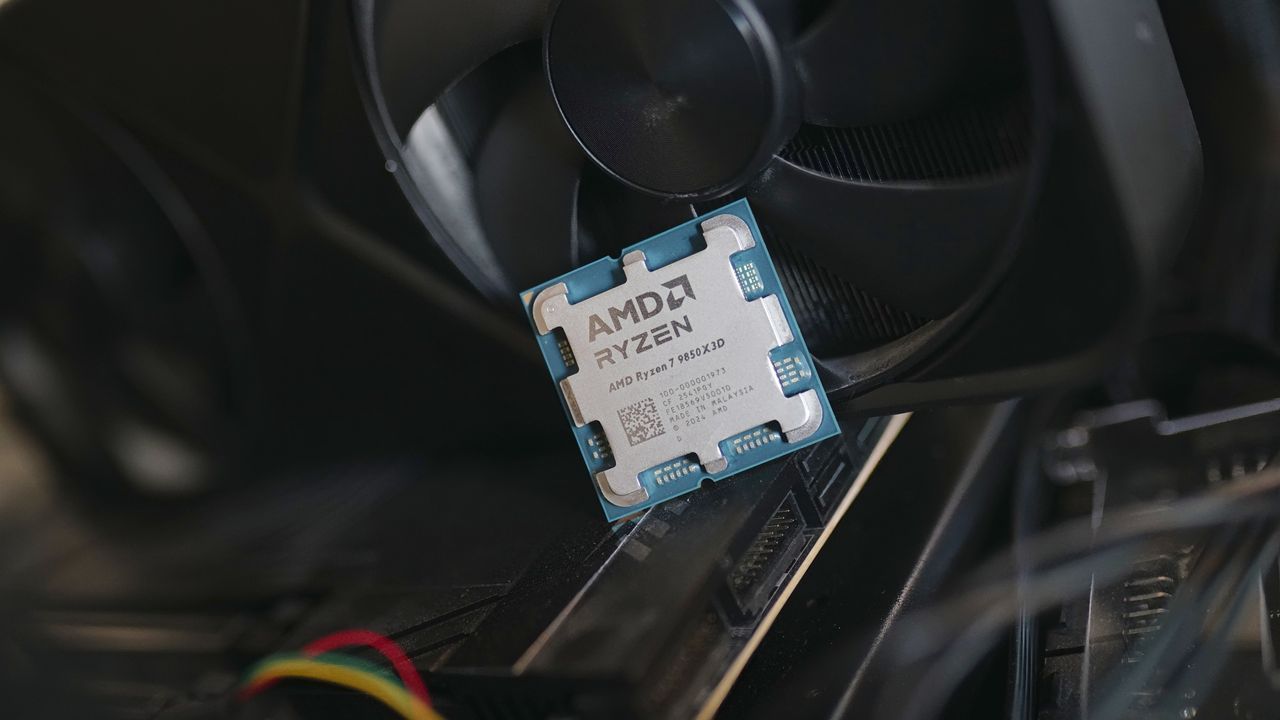



















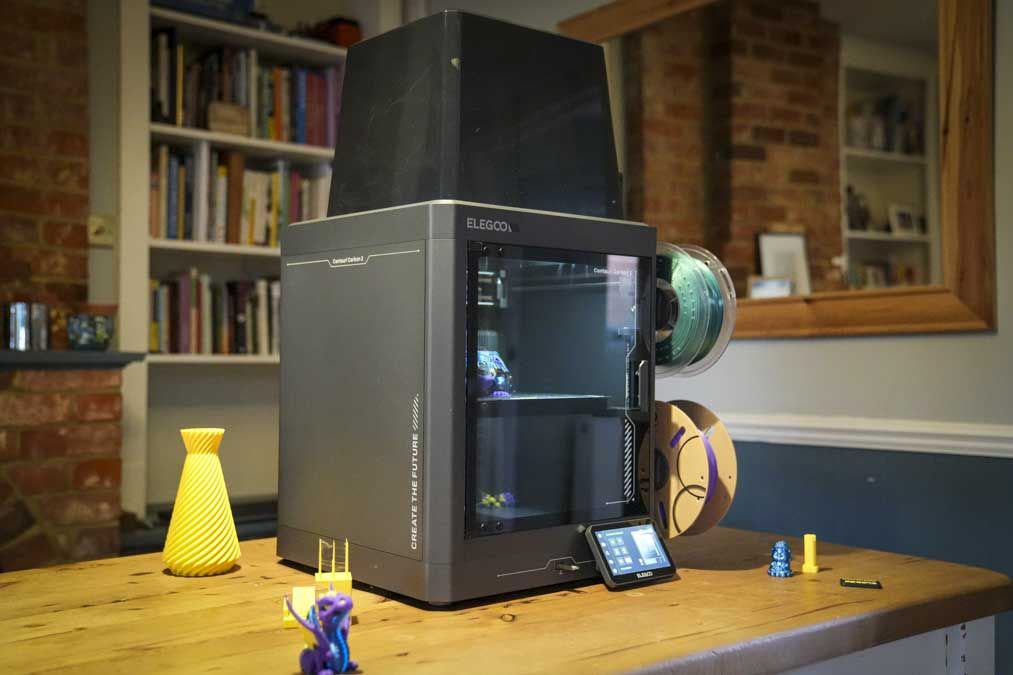





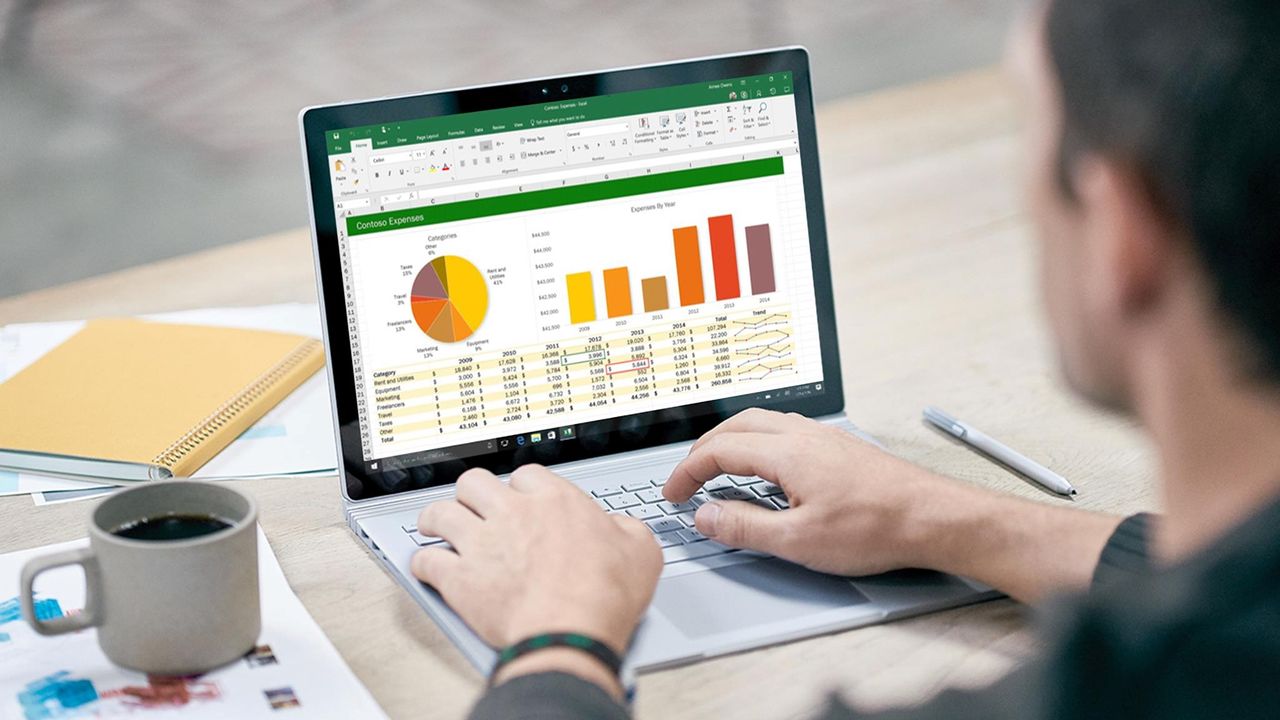
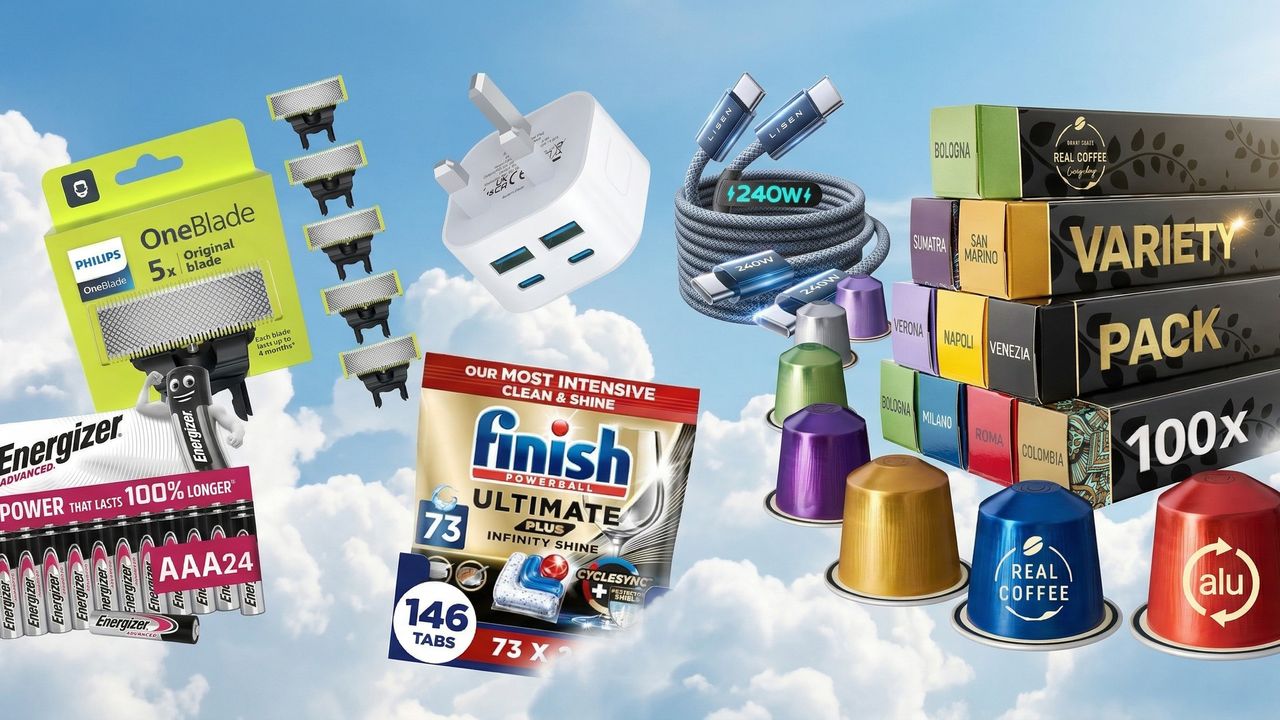


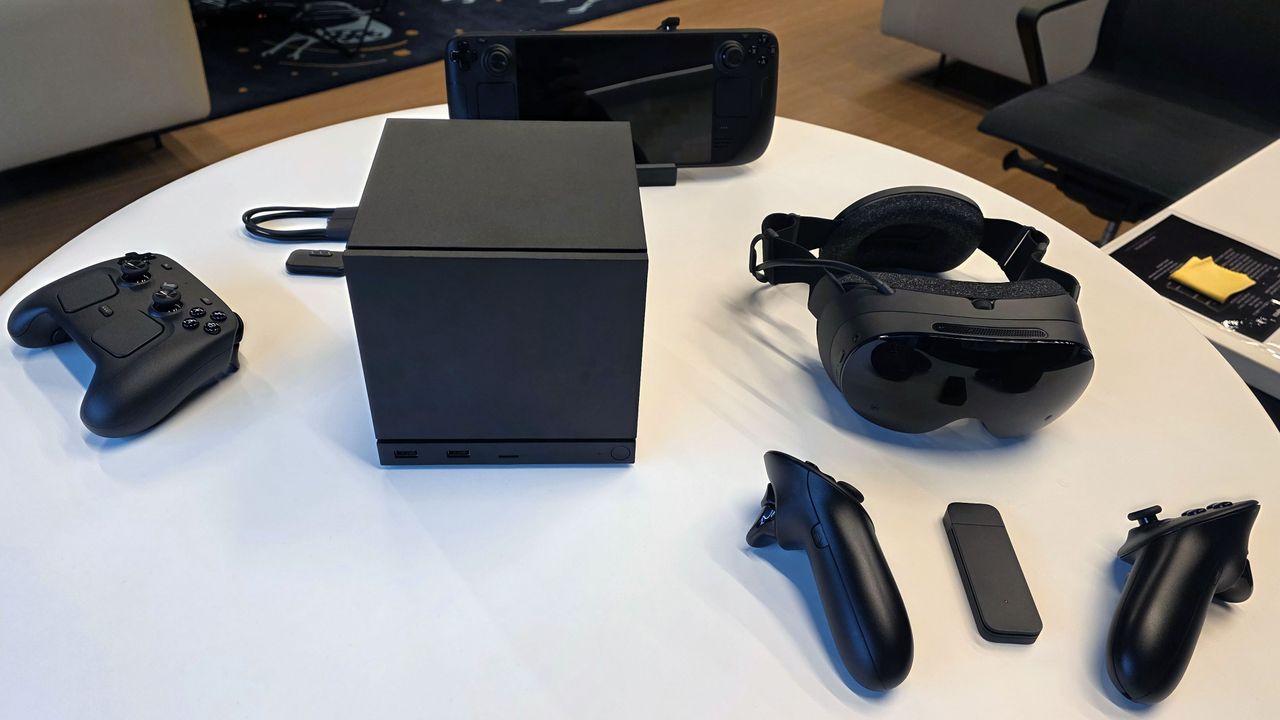










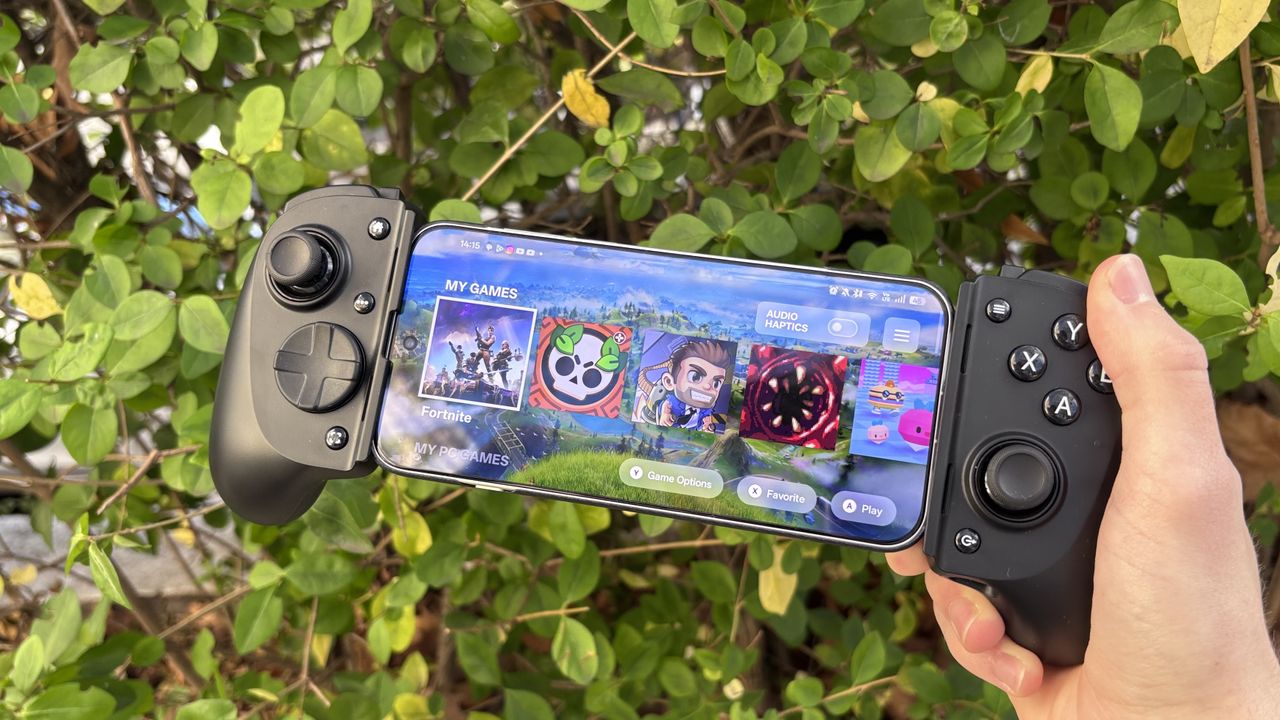















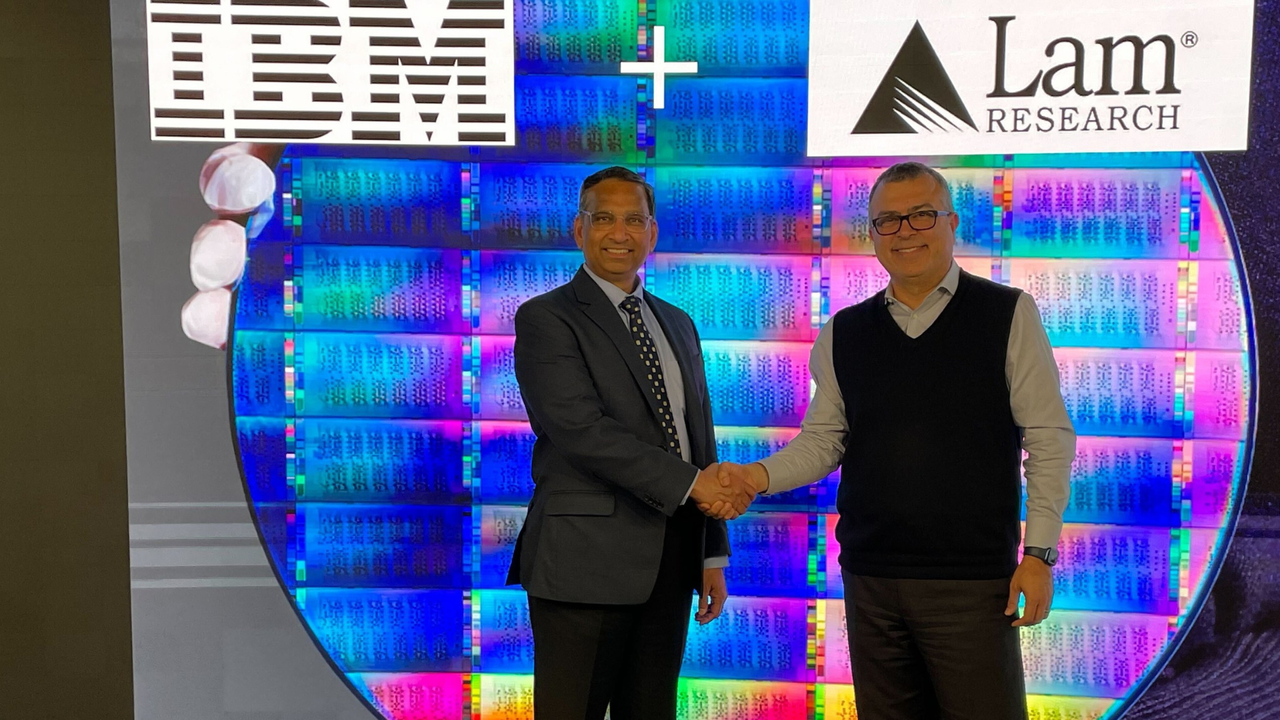
 Adapted remarks from Google VP Christy Abizaid’s keynote at the "Growing Up in the Digital Age" Summit at Google Dublin.


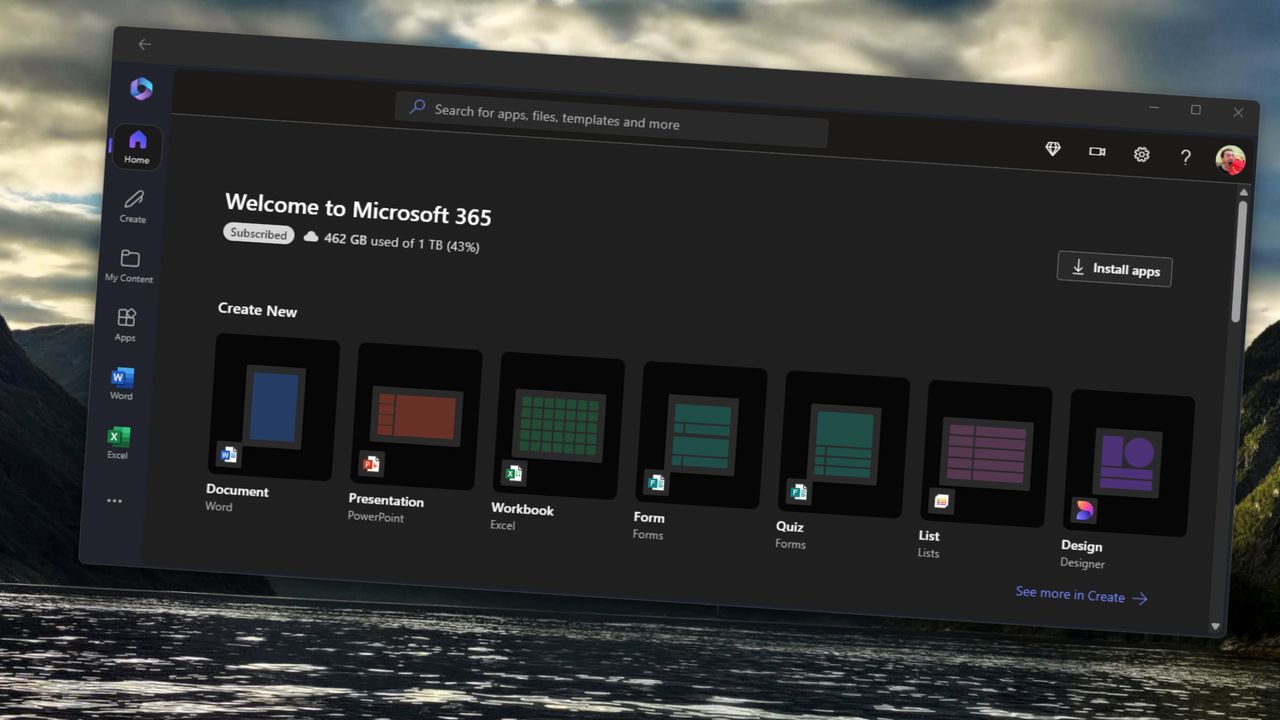


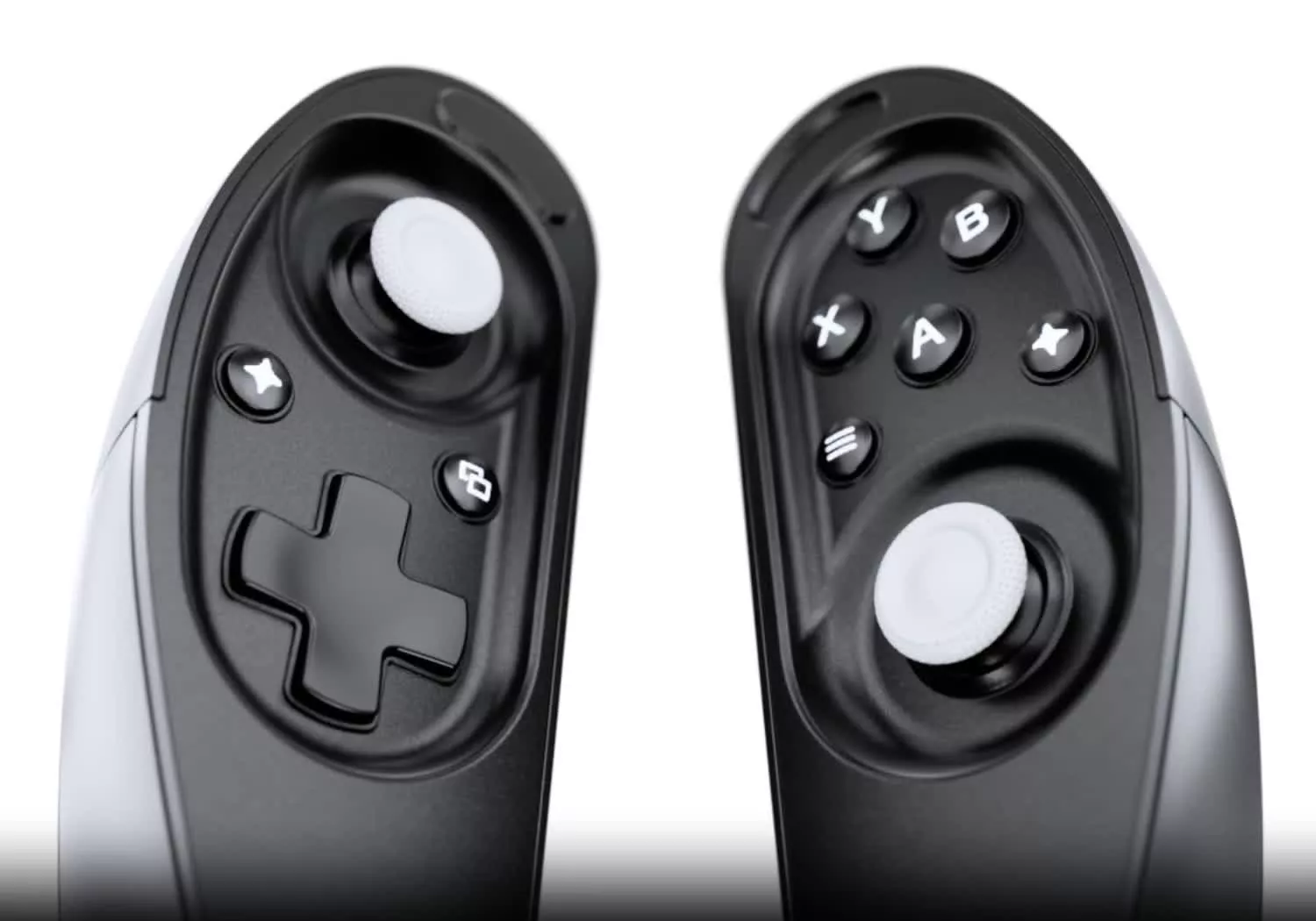
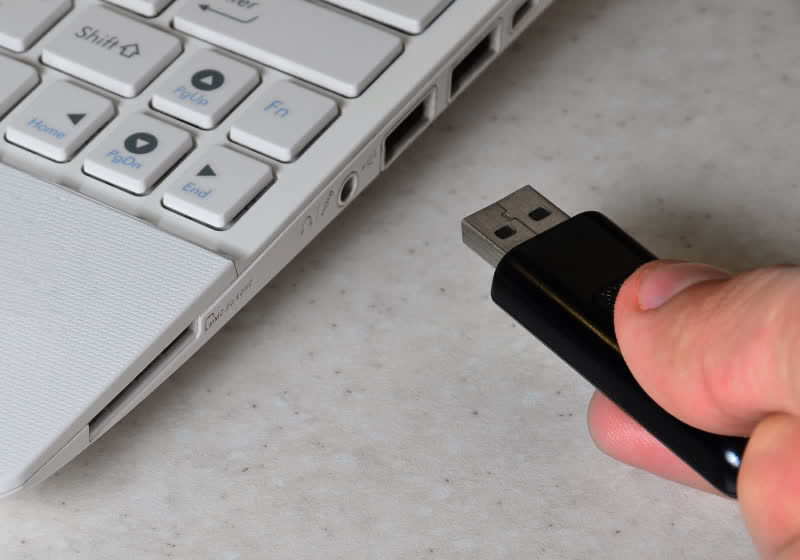

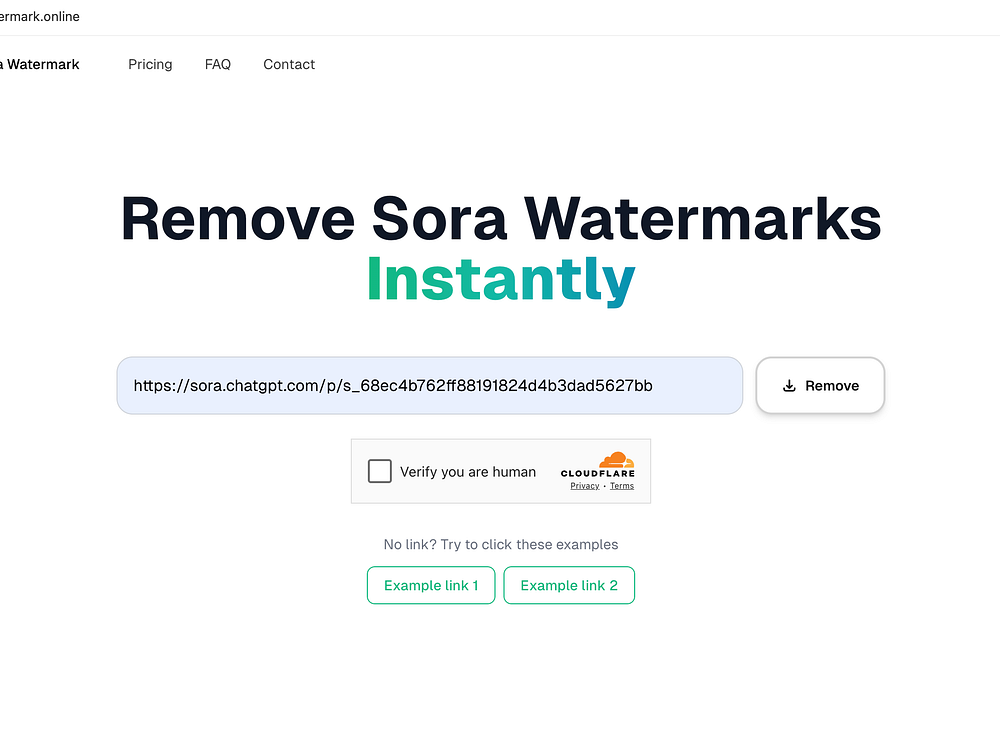



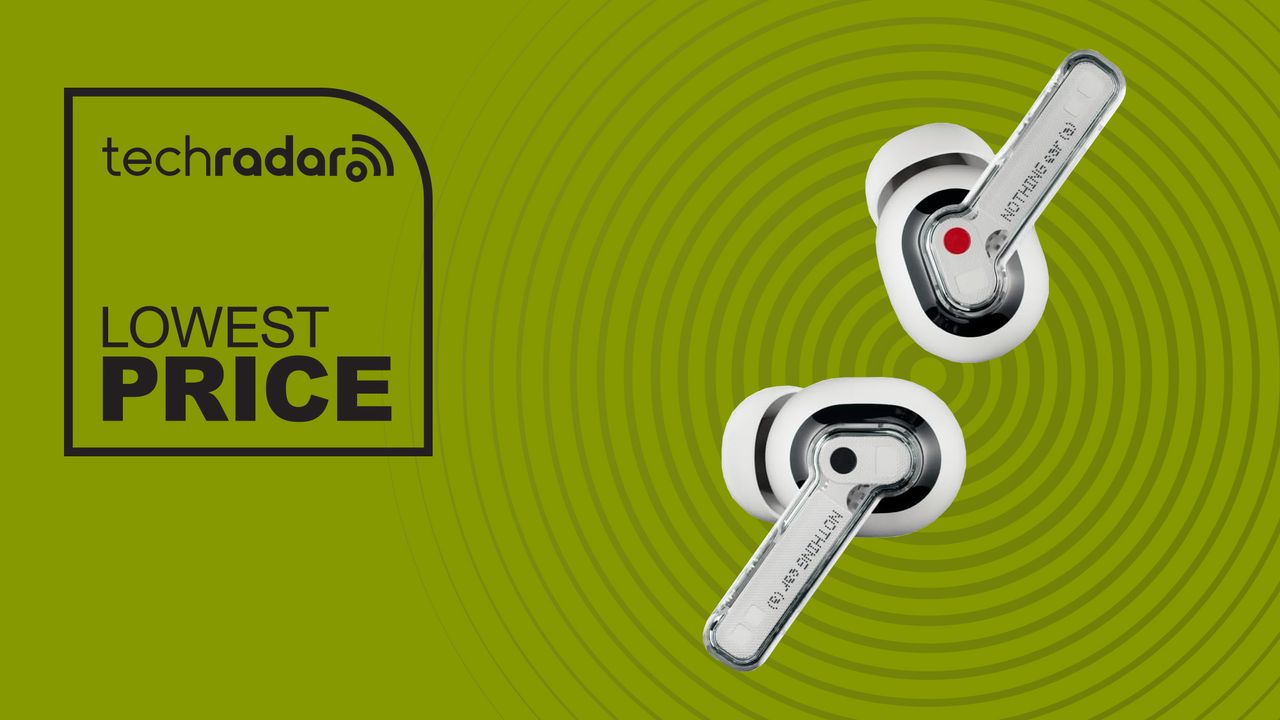


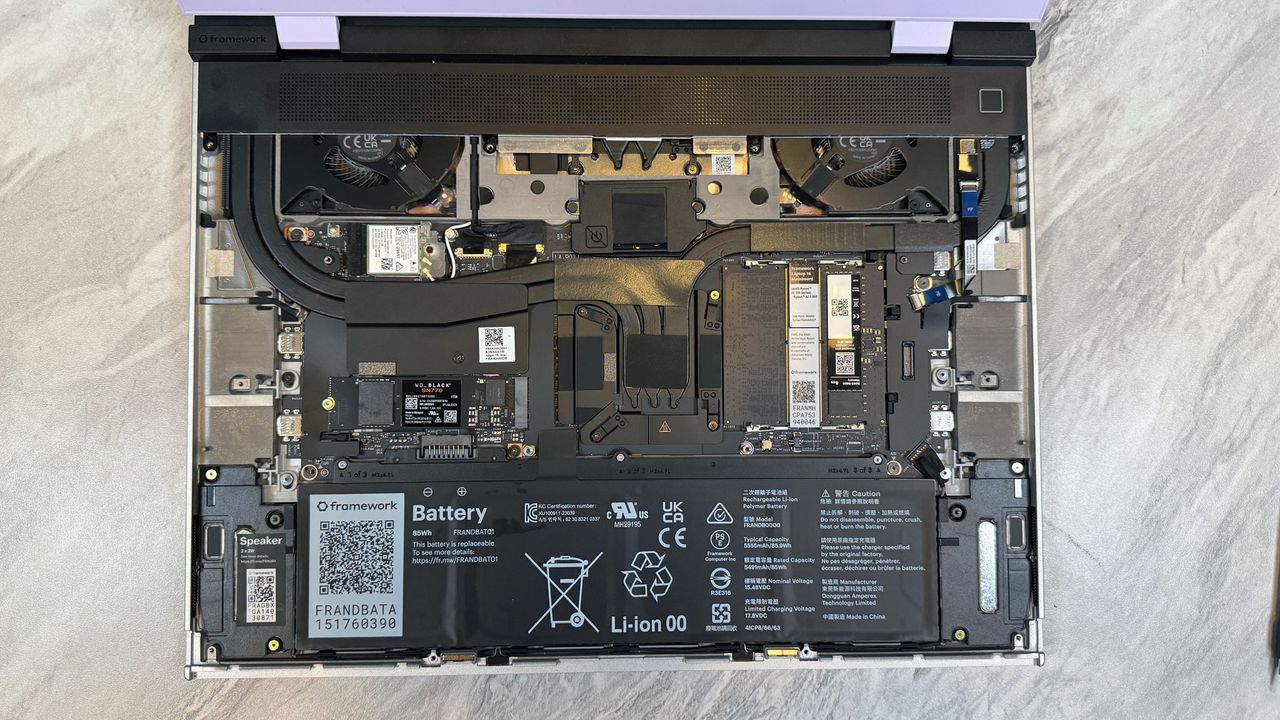
 Ads Decoded features a conversation on bidding and budgeting with product managers Kristina Park and Carlo Buchmann.



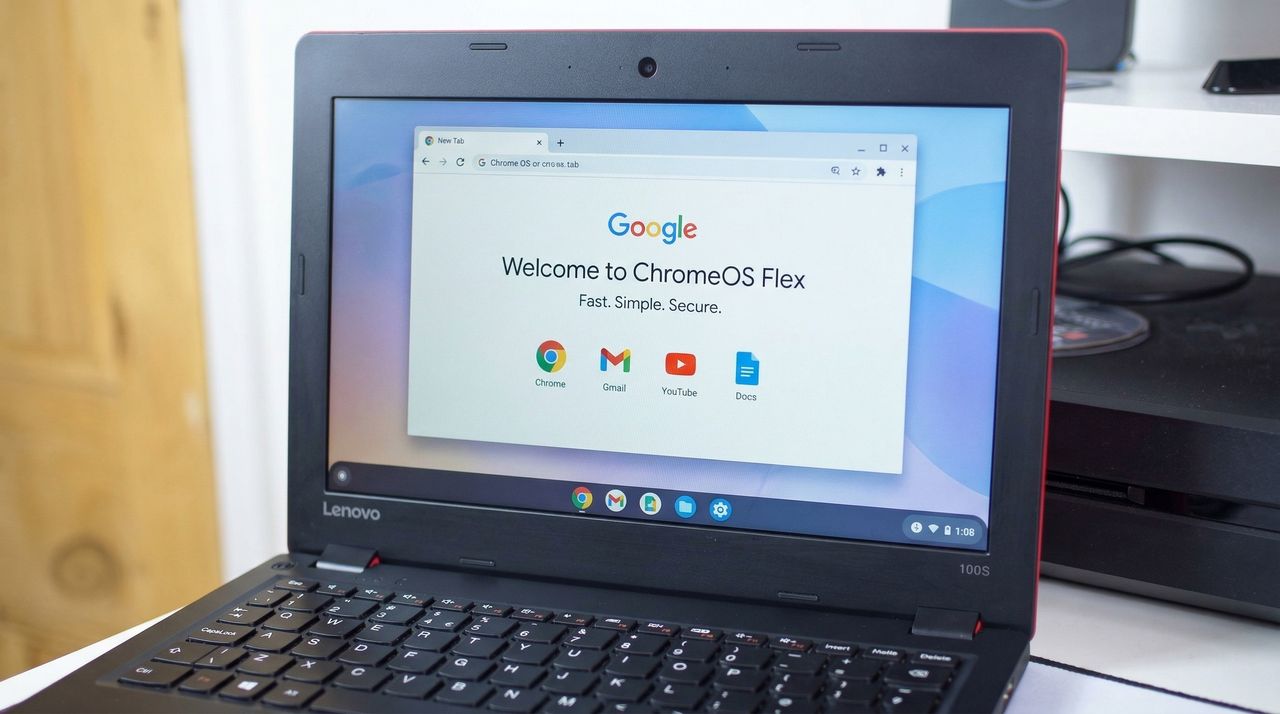
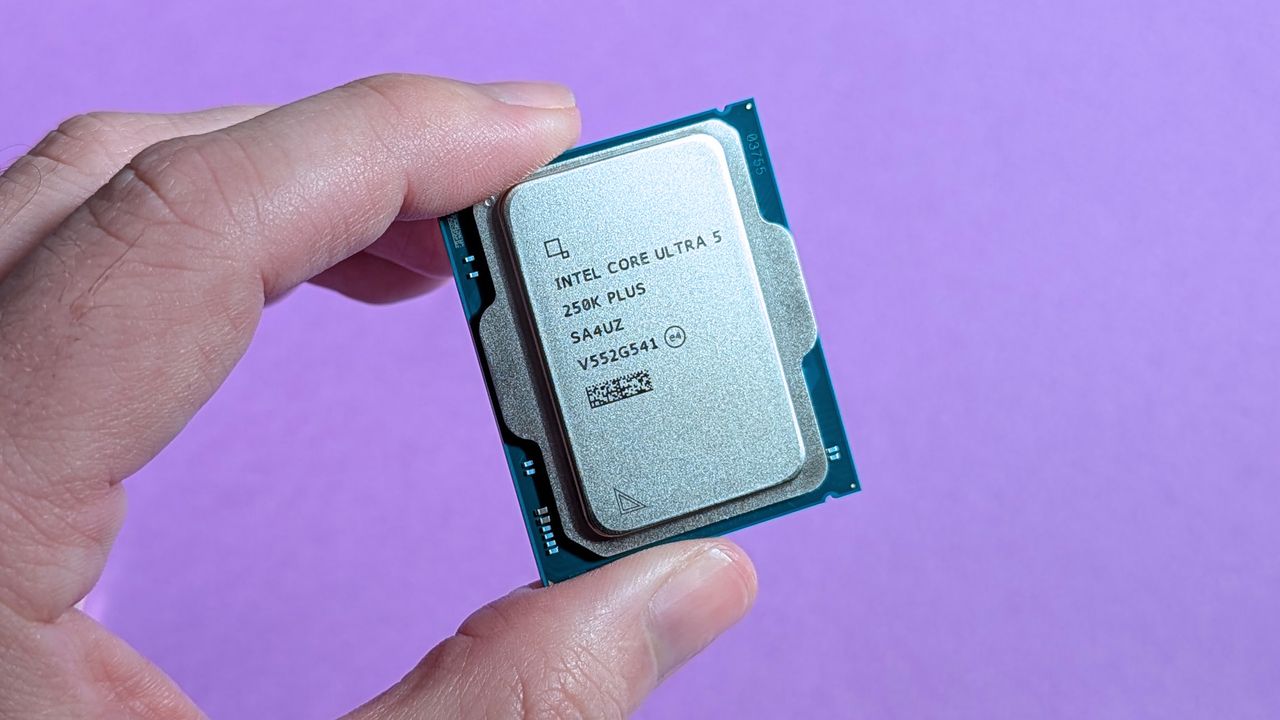



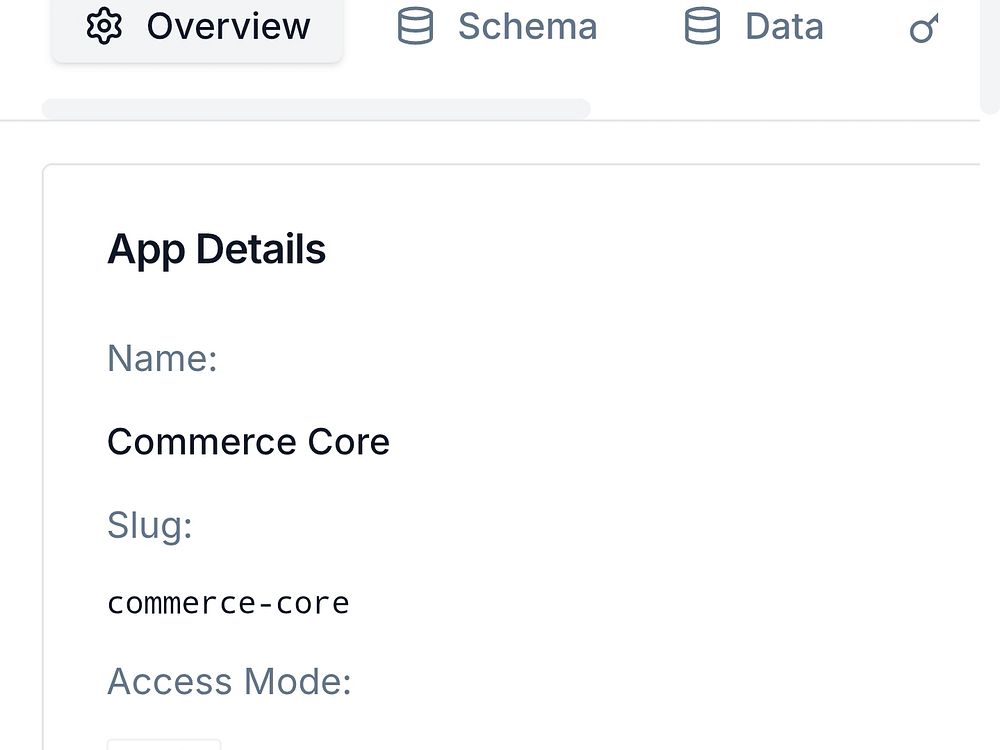



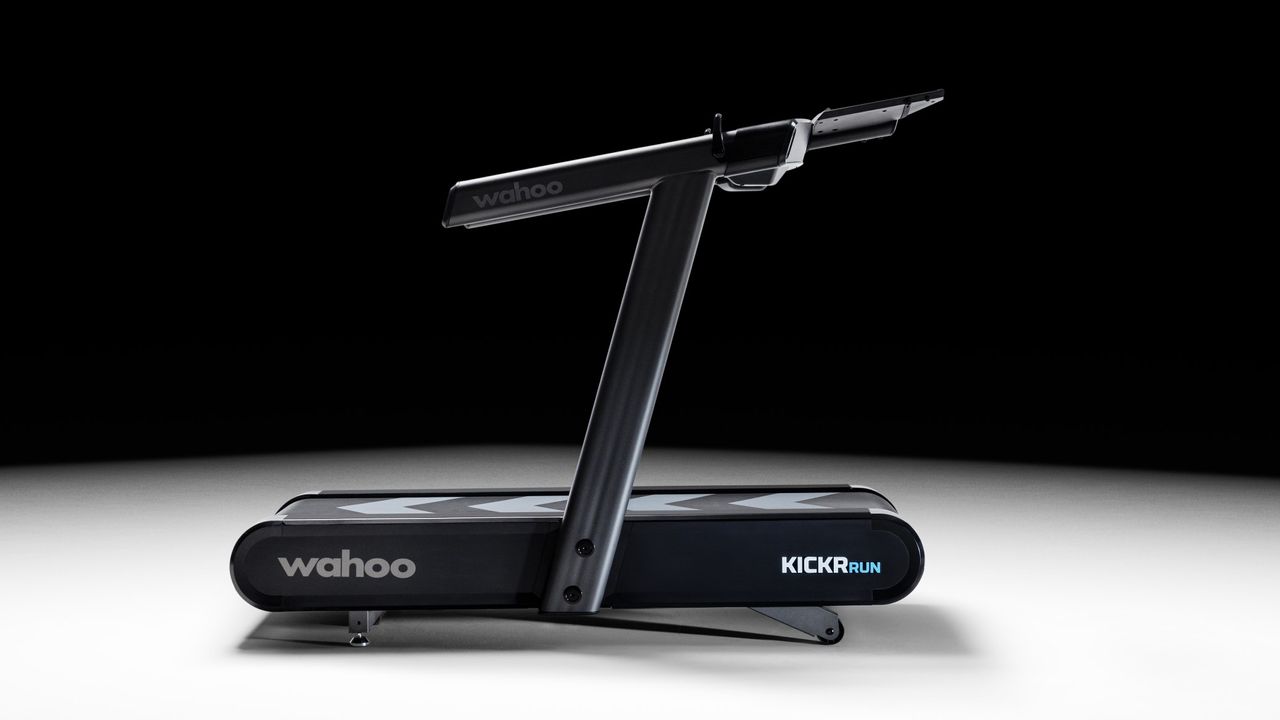
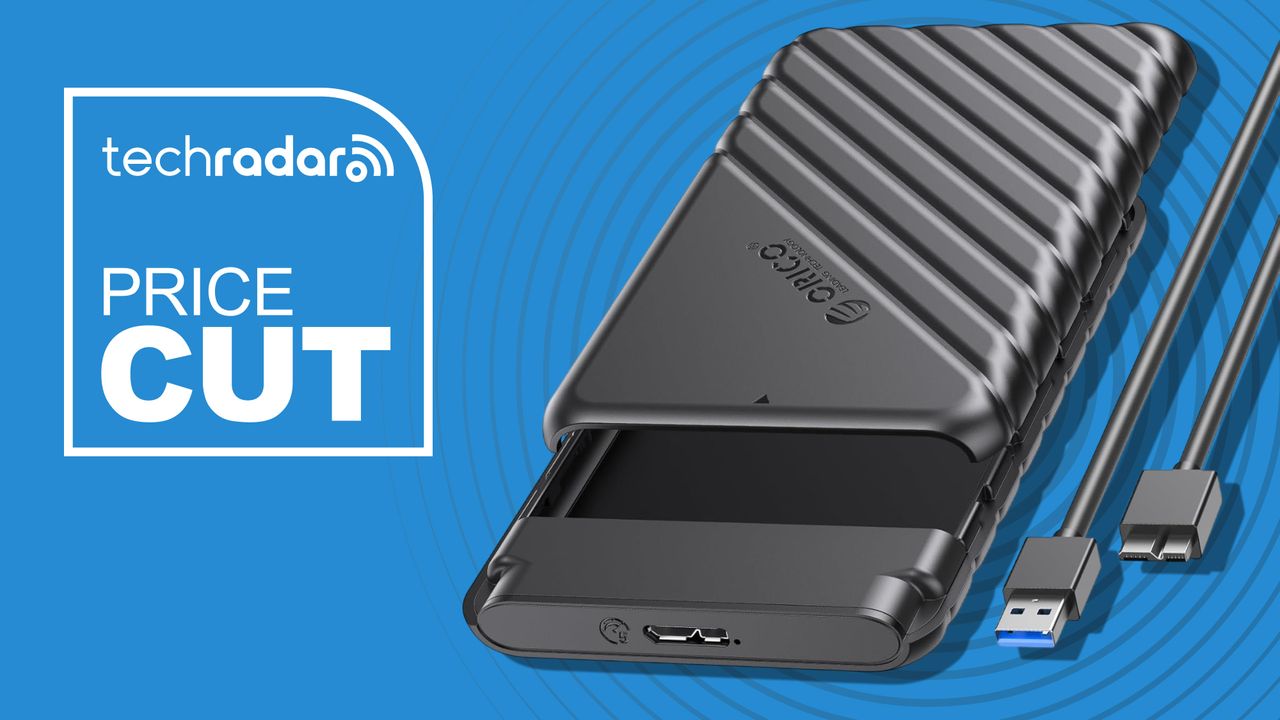
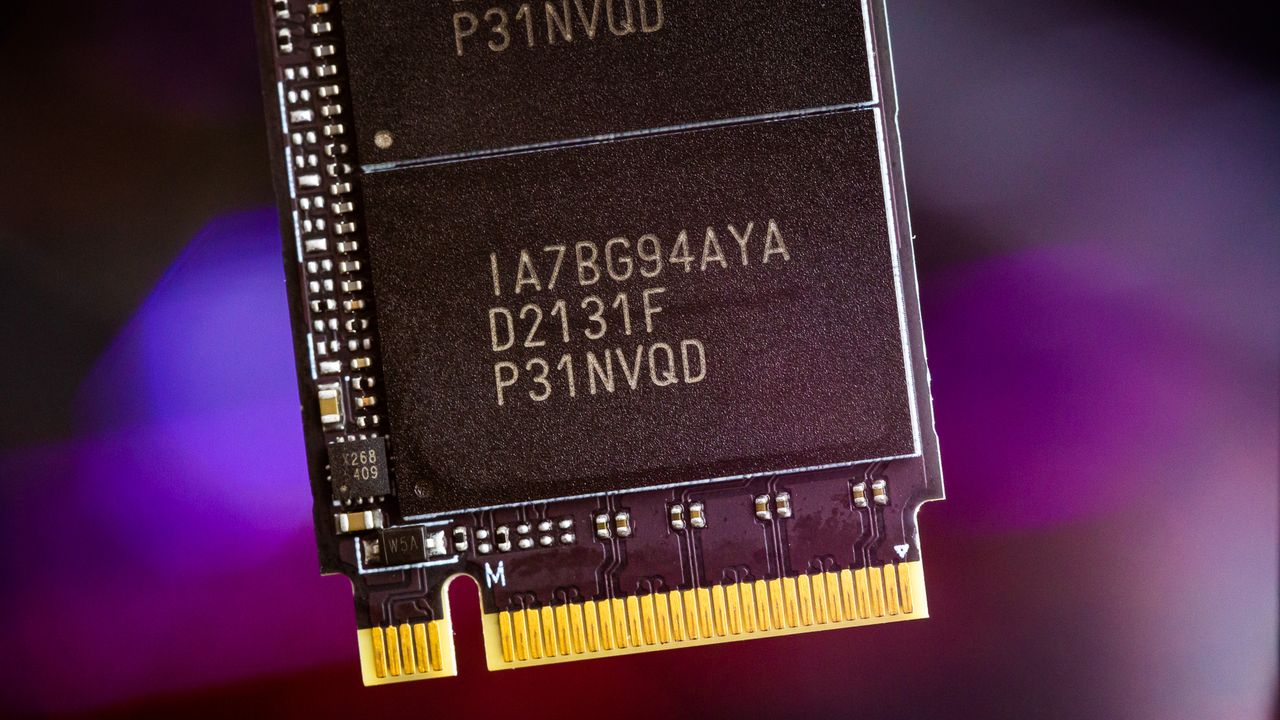
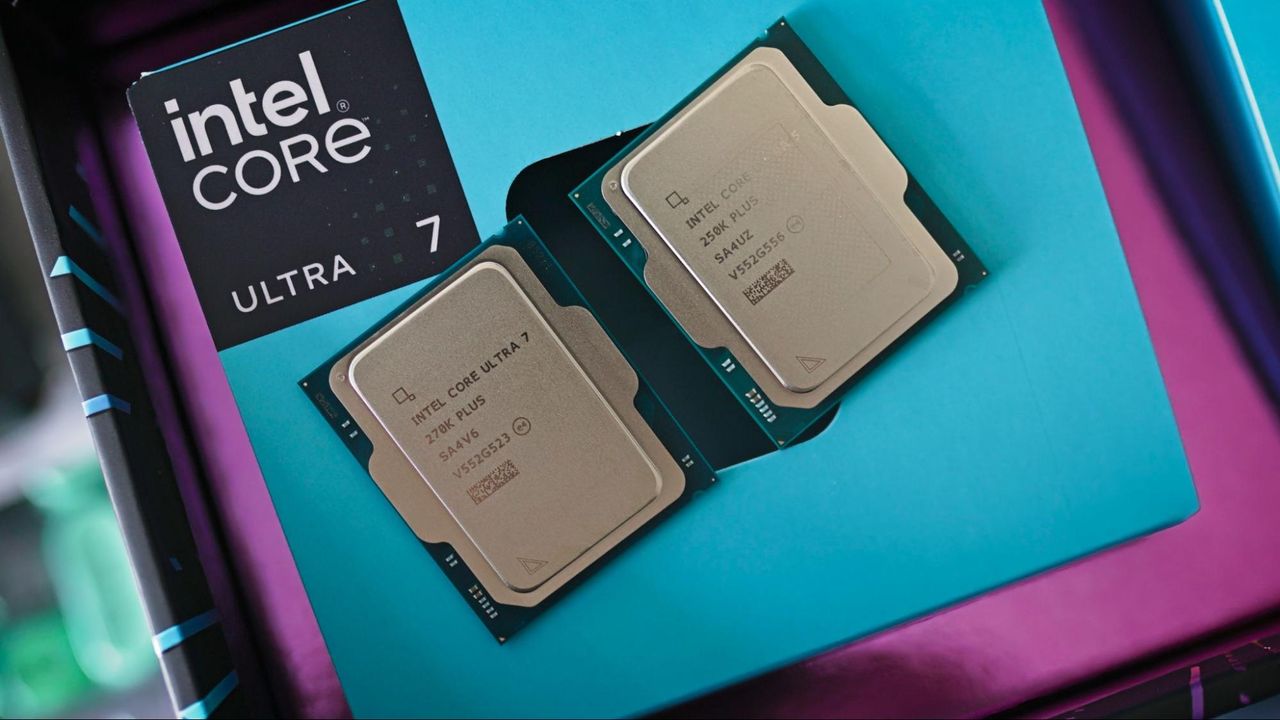

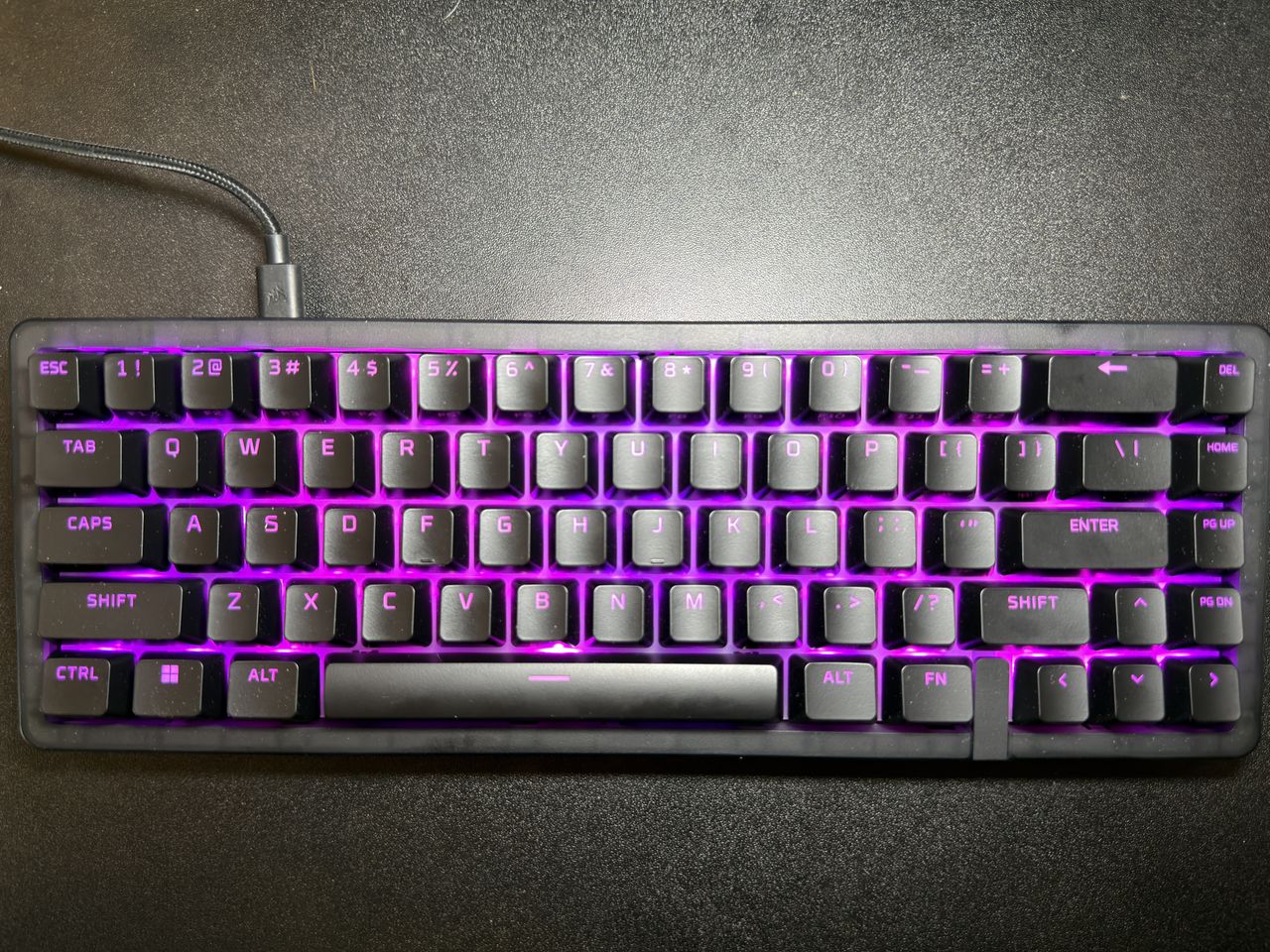

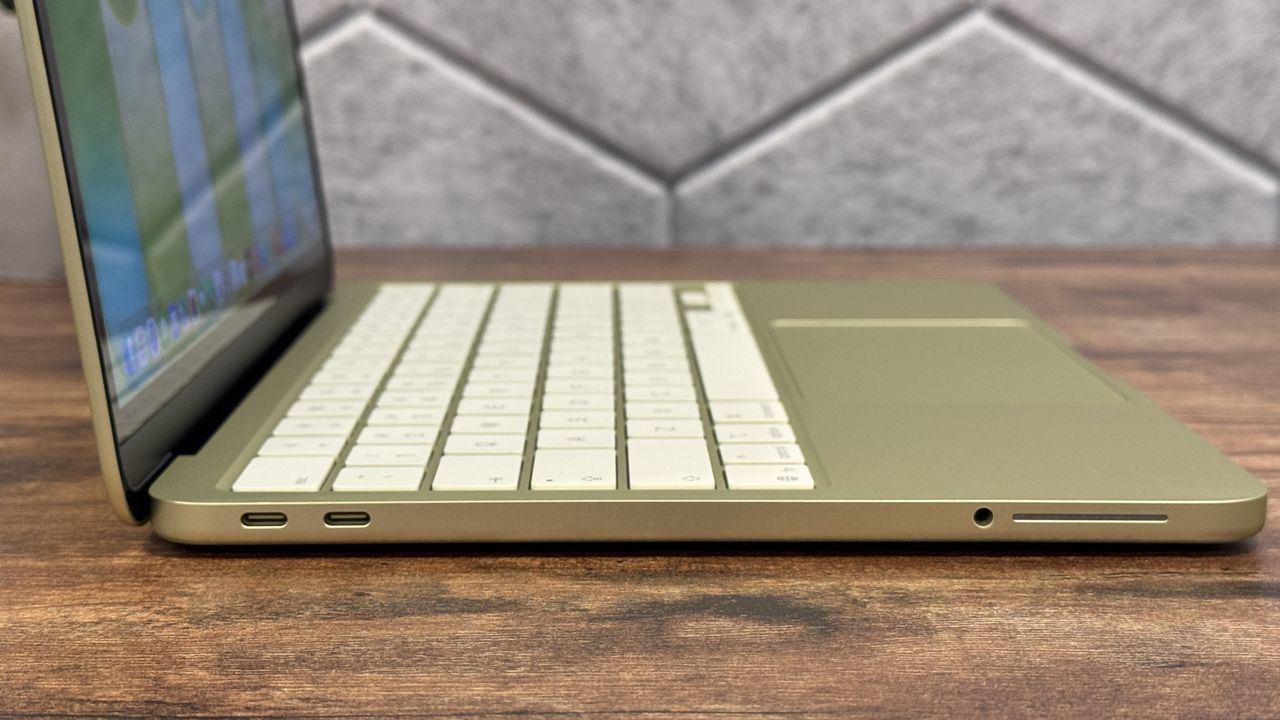

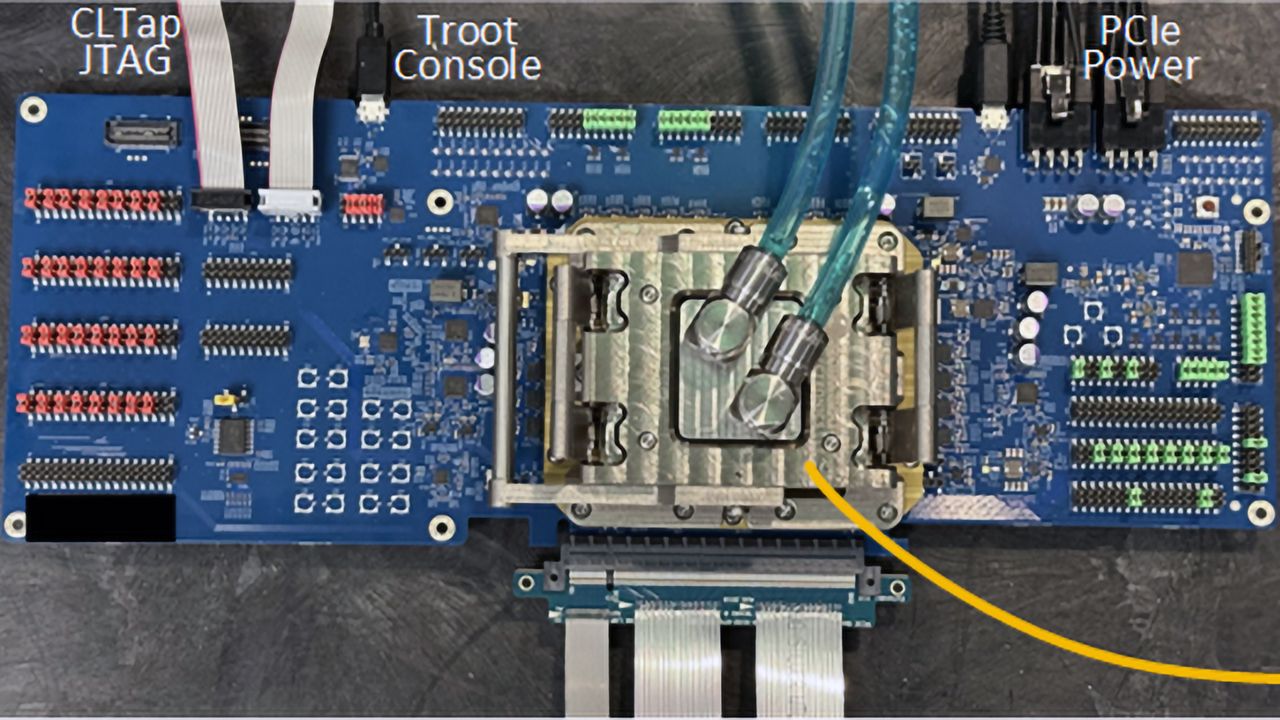







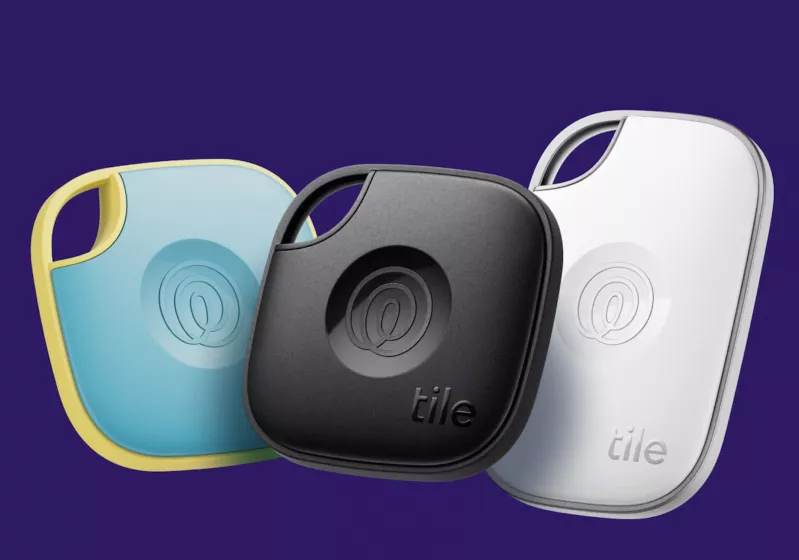


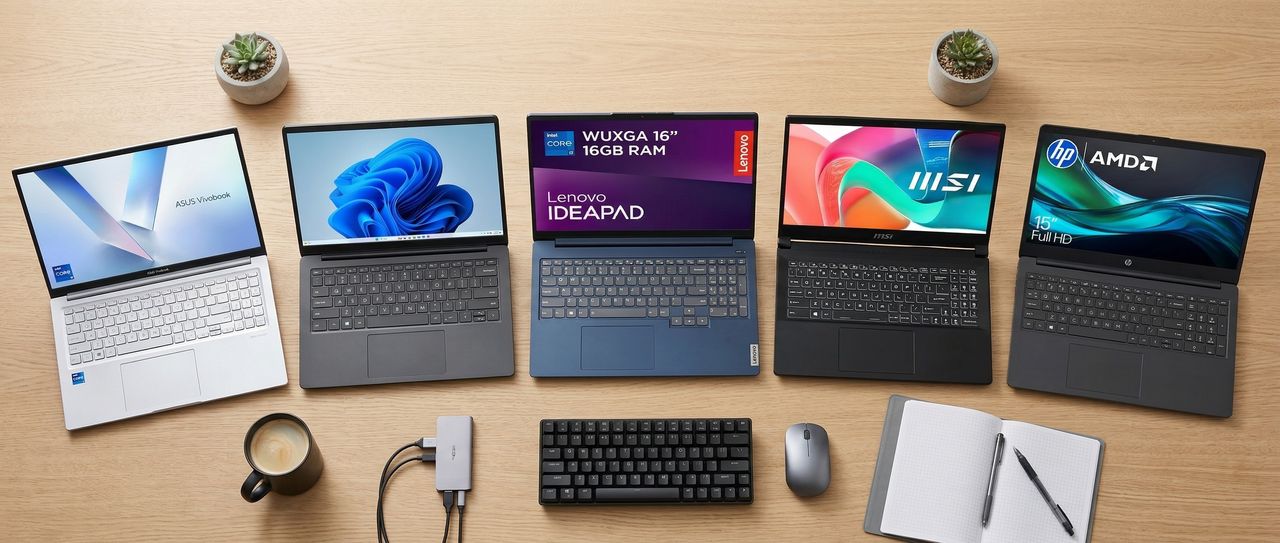



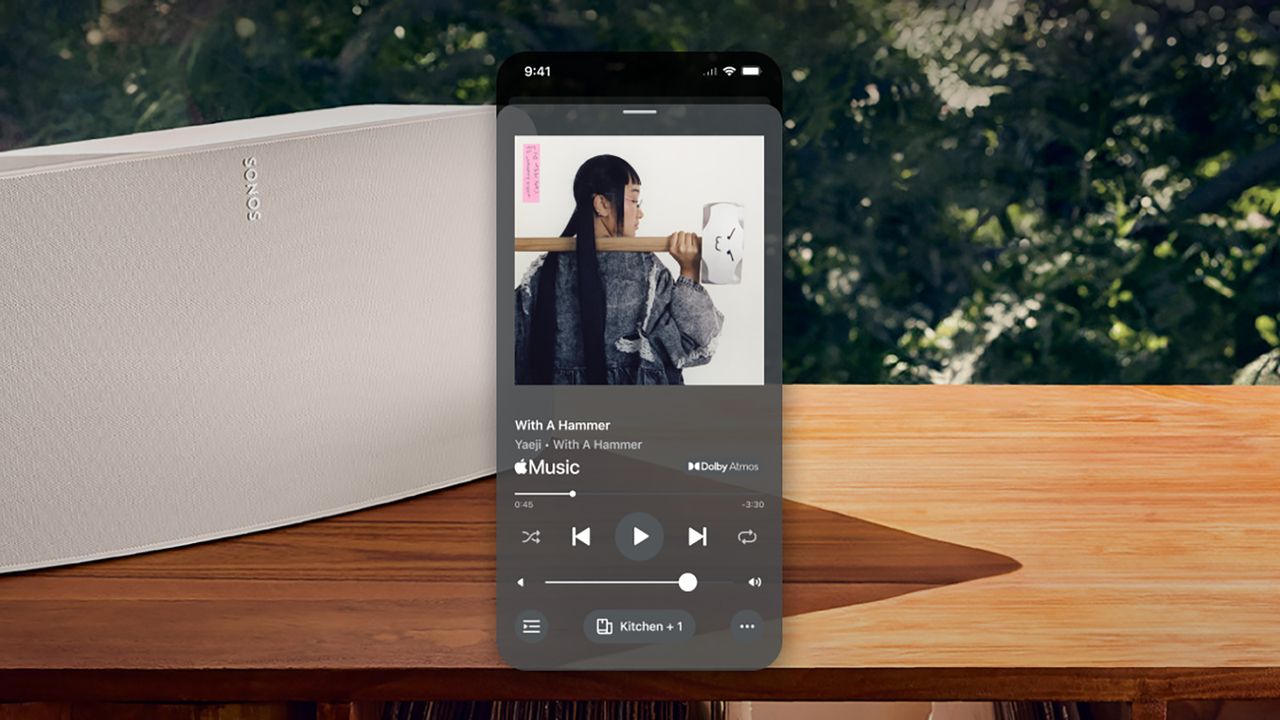
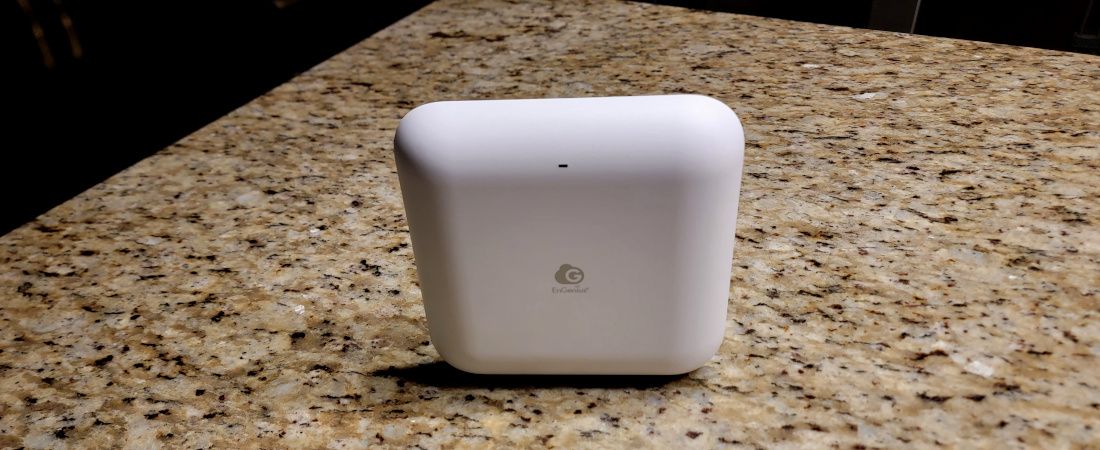
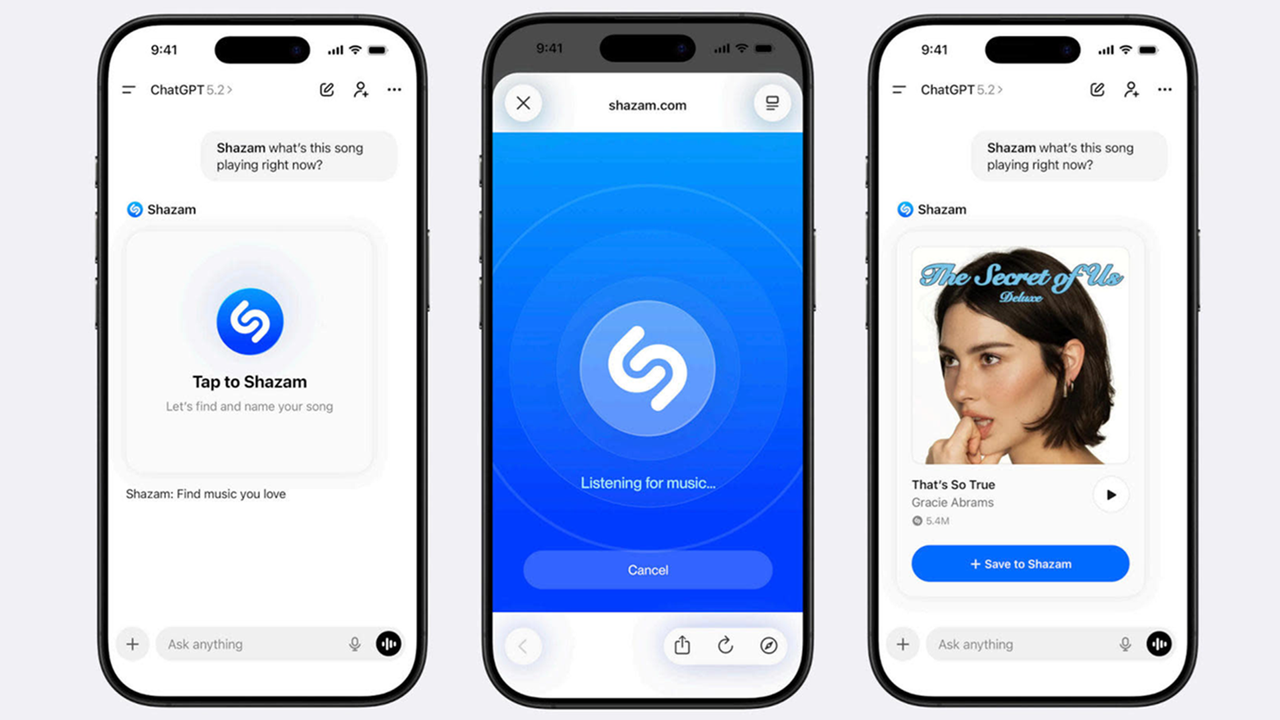
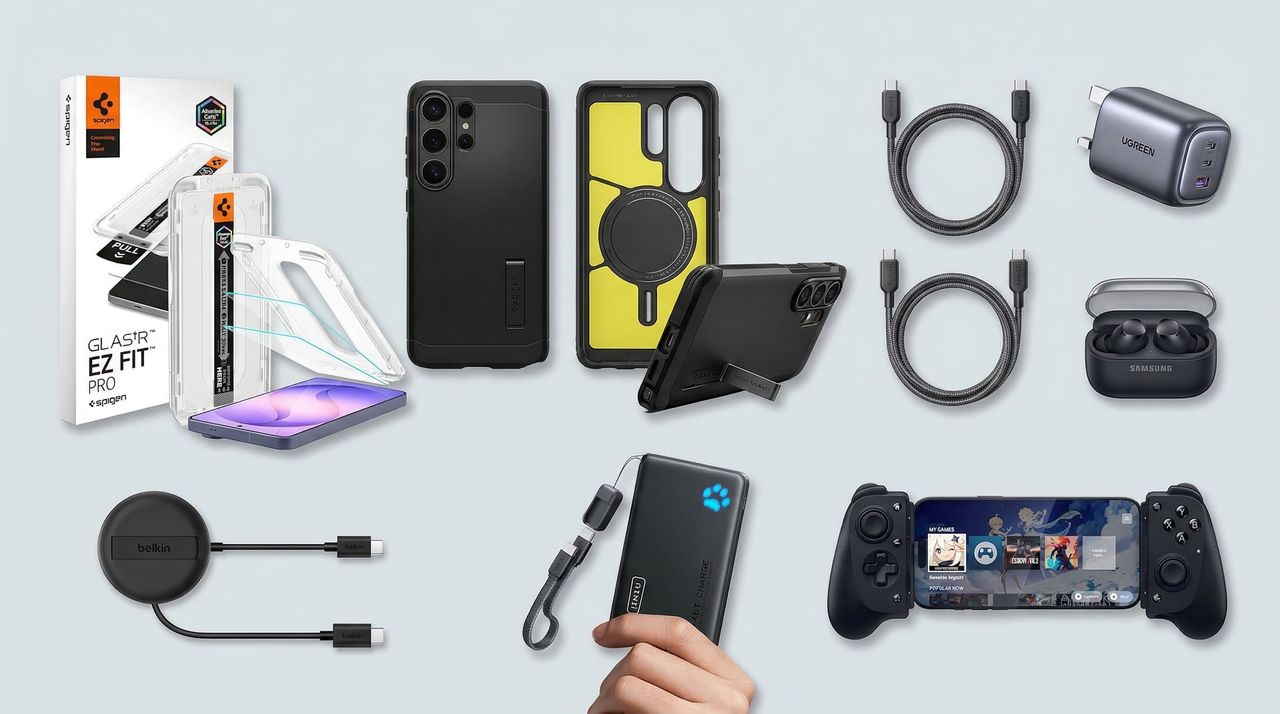


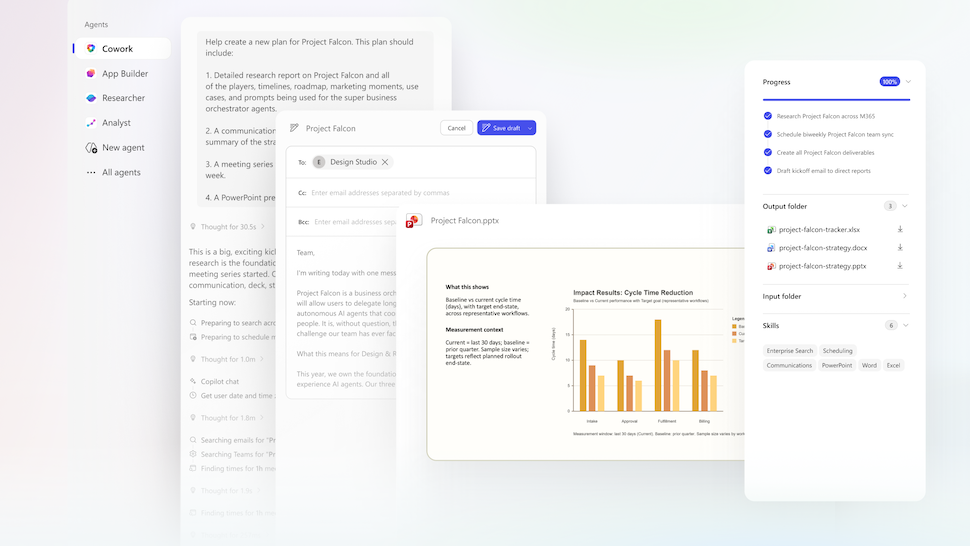





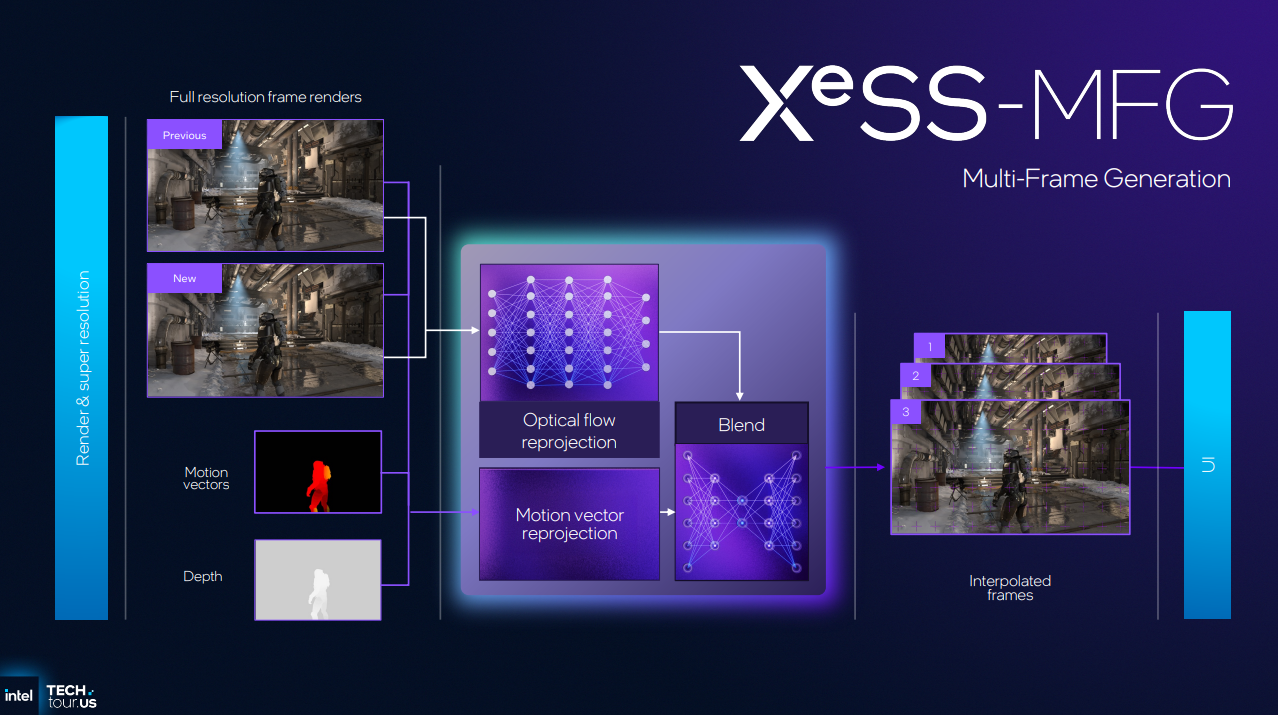


 We’re bringing Gemini in Chrome’s powerful AI features to more regions and languages, helping millions of people get the most out of their browser.







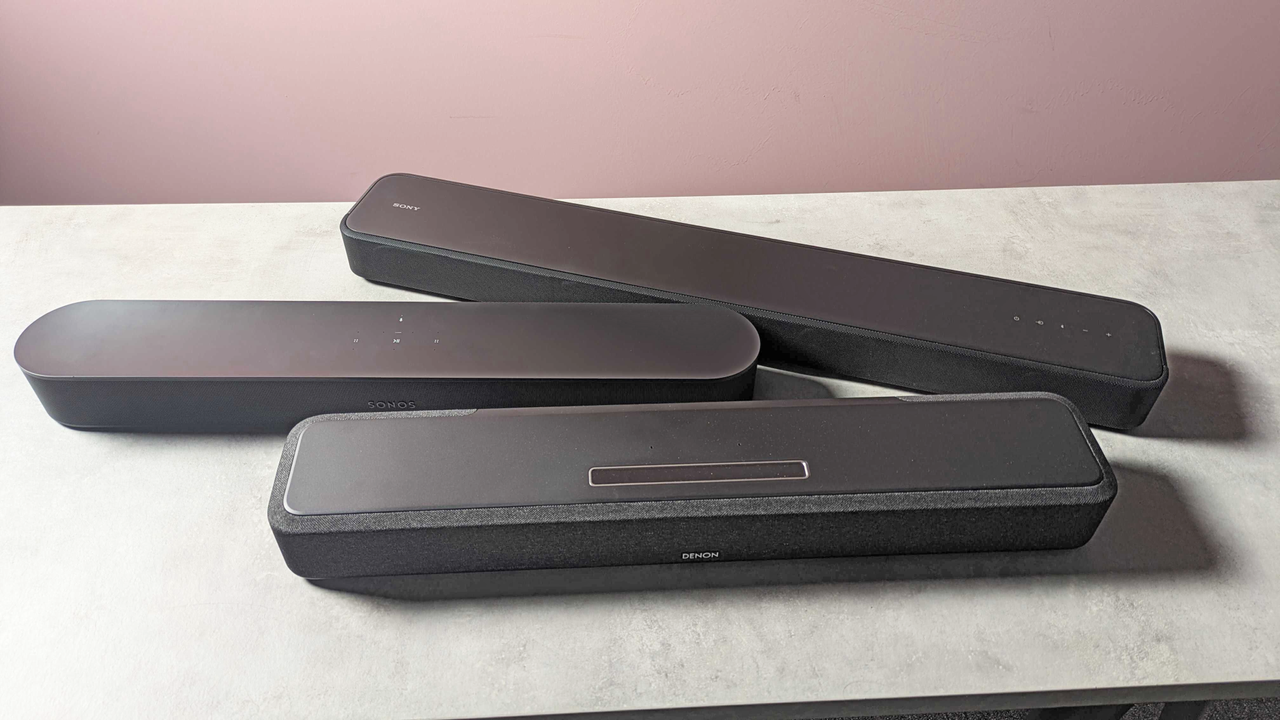




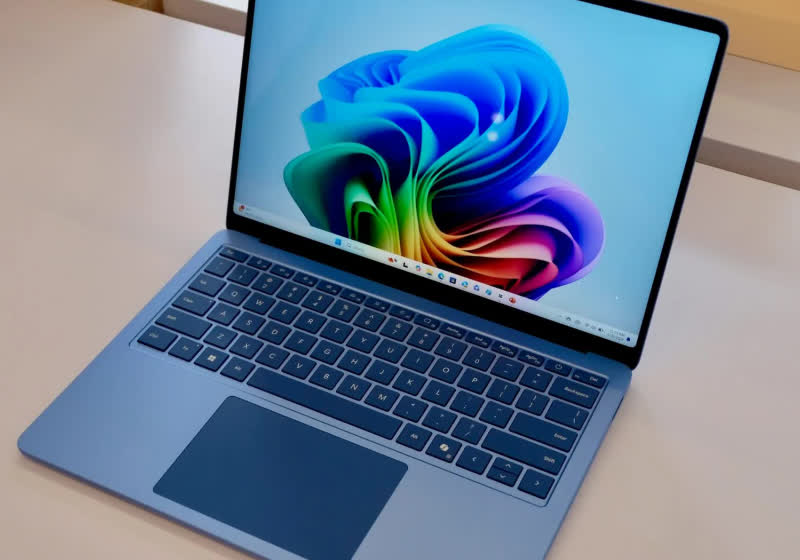


























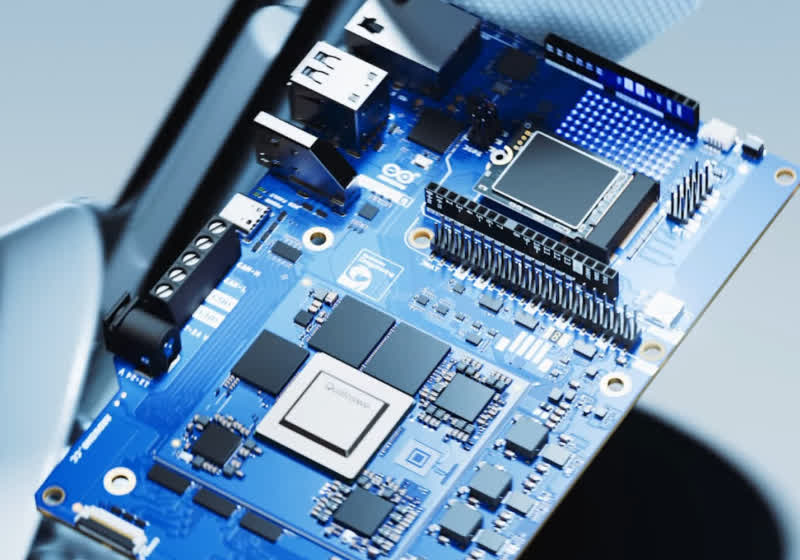
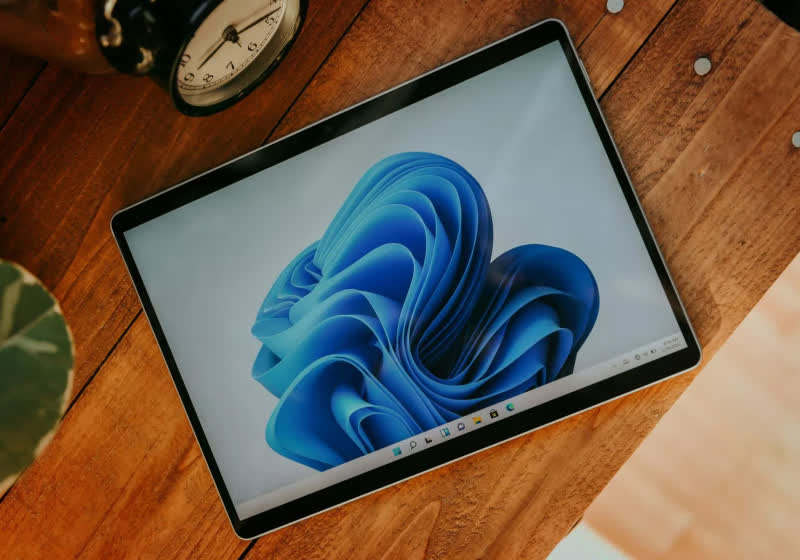

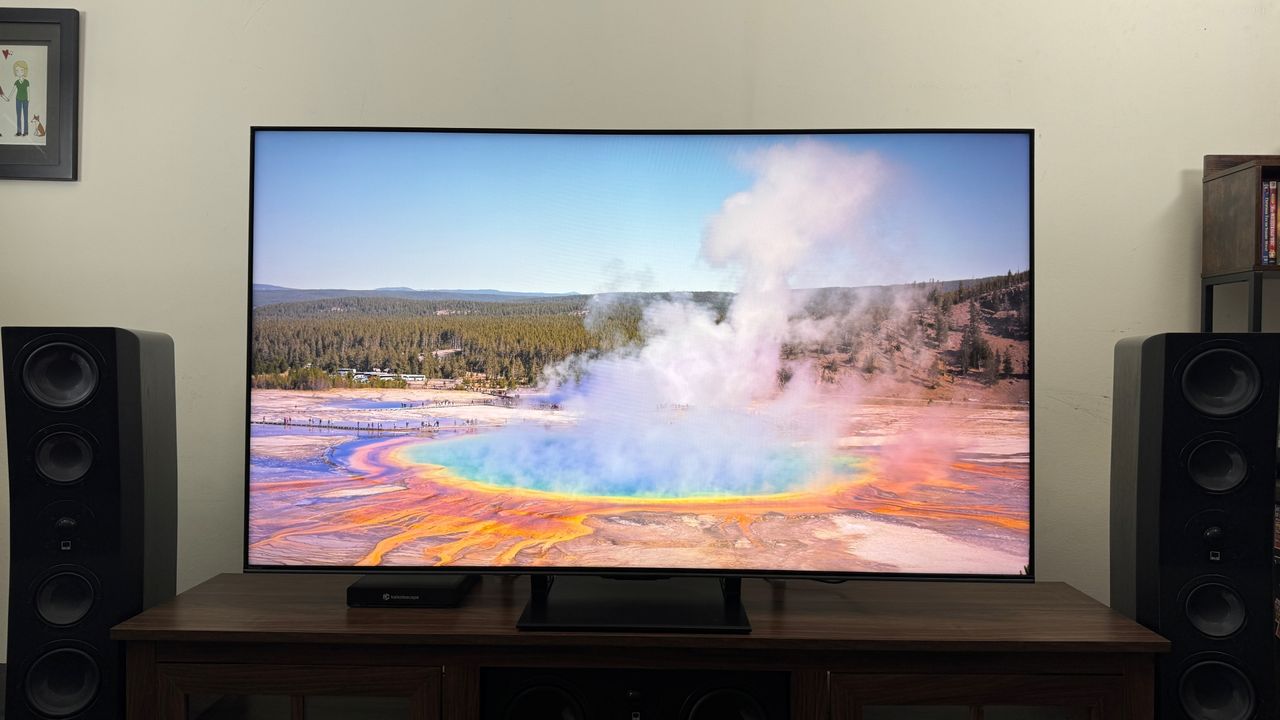



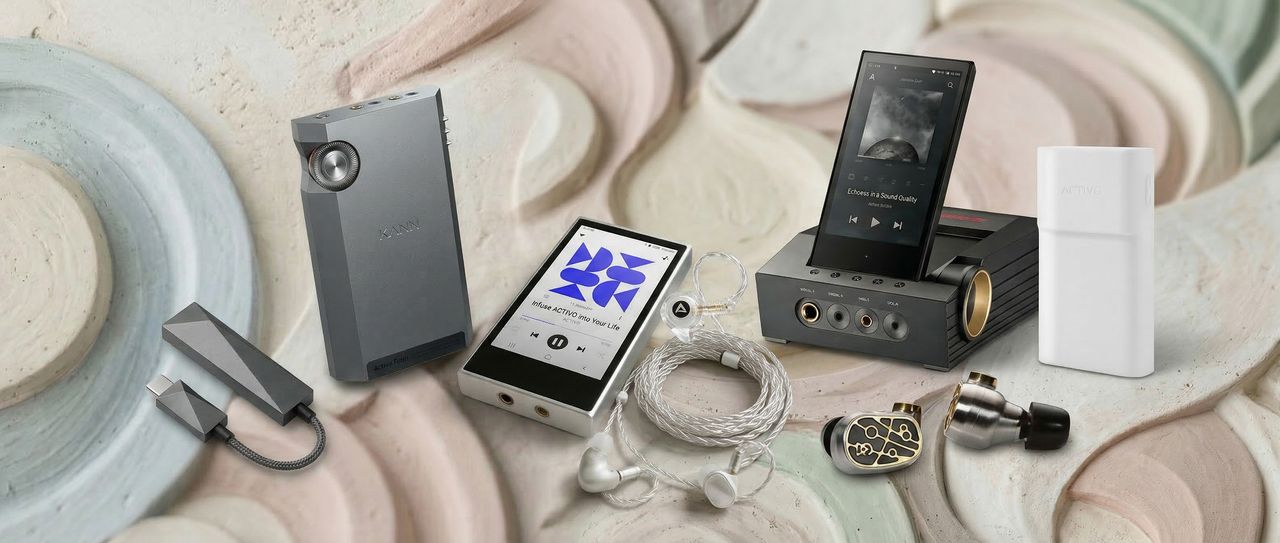





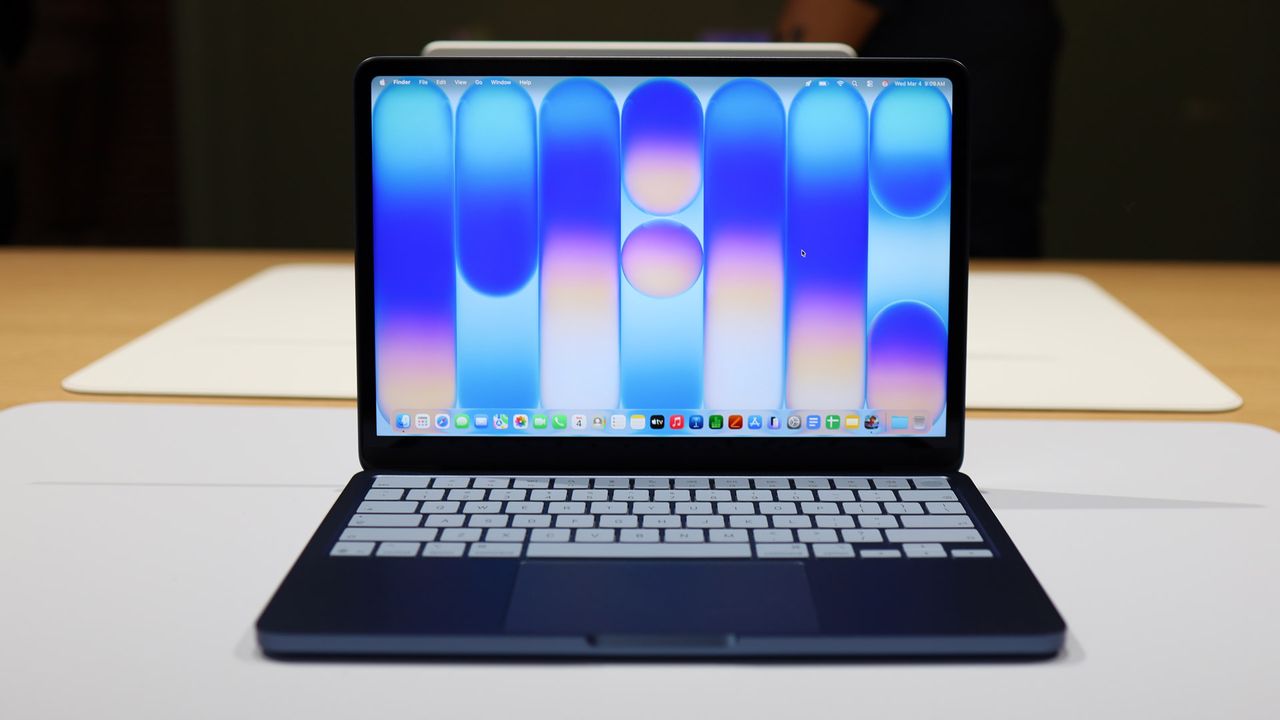




 An overview of Gemini Embedding 2, our first fully multimodal embedding model that maps text, images, video, audio and documents into a single space.



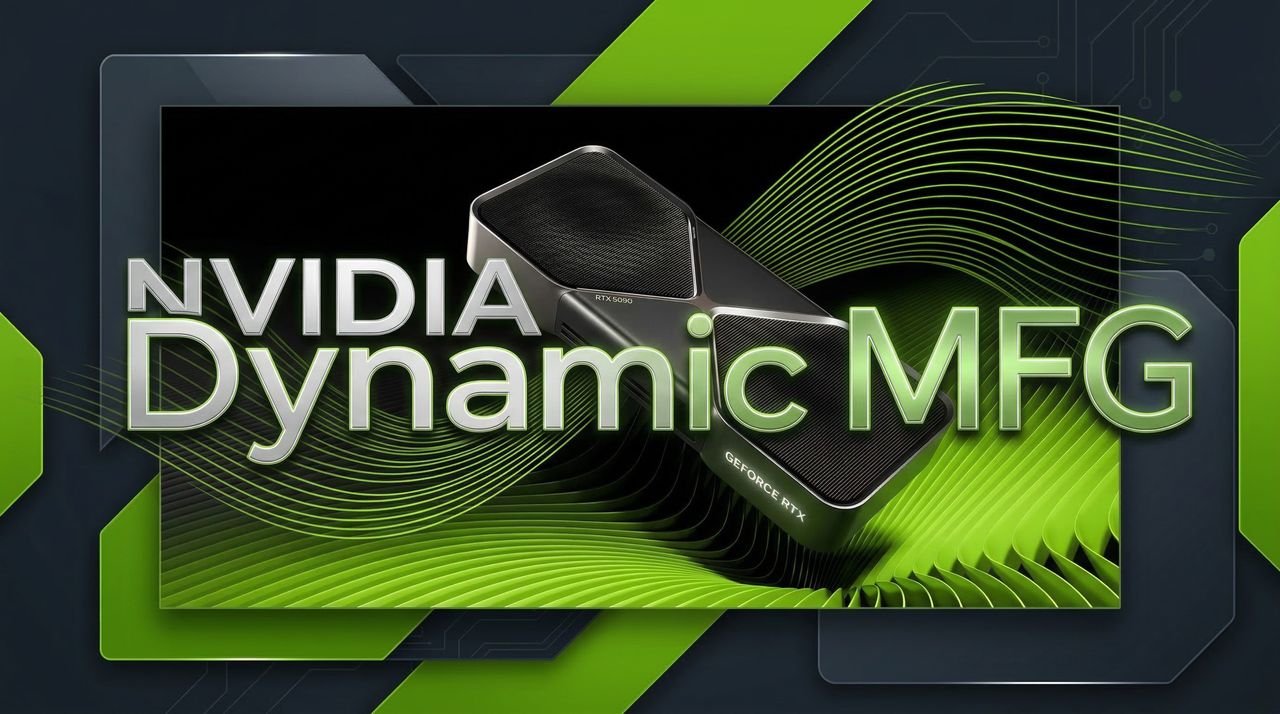
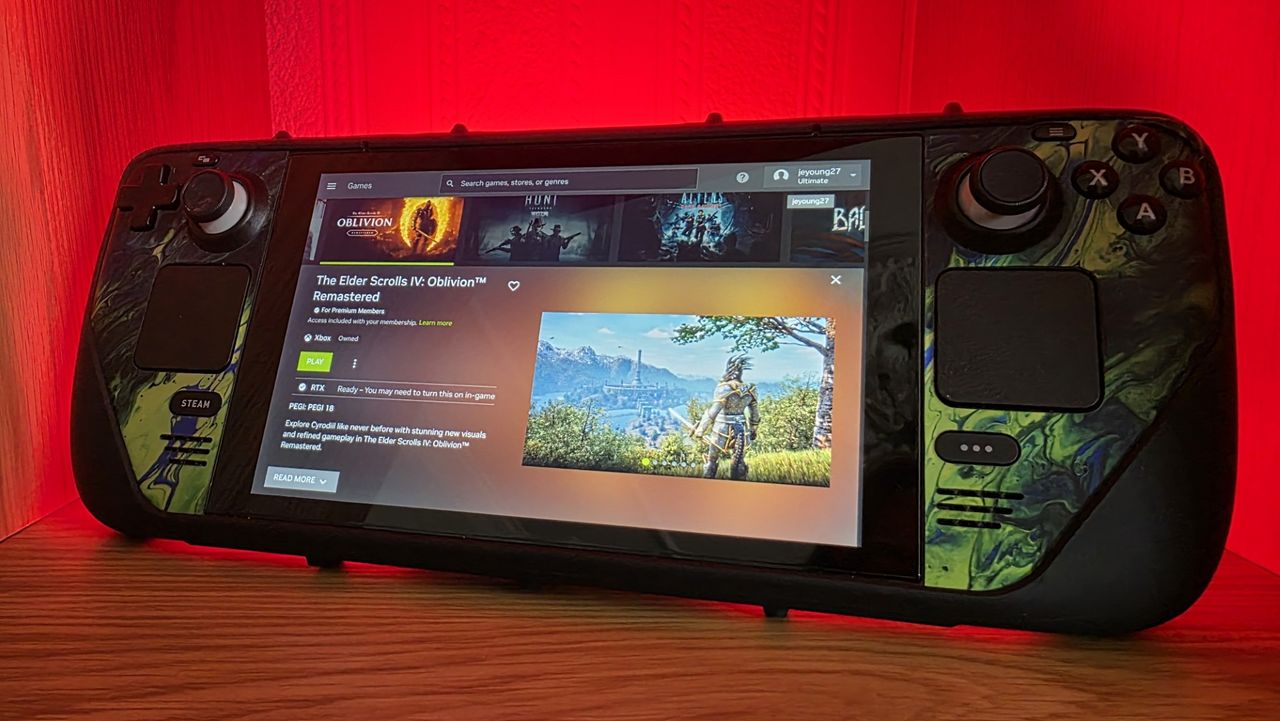



























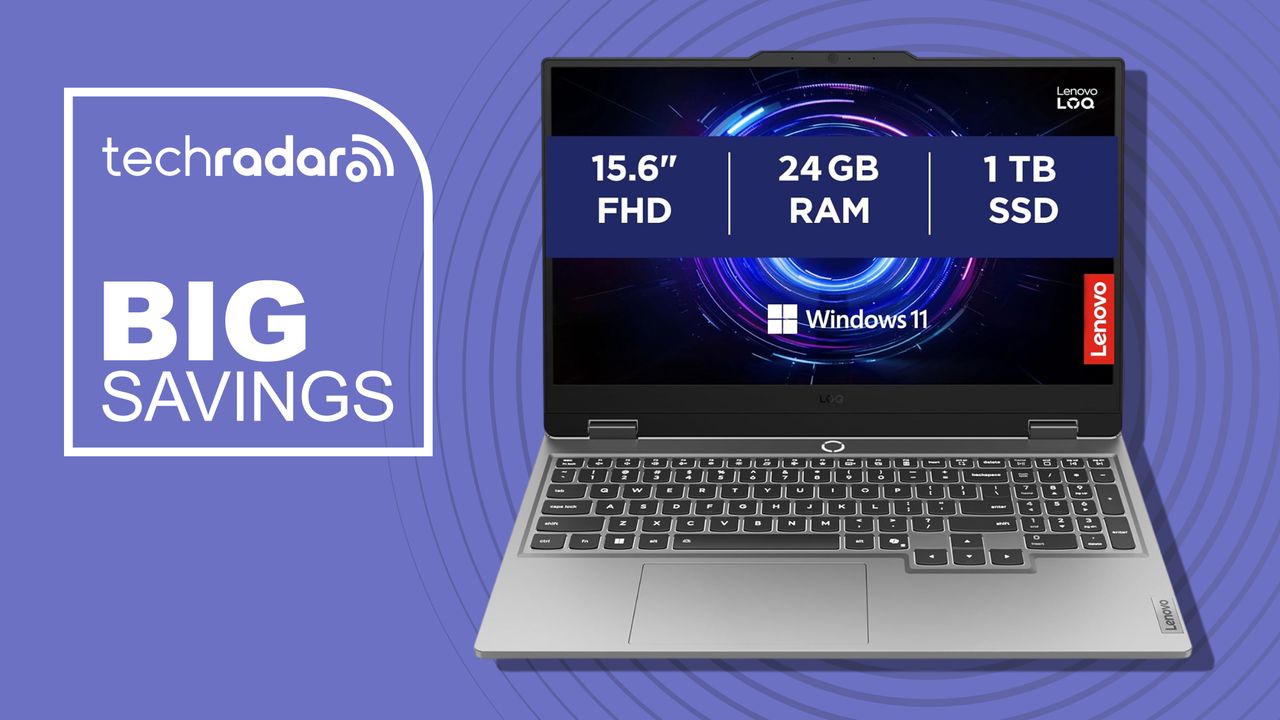









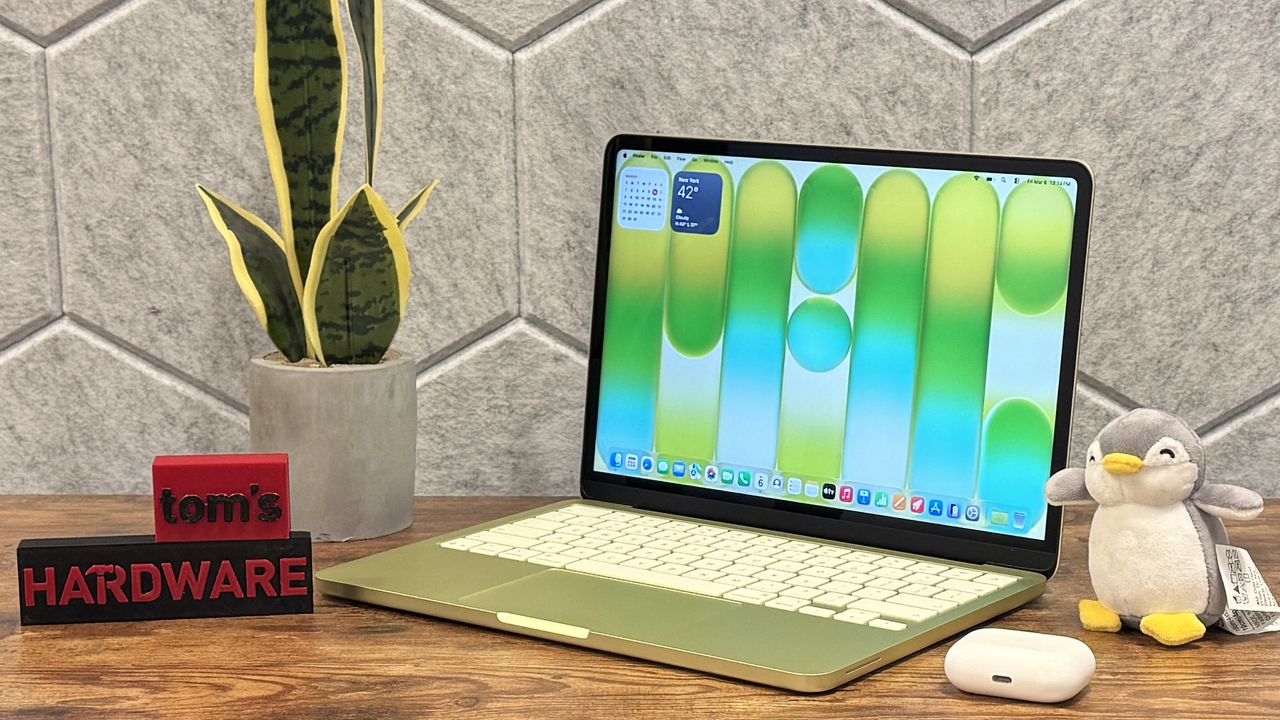
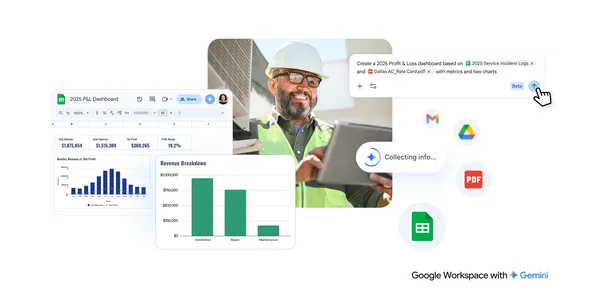 Today we announced new beta features for Gemini in Sheets to help you create, organize and edit entire sheets, from basic tasks to complex data analysis — just describe …
  These new Gemini features are coming to Google Docs, Sheets, Slides and Drive to help you get more done.