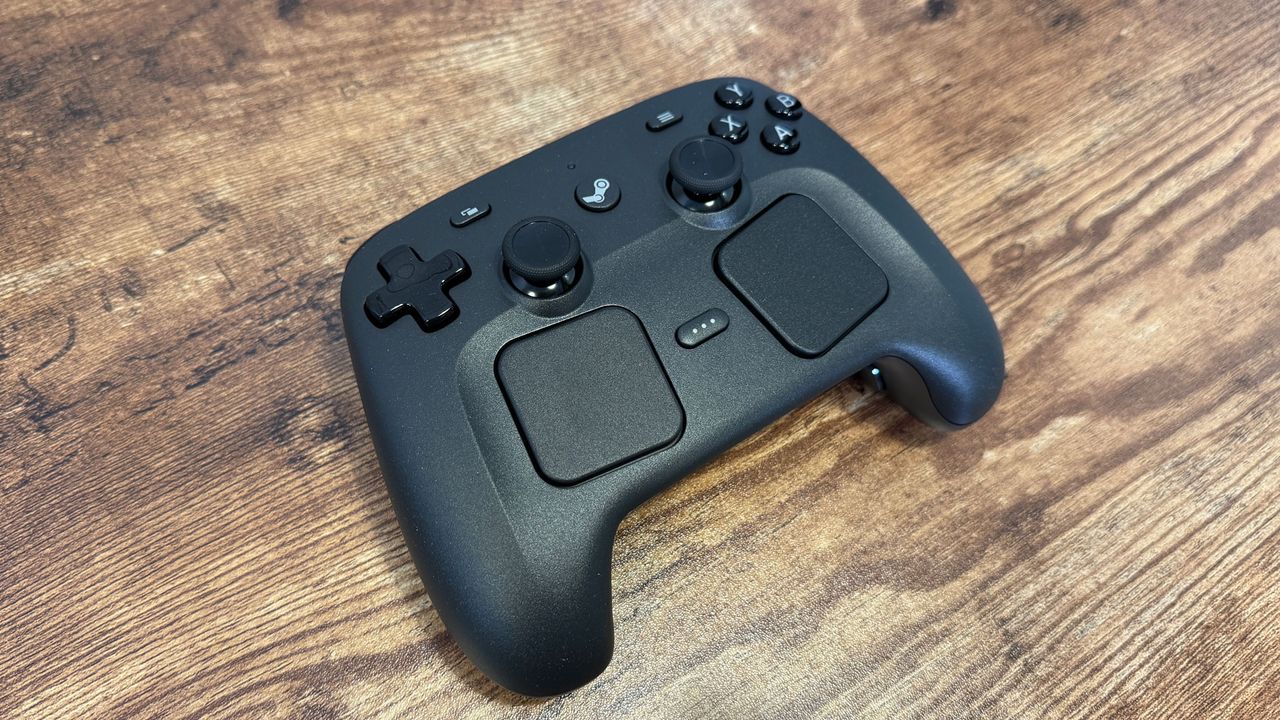
Valve’s Steam Controller has been targeted by Scalpers Valve’s Steam Controller was released yesterday, and it didn’t take long for it to sell out worldwide. To the surprise of no one, the controller has started popping up on eBay, with sellers trying to take advantage of Valve’s limited stock of its new PC-optimised gamepad. Scaplers […]
Apex Legends’ Overclocked update includes performance fixes for AMD’s Ryzen X3D CPUs Respawn Entertainment has confirmed that fast CPUs are causing stutters in Apex Legends, with AMD’s Ryzen X3D CPUs particularly prone to this issue. With the game’s newly released “Overclocked” update, improvements have been made to Apex Legends’ physics calculations to prevent these issues […]
VS Code shipped a change that added “Co‑authored‑by: Copilot” to Git commits by default, even when Copilot had not generated code and AI features were turned off.
Mionix today announces AVIOR AIR CARBON FIBER, a limited-edition wireless gaming mouse and the first wireless gaming mouse from Mionix. Developed over more than two years, AVIOR AIR CARBON FIBER marks the comeback of Mionix with a completely new AVIOR body, handmade carbon fiber shell, and a new wireless platform built around Nordic Semiconductor's nRF54H20 chipset.
Designed as a flagship ultralight wireless FPS mouse, AVIOR AIR CARBON FIBER introduces a new rear-placed hump, back-loaded body shape optimized for claw, fingertip, and hybrid grip players. The new body replaces the previous AVIOR design, moving away from its balanced-placed hump profile to create a more specialized shape for FPS gamers who want precision, control, and fast repositioning.
Micron Technology, Inc. (Nasdaq: MU), today announced it is now shipping the 245 TB capacity Micron 6600 ION SSD, the world's highest capacity commercially available SSD. The drive marks a major step forward in rack-scale storage density for data centers and is designed to support AI, cloud, enterprise and hyperscale workloads, including next-generation AI data lakes and cloud-scale file and object storage. The 245 TB Micron 6600 ION E3.L requires 82% fewer racks to achieve equivalent raw storage capacity compared to HDD-based deployments. Built with Micron G9 QLC NAND that is at least one generation ahead of any competing QLC used in data center SSDs, the 245 TB Micron 6600 ION redefines high-capacity data center storage. Customers can now store and process significantly more data in far less space, while reducing power and cooling demands without sacrificing the performance required for large-scale, data-intensive workloads.
"AI workloads are driving massive growth in shared data, continuing the shift of data center storage share from HDDs toward SSDs. With 245 TB in a single SSD, the Micron 6600 ION makes solid state storage the clear choice for modern data centers," said Jeremy Werner, senior vice president and general manager of Micron's Core Data Center Business Unit. "This breakthrough capacity gives data center operators a critical new lever to improve rack-level total cost of ownership, especially as power availability becomes a defining constraint for AI infrastructure scale."
In the fast-paced world of hardware, longevity is the ultimate benchmark of quality. As ADATA Technology celebrates its 25th anniversary, we reflect on a journey that transformed a visionary startup into a global titan. For the international tech community, our history is not just a series of dates - it is a 25-year track record of stability, innovation, and the relentless pursuit of reliability.
Innovation catches the eye, but reliability keeps the world moving. For a quarter-century, ADATA has served as the "Invisible Hero" behind the world's most ambitious digital breakthroughs. Whether powering professional workstations or safeguarding personal data, ADATA provides the stable foundation that makes inspiration possible. We believe that to truly inspire, technology must first be dependable.
As hybrid work continues to blur the line between productivity and entertainment, Lenovo is betting that better audio, not just better video, can make digital experiences feel more natural across the board. Ceva, Inc., today announced that Lenovo has selected its RealSpace spatial audio software for its new ThinkPad Dual-Mode Wireless ANC Foldable Headset 8550 (Aura Edition).
The 8550 headset is designed to recreate the sensation of being physically present, whether listening to music, watching a movie, or playing a game. Instead of a traditional stereo experience, audio is rendered in a virtual 3D space that remains anchored in place. As users turn their head, sound stays fixed in the environment, just as it would in the real world, creating a more natural and immersive listening experience.
Today, Bose unveils the Lifestyle Collection, a reimagined approach to home audio designed to elevate the listening experience without sacrificing convenience. The lineup includes a wireless smart speaker, an immersive soundbar, and a powerful subwoofer, all built with Bose's most advanced proprietary audio technologies and engineered to work together across flexible configurations—from a single space to multiple rooms—to deliver high-quality sound. Using Google Cast or Apple AirPlay, stream audio directly from any platform and group speakers seamlessly—including those from other manufacturers. Crafted with premium materials, the new collection comes in three timeless finishes to complement any space, and an updated Bose app enables one of the simplest setup experiences in home audio.
The Bose Lifestyle Ultra Speaker ($299), the Bose Lifestyle Ultra Soundbar ($1,099), and the Bose Lifestyle Ultra Subwoofer ($899) will be available starting May 15th and can be preordered today at Bose.com. The Lifestyle Collection comes in Black or White Smoke, and the Lifestyle Ultra Speaker is also available in limited-edition Driftwood Sand ($349), a soft beige reminiscent of fine upholstery, featuring a solid white oak base that's destined to age beautifully over time.
The situation started on May 3, when Pitchford's X post showed an AI-generated image. "I asked my primary AI tool to generate a selfie that indicates how they feel based on how I interact with it and this is what it generated (note: background words were not prompted and have...
The app in question is an independent port built by developer Andrey Letov that aims to replicate the Notepad++ experience on macOS. Notepad++ itself is tightly bound to Windows, with its interface and behavior built around Win32 and the Scintilla editing component. Porting that experience to macOS means re-creating the...
The controller's Steam page initially showed it with a delivery time of 3-5 business days, but that quickly increased to 6-10 days. It was around half an hour after launch when the site showed an Out-of-Stock label, which is still there.
Guerrilla Games' upcoming multiplayer spin-off of its mainline open-world Horizon series, Horizon Hunters Gathering, is set to have its second closed beta playtest later this month, from May 22-25, 2026. The closed playtest adds two new characters for players to try out, a new story mission from the game's narrative, a new region to explore, and an increased challenge with more difficult missions and changes to one of its core game modes. The game's first closed playtest, which, just like this upcoming one, you'll need an invite to participate in, took place at the cross between February and March of […]
Teamgroup has released its latest Elite DDR5 memory modules featuring high speeds of up to 8000 MT/s, which are ready for next-gen platforms. Next-Gen Platforms Will Support Some Crazy High-Speed DDR5 Memory & Teamgroup Is Ready With Its Elite Series Offering Up To 8000 MT/s Transfer Rates Press Release: Global memory leader Team Group Inc. continues to advance product performance with the introduction of new high-frequency specifications for its ELITE PLUS DDR5 and ELITE DDR5 desktop memory modules. Both products deliver speeds of up to 8000 MT/s and operate at 1.1V with CL56-56-56-128 timings, fully compliant with JEDEC standards. Designed […]
Intel has accelerated its PC roadmap, with several chips including Nova Lake, Razor Lake, Titan Lake & Moon Lake on track to tackle AMD. Intel To Offer Four PC CPU Families In The Next Two Years As It Positions Its Lineup To Compete Aggressively Against AMD, Apple & Qualcomm Chipzilla is going aggressive not only on the Foundry front, but also in its PC business as it remains on track to offer four diverse chip families in the next two years. This shows heightened confidence at Intel as its PC platform execution not just accelerates, but also gets back on […]
The AI boom has resulted in TSMC battling to increase its manufacturing capacity for clients to fulfill 3nm chip orders, leaving a massive opportunity for Samsung to capitalize on. However, even though the Korean giant has made strides in bringing its 2nm GAA technology to U.S. soil in the form of its Taylor plant, its reliability in manufacturing higher volume at stable yields remains in question. While there have been talks of Samsung becoming a viable alternative to TSMC, companies like Tesla and Qualcomm are only considering a dual-sourcing strategy because they now have a backup option to a foundry that […]
Panthalassa raises $140M to build wave-powered offshore nodes that generate electricity and run AI workloads at sea, tackling data center energy and cooling challenges.
OpenAI and Anthropic, which had existing evaluation partnerships with the center dating to 2024, renegotiated their deals to align with priorities in Trump's AI Action Plan.
The projection, based on orders already received from major Chinese technology firms including Alibaba, ByteDance, and Tencent, would represent growth of at least 60% year-over-year.
GammaFlip provides live gamma exposure charts and heatmaps for BTC, ETH, SOL, and XRP, helping traders see dealer hedging pressure and identify key volatility zones. The web app auto-plots gamma flip levels, shows 10 structural price markers, and lets you replay full GEX history with OHLC overlays. Data updates every ~60 seconds from Deribit, Bybit, and OKX. Premium unlocks dashboard, heatmap, and Time Machine, while Pro adds a REST API for bots and research.
Cuukbuuk lets you create your own recipes with AI. Describe what you want to eat or list ingredients you have to get a tailored recipe. You can ask for vegetarian, budget-friendly, or other variations. Upload photos to turn snapshots into editable recipes. Ask the AI to adjust portions or flavors, keeping ingredients and instructions in sync. Save recipes to your personal library, translate them into other languages, and share them with family and friends.
The Act introduces new online restrictions for young people, alongside an obligation for service providers to take "reasonable anti-circumvention measures." Here's why privacy raises the alarm.
Following a pledge made in January, PrivadoVPN has fully updated its Terms of Service to reflect its new headquarters in Iceland, officially leaving Switzerland behind to avoid potential mandatory data logging.
After championing the SteelSeries Nova Pro Wireless for years, the brand's new SteelSeries Arctis Nova Omni headset may be my new favorite from the brand.
Elon Musk’s claim that OpenAI wouldn’t exist without him lays bare a deeply personal battle with Sam Altman over credit, control, and the future of the company behind ChatGPT.
As the bleak sky opens over Gotham, showering Burce Wayne’s lifeless parents with stud-shaped rain, his origin story as Batman begins… again… just not like you’ve ever seen it before.
For the next four days only, you can buy one pass to TechCrunch Disrupt 2026 and get 50% off a second of the same ticket type. That window closes May 8 at 11:59 p.m. PT. After that, prices go up, and you’ll pay more to bring a partner or colleague. Register today to get your plus-one pass at 50% off.
Google is trying a new method of bot authentication named Web Bot Auth. Google posted a new help document that explains that Web Bot Auth is a “new cryptographic protocol that helps websites to validate that bots are authentic.”
The goal of Web Bot Auth is to help you automate the process of authenticating which AI Agent bots are authentic and which are fraud.
Limited test. Google said the search compan is “testing the protocol with some AI agents hosted on Google infrastructure.” Not all Google user agents are using Web Bot Auth and Google is not yet signing every request of agents using the protocol.
What is Web Bot Auth. Google defined Web Bot Auth as “Web Bot Auth is an experimental cryptographic protocol used to authenticate requests sent by bots. Instead of relying solely on self-reported headers and IP addresses, Web Bot Auth allows agents to cryptographically sign their requests.”
Web Bot Auth can bring the following benefits according to Google:
Future-proofing: Help establish a web where agent providers and websites can build mutual trust and make informed access decisions.
Cryptographic certainty: Move beyond easily spoofed headers to a verified identity and decouple agent identity from IP addresses.
Better observability: Gain clearer insights into how agents interact with your content.
Why we care. As AI Agents become more and more common across the web, managing which Agents can access your site and web pages may become more and more of a challenge. This new method of authentication may help you allow authentic AI Agents and block the inauthentic AI Agents.
Again, this is an “experimental” feature right now, so keep track of its progress.
One of the major reasons PPC practitioners hold onto syntax-oriented keyword strategies is the disconnect between “query intent” and “conversion intent.” For years, you’ve likely relied on keywords to show you understand what your customers want and to prequalify traffic using syntax-oriented signals.
As user behavior shifts to more conversational queries and AI becomes an increasingly relevant part of the user journey, the distinction between these two intents becomes even more critical to understand and act on.
Here, we’ll define query and conversion intent and explore strategies to apply them effectively. This isn’t prescriptive. You should make decisions based on what will serve your business well. However, it provides a framework for analyzing your data and optimizing for the right humans.
Disclosure: I’m a Microsoft employee, and I’ll be sharing some examples that pull from Microsoft tooling. However, most of the strategies reflect platform-agnostic approaches.
What are query and conversion intents?
Query intent is the underlying need driving the text put into a search function. This search function can be on a SERP (search engine results page), video/social/gaming/email/site search bar, or AI surface.
Conversion intent is the human need to achieve some outcome, understood through stated and inferred data points. These range from text entered in various search experiences, content consumed, and tracked actions taken.
Different examples of query and conversion intent will have higher or lower rates of confidence based on how explicit text is, as well as patterns in content consumed.
For example, if I search “Microsoft ads login,” both query and conversion intent are clear — I want to log in. It’s easy to match ads and organic content to that query. Videos shown in any video query would have to do with logging in, and emails would be focused around login information.
Google SERP
Bing’s SERP
YouTube results
The query “Microsoft ads” is more nebulous, as such, needs to draw from other signals like previously engaged content and search history. While I might get a login page, I’d likely also see blog/sales content, third-party advice on Microsoft ads, and potentially competitor info trying to capitalize on the general nature of the query.
Google SERP
Bing SERP
YouTube results
Let’s look at a non-branded example as well. “Purple hair dye” has a clear transactional intent. While the user might not have a brand in mind, they know they want a specific color.
We don’t know if the user is looking for a semi-permanent or permanent color. We also don’t know the user’s pronouns, so matching them to a specific demographic to entice a purchase is a gamble.
Google SERP
Bing SERP
YouTube results
In the query “purple hair dye for long wavy hair,” the transactional intent is maintained. However, the query focuses more on the core needs of the person behind the text. Long, wavy hair means there needs to be enough dye to cover long hair.
Additionally, while some men have long wavy hair, the person behind the query is more likely to identify as female.
Wavy hair has a different composition than straight or curly hair, so products specifically for wavy hair will be more relevant than those without hair type identifiers.
Google SERP
Bing SERP
YouTube results
In all of these examples, there was clear conversion intent. The human behind the query clearly wanted to achieve something. However, if we relied only on the text (i.e., query intent), we might miss a meaningful opportunity to connect with customers.
This is why close variants (which have been available on both Google and Microsoft for ~10 years) represent a useful way to unshackle ourselves from syntax alone.
Additionally, by limiting our understanding of queries to SERPs, we ignore critical insights from where our customers connect, work, and play. Microsoft’s internal data from March 2024 shows that brands that use both Audience ads (display, native, and video) and Search see a 6x conversion rate. Part of this is brand recognition, and the power of brand media buys influencing performance.
Yet there’s also the pragmatic piece that some marketers refuse to engage with video and social. By being where your competitors refuse to be, you can shape and capture desire while they fight over a shrinking share of voice.
Once you understand the difference between query and conversion intent, you can begin mapping out the actions needed to capitalize on both.
Conversion intent is much easier to understand than query intent. This is why AI systems typically run queries in the background to understand human input and get at the conversion intent behind the query.
To succeed at shaping queries and capturing conversions, it’s critical to understand the input points for humans and the AI systems that will be serving them results.
Let’s revisit the “purple hair dye for long wavy hair” query:
Copilot surfaces how it arrived at the output by looking up information and finding the best matches. This is similar to the SEO concept of E-E-A-T.
Yet you’ll notice that the results for my personal Copilot are different than the traditional SERP (chiefly that ads aren’t the dominant result — ads serve at the bottom of clearly transactional conversations after organic listings).
This is where the “Details” function comes into play and can help you know where to focus content, feed, and messaging functions:
This product is pretty flat on price, save for some deep summer dips. If I’m desperate for color, I might buy now, or I might wait for what seems like a regular summer sale. I’m also getting insights into why this product is wonderful (hair conditioning, cruelty-free, vibrant, and customizable color, etc.).
These are things I’ve shown interest in through past purchases, conversations with Copilot, and other signals it has access to.
Brands that want to optimize for query intent need to make sure the following are in good order:
Feed/landing page clarity
It should be incredibly easy to map what the product/service is to the query. While there is value in some 1:1 matching of language, it’s much more important that the core offering be understood as aligned with what the human is looking for.
For example, DUI and DWI are technically two different charges and have geo implications. However, DUI tends to be the universal legal charge and service.
Images adding context
Visual content is critical to engage humans. However, if the image isn’t clear or is duplicative of another service/product page, you might confuse the user and the machine attempting to understand and position you for queries. This is why it’s critical to add alt text (even on paid landing pages) for images and videos.
A good way to test whether your visuals are serving you well is to put the landing page into a PMax campaign creator. If you see the images and they match the correct service text, you’ve done a good job.
Invest time in understanding how humans and AI are querying
Free tools like Google Trends, Microsoft Clarity, and Bing Webmaster offer insights into search trends, citations, grounding queries, and which AI systems and humans are successfully engaging with your content.
Conversion intent is more straightforward, though debatably harder because it requires more creative and critical thinking:
Matching messages to personas
The reason one person says yes to you might be completely different from the reason someone else does. Locking in conversion intent includes being mindful of how you’re selling yourself. If you ignore what matters to your customers in reviews, intake from customer success or sales, and other signals, you risk selling yourself badly and losing the customer.
This is where AI-powered creative and audience mapping can be helpful, since platforms have access to more insights than a brand does during the auction.
Honor the impulse nature of visual content
Someone coming to you from a display spot or short video is very different than someone coming from a text-laden SERP. They were inspired to act and need frictionless paths to conversion.
One-click checkout (including solutions like Copilot Checkout) ensures humans don’t need to think to do business with you.
Ultimately, both query and conversion intent need brand and performance marketing to be successful, and it’s critical to understand how the success metrics manifest.
The converging roles of brand and performance
For a long time, brand and performance marketing were treated as separate motions, with separate owners, budgets, and success metrics.
Brand was about reach, recall, and long-term connection.
Performance was about efficiency, conversion rate, and immediate return.
That separation made sense when channels, measurement, and user journeys were cleaner than they are today. It’s much harder to maintain in an environment where AI systems infer intent continuously and across surfaces.
A user doesn’t experience brand and performance as separate. They experience confidence, familiarity, relevance, and ease. Those signals are created over time through exposure, engagement, and trust, and they often determine whether conversion intent ever materializes, regardless of how “high intent” a query might appear on its own.
From a metrics perspective, this convergence is clear. Brand-oriented activity influences performance outcomes even when it isn’t the final touch. Exposure to display, native, or video doesn’t always produce an immediate click, but it changes how humans and systems interpret future behavior.
When someone later performs a search, engages with an AI assistant, or compares options on a marketplace, prior brand interactions act as accelerators. They reduce hesitation, shorten decision cycles, and increase the likelihood that a conversion signal will be credited downstream.
From a strategy standpoint, this means brand work should no longer be evaluated solely on isolated upper-funnel KPIs, and Performance work can’t be evaluated purely on last-click efficiency.
Audience-based formats, contextual placements, and visual storytelling directly shape conversion intent by shaping preferences and expectations before a query even occurs. Search and shopping formats then serve as capture mechanisms, translating that latent intent into action.
This is particularly relevant in AI-assisted experiences, where systems synthesize multiple inputs before presenting options or recommendations. Content, feeds, reviews, images, and historical engagement all influence how brands are represented and when they appear.
In these environments, strong brand signals don’t compete with performance outcomes. They enable them by making the brand easier to understand, trust, and choose.
Brand and performance don’t need to use the same tactics, but they must be planned together. Measurement frameworks should account for assistive value, not just final interactions.
Creative strategies should recognize that inspiration and conversion often happen at different moments. Optimization should focus less on forcing intent into rigid buckets and more on supporting the full decision journey.
When we recognize that query intent and conversion intent are related but not identical, the convergence of brand and performance becomes less a philosophical debate and more an operational necessity.
Success comes from designing systems that reflect how humans actually decide, not just how they type.
Key takeaways
Query intent describes what is said; conversion intent reflects what the human needs to accomplish. They overlap, but they aren’t interchangeable.
Brand activity shapes conversion intent long before a query is expressed and influences how future interactions are interpreted.
Performance outcomes improve when Brand signals reduce friction, uncertainty, and choice overload.
AI-driven experiences amplify this convergence by relying on cumulative signals rather than single actions.
Sustainable optimization requires aligning brand and performance strategies, metrics, and expectations around the same human outcomes.
In February 2025, the world watched as a small group of humanoid robots took the stage at the CCTV Chinese New Year show for the very first time. It was a charming performance, even if the steps were shaky and the movements were mostly limited to the arms.
Just one year later, at the Spring Festival Gala, the shaky steps were gone and the humanoid robots were able to actually run and do standing somersaults and full kung fu routines with swords and nunchaku. The message was clear: in just one year, we have witnessed a decade’s worth of advancement.
The 10-year leap in technology is real and not limited to robotics. Which raises a critical question for every digital marketer eyeing the world’s largest web population: How has search in China progressed in recent years?
A parallel in the Chinese search landscape
The answer is that we’re witnessing the first, calculated tremors of a massive shift. AI models have not yet replaced traditional search. The evolution isn’t happening through a single “big bang,” but through a constant, iterative pulse.
New LLM models are surfacing every few months, each more specialized than the last. Chinese tech giants are increasingly open-sourcing their models, and even industry leaders are hedging their bets. Baidu, for example, is integrating DeepSeek into its search experience, even as its own Ernie (Wenxin) model remains a formidable powerhouse.
Let’s look at how users actually search in China today — and what this nuanced shift from links to reasoning means for your 2026 SEO strategy.
The great narrative fallacy: Is web search dead in China?
In many marketing circles, a specific narrative has been repeated so often it has become an article of faith: “Traditional search on Baidu is dead — and has been for years. Websites are obsolete. In China, everything is WeChat.”
This narrative is almost always driven by service providers whose business models depend on WeChat, Douyin, Weibo, or Xiaohongshu marketing. To them, the “open web” is a ghost town. But is this actually true?
The social supremacy argument
There’s a grain of truth in the hype. The Chinese web is a mobile-first multiverse. Users access and explore the web through super-apps:
RedNote (Xiaohongshu / Little Red Book): This is the de facto engine for lifestyle research and travel planning.
Pinduoduo and Douyin: These are the juggernauts of social commerce and impulse buying.
WeChat: The absolute center of daily life, where everything from a quick message to a utility bill payment via QR code happens.
In this environment, social media isn’t just a channel. It’s the air people breathe. For B2C brands, social ads can — and often do — exceed website-driven sales by orders of magnitude.
The B2B reality check
For those of us working with B2B companies that need real visibility in China, the “Baidu is dead” narrative falls apart the moment you look at the analytics. Clients who invest in Baidu SEO and Baidu search engine advertising (SEA) continue to see a steady, high-volume stream of real human visitors — in many cases generating more qualified leads and higher conversion rates than their counterparts in the UK or Germany.
Why? Because when a B2B procurement officer or a technical engineer needs a specific industrial solution, they don’t just scroll until they find it on a social media feed. They search for a verified, authoritative source. In other words, they look for a website.
Is the social media narrative a lie? No. But ignoring a channel that — at least in the B2B sector — remains more effective in China than in many search-first Western countries is simply bad business. The goal isn’t to choose one over the other; it’s to understand how they coexist.
And just as we’ve settled the debate between web marketing versus app marketing, a new challenger — the LLM — has entered the battleground to disrupt both.
Mapping the 2026 landscape: Intent-based specialization
To a Google-first marketer, the idea of searching anywhere but a search engine feels like a detour. In China, it’s the standard operating procedure. Users don’t just “Google it.” Instead, they choose the tool that fits the intent.
As a Baidu specialist living and working in China, I see this daily. While I might be optimizing a B2B landing page for Baidu, my wife is likely on Pinduoduo, finding household deals, or on Xiaohongshu, planning our next weekend trip.
The “everything app” exists, but the “right app” always wins the click.
1. Traditional web search: The authority tier
Despite the “death of the web” narrative, traditional web search remains the primary battleground for B2B and high-authority research. If a user needs a technical whitepaper, a government regulation, or a verified corporate headquarters, they go here.
Baidu: Still the mobile heavyweight, with a ~70% mobile market share. Its structural advantage is massive: The Baidu app is installed on over 724 million monthly active devices (as of early 2026). It has evolved into an AI-first portal, but for SEOs, it remains the place where the open web lives and breathes.
Microsoft Bing: The professional’s sanctuary. It has claimed a massive chunk of desktop search for those seeking a cleaner, international, or technical experience.
Haosou (360 Search): The enterprise default, often pre-installed on corporate PCs and known for its security focus.
Sogou: Deeply integrated with WeChat, it’s the bridge between the walled garden and the web.
Google: Yes, Google. Despite the firewall, a significant population of tech-savvy professionals and researchers use it via VPN for global technical data and academic resources.
2. Social discovery: The inspiration tier
This is where search becomes discovery. Users don’t always have a keyword, but they do have an interest. In this context, SEO is about social indexing: ensuring your brand appears when a user looks for proof and not just products.
WeChat (Weixin): The internal search for official brand news and private traffic.
Xiaohongshu (RED): The ultimate product-discovery engine. If you aren’t on RED, you don’t exist in the lifestyle or luxury sectors.
Douyin: Visual, video-first search. Users search Douyin to see how something works.
Kuaishou: The powerhouse for lower-tier cities and raw, authentic grassroots content.
Weibo: Real-time search — what is happening right now in the public eye.
Bilibili: Long-form video search for deep dives, tutorials, and Gen Z subcultures.
3. Ecommerce: The transactional tier
In the West, users often start on Google and end on Amazon. In China, the journey frequently starts and ends in the same place.
Taobao / Tmall: The grand bazaar. If you want variety and brand stores, this is the first stop.
JD.com: The Amazon of China for logistics and high-end electronics.
Pinduoduo: The favorite for daily essentials and group-buy deals. Its search logic is entirely driven by value for money.
Douyin Mall: The rising star of “impulse search,” merging entertainment with immediate checkout.
Xianyu (Goofish): The go-to for the thriving second-hand market and hobbyist niches.
4. Generative AI (LLMs): The reasoning tier
This is the newest layer of the map — the “thinking” search. These AI models don’t just produce lists of links. They are assistants that synthesize the web for the user.
Doubao (ByteDance): Currently the most popular consumer AI assistant, used for casual, conversational queries.
DeepSeek (Domestic): The choice for developers and those in need of “deep thinking” logic. It’s the engine currently getting tested inside WeChat’s search bar.
Kimi (Moonshot AI): The king of long-context. Users use Kimi to search through 50-page PDFs or complex financial reports.
Qwen (Alibaba): Powerfully integrated into the Alibaba ecosystem for business and coding tasks.
Tencent Yuanbao: The “AI brain” for WeChat content.
Wen Xiaoyan (Baidu): The AI-facing evolution of Baidu search.
5. Hyper-local and logistics: The utility tier
For the physical world, search is about “now” and “near me.”
Meituan / Dianping: If you’re hungry or want to see a movie, you don’t use Baidu. You use Dianping for reviews and Meituan for transactions.
Amap (Gaode) / Baidu Maps: The “search engines of the real world.” SEO on these platforms is purely about point-of-interest (POI) optimization.
Ctrip (Trip.com) / Railway 12306: The specialized gates for the massive domestic travel market.
From mapping to maneuvering: The Baidu specialist’s edge
Baidu SEO isn’t dead; your website just isn’t the sole focus of web search anymore.
The ‘walled garden’ SERP: A decade of distraction
If you’re a Google-centric SEO, there are some notable differences when working with Baidu:
The ad-heavy layout: It isn’t uncommon to see ads claiming the top, middle, and bottom of a Baidu search engine results page (SERP), occupying nearly 50% of the visible real estate.
The Baidu monopoly: The most coveted organic positions are almost always reserved for Baidu’s own properties. Baidu Baike (the encyclopedia), Baidu Zhidao (the Q&A hub), and Baijiahao (the news/blogging arm) are the permanent residents of Page 1.
The portal giants: High-authority giants like Zhihu (China’s Quora), Bilibili, and Sohu take up whatever space is left.
Riding the Chinese SERP dragon
In this environment, ranking a corporate homepage for a high-volume keyword is a fool’s errand. Instead, we’ve mastered the art of the “long-tail dragon.”
In the West, we talk about the long tail of search as a small, niche opportunity. In China, with its linguistic complexity and massive user base, the long tail is a winding, multi-layered beast that is often more lucrative than the head terms.
And we don’t just rank a website; we piggyback on the authority of the platforms Baidu already trusts. If you can’t beat Baidu Baike, you become the verified entry inside it.
Interestingly, it is these very platforms — the ones we’ve been using to bypass the “blue link problem” — that have now become the primary focus of the next generation of search.
What is changing in Baidu SEO?
In China, there is no brand loyalty toward particular AI models, as Westerners have toward platforms like ChatGPT and Claude.
The AI-switching reality
Chinese users are restless. They don’t stick with one model. They switch — sometimes because a hyped model hits a downtime wall, and sometimes because a new model claims the throne of the “most intelligent AI.” In this cycle of competition and user preference, an SEO can’t just focus on the “big sources.”
If you’re following the Western playbook, you’re likely chasing Reddit, Quora, and YouTube as your “sources of truth” for AI training. But in China, that focus is dangerously narrow. To win the reasoning battle, you must understand the investor-source connection.
Brainstorming the wisdom platforms
If you want to train AIs to see your brand in China, you have to look at the platforms they were built on:
Tencent is invested in Sogou. In 2021, Tencent fully privatized Sogou. This means Sogou Baike is no longer just a Baidu alternative — it is now a core training set for Tencent’s Yuanbao. If you ignore Sogou Baike, you’re invisible to the AI search bar inside WeChat.
Bytedance owns Baike.com. Bytedance bought Baike.com (formerly Hudong Baike) specifically to fuel its search ambitions. If you want to get cited by Doubao, your content needs to be mirrored here and not just on Baidu.
The neutral giants: Keep an eye on Zhihu. Because both Tencent and Baidu are heavy investors in Zhihu, it remains one of the few neutral high-authority sources that almost every Chinese LLM uses for opinionated or expert reasoning.
The new SEO commandment
We’re no longer just optimizing for a search engine. We’re optimizing for a data pedigree.
If your client is B2B, you might still prioritize the Baidu ecosystem. But if your client is in ecommerce and you aren’t feeding the Qwen engine via Alibaba’s ecosystem, or the Doubao engine via Baike.com, you’re limiting your visibility across key AI systems.
The 2026 China SEO/GEO blueprint: From keywords to semantic saturation
If you’re waiting for a “DeepSeek optimization checklist” or a “Doubao ranking guide,” you’ve already missed the point. Because users switch models as often as they switch takeout apps, you can’t afford to be “Baidu-only” or “WeChat-centric.”
Here is what’s actually working for SEO in China in 2026:
Optimize for citations and not just clicks
While SEO in the West is focused on generative engine optimization (GEO), in China, it’s all about fact density.
The logic: When Kimi or DeepSeek performs a reasoning query, the AI looks for verifiable facts.
The tactic: Stop writing marketing fluff. Start using the inverted pyramid writing style. Lead with a direct, data-backed answer in your first paragraph. Use hard statistics, expert quotes, and structured lists. If a model can’t extract a fact from your content in 200 milliseconds, it might hallucinate a competitor’s data instead.
Build an entity moat across wisdom platforms
As we brainstormed earlier, every AI has a “parent” with a preferred data source. But since models are now open-sourcing their weights and distilling each other’s intelligence, your brand must achieve entity consistency.
The goal: Your brand name, headquarters, and core product claims must be identical across Baidu Baike (Baidu), Sogou Baike (Tencent), and Baike.com (ByteDance).
The result: When these models cross-check their reasoning, they find a consensus. In 2026, consensus is the new authority.
Leverage information gain
Chinese AI models have a well-observed recency bias — they prefer sources that are roughly 25% fresher than traditional search results.
The tactic: Don’t just regurgitate what’s already on Zhihu. Provide a “unique data slice.” If everyone says “The best time to post on Douyin is 6 PM,” and you publish a case study proving “11 AM is better for B2B industrial leads,” the AI will cite you as the “nuanced exception.” That citation is worth more than ten #1 rankings.
We’ve come a long way from the shaky steps of the 2025 CCTV Gala.
In 2026, China’s search ecosystem is no longer a directory of links. It’s a living, reasoning entity.
For the Western search specialist, the lesson is clear: The “super app” was a distraction. The real story is the fragmentation of intent.
My wife still goes to Pinduoduo for the best price. My colleagues still go to Bing for technical sanctuary. And the “I, Robot” enthusiasts of 2026 are using a rotating door of LLMs to find their answers.
As a Baidu specialist, my job has shifted from “ranking a website” to “architecting an entity.” We no longer build for the bot; we build for the source. If you’re the undeniable source of truth across the platforms that shape China’s information ecosystem, it doesn’t matter which model delivers the answer.
be quiet’s Dark Rock 6 series CPU coolers are launching this month be quiet has officially announced their new Dark Rock 6 and Dark Rock 6 Pro CPU coolers, both of which are launching this month on May 19th. These coolers feature all-new designs, promising significantly improved CPU cooling performance compared to their predecessors. This […]
A 44% discount has been spotted for the Logitech G515 Lightspeed, a ten-keyless, wireless gaming keyboard we highly recommend for its superb battery life, responsive controls, low-profile design, and more.
Valve's new Steam Controller sold out almost immediately, and they're now being sold on eBay for as much as $399. PC gamers obviously aren't happy, but there's a good reason why scalpers feel the need to do what they do.
Xbox expands Default Game Profiles with over two dozen new titles on Xbox Ally and Ally X, improving performance and battery life through per-game optimization in the Xbox app.
Microsoft recently published a note stating that gaming PCs running Windows 11 should be equipped with 32 GB of RAM as a "no worries" update for systems handling demanding tasks like Discord alongside AAA titles running in the background. However, after our post reached millions of readers online, gamers reacted negatively to Microsoft's seemingly excessive requirement amid the worst DRAM shortage ever recorded. In response, Microsoft deleted the entire blog post. Now, clicking on the old link redirects to the Windows Learning Center, which features general blog posts with tips and tricks on enhancing your Windows 11 experience, with no trace of the original post.
As readers may recall, Microsoft promised to make Windows 11 a much-improved operating system with better performance, more UI uniformity, and reduced RAM consumption. The company is reportedly using feedback from its Insiders group, user telemetry analytics, and customer focus groups to ensure that Windows 11 is efficient, thoughtfully designed, and stable. Earlier this year, Microsoft pledged to address many user complaints, such as poor memory optimization within its flagship operating system, but these fixes have yet to be implemented. In the meantime, having more RAM is the only solution to keep operations running smoothly. However, when the company began recommending 32 GB as a "no worries" upgrade, these plans seemed like empty promises, causing enthusiasts to stick around without considering alternatives. Now, Microsoft appears to have recognized the mistake and has deleted its previous blog post, indicating that the company is actively listening to user feedback online.
Combining cutting-edge ergonomic design with convenient productivity features, the latest mouse in the Trust Home & Office range - the Vyran Ergonomic Multi-Wireless Hyperscroll Mouse - is the perfect choice for professionals looking for a comfortable mouse that works as hard as they do.
Designed with user wellness in mind, the Vyran features a vertical form with an optimal 50° angle and comfortable thumb rest that naturally reduces arm and wrist strain during extended use. Ideal for those working through lengthy documents, spreadsheets, and web pages, its premium metal hyperscroll wheel with tilt function enables effortless vertical and horizontal navigation, making marathon work sessions that bit more comfortable.
Samsung Display announced today that it will participate in Display Week 2026, hosted by the Society for Information Display (SID), and showcase its latest display innovations.
The exhibition will take place from May 5 to 7 at the Los Angeles Convention Center in California. Display Week is one of the world's largest display industry exhibitions, where global companies and experts gather to share advanced technologies and research achievements. Under the theme "The Spectrum of Display Innovation with AI" Samsung Display will present its latest technologies as a leading OLED company.
Kensington, a worldwide leader of desktop computing and mobility solutions for IT, business, and home office professionals, today announced an expansion of its USB-C GaN charging portfolio with the addition of new multi-port power adapters and a 240 W USB-C fast-charging cable, designed to support fast, efficient charging across multiple devices.
The expanded lineup adds 70 W and 140 W USB-C GaN chargers that allow users to power laptops, tablets, smartphones, and accessories from a single compact adapter, reducing the need for multiple chargers and outlets.
When Bloomberg recently asked Take-Two CEO Strauss Zelnick why the company has not yet discussed a PC version of GTA 6, he emphasized the importance of focusing on the company's "core" users. The comments imply that Take-Two still views the PC as a secondary market. Despite this, Zelnick acknowledged that...
The basic concept is straightfoward: generate electricity from waves, use it on the spot, and run AI chips with no connection to the grid. Panthalassa builds autonomous platforms it calls nodes, tall steel structures that sit mostly below the surface and rise and fall with the motion of the sea.
According to Korean publication The Elec, Samsung, SK Hynix, and Micron have asked substrate manufacturers to move forward with DDR6 production. The companies are now coordinating designs and conducting preliminary development of the new memory standard.
Every AI tool, workflow automation, and productivity app your employees connected to Google or Microsoft this year left something behind: a persistent OAuth token with no expiration date, no automatic cleanup, and in most organizations, no one watching it. Your perimeter controls don't see it. Your MFA doesn't stop it. And when an attacker gets hold of one, they don't need a password.
OAuth
Threat actors are actively exploiting a critical security flaw impacting an open-source content management system (CMS) known as MetInfo, according to new findings from VulnCheck.
The vulnerability in question is CVE-2026-29014 (CVSS score: 9.8), a code injection flaw that could result in arbitrary code execution.
"MetInfo CMS versions 7.9, 8.0, and 8.1 contain an unauthenticated PHP code
Apple has once again raised the possibility of making its chips at Fabs besides TSMC, as it is in early talks with Intel and Samsung. Intel & Samsung Emerge As Potential Fix To Apple's Supply Constraints Affecting Its Consumer Chips Bloomberg has just dropped some big news surrounding Apple, which is in early talks with Intel and Apple to secure additional supply for its consumer lineup. The report highlights that Apple has held "exploratory" discussions with the two semiconductor firms as it aims to diversify the production of its chips. The company has so far relied upon TSMC for its […]
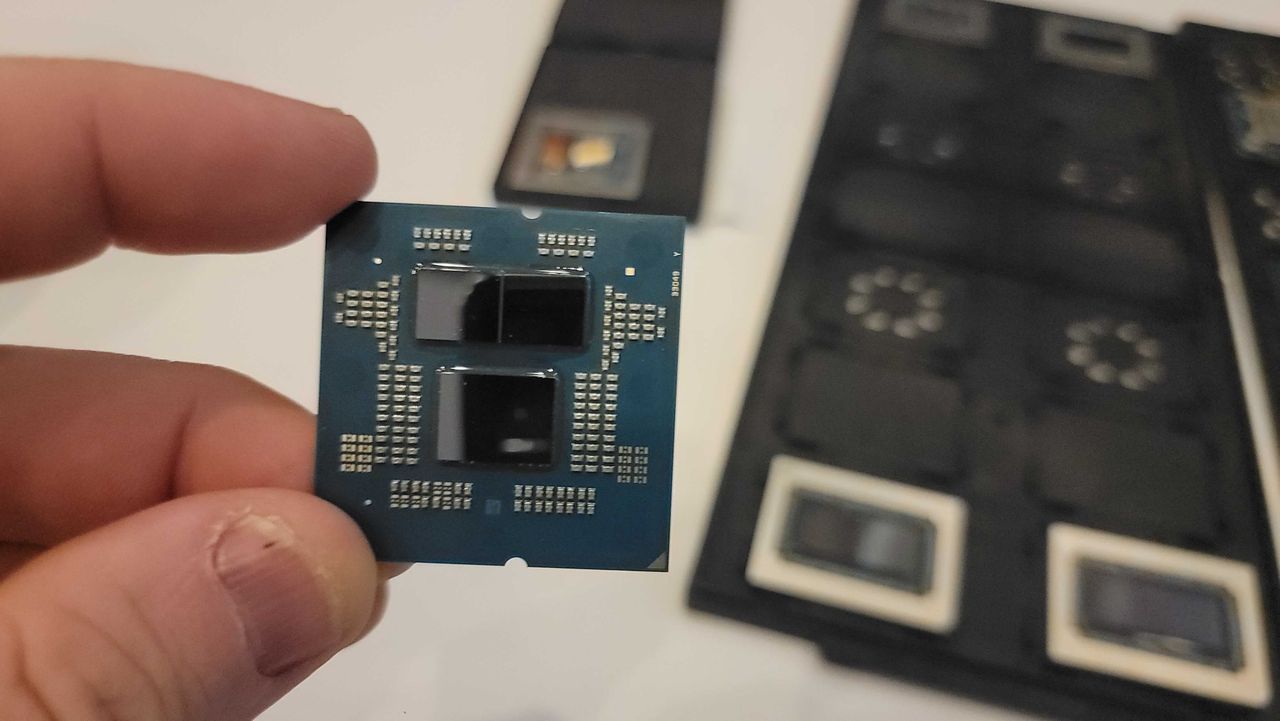
Being fast can be a problem, well, you haven't heard that one right? Apex Legends developers just fixed an issue with physics calculations on AMD Ryzen X3D CPUs caused by their high single-threaded performance. Apex Legends Patch Addresses Physics Calculations-Based Stutters Encountered On CPUs With Fast Single-Threaded Performance, Such as AMD's Ryzen X3D Apex Legends rolled out its latest patch, "Overclocked," which includes a range of changes, including performance improvements on the PC platform. One of the changes is unexpected, which calls out the fast single-threaded performance of AMD Ryzen X3D and a similarly performant CPU as the primary cause […]
Around five months ago, CI Games CEO Marek Tyminski signaled a shift in tone for Lords of the Fallen 2 away from "political correctness" and toward, among other things, skimpy female armor designs. Now, that's been confirmed with the official reveal of five concept art pieces that leave little to imagination: the female characters will feature much more revealing armor sets in the upcoming Soulslike sequel. The studio claimed to be responding to players' feedback: You wanted fierce. You wanted beautiful. You wanted provocative. The reveal also took place in partnership with content creator TheBackgroundNPC, who focuses specifically on female […]
Apple is reportedly in early talks with Intel and Samsung to secure more production for its advanced chips, as the company is constrained by the limited availability of advanced nodes that its SoCs are produced on.
The Inland QN450 is a surprisingly capable Gen 4 drive with strong all-around performance and exceptional power efficiency. It outshines the NV3 but has hardware uncertainty and low TBW.
Nvidia's Jensen Huang reiterates that American companies should be able to ship their products globally, but maintains that the latest AI accelerators should remain in America.
Every hardware component you need to build a top-tier gaming PC, all in one Newegg combo bundle. It also helps that it saves you a whopping $1,385 and includes a powerful RTX 5080 and 9850X3D.
Karaads is a social platform that lets you connect, share moments, and earn rewards by engaging with ads. It offers a personalized space where you can build friendships, watch relevant ads, and discover the latest trends tailored for you. Scroll through an algorithm-driven feed, follow creators, and engage in conversations to build authentic communities.
Essay Grader AI helps teachers grade essays quickly, delivering specific feedback, error detection, and rubric-aligned scores. It supports custom rubrics, bulk uploads, and class organization, plus built-in summarization and AI content detection. Companion tools generate questions, lesson plans, and classroom materials to streamline daily work.
Take-Two CEO Strauss Zelnick has admitted that the expectations for Grand Theft Auto 6 have him terrified, even as industry analysts expect the game to sell exceedingly well.
Surfshark has just launched a dedicated app for Amazon's newest Fire TV sticks running the Vega operating system, delivering faster streaming and robust protection against hackers.
I've been campaigning for all three BBC Paradise crime dramas have a crossover episode for at least a year — and the Beyond Paradise season 4 cast is completely up for it.
Watch free streams from the Italian Open 2026 as Jannik Sinner seeks a first home men's win for 50 years – tennis TV channels, broadcasters and streams.
Resident Evil Requiem producer Masato Kumazawa has said the negative reaction to Nvidia's DLSS 5 version of Grace Ashcroft from players meant Capcom achieved the best design for the character.
I'm still not over last week's epic Amazing Race crossover that ended in hilarious disaster. But when do Hacks season 5 episodes 6 and 7 drop on HBO Max?
In February 2024, Gartner predicted that traditional search volume would drop 25% by 2026. It didn’t. Google’s search revenue accelerated to 17% year-over-year growth, crossing $63 billion in Q4 2025 alone. But clicks per search are falling while query volume explodes. The pie got bigger. The slices got redistributed. And most search teams are still optimizing for the old pie.
Are you still poring over spreadsheets full of organic keyword rankings like it’s 2003? Your customers don’t care where they’re getting their answers. They’re just looking for answers they can trust. And they’re finding those answers across more surfaces than your rank tracker knows exist.
If your organic strategy lives in one spreadsheet, your paid strategy in another, and your AI search strategy in a third (or nowhere), you’re optimizing for a search experience that no longer exists.
What “search” actually looks like now
Google “best tax software” right now. Go ahead, I’ll wait.
Count the surfaces on that single results page. Sponsored ads across the top. An AI Overview with its own recommendations and citations. A Reddit thread (because Google knows people trust other people more than brands). Organic listings from CNET, H&R Block, and others. A video carousel. Discussion forum links. A product carousel with images and prices. More sponsored results at the bottom. And a “People also search for” section feeding the next query.
That is one search. One keyword. And nobody owns it.
Now think about how different people actually use that page. I scroll past everything to find the Reddit thread, because I want to know what real humans recommend. My dad clicks the first sponsored ad because he doesn’t understand paid advertising (sorry, dad!) and just trusts Google to surface the best option up top. Someone else reads the AI Overview, gets a good-enough answer, and never clicks anything at all. A fourth person watches the Smart Family Money video and leaves.
Same query. Four completely different paths. Four different “winners.” And if you’re the brand celebrating a number-three organic ranking on this page, you may be missing that most of the real estate, and most of the user attention, lives somewhere other than those blue links.
This is what I mean by the total SERP experience. Your customer sees the whole page. You should too.
But before the panic sets in: AI tools still account for less than 1% of U.S. web traffic. Google sends 300x more referral traffic than all AI platforms combined. The sky isn’t falling, but the ground is shifting.
The shift that matters most is behavioral. Wynter’s 2026 research found 68% of B2B buyers now start their research in AI tools before they ever open Google. They ask ChatGPT to narrow the field, then Google the shortlist to validate. AI evaluates, Google verifies, and your website converts. If your brand is missing from that first AI conversation, you’re not even on the shortlist when the Googling starts.
Why the click data is more interesting than scary
A Search Engine Land analysis of 25 million organic impressions across 42 clients found organic CTR drops 61% when an AI Overview appears. In addition, paid CTR drops 68%.
EVERYBODY FREAK OUT!!! Right? Not quite.
Here’s what the panicked LinkedIn posts leave out: brands cited inside AI Overviews see 35% more organic clicks and 91% more paid clicks. Being in the AI Overview doesn’t cannibalize your traffic. If anything, it amplifies it. The AI Overview functions like a trust signal, a stamp of “this brand is relevant to your question” that makes people more likely to click your listing below.
The real twist, though, is that ranking well in organic doesn’t guarantee you show up in AI. Tom Capper’s research at Moz found 88% of AI Mode citations are NOT in the organic SERP for the same query. Organic and AI are pulling from different source pools. You can be number one in Google and completely invisible in ChatGPT’s answer to the same question.
And the small amount of traffic that does come from AI? It converts at more than quadruple the rate of organic, according to Semrush. These visitors arrive more informed, more intentional, and more ready to buy. Which makes sense, because they’ve already done the evaluation inside the AI interface. By the time they click, they’re just confirming and often converting.
The org chart is the problem
Most companies have SEO reporting to content, PPC reporting to demand gen, and AI search reporting to nobody. BrightEdge found 54% of organizations have handed AI search to the SEO team alone, which is a little like asking your plumber to also handle the electrical work because, hey, it’s all in the same house.
The waste from this setup is real. One branded Performance Max campaign paid roughly $500,000 for clicks that would have come through organic anyway. Google’s own research confirms: when you rank number one organically, only half your paid clicks are truly incremental. The other half? You bought what you already owned.
Meanwhile, McKinsey found that a brand’s own website makes up only 5% to 10% of the sources AI references. AI pulls from Reddit, review sites, affiliates, publishers, and user-generated content. You can have the best SEO program in your category and be completely absent from AI search results because AI is reading what other people say about you, not what you say about yourself.
The unified approach works. Level cut acquisition costs 18% and boosted SEO leads 22% by merging paid and organic for a B2B SaaS client. And we can use tools in our Level Intelligence Suite to connect performance signals across search surfaces. The channels compound each other. Treating them as separate line items on separate P&Ls leaves that compounding on the table.
Three audits you can run Monday morning
You don’t need a six-month transformation to start seeing the gaps. Three lenses, applied to your top 20 keywords, will show you where the opportunities and the waste are hiding.
Lens 1: Where do you actually appear? Check your organic rankings, paid ad coverage, and AI visibility across ChatGPT, Perplexity, and Gemini for the same set of keywords. Semrush has a free AI visibility checker. Most teams have never looked at all three surfaces side by side, and the gaps are almost always larger than they expect.
Lens 2: Where are you paying for traffic you already own? Cross-reference your number-one organic rankings with active PPC bids on the same terms. Start with branded keywords, where the waste is usually largest and the test is cleanest. If you rank first and you’re still bidding, you’re probably buying your own clicks.
Lens 3: Where is AI ignoring you? Compare your organic rankings with your AI citation presence. Only 11% of domains get cited by both ChatGPT and Perplexity, so strength in one guarantees nothing in the other. And check your robots.txt while you’re at it. If you’re blocking AI crawlers like OAI-SearchBot or PerplexityBot, you’ve pulled yourself off those shelves entirely.
This diagnostic shows you the full picture. What to do about it, the actual unification framework, is what I’m laying out at SMX Advanced.
The window won’t stay open
Generative Engine Optimization (GEO) keyword difficulty currently averages 15 to 20, compared to 45 to 60 for equivalent SEO terms. That gap will close. Once an LLM selects a trusted source, it reinforces that choice across related prompts. The brands getting cited now are training the models to keep citing them. Winner-takes-most dynamics are being baked into the weights.
Many companies are seeing search traffic drop significantly. Those same brands, the ones that get it right, are seeing the inverse when it comes to business growth. Rankings and revenue have decoupled. The brands that win from here are the ones that stopped measuring channels in isolation and started measuring the search experience their customers actually have.
We’re presenting a search unification framework at SMX Advanced in our session, “Organic, paid, and AI search: one strategy to rule them all.” If you want to stop optimizing for three separate channels and start compounding performance across every search surface, join us for the session or come find the Level team at Booth #9.
Remember: The search experience that existed in 2023 is gone. The strategy should be too.
Halo Studios plans to remake the original Halo Trilogy According to a report from Rebs Gaming, Halo Studios is planning to create remakes of the original Halo Trilogy. Remakes of Halo 2 and Halo 3 are reportedly in early development, and both projects will continue regardless of the performance of Halo: Campaign Evolved. Halo: Campaign […]
Team Group expands its Elite and Elite PLUS DDR5 range with new DDR5-8000 kits Team Group has officially released new JEDEC standard DDR5-8000 memory modules for its Elite and Elite PLUS product ranges. These modules can deliver 8000 MT/s speeds at 1.1V with CL56-56-56-128 timings, and support both AMD Ryzen and Intel Core Ultra systems. […]
Valve's new hardware survey shows that a quarter of Windows users are holding on to Windows 10, while the most popular PC components paint a broader picture.
Playground Games has detailed six reward cars for Forza Horizon 6 that players of the previous games can get their hands on, and they're going to give you a definite leg up right out of the gate.
be quiet!, the German manufacturer for premium PC components and peripherals, is proud to announce Dark Rock Pro 6 and Dark Rock 6. These high-end air coolers feature an all-new design, significantly better performance thanks to optimized heat sinks and optimized high-performance heat pipes, as well as an extended feature set for even greater ease of use and compatibility. Both coolers are built for users who demand powerful cooling performance, maximum compatibility with high-end motherboards and RAM modules, and the virtually inaudible operation that defines be quiet!'s Dark Rock series.
"With Dark Rock Pro 6 and Dark Rock 6, we have taken our high-end air cooling portfolio to the next level," says Aaron Licht, CEO of be quiet! "With improved performance and a new level of quietness through its optional semi-passive mode, the Dark Rock 6 series delivers the cooling power and elegance users expect from be quiet!, whether they are building a heavily overclocked workstation or a compact high-end gaming system."
LG Display, the world's leading innovator of display technologies, announced today that it is unveiling its next-generation OLED technologies at SID Display Week 2026, further strengthening its OLED leadership.
During the exhibition, held at the Los Angeles Convention Center from May 5 to 7, LG Display will present OLED display solutions optimized for the AI era under the theme, "OLED Evolution for the AI Era." SID Display Week is the world's largest display event, where global companies and researchers gather to present research papers and showcase mid- to long-term future technologies and new products.
Last week, news broke that Lenovo had bought Phoenix Technologies' firmware (BIOS) technology business and now it looks like AMI—also known as American Megatrends Inc—is about to get a new owner, namely Lattice Semiconductor. That leaves Taiwanese Insyde Software as the only independent UEFI/BIOS developer in a market that at least on the desktop side has been largely ruled by AMI and is likely to continue to be so, even with AMI now being a subsidiary to Lattice Semiconductor.
Lattice is offering US$1.65 billion in cash and stock for AMI, which is a privately held company today. For those unfamiliar with Lattice, the company makes a range of FPGA solutions for a wide range of markets and is a competitor with AMD's Xilinx subsidiary and Altera, which is part owned by Intel. It's not entirely clear what the synergy is between Lattice and AMI, but a statement by Lattice CEO Ford Tamer suggests that the company thinks it might help its customers "deploy complex systems faster and with greater confidence" under Lattice's "everywhere companion chip strategy". Time will tell if this will lead to changes to AMI's current customers or not, since as the biggest UEFI/BIOS vendor out there—used by almost all mainstream motherboard makers and many other x86/x64 hardware makers—they have something of a unique position in the market.
The CPU market looks very different from six months ago. Intel's back in the conversation, AMD's X3D chips still rule gaming, and there's genuine value at every price point.
While the software industry has made genuine strides over the past few decades to deliver products securely, the furious pace of AI adoption is putting that progress at risk. Businesses are moving fast to self-host LLM infrastructure, drawn by the promise of AI as a force multiplier and the pressure to deliver more value faster. But speed is coming at the expense of security.
In the wake of the
The North Korea-aligned state-sponsored hacking group known as ScarCruft has compromised a video game platform in a supply chain espionage attack, trojanizing its components with a backdoor called BirdCallto likely target ethnic Koreans residing in China.
While prior versions of the backdoor have primarily targeted Windows users only, the supply chain attack is assessed to have enabled the
Final Fantasy VII Remake Part 3 has yet to be officially announced, but recent statements from director Naoki Hamaguchi suggest the game's reveal and release aren't too far off. According to a high-effort leak posted on ResetEra, the third and final entry in the remake trilogy will be revealed during this year's Summer Game Fest opening showcase on June 5, but many of the details sound too good to be true. "I am posting this on behalf of somebody else I know to protect their identity who works somewhere in the chain between Square Enix marketing and Summer Game Fest event staff. The level of […]
The memory shortage faced by Apple can be avoided as the company can purchase DRAM quantities in bulk for a multitude of products, but one area where the Cupertino firm may continue to struggle is chip supply. As TSMC is operating at its maximum capacity by fulfilling 3nm silicon orders for AI customers, it’s adversely affecting iPhone 17 Pro Max shipments to the point that a customer who has been searching around for a flagship unit is unable to find one in a U.S. state. Low A19 Pro chip supply could also affect the second-generation MacBook Neo shipments, as Apple will […]
China is targeting 70% local wafer sourcing as firms like Eswin scale 12-inch production, aiming to reduce reliance on foreign suppliers and support growing AI chip demand.
Notepad++ creator Don Ho has filed a trademark complaint with Cloudflare and is threatening further legal action against the developer of a macOS port.
A YouTuber has tested Intel's 12 P-core Core 9 273PQE and discovered the chip outperforms the Core i9-14900K by up to 9% in games potentially making the 273PQE Intel's fastest gaming CPU.
Levelop helps developers master coding patterns and system design through interactive challenges, an intuitive system design canvas, and daily practice. It adapts to your goals, tracks progress with personalized dashboards, and uses AI-powered guidance to keep you focused and productive. Join a community of learners and builders, set achievable milestones, and consistently grow your skills.
Vimi is an AI-powered photo studio that turns selfies, pet shots, and couple photos into polished portraits and creative artwork. Browse themed collections like Cute 3D World, Premium Portrait, Playground FX, and Elegant Sari to find a look you love. Upload photos, pick a style, and generate unique images for profiles, gifts, or celebrations in minutes.
Sony's WH-1000XX The ColleXion has been spotted adorning the ears of Damson Idris, in what appears to me to be an early tease of the super-premium cans
To address the challenges of water quality and availability in the Scheldt Basin, a vital river network flowing through Belgium, Google is supporting Agua Segura and Agr…
The next Call of Duty game isn’t coming to PlayStation 4 Over the weekend, rumours began circulating that the next Call of Duty game is being developed for last-generation consoles. This means that the game was being developed with PlayStation 4 and Xbox One in mind. In response to these rumours, Activision has used their […]
DDR6 memory is officially in development All major memory manufacturers, including Samsung, SK Hynix, and Micron, have reportedly started developing DDR6 memory. Alongside substrate manufacturers, “joint development” for the standard has reportedly begun. According to The Elec, this happens “more than two years before product launch”, placing DDR6’s launch in a 2028-2029 timeframe. JEDEC has […]
Are you looking for esports-level performance without unnecessary weight? The SKILLER SGM70W delivers professional performance in an ultra-lightweight design - whether used wired or wireless. Equipped with the precise PixArt PAW3395 sensor, an extremely high polling rate, and ultra-smooth glass feet, it offers maximum control with minimal weight and is perfect for ambitious gamers who demand speed, precision, and flexibility.
The SKILLER SGM70W relies on the proven optical PixArt PAW3395 sensor, delivering up to 26,000 DPI to capture even the smallest movements with accuracy. This ensures the precision needed for fast reactions and exact tracking during competitive gameplay. Whether wired or wireless, the SKILLER SGM70W adapts effortlessly to any gaming situation. Both modes offer professional performance, while the wireless mode benefits from an impressive 8,000 Hz polling rate for especially responsive input.
A critical security vulnerability in Weaver (Fanwei) E-cology, an enterprise office automation (OA) and collaboration platform, has come under active exploitation in the wild.
The vulnerability (CVE-2026-22679, CVSS score: 9.8) relates to a case of unauthenticated remote code execution affecting Weaver E-cology 10.0 versions prior to 20260312. The issue resides in the "/papi/esearch/data/devops/
Microsoft has disclosed details of a large-scale credential theft campaign that has leveraged a combination of code of conduct-themed lures and legitimate email services to direct users to attacker-controlled domains and steal authentication tokens.
The multi-stage campaign, observed between April 14 and 16, 2026, targeted more than 35,000 users across over 13,000 organizations in 26 countries,
This morning, Finnish developer Remedy Entertainment posted its Q1 2026 financial report, which revealed, among other things, a new sales milestone for CONTROL: 6 million units sold. The year's first quarter was profitable but slightly down year over year, with revenue falling 1.9% to €13.1 million, though EBITDA (earnings before interest, taxes, depreciation, and amortization) actually improved to €2.9 million from €2.6 million. The more notable shift is in the revenue mix: game sales and royalties nearly doubled to €5.0 million (from €2.6 million in Q1 2025), while development fees fell from €10.7 million to €8.2 million as CONTROL Resonant nears completion. […]
The Keychron V1 Ultra 8K delivers an impressive feature set for its price, including 8,000Hz polling over wired and 2.4GHz wireless connections and hot-swappable Silk POM switches.
XPG, a leading provider of high-performance products for gamers, esports pros, and tech enthusiasts, today announced the launch of its groundbreaking new memory series, NOVAKEY. As the flagship of the series, the NOVAKEY RGB DDR5 features the world's first patented "Infinity Mirror" design. Delivering speeds up to 6,400 MT/s and capacities up to 32 GB per module, it is engineered for mainstream gamers and creators who demand a perfect balance between sophisticated style and rock-solid performance.
The launch of NOVAKEY marks a significant milestone in XPG's brand evolution. The name combines "Nova," representing the brilliant energy and infinite potential of a supernova, with "Key," symbolizing the essential technology that unlocks next-level performance. Its patented "Infinity Mirror" design utilizes a futuristic geometric silhouette to create mesmerizing 3D visual depth. To complement the trend of modern PC builds with large glass panels, the XPG design team applied optical reflection principles to the heat sink, creating an "infinite time tunnel" effect from any viewing angle. The exterior features XPG's signature slanted-cut language, while the matte black metal accents and brushed aluminium finish ensure a premium, refined look even when the RGB lighting is turned off.
Global memory leader Team Group Inc. continues to advance product performance with the introduction of new high-frequency specifications for its ELITE PLUS DDR5 and ELITE DDR5 desktop memory modules. Both products deliver speeds of up to 8000 MT/s and operate at 1.1 V with CL56-56-56-128 timings, fully compliant with JEDEC standards. Designed to meet the growing demand for high-frequency operation, these modules not only fulfill performance requirements but also enhance overall system performance and computing experience, highlighting Team Group's technological strengths in high-performance memory. Both products are expected to be available soon on Amazon in North America.
As demand for high-performance computing and digital technologies continues to grow, Team Group introduces the ELITE PLUS DDR5 8000 MT/s and ELITE DDR5 8000 MT/s as new high-frequency, low-power consumption desktop memory modules. Through frequency upgrades, they are engineered to support a variety of desktop use scenarios, including learning and entertainment. Operating at 1.1 V, the modules effectively lower power consumption while extending the computer's lifespan. They are also equipped with DDR5 Same-Bank Refresh technology and an optimized IC architecture, maintaining smooth operation under multitasking conditions and improving overall system efficiency.
OpenAI appears to be fast-tracking its plans for an AI-enabled smartphone, partially in a bid to bolster its IPO that might land as soon as this year. And, in its urgency, OpenAI appears to be settling on a customized version of MediaTek's upcoming flagship Dimensity 9600 chip as the SoC of choice for the planned smartphone. OpenAI's smartphone will use a customized version of the Dimensity 9600 chip, replete with a dual-NPU architecture and enhanced HDR for real-world visual sensing The famous analyst Ming-Chi Kuo revealed towards the end of April that OpenAI had relegated its planned range of consumer […]
TwainGPT is an AI humanizer that transforms AI-generated text into natural, undetectable writing using advanced algorithms. Simply paste any draft and TwainGPT rewrites your content to sound genuinely human, bypassing leading detectors like GPTZero, ZeroGPT, Copyleaks, Turnitin, QuillBot, and Grammarly. The platform also includes a built-in AI detector to analyze content from models like ChatGPT and Gemini before publishing. With support for 100+ languages and a smooth mobile experience, TwainGPT is built for anyone who needs human writing that bypasses AI detectors.
Incident Index turns raw incident notes into structured RCAs and stakeholder-ready reports in minutes. Paste a plain-language description or run a guided Conduct session, and it generates timelines, root causes, 5 Whys, and fishbone diagrams aligned to your team's standards.
Export to PDF, Word, or Markdown, collaborate with version history, and keep a searchable knowledge base of past incidents to spot patterns and reuse learnings.
TSMC is turning into a victim of its own success as the world's preferred chip foundry, leaving its heretofore prized customers such as Apple in a bind of sorts as they suddenly find themselves crowded out by AI hyperscalers. In its frustration, Apple is now reportedly exploring the possibility of dividing up its silicon load between Samsung, Intel, and TSMC rather than remaining largely TSMC-exclusive. Apple is looking for contingencies by tentatively probing Intel and Samsung as additional vectors for manufacturing its custom chips According to Bloomberg's Mark Gurman, Apple has already held "early-stage talks" with Intel for using its […]
Samsung might have a lot of faults, but a lack of innovation is certainly not among those. As a case in point, look no further than the recent SID exhibition in the United States, where Samsung just unveiled two revolutionary display technologies, unlocking a veritable suite of biomarker-led applications in the process. Samsung flexes its innovative muscle with the "Flex Chroma Pixel" and "Sensor OLED" The famous tipster Ice Universe has just detailed two new display technologies that Samsung recently showcased at the SID exhibition. Samsung's "Flex Chroma Pixel" display combines next-gen emissive materials, such as phosphorescent sensitized fluorescence (PSF), […]
Online Whiteboard lets you create and share a real-time canvas with one click. Open a board in your browser, send the link, and collaborate instantly across devices with no sign-up or installs. Teachers, remote teams, and creators sketch ideas, plan projects, and diagram concepts on an infinite canvas that loads fast and stays simple, so you can focus on thinking together.
GPT Image 2 lets teams create marketing visuals, product imagery, realistic screenshots, and editable assets with high prompt fidelity and readable text. You can start from a prompt or reference, then refine layout, style, and subject with targeted edits that preserve the brief. Use it to produce campaign key visuals, posters, explainers, commerce imagery, and storyboards, then carry the approved still into video workflows.
CreatorSpark is an AI writing tool for educational YouTube creators that learns your voice, beliefs, and point of view—not just how you sound. Instead of just copying your word choices, it learns what you actually think—your beliefs, your take on your niche, and the positions you’d push back on. You tell it once and it applies that to everything it helps you write. With training from your best content, it helps creators reach 80-90% accuracy instead of the industry standard 60%. Built by a YouTube creator and 10-year copywriter who built her own solution out of frustration.
Logitech's HITS (haptic inductive trigger system), introduced with the G Pro X2 Superstrike gaming mouse in late 2025, made serious waves in enthusiast gaming mouse spaces, but, as is the case with many of Logitech's innovations, the mouse the tech came with was imperfect and commanded a premium price. Now, it seems as though at least two Chinese peripheral makers are lining up to challenge at least some of Logitech's capabilities with their own magnetic switch tech. First, and the one we know the least about, is Keychron, surprisingly enough who is apparently preparing a micro switch called the MagOpt. The MagOpt switch was teased by Keychron on the brand's own YouTube channel, where it showed off a switch design that looks to use a hybrid optical and magnetic sensing mechanism combined with a traditional click leaf. It seems as though Keychron's MagOpt switch will attempt to mimic some of the functionality of the HITS system—like rapid trigger, adjustable actuation, and better longevity—but without a lot of the adjustability enabled by the haptic feedback of Logitech's HITS system.
The other incoming contender is Snaptiq, a product by a Russian streamer (shared by @goonerfps on X), and this system appears to have much more feature parity with Logitech HITS. The sensors in Snaptiq are analogue, like those found in Logitech's implementation, but these use magnets and either Hall effect or TMR sensor in place of Logitech's inductive switches. More importantly, Snaptiq will also mimic the tactile feedback with vibration motors, similar to HITS. How this pans out remains to be seen, but Lunacy claims that it will be able to detect movement as fine as 1 micron (0.001 mm) and that the mouse clicks themselves will be completely silent. Lunatic's Snaptiq is slated to launch by the end of 2026, although it is unlikely to launch in Western markets. However, this and Keychron's implementation may be the start of a wave of Chinese brands adopting similar tech to Logitech HITS.
A recent survey from Internet Matters reveals that the UK's Online Safety Act has had limited effectiveness in stopping minors from accessing social media and adult content.
Capy Trips is a travel discovery and planning site that helps you find the right destination and map out your getaway. Browse regions and popular cities with data from real travelers, explore hidden gems as alternatives to famous spots, and save ideas to My Trips.
Nyata AI is Bristol’s AI companion that helps residents find free meals, hot showers, local services, and community events through a friendly chat. It connects you with housing and mental health support, job centres, and when needed, directs you to trained professionals for personalised guidance.
Built by locals and registered with the UK ICO, Nyata AI focuses on accessible, accurate, and privacy-conscious support for people navigating community resources.
When NVIDIA first revealed DLSS 5 and its neural rendering, a lot of the online backlash that was leveled at the feature centered around Capcom's Resident Evil character, Grace, and how DLSS 5 changed her facial features. Now, in a recent interview with Eurogamer, Koshi Nakanishi and Masato Kumzawa, the game's director and producer, have responded to the DLSS 5 outrage and to the game's overall reception at and since launch. Addressing the DLSS 5 debacle, Kumzawa took the backlash as a positive indication, commenting that "the fact a lot of players commented they really liked the original design of Grace and didn't want to see it changed was a positive—it meant we got the design right," and that it was an indication that "Grace quickly established herself as a fan favorite." The Nakanishi and Kumzawa did not comment on previous allegations that Capcom had not involved game developers or even inform them of the potential changes to the character designs ahead of time.
Just 16 days after Resident Evil Requiem launched, it had already sold over 6 million units, making it the fastest-selling Resident Evil game to date. Commenting on the overall success of the game, the pair said that "we were very happy to see the reaction of players around the world after the game launched. In particular, because we were very tight-lipped in order to maintain the surprise for players, especially about what happens after the return to Raccoon City. So, watching people's clips and online reactions, we felt not only pleased that they were enjoying it, but relieved our strategy was right to try and save that for them." Notably, the Resident Evil developer publicly asked gamers not to spoil surprises about the game when the game's plot was leaked online shortly before the official launch.
The platform will allow creators to replace copyrighted songs with royalty-free instrumental clips, while also using conversation context to filter video comments.
As rumors suggest that Google is interested in using Intel for its next-generation tensor processing unit (TPU) chips, well known analyst Ming-Chi Kuo has shared his thoughts on the matter. The analyst believes that yields will be a key factor in Google's decision, especially since the technology giant has started to focus on cost savings for the Humufish next-generation TPU's design. Intel's Yields With The EMIB-T Packaging Technology Will Play Key Role In Google's TPU Orders, Says Analyst Intel's EMIB-T packaging technology, short for Embedded Multi-die Interconnect Bridge Through Silicon Vias (EMIB-T) relies on using a 'bridge' that is embedded […]
Nintendo fans and Nintendo Switch 2 owners have a lot to look forward to in 2027-2028, if interviewer Kiwi Talkz is to be believed. Reece 'Kiwi Talkz' Reilly, who you may recognize as a YouTuber who regularly interviews game developers and someone who has occasionally leaked accurate information ahead of its official reveal, has shared his latest tidbit that's stirred speculation, and it points to more Metroid, Zelda, and Smash Bros. to look forward to. What 'more' for any of those franchises means is less clear. There's the Legend of Zelda movie that's coming next year, which Reilly mentions, but […]
Birthday Invitation AI is an all-in-one platform for creating beautiful birthday invitations and managing RSVPs. It offers over 500 curated theme templates like Peppa Pig, Paw Patrol, Unicorn, Minecraft, and more, or you can describe a custom theme in any language. The AI creates personalized, print-ready invitations in minutes. Features include QR code RSVP tracking, real-time guest management, and automatic email reminders. It supports birthdays for all ages, milestone birthdays, 8 languages, and offers a free RSVP form for custom designs.
PictaBase is a lightweight digital asset manager that helps field teams, agencies, and inspectors turn scattered photo libraries into searchable business assets. Organize images with custom tags and industry templates, then find shots in seconds with chip-based filters and AI-assisted suggestions you control. Upload directly from the browser to your S3 for zero-knowledge privacy, keep portable sidecar metadata, annotate assets for clear feedback, and deliver branded client galleries. Enjoy fast browsing across huge libraries and simple pricing starting with a one-time lifetime license.
U.S. cybersecurity agency CISA says the CopyFail bug is being actively used in hacking campaigns, and poses a major risk to servers and data centers that rely on Linux.
Responding once again to online speculation, Activision has confirmed the status of Call of Duty 2026 on Xbox One and PS4, and it doesn't make for good reading for players on both. Even if it's the right decision to make.
With the official launch of Forza Horizon 6 around the corner, Microsoft and Playground Games have just divulged a little more information about the upcoming driving sim, specifically its world, car line-up, and official console performance modes and expected frame rates. Firstly, and perhaps most importantly Forza Horizon 6 will feature two distinct performance modes on the Xbox Series X and S consoles. Performance Mode will allow the game to run at 60 FPS on both consoles, at 4K resolution with dynamic upscaling on the Series X and 1080p with dynamic scaling on the Series S. Quality Mode, on the other hand, will target 30 FPS on both Xbox variants, at 4K native resolution with "increased visual fidelity" on the Series X and 1440p with dynamic scaling to maintain the target frame rate. Horizon 6 will also feature a number of accessibility features, including AutoDrive, Proximity Radar, High Contrast mode, colorblind filters, and ASL and BSL interpreters for cut-scenes. There is also an option to modify the game speed in offline mode, which should make the game more accessible to kids and those with limited mobility and reflexes, especially when used in conjunction with difficulty settings.
The announcement revealed that gamers can start preloading Forza Horizon 6 on both PC and Xbox already, from the library page for preorderers and Game Pass subscribers, from the Microsoft Store, or using the Xbox app for smartphones if you're planning on buying a physical edition. Microsoft will also be giving Forza veterans login rewards in the form of free special car unlocks that will appear in players' garages after they complete the introductory mission. These cars depend on the game players previously played: 2024 Chevrolet Corvette E-Ray for Forza Motorsport; 2021 Mercedes-AMD ONE for Forza Horizon 5; 2016 Aston Martin Vulcan for Forza Horizon 4; 2016 Lamborghini Centenario LP 770-4 for Forza Horizon 3; 2014 Lamborghini Huracán LP-610-4 for Forza Horizon 2; and 2013 Dodge SRT Viper GTS for Forza Horizon.
Hard Disk Drives (HDDs) and Solid State Drives (SSDs) are among the most sought-after commodities in computing today, as the expansion of AI data centers consumes everything in its path. According to Seagate, Sandisk, and Western Digital, demand is so high that customers are signing long-term supply agreements lasting up to five years. This duration is significant because customers are now planning their contracts around demand expansion, which is not only substantial but will also bring better balance to the supply chain. With customers driving steady demand, HDD and SSD manufacturers know exactly how much spinning rust or NAND Flash to produce to meet this demand. Over time, this is a positive development for a supply chain that will adapt with expanding production capacity. However, it poses a short-term challenge for PC gamers.
For example, at the start of this year, we reported that HDD prices have soared by an average of 46% since mid-September. These changes have made spinning rust an expensive commodity, but this is minor compared to NAND Flash prices, which have increased 500% in just a few months. The expansion of AI data centers has depleted any remaining inventory of HDDs and SSDs, leaving the consumer PC market to compete for the few remaining units available for gaming PCs. Interestingly, HDDs contain almost no silicon for storage purposes, so their significant price increases are a supply chain issue unrelated to the semiconductor industry. Apart from the controllers that use silicon, HDD platters are made from materials that are not currently in short supply. However, high demand keeps their prices elevated.
U.S. carriers often have a truckload of salivating deals for customers to upgrade to the latest-generation flagships at a sizable discount, just as long as they satisfy certain requirements. On this occasion, one subscriber was on his way to becoming the proud owner of a Galaxy S26 Ultra, and seeing as how Verizon had one that wasn’t just $600 off, but it was also rewarding an additional line, not to mention an upgraded plan at no additional cost, the offer was a steal. Unfortunately, these deals are only enticing if Verizon can honor them, and due to serious negligence, the […]
Intel appoints Alex Katouzian to lead client computing and physical AI efforts and confirms Pushkar Ranade as CTO, signaling a deeper shift toward AI-driven and edge computing systems
The Trump administration is said to be discussing an executive order that would establish a government review process for new AI models before they’re released to the public.
AuthorOS is an AI-powered publishing studio that takes you from a half-formed book idea to a finished, Amazon-ready title. It guides you through four phases (Plan, Write, Prepare, Publish) across 11 stages, capturing your knowledge and voice, building an outline, drafting chapters that sound like you, and producing the cover, listing, and export files Amazon needs.
It's built for first-time authors who have a book in them but don't have a year, a ghostwriter, or a publisher. You bring the idea and the voice. AuthorOS handles the rest, and your name is the only one on the cover.
A Tennessee solar farm integrates cattle grazing using adjustable panels, offering potential income diversification as agricultural revenues decline across the United States.
During National Small Business Week, jumpstart your growth with tools like Gemini, Workspace and Ads — plus, resources and exclusive offers from Google.
Even though it looks as though Valve may be preparing for some upcoming large-scale hardware shipments, and it has officially launched the Steam Controller that was slated to launch with the Steam Machine, the gaming giant has yet to even announce a price for the Steam Machine. While we know from a previous statement that this is due to the ongoing RAM shortage, Valve's Steve Cardinali and Lawrence Yang have just addressed the Steam Machine's launch again in a recent interview with PC Gamer. Yang explains that "I mean, obviously we're bummed that this is the state of things. At the very least we're not the only ones in this boat. Like, everyone's kind of figuring out how to overcome these obstacles and challenges—RAM shortages, memory shortages, price hikes, everything."
Despite this somewhat pessimistic outlook, Yang also says that Valve is still aiming for competitive pricing on the Steam Machine: "You know, it's unavoidable that it will impact basically anything we make that has any of those parts in them. So we're doing our best to make sure that we can make the product and have it still available at as good and competitive a price as we can." It also seems as though Valve didn't expect the memory price hikes and shortages to be quite so steep and severe, as Cardinali explains that "you're, like, right there, and then you have this whole challenge thrown at you last minute. It's frustrating. But yeah, we're working our hardest to get resolution there." Yang also commented that, even though it was expected that all three hardware products would launch around the same time, Valve knew that the Controller might launch ahead of the Frame and Machine, stating that "we knew that there was some chance that schedules would move, and we would just ship them when they were ready," and he again confirms that Valve was not prepared to launch the Steam Machine without launching the controller first or at the same time.
Bazzite 44 is a big one. Built on Fedora 44, this gaming-focused Linux distro lands with KDE Plasma 6.6 and Gnome 50, the OGC kernel 6.19, and Mesa 26.0.5 for better GPU support across Vulkan and OpenGL titles. The release also strengthens security with signed ISOs and updates bundled tools.
Video game studios don't often comment on rumours, but when they do they offer welcome points of clarity for players. Today, Activision chose to comment on a rumour that ran rampant yesterday and most of today, which was that the next Call of Duty game (which is largely reported to be Call of Duty: Modern Warfare 4) is being made for last-gen consoles, specifically PS4. The official X (formerly Twitter) account for the shooter franchise cleared the air on that, and seemingly confirmed one of the biggest questions surrounding 2026's Call of Duty entry. "Not sure where this one started, […]
NVIDIA's Open-Source "Nemotron 3 Super" AI model has topped the EnterpriseOps-Gym leaderboard, showcasing NVIDIA's software prowess. NVIDIA Is Topping Both AI Hardware and Software Leaderboards With Its Open-Source Nemotron 3 Super, Leading The Pack In March this year, NVIDIA introduced its Neomtron 3 Super, a 120B AI model with 12B active parameters. Based on a hybrid MoE architecture, the model is designed to deliver a 5x throughput versus the previous Nemotron Super model, and tackles large context with a native 1M-token context windows that gives agents long-term memory for aligned, high accuracy reasoning. Some of the highlights of NVIDIA's Nemotron […]
Grand Theft Auto VI will be the biggest video game launch, and perhaps the biggest launch of any single piece of entertainment in history, when it arrives. Whether that's on November 19, 2026, as is the current plan, or on a different date due to an unforeseen delay, that statement is practically set in stone, and that'll happen despite GTA 6 only arriving on PlayStation 5 and Xbox Series X/S consoles to start, and not on PC. Why it won't arrive on PC is a topic of much debate, with speculation being that Rockstar and Take-Two would rather let players […]
In a recent interview with Mundfish founder and CEO Robert Bagratuni about the Atomic Heart series, I inquired about the studio's opinion on NVIDIA DLSS 5, the surprise announcement at GDC 2026 that proved highly controversial among developers and modders: some people love it, others hate it. Atomic Heart already supports NVIDIA DLSS technologies like Super Resolution and Frame Generation. Is Mundfish considering DLSS 5? Well, Bagratuni called it "highly promising", though he added that the developers are following its progress and will evaluate its potential addition in future releases. In short, he hasn't committed yet. DLSS 5 is a very […]
Convoe unifies team chat, task tracking, and calendar in one place. Its built-in AI, Kai, reads conversations to extract actions, deadlines, assignments, and events, then syncs them to boards and calendars so nothing slips. Use channels, threads, and DMs naturally; Convoe turns talk into tracked work with zero manual entry and notifies the right people. It replaces separate chat, task, calendar, and AI tools to keep teams aligned at lower cost.
DecidexAI is an AI data analyst for SaaS teams that monitors Stripe and GA4 metrics 24/7, detects anomalies, and sends real-time alerts via Slack or email. It delivers daily briefings, AI-written weekly executive reports, and answers natural-language questions while providing interactive dashboards with 68 prebuilt metrics. It also predicts churn with customer risk scores and action plans, plus cohort, MRR, and retention analyses, helping you catch revenue dips early and make faster decisions.
Katie Haun announced on Monday that $1 billion has been raised across new funds to continue the firm’s thesis of backing crypto and blockchain startups.
An active phishing campaign has been observed targeting multiple vectors since at least April 2025 with legitimate Remote Monitoring and Management (RMM) software as a way to establish persistent remote access to compromised hosts.
The activity, codenamed VENOMOUS#HELPER, has impacted over 80 organizations, most of which are in the U.S., according to Securonix. It shares overlaps with clusters
A former Bethesda artist has said the studio thought about swapping to Unreal Engine 5 for Xbox's Starfield, but stuck with Creation for its mod support.
Gigabyte Technology Co., Ltd., a global leader in high-performance computer hardware, is excited to announce the official launch of its Z890 PLUS series motherboards. Engineered to maximize the value and power of the new Intel Core Ultra 200S Plus series processors, this lineup, led by the high-value Z890 AORUS ELITE PLUS, delivers a significant leap in gaming performance without the premium price tag.
High-Value Performance for Every Gamer
The Z890 PLUS series is specifically designed for enthusiasts who prioritize performance-per-dollar. By focusing on models like the Z890 AORUS ELITE WIFI7 PLUS, Gigabyte provides a feature-rich platform that supports the latest high-performance processors. Internal testing against Intel 14th Gen CPUs reveals that these new processors offer up to 28% better gaming performance. In separate internal benchmarks, the series also demonstrates up to 35% better productivity performance compared to the previous generation. These distinct improvements make the PLUS series the ideal choice for both modern competitive gaming and intensive creative workloads.
The handheld is powered by a Unisoc Tiger T618 octa-core CPU alongside a Mali G52 GPU ticking along at 850MHz. The combo is paired with 3GB of RAM and 32GB of eMCP storage, and supports expansion via TF card slot. WiFi 5 comes standard, as does Bluetooth 5.0 connectivity, and...
A recent report by Semi's Silicon Manufacturers Group found that the silicon wafer industry is growing once again. The quarterly analysis confirmed that global shipments for silicon wafers increased 13.1% compared to the same quarter a year earlier, rising from 2,896 million square inches (MSI) to 3,275 MSI. Shipments declined...
The flagship Bartlett Lake chip can be a bit faster than the flagship Raptor Lake Refresh CPU, but this isn't the case in ever game. Bartlett Lake 12-P-Core Chip Delivers 5-9% Higher Performance in Games Than 24-Core Intel Core i9 14900K Intel's Bartlett Lake is an interesting CPU lineup, despite not being meant for the consumer segment. We have previously seen some users making efforts in running the flagship Bartlett Lake chip on a regular LGA 1700 motherboard, as technically, the Bartlett Lake CPUs are compatible with the LGA 1700 socket. Since no official BIOS is available from Intel, mainstream […]
Samsung is not expected to fundamentally alter the prevailing mold when it launches the Galaxy Z Flip 8 later this summer. Even so, the South Korean tech behemoth is looking at a few iterative improvements that are likely to improve the device's ergonomics and aesthetics. Samsung Galaxy Z Flip 8 will weigh 8 grams less than its Flip 7 counterpart, and come equipped with a new hinge and a crease-free display South Korea-based Yeux1122 has now published a new blog post detailing that the Galaxy Z Flip 8 will be slimmer than its Flip 7 counterpart by around 0.5mm, courtesy […]
Valve's latest Steam Controller, and the first of its previously announced new hardware products, has officially launched and is available for players to order directly through Steam. If you get through to one, that is, as the controller launched and promptly sold out within 30 minutes. Any new popular product release in video games or in any market today is a race to see whose connection worked faster or who could type in their credit card details faster, and the Steam Controller was no different. The new gamepad shot directly to the top of Steam's best-selling charts, and as quickly […]
Start your next gaming build with this this combo from Newegg featuring a Ryzen 5 7600X, 16GB of DDR5-6000 memory, and a Micro-ATX B650M motherboard from ASRock for just $430.
PDFGate is a developer-centric platform to generate PDFs, collect secure digital signatures, and manage document workflows through a clean, predictable API. Create and send signature requests in minutes, embed signing in your app, and track status in real time from a simple dashboard. It offers fast performance, 99.9% uptime targets, and GDPR-compliant processing on EU servers. Teams get clear docs, quick integration, and responsive support to automate agreements while keeping control of data privacy.
Days after the disclosure of a critical vulnerability in popular web hosting software cPanel and WHM, hackers are now targeting and hacking thousands of vulnerable websites.
Automation doesn’t fail on its own — it does exactly what it’s trained to do. The problem is that when Google Ads is fed incomplete, misaligned, or overly broad signals, it can optimize toward the wrong outcome faster than most advertisers realize.
In our second installment of SMX Now, our new monthly series, Ameet Khabra of Hop Skip Media will break down a real account where a 417% jump in conversions turned out to be the wrong kind of success. She’ll use that case study to explain the four key ways automation drift enters an account: signal drift, query drift, inventory drift, and creative drift.
You’ll leave with a practical framework for diagnosing drift early, understanding where human oversight matters most, and managing automation more deliberately so it works toward real business goals — not just platform-reported wins.
Progress Software has released updates to address two security flaws in MOVEit Automation, including a critical bug that could result in an authentication bypass.
MOVEit Automation (formerly Central) is a secure, server-based managed file transfer (MFT) solution used to schedule and automate file movement workflows in enterprise environments without requiring any custom scripts.
The
It’s finally here! Valve’s Steam Controller is now available to purchase It’s official: Valve’s second-generation Steam Controller is now available, giving PC gamers a premium gamepad optimised exclusively for PC gaming. No PS5 DualSense or Xbox controller, just pure PC goodness. In the UK, the Steam Controller is available for £85, and Valve currently claims […]
Valve has confirmed that it's working on a successor to the Steam Deck, but that doesn't mean you should expect it anytime soon. Here's why an ARM-based SoC makes a lot of sense for the platform in the current tech landscape.
Almost every ThinkPad ever made has had a TrackPoint pointing system, and one engineer wants to repurpose them to create affordable accessibility controllers for PC gaming and more.
A short-lived Microsoft support page set 32GB of RAM as the worry-free level for gaming, yet Steam’s hardware data shows the majority of players fall below that mark.
It seems we are not too far from the next-generation Double Data Rate 6 (DDR6) memory for desktops and servers, as memory manufacturers are working with JEDEC to establish a new standard. According to South Korean media outlet The Elec, major memory makers such as SK hynix, Samsung, and Micron have reportedly begun designing DDR6 in their labs and are gradually coordinating module development with substrate manufacturers. This collaborative effort is taking place under the supervision of JEDEC, the industry authority that oversees standard development and ensures a common foundation for design. Manufacturers could have accessed JEDEC's first DDR6 draft since 2024, but the draft still lacks concrete specifications such as finalized voltage ranges, signal usage, power envelopes, and pinout design. However, this is expected to change as manufacturers are now accelerating standard development.
Last year, we reported that the major players mentioned above had already moved past the prototype stages and embarked on rigorous validation cycles. Perhaps the most interesting aspect is the designated throughput of 8,800 MT/s, with plans to scale up to a staggering 17,600 MT/s, nearly doubling the ceiling of today's DDR5. This increase is driven by DDR6's 4×24-bit sub-channel architecture, which requires entirely new approaches to signal integrity. It also differs from DDR5's current 2x32-bit sub-channel structure. To overcome the physical limits faced by DIMM form factors at higher speeds, the industry is betting on CAMM2 technology. Early indications suggest that server platforms will lead the change, with high-end notebooks following once manufacturing ramps up.
This lamp is guaranteed to grab guests' attention, but if you're new to smart home tech, you may prefer to skip the app and use its remote control instead.
3DMark is a widely used benchmarking tool that measures GPU and CPU performance using a range of graphics tests, including modern ray tracing workloads, making it useful for everything from quick system checks to in-depth performance comparisons across different hardware configurations.
The Redditor, who claims to have attended the event, posted photos of Huynh holding the device on stage, along with what appear to be key specifications displayed on a background screen. Huynh reportedly confirmed that the Halo will launch in June, but did not provide any details on pricing.
In a galaxy far, far away, the Death Star wasn't just a weapon... it was a monumental achievement of (fictional) engineering and human resource management.
Today, Playground Games confirmed several key Forza Horizon 6 details ahead of the game's May 19 launch. First and foremost, the game is now gold, and preloading is available on Xbox Series S and X and PC via the Xbox app, with Steam preloading coming soon. You'll have to make a lot of space in your storage drive, though: Playground also shared that there will be two graphics modes to pick from on Xbox Series S and X. The former console will allow 1440p at 30 frames per second or 1080p at 60 frames per second, while the latter enables […]
As compute requirements grow in AI datacenters, so do the power requirements, which are estimated to reach 17x higher with NVIDIA's Feynman. NVIDIA Feynman Racks Estimated To Feature 17x Higher Power Semi Costs Per Rack Versus Blackwell NVIDIA Feynman GPUs feature several groundbreaking features and will launch in 2028, after Rubin. The company has been working hard to deliver more efficient AI solutions, but as requirements grow, power requirements have increased tremendously. Morgan Stanley Research has published a chart that visualizes the total power semi content of three AI rack solutions from NVIDIA. Starting with the baseline Blackwell or B200, […]
Bungie's new extraction shooter, Marathon, is still trying to find its footing as the latest triple-A multiplayer shooter on the market. While it's been critically praised by many (myself included), it seemingly hasn't reached the level of commercial success that Bungie or PlayStation Studios hoped it would reach. Despite that, Bungie isn't letting on that it has any concerns about Marathon, and in a recent interview has just re-emphasized how it has long-term plans for the game. As we continue to see multiplayer games launch with plenty of excitement and hullabaloo, only to die within a year for a myriad […]
Navos is an AI strategy advisor for business leaders. It learns how your company works, tracks external forces that affect it, and tells you what changed, what it costs you, the scenarios, and your options. You get a strategy review of where you stand, a weekly brief on what moved in the world and what it means for you, live tracking of your performance against targets, and an advisor you can ask anything that answers from your actual numbers.
The raise gives Sierra more than $1 billion to work with — capital the company says it will use to become the "global standard" for AI-powered customer experiences.
Musk texted OpenAI's president and co-founder saying that he and CEO Sam Altman "will be the most hated men in America" if OpenAI doesn't settle the suit.
Google said it has “resolved” an issue with logging data within Google Search Console reporting. The logging issue happened between May 13, 2025 through April 27, 2026, about 50 weeks. The resolution did not fix the past data, but it did fix the issue going forward.
“A logging error prevented Search Console from accurately reporting impressions from May 13, 2025 until April 27, 2026. This issue has been resolved. As a result, you may notice a decrease in impressions in the Search Console Performance report. Only impressions and related metrics – CTR and average position – were affected; clicks were not affected by the error, and this issue affected data logging only.”
What was fixed. Just to be clear, Google has not fixed the data from May 13, 2025 through April 27, 2026 but just fixed the data going forward. So keep this in mind when reviewing the data in that date range.
John Mueller from Google confirmed on Bluesky that this is only fixed going forward and the old data will not be fixed.
Why we care. When reviewing your Search Console data, please note that for about 50 weeks, almost a year, the reports may be off and you may see a decrease in impressions, and thus click-through rate and average position data are also impacted.
This week, the shadows moved faster than the patches.
While most teams were still triaging last month’s alerts, attackers had already turned control panels into kill switches, kernels into open doors, and open-source pipelines into silent delivery systems.
The game has shifted from breach to occupation. They’re living inside SaaS sessions, pushing code with trusted commits, and scaling
ASUS is reportedly limiting the supply of its RTX 5070 Ti models to prioritise its higher-profit RTX 5080 models According to a report on Channel Gate, via WCCFTECH, ASUS are reportedly changing its GPU supply strategy. ASUS will reportedly continue to reduce its supply of its RTX 5070 Ti series GPUs to “primarily focus” on […]
Our time with IO Interactive’s take on James Bond was filled with smart multi-approach spy action, intense shoot-outs, and one of the most unique vehicle chase sequences in the franchise.
Intel Corporation today announced two key leadership appointments to strengthen its core product business and advance the company's innovation agenda.
Alex Katouzian Appointed to Lead Client Computing & Physical AI Group
Alex Katouzian will join Intel as executive vice president and general manager of the Client Computing and Physical AI Group. In this role, Katouzian will align Intel's client computing business with emerging physical AI systems that span robotics, autonomous machines, and other AI devices.
JEDEC's latest announcement provides an updated timeline for the future of MRDIMM, a relatively new memory standard introduced a few years ago to support bandwidth-intensive data workloads. Multiplexed Rank DIMM technology uses a multiplexing register and buffers to allow two memory ranks to operate simultaneously on a single DIMM, effectively...
The Academy clarified rules for two categories related to AI, writes Vanity Fair. The first states that the only acting roles eligible for Oscar nominations are those "demonstrably performed by humans with their consent." Screenplays, meanwhile, must be human-authored to be eligible.
The mobile DRAM market is showing no sign of retrenchment as the wider industry stares at a ~100 percent quarter-over-quarter (QoQ) price increase in Q2 2026, building upon the 58 percent - 63 percent QoQ price growth for LPDDR5X in Q1. The mobile DRAM market shows no sign of cooling off, as Long-Term Agreements (LTAs) entrench price hikes SemiAnalysis reported just a few days back that LPDDR5 contract prices were recently hovering at around $10/GB after undergoing a 3x increase since Q1 2025. What's more, the firm expected this trend of price hikes to continue well into 2027. While DRAM […]
GTA 6 is poised to set the market on fire when it launches this November. While its price hasn't been determined, there's no doubt the sixth entry in the series by Rockstar Games will be a smashing success, but Bank of America believes the game should be priced at $80. A high price point that would not only be in Take-Two's self-interest, but that could also save the entire gaming industry, which is perceived as struggling. In an investor note penned by Omar Dessouky, as reported by Seeking Alpha, after attending the iicon Video Game Conference where Take-Two CEO Strauss Zelnick heavily suggested the […]
Intel has made two big changes: the appointment of Alex Katouzian from Qualcomm in the Client Computing & AI segment, along with Purskar Randae as CTO. Alex Katouzian Appointed to Lead Intel's Client Computing & Physical AI Group Press Release: Intel Corporation today announced two key leadership appointments to strengthen its core product business and advance the company’s innovation agenda. Alex Katouzian will join Intel as executive vice president and general manager of the Client Computing and Physical AI Group. In this role, Katouzian will align Intel’s client computing business with emerging physical AI systems that span robotics, autonomous machines, […]
Veteran game developer and Fallout co-creator Tim Cain has only just recently returned to game development full-time, but he's also kept up his personal YouTube channel, as he promised he would when he re-joined Obsidian Entertainment in December 2025. That's where his latest comments on the state of the industry that are catching several eyes come from, as he shares how the rise of social media influencers and "how the internet changed game design." Cain discusses how he's seen the video games industry, and specifically how the industry portrays video games to its audience. Anyone who follows games knows how […]
AMD's immense success for its CPUs and GPUs in the AI segments will be a key driver for the company in the current year & the years ahead. AMD Is Expected To Ship Nearly 1.9 Million AI GPUs By 2027, While It's Share In China Will Be Larger Than NVIDIA's Intel, gaining momentum this quarter, thanks to Agentic AI's reliance on CPUs, has given us a teaser of what to expect from AMD's upcoming earnings. As per UBS, AMD isn't as constrained as Intel in the CPU segment and is anticipated to grow its Server CPU revenue by 80% this […]
CISA warns of the actively exploited “Copy Fail” Linux flaw (CVE-2026-31431), enabling root access, with a public exploit released before patches were ready.
In a new review for the Arc Pro B70, the workstation GPU performs rather well across five games tested at 1440p resolution. On average, it loses to the RTX 5060 Ti 16GB in traditional raster but beats it in ray tracing. Overall, the B70 was only 2.9% behind the 5060 Ti in all games when you average out both RT and raster.
Emotions change day to day, and that's okay. Sometimes it's difficult, but it always gets better—you just need to be present and watch it shift. Uplume is a digital safe space designed to provide hope and acceptance through an aesthetic daily diary. Instead of tracking productivity, users check in with up to three feelings a day, blending them into beautiful, fluid 2D auras. You can discover emotional patterns, mix feelings, and build a quiet digital universe with your closest friends. It is a gentle reminder that every day has its colors, and your sky is always growing.
PartyInvitation.ai is a free AI-powered party invitation and online RSVP platform. Describe your party theme, and AI generates a unique invitation card with a built-in QR code in under a minute. Guests scan to RSVP instantly with no app or signup needed. It supports over 38 event types from birthdays to holiday parties, with optional gift registry and potluck sign-up. You can print or share invitations digitally, free to start.
Virginia and Washington, D.C. paused the data collection and sharing, after Bloomberg's investigation found their health insurance marketplaces were sharing users' information with advertisers.
The BOGO offer is live. For a limited time, buy one pass to TechCrunch Disrupt 2026 and get 50% off a second of the same ticket type. Offer ends this Friday, May 8. Save here.
There’s a fundamental battle happening in search right now.
On one side is topical authority — the darling phrase of every SEO consultant who needs to sell more content.
On the other is brand authority — something marketers have talked about for decades, while much of search treated it as optional, vague, or something the brand team could handle after the sitemap was fixed.
Now AI has walked into the room, kicked over the furniture, eaten half the traffic, and exposed the real problem.
Search still matters. The global economy runs on people looking, comparing, buying, and solving problems through it. But the industry has a marketing problem.
And it shows. Too many SEOs have lost the plot on why people choose, remember, trust, search for, recommend, and buy from brands. AI search is making that ignorance harder to hide. That’s why brand authority wins — but not in the way most SEO dashboards suggest.
Topical authority was never supposed to mean content landfill
Before we get to AI, we need to define what topical authority was meant to be. At its best, it’s simple.
You publish useful work, create evidence, and share expertise. Others cite you, journalists mention you, communities discuss you, and customers search for you. Over time, your brand becomes associated with the topic. That’s authority. It’s also brand building.
The problem is that much of the SEO industry hasn’t sold it that way. In practice, topical authority became a convenient commercial wrapper for content production.
SEO retainers were built around three pillars: technical, content, and links. Technical SEO became more specialized. Links were outsourced, packaged, renamed, earned through digital PR, or bought in one way or another.
Content, meanwhile, remained the dependable agency engine — easy to sell, scope, and report. Think 4-8 blog posts a month, a topical map, a content hub, a cluster, a pillar page, and another 2,000 words on something nobody asked to read.
This wasn’t always wrong. In the pre-AI search world, content had real labor behind it. A decent article required research, writing, editing, optimization, internal linking, and promotion. That work had value. Good content could rank, attract links, build email lists, support commercial pages, and create some advertising effect through exposure.
Back in the day, we built what were often called power pages — strategic assets designed to earn links, rank, get shared, and pass equity to commercial pages. They had a purpose. They weren’t created just because the spreadsheet had another empty cell.
Topical authority changed that logic. It turned “let’s create something worth citing” into “let’s cover every possible keyword in the topic map and hope Google mistakes volume for expertise.” That was the original sin.
Authority isn’t created by what you publish on your own site. It’s created when you become a recognized source.
Former Google engineer Jun Wu described this in terms of “mention information” — how search engines analyze natural language, identify topic phrases and sources, cluster related terms, and map associations between sources and topics.
In plain English, they can recognize when certain brands, people, domains, and entities are repeatedly mentioned in relation to specific topics.
Today, SEOs call that brand co-occurrence. The idea isn’t new. When authoritative sites, journalists, communities, reviewers, experts, and customers consistently mention your brand in relation to a topic, you become associated with it — not because you published hundreds of near-identical articles, but because the wider web treats you as relevant.
Topical coverage is what you say about yourself. Authority is what the market says about you. AI search makes that difference hard to ignore.
The smash burger test
Suppose you want to become an authority in the smash burger industry. You probably don’t, but some topical authority consultant calling themselves a “semantic SEO” is likely pitching it to a fast food brand right now.
An SEO version of topical authority would probably begin with a map:
What is a smash burger?
Best meat for smash burgers.
History of smash burgers.
Smash burger recipes.
Smash burger toppings.
Smash burger glossary.
Best smash burger restaurants.
How to make a smash burger at home.
There’s nothing inherently wrong with that. If you run a serious smash burger publication, restaurant group, food brand, or equipment business, some of it might be useful. But authority doesn’t come from publishing those pages.
Real authority looks different. You create original data on the fastest-growing smash burger chains. You publish an index of the best-rated smash burger restaurants in the U.S. and U.K. You interview chefs, test meat blends, and produce videos people actually watch.
You become a source journalists use when covering the category. Food creators reference your data. Restaurant owners subscribe to your newsletter. People search for your brand plus “smash burger report.”
That’s topical authority. It’s also brand authority.
The thin SEO version is publishing thousands of keyword pages and internally linking them until your CMS starts begging for death. The real version is becoming known.
AI has broken the old content economics
The old commercial defense of topical authority was traffic.
Brands didn’t hire search marketers because they had a deep spiritual yearning to become encyclopedias. They hired them for organic revenue growth — to appear when customers searched, and to drive clicks, leads, and sales.
Informational content was sold, in part, as advertising. Someone searches a question, lands on your article, and sees your brand. Maybe they join your email list, return later, or buy.
That model was always more fragile than the industry admitted. Most users don’t sit around thinking about your B2B SaaS platform, your dog food brand, or your running shoe category page.
Ask someone to name 10 toothpaste brands, and they’ll struggle, despite a lifetime of exposure. Ask them to recall the last ten TikToks they watched, and watch their face collapse.
Advertising works through memory structures, distinctive assets, repeated exposure, and relevance. A single accidental visit to a generic “what is” article was never the brand-building miracle some content marketers claimed.
Now AI has made the economics worse. For many informational searches, answers are increasingly synthesized before the click. From the user’s point of view, that’s often a better experience.
My dad is in his 70s. He loves AI Overviews. He doesn’t want to click through three ad-infested recipe pages, dodge newsletter popups, reject cookies, scroll past a life story, and finally find how long to boil an egg. He wants the answer.
Users aren’t mourning your lost organic session. They’re getting on with their lives. That’s the uncomfortable truth.
If the click disappears, much of the supposed advertising effect of informational content disappears with it — no logo exposure, no distinctive assets, no remarketing pixel, no email capture, and no carefully designed journey. Just your content absorbed into a synthesized answer, and maybe a small source link on the side.
This brings us to another emerging industry obsession: AI citations.
The small source boxes in ChatGPT, Gemini, Perplexity, AI Overviews, and other AI search experiences are being treated as the new holy metric. Agencies, tools, and consultants are already building around it.
The SEO industry loves a single metric — domain authority, traffic, keyword positions, share of voice, and now AI visibility. The problem is that an AI citation isn’t the same as a human citation.
An AI citation is often a helpful link — a reference, a retrieval artifact. It’s directionally useful. It can show what sources a system uses to support an answer, and whether your content is accessible, relevant, and being surfaced in certain contexts.
But it’s not the same as:
A journalist choosing to cite your research.
A customer recommending you in a forum.
A creator reviewing your product.
A trade publication naming your brand as an expert source.
Human citations are evidence of market recognition. AI citations are evidence of machine retrieval. Don’t confuse the two.
The goal isn’t to be scraped. It’s to be recommended.
Brand search is the cleaner signal
If you want a better proxy for whether your authority is growing, look at brand search.
People search for brands they know, are considering, have bought from, or were recommended. Brand search isn’t perfect, but it’s much closer to commercial reality than counting how often a chatbot footnotes your blog post.
That’s why share of search matters. It gives you a directional view of market demand and mental availability. If more people are searching for your brand relative to competitors, something is happening. Your advertising, PR, product, reviews, word of mouth, content, partnerships, social presence, and customer experience are creating demand.
This is where the “but this is just SEO” crowd starts clearing its throat.
It’s not “just SEO.” Or rather, it’s only SEO if you define it so broadly that it includes every activity that might influence a search result. That’s strategic ambiguity. It lets everyone claim they were doing the future all along.
Most SEO retainers weren’t building brand fame. They were producing content, fixing technical issues, buying or earning links, and reporting rankings. Sometimes it worked — sometimes very well. But the average topical authority strategy wasn’t a sophisticated brand visibility program.
Traditional SEO still matters
None of this means you abandon traditional SEO. Buyer-intent rankings, category pages, product pages, local pages, technical SEO, internal linking, structured data, reviews, and crawlability matter.
Search still works as a shelf. Many brands are discovered for the first time in supermarkets. The same is true in Google. If someone searches “emergency locksmith near me,” “best trail running shoes,” or “meeting intelligence software,” you want to appear.
Being found still matters, but it’s not the same as being recommended. Traditional SEO helps you get found, while brand authority drives recommendation.
AI search shifts the balance toward the latter, synthesizing options, reducing uncertainty, and often naming brands, products, and solutions directly.
The new job is meaningful visibility
Semrush accidentally said the quiet part out loud with its April Fools’ “Brand Visibility Expert” stunt, where employees changed their titles on LinkedIn. It was a joke, but not entirely.
The company later described AI visibility tools that track brand visibility, mentions, prompts, perception, and competitor presence in AI search. That’s where the market is going.
The future of search marketing isn’t just search engine optimization. It’s brand visibility across the network.
That means increasing meaningful visibility in the places where humans and AI systems encounter information:
Search engines.
AI answers.
Review sites.
Communities.
YouTube.
Reddit.
Trade media.
News sites.
Podcasts.
Influencers.
Comparison pages.
Customer reviews.
Social platforms.
Partner ecosystems.
Your own site.
The web is now the surface, and your website is just one part of it. This is the shift many SEOs don’t want to face. Many are used to optimizing owned pages for search engines.
The next era is about optimizing a brand’s presence across the web. That requires different work.
Start with positioning
If you want to build brand authority in AI, start with positioning.
Who are you for?
What problem do you solve?
How do you solve it better?
What should the market associate with you?
What proof supports that claim?
These aren’t fluffy brand questions. They’re search questions now.
A locksmith isn’t only an emergency locksmith. They may install commercial locks, repair window locks, replace garage locks, secure doors, and provide security advice.
A running shoe retailer may want to be known for trail running expertise, fast delivery, wide range, gait analysis, competitive pricing, or specialist advice.
A SaaS platform may want to be known for extracting meeting intelligence that helps sales teams improve conversion.
These are performance attributes — the reasons people choose you. Your search strategy should reinforce them.
If your pet food brand specializes in sensitive stomachs, you need to be visible around dog dietary problems — not just on your blog, but in vet commentary, buyer guides, reviews, creator content, journalist coverage, customer stories, comparison pages, and data studies.
These are the places where humans and AI systems learn what’s credible. That’s brand authority.
Create things worth being cited by humans
The rule for AI-era content is simple. Every piece of content should have real-world marketing value at publish.
If one person encounters it, they should understand your brand better, feel more positively about it, remember something useful, or be more likely to trust you.
If content only makes sense as an SEO asset after it ranks, it’s probably weak.
This means you stop creating “dead” content. Instead:
Create original research.
Publish category data.
Build useful tools.
Share expert commentary.
Produce strong product comparisons.
Release reports journalists can cite.
Create opinionated guides.
Review products properly.
Explain problems better than competitors.
Make videos people want to watch.
Turn internal data into public insight.
Build assets that earn links and mentions.
Do fewer things. Make them better. Promote them harder.
Brands have limited budgets — smaller ones have even less room for waste. Spending thousands on a content library that repeats known information may be less effective than using the same budget to create one excellent data study, seed it with journalists, get creators talking, earn reviews, improve product pages, and run ads that make people search for your brand.
Ask yourself, “What use of this budget is most likely to increase brand search, links, mentions, reviews, and recommendations?”
Fitness times visibility equals success
A useful idea from network science applies here: success is driven by fitness multiplied by visibility.
Fitness is your ability to outperform alternatives — product, service, price, expertise, speed, range, design, convenience, proof, reviews, and customer experience.
Visibility is how often and how meaningfully the market encounters those signals.
Fitness without visibility is a brilliant brand nobody knows. Visibility without fitness is hype — and it usually collapses.
That’s how preferential attachment starts. Brands that are talked about get talked about more. Brands that are searched get searched more. Brands that earn links earn more links. Brands that become default sources are cited more often. Brands that sell more get more reviews, more mentions, more data, and more presence.
AI accelerates this dynamic, consuming the web faster than humans and reinforcing those signals at scale. If your brand has dense, consistent, and credible associations with the problems you solve, you reduce uncertainty that you’re a good recommendation.
Brand authority wins in AI — because real topical authority was always brand authority.
The version of topical authority that deserves to survive is the one where a brand becomes a genuine source in its category — creating useful information, earning mentions, building demand, getting searched, getting cited, and becoming associated with the problems it solves.
The version that deserves to die is the one where a brand publishes endless keyword-targeted sludge and calls the result authority.
AI hasn’t killed SEO. It’s killed the illusion that mediocrity deserves traffic.
The search marketers who win next won’t be the ones who publish the most. They’ll be the ones who make brands more meaningfully visible across the internet. They’ll understand positioning, PR, content, technical SEO, reviews, creators, category demand, links, mentions, and brand search as one connected system.
The goal isn’t to optimize for search engines, but for the network they use to understand the world.
Build the brand. Make it visible. Make it worth recommending. Everything else is just content with delusions of grandeur.
The other day, I was putting together my version of a Lumascape of answer engine optimization (AEO) tools — I’m kidding, my computer doesn’t have that kind of bandwidth.
Instead of mapping every tool — which would be outdated in minutes — I’m focusing on the ones I actually use to grow clients’ AI search presence.
This is a deliberately short list: four tools I rely on, plus three I’m testing before adding them to my team’s stack.
1. AI assistants (ChatGPT, Claude, Perplexity)
Used thoughtfully, large language model (LLM) assistants are research and analysis tools in their own right. For AEO work specifically, they serve several distinct purposes:
Competitive landscape research.
Content gap analysis.
Prompt testing.
Entity and topical coverage audits.
Structured content drafting.
The key distinction from passive use is intentionality — using these tools with a defined AEO research methodology rather than ad hoc.
Why they’re essential
AEO requires a fundamental understanding of how AI systems process and represent information. The most direct way to develop that understanding is to work regularly and analytically within those systems.
Querying AI assistants with the same prompts your target audience uses — and carefully analyzing what they return, what sources they cite, what entities they associate, and how they structure answers — gives you peerless ground-level intelligence.
Competitive strengths
Each platform has its own strengths worth noting:
ChatGPT is widely used and offers broad general knowledge synthesis, making it useful for understanding how mainstream AI handles queries in your category.
Claude tends toward more nuanced, caveated responses and is strong for analytical tasks.
Perplexity is citation-heavy by design and particularly valuable for AEO research precisely because it surfaces its sources explicitly. You can see in real time which domains are being pulled and why.
What you can’t do without them
Firsthand research on your brand’s current AEO status, which includes:
Manual prompt testing: See how your brand and content are being represented.
Competitive research: Query AI systems with category-level questions to see which competitors appear and how they are framed.
Topical gap analysis: Identify questions AI systems answer where your brand is absent.
Structural content analysis: Understanding the answer formats (lists, definitions, comparisons, how-tos) that AI systems prefer for your query types.
Caveats
AI assistant outputs are non-deterministic and vary by platform, model version, session context, and even time of day. Manual prompt testing is qualitative and difficult to scale. These tools are best used to build intuition and generate hypotheses, which should then be validated with quantitative data from platforms like Profound.
Also worth noting: querying AI systems for competitive research can quickly become a rabbit hole, so before you truly dig in, build a structured testing framework and stick to it.
Profound is purpose-built AEO intelligence that monitors how AI platforms (ChatGPT, Perplexity, Google AI Overviews, Claude, etc.) discover, surface, and cite your brand and content.
It also tracks brand mention frequency and sentiment, competitors’ share of voice, and the specific prompts or query types that trigger your content to appear in AI-generated answers.
Why it’s essential
If you want to understand where your brand stands in the AI answer ecosystem, it’s currently the most direct way to get that data. It shifts the question from “where do we rank?” to “when AI answers a question in our category, are we in the answer?”
Competitive strengths
The cross-platform coverage is the tool’s most distinctive feature. Rather than measuring a single AI engine in isolation, it provides a comparative view across the major platforms simultaneously. The competitive benchmarking functionality is particularly useful: you can see both your own AI citation share and how it stacks up against named competitors. It’s the kind of context that transforms data into strategy.
What you can’t do without it
Some fundamental capabilities, like:
Quantifying your brand’s presence in AI-generated answers at scale.
Tracking citation share over time and across platforms.
Identifying which content types and topics drive AI mentions — and which competitors are winning the queries you’re losing.
It’s a pretty expensive tool. If you want to justify the expense to your C-suite, tell them, “This will show us exactly where we’re losing to {most hated competitor}.”
Caveats
The tool is evolving quickly, which it needs to do as the AEO landscape morphs in real time. The data it surfaces reflects AI outputs at the time the query is made. Outputs are inherently variable because AI systems don’t return the same answer to the same prompt every time.
Treat metrics as directional signals and trend data rather than precise, static rankings. It also won’t tell you why you’re being cited or not. That’s on you and your team to analyze.
3. Google Trends and Google Keyword Planner
Google Trends tracks the relative search interest for queries over time, across geographies, and in comparison to related terms. Google Keyword Planner provides search volume estimates and demand forecasting, originally designed for paid search planning but equally useful for organic and AEO strategy.
Why they’re essential
AEO strategy lives and dies by understanding demand signals. Before optimizing content to appear in AI answers, you need to know what questions people are actually asking, how that demand is trending, and whether the topic has enough volume to warrant investment.
Google’s tools remain the most reliable source of this data at scale — and crucially, they reflect the same underlying search behavior that feeds into AI engine training data and query patterns.
Competitive strengths
Google Trends is uniquely powerful for directional trend analysis. It doesn’t give you absolute volume, but it gives you relative momentum — which is often more strategically valuable when you’re trying to anticipate where audience interest is heading rather than just where it has been.
For AEO specifically, rising query trends can signal emerging answer opportunities for you to address before your competitors do.
In my experience, Keyword Planner’s forecasting features are underused. They can help you prioritize content investment based on projected demand rather than historical data alone.
What you can’t do without them
Build a truly dynamic AEO strategy in which you:
Understand whether demand for a topic is growing, stable, or declining before building content around it.
Identify seasonal patterns that should shape content publishing calendars.
Surface related queries and rising breakout terms that expand your AEO content coverage.
Validate whether a topic has enough search demand to justify the content investment.
Caveats
As you probably noticed when I recommended those tools, neither reflects AI-native query behavior directly. They measure traditional search, not prompts submitted to ChatGPT or Perplexity.
As information-seeking behavior shifts toward AI interfaces, these tools will increasingly undercount true demand. Use them as a strong proxy and directional guide, not as a complete picture.
Worth noting: Keyword Planner also requires an active Google Ads account, and volume estimates in low-competition or niche categories can be imprecise.
Google Search Console (GSC) provides direct data on how your site performs in Google Search: which queries trigger impressions, click-through rates, average positions, and indexing status.
Google Analytics 4 (GA4) tracks on-site behavior — how users arrive, what they do, how long they stay, and where they exit — including referral traffic sources that reveal whether visitors are arriving from AI-adjacent platforms.
Why they’re essential
For AEO practitioners, these tools serve critical diagnostic functions.
GSC tells you whether the content you’re optimizing for AI citation is also performing in traditional search, which matters because Google AI Overviews and traditional organic results draw from overlapping content pools.
GA4’s referral traffic data is increasingly important for detecting direct traffic from AI platforms: as users click through citations in tools like Perplexity or ChatGPT’s browsing mode, that activity shows up as referral or direct traffic. That’s worth segmenting and monitoring, even if, given the scorching rise of zero-click activity, it paints a very incomplete picture of your AEO impact.
Competitive strengths
GSC’s query data is irreplaceable. No third-party tool has access to the same level of Google-sourced search performance data. The ability to see exactly which queries are driving impressions (even without clicks) is foundational for identifying content that has topical authority but may not be converting visibility into AI citations.
GA4’s cross-channel attribution and audience analysis capabilities help you understand where AEO-driven traffic comes from and what that traffic does when it arrives — which is the commercial case for the discipline.
What you can’t do without them
Develop a true understanding of AEO business impact — and AEO blockers — by:
Measuring whether your AEO content investments translate into actual traffic and engagement.
Identifying content with high impression share but low CTR — a common signal of AI Overview cannibalization.
Monitoring referral traffic from AI platforms as that ecosystem matures.
Diagnosing indexing or crawlability issues that prevent AI systems from accessing your content.
Caveats
GSC data has well-documented limitations: it samples at scale, attribution can be murky, and data is typically available with a 48-72 hour lag. Critically, it only reflects Google. It tells you nothing about how you perform in Bing-powered AI search or standalone AI platforms.
GA4 still has UX rough edges, so you’ll need to confirm that your event tracking and conversion configuration is solid before drawing strategic conclusions from the data.
Rapid-fire roundup
That shortlist leaves, oh, thousands of tools left to consider. I recommend putting these on your radar and testing them to gauge their value as the AEO ecosystem develops.
5. AI Trust Signals
AI Trust Signals focuses on the credibility and trustworthiness signals that influence whether AI systems choose to cite a source.
This is an emerging and underexplored dimension of AEO: it goes upstream from content relevance and helps brands understand whether an AI system “trusts” a domain enough to surface it as an authoritative reference. It’s worth monitoring as the understanding of AI citation mechanics matures.
6. Ahrefs
Ahrefs is a mature SEO platform with deep backlink analysis, content gap tooling, site auditing, and keyword research capabilities.
Its relevance to AEO is primarily indirect, but it’s significant: authority signals, including referring domain quality and topical authority depth, are widely believed to influence AI citation likelihood. Ahrefs is a benchmark tool for understanding and building that authority infrastructure.
Its Content Explorer is also a practical tool for identifying high-performing content in your category that AI systems are likely to draw from.
7. Roadway AI
Roadway AI positions itself as an AI-native platform with a focus on scaling growth marketing activities. Where it helps is building agents that can help attribute AEO signals into revenue, so you can better understand impact.
As a newer entrant, it’s worth evaluating as part of a toolkit audit, especially if you’re looking for tooling built specifically for AEO use cases. The category is moving fast, and platforms like Roadway AI may gain significant mindshare within 12 months, which also means more competitors are coming soon.
The reality of AEO tools: Fast-moving and imperfect
AEO tooling is still catching up to AEO as a discipline, which will likely be the dynamic for the next few years, at least.
Everything is changing so fast, and AI-driven discovery is evolving as users adopt new behaviors that vary by vertical. What matters is consistently applied measurement, strong analysis, and testing that lead to actionable insights.
You won’t get your setup perfect. Like much of marketing, solidly directional is probably as good as you’re going to get. With any tool, if you can explain and measure how it improves your AEO efforts, that’s a great start.
Before you sign any contracts, see if you can find an industry colleague with real-life experience using the tool, and ask them for their take. Unless they’re staunch advocates, chances are you can either find an alternative that does the same thing better or cheaper, or you can wait another month for one to emerge.
A YouTuber spent 15 months testing 200 games on the Surface Pro 11, showing how much Windows on Arm gaming has improved and where Snapdragon X still needs work.
On May 6, Utah's Online Age Verification Amendments, formally Senate Bill 73, takes effect. The law states that a user is considered to be accessing a website from the state if they are physically located there, regardless of whether they use a VPN, proxy server, or other means to disguise...
Back in March, a jury already found the company violated the state's consumer protection law by lying about platform safety and hit Meta with $375 million in damages.
We see a lot of stories about US tech giants laying off employees because AI systems are replacing them. As was the case with Meta, Amazon, and Block, these cuts are usually framed as ways to streamline businesses and embrace new technologies – even when they're not – which tends...
DDR6 memory development is in full swing with major DRAM makers including Samsung, SK Hynix & Micron all racing towards completion to meet growing AI demands. The Next Chapter of DRAM Just Kicked off With Samsung, SK Hynix & Micron All In The Race To Complete DDR6 Development & Deployment By 2028-2029 As AI continues to demand speedier and higher-capacity memory, DRAM makers are now initiating the development plan for next-gen standards. Last year, JEDEC announced the LPDDR6 standard, bringing improved performance and efficiency versus LPDDR5. LPDDR memory has already become the favorite of the AI industry, offering faster speeds, […]
Samsung continues to improve its 2nm GAA process with its second iteration, which will be utilized for the Exynos 2700, enabling the company to introduce the direct successor to the Exynos 2600. While the upcoming chipset’s release will serve to reduce the Korean giant’s dependency on Qualcomm and lower its expenditure on outsourced silicon, it can also help restore its non-memory and semiconductor businesses, which are currently facing a 1 trillion won deficit ($679.21 million). Analysts predict that, depending on the Exynos 2700’s capabilities, Samsung should be able to reduce its deficit to around $543.47 million During the first quarter […]
Newegg deal actually delivers. Score the ABS Kaze II Aqua with i9-14900KF and RTX 5070 Ti for $2,175 with code—over $1,100 off a powerful, ready-to-game prebuilt.
Startup Factory is an autonomous venture studio that helps founders generate ideas, validate demand, build products, and run go-to-market to first revenue. You set strategy and choose bets; the system handles research, coding, infrastructure, deployment, and launch. It scans markets for high-potential gaps, creates landing pages and brand assets, and executes targeted outreach and content to acquire early customers. Operate a portfolio of experiments, kill weak ideas fast, and reach paying users in days.
Every time you start a new AI chat, it has no idea what you're building. You have to re-explain everything — the project, the decisions, what didn't work last week. Every session is the same.
ArcBrain fixes that. It runs in the background, watches your sessions across Cursor, VS Code Copilot, Claude, and Windsurf, and builds a persistent memory of your project. Every new chat loads what you've already figured out. Everything stays on your machine — no cloud, no data leaves your system. Switch between programs like VS Code and Claude desktop, and Claude knows what you were just doing.
Crypto signal providers can delete losing trades and fake their stats, manipulating their track record. Gloriam Insights tracks trading signals in real time and verifies every prediction against live exchange data, providing real statistics for each individual signal and trader. Compare signal providers by profit factor, expectancy, win rate, target-level success, streaks, and intraday efficiency so you can follow traders with verifiable results.
DoorDash on Monday added new AI-powered tools that let merchants speed up onboarding, edit photos to make dishes look better, and create new websites from existing content.
The conversation has shifted. We’re spending less time optimizing for clicks and more time trying to fix the AI ROI story. AI now sits at the center of discovery, shaping what gets seen, summarized, and cited.
Here’s what’s working right now, what your peers are doing, and why SMX Advanced will feel different this year.
The SparkToro wake-up call: Influence happens everywhere
The foundation of any serious 2026 content strategy has to start with Rand Fishkin’s landmark March 2026 study, “Influence Happens Everywhere,” an analysis of the 5,000 most-visited sites on both mobile and desktop.
The finding that rattled the industry: while Google still commands 73% of search traffic, search itself is merely a response to influence created elsewhere.
People don’t wake up and search for a brand in a vacuum. They read, watch, and listen across a fragmented web of news, social media, and niche communities before they ever hit a search bar.
AI tools, despite their rapid growth, still account for a fraction of total web visits compared to the “big incumbents.” But the trajectory is unmistakable.
The fundamental problem with attribution in 2026 is that search gets over-credited because it captures demand at the finish line, while the fragmented channels — email, news, specialized content — get under-credited for creating that demand in the first place.
When creating content, your job is to win the influence phase so thoroughly that when a user eventually turns to an AI assistant or a search bar, your brand is the only logical answer.
That framing is the strategic backbone behind sessions at the upcoming SMX Advanced in Boston, June 3-5, and the lens through which your entire editorial calendar should be rewritten.
What your Search Engine Land colleagues are already doing
Before we discuss tactics, it’s worth pausing to note that this publication’s own contributor base has been sounding the alarm in complementary ways. Read them together and a clear picture emerges.
Drawing on Siege Media’s two-year content performance study covering more than 7.2 million sessions, Grow and Convert’s conversion research, and Seer Interactive’s AI Overview findings, Davies made the case that the metrics we’ve lived by — impressions, sessions, CTR — “no longer tell the full story.”
Mentions, citations, and structured visibility signals, he argued, are becoming the new levers of trust and the path to revenue.
Carolyn Shelby, who appeared in a recent SMX Munich 2026 recap for her session “Inside Google’s Head,” crystallized what many of us have only half-articulated: AI doesn’t discover new brands — it selects from known entities.
The implications are stark. If you haven’t built entity recognition across the web’s key reference points — Wikipedia, Reddit, LinkedIn, authoritative press coverage — you don’t get selected.
My own October 2025 piece for this publication compared how ChatGPT, Perplexity, Gemini, Claude, and DeepSeek differ in their data sources, live web use, and citation rules. The conclusion I reached then is truer today: a single-platform AI strategy isn’t a strategy. Each model has different retrieval logic, different trust signals, and different recency weighting.
Jordan Koene made the same point in January 2026, noting that different LLMs win different jobs. This heterogeneity is the fundamental reason why “write good content” is both correct and insufficient as advice.
What ‘full-stack content’ actually means
In 2024, we were impressed if an AI tool could write a decent 500-word blog post. Today, writing is the least interesting thing AI does.
Jasper’s 2026 Enterprise Suite is a useful illustration. It doesn’t just draft text, it:
Pulls real-time performance data from Google Search Console.
Identifies content gaps where competitors are gaining ground.
Generates a multimodal package: a 1,500-word deep dive, three vertical videos for YouTube Shorts, and custom infographics, all calibrated to a brand-voice model trained on your last five years of successful campaigns.
We have moved from “Help me write this” to “Help me dominate this topic.”
But tools don’t solve strategy problems. The harder question is “what should the content actually say?” AI can’t produce the original research, the proprietary case study, or the hard-won perspective that makes an LLM choose you over a dozen lookalike alternatives.
Her argument — that AI investment must generate measurable business outcomes “at the P&L level,” not just activity, efficiency, or content volume — is a direct challenge to teams that have been celebrating output metrics while their revenue dashboards flatline.
Google Vids and the democratization of video: A genuine inflection point
Perhaps the most significant platform shift for content creators in 2026 was Google moving Google Vids out of its Workspace-only silo. You can now create, edit, and share videos at no cost directly within the Google ecosystem, powered by the Veo 3 generative model.
For years, video production was protected by a high barrier to entry: expensive tools, specialist skills, and days of editing time. Google Vids collapses that barrier. Drop a Google Doc or a URL into the “Help me create” prompt, and you get a full-motion storyboard with AI-generated voiceovers, licensed music, and transitions in minutes.
The practical consequences are arriving fast:
Small agencies are now producing video-first content calendars that previously required five-figure budgets. The “if only we had video” excuse has expired.
Hyper-localization is becoming a baseline expectation. Using Vids’ automated dubbing and visual swapping, a single “hero” video can be localized for 20 different markets in an afternoon.
AI-generated summaries are already threatening video metadata. YouTube recently tested swapping video titles for AI-generated summaries. Brands that have not invested in clear entity signals and structured descriptions may soon find their video content renamed by an algorithm — not a person.
The strategic implication is the same as it was for text: AI tools lower the floor but raise the bar. Every competitor now has access to cheap video. But who has something worth saying in that video?
GEO, AEO, and the language problem
Depending on which Search Engine Land article you read in the past few weeks, the dominant framework for surviving this shift is either generative engine optimization (GEO) or answer engine optimization (AEO).
A growing number of contributors argue these terms are marketing noise for what is, at bottom, just good search everywhere optimization plus structured data plus earned media.
That debate is genuinely worth having, and it will be had at SMX Advanced. But for the practitioner who needs to make decisions next week, here’s what the evidence actually supports:
eMarketer’s Nate Elliott put it plainly in a recent FAQ: “Almost every GEO response is different from every other GEO response.” Between 40% and 60% of cited sources change month-to-month across Google AI Mode and ChatGPT, making AI visibility far less stable than organic search rankings. That volatility is the real risk, not the terminology debate.
Similarweb’s 2026 GenAI Brand Visibility Index, reported by Digiday, found that major publishers like Reuters and The Guardian receive less than 1% of referral traffic from AI platforms despite being frequently cited. Yet, The Washington Post found that visitors arriving from AI platforms convert to subscriptions at four to five times the rate of traditional search visitors. The volume-versus-value tension has never been more acute.
The practical translation of all of this:
In 2006, we optimized press releases for keyword density: In 2026, optimize for entity association: linking your brand to specific solutions in the AI’s knowledge graph.
Long-form blogs become modular content: Snippets, FAQs, and data tables designed for “chunk-level” ingestion by fetcher bots.
Gated white papers become open data: Making unique research crawlable so AI credits you as the source in an overview, not a competitor who summarized your findings.
Your robots.txt file now has strategic consequences: Allowing OAI-SearchBot but blocking GPTBot is a choice — one that determines whether you show up in real-time AI search citations versus model training data.
As AI-generated content reaches its peak volume, the value of the human voice has skyrocketed — but not for the reasons most think-piece writers suggest.
The standard argument runs like this:
Audiences can smell AI slop.
Authentic human writing wins.
That’s partially true, but it understates the mechanism. The deeper reason human-authored content is winning in AI-mediated search is structural.
Human authors who’ve built genuine reputations across years of bylined, cited, and cross-referenced work have, in effect, built entity graphs that AI systems can navigate. That isn’t something a prompt can replicate.
The classic example: an AI-generated 2026 review of a new electric vehicle might be factually flawless, listing every spec and battery range. But it loses to a human-authored piece that says, “I drove this through a New England blizzard and the door handle froze shut.”
AI can’t freeze. It can’t feel frustration. It can’t have a bad morning. Those human frictions are now genuinely valuable SEO assets — not because they’re charming, but because no language model can fabricate them with any credibility.
Readers, trained by years of exposure to AI content, have developed a reliable instinct for the difference.
The Siege Media data Davies cited adds a quantitative dimension: across 7.2 million sessions, the content that earned sustained citations and conversions shared a consistent profile — original data, expert voice, and clear structure that an AI system could extract and attribute. Volume without those properties is, as the headline puts it, just noise.
What to watch at SMX Advanced 2026 — and what it tells us about where this is going
The SMX Advanced agenda is the clearest available signal of where the practitioner community thinks the critical problems are right now. A few sessions deserve particular attention from anyone focused on content creation.
Virji’s keynote, “Your AI ROI story is broken: How to fix it before budgets get cut,” opens Day 2. Virji isn’t arguing that AI investment is wrong. She’s arguing that almost every organization is measuring it incorrectly — and that the correction required is organizational, not tactical.
Davies’ session, “Predicting and influencing AI citations with retrieval signals,” on June 4, is the direct technical counterpart to the strategic framing above. If Virji is asking “what does success mean,” Davies is asking “how do you engineer it.”
SMX Master Classes ran in April, and SMX Next follows in November. If there’s a throughline across the entire 2026 SMX calendar, it’s this: the search marketing community has collectively decided that the era of isolated channel optimization is over. Content, paid, technical, and brand are now one discipline, or they are failing disciplines.
What you need to actually do in the second half of 2026
Broad strategic advice is easy to nod at and ignore. Here is the specific and uncomfortable version:
Audit your AI visibility before you touch your content: Query ChatGPT, Claude, Copilot, Gemini, and Perplexity with the prompts your customers actually use. Note which brands appear. Note which sources get cited. If you’re not among them, adding more content isn’t the first fix — fixing your entity signals is.
Stop treating your unique research as a lead-generation gate: Crawlable, citable original data earns AI attribution. A PDF behind a form wall earns nothing except a diminishing number of direct downloads as discovery migrates to AI interfaces.
Invest in community platforms as a first-party strategy, not an afterthought: LLMs pull heavily from Reddit, YouTube, and Wikipedia. eMarketer’s Max Willens has noted that Reddit alone has 100 million daily active users generating brand conversations. Your brand’s absence from those conversations isn’t neutral. It creates a vacuum that your competitors or your critics will fill.
Optimize for citatability, not just rankability: The new KPI isn’t the visit — it’s the attribution. If an AI Overview uses your data but doesn’t name your brand, you’ve been mined, not cited. Use clear entity markup, structured FAQ sections, and “quotable” conclusions that make it easy for an LLM to attribute rather than anonymize.
Diversify your robots.txt strategy intentionally: Different bots serve different purposes. Allowing OAI-SearchBot (real-time citation) while blocking GPTBot (model training) is a legitimate strategic choice. Most organizations have not made it deliberately. Make it deliberately.
Measure differently: The eMarketer-recommended framework allocates 40% of your optimization budget to core SEO fundamentals, 25% to digital PR, 20% to data and reporting, 10% to training, and 5% to experimentation. If your current allocation looks nothing like that, the gap explains more about your AI visibility struggles than any content audit will. So, combining SEO and PR is even more important today than it was back in the old days when I started speaking and writing about search.
The age of the proxy is over. You can no longer hide behind a ghostwriter or a simple prompt and expect to build a brand. But the deeper truth — the one that doesn’t make it into most AI content trend pieces — is that this transformation benefits people who’ve been doing the hard work all along.
If you’ve been building genuine expertise, publishing original data, earning bylines in authoritative publications, and cultivating real presence in the communities where your customers actually talk — then you already have most of what you need. The AI infrastructure of 2026 is, in many ways, a system that rewards exactly the things good content has always required.
The difference is that the competition is now generating plausible-sounding content on a scale that would have been impossible to imagine four years ago. Being good isn’t enough to stand out.
You have to be citable, structured, and present in all the right places at precisely the right time — which is a harder, more interesting, and ultimately more durable strategic problem than keyword density ever was.
On December 4, 2025, a 17-year-old was arrested in Osaka under Japan’s Unauthorized Access Prohibition Act. The young man had run malicious code to extract the personal data of over 7 million users of Kaikatsu Club, Japan's largest internet cafe chain. When asked, the young man shared his motivation for the hack: he wanted to buy Pokémon cards.
In a sense, this is a fairly conventional story.
The China-based cybercrime group known as Silver Fox has been linked to a new campaign targeting organizations in Russia and India with a new malware called ABCDoor.
The activity involved using phishing emails that mimic correspondence from the Income Tax Department of India in December 2025, followed by a similar campaign aimed at Russian entities in January 2026.
"Both waves followed a nearly
As a fitness tech editor, I can personally attest that all the fitness gadgets in the world can't replace a spreadsheet when it comes to logging weight training.
Pentagon personnel rapidly adopt vibe-coding tools as more than 100,000 AI agents are created to automate routine work and eliminate manual data entry across unclassified networks.
MSI has built a Limited Edition GPU for The Mandalorian and Grogu MSI Germany has started to tease a new Limited Edition RTX 5080 graphics card. This new GPU will be themed around The Mandalorian and Grogu, the newest Star Wars movie. The film will be coming to cinemas on May 22nd, with Jon Favreau […]
Intel today released its latest Arc GPU graphics drivers with the version 101.8737 Beta brining new game-ready support for two new releases, including an RPG game Heros of Might & Magic Olden Era, as well as Neverness to Everness open world title. What is perhaps the most interesting thing with this beta driver release is the series of fixed issues in the Pragmata game with DirectX 12 API, which resulted in application crashes when loading into game menu on Intel Arc GPUs. This used to occur on everything from "Panther Lake," "Lunar Lake," and "Meteor Lake" integrated graphics, all the way to discrete Arc "Alchemist" and "Battlemage" solutions. Now the problem is resolved, but some issues remain. For example, Fortnite might crash on "Wildcat Lake" systems during launch, and discrete GPUs might experience some graphics corruption in games like Call of Duty Black Ops 6 and Dune: Awakening. For a full list of known issues, check out the changelog below.
The Windows 11 install base seems to be expanding, contradicting the overall sentiment surrounding Microsoft's highly controversial operating system. According to the latest Steam Hardware and Software Survey results from April, Windows 11 now accounts for 67.74% of the Steam gamer base, marking an increase of 0.89% from March. This growth comes at the expense of the remaining two operating systems noted in the Steam survey, primarily Linux and macOS. Interestingly, the April data suggests that Linux-based operating systems now stand at 4.52%, a significant 0.81% decrease from March. Most Linux distributions saw a decline in user share, with only Debian Linux, Ubuntu 24.04 LTS, and Fedora Linux 43 recording a meaningful uptick. The rest experienced a decline in April, indicating some market-wide corrections among gamers worldwide.
For Windows, both Windows 11 and Windows 10, which reached end of life back in October 2025, recorded increases, and the overall share of Windows-based gaming PCs grew by 1.14% in April. Now, Windows accounts for 93.47% of all gaming PCs, meaning that Linux and macOS remain relatively small compared to the dominance of Microsoft's OS. Especially among gamers, switching to a different OS seems problematic, despite recent growth rates. Even as Windows 11 has its own issues, the majority of gamers remain on the platform because it offers the best game compatibility and the lowest learning curve of all the mentioned platforms.
A research team at Chiba University in Japan is taking a different approach, focusing on solid carbon materials that can do the same job with far less heat. Their work centers on a new class of materials called viciazites, designed to control how nitrogen atoms are arranged within a carbon...
There was little movement at the top of the GPU chart as the RTX 3060 remained the most popular option among survey participants. Its place at the top could be cemented if reports that Nvidia is re-releasing the 2021 card in July – a response to the memory crisis – prove accurate.
ASUS is planning to limit the production of its RTX 5070 Ti GPUs and prioritize the higher-end RTX 5080 models in its place. ASUS Prioritizes Higher-End RTX 5080 GPUs By Limiting Other 16 GB Models, Such As The RTX 5070 Ti While NVIDIA has confirmed that production across all RTX 50 GPUs remains stable, AIBs are doing things differently on their end. As per industry sources quoted by Channel Gate, it looks like ASUS is making some significant changes to its GPU allocation, where it will prioritize higher-end 16 GB graphics cards while limiting the supply of RTX 5070 Ti […]
Long-time gamers know all too well that Nintendo has a rather unique policy when it comes to discounts for its exclusive games: they rarely, if ever, exist. Most of the time, you'll see Nintendo titles keeping their full price even years after their release, whereas every other platform, be it other consoles from Sony and Microsoft or PC itself, applies regular discounts for even the biggest games some time after their original launch. Former Nintendo of America president and CEO Reggie Fils-Aimé provided his own explanation for why that's the case. In a recent talk with games analyst Joost Van […]
AMD's upcoming Ryzen AI 5 435G Desktop APU has leaked out, showcasing benchmark performance similar to Ryzen 8000G APUs. AMD Ryzen AI 400 Desktop APUs Bring The Latest Architectures To AM5 Platforms, Ryzen AI 5 435G Shows Similar Performance As 8600G The AMD Ryzen AI 400 Desktop APUs will be launching soon, bringing up to 8 "Zen 5" CPU cores, up to 8 "RDNA 3.5" GPU cores, and a 50 TOPS NPU. They don't feature the higher-end Strix/Gorgon specifications such as up to 12 "Zen 5" CPU cores, and 16 RDNA 3.5 GPU cores, but they do feature a modern […]
Resident Evil Requiem running with NVIDIA DLSS 5 was among the most controversial showcases of the upcoming technology, if not the most controversial, as it seemed to alter Grace's character design significantly. Speaking with Eurogamer, Producer Masato Kumazawa refused to comment directly on the team's involvement in the controversial showcase, but what has been said suggests how the developer will place any tech that could alter artistic intent under heavier scrutiny in the future. "The fact a lot of players commented they really liked the original design of Grace and didn't want to see it changed was a positive," Kumazawa-san […]
The Ryzen AI Max+ PRO 495 appears to retain the same core configuration as its predecessor while adding more unified memory and slightly better performance.
Demand for storage devices is so high that large customers are willing to sign up to five-year long-term supply agreements, according to Sandisk, Seagate, and Western Digital.
A new Ryzen PRO series processor has appeared on PassMark with just three samples, but a very promising spec sheet. The Ryzen 9 PRO 9965X3D is a 16-core Zen 5 chip with 3D V-Cache, making it the first of its kind. It performs quite closely to the standard 9950X3D it's based on, but likely has a lower TDP.
A previously unknown threat actor has been observed targeting government and military entities in Southeast Asia, alongside a smaller cluster of managed service providers (MSPs) and hosting providers in the Philippines, Laos, Canada, South Africa, and the U.S., by exploiting the recently disclosed vulnerability in cPanel.
The activity, detected by Ctrl-Alt-Intel on May 2, 2026, involves the
The Logitech G512 X is a curious product that makes for a good mechanical keyboard and a decent rapid trigger one, although it sometimes feels like its versatility is the very thing that lets it down.
DLSS 4.5 Dynamic Frame Generation has arrived in Crimson Desert With Crimson Desert update 1.05, the game now supports DLSS Dynamic Frame Generation on PC. This appears to be a first for PC games, as until now, DLSS Dynamic Frame Generation has only been available in games through Nvidia App game overrides. DLSS Dynamic Frame […]
Asustor Inc. today is announcing that it will unveil a range of new products at Computex 2026 in Taipei, to showcase its superior network storage prowress with numerous models in addition to its award winning lineup of network storage solutions.
Flashstor Gen3 Series - Flagship Flash NAS for Creators with Optional AI
The all-flash NAS, highly praised by professional photographers and video creators, is receiving a significant upgrade. The new Flashstor Gen3 series is equipped with an AMD Ryzen 5 Pro 8640U Six-Core processor, providing 16 TOPs of AI computing power.
The launch of the PlayStation 5 Pro marked the debut of AI-powered upscaling in the console space with PSSR. While the upscaler's latest version significantly improves image quality over its launch iteration, there's a very strong chance that, on PlayStation 6, the upscaler will also deliver AI-powered frame generation, judging from the LinkedIn profile of a Senior Research Scientist at Sony Interactive Entertainment. As spotted by MP1st, Ayan Kumar Bhunia has been working on Machine Learning and Computer Vision for SIE since December 2023. One of the highlights of their experience at the company is having "spearheaded core research behind […]
It looks like Take-Two and Rockstar Games are both pushing to avoid a third GTA 6 delay. Just last week, Take-Two CEO Strauss Zelnick shrugged off delay rumors, pointing out that many people will likely take a sick day on November 19, the current release date for Grand Theft Auto 6. The toll of this final push, however, may weigh heavily on employees. On Glassdoor, a website that allows verified employees to anonymously publish reviews of their own companies, two reviews were posted last week noting this very issue. The first one went live on April 30. A former game […]
RealtyKit bundles AI prompts, templates, and scripts that help real estate agents create listing descriptions, stage photos, nurture leads, and film social videos faster. Paste property details to get MLS-ready copy, use over 200 Midjourney and ChatGPT staging prompts, and add 52-week email sequences to your CRM. The vault delivers viral TikTok/Reel scripts plus FSBO and expired listing scripts, with instant digital access and lifetime updates. It works with ChatGPT, Midjourney, and other models, turning hours of work into seconds.
AgentSolar is a data-driven AI platform that helps homeowners find the right solar solution at the right price. Trained on millions of solar quotes, it sets fair prices, analyzes quotes, benchmarks them against real market data, and can negotiate better deals so you don’t overpay.
AMD's upcoming APU refresh with the Ryzen AI Max 400 series is divided into "Gorgon Point" and "Gorgon Halo." Today, we see one of the first "Gorgon Halo" APUs appearing in online benchmark databases. The AMD Ryzen AI Max+ PRO 495 "Gorgon Halo" APU, featuring 16 cores and 32 threads based on the current "Zen 5" CPU architecture, has landed in the PassMark testing database. These cores can reach a boost frequency of up to 5.2 GHz, which is about a 100 MHz improvement over the current "Strix Halo" APU generation. Complementing the CPU setup is the RDNA 3.5 GPU architecture, now in the form of a Radeon 8065S, which appears to be an overclocked version of the current Radeon 8060S. This new Radeon 8065S iGPU runs at 3.0 GHz, while the current Radeon 8060S runs at about 2.9 GHz. No increase in cores is expected here, and the "Gorgon Halo's" integrated graphics should continue with the 40 RDNA 3.5 CUs.
In terms of performance, AMD has managed to achieve better efficiency thanks to the higher boost frequency. PassMark's comparisons now list the new Ryzen AI Max+ PRO 495 "Gorgon Halo" APU as about 4% ahead in multicore and about 3% in single-core benchmarks compared to the AMD Ryzen AI Max+ PRO 395 "Strix Halo" APU. Another significant aspect is the integrated memory configuration. With the previous "Strix Halo," the maximum memory configuration was 128 GB, while the latest "Gorgon Point" shows 192 GB of LPDDR5X memory, suggesting that AMD has updated its integrated memory controller to increase the maximum memory capacity.
An embeddable store locator for brands selling through retail partners. It works on any website via a single script tag. Every customer search is captured automatically—city, product, and retailer—and shown in an analytics dashboard that maps demand and identifies where retail coverage is thin. Features include full brand customization, product availability filtering, retailer chain filtering with logos, pre-filtered campaign URLs, a Store Data API, and automatic Google Analytics tracking. It can be live in days.
A coordinated international operation involving U.S. and Chinese authorities has arrested at least 276 suspects and shut down nine scam centers used for cryptocurrency investment fraud schemes targeting Americans, resulting in millions of dollars in losses.
The crackdown was led by the Dubai Police, under the United Arab Emirates (UAE) Ministry of Interior, in partnership with the U.S. Federal
The Kenwood MultiPro Go food processor fits into a deep kitchen drawer easily for storing and still powerful enough to slice, grate, knead and chop with ease.
Amnezia VPN just rolled out its 4.8.15 update. Here is everything you need to know about the new features, bug fixes, and critical security patches keeping your devices safe.
When market distortions become so extreme that the underlying economics stop making sense, retreat is the only recourse. And, this is exactly what Morgan Stanley is now betting on in relation to Apple's ongoing bid for uncontested market share supremacy via a combination of price freezes and strategic hoarding of memory resources. Morgan Stanley believes Apple will not be able to sell the upcoming iPhone 18 variants at the same prices as those of their equivalent iPhone 17 counterparts Apple's emergent strategy to freeze the prices of its products amid the ongoing memory-driven turmoil first became evident when it refused […]
Foodbe is the first AI platform that answers food questions with the depth of a nutritionist, the knowledge of a food historian, and the instincts of a Michelin-level chef. Ask anything—why does garlic turn bitter, what does salmon do for inflammation, how do you get a perfect sear—and get answers from Neuro (food science), Oracle (food history and culture), and Chefy (cooking technique). Every answer is sourced and verified. Not a ChatGPT wrapper. Built from scratch on 3,000+ hand-curated seeds over 14 months. A B2B API is available for food apps, grocery platforms, and health companies at api.foodbe.ai.
Katie AI is an AI sales agent that builds your entire outbound workflow in minutes. Describe your product and target market, and it generates ICPs, messaging, cold emails, call scripts, follow-up cadences, and next-best actions with lead scoring. Specialized agents like Market Analyst, ICP Finder, Email Writer, Call Script, and Closer guide each step so you know who to target, what to say, and when to act. Start free to turn cold leads into qualified opportunities fast.
AI Prospect Scout is an AI SDR platform for founders and lean teams to turn ICPs into booked meetings. It generates your ideal customer profile from your website, discovers accounts with 20+ signals, enriches contacts, and drafts tone-matched outreach using your brand voice. Run multi-step campaigns with approvals, quality scoring, and compliance built in. Handle replies with Maria Replies AI Agent, prioritize hot leads, and schedule meetings, while Marc Prospecting AI Agent keeps your pipeline full. Track sends, replies, bookings, and funnel performance in one dashboard and connect your own email and enrichment providers for transparent costs.
MusicWave is an AI music generator that turns text prompts into full, radio-ready songs in minutes. Describe your idea, pick a genre, and get a complete track with vocals, instruments, and mixing, all AI-generated. Features include AI cover song generation, stem splitting, BPM and key detection, lyrics generation, audio mastering, AI remix, vocal removal, and image-to-song creation, offering nine professional tools in one platform.
If you’re a Star Wars fan and keen to celebrate May the Fourth, Amazon has great deals on some Lego sets, ranging from big-ticket builds to more affordable ones starting at just AU$39.
Within hours he'd thrown up a website — a janky, one-hour job, by his own admission — and by Sunday, 36,000 "founding patrons" had pledged nearly $23 million, crashing his servers in the process.
bizSupply tracks procurement contracts, monitors vendor spend, and alerts you before renewals so you can negotiate and avoid waste. It benchmarks prices, detects unused subscriptions, and shows savings opportunities in a unified dashboard with bank-grade security.
Connect your email and accounting system to auto-import contracts, then get 90/60/30-day renewal alerts and recommendations. A Chrome extension brings insights to your inbox, helping teams stay on top of every vendor relationship.
Brivvy gives teams one place to define tone, rules, audience, templates, and a glossary, then delivers that voice directly into AI clients through MCP. Write in ChatGPT, Claude, Cursor, and more while Brivvy enforces brand style and terminology automatically.
Use a unified workspace to create voices, structure content with templates, and manage preferred terms and phrases. Brivvy applies your rules at generation time so every message stays consistent and on-brand across channels.
Signed helps angels and startup employees manage their startup investments from one place. You can track portfolio value, IRR, and TVPI, run AI diligence, parse investor updates from email, triage pitches, and manage contacts. Generate tax-ready reports with cost basis, K-1 support, and year-end summaries, and track multiple entities. Build and search your investor network to bring the right people into every deal.
Stocks365 delivers AI-powered market intelligence for stocks, forex, crypto, and commodities. It scans 200+ instruments to generate model-driven signals with trust scores, real-time TP/SL tracking, and walk-forward tested performance statistics. The platform combines a live signals dashboard, verified track records, a geopolitical risk tracker, and market news, plus calculators, education, and research to help you act with data-backed confidence.
AfterSession helps therapists write session notes faster. Instead of starting from a blank page, you enter a quick summary of the session and get a structured note in seconds. It supports common formats like SOAP, DAP, and BIRP, so the output fits what clinicians already use. You can review and edit everything before saving to stay in control of the final note. It doesn’t record sessions or change how you work. It’s designed to fit into your existing workflow and reduce the time spent on documentation, especially at the end of a long day.
It’s the latest move in a race to add artificial intelligence to consumer-facing home technology, with xAI and Amazon also competing for future category dominance.
The platform will allow creators to replace copyrighted songs with royalty-free instrumental clips, while also using conversation context to filter video comments.
Anthropic, the creators of Claude AI, are reportedly in early talks with a UK startup whose SRAM tech can boost AI inference by 100x & reduce costs by 10x. Anthropic Reportedly In Early Talks With Fractile, A UK-based Startup Working on the fusion architecture as an AI Inference Booster Currently, Anthropic sources its chips from various companies, including NVIDIA, Google, and Amazon. This trio allows the company to keep running its AI infrastructure without major concerns that are often associated with relying on a single chipmaker. But as compute demand intensifies in the AI space, many AI firms are now […]
StockComparison lets you analyze two stocks or ETFs side by side using clear metrics, valuation ratios, and performance charts. It highlights the winner for each metric and visualizes returns across multiple time frames to help speed your decision-making. Powered by reliable, up-to-date market data, it tracks 5-year growth trends like EPS CAGR, dividend growth, and revenue. Search any symbol, pick two assets, and get instant comparisons without spreadsheets.
Ask.com, formerly Ask Jeeves, which launched 29 years ago on June 3, 1996, before Google launched, shut down on May 1, 2026.
Ask.com now has a turn down page that reads:
Every great search must come to an end. As IAC continues to sharpen its focus, we have made the decision to discontinue our search business, which includes Ask.com. After 25 years of answering the world’s questions, Ask.com officially closed on May 1, 2026.
“To the millions who asked…” We are deeply grateful to the brilliant engineers, designers, and teams who built and supported Ask over the decades. And to you—the millions of users who turned to us for answers in a rapidly changing world—thank you for your endless curiosity, your loyalty, and your trust.
Jeeves’ spirit endures.
Ask.com has been known as an answer engine, the Jeeves butler was who you spoke to in the early days. With AI and all these new answer engines, Ask.com could have deployed its own unique taste for its answer engine. But I guess with all the competition and the market being harder, IAC, Ask.com’s parent company, decided to turn it down.
Ask.com will always have a place in the search marketing industry and Ask, including Jeeves, will be missed.
NVIDIA's Feynman GPUs will be the first to feature Co-Packaged Optics, but this wasn't always the case until the AI giant decided to switch gears. Co-Packaged Optics Were Many Years Away, But NVIDIA Decided To Move Ahead With Its Feynman GPUs CPO or Co-Packaged Optics (Silicon Photonics) is the next-generation solution that reduces reliance on copper and harnesses light to transfer signals. These CPOs are packaged alongside hardware accelerators such as GPUs and will be a key solution for next-gen AI factories, offering improved interconnect latency and creating high-bandwidth connections between CPU and GPU. If we go by the original plans, […]
After a long time, the entry-level RTX 50 series GPU made its debut on the Steam Hardware Survey charts. All NVIDIA RTX 50 GPUs Appear on Steam Hardware Survey With RTX 5050 As the Latest Entry; 16 GB VRAM GPUs Now Closer in Popularity to 8 GB GPUs The previous Steam Hardware Surveys recorded almost all NVIDIA GeForce RTX 50 series GPUs, but the RTX 5050 always remained missing. Despite launching mid-2025, there was no sign of the GeForce RTX 5050 until now, when the card suddenly appeared on the Steam database. Both laptop and desktop variants are now available […]
APOLLO Data Auditor scans files, databases, cloud storage, and Active Directory to detect personal data, quantify regulatory exposure in euros and dollars, simulate breach scenarios, and measure AI readiness. It can be deployed in 48 hours without dedicated staff.
Enterprise data audit tools cost €50-300K per year and cover 1-2 axes. APOLLO covers all four: Risk, Compliance, Data Protection, and AI Readiness, at under €5K per year. It is designed for SMBs and is based on real scanned data, not declarations.
Zerentry automates invoice and receipt data entry with an LLM-based engine that reads documents like a human and captures vendors, dates, VAT, totals, and line items with high accuracy. You can review low-confidence fields inline and sync results to Xero, QuickBooks, or Zoho Books in one click. It learns from your corrections, detects duplicates and anomalies, supports bulk uploads and email forwarding, and offers optional human verification. SOC 2 Type II security and audit logs help you close your books faster.
A new study examines how large language models perform in a variety of medical contexts, including real emergency room cases — where at least one model seemed to be more accurate than human doctors.
The underlying concept is not new. Acoustic fire suppression has been studied for years as a means of disrupting combustion by pushing oxygen away from the fuel surface.
AMD's next-generation Halo flagship, the Ryzen AI MAX+ 495, has leaked out, featuring a 10% bump in performance & a new Radeon 8065 iGPU. AMD Ryzen AI MAX+ 495 Is The Flagship Gorgon Halo APU, Rocks 16 "Zen 5" Cores & Radeon 8065S GPU Earlier this year, we reported that AMD was working on a new Halo family called Ryzen AI MAX 400, and codenamed Gorgon Halo. Just like Strix Point to Strix Halo, Gorgon Halo will offer similar architectures as Gorgon Point "Ryzen AI 400" SoCs, but elevate the configurations with more cores, beefier GPU, and lots of memory […]
In an era of unprecedented memory-led chaos in the global smartphone sphere, Apple lobbed nothing short of a bombshell during its earnings call this week, declaring that TSMC's advanced node capacity - not memory - was the main bottleneck for its products. Think about this. As per conservative estimates, Apple's iPhones are all set to consume 2.4 exabytes of memory this year! And yet, the Cupertino tech giant declares it is not memory-constrained, while seemingly capping the prices of its products. This declaration is nothing short of a gauntlet for Chinese OEMs: Apple is coming after your market share! Apple's […]
omnirun runs on your computer and builds real projects using your actual files. Describe what you want by text or voice — it plans, creates, previews, and deploys to Vercel, Netlify, and more. Works with Claude, OpenAI, Gemini, Groq, DeepSeek, and Ollama. Bring your own keys, no markup. Everything stored locally in SQLite — your code never leaves your machine.
Built-in AI assistant connects to Gmail, Google Calendar, GitHub, Slack, and Notion. It reads emails, drafts replies, and has watching agents that notify you when things happen. Project memory lets you return months later and resume instantly. Auto model routing cuts token costs 60-80%. Unlimited version history with instant rollback.
Mallary unifies social media scheduling, posting, and engagement through a single API and dashboard. Developers can schedule cross-platform posts, attach first comments, and enable AI auto-replies that keep audiences engaged.
The platform manages authentication, rate limits, retries, and platform approvals, with CLI and MCP support for agents and automation. Track views, likes, and comments, run bulk uploads, and rely on durable queues and preflight checks to keep workflows running across Instagram, YouTube, TikTok, LinkedIn, X, Pinterest, Reddit, Threads, and more.
LEGO Batman: Legacy of the Dark Knight’s PC system requirements are a disgrace The PC system requirements of LEGO Batman: Legacy of the Dark Knight have arrived, and whoever crafted them should be ashamed of themselves. The game is due to launch on PC on May 22nd, and the only word we can use to […]
One of the more distinctive entries in that category comes from Wokyis: a retro-styled dock that adds NVMe storage, extra ports, and a small secondary display, all within a chassis designed to sit directly under the Mac mini.
Japan's defense ministry recently sat down with Air Kamuy, a drone manufacturer whose signature design relies on corrugated cardboard construction. The meeting signals Tokyo's broader ambition to carve out a leadership role in low-cost drone production as mass-market models reshape the calculus of modern warfare.
Apple observes stringent quality control measures so that its premium products not only stand the test of time regarding durability but also minimize hardware failures caused by manufacturing defects. Unfortunately, when you’re dealing with millions of units being shipped in a calendar year, there’s always a chance that an owner ends up with an ‘odd one out’ and, sadly, an M5 MacBook Pro that was only two days old was completely dead when a spark formed due to the machine’s hinge movement. The M5 MacBook Pro’s failure will definitely be an interesting case for Apple’s engineering team, but a YouTuber has […]
Intel's Z-Angle Memory (ZAM) is approaching completion as it races towards taking a bite at the AI boom while challenging HBM as a viable alternative. Intel's ZAM Challenges HBM As A Big Memory Innovation In the High-Bandwidth, High-Capacity Segment Offering 2x The Speed of HBM4 Z-Angle Memory or ZAM has been stirring up a lot of talk in the memory segment. The upcoming memory standard is being developed by Intel and SoftBank & aims to offer a low-power, high-density replacement to HBM. Now, new details have been shared that provide more insight into ZAM memory. For starters, the new memory […]
Nvidia is apparently discontinuing some older embedded platforms earlier than anticipated, but this is mostly about market reality finally catching up, not abrupt discontinuation.
This Newegg bundle offers cutting-edge performance with practical value, combining AMD’s latest flagship CPU with high-end supporting components at a discounted price.
The GameSir G8 Galileo is a wired USB-C mobile controller with full-size grips, Hall effect joysticks and triggers, and a pair of programmable back buttons.
Intel's recently released Arc Pro B70 32 GB GPU has been tested in games, outperforming the Arc B580, and trading blows with the RTX 5060 Ti. Intel Arc Pro B70 GPU Gaming Benchmarks Give Us A Hint of What The Arc B770 "Big Battlemage" GPU Could've Offered To Gamers Back in March, Intel launched its Arc Pro B70 graphics card based on the Battlemage BMG-G31 GPU, which we all know as Big Battlemage. This bigger Battlemage chip was long-awaited in the gaming segment, but Intel decided to focus its efforts towards the AI market, equipping the card with a large […]
Reports of YouTube freezing browsers and consuming massive amounts of RAM are spreading online, with developers tracing the issue to a suspected UI bug that may trigger endless layout recalculations and severe system lag.

 Login
Login
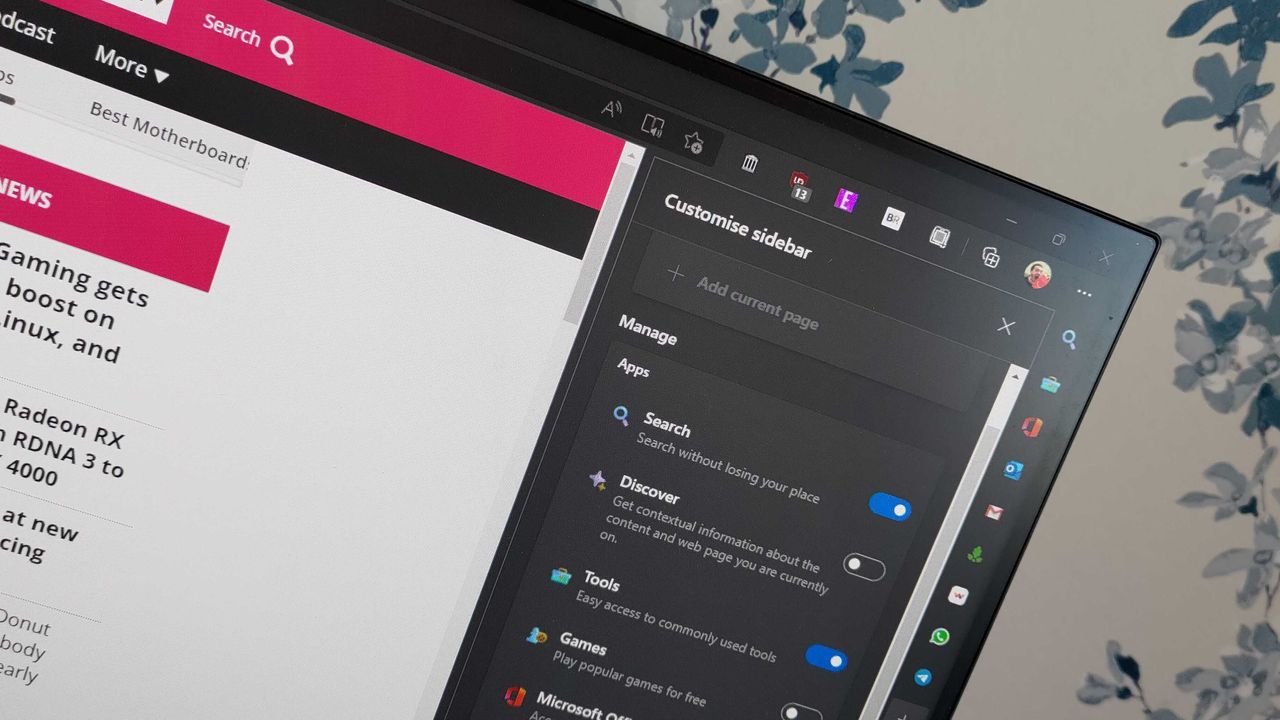




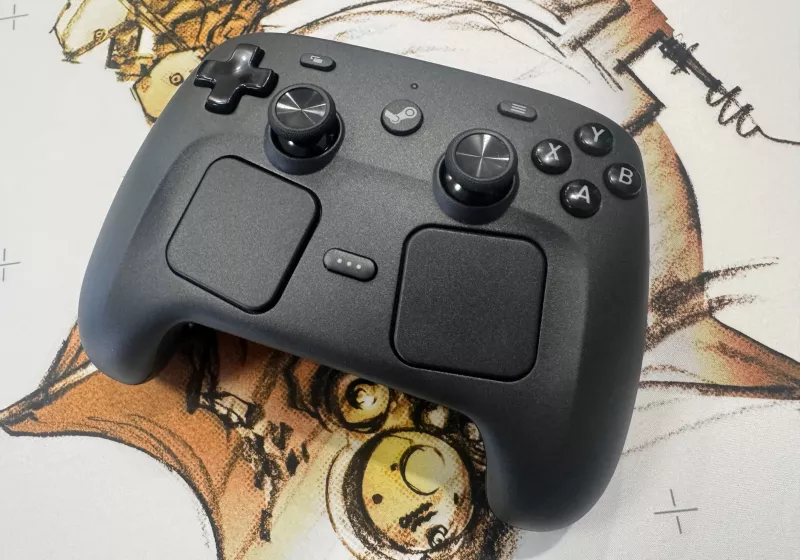




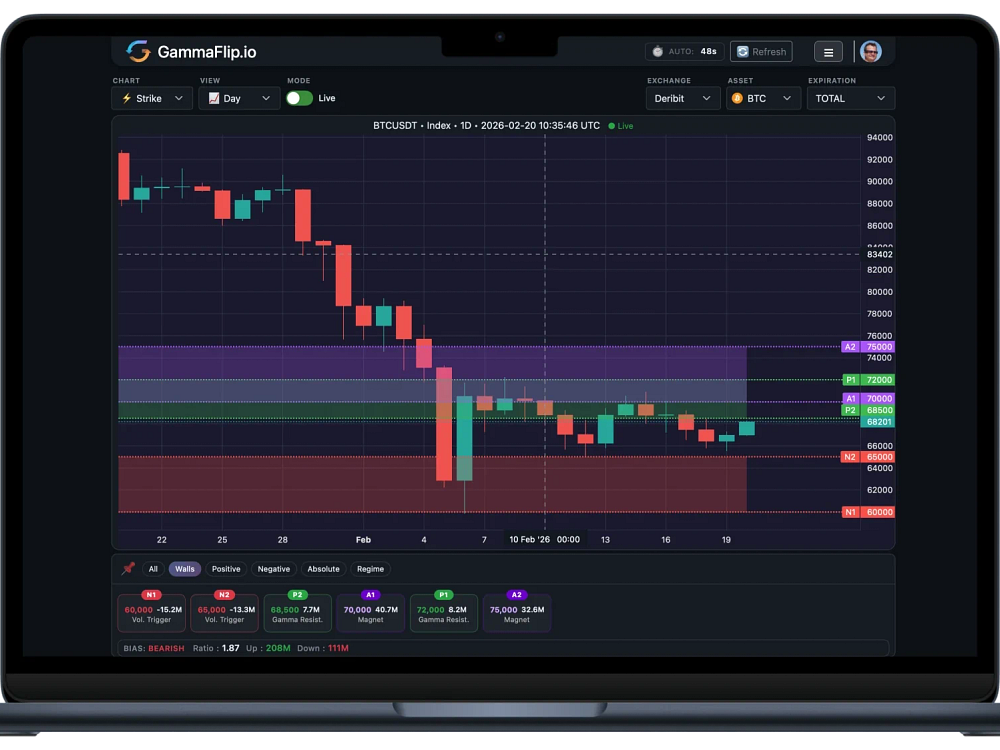





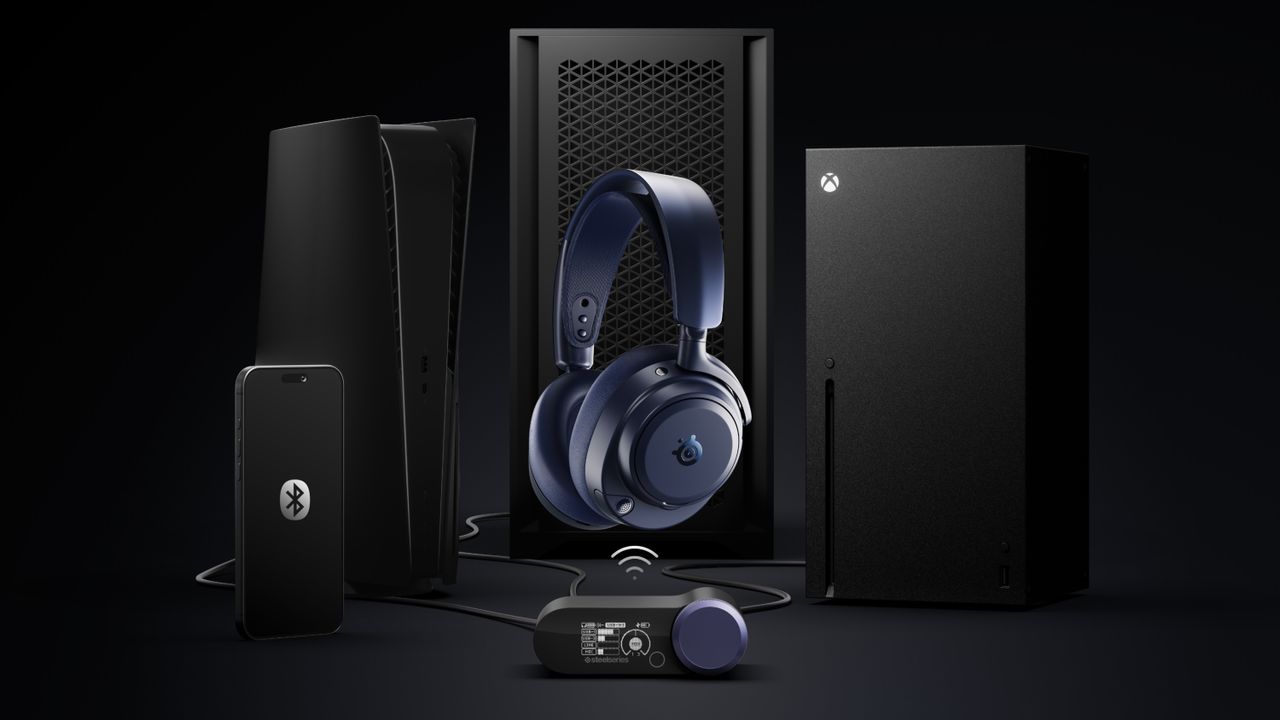



 To move at the speed of AI, simplify your data and understand what’s driving growth. Learn more in the lead-up to Google Marketing Live.


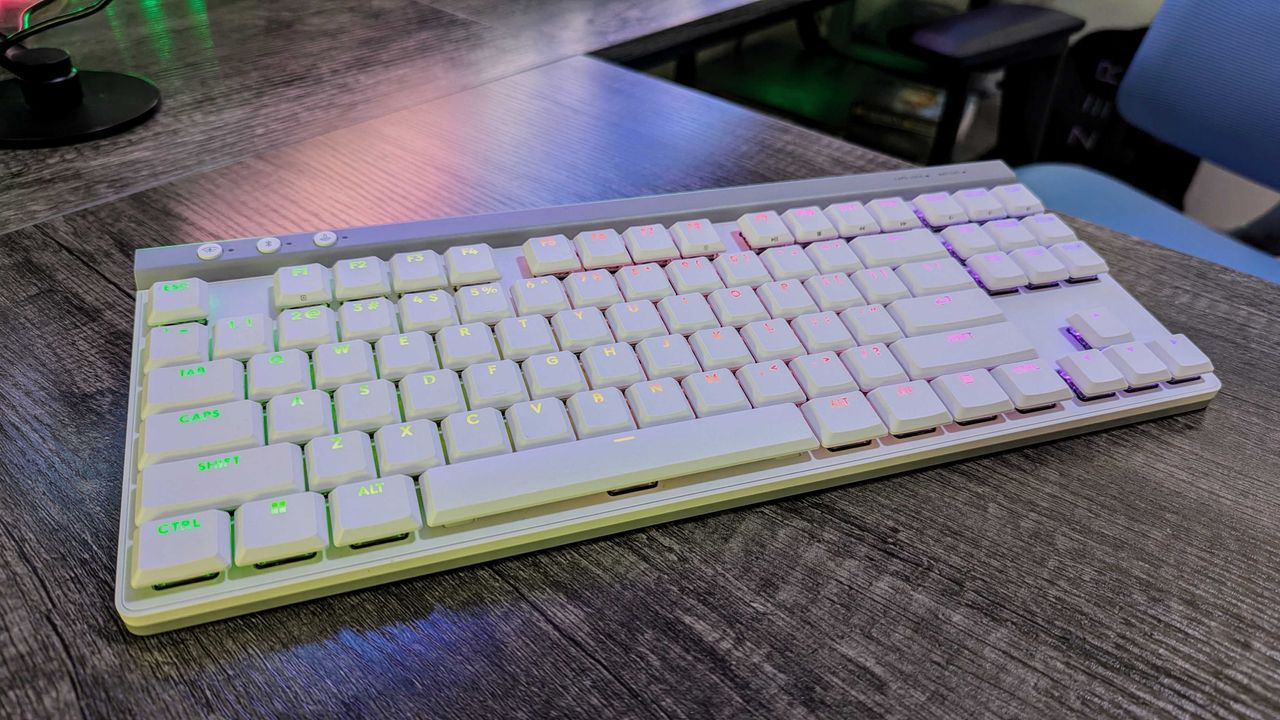
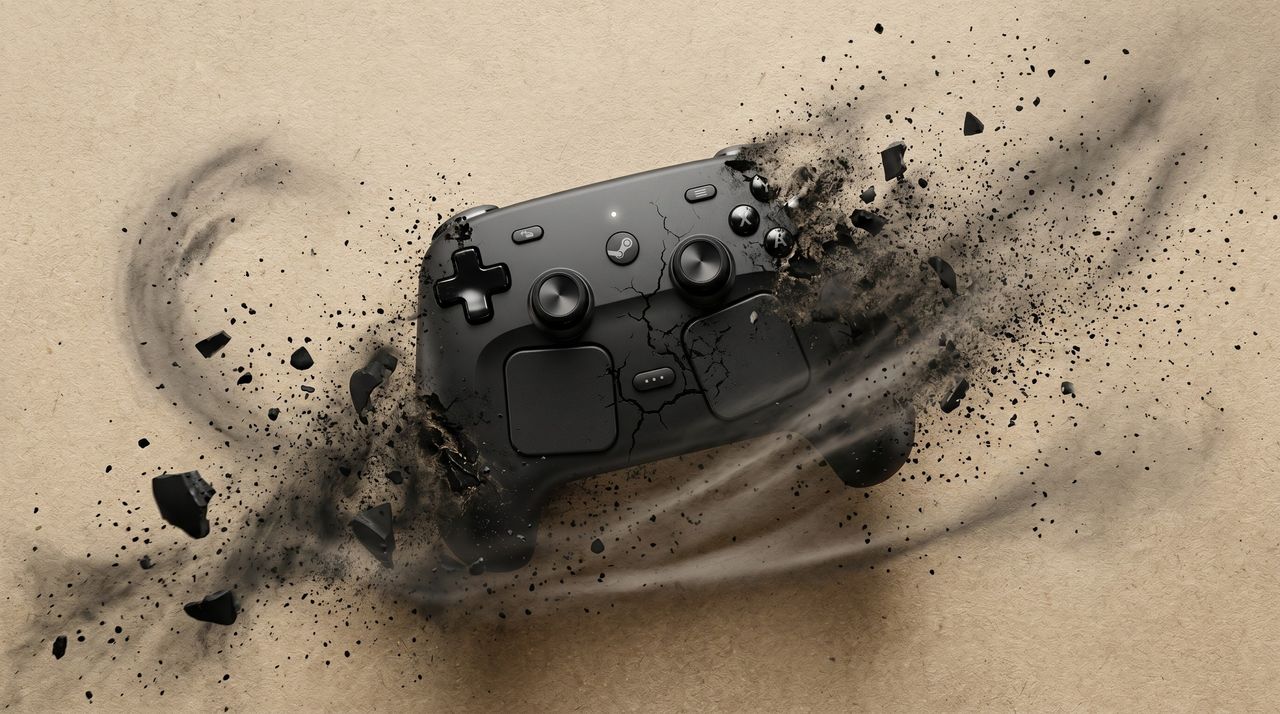





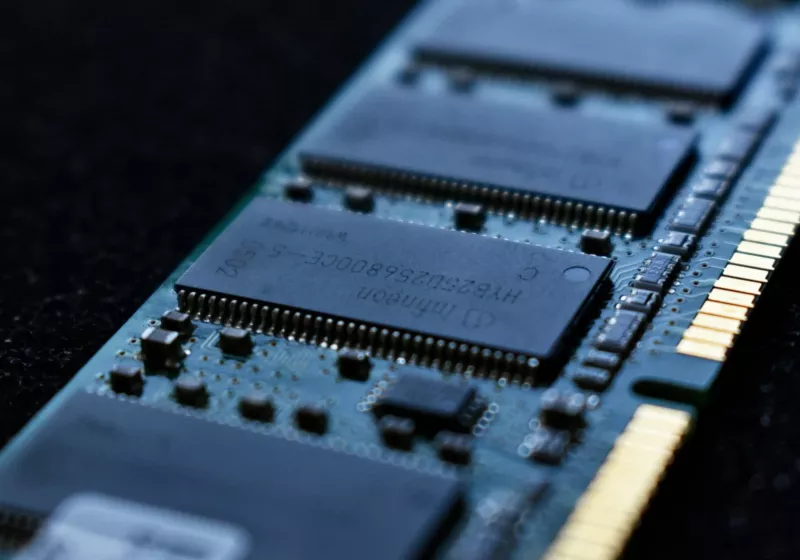


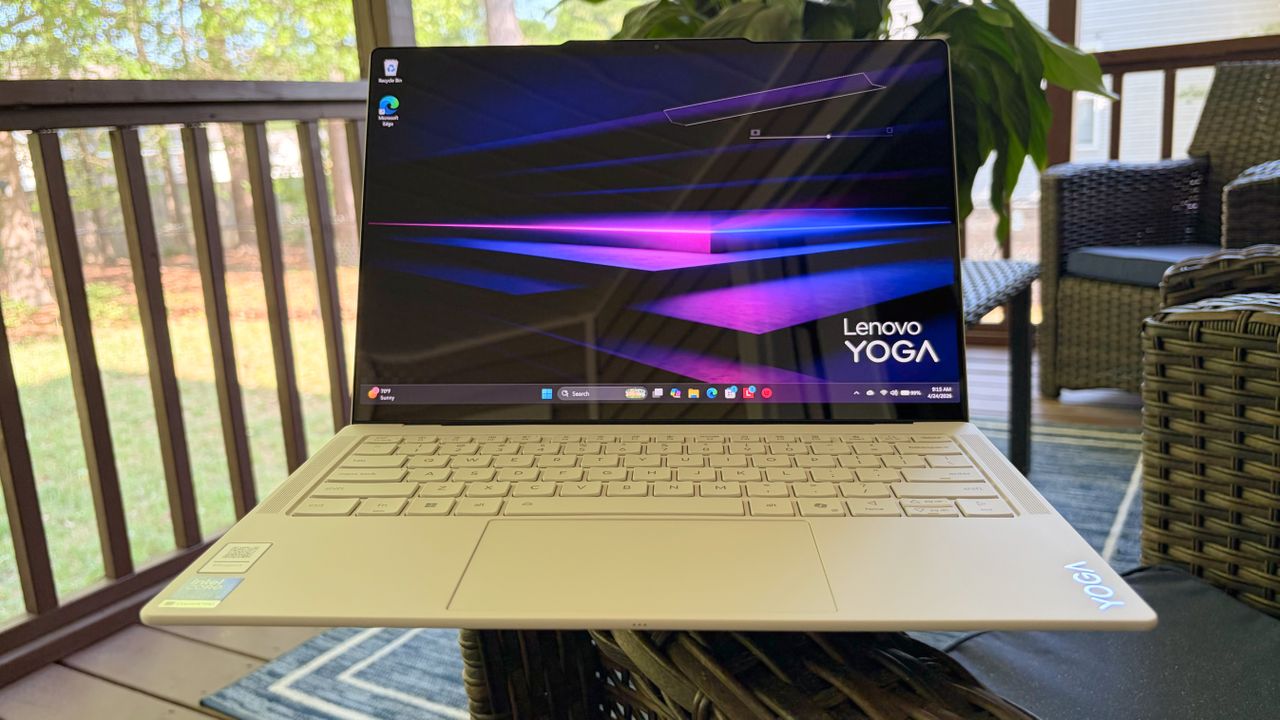


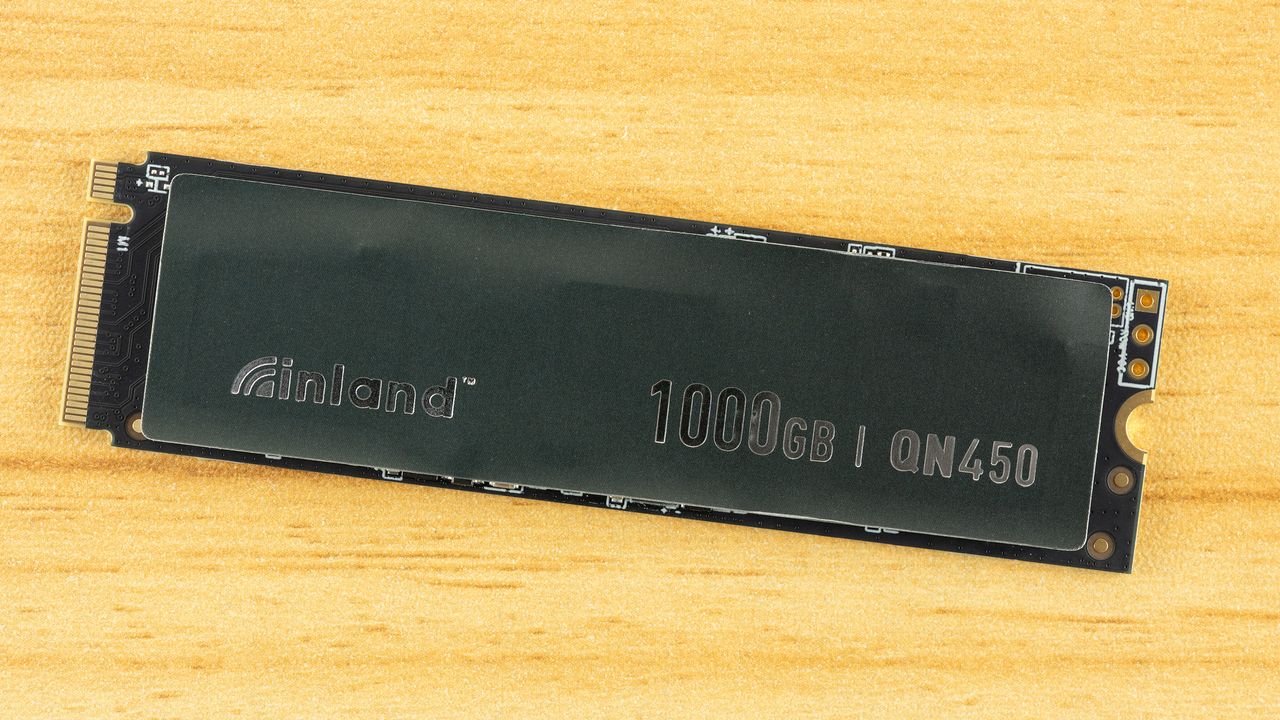

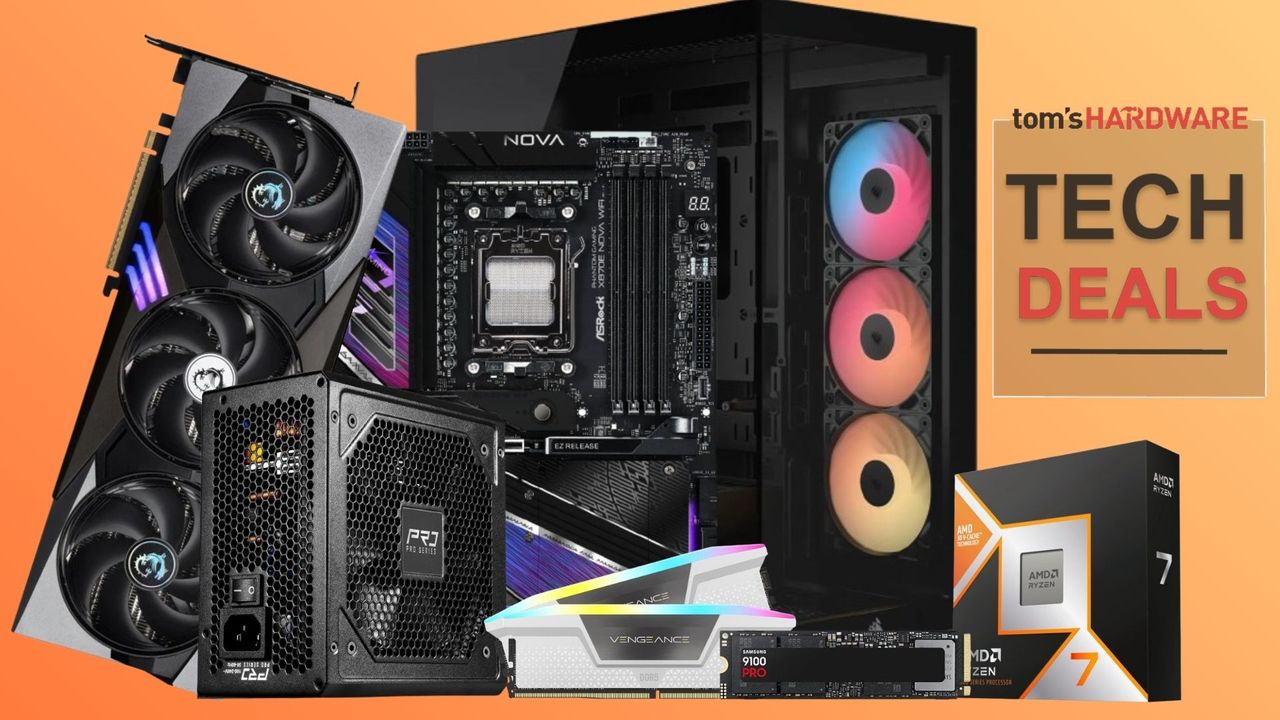






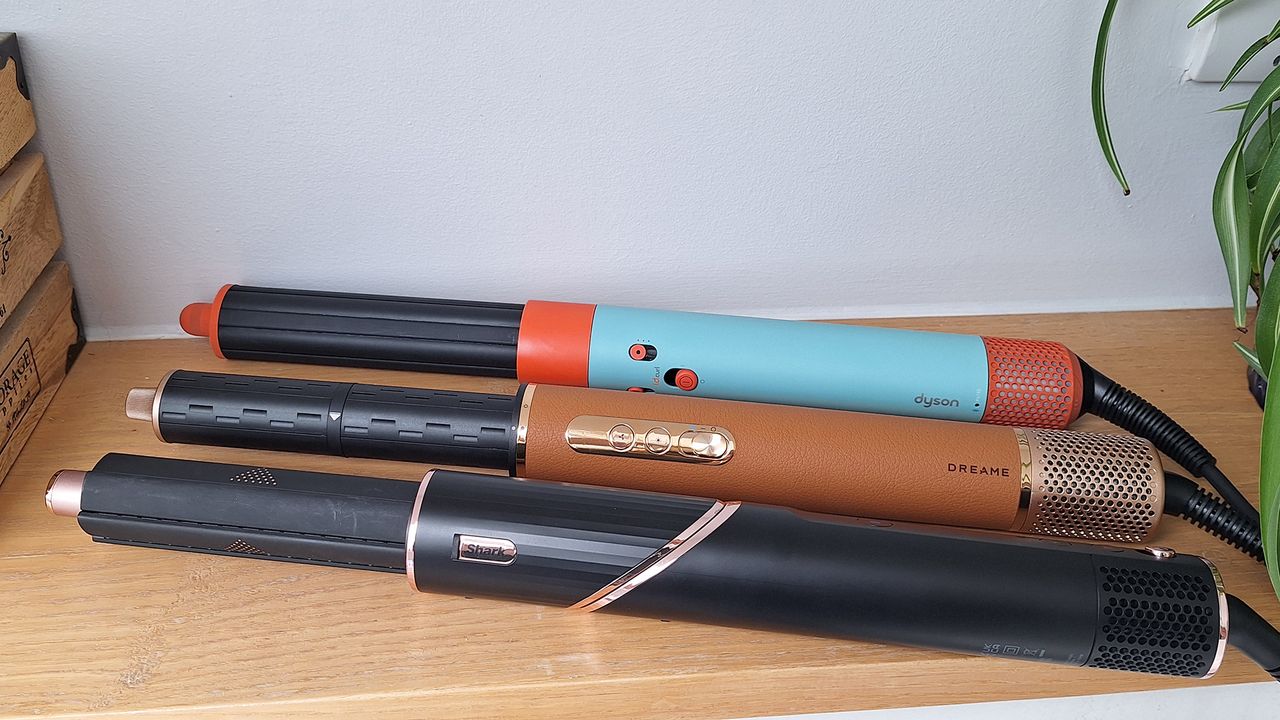

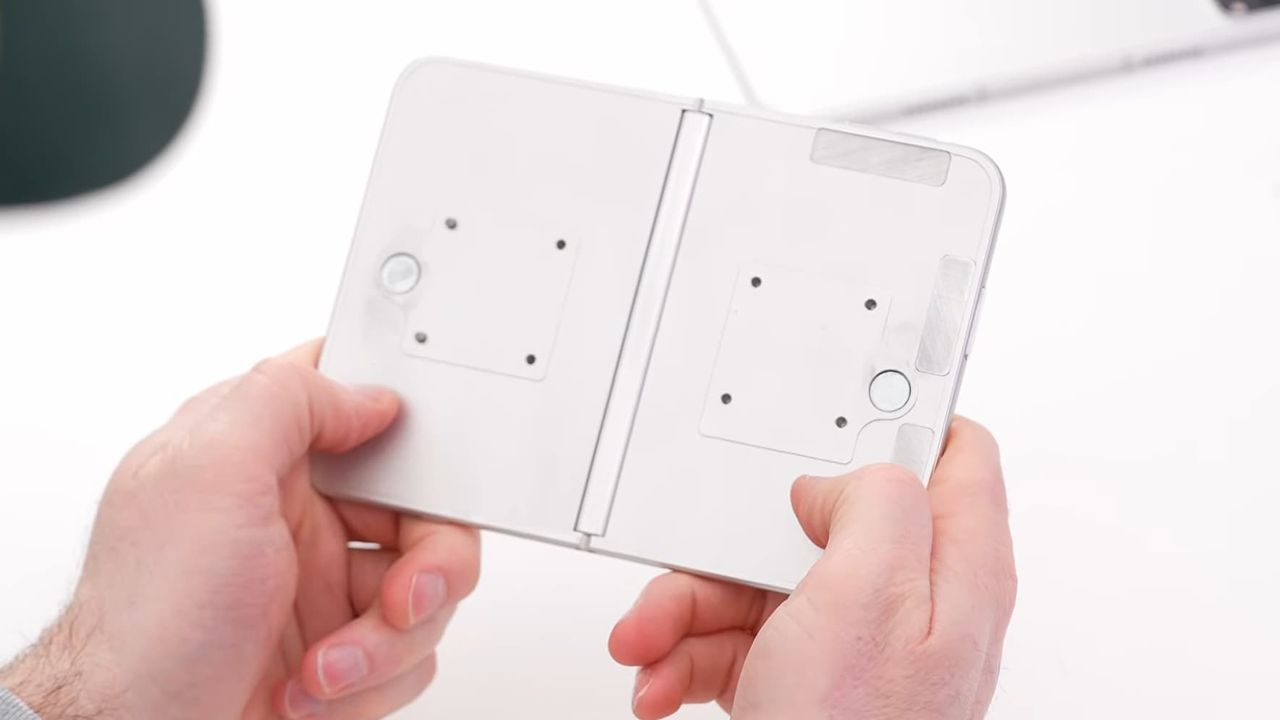







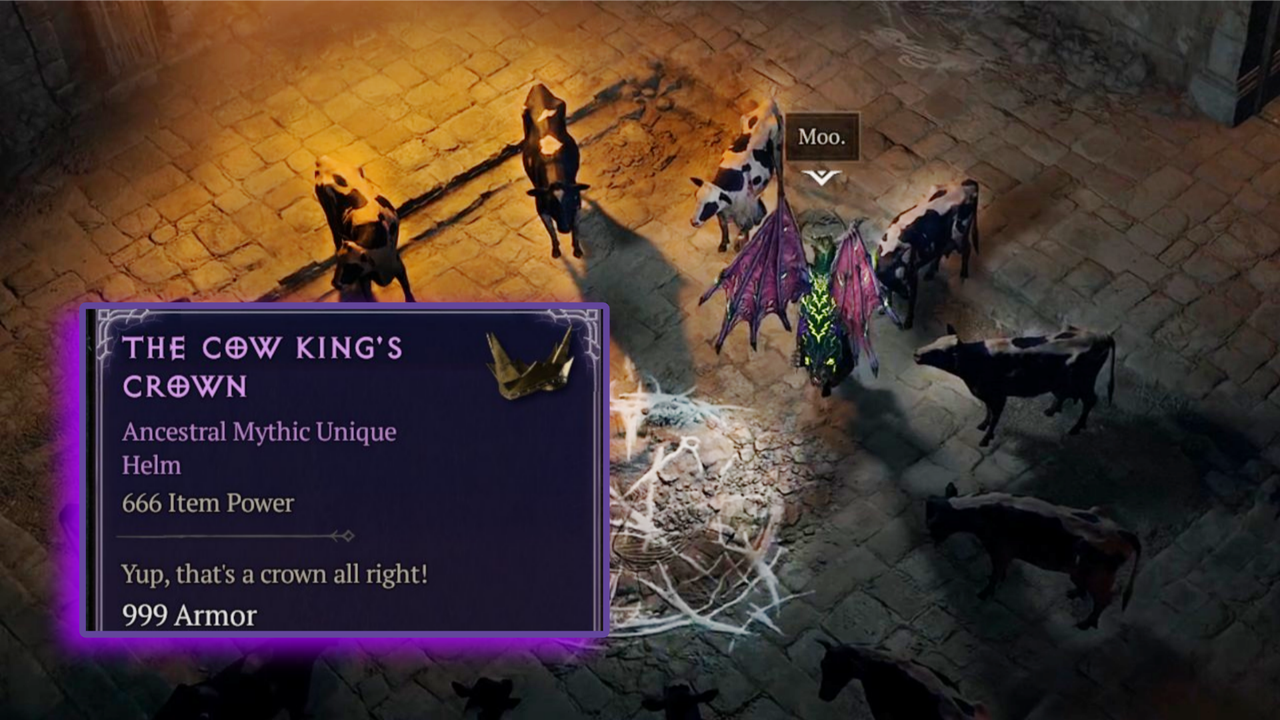



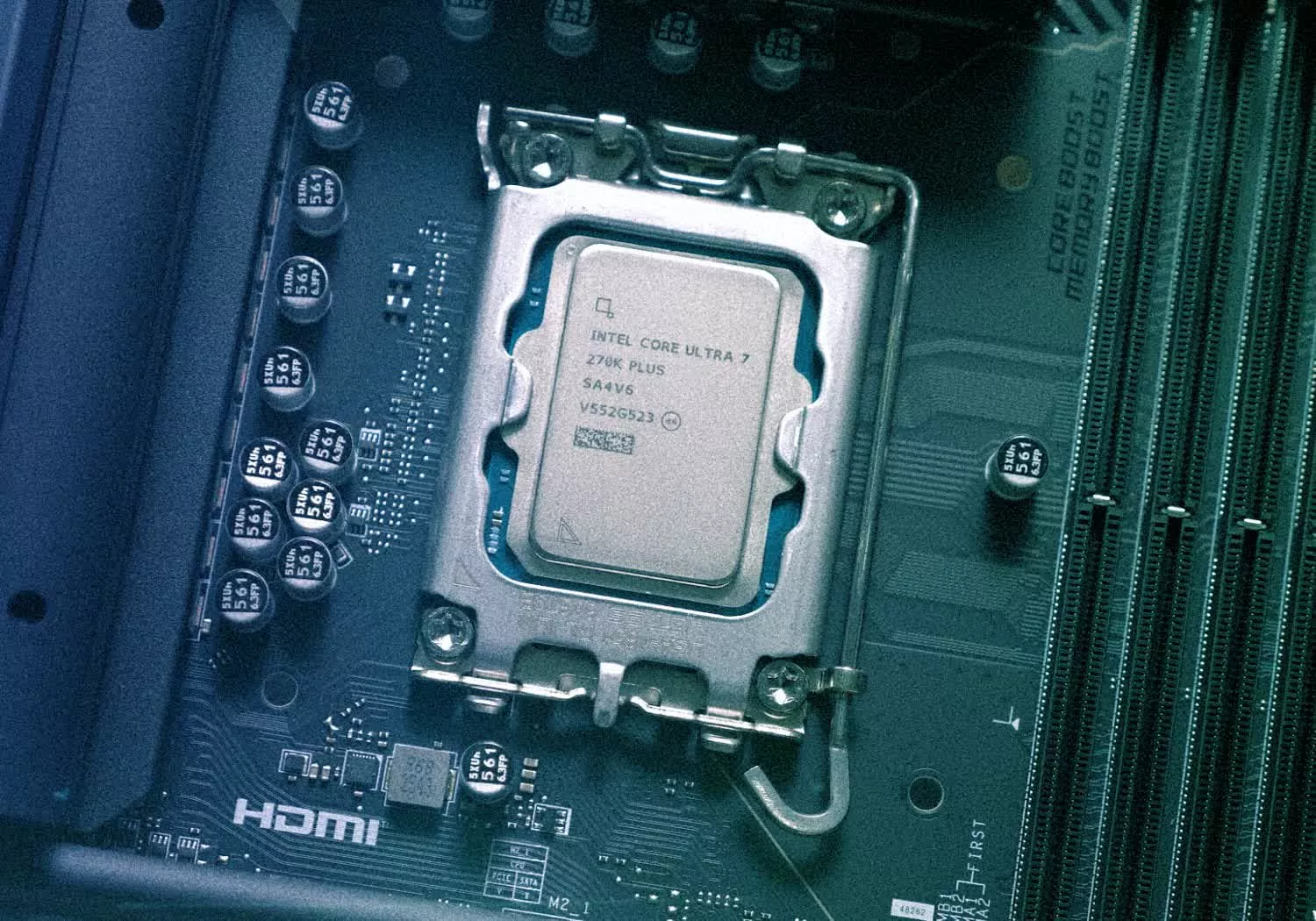
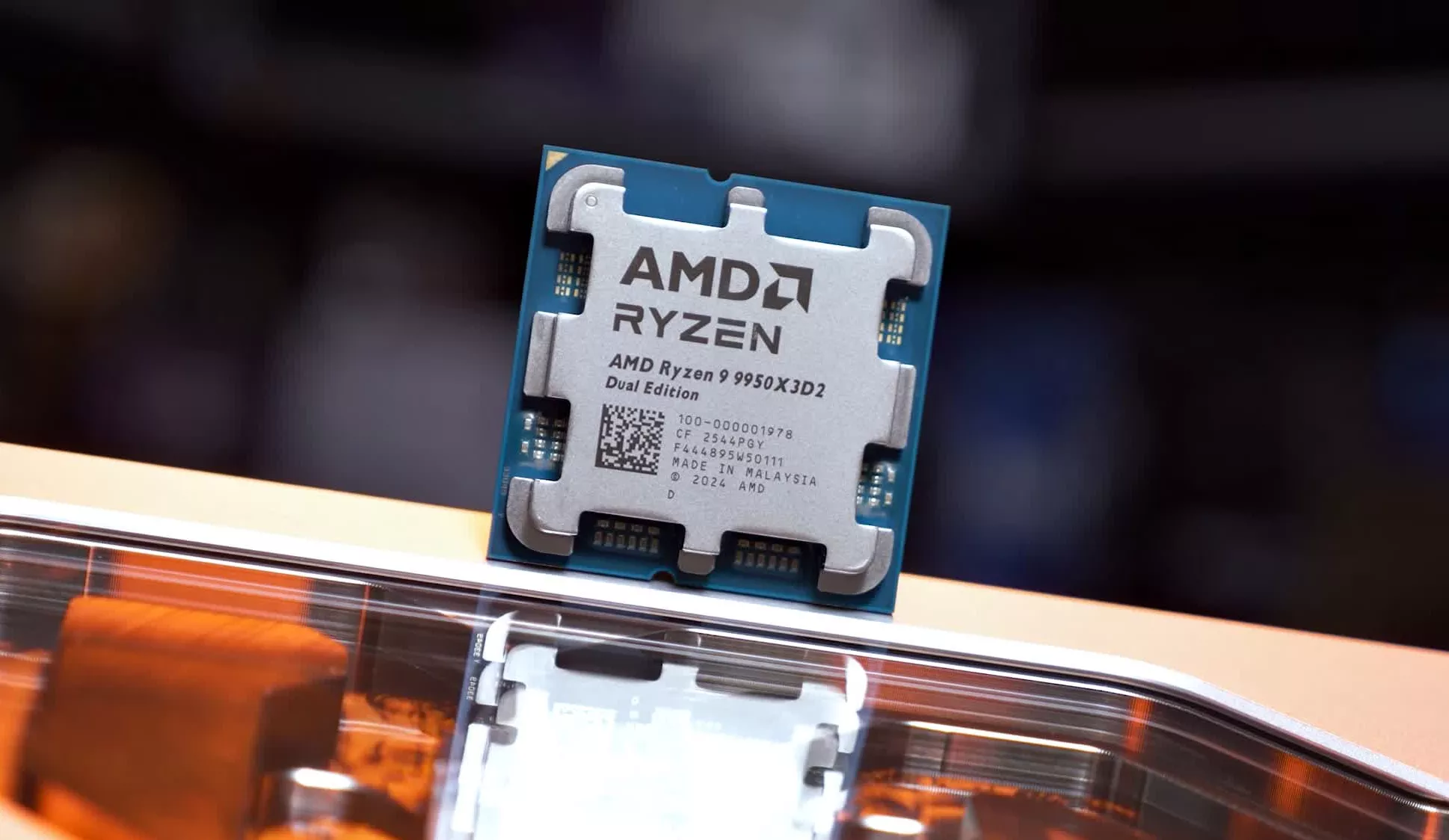



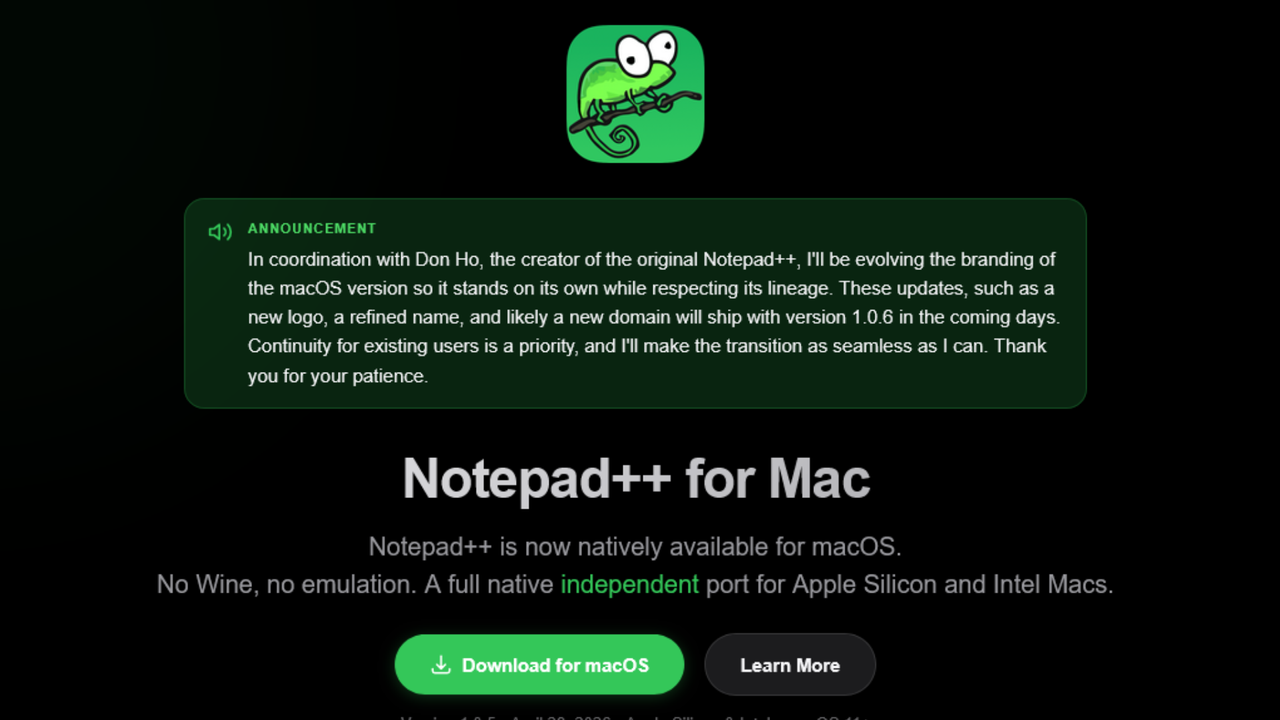

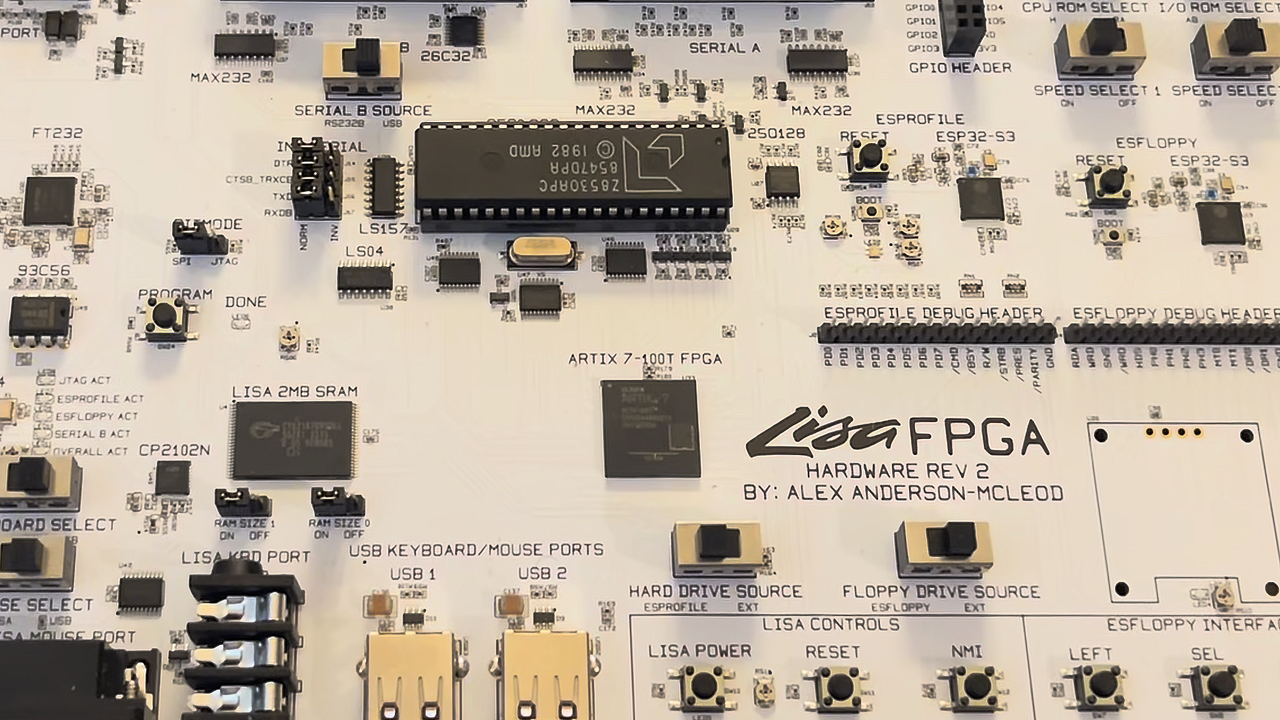
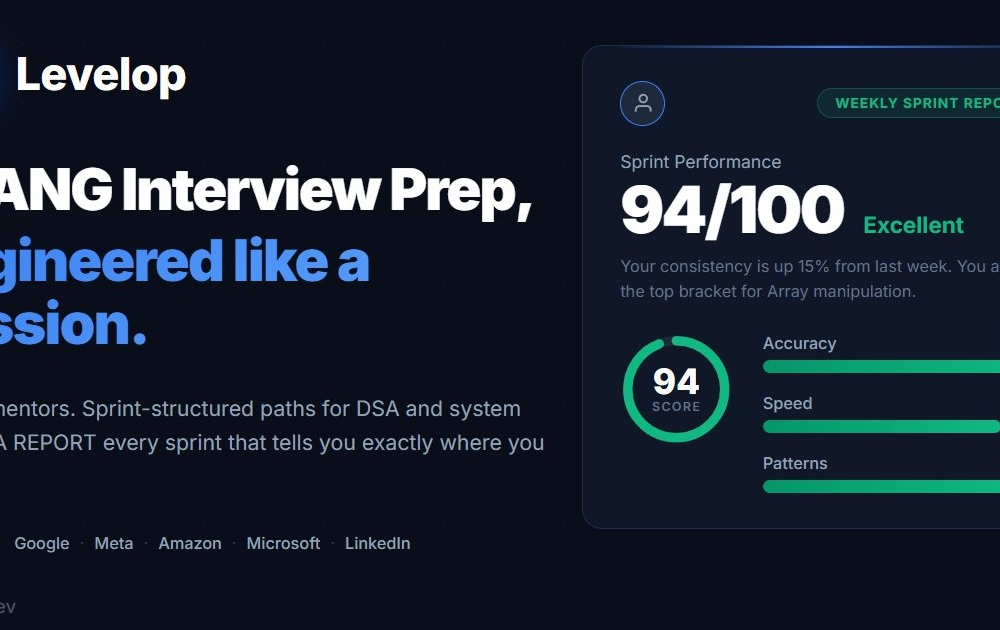

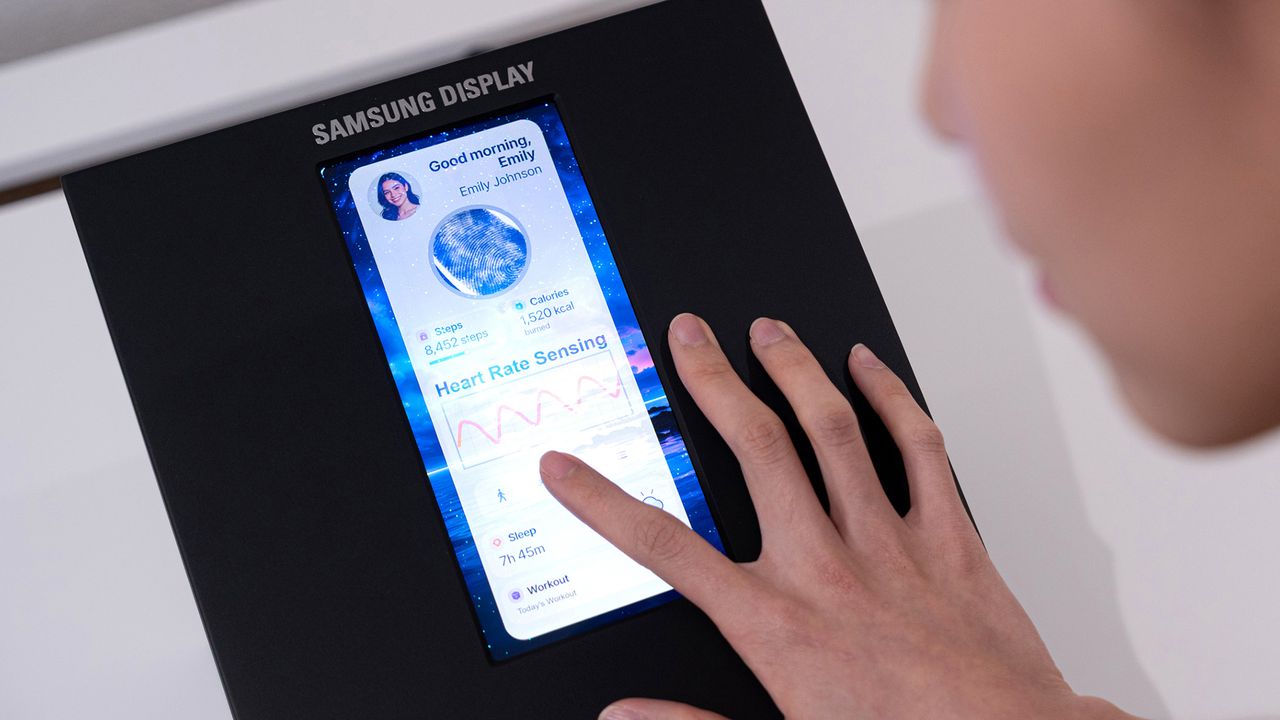







 To address the challenges of water quality and availability in the Scheldt Basin, a vital river network flowing through Belgium, Google is supporting Agua Segura and Agr…


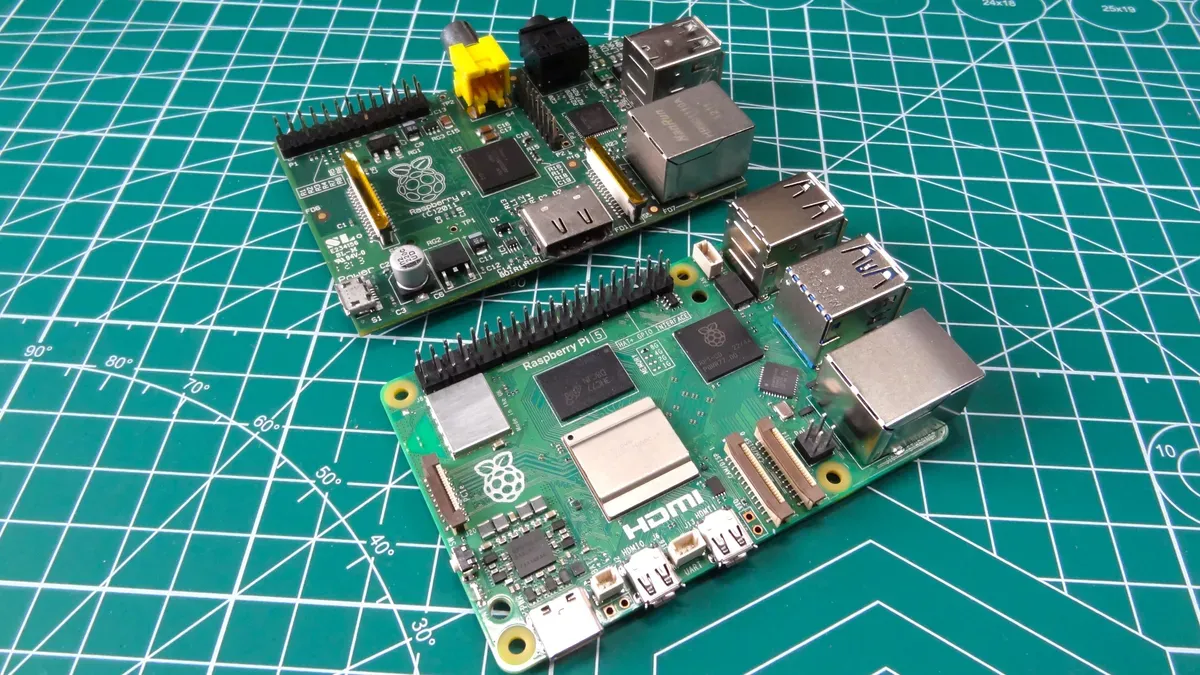

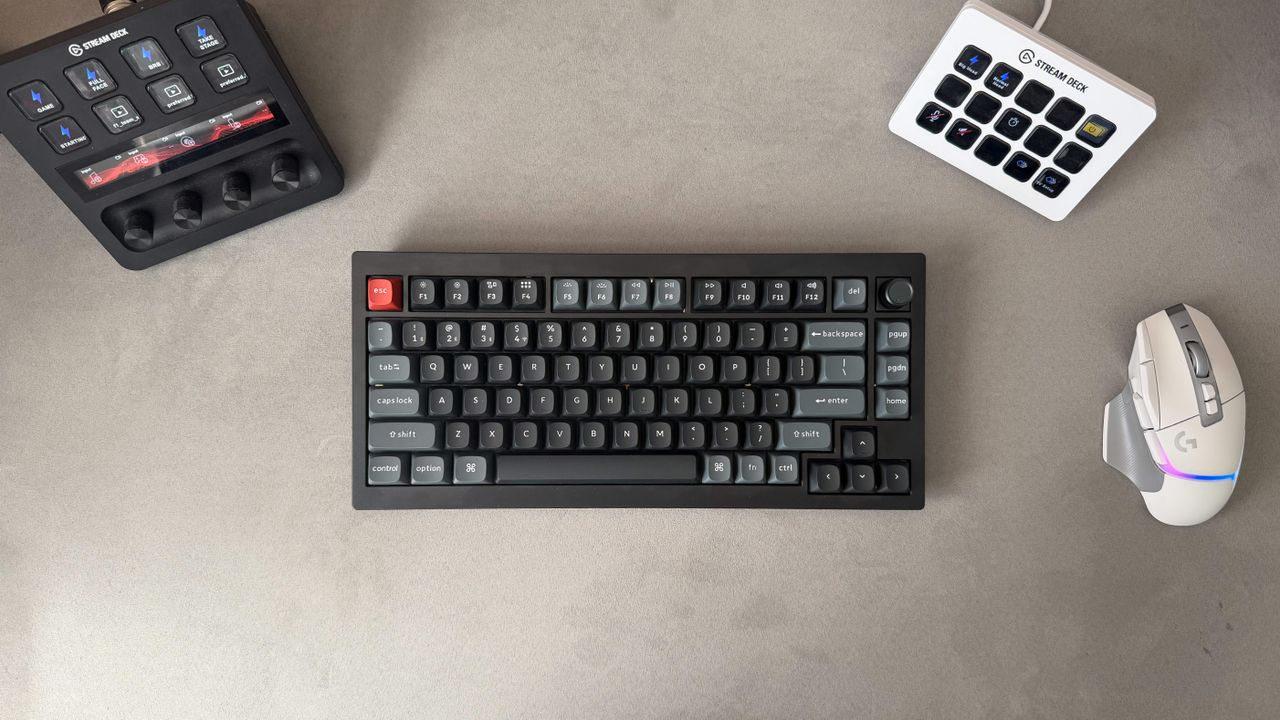





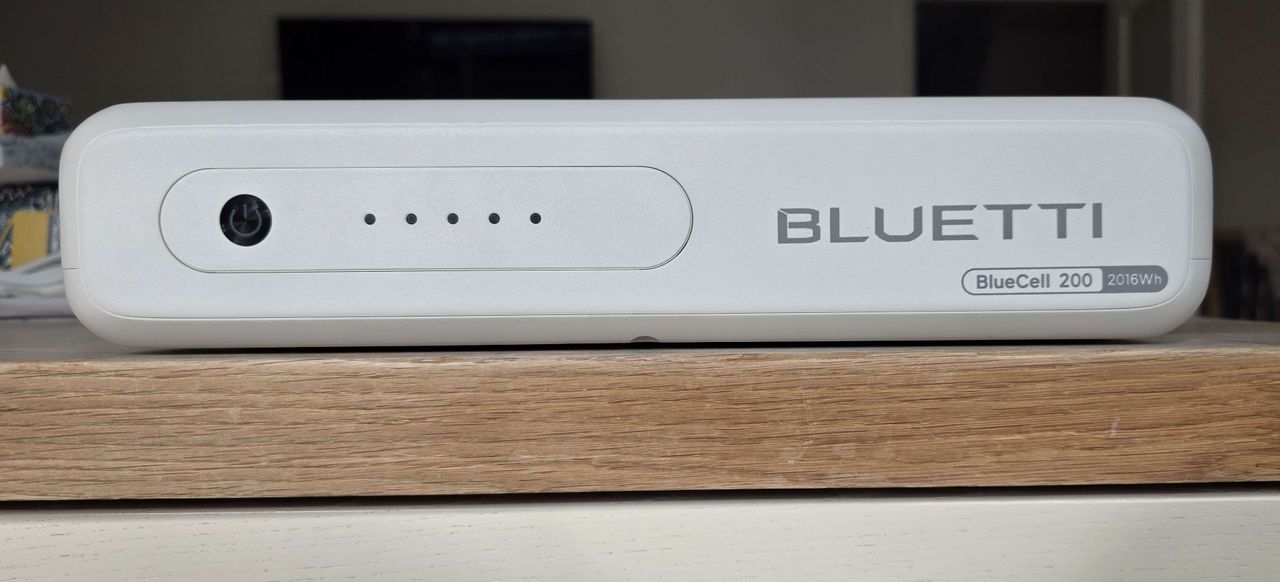
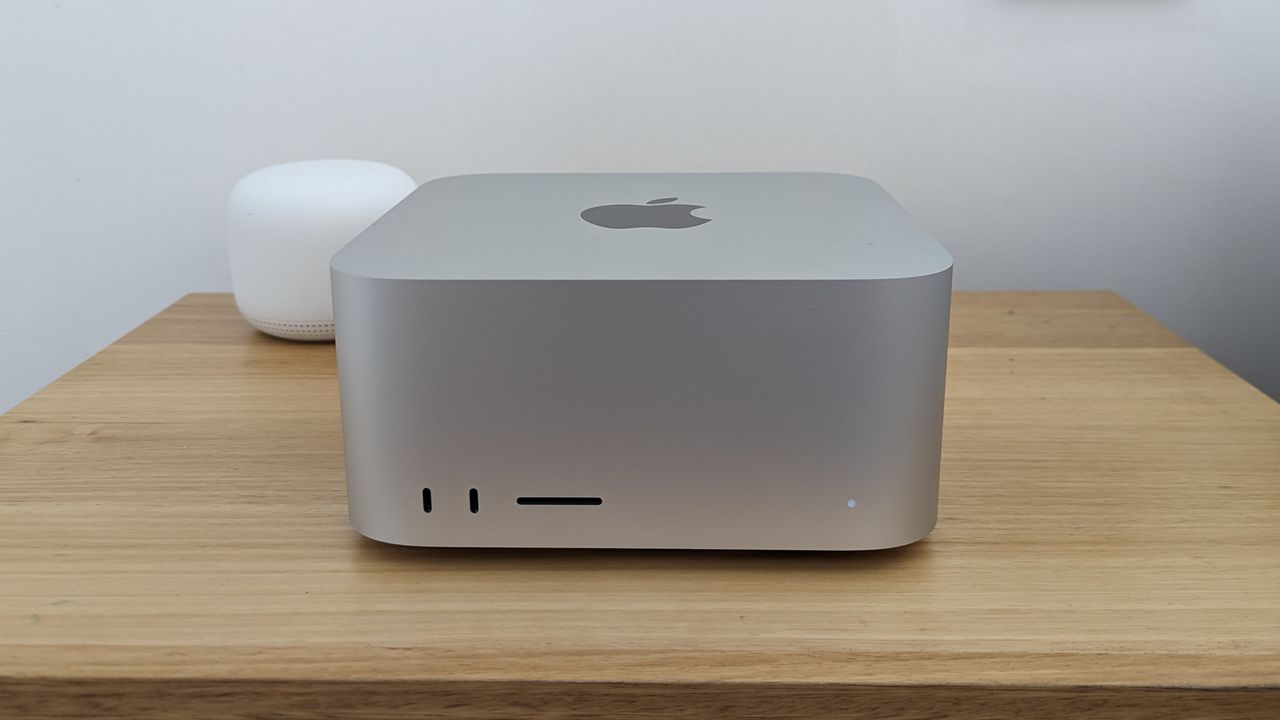
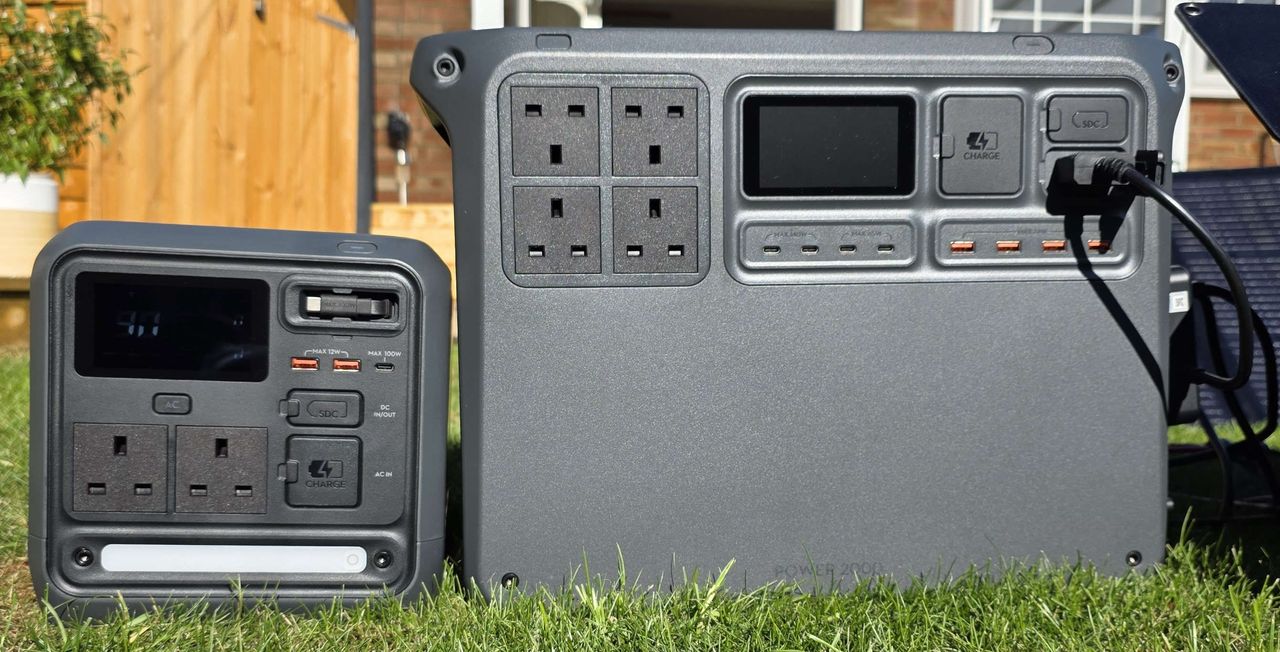


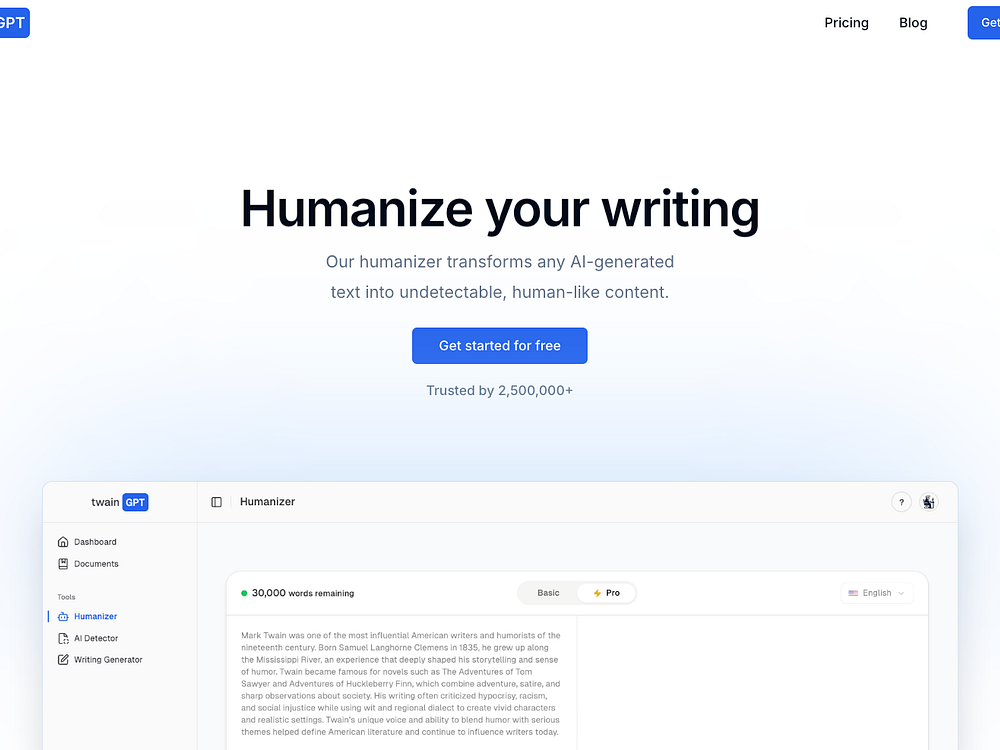
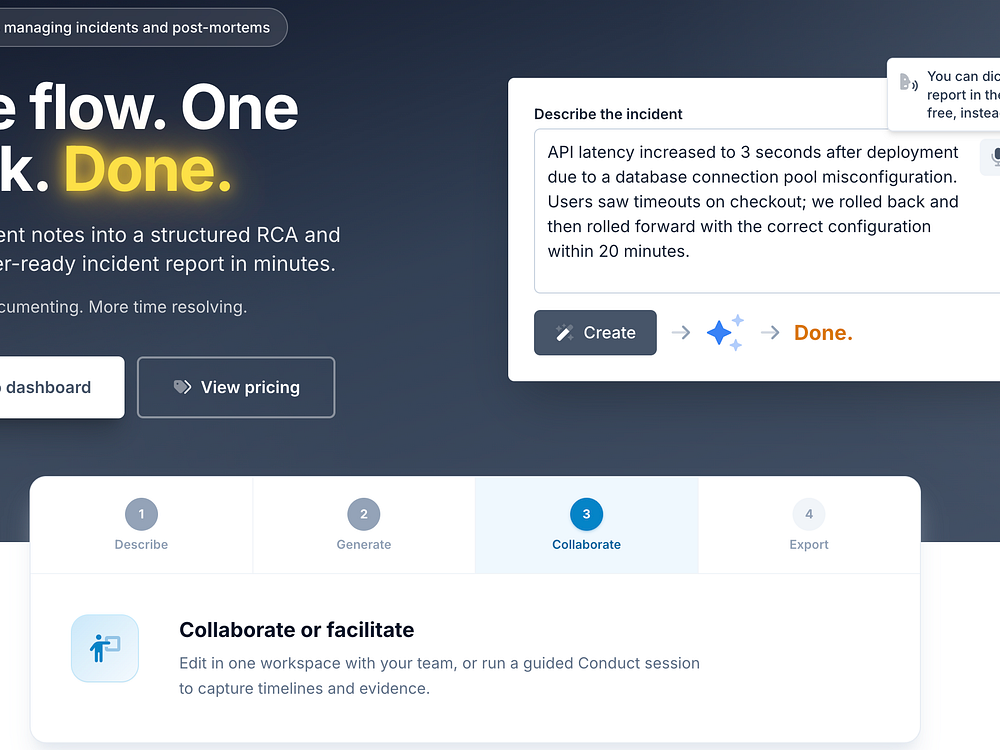
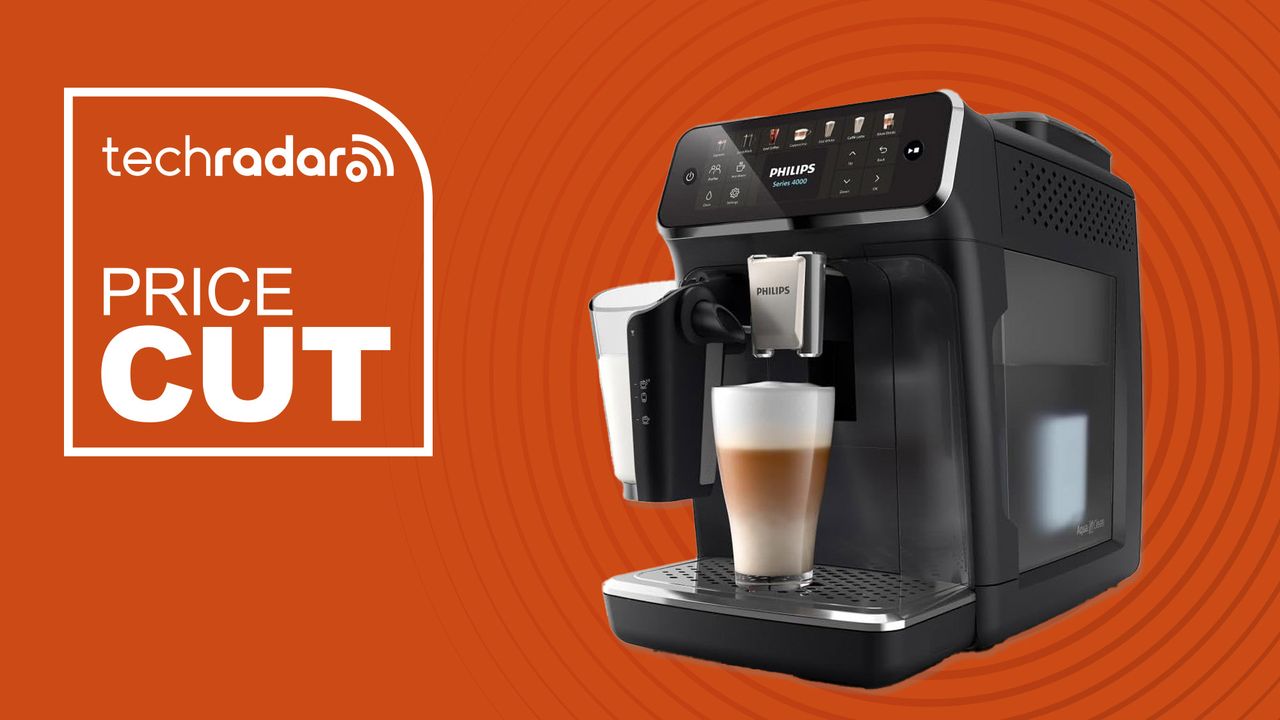


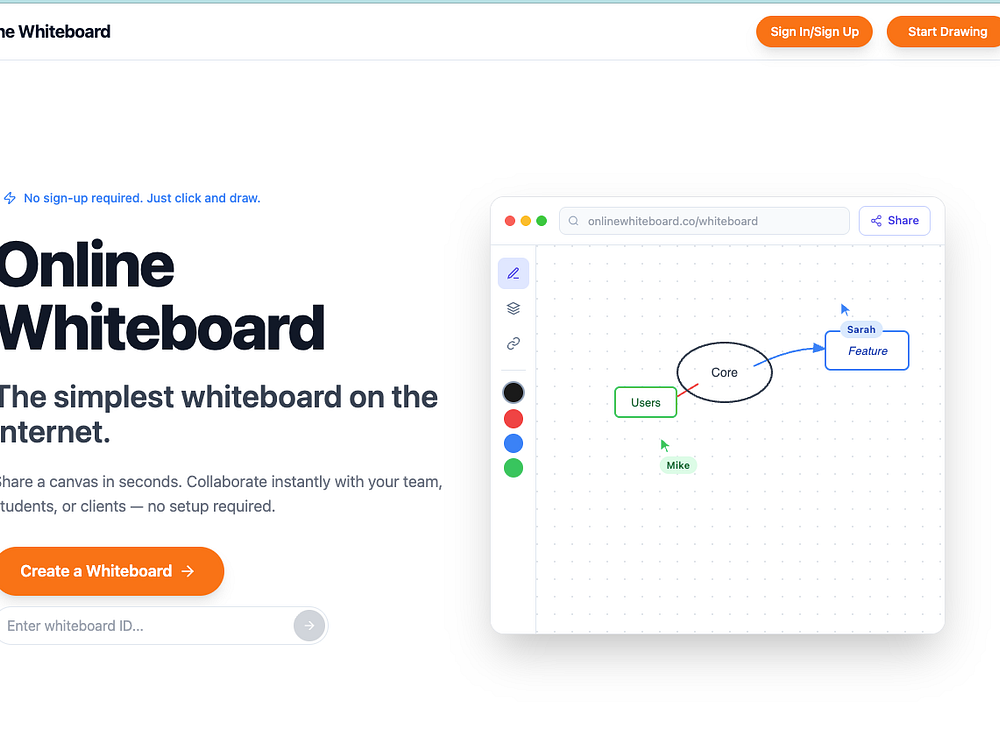

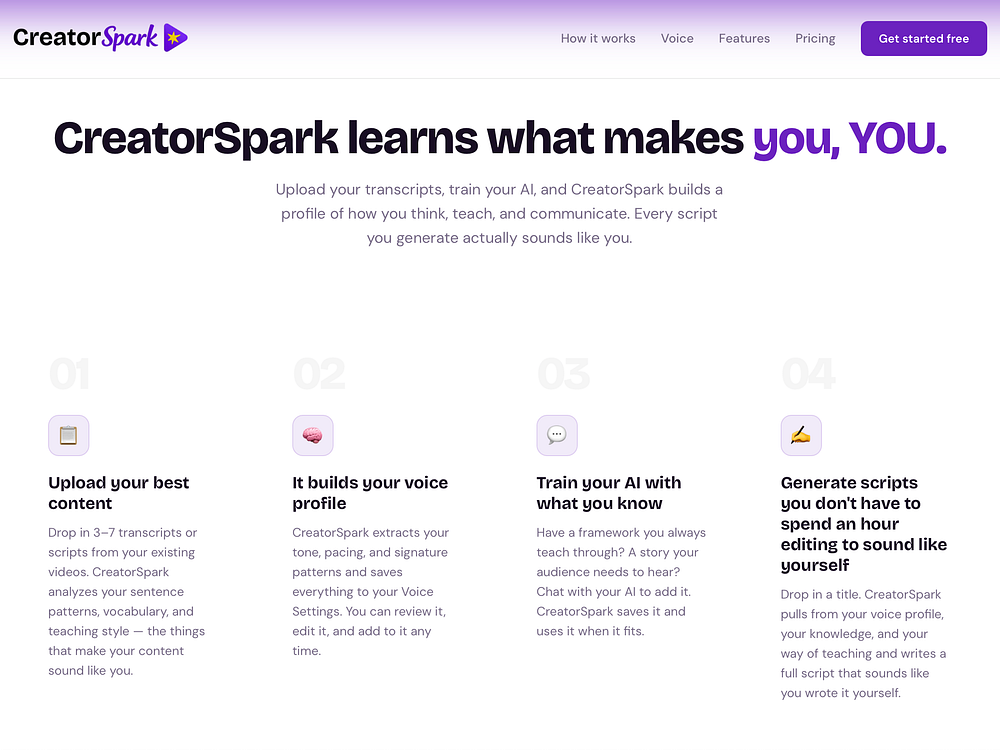



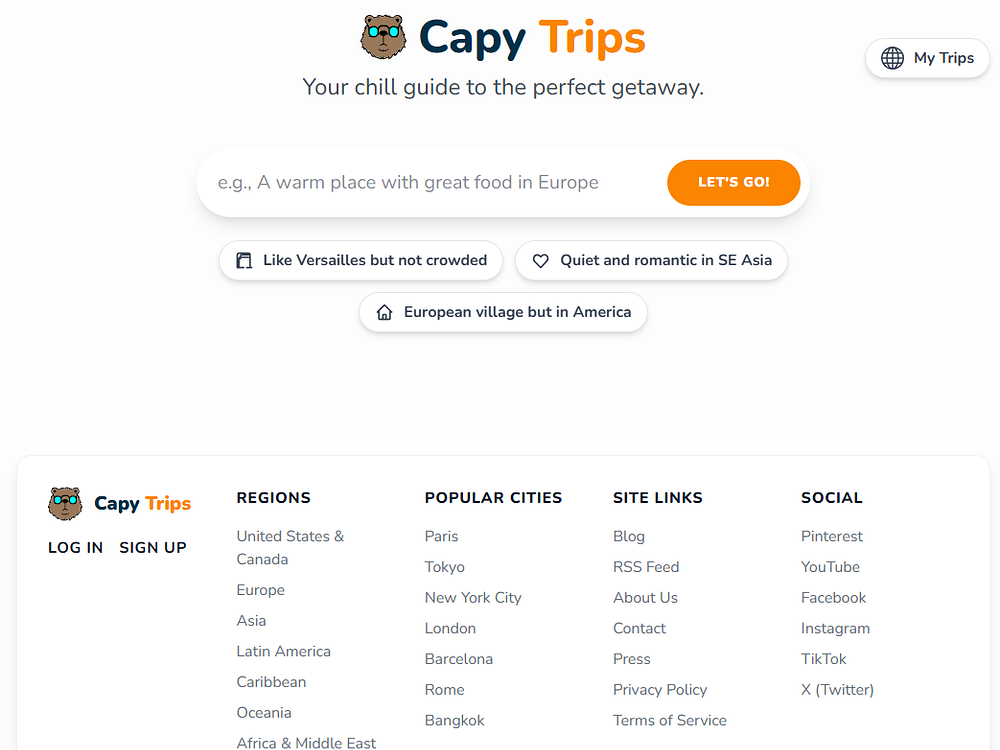



 We are adding $10 million to the AI Opportunity Fund to help students, educators and workers learn essential AI skills.













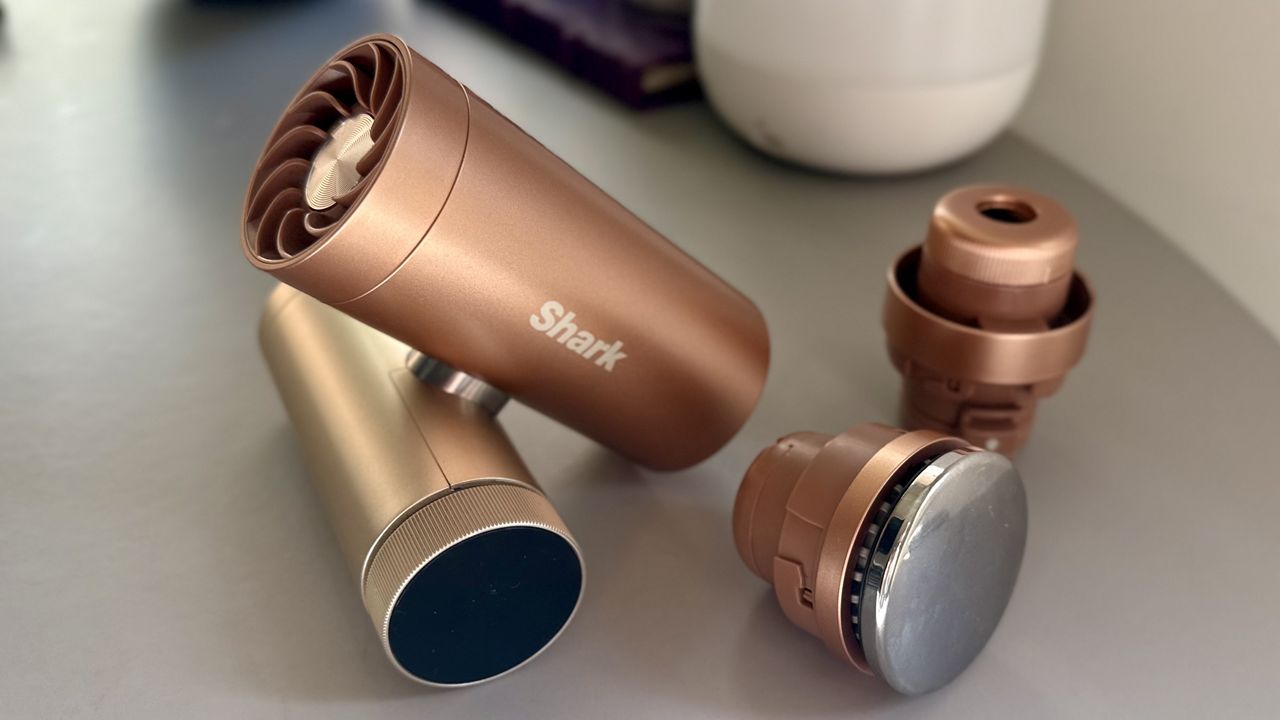

 During National Small Business Week, jumpstart your growth with tools like Gemini, Workspace and Ads — plus, resources and exclusive offers from Google.
  Event-Driven Webhooks are a push-based notification system that eliminates the need for inefficient polling.



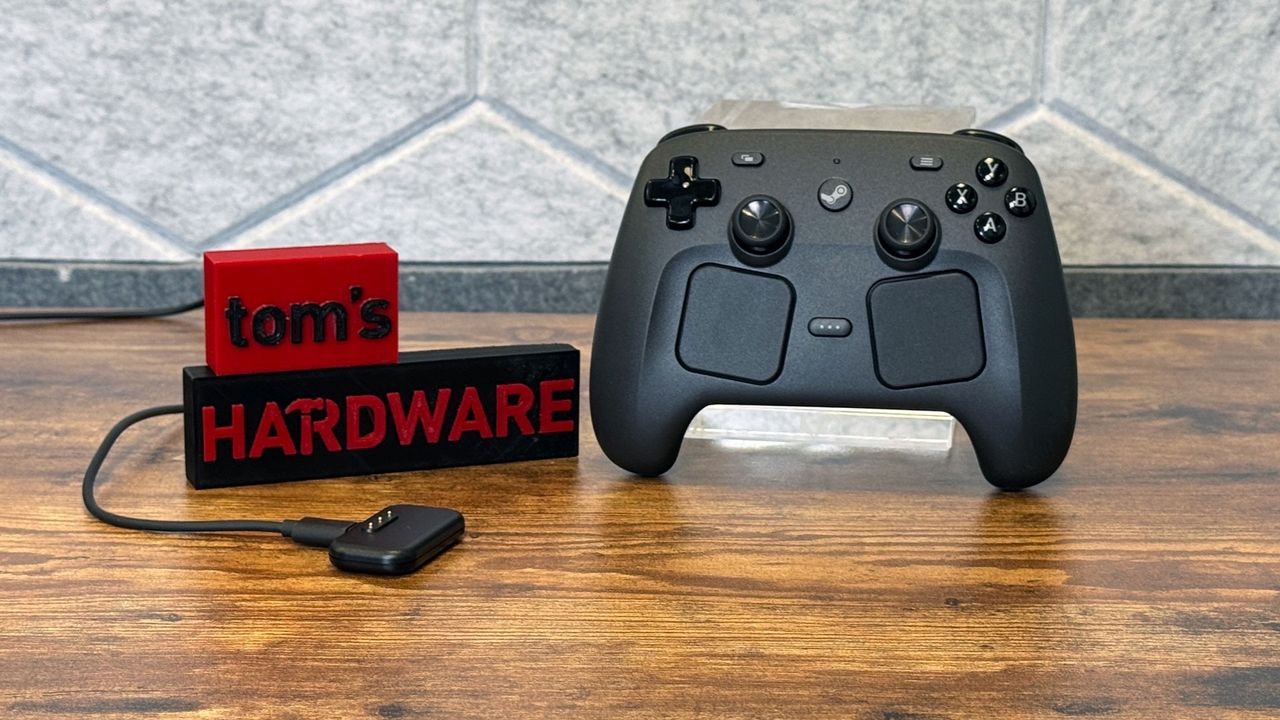






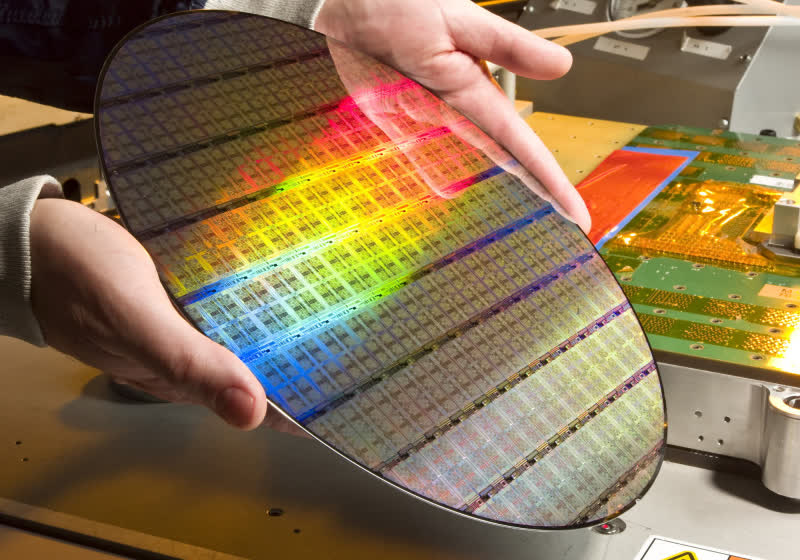

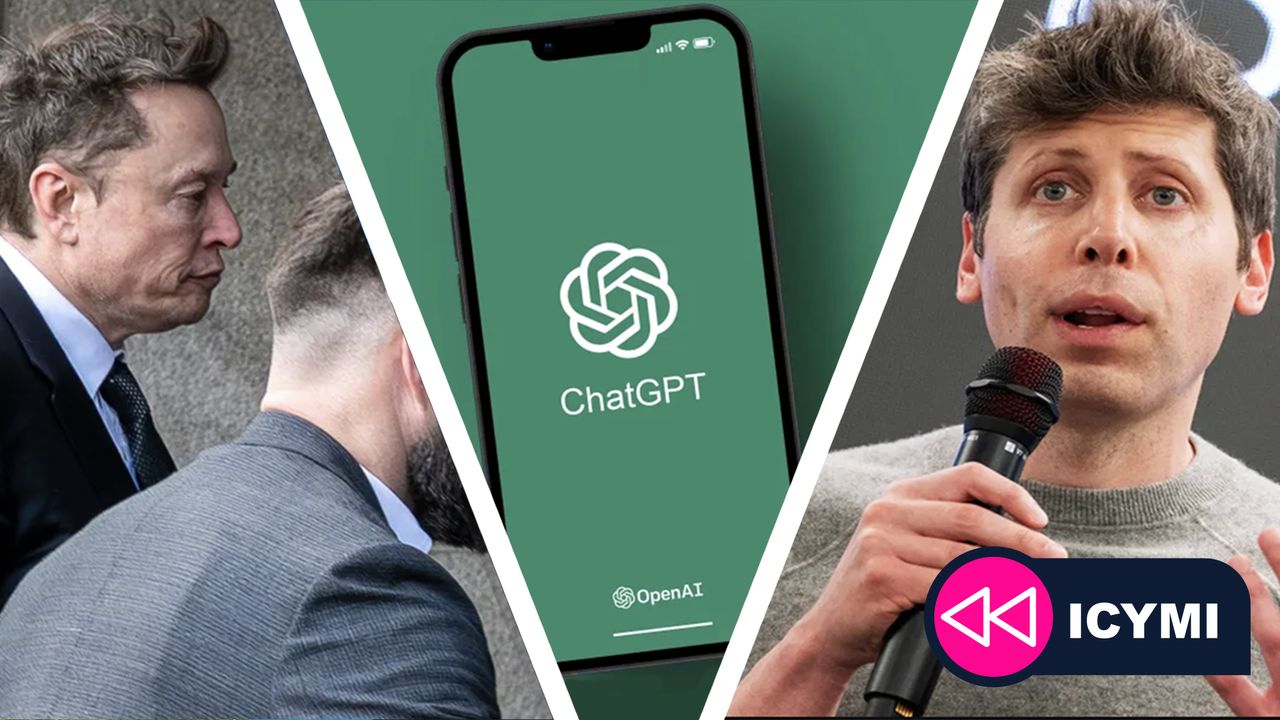
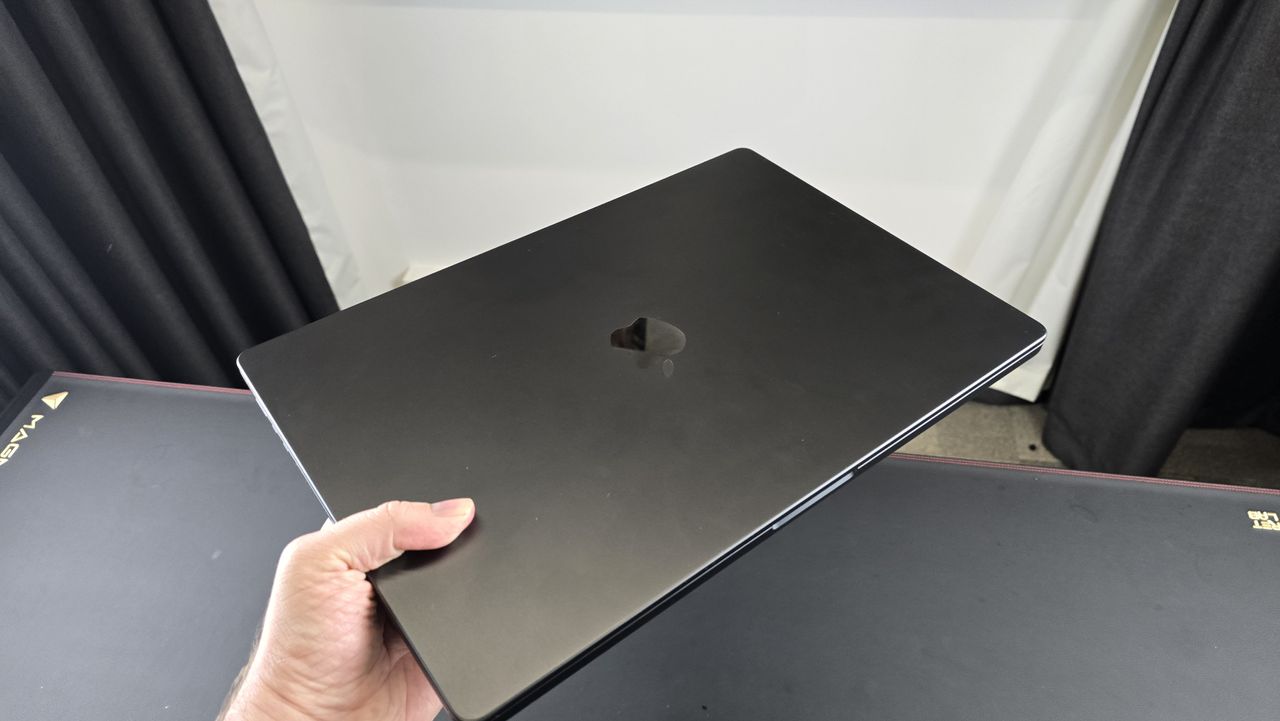







 Here are Google’s latest AI updates from April 2026


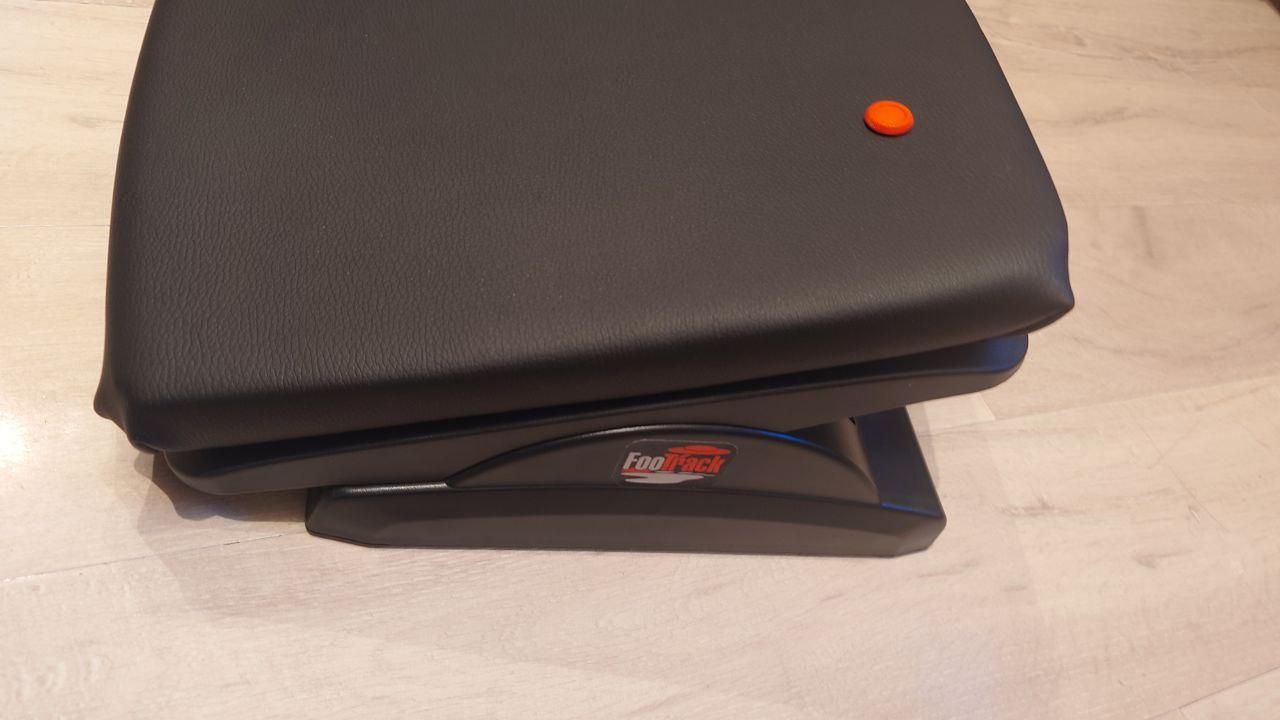
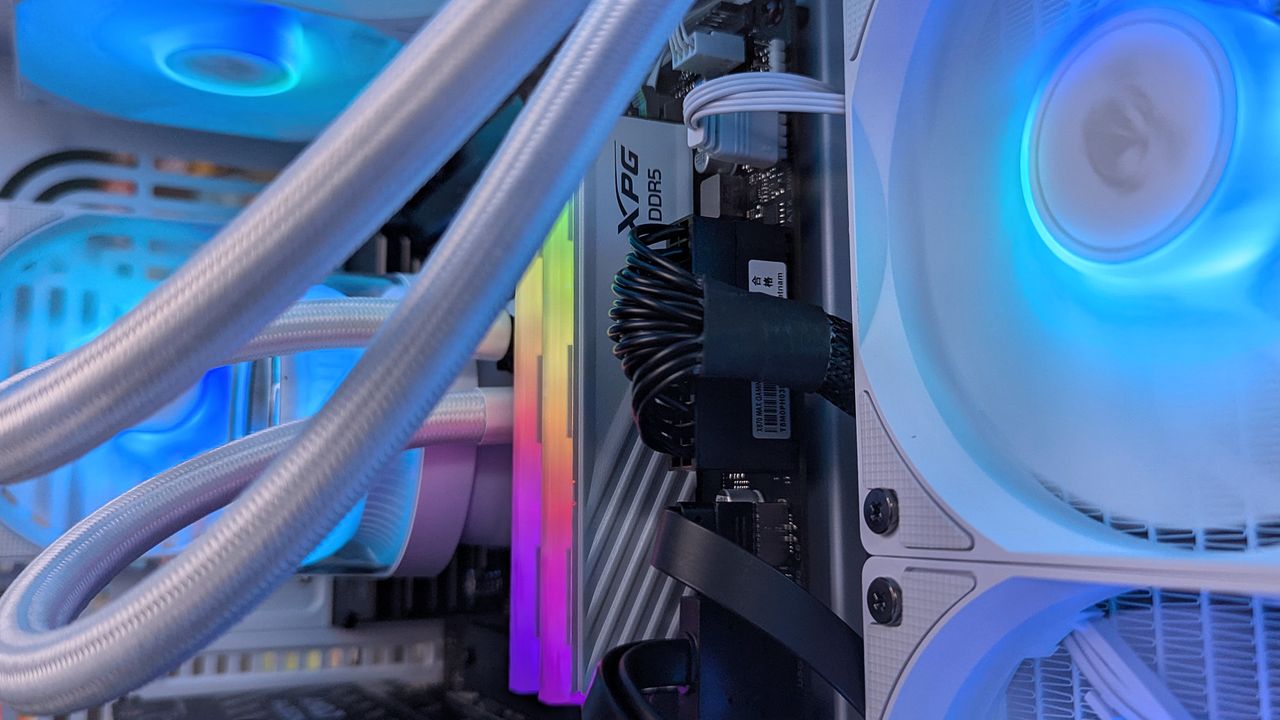







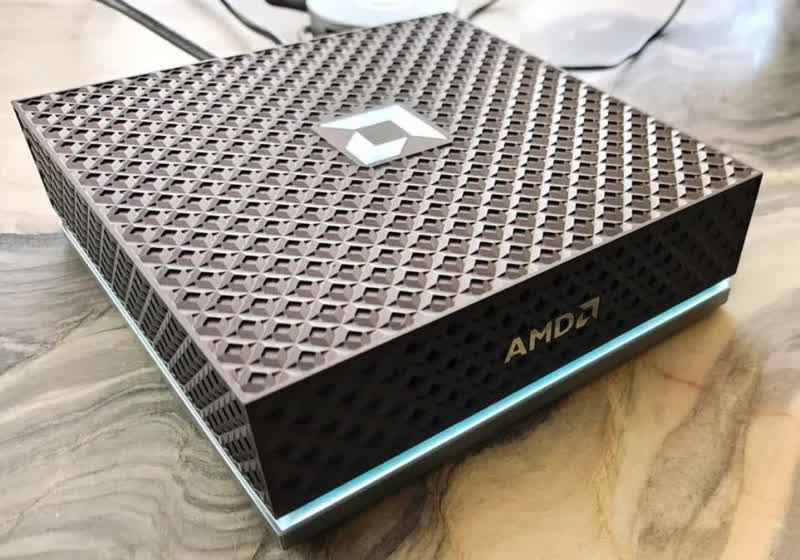



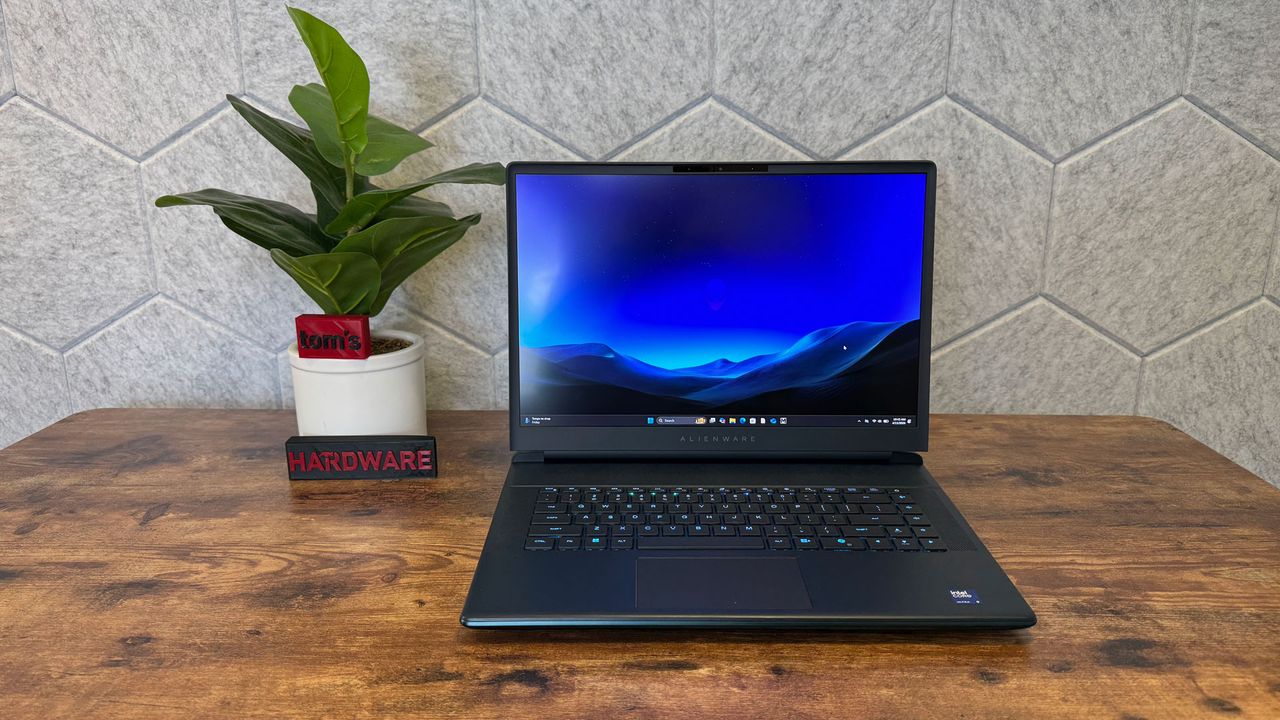

 Together with the National Archives and others, we’re launching an interactive journey through America’s history.







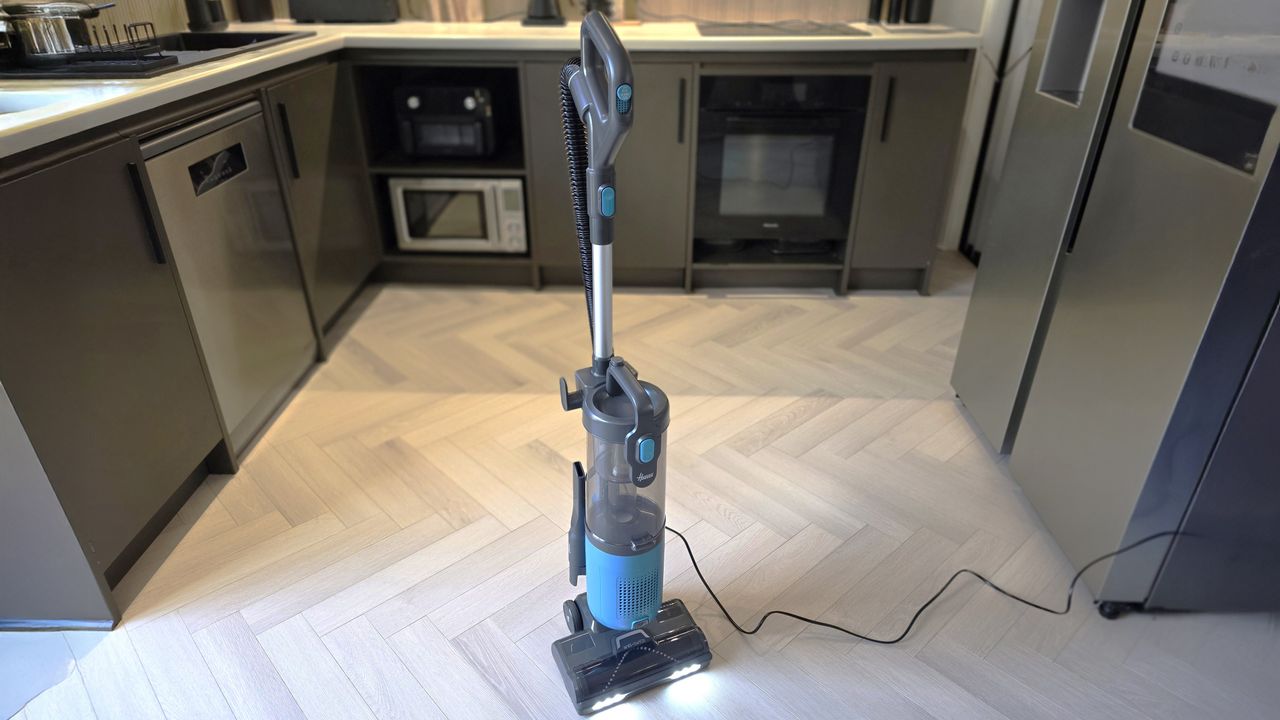
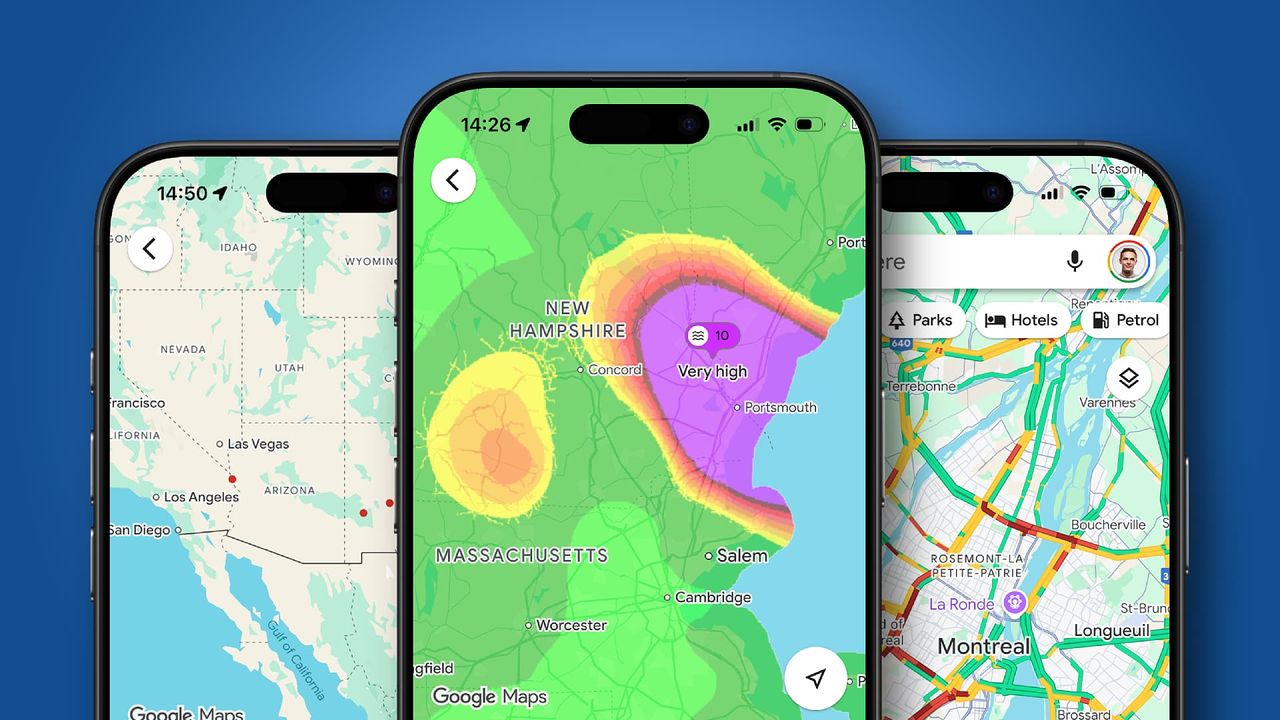



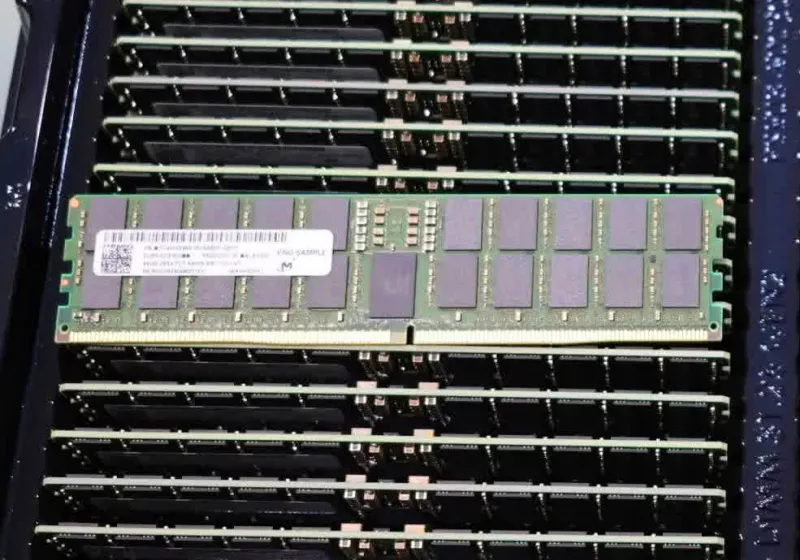





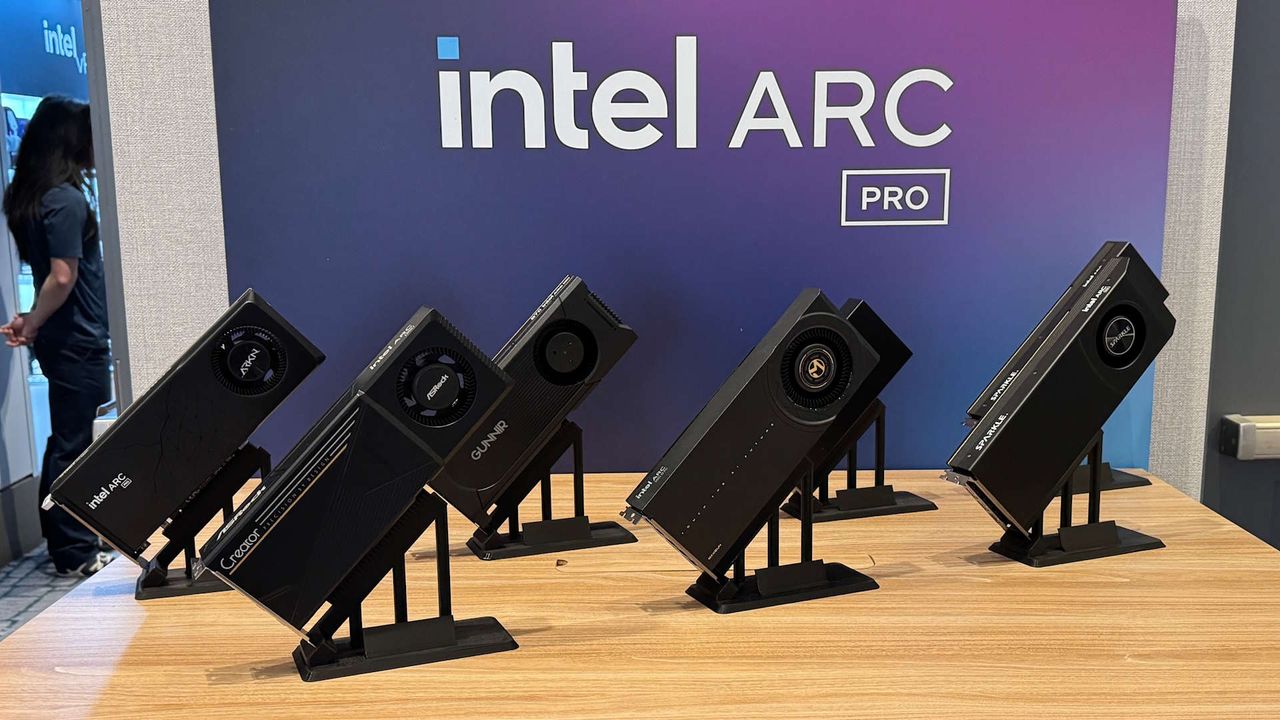

 The Google for Startups Accelerator offers mentorship and technical support to companies using AI to disrupt the energy sector.