Google Deepmind co-founder and Microsoft AI lead Mustafa Suleyman suggests that the big tech firm is moving away from OpenAI reliance, as the latter's financials look increasingly dire.
ScratchTrack is a multi-track DAW for macOS that brings version control to audio production. You can create branches to try new arrangements or mixes and then merge the best ideas without overwriting your main session.
With Google officially confirming the Pixel 10a will be coming soon, Optus is clearing out its stock of the 9a via this two-for-one deal, with plans starting at AU$92.46 per month.
If you've read my 'Wuthering Heights' review, you'll know why I won't be rushing to rewatch it this Valentine's Day. So may I suggest this sexier, and completely free, movie instead?
Tvist is more than a social network—it’s a vibrant community where creatives and authentic voices connect and step away from the algorithms and AI. Build your profile, forge new friendships, share your latest work, and spark genuine conversations with real people. Support fellow creators with comments and become part of groups that share your passion. Tvist empowers you with integrated tools; open your own shop, share your craft, and use the community to build trust and engagement. Paid membership will provide access to additional tools, limit fake profiles, and support an ad-free environment.
Though not a universally recognized name like Resident Evil or Silent Hill, Koei Tecmo's Fatal Frame series carved out its niche with unique features, namely a distinct Japanese horror feel in its story and setting, and the Camera Obscura, a very peculiar camera that enables regular people to see ghosts. The end results haven't always been perfect, but the series' unique vibe has made it a darling among many survival horror fans looking for something beyond the most celebrated series. Following the release of Maiden of Black Water in 2015, the Fatal Frame series returned in 2021 with a remake of the […]
Today's PlayStation State of Play has already seen a handful of exciting announcements, like the release date for Game Freak's upcoming Souls-like RPG, but fans of the God of War franchise are likely having an extra-special day, with two announcements coming out of the event. Firstly, God of War: Sons of Sparta, a 2.5D Metroidvania telling Kratos's origin story, has officially launched and is available for the PlayStation 5. Sons of Sparta follows Kratos during his days training as a warrior at the Agoge with his brother Deimos. Sons of Sparta was written by the same Santa Monica Studio team that was responsible for God of War 2018 and God of War Ragnarök, while the development was handled by Mega Cat Studios, a studio packed with experienced developers who have by now worked on a slew of Metroidvanias. The game promises dynamic combat with the classic Spartan sword and shield as well as a variety of "Gifts of Olympus," to spice things up.
Gini Talent provides global recruitment, staffing, employer of record, and business setup services across 100+ countries. It helps enterprises and high-growth teams hire, onboard, and stay compliant while scaling into new markets. Powered by proprietary tech and AI, it screens and shortlists thousands of candidates in hours, supports mass hiring, and connects you with IT consultants worldwide. From payroll and contracts to entity formation, it streamlines cross-border operations in one place.
Sony hosted its hour-long February 2026 State of Play today, and while plenty of the announcements were surprises, some of them, like the new Marvel Tokon: Fighting Souls reveal, we had a heads up on. After its Steam page was accidentally updated to include additional information, like how the game will feature 20 characters at launch, it seemed like a safe bet that it would be featured during today's event. Not only was it shown off, but we got another look at more gameplay with this trailer, specifically featuring the Unbreakable X-Men, with Storm, Magik, Wolverine, and Danger all joining […]
With Saros getting an April 30, 2026, release date confirmation during The Game Awards 2025, it seemed like a lock to be included during today's February 2026 State of Play, and it was. Housemarque did not disappoint, making a major show of more gameplay from Saros as we get closer to its release. Today's trailer dug deeper into the game's systems and focused more on what Housemarque means by its "come back stronger" mantra for Saros' gameplay style. We got a look at how you'll upgrade your armor via the Armor Matrix with resources you gather on your runs, and […]
It has been some time since we last saw Kratos in action in God of War Ragnarok, and it will likely be longer before we see how his and Atreus' story continues. However, fans of the series now have one more game to look forward to: a remake of the first three entries in the series. Announced at the end of today's State of Play presentation with a brief teaser trailer, the God of War Trilogy Remake will deliver a modernized version of the Greek Saga in which Kratos is at his most violent. Unfortunately, details are scarce at the moment, as the […]
Out of all the announcements included in today's February 2026 State of Play, the one that will potentially be the most remembered is Saber Interactive's reveal of a AAA John Wick game, featuring Keanu Reeves in the titular role, and the confirmation that the game is being made in collaboration with Chad Stahelski, director of the recent films and one of the key visonaries behind their success (who is also directing a Ghost of Tsushima film). You might recall that last month, almost right at the beginning of the year, Lionsgate teased that it was working on a major John […]
TechRadar exclusively reveals Hasbro’s new Star Wars: The Vintage Collection wave inspired by The Mandalorian & Grogu, including a deluxe Mandalorian & Grogu figure, Imperial Remnant AT-RT and troopers, and IG-11 ahead of the film's 2026 premiere.
Brigada Games and Devolver Digital’s zombie apocalypse checkpoint simulator puts you in control of your very own checkpoint. Check survivors, weed out the infected, and research the disease, and you just might survive in this viral indie game available now on Xbox PC and Game Pass.
Beast of Reincarnation is an upcoming story-driven Souls-like RPG from Game Freak that was previously shown off at an Xbox Developer_Direct earlier this year, with a cross-platform launch slated for late 2026. Now, thanks to a new PlayStation State of Play release date announcement trailer, the game date has an official PlayStation 5 release date of August 4, 2026. Previously, it was revealed that the game would launch cross-platform on day-one, so PC and Xbox Series players can expect to see the game on Steam and the Microsoft Store on August 4, as well. The release date announcement trailer also gave us a better look at the protagonist, Emma, her abilities as Purifier, and the various monsters gamers can look forward to facing off against in Beast of Reincarnation.
As was suggested in the previous announcement, it looks as though mobility and verticality will be an important part of both combat and traversal in the world—especially Emma's grapple ability, which features several times throughout the trailer. Similarly, coordinating attacks with your in-game companion, Koo, who seems to operate more or less independently during fights, also appears to be a central mechanic. It was also revealed that some monster fights will feature mid-fight evolutions—hardly surprising from Game Freak, a studio known for Pokémon.
The ASUS ROG Ally series is no stranger to issues, with early models of the ROG Ally suffering from issued with the microSD slot, due to its placement near the exhaust vent. Now, according to an automated message sent to a writer at Windows Central, ASUS is "experiencing high repair volumes" not too long after shipments started for the ASUS ROG Xbox Ally. This was discovered when Jennifer Young attempted to send in her five-month-old ASUS ROG Xbox Ally X for warranty repair after it spontaneously gave up the ghost, but was told that repairs could not be completed in the country of purchase, the UK, due to high repair volumes. Instead, select repairs will be processed in overseas repair centers, likely adding extra delays to the repair process.
High repair volumes aren't necessarily an indication of an issue with a device or any hardware at all—it could also indicate that the company sold far more devices than it had anticipated in a short timeframe. ASUS has previously had well-documented issues with its RMA and repair processes, however, and anecdotal Reddit reports also appear to indicate that the Xbox Ally X may have issues with the USB port, sticky buttons, and seemingly random motherboard issues. The reports of high repair volume come shortly after reports of software issues with the ASUS ROG Xbox Ally, although these seem to have been mostly caused by Microsoft itself, not ASUS.
Asine is an Android testing AI agent. Input natural language prompts (e.g., "Test login for crashes"), and the agent runs tests on cloud emulators, self-heals issues automatically, and delivers GIFs of executions along with reasoning logs. You can manage test cases and steps effortlessly in one dashboard. It is fast, smart, and script-free, saving you time and sanity!
After years of almost complete silence following Hideo Kojima's departure from Konami, the Metal Gear Solid series has finally returned to the spotlight with Metal Gear Solid Master Collection Vol. 1 and last year's Metal Gear Solid Delta: Snake Eater, a remake of the third entry in the series. While it's unknown if the remake developed by Virtuos and Konami will be followed by any other series' remake or new entry in the series, we have learned during today's State of Play presentation that fans will soon get the chance to experienceMetal Gear Solid 4: Guns of the Patriots and Metal Gear Solid: Peace […]
Star Wars: Galactic Racer made its gameplay debut during the February 2026 State of Play, with a short trailer from Fuse Games to showcase its podracing in action after the developer confirmed we'd have podracers alongside speeders and other vehicles from the Star Wars universe. The gameplay shown did its best to showcase how Fuse is trying to convey how insanely fast these vehicles are going. As much as the studio needs to hit the mark on the look of the world, the track design, and the handling for each of the vehicles, it'll all be for nought if it […]
Besides providing new looks at PlayStation Studios titles, the February 12 State of Play presentation showcased some of the biggest third-party games launching this year. Among them is Control Resonant, the second entry in Remedy Entertainment's series, and the studio's most ambitious game to date. An ambition that was made evident by the first gameplay showcase. The gameplay reveal, which can be watched below, shows how Dylan Faden, brother of Control's protagonist Jesse, takes on a wide range of paranatural threats using the environment and his shapeshifting weapon called Aberrant. Though only around 3 minutes long, the gameplay trailer does […]
As we predicted when Sony announced the State of Play, one of the PlayStation Studios reveals for tonight's showcase was the gameplay and release date reveal for Ghost of Yotei Legends, after it was initially announced during Gamescom 2025. Just like Ghost of Tsushima Legends, this new co-op multiplayer mode will be available as free DLC for players who already own Ghost of Yotei, and it'll arrive on March 10, 2026. Showcased with gameplay captured on a PS5 Pro, the new trailer showed a bit of the kinds of missions you'll get to play in Ghost of Yotei Legends, which […]
Around eight months after its debut on PlayStation 5, Death Stranding 2: On The Beach is launching on PC on March 19, complete with some PC-exclusive features. The game's release date on PC was confirmed with a new trailer shared during today's State of Play presentation, which also provided the first look at this new version of the game and some of its exclusive features, which include unlocked framerates (with the exception of cutscenes that will be locked at 60 FPS), ultrawide resolutions support, DualSense support, upscaling and frame generation, although the trailer did not specify if all current upscaling […]
Cursor claims Nvidia engineers produce three times more code using AI tools, yet industry observers remain skeptical about the quality and stability of the code.
Corsair Gaming, Inc. (Nasdaq: CRSR) ("Corsair" or the "Company"), a leading global provider and innovator of high-performance products for gamers, streamers, content-creators, gaming PC builders, and sim racing enthusiasts, today announced financial results for the fourth quarter and full year ended December 31, 2025, as well as guidance for the first quarter and full year 2026.
The Company also announced that its Board of Directors authorized the Company to repurchase up to $50 million of its outstanding common stock. This represents Corsair's first repurchase authorization. The repurchase program is effective immediately, does not have an expiration date and is subject to market conditions, applicable laws and regulatory guidelines.
Didero functions as an agentic AI layer that sits on top of a company’s existing ERP, acting as a coordinator that reads incoming communications and automatically executes the necessary updates and tasks.
Any consumer electronic that features DRAM will get expensive to the point that its affordability will be out of your range. Soon, 8GB RAM configurations will become common, but here’s something you don’t see every day. The Acer Aspire 14 AI, a 14-inch Windows 11 notebook that’s equipped with 16GB RAM and up to a 1TB SSD, is available for as low as $459.99. How? Well, Amazon is giving you an incredible opportunity to own a decent portable computer, but you’ll have to hurry because these deals don’t stay active for long. The Acer Aspire 14 AI is also marketed […]
Applied Materials must pay a $252 million civil penalty to settle allegations that it illegally exported semiconductor manufacturing equipment to SMIC subsidiaries.
Xbox plans to prepare developers for the future at GDC 2026 Microsoft has confirmed that it will be at GDC 2026 in full force, with plans to discuss the “future of Xbox”, implying that we will hear about the company’s “next-generation” plans at the event. While Microsoft’s statements are somewhat vague, a talk from their […]
Hello to all bikers out there! The wait is finally over: Ride 6 is out tomorrow (February 12), and it's time to rev up and start a new adventure. Over the past two years, we've poured our hearts into creating an experience that celebrates every aspect of motorcycle culture. Today, we're excited to pull back the curtain on one of the pillars of this new chapter: how we brought over 40 tracks to life in the game. As you know, Ride 6 features both real-world and fictional tracks, each crafted with utmost care. Our teams worked hard to recreate iconic locations that have shaped motorcycling history, while also designing completely original tracks that are just as memorable and fun to ride.
For real tracks, the process starts on location. We map the entire circuit from above using drones, capturing anywhere from 2,000 to 2,500 photos depending on the size and complexity of the track. Before flying, we set up 20-25 Ground Control Points (GCPs). These are PVC panels marked with an "X," and we record their exact positions with high-precision GPS antennas. Once the photos are taken, we link each GCP to every image it appears in, attaching the corresponding GPS coordinates. This method allows us to generate point clouds with an impressive margin of error of just 2.5 cm.
Late last October, Qualcomm revealed its AI200 and AI250 chip-based accelerator cards, and racks. Oddly, the company's press material mentioned the utilization of Low-Power DRAM (LPDDR) memory rather than in vogue High Bandwidth tech (HBM)—the latter has quickly become the de facto choice for cutting-edge AI-crunching enterprise platforms. Modern types of LPDDR memory are normally found in portable devices powered by Qualcomm chipsets, but the San Diego-headquartered fabless semiconductor firm seems to be exploring the deployment of LPDDR6X modules in server-grade equipment. According to inside track information—published by The Bell South Korea—Samsung Electronics has reportedly sent prototype LPDDR6X samples of to the House of Snapdragon chips.
One of The Bell's anonymous industry sources opined that this move was a little bit out of the ordinary; given that the LPDDR6 (non-X) standard received official JEDEC certification not that long ago (Q3 2025). The still in-progress Samsung LPDDR6X development project has been linked to Qualcomm's 2027 launch of the AI250 inference-focused server platform. The publication's official contact believes that a tight AI200-series release roadmap has prompted the very early supply of LPDDR6X modules. Last month, rumors emerged about the AI200 and AI250 inference accelerators being sized up with SOCAMM2 in mind. In December, the Samsung Memory Product Planning Team divulged forthcoming branches of non-X tech—most notably that "low-power DRAM technologies such as SOCAMM" are being spun-off from "AI-focused module solution(s) leveraging LPDDR6 architecture."
Just few more days until the horrors begin! REANIMAL, the highly anticipated co-op horror game from Tarsier Studios, creators of Little Nightmares and Little Nightmares II, launches this Friday, February 13. Pre-ordering the Deluxe Edition now secures 10% savings and grants access to the REANIMAL Season Pass, which includes all three DLCs in The Expanded World campaign—delivering all-new horrors for players to survive.
There are three upcoming chapters in The Expanded World, the first of which is scheduled to release in summer 2026. The Expanded World will weave a completely original story around new child protagonists, thrusting players into chilling new environments and monstrous horrors across the war-torn REANIMAL island.
Mid-way through the week, computer game hardware observers started to notice the dwindling availability of Valve's Steam Deck OLED handheld. The popular portable gaming PC first launched almost three years ago, first releasing as the LCD screen-based version. The 256 GB LCD model was discontinued last December, leaving the more expensive OLED options—in 512 GB and 1 TB configured forms—in charge of keeping Valve's handheld legacy alive. Unfortunately, prospective buyers—in North America, Japan (via Komodo—Valve's regional distribution partner), Taiwan, South Korea, and Hong Kong—are unable to acquire new OLED stock. Initial reportage has highlighted a "plentiful" supply for UK and Australia-based customers, but several key market territories are seemingly affected by a sudden shortage. At the time of writing, Valve has not commented on this head scratching situation.
A lack of official announcements has driven online community speculation; mainly about possible dry spells of Steam Deck-related component shipments. Presently, the two OLED SKUs utilize 16 GB of unified LPDDR5-6500 RAM, paired with 512 GB or 1 TB NVMe SSDs. The ongoing computer memory and storage crisis has caused plenty of price fluctuation chaos throughout late 2025 and early 2026. Coinciding with troubled times (November 2025), Valve unveiled a new wave of Steam products. As of this month, the Bellevue, Washington-based corporation has remained schtum about the launch MSRP of its Steam Machine. In a worst case scenario, fearful portable and SFF gaming hardware enthusiasts are imagining forthcoming price hikes of Steam Deck OLED hardware, and $1000+ cost of ownership for Valve's second attempt at breaking the mini PC market.
This early implementation is purely experimental. 3mdeb describes it as a proof of concept rather than a stable release, noting that it's not suitable for production systems. Yet the project gives firmware developers a rare opportunity to see how AMD's next-generation silicon initialization layer operates in practice before it replaces...
Allumeria is a voxel-based sandbox game centered on exploration, boss fights, and dungeon raids. Although it is expected to enter early access soon, the indie title nearly disappeared from Steam due to what appears to be an overzealous AI bot.
MasterIt.AI delivers cognitive technical assessments that evaluate how developers reason and collaborate with AI, not just whether their code compiles. It places candidates in AI-assisted scenarios and measures metacognition, handling ambiguity, and contradiction detection. The platform captures problem-solving approaches, validates how candidates use AI tools, and produces clear reports that help teams hire faster with better fit. Use realistic case studies, coding with Copilot, and AI PM/EM discussions to see how candidates think.
Squanch Games CEO Mike Fridley has said releasing High on Life 2 simultaneously on Xbox and PlayStation was a "no-brainer" following the first game's long Xbox exclusivity window.
Emails published by the Justice Department revealed cybersecurity veteran Vincenzo Iozzo emailed, and arranged to meet, Jeffrey Epstein multiple times between 2014 and 2018.
Ubisoft has just reported its third-quarter financial results for its 2025 fiscal year, which covers the last three months of 2025, ending right at the end of the year on December 31, 2025. This is an important distinction to make, only because these results do not include all of the layoffs and restructuring that happened at the start of this year when the company announced its "major reset." This means that Ubisoft went forward with its plan to reorganize the entire structure of the company and layoff hundreds of workers across multiple of its global branches and its own headquarters […]
Smartphones and PCs were going to be the obvious casualties of the DRAM shortage, but this global problem has also begun affecting routers, with the latest data revealing that companies mass producing networking equipment that don’t have a secure supply chain or strong negotiation power have been struck the hardest. With demand for memory increasing for AI server segments, both DRAM and NAND flash prices have jumped by more than 600 percent, meaning that if you want to upgrade your home or work network, you’d better upgrade fast. Around 20 percent of low-to-mid routers’ Bill Of Materials (BOM) accounts for […]
Earlier today, Pearl Abyss published its Q4 2025 earnings report, and in the subsequent earnings call, the South Korean company revealed interesting tidbits about what it will focus on after the imminent launch of Crimson Desert. The executives revealed that, depending on market demand (that is to say, depending on how well the game sells), Pearl Abyss already has plans to potentially add downloadable content and even multiplayer. As you probably remember, the game was actually supposed to be an MMO at first. Then it shifted to an open world game with multiplayer elements, but in the last few years, Pearl Abyss hasn't […]
Three years ago this coming April, Wccftech's Alessio Palumbo caught up with Kwalee Labs (formerly Bonsai Collective) to talk about their debut game, Luna Abyss. A UK-based game studio co-founded by Harry Corr, Benni Hill, and former Team17 producer, Hollie Emery, they started working together in 2019, setting out to create what would become a story-driven, first-person bullet-hell shooter (FPBHS) set in a dystopian world where you play as Fawkes, a prisoner stuck not just in the dreary prison of Luna, but in the middle of a mysterious prophecy. While we still don't have an exact release date, back in […]
As the SaaS market reels from a sell-off sparked by autonomous AI agents like Claude Cowork, new data shows a 53% drop in AI-driven discovery sessions. Wall Street dubbed it the “SaaSpocalypse.”
Whether AI agents will replace SaaS products is a bigger question than this dataset can answer. But the panic is already distorting interpretation, and this data cuts through the noise to show what SEO teams should actually watch.
Copilot went from 0.3% to 9.6% of SaaS AI traffic in 14 months
From November 2024 to December 2025, SaaS sites logged 774,331 LLM sessions. ChatGPT drove 82.3% of that traffic, but Copilot’s growth tells a different story:
SaaS AI Traffic by Source (Nov 2024 – Dec 2025)
Source
Sessions
Share
ChatGPT
637,551
82.3%
Copilot
74,625
9.6%
Claude
40,363
5.2%
Gemini
15,759
2.0%
Perplexity
6,033
0.8%
Starting with just 148 sessions in late 2024, Copilot grew more than 20x by May 2025. From May through December, it averaged 3,822 sessions per month, making it the second-largest AI referrer to SaaS sites by year-end 2025.
Investors erased $300 billion from SaaS market caps over fears that AI agents will replace enterprise software. But this data points to a less dramatic force: proximity.
Copilot thrives because it captures intent inside the workflow. Standalone tools saw a 53% traffic drop while workplace-embedded AI grew 20x.
Software evaluation is work, and Copilot sits where that work happens.
When someone asks, “What CRM should we use for a 20-person sales team?” while building a business case in Excel, that moment is captured—one ChatGPT never sees. The May surge reflects that activation: Microsoft 365 users realizing they could research software without opening a new tab.
41.4% of SaaS AI traffic lands on internal search pages
SaaS AI discovery sends users to internal search results first, not product pages.
Top SaaS Landing Pages by LLM Volume
Page Type
LLM Sessions
% of AI Traffic
Penetration vs Site Avg
Search
320,615
41.4%
8.7x
Blog
127,291
16.4%
8.1x
Pricing
40,503
5.2%
3.2x
Product
39,864
5.1%
2.0x
Support
34,599
4.5%
2.1x
Despite capturing 320,615 sessions — more than blog, pricing, and product pages combined — this dominance likely reflects LLM limitations, not superior content. LLMs route users to search when they lack a specific answer.
For SaaS companies watching their stock crater, that’s useful news: there’s a concrete technical fix. The 41.4% isn’t an existential threat. It’s a crawlability problem.
When an LLM can’t find a direct answer, it defaults to the site’s internal search. The AI treats your search bar as a trusted backup, assuming the search schema will generate a relevant page even if a specific product page isn’t indexed.
At 1.22%, search page penetration is 8.7x the site average. The cause is a “safety net” effect, not optimization.
When more specific pages — like Product or Pricing — lack the data an LLM needs, it falls back to broader search results. LLMs recognize the search URL structure and trust it will return something relevant, even if they can’t predict what.
Blog pages follow with 127,291 sessions and 1.13% penetration. These are structured comparison posts — “best CRM for small teams” or “Salesforce alternatives” — that LLMs cite when they have specific recommendations.
Pricing pages show 0.45% penetration; product pages, 0.28%. When users ask about software selection, LLMs route to comparison surfaces — search and blog — first. Direct product or pricing pages get cited only when the query is already vendor-specific.
The July peak and Q4 decline reflect corporate work cycles
SaaS AI traffic peaked in July at 146,512 sessions, then declined steadily through Q4:
Month
Sessions
Change
July 2025
146,512
Peak
August 2025
120,802
-17.5%
September 2025
134,162
+11.1%
October 2025
135,397
+0.9%
November 2025
107,257
-20.8%
December 2025
68,896
-35.8%
Every platform declined. ChatGPT’s volume was cut in half, dropping from 127,510 sessions in July to 56,786 by year-end. Copilot fell from 4,737 to 2,351. Perplexity dropped from 7,475 to 3,752.
Two factors drove the slide:
People weren’t working. August is vacation season, November includes Thanksgiving, and December is the holidays. Software research happens during work hours; when offices close, discovery drops.
Q4 ends the fiscal “buying window.” Most teams have spent their annual budgets or are deferring contracts until Q1 funding opens. Even teams still working aren’t evaluating tools because there’s no budget left until the new fiscal year.
The July peak reflects midyear momentum: people are working, and Q3 budgets are still available. The Q4 decline reflects both fewer researchers and fewer active buying cycles.
This is where the sell-off narrative breaks down.
Investors treat a 53% traffic drop as proof that AI discovery is stalling. But the data aligns with standard B2B fiscal cycles.
AI isn’t failing as a discovery channel. It’s settling into the same seasonal rhythms as every other B2B buying behavior.
What this data means for SEO teams
Raw traffic numbers don’t show where to invest. Penetration rates and landing page distribution reveal what matters.
Track penetration by page type, not site-wide averages
SaaS shows 0.41% sitewide AI penetration, but that average hides concentration. Search pages reach 1.22%—8.7x higher. Blog pages hit 1.13%. Pricing pages are at 0.45%. Product pages lag at 0.28%.
If you’re only tracking total AI sessions, you’re measuring the wrong metric. AI traffic could grow 50% while penetration on high-value pages declines. Volume hides what matters: where AI users concentrate when they arrive with intent.
Action:
Segment AI traffic by page type in GA4 or your analytics platform.
Track penetration (AI sessions ÷ total sessions) by page category monthly.
Identify pages with elevated concentration, then optimize those surfaces first.
Search results pages are now a primary discovery surface
Internal search captures 41.4% of SaaS AI traffic. If those results aren’t crawlable, indexable, or structured for comparison, you’re invisible to the largest segment of AI-driven buyers.
Most SaaS sites treat internal search as navigation, not content. Results return paginated lists with minimal product detail, no filter signals in URLs, and JavaScript-rendered content LLMs can’t parse.
Action:
With 41.4% of traffic hitting internal search, treat your search bar as an API for AI agents.
Make search pages crawlable (check robots.txt and indexability).
Add structured data using SoftwareApplication or Product schema.
Surface comparison data — pricing, key features, user count — directly in results, not just product names.
Make your data legible to LLMs — pricing and content both
The sell-off is pricing in obsolescence, but for most SaaS companies the real risk is invisibility. Pricing pages show 0.45% AI penetration—below the 0.46% cross-industry average. Blog pages captured 127,291 sessions at 1.13% penetration, but only when content directly answered selection queries. The pattern is clear: LLMs cite what they can read and parse. They skip what they can’t.
Many SaaS sites still gate pricing behind contact forms. If pricing requires a sales conversation, AI won’t recommend you for “tools under $100/month” queries. The same applies to blog content. When someone asks, “What CRM should I use?” the LLM looks for posts that compare options, define criteria, and explain tradeoffs. Generic thought leadership on CRM trends doesn’t get cited.
Action:
Publish pricing on a dedicated, crawlable page. Include representative examples, seat minimums, contract terms, and exclusions.
Keep pricing transparent. Transparent pages get cited; gated pages don’t.
Replace generic blog posts with structured comparison pages. Use tables and clear data points.
Remove fluff. Provide grounding data that lets AI verify compliance and integration capabilities in seconds, not minutes.
Workplace-embedded AI is growing 10x faster than standalone LLMs
Copilot grew 15.89x year over year. Claude grew 7.79x. ChatGPT grew 1.42x. The fastest growth is in tools embedded in existing workflows.
Workplace AI shifts discovery context. In ChatGPT, users are explicitly researching. In Copilot, they’re asking questions mid-task—drafting a proposal, building a comparison spreadsheet, or reviewing vendor options with their team.
Action:
Track Copilot and Claude referrals separately from ChatGPT. Monitor which pages these sources favor.
Recognize intent: these users aren’t browsing — they’re mid-task, deeper in evaluation, and closer to a purchase decision.
Show up in workplace AI discovery to support real-time purchase justification.
Survival favors the findable
The 53% drop from July to December reflects AI usage settling into the software buying process. Buyers are learning which decisions benefit from AI synthesis and which don’t. The remaining traffic is more deliberate, concentrated on complex evaluations where comparison matters.
For SaaS companies, the window for early positioning is closing. The $300 billion sell-off is hitting the sector broadly, but the companies that survive the repricing will be those buyers can find when they ask an AI agent, “Should we renew this contract?”
Teams investing now in transparent pricing, crawlable data, and comparison-focused content are building that findability while competitors debate whether AI discovery matters.
Overclockers UK is currently offering 40% off one of its best value gaming chairs Let’s be honest, every desk setup needs a good chair. While we often focus on the technical aspects of our PCs here, it cannot be denied that good seating matters. Overclockers UK is currently offering enthusiasts up to 40% off TX3 […]
Xbox’s GDC 2026 lineup, led by Jason Ronald, reinforces a clear ecosystem first strategy with a strong Play Anywhere and PC development push, but no confirmed new hardware announcements.
AMD enables Hollywood's most demanding creators as they stretch the boundaries of visual storytelling. On Feb. 9, 2026, the Advanced Imaging Society (AIS) presented AMD with its Production Technology Lumiere Award to recognize the capabilities of its latest generation of "Zen 5"-based EPYC Server and Ryzen Threadripper Pro workstation processors. During the ceremony, the award presenter, Evan Jacobs, Vice Chair of AIS from Marvel Studios, underscored how dramatically computing technology has reshaped filmmaking. "Using a 2005 vintage workstation to render next year's "Toy Story 5," the team at Pixar would need 131 years to get Woody and Buzz Lightyear to the screen." Today, that same level of work can be completed in hours thanks to the newest architecture from AMD.
AMD Current-gen Processors Power a New Era of Filmmaking
AMD processors deliver compute‑dense architecture, exceptional throughput, and leadership energy efficiency. With up to 192 cores on EPYC and up to 96 cores on Threadripper Pro, AMD processors give studios the power to consolidate demanding workloads, accelerate creative iteration, and keep production timelines on track. Studios are increasingly turning to high-density, energy-efficient compute to meet the demands of real-time rendering, complex simulations, and AI-driven workflows. AMD EPYC and Threadripper Pro platforms enable that shift, giving directors and artists the power to hit their creative and production goals without compromise.
This week, South Korean semiconductor industry news outlets have mentioned an imminent unveiling of cutting-edge memory-making equipment at this month's Semicon Korea 2026 exhibition. This important trade event kicked off yesterday (February 11)—soon after start time, a Heraldcorp article appeared online; predicting Hanmi Semiconductor's presenting of a brand-new Wide TC Bonder. A photo of the company's freshly established booth shows printed promotional material that showcases the latest production hardware. Reportedly, the newest tech is being positioned as an "alternative to Hybrid Bonder (HB) for High Bandwidth Memory (HBM) mass manufacturing." Local experts believe that the commercialization of Hybrid Bonders has been delayed numerous times, due to widespread technical difficulties. Apparently, Wide TC Bonder equipment—due for launch within the latter half of 2026—offers many advantages over the older design.
Chosun Biz managed to extract early comments from a Hanmi representative, ahead of a full product introduction—the newer standard: "applies advanced precision (and fluxless) bonding technology that can improve HBM production yield, quality and completeness." These pleasing enhancements can affect incoming lines (e.g. HBM4), but Hanmi foresees Wide TC Bonder factory tech being crucial in the making of futuristic HBM5 and HBM6 products. Last summer, a joint venture presentation theorized further HBM roadmaps—extending into 2038. At the time, KAIST and TERA outlined a journey that will start with HBM4 debut on NVIDIA "Rubin"-based AI accelerators (in 2026). By the end of the 2030s, they predict the arrival of HBM7.
Optical mouse switches have become all the rage in gaming mice these days, thanks to reduced latency and improved durability, but unless you're buying from Razer or Logitech, the only options for optical switches have been Kailh and Omron. Now, budget keyboard and mouse switch maker, Huano, looks to be entering the fray with the Huano Nuo optical switch, which has shown up in a Bilibili video review of the Xinmeng Zero 1 Pro gaming mouse.
According to the mouse's spec sheet, shared by @PhalangesCo on X, the Huano Nuo optical switches have a rated lifespan of 100 million clicks, which is higher than many Huano mechanical switch options but only on-par with the company's options typically found in budget high-performance gaming mice. The Zero 1 Pro gaming mouse the Huano Nuo optical switches are featured in is a hyper-budget gaming mouse, coming in at just RMB 39, or USD 5.65 converted, which is a good sign that the optical switches will also make it to other more affordable gaming mice in the global market.
Razer, the leading global lifestyle brand for gamers, today unveiled the BlackShark V3 for Xbox - White Edition, expanding the lineup with a crisp new finish that complements any Xbox setup. Already celebrated for its comfort, isolation, and competitive clarity, the BlackShark V3 now offers players a bold new way to elevate their console battlestation.
Trusted Performance. Now in White.
The BlackShark V3 series has earned its reputation among console competitors for delivering precise audio, long‑lasting comfort, and proven tournament-grade performance. The new White Edition enhances that legacy with a clean, modern aesthetic designed to shine in any environment.
The time has finally come! Are you ready to Forge Your Legend? From the team at MercurySteam and 505 Games comes Blades of Fire, launching May 14th, 2026, on Steam. Play as Aran de Lira, the last warrior able to forge true steel in a world where metal turns to stone. Survival depends on patience, understanding, and commitment to the weapons you choose to create. Combat is deliberate, weighty, and unforgiving. Weapons are forged with intent and permanently shaped by your choices. Progress comes from understanding your enemy and the blade you forged to face them.
DEMO AVAILABLE NOW!
To celebrate today's announcement, our community can jump into Blades of Fire starting today with a dedicated demo. Launching as part of the upcoming Steam Next Fest, our demo offers several hours of gameplay, letting you experience the art of forging your own weapons, our unique combat system, and a face-to-face encounter with a big troll. What's not to love?! What's more, your progress from the demo will carry over to the full game at launch.
NVIDIA continues to gingerly navigate trade restrictions that affect shipments of high-end graphics cards and AI accelerators into China. Over the past couple of years, region-specific "nerfed" GPU specifications and reduced allocations of VRAM have produced a good number of "lesser" gaming and professional components. For example, a November 2025 leak suggested the readying of an appropriately "reduced" RTX 6000D Blackwell model—seemingly based on Team Green's "unpasteurized" Western market variant. Despite recently arriving without a "PRO" designation, Chinese AI companies and well-heeled PC enthusiasts will be receiving a highly capable bit of hardware. The passively-cooled NVIDIA RTX 6000D card carries 84 GB of GDDR7 video memory; representing a slight downgrade over its non-nerfed sibling's provision of 96 GB (on a 512-bit bus). A video teardown—courtesy of the GINNSOD Bilibili channel—shows an incredibly dense module layout on the card's PCB, consisting of 28 individual 3 GB chips.
This clever clamshell layout surrounds a Team Green "GB202-891-KA-A1" GPU die. Aptly, GINNSOD's presenter refers to the TechPowerUp GPU database for key points of interest—notably, the card's 448-bit memory bus, 19968 shader unit count, and 2430 MHz boost clock. The reference board design is listed as having a 600 W TDP rating, but yesterday's presentation shows only a maximum of 419 watts being sipped by the lab's test subject. International observers have noted that the gory teardown shows a PCB design reminiscent of the RTX PRO 6000 Blackwell model's internal setup, though the latter enjoys having all of its VRAM module bays filled up (with thirty-two 3 GB chips). By contrast, the RTX 6000D's board features four unoccupied spaces. As a system integrator, GINNSOD offers aftermarket liquid-cooled modifications/upgrades—the latter half of the teardown vid delves into the fitting of a custom-made solution. VideoCardz noted that the company has listed a ~$26,000 workstation system armed with twin RTX 6000D cards and an AMD Threadripper Pro CPU. Said pre-built computer can be seen at various points in GINNSOD's showcase.
PowerFox is one of the few actively maintained browsers still supporting macOS 10.5 Leopard and 10.6 Snow Leopard. Built for both PowerPC and early Intel Macs, it delivers features long thought impossible on these systems, including TLS 1.3 support, up-to-date certificate handling, and regular security fixes.
In a letter to Gov. Gavin Newsom, more than two dozen advocacy organizations – including the Electronic Frontier Foundation and Imperial Valley Equity and Justice – urged California officials to revoke permits for the installation of these covert sensors. The groups said the devices are part of an extensive domestic...
Morni aggregates hundreds of international media outlets in real time. Its AI cross-references sources, synthesizes, and enriches each article to provide a clear and comprehensive feed. You can customize your coverage with categories and lists, and access a daily summary in text or audio with the Pro plan. The ad-free service respects your time and offers an AI chat assistant to delve deeper into the topics that interest you.
Google on Thursday said it observed the North Korea-linked threat actor known as UNC2970 using its generative artificial intelligence (AI) model Gemini to conduct reconnaissance on its targets, as various hacking groups continue to weaponize the tool for accelerating various phases of the cyber attack life cycle, enabling information operations, and even conducting model extraction attacks.
"The
Cybersecurity researchers have discovered a fresh set of malicious packages across npm and the Python Package Index (PyPI) repository linked to a fake recruitment-themed campaign orchestrated by the North Korea-linked Lazarus Group.
The coordinated campaign has been codenamed graphalgo in reference to the first package published in the npm registry. It's assessed to be active since May 2025.
"
YouTube has finally launched a native app for Apple Vision Pro, eliminating the Safari workaround and bringing the world’s largest video platform fully into visionOS.
I'm terrible for having multiple apps and websites open at once while I work, so it's about time I get a new laptop - and the Asus Vivobook 16 could be perfect.
Pixel VPN by Google is rolling out a usability-focused update that adds live connection status to its Quick Settings tile, making it easier to check whether your VPN is connected, paused, or having issues at a glance.
CEO Chris Urmson called it a “superhuman” moment, adding that Aurora’s trucks can now carry freight 1,000 miles in 15 hours — faster than what a human driver can legally accomplish.
Two new budget gaming laptops have been launched by Colorful, featuring the RTX 5050 and RTX 5060 GPUs. Colorful Unveils EVOL P15 Gaming Laptops, Featuring Core i7 14650HX-RTX 5060 and Core i5 13420H-RTX 5050 Configurations Hardware manufacturer Colorful has today introduced two new gaming laptops for the budget segment. These are equipped with affordable hardware to cater to the demands of gamers and professionals. These are the Colorful EVOL P15 gaming laptops, featuring two different configurations that bring the budget NVIDIA RTX 50 series GPUs as well as Intel's mid-range/high-end CPUs from the previous generations. The Colorful EVOL P15 marks […]
While 1,200 Ubisoft employees are on strike this week in response to the company's recent "major reset," yet another piece of evidence regarding the heavily rumoured Assassin's Creed IV: Black Flag remaster has appeared online. Spotted by IGN, an Amazon UK listing for an Assassin's Creed IV: Black Flag Remastered art book is up and available for pre-orders. It also, interestingly, has a March 24, 2026, release date attached to it. What makes the art book seem legit, beyond the fact that Ubisoft is listed as the book's author, is that Titan, the publisher behind several Assassin's Creed artbooks, is […]
Samsung's return to the HBM market is a sight to see, and according to the latest announcement, its HBM4 process offers blazing-fast speeds and is now commercially deployed. Samsung's HBM4 Reaches Up to 13 Gbps, Making It Ideal For Integration With Vera Rubin The HBM industry is certainly seeing a shift in market dynamics, mainly in the distribution of market share among SK hynix, Samsung, and Micron. In particular, the race with the HBM4 technology has become much more competitive, and the Korean giant has improved its offerings by a huge margin. In the company's latest post, Samsung has revealed […]
NVIDIA's Blackwell platform has brought new levels of token optimization to AI inference workloads, as the company reveals a massive milestone in the realm of tokenomics. NVIDIA's GB200 NVL72 Achieves 10x Better Tokenomics Than Hopper, Credited "Expert-Level" Parallelism While NVIDIA has been racing to build new infrastructure in the AI world, one of the company's biggest focuses has been improving the efficiency of the hardware it deploys. And, with the Blackwell-trained frontier AI models dropping in the industry, we have seen how NVIDIA has progressed with token output and costs, and now, in a new blog post, the company has […]
The latest and greatest QD-OLED panels from Samsung are now "Penta Tandem," signaling the move to a five-layer OLED stack from the previous 4-layer one. Three panel classes — 4K 27" (2025), 31.5" 4K (2026), and 34" ultrawide (2026) — are already using this tech, while the 49" is next in line for the upgrade.
Lunar New Year is approaching, and 2026 is the Year of the Horse. Whether you’re traveling for the holiday or connecting with loved ones overseas, language barriers shou…
It has been leaked on multiple occasions that Ubisoft is working on an Assassin's Creed Black Flag remake, and the game was said to be as soon as March 2026, although this was called into question when Ubisoft cancelled and delayed a slew of games earlier in 2026 over concerns of quality. Assassin's Creed Black Flag was thought to be pushed back as well, but a new Amazon listing suggests that this may not be the case.
An Amazon listing for a hardcover Assassin's Creed Black Flag Remake art book by Ubisoft currently shows list pricing of $54.48, with a 25% pre-order discount, but more interestingly, it also lists a release date of March 24, 2026. This is ahead of the previous assumed March 31 launch date for the game itself, so the launch date may just be a placeholder—after all, there is no cover art for the book on the site either—but it may suggest that the Black Flag Remake may still launch towards the end of March.
Pulsar is known for its high-performance, lightweight gaming mice, but also for having about a million colorways and special edition patterns for the aforementioned mice. In a new post on X, Pulsar has revealed six new colorways coming to a variety of CrazyLight gaming mice and confirmed the release date of the previously leaked Pulsar X2N gaming mouse. The X2N looks to be a tweaked version of the X2 and X2H with a slightly narrower front and a lower, slightly more forward hump design.
As for the rest of the Wildscape colorways, they are all exclusive to their respective mice: X2H gets the burnt red Volcano colorway; the X3 gets the sandy-brown Desert color; the X2 gets the green and yellow Forest; and the Xlite gets the gray and blue Rock. The X2N Ocean colorway will launch later in February, with the other new Wildscape colors launching throughout April. Pulsar previously revealed that the X2N will be available in both mini and medium sizes when it launches on February 24, 2026.
Our favorite time of the year is nearly upon us: the annual (and newly renamed) GDC Festival of Gaming is next month! We're looking forward to seeing old friends, making new ones, and sharing our vision for empowering developers today and into the future. This year, GDC takes place from March 9-13 at the Moscone Convention Center in San Francisco, California. We'll host partner meetings, participate in conference sessions, and sponsor events like the IGF Awards and the ESA Foundation's Nite to Unite. Attendees that come by the Xbox Lounge in Moscone South Lobby can journey through our exhibit featuring key moments across 25 years of Xbox history, meet Xbox Subject Matter Experts, learn what steps they can take to begin building for the future, and sign up for our newsletter to receive a community pin.
At GDC, we'll share how we're giving developers the freedom to create and play on any device, with anyone, anywhere. We want to make it easier for developers to build and ship games, provide more ways to reach players, and offer more freedom to bring their bold creative ideas to life. Our goal is to empower creators of every size by providing cutting‑edge tools, services, and opportunities that accelerate innovation, reduce barriers, and help developers bring their games to players everywhere. This year, for the first time, we are hosting the Xbox Dev Summit, where we'll be presenting six sponsored sessions to help prepare attendees to build for what's next. The Xbox Dev Summit is in West Hall Room 3001/3003 and will be kicking off with Jason Ronald, VP of Next Gen, at 10:10am on Wednesday, March 11.
Last autumn, AMD provided an update regarding developmental progress of its openSIL open-source project. According to Raj Kapoor's presentation at last year's OCP Global Summit, the Red Team intends to publish its sixth-generation "Zen 6"-based EPYC "Venice" CPU openSIL sources at some point in 2026. The company's lead firmware architect reiterated that the newer silicon-initialization stack will eventually replace the familiar legacy AGESA firmware line. As of last summer, only one section of AMD's "Zen 5" family has received openSIL support—the EPYC 9005 "Turin" server processor product range. Earlier this week, a 3mbdeb blog entry detailed a compelling experiment that involved the initial "enabling (of) AMD AM5 'Phoenix' support in Coreboot." In the past, this Polish open-source consulting company has experimented with unusual ports of OpenSIL and Coreboot (via the Dasharo distribution). NLnet Foundation funding provided a secure base to start 3mbdeb's Gigabyte MZ33-AR1 porting project, leading to present-day tinkering with MSI's PRO B850-P consumer-grade mainboard design.
Mid-way through their post, they detail a handful of problems, including: "some issues may arise when parsing combo images for AM5 desktop platforms. The desktop images are more complex than server ones. A single PSP (Platform Security Processor) directory may support multiple CPU families, whereas on servers, each CPU family required separate PSP directory. This adds complexity, a need to distinguish PSP directories from each other, and determine the supported CPUs by given directory." So far, the MSI B850-P Pro-based tests have reached a phase of development that is "just enough to (achieve) boot." When outlining a next major milestone, 3mbdeb intends to: "add basic support for desktop AM5 'Phoenix' platform to distinguish mobile CPUs from desktop CPUs in Coreboot. This will serve as a base to cover the differences between the mobile and desktop Phoenix SoCs/APUs." They stress that their 'Phoenix' OpenSIL project is still in a "Proof of Concept" stage, so "not intended for production use." In summary, 3mbdeb's firmware engineer (Michał Żygowski) recommends that external testers wait for the arrival of "exciting" future releases.
Sony Electronics Inc. today is introducing the next generation of its critically acclaimed 1000X series with the WF-1000XM6 truly wireless noise-canceling earbuds. Building on the legacy of the 1000X series, the WF-1000XM6 achieves outstanding sound quality with the best noise-canceling precision, enhanced call quality, and improved connectivity compared to the WF-1000XM5 predecessor model, as well as an ergonomic design which has been optimized for a comfortable fit.
In addition, Sony is also introducing a Sand Pink version of its industry-leading WH-1000XM6 over ear wireless noise-canceling headphones.
Highguard, the new free-to-play raid shooter from Wildlight Entertainment, launched in late January to high player counts that quickly dwindled after a lukewarm reception, despite bringing some unique concepts to the table. Since its launch, daily concurrent player counts have fallen from a peak of 97,249 players on Steam to around 2,000-3,000 concurrent players on a daily basis. According to an announcement from the official Wildlight account on X, the game studio has officially started laying off developers who were working to develop and support Highguard.
Another post on LinkedIn by Alex Graner, now-former level designer at Wildlight, confirmed that "most of the team" at Wildlight has been laid off, adding that there was a lot of unreleased content that the development team had been working on, which also makes it seem as though the layoffs were unexpected. Many attribute the game's surprise launch and lack of play testing and community feedback ahead of launch for the game's commercial failure. At launch, aside from performance problems, Highguard was widely criticized for poor pacing and a dearth of content in matches, largely owing to the oversized maps and small teams. Wildlight did attempt to address these complaints with a 5v5 game mode in a recent update, and, according to reviews, that helped make things feel more energetic, but it seems like it was too little too late. Wildlight will supposedly keep working on Highguard with "a core group of developers," although it's unclear what the studio's plans are for content in the long term.
EnGenius Technologies Inc., a global leader in advanced connectivity and cloud-managed networking solutions, today announces the ECW515 Wi-Fi 7 dual-band 2x2:2 wall-plate access point, designed to deliver seamless in-room wireless and wired connectivity in multifamily units, student housing, senior living, hotels, and resorts.
Wi-Fi 7 In-Room Connectivity for MDU and Hospitality
The EnGenius ECW515 Wi-Fi 7 wall-plate access point delivers enterprise-grade wireless and wired connectivity directly inside the room, enabling fast, reliable in-room communication for streaming, voice, IoT, and productivity devices—while supporting VLAN-based per-user traffic segmentation to help maintain privacy and network control.
LG Electronics (LG) and nine-time Grammy winner will.i.am have reunited to launch the latest edition of the xboom Buds lineup with the introduction of Buds Plus and Buds Lite. The LG xboom Buds Plus, the line's most advanced earbuds with superior sound and easy usability, are now available on LG.com for $179.99. The LG xboom Buds Lite, with long-lasting battery life, are also available now for $69.99. LG xboom Buds Lite and Buds Plus are now available at LG.com and at LG authorized retailers nationwide.
Expertly tuned, tested and approved by one of pop culture's most tech-savvy musical acts, the xboom Buds series delivers unique sound, characterized by will.i.am's signature use of balanced warm tones. Guided by his belief that sound enriches experiences, will.i.am hosted the recent FYI Visionaries event to debut the new xboom lineup, which he developed as the "experiential architect" of the company's "xboom by will.i.am" brand.
Discord's new age-verification requirements have pushed some users to explore alternative chat platforms, and Stoat is emerging as a popular option. The open-source app emphasizes privacy and strong user control. Stoat (formerly Revolt) is available on the web, Windows, macOS, and Linux, with an Android beta now rolling out.
The delays represent the latest setback in Apple's multi-year effort to rebuild Siri's intelligence layer using Apple Foundation Models, the company's in-house large language model platform. Announced in mid-2024, the update promised a far more context-aware assistant capable of leveraging personal data and on-screen content to handle nuanced requests.
Fueled by the AI boom, the global foundry and memory sectors are expected to hit record highs in 2026. However, the memory market is projected to grow much faster than the foundry industry, generating roughly 2.5 times more revenue.
The new design retains Edison's choice of metals while incorporating 21st-century nanotechnology and bioengineering. The UCLA-led study, published in Small, describes a battery capable of recharging in seconds rather than hours and withstanding more than 12,000 full charge-discharge cycles – equivalent to over 30 years of daily use.
CityScroller delivers instant self-guided tours that turn any trip into an engaging journey. Use interactive maps, real-time navigation, and curated points of interest to explore at your own pace with personalized routes tailored to your interests.
Available on iOS and Android, CityScroller helps you discover local highlights as it rolls out to new destinations. Join the newsletter to get notified when it arrives in your city.
Presidents' Day is the perfect time to buy a new TV, and as TechRadar's deals editor, I've rounded up 11 TVs that I recommend from Samsung, LG, and TCL.
Proton VPN and Windscribe have both recorded spikes starting from Monday (February 9). This coincides with the decision to block two major pirated streaming sites in the country.
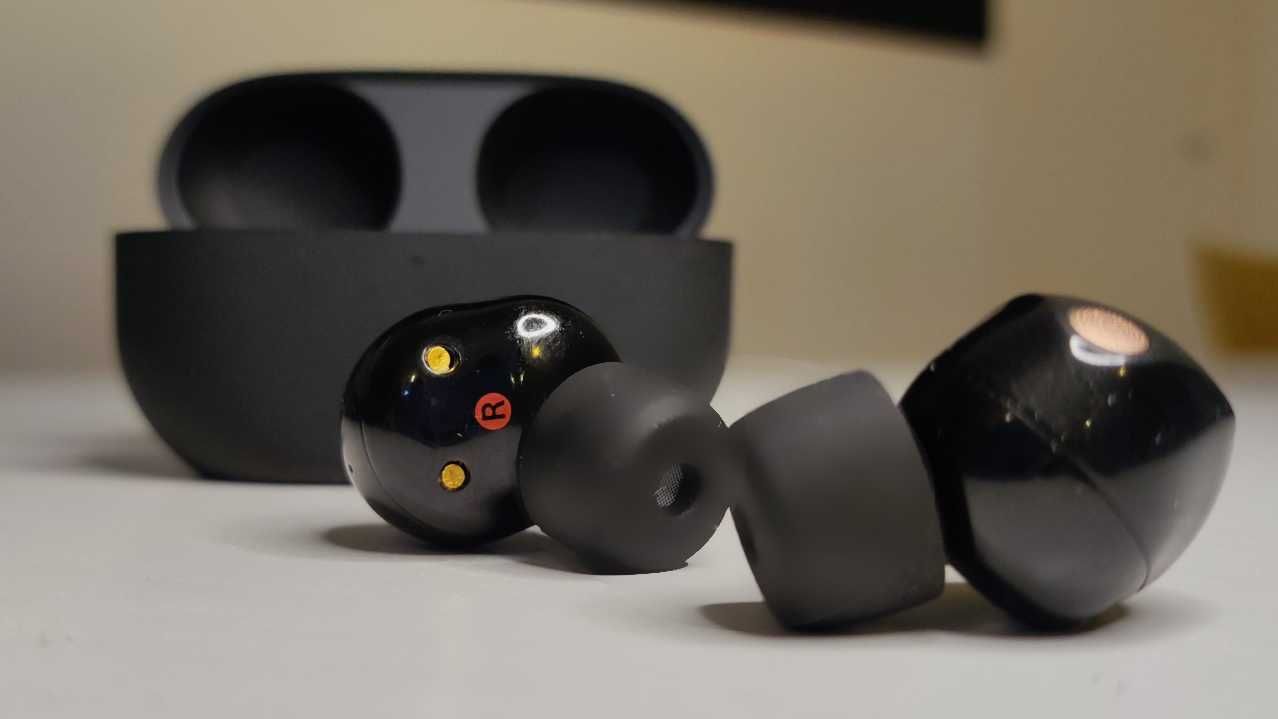
Sony's WF-1000XM6 are smaller again and the sound is admirable, but while there's an extra mic per bud, I'm not sure it's being perfectly utilised here
The Galaxy S26 series is coming, but here's why you may want to consider the still-excellent Google Pixel 10 series (Hint: they're super cheap right now).
The FBI found previously "inaccessible' Nest Cam video of the possible Nancy Guthrie abductors, but questions remain about Google's role and what this means for your Nest Cam video data
Amazon's best-selling appliances are on sale for Presidents' Day, and I'm rounding up my favorite deals from Ninja, Shark, Dyson, and more starting at just $19.99.
Google clarifies campaign consolidation guidance, saying performance and business logic matter more than legacy granularity in AI-driven Google Ads accounts.
FromSoftware's The Duskbloods was a standout reveal during the Nintendo Switch 2 reveal event, though its continued absence from the spotlight has led to speculation regarding its launch timeline. Despite the title not appearing during this month's Nintendo Direct Partner Showcase, the project remains on track to release before the end of the year. Kadokawa, FromSoftware's parent company, reiterated this window today in its Q3 fiscal year earnings report, confirming a generic 2026 schedule for the title. In the report, Kadokawa also addressed the game's platform status, stating it will "only be available for the Nintendo Switch 2". While this […]
After a bombastic launch that saw Battlefield 6 become the best-selling shooter of 2025 and the best-selling game in the US overall in 2025, enthusiasm waned around EA's successful Call of Duty-killer as the assembled team of developers known as Battlefield Studios was unable to keep up with players' thirst for new content. It went from a game that had a chance of cracking 1 million concurrent players on Steam alone to one that has been struggling to hit 100K concurrent players. Thankfully, though, after an unwelcome delay, EA and Battlefield Studios may finally start to have better luck, as […]
Nexon has just reported its fourth-quarter 2025 financials, and, unsurprisingly, the company recorded "record-high Q4 and full-year revenue." The thing that makes it no surprise is the fact that Nexon is the parent company of Embark Studios, the team behind the hottest new extraction shooter, ARC Raiders. Which we now know has officially sold 14 million copies since it launched in October 2025. This official sales update comes after a recent report that ARC Raiders was the top-selling game across Steam, Xbox, and PlayStation for a third consecutive month. It also means that the game sold just under 2M copies […]
The MSI RTX 5090 Lightning Z unleashes a surprising amount of extra performance from Nvidia’s highest-end gaming GPU, thanks to dual power connectors and much higher power limits than the RTX 5090 Founders Edition. We’d go so far as to call it the best RTX 5090 yet made.
“We’re easily going to get over a trillion transistors… in the package, by the end of the decade,” Cadence Senior Vice President Paul Cunningham claims.
In Google AI Overviews and LLM-driven retrieval, credibility isn’t enough. Content must be structured, reinforced, and clear enough for machines to evaluate and reuse confidently.
Many SEO strategies still optimize for recognition. But AI systems prioritize utility. If your authority can’t be located, verified, and extracted within a semantic system, it won’t shape retrieval.
This article explains how authority works in AI search, why familiar SEO practices fall short, and what it takes to build entity strength that drives visibility.
Why traditional authority signals worked – until they didn’t
For years, SEOs liked to believe that “doing E-E-A-T” would make sites authoritative.
Author bios were optimized, credentials showcased, outbound links added, and About pages polished, all in hopes that those signals would translate into authority.
In practice, we all knew what actually moved the needle: links.
E-E-A-T never really replaced external validation. Authority was still conferred primarily through links and third-party references.
E-E-A-T helped sites appear coherent as entities, while links supplied the real gravitas behind the scenes. That arrangement worked as long as authority could be vague and still rewarded.
It stops working when systems need to use authority, not just acknowledge it. In AI-driven retrieval, being recognized as authoritative isn’t enough. Authority still has to be specific, independently reinforced, and machine-verifiable, or it doesn’t get used.
Being authoritative but not used is like being “paid” with experience. It doesn’t pay the bills.
Search no longer operates on a flat plane of keywords and pages. AI-driven systems rely on a multi-dimensional semantic space that models entities, relationships, and topical proximity.
In that semantic space, entities function much like celestial bodies in physical space, discrete objects whose influence is defined by mass, distance, and interaction with others.
E-E-A-T still matters, but the framework version is no longer a differentiator. Authority is now evaluated in a broader context that can’t be optimized with a handful of on-page tasks.
In AI Overviews, ChatGPT, Claude, and similar systems, visibility doesn’t hinge on prestige or brand recognition. Those are symptoms of entity strength, not its source.
What matters is whether a model can locate your entity within its semantic environment and whether that entity has accumulated enough mass to exert influence.
That mass isn’t decorative. It’s built through third-party citations, mentions, and corroboration, then made machine-legible through consistent authorship, structure, and explicit entity relationships.
Models don’t trust authority. They calculate it by measuring how densely and consistently an entity is reinforced across the broader corpus.
Smaller brands don’t need to shine like legacy publishers. In a semantic system, apparent size and visibility don’t determine influence. Density does.
In astrophysics, some planets appear enormous yet exert surprisingly weak gravity because their mass is spread thinly. Others are much smaller, but dense enough to exert stronger pull.
AI visibility works the same way. What matters isn’t how large your brand appears to humans, but how concentrated and reinforced your authority is in machine-readable form.
The problem with E-E-A-T was never the concept itself. It was the assumption that trustworthiness could be meaningfully demonstrated in isolation, primarily through signals a site applied to itself.
Over time, E-E-A-T became operationalized as visible, on-page indicators: author bios, credentials, About pages, and lightweight citations.
These signals were easy to implement and easy to audit, which made them attractive. They created the appearance of rigor, even when they did little to change how authority was actually conferred.
That compromise held when search systems were willing to infer authority from proxies. It breaks down in AI-driven retrieval, where authority must be explicitly reinforced, independently corroborated, and machine-verifiable to carry weight.
Surface-level trust markers don’t fail because models ignore them. They fail because they don’t supply the external reinforcement required to give an entity real mass.
In a semantic system, entities gain influence through repeated confirmation across the broader corpus. On-site signals can help make an entity legible, but they don’t generate density on their own. Compliance isn’t comprehension, and E-E-A-T as a checklist doesn’t create gravitational pull.
In human-centered search, these visible trust cues acted as reasonable stand-ins. In LLM retrieval, they don’t translate. Models aren’t evaluating presentation or intent. They’re evaluating semantic consistency, entity alignment, and whether claims can be cross-verified elsewhere.
Applying E-E-A-T principles only within your own site won’t create the mass that machines need to recognize, align with, and prioritize your entity in a retrieval system.
AI doesn’t trust, it calculates
Human trust is emotional. Machine trust is statistical.
They reward clean extraction. Lists, tables, and focused paragraphs are easiest to reuse.
They cross-verify facts. Redundant, consistent statements across multiple sources appear more reliable than a single sprawling narrative.
Retrieval models evaluate confidence, not charisma. Structural decisions such as headings, paragraph boundaries, markup, and lists directly affect how accurately a model can map content to a query.
This is why ChatGPT and AI Overview citations often come from unfamiliar brands.
It’s also why brand-specific queries behave differently. When a query explicitly names a brand or entity, the model isn’t navigating the galaxy broadly. It’s plotting a short, precise trajectory to a known body.
With intent tightly constrained and only one plausible source of truth, there’s far less risk of drifting toward adjacent entities.
In those cases, the system can rely directly on the entity’s own content because the destination is already fixed. The models aren’t “discovering” hidden experts. They’re rewarding content whose structure reduces uncertainty.
The semantic galaxy: How entities behave like bodies
LLMs don’t experience topics, entities, or websites. They model relationships between representations in a high-dimensional semantic space.
That’s why AI retrieval is better understood as plotting a course through a system of interacting gravitational bodies rather than “finding” an answer. Influence comes from mass, not intention.
Over time, citations, mentions, and third-party reinforcement increase an entity’s semantic mass. Each independent reference adds weight, making that entity increasingly difficult for the system to ignore.
Queries move through this space as vectors shaped by intent. As they pass near sufficiently massive entities, they bend. The strongest entities exert the greatest gravitational pull, not because they are trusted in a human sense, but because they are repeatedly reinforced across the broader corpus.
Extractability doesn’t create that gravity. It determines what happens after attraction occurs. An entity can be massive enough to warp trajectories and still be unusable if its signals aren’t machine-legible, like a planet with enough gravity to draw a spacecraft in but no viable way to land.
Authority, in this context, isn’t belief. It’s gravity, the cumulative pull created by repeated, independent reinforcement across the wider semantic system.
Entity strength vs. extractability
Classic SEO emphasized backlinks and brand reputation. AI search desires entity strength for discovery, but demands clarity and semantic extractability to be included.
Entity strength – your connections across the Knowledge Graph, Wikidata, and trusted domains – still matters and arguably matters more now. Unfortunately, no amount of entity strength helps if your content isn’t machine-parsable.
Consider two sites featuring recognized experts:
One uses clean headings, explicit definitions, and consistent links to verified profiles.
The other buries its expertise inside dense, unstructured paragraphs.
Only one will earn citations.
LLMs need:
One entity per paragraph or section.
Explicit, unambiguous mentions.
Repetition that reinforces relationships (“Dr. Jane Smith, cardiologist at XYZ Clinic”).
Precision makes authority extractable. Extractability determines whether existing gravitational pull can be acted on once attraction has occurred, not whether that pull exists in the first place.
Structure like you mean it: Abstract first, then detail
LLM retrieval is constrained by context windows and truncation limits, as outlined by Lewis et al. in their 2020 NeurIPS paper on retrieval-augmented generation. Models rarely process or reuse long-form content in its entirety.
If you want to be cited, you can’t bury the lede.
LLMs read the beginning, but then they skim. After a certain number of tokens, they truncate. Basically, if your core insight is buried in paragraph 12, it’s invisible.
To optimize for retrieval:
Open with a paragraph that functions as its own TL;DR.
State your stance, the core insight, and what follows.
Expand below the fold with depth and nuance.
Don’t save your best material for the finale. Neither users nor models will reach it.
Stop ‘linking out,’ start citing like a researcher
The difference between a citation and a link isn’t subtle, but it’s routinely misunderstood. Part of that confusion comes from how E-E-A-T was operationalized in practice.
In many traditional E-E-A-T playbooks, adding outbound links became a checkbox, a visible, easy-to-execute task that stood in for the harder work of substantiating claims. Over time, “cite sources” quietly degraded into “link out a few times.”
A bad citation looks like this:
A generic outbound link to a blog post or company homepage offered as vague “support,” often with language like “according to industry experts” or “SEO best practices say.”
The source may be tangentially related, self-promotional, or simply restating opinion, but it does nothing to reinforce your entity’s factual position in the broader semantic system.
A good citation behaves more like academic referencing. It points to:
Primary research.
Original reporting.
Standards bodies.
Widely recognized authorities in that domain.
It’s also tied directly to a specific claim in your content. The model can independently verify the statement, cross-reference it elsewhere, and reinforce the association.
The point was never to just “link out.” The point was to cite sources.
Engineering retrieval authority without falling back into a checklist
The patterns below aren’t tasks to complete or boxes to tick. They describe the recurring structural signals that, over time, allow an entity to accumulate mass and express gravity across systems.
This is where many SEOs slip back into old habits. Once you say “E-E-A-T isn’t a checklist,” the instinct is to immediately ask, “Okay, so what’s the checklist?”
But engineering retrieval authority isn’t a list of tasks. It’s a way of structuring your entire semantic footprint so your entity gains mass in the galaxy the models navigate.
Authority isn’t something you sprinkle into content. It’s something you construct systematically across everything tied to your entity.
Make authorship machine-legible: Use consistent naming. Link to canonical profiles. Add author and sameAs schema. Inconsistent bylines fragment your entity mass.
Strengthen your internal entity web: Use descriptive anchor text. Connect related topics the way a knowledge graph would. Strong internal linking increases gravitational coherence.
Write with semantic clarity: One idea per paragraph. Minimize rhetorical detours. LLMs reward explicitness, not flourish.
Use schema and LLMS.txt as amplifiers: They don’t create authority. They expose it.
Audit your “invisible” content: If critical information is hidden in pop-ups, accordions, or rendered outside the DOM, the model can’t see it. Invisible authority is no authority.
E-E-A-T taught us to signal trust to humans. AI search demands more: understanding the forces that determine how information is pulled into view.
Rocket science gets something into orbit. Astrophysics navigates and understands the systems it moves through once there.
Traditional SEO focused on launching pages—optimizing, publishing, promoting. AI SEO is about mass, gravity, and interaction: how often your entity is cited, corroborated, and reinforced across the broader semantic system, and how strongly that accumulated mass influences retrieval.
The brands that win won’t shine brightest or claim authority loudest, nor will they be no-name sites simulating credibility with artificial corroboration and junk links.
They’ll be entities that are dense, coherent, and repeatedly confirmed by independent sources—entities with enough gravity to bend queries toward them.
In an AI-driven search landscape, authority isn’t declared. It’s built, reinforced, and made impossible for machines to ignore.
MSI’s RTX 5090 Lightning Z is now available in the UK, and it’s SUPER expensive MSI’s Uber-tier GeForce RTX 5090 Lightning Z graphics card is now available, and its pricing makes a regular RTX 5090 look cheap. At Scan Computers UK and Overclockers UK, this GPU is priced at £4,999.99. Is this the most expensive […]
I was given the privilege to check out the first 20 hours of Monster Hunter Stories 3: Twisted Reflection, and I’m already blown away by how much it’s evolving the gameplay and presentation of Monster Hunter’s JRPG spin-off series.
OpenAI researcher sounds the alarm over ChatGPT's ads, which could exploit users' psychology and most intimate secrets to bombard them with turbo-manipulative ads.
High on Life 2 reviews have landed ahead of its February 13, 2026 release, with the sequel earning a 75 on Metacritic. Critics praise its humor, expanded scope, and chaotic style, though some note bugs and limited evolution over the original.
Diablo 2 just got its biggest content update of the past couple of decades, and the outpouring of joy from the community is a thing to behold. The beloved game was just re-resurrected, and I couldn't be happier.
Microsoft is planning to bring back the ability to move and resize the Taskbar on Windows 11 as part of its effort to improve sentiment around the OS this year.
Wacom today announced the Wacom MovinkPad Pro EVA Edition, a limited-edition package created in collaboration with EVANGELION, the Japanese animated series. The Wacom MovinkPad Pro 14 is an all-in-one creative pad designed for professional-grade drawing and design on the go, without the need to connect to a computer.
The EVA Edition was planned as a collaboration model based on the Wacom MovinkPad Pro 14 and inspired by the distinctive aesthetic of the EVANGELION series, while retaining the original model's practicality as a professional creative tool.
The GeForce NOW sixth-anniversary festivities roll on this February, continuing a monthlong celebration of NVIDIA's cloud gaming service. This week brings even more reasons to join the party, as GeForce NOW launches on a new platform with support for Amazon Fire TV devices, and eight new games to keep the streaming going strong. The new app brings GeForce NOW directly to select Amazon Fire TV devices, so members can jump into their PC game libraries on the biggest screen in the house using a compatible controller.
The Cloud Turns Up the Heat
GeForce NOW continues to expand access across devices, supporting multiple platforms with the latest additions of Linux. From PCs and Macs to smartphones, browsers and smart TVs, the cloud delivers high-performance gaming to nearly any screen, on more devices than ever. Members tap into GeForce RTX power on the screens they already own, extending the value of their membership without extra hardware or complexity. That reach expands again with the launch of the GeForce NOW app on Amazon Fire TV. GeForce NOW is powering up the living room with the launch of the GeForce NOW app on Amazon Fire TV streaming sticks, leveling up big-screen gaming with PC-quality performance.
Samsung Display unveiled 'QD-OLED Penta Tandem,' a new premium technology brand built on its proprietary five-layer organic light-emitting structure, a core innovation unique to its QD-OLED panels. Samsung Display announced that it has completed trademark registration for the new brand, created to highlight the distinctive value of its five-layer organic light-emitting structure applied to QD-OLED panels for premium monitors and TVs. "Penta" comes from the Greek word for the number five.
QD-OLED expresses color using quantum dots that respond to light, with the blue emitting layer serving as the light source due to its high energy within the visible spectrum. Beginning last year, Samsung Display advanced the blue emitting layer stack from four layers to five, and applied the latest organic materials, completing a new generation of QD-OLED that delivers superior picture quality, efficiency, and peak brightness.
After a short period of teasing a Crimson Desert collaboration product, Sapphire recently revealed a fantasy adventure themed spin-off of its RDNA 4 flagship NITRO+ Radeon RX 9070 XT 16 GB custom graphics card. The sudden appearance of this special edition model roughly coincided with the launch of an AMD Ryzen/Radeon hardware + Pearl Abyss software promotional campaign. So far, Sapphire's marketing campaign—of the NITRO+ RX 9070 XT OC Crimson Desert Edition SKU—has not set a firm release date or confirmed day one pricing, although a (February 10) VideoCardz report proposed a "within February" window. The freshly-introduced card's EAN code (4895106297623) and manufacturing number (11348-10-20G) turned up online not long ago, and web searches—as of today—involving this info leads to several fresh e-tail listings in Germany and Austria.
Surprisingly, a couple of these shops state that they have Sapphire's latest top-end product "in stock," although the remainder outline about a week's worth of lead time. According to a regional price aggregator, Alternate.de offers the best deal—€919.99 (including VAT and delivery), which converts to ~$1093 USD. The additional Crimson Desert livery—consisting of an elaborate backplate print and distinctive fan stickers—seems to demand a significant premium, when compared to the vanilla Nitro+ design. For reference, Alternate has the standard SKU stocked for a total of €842.99 (~$1002 USD). The least appealing Crimson Desert Edition price tag comes in at €1109.40, via Kaufland.de's marketplace. Alternate GmbH's eBay store advertises stock at €773.10 (per unit), but this initial figure is deceptive—VAT gets added on in the checkout process, aligning with the aforementioned "best" €919.99 price point.
Lenovo Group Limited (HKSE: 992) (ADR: LNVGY), together with its subsidiaries ('the Group'), today reported results for the third quarter of fiscal year 2025/26, a quarter that delivered record revenues, accelerated profitability, and continued AI revenue expansion. During the quarter, overall group revenue reached an all-time fiscal quarter high of US$22.2 billion, up 18% year-on-year, with revenue from all business groups growing double-digit year-on-year. Excluding non-operating non-cash items and one-time gains and charges in Q3 FY24/25 and Q3 FY25/26, adjusted net income (profit attributable to equity holders - non-HKFRS) increased by 36% year-on-year to US$589 million, with adjusted net income margin expanding to 2.7%.
The results demonstrate the Group's ability to deliver on its promise of double-digit growth and sustained profitability, while proving its ability to manage through cycles by leveraging innovation to drive growth and operational excellence to navigate volatility. AI has become a leading multi-year growth engine for the Group, with AI-related revenue growing 72 percent year-on-year to represent nearly a third (32%) of overall Group revenue, driven by strong demand across AI devices, infrastructure, services, and solutions. The quarter was marked by strong topline growth, driven by expanding market leadership in PCs and Smart Devices, record volume and activation in smartphones, and all-time-high revenue from both the Infrastructure Solutions Group, and Services and Solutions Group.
Fosi Audio is keeping discrete sound cards alive by outperforming onboard audio solutions using premium components and professional tuning. The new Fosi Audio C3 is their latest external sound card (DAC + headphones AMP) targeted at PC gamers, bringing not just audio quality and richness that beats motherboard onboard audio solutions, but also AI-powered DSP effects, and physical controls on your desk.
To celebrate this launch, TechPowerUp and Fosi Audio are bringing our readers from around the world a unique opportunity to win one of this. Up for grabs are 10 Fosi Audio C3 AI-powered gaming sound cards (DAC + headphones amp). To participate, simply fill up a short form to help us get back to you if you've won. The giveaway is open from today until February 21, 2026.
It is official: AMD is now capturing 40% of the entire server CPU market revenue share, according to data from Mercury Research. In the final quarter of 2025, AMD EPYC server CPUs managed to capture 41.3% of the revenue in the server/data center market that hyperscalers are spending on. This is a 1.8% increase from Q3 2025 and an impressive 4.9% year-over-year growth in a multi-billion USD data center market. For unit share shipment, AMD now stands at 28.8%, meaning the company is actually selling more SKUs at a higher average selling price. Intel, on the other hand, now holds 71.2% of the unit share while capturing 58.7% of the revenue share, indicating that Intel Xeon processors are now selling for a lower ASP with more units needed to reach this revenue.
The situation in the desktop segment looks interesting as well, with AMD's revenue share in the desktop CPU market now at 42.6%, while the unit share is at 36.4%. Again, this means that AMD's Ryzen processors sell at a higher ASP, nearly capturing half of the desktop CPU revenue with a bit more than a third of the unit sales. This sector also grew 1.6% sequentially, while Ryzen CPUs won the hearts of 14.6% more gamers for a yearly revenue share increase.
Avalue Technology Inc. (TPEx: 3479.TWO), a provider specializing in industrial computer solutions, provides innovative, value-based motherboards that empower industries to enhance operational efficiency. In today's competitive landscape, choosing the right industrial motherboard can significantly boost productivity, streamline operations, and enable faster, more efficient outcomes across various industries. Avalue continues to lead the way in providing cutting-edge motherboard solutions by introducing Intel Panther Lake H Core Ultra (Series 3) H Series Processors motherboard.
Avalue's EMX-PTLP supports up to 64 GB of DDR5 7200 MHz SoDIMM/CSoDIMM max. memory, delivering a significant leap in data processing speeds. Optimized for the burgeoning AI market, the board delivers up to 180 TOPS of AI performance. With the integration of PCIe 5.0, users benefit from doubled bandwidth and ultra-low latency, providing the essential foundation for AI acceleration and high-performance computing (HPC) in embedded applications.
Hey everyone! We—at Sad Cat Studios and Thunderful Publishing—are beyond excited to share that the REPLACED demo is now officially out. It's been a long journey to get here, and we're so incredibly grateful for the support you've shown us - it means the world to us. This is the first time we're putting the game into your hands, and we are so excited to hear what you think—although a little nervous, of course! Thanks for sticking with us. Hope you enjoy your first trip into this world.
In the demo, you will play as R.E.A.C.H., an artificial intelligence trapped in a human body. In an alternate 1980s America reshaped by nuclear catastrophe, Phoenix-City has become one of the Corporation's strongholds - a haven for corruption where outlaws thrive, and human life is traded like currency. Expose the Corporation's hidden agenda and the truth behind your own creation in a journey that blends action-packed rebellion with an intimate exploration of what defines us as humans.
GMKtec has introduced the NucBox G3 Pro mini PC built around Intel's 10th Gen Core i3-10110U processor. The system targets everyday productivity and home use in a small 114 × 106 × 44 mm chassis weighing around 280 grams. The Core i3-10110U features 2 cores and 4 threads, with a base clock of 2.1 GHz and up to 4.1 GHz boost, alongside 4 MB of cache, and is suited for light everyday tasks or for a home NAS device. GMKtec lists configurable power profiles ranging from 8 W (silent mode) to 15 W (performance mode), cooled by a single-fan, single heat pipe design. Graphics are handled by Intel UHD Graphics. For memory, the device features two SO-DIMM slots for up to 64 GB DDR4 (32 GB ×2). The GMKtec NucBox G3 Pro offers dual M.2 slots supporting up to 8 TB. Pre-configured models are available with up to 16 GB RAM and 512 GB SSD.
For connectivity, the NucBox G3 Pro offers dual HDMI 1.4 outputs supporting dual-display operation (up to 4K at 24 Hz), Wi-Fi 6 (RTL8852BE), Bluetooth 5.2, and a 2.5 GbE LAN port based on Intel's i226 controller. I/O includes four USB 3.2 Gen 1 ports, a 3.5 mm audio jack, DC input, a reset button, and a security lock slot. Pricing starts at $169.99 for the barebone configuration (no memory, storage, or OS), down from a listed MSRP of $309.99. An 8 GB + 256 GB model is available for $239.99, while the 16 GB + 512 GB variant is priced at $299.99.
Over the past few days, several gamers trying to buy a new Steam Deck have been unable to purchase the machine. Valve's increasingly popular handheld is nowhere to be found on the company's US store, with all three models listed as "out of stock" since Thursday.
Speaking in an interview with the Financial Times, Suleyman talked about "professional-grade AGI" and how Microsoft expects it to capture a large share of the enterprise market.
Wikipedia relies heavily on Archive.today because it is more effective than conventional alternatives, such as the Internet Archive. However, the properties that have made Archive.today so useful have also drawn the attention of the FBI, likely because the site circumvents the paywalls of numerous prominent media outlets.
Loxalize helps e-commerce brands and agencies translate and localize product images in seconds. Instead of redesigning visuals or relying on slow, manual workflows, Loxalize automatically detects text embedded inside images, translates it, and replaces it while preserving the original layout, fonts, and branding.
Built for scale, Loxalize lets teams localize thousands of product images in minutes, from promo banners and PDP visuals to ads and social creatives. During early access, we localized over 10,000 product images for a Spotify-related brand in under 5 days, without redesigning a single asset. Our goal is simple: remove friction from image localization.
All the ways to watch Pebble Beach Pro-Am 2026 live streams online from anywhere, as Rory McIlroy attempts to defend his title against a stacked field.
In a letter to Apple CEO Tim Cook, FTC chair Andrew Ferguson cited reports from Media Research Center, a right-leaning think tank, which accused Apple of excluding right-leaning outlets from the top 20 articles in the Apple News feed.
As GeForce NOW continues to celebrate its sixth anniversary, NVIDIA's cloud gaming platform is arriving on more platforms to turn "every screen into a gaming machine." The GeForce NOW app is officially live on Amazon Fire TV devices, and eight games join the cloud gaming library. Including Warhorse Studio's medieval RPG, Kingdom Come: Deliverance and REANIMAL, the latest release from the original team behind the Little Nightmares games, Tarsier Studios. The news comes as part of yet another GFN Thursday, with a Capcom-dominated batch of games entering the cloud streaming service this week. Half of the eight games joining the […]
Apple was the only major smartphone OEM to record a meaningful year-over-year growth in China-related sales for the month of January 2026, with the rest of the OEMs having to contend with a veritable bevy of adverse base effects. Counterpoint Research: Apple recorded a year-over-year sales growth of 8 percent in China for January 2026, while other major OEMs recorded a double-digit percent decline As is evident from the above tabulation by Counterpoint Research, Apple recorded year-over-year sales growth of 8 percent in China for January 2026. However, all other major Chinese smartphone OEMs recorded double-digit-percent declines, largely due to […]
NVIDIA launched its flagship GeForce RTX 5090 graphics card based on the Blackwell GPU architecture last year in January. The graphics card took the performance capabilities to new heights, and also added various new technologies, including support for next-gen AI capabilities such as Neural Rendering, Neural Shaders, DLSS 4, and DLSS MFG. The latter two technologies have been updated to DLSS 4.5 and MFG6X modes, offering even better image quality and smoother gameplay. As the software side for Blackwell RTX 50 GPUs continues to improve, so does the hardware, but not from NVIDIA but rather its partners. At CES 2026, […]
Peter Molyneux, the original creator of the Fable franchise at Lionhead Studios, shared his first impressions on the upcoming reboot after watching the recent presentation at the Xbox Developer Direct 2026. Speaking with IGN, Molyneux revealed that he got emotional at the idea that the Fable IP, which he and the rest of Lionhead spent so much time on, would return. He also pointed out that it was a good idea for Playground to reboot the series, and added that he agreed with the twist of the protagonist's village inhabitants turning to stone at the beginning of the game. When […]
The most premium GeForce RTX 5090 has been officially priced at $5090, but you will have to enter a draw to win the chance to purchase it from MSI's website. However, many Indian retailers have started listing it for direct purchase. MSI RTX 5090 32G Lightning Z Officially Priced at $5090; MSI Starts Open Draw, but Several Indian Retailers List it at $9000-$9700 I am finally at peace seeing the RTX 5090 now costs $5090, but it's the most premium edition ever made. The MSI RTX 5090 32G Lightning Z, which has been officially listed on the MSI store, costs […]
The Snapdragon X Elite could achieve decent gaming performance in AAA games, but it was clear that there was a ton of improvement required, with one of the biggest hurdles being compatibility and optimization. Fortunately, Qualcomm has addressed the majority of those problems with its Snapdragon X2 Elite, with an initial gaming performance comparison showing that the latest SoC records a massive difference in the framerate. Unfortunately, that’s when our praises end because the chipset has immense difficulty against Apple’s M5, which registered up to a 69 percent performance improvement over its newest rival. Against the Snapdragon X Elite, the Snapdragon X2 […]
T-Mobile has just taken a significant step towards rolling out AI-powered services on its network, starting with a Live Translation feature with support for over 50 languages. T-Mobile is now embedding real-time AI services into its network, starting with a Live Translation feature for phone calls T-Mobile appears to be taking a lead in rolling out AI-powered services on its network, as illustrated by its just-announced Live Translation feature for phone calls. T-Mobile intends to officially launch this service in the spring of 2026 and is currently accepting registrations for the beta service from its postpaid members. Critically, T-Mobile notes […]
The open-source Mesa 3D graphics stack has reached a major milestone with the official release of Mesa 26.0, which brings significant improvements for AMD GPUs. Mesa 26.0 Officially Released, Offering Enhanced Vulkan Ray-Tracing Performance on AMD Radeon GPUs Mesa, which is the foundational open-source graphics library for hardware acceleration on Linux systems, has hit its next major milestone with the release of Mesa 26.0. With the release of Mesa 26.0, significant performance improvements, API support expansions, and driver improvements for Linux can be expected on platforms that rely on Mesa's OpenGL, Vulkan, and Gallium3D implementations. One of the major highlights […]
Asus brings bar-raising performance and extreme pixel density to its ROG Strix line with the XG27JCG. It’s a 27-inch 5K IPS screen with 5120x2880 pixels, 218ppi, 180 Hz, 330 Hz at QHD resolution, Adaptive-Sync, HDR600 and wide gamut color.
AI search visibility in beauty is increasingly shaped before a prompt is ever entered.
Brands that appear in generative answers are often those already discussed, validated, and reinforced across social platforms. By the time a user turns to AI search, much of the groundwork has been laid.
Using the beauty category as a lens, this article examines how social discovery influences brand visibility – and why AI search ultimately reflects those signals.
Discovery didn’t move to AI – it fragmented
Brand discovery has fragmented across platforms. AI tools influence mid-funnel consideration, but much discovery happens before a user enters a prompt.
The signals that determine AI visibility are formed upstream. By the time a user reaches generative search, preferences and perceptions may already be set. If brands wait until AI search to influence demand, the window to shape consideration has narrowed.
That upstream influence is increasingly social. Roughly two-thirds of U.S. consumers now use social platforms as search engines, per eMarketer research.
This shift extends beyond Gen Z and reflects how people validate information and discover brands. These same platforms consistently appear among the top citation sources in AI results. The dynamic is especially visible in the beauty category.
In a study our agency conducted with a beauty brand partner, we found that Reddit, YouTube, and Facebook ranked among the top cited domains in both AI Overviews and ChatGPT.
While Reddit is often viewed as an anti-brand environment, YouTube appears nearly as frequently in citation data, making it a logical and underutilized target for citation optimization.
The volume reality: Social behavior still outpaces AI
It’s easy to focus on headline figures around AI usage, including the billions of prompts processed daily. But when measured against business outcomes such as traffic and transactions, the scale looks different.
Social platforms are already embedded in mainstream search behavior. For many users, search-like activity on platforms such as TikTok and YouTube is habitual. Nearly 40% of TikTok users search the platform multiple times per day, and 73% search at least once daily.
Referral data reinforces the contrast. ChatGPT referral traffic accounted for roughly 0.2% of total sessions in a 12-month analysis of 973 ecommerce sites, a University of Hamburg and Frankfurt School working paper found. In the same dataset, Google’s organic search traffic was approximately 200 times larger than organic LLM referrals.
AI search is growing and strategically important. But in terms of repeat behavior, measurable sessions, and downstream transactions, social platforms and traditional search continue to operate at a substantially larger scale.
The validation loop: Why AI needs social
The most critical contrarian point for 2026 is that optimizing for social is also optimizing for AI. Large language models are not primary sources of truth. They function as mirrors, reflecting the consensus formed through human conversations in the data they are trained on.
AI systems also demonstrate skepticism toward brand-owned properties. One study found that only 25% of sources cited in AI-generated answers were brand-managed websites.
At the same time, AI engines prioritize third-party validation. Up to 6.4% of citation links in AI responses originated from Reddit, an analysis by OtterlyAI found. This outpaces many traditional publishers.
There’s also a measurable relationship between sentiment and visibility. Research shows a moderate positive correlation between positive brand sentiment on social media and visibility in AI search results.
Treating video as a “brand channel” or a social-first effort rather than a search surface is a strategic failure.
On platforms such as TikTok and YouTube, ranking signals are shaped by spoken language, on-screen text, and captions – signals AI crawlers increasingly use to “triangulate trust.”
In the beauty category, for example, ChatGPT accounts for about 4.3% of searches, while Google processes roughly 14 billion searches per day. However, for “how-to” and technique-based queries, consumers favor the detailed, personalized guidance of social-first video content.
Science-backed brands such as Paula’s Choice and CeraVe dominate AI-generated results because they publish deep, structured educational content. Meanwhile, more traditional marketing-led brands are significantly less visible.
The phrase “dermatologist recommended” correlates with high visibility in AI results because large language models treat expert social proof as a primary ranking signal, according to the same report.
Breaking the high-production barrier: Creating content at scale
One of the biggest hurdles brands cite is budget. Many believe they need a Hollywood production crew to compete in video environments. That is a legacy mindset.
In today’s environment, high-gloss production can be a deterrent. The current landscape rewards authenticity over polish. Consumers are looking for real people with real skin concerns, not highly filtered commercials.
Optimizing for video discovery doesn’t require filmmaking expertise. Brands can leverage internal talent without adding headcount.
Partner with creator platforms: Platforms such as Billow or Social Native allow brands to work with creators for as little as $500 per video. When mapped to a high-intent query, that investment can drive measurable search visibility outcomes.
Leverage social natives on staff: Often, the strongest asset is internal. Identify team members who are active on platforms such as TikTok and understand platform dynamics. Creating internal incentives or challenges to produce content can generate a steady stream of authentic assets while contributing to culture.
Make strategy the differentiator: A large following is not a prerequisite for visibility. In one case, a TikTok profile built from scratch with one part-time creator at $2,500 per month generated hundreds of thousands of views within 90 days. The focus was not on viral trends, but on meaningful transactional terms that drive revenue.
If a new profile can reach more than 100,000 views per video within three months on a limited budget, the barrier isn’t equipment. It’s clarity on the business case and disciplined execution.
The data is clear. Brands can’t win the generative engine if they’re losing the social conversation.
AI models function as mirrors, reflecting web consensus. If real users on Reddit, YouTube, and TikTok aren’t discussing a brand, AI systems have little to surface.
If marketers wait until a user reaches a ChatGPT prompt to shape perception, the opportunity has already narrowed.
Discovery happens upstream. Validation occurs in the loop between social proof and algorithmic citation.
Translating this into action requires rethinking team structure and priorities:
Stop the silos: Your SEO and social teams shouldn’t speak different languages. Both must focus on search surfaces.
Prioritize the “why” before the “what”: Don’t just fix a technical tag. Build the business case for how social sentiment and expert validation drive market share.
Embrace scrappy execution: Whether through $500 creator partnerships or internal social-native talent, start building authentic assets now.
We’re witnessing a shift from algorithm-driven discovery to community-driven discovery.
It’s agile and multidisciplinary, and when executed well, it can meaningfully impact the bottom line.
Local search remains one of the strongest drivers of consistent lead flow for service businesses.
Outdated SEO tactics are losing impact as Google’s algorithm updates reshape local visibility. Success now depends on disciplined tracking and consistent execution.
This 90-day sprint plan shows how to do both.
Why local visibility is more volatile in 2026
Many service businesses aren’t current on how local search has changed or how Google Maps now determines visibility. They have a Google Business Profile (GBP) and a website, yet the phone is quiet.
If a GBP isn’t visible, local prospects won’t find the business when they search for its services. That may sound obvious, but the rules behind that visibility have changed.
Much of that shift traces back to Google’s 2025 spam updates, which significantly cleaned up map results and tightened enforcement.
Review spam, keyword-stuffed business names, fake addresses, and profiles that don’t match real-world details are being filtered more aggressively. At the same time, Google is testing sponsored placements in the map pack, and AI-driven features are shaping how results appear.
The result? Volatility.
Rankings move even when nothing obvious has changed on the site. Business owners and SEOs regularly report drops in GBP impressions and map visibility in public forums. One thread doesn’t prove causation, but it reinforces a broader pattern: local search is less stable than many assume.
Shortcuts that once produced temporary lifts now carry long-term risk. Buying reviews, stuffing keywords into a business name, or stretching service areas beyond reality can lead to suspensions or lost visibility — often just as momentum begins to build.
If local visibility feels unstable, one of three core levers is usually weak. These levers form the foundation of any effective sprint plan and must work together.
Fix only one, and results will be inconsistent. Strengthen all three, and you create stability and sustained lead flow.
Lead lever
What it means
What it changes
Relevance
Google clearly understands your services and service area.
More map pack visibility.
Prominence
Reviews, links, mentions, and local trust signals.
More stability, more clicks.
Conversion
Your site and GBP make contacting you frictionless.
More leads from the same traffic.
Google evaluates local businesses across multiple signals, from proximity and service clarity to reputation and user behavior.
Durable relevance comes from real local authority – accurate categories, consistent citations, strong service pages, and steady review growth.
The 90-day sprint plan
Here’s a structured way to strengthen each of the three lead levers.
Sprint warm-up (Days 1-3): Establish your measurement baseline
If you don’t track from day one, local SEO becomes guesswork — and guesswork doesn’t generate consistent leads. Without clear attribution, you can’t fix what’s broken or scale what’s working.
When you begin working with a service business, start with attribution. Can you trace every call, form fill, and booking to its source? If not, optimization becomes trial and error.
Use the table below as a stop sign. If the core tracking elements aren’t in place, pause and fix them before moving forward.
Tracking checklist: Mark “yes” or “no.” This is your baseline.
Item
What “done” means
Yes / No
Notes
GA4 setup
GA4 installed and collecting data.
Search Console
Verified and connected.
GBP Insights
Baseline saved.
UTM on GBP link
UTM added in GBP website field.
Call tracking
Tracking number. Source known.
CallRail is a solid option
Form tracking
Form submit tracked. Source captured.
Booking tracking
Bookings tracked and attributed.
Weekly numbers
Weekly tracking routine set.
Monthly numbers
Monthly summary routine set.
Baseline snapshot: Complete the table below before making any changes. Save a monthly screenshot as a clear baseline as you run your 90-day sprint.
Metric
Last 7 days
Last 28 days
GBP calls
GBP website clicks
Form submissions
Booked jobs
GSC impressions
GSC clicks
Phase 1 (Days 4-10): Fix GBP fundamentals
Start by fixing issues with your GBP. It’s where Google gathers local signals and evaluates what your business offers. If your profile lacks clarity, even a strong website won’t compensate.
One basic element people often get wrong is the primary category. If you’re an HVAC contractor, your primary category should be “HVAC contractor,” not “Furnace repair service” or “Contractor.” Be exact.
Secondary categories should reflect allied services only. Many businesses add long lists of secondary categories, believing it will generate more calls. In reality, it can dilute relevance and weaken the primary category.
What about posts, geotagged images, inflated service areas, or keyword-stuffed business names? These tactics create activity, not impact.
GBP area
What to do
What to avoid
Primary category
Pick the closest match to your main money service
Picking a vague category “because it ranks”
Secondary categories
Only true supporting services
Adding everything under the sun
Services
Add real services you sell
Made up services to chase traffic
Description
Keep it simple. Service + areas + proof
Keyword soup
Photos
Real photos. Real jobs
Stock images and fake “before after”
Address and service area reality
Don’t try to cover an entire metro area if you can’t serve it. Set service areas based on reality and Google’s rules. If you’re not compliant, your profile faces a higher risk of suspension and video verification.
If you’re a service area business, be conservative. Focus on the radius you can serve well. It’s better to rank and convert strongly within your true radius than to look “bigger” on paper and struggle to build real signals.
Phase 2 (Days 11-35): Build service and location pages
This is core relevance work. Your GBP can be perfect, but if your website is thin, you’ll struggle to hold positions long term.
Many businesses have only a homepage and a contact page, yet expect Google to understand everything about what they offer.
Google needs clear service pages, and so do customers. Each page should focus on one service and explain the process, benefits, and expectations in depth. These pages aren’t just for rankings—they answer questions, reduce hesitation, and drive calls.
Start with your highest-value pages:
Top 2-3 services you sell most.
Top 2-4 areas you truly serve within a two-hour drive.
Focus on your actual location and radius. That’s where you can build the right signals.
For example, if you’re a plumber in Mississauga, Ontario, and you create thin location pages for every city in the Greater Toronto Area, you may get impressions. But without real proof, real jobs, and real conversion strength, those pages rarely hold. You end up with a bloated site that’s hard to maintain and easy for Google to ignore.
What a money service page must include: This isn’t “SEO copy.” This is how you win calls.
Block
What to include
Pricing range
A range. Not “call for quote.” Explain why your pricing differs.
Process
How do you do the service, step-by-step?
Proof
Licenses. Accreditations. Awards. Local reviews.
FAQs
Real answers to real questions customers ask.
CTA
Call. Form. Booking. Make it easy for your potential customers.
On pricing, don’t overthink it. You don’t need a perfect quote on the page — just a range and a reason for that range.
Why is your pricing different?
What is included?
What changes the price?
What does “emergency” mean?
These details turn tire-kicking visitors into qualified calls.
Location pages: Do them right or don’t do them at all
Copy-paste location pages are a common mistake. You can’t just swap the city name and call it a strategy.
Use this checklist to ensure each location page is unique and robust:
Location page element
What makes it real
Local proof
Photos. Projects. Neighborhood references you actually serve
Service fit
Only services you provide in that area
Local FAQs
“Do you serve X.” “What’s the travel fee.” “Same-day service”
Contact
Phone and booking paths that work on mobile
A simple and effective internal linking structure
Build internal links on your site like they are a map. Because they are, for both site visitors as well as Google. If you leave pages disconnected, you waste the work you put into them. Check that:
Service pages link to relevant location pages.
Location pages link to top services.
Relevant blog posts link to money pages.
Phase 3 (Days 36-70): Strengthen reviews and local authority
Phase 3 is about cadence. Continuity beats bursts. At this point, many feel tempted to “go hard for two weeks” and then move on to something else.
That’s the wrong pattern for reviews and trust signals. A steady flow is safer and more believable.
Reviews. Weekly. Forever.
Collect reviews every week, not all at once and then radio silence. Put into place practices that regularly solicit reviews from recent customers.
Also, make customers aware of what they can mention in reviews.
The service you provided.
Their location (neighborhood/city).
Joy Hawkins has published case studies on review recency and performance, and continues to reinforce the idea that fresh reviews matter. But the bigger point is that this means utilizing a complete review strategy, not just a one-time push.
Clear, consistent citations won’t fix a bad business. But they reduce confusion and strengthen local trust signals. The goal here is not “more listings.” The goal is “no contradictions.”
Your name, address, and phone number (NAP) should match across:
GBP.
Website.
Local citations.
Local links that make sense
Don’t buy backlinks. Build local authority that is real. What might this look like?
Your City’s Chamber of Commerce membership and listing.
Supplier and partner pages (real ones).
Sponsoring local teams and events.
Local causes.
PR-worthy local stories.
Partner pages built through real value.
Spammy link tactics might give your site a short boost. But they’re harmful in the long run.
Also, make certain that links are geographically sensible. If you’re a business in Canada, focus on links from Canada and not from random overseas sites. Relevance matters, and locality matters the most.
Phase 4 (Days 71-90): Scale what’s working and report results
By the end of Month 3, your GSC queries should start to look up. Higher impressions. Better clicks.
If not, take a look at your pages that are in Positions 6-20. That’s where you’re getting impressions, but you’re not getting clicks.
This is where many businesses make mistakes. A big one is that they keep publishing new pages instead of improving pages that are already close to winning.
When you see queries and pages with Positions 6-20 in GSC
If you have pages that are ranking in these positions, here are some things you can fix to help them move up:
Update page titles to make certain that are relevant.
Add answers on those pages to the questions your customers usually ask.
Chunk the Q&A so that it’s easier for the crawler to scan.
This matches how people consume information today: fast, on mobile, and looking for direct answers.
Simple reporting dashboard
Here’s a simple dashboard to help you keep track of how you’re doing during the 90-day sprint and beyond. Use it consistently to track growth.
An ongoing local SEO plan outperforms one-time optimization
Local SEO is no longer something you “set up” and revisit later. Rankings shift. Reviews age. Competitors publish new pages. Google adjusts the map pack. One-time optimization fades faster than most teams expect.
A 90-day sprint enforces consistency—tracking before changing anything, fixing core GBP issues, building real service pages, collecting reviews weekly, and improving pages already close to ranking instead of chasing new ones. The gains compound.
IIt also keeps you away from the shortcuts that create problems in the first place. No:
Keyword-stuffed business names.
Fake addresses.
Bought reviews.
Copy-paste location pages.
Random secondary categories.
Purchased backlinks.
Just as important, no operational gaps. If calls go unanswered or booking paths break, prospects move to the next listing. Over time, that lost engagement shows up in performance.
Local SEO in 2026 rewards businesses that operate like real businesses—clear, consistent, responsive. A 90-day sprint builds that rhythm. One-time optimization doesn’t.
The Freezer 4U Series delivers cooling performance for modern data centers with diverse processor architectures and high-performance server CPUs. With its newest addition, the Freezer 4U-OneX, the series is now also fully compatible with AmpereOne processors on the LGA5964 socket. The Freezer 4U-OneX not only includes MX-7 thermal paste which will be applied to the die, but also thermal pads that are placed on the IHS to ensure full thermal coverage.
Thanks to its push-pull fan configuration and large surface, the Freezer 4U-OneX delivers highly efficient heat dissipation. This ensures maximum performance even under heavy workloads. With a compact height of just 151 mm, the single-tower cooler fits seamlessly into standard 4U server cases and larger.
Alphacool International GmbH from Braunschweig is a pioneer in PC water-cooling technology. With one of the most comprehensive product portfolios in the industry and over 20 years of experience, Alphacool is now expanding its portfolio with the Core Distro Plates V.2.
The Core Distro Plate V.2 is the ideal solution for custom water-cooling systems, featuring a revised design that provides greater installation flexibility and simplifies the planning, setup, and maintenance of even complex cooling loops. Chrome-plated brass G1/4" fittings, directly embedded into the acrylic, ensure maximum leak protection and a premium appearance. The reduced depth, optimized port arrangement, and integrated drain port enable short, clean tubing runs and convenient system draining.
Colorful Technology Company Limited, a leading brand in gaming PC components, gaming laptops, and Hi-fi audio products, announces the upcoming launch of its new COLORFUL EVOL P15 gaming laptops, expanding the EVOL lineup with next-generation NVIDIA GeForce RTX 50-series graphics. Designed for gamers, creators, and performance-focused users, the EVOL P15 series combines modern processors, high-refresh-rate displays, and refined industrial styling in a versatile 15.6-inch form factor.
The EVOL P15 series will be available in two configurations, featuring NVIDIA GeForce RTX 5060 and RTX 5050 Laptop GPUs. Both models emphasize smooth gameplay, responsive multitasking, and color-accurate displays, supported by DDR5 memory, PCIe SSD storage, and advanced cooling solutions. With Windows 11 Home pre-installed alongside WPS productivity software, the EVOL P15 laptops are built to deliver balanced performance for gaming, content creation, and everyday computing.
In Win Development Inc. (InWin), an award-winning innovator in PC chassis design and engineering, today announces the launch of the W50, a new mid-tower panoramic chassis. The W50 combines InWin's signature architectural aesthetic in the shape of a "W" with an expansive interior capacity and advanced thermal management, appealing to a variety of builds.
Iconic W-Shaped Panoramic Glass
The W50 features three tempered glass panels arranged in InWin's distinctive W-shaped split-line configuration, delivering an uninterrupted panoramic view of internal components. Dual-way mirrored glass reveals system hardware when illuminated and while transforming into a refined mirror finish when powered off.
The thought experiment began with a number. Single-mode fiber optics can now transmit data at 256 terabits per second over 200 kilometers. Based on that capacity, Carmack estimated that about 32 gigabytes of information are stored in the cable at any given moment.
The "Penta" part in the new branding is literal. Samsung Display says the blue OLED light source inside its QD-OLED panels has moved from a four-layer structure to a five-layer, tandem-style stack.
After Discord announced plans to require age verification for all users, a free, HTML-based tool emerged that aims to bypass facial scans on the platform and potentially other services. Responses from facial scan developers could launch a cat-and-mouse game between age verification services and users.
Launch a Telegram app for your business in just 30 minutes—no coding required! Start selling inside a messenger with an audience of 1 billion users by simply uploading images of your products or services, descriptions, and prices. Users don’t need to register anywhere else—they’re already authenticated in your app and can pay for products or services right away. Connect convenient payment providers to accept payments.
Threat activity this week shows one consistent signal — attackers are leaning harder on what already works. Instead of flashy new exploits, many operations are built around quiet misuse of trusted tools, familiar workflows, and overlooked exposures that sit in plain sight.
Another shift is how access is gained versus how it’s used. Initial entry points are getting simpler, while post-compromise
Blizzard Entertainment has added the Warlock class to Diablo 2: Resurrected, and confirmed that the same class will be coming to Diablo 4 and Diablo Immortal this year.
While CAPCOM's RE Engine gathered a controversial reputation in the past few years due to the spotty performance of Monster Hunter Wilds and Dragon's Dogma 2, the game engine fares significantly better in more linear games. Among the games that does not suffer from any major performance issues caused by the engine itself is the Resident Evil 4 remake, but a recent update to the PC version has essentially put the game in a worse condition than it was at launch. "Updating years old software with new DRM is stupid," noted Digital Foundry’s Alex Battaglia. The tech expert's analysis confirms […]
The Dimensity 9600 chip, which is MediaTek's next flagship offering, is not expected to see the light of day until the third quarter of 2026. Even so, given the chip's near-apex credentials that are capable of giving Qualcomm's top-of-the-line Snapdragon variant a run for its money, the Dimensity 9600 SoC continues to attract quite a bit of attention and interest from tech enthusiasts and prosumers alike. Dimensity 9600 chip's architecture TSMC's process node Unlike Apple's A20 chip, which is expected to leverage TSMC's N2 process, MediaTek is likely to opt for the Taiwanese fab giant's relatively more costly N2P process […]
Today, South Korean developer Pearl Abyss has released the third and final Crimson Desert overview video. While the previous overviews were focused on the story and combat, this time the footage puts the spotlight on the game's non-combat activities. The heart of the player's journey in Crimson Desert will be in the Greymane Camp. After losing their homeland, Paelun, to the Black Bears, the faction established this stretch of land in Hernand as their new base of operations. Although the camp has humble beginnings, owing to the ragged state of the Greymane band at the beginning of the game, it […]
The company says that it will pay for the infrastructure upgrades needed for its power demand and that it will also find new sources to keep electricity prices down for the average consumer.
A new study published in the Harvard Business Review suggests that although AI has the potential to marginally improve productivity, it also leads to workers taking on more pressure, resulting in unforced errors and an increase in employee burnout.
Rising DRAM and NAND prices driven by AI megatrend and amplified by memory overbooking are hitting sales of inexpensive consumer electronics and smartphones, which affects orders of entry-level processors to foundries, according to SMIC.
Intel Leak confirms huge NPU performance gains for Nova Lake desktop CPUs A new leak reveals that Intel plans to deliver a significant boost in NPU performance with its upcoming Nova Lake desktop CPUs. Nova Lake will be the first Intel desktop platform to feature Microsoft Copilot+ acceleration, smashing Microsoft’s 40 TOPS NPU requirement. Using […]
AMD Software 26.2.1 has arrived AMD has officially released its AMD Software Adrenalin Edition 26.2.1 optional driver update for Radeon GPU users. This new driver is optimised for newly released PC games, including Yakuza Kiwami 3 & Dark Ties, and Nioh 3. It also comes with fixes for Arc Raiders and The Finals. Highlights New […]
PC gamers can finally download Diablo II on Steam Diablo II: Resurrected has arrived on Steam, landing in the form of the game’s “Infernal Edition”, which comes with the game’s new “Reign of the Warlock” DLC and its Lord of Destruction expansion. This means that Steam users will be able to enjoy Diablo II’s remastered […]
Diablo 2: Reign of the Warlock was recently announced, and players are reporting that rewards for purchasing the Diablo 2: Resurrected DLC are missing in Diablo 4.
AMD has released AMD Software Adrenalin Edition 26.2.1 Beta drivers adding support for Yakuza Kiwami 3 & Dark Ties, and Nioh 3 games. The update also fixes corrupted cloud rendering in Arc Raiders on Radeon RX 9000 series graphics cards and addresses intermittent application crashes observed in The Finals when ray tracing is enabled on Radeon RX 7000 series GPUs. Several known issues remain such as intermittent crashes or driver timeouts when loading saved games in Cyberpunk 2077 with Path Tracing enabled, as well as instability in Battlefield 6 on Ryzen AI 9 HX 370 systems. Task-switching between media while running Roblox Player (Car Zone Racing & Drifting) may also trigger crashes on RX 7000 series graphics cards. Texture flickering can occur in Battlefield 6 when using AMD Record and Stream on some GPUs.
Additionally, AMD FSR Upscaling and FSR Frame Generation may appear inactive in AMD Software when enabled in Yakuza Kiwami 3 & Dark Ties and Call of Duty: Black Ops 7 on Radeon RX 9000 series products. AMD also notes that the AMD Install Manager may fail to install Optional Drivers, recommending users download the package directly from the release page. AMD says it is actively working with developers to address the remaining issues.
Samsung Electronics Co., Ltd., a global leader in advanced memory technology, today announced that it has begun mass production of its industry-leading HBM4 and has shipped commercial products to customers. This achievement marks a first in the industry, securing an early leadership position in the HBM4 market. By proactively leveraging its most advanced 6th-generation 10 nanometer (nm)-class DRAM process (1c), the company achieved stable yields and industry-leading performance from the outset of mass production—all accomplished seamlessly and without any additional redesigns.
"Instead of taking the conventional path of utilizing existing proven designs, Samsung took the leap and adopted the most advanced nodes like the 1c DRAM and 4 nm logic process for HBM4," said Sang Joon Hwang, Executive Vice President and Head of Memory Development at Samsung Electronics. "By leveraging our process competitiveness and design optimization, we are able to secure substantial performance headroom, enabling us to satisfy our customers' escalating demands for higher performance, when they need them."
Back at CES this year, ASUS ROG announced the Strix OLED XG34WCDMS with an RGB QD-OLED panel and now the company has announced a variant of that same monitor, called the Strix OLED XG34WCDMTG, which oddly enough seems to be available ahead of the model announced at CES. The TG appears to stand for TV Google or something along those lines, as the XG34WCDMTG is ASUS's first gaming monitor with built-in Google TV support. We've already seen several monitors from both LG and Samsung that integrate TV functionality, but this appears to be one of the first, if not the first gaming monitor with Google TV support. The XG34WCDMTG comes with a version of Google TV based on Android 14 and comes with GeForce NOW as a pre-installed app, although we're unsure who would buy this to use the game streaming service over their PC.
Other Google TV specific features include Wi-Fi 6 support, a remote control, voice control and wireless projection. As far as the monitor specifications are concerned, the XG34WCDMTG sports a 34-inch, 3440 x 1440 RGB QD-OLED panel with an 1800R curvature with a typical brightness of 250 nits, but it can peak at 1000 nits in HDR mode. The panel has a maximum refresh rate of 240 Hz and it has a 0.03 grey to grey response time. The port selection consists of two HDMI 2.1 ports with FRL support, one DP 1.4, one USB Type-C with DP Alt mode and 90 W USB PD support, a pair of USB 2.0 ports and a headphone jack. The stand supports tilt, swivel and height adjustment. The XG34WCDMTG is currently sold on Amazon in the US for US$1,199, which according to Notebook Check is a US$200 premium over the XG34WCDMS.
Microsoft is reminding users that the Secure Boot ecosystem will soon require a mandatory check-up. The Redmond-backed security protocol, part of the UEFI specification and primarily used on Windows systems, will need new encryption certificates because the older ones are expiring over the next few months.
At the desktop level, AMD's Ryzen family continued to lead on performance and efficiency benchmarks, with revenue share rising to 42.6% – its highest since the first generation of Ryzen debuted. Even as the DIY segment slowed, consumer demand for gaming performance kept chips like the Ryzen 7800X3D, 9800X3D, and...
Russia's communications watchdog, Roskomnadzor, said that Telegram would begin slowing nationwide for the country's 60 million users as it had not addressed long-running violations. Moscow says foreign apps must follow local laws and store Russian users' data within the country.
A new 2026 market intelligence study of 128 enterprise security decision-makers (available here) reveals a stark divide forming between organizations – one that has nothing to do with budget size or industry and everything to do with a single framework decision. Organizations implementing Continuous Threat Exposure Management (CTEM) demonstrate 50% better attack surface visibility, 23-point
The iBuyPower Presidents' Day sale is here and it features one standout gaming PC that I'd recommend if you want to avoid the stress of finding affordable DDR5 RAM in 2026.
Wildlight Entertainment has laid off an unspecified number of Highguard developers two weeks after the game's launch, but confirmed that a "core group of developers" will continue to work on the game.
Samsung’s Galaxy Unpacked event is scheduled to happen later this year, and just like on previous occasions, we will be greeted with three flagships: the Galaxy S26, Galaxy S26+, and Galaxy S26 Ultra. One concern heading into this year was whether the Korean giant would introduce any price hikes because of the DRAM shortage. According to the latest details presented below, we have our answer, and you’re not going to like it. Samsung is estimated to charge up to $113.2 more for its Galaxy S26 series, with the company unable to avoid the price hike Two storage models will be […]
MSI has added new 16-pin safety features in its AI PSU lineup, such as GPU Safeguard+, that help protect GPUs against unwanted damage. Worried About High-End GPUs Running On 16-Pin Connectors? MSI's Latest PSU & Software Innovations Can Help Protect Your Vital Components Yesterday, MSI launched its latest Afterburner update, which adds support for its new RTX 5090 Lightning Z graphics card and the latest AI PSU lineup. Today, we have decided to showcase some of these features and how they help in safeguarding your GPUs from unwanted operation/damage. For starters, it's not just MSI Afterburner that receives support for […]
Aside from announcing the new sales milestone of Kingdom Come: Deliverance II, the Embracer Group also just revealed the final launch date of the Gothic remake. The game will need a little more polishing time, the group said, and is now set to ship globally on June 5, 2026. As you might recall, a public demo was released six years ago as a test to gauge interest in the remake. The reception was positive, despite some criticism of certain aspects of the demo, and led the Embracer Group to found Alkimia Interactive, which has been working on the Gothic remake […]
Bipartisan group of lawmakers want the U.S. government to impose export controls on all wafer fab equipment bound to China except those that can be made locally and make allies do the following.
AMD now commands over 40% of server and desktop CPU revenue share AMD has reached new heights within the CPU market, with both its server CPU and desktop CPU revenue shares surpassing 40%. AMD’s server CPU revenue share is now 41.3%. On desktops, AMD’s CPU revenue share is now 42.6%. Note that AMD’s server and […]
Launch is a community platform to discover, share, and promote AI products. Browse weekly launches, see winners and hidden gems, and explore categories spanning productivity, agents, and more. Makers can submit products and gain visibility with Launch Pass, while readers subscribe to a free weekly newsletter and join forums to connect with other builders. Use Launch to track what's new in AI, find tools by category, and engage with a community that helps your product gain traction.
Eyematch.ai lets you upload a face photo and search millions of online sources to find exact or similar matches. It delivers fast, clear results that show where a face appears across the web, helping individuals, brands, and investigators track images, verify identities, and spot fraud.
Eyematch.ai converts a photo into a facial data pattern and compares it against images online while keeping searches private; it does not store or share your photos. Use it to find where your pictures appear, uncover impersonation and catfish accounts, and monitor unauthorized use.
The iPhone 17e is expected to be Apple’s first hardware release of 2026, and for those wondering about its launch, the successor to the iPhone 16e could be just around the corner, thanks to a reliable update, claiming that the inventory of Apple’s current-generation low-cost handset has ‘dried out.’ This should be sufficient evidence that the company is gearing up for the announcement of the newer model. M3 iPad Air is also witnessing shortages, implying the arrival of the M4 refresh The track record of Bloomberg’s Mark Gurman is top-notch, and while he might keep us in suspense regarding the M5 […]
This morning, during the Embracer Group's Q3 FY 2025/26 report (October-December 2025), it was revealed that Warhorse's Kingdom Come: Deliverance II game has sold more than five million units in its first year on the market. Kingdom Come: Deliverance II originally debuted on February 4, 2025, so it's been roughly a year and eight days since its release. The historical first-person open world action roleplaying game enjoyed an excellent reception; on Wccftech, reviewer Chris Wray awarded it a rare perfect score and waxed plenty of praise upon the latest work of the Czech studio: Kingdom Come: Deliverance II is a […]
This is perhaps the first time we are seeing the China-exclusive workstation GPU with its PCB exposed, revealing how the memory chips are laid out. GINNSOD Shows 28x 3 GB GDDR7 Memory Modules Layout on NVIDIA RTX 6000D Blackwell Server GPU The China-exclusive NVIDIA RTX 6000D was recently seen in a teardown video by GINNSOD, which appears to be showcasing the Server edition for the GPU. The RTX 6000D is the RTX PRO 6000 variant for the Chinese workstation and server market, and is nerfed to bring fewer shaders and memory capacity. As we can see in the video, the […]
Samsung has reportedly sent out samples of its next-gen LPDDR6X memory technology to Qualcomm ahead of its LPDDR6 launch. Samsung Is Already Sending Out LPDDR6X Memory Samples To Firms Such As Qualcomm I know this is our third Samsung-related post of the day, but the news is definitely interesting as it talks about the next-generation LPDDR6X memory standard. The information comes from a Korean outlet, the bell, who have managed to confirm that Samsung shipped samples of its next-gen LPDDR6X memory to Qualcomm. As of right now, Samsung has already done its work on LPDDR6 memory and is expected to […]
AvairAI uses AI agents to manage your outbound prospecting and book qualified meetings so you can focus on closing. By providing your website and one customer story, it builds an account-based campaign, identifies target accounts and decision makers, crafts personalized emails, and makes compliant phone calls that handle objections. The platform verifies contacts and phone numbers for deliverability, employment, and TCPA compliance, and delivers production-ready assets like 12-touch sequences, curated prospect lists, and a trained AI call agent. Launch in minutes with no integrations and generate a nonstop pipeline. With Pair Selling, you never sell alone.
A significant chunk of the exploitation attempts targeting a newly disclosed security flaw in Ivanti Endpoint Manager Mobile (EPMM) can be traced back to a single IP address on bulletproof hosting infrastructure offered by PROSPERO.
Threat intelligence firm GreyNoise said it recorded 417 exploitation sessions from 8 unique source IP addresses between February 1 and 9, 2026. An estimated 346
Apple on Wednesday released iOS, iPadOS, macOS Tahoe, tvOS, watchOS, and visionOS updates to address a zero-day flaw that it said has been exploited in sophisticated cyber attacks.
The vulnerability, tracked as CVE-2026-20700 (CVSS score: N/A), has been described as a memory corruption issue in dyld, Apple's Dynamic Link Editor. Successful exploitation of the vulnerability could allow an
Samsung has officially commenced mass production and shipment of its next-gen HBM4 memory with up to 13 Gbps speeds & 48 GB capacities. Samsung Commences Mass Production & Shipment of HBM4 Memory: Up To 13 Gbps Speeds, 3.3 TB/s Bandwidth Per Stack, & 48 GB Capacities In 16-Hi Stacks HBM4 will be the next-generation memory standard adopted by powerful datacenter chips such as NVIDIA's Vera Rubin and AMD's Instinct MI450 series. The new standards offer more than just speed improvements, with the highlights listed below: Press Release: Samsung Electronics, a global leader in advanced memory technology, today announced that it […]
Samsung Display has announced its new "QD-OLED Penta-Tandem" premium technology brand for its proprietary five-layer organic light-emitting structure. Samsung QD-OLED Penta-Tandem Displays Come With Five-Layer Organic Light Emitting Structure, VESA DisplayHDR TrueBlack 500 Certification & Available Across Full Lineup This Year Press Release: Samsung Display unveiled ‘QD-OLED Penta Tandem’, a new premium technology brand built on its proprietary five-layer organic light-emitting structure, a core innovation unique to its QD-OLED panels. Samsung Display announced that it has completed trademark registration for the new brand, created to highlight the distinctive value of its five-layer organic light-emitting structure applied to QD-OLED panels for […]
Blizzard Entertainment hosted its final spotlight announcement in its flurry of spotlight showcases over the past two weeks with the Diablo 30th Anniversary Spotlight, a peek into everything coming to the Diablo franchise in the coming milestone year. Like previous spotlights for World of Warcraft, Overwatch, and Hearthstone, plenty was left off today's agenda to be revealed at BlizzCon 2026. But we now know of one major element that's coming to Diablo IV, Diablo Immortal, and Diablo II: Resurrected: Warlocks. The Warlock class is being added to all three aforementioned titles, the most significant of which perhaps is its inclusion […]
The custom mechanical keyboard scene is known for high prices and exotic materials, but CannonKeys's latest announcement, a wood Bakeneko65 keyboard, takes this one step further with a $380 starting price for a bespoke wood case and PCB kit. The Bakeneko65 is an existing model from CannonKeys—and one of the more affordable kits, mind you—but the Wood Bakeneko65, as it's called on the site, is a collaboration between Seattle-based workshop, Functional.co, that adds a premium touch to an otherwise simple keyboard design. The design sticks to the traditional tray-mounted design of the Bakeneko65, but CannonKeys will include O-rings for mounting, and it will have an FR4 plate, and the wood will be finished with a Rubio Monocoat Pure 2C oil with a hardener. The keyboard will also come in a "custom wooden box."
The Wood Bakeneko65's case will be a two-part design, with an outer case and an inner case, the latter of which is sort of a bezel or frame for the keyboard itself. The outer case is made from maple, but users can choose between maple, walnut, purple heart, and paduak wood for the inner case. It will be available with both the wired and wireless Bakeneko65 PCB, and the kit will come in at $380 for the maple or walnut inner case or $410 for the purple heart or paduak inner case. Adding wireless functionality also brings the aforementioned prices up by $10. The Wood Bakeneko65 has not yet launched properly, but it will be available as a group buy on the CannonKeys website "soon."
With the increasing price of gaming memory and silicon in general, it was only a matter of time before we saw gaming laptop manufacturers lean into hardware rentals as a business model, for better or worse. HP seems to be leading the pack with a newly announced hardware subscription service, called the Omen Gaming Subscription, that offers gamers rentals of HP Omen gaming laptops and even gaming accessories, like monitors, headphones, microphones, USB hubs, and HyperX gaming mice. The subscription is charged monthly, but HP locks you into a 12-month minimum contract term, with cancellation fees between $549.99 and $1,429.99 after two months of use with a device return. If you want to keep the device, you'll need to pay a flat rate of $1,199 for the Victus 15 and $3,299 for the Omen Max 16, seemingly regardless of how long you've been subscribed to the service.
The subscription starts at $49.99 with the "Everyday Gaming with Great Performance" HP Victus 15 with an AMD Ryzen 7 8845HS, 16 GB of DDR5-5600, and an NVIDIA GeForce RTX 4050 Laptop GPU; the $79.99 "Immersive Gaming Experiences" plan gets you an Omen 17 laptop with a Ryzen AI 7 350, RTX 5060 8 GB Laptop GPU, 32 GB of DDR5-5600 memory, and 1 TB of PCIe storage; and the $129.99 "High-End Gaming with no Compromises" plan comes with an Omen Max 16 with an Intel Core Ultra 9 275HX CPU, NVIDIA RTX 5080 16 GB Laptop GPU, 32 GB of DDR5-5600, and 1 TB of PCIe storage. Subscription requires a soft credit check, and the service renews annually, with new hardware available with each renewal. HP also offers a 30-day trial and an ongoing warranty, all of which is very reminiscent of HP's infamous All-In printer subscription, which starts at $7.99 per month for 20 pages of printing with a two-year commitment. Needless to say, the whole hardware subscription model has largely been met with criticism in online spaces like r/pcmasterrace, with some users calling it a scam and others recalling the time when NZXT was ripped to shreds online for a similar business model.
ClearAhead helps you understand what is genuinely safe to spend over the next few weeks, without pressure or judgment. It focuses on a short look-ahead window and updates daily as income, bills, and extras change, allowing you to breathe and make calmer choices.
ClearAhead Basic (£0.99) works fully offline with no ads or tracking and includes overview, income, bills, extras, a 5-week forecast, and a lowest balance view. ClearAhead Pro (£2.99/month) adds a calendar, visual income vs. outgoing views, and gentle insights without altering your data or sending alerts. It is available on Android first, with iOS and Windows coming soon.
Superloop has dropped a surprise sale across its entire NBN plan lineup, and with low-cost plans par for the course, now could be a great time for you to rethink your NBN service at home.
Upgrading your WFH setup? Logitech has a bunch of its best peripherals discounted, including some of our favourite mice – with prices starting at AU$84.
It's happened again. Highguard, the latest free-to-play live service first-person shooter to enter the fray, this time from developer Wildlight Entertainment, a team made up of former Apex Legends and Titanfall 2 developers, launched just two weeks ago on January 26, 2026. Today, February 11, 2026, a little more than two weeks since launch, the studio confirmed it had a round of layoffs. Individual developers across multiple branches, including principal and senior members of staff, shared the news on their LinkedIn accounts before the studio made a statement of its own on the official Wildlight Entertainment X (formerly Twitter) account. […]
Lab of Data builds AI-powered forecasting tools that take you from raw CSVs to decisions. Its RoadMap TrailBlazer platform cleans data, benchmarks over 45 statistical, machine learning, and deep learning models, and delivers chart-aware AI analysis, simulations, and executive narratives. Geneva Express brings the Geneva Expert System to spreadsheets with lightning-fast forecasts and full Excel integration, while ETS Express offers a free Holt-Winters tool, all with enterprise-grade security.
Konvertly is an all-in-one AI SDR that automates your outbound sales process. It finds verified B2B leads, writes hyper-personalized emails, and manages daily outreach with built-in safety limits. Stop gluing tools together; just press play and wake up to booked meetings.
Steam Deck OLED has gone out of stock across the US and several Asian storefronts, with Valve yet to comment. While Europe still shows availability, speculation is growing around supply pressures, pricing, and future hardware plans.
MSI, a global leader in high-performance PC hardware and enterprise solutions, today announced a strategic partnership with Mondu to launch flexible Buy Now, Pay Later (BNPL) payment solutions across its Business E-Shop. This collaboration empowers business clients to secure premium hardware immediately while maintaining peak financial agility. By offering a choice of Net-30 day terms or 3-month installment plans, MSI is transforming the B2B procurement experience—eliminating budget friction and optimizing working capital. This move allows enterprises to remain agile, enabling them to scale their IT infrastructure in alignment with their long-term vision despite evolving market conditions.
As B2B procurement shifts online, the demand for a seamless, "B2C-like" checkout experience has never been higher. MSI recognizes that high upfront costs often hinder businesses from upgrading critical infrastructure. By integrating Mondu, MSI eliminates these financial barriers, allowing clients to access instant, flexible payment terms through a straightforward approval process, ensuring a hassle-free journey for business clients.
cointester.io is a visual crypto trading strategy builder that lets you create and backtest crypto trading ideas without writing code. You can combine over 100 indicators, candlestick patterns, and AI sentiment signals, then test against more than five years of historical data across over 1,000 trading pairs with realistic fees and slippage. Configure leverage, stop loss, take profit, and position sizing. Review exactly where your strategy entered and exited, analyze performance metrics and charts, and validate whether your approach works on real historical data.
Cybersecurity researchers have discovered what they said is the first known malicious Microsoft Outlook add-in detected in the wild.
In this unusual supply chain attack detailed by Koi Security, an unknown attacker claimed the domain associated with a now-abandoned legitimate add-in to serve a fake Microsoft login page, stealing over 4,000 credentials in the process. The activity has been
A practical guide to dodging 2026 tech price hikes by buying sooner where it counts, spotting shrinkflation, and knowing which costs are most likely to climb next.
Scientists have found a way to 3D print tungsten carbide by softening it rather than melting it, preserving its strength while avoiding common metal-printing defects.
When Frozen Ever After reopens at Walt Disney World’s Epcot on February 12, 2026, it will feature next-generation animatronics – and TechRadar spoke with Disney Imagineering to unpack the technology behind the upgrade and why it matters for riders.
Best Buy has secured a 14% President's Day discount on the HP Omen 16L, a mid-range pre-built desktop equipped with increasingly rare and valuable hardware specs crucial for optimal PC gaming.
The latest move in Epic Games's ongoing fight against cheaters in Fortnite sees the gaming giant implement hardware-level security in Easy Anti-Cheat implementation, at least for those players looking to participate in tournaments. As of February 18, 2026, tournament players will need to enable TPM, Secure Boot, and IOMMU in order to participate in competitive matches. Fortnite is only the latest game to require TPM and Secure Boot, with both Call of Duty Black Ops 7 and Battlefield 6 calling for the hardware security measures.
Fortnite may be one of the first mainstream games to adopt the IOMMU, which is a memory integrity feature that is generally used to prevent direct memory access—although some competitive gaming platforms have also required the memory security tool as a safeguard against cheating. Gamers who do not meet the new anti-cheat requirements, which Epic Games says make up less than 5% of PC players, will still be able to access regular Fortnite matches, but they will not be able to participate in competitive tournaments. With the renewed crack-down on cheating and increased reliance on kernel-level anti-cheat, it's safe to say that Fortnite will not be getting Steam Deck support anytime soon. There have also been reports that enabling IOMMU can cause performance degradation in some games running on Windows, although the impact seems to vary from build to build.
In our previous reviews of Zowie gaming mice, like the EC3-C, we praised the company for its low click latency, but the company recently released a firmware update to its DW-series wireless gaming mice, adding an optional performance mode to the relevant gaming peripherals. Performance mode can be enabled by holding down the left mouse button while turning the mouse on, and by all accounts, there are measurable improvements to click latency thanks to the new firmware.
AimAdept, a popular mouse reviewer, tested the new firmware mode on his Zowie ZA13-DW in 4 kHz polling mode with an Xlat latency tester and measured a click latency as low as 0.468 ms compared to 3.898 ms on the previous firmware with "Fast response" mode enabled. Whether this will make a measurable improvement to in-game performance is questionable, but at least Zowie users will know that it's not their mouse click latency causing them to miss headshots. This new firmware comes shortly after Logitech officially released the new G Pro X2 Superstrike, which uses inductive switches that can reduce click latency by a claimed 30 ms compared to traditional mechanical switches.
Mesa 26.0.0, the latest update to the open-source Linux graphics driver stack, has officially been released, and the new release promises a number of improvements to stability and performance, especially for gamers on AMD Radeon GPUs via Vulkan ray tracing in the RADV driver. There has also been done to the open-source NVK driver for NVIDIA GPUs, Intel Iris and ANV drivers, and support for the Qualcomm Adreno Gen 8 graphics for Snapdragon X2 SoCs has been added. In a recent blog post ahead of the official driver release, Natalie Vock, a developer working on Mesa, explained the more technical aspects of the update and their implications.
The most notable mentions include changes to shader compilation and function calls that make RADV work more efficiently in ray tracing—a change especially notable on Unreal Engine games, according to the developer. The developer notes that in Ghostwire Tokyo, RT passes have been sped up by more than two times. While this won't translate directly to a 200% performance increase, and the effect won't be identical across all games, it means that the ray tracing experience on Linux is catching up to Windows. There are also improvements to Unreal Engine 5 performance, specifically relating to Lumen ray tracing, where a number of tweaks and workarounds effectively make the driver work more efficiently with the feature set.
Security firm iVerify says it has uncovered a new spyware platform dubbed ZeroDayRAT, a tool designed to seize near-total control of a compromised smartphone. According to the company, the malware works on both Android and iOS devices – including the latest versions of each operating system – and offers a...
HookTide helps professionals grow their LinkedIn presence with voice-aware AI that learns your tone and positioning. It analyzes your profile and posts, generates authentic posts and carousels, and delivers weekly insights, goals, and action plans. You can track comments and get AI reply suggestions in the engagement hub, and monitor reach, sentiment, and trends with analytics. Teams can collaborate in shared workspaces and model brand or client voices.
The SD Association outlines a future of SD Express speeds and SDUC capacities up to 128TB, although where are the 4TB and 8TB cards announced years ago?
While the new Siri was expected to launch with the upcoming iOS 26.4 update in March, now, the changes are expected to roll out more slowly over time, reportedly postponing some features until the May iOS update, or even until the release of iOS 27 in September.
Apple’s M2 MacBook Air offers decent hardware to those who require ample battery life and aren’t too worried about the lack of storage and memory upgrades available to them. However, there are always exceptions everywhere, and in light of the DRAM crisis, we’ll bear witness to some unorthodox examples of creative juices flowing on various social media channels. The latest mod involves a portable Mac owner who wasn’t going to pay the ludicrous premium for a solid-state drive, so he took some tape, an existing SATA SSD, and a USB-C dongle and attached all three things to the M2 MacBook […]
One of the most highly anticipated AAA survival horror games is right around the corner, and while Capcom gets ready to officially launch Resident Evil Requiem this month, NVIDIA has launched its game bundle, where you get a free copy of the title with every purchase of an RTX 50 series GPU. Thankfully, this offer isn’t limited to desktop graphics cards and extends to gaming laptops, and you’ll be thrilled to learn that the MSI Vector 16 HX AI, which houses the RTX 5070 Ti, is $200 off on Amazon. In short, you’re not just pocketing extra savings, but you’re also getting […]
WWE 2K26 reveals its second Ringside Report, this time covering the CM Punk Showcase with CM Punk himself providing commentary on its features, rewards, and gameplay changes from previous Showcases.
The tools use Google's large-scale indexing systems to spot sensitive data, but they involve a key trade-off: users must share partial personal information so Google can locate full matches online. Once that data is entered, Google's scanners run periodic searches and alert users when results containing their details appear.
Enterprise AI is shifting fast from chatbots that answer questions to systems that actually do the work across an organization. But who will own the AI layer that powers all of it? Glean, which started as an enterprise search product, has evolved into what it calls an “AI work assistant,” aiming to sit underneath other AI […]
Critical security flaws targeting Windows and Office users allow hackers to take complete control of a victim's computer by clicking a malicious link or opening a file. Patch now.
Nominations for the 2026 Joseph C. Belden Innovation Award are open, inviting SMBs with groundbreaking innovation a chance to win scaling opportunities. Last day to apply is February 13.
First, Apple scaled back its World Knowledge Answers AI project, as well as an AI-driven overhaul of the Safari browser and the Apple Health app. Now, it seems the Cupertino giant is rolling back the launch of the new Gemini-backed Siri, resorting to a gradual feature drop approach instead. Apple's launch of the new Gemini-backed Siri hits roadblocks As we've been noting ad nauseum over the past couple of weeks, Apple has formally selected Google's Gemini to power the next generation of its on-device Foundation Models as well as a revamped version of Siri, which would bring the much-delayed in-app […]
CI Games is getting ready to release its third Lords of the Fallen game with Lords of the Fallen 2, sometime later this year, which we last got a look at during The Game Awards 2025 with a new gameplay trailer. Outside of CI Games' chief executive officer, Marek Tyminski, promising that this fantasy action game won't be "politically correct" and that it will feature female characters in revealing armour, in a new developer deep-dive, game director James Lowe promises that the combat will be "bolder, braver, bloodier." A quick rundown on the series, if you're confused as to why […]
Q4 2025 turned out to be a fantastic quarter for AMD with the highest CPU revenue and unit share in both EPYC and Ryzen segments. AMD x86 CPU Share Continues To Grow: Explosive Gains With Ryzen Desktop & Highest Share For EPYC AMD's CPU market share has been growing steadily, and the end of 2025 saw its biggest CPU unit and revenue figures, as reported by Mercury Research. The latest figures show share increases in both client and server segments, so let's break down the numbers, starting with the client market. In Q4 2025, AMD's Desktop Revenue share increased by […]
For years, the gold standard in Search ads was granularity. Advertisers built elaborate, multi-layered campaigns to cover every variable, from match types to device bids…
A convincing fake 7-Zip website is distributing a trojanized installer that quietly enrolls infected PCs into a residential proxy network without obvious warning signs.
Discord recently announced its age verification system, which would set all current user accounts to a teen-appropriate account mode by default unless the user's age is verified by an inference model or by submitting a selfie video or government ID. The backlash in online circles was notable, with some decrying the move because of privacy concerns after Discord's age verification partner already suffered a leak in October 2025. The announcement also reportedly resulted in a surge in searches for alternatives to the platform.
According to Google Trends search analytics, the search volumes for "Discord alternative" skyrocketed immediately after the announcement of the new age verification policy on February 9. Popular related searches also show a rise in search popularity for alternatives like Matrix, Root, Stoat (previously Revolt), Ventrilo, and even TeamSpeak, while a post in r/pcmasterrace on Reddit suggesting that gamers need a "proper Discord alternative" has 16,000 upvotes and over 2,000 comments, with most commenters in agreement, and many suggesting Stoat for its open-source development. Others have chimed in lamenting not only the age verification requirements but also the decline in quality of Discord and the aggressive monetization that has become popular on Discord lately.
NVIDIA released a hotfix version 11.0.6.386 for its app that addresses a serious issue where users were unable to access advanced Optimus MUX switch options. These options were reportedly grayed out during random MUX switch scenarios. As a reminder, NVIDIA Optimus technology is designed to switch between integrated and dedicated graphics within the system to conserve power. This feature is not used on desktop systems but on laptop PCs that have an iGPU from an Intel or AMD processor and a dedicated NVIDIA GeForce GPU. During light workloads, such as basic image display, the iGPU is used, which saves laptop battery due to its low power consumption. However, when demanding graphics tasks are running, NVIDIA uses a MUX switch to activate its dedicated GPU for heavier workloads. In the previous NVIDIA app version, users reported that some advanced Optimus MUX switch options were "grayed out" during random MUX switch scenarios. The issue has now been isolated, and users can either update the NVIDIA app from the software itself or download it from the link below, which is a direct link to NVIDIA's .exe file.
Maryland is planning as if that timeline could be close enough to matter. Gov. Wes Moore calls quantum computing a "lighthouse industry" and has backed a Capital of Quantum initiative centered on the University of Maryland's Discovery District in College Park, not far from IonQ's warehouse-turned-lab.
The Vape Synth is a project from a trio who call themselves Paper Bag Team. Kari Love and David Rios are professors at NYU's Interactive Telecommunications Program, while Shuang Cai is a PhD student at Cornell who also teaches at both universities.
docs2excel.ai uses AI to extract custom data points or full tables from documents and convert them into Excel. No complex setup is required; just upload your documents and download the results. It is great for invoices, receipts, bank statements, and purchase orders, as well as resumes and research papers. Privacy is a priority: your files are processed only to deliver the service. They are never stored, sold, or used to train AI models.
The Breville Bambino Plus is a great espresso machine with simple to use features. It's on sale now at Amazon and is a delightful addition to your kitchen.
Amazon just launched its Presidents' Day sale, and some of its best deals are on award-winning tech gadgets, including AirPods, TVs, smart home devices, and more.
The former boss of the L3Harris-owned hacking and surveillance tools maker Trenchant faces nine years in prison for selling several exploits to a Russian broker, which counts the Russian government among its customers.
Amanda Silver is a corporate vice president at Microsoft’s CoreAI division, where she works on tools for deploying apps and agentic systems within enterprises.
UpScrolled, a social network that surged in the wake of the U.S. TikTok deal, has seen an uptick in harmful content, including usernames and hashtags that contain racial slurs.
Apple has just opened the proverbial floodgates by officially releasing the iOS 26.3, iPadOS 26.3, watchOS 26.3, tvOS 26.3, visionOS 26.3, HomePod Software 26.3, and macOS Tahoe 26.3 software updates. Apple iOS 26.3 goes official, along with software updates for a wide range of Apple devices The iOS 26.3 software update includes the following changes, as gleaned from the recent beta updates: Limit Precise Location Apple has added a new "limit precise location" feature, which limits carrier visibility to the neighborhood instead of the more precise street level. The following carriers will support this feature for now: Do note that this […]
Hello Games has just released Remnant, another free update for No Man's Sky. The patch (6.2) introduces gravity manipulation mechanics, extensive vehicle customization, and industrial waste processing facilities. The headline feature of Remnant is arguably the Gravitino Coil, a new Multi-Tool upgrade that fundamentally changes how players interact with the game world. This device allows travelers to magnetize, carry, and launch objects, creating entirely new gameplay possibilities through physics manipulation. No Man's Sky players are now able to grab and fling various items scattered across planets, including golden artifacts discovered in planetary ruins. However, the developers believe the tool's most […]
For the second year in a row, Xbox has revealed the games awarded with its signature stamp of excellence in the Xbox Excellence Awards. The awards list 20 titles in four categories, though several of them are repeats, which means only 55 individual titles have made the cut this year. Of those 55, included are titles like ARC Raiders, Battlefield 6, Helldivers 2, and Hollow Knight Silksong, all of which made the cut as some of the best-selling games on the Xbox platform in 2025. The games are listed alphabetically in the Xbox Wire post announcing the winners, so we […]
Verizon is showcasing its data throughput prowess this week after the Sunday's Super Bowl LX match in San Francisco, where the carrier says that it provided median download speeds of 2.16 Gbps at the height of the action. Verizon claims the data throughput it offered during this year's Super Bowl Sunday was the result of "nearly 200 individual network projects across the Bay Area" Verizon has just given a snapshot of the data throughput it powered via its dense network in the Bay Area: Do note that Verizon is the official 5G network of the NFL. As such, the network […]
We have another film adaptation of a video game to look forward to, and it's once again another PlayStation franchise to add to the list of adaptations under the belt of Sony and PlayStation Productions. This time, it's Fast & Furious director Justin Lin taking on an adaptation of Arrowhead Games' Helldivers, with Dune's Duncan Idaho, Jason Momoa, starring in the film. The news comes from a report from Deadline, which adds that the film will premiere next year, on November 10, 2027, with Lin's Perfect Storm Entertainment and PlayStation Productions producing the film. Other adaptations, whether they're set to […]
HP, one of the biggest PC manufacturers, has given its verdict on the ongoing DRAM shortages, and the solution is renting gaming laptops. Yeah, you read it right. HP Is Now Offering Four Different OMEN Laptop Configurations to Rent, And You'll Never Own the Device The DRAM supercycle has disrupted the PC supply chain, and it appears manufacturers have few options on board to mitigate the risks posed by rising DRAM prices. One solution discussed in the industry is sourcing Chinese memory modules, which is thought to be a cheaper option, but we won't go into that for now. In […]
ARC Raiders wouldn't be an extraction shooter if Embark Studios didn't have people asking you to bring stuff back from your trips Topside. That's why there are plenty of quests you'll be asked to complete for each of the traders featured. Though the actual tasks these quests require you to complete are relatively simple, they're not always simple to complete. Besides avoiding other players and ARCs to make it to your destination, if you're not thorough, you run the risk of needing multiple visits Topside just to get one objective completed. This guide will run you through how to complete […]
Microsoft has released an all-new version of Windows 11, 26H1, that is designed only to support the Snapdragon X2 and unnamed future bleeding-edge hardware. 26H1 will be device-specific, and PCs running Windows 11 25H2 can't upgrade to it.
The Wild West of web scraping is changing, due in large part to OpenAI’s deal with Disney. The deal allows OpenAI to train on high-fidelity, human-verified cinematic content – intended to combat AI slop fatigue.
This is how most of us feel when dealing with AI slop. Video production by Impolite.
This deal opens up new opportunities to reinforce your brand’s visibility and recall. AI models are hungry for high-quality data, and this shift turns video into an essential asset for your brand.
Here’s a breakdown of why video is the new source of truth for AI and how you can use it to protect your brand’s identity.
How AI brand drift happens
When a large language model’s training set lacks data on a specific brand, the LLM doesn’t admit that it doesn’t know. Instead, it interpolates, filling the gaps in your brand’s story. It makes guesses about your brand identity based on patterns from similar brands or general industry information.
This interpolation can lead to brand drift. Here’s what it looks like when an AI model narrates an inaccurate version of your business.
Say you represent a SaaS company. A user asks ChatGPT about one of your product’s features. But the model doesn’t have information about that specific feature.
So, the model constructs elaborate setup instructions, pricing tiers, and integration requirements for the phantom feature.
This has surfaced for companies like Streamer.bot, where users regularly arrive with confidently wrong instructions generated by ChatGPT – forcing teams to correct misinformation that the product never published.
A Streamer.bot team member describing how AI-generated setup instructions regularly misrepresent product behavior, creating confusion and additional support burden.
AI brand drift happens to local businesses, too. As one restaurant owner told Futurism, Google AI Overviews repeatedly shared false information about both specials and menu items.
To correct brand drift and prevent AI from distorting your brand message, your company must provide a canonical source of truth.
By producing authoritative videos (e.g., a demo that explicitly clarifies pricing), you provide strong semantic information through the transcript and visual proof. The video becomes the canonical source of truth that makes things clear, overriding opinions from Reddit and other sources.
In contrast, a text file contains low entropy. A statement like “50% off” is identical whether it was written in 2015 or 2025. Text often lacks the timestamp of reality, making it easy for AI to manipulate or lose the context of the real world.
To fix this, you need a medium with more data packed into every second. A five-minute video at 60 frames per second contains 18,000 frames of visual evidence, a nuanced audio track, and a text transcript.
Video enables LLMs to capture non-verbal, high-fidelity cues, creating a validation layer that preserves the visual evidence often flattened or lost in written content.
Creative studios like Berlin-based Impolite specialize in high-production-value video that provides the chaotic, non-repetitive entropy that AI needs to verify. The studio’s work for global brands serves as the high-density data source that prevents brand drift.
For example, Karman’s “The Space That Makes Us Human” project is a masterclass in creating a canonical source of truth, using high-fidelity, expert-led video to anchor brand identity.
As deepfakes proliferate, authenticity is shifting from a vague moral concept to a hard technical signal. Search engines and AI agents need a way to verify the provenance.
Is this video real? Is it from the brand it claims to be?
For AI models, real-world human footage is the ultimate high-trust data source. It provides physical evidence, such as a person speaking, a product in motion, or a specific location. In contrast, AI-generated video often lacks the chaotic, non-repetitive entropy of real-world light and physics.
The Coalition for Content Provenance and Authenticity (C2PA) is developing a new provenance standard to verify authenticity. The organization, which includes members such as Google, Adobe, Microsoft, and OpenAI, provides the technical specifications that enable this data to be cryptographically verifiable.
Together, the two organizations go beyond simple watermarking. They allow brands to sign videos the moment they begin recording, providing a signal that AI models can prioritize over unverified noise.
How media verification works: From lens to screen
Ever notice that tiny “CR” mark in the corner of certain media on LinkedIn? This label stands for content credentials. It appears on images and videos to indicate their origin and whether the creator used AI to produce or edit them.
When you click or hover over the “CR” icon on a LinkedIn post, a sidebar or pop-up appears that shows:
The creator: The name of the person or organization that produced the media
The tools used: Which software (e.g., Adobe Photoshop) the creator used to edit or generate the media
AI disclosure: A specific note if the content was generated with AI
The process: A history of edits made to the file to ensure the image hasn’t been deceptively altered
Some creators are already looking to circumvent the icon. Some have shared tips to hide the tag.
While some call it LinkedIn shaming, its presence signals authority. It’s also gaining traction.
For content marketers, adopting C2PA is a defensive moat against misinformation and a proactive signal of quality.
If a bad actor deepfakes your CEO, the absence of your corporate cryptographic signature acts as a silent alarm. Platforms and AI agents will immediately detect that the content lacks a verified origin seal and de-prioritize it in favor of authenticated assets.
Here’s how it works in practice.
1. Capture: The hardware root of trust
Select Sony cameras use the brand’s camera authenticity solution to embed digital signatures in real time. The signature uses keys held in a secure hardware chipset. Sony uses 3D depth data alongside the C2PA manifest rather than a 2D screen or a projection to verify that a real 3D subject was filmed.
Similarly, select Qualcomm’s products support a cryptographic seal that proves the photo’s authenticity. In addition, apps like Truepic and ProofMode can sign footage on standard devices.
2. Edit: The editorial ledger
C2PA-aware software, such as Adobe Premiere Pro, integrates content credentials. This allows brands to embed a manifest listing the creator, edits, and software.
Think of it as a content ledger. Content credentials act as a digital paper trail, logging every hand that touches the file:
When an editor exports a video, the software preserves the original camera signature and appends a manifest of every cut and color grade.
If generative AI tools are used, relevant frames are tagged as AI-generated, preserving the integrity of the remaining human-verified footage.
3. Verify: Tamper-proof evidence in action
If the content is altered outside of a C2PA-compliant tool, the cryptographic link is severed.
When an AI model performs an evidence-weighting calculation to decide which information to show a user, it will see this broken signature.
Information overload is constant nowadays. Traditional gatekeepers are struggling because AI generates content faster than humans can verify it. Authenticity becomes scarce online as Audiences increasingly seek out authenticity and strive to distinguish signal from noise.
From LLMs to search engines like Google, AI systems struggle with the same challenge. Verified subject matter experts (SMEs) are emerging as critical differentiators and as guarantors of credibility and pertinence.
An SME is a human anchor point of credibility for both humans and machines. When brands pair expertise with verifiable video documentation, they create something AI can’t replicate: authentic authority that audiences can see, hear, and trust.
Why expert video should be the source material
A video transcript of an expert explaining a complex topic often captures colloquial, nuanced details that polished, static blog posts miss. Here’s how to use expert-led videos as the starting point of your content flywheel:
Text stream: Extract the transcript to create authoritative, long-form blogs, FAQs, and social captions. This provides the semantic foundation for text-based retrieval.
Visual stream: Pull high-quality frames for infographics and thumbnails. This provides visual proof that anchors the text.
Audio stream: Repurpose the audio for podcast distribution, capturing your expert’s tonal authority.
Discovery stream: Cut vertical TikTok and YouTube clips. These act as entry points that lead AI agents back to your canonical source.
By repurposing a single high-density video asset across these formats, you create a self-reinforcing loop of authority.
This increases the probability that an AI model will encounter and index your brand’s expertise in the format that the model prefers. For example, Gemini might index the video, while Perplexity might index the transcript.
It doesn’t have to be fancy, as this clip from Search with Sean shows:
Before you hit record, identify where your brand is most vulnerable to AI drift. To maximize the surface area for AI retrieval, proceed this way:
Identify the gap: Where is AI hallucinating elements of your story? Find the topics where your brand voice is missing or being misrepresented by outdated Reddit posts or competitor noise.
Anchor with verified experts: Use real people with verifiable credentials. AI agents now cross-reference experts against LinkedIn data and professional knowledge graphs to weigh the authority of the content.
Preserve the nuance: Marketing and legal departments often strip it from blog posts, making them generic. Video preserves the colloquial, detailed explanations that signal true expertise.
With infinite, low-cost AI slop cropping up, it’s going to get harder and harder to fight deepfakes. But it’s harder for an AI to hallucinate a real physical event than a sentence.
The most valuable asset a brand owns is its verifiable expertise. By anchoring your brand in expert-led, multimodal video, you ensure that your identity remains consistent, protected, and prioritized.
A clear hierarchy of data is emerging: high-fidelity, cryptographically signed video is the premium currency. For every other brand, the mandate is simple: Record reality. If you don’t provide a signed, high-density video record of your business, the AI will hallucinate one for you.
Generative engine optimization (GEO) is the practice of positioning your brand and content so that AI platforms like Google AI Overviews, ChatGPT, and Perplexity cite, recommend, or mention you when users search for answers.
If that sounds abstract, the results aren’t.
For bootstrapped form builder tool, Tally, ChatGPT became the #1 referral source.
They’re not alone. Across industries, the shift is already measurable.
ChatGPT reaches over 800 million weekly users. Google’s Gemini app has surpassed 750 million monthly users. And AI Overviews are appearing in at least 16% of all searches (significantly higher for comparison and high-intent queries).
The question isn’t whether AI is changing discovery. It’s whether your brand is showing up when it happens.
So GEO is real. But is it stable enough to invest in seriously?
That’s a fair question.
When we tracked 2,500 prompts across Google AI Mode and ChatGPT through the Semrush AI Visibility Index, the first thing we noticed was volatility.
Between 40 and 60% of cited sources change from month to month.
But underneath the variances, patterns emerged.
The brands showing up consistently shared specific structural characteristics. Entity clarity, content extractability, multi-platform presence made them easier for AI systems to find, trust, and reference.
In this guide, I’ll share what we’ve found about what GEO requires, how it differs from SEO, and the framework for increasing your visibility in AI-driven discovery.
What GEO looks like in practice
GEO helps your brand appear in AI-generated answers.
For example, when someone asks an AI tool “What is the best whey protein powder for a mom in their 50s,” the response typically evaluates brands and recommends options based on ingredients, reviews, and credibility signals.
If your content or brand is included in that response, it’s an example of GEO in action.
Getting there requires coordinated effort across several areas:
Content strategy: Publishing information that AI systems can discover, understand, and extract for answers
Brand presence: Establishing your authority across platforms where AI tools pull information (not just your website)
Technical Optimization: Ensuring AI crawlers can access and process your content
Reputation Building: Earning mentions and associations that signal credibility to AI systems
These activities overlap with traditional SEO, but the emphasis shifts.
How GEO differs from traditional SEO
GEO builds on the same SEO fundamentals you already use. But it shifts the focus from rankings and clicks to how your brand is mentioned and cited inside AI-generated answers.
Here’s a snapshot of some key differences between GEO and traditional SEO:
What Changes
Traditional SEO
GEO
Primary goal
Rank in top search positions
Be referenced or mentioned in AI answers
Success metrics
Rankings, clicks, traffic
Citations, mentions, share of voice
How users find you
Click through to your site
AI includes you in generated responses
Key platforms
Google, Bing
Google AI Overviews and AI Mode, ChatGPT, Perplexity
How you optimize content
Title tags, keywords, site speed, content quality
Self-contained paragraphs, clear facts, structured data
Positive mentions across trusted platforms and communities
Use this table to update your mental model.
Traditional SEO fundamentals still matter. We’re just adapting how we apply them as AI systems change how people discover information.
Now, let’s break down what this means in practice.
What stays the same
The core principles behind effective SEO still apply to GEO.
You still need to publish high-quality, authoritative content for real users. Your site still needs to be technically accessible. You still need credible signals of trust and expertise. And you still need to understand user intent and deliver clear value.
AI systems tend to reference content that is authoritative, well-structured, and easy to interpret. Those are the same qualities that support strong SEO performance.
If you already have a solid SEO foundation, GEO builds on it rather than replacing it.
Where GEO diverges is in how that foundation is applied.
1. Where you need presence
Traditional SEO focuses primarily on your owned properties, i.e. your website and blog.
GEO benefits from strategic presence across platforms where AI tools discover information, including:
Reddit threads where your target audience asks questions
YouTube videos demonstrating your expertise
Industry publications that establish your authority
Review sites where customers discuss solutions
Social platforms where conversations happen
2. How you structure information
AI systems extract specific passages from your content to construct answers. They pull a paragraph here, a statistic there, and weave them together.
This changes how you need to structure information.
When you’re explaining a concept, defining a term, or sharing data, that paragraph should ideally work on its own. AI systems often extract these substantive passages without the conversational setup around them. (We’ll cover the mechanics of how this works in the strategic framework later.)
You need clear headings to help AI identify which section answers which question.
Also, putting answers early in sections may make them easier for AI to find and extract.
Traditional SEO often rewards comprehensive coverage. GEO places more emphasis on content that’s easy to extract and reassemble. We’re still learning exactly how different AI systems prioritize structure, but clarity consistently helps.
3. What you measure
Traditional SEO metrics like rankings, clicks, and bounce rate tell part of the story.
GEO adds new measurements, like:
AI visibility score: A benchmark of how often and where your brand appears in AI-generated answers
Share of voice: Your visibility compared to competitors in AI responses
Sentiment: Whether mentions are positive, neutral, or negative
Context or prompt: What questions or topics trigger mentions of your brand
Together, these metrics help you understand not just whether you’re visible, but how your brand is being positioned inside AI-generated responses.
You need both traditional SEO metrics and AI visibility metrics to understand your full organic search presence in 2026.
Note: You can track these metrics using Semrush’s Enterprise AIO, which monitors your brand’s visibility across AI platforms like ChatGPT, Google AI Mode, and Perplexity.
It provides granular tracking of mentions, sentiment, share of voice, and competitive benchmarking to help you optimize your AI visibility strategy.
5 principles for AI visibility: A strategic framework
An effective GEO strategy rests on five connected principles that work together to maximize your AI visibility.
(As AI systems evolve, specific patterns may shift, but these underlying principles provide a stable foundation.)
Each one addresses how AI systems discover, evaluate, and reference your brand.
Let’s look at them in detail.
1. SEO fundamentals are the foundation
SEO fundamentals still matter for GEO, but for a different reason than in traditional search.
In AI-driven discovery, these fundamentals still function as optimization levers, but they influence retrieval, interpretation, and attribution rather than rankings alone.
They create the baseline conditions that allow AI systems to retrieve information, interpret it accurately, and attribute it to a source with confidence.
For instance, AI-generated answers are assembled from content that is accessible, readable, and attributable.
When accessibility, readability, or clear attribution are weak, even strong content becomes harder for AI systems to surface or reference reliably.
This is why many sources cited by AI platforms share characteristics long associated with solid SEO foundations.
The overlap exists because clarity and reliability still matter across discovery systems, even as the surfaces change.
Technical accessibility plays a role here.
Content that cannot be consistently crawled, indexed, or rendered introduces uncertainty at the retrieval layer.
Page performance has a similar effect. Slower or unstable experiences don’t block inclusion outright. But they reduce how dependable a source appears when answers are assembled.
JavaScript-heavy implementations highlight this dynamic.
Many AI crawlers still struggle to consistently process client-side rendered content, which can make core information harder to extract or interpret.
When that happens, AI systems have less certainty about using the content as a reference point.
But technical setup is only part of the equation.
AI systems also assess content quality and credibility. Information that reflects real experience, clear expertise, and identifiable authorship is easier to contextualize and trust.
Signals associated with E-E-A-T (Experience, Expertise, Authoritativeness, and Trust) influence not just whether content is referenced, but how it is framed within an answer.
Taken together, these foundations explain why SEO still underpins GEO. Not as a ranking system, but as the infrastructure that makes AI visibility possible.
Entities help AI systems understand and categorize information on the web. This includes distinguishing your brand from similar names, identifying what category you belong to, and understanding which topics you’re credible for.
AI systems don’t just read words. They interpret structure.
Before schema ever comes into play, they look for clear signals about:
What your brand is
What category it belongs to
What it offers
What it’s authoritative for
The most reliable way to provide those signals is through well-structured information.
If those signals are unclear or inconsistent, AI systems have less confidence when deciding whether and how to reference you.
Take monday.com as an example. When AI systems crawl websites and process information, they see “monday” mentioned in many different contexts.
Clear, consistent descriptions across the site and supporting sources help AI understand that monday.com refers to project management software. Not the day of the week.
The same principle applies to category clarity. If you sell organic dog food, AI needs to categorize your brand under pet nutrition, not general groceries or pet accessories.
When someone asks “what’s the best grain-free dog food,” AI is more likely to consider brands it can clearly place in the correct category.
On a product page, it should be unambiguous what each element represents — the product name, the description, the price, the attributes, availability and variants.
That clarity needs to exist in the visible page content first.
Schema markup can then mirror that structure in a machine-readable format (typically JSON-LD). And that same structured understanding should also be reflected in downstream systems, like your product feed submitted to Google Merchant Center.
In other words, the page structure, the schema markup, and the commerce feed should all describe the same thing in the same way.
The goal isn’t to “add schema.” The goal is to make your information logically structured so machines can consistently understand it across systems.
This is important because we don’t know how structured data is used inside large language models. Or how exactly schema influences training, retrieval, or real-time answer generation.
But we do know this: AI systems cross-reference signals from multiple sources and formats.
Your brand description on LinkedIn should align with what appears on your site. Profiles on Crunchbase, review platforms, or industry directories should reinforce the same category, positioning, and value proposition.
When these signals are consistent across sources, AI systems can categorize and reference your brand with greater confidence. When they conflict, confidence drops, and your brand is less likely to be mentioned.
This is why entity clarity isn’t just about a single markup tactic. It comes from designing your content and presence so machines can reliably understand who you are, what you offer, and where you belong wherever your brand appears.
Tip: You can check if your site has missing structured data that makes entity relationships unclear — along with other issues that could potentially be hurting your AI search visibility — using Semrush’s Site Audit.
3. Content must be easy to extract and reuse
If entity clarity determines whether AI systems consider your content at all, extractability determines which specific parts get pulled into AI-generated answers.
This principle operates at the retrieval layer.
AI systems don’t consume pages the way humans do. When generating answers, they retrieve specific passages from across the web and assemble them into a response.
Here’s how it works mechanically:
LLMs break content into chunks, convert those chunks into numerical representations (vectors), and retrieve the most relevant passages when assembling an answer.
Those retrieved chunks are then synthesized into a response — often without the surrounding context from your original page.
This has practical implications.
Based on what we’ve observed, passages that retain meaning when read in isolation are more likely to be retrieved and used accurately. Passages that rely on conversational setup or references like “as mentioned above” or “this is why” tend to lose clarity when extracted.
Now this may not apply to every paragraph on a page.
But paragraphs that contain definitions, explanations, comparisons, or key facts should ideally stand on their own. These are the passages AI systems are most likely to extract without the surrounding narrative.
So what makes content extractable?
Self-contained paragraphs: Each paragraph expresses one complete idea that makes sense on its own, without vague references to surrounding text
Specific facts and statistics: Concrete numbers and clear statements are easier for AI to extract than vague generalizations
Clear, descriptive headings: Headings signal what each section covers, helping AI understand content organization
Front-loaded information: The main point appears at the start of paragraphs rather than at the end
One important distinction: This principle mainly applies to retrieval-augmented systems — like Google AI Mode and Perplexity with grounding, and ChatGPT with browsing enabled. These systems get content in real-time.
For base model knowledge (what the LLM learned during training), content structure is less important. That knowledge comes from training, not from retrieving per-query. Building presence in training data takes time and requires consistent, authoritative publishing.
Below is an example of self-contained content that AI systems can easily extract and reference.
It answers a single, well-defined question: which sources AI platforms rely on for finance-related queries
The main takeaway is stated immediately, without setup
Supporting context (platforms, percentages, category) is included within the same frame
The insight makes sense on its own, even if quoted or summarized elsewhere
The same extractability principle shows up in everyday writing as well.
For example, compare these two ways of explaining the same cooking technique:
Hard to extract: “There are several reasons this method works. After trying it, most people find their eggplant tastes better. That’s why many chefs use it.”
Easy to extract: “Salting eggplant for 15 minutes before cooking removes bitterness and excess moisture. This technique improves the final texture.”
Both explain the same idea. But the second version states the technique, timing, benefit, and result clearly, which makes it easy for AI to extract as a standalone passage.
Here are other examples:
When content is structured this way, AI systems can reliably retrieve relevant passages and include them in answers.
Over time, that increases the likelihood that your expertise is surfaced accurately when users ask questions related to your domain.
4. AI visibility extends beyond your website
AI systems don’t just pull from your website when building answers. They gather information from YouTube, Reddit, review sites, industry publications, social platforms, and more.
This creates two opportunities for visibility:
Your owned presence
Owned presence is content you or your team create on platforms beyond your website.
Your YouTube channel showing product features gives AI video content to reference
Your company’s participation in relevant subreddit discussions shows expertise in action
Your executives’ LinkedIn newsletters establish thought leadership
Podcasts, webinars, conference presentations, and educational platforms provide additional long-form content AI systems can extract from.
These platforms often play an important role in AI discovery.
In fact, Reddit, Linkedin, and YouTube were among the top cited sources by the top LLMs in October 2025.
When your brand creates valuable content on these platforms, you give AI systems more material to draw from.
But the key is creating substantive, helpful content that addresses real problems in your industry.
Earned mentions
Earned mentions are references to your brand that you don’t directly control.
Customer reviews on G2, Capterra, or Trustpilot describe real experiences with your product
Industry journalists mentioning your company in news articles provide third-party validation
Community discussions on Reddit or Quora where users recommend your solution show authentic sentiment. Like this:
When multiple independent sources discuss your brand in relevant contexts, AI systems have clearer signals to interpret your credibility.
Side note: Tools like Semrush’s AI PR Toolkit make this easier to evaluate at scale. Beyond counting earned mentions, it shows how your brand is framed across sources, including whether mentions skew positive, neutral, or negative.
This metric can be very important as you work to extend brand visibility beyond your website. Because sentiment influences how AI systems frame your brand in answers, not just whether they mention you at all.
Why both matter
Owned presence and earned mentions work together.
Your owned content demonstrates expertise and provides detailed information AI can reference. Earned mentions from customers and industry sources validate your credibility.
When AI systems encounter both, they build a comprehensive understanding of what you offer.
This owned and earned content may also become part of LLM training data in the future, shaping how AI systems learn about and reference your brand long-term.
5. Visibility Is measured differently in AI search
Traditional SEO metrics (like rankings, clicks, and traffic) only tell part of the story. But they had one major advantage: the attribution path was clear.
A user clicked, landed on your site, and either converted or didn’t. You could tie that traffic directly to revenue.
AI search breaks that path. When an AI tool recommends your product to a user, they might never click through to your site. The conversion may still happen — they Google your brand name later, sign up the following week — but your analytics won’t connect it back to the AI mention that started it.
That’s the real measurement challenge. It’s not just that the metrics are different. It’s that the link between visibility and revenue becomes harder to trace.
The value here isn’t just the click. It’s being part of the answer.
This requires measuring your visibility differently.
Here are the key metrics to consider:
Citation frequency: This measures how often AI platforms mention your brand when answering questions
Share of voice: Your mention rate compared to competitors. If an AI answers 100 questions about “best CRM,” how many times do you appear vs. your rivals? This reveals your true competitive position.
Context tracking: Where do you appear? Understanding which specific prompts or topics trigger your brand mentions helps you identify the subjects you own versus where you’re invisible.
Sentiment: Are the mentions positive, neutral, or negative? A high share of voice means nothing if the AI is telling users your product is “overpriced” or “buggy.”
The challenge is that traditional analytics platforms (like GA4 or Google Search Console) cannot track these signals. They only see what happens after a click.
This creates a “measurement blind spot.” You might be the most mentioned brand in ChatGPT, but your standard dashboards would show zero activity.
Platforms like Semrush’s AI Visibility Toolkit are built to solve this specific problem. They help quantify these “invisible” GEO metrics, turning qualitative data (like sentiment and mention frequency) into trackable numbers.
Its Brand Performance report shows how visible your brand is in AI answers, how you compare to competitors, and whether mentions skew positive, neutral, or negative.
The toolkit also highlights AI visibility insights, helping you understand how your brand is currently interpreted in AI answers and where adjustments may improve visibility.
Ultimately, a modern search strategy requires monitoring two distinct dashboards:
One for your website’s performance (rankings and traffic) in traditional search. And one for your brand’s mentions across AI search
You need both to see the full picture.
What this framework doesn’t guarantee
These principles increase your probability of appearing in AI answers. They don’t guarantee it.
The volatility in AI citations means even well-optimized brands experience fluctuation.
Different AI platforms weigh signals differently. User context and conversation history affect what gets cited. And AI systems are evolving rapidly — what works today may shift as models update.
Think of GEO like brand building: you’re increasing your odds across many moments of potential visibility, not securing a fixed position.
The brands that do this well show up more often, more accurately, and in better context. But there’s no “rank #1” equivalent to chase.
That realism isn’t a reason to ignore GEO. It’s a reason to approach it as an ongoing discipline. Showing up consistently, across surfaces, over time, is how you build trust with AI systems.
Frequently asked questions
What’s the biggest misconception about GEO right now?
The biggest misconception is that AI-generated answers are too volatile to optimize for.
While individual responses change, the underlying inputs do not. AI systems consistently rely on durable signals like authority, clarity, and trust. Brands with strong entity clarity and credible sources appear repeatedly, even as surface-level outputs fluctuate. The patterns are stable enough to act on.
Is GEO replacing SEO?
No, GEO builds on SEO fundamentals.
Traditional SEO optimizes for rankings and clicks. GEO optimizes for mentions, citations, and recommendations inside AI-generated answers.
They work together. Strong SEO creates the foundation (technical accessibility, quality content, credibility signals) that AI systems rely on when deciding which brands to reference.
How should we think about GEO in the bigger AI search shift?
The clearest way to frame it is as a hierarchy.
AI search is the environment
AI SEO is the practice
AI visibility is the outcome
GEO sits inside AI SEO as one way to improve visibility within generative systems. The goal is not optimizing for a single model or interface. The goal is being seen, trusted, and reused wherever people search for answers.
What types of content are more likely to appear in generative AI responses?
Content that is easy for AI systems to retrieve, understand, and reuse is most likely to appear in generative AI responses.
In practice, this means clear, direct answers to specific questions, self-contained explanations, fact-based comparisons, and concise definitions that make sense without surrounding context. AI systems tend to pull individual passages, not entire pages, so structure and clarity matter more than length.
Does AI search favor large, well-known brands, or does GEO level the playing field?
Well-known brands often start with more authority, but they don’t automatically win. Smaller publishers can compete when they own a clearly defined topic, show up consistently across platforms, and are easy for AI systems to understand and trust.
In practice, focused niche sites may outperform larger brands when their expertise is clearer, better structured, and tightly aligned with specific audience needs.
What’s the right way to think about GEO moving forward?
The right way to think about GEO is as a long-term visibility discipline, not a short-term optimization tactic.
Success comes from making your expertise clear, consistent, and reusable wherever AI systems look for answers. That requires strong alignment across content, SEO, brand, PR, product, and customer touchpoints.
AI search does not change the goal of helping users. It raises the standard for coherence, accuracy, and trust across the entire web.
Notepad just picked up Markdown support last year, much to the chagrin of many longtime users. Microsoft has now provided details of a severe vulnerability tied to the feature, which it says has been patched.
Intel's 10 years of integrated graphics have yielded massive performance improvements, according to recent testing by Phoronix. The latest testing shows that moving from Intel Gen 9 integrated graphics in the "Kaby Lake" CPUs introduced in 2016 to the modern Intel Arc B390 with Xe3 cores in "Panther Lake," results in a 12x performance boost and a 8x performance-per-watt efficiency increase. This is remarkable progress for Intel's iGPU team, delivering steady performance improvements year-over-year, with a significant boost in recent years. Phoronix tested iGPUs of top-end Core models, including: Core i7 8550U "Kaby Lake," Core i7 8565U "Whiskey Lake," Core i7 1065G7 "Ice Lake," Core i7 1185G7 "Tiger Lake," Core i7 1280P "Alder Lake," Core Ultra 7 155H "Meteor Lake," Core Ultra 7 258V "Lunar Lake," and finally the Core Ultra X7 358H "Panther Lake" processor.
The oldest among these is the "Kaby Lake" generation, which utilized Intel UHD Graphics 620 on Gen 9 architecture, while the newest is Intel's most powerful creation to date—Arc B390 based on Xe3 cores. Comparing the 14 nm FinFET Intel node to the TSMC N3E node reveals a massive gap not only in performance but also in efficiency. In the geometric mean of all test results, Intel has achieved an 11.97x performance improvement from the 14 nm Gen 9 iGPU era to the modern 3 nm Xe3 iGPU era. This performance increase is accompanied by a significant efficiency gain, resulting from new nodes and more work done per watt, which Phoronix calculated to be 8x. While the "Lunar Lake" platform is the smaller power consumer with an average power draw of 13.82 W and a maximum of 36.97 W, "Panther Lake" uses a slightly higher average of 26.86 W and a maximum draw of 55.59 W for nearly twice the result.
Sign up now, Troopers - the fight for the future of humanity begins with YOU as Starship Troopers: Ultimate Bug War! prepares to deploy on March 16th 2026! The pristine beaches of Zegema Beach are waiting for aspiring Citizens to join the fight. Even now, our Troopers are striving to save this Federation-sculpted paradise from the Arachnid menace with an immersive demo available NOW!
Would you like to know more? For the first time we're bringing you approved footage live from the Battlefield!
ADLINK Technology Inc., a global leader in edge AI computing, announced the expansion of its product portfolio with four high-performance, server-class edge AI systems—the ISB-W890 server board, and the AXE-7440GW, AXE-7420GWA, and AXE-7220GW GPU servers. This new lineup is purpose-built on the Intel Xeon 600 processors, complementing ADLINK's existing Edge AI platforms by addressing more compute-intensive workloads, enabling high-end, real-time vision processing, advanced analytics, and large-scale generative AI at the edge.
As industries move beyond AI pilots, the demand for server-class performance at the edge is growing rapidly, particularly for real-time visual intelligence and on-site generative AI inference. ADLINK's Edge AI servers support high-end vision processing and analytics—including VLA workloads—making them ideal for demanding environments like medical imaging, robotics, and smart factory AOI, where latency, accuracy, and reliability are critical.
The National Highway Traffic Safety Administration (NHTSA) is investigating fatal crashes involving vehicles using BlueCruise, following incidents in 2024 where Fords failed to respond to stopped vehicles on highways. According to federal data, Ford has reported 32 crashes – including three fatalities – linked to its automated driving technologies since BlueCruise was introduced in 2021.
Starting with Minecraft: Bedrock Edition 26.0, Mojang is switching to a year-based versioning scheme. The update also refreshes several baby mob models and textures, fixes a Nether Portal lava ignition bug, and includes smaller gameplay polish under the hood.
Indian defense sector and government-aligned organizations have been targeted by multiple campaigns that are designed to compromise Windows and Linux environments with remote access trojans capable of stealing sensitive data and ensuring continued access to infected machines.
The campaigns are characterized by the use of malware families like Geta RAT, Ares RAT, and DeskRAT, which are often
I love shooting with the best-selling Sony A7 V – and if you've just bought one, then these are the 9 Sony and third-party lenses I’d recommend to go with it
The Argos Big Red sale is back once again, with discounts of up to 50% off available across tech, appliances, toys, and home, so I've hand-picked the 10 best deals.
I wanted to love Emerald Fennell’s "Wuthering Heights" just to spite everybody who hates it – but even a hunky Jacob Elordi can’t convince me that it’s good.
Surfshark has helped 100 media outlets and civil society groups in nine high-risk countries to access a free and secure internet. Here's why it matters.
Russia begins disrupting access to Telegram, but users are fighting back. Find out why VPN demand is spiking and what it means for the future of Russian internet censorship.
At least nine engineers, including two co-founders, have announced their exits from xAI in the past week, fueling online speculation and raising questions about stability at Musk’s AI company amid mounting controversy.
Google's VP of Ads & Commerce published her annual letter previewing agentic commerce updates, AI Mode ad expansion, and creator-brand matching tools for 2026.
At the start of 2026, Ubisoft didn't just announce layoffs at one of its studios (which is how it started 2025). It announced a "major reset," which included layoffs at multiple studios, the shuttering of Ubisoft Halifax, the cancellation of the Prince of Persia: Sands of Time Remake, and significant changes to its operating structure, alongside some unpopular new policies like a return-to-office mandate. The response to these changes has not exactly been positive, both internally within Ubisoft and externally across the industry. On the stock market, the announcement of the restructure saw the company's stock price drop 34%, which […]
Arkheron, the interesting and ambitious blend between Diablo, PUBG, and Dark Souls from Bonfire Studios, which we first got a look at last September. It will have its first public playtest via the launch of a brand new demo arriving on February 20, 2026, just ahead of the first Steam Next Fest of 2026, which will officially kick off three days later on February 23. The news of the new demo also came along with a new trailer, where Bonfire Studios takes players through some of its plans for Arkheron as the team gets closer to launch, and some of […]
On paper, the Galaxy S26 Ultra specifications can be termed as boring, but instead of following what other companies are doing, such as incorporating high refresh rate displays and going for record-high brightness levels, Samsung is adding something that will actually be of use to the average buyer. According to one tipster, the privacy display called ‘Flex Magic Pixel’ is expected to arrive with the Korean giant’s top-end flagship, and it could end up becoming the device’s signature feature. Developers taking advantage of the Galaxy S26 Ultra’s privacy display can take the technology’s usefulness to another level, if implemented properly On […]
Rapidus, one of Japan's biggest native chipmakers, now plans to take its 2nm production ambitions to new heights, aiming to reach a respectable production capacity by 2028. Rapidus Plans to Achieve 60,000 WPM By 2028 For Its 2nm Process, Making It Japan's Most Ambitious Chip Fab The semiconductor industry is heating up, not just in terms of the competition it faces, but also in the demand foundries like TSMC are seeing amid the AI frenzy. While most chip orders are currently focused on the Taiwan chip giant, it appears that multiple competitors are seeking an 'opening window', among them Rapidus. […]
MercurySteam, the developer behind the critically acclaimed 2D action game, Metroid Dread, followed up its beloved Nintendo-exclusive outing with something completely different last year. Blades of Fire was a new 3D action-adventure game that saw you take the role of Aran de Lira, the last blacksmith capable of wielding and forging true steel, who is tasked with killing the Queen to save humanity. When it launched in May 2025, Wccftech's Francesco De Meo reviewed it, and despite it lacking in originality with its fantasy setting and narrative, he praised the weapon variety and forging mechanics, giving it an 8.5/10. A […]
In less than a year since its release, Clair Obscur: Expedition 33 has become almost legendary. Breaking all records for Game of the Year awards, the role-playing game developed by Sandfall Interactive has enjoyed immense popularity thanks to its classic JRPG gameplay and incredible art direction. Funnily enough, that art direction is so convincing that it recently triggered a national antiquities investigation in the Middle East. "This can't be for real, my Expedition Journal that comes with the Monolith Set got detained by customs for being 'possibly ancient", reported Reddit user Ahmed15252 on the Clair Obscur: Expedition 33 subreddit. "Customs […]
The PC cooler industry remains vibrant with several options for users to select from. There are several well-known and go-to brands for cooling enthusiasts, but every once in a while, we get an opportunity to review products from companies that are unheard of. ASRock is the latest entrant in this market who have been steadily expanding its PC hardware and component reach into various segments. At CES, we got to see their full-fledged lineup, ranging from entry-level to mainstream and high-end designs. Today, we are going to test one of their higher-end gaming AIO coolers, the Phantom Gaming 360 LCD, […]
Find the best RAM bundle deals for your next PC build. We track top combos with motherboards, CPUs, coolers, and more — updated regularly as prices and stock change fast.
The compute tile of Intel's Nova Lake CPU will be slightly smaller than compute tile of Arrow Lake CPU, but will likely be more expensive to make at TSMC.
The incendiary woes of the 16-pin power connector keep birthing new ways to prevent the inevitable. MSI's latest attempt is to sync its power supplies' active monitoring system with MSI Afterburner to deploy emergency power profiles on the go. If the PSU detects a faulty connection, it instantly triggers a 25% reduction in GPU power limit in the new Afterburner update with a pop-up warning.
Google today announced an early preview of WebMCP, a new protocol that defines how AI agents interact with websites.
“WebMCP aims to provide a standard way for exposing structured tools, ensuring AI agents can perform actions on your side with increased speed, reliability, and precision,” wrote André Cipriani Bandarra from Google.
WebMCP lets developers tell large language models exactly what each button or link on a website does. WebMCP allows websites to explicitly publish a clear “Tool Contract” that defines available actions.
It runs on a new browser API, navigator.modelContext. Through that API, the website shares a structured list of tools — such as buyTicket(destination, date). The AI can then call those functions directly, making interactions faster, more accurate, and far more reliable.
Structured interactions for the agentic web. WebMCP introduces two new APIs that let browser agents act on a user’s behalf:
Declarative API: Handles standard actions defined directly in HTML forms.
Imperative API: Supports complex, dynamic interactions that require JavaScript execution.
These APIs act as a bridge, making your website agent-ready. They enable faster, more reliable agent workflows than raw DOM manipulation.
Use cases. Google shared use cases that show how an AI agent can handle complex tasks for your users with speed and confidence:
Travel: Users can get the exact flights they want. Agents can search, filter results, and complete bookings using structured data that delivers accurate results every time.
Customer support: Users can create detailed support tickets faster. Agents can automatically fill in the required technical details.
Ecommerce: Users can shop more efficiently. Agents can find products, configure options, and move through checkout with precision.
How to access the preview. You can apply for the preview to WebMCP here.
Why we care. Agentic experiences are shaping the future of search—and possibly SEO. Dan Petrovic called it the biggest shift in technical SEO since structured data. Glenn Gabe called this a big deal. It’s worth exploring these new protocols now.
Google is redesigning shopping and advertising around AI-powered, agent-driven experiences, and said speed and certainty will converge for consumers and brands in 2026.
In her third annual letter, Vidhya Srinivasan, Google’s VP and GM of Ads and Commerce, outlined how Search, YouTube, and its shopping infrastructure are being rebuilt for the agentic era — where AI doesn’t just surface information but actively assists, recommends, and completes transactions.
Key trends. Google is redefining commercial intent across Search, YouTube, and AI interfaces. Ads are moving deeper into conversational experiences like AI Mode, creative production is becoming AI-native, and checkout is embedding directly into Search. Here are key takeaways from Srinivasan’s letter:
Creators to commerce: YouTube remains a discovery hub, with creators serving as trusted tastemakers. AI helps match brands with the right creators, turning influence into measurable business impact.
Search ads evolve: As conversational and visual queries rise, AI Mode reimagines ads as part of the discovery journey. New formats (e.g., sponsored retail listings, Direct Offers), aim to help users find products and services while giving brands meaningful ways to convert interest into sales.
Agentic commerce arrives: Google is standardizing AI-driven shopping through the Universal Commerce Protocol (UCP), enabling consumers to browse, pay, and complete purchases seamlessly in AI Mode. Early rollouts include Etsy and Wayfair, with Shopify, Target, and Walmart to follow.
AI-powered creative and performance: Gemini 3 powers ad tools that automate creative production and campaign optimization. Generative tools like Nano Banana and Veo 3 help advertisers create studio-quality assets in minutes, while AI Max expands reach and drives performance.
Why we care. Adapting to AI-mediated commerce is increasingly necessary to stay competitive. Buying decisions are shifting — more often happening inside AI-driven search, creator content, and agent-powered checkout flows that could reshape traffic and conversion paths. These changes may create new ways to reach high-intent shoppers, but they also signal growing platform control over discovery, measurement, and transactions, potentially affecting competition, costs, and brand visibility.
As consumers lean into AI search, the industry has focused on the technical “how” – tracking everything from Agentic Commerce Protocols (ACP) to ChatGPT’s latest shopping research tools. In doing so, it often misses the larger shift: conversational search, which is changing how visibility is earned.
There’s a common argument that big brands will always win in AI. I disagree. When you move beyond the “best running shoes” shorthand and look at the deep context users now provide, the playing field levels. AI is trying to match user needs to specific solutions, and it’s up to your brand to provide the details.
This article explains how conversational search changes product discovery and what ecommerce teams need to update on product detail pages (PDPs) to remain visible in AI-driven shopping experiences.
How conversational search builds on semantic search
While semantic search is critical for understanding the meaning and context of words, conversational search is the ability to maintain a back-and-forth dialogue with a user over time.
Semantic search is the foundation for conversational visibility. Think of it like a restaurant: If semantic search is the chef who knows exactly what you mean by “something light,” conversational search is the waiter who remembers that you’re ordering for dinner.
Feature
Semantic search
Conversational search
Goal
To understand intent and context
To handle a flow of questions
How it thinks
It knows “car” and “automobile” are the same thing
It knows that when you say “how much is it?”, “it” refers to the car you just mentioned
The interaction
Searching with a phrase instead of keywords
Having a chat where the computer remembers what you were asking about before
Example
Asking “What is a healthy meal?” and getting results for “nutritious recipes.”
Asking “What is a healthy meal?” followed by “give me a recipe for that.”
AI blends them together. It uses semantic understanding to decode your complex intent and conversational logic to keep the thread of the story moving. For brands, this means your content has to be clear enough for the “chef” to interpret and consistent enough for the “waiter” to follow.
What conversational search and AI discovery mean for ecommerce
I recently shared how my mom was using ChatGPT to remodel her kitchen. She didn’t start by searching for “the best cabinets.” Instead, she leveraged ChatGPT as her pseudo-designer and contractor, using AI to solve specific problems.
Product discovery happened naturally through constraint-based queries:
“Find cabinets that fit these dimensions and match this specific wood type.”
“Are these cabinets easy for a DIY installation?”
Her conversations were piling up, allowing her to reach multiple solutions at once. Her discovery journey was layered. When ChatGPT recommended products to complete her tasks, she simply followed up with, “Where can I buy those?”
Brands and marketers need to stop optimizing for keywords and start optimizing for tasks. Identify the specific conversations where your product becomes the solution. If your data can’t answer the “Will this fit?” or “Is this easy?” questions, you won’t be part of the final recommendation.
“Recommend products” is the top task users trust AI to handle, highlighting a clear opportunity for brands, according to Tinuiti’s 2026 AI Trends Study. (Disclosure: I am the Sr. Director of AI SEO Innovation at Tinuiti.)
For your brand to be the one recommended, your PDPs must provide the “ground truth” details these assistants need to make a confident selection.
Step away from the keyword research tools and stop asking for “prompt volumes.” In an AI-driven world, intent is more important than volume. Before changing a single page, you need to understand the high-intent journeys your personas are actually taking.
To identify your high-intent semantic opportunities:
Audit your personas: Who is your buyer, and what are their non-negotiable questions? If you haven’t mapped these lately, start there.
Bridge the team gap: Talk to your product and sales teams. They know the specific attributes and “deal-breaker” details that actually drive conversions.
Listen to the market: Use sentiment analysis and social listening to find hidden use cases or brand problems. How are people actually using, or struggling with, your product in ways your brand team hasn’t considered?
Map constraints, not keywords: Identify the specific constraints (size, compatibility, budget) that AI agents use to filter recommendations.
How to build PDPs for AI search with decision support
Your PDP should operate like a product knowledge document and be optimized for natural language. This helps an AI system decide whether to recommend the product for a specific situation.
Name your ideal buyer and edge cases
Content should support better decision-making. Audit your PDPs to determine whether they provide enough detail on who the product is best for – and not for. Does the page explicitly name your ideal buyer, their skill level, lifestyle constraints, and deal-breakers?
AI shopping queries often include exclusions, and clearly outlining the important parts of your user search journey will help you understand where your products fit best.
Cover compatibility and product specifications
Compatibility feels synonymous with electronics (e.g., “Will my headphones connect to this computer?”). But think beyond one-to-one compatibility and expand into lifestyle compatibility:
Is this laptop bag waterproof enough for a 20-minute bike ride in the rain, and does it have a clip for a taillight?
Can I fit a Kindle and a book in this purse?
Will this detergent work with my HE washer?
Will this carry-on suitcase fit in the overhead compartment on every airline?
Is this “family-sized” cutting board actually small enough to fit inside a standard dishwasher?
People are searching for how products fit into their lifestyle needs. Highlight and emphasize the features that make your products compatible with their lifestyle.
Breaking down your customer search journey and listening to your customers’ concerns, either through AI sentiment analysis, social listening, or product reviews, will help you understand what you need to be specific about.
Apparel brands should add sizing and fit guidance. Maybe you’re comparing your size 10 jeans to competitors’ sizing, or considering sizing changes based on the cut or style of your other jeans.
Beauty or skincare brands need ingredient combination details. Is this product compatible with other common formulas? Can I layer it over a vitamin C serum?
Toy brands could include important details for parents. Does your product need to be assembled, and how long will it take? Can they assemble it the night before Christmas?
If your biggest customer complaint is understanding when and how to use your products, you’re likely not making it easy enough for them to buy. Better defining your product attributes helps users and LLMs alike better understand your products.
Write for constraint matching instead of browsing
AI shopping discovery is driven by constraints instead of keywords. Shoppers aren’t asking for “the best laptop bag.” They’re asking for a bag that fits under an airplane seat, survives a rainy commute, and still looks professional in a meeting.
PDPs should be written to reflect that reality. Audit your product pages to see whether they answer common “Can I …?” and “Will this work if …?” questions in plain language. These details often live in reviews, FAQs, or support tickets, but rarely surface in core product copy where AI systems are most likely to pull from.
Here’s what transforming your content can look like:
Traditional PDP copy
Laptop backpack
Water-resistant polyester exterior.
Fits laptops up to 15″.
Multiple interior compartments.
Lightweight design.
USB charging port.
PDP copy written for constraints
Laptop backpack
Best for: Daily commuters, frequent flyers, and students who need to carry tech in unpredictable weather.
Not ideal for: Extended outdoor exposure or laptops larger than 15.6″.
Weather readiness: Water-resistant coating protects electronics during short walks or bike commutes in light rain, but is not designed for heavy downpours.
Travel compatibility: Fits comfortably under most airplane seats and in overhead bins on domestic flights.
Capacity and layout: Holds a 15-15.6″ laptop, charger, and tablet, with room for a book or light jacket – but not bulky items.
Lifestyle considerations: Integrated USB port supports charging on the go (power bank not included).
LLMs evaluate how well a product satisfies specific constraints in conversational queries or based on predetermined user preference information.
PDPs that clearly articulate those constraints are more likely to be selected, summarized, and recommended. This type of copy should also help your on-site customers better understand your products.
Just because search platforms change doesn’t mean we should abandon everything we’ve learned in traditional optimization.
Technical SEO fundamentals still heavily apply in AI search:
Can crawlers access and index your site?
Are your product listing pages (PLPs) and PDPs clearly linked and structured?
Do pages load quickly enough for crawlers and users?
Is your most critical content accessible?
In conversational shopping, structured data is playing a different role than it did in traditional SEO strategies. In conversational shopping, it’s about verification.
AI systems use your schema to validate facts before they risk reusing them in an answer. If the AI can’t verify your price, availability, or shipping details through a merchant feed or structured data, it won’t risk recommending you.
Variant clarity is just as important. When differences like size, color, or configuration aren’t clearly defined, AI systems may treat variants as separate products or merge them incorrectly. The result is inaccurate pricing, incompatible recommendations, or missed visibility.
Most importantly, structured data must match what’s visibly true on the page. When schema contradicts on-page content, AI systems avoid recommending uncertain information.
Success on the digital shelf has moved beyond high-volume keywords. In this new era, your visibility depends on how well you satisfy the complex constraints users can provide in a single search. AI models are scanning your pages to see if you meet specific, nuanced requirements, like “gluten-free,” “easy to install,” or “fits a 30-inch window.”
The shift to conversational discovery means your product data must be ready to sustain a dialogue. The goal is simple: provide the density of information necessary for an AI to confidently transact on a user’s behalf. Those who build for these multi-layered journeys will own the future of discovery.
On the OpenAI podcast, OpenAI executive Assad Awan talked about how ads will roll out in ChatGPT, who will see them, and how the company plans to protect user trust.
Who will see ads. Ads will appear for Free and Go tier users.
Plus, Pro and Enterprise subscribers won’t see ads
Enterprise workspaces will remain fully ad-free
The guardrails: Awan emphasized that OpenAI is structuring ads around strict trust principles:
Separation: Ads are visually and technically separate from model answers.
Privacy: Conversations aren’t shared with advertisers.
Sensitive topics: Health, politics, and other sensitive chats won’t show ads.
Controls: Users can adjust or turn off personalization, or upgrade to remove ads.
The model doesn’t know when ads are present and can’t reference them unless a user explicitly asks about one, according to Awan.
Zoom in. OpenAI prioritizes user trust over user value, advertiser value, and revenue — a framework meant to prevent ads from shaping the model’s responses, Awan said.
For small businesses. Awan described a future where AI acts as an advertising agent, helping small businesses run campaigns by describing goals in plain language instead of managing complex dashboards.
Why we care. ChatGPT ads could create a high-intent channel for reaching users during active conversations and decision-making moments. Its focus on relevance, AI-driven matching, and agent-style campaign tools could lower barriers for small and midsize advertisers while improving performance for larger brands. If OpenAI builds a trusted ad environment, it could reshape how advertisers approach discovery and customer engagement in AI-driven interfaces.
What’s next. Early ad tests will stay conservative, prioritizing usefulness and relevance over volume as OpenAI refines formats and placement.
The big picture. Through advertising, OpenAI is aiming to scale ChatGPT access while maintaining a trust-first design — a balance the company says is central to its long-term strategy.
Google Ads is rolling out recommended experiments on the Experiments page, highlighting test ideas based on an account’s setup and performance data.
How it works. The platform suggests experiment opportunities—such as testing bidding strategies, creative variations, or new campaign features—and displays them in the Experiments dashboard.
Each recommendation includes a preconfigured experiment setup.
Advertisers can launch immediately or customize settings.
Suggestions appear alongside the standard Create Experiment workflow.
Why we care. By removing the need to build tests from scratch, Google lowers the barrier to experimentation. You can act on optimization ideas more quickly and consistently. Just make sure you’re launching the right tests and configurations to avoid wasted time and budget.
Zoom in. Example prompts include suggestions like enabling final URL expansion to improve campaign performance, displayed as in-dashboard popups within the Experiments interface.
The big picture. Google is increasingly embedding automated guidance into Ads workflows, nudging advertisers toward continuous testing and data-driven optimization.
First seen.This update was spotted by Hana Kobzová, owner of PPC News Feed.
AMD’s next-generation “Medusa Halo” CPUs will be gaming MONSTERS AMD’s Strix Halo processors bring together strong Zen 5 CPU cores with a powerful RDNA 3.5 GPU. While “Gorgon Halo” will refresh this range as the Ryzen AI Max 400 series, AMD has something much bigger planned with “Medusa Halo”. Rumour has it that this chip […]
Blizzard president Johanna Faries describes the studio’s relationship with Xbox as highly empowered, emphasizing support, communication, and creative agency following Microsoft’s acquisition.
In an exclusive interview, Blizzard president Johanna Faries confirms “exciting conversations” about potential TV adaptations, but stresses that any project must meet the company’s high creative standards.
Honeycomb's more affordable Bravo Throttle Quadrant Lite cuts down on some of its controls, leaving novice players with the essentials at an entry-level price.
Blizzard President Johanna Faries on the studio's 35th anniversary, its "highly empowered" future with Xbox, and keeping Battle.net a "shining star" for all players.
MSI has released MSI Afterburner 4.6.7 Beta 2, adding support for its upcoming GeForce RTX 5090 Lightning series and introducing new PSU-level protection features tied to 16-pin (12VHPWR / 12V-2×6) power connectors. The headline addition is integration with MSI's GPU Safeguard+ system, available on select MEG Ai1x00 and MPG Ai1x00TS power supplies. A new PSU.dll plugin enables telemetry monitoring directly inside Afterburner, including voltage, current, power, temperature, efficiency, and fan speed. Supported MPG units can also report per-pin current data for 12VHPWR and 12V-2×6 connectors. If overcurrent or current imbalance is detected on the 16-pin connector, the app will load reduce the GPU power limit (typically to 75% on NVIDIA GPUs, 25% on AMD GPUs) and display an on-screen warning, allowing users to inspect the cable connection. Sound alerts can also be enabled.
Beyond PSU integration, Afterburner 4.6.7 Beta 2 updates the Voltage/Frequency curve editor with zoom and pan controls, adjustable node sizes, and improved curve manipulation with preserved per-point offsets. While adding support for upcoming RTX 5090 Lightning cards in advance is nice, the more notable addition is the monitoring-to-action pipeline that links PSU connector telemetry directly to automatic GPU power reduction in case of a fault.
Microsoft recently announced a potentially major change in how Windows handles applications and software. The update comes with a new security model for the operating system. According to Microsoft Distinguished Engineer Logan Iyer, the change is expected to significantly improve security and trust across the Windows ecosystem.
After acquiring a $1.5 billion stake in Epic Games in 2024, Disney began outlining plans to build what it calls a "persistent social universe" where users can play, watch, shop, and engage with its many properties. That vision – still light on specifics – could soon include the debut of...
RED NOW streamlines short-form content creation with one-click video generation for TikTok and other platforms. Paste a link to start and produce ready-to-post clips without complex editing. The platform supports formats like vlogs, product marketing, reviews, tutorials, and more. RED NOW also outputs structured shot lists and timing guides, helping creators plan and execute content faster while maintaining a consistent style and workflow.
It's Patch Tuesday, which means a number of software vendors have released patches for various security vulnerabilities impacting their products and services.
Microsoft issued fixes for 59 flaws, including six actively exploited zero-days in various Windows components that could be abused to bypass security features, escalate privileges, and trigger a denial-of-service (DoS) condition.
Elsewhere
It’s been nearly three years since the Sony WF-1000XM5; there are some open goals for Sony to improving on in the new version, which it's teasing heavily for a launch this week.
ExpressVPN is ditching its USD-only billing model in favor of fixed local currency pricing, ending exchange rate fluctuations for users in the UK, Eurozone, and Brazil.
Get an unmatched ROI by exhibiting your startup in front of 10,000 tech leaders and investors at TechCrunch Disrupt 2026, October 13-15 in San Francisco. Book your table now before it's gone.
Warframe, the popular free-to-play action RPG from Canadian developer Digital Extremes (that's also the MMO model that other MMO developers should be looking to), is rounding out its list of available platforms by finally arriving on Android mobile devices today. That said, it's a Canada-exclusive release today, and for the coming week, before it arrives on Android devices globally on February 18, 2026. With Warframe being one of the most successful live-service titles to come out of Canada that's currently active, this first week of exclusivity is a way for Digital Extremes to prioritize its Canadian players and give them […]
Google Ads rolled out a new feature that shows advertisers which campaigns their products are eligible for, directly in the Products section.
How it works. A new dashboard in the Products section includes:
A table showing product details, status, issues, and priority flags
A line graph summarizing campaign status trends
Filters to segment eligibility views
A pop-up panel that lists “Eligible” and “Not eligible” campaigns per product
Why we care. dvertisers can now quickly identify products that are missing from key campaigns or unintentionally overlapping across Shopping and Performance Max. The added visibility reduces the need to jump between campaign views to diagnose eligibility gaps.
The big picture: The changes help advertisers quickly identify products that aren’t running in expected campaigns, spot campaign overlap before it becomes a budget problem and save time troubleshooting product-level issues.
Between the lines. This is Google’s latest move to give advertisers more granular control over Shopping campaigns, where product-level optimization can make or break profitability.
When. Available now in Google Ads.
First seen.This update was spotted by PPC News Feed owner Hana Kobzová.
AI search influence didn’t show up in our SEO reports or AI prompt tracking tools. It showed up in sales calls.
“Found you via Grok, actually,” a new lead said.
That comment stopped us cold. We hadn’t tried to rank in Grok. We weren’t tracking it. Yet it was influencing how buyers discovered and evaluated us.
That disconnect kept appearing in client conversations, too. Everyone was curious about AI search, but no one trusted the data.
Teams wanted visibility in ChatGPT and other AI tools, then asked the same question: “Why invest in a channel that doesn’t show up cleanly in attribution?”
To answer that, we ran controlled experiments using assets we could fully control – an agency website, personal sites, an ecommerce brand, and purpose-built test domains.
The goal wasn’t to win AI rankings. It was to understand what still matters once AI enters the decision process:
Does AI search change what people buy, or just where brands appear?
Can something influence revenue without ever appearing in analytics?
Does AI recommendation affect performance across other channels?
Why we ran the experiments
Most AI search conversations fixate on visibility signals like brand mentions, citations, or visibility screenshots from AI prompt tracking tools.
Search has always had one job: help people make a decision.
We wanted to know if AI search performed the same job and actually changed commercial outcomes.
AI systems now operate at the stage where buyers compare options, shortlist providers, and reduce risk.
If AI mattered, it had to show up at the moment of decision.
On measurement limits:
We didn’t rely on API data because API responses often differ from what real users see. Instead, we observed live interfaces across ChatGPT, Perplexity, Gemini, and Google AI Overviews.
We used prompt tracking to spot patterns, not to declare absolute wins.
Experiment 1: Self-promotional ‘best of’ lists on your own website
A simple tactic became popular over the past year:
Create a “best X” list on your site.
Put yourself at the top.
Let AI systems pick up the list.
I’ve seen agencies do this locally and felt conflicted about it.
It wasn’t spam. But it relied on a blind spot – LLMs struggle to separate independent rankings from self-written ones.
Around the same time, Ahrefs published a large study that helped explain why this works. Glen Allsopp analyzed ChatGPT responses across hundreds of “best X”-style prompts and found that “best” list posts were the most commonly cited page type.
Two things from the study stood out:
Format: This included cases where brands ranked themselves first
Freshness: Most cited lists had been updated recently
I could have tested these observations on StudioHawk. Instead, I did it on my personal brand website to manage the risk.
I published a list of the “Best SEO agencies in Sydney” and included my own website among the entries to test whether AI would “take the bait,” so to speak.
Within two weeks, LawrenceHitches.com appeared across AI tools for “best SEO agency Sydney” style searches:
The speed was surprising – traditional SEO rarely moves that fast.
If visibility appears this easily, then visibility alone can’t mean much, so I tested it again.
Experiment 2: Self-promotion of a fake business
Initially, I could have been piggybacking off the already established StudioHawk brand, so I decided to run a self-promotion test on a fake website
We used a basic landscaping site built only for SEO and AI testing and published the same type of page, a “best X” list.
This time, the topic was “best landscapers in Melbourne”:
Within two weeks, the list appeared in AI responses again. The result repeated almost exactly.
If a brand-new test site can surface this fast, then “appeared in AI” doesn’t mean much on its own.
Visibility vs. trust
These two experiments showed one thing clearly: LLMs are still easy to influence at the surface level.
I ran these tests back in August 2025, but the same pattern still appears today.
A “best SEO agency Sydney” search run in January 2026 shows the same list-driven results:
This creates a real conflict for brands.
On one side, the data says yes – the Ahrefs research shows “Best X” pages attract citations. Large brands like Shopify, Slack, and HubSpot publish self-ranked lists without obvious damage to rankings or AI visibility.
On the other side is buyer trust.
As Wil Reynolds put it, listing yourself first on your own site doesn’t build confidence with buyers. That’s the tension.
When bullish founders ask for the secret sauce to appear in ChatGPT, I’m blunt. List-based “best of X” pages that rank the author first have been a fast way to surface in some AI results.
That doesn’t work everywhere, and it’s unlikely to hold up long term.
If a landscaping site with no reputation can surface this quickly, then appearing in AI means very little on its own.
Why prompt tracking can’t be a success metric
A lot of money is flowing into AI prompt tracking tools. Clients ask for them constantly. We use them too, but with a clear warning.
I wouldn’t make major decisions based on screenshots or Reddit threads about where a brand appears in ChatGPT.
Brand overlap between API outputs and real user sessions was as low as 24%, according to recent research from Surfer SEO comparing tracking APIs with scraped user experiences.
That means three times out of four, what the API told you was happening wasn’t what the user was actually seeing.
If a brand can appear in a screenshot but disappear in a real user session, then appearance alone isn’t a metric.
We stopped asking if we showed up.
Instead, we started asking, “Did this change how buyers behaved?”
Experiment 3: Kadi and the limits of digital PR alone
Kadi, an ecommerce brand we invested in that sells luggage, provided insight into our questions about whether AI results were affecting buyer behavior.
Running tests on Kadi has been an eye-opening experience for two reasons:
It’s the difference between running an agency and running ecommerce.
It forced us to become our own client.
To move fast, we led with digital PR.
Kadi’s SEO foundation was solid but not perfect. We wanted to see how far off-site mentions could push SEO and AI visibility without heavy technical work or a polished site structure.
We conducted a large number of creative data campaigns and product placements, including:
Travel data studies: “Over-touristed destinations,” “Hidden fees,” “Best time to fly,” and “Happy Hour at 30,000 ft.”
Advisory pieces: “Airport cybersecurity” and “duty-free shopping” guides
Product and feature focus: “Kadi kids carry-on adventure,” “cloud check-in features,” and inclusions in “best suitcase round-ups.”
It worked:
Coverage landed.
Authority grew without the need for “traditional SEO.”
We saw temporary keyword spikes and traffic boosts.
But there was a catch: Digital PR alone wasn’t enough to close the gap with competitors. It created quick traction in search results, but it didn’t resolve the underlying issues.
After launch, SEO foundation work became the priority.
Then, Black Friday made the reality obvious. A customer found Kadi through ChatGPT on a “kids carry-on” query.
We saw this happen on the day of the query and showed the pathway:
They didn’t buy immediately.
They checked the shipping policy.
They browsed the range.
They added three additional products.
They debated colour (olive over pink).
Attribution later showed Instagram as the source.
That order was the largest of the Black Friday period.
On paper, AI did nothing. In reality, it was part of shaping the decision.
Digital PR can get you visibility spikes, but it doesn’t address the whole picture.
While AI traffic does convert, the attribution is inconsistent.
Experiment 4: StudioHawk
Across 2024 and 2025, StudioHawk underwent a full website rebrand and migration from WordPress to HubSpot.
Our own site sat at the bottom of the priority list for years. It was always the project we would get to later.
Finally, we paused other priorities and rebuilt the entire site.
The work started in 2023, before terms like “GEO” existed. We were focused only on rebuilding service pages, social proof, and user experience end to end.
After launch, rankings improved and continue to grow.
In 2025, SEO became the agency’s strongest channel by efficiency. It drove 65% of inbound leads and close to 60% of new revenue.
Between July and December 2025, AI search leads began to appear more often:
Initially, these were “Oh, cool, we got a lead from AI” moments around the office.
Sales calls started skipping early education. New leads arrived aligned based on fit and expectations.
Over time, we saw that:
SEO inbound leads: Averaged 29 days to close.
AI search leads: Closed in roughly 18 days.
That 10-day gap mattered.
It meant less time educating, fewer scope objections, lower price sensitivity, and higher confidence earlier in the process.
Within the first year, AI-influenced conversations contributed over $100,000 in closed revenue from 20+ leads, including deals with direct attribution from tools like ChatGPT, Perplexity, and Grok.
The blind spot remains attribution paths such as Instagram, direct, or organic, where AI influenced the decision but didn’t appear in reporting (as seen in the Kadi example).
Where direct AI attribution existed, buyers were more prepared. That preparedness shortened sales cycles and lifted revenue.
AI compresses consideration
We started by asking where people would search next.
Our key finding? AI search doesn’t replace discovery. It compresses the consideration phase.
Consideration is that messy middle where buyers reduce risk, shortlist vendors, compare tradeoffs, and ask, “Who should I trust?”
They answer these questions before a buyer ever clicks a link.
It means your website no longer carries the full load – AI summaries and third-party mentions do the pre-selling for you.
This is the shift we now describe as the new consideration era.
As the map illustrates, we’ve moved from a straight funnel to a complex, AI-influenced pathway where consensus is key:
Because this happens off-site, last-click attribution is broken.
A buyer might use ChatGPT to create a shortlist but convert later via direct search.
Where traditional SEO still fits
Strong SEO metrics were a core across all our experiments, but we’ve stopped viewing them as the primary driver of value:
Keyword rankings confirm search engines understand your entity.
However, those high rankings don’t guarantee effective pre-selling.
Traditional SEO became a supporting signal – proof that the foundation is sound, rather than the end goal.
What this means for brands
After running a variety of AI search experiments, here’s what I think brands should focus on.
1. Measure where AI influence actually lands
Stop obsessing over prompt appearances (e.g., citations, mentions). These are shiny objects, but they fluctuate too easily.
Instead, measure:
Sales velocity (Did deals close faster?)
Quality of the lead (Did they ask fewer questions to learn?)
Value per lead (Did price friction ease?)
2. Make clarity more important than creativity
AI hates vagueness. Making pages that make it clear what you do and who it’s for.
Pay attention to content that answers questions about risk, comparison, and price.
3. Change the content to help people decide what to buy
Focus on content that answers comparison, risk, and pricing questions. This makes a bigger difference than general category explanations.
4. Make entity consistency a crucial factor
Lack of consistency makes people doubt themselves. Conversely, consistency boosts confidence.
Check to see that your website, reviews, and digital PR all talk about your brand in the same way.
When left to its own devices, there are a couple of things Performance Max is absolutely great at doing for lead gen campaigns:
Driving volume.
Finding the lowest-quality leads it possibly can.
It’s not inherently surprising that Google is doing what’s best for Google – that is, lining its own pockets – by heavily optimizing toward the cheapest, path-of-least-resistance conversion events.
From experience with campaigns we inherit from new clients, this performance often catches brands off guard – especially those who take Google sales reps’ “helpful advice” at face value.
It can take time for those brands to look past PMax’s shiny, low CPAs and realize the truth: those leads do little to nothing for real pipeline or revenue.
However, Performance Max, when given the proper guardrails, can be a good source of incremental, quality leads – but the trick is in building those guardrails.
This article covers lead quality tactics that work and how to execute them, tactics that don’t work, and important differences between Performance Max campaigns in Google and Bing.
How to improve lead quality in PMax campaigns
These are the specific levers that consistently influence lead quality in Performance Max.
Use conversion goals focused on metrics that indicate a higher quality lead than just form fills.
Depending on your data density, this could mean closed-won leads, opportunities, or (if you need to go up the funnel to get enough volume) sales-qualified leads.
It’s important to note that the effectiveness of this tactic depends on good offline conversion tracking implementation and a clean CRM instance, so don’t turn on PMax lead gen campaigns until you’re confident in your HubSpot or Salesforce integrity.
Use high-value lists for audience signals. This can be based on a certain activity, like “booked a meeting,” instead of simply including all converters.
Keep the focus on the right audiences. Exclude irrelevant ones and upload Customer Match lists to help Google’s algorithm find similar users.
Be smart with your campaign settings.
Use brand exclusions to ensure you’re not letting PMax cannibalize your brand traffic.
Restrict your location targeting to high-performing geos.
Set strategic scheduling, such as excluding early-morning hours if those conversions tend to be lower quality.
Evaluate search themes and placements, and be aggressive about negative keywords and placement exclusions.
Use sitelinks to steer traffic to pages with full, detailed forms.
Refine the forms themselves.
Implement reCAPTCHA or honeypot fields in forms that keep bots from “converting.”
On the other hand, some of the usual campaign optimization strategies won’t do much to move the needle on PMax lead quality. If that’s your sole focus, you can de-prioritize:
Switching bid strategies (e.g., switching from Max Conversions to tCPA helps a little but doesn’t fix everything).
Adding more assets.
Adding more budget.
Asking Google support (something I’d just stay away from in general these days).
Important (and subtle) differences to know between Google and Bing PMax campaigns
Both Google and Bing have Performance Max campaigns, but there are differences in their offerings.
Google’s Performance Max network spans search, display, YouTube, discovery campaigns, and Gmail. It’s an absolutely huge amount of inventory – especially display and YouTube, which can be huge spam drivers if left unchecked.
Microsoft has far less video and display inventory. Their PMax campaigns primarily include Bing search, syndicated search, and the Microsoft audience network (which spans display, Outlook, and MSN).
When comparing performance between the two, we haven’t seen any notable differences, but it’s worth monitoring updates to each platform’s reporting and inventory going forward.
Performance Max isn’t broken, but it needs control
If you’re considering running PMax for lead gen, you should approach it with a healthy dose of skepticism.
While PMax has been effective at driving scalable revenue for ecommerce,those campaigns need considerable guidelines to maintain lead quality.
For instance, preventing a high-end shoe retailer from racking up tons of conversions on things like replacement laces and shoe polish will require that the campaign develop sufficient PMax guardrails.
Considering how Google is moving toward additional automation and AI in campaigns, it’s important to keep testing and experimenting to gain an understanding of the tools available to analyze and shape PMax campaigns.
There isa lead scale out there that can provide a healthy ROAS if you’re willing and able to wrestle the algorithm into submission.
If you’ve tested Performance Max campaigns for lead gen but paused them once it was clear they weren’t driving revenue, do a quick post-mortem on your past efforts. You might find there’s room to whip Google into shape to do better this time around.
Take note of the tactics you haven’t yet implemented and prioritize putting them in place before you waste another dollar of your 2026 budget on poor-quality leads that just junk up your CRM.
Intel Core Ultra 400 “Nova Lake” die sizes leak – bLLC is HUGE! Thanks to HXL, new details have leaked for Intel’s upcoming Core Ultra 400 series “Nova Lake” CPUs, and to put it simply, these processors are HUGE! Compared with AMD’s leaked Zen 6 CPU die sizes, Intel’s CPU dies are much larger. Both […]
BenQ, a global leader in display and collaboration solutions, today announced the InstaShow VS25, a wireless conferencing system built to make hybrid meetings easier and smoother. Designed for corporate meeting rooms and executive spaces, the VS25 delivers app-free, hardware-based wireless conferencing with ultra-low-latency performance for easy in-room and remote collaboration.
As more organizations adopt hybrid work, modern conference rooms must support easy in-room collaboration and reliable participation for remote attendees. While wireless presentation has become standard, many wireless conferencing solutions still rely on CPU-intensive Bring Your Own Meeting (BYOM) apps layered on top of popular video conferencing platforms. This creates performance bottlenecks, security exposure, and friction for guests.
BIOSTAR, a leading manufacturer of edge computing solutions, industrial motherboards, graphics cards, storage devices, and memory solutions, is excited to introduce its latest DDR5 16 GB UDIMM memory, available in 4800 and 5600 MT variants. Designed with a focus on stability, efficiency, and broad system compatibility, the new DDR5 memory delivers reliable performance across everyday computing and professional applications.
Designed to support a wide range of computing environments, BIOSTAR DDR5 16 GB UDIMM memory offers a balanced and dependable solution for every day and professional use. From home entertainment and office productivity to HTPC systems, NAS deployments, system integration projects, content creation, and casual to mid-range gaming, this memory delivers smooth multitasking and consistent system responsiveness across diverse workloads.
Microsoft's Windows 11 26H1 update, initially expected to offer only new silicon support without a host of new features, is now dedicated exclusively to new and upcoming Arm-based processors like the Snapdragon X2 Elite/Plus. This marks a significant shift in Windows 11's development path—a first divergence in Windows deployment in the recent timeline, and a first for Windows 11. As a result, regular PC users with x86-64 and older Arm-based platforms will continue to use the Windows 11 25H2 as a feature update. According to the latest Windows IT Pro Blog, "Windows 11, version 26H1 is not a feature update for version 25H2," indicating that a different version will serve as the next feature update for Windows 11, rather than the anticipated 26H1.
Microsoft is concentrating on providing full support for the new Windows-on-Arm platforms, some of which are already available. These platforms include Qualcomm's Snapdragon X2 Elite processors and NVIDIA's N1 and N1x SoCs. This new hardware requires optimization from Microsoft to ensure the best experience on Windows 11, so the company is dedicating most of its efforts for the 26H1 update to this task. Since new silicon requires fine-tuning, such as specific power profiles and hardware optimizations to extract maximum performance, Microsoft is separating Windows 11 into another branch to make sure that servicing and updates are easier, and also that shipping customized power/performance settings doesn't end up corrupting the build for non-Arm CPUs.
At an internal all-hands meeting this week, Musk laid out an idea that sounds like something ripped straight from a SF novel: build a massive factory on the Moon that manufactures AI satellites and launches them into space using a giant catapult. It's part of his plan to create an...
According to Microsoft's release notes, the update fixes 25 elevation of privilege flaws, 12 remote code execution vulnerabilities, three denial of service vulnerabilities, five security feature bypass exploits, six information disclosure bugs, and seven spoofing vulnerabilities. Six of the vulnerabilities were rated "Critical," while the rest were marked as "Severe."
Starting February 19, all Fortnite tournaments on PC will require users to activate Secure Boot, TPM, and Input-Output Memory Management Unit (IOMMU). Although virtually all PC players likely already meet the anti-cheat system's hardware requirements, many might have to update their BIOS and startup settings.
Cloud-native standardization and deep-layer AI integration enable AI to execute security operations more efficiently. It addresses the challenge of accountability by enabling full-process auditing, providing optimal response strategies, and allowing rollbacks, which reduces concerns for security teams. With 24/7 uninterrupted, fully automated, and intelligent security operations, it offers a lighter, more cost-effective solution that delivers better and richer choices.
 Login
Login


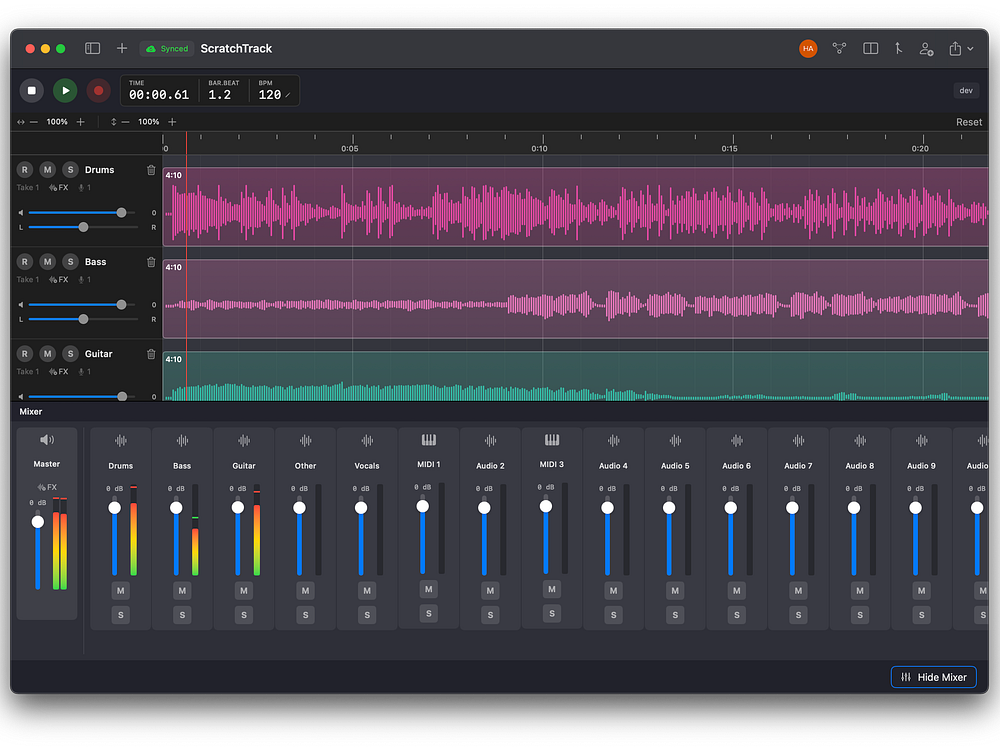








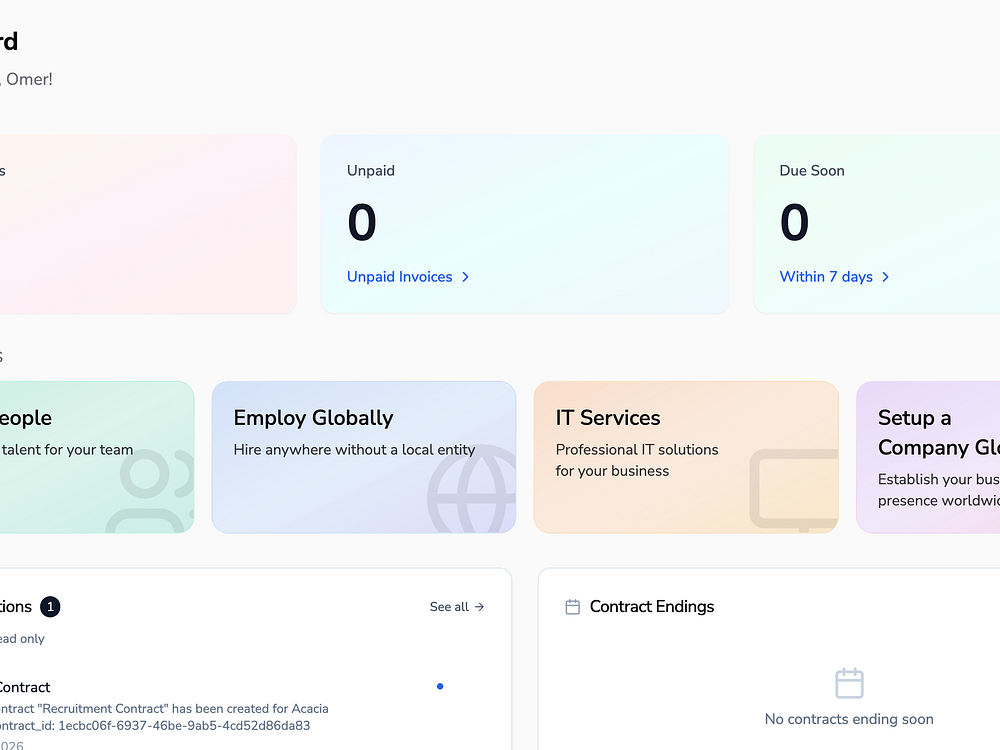


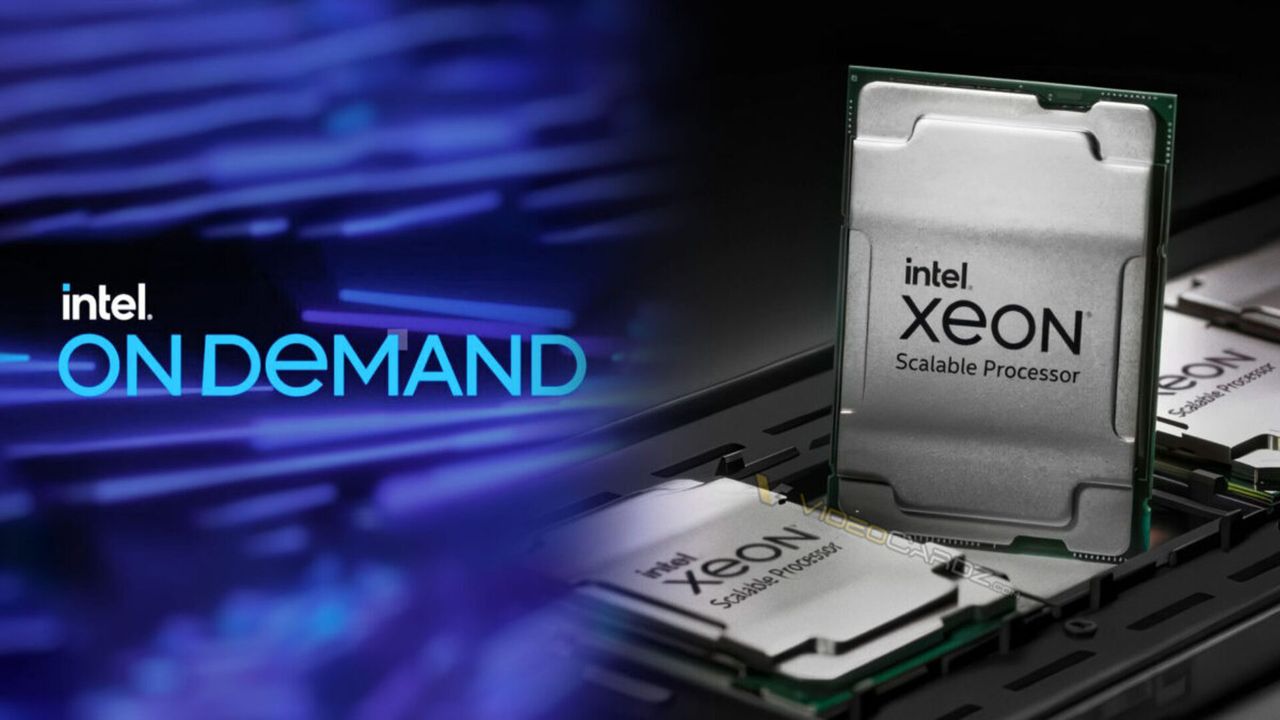


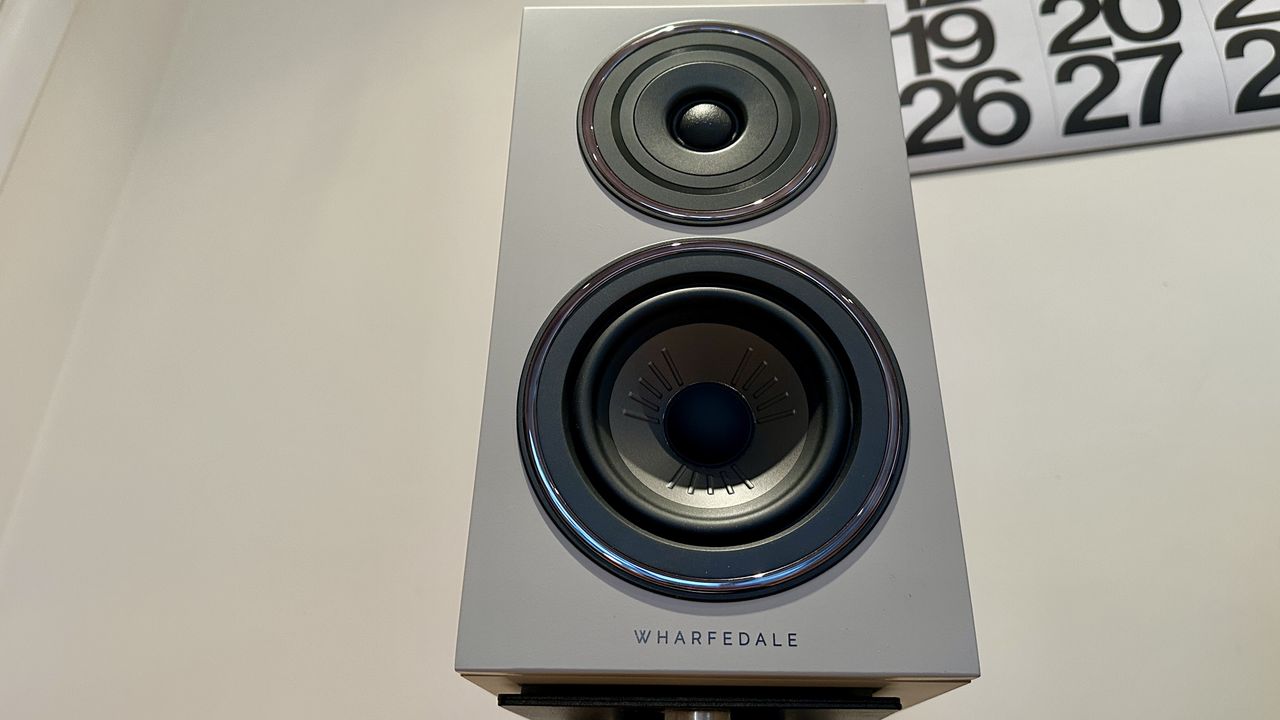

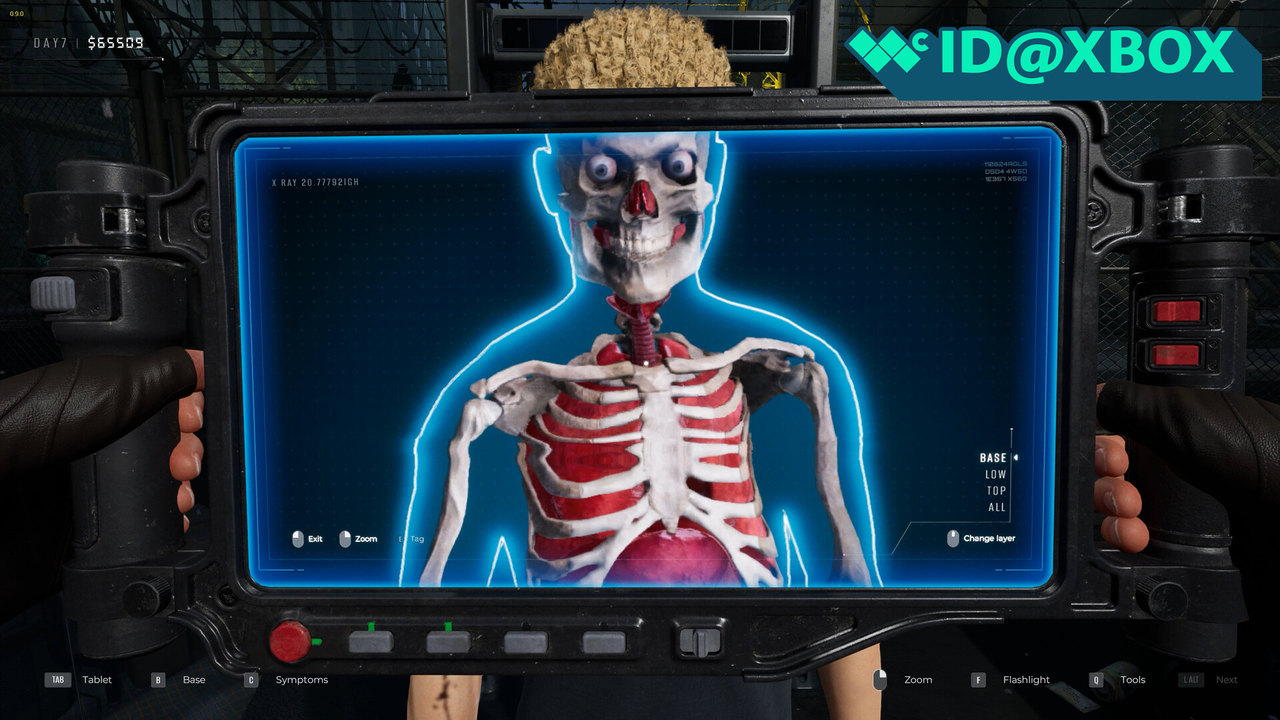


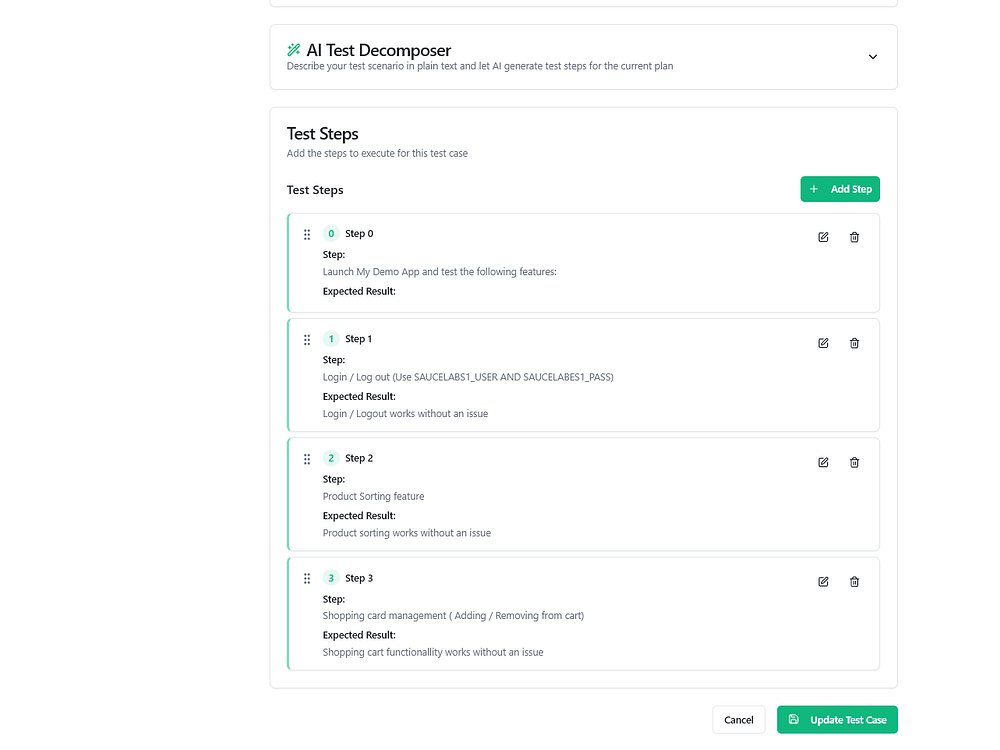



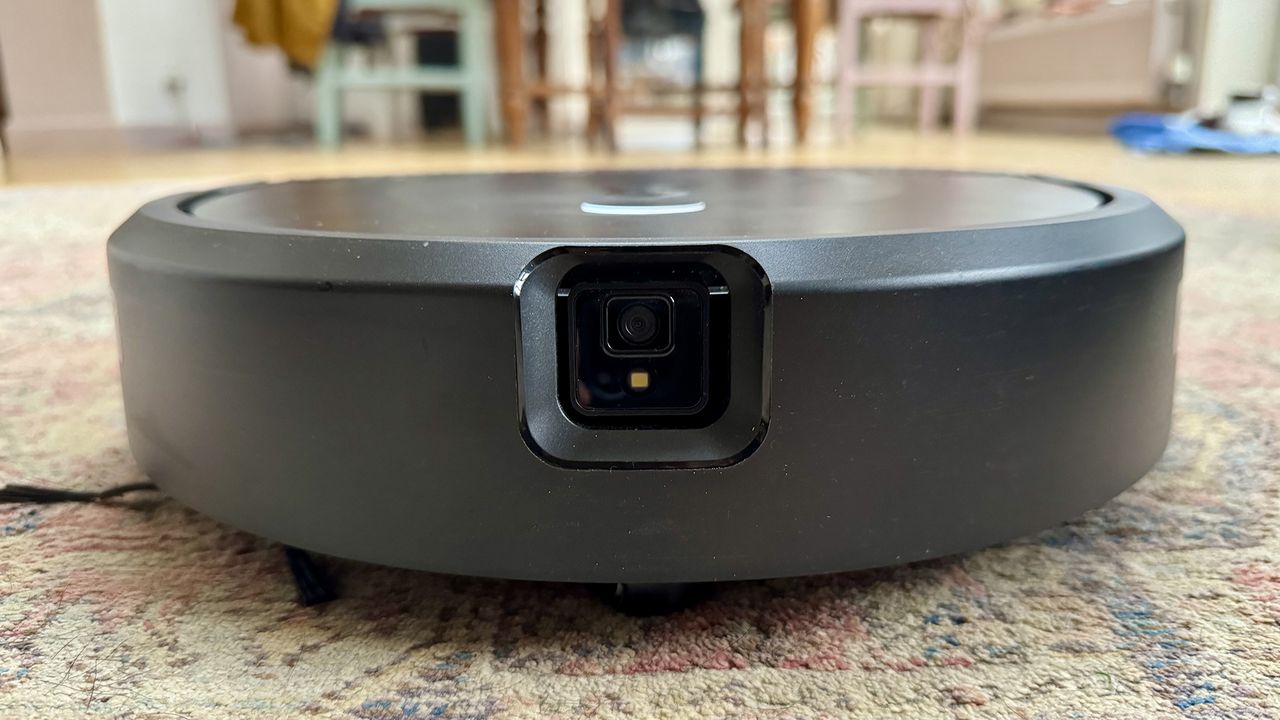



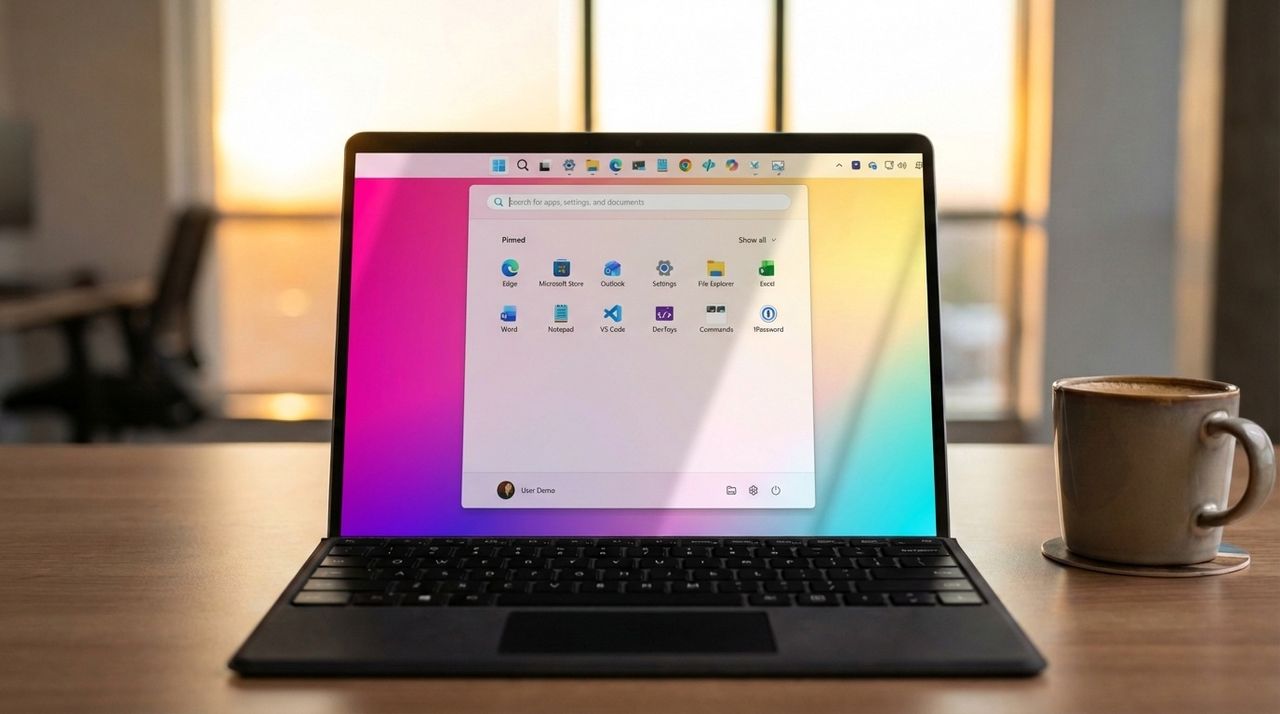








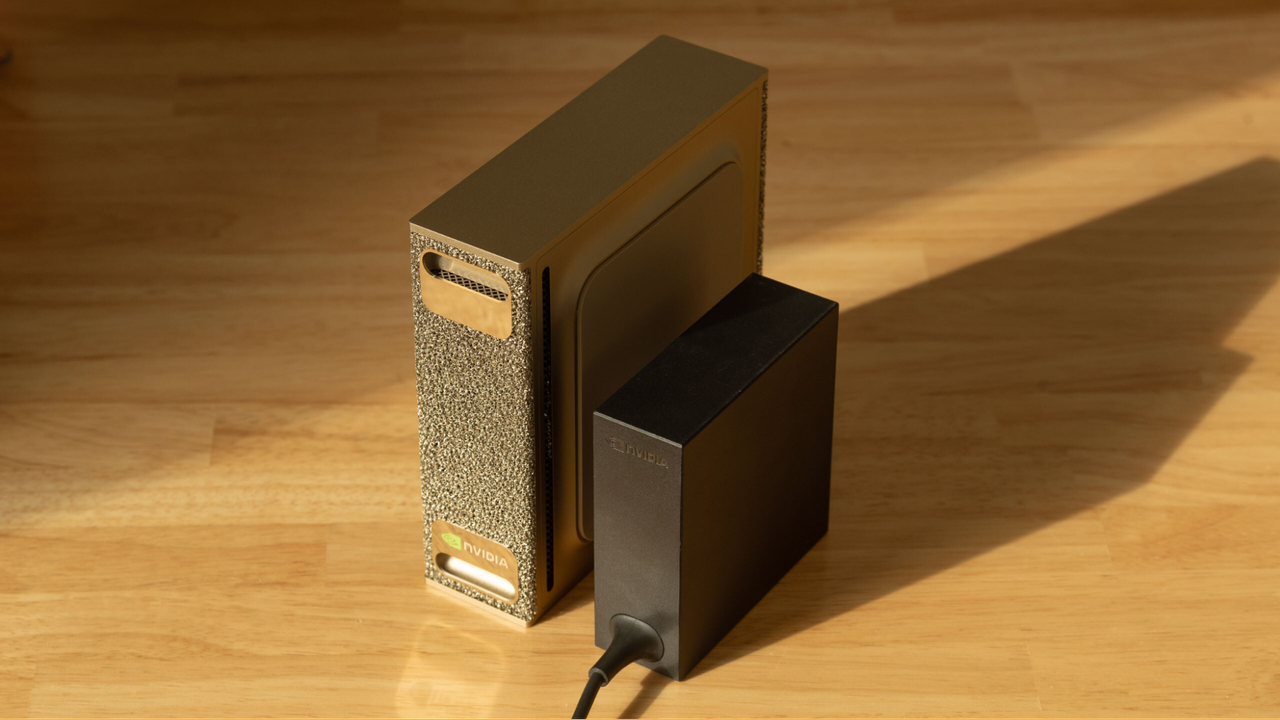




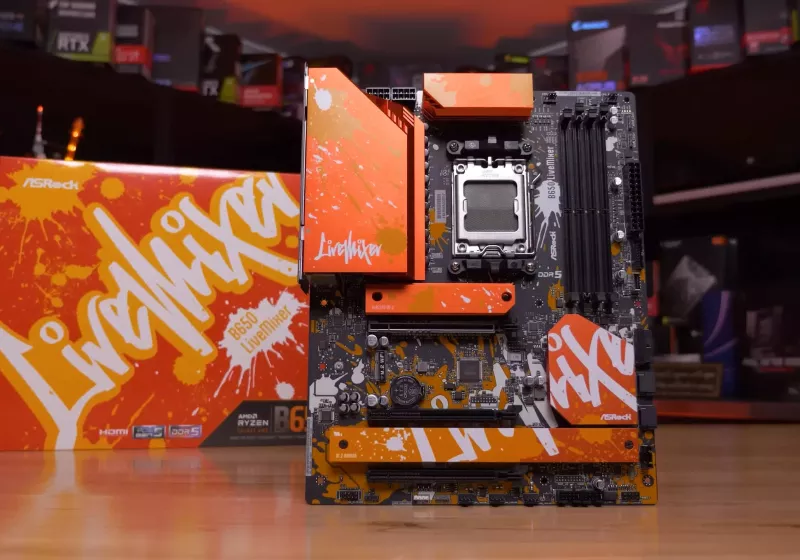





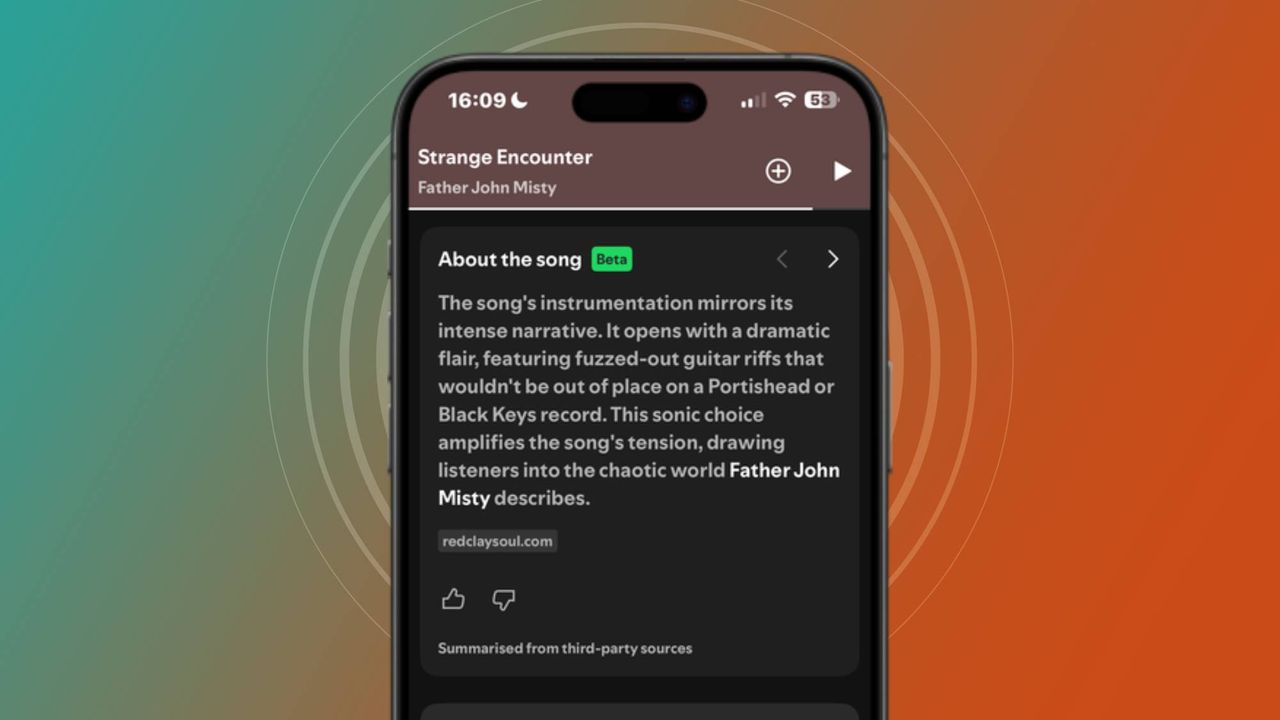


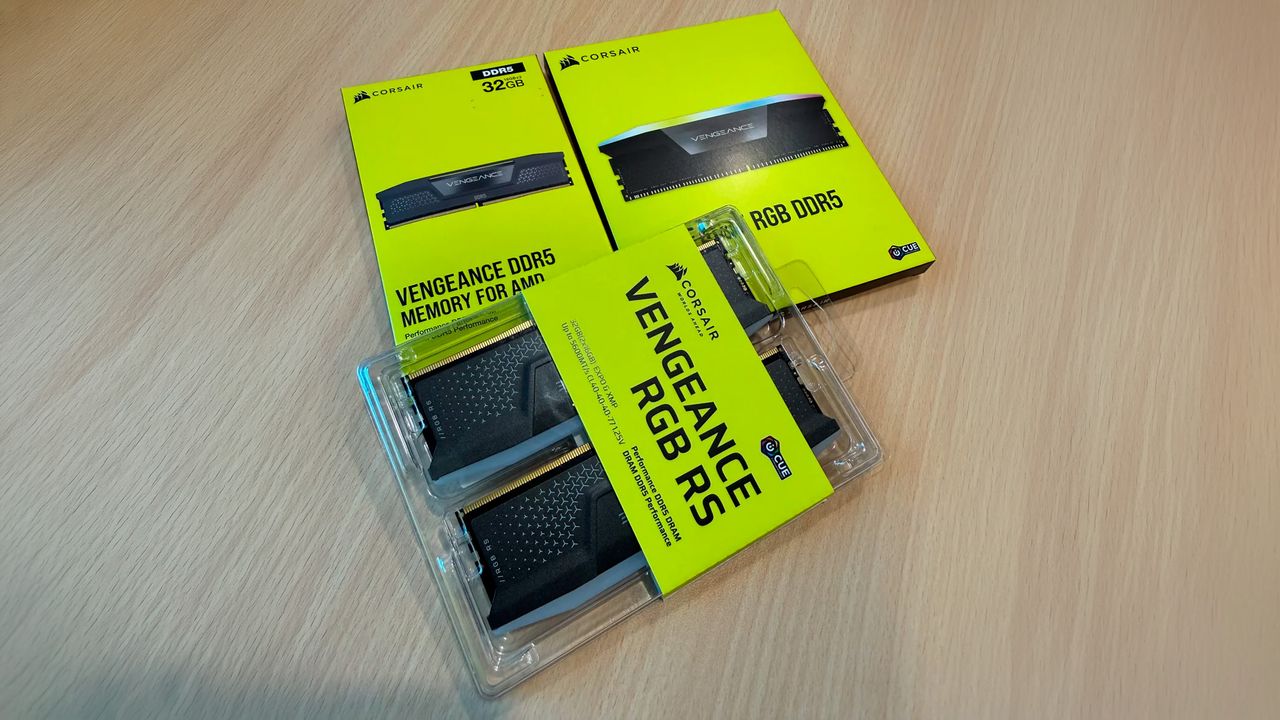







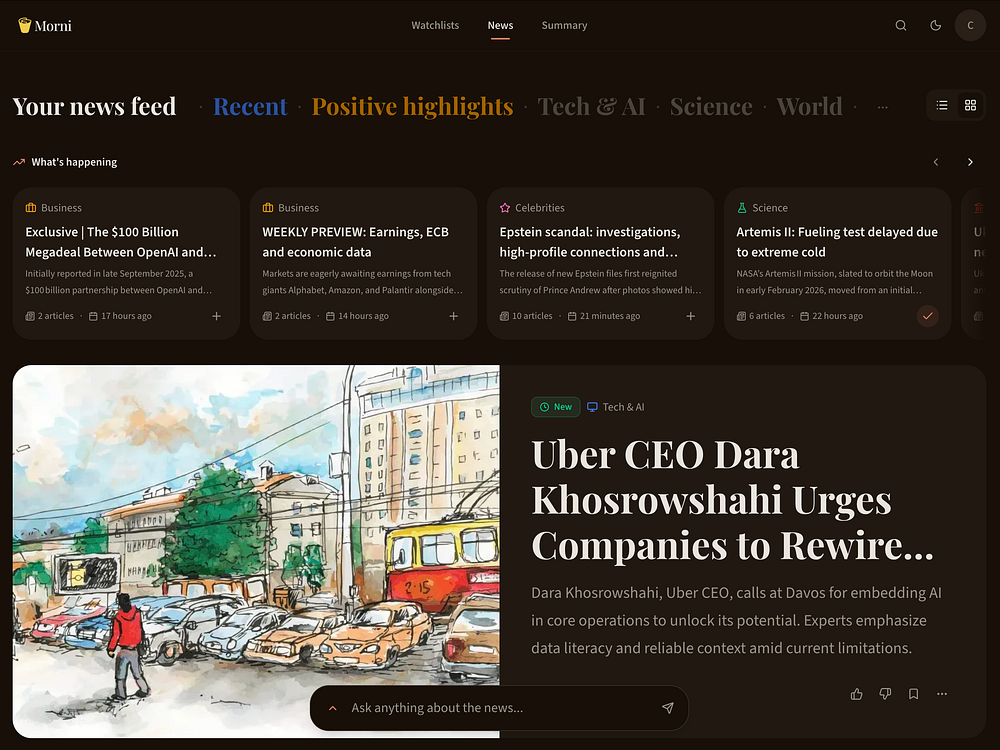












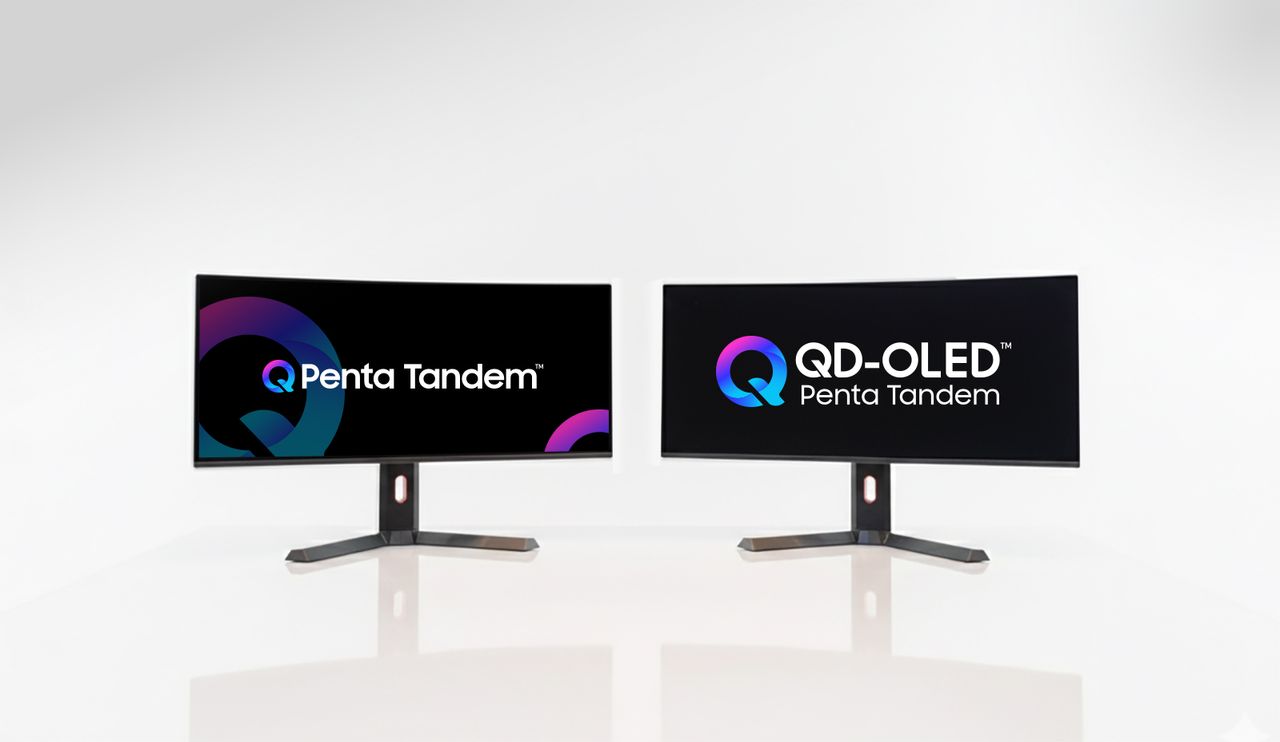
 Lunar New Year is approaching, and 2026 is the Year of the Horse. Whether you’re traveling for the holiday or connecting with loved ones overseas, language barriers shou…










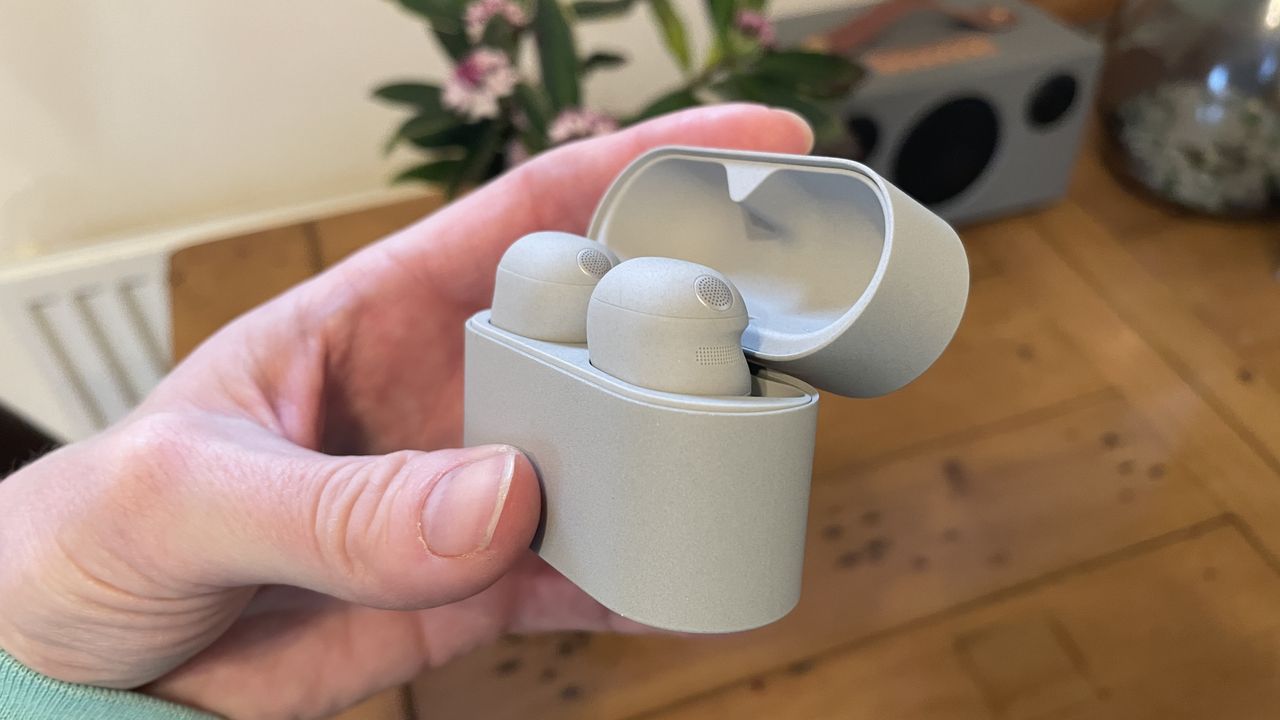
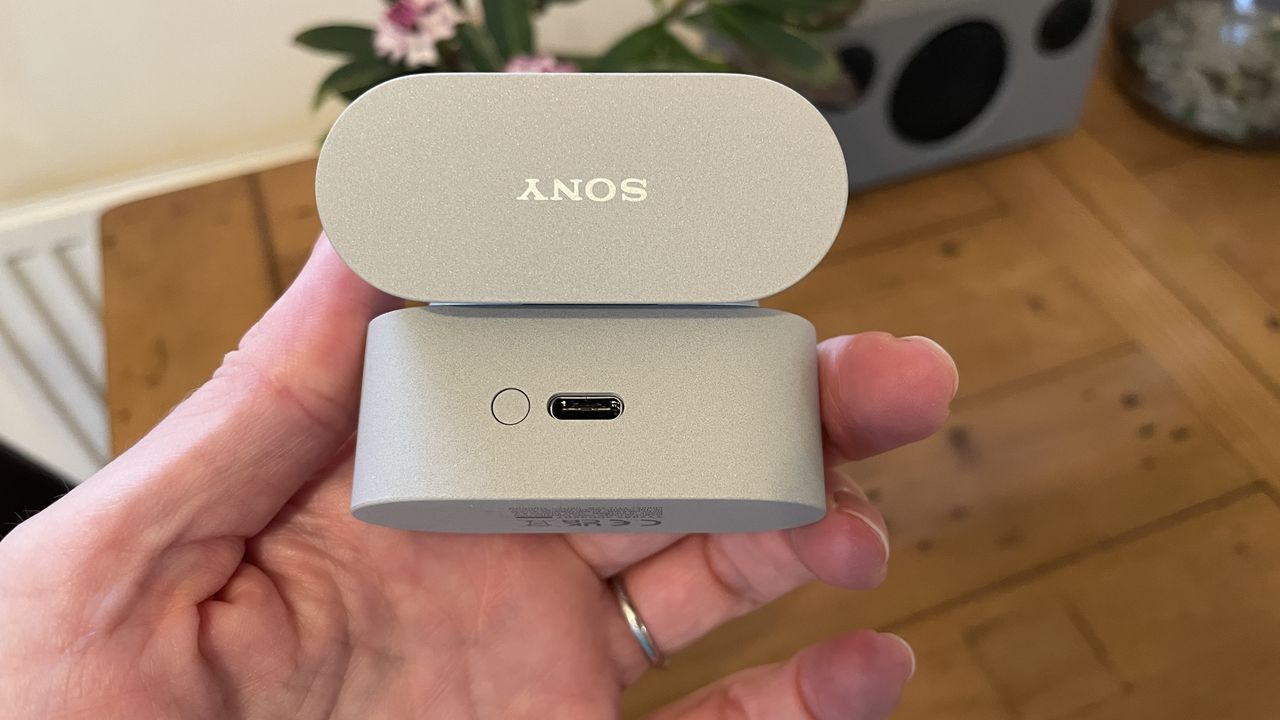







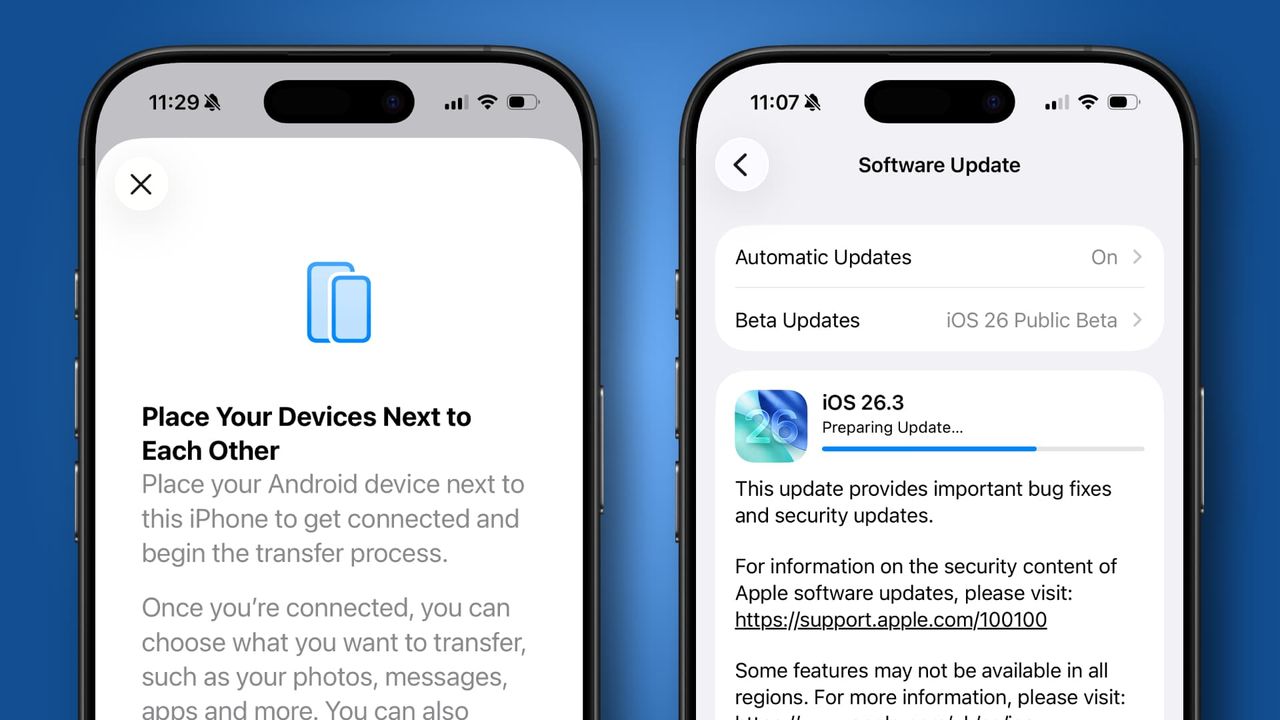


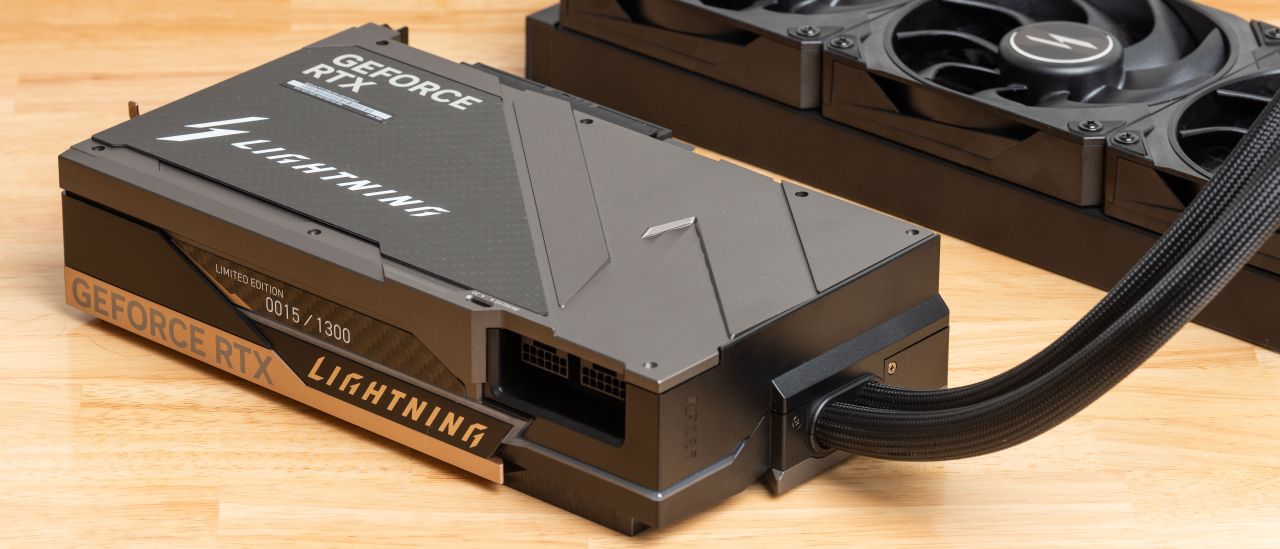


 We’re releasing a major upgrade to Gemini 3 Deep Think, our specialized reasoning mode.
  Learn more about how threat actors are misusing AI, and what Google is doing to stop it.



















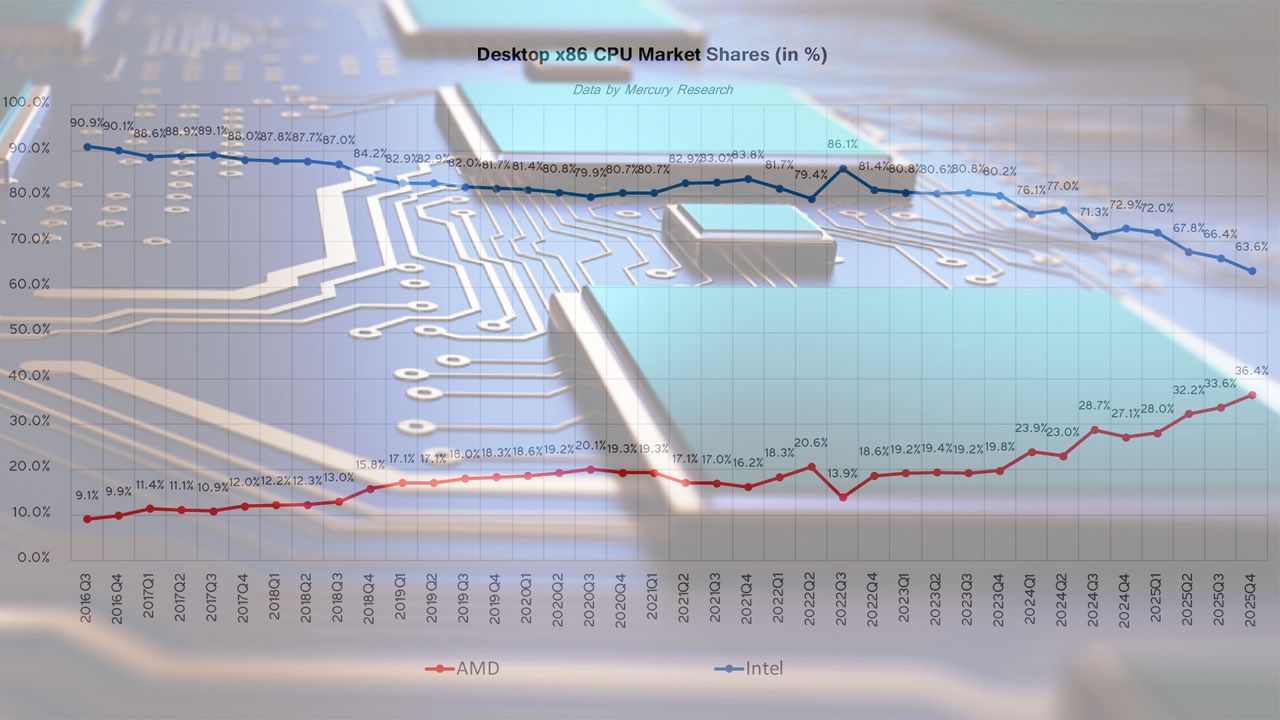





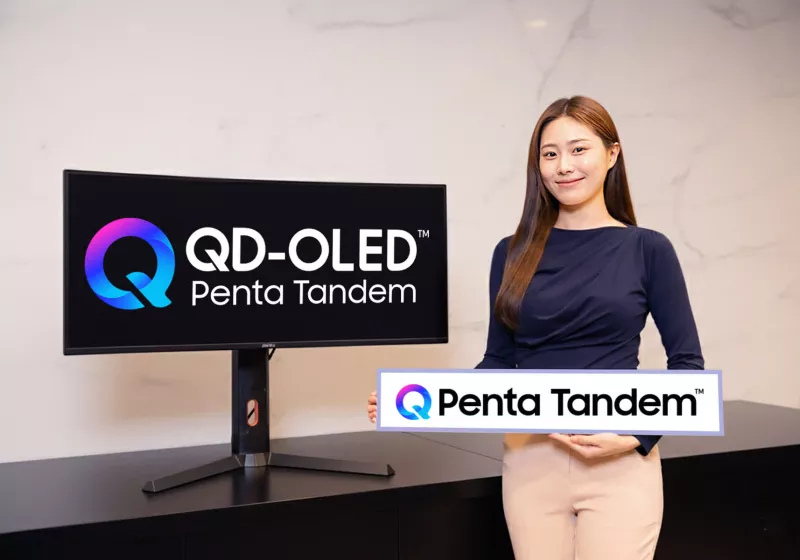



















 An overview of Google’s work at the 2026 Munich Security Conference, including a new whitepaper, AI updates and security recommendations.

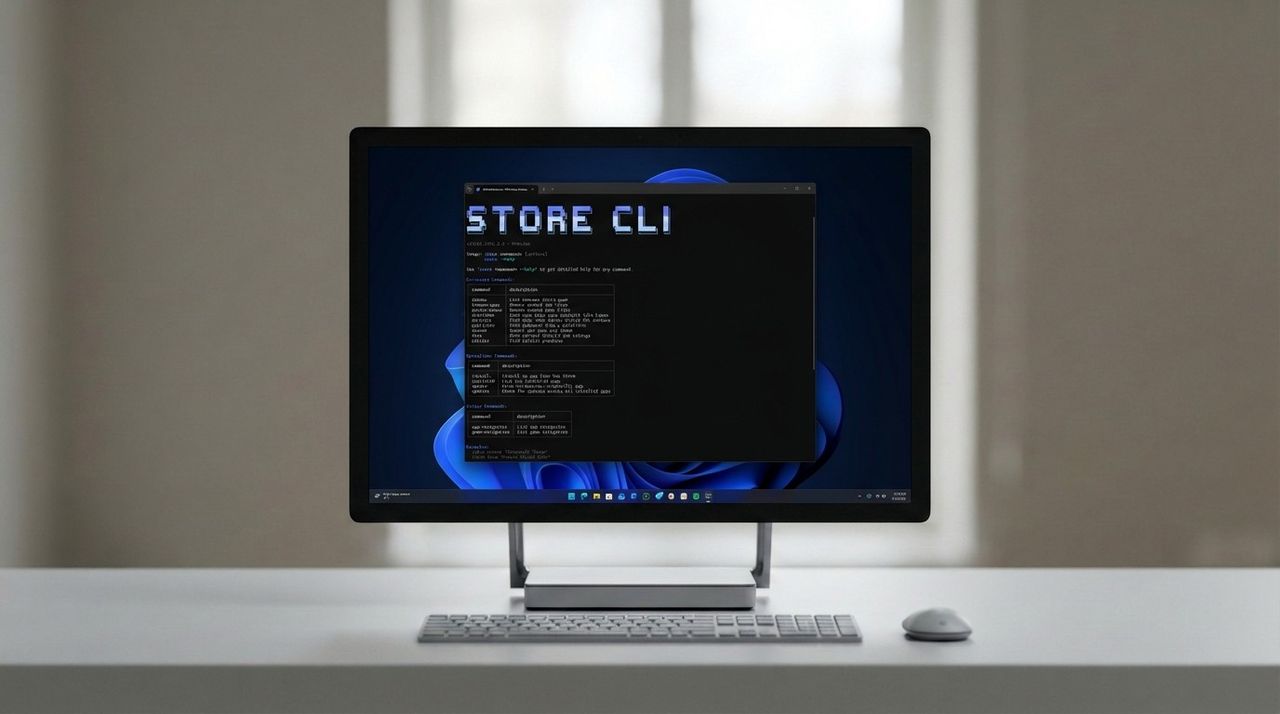



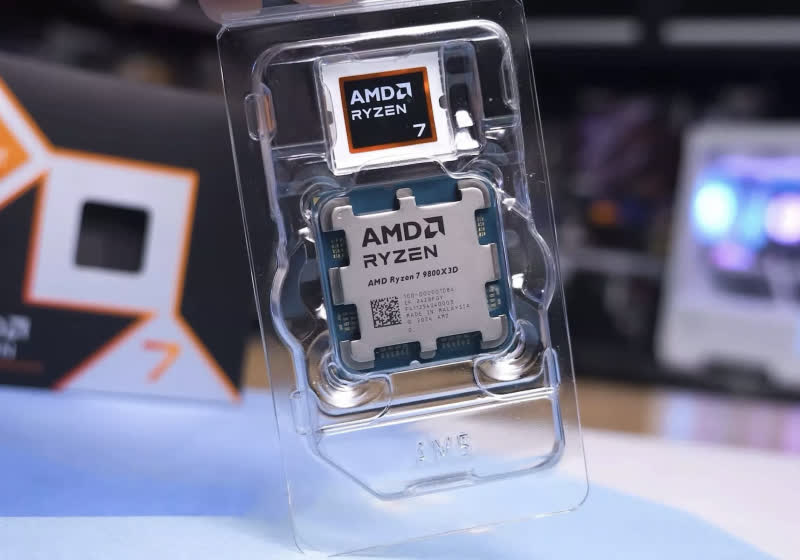









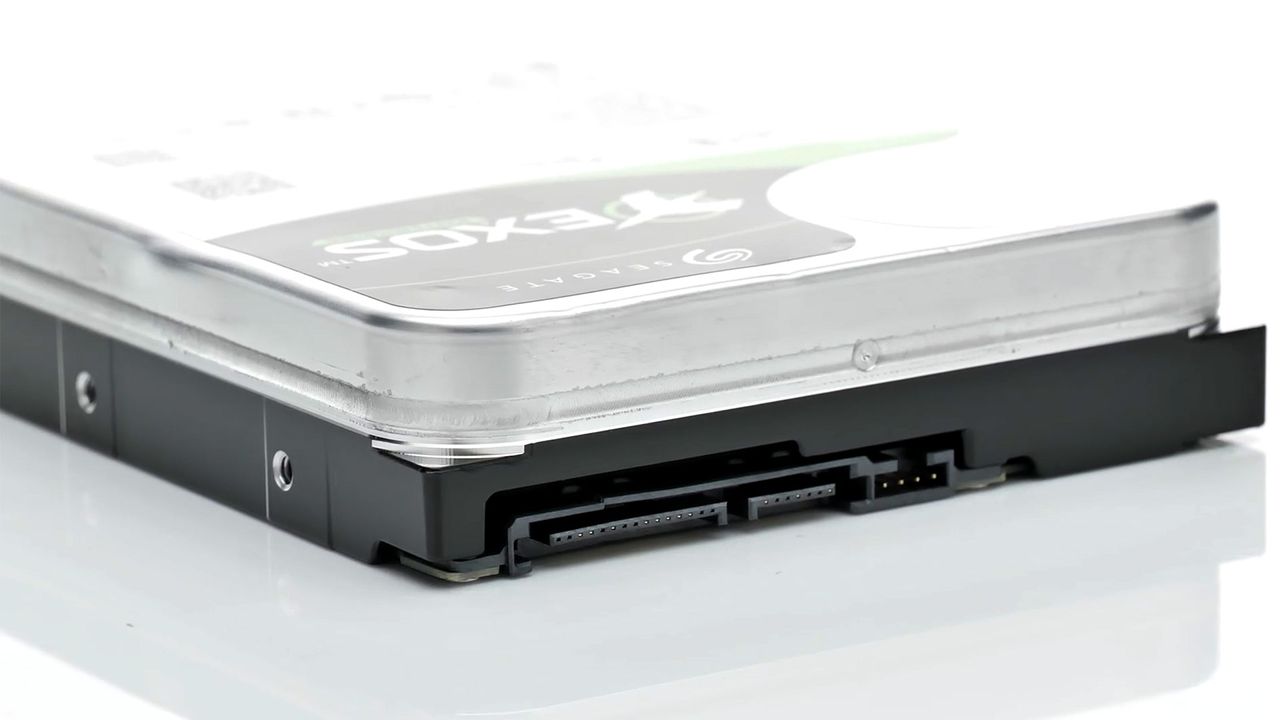
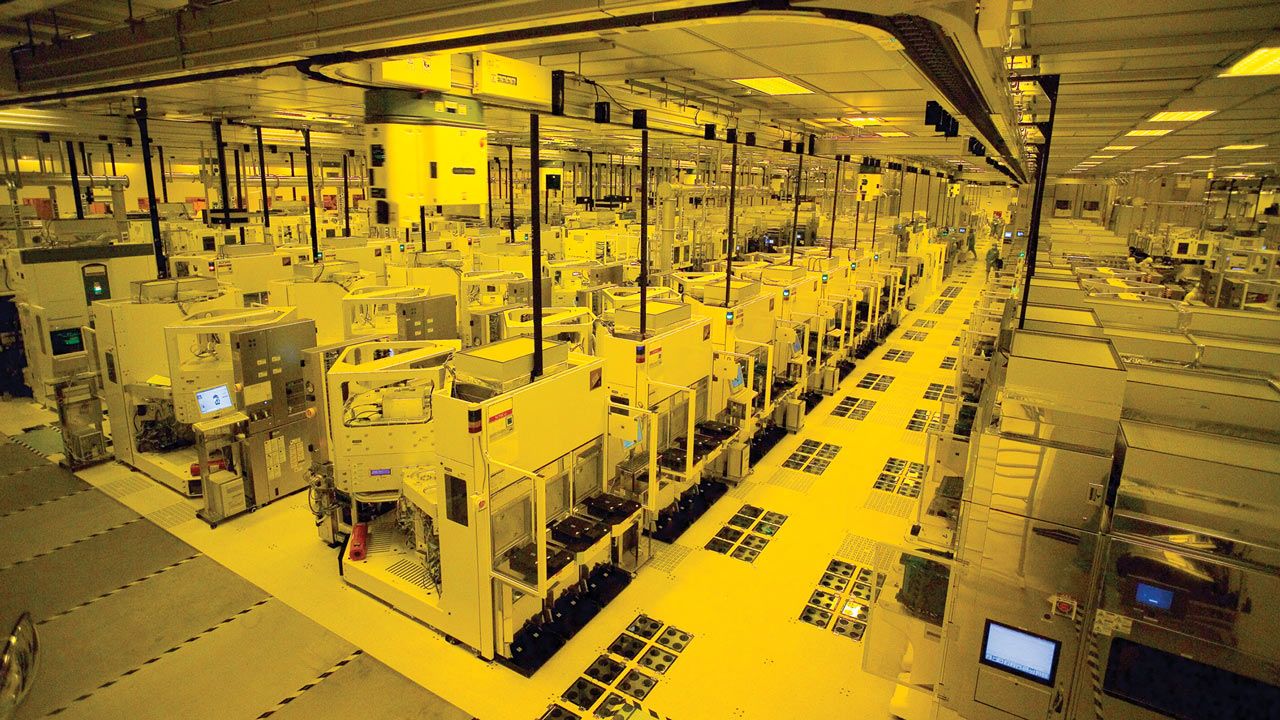
 Ahead of the India AI Summit, Google Arts & Culture is releasing new experiences that delve into India’s cultural heritage.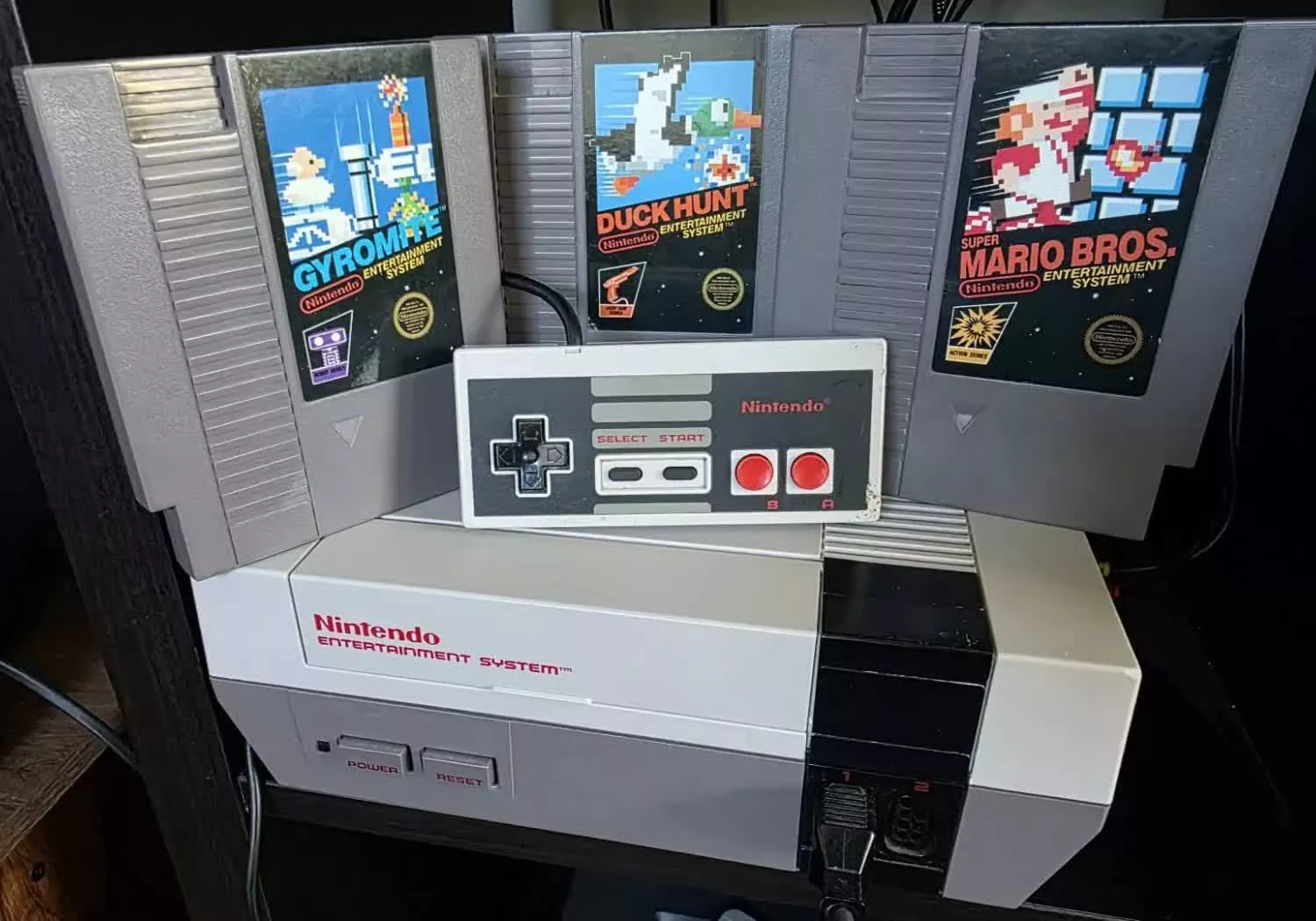
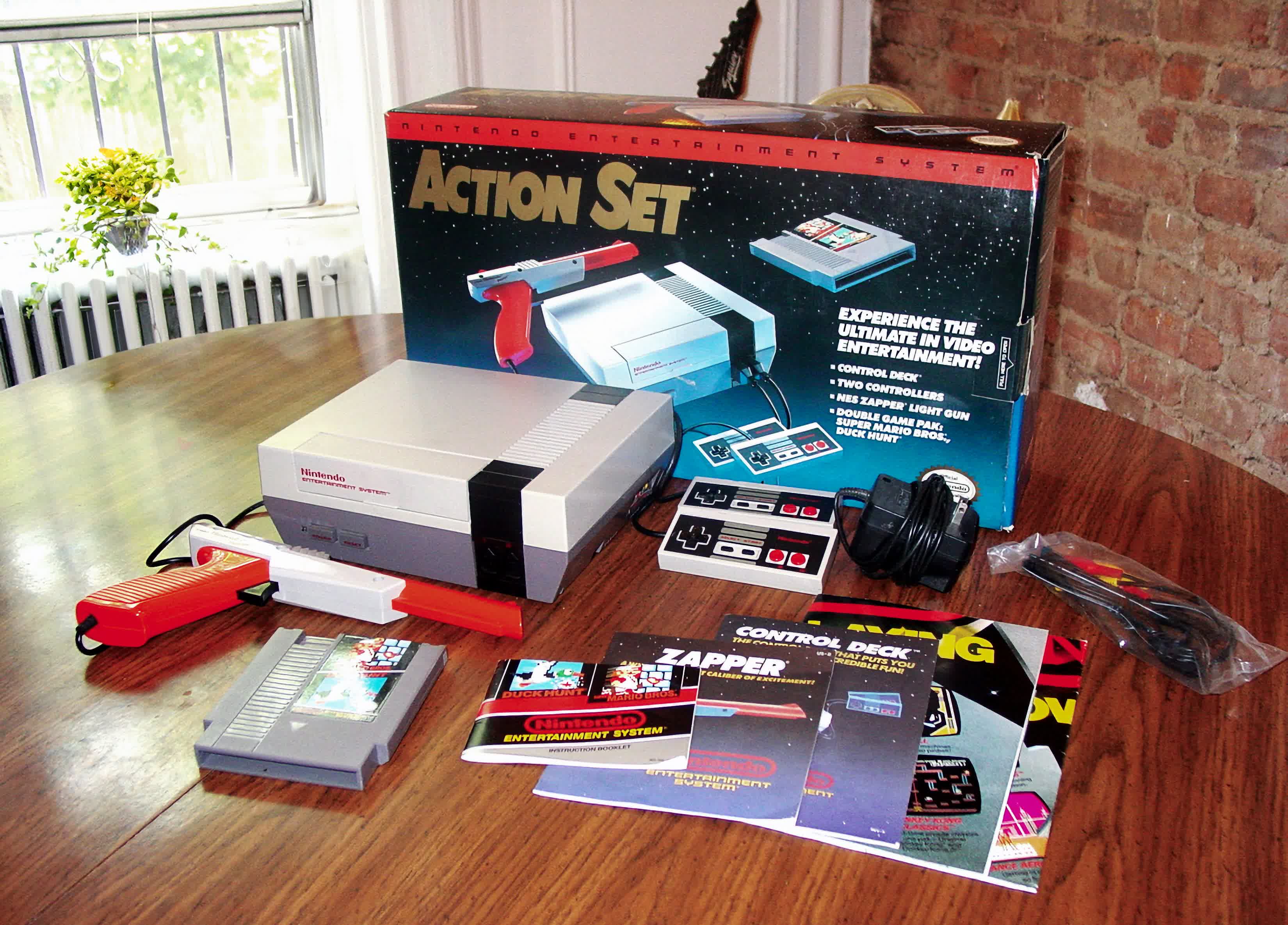















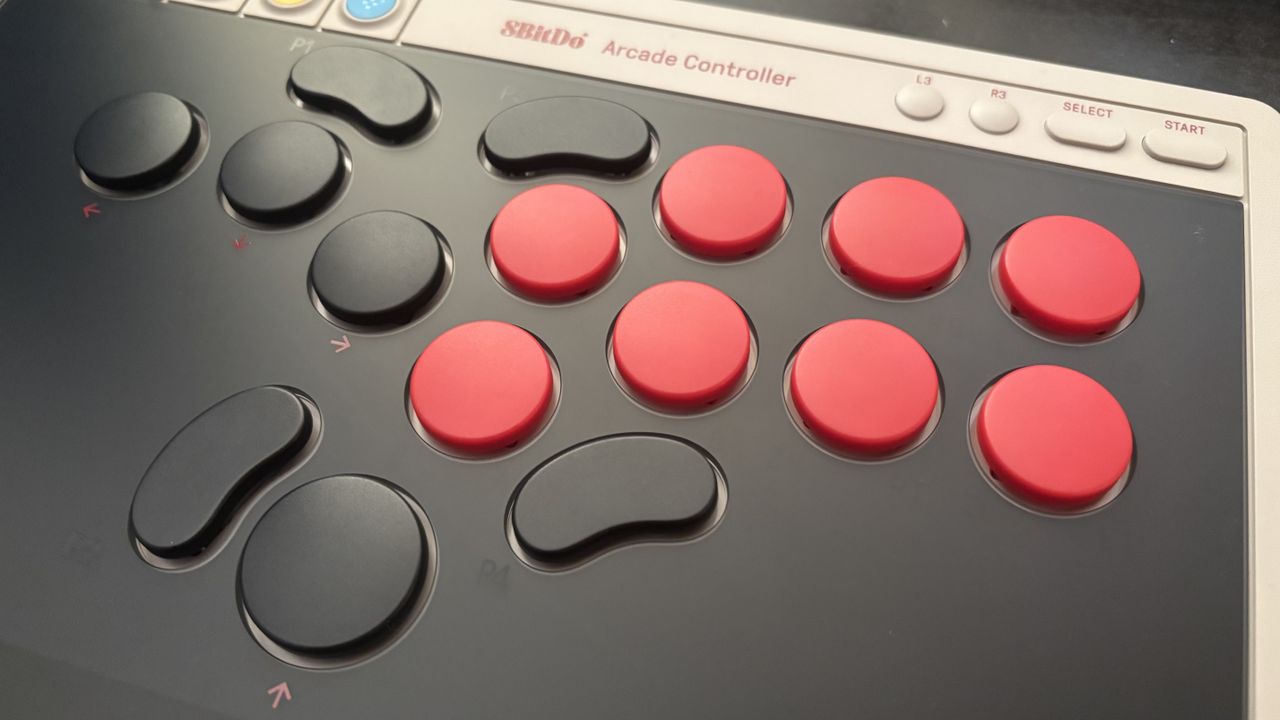











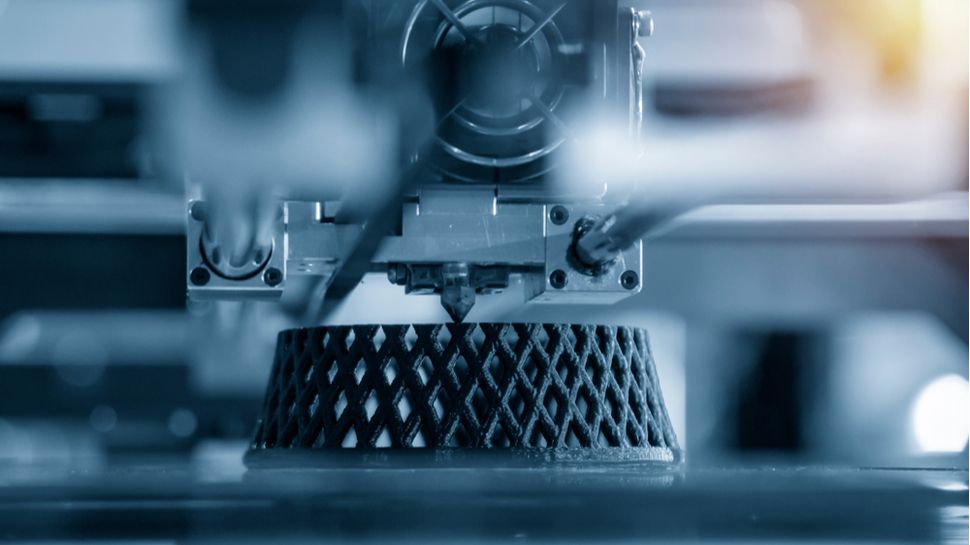


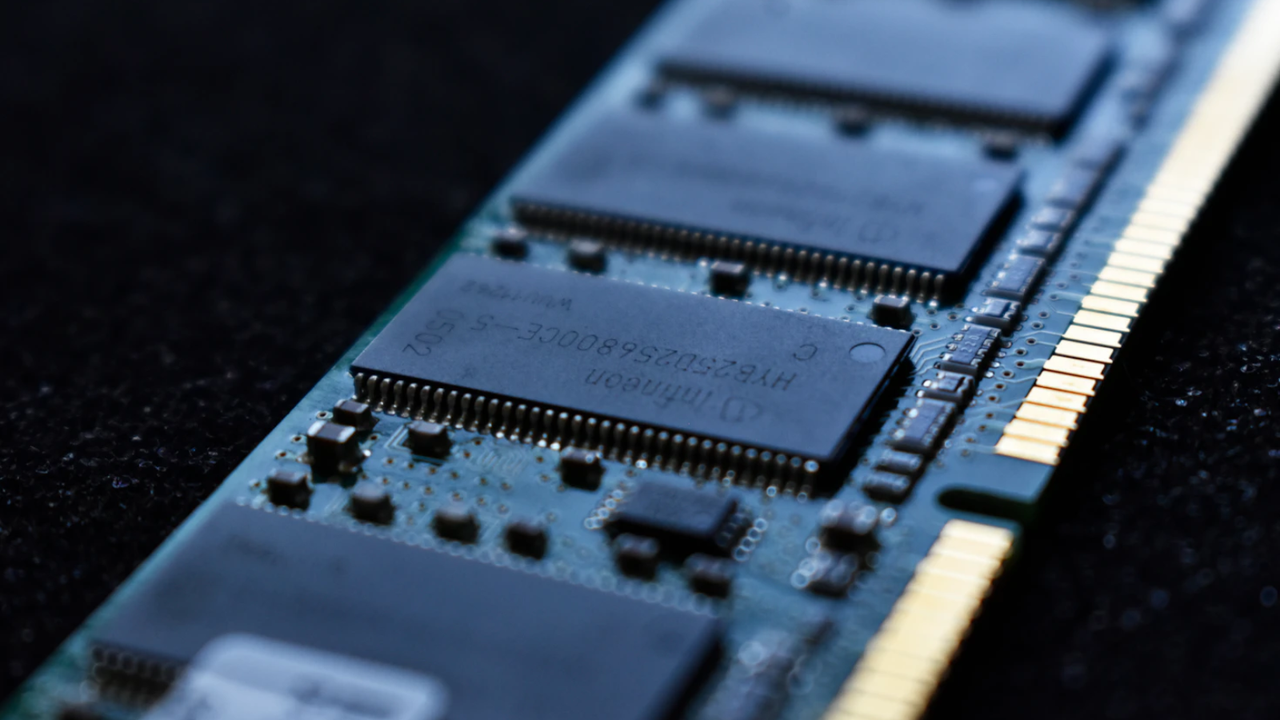



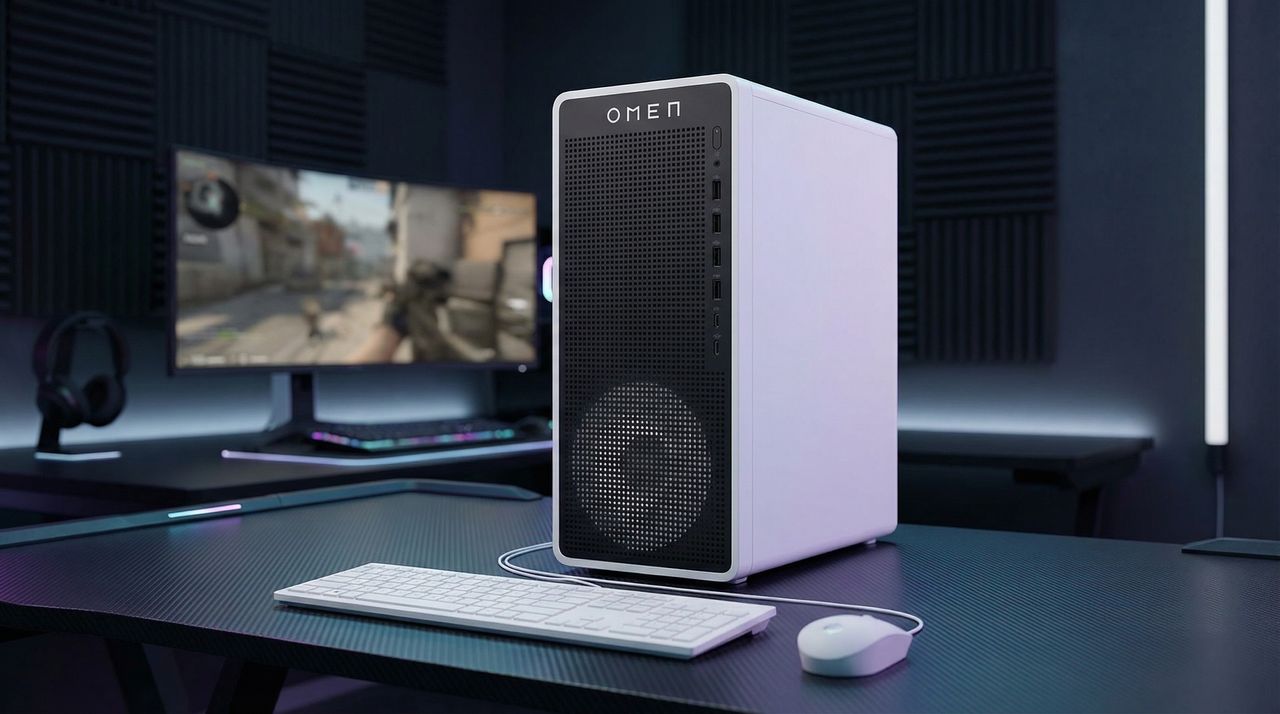





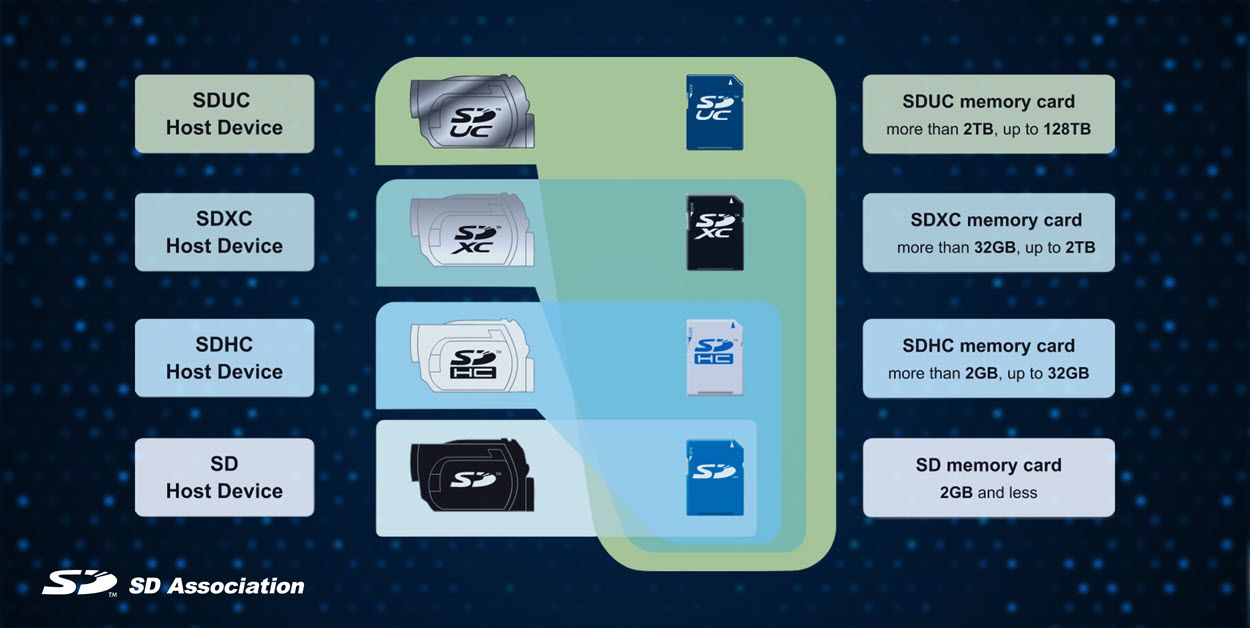


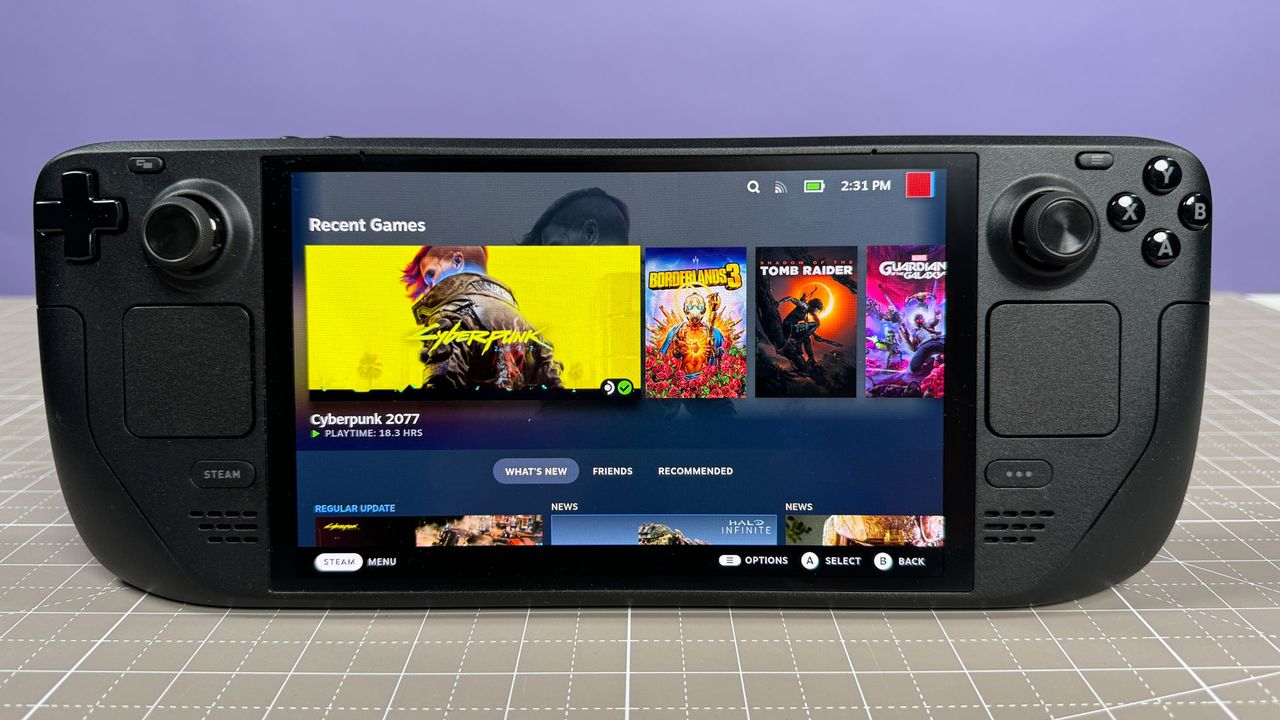
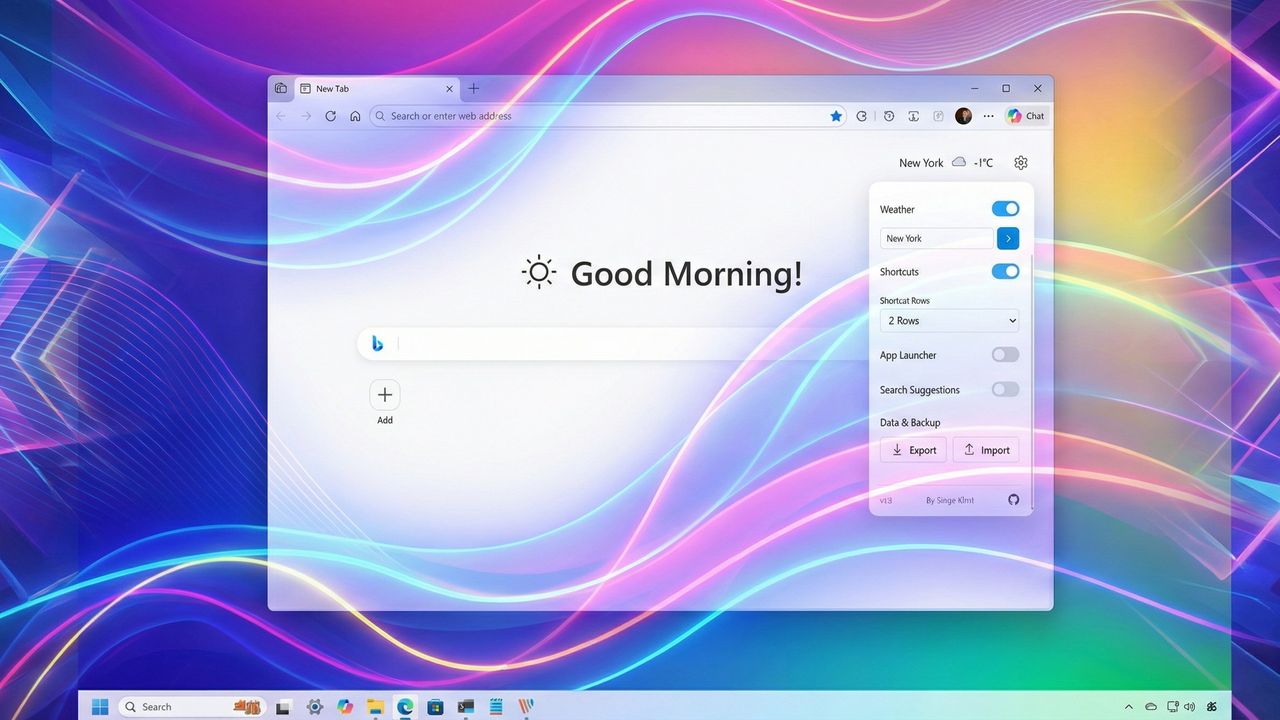


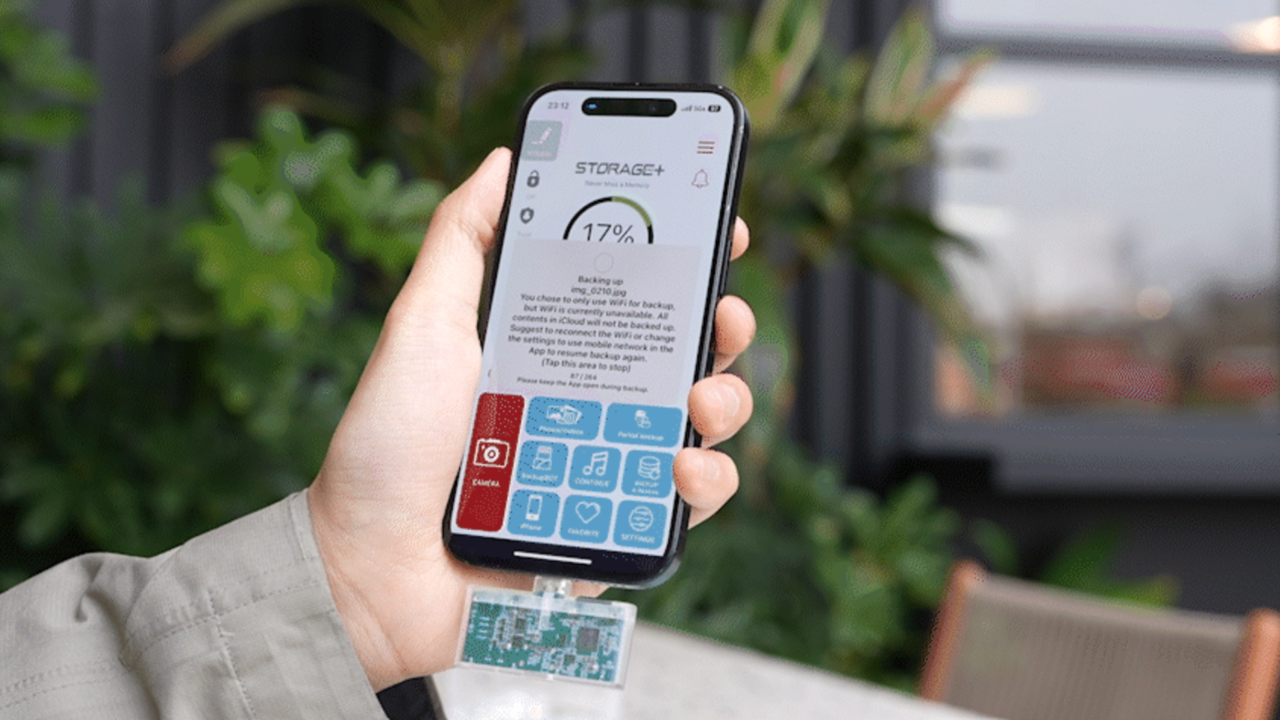






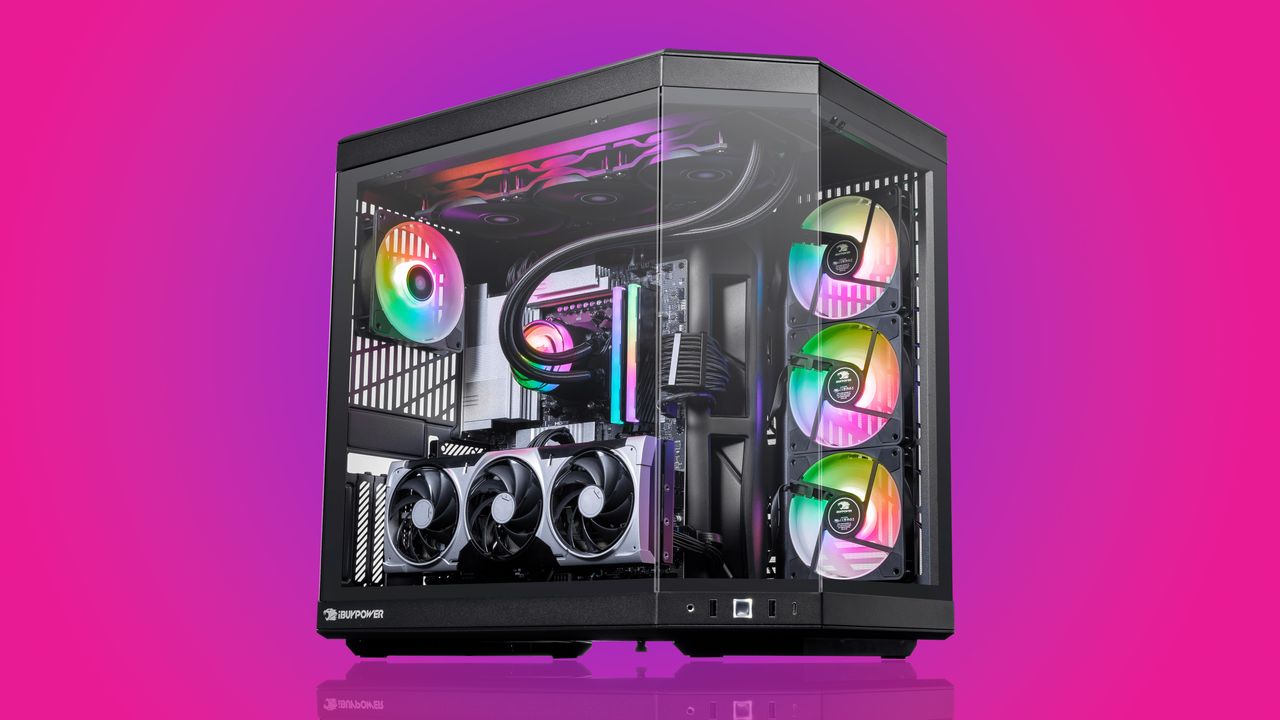
 For years, the gold standard in Search ads was granularity. Advertisers built elaborate, multi-layered campaigns to cover every variable, from match types to device bids…





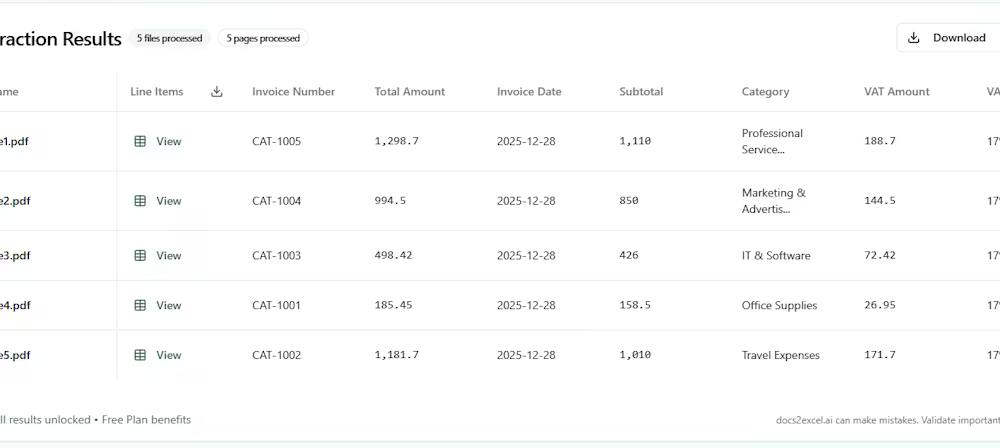
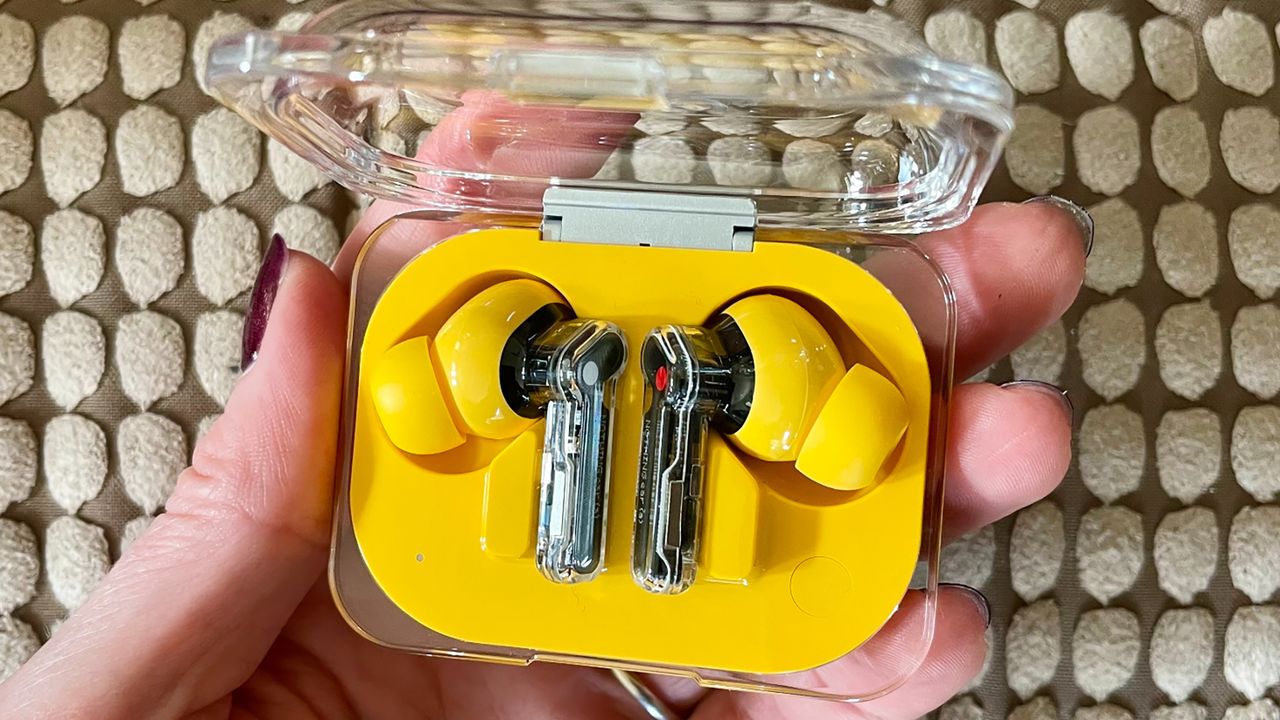










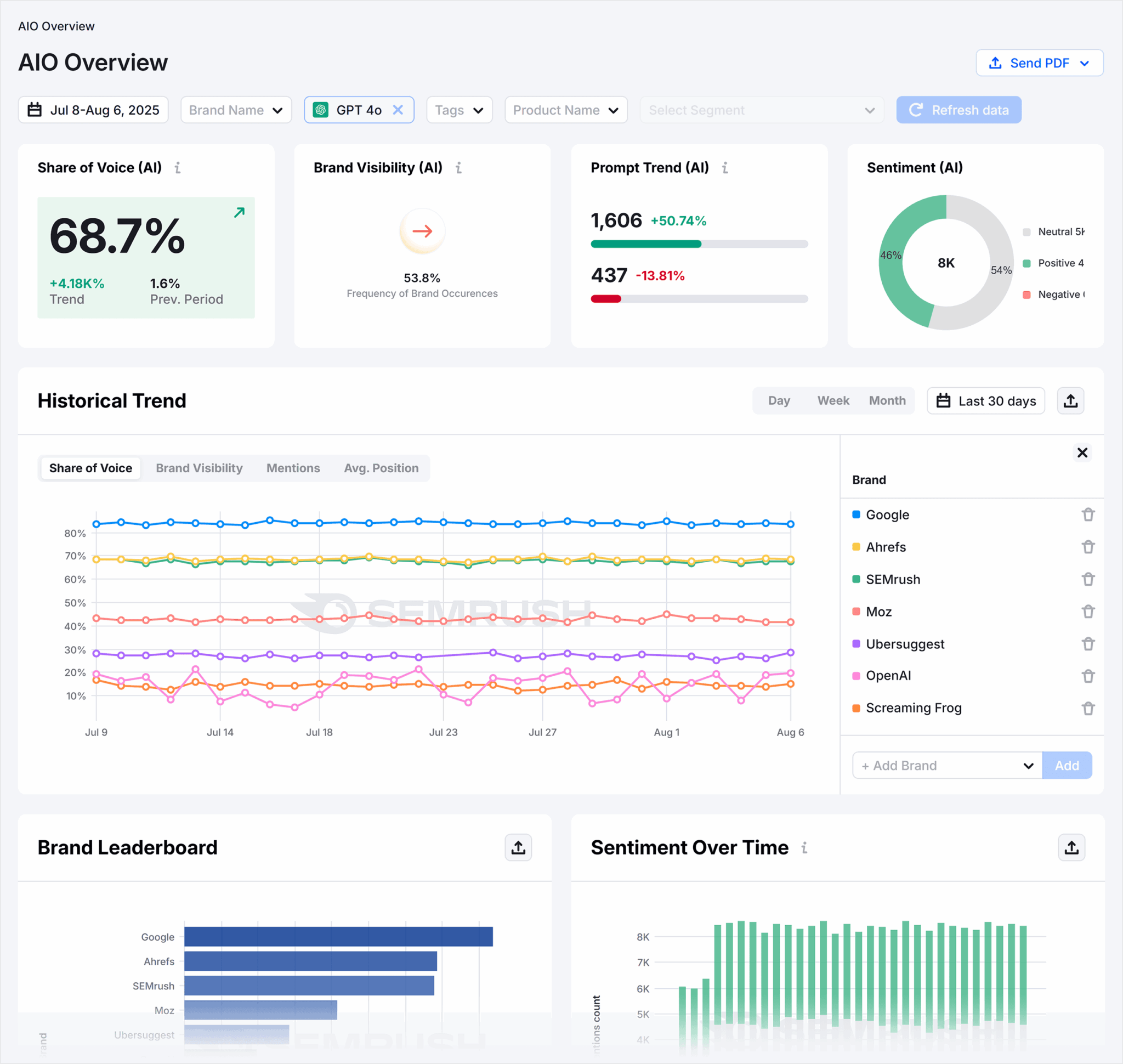





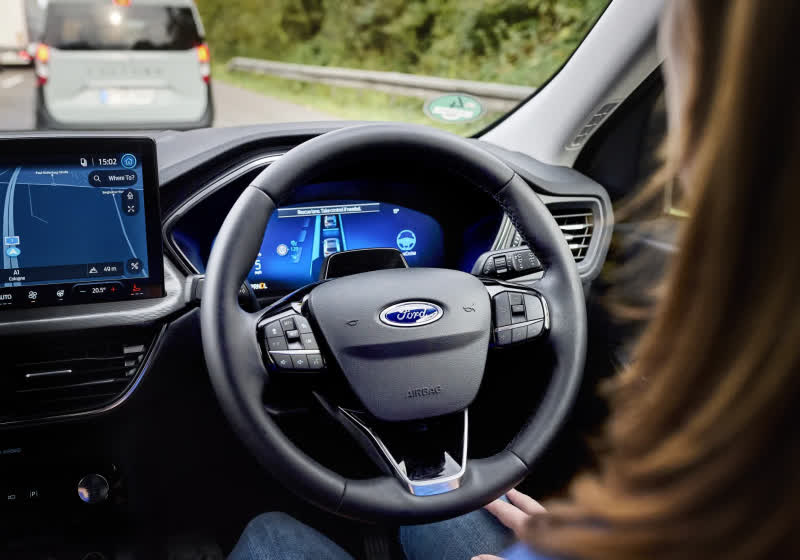
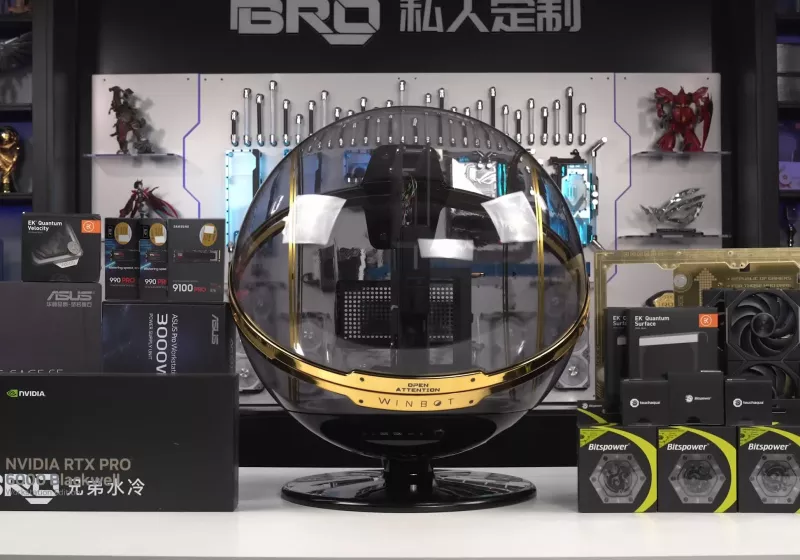

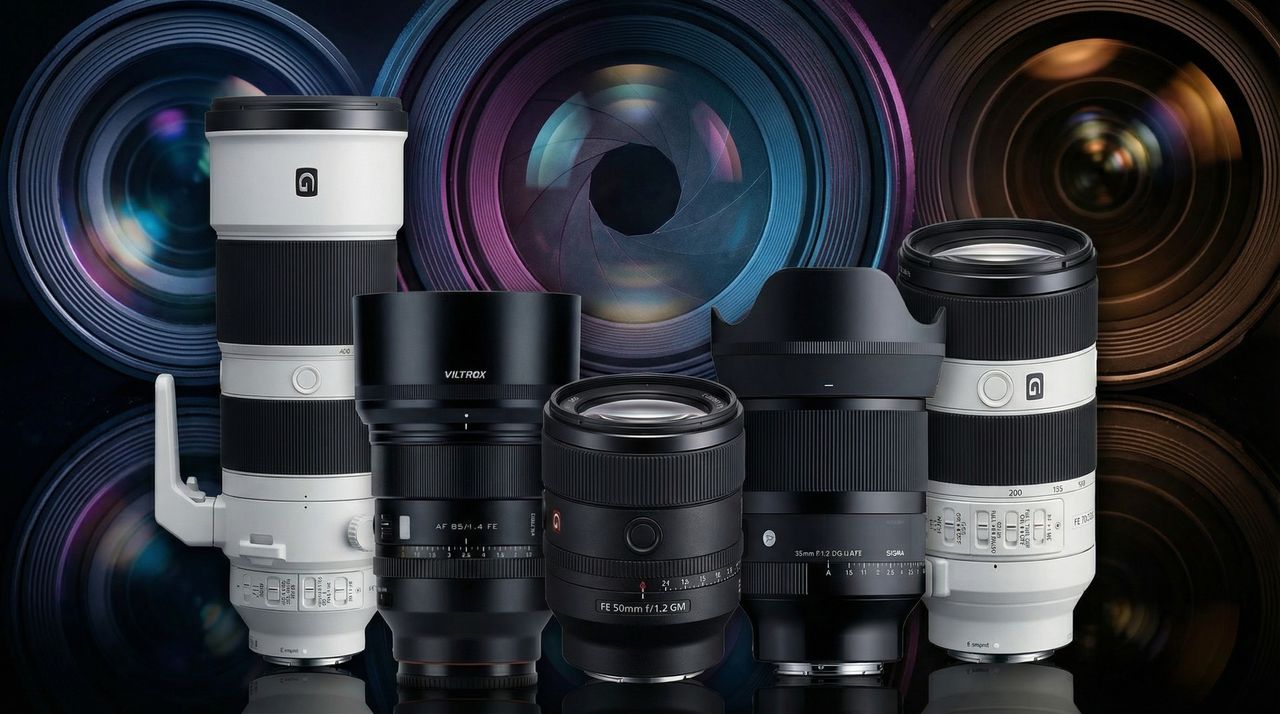


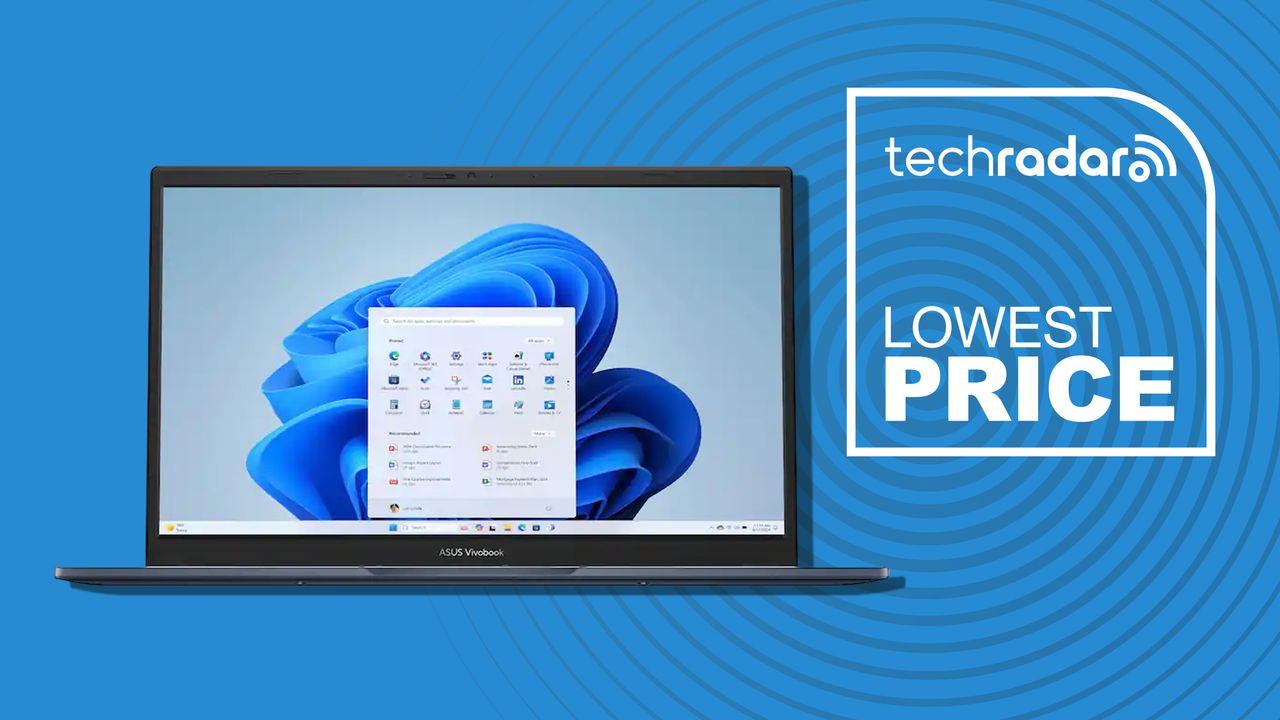
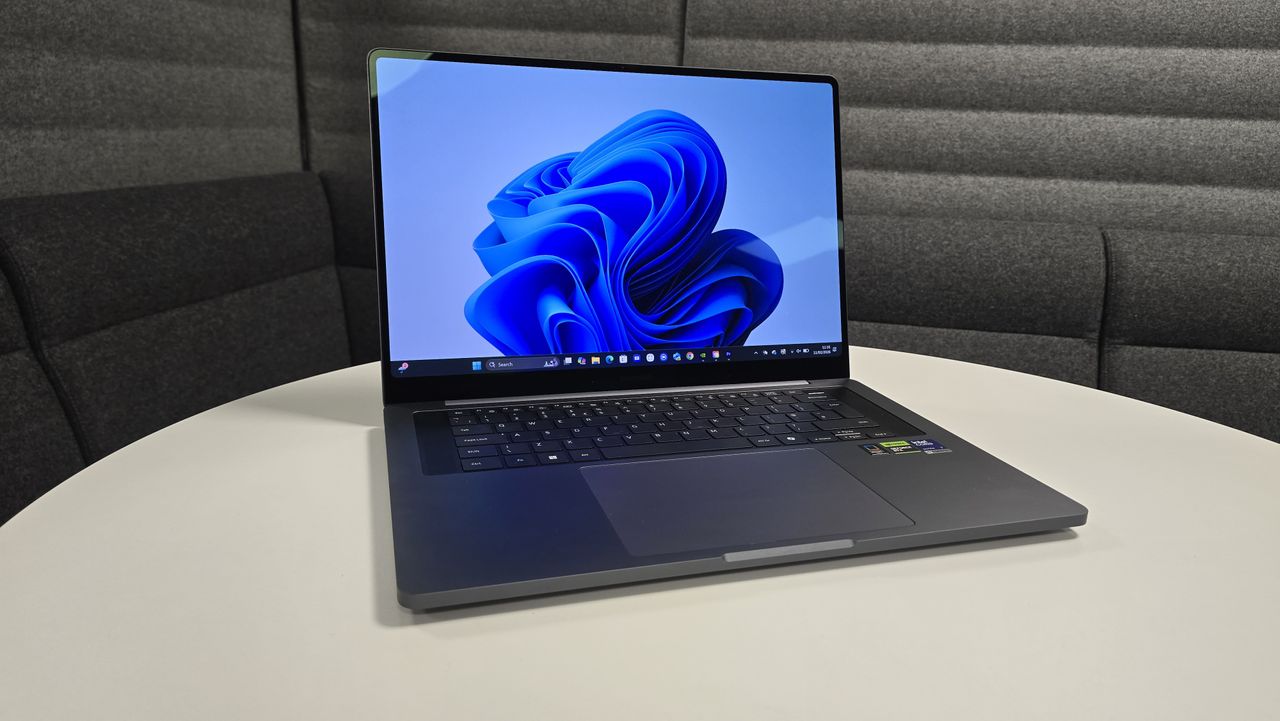



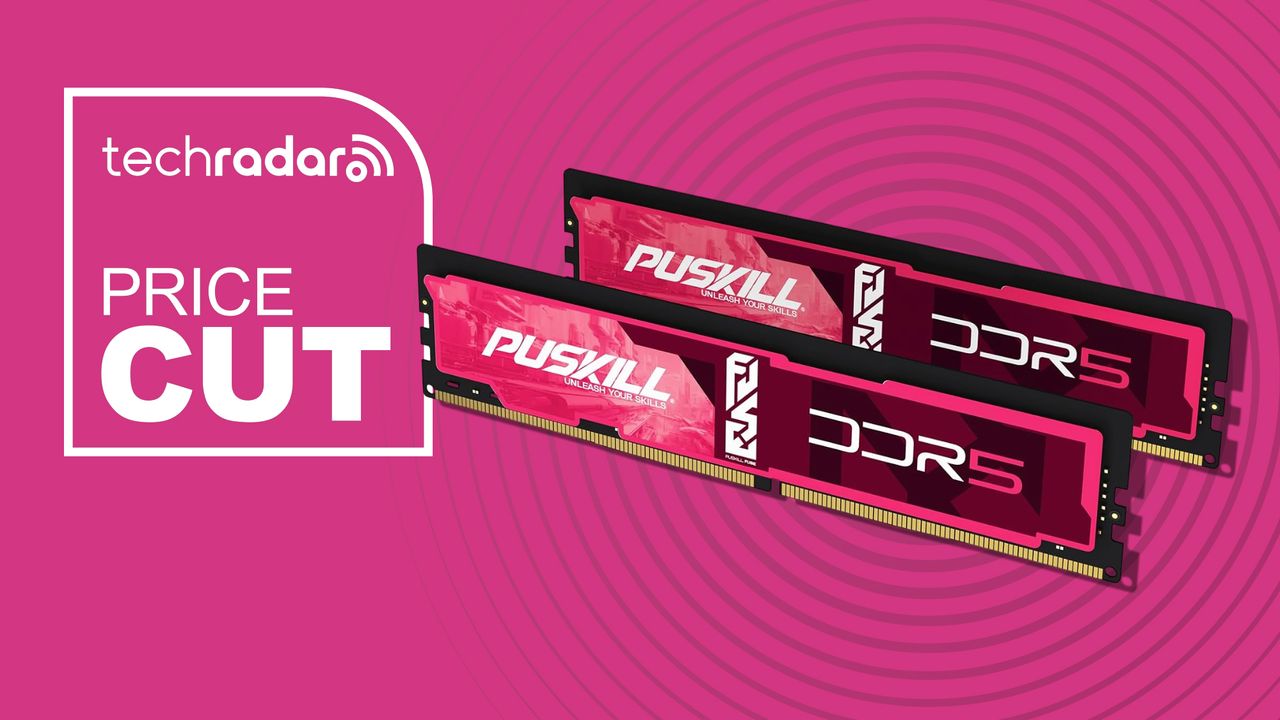







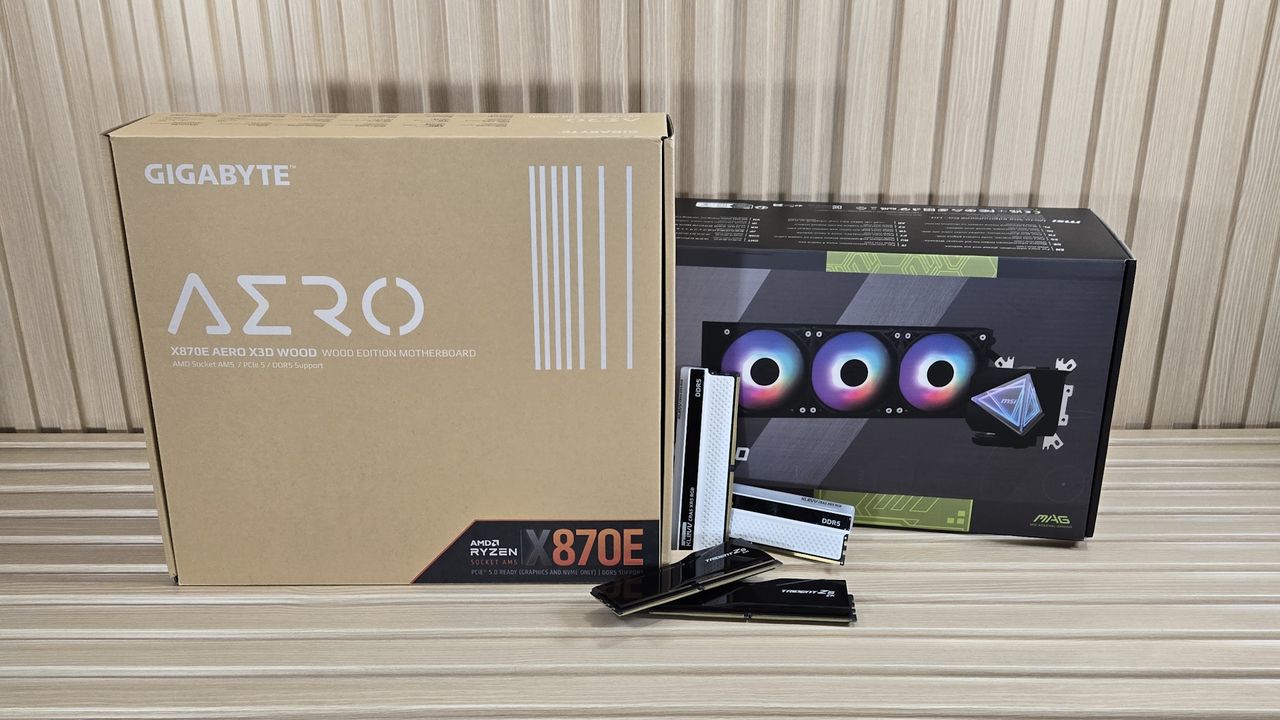
 Google VP Vidhya Srinivasan shares how Google is reimagining commercial experiences to be fluid, assistive and personal in 2026.