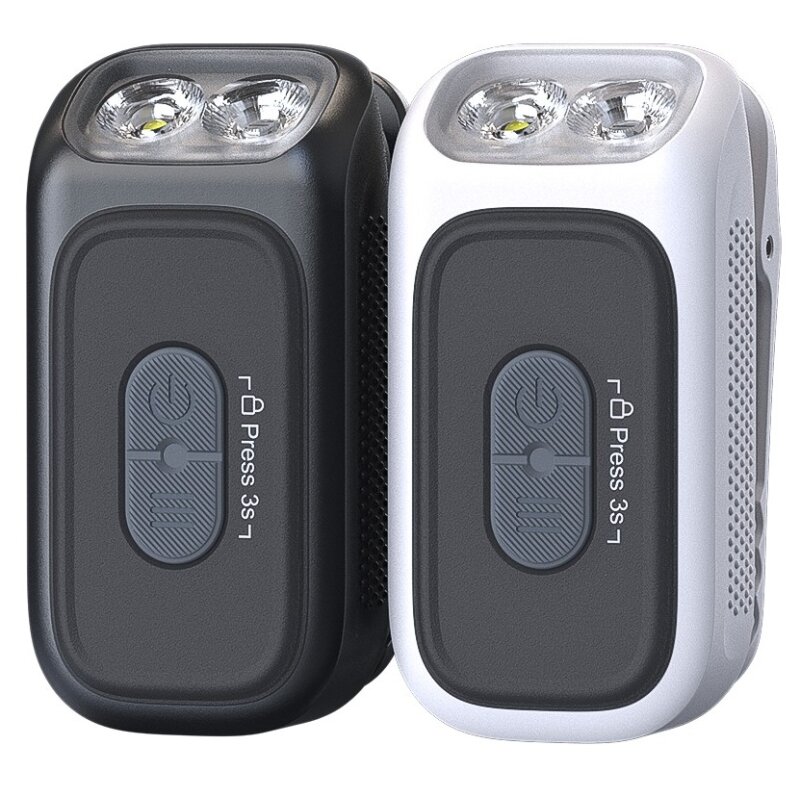
The Olight Baton flashlight series delivers 1,600+ lumens of output from a 3,500-mAh battery in a cylindrical waterproof body for EDC that is less than 4.5 inches long. They come with USB-C and magnetic charging as well as side and tail switches for convenience.
The Grand Seiko Evolution 9 Spring Drive U.F.A. SLGB006 watch is set to launch in the next couple of months. This premium timepiece has a gold case and a black leather strap, with a gold flecked watch face.
Deal | Presented in stunning hand-drawn animation, this point-and-click adventure takes you on a potentially nostagia-inducing trip to the early days of gaming.
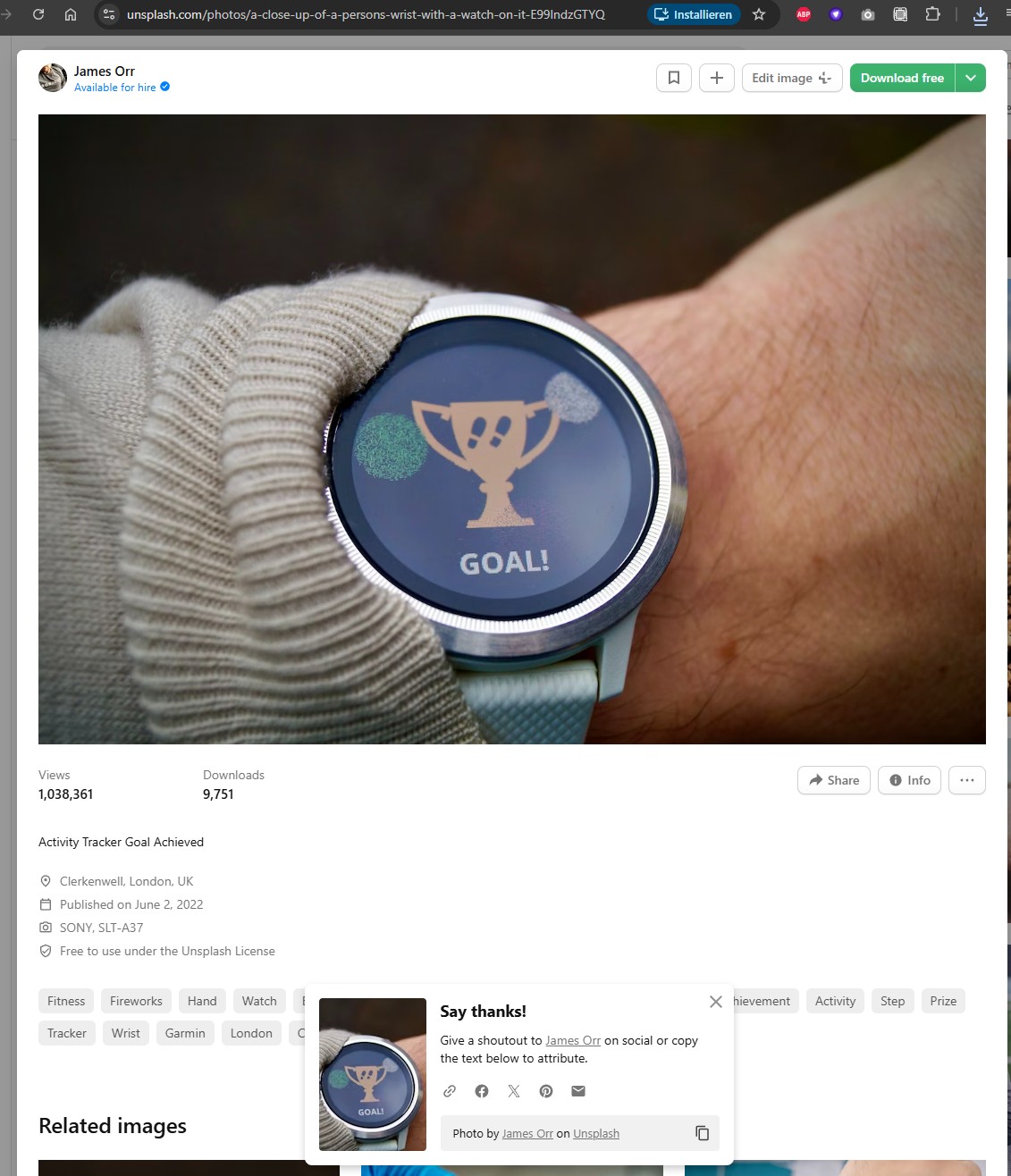
A new Amazfit smartwatch update, firmware version 4.7.3.1, is rolling out to some users. This update brings a range of new activity-specific features, as well as an optimized Battery Manager. Plus, there are several other improvements in this release for the T-Rex 3 Pro.
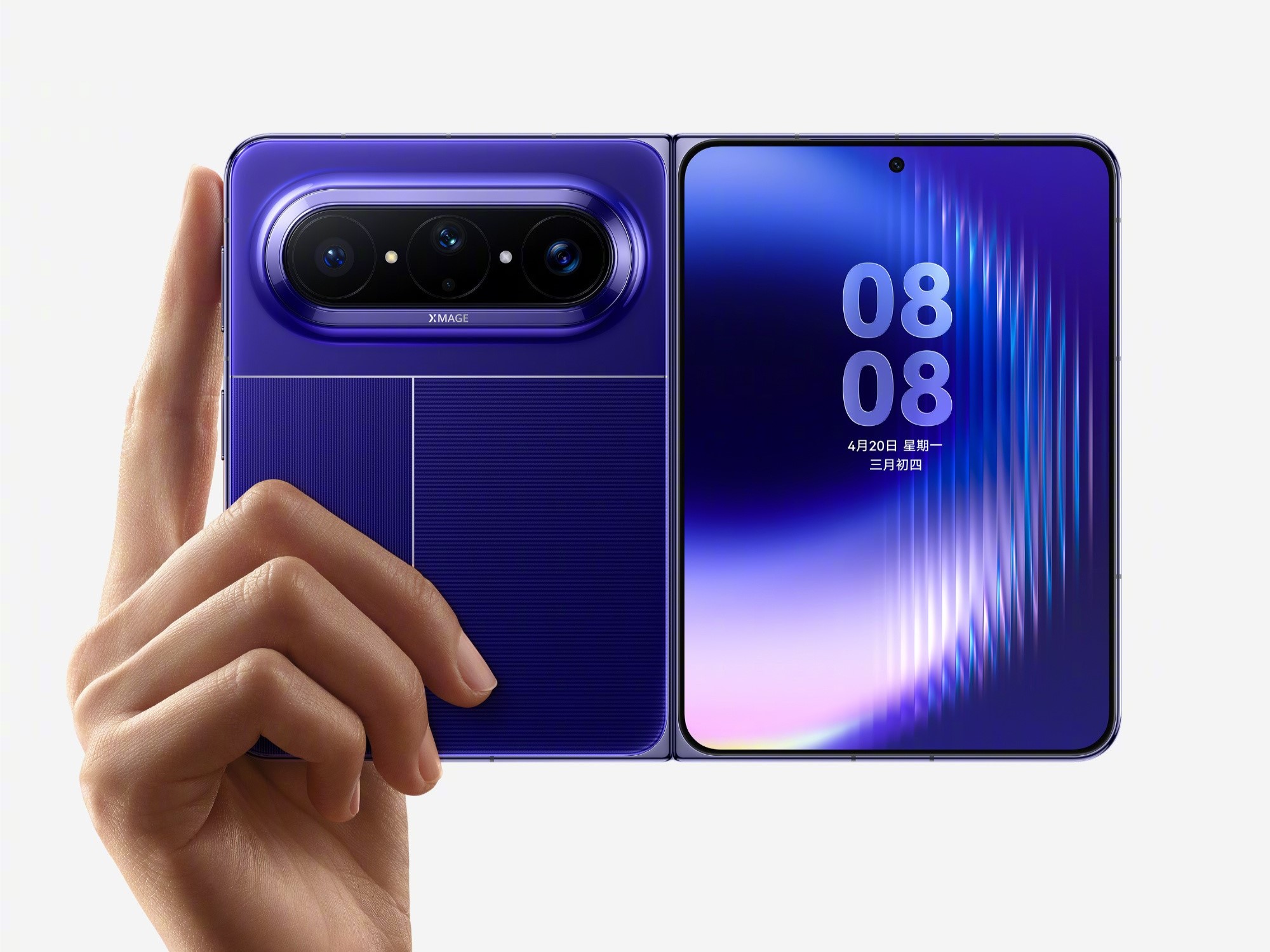
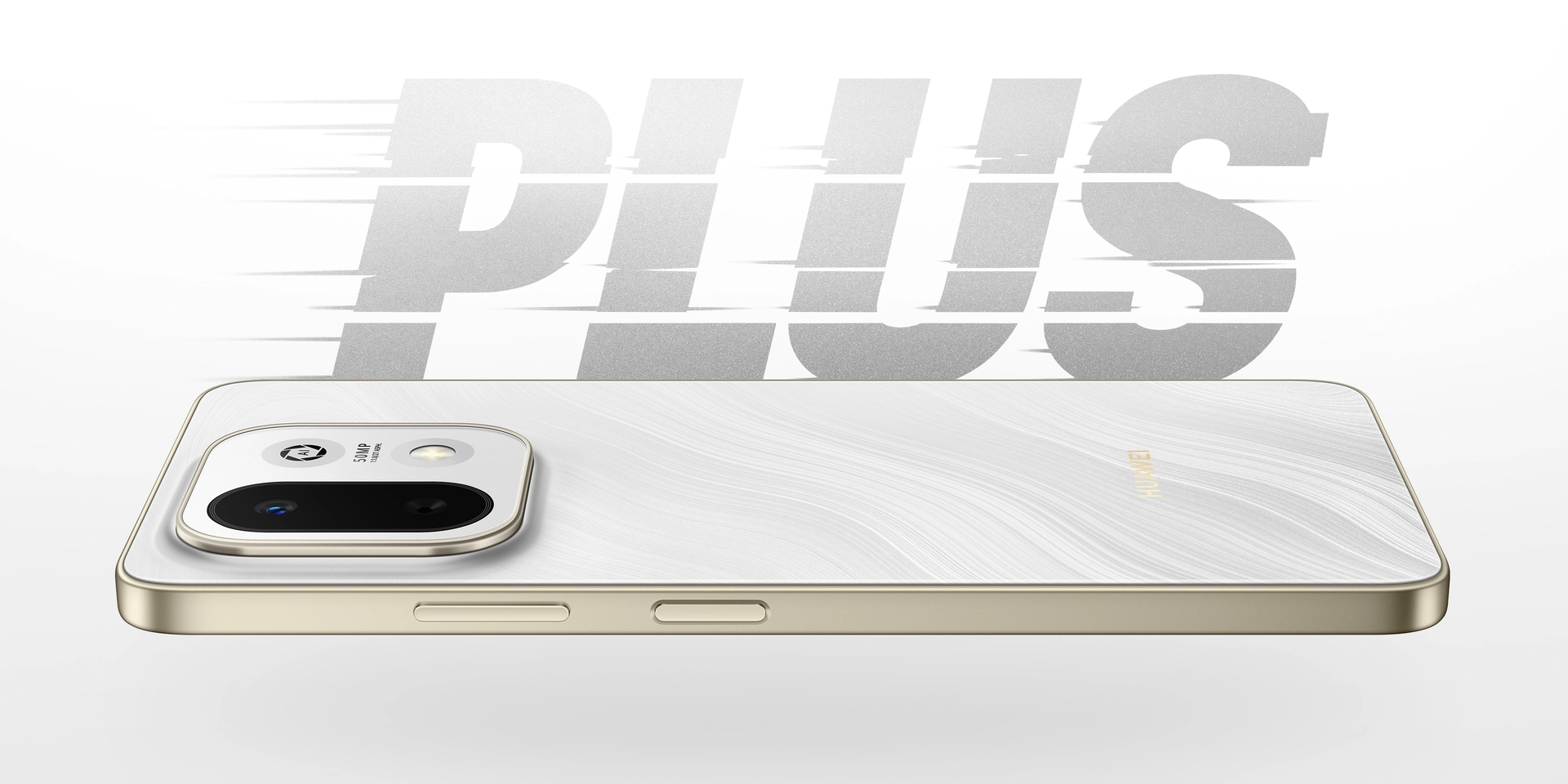
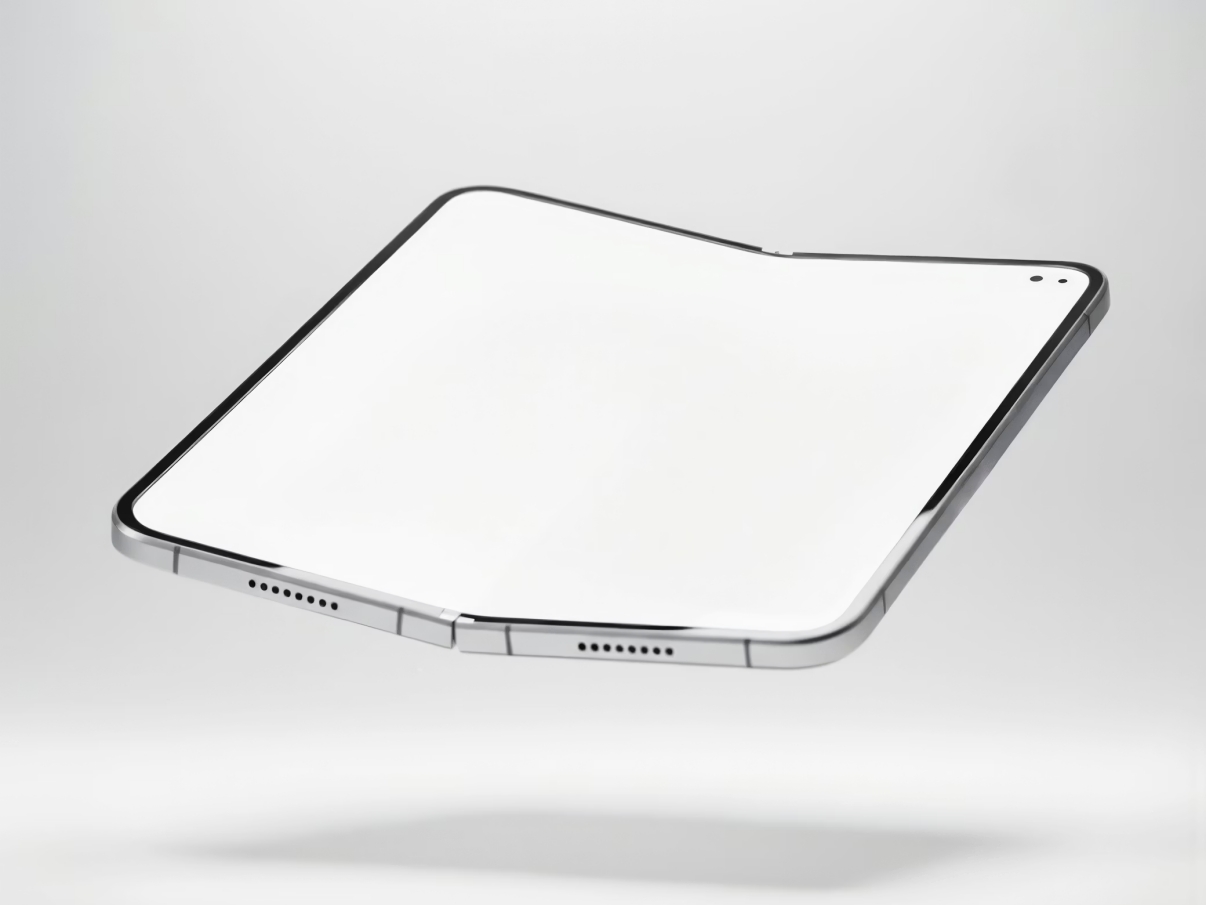
Huawei is unveiling the Pura X Max on April 20, and the folding smartphone is now revealed to support a stylus, though it's unclear if it will be bundled or not. Anyway, the company has published two promo videos to highlight the stylus and its functionality, and of course AI is heavily featured since it is 2026 after all.
With the help of AI, the stylus lets you easily virtually dress your pet or add things to photos. You don't even need to know how to draw, just one rough sketch is enough.
The Pura X Max takes the innovative form factor of the original Pura X...
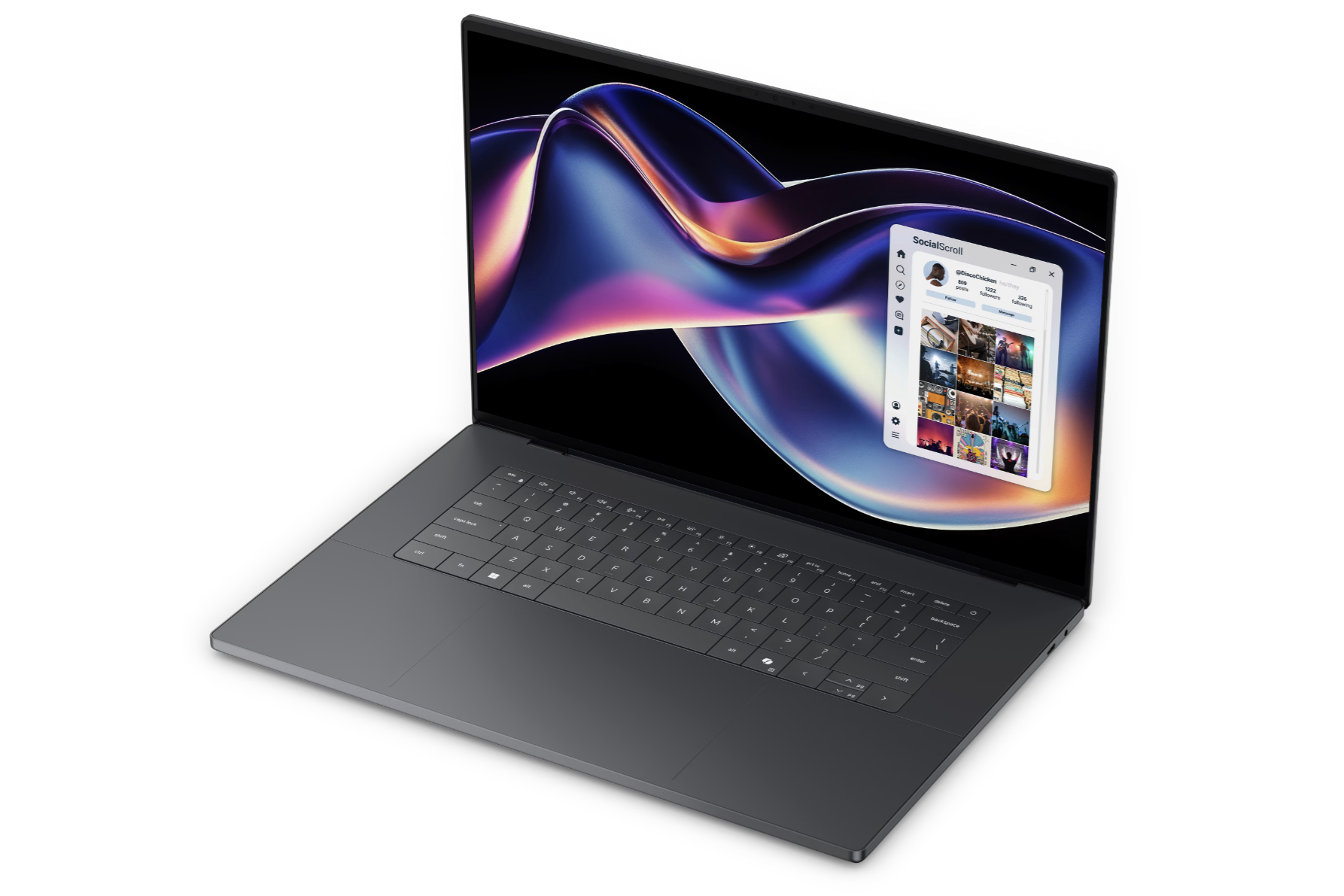
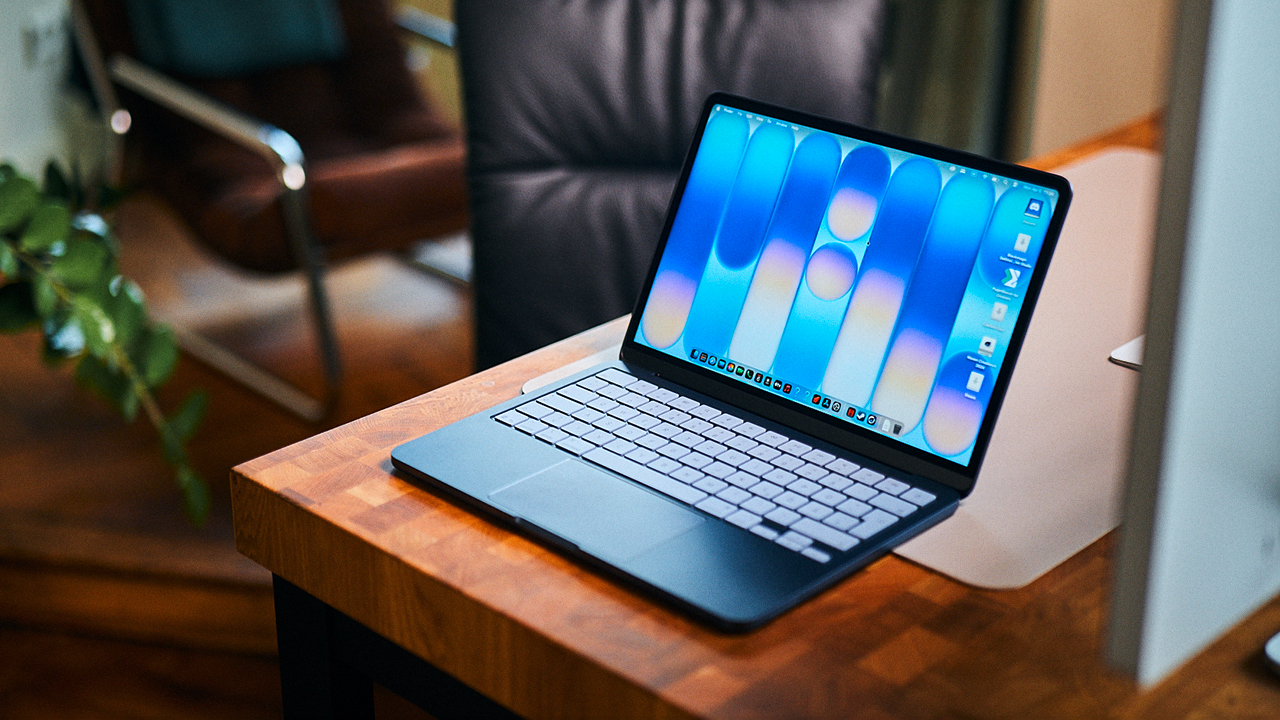
The Zenbook A16 is a very lightweight 16-inch everyday laptop, which is extremely powerful thanks to the new Snapdragon X2 Elite Extreme processor. The OLED screen looks great, only the battery runtime could be better.
A brand new medium format camera can take photos in different formats, from square images in 6x6 format to panorama shots in Hasselblad XPan format. The format can even be changed without changing the inserted film.
Amazon has started pre-orders for its Ember Artline TVs that come in two sizes. Starting at $900, the TVs will be available starting next week, undercutting Samsung’s The Frame TVs.
Back in February, Spotify announced Page Match, its feature that syncs your reading progress across audiobooks, e-books, and printed books. During that announcement, it also revealed plans to partner up with Bookshop.org and let you buy physical printed books via Spotify.
This has gone live today in the US and the UK. For now, support for purchasing books is only available in Spotify's Android app. It's coming to iOS next week.
Page Match is also expanding to more than 30 additional languages, including French, German, and Swedish. The feature seems to have been quite successful so...
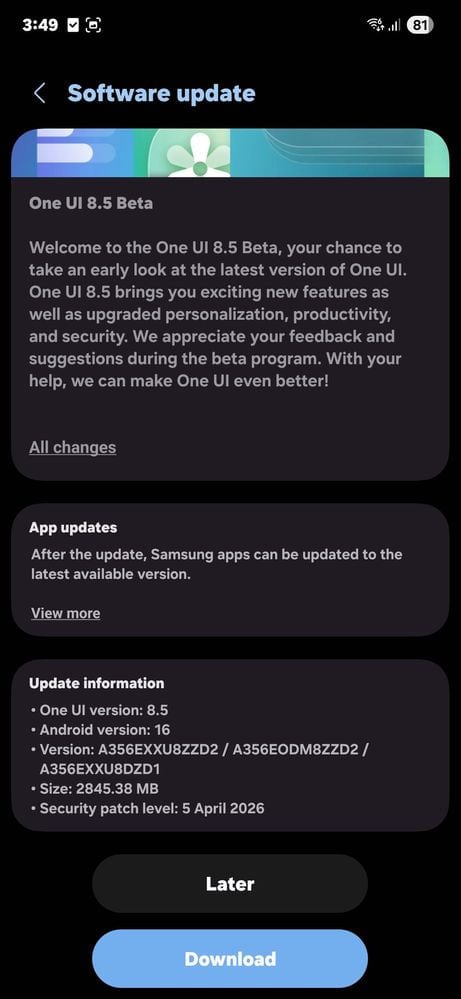
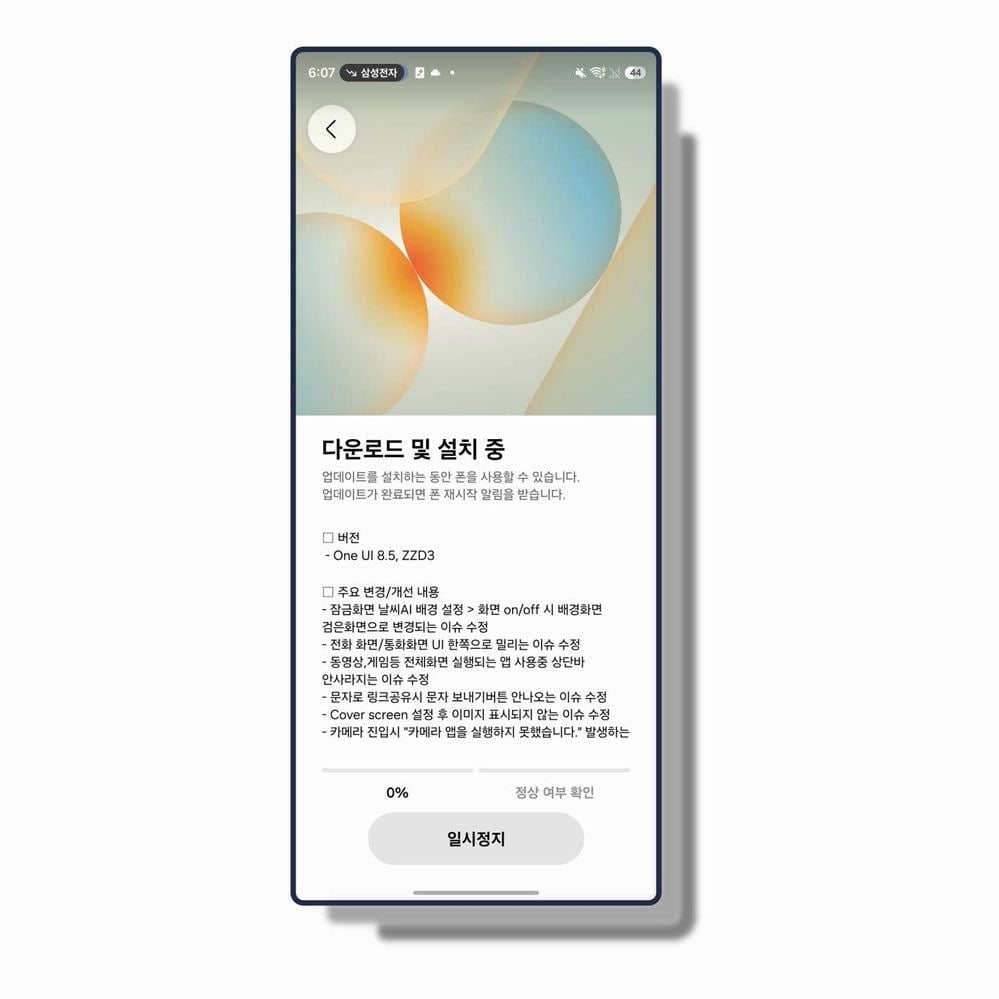
Samsung’s Battery Icon can’t remain free from controversy in One UI 8.5 either. After multiple adjustments in One UI 7 and One UI 8, the specific UI component is yet to hit the level of perfection in One UI 8.5.
The latest problem linked to Samsung’s Battery Icon has emerged on Galaxy S24 Ultra running One UI 8.5 Beta 2. The component has a scaling bug, specifically on the 100 percent battery level, and it’s weird at this stage.
At the 100 percent level, the battery icon’s pill has turned oddly thin. At levels below 100, it returned to its optimal size, which it usually used to appear. The problem seems limited to the 100 level when the icon contains three digits.
As the battery dropped, the battery icon became fine. It appears accurately aligned with other components in the status bar. Samsung will address the scaling problem in the next Beta update, or probably the Stable build.
It’s disappointing to see the firmware is failing to keep such a basic component perfect. The software is indeed Beta, which contains such glitches. However, the battery icon should now stop ruining the user interface.
Check if the battery icon turns thinner at 100 percent charge on your Galaxy device. It’s not a deal-breaker, but still, it ruins the level of perfection. Well, you can remove the pill and keep the battery level alone, which looks clean.
Deal | Transistor is an action RPG set in a futuristic universe where you embody a singer who has lost her voice following an attack. Your goal is to find those who are responsible for this assault, and to do so, you will have to uncover secrets and face many enemies.
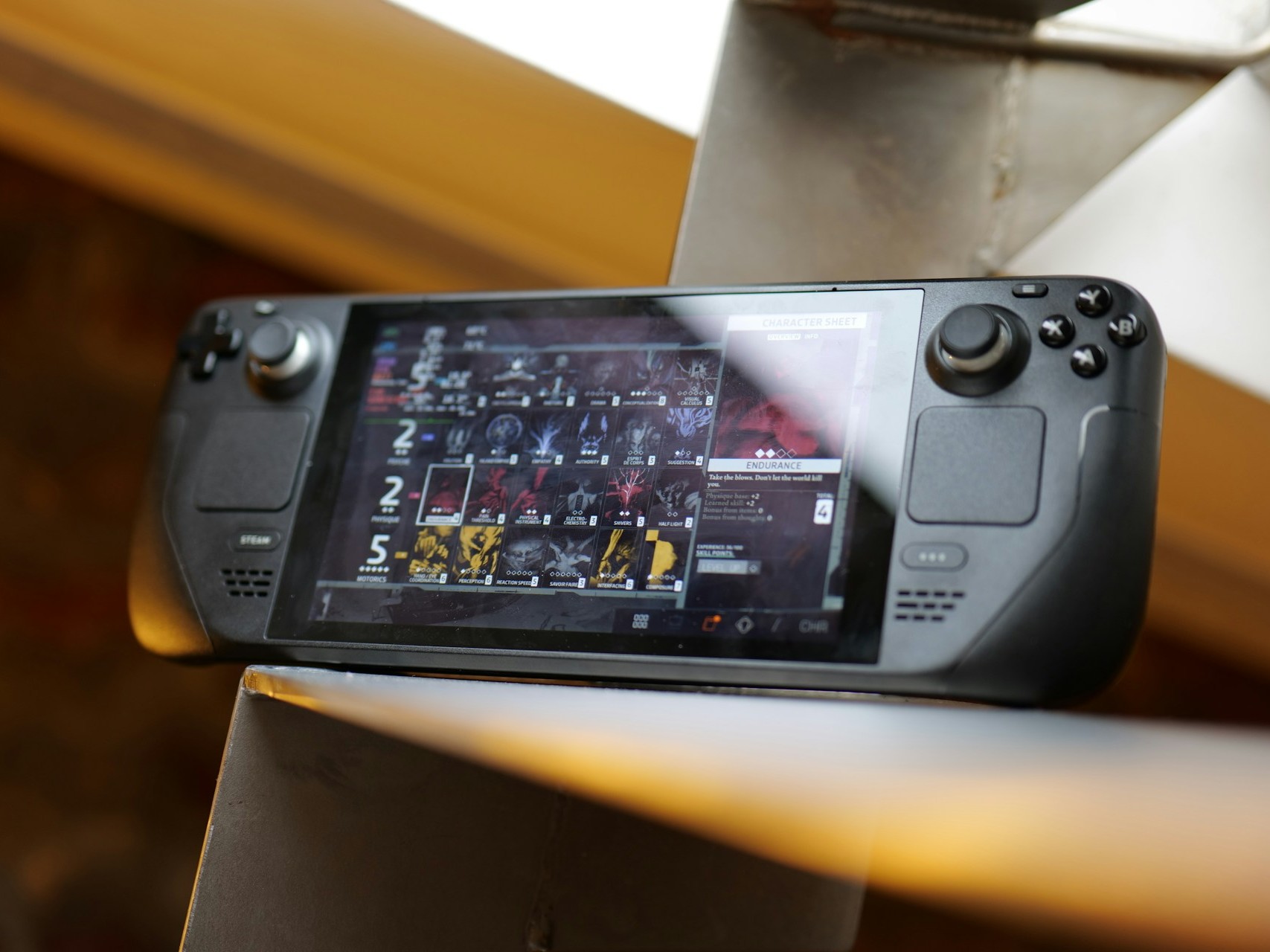
With a list price of $449, the Nintendo Switch 2 is more expensive than the Steam Deck, and could soon become even more expensive due to the DRAM crisis. With a version of the Nintendo Switch 2 that only functions as a home console, Nintendo could offer more performance at a lower price.
Google today introduced a new desktop Gemini experience for macOS users. The new Gemini app lets users share their screens with Google's AI to resolve queries.
Leica has already hinted that the Leica M12 could be offered as a "Heritage Edition". The compact full-frame camera could take up the legacy of the Leica M series with a range of retro features, clearly setting it apart from all digital cameras on the market.
The Qualcomm Snapdragon X2 Elite shows a significant leap over its predecessor, especially in graphics performance, nearly doubling its 3DMark Fire Strike score. Real-world gaming tests on an Asus Zenbook reveal playable performance in demanding titles like Cyberpunk 2077 and Red Dead Redemption 2.
Deal | Disco Elysium, the acclaimed isometric detective RPG known for its story-driven design and dialogue- and skill-check-based “combat,” is currently discounted 75% on Steam to $9.99, backed by strong critical and user scores.
Bungie’s Marathon update 1.0.6 introduces the C.A.R.R.I. system and experimental "Stay Together" mechanics to reward player cooperation. Check out the latest weapon balance changes for the Biotoxic Disinjector and Railgun in the Season 1 mid-season pass.
The International Data Corporation (IDC) released its preliminary worldwide smartphone shipments report for Q1,2026 and the numbers show declining demand. A total of 289.7 million devices were shipped in the first three months of 2026, representing a 4.1% decline compared to the same period last year.
This turn of events marks the first quarter of negative growth since 2023, largely driven by “acute memory supply constraints” affecting both shipments and demand. IDC analysts also highlighted the rising bill‑of‑materials costs, which have forced certain makers like Samsung to resort to...
Sales for the AMD Ryzen 9 9950X3D2 will start from April 22 but initial benchmarks have started showing up. The first set reveals 7-Zip and Cinebench scores with the stock air cooler.
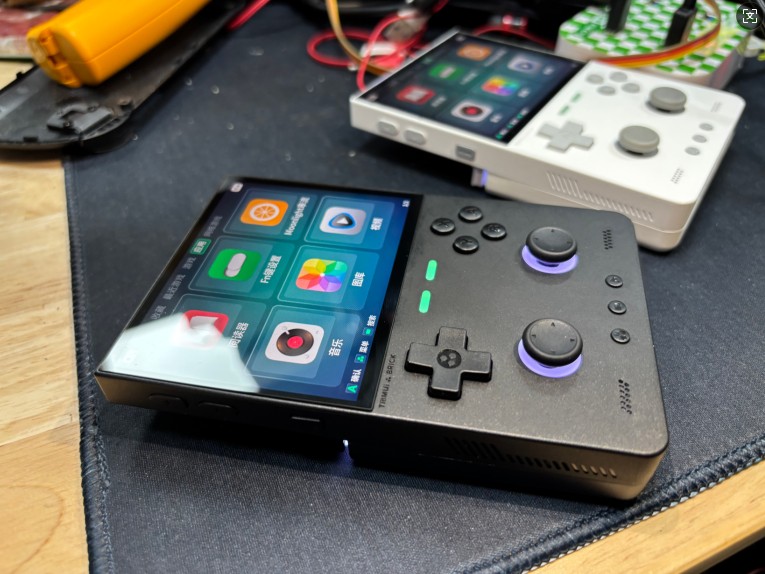
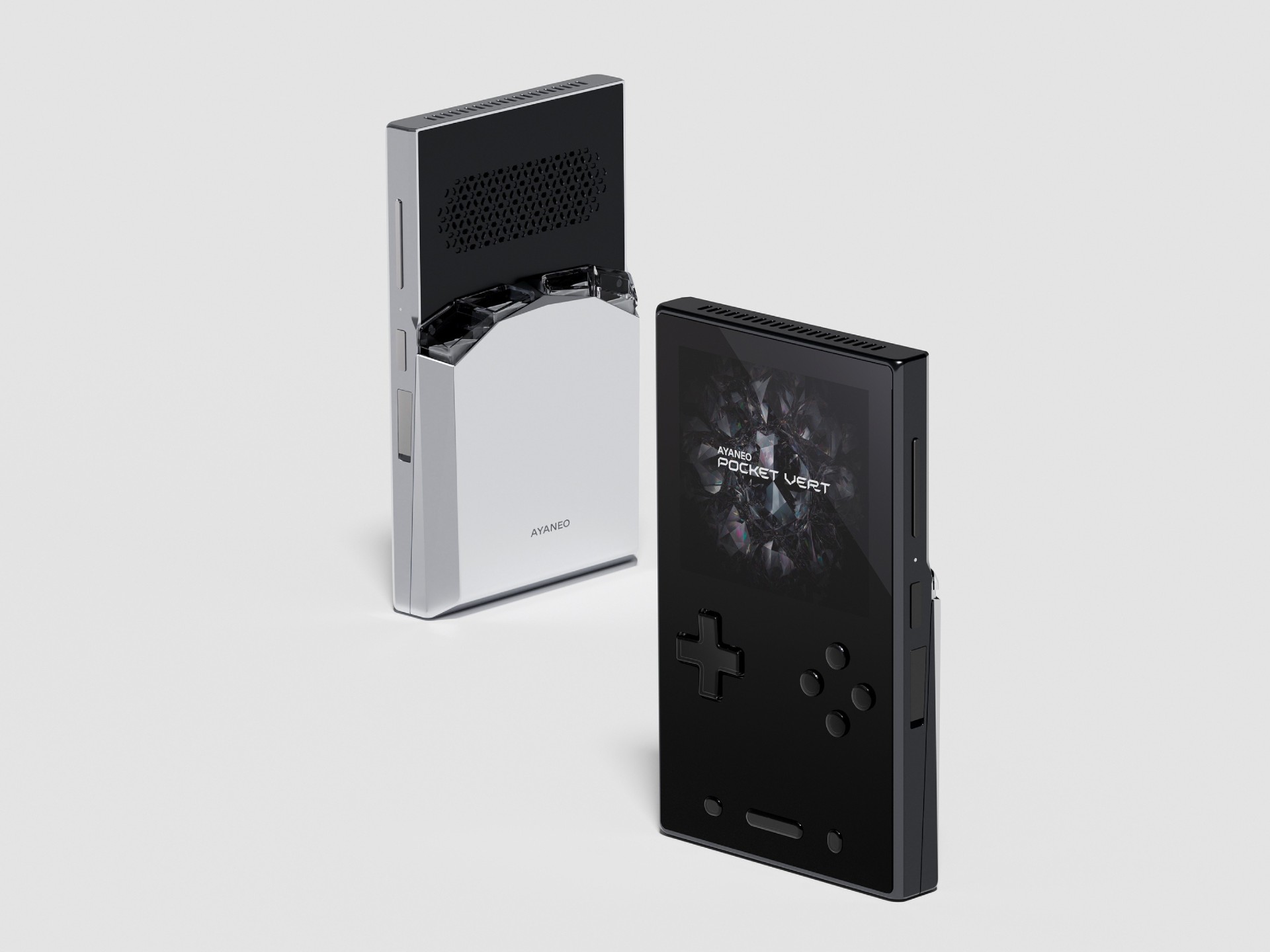
Despite unveiling two new handhelds in early February, MagicX is yet to release them. Now, the manufacturer has explained why the Two Dream Light and Two Dream Pro handhelds are yet to launch.
The Zero 3W is a new and compact single-board computer that can be an alternative to a Raspberry Pi. The compact board from Orange Pi supports image output to two screens at once and wireless network connection as standard. PCIe is available.
A new leak indicates that OnePlus is on the verge of releasing a new high-end smartwatch. Replacing the Watch 3, the OnePlus Watch 4 is expected to arrive running Wear OS with an LTPO AMOLED display.
Backyard drama in 4K for those willing to pay the toll. | The Kiwibit Bird Feeder 2 is a smart AI system that identifies over 10,000 species and automatically clips highlights for later viewing. With a $200 price point, this bird feeder is a solid entry into the world of backyard birding
A major update is rolling out to one of Amazfit’s smartwatches. Firmware version 2.17.0.4 brings a range of new features to users of the Balance 2 XT, related to on-watch maps and the Music app, as well as new workout metrics.
Even without an expensive subscription, Garmin device owners now have a new way to evaluate and, more importantly, manage their training. The new open‑source Cycling-Coach can be customized to individual preferences, so users aren't constrained by rigid or unsuitable preset assumptions.
Huawei has now officially revealed its alternative to the Apple MacBook Neo. Launching in April, the Huawei MateBook 14 HarmonyOS Edition is rumoured to surpass Apple's popular laptop with 24 GB RAM and the same Kirin X90A chipset used inside the MatePad Edge.
MSI has launched new 15-inch, 16-inch and 18-inch gaming laptops globally. Totalling over a dozen SKUs, the laptops fall under MSI's Cyborg, Crosshair, Raider, Stealth and Titan series.
The Xiaomi Mijia Washing Machine Three-Zone Wash Pro Front Drum 10kg Ice Crystal White has been launched in China. This washing machine has a triple drum set-up, allowing you to wash items separately. Plus, it supports app and voice controls, and has several smart features.
Sony has announced the next lineup of games that PS Plus Extra and Premium members will be able to download and play starting this month. The lineup includes eight games, including The Crew Motorfest, Horizon Zero Dawn Remastered, and more.
Huawei’s Apple Watch Ultra look-alikes are going to make a return soon but before the official launch, most of the specifications have been reportedly leaked. The two models are said to be more expensive than their predecessors.
MSI has quietly confirmed that Nvidia intends to release a new RTX 50 series graphics card with more VRAM than its existing variant. Paired with Intel's new Core Ultra 7 251HX and Core Ultra 9 290HX Plus processors, MSI will sell the Crosshair 16 Max HX E2WGXK exclusively with a 12 GB version of the GeForce RTX 5070.
Metro author Dmitry Glukhovsky has teased that Metro 2039, the next mainline entry from 4A Games and Deep Silver, will be “darker than anything you’ve seen before,” with a full reveal scheduled for April 16, 2026. The article notes the studio’s relocation to Malta amid the Ukraine war and emphasizes Glukhovsky’s close involvement in the writing to reinforce the series’ anti-war themes, as fans await details on its tone and whether Artyom returns.
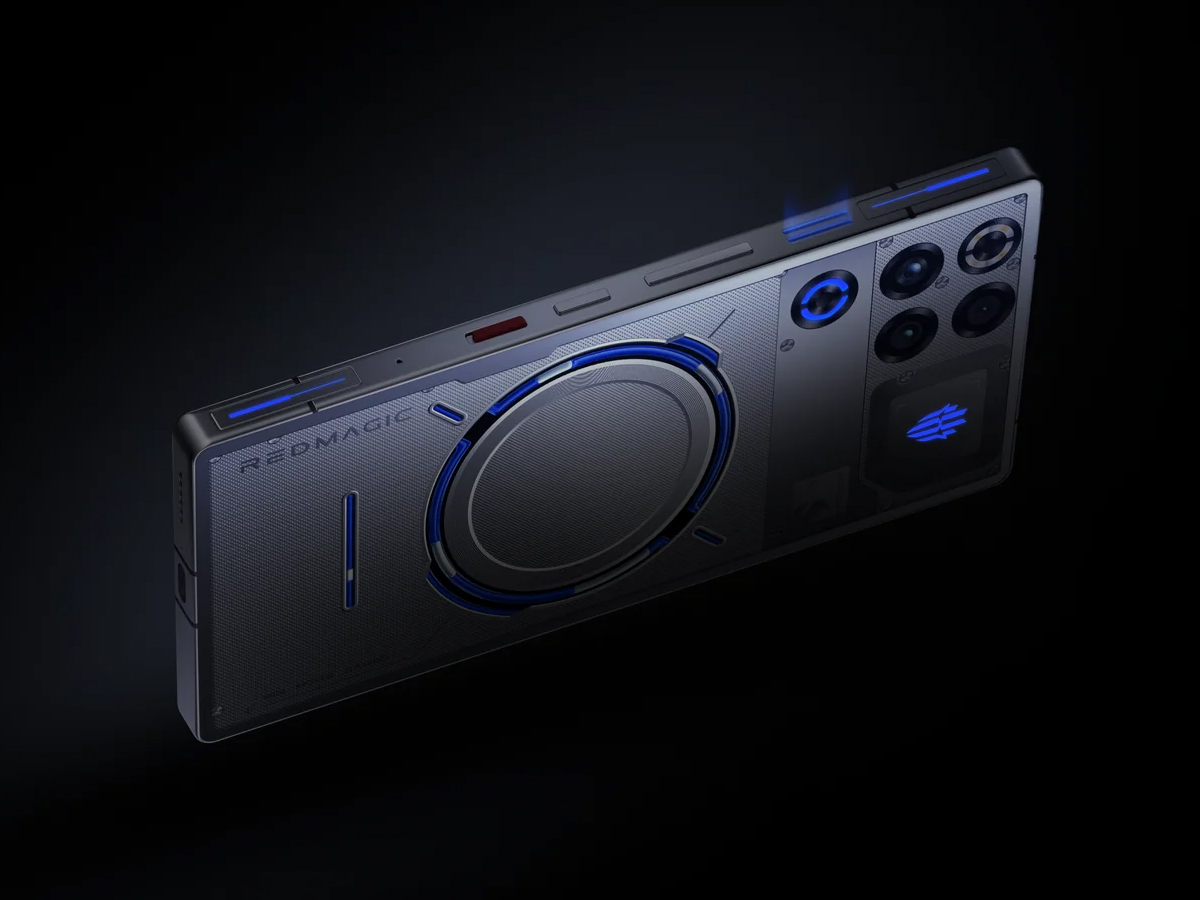
RedMagic launched the 11 Pro back in November, and now it's working on a refresh of that model. According to a new certification by NBTC in Thailand, this will be called RedMagic 11s Pro. It has the model number NX809J.
Interestingly, that's the model number of the China-only RedMagic 11 Pro+, but globally the 11 Pro incorporated that version's specs, so it's unclear what's going on here. We are of course hoping that this is not just a renaming and the 11s Pro will bring something new to the table compared to the 11 Pro.
That said, unfortunately this certification doesn't reveal any...
Samsung has released a new update for its Music app, adding a small home screen widget that’s compact and easy to arrange.
Before this update, Samsung Music only had a 4×1 size widget. It includes playback buttons for shuffle, previous, play/pause, next, and repeat. It covers the entire width of the display.
The new version has a 2 x 2 square shape, including prev, play/pause, and next options, and album art in the background. Similar to the wide widget, you can tap on the album art to open the Music app.
Besides, Samsung will let you change the shape of this widget. You can make its corner round in four different variations and preview the change on the same screen.
Random Playback Order
Song playback is getting an addition with this update. If you like to play the song in random spin, this feature is for you. Samsung Music now lets you see the song order in the current playlist when playing randomly.
First, open the Samsung Music app and tap on the Queue button on the left side of the music timeline. However, there’s more to it.
You can sort the view by date, name, and artist. See the current tracks in the playlist on the right side and their order. Add a new track to the playlist with the add button on the top right, or select one or multiple songs from the playlist to delete them.
This new Samsung Music update, with a small widget and a random song playback queue feature, is now available for Galaxy devices. Get it from the Galaxy Store or the Play Store.
Motorola has officially confirmed that the Edge 70 Pro will be unveiled in a week's time. The manufacturer is showing the high-quality mid-range smartphone in three colors in advance and has confirmed the most important details about its features, including the 6,500 mAh battery and 5,200 nits bright display.
GameSir has expanded its Tarantula line of controllers with three new models. The controllers have symmetrical thumbsticks, are compatible with Xbox consoles and PCs, and have TMR joysticks.
Oppo has confirmed that it will be releasing a new luxury smartwatch in April 2026. Not only that, but the company has revealed Eurozone pricing too. The Oppo Watch X3 should arrive running Wear OS with up to 16 days of battery life.
Be careful when buying SSDs: After cheaper SSDs with new packaging were recently sold as expensive Samsung 990 Pro in Japan, counterfeit Samsung 990 Pro are now also in circulation in Europe, and this time they don't work at all.
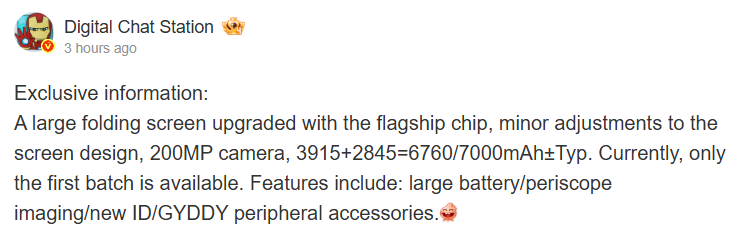
Qualcomm is expected to unveil two top of the line chipsets this September, the Snapdragon 8 Elite Gen 6 and the Snapdragon 8 Elite Gen 6 Pro. Today, some more details about the former have been outed in China by the prolific leaker who goes by Digital Chat Station on Weibo.
According to him, the non-Pro Snapdragon 8 Elite Gen 6 (model number SM8950) will be built on a new TSMC 2nm process, and will feature a new Oryon CPU with two Prime cores, three High Performance cores, and three Performance cores.
While DCS doesn't outright say it, the fact that these are new Oryon cores...
After a series of teasers, Motorola has officially announced the launch date for the Edge 70 Pro, while also confirming several of its key specifications.
The Motorola Edge 70 Pro will debut in India on April 22 and will be available via Flipkart, Motorola’s official online store, and offline retailers.
It will be powered by the MediaTek Dimensity 8500 Extreme SoC and will feature a 4,600 mm² vapor cooling chamber. The chipset will be paired with up to 12GB of LPDDR5X RAM.
Motorola also confirmed that the Edge 70 Pro will sport a 6.8-inch AMOLED display with up to 144Hz...
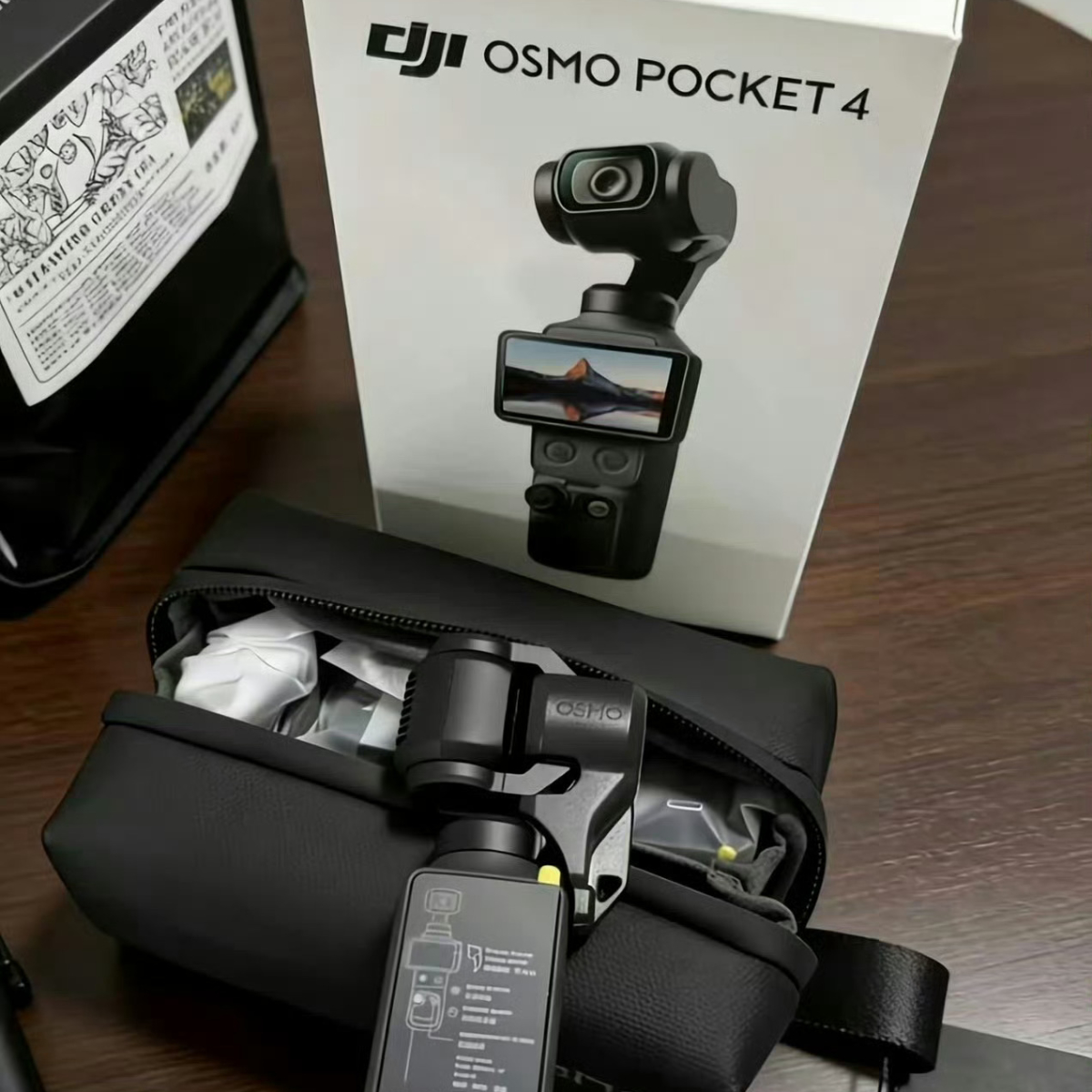
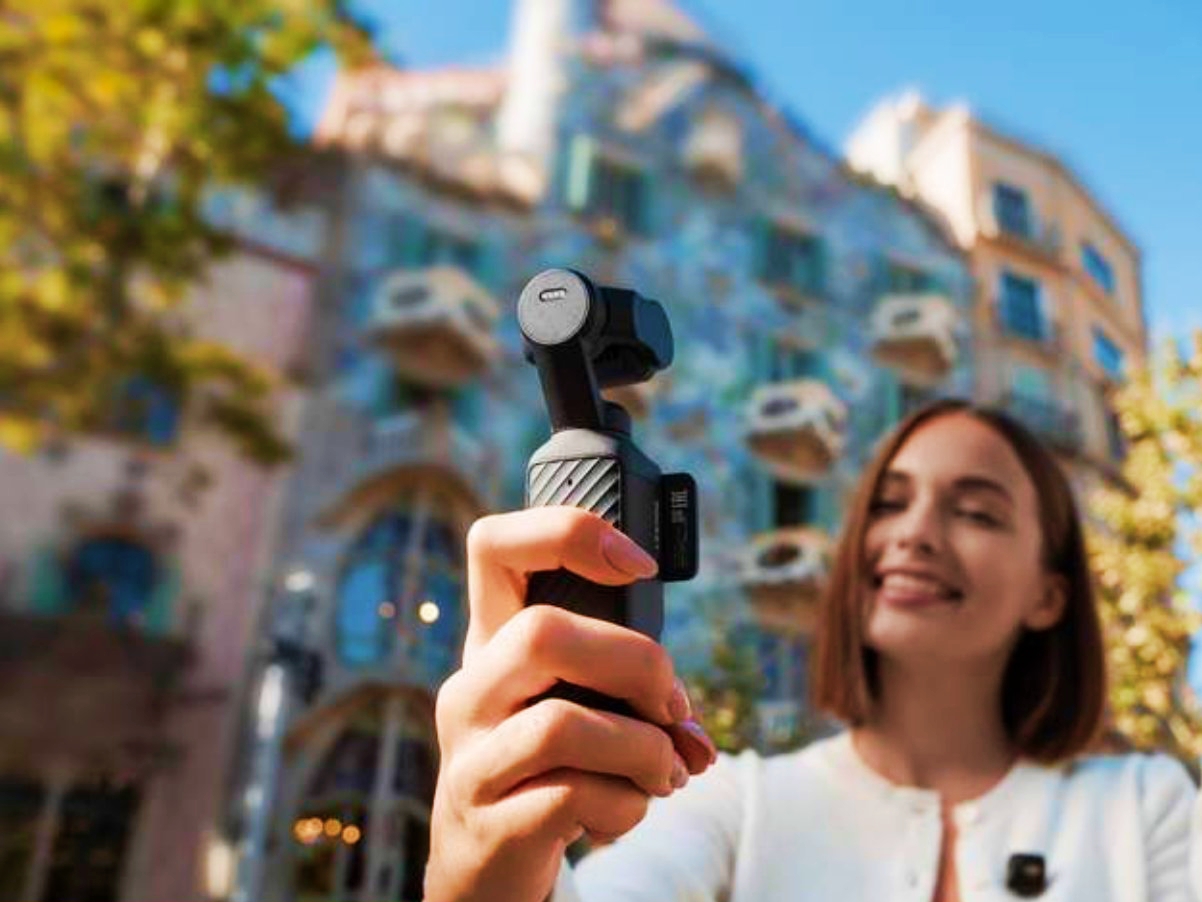
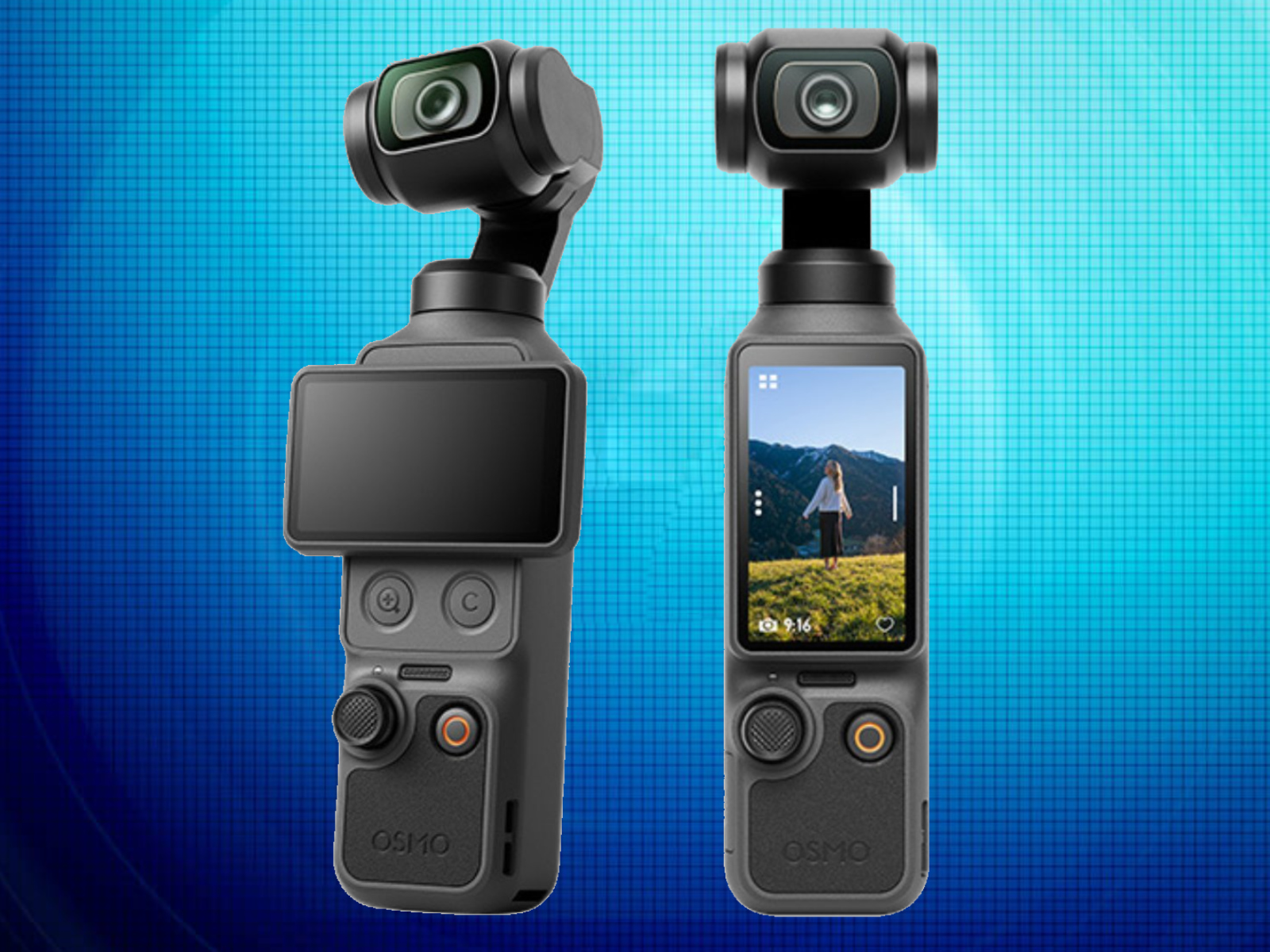
With hours until the DJI Osmo Pocket 4 launch, a new teaser shows a cinematic "slow shutter" mode in neon-lit Hong Kong, which might/might not be mapped to the Pocket 4's new "Custom" button. While the standard model debuts April 16 with 107GB internal storage and 4K/240fps video, recent Osmo Pocket 4 Pro leaks suggest a dual-camera version with 4x optical zoom is arriving this June.
Xiaomi is preparing to launch a new high-end smartphone soon. Reportedly paired with Qualcomm's Snapdragon 8 Elite Gen 5 chipset, the device appears set for an imminent release as a rival to the recent Vivo X300s.
MSI has quietly confirmed that Nvidia intends to release a new RTX 50 series graphics card with more VRAM than its existing variant. Paired with Intel's new Core Ultra 7 251HX and Core Ultra 9 290HX Plus processors, MSI will sell the Crosshair 16 Max HX E2WGXK exclusively with a 12 GB version of the GeForce RTX 5070.
Google Wallet is getting a major redesign: instead of the old list view, the app will now show cards and passes in a clearer grid layout. Favorites, search and new sorting options are also being added – features many users have wanted for a long time.
With CUE7, Toyota is introducing a new basketball robot said to offer more accurate shooting, smoother dribbling and successful shots from as far as 25 meters (82 feet). Footage of the presentation is available on the WELT News Channel on YouTube.
Samsung is gearing up for a high-stakes foldable war. Following rumors of a crease-free "iPhone Ultra" foldable and the wider Huawei Pura X Max, a new Samsung patent reveals the alleged "Galaxy Z TriFold Wide".
OnePlus' next flagship tablet release has appeared in early benchmarks. Outperforming last year's Pad 3, the Pad 3 Pro combines 12 GB of RAM with Qualcomm's Snapdragon 8 Elite Gen 5 chipset. OnePlus has teased that the Pad 3 Pro is coming soon, too.
Oppo has quietly revealed the global price of its next Android tablet. Launching later this month, the Oppo Pad 5 will be available with 5G connectivity but a smaller battery capacity than its Chinese counterpart.
Apple will be going downmarket with its OLED iPads. It is expected to bring OLED to the iPad Air next spring and has already chosen which Samsung display specs to cut so that it can hit the series' pricing.
With a gigantic 9,020 mAh battery, a 5,000 nits bright AMOLED display and a fast Qualcomm Snapdragon 7s Gen 4, the Vivo T5 Pro offers powerful features at prices starting at around $320.
The launch of Oppo's new flagship tablet is almost upon us. In the meantime, the Oppo Pad 5 Pro has stopped by Geekbench with performance that puts the Galaxy Tab S11 Ultra to shame. Oppo has now confirmed multiple hardware specifications for its new tablet too.
While others his age are busy playing video games, Malte Schröder is already planning to launch his own IT company. The 14-year-old from Rostock, Germany, wants to offer businesses a local alternative to external providers with a compact AI box, but says he cannot wait until he turns 18 because of how quickly technology is evolving. To make that happen, he is now taking the matter to court.
Unitree’s humanoid H1 robot sprinted at 10.1 m/s, which at first glance puts it surprisingly close to elite human speeds. The catch is that this figure refers only to its measured top speed, not the decisive total time over 100 meters. Even so, the run is impressive and suggests that Usain Bolt’s world record may not remain untouchable forever.
Following the launch of the OnePlus Ace 6 and Ace 6T last year, the company will soon launch the ultimate model in the series, which is called the OnePlus Ace 6 Ultra, of course. Over the last few days, OnePlus execs have been busy teasing the design and features.
This is a sequel to the Ace 5 Ultra from last year. It features the currently popular OnePlus design with the squircle camera island in the top-left corner of the back, a design it shares with the other Ace 6 models.
OnePlus Ace 6 Ultra
The Oppo online store in China already has a “OnePlus Ace 6 Ultra is...
GoPro has introduced a new line of compact cinema cameras called the MISSION 1 Series. The lineup includes three main models: MISSION 1 PRO, MISSION 1, and MISSION 1 PRO ILS. All three are built around a new 50MP 1-inch sensor and the company’s GP3 processor, with a focus on high-resolution video, better low-light output, and longer recording times.
The new sensor uses 1.6µm native pixels and 3.2µm fused pixels in Quad Bayer mode. GoPro says this allows up to 14 stops of dynamic range. The GP3 processor, built on a 5nm design, is meant to improve efficiency and heat management while handling image processing. It also includes an AI-based neural unit that helps with low-light video and detail processing.
Video capabilities are one of the main highlights. The MISSION 1 PRO and PRO ILS can shoot 8K video at up to 60 frames per second, 4K at up to 240 frames per second, and 1080p at up to 960 frames per second in short bursts. They also support 1080p at 480 frames per second for longer slow-motion clips. The standard MISSION 1 is more limited, offering 8K30, 4K120, and 1080p240 recording.
Open Gate recording is supported across the lineup. The PRO models can shoot 8K30 and 4K120 using the full 4:3 sensor, while the base model supports 4K120 Open Gate. This gives more flexibility when cropping for different formats later.
Battery life has also been pushed. With the Enduro 2 battery, the cameras can record for over five hours at 1080p30 and more than three hours at 4K30. The same battery works with HERO13 Black cameras, though older batteries will not last as long.
The cameras include 13 preset capture modes that adjust settings automatically based on the scene. Manual control is still available for those who want it. Video recording supports up to 240Mbps bitrate, along with 10-bit color, HLG HDR, and GP-Log2. Timecode sync is included for multi-camera setups.
GoPro MISSION 1 Series Accessory Ecosystem
Audio is handled by a four-microphone setup with stereo recording and wind noise reduction. There is also 32-bit float recording to avoid clipping. Bluetooth 5.3 support allows wireless audio with compatible devices.
For photos, the cameras can shoot 50MP images, including RAW. Burst shooting goes up to 60 frames per second, and HDR processing is handled automatically.
On the design side, the MISSION 1 and PRO are waterproof up to 20 meters without extra housing. A separate case extends this to 60 meters. The cameras use a 159-degree field of view, a larger OLED rear display, and bigger buttons that are easier to use with gloves.
The MISSION 1 PRO ILS stands out with its interchangeable Micro Four Thirds lens mount, allowing the use of different lenses through adapters. The cameras also work with the GoPro Quik app, which handles cloud backup, automatic highlight videos, and editing tools.
Pre-orders start May 21, with global availability from May 28. The PRO and base models will ship first, while other versions will follow in Q3 2026. Pricing will be announced at the NAB Show later this month.
Xiaomi seems to have revealed its next budget phone a bit earlier than planned. The Poco C81 Pro briefly showed up on the company’s global website before being taken down, but not before its specs were noticed.
From what’s been spotted, this looks like a fairly straightforward entry-level device. The focus is on the basics, big screen, decent battery, and enough performance for everyday use.
Up front, there’s a 6.9-inch LCD display with a 120Hz refresh rate and HD+ resolution. Brightness is listed at up to 800 nits, so it should hold up reasonably well outdoors.
The phone runs on the Unisoc T7250, which is more suited for lighter tasks. Think browsing, messaging, online payments, and social media. Connectivity is limited to 4G, which might be a drawback for some users. RAM is listed at 4GB, with storage options going up to 256GB, plus microSD support.
Cameras are about what you’d expect here. A 13MP main sensor on the back and an 8MP front camera. No extra lenses or fancy tricks, just the basics.
Battery is where it stands out a bit. There’s a 6000mAh unit, which should comfortably last a full day, maybe longer depending on usage. Charging is limited to 15W, so it won’t be particularly quick to top up.
Other features include a side-mounted fingerprint sensor, dual SIM support, and likely a lightweight version of HyperOS, possibly based on Android Go. The overall idea is pretty clear. This is meant to be an affordable phone that handles everyday tasks without much trouble.
The listing has already been removed, so nothing is official just yet. That said, the specs suggest it could be a rebranded Redmi A7 Pro 4G, which launched globally earlier this month.
Xiaomi looks set to bring another smart kitchen gadget to global markets. The upcoming Mijia Smart Steam Air Fryer 7L combines air frying with steam cooking, and even adds support for sous vide-style cooking.
If it sounds familiar, that’s because Xiaomi already launched a similar model in China earlier. This version bumps the capacity up to 7 liters, making it more suitable for larger meals or batch cooking.
In terms of features, it covers quite a bit. Xiaomi lists 10 cooking modes, including steaming, fermenting, dehydrating, defrosting, and reheating. The sous vide part is interesting here. Traditionally, that requires a separate setup with a water bath, but Xiaomi seems to be using a built-in 1.5L water tank to replicate a similar effect. Exact details aren’t fully clear yet, but it’s likely tied to how the device handles steam and temperature control.
Speaking of temperature, the fryer supports a wide range from 40°C to 230°C, so it can handle both low-temp cooking and high-heat roasting. For steam, it can go up to around 130°C, which should help cook food faster compared to a standard steamer.
There’s also a hybrid mode that combines hot air and steam. That’s meant to keep food moist inside while still getting a crispy finish on the outside.
On the smart side, it supports HyperOS Connect, so you can control it through the Xiaomi Home app. That includes adjusting settings remotely, browsing recipes, and even linking it with Google Home for voice commands.
Compared to Xiaomi’s existing models like the 6.5L version already available in some markets, this one feels like a step up in terms of flexibility rather than just size.
There’s no confirmed global pricing or release date yet. But if it lands in markets like Europe, it could be a decent option for anyone looking to replace multiple kitchen appliances with a single device.
Oppo just refreshed its F-series in India with the new Oppo F33 and Oppo F33 Pro. The two phones share most of their specifications, with differences mainly in areas like the camera and design.
The standard F33 has a rectangular camera module on the back that doesn’t look much different from last year’s model.
The Pro model, however, introduces a larger camera plateau and a more noticeable visual identity, even if the influence from recent iPhone designs is hard to ignore.
Oppo F33Oppo F33 Pro
The standard model is available in Pearl White and Forest Green, while the Oppo F33 Pro comes in Starry Blue, Passion Red, and Misty Forest. The latter features a forest-like pattern on the back and a layered 3D depth effect that creates a subtle shifting look under light.
Both phones carry multiple protection ratings, including MIL-STD-810H certification and IP66, IP68, and IP69 dust and water resistance ratings. The Pro model also supports IP69K.
Oppo F33 Pro
Oppo F33 and F33 Pro Specifications
Both phones share the same core specifications. There’s a 6.57-inch AMOLED display with a 120Hz refresh rate and peak brightness of 1,400 nits. Powering them is a MediaTek Dimensity 6360 Max chip built on a 6nm process, paired with up to 8GB of RAM and 256GB of storage.
The Pro model adds a vapor chamber cooling system, which helps with sustained performance.
Oppo F33 Pro
Oppo is packing a 7,000mAh battery into both models, paired with 80W fast charging. Features like reverse wired charging and bypass charging are also included.
On the camera side, both devices use a 50MP primary sensor with a 2MP depth sensor. The difference appears on the front — the F33 has a 16MP selfie camera, while the Pro upgrades to a 50MP ultra-wide sensor that can automatically adjust framing when more people enter the shot.
The phones run Android 16 with ColorOS 16 on top.
Pricing and Availability
The Oppo F33 starts at Rs 31,999 for the base variant and goes up to Rs 40,999 for the F33 Pro. Both devices are now up for pre-order through Amazon, Flipkart, Oppo’s online store, and offline retail outlets, with typical launch offers like cashback, exchange bonuses, and EMI options included.
Model
Variant
Price (India)
Oppo F33
6GB + 128GB
Rs 31,999
8GB + 128GB
Rs 34,999
8GB + 256GB
Rs 37,999
Oppo F33 Pro
8GB + 128GB
Rs 37,999
8GB + 256GB
Rs 40,999
For more daily updates, please visit our News Section.
Different brands like Oppo Reno 16 series, Honor 600 series, Huawei Nova 16 lineup, and Vivo S60 lineup are in the works for the Chinese market. According to tipster Digital Chat Station, the Reno 16 series, along with other models, is expected to launch around June. Ahead of the expected launch, the tipster has shared key details about the Reno 16 Pro and Reno 16.
Oppo Reno 16 Pro key specifications, price (rumored)
The Reno 16 Pro is said to feature a flat OLED LTPO display with narrow bezels, measuring around 6.78 inches and offering a 1.5K resolution. In terms of design, the device may come with a metal frame, indicating a more premium build compared to earlier models.
It is expected to be powered by the Dimensity 9500s chipset and could pack a battery in the 7000mAh range. While there is no confirmed information about charging capabilities, it may support around 80W wired and 50W wireless charging, similar to the previous generation.
For photography, the device may feature a 200-megapixel primary camera paired with a periscope telephoto lens. Compared to the Reno 15 Pro, which offered a 200-megapixel main, 50-megapixel ultra-wide, and 50-megapixel periscope setup, the Reno 16 Pro could retain a similar camera system.
The device is expected to be available in multiple variants, including 12GB+256GB, 12GB+512GB, 16GB+256GB, and 16GB+512GB, with a 16GB+1TB option possibly under consideration. However, the top variant may be dropped due to rising memory costs. It is likely to be priced between 4,000 Yuan (~$585) and 5,000 Yuan (~$735) and could arrive in white, black, purple, and green shades. It still remains to be seen whether it will be simply called Reno 16 Pro or Reno 16 Pro Max.
Oppo Reno 16 key specifications (rumored)
According to the tipster, the Reno 16 will be a compact model similar to the Reno 15. It is expected to feature a 6.3-inch display and could be powered by a Dimensity 8-series chipset, possibly the Dimensity 8500. The other specs of this phone are under wraps, but it is likely to feature a 200-megapixel + 50-megapixel + 50-megapixel triple camera setup like the previous generation.
For more daily updates, please visit our News Section.
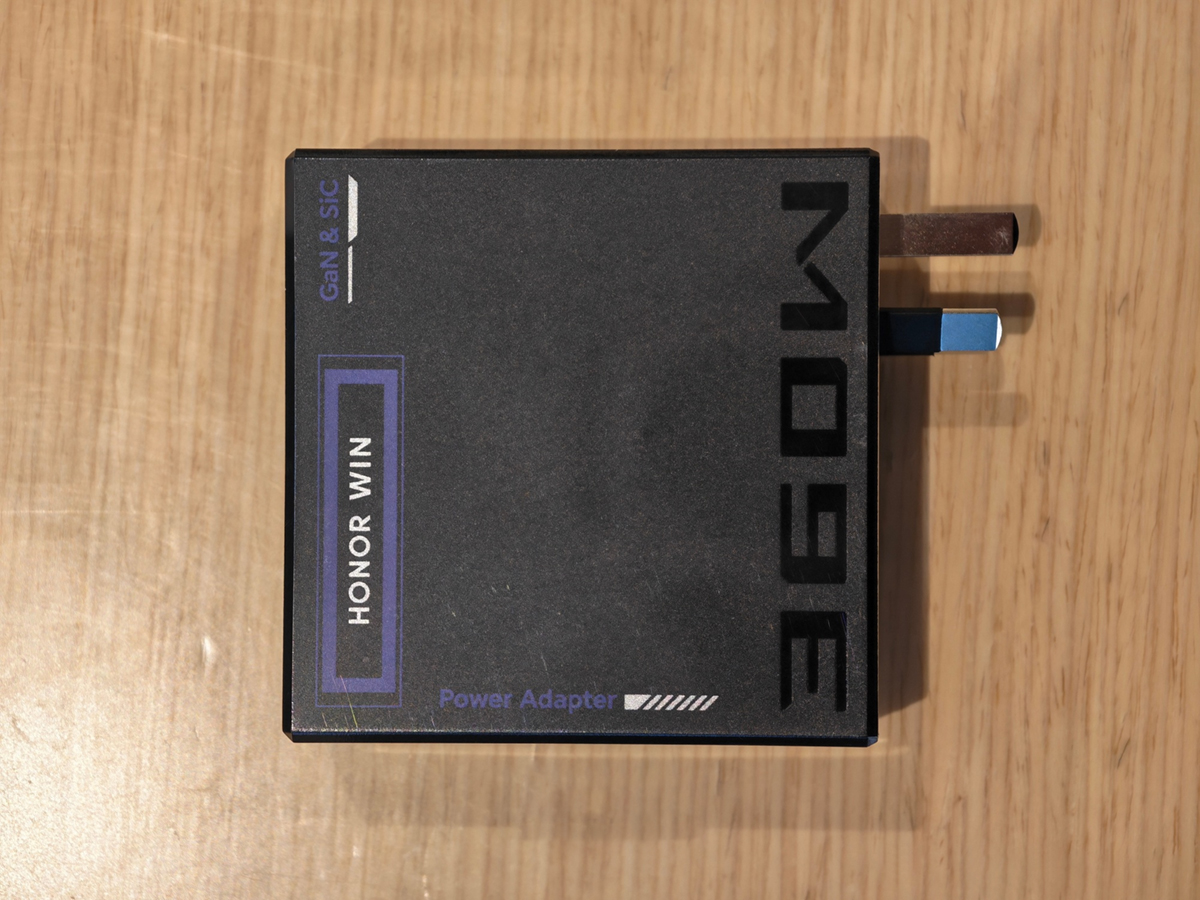
Honor is one of the few brands offering smartphones with 10,000mAh batteries. The company already offers both mid-range and flagship models with these oversized cells, including the Honor Power 2 and the Honor Win series (Win and Win RT), respectively.
Now, the next milestone for Honor seems to be 11,000mAh.
A new leak from tipster Digital Chat Station claims the company has started trial production of a new battery with a rated capacity of 10,690mAh and a typical capacity of 11,000mAh.
The report does not name the phone, but it points to yet another Honor device built around a very large battery.
That would put the phone beyond Honor’s current official battery leader, the Power 2. The latter ships with a 10,080mAh battery, 80W wired charging, and 27W reverse wired charging.
Before that, Honor launched the original Power with an 8,000mAh battery and 66W charging. The growth over just one generation is quite significant.
Honor Power 2 Specifications
While details about this rumored 11,000mAh Honor device remain unknown, the Honor Power 2 offers a useful reference point.
It packs a 10,080mAh battery into a surprisingly slim 7.98mm chassis. Charging caps at 80W wired and 27W for reverse.
Honor Power 2
On the front, there’s a 6.79-inch OLED LTPS flat display with a 1.5K resolution (2600 x 1200 pixels). The panel is rated for up to 8,000 nits peak brightness and includes 3,840Hz PWM dimming for reduced eye strain.
Powering the device is the MediaTek Dimensity 8500 Elite chipset, paired with LPDDR5X RAM and UFS 4.1 storage.
As for the cameras, it has a 50MP main sensor with OIS and a 5MP ultra-wide lens on the back, along with a 16MP front-facing camera. On the software side, it runs Android 16 with MagicOS 10 on top.
For more daily updates, please visit our News Section.
REDMI has started teasing a new tablet, the K Pad 2, and it’s clearly going after performance-focused users. The company is calling it a “performance flagship,” which sounds like typical marketing, but some of the early details suggest it’s at least trying to stand out a bit, especially on the gaming side.
At the center of it is the Dimensity 9500, paired with a 15300mm² vapor chamber cooling system. REDMI is also using a centered chip layout, which is meant to help with heat distribution during longer sessions. In theory, that should mean more stable performance without throttling too quickly.
The display is another key part. It’s an 8.8-inch panel with a 165Hz refresh rate and 1100 nits of peak brightness. REDMI says it’s tuned specifically for gaming, though we’ll have to see how much of that actually makes a difference in real use. Battery capacity sits at 9100mAh, which should be enough for extended use, especially given the size of the device.
The tablet itself sticks to a fairly premium look, with a metal unibody and a few color options, including purple, silver, and black. Nothing too surprising, but it looks clean.
On the gaming side, REDMI is claiming support for 165fps gameplay in select titles, along with a 540Hz touch sampling rate. There’s also a high-frequency gyroscope, which should help with responsiveness in fast-paced games.
For audio, the tablet includes dual full-range drivers housed in a 2.0cc “super-large” sound cavity, designed to deliver fuller bass, clearer treble, and richer detail. It’s marketed as the first tablet tuned by Sound by Bose.
The K Pad 2 is set to launch on April 21, 2026, alongside the Redmi K90 Max and the Redmi Book Pro 2026.
ASUS has introduced the ROG Open Wireless (OWS) gaming earbuds, designed to balance comfort, low-latency performance, and everyday usability. These earbuds feature an open-ear design, allowing users to stay aware of their surroundings while listening, making them suitable for both gaming and daily use. The ergonomic ear-hook structure ensures a secure fit without putting pressure on the ear canal, enabling longer usage sessions without fatigue.
Launch and Availability
The ROG Open Wireless (OWS) earbuds have been introduced in China and are currently available via JD.com. They are priced at 1399 yuan, with an introductory launch price of 1199 yuan. ASUS is expected to expand availability to more regions through its official retail channels in the coming months.
Connectivity and Gaming Performance
The earbuds support dual-mode connectivity, including Bluetooth and 2.4GHz wireless via a USB-C dongle. This allows seamless switching between devices and even simultaneous dual-device connections. ASUS has integrated its SpeedNova wireless technology, delivering ultra-low latency, up to six times lower than standard Bluetooth. This ensures faster audio transmission and better synchronization, helping users react quickly in competitive gaming scenarios with accurate positional sound.
Audio and Microphone System
Equipped with a 14.2mm diamond-like carbon-coated driver, the earbuds deliver clear highs, deep bass, and low distortion. Multiple sound modes, including bass enhancement and immersive modes, allow users to customize audio based on their preferences. The quad-microphone array with AI noise cancellation enhances voice clarity, improving both call quality and in-game communication.
Battery, Durability, and Additional Features
The earbuds offer up to 16 hours of usage on a single charge, with total battery life extending up to 48–64 hours with the charging case. Fast charging support provides around three hours of playback with just 15 minutes of charging. With an IPX5 rating, the earbuds are resistant to sweat and light splashes. Additional features such as USB-C pass-through charging and an extended connector design improve convenience, especially for users using devices with thicker protective cases.
The BenQ MA270S monitor has just gone official in India. The new monitor, which has been primarily designed for Mac users, comes with a 27-inch 5K display, 99 percent P3 color coverage, and Thunderbolt 4 connectivity with 96W power delivery, targeting creators who need high precision and seamless integration. Here’s more information on the specs, features, and price of the BenQ MA270S.
BenQ MA270S specifications and features
BenQ MA270S monitor
The BenQ MA270S features a 27-inch panel with 5K resolution of 5120 x 2880 pixels and a pixel density of 218 ppi. This ensures sharp visuals that closely match the clarity seen on Mac displays. The monitor also covers 99 percent of the P3 color gamut, helping maintain colour consistency across devices, which is important for design and video work.
It includes a 2000:1 contrast ratio and a 70Hz refresh rate, offering smoother interactions compared to standard 60Hz panels. The display is tuned to align with macOS color and brightness behavior, aiming to deliver a consistent viewing experience when paired with Mac devices.
Connectivity is handled through Thunderbolt 4, supporting up to 96W power delivery. This allows users to connect and charge a MacBook with a single cable. The monitor also supports daisy chaining for dual 5K setups, which can be useful for multi-window workflows such as editing timelines or coding.
Additional features include support for BenQ Display Pilot 2 software, enabling control over brightness, colour profiles and screen layout directly from the Mac. The monitor also offers a Smart KVM feature for switching between systems, along with multiple ports for expanded connectivity. Ergonomic adjustments such as height, tilt, swivel and pivot are also included.
Rivals Apple Studio Display
The BenQ MA270S serves as a direct competitor to the Apple Studio Display by offering a matching 5K resolution and seamless Mac integration through its DisplayPilot 2 software. Unlike the Apple alternative, it includes a height-adjustable stand as standard, dual Thunderbolt 4 ports for daisy-chaining, and a built-in KVM switch to easily manage multiple devices.
Price and availability
The BenQ MA270S 5K monitor is available in India for Rs 94,998 (~$1,020). It can be purchased through leading retail stores as well as online platforms. It is already available in the US for $999.
For more daily updates, please visit our News Section.
OnePlus has started teasing a new tablet for its global debut, though the company hasn’t revealed the name yet. According to reports, it’s likely the OnePlus Pad 3 Pro. And now, ahead of launch, the same device has surfaced on Geekbench.
The listing shows a OnePlus tablet with the model number OPD2514, which is likely the global or Indian variant. It is powered by Qualcomm’s Snapdragon 8 Elite Gen 5 chipset, confirmed by its CPU setup of two high-performance cores clocked at 4.61GHz and six efficiency cores running at 3.63GHz.
Meanwhile, graphics are handled by the Adreno 840 GPU.
The device tested on Geekbench is running Android 16 and comes with 12GB of RAM. In terms of performance, it scored 3,467 in the single-core test and 10,377 in the multi-core test.
OnePlus Pad 3 Pro Specifications (Expected)
As for other hardware specs, the OnePlus Pad 3 Pro is likely to feature a 13.2-inch display for productivity and media consumption. Its memory options are said to include up to 16GB of LPDDR5X RAM and 512GB of UFS 4.1 storage.
Being a large device, the tablet is rumored to pack a battery larger than 10,000mAh. Design-wise, it is tipped to arrive in at least two color options: Titanium and Green.
Oppo Pad 3 Pro
On a side note, last year’s OnePlus Pad 2 Pro was based on the Oppo Pad 4 Pro. As a result, the OnePlus Pad 3 Pro may similarly share similarities with the upcoming Oppo Pad 5 Pro.
The latter is expected to debut with a 13.2-inch display, a Snapdragon 8 Elite Gen 5 chip, a 13,380mAh battery with 67W fast charging, up to 16GB of RAM, up to 512GB of storage, a 13-megapixel rear camera, and an 8-megapixel front camera.
For more daily updates, please visit our News Section.
As scheduled, Vivo today announced its latest mid-range smartphone, the Vivo T5 Pro 5G, in India. A successor to the Vivo T4 Pro, it debuts with a much larger 9,020mAh battery, up from 6,500mAh. The Vivo T5 Pro 5G starts at Rs 29,999 for the 8GB + 128GB variant in India.
Vivo T5 Pro 5G Specifications
The phone features a large 6.83-inch 1.5K LTPS OLED display built on a Visionox VM9 panel. It supports a 144Hz refresh rate and reaches up to 5,000 nits peak brightness, with 2,000 nits in high brightness mode.
The display also has 2,160Hz PWM dimming for reduced eye strain in low-light conditions.
Under the hood, the device runs on the Snapdragon 7s Gen 4 chipset, paired with LPDDR4X RAM and UFS 3.1 storage. Vivo claims the phone can achieve around 1.2 million points on AnTuTu benchmarks.
It also supports up to 120FPS gaming, aided by a large 7,000mm² vapor chamber cooling system that the company says is the biggest in this category.
The Vivo T5 Pro features a dual rear camera setup, consisting of a 50MP Sony IMX882 main sensor with OIS and a 2MP secondary depth sensor. On the front, there is a 32MP camera for selfies and video calls.
Powering the 9,020mAh battery is 90W fast charging support. Vivo claims the phone can charge up to 50% in around 37 minutes. Despite the large battery, the device remains 8.25mm thick and weighs 213 grams. The company also promises five years of battery health durability.
On the software side, the phone runs Android 16 with OriginOS 6. Vivo is offering three years of major OS updates and five years of security patches. The device also includes IP68 and IP69 ratings for water and dust resistance, an in-display optical fingerprint sensor, an IR blaster, Wi-Fi 6, and Bluetooth 5.2.
The Vivo T5 Pro 5G will be available in Cosmic Black and Glacier Blue color options. It will go on sale starting April 21 via Flipkart, the Vivo India eStore, and offline retail stores.
For more daily updates, please visit our News Section.
The Xiaomi 17 Max is making headlines again, this time for a regulatory filing in China. A new Xiaomi device with the model number 2605EPN8EC has passed China’s Ministry of Industry and Information Technology SRRC certification.
While the certification doesn’t confirm any specification except its connectivity (5G / WLAN / Bluetooth), it usually means that a launch isn’t too far away.
Based on earlier leaks, this device is widely believed to be the Xiaomi 17 Max, though some sources have referred to it as the Xiaomi 17S Pro. Either way, it’s a large-screen option in the company’s 17 series lineup.
The model number also hints at Xiaomi’s internal timeline. It suggests a release window around April or May, which lines up with previous reports of a May debut in China.
What to expect?
According to previous reports, the Xiaomi 17 Max could feature a 6.9-inch flat OLED display with a 1.5K resolution and narrow bezels on all sides. The hardware will be led by the Qualcomm Snapdragon 8 Elite Gen 5 chipset, paired with up to 16GB of LPDDR5x RAM and up to 1TB of UFS 4.1 storage.
Xiaomi 17 Pro Max
Its camera specs are likely to include a 200-megapixel main sensor, paired with a 50-megapixel telephoto macro lens. It will also have a 50MP ultrawide lens. These specs are similar in comparison to the Xiaomi 17 Pro Max, but the latter also has a secondary display on the rear. The Xiaomi 17 Max is rumored to skip that.
Other rumored features include symmetrical dual speakers, an X-axis linear motor, and a 3D ultrasonic fingerprint sensor. The device may also introduce a new silicon-based battery with a capacity starting in the 8,000mAh range, along with full water resistance and a metal frame. The overall design is said to follow a clean, minimalist approach.
For more daily updates, please visit our News Section.
Asus has introduced its 2026 editions of the Zenbook and Vivobook laptops in India, focusing on design, portability, and next-generation performance. The announcement includes multiple models across premium and mainstream segments, with pre-orders now open for select devices.
2026 Zenbook and Vivobook lineup’s key features
Asus ZenBook S16 (2026)
The new 2026 Zenbook range includes the Zenbook S14, Zenbook Duo, and Zenbook A series, all built using a new Ceraluminum material aimed at improving durability while keeping the devices lightweight. The Zenbook S14 stands out with its slim profile of around 1.1 cm and a weight close to 1.2 kg, making it suitable for users who prefer portability. It also features a 14-inch 3K OLED display and is powered by Intel Core Ultra series processors, offering up to 50 TOPS of AI performance for demanding tasks.
The Zenbook Duo takes a different approach by offering dual 14-inch OLED touch displays with a 144Hz refresh rate. This setup allows better multitasking, especially for users working across multiple apps. It runs on Intel Core Ultra processors and is designed to handle heavier workflows while still maintaining a relatively compact design.
Asus ZenBook Duo (2026)
The Zenbook A14 and A16 models focus on lightweight usage, with the A14 weighing under 1 kg. These devices are powered by Snapdragon X2 series processors, enabling AI-driven features and efficient performance for everyday tasks.
Asus Zenbook A16 (2026)
On the Vivobook side, Asus has annoced both the Classic and S series models. The Vivobook 14 and 16 come with Intel Core Ultra 5 processors and include AI-based features such as smart search and task assistance. They also feature an AI camera with face unlock support for added security. Meanwhile, the Vivobook S14 and S16 target users looking for a balance between performance and design, offering metallic builds, long battery life, and Intel Core Ultra 7 processors for smoother multitasking.
Price and availability
2026 Zenbook and Vivobook lineup
The 2026 Zenbook series starts at Rs 179,990 (~$1,930), while the Vivobook range begins at Rs 98,990 (~$1,060). Pre-orders for select Zenbook models are open from April 14 to April 20, with general availability starting April 21 across ASUS stores, online platforms, and retail partners.
The Zenbook Duo is priced at Rs 299,990 (~Rs 3,215), while the Zenbook A14 and A16 start at Rs 185,990 (~$1,990) and Rs 199,990 (~$2,145), respectively. Vivobook models are positioned more affordably, with prices ranging between Rs 98,990 and Rs 131,990 depending on the configuration.
For more daily updates, please visit our News Section.
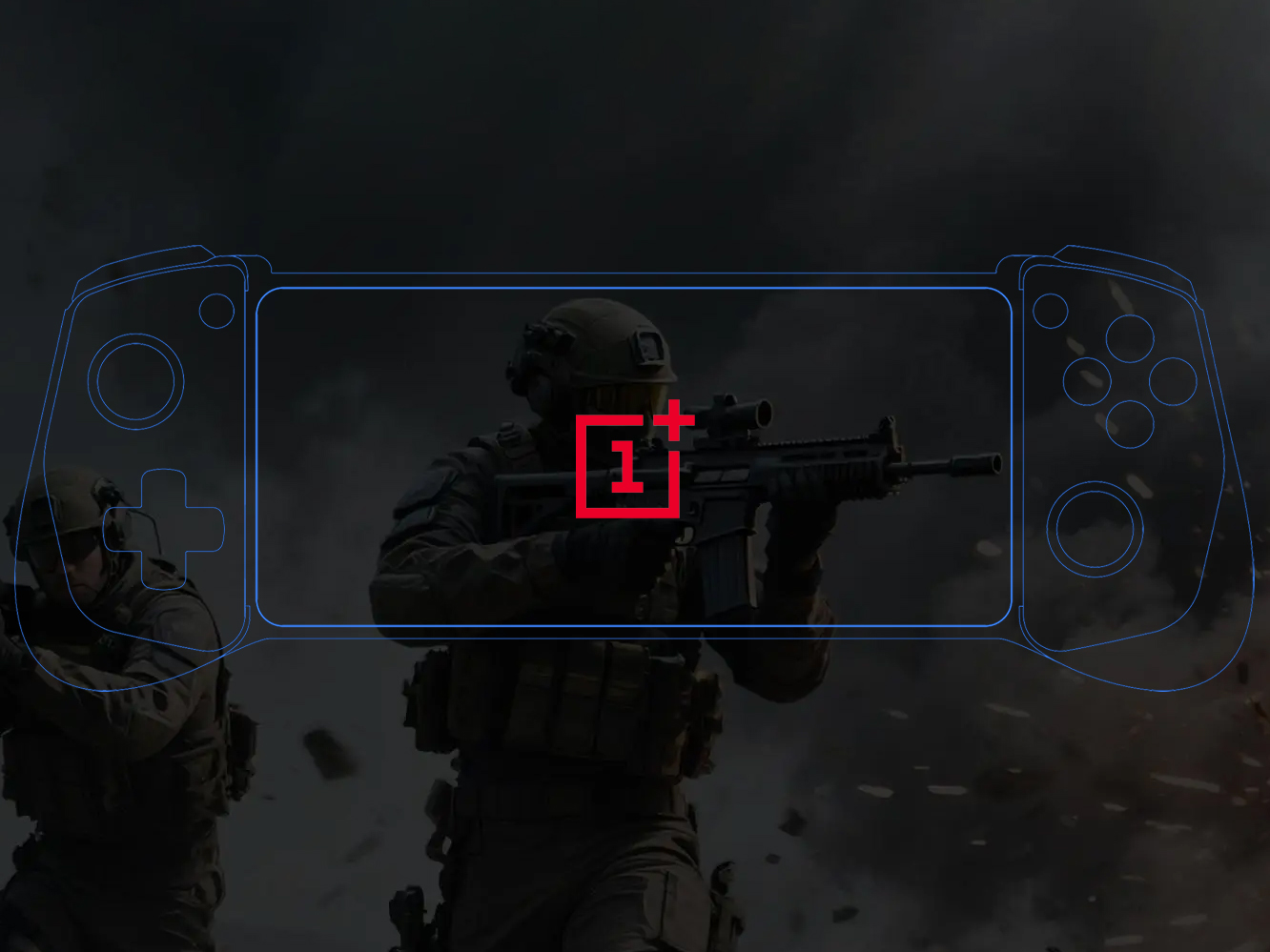
Word on the street says OnePlus is working on a handheld console, and turns out it’s real. OnePlus official Li Jie confirmed in a livestream yesterday that the company is at least experimenting with a handheld gaming device.
During the stream, Li briefly showed a hand-drawn sketch of what looked like a portable console. The illustration wasn’t detailed, but the outline was clear enough to suggest it’s a gaming device.
Previously, tipster Digital Chat Station shared renders of a similar device. Those images pointed to a slightly boxy design with shoulder buttons, a rear camera, and colored grips.
So far, OnePlus hasn’t confirmed any specifications. But based on leaks, the device could feature an 8-inch display and run on a flagship chipset from MediaTek.
OnePlus’s gaming console will be touchscreen first
What could set this console apart is its approach to controls. Instead of relying entirely on joysticks and physical buttons, OnePlus may focus on a touchscreen-first interaction system. It’s expected to improve multi-finger input, reduce latency, and support high refresh rates.
Previous reports also mention system-level optimizations for games like Delta Force and PUBG Mobile.
The console is also expected to pack a larger battery, with hints of active cooling as well.
OnePlus gaming console leaked image by DCS
Alongside the console tease, Li also showed the OnePlus Ace 6 Ultra, a more immediate product powered by a Dimensity 9500 chip and a 165Hz display. It is closer to launch, while the handheld console is more of an experiment for now.
A report from March had already suggested that OnePlus was exploring an “Android handheld console” concept, possibly as part of a broader push by smartphone makers into new categories.
Nothing is official yet, and there’s still no timeline. But now that the concept has been teased by the company itself, a OnePlus console may not be too far off.
For more daily updates, please visit our News Section.
Global smartphone shipments are off to a slower start in 2026. According to IDC’s latest Worldwide Quarterly Mobile Phone Tracker, shipments fell 4.1% year over year in the first quarter to 289.7 million units.
The drop effectively ends a ten-quarter streak of growth that began around mid-2023. And we are all probably aware of the reasons. Supply constraints tied to storage components and rising costs. Both of these are expected to continue putting pressure on the market.
The top two companies still posted growth. Samsung and Apple were the only vendors among the global top five to record year-over-year gains.
The market outlook in Q1, 2026
Samsung returned to the number one spot for the quarter, thanks in part to the demand for the Samsung Galaxy S26 Ultra. Even with a later-than-usual launch, shipments still rose 3.6% compared to last year.
The company also filled the gap with earlier releases in its midrange A series, which helped stabilize volumes.
Apple followed in second place, with the iPhone 17 series seeing particularly strong demand in China. The company recorded more than 30% growth in the mainland, contributing to a 3.3% increase globally. That said, IDC notes that supply disruptions and weaker channel support in some regions kept that growth in check.
For the rest of the top five, things were a bit more muted. Xiaomi held onto third place despite posting the largest decline among the group.
Oppo came in fourth, with stronger performance in China offsetting weaker international results. Notably, Oppo’s data now also includes Realme. Vivo rounds out the top five, contributing 7.3% of global smartphone shipments.
Outside the top tier, there were a few bright spots. Honor, along with Lenovo (through Motorola) and Huawei, all managed to grow. Honor stood out with a 24% year-over-year increase, which IDC says is due to its overseas expansion.
In China, total shipments reached about 69 million units, down 3.3% from a year ago. Even there, growth from Huawei and Apple wasn’t enough to offset the broader slowdown.
For more daily updates, please visit our News Section.
Several reports have revealed that there will be two versions of the next-generation Qualcomm Snapdragon Elite-branded 8-series chip. These include the Snapdragon 8 Elite Gen 6 and 8 Elite Gen 6 Pro. Tipster Digital Chat Station has now shared fresh details about the standard variant and how it differs from the Pro model.
Snapdragon 8 Elite Gen 6 key details revealed
Snapdragon 8 Elite Gen 6 specs leak
According to the tipster, the Snapdragon 8 Elite Gen 6, identified as SM8950, is expected to be built on TSMC’s advanced 2nm process. It is said to feature a new 2+3+3 Oryon CPU layout, along with a shared 16MB L2 cache. This architecture indicates a strong focus on balancing performance and efficiency for flagship devices.
On the graphics side, the chipset may include an Adreno 845 GPU with a six-slice design, paired with 12MB GMEM and 6MB system-level cache. It is also expected to support LPDDR5X memory and UFS 5.0 storage, making it suitable for high-performance smartphones without pushing costs too high. The chip is likely to power upper mid-range and mainstream flagship models in the next cycle.
How does the Snapdragon 8 Elite Gen 6 differ from the Pro variant
The same source suggests that the standard version comes with slightly reduced cache and peripheral capabilities compared to the Pro model. Earlier reports indicate that the Snapdragon 8 Elite Gen 6 Pro, carrying model number SM8975, could bring support for LPDDR6 memory along with a more powerful Adreno 850 GPU and expanded cache configuration.
In addition, the Pro variant is expected to target premium Ultra-tier smartphones, while the standard chip may focus on offering stable performance and better efficiency for a wider range of devices. However, there are reports that the OnePlus 16 and iQOO 16 will come equipped with the Pro chip.
For more daily updates, please visit our News Section.
Xiaomi has added another product to its Mijia lineup, this time in the personal care category. The new Hair Clipper 2 Set builds on the regular version, but adds a couple of extras that make it a bit more versatile.
At its core, it’s still a standard hair clipper, but the set version includes precision trimming and engraving attachments, which is where things get more interesting. The precision trimmer is meant for smaller areas, around the hairline, ears, or sideburns, basically the kind of detailing you don’t always get right with a regular clipper.
Then there’s the engraving blade, which feels a bit more niche. It’s designed for sharper lines or patterns, so more for styling than basic trimming. Probably not something everyone will use, but it adds an extra layer for those who like experimenting.
Both attachments use a titanium carbide coating, and Xiaomi says the main blade is built to reduce friction and heat during use. That should help with comfort, especially if you’re using it for longer sessions.
In terms of adjustments, the clipper offers 19 length settings along with two speed modes, so there’s a decent amount of flexibility. It’s also IPX7 rated, meaning you can rinse it under water without worrying too much.
There’s a small display on the body as well, which shows battery status and other basic info. Not essential, but useful.
The box includes quite a few accessories, adjustable combs, cleaning tools, even a cape, so it’s clearly meant to be a complete kit rather than just the device.
The Mijia Hair Clipper 2 Set is priced at 189 yuan and is already available through Xiaomi’s Youpin platform in China.
Overall, it feels like Xiaomi is trying to push this a bit beyond just a basic grooming tool. It’s still simple at its core, but with enough extras to make it more flexible for people who want to do a bit more than a quick trim.
The Edge 70 Pro by Motorola is set to be announced in India soon. Ahead of the big reveal, the device has appeared on Geekbench, revealing its chipset and performance metrics.
According to details shared by tipster Abhishek Yadav, the phone appears on benchmark tests with 12GB of RAM and Android 16 out of the box. The listing also reveals an octa-core chipset, believed to be part of MediaTek’s Dimensity 8000 series—likely the Dimensity 8500.
The chip uses a mix of cores, including four efficiency cores clocked at 2.2GHz, three performance cores at 3.2GHz, and a prime core reaching up to 3.4GHz. Graphics duties are handled by a Mali-G720 MC8 GPU.
In terms of raw numbers, the device scores 1,727 in single-core and 6,563 in multi-core tests.
What to expect?
The benchmark leak comes shortly after a teaser microsite quietly went live on Flipkart. While the page doesn’t explicitly name the device, the design and finishes shown match previously leaked renders of the Edge 70 Pro. It is expected to come in three finishes: a fabric-like blue, a satin-style green, and a marble-inspired white.
Design-wise, the phone is expected to stick with familiar Motorola aesthetics, a curved display with a centered hole-punch camera, and a square-shaped module on the back housing a triple camera system. There is also mention of HDR10+ certification.
Moreover, certification listings suggest a 6,500 mAh battery with support for 90 W fast charging via USB-C. Other specifications have not been confirmed yet.
None of this is official just yet, but the pieces are starting to line up. Between the benchmark listing, leaked visuals, and the Flipkart teaser, it looks like Motorola is getting ready to formally introduce the Edge 70 Pro soon.
For more daily updates, please visit our News Section.
OnePlus has started teasing its upcoming Ace 6 Ultra, offering an early look at its design and gaming-focused upgrades. The device is expected to launch later this month in China, with more details gradually emerging. It is expected to rival the Redmi K90 Max, which is set to debut on April 21 in the country.
OnePlus Ace 6 Ultra design and gaming focus
The OnePlus Ace 6 Ultra‘s black colour has been unveiled, featuring a layered texture created using a 3D light engraving process. The finish reflects light dynamically, giving the rear panel a shifting visual effect. A large “Ace” text is prominently engraved across the back panel, adding to its bold visual identity. The design also includes a simplified rectangular camera module and a striking vertical branding element.
The camera module has been flattened to avoid interference with finger placement, while a redesigned internal structure helps manage heat more effectively. The company has also refined the edges to improve long-duration grip, which is often a concern during extended gaming sessions.
On the front, the phone is expected to feature a 165Hz high refresh rate display developed in partnership with BOE. This panel is positioned to deliver smoother visuals, aligning more closely with gaming monitors. The device is also said to include software-level optimizations aimed at maintaining stable frame rates while keeping power consumption under control.
OnePlus Ace 6 Ultra specifications (rumored)
According to recent reports, the OnePlus Ace 6 Ultra will have a 6.78-inch OLED display with 1.5K resolution and a 165Hz refresh rate. It is expected to run on the Dimensity 9500 chipset and pack a large 8,500mAh battery with support for 100W charging. The device may be offered in multiple RAM and storage configurations, going up to 16GB RAM and 1TB storage.
For photography, the phone could include a 50-megapixel main sensor along with an 8-megapixel secondary camera, while the front may feature a 16-megapixel selfie camera. It is also expected to run on Android 16 with ColorOS 16 layered on top, and will be available in Titanium and Black shades. At present, there’s no clarity whether there will be a global version of this device.
For more daily updates, please visit our News Section.
boAt has launched the CineHead M1 Smart Projector in India, expanding its presence in the home entertainment segment. The device adopts a compact form factor that resembles a portable speaker design seen in similar products in the market.
The CineHead M1 offers native Full HD 1080p resolution and 200 ANSI lumens brightness. It supports projection sizes ranging from 30 inches to 150 inches, making it suitable for both small rooms and larger viewing setups. The projector is positioned for everyday content consumption, including movies, shows, and streaming.
It runs on Android 12 and includes access to a built-in app store. Users can download apps such as Prime Video, JioHotstar, SonyLiv, Zee5, and YouTube. Wireless screen mirroring is also supported, allowing users to cast content from smartphones, tablets, and laptops onto a larger screen.
The device features auto focus, which adjusts image sharpness within seconds without manual input. It also includes auto keystone correction to fix image distortion and maintain a properly aligned rectangular screen, even when placed at an angle. The rotatable design allows flexible adjustment of the projection angle based on the setup.
For audio, the projector comes with dual 3W speakers. The sound output is designed for regular viewing, reducing the need for external speakers in most cases. Connectivity options include HDMI, USB, AV, and AUX ports, allowing users to connect laptops, gaming consoles, and storage devices. It also supports dual-band WiFi for stable wireless streaming and faster performance. The built-in carry handle improves portability, making it easier to move and set up. The projector offers a lamp life of up to 30,000 hours.
Pricing & availability
The boAt CineHead M1 Smart Projector is available in Ivory White and is priced at Rs 10,999. It can be purchased via Amazon.
For more daily updates, please visit our News Section.
Dreame has launched the H70 Ultra Station, its flagship wet-and-dry floor cleaning device in the Chinese market. The device is priced at 4,999 yuan ($733) and is now listed on JD.com.
Dreame H70 Ultra Station Specifications
The H70 Ultra Station features a dual heating system powered by a 330W aerospace-grade boiler, delivering steam at up to 200°C and 4000 mg/min for effective removal of stains, grease, and bacteria. It also supports 90°C hot water cleaning for deep floor cleaning and allergen removal.
The device boasts 28,000Pa suction, driven by a 150,000 RPM motor for powerful debris removal. Its noise reduction system ensures low noise levels without affecting performance.
The H70 Ultra Station includes a self-cleaning feature with two options: a 95°C hot water mode and a 200°C steam mode. These features ensure the roller brush and internal components remain clean and hygienic without requiring manual effort.
For power, the device features a 7,500mAh battery, providing up to 90 minutes of runtime. It includes a 5.5L automatic water refill station that supports up to 7 days of cleaning in a plug-and-play setup.
Dreame added smart features to improve usability. The device includes AI-assisted controls such as self-propelled movement, real-time dirt detection, and omnidirectional assistance. It supports app connectivity for remote control and real-time monitoring through a high-definition display.
The H70 Ultra Station features a 360-degree hot water penetration system for enhanced cleaning efficiency. Its roller brush includes a Swiss PPA anti-tangle blade to cut hair during cleaning, while a dual-layer suction and brushing system prevents tangles from long hair or pet fur.
In related news, Xiaomi has recently introduced Mijia Robot Vacuum and Mop 4 featuring 10,000Pa suction and up to 180 minutes of runtime, all at a competitive price.
For more daily updates, please visit our News Section.
Sony has added a new headset to its INZONE gaming lineup with the launch of the INZONE H6 Wired Air. It is positioned as a lightweight, open-back option for players who rely on sound accuracy during gameplay.
The biggest change here is the open-back design. Unlike closed gaming headsets, the earcups are not sealed, which reduces internal echo and makes the sound feel more natural. In practice, this creates a wider soundstage, making it easier to pick up direction and distance of in-game audio.
Sony is using custom-tuned drivers based on its MDR-MV1 studio headphones. These have been adjusted for gaming use. The headset also includes back ducts built into the driver unit to manage airflow. This helps deliver deeper bass without muddying mid-range sounds, so footsteps, dialogue, and background details remain clear.
The audio profile has been tuned with input from sound teams at PlayStation Studios. There is a dedicated RPG and Adventure equalizer setting that boosts environmental detail and depth. When used with the USB-C Audio Box and INZONE Hub software, the headset supports virtual 7.1 channel surround sound along with 360 Spatial Sound for Gaming.
Comfort is another focus. The headset weighs about 199 grams without the detachable mic and cable, making it one of Sony’s lightest gaming headsets. It uses a spring hinge headband design, similar to the INZONE H9 II, to keep the fit stable without adding pressure.
For voice chat, the INZONE H6 Air includes a cardioid boom microphone. It is angled toward the mouth to focus on voice pickup while cutting out side noise. The arm is flexible and stays in place once adjusted. Sony worked with Fnatic during development as part of its broader push into competitive gaming gear.
The INZONE H6 Air is priced at $199.99 in the US and $249.99 in Canada, and is available through Sony’s website, Amazon, and Best Buy.
GOBOULT has launched two new power banks in India, the Mustang AmpVault V10 MagSafe and the Mustang V20. With these, the company is taking its Mustang-themed design beyond wearables and audio products and into everyday charging accessories.
The AmpVault V10 MagSafe is the smaller of the two and is built for portability. It packs a 10000mAh battery and supports 15W wireless charging, along with up to 22.5W wired output. It works with PD, QC, and Adaptive PPS charging standards, which helps it adjust power based on the device being charged. It includes a built-in Type-C cable, a Type-C input and output port, and a Type-A Quick Charge port.
In terms of design, the V10 comes with a metallic finish, racing stripes, and Mustang branding. It also has a magnetic hold for MagSafe-compatible devices and a foldable kickstand that lets you use your phone while it charges. A dashboard-style LED indicator shows battery levels. The device weighs 300g and includes overcharge and overvoltage protection. It is available in Nitro Black.
The Mustang V20 is aimed at users who need more capacity. It comes with a 20000mAh lithium polymer battery, which is generally more durable than standard battery types. It supports 22.5W fast charging and includes PD 3.0, QC, and Adaptive PPS. The V20 has three output ports, one Type-C and two Type-A, so you can charge multiple devices at the same time. It also includes a built-in Type-C cable.
The V20 has a curved metallic design with Mustang Pony and 302 badging. It features a Fuel Gauge LED dial to show battery status and weighs around 300g. Safety features include protection against overcharge, overvoltage, and overcurrent.
Pricing & availability
Both models are priced at Rs. 1,499 under a launch offer, compared to an MRP of Rs. 4,999, and are available on Myntra, Flipkart, Amazon.in, and the GOBOULT website.
Realme has launched the NARZO 100 Lite 5G in India, adding a new entry-level 5G option to its NARZO lineup. The device focuses on battery life, durability, and a high refresh rate display at a competitive price.
The smartphone features a 6.8-inch HD+ IPS LCD display with a resolution of 1570×720 pixels. It supports a 144Hz refresh rate, up to 180Hz touch sampling rate, and peaks at 900 nits brightness. Powering the device is the MediaTek Dimensity 6300 6nm processor with an octa-core setup consisting of two Cortex-A76 cores clocked at 2.4GHz and six Cortex-A55 cores at 2GHz, paired with a Mali-G57 MC2 GPU. It also includes a 5300+ mm² vapor chamber cooling system.
The phone comes in 4GB and 6GB LPDDR4X RAM options, with support for up to 8GB dynamic RAM expansion. Storage options include 64GB and 128GB eMMC 5.1, expandable up to 2TB via microSD. It runs realme UI 7.0 based on Android 16.
For cameras, the NARZO 100 Lite 5G offers a 13MP rear sensor with f/2.2 aperture and LED flash, capable of 1080p video recording at 30fps. The front camera is a 5MP unit with f/2.0 aperture and similar video support.
The device is rated IP64 for dust and splash resistance and meets MIL-STD 810H durability standards with ArmorShell Protection. It also includes a side-mounted fingerprint sensor, a 3.5mm headphone jack, and a single bottom-ported speaker with 300% ultra volume.
Connectivity features include 5G SA and NSA bands, dual 4G VoLTE, Wi-Fi 802.11 ac, Bluetooth 5.3, GPS, GLONASS, Galileo, QZSS, and USB Type-C. The phone measures 166.3×78.1×8.4mm and weighs 212g. A 7000mAh battery powers the device, with support for 15W fast charging and bypass charging. Realme claims up to two days of usage on a single charge.
Pricing & availability
The phone starts at ₹13,499 for the 4GB + 64GB variant, ₹14,499 for 4GB + 128GB, and ₹16,499 for 6GB + 128GB. With coupons, prices drop to ₹12,499, ₹13,499, and ₹14,999, respectively. The first sale is scheduled for April 21, 2026, on Amazon India and realme.com, with a 12-hour special sale window starting at 12 noon.
For more daily updates, please visit our News Section.
The JBL Go 5, which was first announced in China earlier this March, now appears to be heading to the US. While JBL has not made a formal global announcement yet, the speaker has been listed on Amazon US with a release date of April 26. Pre-orders are open at $54.95.
The Amazon listing shows the Go 5 in seven colors: Black, Blue, Purple, Red, Teal, White, and Squad. Earlier listings in China mentioned slightly different shades, including Sky Blue, Pink, Orange, and Deep Blue. The speaker also includes WINK ambient lighting, adding a subtle visual element.
In terms of design, not much has changed. The Go 5 keeps its small, block-style build, measuring 101 x 77.4 x 43 mm and weighing about 230 grams. It is compact enough to fit into a small bag or even a jacket pocket. It also carries an IP68 rating, which means it is protected against dust and can handle water exposure.
Inside, the speaker uses a 45 mm driver with an output of 4.8 W RMS. JBL says the tuning has been done by its Harman Acoustics team. It offers a frequency response range from 100 Hz to 19 kHz and a signal-to-noise ratio above 85 dB. The setup is clearly aimed at personal listening and small spaces.
The Go 5 upgrades to Bluetooth 6.0 and supports SBC, AAC, and LC3 codecs. It also adds Bluetooth AURACAST, which allows audio to be shared across multiple compatible devices. There is also an AirTouch one-tap pairing feature for quicker setup.
Users can pair two units for stereo sound or connect multiple speakers for a wider setup. The speaker also supports USB-C audio playback with a built-in DAC when connected to a computer. It runs on a 1000 mAh battery rated at 3.85 Wh, with up to 8 hours of playback without lighting. Charging takes around three hours using a 5V/1A USB-C input.
For more daily updates, please visit our News Section.
Xiaomi has launched the Mijia Instant Hot Water Purifier 2 Pro in two variants: 1200G and 1600G. The device is now available for pre-sale at 3,699 yuan ($542) and 4,299 yuan ($630), respectively.
Xiaomi Mijia Water Purifier 2 Pro Specifications
The purifier features Xiaomi’s Dual Instant Heating 3.0 technology, providing real-time water heating. It delivers hot water at a flow rate of up to 1.5 liters per minute, making it ideal for tea brewing, baby formula preparation, and cooking. Additionally, it can dispense up to 10 liters of 95°C water uninterrupted in heat exchange mode.
Xiaomi included zero cold water technology for precise temperature control with ±3°C accuracy, offering four preset temperatures and adjustable settings between 40°C and 90°C in 1°C increments.
The device features a dual-faucet, dual-pathway system with separate channels to prevent cross-contamination. The upper faucet provides drinking water with infant-grade purification, while the lower faucet supplies filtered water for cooking and other uses.
Xiaomi equipped the purifier with an advanced multi-layer filtration system. It uses an imported RO membrane with a filtration precision of 0.0001 microns. The system removes up to 145 contaminants, including heavy metals, bacteria, viruses, and organic pollutants.
Xiaomi also included a Sri Lankan coconut shell activated carbon filter to improve the water taste by removing odors and chlorine. The filters last for up to eight years and can process approximately 29.2 tons of water.
The 1200G model delivers an initial water output of 3.65 liters per minute, while the 1600G model offers up to 4.46 liters per minute. Xiaomi included a color LCD display on the purifier, allowing users to monitor water temperature and quality in real time.
The device also features Xiaomi HyperOS Connect for managing settings, filter status, and usage through the Mijia app, along with voice prompts and a temperature-sensitive light ring for added convenience.
The purifier features IPX7 waterproofing, anti-corrosion electroplating, a low-noise multi-chamber pump for quiet operation, and a user-friendly twist-and-pull filter replacement mechanism.
In related news, Xiaomi has recently introduced a new split air conditioner capable of cooling in 15 seconds and heating in 30 seconds, alongside a smart floor-standing air conditioner that features HyperOS integration and delivers powerful airflow.
For more daily updates, please visit our News Section.
Portronics has introduced the Beem 570 smart projector in India, expanding its Beem lineup shortly after the Beem 560 launch earlier this year. The new model focuses on improved visuals, built-in smart features, and a compact, adjustable design aimed at everyday home and office use.
The Beem 570 comes in a silver finish and features a 270-degree adjustable design, allowing flexible placement across different indoor setups such as living rooms and bedrooms. It supports a native 1080p Full HD resolution and delivers brightness of up to 10,000 lumens. The projector can display content on screens up to 120 inches and has a rated lamp life of up to 50,000 hours. These specifications make it suitable for media streaming, gaming, sports viewing, and presentations.
On the software side, the device runs Whale TV OS based on Android 13, enabling it to function without external streaming devices. It comes pre-installed with apps such as Netflix, YouTube, Prime Video, and JioHotstar. The interface is designed to offer direct access to content while reducing dependency on additional hardware.
The projector also includes a set of automated features to simplify setup. Autofocus adjusts image sharpness automatically, while auto keystone correction ensures a properly aligned rectangular image even when projected at an angle. Additional features like auto alignment and obstacle avoidance help the projector adjust the display area to fit available wall space and avoid obstructions such as switches or frames.
For audio, the Beem 570 is equipped with a built-in 5W speaker intended for standard viewing needs. Connectivity options include dual-band Wi-Fi, Bluetooth 5.4, HDMI, and USB ports. It also supports wireless screen mirroring from smartphones and other compatible devices.
Pricing & availability
The Portronics Beem 570 is priced at Rs. 19,999 and is available via Portronics’ official website, Amazon, Flipkart, and offline retail stores across India. It comes with a 12-month warranty.
The Vivo X300 (review) is a highly rated flagship smartphone that promises excellent performance and top-tier camera capabilities. It quickly became one of the most demanding flagship smartphones after its release in December 2025. However, it’s not the only showstopper in the price segment the device falls in. There exist some great alternatives that give the Vivo X300 a serious run for its money.
The Oppo Find X9 (review) is the closest competitor to the Vivo X300, offering a similar flagship experience but scaling up in important aspects. It offers a 6.59-inch AMOLED screen, which is larger than Vivo X300’s for media consumption but not unwieldy as “Ultra” phones.
Both smartphones feature competitive camera performance, but the Hasselblad colour tuning on the Find X9 should yield more natural skin tones. Plus, the Oppo phone offers a 16% higher battery capacity and faster wireless charging.
The Galaxy S26 doesn’t outshine the Vivo X300 on the spec sheet, but it’s a reliable choice for people looking for a compact flagship phone with longer software support. Also, it’s the only non-Chinese alternative on this list.
While the screen sizes are almost identical, the Galaxy S26 features tougher Gorilla Glass Victus 2 protection on both sides. The Galaxy device also offers a tougher Armour aluminium 2 frame than the standard aluminium frame on the Vivo X300.
The Galaxy S26 ships with Snapdragon 8 Elite Gen 5 in the US, Canada, China, and Japan, which offers better performance than the Dimensity 9500 inside the Vivo X300. But the rest of the world gets the Exynos 2600, which is slightly weaker compared to the Dimensity 9500.
Samsung phones win big when it comes to software support, and the Galaxy S26 is no different. It promises Android updates up to seven generations, while the Vivo X300 only promises four major Android updates.
The OnePlus 15 is a solid choice here, with several key upgrades, including a more powerful Snapdragon 8 Elite Gen 5 chipset and a larger 6.78-inch screen with tougher Gorilla Glass Victus 2 protection.
OnePlus 15 also outperforms the Vivo X300 in battery capacity and charging speeds. The former has a 7,300mAh battery with 120W wired charging support, while the latter has a smaller 6,040mAh battery with 90W wired charging support. The OnePlus phone also offers faster wireless charging.
Xiaomi’s high-end phones offer robust hardware, and Xiaomi 17 is no different. The smartphone ships with the Snapdragon 8 Elite Gen 5 chipset, which is faster and more efficient than the Dimensity 9500 inside the Vivo X300.
The Xiaomi 17 (review) packs a bigger 6,330mAh battery (versus 6,040mAh on Vivo X300) and offers faster wired and wireless charging.
The Realme GT 8 Pro features a larger 6.79-inch AMOLED screen with a higher resolution and a 144Hz refresh rate. The peak brightness of 7,000 nits is also much higher than the 4,500 nits on the Vivo X300. The Realme smartphone also delivers better performance and efficiency, thanks to the Snapdragon 8 Elite Gen 5 processor.
The GT 8 Pro’s camera specs are competitive with the Vivo X300, but it outperforms the Vivo phone in battery capacity and charging speeds.
Edifier has launched the Hecate CP2, a new pair of clip-on Bluetooth gaming earbuds in the Chinese market. The earbuds are priced at 279 yuan ($40) and are now available for pre-order on JD.com.
Edifier Hecate CP2 Specifications
The Hecate CP2 features a clip-on, open-ear design with a pivot spherical fit system. This system adapts to different ear shapes to provide a secure and pressure-free fit.
Edifier uses skin-friendly materials and incorporates a curved structure to ensure long-term comfort. Each earbud weighs only 4.8 grams, making them lightweight for gaming sessions, workouts, or daily wear.
Edifier equipped the earbuds with an 11mm PEN titanium-plated diaphragm driver for detailed sound. The earbuds enhance high-frequency audio clarity and extend low-frequency depth with a low-frequency enhancement algorithm. These also feature a coaxial circular acoustic structure for more precise sound delivery, reduced sound leakage, and improved focus.
For communication, the earbuds feature a high-sensitivity microphone with AI noise reduction technology to enhance voice clarity during phone calls and gaming.
The earbuds offer gaming mode with low-latency Bluetooth 6.0 for reduced audio delay and music mode for balanced sound quality across all frequencies. These also feature RGB lighting effects, customizable via Edifier’s companion app.
The Hecate CP2 delivers up to 6.5 hours of playback on a single charge. The charging case extends total battery life to 26 hours.
The earbuds include touch controls for managing playback, calls, lighting, and mode switching. These come with IPX4 water resistance, allowing users to wear them during workouts or light outdoor activities.
In related news, QCY has recently introduced the C50S clip-on earbuds with LDAC support and real-time translation, while Philips has unveiled its 80s-inspired Moving Sound range featuring speakers, on-ear headphones, and TWS earbuds.
For more daily updates, please visit our News Section.
Galaxy S24 series will receive the AI-powered Call Screening feature. Samsung has optimized one of the Galaxy S26’s incredible AI features. It remains to be seen whether it joins the Stable build or arrives early in the next Beta.
Samsung is internally testing DZD9 build for the 2024 flagships. This One UI 8.5 build features the AI Call Screening for Galaxy S24 series. This is a striking feature that Samsung debuted with the Galaxy S26 series in February this year.
Earlier this month, it was reported that Samsung is planning to expand the Call Screening feature to the Galaxy S25 series. The company later confirmed through a Samsung Members app notice, but it’s yet to be deployed.
Call screening will be added as a dedicated option inside system Settings. To access it, open the Phone app on your Samsung device and tap More options icon. Once done, tap Settings, followed by Call screening.
You will encounter three options that are as follows:
Auto screen calls: Enable automatic screening for unknown callers.
Language: Select or download your preferred language for transcription.
Voice: Customize the assistant’s voice and adjust speech speed.
Source – Mehmet KAYA (X)
Samsung may have been keeping Call Screening reserved for the stable update. It’s a classic Samsung approach to keep the hype alive. If new features land on older models quickly, the sales could be impacted accordingly.
Stable One UI 8.5 update may begin rolling out next month. Reports suggest Korean users may be offered an early access before wider distribution. Meanwhile, Galaxy S24 users may have to wait a little more to join the party.
Samsung is all set to launch One UI 8.5 Beta Program for the Galaxy A55 and A54 users. As part of preparations, the company has just published the Beta Forum for both models. The Galaxy A55 has already joined Beta in South Korea.
One UI 8.5 Beta will allow you to experience the software before its public rollout. Samsung has been working on One UI 8.5 for months, and the Beta build is almost ready to arrive on the Galaxy A55 and A54 (via TarunVats).
Galaxy A54 and A55 running Android 16-based One UI 8. It was a solid foundation before Samsung dropped the redesign and features. The stage is set, the Beta Program is getting ready, and the button to rollout will trigger soon.
One UI 8.5 brings subtle changes to the user interface. Samsung introduced Ambient Design, which makes the overall visibility more dynamic. Core functionalities have been refined, too, which elevates the overall user experience.
Galaxy Beta updates are safe to install, even on your daily driver. You can get it on your device without manually flashing the firmware. Enroll through the Members app and receive the Beta OTA, just like a regular update.
It will be an unofficial build, which may have some issues. You may also notice sudden drop in battery life, which will improve with time. Utilize the feedback window to help the One UI team shape the software for all users.
Deal | Echo Point Nova is currently available on Steam at its lowest price yet. The shooter currently holds a 96% positive user rating and, thanks to a 50% discount, is available for $12.49 until April 27.
Shortly after Microsoft increased the prices of the Surface Pro and Surface Laptop, a leak reveals many details about Microsoft's next-generation Surface products. Buyers will soon have the choice between Snapdragon X2 Elite and Intel Panther Lake.
Just ahead of Vivo revealing the official pricing for the global X300 Ultra and the Oppo Find X9 Ultra making its international debut, the Chinese version of the X300 Ultra is already being offered at a discount, with prices starting as low as $1,150.
Deal | One of the most acclaimed roguelites of recent years is currently back at its lowest price on Steam. Hades is discounted by 75% until April 28, bringing it down to just over $6.
The handheld version of the Sony PlayStation 6, the PlayStation 6 Portable, is expected to launch alongside the main console. With an RDNA 5 GPU and a 6-core Zen 6 CPU, the PS6 Portable is shaping up to be a beastly handheld that will reportedly be able to play games that launched for previous consoles.
VW is refreshing the ID.3 Neo with updated styling as well as new comfort and software features as part of a broader EV push. Most notably, fully electric GTI production models are now on the horizon.
Oppo has now opened Find X9 Ultra reservations before the smartphone's international release this April. While the company is bundling various free gifts with its latest flagship, it has also confirmed that the Find X9 Ultra will only be available globally with 12 GB RAM and 512 GB of storage.
Unitree’s humanoid H1 robot sprinted at 10.1 m/s, which at first glance puts it surprisingly close to elite human speeds. The catch is that this figure refers only to its measured top speed, not the decisive total time over 100 meters. Even so, the run is impressive and suggests that Usain Bolt’s world record may not remain untouchable forever.
A new DJI Osmo Pocket 4 Pro leak suggests a summer 2026 release and a dual-camera setup featuring 4x optical zoom. With a rumored price of $700, the Pro model may mirror the telephoto strategy of the iPhone 17/18 Pro.
Grand Seiko just added the SBGD228 Red Lion jewelry watch to its Masterpiece Collection, coming in October 2026. Limited to eight pieces, the 18k rose gold model features 267 diamonds and an 8-day Spring Drive movement.
As promised, vivo today announced the T5 Pro as the newest member of its T-Series smartphones. vivo says it's "designed for users who prioritize power, endurance, and seamless performance."
The biggest highlight of the vivo T5 Pro is its 9,020 mAh battery, packed inside an 8.25mm thick body that weighs 213 g. The battery supports 90W wired charging and is advertised to charge up to 50% in 37 minutes with the bundled power adapter. It also supports reverse wired charging and bypass charging.
vivo T5 Pro packs a 9,020 mAh battery with 90W charging support
Powering the vivo T5 Pro...
As expected, Oppo unveiled its F33 and F33 Pro in India today with familiar looks and specs. Both devices are actually rebadged Oppo A6 series models with the F33 being identical to the global A6 Pro while the F33 Pro is almost identical to the Chinese A6 Pro but with an updated 50MP selfie camera.
Oppo F33 (left) and Oppo F33 Pro (right)
Both F33 members share the same 6.57-inch AMOLED display with FHD+ resolution and a 120Hz refresh rate. They are rated at up to 600 nits typical brightness and feature in-display optical fingerprint scanners. Oppo F33 features a standard 16MP...
Elon Musk confirmed on X that Tesla AI5 chip has cleared the design finalization stage, and thanked Samsung and TSMC for production.
Tesla CEO called the AI5 one of the most widely produced AI chips in history. Tesla’s AI5 chip is built for two things: autonomous vehicles and humanoid robots. That’s the Optimus line, which Tesla has been pushing hard alongside its self-driving software.
The chip represents the next generation of in-house silicon Tesla has been developing to cut its dependence on third-party hardware and control its own compute destiny.
Samsung and TSMC are splitting production duties on AI5. Musk let slip in the same post that work is already underway on AI6 and something called Dojo 3. AI6 production is penciled in exclusively for Samsung Electronics.
Musk had previously floated the idea that AI6’s tape-out could come as early as December of this year. Landing sole-source production rights on a chip Tesla is calling one of its most ambitious yet, is exactly the kind of win Samsung has been chasing.
What Musk’s post sketches is a roadmap where Tesla’s silicon ambitions scale fast, and Samsung sits at the center of that trajectory. AI5 splits, but AI6 goes to Samsung alone; Dojo 3 is mentioned in the same breath.
Well, TSMC doesn’t run an X account. So when Musk went to tag them in his post, he ended up tagging TSC instead, a completely separate semiconductor company.
Amazon announced it is acquiring Globalstar in a deal worth approximately $11.5 billion and it matters most for Apple.
Globalstar is the satellite operator powering some of iPhone’s most important features, including Emergency SOS via Satellite, as reported by CNBC.
Back in November 2024, Apple dropped $1.1 billion into Globalstar alongside an equity deal, securing a 20% stake. So when Amazon agreed to buy Globalstar, Apple effectively became a stakeholder in a deal that could hand it somewhere around $2 billion in cash.
Under the terms, Amazon’s Leo satellite business absorbs Globalstar’s infrastructure, its MSS spectrum licenses, its global authorizations, and the whole operation. What Apple gets out of that is continuity for now, plus something more interesting later.
The deal includes a formal agreement between Apple and Amazon to maintain satellite connectivity for existing iPhone and Apple Watch features. Current users won’t notice a thing; the Globalstar network keeps running, and your Emergency SOS still works.
With Amazon’s expanded satellite constellation absorbing Globalstar’s low Earth orbit infrastructure, Apple gains access to dramatically more bandwidth and coverage. Not enough for video calls, but enough to make satellite messaging faster and accessible.
For Samsung, this is the uncomfortable part
Galaxy devices have their own satellite connectivity features, and Samsung has been pushing hard into that space. But Apple just secured a direct pipeline into one of the most substantial satellite infrastructure plays in the industry, backed by Amazon.
Ugreen is now selling its new Magnetic Power Bank Qi2 15W 20,000 mAh in the US. Spotted in Europe earlier in 2026, this model can be used to charge up to four devices simultaneously, with outputs including a wireless charging pad and integrated cable.
Xiaomi has launched the 2026 Xiaomi Mijia Air Conditioner Super Energy Saving 1HP (New Level 1 Energy Efficiency) in China. This upgraded model offers a range of smart features, including self-cleaning functionality and support for HyperOS Connect.
Qualcomm is expected to launch two new Snapdragon 8 Elite processors this year. Now, a popular leaker has provided more details of the less-powerful variant which is expected to launch as the Snapdragon 8 Elite Gen 6.
Microsoft April 2026 Patch Tuesday fixes 167 vulnerabilities, including an actively exploited SharePoint zero-day. Windows 11 KB5083769 and KB5082052 bring new builds and RDP security.
Amazfit appears to have leaked an upcoming smartwatch on one of its official social media pages. The design of this wearable appears to be a cross between two of the brand’s existing models, leaving fans speculating as to what it could be.
The second update to last year's Trixie version of Raspberry Pi arrives as version 6.2 and focuses on small updates and bug fixes but also irons out one possible security flaw: passwordless sudo is now disabled by default. However, this change will not affect existing installations of Raspberry Pi OS.
Grand Seiko has revealed its new Elegance Collection Hand-winding Spring Drive SBGY043 watch. With an engraved dial in dark blue, a silver tone metal casing and strap, and a slim movement, this model is set to launch in the coming weeks.
Xiaomi has announced that it will launch a new Mijia Smart Steam Air Fryer 7L in markets worldwide. This model is said to offer a range of cooking functions, including steaming and sous vide options. Plus, it supports Google Home and Xiaomi’s HyperOS Connect.
PlayStation Plus subscribers are rumoured to be receiving another new batch of free games before the month is out. While Sony is expected to make an official announcement soon, a reliable source has already revealed three upcoming titles that will expand April's lineup to six games.
Deal | The Apple AirPods Pro 3 are now on sale for $50 less than their official MSRP. The wireless earbuds were launched in September 2025 with a new fit, better sound, heart rate sensing, improved ANC, and more.
The RedMagic Gaming Tablet 3 Pro was a compact flagship tablet powered by the Snapdragon 8 Elite chipset. It is set to be succeeded by the RedMagic Gaming Tablet 5 Pro. Now, a fresh leak has outlined what the next-generation tablet may offer.
The Razer Blade 16 2026 starts at $3,500. However, even at this price, the Razer Blade 16 2026 seemingly features a disappointing webcam that fails in comparison against the MacBook Pro 16.
We’ve already seen renders of the alleged Xperia 1 VIII with its redesigned camera island, and we now have an FCC listing, which comes a fair bit earlier than the one for its predecessor did last year.
The listing contains the PY7-30515Z model number, which is presumably the Xperia 1 VIII. While it does not feature images of the device, we do get confirmation for several key features. The upcoming flagship Xperia will retain the 3.5mm headphone jack and will feature wireless charging.
Sony Xperia 1 VIII (PY7-30515Z) FCC listing
We also get confirmation that it will feature Wi-Fi 7...
GoPro has unveiled its new Mission 1 series of cameras, bringing upgrades such as a larger 1-inch type sensor, a new GP3 processor, and support for interchangeable MFT lenses. The lineup consists of the Mission 1, Mission 1 Pro, and the Mission 1 Pro ILS.
All three models are equipped with a new 50MP 1-inch type sensor, said to capture more light than those used in previous generations.
The cameras are powered by a new 5nm GP3 processor, enabling video recording capabilities such as 1080p at 960fps, 8K at 60fps and 30fps, 4K 120fps Open Gate, and 4K at 240fps, among others.
GoPro...
Samsung increases the price of Galaxy devices in the US once again. The company’s quiet price hikes are getting hard to ignore. We’re talking phones, foldables, tablets, and even the budget stuff that people buy when they’re trying to save money.
The Galaxy Z Fold 7 kept its $1,999 base price intact, but the 512GB and 1TB configurations each climbed $80. The Flip 7 512GB now sits at $1,300, up $80. The Galaxy S25 FE crept up $40 to $750, while the Galaxy S25 Edge 512GB also absorbed that same $80 hit.
The Galaxy Tab S11 Ultra 256GB is now $1,300 after a $100 increase, while the 512GB version now hitting $1,500. Older tablets like the Tab S10 FE, the Tab S10+, and the Tab S10 Lite all saw hikes, some as high as $180.
Even the entry-level Tab A11 and A11+, which are supposed to be affordable, now cost up to $70 more than they did before. Samsung hasn’t explained a single one of these increases.
The company just quietly updated (via Phonearena) prices and moved on. The working assumption is rising component costs, which is a real pressure across the industry right now, but silence from a company this size feels like a choice.
If you’re buying, Samsung.com tends to carry the sharpest discounts and trade-in offers in the US. The sticker price isn’t always what you actually pay. Worth checking before you walk into a carrier store and get quoted full retail.
Samsung has made Quick Share capable of sharing images, videos, and files with iPhone users through Apple AirDrop. We thought the feature’s functionality was perfect until we managed to discover a glitch that does not impact everybody out there.
Metadata exists with every image, video, or file, and it’s crucial, but only if you care. It’s simply a short description of visuals and graphics backed by date and time, file name, size, location, resolution, aperture, and other aspects, such as exposure.
Smartphone camera apps bring a feature that slaps location data on the image and videos. When enabled, it leverages the phone’s GPS to determine the current location (or approximate) and link it to the output that stays paired until altered manually.
Transferring files from Samsung Quick Share to AirDrop is lacking location data. It retains most of the details, but a bug is causing the location information to be left behind while sharing from a Samsung device to Apple devices.
After reports, we managed to reproduce the problem, which you can read here.
Well, Samsung’s team was fast enough to acknowledge the glitch. The moderator confirmed that location data is being dropped when sharing files with Apple devices. The team is aware of the problem and is working to address it soon.
As revealed by the moderator, the root cause is being investigated for resolution. The next Galaxy update will likely fix the location data problem. Files shared from Samsung to Apple devices will begin carrying location information as well.
Defective graphics cards cost Nvidia almost a billion US dollars in 2025, ten times as much as in the previous year. The combination of the vulnerable 16-pin power connector, increased use for AI applications and extended sales apparently lead to a drastically higher number of warranty claims.
With the V70 Ultra Complete, Mova is launching a new robot vacuum that is not only designed to clean niches and similar areas more thoroughly—thanks to arms that extend up to 16 cm—but also operates entirely without disposable dust bags.
With the Z70 Ultra Roller Complete, Mova is launching the successor to the excellent Z60 Ultra Roller Complete vacuum and mopping robot. The manufacturer promises various improvements, including obstacle-crossing capability of up to 9 cm.
GameBench is a name that should be familiar to gamers, game developers, journalists, content creators, and anyone who wants to monitor a device's performance metrics while gaming. The company offers GameBench Pro, which is targeted at this audience, but it costs thousands of dollars. To make this performance data more accessible, GameBench has announced a free app called GameBench FPS Monitor. We had exclusive pre-release access to this app, which is now available to all Android users through the Google Play Store, provided their device runs Android 11 or later.
As the name suggests, the...
Samsung Galaxy S26 Ultra has taken the top spot in US Consumer Reports latest smartphone rankings, scoring 88 points and leaving every major competitor behind, including Apple.
Three straight years now: the S24 Ultra won US Consumer Reports ranking, then the S25 Ultra and now the Galaxy S26 Ultra. That kind of sustained dominance doesn’t happen by accident, and it doesn’t happen because a marketing team got lucky with their timing.
How good is 88 points?
To put it plainly: the iPhone 17 Pro Max scored 86. Consumer Reports doesn’t hand out scores generously, and in a ranking system this strict, two points is the difference between best-in-class and also-ran.
The S25 Ultra and S24 Ultra both sit at 87, which means Samsung is essentially lapping itself while Apple watches from two steps back. That’s embarrassing for the iPhone maker.
The Galaxy S26 Ultra clocked 51.5 hours in Consumer Reports’ testing, the only device in the top 30 to pull a perfect battery score. People forget that most flagship phones are mediocre on endurance because vendors chase thinness and benchmark bragging rights.
Three consecutive years at the top of one of America’s most scrutinized consumer publications is a statement about process, not luck.
The iPhone 17 Pro Max is still an exceptional device, and 86 points is nothing to dismiss. But right now, Samsung holds the line, defends it annually, and keeps widening the distance.
Xiaomi’s latest addition to its personal care line, the Mijia Hair Clipper 2 Set, uses specialized engraving and precision attachments to its standard grooming formula. These tools are designed for specific detailing tasks like hairline maintenance and styling.
A new leak has now revealed some more information on what to expect from Sony's upcoming flagship smartphone. The Xperia 1 VIII will succeed last year's Xperia VII and could be scheduled to debut on the global market shortly.
According to consistent user reports, there are currently significant issues affecting Garmin wearables when used with Apple devices. The problems can likely be traced back to an iOS update and did not just start recently.
The Redmi K Pad 2 is around the corner, and Xiaomi has now shared more details of its new iPad mini rival. With new teasers, the company has confirmed that the compact tablet will feature many gaming-focused features and an advanced sound setup.
The Xiaomi Poco C81 Pro is a new smartphone that is also likely to compete on price. The internal storage can be expanded with a compatible microSD card, and the device is advertised with a higher refresh rate.
Back in September of last year, Google launched an experimental Windows app with AI Mode built-in. Now, this has been made available to everyone across the globe, but only in English for now. Undoubtedly more languages are going to be supported soon.
The Google app for Windows lets you use Alt+Space as a shortcut to bring it up in a small window and ask it anything. That shortcut will be very familiar to you if you're a Mac user, of course, since it's what brings up Spotlight search.
Google's app obviously provides a Google search box, but it's so much more - you can...
According to data spotted on SteamDB, Valve may soon introduce a built-in option that lets users view the 30-day price history of Steam games. This feature would make it easier to track price changes without relying on third-party tools.
Take-Two Interactive shares rose 2.5% after hacker group ShinyHunters released Rockstar’s stolen financial data without delivering any meaningful Grand Theft Auto VI leaks or source code. The disclosure showed strong recurring revenue, particularly from GTA Online, while Rockstar said the breach was limited and non-material, easing investor concerns and adding roughly $1 billion to Take-Two’s valuation.
Metro author Dmitry Glukhovsky has teased that Metro 2039, the next mainline entry from 4A Games and Deep Silver, will be “darker than anything you’ve seen before,” with a full reveal scheduled for April 16, 2026. The article notes the studio’s relocation to Malta amid the Ukraine war and emphasizes Glukhovsky’s close involvement in the writing to reinforce the series’ anti-war themes, as fans await details on its tone and whether Artyom returns.
Oppo is launching the Pad 5 Pro and the Pad Mini on April 21 alongside the Find X9 Ultra and the Find X9s Pro. Now, the brand has revealed more details about the upcoming tablets.
The Pad 5 Pro will be powered by the Snapdragon 8 Elite Gen 5 SoC. It has a 13.2-inch 3.4K LCD screen with 144Hz refresh rate and 1,000-nit peak brightness, and a 13,380 mAh battery with support for 67W wired charging.
Oppo Pad 5 Pro official promotional images
This tablet will be 5.94mm thick and will weigh 672g. It will have support for a keyboard case with a trackpad and backlit keys, and this will...
Everyone assumed it might not arrive, but the 9th One UI 8.5 Beta has finally landed in the US. Owners of the Galaxy S25 series, who have participated in the Beta Program, can now download the latest ZZD5 software update.
On April 9, Samsung pushed the 9th One UI 8.5 Beta in Beta-eligible markets, but US users didn’t receive the update. Though a bit late, the company is finally bringing its most Stable build to the Galaxy S25 users in the US.
The update mainly focuses on polish rather than major feature additions.
Several connectivity and stability issues have been addressed. Bluetooth performance has been improved, especially in cases where connections would randomly disconnect and reconnect, making them much more reliable in daily use.
Samsung has also fixed several UI glitches across the system. Notification cards now display properly without being cut off, and their layout behaves better when the device is rotated between portrait and landscape modes.
In addition, camera-related bugs have also been ironed out. Users should no longer experience screen flickering or color distortion when adjusting zoom levels during dual recording, improving overall shooting consistency.
Performance improvements extend to the Gallery app as well. The update reduces stuttering when opening albums under certain conditions, resulting in a smoother and more responsive browsing experience for photos and videos.
There are also fixes for always-on display inaccuracies, where time information would occasionally appear incorrectly. Additionally, the lock screen no longer flashes briefly during incoming calls before switching to the call interface.
Samsung may also release the 10th One UI 8.5 Beta before kicking off the Stable rollout on April 30 or May 4.
Rising component costs are making 2026 more expensive. The latest Galaxy S26 series is pricier than the Galaxy S25 series, but Samsung is reportedly planning a price cut across the last year’s flagships in India.
Credible leaker AbhishekYadav reports that the Galaxy S25 series prices may be slashed in India soon. The price cut may apply to the base, Fan Edition and Ultra variants in the Indian smartphone market.
The standard Galaxy S25 may go down to INR 65,000 from its original 80,990 price tag. The Galaxy S25 FE may also see a price cut of INR 5,000, hitting INR 55,000. Galaxy S25 Ultra price may get the biggest (INR 20,000) drop.
Revised prices could be as follows:
Galaxy S25
12 GB + 256GB – INR 65,000
Galaxy S25 FE
8 GB + 128 GB – INR 55,000
Galaxy S25 Ultra
12GB + 256GB – INR 1,00,000
Last month, Samsung started selling the Galaxy S26 series. The latest phones are literally incredible, but if you want a true flagship experience and save some money, the Galaxy S25 series should be the first pick.
Unlike the S26 series, the S25 and S25 Ultra come with a Snapdragon processor. In some cases, the Galaxy S25 may outperform the Galaxy S26 with Exynos. Galaxy S25 FE, meanwhile, ships with Exynos processor, worldwide.
Galaxy S25 Ultra was the world’s 10th best-selling phone in Q4 2025. Samsung apparently wants to keep that momentum. A price cut, that too around three months ahead of the festive season, may push sales of the S25 smartphones.
New leaked images show an Insta360 Go Ultra featuring a fresh "racing stripe" design. As the action camera market heats up with the upcoming GoPro Mission 1 and the Osmo Action 6, can this visual refresh keep Insta360's Ultra model competitive in 2026?
CheckMag | GoPro’s new Mission 1 camera series disrupts the market by introducing internal 32-bit float audio, a "safety net" technology previously exclusive to the $2,200 Nikon ZR. Launching May 28, 2026, the Mission 1 allows any external mic to record "un-clippable" sound, which sets a new industry standard.
France-based Beujour has introduced a new mini PC with the Kubb branding, dubbed the Kubb Essential. As the name suggests, the mini PC follows a cubical design language and sports powerful Intel Arrow Lake-H CPUs paired with up to 96 GB of RAM.
AOC has now revealed the pricing for its 34-inch Agon Pro 5-layer tandem OLED gaming monitor. Perhaps unsurprisingly, the curved gaming monitor with a peak brightness of 1,300 nits is not going to be cheap if and when it arrives in the US.
A recent product listing on Goofish has revealed an engineering sample of a laptop motherboard housing the upcoming Nvidia N1 SoC. Laptops powered by Nvidia's N1 family of SoCs have been rumored for a long time, and are expected to arrive later this year.
Redmi today launched the R70 and R70m in China. These are basically the same phone with one key difference - the battery capacity.
Thus, the R70 comes with a 6.9-inch LCD screen with 720x1600 resolution, 120Hz refresh rate, 240Hz touch sampling rate, and 800-nit peak brightness, the Unisoc T8300 SoC at the helm, LPDDR4x RAM, UFS 2.2 storage, a 13MP rear camera, an 8MP front camera, and a 6,000 mAh battery with support for 15W wired and 7.5W reverse wired charging.
Redmi R70/R70m official images
The R70m, on the other hand, has a 6,300 mAh battery with the same charging...
The free-to-play Overwatch Switch 2 upgrade has arrived, but many players report horrific performance. Frame rates top out at 30 fps, well below the 60 fps that Blizzard promised. With blurriness and input lag also issues, the publisher plans to release a patch to address the shortcomings.
The RedMagic Gaming Tablet 3 Pro was a compact flagship tablet powered by the Snapdragon 8 Elite chipset. It is set to be succeeded by the RedMagic Gaming Tablet 5 Pro. Now, a fresh leak has outlined what the next-generation tablet may offer.
Several Samsung Galaxy Watch users are facing battery drain issues after recent updates. The issue isn't limited to a single device, as users with different models are complaining about their battery draining quickly.
Compact tablet enthusiasts have likely been awaiting more details regarding the Oppo Pad Mini tablet. As revealed by the company, the 8.8-inch OLED tablet powered by the Snapdragon 8 Gen 5 SoC is set to see the light of day later this month.
Oppo is set to unveil the Find X9 Ultra and Find X9s Pro in China next week. The former is already confirmed to launch in global markets, and Oppo has now announced that it will also launch a Find X9s variant globally.
The Find X9s will be unveiled alongside the Find X9 Ultra on April 21. In short, it appears that China will get the Find X9s Pro, whereas global markets will receive the non-Pro model. We’d reported earlier that Oppo will launch the Find X9s Pro globally, but that doesn’t seem to be the case.
Oppo has also confirmed several key specifications of the Find X9s. The...
More than two years after launching the Inzone Buds, Sony has announced a new color, bringing the available options to three. It has also slashed the price of the earbuds by a significant amount.
Qualcomm's Snapdragon X2 Elite processors are here and they offer very good performance figures, even at low power limits. Neither Intel's new Panther Lake generation, nor AMD's Zen 5 generation can keep up.
Casio is set to release a new limited edition G-Shock GA-2100 series watch in Japan. Designed in collaboration with the football club Kochi United Sports Club, the model has a bright red design with a dark background display.
Pragmata reviews are revealing that graphics cards with 8GB of VRAM may struggle. A popular tech site had to adjust settings to achieve smooth 1440p performance on an RTX 4060. Capcom has also prevented testers from comparing GPU benchmarks until closer to the Pragmata release date.
The Redmi K90 Max is going to be fully unveiled later this month, and today the brand has officially confirmed the exact date of the big event: April 21. Redmi has also revealed the device's main specs. As a recent Geekbench run already revealed, the phone is powered by MediaTek's Dimensity 9500 SoC.
The K90 Max has a screen with a 165Hz refresh rate which supports DC dimming, and an 8,550 mAh Silicon Carbon battery with ultra-high 16% silicon content. It supports 100W wired and 22.5W reverse wired charging.
Redmi K90 Max teaser images
The brand has previously revealed...
Deal | A Plague Tale: Requiem is an action-adventure game in which you follow the adventures of Amicia and Hugo after the events of A Plague Tale: Innocence. But your journey will be full of dangers, and you’ll have to face them to save Hugo.
Two years after launching on PC and Xbox, Starfield finally arrived on the PS5 on April 7. And in its first week, the game has sold over 140,000 copies, generating $7.7 million in revenue.
Amid an ongoing lawsuit between Unknown Worlds and Krafton, Subnautica 2’s store pages on Steam, Epic Games Store, and Xbox now list Unknown Worlds as both developer and publisher, with SteamDB showing the change was made on April 7, 2026. Neither company has commented, leaving it unclear whether this reflects an official publishing shift or a strategic move to distance the sequel from Krafton as Early Access reportedly approaches in May.
The Pokédex is part of the basic equipment of every Pokémon trainer who wants to catch them all, as the gadget automatically recognizes Pokémon and provides important information about them. What was still science fiction in the 90s is now reality thanks to modern technology.
Last week, Samsung raised prices for its 512GB and 1TB variants of the Z Fold7 sold in the US, and it has now done the same for a bunch of smartphones and tablets across its official online store.
The affected smartphones include the 512GB versions of the Galaxy Z Flip7 and S25 Edge, as well as the 256GB version of the Galaxy S25 FE. The Z Flip7 is now $80 more expensive, as is the S25 Edge. Galaxy S25 FE (256GB) is $40 costlier than before.
A large number of Galaxy Tab devices were also affected by the price increase. The most notable example is the Galaxy Tab S11 Ultra with 1TB...
A Galaxy S26 Ultra user reported having a glitch with the ultrawide camera. Upon checking the log files, Samsung’s moderator advised replacement, but the service center staff is reportedly refusing to replace the Galaxy S26 Ultra’s camera.
A fresh report from the Samsung Community highlights a frustrating gap between what users are told online and what they hear at official service centers.
The case revolves around a Galaxy S26 Ultra owner who started facing camera issues just days after purchase. According to the report, the camera app throws an error the moment it is opened, warning that some features may not work.
Only limited zoom ranges show up, and even those fail with a “lens cannot be used” message. That alone would be concerning on a premium smartphone; what makes this case stand out is what happened next.
The user did what any reasonable customer would do. They visited an official service center, not once, but twice, and each time, they were told there was no hardware fault.
A Samsung Community moderator, reportedly from the camera team, reviewed the logs submitted through the Samsung Members app. Their conclusion directly contradicted the service center’s assessment.
According to the moderator, the ultra-wide lens module likely needs replacement, and the user should visit a service center for inspection. That leaves the customer in an absurd situation.
The digital side of Samsung says there is a hardware problem. The physical service center says everything is fine. It will be interesting to see whether Samsung steps in to resolve this specific case.
The Nothing Phone (4a) Pro uses a metal unibody chassis - unusual for a mid-range smartphone. However, the smartphone shows two surprising weaknesses in JerryRigEverything's durability test that users should be aware of.
Google's recently launched Personal Intelligence feature for Gemini is now rolling out to India. It's the second country so far to receive the update, with more countries planned in future.
Sony has officially announced the Inzone M10S II gaming monitor. This model features a QHD OLED panel with a 540Hz refresh rate, but you can take it up to 720Hz by lowering the resolution.
With the help of the James Webb Space Telescope, astronomers have discovered a supermassive black hole located in an unusual region of its galaxy. And to explain this phenomenon, a hypothesis has been put forward.
Ugreen has released its new MagFlow Air Qi2 15W Ultra-Slim 5,000 mAh Power Bank in the US. Already available in Europe, this compact power bank has a slim body and offers two ways to charge devices on the go.
OnePlus China President Li Jie has revealed the rear design of the upcoming Ace 6 Ultra today. The device will join the Ace 6 that launched in October and the Ace 6T which was announced in December. We assume the Ultra is coming very soon, but the company hasn't made its unveiling date official yet.
The Ace 6 Ultra will have a 165Hz refresh rate on its screen, which was jointly developed by OnePlus with BOE. The colorway you see in these images is being referred to as Ace Awakening, and it is made with a new 3D stereoscopic lithography process, "etching light into the phone" (machine...
Samsung has already expanded the AirDrop file transfer support for Quick Share in top-tier Galaxy devices, but there’s an issue that we just uncovered about the image metadata.
The phone maker is enjoying applause from the Galaxy users for this native hack. You need to select the file, change the device’s visibility, and that’s it. That file transfer speed is also good, removing a big hurdle for users who own devices from both ecosystems.
I’ve been trying the Quick Share to AirDrop every day. And recently noticed that the images and videos shared from Galaxy S26 Ultra to the iPhone are missing image metadata.
Just to give you a brief overview, the metadata stores information about the camera settings, such as aperture, zoom, and megapixels. The same goes for the videos. Users can also enable or disable the location where the image/video is captured.
The images from the Galaxy S26 Ultra were showing camera data but missing lens and location tags. A cross verification with Galaxy S25 Ultra created the same outcome.
iPhone (left), Galaxy S25 Ultra (right)
Next, I sent a video to the iPhone, and it had no metadata except for the resolution and HDR details. The camera and the location details were missing together. Finally, I transferred images and videos from Galaxy S26 Ultra to the S25 Ultra, and those have the details preserved as they should be.
iPhone (left), Galaxy S26 Ultra (right)
Does the same issue appear for the other way around?
No, images and videos shared from an iPhone to Galaxy S26 Ultra or S25 Ultra aren’t missing any metadata information. That confirms that the issue is part of the Quick Share.
To sum up the findings, I transferred the images from the iPhone back to the Galaxy device, and it had metadata. However, it was missing these details for videos.
Based on these transfer experiments. We can conclude that the Quick Share is either deleting the metadata or it’s not packaging the missing information during transfers. Since these files have preserved some metadata, it appears that the second scenario is most likely to be true.
Quick Share to AirDrop is a good approach, and missing metadata may not be a big deal for many users, but it’s an issue, and Samsung should bring a fix.
Nvidia could be planning new memory configurations for its mid-tier RTX 5060 and RTX 5060 Ti models. It is expected to increase the memory capacity from 8 GB GDDR6 to 9 GB GDDR7.
Deal | Courtesy of an ongoing Amazon sale, the Anker Prime 100 W GaN charger is available at its lowest-ever price on Amazon for a limited time. The charger offers three USB ports (two USB-C and one USB-A) and a maximum output of 100 W at once. Plus, it has a compact footprint and a foldable prong design.
At the same time as the Nokia Mission-Safe Phone 2, the mobile communications giant is also said to develop a robust laptop. The Nokia Booklet X15 Enterprise is said to be particularly versatile with a 1,000 nits bright touchscreen and a modular expansion slot.
Xiaomi has launched the new Mijia Air Conditioner Powerful Airflow Series Over 1.5 HP in China. This model is marketed as relatively energy efficient, with smart features like an energy-saving algorithm and support for HyperOS Connect.
The new Xiaomi Smart Camera C701 Pro is a well-equipped security camera featuring two individual sensors and support for optical zoom. The camera offers pan-and-tilt functionality, enabling it to cover larger spaces.
Leica has unveiled a new, limited edition version of the Leica M11-P. The limited edition rangefinder camera with full-frame sensor has been given a brand new silver finish with a red leather cover. The 60 megapixel sensor, the bright rangefinder and the 256 GB internal memory are carried over from the regular Leica M11-P.
Roblox has officially released its native PlayStation 5 app, offering 30% faster load times and enhanced DualSense support. While the update provides a smoother, high-end console experience, the launch arrives alongside heavy criticism on social media regarding child safety and grooming concerns.
New competition for Anker Solix, Zendure, and others: Mova has presented its first two solar systems, the LumeGret A2000 and A4000. These plug-and-play solutions offer an expandable capacity of up to 9.6 and 20 kWh, respectively.
Garmin has pushed a new stable software update, version 16.38, to one of its smartwatches. This relatively minor release fixes a bug experienced by users of the Bounce 2 wearable, launched in 2025.
Today Amazon has announced that it's acquiring Globalstar, which is the company that enables Apple's satellite connectivity features. Basically, Globalstar provides the Low Earth Orbit (LEO) satellite constellation that iPhones and Apple Watches connect to when they're outside of cellular or Wi-Fi coverage, and Apple uses up most of Globalstar's network capacity.
Amazon wants to use Globalstar's satellites to add direct-to-device services to future generations of its LEO network. Globalstar's satellites will expand the Amazon Leo (Amazon Leo is Amazon's LEO satellite company, hence the...
Amazon is becoming a direct competitor to SpaceX's Starlink Mobile ahead of its IPO. It has agreed to acquire Globalstar for $11.5 billion, securing its D2D mobile-satellite spectrum licenses and inheriting the vast iPhone user base for Apple’s Emergency SOS and other satellite features.
The iPhone Ultra is expected in September and it will be Apple’s first foldable smartphone. Expectations are high as Apple is joining the party quite late and it looks like the company will only match, not beat, the current champion Oppo when it comes to display crease.
Aqara has launched a new smart home hub in the US: the Thermostat Hub W200. This multifunctional device is one of the first of its kind, with intelligent temperature adjustments, an integrated mmWave sensor and Matter compatibility.
The OnePlus Ace 6 Ultra will be a new addition to the company's current-gen flagship phone lineup. It has been showcased in a live stream, where the brand has also confirmed that it will sport gaming-focused features, Dimensity 9500, and a 165Hz display.
Google rolls out updates to its Pixel smartphones at a regular cadence. Battery life issues appear to plague current-generation and older Pixels after recent updates, though. Early findings have revealed why some Pixel owners are now having to charge their smartphones several times per day.
New GTA Online financial leaks reveal how much more profitable the service is on consoles. While a GTA 6 PC port seems inevitable, there are far more PS5 and Xbox players waiting to upgrade. Rockstar won’t suffer from a delay, but rumors hint that a Windows version could arrive in February 2027.
Xiaomi has updated its gaming monitor portfolio with another 27-inch option. Featuring a 4K native resolution and over 1,000 Mini LED local dimming zones, the Redmi Monitor G Pro 27U 2026 even features a 90 W-capable USB Type-C port despite retailing for ~$395.
Xiaomi's next flagship killer has surfaced in early benchmark results. Featuring a 3 nm chipset and 16 GB of RAM, the Redmi K90 Max gets the better of smartphones like the Oppo Find X9 Pro and the Vivo X300 Pro in CPU and GPU benchmarks.
Sony may be plotting a significantly earlier release for its next flagship smartphone than expected. Based on a new regulatory body filing, the Xperia 1 VIII could arrive a month sooner than the Xperia 1 VII while retaining a 3.5 mm jack. A full redesign is rumoured, too.
In an internal memo, Xbox CEO Asha Sharma has expressed concern about the rising price of Xbox Game Pass. She says the company plans to ‘evolve’ it into a more ‘flexible system’ to provide more value to subscribers.
Oppo’s fascination with the A6 series continues as the Oppo A6s Pro has now been released in China. This is “only” the 23rd (!) entry in the A6 lineup, and while we saw its international debut last month, this Chinese version features different core specs as well as a redesigned camera island.
The Chinese A6s Pro is built around a 6.57-inch AMOLED (FHD+ 120Hz) and features a 16MP selfie camera and an in-display fingerprint sensor. It also packs a MediaTek chipset, more specifically, the Dimensity 6360 Max, which is just a rebadged Dimensity 6300. The SoC is paired with up to 12GB...
The T1 Phone from Trump Mobile might be one step closet to launching after a quiet spec update on the mobile carrier’s official website. The updated specs are also joined by new renders of the device, which depict the previously teased design.
T1 Phone official renders
The new images actually have a kind of uncanny look and seem like they were AI-generated. They depict a generic design (probably ODM) with the US flag and Trump Mobile stamped on the back alongside an oval camera island housing three sensors and Trump Mobile branding.
The T1 Phone is now confirmed to feature a...
Samsung Display is facing a significant supply disruption in China this April, according to recent industry reports. All display orders scheduled for the month have reportedly been cancelled, with no fresh stock available for shipment. Distributors are currently relying only on existing inventory, indicating a sudden halt in supply flow.
Sources suggest that there has been internal confirmation of zero stock availability for the April dispatch. While early signs of disruption appeared as shipment delays at the beginning of the month, the situation quickly escalated into complete order cancellations. This specifically affects Distributor Purchase (DP) orders across the region.
AI-generated image for representation only
The impact is being felt widely among offline distributors, many of whom have been formally notified about the lack of stock. Major distribution partners, including Hanlinhui and Samsung Pengtai, are among those affected. As a result, distributors have entered an inventory depletion phase, with no new stock being added to the supply chain.
Pricing has also started to shift due to tightening supply. Hanlinhui reportedly resumed limited shipping on April 13, but without subsidies. This has led to an approximate price increase of ¥100 (~$15), signaling rising costs and constrained availability.
Samsung Pengtai continues to supply products to JD.com, but it is operating solely on remaining inventory and is unable to secure new stock at this time.
The disruption points to a short-term supply crunch in China’s display market. It may lead to broader price increases and could reflect underlying production or logistics challenges within Samsung Display’s operations.
Xiaomi has officially launched the Redmi G Pro 32U 2026, a 32-inch Mini LED monitor designed for gamers and content creators. The monitor is now available for pre-order in China at a price of 3,199 yuan ($468).
Redmi G Pro 32U 2026 Specifications
The Redmi G Pro 32U 2026 features a 31.5-inch QD-Mini LED display. It supports two refresh rate modes, allowing it to handle 4K resolution at 160Hz and 1080p resolution at 320Hz. It achieves a 1ms GTG response time and includes support for AMD FreeSync Premium Pro, variable refresh rate (VRR), and auto low latency mode (ALLM).
Xiaomi uses 1,152 local dimming zones with a QD-Mini LED backlight system to improve brightness and contrast control. The display reaches a peak brightness of 1,600 nits and maintains a minimum brightness of 0.001 nits, providing deeper blacks and greater detail in shadows. These features make it suitable for HDR content, and the monitor is certified for DisplayHDR 1000 and supports Dolby Vision, including Dolby Vision gaming.
The QD-Mini LED technology enables the monitor to achieve wide color gamut coverage. It supports 98% DCI-P3, 100% Adobe RGB, and 100% sRGB color spaces. The panel comes factory-calibrated, ensuring a color accuracy rating of ΔE < 1.
The monitor also includes gaming features like dark scene enhancement, crosshair overlays, and zoom assist, along with TÜV Rheinland-certified low blue light technology to reduce eye strain while preserving color accuracy.
For connectivity, the monitor comes with dual HDMI 2.1 ports (4K at 160Hz), DisplayPort 1.4, USB-C with 90W charging, two USB 3.0 ports, and a 3.5mm audio jack. It includes dual 5W speakers with DTS:X audio and supports Dolby Atmos for external sound systems.
The monitor runs on HyperOS 3, offering smart capabilities such as switching between monitor and TV modes, accessing streaming services, utilizing XiaoAI voice commands, and integration with Xiaomi’s smart home ecosystem. It is powered by a quad-core Cortex-A73 processor and comes with 3GB RAM and 32GB internal storage.
The design includes an aluminum alloy frame, slim bezels, and RGB ambient lighting for a customizable look. The stand delivers flexibility with options for height adjustment, tilt, swivel, and pivot, as well as VESA mount support.
A growing number of Samsung Galaxy Watch users are reporting unusual battery drain across several models. The issue appears to have started after recent software updates. Many users say their smartwatch battery is draining much faster than usual, even though their daily usage habits have not changed.
The problem has been reported on multiple devices, including the Samsung Galaxy Watch6, Samsung Galaxy Watch7, Samsung Galaxy Watch8, and the Samsung Galaxy Watch Ultra. Some users claim their battery life has dropped from around four days to just two days after the update.
Suspected Cause
The issue is widely believed to be linked to Google Play Services. This system service handles important tasks such as app syncing, location tracking, and background processes. Reports suggest it may be running abnormally in the background, causing frequent CPU wake-ups and increased power consumption.
User Reports and Behavior
Users on forums like Reddit have described the battery drain as sudden and severe. In some cases, Google Play Services alone is said to consume more than 10% of the battery. Restarting the watch may temporarily reduce this usage, but the problem often returns. Some users have also noticed missing or inaccurate battery usage stats.
Temporary Fixes and Current Status
Basic troubleshooting steps like restarting the watch, clearing the cache, or performing a full reset have been tried by many users. However, these fixes only provide temporary relief and are not reliable.
As of now, there has been no official response from Samsung or Google. The exact cause remains unclear, and users may need to wait for a future software update to fully resolve the issue.
OPPO has officially launched the OPPO A6s Pro in China, expanding its A-series lineup with a strong focus on battery life, durability, and smooth display performance. The smartphone is already available for pre-order and will go on sale starting April 17. With a large battery, modern design, and solid mid-range specs, it targets users who want long-lasting performance without compromising on features.
Launch & Availability
The OPPO A6s Pro has debuted in China and is currently open for pre-orders via the brand’s official website. The first sale is scheduled for April 17. Reports suggest the device may launch in India soon under a different name, likely as the OPPO F33 Pro.
Pricing Details
The smartphone is available in multiple configurations:
8GB + 128GB – CNY 2,199 (~₹30,000)
8GB + 256GB – CNY 2,399 (~₹33,000)
12GB + 256GB – CNY 2,699 (~₹37,000)
12GB + 512GB – CNY 2,999 (~₹41,000)
Special flash sale pricing is expected to start around 1999 yuan, with subsidized offers dropping it further.
Display
OPPO has equipped the A6s Pro with a 6.57-inch Full HD+ AMOLED display that delivers a smooth and vibrant viewing experience. The 120Hz refresh rate ensures fluid scrolling and gaming, while the peak brightness of 1400 nits helps in outdoor visibility. It also supports 100% DCI-P3 color gamut and 10-bit color depth, making visuals richer and more accurate. The 2160Hz PWM dimming reduces eye strain during extended use.
Performance
The device is powered by the MediaTek Dimensity 6360 Max chipset built on a 6nm process. It features a combination of performance and efficiency cores, making it suitable for daily tasks, multitasking, and moderate gaming. A large 4300mm² vapor chamber cooling system helps maintain stable performance during heavy usage.
Memory & Storage
The OPPO A6s Pro comes with up to 12GB of LPDDR4X RAM and up to 512GB of UFS 2.2 storage. This setup ensures smooth app performance and enough space for media, apps, and files.
Camera
The smartphone features a dual rear camera setup with a 50MP primary sensor and a 2MP secondary sensor for depth or monochrome shots. It supports up to 10x digital zoom and can record videos at 1080p 60fps. On the front, there is a 16MP selfie camera designed for clear photos and video calls.
Battery & Charging
One of the biggest highlights is the massive 7000mAh battery, which is designed to easily last more than a full day of heavy usage. It supports 80W Super Flash charging, allowing users to quickly recharge despite the large battery size.
Build & Durability
The phone focuses heavily on durability. It features OPPO Crystal Shield glass and meets military-grade MIL-STD-810H certification. It also offers top-tier water and dust resistance with IP66, IP68, and IP69 ratings. This means it can handle extreme conditions, including high-pressure water jets and exposure to heat.
Design & Colors
OPPO has added stylish finishes to the A6s Pro with unique visual effects. Color options include:
White
Blue
Silver
The design includes light-reflective patterns inspired by nature and light effects, giving the phone a premium look.
Features & Audio
The smartphone includes an in-display fingerprint sensor for security. It also features stereo speakers with Hi-Res audio support, enhancing the multimedia experience. An IR sensor is included for added utility.
Connectivity
The device supports a wide range of connectivity options, including 5G, dual 4G VoLTE, Wi-Fi (dual-band), Bluetooth 5.4, GPS, GLONASS, Beidou, NFC, and USB Type-C.
Software
The OPPO A6s Pro runs on Android 16 with ColorOS 16 on top, offering a smooth and feature-rich user experience with customization options.
Full Specifications:
Display
6.57-inch AMOLED, FHD+ (2372 × 1080)
120Hz refresh rate
240Hz touch sampling rate
1400 nits peak brightness
100% DCI-P3, 10-bit colors
Processor
MediaTek Dimensity 6360 Max (6nm)
Octa-core (2× Cortex-A76 + 6× Cortex-A55)
Mali-G57 MC2 GPU
RAM & Storage
8GB / 12GB LPDDR4X RAM
128GB / 256GB / 512GB UFS 2.2
Camera
Rear: 50MP (f/1.8) + 2MP
Front: 16MP (f/2.4)
Video: 1080p @ 60fps
Battery
7000mAh
80W fast charging
Build & Protection
Crystal Shield glass
MIL-STD-810H certified
IP66 + IP68 + IP69 / IP69K
Software
Android 16
ColorOS 16
Connectivity
5G, 4G LTE
Wi-Fi (dual-band)
Bluetooth 5.4
NFC, USB Type-C
GPS, GLONASS, Galileo, Beidou, QZSS
Sensors
In-display fingerprint
Proximity, ambient light
Gyroscope, accelerometer
Compass, color temperature sensor
Dimensions & Weight
Thickness: 8.29mm
Weight: 194g
Note on 4G / 5G Variants:
It’s worth noting that you may see different specs and chipset details for the OPPO A6s Pro across various sources. This is because the phone is launched in multiple variants for different markets. Some regions may get a 4G version powered by the MediaTek Helio G100 MAX, while the China variant is positioned as a 5G model using a Dimensity 6300/6360 series chipset. So, the exact processor and some other specs may vary depending on the region and final model launched.
Disclaimer: Some details may vary by region and model. Please check official listings for final specifications before buying.
Samsung has stretched the One UI 8.5 beta program long enough to make it the longest One UI beta program in the company’s history. While that can be frustrating, it has allowed the brand to release the One UI 8.5 beta to a larger number of Galaxy devices, thus becoming the company’s biggest beta program to date.
The beta program went live in early December 2025, starting with the Galaxy S25 series, and it didn’t expand to other devices for the next three months. That long gap led to rumors that the beta program might remain exclusive to the Galaxy S25 series. But Samsung had other plans.
In mid-March 2026, the One UI 8.5 beta expanded to Galaxy Z Fold 7 and Galaxy Z Flip 7 for the first time. The beta rollout has since expanded to over a dozen Galaxy devices. What surprised us the most is the inclusion of Galaxy A-series phones, which typically don’t receive minor One UI releases. The list also includes three generations of FE phones, for the first time.
As of writing this post, the One UI 8.5 beta program is available for a total of 21 Galaxy devices. Here’s the complete list:
Galaxy S25 series, S24 series, S23 series
Galaxy S25 FE, S24 FE, S23 FE
Galaxy Z Fold 7, Fold 6, Fold 5
Galaxy Z Flip 6, Flip 6, Flip 5
Galaxy Tab S11, Tab S11 Ultra
Galaxy A55, A36, A35
That’s 21 devices in total, more than the total number of Galaxy devices that participated in previous One UI beta programs. The One UI 8.0 beta had about 18 eligible devices, while the One UI 7 beta had only 12. The One UI 6.1 and One UI 6.1.1 beta programs had fewer than 15 eligible devices each.
While it’s good to see Samsung doing the hard work to bring the One UI 8.5 beta to a larger user base, there’s still room for improvement. Samsung could’ve done a better job of expanding the beta, particularly in the first few months. And for the Galaxy S25 series, Samsung appears to be prolonging the beta program, given that recent beta builds have had no critical bugs. It has already received nine One UI 8.5 betas, which is already the biggest any Galaxy device has received so far. Still, looking at new features and upgrades in One UI 8.5, the wait is worth it.
Be sure to visit the Samsung section on this website regularly for the latest One UI updates. Alternatively, you can join our Telegram channel to get instant notifications about the latest software updates and breaking tech news.
Xiaomi has added a new model to its entry-level lineup in India, and this one brings a small change to the naming as well. The Redmi A7 Pro 5G is now official, marking the first time a “Pro” tag shows up in the A-series. At a glance, the focus is pretty clear. This phone is all about size and battery, rather than pushing performance.
You get a 6.9-inch HD+ LCD display with a 120Hz refresh rate. Resolution is still on the lower side, but for everyday use, scrolling, videos, it should feel good enough. Xiaomi has also added triple TUV Certifications for Low Blue Light, Flicker-Free viewing, and Circadian-friendly tuning to ensure a comfortable visual experience.
Under the hood, it runs on the Unisoc T8300, paired with 4GB RAM and up to 8GB of virtual RAM. Storage goes up to 128GB and can be expanded via microSD, so there’s some flexibility there.
The phone packs a 6,300mAh battery, which should easily last a full day, and likely longer for lighter users. Charging is capped at 15W, so topping it up will take some time.
Cameras are fairly basic. A 32MP main sensor on the back, plus an 8MP front camera. Enough for casual use, but clearly not the highlight here.
On the software side, it runs HyperOS 3 based on Android 16, and Xiaomi is promising up to four years of OS updates and six years of security patches. That’s actually quite solid for this segment. Other bits include a side fingerprint sensor, headphone jack, USB-C, and IP52 rating for basic dust and splash protection.
Pricing and availability:
Pricing starts at ₹11,499 for the 4GB + 64GB model, going up to ₹12,499 for 128GB. Sales begin April 15 across Xiaomi’s website, Amazon, and offline stores.
While this is a straightforward budget phone, the camera island design makes it look much more expensive than it is, which could be a big selling point for many.
Samsung looks like it’s leaning more seriously into its own chips for 2027. New reports suggest the company plans to increase the use of Exynos processors in the Galaxy S27 series, mainly to reduce how much it depends on Qualcomm. The reason is pretty straightforward, Snapdragon chips are getting expensive. For the Galaxy S25 lineup, Samsung went all-in on Qualcomm’s flagship chip, which ended up costing the company around 3 trillion won.
If Samsung continues down this path, things don’t really get easier. The Snapdragon 8 Elite Gen 6 Pro, expected to power the Galaxy S27 Ultra, is said to move to TSMC’s more expensive 2nm process. That would likely push costs even higher. At that point, Samsung either absorbs the hit, passes it on to buyers, or leans more on its own chips to keep manufacturing costs in check.
So the shift toward Exynos isn’t exactly surprising. That said, real-life performance tests paint a mixed picture of the Exynos 2600. It performs well in some areas, but still trails Snapdragon in power efficiency, thermals, and battery life.
As for the Galaxy S27 series, Samsung is said to be aiming for roughly a 50% split between Snapdragon and Exynos. That’s a noticeable jump, and it suggests the company is more confident this time around.
Of course, this isn’t without some risk. Exynos hasn’t always had the best reputation, especially when compared to Snapdragon in real-world use. That said, recent versions have improved, and Samsung clearly has a strong incentive to keep pushing in that direction.
In a way, this feels like a long-term correction. Relying too heavily on Qualcomm turned out to be expensive, and now Samsung is trying to rebalance things.
How well this works will depend on the power efficiency and stability of the Exynos 2700. If it can hold up in everyday performance, not just benchmarks, Samsung might finally get closer to that balance it’s been aiming for.
Xiaomi has quietly added two new phones to its Chinese website, the REDMI R70 5G and R70m 5G, and they look very much aimed at the lower end of the 5G market.
Both models are currently marked as “coming soon,” so they’re not up for sale yet. Still, the listings give a fairly clear idea of what Xiaomi is going for here, large displays, big batteries, and pricing that stays within reach.
The two phones share most of their core specs. Up front, there’s a 6.9-inch LCD panel with a 120Hz refresh rate and a 720p+ resolution. Not the sharpest, but it should be enough for everyday use like scrolling, messaging, and streaming.
They’re powered by the Unisoc T8300, built on a 6nm process, paired with LPDDR4x RAM and UFS 2.2 storage. Nothing high-end, but in line with what you’d expect at this price point.
Xiaomi is offering a decent range of configurations. The R70 starts at 4GB + 128GB (1599 yuan) and goes up to 8GB + 256GB, while the R70m skips the base variant and stretches all the way to 12GB + 256GB.
The main difference between the two is the battery. The standard R70 comes with a 6000mAh unit, while the R70m bumps that up slightly to 6300mAh. Charging is capped at 15W.
Camera setup is pretty basic. There’s an 8MP front camera and a single 13MP rear sensor, so clearly not a focus here.
Design-wise, they follow a familiar look and come in a few color options like Feather White, Starry Black, and a couple of blue and purple shades. The phones are on the larger side, but still relatively slim for what they pack. Both models run Hyper OS 3, which is Xiaomi’s software skin based on Android 16.
Overall, these feel like straightforward budget 5G phones. Not trying to do anything fancy, just covering the basics with a bit of extra emphasis on battery life.
Last year in June, Red Magic unveiled the Snapdragon 8 Elite-powered Red Magic Gaming Tablet 3 Pro in China, which later launched globally as the Red Magic Astra Gaming Tablet. Now, the brand is said to be preparing its successor, tentatively called the Red Magic Gaming Tablet 5 Pro. Senior executive Jiang Chao recently hinted at an April or May 2026 launch timeline, and ahead of this, tipster Digital Chat Station has shared key details about the device.
Red Magic Gaming Tablet 5 Pro specifications (rumoured)
Red Magic Gaming Tablet 5 Pro teaser
According to the leak, the Red Magic Gaming Tablet 5 Pro could feature a compact 9-inch OLED display with a resolution of 2400 x 1504 pixels. The panel is expected to support a refresh rate of up to 185Hz, indicating a strong focus on smooth gaming visuals. Powering the device could be the Snapdragon 8 Elite Gen 5 chipset, paired with an advanced liquid cooling circulation system designed to manage heat during extended gaming sessions.
The tablet is also said to include a battery capacity of around 8300mAh, which should offer a balance between performance and endurance. In terms of memory and storage, multiple configurations are expected, including options going up to 24GB RAM and 1TB storage. The device may also integrate an on-device AI model, adding new capabilities beyond gaming.
DCS leaks Red Magic Gaming Tablet 5 Pro’s specs
The leak has no information about the device’s cameras. It remains to be seen whether it inherits the 9-megapixel rear camera and a 13-megapixel front camera from the previous generation.
Red Magic Gaming Tablet 5 Pro configs, color options
The Red Magic Gaming Tablet 5 Pro is expected to arrive in several variants, including 12GB+256GB, 16GB+512GB, 16GB+1TB and 24GB+1TB. It may also feature distinctive design options such as transparent finishes with RGB lighting elements, aligning with the brand’s gaming-focused identity. Globally, this device may get rebranded as Red Magic Astra 2.
Red Magic 11S Pro+ in the works
Alongside the tablet, the company is also said to be working on the Red Magic 11S Pro+. This upcoming device is expected to continue the gaming-centric approach with liquid cooling, and could arrive as an incremental upgrade over the current Red Magic 11 Pro series. It remains to be seen whether both devices will debut together.
For more daily updates, please visit our News Section.
Update: A new poster rolled out by Redmi confirms that the Redmi K90 Max packs a massive 8,550mAh battery. The device is also confirmed to support 100W wired charging. 22.5W reverse wired charging, 100W PPS, and bypass charging.
Original story continues…
Redmi has started revealing key details about the upcoming Redmi K90 Max ahead of its official launch on April 21. While the brand is positioning it as a performance-focused device, recent teasers and leaks highlight its strong focus on gaming capabilities.
Dimensity 9500 confirmed with dual-chip gaming setup
Redmi K90 Max chip
The Redmi K90 Max is now officially confirmed to feature the MediaTek Dimensity 9500 chipset, paired with a dedicated D2 graphics chip. This dual chip setup is designed to handle frame interpolation, resolution scaling and overall image enhancement during gameplay. Redmi claims the device can deliver up to 165fps across games, even in titles that do not natively support such high frame rates.
The device has also appeared on Geekbench recently, where a prototype with 16GB RAM delivered strong single-core and multi-core scores. The listing further confirms the flagship chipset and suggests that multiple RAM variants could be offered at launch.
On the front, the Redmi K90 Max is expected to feature a 6.83-inch OLED display with a 165Hz refresh rate, designed for competitive gaming. The panel is said to support high brightness levels and enhanced touch response, improving overall responsiveness during gameplay.
Another key highlight is the cooling system. This is expected to be Xiaomi’s first smartphone with an integrated fan, featuring a vertical airflow design that can reduce internal temperatures significantly within a short duration. Despite the presence of active cooling, the device is still said to retain strong dust and water resistance ratings.
The Redmi K90 Max is also likely to include a large battery with fast charging support, along with LPDDR5X RAM and UFS 4.1 storage, making it a well-rounded performance device.
For more daily updates, please visit our News Section.
Huawei is preparing to launch its next flagship lineup, the Pura 90 series, on April 20. The Pro Max is the top-of-the-line model—there’s no Ultra this time—and Huawei today revealed some camera details about it.
The Pura 90 Pro Max features a 200-megapixel telephoto lens, a first for a Huawei flagship. The company says the camera can “capture everything, near and far.”
Huawei is also extending this capability to video. The phone supports up to 20x telephoto video recording using that same lens. While devices like the Galaxy S26 Ultra already offer similar zoom levels, Huawei’s emphasis here suggests strong optimization.
Moreover, the company also announced an AI posture recommendation feature for the Pura 90 series. If you tend to rely on the same poses in photos, the system can suggest alternatives. It’s another example of how smartphone makers are trying to make photography feel more guided rather than purely manual.
Huawei Pura 90 Pro Max Specifications
According to previous reports, the Pura 90 Pro Max features a 50-megapixel main camera with a 1-inch sensor and a variable aperture.
The company is also continuing with its second-generation Red Maple Image technology, which reproduces more natural colors. This is particularly relevant in scenes with complex lighting—such as sunsets or firelight—where maintaining accurate tones is often difficult.
On the hardware side, the device is expected to run on the Kirin 9030 Pro chip. It may also ship with the new HarmonyOS 6.1.
As for looks, the Pura 90 Pro Max will come in Obsidian Black, Dawn Gold, Purple Sunset, Orange Ocean, and Emerald Lake. All variants except Obsidian Black and Dawn Gold will feature a gradient finish. Storage options are expected to include 12GB/256GB, 12GB/512GB, 16GB/512GB, and 16GB/1TB configurations.
We should learn more about the new phones in the lead-up to launch.
At a recent media interaction following the Vivo X300 Ultra launch, Vivo executives Huang Tao and Han Boxiao outlined the company’s next steps in imaging innovation. While the flagship introduced a new camera approach, the conversation also revealed plans that could extend these features to more devices and even new product categories.
Vlogging camera teased ahead of Q3 launch
DJI Osmo Pocket 3
Alongside plans for camera expansion, Vivo also hinted at a new device focused on self-recording, which appears to be the rumored vlogging camera. The company acknowledged that while rear cameras offer strong video capabilities, users who shoot vlogs or live content often depend on action cameras or external accessories.
To address this, Vivo is preparing a new solution expected to arrive with the next-generation X series in Q3. Early indications suggest a compact, pocket-style device with built-in stabilisation, designed to offer a more convenient setup for creators who prefer filming themselves.
The next X-series is tentatively dubbed the Vivo X500 series and is now expected to launch in Q3. To recall, the X300 series was announced in October last year, but with the X500 lineup now shifting earlier, it appears that both the new flagship range and the company’s first vlogging camera could debut around September in China. The vlogging camera may rival the DJI Osmo Pocket 4, which is launching this week globally.
Telephoto extender could reach S60 series
In China, Vivo is offering external telephoto extender accessories like the G2 and G2 Ultra for the Vivo X300 Ultra. These attachments are designed to improve long-distance photography, especially in challenging situations such as concerts or stadium seating. Han Boxiao explained that, rather than making photography more complex, these accessories aim to address practical limitations by helping users capture distant subjects more effectively.
Vivo is also working towards a more standardised mounting system for these accessories. The company is considering bringing similar support to its youth-focused S series. This could align with the upcoming S60 series in China. However, Huang Tao noted that such a move depends on whether these devices can maintain consistent image quality with the extender, suggesting that performance remains a key condition. As far as launch is concerned, the S60 lineup is expected to launch in May or June this year in China.
For more daily updates, please visit our News Section.
The Motorola Razr 70 Ultra has surfaced in a fresh leak, giving a clearer picture of what to expect. While it hints at some improvements, the overall package appears quite familiar. The latest details come from Android Headlines, offering a closer look at the device ahead of launch.
Motorola Razr 70 Ultra specifications leaked
Motorola Razr 70 Ultra
As per the report, the Motorola Razr 70 Ultra will house a 7-inch inner foldable display with a resolution of 2992 x 1224, along with a 4-inch cover screen at 1080 x 1272. The overall dimensions and weight remain almost unchanged compared to its predecessor, indicating no major design shift this time.
Under the hood, the smartphone is tipped to run on last year’s Snapdragon 8 Elite chipset, paired with 16GB RAM and 512GB storage. This is the same configuration seen on the earlier model, which may raise questions for users expecting a generational jump. The phone is also likely to ship with Android 16 out of the box, keeping it in line with current software trends.
In terms of cameras, Motorola is expected to continue with a triple 50-megapixel setup, including a primary, ultra-wide, and front-facing sensor. The brand’s color tuning, influenced by its Pantone collaboration, is likely to remain a key highlight for photography.
The main change appears to be the battery. The Razr 70 Ultra is said to feature a 5,000mAh battery, which is around 6 percent larger than the previous generation. Charging support is expected to stay at 68W. While this improvement may enhance day-to-day usage, it stands out as the only notable upgrade in an otherwise unchanged spec sheet. A recent leak revealed that it will arrive in two shades, such as Pantone Cocoa Wood and Orient Blue Alcantara.
Overall, the leak suggests that the Razr 70 Ultra focuses more on refinement rather than reinvention, with the battery being the primary area of improvement.
For more daily updates, please visit our News Section.
Huawei is preparing to launch its next foldable, the Pura X Max and Collector’s Edition, on April 20. The device sits at the top of the company’s wide-folding lineup, and if a new leak is anything to go by, it may also come with a noticeably higher price tag than its predecessor.
According to a Chinese tipster, the Huawei Pura X Max is expected to start above 10,000 yuan (around $1,465). That would put it well above last year’s Pura X, which launched at 7,499 yuan (roughly $1,097).
Another reliable tipster appears to back that up, hinting at a price in the same 10,000 yuan range.
Huawei Pura X Max Specifications (Expected)
For the price, the tipster says the Pura X Max will bring a battery exceeding 6,000mAh. It’s also expected to debut with HarmonyOS 6.1, making it one of the first devices to ship with Huawei’s updated operating system.
As for performance, the standard Huawei Pura X Max will reportedly use the Kirin 9030 chip, while a higher-end Collector’s Edition could feature a Kirin 9030 Pro. Huawei hasn’t confirmed either chipset so far.
The hardware changes extend beyond internals. The Pura X Max is also expected to feature a larger 7.6-inch internal display, maintaining the wide-folding format Huawei introduced with the earlier Pura X.
The device may also include a periscope telephoto lens with Huawei’s XMAGE imaging system, along with a newer version of its Maple Leaf primary color technology.
Huawei will offer the Pura X Max in multiple color options, including Midnight Black, Zero White, Interstellar Blue, Olive Gold, and Vibrant Orange.
The company has some momentum going into this release. The earlier Pura X reportedly crossed 1.5 million units in shipments, a solid number for a foldable device.
For more daily updates, please visit our News Section.
Casio has officially launched the Edifice Sospensione ECB2300D-2A watch in the United States. This watch, which first became available in Europe last year, is now available in the US for $280. It combines motorsport-inspired design with advanced functionality, creating a timepiece tailored for racing enthusiasts.
Casio Edifice ECB2300D-2A Specifications
The ECB2300D-2A features a metallic silver case and bracelet with a rich blue dial and accents. It is inspired by Formula racing cars, with arm-shaped lugs mimicking double wishbone suspension and protrusions resembling push rods. The stopwatch counter mixes blue with black and white accents, giving it a layered look that closely resembles a Formula race car.
Casio built the watch case with carbon fiber-reinforced resin and stainless steel. This material combination creates a durable yet lightweight frame, similar to the structure of high-performance racing machines.
The ECB2300D-2A connects to smartphones via Bluetooth, enabling automatic time correction and adjustments for world time in 300 cities. It also allows users to manage features like stopwatch data transfer and time zone settings through the Casio Watches app.
The watch uses Tough Solar technology to generate power from light sources, offering up to seven months of operation on a full charge without light exposure, and up to 18 months in darkness with power-saving mode.
The ECB2300D-2A features 100-meter water resistance, a countdown timer, and a Super Illuminator double LED light for visibility in darkness. Its slim 10.9mm case is 2mm smaller than the previous ECB-2000 model, offering a more comfortable fit.
Motorola is preparing to expand its Edge 70 lineup with the upcoming Edge 70 Pro, and early details are now emerging through official teasers and leaks. A teaser page on Flipkart confirms that the premium mid-range smartphone will launch soon, though an exact date has not been announced.
A new leak from Ytechb has revealed high-resolution images of the Edge 70 Pro in multiple finishes and color options. These include Pantone Titan in dark blue, Pantone Zinfandel in dark red, and a dark brown variant. Motorola’s own teaser visuals also show blue, green, and light grey versions with a marble finish, suggesting that availability may vary by region. The blue variant features a non-slip fabric texture, while the brown model adopts a wood-inspired back panel.
The design includes a curved display that wraps on both sides, paired with a slim, flat frame. On the rear, a square camera module houses three lenses. The camera setup includes an ultra-wide lens with a 12 mm full-frame equivalent focal length and a telephoto lens offering 3.5x optical zoom with optical image stabilization. At least one sensor in the system uses Sony’s Lytia technology, pointing to a focus on improved imaging.
Certification listings indicate a 6,500 mAh battery with support for 90 W fast charging via USB-C. Other specifications have not been confirmed yet, but the launch is expected before the end of April.
Earlier coverage aligns with these details. Motorola had already teased the device with the tagline “Seize the Night,” highlighting low-light photography as a key feature. Leaks also pointed to finishes like satin-luxe green, marble white, and fabric-textured blue, along with a curved display and triple camera setup.
Additional reports suggest features such as wireless charging, Wi-Fi 6E, and NFC. The Edge 70 Pro is expected to join a broader lineup that includes the Edge 70 and Edge 70 Fusion, positioning it as a more feature-packed option in the series.
For more daily updates, please visit our News Section.
Casio has unveiled two new G-Shock models that draw inspiration from Japan’s iconic red lanterns. The DW-6900AKA-4JR and DW-5600AKA-4JR celebrate the aka-chochin culture, which represents the casual and lively ambiance of Japan’s traditional taverns. Both models are priced at ¥22,000 (approximately $138) and are now available in the Japanese market.
Design Details
Casio has designed these watches to reflect the vibrant red of traditional Japanese lanterns. The DW-6900AKA-4JR has a larger case with bold shock-resistant branding across the bezel and band, while the smaller DW-5600AKA-4JR also features the same eye-catching design.
The buttons and band loop incorporate details that evoke the handle and lighting elements of lanterns. Casio has engraved a lantern motif on the case back of both watches. The packaging features red lantern-themed artwork, enhancing the special edition appeal.
Casio has used biomass resin for the bezels and bands to make the watches more sustainable. This material is created from renewable organic resources and helps to reduce environmental impact while maintaining the G-Shock’s well-known durability.
Both models include the standard G-Shock features. They have a shock-resistant structure, 200-meter water resistance, and a long battery life of approximately five years. The watches incorporate practical tools such as stopwatches, timers, multi-function alarms, and full-auto calendars. Casio also included a distinctive LED backlight that replicates the warm glow of red lanterns, further tying the design to its cultural inspiration.
The DW-6900AKA-4JR measures 53.2 x 50 x 18.7 mm and weighs 67g, while the DW-5600AKA-4JR is smaller at 48.9 x 42.8 x 13.4 mm and weighs just 53g. Both models fit wrist sizes between 145 mm and 205 mm and feature mineral glass to protect the dials.
Vivo’s next Ultra phone looks set to arrive in India sooner than expected. According to a report from Smartprix, citing Yogesh Brar, the Vivo X300 Ultra could launch on May 7, with sales likely beginning around May 14. Last year’s X200 Ultra never made it outside its home market officially, so if this holds, it would be a relatively quick turnaround.
There’s a 6.82-inch LTPO AMOLED display with 2K resolution and a 144Hz refresh rate, which should be more than enough for everyday use and gaming. Nothing unusual there, but still a strong spec. It’s expected to run on the Snapdragon 8 Elite Gen 5, so performance shouldn’t be a concern. That part is also fairly straightforward.
The camera setup is where things stand out a bit more. The X300 Ultra includes two 200MP sensors as part of a triple rear camera system. That’s not something we see often, even in top-of-the-line flagships, so it’ll be interesting to see how Vivo actually uses them. There’s a 50MP front camera for selfies.
The Chinese version packs a 6,600mAh battery and supports 100W wired and 40W wireless charging. On paper, that should be enough for a full day of use, with a full recharge taking around 30–40 minutes. On the software side, it runs OriginOS 6 based on Android 16.
Pricing hasn’t been mentioned so far, but given the positioning, it’s likely to sit firmly in the premium range. For context, in its home market, the phone starts at 6,999 yuan for the 12GB + 256GB model and goes up to 11,999 yuan for the 16GB + 1TB Satellite Edition bundled with the photography kit.
Xiaomi has announced the launch of its new TV S Mini LED Series 2026 in India, scheduled for April 15, 2026. The company plans to expand its premium television lineup with this new series, which will feature Mini LED technology for enhanced visuals. The TVs will be available in three sizes: 55-inch, 65-inch, and 75-inch.
The TV S Mini LED Series aims to deliver improved picture quality with local dimming technology. Xiaomi uses thousands of smaller LEDs to create many dimming zones, which allows the TV to manage light more precisely. This setup produces brighter highlights, deeper blacks, and higher contrast, resulting in sharper images and lifelike visuals. It ensures minimal light bleed and better depth across all scenes, whether viewers are watching movies, sports, or other content.
Xiaomi is equipping the lineup with Quantum MagiQ technology. This feature enhances color accuracy, improves contrast, and delivers clearer images, aiming to elevate the overall viewing experience.
The new TVs will also focus on seamless connectivity within Xiaomi’s ecosystem. Xiaomi ensures that the TV S Mini LED Series will integrate easily with its smartphones, tablets, and smart home devices. The TVs are positioned as a central hub for connected home technology, offering users a more unified and intuitive experience.
Xiaomi has not confirmed pricing details for the Indian market yet. However, this launch aligns with the company’s move toward premium offerings in the TV space.
In addition to the hardware launch, Xiaomi recently announced an update to its TV software. The Xiaomi TV Desktop 4.0, unveiled in China, includes improvements like vertical navigation, live match reminders, and better playback history. While this update is rolling out to Chinese users, there is no confirmation about its global availability yet.
In related news, Hisense has recently introduced the Vidda S Mini TV, featuring Mini LED technology, a 180Hz refresh rate, and support for Dolby Audio.
For more daily updates, please visit our News Section.
The Honor WIN gaming laptop is scheduled to launch on April 23rd in China. However, the company has already revealed most of the interesting parts during a recent PC technology communication conference.
The main focus is cooling. Honor is using what it calls the Dongfeng tail jet cooling engine, which is built around a new airflow system. Instead of relying on a standard internal fan layout, the company has designed what it describes as the industry’s first centrifugal axial flow mixed air system.
This setup uses the thickness at the rear of the laptop to fit four self-developed axial fans in parallel, all connected through an internal airflow duct.
According to Honor’s test data, the system pushes internal airflow beyond 6.3 CFM, with total system airflow exceeding 21 CFM. The company also worked on shrinking the fan components, reducing motor size to around 10 mm while pushing speeds past 20,000 RPM.
Compared to a typical three-fan setup, Honor claims this design increases internal airflow by 57% and overall airflow by 10%, while also lowering keyboard temperature slightly.
The cooling system is designed to support a total performance output of 270W. Honor says this allows the laptop to better sustain high loads, especially when paired with hardware like the NVIDIA GeForce RTX 5070 Ti.
Compared to more traditional cooling approaches, the company claims a small gain in overall airflow and a 20W improvement in power handling under similar conditions.
Beyond this
Alongside the laptop, Honor also showed a 360W power adapter based on gallium nitride technology. It is designed to deliver full power while also supporting compatibility across different PC brands through interchangeable connectors. The company also introduced a set of accessories, including a backpack, gaming headset, and mouse, under the same WIN branding.
Beyond hardware, Honor used the event to talk about software and ecosystem plans. It announced what it calls the AI PC 3.0 era and introduced a new assistant, the YOYO Claw. The company describes it as part of a new category of AI-driven PCs, although details on how this will work in real use are still limited.
For more daily updates, please visit our News Section.
DJI is set to launch the Osmo Pocket 4 on April 16, but just ahead of that, a leak has put some focus on the Pro model. A new image shared online is said to show the Osmo Pocket 4 Pro next to the standard version, and the difference between the two is fairly noticeable.
The photo comes from tipster Igor Bogdanov. It does give a rough idea of what DJI might be working on. The regular model keeps the familiar single-camera setup, while the Pro version appears to add a second lens.
That second camera is really the main point of interest here. The module on the Pro looks larger and slightly heavier at the top, which probably has to do with the extra lens and gimbal hardware.
There have been earlier mentions of the standard model supporting 2x in-sensor zoom and up to 4x digital zoom. If that’s accurate, then the Pro version could be adding a telephoto lens, possibly around 3x optical zoom. That would give it a bit more flexibility, especially for creators who want tighter framing without relying too much on digital zoom.
The image itself doesn’t reveal much beyond the dual-lens design. It’s slightly blurry, and there aren’t any readable markings near the lenses, so most of this is still based on interpretation rather than confirmation.
As for timing, the Pro model may arrive later. Current leaks point to a late spring window, which would mean DJI is planning to separate the launches instead of announcing both together.
For now, it’s still early, and things could change. But even from this one image, it looks like DJI might be moving the Pocket series a bit closer toward a more flexible, camera-focused setup rather than keeping it strictly simple. More details should come through once the standard model is officially out.
A premium all-rounder meets a value-driven powerhouse in this head-to-head. The OnePlus Nord 6 pushes toward flagship territory with refined performance and features, while the iQOO Z11 takes a bold approach with massive battery life and aggressive pricing. This comparison breaks down where each phone excels, helping clarify whether a polished experience or maximum value delivers the smarter upgrade.
Please Note: When you buy something using the links in our articles, we may earn a small commission at no cost to you.
Design and Display
Build and Feel
Both phones use a glass front with a plastic frame and back, but the OnePlus Nord 6 feels slightly more refined due to its Crystal Guard protection and cleaner finish. It also adds MIL-grade certification alongside IP68/IP69K, giving it a more rugged, confidence-inspiring appeal. The iQOO Z11 is still solid and durable, but it leans more toward a practical build rather than a premium-feel focus. Subtle design polish on the Nord 6 makes it feel a bit more flagship-like in daily use.
Display Quality
Both devices offer AMOLED panels with a 165Hz refresh rate, making scrolling and gaming extremely smooth. The iQOO Z11 pushes ahead in peak brightness with up to 5000 nits, making it better suited for harsh outdoor usage. However, the Nord 6 counters with better HDR tuning, higher PWM dimming, and slightly more balanced color output. The viewing experience feels more consistent and less aggressive on the eyes over long usage.
Verdict
The iQOO Z11 wins on raw brightness, but the Nord 6 delivers a more polished and comfortable display experience overall.
Specifications Including Battery
Performance
The OnePlus Nord 6 clearly leads with the Snapdragon 8s Gen 4, which is closer to flagship-level performance. It handles gaming, multitasking, and heavy workloads more effortlessly. The iQOO Z11’s Dimensity 8500 is powerful for its segment, but it doesn’t match the sustained performance or GPU strength of the Nord 6. Over time, the Nord 6 feels more future-proof and stable under load.
Battery and Charging
This is where the iQOO Z11 shines. With a massive 9020 mAh battery and faster 90W charging, it is built for endurance. The Nord 6 still impresses, especially in India, with its 9000 mAh battery, but its 80W charging is slightly slower. The Nord adds bypass charging, which gamers may appreciate, but the Z11’s sheer capacity makes it a battery monster.
Verdict
Nord 6 wins in performance, while iQOO Z11 dominates battery life. The better choice depends on whether power or endurance matters more.
Camera
Main and Secondary Lenses
Both phones feature a 50 MP main sensor with OIS, delivering similar baseline image quality in good lighting. However, the Nord 6 includes an 8 MP ultrawide lens, making it more versatile for landscapes and group shots. The iQOO Z11 lacks a proper ultrawide, which limits flexibility. Image processing on the Nord 6 also feels slightly more refined, with better color consistency and HDR balance.
Selfie Camera
The Nord 6 takes a clear lead with a 32 MP selfie camera that supports 4K video recording. It captures sharper images and offers better detail for video calls and content creation. The iQOO Z11’s 16 MP front camera is decent but feels more basic, especially with limited video capability. The difference becomes noticeable for social media users.
Verdict
The Nord 6 is the clear winner in cameras thanks to better versatility and a stronger selfie setup.
Pricing
The OnePlus Nord 6 is priced around ₹39,000, while the iQOO Z11 comes in significantly lower at about ₹31,000. This creates a noticeable ₹8,000 gap, placing them in slightly different value brackets. The Nord 6 positions itself as a near-flagship experience, while the Z11 focuses on aggressive pricing with strong core specs.
Is the Price Justified?
The Nord 6 justifies its higher price with a better chipset, stronger cameras, a cleaner UI experience, and more premium tuning overall. It feels like a long-term investment. On the other hand, the iQOO Z11 offers exceptional value for money, especially with its massive battery and capable performance. It delivers more hardware per rupee, even if some features are trimmed.
Verdict
For value seekers, the iQOO Z11 is hard to beat. For a more complete and premium experience, the Nord 6 justifies its higher price.
Conclusion
The OnePlus Nord 6 stands out with its Snapdragon 8s Gen 4 chip, better camera system, higher-end display tuning, and features like bypass charging and advanced connectivity options. It feels more balanced and flagship-inspired.
The iQOO Z11, meanwhile, focuses on delivering maximum battery capacity and strong performance at a lower price. Its brightness levels and large battery make it ideal for heavy users who prioritize endurance above everything else.
Verdict
The OnePlus Nord 6 is the better all-rounder with stronger performance, cameras, and polish. The iQOO Z11 is the smarter budget pick with unmatched battery life and solid everyday performance. The final choice depends on whether a premium experience or maximum value matters more.
JBL has introduced the Flip Essential 3 SE Bluetooth speaker in China. The speaker is now available on JD.com for 899 yuan (about $130). This new model focuses on portability, durability, and high-quality audio performance.
JBL Flip Essential 3 SE Specifications
The JBL Flip Essential 3 SE features a dual-driver system with a 10W tweeter and a 20W racetrack-shaped woofer for clear sound and strong mid/low tones. Its two passive radiators enhance bass response, delivering deeper audio. It offers a frequency range of 63 Hz to 20 kHz, ensuring balanced sound quality across various music genres.
The speaker is compact (180 x 69.5 x 72 mm) and lightweight (0.55 kg), designed for easy portability. It includes a strap attachment for on-the-go use and offers an IP67 rating for water and dust resistance, ensuring durability in outdoor environments.
For connectivity, the speaker supports Bluetooth 5.4, which ensures faster pairing and more stable connections. It also offers SBC and AAC audio codec compatibility for consistent wireless streaming. JBL added Auracast support to the device, allowing users to connect multiple speakers or create a stereo setup by pairing two Flip Essential 3 SE units.
The JBL Flip Essential 3 SE provides 12 hours of playback and recharges in 3 hours via USB Type-C. JBL also provides app support for the speaker through the JBL Portable app, which lets users adjust sound settings, control multi-speaker setups, and switch playback modes.
The company used recycled materials, including metal, plastic, and fabric, to build the Flip Essential 3 SE.
Two very different philosophies collide in the mid-range segment with the Nothing Phone (4a) and Redmi Note 15 Pro. One focuses on clean software, unique design, and a more refined everyday experience, while the other pushes aggressive specs, a bigger battery, and stronger durability at a lower price. This comparison matters for buyers who want more than just numbers, because the real difference shows up in daily use. The decision ultimately comes down to whether refinement or raw value fits better into your lifestyle.
Please Note: When you buy something using the links in our articles, we may earn a small commission at no cost to you.
Design and Display
Build and Feel
Nothing Phone (4a) brings a more distinctive design with its transparent back and mini-LED glyph lighting, giving it a unique identity in a crowded segment. The glass back and front feel premium, though the IP64 rating limits serious water exposure. Redmi Note 15 Pro, on the other hand, focuses on durability with stronger protection, better water resistance, and even drop resistance. It feels more rugged and practical, especially for long-term use. The eco-leather option also adds a slightly more refined grip and finish.
Display Quality
Both phones feature AMOLED panels with 120Hz refresh rates, but the Redmi pushes brightness and color depth further. Its higher peak brightness and Dolby Vision support make it better suited for outdoor use and HDR content. The Nothing display is still sharp and vibrant, with excellent HDR10+ tuning and smoother PWM dimming that may feel easier on the eyes.
Verdict
Nothing Phone (4a) wins in design personality, while Redmi Note 15 Pro clearly leads in durability and display performance.
Specifications Including Battery
Performance
Nothing Phone (4a) uses the Snapdragon 7s Gen 4, offering balanced performance with strong efficiency and reliable GPU output. It feels smoother in UI transitions and sustained usage, especially with Nothing OS optimization. Redmi Note 15 Pro’s Dimensity 7400 Ultra is capable but leans more toward raw CPU bursts than consistent performance. In daily use, both handle multitasking well, but the Nothing phone feels slightly more refined overall.
Battery and Charging
Redmi takes a big lead with its massive battery, easily lasting longer across heavy usage. It is built for endurance, making it ideal for gamers or power users. However, Nothing Phone (4a) counters with faster charging speeds, reaching full charge quicker and offering better convenience for busy routines. Reverse charging is present on both, but Redmi offers more flexibility.
Verdict
Nothing Phone (4a) feels smoother and more optimized, while Redmi Note 15 Pro dominates battery life with sheer capacity.
Camera
Main and Secondary Lenses
Nothing Phone (4a) delivers a more versatile camera setup with a dedicated periscope telephoto lens, enabling true optical zoom. This adds real-world flexibility for portraits and distant shots. Its primary sensor also produces balanced, natural-looking images. Redmi Note 15 Pro focuses on a high-resolution 200MP sensor, which captures impressive detail but relies heavily on processing rather than lens variety. The lack of a telephoto lens limits its flexibility despite the megapixel advantage.
Selfie Camera
Nothing again holds an edge with a higher-resolution front camera, producing sharper selfies with better detail retention. Redmi’s selfie camera is decent for social media but doesn’t stand out in clarity or dynamic range.
Verdict
Nothing Phone (4a) clearly wins for camera versatility and overall consistency, while Redmi focuses more on raw resolution than practical usage.
Pricing
Nothing Phone (4a) is priced around ₹32,000, while Redmi Note 15 Pro comes in at approximately ₹27,000. The price gap is noticeable, placing Redmi in a more aggressive value segment.
Value for Money
Redmi Note 15 Pro offers strong value with its durable build, massive battery, and high-end display features at a lower price. It is clearly aimed at buyers who want maximum hardware for less money. Nothing Phone (4a), while more expensive, justifies its pricing through a cleaner software experience, better camera system, and unique design approach. It feels more polished rather than purely spec-driven.
Verdict
Redmi Note 15 Pro is the better deal for budget-focused buyers, while Nothing Phone (4a) justifies its higher price with a more premium and balanced experience.
Disclaimer: Prices are approximate and may vary based on country, region, and applicable taxes.
Conclusion
Nothing Phone (4a) stands out with its glyph interface, cleaner UI, and telephoto camera, features that enhance daily usability rather than just numbers on paper. Redmi Note 15 Pro focuses on practicality with its massive battery, stronger durability, and brighter display, making it more of a powerhouse device.
Verdict
If only one has to be chosen, the Nothing Phone (4a) is the better overall pick. It delivers a smoother, more refined experience with cleaner software, a more versatile camera system, and a premium design that feels distinct in daily use. While the Redmi Note 15 Pro offers better battery life and stronger value for money, it leans more on raw specs than real-world polish. For a balanced, long-term experience, Nothing Phone (4a) is the smarter choice.
Disclaimer: This comparison is based on the specifications provided and is intended for general informational purposes. Actual performance, camera results, battery life, and overall experience may vary depending on real-world usage, software updates, and individual preferences.
Google Play system update dated March 2026 is making its way to Samsung phones, including the Galaxy S26 series. An update weighing around 70 megabytes is rolling out to devices, enforcing Android functions and security.
Samsung seems serious about Google Play system update with March 2026 version as well. One UI 8.5 Beta is underway, but it hasn’t broken system update releases. As spotted by X user Kailash, the latest March version is available.
What’s new in March Play system update?
March Play system update brings a mix of user-facing features and under-the-hood improvements, with Google continuing to focus on cross-device experiences, stability, and developer tools across phones, PCs, wearables, and Android Auto.
A notable addition is improved device connectivity. Fast Pair now extends to large screens, making it easier to connect accessories to desktop, while Wi-Fi Sync helps users seamlessly share trusted networks across their personal device ecosystem.
Safety also gets a meaningful upgrade. Wireless Emergency Alerts now include a map view, allowing users to instantly see affected areas and their own location within alerts, improving situational awareness during critical events.
System management updates focus on stability, storage optimization, and updatability. Play Store enhancements include better review search, cross-platform gaming support, and improved content discovery, while background services receive routine maintenance.
Developers receive several new capabilities tied to utilities, maps, connectivity, and payments. These updates aim to streamline app functionality, improve authentication flows, and enhance integration with system-level services like Autofill and Credential Manager.
Tiny Corp has released a custom driver enabling Nvidia Blackwell GPUs, including the RTX 5090, to run on macOS for the first time since 2019. Performance is still limited by software despite the hardware breakthrough.
DJI has released a new teaser for a product launch on April 28, sparking rumors of a DJI Mic Mini 2 or DJI Mic 4. Following the upcoming releases of the Osmo Pocket 4 and DJI Lito drone, this new wireless microphone appears to feature a compact design and a variety of new colors - a first for the company.
DJI has started teasing a mysterious new device on Chinese social media. Falling under the company's Osmo series, DJI has confirmed when it will be launching its new device too.
The Redmi K Pad 2 was recently announced as a new flagship tablet with a small form factor. This iPad mini rival from Xiaomi now has a launch date. The full unveiling is set for April 21, 2026.
DaVinci Resolve was previously marketed primarily as professional video editing software with first-class tools for adjusting colors. From now on, the free app also offers a photo mode, and thus also competes with Adobe Lightroom and Capture One Pro.
GoPro has revealed a trio of new action cameras featuring 50 MP and 1-inch camera sensors. Not only has the company revealed a launch date, but it has also revealed various hardware details like Open Gate support. GoPro has confirmed that more models are follow in 2026, too.
The Mercedes EQS is set to receive what is likely its most significant update since launch in 2026. The electric luxury sedan is moving to an 800-volt system, while the EQS 450+ is expected to deliver up to 926 kilometers of WLTP range and charging speeds of up to 350 kW. At the same time, one key question remains: can this major technical upgrade also solve the model’s bigger problem so far – its lukewarm reception in the luxury segment?
Google Messages is set to get wallpapers in a new update, bringing it close to competitors like iMessage and WhatsApp. The new feature is already being tested for beta users.
DJI has confirmed when it will be launching new consumer drones. Arriving shortly after the release of the Osmo Pocket 4, the Lito 1 and Lito X1 are expected to serve as cheaper options in DJI's ever-expanding drone lineup.
Video | Do you want to upgrade your gaming experience with some proper eye-candy, and without selling one of your kidneys? Then the Alienware AW2726DM might be for you, since at $350 it is one of the most affordable 27" QD-OLEDs you can buy right now.
We had the chance to check it out, so please enjoy our video!
The latest Alienware display may make gamers think twice about IPS or VA alternatives. At $349.99, the AW2726DM is the brand’s new budget-friendly 27-inch OLED gaming monitor. The QD-OLED panel offers lower-end typical brightness, but compensates with a 240Hz refresh rate at 1440p resolution.
The official RPCS3 system requirements list the Ryzen 7 9800X3D to get the maximum performance out of the PS3 emulator. Some people have questioned the hardware requirements. The team behind RPCS3 has now explained why the software requires such high-end hardware.
The Vivo X300 Ultra and the Oppo Find X9 Ultra will soon have another competitor. The Huawei Pura 90 Pro Max can now be seen in three teaser videos, which confirm the 200 megapixel periscope telephoto camera with 20x video zoom and an interesting camera AI feature.
Last year, Honor introduced the Image to Video tool (powered by generative AI) with the Honor 400 series. The company says that its users have been enjoying the feature and have generated over 13.4 million seconds of AI video since then – it would take 155 days of non-stop watching to see all of that! Now the Honor 600 series is just around the corner – it’s coming on April 23, and it promises a much-improved experience with the AI Image to Video 2.0 feature.
The Honor 600 series will be the first phones with a unified multi-modal video generation model that runs on the device itself, says...
A supply chain leak pointing to a quiet but telling decision inside Samsung’s Galaxy A18 development pipeline.
The company has reportedly reverted to the older Chip-on-Glass method for mounting display driver ICs onto the panel substrate, walking back an earlier plan to use the more advanced Chip-on-Film approach.
CoF mounting generally allows for thinner bezels and better display flexibility.
Samsung used CoG on the Galaxy A17, the A18’s direct predecessor, and at some point this year someone apparently decided the upgrade wasn’t worth the bill. The A18 is an entry-level phone, sure, but millions of units will ship every month.
Wonik D2I is in discussions with Samsung Display to land the A18 contract. The company just announced its first-ever mass production shipment of OLED panel DDIs, believed to have gone to a Sharp device through Samsung Display.
Here’s the complication: integrating a timing controller into a single-chip DDI solution, the format Samsung Display’s supply chain calls a TED, is technically demanding. Analysts aren’t convinced Wonik D2I is ready for that yet.
Samsung’s established DDI suppliers include Samsung System LSI, DB HiTek, Anapass, and Novatek. DB HiTek currently handles the A17; getting displaced there won’t happen quietly.
The Korean tech giant is betting its cheapest new phone on a supplier whose biggest flex right now is a Sharp model nobody’s talking about.
One UI 9, built on Android 17, is expected to land this summer alongside the Galaxy Z Fold 8 and Z Flip 8. Meanwhile, leaks are already exposing that Samsung is preparing an About Phone revamp, an AI photo editor, and more for One UI 9.
About Phone
Samsung’s About Phone section has displayed a massive, screen-hogging render of the device you’re already holding. The giant image of your device staring back at you from the Settings menu has always been a waste of real estate.
The new layout in One UI 9 tucks a compact device render into the top-left corner, via SammyGuru. The rest of the screen becomes functional. Model number, serial number, device name, all of it gets promoted to the prime visual space.
Photo Editor
Samsung is reportedly adding AI-powered suggestion pills that sit above the input field when you’re editing an image. Think of them as smart shortcuts, contextual nudges that read what you’re working on and surface edits.
The AI photo suggestions, if they’re tuned well, could represent something more interesting. Context-aware editing prompts built into a default app would be genuinely useful to people who will never download Lightroom.
Search Bar
Less dramatic but worth mentioning: the Settings search bar is getting a new expansion animation. It stretches and collapses with what’s described as a smooth, flexible motion.
Samsung has spent years adding features and very little time subtracting them. One UI 9 suggests someone inside the company finally asked the harder question.
The One UI 9 beta program should be close. The stable release is targeting summer 2026, so Samsung typically opens beta access a few months before.
Deal | In Demolish & Build 2017, players run their own construction and demolition company, operate heavy machinery and tear down buildings piece by piece. The simulation is discounted by 94% until April 20 and is currently available at its lowest price yet: $1.19.
OnePlus has teased a new tablet on the company's official OnePlus India account on X. While the name hasn't been confirmed yet, the device could be the rumored Pad 3 Pro.
Just a few days after the first reports of a ransom demand targeting Rockstar Games, the situation is growing more serious. According to the BBC, the hacker group ShinyHunters has now announced that it plans to publish the stolen data because its demands were not met. Rockstar has confirmed the incident, but continues to maintain that neither players nor the release of Grand Theft Auto VI will be affected.
Xiaomi has quietly expanded the availability of its latest 2,000-nit Mini LED gaming monitor to Europe and beyond. Equipped with 1,152 Mini LED local dimming zones, the Mini LED Gaming Monitor G Pro 27Qi 2026 also provides a 1440p output with a 180 Hz refresh rate.
GuppyLM is a tiny open-source language model with a fish personality that shows that training AI does not have to be complicated. With a prepared Colab notebook, this mini AI can be trained in just a few minutes.
Motorola is widely speculated as the brand suing 300+ influencers and accounts in India over negative reviews. X users are reacting with memes, criticism, and debate on this super-rare move in the smartphone market.
The full Battle Pass for Season 2 of Pokémon Champions has allegedly surfaced online. It includes three Pokémon along with their Mega Evolutions, as well as cosmetics, tickets and in-game currencies. However, it remains unclear which rewards will be free and which will be part of the Premium Pass.
Google is working on a new 'Your Day' Gemini feature that could let you manage your daily activities in an upcoming update. It could take inspiration from Samsung's 'Now Brief' and pull in data from your Google apps to function.
The Grand Seiko Masterpiece Collection Manual-winding Spring Drive SBGZ011 has been unveiled. Expected to be released in various markets in the coming months, this limited edition timepiece features a lined platinum casing and interchangeable straps.
Garmin has launched a new high-end smartwatch featuring satellite and cellular connectivity. Already available to order globally, the new release features a bright AMOLED display, up to 24 days of battery life and multiple features not found on many of Garmin's other premium smartwatches.
Alongside further new releases, Mova is launching a new flagship pool robot. The Rover X10 features 38,000 LPH suction power, 360° AquaScan for full pool mapping, and additional features.
Xiaomi has released a new Mini LED gaming monitor in its home market. A larger alternative to a monitor it already sells internationally, the Redmi G Pro 32U 2026 delivers 1,600 nits peak brightness with a 4K output, an optional 320 Hz refresh rate mode and a three-port USB hub.
The upcoming iPhone Fold will be Apple’s first and long-awaited foray into foldable smartphones, and it’s forecasted to be a big hit. According to a new report from TrendForce , Cupertino’s first foldable will help it reach a 19.3% market share for foldables in 2026. This would directly slot Apple into the third spot in terms of market shares, right behind Huawei and Samsung.
Apple is a late entrant in the folding phone market, but TrendForce analysts believe pent-up demand from Apple users who want to try a foldable phone, combined with strong brand and ecosystem loyalty, will propel...
Motorola is gearing up to release its 2026 generation of foldables, which will be known as the “Razr 70” series in most of the world. We’ve already seen renders of the vanilla model in Sporting Green, Hematite and Violet Ice. These colors are from the Pantone palette, of course, as is the norm for Moto’s high-end models.
Now one more stylish look has leaked, this one in Pantone Bright White. Like the other three, this color is part of Pantone’s Fashion and Home + Interiors color systems.
Motorola Razr 70 in Pantone Bright White
There’s more to it than just the color as each...
More details about a new Amazfit smartwatch have emerged. Not only has a leak revealed what the Amazfit Cheetah 2 Pro looks like, but it has also revealed launch pricing that would make the smartwatch significantly more expensive than the existing Cheetah Pro.
Ugreen has announced a new power bank which will use a battery from BYD. Part of a wider partnership between the two companies, this new accessory will comply with the latest safety standards in China.
Grand Seiko has unveiled the new Spring Drive U.F.A Ushio 300 Diver watch. Two versions of the timepiece, the SLGB023 and the SLGB025, are set for release later in 2026. Features include a compact casing and a new, highly accurate caliber.
OneXPlayer has shared initial details about its next gaming handheld. A rival to the Legion Go 2, the OneXPlayer X2 Mini will be far more powerful than Lenovo's latest handheld thanks to AMD's Ryzen AI Max+ 395 chipset.
Anyone who pre-ordered the Trump T1 Phone last June will (perhaps) receive a smartphone after all, but not the device that was originally advertised. This is because Trump Mobile is showing the Trump T1 Phone in a new design, and the specifications have also changed - again.
The GMKtec EVO-T2 Intel Panther Lake Mini PC has been tested in both games and synthetic benchmarks. Powered by the 16-core Core Ultra X7 358H Panther Lake processor with the Arc B390 iGPU and 64 GB of RAM, the GMKtec EVO-T2 is reportedly plenty fast for both gaming and demanding productivity work.
Hoyoverse says Honkai: Star Rail Version 4.2 “So Laughed the Masses” will go live on April 22, bringing anniversary rewards, new characters Silver Wolf LV.999 and Evanescia, and the debut of the Elation Trailblazer.
OnePlus has teased the launch of a new tablet in India, sharing an image on X that offers a glimpse of its rear design. While the company hasn’t revealed any additional details, the device is likely to be the rumored OnePlus Pad 3 Pro.
The teaser reveals the tablet’s silhouette and offers a glimpse of its rear camera module, which appears to feature a single lens accompanied by an LED flash.
Based on the ‘Exceptional Power’ tagline in the teaser image, the upcoming tablet is likely to be a flagship offering.
As per a recent leak, the OnePlus Pad 3 Pro could arrive with a...
As promised, Realme today announced the Narzo 100 Lite as the newest member of its Narzo series.
The Realme Narzo 100 Lite is powered by the Dimensity 6300 SoC, runs Realme UI 7.0 based on Android 16, and comes with up to 6GB of LPDDR4X RAM and 128GB of eMMC5.1 storage, which is expandable via a microSD card.
The Narzo 100 Lite is built around a 6.8" 144Hz HD+ LCD with a peak brightness of 900 nits. The display also has a notch for the 5MP selfie camera and can be operated with wet or oily fingers.
Around the back, you have an LED flash along with three camera circles. However,...
Qualcomm is jointly developing custom DRAM with CXMT, formally ChangXin Memory Technologies, China’s fourth-largest DRAM producer. Qualcomm is also working with GigaDevice on a discrete smartphone NPU targeting Chinese brands.
The NPU delivers roughly 40 TOPS of compute. It’s paired with 4GB of customized 3D DRAM manufactured by CXMT, using TSV and hybrid bonding stacking to push memory bandwidth beyond what standard LPDDR5X can offer.
Shipments are expected in late 2026 or early 2027, aimed at devices priced above RMB 4,000 (~ $585) to 4,500 (~ $660). That’s not a minor spec tweak, but a purpose-built AI memory stack for mid-to-premium Android phones.
CXMT already covers around 30% of the Chinese smartphone market with its LPDDR5X production. The capacity exists, the manufacturing knowledge exists and now there’s a Qualcomm-backed design riding on top of it.
Samsung, SK Hynix, and Micron have been operating in a seller’s market for mobile memory while they prioritize AI server contracts. A qualified CXMT with custom designs in hand is pressure, even if it never ships a single unit outside China.
Samsung sits in an uncomfortable position here
Samsung is one of the companies causing the mobile memory squeeze by chasing AI server contracts, and one of the Android ecosystem players that suffers when memory costs push OEMs toward cheaper silicon choices.
The company could have moved on custom DRAM partnerships for mobile AI. Now, Qualcomm is building an alternative stack with Chinese suppliers, targeting the exact price tier where Samsung’s Galaxy A and mid-range lines compete hardest.
Citizen is expanding its Super Titanium range with new models in the AW1900 series. Expected to be priced around €229, these 40 mm models sport a 9.49 mm profile and the Eco-Drive J810 caliber. Available now in four dial colors for the European market.
Deal | The open-world ARPG Monster Hunter: World is currently on sale on Steam at $7.79, a 74% drop from the standard price of $29.99. This deal will expire on April 15, 2026.
CookieRun: Braverse TCG’s first World Championship brought 18 players from 10 regions to Seoul on April 11-12, with more than 2,000 visitors turning out on opening day as the inaugural title was decided in a tense final.
RedMagic has been teasing the successor to its Gaming Tablet 3 Pro for some time, but has yet to reveal any key specifications. It is confirmed to be called the Gaming Tablet 5 Pro, and a tipster has now shared new details about the tablet.
While the brand has confirmed that the tablet will offer an OLED display, tipster Digital Chat Station has revealed that it will sport a 9-inch panel with 185Hz refresh rate and a 2400 x 1504-pixel resolution.
The Gaming Tablet 5 Pro is said to use the Snapdragon 8 Elite Gen 5 chipset and feature a liquid cooling system.
It is tipped to come...
For anyone who spent five minutes personalizing their Samsung Messages experience, switching to Google Messages feels like moving into a concrete apartment.
Folks over at Android Authority found that Google is preparing to upgrade its Messages app by adding the best personalization features from Samsung Messages.
In Samsung Messages, you could pull an image from your Gallery, and slap it as a chat room background. Theme Park through Good Lock took it even further: bubble colors, contrast adjustments, wallpaper-based themes.
Buried inside the latest Google Messages Beta build, version messages.android_20260410_02_RC00.phone.openbeta_dynamic, new strings have surfaced pointing at something interesting.
The strings reference a full “Custom” theme section, background styles. Adjustable bubble colors and the ability to upload your own photos as chat wallpapers. References to “Upload photo” and “Your photos” suggest Google Photos integration is coming.
A “Theme Preview” option and an “Apply” button hint that users will get a real, interactive customization experience. Separate controls for backgrounds and bubbles also appear in the strings, meaning you could mix and match.
Google Messages is now the default on Galaxy phones, and the transition makes sense. Samsung Messages quietly fell behind when it dropped RCS support, leaving millions of Galaxy users stuck with glorified SMS while the rest of the world moved on.
Samsung Messages fans who felt abandoned when the app started its retirement walk finally have a reason to stop mourning.
The Redmi K90 Max is confirmed to launch on April 21, 2026. While the full spec sheet isn't out yet, Xiaomi has detailed yet another core spec of the device. With new posts, it has also been teased that the gaming phone will deliver strong performance.
Huawei is set to unveil the Pura 90 series smartphones on April 20, including the Pura 90 and Pura 90 Pro Max. And ahead of the launch, Huawei has dropped a couple of videos teasing the Pura 90 Pro Max's photography features.
The first video showcases the image clarity of the Huawei Pura 90 Pro Max's 200MP periscope telephoto camera, as well as the results you get with 20x zoom.
The second video showcases the AI Photo Pose feature, which helps you pose better in front of the camera for photos.
Huawei hasn't detailed the Pura 90 Pro Max's specs sheet yet, but the Chinese brand...
As a long-time beta tester and Samsung Galaxy user, I am impressed with the Samsung One UI 8.5 beta program. The reason is very obvious. Samsung One UI 8.5 beta is the largest beta program ever, and it’s impressive. As of now, Samsung is letting users test the new One UI 8.5 on 21 different Galaxy devices.
Let me keep it real and simple. Samsung started the One UI 8.5 beta program for the Galaxy S25 series and latest foldables late last year. But Samsung didn’t stop there. The company kept adding more phones one by one. The beta program now includes 12 S-series phones, including S25, S25+, S25 Ultra, S25 FE, plus the full S24 lineup with S24 FE, and even the S23 series with S23 FE. Three generations of FE phones in the beta program, for the first time.
The latest beta program includes 6 foldables, and they are Z Fold7, Z Flip7, Z Fold6, Z Flip6, Z Fold5, and Z Flip5. There are 2 tablets in the beta program, Galaxy Tab S11 and Tab S11 Ultra. In addition, you can also test the 8.5 beta on select A-series phones, Galaxy A36, A35 and A55.
In total, the One UI 8.5 beta program is currently available for 23 different Galaxy devices. No One UI beta has ever covered this many phones, foldables, tablets, and even a mid-ranger at once.
Just to give you the full picture:
One UI 8.5 (right now): 23 devices – the biggest yet
One UI 8 (last year, 2025): S25 + S24 + S23 series, Z Fold/Flip 6 & 5, some A-series like A36 and A35, and a few tablets. It was way bigger than the previous betas.
One UI 7: 12 devices – Started with S24 series (S24, S24+, S24 Ultra, S24 FE). Expanded to S23 series (S23/+/Ultra; S23 FE limited), Z Fold6/Flip6, Tab S10 series (select), and A55 (only mid-ranger).
One UI 6.1 / 6.1.1: 8–10 devices – S23 series (S23/+/Ultra/FE), limited S22, Z Fold5/Flip5 + select Z Fold4/Flip4, Tab S9 series.
One UI 6: 12–14 devices – S23 series, S22 series, S21 series, select Z Fold/Flip (5/4/3), and a few A-series A54, A53, A34.
As you can see in the above list, the old beta program was mostly limited to the newest flagships and maybe one older series. One UI 8 was a nice step up last year, but One UI 8.5 just took the beta program to another level. It includes more FE models, more older phones, tablets, and A-series.
I have to give credit to Samsung for this fantastic run. By making the beta program available for several smartphones, Samsung is collecting important feedback to improve the stable One UI 8.5 software.
Everything is cool, but there’s still room to improve. The 8.5 beta program is still kinda slow and dragged out. Samsung is adding devices in phases, first the new S25, then S24, then S23, and the A36 weeks later. The Galaxy users living in some countries get it early, while others wait forever. If Samsung could speed things up and open the beta to more people faster, it would feel even better. The waiting game can be annoying when you are excited to try the new features.
In the end, the One UI 8.5 beta is the most inclusive program the company has ever done, bigger than the One UI 8 beta last year and way bigger than anything before. It shows Samsung is trying harder to make software that actually works great for all of us, not just the flagship owners.
If your phone is on the list and want to test the One UI 8.5 features, go to the Samsung Members app and sign up right now. What do you think? Are 23 devices enough, or should Samsung have added more devices? Drop your thoughts in our DM on X handle @thesammyfans.
The performance of the Apple iPad Air 11 (2026) with M4 chip is impressive: It packs a lot of power into a tablet. However, it becomes obvious that performance is not everything and only the combination of hardware and iPadOS determines whether it is really suitable as a laptop replacement.
Xiaomi has launched the Redmi A7 Pro in the Indian market. The company’s new budget-range smartphone offers a large 6.9-inch screen, up to 128 GB of internal storage, an entry-level Unisoc T8300 chipset, and a large 6,300 mAh battery with support for 15 W wired and 7.5 W reverse wired charging.
The vivo X300 Ultra was unveiled in China last month and is expected to launch in global markets later this month. Now, a new leak has shed light on the phone’s launch and sales timeline in India.
According to a tipster, the vivo X300 Ultra is set to arrive in India on May 7, with the vivo X300 FE also expected to launch alongside it.
The tipster further claims that sales of vivo’s camera-focused flagship will begin on May 14, meaning buyers won’t have to wait long to get their hands on the X300 Ultra.
While details about its India pricing remain a mystery, the phone is expected...
Samsung has a surprise new update for Galaxy S26 users, which is currently rolling out in North America. On the first of April, Samsung pushed the latest update, bumping the security patch to the April 2026 level (AZCL/M).
Now, Galaxy S26 users in North America are getting another April 2026 update, which can be identified through the PDA build version ending with AZD4. This release weighs roughly 540 megabytes, as spotted by TarunVats.
It’s currently rolling out in Mexico, and it remains to be seen whether it goes global or stays limited to the country/region. Galaxy S26 runs One UI 8.5 and you can check for updates through Settings > Software update.
The package size indicates the content is limited to stability improvements. April patch is retained in this release as May is too far from now. Samsung may have included a fix for camera performance based on reports.
Galaxy S26 has a strange camera glitch that impacts the image output. Tapping the shutter captures the image as usual, but the final result looks a bit cut and stretched from one side; however, the camera preview appears fine.
Samsung has already acknowledged the problem and promised a fix. While the changelog doesn’t say so, users in Mexico are requested to compare the camera experience before and after installing the AZD4 firmware.
One UI 8.5 is impressive on the Galaxy S26 series. Meanwhile, Samsung has already started the optimization of Android 17 with One UI 9 Alpha testing. The One UI 9 Beta Program should have been there already, but it’s not.
Samsung has quietly cleared up confusion around one of its more practical camera tools. The Dual Recording feature is not missing from the Galaxy S25 FE, despite early impressions from users testing the latest One UI 8.5 Beta.
With the rollout of One UI 8.5 Beta 2 on April 13, several users reported that Dual Recording had disappeared from the camera app. However, it’s now confirmed that the feature isn’t missing, but it just needed one extra step that many didn’t expect.
Given Samsung’s recent track record of trimming or shifting features between updates, the concern felt justified. This time, the issue wasn’t about removal, but availability.
A Samsung community moderator has now confirmed (via MojoTrick) that Dual Recording is still part of the Galaxy S25 FE experience. This quick clarification prevents the narrative from slipping into another feature rollback controversy.
You need to update the Camera Assistant app from the Galaxy Store. Once updated, the feature reappears within the camera settings. For users, it means one extra step. For Samsung, it means faster fixes and more flexibility.
Source – Samsung Newsroom
Dual Recording is not just another camera toggle. It enables simultaneous recording from both front and rear cameras, a feature that appeals to creators, vloggers, and even casual users who want more flexibility in capturing moments.
Samsung had already brought back both Dual Recording and Single Take to the broader Galaxy S25 lineup in December 2025 after initial backlash. So, seeing it “missing” again on the S25 FE raised eyebrows.
Samsung is testing One UI 8.5 Alpha and Beta for various phones. On December 8, Samsung officially launched the Public Beta Program for the Galaxy S25 series, and the official update rollout is likely to start in 2Q26.
One UI 8.5 testing isn’t just underway but also expanding its scope to even more Samsung phones. The company has already added a number of Galaxy devices to the internal testing, while Public Beta is also reaching more devices.
The testing is still underway, and we will see more changes and tweaks throughout the Program. After a massive expansion in March, Samsung is preparing to open early access for even more Galaxy devices this month.
Devices in Public Beta
Started with the Galaxy S25 series, Samsung’s One UI 8.5 Beta is available on a wide range of Galaxy devices, including:
Galaxy S25, S25 Plus and S25 Ultra – Beta 9
Galaxy S25 FE – Beta 2
Galaxy S24, S25 Plus and S24 Ultra – Beta 2
Galaxy S24 FE – Beta 2
Galaxy S23, S23 Plus and S23 Ultra – Beta 1
Galaxy S23 FE – Beta 1
Galaxy Z Fold 7 and Flip 7 (FE too) – Beta 3
Galaxy Z Fold 6 and Flip 6 – Beta 2
Galaxy Z Fold 5 and Flip 5 – Beta 1
Galaxy Tab S11 and Tab S11 Ultra – Beta 2
Galaxy A36 – Beta 1
Galaxy A35 and A55 – Beta 1
Devices in Internal ‘Alpha’
While Public Beta has very limited availability, the internal testing has been expanded to plenty of newer and older Samsung phones.
Galaxy Z Series
Galaxy Z TriFold
Galaxy Z Fold 4 and Z Flip 4
Galaxy S Series
Galaxy S25 Edge
Galaxy S22, S22 Plus and S22 Ultra
Galaxy A Series
Galaxy A17 LTE/5G
Galaxy A07
Galaxy A56
Galaxy A36
Galaxy A26
Galaxy A16 LTE/5G
Galaxy A06
Galaxy A25
Galaxy A15 LTE/5G
Galaxy A54
Galaxy A34
Galaxy A24
Galaxy A53
Galaxy A33
Galaxy Tab Series
Galaxy Tab S10+ and Tab S10 Ultra
Galaxy Tab S9, Tab S9+ and Tab S9 Ultra
Galaxy Tab S8, Tab S8+ and Tab S8 Ultra
Galaxy Tab S10 FE and Tab S10 FE+
Galaxy Tab S9 FE and Tab S9 FE+
Galaxy Tab A9
Galaxy Tab A11+
Galaxy Tab Active 5
Galaxy M/F Series
Galaxy M17/F17
Galaxy M07/F07
Galaxy M56/F56
Galaxy M36
Galaxy M16
Galaxy M55/M55s
Galaxy M35
Galaxy M15
Galaxy M05/F05
Galaxy M54/F54
Galaxy M34/F34
Galaxy M53
Updated on April 13, 2026.
Image – SammyFans
Samsung’s One UI 8.5 is based on Android 16 (One UI 8). It comes with a user interface redesign and applies blur across various aspects. The majority of stock apps have also received dynamic tweaks that make the UI beautiful.
Razer has two new pairs of gaming earbuds that look identical but they are actually quite different. These differences have been highlighted to make it easier to determine which one is best suited for one's use.
Former Microsoft publishing executive Ed Fries says Xbox’s early-2000s push into Japan ran into a risk-averse PS2-era industry, where many publishers hesitated to publicly support Microsoft despite private interest and negotiations over major franchises. He claims Sony’s market power enabled it to “punish” partners (if it wanted to) through tactics like delayed dev kits or reduced marketing, with a few companies, such as Tecmo, backing Xbox exclusives to curb what they saw as a monopoly.
Microsoft has announced a price hike for a good chunk of its Snapdragon-powered Surface laptops. The increase ranges between $100-$300 depending on the model.
NZXT and its billing partner Fragile Inc. have agreed to a $3.45 million preliminary settlement to resolve a class-action lawsuit alleging the NZXT Flex “Rent-a-PC” program misled nearly 20,000 customers with deceptive rent-to-own claims, component bait-and-switching, and aggressive collections that prompted RICO allegations. If approved in September 2026, the deal would cancel qualifying subscriptions, forgive about $923k in debt, provide $1.21 million toward transferring PC ownership to eligible long-term payers, and offer $450–$500 in cash payments to certain former subscribers.
France's government is shifting from using Windows to Linux. The change comes as part of an effort to abandon non-European digital services and reduce technological reliance on outside countries, specifically the United States.
Oppo is launching the F33 and F33 Pro in India on April 15, and now, less than 48 hours ahead of that, the latter has been spotted in the Google Play Console with the model number CPH2835. This has outed the following image depicting the handset.
The listing also reveals that the device is powered by the MediaTek Dimensity 6100+ SoC, which we assume is a mistake - that chipset is from 2023. Anyway, this is paired with 8GB of RAM. The F33 Pro has a screen with 1080x2372 resolution, and it runs Android 16 of course.
Oppo has already confirmed that the F33 Pro has a 50MP main...
At CinemaCon 2026 in Las Vegas, Samsung introduced a new 14m (14-meter) standard size for its Onyx cinema LED lineup, and it’s aimed squarely at the premium large-format auditoriums.
The new 14-meter model carries a 3.3mm pixel pitch, tuned specifically for that screen size to keep image quality sharp across the whole face of a larger display. The infinite contrast ratio means blacks that actually look black.
It supports up to 4K 120Hz, which puts motion handling in a different category than anything projection-based can offer at this scale. Peak brightness hits 300 nits, roughly six times what conventional cinema standards deliver.
Individual LED cabinets can be added to the sides and bottom, pushing the 14-meter format up to 20 meters total. It’s a practical architecture decision that gives exhibitors flexibility.
Samsung Onyx LED display lineup now runs from a 5m boutique configuration up through 10m premium rooms to this new 14m format. Three tiers, distinct purposes; Samsung is building a full stack.
Trilith Cinemas in Fayetteville, Georgia, installed the latest Onyx generation across five auditoriums in December 2025, becoming the first US to do so.
Over in Rabat, Morocco, Pathé Dar Essalam opened with 12 Onyx screens across four auditoriums. Pathé now operates more Onyx screens than any other cinema company in Europe.
“People go to premium theaters for something they cannot recreate at home,” said Hyoung Jae Kim, Executive Vice President of the Visual Display (VD) Business at Samsung Electronics. “That raises the bar for every part of the auditorium, starting with the screen. Samsung’s new 14-meter Onyx gives exhibitors a way to bring the premium experience to larger auditoriums, helping turn moviegoing into a destination again.”
City Masterplan, an upcoming Unreal Engine 5 city-builder from indie developer 1:1 Studio, is positioning itself as a next-gen rival to Cities: Skylines with a massive 24×24 km map, freeform roads, true-to-scale skyscrapers, and advanced procedural growth. While early footage looks impressive and Cities: Skylines II continues to recover from its troubled launch, City Masterplan’s sweeping realism claims remain unproven in gameplay and the project is still targeting an estimated 2027 release.
Oppo is set to launch the Pad 5 Pro on April 21 in China. Ahead of the launch, the company has revealed the tablet's color options and memory configurations.
Redmi will unveil the K90 Max later this month alongside the K Pad 2. The K90 Max will feature the biggest fan ever seen in a smartphone, which can allegedly reduce the internal temperature by up to 10 degrees Celsius in just 100 seconds of running time.
The Redmi K90 Max has now seemingly been spotted in the Geekbench online database with the model number 2604FRK1EC, since someone in possession of a prototype ran the benchmark on it. As you can see in the screenshot below, it managed a single-core score of 3,513 and a multi-core score of 10,711 in Geekbench 6.6.
The phone is...
The Japanese timepiece manufacturer is introducing its new premium CA4750 chronograph lineup in Europe. These 40 mm Super Titanium models feature anti-reflective sapphire glass and the B620 caliber. A textured dial and 10 bar resistance define the set.
Citizen's new AT2590 series watches just debuted in Europe. Featuring the H504 caliber, these 40 mm chronographs include a date display and 5 bar water resistance. The collection offers four distinct colorways in titanium.
Following a launch in China in March, JBL is ready to launch its ultra-portable speaker, the Go 5 in other markets. The speaker has been spotted on Amazon and can be pre-ordered now ahead of its release in late April.
The Tecno Spark 50 5G launched in late March, and today it's joined by the 4G version. This Spark 50 has a 6.78-inch 720x1600 LCD screen with 120Hz refresh rate, the MediaTek Helio G81 SoC at the helm, and a 7,000 mAh battery with support for 18W wired charging.
On the rear there's a 50MP camera, and on the front an 8MP selfie snapper. The phone runs Android 16 and measures 167.8 x 79.22 x 8.18 mm. It will be offered in Halo Blue, Titanium Grey, Ink Black, Aurora Purple, and Bloom Pink.
Tecno Spark 50 4G official images
It will come in three RAM/storage versions:...
The dual-camera DJI Osmo Pocket 4 Pro finally has a rumored release month and that’s June 2026. Following the standard Osmo Pocket 4’s debut (set for April 16), the Pro model is expected to feature 3x optical zoom, a larger battery, and maybe even more "Pro" accessories to compete with the upcoming Insta360 Luna Ultra.
Leaks surrounding Hideo Kojima’s PlayStation-exclusive action-espionage project Physint point to a major antagonist described in casting materials as a “quiet and intense” killer type with a mandatory German accent, likened to “Mads Mikkelsen in Hannibal, but with flair.” The report also notes Kojima Productions’ near-term focus on casting and performance-capture planning, with early shoots rumored for June and additional talent names circulating despite the game remaining in the concept stage.
Last week we saw the upcoming Motorola Razr 70 Ultra in some official-looking renders, and today another source brings us its purported specs. Let's dive right in.
The Razr 70 Ultra measures 171.48 x 73.99 x 7.19 mm when unfolded, and weighs 199g. It has a 7-inch inner folding screen with 1224x2992 resolution and a 4-inch cover display with 1080x1272 resolution.
The phone is powered by the Snapdragon 8 Elite SoC from 2024, paired with 16GB of RAM and 512GB of storage. There's a 5,000 mAh battery keeping the lights on, and it supports 68W wired charging. On the rear there's a 50MP...
After a viral prototype release in March, Paul Lagier has launched version two of his tiny e-reader project. The pocket-sized device uses an ESP32 and e-paper to store 10 books for roughly $30 in parts.
Deal | Norland is a colony sim set in the Middle Ages where you must conquer territories while securing the future of your noble family. But danger lurks everywhere, and you’ll need to meet the needs of your villagers while avoiding betrayal.
Champion of the original Xbox, Seamus Blackley, has serious concerns about Project Helix. He argues that Steam has a more consistent philosophy that values games above all else. The new Xbox console may also lack the innovative features that draws gamers to Nintendo hardware.
Lenovo is back in the game - the Legion smartphone game, that is. The Y70 was the last Legion gaming phone and it launched in 2022, but now it's back. Well, it will be next month. Lenovo has just announced that it's launching a refreshed Y70 in May.
The company says it's been receiving a lot of questions from fans about making new Legion phones, and all that interest has led to this project. The device will be called Y70 New Generation (machine translated from Chinese), and it will use AI to enhance gaming (of course). Here it is for your viewing pleasure.
If you were thinking "but...
The Casio Ring Watch has another competitor in the form of the Adidas Originals Digital Two Ring Watch, which was developed in collaboration with watch specialist Timex. Adidas combines a sleek metal case with a segmented display.
Casio has finally released the Edifice Sospensione ECB2300D-2A watch at its online store in the US. Already available in Europe, this model is described as a compact metal watch with features like Bluetooth, Tough Solar charging and 100 m water resistance.
WhatsApp is reportedly upgrading its web interface with new themes. The company is said to be bringing feature parity with its mobile apps when it comes to customisation.
4A Games has confirmed the name of the fourth mainline Metro game. Dubbed Metro 2029, it will be revealed on April 16, likely at Sony’s rumoured State of Play.
Garmin has released a new stable software update, version 16.40, for one of its smartwatches. This release is relatively minor, tackling a bug experienced by users of the Venu X1 wearable.
A new leak has revealed Intel’s entire Nova Lake desktop lineup. It consists of 12 SKUs, of which only three will come with bLLC- Intel’s answer to AMD’s 3D V-cache.
YouTuber Zac Builds has built a custom DIY Steam Machine that costs a bit less but performs up to 100% faster in games. The build involves used PC hardware, some 3D printed parts, as well as a wooden replaceable front face.
The Redmi A7 Pro 5G has been launched in India as a budget smartphone featuring a large 6.9-inch display. Notably, it is the first Pro model in the company’s A-series lineup.
It is powered by the Octa-core Unisoc T8300 chipset, which is paired with 4GB of LPDDR4X RAM and up to 128GB of UFS 2.2 internal storage. The phone also features a microSD card slot for storage expansion.
At the front, the Redmi A7 Pro 5G sports a 6.9-inch HD+ LCD display that offers a refresh rate of up to 120Hz and 800 nits of peak brightness.
In the camera department, the handset has a 32MP primary rear...
Samsung Galaxy Watch owners are waking up to dead wrists: across forums, users of the Watch 6, 7, 8, and Ultra are reporting sudden, dramatic drops in battery life, and the culprit looks suspiciously like Google Play Services.
One Reddit user posted a screenshot showing Google Play Services sitting at the top of their app battery usage list, eating through 16.5% of all power consumed by apps on the watch.
Some users traced the drain directly to a recent security update. Others noticed it seemingly out of nowhere, with no clear trigger they could identify. Besides, there’s a third group, maybe a quarter of the conversation, saying their battery life hasn’t budged at all.
The timing has sparked speculation that Samsung’s blood pressure feature update, which rolled out recently, may have changed something under the hood.
One working theory floating around is that a server-side change pushed by Google, not Samsung, triggered Google Play Services into a more aggressive state on Wear OS devices.
The immediate advice for anyone hitting this wall: open the Watch settings, find Google Play Services under app info, clear the cache, and force a restart, as suggested by Android Authority.
The immediate advice for anyone hitting this wall: open the Watch settings, find Google Play Services under app info, clear the cache, and force a restart.
Samsung should, at least, acknowledge the Galaxy Watch battery drop problem. Letting Google Play Services eat through that battery life quietly, with no comment and no fix timeline, is exactly the wrong move.
Like many mid-range graphics cards up to the Nvidia GeForce RTX 5060 Ti, the Steam Machine only has 8 GB of graphics memory - barely enough for some modern games. An engineer working with Valve wants to improve the gaming performance of cheaper GPUs on Linux systems with a patch.
Data Slayer used the Reticulum protocol and LoRa hardware to build a decentralized network between Florida and Venezuela. The setup comprises extremely affordable components and bypasses traditional ISP gatekeepers using encrypted tunnels.
A new leak has revealed many of the specifications for Motorola's next-generation Razr clamshell foldable. Launching later this year as the Razr 70 Ultra and Razr Ultra 2026, the device is expected to feature better battery life than last year's model but with precious few improvements elsewhere.
The BigMe HiBreak Dual joins the list of devices with two displays. The 5G smartphone has a color E Ink panel with stylus support as its main display, while a smaller LCD panel sits on the back.
Nvidia is said to be planning the largest takeover in the history of the PC market, and could thus change the laptop, PC and server market forever - and bundle a market power that comes close to a monopoly.
Vivo has confirmed a new international release date for its X300 Ultra flagship. At the same time, the company has revealed Eurozone pricing for its Photography Kit, Pro Video Rig Kit and Life Bag accessories.
Nubia has released a new gaming smartphone before the device receives a global launch later this year. Equipped with a large battery and a 120 Hz display, the Nubia Neo 5 Pro supports bypass charging for long gaming sessions too.
Deal | The AMD Ryzen 7 9800X3D needs no introduction. The powerful Zen 5 part happens to be the most worthy gaming CPU that money can buy right now, especially for folks who care more about gaming performance than anything else.
Infinix originally unveiled the Note 60 Pro in mid-February, and today the phone has finally landed in India, just as promised. You can pre-order one for INR 31,999 with 128GB of storage, or INR 34,999 with 256GB of storage. Both options come with 8GB of RAM. Pre-orders will start shipping on April 20, which is also when the first open sale will be live.
[#InlinePriceWidget,14499,1#]
The Infinix Note 60 Pro comes with a 6.78-inch 1208x2644 AMOLED screen with 144Hz refresh rate and 4,500-nit peak brightness, the Snapdragon 7s Gen 4 SoC at the helm, a 50MP main camera with OIS, an 8MP...
Brands copying Apple are nothing new, and they are never going to stop. According to a recent leak, several Android smartphone makers are currently testing a new color finish that Apple is rumored to introduce with the upcoming iPhone 18 Pro series.
The iPhone 18 Pro and iPhone 18 Pro Max are rumored to arrive in a new deep red color option. Now, tipster Digital Chat Station claims that next-generation Android flagships are already testing a similar finish.
Image via DCS
It’s also likely that a number of mid-range and budget smartphones will adopt this colorway, aiming to...
Samsung has released the April 2026 stability update for Galaxy Buds 3 series earbuds, improving their user experience. Users on the Samsung community Korea reported this rollout for the Galaxy Buds 3 and Buds 3 Pro. However, the changelog content is the same.
The Galaxy Buds 3 Pro is getting this new firmware R630XXU0AZD1, and the Buds 3 have firmware version R530XXU0AZD1. The download size is around 8mb.
This firmware has been due for a long time for Buds 3 users, as the last one was released months ago. Samsung seeds the version upgrade for its wearables with unusual delays.
Besides the stability code application, the web version of the changelog suggests that the Bluetooth connectivity and sound experience are also improved with the most recent software release. Some users reported that this is their second patch of the month. So, it’s possible that the update may have been revised with more stability improvements.
Besides Korea, the April 2026 stability update for Galaxy Buds 3 and Buds 3 Pro may soon expand to global users. So, keep an eye on its firmware section.
We know that software update rollouts take time, especially with all the new AI features and changes included in a major One UI version. But right now, things feel a bit off with the One UI 8.5 rollout. Samsung Galaxy users expected the beta to kick off earlier, maybe around November last year. Now we are in April 2026, and the stable One UI 8.5 rollout still hasn’t landed for everyone.
That’s exactly why it’s time to move forward. Samsung, it’s the right moment to start the One UI 9 beta program for the Galaxy S26 Ultra (and the rest of S26 series). Just for information, the One UI 9 will be based on Android 17 OS. Google released the first Android 17 Beta back in February 2026, followed by Beta 2 and Beta 3 by late March. With Beta 3, Android 17 reached platform stability, and the full stable Android 17 is expected around June 2026.
Where’s Samsung in this race? As per leaks, the One UI 9 internal testing is already going on for the Galaxy S26 Ultra. A public beta could start in late May or early June. Waiting longer just slows everything down, especially since Android 17 is already moving fast.
Let’s look back quickly at how Samsung handled the previous beta program. For the One UI 7 beta program on the Galaxy S24 series, it started rolling out in December 2024 in select countries like Germany, India, Korea, UK, US, and Poland. The stable version began arriving in April 2025.
For the One UI 8 beta on the Galaxy S25 series: It kicked off in May 2025 (early compared to past years), with expansion to older devices like the S24 series in August 2025. Samsung started the stable One UI 8 for the S25 phones in September 2025.
What we are discussing here, Samsung often starts the beta program months ahead and plans for a stable rollout around the new flagship launch event. The Galaxy S26 Ultra is the perfect candidate to test the One UI 9 features now. It gives early testers a chance to try new features, report bugs, and help polish things before a wider rollout.
Plus, it keeps the excitement alive instead of letting the One UI 8.5 delay disappoint everyone. Android 17’s beta is going well, and Samsung already has internal builds tested. I think there’s no reason to wait any longer to start the public beta program.
What do you think? If you have the S26 Ultra or are planning to buy one, would you join the One UI 9 beta right away? Let me know in the DM on X handle @thesammyfans.
Samsung is making users scratch their heads for the stable One UI 8.5 release date for months, and now, we might have something reliable on this matter.
A user asked (via @theonecid) Samsung customer service about the One UI 8.5 beta 9 release in the U.S. Samsung recently released the 9th beta for the Galaxy S25 series, which brought AirDrop and new camera filters as well as software bug fixes.
Stable One UI 8.5 release date (via @theonecid)
That said, some users from the US reported that the new beta hasn’t appeared on their devices. The reason is unknown, which led them to seek answers from official sources. Instead of answering about the beta 9 rollout delay, the Samsung representative has shared the stable release information.
It’s confirmed that the stable One UI 8.5 is expected to begin for older models like the Galaxy S25 series on April 30, 2026, in Korea. This update will expand to users outside, including the U.S., sometime around May 4, 2026.
This new information about the stable rollout is identical to what we’ve seen sometimes ago. Though we can’t verify the source, it appears to be true because Samsung has already delayed the stable rollout.
The One UI 8.5 beta program first opened for the Galaxy S25 series in December 2025. So far, It inducted 9 beta software with various improvements, bug fixes, and UI upgrades.
Besides the S25 series, the Galaxy S24, S23 series, Fold 7/Flip 7, and Tab S11 series have already moved forward in the program. Recently, it added even older models from the Galaxy Z Fold/Flip and Galaxy A-series in the test pool.
It’s expected that Samsung could push one more beta software before closing the program with a stable One UI 8.5. This beta may bring the missing AI features from the latest Galaxy S-series smartphones. Still, we’re waiting for the next move Samsung will make in this matter.
The Lenovo gaming phone lineup is now confirmed to make a comeback. With a new announcement, the company has revealed that the Legion Y70 series will return in May 2026.
Nubia has released a new gaming smartphone before the device receives a global launch later this year. Equipped with a large battery and a 120 Hz display, the Nubia Neo 5 Pro supports bypass charging for long gaming sessions too.
Motorola has now started selling its first book-style foldable. Available internationally, the Razr Fold undercuts the Galaxy Z Fold7 and the Pixel 10 Pro Fold with a massive launch discount and several wearable accessories thrown in for good measure.
Astronomers have discovered a young star using the ALMA Observatory, located in the Taurus molecular cloud, about 430 light-years from Earth. But it has a strange behavior that remains unexplained.
Nokia is set to launch the Mission-Safe Phone 2, a new smartphone that is being developed without any support from HMD Global. The Mission-Safe Phone 2 will apparently offer a modernized design, a fast Qualcomm chip and seven years of updates.
Honor is expanding its WIN gaming laptop portfolio with a powerhouse machine that features up to an RTX 5070 Ti and a Core Ultra 9 CPU. What’s more interesting is that it will feature a world’s first six-fan cooling setup.
The Steam Machine launch could be months away, but other new Valve hardware appears further along. An insider claims that the company imported a large shipment of wireless PC controllers. The devices may be the anticipated Steam Controller or accessories for the Frame VR headset.
Esel has launched the eUrban electric bike, which brings ash-wood construction. The company’s new city-focused electric bike comes in two variants, namely, the eUrban Basic and the eUrban Performance. The bike features a rear wheel hub drive and a 350 Wh battery, which is said to deliver 42 Nm of torque and 80 km (49.7 miles) of range on a single charge.
Garmin appears to be working on several new wearables, which could be released at some point in 2026. Two of these have been hinted at in recently spotted trademark filings.
The Redmi Book Pro 2026 series was recently announced as a more affordable laptop line than the Panther Lake Xiaomi Book Pro lineup. With a new announcement, the company has confirmed that the Chinese launch is set for April 21, 2026.
Hands-on YouTube videos show the Oppo Find X9 Ultra is ready to take on Vivo and Xiaomi with a native 10x (230mm) optical zoom and an official 300mm teleconverter, thanks to the “Hasselblad Earth Explorer Master Kit”. This 300mm external lens transforms the 200MP 3x sensor into a 13x "optical quality" powerhouse, though it risks redundancy with the dedicated 10x periscope.
A major leak for The Legend of Aang: The Last Airbender reveals a full recasting of the original characters and a big strategy shift from a theatrical release to a Paramount+ debut on October 9, 2026. Paramount has not yet commented on the matter.
Video | Capcom just launched their latest path-traced action-adventure game, and we, of course, had to see how it runs for us laptop gamers.
We did some early testing on the Alienware 18 Area 51, with its full-wattage RTX 5090, and are already working on some additional tests with some more "modest" hardware.
Lenovo has now released one of its new 15-inch laptops globally. Available with up to a 165 Hz OLED display and a 70 Wh battery, the IdeaPad Slim 5x 15Q8Y11 also features 32 GB of LPDDR5X-9523 RAM and one of Qualcomm's latest Snapdragon X2 processors.
Motorola is rumored to be working on not one, not two, but three new Edge 70 series devices, and one of them is the Edge 70 Pro. This device has already been certified in Brazil a while back, and it started leaking a lot in the past few days. We've seen it in a promo image, and then in even more leaked images.
Now Motorola has decided to start officially teasing the handset in India, through Flipkart. This clearly means the Edge 70 Pro will be offered on Flipkart. The dedicated microsite is currently pretty empty, but it does reveal the marketing campaign's slogan: "seize the...
Samsung is rolling out the second One UI 8.5 beta for the Galaxy Tab S11 series tablets, bringing a couple of improvements and fixes to bugs found in the past builds.
This update arrives today after a couple of old Galaxy devices joined the test, including the Galaxy S23 FE, Fold/Flip 5, and other devices. These phones are receiving their first beta with new features.
Samsung has tagged the build version X936NKOU5 ZZD1 for the Tab S11 series’ latest update. The downloadable software package size is 635.91MB, and it brings the April 2026 security patch for improved system security. This One UI 8.5 beta for the Galaxy Tab S11 series has the following new stuff:
Improvement of unsatisfactory call recording performance
Improved the issue where the Bluetooth interruption notification appeared
Fixed an error where the toast pop-up did not appear when deleting an app from the overlay apps.
Fixed Toast popup error on external monitor when switching between Mirroring and Dex after Screen Zoom Max setup
Furthermore, the OTA update also consists of some of the app improvements. However, specifics need to be explored.
Samsung initially launched the One UI 8.5 beta program for the Galaxy Tab S11 series in late March, and it may get one more software update before the end of this month.
JBL's more affordable Flip line of portable Bluetooth speakers, the Flip Essential has received a new model after three years. Called the Flip Essential 3 SE, the speaker is now available to buy in China.
Amazfit is rolling out a new update for the Helio Strap. While this release is said to improve sleep detection accuracy, some users have flagged ongoing issues linked to the wearable’s sleep tracking feature.
Insta360 has teased the upcoming Luna Ultra, a dual-camera gimbal vlogging camera set for an exclusive preview at NAB 2026. Positioned as a direct rival to the DJI Osmo Pocket 4, the Luna Ultra is said to feature 3x optical zoom and a new wireless Mic Air. While the Osmo Pocket 4 is expected to start at €500, Insta360’s pricing remains under wraps ahead of its April debut.
Apple is apparently working on a new device category: smart glasses that are meant to function as an AI wearable rather than true AR glasses. The concept does not include image overlays, but is said to be closely linked to the iPhone. Four different designs are currently being tested.
The Noctua SuperDome answers the question of whether a gaming tower with more fans is actually always the better choice. This is because the side panel in the shape of a hemisphere houses 15 high-quality 120 millimeter Noctua fans, which are designed to cool powerful gaming hardware particularly effectively.
DJI is days away from releasing the Osmo Pocket 4 globally. In the meantime, a respected leaker has teased that the Osmo Pocket 4 Pro is still undergoing testing with a dedicated telephoto camera.
The launch of GoPro's next action camera is almost upon us. While the company has already teased a mid-April reveal, a popular YouTuber has teased various Hero 14 Black upgrades, including a huge camera sensor that can shoot 8K videos.
Borderlands Mobile has launched out of nowhere, without any prior marketing campaign – but for now only as part of a soft launch for iOS users in the US. The game itself appears promising, yet fans remain concerned about aggressive monetization and frustrated by its limited availability.
Garmin appears to be working on a new feature: Muscle Battery. Appearing in a trademark filing in the US, this unreleased functionality could help users understand their performance during a workout.
Yes, we have the Oppo Find X9 Ultra in the office! But it's not ready for review just yet, and we can't tell you all about it, either. What we can do is show you the beauty of a camera flagship and do an unboxing.
Here's a quick look on video to kick things off.
The Oppo Find X9 Ultra
The Oppo Find X9 Ultra comes in a box with a USB-A to USB-C cable and a USB-A to USB-C dongle (a bit unusual these days). There is no case in the box, nor a charger.
The Oppo Find X9 Ultra will debut globally on April 21, and will ship in three colors - Earth Tundra (the grey one),...
Two very different philosophies collide in the mid-range segment with the Nothing Phone (4a) and Samsung Galaxy A57. One leans into bold design, experimental features, and aggressive pricing, while the other refines the formula with durability, long-term software support, and a polished user experience. This comparison matters because both target users who want near-flagship performance without stepping into ultra-premium pricing. The real question isn’t just about specs, it’s about which approach delivers a better everyday experience and stronger long-term value.
Please Note: When you buy something using the links in our articles, we may earn a small commission at no cost to you.
Design and Display
Build and Feel
Nothing Phone (4a) brings a distinctive transparent-style design with mini-LED Glyph lighting, giving it a futuristic personality that stands out instantly. The glass back and IP64 rating feel decent, but the plastic frame slightly reduces the premium touch. In contrast, Samsung Galaxy A57 leans toward a cleaner, more refined flagship-like aesthetic with Gorilla Glass Victus+ on both sides and an aluminum frame. The IP68 rating adds a layer of durability that feels more reliable in daily use. Samsung’s design feels more mature, while Nothing focuses on visual flair and uniqueness.
Display Quality
Nothing Phone (4a) offers a sharper AMOLED panel with higher resolution and extreme peak brightness, making it excellent for HDR and outdoor visibility. The colors feel vibrant and punchy, with strong contrast. Galaxy A57’s Super AMOLED+ panel is slightly less sharp but still delivers consistent brightness and balanced colors. Samsung’s tuning feels more natural, while Nothing’s display feels more dramatic and eye-catching.
Verdict
Samsung wins on durability and premium feel, but Nothing edges ahead in display sharpness and visual excitement.
Specifications Including Battery
Performance
Nothing Phone (4a) runs on the Snapdragon 7s Gen 4, delivering efficient and stable performance for gaming and multitasking. It handles sustained loads well, making it feel smooth over longer sessions. Galaxy A57 uses the Exynos 1680, which is slightly more powerful on paper, especially in CPU-heavy tasks. However, Exynos chips can sometimes feel less consistent under prolonged stress. Nothing feels more optimized, while Samsung feels more powerful in bursts.
Battery and Charging
Nothing Phone (4a) packs a larger battery (especially in India) and supports faster 50W charging, reaching 50% quickly. It also includes reverse wired charging, adding extra utility. Galaxy A57 sticks with a 5000mAh battery and 45W charging, which is reliable but not class-leading. Samsung focuses more on efficiency, while Nothing prioritizes speed and flexibility.
Verdict
Nothing Phone (4a) wins for better battery versatility and stable performance, though Samsung has a slight edge in raw power.
Camera
Main and Secondary Lenses
Nothing Phone (4a) stands out with its versatile triple setup, including a 50MP main sensor and a 3.5x periscope telephoto lens. This adds real zoom capability, which is rare at this price. The ultrawide is decent but not exceptional. Galaxy A57 offers a strong 50MP main sensor with consistent results and a better ultrawide camera, but it lacks a telephoto lens. Samsung focuses on reliability, while Nothing adds flexibility and creativity.
Selfie Camera
Nothing includes a higher-resolution 32MP selfie camera, producing sharper images in good lighting. Samsung’s 12MP front camera, however, supports 4K video and better HDR processing, making it more versatile for video content. Samsung feels more polished for creators, while Nothing leans toward detail.
Verdict
Nothing wins for zoom and versatility, but Samsung delivers more consistent overall camera performance and better video capabilities.
Pricing
Nothing Phone (4a) is priced around ₹32,000 ($450), while the Samsung Galaxy A57 comes in significantly higher at around ₹57,000 ($550). This creates a large gap that immediately affects value perception. Nothing undercuts Samsung heavily while still offering competitive hardware, especially in display, battery, and camera versatility.
Value for Money
Nothing Phone (4a) feels aggressively priced, offering flagship-like features such as a periscope camera and ultra-bright display at a mid-range cost. Galaxy A57 justifies its higher price with better build quality, longer software support, and a more polished overall experience. However, the price difference makes it slightly harder to recommend Samsung unless those extras are essential.
Verdict
Nothing Phone (4a) clearly wins on value, while Samsung Galaxy A57 targets users willing to pay more for refinement and longevity.
Conclusion
Nothing Phone (4a) stands out with its Glyph interface, periscope zoom camera, and ultra-bright display, giving it a bold, feature-rich identity. It feels like a device built to impress and differentiate. Samsung Galaxy A57 focuses on durability, longer software support (up to 6 updates), and a balanced user experience. It feels more dependable and polished over time.
Verdict
Nothing Phone (4a) is the smarter buy for most users due to its aggressive pricing and standout features. Samsung Galaxy A57 suits those who prioritize premium build, software longevity, and consistency. The choice ultimately comes down to excitement versus reliability, and Nothing currently delivers more for the money.
TSMC would hit another major milestone this year as its advanced nodes would allow smartphone chipsets to reach clock speeds up to 5GHz. Companies like Qualcomm, MediaTek, and Apple have already been greatly benefiting from TSMC’s cutting-edge technologies, and later this year, we’ll witness new chips reaching up to 5GHz of peak clock speeds for the first time in history, and that only makes it worse for Huawei to compete with.
Over the years, Qualcomm, MediaTek, and Apple have grown strongly to offer powerful chips with excellent performance and efficiency, and TSMC has been at the center of it. The chart below (shared by Kurnal) shows how these companies have gradually increased peak clock speeds, now pushing toward the 5.0GHz mark.
The latest flagship from Qualcomm, the Snapdragon 8 Elite Gen 5, can already reach a peak speed of 4.61GHz, and the upcoming Snapdragon 8 Elite Gen 6 Pro is said to reach 5.0GHz. MediaTek’s Dimensity 9600 Pro will reportedly achieve a similar feat, following the Dimensity 9500’s 4.21GHz peak clock speed. This increase enables SoCs to offer major improvements in both single-threaded and multi-threaded workloads.
Huawei’s Kirin chipsets, on the other hand, are nowhere near the performance and efficiency offered by Qualcomm, MediaTek, and Apple. Its downtrend on the above graph is due to U.S. trade sanctions that banned the company from doing business with TSMC. Huawei had no other option but to use China’s SMIC facility, which is still generations behind TSMC. Even today, SMIC is limited to the 5nm process because it’s restricted from using the most advanced EUV (Extreme Ultraviolet) lithography machines.
Huawei’s latest chip, Kirin 9030 Pro, hasn’t crossed the 3.0GHz mark. As things stand today, Huawei is still a long way behind Qualcomm, MediaTek, and Apple to even compete with them, and the difference is a foundry partner.
Milagrow has launched the iMap Max W300 ULTRA robotic vacuum cleaner in India, adding a new high-end option to its home cleaning lineup. The product is built for larger homes and focuses on reducing manual cleaning through a fully automated system.
The W300 ULTRA combines a 35,000Pa suction motor with dual rotating mop pads that apply consistent pressure on the floor. It can sweep and mop at the same time, which helps cut down overall cleaning time. For homes with mixed flooring, the robot uses carpet detection and a 17mm mop lifting system to move onto carpets without wetting them. It also includes an AI-based tangle-free system to prevent hair and fibers from getting stuck in the brush. The onboard TRUE HEPA filter is designed to trap fine dust, allergens, and micro-particles.
Navigation is handled by an LDS laser system along with SLAM-based mapping. This allows the robot to map rooms accurately, clean in a structured pattern, and avoid obstacles. It supports multi-floor mapping, lets users set no-go zones, and allows room-wise cleaning schedules. There is also an automatic carpet boost feature that increases suction when needed.
The device runs on a 6400mAh EV-grade battery, which is intended to support longer cleaning cycles in bigger homes. The docking station handles most of the maintenance work. It can automatically empty dust, wash mop pads, refill water, and dry the mops using 68°C hot air to reduce odor and bacteria buildup.
The robot can be controlled through a mobile app, where users can schedule cleaning, adjust settings, and receive updates. It also works with voice assistants for hands-free control.
The Milagrow iMap Max W300 ULTRA is available in white at an introductory price of INR 1,24,990. It is currently listed on Milagrow’s website and Vijay Sales.
For more daily updates, please visit our News Section.
Motorola India has started teasing its next phone, the Edge 70 Pro, which will join the Edge 70 lineup after last month’s Edge 70 Fusion launch. A teaser on Flipkart shows the phone with a triple rear camera setup and the tagline “Seize the Night,” suggesting that low-light photography will be a key focus.
A recently leaked image shows the device in a green colour with what Motorola calls a satin-luxe finish. It is also expected to come in a blue variant with a tailored-fabric finish and a white option with a marble finish. The phone appears to have a curved display and a triple camera module on the back. Some reports also mention a wood grain finish for certain markets.
On the hardware side, the Edge 70 Pro is said to pack a 6,500mAh battery with support for 90W fast charging. Motorola has not confirmed full specifications yet, but more details are expected soon as the launch is likely to take place later this April.
Earlier leaks had already hinted at the device and pointed to the same “Seize the Night” tagline, reinforcing the focus on camera performance in low-light conditions. This is not new for Motorola, but it suggests the company may be pushing it further this time.
Design-wise, the phone is expected to follow Motorola’s recent approach. Leaks suggest a quad-curved display and back panel, along with a flat middle frame that has slightly contoured edges for better grip. There have also been mentions of finishes like wood grain and nylon-style textures, which could give it a different look compared to standard glass phones.
Certifications have revealed a few more details. The 6,500mAh battery is a step up from the 6,000mAh unit in the Edge 60 Pro, while charging speeds are expected to remain at 90W. Other features mentioned include wireless charging, Wi-Fi 6E, and NFC.
The Edge 70 Pro is expected to sit within a wider lineup that includes the Edge 70, Edge 70 Fusion, Edge 70 Fusion+, and the Motorola Signature. A Pro+ variant is also expected to follow.
For more daily updates, please visit our News Section.
Xiaomi’s upcoming 18 Pro series has been showing up in leaks at a steady pace, and the latest one adds a few more details.
As you might already know, Xiaomi is reportedly working on two Xiaomi 18 Pro models: a smaller Xiaomi 18 Pro and a larger 18 Pro Max.
Xiaomi 18 Pro Specifications (Expected)
According to prolific tipster Digital Chat Station, the smaller Pro model could feature a battery capacity starting in the “7,000mAh” range, along with support for both 100W wired and wireless charging. In comparison, Xiaomi 17 Pro has a 63000mAh cell.
On the camera side, the report mentions a “dual 200MP” setup, alongside telephoto and macro capabilities. That lines up with earlier rumors, which also pointed to 200MP sensors from SmartSens for the Xiaomi 18 Pro.
These new sensors are also expected to support LOFIC HDR 3.0, a hardware-based approach aimed at improving dynamic range.
There’s also talk of modular optics, including magnetic, snap-on lenses. If that actually makes it to the final product, it could give users more flexibility, especially for zoom or more specialized photography.
Performance is expected to come from Qualcomm’s next-generation Snapdragon 8 Elite Gen 6 chip built on a 2nm process. It is likely to be paired with up to 16GB of RAM.
Meanwhile, the larger 18 Pro Max could push battery capacity even further, with prototypes said to be targeting around 8,500mAh.
The Max model is also expected to retain the secondary rear display introduced last year.
As usual with early leaks, none of this is confirmed, and Xiaomi hasn’t said anything publicly. We’ll keep you updated as more details about the phone start to surface.
/For more daily updates, please visit our News Section.
China is exploring nuclear energy to power its fast-growing AI infrastructure
“Linglong One” SMR is nearing completion and could start operations this year
A “nuclear + computing” industrial park is planned to build zero-carbon AI systems
AI-generated image for representation only
China is looking at nuclear power as a solution to one of AI’s biggest challenges: electricity. As artificial intelligence systems grow, they require huge amounts of energy to process data. Industry leaders, including Jensen Huang, have described AI tokens as the “new commodity,” highlighting how computing demand is rapidly increasing.
To meet this demand, China is focusing on Small Modular Reactors (SMRs), which are smaller, flexible nuclear units that can be built closer to data centers. These reactors are easier to deploy than traditional nuclear plants and can provide steady, 24/7 power, something AI systems need.
A major project in this space is the Linglong One reactor, developed by China National Nuclear Corporation. It is the world’s first onshore commercial SMR and is already about 90% complete. Once operational, it is expected to generate around 1 billion kWh of electricity annually while significantly reducing carbon emissions.
China is also planning a “nuclear + computing power” industrial park in Hainan, aiming to create a clean, zero-carbon AI ecosystem. The project has been prioritized in the country’s 2026 government plans.
Globally, nuclear energy is gaining attention as a reliable, low-carbon solution for powering AI. With AI usage rising rapidly, especially in China, the link between computing power and electricity is becoming clearer than ever.
Xiaomi has launched the REDMI A7 Pro 5G in India, marking the first “Pro” model in its entry-level REDMI A Series. The device brings a larger display, a bigger battery, and the introduction of Xiaomi HyperOS 3 to this segment.
The REDMI A7 Pro 5G features a 6.9-inch HD+ IPS LCD display with a resolution of 1600 x 720 pixels. It supports a 120Hz refresh rate and a 240Hz touch sampling rate, with peak brightness reaching 800 nits. The screen includes DC dimming and TÜV Rheinland certifications for low blue light, flicker-free use, and circadian-friendly viewing. It also supports Wet Touch Technology 2.0, allowing the screen to respond accurately even with damp or oily fingers. The phone measures 8.15mm in thickness and weighs 210g, and is available in Black, Mist Blue, and Sunset Orange.
The device is powered by a 6nm 2.2GHz octa-core UNISOC T8300 processor paired with a Mali-G57 GPU. It comes with 4GB LPDDR4X RAM and offers 64GB or 128GB UFS 2.2 storage, expandable up to 2TB via microSD. It also supports virtual RAM expansion up to 8GB. Connectivity options include dual 4G VoLTE, Wi-Fi ac, Bluetooth 5.4, GPS with GLONASS, Galileo, and BDS, along with a USB Type-C port.
The smartphone runs Android 16 with Xiaomi HyperOS 3. It introduces features like Google Gemini, Circle to Search, HyperIsland for multitasking, and Xiaomi Interconnectivity. The company promises 4 years of Android updates and 6 years of security updates.
For optics, the phone includes a 32MP rear camera with HDR+ and Night Mode, and an 8MP front camera with beauty filters and Night Mode. Additional tools include AI Sky and Document Mode. The REDMI A7 Pro 5G packs a 6,300mAh battery with 15W fast charging and 7.5W reverse wired charging. It is rated for 1,000 charge cycles and retains over 80 percent capacity after four years.
Pricing & availability
The phone is priced at Rs. 11,499 for the 4GB + 64GB model and Rs. 12,499 for the 4GB + 128GB variant. It will be available from April 15 via Amazon, mi.com, and retail stores, with up to three months of no-cost EMI.
XChat, a new messaging app from X (formerly Twitter), is set to launch on April 17 on the Apple App Store. The app will first be available on iOS, while the Android release date has not been announced yet.
Developed under Elon Musk’s direction, XChat is designed to become the main messaging platform within the X ecosystem. It is part of a larger plan to transform X into an all-in-one “super app,” similar to China’s WeChat.
The app supports one-to-one chats, group conversations, as well as voice and video calls. It also focuses heavily on privacy, offering features like end-to-end encryption, disappearing messages, screenshot blocking, and message recall. Users can edit and delete messages, and even create accounts without using a phone number.
One standout feature is the complete absence of ads, making the experience cleaner compared to other popular messaging apps.
XChat has been in development since May 2025 and entered public beta in March 2026. Built using the Rust programming language, it is supported by X’s massive user base of over 500 million monthly active users.
Overall, XChat is a key step in Musk’s plan to combine messaging, payments, and multiple digital services into a single platform.
XChat vs WeChat (Early Feature Comparison)
Feature
XChat
WeChat (China)
Winner
Messaging (1-to-1 & Group)
Yes
Yes
Tie – Both offer core messaging
Voice & Video Calls
Yes
Yes
Tie – Standard feature on both
End-to-End Encryption
Yes (claimed)
Limited
XChat – Stronger privacy focus
Phone Number Requirement
Not required
Required
XChat – More flexible signup
Disappearing Messages
Yes
Limited
XChat – More modern privacy tools
Message Editing & Recall
Yes
Yes
Tie – Both support it
Screenshot Protection
Yes
No
XChat – Extra privacy layer
Ads
No ads
Ads & promotions
XChat – Cleaner experience
Payments
Not available (yet)
Fully integrated
WeChat – Mature ecosystem
Mini Apps / Services
Not available (yet)
Extensive ecosystem
WeChat – Far more advanced
Social Integration
Integrated with X platform
Moments feature
Tie – Different approaches
AI Integration
Expected (not confirmed)
Limited
XChat – Future potential
Disclaimer:
This comparison is based on currently available information about XChat. Since the app has not fully launched and features are still evolving, some details may change over time.
Android 17 is in its beta phase, and phone makers like Xiaomi are already deep into building their next software on top of it. The company’s upcoming HyperOS 4 has previously been rumored to bring a major shift, with earlier reports claiming a self-developed architecture under the hood.
Now, a few more details are starting to surface, courtesy of Weibo tipster Smart Pikachu. According to the leak, Xiaomi is reworking the core user interface for HyperOS 4. Its specifics are still scarce, but the tipster claims the system UI has undergone “significant changes.”
Xiaomi HyperOS with a Leica color palette
One of the more interesting claims is that Xiaomi is reportedly working on a dedicated Leica color palette for the OS.
Xiaomi’s partnership with Leica has mostly been visible in the camera app so far, especially in color science and filters. Bringing that aesthetic into the operating system could mean that Xiaomi wants the software to reflect the same “premium” tone as its camera hardware.
Moreover, Xiaomi also confirmed in January its aim to achieve “grand convergence” in 2026 with a self-developed chip, operating system, and large AI models on a single device.
If all of this pans out, HyperOS 4 might not be about flashy new features as much as it is about refinement. A redesigned interface paired with a more cohesive visual language could make the experience feel more unified across Xiaomi, Redmi, and Poco devices.
Of course, it’s still early days. Xiaomi hasn’t confirmed any of these details, and the company is known for iterating quickly, which means features seen in leaks don’t always make it to the final release in the same form. So, as always, take it with a grain of salt.
For more daily updates, please visit our News Section.
Oppo is getting ready to launch a compact tablet called the Oppo Pad Mini, aimed at users who want a better gaming and media experience than what a smartphone offers. The company has confirmed a global launch on April 21, where it will debut alongside the Find X9 Ultra. Pricing has not been announced yet.
From what has been shared through teasers and leaks, the Pad Mini will feature an 8.8-inch OLED display with a 3:2 aspect ratio and a 144Hz refresh rate. The tablet is expected to be very thin at 5.39mm and weigh around 279 grams, making it noticeably slimmer and lighter than devices like Lenovo’s Legion Tab Gen 5.
It is also expected to run on Qualcomm’s Snapdragon 8 Gen 5 chip. While this processor is said to be about 30 percent slower than the Snapdragon 8 Elite Gen 5 used in Lenovo’s tablet, it should still deliver strong performance for gaming and everyday tasks.
Other details point to an 8000mAh battery with support for 67W fast charging. The front is expected to have a punch-hole camera and thin bezels around the display.
Earlier leaks had already filled in more of the picture. The display is said to have a 2880×1920 resolution, with LTPO tech that can scale the refresh rate from 1Hz to 144Hz. Peak brightness is tipped at 1800 nits, along with full DCI-P3 color support.
The tablet is also expected to use a unibody metal design and come in dark gray, purple, and cyan. On the back, it may include a 13MP camera in a capsule-style module. There is also mention of eSIM support, which could allow it to work without relying only on Wi-Fi.
Xiaomi has confirmed that the REDMI K90 Max will launch on April 21 at 7:00 PM. The phone is being introduced as a gaming-focused flagship, clearly targeting users who want top-level performance for competitive mobile gaming. From the announcement itself, Xiaomi is highlighting speed, responsiveness, and long gaming sessions as the main focus areas.
E-Sports Touchscreen Technology
The biggest highlight of the REDMI K90 Max is its new e-sports touchscreen. It supports a 480Hz multi-finger touch reporting rate and an extremely high 3500Hz instantaneous touch sampling rate. In simple terms, this means the screen reacts almost instantly to your touch, which is very important in fast games like shooters. It also includes a 400Hz six-axis gyroscope for better motion control. Xiaomi says the display has been tested for up to 1 million continuous touches, showing strong durability along with performance.
Display and Gaming Experience
The phone features a large 6.83-inch display with a 165Hz refresh rate and up to 3500 nits peak brightness. It can run games at native 165FPS while maintaining HD graphics quality at the same time. This is still rare in smartphones and gives smoother and clearer gameplay. Xiaomi has even confirmed support for this in games like Delta Force.
Cooling and Durability
To handle long gaming sessions, the REDMI K90 Max comes with a built-in cooling fan, a first for Xiaomi phones. It uses a sealed air duct and metal structure to keep temperatures under control. The device is also highly durable with IP66, IP68, and IP69 ratings, along with a 50,000-hour aging test. The cooling fan is designed to last long, with a 6-year warranty and lifetime maintenance support.
Comparison with Other Gaming Phones
Compared to other phones in this segment, most gaming devices offer high touch sampling rates but usually in the range of 720Hz to 2000Hz. Very few combine such a high instantaneous sampling rate with advanced gyroscope performance. While brands like ASUS ROG and iQOO focus on triggers and high refresh displays, the REDMI K90 Max focuses more on touch accuracy and responsiveness. This could give it an edge for competitive gamers who rely on fast and precise inputs.
DJI looks to be testing another compact drone, based on a short clip that’s started circulating online. It shows a small model with built-in propeller guards, which usually points toward either a beginner-friendly design or something aimed at FPV-style flying.
DJI recently introduced the Avata 360, which brings 360-degree capture into the FPV space. That model is still in the early stages of rollout, so seeing another device already being tested suggests the company is working on multiple things at once.
From what’s visible in the footage, the drone sits somewhere between the Avata 2 and the Neo in terms of design. It has a compact body, enclosed propellers, and what looks like a single camera setup. Nothing too surprising there, but the guarded design does stand out, especially for indoor or close-range flying.
As for what it actually is, that part isn’t clear yet. Some think it could be an early Avata 3, given the similarity to DJI’s FPV lineup. Others are leaning toward a Neo 3, which would make sense if DJI is updating its more entry-level models. Right now, it’s mostly guesswork.
The footage itself isn’t very detailed, which is pretty typical for early testing leaks. Still, it does confirm that DJI has something new in development, even if it’s still at a fairly early stage.
If past releases are anything to go by, this probably won’t turn into a launch anytime soon. DJI tends to test its drones in public for a while before making anything official.
For now, it’s just a brief look at what could be coming next: either a follow-up to the Avata series or a refreshed Neo model with a similar approach to safety and usability.
Infinix has launched the Note 60 Pro in India, marking it Infinix’s first smartphone powered by a Snapdragon chipset. The device also highlights features like the segment-first Active Matrix display, a 144Hz AMOLED screen, and a large battery, setting the tone for a design and performance-focused experience.
Infinix Note 60 Pro specifications and features
Infinix Note 60 Pro
The Note 60 Pro features a 6.78-inch 1.5K AMOLED display with a 144Hz refresh rate and up to 4500 nits peak brightness. It also introduces a segment-first Active Matrix LED display integrated into the camera module, enabling real-time notifications and interactive lighting patterns even when the main screen is off.
Under the hood, the device is powered by the Snapdragon 7s Gen 4 processor, paired with 3D IceCore VC cooling for stable performance during extended usage. It supports up to 8GB RAM, expandable to 16GB, along with 128GB or 256GB storage options. The phone runs on XOS 16 based on Android 16, with a focus on AI-driven features and long-term software support.
Infinix Note 60 Pro
The device houses a 6500mAh battery with 90W wired charging and 30W wireless charging support, along with reverse and bypass charging features. On the camera front, it includes a 50-megapixel OIS main camera with an ultra-wide lens, along with a 13-megapixel front camera.
Infnix Note 60 Pro
Additional highlights include JBL-tuned dual speakers, an integrated heart rate sensor, NFC support, and an aerospace-grade aluminium frame with Corning Gorilla Glass 7i protection.
Infinix Note 60 Pro price and availability
The Infinix Note 60 Pro is available in Solar Orange, Deep Ocean Blue, and Mocha Brown color options. It comes in 8GB+128GB and 8GB+256GB variants priced at Rs 31,999 (~$345) and Rs 34,999 (~$375), respectively. A Call of Duty Mobile limited edition is also available in the Mocha Brown finish with themed elements.
As part of launch offers, buyers can get one-year screen replacement, a complimentary MagPower speaker worth Rs 3,999, and bundled benefits such as Google Gemini access and cloud storage. The device will be available via Flipkart and retail stores with cashback and EMI options.
For more daily updates, please visit our News Section.
Features one of the most advanced AI projection headlight systems ever
Capable of displaying real-time road signals and alerts
Up to 750 km range (BEV) with dual-motor AWD standard
Level 4-ready tech with steer-by-wire system
XPeng is set to officially launch its new flagship SUV, the GX, on April 15, bringing a strong focus on intelligent lighting and advanced driving technology. Developed in collaboration with Huawei Qiankun, the GX introduces a new generation of AI-powered digital projection headlights designed to transform how vehicles interact with their surroundings.
The standout feature is its advanced DLP projection lighting system. Unlike traditional headlights, the GX can project dynamic symbols directly onto the road. This includes arrows for lane guidance, “Yield to Pedestrians” alerts, and even following distance indicators. The system also supports SOS projections and personalized welcome animations, adding both safety and premium appeal. It can even project videos, turning the vehicle into a mobile outdoor cinema.
In terms of performance, the GX will be available in both all-electric (BEV) and extended-range (EREV) versions. The BEV model offers a claimed range of up to 750 km (CLTC), while the EREV delivers 320 km of pure electric driving. All variants come with dual-motor all-wheel drive and a top speed of 200 km/h.
The SUV features a large, premium six-seater layout with a length of 5265 mm and a 3115 mm wheelbase. Design highlights include a yacht-inspired body, clamshell hood, split tailgate, and a panoramic glass roof. Inside and out, the GX focuses on blending minimalism with a bold, futuristic identity.
With Level 4 autonomous driving capability support and a next-gen steer-by-wire system, the XPeng GX positions itself as a technology-first flagship in the large SUV segment.
Xiaomi may already be developing HyperOS 4, as leaks have begun surfacing online, revealing key elements. A fresh leak suggests that HyperOS 4 won’t be just another upgrade, but a major one with significant visual changes and premium Leica color palette integration.
The latest information comes from a Chinese tipster, Smart Pikachu, via a Chinese microblogging site Weibo. He claims that the upcoming HyperOS 4 will feature significant changes to the core user interface. While the leak doesn’t go into detail, it suggests the company might be switching from its familiar design language to a highly modernized, cohesive look for its next-generation OS.
The leakster also claims Xiaomi is developing a Leica color palette to integrate into the upcoming major HyperOS release. Again, no specific details were provided, but it likely points to a premium, high-contrast aesthetic for the system UI, which was previously reserved for the camera application.
While we are yet to see these changes in action, they sound exciting. Xiaomi’s software team appears to be working hard in the background to ensure HyperOS 4 feels more premium and feature-rich. According to Ximitime’s industry sources, changes in HyperOS 4 go much deeper than just a superficial visual refresh.
Xiaomi may also be working on a deeper, bigger change that most people wouldn’t even notice. According to past leaks, the company is removing remnants of the legacy MIUI framework. The core system applications for HyperOS 4 will reportedly be rewritten using the RUST programming language, offering better system fluidity and security.
While Xiaomi hasn’t officially revealed anything about HyperOS 4, reports say it could debut alongside the upcoming Xiaomi 18 series in Q3 2026, with beta testing beginning in August.
We’ll keep tracking the latest HyperOS developments and post the same in the Xiaomi section on this website. Remember to visit it every few days to get fresh details. Or, you can join our Telegram channel to get instant notifications when we publish new stories.
Vivo launched the X Fold 5 back in June last year, and early details of the X Fold 6 have already started showing up online. The successor is still some time away, but a new leak gives a rough idea of what the company might be planning.
The information comes from tipster Digital Chat Station, who mentions a possible 200MP main camera. If that ends up being accurate, it would likely be the same sensor used in the X300 and X300 Pro. That should help with detail in good lighting. The sensor is also slightly larger than the 50MP unit on the X Fold 5 (1/1.4″ vs 1/1.56″), so it could lead to a small change in the camera island design.
Battery is another area that could see a noticeable jump. The leak points to a rated 6,760mAh capacity, with a typical value closer to 7,000mAh. That’s a significant upgrade over the 6,000mAh unit of the X Fold 5.
There’s also mention of a 50MP periscope lens with telemacro support, which suggests close-up shooting could be part of the setup again. Vivo has used similar systems before, so this wouldn’t be entirely new, just carried forward and possibly refined.
Beyond that, details are still a bit vague. The leak references a new design language and some accessory support, but doesn’t go into specifics. On the performance side, the phone is expected to use a flagship Snapdragon chip, though it’s not clear which one yet. The X Fold 5 is powered by the Snapdragon 8 Gen 3 and its successor is speculated to use the newly launched Snapdragon 8 Gen 5.
As with previous models, the X Fold 6 will likely launch in China first, with a wider rollout coming later.
For now, it looks like Vivo is focusing on the same areas again, but pushing them a bit further. Still early days though, so things could change by the time it’s official.
Ralph Fiennes, who portrayed the Dark Lord in the original films, is unlikely to return as Voldemort in HBO’s new Harry Potter series. Instead, the actor who previously played Voldemort has put forward Tilda Swinton as a possible successor. At first glance, the idea of a female version of Voldemort may seem unusual, but it has already found some support among fans.
The early Pokémon Champions meta has one clear winner: Incineroar. With a pick rate of 53.76% in the first tournament, the Fire/Dark Pokémon is by far the most-played pick. That is likely because it fits into almost any team and can control opponents very effectively.
Following an alleged cyberattack involving a ransom demand, Rockstar Games has now publicly addressed the incident for the first time and confirmed that it is real. Fans can breathe a sigh of relief, however: according to Rockstar, the attack will have no impact on players or on the release of Grand Theft Auto VI.
Blizzard’s Director’s Take says Overwatch Season 2 will add baseline upgrades for Mercy, Reaper, and Pharah, revive post-match accolades, and give map-vote majorities more control.
vivo launched the X300 Ultra in China in late March, and the phone went on sale earlier this month. However, vivo has promised that the X300 Ultra won't be confined to the Chinese market like its predecessors, and will instead be launched internationally as well.
[#InlinePriceWidget,14388,1#]
Today vivo's Spanish online store has revealed the phone's launch date in that market, and it's April 24. We assume this will be the global launch date and not just specific to the Spanish market, but that's not yet fully confirmed.
The online store is already teasing the device, and lets...
Samsung has pushed the One UI 8.5 Beta 2 (ZZD5) update for the Galaxy S24 FE. If you’ve been tracking the S25 FE Beta, this one will feel very familiar. The focus is clearly on polishing the experience rather than adding headline features.
Just like the S25 FE, there’s still no AirDrop-style sharing feature here, which many users were hoping for. It seems unlikely that Samsung would expand AirDrop sharing support to the Fan Edition phones anytime soon.
The camera app gets a small but welcome boost with three new filters: Classic Film, Pop Film, and Blanc. They give users a bit more flexibility when shooting directly from the stock camera without needing third-party apps.
Most of the update is about fixing everyday annoyances (via TarunVats). Samsung has addressed a persistent Bluetooth issue where connections would randomly drop and reconnect.
Notification cards have also been cleaned up, with fixes for cut-off UI elements and better behavior when rotating the device. The Gallery stutter some users experienced while opening albums under certain conditions has been smoothed out.
Always On Display has also been corrected, especially in cases where time information wasn’t showing properly. There are also smaller but important UI fixes.
The lock screen briefly flashing before an incoming call screen should no longer happen, and notification visuals are now more consistent across orientations.
Overall, this Beta update feels like a stability-focused step forward.
With Samsung recently opening the beta program for the Galaxy S23 FE as well, it’s clear the company is tightening things up across its FE lineup before moving closer to a Stable release.
Following the Z Fold 5 and Z Flip 5, Samsung’s One UI 8.5 Beta has arrived for the Galaxy A35 and Galaxy A55 in India and Korea. This opportunity lets Samsung fans access the latest software advancements before they go live for the public.
One UI 8.5 Beta 1 will be available for participants upon successful sign-up. The update, weighing roughly 2.85 GB, also carries the April 2026 security patch. Meanwhile, Galaxy S23 FE users have also received One UI 8.5 Beta.
To join the One UI 8.5 Beta on your Galaxy A35 or A55, you first need to check if Samsung has officially opened Beta signups in your region. These programs usually roll out gradually and may not be available everywhere at once.
Open the Samsung Members app on your phone and sign in with your Samsung account. Look for a banner or notice related to the One UI 8.5 Beta Program on the home screen or in the notices section.
Tap the banner and follow the on-screen instructions to register. Once enrolled, your device will be added to the beta testing pool linked to your account. After successful registration, go to Settings, then Software update, and tap Download and install.
A couple of quick tips
Keep at least 40–50% battery before starting
Use a stable Wi-Fi connection to avoid interruptions
Make sure you have enough storage space
Before installing, make sure to back up your data, as beta software can be unstable and may cause bugs or performance issues. It’s also recommended to have a sufficient battery and a stable internet connection during the download process.
In a surprising move, Samsung released One UI 8.5 Beta for Galaxy S23 FE. Starting in India, the Beta Programme is now available on the third-gen Fan Edition phone. It follows the Galaxy S23 series, which joined the testing earlier.
Samsung has made April 13 a day filled with One UI 8.5 updates. Foldables from 2025 and 2024 received new Beta builds. Galaxy Z Fold 5 and Flip 5 joined the Beta Program along with the Galaxy A35 mid-range smartphone.
Samsung’s S23 FE finally grabs One UI 8.5 Beta
Make sure your Galaxy S23 FE is eligible for the One UI 8.5 Beta Program by checking announcements in your region, as beta availability often rolls out gradually and may not be open everywhere at once.
Open the Samsung Members app on your phone and sign in with your Samsung account, since all beta program registrations are handled directly through this official app, not through settings or external websites.
Look for a banner or notice about the One UI 8.5 Beta Program. Tap on the beta banner and carefully read all instructions, warnings, and terms. After reviewing the details, proceed by tapping Enroll to complete the signup process.
Once registration is successful, go to Settings, then Software update, and tap Download and install to fetch the One UI 8.5 beta update, which should appear shortly after enrollment.
Beta software can include bugs, performance issues, and instability that may affect your daily usage experience. That said, before installing the Beta firmware, back up your important data so there’s no loss in case of any potential glitch.
The Motorola Edge 70 Pro can already be seen in advance in high-resolution images, while Motorola is already showing the mid-range smartphone on a teaser website, confirming the most important camera specifications.
Anbernic has officially confirmed the existence of its next retro gaming handheld. Another pocketable device, the Anbernic RG Rotate should be powerful enough to emulate classic consoles while also serving as an MP3 player alternative.
DJI will be replacing the Osmo Pocket 3 later this week. Set to be available globally, the Osmo Pocket 4 may be cheaper than expected, too. Reportedly, DJI has equipped its latest vlogging camera with an upgraded camera, among other improvements like built-in storage.
The Samsung Galaxy Z Fold7 receives one of the most unusual camera modes of all smartphones through a software update, both for the 200 MP main camera as well as for the 12 MP ultra-wide-angle camera and the 10 MP telephoto camera.
Smalth has launched the Titanium Lava smart ring with a unique volcanic texture. The smart ring features a durable titanium alloy body complimented by a skin-friendly PVC shell and a volcanic-inspired texture. On top of this, it supports heart rate tracking, sleep quality analysis, and offline data storage.
The Oppo Find X9 Ultra will go official globally on April 21. Ahead of the launch, the company has showcased the phone’s design and revealed its color options. The handset is also available for pre-order in China.
Although recent leaks have already revealed the phone’s design, the company has now made things official. The Find X9 Ultra will feature a slightly redesigned rear-camera module and will be available in three color options.
The Earth Tundra variant appears to feature a faux-leather rear panel, whereas the Polar Glacier and Velvet Sand Canyon shades have a matte finish with...
Samsung’s One UI 8.5 Beta 2 update just went public for the Galaxy Z Fold 6 and Z Flip 6, fixing major issues that users complained about.
One UI 8.5 Beta 2 update for the Galaxy Z Fold 6 and Z Flip 6 focuses heavily on fixing everyday usability issues. It resolves bugs tied to multipack image deletion on the cover screen and black background glitches when opening folders.
The update also tackles persistent display problems, including the background turning black after rebooting following lock screen changes and the top status bar refusing to disappear in full-screen apps, improving overall interface consistency.
Performance sees a noticeable improvement too, with better thermal management during gaming sessions to reduce overheating. Samsung has also addressed a reported phone screen cracking issue, aiming to improve durability and user confidence in daily use.
Updating a Samsung phone is simple, and it’s worth doing regularly for security patches, new features, and bug fixes.
Step-by-step guide
Open Settings
Scroll down and tap Software update
Tap Download and install
If an update is available, hit Install now (or schedule it)
Your phone will restart during the process, so make sure you’re not in the middle of anything important.
Earlier this month, Samsung expanded One UI 8.5 Beta Program to several Galaxy devices and confirmed its availability for the Z Fold 5 and Z Flip 5. It should soon be available for the Galaxy S23 FE and select more models.
One UI 8.5 Beta now available for Galaxy Z Fold 5 and Z Flip 5
Samsung has finally opened the One UI 8.5 Beta Program for the Galaxy Z Fold 5 and Galaxy Z Flip 5, letting users try upcoming features early. The rollout is gradual, so availability may vary by region and timing.
To join the program, open the Samsung Members app on your device and sign in with your Samsung account. Look for the One UI 8.5 Beta banner on the home screen and tap it to begin enrollment.
Once you tap the banner, follow the on-screen instructions and accept the terms and conditions. After successful registration, your device will be enrolled in the beta program within a few minutes automatically.
Now, go to Settings, then Software Update, and tap Download and install. If the beta firmware is available for your device, it will show up there, ready to be installed. Once the download completes, tap Install now and let your phone restart.
Your Z Fold 5 or Flip 5 will boot into One UI 8.5 beta, giving you early access to new features and changes.
Before getting started, make sure your device is eligible and you’re in a supported country like India, the US, UK, or Korea. Also, back up your data since beta software can be unstable and may cause unexpected issues.
Samsung has started rolling out One UI 8.5 Beta 3 update to the Galaxy Z Fold 7 and Galaxy Z Flip 7. The company has also launched the Beta Program for the Z Fold 5 and Flip 5, while Fold 6 and Flip 6 users are getting Beta 2 update.
One UI 8.5 Beta 3 now available for Galaxy Z Fold 7 and Flip 7
Samsung’s One UI 8.5 Beta 3 update mainly focuses on stability, ironing out several frustrating bugs across the system. Lock screen glitches, camera launch failures, and UI alignment issues during calls have all been addressed.
The update also improves full-screen app behavior, fixing problems where the status bar wouldn’t disappear during videos or games, along with issues affecting cover screen images and link-sharing through messages not displaying properly.
On the performance side, Samsung has tackled deeper usability bugs, including keyboard failures in KakaoTalk, black screens after unfolding during video playback, and ANR errors triggered while using video effects in certain scenarios.
Alongside these fixes, the update ensures Samsung apps are brought up to their latest versions after installation, keeping the overall experience more polished and consistent across the Galaxy Z Fold 7 and Galaxy Z Flip 7.
Samsung Display plans to kick off mass production of foldable OLED panels for the first foldable Apple iPhone in late June, with shipments potentially moving as early as July, and the product could launch in September 2026.
Apple’s oldest rival is quietly becoming the most critical supplier for the product Apple has spent years refusing to ship. The internal screen measures 7.5 inches, which is actually smaller than the 8-inch panels Samsung builds for its Fold lineup.
Samsung Display is targeting somewhere between 8 and 9 million foldable panels for Apple before the year closes out. After accounting for assembly yields, that translates to roughly 7 to 8 million finished devices.
Earlier expectations had Samsung Display shipping foldable panels in June. That slipped, but the industry contact who let this surface made a fair point: the originally planned June shipment volume was only around 500,000 units.
Amphenol, the American company responsible for mass-producing the hinge mechanism, hasn’t fully stabilized its process yet. Depending on how fast Amphenol irons out its issues, the whole production timeline could shift.
Apple’s foldable will use CoE, a color filter on encapsulation. Samsung already ships this in its own foldable lineup, which means Samsung Display has real production experience here.
If Samsung Display ships 8 to 9 million internal panels and 8 to 9 million external panels for Apple’s foldable device, that’s 16 to 18 million additional OLED units hitting Samsung Display’s books this year.
Samsung Display is investing in its 6th-generation OLED production lines to handle Apple’s order. Capital expenditure.
Deal | The Asus Vivobook 14 CoPilot+ Windows laptop is now on sale at Best Buy for less than $450. The laptop packs an 8-core Snapdragon X1-26-100 SoC, 16 GB of non-expandable RAM, and 512 GB of user-upgradable storage. The laptop features a 14-inch 16:10 IPS panel around the front.
New leaks point to a ¥44,000 (~$275) price and possible May release for Casio’s GBX-H5600. The square G-Shock will keep G-Lide surf features with heart-rate tracking, MIP display, solar charging, and Bluetooth support.
The Apple iPhone 17 Pro and the iPhone 17 Pro Max are getting a new, strictly limited version, which was developed to celebrate the 50th anniversary of Apple. The iPhone 2007 Limited Edition showcases part of a motherboard from the first iPhone.
Huawei has officially introduced the Pura X Max foldable phone. Instead of a tall, narrow style, this one boasts a wide foldable design that gives it a more tablet-like shape.
Oppo claims that its new A6s Pro midranger lets you text even during a monsoon downpour. The Super Rain Touch feature seemingly goes further than the currently available Aqua or Rain wet touchscreen technologies, pending actual testing after the April 14 launch.
The Lenovo Legion Go S with SteamOS hasn't escaped the price increase that is sweeping across handhelds and consoles. Lenovo now sells it for almost double its launch price, but Best Buy still has the more powerful version with more RAM and storage at a lower price tag.
Huawei is set to unveil a new addition to its foldable lineup in China next week. Called the Pura X Max, the upcoming model will feature larger displays compared to the original Pura X, which stood out for its unconventional wide-aspect-ratio foldable design.
The Huawei Pura X Max is set to launch in China on April 20 alongside the Pura 90 Pro series. Ahead of its debut, Huawei has revealed the phone’s design, color options, as well as its RAM and storage configurations.
It is seen with a triple-rear camera setup housed inside a pill-shaped horizontal module. The phone gets selfie...
The Galaxy A57 and Galaxy A37 have just hit the shelves, and it's only natural to pit these two siblings against each other. At around €480, the Samsung Galaxy A57 is admittedly quite pricey, while the Samsung Galaxy A37 gets you a lot of the same features at a more reasonable starting price of €380.
So how much better is the Samsung Galaxy A57 to deserve its price premium? Let's look into it.
Table of Contents:
Design
Display
Battery Life
Charging
Speaker Test
Performance
Cameras
Verdict
For starters, you can compare the complete specs sheets or directly...
Samsung is sitting at roughly 55% yield on its 2nm process. Nearly half of every wafer it produces gets thrown in the bin. Samsung is deliberately pushing 2nm chips out the door at this yield because it has no better option right now.
Until the back half of last year, Samsung’s 2nm yields were stuck in the 20% range. Getting from 20% to 55% in under twelve months is actually a serious technical achievement.
The production experience driving that improvement came largely from Bitcoin mining chip orders, companies like Canaan and MicroBT feeding Samsung’s lines with enough volume to build process memory.
When you fold in binning losses and packaging, the share of chips that can actually generate profit drops closer to 40%. It is the number that explains why Apple, NVIDIA, and AMD haven’t moved their orders.
Qualcomm, which seemed close to committing, has been drifting back toward TSMC for the same reason. TSMC is reportedly running its own 2nm process at somewhere between 60% and 70% yield, as reported by Busan.
Samsung is planning mass production this year for Tesla’s AI6 autonomous driving chip. When those wafers start running at volume, Samsung’s yield at that moment will determine whether the business case holds together or bleeds out.
What Samsung needs isn’t just higher yields. It needs a flagship client willing to publicly trust the process. Apple would change everything overnight and NVIDIA would change the conversation entirely. But those companies aren’t going to sign until the numbers move.
Half the chips are garbage, the good clients are watching from a distance, and the company’s answer is to keep shipping anyway.
Apple has reportedly decided to produce more MacBook Neo than initially planned. The move comes after reports of exceptional demand for MacBook Neo emerged. Apple's alleged decision to increase the production target of the MacBook Neo will make it easier to satisfy demand for the low-cost laptop.
A new Financial Times report says Meta is testing an AI “character” based on Mark Zuckerberg for employee interactions, extending the company’s wider AI-first workplace strategy.
Apple is killing it in the laptop market, as the MacBook Air 13 M5, MacBook Neo, and MacBook Air 15 M5 currently dominate Amazon's best-selling list. The MacBook Neo's success is not surprising, as it is an excellent $599 laptop and is practically unmatched in the Windows space.
Google is resurrecting the ghost of Android Beam and calling it Tap to Share, and what’s surfaced inside recent app updates suggests Samsung users are going to get the best seat at the table.
Now, Google is rebuilding Android Beam, and the latest code updates have let slip a detailed pop-up explaining exactly how Tap to Share works.
Unlock your phone, overlap the tops of both devices with screens facing up, and keep them together until they glow. That glow animation is apparently real, a visual cue triggering when the NFC handshake completes.
The feature is aiming wide: contact info, photos, videos, links, and location. Buried in the code is something more specific: Samsung users will be able to share their contact card, a VCard, directly to another device this way.
The pop-up itself, spotted on a Pixel, is visually designed around Samsung hardware.
It tells you where Google’s head is at. Samsung ships more Android devices than anyone else on the planet, and if Google wants Tap to Share to matter, Samsung owners are the audience that has to adopt it.
Apple’s NameDrop works because iPhones are standardized. Every single one has NFC in the same spot. Meanwhile, it’s a totally different case in the world of Android as some carry NFC toward the top, others bury it toward the middle of the back.
In Google’s latest updates, a new pop-up has appeared that showcases “how tap to share works.” The pop-up explains, via 9to5Google:
Instantly share contact info, photos, videos, links, location, and more
Unlock your phone.
Overlap the top of both phones with their screens facing up. You should be able to see both screens
Keep phones together until they glow.
Not working? Try holding both phones back to back.
It might ship differently than what we’re seeing. Features like this get modified, delayed, and sometimes shelved entirely between internal testing and public release.
The Oppo Find X9s Pro is set to debut in China and global markets on April 21 alongside the Find X9 Ultra. Ahead of its launch, the device has surfaced on the China Telecom website, revealing most of its key specifications.
As per the listing, the Find X9s Pro will be powered by the MediaTek Dimensity 9500 SoC and feature a 6.32-inch display. Notably, the panel is confirmed to feature 1.1mm bezels.
On the imaging front, the phone is listed to sport a triple rear camera setup comprising dual 200MP sensors, which have been confirmed by Oppo, along with a 50MP ultrawide unit. The...
Samsung Internet browser is getting updated on One UI 8 devices, and this update apparently changes the app’s identity.
Starting in the Galaxy S26 series, Samsung Internet has turned Samsung Browser, which is now landing on older models running One UI 8. It’s a bold shift in terms of the identity of the app, and it also carries improvements.
Samsung Internet app’s v29.0.5.3 update doesn’t just rename to Browser, but also elevates the experience. Some anticipated changes are yet to be applied, but the progress is constant and on the right path.
Version 29.0.5.3 update adds a new feature that alerts you with a warning notification when you access possibly malicious websites. The browser will detect the reliability of your browsing to safeguard your device, data, and privacy.
An alert will be issued, letting you decide whether to continue browsing or end that session. Even if you continue browing, it will be in your mind that the website could be malicious and you won’t share personal or financial details.
Release notes also mention bug fixes and app stability improvements. This content usually comes with every release of the application. You can look forward to a stable and seamless user experience after installing this version.
Provides a warning notification when accessing unexpected malicious websites.
Includes bug fixes and improves app stability.
Samsung Internet (now Browser) is rolling out in batches. Check either the Galaxy Store or the Play Store to find the latest update. It has landed on One UI 8 devices, with future expansion likely covering One UI 7 devices too.
Samsung is making a Galaxy Z Wide Fold before Apple introduces its first foldable iPhone, but Huawei just defeated both.
Huawei just unveiled Pura X Max, a Wide Fold model that Samsung and Apple are preparing to launch this year. It’s the clearest signal yet that wide-format foldables are no longer a rumor or a roadmap slide.
The wide foldable form factor Samsung has reportedly been engineering for a 2026 flagship launch now looks like a response rather than a vision.
Huawei Pura X Max
The Pura X Max is short and wide, the kind of device that looks like a paperback novel when closed and a small tablet when opened. The internal display is 7.69 inches with WQHD+ resolution, while the cover screen is 5.5 inches.
It carries a triple rear camera system, a design that appears to minimize the visible crease significantly. Samsung’s supposed differentiator is essentially the same device, and Huawei has pre-orders open already.
Leaks for the Galaxy Z Wide Fold have been circulating for months, and here’s the part that should make Samsung’s product team uncomfortable. The rumored specs, a 7.6-inch inner screen paired with a 5.4-inch cover display, are nearly identical to Pura X Max.
Huawei, a company operating under heavy US trade sanctions with limited chip access and no Google services, is casually stepping in front of the entire industry’s next big move.
The Pura X Max does look better suited for actual real-world tasks like watching video, running split-screen apps side by side, or gaming in landscape. Pricing and global availability for the Pura X Max remain unknown.
— Samsung Software Update – One UI 9 #OneUI9 (@SamsungSWUpdate) April 13, 2026
Reports have Samsung and Apple both planning wide foldable releases in 2026.
The Pura X Max may not be available globally, at least not through any official channel, so it isn’t competing directly with Samsung or Apple for the same customers.
Samsung Wallet may lose the Digital Key feature on outdated Google Play services versions. In a new notice issued today, Samsung has requested Galaxy users to update Google Play services on their phones to retain Digital Key.
Digital Key is an effective solution that eliminates the needs of carrying physical keys. Samsung is continuously expanding its partnership with service providers to expand the supported digital locks and cars on Samsung Wallet.
That said, if you utilize Digital Key feature of Samsung Wallet, don’t forget to install the latest version of Google Play services. The notice is being issued to users in phases; you may also receive (or may have already received) the same.
Tapping the notification redirects you to the Google Play services app page on the Play Store. The app often updates itself in the background. However, certain conditions may prevent it from getting updated automatically.
Despite getting notified, you may find that the latest version of Google Play services is already installed. Great if it’s the case, and you can easily update the Play services to keep Digital Key feature running on your Galaxy.
Google Play services is a core Android app that backs key functionalities on devices. It’s necessary to stay updated to keep user data and privacy secure.
Google recently revealed the April 2026 Play system update details. It’s closely tied to Google Play services on Android devices. However, the update mechanism of these updates isn’t the same on all devices running Android.
Play system – Settings > Security and privacy > Updates > Google Play system update.
Play services – Google Play Store > Google Play services > Update.
The Xiaomi Redmi K90 Max is an upcoming gaming-focused smartphone with a 165Hz display and an active cooling fan. The company has now officially confirmed its release date in China.
Compact tablet enthusiasts have likely been awaiting more details regarding the Oppo Pad Mini tablet. As revealed by the company, the 8.8-inch OLED tablet powered by the Snapdragon 8 Gen 5 SoC is set to see the light of day later this month.
The iPad Air 11 (2026) with M4 outperforms many Android rivals in benchmarks and might offer a good bang for the buck. We show how its performance, display, battery life, and iPadOS hold up in everyday use and which type of user might want to buy it for $599.
It didn’t take a hacker long to overcome Denuvo protection in Resident Evil Requiem. While the DRM thwarted pirates in the past, more games are being pirated closer to release dates. Resident Evil Requiem performance also improved compared to the hypervisor bypass alternative.
A new leak reveals the “Insta360 Luna Ultra”, a dual-camera gimbal camera meant to challenge the upcoming DJI Osmo Pocket 4. Featuring a larger 1,550 mAh battery, dedicated zoom controls, and a potential 3x optical zoom, the “Luna Ultra” could disrupt DJI's market dominance with superior physical controls and modularity.
Leaker Digital Chat Station has corroborated reports that the iPhone 18 Pro will feature a "Deep Red" hero color, replacing the orange of the current-gen iPhone 17 Pro. This news marks a potential return to red hues for Apple's flagship lineup following the discontinuation of the “(Product)RED” after iPhone SE 3.
Deal | Darkest Dungeon II is an RPG with roguelike mechanics in which you must travel through different regions with four heroes. You’ll need to maintain good team spirit and use the right strategies to defeat all your enemies.
The Oppo Find X9 Ultra is an upcoming flagship smartphone set to launch globally on April 21. The company's official Weibo account has revealed the device's design ahead of launch, showcasing it in three color options.
Early footage has revealed initial details about DJI's plans for its drone division. Potentially, the company is already developing a new Avata drone with an Avata 3 mooted. The so-called DJI Neo 3 is also another candidate at this stage.
Sony’s new pair of wireless earbuds have leaked before their official release. Launching globally, the new release is an eye-catching translucent refresh of the existing Inzone Buds rather than an entirely new model.
The Samsung Galaxy A57 completed its hat-trick in week 15 of our trending chart, the new mid-ranger showing it's perfectly capable of matching its predecessors. The Poco X8 Pro Max just held the second place, but the gap to third-placed Galaxy S26 Ultra is the smallest yet, so we are likely going to see a change next week.
[#InlinePriceWidget, 14379, 1#]
Poco X8 Pro retained fourth, while the iPhone 17 Pro Max shot up to fifth position this time around.
Infinix Note 60 Pro scored another sixth position, followed by the Galaxy A56 in seventh.
The Samsung pair of Galaxy A37 and...
Adaptive Clock has a glitch on One UI 8.5 devices, and Samsung is working on a fix. The problem has been acknowledged by a community moderator, who promised the addressal with the next Beta software update.
It’s already a big day for Samsung users, thanks to One UI 8.5 rollouts. Whether it’s new Beta releases of the expansion of the program, the company has just impressed. Meanwhile, the Adaptive Clock glitch has yet to be addressed.
The latest One UI 8.5 Beta ZZD5 includes improvements linked to the lock screen. But that is not the one tied to the Adaptive Clock scaling bug. It improves the incoming call screen on lock screen after several reports from users.
Upon inspection, Samsung moderator found that the Adaptive Clock has an error that causes the clock fonts to appear stretched in One UI 8.5. The mention of Fold right after One UI 8.5 indicates it is primarily causing on foldables.
Simply put, the system is failing to calculate the font positioning. The same wallpaper is showing normal and abnormal adaptive clock on lock screen. The difference is just size, which renders the font to overlap instead of blend.
Samsung hasn’t released new Beta updates for Z Fold 7 and Z Flip 7 today. It seems the work is still underway and enhancements will be provided later. We will keep you updated when a credible update arrives for the same.
Gamers expected the next Fable title to ship before the end of 2026. However, a reliable insider reports that the Xbox game has suffered an internal delay. If Playground Games can’t finish development by October, Microsoft may postpone it until after the November GTA 6 release date.
Huawei has launched another new sibling in its existing Enjoy 90 series, namely, the Huawei Enjoy 90m Plus. The entry-level smartphone features a Kirin 8000 processor, WiFi 7, a 120 Hz LCD display, and a large 6,620 mAh battery with 40 W wired charging support.
Nikon has just released a complete high-res image library of all the images taken during the recently concluded Artemis II lunar flyby mission. Most of these were taken on a tried-and-tested Nikon D5 system - you can now officially download all those images.
Samsung has released three new camera filters for the Galaxy S25 and S24 series with the latest One UI 8.5 beta software. The three filters are Classic Film, Pop Film, and Blanc. You should know that these new additions are already available in the S26 series, but an expansion is hitting previous flagships with the newest beta.
These three filters enable users to change an image’s appearance in different styles.
Classic film
This filter is the first in the selection and enables a vintage and unique mood with warm tones and restrained colors. It enhances a calm and stable skin tone, turning everyday moments into soft, emotional film photographs.
Pop Film
This filter has a vibrant film scene with vivid and bright color tone. It adds bright areas with a magenta tint and green shadows, making the subject look healthier, creating bright and colorful photographs.
Blanc
Though there are no limitations to this filter, it best suits scenes that focus on people and their clothing to pop whites and skin in the picture. Specifically, it enables bright, high tones and a natural whitening effect to make a face look clear and clean.
Customize
Once applied, you can capture the photographs, whether it’s a normal or a portrait. These filters bring a stylish change to your viewport. However, you still can customize the filter, changing its strength, color temperature, contrast, saturation, and film grain. Also, the filter screen lets you view the original right away to spot the difference.
Rollout
New camera filters are part of the latest One UI 8.5 beta firmware and are yet to be released for all Galaxy S25 and S24 series users. However, they may also drop to other devices with the stable firmware.
According to multiple user reports, several Garmin smartwatches are still experiencing major issues. One of the affected functions is essential for athletes and its importance can hardly be overstated. Some owners of the affected Forerunner watches have been quite harsh in their criticism of Garmin.
A new Raspberry Pi-based handheld comes with both a keyboard and a touchscreen and should also be well suited for a range of different projects. The model supports multiple versions of the single-board computer. The PocketTerm35 is now available.
The Honor Win gaming laptop series is set to be unveiled soon in China. Ahead of the launch, the company is teasing the 360W GaN power adapter that will be bundled, and as the new teasers show, it will have support for Lenovo Legion and other gaming laptops.
Crimson Desert initially blocked Intel Arc GPUs entirely, but recent patches have restored compatibility. New benchmarks on the Intel Arc Pro B70 reveal a playable experience, though with some surprising caveats.
A new leaked image of the DJI Osmo Pocket 4 retail box has surfaced, confirming the inclusion of 4K/240fps video recording. Ahead of its April 16 launch, this spec positions the compact 1-inch sensor gimbal camera as a competitor to professional cinema rigs, offering slow-motion capabilities currently absent from most high-end mirrorless cameras.
Ronald Wayne helped found Apple with Steve Jobs and Steve Wozniak on April 1, 1976, then left the company just 12 days later in one of tech history’s most famous early turning points.
New images showing the upcoming LEGO sets inspired by the Minecraft franchise have been revealed. But be careful, because while their names and prices are known, some details are still to be determined.
Now that the vivo X300 Ultra is out and selling, you'll also be able to buy its accompanying photography kit.
Vivo has gone about things differently than some of its peers. Instead of finding space for a second telephoto camera on the back, the X300 Ultra can extend the reach of its 85mm f/2.7 lens through teleconverter lenses. That's plural, because this year, in addition to the 200mm lens, there's also a 400mm one.
Now, these aren't your typical camera lenses, where you get focusing parts and an aperture inside the lens. These are teleconverters, which means that they essentially...
This week, Samsung released the 9th One UI 8.5 beta software for the Galaxy S25 series, and no new AI features were added to the build. This update has AirDrop file transfer support for the lineup and new camera filters. Besides, there are bug fixes for a better user experience.
However, the one thing that many users have been anticipating is new AI features. Features like Now nudge, audio eraser integration to YouTube, call screening, improved drawing assist, and more. However, none of these appeared.
This takes us back to the most recent controversy around the call screening feature. Samsung Korea community launched a mass criticism movement against the company and raised questions against its software policy.
These users, in particular, asked the company to release Galaxy S26 series features to previous generation phones, specifically, the Galaxy S25. However, a few of the community moderators denied the support.
After a massive backlash, Samsung changed this decision and confirmed that the new capabilities, including improved Galaxy AI, will come to Galaxy S25 and other devices with One UI 8.5. So far, the testers have received 9 betas, but new builds have lacked any major changes. User alleges that Samsung is intentionally keeping the new features exclusive to the S26 series. However, Samsung wants to prove them wrong with a feature pack rollout.
Based on the current rollout trend, the phone maker may have one more beta left before closing the program. This new update could come a week after, and it may have some new additions that we haven’t seen before.
On the other hand, it appears that the company is just buying time to prepare the next update, and the same goes for the final release. The 9th beta has disappointed, but we have more to see with the 10th beta firmware and will keep you posted about the latest features and improvements in this regard.
The OnePlus gaming handheld is reportedly in the works, and the company is expected to announce it soon. A new leak from Digital Chat Station, a credible leaker, suggests it will come with a tweaked Dimensity 9500 with a GPU that delivers "console-level" performance.
Samsung Galaxy S26 Ultra comes with a high-end camera setup, enabling users to take some amazing photographs, but recently, I’ve come across a strange camera watermark feature bug.
The watermark feature allows you to tag new photographs with the phone’s name, or you can customize it with a custom text. Once captured, you will see this watermark across all of the photographs.
I use Camera Watermark all of the time, but recently, when I captured some shots with the Galaxy S26 Ultra, there was no watermark. The photos were captured as if the feature was disabled. I visited the camera settings, checked the feature, and it was enabled. So, I tried again, and it was all the same.
Galaxy S26 Ultra photographs (before and after bug resolved)
How was it resolved?
I visited the settings page and re-enabled the camera watermark switch, and that worked. The camera watermark appeared right after.
This appears to be a random bug, though I can’t confirm whether it has appeared with anyone else. Since then, the watermark has been working fine.
When it appeared
There is something you should know from my end: this camera watermark bug appeared a day after the April 2026 security update rollout for Galaxy S26 Ultra. It may have caused this change, but I didn’t encounter the same issue afterwards.
Conclusion
Bugs often appear out of nowhere, but it’s good to report back to the community and seek more user experience on such issues. Many users don’t like using a watermark, but if you do and this has come across your way, report back to me at my X handle.
Video | The MacBook Neo, Apple's "cheap" laptop, hit the market at exactly the right time, and it offers A LOT for its $599 starting price. While it is not without compromises, it is still a very, very disruptive product, and it will be very tough for Windows OEMs to offer a similar experience.
Deal | Humble Bundle has introduced a new bundle called the 15 Golden Tales. This bundle contains 8 games worth $202 (Steam price) and will expire on May 2, 2026.
Deal | The Samsung Galaxy Tab A11+ is a budget-friendly Android tablet. It is currently available at a 13% discount on Amazon. The deal applies to the 256GB variant.
Samsung recently unveiled its latest A-series phones, the Galaxy A57 and Galaxy A37, and both of them are now available at a discounted price. Meanwhile, the Galaxy S26 and the older Galaxy S25+ have also received price cuts.
Other phones from Google, OnePlus, and Xiaomi are also available at a discount on Amazon UK.
The Samsung Galaxy A57 and A37 5G are both available with a £50 voucher at checkout and a free pair of Buds3 FE that are worth £129.
Samsung Galaxy A57
after £50 off at checkoutfree pair of...
The Artemis II mission has been one of the biggest space exploration missions in years, and NASA has shared the first flyby images of the Moon as wallpapers. You can set them on your Samsung Galaxy device to experience the exploration up close.
The agency has released several of these customized versions of flyby images as wallpapers for mobile devices in high-quality. These flyby covers the impact craters, ancient lava flows, and surface fractures on the Moon. They also show an earthset and an earthrise solar-eclipse view of the Sun’s corona.
Some of the images contain a clear view of our Earth covered in the most vibrant atmosphere and rich detail. A few have the Earth peeking behind the Moon and showing the dark portion at night.
These are some of the clearest photos of the Earth and Moon we’ve ever seen, and setting these as wallpaper will look good in your wallpaper collection.
Here are the wallpaper names:
Setting Earth
Edge of Lunar Day
Orientale Basin
Lunar Closeup
New Moon View
Vavilov Crater
Peeking at Earth
Eartset
Backlit Earth
Earth Views from the Artemis II Crew
Eart Perspective
Looking back at Earth
In Eclipse
Eclipse view from Orion
How to download
Go to the NASA website and download the Artemis II wallpapers on your Galaxy device.
Once downloaded, go to the gallery, locate the latest downloads, tap on the three dots on the top right, and “Set as wallpaper”. Here you can adjust the clock size or use an adaptive clock to do the work for you. You can apply filters to change the wallpaper’s color composition and give it a new look.
Samsung is once again rumored to bring a Pro version, this time with the Galaxy S27 lineup, to revamp its flagship tier.
Based on a recent report, Samsung wants to add a new device to the lineup in 2027. It’s indicated that the S27 Pro will align with the S27 Ultra to offer top features in two devices, instead of only one. On the other hand, it wants to keep the standard and the Plus version as the consumer-friendly models.
This move aligns with Apple’s strategy of launching four phones – Standard, Air, Pro, and Pro Max. The iPhone maker offers its best specs with the latter two models and keeps the former as a base and a slim category.
However, this is not the first time Samsung has been rumored to bring this change to consumers. Last year, we heard the same about the Galaxy S26 Pro, which leaked online through CAD renders. After a successful hype, the plan, which had no official confirmation, was cancelled.
On the other hand, Samsung made an attempt to expand the Galaxy S25 series with the S25 Edge and miserably failed on the sales chart. Before this sales failure, Samsung was rumored to replace the Plus version with the S26 Edge. Similar to the S26 Pro, the design schemes for this rumored phone appeared before the launch, but Samsung revived the plans for Galaxy S26 Plus and vacated the S26 Edge.
Both appearances of such reports and the cancellation have never been verified by the company. However, it shows a practical approach based on consumer response.
Since the plan is about expanding the S-series, the Galaxy S27 Pro could sit below the S27 Ultra. They could share features like privacy display and a 200MP camera together. However, the larger variant will dominate the display and overall camera features.
Meanwhile, the latest reports about the Galaxy S27 Pro could only be taken with a pinch of salt due to such rumors proving false in the past. So, we could wait for a clearer picture of the model, if Samsung has any in the making.
CookieRun: Kingdom’s KPop Demon Hunters crossover is live through May 6, and players looking to squeeze more out of the event can still redeem a handful of active CRK codes through Devsisters’ browser-based coupon page.
GameHub is finally available for macOS devices, although in beta. Users can sign up to join the beta access and provide feedback ahead of an official release.
YouTuber ETA Prime has tested Windows 11 on the MacBook Neo through a virtualization app called Parallels. With full 3D hardware acceleration, the Apple A18 Pro SoC smoothly ran some Windows games on it as well.
The Samsung Galaxy Z Fold7, unveiled last July, is expected to get a successor in a few months, so one would expect it to get a price cut to make it a more attractive option for potential buyers. However, if you live in the US and are planning to buy the Galaxy Z Fold7, you'll actually have to spend more, as this 2025 Galaxy foldable has received a price hike in the US.
The Samsung Galaxy Z Fold7 has three storage options in the US - 256GB, 512GB, and 1TB, which were launched at $2,000, $2,120, and $2,420, respectively. With the revised pricing, the 512GB model now costs $2,200, while the...
With the 9th beta, Samsung has delayed the One UI 8.5 rollout for the Galaxy S25 series, and these two reasons could be responsible for this move.
It’s expected that the 9th beta may not be the final, and we may have a 10th coming soon. These test firmwares may be released in April, and the stable release could get delayed to late this month. Meanwhile, Samsung has confirmed that the program will add more devices from different lineups.
In the meantime, we’ve observed something about the delay that Samsung is causing to the final release.
Samsung is receiving much-needed criticism for limiting the S26 series features from the S25 series. So far, the beta program hasn’t seen any of the new features that are part of the new S-series phones. That includes the latest AI features like Now Nudge and expanded Audio eraser support.
It’s been four months since Samsung started testing One UI 8.5 for the S25 series, and the company has apparently failed to deliver new features to the phone users derived from the S26 series.
Users allege that the company is intentionally keeping the new One UI 8.5 experience limited to the S26 series. This could be true on the face of current test practices.
Adding new features
Connecting the first to the second reason, Samsung is now taking additional time to add and test new features. We’ve tested the One UI 8.5 beta program and confirmed that the software reached stability a month ago, and the new features should have been added to the past builds. However, Samsung keeps on focusing on bug fixes with each release. To be mentioned, the 9th beta only introduced the AirDrop file sharing support for Quick Share to the Galaxy S25 series.
However, the software is missing AI features from the Galaxy S26 series, and to be honest, there are none in these recent builds.
There are two ways to see this: a good way that Samsung is showing efforts to bring the S26 series features to the previous generation. The other way indicates that the company intentionally waited for this long to add these new features, delaying the final One UI 8.5 rollout.
It’s no use to completely rule out Samsung’s development phase, but we’re curious about what the 10th One UI 8.5 beta will add to the user experience. For this reason, the stable One UI 8.5 rollout is once again delayed.
AOC has now revealed the pricing for its 34-inch Agon Pro 5-layer tandem OLED gaming monitor. Perhaps unsurprisingly, the curved gaming monitor with a peak brightness of 1,300 nits is not going to be cheap if and when it arrives in the US.
Deal | The Samsung Galaxy Tab A11+ is a budget-friendly Android tablet. It is currently available at a 13% discount on Amazon. The deal applies to the 256GB variant.
Deal | The AMD Ryzen 7 9800X3D needs no introduction. The powerful Zen 5 part happens to be the most worthy gaming CPU that money can buy right now, especially for folks who care more about gaming performance than anything else.
Deal | Courtesy of an ongoing sale on Lenovo's official online store, the Lenovo IdeaPad Slim 5 16 laptop is now available with a major $400 discount. The laptop packs 16 GB of RAM, as well as a modern 8-core AMD Ryzen 7 "Gorgon Point" APU.
The latest DJI Osmo Pocket 4 leaks reveal “real-world” marketing images from Barcelona, once again confirming a magnetic mount, DJI Mic 3, and dedicated zoom buttons. Specs include 14 stops of dynamic range and 107GB of internal storage. Meanwhile, some enthusiasts on social media are holding out hope for the powerful "Osmo Pocket 4 Pro" with optical zoom.
Many players are experiencing Starfield PS5 crashes that result in mission failures. Freezes may also cause the PS5 Pro enhanced game to overheat the console, requiring a reboot. Following a thorough performance review that confirmed the issues, some buyers are asking the PS Store for refunds.
A recent product listing on Goofish has revealed an engineering sample of a laptop motherboard housing the upcoming Nvidia N1 SoC. Laptops powered by Nvidia's N1 family of SoCs have been rumored for a long time, and are expected to arrive later this year.
Dell has released a new mini-PC featuring Intel's Twin Lake platform. Available globally, the Micro Thin Client Q9M1260 supports upgradeable RAM, storage and can even be configured with a 1 GbE Optical Fiber port.
Shawn Snelling aka FMPONE, creator of the Cache map, is set to release his new Counter-Strike 2 project, Splinter, on the Steam Workshop on April 12. The stunning map is designed around the Canadian Rockies and Lake Moraine, and showed up in a surprise teaser video recently.
Apple’s influence on the Android phone market is no secret. However, leaked sketches of the new Huawei "Pura X Max" reveal a 7.5-inch wide-style foldable similar to the upcoming iPhone Fold/Ultra - but also, Huawei’s own “Pura X”. The new "Pura X Max" features a triple camera module and ultra-narrow bezels, challenging the Samsung Galaxy Wide Fold and iPhone Fold.
Deal | Apotheon is a 2D action game that takes place in Ancient Greece, in which you embody a hero who must face the gods of Olympus. You will have to explore a vast world and defeat your enemies in brutal battles while using various weapons at your disposal.
DJI will not be launching the Osmo Pocket 4 globally for a few days yet. Nonetheless, a leaker has provided a detailed look at two of the vlogging camera's launch packages.
The Casio G-Shock GW-BX5600CBG-2 can now be viewed in new hands-on images posted online. It uses a negative MIP LCD and recycled fishing net straps. Announced recently and releasing in Japan this April for ¥35,200 (~$221), the watch features Tough Solar, Multi-Band 6, and Bluetooth.
Fenix has announced the E04R, a flashlight in a clip-on form factor. In addition to offering a range of lighting modes, it can also rotate for more flexible use.
Fenix has announced the E04R, a flashlight in a clip-on form factor. In addition to offering a range of lighting modes, it can also rotate for more flexible use.
Anyone looking for the best camera in a phone form factor has increasingly been turning in recent years to the top-end Leica, Hasselblad, or Zeiss camera systems from Xiaomi, Oppo, and Vivo. But these Ultra camera flagships may soon stop making financial sense and could potentially face discontinuation. At the very least, further price increases are expected starting in 2027, according to reports that have been circulating more frequently recently.
An insider divulged that Microsoft is considering a shakeup of its lineup of Xbox Game Pass games. Call of Duty games, one of the perks of the Ultimate and PC tiers, may no longer arrive on day one. Both revenue from the shooter and the subscription service have diminished.
Deal | The AMD Ryzen 7 9800X3D needs no introduction. The powerful Zen 5 part happens to be the most worthy gaming CPU that money can buy right now, especially for folks who care more about gaming performance than anything else.
Simplicity is the next journey Samsung has embarked on in One UI 9, with the first visuals from the Settings page turning cleaner, simpler, and smarter.
Samsung is finally doing something it has resisted for years. Having covered One UI since its inception, I’ve watched the Settings app grow into a dense, sometimes overwhelming control center.
Every release added more toggles, more labels, more explanations; useful but noisy. The early look at One UI 9 Settings interface suggests a shift in mindset, as reported by SammyGuru.
One UI 9 Settings – The first (not final!) visuals
The most telling change sits right at the top. The Display section now uses full-phone previews for Light and Dark mode instead of the old half-device cards.
This aligns closely with what Google has been doing with its latest Material You iterations in Android 17, where interface elements are getting larger, more expressive, and less cluttered.
Galaxy users will notice a bigger philosophical shift inside the Apps menu. Alphabetical headers are now clearly defined, with Samsung stripping away storage size indicators from the main list.
For years, Samsung leaned into info density, but One UI 9 pulls that back. You can still access the details, but you are not forced to process them at a glance, it’s a subtle but important distinction.
Another noticeable change is the move toward consistent circular iconography, especially in account-related sections. Subtext descriptions under menu items are being cut down or removed entirely.
The Galaxy AI section might be the clearest example of this new direction. Earlier implementations listed features with individual descriptions, which are largely gone in One UI 9.
If this direction holds, One UI 9 could mark a turning point.
Do you prefer the old Samsung approach, packed with visible data and options at every level? Or does this cleaner, quieter Settings experience feel like the right move now?
The Netherlands’ RDW has granted type approval for Tesla’s Full Self-Driving (Supervised), allowing Dutch owners to use an EU-specific FSD software branch immediately. The stricter monitoring rules include continuous driver-attention tracking and temporary lockouts for inattentiveness.
A new power bank, which is currently discounted, is designed to avoid thermal runaway even under extreme stress, making it significantly safer than probably most other power banks. The SolidForge is available in several versions with different capacities.
Astronomers have discovered a galaxy located about 10 billion light-years away that has lost 95% of its brightness in less than 20 years. And further studies will need to be conducted to better understand this phenomenon.
With the new Harry Potter series, HBO appears to be taking exactly the approach many fans have been hoping for. Instead of modernizing the world, the adaptation is leaning into an authentic 90s setting – a clear distinction from the Warner Bros. films.
With its display and a very specific feature, Elecrow is essentially offering a smart development board that can also be used as a miner. However, mining on the ESP32 Solo Miner is more of a lottery, so to speak.
Samsung has apparently already settled on a specific launch date, this time for three different models. The planned summer lineup includes not only the Galaxy Z Fold8 and the Galaxy Z Flip8, but also a dedicated iPhone Fold rival that is set to launch as a wider yet more compact foldable.
A new display also comes with wireless networking and is compatible with Meshtastic. That should make the system well suited for building a compact control panel for a smart home, for example. The CrowPanel Advance 3.5 is also relatively affordable.
Another LiDAR-equipped robot mower is set to hit the market in time for the 2026 gardening season. By utilising LiDAR and AI vision technology, the Keenmow K1 eliminates the need for perimeter wires and RTK antennas. Following the latest industry trends, it is available from just €766/$899.
PCWorld has put CopprLink to the test, and with a desktop Nvidia RTX 5090 eGPU setup, only a 2.29% of average performance drop was observed on synthetic benchmarks. This is much better than OCuLink, through which there can be around 23% performance drop.
Insider Jez Corden has posted "Metro 2039" on Twitter - a possible title for the next mainline Metro game. This comes after earlier leaks that reported on an upcoming reveal, likely tied to Sony’s rumored April State of Play event.
Samsung locks Galaxy Watch features by region. It’s been doing this for years and honestly, that’s embarrassing for a company selling premium hardware at premium prices. A developer named Dante63 decided enough was enough.
If you’ve been following Galaxy Watch modding circles, Dante63 isn’t a stranger. This is the person who built a patched version of Samsung Health Monitor to crack open ECG functionality for users in unsupported regions.
Now, Dante63 has surfaced something bigger: an app called GeminiMan Wellness Companion. The headline feature right now is ECG recording directly from your Galaxy Watch, with reports and AI analysis pulled into the phone app.
You get heart rhythm, heart rate, and something Samsung doesn’t bother including: a confidence score for each reading.
Running GeminiMan and Samsung Health Monitor side by side revealed an elevated heart rate. Meanwhile, GeminiMan flagged two recordings as showing abnormal rhythm that Samsung’s app missed entirely.
The custom notes feature is the quiet killer here. GeminiMan lets you write whatever you want. For anyone managing a chronic condition, like migraines that spike heart rate, that flexibility isn’t a nice-to-have.
Multiple profiles work too. Share a watch with a partner or family member? You can pull readings for different people without contaminating your own data.
You can back everything up with encryption, and you can export ECG reports as CSV or PDF depending on which chart type you’re working with.
If you’re outside Samsung’s approved regions for health features and you’ve been watching your expensive watch collect dust on capabilities it physically has, this app is worth your attention right now.
Beyond that, Dante63 has published a full development roadmap on the GeminiMan GitHub page.
Phase two brings blood pressure recording.
Phase three expands into a full wellness platform pulling in blood oxygen, heart rate variability, sleep data, and skin temperature.
With the April 16 launch just days away, a mystery surrounds the DJI Osmo Pocket 4. While the 107GB internal storage boost is now confirmed, DJI’s cryptic teasers have fans questioning the fate of the microSD card slot. Will DJI prioritize built-in speed and weatherproofing, or keep the expandable storage creators love?
Early player impressions suggest CookieRun: Kingdom’s KPop Demon Hunters event is getting traction because its reward structure feels less punishing than a typical limited gacha collab.
Samsung has started shipping the April 2026 update to the Galaxy A lineup. You may be surprised knowing the first device getting the latest patch is neither a recent model nor the one you would have expected; it’s Galaxy A54.
April 2026 update is available for Samsung A phones, starting with the Galaxy A54. It will gradually expand to even more Galaxy devices. Not just A, but M and F series models are also eligible for the latest security update.
Galaxy A54 is getting the latest update in South Korea. It will be available for more users outside the company’s home ground. You can check for the latest releases through Settings > Software update > Download and install.
Details revealed last week confirm April OTA carries Android, One UI, and Exynos patches. Every update isn’t the same, and content may vary according to the model, region, or carrier.
You get 47 patches if you own a Galaxy device that packs an Exynos chipset. If a Qualcomm or MediaTek silicon powers your Galaxy, expect four fewer patches.
Samsung offers new updates to premium and select mid-range devices every month. All others get updates quarterly; expect one this month if your phone was updated in January last time.
As part of its Enterprise program, Samsung offers monthly OTAs to select Galaxy A phones, with the list including:
Galaxy A54 5G
Galaxy A55 5G
Galaxy A56 5G
Galaxy A57 5G
In addition, multiple Galaxy A phones are eligible for security patches, but are listed on a quarterly chart. Find the list below to know more:
Apple and Samsung have been at each other’s throats for over a decade. Patents, design rights, market share, you name it. So when I tell you Apple is now leaning on Samsung to save its skin in a US antitrust case, take a moment with that.
The DOJ filed suit against Apple back in March 2024, alongside a coalition of states, arguing that Apple weaponizes iPhone features, App Store rules, and third-party app restrictions to choke out competition and cement a monopoly.
Apple’s argument is straightforward.
If Samsung’s internal documents can show how frequently users cross the aisle from iPhone to Android, and how genuinely competitive the smartphone and smartwatch markets actually are, then Apple’s policies start looking a lot less sinister.
Well, the problem is that Samsung doesn’t want to hand anything over.
Apple first went after Samsung’s US operation. Samsung US shrugged and said the relevant data sits with Samsung Korea, not them.
So Apple went up the chain.
The iPhone maker filed under the Hague Evidence Convention, a legal framework that lets US courts formally request evidence from foreign entities.
Even if a US court greenlit the request, it still has to survive Korean courts before Samsung Korea is compelled to produce anything, and Korean courts have a form for rejecting these kinds of requests.
Simply put, Apple is chasing its longtime rival, Samsung, through international legal channels just to find evidence that its own market isn’t a closed shop.
Threat group ShinyHunters has listed Rockstar Games on its leak site, alleging a data breach through an Anodot-Snowflake integration. The group has set an April 14 deadline for the studio to respond to these claims.
Leaked images of Casio’s upcoming GWR-B3000 Gravitymaster series reveal a redesigned case with exposed screws and a more rugged build. Multiple variants have surfaced, though specifications and launch info is still unconfirmed.
Nintendo's My Mario collection has gotten bigger with the addition of new apps and toys. Some of these products, such as the wooden blocks and interactive book, were announced previously but seem to just be available.
Nikon has just released a complete high-res image library of all the images taken during the recently concluded Artemis II lunar flyby mission. Most of these were taken on a tried-and-tested Nikon D5 system - you can now officially download all those images.
OnePlus has confirmed the launch of a new Ace series device in China. The company has not revealed any specific details. However, recent leaks suggest it could be the OnePlus Ace 6 Ultra.
It seems Perplexity listened to us! Hey Plex, which was silently removed from the Galaxy S26 series is starting to receive its replacement and it’s now “Hey Perplexity.”
Android app Perplexity is getting a fresh update, bumping the version to 2.82.0. Installing it on the Galaxy S26 series brings the much-awaited “Hey Perplexity” wake phrase feature.
Hey Perplexity has traveled a rough journey. It includes an official launch, a silent removal and revival with a new identity. Hey Plex was designed specifically for Samsung’s Bixby, but things didn’t turn out the way decided.
Samsung announced in February the Hey Plex feature for Galaxy S26 series. It did arrive, too, but initial updates of the flagships removed it without any clarification. Samsung even removed its long press release regarding the same.
In the meantime, Perplexity CEO confirmed to a user that Hey Plex is on hold and it will return as Hey Perplexity. As promised, the wake-up phrase is starting to rollout to the Galaxy S26 series and it’s the news of the day.
Open the Perplexity app and enter the app’s Settings to access the wake-up phrase setup page. It’s a simple toggle entitled “Hey Perplexity detection,” which carries a description along that “Open Assistant with your voice.”
The setup is simple and doesn’t require any specific trick. Once done, return to the home page and try saying “Hey Perplexity.” It triggers the dynamic pill, just like Gemini, and your queries will pull results from Perplexity.
The app update is rolling out in batches. It might not take much for a wider availability on the Galaxy S26 phones. You now have access to another AI agent, just a wake up phrase needs to be spoken, and that’s it.
Fostex has unveiled a pair of premium over-ear headphones trimmed with acacia wood housings - the closed-back TH810 and open-back TH818. They are identical component-wise to the previously announced TH910 and TH919 flagships, which use more expensive Japanese-lacquered maple housings.
A new Casio G-Shock GA-2100 x Nissan GT-R collab watch has leaked ahead of an expected Japan release. The design shows GT-R branding, red accents, and a familiar analog-digital layout, though specs and pricing are still unconfirmed.
According to a new leak, 4A Games is finally set to announce its latest, upcoming title. This game is expected to arrive as the fourth mainline Metro game, likely as a sequel to 2019's Metro Exodus, and could be announced next week at Sony's State of Play event.
The RedMagic 11 Pro series was caught "cheating" in 3DMark benchmarks, prompting UL Solutions to delist the phones. Internal test results have been shared, and Nubia has also issued statements defending the ethicality of how its gaming phones handle heavy workloads such as benchmarks.
Framework CEO Nirav Patel warns that the AI boom and a “winner-takes-all” scramble for chips and storage could drive up component costs and push consumers toward cloud-leased, closed devices, effectively ending personal computing as traditionally understood. While acknowledging progress in repairability across the industry, he positions Framework’s upcoming Next Gen Event as part of a renewed pledge to defend user ownership through upgradable, repairable hardware and local control over data and computation.
The Casio G-Shock Full Metal GMW-BZ5000RC-1 is now available in one European country, ahead of an anticipated wider rollout in the region. Features of this rainbow-colored model include radio-control (Multiband 6), Bluetooth connectivity and Tough Solar charging.
Epson has officially launched the SureColor V4000 UV Flatbed printer in the global market. The company’s new ultra-premium model offers a large print area of up to 27.5” x 38.5”. On top of this, it is said to be ideal for signage, photo/fine art and promotional items.
Deal | Sony's latest PlayStation Store sales now has Days Gone with a massive 60% discount that takes its price to an all-time low of $19.99. The version on sale is the Remastered one that released for the PlayStation 5 less than a year ago.
S-Game CEO and Phantom Blade Zero director Liang says the studio has used zero generative AI, insisting every asset from character models and performances to maps and environments was created by human artists. Ahead of the game’s September 9, 2026, launch, he details an intensely hands-on production process involving actor scans, traditional brush-and-rice-paper art, forged weapon replicas, martial-arts motion capture, and on-location scans across China to realize its “Kungfupunk” aesthetic.
An ultra-rare, fully playable but silent early prototype of Mike Tyson’s Punch-Out!! has been dumped online, revealing major departures from the final 1987 NES release, including arcade-era character names, unused fighters, and only four accessible opponents. The Video Game History Foundation analyzed the unusual cartridge, reportedly found at a former Nintendo of America employee’s garage sale and later sold for $45,000, highlighting its retail-style mask ROM chips and previously unseen roster entries like Rockyhead and Mongol Khan.
Framework CEO Nirav Patel warns that the AI boom and a “winner-takes-all” scramble for chips and storage could drive up component costs and push consumers toward cloud-leased, closed devices, effectively ending personal computing as traditionally understood. While acknowledging progress in repairability across the industry, he positions Framework’s upcoming Next Gen Event as part of a renewed pledge to defend user ownership through upgradable, repairable hardware and local control over data and computation.
OnePlus has confirmed the launch of a new Ace series device in China. The company has not revealed any specific details. However, recent leaks suggest it could be the OnePlus Ace 6 Ultra.
DJI's Osmo Pocket 4 is set to debut on April 16, with one of the teasers suggesting a "world that expands." We could see a wider native lens, or the introduction of Open Gate recording - a feature recently popularized by the iPhone 17 Pro, allowing creators to capture the full sensor for better social media reframing.
A trip to one U.S. retailer may dismiss any notion that memory prices are falling. Costs for DDR5 RAM and SSDs at Micro Center keep rising, even as consumer demand fades. With DRAM makers signing new lucrative contracts with AI data centers, the outlook for buyers looks grim.
Casio has launched its translucent GA-V01SKE G-Shock lineup in the US, bringing four Y2K-inspired “skeleton” variants. The oversized series keeps its alien-inspired dial and shock-absorbing markers while adding an integrated bezel-and-band build. It's priced at $155 and is available to purchase from Casio US.
Ayaneo has announced that some of its products will be costing more soon. The affected devices include the Pocket Vert, Pocket S Mini, Mini PC AM03, and Mini PC AM01S. However, they are still available to buy at their original prices for now.
Despite Microsoft’s best efforts, many publishers prioritize Steam and the PS Store. As a result, there are fewer Xbox Play Anywhere games than anticipated. A leak reveals that to bolster support for Windows handhelds and Project Helix, devs will receive a higher percentage of revenue.
Deal | The Lenovo Legion Glasses 2 can now be purchased for significantly less than they cost at launch. The new price also seems to be permanent due to the absence of a discount badge by the manufacturer and participating retailer.
Deal | Tyranny is an RPG in which you represent the law in a kingdom ravaged by war. But you’ll have to make tough decisions, such as following your superior’s orders. However, don’t forget that all your actions have consequences for the world that surrounds you.
The Casio G-Shock Full Metal GMW-BZ5000RC-1 is now available in one European country, ahead of an anticipated wider rollout in the region. Features of this rainbow-colored model include radio-control (Multiband 6), Bluetooth connectivity and Tough Solar charging.
The launch of DJI's next vlogging camera is under a week away. In the meantime, a respected leaker has shared numerous photos of not just the DJI Osmo Pocket 4 but also several of its first-party accessories.
The MSI Cubi NUC TWG series just became official as an ultra-compact mini PC lineup with entry-level Intel processors. It's set to be available with up to the N250, and there will be one fanless model.
A known leaker has suggested that those waiting to play GTA 6 on PC will not have to wait a whole year or two. The PC version of the game could come out shortly after the console version releases in November this year.
Epson has officially launched the SureColor V4000 UV Flatbed printer in the global market. The company’s new ultra-premium model offers a large print area of up to 27.5” x 38.5”. On top of this, it is said to be ideal for signage, photo/fine art and promotional items.
CheckMag | 2025 may go down as a year of rather poor decisions for PC manufacturer Dell. In 2026, Dell course corrects, with new models and new designs - not just with Dell XPS, but also with their Dell Pro laptops for the enterprise.
Lenovo recently launched the Gen 5 Legion gaming tablet that comes with an 8.8-inch display. An unreleased model that's set to launch soon has now surfaced, and the picture shows that it has a larger screen.
Microsoft is removing the Copilot buttons in some Windows apps. This comes after the company was forced to clarify its position on Copilot as an entertainment only app.
If a $1000+ PS6 price greets buyers on the console’s release date, Sony could struggle to find early adopters. However, after analyzing potential specs and component costs, a leaker has a more comforting estimate. The memory shortage may not impact the hardware as much as tariffs.
Pearl Abyss is hard at work addressing issues and improving player experience. They have now shared insight on what’s coming between now and June and some of the content may help ease the complaints of those who have finished the game.

 Login
Login



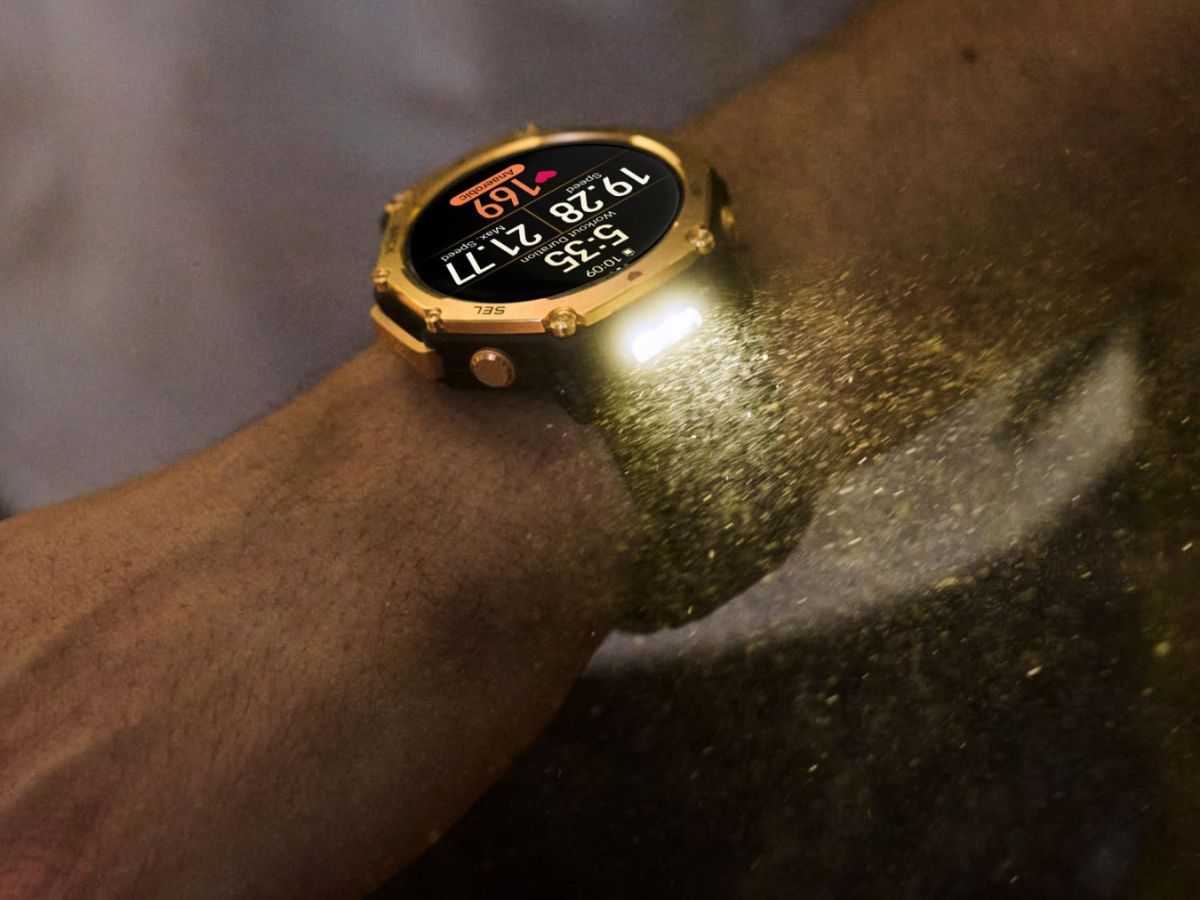

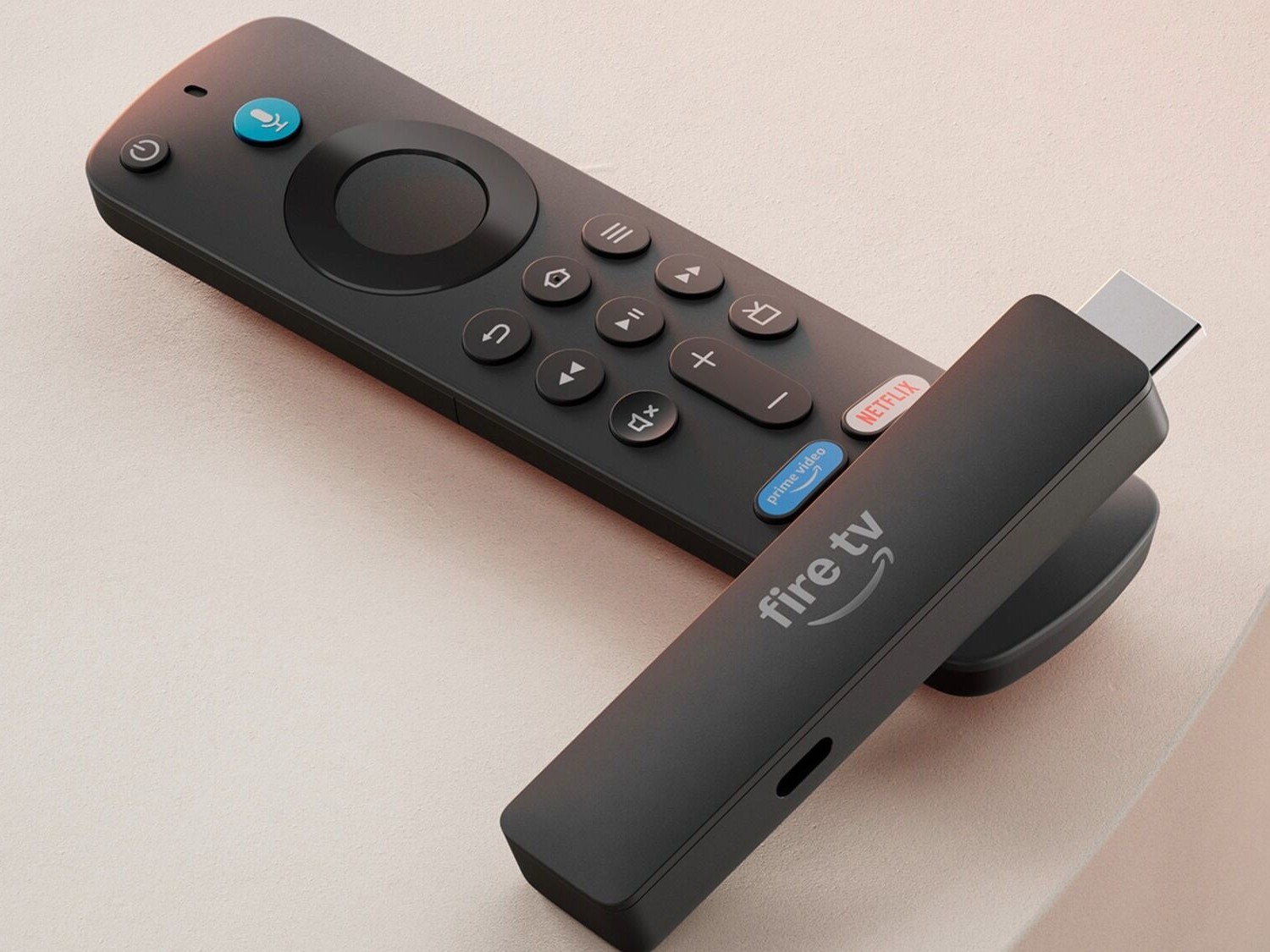

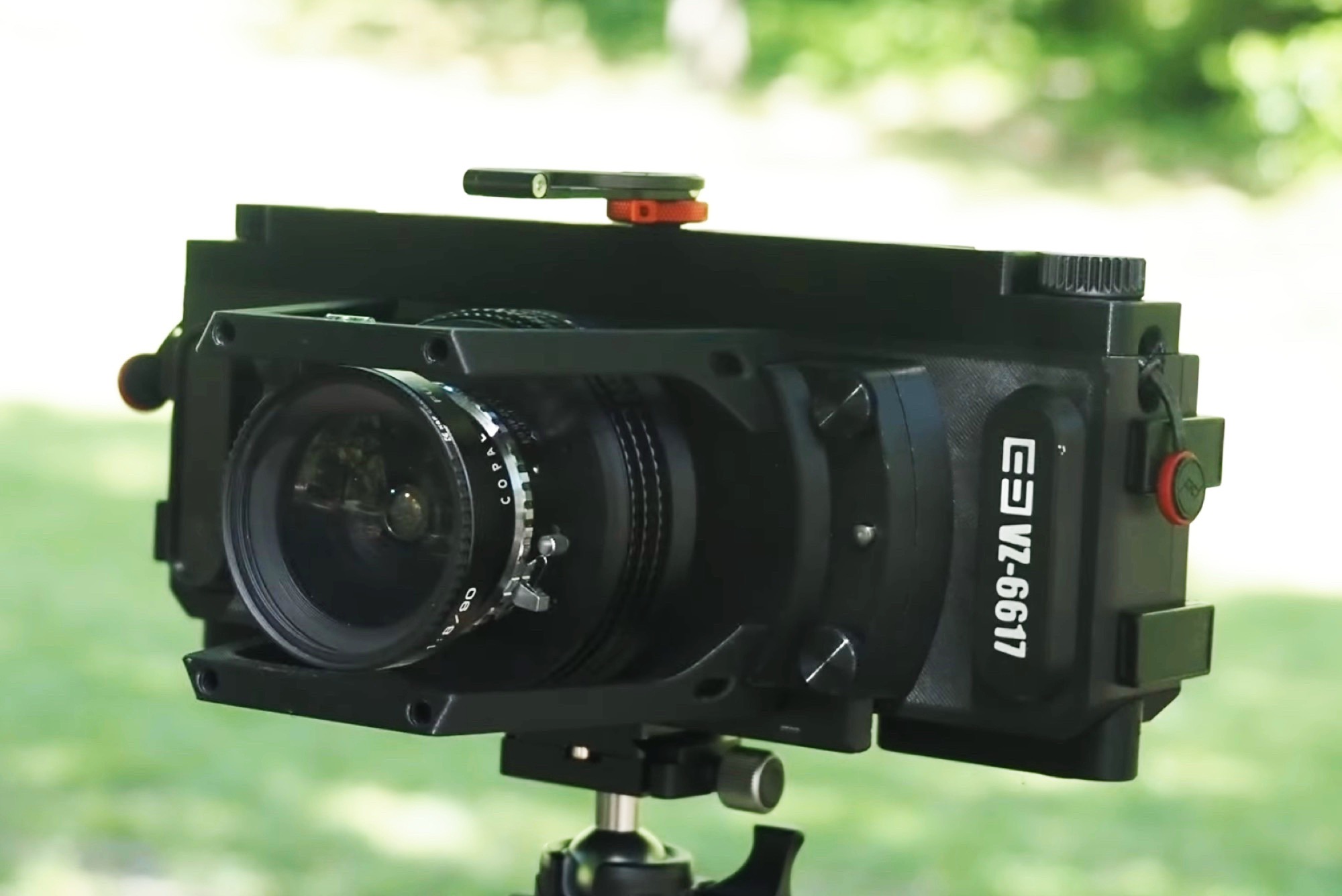




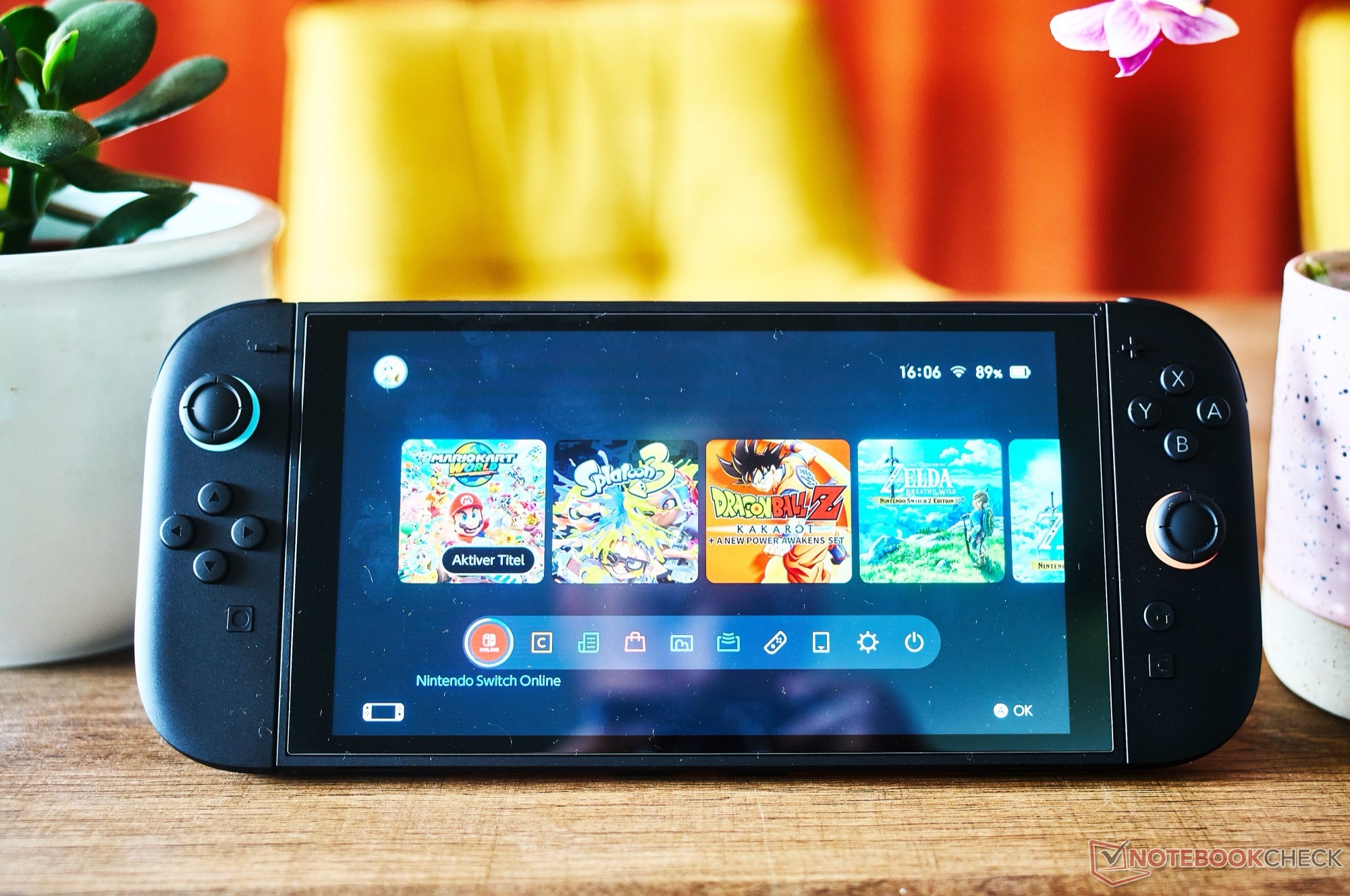


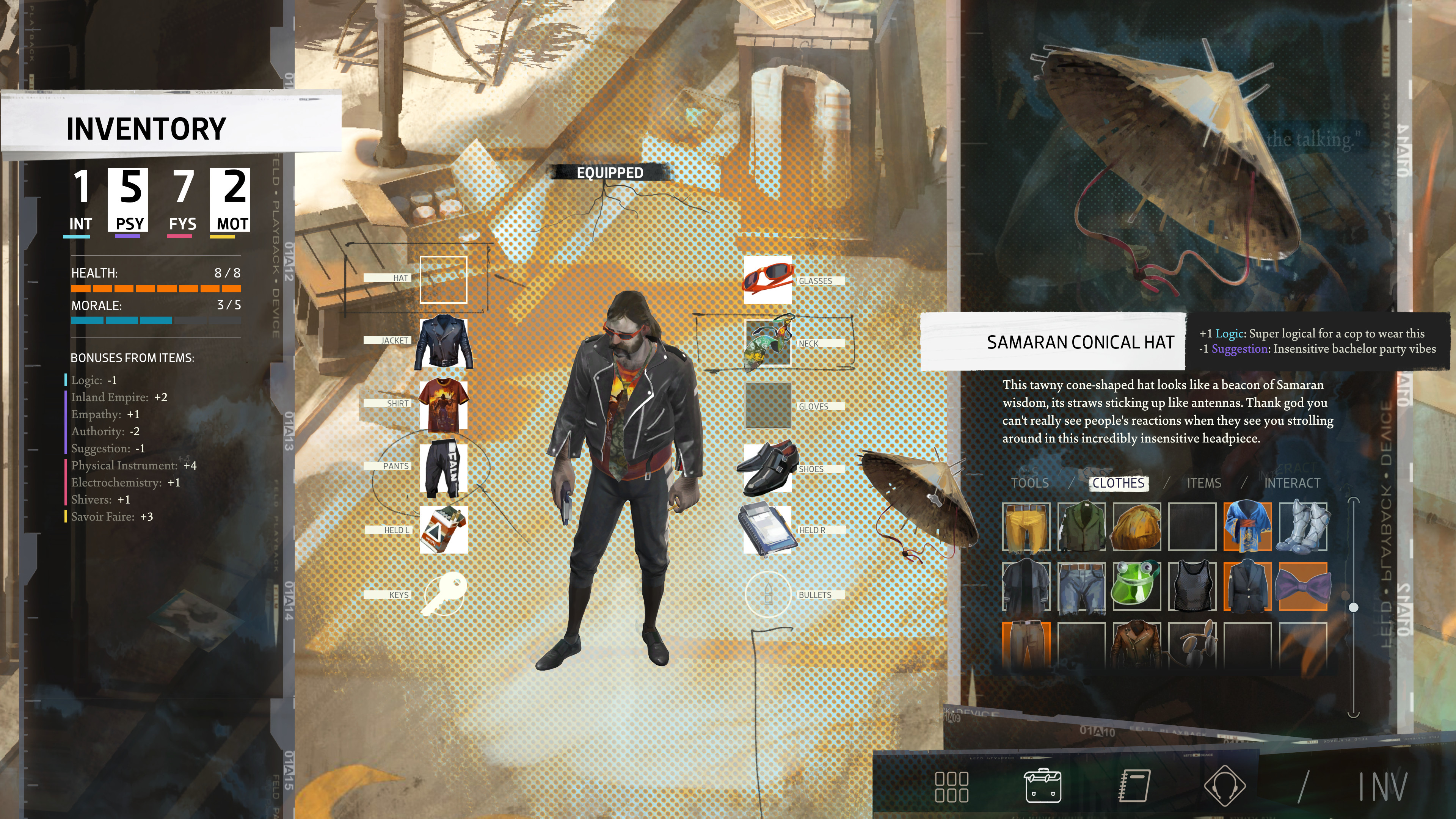

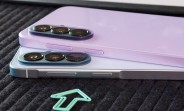


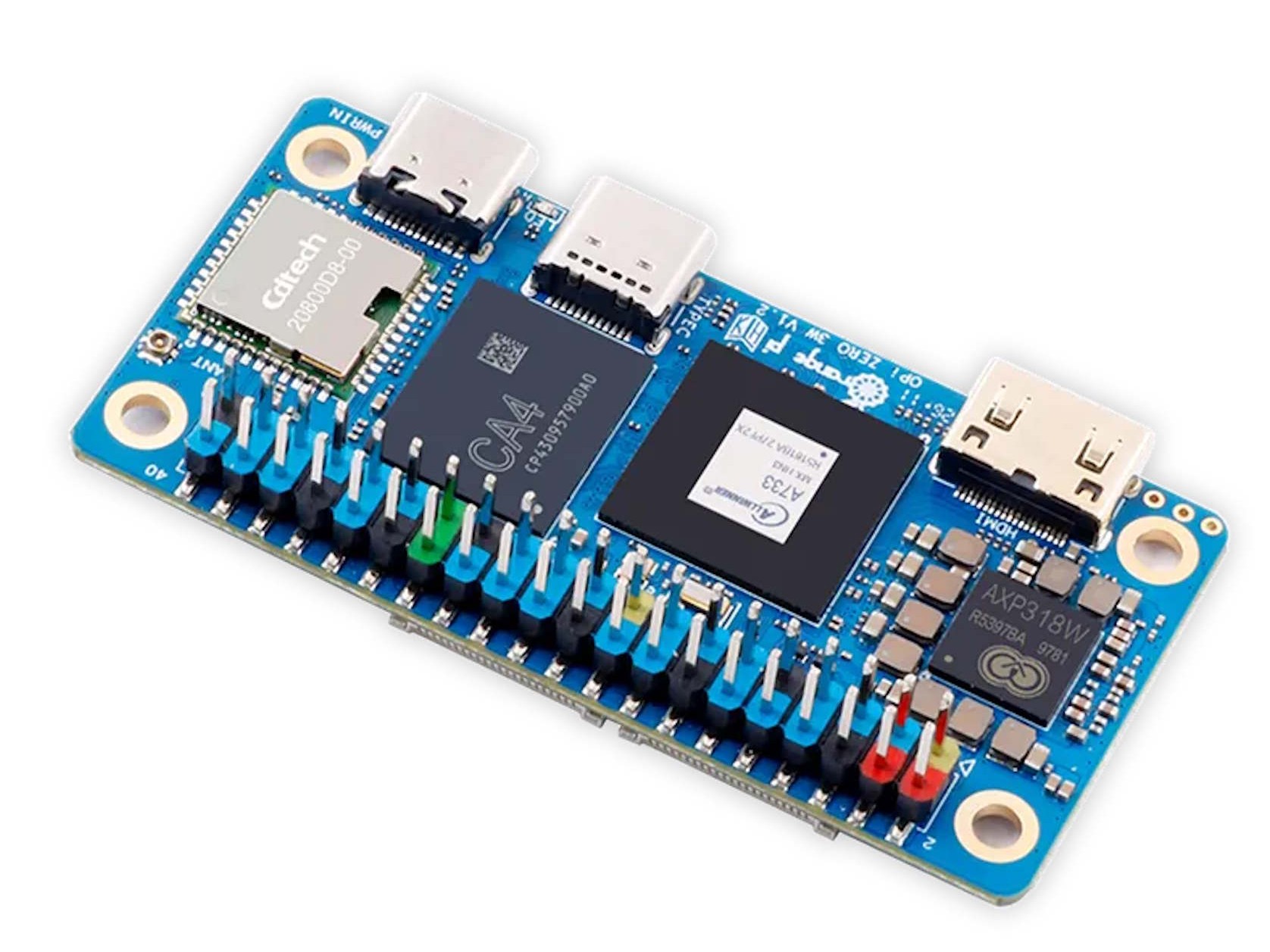
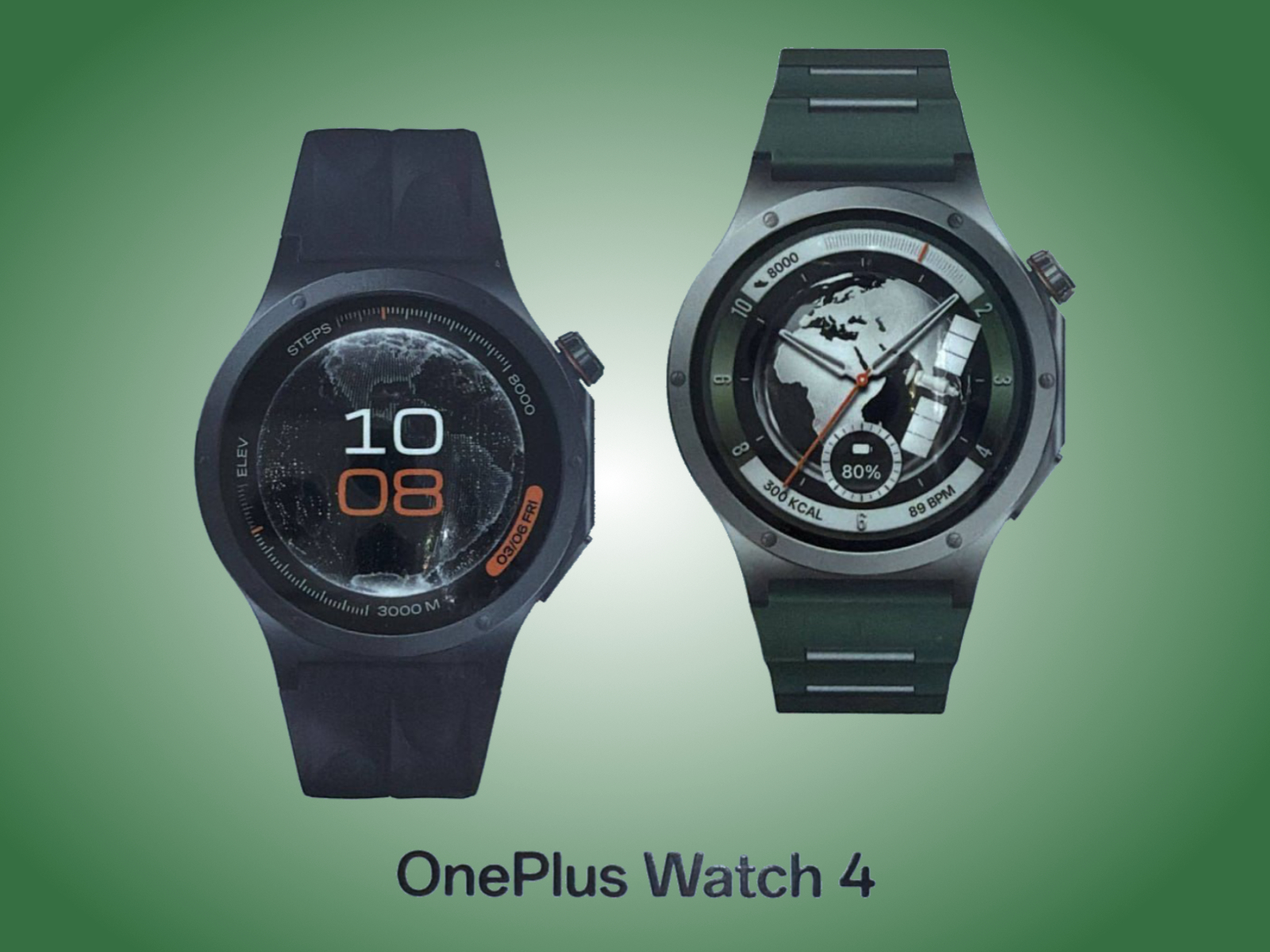

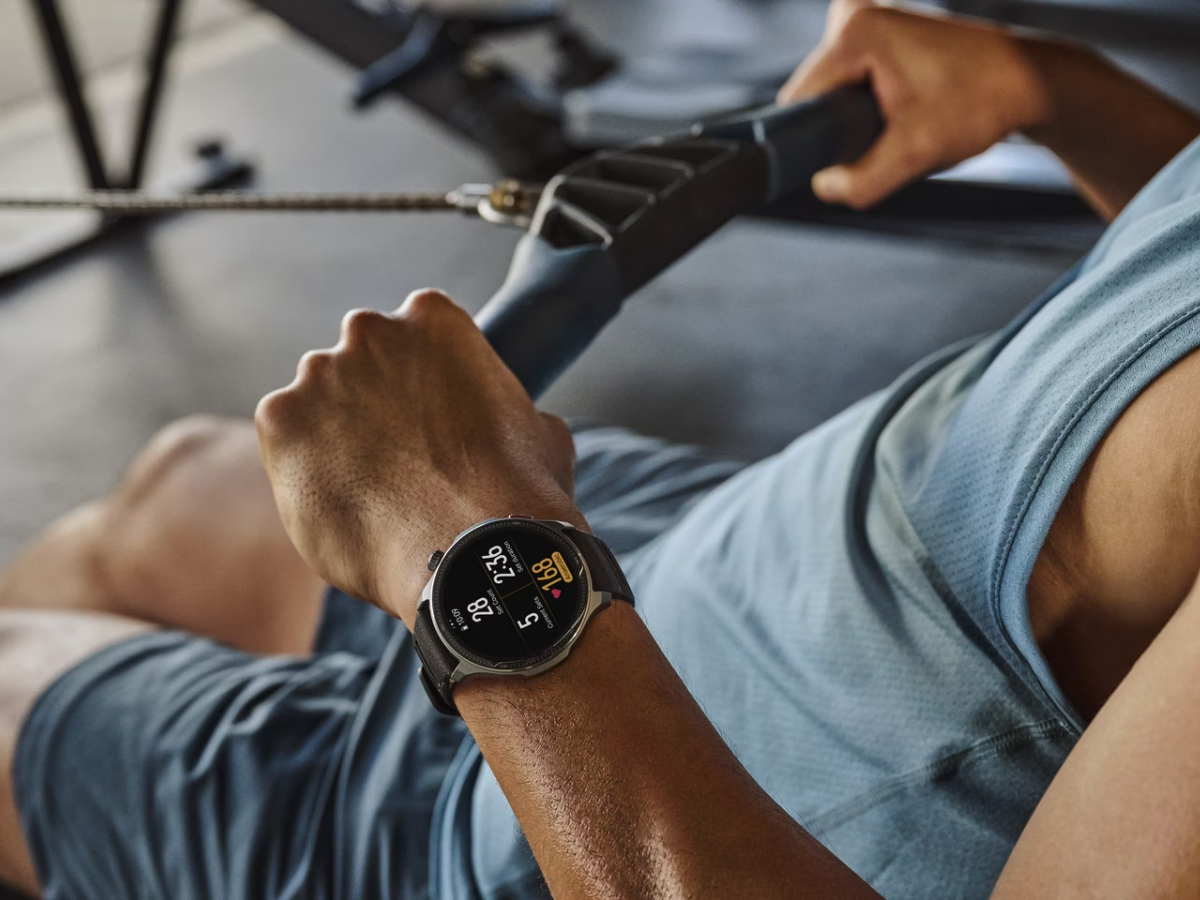
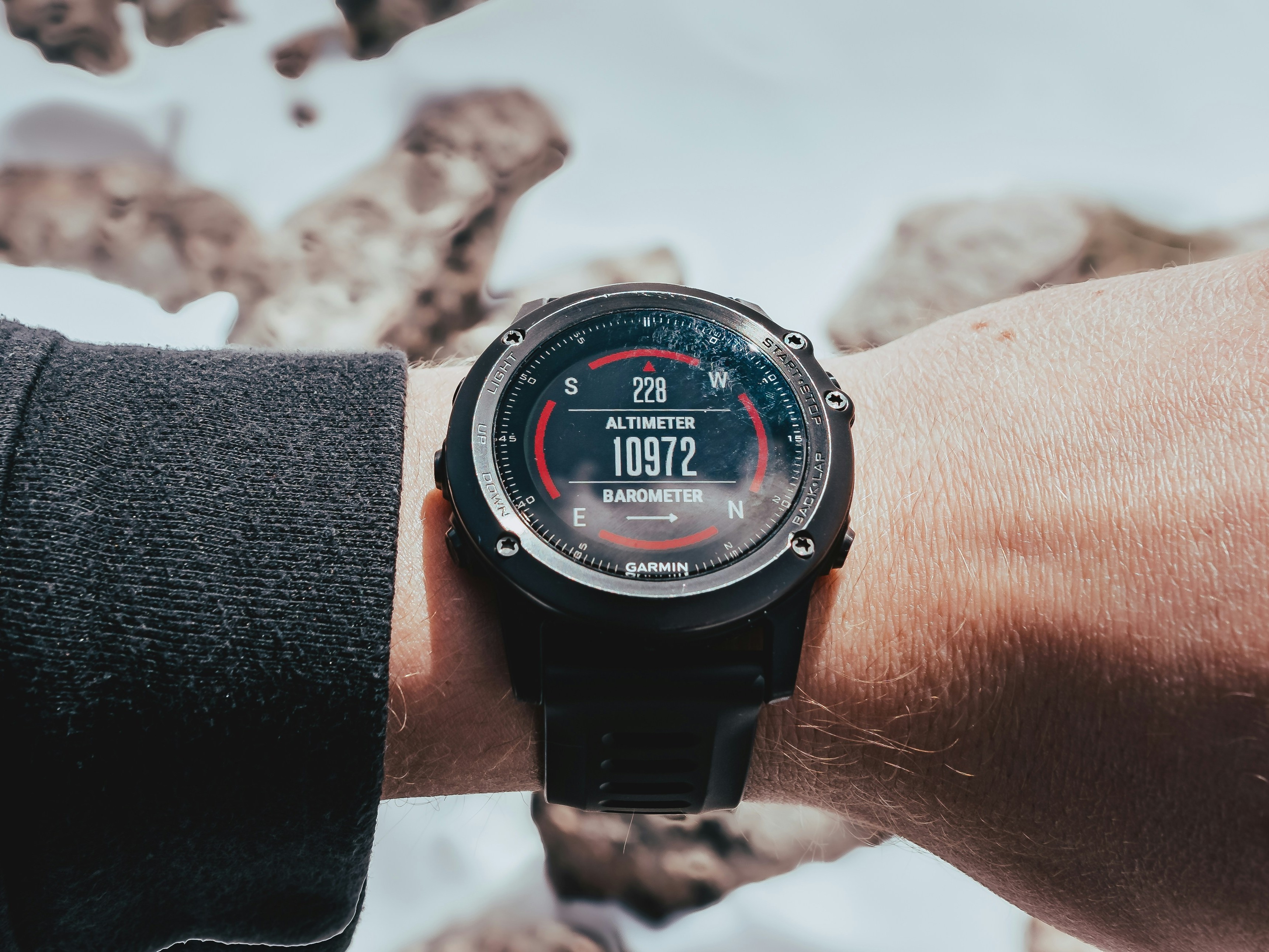
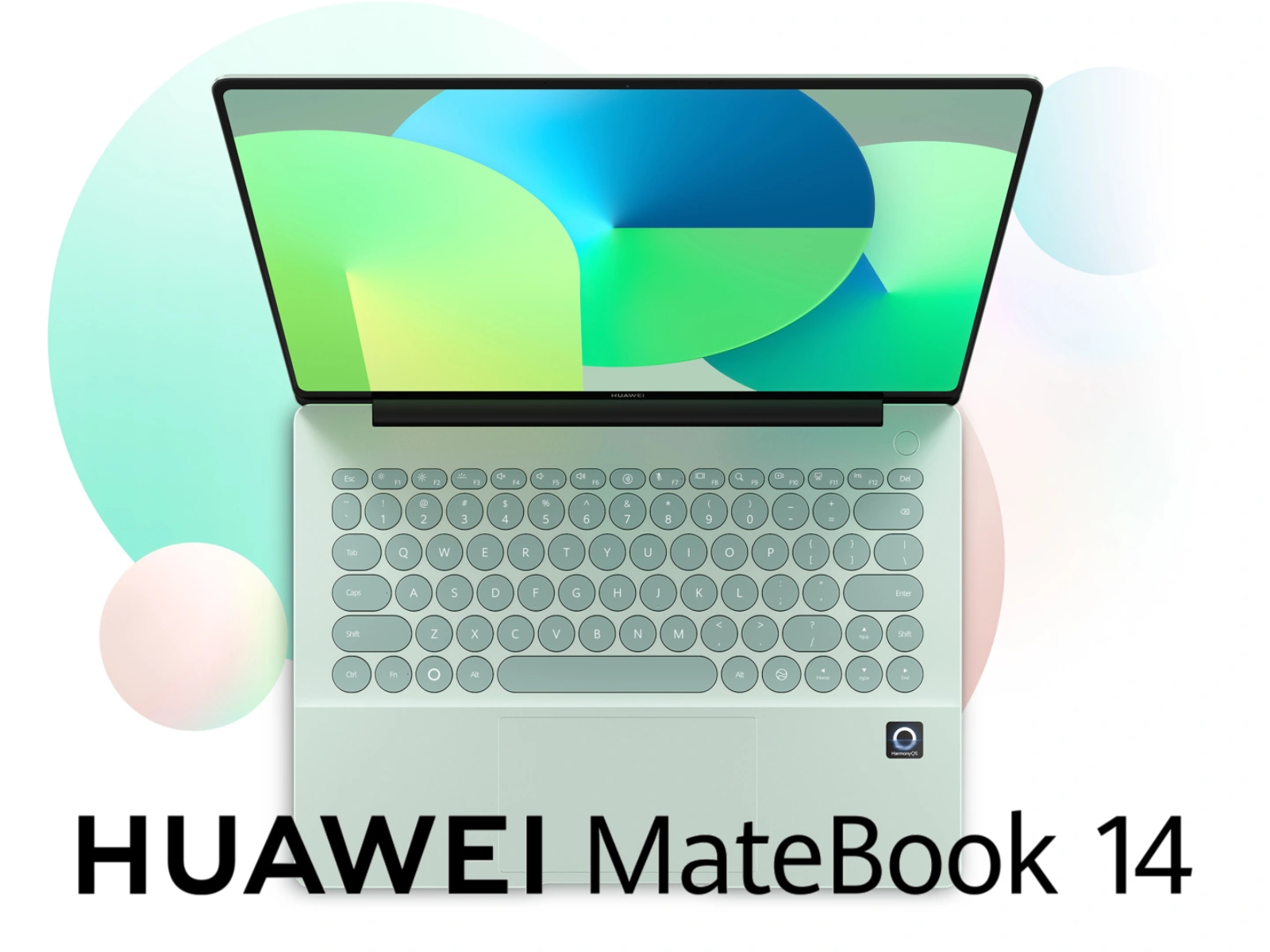



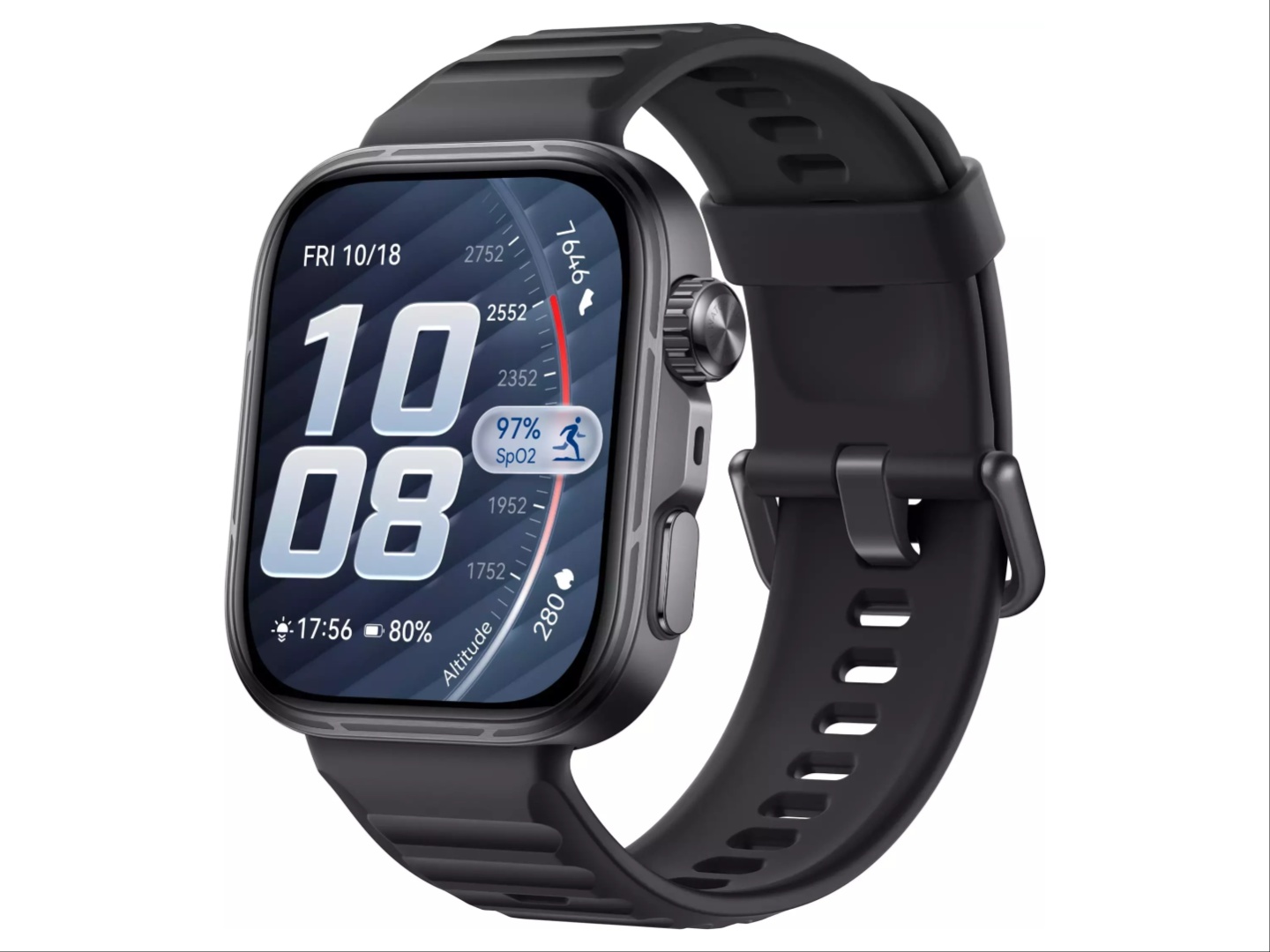

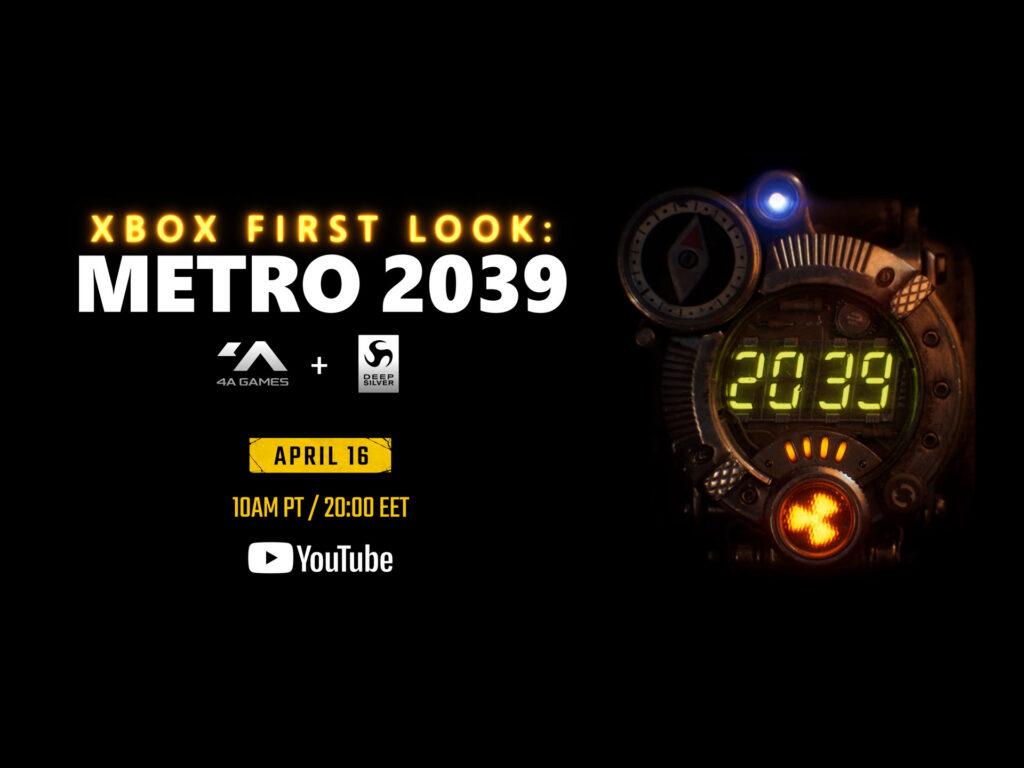


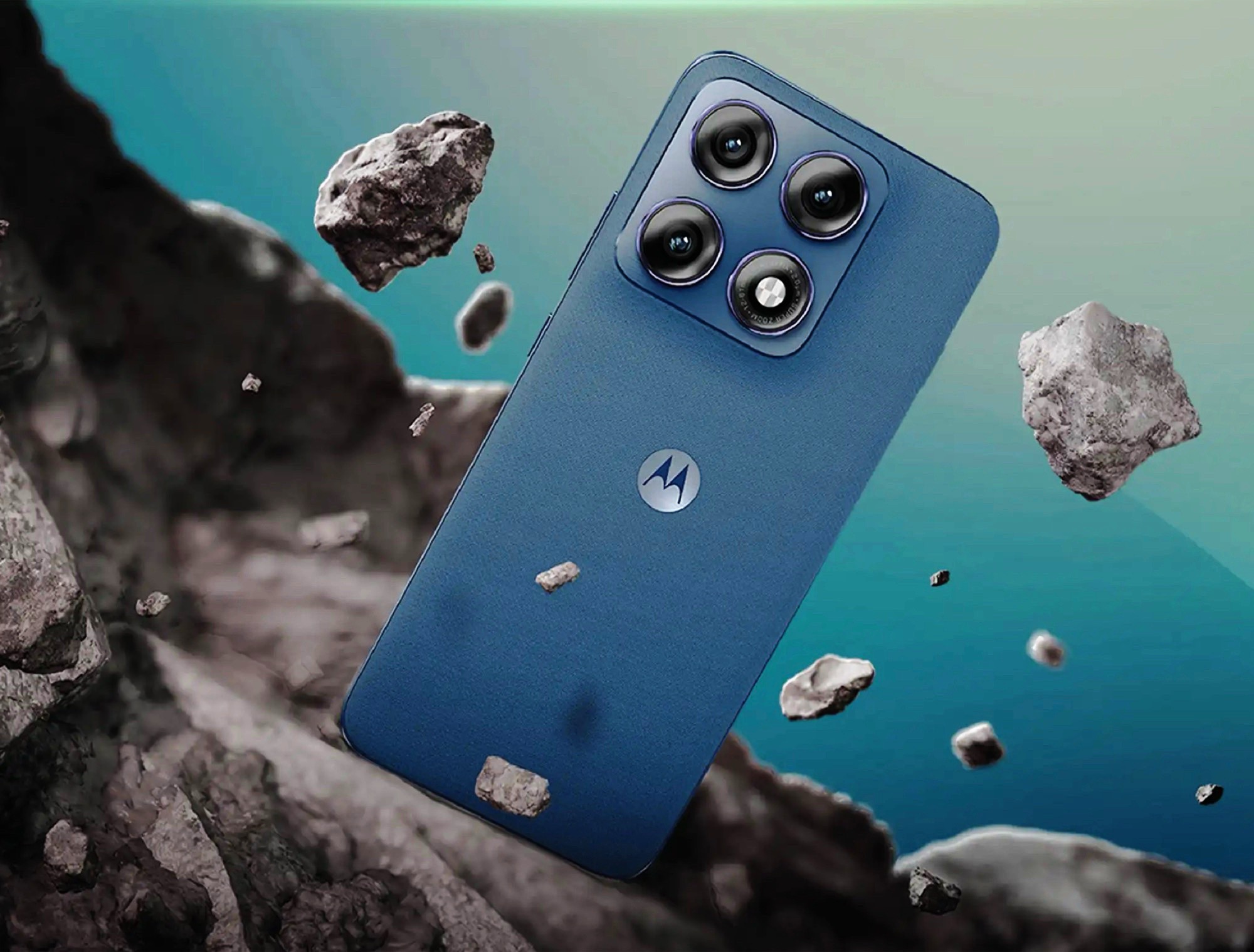


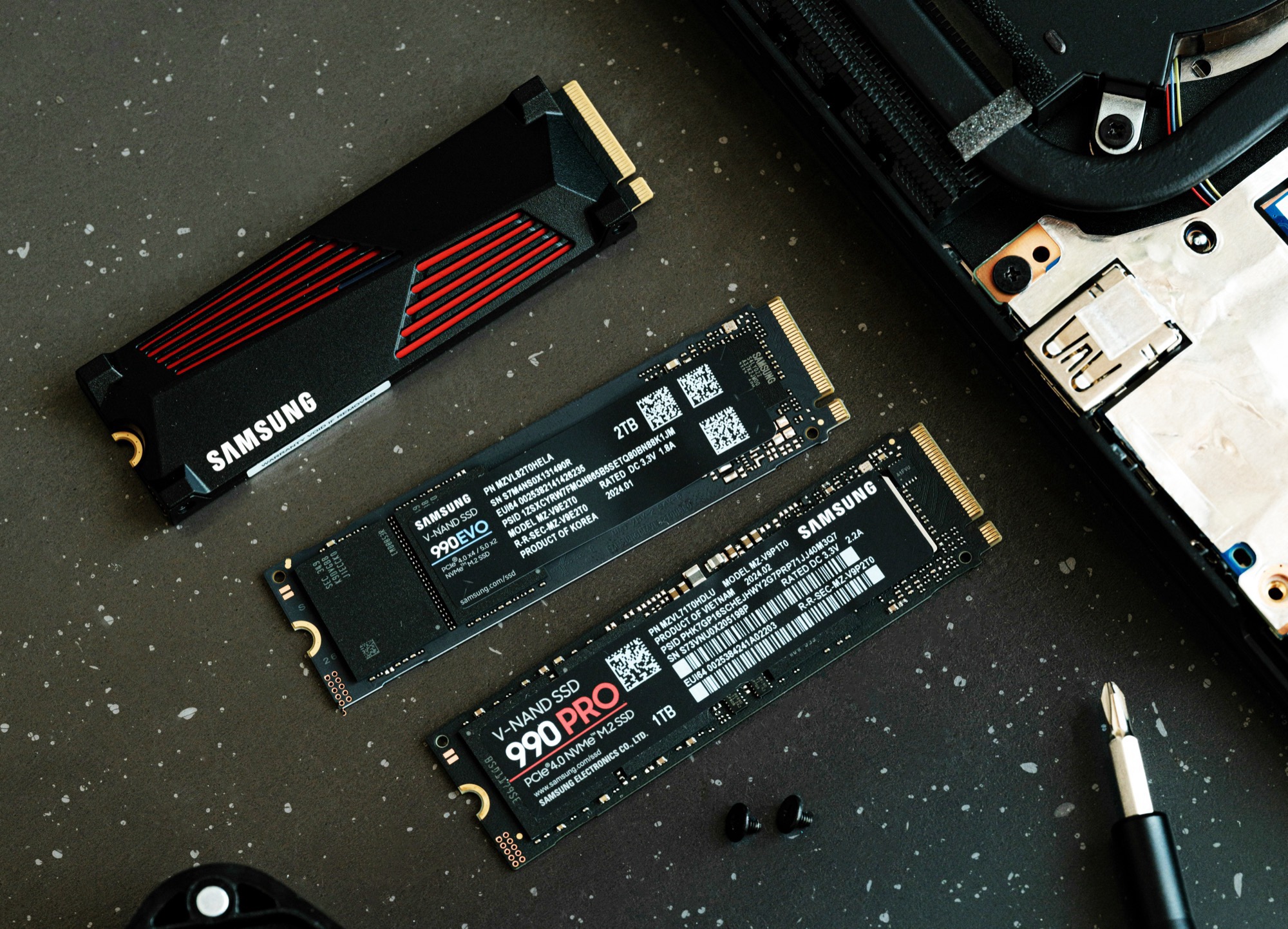



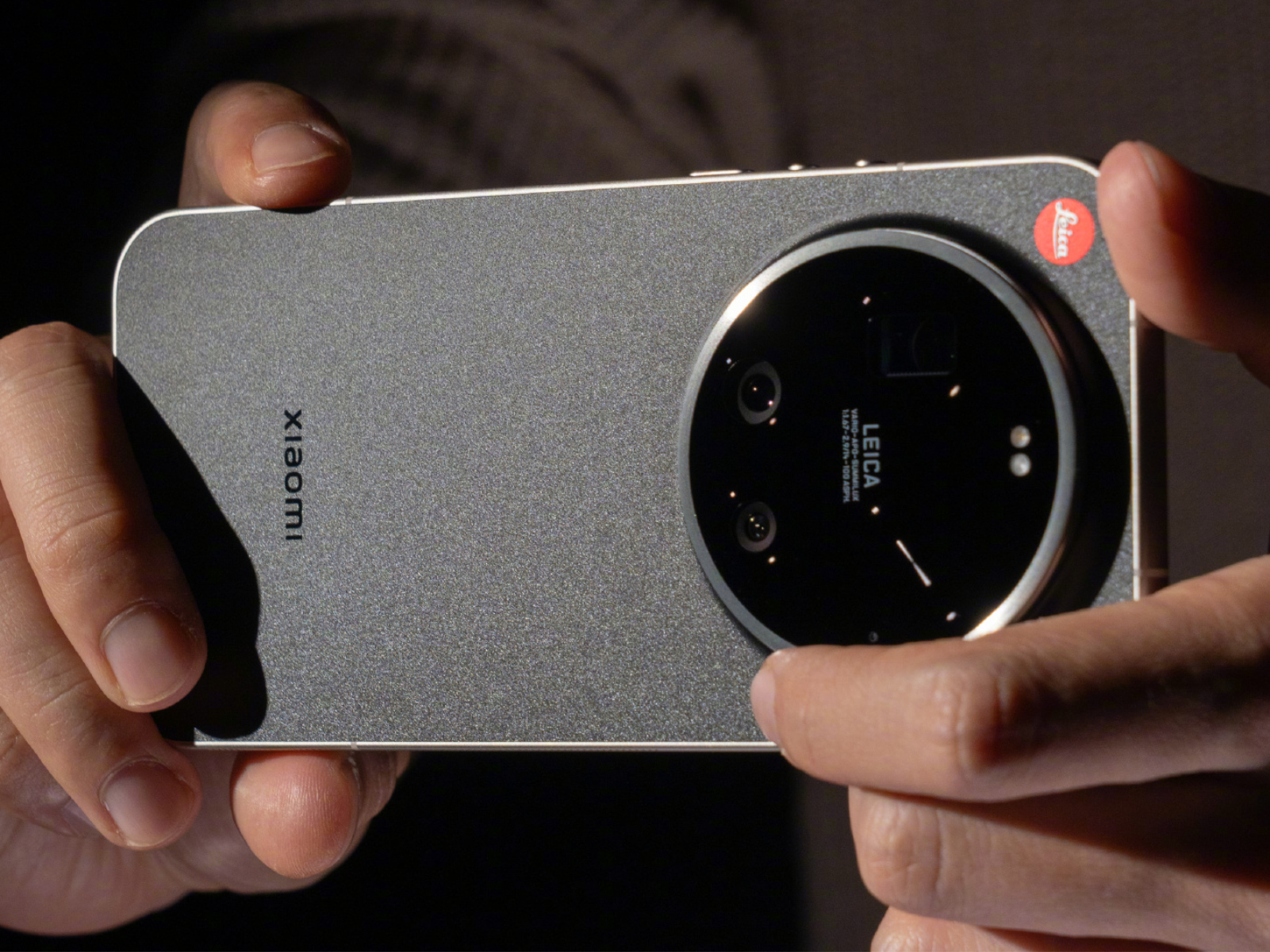
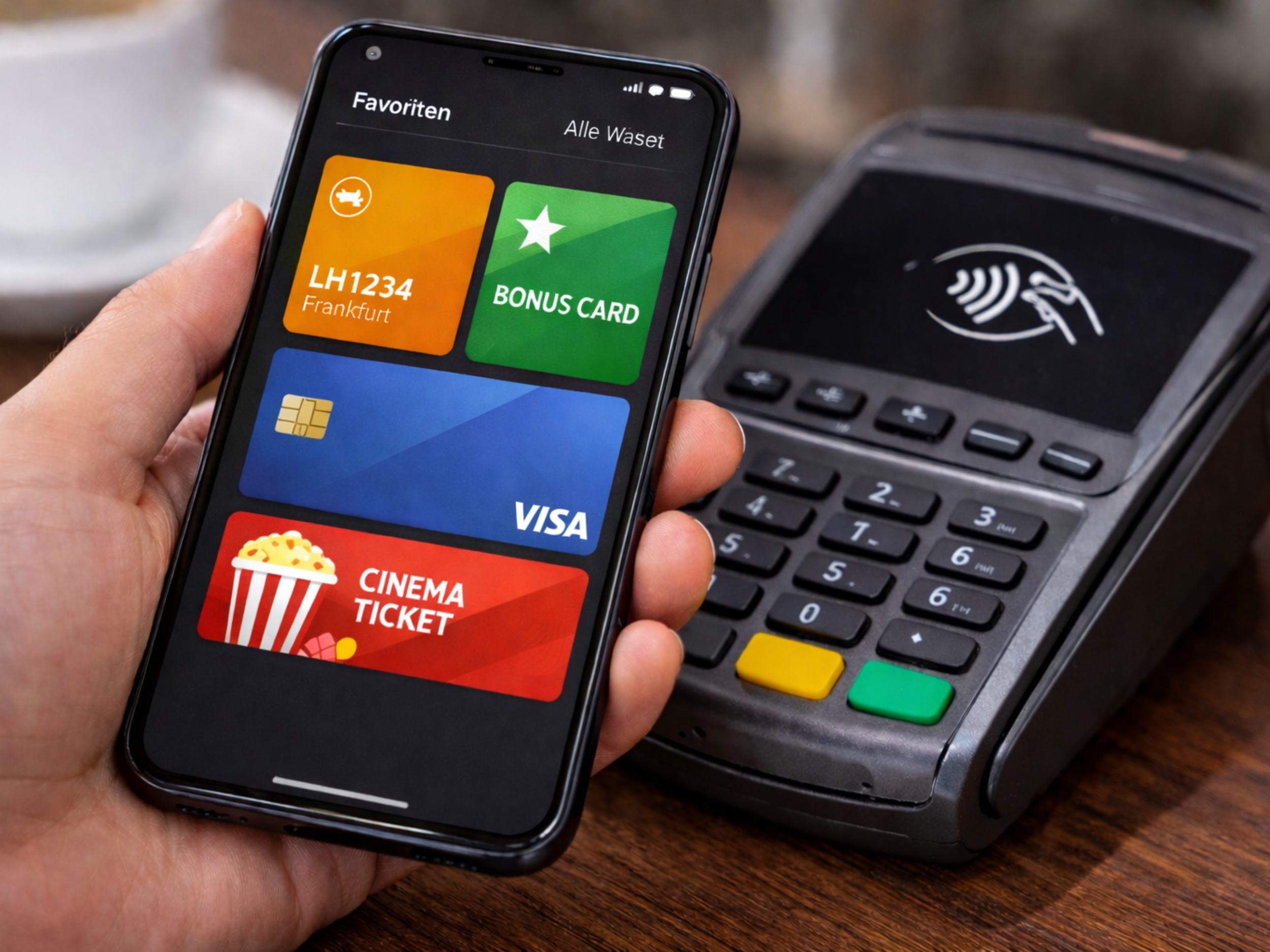

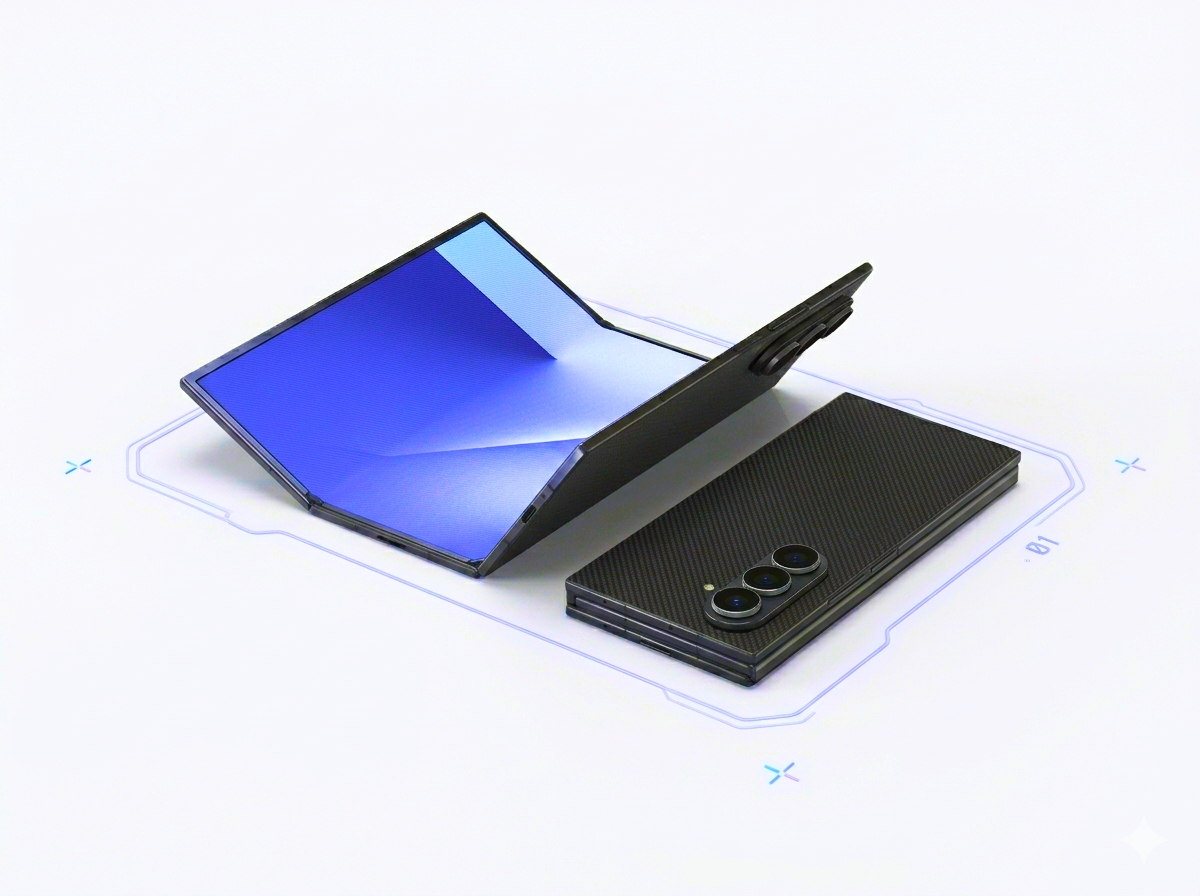
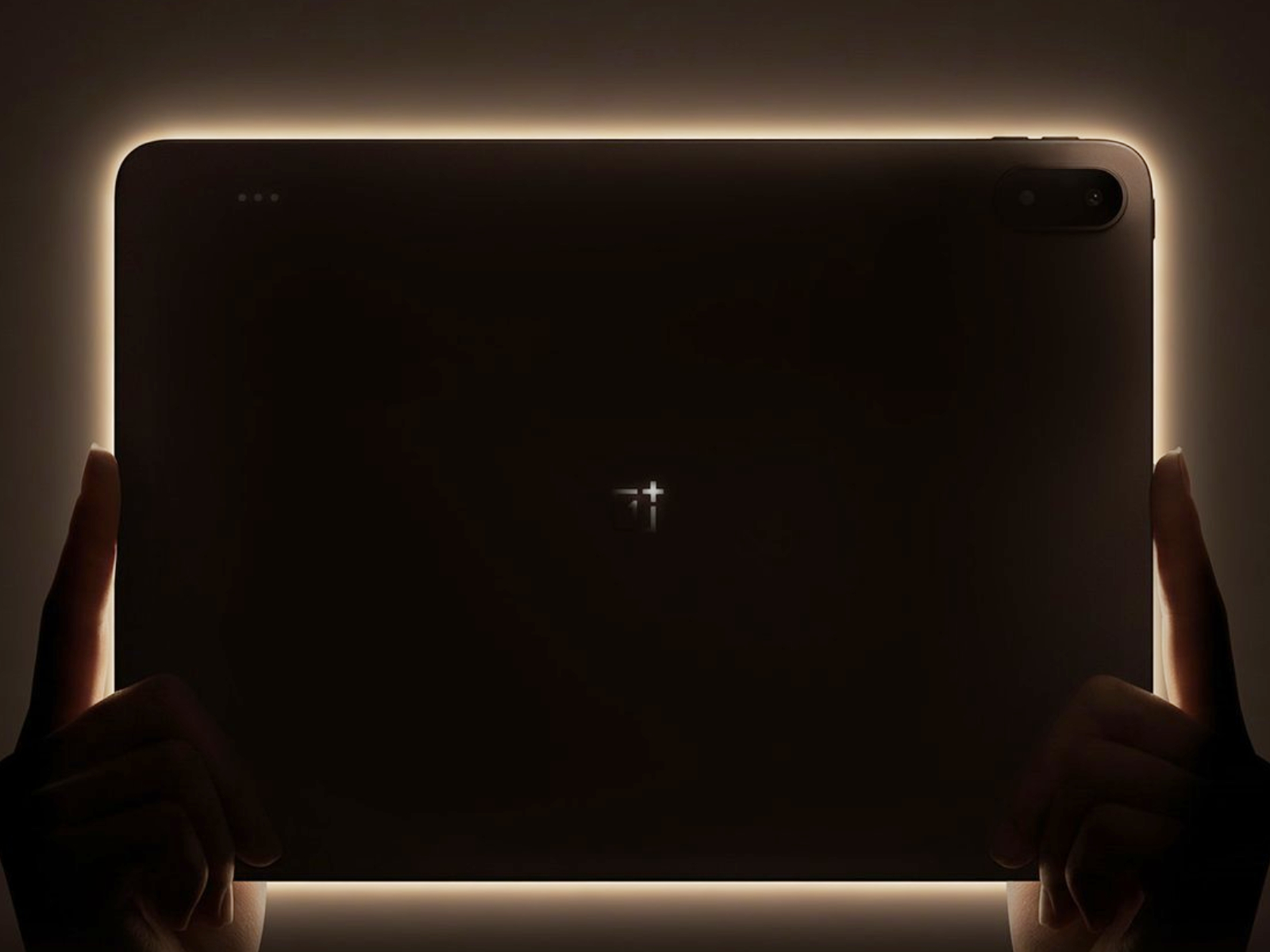

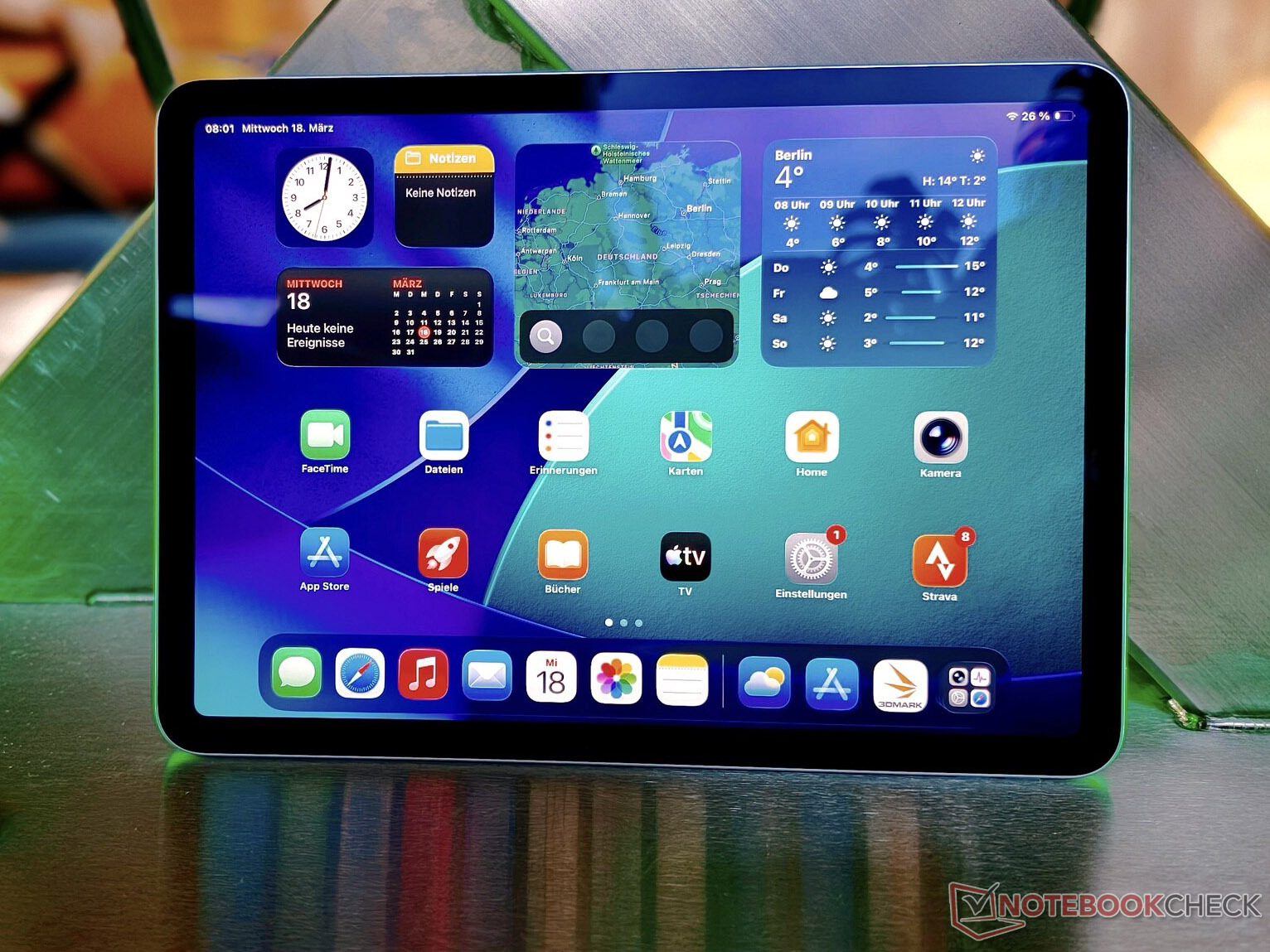





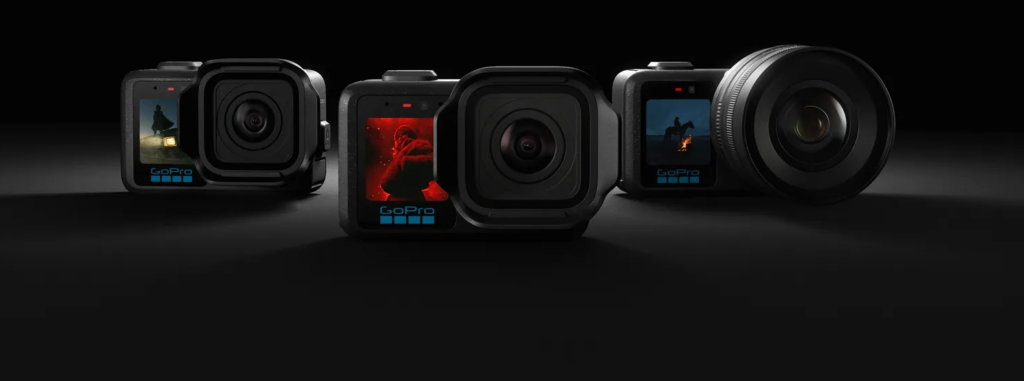
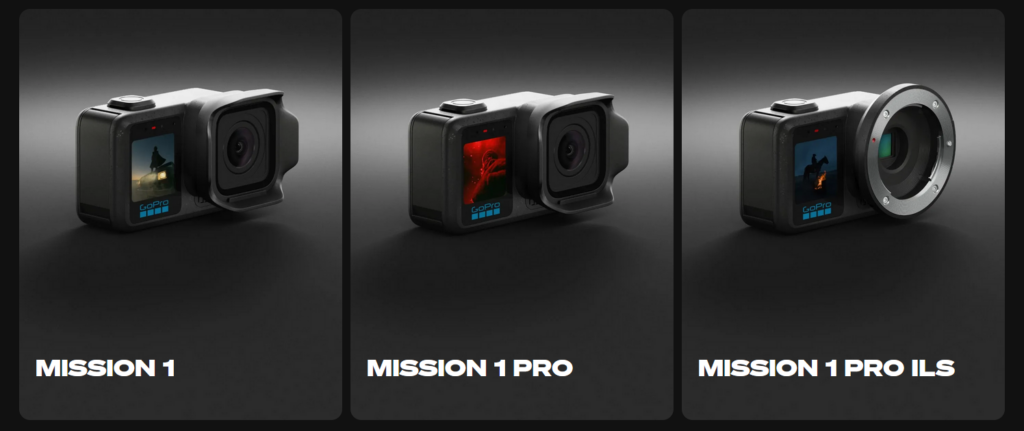
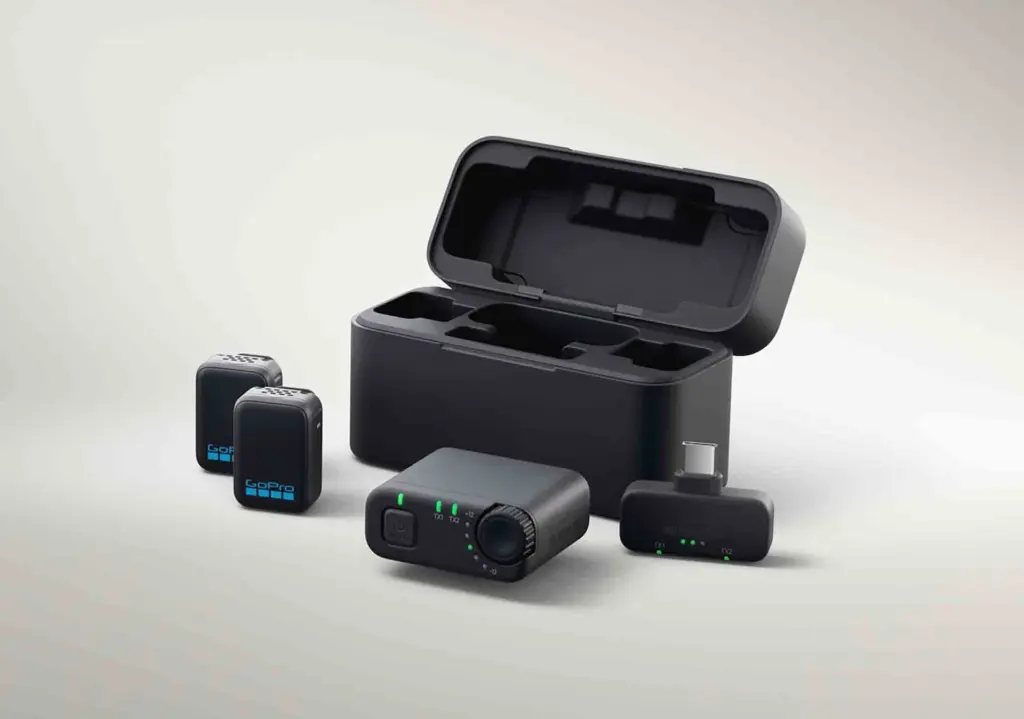



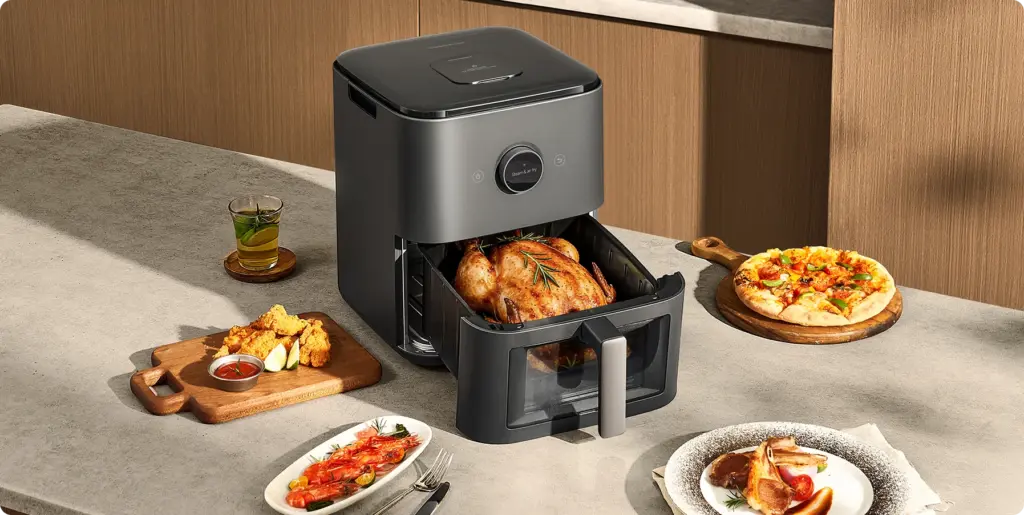
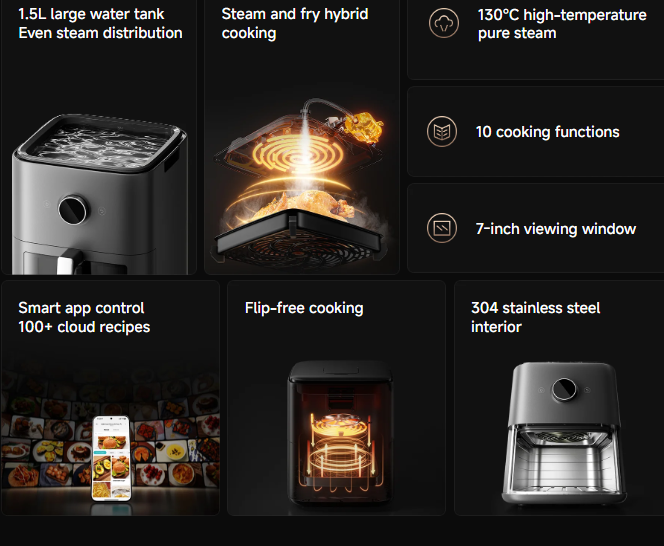

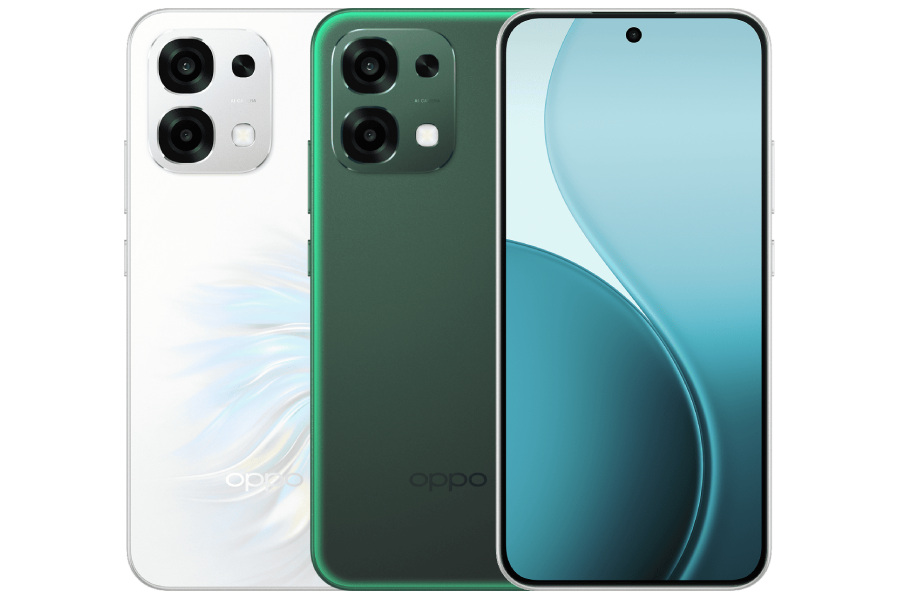
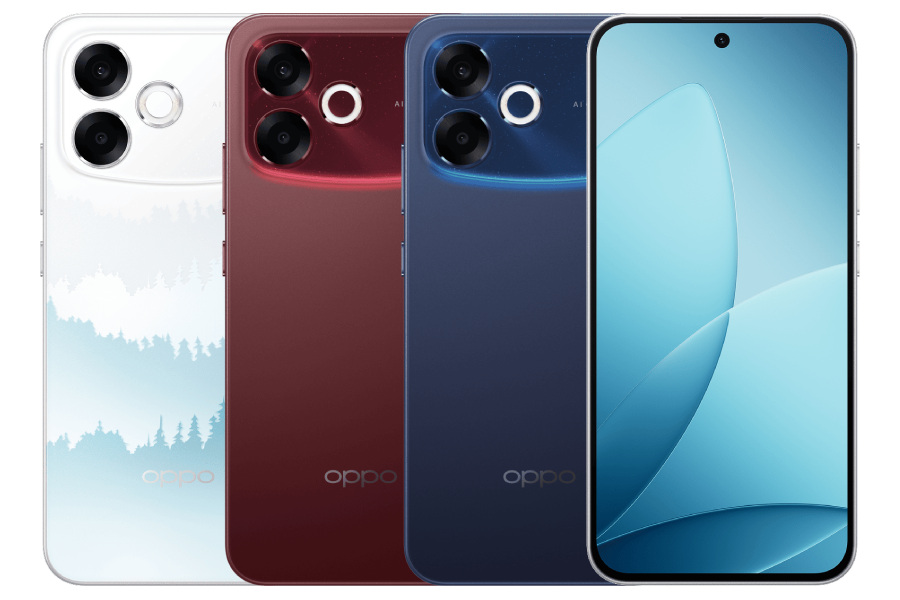




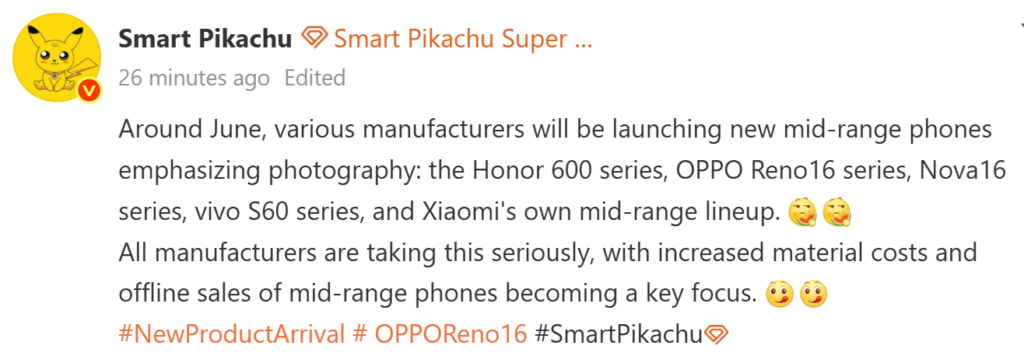
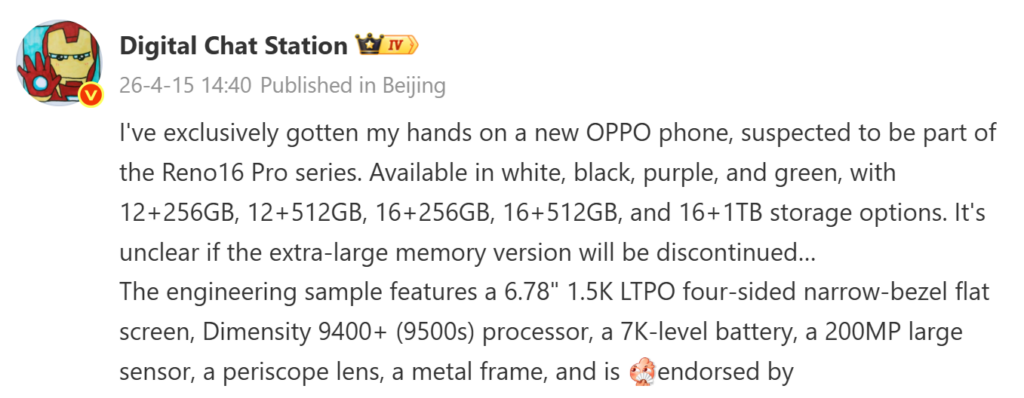
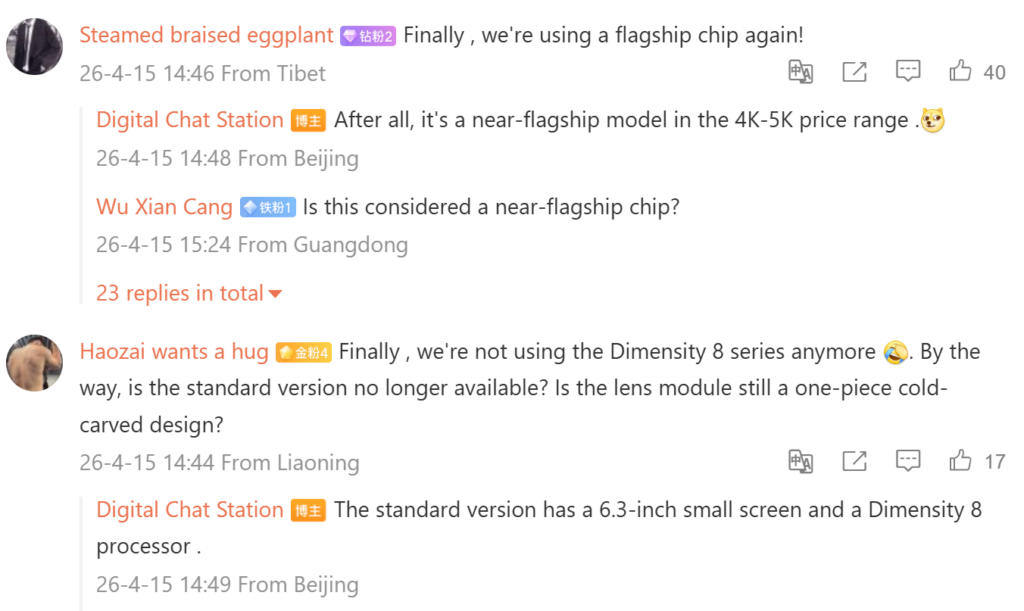

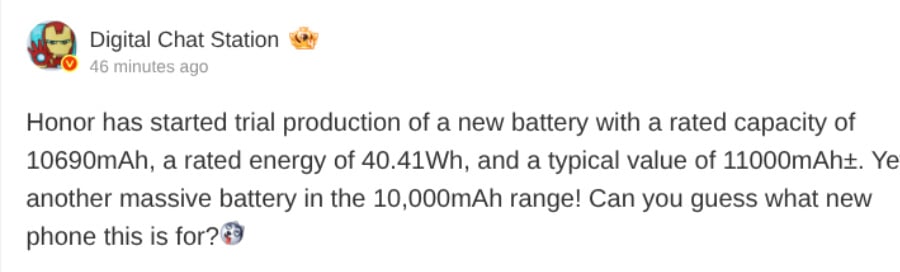
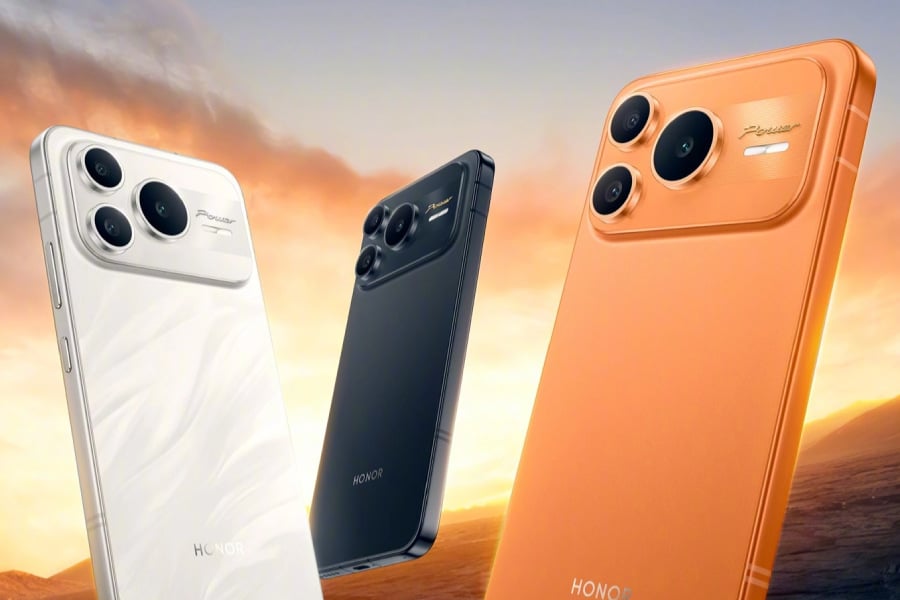




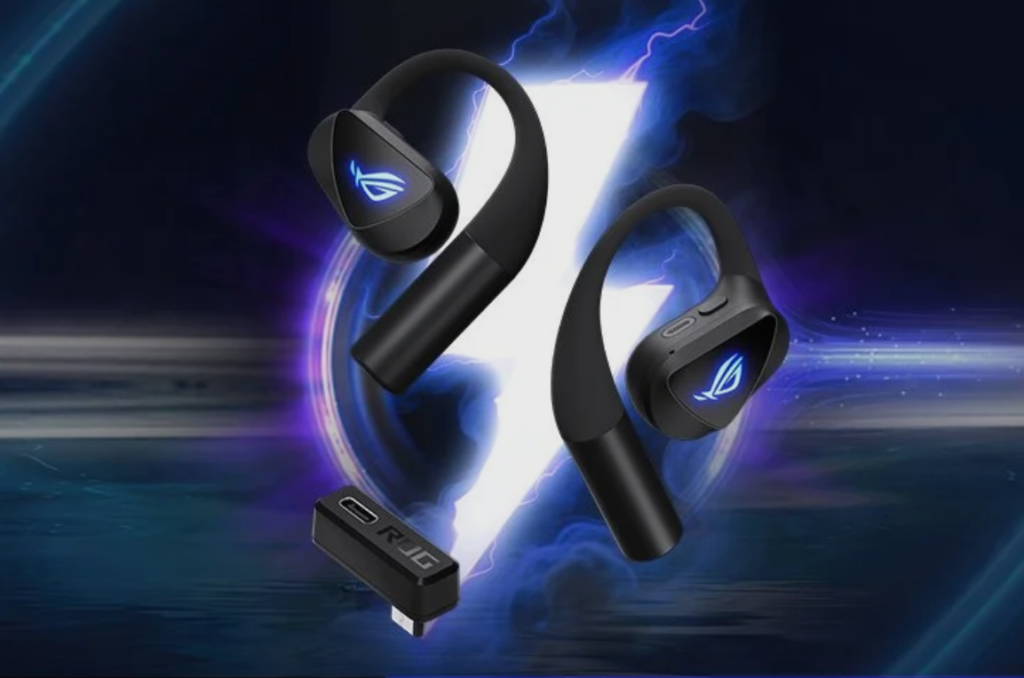

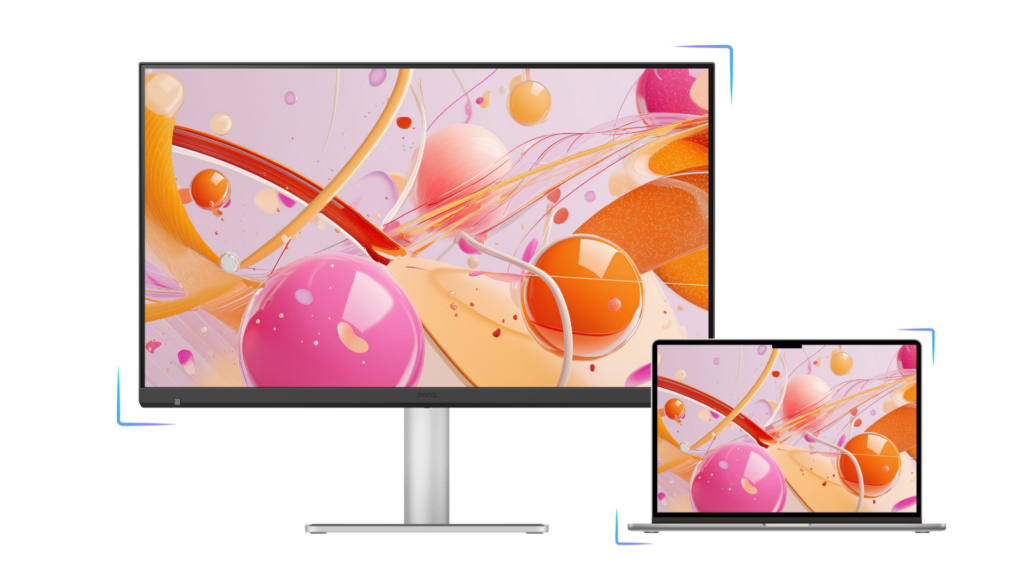
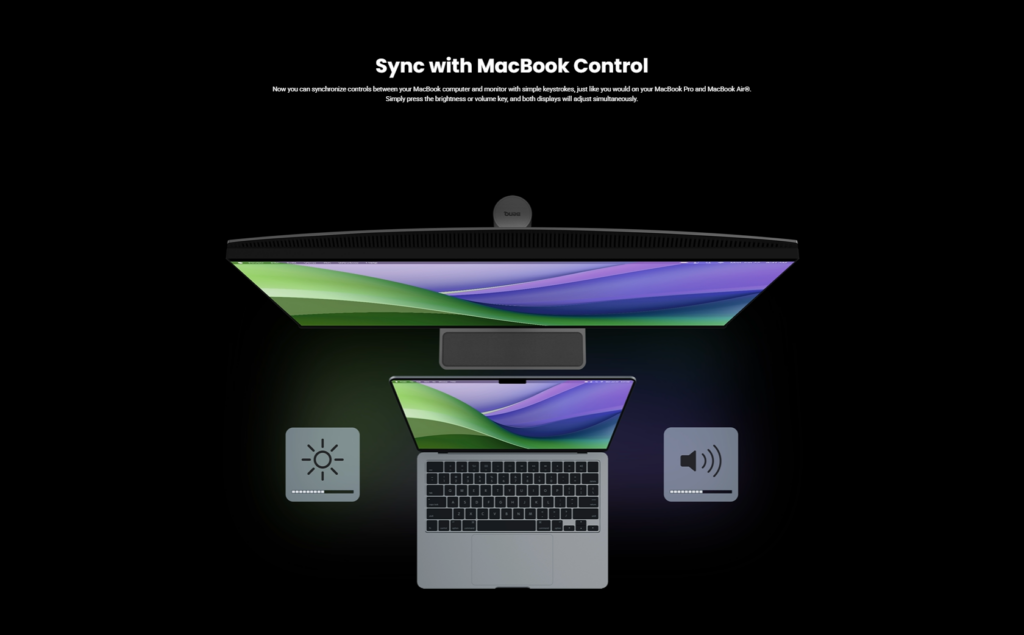

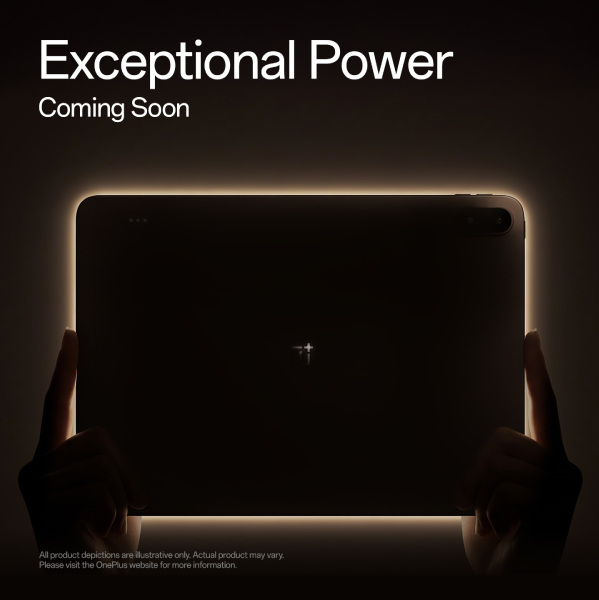
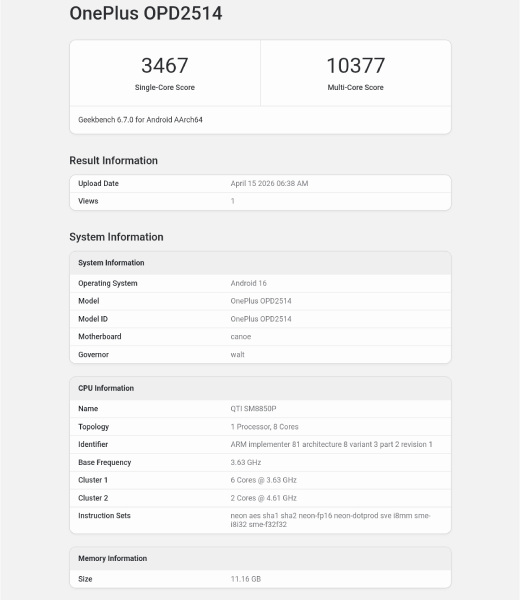
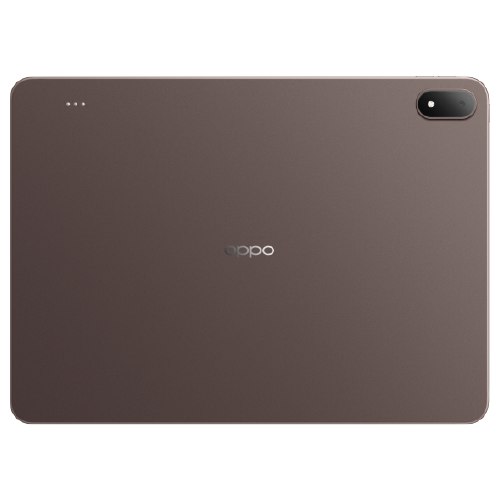

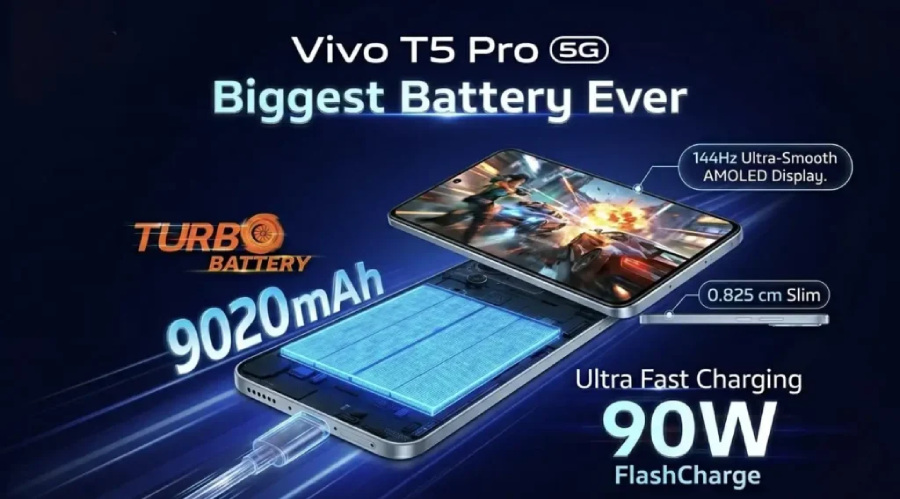



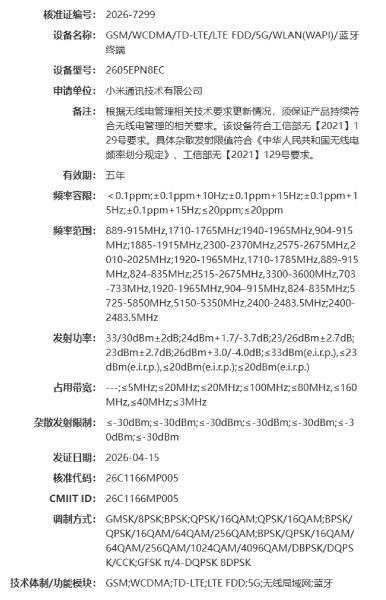
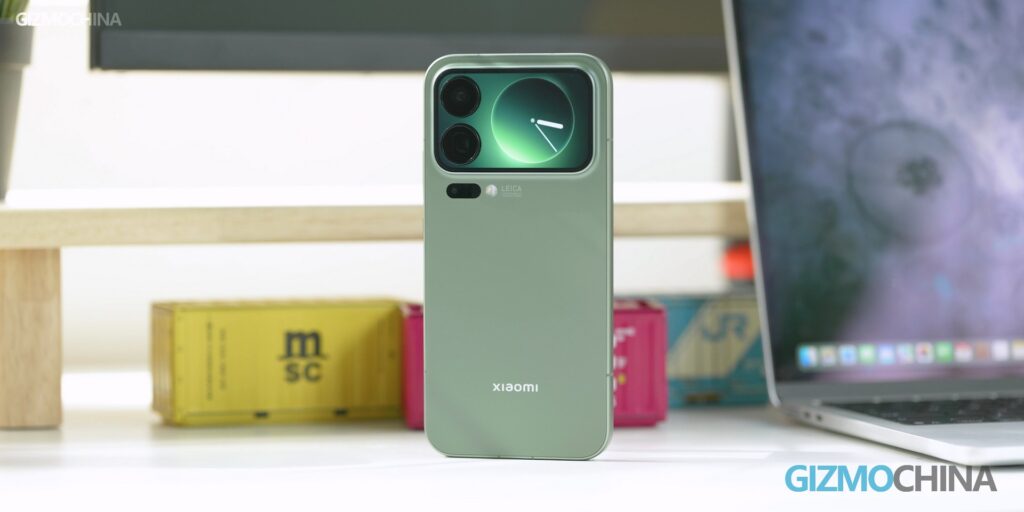

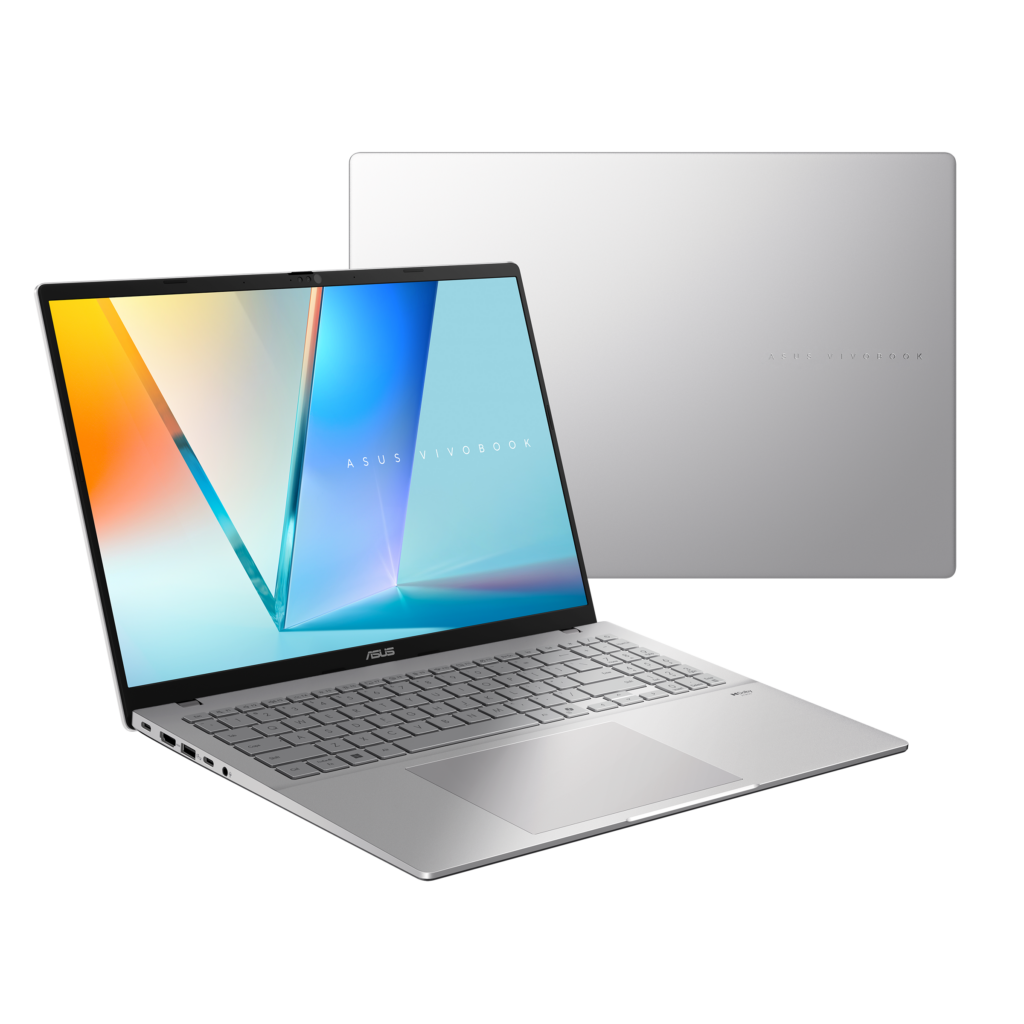
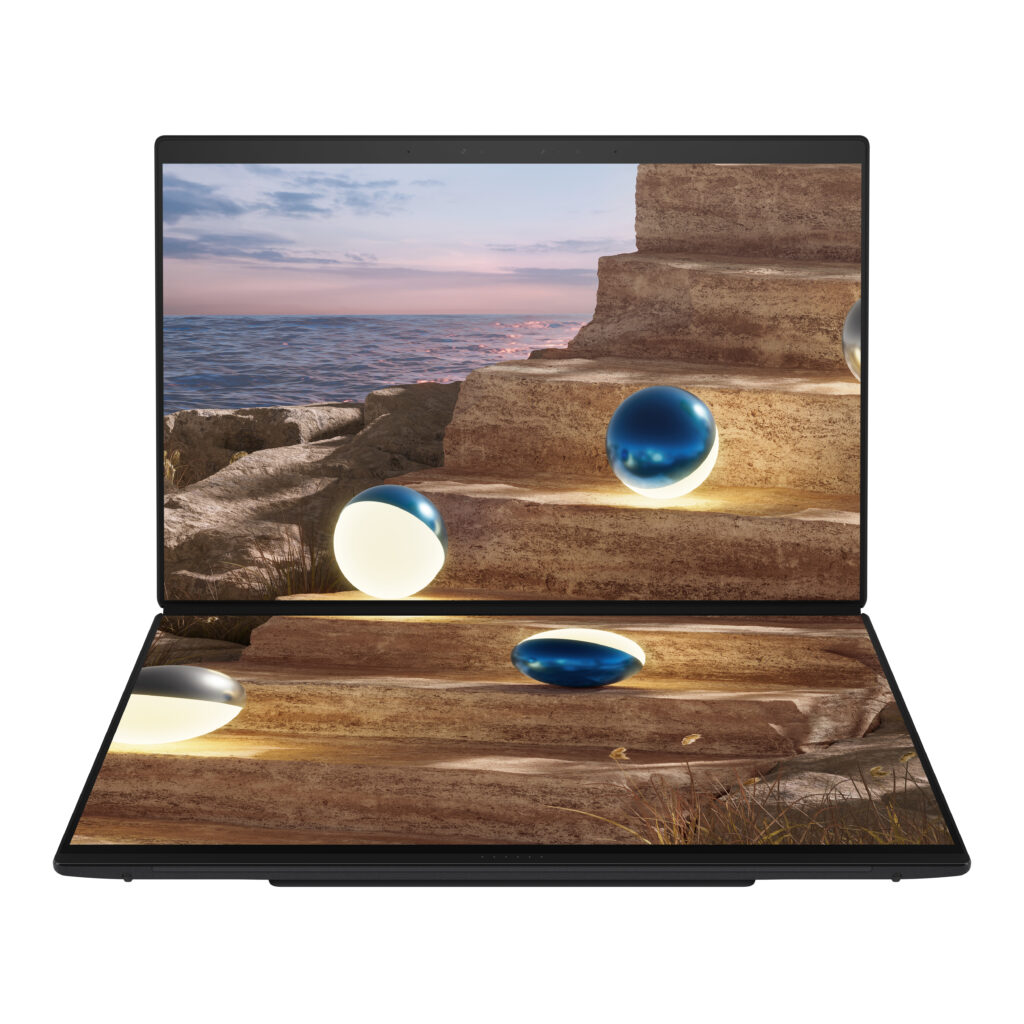






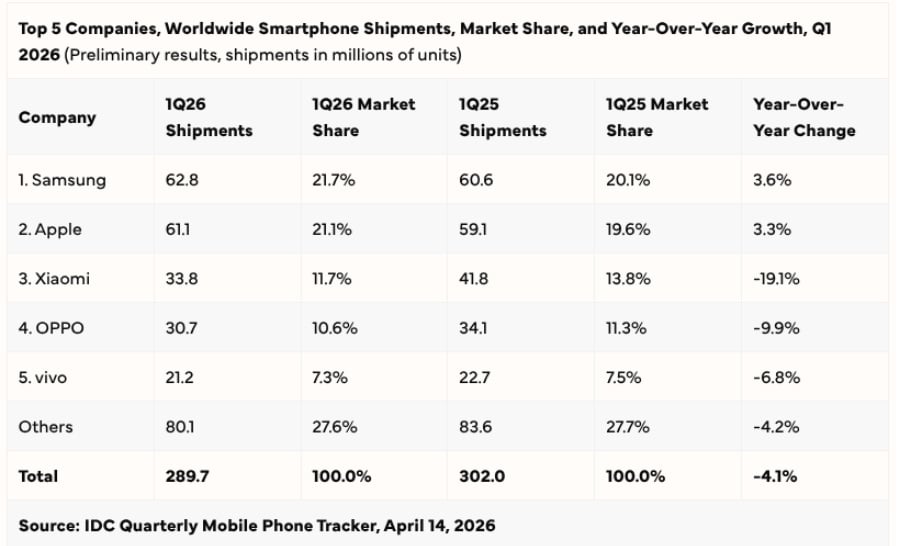
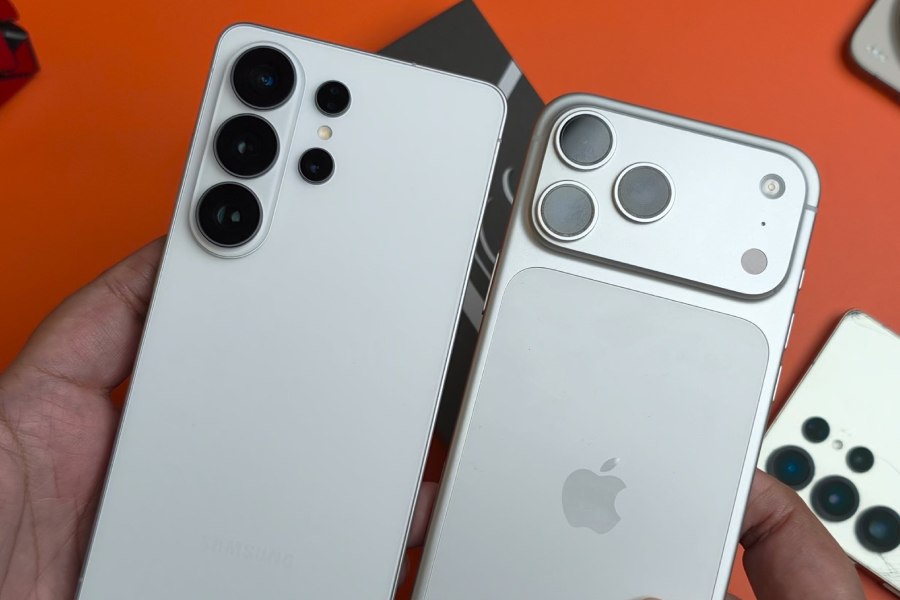
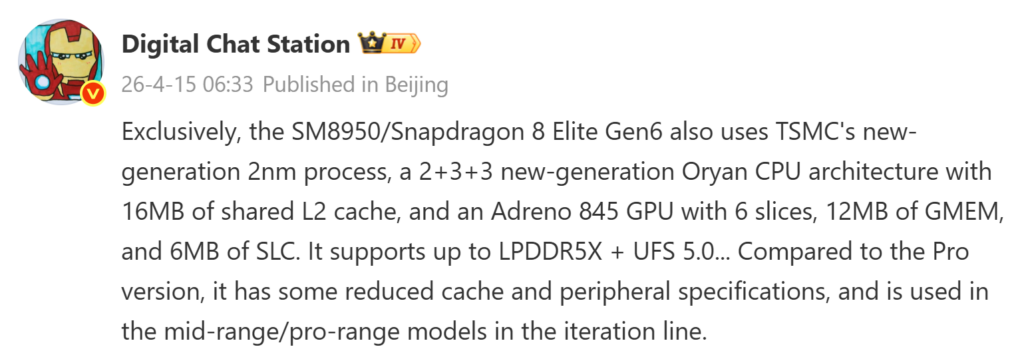


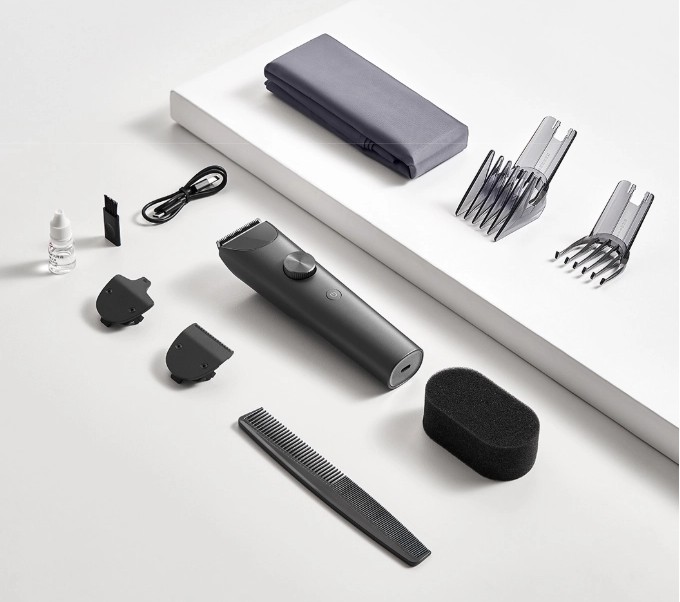





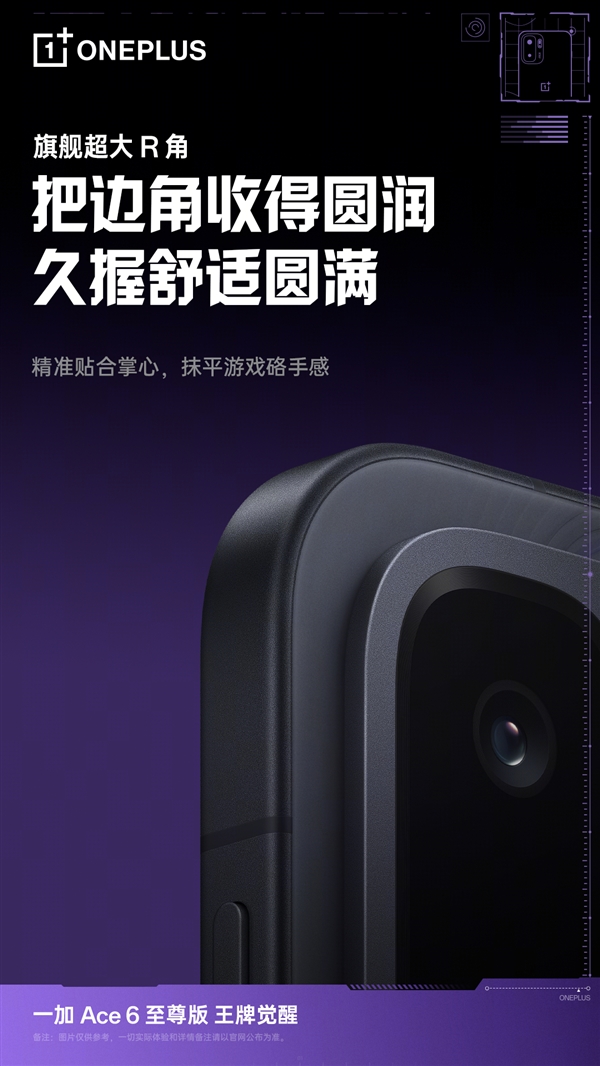
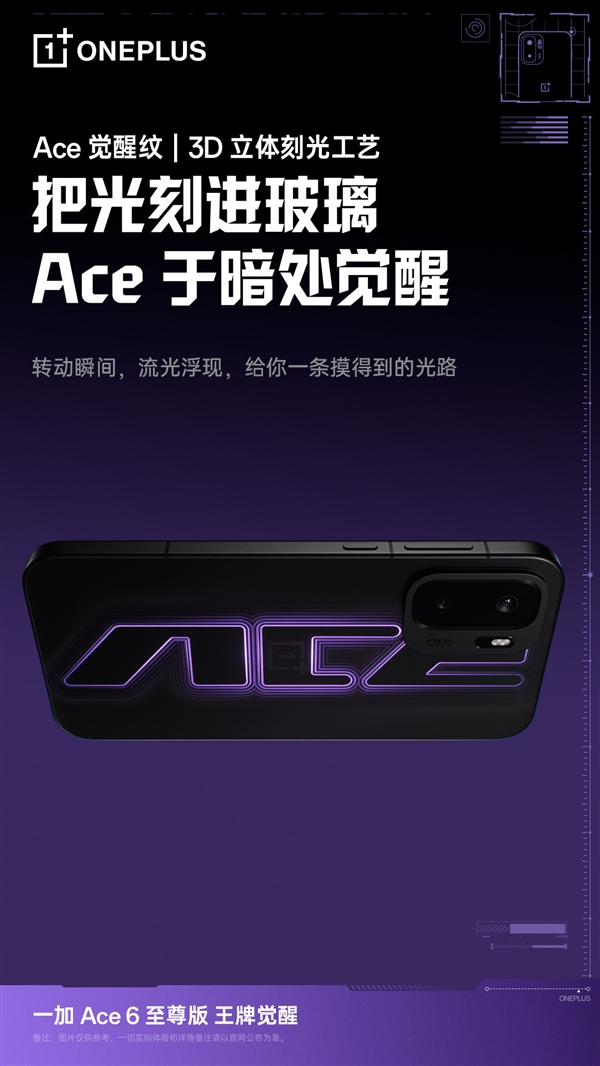
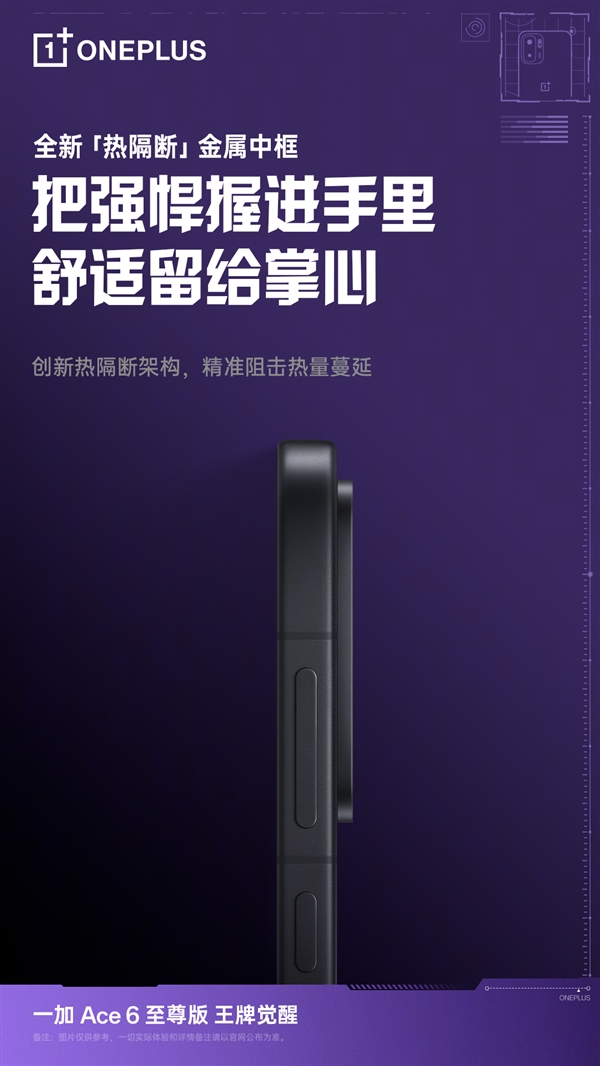
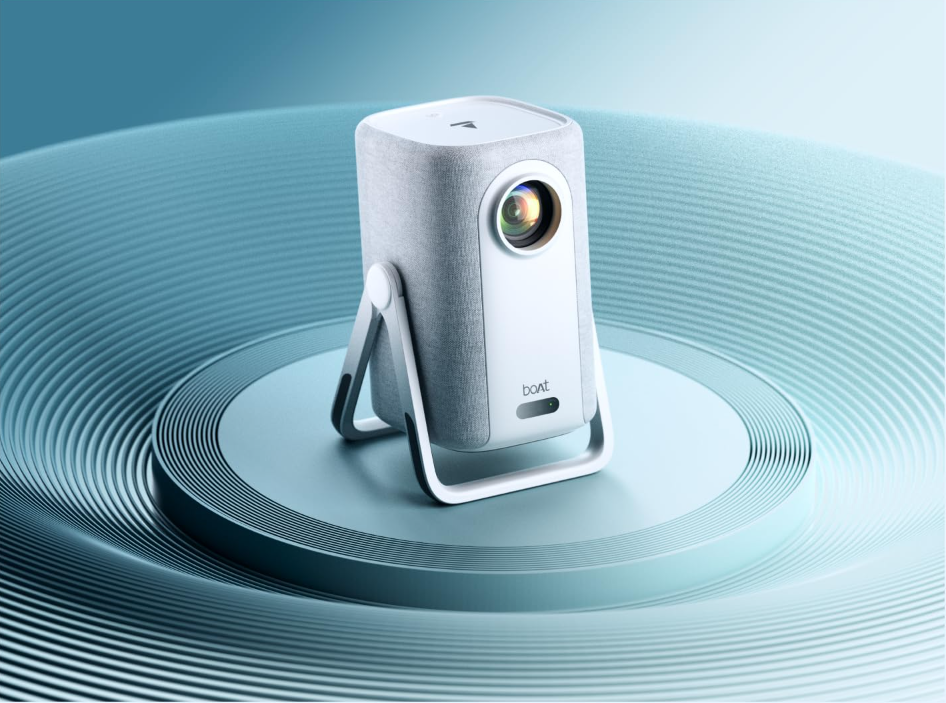



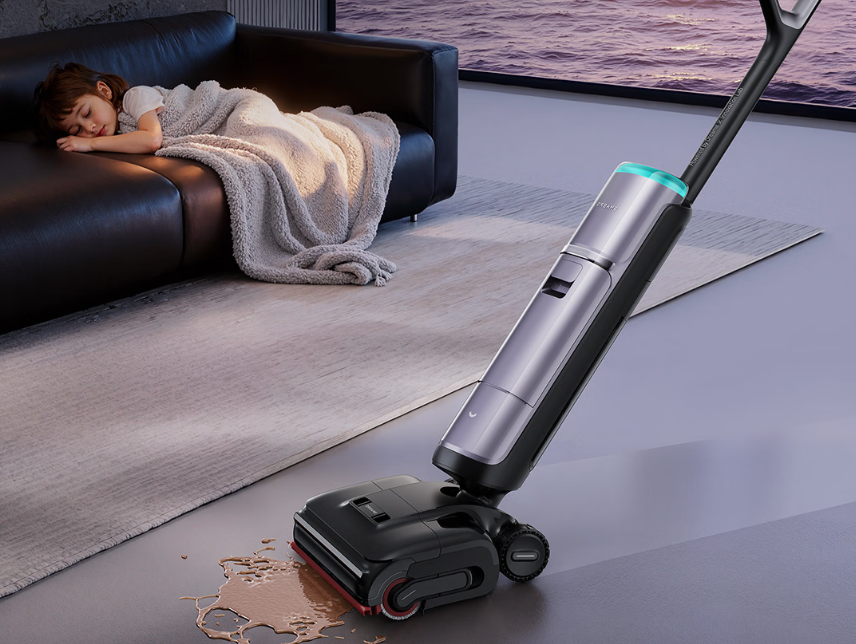





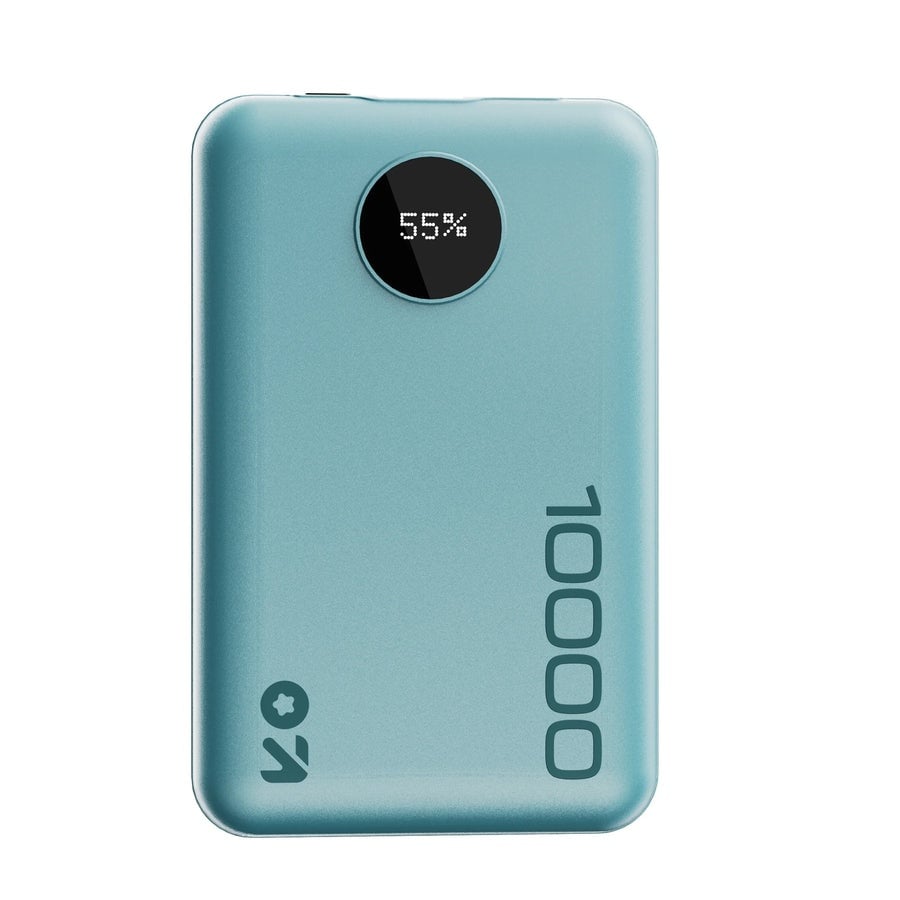
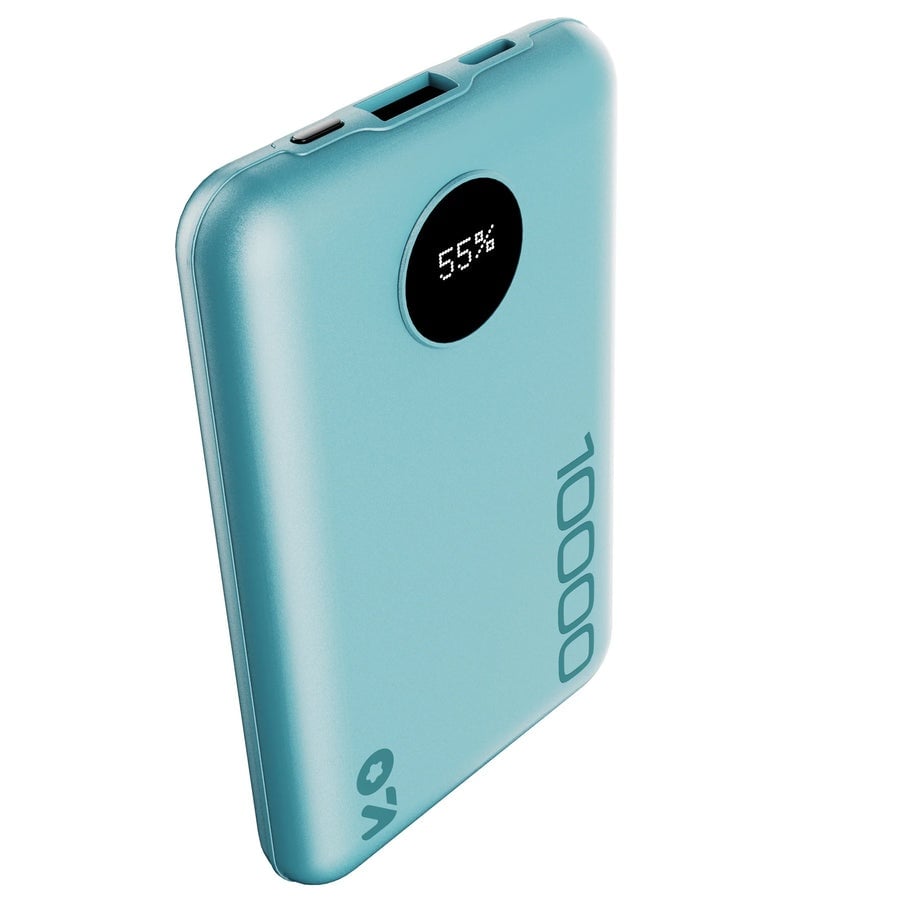

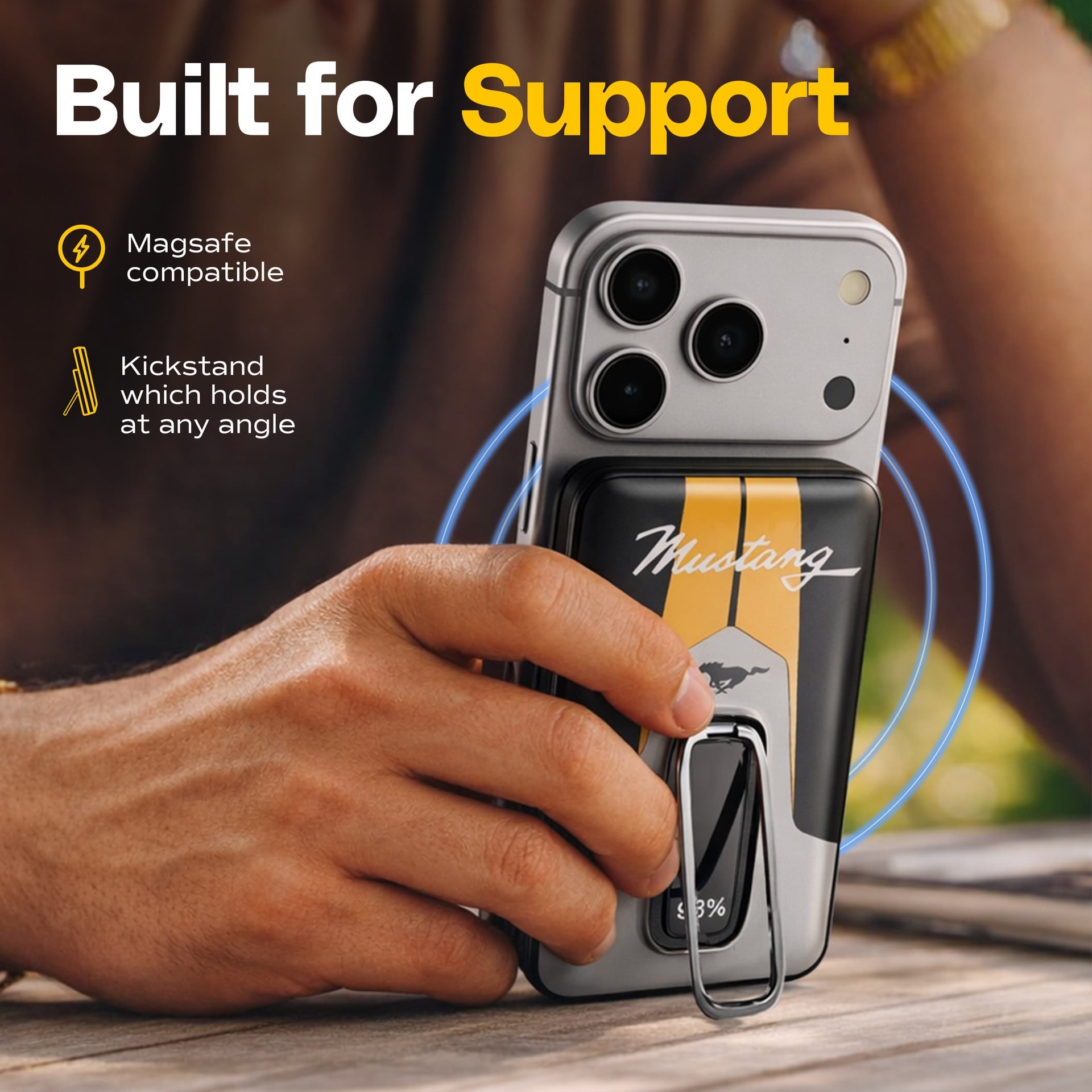

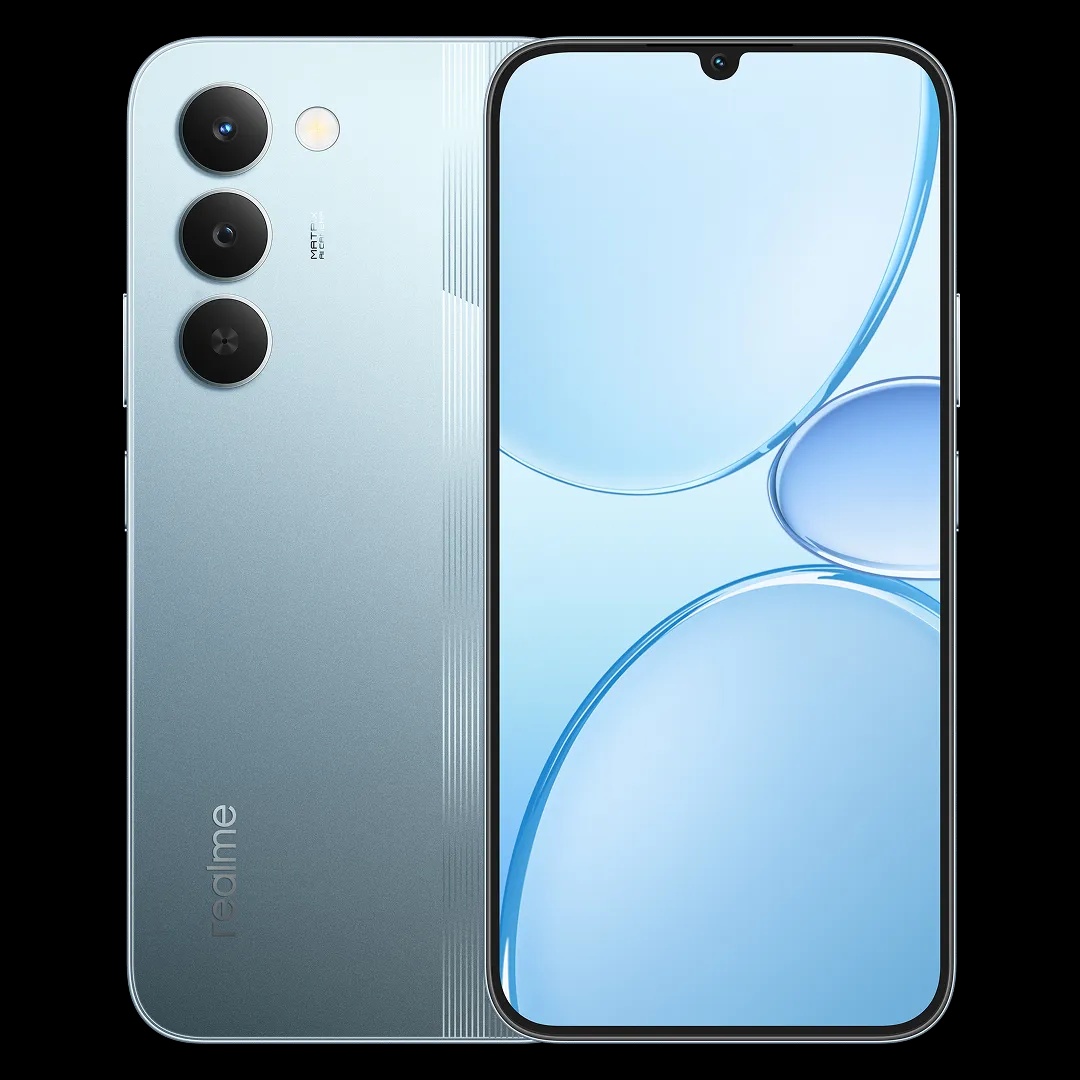

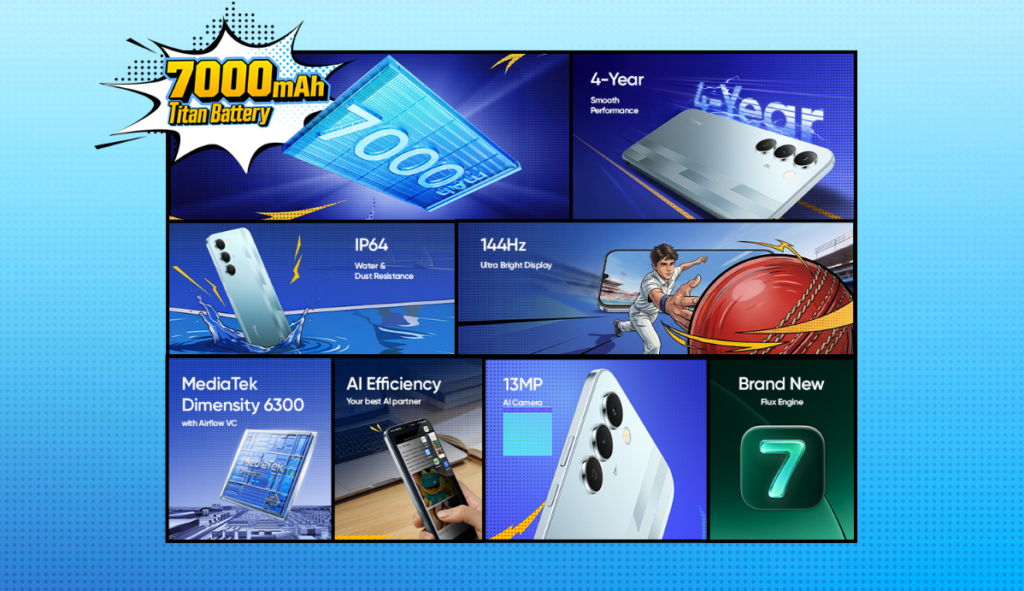

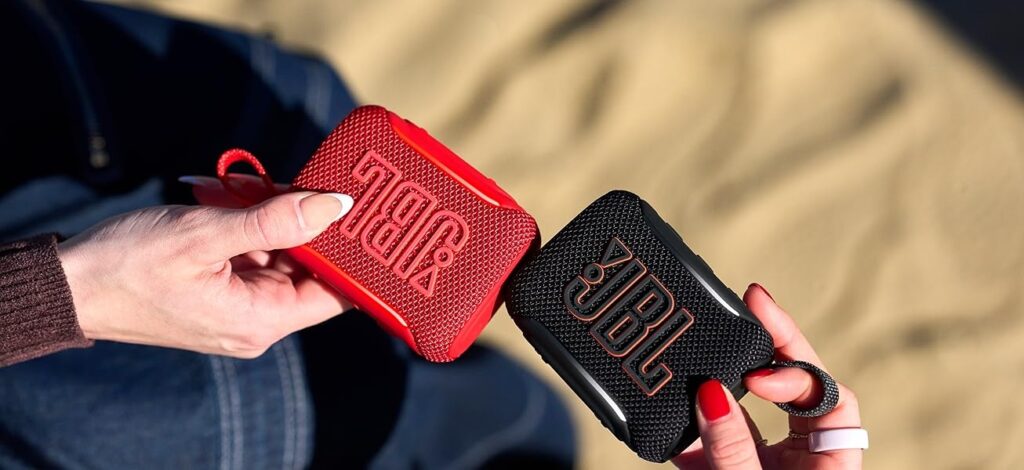


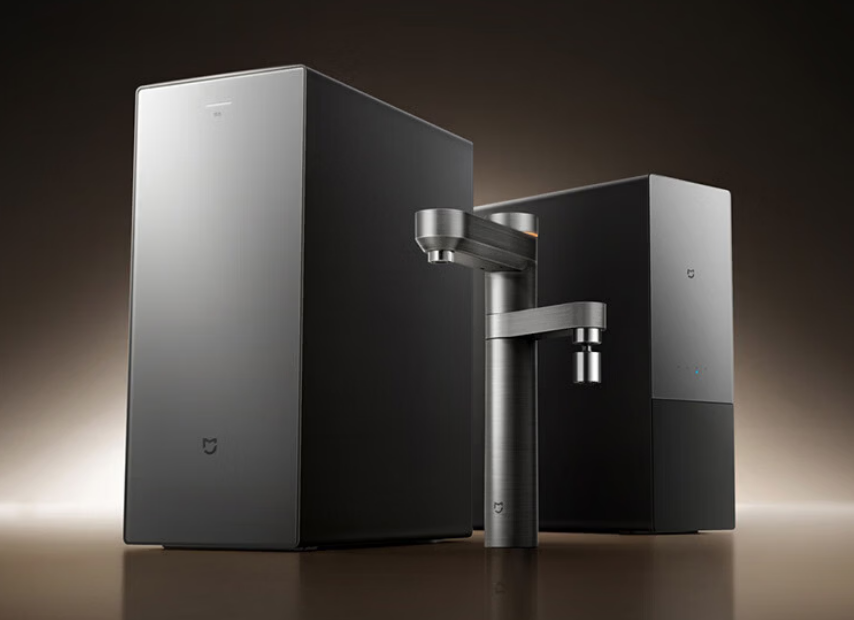

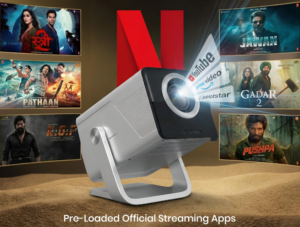
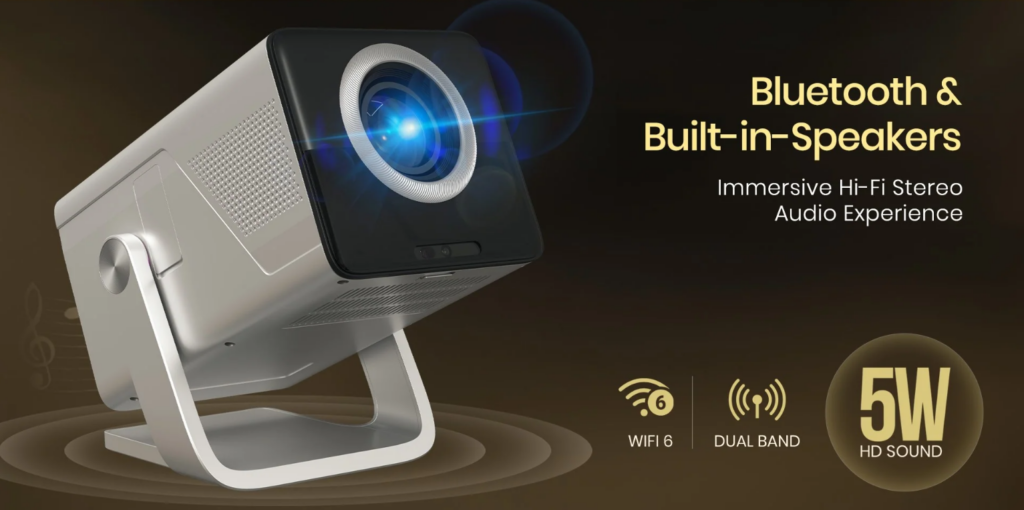
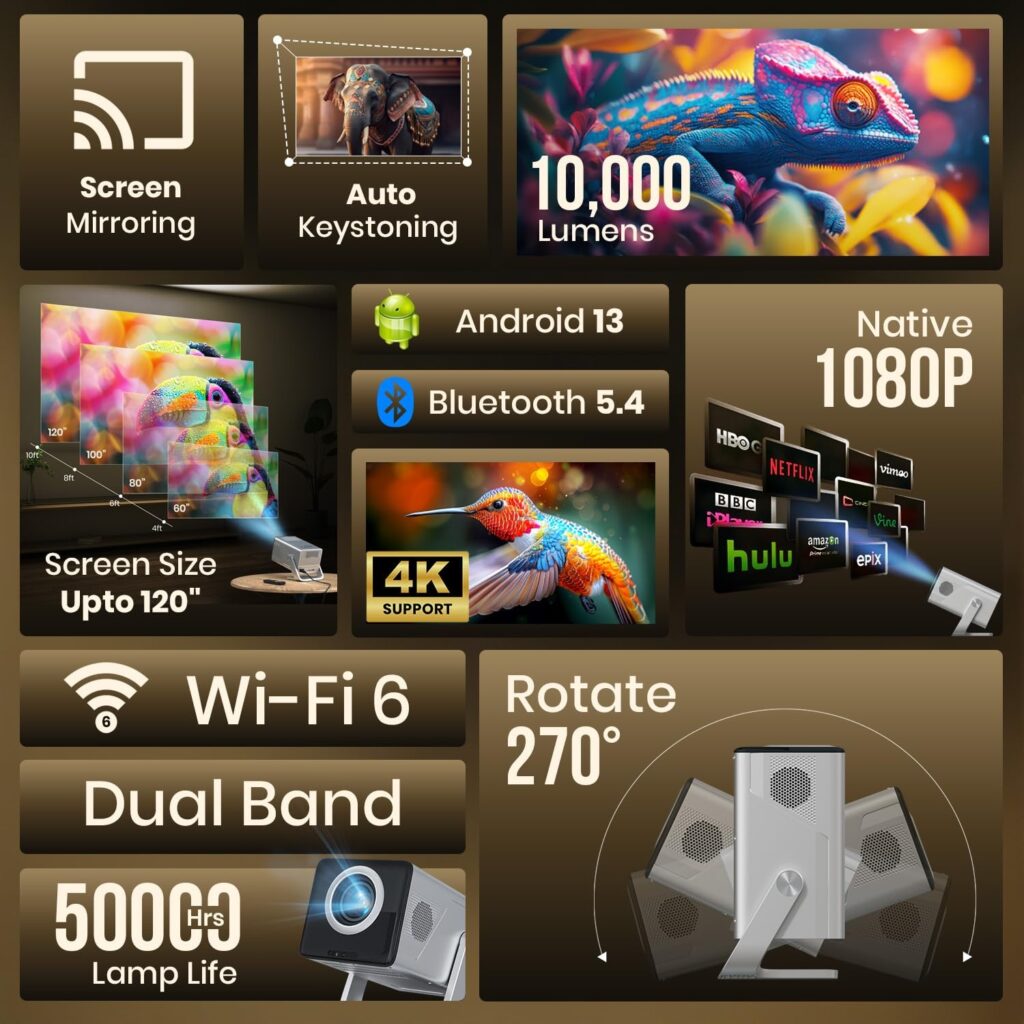
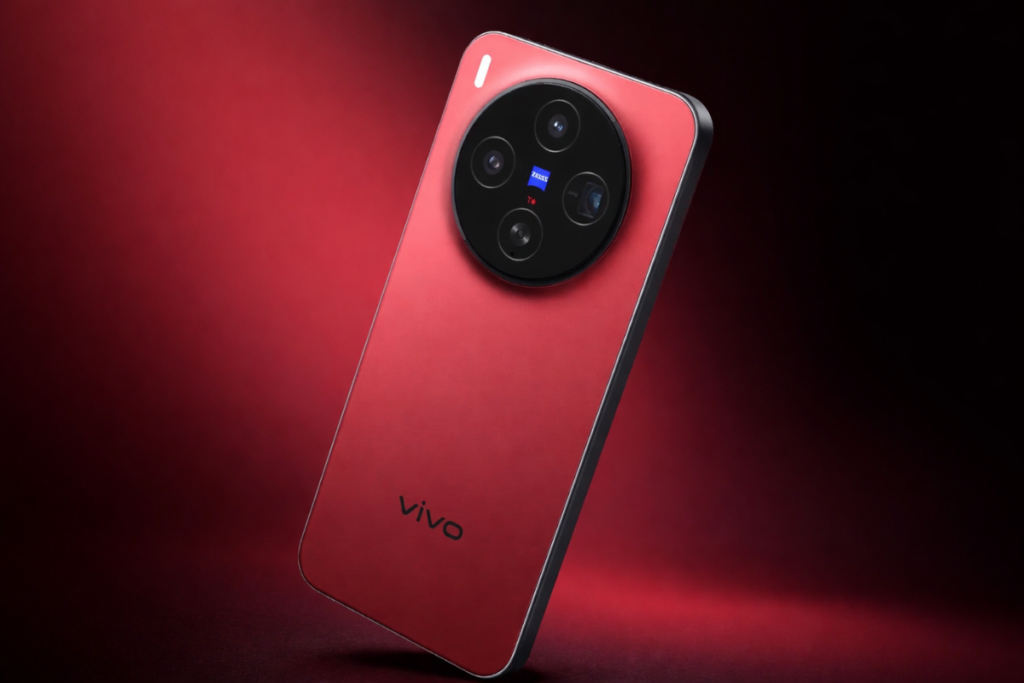

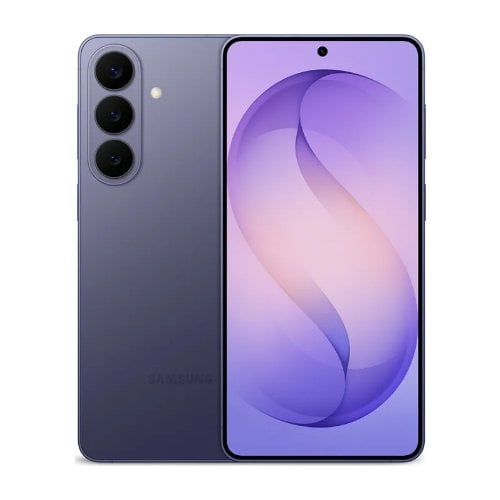

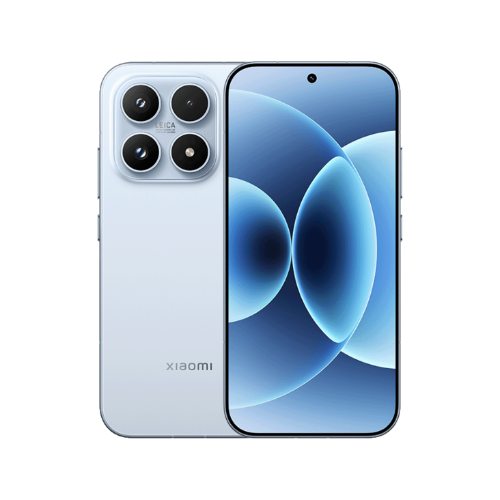
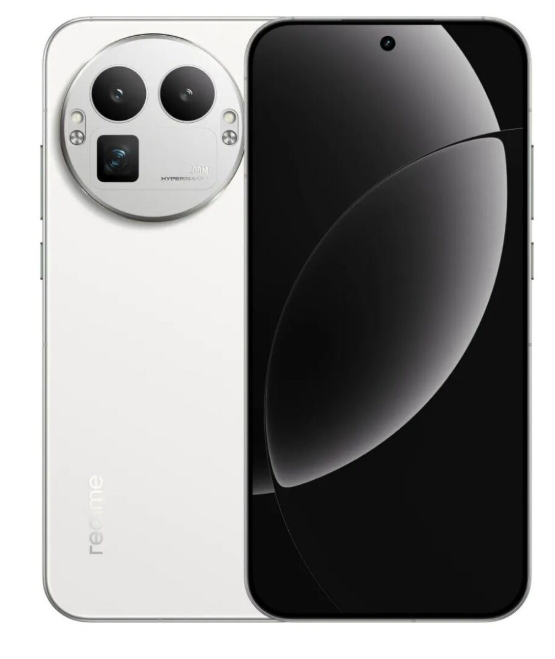



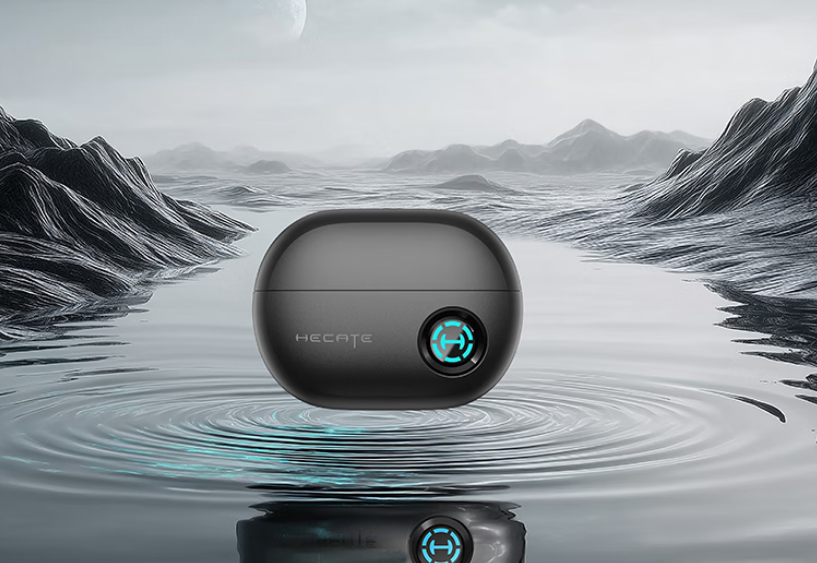
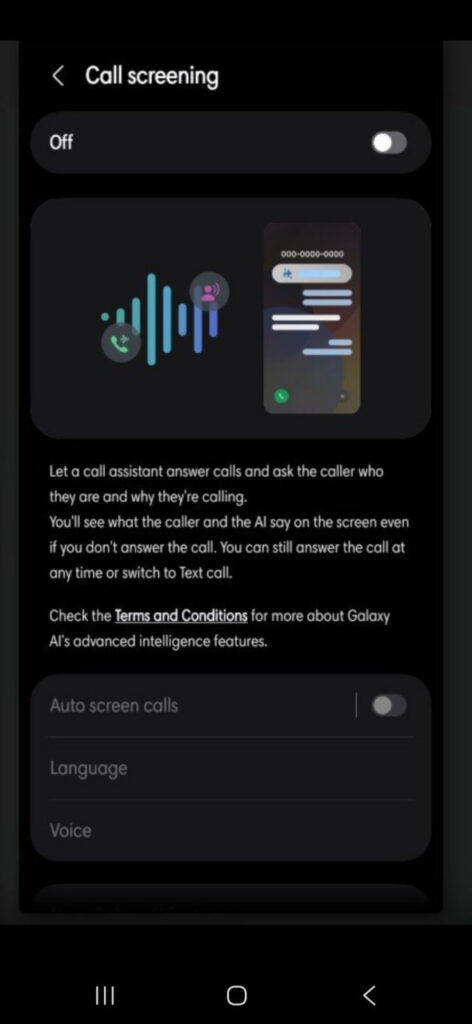

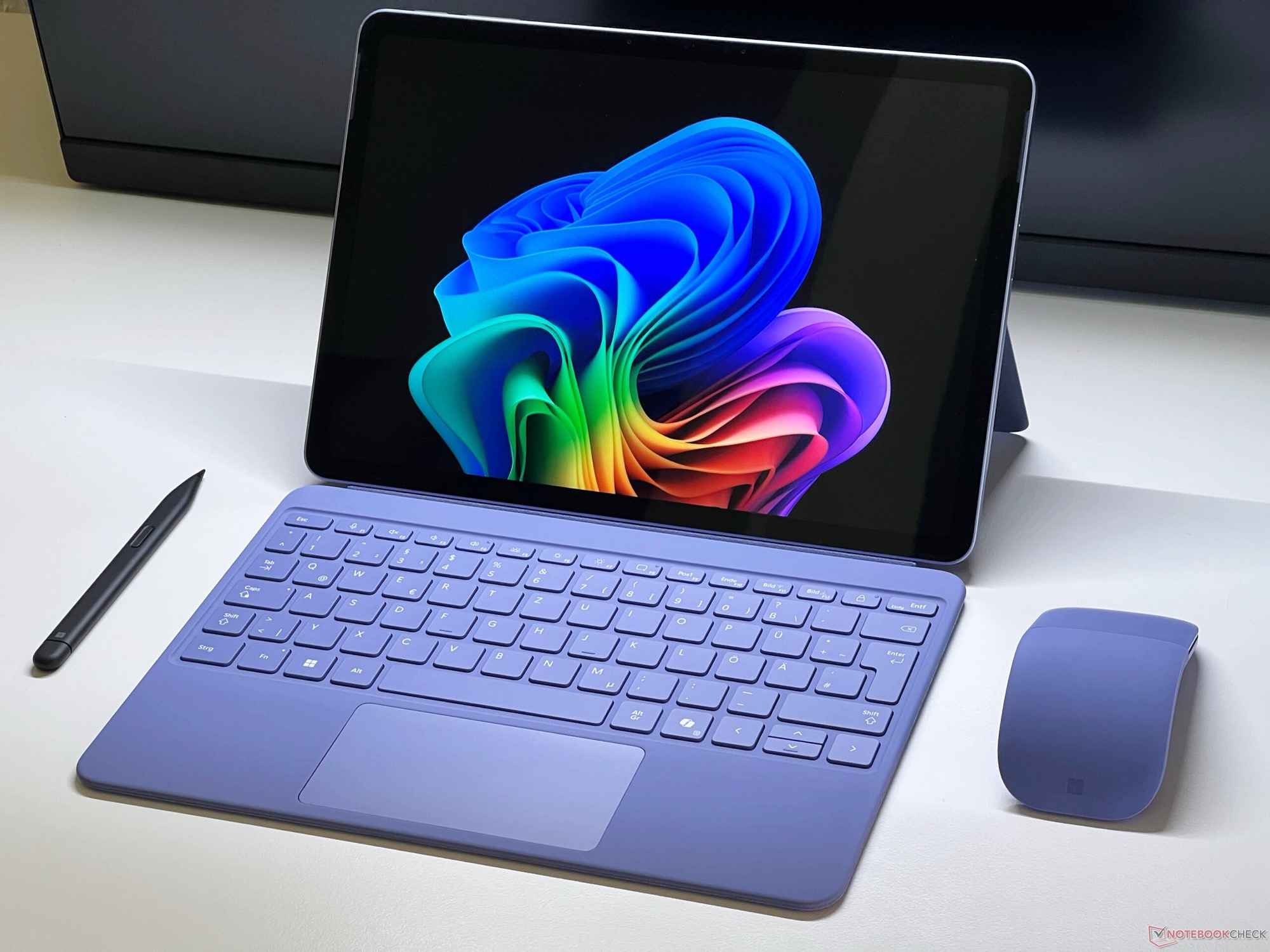
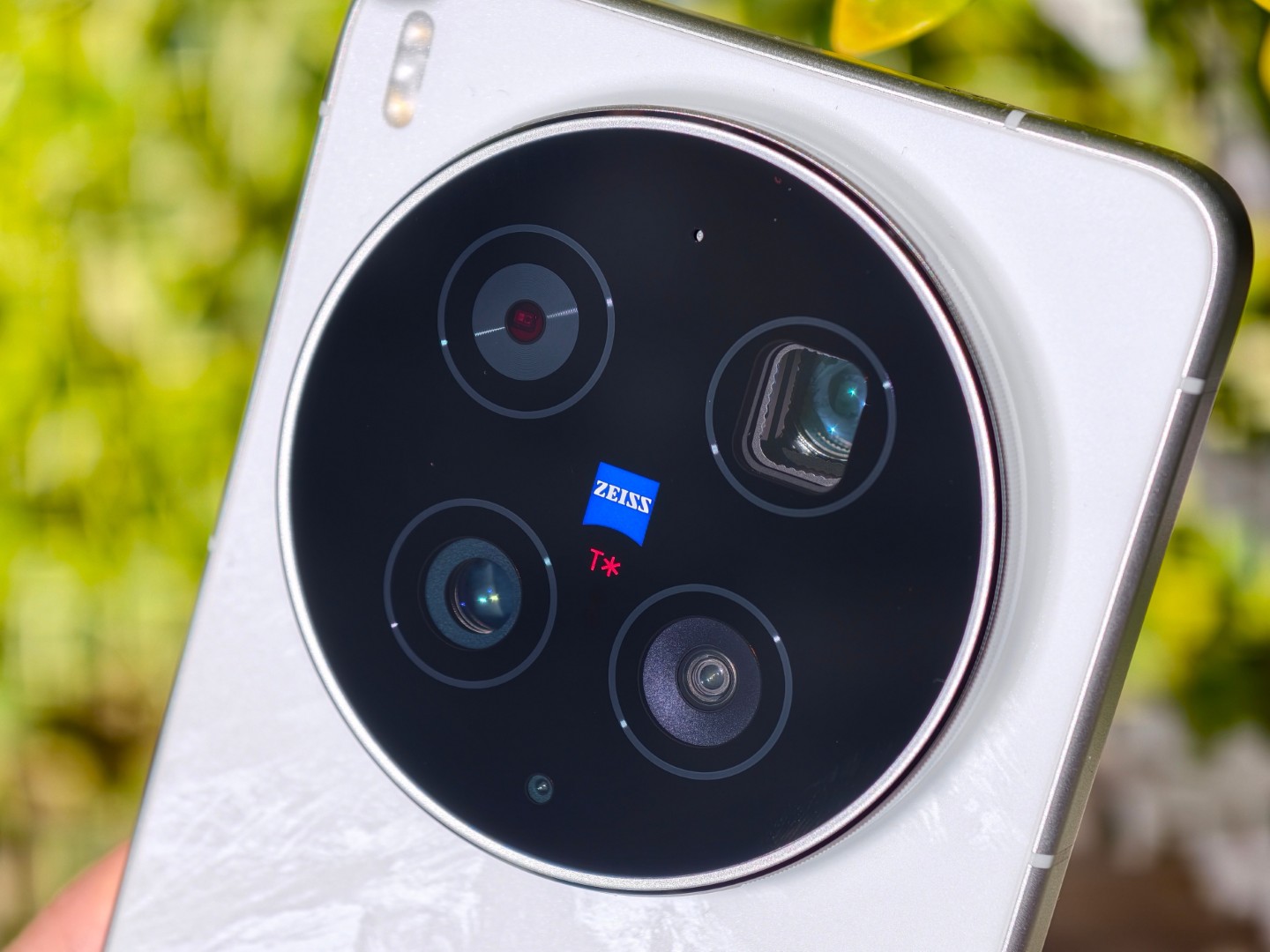

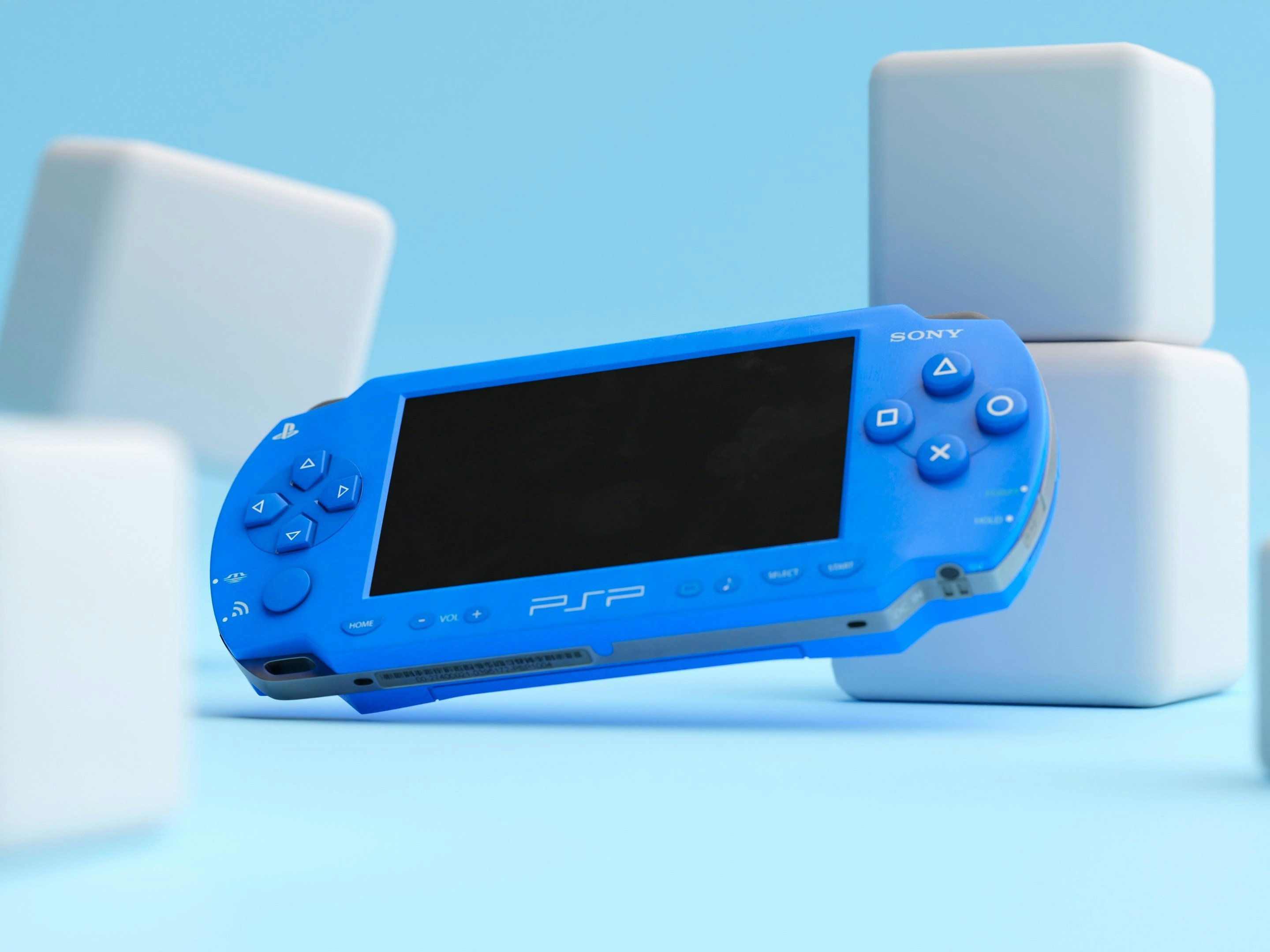
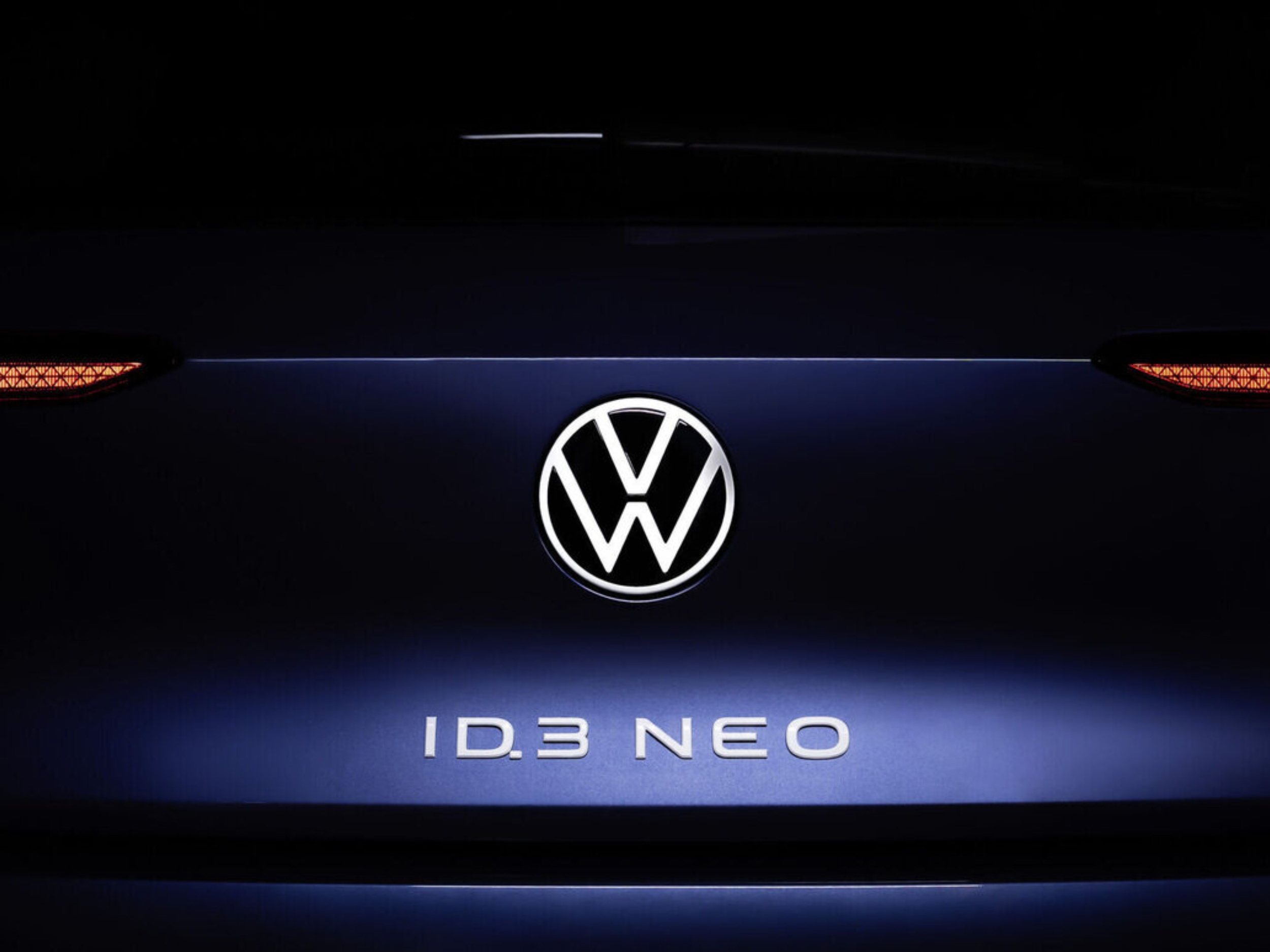
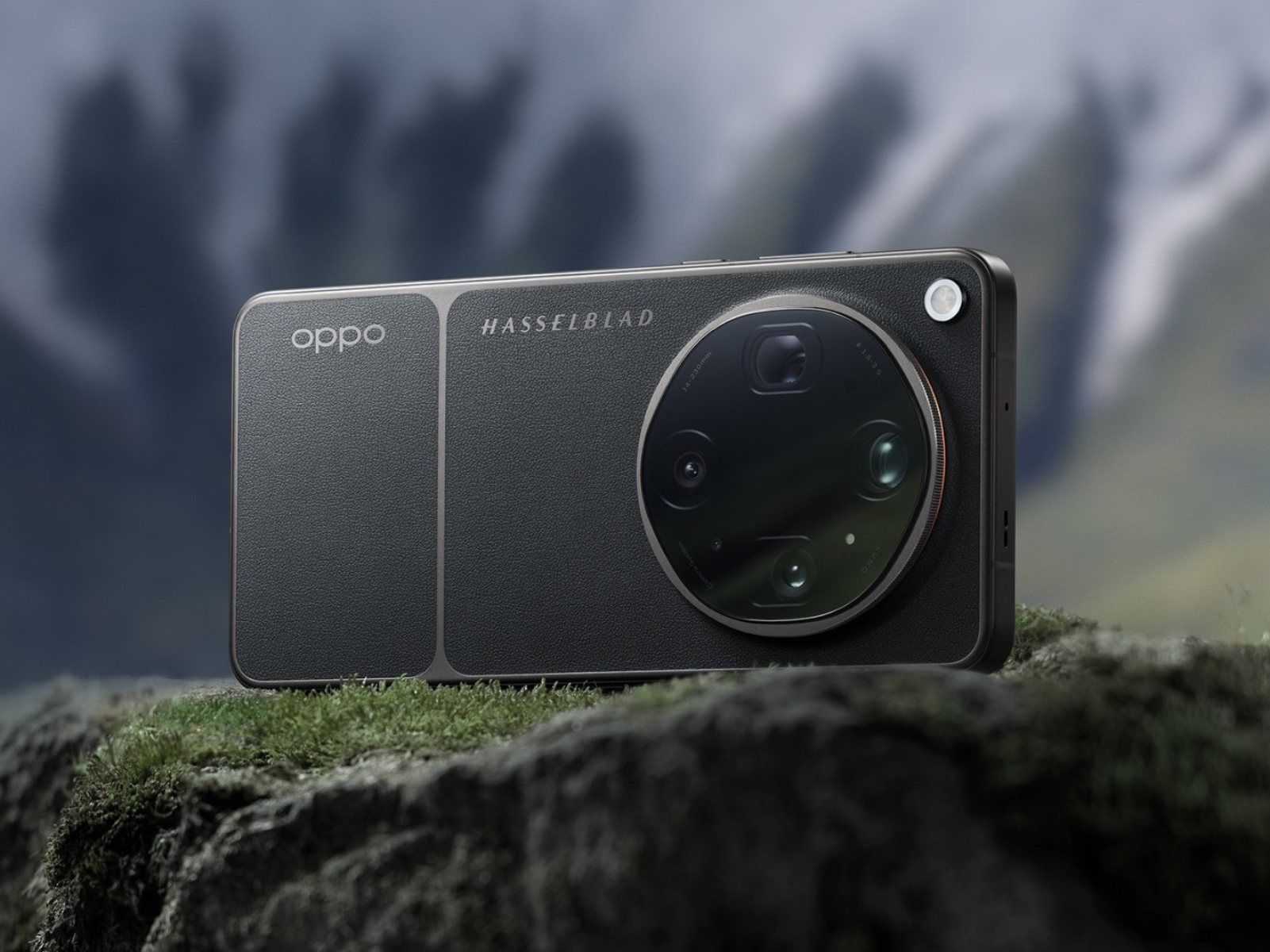




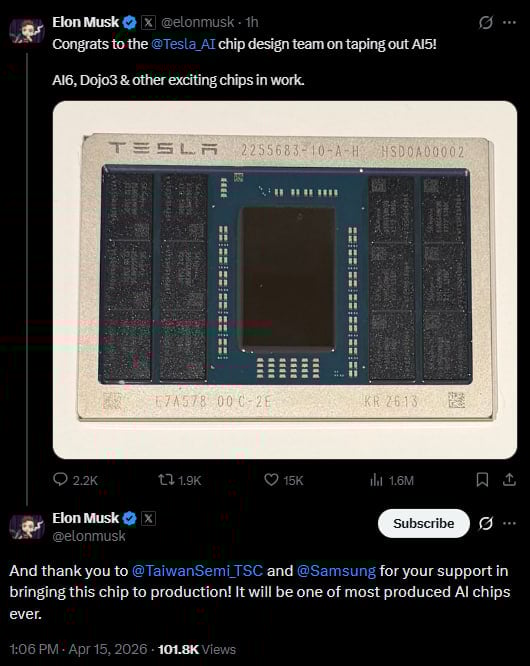
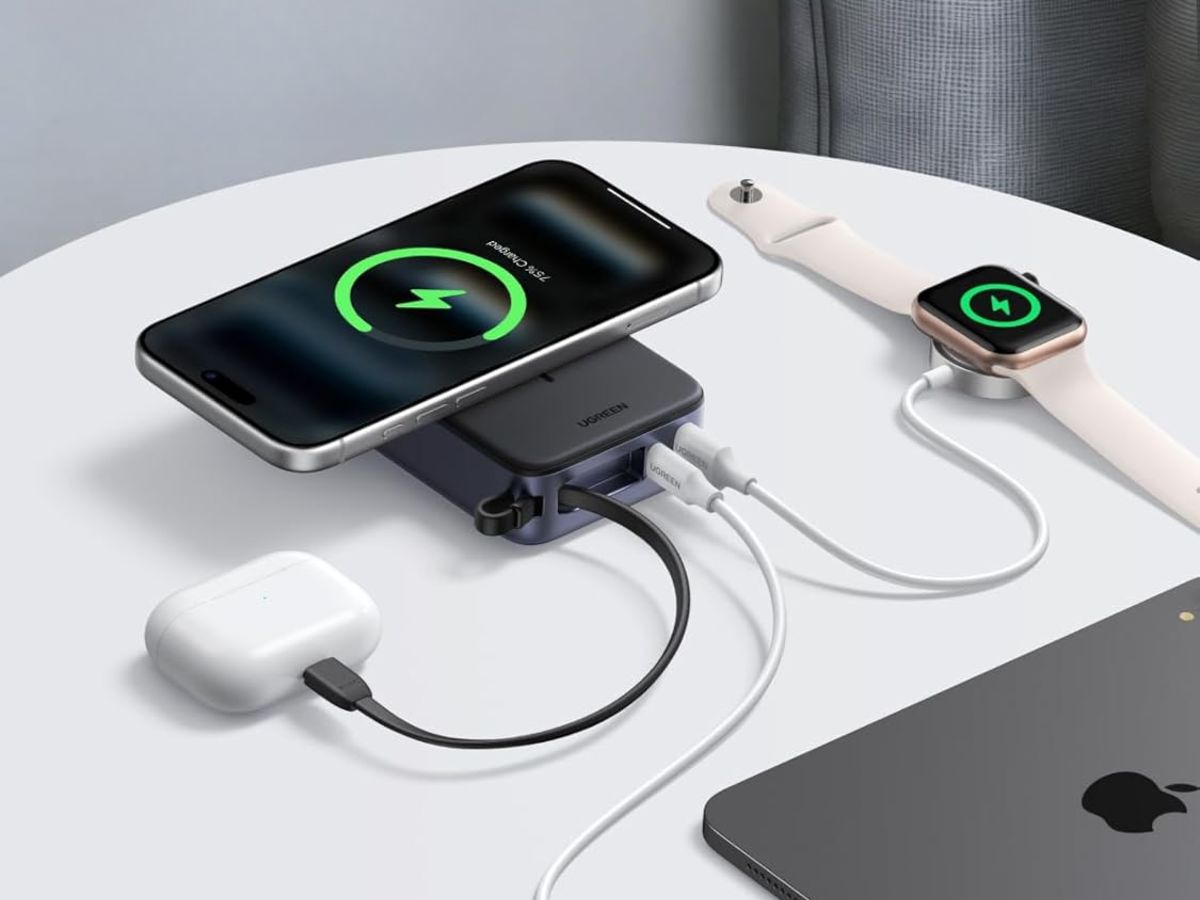



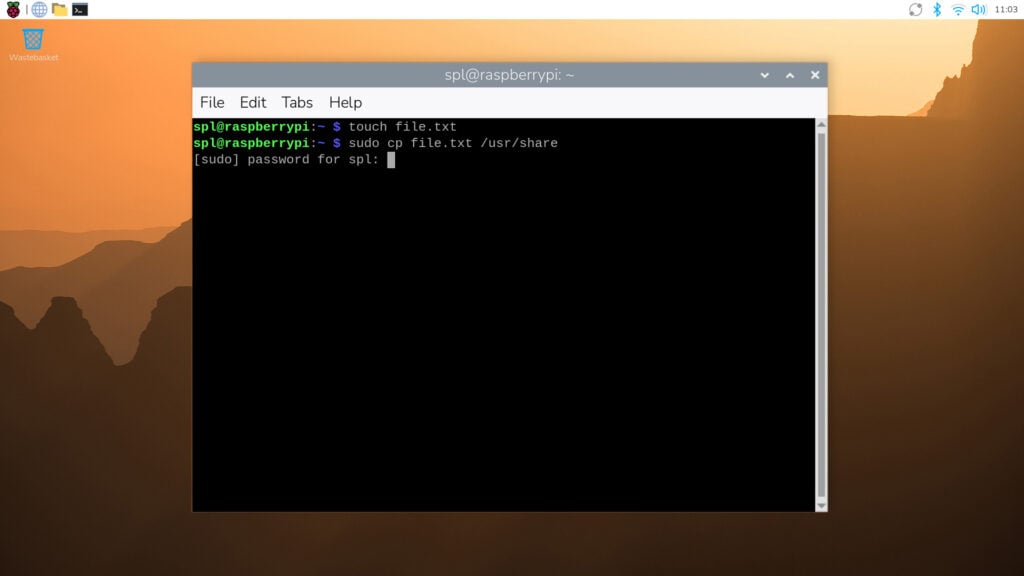





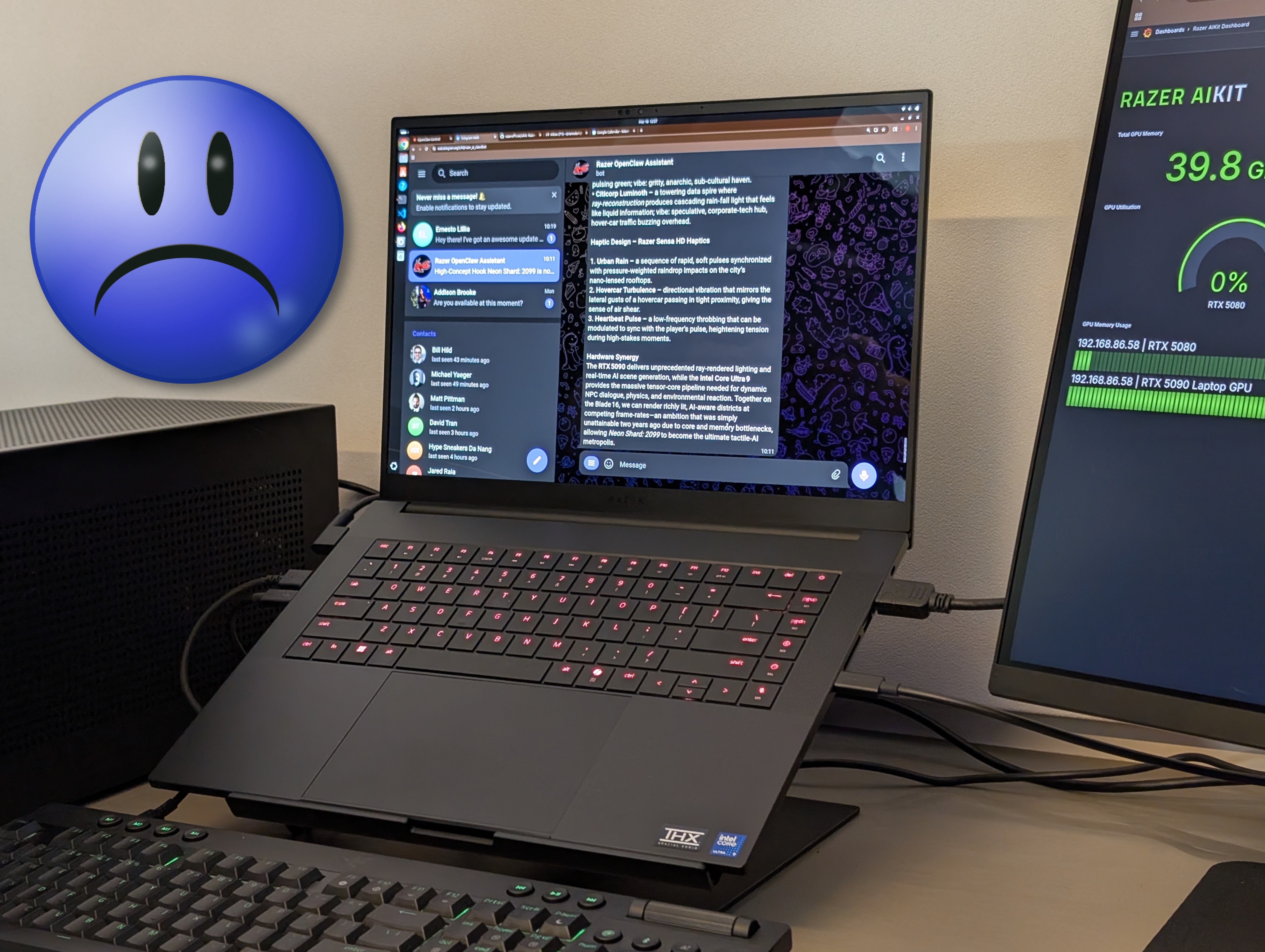


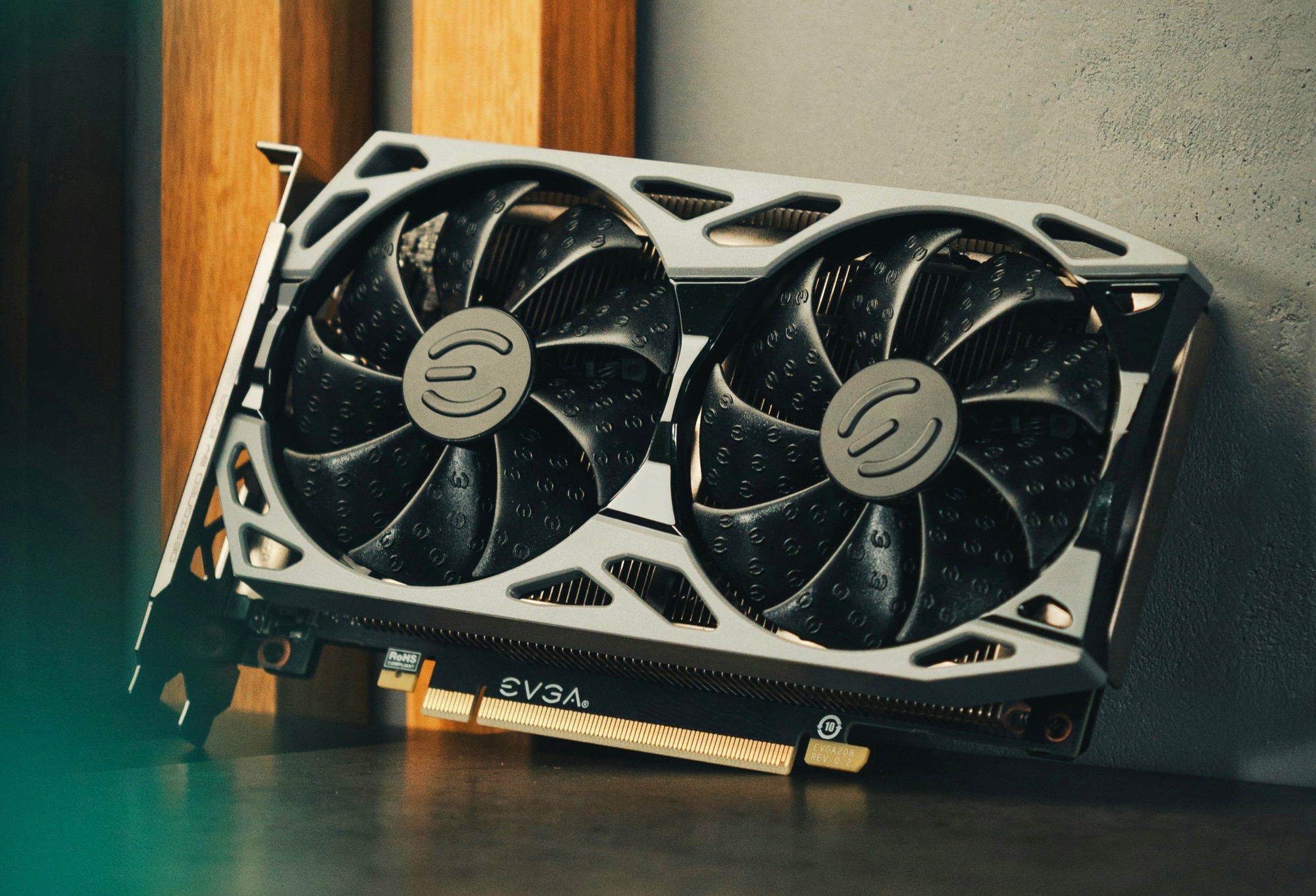



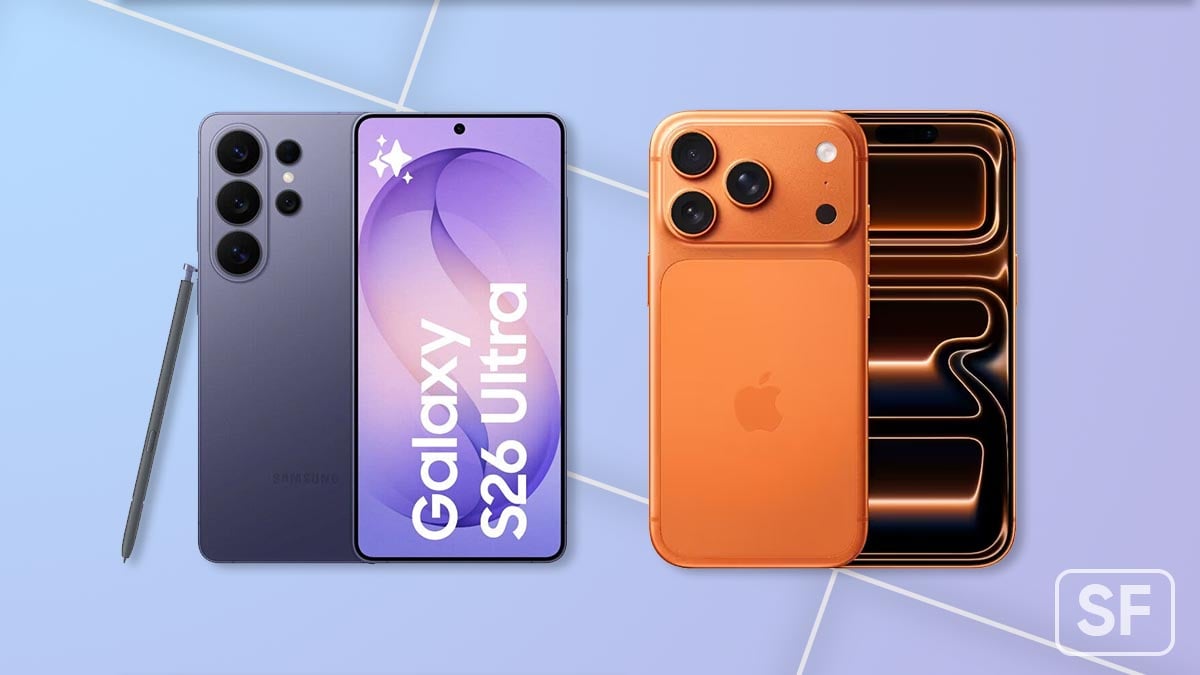


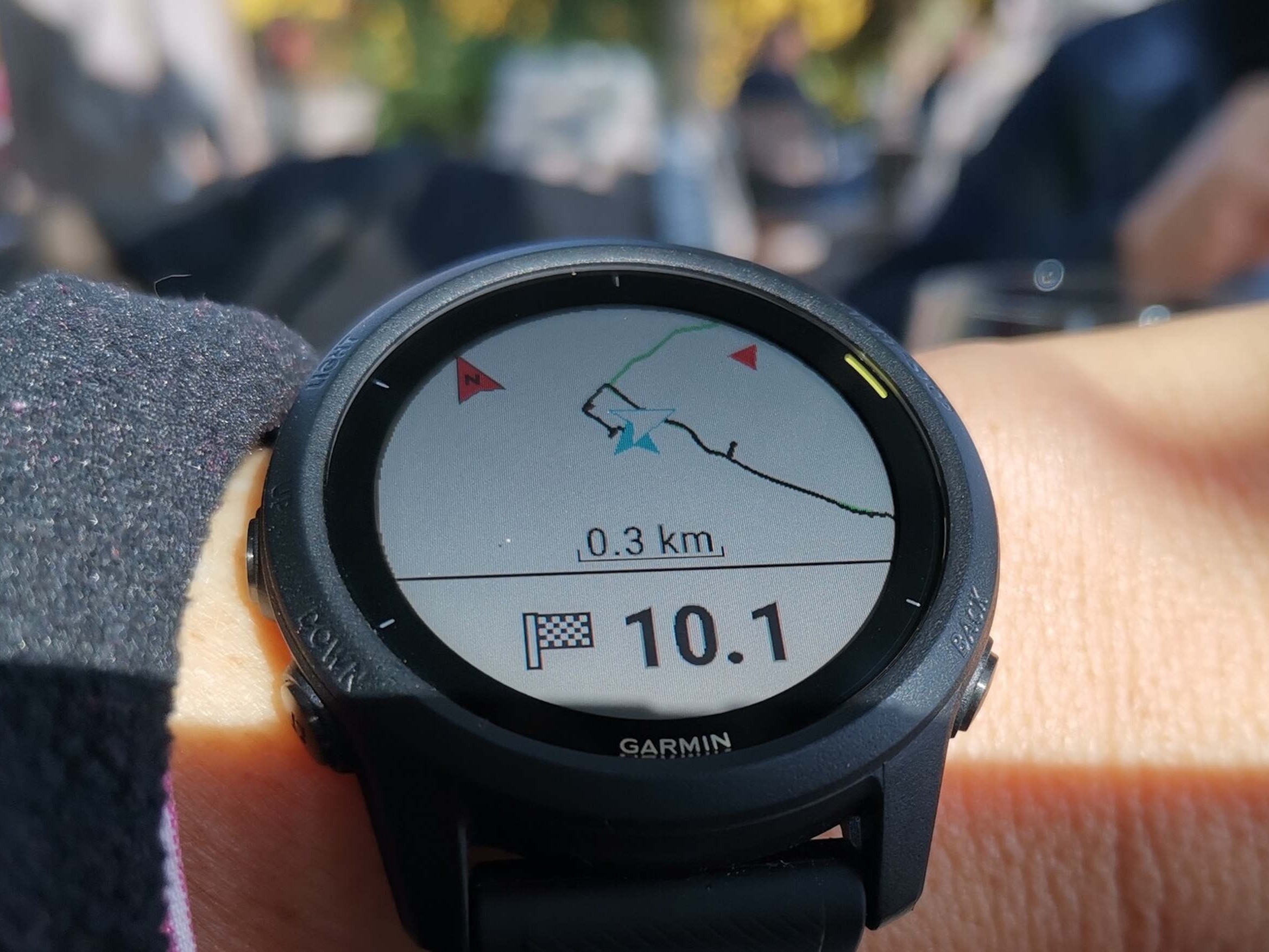
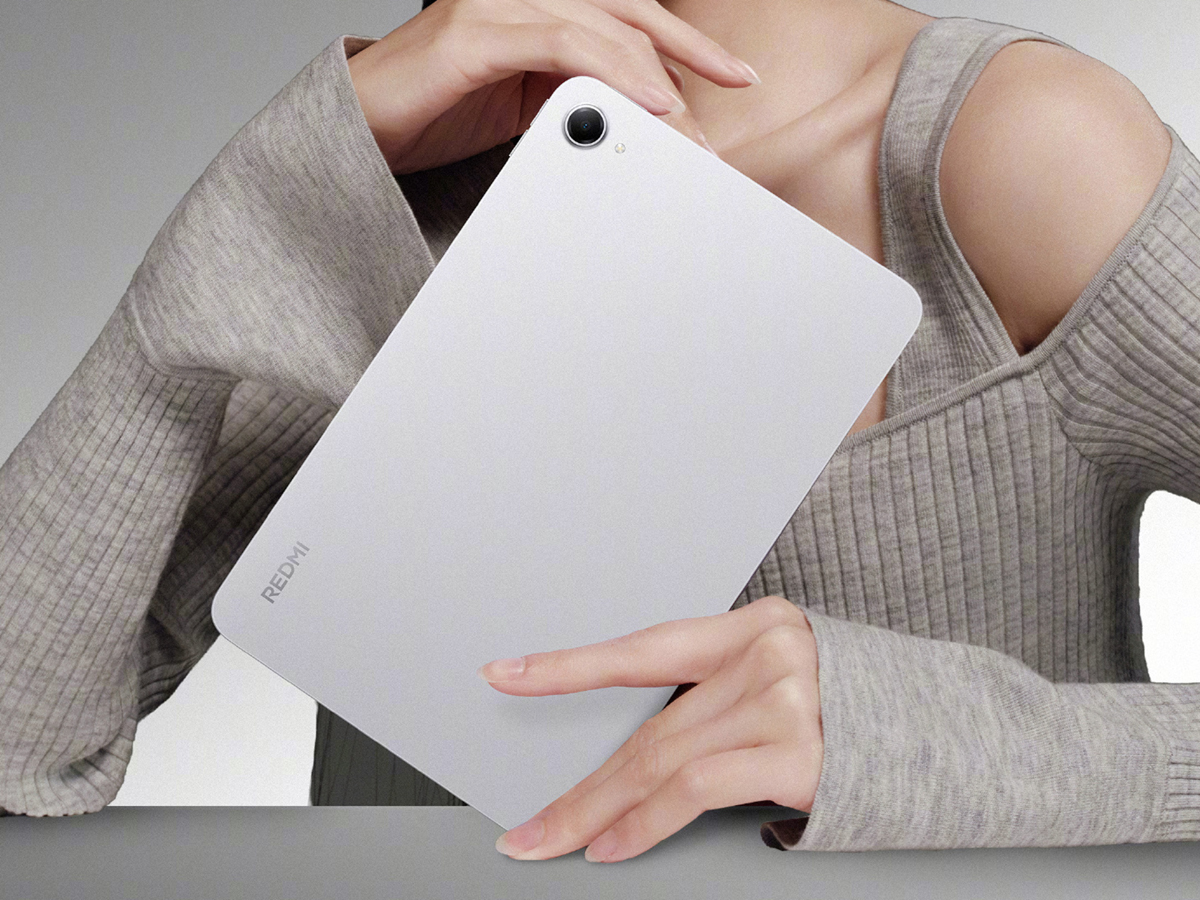
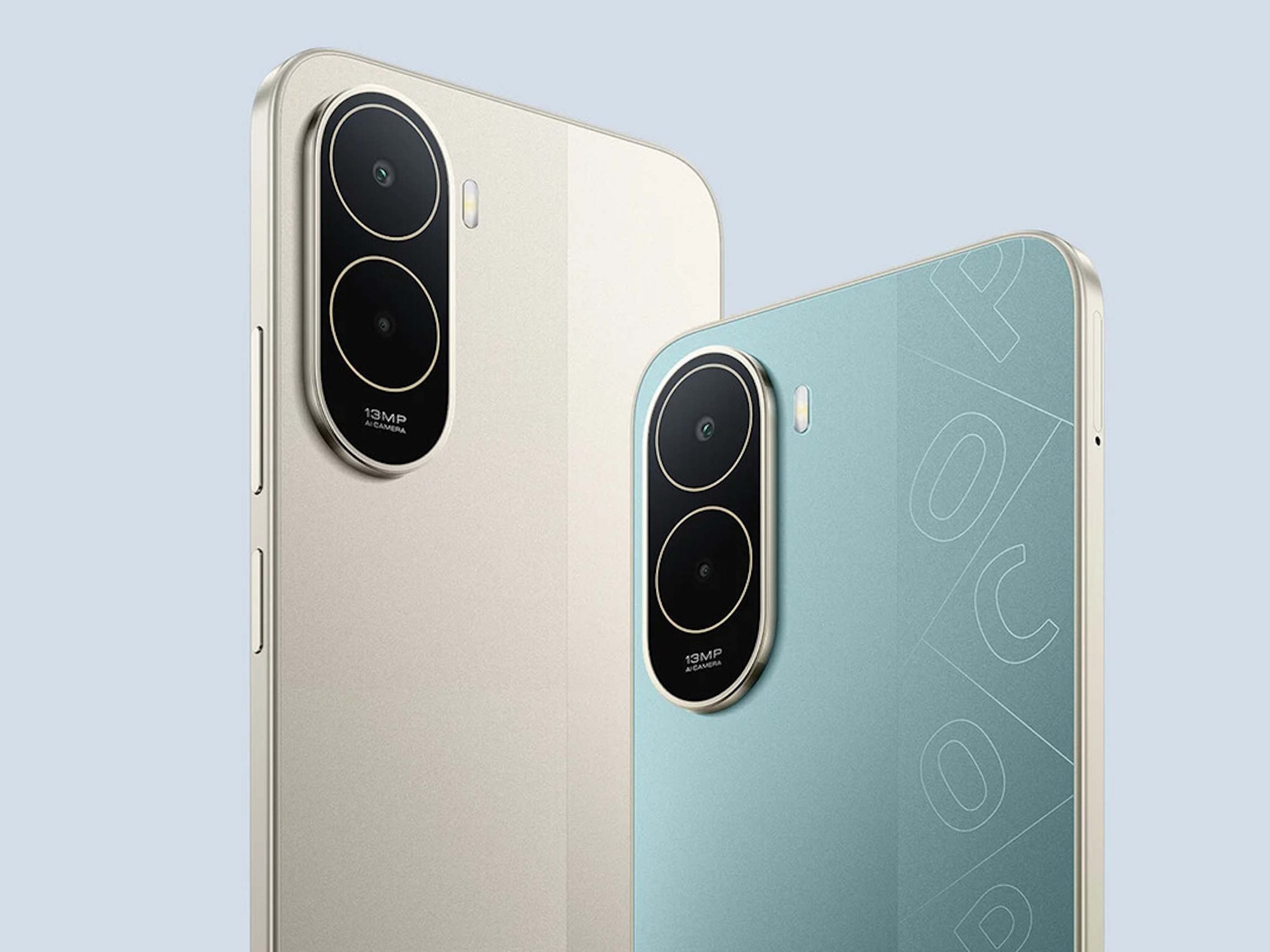






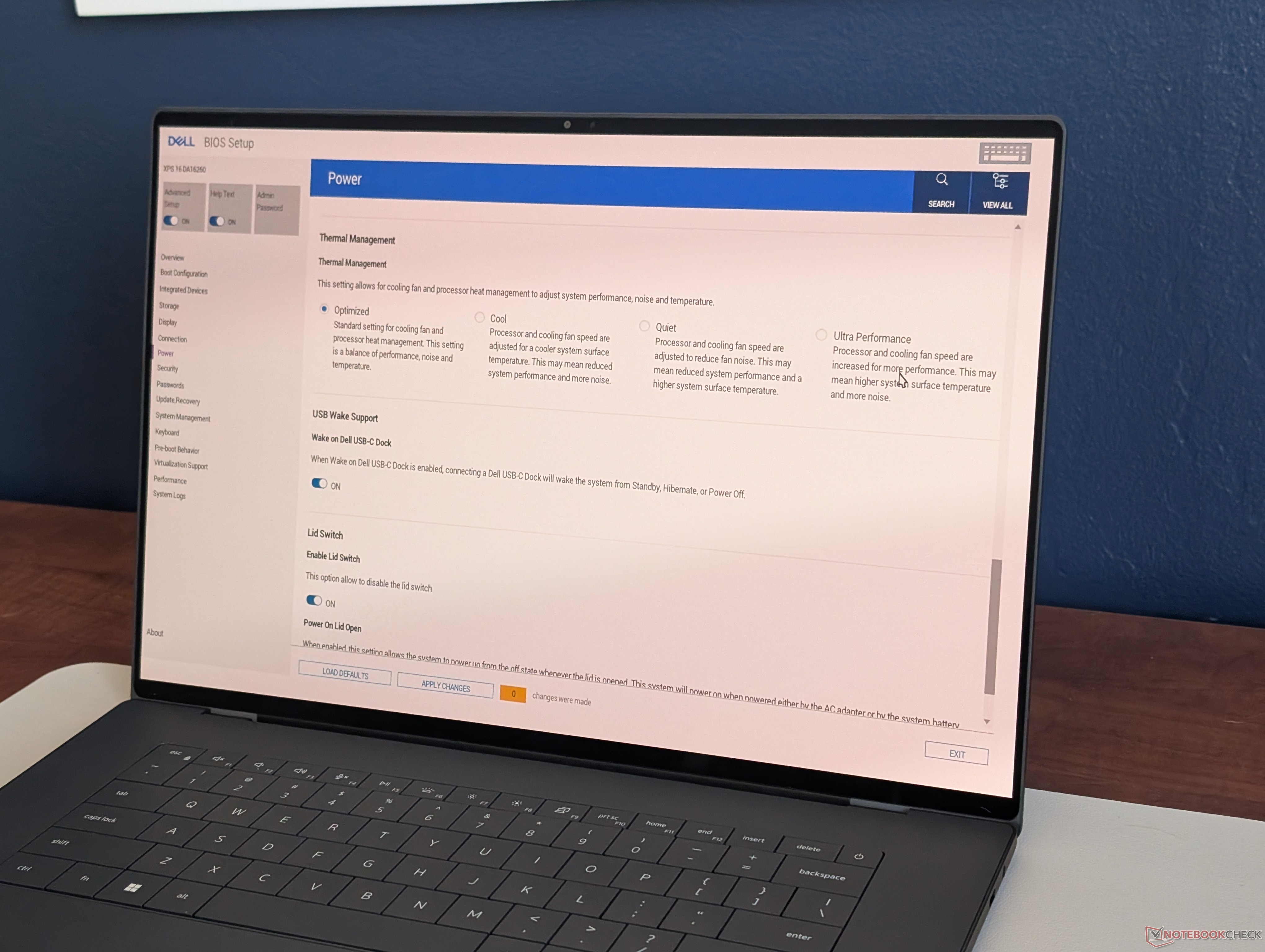
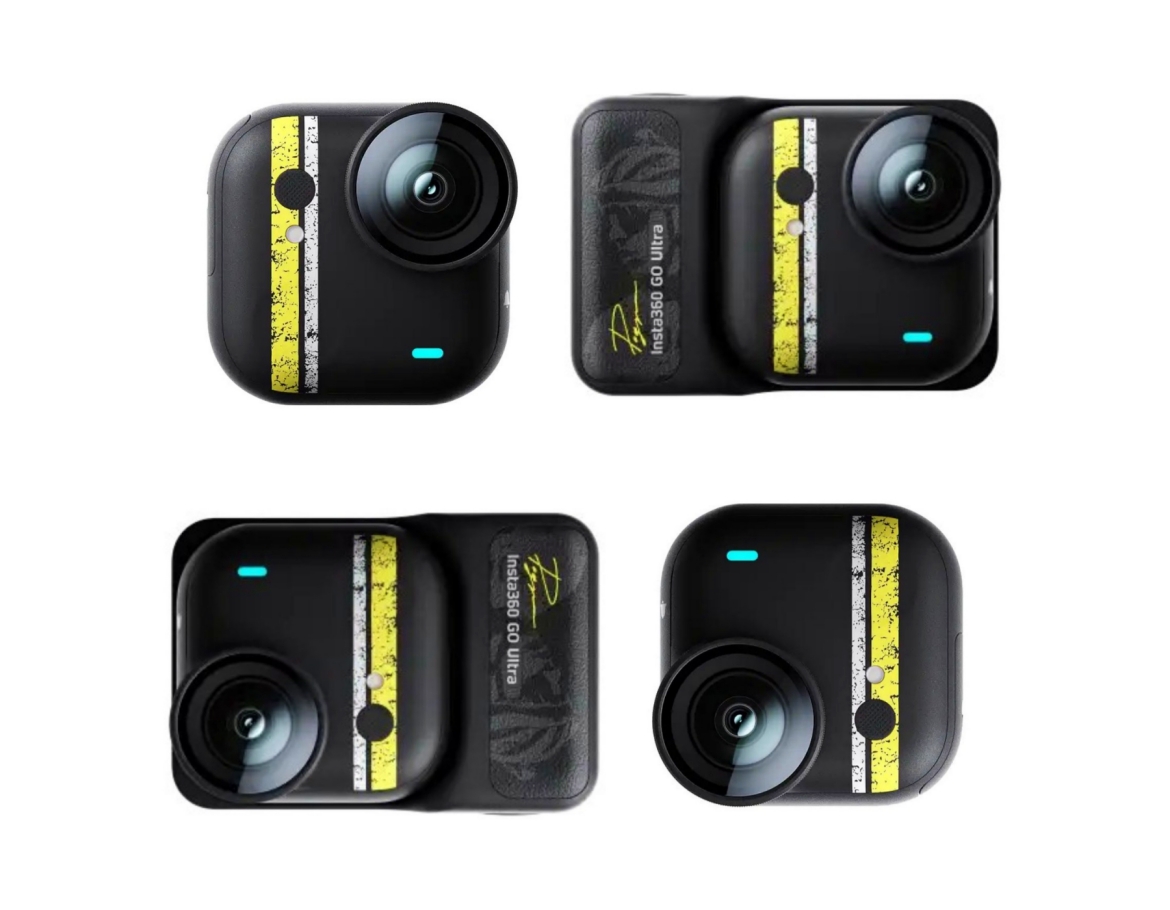
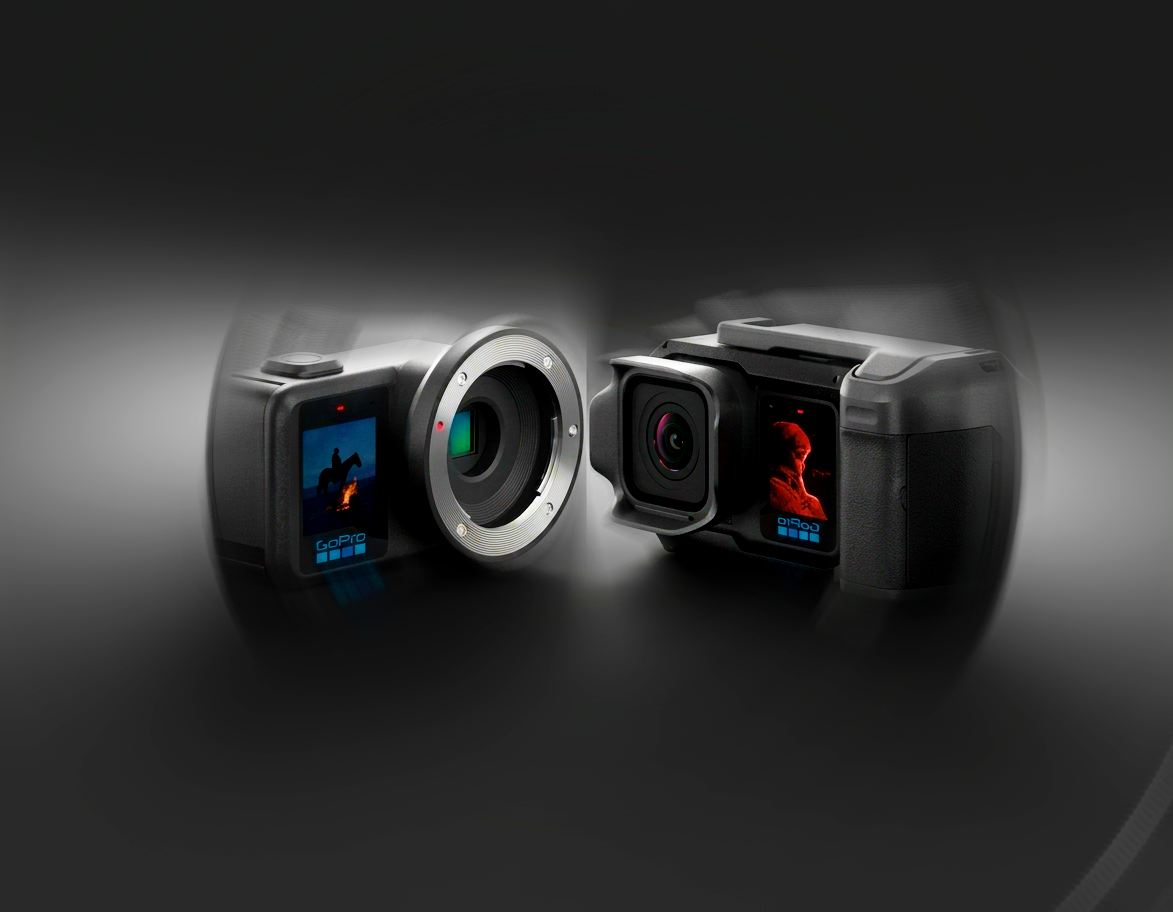
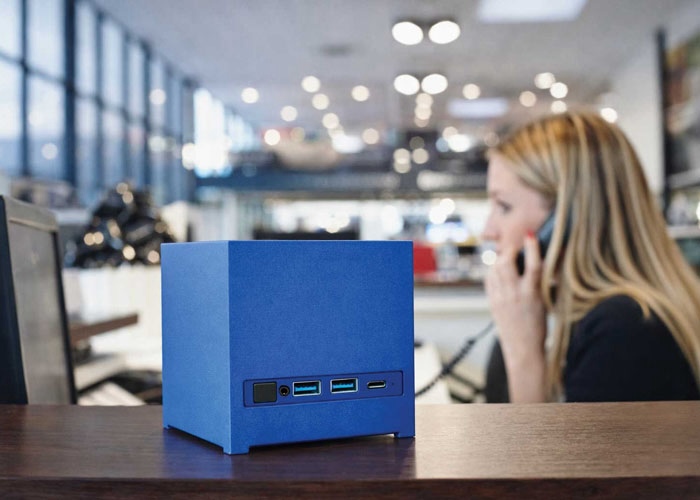

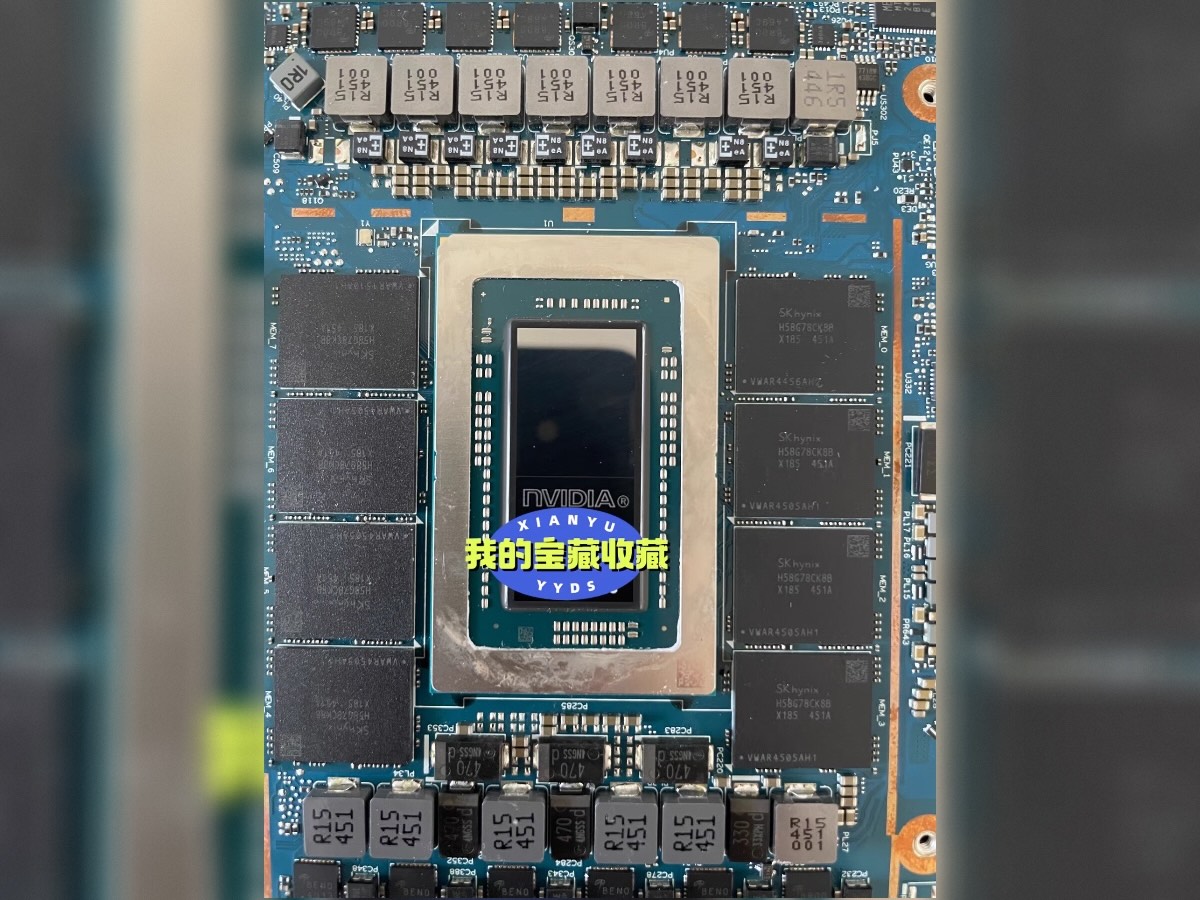


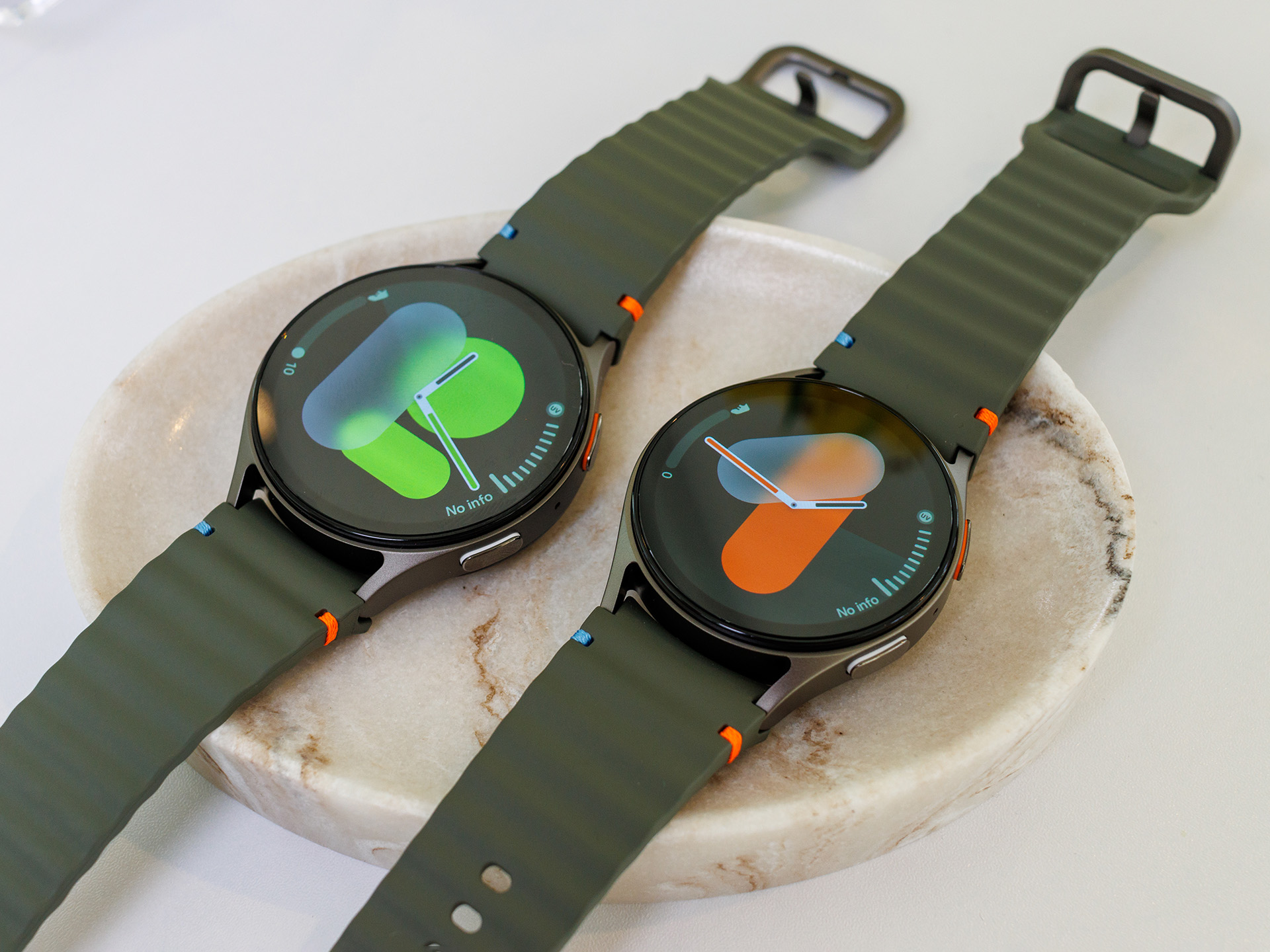


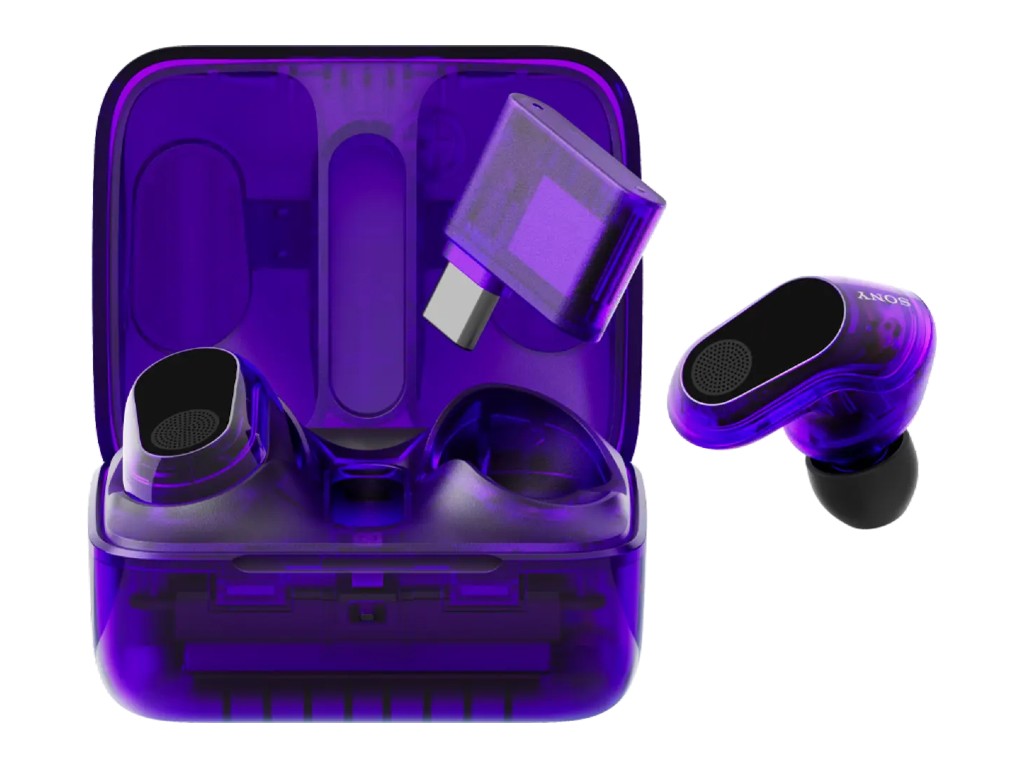
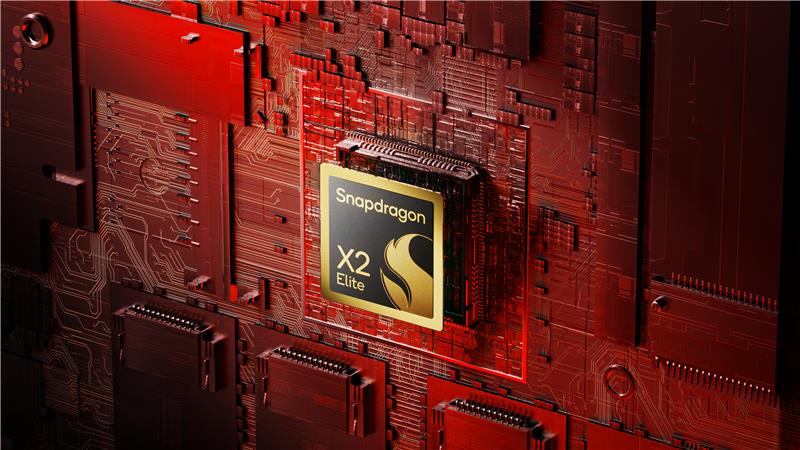
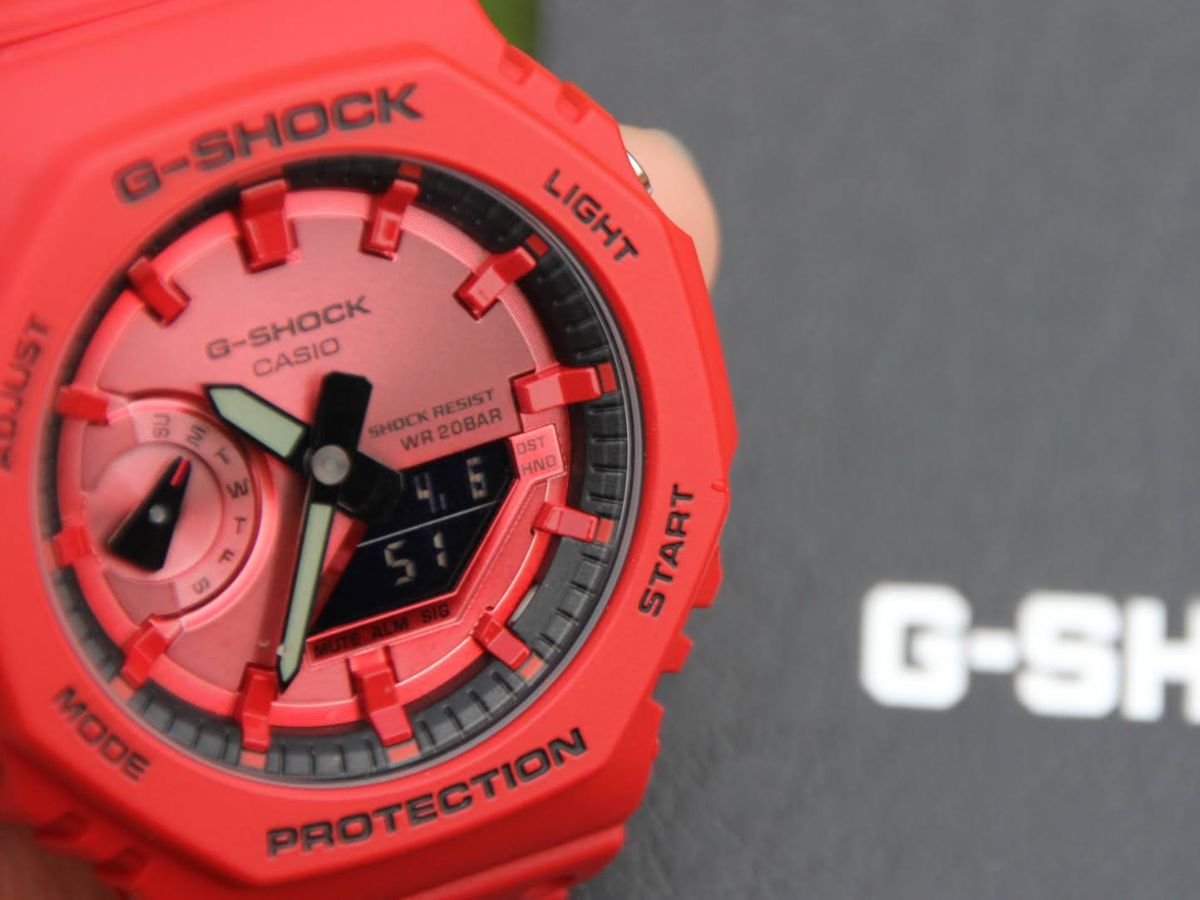




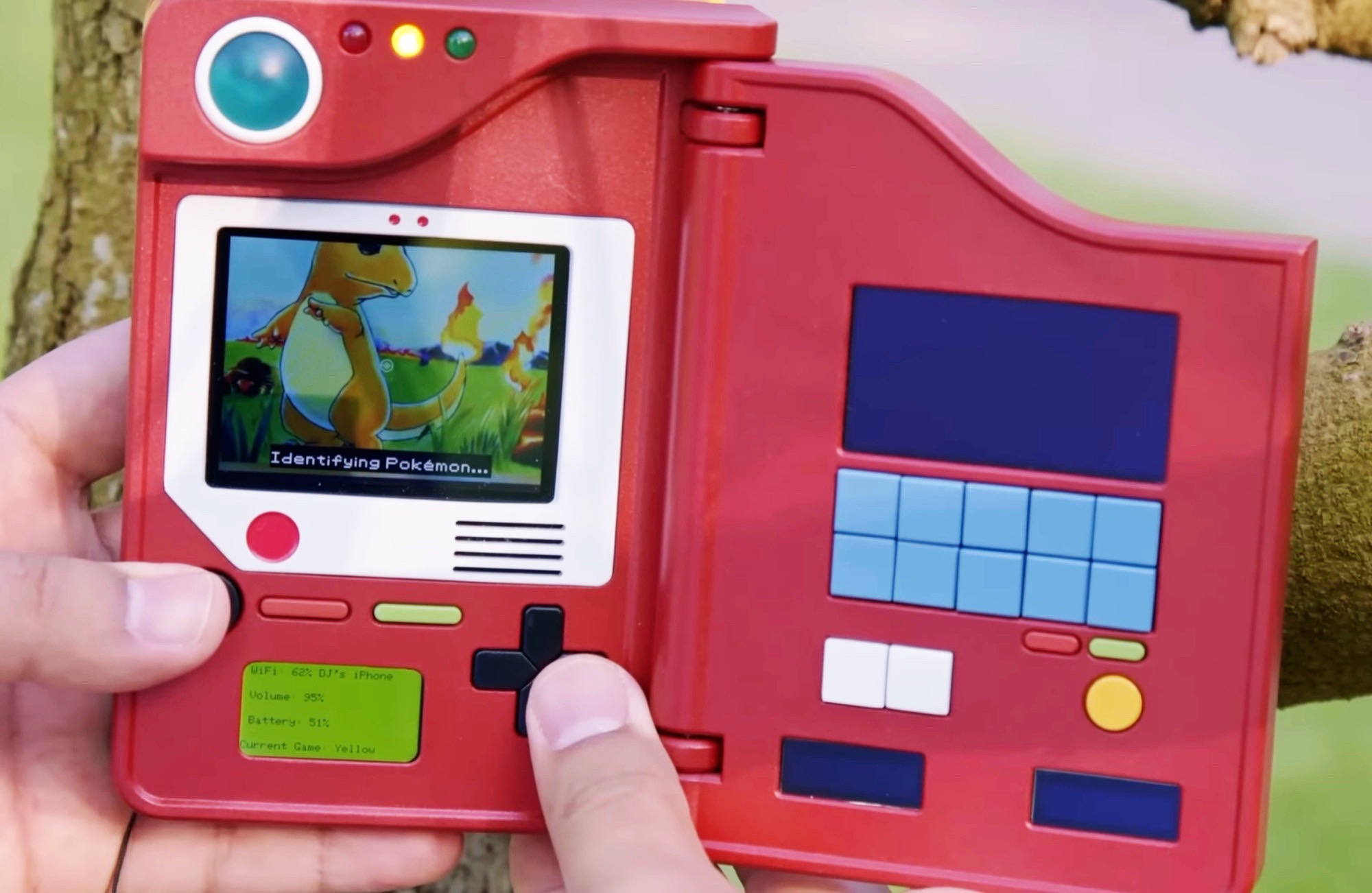

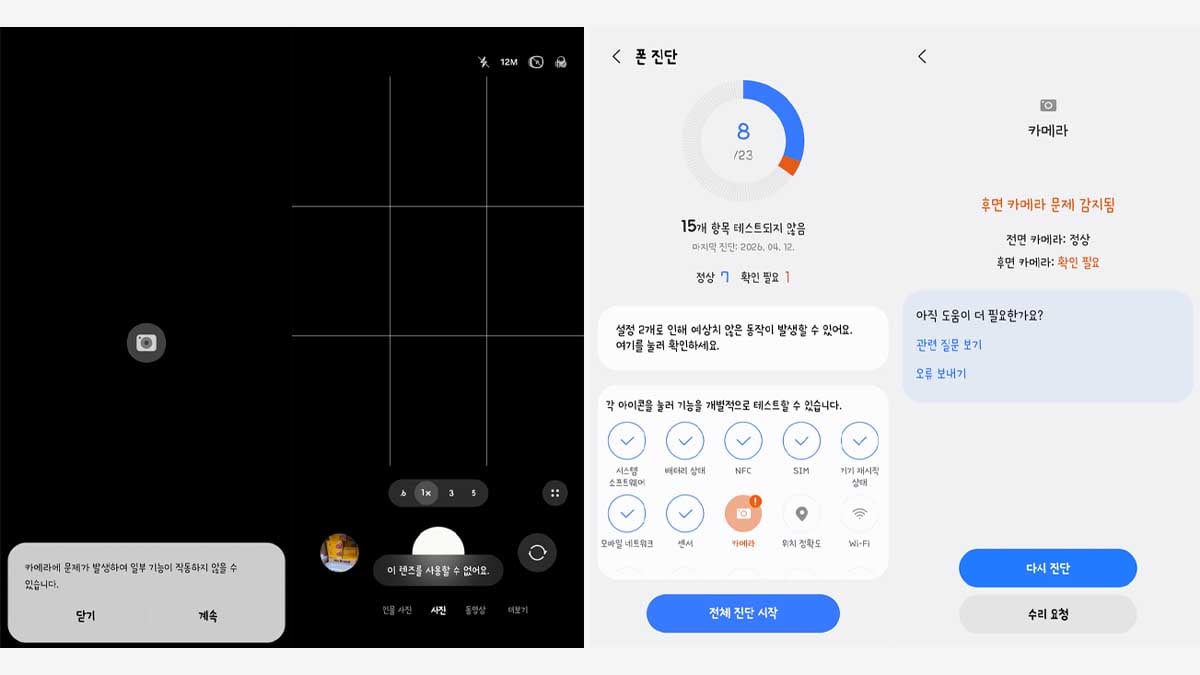
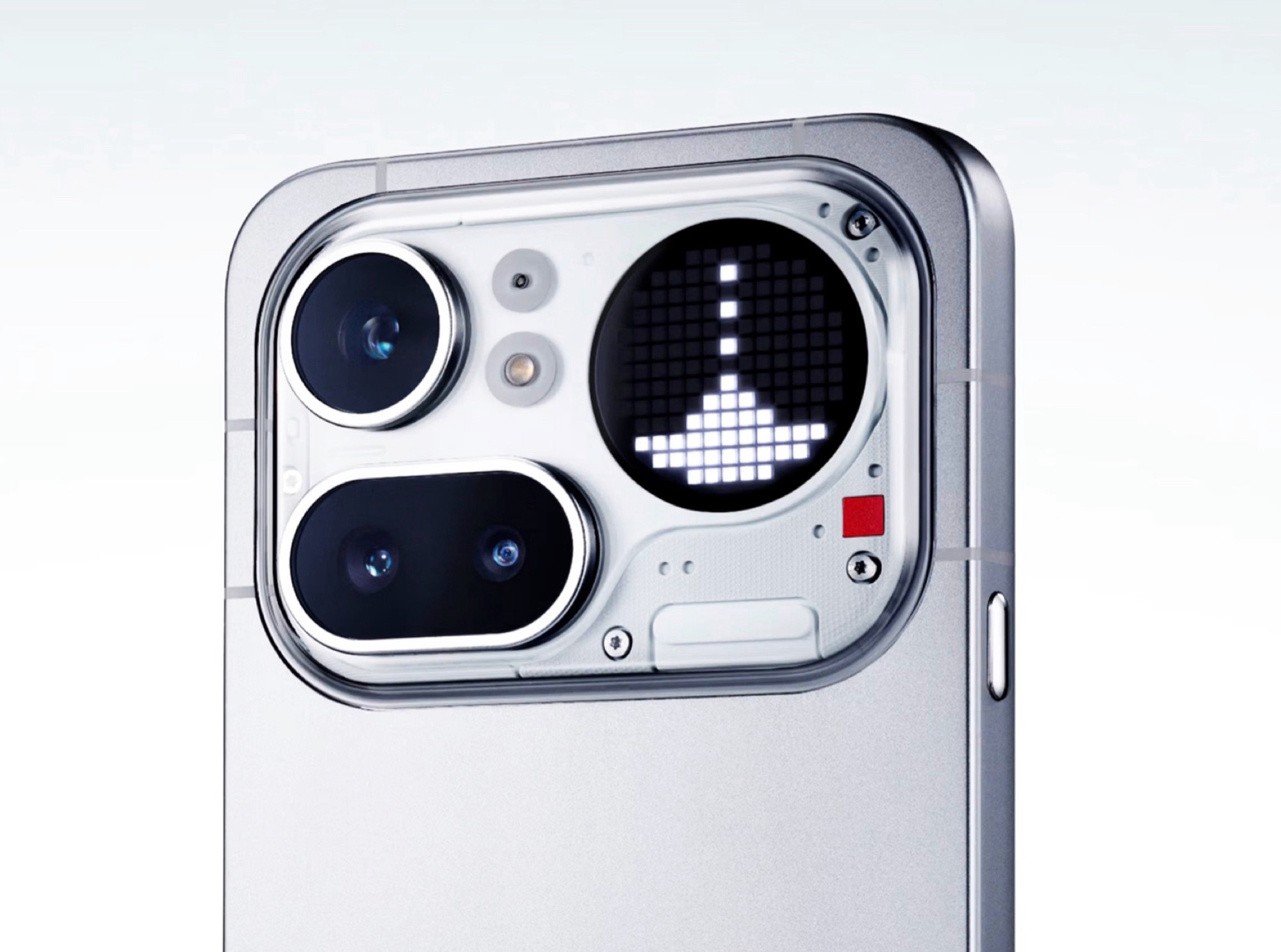

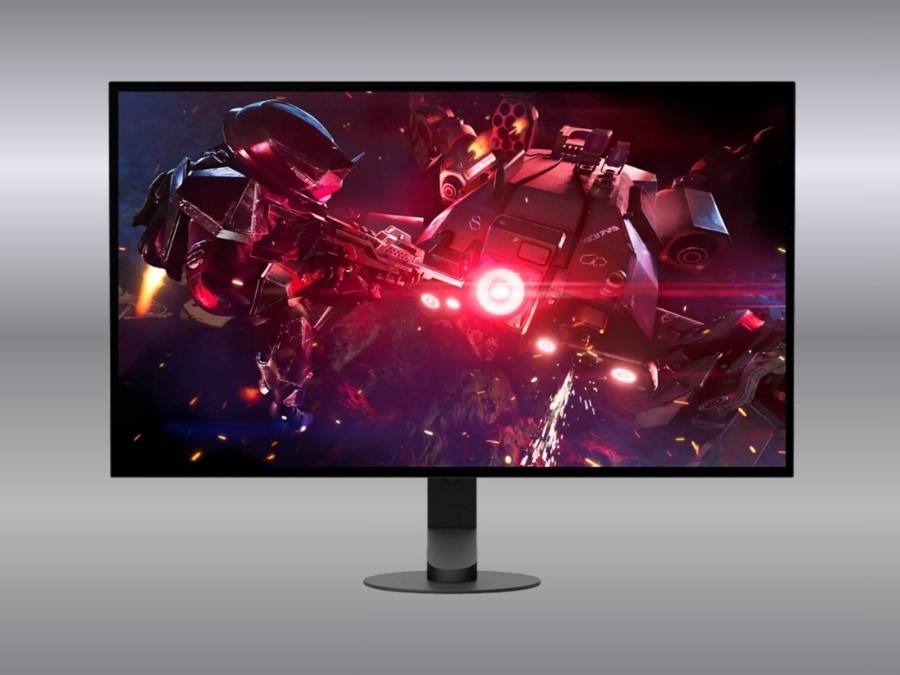

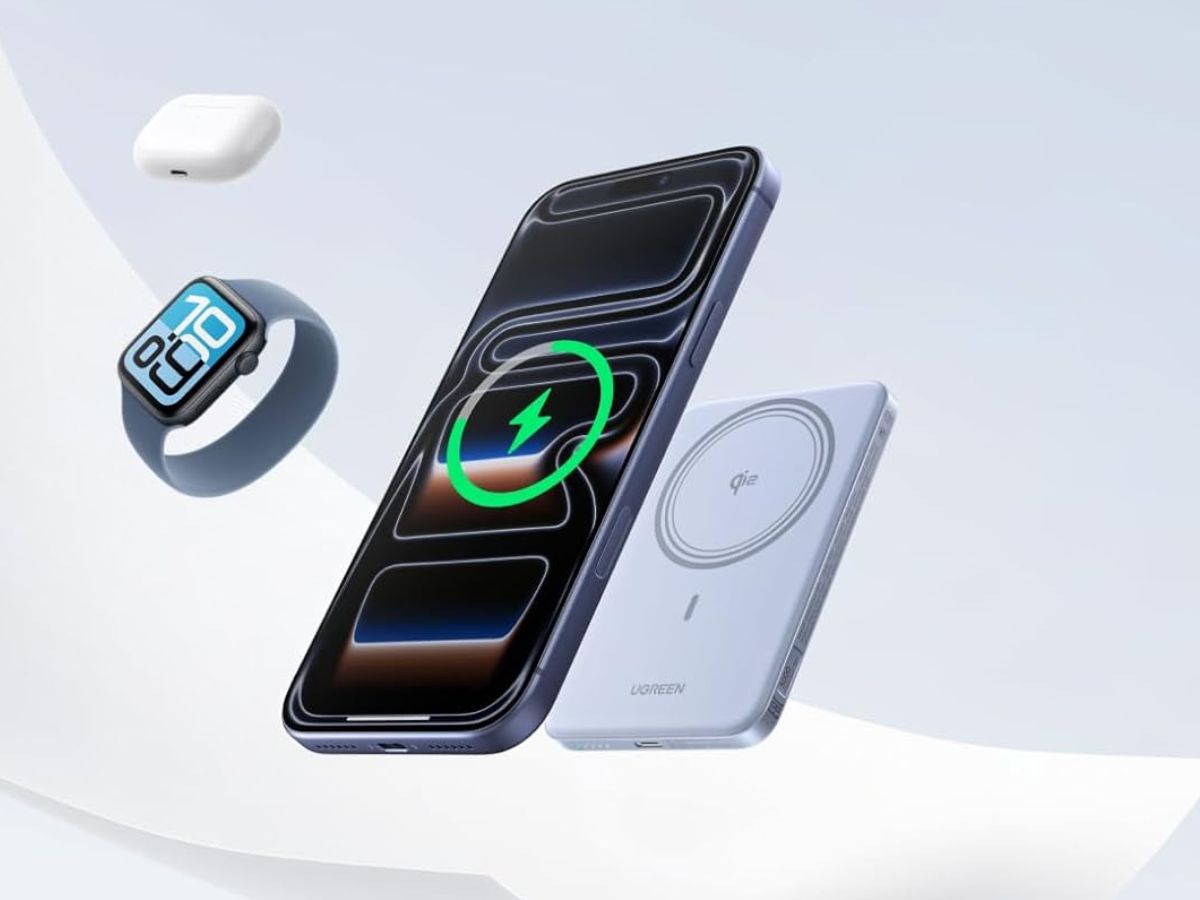
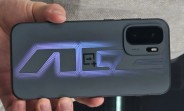
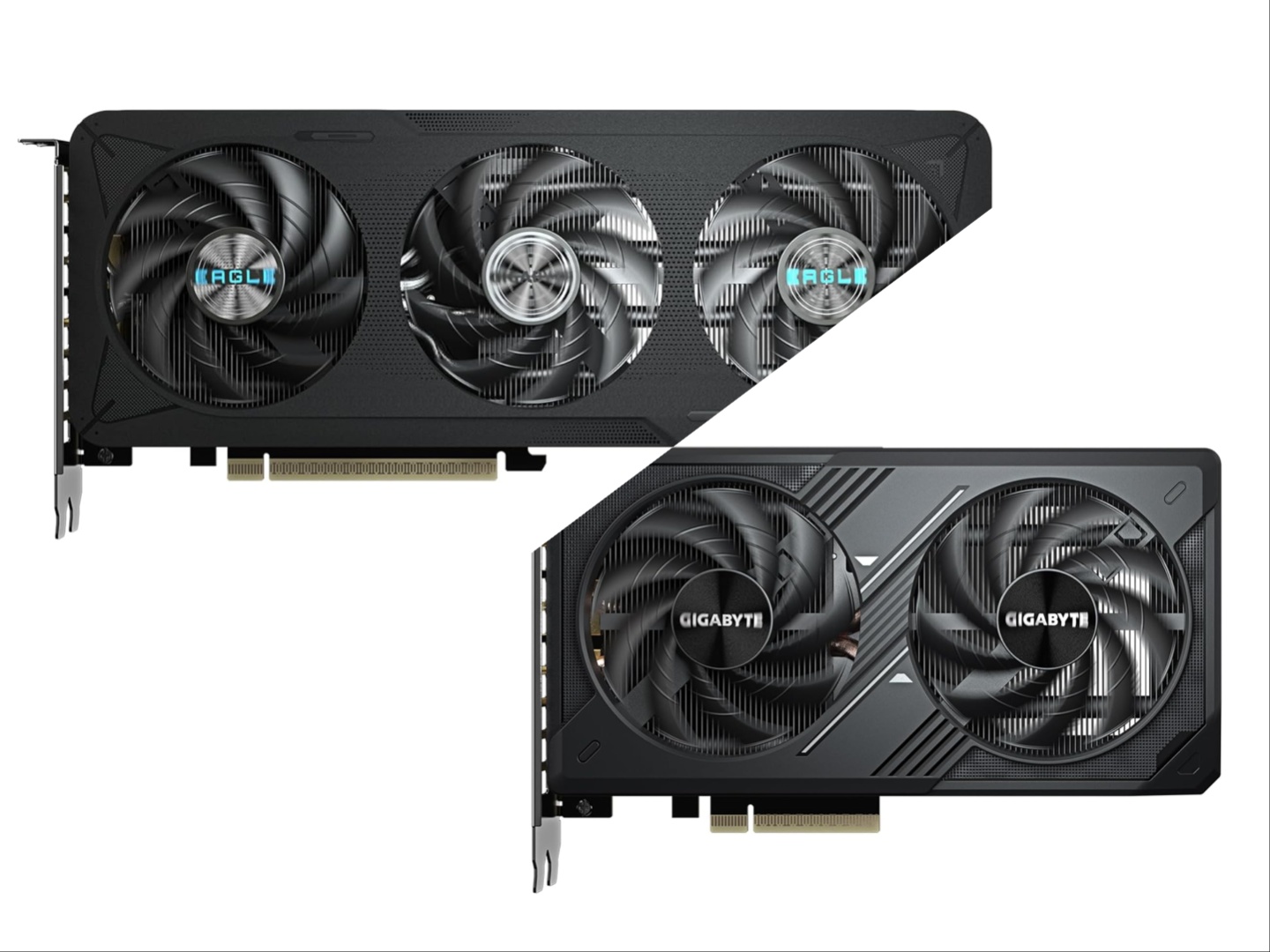
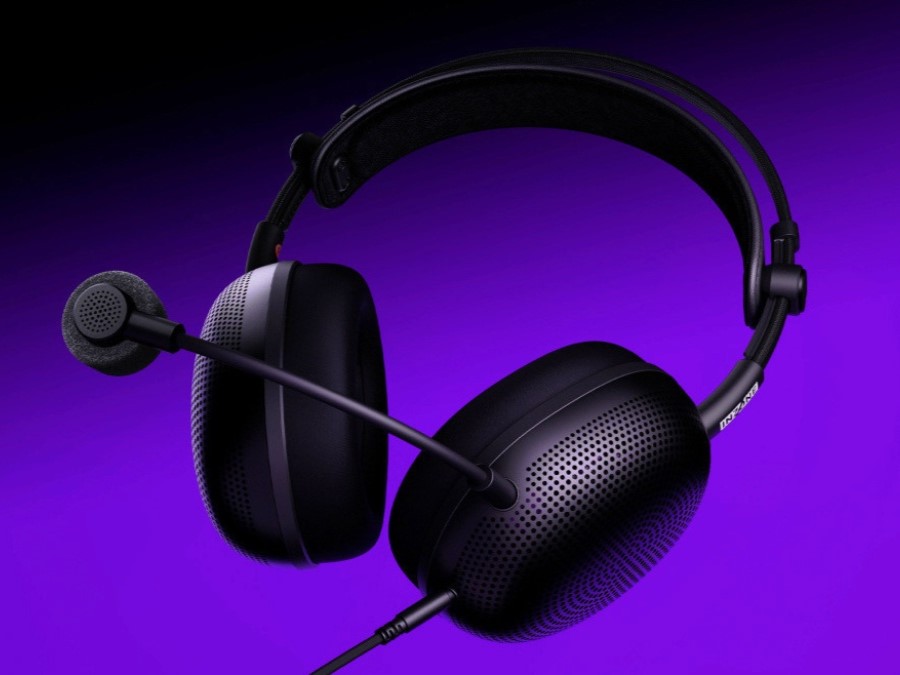
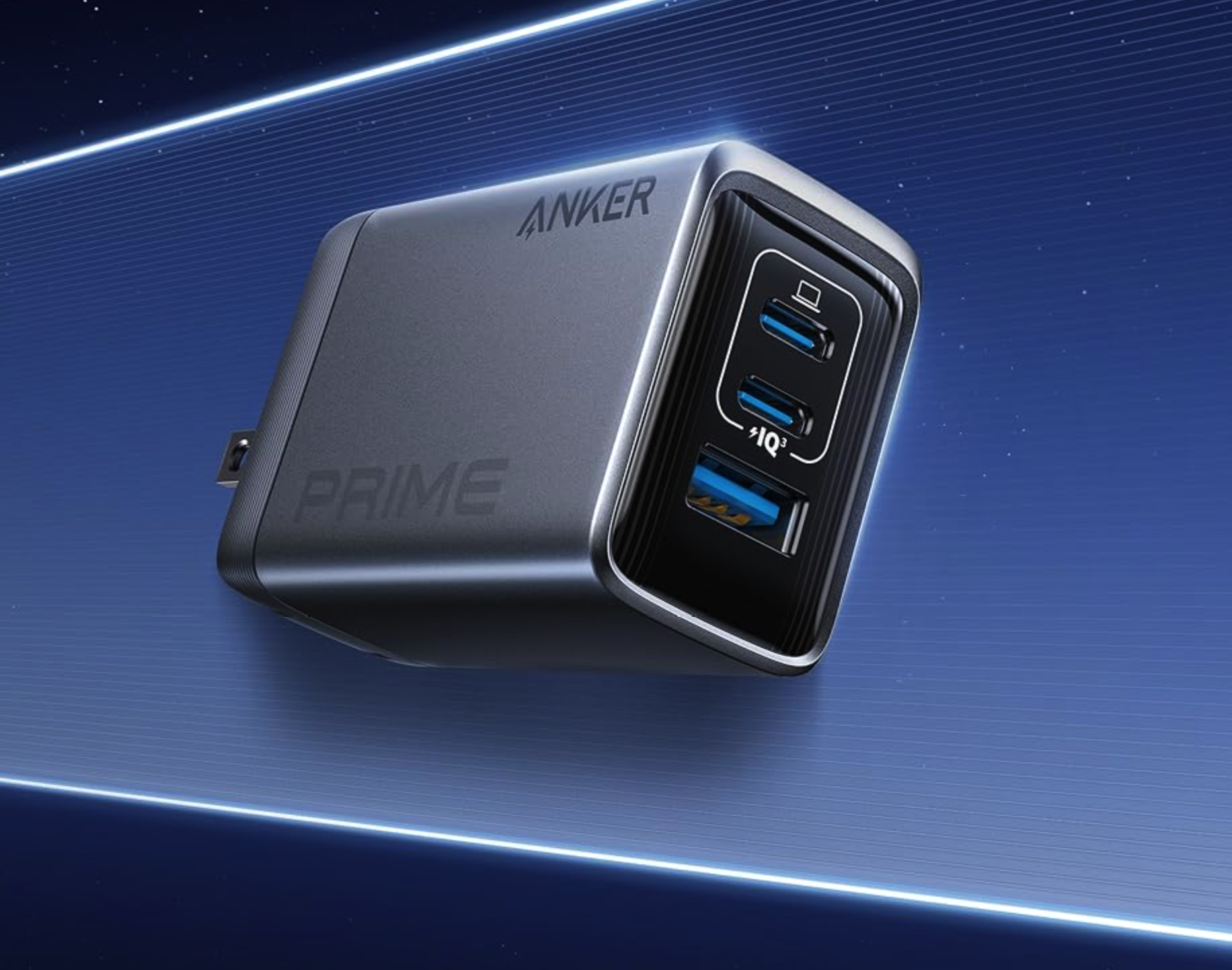
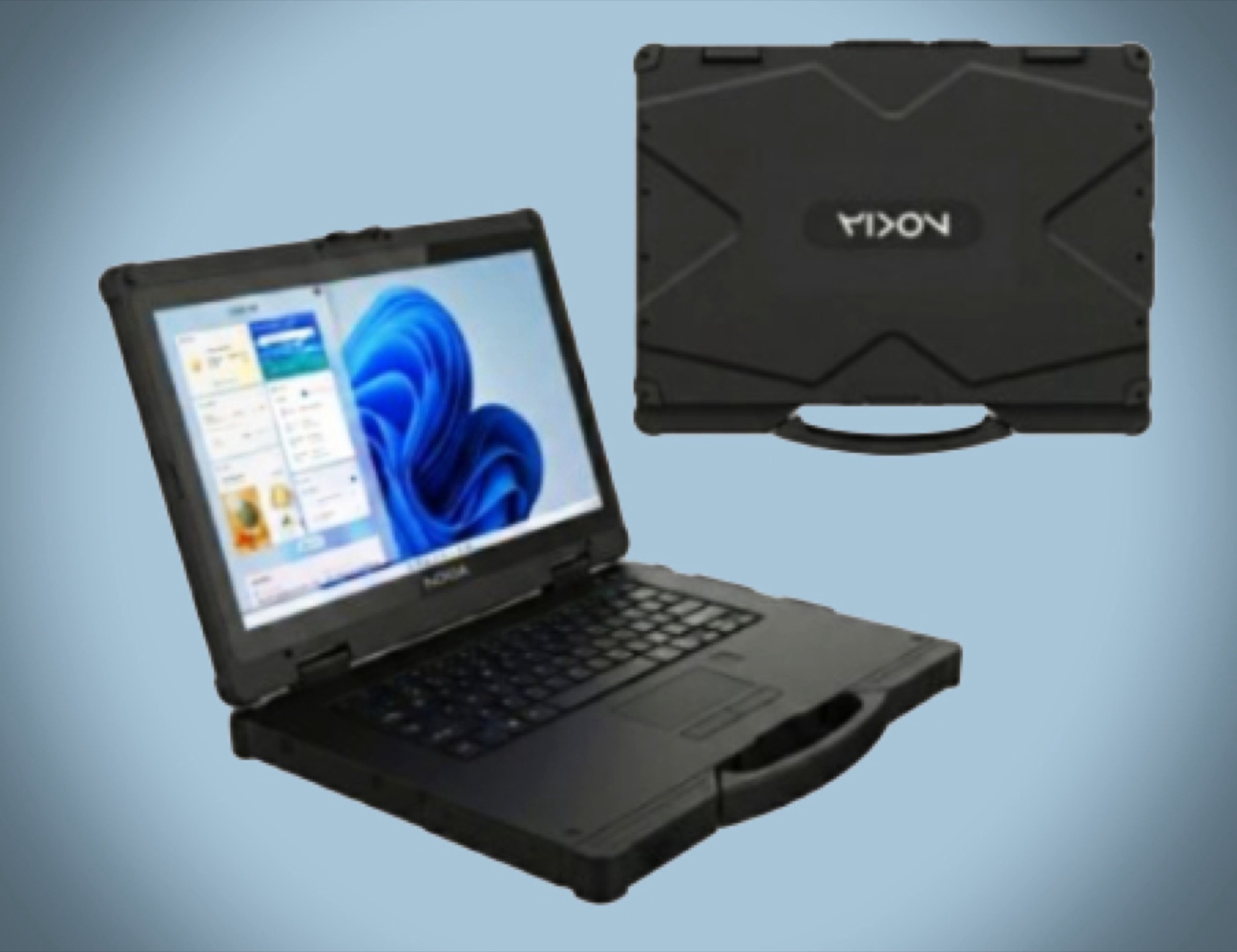
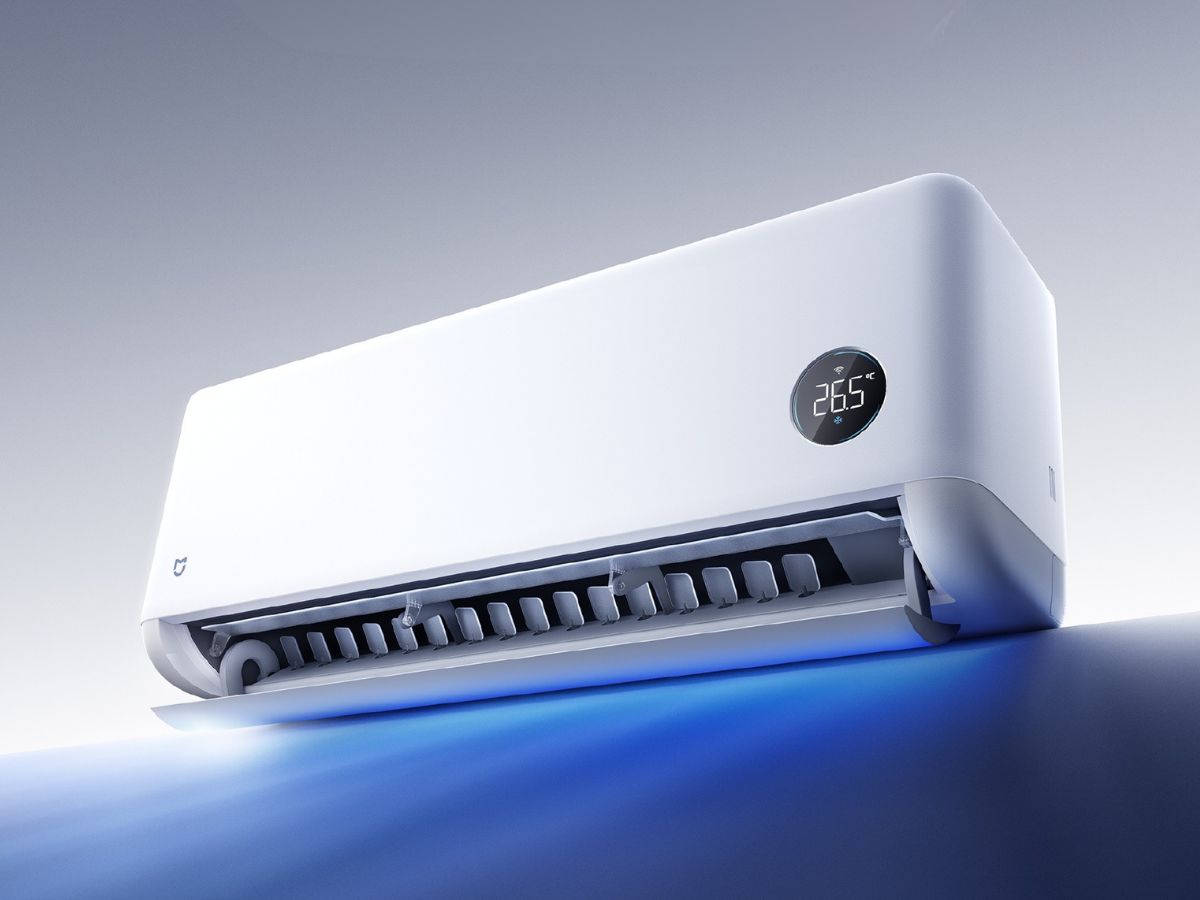




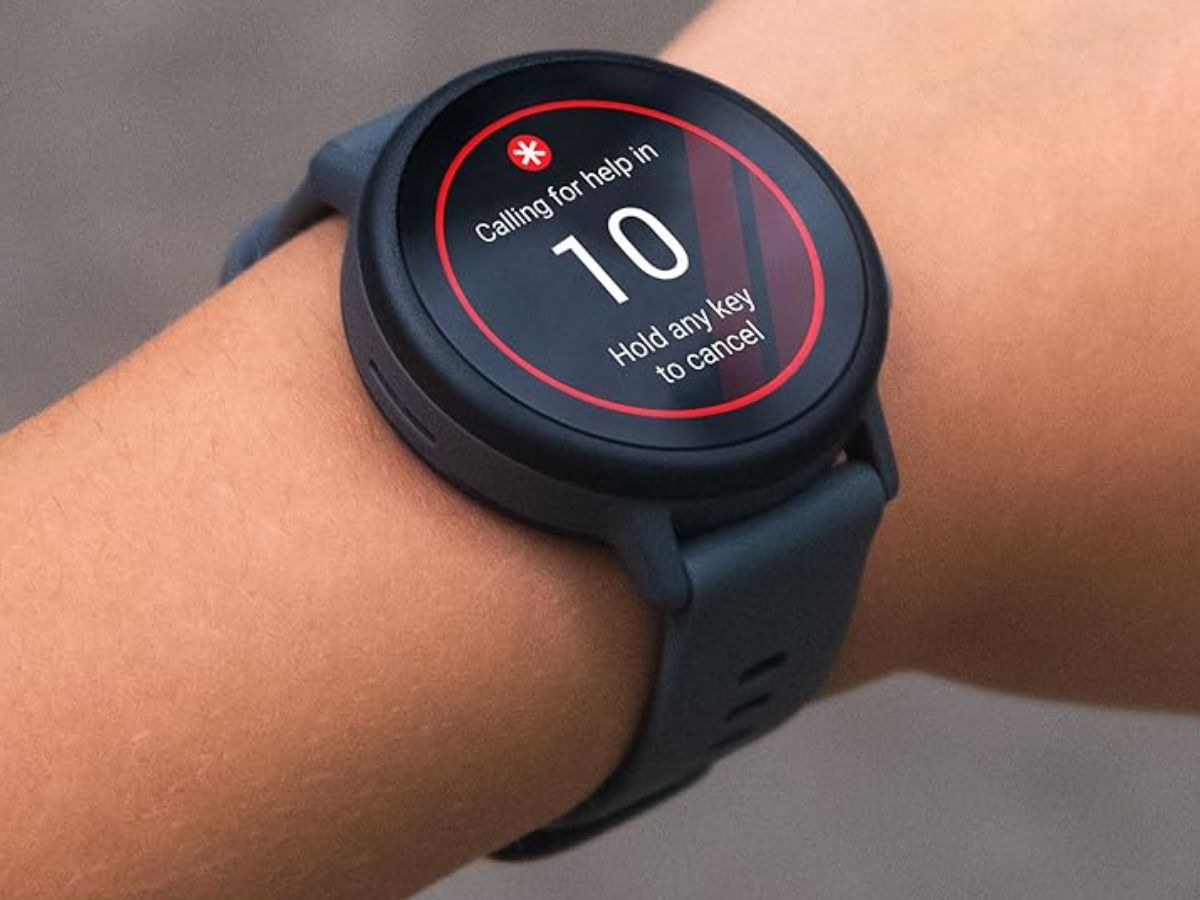

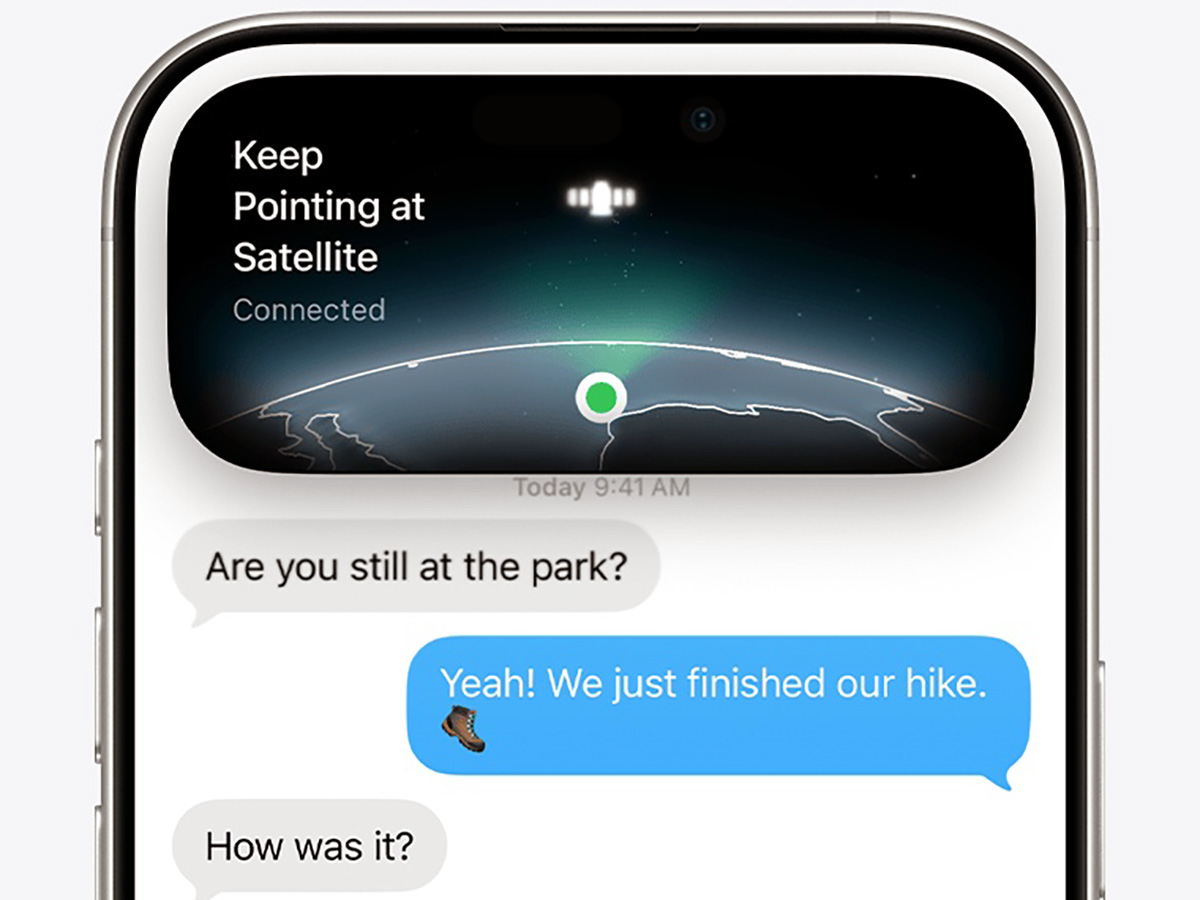
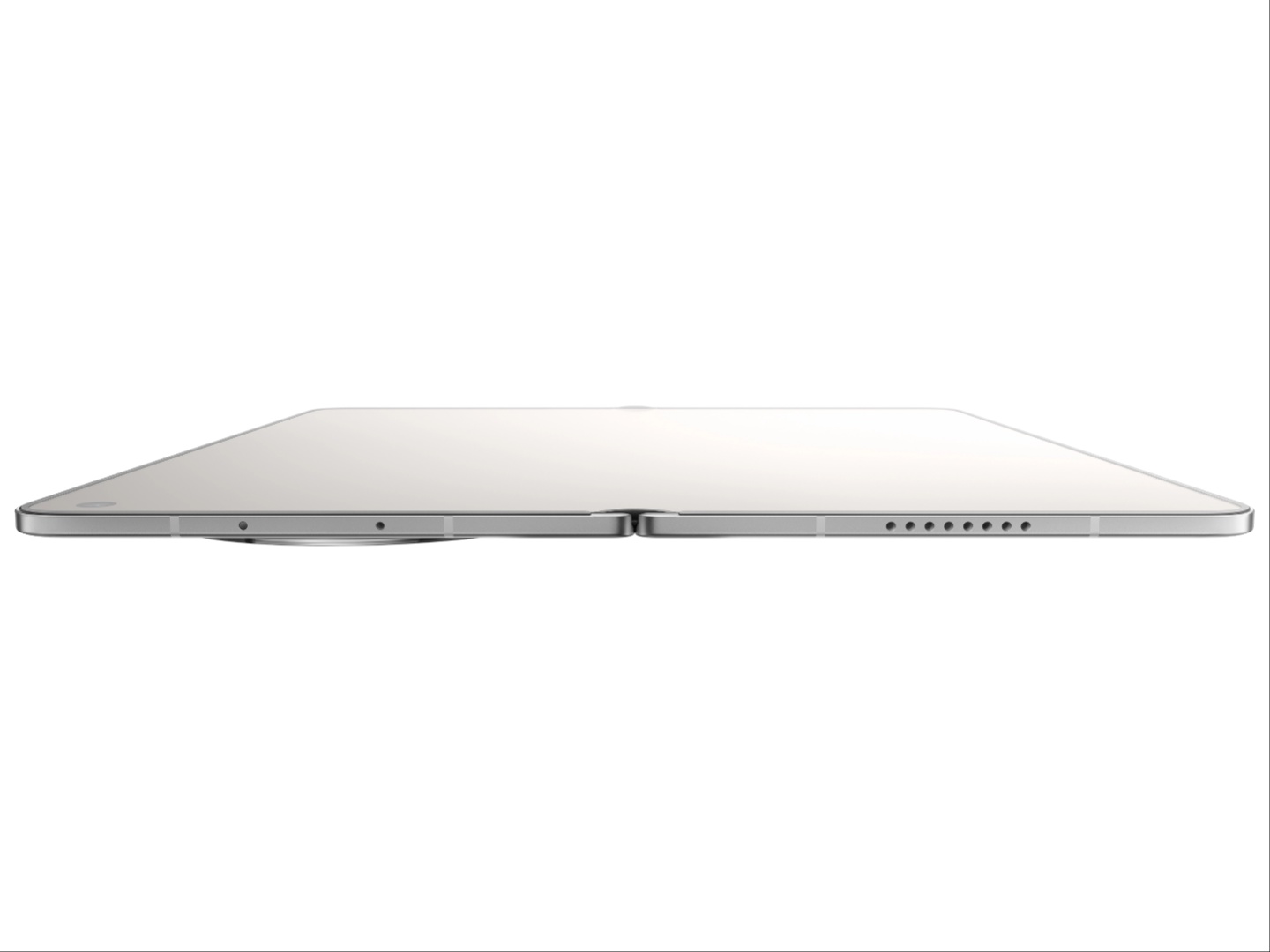

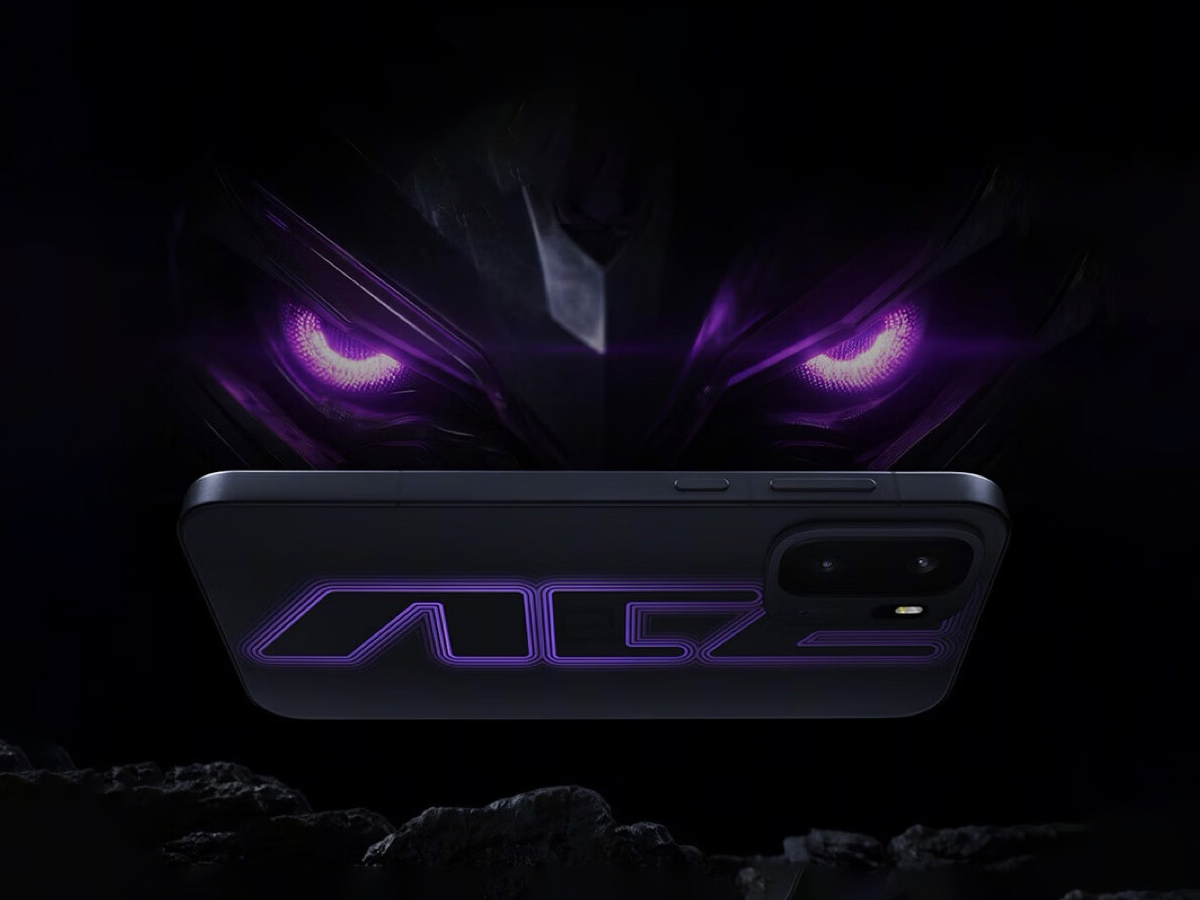
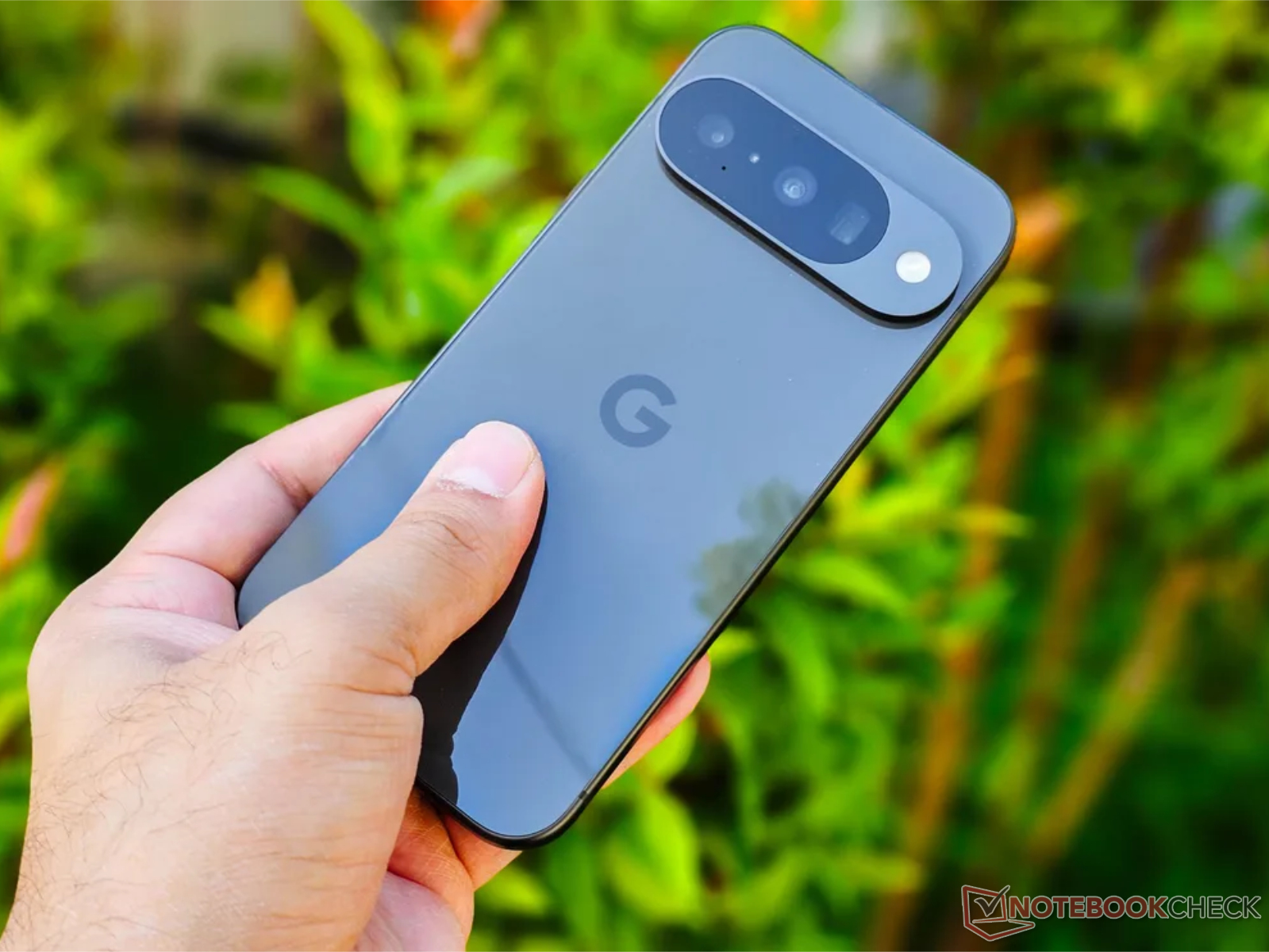


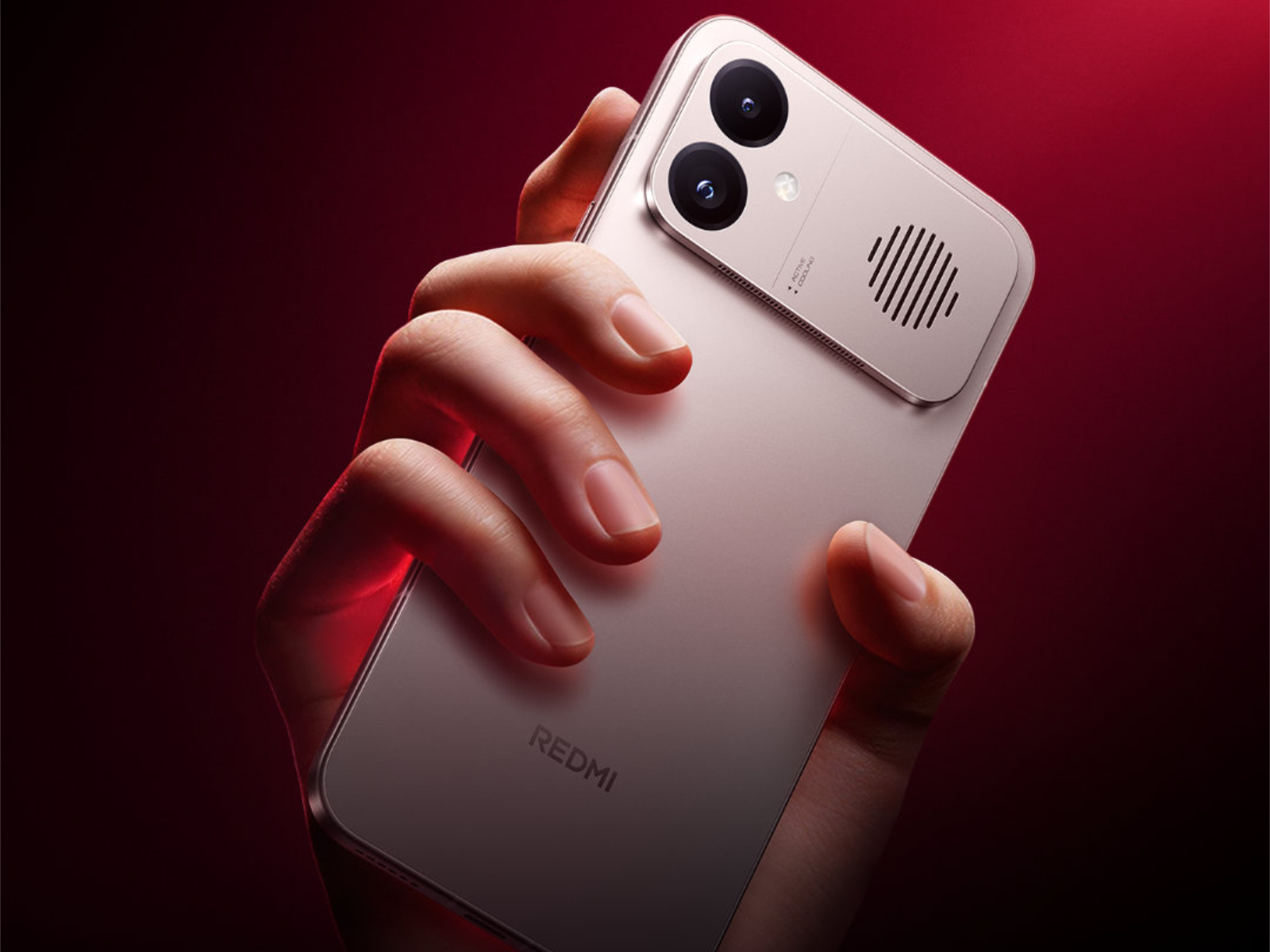






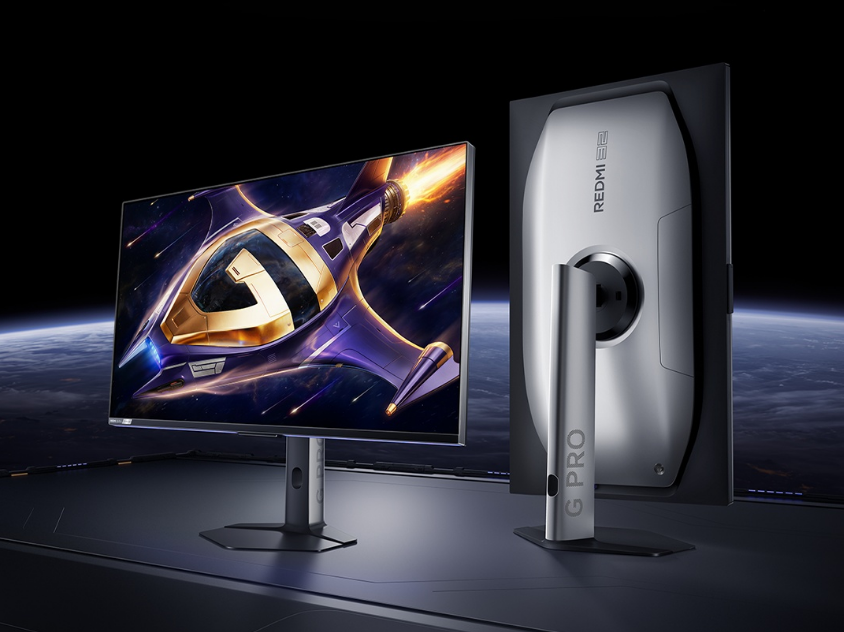
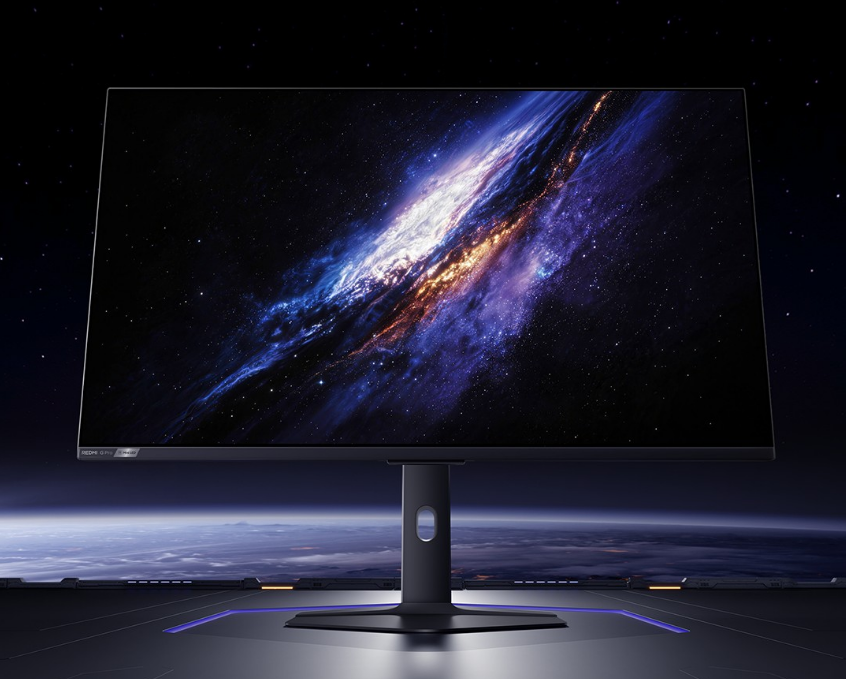
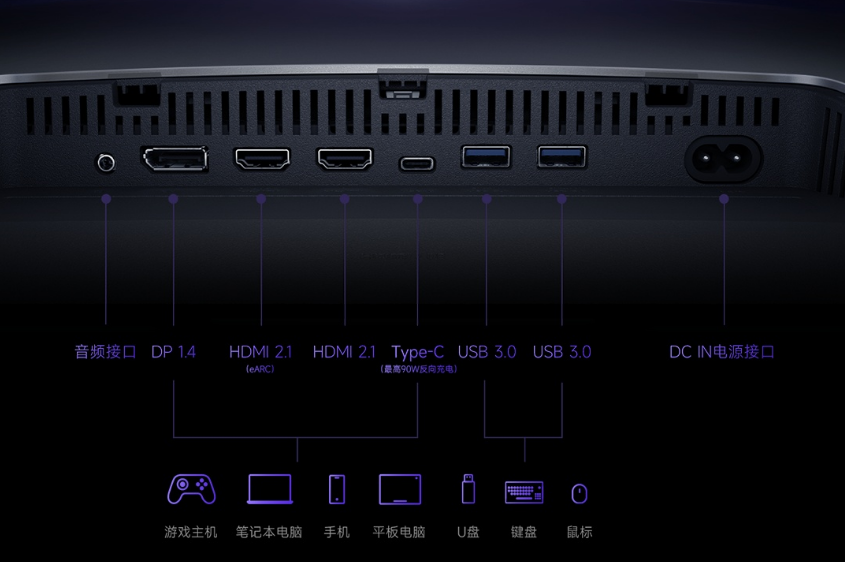

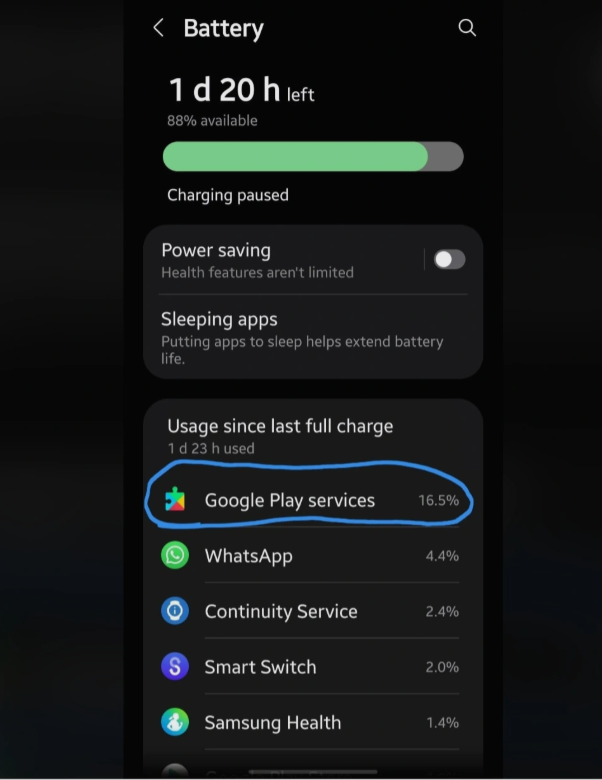




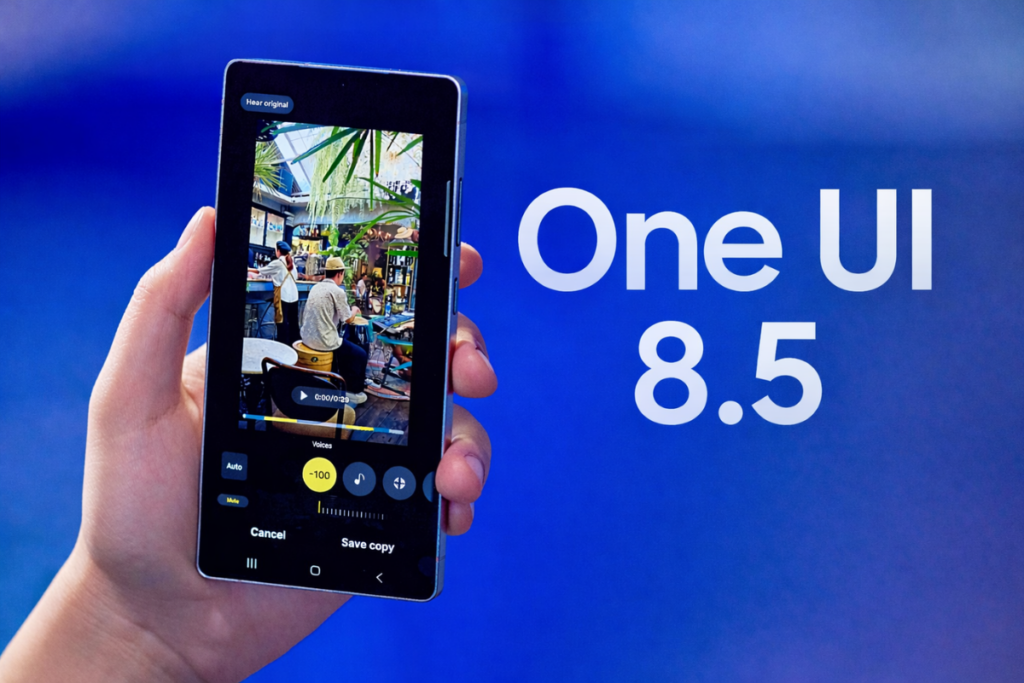


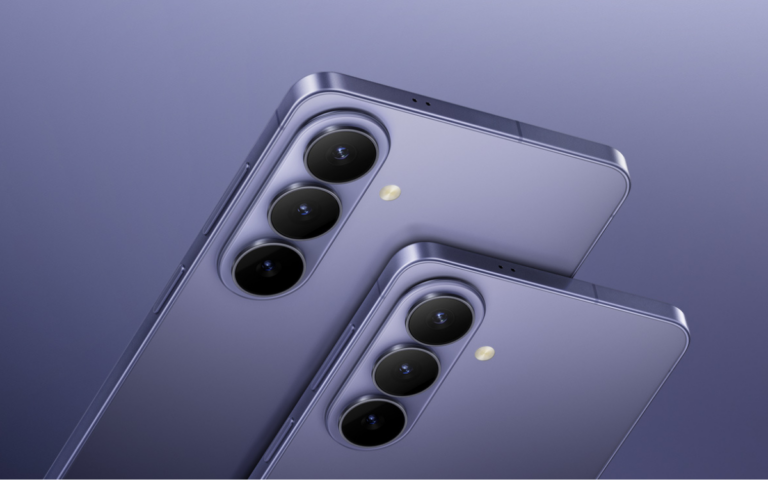

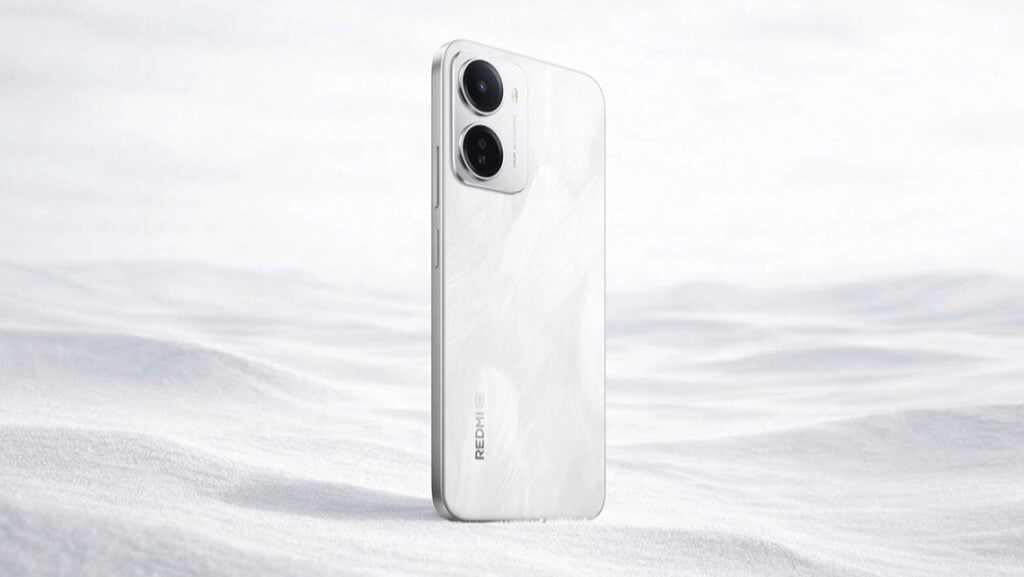


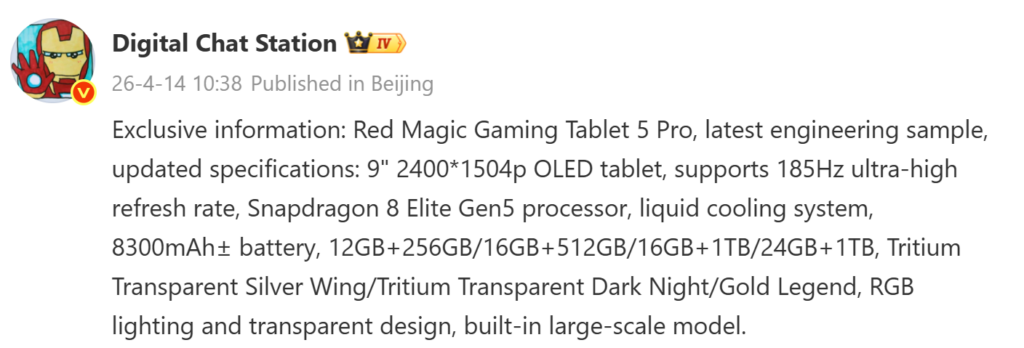

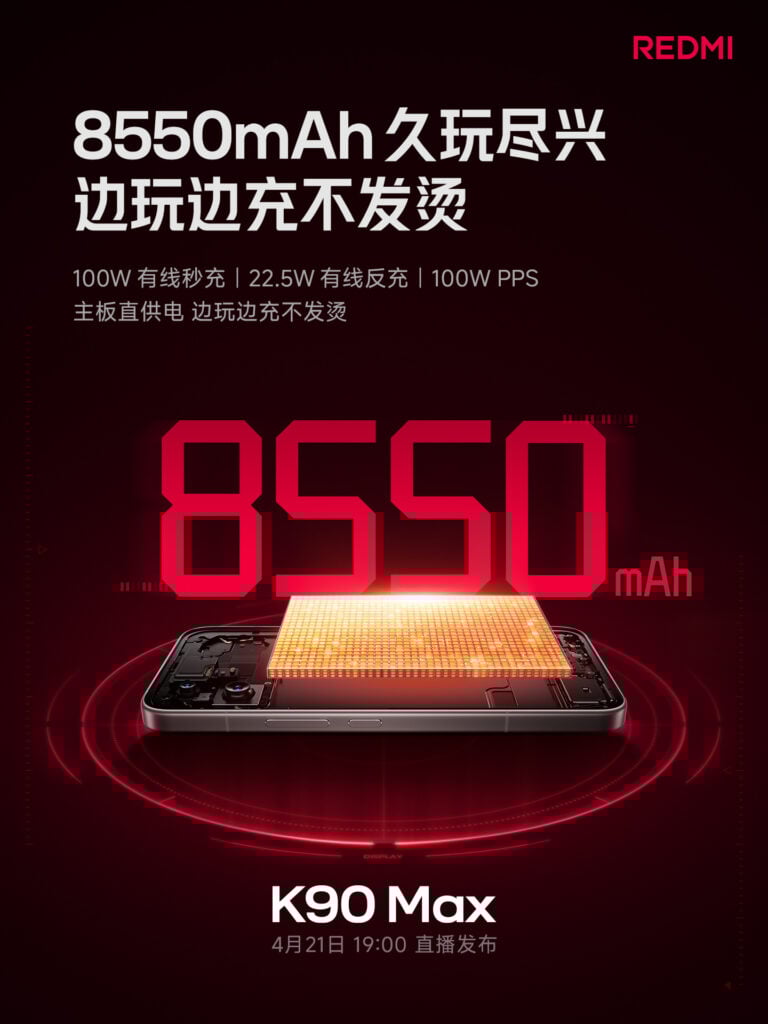


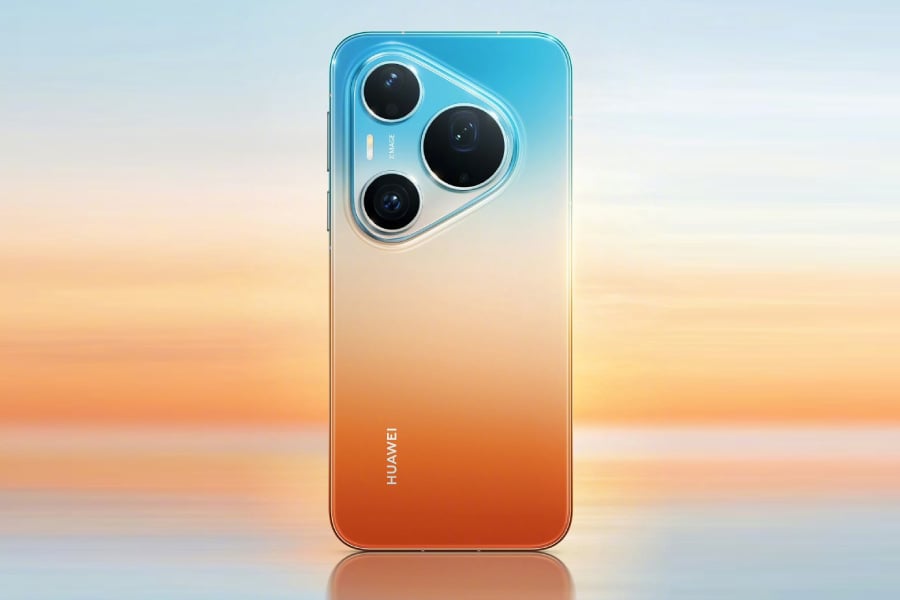

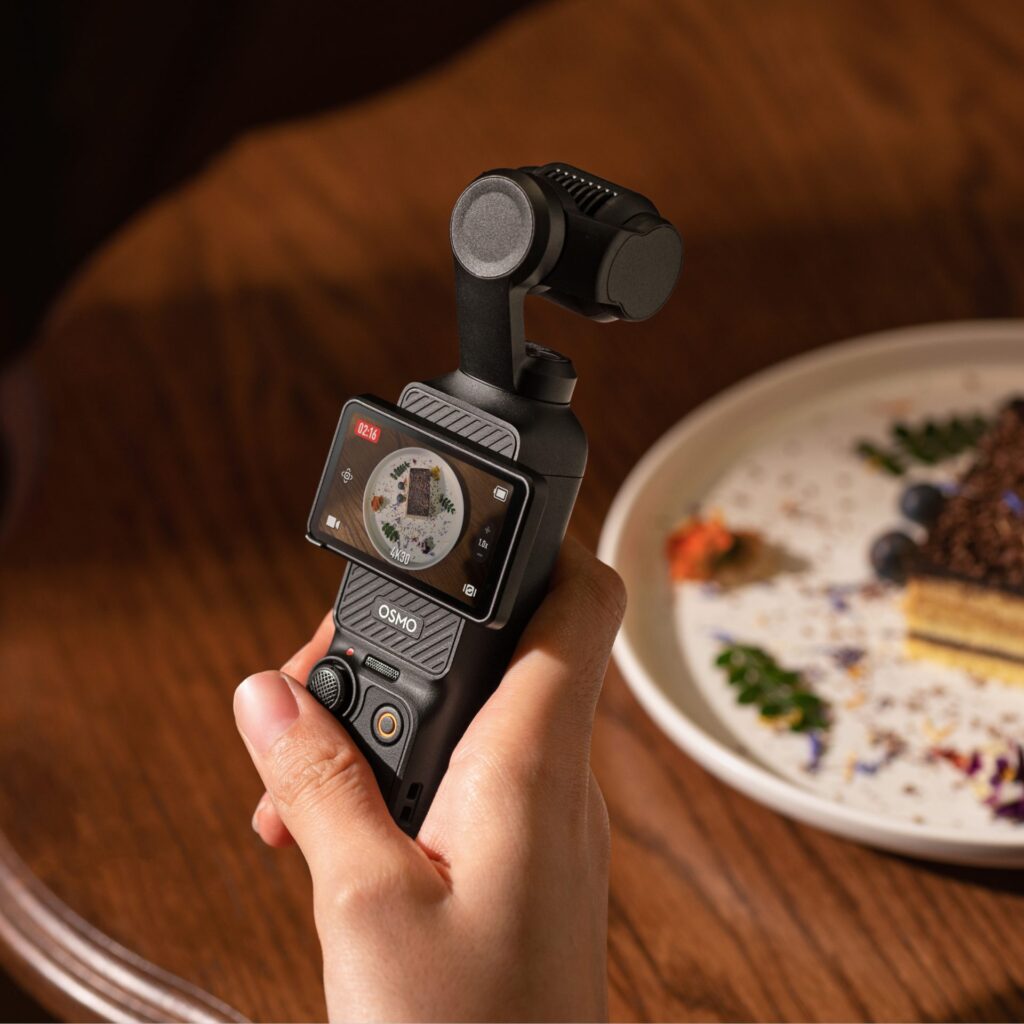


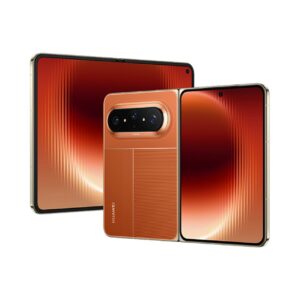
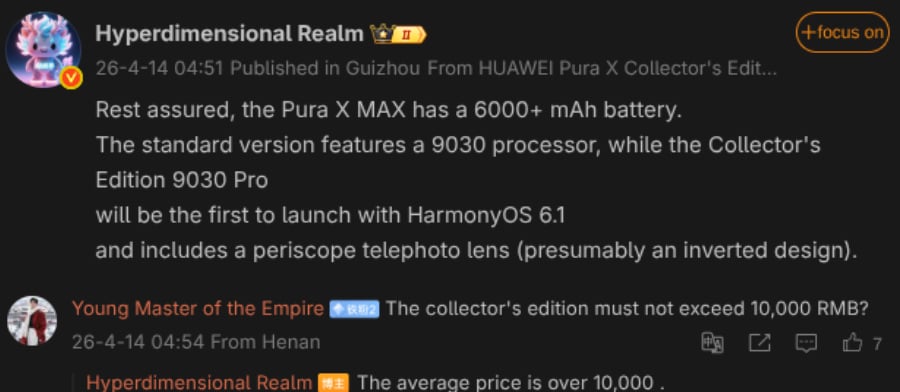
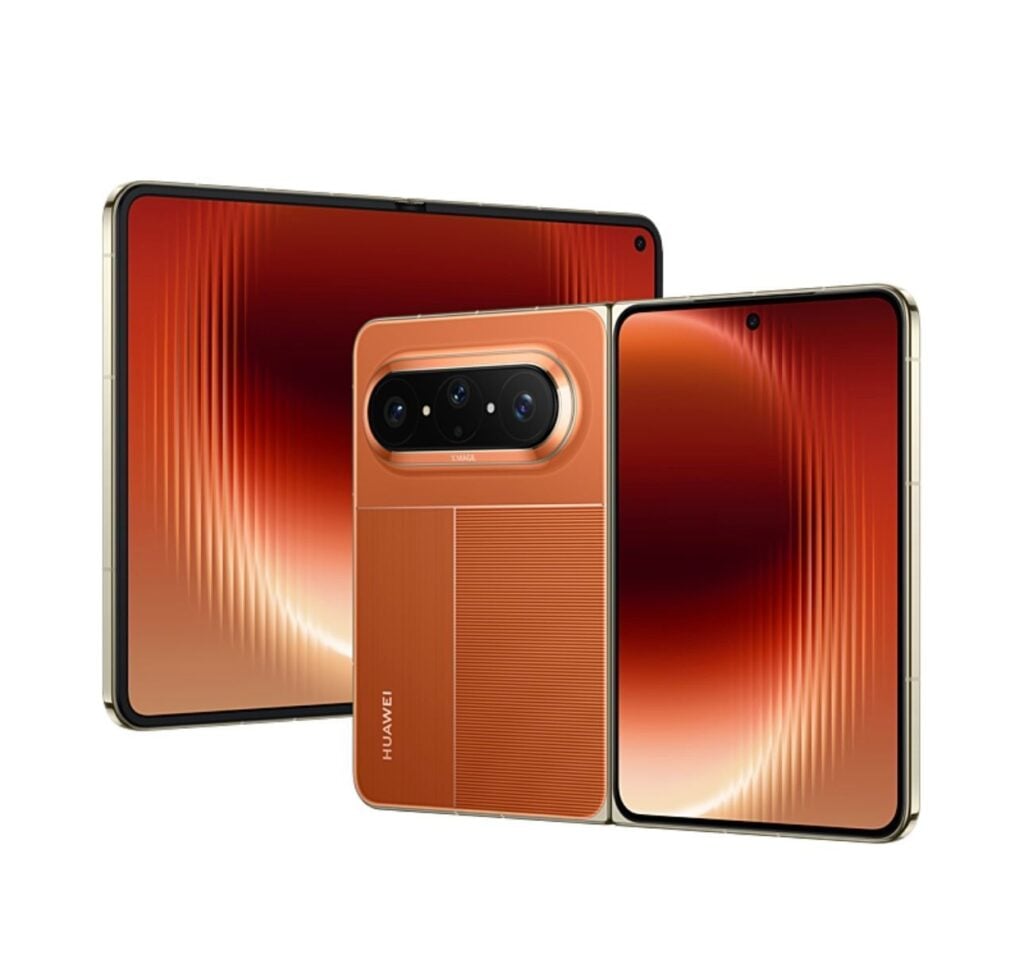





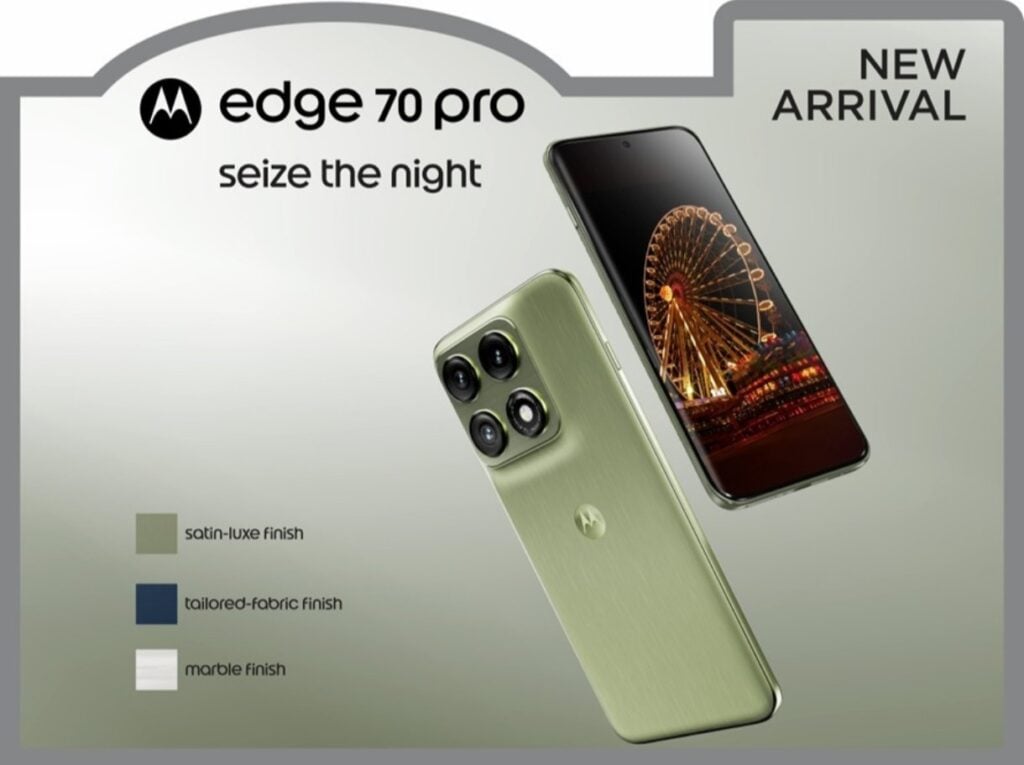






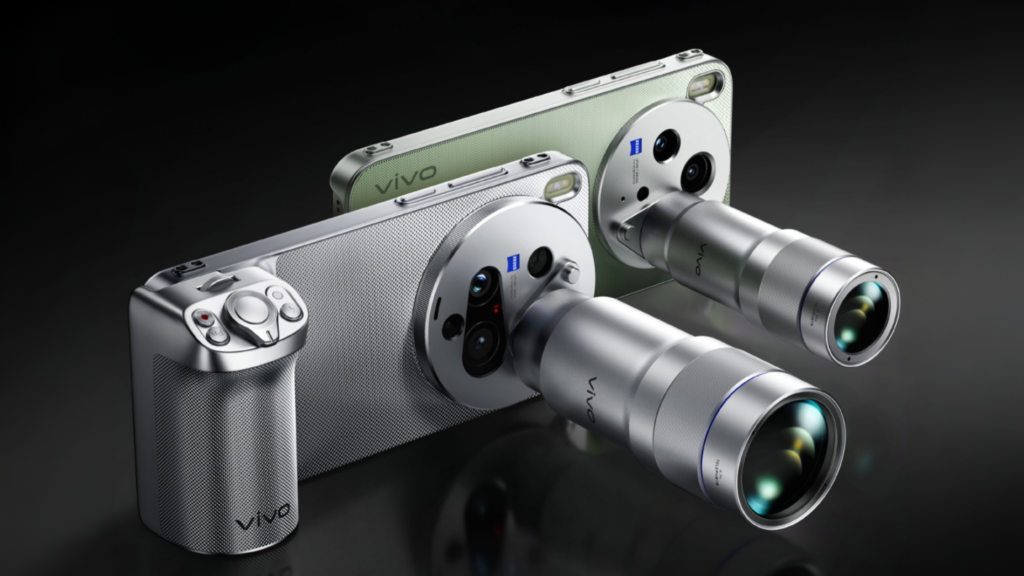




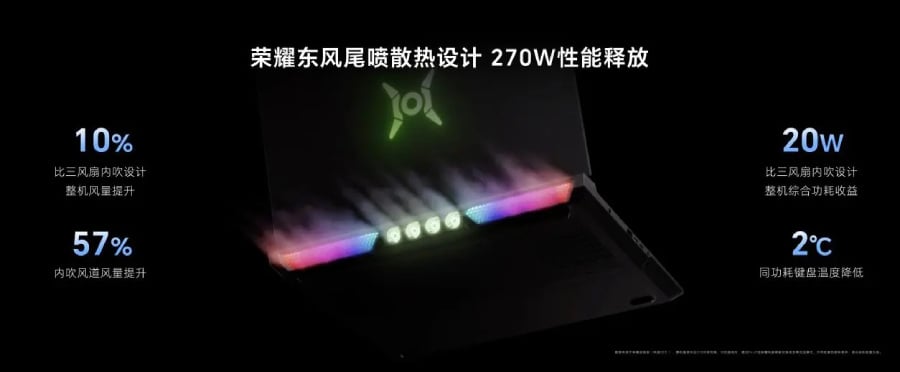



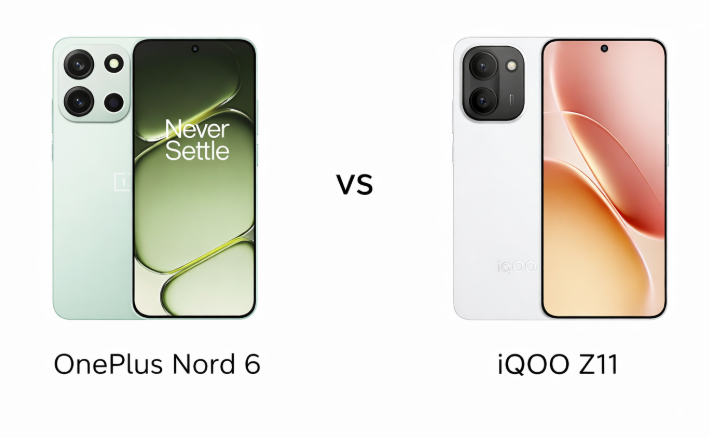






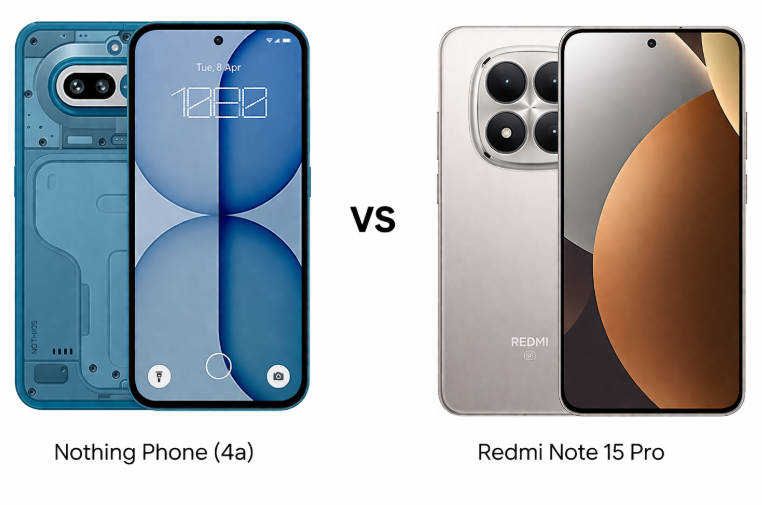



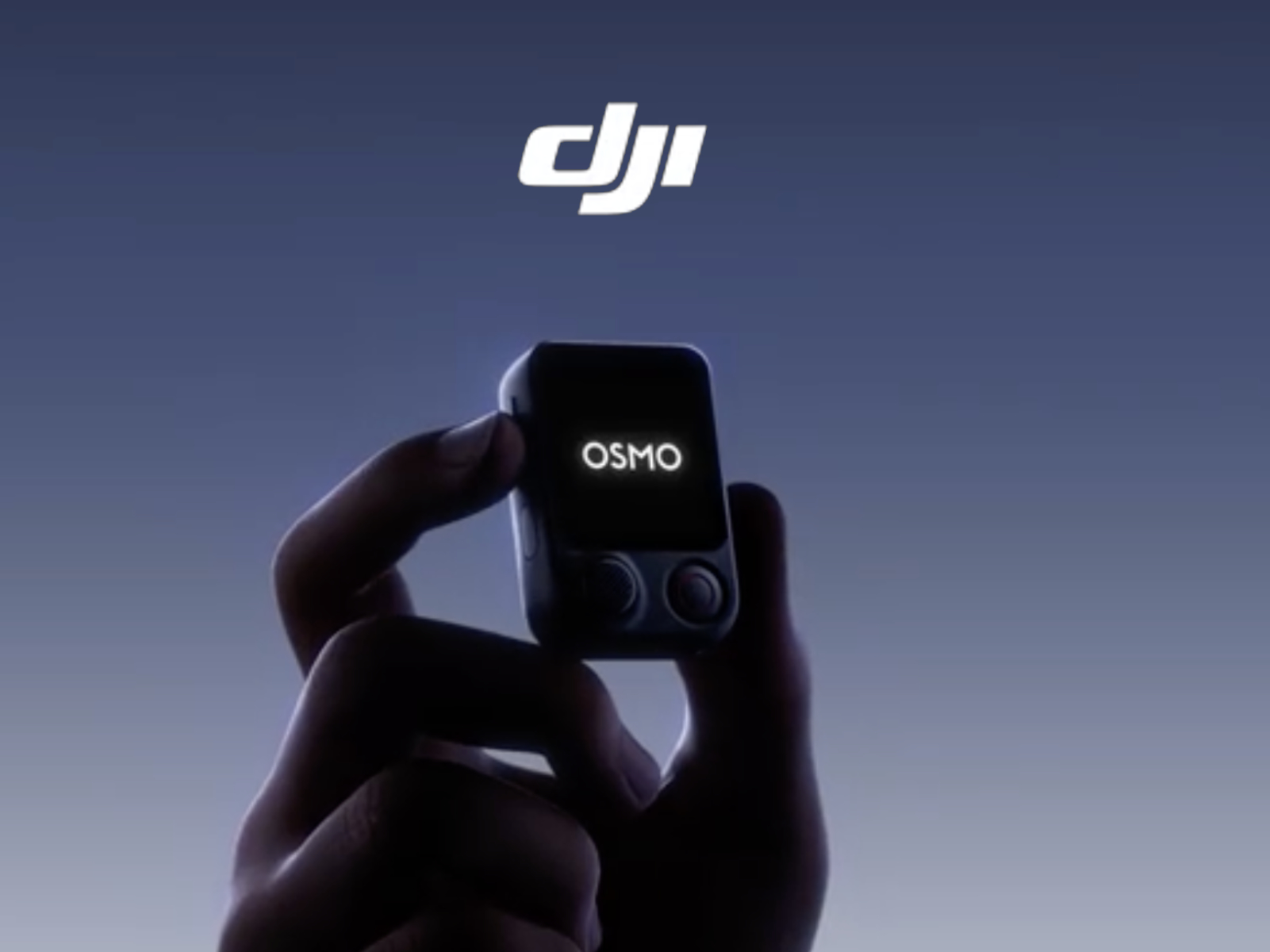


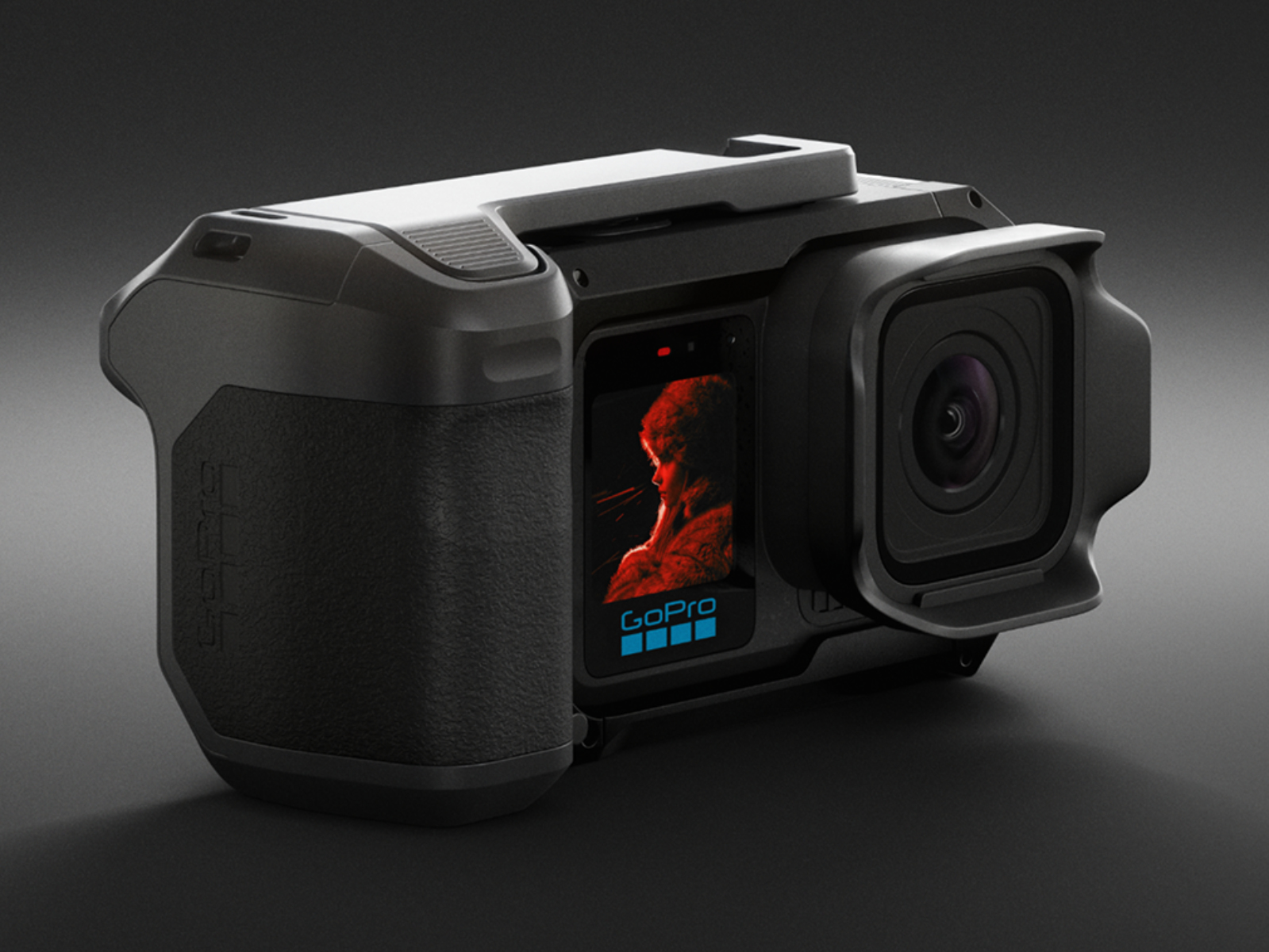




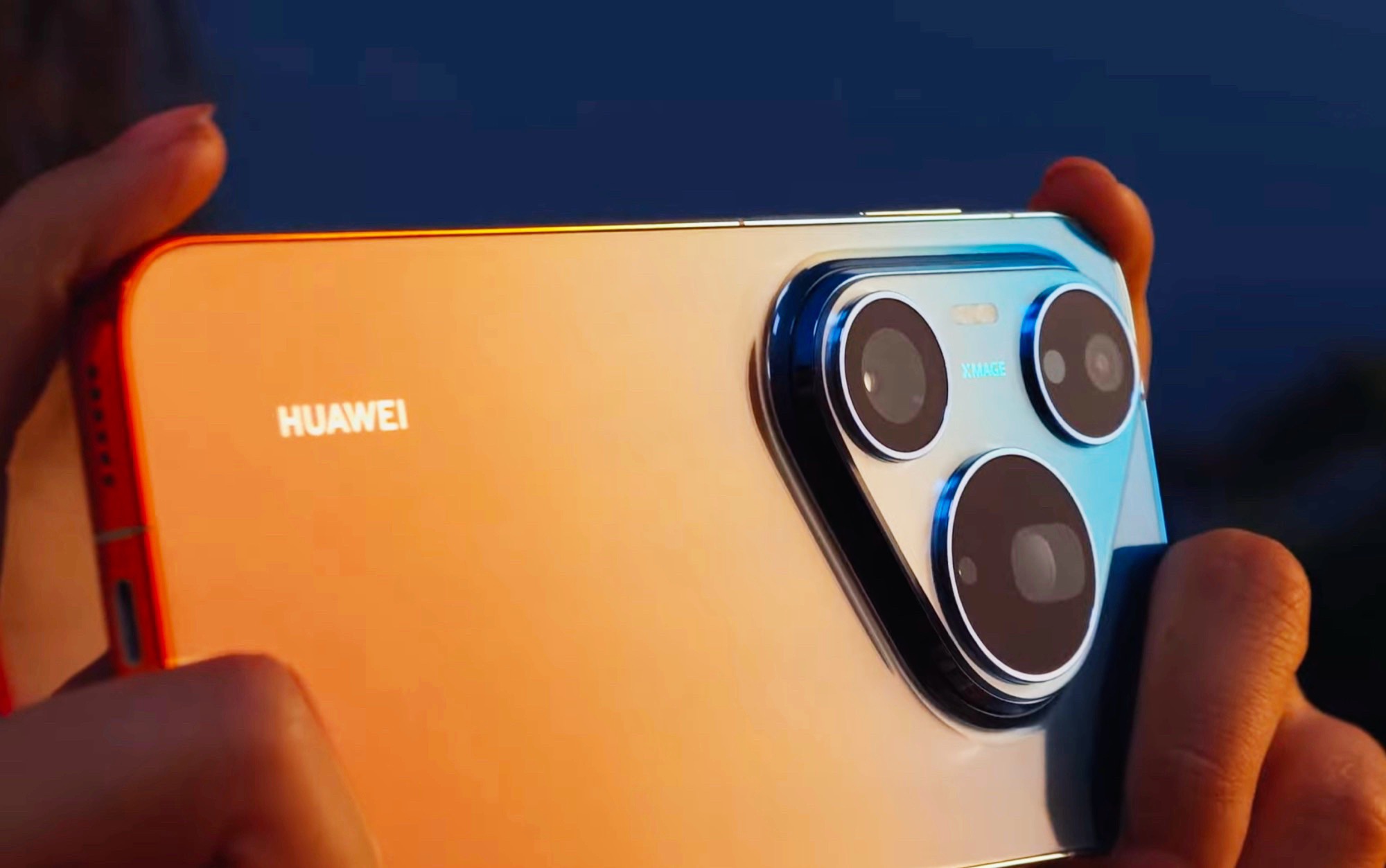




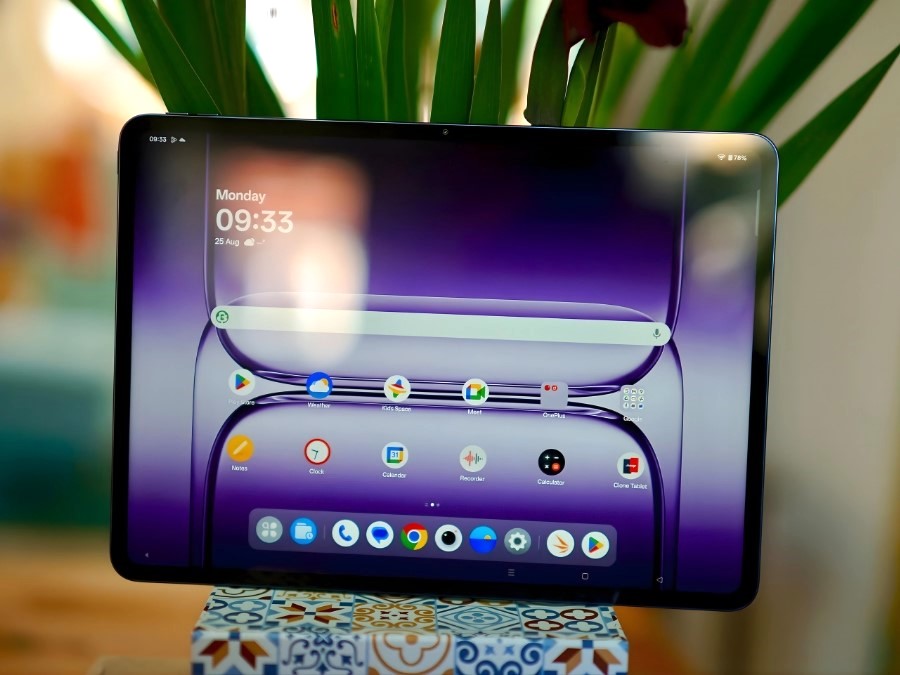



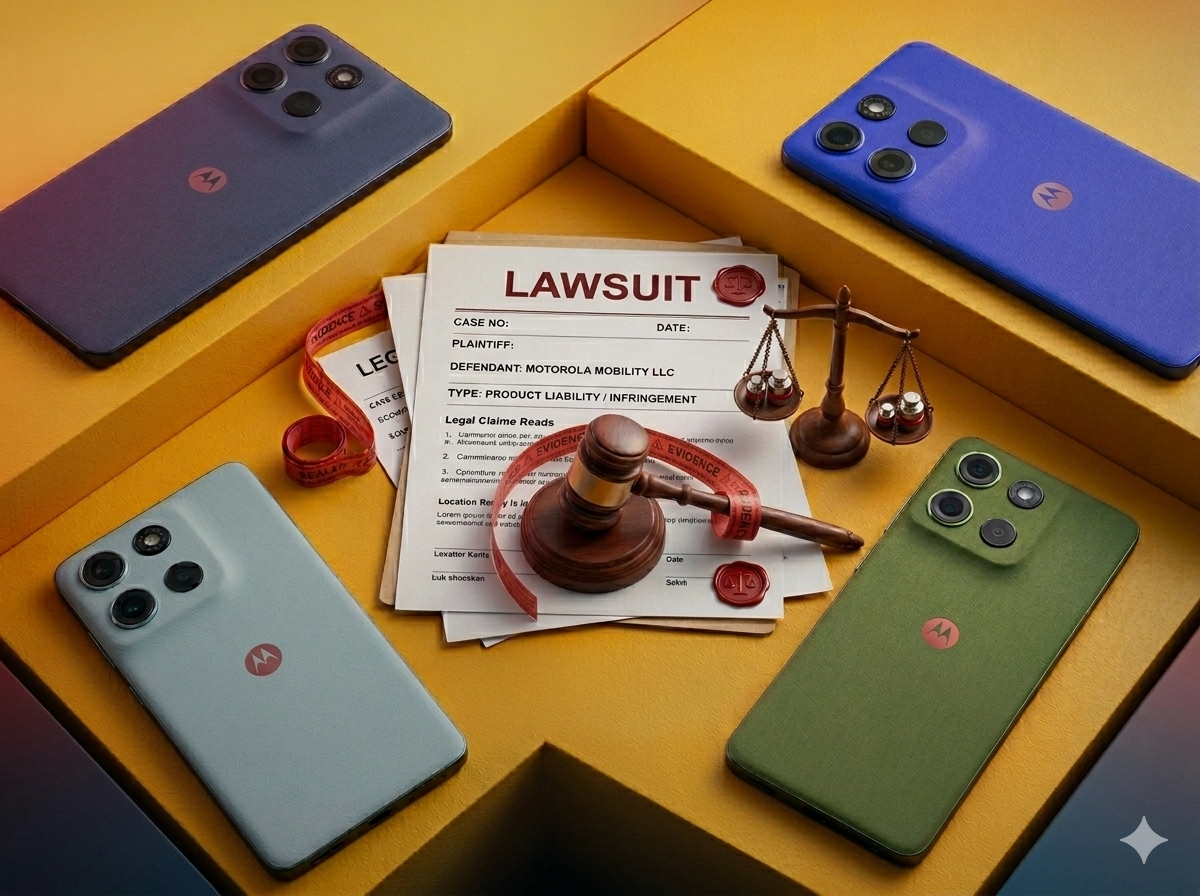


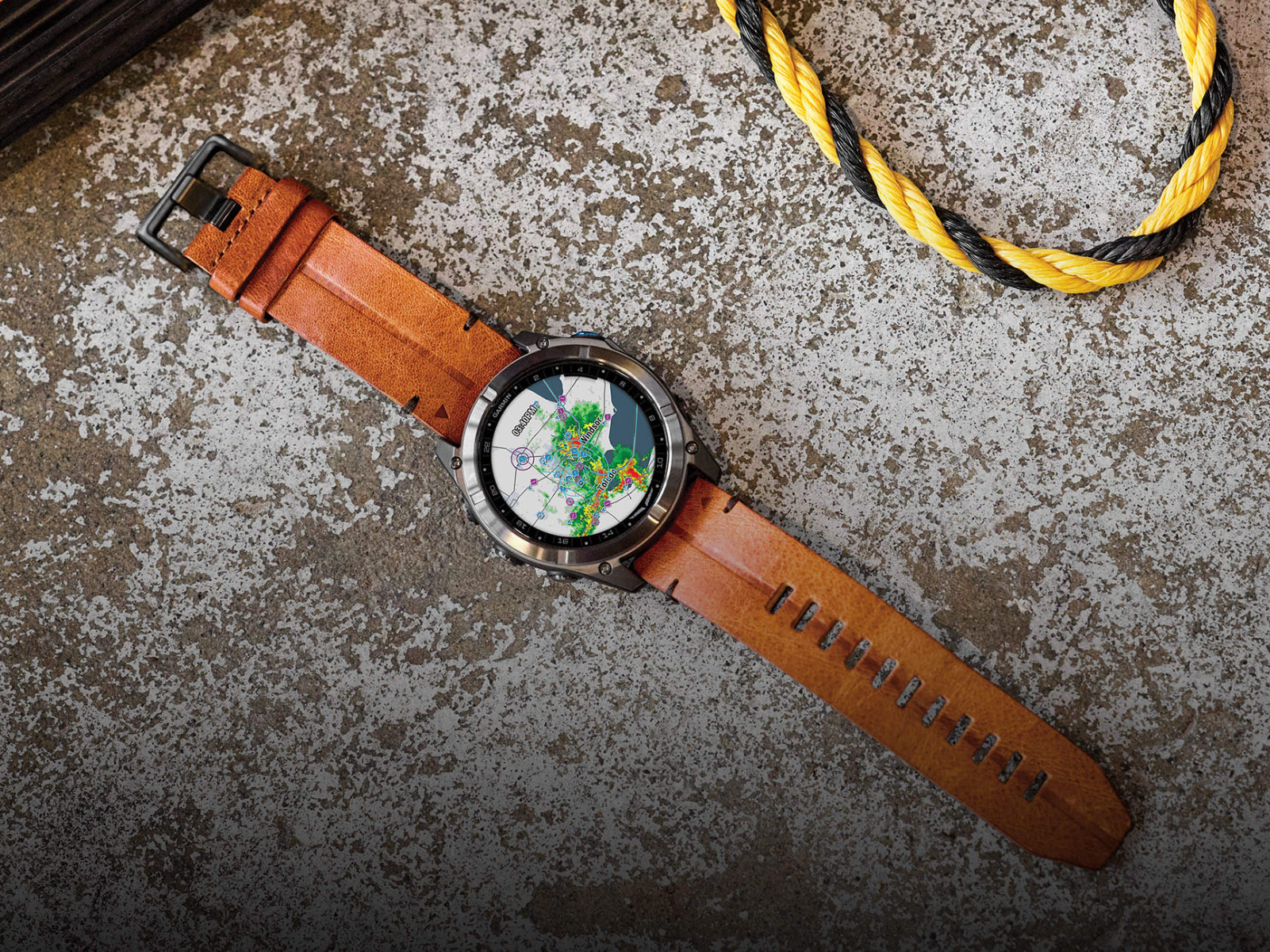




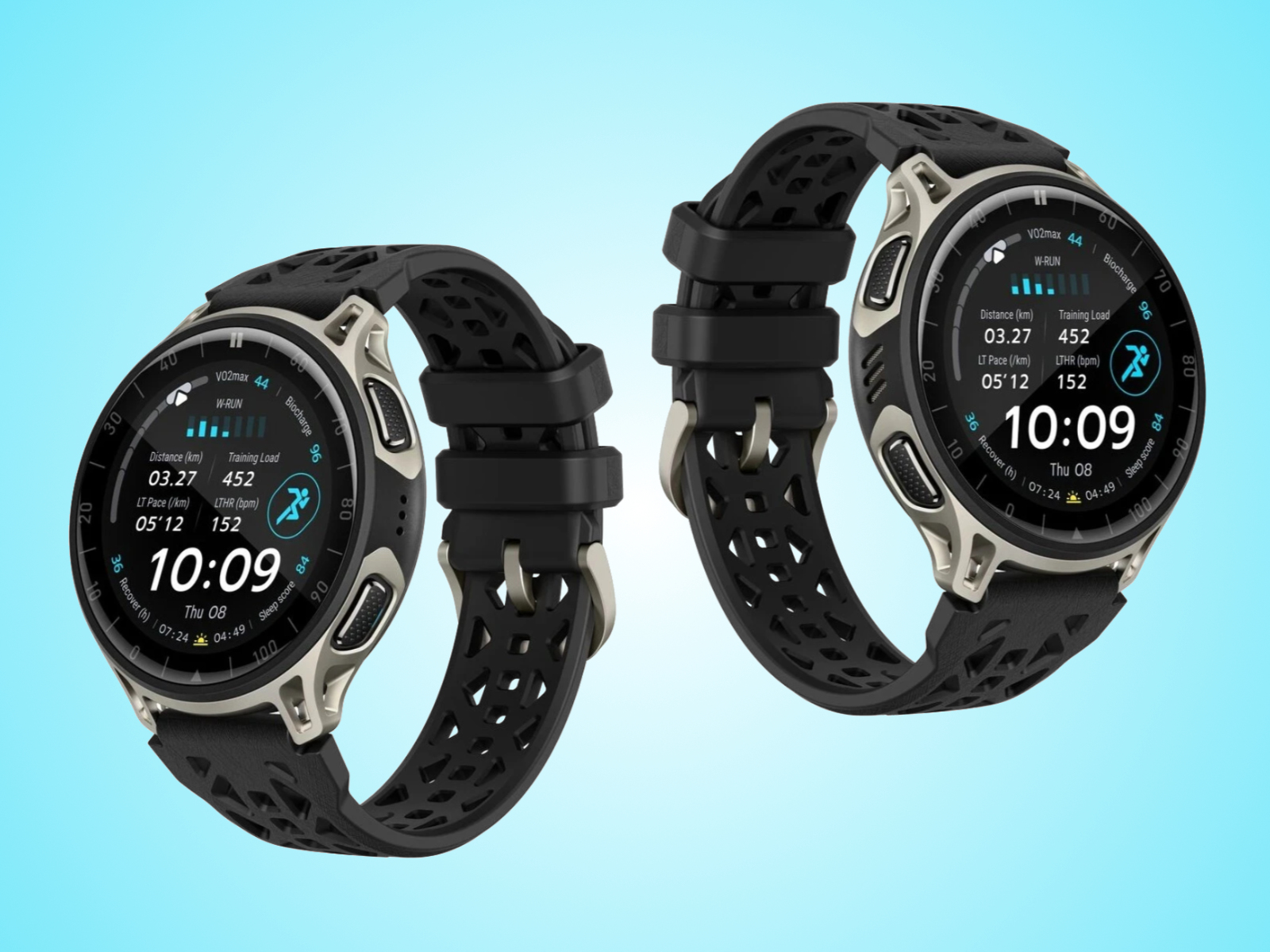


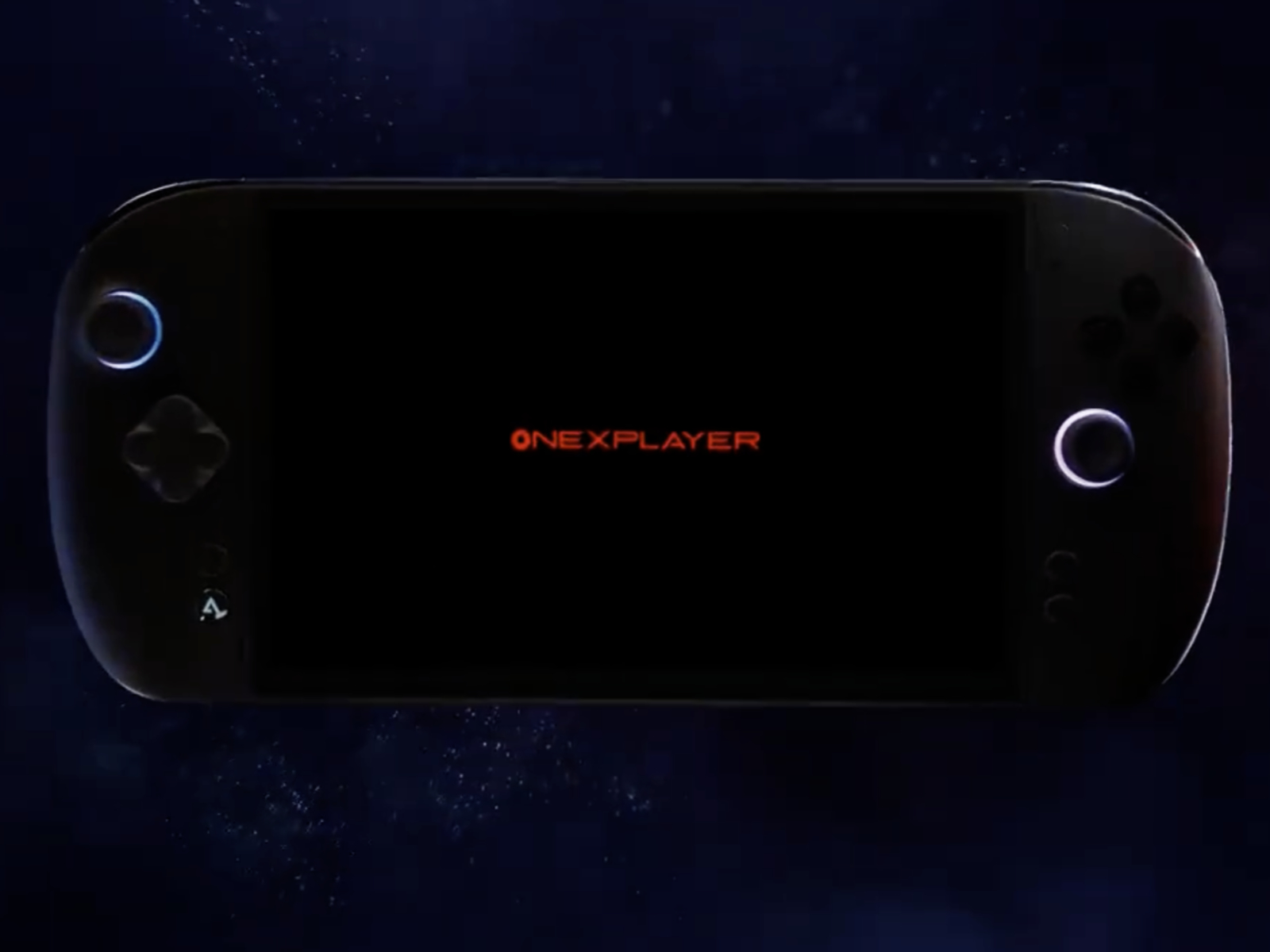

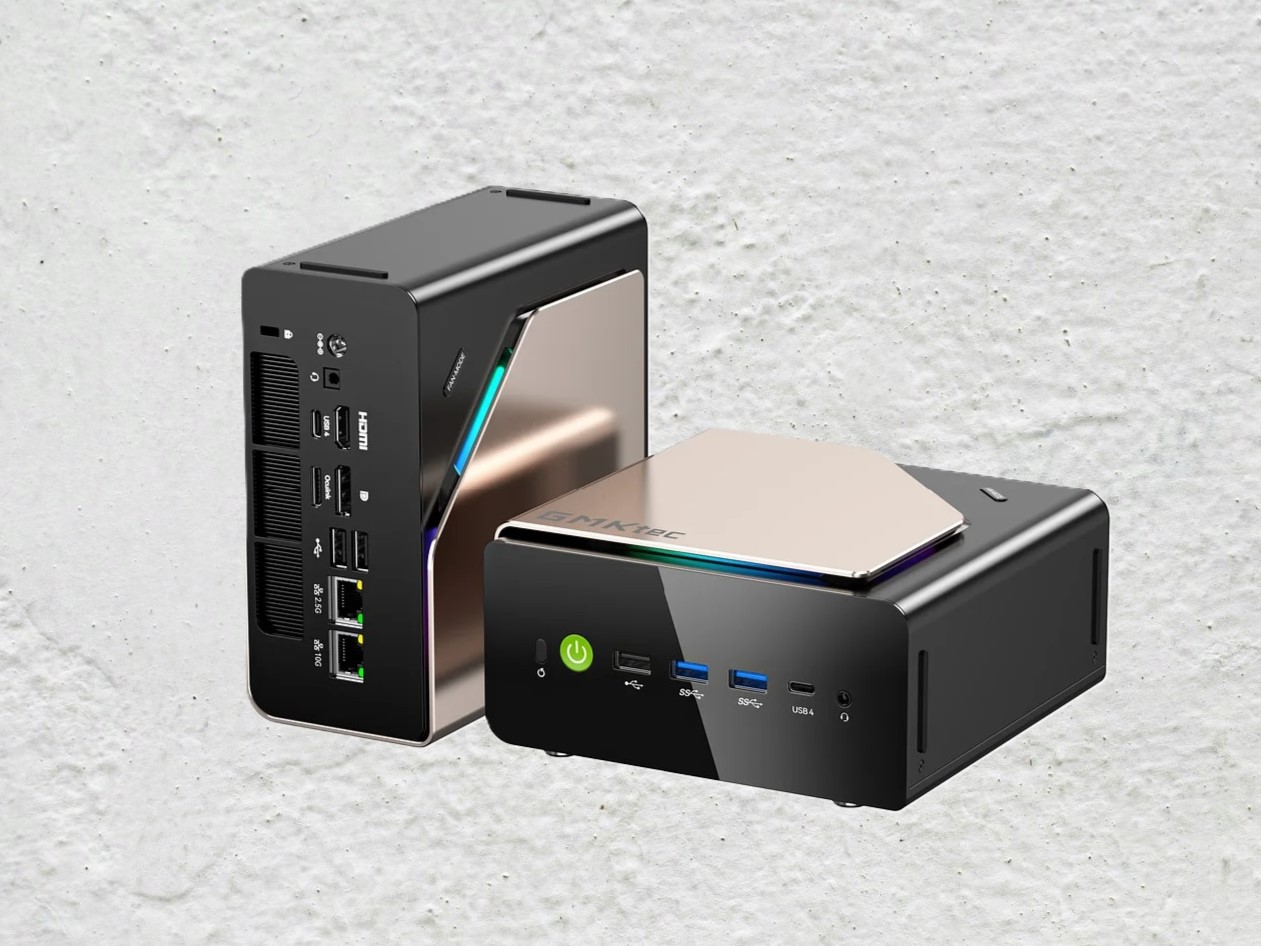



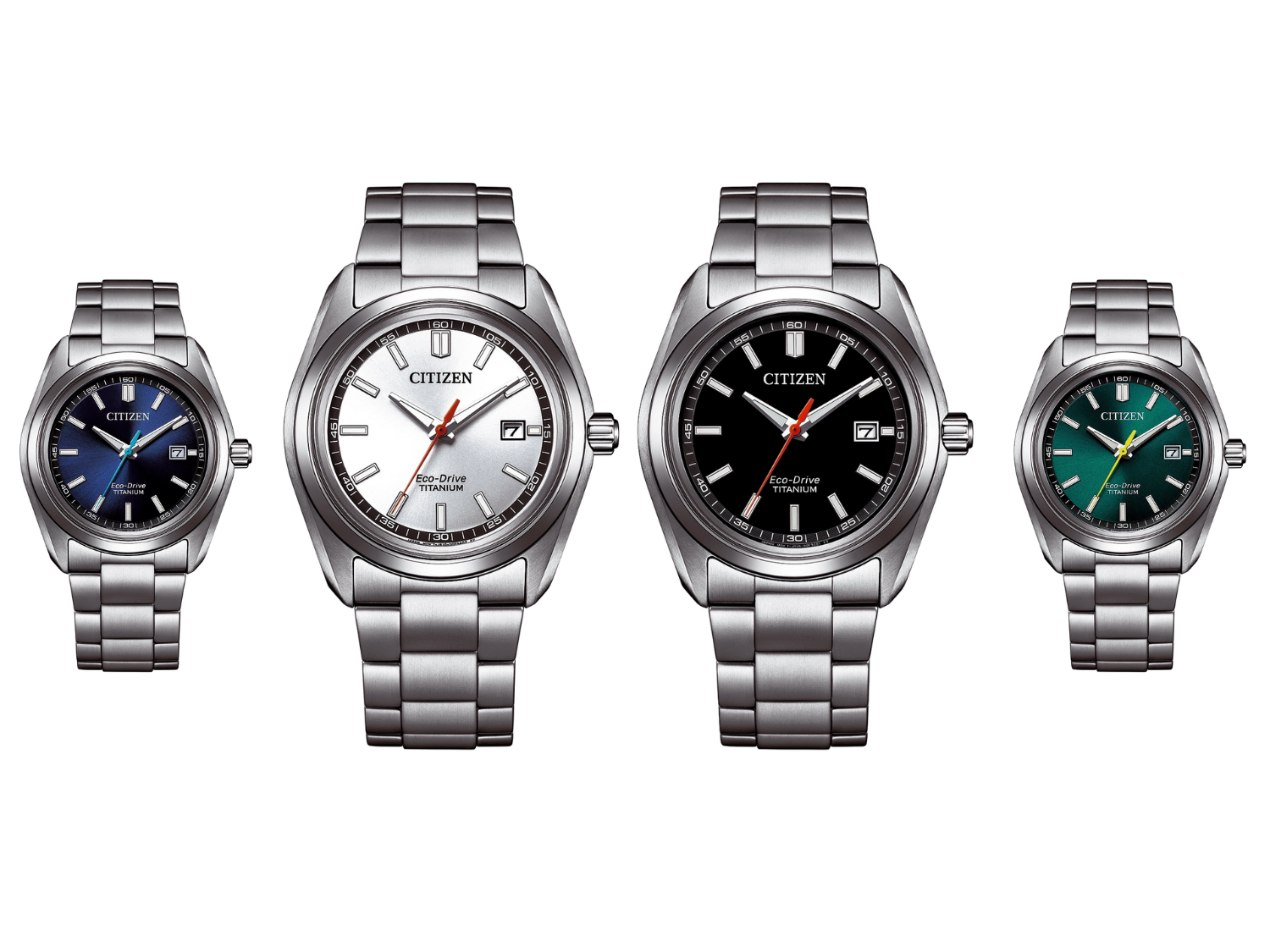







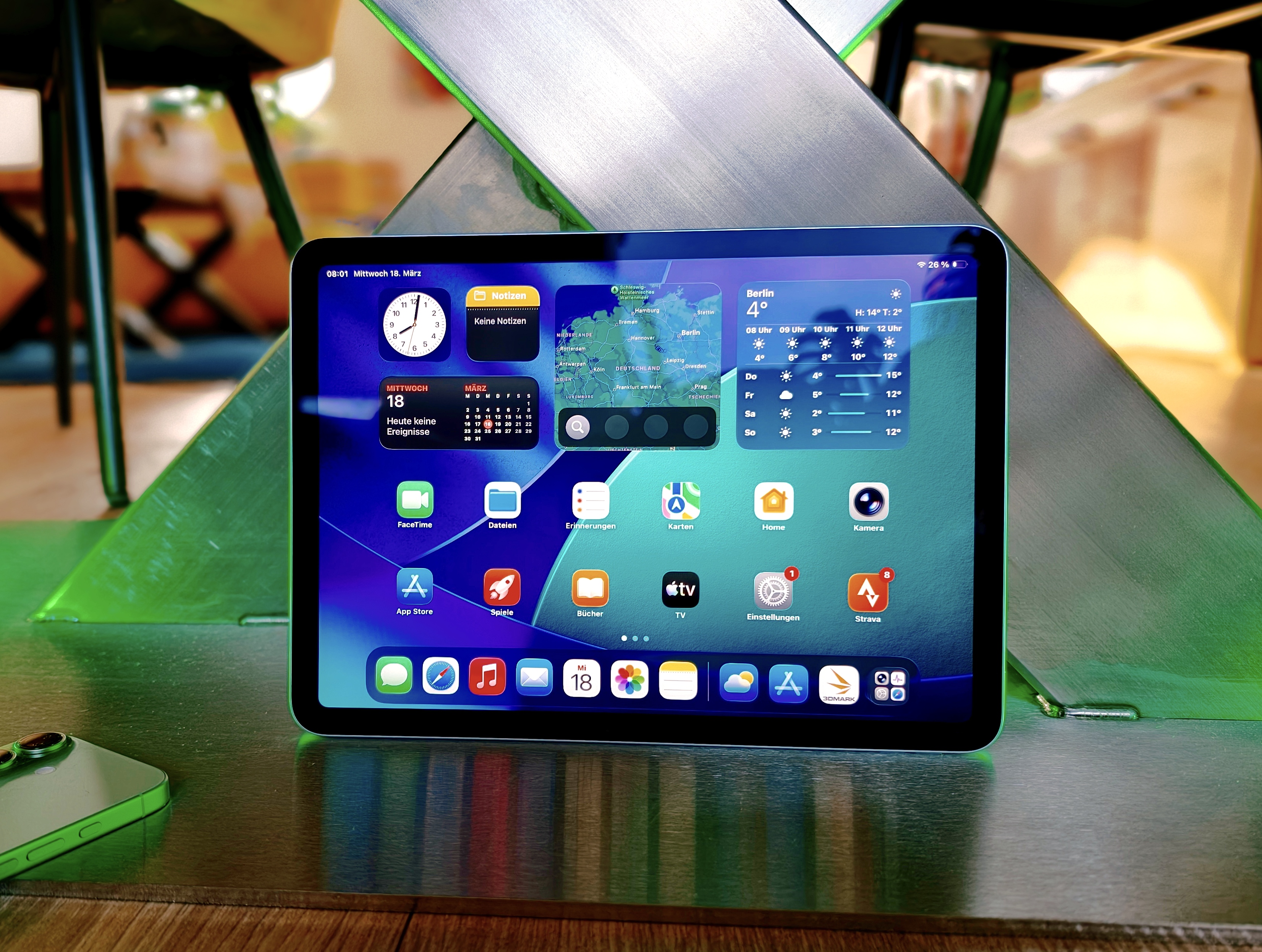




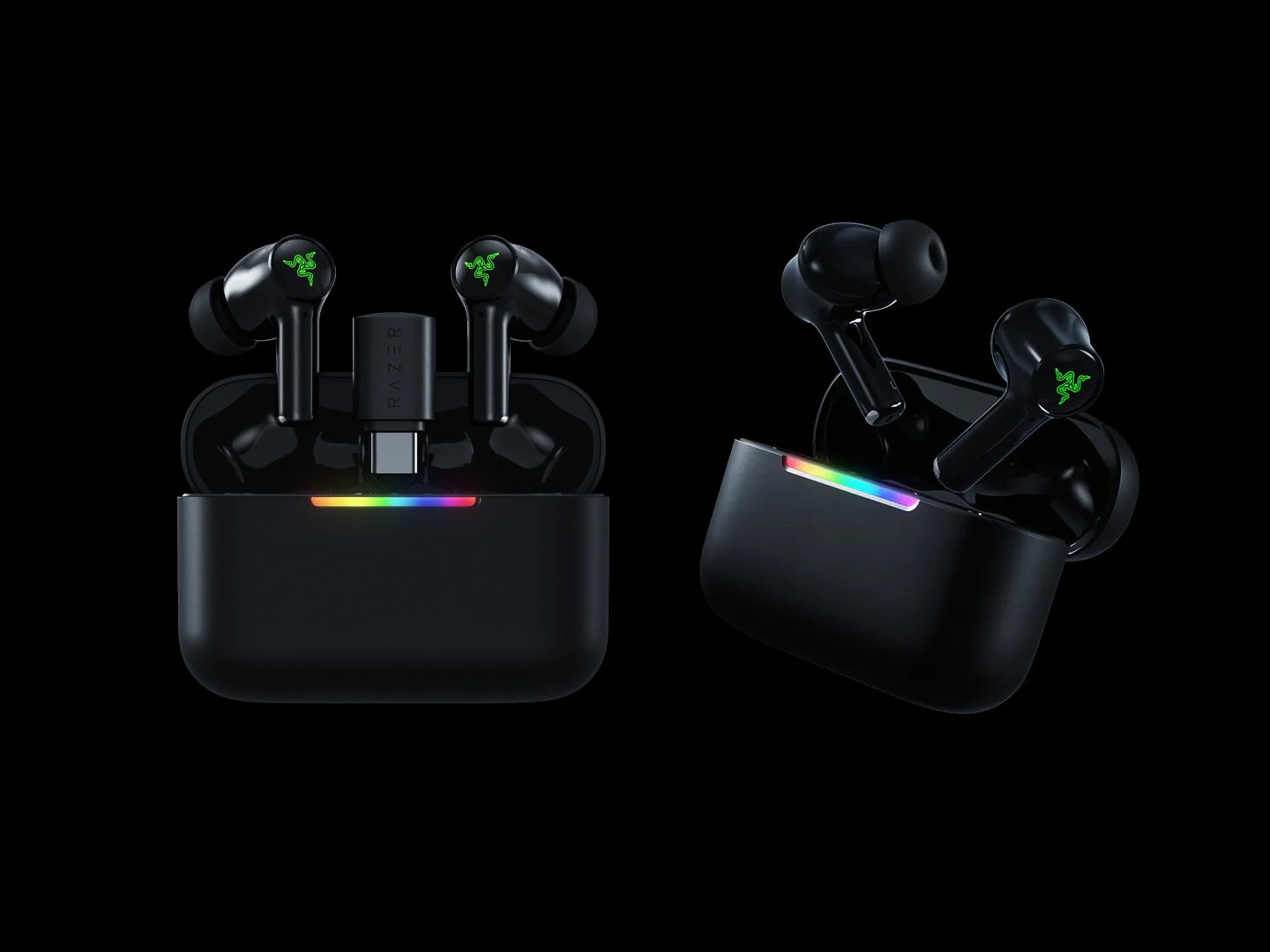

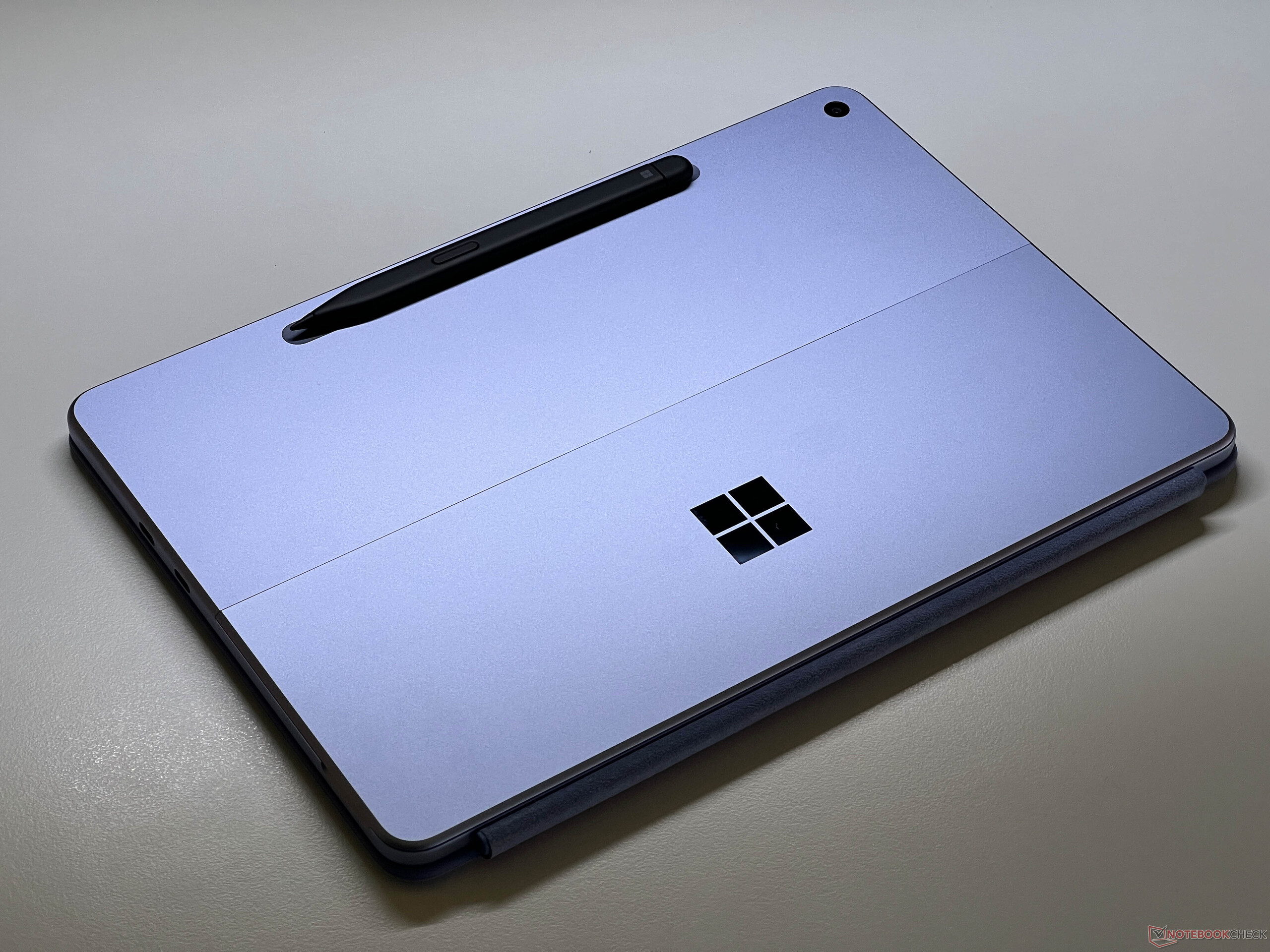





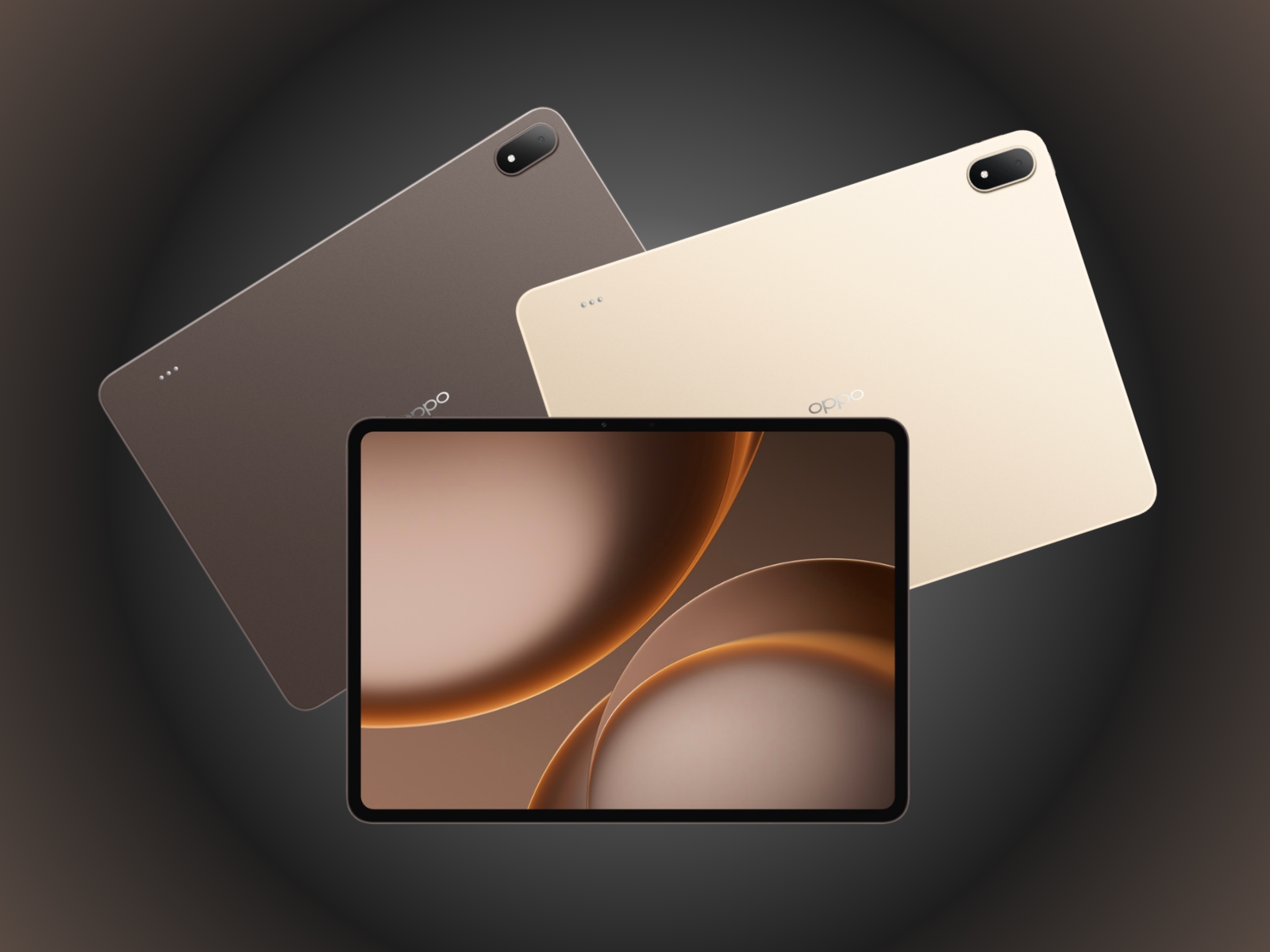



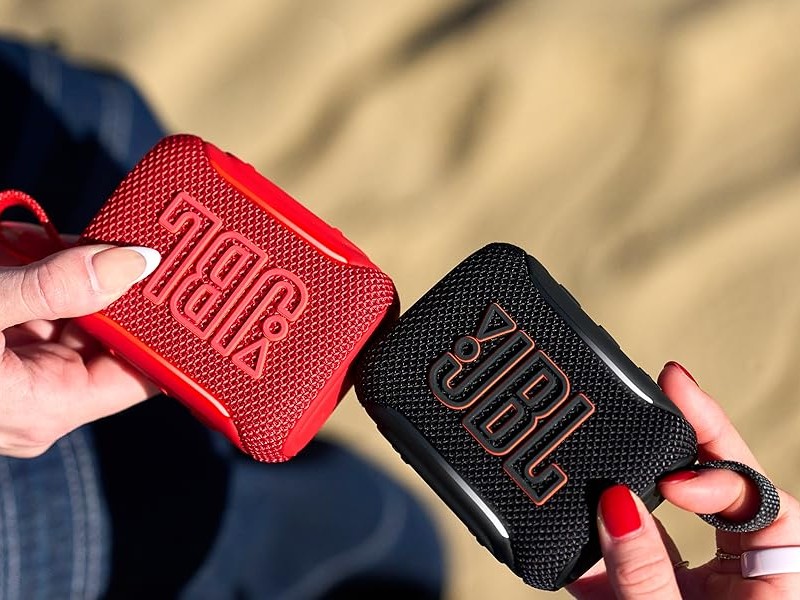

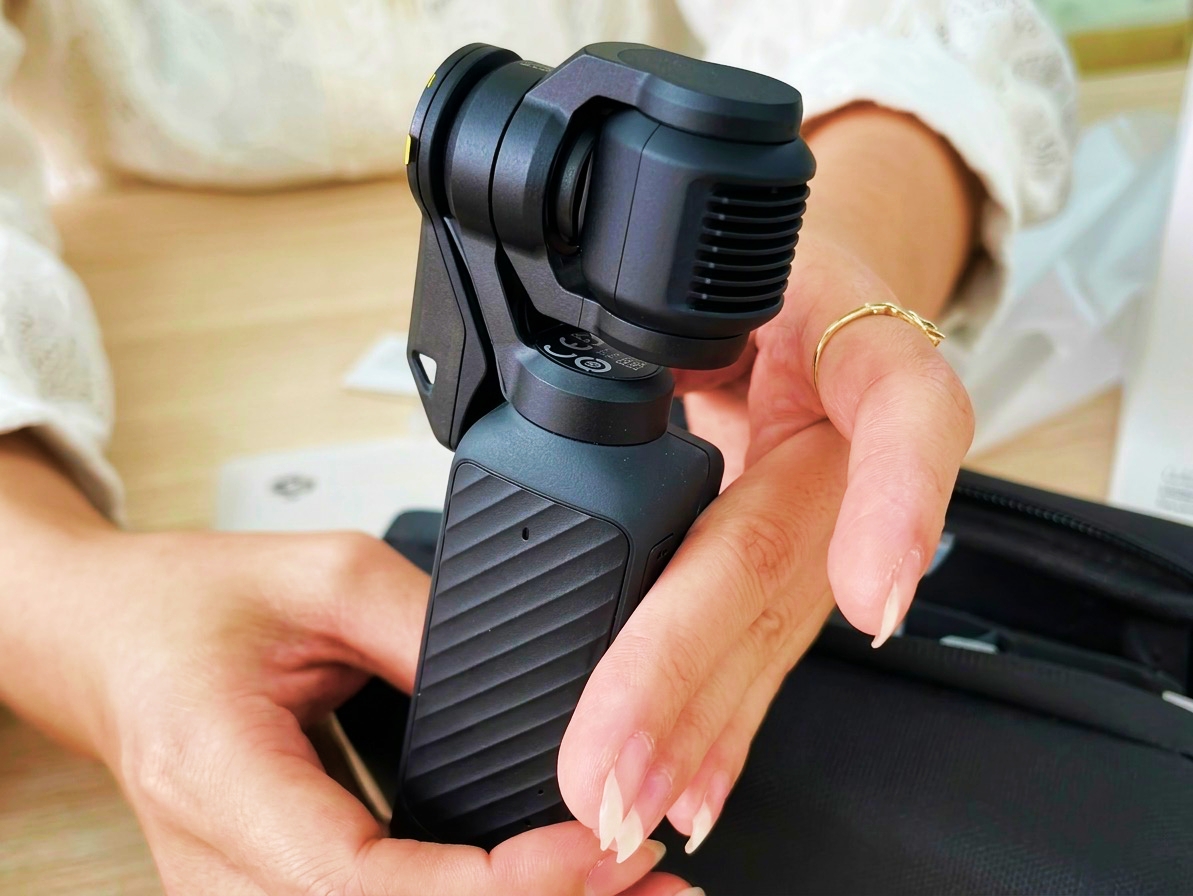


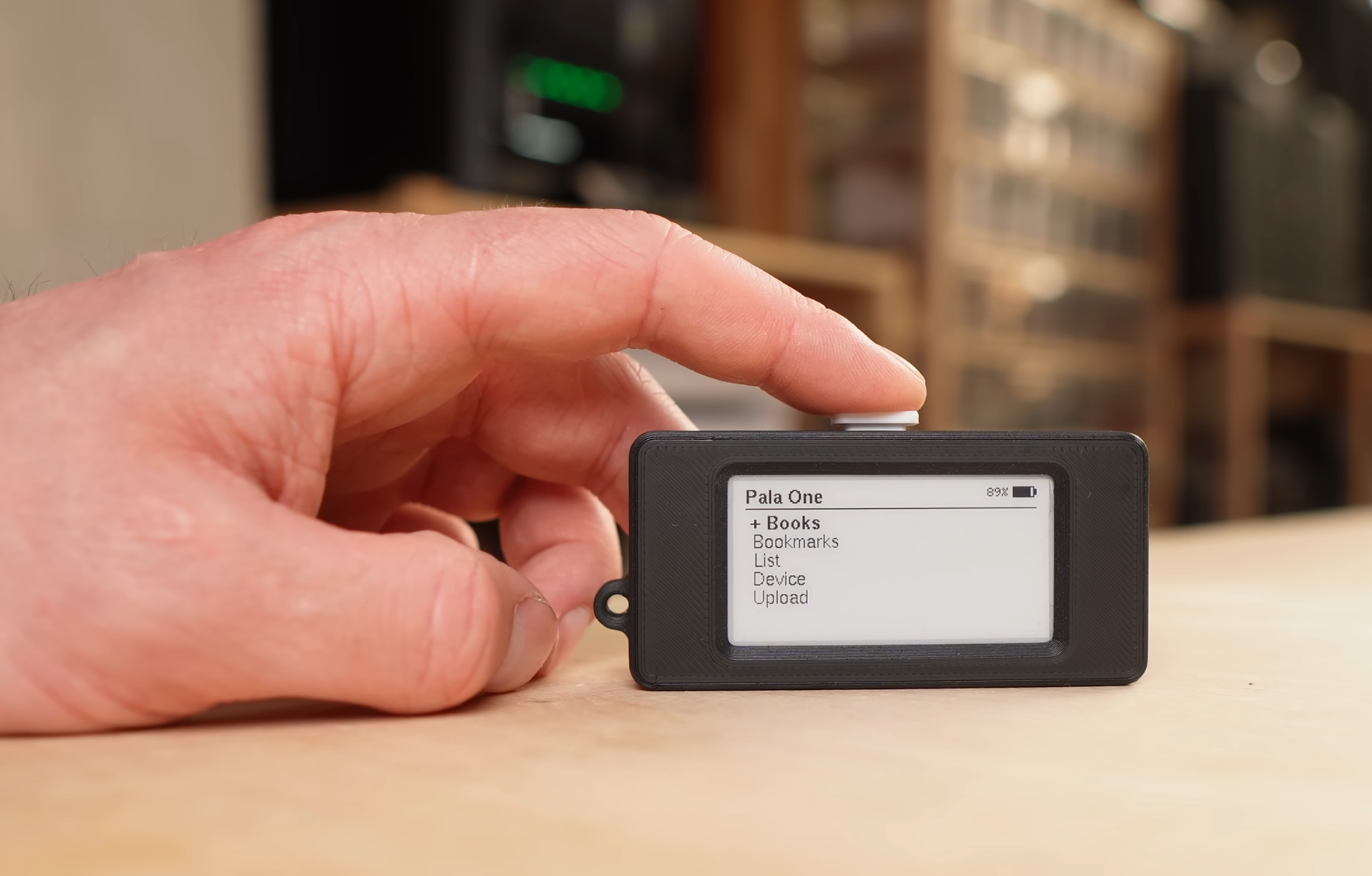

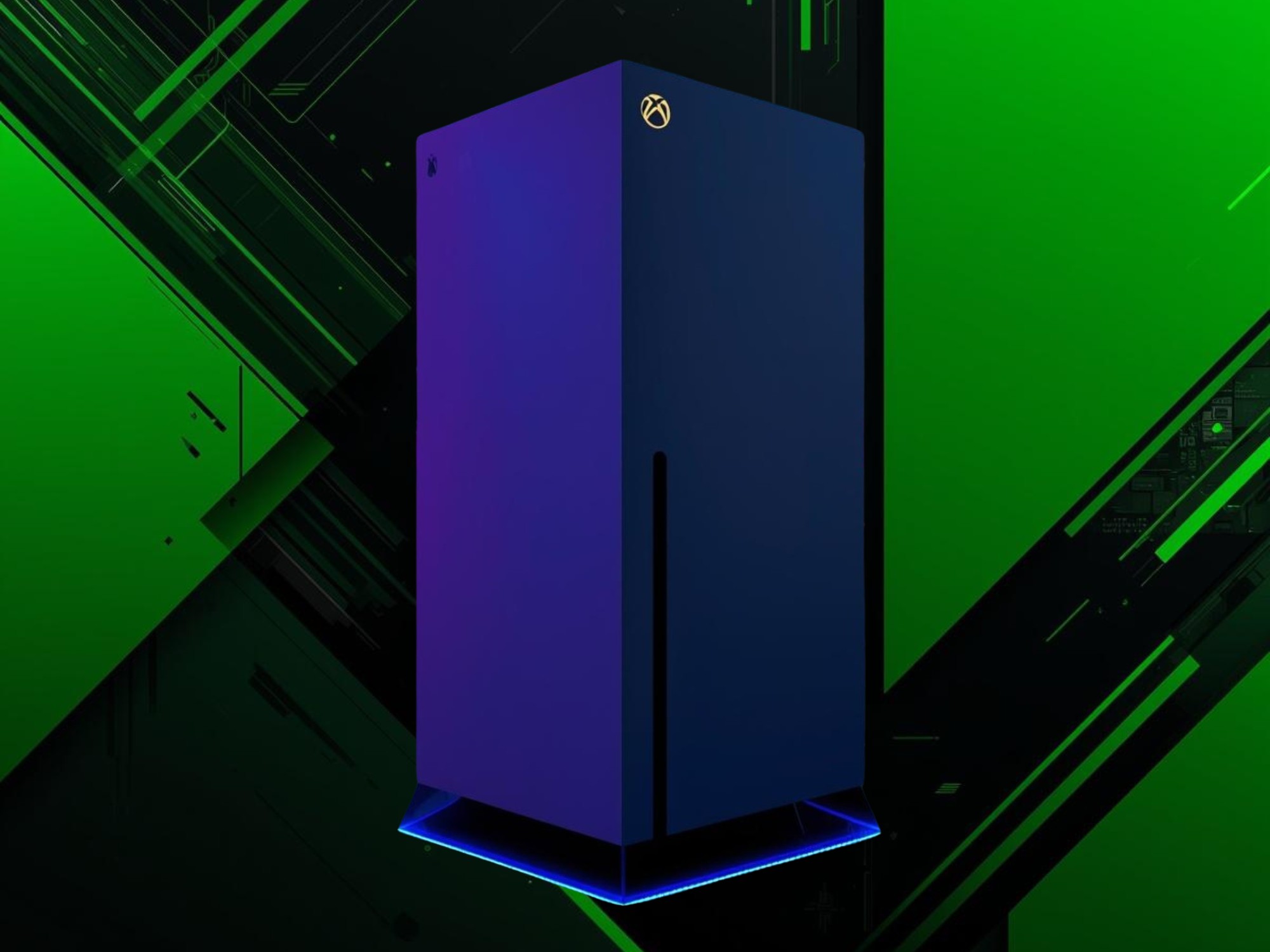





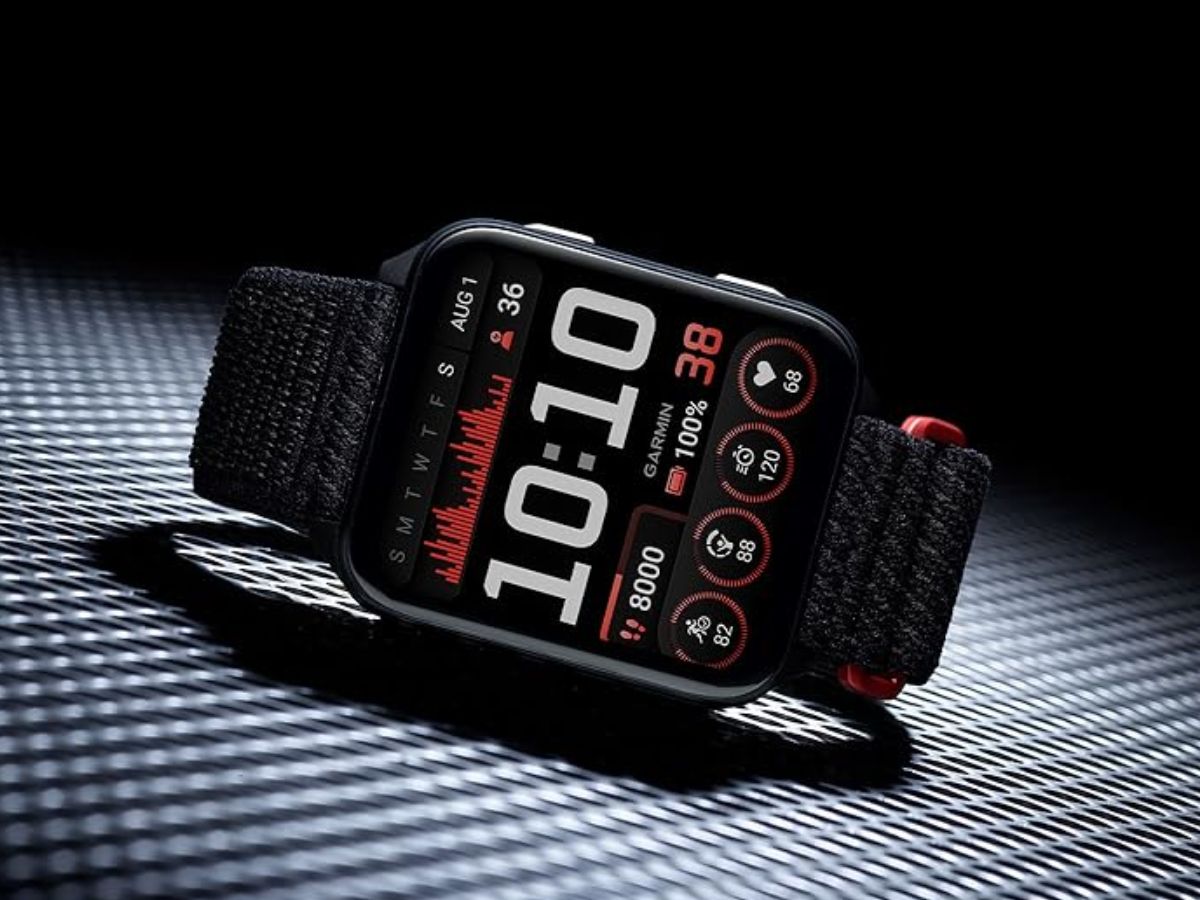

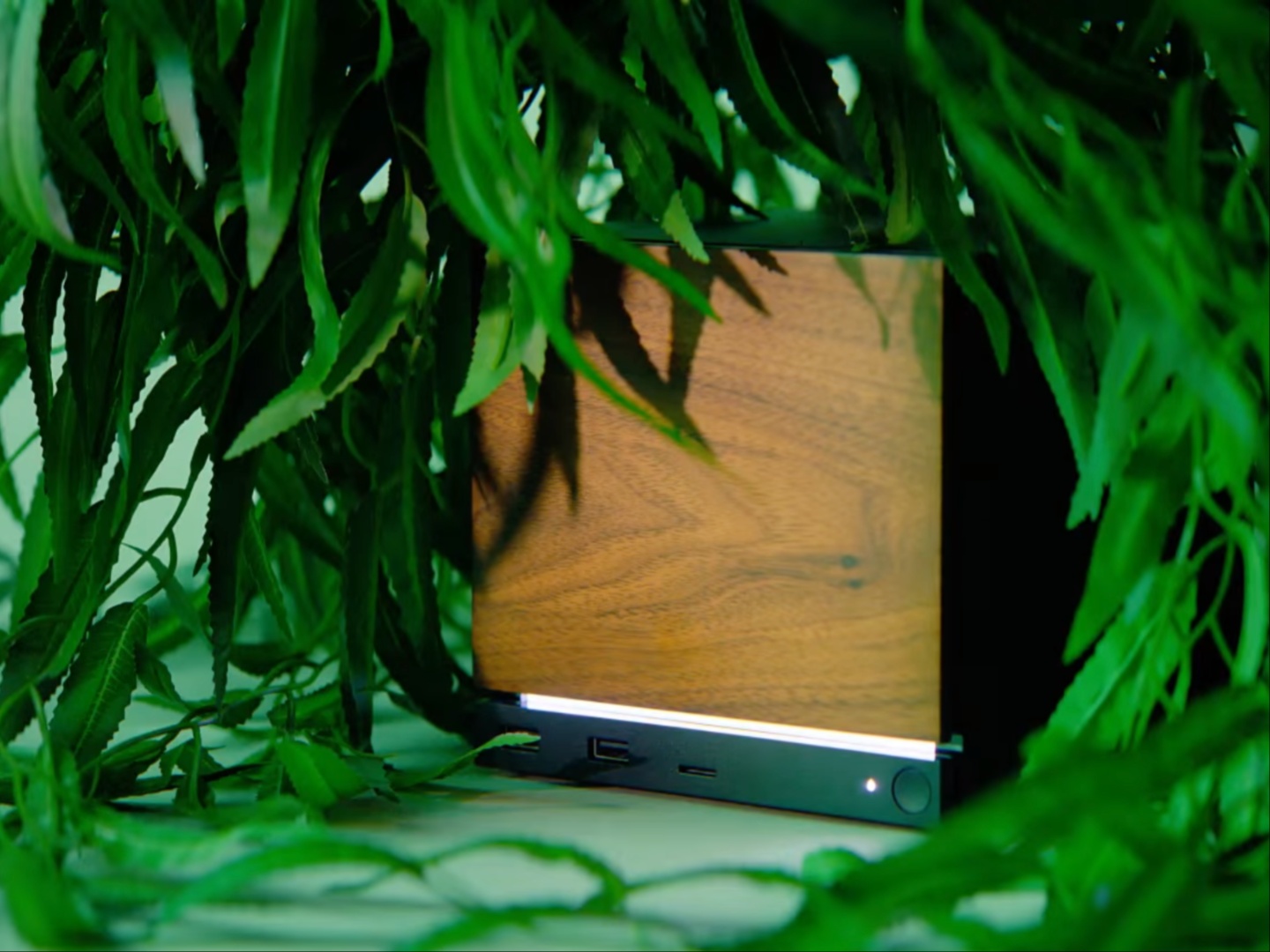

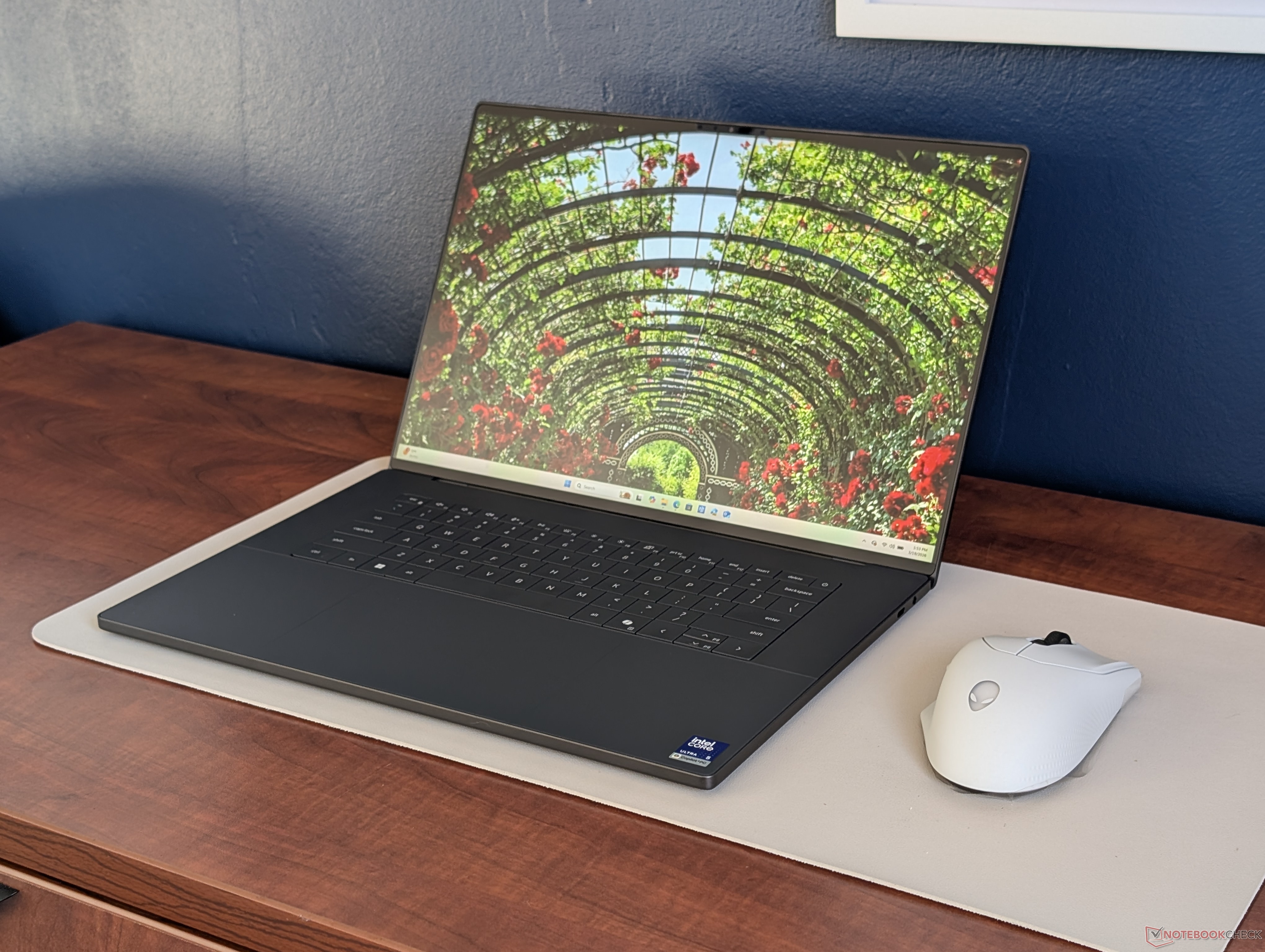
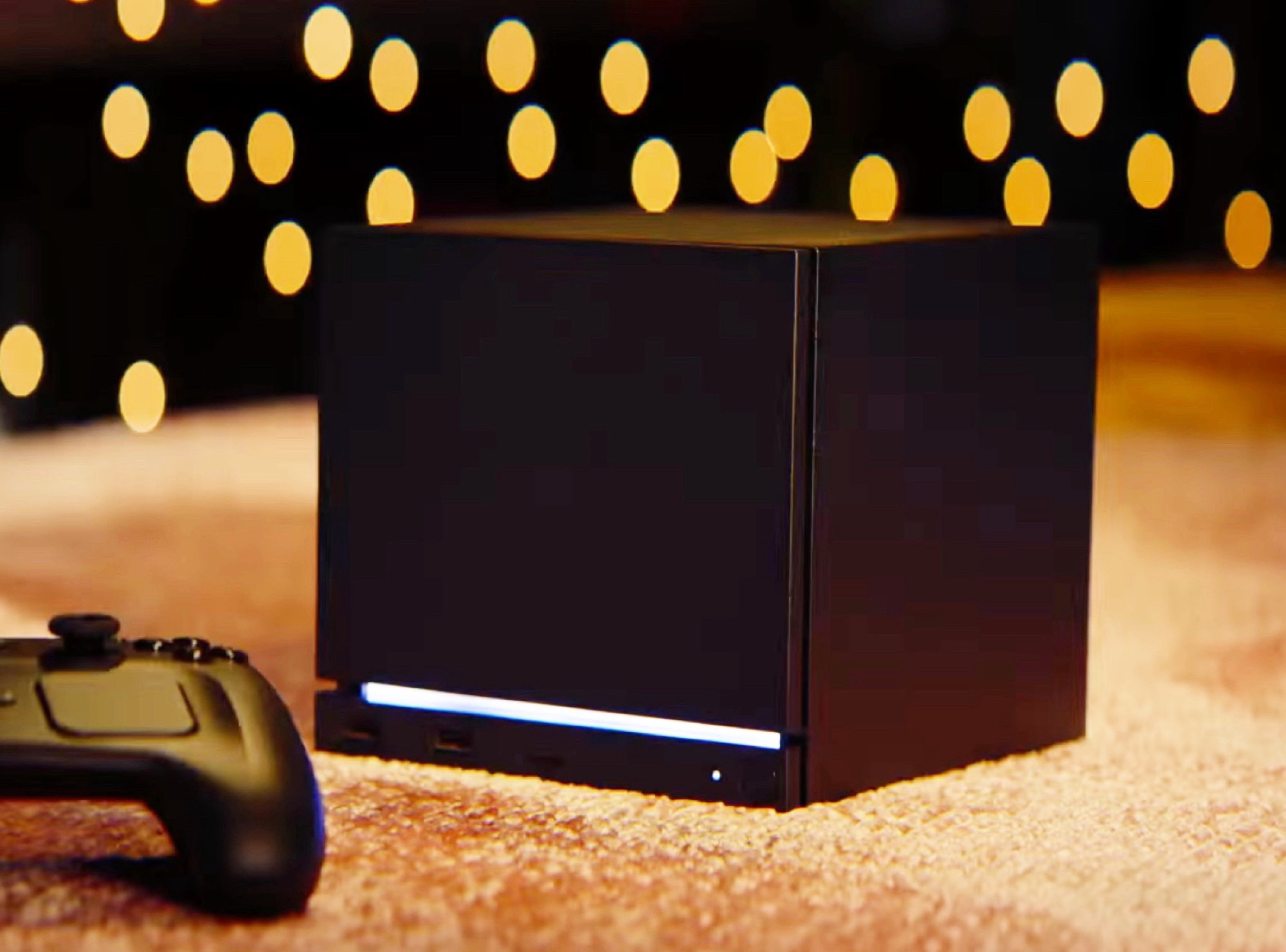
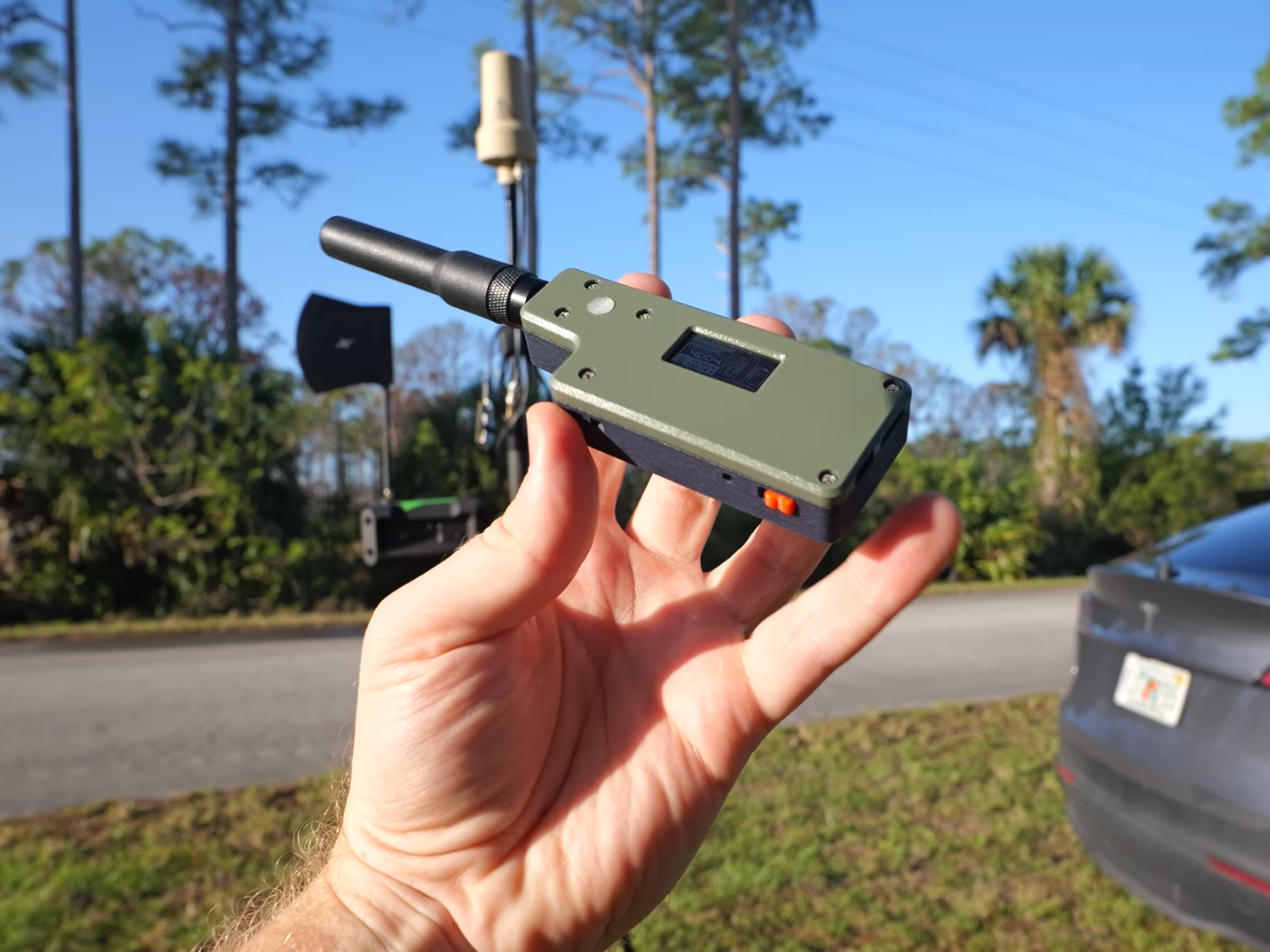

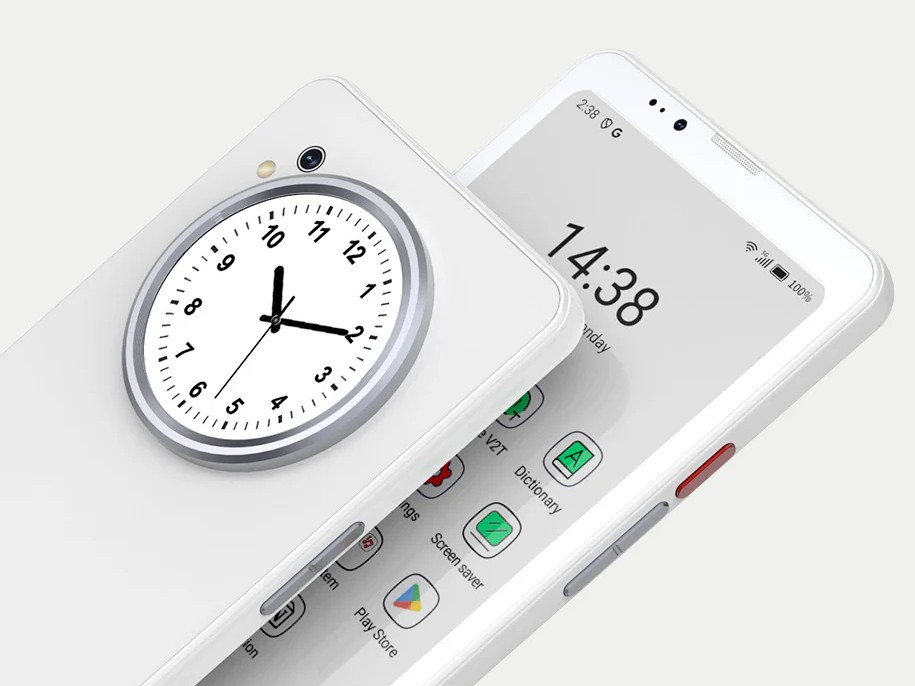
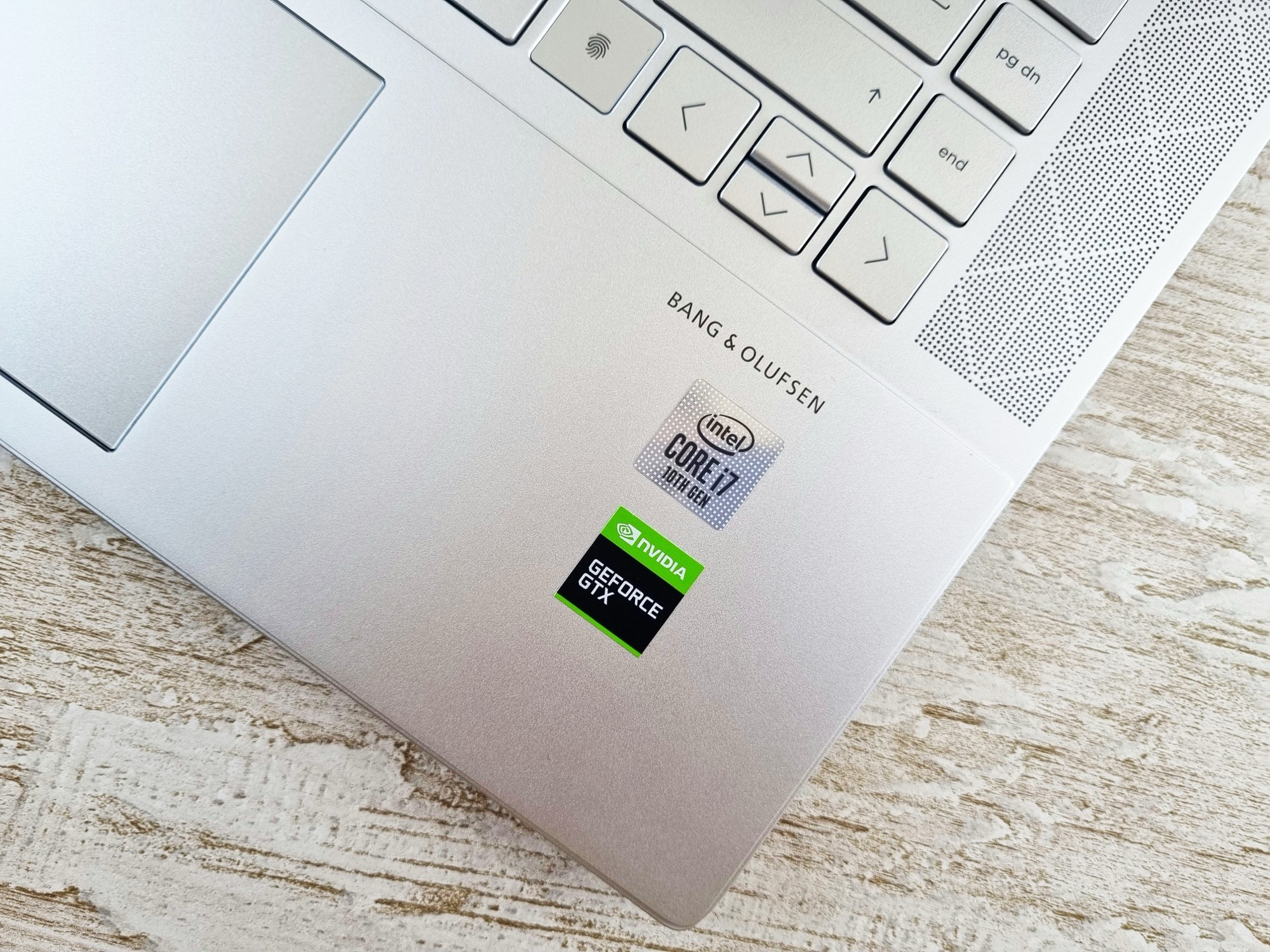
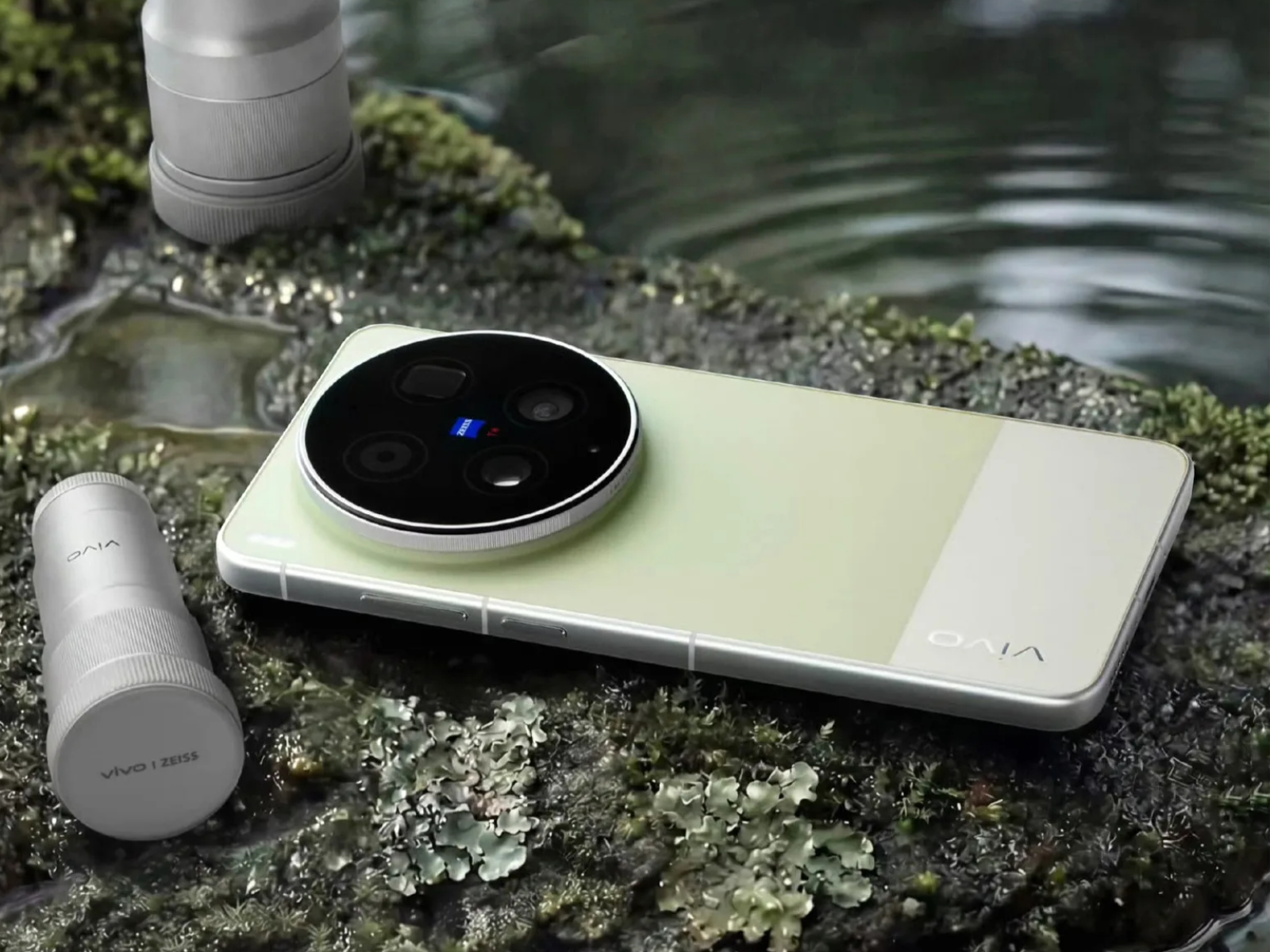
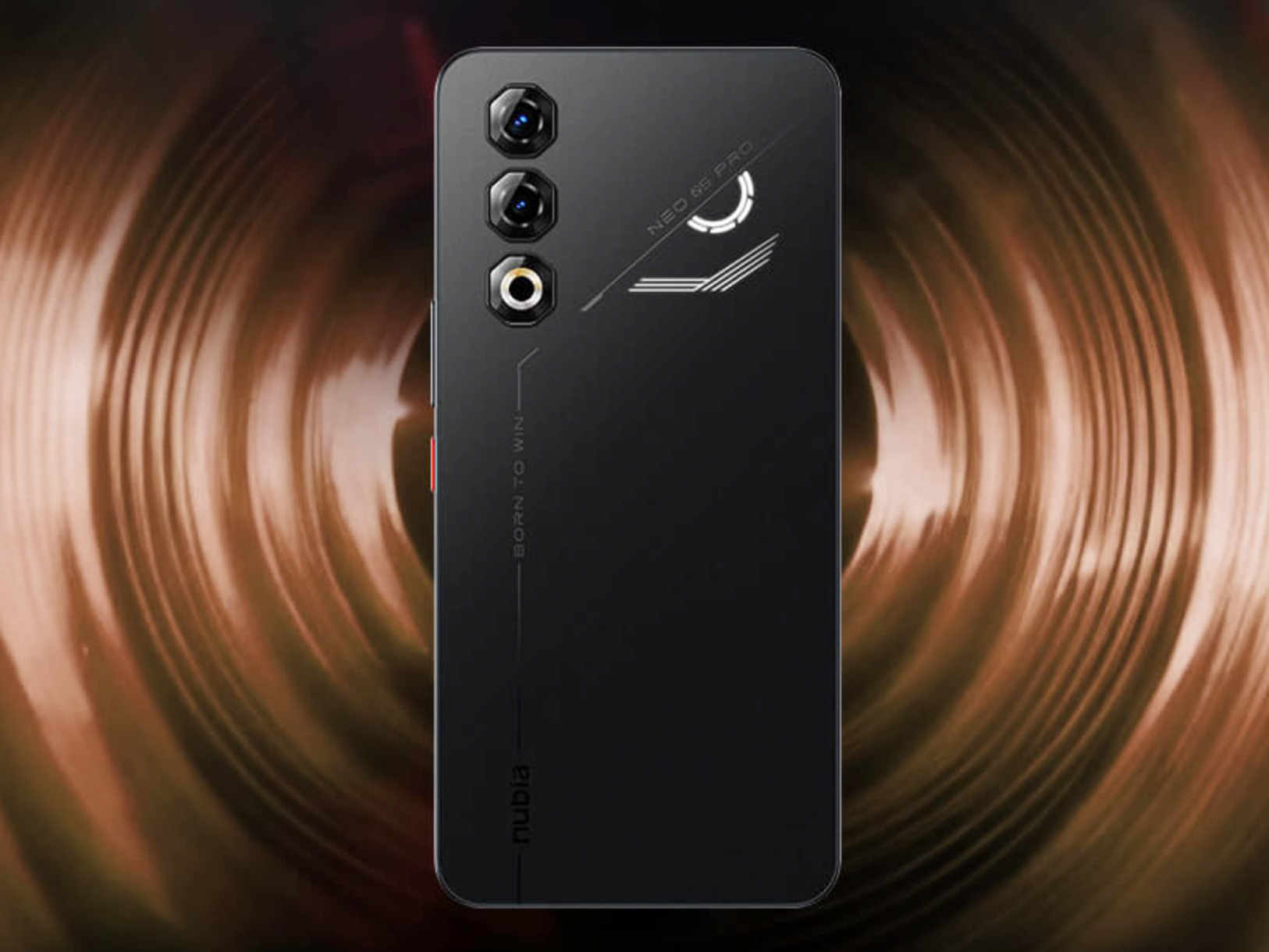
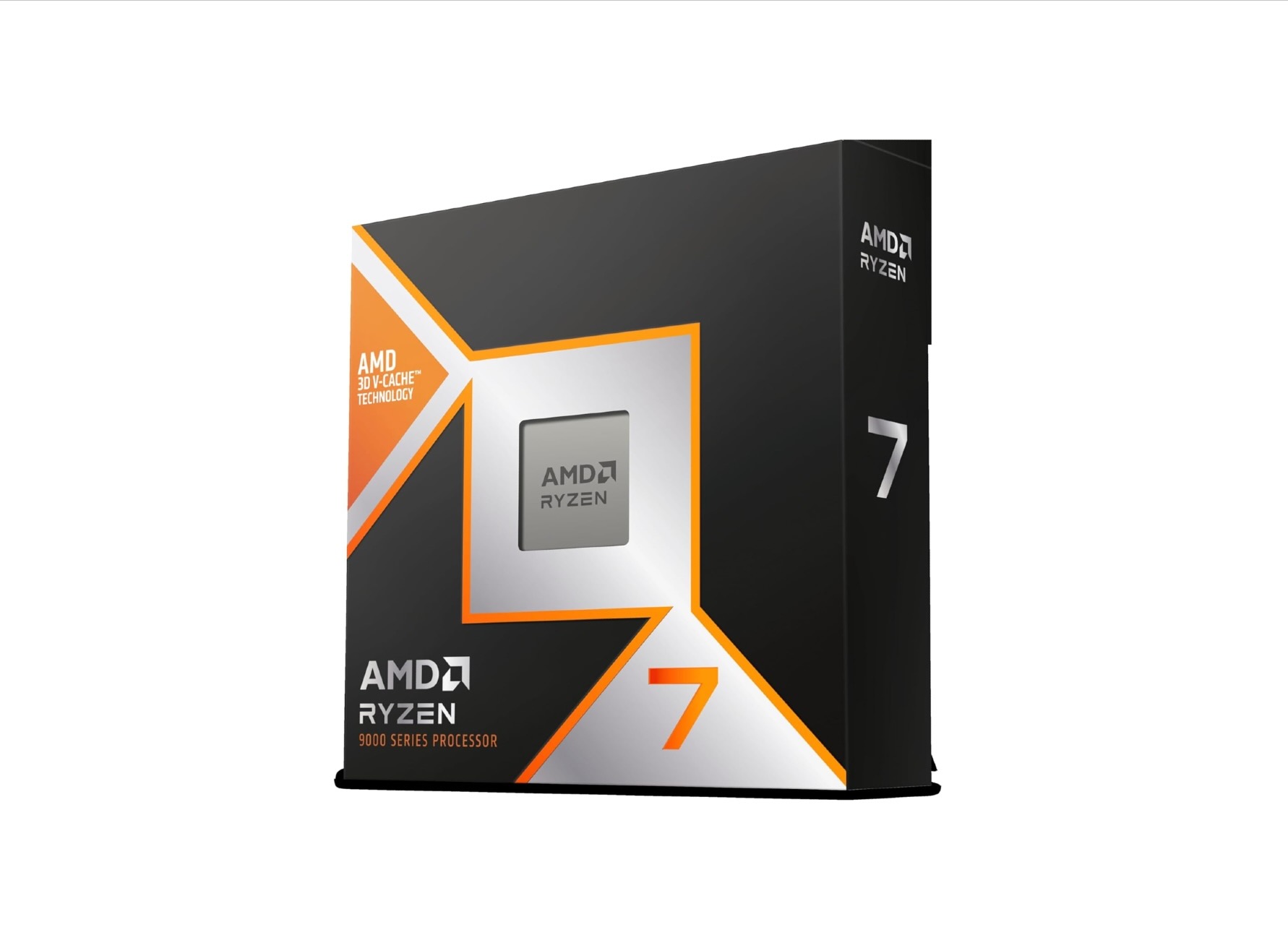




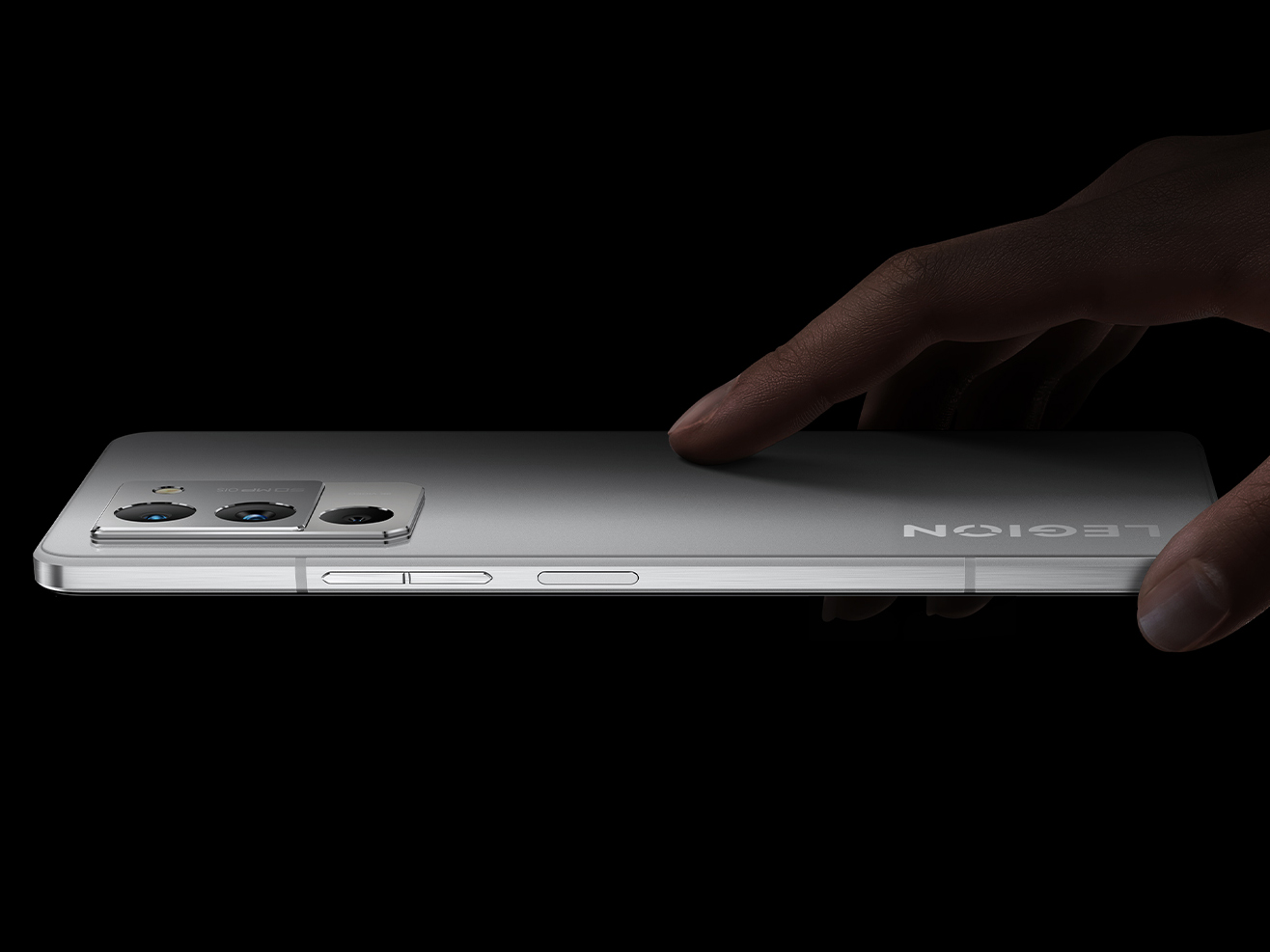


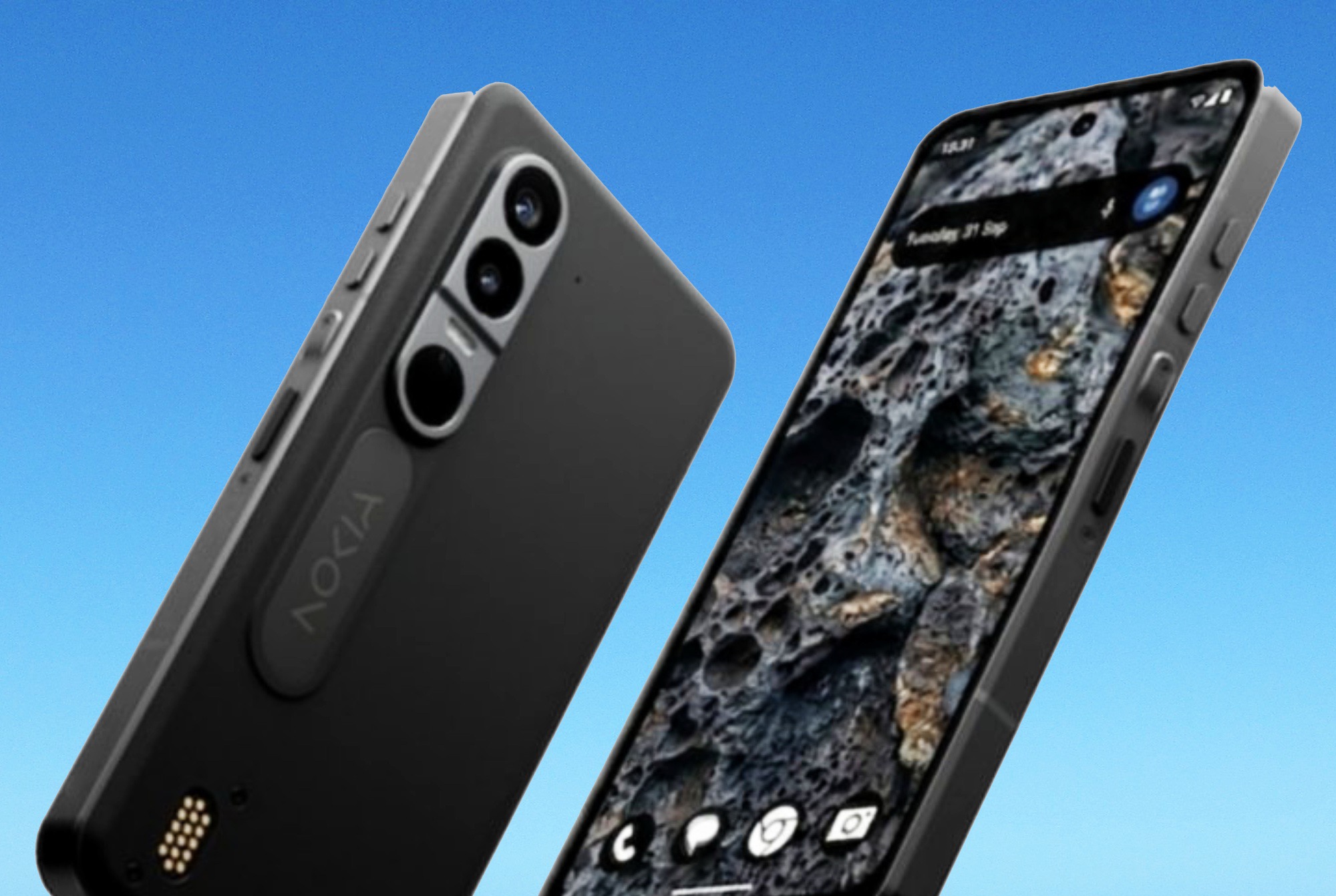
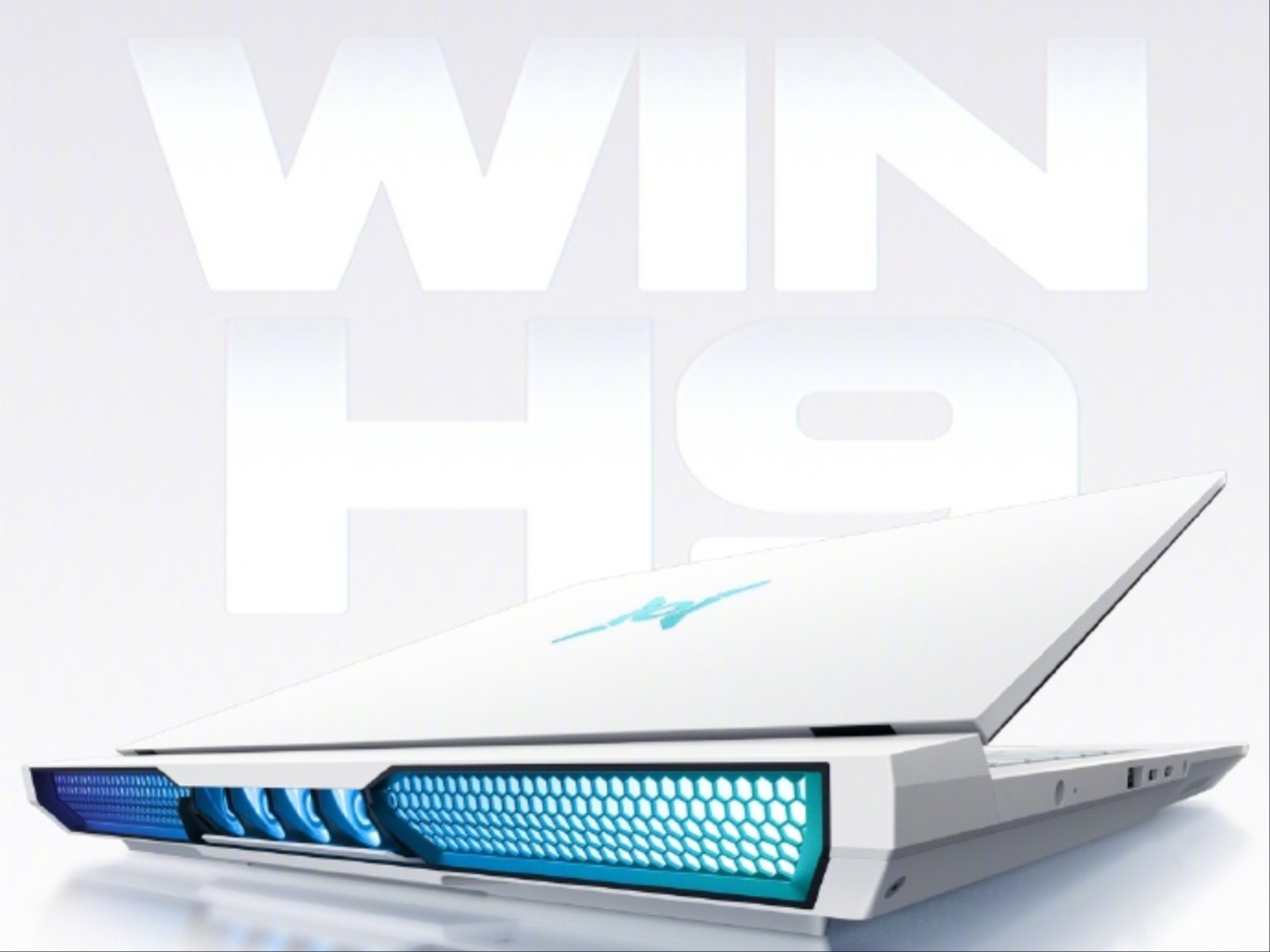
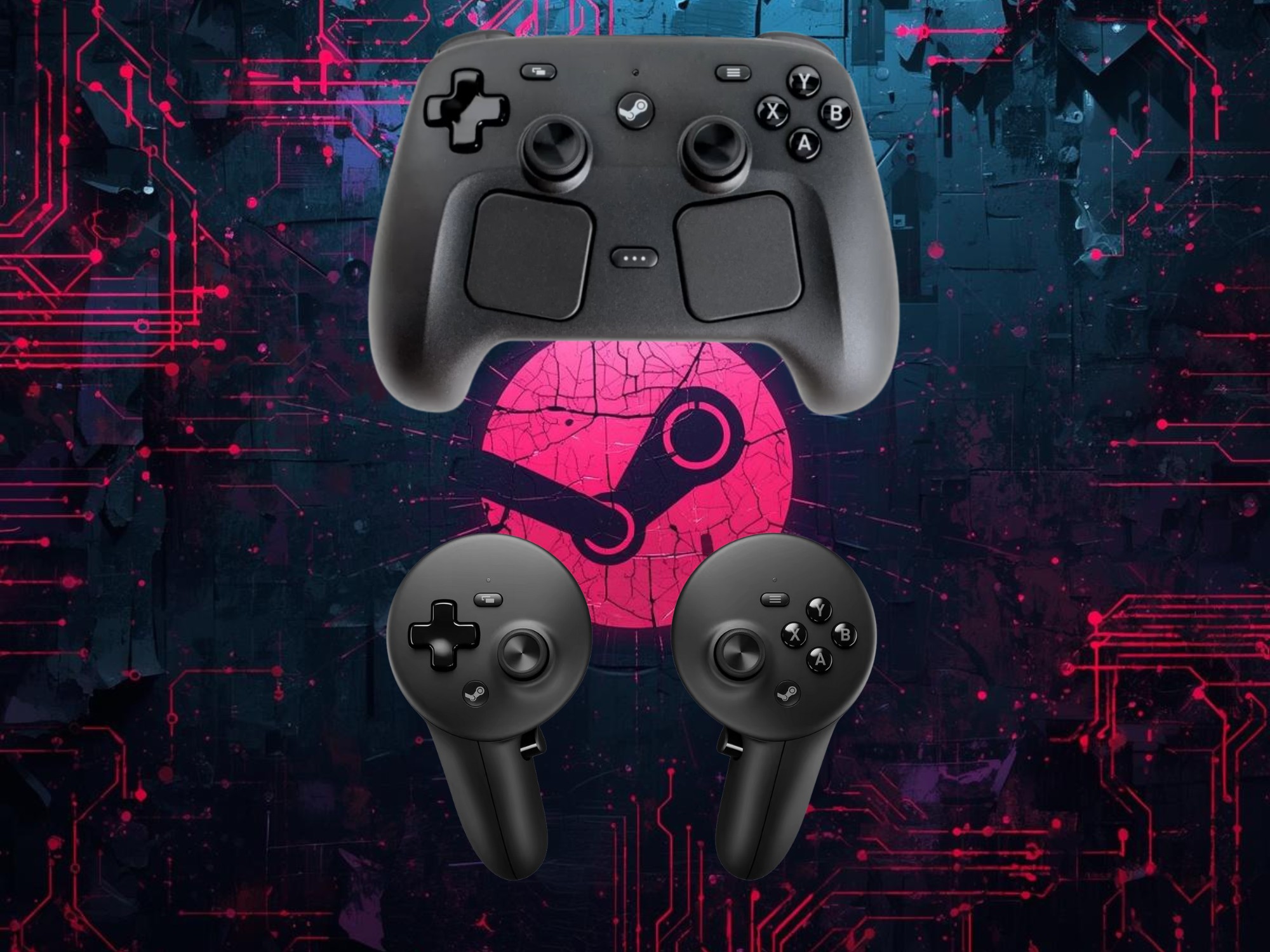

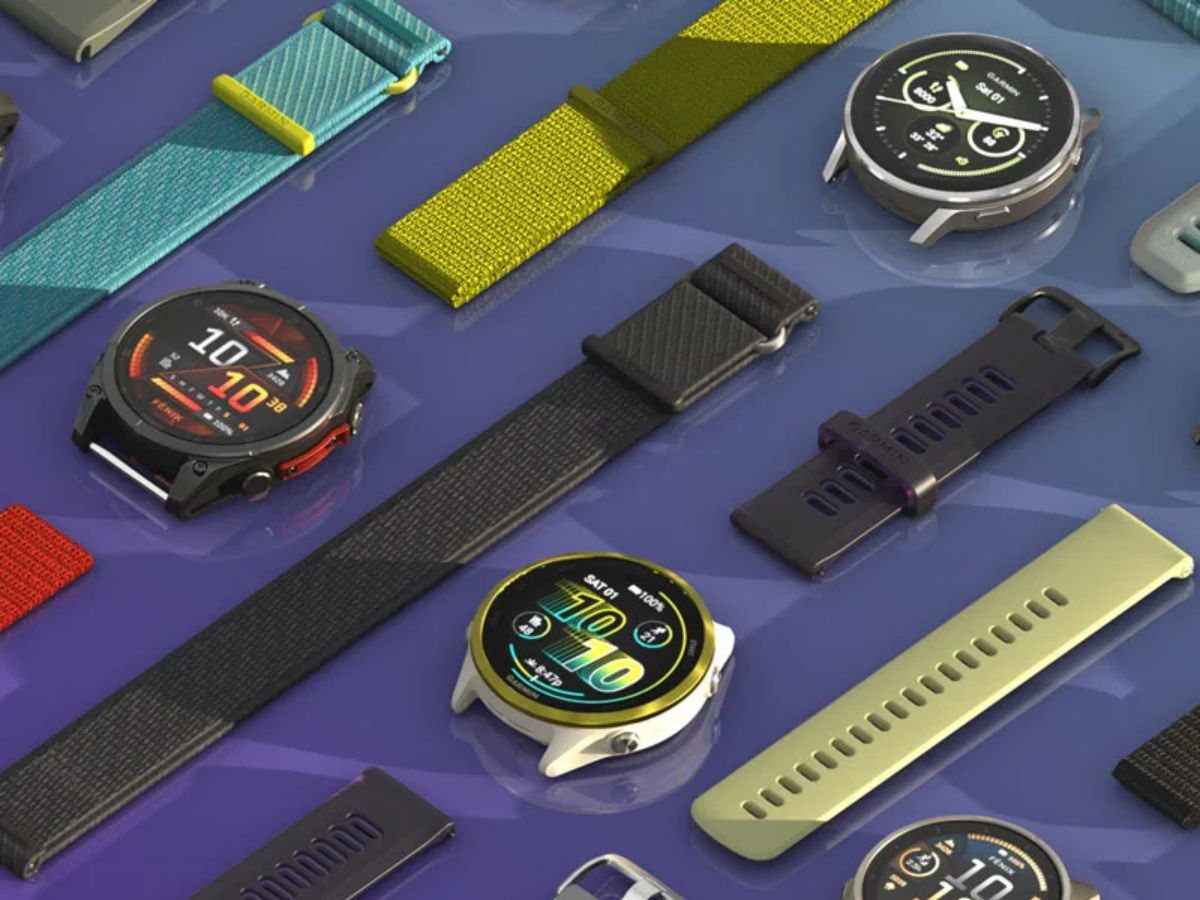
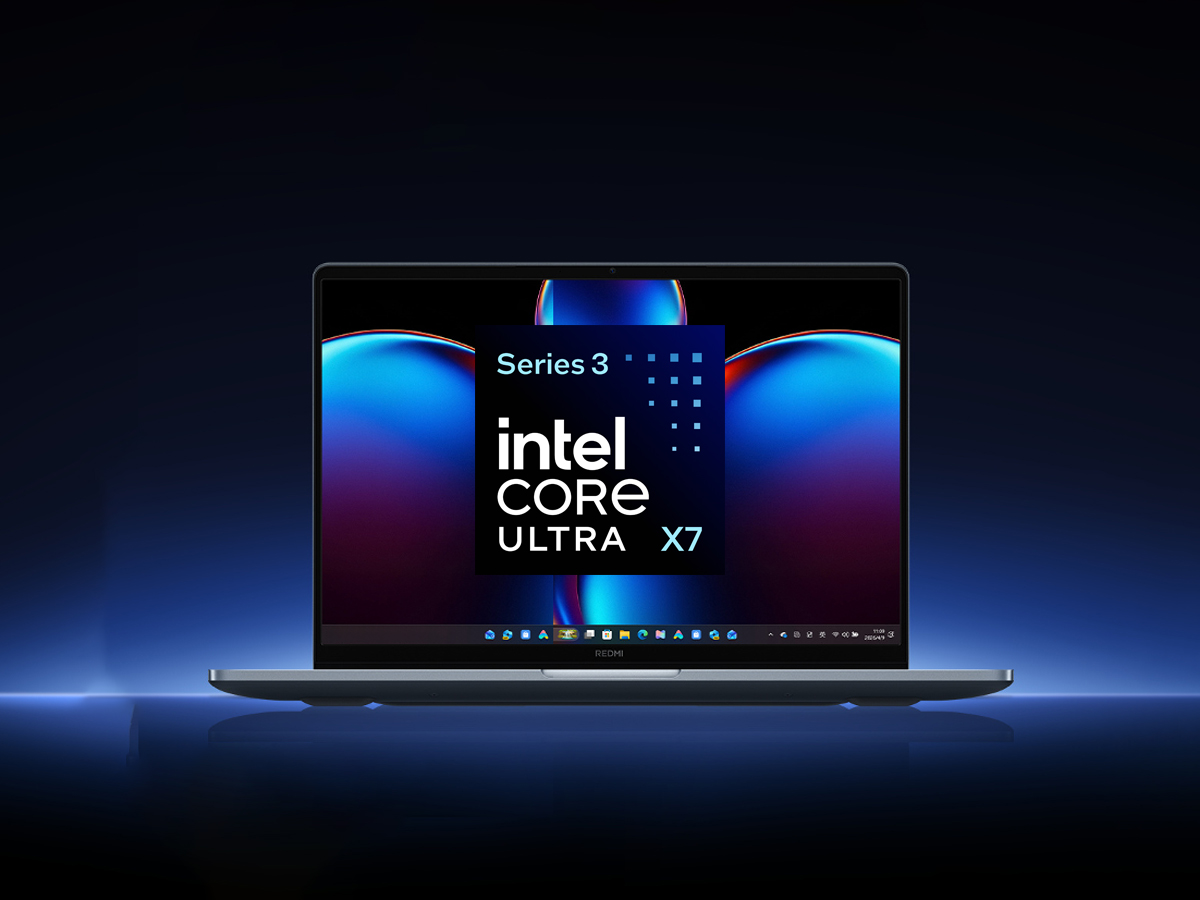
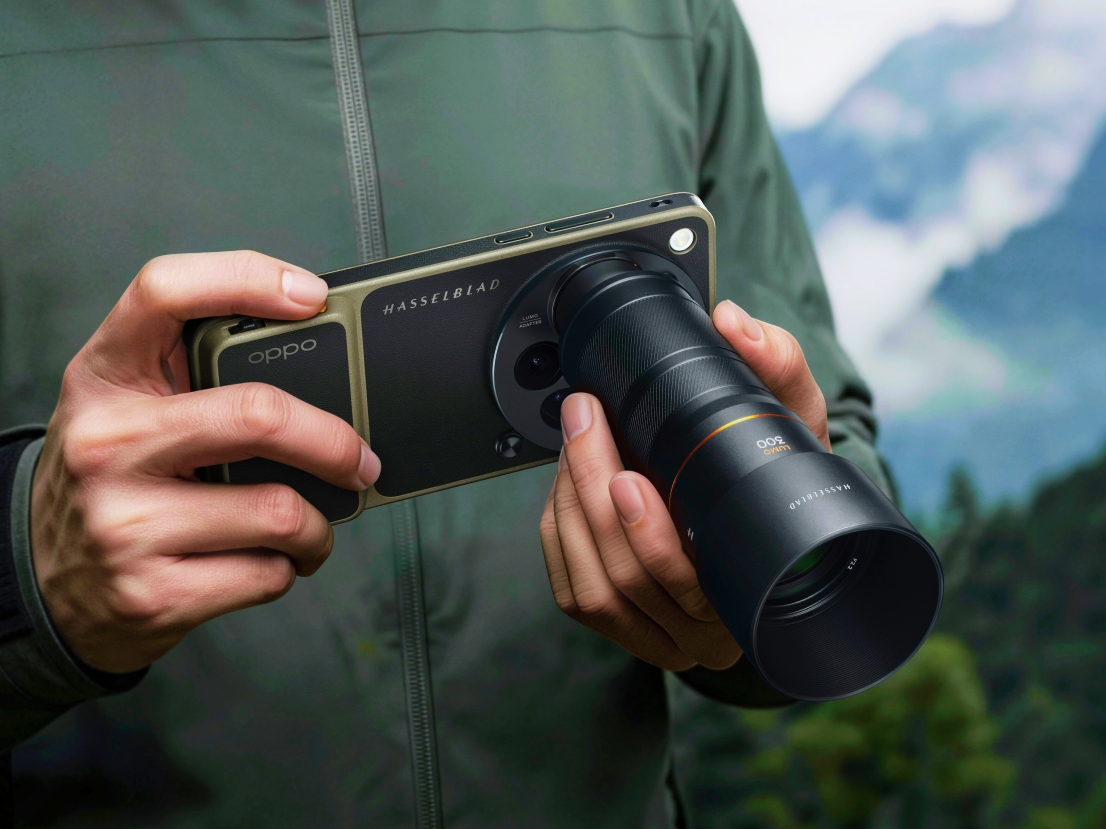

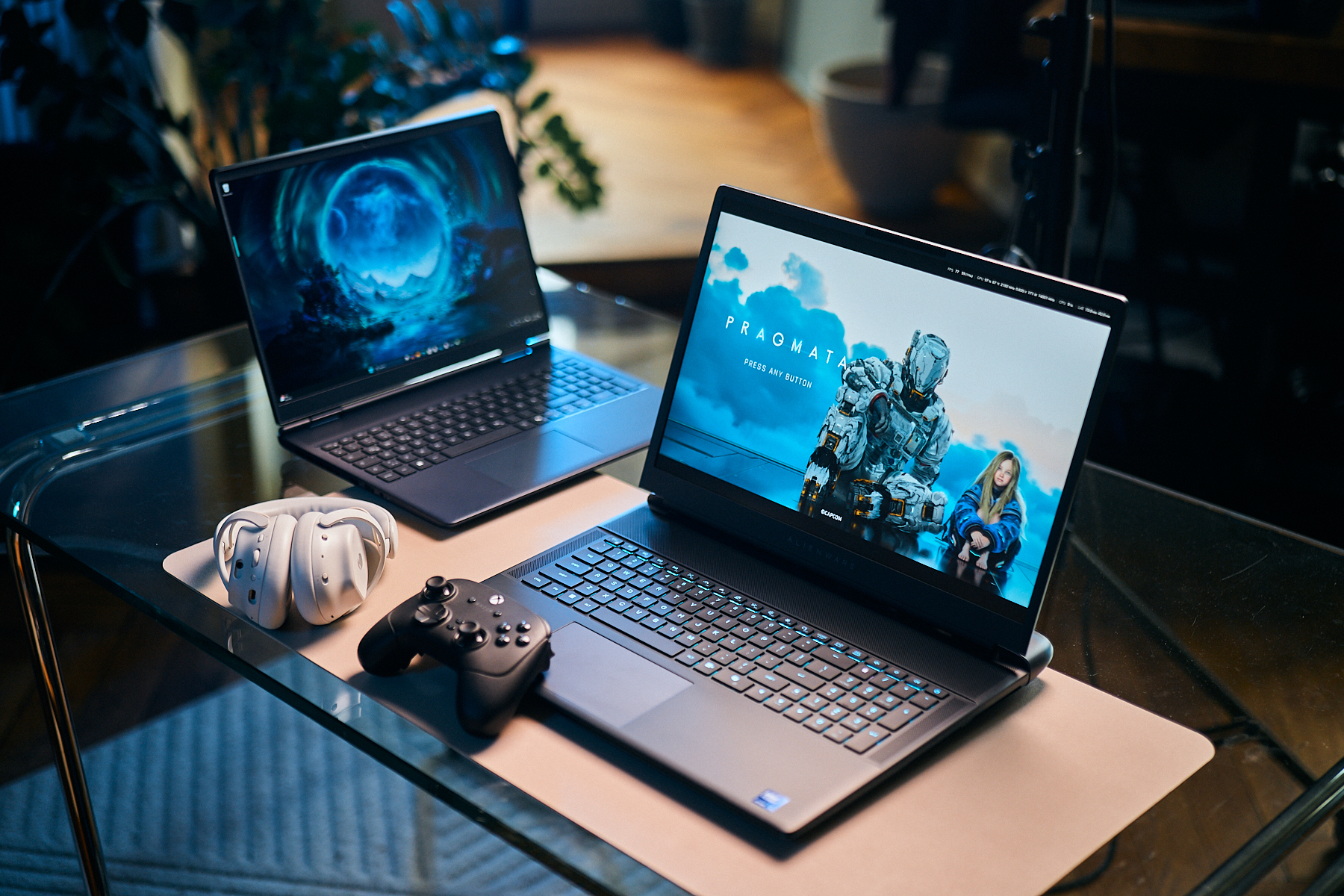



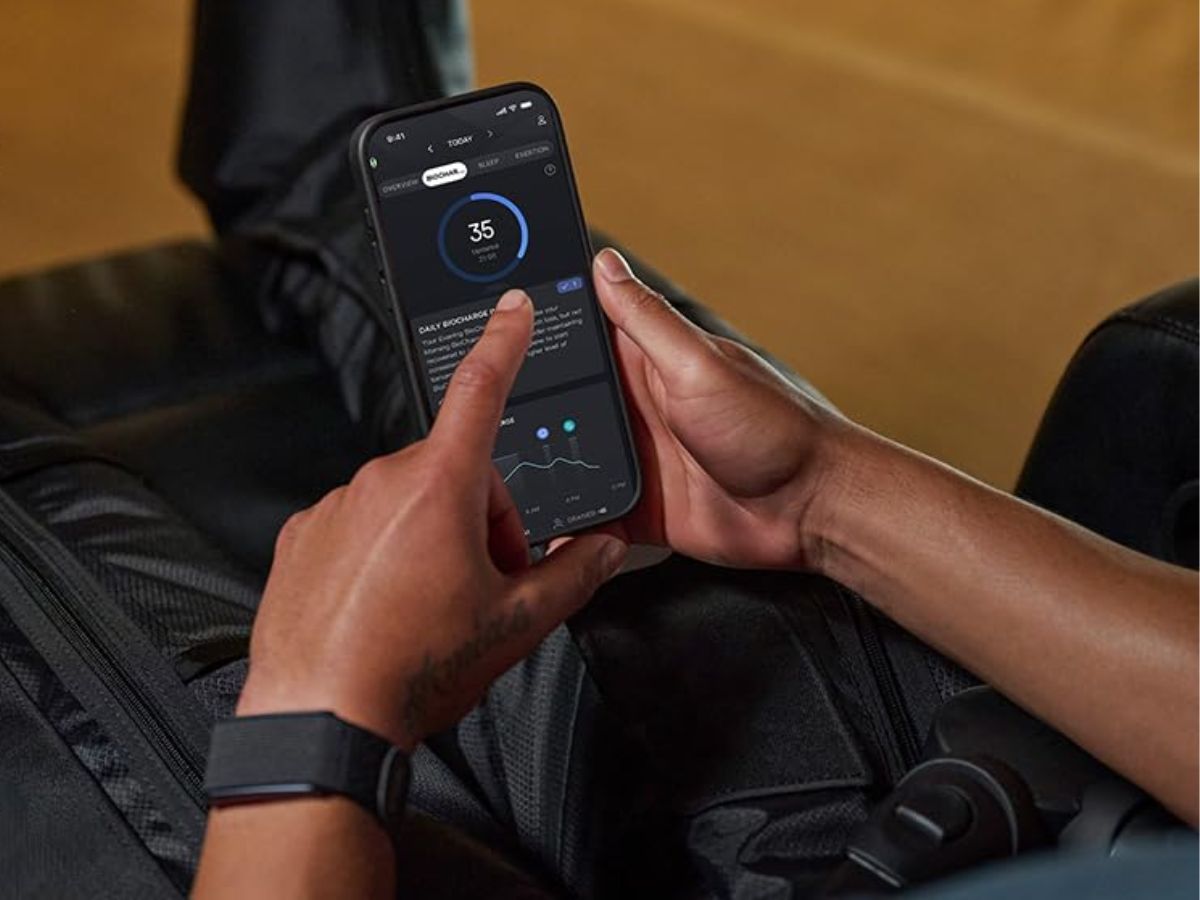

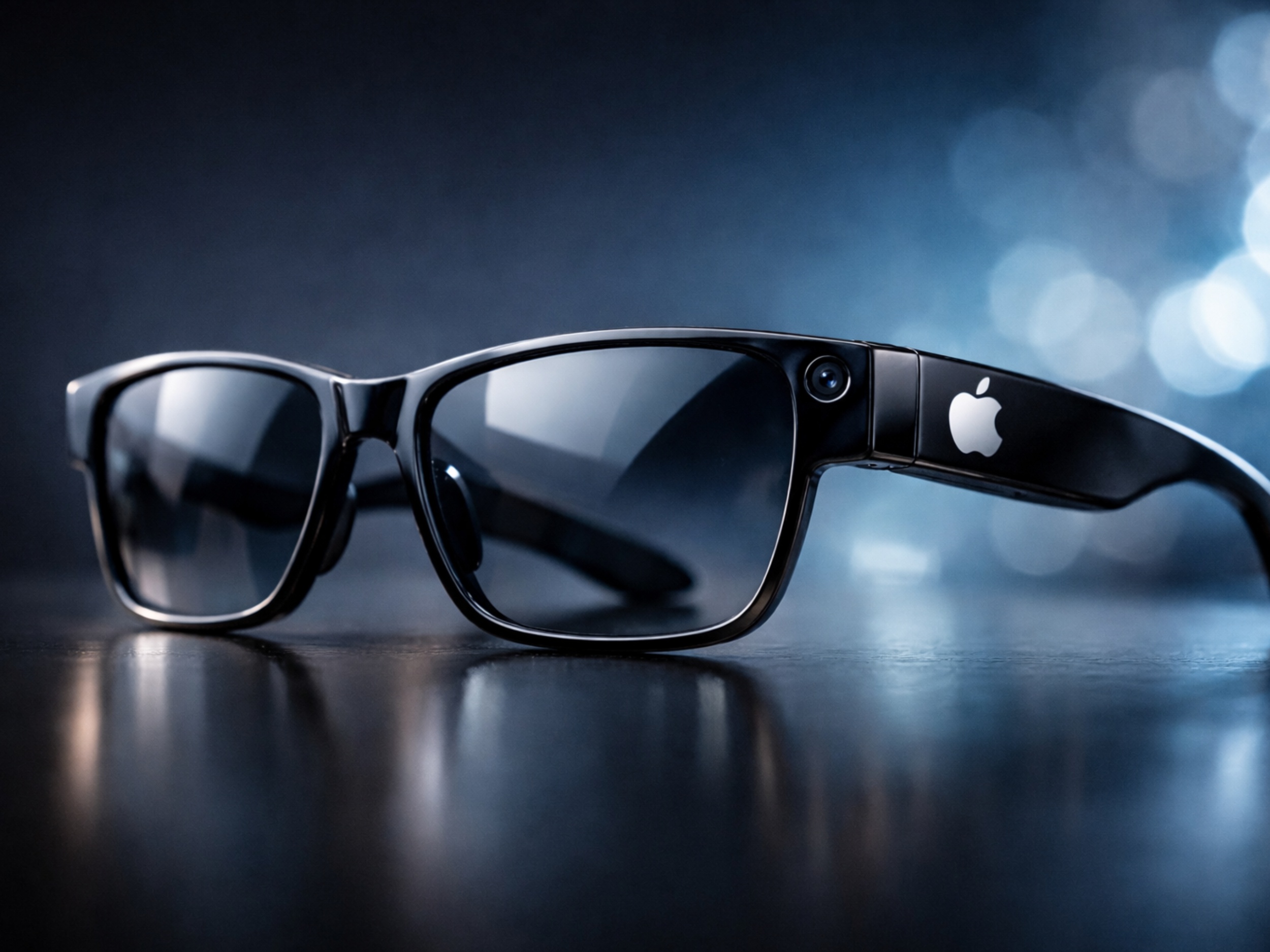
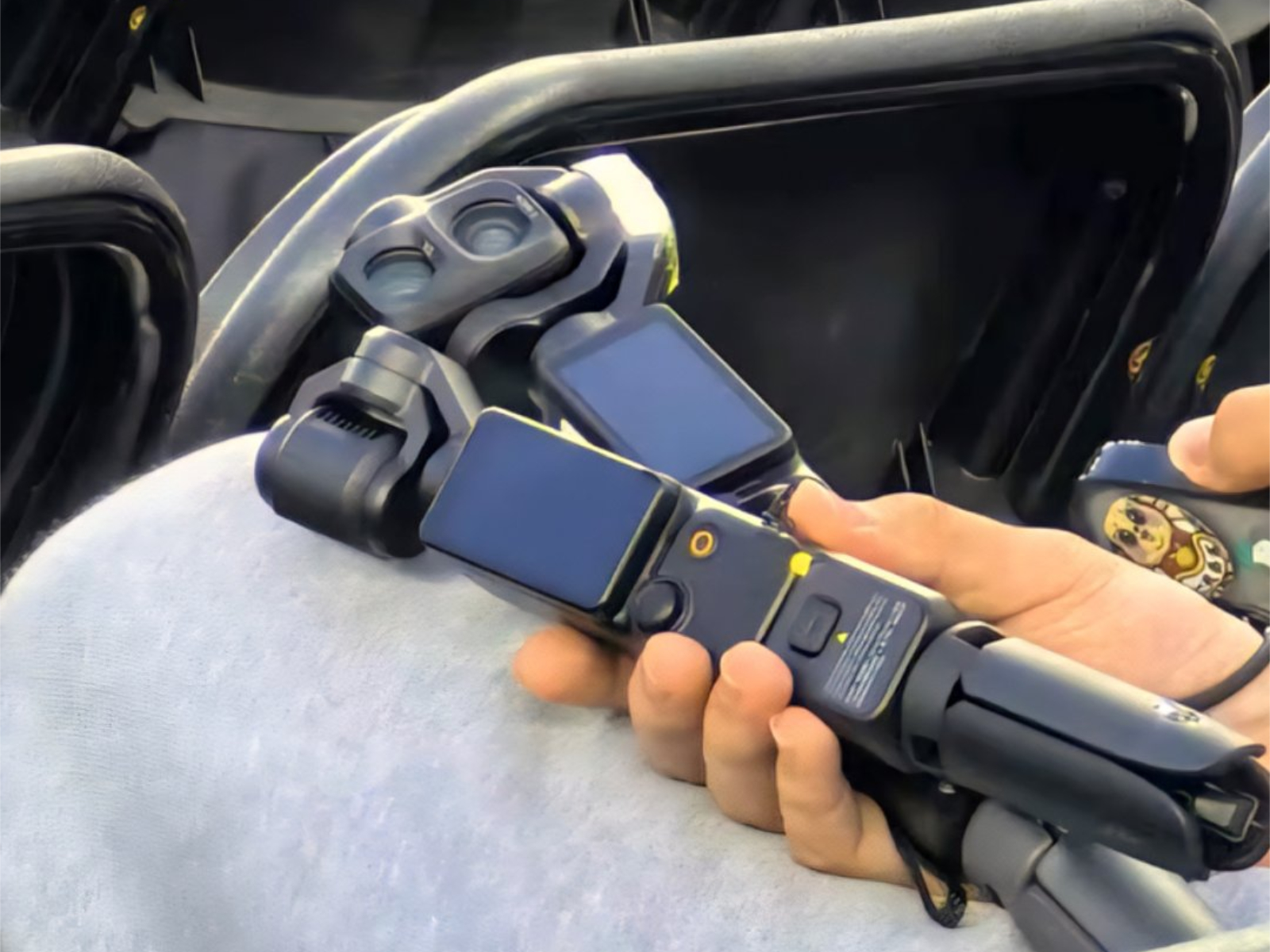



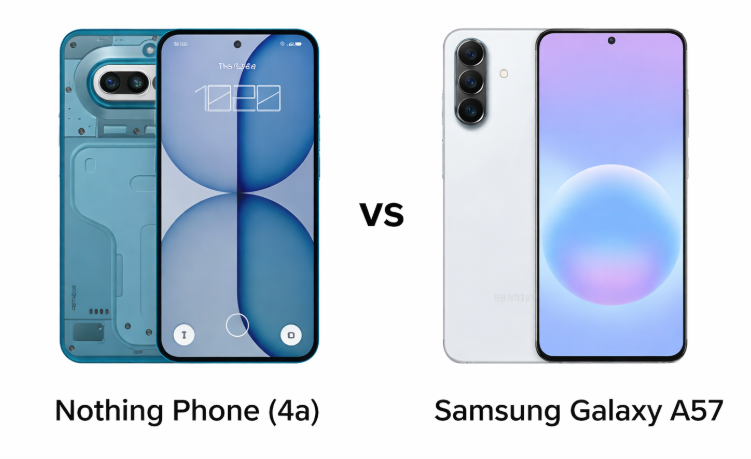




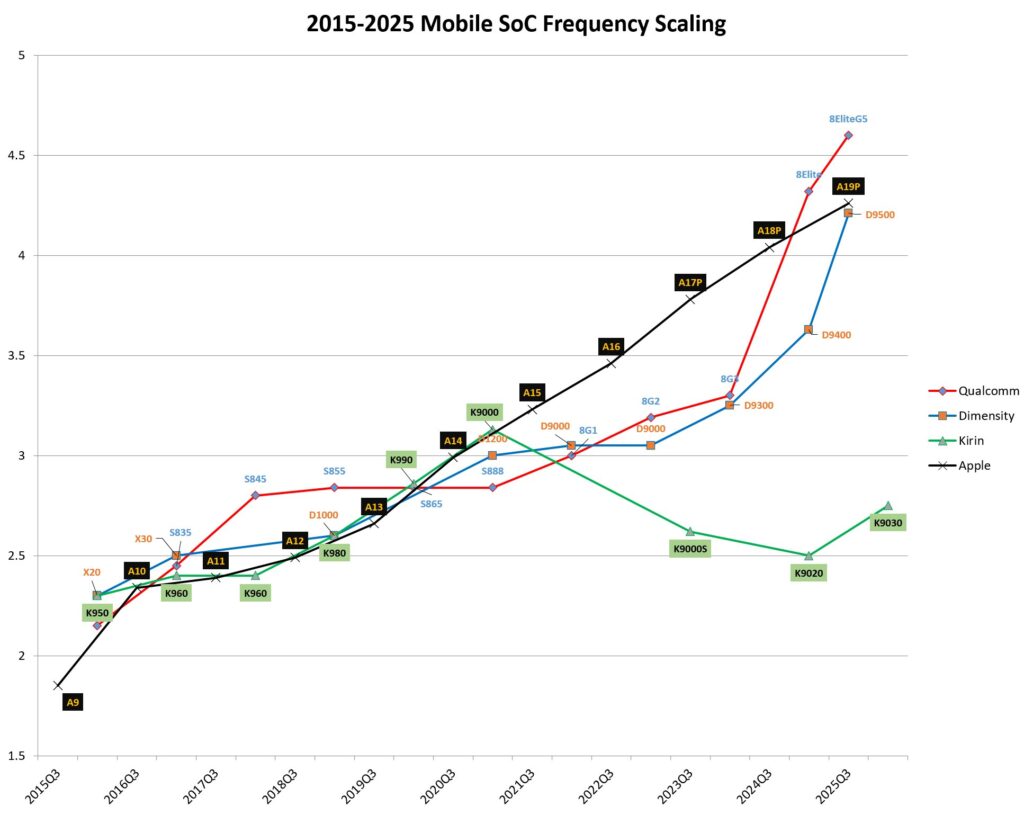

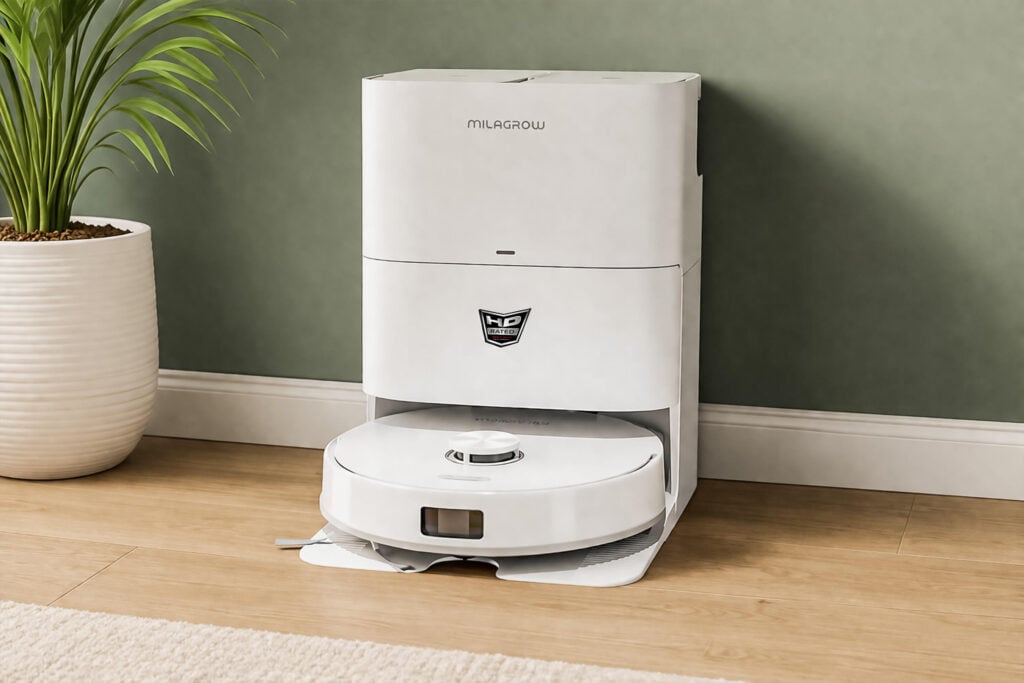


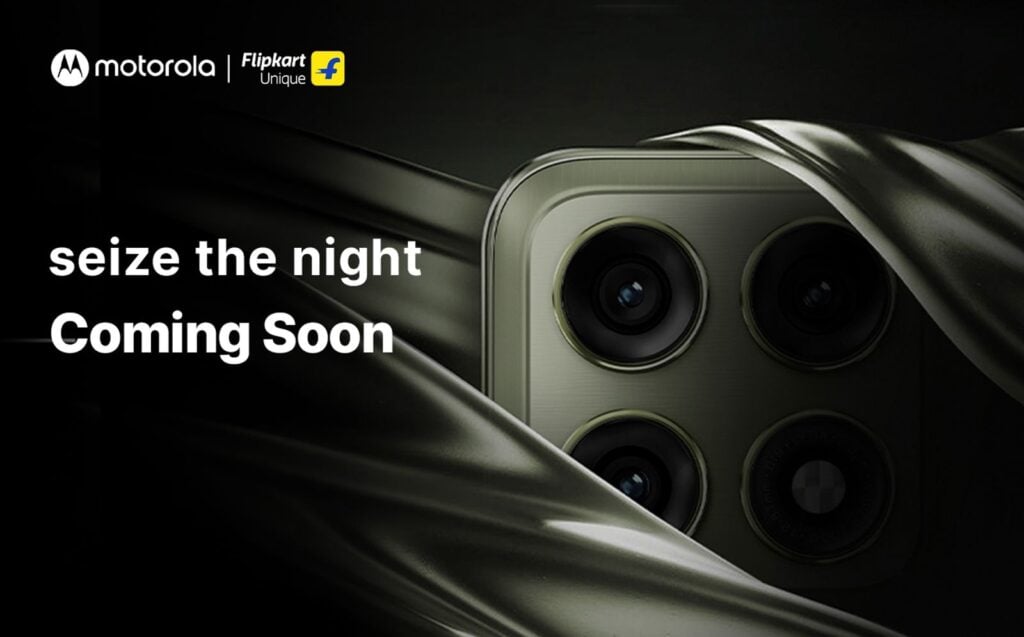

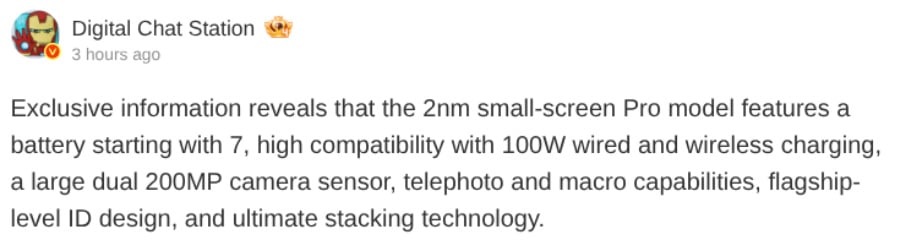













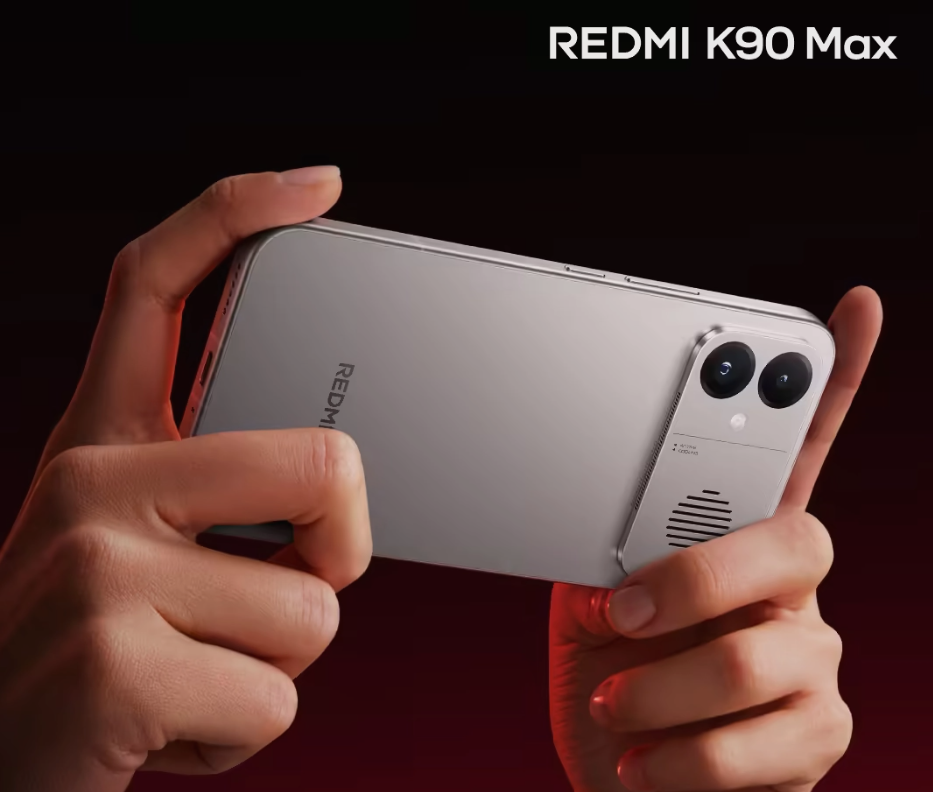


 Well, well, well…DJI, what are you doing? Let me think: Neo 3 or Avata 3🫣