“People who create content should be part of the party when the proceeds get divided up,” asserts Walter Isaacson, the esteemed biographer and advisory partner at Perella Weinberg, during a recent appearance on CNBC’s ‘Squawk Box.’ This fundamental principle, he argues, is the linchpin for navigating the burgeoning age of artificial intelligence, particularly as major […]
Multiple security vulnerabilities have been disclosed in the open-source private branch exchange (PBX) platform FreePBX, including a critical flaw that could result in an authentication bypass under certain configurations.
The shortcomings, discovered by Horizon3.ai and reported to the project maintainers on September 15, 2025, are listed below -
CVE-2025-61675 (CVSS score: 8.6) - Numerous
The Samsung Galaxy Z Trifold could become the device of choice for watching movies on the go, with a larger screen than any tablet-style folding phone before it
As marketing channels and touchpoints multiply rapidly, the way success is measured significantly impacts long-term growth and executive perception.
Click-based attribution – across models like last-click, first-click, linear, and time-decay – remains the default.
But as a standalone measurement strategy, it’s showing its age.
Click metrics now carry disproportionate weight in executive dashboards, and that reliance introduces real limitations.
Click-based models can still reveal valuable insights into digital engagement.
However, when the C-suite bases major budget and strategy decisions solely on clicks, they risk overlooking critical aspects of the customer journey – often the very pieces that matter most.
This article examines:
What click-based attribution actually captures.
Where click-based measurement breaks down in a multi-channel, multi-device, privacy-first world.
The business risks of over-indexing on click metrics.
Measurement approaches that better align marketing with real business outcomes.
How marketing leaders can guide executives toward more holistic, outcome-oriented frameworks.
The goal isn’t to demonize clicks – they still belong in the toolbox. But they should provide context, not serve as the foundation.
What does click-based attribution actually measure?
Click-based attribution tracks ad clicks and assigns conversion credit to the marketing touchpoints that drove them.
Models like first-click, last-click, linear, time-decay, and data-driven approaches differ only in how they split that credit across the user journey.
Digital ad platforms and many analytics tools default to click-based models because clicks are relatively easy to capture, understand, and report.
They’re deterministic, clean, and simple to interpret at a glance.
That cleanliness, however, can be misleading.
Click-based attribution depends entirely on a user interacting with tracking links or tags.
If a user doesn’t click, or clicks but converts later or elsewhere, the touchpoint may be missed or misattributed.
This approach can work in a simple, linear funnel.
But as customer journeys become multi-device, multi-channel, and increasingly offline, clicks lose context quickly.
Click-based models undervalue creative, messaging, and brand
Not all marketing impact shows up as clicks.
A video ad or thought-leadership piece may plant a seed without prompting an immediate click, yet the message can linger.
It may lead to later brand searches or site visits, outcomes that are difficult to capture through click-based measurement.
As a result, brand power, creative messaging, and top-of-funnel reach are underrepresented in click-based models.
Over time, organizations that optimize solely around click-based attribution may unintentionally deprioritize creativity, brand-building, and long-term equity.
Click-based attribution breaks down in a privacy-first world
We’re moving toward a future where third-party cookies are diminished or gone, privacy rules continue to tighten, and tracking becomes less precise.
Under these conditions, click tracking grows more difficult, less reliable, and increasingly misaligned.
Without stable identifiers, many of the assumptions behind click-based models – “this click belongs to that user” or “this click led to that conversion” – begin to unravel.
Attribution becomes a house of cards built on data that may not hold up as privacy and tracking norms continue to shift.
The business risks of over-relying on click-based attribution
Misallocation of budgets
When click-based reporting dominates, budgets tend to flow toward what looks good – the activities that drive visible revenue and deliver clean, direct ROI.
That often comes at the expense of demand generation efforts that support long-term growth, such as brand campaigns, content, awareness, and other upper-funnel media.
This approach may “work” for a few months or even years.
Over time, however, the pipeline dries up.
Awareness declines, organic reach stagnates, and the brand loses its ability to attract new audiences at scale.
Erosion of brand over time
Marketing shifts into a zero-sum exercise focused on extracting conversions from existing demand rather than expanding it.
Without sustained investment in brand equity and demand generation, competitiveness, brand loyalty, and lifetime value (LTV) suffer.
In essence, optimizing for short-term ROAS puts long-term brand health at risk.
Misaligned incentives across teams
When KPIs are click-based:
Media teams optimize for clicks.
Creative teams optimize for click-worthy content.
Analytics teams optimize for attribution that ties cleanly to conversions.
The result is marketing silos working toward different objectives.
Media buys may undermine creative performance.
Creative teams may chase cheap clicks.
Analytics may mask cannibalization rather than reveal incrementality.
Fragmentation increases.
Blind trust in platform-reported metrics
Ad platforms and tracking tools report click-based conversions, but many of those conversions are self-crediting, particularly within paid media platforms.
When you rely heavily on these numbers without scrutiny or connection to the broader user journey, you risk making high-stakes decisions based on biased data.
If click-based attribution is flawed, how should performance be evaluated?
The short answer is a combination of approaches grounded in real business outcomes.
Marketing mix modeling (MMM) for channel-level contribution
At a higher level – especially when multiple channels are involved, including online, offline, paid media, organic media, and PR – MMM helps quantify channel-level contribution to sales, revenue, or other business outcomes.
It looks at broad correlations over time using aggregated data rather than user-level clicks.
MMM, supported by machine learning, improved data resolution, and more frequent refresh cycles, has become more accessible and actionable.
It isn’t a replacement for click- or site-based data, but a powerful complement.
User-level path analysis still has a place when privacy and tracking allow.
Multi-touch models that consider multiple touchpoints can provide richer insight, but they work best as one input among many rather than a single source of truth.
They offer path visibility, but without incrementality testing or support from MMM, they still risk over-crediting and bias.
Customer lifecycle metrics: LTV and CAC payback, retention, cohort analysis
Marketing value isn’t confined to a single sale or conversion.
LTV, retention, and long-term value creation matter just as much.
Tying spend to CAC payback, churn, loyalty, and retention creates a measurement framework aligned with long-term business goals.
Incrementality testing as a standard practice
Incrementality testing measures what marketing actually adds by identifying net-new conversions, revenue, lift, or awareness.
It separates what would have happened anyway from what your efforts truly drove.
This approach isn’t as clean as click tracking and requires more planning and discipline, but it delivers causality.
It allows you to say, with confidence, “This spend generated X% incremental lift.”
Attention metrics, quality signals, and creative impact
Not all impact is transactional.
Upper-funnel signals such as viewability, time-in-view, attention scores, and engagement matter.
Creative resonance, brand recall, and impact often influence later behavior that never appears as a click.
Looking beyond clicks to metrics like creative recall, brand lift, share of voice, sentiment, and qualitative feedback helps anchor measurement to real brand value and audience expectations.
Building a modern measurement framework
A modern measurement framework isn’t built around one model or metric.
It brings together complementary methods to create a clearer, more balanced view of performance.
Take a portfolio approach
The most effective measurement frameworks take a portfolio approach.
MMM, incrementality, multi-touch attribution (when possible), attention metrics, and customer lifecycle metrics work together to triangulate performance from multiple perspectives.
This diversity reduces bias and balances short-term performance with long-term brand health.
It also makes it possible for the C-suite to see more than conversions alone – including impact, growth potential, and sustainable value.
KPIs that reflect real business impact
Executives care about revenue, margin, and growth. Not just clicks.
Reframe KPIs around the key metrics that matter, such as:
Revenue.
Cost per acquisition.
Customer lifetime value.
Retention.
Brand lift.
Market share.
Brand sentiment.
Package those into dashboards that tell a story:
“Here’s what we did, here’s what grew, here’s what we learned, here’s where we go next.”
Build executive dashboards for outcomes, not vanity metrics
When dashboards lead with vanity metrics like click volume, CTR, or raw conversion rate, insight is limited. Lead instead with business outcomes.
Build narrative-driven dashboards that connect investment to results, learning, and action.
Lean toward data storytelling instead of data reporting.
That story resonates with executives. It links marketing to business value, not just to marketing activity.
Leverage AI, predictive modeling, and forecasting strategically
Modern analytics tools – including AI and predictive forecasting – can help:
Estimate demand.
Forecast impact.
Model how different investments may play out over time.
Use them to simulate scenarios, test assumptions, and support business cases.
These tools aren’t silver bullets. They work best as accelerators for sound strategic thinking.
Moving away from click-based thinking
Changing how performance is measured doesn’t happen automatically.
It requires clear framing, evidence, and a deliberate transition rather than an abrupt overhaul.
Understand common objections and address them clearly
Often, executives cling to click-based metrics because they’re easy to understand (“one user clicked, we got a sale”) and seemingly real-time.
They want fast feedback and accountability. Demand creation efforts often feel abstract and hard to justify.
Be prepared to address that directly:
“Clicks are easy to understand.”
Yes. But they paint an incomplete picture. Show them what they miss.
“We need real-time metrics to manage marketing spend.”
That’s valid. But real-time doesn’t always equal real value. Complement with more holistic time-based analyses based on the timing of your sales cycle, incremental lift tests, and periodic MMM to ground real-time decisions.
“Brand/awareness spend is hard to justify.”
I hear you. That’s why you start small. Run test campaigns, measure impact via lift studies, attribution-aware conversion, and lifecycle metrics. Show proof-of-concept.
Implement a gradual shift, don’t overhaul overnight
Click-based attribution doesn’t need to be discarded overnight. Instead:
Introduce incrementality testing for a small portion of spend to show what budget really contributes.
Once incrementality proves meaningful lift, allocate more budget toward long-term demand creation efforts.
Run or commission MMM annually (or semi-annually) to quantify channel contribution holistically.
Adjust executive dashboards to reflect new KPIs, such as revenue, CAC payback, brand lift, and LTV, and reduce emphasis on mere clicks or last-click conversions.
Over time, incentives begin to shift. Media moves beyond clicks, creative focuses on quality and resonance, and analytics emphasizes causality and long-term value.
Educate the executive team
Executives rarely object to logic – they object to noise.
Frame your case with clarity and use data.
Show examples, run tests, show incremental lift, and then build dashboards that tell a clear story.
Once you prove that a dollar invested in brand or top-of-funnel media delivers compounding value over time, leadership hopefully becomes less attracted to short-term click metrics.
They begin to appreciate marketing as an investment, not a cost center.
Clicks are part of the story, not the whole story
Click-based attribution has served marketing teams for years. It offered a clean way to connect conversions to touchpoints.
But the landscape has changed.
User journeys are longer and messier.
Privacy constraints are tighter.
Long-term brand value now matters as much as short-term conversions.
For C-level teams, judging performance by clicks alone is like judging a company’s health by heart rate alone. It’s useful, but incomplete.
Modern marketing requires a richer view – one that blends data, causality, business outcomes, and long-term brand building.
As marketing leaders, our job isn’t to chase the next click.
It’s to build brands that last, drive sustained growth, and help leadership see marketing not as a cost, but as a strategic investment.
Every week, new data highlights both the overlap and the divergence between effective organic search techniques across traditional SEO (Google SERPs) and GEO (ChatGPT, AI Overviews, Perplexity, etc.).
It’s a lot to absorb. One week, headlines say traditional SEO tactics work fine for ChatGPT.
Given how quickly this landscape shifts, I want to break down the approach, process, and resources my team is using to tackle content in 2026.
This goes far beyond a content calendar.
It’s about combining audience understanding, the interplay of organic platforms, and your brand’s perspective to build a content system that delivers real value.
The right approach for valuable content
The emphasis on quality and value in content is good for marketers.
The tenets of E-E-A-T remain central to our approach because they apply to AI search discoverability as much as to traditional SEO.
Producing strong content still depends on a rich understanding of your audience, good fundamental structures, and solid delivery methods – skills that always matter.
Start with your audience.
Who are they?
What do they need?
What content will help them get there?
Approach content like any other product or service:
Identify a need and address it.
Understand the emotions involved.
Show your credentials – including third-party brand mentions, which are a leading factor in AI search visibility.
Approach content like any other product or service:
Find or understand a need and address it.
Know the emotions (i.e., fear, uncertainty, urgency) in play.
Show your credentials (in the form of authority, expressed in part by third-party brand mentions that are one of the leading factors of AI search visibility traction).
That said, content that has performed well in Google may not work as effectively for LLM search.
Instead of writing primarily for blue-link SERPs, we now focus on creating content that stands on its own as an authoritative, structured data source, with trust and originality as ranking signals.
That means prioritizing clarity, factual depth, and a consistent brand perspective that AI models can reliably quote.
In an age of mass AI content, original insights, data, and human perspective are key differentiators, so content systems should include a step for “original proof” – data, interviews, or commentary that make the material uniquely trustworthy.
We’re also thinking more about how content gets used in AI experiences, not just how it’s found.
Summaries, bullet points, and explainers that answer layered intent are increasingly valuable.
Incorporating schema, structured data, and a consistent brand voice improves how AI systems read and represent your content.
In short, the goal is to optimize for retrievability and credibility, not just ranking.
The content strategy path I like to prescribe is as follows:
Problem aware: Empathize with your audience by articulating their problem in a clear, differentiated way.
Solution aware: Present your audience with objective, detailed, valuable options for solutions to their problem.
Brand aware: Develop your brand’s association as a trusted solution provider.
Product aware: Position your specific product or service as the ideal solution for the reader’s problem.
Once your research is conducted, you’ll have what you need to craft content and deploy it in multiple ways.
The linear workflow that persisted for years in traditional SEO, however, must evolve into a modular content engine – one where a single research output fuels multiple media types (articles, YouTube scripts, short-form video, LinkedIn posts, etc.), with platform-native variations all aligned to a central narrative theme.
Resources to use in content development
A few years ago, I would have started with well-known, well-established tools like Ahrefs and Semrush.
While those remain useful for benchmarking, they no longer represent how people discover or consume information as AI search transforms user behavior in real time.
AI search abstracts away keywords – users are asking multi-intent questions, and LLMs are generating synthesized answers.
SEO analysis is now, rather than the main starting point, one piece of the research pie.
It’s still important, but search optimization is now embedded throughout the content process.
The tools below have been important in the past, and my team still leans on them as part of a more holistic approach to content planning.
Qualitative interviews
Surveys are useful but can be expensive when you’re trying to reach audiences outside your CRM.
You can still get strong insights by engaging subject matter experts who share the same professional experiences, challenges, and responsibilities as your target audience.
Slack communities, live or virtual meet-ups, and memberships in organizations like the AMA or ANA can all offer on-the-ground perspectives that support your content mapping.
Audience analysis from AI systems
It’s critical to include intent analysis from AI tools and conversational search data.
Understanding how users phrase questions to AI systems can inform structure and tone.
Social media
Not all social media posts are created equal, but understanding your audience includes knowing where your audience likes to engage: X, Reddit, YouTube, TikTok, etc. (Not to mention that Reddit citations show up prominently in ChatGPT results.)
Utilize these platforms to gather real-time information on what your audience is discussing and to increase brand mentions, which will send strong signals to ChatGPT and similar tools.
Competitor analysis
Shift from tracking keyword overlap to evaluating content depth, originality, and entity coverage – where your brand’s expertise can fill gaps or improve on generic AI-summarized answers.
Adjust the KPIs to assess the impact of your content
For many years, SEO marketers focused on impressions and clicks, although more advanced practitioners also incorporated down-funnel metrics, such as leads, conversions, pipeline impact, and revenue.
Today, SEOs must expand their KPIs to include brand mentions in:
AI summaries.
Content-assisted conversions.
Cross-channel engagement depth.
These are the new indicators of helpfulness and value.
Resist the urge to rest on your laurels
We’ve seen strong successes with AI search visibility that complement our traditional SEO results, but our understanding of best practices continues to evolve with each new round of aggregated data on AI search results and shifting user behavior.
In short, keep a parallel track of what has worked recently and where the trends are heading, since ChatGPT and its competitors are changing user behavior in real time – and with it, the shape of organic discovery across platforms.
After successfully lobbying the Trump administration to approve the sales of its H200 chips to China, Nvidia is now thinking of adding capacity to produce more of the chips.
The ASUS ROG Swift OLED 32-inch is a fantastic gaming monitor with a premium-quality 4K resolution and 240Hz refresh rates, among other rich features, and it's now on sale for less than $900.
According to a report from Sedaily, cited by TrendForce, Samsung Electronics' Device Solutions (DS) Division is in discussions with AMD over manufacturing its chips on Samsung Foundry's second-generation 2 nm process known as SF2P. Samsung's 2 nm technology is competing directly with TSMC's N2 and Intel's 18A, both using the Gate-All-Around (GAA) transistor architectures. Industry sources say a decision on moving forward with a formal agreement could come as early as January next year, with actual production being more a matter of "when" rather than "if". As part of the talks, Samsung is expected to run AMD designs through a multi-project wafer (MPW) program in the near term. This would allow both companies to evaluate SF2P's performance and yields before committing to volume manufacturing. The chip involved is believed to be AMD's next-generation EPYC "Venice" server CPU, according to Global Economic News. If the MPW results meet AMD's expectations, sources say it could open the door for AMD to adopt a dual-foundry strategy, pairing Samsung with TSMC. Such a move would not be limited to server products, and could eventually extend to future consumer CPUs, including the "Olympic Ridge" Ryzen lineup.
Separately, the report highlights the AI-focused partnership between Samsung and AMD. Despite Samsung's challenges in entering NVIDIA's HBM supply chain, it has secured a strong position with AMD. Samsung is already supplying HBM3E 12-layer memory for AMD's MI350 accelerators and is considered well positioned for HBM4, which is expected to debut alongside AMD next-generation MI450 products. From Samsung's perspective, adding AMD as a foundry customer would further support its recent recovery. Sedaily notes that Samsung Foundry has picked up momentum after winning orders from major clients such as Tesla and Apple. At the same time, industry sources point to TSMC capacity constraints and rising wafer prices, those factors making Samsung an alternative.
The world's top-performing system for graph processing at scale was built on a commercially available cluster. NVIDIA last month announced a record-breaking benchmark result of 410 trillion traversed edges per second (TEPS), ranking No. 1 on the 31st Graph500 breadth-first search (BFS) list. Performed on an accelerated computing cluster hosted in a CoreWeave data center in Dallas, the winning run used 8,192 NVIDIA H100 GPUs to process a graph with 2.2 trillion vertices and 35 trillion edges. This result is more than double the performance of comparable solutions on the list, including those hosted in national labs.
To put this performance in perspective, say every person on Earth has 150 friends. This would represent 1.2 trillion edges in a graph of social relationships. The level of performance recently achieved by NVIDIA and CoreWeave enables searching through every friend relationship on Earth in just about three milliseconds. Speed at that scale is half the story—the real breakthrough is efficiency. A comparable entry in the top 10 runs of the Graph500 list used about 9,000 nodes, while the winning run from NVIDIA used just over 1,000 nodes, delivering 3x better performance per dollar.
Attack Shark, a gaming peripheral brand specializing in affordable, high-performance mechanical keyboards, gaming mice, and accessories, released the V8, a next-generation lightweight wireless gaming mouse born for eSports. Designed for competitive players seeking faster response, greater stability, and sustained comfort, the V8 introduces breakthrough technology, setting a new benchmark for gaming mice.
Co-designed with the Attack Shark player community, the V8 features a shark-fin wireless receiver with an enhanced antenna for stronger signals and stable transmission. Its unique design ensures low latency even in interference-heavy environments. An LED indicator provides instant visibility of connectivity, polling rate, and battery status, delivering a reliable, uninterrupted wireless experience for competitive play.
AMD's AIB partners are speaking up as they express more design freedom for their GPUs. According to Sapphire, AMD-exclusive GPU AIB, they are limited in their ability to modify the card and must adhere to chipmaker's official design rules. However, they now want more freedom to make GPUs focus on overclocking, extremely silent operation, and other traits that PC enthusiasts will appreciate. In a Hardware Unboxed interview with Ed Crisler, PR Manager at Sapphire Technology for North America, the AIB has expressed some frustration over their design rule limits.
Sometimes I really wish the chip makers would get out of the way and let us partners just make our cards. Give us the chip. Give us the RAM. Tell us what we have to provide to make it work with the board. And then let us make the cards. Let us have our fun. Let us go nuts. Let there be real differentiation. Sometimes it feels like this market becomes too too much the same.
Samsung is reportedly considering halting its consumer SATA III SSD production lines due to a growing shortage of NAND flash in the supply chain. According to Moore's Law is Dead, industry insiders have been discussing Samsung's potential stop of regular SATA III SSD production. Most NAND flash is being allocated to datacenter customers, such as AI labs and hyperscalers, leaving limited supply for the lower-margin consumer market, including PC gamers and tech enthusiasts. However, this likely only impacts regular SATA III SSDs and not Samsung's popular M.2 PCIe NVMe drives, which have been a consumer favorite for years. Additionally, there are reports that Samsung is converting its NAND flash production lines in Pyeongtaek and Hwaseong to focus on DRAM production. The upcoming Pyeongtaek Fab 4 (P4) is also expected to operate as a DRAM-only facility using Samsung's latest 1c process.
Earlier industry sources suggest that Samsung is becoming cautious about the NAND market, while demand for standard DRAM has surged. This shift makes NAND flash a less attractive segment, causing the entire supply chain to slow down as inventories are depleted. The demand for AI infrastructure has rapidly depleted inventory across the supply chain, and NAND flash is no exception. The rapid expansion of AI infrastructure has led to NAND flash shortages, which could persist for years. It was noted that the price of a 1 Terabit TLC NAND increased from $4.80 in July 2025 to $10.70 in November 2025, marking an increase of over 100% in less than six months. Other types of NAND flash, such as MLC and QLC, have also seen their spot prices more than double.
UK-based startup SPhotonix was formed in 2024 to commercialize what's known as 5D optical data storage, often referred to as "memory crystals." Essentially, the technique encodes vast amounts of data inside ultra-durable glass using lasers so precise they can manipulate matter at the nanoscale.
Buy an ASRock PG27FFX1B 27-inch, 520Hz, FHD IPS panel for $237.99. At over $290 and 55% off, you get a high-quality IPS panel with a wide color gamut that's great for gaming and productivity
Reinforcement Learning, once the exclusive domain of supercomputers and multi-million dollar data centers, has decisively stepped into the realm of local computing. This shift, highlighted in a recent tutorial by Matthew Berman, demonstrates how powerful AI models can now be trained on consumer-grade NVIDIA RTX GPUs using open-source tools like Unsloth, fundamentally democratizing access to […]
The prevailing sentiment around artificial intelligence, despite its unprecedented surge, often grapples with questions of sustainability and valuation. Yet, Tom Lee, Fundstrat Global Advisors head of research and Fundstrat Capital CIO, posits a distinctly bullish outlook, arguing that leaders in the AI space, notably Nvidia, are not overvalued but rather poised for a significant upward […]
The notion that multiple, specialized AI agents can collectively outperform a single, monolithic system represents a significant shift in artificial intelligence development. Anna Gutowska, an AI Engineer at IBM, articulates this concept with clarity, illustrating how “many simple AI agents, each with a small job, coming together to solve big, complex problems.” This paradigm, known […]
The Soverli smartphone OS enables a fully auditable, isolated operating system to run simultaneously with Android, eliminating the security-usability trade-off.
If you use a smartphone, browse the web, or unzip files on your computer, you are in the crosshairs this week. Hackers are currently exploiting critical flaws in the daily software we all rely on—and in some cases, they started attacking before a fix was even ready.
Below, we list the urgent updates you need to install right now to stop these active threats.
⚡ Threat of the Week
Apple and
In early December 2025, security researchers exposed a cybercrime campaign that had quietly hijacked popular Chrome and Edge browser extensions on a massive scale.
A threat group dubbed ShadyPanda spent seven years playing the long game, publishing or acquiring harmless extensions, letting them run clean for years to build trust and gain millions of installs, then suddenly flipping them into
The Leica M EV1 is the first Leica rangefinder without... the optical rangefinder. In its place, a useful EVF, which can make manual focusing much simpler.
Starring Fury from Gladiators and marking Tess Daly and Claudia Winkleman's last hurrah, here's how to watch Strictly Come Dancing Christmas Special 2025.
This season, Google Search and Shopping Ads are expected to surge past $70 billion in holiday spending. But there’s a hidden flaw in the auction system — one most advertisers don’t realize is costing them money even when competitors aren’t in the game.
BrandPilot calls this the Uncontested Google Ads Problem, and it’s becoming one of the most overlooked sources of wasted ad spend in peak retail season.
During SMX Next, John Beresford, Chief Revenue Officer at BrandPilot, unpacked how a little-known behavioral quirk in Google’s auction logic can cause advertisers to overspend on their own brand terms, their Shopping placements, and even their category keywords — simply because Google doesn’t automatically reduce your CPC when competition disappears.
Instead of paying less when you’re the only bidder, you may be paying the same high rate you’d pay when rivals are active… without realizing it.
It’s a phenomenon happening thousands of times a day across major brands, and many marketers never notice it’s occurring.
In his session, Beresford discussed:
Why “competition gaps” happen far more often than advertisers think.
How uncontested moments distort CPCs, even on brand keywords.
What real-time auction visibility makes possible — and why AI is changing the game.
He also shared examples of how advertisers are reclaiming wasted spend and reinvesting it into growth – without sacrificing impression share, traffic, or revenue.
Pinpoint why your CPCs are being artificially inflated when competitors are absent.
Estimate the true financial impact of the Uncontested Ads Problem across your annual budget.
Implement AI-driven bidding and suppression strategies that prevent self-bidding and boost ROAS.
If you’re running Google Search or Shopping campaigns this holiday season, you can’t afford to miss this session. Learn how to stop the Google Grinch from stealing your budget — and start turning those savings into real performance gains.
Mirelo, a German startup that is building AI to add synced sound effects to videos, has raised a $41 million seed round led by Index Ventures and Andreessen Horowitz.
MSI started selling its flagship Socket AM5 motherboard, the MEG X870E GODLIKE X Edition, at an eye-watering $1,300 in the US and approximately €1,200 in the EU (EUR price includes VAT). The board was announced way back in August, and is only now making its way to retail. Various tech publications including TechPowerUp posted reviews of the board over the weekend. Our review can be read here. This board is the absolute pinnacle of connectivity on the AMD platform, providing connectivity and overclocking capabilities that very few other boards offer. Its closes competitors would be the ROG Crosshair X870E Extreme, and the GIGABYTE X870E AORUS Extreme AI Top. Its truckload of connectivity options include 40 Gbps USB4, thirteen 10 Gbps USB 3.2 Gen 2 type-A and type-C ports; 10 GbE and 5 GbE wired LAN, Wi-Fi 7, and a very expensive onboard audio solution. More than the actual board, MSI includes an AIC-based M.2 riser, a fan management module, at least half a dozen M.2 slots on board, and a powerful VRM solution to power current and future processors.
Palit today announced the Palit Maker Borderlands 4 themed mod giveaway. The three custom Borderlands 4 GeForce RTX 50 GPU mods were realized using the creative freedom of Palit Maker support. Comment under the Instagram post of the mod you like the most and get the chance to win amazing prizes! Palit Maker is our original concept for gamers seeking a unique build. It allows you to create a personalized graphics card without affecting the warranty. Download the 3D files from our website and start creating today.
It was back in March when iRobot warned investors that it might not survive the next 12 months. With revenue shrinking at a rapid pace, the company's shares, which had been worth $133 in 2021, fell to just $1.40 in November.
AWS's new 192-core Graviton5 processor with a massive 180 MB L3 cache marks the company's most ambitious in-house CPU yet, which could enable it to replace more AMD and Intel servers in its cloud.
Cybersecurity researchers have disclosed details of an active phishing campaign that's targeting a wide range of sectors in Russia with phishing emails that deliver Phantom Stealer via malicious ISO optical disc images.
The activity, codenamed Operation MoneyMount-ISO by Seqrite Labs, has primarily singled out finance and accounting entities, with those in the procurement, legal, payroll
Idea Spectrum Realtime Landscaping Pro is a feature rich PC-only software package designed to help you create detailed landscaping projects, with a wealth of options, and a vast library of plants and objects.
One of last year's standout gaming stories was the rise of indie hits, proving that while game dev budgets balloon, spectacle matters less than how fun a game is to play.
Yono rewards you to scroll less. Stay under 1 hour on Instagram and TikTok per day -> earn 5 points -> stack points -> redeem them at local spots you actually want to visit. 30 points = free specialty coffee, or two Guinness pints, or dessert. The less you doomscroll, the more you earn.
Businesses get free foot traffic—they set their offers, pay nothing, and 76% of users buy extra items and return without promotions. You turn phone addiction into real money: scroll less, earn rewards, support local spots, and afford to go out again.
The pro-Russian hacktivist group known as CyberVolk (aka GLORIAMIST) has resurfaced with a new ransomware-as-a-service (RaaS) offering called VolkLocker that suffers from implementation lapses in test artifacts, allowing users to decrypt files without paying an extortion fee.
According to SentinelOne, VolkLocker (aka CyberVolk 2.x) emerged in August 2025 and is capable of targeting both Windows
Hands Off is a desktop app that intercepts nail biting, skin picking, and other BFRBs in real time. It runs locally on your device, pops up when your hands get near your face, and gradually retrains your brain. All without sending data to the cloud.
iRobot survived three decades of competition, but couldn't survive European regulators killing its Amazon buyout. Now it's being taken over by its own supplier in bankruptcy court.
CodersNote is an AI-powered learning platform that personalizes how students and professionals learn programming. It creates customized roadmaps, courses, and projects based on each learner’s goals—whether it’s frontend development, AI, data science, or any other tech career path.
The prebuild roadmaps and 3,000+ free learning resources available on the platform are carefully chosen and designed by 14 industry experts, ensuring learners follow the most relevant and up-to-date path in tech. It also provides real-time guidance, interview preparation, and 24/7 AI support—helping learners build practical skills, stay motivated, and achieve faster career growth in technology.
Grok, the chatbot built by Elon Musk’s xAI and popularized on his social media platform X, appears to have repeatedly spread misinformation about today’s mass shooting at Bondi Beach in Australia.
Nvidia plans FP64 comeback following Blackwell’s disappointing HPC results While Nvidia Blackwell series GPUs have proven highly popular for AI workloads, the supercomputing community is disappointed by their lack of FP64 (double-precision) performance. In fact, Nvidia’s new B300 “Blackwell Ultra” chip practically ignores FP64 with its anaemic 1.2 teraflops of performance. For context, Nvidia’s A100 […]
MSI celebrates 10 years of GODLIKE performance with its MEG X870E GODLIKE X Edition motherboard MSI has just launched their new MEG X870E GODLIKE X Edition motherboard, a new AM5 flagship motherboard that’s limited to 1000 units. This motherboard is both a high-end motherboard and a collector’s item, boasting high-end specifications and unique numbering. We’ve […]
GigLegal is dedicated to empowering New York City's independent workforce. We aim to provide affordable, accessible, and easy-to-understand legal tools, ensuring every freelancer can operate with the confidence and security of a large corporation. We believe legal protection should be a standard, accessible tool, not an expensive barrier.
The biggest challenges in freelancing are non-payment and scope creep. GigLegal is designed to solve these problems at their root. We combine legally-sound contracts with a secure escrow service, and create a 'trust protocol' that aligns expectations for both freelancers and their clients from day one.
Kindle e-reader deals are back at Amazon and arrive before Christmas — here are the best deals, with up to 20% in savings and prices starting at just $89.99.
If you’re willing to use an older AM4 platform, this Newegg deal pairs a B550 motherboard with 32GB of DDR4 RAM, a full-size liquid cooler, and a case, offering a strong foundation for a Ryzen 5000 gaming PC at a reduced cost.
The advent of large language models is fundamentally reshaping the very act of software creation, moving developers from the meticulous crafting of syntax to a more abstract, intent-driven collaboration with artificial intelligence. This profound shift was the central thesis of Kitze, founder of Sizzy, in his recent discourse on the evolution from “vibe coding” to […]
Netflix's $82.6 billion acquisition of Warner Bros. encapsulates a fraught moment for Hollywood, as the entertainment business is increasingly overshadowed by tech giants.
Time Magazine's famed "Person of the Year" was dedicated to the architects of AI this year, and the lack of representation for Microsoft betrays how far the company has fallen behind.
Microsoft's Copilot AI chatbot is arguably one of the most controversial add-ons ever implemented in the Windows 11 operating system. However, the controversy doesn't stop at PC operating systems. It seems to extend to TVs as well. According to Reddit user u/defjam16, his LG TV webOS received an update that installed Microsoft's Copilot AI app, with no option to remove it. Although users can choose to ignore it, the push for increased AI integration in everyday products is becoming unavoidable, even on TVs. What exactly can a Copilot AI app do in your TV? We don't know either.
Microsoft is likely promoting its Copilot on TVs to capture more of the AI app market, aiming to become the go-to platform for AI inquiries. Since webOS is a Linux-based TV operating system LG uses, it is also possible that Microsoft is preparing the Copilot AI app for a wider rollout to Linux users, who are now officially commanding a 3% market share among PCs. Other TV operating system platforms are also at "risk" of getting a dedicated Microsoft Copilot AI app, which is especially bad for people not wanting their TV to do any AI processing.
Those numbers point to a widening gap between output and engagement on the world's largest PC game marketplace. Steam's open publishing model has dramatically lowered the barrier to release, but visibility has become a scarce resource. For small studios and independent developers without marketing budgets, standing out on Steam can...
The software relies on a customer-managed agent installed within each environment. That agent collects detailed system data and sends it to a centralized dashboard hosted on NGC. From there, operators can examine performance at multiple layers: a global view of all deployed hardware, compute zones corresponding to individual on-premises or...
PDF Flo lets users manipulate PDF files instantly in the browser — without uploading them to a remote server. It focuses on being: Lightning-fast, Files never leave your device, Minimal UI with smooth transitions and neutral tones
Following prior benchmarks, the man himself, der8auer, has disassembled the RTX Titan Ada prototype he's had for months. Inside, the card is a maze of wires, connections, and side-plate wizardry, holding together a beastly quad-slot design that had not one but two 12VHPWR (600W) connectors and a side-mounted PCB.
The rush to integrate Generative AI into daily workflows has opened a dangerous new front in the cyber security war, one that’s hiding in plain sight: the humble browser extension. New research from Palo Alto Networks security experts, Shresta Seetharam, Mohamed Nabeel, and William Melicher, reveals a disturbing trend of malicious GenAI-themed Chrome extensions being […]
Most Thunderbolt 5 docks I've tested so far retail for $400+, but Wavlink's new Thunderlight dock bucks the trend in a big way. Here's what you need to know, and why it's my new favorite TB5 dock for budget shoppers.
Starting today, Android device owners can begin testing live speech translation in the Google Translate app, which now relies on Gemini. The AI makes text translations sound more natural and nuanced than before.
Thevenin is an Internal Development Platform (IDP) designed for organizations that need to build with startup speed while maintaining rigorous enterprise standards regarding governance, security, and data sovereignty.
Developers can easily create docker containers and attach files, variables and even volumes. Organizations can check what has been changed and who did it through version control and limit cloud resource usage by environment.
Upload 100s of product images. Get SEO titles, descriptions & tags automatically. Sync directly to your WooCommerce or Shopify store. Go from photos to profitable listings in minutes.
Create Topical Authority via our maps feature, which plans and visualizes your content in a way never seen before. Get Keyword Research on the map directly with out competitor analysis tool, revolutionizing the way keyword research is done. No more second guessing which keywords are actually being used and how.
The Godlike X is an excellent flagship motherboard offering the best of what’s available. The X’s limited run and included goodies make it collectible, but the price for exclusivity could be prohibitive.
Commodore International Corporation has initiated legal action against Italian start-up Commodore Industries, claiming that a set of Commodore trademarks registered in Europe in 2017 were improperly granted.
AI advancements are driving up the price of RAM, and it's giving gamers an awful reminder of how cryptocurrency did the same to GPUs. Can Valve navigate this crisis for its Steam Machine PC?
Seagate's Astro Bot-themed game drive is a limited edition HDD that works for PC, PlayStation 5, and PlayStation 4. But is it worth buying for PC? Our review.
The Xbox Ally X offers powerful handheld gaming, yet early setup issues, software problems, and what I call "jank" show it needs serious refinement before it can shine.
Citroen's latest ELO concept is a "tiny house on wheels" according to its makers, but this diminutive six-seater completely changes the approach to minivans.
35 years ago today, Commander Keen in Invasion of the Vorticons - Episode 1: Marooned on Mars was released by a dev team including John Carmack and John Romero.
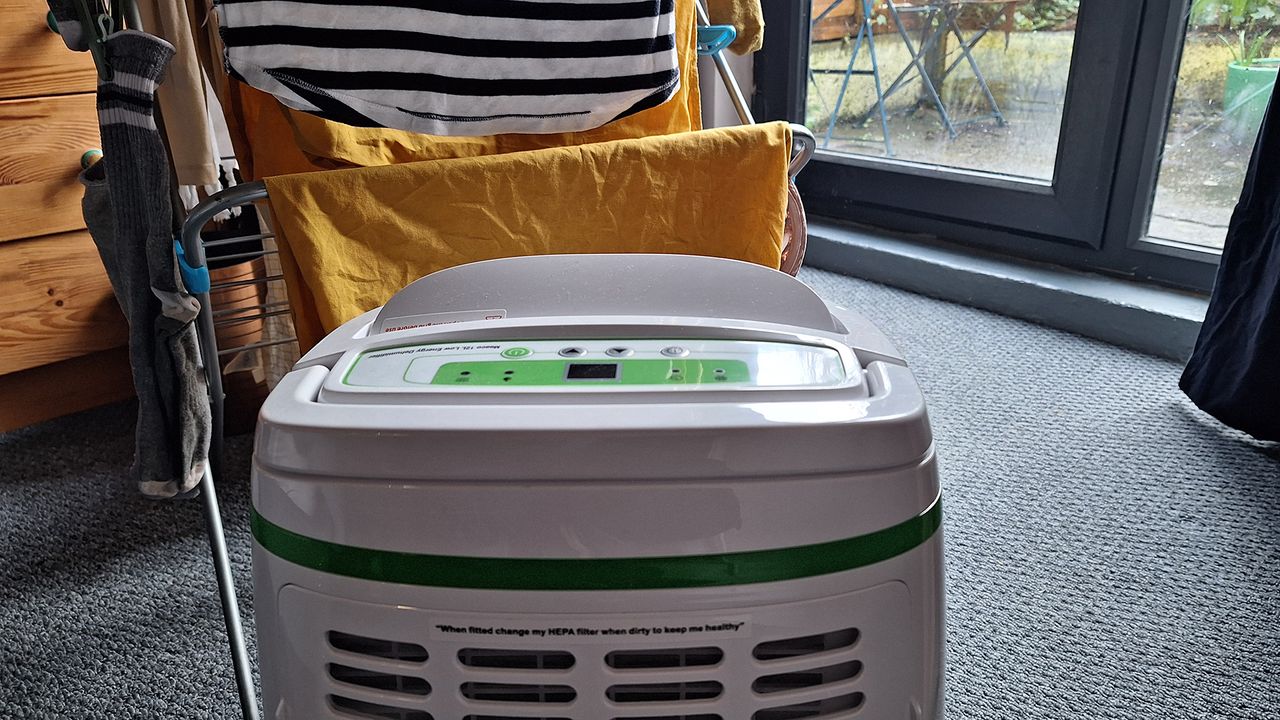
If the one thing about smart home appliances that deterred you from ever investing in this connected future was how your data was always being routed through servers, you're in for a treat. A skilled developer has hacked his new Xiaomi Humidifier with ESPHome, making the device compatible with Home Assistant.
The project, led by neuroengineer Viktor Tóth, has evolved into a second-generation setup that significantly expands what the rats can do inside the Doom engine.
Welcome to the second to last full week of 2025 and most likely the last week of any kind of interesting new game releases. This week's major release is a first person MMO set in a post Soviet-era universe. If that's not your ginger bread flavour, how about a top-down mix between a MOBA and an RPG, or a tactics-JRPG from the PS4, since we're apparently blending several different styles of game styles this week. Next up we have a retro FPS, which is followed by a retro 2D platformer remaster and finally we end the week with some pro bowling of all things.
Pioner / This week's major release / Tuesday 16 December
Pioner is an open-world MMO first-person shooter set in a haunting, alternative-reality world where Soviet-era structures lie abandoned on a desolate, post-apocalyptic island. In this immersive environment, the gameplay experience is defined by dynamic PvE and PvP elements, where realism takes priority over traditional health bars or character levels. Steam link
Rinsch, best known for directing the 2013 film 47 Ronin, was entrusted by Netflix in 2018 to produce a sci-fi series titled Conquest, originally titled White Horse. Over the course of two years, Netflix funneled $44 million into Rinsch's production company to develop the show.
Ash Hewson, CEO of Affinity, explains why the popular design platform is free for all and how the move challenges the prevailing orthodoxy across the creative landscape.
A woman is facing felony charges in Evansville, Indiana over a DoorDash delivery in which she allegedly sprayed the food with a substance that made the customers vomit.
Professor Yi Ma, a world-renowned expert in deep learning and artificial intelligence, presented a compelling challenge to the prevailing paradigms of AI during his interview on Machine Learning Street Talk. Speaking with the host, Tim Scarfe, Professor Ma systematically dismantled common assumptions about large language models (LLMs) and 3D vision systems, arguing that current successes […]
SK Hynix held an internal company meeting, where the company reportedly presented some tough pills to swallow for many gamers. The company now forecasts the tight memory supply to last through 2028 for the commodity DRAM, which includes DDR5/DDR4, GDDR6/GDDR7, and LPDDR5x/LPDDR6. All the aforementioned DRAM variants are essential for PC and console components, making millions of gamers at risk of absorbing a massive price increase as a result. As memory supplier inventories deplete, production capacity will not increase to meet demand as it has in the past. This marks a departure from the usual response by memory manufacturers, who typically ramp up capacity in response to demand.
However, an interesting thing that SK Hynix has noted is that this situation will exclude the company's most advanced memory solutions—HBM and SOCAMM. These products are expected to get an additional capacity expansion, without tight supply impacting this part of the DRAM supply chain. These products are even in high demand as they are mostly consumed in higher volume than the regular commodity DRAM, due to their integration into AI products such as GPUs and servers.
If you love documentaries, then you already know what a bad selection streaming platforms like Netflix and Hulu have, but there's good news. Curiosity Stream is a streaming platform dedicated entirely to documentaries and educational content, and they just dropped a lifetime subscription on sale for $149.99 (reg. $399.99). The Curiosity Stream catalog covers science, history, nature, space, and technology, and it actually grows every week instead of shrinking behind licensing changes. You can watch deep dives on engineering and archaeology, follow wildlife photographers around the world, or settle in with space-focused series that feel genuinely cinematic.
Since the platform was founded by the creator of Discovery Communications, it leans heavily into educational programming that's still fun to watch. The interface is clean, it works on pretty much any device, and offline viewing makes long trips far less boring. With a lifetime plan, you skip the yearly renewal headache and just keep the entire library forever.
Huawei's next-generation Ascend 950 AI accelerator has been pictured for the first time, showcasing the company's custom silicon and HBM memory. The chip combines Huawei's first self-developed HBM memory with a new generation of AI acceleration. Huawei aims to compete through scale rather than focusing solely on single-chip performance. Although it currently trails NVIDIA in per-chip performance, Huawei's system-scale solutions can still be competitive. The company has announced the Ascend 950 family for early 2026, featuring two variants.
The 950PR model includes 128 GB of in-house HBM with around 1.6 TB/s of bandwidth, while the 950DT model increases memory to 144 GB and boosts bandwidth to nearly 4 TB/s. Both chips target one PetaFLOP of FP8, and two PetaFLOPS of FP4. Huawei's competitive strategy emphasizes dense packaging and aggressive networking, rather than relying solely on raw per-chip performance. We have no information on the node selection, but it will likely be SMIC's newest N+3 node with 5 nm-class features. Chinese SMIC has officially achieved volume production of its newest 5 nm node relying on the deep ultraviolet (DUV) to manufacture its silicon. Since the first customer for N+3 was Huawei with Kirin 9030 SoC, it is only logical that the more important Ascend AI accelerator family is manufactured using the same node.
TaskYak makes scheduling background jobs on your infrastructure simple and collaborative. Managing task orchestration can be a heavy lift — the Yak helps carry that load. Unlike Airflow, which can take a degree in DevOps to configure and maintain, TaskYak can be set up in under five minutes, getting your team up and running with clear, team-based workflow management right away.
All the ways to stream John Cena’s final match live online, with Gunther aiming to crash the farewell party at Saturday Night's Main Event XLII in Washington, DC.
When Google ended support for its first- and second-gen Nest thermostats in October, many users saw their devices lose key functions. The thermostats could still adjust temperature locally, but networked features tied to Google's services stopped working, leaving some owners feeling as if their expensive hardware had been turned into...
Get your hands on one of Creality's K2 combo deals across the K2 lineup this Christmas season; the K2, K2 Pro, and K2 Plus combos are all on sale for up to $300 off.
The true measure of an AI model’s utility isn’t just its benchmark scores, but its seamless integration into the messy, dynamic reality of human workflows. This philosophy underpins MiniMax M2, the latest AI model unveiled by Senior Researcher Olive Song at the AI Engineer Code Summit. Song’s presentation highlighted MiniMax’s distinctive approach as both a […]
From the publishers behind emotional narratives like This War of Mine and Indika, Death Howl offers a gut-wrenching story about a mother who travels to the spirit realm in search of her lost son only to face restless spirits in tactical combat.
On Windows 11, you can make the app icons small in the Taskbar right from the Settings app, and in this guide, I'll show you the easy steps to complete this configuration.
We got a look at several upcoming games during The Game Awards 2025, but seven, in particular, stood out to me the most. These are the games I personally cannot wait to play.
The Windows Central team has come together to vote and rank on our favorite games of 2025 launching on Xbox and PC, with a few honorable mentions on top!
A team of Germany-based researchers recently unveiled GlobalBuildingAtlas, which is likely the most detailed 3D map of buildings ever developed. Introduced earlier this month, the database covers 97 percent of the buildings on Earth's surface, with tiny three-dimensional polygons depicting more than 2.75 billion different man-made structures.
FindMark is a smart bookmark manager that makes it easy to organize and search your saved links. Instead of digging through folders, you can find anything instantly using tags, filters, and powerful search syntax.
It also includes cloud backup, a private space for sensitive bookmarks, and a recycle bin for easy recovery. Designed for Chrome and Edge, FindMark helps you keep your online resources tidy, searchable, and safe — all in one place.
Dell's commercial sales department is set to announce a wave of price hikes affecting RAM, storage, GPU, and monitor upgrades to all corporate clients starting on December 17, according to leaked internal documents.
A Reddit user has demonstrated AMD’s new ML-powered FSR Redstone frame generation running in Monster Hunter Wilds, a game that was never designed to support it.
JEDEC is nearing completion of SPHBM4, a standard that enables full HBM4 bandwidth over a 512-bit interface using a 4:1 serialization, reusing standard HBM DRAM dies and a base die. The tech promises to enable a 2.5D integration on organic substrates to support up to 64 GB per stack and more stacks than HBM4 and HBM4E.
Building a custom liquid cooling distro plate using unusual methods The growing availability of 3D printers, laser cutters and other tools has started an at-home manufacturing revolution. With the proper knowledge, you can now build almost anything. On YouTube, Visual Thinker has put his skills to the test by creating a custom PC liquid cooling […]
Even as Microsoft AI CEO Mustafa Suleyman advocates for humanist superintelligence, the executive recently indicated that the company will pull the plug on the technology if it becomes a threat to humanity.
In a message to parents, principal Melissa Laudani explained that the incident had prompted safety protocols but involved no actual threat. She wrote: "While there was no threat to campus, I'd like to ask you to speak with your student about the dangers of pretending to have a weapon on...
Nvidia's GPU fleet management software can track spikes in power usage, monitor utilization, detect hotspots, spot anomalies, identify software errors, and detect the physical location of processors. However, the software is completely optional for its clients.
AMD wants to hire engineers with experience with Intel’s PowerVia tech AMD has issued a new job listing for a Physical Design Verification CAD Engineer, and has asked explicitly for candidates who have “knowledge of Power Via”, an Intel technology. This suggests that AMD may make some future chips with Intel silicon inside. PowerVia is […]
As 2025 comes to an end, explore the top Windows 11 features released in 2025, including Start menu changes, Quick Machine Recovery, Xbox FSE, Battery Percentage in Taskbar, Administrator Protection, widgets, and more.
The U.S. Cybersecurity and Infrastructure Security Agency (CISA) on Friday added a high-severity flaw impacting Sierra Wireless AirLink ALEOS routers to its Known Exploited Vulnerabilities (KEV) catalog, following reports of active exploitation in the wild.
CVE-2018-4063 (CVSS score: 8.8/9.9) refers to an unrestricted file upload vulnerability that could be exploited to achieve remote code
Before Emily in Paris season 5 even started filming, rumors were rife about Gabriel's return. With all that in mind, I'm convinced star Lucas Bravo is enjoying another role much more.
Germany has formally summoned Russia’s ambassador in Berlin after publicly attributing a series of cyber and influence operations to Moscow’s GRU military intelligence agency.
The Creality Falcon2 Pro 60W is a fully enclosed diode laser engraver with multiple safety features, intuitive first-party software, and a pull-out tray for easy clean-up that can be purchased on sale for $1,899 for the Single Unit package. With the included 1.6W laser module, the Falcon2 Pro is capable of cutting through thick material as easily as it can produce detailed engravings.
Five lawsuits were filed in Texas this week, putting some of the biggest names in PC tech under an uncomfortable spotlight, as their components are still being found in Russian weaponry.
The long-standing chasm between business acumen and technical data querying is finally narrowing, thanks to advancements in artificial intelligence. Michael Dobson, Product Manager at IBM, recently presented on how Large Language Models (LLMs) are powering Text-to-SQL capabilities, fundamentally changing the paradigm of data analytics. His insights revealed how this technology empowers non-technical users to extract […]
Tinker is now generally available and introduced an OpenAI API-compatible interface, drastically lowering the switching cost for developers seeking alternatives.
YouTuber and industrial designer Kevin Noki recently published a video outlining how he built a 1980s-style laptop that emulates Commodore 64 games. Although Noki used a Raspberry Pi to emulate the software, his method for running the games is arguably the least interesting aspect of the project.
Clevera is an AI-driven platform that transforms raw screen recordings into professional-grade product videos, tutorials, and demos in minutes. Just record your screen using the Clevera macOS app, and our AI automatically removes pauses and misclicks, writes a natural narration script, generates a voiceover, and syncs everything perfectly.
You can customize your video with different tones, voices, and branding options, or instantly translate it into 23 languages. Clevera also supports LiveSync, so any updates you make are instantly reflected everywhere your video is embedded—no re-exports needed.
isFake.ai is a tool designed for detecting AI-generated content across different media types, including text, images, audio, and videos. Users can upload files or paste text for immediate analysis. The tool supports various file types and examines characteristics typical of AI creation, such as robotic language, unnatural phrasing, texture inconsistencies in images, and synthetic elements in audio.
After analysis, isFake.ai provides an instant confidence score and explanation of results. It is useful for educators, journalists, developers, and others who need to verify AI-generated content. The platform prioritizes privacy and does not store or share submitted materials.
Apple on Friday released security updates for iOS, iPadOS, macOS, tvOS, watchOS, visionOS, and its Safari web browser to address two security flaws that it said have been exploited in the wild, one of which is the same flaw that was patched by Google in Chrome earlier this week.
The vulnerabilities are listed below -
CVE-2025-43529 (CVSS score: N/A) - A use-after-free vulnerability in WebKit
The prevalent model of artificial intelligence, where developers constantly manage and prompt AI tools, imposes a significant “mental load” that stifles innovation. This was the central theme articulated by Kath Korevec, Director of Product at Google Labs, during her presentation at the AI Engineer Code Summit. Korevec argued for a paradigm shift towards “proactive agents,” […]
The ADAM Robot Bartender's deployment in a live arena demonstrates AI's practical application in hospitality, addressing labor gaps and enhancing customer interaction.
On episode 334 of PPC Live The Podcast, I speak to Sophie Fell Head of Paid Media at Liberty Marketing Group about a real PPC mistake involving location targeting. The conversation focuses on how small oversights can have big consequences—and how to recover from them professionally.
The PPC F-Up: worldwide location targeting
Sophie accidentally launched a campaign with worldwide location targeting enabled instead of restricting it to the client’s service area. In just a couple of days, the campaign generated around 1,500 leads that looked impressive on paper but were unusable because they came from outside the target locations.
When great results are a warning sign
The unusually strong performance initially looked like a win, but it became a red flag. When Sophie reviewed the campaign more closely, she discovered the location setting issue. This highlights an important PPC lesson: results that look too good should always be investigated, not celebrated blindly.
Handling the client conversation
The client spotted the issue around the same time Sophie did, while she was already preparing to flag it. The situation was handled with honesty—acknowledging the mistake, explaining what happened, and fixing it immediately. Transparency helped preserve trust, even though the client was understandably unhappy.
Why the mistake happened
This wasn’t a lack of knowledge—it came down to moving too quickly and relying on assumed checks rather than confirmed ones. Like many experienced practitioners, Sophie thought the setting had already been reviewed. The experience reinforced how dangerous platform defaults can be.
The long-term outcome
Once corrected, the campaign went on to perform exceptionally well. The client hit their targets six weeks early and exceeded revenue expectations by £3.5 million. The initial mistake didn’t define the outcome—how it was handled did.
What Sophie does differently now
Sophie now checks campaign settings multiple times, both before and after launch. She reviews settings whenever performance spikes or dips and never reports results without rechecking fundamentals. The key change is recognising that post-launch reviews often reveal what pre-launch checks miss.
Advice for when you’ve made a PPC mistake
Sophie’s guidance is simple: pause, investigate, and be honest. Check metrics and settings immediately, take responsibility, explain what went wrong, and clearly outline how you’ll prevent it from happening again. Mistakes become serious problems only when they’re mishandled.
Common PPC mistakes still seen today
Sophie regularly audits accounts that haven’t been updated for years, rely heavily on brand campaigns, or misuse automation like Performance Max. She also sees poor alignment between keywords, ads, and landing pages—fundamentals that still matter, even in AI-driven campaigns.
Why talking about mistakes matters
Many PPC professionals assume industry leaders no longer make mistakes. Sophie challenges that idea. Everyone is still learning, regardless of experience level. Sharing failures helps juniors feel safer, encourages better leadership, and keeps the industry moving forward.
Creating a healthy PPC team culture
A strong team culture allows for testing, learning, and accountability without fear. Sophie emphasises clear testing frameworks, capped budgets, and open conversations. Teams that claim to be mistake-free rarely innovate.
Final takeaway: Always check your settings
Platforms change, defaults evolve, and assumptions fail. Whether performance is soaring or struggling, always verify that campaigns are doing what you think they’re doing. You can’t over-check your settings—but you can definitely under-check them.
Jim Cramer, host of CNBC’s “Mad Money,” delivered a stark assessment of the market’s recent performance, declaring it an “ugly day if you own nothing but AI companies.” This pointed commentary, delivered on his program, highlighted a significant downturn in the tech-heavy Nasdaq, a stark contrast to a “normal, decent day if you own anything […]
To nobody's surprise, Clair Obscur: Expedition 33 won Game of the Year at The Game Awards. But it also won Best RPG — and it shouldn't have, against Kingdom Come: Deliverance 2.
GetCito is the world’s first platform designed to help brands understand and optimize how they appear across AI-generated content and search. As AI becomes the new search layer From ChatGPT to Google AI Overviews. GetCito offers powerful tools to monitor, analyze, and improve your brand’s presence in AI-driven results.
“Disney is the biggest holder of them all,” Matthew Berman observed, commenting on the entertainment giant’s vast intellectual property portfolio. This singular statement encapsulates the week’s most striking developments in artificial intelligence, as industry titans navigated a landscape of groundbreaking product releases, strategic partnerships, and escalating legal battles over data rights. The dynamic interplay between […]
The current discourse surrounding artificial intelligence oscillates wildly between utopian visions and apocalyptic warnings, often obscuring the practical realities of its development and integration. This tension formed the core of a recent discussion between technology analyst and former a16z partner Benedict Evans and General Partner Erik Torenberg on the a16z podcast, where they dissected the […]
Deepwater Asset Management Managing Partner Gene Munster recently offered a discerning perspective on the trajectory of Oracle’s stock within the burgeoning artificial intelligence sector, suggesting it will likely underperform its large-cap AI peers by 2026. This assessment, delivered during a “Fast Money” segment on CNBC, delved into the intricacies of investor sentiment, capacity constraints, and […]
“The biggest risk to AI is not that it will become too intelligent, but that it will become too widespread without adequate safeguards.” This provocative statement, echoing the sentiment of many grappling with the rapid advancement of artificial intelligence, set the stage for a compelling discussion at Forward Future Live on December 12, 2025. The […]
Later this month, Rivian will expand its hands-free driving system to cover 3.5 million miles of roads across North America – more than 20 times its current coverage. The system, available on second-generation R1 trucks and SUVs, will no longer be limited to divided highways. Vehicles equipped with the updated...
The ongoing repricing of artificial intelligence within market valuations is not merely a transient market correction but a profound recalibration reflecting both immediate logistical hurdles and the vast, long-term potential of a global productivity revolution. This was the central thesis presented by Jose Rasco, HSBC’s Global Private Banking & Wealth Americas CIO, who recently engaged […]
The prevailing sentiment in the market regarding the artificial intelligence boom, as articulated by Big Technology founder Alex Kantrowitz, is one of acute “AI anxiety.” This apprehension stems not from a lack of belief in AI’s transformative power, but from the immense scale of infrastructure buildout promised and the precariousness of delivering on those commitments. […]
The labyrinthine world of enterprise sales, long burdened by archaic software and cumbersome processes, is ripe for disruption by artificial intelligence. This is the core thesis driving Joubin Mirzadegan, Kleiner Perkins’ latest entrepreneurial force, as he embarks on his new venture, Roadrunner. In a recent interview with Swyx on the Latent Space podcast, Mirzadegan peeled […]
President Trump’s AI executive order, aimed at accelerating American innovation by prioritizing speed over safety in artificial intelligence development, represents a bold and potentially risky strategic pivot in the global AI race. CNBC’s Deirdre Bosa, reporting on the implications of this order, highlighted the administration’s stated rationale: to prevent U.S. companies from being “bogged down […]
UK doctor and YouTuber Dr. Ed Hope said Google’s AI falsely claimed he was suspended by the General Medical Council earlier this year for selling sick notes. Hope called the allegation completely made up and warned that it could seriously damage his career.
Google’s AI generated a detailed narrative accusing Hope of professional misconduct, despite no investigations, complaints, or sanctions in his 10-year medical career, he said in a new video.
Why we care. Google’s AI-generated answers appear to now be presenting false, career-damaging claims about real people as fact. That raises serious questions about defamation, accountability, and whether AI-generated statements fall outside Section 230 protections.
What Google’s AI said: Hope shared screenshots of Google’s AI stating that he:
Was suspended by the medical council in mid-2025.
Profited from selling sick notes.
Exploited patients for personal gain.
Faced professional discipline following online fame.
‘None of this is true.’ Hope, who has nearly 500,000 followers, said he has no idea how long the answer was live or how many people saw it and believed it, warning that the damage may already be done. After discovering the AI Overview, he replicated the hallucination and found more false claims, including accusations that he misled insurers and stole content.
“This is just about the most serious allegation you can get as a doctor. You basically aren’t fit to practice medicine,” he said.
How did this happen? Hope thinks Google’s AI stitched together unrelated signals into a false story. The AI conflated identities and events, then presented the result as factual history, he said:
He hadn’t posted on YouTube in months
His channel is called “Sick Notes”
Another doctor, Dr. Asif Munaf, was involved in a real sick-note scandal
Why this is more from “just a mistake.” The AI didn’t hedge, speculate, or ask questions, Hope said. It asserted false claims as settled fact. Hope said that matters because:
AI answers are framed as authoritative.
Users can’t see sources, bias, or motivation.
There’s no clear path for correction or accountability.
The claims targeted a private individual, not a public controversy.
The big legal question. Is Google’s AI committing defamation? Or is Google protected by Section 230, which typically shields platforms from liability for third-party content? Courts may ultimately decide. For now, some legal experts have argued that:
AI-generated outputs are not third-party speech
The model is creating and publishing new statements
False claims presented as fact may qualify as defamation
Resolved? Searching for [what happened to dr. ed hope sick notes] showed this Google AI Overview:
Dr. Ed Hope (of the “Dr. Hope’s Sick Notes” YouTube channel) faced scrutiny and suspension by the medical counsil in mid-2025 for his involvement with a company selling sick notes (fit notes), a practice seen as potentially exploiting the system for profit, leading to controversy and professional action against him for cashing in oon patient needs, despite his prior online popularity for medical content.
What happened:
Suspension: In June 2025, Dr. Ed Hope was suspended by the medical council (likely the GMC in the UK).
Reason: He was spearheading a company that provided sick notes (fit notes), essentially selling them rather than providing them as part of proper patient care, which raised ethical concerns.
Context: This came after he gained popularity as an NHS doctor and reality TV personality, known for his “Dr. Hope’s Sick Notes” channel where he’d break down medical scenes in media.
The Controversy:
Criticals argued that he was profiting from people’s health issues by faciliting quick, potentially unwarranted, sick notes, undermining the healthcare system.
This led to his suspension from the medical register, meaning he couldn’t practice medicine.
In essence, Dr. Ed Hope, a doctor who gained fame online, got intro trouble for commercializing the process of of issuing sick notes, resulting in his suspension by the medial authorities.
Searching for [what happened to dr. ed hope sick notes] now shows a different answer (at least for me):
“Dr. Ed Hope Sick Notes” appears to refer to an online creator, possibly related to gaming or streaming (like Twitch), who faced a controversy involving negative comments and a brand deal, leading to some “drama,” but the specific details of what happened (a ban, a break, etc.) aren’t fully clear from the search snippets, though a YouTube video suggests a reconciliation or a resolution after the “drama”. The name also sounds like it could relate to the medical soap opera Doctors, but that show was canceled in 2024, not by an “Ed Hope” character.
Here’s a breakdown of possibilities:
Online Creator: A YouTube video titled “Making Up With Dr. Ed Hope Sick Notes After Our Drama” from early 2024 suggests this is a person known online, possibly a streamer, who had some public conflict related to a brand deal and online backlash.
Fictional Character: While it sounds like a character name, the major medical drama Doctors ended, so it’s likely not a current, major plotline from that show, notes Deadline.
To find out exactly what happened, you might need to search for “Dr. Ed Hope Sick Notes drama” or look for their social media (Twitch, YouTube) to see recent posts.
Looking to take the next step in your search marketing career?
Below, you will find the latest SEO, PPC, and digital marketing jobs at brands and agencies. We also include positions from previous weeks that are still open.
Benefits: Flexible schedule Paid time off Training & development Our Mission At Beyond Karate, we provide physical training beyond martial arts. Our programs include a variety of activities geared towards families, teens and children, including individuals with special needs. Our goal is to support and empower growth, self-esteem and teach the tools required to live […]
Job Description Ready to join one of the fastest-growing (and coolest!) marketing agencies in the country? You’ve arrived at the right place! We are: A team of proven growth experts, creatives, and data scientists who help unlock rapid growth for some of the world’s most iconic brands. We’ve successfully grown many companies from hundreds to […]
Job Description We offer a hybrid work environment. Most US-based positions can also be performed remotely (any exceptions will be noted in the Minimum Qualifications below.) Our Mission: To actively connect people to their next great opportunity. Who We Are: ZipRecruiter is a leading online employment marketplace. Powered by AI-driven smart matching technology, the company […]
Location: Remote (Must overlap 4+ hours with US EST) Type: Full-Time Read This Before You Apply (The “Anti-Waiting” Rule) Most SEOs are “Auditors.” They find a problem, write a PDF, and wait. We are not looking for an Auditor. We are looking for a Builder. To us, the worst words in the English language are “I […]
Job Description Status: Full-Time Company: Evening Entertainment Group Location: Scottsdale, Arizona About Evening Entertainment Group: Evening Entertainment Group (EEG) is a hospitality leader behind some of the most recognized dining and nightlife destinations in Arizona, Texas, and Tennessee including Jelly Roll’s Goodnight Nashville, Bottled Blonde, Backyard, HiFi, and more. Our portfolio continues to expand, and […]
This role is a full-time temporary contract position. Employment is limited to the contract period specified and may be ended earlier or extended based on business needs. This position does not imply or guarantee future full-time employment. Duration: 6 months Start Date: January Location: New York or Los Angeles Position: SEO Specialist, Streaming The Marketing […]
Skale is an organic growth agency helping top SaaS and tech brands build predictable, scalable revenue through organic channels. We’ve grown by focusing on what actually drives pipeline: strategy, execution, and results, not vanity metrics. We don’t just do SEO – we build organic revenue engines for ambitious B2B tech and SaaS brands. That now includes traditional […]
Why Terakeet? At Terakeet, we’re comfortable with the uncomfortable. We live in the future of marketing and are revolutionizing how the world’s most valuable brands connect and build trust with their audiences. We are experts who deliver exceptional outcomes. Together, we win. What We Do Terakeet controls online reputation and visibility for global brands. We […]
This is a part time contract position (approximately 10–20 hours per week). Elevated Third is a global B2B digital agency and Drupal expert. We design, build, and optimize complex digital experiences that drive measurable growth for enterprise and mid market clients. We are looking for an experienced SEO Specialist to support analytics, reporting, and insight […]
Role details: Full-time • Remote • Long-term • $60,000/year MarketDing.ai is an AI-powered marketing company focused on search growth for healthcare, SaaS, and ecommerce brands. We’re building a serious agency with serious standards. We don’t do cookie-cutter SEO, we don’t chase vanity rankings, and we don’t touch spam. We build clean, scalable search systems that […]
WHO WE ARE Crossmedia is the global media independent. We’re committed to doing media and business the right way, guided by the principles of TRUST, REASON and the pursuit of HAPPINESS. Crossmedia US was founded in NY in 2000 and is one of the largest minority-owned full-service media planning & buying agencies in the nation. […]
Job Description Kargo unites the world’s leading brands, retailers and premium publishers across screens using innovative technology and advanced creative ad formats. At Kargo, we’re all about bringing together the best of the best with a spark of creativity to stand out from the crowd. The same is true for our employees. What makes Kargo […]
Job Description Salary: $90,000-$110,000 Annually, DOE About AmeriPharma AmeriPharma is a rapidly growing healthcare company where you will have the opportunity to contribute to our joint success on a daily basis. We value new ideas, creativity, and productivity. We like people who are passionate about their roles and people who like to grow and change […]
Job Description DIRECTOR OF PAID SEARCH Here’s the 411: The Director of Paid Search will lead a team of paid search specialists, providing guidance, mentorship, and performance management to maximize campaign success. Collaboration with cross-functional teams such as analytics, creative, and product marketing is essential to integrate paid search efforts with broader marketing strategies. Ultimately, […]
Job Description As a Senior Campaign Manager at AdParlor, you’ll be the bridge between strategy and execution—owning end-to-end campaign execution, optimization, and performance storytelling across channels like Meta, TikTok, Pinterest, and Snapchat. You’ll collaborate closely with the account management team and platform partners to bring campaigns to life that exceed client goals and drive innovation […]
Build, manage, and optimize campaigns across Google Ads, Microsoft Ads, Performance Max, YouTube, and other paid media channels to drive qualified, high-intent leads
Continuously improve lead quality, CPL, ROAS, and cost-per-case through strategic testing, optimization, and bid and budget management
Director, Paid Search, Omnicom Media Group (Hybrid, New York City Metropolitan Area)
Salary: $90,000 – $215,000
Paid Search Strategic Planning: Develop long-term execution plans that align with client business objectives. Implement these plans and track key performance indicators (KPIs) to measure success.
Paid Search Data Analysis: Demonstrate analytical skills to extract meaningful insights from data. Relate these insights back to client business goals and identify actionable recommendations.
You’ll own high-visibility SEO and AI initiatives, architect strategies that drive explosive organic and social visibility, and push the boundaries of what’s possible with search-powered performance.
Every day, you’ll experiment, analyze, and optimize-elevating rankings, boosting conversions across the customer journey, and delivering insights that influence decisions at the highest level.
A fresh update of AMD's chipset driver package seems to contain a major reference to an unreleased mobile processor series. The "pmf_ryzen_ai400series" directory was found within Team Red's Chipset Software v7.10.02.711 release. By simple deduction, PC hardware news outlets reckon that the "Gorgon Point" family is ready for validation at OEMs. Related leaks have come from mid-year shipping manifests, and recent benchmark diagnostics. Industry observers believe that AMD will unveil this "refreshed" product lineup at next month's CES trade event. Attendees will likely witness a redeployment of trusted current-gen technologies: Zen 5 + Zen 5c CPU cores, RDNA 3.5 iGPUs, and XDNA 2 NPUs. Simply put, the "Gorgon Point" laptop/notebook-oriented processor lineup will likely arrive as a mild upgrade over readily available Ryzen AI 300 "Strix Point" forebears. Until "Zen 6" heads to mobile platforms later on in 2026, interim Ryzen AI 400 APUs are expected to drive a new wave of portable AI PCs.
Independent developer and publisher CI Games has revealed the very first look at gameplay of the highly anticipated action-RPG Lords of the Fallen II as part of The Game Awards (TGA). The hard-hitting new trailer, featuring a cover of "It's a Sin" by chart-topping rock band Ghost, illustrates the game's brutal soulslike combat against an array of fearsome, towering creatures amid an expansive world characterized by its trademark dual realms. Built on Unreal Engine 5, Lords of the Fallen II launches in 2026 on the PlayStation 5 system, the Xbox Series X|S console systems, PC via the Epic Games Store, and is available to wishlist now.
Lords of the Fallen II, currently in active development, is a new soulslike action-RPG set in a human realm besieged by eons of malevolent gods, visceral magic, and unflinching defenders. 1,000 years after the fall of the dark god Adyr, a lone kingdom stands against the forces of the dead realm known as Umbral and its eldritch master.
Can We Talk is a guided digital journal designed to help couples communicate more clearly and compassionately. Through a structured five-phase flow (Talk → Reflect → Respond → Continue → Check In) both partners get the space to share openly, process privately, and hopefully connect through communication.
Apple released patches for all of its flagship devices to fix security flaws under attack. Google also updated Chrome to remediate one vulnerability exploited in the attacks.
Microsoft's data center ambitions have imperiled its 2030 pledge to remove more carbon than it generates, making carbon removal credits all but necessary.
The global AI landscape is witnessing a significant shift, with China now leading in the development of open-weight artificial intelligence models. This revelation, highlighted by Alex Stamos, Chief Product Officer at Corridor and former Facebook Chief Security Officer, during a recent interview on CNBC’s ‘The Exchange,’ underscores a critical competitive dynamic and raises pressing questions […]
In a swift response to market unease and a significant stock slide, Oracle issued a definitive statement through spokesperson Michael Egbert, refuting earlier reports of delays in its critical data center development for OpenAI. CNBC’s Seema Mody reported on the breaking news, detailing how Oracle’s direct communication aimed to stabilize investor confidence, emphasizing that all […]
Seymour’s core argument posits that the recent dip in AI-related tech stocks, while perhaps “painful” in the short term, is a natural consequence of a significant run-up and a desirable market rotation. He highlighted the “massive move” seen in semiconductors and related AI plays, noting that many of these stocks have been at all-time highs. […]
“Anything that calls into question the pace of the buildout or the return on the investment is going to make this market skittish,” remarked Scott Wapner of CNBC, succinctly capturing the prevailing sentiment as news broke of Oracle’s delayed data center rollout for OpenAI. The Investment Committee, comprising Steve Weiss, Brenda Vingiello, and Jim Lebenthal, […]
“We are in an existential battle for leadership in the world in AI. If you believe the stakes are as high as I do, we have to have an innovation policy, a national posture that’s going to allow us to maintain the lead.” This stark assessment by Senator Dave McCormick encapsulates the urgency driving the […]
Google is rolling out a new Performance Max beta that lets advertisers pull video assets directly from Merchant Center — a small tweak with big implications for retail and e-commerce.
How it works. Google Ads will now:
Auto-surface product-associated videos from Merchant Center during PMax setup
Shorten creative workflows for retailers and e-commerce teams
Improve product-to-creative alignment, increasing ad relevance
Boost performance, especially for large SKU catalogs
Why we care. This update removes a friction point in PMax: getting high-quality, product-relevant video into campaigns. By auto-pulling videos from Merchant Center, Google is tightening the link between inventory and creative, which typically translates to higher relevance, stronger engagement, and better performance.
For brands with large SKU counts, this dramatically speeds up workflow and ensures video coverage at scale — something that was previously difficult and resource-heavy to achieve.
The big picture. Google has been rapidly expanding PMax’s creative pipeline — from social video imports to this new Merchant Center integration — signaling a broader push to make PMax more plug-and-play for commerce-heavy advertisers.
First seen. This update was first spotted by senior performance marketing executive, Rakshit Shetty who shared his view of the option on LinkedIn.
The bottom line. A subtle update, but a meaningful win for brands running eCommerce at scale.
Intel’s “thrilled” that people are “pumped” about their ARC B770 GPU It looks like Intel Gaming has made a slip-up on Twitter/X, posting about their long-rumoured ARC B770 graphics card. In response to a user, Intel Gaming says that it is “thrilled” that the user is “pumped” about its ARC B770 graphics card. The problem […]
Clair Obscur: Expedition 33 won 9 awards, including Game of the Year, during The Game Awards 2025. I finally decided to look up the translation to its hauntingly beautiful music, and I'm happy I only did so after beating it.
The latest entry in Microsoft's critically-acclaimed Surface Pro laptop series has gotten an early Christmas 31% discount for a limited time, just in time for professionals looking for an affordable laptop to take on 2026.
Star Wars: Galactic Racer is prepping its engines for launch, bringing a runs-based, high-stakes reinvention of racing to the Star Wars galaxy in 2026. Launching on PlayStation 5 (PS5), Xbox Series X|S, and PC, Star Wars: Galactic Racer is the debut game from AAA development studio Fuse Games - led by former Criterion Games GM Matt Webster - in collaboration with Lucasfilm Games and publisher Secret Mode.
Star Wars: Galactic Racer introduces players to The Galactic League, an unsanctioned racing circuit born in the lawless Outer Rim, where the galaxy's best pilots battle in dangerous races where only the bold survive. Slam, shunt, and takedown rivals as you pilot different classes of repulsorcraft each with distinct physics and playstyles. Speed across new and iconic Star Wars planets, where branching routes and varied environments ensure no two races play the same.
To all players of Monster Hunter Wilds, title update 4 will be released on December 16, 2025. This update will deliver additional content, including Gogmazios, the first Elder Dragon in Wilds, and the expansion of endgame content with the addition of the Gogma Artian Weapons. In this update we also focus on improving the game's stability and performance, implementing various improvements including CPU/GPU optimization for all platforms.
To further improve stability and performance, additional improvements will be implemented in a patch exclusive to the Steam version in late January 2026, as well as in the Ver. 1.041 update in February. We would like to take this opportunity to express our sincere gratitude to everyone who has reported issues and provided feedback. Your feedback has aided the development team's ongoing work to improve the overall experience through these updates. We'd like to further explain the stability and performance improvements roadmap that was shown in the December 2025 Monster Hunter Showcase.
Earlier today, ASRock's "AGESA to Combo AM5 1.2.7.1" BIOS update turned up within the official support index. In general, several B650 and B850 chipset-based motherboard models—once updated with the AGESA BIOS 1.2.7.1 stable release—will be blessed with "upcoming CPU compatibility." Recent PC hardware community excitement has been generated by key marketing terms, including "Future CPU Ready" or "Ultimate Compatibility." As of mid-October, ASUS started hinting about forthcoming "Zen 6" processor support, on AM5 platforms. Next-gen mainstream desktop Ryzen CPUs are not expected to arrive until later on in 2026.
Looking at ASRock's latest BIOS release, upcoming support could refer to products that are due for launch in the near future. Around late October, the AGESA 1.2.7.0 beta contained code references to familiar Team Red "Strix Point" (STX) and "Phoenix Point" (PHX) architectures. Unlike nearby rivals, ASRock did not embrace v1.2.7.0—instead today's release jumps to v1.2.7.1. Presumably, the up-to-date revisions pave the way for "Krackan Point" or "Strix Point" desktop APUs on ASRock's slice of B650 and B850 boards. AMD could introduce the "Ryzen 9000G" series at CES 2025, potentially alongside the oft-leaked "Ryzen 7 9850X3D" SKU, and a more mysterious "Ryzen 9 9950X3D2" flagship model.
Reef Entertainment is thrilled to announce that Terminator 2D: NO FATE is now available on PS5, PS4, Nintendo Switch, Xbox Series X|S, Xbox One, and PC (via Steam and Epic Games Store). Developed by Bitmap Bureau, this officially licensed 2D action side-scroller set in the iconic Terminator universe delivers the studio's signature adrenaline-fuelled gameplay and glorious pixel art style in a complete arcade experience.
Alongside the launch, fans can dive into the new trailer to see Terminator 2D: NO FATE in action. The game lets players step into the shoes of legendary heroes Sarah Connor and the T-800 as they battle to escape the relentless T-1000, one of cinema's deadliest killers. Future War missions place players in control of Resistance leader John Connor as he takes the fight directly to Skynet in the War Against the Machines. Blending classic moments from Terminator 2: Judgment Day with never-before-seen scenarios and multiple endings, this unique story puts the fate of humanity directly in your hands.
Earlier today, the global ASUS social media account kicked off a marketing campaign for a futuristic Zenbook DUO design. A brief but slick trailer drives two key points into viewer's retinas: "Next Level Durability" and "Next Level Power That Lasts." The 22-second-long teaser video focuses on sturdy-looking hinge systems, and then a glowing pair of power cells. The CGI cutaway shows a depiction of batteries being stashed inside both halves of the device. According to quick Wccftech research, Lenovo's ThinkPad T580 15" model seems to contain a similar setup, albeit minus dual-displays—granting an advertised/claimed 27-hour-long battery life. ASUS confirms that the next-gen Zenbook DUO high-end notebook model will be unveiled at CES 2026. Specifically, during a January 6 special online event/livestream.
Current-gen Zenbook DUO (UX8406) options are fitted with two "full-size" 14-inch 3K 120 Hz OLED touchscreens. The most potent variant is driven by Intel's Core Ultra 9 285H APU. This flagship mobile processor—sitting atop the "Arrow Lake-H" series—sports an Arc Graphics 140T (Xe-LPG+) iGPU. The 2026 Zenbook DUO could be treated with a next-gen hardware upgrade—potentially "Panther Lake-H." Recent leaks signal an imminent introduction of Team Blue's next-wave flagship chip: Core Ultra X9 388H. A very capable 12-Xe3 core iGPU will have an easier time running twin ultra-resolution/high-refresh displays. The short Zenbook DUO 2026 teaser provides a blurry look at a revised detachable keyboard design. When compared to current accessories, a larger trackpad seems to be present, along with recessed keys, and a slimmer profile.
Akasa, a leading provider of thermal solutions, have announced the Euler TX3, an aluminium fanless case designed for Thin Mini-ITX motherboards. Utilizing passive cooling, the Euler TX3 supports Intel Core (8th-14th Gen) and Core Ultra (15th Gen) processors up to 35 W TDP. With a compact volume of only 3.9L, the case is well-suited for industrial automation, point-of-sale (POS), kiosk, digital signage or other commercial systems that require long operational life and minimal maintenance.
The enclosure's fully fanless design utilizes an aluminium thermal module to transfer heat efficiently from the CPU to the external aluminium fins, while eliminating noise and mechanical failure points, ensuring stable and long-term performance. The design incorporates Akasa's patented spring mounting system to ensure reliable thermal contact and compatibility across a diverse range of Thin Mini-ITX form factor boards.
According to information reviewed by Wired, the sender was instead a member of a hacking group that sells "doxing-as-a-service," offering access to personal data siphoned from some of the country's largest technology companies.
Cybersecurity researchers are calling attention to a new campaign that's leveraging GitHub-hosted Python repositories to distribute a previously undocumented JavaScript-based Remote Access Trojan (RAT) dubbed PyStoreRAT.
"These repositories, often themed as development utilities or OSINT tools, contain only a few lines of code responsible for silently downloading a remote HTA file and executing
700Credit, a company that runs credit checks and identity verification services for auto dealerships across the U.S., had a data breach that allowed a hacker to steal names, addresses, dates of birth, and Social Security numbers.
A baby was born in a Waymo this week, and it wasn’t even the first one. What started as a novelty story quickly became a reminder of how autonomous vehicles have quietly become part of everyday life, complete with all the messiness that entails. The real coming-of-age story this week, however, wasn’t happening in San Francisco’s robotaxis. It was playing out in […]
Nvidia is evaluating whether to increase production of its H200 data center GPUs after demand from Chinese customers is expected to exceed current supply.
We've gotten our first retail appearance of the Arrow Lake refresh family, listed at an Indian retailer but with barely any information. The specs mentioned seem regurgitated from existing media coverage and leaks, and there's no price, but at least the vendor is promising a 3-year warranty.
The global race for artificial intelligence dominance is not merely a contest of technological prowess, but increasingly, a strategic divergence in regulatory philosophy, with profound implications for innovation, safety, and international leadership. On a recent segment of CNBC’s ‘Money Movers,’ TechCheck Anchor Deirdre Bosa reported on President Trump’s executive order concerning artificial intelligence, engaging in […]
Most enterprises, despite significant investment, are failing to capture substantial value from artificial intelligence in software development. This stark reality, illuminated by Martin Harrysson and Natasha Maniar of McKinsey & Company, underscores a critical disconnect: the prevailing operating models and ways of working, honed over a decade of Agile methodologies, are fundamentally unsuited for the […]
When you go Live with Search, you can have a back-and-forth voice conversation in AI Mode to get real-time help and quickly find relevant sites across the web. And now, …
Upcoming Intel Ultra 9 and Ultra 7 CPUs listed at retailer as “in stock” Two upcoming Intel Core Ultra desktop CPUs have been listed by a retailer, which has provided the CPU names alongside detailed specifications. Prime ABGB has listed Intel’s upcoming Core Ultra 9 290K PLUS and Core Ultra 7 270K PLUS CPUs. Both […]
Hot off the heels of Diablo IV: Lord of Hatred's cinematic reveal at the 2025 Game Awards, Blizzard has revealed a line-up of new merchandise to commemorate it, from apparel to figures.
On behalf of Sony Interactive Entertainment (SIE) and Bad Robot Games (BRG), it is our pleasure to announce 4:Loop, a 4-player co-op shooter experience set in an original sci-fi universe. Our teams are thrilled to finally show you what we've been working on, and now you can catch a first glimpse of gameplay by watching the official gameplay reveal trailer that debuted at the 2025 TGAs. Check out the trailer below.
Don't forget to wishlist on PlayStation Store and Steam to keep up with all the latest 4:Loop secrets coming soon. Created by Mike Booth and the interactive storytellers at Bad Robot Games, 4:LOOP is a tactical, four-player co-op shooter crafted for endless replayability and infinite ways to build the ultimate team. Together, if you can learn from your mistakes, you might just fail to save the world.
Yesterday, AMD quietly introduced enterprise-grade Radeon AI PRO R9700S and R9600D graphics cards. Two reference designs were showcased within a small batch of promotional renders, but the company has not issued a proper press release that covers the launch of passively-cooled professional "RDNA 4" offerings. Following in the footsteps of Team Red's low-key expansion of the Navi 48 GPU-based Radeon AI PRO, involved board partners have discreetly added their own interpretations to official web presences.
Minus grand fanfare, Sapphire's global site has been updated with "RADEON AI PRO R9700S 32 GB Passive" and "RADEON AI PRO R9600D 32 GB Passive" product pages. Frustratingly, the two listings are not easily accessed from the company's main set of menus. The larger card—with dual-slot thickness—bears an understated two-tone matte/gloss aesthetic. The smaller R9600D SKU is a much simpler affair; its black shroud and backplate are sparsely decorated with branding and vague line patterns. Sapphire's two custom designs are equipped with 12V-2x6 power connectors. The Sapphire R9700S Passive SKU spec sheet seems to align with Team Red's reference points for the air/blower-cooled Radeon AI PRO R9700 design—including a 300 W TDP rating, and 256-bit memory interface. Sapphire's custom R9600D card's power consumption is rated at 150 W; also set at reference level.
Larian Studios is proud to announce Divinity, a brand-new game set in the world of Rivellon. Revealed with a trailer shown live during The Game Awards 2025, Divinity is Larian's most ambitious title yet. The gods are silent. Rivellon bleeds. New powers stir.
Built by the team who brought you Baldur's Gate 3, Larian Studios unchains its ambitions to bring you an RPG with greater breadth and depth than ever before. While Divinity is a brand-new game that doesn't require experience with previous Larian titles, those who've played Divinity: Original Sin and Divinity: Original Sin 2 will be able to enjoy greater understanding and continuity.
Retro Games Ltd. (RGL), in partnership with PLAION REPLAI, is proud to announce THEQUICKSHOT II, a modern reimagining of one of the most iconic joysticks of the home-computer era. Reviving the unmistakable silhouette, hands-on feel, and arcade-inspired attitude of the original Quickshot II, this new USB-enabled controller brings authentic retro play into the modern age while honoring one of the most beloved pieces of gaming hardware ever made.
For millions of players in the 1980s and early 1990s, the Quickshot II wasn't just a controller, it was the controller. Its flight-stick profile and signature red trigger made it a ubiquitous presence across the most important gaming platforms of the time. Decades later, it remains instantly recognizable and deeply nostalgic for retro fans worldwide.
Rebellions and Red Hat, the world's leading provider of open source solutions, today announced Red Hat OpenShift AI powered by Rebellions neural processing units (NPUs), integrating Red Hat's scalable, flexible and open source AI inference capabilities with Rebellions' energy-efficient NPUs to deliver a validated full-stack enterprise AI platform. This collaboration fully supports Red Hat's goal to deliver "any model, any accelerator, any cloud" to customers globally by enabling more choice and optionality in the architectures underpinning AI workloads.
As organizations move AI initiatives into actual business use cases, challenges such as infrastructure costs, deployment complexity, and the need for flexible environments with enhanced security footprints are becoming more prominent. GPU-centric environments on their own can be insufficient to meet the performance and efficiency demands at scale. Red Hat OpenShift AI powered by Rebellions NPUs addresses these challenges by enabling organizations to operate AI workloads more efficiently across environments.
In the near future, an experimental attempt to harness the power of the Earth's core ends in a terrifying disaster, turning soil to scum and the living to undead monsters. However, Leon Dorsey, the genius behind the experiment has a plan to make things right: a team of highly trained mercenaries to get the job done. Unfortunately, they were all too expensive. That's why he hired THE TOXIC COMMANDO.
Team with up to 4 buddies with full cross-play support across PC and consoles. Send the Sludge God and its horde of things-that-should-never-be back to the underworld as you drive across semi-open maps and tear through the wasteland. Find how your squad clicks, shooting swarms of enemies together and smashing them under the wheels of your favorite ride for that pure rush of power of satisfaction. Unload an array of gunfire, grenades, special abilities, and even freaking katanas. When mutated monstrosities swarm from every angle, teamwork isn't optional: it's survival.
Mountain View's latest update turns Android smartphones into a powerful safety tool with the rollout of Android Emergency Live Video (ELV) across the US. Google explains that ELV allows users to quickly share a live video feed with 911 or other emergency services – a potentially crucial aid in dangerous...
Disco began as a hackathon project at Google and has since evolved into a prototype exploring what browsing might look like if each query functioned as an interactive workspace rather than just a list of links. Parisa Tabriz, who leads the Chrome team, told The Verge that the project is...
According to data shared by Alinea Analytics with GamesIndustry.biz, the latest title in the CoD franchise sold only 401,000 copies on Steam in its first 26 days – an 82 percent drop from Black Ops 6's 2.3 million sales over the same period last year.
UK Prime Minister Sir Kier Starmer has said that the UK Parliament will investigate union-busting allegations against Rockstar Games after the studio fired 31 Grand Theft Auto 6 developers in October.
Trump signed an AI executive order targeting state laws and promising one national rulebook. Critics warn it could trigger court battles and prolong uncertainty for startups while Congress debates federal rules.
The real-time headphone translations experience keeps each speaker’s tone, emphasis, and cadence intact, so it’s easier to follow the conversation and tell who’s saying what.
A security researcher tried to alert Home Depot to the security lapse exposing its back-end GitHub source code repos and other internal cloud systems, but was ignored.
TechInsights says Huawei's Kirin 9030 is built on SMIC’s N+3 process: an incremental, DUV-based extension of its 7nm-class technology that pushes density without EUV but falls well short of true 5nm nodes amid rising yield challenges.
Researchers from the University of Southern California Information Sciences Institute and the University of Wisconsin-Madison have demonstrated what they describe as the first regenerative photonic memory latch.
The ambitious timeline for AI infrastructure build-out is encountering tangible friction, as evidenced by recent reports indicating a delay in some Oracle data centers designated for OpenAI. This development underscores the immense logistical and resource challenges inherent in scaling the computational backbone necessary for advanced artificial intelligence, a reality that reverberates across the tech landscape […]
The recent executive order from the Trump administration on Artificial Intelligence signals a decisive federal move to consolidate regulatory authority, challenging the burgeoning patchwork of state-level AI legislation. This initiative, unveiled against the backdrop of an intensifying global AI race, particularly with China, aims to streamline innovation while establishing a national framework for the technology. […]
“Most of what’s written about AI agents sounds great in theory — until you try to make them work in production.” This blunt assessment, delivered by Nik Pash, Head of AI at Cline, cuts through the prevailing optimism surrounding AI coding agents. Pash spoke with a representative from the AI industry, likely an interviewer or […]
After more than 15 years in enterprise SEO across six major corporations, I’ve seen more careers derailed by internal politics than by Google updates.
Many SEOs moving from agency to in-house assume that staying current with algorithms and improving rankings will be enough.
In reality, the harder work is navigating the organization and the people within it.
Agency life rewards deliverables and reports. Corporate life runs on relationships, repeatable processes, the right platforms, and visible performance – all carrying equal weight with technical skill.
The following lessons reflect where SEOs can grow, avoid common pitfalls, and build sustainable careers inside complex enterprises.
Job searching
Landing an SEO role in the corporate world today is less about chasing postings and more about positioning yourself as the obvious choice before you ever apply.
Hiring teams look for someone who connects well, presents a clear professional narrative, and shows measurable impact.
Don’t apply online
Most resumes submitted through job portals get filtered out by automated systems before a recruiter ever sees them.
Job boards like LinkedIn can be research tools.
When you find a role that fits, look for someone inside the company who can refer you – internal referrals dramatically increase your chances of an interview.
If you’re early in your career, build relationships long before you need them.
Find mentors through ADPList, attend local meetups, and join SEO and AI workshops or virtual conferences.
These touchpoints often matter more than submitting formal applications. In today’s market, your network is your application.
Optimize for you
You’re an SEO – use the same skills you apply to websites on your own professional presence.
Start by choosing two “primary keywords” for your career: a job title and an industry.
If you already have experience in a specific vertical, lean into it.
If you don’t, pick an industry you genuinely understand or care about so you can speak to its audience and problems with credibility.
Use LinkedIn as a search engine. Include your soft skills, technical strengths, marketing competencies, and the industry terms hiring managers are scanning for.
Keep unrelated hobbies off your profile unless they support the roles you want.
If you wouldn’t include “yoga enthusiast” on a landing page targeting enterprise SaaS buyers, it shouldn’t be on your LinkedIn unless your goal is to work for a yoga brand.
And learn to talk about yourself clearly. Many SEOs are introverted or default to giving full credit to the team. That’s admirable in the workplace, but interviews require precision about what you led, influenced, or delivered. You can stay humble while still being direct.
Make sure all your touchpoints – resume, LinkedIn, portfolio, GitHub if relevant, personal site – align.
Recruiters and hiring managers will check multiple sources.
Consistency helps them see your strengths quickly and positions you as someone who understands how to present a unified brand.
The SEO resume of 2026
Resumes today need to be concise, scannable, and impact-driven.
One page is ideal unless you have 10+ years of experience or leadership roles that warrant a second page.
Lead with outcomes instead of responsibilities:
Growth percentages.
Traffic lifts.
Rankings that mattered.
Core Web Vitals improvements.
Structured data implementations.
Migrations you guided without losses.
Use action verbs that convey ownership – led, optimized, increased, launched – and tailor each bullet to the role you’re applying for.
Hiring managers want to see how your experience connects to their specific challenges, whether that’s:
Scaling content.
Improving site performance.
Fixing crawl issues at scale.
Shaping cross-functional SEO strategy.
List the tools that matter for enterprise SEO, but keep the list purposeful.
A handful of relevant platforms – Google Search Console, Screaming Frog, Semrush, Botify, BrightEdge – shows breadth without turning your resume into an acronym block.
Your summary should point forward. Highlight your:
Cross-functional skills.
Comfort with enterprise complexity.
Ability to adapt to search evolution, including AI discovery and LLM-driven surfaces.
Make it clear that you think beyond rankings – that you understand SEO’s role in product, content, and business outcomes.
Formatting still matters. Use white space, short bullets, and metric-first phrasing so your biggest wins stand out instantly.
Save the file as your full name. Little details help you look polished in a crowded field.
Leave out:
Objectives: They waste space a summary can use better.
Home address: No longer needed.
First-person language: Resumes are marketing documents, not narratives.
Irrelevant hobbies or side interests – unless they directly support your industry target.
Get to know it all
To build a long-term career in SEO, you have to become a student of how everything connects.
Search isn’t just algorithms or rankings – it’s the intersection of people, technology, and business.
You don’t need to master every discipline, but you do need to understand how they influence one another:
How content shapes user experience.
How technical health enables discovery.
How every decision ties back to business outcomes.
For instance:
People: Build partnerships with product, engineering, marketing, and analytics. SEO only works when teams align around shared goals.
Process: Create structure that scales. Clear workflows and documentation reduce confusion and keep priorities moving.
Platforms: Use tools that support crawling, automation, and performance tracking. Strong data visibility improves decisions and communication.
Performance: Tie your work to impact – conversions, visibility, and revenue, not just rankings or traffic.
You move from executor to strategist when you connect these pillars. That’s when SEO becomes more than optimization – it becomes influence.
A career isn’t shaped only by what you know – it’s shaped by how you grow.
In corporate SEO, growth comes from navigating people, priorities, and pace as much as mastering algorithms.
These lessons reflect the choices that determine whether your career moves forward or stalls:
When to move on.
When to speak or listen.
How to make your impact visible in environments where results alone aren’t always enough.
Do not overstay
Growth often happens when you change environments, not when you stay in one too long.
After a few years in the same company, it’s easy to get typecast as “the SEO person” instead of a strategic partner.
Organizations anchor you to the role they hired you for, even as your skills expand.
Moving every one to three years exposes you to new leadership styles, challenges, and technologies – all of which sharpen your instincts and broaden your range.
For SEOs, each transition teaches you what actually drives growth and how to earn credibility quickly by aligning teams and delivering impact.
No need to respond
Not every meeting needs your voice.
Early in my career, I believed credibility came from speaking first and often. I later learned that listening is one of the strongest leadership skills.
It reveals what drives decisions, who holds influence, and where priorities truly sit.
For SEOs, understanding the room before jumping in often leads to sharper, more relevant recommendations – and they’re harder for stakeholders to dismiss because you’re grounding them in what the team already values.
Speak up when it matters
The opposite of constant talking isn’t silence – it’s strategy.
Knowing when to speak is an underrated professional skill, especially in large organizations where timing and tone matter as much as insight.
A well-placed comment that bridges teams, clarifies a decision, or protects performance can shift the entire conversation.
Speak with intention, not frequency, and your influence will grow even when your airtime doesn’t.
Surface your success
Results only matter if the right people see them.
Many SEOs assume that hard work will naturally lead to recognition, but visibility is a skill.
Frame your wins in terms leaders care about – revenue impact, efficiency gains, customer experience improvements.
Bring them to leadership reviews, all-hands meetings, and retrospectives so others understand how SEO supports bigger goals.
Build relationships with people who can advocate for you when opportunities arise. Influence isn’t just about execution – it’s about making your impact legible and memorable.
Weekly and monthly updates
Keep a running log of your work, conversations, and metrics.
I block time every Friday to summarize the week across three areas: meeting outcomes, task updates, and wins.
Some managers want these updates – others don’t.
Either way, they help you track progress and build a record you can reference later.
Tools can help – I’ve used GitHub Issues, simple .txt files, and, more recently, a Chat Agent that compiles my notes into summaries.
These logs save hours when someone asks about a past decision or when you’re updating your resume for a job search.
Whether you share them or keep them for yourself, they create clarity and evidence of your contributions over time.
Manage your time
Meetings can quickly overtake your day.
The most effective SEOs protect time for analysis, writing, and strategic thinking – the work that actually moves projects forward.
Block dedicated focus time, decline meetings where your presence isn’t essential, and suggest asynchronous updates when appropriate.
Protecting your time isn’t selfish. It prevents burnout and keeps you delivering work that matters.
Leave the past behind
It’s natural to reference past employers, but constant comparison can make you seem resistant to new ideas or unaware of context.
Every organization has its own culture, pace, and priorities.
Share relevant frameworks when they help, but adapt to the environment you’re in.
Your credibility grows when you focus on what works here – not on what worked there.
In enterprise environments, success depends on engineers who make optimizations possible, analysts who surface insights, and product managers who balance priorities.
Navigating these relationships requires empathy, patience, and strategy.
Often, your ability to guide discussions, document decisions, and build trust matters more than technical skill.
When you collaborate with intention, SEO becomes less about convincing others to care and more about creating shared ownership of the outcome.
Guide through questions
Some of the most effective leadership moments come from asking the right questions rather than supplying the answer.
Many of my biggest wins happened when I helped stakeholders arrive at the solution themselves.
When people believe they’ve discovered the path forward, they take greater ownership and champion the outcome.
This is especially powerful in SEO, where teams may be hesitant to adopt recommendations.
Asking questions shifts conversations from resistance to curiosity and reframes SEO as a shared opportunity instead of an external directive.
Influence grows when collaboration feels like discovery, not pressure.
Document everything
In large organizations, memory fades quickly.
Document ideas, decisions, experiments, and notable conversations so you have a clear record when questions resurface months later.
Documentation turns “I think” into “I know,” strengthening your credibility and protecting your work.
Whether you keep notes in shared documents, project tools, or automation-assisted summaries, the goal is the same – create a defensible trail of how decisions were made and what impact followed.
When leadership asks about traffic shifts or delayed recommendations, your written history becomes both insight and insurance.
Trust carefully
Collaboration matters, but discernment protects your momentum.
Not everyone who agrees in a meeting is invested in follow-through.
Politics, shifting priorities, or competing metrics often influence behavior more than logic.
Learn who reliably delivers and who disappears when accountability is needed.
For SEOs, true allies in engineering, product, or analytics can make or break execution.
Align with those who follow through and stay cautious around those who view SEO as competition.
Protect your credibility by choosing collaboration with intention, not assumption.
Respect cross-team partners
The engineers, analysts, IT admins, and product managers beside you often carry projects across the finish line.
Early in my career, I made the mistake of treating these partners as support rather than as collaborators. Their expertise is what turns strategy into action.
Treat them as equals who share ownership of outcomes. Involve them early, respect their constraints, and acknowledge their contributions.
When partners feel valued, they become advocates – raising SEO needs in rooms you may not be in.
The strongest SEO wins aren’t solo efforts; they come from relationships built on mutual respect and shared momentum.
Sustaining a long-term SEO career requires more than technical skill – it requires balance, boundaries, and emotional resilience.
Constant algorithm changes, shifting priorities, and cross-team dependencies can drain you if you don’t protect your energy.
Mental well-being isn’t a luxury – it’s a strategy for longevity.
When you manage your mindset with the same discipline you apply to a site audit, you gain clarity, patience, and perspective – all qualities that make you more effective.
Take your PTO
Early in my career, I worried rankings would collapse the moment I took time off.
They never did – but my judgment did when exhaustion set in.
Burnout distorts perspective, makes you reactive to data, and limits strategic thinking.
Rest isn’t indulgence, it’s maintenance.
Search is a long game measured in quarters, not days.
A week offline is recoverable. Burnout is not.
Protect your energy with the same discipline you protect a site’s uptime.
Save compliments
Much of SEO happens behind the scenes, and visibility doesn’t always follow impact. When someone praises your work, save it.
Short notes from peers, partners, or managers become valuable artifacts during promotion cycles or job searches.
Collecting this feedback isn’t about ego – it’s about building equity and giving yourself a factual record of how you support the business.
Positive goes a long way
Every team has someone whose burnout becomes contagious. Don’t become that person.
Positivity doesn’t mean ignoring problems – it means creating space for solutions.
I once put a direct report on a performance improvement plan after his frustration began affecting morale.
After delivering the notice, I took him to lunch for an honest, empathetic conversation. That moment shifted everything.
His attitude improved, he worked his way off the PIP, and he later became a director at another company.
Compassion doesn’t replace accountability, but it makes growth possible. Leadership is as much about tone as it is about tactics.
Buffer your estimates
In corporate life, meetings multiply faster than progress. Dependencies shift.
Priorities change without warning. Build a cushion into your timelines. If you think something will take a week, plan for 10 days.
For SEOs, many delays sit outside your control – engineering queues, content operations bottlenecks, competing releases.
A buffer protects your credibility and keeps expectations grounded. Underpromise and overdeliver isn’t cliché – it’s survival.
Detach emotionally
Leadership skepticism about SEO is rarely personal. It’s usually about budgets, bandwidth, or competing bets.
Early in my career, I saw every pushback as a critique of my competence.
Over time, I learned it was part of the negotiation process.
When an initiative is deprioritized, it doesn’t mean your expertise has lost value – it means resources moved elsewhere.
Anchor conversations in business impact, not identity. Influence lasts longer when driven by logic rather than frustration.
Avoid gossip and SEO fights
There was a time when I wasted energy debating SEO theories or venting about internal politics.
It felt good in the moment but changed nothing. My credibility grew the day I stopped trying to win arguments and started aiming for outcomes.
When disagreements arise, document your position, present the data clearly, and move on.
Rising above gossip doesn’t mean disengagement – it means choosing professionalism over noise.
Keep perspective
SEO isn’t emergency medicine, though corporate urgency can make it feel that way.
Most “crises” come from impatience with the slow, cumulative nature of search. Daily fluctuations rarely matter when the trendline is healthy.
Remind stakeholders – and yourself – that meaningful growth takes time.
When pressure for overnight results rises, stay grounded. The long game always wins.
Work isn’t life
Work can challenge and fulfill you, but it shouldn’t define you.
The most effective professionals invest in relationships and interests outside the company.
Detaching your identity from your job doesn’t weaken your ambition – it stabilizes it.
When your sense of worth isn’t tied to the next quarterly metric, you lead with more confidence and less fear.
Success becomes sustainable when life stays bigger than work.
Control Resonant is coming to PC and consoles in 2026 Remedy has just unveiled Control Resonant, their upcoming sequel to 2019’s Control. The game is coming to PC and consoles in 2026, following Dylan Faden, the brother of Control’s protagonist Jessie Faden. Unlike Control, Control Resonant will be a hack-and-slash game, with Dylan Faden’s weapon […]
Intel has conducted early tool qualification tests on wet etch systems from ACM Research as part of its preparations for the next-generation 14A node, which is scheduled for volume production in 2027. These evaluations have drawn external political attention because ACM has significant research and manufacturing facilities in China and has faced U.S. restrictions on its overseas company departments. The situation is further complicated by a past investment in ACM through Walden International, a firm associated with Lip-Bu Tan, who now leads Intel. Intel has not yet announced a decision to adopt ACM's tools for 14A production, nor provided any statement.
The new tool testing has led to political scrutiny and calls for stricter procurement rules for companies that have received government support. Although ACM Research is a U.S. company, its research and operations expansion in China pose a security threat to government-backed Intel, which is striving to maintain American semiconductor independence. At the same time, Intel has already confirmed its use of ASML's High-NA EUV lithography, another tool from the West that is prohibited from being sold to Chinese entities. ASML operates 12 offices across China, primarily for operational purposes, but it is not under the same level of scrutiny. We are awaiting any possible updates to determine if there are additional underlying reasons why Intel and ACM Research are facing challenges in this situation.
Prime ABGB, and Indian computer hardware store, has inadvertently revealed "Arrow Lake Refresh" desktop processor specifications several weeks in advance of a much-anticipated early 2026 launch. Details of Intel's upcoming "Core Ultra 9 290K Plus" and "Core Ultra 7 270K Plus" SKUs have mostly tumbled out from benchmark database entries, but momomo_us's latest discovery indicates a prepping of launch stock through retail channels. Prime ABGB's listings to not offer any pricing information, but comprehensive spec tables—kindly collated below, by VideoCardz—and renders of familiar black box designs are still present on the webstore (at the time of writing).
An overview of the unreleased flagship "ARL-S Refresh" chip states: "(this) first SKU is the Core Ultra 290K Plus, which will be replacing the current-gen Core Ultra 285K. It has the same 8P+16E core count, but the P-Core turbo has been bumped 100 MHz to 5.6 GHz, and the E-Core now turbos at up to 4.8 GHz, up from 4.6 GHz." The other overview seems to contain/retain placeholder information: "(the) 270K Plus appears to be part of the Arrow Lake‑S Refresh for desktops from Intel. It is positioned as an enhancement over the existing 265K (and possibly 285K) models with higher core counts and faster memory support." According to recent whispers, a third "Arrow Lake-S Refresh" option—Core Ultra 5 250K—is expected to serve as a successor to the current/non-Plus generation's upper-mid-range Core Ultra 5 245K model. Given recent leak rate upticks, PC hardware news outlets reckon that the Core Ultra 200K Plus processor series will be released following an official introduction at CES 2026.
Capcom Co., Ltd. today announced that sci-fi action-adventure game PRAGMATA, a completely new IP, is scheduled for release on April 24, 2026. PRAGMATA is a new type of sci-fi action-adventure game mixing puzzle and action elements. In the game, which takes place on the moon in a near-future world, the spacesuit-clad Hugh and android girl Diana cooperate while fighting their way back to Earth. By bringing the title to Nintendo Switch 2 in addition to PlayStation 5 system, Xbox Series X|S and PC, Capcom looks to further advance its multi-platform strategy and expand its user base. Moreover, a playable demo of the game will be released first on PC starting today, December 12, to further convey the appeal of the title. The company hopes that players look forward to PRAGMATA, which has already garnered acclaim for its playable demos at global events, including Tokyo Game Show 2025, one of the largest game shows.
Capcom remains firmly committed to satisfying the expectations of all users by leveraging its industry leading game development capabilities in order to create highly entertaining gameplay experiences.
Hi everyone—Thomas from Frictional Games here. We're so excited to finally talk about our next game: Ontos, a sci-fi mystery thriller coming in 2026. Since the release of Soma, ten years ago, we've been hard at work trying to take that experience and bring it to the next level. Something that pushes our gameplay, design scope, and philosophical themes further than we've ever gone before, and we're finally able to show a little more for you today.
In Ontos you'll play as Aditi, who has received a message from her estranged father promising to reveal the mysteries of their shared past, including the truth about an inexplicable miracle from her childhood. Aditi's quest for answers will lead her to the repurposed moon hotel Samsara, a shadow of its former glory. Aditi knows the journey ahead will be difficult, but she's driven to get to the bottom of the impossible enigmas that have played on her mind, haunted her even, since she was a kid.
Apple launched its A19 Pro and A19 mobile processors about three months ago. The 3 nm 64-bit Arm-based SoCs drive a new wave of iPhone 17 series smartphones, as well as the ultraslim + lightweight iPhone Air. It took a while for close-up die shots to emerge from independent groups. Eventually, close-ups of the A19 Pro's layout turned up online, mid-way through November. Investigations have focused on Apple's selection of TSMC's cutting-edge N3P node process; granting a noticeable reduction in die areas, when compared to previous-gen equivalents. 2024's A18 Pro and A18 designs are 3 nm chips, but manufactured via N3E (FinFET)—an older/less advanced node. The leading foundry's N3P product is referred to as a "high-performance variant."
When comparing the current flagship chipset (A19 Pro) to its predecessor (A18 Pro), keen observers noted a 10% reduction in footprint—going from 105 mm² down to 98.6 mm². Additionally, SemiAnalysis reckons that the A19 is 9% smaller than its forebear (A18). According to their calculations, the upgrade to N3P would only grant about a 4% difference in area. Logically, Apple's engineering team must have played around with other aspects in order to reach nine to ten percent shrinkage. SemiAnalysis outlined important improvements across the latest chip designs: "looking at core areas, The P-Core shrank by 4%, while the E-Core and GPU are 10% larger, reflecting the increased transistor budget for the large efficiency gains seen in benchmarks...The cache macro doubled in size to 32 KB for a 10% higher density cache: A18 4 MB of SLC: 1.08 mm², and A19 4 MB of SLC: 0.98 mm². There's also a more area efficient layout of all the minor 'uncore' SOC area (e.g. display/media engine, ISP, security etc)." In conclusion, they propose that several smart design innovations have lead to "an area reduction comparable to a major node shrink," overall a big achievement, albeit in a smaller package.
Epic Games Store is giving away Hogwarts Legacy for a limited time, letting players claim the open-world RPG at no cost until December 18. Once added to your library, the game is yours to keep permanently, offering PC players a chance to explore Hogwarts without spending a dime.
When Tan pitched his board on acquiring the AI chip startup Rivos this summer, he did so from both sides of the table. Tan also chaired Rivos, the same company he wanted Intel to buy, according to three people familiar with the discussions. The board rejected his proposal, citing a...
The IPO plans were initially reported by The Wall Street Journal and The Information last Friday before Musk confirmed it on X this week. Replying to a post on the IPO rumors by Ars Technica Space Editor Eric Berger, Musk simply wrote that the reports are "accurate," but did not...
Transform your expense management with Klipit – the complete solution for individuals and businesses.
Track every expense, scan bills with 99.9% accuracy, manage reimbursements instantly, and Win Exclusive Brand Coupons & Vouchers across India & Dubai.
Klipit for Personal Expense Management:
Take control of your daily spending and earn rewards while staying financially organized.
Klipit for Business Expense Management:
Simplify reimbursements, control company spending, and empower finance teams with automation.
Cybersecurity researchers have documented four new phishing kits named BlackForce, GhostFrame, InboxPrime AI, and Spiderman that are capable of facilitating credential theft at scale.
BlackForce, first detected in August 2025, is designed to steal credentials and perform Man-in-the-Browser (MitB) attacks to capture one-time passwords (OTPs) and bypass multi-factor authentication (MFA). The kit
There are still dozens of top tech deals available at Amazon UK this weekend, so I've rounded up over 25 of the best offers worth buying if you're shopping for a last-minute bargain.
Russia is considering a complete ban on Google services, according to a member of the State Duma's IT committee. This comes as part of a wider crackdown on foreign technology.
Hama Film makes photo booths that upload pictures and videos online. But their back-end systems have a simple flaw that allows anyone to download customer pictures.
There's a huge discount on two Acer Nitro V gaming laptops right now with one of Nvidia's latest GeForce RTX GPUs, starting from an impossible-to-beat $549.
The current landscape of artificial intelligence is characterized by insatiable demand, a phenomenon starkly illuminated by Immad Akhund, co-founder and CEO of Mercury, in a recent CNBC Squawk Box interview. Akhund, whose fintech firm provides banking services to a significant portion of early-stage startups, offered a unique vantage point into the financial flows underpinning the […]
NeuroDiscoveryBench establishes the first dedicated benchmark for neuroscience AI data analysis, challenging systems with complex, real-world data questions.
“We have to be very careful when deciding which countries and which companies we sell these to.” This statement by Chris Miller, author of “Chip War,” encapsulates the high-stakes debate surrounding the export of advanced artificial intelligence chips. Miller spoke with CNBC’s Squawk Box about the intricate relationship between national security, industry profitability, and the […]
Disney’s recent $1 billion investment in OpenAI and its pioneering move to allow fans to generate AI videos with its iconic characters has sent ripples through Hollywood, signaling a pivotal shift in how intellectual property might be leveraged in the age of generative AI. This strategic embrace, lauded by some as a bold market leader […]
Fernandez observed “a lot of moments of doubt” surrounding the AI theme, a sentiment that has been building over recent weeks. This isn’t merely a cyclical dip but a deeper recalibration, signaling that the initial gold rush mentality is giving way to a more pragmatic assessment. She emphasized that the investment strategy can no longer […]
For the past two years, we’ve been living in AI’s gold rush era. To borrow from Taylor Swift, think of it as the “Lover” phase where everything is shiny, new, and full of possibility.
The behavior: Buy everything.
The metric: Can it generate something cool?
The vibe: Pure FOMO.
But we’re entering a new era now. Call it the “Reputation” phase, which is darker, edgier, and entirely focused on receipts.
A sign of this shift was in the headlines recently, blaring on about Microsoft lowering its AI sales targets. The hot takes rushed in to frame it as a disappointment, a slowdown, and even a sign that enterprise demand is cooling.
They all misread the moment. This is really a sign of the market graduating.
We’re maturing. The AI gold rush era is coming to an end. Microsoft’s recalibration is one of many signals of this shift being felt broadly across the market, as we enter AI’s Production Phase era.
Another sign is how the questions leaders are asking have started to mature:
Does this actually work inside my business?
Does it connect to our stack?
Does it move revenue?
Leaders are getting smarter and choosier. It confirms what many CMOs have suspected: We don’t need more tools. We need orchestration across the tools, so we use what we have more effectively and cohesively.
This shift comes as the broader AI market remains unsettled.
Nearly 40% of U.S. consumers have tried generative AI, but only half use it regularly, according to eMarketer. Platform loyalty is fluid. ChatGPT’s global traffic share fell from 86.6% to 72.3% in a year, while Google Gemini tripled to 13.7%.
For marketers, this volatility means orchestration is critical to future-proof against a fragmented ecosystem.
The ‘Pilot Theater’ problem
The martech landscape just crossed 15,384 solutions, up 9% from last year according to ChiefMartec. We’ve never had more capability available.
Yet Gartner shows martech utilization has dropped to just 33%. Companies are paying for the full stack but extracting value from one-third of it. Even as budgets are getting slashed everywhere.
During the gold rush, we bought point solutions to fix functional problems. A tool for copy. A tool for creative. A tool for bidding. Each team got their own set of tools. We built rooms full of brilliant soloists but never hired a conductor.
The result is something I call Pilot Theater: impressive AI demos that look innovative but can’t deliver enterprise ROI because they’re trapped in silos.
Here’s what Pilot Theater looks like in your actual P&L:
The budget disconnect:Your CTV campaign sparks a 40% spike in branded search. Your search team has no automated way to adjust bids or shift budget. By next week’s meeting, the moment has passed and a competitor captured the demand you created.
The experience break:A prospect engages with your LinkedIn Thought Leader Ad and visits your pricing page—clear buying intent. Your demand gen platform doesn’t catch that signal. It retargets them with a generic intro-to-brand ad. You just paid to move them backward in the funnel.
The content gap:Sales loses late-stage deals because Finance keeps blocking contracts over compliance questions. Meanwhile, your content team, unaware of this pattern, keeps producing top-funnel brand stories instead of the ROI calculators and security docs needed to close.
The signals exist, as does the technology.
What’s missing is the coordination. And the pressure to fix this is mounting, with 86% of CEOs expecting AI ROI within three years (eMarketer).
Flashy pilots aren’t enough anymore. The orchestration gap is now a revenue risk.
From automation to agentic orchestration
Most leaders still confuse automation with orchestration.
Automation is rigid: “If X happens, do Y.” Orchestration is adaptive: “Achieve goal Z using the best available tools and conditions.”
In this new agentic AI era, you have systems that go beyond generating content to observing, coordinating, and optimizing workflows across your entire stack.
Think of orchestration as the nervous system of your marketing operation. The connective tissue that interprets signals across channels and triggers the next best action, instantly.
I’d even call this a survival strategy. Smaller AI platforms are running out of time as VCs lose patience, according to eMarketer. The prize for winning in AI is massive, but so are the resources required.
Betting on a single vendor is risky. Building adaptive orchestration is how you stay ahead when the ecosystem reshuffles.
What real orchestration looks like
Much of this is happening now, with manual handoffs being replaced with intelligent feedback loops. Here are three real-world examples:
The Budget Fluidity Workflow
Signal: Your prospects exposed to CTV (Connected TV) ads show 3x higher CTR (Click-through-rate) on branded search terms.
Action: Your orchestration layer automatically creates bid modifiers and routes budget toward that high-intent segment in real time.
Result: You capture the demand you created instead of letting competitors conquest it.
The Buying Group Alignment
Signal: Three stakeholders from the same enterprise account engage with your content within 48 hours.
Action: Your system flags the account as “Active,” alerts Sales, and automatically shifts creative strategy from education to social proof to compliance.
Result: You market to the account, not a cluster of disconnected individuals.
Action: Your orchestration layer identifies missing bottom-funnel assets and triggers a workflow for the content team to prioritize those materials.
Result: Your content aligns with real buyer needs not just an editorial calendar built weeks ago.
The rise of the “Builder” leader
One of the most telling stats in the 2025 State of Martech report: Custom-built internal platforms jumped from 2% to 10% of core stacks.
A 5x increase in a single year.
Marketing teams are evolving into product teams. Product management tools grew from 23% to 42% penetration, the highest growth of any martech category.
The off-the-shelf ecosystem isn’t solving the coordination problem fast enough. So marketing leaders are building it themselves.
This mirrors what’s happening in AI platforms. Google’s Gemini is surging thanks to deep integrations across search, browser, and mobile OS. Advantages OpenAI can’t match. The lesson for marketers is that integration wins.
Welcome to your conductor era
Don’t fall for the hot takes touting the end of this era as a sign of the AI bubble popping. This is the end of AI tourism.
In this new era you can’t force growth with volume. You have to orchestrate it with intelligence.
Your competitive advantage will come from building the best AI nervous system. One that can sense a signal in one channel and react across the whole stack before the opportunity moves on.
Especially as AI platforms race to monetize through ads and sponsored content, orchestration layers help you measure and optimize ROI across the entire funnel.
The gold rush is over. The production era is here and it belongs to the orchestrators.
Every Black Friday reveals how consumers search, compare, and decide. This year added something new: a real-world test of how AI models interpret commerce under true demand.
So we ran a structured test across major LLMs and analyzed 10,000 responses. The goal was simple: to see how these systems form their internal view of the retail landscape and which signals shape the answers they generate.
As we reviewed the dataset, a clear pattern emerged: Black Friday acts as a natural stress test for AI-driven discovery.
The sheer volume of queries, the range of categories, and the speed of shifting consumer attention expose the sources, structures, and behavioral tendencies that shape how LLMs reason about products, retailers, and intent.
The results offer a preview of how AI search is evolving – and how the broader commerce ecosystem will feel the impact.
TLDR;
LLMs overwhelmingly rely on a small cluster of external domains with YouTube, big-box retailers, and U.S. review media dominating the landscape.
Generalist retailers win decisively, capturing nearly half of all retail mentions and becoming the “default funnel” LLMs use to answer shopping questions.
Social and UGC sources surge during Black Friday, growing +8.1%, while classic retail and media sites lose share.
Off-page signals matter as much as on-page signals: Reddit, YouTube, Amazon, and Consumer Reports collectively shape the “External Data Sources” LLMs use to compare and recommend products.
Structured comparison content is disproportionately influential, far more than brand-owned assets.
LLMs behave differently not only from Google, but from each other, with each Gemini, OpenAI, and Perplexity producing different formats, lengths, and reasoning patterns.
LLMs don’t look at the commerce ecosystem like search
In traditional search, the funnel starts with a query and ends with a ranked list of results, often dressed up with shopping carousels, popular products, and other curated touches. In AI search, the funnel flips.
The model begins with its internal map of the world – a compressed web of relationships, sources, and signals – and then builds an answer. In shopping, an LLM’s goal is to deliver a purposeful response, not a shopping experience.
When we reviewed the top 50 most-cited domains across 10,000 LLM responses – spanning deals, reviews, comparisons, and product recommendations – the distribution was far from neutral:
YouTube: 1,509 citations
Best Buy: 950
Walmart: 885
Target: 477
TechRadar: 355
RTings: 342
Consumer Reports: 325
This cluster shapes much of the commercial “knowledge” LLMs draw from. It leans toward large retailers, widely cited media outlets, and platforms built around comparisons or reviews. Together, these sources create a collection of resources that lets models deliver direct answers across any vertical, product type, or consumer need.
How LLM behavior shifts before and during Black Friday
In our analysis of 10,000 responses, we compared the week leading up to Black Friday with the event itself. Before Black Friday, responses were anchored in planning behavior:
Retail and brand domains: 59.6%
Media: 23.4%
Social and UGC: 17%
Users prepare by comparing, researching, and setting baselines – and LLMs mirror that behavior. Even prompts that included “Black Friday” tended to produce expectation-setting responses:
“Isnt it too soon to start searching for black friday?”
“Althought it is before black friday…”
When the event began, the mix shifted fast. Social and UGC content jumped to 25.1%, gaining more than eight points of share, while retail and media both edged down.
This shows a shift inside the models: as uncertainty rises and pricing and inventory move around, LLMs lean harder on human discussion and experiential content.
This pattern mirrors consumer behavior but also shows how heavily models rely on conversation-driven sources for real-time decision cues.
The weight of off-page content
One of the clearest insights from the dataset is the weight third-party domains have on AI reasoning. Today’s LLMs win by absorbing as much human interest in products as possible. The players that supply huge volumes of consumer insight, reviews, product demos, sentiment, and structured data end up shaping how models reason and decide.
In an Athena analysis of external influence in retail and ecommerce (October 2025), five domains appeared consistently as the dominant off-page signals LLMs rely on:
Reddit: 34%
YouTube: 19.5%
Amazon: 15.5%
Business Insider: 9.2%
Walmart: 8.9%
Each one shapes a different part of the model’s decision-making process. Across all of them, we see the same pattern: LLMs depend on content that captures real human interest, organizes consumer-driven options, and reduces uncertainty with verifiable data.
Today, LLMs are building a fortress of product data that will unlock the most powerful shopping-discovery tool consumers have ever used.
The role of brand-owned content
Although third-party domains dominated, brand websites still played a measurable role in the dataset. They create a crucial path forward for any consumer brand that wants to win in AI discovery.
A site’s internal structure plays a major role in how a model interprets a brand.
According to the Athena retail & ecommerce dataset:
The homepage accounted for 40%
Blog content accounted for 10.6%
Product pages accounted for 10.5%
The homepage serves as the brand’s primary identity layer. It sets the tone, defines the positioning, and gives the model the simplest semantic signals to read.
Blogs and product pages play a different role. They provide definitional clarity, long-tail context, and the factual detail the model needs.
Brands that rely on promotional copy, unclear hierarchy, or thin product content leave major visibility on the table.
Today, LLMs use brand content to validate and deliver direct responses—but only when off-page content and data justify the brand’s place in the conversation.
Which retailers rise to the top
Across the entire dataset, a few categories dominated model responses.
Generalist retailers own the conversation with 48% share
Walmart, Target, and Best Buy capture nearly half of all retail citations. Their breadth, familiarity, and content depth put them at the center of LLM commerce reasoning.
Electronics specialists own 23% of the share
Best Buy leads by a wide margin, followed by Newegg and Micro Center. Tech-focused queries consistently push models toward these sources – though the surge in electronics during Black Friday likely amplifies this effect.
Other verticals remain far behind
Fashion, beauty, pharmacy, home, DIY, and pets each take smaller slices, even with strong category leaders in play. The imbalance reflects the sheer volume of content generalist retailers produce compared with niche verticals.
Different platforms, different behaviors
As we reviewed the platforms, another pattern stood out: major LLMs don’t just answer differently – they think differently. Each one has its own rhythm, preferred structures, and style of presenting commercial information.
Gemini produces the most expansive outputs. Its responses averaged 606 words, with 97.6% using lists and 92.3% using headings.
The model often delivers essay-length explanations, averaging nearly 28 list items per response. It treats Black Friday as if every query deserves a full article.
OpenAI sits in the middle. It averaged 401 words per response, with 99% including lists and nearly two-thirds using headings. Its lists were even denser, averaging 32 items.
Perplexity moves in a different direction. Its typical response was 288 words, with far fewer list items – about 9.7 on average – and fewer headings overall. It favors short, direct summaries. Even with complex topics, it compresses the information into something that reads like an executive brief.
These differences reveal distinct retrieval and reasoning strategies that shape how each model interprets brands, categories, and commercial intent.
As AI-driven discovery takes a larger role in search, teams will need to think about visibility in terms that respect each platform’s internal logic – not in broad strokes.
What are the implications for retailers and brands?
The data points to a clear direction: AI search is becoming its own ecosystem – shaped by familiar SEO inputs, source quality, content structure, and off-page signals, all interpreted by language models to deliver a clear response.
If your content isn’t clearly labeled, semantically structured, and reinforced across the web, it risks becoming invisible to AI systems surfacing answers or product suggestions.
In this new environment, retailers and brands must rethink how they communicate—not just on their own domains, but across the entire digital discovery surface.
On-page actions that matter
Build semantically coherent homepages that reflect brand, product categories, and relevance to core queries. LLMs prefer clarity over cleverness.
Strengthen product pages with structured, factual content, clear specifications, variant descriptors, and Q&A content that mirrors user research intent.
Create educational content clusters tied to core product themes. These serve as reusable “content scaffolding” for AI models looking to contextualize a product.
Off-page actions that matter
Foster review ecosystems and discussion forums (e.g., Reddit, Quora, third-party review sites). These validate trust signals LLMs associate with product quality.
Ensure regular presence in comparison and recommendation-driven media (e.g., “best of” lists, product roundups, influencer explainers).
Invest in rich media that features the value of products, especially YouTube and TikTok. Video content trains LLMs on product use cases, sentiment, and experiential value.
If you participate in marketplaces, ensure product data is accurate and indexable. Structured product availability data from Amazon, Walmart, Etsy, and others is increasingly being ingested into AI discovery pipelines.
Why this matters now: The shopping research shift in ChatGPT
OpenAI’s recent Shopping Research announcement further raises the stakes. Through ChatGPT, OpenAI is now capturing real-time consumer research behavior – preferences for price, color, variants, availability, and more – to build what is essentially a user-trained targeting engine for commerce.
This isn’t just AI learning about your product. It’s AI learning how users shop.
For decades, retailers like Amazon, eBay, and Walmart have invested in complex taxonomies and refinement layers for discovery: variant mapping, filters, availability rules, and more. Now OpenAI is absorbing that logic not just by crawling, but by interacting with users and watching intent unfold.
For brands and retailers, this marks a shift from passive search optimization to active AI participation. If your content isn’t present, structured, or referenced in these systems, it won’t show up in the AI’s answers – or in the consumer’s journey.
The future of retail will be AI transactions
Black Friday gave us more than a look at which products sold best or which deals consumers chased. It revealed how LLMs behave under real-world demand—how they reason, reference, and prioritize across a fragmented content landscape.
The answers they generated were structured, confident, and increasingly influential, yet incomplete – shaped more by the sources they see most often than by the full depth of what brands offer.
What we’re witnessing isn’t just a new search interface. It’s the emergence of a new shopping architecture – one where agentic commerce replaces traditional browsing, and AI models, not consumers, drive product discovery, comparison, and even transaction.
OpenAI’s launch of Shopping Research makes this shift unmistakable. These models are no longer just language tools; they’re intent engines, trained not only on product data but on how people actually shop. Price sensitivity, variant preferences, real-time availability – all of it is now part of how AI interprets and responds to commercial intent.
For brands, the implications are significant. Visibility will no longer hinge on SEO rankings or ad placements alone. It will come from structured, semantically rich content, surfaced across the right off-page ecosystems, and aligned with the reasoning patterns of each major model.
We call this AI-native visibility – a discipline built to ensure brands aren’t just discoverable, but understood by the systems shaping modern commerce.
Black Friday was only the stress test. The real transformation is still ahead. And it won’t be won by who ranks, but by who is represented – accurately, contextually, and everywhere AI shows up.
Larain Studio’s next game will be bigger than Baldur’s Gate 3 and use its own IP At the 2025 The Game Awards, Larain Studios unveiled their next game, Divinity, an RPG that promises to be the company’s “biggest game ever”. For those who are unaware, Larain Studios is the game developer behind Baldur’s Gate 3, […]
Xbox plans to bring Xbox and Xbox 360 games to Windows through backwards compatibility Another reliable leaker has claimed that Microsoft plans to bring legacy Xbox game support to ASUS’ ROG Ally and other Windows devices through backwards compatibility. An effort is reportedly being made to bring classic Xbox and Xbox 360 games to Windows, […]
RAM prices are completely out of control, making it tough to upgrade a PC. Whether you're hoping to buy for yourself or for your favorite PC gamer, I have some advice to help you avoid overpaying.
OpenAI finally launched its GPT-5.2 model after CEO Sam Altman declared code red following Google's successful Gemini 3 launch. The model ships with advanced capabilities across coding, text, image, and video.
AYANEO makes some pretty wild portable gaming devices, and in 2026 it's going to be making its first phone. 15 years on, we're finally getting a spiritual successor to the Sony Xperia Play.
There's no denying that the Xbox Ally X is expensive. If you still want a solid gaming handheld but don't want to pay that much for one, the original ROG Ally is the device to consider, not the Xbox Ally.
Scythe Japan has launched the Kotetsu Mark 4 (model SCKTT-4000), its latest budget air cooler designed as a follow-up to the popular Kotetsu Mark 3. The new model keeps the familiar single-tower layout with four 6 mm nickel-plated heatpipes, now paired with the Wonder Tornado 120 mm PWM fan, a change from the KAZE FLEX II 120 PWM from Mark 3. The cooler measures 134 × 155 × 80 mm (vs 138 x 154 x 80 mm in Mark 3) with the fan attached and weighs 771 g. The 120 mm fan operates from 350 ±200 RPM up to 2000 RPM, pushing up to 60.29 CFM with noise levels rated between 3.0 and 28.88 dBA. Static pressure is listed at 0.05-2.45 mmH₂O, which should be enough for mainstream CPUs in compact or mid-tower builds. Another change is the restyled top cover adding a bit of attention to details.
Kotetsu Mark 4 is compatible with Intel LGA 1851, 1700, 1200, and 115X and AMD AM4 / AM5 platforms. Scythe includes a single year of warranty. In Japan, the cooler is priced at ¥3,480, roughly $22, an entry-level product for users looking for a quiet, no-fuss CPU air cooler. It's worth noting that Scythe unfortunately shut down its European branch this April, meaning customers in the region now have to rely on European distributors and online retailers. Before the Kotetsu Mark 4, Scythe also introduced the Mugen 6 Dual Fan White Edition in September, a premium variant of the Mugen 6 series that originally debuted earlier this February.
Level up your handheld play with Nitro Deck 2! A completely new product engineered for compatibility with Nintendo Switch 2 and fully backwards compatible with Switch and Switch OLED. The Nitro Deck 2 delivers redesigned ergonomics, newly optimized controls, and expanded versatility across PC, mobile and smart TVs via Bluetooth and USB.
Nitro Deck 2 holds your console for handheld play, and its removable centerpiece lets it instantly convert into a standalone pro-style controller for use when your console is docked, giving you even more ways to play. Inside, CRKD CaptiStick Technology uses a capacitor-based, zero-contact sensor design engineered to eliminate stick drift and deliver consistent, long-lasting precision with no electromagnetic interference. Customize your setup even further with innovative adjustable controls and tuning through the CRKD Companion App.
During The Game Awards 2025, KOEI TECMO America and developer Team NINJA announced that the new demo for their upcoming dark samurai action RPG, Nioh 3, will be released Jan. 29, 2026 on PlayStation 5 and Windows PC via Steam. In addition, as showcased in the action-packed trailer, new exclusive early purchase bonuses have also been revealed ahead of the game's release on Feb. 6, 2026.
Before transcending through time to save Japan, players will be able to sharpen their blades in the new demo in solo or online multiplayer for up to three players. After completing the demo, fans will be able to carry over their save data to the final game and continue their journey to become Shogun. More details about the new demo will be released at a later date.
Remedy Entertainment unveiled CONTROL Resonant, the highly-anticipated sequel to Remedy's critically acclaimed, multi-award-winning CONTROL. Players will explore a warped Manhattan on the brink of paranatural annihilation in this thrilling action-adventure RPG. Unleash the extraordinary powers of Dylan Faden as he fights for his humanity and survival against a reality-bending cosmic threat. CONTROL Resonant will be published by Remedy Entertainment. Annapurna Pictures are co-financing and co-producing the game as part of a strategic partnership with Remedy Entertainment. CONTROL Resonant is scheduled to be released in 2026 for PlayStation 5, Xbox Series X/S, PC via Steam and Epic Games Store, and Mac via Steam and the App Store.
After years in confinement at the hands of the Federal Bureau of Control (FBC), Dylan Faden's former captors are deploying him at the peak of a supernatural crisis. Charged with combating a mysterious cosmic entity as it alters fundamental aspects of our reality, Dylan must harness his new found powers to take the fight to the myriad threats overwhelming Manhattan. On the path to unlocking the full potential of his supernatural abilities Dylan will also seek out his sister, FBC Director Jesse Faden, as he struggles to comprehend and contain the dangers that have spilled beyond the confines of the Oldest House to tear the world apart.
Revealed at The Game Awards with a visceral audio-visual intro priming the audience before dropping a trailer featuring the first glimpse at game play, Bandai Namco Entertainment America Inc. today announced ACE COMBAT 8: WINGS OF THEVE. Developed by Bandai Namco Aces Inc., the first mainline entry in ACE COMBAT in seven years promises to elevate the flight shooting franchise to new heights, harnessing the power of Unreal Engine 5 and proprietary technology to create a visually stunning, ultra-realistic aerial thrill ride.
ACE COMBAT 8: WINGS OF THEVE will feature a deep, engaging Campaign Mode revealed at announcement that puts players in the role of an ace pilot in an emotionally charged story of identity and duty, fighting for the survival of their homeland. With details to be revealed later, the title will also deliver multiplayer modes that thrust players into unforgettable aerial dogfights against friends and foes. ACE COMBAT 8: WINGS OF THEVE is coming in 2026 to PlayStation 5, Xbox Series X/S, and PC via Steam.
To mark the end of Total War's 25th Anniversary Celebrations, SEGA and The Creative Assembly Limited are excited to announce Total War: WARHAMMER 40,000. Set within the iconic science-fantasy setting created by Games Workshop, it represents a revolutionary new chapter in the award-winning strategy franchise. The game's debut trailer was introduced at The Game Awards by Emmy-nominated actor and Warhammer 40,000 superfan, David Harbor (Stranger Things, Marvel Cinematic Universe), who will portray a mysterious, yet to-be-revealed character. Within it, the bleak but spectacular setting is on full display as mankind's vast armies battle to protect their crumbling empire in a galaxy ravaged by unending war. Rewatch it here: LINK
WAGE TOTAL WAR IN THE 41 ST MILLENNIUM
For the first time, Total War steps into the far future, bringing its signature blend of strategic depth and cinematic warfare to the brutal, battle-scarred galaxy of Warhammer 40,000. Set within a vast galactic sandbox, players will forge a warpath across the stars, bending the galaxy to their will as they crusade through an age of relentless war and conquest. The game sets out on an ambitious journey to create the ultimate strategy experience for the Warhammer 40,000 universe - one that will grow over time into a sprawling galactic battlefield, packed with iconic heroes, fearsome war machines, and richly-realized worlds.
At The Game Awards earlier this evening, two new entries in the Tomb Raider franchise were announced. Audiences were introduced to the long-awaited next chapter of Lara Croft's story, Tomb Raider: Catalyst, as well as the surprise announcement of Tomb Raider: Legacy of Atlantis, a fully reimagined version of Lara Croft's iconic debut adventure. Watch the trailers now!
Tomb Raider: Catalyst, developed by Crystal Dynamics, marks a bold new direction for the series as Lara Croft embarks on a new adventure across Northern India. Tomb Raider: Catalyst is set in the wake of a mythical cataclysm that has unleashed ancient secrets and awakened the mysterious forces that guard them. When the most notorious treasure hunters from around the world descend on the region, Lara races to uncover the truth buried beneath the fractured landscape and stop those who would use its power for their own gain. As the ancient world collides with the present, Lara must decide who to trust among rivals and allies to prevent a catastrophe and protect a secret that could reshape the future.
Since their debut in 2023, AI PCs have taken the market by storm. Gartner projects that 77 million AI PCs will ship in 2025, representing 31% of the worldwide PC market, and growing to a 55% market share in 2026. Meanwhile, edge AI is multiplying due to a variety of factors, including smaller and more efficient AI algorithms, more powerful AI silicon, and the proliferation of IoT devices.
As laptops, AI PCs, and the latest imaging systems demand even higher performance and lower power, SoCs are challenged to keep pace. Advanced-node SoCs at 5 nm and below must balance efficiency with ultra-low voltages and growing bandwidth needs. High-resolution cameras, faster frame rates, and AI-driven workloads all require interfaces that deliver speed with minimal EMI/RFI noise.
BIOSTAR, a leading manufacturer of edge computing solutions, industrial motherboards, graphics cards, and storage devices, today unveils the A620MT-E 2.0 motherboard, a reliable and adaptable AM5 platform designed for modern office environments, home entertainment setups, and SI integration projects.
Built on AMD's A620A single chip architecture with full support for Ryzen 9000, 8000, and 7000 series processors, the A620MT-E 2.0 delivers efficient performance and dependable stability for a wide range of everyday applications. It is an ideal choice for office users who need a smooth experience running essential tasks such as web browsing, emails, and productivity software. Home users will enjoy its capability as an HTPC platform for streaming TV shows and movies, listening to music, and engaging in light gaming. SI builders will appreciate its ability to support integrated systems handling customer data, transaction records, communications, and various business processes with consistent and secure performance.
Framework has published an official company blog post announcing that it is preparing a 50% price increase for its DDR5 memory upgrade configurations. In an effort to remain transparent with customers, the company has stated that it intends to raise the price of DDR5 memory available in Framework Laptop DIY Edition orders by 50%. This decision is a direct response to the significantly higher costs the company is facing from its DRAM suppliers and distributors. As a result, the company cannot absorb all of these cost increases on its own and needs to pass some of them on to the consumer.
The company will not increase the prices of its existing pre-configured systems that include DRAM, as these were acquired at earlier, standard prices. As the memory market becomes more volatile, this might be just the first wave of price hikes, since the company cannot absorb the added costs of new memory orders. Since Framework manufactures various components, from laptops to mini-PCs, the company uses a mix of DDR5, LPDDR5X, and GDDR. All of these are in tight supply due to the AI boom depleting any remaining DRAM inventory.
The administration argues that a unified national policy will eliminate what Trump described as a confusing patchwork of state rules that stifle innovation and jeopardize America's lead over China in AI development.
Apple has released a list of the App Store's most downloaded free apps, with OpenAI's ChatGPT predictably at the top. "The GenAI chatbot has seen tremendous growth since its introduction, which helped launch the ongoing AI craze.
Sonic Fire Tech, co-founded by aerospace engineer Geoff Bruder, has developed a system that uses infrasound – low-frequency sound waves below the threshold of human hearing – to suppress fire.
Clair Obscur: Expedition 33 won all but two of the eleven categories it was nominated in. Sandfall Interactive's title always looked like the strongest contender in the GOTY category, going up against Kingdom Come: Deliverance 2, Hollow Knight: Silksong, Hades 2, Donkey Kong Bananza, and Death Stranding 2: On the Beach.
A new Star Wars game set during the Old Republic era is now in development at Arcnaut Studios from Knights of the Old Republic and Mass Effect trilogy director Casey Hudson.
The MeitY request comes as a way to protect Indian citizens' personal data, but it could clash with how no-log VPN services operate. Here's all you need to know.
Reddit, one of the world's largest social platforms, is arguing that it doesn't meet the definition of "social media platforms" as it seeks to overturn Australia's law banning children under 16 years of age from social media.
China is considering investing up to an additional $70 billion in its domestic chip manufacturers in an effort to better compete with US firms like Nvidia. Although exact figures and investment strategies have yet to be decided, this move would be in line with China's "whole nation" approach to tackling its chip shortages.
The 34-inch ultra-wide genre gets a new member from Acer, the Predator X34 X0 200 Hz Mini LED Gaming Monitor. It sports 3440x1440 resolution, Adaptive-Sync Quantum Dot color, HDR 1000, and a 1500R curve.
PowerShell is a powerful tool and if you want to be a Windows power user, you need to learn it, so here are the top ten PowerShell commands to get you started.
The fervent competition in artificial intelligence has moved beyond a mere technological arms race, evolving into a contest for human attention and ingrained user behavior. This critical shift was at the heart of the discussion between Frank Holland of CNBC Worldwide Exchange and X. Eyeé, CEO of Malo Santo, a firm specializing in scaling AI […]
Gracia AI is moving 4D Gaussian Splatting out of the lab and into production workflows, offering the first full-stack infrastructure for photorealistic volumetric video.
When a TV commercial makes people feel something, it doesn’t just win in the moment – it sparks curiosity, drives searches, and fuels conversions.
That’s why the “Breaking TV Ads Report,” jointly launched by Kinetiq and DAIVID, deserves a spot on every search marketer’s radar.
The monthly report ranks the top-performing new TV ads in the U.S., blending Kinetiq’s real-time TV ad detection with DAIVID’s AI-driven creative analytics to uncover which ads broke through, why they resonated, and what brands can learn from their success.
It’s a powerful reminder that search doesn’t start on Google – it starts in the mind.
As Barney Worfolk-Smith, chief growth officer at DAIVID, recently told me in an email:
“Search + TV matter – together. TV can increase search volume by up to 60%, and even more in well-coordinated campaigns. AI has already changed, and will continue to change, the TV-to-search relationship, but the principle remains the same: impactful, emotive TV advertising drives all desirable brand outcomes – with search being one of them. It’s also worth noting that search volume itself is a valuable measure of TV ad effectiveness.”
How LeBron James and Indeed captured attention
The first edition of the “Breaking TV Ads Report” highlighted a commercial that checks every emotional and strategic box: Indeed’s “What If LeBron James’ Skills Were Never Seen?”
The ad traces James’s journey from his early life to his work with the LeBron James Family Foundation, connecting it to Indeed’s “skills-first” hiring message.
It resonated not only because of its star power but because it made viewers feel something authentic.
The ad generated 11% higher intense positive emotion and 7% higher attention than the average U.S. TV ad, per DAIVID’s data.
It was joined in the top 10 by campaigns from TikTok (twice), Subaru, and Taco Bell, with emotional themes centered on family, mentorship, and belonging.
These aren’t just nice stories – they’re search triggers.
When people connect emotionally with a brand message, they’re more likely to act on it – often by turning to Google or YouTube for more information, reviews, or purchase options.
But the ZMOT stage in the buying journey – when consumers research a product or service online before making a purchase – was the “new” second step.
The first step remained “stimulus,” and it could be “a TV ad.”
Many search marketers focus on what happens in the second ZMOT stage, because we can measure impressions, clicks, and conversions on mobile and laptop screens.
And we ignore the stimulus step because it is sucking money out of our marketing budgets.
But several studies over the past decade have shown that the impact of TV advertising extends directly into search behavior:
In 2015, a joint study by Google and Nielsen found that TV ads can boost branded search queries by up to 20%, especially within the first few hours after an ad airs.
In 2022, Thinkbox discovered that TV advertising in the UK generates the strongest multiplier effect on search, social, and web traffic of any medium.
And in 2024, Comscore research found that when TV and digital are coordinated, cross-channel campaigns deliver stronger engagement, with TV ads prompting “second-screen” behavior – audiences searching, scanning QR codes, or engaging on social media in real time.
Put simply: when a campaign captures attention on TV, search demand spikes – often within minutes.
For SEO and PPC professionals, this presents a clear opportunity to anticipate and capitalize on those moments.
How brands have integrated TV and search
Several major brands have already proven that when TV storytelling and search strategy work together, both channels perform better.
Every time a new iPhone ad airs, search volume for terms like “iPhone 17 Pro Max” or “iPhone 17 release date” skyrockets.
Apple’s branded search traffic increases by up to 40% in the days following a major campaign, according to Semrush.
Apple intentionally designs its TV creative to generate questions – not answer them – encouraging viewers to seek out more details online.
That’s where Apple’s search-optimized landing pages, YouTube product videos, and paid search campaigns complete the journey.
Progressive: Connecting humor to searchable characters
Progressive’s long-running “Flo” campaign shows how consistent creative storytelling translates into search intent.
The insurance brand’s TV spots spark curiosity around characters, slogans, and offers – leading to measurable spikes in branded searches such as “Progressive car insurance” and “Flo from Progressive.”
The brand’s media team aligns paid search and display campaigns with national TV flighting schedules, ensuring that when interest peaks, search ads and organic results are ready to capture demand.
Coca-Cola: The shareable, searchable ad
Coca-Cola’s “Share a Coke” campaign is another classic case of TV leading to search.
The original “Share a Coke” campaign was launched in Australia in 2011 and involved replacing the Coca-Cola logo on bottles with hundreds of popular first names.
This personalization strategy was a global success, encouraging consumers to find bottles with their names and share them with friends and loved ones, which boosted sales and created emotional connections with the brand.
The latest “Share a Coke” campaign is a global relaunch targeting Gen Z with a focus on digital experiences and authentic, in-person connections.
It features personalized cans, a digital “Memory Maker” tool for creating shareable videos, and a partnership with McDonald’s.
Consumers can find names on bottles or use a QR code to customize bottles – a creative hook that’s sent millions to Google searching “custom Coke” or “share a Coke names.”
The campaign’s success wasn’t just creative; it was data-driven.
By tracking spikes in branded search and social mentions, Coca-Cola refined its targeting and extended the campaign’s life cycle online.
Measuring creative effectiveness with real audience signals
What makes the new “Breaking TV Ads” report particularly valuable is its data-driven framework for measuring creative effectiveness.
Kinetiq’s proprietary ad detection technology identifies every ad that first airs across 210 U.S. DMAs and 15 streaming apps, capturing over a million daily detections.
DAIVID’s AI then evaluates each ad’s emotional response, attention, and brand recall, creating a creative effectiveness score (CES) – a composite metric that mirrors how audiences actually experience content.
In a media landscape increasingly defined by short attention spans and fragmented screens, this data provides a rare window into why certain stories break through – and how that resonance correlates with downstream behaviors like search and site visits.
As Kinetiq CEO Kevin Kohn put it, the partnership “gives marketers a holistic view of the TV and CTV advertising landscape – not just what aired, but why it resonated.”
That’s exactly the kind of insight performance marketers need to connect the dots between creative resonance and measurable outcomes.
In February 2025, Neal Mohan, the CEO of YouTube, revealed that:
“TV has surpassed mobile and is now the primary device for YouTube viewing in the U.S. (by watch time), and according to Nielsen, YouTube has been #1 in streaming watch time in the U.S. for two years.”
So, search marketers can apply the latest findings from the Breaking TV Ads Report in several ways:
Anticipate search spikes: When a high-emotion or celebrity-driven TV ad launches, expect branded searches to rise. Align PPC budgets, ad copy, and keyword targeting around campaign themes and taglines.
Optimize for intent moments: TV ads often generate “navigational” queries (brand name) and “informational” ones (product details, offers, or reviews). Ensure that organic content – landing pages, FAQs, and YouTube videos – are optimized to match these queries.
Sync search campaigns with TV flighting: Use ad scheduling to mirror TV airtime or streaming rollouts. Research from Nielsen Catalina Solutions shows that coordinated campaigns can deliver up to 60% higher conversion lift compared to siloed efforts.
Track branded search as a creative KPI: Branded search volume is one of the most reliable proxies for ad impact. Use tools like Google Trends or Search Console to monitor shifts after major media bursts.
Leverage emotional triggers in copy: DAIVID’s data shows that ads evoking strong positive emotions drive higher attention and brand recall. Translate those emotional cues into ad extensions, headlines, and meta descriptions that mirror what audiences feel after seeing the TV spot.
Why the future of performance marketing is cross-channel
Search has long been viewed as a response channel – the final step in a consumer journey. But that view is outdated.
Today’s most successful campaigns use search as a connective tissue between offline inspiration and online action.
Whether it’s a QR code at the end of a TV ad, a YouTube masthead following a primetime spot, or a Google Shopping ad that captures post-broadcast demand – search is the bridge between storytelling and sales.
As more brands invest in connected TV (CTV) and streaming, the line between “brand” and “performance” marketing will continue to blur.
Creative effectiveness data helps close that gap – showing which emotional and visual cues are most likely to drive measurable search and conversion behavior.
Ultimately, reports like “Breaking TV Ads” remind us that the most powerful search strategy begins long before the query.
It begins with attention and emotion, and, increasingly, on the biggest screen in the house.
Total War: Warhammer 40,000 is real, and it looks awesome They did it, they skipped 39,996 Warhammers! Jokes aside, Total War: Warhammer 40,000 has been announced, confirming that the Total War franchise is coming to the grim dark future of the 41st millennium. Given the success of Total War: Warhammer, it only makes sense for […]
The Walt Disney Company announced that it is investing $1 billion in OpenAI in a new three-year licensing agreement, which will allow Sora to create user-prompted social videos from its copyrighted content.
Kioxia Corporation, a world leader in memory solutions, today announced the development of highly stackable oxide-semiconductor channel transistors that will enable the practical implementation of high-density, low-power 3D DRAM. This technology was presented at the IEEE International Electron Devices Meeting (IEDM) held in San Francisco, USA, on December 10, and has the potential to reduce power consumption across a wide range of applications, including AI servers and IoT components.
In the era of AI, there is growing demand for DRAM with larger capacity and lower power consumption that can process large amounts of data. Traditional DRAM technology is reaching the physical limits of memory cell size scaling, prompting research into the 3D stacking of memory cells to provide additional capacity. The use of single-crystal silicon as the channel material for transistors in stacked memory cells, as is the case with conventional DRAM, drives up manufacturing costs, and the power required to refresh the memory cells increases proportionally to the memory capacity.
According to Ionic, independent analyses identified elevated grades of 16 minerals, including lithium, alumina, germanium, rubidium, cesium, vanadium, niobium, and scandium. These materials are essential to producing the semiconductors, defense components, and clean-energy technologies that underpin major industries.
The memory shortage crisis, a result of the huge demand from AI companies, has sent DRAM prices through the roof. According to Bloomberg, Nintendo is now paying 41% more for the 12 GB LPDDR5X modules used in the Switch 2 than it did three months ago.
Email Checker is a smart, high‐accuracy email validation tool that evaluates addresses in real time (or in bulk) using syntax, domain, and mailbox verification. It flags invalid, risky, and disposable emails—helping marketers and developers reduce bounce rates, protect sender reputation, and improve deliverability. With simple API integration and transparent pricing, it’s ideal for any email-driven workflow. TRY: chkfa.st/youremail@domain.com
The browser has become the main interface to GenAI for most enterprises: from web-based LLMs and copilots, to GenAI‑powered extensions and agentic browsers like ChatGPT Atlas. Employees are leveraging the power of GenAI to draft emails, summarize documents, work on code, and analyze data, often by copying/pasting sensitive information directly into prompts or uploading files.
Traditional
Star Wars: Knights of the Old Republic may finally have a worthy successor At the 2025 The Game Awards, Arcanaut Games unveiled Star Wars: Fate of the Old Republic, a new single-player RPG intended as a spiritual successor to Star Wars: Knights of the Old Republic. Fate of the Old Republic is a new game […]
Hogwarts Legacy is currently free on the Epic Games Store As announced at this year’s The Game Awards, Hogwarts Legacy is now available for free on the Epic Games Store. This allows PC gamers to grab the game on PC free of charge until December 18th, after which a “Mystery Game” will be free on […]
TrendForce's latest research indicates that the global foundry industry continued to profit in 3Q25, fueled by strong demand for AI in HPC and new consumer-electronics chips and IC peripherals. Revenue was primarily driven by advanced processes at 7 nm and below, with support from high-value wafers. Chinese foundries also expanded their business through supply-chain diversification. As a result, total revenue for the top 10 foundries increased by 8.1% QoQ to nearly US$45.1 billion.
TrendForce notes that expectations for 2026 demand have become cautious amid geopolitical headwinds. Furthermore, DRAM shortages and quarterly price increases since mid-2025 continue to strain downstream production costs. Even though automotive and industrial-control segments are preparing to resume restocking toward the end of 2025, the 4Q25 uptick in foundry utilization will be limited. Consequently, revenue growth among the top 10 is projected to narrow significantly in the fourth quarter.
When we founded Archetype Entertainment, we wanted to push the boundaries of what RPGs could be. With EXODUS, our sci-fi action-adventure RPG, we had a clear vision: create a protagonist whose journey from nobody to hero mirrors your own growth as a player. In Jun, the game's main character, we hope to have created someone players can immerse themselves in as they confront humanity's greatest threats 40,000 years in the future. Today, I'm thrilled to announce that EXODUS launches Early 2027, and we're celebrating by unveiling our latest trailer: "The Rise of Jun Aslan."
From Salvager to Savior: Jun's Impossible Journey
You are Jun Aslan. When your story begins, you're not humanity's last hope. Not yet. You're a lowly salvager on Lidon, a dying moon forgotten by a galaxy that's moved on. Each day, you scrape through forty thousand years of wreckage: the bones of dead ships and failed dreams left behind by voyagers who came before. That's intentional. We want you, like Jun, to feel that sense of insignificance before the stars finally call to you.
Clair Obscur: Expedition 33, made by the independent French video game developer Sandfall Interactive, is the big winner at The Game Awards 2025 in Los Angeles, taking home the coveted "Game of the Year" award, as well as the "Best Game Direction" and "Best Narrative" awards. In case you missed it, Clair Obscur: Expedition 33 was nominated in a total of twelve categories. Launched in April, Clair Obscur: Expedition 33 got some of the best reviews and has sold over 5 million units worldwide.
To celebrate the win, Sandfall Interactive released the Thank You update trailer, as well as the new free game update, bringing new content with a new playable environment, new music tracks, new boss battles in the Endless Tower, new Luminas and Weapons, official Photo Mode, new localizations, new quality of life and performance improvements across all platforms, including certification for Steam Deck and ROG Xbox Ally handhelds, as well as the official AMD FSR 4 Redstone support.
DRAM prices just doubled, pushing many builders to consider running a single 16 GB stick. We test how much performance you give up when running a Ryzen system in single vs. dual channel.
The React team has released fixes for two new types of flaws in React Server Components (RSC) that, if successfully exploited, could result in denial-of-service (DoS) or source code exposure.
The team said the issues were found by the security community while attempting to exploit the patches released for CVE-2025-55182 (CVSS score: 10.0), a critical bug in RSC that has since been weaponized in
The U.S. Cybersecurity and Infrastructure Security Agency (CISA) has urged federal agencies to patch the recent React2Shell vulnerability by December 12, 2025, amid reports of widespread exploitation.
The critical vulnerability, tracked as CVE-2025-55182 (CVSS score: 10.0), affects the React Server Components (RSC) Flight protocol. The underlying cause of the issue is an unsafe deserialization
Agent Lightning by Microsoft Research makes LLM agent reinforcement learning practical by enabling performance improvements without extensive code rewrites.
 Login
Login
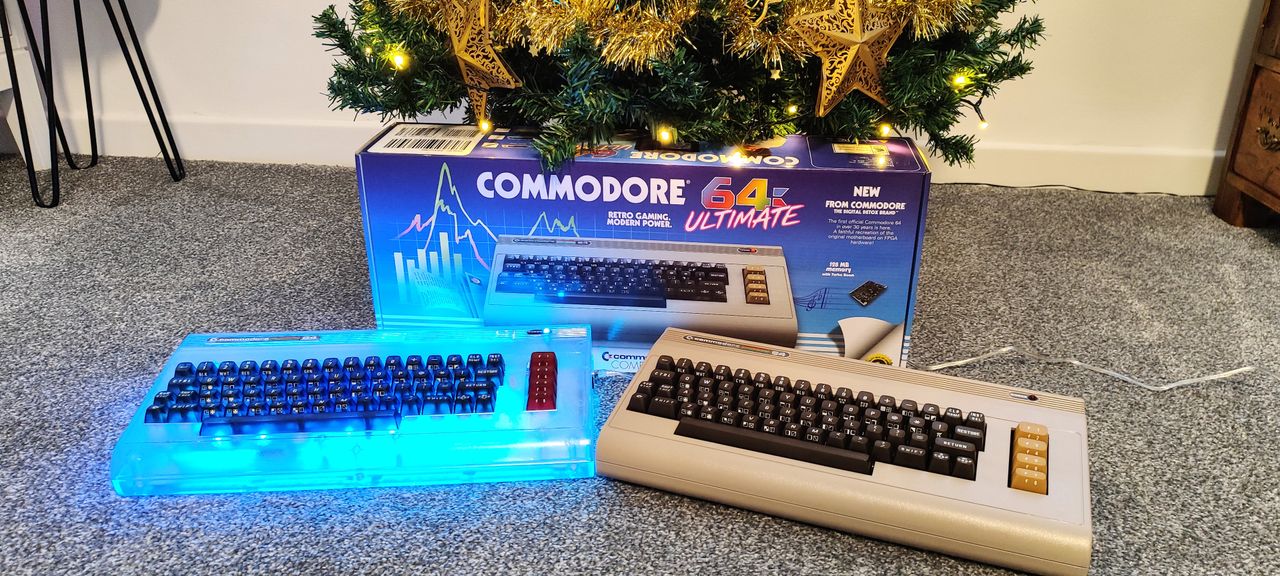





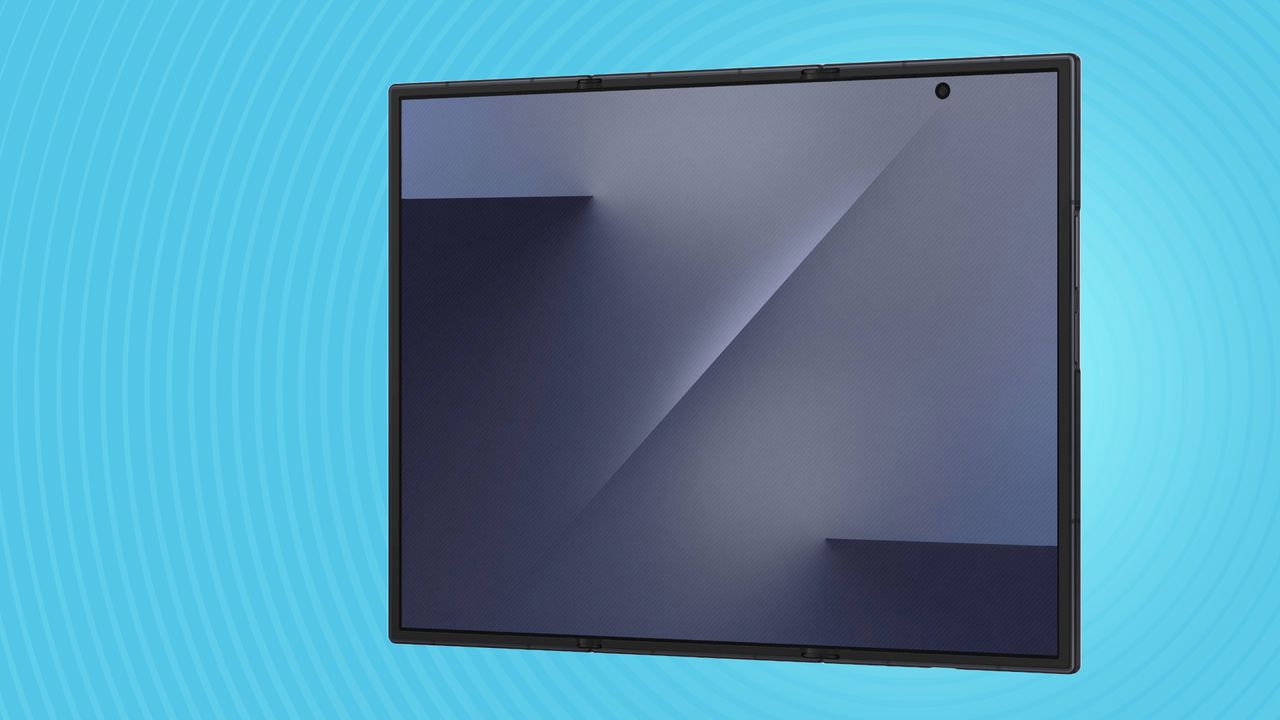

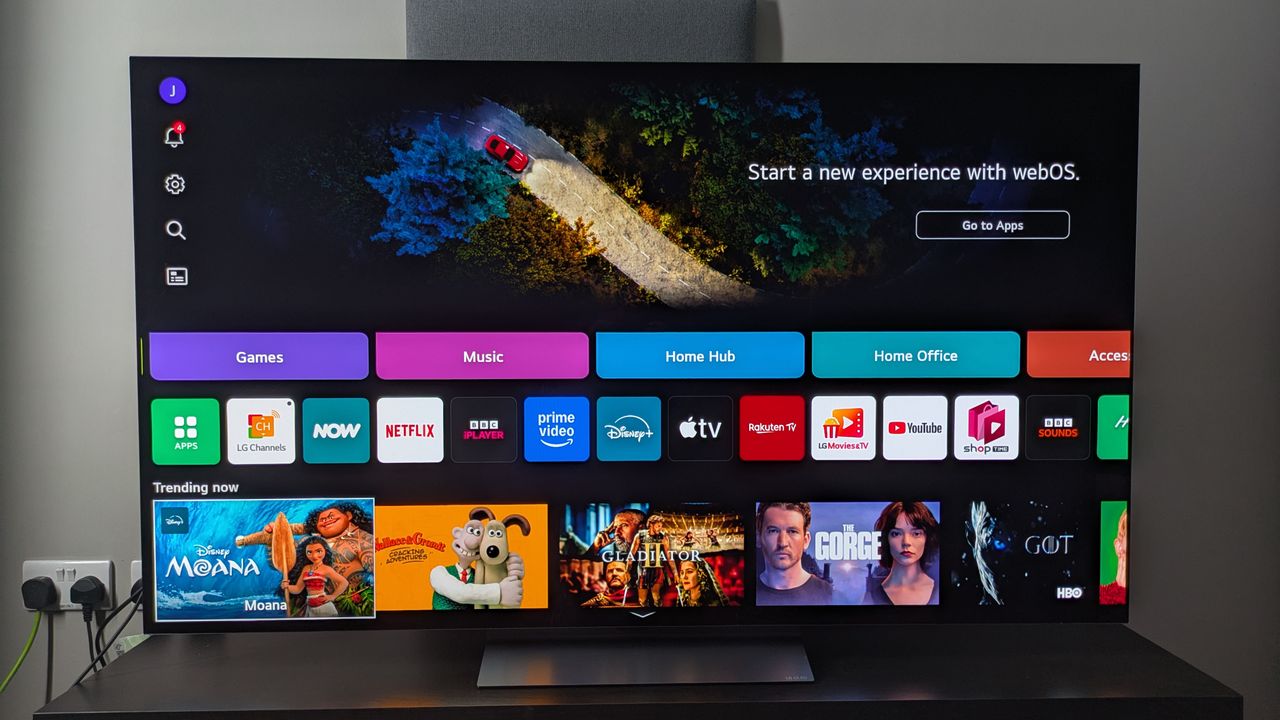



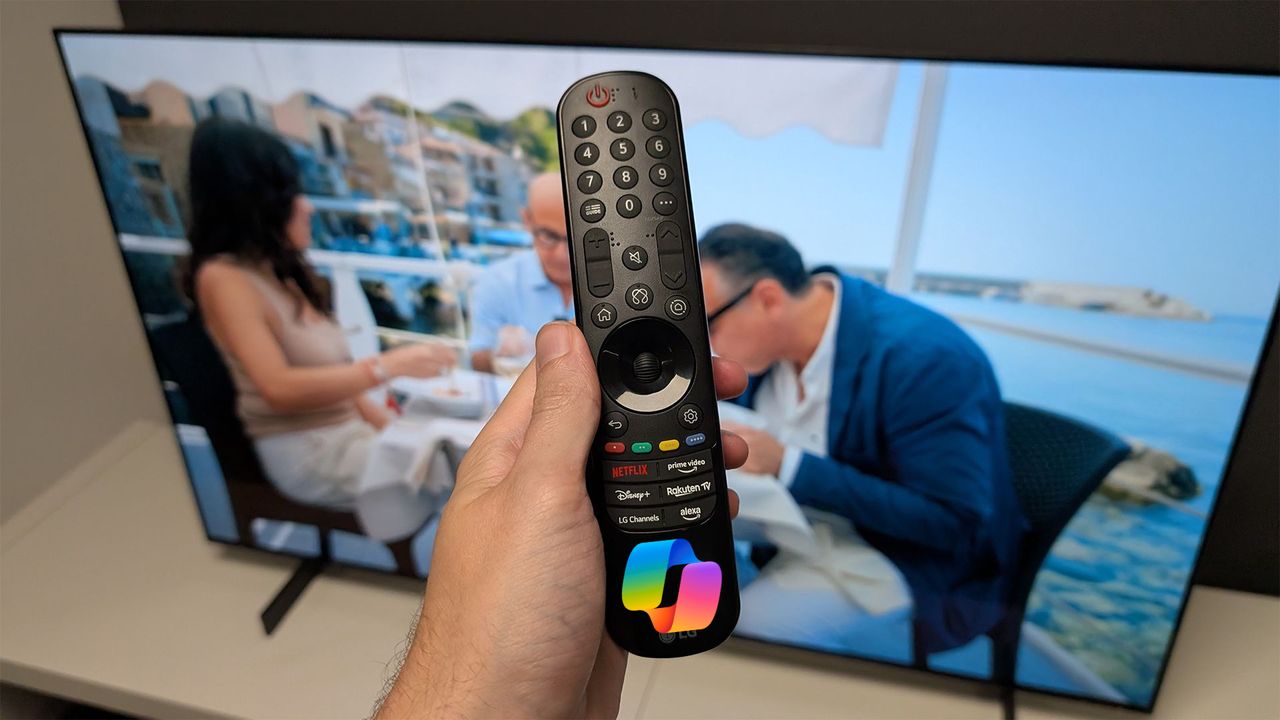
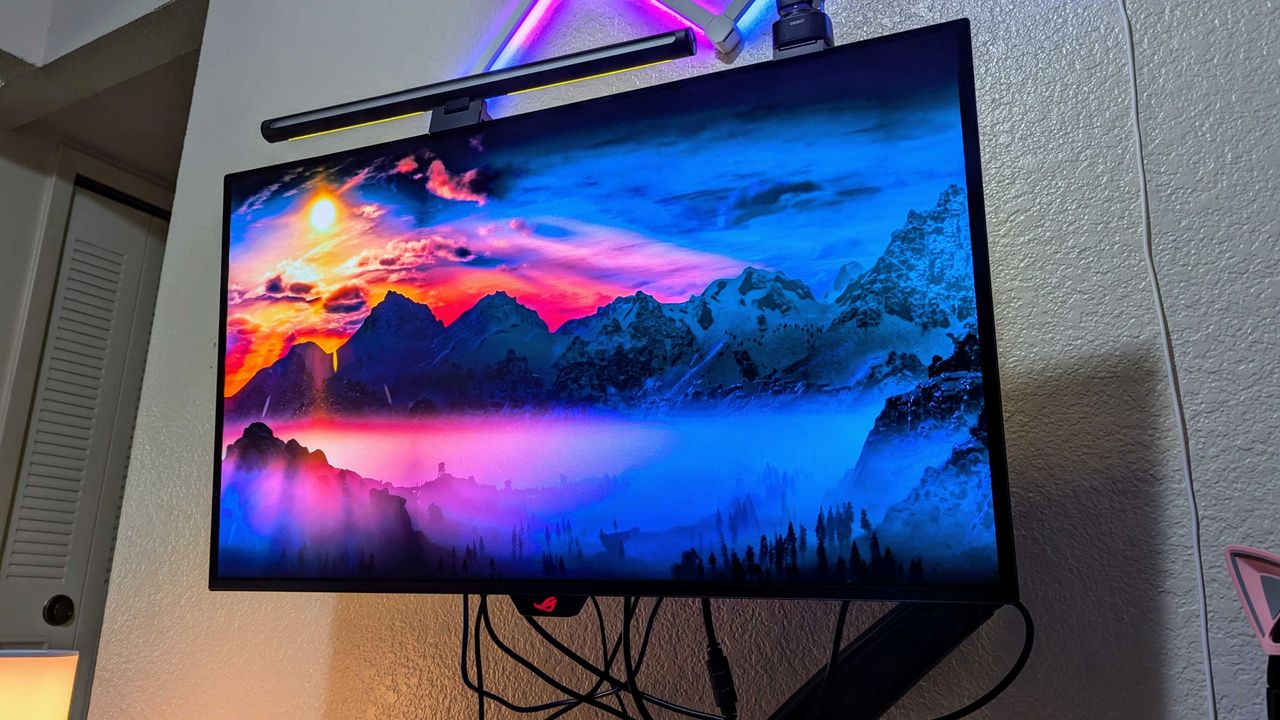












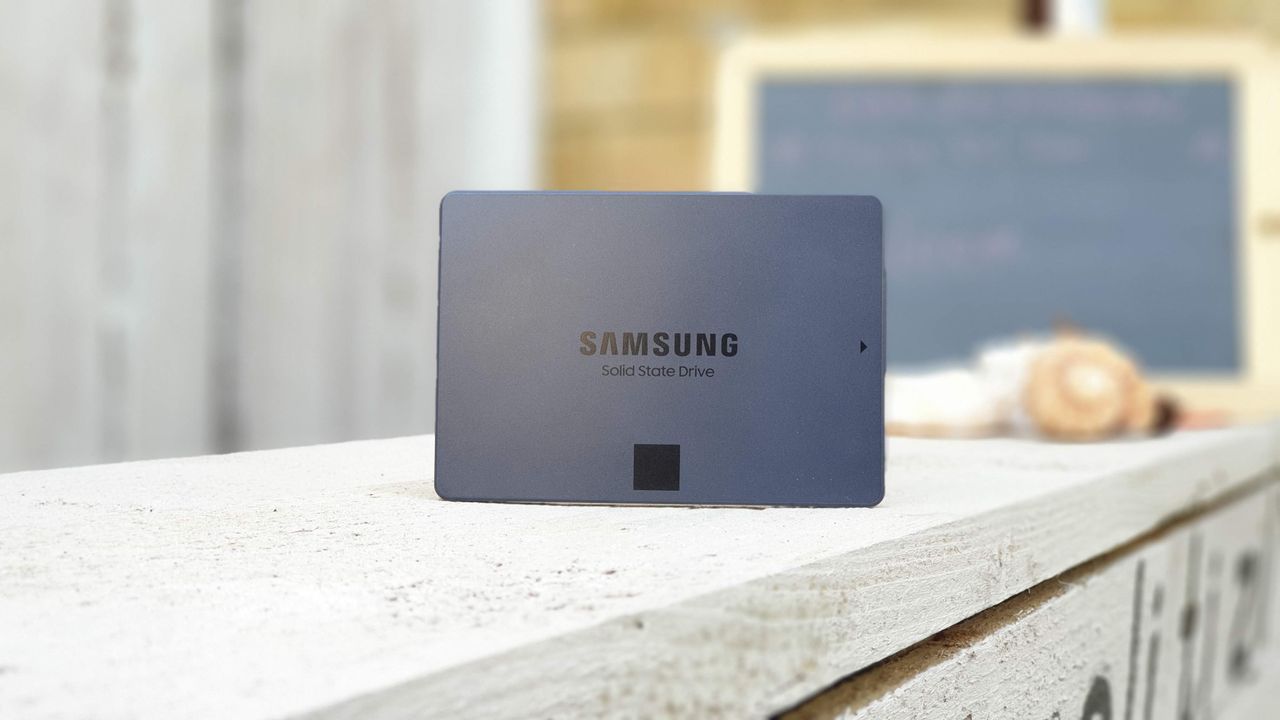














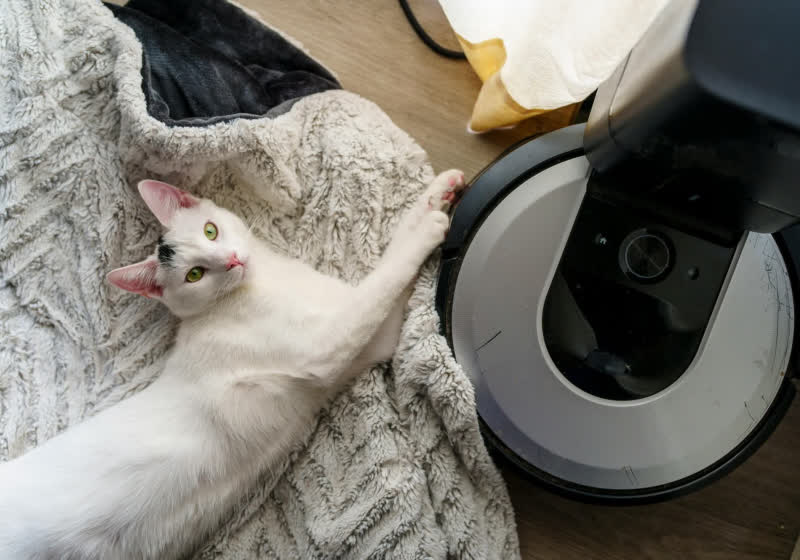

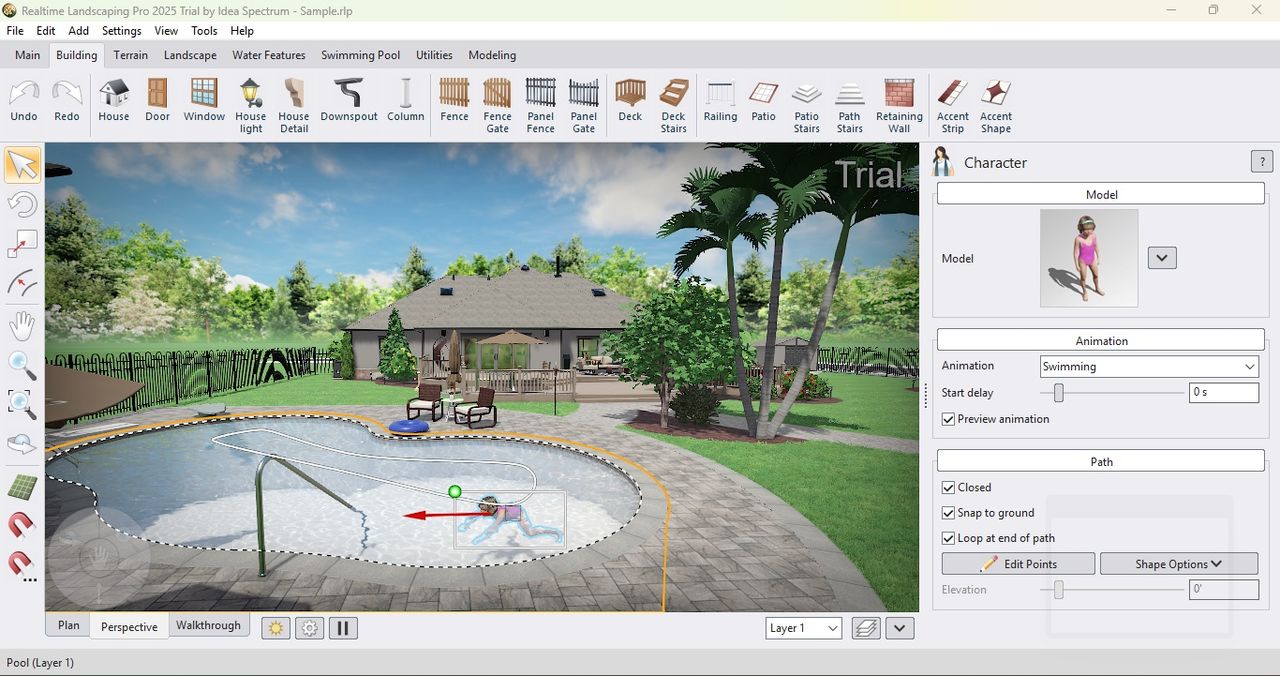

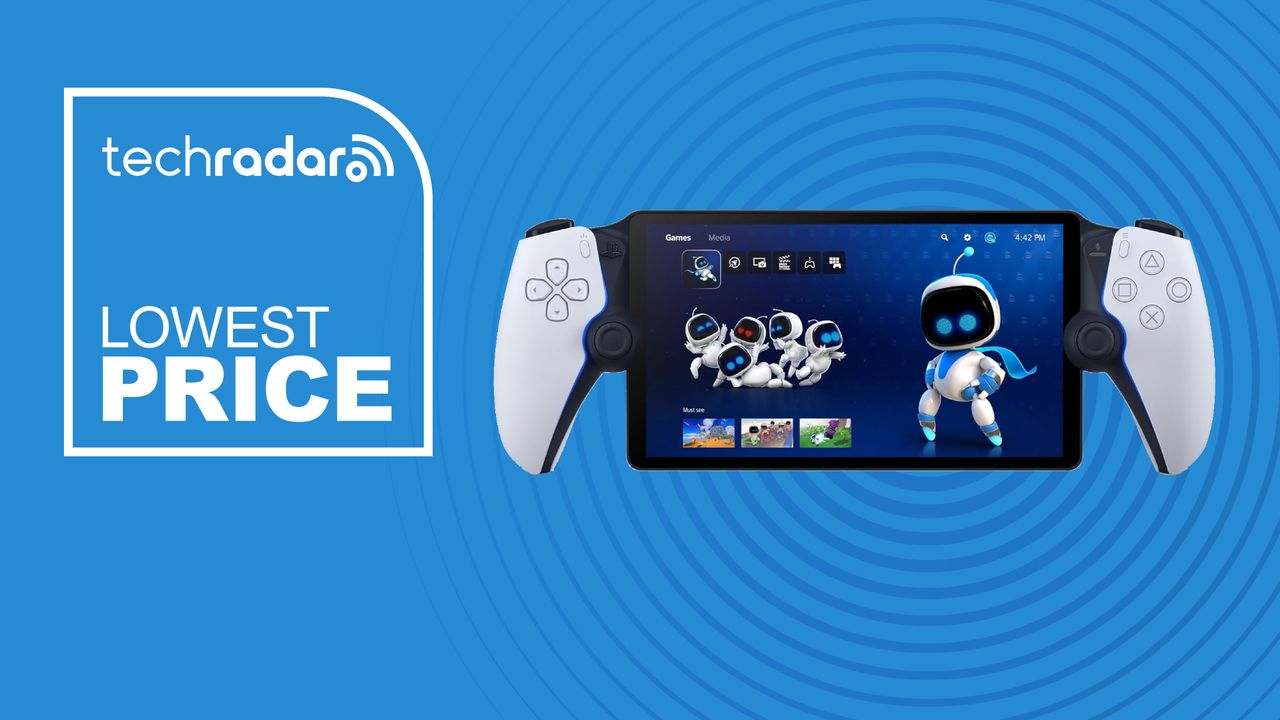

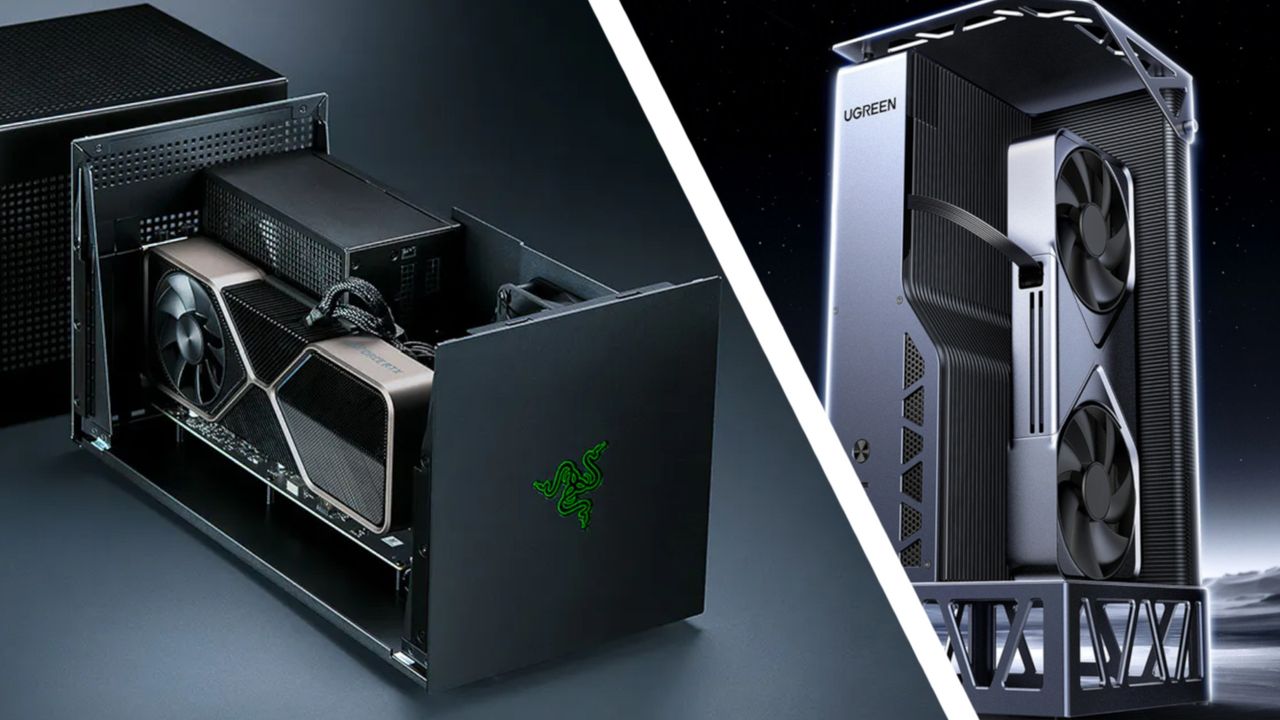








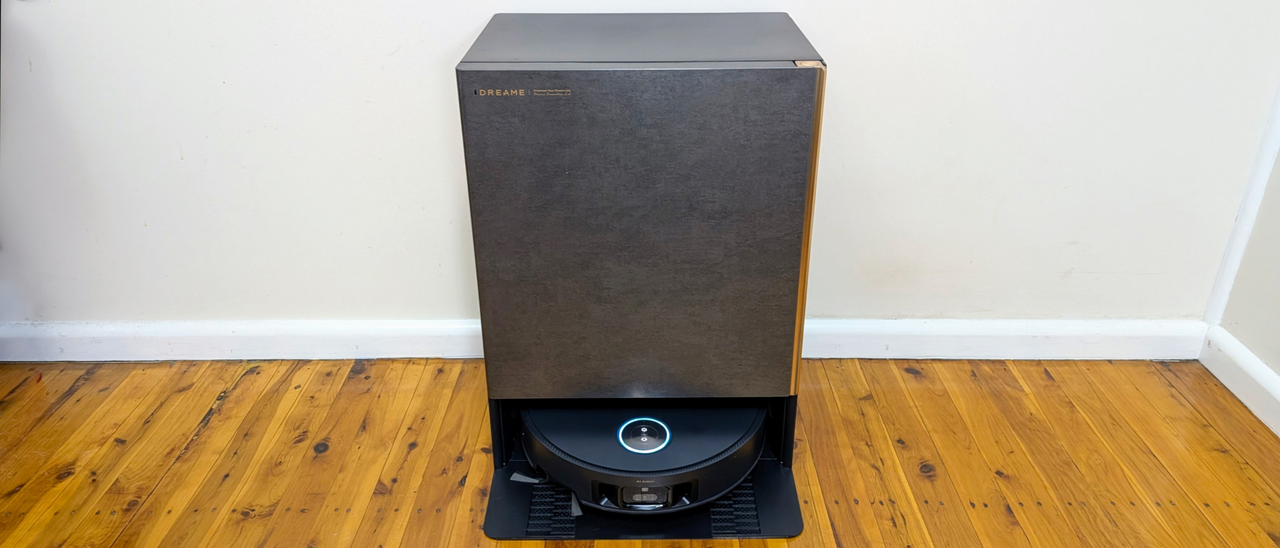


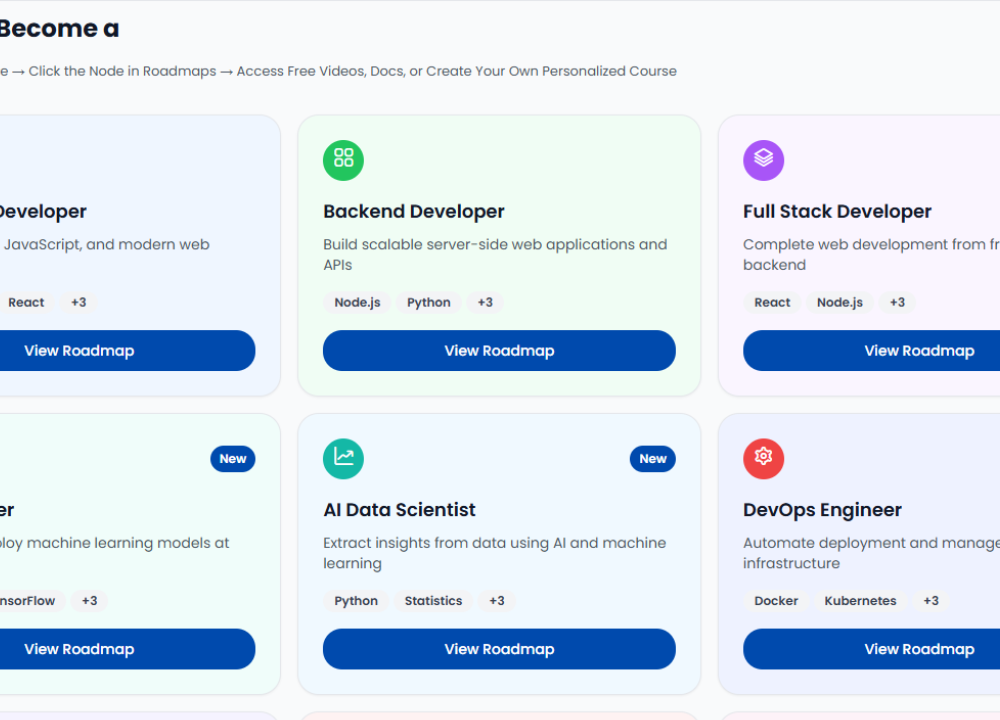


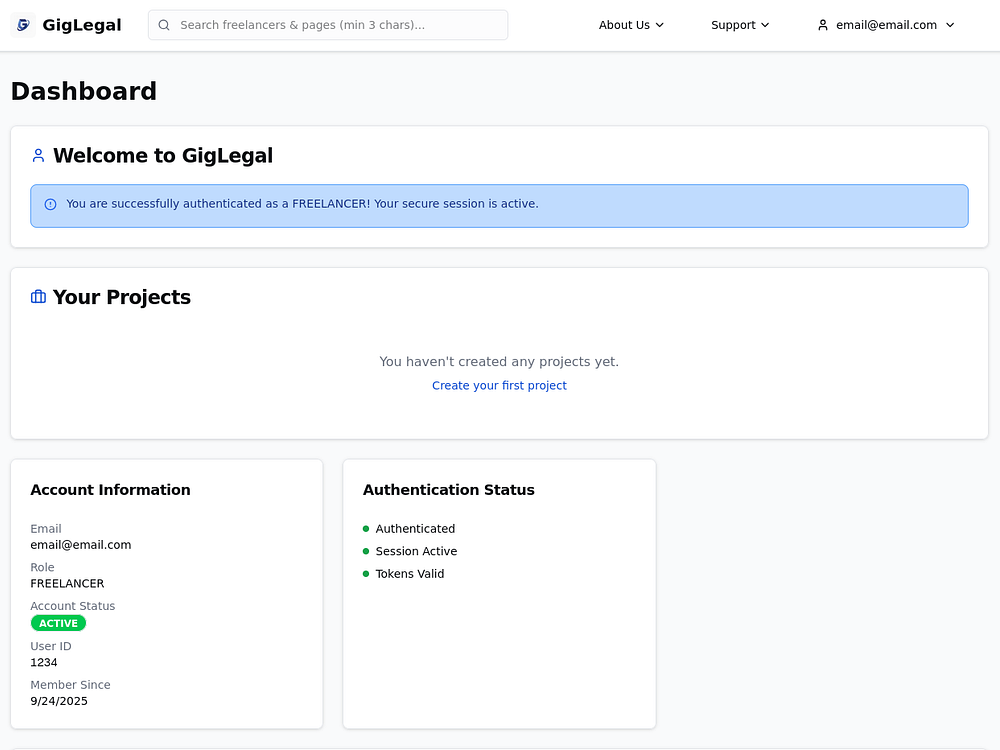
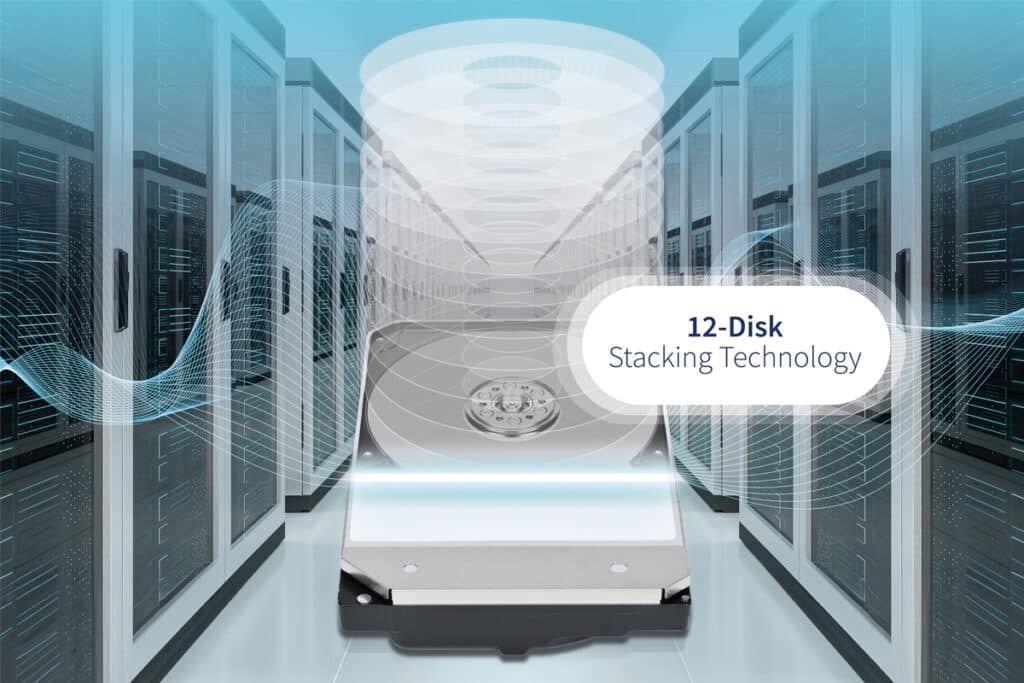
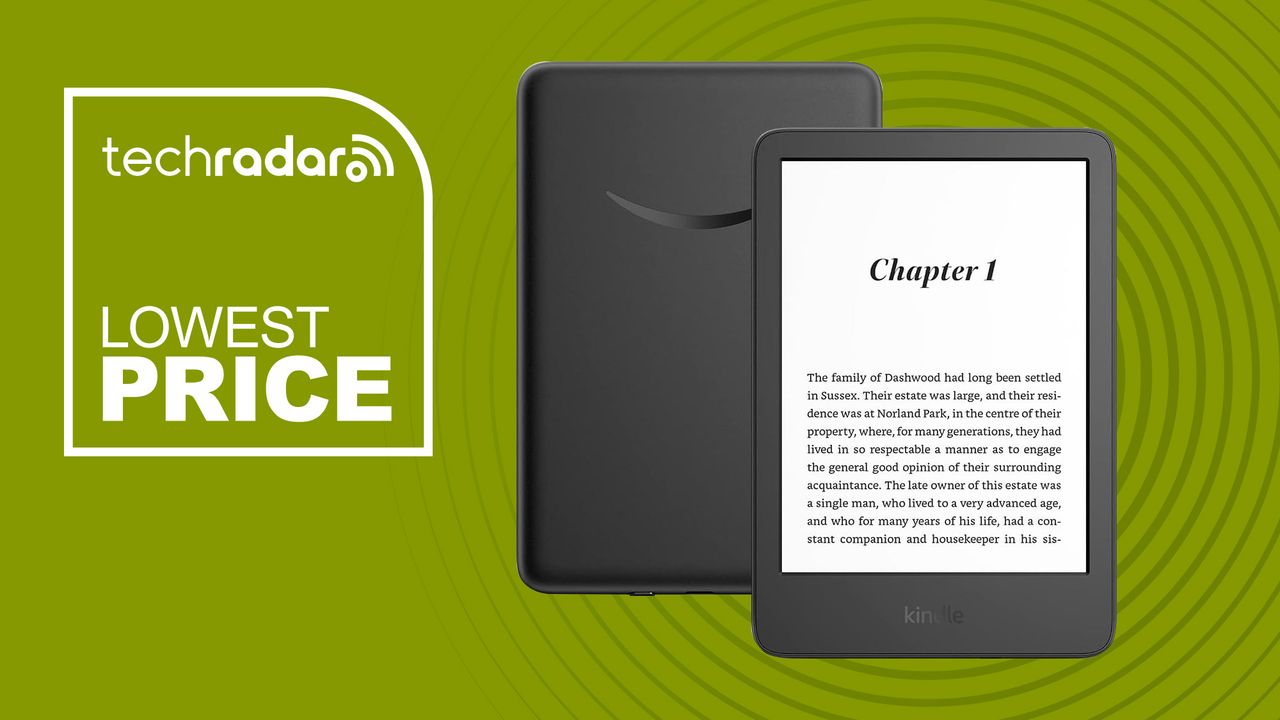
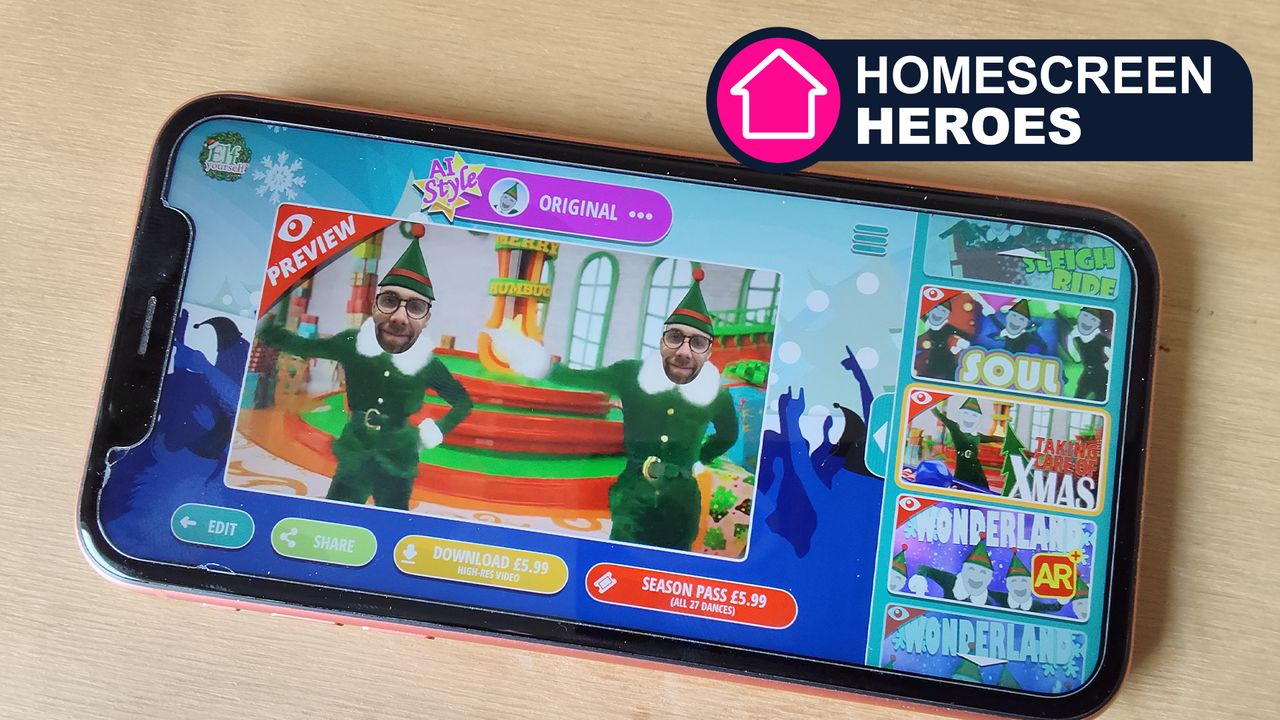









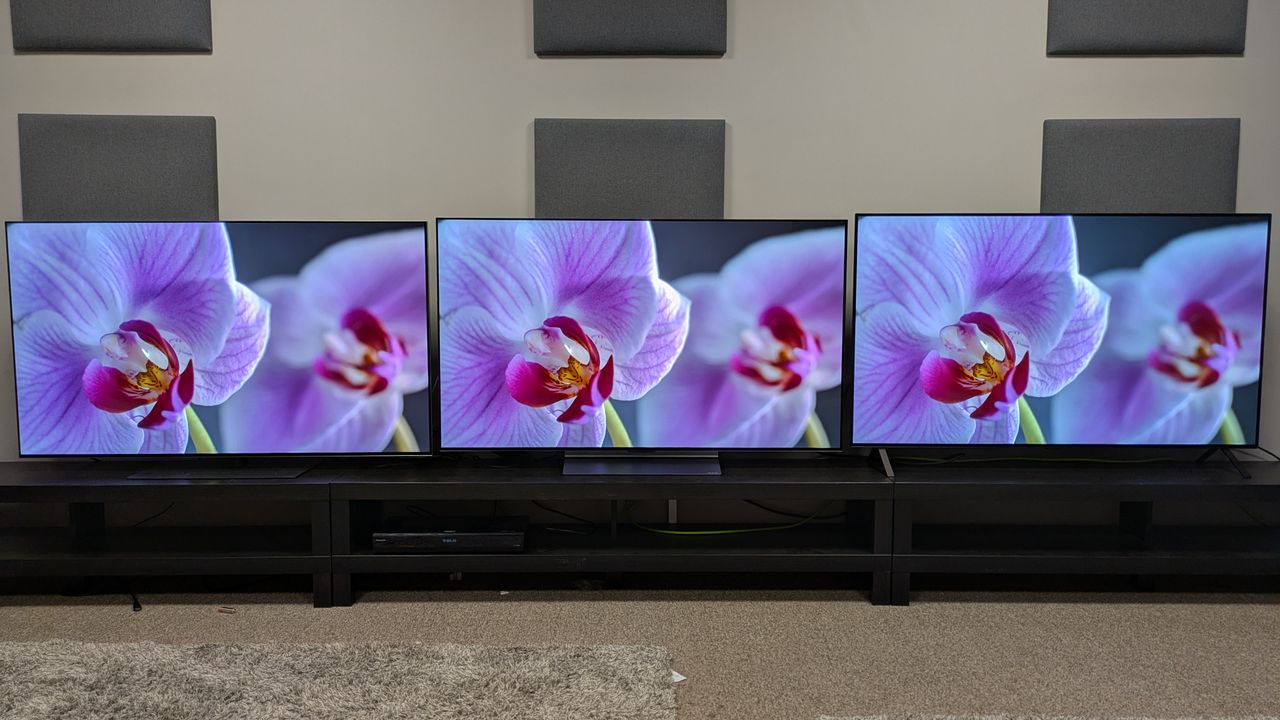
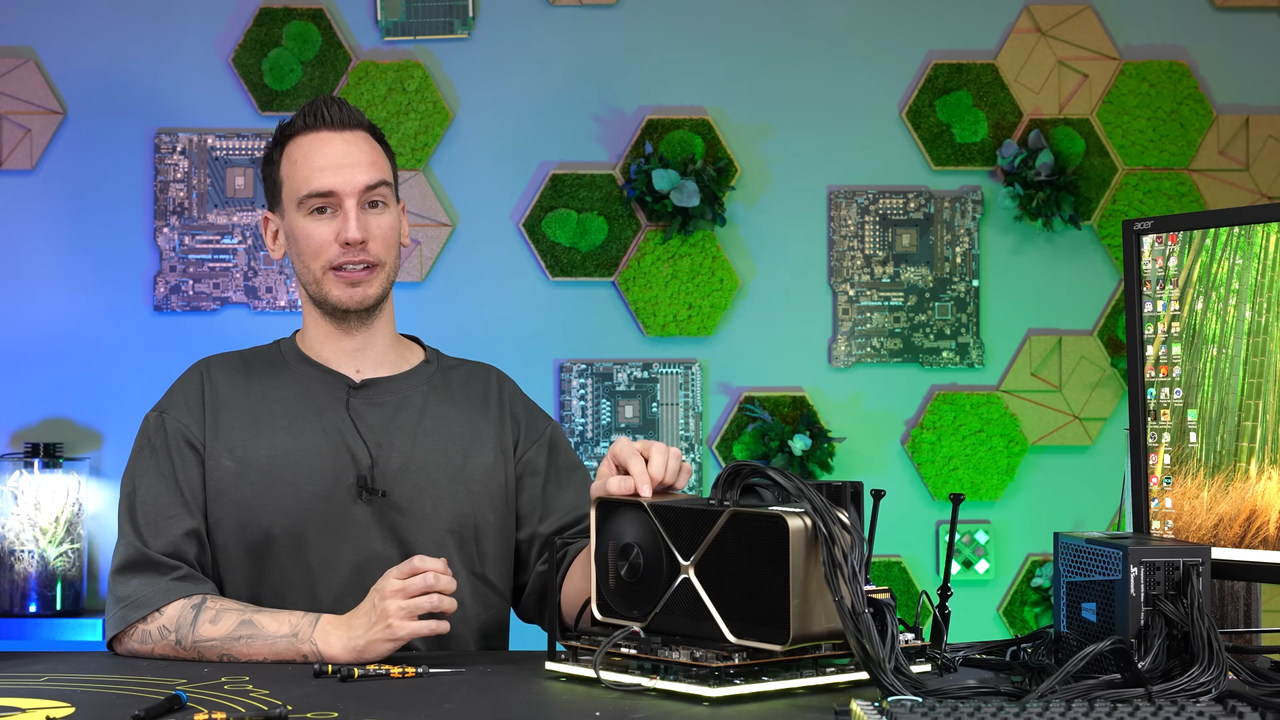
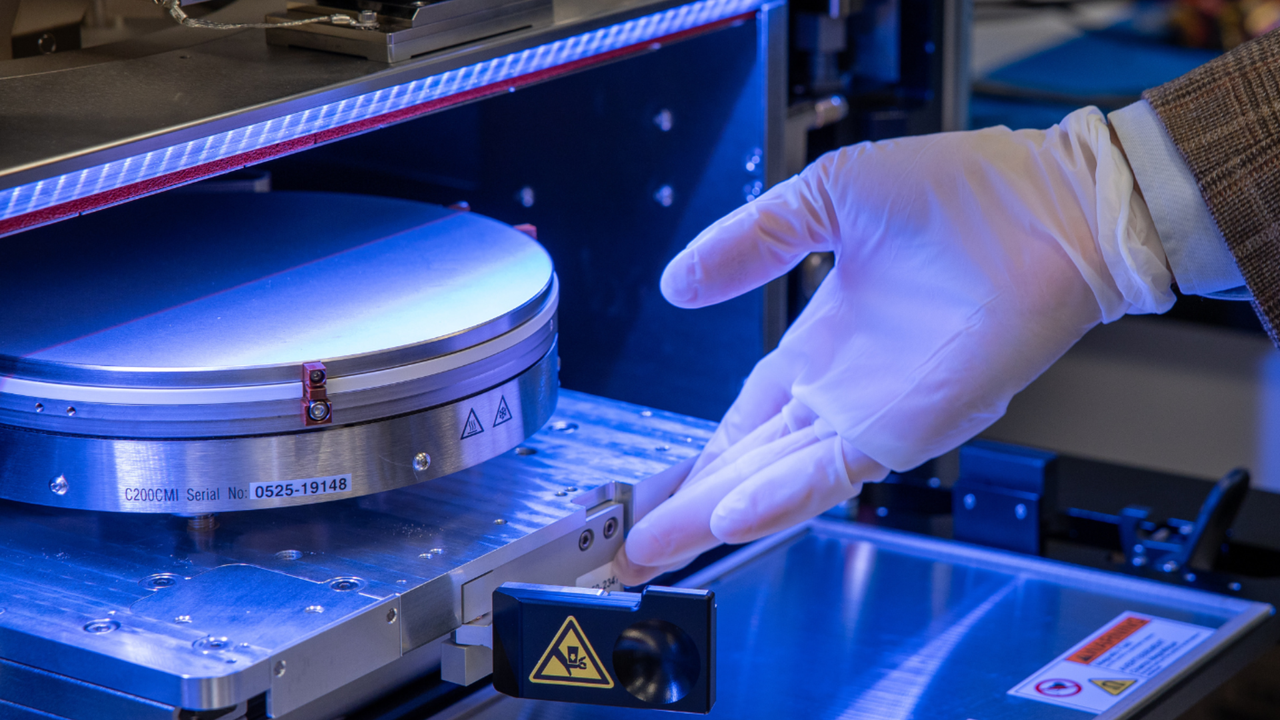
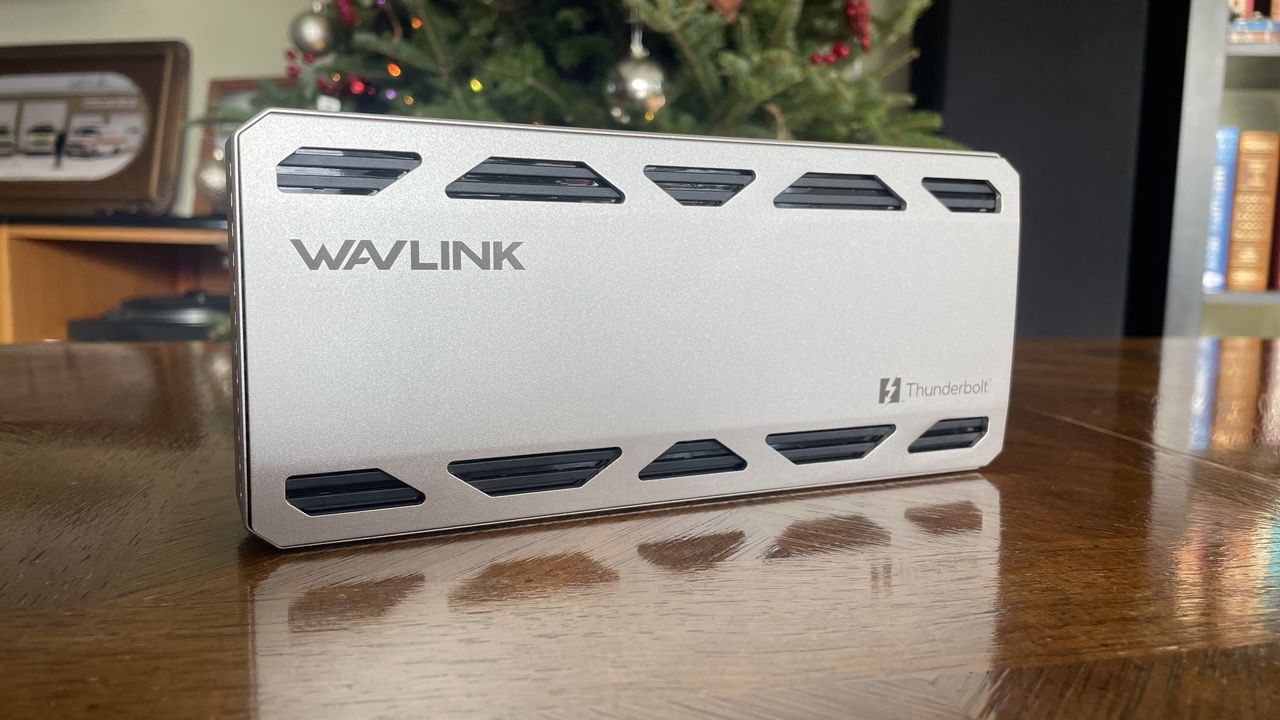

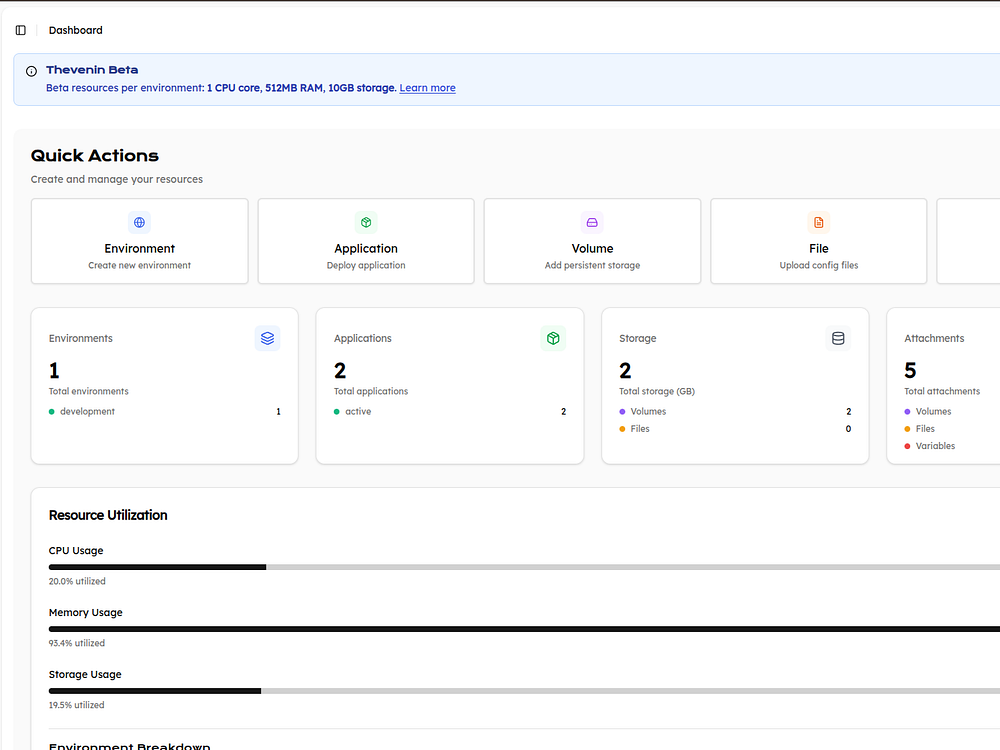
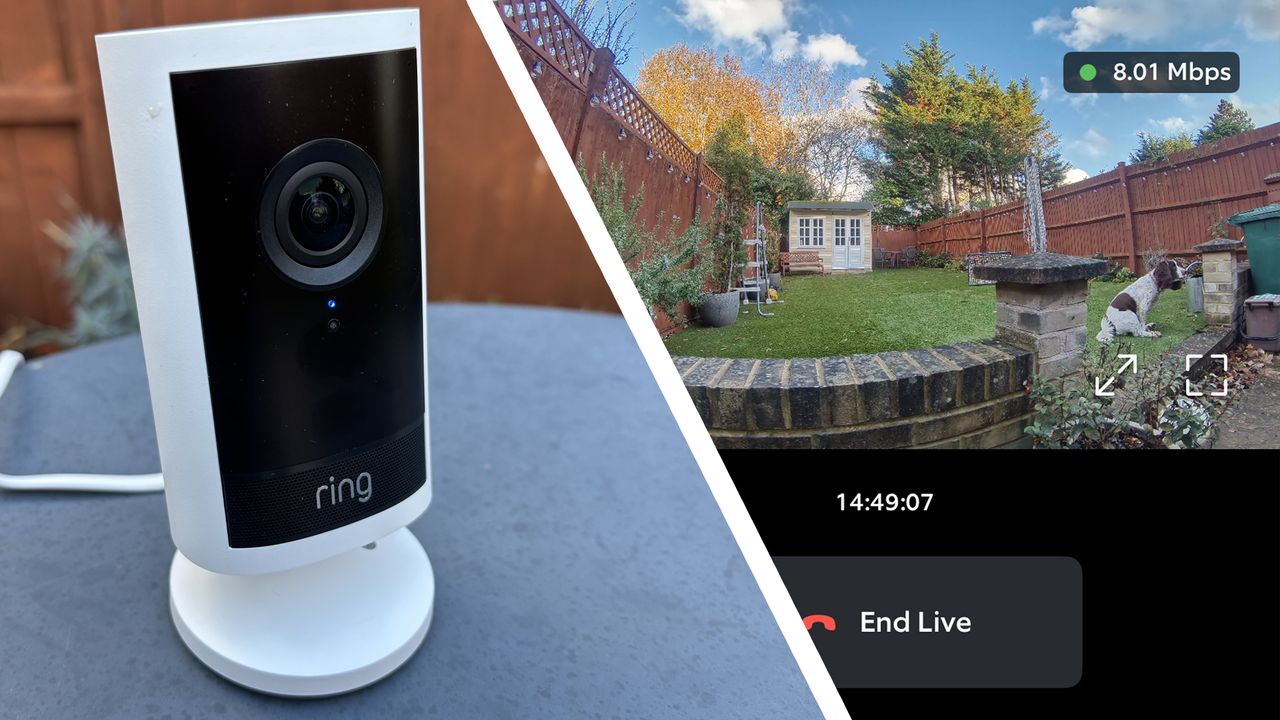
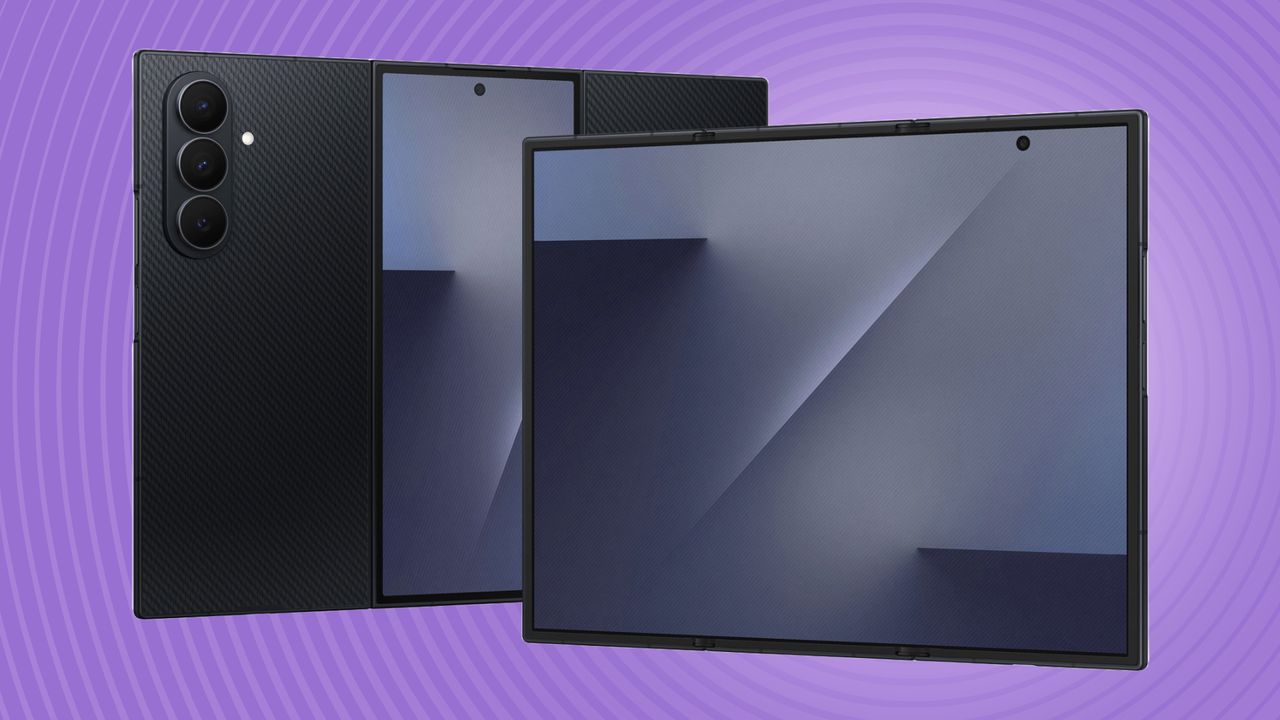




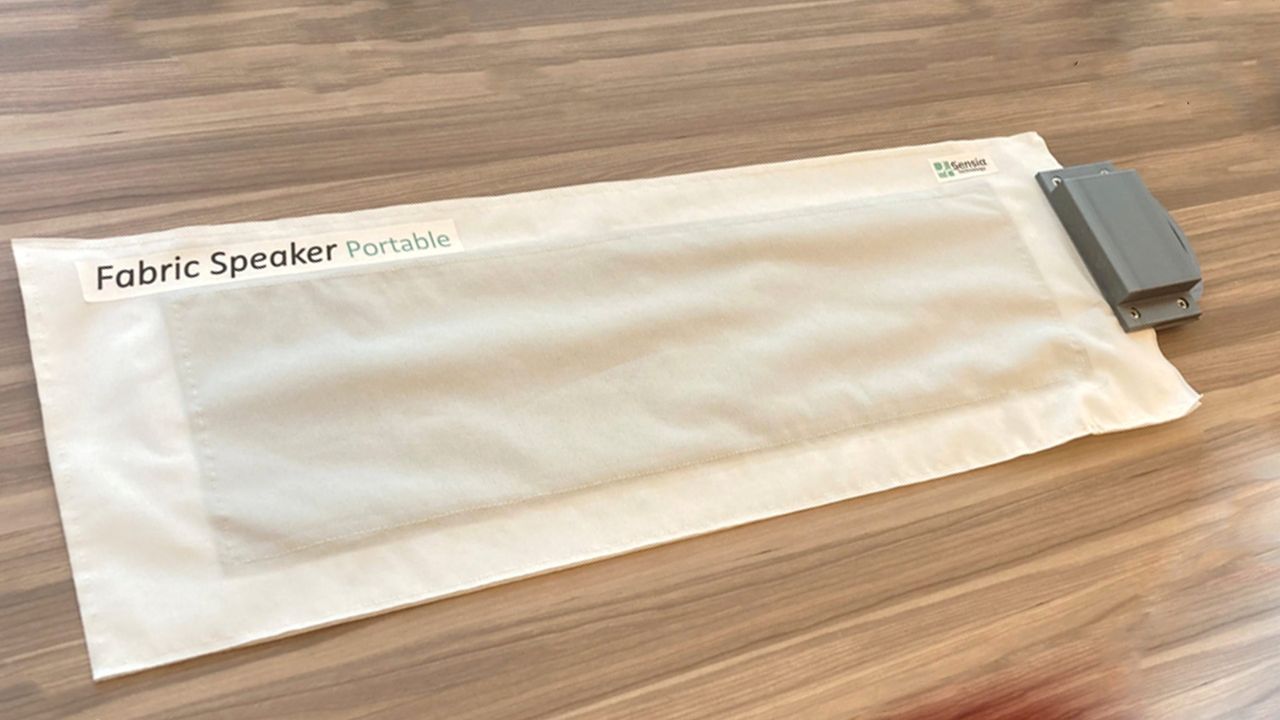
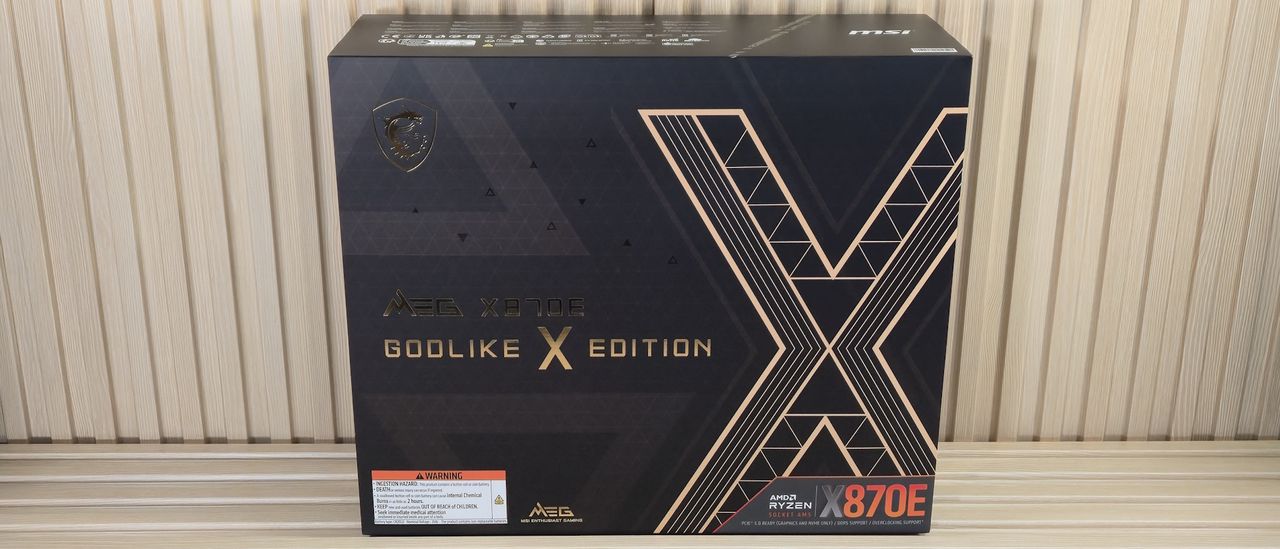

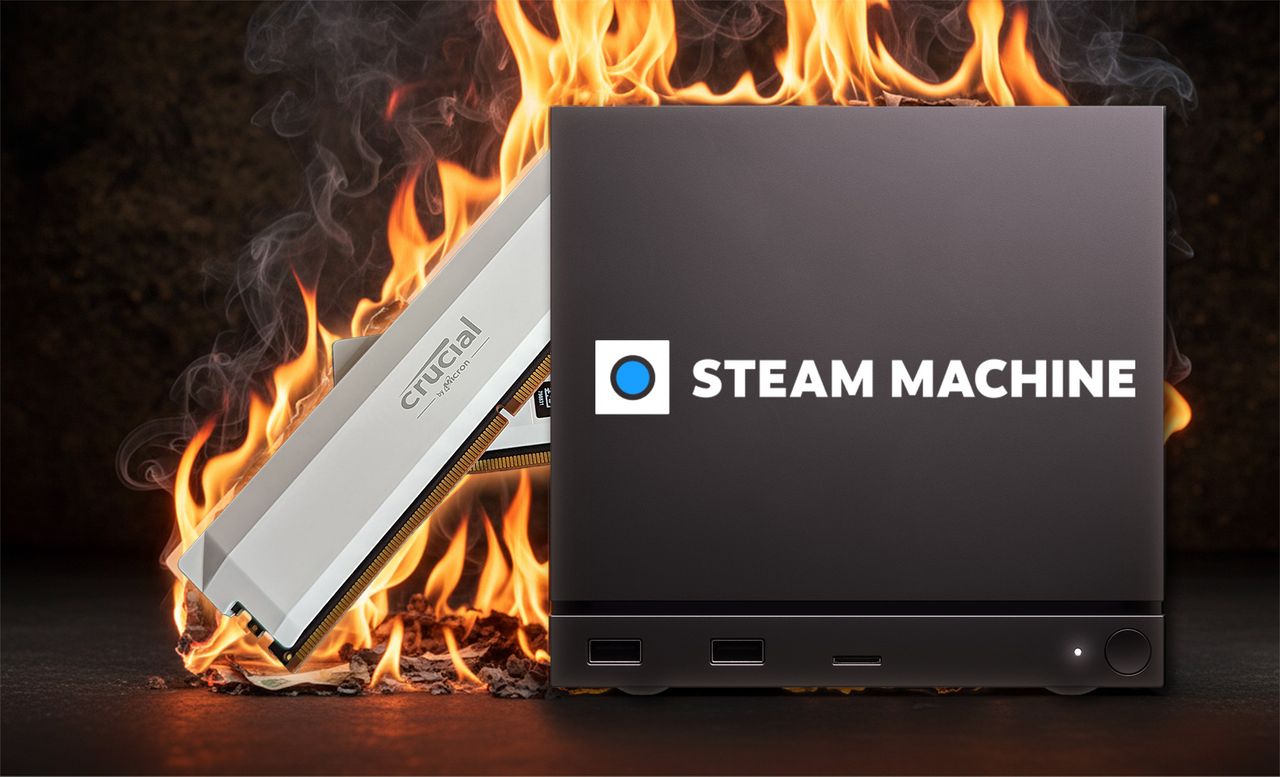

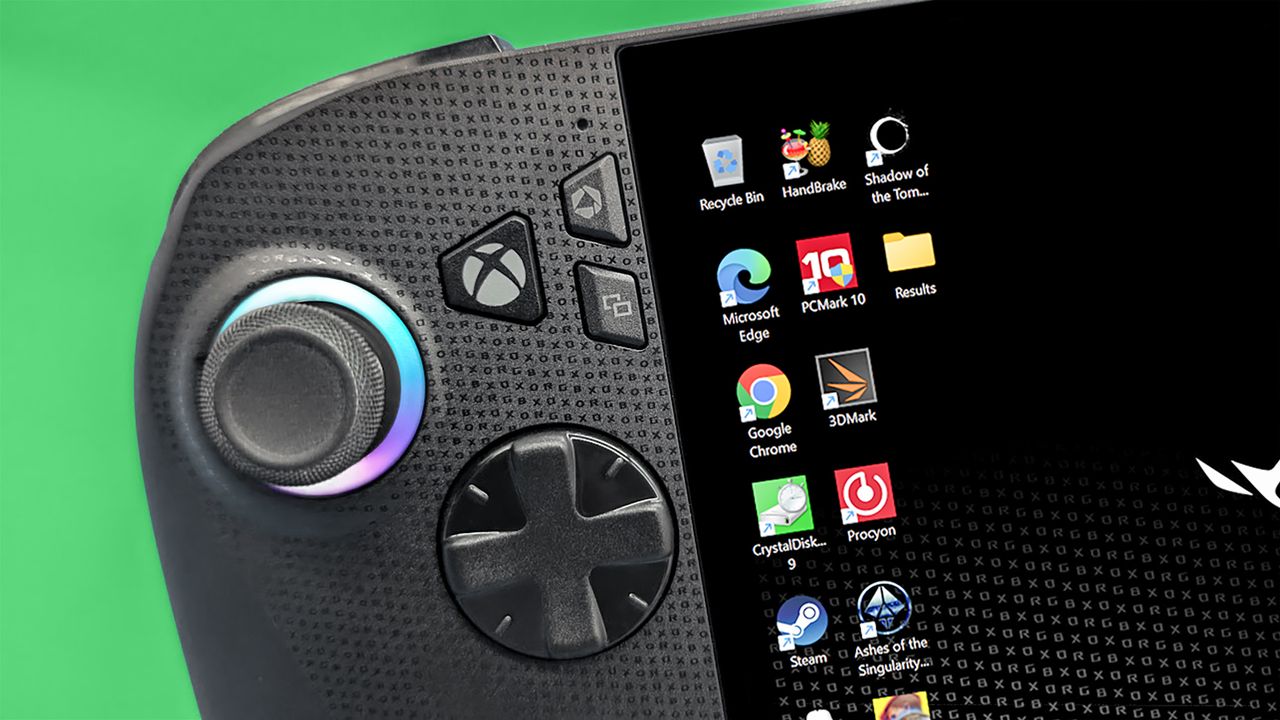
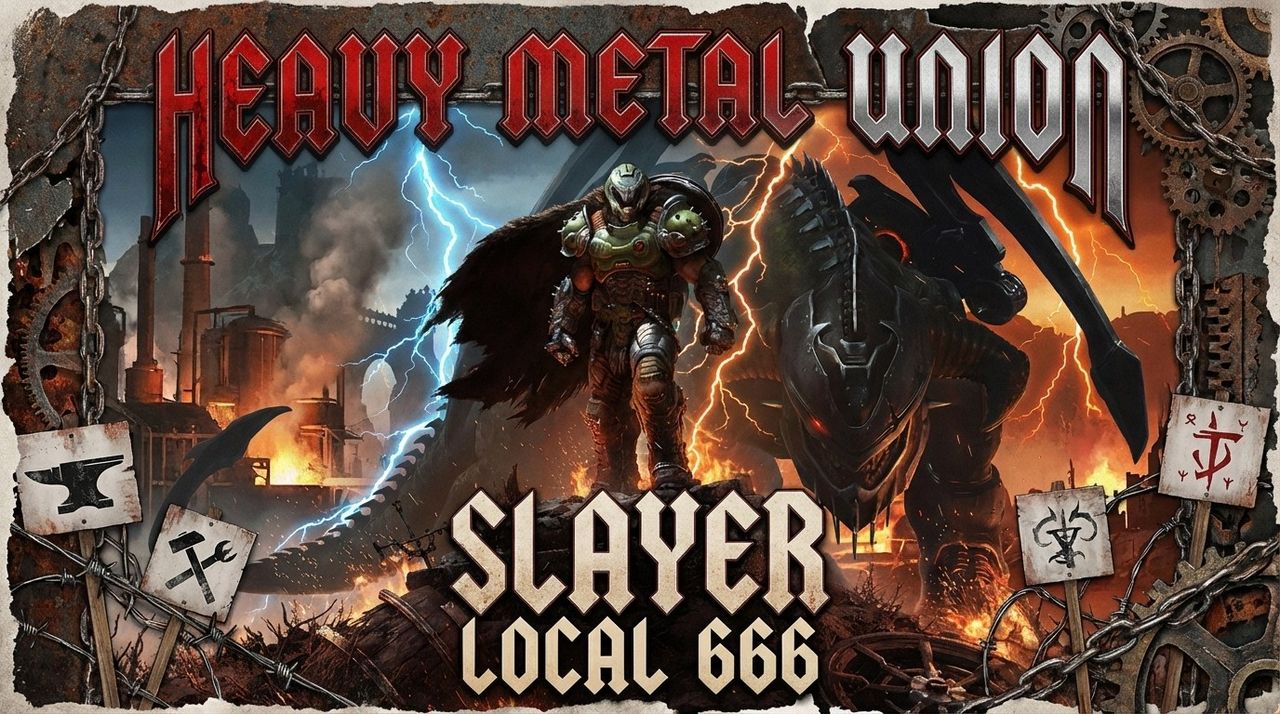
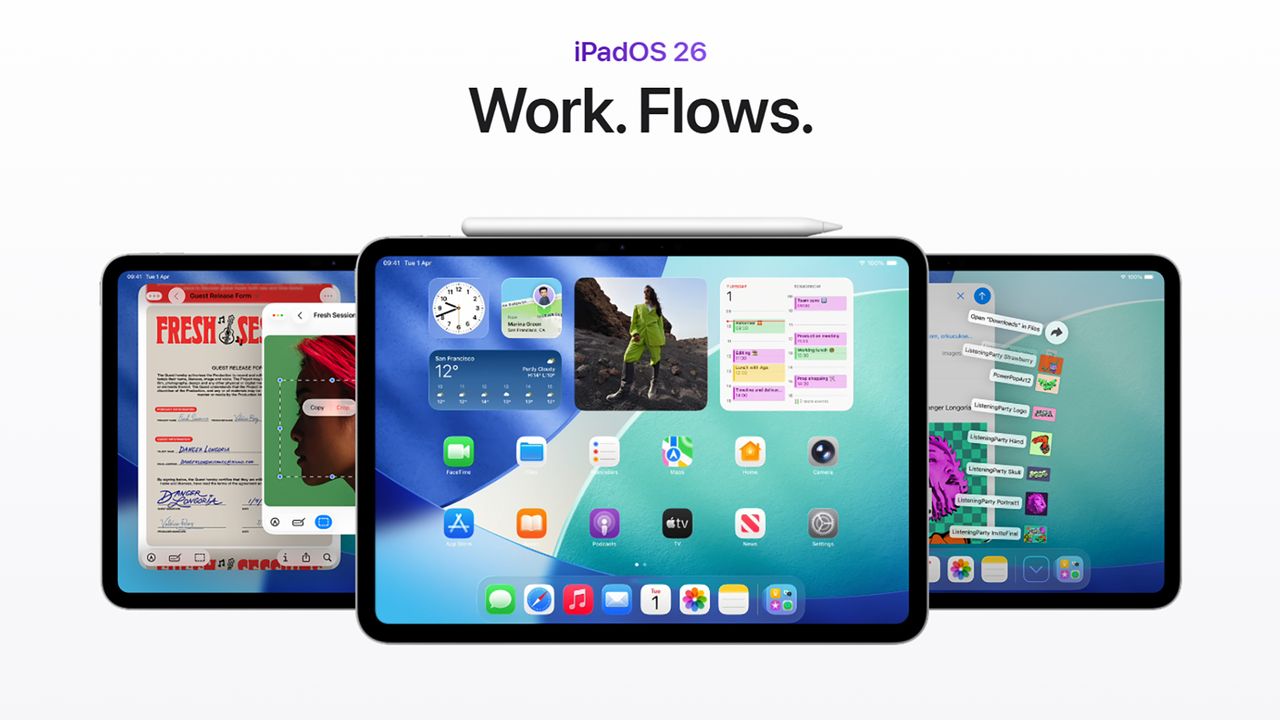


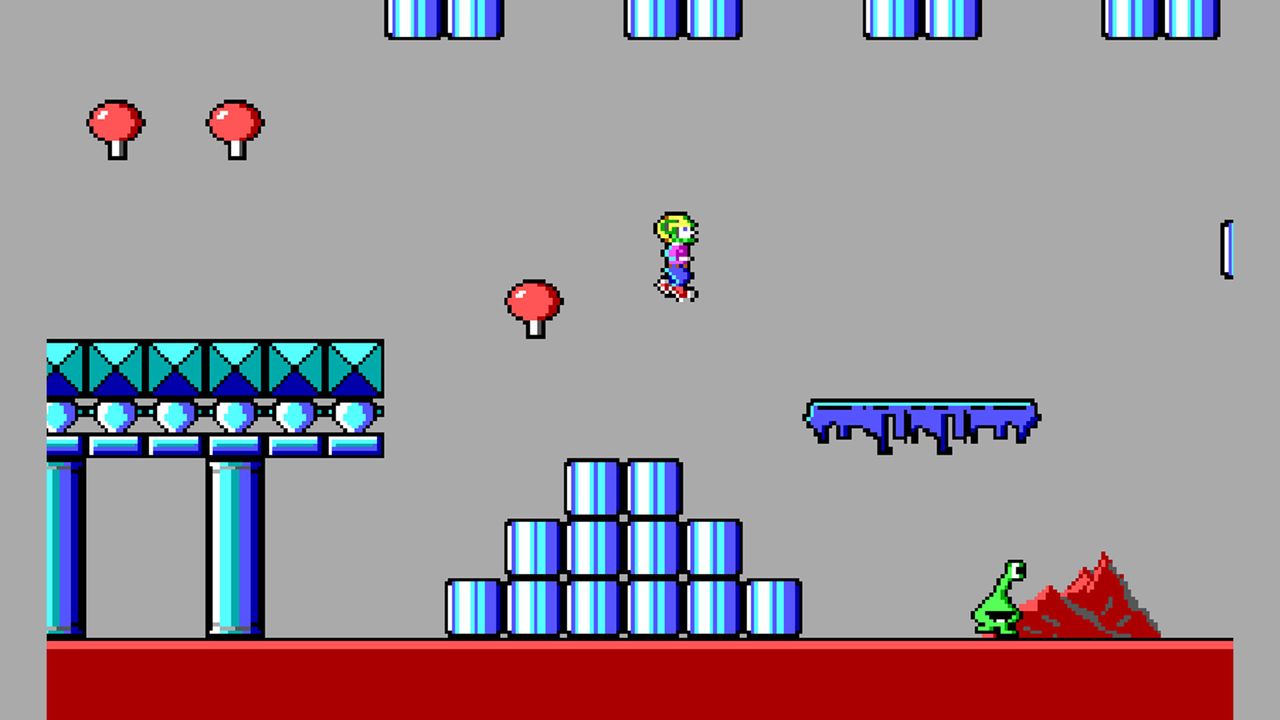


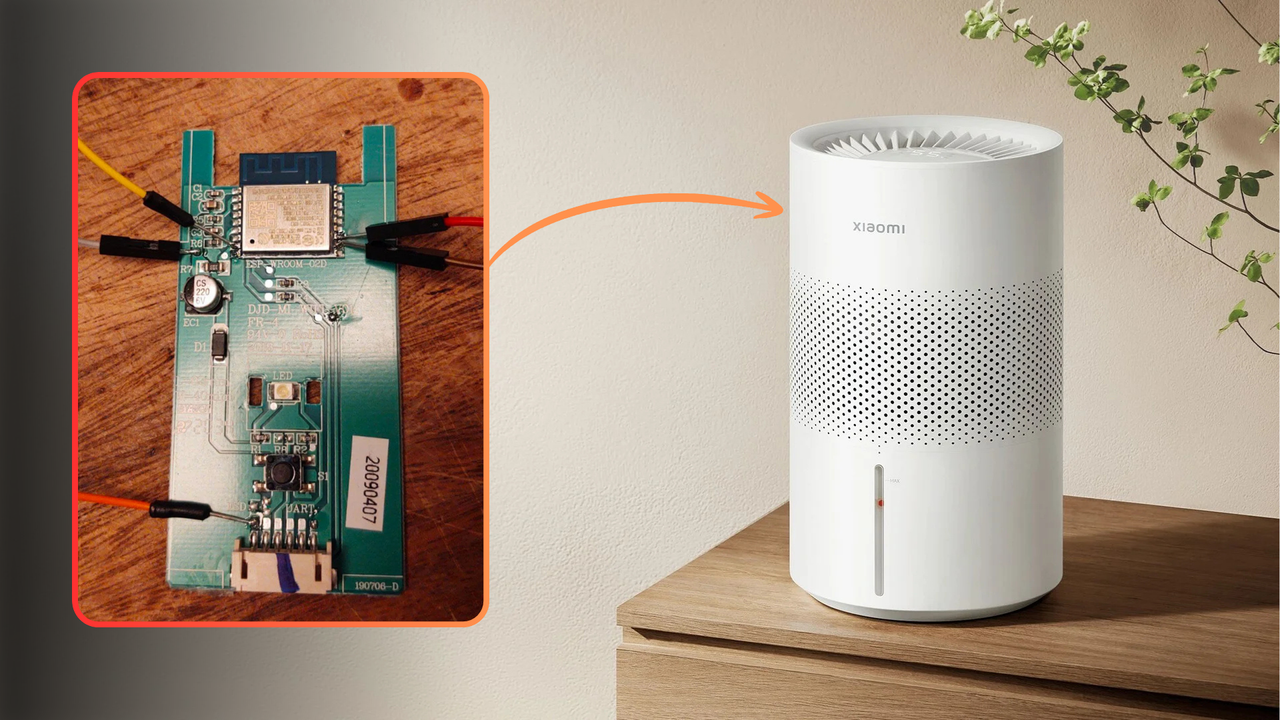
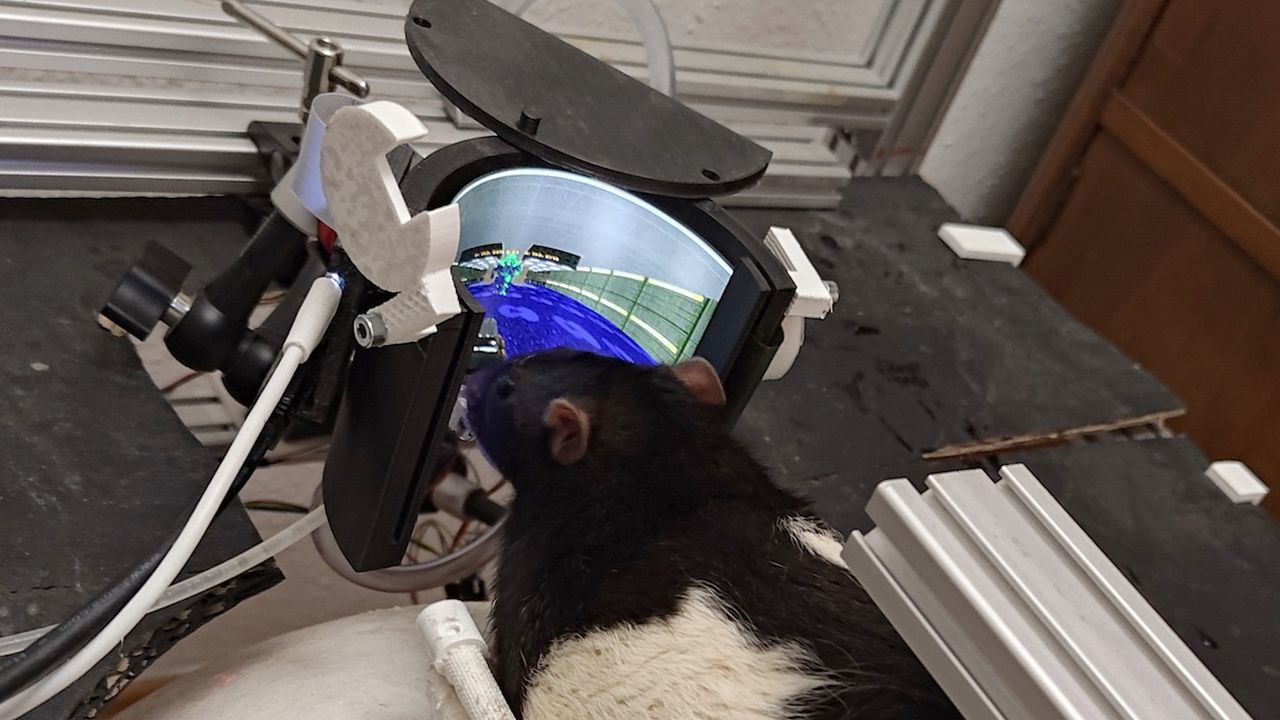






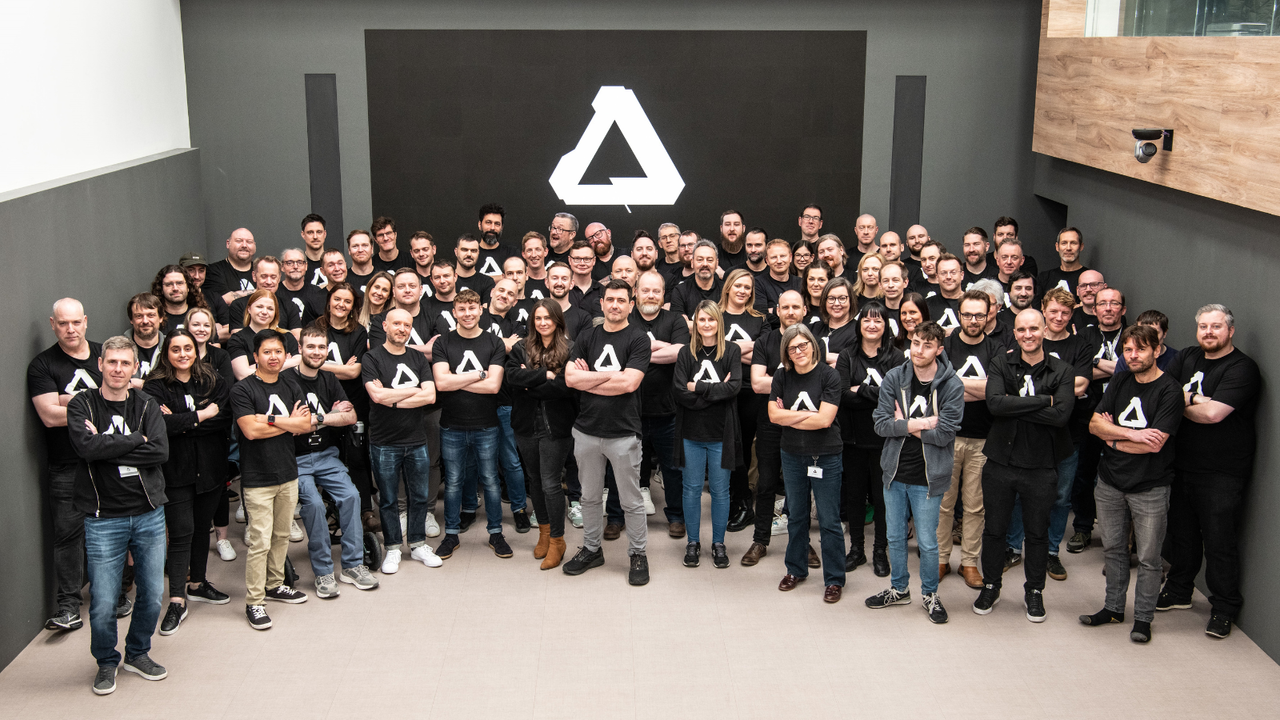





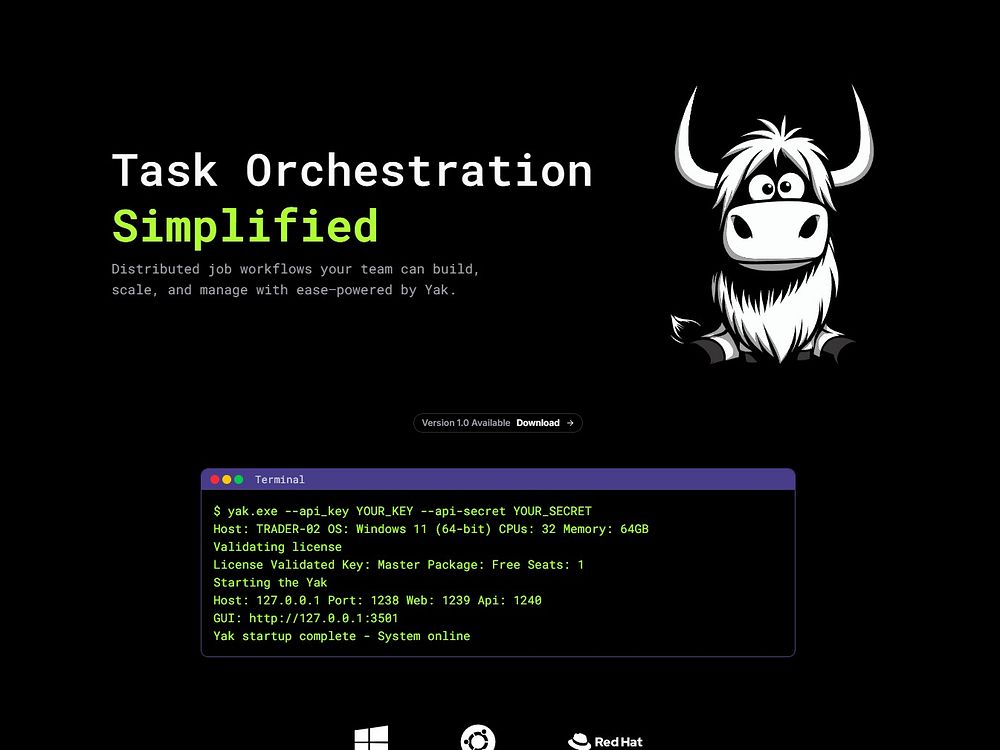
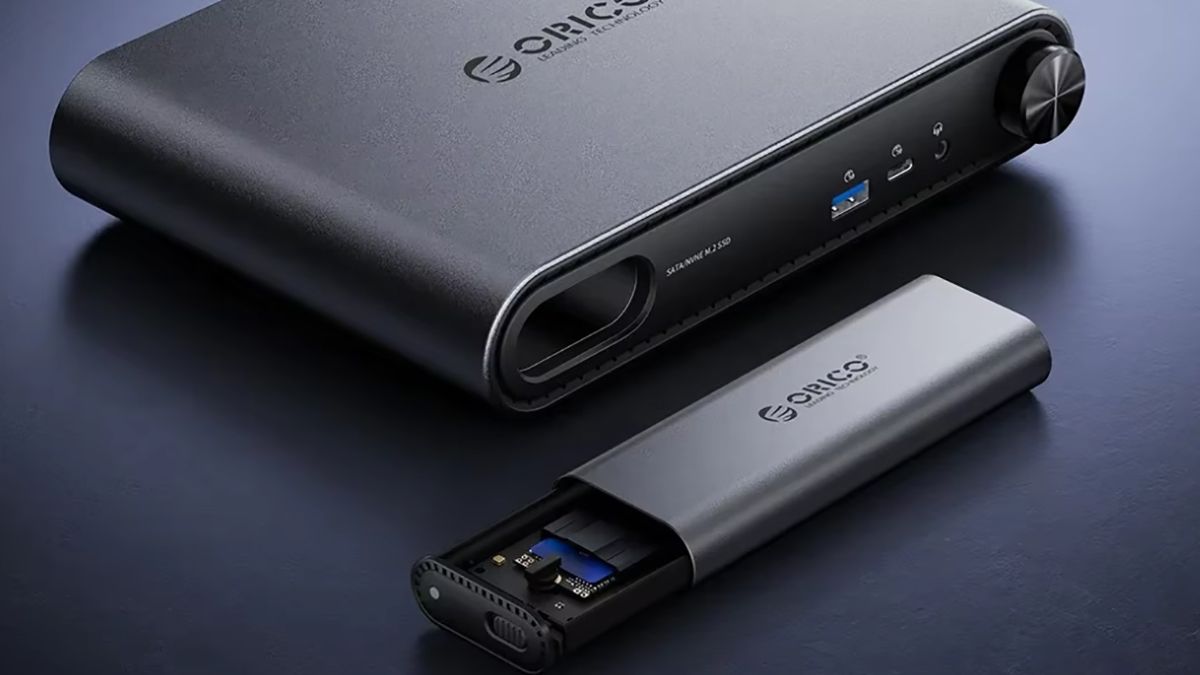


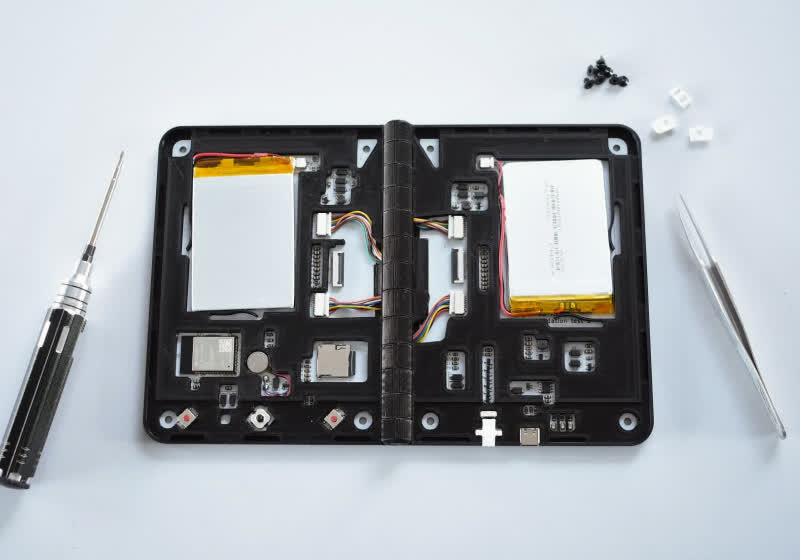


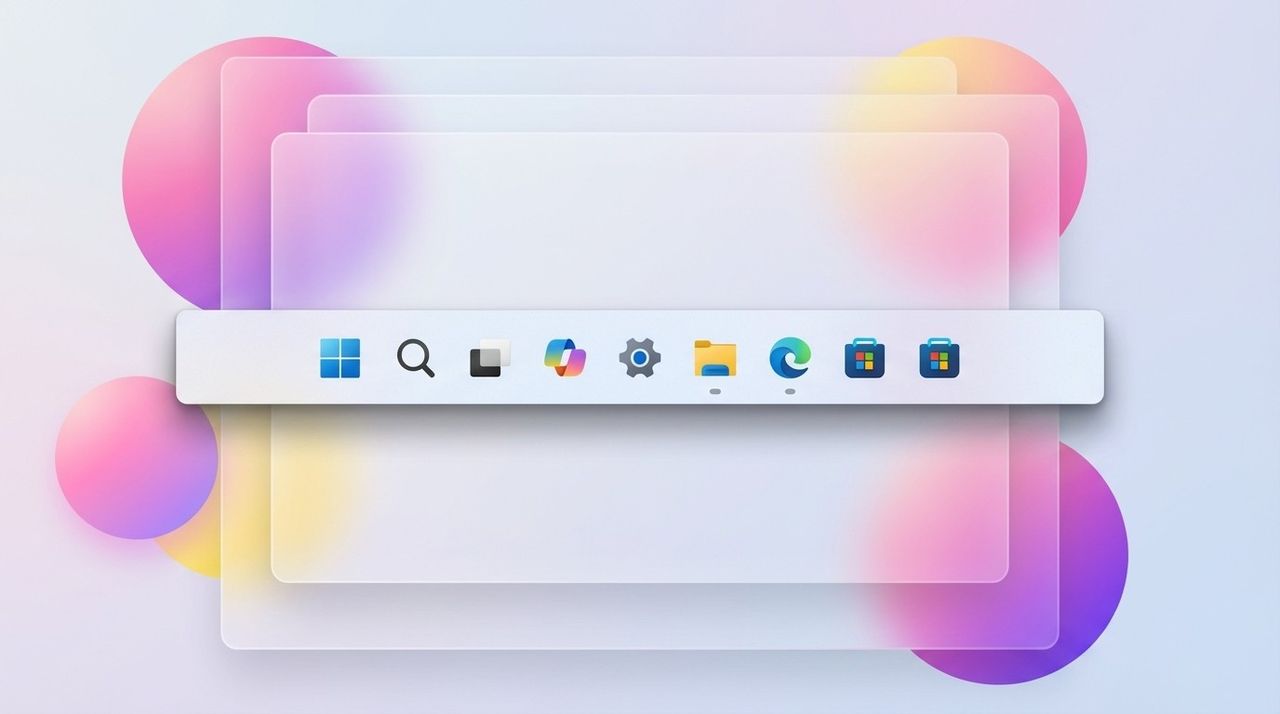



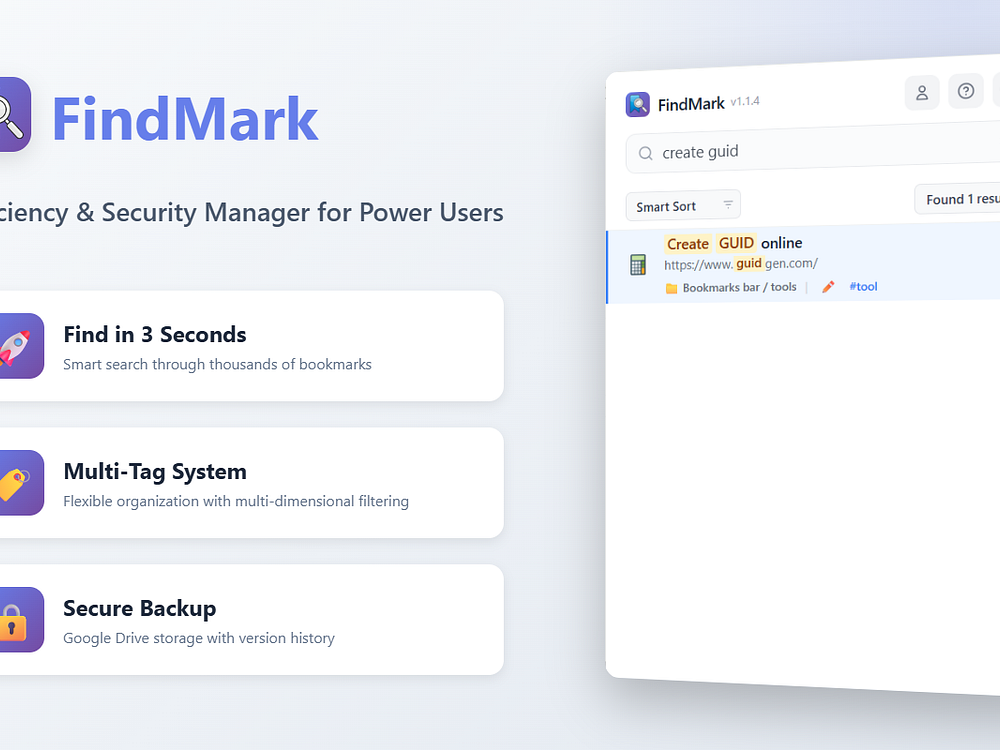
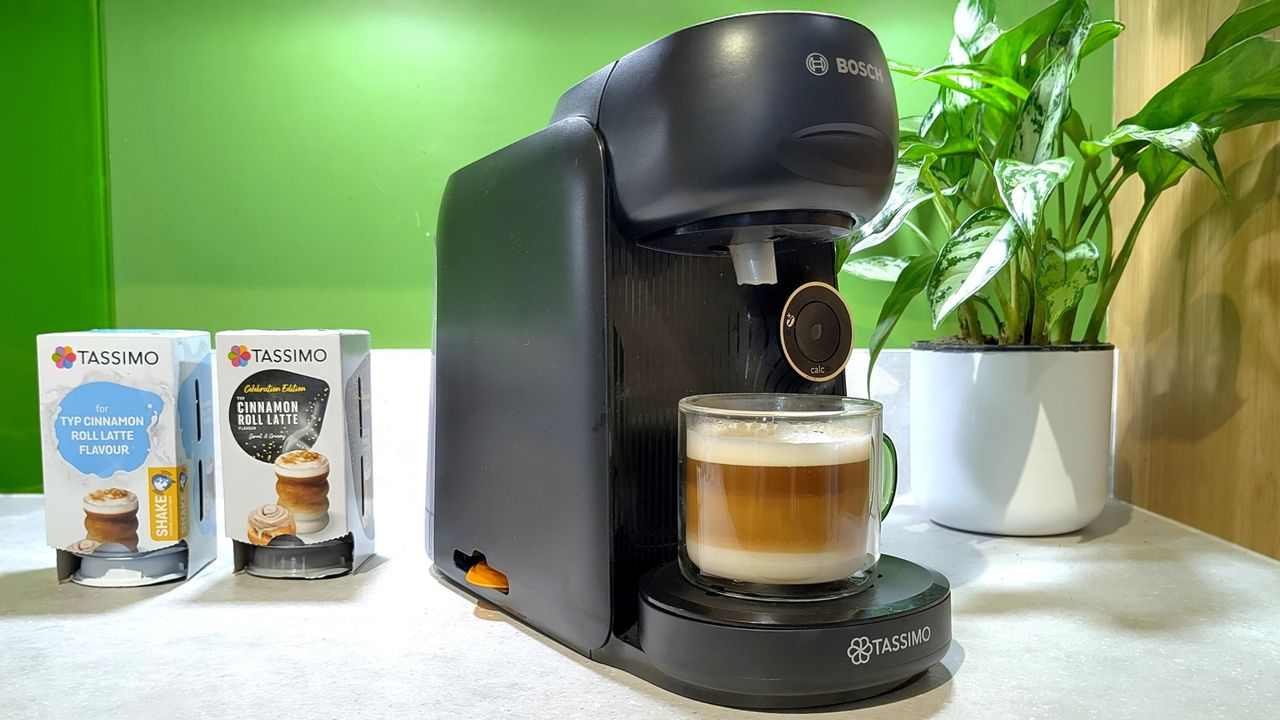






































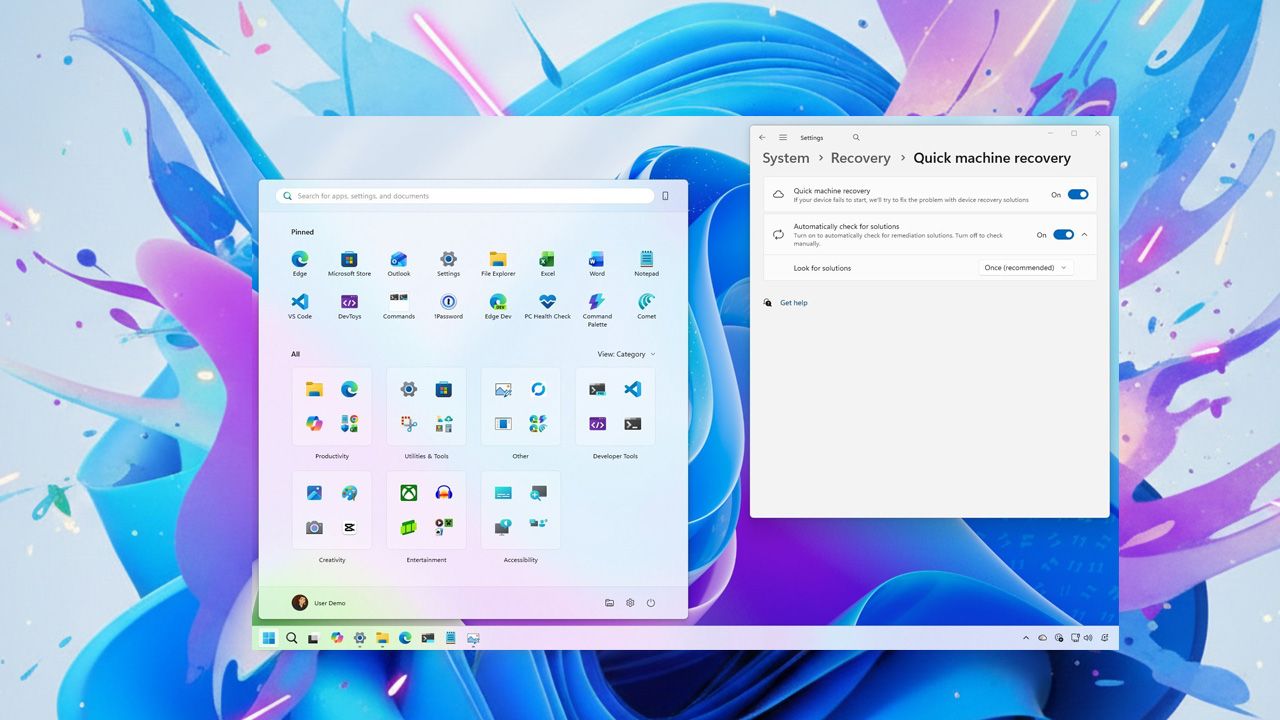








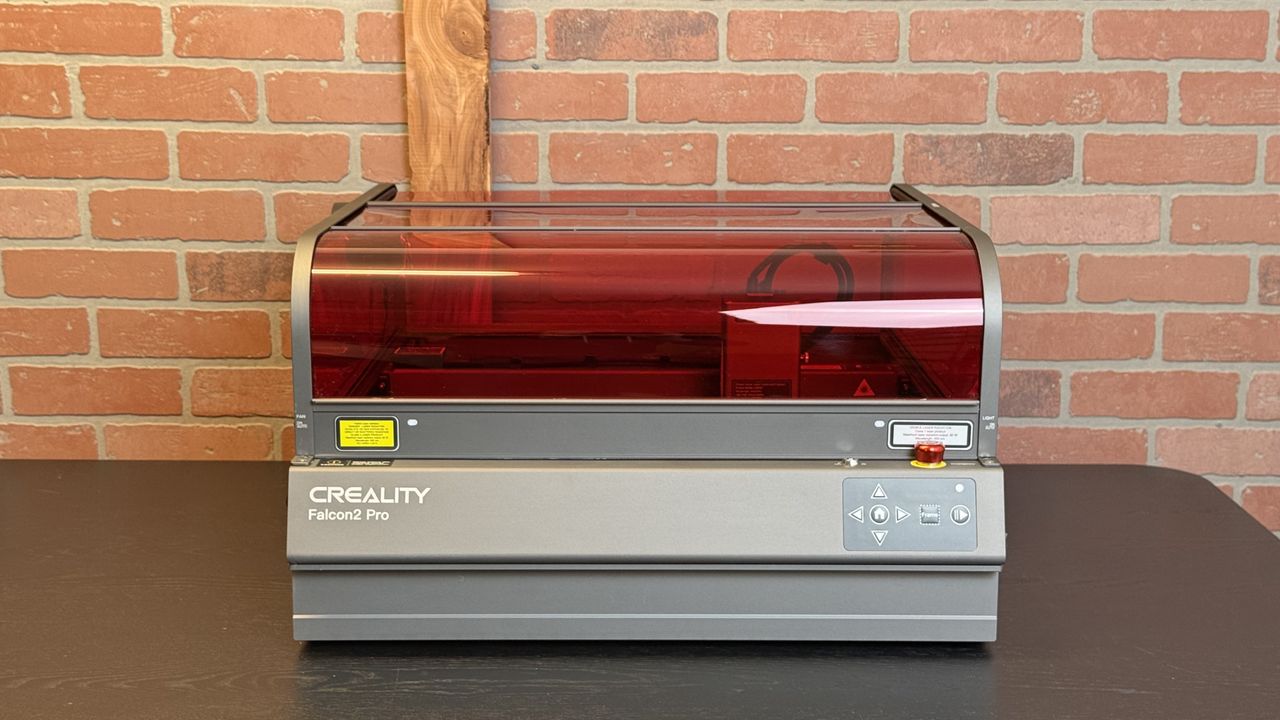



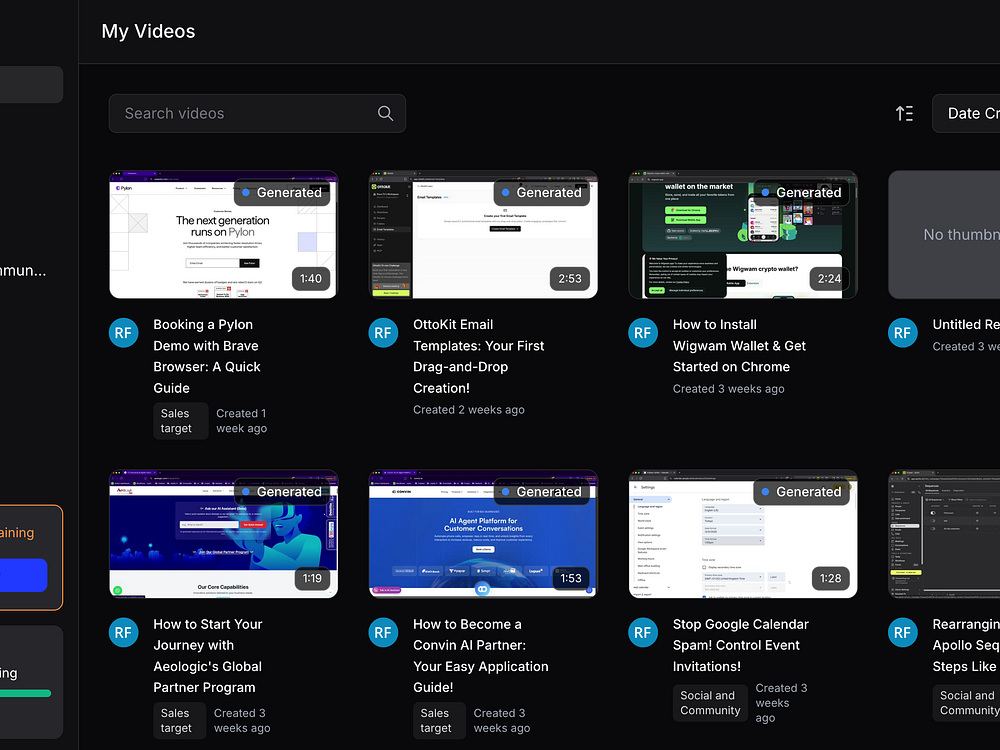
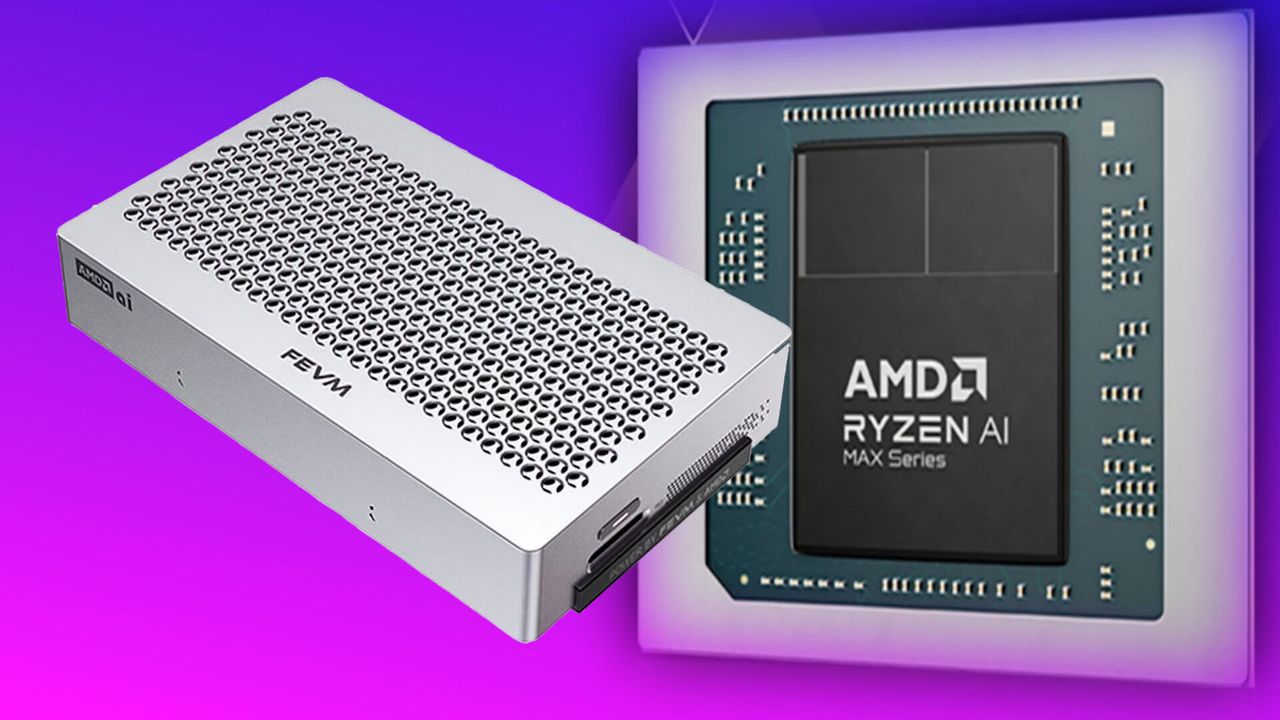



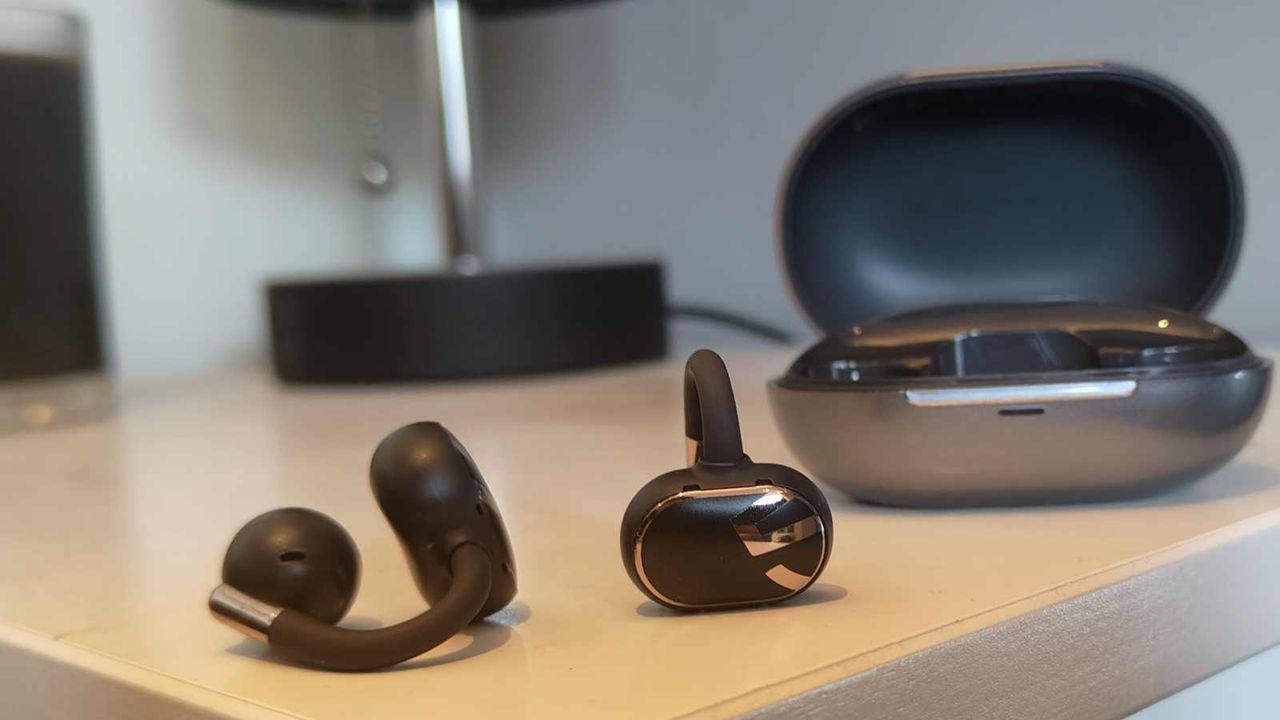





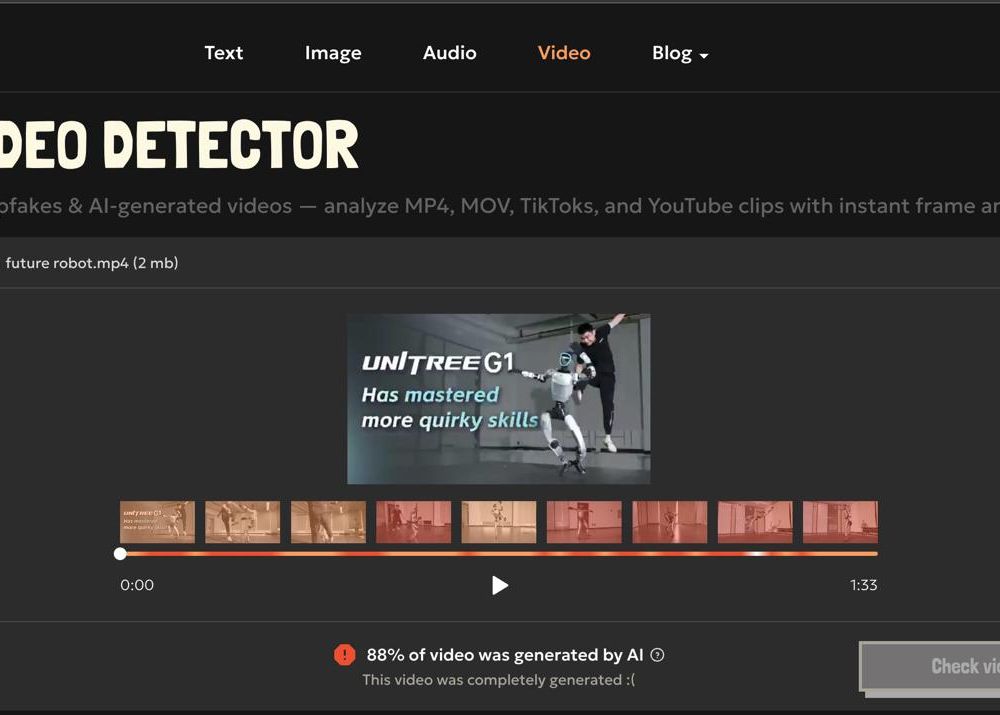





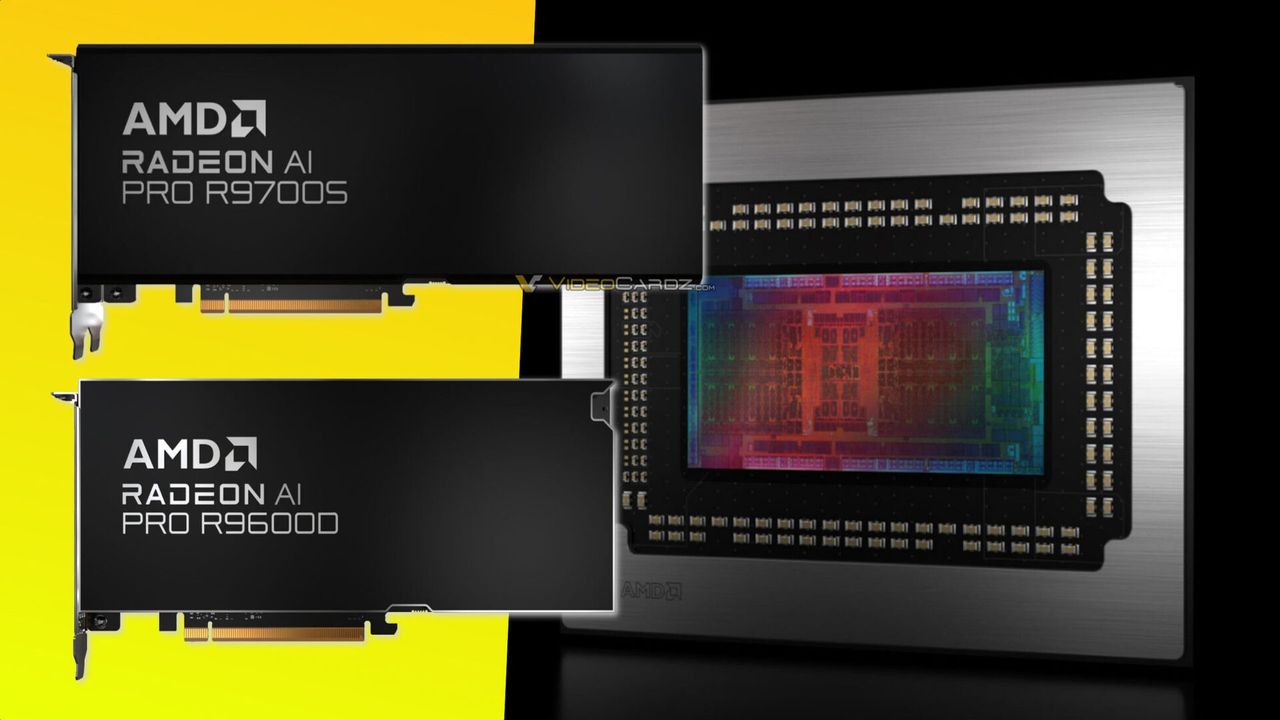
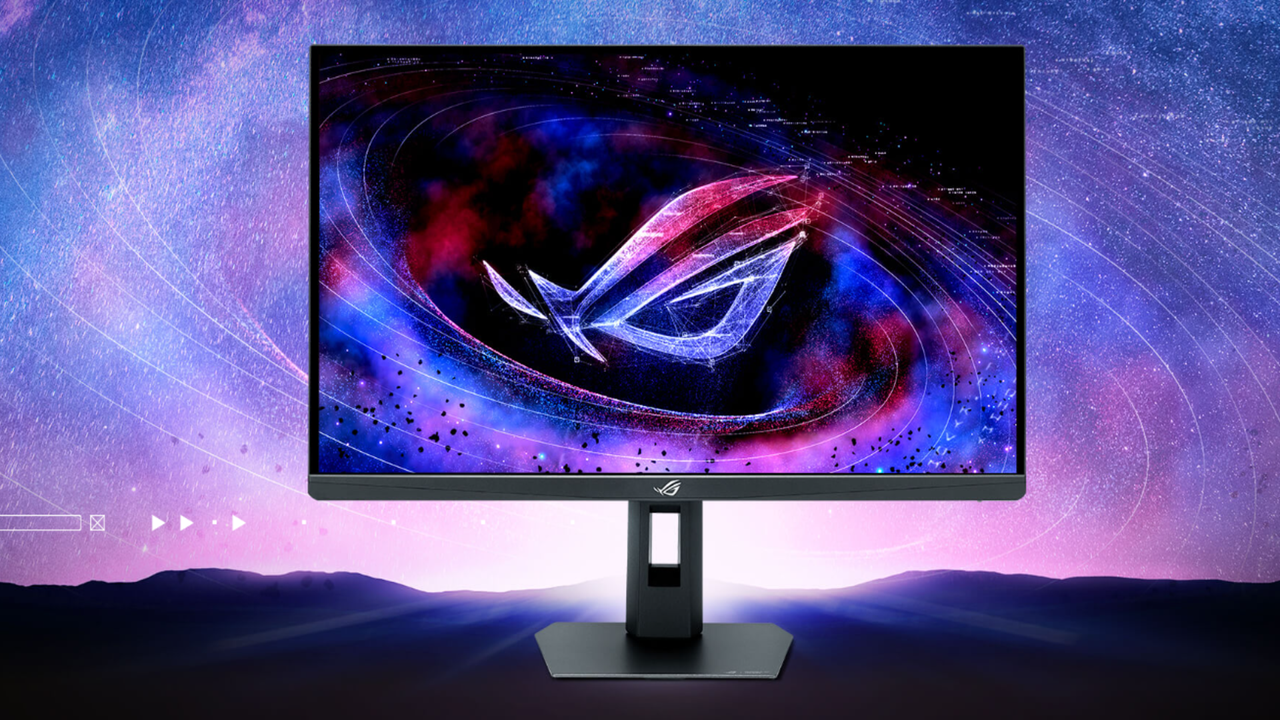

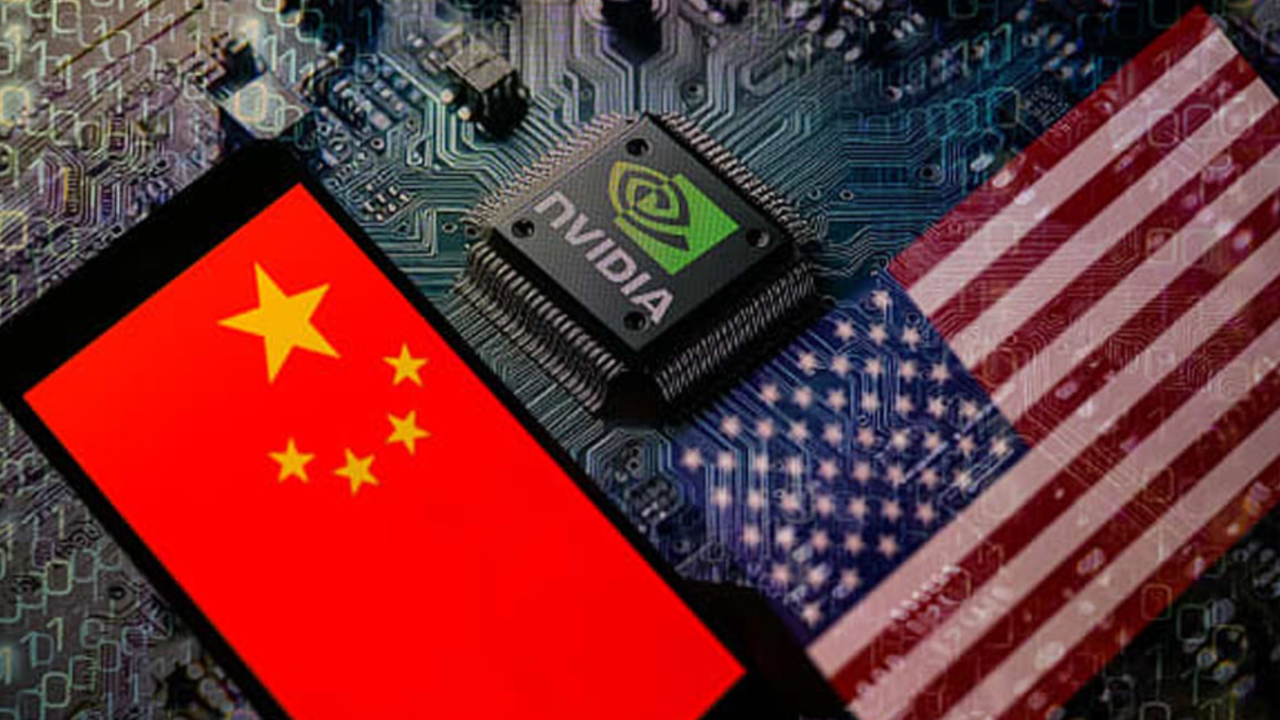

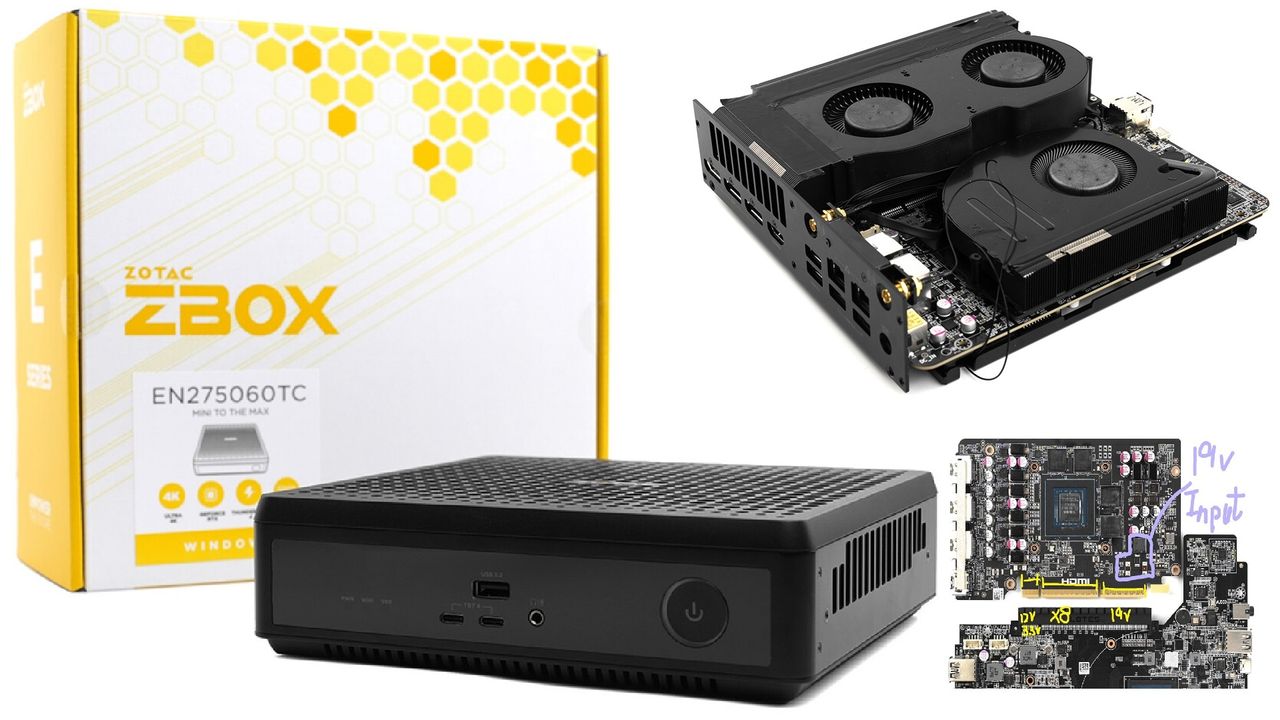







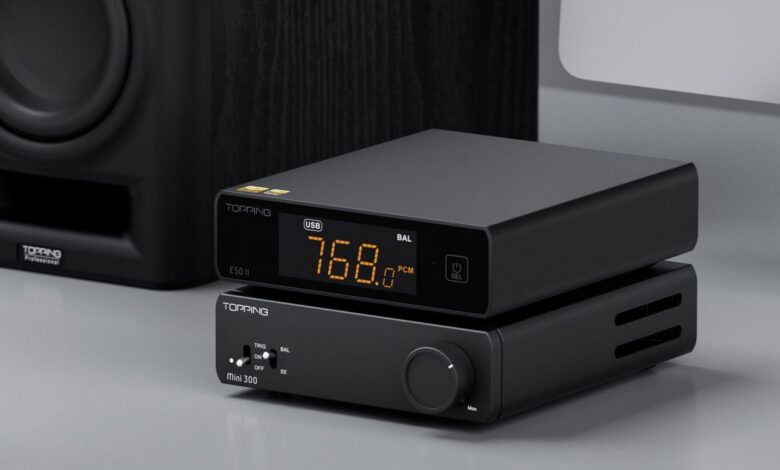


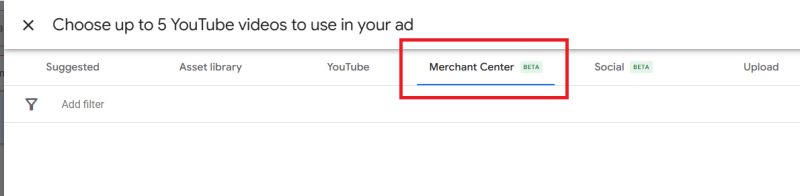

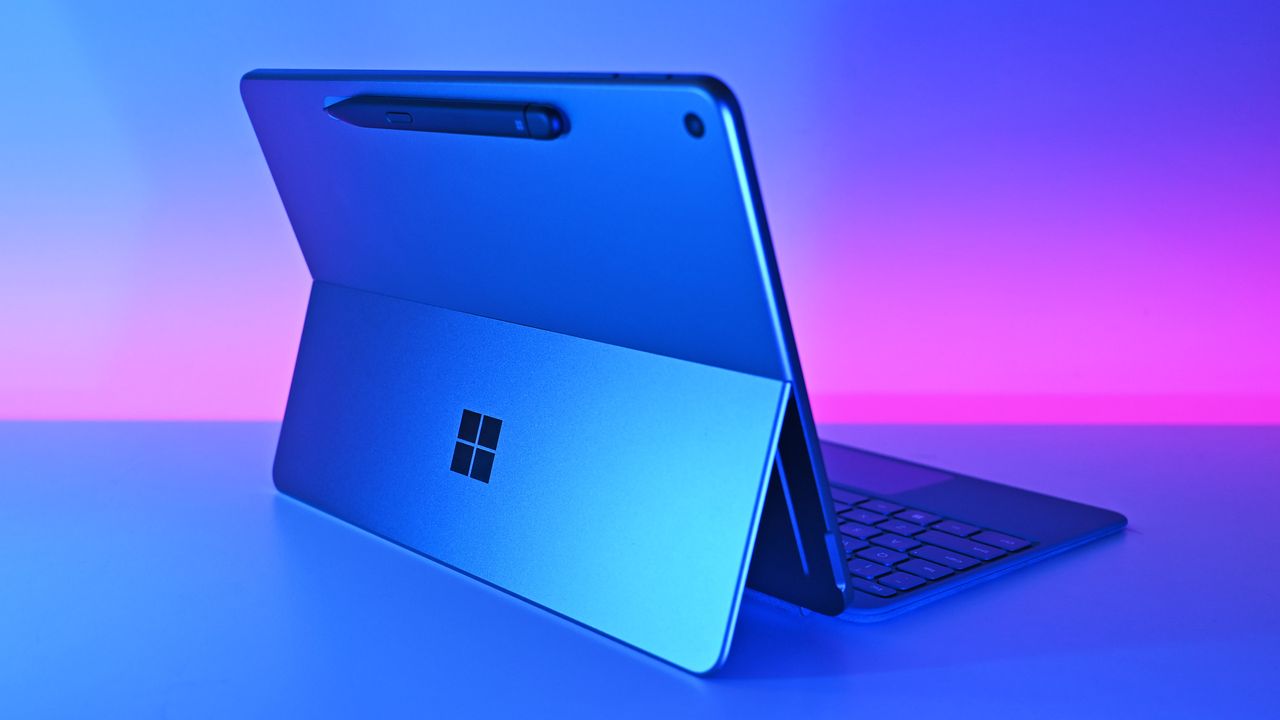









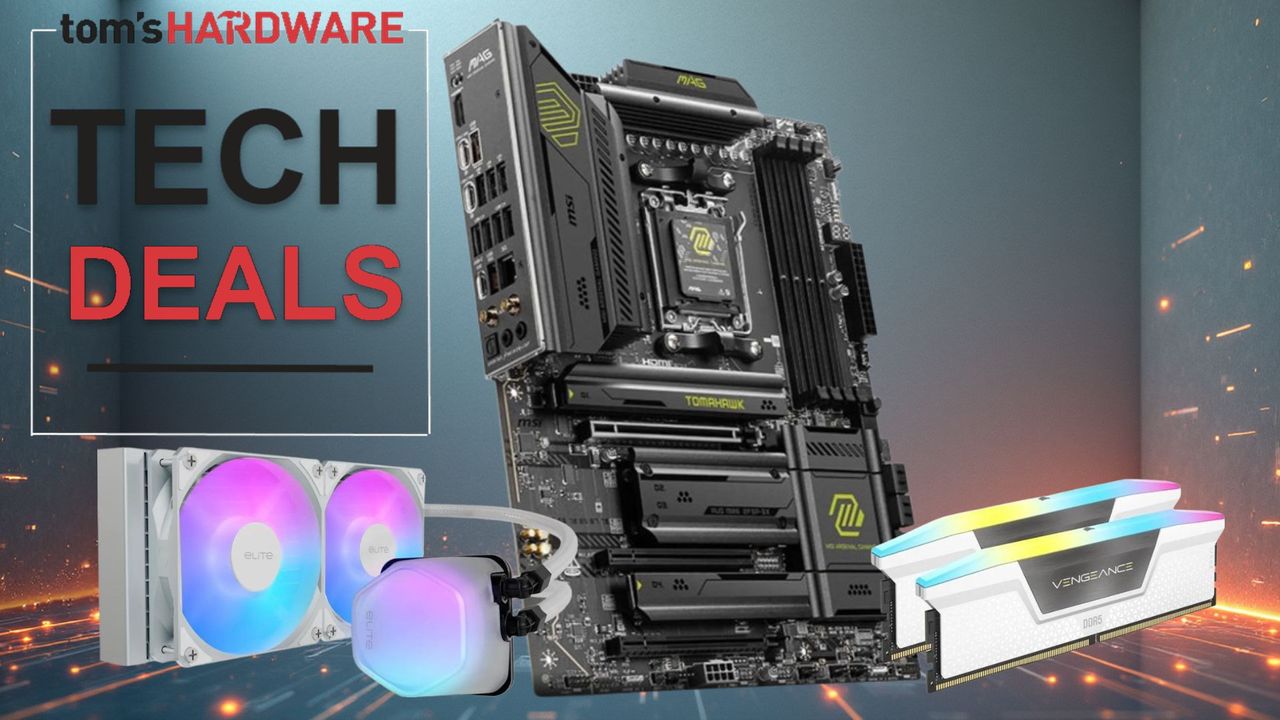
 When you go Live with Search, you can have a back-and-forth voice conversation in AI Mode to get real-time help and quickly find relevant sites across the web. And now, …
 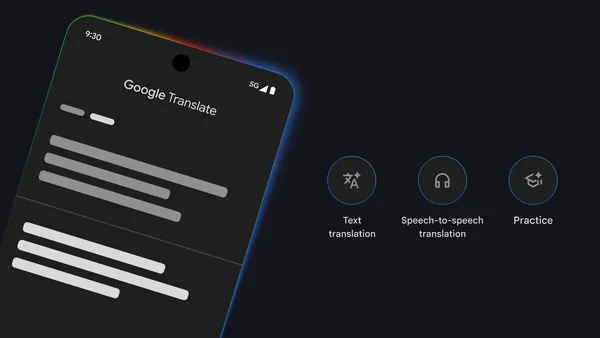 We’re bringing Gemini’s state-of-the-art translation model to Google Translate for text, and more new features.
  An upgraded Gemini 2.5 Native Audio model across Google products and live speech translation in the Google Translate app.