Login
Login
Thailand Joins Vietnam, Japan, South Korea, Saudi Arabia, France, Spain And More As Germany Issues New Travel Advisory Amid Border Instability, Identity Document Requirements And Security Alerts

As worries about border instability, stricter identity document enforcement, and changing security conditions grow, Germany has released updated travel guidelines covering Thailand, Vietnam, Japan, South Korea, Saudi Arabia, France, Spain, and other important destinations. The guidelines advise travelers to stay away from high-risk areas, always carry valid identification, and stay aware of local safety alerts and disruptions.
Germany has updated and reinforced travel guidance for several popular destinations across Asia, the Middle East and Europe, urging travellers to stay alert to evolving security conditions, border-related risks, identity document rules and public safety issues. While the nature of the warnings varies by country, the common thread is clear: German authorities want travellers to prepare carefully, follow local rules closely and avoid high-risk areas.
Thailand: Border tensions, southern unrest and rising crime risks
Thailand sits at the centre of Germany’s latest advisory focus due to a mix of border instability, internal security concerns and growing crime in tourist hubs.
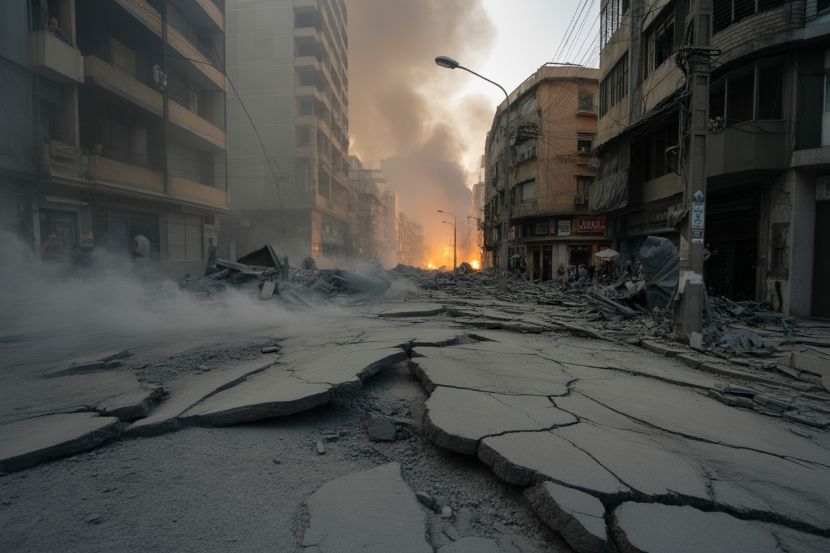
Travel within fifty kilometres of the Cambodia border is discouraged. Military clashes in the border region since July 2025 resulted in deaths and injuries. Although a ceasefire was signed in December 2025 and violence has subsided, martial law remains in place across border provinces and crossings between Thailand and Cambodia are still closed. German authorities warn that renewed escalation cannot be ruled out.
Travel is strongly discouraged to the southern provinces of Narathiwat, Yala and Pattani, along with parts of Songkhla, where separatist violence, terrorist attacks and armed clashes with security forces continue. A state of emergency remains in effect and night-time curfews can be imposed without warning.
Non-essential travel to Trat province islands, including Ko Chang, Ko Mak and Ko Kut, is also discouraged.
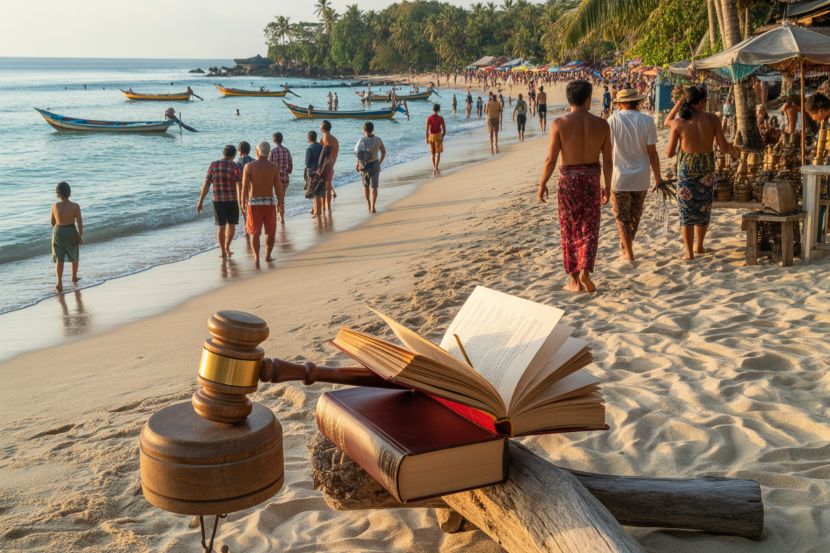
Beyond conflict zones, Germany highlights a sharp rise in crime across tourist hotspots such as Phuket, Pattaya, Koh Samui and Koh Tao. Drug- and alcohol-related assaults, robberies and sexual crimes have been reported, particularly during Full Moon Parties on Koh Pha Ngan. Tourists are warned about scams involving taxis, tuk-tuks, jet ski rentals and corrupt police practices, especially in Patong Beach.
Foreigners must carry valid identification at all times, with frequent checks in entertainment districts. Thailand’s digital arrival card is mandatory, and overstaying visas can lead to detention, fines, deportation and long entry bans.
Vietnam: Zero tolerance on drugs, strict laws and nightclub raids
Germany’s advisory for Vietnam stresses strict law enforcement and limited tolerance for mistakes by foreign visitors.
A complete ban is in force on e-cigarettes, vaporizers and related equipment. Importing, possessing or using them can lead to heavy fines or long prison sentences.
Authorities have increased police raids on bars and nightclubs, particularly in Ho Chi Minh City. Patrons may be subjected to drug testing. A positive test can result in detention, even if drug use occurred days or weeks earlier or outside Vietnam. Consular access may be delayed or unavailable during detention.
Public demonstrations are prohibited and criticism of the government, including social media posts made abroad, can lead to questioning, travel delays or exit restrictions. Travel near military zones and borders is strongly discouraged, as restricted areas are often poorly marked.
Petty crime is rising in major cities, including theft on night trains, bag snatching by motorbikes and scams targeting tourists. Visitors are advised to keep documents secure, avoid accepting drinks from strangers and exercise caution in nightlife settings.
Japan: Restricted zones, disaster risks and nightlife vigilance
Germany considers Japan broadly safe but maintains specific warnings that travellers must respect.
Visitors are advised not to enter evacuated zones around the Fukushima Daiichi nuclear power plant, where restrictions remain in place more than a decade after the disaster. Travel to other parts of Japan is considered safe from a radiological perspective.
Japan faces frequent natural hazards. Earthquakes are common, several volcanoes remain under active monitoring and typhoons regularly disrupt travel. Winter blizzards and avalanches affect mountainous regions.
Crime levels are low, but fraud, drink spiking and sexual assault incidents have been reported in nightlife districts of Tokyo and other major cities. Foreigners must carry passports at all times, as police checks are routine.
South Korea: Generally safe, but alert systems and nightlife risks
South Korea is described as stable and secure, with demonstrations usually peaceful and well-organised. However, tensions with North Korea mean emergency drills, sirens and transport shutdowns can occur without warning.
The German advisory encourages travellers to follow local alerts and make use of emergency apps that provide English-language warnings.
Crime rates are low, though isolated cases of drink spiking and sexual assault have been reported in nightlife areas such as Hongdae and Itaewon. Visitors are urged to remain cautious in bars and clubs and safeguard personal belongings.
Visa-free entry remains available for short stays, and biometric data collection is routine at border control.
Saudi Arabia: Regional volatility and border restrictions
Germany warns that despite a ceasefire between Israel and Iran in June 2025, the wider Middle East remains volatile. Security-related incidents, airspace closures and flight disruptions may occur at short notice.
Travel to the border region with Yemen is strongly discouraged due to ongoing conflict and the risk of missile or drone attacks. Terrorism remains a concern, with past attacks targeting civilians, security forces and diplomatic facilities.
Visitors are urged to avoid crowded places, follow security instructions and remain vigilant near religious sites, shopping centres and energy infrastructure. A valid visa is mandatory, and employment disputes can lead to travel bans.
France: Terror alert, strikes and expanded smoking ban
France remains under its highest terrorism alert level, with armed patrols, bag checks and heightened security across transport hubs, public spaces and tourist attractions.
Travellers are advised to remain vigilant during major events and avoid demonstrations, as strikes and protests can disrupt public transport and occasionally turn violent.
A major smoking ban introduced in July 2025 prohibits smoking in parks, beaches near bathing waters, bus stops and areas around schools and sports facilities. Fines apply for violations.
Petty crime, pickpocketing and organised theft affect major cities, particularly Paris. Corsica has seen recent attacks targeting state institutions, while New Caledonia remains sensitive following unrest in 2024.
Spain: Elevated terror alert and tourist-targeted crime
Spain continues to operate under an elevated terror alert level introduced after attacks in 2017. While daily life remains normal, travellers are advised to exercise caution at crowded events and transport hubs.
Tourist-targeted crime is a key concern. Pickpocketing is widespread in cities, airports and beach destinations. Along highways, particularly near Barcelona, organised gangs use distraction tactics to rob drivers.
Violent incidents and break-ins have been reported in major cities, and youth travel groups are urged to ensure proper supervision. Cash declaration rules are strict, and large cash transactions are limited by law.
A broader message to travellers
Germany’s updated guidance does not suggest avoiding travel altogether but sends a clear signal: global travel conditions are becoming more complex. Border tensions, strict enforcement of local laws, identity document requirements and uneven security situations mean travellers must prepare more carefully than before.
Registering with German crisis preparedness systems, monitoring local media, avoiding high-risk zones and respecting local regulations are no longer optional precautions. They are now essential parts of responsible international travel.
Due to border instability, stricter identity document enforcement, and growing traveler security concerns, Germany has updated its travel recommendations for Thailand, Vietnam, Japan, South Korea, Saudi Arabia, France, Spain, and other locations.
As destinations reopen and global movement accelerates, Germany’s message is simple but firm: stay informed, stay alert, and travel with caution.
The post Thailand Joins Vietnam, Japan, South Korea, Saudi Arabia, France, Spain And More As Germany Issues New Travel Advisory Amid Border Instability, Identity Document Requirements And Security Alerts appeared first on Travel And Tour World.




















































































































 More Flight Options & Connectivity