Login
Login
Singapore’s New No-Boarding Directive Shakes Up Travel: Is Your Flight at Risk? Discover What You Need to Know Before Boarding!

In a move aimed at enhancing border security and streamlining the immigration process, Singapore has introduced the No-Boarding Directive (NBD). This pre-departure check, which came into effect on January 30, 2026, is a critical addition to Singapore’s robust immigration policy. The directive ensures that only eligible passengers are allowed to board flights heading to Singapore, preventing high-risk or ineligible travellers from entering the country. Here’s what you need to know about this new rule, its implications, and who could be affected.
What is the No-Boarding Directive?
The No-Boarding Directive is designed to strengthen Singapore’s border security by addressing potential issues before passengers even board their flights. The system applies to all flights heading to Singapore, whether they land at Changi Airport or Seletar Airport. Using advance passenger information, including details from flight manifests and the SG Arrival Card, Singapore’s Immigration & Checkpoints Authority (ICA) conducts a pre-departure screening.
If any passengers are flagged as ineligible for entry — whether due to lacking a valid visa or other immigration issues — the No-Boarding Directive will be sent directly to the airline, instructing them not to allow the passenger to board the flight.
The new directive ensures that only those who meet Singapore’s strict entry conditions can travel to the country, preventing problematic passengers from arriving at immigration counters and causing delays.
How Does It Work?
The process begins with the collection of advance passenger information through the flight manifests and the SG Arrival Card. These details are used to conduct a thorough screening of each passenger before their flight departs. If a passenger is flagged as ineligible or prohibited from entering Singapore, the airline will receive the directive to stop them from boarding.
Types of Passengers Who Could Be Flagged
Several factors can cause a passenger to be flagged by the ICA. These include:
- Passengers without a valid visa: If a traveller doesn’t have the necessary visa or their visa is expired, they will not be allowed to board.
- Passengers with less than six months of passport validity: Many countries, including Singapore, require that a passport has at least six months of validity before entry. Passports with insufficient validity will lead to denial of boarding.
- Failure to submit the SG Arrival Card correctly: The SG Arrival Card must be submitted accurately by all incoming travellers. Errors or missing information could lead to the issuance of the No-Boarding Directive.
- Passengers flagged for prior immigration or security issues: Travellers who have been flagged by authorities in the past due to security risks or immigration violations are also at risk of being flagged under the new directive.
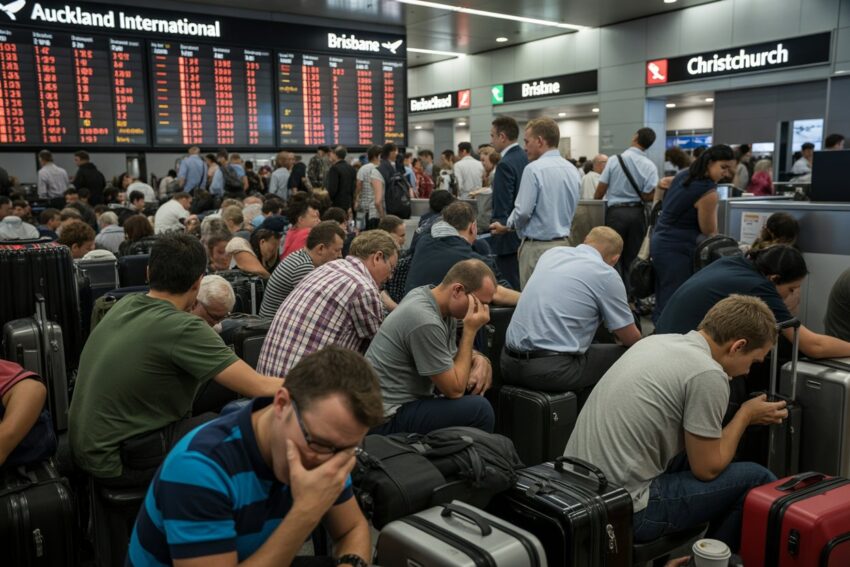
Previously, passengers with these issues would only be stopped at Singapore’s immigration counters. However, the No-Boarding Directive ensures that these concerns are addressed earlier, preventing travellers from boarding in the first place.
What Happens If a Passenger is Denied Boarding?
Being denied boarding under the No-Boarding Directive does not mean a permanent ban on entering Singapore. If a passenger is affected by this directive, they still have the option to contact the ICA through the Feedback Channel to seek further clarification or resolution regarding their entry status.
This provides a transparent avenue for affected passengers to resolve any issues and potentially have the directive reversed if the circumstances change or if there was an error in the screening process. However, it is important to note that the directive is not a denial of entry per se but a preventive measure to avoid potential disruptions during arrival.
Enforcement and Penalties for Airlines
Airlines have a crucial role in enforcing the No-Boarding Directive. If an airline allows a flagged passenger to board despite receiving the directive, they could face heavy penalties. Under the Immigration Act, non-compliant airlines could be fined up to SGD 10,000. Additionally, airline staff who fail to follow the directive could face disciplinary actions, ensuring that all airlines operating flights to Singapore adhere strictly to these new rules.
Impact on Airlines and Passengers
The implementation of the No-Boarding Directive will have significant implications for both airlines and passengers. For airlines, it means additional checks at the check-in counters to ensure that each passenger complies with Singapore’s entry requirements. This could involve verifying the validity of visas, ensuring the SG Arrival Card is submitted correctly, and checking passport validity.
For passengers, the key takeaway is the importance of ensuring that all required documents are in order before boarding a flight to Singapore. Those travelling to Singapore should make sure that their passport has sufficient validity, their visa is in place, and the SG Arrival Card is correctly submitted. Passengers who are unsure about any of these requirements should check with their airline or Singapore’s ICA well in advance.
Exceptions and Recourse
While the No-Boarding Directive may seem like a strict measure, it is not an absolute barrier. If a passenger is flagged and denied boarding, they still have the opportunity to appeal or resolve the issue before the flight departs. As long as the passenger can resolve the problem with the ICA, they can still be granted permission to board a future flight.
It’s also worth noting that the No-Boarding Directive is a step toward enhancing Singapore’s reputation as a high-security travel hub. The initiative is expected to reduce the chances of passengers with unresolved immigration issues causing delays and disruptions at Singapore’s busy airports, particularly Changi Airport, which is one of the busiest transit hubs in the region.
Conclusion: A Step Toward Better Security and Efficiency
The No-Boarding Directive in Singapore represents a significant step forward in streamlining immigration procedures and ensuring the safety and security of the country’s borders. By identifying high-risk or ineligible passengers before they even board their flight, the directive helps reduce delays and smoothens the process at immigration counters.
Airlines will need to be extra vigilant during the check-in process to ensure that all passengers meet the necessary requirements for entry. For travellers, it’s essential to prepare all necessary documents well in advance to avoid any disruptions.
With the introduction of the No-Boarding Directive, Singapore is continuing to enhance its reputation as a global leader in travel security and border management, setting an example for other countries in the region and worldwide.
The post Singapore’s New No-Boarding Directive Shakes Up Travel: Is Your Flight at Risk? Discover What You Need to Know Before Boarding! appeared first on Travel And Tour World.






























 ” airline founded by aviation visionary David Neeleman, is officially launching nonstop service between Provo Municipal Airport (PVU) and Hollywood Burbank Airport (BUR).










 Milan, for instance) are already visible in Aeroplan’s award listings. However, transatlantic flights on ITA Airways might be limited until the airline fully integrates into Star Alliance.