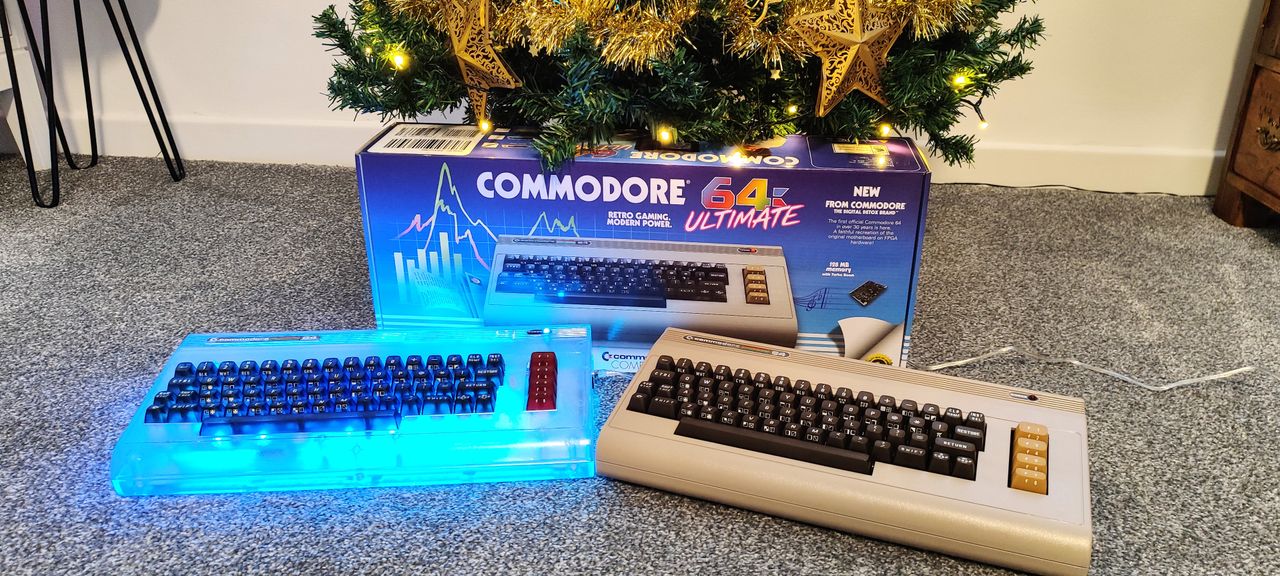
This 10-year-old Fallout game is getting seasonal updates now — the first is Viva New Vegas, inspired by Season 2 of Amazon's TV show and Obsidian's RPG
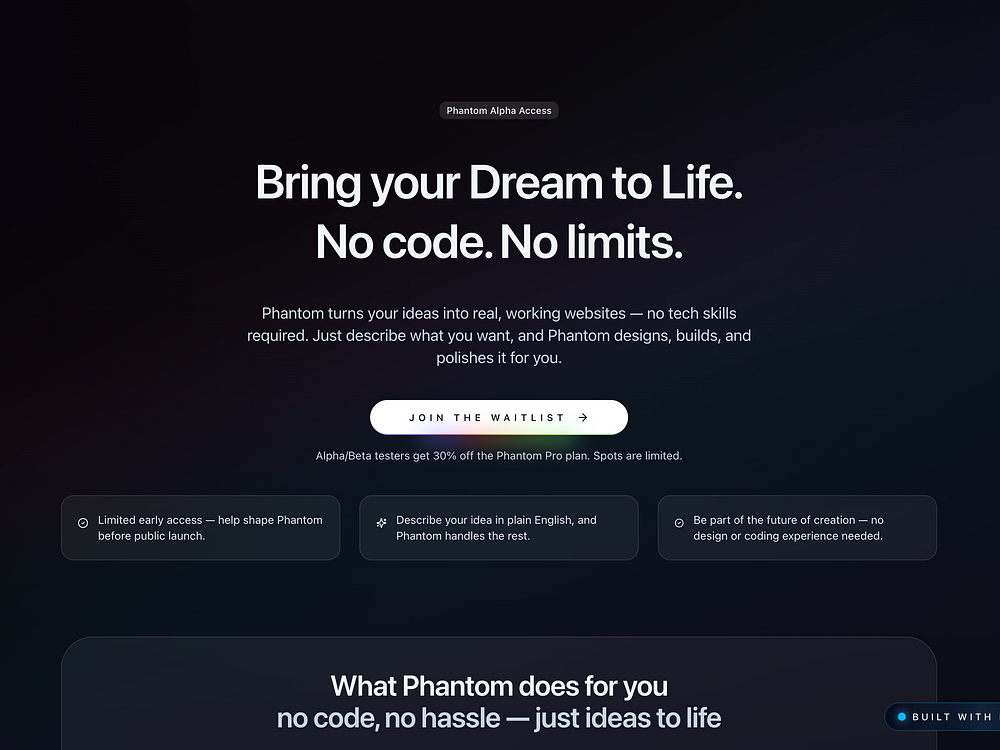
Phantom is an AI website builder designed to help anyone go from an idea to a fully functional website in just a few minutes. It handles all the heavy lifting automatically — setting up authentication, database, payments, analytics, and even AI integrations for you. Instead of juggling multiple tools or writing code from scratch, you just describe what you want, and Phantom builds it out instantly.
It runs on a network of specialized AI agents, each focused on a different area like frontend, backend, bug fixing, and review. This makes the process faster, more accurate, and more creative. Phantom lets you skip the setup and get straight to building — without needing technical expertise.
The post Tesla’s Trillion-Dollar AI Future: Dan Ives on Autonomy and Robotics appeared first on StartupHub.ai.
Wedbush Securities’ Dan Ives recently offered a compelling vision of Tesla’s future, asserting that the company, alongside Nvidia, stands at the forefront of the “physical AI revolution.” This isn’t merely about electric vehicles; it’s about the profound convergence of hardware and artificial intelligence to create tangible, real-world autonomous capabilities. Ives’s commentary underscores a pivotal shift […]
The post Tesla’s Trillion-Dollar AI Future: Dan Ives on Autonomy and Robotics appeared first on StartupHub.ai.
The post Bolmo Advances Byte-Level Language Models with Practicality appeared first on StartupHub.ai.
AI2's Bolmo makes byte-level language models practical by "byteifying" existing subword models, offering superior character understanding and flexible inference.
The post Bolmo Advances Byte-Level Language Models with Practicality appeared first on StartupHub.ai.
The post Rebuilding American Industry: The AI-Powered Factory Renaissance appeared first on StartupHub.ai.
Erin Price-Wright, a General Partner at Andreessen Horowitz, unveiled a compelling vision for “The Renaissance of the American Factory” as part of the firm’s 2026 Big Ideas series. Her presentation posits that America’s industrial muscle, which has atrophied over decades due to offshoring, financialization, and regulatory burdens, is poised for a significant resurgence. This revitalization […]
The post Rebuilding American Industry: The AI-Powered Factory Renaissance appeared first on StartupHub.ai.
The post Beyond Snippets: The Evolving Landscape of AI Code Evaluation appeared first on StartupHub.ai.
The rapid ascent of AI in code generation, from single-line suggestions to architecting entire codebases, demands an equally sophisticated evolution in how these models are evaluated. This critical shift was at the heart of Naman Jain’s compelling presentation at the AI Engineer Code Summit, where the Engineering lead at Cursor unpacked the journey of AI […]
The post Beyond Snippets: The Evolving Landscape of AI Code Evaluation appeared first on StartupHub.ai.
The post Google DeepMind Unveils Gemini 3 and Nano Banana Pro, Redefining AI Development appeared first on StartupHub.ai.
Google DeepMind recently showcased its latest advancements in artificial intelligence at the AI Engineer Code Summit, where Product Manager Kat Kampf and Product & Design Lead Ammaar Reshi introduced Gemini 3 Pro and Nano Banana Pro. Their presentation, “Building in the Gemini Era,” highlighted how these new models, combined with the Google AI Studio, are […]
The post Google DeepMind Unveils Gemini 3 and Nano Banana Pro, Redefining AI Development appeared first on StartupHub.ai.
The post NVIDIA Nemotron 3 Nano launches on FriendliAI appeared first on StartupHub.ai.
FriendliAI is aggressively positioning itself as the crucial infrastructure layer for productionizing the new wave of efficient, open-source agentic AI models.
The post NVIDIA Nemotron 3 Nano launches on FriendliAI appeared first on StartupHub.ai.
The post Unsloth Accelerates LLM Fine-Tuning on NVIDIA GPUs appeared first on StartupHub.ai.
Unsloth, combined with NVIDIA GPUs and Nemotron 3 models, is democratizing efficient, specialized LLM fine-tuning for next-generation agentic AI applications.
The post Unsloth Accelerates LLM Fine-Tuning on NVIDIA GPUs appeared first on StartupHub.ai.
The post Vertex AI Unlocks Flexible Open Model Deployment appeared first on StartupHub.ai.
The accelerating pace of AI development has made the deployment of open models a critical challenge, often mired in infrastructure complexities. Google Cloud’s Vertex AI platform, as detailed by Developer Advocate Ivan Nardini in his recent video, “Serving open models on Vertex AI: The comprehensive developer’s guide,” directly addresses this by offering a strategic roadmap […]
The post Vertex AI Unlocks Flexible Open Model Deployment appeared first on StartupHub.ai.

We’re sharing a practical playbook to help organizations streamline and enhance sustainability reporting with AI.Corporate transparency is essential, but navigating frag… 
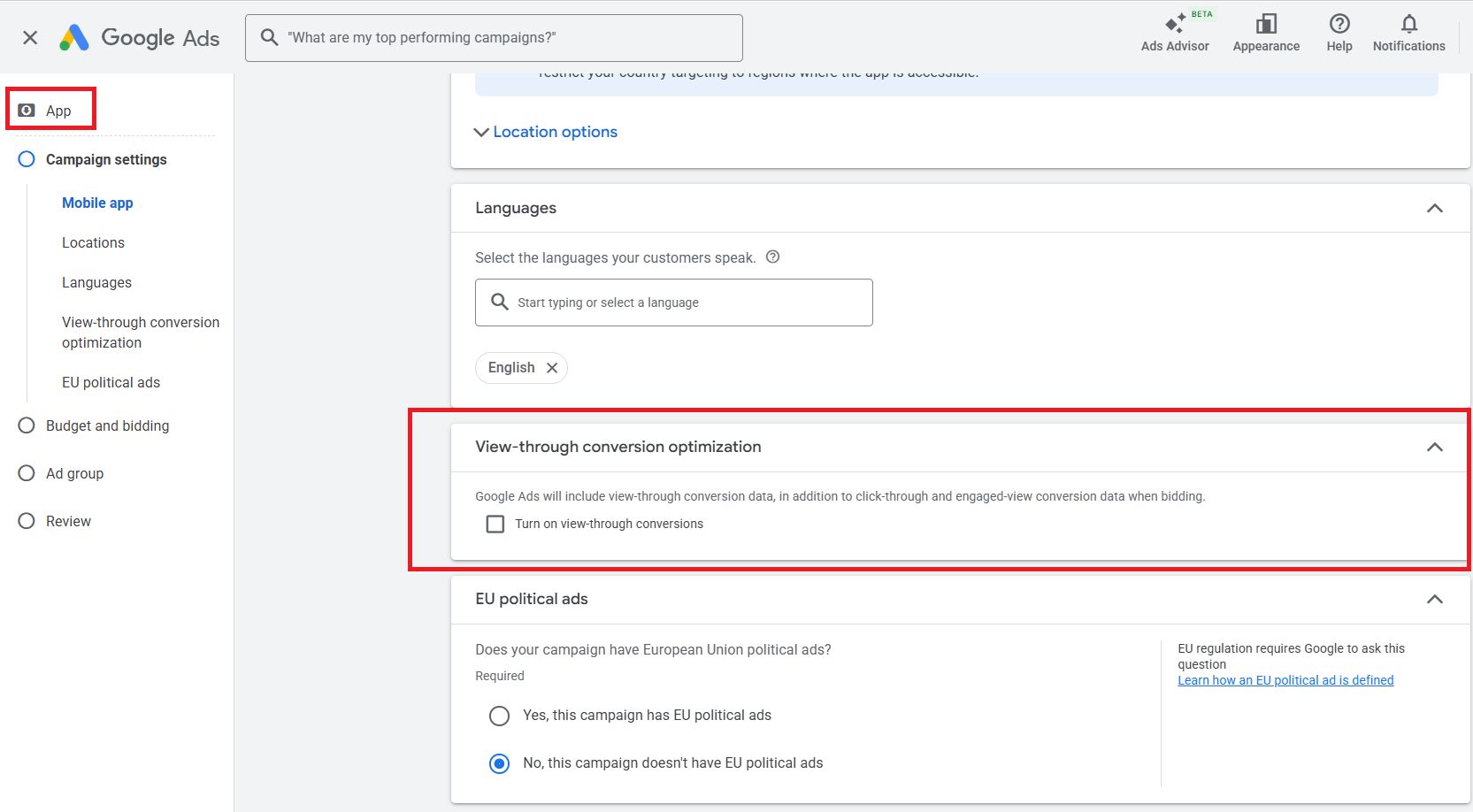
Google Ads launched VTC-optimized bidding for Android app campaigns, letting advertisers toggle bidding toward conversions that happen after an ad is viewed rather than clicked.
Previously, VTC worked as a hidden signal inside Google’s systems. Now, it’s a clear, explicit optimization option.

The shift. Google is shifting app advertising away from click-centric logic and toward incrementality and influence, especially for formats like YouTube and in-feed video. This update aligns bidding more closely with how users actually discover and install apps.
Why we care. You can now bid beyond clicks, improving measurement for video-led app campaigns and strengthening the case for upper-funnel activity.
Who benefits most. Video-first app advertisers and teams focused on awareness, engagement, and long-term growth – not just last-click installs.
What to watch
First seen. This update was first spotted by Senior Performance Marketing Executive Rakshit Shetty when he posted on LinkedIn.

Sergey Brin, Google’s co-founder, admitted that Google “for sure messed up” by underinvesting in AI and failing to seriously pursue the opportunity after releasing the research that led to today’s generative AI era.
Google was scared. Google didn’t take it seriously enough and failed to scale fast enough after the Transformer paper, Brin said. Also:
The full quote. Brin said:
Yes, but. Google still benefits from years of AI research and control over much of the technology that powers it, Brin said. That includes deep learning algorithms, years of neural network research and development, data-center capacity, and semiconductors.
Why we care. Brin’s comments help explain why Google’s AI-driven search changes have felt abrupt and inconsistent. After years of hesitation about shipping imperfect AI, Google is now moving fast (perhaps too fast?). The volatility we see in Google Search is collateral damage from that catch-up mode.
Where is AI going? Brin framed today’s AI race as hyper-competitive and fast-moving: “If you skip AI news for a month, you’re way behind.” When asked where AI is going, he said:
One more thing. Brin said he often uses Gemini Live in the car for back-and-forth conversations. The public version runs on an “ancient model,” Brin said, adding that a “way better version” is coming in a few weeks.
The video. Brin’s remarks came at a Stanford event marking the School of Engineering’s 100th anniversary. He discussed Google’s origins, its innovation culture, and the current AI landscape. Here’s the full video.

Google updated its JavaScript SEO documentation to clarify that noindex tags may prevent rendering and JavaScript execution, blocking changes.
The post Google Warns Noindex Can Block JavaScript From Running appeared first on Search Engine Journal.
Prototype HDMI 2.2 hardware will be showcased at CES The HDMI Licensing Administrator has confirmed that early HDMI 2.2 prototype hardware will be showcased at CES 2026. This will give the world its first look at the next-generation display technology. With HDMI 2.2, the HDMI standard’s maximum bandwidth will increase from 48 Gbps (HDMI 2.1) […]
The post Expect to see HDMI 2.2 in action at CES 2026 appeared first on OC3D.
Core Temp is a small, free utility that monitors CPU temperatures by reading data directly from each processor core. It delivers accurate, real-time readings, supports a wide range of CPUs, and runs with minimal overhead. If you want precise temperature monitoring, Core Temp delivers.
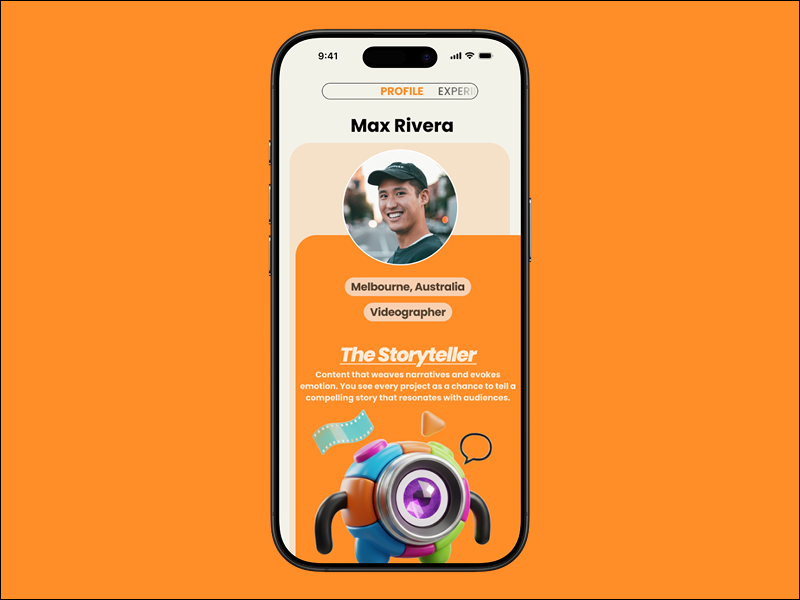
ResumaLive is a platform where video creators build swipeable, shareable profiles that introduce them in under 2 minutes.
Clients don't have time to dig through scattered links, they leave before they understand you. ResumaLive guides them through your identity, your credibility, your showreel, your personality, and how to reach you. like a movie trailer for your career. It doesn't replace your portfolio or social media. It gets your foot in the door, then they explore the rest.
The post AI’s Real Boom: Data Centers, ROI, and a Maturing IPO Market appeared first on StartupHub.ai.
“Every single AI company on the planet is saying if you give me more compute, I can make more revenue.” This assertion by Matt Witheiler, Head of Late-Stage Growth at Wellington Management, cuts directly to the core of the current artificial intelligence boom, framing the debate around an “AI bubble” not as a question of […]
The post AI’s Real Boom: Data Centers, ROI, and a Maturing IPO Market appeared first on StartupHub.ai.
The post Rockefeller’s Ruchir Sharma Declares AI Market in “Advanced Stages of a Bubble” appeared first on StartupHub.ai.
The current euphoria surrounding artificial intelligence has propelled the tech sector to unprecedented valuations, prompting seasoned financial analysts to question the sustainability of this growth. Ruchir Sharma, Chairman of Rockefeller International and Founder & CIO of Breakout Capital, offers a sobering perspective, asserting that the market is already in the “advanced stages of a bubble.” […]
The post Rockefeller’s Ruchir Sharma Declares AI Market in “Advanced Stages of a Bubble” appeared first on StartupHub.ai.
The post Apple Engineers Squeeze Powerhouse Vision Models into a Single Layer for Hyper-Efficient Image Generation appeared first on StartupHub.ai.
Generative AI is getting a major speed and efficiency boost, thanks to a surprisingly simple new framework from Apple researchers. The paper, “One Layer Is Enough: Adapting Pretrained Visual Encoders for Image Generation,” introduces the Feature Auto-Encoder (FAE), a novel approach that dramatically slashes the complexity required to integrate massive, pre-trained visual encoders (like DINOv2 […]
The post Apple Engineers Squeeze Powerhouse Vision Models into a Single Layer for Hyper-Efficient Image Generation appeared first on StartupHub.ai.

Google has updated its JavaScript SEO basics documentation to clarify how Google’s crawler handles noindex tags in pages that use JavaScript. In short, if “you do want the page indexed, don’t use a noindex tag in the original page code,” Google wrote.
What is new. Google updated this section to read:
In the past, it read:
Why the change. Google explained, “While Google may be able to render a page that uses JavaScript, the behavior of this is not well defined and might change. If there’s a possibility that you do want the page indexed, don’t use a noindex tag in the original page code.”
Why we care. It may be safer not to use JavaScript for important protocols and blocking of Googlebot or other crawlers. If you want to ensure a search engine does not rank a specific page, make sure not to use JavaScript to execute those directives.

The SEO industry is entering its most turbulent period yet.
Traffic is declining. AI is absorbing informational queries.
Social platforms now function as search engines. Google is shifting from a gateway to an answer engine.
The result is a sector running in circles – unsure what to measure, what to optimize, or even what SEO is meant to do.
Yet within this turbulence, something clear has emerged.
A single marketing metric that cuts through the noise and signals brand health and future demand.
A metric that marketers and SEOs can align around with confidence.
That metric is share of search.
The old model of being discovered by accident through classic search behavior is disappearing.
AI Overviews answer questions without sending traffic anywhere.
Meta is already rolling out its own AI to answer user queries.
TikTok and YouTube continue to grow as product discovery engines.
It is only a matter of time before LinkedIn becomes a business search engine powered by conversational AI.
We are witnessing a seismic shift. In moments like this, measurement becomes even more important.
Many SEO metrics are losing meaning, but one is rapidly gaining importance.
Share of search is a metric developed by James Hankins and Les Binet.
It is calculated by dividing a brand’s search volume by the total search volume for all brands in its category.
The result shows the proportion of category interest the brand commands.
The value is not in the calculation itself, but in what the metric correlates with.
Studies published by the Institute of Practitioners in Advertising (IPA) show that share of search correlates strongly with market share and future buying behavior.
As the IPA notes:
In simple terms, consumers search for brands they are considering, buying, or using.
That makes search behavior one of the clearest available signals of real demand.
Share of search was never designed to be perfect. It does not capture every nuance of how people find information across platforms.
It was built as a practical proxy for brand demand – and right now, practical measurement is exactly what the industry needs.
Dig deeper: Measuring what matters in a post-SEO world
Traffic as a measurement has become almost meaningless.
It has been easy to inflate, manipulate, and misunderstand.
Goodhart’s Law explains why. When a measure becomes a target, it stops being a good measure.
Traffic was treated as a target for years, and as a result, it stopped being a reliable indicator of anything meaningful.
Now traffic is falling – not because brands are doing anything wrong, but because AI is answering questions before users ever reach a website.
Ironically, this makes traffic more meaningful again, as much of the noise that once inflated it is disappearing.
The bigger advantage, however, belongs to share of search.
It cannot be inflated through content tactics or gamed by chasing trends. It reflects underlying consumer interest.
That is why share of search has become so significant.
It shows whether a brand is being searched for more or less than its competitors.
When share of search rises, brand demand is growing. When it falls, demand is weakening.
If an entire category collapses – as it did with air fryers once most consumers had already bought one – the metric also provides a clear signal that demand for the overall market is shrinking.
There is another advantage. Share of search is a multi-platform metric.
People no longer search in one place.
Product searches may begin on Amazon, TikTok, or Facebook.
Credibility checks often happen on YouTube. Long-form research may still take place on Google.
Discovery is fragmented, and behavior is fluid.
Share of search adapts to this reality. It is platform agnostic.
You can measure it using Google Trends, Ahrefs, Semrush, My Telescope, or any platform that provides reliable volume estimates.
You can track demand across Amazon, TikTok, YouTube, and emerging AI search interfaces.
Where the behavior happens matters less than the signal itself.
If people are looking for your brand, they are demonstrating intent.
This cross-platform visibility is critical because AI search sends little traffic to websites.
ChatGPT, Claude, and other LLMs present answers, snippets, and summaries, but rarely generate click-through.
Links are often buried, inaccessible, or accompanied by friction.
Instead, these systems trigger brand search.
Users encounter a brand in an AI response, then search for it when they want more information.
As a result, share of search becomes the tail-end signal of everything marketing does, including AI exposure.
When share of search rises, marketing is working. When it falls, it is not.
However, the metric needs a champion.
The SEO industry has spent years focused on two types of keywords:
That approach made sense when classic search was the dominant discovery channel. That world is disappearing.
Yet many SEOs continue to cling to outdated deliverables, such as structured data micro-optimization or churning out endless blog posts to influence hypothetical AI citations.
Citations are a distraction.
At best, they are a minor signal in LLM outputs.
At worst, they are a misleading metric that will not stand up to financial scrutiny.
When CFOs start questioning the value of SEO budgets, citations will not hold up as evidence of ROI.
Share of search will.
SEOs who embrace share of search position themselves not as keyword tacticians, but as strategic insights partners.
They become interpreters of demand who help:
This shift changes the role of SEO entirely.
Instead of being judged by how much content they produce, SEOs begin to be valued for how well they understand search behavior and the commercial impact of that behavior.
A well-structured share of search report tells a coherent story:
In the AI era, this narrative becomes essential.
Someone inside the organization must understand how people search, where they search, and what the numbers mean.
SEOs are naturally positioned to fill that role. You have the background and the expertise.
And as AI automates more mechanical SEO tasks, this progression becomes increasingly natural.
Because share of search requires interpretation.
Dig deeper: Why LLM perception drift will be 2026’s key SEO metric
Share of search does not have to be a single top-level number. It can be:
Consider the air fryer category.
Demand collapsed across the market once most consumers had already purchased one.
Within that collapse, however, individual models rose and fell based on their appeal.
Ninja’s latest model, for example, showed spikes and dips that revealed shifts in consumer interest long before sales data arrived.
Share of search acts as early detection for market movement.
SEOs who understand this level of nuance become indispensable. They can:
This is the future skill set – not chasing rankings, but interpreting behavior.
As AI becomes more integrated into search and site optimization, many mechanical SEO tasks will be increasingly automated.
The interpretation of marketing performance, however, cannot be fully automated.
Share of search requires human judgment.
It requires an understanding of context, seasonality, category dynamics, and brand strategy.
That role can and should belong to the SEO professional.
Some agencies may label this function an insights specialist or a data analyst.
Some organizations may house it within marketing.
But the people who understand search behavior most deeply are SEOs.
They are best positioned to interpret what the numbers mean and communicate those insights to leadership teams.
Leadership teams need to understand what is happening with their brand.
Marketing leaders are already discussing share of search, and it is beginning to appear in boardroom conversations.
It is quickly becoming a central indicator of brand strength.
In an AI-driven world where traffic is scarce and visibility is fragmented, the strategic imperative is clear.
Brands need to be searched for. Those that are searched for endure. Those that are not fade.
That is why share of search is not just another metric. It is becoming the metric.
SEOs who embrace it can elevate their role, influence, and strategic value at exactly the moment the industry needs it most.
The advice for SEOs is simple: Learn share of search.
To get started:
You will not become fluent in the metric without using it. Once you do, its applications become clear.
Share of search is the bridge that connects SEO to the broader world of brand.
Take the first step.
Sapphire wants AMD to let them “go nuts” with their GPU designs Ed Crisler, Sapphire Technology’s North American PR Manager, has openly stated that he would like GPU manufacturers to give their partners more freedom when building their graphics cards. Sapphire would like to “go nuts” when building graphics cards, but tight rules limit what […]
The post Sapphire wants AMD to let them “go nuts” on their GPUs appeared first on OC3D.
The post Content, Consolidation, and the Creator’s Cut: Isaacson on AI, Media Mergers, and Musk appeared first on StartupHub.ai.
“People who create content should be part of the party when the proceeds get divided up,” asserts Walter Isaacson, the esteemed biographer and advisory partner at Perella Weinberg, during a recent appearance on CNBC’s ‘Squawk Box.’ This fundamental principle, he argues, is the linchpin for navigating the burgeoning age of artificial intelligence, particularly as major […]
The post Content, Consolidation, and the Creator’s Cut: Isaacson on AI, Media Mergers, and Musk appeared first on StartupHub.ai.


As marketing channels and touchpoints multiply rapidly, the way success is measured significantly impacts long-term growth and executive perception.
Click-based attribution – across models like last-click, first-click, linear, and time-decay – remains the default.
But as a standalone measurement strategy, it’s showing its age.
Click metrics now carry disproportionate weight in executive dashboards, and that reliance introduces real limitations.
Click-based models can still reveal valuable insights into digital engagement.
However, when the C-suite bases major budget and strategy decisions solely on clicks, they risk overlooking critical aspects of the customer journey – often the very pieces that matter most.
This article examines:
The goal isn’t to demonize clicks – they still belong in the toolbox. But they should provide context, not serve as the foundation.
Click-based attribution tracks ad clicks and assigns conversion credit to the marketing touchpoints that drove them.
Models like first-click, last-click, linear, time-decay, and data-driven approaches differ only in how they split that credit across the user journey.
Digital ad platforms and many analytics tools default to click-based models because clicks are relatively easy to capture, understand, and report.
They’re deterministic, clean, and simple to interpret at a glance.
That cleanliness, however, can be misleading.
Click-based attribution depends entirely on a user interacting with tracking links or tags.
If a user doesn’t click, or clicks but converts later or elsewhere, the touchpoint may be missed or misattributed.
This approach can work in a simple, linear funnel.
But as customer journeys become multi-device, multi-channel, and increasingly offline, clicks lose context quickly.
Dig deeper: The end of easy PPC attribution – and what to do next
Today’s buyers rarely follow the neat, linear paths that click-based models assume.
Instead, they move across devices, channels, and even offline touchpoints.
Think social media, LLMs like ChatGPT, and brand exposure from video, influencers, or website content.
Many of these interactions never generate a tracked click, yet they play a critical role in shaping perception, intent, and eventual conversion.
For example, a buyer may watch a brand’s video on LinkedIn during their morning commute.
Later, they read a third-party review and skim a few case studies on the brand’s website.
Days later, they type the brand name directly into Google and convert.
In a click-based model, only the final branded search click receives credit.
The video, the review, and the content that built trust remain invisible.
These aren’t minor attribution blind spots – they represent a canyon.
Click-based models place the most weight on the final click.
As a result, they often over-index lower-funnel activity from channels like retargeting ads or branded search.
These channels convert more frequently, but they do not create demand on their own.
For C-level decision-makers, this creates a dangerous bias.
Dashboards light up for retargeting campaigns and branded search, so budgets flow there.
Mid- and upper-funnel investments – brand building, awareness, content, and influencers – are reduced or cut.
Over time, the brand’s long-term growth engine is choked in favor of short-term, easily quantifiable wins.
Dig deeper: Marketing attribution models: The pros and cons
Not all marketing impact shows up as clicks.
A video ad or thought-leadership piece may plant a seed without prompting an immediate click, yet the message can linger.
It may lead to later brand searches or site visits, outcomes that are difficult to capture through click-based measurement.
As a result, brand power, creative messaging, and top-of-funnel reach are underrepresented in click-based models.
Over time, organizations that optimize solely around click-based attribution may unintentionally deprioritize creativity, brand-building, and long-term equity.
We’re moving toward a future where third-party cookies are diminished or gone, privacy rules continue to tighten, and tracking becomes less precise.
Under these conditions, click tracking grows more difficult, less reliable, and increasingly misaligned.
Without stable identifiers, many of the assumptions behind click-based models – “this click belongs to that user” or “this click led to that conversion” – begin to unravel.
Attribution becomes a house of cards built on data that may not hold up as privacy and tracking norms continue to shift.
When click-based reporting dominates, budgets tend to flow toward what looks good – the activities that drive visible revenue and deliver clean, direct ROI.
That often comes at the expense of demand generation efforts that support long-term growth, such as brand campaigns, content, awareness, and other upper-funnel media.
This approach may “work” for a few months or even years.
Over time, however, the pipeline dries up.
Awareness declines, organic reach stagnates, and the brand loses its ability to attract new audiences at scale.
Marketing shifts into a zero-sum exercise focused on extracting conversions from existing demand rather than expanding it.
Without sustained investment in brand equity and demand generation, competitiveness, brand loyalty, and lifetime value (LTV) suffer.
In essence, optimizing for short-term ROAS puts long-term brand health at risk.
When KPIs are click-based:
The result is marketing silos working toward different objectives.
Fragmentation increases.
Ad platforms and tracking tools report click-based conversions, but many of those conversions are self-crediting, particularly within paid media platforms.
When you rely heavily on these numbers without scrutiny or connection to the broader user journey, you risk making high-stakes decisions based on biased data.
If click-based attribution is flawed, how should performance be evaluated?
The short answer is a combination of approaches grounded in real business outcomes.
At a higher level – especially when multiple channels are involved, including online, offline, paid media, organic media, and PR – MMM helps quantify channel-level contribution to sales, revenue, or other business outcomes.
It looks at broad correlations over time using aggregated data rather than user-level clicks.
MMM, supported by machine learning, improved data resolution, and more frequent refresh cycles, has become more accessible and actionable.
It isn’t a replacement for click- or site-based data, but a powerful complement.
Dig deeper: MTA vs. MMM: Which marketing attribution model is right for you?
User-level path analysis still has a place when privacy and tracking allow.
Multi-touch models that consider multiple touchpoints can provide richer insight, but they work best as one input among many rather than a single source of truth.
They offer path visibility, but without incrementality testing or support from MMM, they still risk over-crediting and bias.
Marketing value isn’t confined to a single sale or conversion.
LTV, retention, and long-term value creation matter just as much.
Tying spend to CAC payback, churn, loyalty, and retention creates a measurement framework aligned with long-term business goals.
Incrementality testing measures what marketing actually adds by identifying net-new conversions, revenue, lift, or awareness.
It separates what would have happened anyway from what your efforts truly drove.
This approach isn’t as clean as click tracking and requires more planning and discipline, but it delivers causality.
It allows you to say, with confidence, “This spend generated X% incremental lift.”
Dig deeper: Why incrementality is the only metric that proves marketing’s real impact
Not all impact is transactional.
Upper-funnel signals such as viewability, time-in-view, attention scores, and engagement matter.
Creative resonance, brand recall, and impact often influence later behavior that never appears as a click.
Looking beyond clicks to metrics like creative recall, brand lift, share of voice, sentiment, and qualitative feedback helps anchor measurement to real brand value and audience expectations.
A modern measurement framework isn’t built around one model or metric.
It brings together complementary methods to create a clearer, more balanced view of performance.
The most effective measurement frameworks take a portfolio approach.
MMM, incrementality, multi-touch attribution (when possible), attention metrics, and customer lifecycle metrics work together to triangulate performance from multiple perspectives.
This diversity reduces bias and balances short-term performance with long-term brand health.
It also makes it possible for the C-suite to see more than conversions alone – including impact, growth potential, and sustainable value.
Executives care about revenue, margin, and growth. Not just clicks.
Reframe KPIs around the key metrics that matter, such as:
Package those into dashboards that tell a story:
When dashboards lead with vanity metrics like click volume, CTR, or raw conversion rate, insight is limited. Lead instead with business outcomes.
Build narrative-driven dashboards that connect investment to results, learning, and action.
Lean toward data storytelling instead of data reporting.
That story resonates with executives. It links marketing to business value, not just to marketing activity.
Modern analytics tools – including AI and predictive forecasting – can help:
Use them to simulate scenarios, test assumptions, and support business cases.
These tools aren’t silver bullets. They work best as accelerators for sound strategic thinking.
Changing how performance is measured doesn’t happen automatically.
It requires clear framing, evidence, and a deliberate transition rather than an abrupt overhaul.
Often, executives cling to click-based metrics because they’re easy to understand (“one user clicked, we got a sale”) and seemingly real-time.
They want fast feedback and accountability. Demand creation efforts often feel abstract and hard to justify.
Be prepared to address that directly:
Click-based attribution doesn’t need to be discarded overnight. Instead:
Over time, incentives begin to shift. Media moves beyond clicks, creative focuses on quality and resonance, and analytics emphasizes causality and long-term value.
Executives rarely object to logic – they object to noise.
Frame your case with clarity and use data.
Show examples, run tests, show incremental lift, and then build dashboards that tell a clear story.
Once you prove that a dollar invested in brand or top-of-funnel media delivers compounding value over time, leadership hopefully becomes less attracted to short-term click metrics.
They begin to appreciate marketing as an investment, not a cost center.
Click-based attribution has served marketing teams for years. It offered a clean way to connect conversions to touchpoints.
But the landscape has changed.
For C-level teams, judging performance by clicks alone is like judging a company’s health by heart rate alone. It’s useful, but incomplete.
Modern marketing requires a richer view – one that blends data, causality, business outcomes, and long-term brand building.
As marketing leaders, our job isn’t to chase the next click.
It’s to build brands that last, drive sustained growth, and help leadership see marketing not as a cost, but as a strategic investment.

Every week, new data highlights both the overlap and the divergence between effective organic search techniques across traditional SEO (Google SERPs) and GEO (ChatGPT, AI Overviews, Perplexity, etc.).
It’s a lot to absorb. One week, headlines say traditional SEO tactics work fine for ChatGPT.
The next, you’ll see reports that one platform is elevating Reddit while another is dialing it back.
Given how quickly this landscape shifts, I want to break down the approach, process, and resources my team is using to tackle content in 2026.
This goes far beyond a content calendar.
It’s about combining audience understanding, the interplay of organic platforms, and your brand’s perspective to build a content system that delivers real value.
The emphasis on quality and value in content is good for marketers.
The tenets of E-E-A-T remain central to our approach because they apply to AI search discoverability as much as to traditional SEO.
Producing strong content still depends on a rich understanding of your audience, good fundamental structures, and solid delivery methods – skills that always matter.
Start with your audience.
Approach content like any other product or service:
That said, content that has performed well in Google may not work as effectively for LLM search.
Instead of writing primarily for blue-link SERPs, we now focus on creating content that stands on its own as an authoritative, structured data source, with trust and originality as ranking signals.
That means prioritizing clarity, factual depth, and a consistent brand perspective that AI models can reliably quote.
In an age of mass AI content, original insights, data, and human perspective are key differentiators, so content systems should include a step for “original proof” – data, interviews, or commentary that make the material uniquely trustworthy.
We’re also thinking more about how content gets used in AI experiences, not just how it’s found.
Summaries, bullet points, and explainers that answer layered intent are increasingly valuable.
Incorporating schema, structured data, and a consistent brand voice improves how AI systems read and represent your content.
In short, the goal is to optimize for retrievability and credibility, not just ranking.
The content strategy path I like to prescribe is as follows:
Once your research is conducted, you’ll have what you need to craft content and deploy it in multiple ways.
The linear workflow that persisted for years in traditional SEO, however, must evolve into a modular content engine – one where a single research output fuels multiple media types (articles, YouTube scripts, short-form video, LinkedIn posts, etc.), with platform-native variations all aligned to a central narrative theme.
A few years ago, I would have started with well-known, well-established tools like Ahrefs and Semrush.
While those remain useful for benchmarking, they no longer represent how people discover or consume information as AI search transforms user behavior in real time.
AI search abstracts away keywords – users are asking multi-intent questions, and LLMs are generating synthesized answers.
SEO analysis is now, rather than the main starting point, one piece of the research pie.
It’s still important, but search optimization is now embedded throughout the content process.
The tools below have been important in the past, and my team still leans on them as part of a more holistic approach to content planning.
Surveys are useful but can be expensive when you’re trying to reach audiences outside your CRM.
You can still get strong insights by engaging subject matter experts who share the same professional experiences, challenges, and responsibilities as your target audience.
Slack communities, live or virtual meet-ups, and memberships in organizations like the AMA or ANA can all offer on-the-ground perspectives that support your content mapping.
It’s critical to include intent analysis from AI tools and conversational search data.
Understanding how users phrase questions to AI systems can inform structure and tone.
Not all social media posts are created equal, but understanding your audience includes knowing where your audience likes to engage: X, Reddit, YouTube, TikTok, etc. (Not to mention that Reddit citations show up prominently in ChatGPT results.)
Utilize these platforms to gather real-time information on what your audience is discussing and to increase brand mentions, which will send strong signals to ChatGPT and similar tools.
Shift from tracking keyword overlap to evaluating content depth, originality, and entity coverage – where your brand’s expertise can fill gaps or improve on generic AI-summarized answers.
For many years, SEO marketers focused on impressions and clicks, although more advanced practitioners also incorporated down-funnel metrics, such as leads, conversions, pipeline impact, and revenue.
Today, SEOs must expand their KPIs to include brand mentions in:
These are the new indicators of helpfulness and value.
We’ve seen strong successes with AI search visibility that complement our traditional SEO results, but our understanding of best practices continues to evolve with each new round of aggregated data on AI search results and shifting user behavior.
In short, keep a parallel track of what has worked recently and where the trends are heading, since ChatGPT and its competitors are changing user behavior in real time – and with it, the shape of organic discovery across platforms.
Cloudflare's sixth annual Year in Review reveals how AI crawlers, security threats, and traffic patterns changed in 2025.
The post Cloudflare Report: Googlebot Tops AI Crawler Traffic appeared first on Search Engine Journal.
Sometimes I really wish the chip makers would get out of the way and let us partners just make our cards. Give us the chip. Give us the RAM. Tell us what we have to provide to make it work with the board. And then let us make the cards. Let us have our fun. Let us go nuts. Let there be real differentiation. Sometimes it feels like this market becomes too too much the same.
The post Reinforcement Learning Comes Home: NVIDIA and Unsloth Democratize AI Mastery appeared first on StartupHub.ai.
Reinforcement Learning, once the exclusive domain of supercomputers and multi-million dollar data centers, has decisively stepped into the realm of local computing. This shift, highlighted in a recent tutorial by Matthew Berman, demonstrates how powerful AI models can now be trained on consumer-grade NVIDIA RTX GPUs using open-source tools like Unsloth, fundamentally democratizing access to […]
The post Reinforcement Learning Comes Home: NVIDIA and Unsloth Democratize AI Mastery appeared first on StartupHub.ai.
The post Nvidia and AI Stocks Poised for Higher Rerating, Says Fundstrat’s Tom Lee appeared first on StartupHub.ai.
The prevailing sentiment around artificial intelligence, despite its unprecedented surge, often grapples with questions of sustainability and valuation. Yet, Tom Lee, Fundstrat Global Advisors head of research and Fundstrat Capital CIO, posits a distinctly bullish outlook, arguing that leaders in the AI space, notably Nvidia, are not overvalued but rather poised for a significant upward […]
The post Nvidia and AI Stocks Poised for Higher Rerating, Says Fundstrat’s Tom Lee appeared first on StartupHub.ai.
The post Swarm Intelligence: Decoding the Power and Perils of Multi-Agent AI appeared first on StartupHub.ai.
The notion that multiple, specialized AI agents can collectively outperform a single, monolithic system represents a significant shift in artificial intelligence development. Anna Gutowska, an AI Engineer at IBM, articulates this concept with clarity, illustrating how “many simple AI agents, each with a small job, coming together to solve big, complex problems.” This paradigm, known […]
The post Swarm Intelligence: Decoding the Power and Perils of Multi-Agent AI appeared first on StartupHub.ai.
The post Soverli smartphone OS cracks the mobile sovereignty problem appeared first on StartupHub.ai.
The Soverli smartphone OS enables a fully auditable, isolated operating system to run simultaneously with Android, eliminating the security-usability trade-off.
The post Soverli smartphone OS cracks the mobile sovereignty problem appeared first on StartupHub.ai.


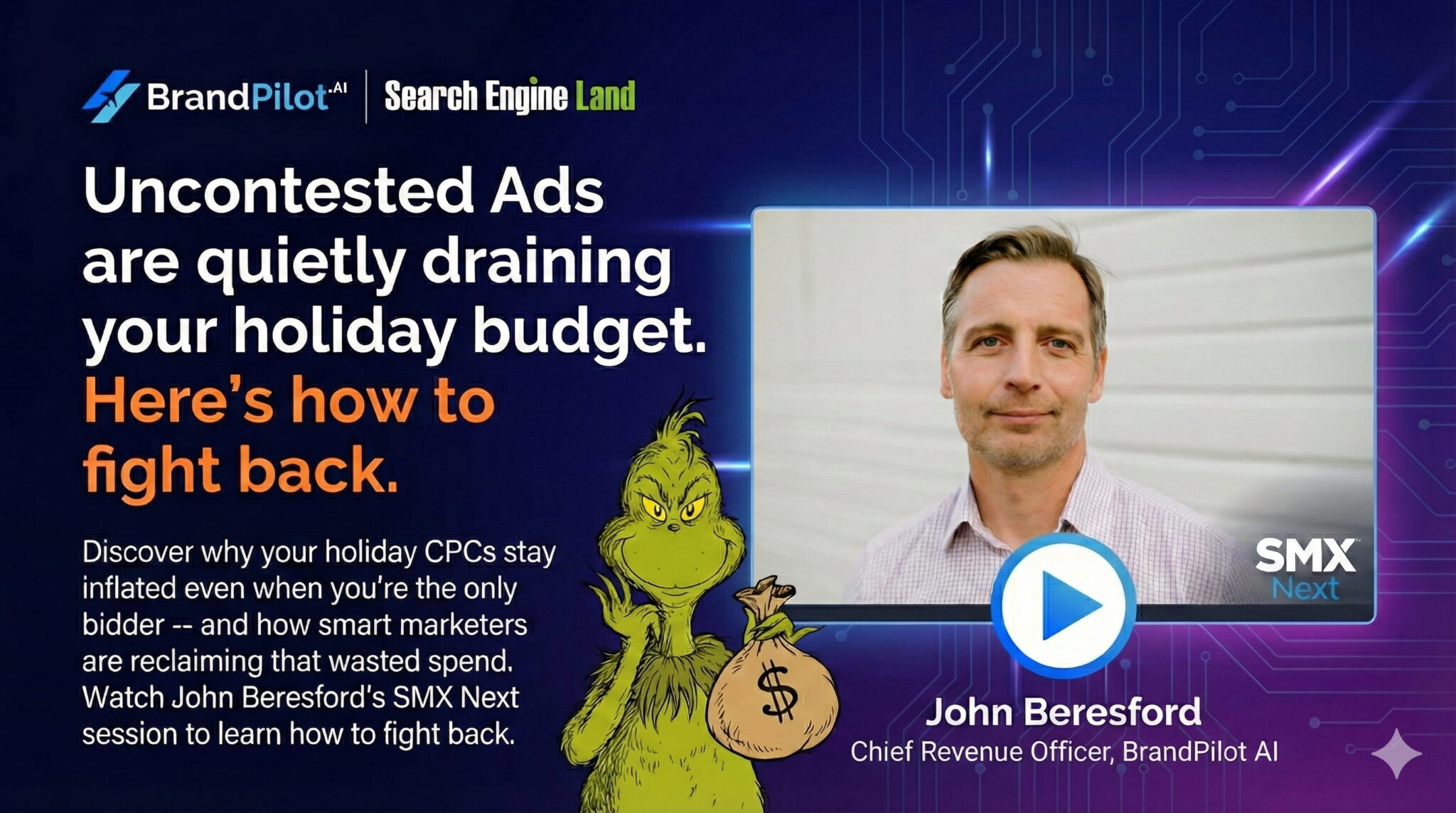
This season, Google Search and Shopping Ads are expected to surge past $70 billion in holiday spending. But there’s a hidden flaw in the auction system — one most advertisers don’t realize is costing them money even when competitors aren’t in the game.
BrandPilot calls this the Uncontested Google Ads Problem, and it’s becoming one of the most overlooked sources of wasted ad spend in peak retail season.
During SMX Next, John Beresford, Chief Revenue Officer at BrandPilot, unpacked how a little-known behavioral quirk in Google’s auction logic can cause advertisers to overspend on their own brand terms, their Shopping placements, and even their category keywords — simply because Google doesn’t automatically reduce your CPC when competition disappears.
Instead of paying less when you’re the only bidder, you may be paying the same high rate you’d pay when rivals are active… without realizing it.
It’s a phenomenon happening thousands of times a day across major brands, and many marketers never notice it’s occurring.
In his session, Beresford discussed:
He also shared examples of how advertisers are reclaiming wasted spend and reinvesting it into growth – without sacrificing impression share, traffic, or revenue.
Watch BrandPilot’s session now (for free, no registration required) to learn how to:
If you’re running Google Search or Shopping campaigns this holiday season, you can’t afford to miss this session. Learn how to stop the Google Grinch from stealing your budget — and start turning those savings into real performance gains.

One of last year's standout gaming stories was the rise of indie hits, proving that while game dev budgets balloon, spectacle matters less than how fun a game is to play.
Yono rewards you to scroll less. Stay under 1 hour on Instagram and TikTok per day -> earn 5 points -> stack points -> redeem them at local spots you actually want to visit. 30 points = free specialty coffee, or two Guinness pints, or dessert. The less you doomscroll, the more you earn. Businesses get free foot traffic—they set their offers, pay nothing, and 76% of users buy extra items and return without promotions. You turn phone addiction into real money: scroll less, earn rewards, support local spots, and afford to go out again.
Real-time screen translator for any game
Visual pattern mapping for adhd & neurodivergent minds
Free AEO analytics with content tools to boost AI rankings
Keep 95% of your revenue.
Automated pre-meeting research in Google Calendar.
Help parents explain the world, one question at a time
Minimalist writing editor with vim mode
Syllaby: Create, Edit, Publish—All in One
Turn websites into APIs
AI-native engineer hiring via real-work simulations
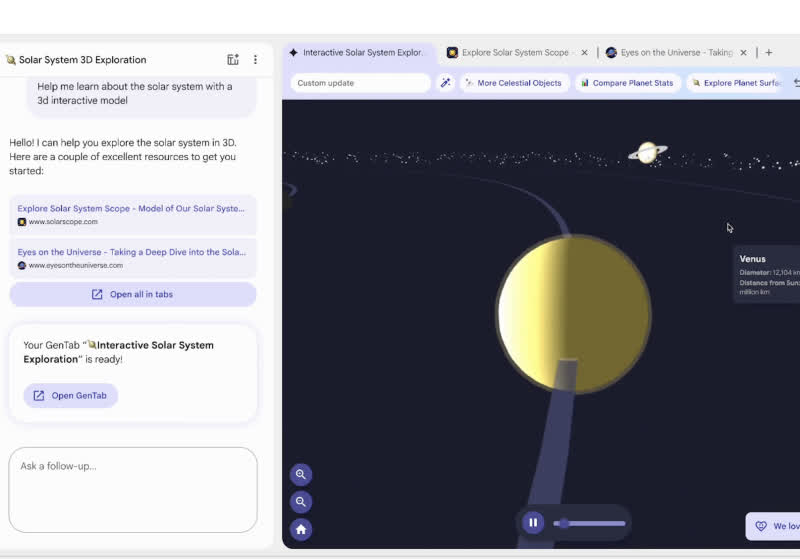
Remix your tabs into custom apps tailored uniquely to you!
Transform voice memos into actionable notes

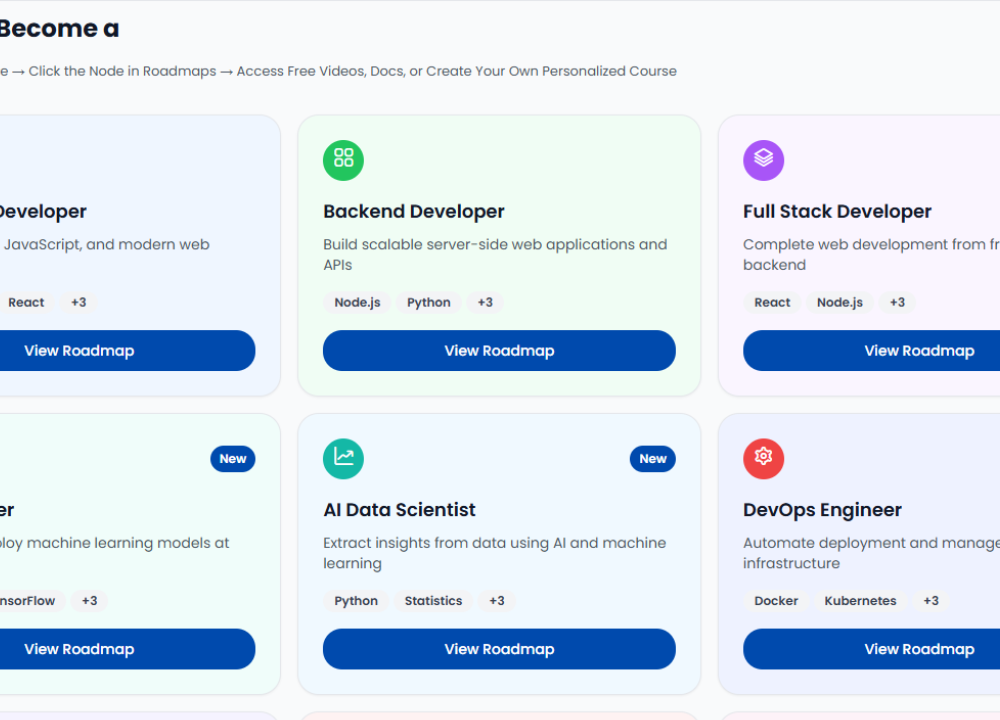
CodersNote is an AI-powered learning platform that personalizes how students and professionals learn programming. It creates customized roadmaps, courses, and projects based on each learner’s goals—whether it’s frontend development, AI, data science, or any other tech career path.
The prebuild roadmaps and 3,000+ free learning resources available on the platform are carefully chosen and designed by 14 industry experts, ensuring learners follow the most relevant and up-to-date path in tech. It also provides real-time guidance, interview preparation, and 24/7 AI support—helping learners build practical skills, stay motivated, and achieve faster career growth in technology.
YouTube's making it easier for creators and brands to maximize their collaborations.
Following the implementation of new restrictions, Australian teens have quickly adjusted.
Nvidia plans FP64 comeback following Blackwell’s disappointing HPC results While Nvidia Blackwell series GPUs have proven highly popular for AI workloads, the supercomputing community is disappointed by their lack of FP64 (double-precision) performance. In fact, Nvidia’s new B300 “Blackwell Ultra” chip practically ignores FP64 with its anaemic 1.2 teraflops of performance. For context, Nvidia’s A100 […]
The post Nvidia plots return to FP64 with next-gen HPC ships appeared first on OC3D.
Meta's looking to improve its data ingestion processes, based on real world conversation.
More ways to stay up to date with the latest info from X.
X's prospects are improving, though it's still well below pre-Elon revenue levels.
TikTok is looking to draw in more live content viewers.
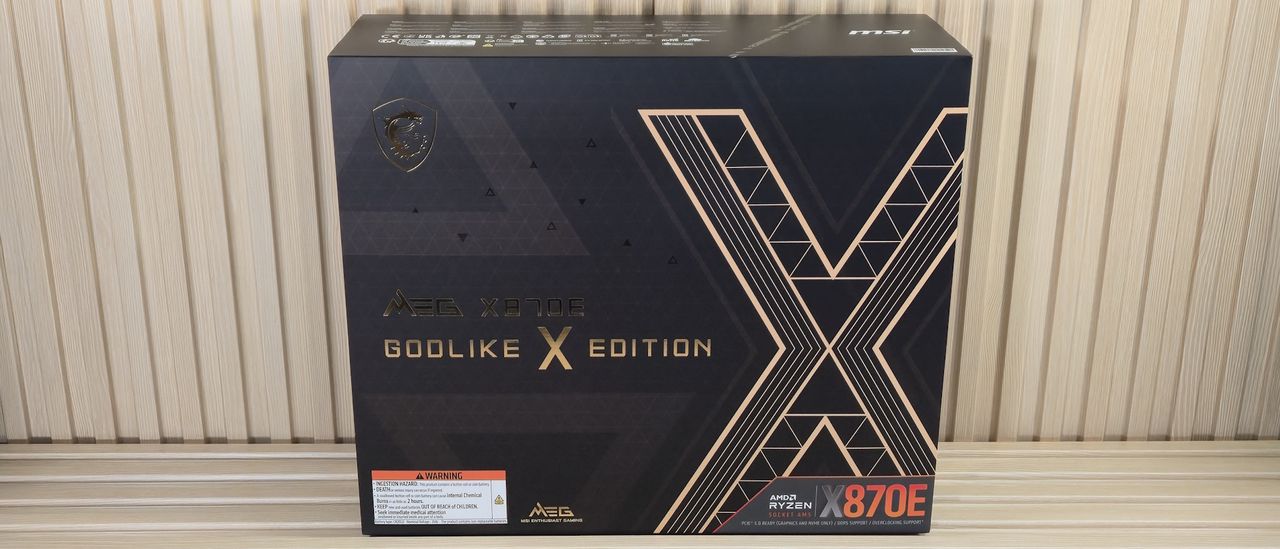
MSI celebrates 10 years of GODLIKE performance with its MEG X870E GODLIKE X Edition motherboard MSI has just launched their new MEG X870E GODLIKE X Edition motherboard, a new AM5 flagship motherboard that’s limited to 1000 units. This motherboard is both a high-end motherboard and a collector’s item, boasting high-end specifications and unique numbering. We’ve […]
The post MSI launches its MEG X870E GODLIKE X Edition motherboard appeared first on OC3D.
GigLegal is dedicated to empowering New York City's independent workforce. We aim to provide affordable, accessible, and easy-to-understand legal tools, ensuring every freelancer can operate with the confidence and security of a large corporation. We believe legal protection should be a standard, accessible tool, not an expensive barrier.
The biggest challenges in freelancing are non-payment and scope creep. GigLegal is designed to solve these problems at their root. We combine legally-sound contracts with a secure escrow service, and create a 'trust protocol' that aligns expectations for both freelancers and their clients from day one.
The post The Future of Code: From Syntax to AI-Guided Vibe Engineering appeared first on StartupHub.ai.
The advent of large language models is fundamentally reshaping the very act of software creation, moving developers from the meticulous crafting of syntax to a more abstract, intent-driven collaboration with artificial intelligence. This profound shift was the central thesis of Kitze, founder of Sizzy, in his recent discourse on the evolution from “vibe coding” to […]
The post The Future of Code: From Syntax to AI-Guided Vibe Engineering appeared first on StartupHub.ai.
The post The Generative AI Threat is Already in Your Browser: Malicious Chrome Extensions Explode in Latest Cyber Scourge appeared first on StartupHub.ai.
The rush to integrate Generative AI into daily workflows has opened a dangerous new front in the cyber security war, one that’s hiding in plain sight: the humble browser extension. New research from Palo Alto Networks security experts, Shresta Seetharam, Mohamed Nabeel, and William Melicher, reveals a disturbing trend of malicious GenAI-themed Chrome extensions being […]
The post The Generative AI Threat is Already in Your Browser: Malicious Chrome Extensions Explode in Latest Cyber Scourge appeared first on StartupHub.ai.
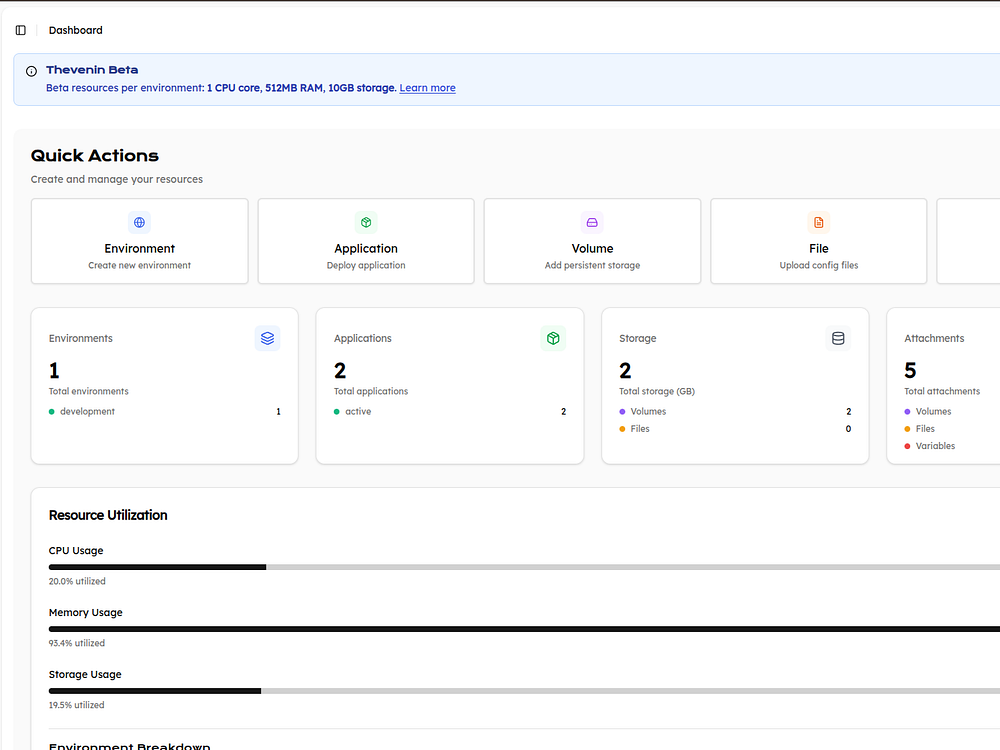
Thevenin is an Internal Development Platform (IDP) designed for organizations that need to build with startup speed while maintaining rigorous enterprise standards regarding governance, security, and data sovereignty.
Developers can easily create docker containers and attach files, variables and even volumes. Organizations can check what has been changed and who did it through version control and limit cloud resource usage by environment.
Upload 100s of product images. Get SEO titles, descriptions & tags automatically. Sync directly to your WooCommerce or Shopify store. Go from photos to profitable listings in minutes.
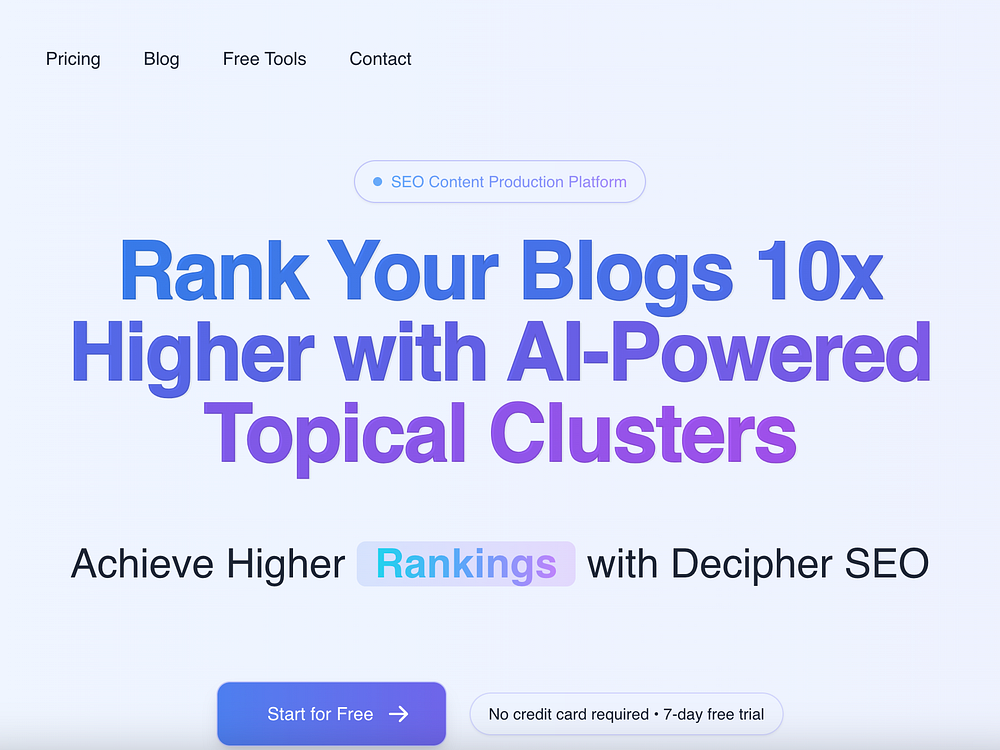
Create Topical Authority via our maps feature, which plans and visualizes your content in a way never seen before. Get Keyword Research on the map directly with out competitor analysis tool, revolutionizing the way keyword research is done. No more second guessing which keywords are actually being used and how.
Let AI agents write & manage your SaaS emails
Open source, webhook-free payments that AI can one-shot
The easiest way to use GitHub Octicons in your Blazor apps
Learn, invent and innovate electronics
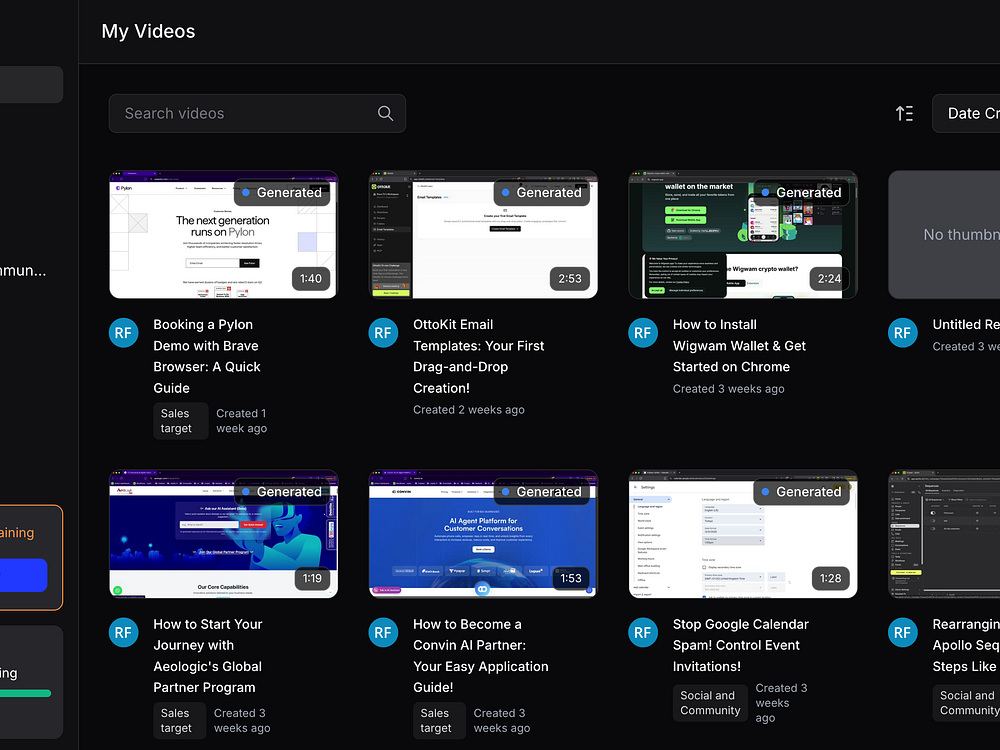
AI-powered video creation for work
The post Intelligence as Parsimony and Self-Consistency: Rethinking AI’s Foundations appeared first on StartupHub.ai.
Professor Yi Ma, a world-renowned expert in deep learning and artificial intelligence, presented a compelling challenge to the prevailing paradigms of AI during his interview on Machine Learning Street Talk. Speaking with the host, Tim Scarfe, Professor Ma systematically dismantled common assumptions about large language models (LLMs) and 3D vision systems, arguing that current successes […]
The post Intelligence as Parsimony and Self-Consistency: Rethinking AI’s Foundations appeared first on StartupHub.ai.
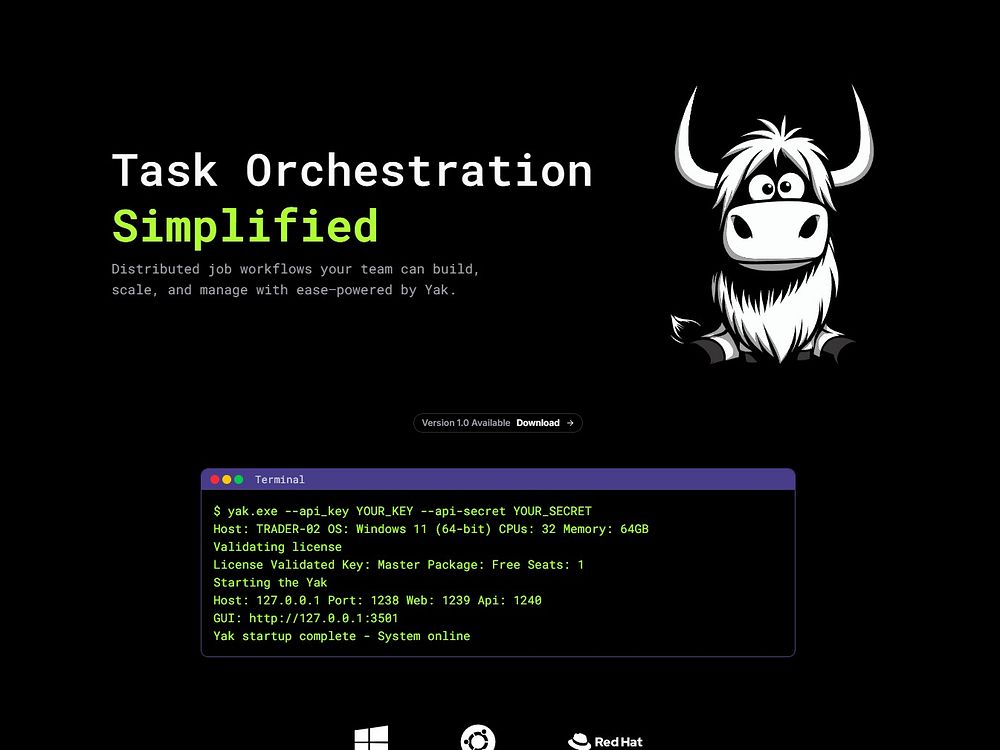
TaskYak makes scheduling background jobs on your infrastructure simple and collaborative. Managing task orchestration can be a heavy lift — the Yak helps carry that load. Unlike Airflow, which can take a degree in DevOps to configure and maintain, TaskYak can be set up in under five minutes, getting your team up and running with clear, team-based workflow management right away.
The post MiniMax M2: An Agentic Model Engineered for Real-World Developer Experience appeared first on StartupHub.ai.
The true measure of an AI model’s utility isn’t just its benchmark scores, but its seamless integration into the messy, dynamic reality of human workflows. This philosophy underpins MiniMax M2, the latest AI model unveiled by Senior Researcher Olive Song at the AI Engineer Code Summit. Song’s presentation highlighted MiniMax’s distinctive approach as both a […]
The post MiniMax M2: An Agentic Model Engineered for Real-World Developer Experience appeared first on StartupHub.ai.
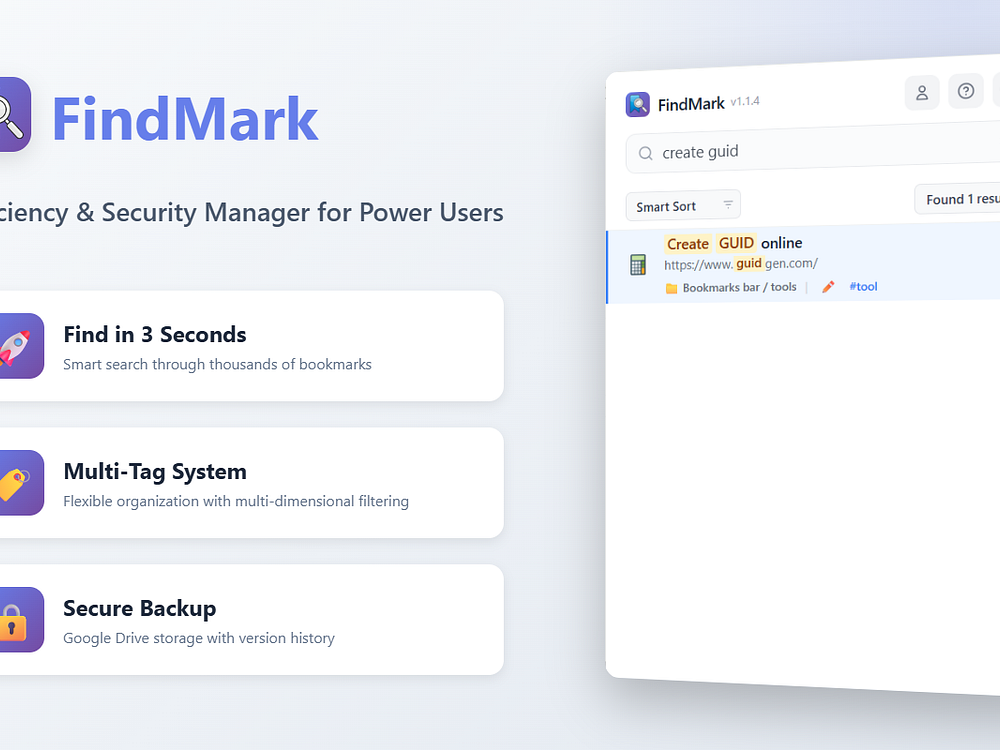
FindMark is a smart bookmark manager that makes it easy to organize and search your saved links. Instead of digging through folders, you can find anything instantly using tags, filters, and powerful search syntax.
It also includes cloud backup, a private space for sensitive bookmarks, and a recycle bin for easy recovery. Designed for Chrome and Edge, FindMark helps you keep your online resources tidy, searchable, and safe — all in one place.
Building a custom liquid cooling distro plate using unusual methods The growing availability of 3D printers, laser cutters and other tools has started an at-home manufacturing revolution. With the proper knowledge, you can now build almost anything. On YouTube, Visual Thinker has put his skills to the test by creating a custom PC liquid cooling […]
The post Modder rethinks PC liquid cooling with 3D printing, silicone, and a laser appeared first on OC3D.


AMD wants to hire engineers with experience with Intel’s PowerVia tech AMD has issued a new job listing for a Physical Design Verification CAD Engineer, and has asked explicitly for candidates who have “knowledge of Power Via”, an Intel technology. This suggests that AMD may make some future chips with Intel silicon inside. PowerVia is […]
The post Why AMD wants engineers with knowledge of Intel silicon appeared first on OC3D.

The post AI Breaks Data Barriers with Text-to-SQL appeared first on StartupHub.ai.
The long-standing chasm between business acumen and technical data querying is finally narrowing, thanks to advancements in artificial intelligence. Michael Dobson, Product Manager at IBM, recently presented on how Large Language Models (LLMs) are powering Text-to-SQL capabilities, fundamentally changing the paradigm of data analytics. His insights revealed how this technology empowers non-technical users to extract […]
The post AI Breaks Data Barriers with Text-to-SQL appeared first on StartupHub.ai.
The post Tinker launches OpenAI API compatibility, challenging vendor lock-in. appeared first on StartupHub.ai.
Tinker is now generally available and introduced an OpenAI API-compatible interface, drastically lowering the switching cost for developers seeking alternatives.
The post Tinker launches OpenAI API compatibility, challenging vendor lock-in. appeared first on StartupHub.ai.
Clevera is an AI-driven platform that transforms raw screen recordings into professional-grade product videos, tutorials, and demos in minutes. Just record your screen using the Clevera macOS app, and our AI automatically removes pauses and misclicks, writes a natural narration script, generates a voiceover, and syncs everything perfectly.
You can customize your video with different tones, voices, and branding options, or instantly translate it into 23 languages. Clevera also supports LiveSync, so any updates you make are instantly reflected everywhere your video is embedded—no re-exports needed.
Chrome's image viewer, but with zoom, pan, and more
Minimal, calm timer for iOS that invites you to focus.
AI turns your health goals into a 7-day menu & grocery list
Remote control your mac from smartphone
Track your sex life privately. Sync with your partner.
AI-powered questions that bring couples closer instantly
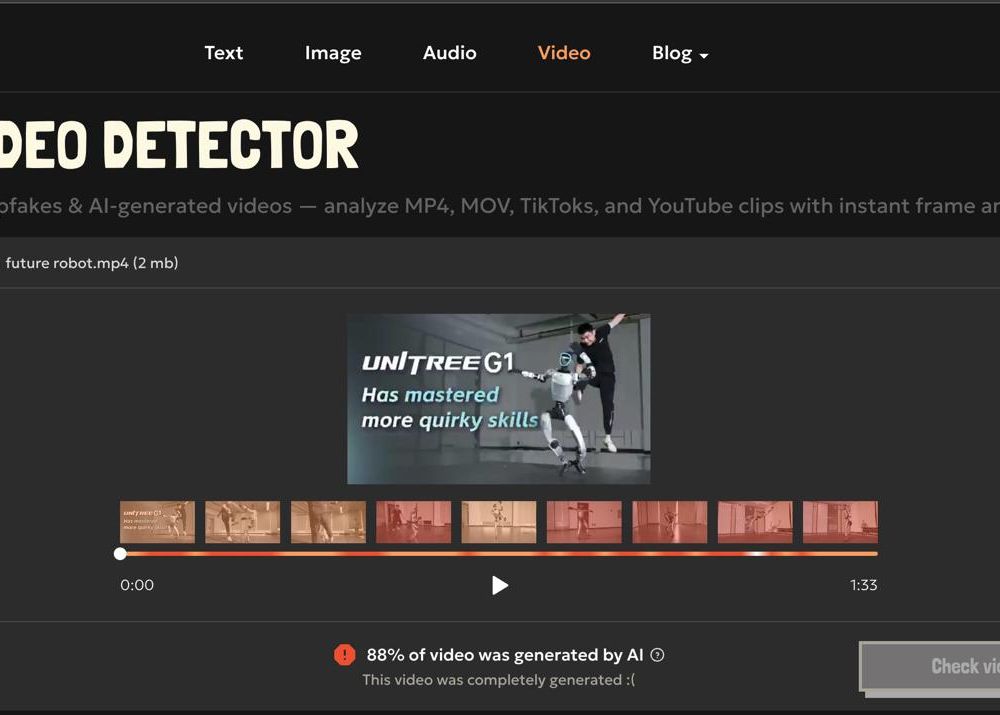
isFake.ai is a tool designed for detecting AI-generated content across different media types, including text, images, audio, and videos. Users can upload files or paste text for immediate analysis. The tool supports various file types and examines characteristics typical of AI creation, such as robotic language, unnatural phrasing, texture inconsistencies in images, and synthetic elements in audio.
After analysis, isFake.ai provides an instant confidence score and explanation of results. It is useful for educators, journalists, developers, and others who need to verify AI-generated content. The platform prioritizes privacy and does not store or share submitted materials.

The post AI Customer Tracking Software Redefines SMB Growth appeared first on StartupHub.ai.
AI customer tracking software is becoming essential for SMBs to unify data, personalize interactions, and automate engagement for sustainable growth.
The post AI Customer Tracking Software Redefines SMB Growth appeared first on StartupHub.ai.
The post Proactive Agents: Shifting from Reactive AI to Intelligent Collaboration appeared first on StartupHub.ai.
The prevalent model of artificial intelligence, where developers constantly manage and prompt AI tools, imposes a significant “mental load” that stifles innovation. This was the central theme articulated by Kath Korevec, Director of Product at Google Labs, during her presentation at the AI Engineer Code Summit. Korevec argued for a paradigm shift towards “proactive agents,” […]
The post Proactive Agents: Shifting from Reactive AI to Intelligent Collaboration appeared first on StartupHub.ai.
The post ADAM Robot Bartender: AI Solves Hospitality’s Labor Gap appeared first on StartupHub.ai.
The ADAM Robot Bartender's deployment in a live arena demonstrates AI's practical application in hospitality, addressing labor gaps and enhancing customer interaction.
The post ADAM Robot Bartender: AI Solves Hospitality’s Labor Gap appeared first on StartupHub.ai.
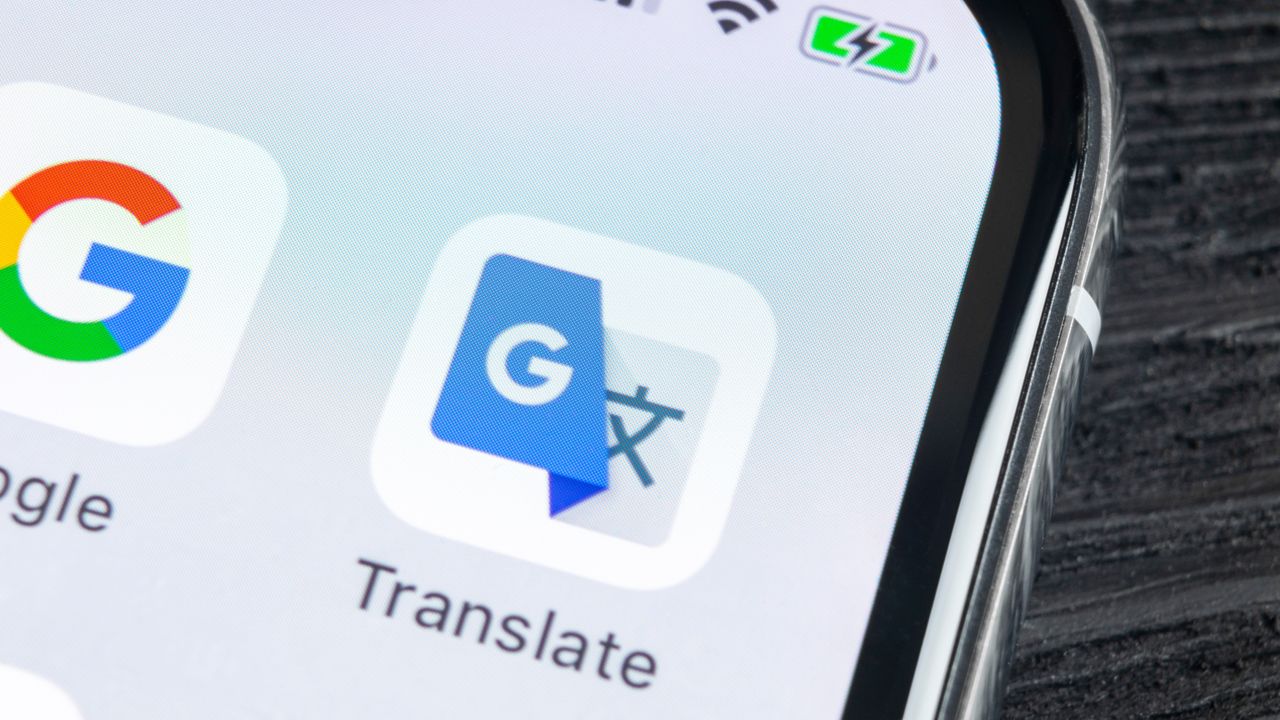
The post Gemini Google Translate Elevates Nuance appeared first on StartupHub.ai.
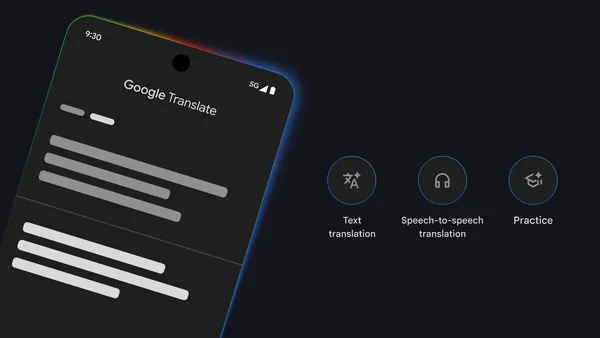
Google Translate now leverages Gemini's advanced AI to provide more natural and contextually aware translations for both text and live speech.
The post Gemini Google Translate Elevates Nuance appeared first on StartupHub.ai.

On episode 334 of PPC Live The Podcast, I speak to Sophie Fell Head of Paid Media at Liberty Marketing Group about a real PPC mistake involving location targeting. The conversation focuses on how small oversights can have big consequences—and how to recover from them professionally.
Sophie accidentally launched a campaign with worldwide location targeting enabled instead of restricting it to the client’s service area. In just a couple of days, the campaign generated around 1,500 leads that looked impressive on paper but were unusable because they came from outside the target locations.
The unusually strong performance initially looked like a win, but it became a red flag. When Sophie reviewed the campaign more closely, she discovered the location setting issue. This highlights an important PPC lesson: results that look too good should always be investigated, not celebrated blindly.
The client spotted the issue around the same time Sophie did, while she was already preparing to flag it. The situation was handled with honesty—acknowledging the mistake, explaining what happened, and fixing it immediately. Transparency helped preserve trust, even though the client was understandably unhappy.
This wasn’t a lack of knowledge—it came down to moving too quickly and relying on assumed checks rather than confirmed ones. Like many experienced practitioners, Sophie thought the setting had already been reviewed. The experience reinforced how dangerous platform defaults can be.
Once corrected, the campaign went on to perform exceptionally well. The client hit their targets six weeks early and exceeded revenue expectations by £3.5 million. The initial mistake didn’t define the outcome—how it was handled did.
Sophie now checks campaign settings multiple times, both before and after launch. She reviews settings whenever performance spikes or dips and never reports results without rechecking fundamentals. The key change is recognising that post-launch reviews often reveal what pre-launch checks miss.
Sophie’s guidance is simple: pause, investigate, and be honest. Check metrics and settings immediately, take responsibility, explain what went wrong, and clearly outline how you’ll prevent it from happening again. Mistakes become serious problems only when they’re mishandled.
Sophie regularly audits accounts that haven’t been updated for years, rely heavily on brand campaigns, or misuse automation like Performance Max. She also sees poor alignment between keywords, ads, and landing pages—fundamentals that still matter, even in AI-driven campaigns.
Many PPC professionals assume industry leaders no longer make mistakes. Sophie challenges that idea. Everyone is still learning, regardless of experience level. Sharing failures helps juniors feel safer, encourages better leadership, and keeps the industry moving forward.
A strong team culture allows for testing, learning, and accountability without fear. Sophie emphasises clear testing frameworks, capped budgets, and open conversations. Teams that claim to be mistake-free rarely innovate.
Platforms change, defaults evolve, and assumptions fail. Whether performance is soaring or struggling, always verify that campaigns are doing what you think they’re doing. You can’t over-check your settings—but you can definitely under-check them.
The post AI Stocks Hit the Brakes as Market Rotates Away from Hyper-Growth appeared first on StartupHub.ai.
Jim Cramer, host of CNBC’s “Mad Money,” delivered a stark assessment of the market’s recent performance, declaring it an “ugly day if you own nothing but AI companies.” This pointed commentary, delivered on his program, highlighted a significant downturn in the tech-heavy Nasdaq, a stark contrast to a “normal, decent day if you own anything […]
The post AI Stocks Hit the Brakes as Market Rotates Away from Hyper-Growth appeared first on StartupHub.ai.
GetCito is the world’s first platform designed to help brands understand and optimize how they appear across AI-generated content and search. As AI becomes the new search layer From ChatGPT to Google AI Overviews. GetCito offers powerful tools to monitor, analyze, and improve your brand’s presence in AI-driven results.
The post AI’s Unprecedented Surge: IP Battles, Strategic Alliances, and the Race for Dominance appeared first on StartupHub.ai.
“Disney is the biggest holder of them all,” Matthew Berman observed, commenting on the entertainment giant’s vast intellectual property portfolio. This singular statement encapsulates the week’s most striking developments in artificial intelligence, as industry titans navigated a landscape of groundbreaking product releases, strategic partnerships, and escalating legal battles over data rights. The dynamic interplay between […]
The post AI’s Unprecedented Surge: IP Battles, Strategic Alliances, and the Race for Dominance appeared first on StartupHub.ai.
The post AI: More Than a Platform, Less Than a Prophecy appeared first on StartupHub.ai.
The current discourse surrounding artificial intelligence oscillates wildly between utopian visions and apocalyptic warnings, often obscuring the practical realities of its development and integration. This tension formed the core of a recent discussion between technology analyst and former a16z partner Benedict Evans and General Partner Erik Torenberg on the a16z podcast, where they dissected the […]
The post AI: More Than a Platform, Less Than a Prophecy appeared first on StartupHub.ai.
The post Oracle’s AI Hurdles Reflect Broader Market Skepticism appeared first on StartupHub.ai.
Deepwater Asset Management Managing Partner Gene Munster recently offered a discerning perspective on the trajectory of Oracle’s stock within the burgeoning artificial intelligence sector, suggesting it will likely underperform its large-cap AI peers by 2026. This assessment, delivered during a “Fast Money” segment on CNBC, delved into the intricacies of investor sentiment, capacity constraints, and […]
The post Oracle’s AI Hurdles Reflect Broader Market Skepticism appeared first on StartupHub.ai.
The post AI’s Frontier: Navigating Safety, Scale, and the Human Element appeared first on StartupHub.ai.
“The biggest risk to AI is not that it will become too intelligent, but that it will become too widespread without adequate safeguards.” This provocative statement, echoing the sentiment of many grappling with the rapid advancement of artificial intelligence, set the stage for a compelling discussion at Forward Future Live on December 12, 2025. The […]
The post AI’s Frontier: Navigating Safety, Scale, and the Human Element appeared first on StartupHub.ai.
Google continues evolution beyond text-first interactions with upgrades to Search Live Gemini model, possibly complicating SEO.
The post Google Updates Search Live With Gemini Model Upgrade appeared first on Search Engine Journal.
The post AI Repricing: A Global Productivity Revolution, Not Just a Tech Trade appeared first on StartupHub.ai.
The ongoing repricing of artificial intelligence within market valuations is not merely a transient market correction but a profound recalibration reflecting both immediate logistical hurdles and the vast, long-term potential of a global productivity revolution. This was the central thesis presented by Jose Rasco, HSBC’s Global Private Banking & Wealth Americas CIO, who recently engaged […]
The post AI Repricing: A Global Productivity Revolution, Not Just a Tech Trade appeared first on StartupHub.ai.
The post AI Buildout Promises Face Investor Scrutiny appeared first on StartupHub.ai.
The prevailing sentiment in the market regarding the artificial intelligence boom, as articulated by Big Technology founder Alex Kantrowitz, is one of acute “AI anxiety.” This apprehension stems not from a lack of belief in AI’s transformative power, but from the immense scale of infrastructure buildout promised and the precariousness of delivering on those commitments. […]
The post AI Buildout Promises Face Investor Scrutiny appeared first on StartupHub.ai.
The post Roadrunner’s AI-Native Ambition to Fix Enterprise Quoting appeared first on StartupHub.ai.
The labyrinthine world of enterprise sales, long burdened by archaic software and cumbersome processes, is ripe for disruption by artificial intelligence. This is the core thesis driving Joubin Mirzadegan, Kleiner Perkins’ latest entrepreneurial force, as he embarks on his new venture, Roadrunner. In a recent interview with Swyx on the Latent Space podcast, Mirzadegan peeled […]
The post Roadrunner’s AI-Native Ambition to Fix Enterprise Quoting appeared first on StartupHub.ai.
The post Trump’s AI Order: Speed Gambit in Geopolitical Tech Race appeared first on StartupHub.ai.
President Trump’s AI executive order, aimed at accelerating American innovation by prioritizing speed over safety in artificial intelligence development, represents a bold and potentially risky strategic pivot in the global AI race. CNBC’s Deirdre Bosa, reporting on the implications of this order, highlighted the administration’s stated rationale: to prevent U.S. companies from being “bogged down […]
The post Trump’s AI Order: Speed Gambit in Geopolitical Tech Race appeared first on StartupHub.ai.

UK doctor and YouTuber Dr. Ed Hope said Google’s AI falsely claimed he was suspended by the General Medical Council earlier this year for selling sick notes. Hope called the allegation completely made up and warned that it could seriously damage his career.
Google’s AI generated a detailed narrative accusing Hope of professional misconduct, despite no investigations, complaints, or sanctions in his 10-year medical career, he said in a new video.
Why we care. Google’s AI-generated answers appear to now be presenting false, career-damaging claims about real people as fact. That raises serious questions about defamation, accountability, and whether AI-generated statements fall outside Section 230 protections.
What Google’s AI said: Hope shared screenshots of Google’s AI stating that he:
‘None of this is true.’ Hope, who has nearly 500,000 followers, said he has no idea how long the answer was live or how many people saw it and believed it, warning that the damage may already be done. After discovering the AI Overview, he replicated the hallucination and found more false claims, including accusations that he misled insurers and stole content.
How did this happen? Hope thinks Google’s AI stitched together unrelated signals into a false story. The AI conflated identities and events, then presented the result as factual history, he said:
Why this is more from “just a mistake.” The AI didn’t hedge, speculate, or ask questions, Hope said. It asserted false claims as settled fact. Hope said that matters because:
The big legal question. Is Google’s AI committing defamation? Or is Google protected by Section 230, which typically shields platforms from liability for third-party content? Courts may ultimately decide. For now, some legal experts have argued that:
Resolved? Searching for [what happened to dr. ed hope sick notes] showed this Google AI Overview:
Dr. Ed Hope (of the “Dr. Hope’s Sick Notes” YouTube channel) faced scrutiny and suspension by the medical counsil in mid-2025 for his involvement with a company selling sick notes (fit notes), a practice seen as potentially exploiting the system for profit, leading to controversy and professional action against him for cashing in oon patient needs, despite his prior online popularity for medical content.
What happened:
- Suspension: In June 2025, Dr. Ed Hope was suspended by the medical council (likely the GMC in the UK).
- Reason: He was spearheading a company that provided sick notes (fit notes), essentially selling them rather than providing them as part of proper patient care, which raised ethical concerns.
- Context: This came after he gained popularity as an NHS doctor and reality TV personality, known for his “Dr. Hope’s Sick Notes” channel where he’d break down medical scenes in media.
The Controversy:
- Criticals argued that he was profiting from people’s health issues by faciliting quick, potentially unwarranted, sick notes, undermining the healthcare system.
- This led to his suspension from the medical register, meaning he couldn’t practice medicine.
In essence, Dr. Ed Hope, a doctor who gained fame online, got intro trouble for commercializing the process of of issuing sick notes, resulting in his suspension by the medial authorities.
Searching for [what happened to dr. ed hope sick notes] now shows a different answer (at least for me):
“Dr. Ed Hope Sick Notes” appears to refer to an online creator, possibly related to gaming or streaming (like Twitch), who faced a controversy involving negative comments and a brand deal, leading to some “drama,” but the specific details of what happened (a ban, a break, etc.) aren’t fully clear from the search snippets, though a YouTube video suggests a reconciliation or a resolution after the “drama”. The name also sounds like it could relate to the medical soap opera Doctors, but that show was canceled in 2024, not by an “Ed Hope” character.
Here’s a breakdown of possibilities:
- Online Creator: A YouTube video titled “Making Up With Dr. Ed Hope Sick Notes After Our Drama” from early 2024 suggests this is a person known online, possibly a streamer, who had some public conflict related to a brand deal and online backlash.
- Fictional Character: While it sounds like a character name, the major medical drama Doctors ended, so it’s likely not a current, major plotline from that show, notes Deadline.
To find out exactly what happened, you might need to search for “Dr. Ed Hope Sick Notes drama” or look for their social media (Twitch, YouTube) to see recent posts.
The video. “SUSPENDED” as a DOCTOR – Thanks Google!


Looking to take the next step in your search marketing career?
Below, you will find the latest SEO, PPC, and digital marketing jobs at brands and agencies. We also include positions from previous weeks that are still open.
(Provided to Search Engine Land by SEOjobs.com)
(Provided to Search Engine Land by PPCjobs.com)
Sr. Performance Marketing Manager, RobertHalf (Hybrid, Miami, FL)
Senior PPC Manager / Lead Gen Onward Search (Onsite Los Angeles, CA)
Director, Paid Search, Omnicom Media Group (Hybrid, New York City Metropolitan Area)
Senior PPC Manager / Lead Gen (on-site, downtown LA, direct hire), Onward Search (Los Angeles, CA)
Senior Manager, SEO, Kennison & Associates (Hybrid, Boston, MA)
Lead Generation Manager, Mondo (Hybrid, Charlotte, NC)
Search Engine Optimization Manager, NoGood (Remote)
Search Engine Optimization Manager, Pump.co (San Francisco)
Senior Content Manager, TrustedTech (Irvine, CA)
Senior Growth Product Manager, Reku (Remote)
Note: We update this post weekly. So make sure to bookmark this page and check back.
Can We Talk is a guided digital journal designed to help couples communicate more clearly and compassionately. Through a structured five-phase flow (Talk → Reflect → Respond → Continue → Check In) both partners get the space to share openly, process privately, and hopefully connect through communication.
The post China’s Open-Weight AI Ascendancy and the US Regulatory Challenge appeared first on StartupHub.ai.
The global AI landscape is witnessing a significant shift, with China now leading in the development of open-weight artificial intelligence models. This revelation, highlighted by Alex Stamos, Chief Product Officer at Corridor and former Facebook Chief Security Officer, during a recent interview on CNBC’s ‘The Exchange,’ underscores a critical competitive dynamic and raises pressing questions […]
The post China’s Open-Weight AI Ascendancy and the US Regulatory Challenge appeared first on StartupHub.ai.
The post Moonlake AI unveils a Generative Game Engine built for control appeared first on StartupHub.ai.
Moonlake AI claims its new Generative Game Engine solves the critical problem of world persistence and control in real-time interactive content.
The post Moonlake AI unveils a Generative Game Engine built for control appeared first on StartupHub.ai.
The post Oracle Reaffirms OpenAI Partnership Amidst Market Jitters appeared first on StartupHub.ai.
In a swift response to market unease and a significant stock slide, Oracle issued a definitive statement through spokesperson Michael Egbert, refuting earlier reports of delays in its critical data center development for OpenAI. CNBC’s Seema Mody reported on the breaking news, detailing how Oracle’s direct communication aimed to stabilize investor confidence, emphasizing that all […]
The post Oracle Reaffirms OpenAI Partnership Amidst Market Jitters appeared first on StartupHub.ai.
The post Tim Seymour: Investors should not ‘run out the door’ on AI stocks yet appeared first on StartupHub.ai.
Seymour’s core argument posits that the recent dip in AI-related tech stocks, while perhaps “painful” in the short term, is a natural consequence of a significant run-up and a desirable market rotation. He highlighted the “massive move” seen in semiconductors and related AI plays, noting that many of these stocks have been at all-time highs. […]
The post Tim Seymour: Investors should not ‘run out the door’ on AI stocks yet appeared first on StartupHub.ai.
The post Oracle’s Data Center Delay Ignites AI Market Jitters appeared first on StartupHub.ai.
“Anything that calls into question the pace of the buildout or the return on the investment is going to make this market skittish,” remarked Scott Wapner of CNBC, succinctly capturing the prevailing sentiment as news broke of Oracle’s delayed data center rollout for OpenAI. The Investment Committee, comprising Steve Weiss, Brenda Vingiello, and Jim Lebenthal, […]
The post Oracle’s Data Center Delay Ignites AI Market Jitters appeared first on StartupHub.ai.
The post National AI Standard vs. State Patchwork: A Looming Regulatory Showdown appeared first on StartupHub.ai.
“We are in an existential battle for leadership in the world in AI. If you believe the stakes are as high as I do, we have to have an innovation policy, a national posture that’s going to allow us to maintain the lead.” This stark assessment by Senator Dave McCormick encapsulates the urgency driving the […]
The post National AI Standard vs. State Patchwork: A Looming Regulatory Showdown appeared first on StartupHub.ai.

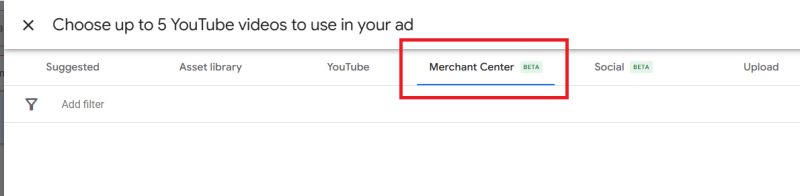
Google is rolling out a new Performance Max beta that lets advertisers pull video assets directly from Merchant Center — a small tweak with big implications for retail and e-commerce.
How it works. Google Ads will now:

Why we care. This update removes a friction point in PMax: getting high-quality, product-relevant video into campaigns. By auto-pulling videos from Merchant Center, Google is tightening the link between inventory and creative, which typically translates to higher relevance, stronger engagement, and better performance.
For brands with large SKU counts, this dramatically speeds up workflow and ensures video coverage at scale — something that was previously difficult and resource-heavy to achieve.
The big picture. Google has been rapidly expanding PMax’s creative pipeline — from social video imports to this new Merchant Center integration — signaling a broader push to make PMax more plug-and-play for commerce-heavy advertisers.
First seen. This update was first spotted by senior performance marketing executive, Rakshit Shetty who shared his view of the option on LinkedIn.
The bottom line. A subtle update, but a meaningful win for brands running eCommerce at scale.
Intel’s “thrilled” that people are “pumped” about their ARC B770 GPU It looks like Intel Gaming has made a slip-up on Twitter/X, posting about their long-rumoured ARC B770 graphics card. In response to a user, Intel Gaming says that it is “thrilled” that the user is “pumped” about its ARC B770 graphics card. The problem […]
The post Big Battlemage incoming? – Intel posts about its ARC B770 GPU appeared first on OC3D.

The post US Favors AI Speed Over Safety, China Leads on Regulation appeared first on StartupHub.ai.
The global race for artificial intelligence dominance is not merely a contest of technological prowess, but increasingly, a strategic divergence in regulatory philosophy, with profound implications for innovation, safety, and international leadership. On a recent segment of CNBC’s ‘Money Movers,’ TechCheck Anchor Deirdre Bosa reported on President Trump’s executive order concerning artificial intelligence, engaging in […]
The post US Favors AI Speed Over Safety, China Leads on Regulation appeared first on StartupHub.ai.
The post Agile Is Dead for AI: A New Operating Model for Software Development appeared first on StartupHub.ai.
Most enterprises, despite significant investment, are failing to capture substantial value from artificial intelligence in software development. This stark reality, illuminated by Martin Harrysson and Natasha Maniar of McKinsey & Company, underscores a critical disconnect: the prevailing operating models and ways of working, honed over a decade of Agile methodologies, are fundamentally unsuited for the […]
The post Agile Is Dead for AI: A New Operating Model for Software Development appeared first on StartupHub.ai.
We’re bringing Gemini’s state-of-the-art translation model to Google Translate for text, and more new features.
An upgraded Gemini 2.5 Native Audio model across Google products and live speech translation in the Google Translate app. Upcoming Intel Ultra 9 and Ultra 7 CPUs listed at retailer as “in stock” Two upcoming Intel Core Ultra desktop CPUs have been listed by a retailer, which has provided the CPU names alongside detailed specifications. Prime ABGB has listed Intel’s upcoming Core Ultra 9 290K PLUS and Core Ultra 7 270K PLUS CPUs. Both […]
The post Retailer lists new Intel Core Ultra desktop CPUs appeared first on OC3D.

Microsoft analyzed 37.5 million Copilot chats and found differences in how people use the assistant on mobile versus desktop.
The post How People Use Copilot Depends On Device, Microsoft Says appeared first on Search Engine Journal.
The post Oracle-OpenAI Data Center Delays Signal AI Infrastructure Bottlenecks appeared first on StartupHub.ai.
The ambitious timeline for AI infrastructure build-out is encountering tangible friction, as evidenced by recent reports indicating a delay in some Oracle data centers designated for OpenAI. This development underscores the immense logistical and resource challenges inherent in scaling the computational backbone necessary for advanced artificial intelligence, a reality that reverberates across the tech landscape […]
The post Oracle-OpenAI Data Center Delays Signal AI Infrastructure Bottlenecks appeared first on StartupHub.ai.
The post Trump’s AI Executive Order: A Federal Gambit Against State Fragmentation appeared first on StartupHub.ai.
The recent executive order from the Trump administration on Artificial Intelligence signals a decisive federal move to consolidate regulatory authority, challenging the burgeoning patchwork of state-level AI legislation. This initiative, unveiled against the backdrop of an intensifying global AI race, particularly with China, aims to streamline innovation while establishing a national framework for the technology. […]
The post Trump’s AI Executive Order: A Federal Gambit Against State Fragmentation appeared first on StartupHub.ai.
The post Hard Won Lessons from Building Effective AI Coding Agents – Nik Pash, Cline appeared first on StartupHub.ai.
“Most of what’s written about AI agents sounds great in theory — until you try to make them work in production.” This blunt assessment, delivered by Nik Pash, Head of AI at Cline, cuts through the prevailing optimism surrounding AI coding agents. Pash spoke with a representative from the AI industry, likely an interviewer or […]
The post Hard Won Lessons from Building Effective AI Coding Agents – Nik Pash, Cline appeared first on StartupHub.ai.

After more than 15 years in enterprise SEO across six major corporations, I’ve seen more careers derailed by internal politics than by Google updates.
Many SEOs moving from agency to in-house assume that staying current with algorithms and improving rankings will be enough.
In reality, the harder work is navigating the organization and the people within it.
Agency life rewards deliverables and reports. Corporate life runs on relationships, repeatable processes, the right platforms, and visible performance – all carrying equal weight with technical skill.
The following lessons reflect where SEOs can grow, avoid common pitfalls, and build sustainable careers inside complex enterprises.
Landing an SEO role in the corporate world today is less about chasing postings and more about positioning yourself as the obvious choice before you ever apply.
Hiring teams look for someone who connects well, presents a clear professional narrative, and shows measurable impact.
Most resumes submitted through job portals get filtered out by automated systems before a recruiter ever sees them.
Job boards like LinkedIn can be research tools.
When you find a role that fits, look for someone inside the company who can refer you – internal referrals dramatically increase your chances of an interview.
If you’re early in your career, build relationships long before you need them.
Find mentors through ADPList, attend local meetups, and join SEO and AI workshops or virtual conferences.
These touchpoints often matter more than submitting formal applications. In today’s market, your network is your application.
You’re an SEO – use the same skills you apply to websites on your own professional presence.
Start by choosing two “primary keywords” for your career: a job title and an industry.
If you already have experience in a specific vertical, lean into it.
If you don’t, pick an industry you genuinely understand or care about so you can speak to its audience and problems with credibility.
Use LinkedIn as a search engine. Include your soft skills, technical strengths, marketing competencies, and the industry terms hiring managers are scanning for.
Keep unrelated hobbies off your profile unless they support the roles you want.
If you wouldn’t include “yoga enthusiast” on a landing page targeting enterprise SaaS buyers, it shouldn’t be on your LinkedIn unless your goal is to work for a yoga brand.
And learn to talk about yourself clearly. Many SEOs are introverted or default to giving full credit to the team. That’s admirable in the workplace, but interviews require precision about what you led, influenced, or delivered. You can stay humble while still being direct.
Make sure all your touchpoints – resume, LinkedIn, portfolio, GitHub if relevant, personal site – align.
Recruiters and hiring managers will check multiple sources.
Consistency helps them see your strengths quickly and positions you as someone who understands how to present a unified brand.
Resumes today need to be concise, scannable, and impact-driven.
One page is ideal unless you have 10+ years of experience or leadership roles that warrant a second page.
Lead with outcomes instead of responsibilities:
Use action verbs that convey ownership – led, optimized, increased, launched – and tailor each bullet to the role you’re applying for.
Hiring managers want to see how your experience connects to their specific challenges, whether that’s:
List the tools that matter for enterprise SEO, but keep the list purposeful.
A handful of relevant platforms – Google Search Console, Screaming Frog, Semrush, Botify, BrightEdge – shows breadth without turning your resume into an acronym block.
Your summary should point forward. Highlight your:
Make it clear that you think beyond rankings – that you understand SEO’s role in product, content, and business outcomes.
Formatting still matters. Use white space, short bullets, and metric-first phrasing so your biggest wins stand out instantly.
Save the file as your full name. Little details help you look polished in a crowded field.
Leave out:
To build a long-term career in SEO, you have to become a student of how everything connects.
Search isn’t just algorithms or rankings – it’s the intersection of people, technology, and business.
You don’t need to master every discipline, but you do need to understand how they influence one another:
For instance:
You move from executor to strategist when you connect these pillars. That’s when SEO becomes more than optimization – it becomes influence.
Dig deeper: Enterprise SEO is built to bleed – Here’s how to build it right
A career isn’t shaped only by what you know – it’s shaped by how you grow.
In corporate SEO, growth comes from navigating people, priorities, and pace as much as mastering algorithms.
These lessons reflect the choices that determine whether your career moves forward or stalls:
Growth often happens when you change environments, not when you stay in one too long.
After a few years in the same company, it’s easy to get typecast as “the SEO person” instead of a strategic partner.
Organizations anchor you to the role they hired you for, even as your skills expand.
Moving every one to three years exposes you to new leadership styles, challenges, and technologies – all of which sharpen your instincts and broaden your range.
For SEOs, each transition teaches you what actually drives growth and how to earn credibility quickly by aligning teams and delivering impact.
Not every meeting needs your voice.
Early in my career, I believed credibility came from speaking first and often. I later learned that listening is one of the strongest leadership skills.
It reveals what drives decisions, who holds influence, and where priorities truly sit.
For SEOs, understanding the room before jumping in often leads to sharper, more relevant recommendations – and they’re harder for stakeholders to dismiss because you’re grounding them in what the team already values.
The opposite of constant talking isn’t silence – it’s strategy.
Knowing when to speak is an underrated professional skill, especially in large organizations where timing and tone matter as much as insight.
A well-placed comment that bridges teams, clarifies a decision, or protects performance can shift the entire conversation.
Speak with intention, not frequency, and your influence will grow even when your airtime doesn’t.
Results only matter if the right people see them.
Many SEOs assume that hard work will naturally lead to recognition, but visibility is a skill.
Frame your wins in terms leaders care about – revenue impact, efficiency gains, customer experience improvements.
Bring them to leadership reviews, all-hands meetings, and retrospectives so others understand how SEO supports bigger goals.
Build relationships with people who can advocate for you when opportunities arise. Influence isn’t just about execution – it’s about making your impact legible and memorable.
Keep a running log of your work, conversations, and metrics.
I block time every Friday to summarize the week across three areas: meeting outcomes, task updates, and wins.
Some managers want these updates – others don’t.
Either way, they help you track progress and build a record you can reference later.
Tools can help – I’ve used GitHub Issues, simple .txt files, and, more recently, a Chat Agent that compiles my notes into summaries.
These logs save hours when someone asks about a past decision or when you’re updating your resume for a job search.
Whether you share them or keep them for yourself, they create clarity and evidence of your contributions over time.
Meetings can quickly overtake your day.
The most effective SEOs protect time for analysis, writing, and strategic thinking – the work that actually moves projects forward.
Block dedicated focus time, decline meetings where your presence isn’t essential, and suggest asynchronous updates when appropriate.
Protecting your time isn’t selfish. It prevents burnout and keeps you delivering work that matters.
It’s natural to reference past employers, but constant comparison can make you seem resistant to new ideas or unaware of context.
Every organization has its own culture, pace, and priorities.
Share relevant frameworks when they help, but adapt to the environment you’re in.
Your credibility grows when you focus on what works here – not on what worked there.
Dig deeper: The top 5 strategic SEO mistakes enterprises make (and how to avoid them)
No SEO operates in isolation.
In enterprise environments, success depends on engineers who make optimizations possible, analysts who surface insights, and product managers who balance priorities.
Navigating these relationships requires empathy, patience, and strategy.
Often, your ability to guide discussions, document decisions, and build trust matters more than technical skill.
When you collaborate with intention, SEO becomes less about convincing others to care and more about creating shared ownership of the outcome.
Some of the most effective leadership moments come from asking the right questions rather than supplying the answer.
Many of my biggest wins happened when I helped stakeholders arrive at the solution themselves.
When people believe they’ve discovered the path forward, they take greater ownership and champion the outcome.
This is especially powerful in SEO, where teams may be hesitant to adopt recommendations.
Asking questions shifts conversations from resistance to curiosity and reframes SEO as a shared opportunity instead of an external directive.
Influence grows when collaboration feels like discovery, not pressure.
In large organizations, memory fades quickly.
Document ideas, decisions, experiments, and notable conversations so you have a clear record when questions resurface months later.
Documentation turns “I think” into “I know,” strengthening your credibility and protecting your work.
Whether you keep notes in shared documents, project tools, or automation-assisted summaries, the goal is the same – create a defensible trail of how decisions were made and what impact followed.
When leadership asks about traffic shifts or delayed recommendations, your written history becomes both insight and insurance.
Collaboration matters, but discernment protects your momentum.
Not everyone who agrees in a meeting is invested in follow-through.
Politics, shifting priorities, or competing metrics often influence behavior more than logic.
Learn who reliably delivers and who disappears when accountability is needed.
For SEOs, true allies in engineering, product, or analytics can make or break execution.
Align with those who follow through and stay cautious around those who view SEO as competition.
Protect your credibility by choosing collaboration with intention, not assumption.
The engineers, analysts, IT admins, and product managers beside you often carry projects across the finish line.
Early in my career, I made the mistake of treating these partners as support rather than as collaborators. Their expertise is what turns strategy into action.
Treat them as equals who share ownership of outcomes. Involve them early, respect their constraints, and acknowledge their contributions.
When partners feel valued, they become advocates – raising SEO needs in rooms you may not be in.
The strongest SEO wins aren’t solo efforts; they come from relationships built on mutual respect and shared momentum.
Dig deeper: The design thinking approach to enterprise SEO
Sustaining a long-term SEO career requires more than technical skill – it requires balance, boundaries, and emotional resilience.
Constant algorithm changes, shifting priorities, and cross-team dependencies can drain you if you don’t protect your energy.
Mental well-being isn’t a luxury – it’s a strategy for longevity.
When you manage your mindset with the same discipline you apply to a site audit, you gain clarity, patience, and perspective – all qualities that make you more effective.
Early in my career, I worried rankings would collapse the moment I took time off.
They never did – but my judgment did when exhaustion set in.
Burnout distorts perspective, makes you reactive to data, and limits strategic thinking.
Rest isn’t indulgence, it’s maintenance.
Search is a long game measured in quarters, not days.
A week offline is recoverable. Burnout is not.
Protect your energy with the same discipline you protect a site’s uptime.
Much of SEO happens behind the scenes, and visibility doesn’t always follow impact. When someone praises your work, save it.
Short notes from peers, partners, or managers become valuable artifacts during promotion cycles or job searches.
Collecting this feedback isn’t about ego – it’s about building equity and giving yourself a factual record of how you support the business.
Every team has someone whose burnout becomes contagious. Don’t become that person.
Positivity doesn’t mean ignoring problems – it means creating space for solutions.
I once put a direct report on a performance improvement plan after his frustration began affecting morale.
After delivering the notice, I took him to lunch for an honest, empathetic conversation. That moment shifted everything.
His attitude improved, he worked his way off the PIP, and he later became a director at another company.
Compassion doesn’t replace accountability, but it makes growth possible. Leadership is as much about tone as it is about tactics.
In corporate life, meetings multiply faster than progress. Dependencies shift.
Priorities change without warning. Build a cushion into your timelines. If you think something will take a week, plan for 10 days.
For SEOs, many delays sit outside your control – engineering queues, content operations bottlenecks, competing releases.
A buffer protects your credibility and keeps expectations grounded. Underpromise and overdeliver isn’t cliché – it’s survival.
Leadership skepticism about SEO is rarely personal. It’s usually about budgets, bandwidth, or competing bets.
Early in my career, I saw every pushback as a critique of my competence.
Over time, I learned it was part of the negotiation process.
When an initiative is deprioritized, it doesn’t mean your expertise has lost value – it means resources moved elsewhere.
Anchor conversations in business impact, not identity. Influence lasts longer when driven by logic rather than frustration.
There was a time when I wasted energy debating SEO theories or venting about internal politics.
It felt good in the moment but changed nothing. My credibility grew the day I stopped trying to win arguments and started aiming for outcomes.
When disagreements arise, document your position, present the data clearly, and move on.
Rising above gossip doesn’t mean disengagement – it means choosing professionalism over noise.
SEO isn’t emergency medicine, though corporate urgency can make it feel that way.
Most “crises” come from impatience with the slow, cumulative nature of search. Daily fluctuations rarely matter when the trendline is healthy.
Remind stakeholders – and yourself – that meaningful growth takes time.
When pressure for overnight results rises, stay grounded. The long game always wins.
Work can challenge and fulfill you, but it shouldn’t define you.
The most effective professionals invest in relationships and interests outside the company.
Detaching your identity from your job doesn’t weaken your ambition – it stabilizes it.
When your sense of worth isn’t tied to the next quarterly metric, you lead with more confidence and less fear.
Success becomes sustainable when life stays bigger than work.
Dig deeper: SEO’s future isn’t content. It’s governance
Fifteen years in corporate SEO have taught me that technical skill is only half the job.
The other half is navigating people, priorities, and perspective.
Algorithms will evolve, tools will change, and org charts will shift, but your ability to adapt, communicate, and lead determines how far you go.
Success in SEO isn’t about chasing every update or proving you’re the smartest person in the room.
It’s about building trust, creating clarity, and sustaining momentum through both wins and setbacks.
The most impactful SEOs aren’t just tacticians.
They’re translators, connecting data to business strategy, ideas to execution, and people to purpose.
When you recognize that your influence extends beyond rankings, you move from contributor to catalyst.
SEO may begin with optimization, but the real work is shaping how organizations think, act, and grow. That’s the craft worth mastering.

Control Resonant is coming to PC and consoles in 2026 Remedy has just unveiled Control Resonant, their upcoming sequel to 2019’s Control. The game is coming to PC and consoles in 2026, following Dylan Faden, the brother of Control’s protagonist Jessie Faden. Unlike Control, Control Resonant will be a hack-and-slash game, with Dylan Faden’s weapon […]
The post Control is getting a sequel, and it’s a hack and slash! appeared first on OC3D.
Epic Games Store is giving away Hogwarts Legacy for a limited time, letting players claim the open-world RPG at no cost until December 18. Once added to your library, the game is yours to keep permanently, offering PC players a chance to explore Hogwarts without spending a dime.
Transform your expense management with Klipit – the complete solution for individuals and businesses. Track every expense, scan bills with 99.9% accuracy, manage reimbursements instantly, and Win Exclusive Brand Coupons & Vouchers across India & Dubai.