God of War Sons of Sparta represents a significant departure for the iconic action series, one that can sometimes feel unimpressive on a big screen. But the game's layered metroidvania structure, deep combat, and excellent prequel story and characters all come into satisfying focus when played on the PlayStation Portal.
Among the myriad companies that have dug their hands deep into wired and wireless gaming mice, Logitech stands out from the pack with its continuous innovation and drive to use the best possible hardware to deliver accurate, enjoyable gameplay sessions. Its G PRO X Superlight 2 isn’t just a piece of plastic, but the pinnacle of wireless gaming mice designed to give you an unfair advantage in your favorite competitive shooters. Best of all, with the latest discount on Amazon, the G PRO X Superlight 2 is now $50 off, with both the white and black colors down to $129.99. […]
Synlets provides AI agents that handle the software development cycle from ticket creation to implementation, pull requests, and code reviews. It connects to GitHub or GitLab, syncs with Jira or Asana, and pulls context from Confluence or Notion to draft clear tickets and ship changes quickly. Engineers stay in control by approving PRs while reports surface progress, quality, and security. You can choose preferred AI models and scale capacity with ACU credits to add round-the-clock development power without increasing headcount.
A recently-added feature in Grammarly purports to improve users’ writing with help from the world's great writers and thinkers — and some tech journalists, too.
Samsung has not just made the Galaxy S26 Ultra a flagship that checks all the boxes of a premium smartphone without going overboard like its rivals, but it has also turned its focus on two areas that properly tackle user complaints; battery replacements and thermals. In the latest teardown, we take a look at how the Korean giant has implemented these changes, and how some competitors should take down valuable notes. Extensive use of graphite films and thermal paste on the chipset, storage, and DRAM allows for effective heat dissipation on the Galaxy S26 Ultra It was fairly easy to […]
Shipping Cost Calculator lets you compare rates from UPS, USPS, FedEx, and DHL side by side to find the cheapest or fastest shipping option. Enter the origin, destination, and weight to instantly see options across domestic and international services. Create shipping labels at up to 70% off retail, choose flat rate options like USPS Flat Rate and FedEx One Rate, and track every shipment in a single dashboard. Rate comparison is free; the $4.99/month Business plan unlocks discounted labels with no hidden fees and cancel anytime flexibility.
Hardware executive Caitlin Kalinowski announced today that in response to OpenAI's controversial agreement with the Department of Defense, she’s resigned from her role leading the company's robotics team.
Two legendary lightweights in a rematch 11 years in the making – follow our guide to live stream UFC 326 online and watch Holloway vs Oliveira 2 from anywhere.
Attackers deliberately crash browsers, impersonate IT staff, and convince employees to install malicious tools that deploy Havoc malware across corporate systems.
Apple has announced two notebooks that occupy entire entirely different pricing brackets, which is a first for the company, meaning that it can become confusing as you attempt to figure out if you should opt for increased savings and get the MacBook Neo or spend the premium to make the M5 MacBook Air your daily driver. This buying guide will highlight all the differences that you need to know so let us begin. Display The MacBook Neo and the M5 MacBook Air sport a unibody aluminum chassis, offering users a premium exterior regardless of how much they choose to spend. However, when […]
Modder ports Linux to Sony’s PS5 console and plays GTA V A modder called Andy Nguyen, also known as “theflow0” online, has managed to port Linux to Sony’s PlayStation 5 console. The modder even managed to install GTA V on the system and run it at 1440p 60 FPS with ray tracing enabled, proving the […]
SetHabits replaces the anxiety of daily streaks with flexible monthly targets. Set a goal like "run 15 times this month"—miss a day and you're still on track. Enjoy a beautiful calendar view, one-tap check-ins, and a free tier that never expires.
OpenAI on Friday began rolling out Codex Security, an artificial intelligence (AI)-powered security agent that's designed to find, validate, and propose fixes for vulnerabilities.
The feature is available in a research preview to ChatGPT Pro, Enterprise, Business, and Edu customers via the Codex web with free usage for the next month.
"It builds deep context about your project to identify
With one fell swoop, Apple seems to have opened for itself a market opportunity of at least 50 million units by launching the MacBook Neo even as most sales projection argue for a healthy but modest take-up rate, hampered by the budget device's copious compromises. Apple's MacBook Neo sits within a market opportunity zone that is worth at least 50 million units per year That Apple's latest MacBook Neo was always expected to sell well was never in doubt. After all, TrendForce continues to expect Apple to sell between 4 million and 5 million units of the budget device. Even so, the […]
If Sony's allegedly going to take away the ability to play its PlayStation exclusives on PC, you can rebel by converting the PS5 into a straight-up PC. That's what Andy Nguyen, a security engineer, did by porting Linux over to the console and running GTA V on it via Steam. The best part? It actually plays really well, without any issues.
Valve's latest announcement puts the Steam Machine release for "this year," after changing the console's expected arrival date from the first quarter to the first half of 2026.
Mozilla is now working with Anthropic's Frontier Red Team to identify and patch potentially dangerous security vulnerabilities in Firefox. According to Mozilla, the AI company approached them a few weeks ago with results from a newly developed, AI-assisted bug-hunting method. The approach appears to work, Mozilla said, and could ultimately...
Verify Backlinks performs live URL-level validation on backlinks before and after they’re indexed. Instead of relying on backlink database discovery, it fetches each URL in real time and evaluates structural integrity, indexability state, link presence, and contextual relevance. Each link is classified as Keep, Review, or Consider Disavow, which standardizes decision-making across vendors and campaigns. A free 5-link trial is available to test the workflow instantly.
Compal’s AI Book concept replaces the palm rest with a color E-Ink touchscreen that remains visible when the lid is closed, raising durability concerns.
Nintendo of America filed a lawsuit against the U.S. government on March 6 in the U.S. Court of International Trade, seeking a refund of tariffs it paid under President Donald Trump's executive orders.
It looks like Valve’s Steam hardware is no longer launching “in the first half of this year It looks like Valve has delayed its new Steam hardware, but things aren’t as bad as they first seemed. Initially, Valve’s new “Steam Year in Review” post stated that “We hope to ship in 2026”. Now, Valve has […]
Original Xbox emulation is now possible on Android through a community port of the Xemu emulator. Early testing shows mixed results, with some games running while others struggle with performance.
Nguyen, known online as theflow0, has turned a retail PlayStation 5 into a Linux gaming box powerful enough to run Grand Theft Auto V Enhanced with ray tracing at 1440p and 60 frames per second.
Ever bought something second-hand only to discover hidden problems you didn't know to look for? That's exactly why Pancho exists. Pancho spots what you can't. It knows where to look, what questions to ask, and what red flags mean for every type of used item, including cars, laptops, bikes, and cameras.
Pancho walks you through the inspection step by step, analyzes your answers and images to spot hidden issues, and delivers a shareable report with a 0–10 score, detailed assessments, and clear recommendations so you can buy with confidence. You don't need to be an expert; you just need Pancho.
A software engineer gets access to 7,000 DJI Romo robot vacuum cleaners while tinkering with an idea to use a gamepad to control his robotic hoover. Gets $30,000 from DJI for an undisclosed discovery.
Specifications leak for Sony’s planned PS6 Handheld and Console systems Specifications for Sony’s next-generation PlayStation 6 (PS6) console have leaked, revealing a hybrid approach to the next console generation. It looks like Sony plans to release a PlayStation 6 handheld alongside a PlayStation 6 home console. This will give Sony a competitor to Nintendo’s Switch […]
After nearly two decades with Xbox, I am reflecting on how its shifting brand messaging has shaped how I feel about the platform, alongside Phil Spencer’s retirement and Asha Sharma’s arrival as CEO, and why I'm not dooming about the whole ordeal.
The Windows community demands a leaner operating system, an AI master switch, faster search, and full control. The real Windows 11 debate isn't new features.
Heading to Barcelona for this year's Mobile World Congress, I had a feeling there might be some early discussions on the potential for 6G. Boy, was I wrong. Instead of 6G being a sideline topic, it was the center of attention for many of the vendors there.
LLMSE (LLM Search Engine) is a service that uses artificial intelligence to automatically analyze and categorize websites. It functions like a modern card catalog for the internet; similar to how libraries organize books by subject, LLMSE organizes websites into meaningful categories that make discovery and research easier.
Anthropic on Friday said it discovered 22 new security vulnerabilities in the Firefox web browser as part of a security partnership with Mozilla.
Of these, 14 have been classified as high, seven have been classified as moderate, and one has been rated low in severity. The issues were addressed in Firefox 148, released late last month. The vulnerabilities were identified over a two-week period in
All the ways to watch Italy vs England live streams online – including for FREE – as the hosts seek a statement Six Nations 2026 win over the formless English.
Werner Herzog’s new National Geographic documentary follows a decade-long search for Africa’s elusive ghost elephants — here's what the film's star said about the experience.
Apple’s ambitious plan to cater to every price bracket has led the company to bring forth the MacBook Neo, and as soon as the announcement concluded, comparisons were immediately drawn with the technology giant’s first portable Mac to lead the in-house silicon revolution, the M1 MacBook Air, which launched in late 2020. Since a large percentage of individuals believe that Apple’s 5-year-old machine offers better value, the latest comparison should make them believe otherwise, as the MacBook Neo delivers up to a 43 percent performance increase in CPU tests. The only time the M1 MacBook Air gets the better of the […]
In a scarce market, clients don't take risks and go with the biggest, most reliable option, which ultimately benefits Nvidia as it sits at the top of the AI boom. Unfortunately, these data center escapades hurt regular human beings, too, but that's not the trillion-dollar corporation's concern.
Developer Embark Studios has acknowledged that Arc Raiders' Discord SDK logged more user data than intended and issued a hotfix to address the problem. The studio says Discord logging has now been disabled while the team investigates to ensure no deeper issues remain.
simpliers CHAT unifies your Instagram DMs and comments in a clean inbox and powers them with automations that drive growth. Build flows to auto-reply, route messages, capture leads, answer product questions, and translate conversations instantly, all while staying organized across multiple accounts.
Approved by Meta and using official APIs, simpliers secures your data and scales with influencers, brands, and agencies. Analyze sentiment, categorize comments, collaborate with teammates, and launch in minutes to never miss a message.
Amazon’s new, second-generation Echo Studio is powerful yet petite, offering a full retinue of home theatre features and Alexa+ compatibility – but was the trade-off for a smaller form factor worth it?
It's been a while since we heard about NVIDIA GPUs with missing ROPs, but here we are, seeing one more GPU having fewer ROPs. Redditor Reports 160 ROPs Instead of 176 on His NVIDIA RTX PRO 5000 Blackwell GPU; The First Workstation Blackwell GPU With Fewer ROPs Right after the launch of the Blackwell NVIDIA RTX 50 series, we heard a few reports that confirmed a small percentage of the inventory had fewer ROPs (Render Output Units). This issue was mostly observed on the flagship card, the GeForce RTX 5090, but we also saw slower GPUs, including the GeForce RTX […]
Apple's M5 Max processor shows unexpectedly high results in multi-thread workloads: an 18-core CPU beats a 96-core Ryzen Threadripper Pro 9995WX in Geekbench, but the built-in GPU fails to beat the GeForce RTX 5090.
Today in the year 2000, AMD shipped an undisputable milestone processor, its 1 GHz Athlon CPU. Thus, the Gigahertz PC era was born on Monday, March 6, 2000.
Late yesterday evening, Valve posted a 2025 Steam retrospective that also included some small but significant tidbits on the Steam Machine, Steam Frame, and Steam Controller shipping. As you will certainly recall, their original goal was to ship all three products in early 2026, as confirmed even by AMD CEO Lisa Su. However, shortly after that statement, Valve told consumers that it was forced to delay the timetable on the heels of the ongoing memory and storage crisis and was now targeting the first half of 2026. The new blog post appears to quietly push the shipping window even further. […]
My Baby Name Lab analyzes thousands of names across cultures and meanings to deliver personalized baby name suggestions based on your preferences. Answer a short questionnaire, then explore curated matches with etymology, origin, and style controls. Save favorites, build collections, and share them with your partner to compare, comment, and sync in real time. Start free with daily suggestions or unlock expanded generations, deeper research, and collaborative features with a one-time upgrade.
SlackPal adds an AI teammate called Pal to your Slack workspace. Mention @Pal in any channel, thread, or DM, and it responds using context from the conversation and your connected tools. It summarizes 200-message threads into action items, drafts support replies with full Zendesk ticket context, pulls standup updates from Jira and GitHub to help you skip the morning meeting, or creates issues directly from a Slack discussion. It connects to over 3,000 apps, installs in under a minute, and requires zero training because it works exactly like messaging a coworker.
All the ways to watch Strade Bianche 2026 live streams online and from anywhere, including FREE options, as Tadej Pogačar goes for a record fourth victory.
Leaks about an upcoming Razer Viper V4 Pro have been circulating for a while now, with multiple e-sports pros seemingly using the new mouse in competitive tournaments. Now, though, the new wireless mouse has effectively been confirmed by two separate posts showing off early retail appearances of the Viper V4 Pro. First, a Reddit user posted in-store images of the Viper V4 Pro retail packaging that had seemingly accidentally been put in the storefront ahead of launch, and although the post was subsequently deleted by the r/MouseReview subreddit user, it didn't stop the images from showing up on X. For the most part, it seems like an iterative update to the existing Viper V3 Pro, as was expected, given the specs of the DeathAdder V4 Pro.
The aforementioned retail box gives us a good idea of what to expect from the Viper V4 Pro—that is, a minor sensor update to the Razer Focus Pro 50K, new Razer Optical Gen 4 switches, a Razer optical scroll wheel, and a 49 g total weight. Notably, the sensor is a slight improvement over even the Razer DeathAdder V4 Pro, although much of the rest of the mouse's specifications are practically identical. As expected, the Viper V4 Pro adopts the same more efficient and lower latency dome-shaped wireless receiver as the DeathAdder V4 Pro, replete with 8K polling and a claimed 180-hour battery life. According to Danish computer store, ComputerSalg, where the Viper V4 Pro was prematurely launched as well, although without any photos, the mouse will also be available in white at launch, and it will cost a staggering $199 (DKK 1,290 converted excluding VAT). This is significantly more expensive than both the existing Viper V3 Pro and the DeathAdder V4 Pro, so it's likely a pre-launch placeholder or the price of some special edition colorway. All of this indicates that the Viper V4 Pro is likely to launch within the next few weeks, but it will have to contend with both the new tech in the Logitech G Pro X2 Superstrike and the slew of Chinese gaming mice with similar hardware specs and much lower pricing.
Given the current state of the gaming industry, rumors have started to emerge about the next-gen gaming console launches, with previous rumors claiming that the PlayStation 6 would launch alongside a new standalone PlayStation Portable gaming handheld, and that the PS6 would have less graphical processing power than the upcoming Xbox console. In a new post on YouTube, ubiquitous leaker and industry insider, Moore's Law is Dead, claims that the PS6 Orion—the living room console—will feature 2.5-3× the rasterization performance of the PS5 and 6-12× the ray tracing performance of the PS5, or 3-6× faster ray tracing than the PS5 Pro and roughly twice the raster performance of the PS5 Pro. This is thanks to a significantly faster RDNA 5 GPU with 52-54 CUs running at around 2-3.6 GHz and delivering around 34-40 TFLOPS of theoretical performance.
The leaker also shot down rumors that recently surfaced claiming that the PlayStation 6 may be delayed to as late as 2029 due to the ongoing memory crisis, stating that the nature of memory and APU fabrication contracts make it unlikely that the PS6 will be delayed that long. Instead, we may see a brief period of increased pricing or scarcity at launch. Apparently, according to his sources, Sony has a contract with TSMC to start mass-producing the PS6 as early as Q2 2027. MLID also mentions the AMD "Canis" APU slated to arrive in the PS6 handheld console, claiming that it will feature four Zen 6c cores, two Zen 6 LP cores (for running the operating system), and 16 RDNA 5 CUs running at 1.6-2 GHz with a 15 W total board power, all being fed by LPDDR5X memory over a 192-bit bus. All of this will allegedly be targeting 1080p gameplay with a significantly higher power limit when docked. He also speculates that the handheld will feature "vastly better" ray tracing than the PS5.
In a recent Steam Year In Review news post, Valve says that "We shared recently that there have been challenges with memory and storage shortages, but we will be shipping all three products this year. More updates will be shared as we finalize our plans." Notably, however, this previously read "We hope to ship in 2026, but as we shared recently, memory and storage shortages have created challenges for us," according to VideoCardz, but the verbiage has since been changed. The Steam Store page for the Steam Machine only lists "coming soon" in the release date section, but it's also curious that Valve seems steadfast in its plans to release the Steam Frame, Machine, and Controller simultaneously, despite the potential delays in delivering the hardware.
Erenya is a meditation and wellness app that consolidates five daily rituals in one place: mood check-in, gratitude journaling, guided breathing, affirmations (including a mirror moment with your camera), and daily intentions. Whether you have three minutes or fifteen, you can choose what matters and build habits with streaks and clear progress. Erenya provides a single home for mental wellness, eliminating the need to juggle multiple apps. With guided breathing and affirmation programs, a calm interface, and routines that fit your life, it offers one app for your daily wellness.
Intel's recently announced Core Ultra Series 3 "Panther Lake-H" mobile processor die-shot has been annotated by Kurnal Insights. "Panther Lake-H" is a disaggregated processor, just like its predecessor, "Arrow Lake-H," and "Meteor Lake," but Intel has followed a disaggregation plan resembling that of "Lunar Lake," where an SoC tile contains the CPU cores across both the main compute complex and low-power island; the NPU, and the processor's main integrated memory controllers; the Graphics tile contains the iGPU's number-crunching machinery, the Xe cores; while the I/O tile contains the chip's various platform I/O components.
The SoC tile is built on the Intel 18A foundry node. On the mainstream notebook "Panther Lake-H" processor variants, such as the one annotated below, the Graphics tile contains 4 Xe cores, and is built on the Intel 3 foundry node. On the ultraportable "Panther Lake-U" processor with powerful integrated graphics meant for devices lacking discrete GPUs, the Graphics tile has 12 Xe cores, and is built on the TSMC N3E node. The I/O tile continues to be built on the same TSMC N6 node as the ones on previous-generation "Arrow Lake" processors.
GoDeal24 is celebrating the International Women's Day with a special sale on genuine, globally-valid software. Get Genuine Windows 11 Pro at just $12.25 and save big when you build your own PC or opt for a laptop without preinstalled operating systems. Windows 11 Home can be had at just $12.15. Office 2021 Professional Plus is a feature-packed, standalone Office suite, and can be had at just $30.25. Office 2021 Home and Business for Mac can be had at just $46.99. The latest Office 2024 Home for PC and Mac is going for $139.99. Save big when you combine your preferred edition of Office and Windows; or buy multiple copies for all your friends!
SmartLearn is an AI-powered educational platform that turns any complex subject into a personalized, multi-phase learning roadmap. The system generates tailored lessons and interactive quizzes while using advanced animation tools to create custom educational diagrams and smart visuals specifically for each user's content. It serves as a comprehensive ecosystem for self-directed learners who need a structured path to mastery without the manual effort of organizing resources.
New Hulu true crime series Friends Like These: The Murder of Skylar Neese explores deceit at its cruelest — and one FBI expert says it's 'natural' for fans to be worried too.
Vivo’s X300 Ultra phone has a 400mm lens attachment for incredible zoom capabilities — and another accessory could be joining it soon for 'general photography'.
Here's our guide on a super simple way to stream and watch Outlander 2026 for free from anywhere in the world, as the historical fantasy reaches its conclusion.
Shipzy is a performance-ranked directory of freight forwarders that helps shippers discover reliable logistics partners. It benchmarks providers using standardized RFQs and measures response time, quote completeness, and pricing accuracy against industry standards. Scores update continuously to rank forwarders by country and service type, giving shippers transparent comparisons while rewarding high-performing providers with greater visibility. You can search for routes to find reliable freight forwarders worldwide.
FluidForms transforms data collection by treating every submission as a conversation, not a transaction.
Whether you are qualifying sales leads, collecting product feedback, or screening candidates, FluidForms validates data instantly.
It reads uploaded documents (PDFs, images, audio) and vague answers, identifies missing context, and asks dynamic follow-up questions in real time, just like a human agent.
FluidForms delivers clean, structured data directly to your tools like Slack, Zapier, and Notion. Start for free and automate your busywork.
The GoPro Lit Hero is one of the smallest action cameras around, but the slimmed-down spec might have required a few too many compromises, even at the affordable price.
Marathon and ARC Raiders are both extraction shooters, but Bungie's FPS is a far harder game — so much so that the Twitch star Shroud "can't believe" it.
This lawsuit comes after a Supreme Court decision struck down some of the president's sweeping tariffs, which had impacted Nintendo and thousands of other companies.
Call of Duty: Warzone's next big update introduces Black Ops Royale, a mode inspired by classic Blackout battle royale from Black Ops 4. The new mode will drop weapon loadouts in exchange for encouraging more scavenging for weapon and gear. Here's how you build yourself up to victory.
Seedance 2.0 is an all-in-one AI video generator that turns text, images, and references into polished 1080p clips with native audio and multi-shot storytelling. Describe a scene or upload a photo, and it produces footage, sound, and transitions in under a minute. Use text-to-video, image-to-video, reference-to-video, video extension, editing, and beat-sync workflows to control style and motion. Access leading models like Seedance, Sora, and Veo in one place, then download and share your results or iterate with refined prompts.
Motorola partners with GrapheneOS to advance business smartphone security while expanding enterprise analytics and privacy tools for professional organizations.
After confirming that South of Midnight would be coming to PS5 and Nintendo Switch 2 sometime in Spring 2026 a few hours ahead of The Game Awards 2025, developer Compulsion Games has confirmed that its previously Xbox Series console exclusive will arrive on PS5 and Nintendo Switch 2 later this month on March 31, 2026. The release date for the new versions of the game came with a new trailer, which you can see below. After Avowed, Compulsion Games' South of Midnight was the next major release from an Xbox Game Studios team to hit shelves last year. Now, it'll […]
Google’s AI Mode is increasingly citing Google itself — and often sending users back to another Google search, according to new SE Ranking research.
Why we care. AI search is meant to surface the best sources on the web. If Google increasingly cites itself, you may see fewer direct links and less traffic as more users stay inside Google.
The details. Google.com was the most cited source in AI Mode answers, accounting for 17.42% of all citations, SE Ranking found.
That makes Google.com the most referenced domain — more than the next six domains combined: YouTube, Facebook, Reddit, Amazon, Indeed, and Zillow.
Accelerating trend. In June 2025, Google cited itself in just 5.7% of AI Mode answers. That share is now tripled.
Nearly one in five AI citations now comes from Google. Including YouTube, Google-controlled properties account for roughly 20% of sources.
Self-preferencing on steroids. AI Overviews already link heavily to Google properties like Maps, Images, and YouTube. AI Mode appears to extend that approach by pushing users deeper into Google’s ecosystem, often through additional search results rather than external sites.
This keeps users interacting with Google surfaces where ads, reviews, and other monetized content appear.
What changed. Earlier AI Mode research showed Google mainly citing Google Business Profiles. That’s no longer the case:
59% of Google citations now point to traditional Google search results.
36.1% still reference Google Business Profiles.
Smaller shares link to Google Support (1.7%), Google Flights (0.1%), and other Google properties.
In many cases, AI Mode citations now show a mini search results panel beside the answer — effectively turning the citation into another search experience.
Industry differences. Google dominates citations across most topics. Some niches rely on Google even more:
Travel: 53.18% of citations
Entertainment & hobbies: 48.74% of citations
Real estate: 30.54% of citations
The only category where Google wasn’t the top source was Careers and Jobs, where Indeed appeared 3.1x more often than Google.
About the data. SE Ranking analyzed 68,313 keywords across 20 industries and more than 1.3 million AI Mode citations to measure how often Google.com appears as a cited source.
Looking to take the next step in your search marketing career?
Below, you will find the latest SEO, PPC, and digital marketing jobs at brands and agencies. We also include positions from previous weeks that are still open.
Job Description Content Marketing Manager Location: El Segundo, California, USA (HQ) Reports To: Director of Marketing Role Type: Full-Time, On-Site Compensation: $75,000-$90,000 annually About QuikStor QuikStor is the leading SaaS facility management platform for the self-storage industry, delivering a purpose-built, scalable system that serves as the foundation for intelligent automation and modern facility operations. We […]
(Hybrid) Description We are expanding our marketing team and seeking a Content Marketing Specialist to play a key role in executing our marketing strategy. You will own the creation and publication of content across blogs, social media, email campaigns, and the company website, helping bring DMC’s brand to life across digital channels. A portfolio of […]
Job Description Position Title: E-commerce and SEO Specialist Compensation Range: $55,000 – $75,000 Location: Hybrid / On-site – Englewood, CO About GOLFTEC Enterprises: GOLFTEC Enterprises is a dynamic, technology-driven leader in the golf industry, uniting two premier brands—GOLFTEC and SKYTRAK—with a shared mission: to help people play better golf. GOLFTEC, the world leader in golf […]
The Role Wpromote is seeking a Senior Technical SEO Manager dedicated exclusively to the Southwest Airlines account. This isn’t a typical SEO role — it’s an opportunity to shape how a leading travel company competes in a transforming search landscape. You’ll be a key player focused on organic discoverability, cross-channel collaboration, and measurable revenue impact. […]
Our digital marketing agency helps multi-location home service brands generate leads across dozens of local markets. Our flagship client is a PE-backed home services company operating 40+ locations across the U.S. and Canada under several brands, and we are expanding our SEO team to support rapid growth. We are looking for a hands-on SEO Manager […]
Job Description Salary: $45,000-$50,000 DOE Position Summary We are looking for a creative and motivated Content Marketing Specialist to join our team in the roofing industry. This role is ideal for someone with at least one year of marketing experience who thrives in a fast-paced environment and enjoys creating visually engaging, results-driven content. You will […]
Job Description Title: Director of Digital Marketing Reports To: President/CEO Location: Bellingham, WA or Waynesboro, TN (negotiable) Department: Marketing Salary: $115K-$135K annual base salary for the initial six months, with transition to an attractive incentive-based compensation package designed to reward performance and contribution. About Us Seeking Health is a fast-growing nutritional supplement company with $50M […]
The SEO Strategist is responsible for owning and executing comprehensive SEO strategies across their assigned portfolio of clients. This includes analyzing performance, creating actionable roadmaps, managing content and optimization planning, and resolving client-specific SEO issues. Strategists play a critical cross-functional role in ensuring SEO is aligned with the broader goals of client success, advertising, content, […]
We are seeking a “full-stack” technical SEO to join our growing team of talent. In the role, you’ll own technical SEO delivery for an amazing pool of clients in markets as diverse as fashion and finance to automotive and travel. You will be advising clients and colleagues on architecture, performance, and technical best practices and […]
Job Description Director of Digital Marketing Healthcare is increasingly unaffordable for many Americans. For those who can afford it, they are in a health insurance system that has become more confusing, restrictive, and lower value with each passing year. Here at WeShare our mission is to bring better healthcare to America at a better price. […]
Benefits 401(k) Bonus based on performance Competitive salary Dental insurance Free food & snacks Health insurance Opportunity for advancement Paid time off Training & development Vision insurance Are you passionate about supporting business owners and helping them grow? Do you enjoy being the go-to partner who helps clients show up at the right moment and […]
Overview Want to join an agency where your hard work will be recognized? An agency where you’ll have abundant opportunities to learn and grow while significantly impacting your skillset and your client’s bottom line? If so, hi, we’re Socium Media! We’re a performance marketing agency recently awarded as one of Adweek’s Fastest Growing Agencies in […]
About Greenlane Marketing Greenlane Marketing is not your average digital marketing agency. We were founded to be a true alternative to the standard agency model, one that prioritizes partnership, transparency, and data-driven results. We are a team of passionate, curious, and dedicated experts who are genuinely excited to tackle complex challenges and create custom strategies […]
ABOUT THE JOB Tapcheck is looking for a Sr. Performance Marketing Contractor to own and optimize our paid search programs across Google Ads and Microsoft Ads, with a strong emphasis on hands‑on execution and optimization. This is a 6-month part‑time contract role (approximately 15–20 hours per week) with opportunity for additional hours and transition to […]
Overview This role requires a hybrid schedule and will be based in our Fort Mill, SC Headquarters (Monday through Thursday) and work fully remotely on Fridays each week. This role is not open to visa sponsorship or transfer of visa sponsorship including those on H1-B, F-1, OPT, STEM-OPT, or TN visa, nor is it available […]
Design and execute inbound-led outbound campaigns—reaching prospects who’ve shown intent (visited pricing page, downloaded resources, engaged with content) at precisely the right moment
Build and optimize Apollo sequences, LinkedIn outreach, and multi-touch campaigns that book qualified demos for AEs
OpenAI is backing away from putting checkout directly inside ChatGPT. Instead, purchases will shift to retailer apps that connect to ChatGPT, The Information reported.
Why we care. ChatGPT aims to be more than a discovery engine. Right now, though, product discovery inside ChatGPT is gaining traction faster than purchases. That suggests AI-powered shopping is only influencing the consideration stage (at least for now), not driving conversions.
What happened. OpenAI had planned to let shoppers buy products directly from listings in ChatGPT search results. Instead, an OpenAI spokesperson said that Instant Checkout is moving to Apps, where purchases happen inside connected services rather than natively in ChatGPT.
The company will now prioritize product search and discovery inside ChatGPT.
It will also keep working with Stripe on the Agentic Commerce Protocol to support app-based transactions.
What changed: OpenAI found that users research products in ChatGPT but don’t complete purchases there. Only a small number of merchants were actively using native ChatGPT checkout, according to the report.
In September, OpenAI positioned Instant Checkout as a big commerce opportunity. At the time, it said U.S. users could buy from Etsy sellers inside ChatGPT, with plans to expand to Shopify merchants, add multi-item carts, and roll out beyond the U.S.
Meanwhile. Shopify president Harley Finkelstein said this week that only about a dozen Shopify merchants were using AI tools, despite Shopify supporting integrations with ChatGPT, Gemini, and Copilot. That’s tiny relative to Shopify’s overall merchant base.
What to watch. Can OpenAI make ChatGPT more valuable as a shopping discovery engine without owning the final transaction? Also, how does OpenAI’s commerce strategy intersect with its advertising ambitions? If transactions stay outside ChatGPT, monetizing product discovery through ads could become even more important.
Why this is happening. Two forces are slowing agentic commerce, according to Leigh McKenzie, director of online visibility at Semrush: infrastructure and trust. Real-time catalog normalization across tens of millions of SKUs is a decade-scale problem Google already solved with Merchant Center, and consumers still default to checkout flows they trust — Apple Pay, Google Wallet, and Amazon one-click.
Microsoft has officially announced the next Xbox, Project Helix — and it'll be a hybrid console-PC. We asked how you felt about that; here's what you said.
Intel's Core Ultra 7 270K Plus was recently leaked in an upcoming HP prebuilt desktop PC, ostensibly once more confirming the imminent launch of the new Arrow Lake Refresh desktop CPUs. Now, the Intel Core Ultra 5 250K Plus has appeared in PassMark's benchmark charts, potentially both confirming the specifications of the mid-range Arrow Lake Refresh and setting expectations of performance for the new CPUs. According to PassMark, the Core Ultra 5 250K Plus scored 50,478 points in the CPU benchmark, coming out around 16% faster than the 14-core Core Ultra 5 245K and Core Ultra 5 245 KF that preceded it.
That benchmark score, although based on a single benchmark, puts the Core Ultra 5 250K Plus almost exactly halfway between the Core Ultra 5 245K and Core Ultra 7 265K, which is not a terrible place to be. According to previous leaks, now somewhat validated by this benchmark score, the Core Ultra 5 250K Plus will add four additional E-cores over the original 14-core Core Ultra 5 245 CPUs, for a total of 18 cores and 18 threads—6 P-cores and 12 E-cores.
BYD showcased the new platform during its Disruptive Technology event on Thursday. According to the automaker, the Flash charger is able to take the battery from 10% to 70% in just five minutes and from 10% to 97% in only nine minutes when at room temperature. In extreme cold (-30...
TrustThis is an open platform for privacy scoring and AI governance of software applications. It benchmarks vendors with an AI Trust Score based on public evidence, turning complex policies into clear, comparable insights. Follow products and categories, monitor policy changes, and receive incident alerts and updates. The platform applies objective, transparent criteria and uses specialized AI trained for privacy laws like LGPD to keep rankings current and auditable.
Chinese phone giant Oppo has confirmed that it's launching its flagship camera phone outside China for the first time — and it has camera-sized aspirations.
Since April 2025, the wider video game industry has been discussing how Nintendo and other hardware makers would respond to the tariffs imposed by the current US government and how those tariffs would affect the price of devices and consumer sales. In all that discussion, the idea that Nintendo, despite its litigious nature, would respond with a lawsuit aimed at the US Government was not what you would call a popular guess. Well, Aftermath's latest report is a reminder to never underestimate Nintendo's willingness to go to court. Nintendo is officially suing the US Government, specifically Scott Bessent, Secretary of […]
This year's Game Developers Conference (GDC) kicks off next Monday, and a controversy has already emerged following today's LinkedIn outburst by industry veteran Greg Costikyan. First things first, though: context. While not a household name among gamers like Hideo Kojima or Todd Howard, Costikyan is a renowned game designer whose career spans tabletop roleplaying games, board games, wargames, video games (he worked from 2019 to 2023 on Stars Reach, the upcoming sci-fi sandbox MMO by Playable Worlds, as Game Design Lead), and more. He also wrote four novels. A friend of Warren Spector (Ultima, System Shock, Deus Ex, Thief, Epic […]
Intel's packaging services are being considered a viable alternative to TSMC's CoWoS, as supply constraints are forcing US fabless customers to seek other options. Intel's EMIB Packaging Orders Could Reach 'Billions in Revenue' Moving Into H2 2026; a New Prospect For the Foundry Business Advanced packaging has emerged as a major driver of computing power in modern-day AI architectures, and alongside semiconductors, solutions like CoWoS are seen as vital for firms like NVIDIA and AMD. With the start of the AI frenzy, advanced packaging has been dominated by TSMC, but as demand for CoWoS and derivatives ramps up, a supply […]
Google’s Liz Reid, VP and head of Search, drew a clearer line between Google Search and Gemini but said it’s still unclear whether the products will converge, diverge further, or be superseded.
The big picture. Reid said Search is an information product focused on helping people connect with the web, while Gemini is centered more on assisting with productivity and creation. She added that the boundaries are fluid, especially as AI products evolve quickly and agentic experiences reshape how people use the internet.
What she’s saying. In short, Reid said Search and Gemini share technology but have different product “north stars.” They could overlap more over time, but the eventual long-term direction is still open. Here’s what she said in an interview on Access Podcast:
“I don’t know the answer is the short answer.”
“I think what we see is some areas they’re converging more and some areas they’re diverging more, right? And like and so what are they going to net out? Like do the areas that diverged eventually all come or do the areas that diverge become even bigger over time? I think we’ll see.”
“So I don’t know in in all honesty, but I think we are right now at a point where depending on what angle you look at, you’d think they’re getting closer or they’re getting further apart.”
“Who knows, maybe agents will mean like the right product is neither of the two of them is a third product altogether that they merge into. I don’t know yet.”
Gemini vs. Search. Here’s the distinction Reid made:
On Gemini: “Gemini’s focus is on sort of being this assistant and so it tends to lean in more heavily on things like productivity or creation, right?”
On Search: “Search is more information based and it believes that often in those information use cases you also want to connect and hear from other people. And so how do you bring out the web?”
Agents and the web’s future. Reid also said Google expects a future with more agent-to-agent internet activity, not just humans browsing directly.
“I certainly think the there will be a world in which sort of agents are doing a lot of interaction on the internet, not just people.”
“I do think probably means there’s a world in which a lot of agents are talking with each other, and not just with humans going forward as we evolve.”
Google vs. ChatGPT. Reid pushed back on the idea that AI is a simple winner-take-all battle between Google and ChatGPT.
“I don’t know, by the way, that we’re going to end up in a world where there’s only one product, right?”
“I think what we’re seeing is like simultaneously people are adopting more tools and search is growing, right? because the the possibility of the tech is just allowing many more questions.”
Trusted sources. Reid also said Google wants to do more to surface sources users trust or pay for.
“I think one thing Google is trying to do a lot more of and we’ve taken small steps so far but want to do more. How do you help when there is that relationship?”
“If you love this source and you do have a relationship with it then that content should surface more easily for you on Google.”
“We should surface the the one that they’re paying for and not the six that they can’t get access to more.”
Why we care. Reid’s comments suggest Google hasn’t settled on Search’s long-term role in an AI-first ecosystem. So keep watching closely as AI assistants, agents, and search results evolve.
The NAND shortage has caused SSD pricing to spike Forget the DRAM shortage; the NAND shortage has become the newest thing to ruin the affordability of PC building. A shortage of NAND memory has driven up SSD prices, raising the cost of all SSD storage. Today, a Samsung 990 PRO 1TB SSD costs £159.99 in […]
Slay the Spire 2, the much-awaited successor to the indie roguelike deckbuilder, has finally launched on Steam, and within 24 hours of launch, it has rocketed to the top of the Steam Sales Chart and recorded some impressive player count figures. According to SteamDB, Slay the Spire 2 has attracted a peak of 430,456 concurrent players during its first 24 hours out the gates, and it has reached the number one spot in the Steam Sales chart, beating out both Marathon and Resident Evil Requiem for revenue on March 6, 2026. Mega Crit, the studio behind the game, even celebrated the game surpassing 179,456 concurrent players, marking it as "the highest ever for any roguelite."
By all indications, the indie game appears to have had a very successful launch, and the 97% positive review rating on Steam backs that up. The new installment in the game series builds on the gameplay and world of the original by adding new characters, cards, abilities, and secrets, but it notably adds a co-op mode as well. Judging by the Steam reviews, most of the improvements seem to successfully build on what made the previous game great without sacrificing anything in the process, and the multiplayer functionality seems to have been executed well, rather than shoehorned in for wider appeal.
Intel's upcoming "Arrow Lake Refresh" Core Ultra 7 270K Plus processor has made its debut on HP's website, as discovered by @momomo_us. HP has installed this unreleased processor in its HyperX OMEN desktop gaming PC. The Core Ultra 7 270K Plus represents the pinnacle of the "Arrow Lake Refresh" generation, featuring 8 performance cores and 16 efficiency cores, along with 36 MB of shared L3 cache. However, it operates at slightly lower clock speeds than the flagship Core Ultra 9 285K. Recently, a new rumor suggested that Intel might unveil the full specifications of these chips on March 11, with reviews following on March 23. Retail availability of the new generation is expected shortly after.
This is the top SKU that will appear with the "Arrow Lake Refresh," as Intel has reportedly decided not to launch the rumored "Core Ultra 9 290K Plus," which would have been a more powerful version of the 285K with even higher clock speeds. The main reason for canceling this SKU is product overlap. The flagship Core Ultra 9 290K Plus would have had the same core configuration as the Core Ultra 7 270K Plus, just with slightly higher clock speeds. Additionally, Intel already offers a Core Ultra 9 285K SKU from the regular "Arrow Lake" family, which means the company would have three similar SKUs at the top of the stack. By maintaining only two products, Intel can simplify manufacturing and supply chain logistics, allowing more focus on preparing for the next-generation "Nova Lake" launch later this year.
Glasco, a co-founding developer of both Infinity Ward and the Call of Duty franchise, now works as a consultant in the video game industry. He shared his recollection of Activision's pressure on social media, joining an ongoing discussion about the unusually blunt way the Trump administration is embedding video game...
According to the plaintiff, Tinder charged users aged 29 and older more for premium subscriptions such as Tinder Plus and Tinder Gold, while offering cheaper rates for the same services to users in their teens and 20s. The lawsuit claimed the tiered pricing model violated multiple California laws, including the...
The internet gets age-gated, changing how we interact with our favorite apps and websites. While the benefits aren't clear yet, we are losing control of our privacy. Here's what's at stake.
I might not play the game loads myself, but the Marathon Limited Edition DualSense looks pretty slick to me, and you can add it to your setup right now.
Iranian authorities are sending SMS warnings to citizens who successfully bypass the country's near-total internet blackout, threatening prosecution for those using VPNs or Starlink to access the global web.
The Pentagon has officially designated Anthropic a supply-chain risk after the two failed to agree on how much control the military should have over its AI models, including its use in autonomous weapons and mass domestic surveillance. As Anthropic’s $200 million contract fell apart, the DoD turned to OpenAI instead, which accepted and then watched ChatGPT uninstalls surge 295%. As the stakes keep rising, the question remains: how much unrestricted […]
Pandemic-driven lockdowns exposed many people in India to PCs for the first time, expanding the country's PC userbase and creating demand for upgrades as those devices age.
Google's AI Mode self-citations tripled in nine months. SE Ranking data shows that more links now lead to organic search results, not business profiles.
Despite putting forth what is largely an iterative update with the new Galaxy S26 series, Samsung appears to be raking in higher sales relative to the last year's Galaxy S25 series, at least as per initial impressions. Should this trend continue, however, it risks rewarding complacency, one that might feasibly result in progressively less competitive offerings from Samsung further down the line. Samsung Galaxy S26 series has recorded a pre-order volume of 1.35 million units in South Korea so far Samsung has now revealed that its initial pre-order volume for the new Galaxy S26 series stands at 1.35 million units […]
PC players are still reeling from Bloomberg's report earlier this week that Sony will be pulling back on its strategy of putting its first-party PlayStation titles on PC. Ghost of Yotei and Saros are the first two that seemingly won't be making the jump, and it doesn't seem like any PlayStation Studios titles (at least the single-player ones) will get PC ports in the future. The key element as to why Sony is backing off from putting its single-player games on PC fell on claims that it simply wasn't worth it. Despite the first batch of PlayStation titles selling well […]
Apple’s M5 Max delivered some decent performance gains over the M4 Max in Geekbench 6’s single-core and multi-core results, with the most impressive feat for the 18-core CPU configuration being that it beat the top-end M3 Ultra in both tests. Now, it is time to look at the technology giant’s ‘middle of the pack’ SoC, the M5 Pro, and according to the latest single-threaded and multi-threaded benchmarks, it nearly matches its powerful brother while trading blows with Apple’s current-generation workstation-class SoC. In short, the company has made an M4 Pro on steroids. Thanks to Apple’s new Fusion Architecture, the M5 Pro packs as […]
This is probably the oddest way for what appears to be a fairly major leak to appear. RoboCop: Rogue City developer Teyon seems to have accidentally leaked its next project, or an early build of a project that never got off the ground, or an early build of its next project. That's all unclear, but what's happened is that someone at Teyon accidentally swapped RoboCop: Rogue City out with an entirely different game when updating it on Steam, revealing what could potentially be a new 3D Hunter: The Reckoning game. First noted by X (formerly Twitter) user Silent, an update […]
Google is reaching out directly to advertisers via email, requiring them to confirm whether their campaigns contain EU political ads — with a hard deadline of March 31st.
Why we care. This isn’t optional. EU regulation now requires Google to verify political ad status across all active campaigns, and advertisers who don’t act before the deadline could face compliance issues.
What’s happening. Google is asking every advertiser to declare whether their existing campaigns include EU political ads. The requirement applies to all current campaigns and must be completed by March 31, 2026.
How to comply: Google has outlined three ways to submit the confirmation:
Campaign level — Go to Campaign Settings and select “EU political ads” to confirm individual campaigns.
Multiple campaigns — Go to the Campaigns tab and use the “EU political ads” option to confirm several at once.
Account level — Confirm for all new and existing campaigns in one go. Selecting “No” at account level automatically applies that answer to every campaign, including future ones. You can still override this for individual campaigns at any time.
Between the lines. The account-level option is the most efficient route for most advertisers who are confident none of their campaigns fall under the EU political ads definition. Google has made it straightforward to reverse or adjust the selection at any point, so there’s no risk in acting early.
The bottom line. Check your inbox — Google is contacting advertisers directly. If you run campaigns targeting EU audiences, log in and complete the confirmation before March 31st to stay compliant.
First seen. This update was spotted by Paid Search expert, Arpan Banerjee, who shared the details of the comms on Linkedin.
Until a few years ago, schema helped search engines extract basic facts and display visual enhancements like star ratings and sitelinks.
However, in the AI-driven search world, schema plays a different and fundamental role for local SEO, helping Google and other AI systems understand who you are, what you do, where you operate, and how confidently your information can be reused.
Improving rankings isn’t as relevant. Now, schema helps reduce confusion for Google and reinforces your business as a stable, trustworthy local entity across traditional search, local packs, AI Overviews, rich results, and external AI platforms.
Let’s dig into how schema helps local SEO in the AI search world.
How Google handles conflicting structured data
Google triangulates across multiple data points to understand a business and pull information into a search result:
On-page content.
Internal linking and site structure.
Google Business Profiles.
Citations and directories.
Reviews and reputation signals.
Schema markup.
When these signals align, Google’s confidence in your information increases. When they contradict each other, your correct information might not be pulled into search.
When structured data contradicts on-page content, Google Business Profile data, citations, or reviews, Google doesn’t attempt to reconcile the difference — it discounts the markup and often ignores the information altogether.
For example, consider a law firm that marks up:
Operating hours that differ from their GBP.
“Free consultation” in their schema, but not on the landing page.
Attorneys who are no longer listed on the “Our Team” page.
Each of these creates friction, leading to mixed signals for AI systems and search engines. One conflict may be ignored, but multiple conflicts can compound and result in lost search visibility for the whole site.
False positives occur when schema asserts something that isn’t fully supported by other signals.
Common examples include:
Marking a business as a medical provider without appropriate credentials.
Applying Person schema to non-professionals.
Using Product schema for services.
False positives are particularly damaging in AI-driven systems. AI models are conservative when confidence is low — if information appears inconsistent or exaggerated, it’s less likely to be reused or cited.
Review and rating schema
When review markup contradicts visible content, Google doesn’t “average” the signals, it ignores the schema altogether.
If you markup “5 stars” but your Google Business Profile shows “4.2 stars,” or if you mark up reviews that aren’t visible on the page, the signal gets confused.
Note: Google strictly prohibits marking up third-party reviews, such as those from Yelp, Google Maps, or Avvo, as your own Review schema. You can only markup reviews that are first-party, or collected directly by your site, and clearly visible to the user. For details, refer to Google’s specific guidelines on Self-Serving Reviews.
How other AI platforms use schema
Google is the most prominent platform, but AI is also integrated into assistants, such as Siri or Alexa, retrieval-based platforms, such as ChatGPT search, and much more.
To pull information, they need to determine if:
Two references describe the same business.
Information is current.
A source is authoritative.
While external AI platforms do not necessarily parse schema the same way Google does, structured data contributes to clearer entity representation across the web.
Importantly, these other systems tend to be less forgiving than Google when data is inconsistent. But if confidence in the entity is low, the business will be excluded from search.
What is the search environment for local businesses now?
To understand why schema matters more now than it did five years ago, it’s important to understand how fragmented search has become.
Local businesses no longer only surface in a single list of 10 blue links (the SERP). They appear across multiple interfaces, often simultaneously:
Traditional organic search results.
Local packs and Maps results.
Knowledge panels.
Rich results and enhanced listings.
AI Overviews.
Conversational and agent-based AI platforms.
Schema doesn’t guarantee visibility on any platform — it helps AI systems decide if your business information is reliable enough to reuse.
For example, when Google generates an AI Overview, it synthesizes information from multiple sources. Schema helps ensure Google understands exactly who you are and how your business information connects to your services, locations, and employees, so that your target audience can find you.
New SEO metrics for local businesses
Site performance is still often measured using metrics like keyword rankings, organic traffic, and conversions. These metrics aren’t wrong, but they are incomplete.
Local businesses now need to think about:
Visibility in AI Overviews and AI-generated answers.
Stability in the local pack over time.
Accuracy and persistence in knowledge panels.
Correct attribution when AI systems summarize local providers.
Reduced volatility during core and local algorithm updates.
If a local service business appears more frequently in AI-generated answers for informational and service-related queries, their brand visibility will improve, but they may see organic clicks stagnate or decline.
But there’s no need for panic.
In reality, what is happening is a shift in how demand is being fulfilled. In these scenarios, schema doesn’t create visibility. What it does is help ensure the business is represented accurately when it’s surfaced.
For local service-based businesses, a limited set of schema types is all you need to give your business visibility. Implementing too many types can lead to a bloated, templated markup that introduces contradictions.
Let’s look at an example law firm and how they might implement different types of schema.
Subtype schema
Subtypes help Google and AI systems categorize businesses correctly and align them with the right expectations. A personal injury firm, a corporate law practice, and a family law mediator should not all be described the same way.
Effective LegalService schema should clearly answer four questions:
Who the firm is.
What type of law they practice.
Where they operate.
How they can be contacted.
This markup aligns directly with what users see on the page, what exists in Google Business Profiles, and what appears in legal directories like Avvo or Martindale-Hubbell.
Organization schema defines the parent entity behind locations, practitioners, and services. LocalBusiness (or LegalService) defines the physical location. This distinction becomes critical as companies scale, rebrand, or operate across multiple markets.
Without a clear Organization layer, Google may treat each location as a standalone entity. That can lead to fragmented knowledge panels, inconsistent brand attribution, and inaccurate AI citations.
For legal and professional service businesses, Person schema reinforces expertise and real-world credibility (E-E-A-T). Used incorrectly, it creates false authority signals that Google will ignore.
Person schema should only be applied when:
The professional has a visible bio on the site
Bar admissions and credentials are clearly displayed
Their relationship to the firm is real and current
This helps Google and AI systems associate legal expertise with the firm rather than just its content. It also reduces the risk of misattribution when AI systems summarize legal advice.
For law firms, consultants, and agencies, Service schema, particularly the OfferCatalog structure, is more appropriate and accurate than Product.
Using OfferCatalog allows you to create a “menu” of services that AI systems can parse to understand the breadth of your expertise. This helps AI systems understand what the business actually offers without overreaching.
Example: OfferCatalog for legal services
{
  "@context": "https://schema.org",
  "@type": "LegalService",
  "@id": "https://www.example-law.com/locations/dallas/#location",
  "hasOfferCatalog": {
    "@type": "OfferCatalog",
    "name": "Legal Services",
    "itemListElement": [
      {
        "@type": "Offer",
        "itemOffered": {
          "@type": "Service",
          "name": "Personal Injury Consultation",
          "description": "Free case evaluation for auto accidents and workplace injuries."
        }
      },
      {
        "@type": "Offer",
        "itemOffered": {
          "@type": "Service",
          "name": "Medical Malpractice Litigation",
          "description": "Representation for victims of surgical errors and misdiagnosis."
        }
      }
    ]
  }
}
FAQPage schema
Originally, FAQPage schema helped search engines understand common questions and answers on a page. In an AI-driven search environment, well-written FAQs help define what a business does, what it doesn’t do, and what a user should expect. It helps AI systems as they look for boundaries, clarification, and intent resolution.
Example: AI-aligned FAQ schema
{
  "@context": "https://schema.org",
  "@type": "FAQPage",
  "mainEntity": [
    {
      "@type": "Question",
      "name": "Do I have to pay a retainer for a personal injury case?",
      "acceptedAnswer": {
        "@type": "Answer",
        "text": "No. We operate on a contingency fee basis, meaning you only pay legal fees if we win a settlement or verdict for you."
      }
    }
  ]
}
In AI Overviews, these answers may be paraphrased or summarized, but schema helps ensure the underlying meaning remains intact.
Schema maintenance: Why ‘set it and forget it’ fails
Schema is often implemented during a site launch or redesign, only to be ignored afterward.
But businesses change constantly. Hours shift, locations open or close, staff turnover occurs, and services evolve. When schema isn’t updated to reflect these changes, inconsistencies are introduced that can erode information signals over time.
A sustainable schema strategy involves two steps:
Quarterly audit: Set a recurring calendar reminder to audit your schema code against your live site. Check for syntax errors, broken @id references, and deprecated properties.
Trigger-based updates: Establish a rule that whenever a “fact” changes in your business (e.g., you update your holiday hours on your Google Business Profile, or a partner leaves the firm), the schema should be updatedimmediately.
Structured data now acts as a trust signal, helping search engines and AI systems determine whether business information is accurate, consistent, and reliable enough to reuse at scale.
Schema that reinforces your correct information supports visibility across traditional search, local results, and AI-driven experiences. Inaccurate or outdated schema can hurt your company’s visibility.
Nvidia thinks scarcity is good for them, even if it’s bad for everyone else This week, Nvidia CEO Jensen Huang was at the Morgan Stanley Technology, Media and Telecom Conference, and he has something to say about the global memory shortage. Companies and consumers across the globe are finding it hard to acquire memory. DRAM […]
Following the recently launched InfinityBook Max 16 - INTEL with Core Ultra 9 275HX, the AMD-based variant of the thin and light Linux gaming workstation is now ready to hit the market.
Despite its robust high-quality full-metal chassis, the InfinityBook Max 16 weighs just over 2 kg and is powered by up to a Ryzen AI 9 HX 370, an NVIDIA GeForce RTX 5060 or 5070, and a 99 Wh battery, while the 500 nits, 100 % DCI-P3 display qualifies the Linux ultrabook workstation for software development, professional media design, and gaming.
Pamela handles real-world phone calls so you don’t have to. It dials businesses, navigates phone trees, waits on hold, and schedules appointments while you listen live, jump in, or let it run end to end. You can also ask it to search the web, draft messages, and manage follow-ups.
Pamela supports multiple languages, offers a Chrome extension, and integrates via Python/JavaScript SDKs and MCP. Connect Gmail, Google Calendar, Google Drive, and Slack for memory-aware help, and use your own number or a dedicated AI line.
The Pakistan-aligned threat actor known as Transparent Tribe has become the latest hacking group to embrace artificial intelligence (AI)-powered coding tools to strike targets with various implants.
The activity is designed to produce a "high-volume, mediocre mass of implants" that are developed using lesser-known programming languages like Nim, Zig, and Crystal and rely on trusted services like
Cybersecurity researchers have disclosed details of a multi-stage malware campaign that uses batch scripts as a pathway to deliver various encrypted remote access trojan (RATs) payloads that correspond to XWorm, AsyncRAT, and Xeno RAT.
The stealthy attack chain has been codenamed VOID#GEIST by Securonix Threat Research.
At a high level, the obfuscated batch script is used to deploy a second
All the ways to watch Wolves vs Liverpool in the FA Cup fifth round, with the home side seeking to make it two wins in just four days against the Reds.
All the ways to watch Ireland vs Wales live streams online – including for FREE – as the visitors seek to disrupt hosts' hunt for the 2026 Six Nations title.
It's been a while since we've heard any updates about Saber Interactive's Star Wars: Knights of the Old Republic remake, but the developer has now confirmed that the game is still in the works.
Australia was the first country to issue a ban in late 2025, aiming to reduce the pressures and risks that young users may face on social media, including cyberbullying, social media addiction, and exposure to predators.
Higher memory speeds are finally possible on high capacity DDR5 configuration, as demonstrated by ASRock on its Z890I Nova WiFi. ASRock Demonstrates CQDIMM Support With 256 GB DDR5-7400 Memory Configuration on Z890I Nova WiFi R2.0 Reaching higher memory speeds becomes difficult as you increase the memory capacity. While most users don't have a problem reaching 7000 MT/s or much higher on 32 GB or even 64 GB DDR5 memory kits, doing the same with a high capacity RAM kits, such as 256 GB, becomes incredibly difficult. This problem arises due to signal noise and jitter, which makes high frequencies unstable […]
Earlier this week, Nintendo hosted its fourth Nintendo Direct event of 2026, and considering that we're only a few days into March at the time of this writing, that's a pretty condensed window for the Mario company to be setting up what players can look forward to for the year. Today, Nintendo has already announced it will host a fifth Nintendo Direct event next week, but it's not the kind you were hoping for. Instead of following up Tuesday's Indie World Showcase Direct with a larger, general Nintendo Direct like Nintendo has in the past, the very next Direct event […]
A new benchmark appears just a week before the launch. The Core Ultra 5 250K Plus is the new and fastest mid-range Intel desktop CPU. Intel Core Ultra 5 250K Plus Benchmarked in PassMark for the First Time, Delivering 50,478 Points in Multi-Threaded and 4,854 Points in Single-Core Tests Just a while ago, we reported that HP is preparing its new OMEN 35L Gaming Desktop with the upcoming Core Ultra 7 270K Plus processor, and now we just spotted another Arrow Lake Refresh chip. As we have mentioned before several times, the Arrow Lake Refresh lineup is going to be […]
Update 06/03/2026: Following the publication of this article, the co-founder of MegaCrit and one of the main developers behind Slay the Spire 2, Casey Yano, has further clarified that the sarcastic jab the studio took at Bungie's Marathon really was just a joke, and has apologized for it now seeming "a bit meaner than it was intended." "This seems a bit meaner than it was intended...To be fair I didn't think we'd actually pass Marathon in concurrent users." At least two of the developers on Marathon, UI designer Elliot Gray and Marathon's community manager, Cozmo, responded to the post with […]
Match your board to your build, use case, and future plans to avoid bottlenecks and wasted upgrades. Spend smart now to prevent paying out more later, even with a budget motherboard.
The fears over AI job market decimation may be overblown, according to economists working at the European Central Bank. A new report suggests that firms that make the most use of AI in Europe are also the largest job creators, hiring more people as productivity increases.
Do you think you’re able to answer the question every marketing leader dreads hearing from leadership: “Why isn’t our marketing effort doing more?”
How do you even go about answering that?
Let’s look at what I mean using a fictional location analytics company we’ll call Acme Area Analytics.
The Acme team reviews its reports. Nothing appears broken. Campaigns are running, leads are still coming in, and performance metrics are mostly stable. Yet sales momentum isn’t clearly accelerating, and it’s hard to pinpoint why.
Insights are scattered across site analytics, brand monitoring and SEO tools, CRM systems, and paid media dashboards. Each platform reflects part of the story, but none shows the full picture.
That fragmentation is exactly how well-intentioned “data-driven decisions” can go wrong. Let’s look at how that happens and how Acme, and you, can fix it.
When the data points in the wrong direction
In global, multi-channel campaigns like Acme Area Analytics’, the hardest moments are when nothing is obviously underperforming. Digital channels are running. Leads are coming in, and metrics are mostly stable, yet sales momentum is stalled and it’s unclear which lever to pull next.
At the same time, subtle signals raise concerns. Non-brand CPCs are creeping upward, and a competitor — Spotter Intelligence — is suddenly appearing more frequently in branded search.
Let’s say you’re part of the Acme marketing team. You go back to your reports and ask the question most marketers ask in this situation: Which tactic is underperforming?
When diving into the platform data, you uncover what looks like a clear answer: remarketing performance for your API has softened, conversion rates have dipped slightly, and efficiency has begun to decline.
On the surface, you have your answer. Spend should be pulled back to match demand because audiences have likely seen the creative too many times.
That decision could certainly make sense, and it’s what many teams actually end up doing. But it’s also often wrong. Why? Because you haven’t yet asked the right question.
The more useful question is harder to answer: “Is demand actually declining, or are we failing to create new interest upstream?”
The real issue becomes clear when you look beyond a single channel. The location analytics market still had strong growth potential, but your product was encountering a shortage of engaged audiences receptive to the message. That disconnect became clearer when you looked beyond paid media.
Site engagement trends in analytics and brand search behavior in Search Console suggested interest in your type of location AI wasn’t disappearing. It just wasn’t converting yet.
The focus had shifted from reach to engaged awareness, with a priority on attention and engagement, not just exposure. So your Acme team decided to introduce additional campaign layers, including new content designed to build relevance and trust.
Crucially, you didn’t see any improvement right away. Cost-per-lead efficiency continued to decline, and it looked worse after increased upper-funnel investment. From a platform-only view, this looked like the time to pull back.
But looking across systems changed how performance was interpreted. Engagement from awareness activity began feeding remarketing pools, but the impact wouldn’t surface immediately for a product with long sales cycles like your API.
During that gap, the Acme team maintained confidence in its strategy by sharing early signs of upstream momentum. Only later did results begin to show up. Remarketing efficiency improved and higher sales volumes of the API were confirmed from integrated CRM data.
The takeaway for the Acme Area Analytics marketing team wasn’t just that “remarketing worked again,” or that upper funnel activity drives demand. It’s that the hardest marketing decisions are the ones you have to make — and hold — before success shows up in the metrics leadership typically trusts.
In our Acme example, each dashboard told a technically accurate story, but no single dashboard could fully articulate the whole picture.
Paid media dashboards reflected efficiency trends.
Analytics and Search Console showed shifts in engagement and demand.
CRM data lagged behind decisions by weeks or months.
Looking at any of those in a silo wouldn’t have allowed Acme’s marketing team to fully understand what was happening.
But we know that the insight didn’t live in any single view. When the question the team asked itself shifted to whether demand was moving effectively through the funnel, and dashboards were evaluated together in context, the decision changed.
This is what unsiloed analytics looks like in practice. It’s not about teams fighting over which touch led to the result, but recognizing that each part of a marketing plan plays a distinct and important role in creating momentum that grows demand and lifts sales.
Leadership wants proof. Pipeline and revenue might feel like the safest validation. But in complex, multi-channel programs, those are often lagging indicators of solid performance.
By the time pipeline clearly reflects demand creation, teams have often already pulled back awareness investment, cut channels that looked inefficient in isolation, and shifted budget toward short-term demand capture.
In the example above, waiting for proof would have meant that Acme reduced awareness and remarketing spend and possibly exited a market that would later show great promise.
Integrated data didn’t eliminate the risk of shifting investment from lead generation to awareness-building in a market that had declining metrics. Instead, it added credibility to the case for doing so.
This dynamic isn’t limited to complex, multi-channel programs. You can see it even within a single platform when multiple tactics work together.
Let’s look at a scenario where Acme’s brand search impression volume increased by roughly 50% year over year while Share of Voice remained flat. That means more people have been searching for Acme as the company has invested across out-of-home and other digital campaigns. Acme’s Google campaign then harvested the demand created by other channels.
If Acme’s brand search had been evaluated only in terms of its media plan efficiency, this signal of growing demand would have been easy to miss. In context, it confirmed that Acme’s awareness efforts were working, even though attribution couldn’t perfectly assign credit to individual channels.
What changes when data is integrated
In these examples, integrated data — unsiloed data — shifted the conversation.
Instead of Acme’s marketing teams debating budget cuts, they could monitor signs of early momentum, including longer time on site and rising brand search volume. Over time, that interest could be seen in the CRM as higher-quality leads that converted more frequently into closed deals.
The good news is that this doesn’t require new tools or perfectly stitched together data. It simply requires stepping back during planning and asking better questions about how potential customers signal interest as they consider your product.
In my experience, the most valuable marketing insights come from understanding how different data points relate.
Unsiloing your data isn’t about proving causality or winning attribution debates. Instead, it’s about recognizing opportunity early enough to act on it and identifying which metrics suggest that demand is quietly being built in the background.
The teams that win aren’t only better at reporting results. They’re better at seeing momentum while it’s still forming and acting on it early.
Helldivers 2’s “Slim” build reduced install sizes by 85%, and gamers are loving it Arrowhead Game Studios has confirmed that Helldivers 2 will be returning its “large” PC build with the game’s next patch. This is due to the success of the game’s new “slim” version, which reduced the game’s install size by 85%. After […]
Seeing old gaming laptops from 20 years ago get some love is always fun, and this gargantuan model has been making waves this week. Here's what it really is and what it had inside.
Incoming Xbox CEO Asha Sharma will have to navigate the rather fractious debate on whether or not Xbox Series X|S or Helix should have exclusive games.
According to a new report from Jon Peddie Research, NVIDIA has once again increased its market share in the AIB GPU sector, reaching 94% in Q4 2025. This marks a 1.6% rise from the previous quarter and sets a new all-time high in recent reports. Meanwhile, AMD's market share has been declining, with a 1.6% decrease that appears to have benefited NVIDIA's partners and their shipments. Overall, JPR records indicate that the AIB GPU market sold 11.5 million units in the final quarter of 2025, a reduction of half a million units from Q3, but a significant 36% increase compared to 8.45 million units in the final quarter of 2024. JPR attributes the slight decline in overall GPU AIB shipments to rising memory prices and tariffs affecting the global supply chain, which have driven up the costs of discrete GPU solutions that use expensive GDDR7 and GDDR6 memory.
Intel's market share in AIB GPU shipments remains steady at around 1%, consistent with its performance in Q3 2025 when the company achieved its first single-digit percentage since launching its Arc "Alchemist" GPUs for gamers. This indicates that Intel's progress is stable, with demand remaining consistent as gamers continue to choose Intel GPUs at the same rate as before. For Intel to break out of the single-digit bracket, the company likely needs more GPU designs, such as the anticipated "Battlemage" B770 graphics card.
Seagate introduced the Mozaic 3+ platform in 2024, turning the heat-assisted magnetic recording (HAMR) dream into a real product for customers in need of massive storage capacities. The HDD maker is now introducing the next-generation Mozaic 4+ drives, which offer capacities up to 44TB.
The milestone procedure saw Professor Prokar Dasgupta, based at The London Clinic's robotic center in Harley Street, operate on 62-year-old patient Paul Buxton, who was in St Bernard's Hospital in Gibraltar, a British overseas territory in southern Spain.
Hey Elva is a live AI model benchmarking platform built for startups integrating AI into their products. Choosing the wrong model can quietly increase your burn rate, slow down your user experience, or limit output quality. Most teams test inside individual provider dashboards, but that doesn’t provide real side-by-side comparison data. Hey Elva lets you run your exact prompt across multiple models from providers like OpenAI, Anthropic, and Google using your own API keys. Execute real API calls and instantly compare token usage, cost per request, latency, and output differences in one structured dashboard.
NymVPN’s v2026.4 is now live and brings a new ad-blocker tool to desktop apps, alongside improvements to app accessibility. Here's all you need to know.
The all-new iPad Air M4 is available for preorder and ships March 11. Walmart is already offering an incredible $40 discount, bringing the price down to $559.99.
Pearl Abyss has confirmed that its upcoming open-world action game Crimson Desert will use Sony's updated PSSR (PlayStation Spectral Super Resolution) AI upscaling tech on PS5 Pro.
Health tech giant TriZetto has confirmed that more than 3.4 million people had personal and health information stolen in a 2024 cyberattack, which the company failed to detect for almost a year.
The Star Wars: Knights of the Old Republic remake is officially "still in development," as confirmed by Saber Interactive CCO Tim Willits in a new interview with IGN. The statement provides a rare moment of reassurance for a fanbase that has spent years wondering if the project had quietly joined the list of canceled projects of the past few months. Unfortunately, this is where the good news ends today. Willits did not provide any additional information on the remake, saying that confirming its development status is all that he could say. “Yes, it is still in development. That’s all I […]
Another strong indication that Intel is going to release the Arrow Lake Refresh desktop processors very soon. HyperX OMEN 35L Gaming Desktop With Core Ultra 7 270K Plus Spotted: 24 Cores and Up To 5.4 GHz Boost Clock While we await the official unveil and launch of Core Ultra 200 Refresh desktop CPUs, OEMs have started preparing their next-gen systems with these CPUs. As of now, several solid reports have confirmed the existence of the Core Ultra 200K Plus, aka Arrow Lake Refresh CPUs. We have seen some of them getting leaked in benchmarks, and it's expected that these will […]
There's been a major development in the ongoing Ashes of Creation legal battle: Intrepid Studios founder and CEO Steven Sharif has obtained his first legal victory against the board, obtaining a TRO (Temporary Restraining Order) from a judge. As a reminder, following the sudden implosion of the game and its removal from Steam, not to mention the fraud accusations levied by one of the game's investors, Sharif was targeted with a lawsuit filed by TFE Games Holdings on February 9, 2026, in the Nevada District Court, Clark County. However, he quickly filed his own lawsuit against Robert Dawson (the major investor behind […]
If I hear “always be testing” one more time, I might scream. It was great advice in 2016. In 2026, it’s a great way to light your budget on fire.
That mantra made sense when budgets were loose and platforms forgave a lot of chaos. Launch five audience tests simultaneously? Sure, why not! Swap out three creative variables at once? Go for it!
But the rules have changed. Our new reality has tighter budgets, longer learning phases, and signal fragmentation everywhere. One poorly structured test can distort your performance for weeks, not days. That performance hit compounds fast.
Modern experimentation is expensive and risky. Why pay that price when we have the power of agentic AI to help? And by help, I don’t mean slapping AI onto our existing process and asking it to generate more ad variants. That would just be an expedient way to light our budgets on fire.
Instead, it’s time to use agentic AI to design smarter experimentation systems.
The real cost of unstructured testing
In an “always be testing” era, it was all too easy to throw things to test at the scale Oprah gives out cars or Taylor Swift fills auditoriums. It often led to unstructured testing where we launched ideas on a Monday and checked results on Friday hoping for a lift. There was nary a risk model, overlap detection, or strategic sequencing in sight.
The costs of that approach are now exponentially higher. Take platform disruption. Algorithms crave stability. Industry benchmarks show ad sets stuck in learning phases often see CPAs 20-40% higher than stable sets.
Every time you significantly change creative, audience, or budget, you risk resetting that learning. If you’re running three overlapping tests that each trigger resets, you’re voluntarily paying a volatility tax on your entire media spend.
Then there’s waste. The majority of A/B tests deliver no statistically significant lift. If you aren’t ruthless about what deserves to run, you’re burning budget to prove most ideas don’t matter. “Always be testing” without guardrails turns into “always be destabilizing.”
From random tests to a real experimentation engine
The shift looks like this. Old approach: “AI, write me 10 new headlines.” New approach: “AI, design the smartest next experiment within our budget, risk tolerance, and current learning state.”
The reframe from creative generation to experimentation architecture is where real leverage lives.
Here’s a practical seven-step framework to turn testing from a tactical habit into strategic infrastructure.
Step 1: Set hard guardrails (humans draw the lines)
Before you let any AI near your experiments, lock in constraints. Without them, AI lacks proper context. With them, AI becomes a disciplined strategic partner.
Define and document five hard boundaries.
Budget allocation: Reserve a fixed percentage (e.g., 10%) explicitly for testing.
Maximum volatility: “No test can increase CPA by more than 15% for more than 5 days.”
Learning phase sensitivity: Document reset thresholds per platform.
Leading indicators: Use early signals (CTR, engagement drop-offs) to kill bad tests before they damage pipeline.
Brand risk: Define off-limits positioning (e.g., no discount-heavy testing in enterprise segments).
Document this in a single file (e.g., experimentation-guardrails.md) to teach AI the constraints that make ideas viable. Your AI agent must reference this before proposing any test.
Step 2: Let AI audit your experiment history
Most teams have the data sitting in spreadsheets, but never extract the lessons. Feed your last six months of test results into an AI agent and have it analyze variables changed, duration, performance delta, statistical confidence, and platform resets.
Ask it to find patterns, such as:
Over-tested variables: CTA buttons tested eight times with zero meaningful lift? That’s not a lever.
False failures: Many tests are declared losers simply because they never reached statistical significance. An AI agent can quickly assess statistical power and flag inconclusive results.
Volatility patterns: Often, your worst CPA weeks weren’t market shifts or a single bad creative, but rather the weeks where you launched three overlapping tests.
This is how AI becomes a true analytical partner.
Step 3: Write real hypotheses
Rather than jumping straight from idea to launch, use AI to help you enforce hypothesis discipline.
Weak: “Let’s test a new headline.”
Strong: “If we emphasize ‘faster time-to-value’ over ‘ease of use,’ we expect a 10-5% lift in demo requests from mid-market companies because win/loss analysis shows speed is their top decision criterion.”
Structured hypotheses create institutional memory. Six months later, when someone suggests testing “speed messaging” again, you’ll know exactly who it worked for and why. Yes, it feels like paperwork, but this discipline can protect your budget from algorithm chaos.
Step 4: Risk-score every proposed test
Budget isn’t infinite and neither is algorithm stability. Your AI agent should evaluate each proposed test across five dimensions and assign a risk score.
Budget impact (e.g., <5% vs >15%).
Algorithm disruption level (minor refresh vs new campaign).
Audience overlap.
Brand sensitivity.
Learning value.
High risk + low learning = Kill it. Low risk + high insight = Green light.
Example: Testing a radical new enterprise positioning statement is high risk in a paid conversion campaign. Instead, your AI agent might suggest validating it first via organic LinkedIn content or low-budget audience polling. Low risk. High signal.
This is one of the most underused applications of AI in experimentation. Synthetic testing means simulating how different personas may react to messaging before spending media dollars, and the data backs it up.
A study involving researchers from Stanford and Google DeepMind found that digital agents trained on interview data matched human survey responses with 85% accuracy and mimicked social behavior with 98% correlation.
This makes synthetic audiences surprisingly useful for early-stage signal gathering. While they don’t replace real-world data (at least not yet), they can act as creative QA.
Here’s how it works. Define psychographic archetypes.
The Skeptical CMO (burned by vendors, risk-sensitive).
The Growth VP (speed-obsessed).
The CFO (margin-focused).
Feed your proposed messaging into your AI system and ask, “How would the Skeptical CMO react to this?”
You might get feedback like: “The phrase ‘All-in-One’ triggers skepticism. It signals feature bloat. Consider reframing as ‘Integrated’ or ‘Modular.’”
That kind of signal costs pennies in API calls instead of thousands in paid testing.
Step 6: Sequence tests, don’t stack them
Changing audience, creative, and landing page in the same week teaches you almost nothing. Your AI agent should act like air traffic control: scan active campaigns, flag conflicts, and recommend sequencing.
A better flow:
Week 1-2: Audience test.
Week 3-4: Creative test on the winning audience.
If overlap is unavoidable, enforce clean holdout groups so you always have a source of truth.
Step 7: Build a living knowledge base
Treat tests like disposable experiments and you lose the compounding value. Have your AI auto-summarize every completed test:
Why did it win?
Who did it win with?
How durable was the lift?
What variables interacted?
Over time, this database becomes your moat. Everyone can buy the same targeting. Few teams have 100+ validated customer truths at their fingertips.
“Always be testing” was a growth-era mindset. In 2026, the winning mindset is “always be compounding intelligence.”
Rather than more tests, build your competitive advantage through structured, risk-aware, insight-driven experimentation that protects algorithm stability and ties experimentation directly to revenue.
The next time your stakeholder asks why you aren’t testing more, show them your experimentation architecture and say, “We’re not just running experiments. We’re building an intelligence engine.”
Video advertising has never been easier to distribute. Platforms can deliver impressions and views at an enormous scale across YouTube, paid social, short-form video, and connected TV.
But distribution isn’t the same as effectiveness. Many campaigns generate impressive platform metrics while producing little measurable business impact.
The problem usually isn’t targeting, budget, or platform choice. It’s a deeper strategic issue: campaigns are optimized for outputs like views and impressions rather than outcomes like attention, persuasion, and action.
Most video ads fail because they misunderstand attention
Poor targeting, limited budgets, and platform choice are rarely the real problem. The bigger issue is that many video ads are still produced as if they’re television commercials.
In the early days of online video, distribution was the challenge. Getting a video seen at all felt like a win. Today, distribution is abundant. Attention isn’t.
Every major platform — YouTube, paid social, short-form video, connected TV — competes for fragments of cognitive bandwidth. Users arrive with intent, habits, and expectations that have nothing to do with your campaign. We plan for reach, while viewers respond to relevance.
I’ve sat in many meetings where success was defined by impressions delivered or views accrued. But when you look downstream — search lift, site engagement, conversion — the connection often disappears.
Platforms will reliably deliver impressions. Turning those impressions into memory, persuasion, or action requires a fundamentally different mindset.
Skippable formats changed video advertising permanently, but many advertisers still haven’t adjusted creatively.
Early in my career, I believed strongly in branding up front. Logos, product shots, music cues — everything that signaled professionalism. Those ads looked great in presentations. They underperformed in market.
A clear pattern emerged over time. Ads that opened with a recognizable problem, a provocative statement, or an unexpected visual held attention longer — even when branding appeared later. Ads that opened with branding signals were skipped almost reflexively.
View-through rate isn’t persuasion. A “view” simply means the platform’s minimum threshold was met. It doesn’t mean the message landed, the brand registered, or the viewer cared.
In multiple brand lift analyses, most measurable impact occurred before the skip button appeared. If the opening didn’t earn attention, the rest of the ad didn’t matter.
What works: treat the opening frame like a headline, not a preamble. Lead with tension, a question, or a familiar problem. Design for sound-off environments. If the first frame wouldn’t stop a scroll, nothing that follows will matter.
Higher production value often correlates with lower performance
One of the most counterintuitive lessons in modern video advertising: polished ads frequently underperform scrappier ones.
I’ve seen simple, phone-shot videos outperform meticulously produced studio spots across YouTube, paid social, and short-form platforms. Not because quality doesn’t matter — but because perceived authenticity matters more.
Audiences are exceptionally good at identifying advertising. When something looks like an ad, they disengage. When it looks like content, they give it a chance.
Algorithms reinforce this: they reward watch time, retention, rewatches, and shares. They do not reward lighting setups or production budgets.
I’ve seen brands “upgrade” social video to look more premium, only to watch performance decline. The creative looked better. The results were worse.
The goal isn’t to look amateurish. It’s to look like you belong.
Match the platform’s visual grammar. Prioritize clarity over polish. Use real people and authentic voices whenever possible.
Ads that feel native get watched. Ads that feel inserted get skipped.
Length is a creative decision, not a media constraint
“Shorter is better” is one of the most persistent — and misleading — rules in video advertising.
Six-second ads can work. So can 60-second ads. I’ve seen both exceed expectations, and I’ve seen both fail badly. The difference was never duration — it was justification.
Some messages can be delivered instantly. Others require context, proof, or emotional buildup. Forcing every idea into the same runtime produces predictable results: safe, bland, forgettable ads.
I’ve reviewed retention graphs where a 45-second ad held viewers longer than a 15-second version, because the story justified its length. I’ve also seen six-second ads lose half their audience in the first two seconds because they wasted the opening.
Test multiple edits, not just multiple lengths. Watch retention curves, not averages. Build modular narratives: hook, then value, then proof, then action.
The “right” length is however long it takes to make the viewer feel their time was respected.
Metrics are signals
Platforms provide more data than ever. The problem isn’t a lack of metrics. It’s confusing metrics with outcomes.
I’ve seen campaigns praised for high completion rates that produced no measurable business impact. Strong engagement coexisting with low conversion. Impressive view counts that delivered zero lift.
This happens because platforms optimize for their success metrics, not yours. If your goal is to maximize views, the platform can do that easily. If your goal is to influence consideration, preference, or action, things get more complicated.
One uncomfortable question I’ve learned to ask early: what would failure look like here? If the answer is vague, the campaign is already at risk.
Define success in business terms before launch. Tie video metrics to downstream behavior wherever possible. Use lift studies, holdouts, or assisted conversions when they’re available. If you’re running a brand-building campaign, measure brand lift. If you’re running a performance campaign, measure conversions.
Creative is often blamed when video ads underperform. In reality, creative usually does exactly what it was asked to do. The problem is the brief.
Vague objectives produce generic ads. “Brand awareness” without context leads to unfocused messaging. “Make it engaging” isn’t a strategy.
Strong video ads almost always begin with clear answers to three questions:
Who is this really for?
What do they care about right now?
What should they think, feel, or do differently after watching?
When those answers are clear, creative decisions become easier. When they aren’t, the work is compromised before production begins.
The deeper diagnostic questions are worth keeping close:
Are viewers actually paying attention, or just passively present?
What are they feeling — and which specific creative choices are driving that response?
Will they remember the brand once the ad ends?
What will they do next — share it, recommend it, search for the product, or buy?
I’ve seen entire campaigns improve simply because the brief forced alignment around audience insight rather than assumptions.
Distribution strategy is part of the creative
Another common mistake is treating creative and distribution as separate decisions. They aren’t.
The way an ad is consumed — fullscreen versus feed, sound-on versus sound-off, lean-back versus lean-forward — should shape how it’s made.
A video designed for connected TV shouldn’t simply be resized for mobile. A short-form ad shouldn’t be a truncated long-form story without rethinking the hook entirely.
I’ve seen strong ideas underperform because the creative didn’t match the placement. The concept wasn’t wrong. The context was.
Design with placement in mind from the start. Create platform-specific versions, not one-size-fits-all assets.
Accept that “reuse” often means “rethink,” not “repurpose.” Distribution constraints aren’t limitations — they’re creative inputs.
Testing should answer questions, not just generate variants
Testing is indispensable. It’s also frequently misunderstood.
Running endless A/B tests without a hypothesis rarely produces insight. It produces noise.
The most effective testing focuses on variables that materially affect attention and comprehension: opening frames, narrative structure, on-screen text versus voiceover, proof points versus emotional appeals.
It’s also important to recognize what testing can’t do. Algorithms are excellent at optimizing toward measurable signals. They don’t understand brand equity, long-term memory, or cumulative effect. Testing should inform judgment — not replace it.
Ultimately, the only thing that matters for creative effectiveness tools is whether their predictions actually correlate to real media and sales outcomes — reliably enough to inform strategy and media decisions.
The question worth asking of any such tool is simple: How often does what it predicts will happen actually happen?
For example, I frequently cite data from DAIVID, an AI-driven creative effectiveness platform. Why? Because in independent testing, DAIVID’s predictions aligned with real-world outcomes more than 80% of the time — a meaningful foundation for making creative decisions with greater confidence before a campaign goes live.
Platforms will change. Formats will evolve. Algorithms will shift in opaque and sometimes frustrating ways. But attention, curiosity, and trust remain stubbornly human.
The best video ads I’ve worked on weren’t optimized for view counts or completion rates. They were optimized for relevance. They respected the viewer’s time. They said something worth hearing.
Video ads don’t succeed because they follow platform rules. They succeed because they understand people. And that principle outlasts every algorithm update.
BIOSTAR, a leading manufacturer of edge computing solutions, industrial motherboards, graphics cards, and storage devices, is excited to introduce the H810MT-E 2.0 motherboard, a smart and future-ready platform engineered to power modern everyday computing. Built around Intel's latest Core Ultra 9, 7, and 5 processors in the LGA1851 package and driven by the Intel H810 single-chip architecture, the H810MT-E 2.0 brings next-generation technologies together with proven stability. Designed for office productivity, home entertainment, and versatile system builds, it delivers consistent performance for daily workloads while providing the flexibility to grow alongside evolving user demands.
The H810MT-E 2.0 fully embraces next-generation DDR5 memory technology, supporting up to 128 GB across dual DIMM slots to ensure smooth and responsive multitasking. Delivering significantly higher bandwidth than previous-generation DDR4 while operating with improved power efficiency, DDR5 accelerates application performance, enhances workflow fluidity, and strengthens overall system responsiveness. From handling office applications and multiple browser sessions to streaming high-resolution media at home, users benefit from a platform built to keep pace with today's computing requirements while maintaining balanced efficiency.
AYANEO Pocket AIR Mini, AYANEO's first entry-level product, carries with it the memories and nostalgia of classic gaming while setting a new benchmark for retro handhelds in its class. With AYANEO's flagship DNA fully integrated, players can experience top-tier handheld design and features at an entry-level price, turning the vision of a "retro handheld that everyone can afford" into reality.
Since its release, AYANEO Pocket AIR Mini has quickly won the hearts of players and truly lived up to its reputation as a high-quality retro handheld that everyone can enjoy. With its exquisite mini form factor, classic retro control layout, and excellent performance, it not only satisfies players' nostalgia for traditional handheld gaming but also makes every gaming session more immersive and enjoyable. Whether you are a longtime retro gaming enthusiast or a newcomer to handheld gaming, this device offers a fun and engaging experience for everyone.
Advantech (TWSE: 2395), a global leader in Edge Computing and IoT automation solutions, today announced the launch of the EKI-6333BE-4GD, its first industrial-grade Wi-Fi 7 Access Point designed to deliver deterministic wireless connectivity for next-generation smart factories, autonomous logistics, and AI-driven industrial environments.
As mobile automation, robotics, and Edge AI applications rapidly expand across industrial environments, reliable wireless infrastructure has become critical for ensuring uninterrupted operations. The EKI-6333BE-4GD addresses these challenges with high-throughput Wi-Fi 7 connectivity, industrial-grade resilience, and advanced network management, enabling enterprises to build secure and scalable wireless infrastructure for mission-critical industrial systems.
The recently unveiled 32X3A is a 31.5-inch display that can switch between 4K at 240Hz and 480Hz at a lower resolution, likely 1080p, with a grayscale response time of 0.03 milliseconds. According to ITHome, the OLED display covers 99% of the sRGB and DCI-P3 color gamuts. Anti-glare and anti-reflective coating...
The requirement states that search engines, social media platforms, pornographic websites, app stores, gaming providers, and generative AI systems – including explicit chatbots – must take "meaningful steps" to prevent children from being exposed to age-inappropriate content.
Surgent lets you describe your idea and turns it into a full-stack web app. Go from idea to fully launched business in minutes with no code, no Stripe setup, and no deployment headaches. Just build and we handle the rest. It generates production-ready projects for portfolios, dashboards, online stores, booking apps, client portals, and agency sites. It also offers a marketplace of templates to help you start faster and customize before you deploy.
Fujifilm hosted a live 'Focus on Glass' event on YouTube, proposing 14 lens concepts for the public to vote on. Which would you like to see become a reality?
I've looked through the early offers at Amazon UK ahead of its Spring Deal Days event next week and hand-picked the 25 best deals that I recommend buying now.
Season 2 has only been ours for a day, but I'm already begging for Ted season 3 to happen. According to one star, the show's future is a sadly vague one.
Meta is now allowing rival AI companies to provide their chatbots on WhatsApp to Brazilian users for a fee, a day after the company confirmed a similar decision for users in Europe.
Samsung's NAND supply is now expected to see a significant price hike, as the Korean giant, like DRAM, plans to capitalize entirely on demand from the AI sector. NAND Prices Are Getting Out of Control, And It Could Have Devastating Impacts on the PC Market The PC industry is set to face another crisis from memory suppliers, and after being disrupted by AI customers' demand for DRAM, it appears NAND is next. According to a report by the Korean media outlet Sedaily, Samsung now plans to hike prices by a whopping 100% in Q2, following a similar hike in Q1. […]
The PlayStation 6 will reportedly stick to its 2027/early 2028 launch window despite rising component costs, as the financial penalty for delaying TSMC 3nm production far outweighs the current "RAMmageddon" price hikes. Despite recent rumors suggesting a push to 2029, insider Moore’s Law Is Dead argues that Sony’s production contracts with TSMC and the massive development costs already sunk into the system's Orion APU would make a significant delay extremely problematic. According to the report shared in a new YouTube video, Sony has reportedly already secured its 3nm manufacturing allotment from TSMC for Q2 2027. Pulling out now would be […]
The Nighthawk RS90 will definitely compete with TP-Link’s affordable Wi-Fi 7 routers because it has dropped to an incredibly low price of $91.99, thanks to a 29 percent discount from Amazon. Now, whether you want to upgrade your home or work wireless networking equipment, that can easily be done for less than $100. With wireless coverage of up to 2,000 square feet, the NETGEAR Nighthawk RS90 Wi-Fi 7 router will also eliminate those ‘dead zones.’ The dual-band Wi-Fi 7 router can reach speeds of 3.6Gbps, making it lightning-fast for gaming, seamless video streaming, video conferencing, and more. Thanks to the […]
The next-generation Xbox, codenamed "Project Helix," will reportedly deliver a 6x jump in rasterization and a massive 20x increase in ray tracing performance over the Series X. According to a new technical analysis from Moore’s Law is Dead, the console’s AMD Magnus APU will bridge the gap between console and PC gaming with a massive performance leap, but it will come with a significant catch: early estimates suggest a target price between $999 and $1,200 for its possible 2027 launch The Xbox Project Helix Will Deliver More Than 120 FPS Gameplay While the Magnus APU reportedly features only 30% more […]
John Daghita, the lead suspect in a major crypto theft worth $46 million has been arrested by the FBI, together with French authorities. Daghita allegedly siphoned funds from government-controlled wallets to his own, abusing the access his father's firm held because of a federal contract with the U.S. Marshals.
Asus’ GeForce RTX 5080 Noctua Edition is built with a single-minded focus on quiet operation. It takes the world’s second-fastest gaming GPU and reduces its noise levels to the absolute minimum thanks to an enormous heatsink and three cutting-edge Noctua fans. But its size, weight, high price, and polarizing design all make it a product for the Noctua faithful and quiet computing obsessives only.
A vulnerability in Discord's SDK allowed Arc Raiders to unintentionally log private DMs and user account credentials to the game's log files. Embark Studios has since hotfixed the problem.
Microsoft is developing a screenshot tool for Copilot to help users "communicate visual context more easily and receive more accurate, actionable assistance."
CEO Satya Nadella credits Intel and Apple for shaping Windows and Office, revealing how Microsoft’s biggest products might not have happened without them.
UGREEN, a leading global consumer electronics brand, announced on March 6 that pre-orders have opened for its latest Maxidok line of docks, an all-new collection of Thunderbolt 5 docking stations for the European market. As a leading docking station brand on Amazon Europe, UGREEN brings next-generation desktop connectivity to the lineup, with higher bandwidth, lower latency, and greater expansion capabilities, providing a significant boost in performance and workflow flexibility.
As laptops become thinner and lighter, the trade-off is fewer available ports. At the same time, demand for faster data transfers, multi-display outputs, and external storage continues to rise. The Maxidok line, the latest flagship in UGREEN's Revodok series, is built to resolve these challenges with Thunderbolt 5 technology. It eliminates port and bandwidth bottlenecks that traditional docks struggle with for 4K/8K and multi‑device workflows, fully utilising the high bandwidth and advanced display capabilities of Thunderbolt 5. The result is a powerful tool built to accelerate creative workflows and truly help users "Max Out Your Productivity."
The revelation came this week, when the binding term sheet for Epic's settlement with Google showed that Epic CEO Tim Sweeney, once the industry's most vivid critic of platform monopolies, is bound by a non-disparagement clause that bars him from publicly criticizing Google on matters related to Play Store distribution...
The clash centers on two red lines Anthropic refused to drop during negotiations with the Department of Defense: using Claude for mass domestic surveillance of Americans and for fully autonomous weapons. Anthropic says those carveouts are narrow, reasonable, and have not affected any government mission to date. The Pentagon disagreed.
SaveMySaaS gives IT and finance teams full visibility into their software stack. Add a contract and AI automatically researches the vendor, matches it to real pricing tiers, and builds a living profile, all without integrations or IT involvement. A dashboard shows your renewal timeline, monthly spend forecasts, and vendor news scored by how it affects your contracts.
The platform goes beyond tracking dates. It generates executive-ready spend analysis, flags zombie subscriptions and overlapping tools, surfaces cheaper alternatives, and provides negotiation context before every renewal conversation. Setup takes under five minutes, and most teams spot their first saving in the first session.
Scaling cybersecurity services as an MSP or MSSP requires technical expertise and a business model that delivers measurable value at scale.
Risk-based cybersecurity is the foundation of that model. When done right, it builds client trust, increases upsell opportunities, and drives recurring revenue. But to deliver this consistently and efficiently, you need the right technology and processes.
New research from Broadcom's Symantec and Carbon Black Threat Hunter Team has discovered evidence of an Iranian hacking group embedding itself in several U.S. companies' networks, including banks, airports, non-profit, and the Israeli arm of a software company.
The activity has been attributed to a state-sponsored hacking group called MuddyWater (aka Seedworm). It's affiliated with the Iranian
Iran state media says the Islamic Revolution Guard Corps deliberately targeted Amazon's data centers in the region, but we haven't been able to verify.
We are not only seeing RDNA 4 GPUs gradually dropping in prices in some regions, but retailers are now also providing hefty discounts on some models. Ark PC Lists Radeon RX 9060 XT 16 GB for Just $379 and RX 9070 XT for $632 in Spring Sale Deals Not long ago, we saw the AMD RDNA 4 GPUs starting to drop in prices in some regions. After a continuous price increase over several weeks, the Japanese market saw some relief as the demand dropped for overpriced GPUs. The RX 9000 prices were climbing quickly in the last few months due […]
A few hours ago, IGN kicked off its Forza Horizon 6 IGN First coverage with a 9-minute gameplay video of "scenic driving" across the game's stunning rendition of Japan. The footage covers a cruise from the south of the map through various biomes, into the outskirts of Tokyo, around its fringe, and back north, ending at one of the game's permanent race circuits. These multiple distinct biomes blend into each other nicely, based on the video. IGN clarified that the traffic in the gameplay video was deliberately toned down by Playground Games to help viewers absorb the surroundings and biomes […]
The A18 Pro found in the newly announced MacBook Neo is slightly different from the silicon powering the iPhone 16 Pro and iPhone 16 Pro Max, as Apple has resorted to chip-binning, giving a 5-core GPU to the portable Mac, while its older-generation flagship smartphones are treated to a 6-core GPU. Fortunately, a new benchmark leak shows there’s practically no difference between the two SoCs. The 6-core GPU belonging to the iPhone 16 Pro Max’s A18 Pro is only 5.6 percent faster compared to the 5-core GPU running in the MacBook Neo The $599 portable Mac with the unique identifier Mac17,5 […]
During yesterday's Diablo IV livestream, Blizzard provided a deep dive into the Warlock class coming with the Lord of Hatred expansion and also shared details on the Season of Slaughter that will go live next week. In this article: Everything About The Warlock Class The Warlock, the game's eighth class, was designed as a dark, frontline demonologist rather than a traditional back-row caster. The Warlock is someone who has been through hell (literally), uses demons as brutal tools rather than allies, and isn't above collateral damage. Visually, the main inspiration was the heavy metal culture. The class uses two resources: […]
Here’s 9 minutes of new Forza Horizon gameplay footage Through IGN, Playground Games has released almost 9 minutes of fresh gameplay footage for Forza Horizon 6, showcasing scenic driving in Japan. Forza Horizon 6 is coming to PC and Xbox on May 19th. The game’s PS5 version is releasing “later this year”. Note that this […]
After 6,500 hours of heavy productivity use, we revisit our intentionally abused 4K QD-OLED monitor to see how burn-in has progressed under one of the worst-case scenarios for OLED panels.
A China-linked advanced persistent threat (APT) actor has been targeting critical telecommunications infrastructure in South America since 2024, targeting Windows and Linux systems and edge devices with three different implants.
The activity is being tracked by Cisco Talos under the moniker UAT-9244, describing it as closely associated with another cluster known as FamousSparrow.
It's worth
The CAPCOM Spotlight livestream was pretty stacked with new trailers and even some news, such as PRAGMATA launching a week earlier than expected. Originally scheduled for Friday, April 24, 2026, the action/adventure game based on a new sci-fi IP will debut on Friday, April 17, 2026. There is a little exception to this: in Japan and across Asia, the Nintendo Switch 2 version of PRAGMATA is still launching on the original date of April 24. The CAPCOM Spotlight also debuted a new PRAGMATA trailer showcasing previously unseen locales in the game's lunar setting. These include the moon's surface and a […]
ASRock, a global leader in motherboards, graphics cards, gaming monitors, small form factor PCs, power supply units, and AIO liquid coolers, today introduced that its Z890I Nova WiFi R2.0, paired with two Kingston 4-rank DDR5 128 GB memory modules, has successfully enabled CQDIMM support through optimized circuit design and hardware and software tuning. The platform achieves DDR5-7400 MT/s operation with a total capacity of 256 GB, surpassing the DDR5-7200 MT/s limit commonly seen on most platforms today. This milestone represents a major breakthrough for high-capacity, high-bandwidth DDR5 memory applications.
CQDIMM is based on a 4-rank CUDIMM (Clocked Unbuffered DIMM) design, with a maximum capacity of 128 GB per module and a native speed of DDR5-7200 MT/s, addressing the long-standing challenge of balancing large memory capacity with high bandwidth. With CQDIMM support, the Z890I Nova WiFi R2.0 further pushes memory performance to DDR5-7400 MT/s, delivering a memory configuration that combines both high capacity and high performance to meet the demanding requirements of AI computing, content creation, and professional workloads.
Fabricate turns your ideas into deployed web applications. Describe what you want in plain text, and the AI generates a complete full-stack codebase and deploys it to a live URL in minutes. It produces real production code — React, databases, authentication — rather than drag-and-drop templates. You own and can export everything.
LastJobScout automates the tedious parts of job hunting. It searches dozens of job boards at once, reads every posting, and scores each role against your resume so you can focus on strong applications and interviews. Ghost job detection and source verification flag expired or spammy listings, while Scout Reports provide company research and skill gap analysis. Triage opportunities on mobile with swipe actions, dive deep when ready, and track application status in one place.
Microsoft on Thursday disclosed details of a new widespread ClickFix social engineering campaign that has leveraged the Windows Terminal app as a way to activate a sophisticated attack chain and deploy the Lumma Stealer malware.
The activity, observed in February 2026, makes use of the terminal emulator program instead of instructing users to launch the Windows Run dialog and paste a command
The U.S. Cybersecurity and Infrastructure Security Agency (CISA) on Thursday added two security flaws impacting Hikvision and Rockwell Automation products to its Known Exploited Vulnerabilities (KEV) catalog, citing evidence of active exploitation.
The critical-severity vulnerabilities are listed below -
CVE-2017-7921 (CVSS score: 9.8) - An improper authentication vulnerability affecting
The GPU market share report for Q4 2025 shows NVIDIA leading with a dominating 94% figure as the AIB market is gripped by rising prices. AIB GPU Market Getting Crushed By Rising Prices Due To Memory Shortages, But NVIDIA Still Managed To Increase Its Sharehold The latest GPU AIB market share report is out by Jon Peddie Research, covering Q4 2025. As per the report, the overall AIB shipments decreases -4.4%, dropping down to 11.5 million units. With a CAGR (Compund Annual Growth Rate) of -5.9% (2024-2028), the AIB installed base is expected to hit 172 million units with a […]
There has been a lot of talk about the future of the Xbox gaming brand since it was announced that Phil Spencer would be stepping down as head of Microsoft's gaming business. The new CEO of Xbox, Asha Sharma, has previously defended against a barrage of this skepticism, revealing that she has in mind a "return to Xbox," and with new posts on X by both Xbox and Sharma, she confirmed that part of this return does indeed include a hardware launch. The next-gen Xbox is called Project Helix, and although neither Sharma nor Xbox itself has revealed much more about the next-gen console than the logo and project name, Sharma also hinted that more information may be revealed at GDC, which is slated to take place on March 9-13.
The next-gen Xbox has long been rumored, with recent rumors claiming that it will be a hybrid device, bridging the gap between a living room console and a PC—perhaps in response to the recent rise of devices like the Steam Deck and the pressure of the upcoming Steam Machine—and Sharma more or less hints at this in her post, stating that "Project Helix will lead in performance and play your Xbox and PC games." This isn't the first time Sharma has spoken about the next-gen Xbox hardware platform, having mentioned it in a recent interview as a key part of the brand's future. Speculation about Sharma's leadership of Xbox has also veered into deep skepticism, largely resulting from Sharma's history as CEO of Microsoft's CoreAI platform and her willingness to use AI in the gaming industry, even if she claims that she will not tolerate AI slop.
Apple has updated its mid-range iPhone to complement the iPhone 17 lineup from last year, with some notable upgrades over the iPhone 16e — here’s where and how you can pre-order it in Australia.
ATK, maker of the Blazing Sky Duckbill mouse that launched in mid-2025 and the recently announced Yogo75 mechanical keyboard, has officially unveiled the launch date, design, and some specifications for its upcoming Zero wireless gaming mouse. The Zero takes a slightly different approach to most of ATK's other gaming mice, opting, instead of the usual ABS or forged carbon fiber, for a translucent, textured polycarbonate shell that will allow you to see the internals of the mouse. The Zero has been confirmed to be arriving in at least three translucent colorways: black, pink, and white, although ATK is known for having a wide variety of color options on most of its gaming mice.
According to the official teaser on X and a recent Reddit post, the ATK Zero will feature much of the same tech as has been present in many of the brand's more recent releases, including the Nordic 54L15 MCU, a PixArt PAW 3950 Ultra sensor with up to 42,000 DPI sensitivity and a 20,000 FPS mode, 8 kHz polling, and a 300 mAh battery. The aforementioned spec sheet also mentions a 39 g weight and dimensions coming in at 120.1 × 63.2 × 38.1 mm, making it almost identical to the Pulsar X2 CrazyLight Medium in terms of size, shape, and weight. The ATK Zero will feature custom ATK optical switches for the main clicks, a TTC Gold encoder for the scroll wheel, and pure PTFE skates. The launch date is currently set for March 11, although pricing is still unknown.
Lenzo automates trade compliance for SMB exporters. It screens partners against over 50 sanctions lists, classifies products to HS and ECCN codes, and alerts you when regulations change. It sets up in five minutes, starts at $99 per month, and requires no IT support.
Huang's explanation was brief, but the implications are broad. Nvidia, whose products have become indispensable to generative AI infrastructure, sits in a position few companies have ever occupied: both supplier and shareholder to the firms building the software atop its hardware. That arrangement, once mutually reinforcing, now appears increasingly tangled.
smrtlyFit unifies workout tracking, macro logging, and coaching in one platform. Log any routine across 8 training styles with templates, rest timers, and track body metrics with progress photos. Scan barcodes, save meals, and follow daily macro targets. Chat with an AI coach or let it build plans and adjust macros with your approval, or upgrade for a dedicated human coach. Coaches get a dashboard, client management, messaging, scheduling, lead access, and Stripe payouts.
Asha Sharma, who recently replaced Phil Spencer as the head of Microsoft's Xbox division, provided a short update on the company's next-generation console. Revealing the codename "Project Helix," she confirmed that the upcoming device aims to lead in horsepower and will support both Xbox and PC games.
Last week, we learned that Monica Dutton has been killed off since we last saw her. But when does Marshals: A Yellowstone Story episode 2 hit Paramount+?
Thanks to an awesome anniversary update, the PS5 version of Avowed gives Obsidian Entertainment's excellent action role-playing game a second chance to find the audience it deserves.
Anthropic CEO Dario Amodei said he plans to challenge the Department of Defense's designation of the AI firm as a supply-chain risk. He claims most Anthropic customers are unaffected by the label.
The new Fusion Architecture allows Apple to cram in more CPU cores in the M5 Max, with its top-end configuration flaunting six super and 12 performance cores to deliver incredible multi-core performance. However, in the latest single-threaded and multi-threaded benchmark leak, the SoC secures an almost negligible improvement over the M4 Max. While this is disappointing to learn, there is a silver lining, as the M5 Max beats the workstation-class M3 Ultra in the same comparison, making it its most astounding feat ever. Despite a plethora of performance cores on the M3 Ultra, Apple’s newest M5 Max outperforms it by almost […]
Both Marathon and Slay the Spire 2 have launched on the same day, and so far, Mega Crit's roguelike deckbuilder is more popular than Bungie's FPS on PC.
Marathon recently had quite a successful server slam weekend, drawing in nearly 150,000 players at one point on Steam alone. In the hours since its March 5 launch, it has consistently played host to around 80,000 concurrent players, showing that it wasn't just the free test drawing players into the new extraction shooter. However, it seems as though Bungie wants to include as many gamers in the fun as possible, according to the game's ESRB rating, which has recently been updated to include both the Xbox One and PlayStation 5 in addition to the previous ratings for PC, Xbox Series, and PlayStation 5 platforms.
Bungie has not confirmed whether it is planning to bring Marathon to older systems, but it's curious nonetheless that the game would receive a dedicated rating for last-gen consoles, especially since older games that launched on last-gen consoles but have since become playable on new consoles, like Destiny 2, have not been updated at the ESRB to include newer console generations in their ratings. Marathon's minimum hardware requirements for PC are far from high-end, calling for just an NVIDIA GeForce GTX 1050 Ti or AMD Radeon RX 5500 XT and an Intel Core i5-6600 or AMD Ryzen 5 2600 with 8 GB of RAM. The PS4, for its part, is powered by an AMD GCN 1.1.0 GPU with 1152 shading units, coming in at around 1.843 TFLOPS theoretical performance, which is substantially lower than the GTX 1050 Ti's 2.183 TFLOPS, but given the nature of tailored console hardware, it wouldn't be surprising if it could be run smoothly on the aging hardware. However, it has been reported that Marathon runs fairly well on Windows gaming handhelds, so it may be technically possible to get the game running on older consoles if the development team decides to put in the work.
Resident Evil Requiem recently launched as the newest installment in Capcom's zombie horror franchise, and although it received glowing reviews, even topping the Steam charts and handily beating out every other Resident Evil game on PC, gamers were a little disappointed to find out that the game was originally meant to feature a return to Raccoon City and the Spencer mansion from Resident Evil 1. According to prominent game leaker, Dusk Golem on X, part of the reason for the mansion scene being cut from Requiem was to avoid repetition in both the upcoming Code Veronica remake and a Resident Evil 1 remake.
According to the leaker, Resident Evil 1 is confirmed as being in early development, and a Code Veronica will be the next game in the series, which would mean having gameplay in the same mansion in three successive games, which, in the leaker's own words would "start to feel very samey & not very special at all." Resident Evil Code Veronica Remake is slated to launch in 2027, although the Resident Evil 1 remake is still in the early stages of development, so it seems like a 2029 release date would be the earliest we can expect. Supposedly, the remake will be in the updated RE Engine in which Requiem was also made and demonstrates decent visuals and performance, even with modest hardware requirements.
BounceBunny is an AI performance coach that creates personalized basketball training plans to help you jump higher, move faster, and excel on the court. Every plan is customized based on your body metrics, position, available equipment, and injury history. Experience the same quality training that NBA players use at a fraction of the cost. BounceBunny is trusted by over 100 college basketball teams, including UCLA, Cornell, and Northwestern. Train smarter, perform better, and stay injury-free.
Instead of relying on expensive management consultants, the startup uses AI voice agents to conduct interviews with customers of the companies the PE firms are considering buying.
Promotional performance in the app was significantly more effective than for traditional linear television advertising, according to new data from the company.
ToolsFree.ai offers a collection of free online calculators, converters, and utility tools across finance, health, web development, unit conversion, text, and math. Use it without signup or limits on any device; every tool runs in your browser, so your data stays on your device. Explore mortgage and loan calculators, BMI and calorie calculators, QR and password generators, JSON formatting, and more, while following updates as new tools launch.
Xbox CEO Asha Sharma has revealed that the next-generation Xbox is codenamed Project Helix and says it will “lead in performance,” with rumors pointing to a powerful new console arriving in 2027.
All the ways to watch Australian Grand Prix 2026 live streams online and from anywhere, as F1's new season introduces the biggest regulation shake-up in years.
The Oukitel RG14-P combines rugged durability, solar charging, hot swappable batteries, and integrated lighting for demanding industrial field environments.
The $7 million in annual recurring revenue that Cluely CEO Roy Lee shared last summer was a lie, its founder and CEO Roy Lee admitted on Thursday on X.
The Nothing Phone (4a) Pro is now teaching a lesson to those willing to learn: a masterclass in how to debut new tech, replete with genuine innovation rather than gimmicks and outright falsehood à la what Samsung just did at its Galaxy Unpacked event for the new S26 series. Samsung's disastrous Galaxy Unpacked event: Pre-leaks and falsehoods For the benefit of those who might not be aware, Samsung experienced a particularly egregious bout of channel leaks in the run-up to its Galaxy Unpacked event, one that saw an unreleased Galaxy S26 Ultra fall into the hands of a tech YouTuber […]
The record-breaking Q1 2026 quarter saw Apple bring in a mammoth $143.756 billion, but this impressive figure was also accompanied by a statement made by CEO Tim Cook, hinting at which silicon would be found in the newly announced MacBook Neo. The A18 Pro found in the latter is still an insanely powerful chip, but the A19 Pro is on another level, and had it not been for the supply situation, we’d be getting a different set of specifications for the latest low-cost portable Mac. Supply constraints from TSMC’s end meant that Apple couldn’t secure sufficient A19 Pro shipments to […]
The Trump administration is exploring options to address AI chip exports, and initial reports suggest the proposed regulations are far more aggressive than the industry anticipated. The US Is Planning New AI Chip Export Regulations, By Looking at Compute Power Being Shipped Out The debate around AI chip exports has emerged several times since chip manufacturers like NVIDIA and AMD achieved significant compute breakthroughs. This matter was also under intense focus by the Biden administration, which introduced the "AI Diffusion" act that addresses AI chip exports by categorizing countries into different levels, each with its own caveats. The Diffusion Act […]
Gentlemen, we meet yet again. It's only been a week since the last time I wrote an article about Optiscaler, but development on the mod is happening at such a rapid pace that I once again have some updates to share with you. This time, it's AMD's Ray Regeneration that's getting the Optiscaler treatment. Thanks to the work done by DarkHelmet, you can now swap Nvidia's Ray Reconstruction for AMD's legally distinct Ray Regeneration denoiser. This is huge news, since currently there's a grand total of two titles with support for Ray Regen, and one of them isn't out till […]
Expect to hear more about Microsoft’s “next generation” Xbox at GDC 2026 Microsoft’s Asha Sharma, the CEO of Microsoft Gaming (Xbox), has unveiled Project Helix. Helix is the codename for Microsoft’s next-generation Xbox console, and Microsoft plans to discuss the system in depth at GDC 2026. Project Helix will be able to play “Xbox and […]
Diablo 4 developers reveal the mechanical and thematic DNA of the upcoming Warlock class. Launching on April 28 with the Lord of Hatred expansion, we got to try it for the first time.
An issue with ARC Raiders' Discord integration led to the game recording private DM messages between players in "serious privacy and security violations."
March is in full bloom, and that means a fresh wave of games heading to the cloud. 15 new titles are joining the GeForce NOW library this month. Leading the March lineup is Pearl Abyss' Crimson Desert, an open‑world action‑adventure set in a war‑torn fantasy land, alongside plenty of other games to explore. Whether looking to shake off the winter blues or jump into some bracket‑worthy gaming action, there's something for everyone in the cloud. March into the cloud and see what's new - and keep an eye on GFN Thursdays all month for more updates. This week kicks off the month with eight new games.
March Gaming Madness
LORT dials chaos up to 11 and snaps the knob clean off. Big Distraction's off‑the‑rails adventure hurls players into a world where every corner hides a bad idea waiting to become a great story, powered by wild weapons, weirder characters and "Did that just happen?" moments. Catch every glorious disaster in full fidelity and play it on GeForce NOW, available this week.
Many associate the NAND crisis with higher priced memory sticks for desktops or laptops, more expensive consumer electronics like Raspberry Pi hobby boards, and smartphones with less RAM than we are accustomed to. Companies like Nintendo also have to be cognizant of how the shortage will affect software sales.
On the surface, the change might look like semantics. But it reflects a broader evolution inside Apple Silicon that moves beyond the traditional mobile-processor model where "big" cores handle demanding work and "little" cores handle background tasks for efficiency's sake. By renaming its cores (in pure Apple's marketing style), the...
Track My Visibility monitors how your brand appears in AI-generated answers across ChatGPT, Claude, Perplexity, and Gemini. It runs prompts at scale, measures mentions, citations, position, and sentiment, and shows which pages drive visibility. You can compare against competitors, audit query coverage, and view URL-level citation paths. A dashboard displays model-wise coverage, share of voice, and AI-ready scores, while actionable recommendations help you address gaps and increase AI citations.
BYD reveals details about its second-generation Blade Battery for electric vehicles, which promises more range, ultra-fast charging speeds and improved longevity
pureLiFi introduces 10Gbps LiFi for indoor networks with plug-and-play installation, but faces practical limitations caused by the inherent line-of-sight requirement.
If you're looking to upgrade to the stylish Samsung Galaxy Watch 8 Classic, it's now reduced by $130 at Amazon, bringing it down to the best price since Black Friday.
With the updated Fire TV app, users can browse and discover content directly from their phone, manage their watchlist on the go, and play titles on their TV from the mobile app.
Italian authorities are making progress in their investigation into a wide-ranging spyware scandal in Italy involving Paragon spyware. But the mystery of who hacked two Italian journalists with Paragon spyware continues.
The Department of Defense has officially labeled Anthropic a supply-chain risk, making the AI firm the first American company with the label. Meanwhile, the DOD continues to use Anthropic's AI in Iran.
Asha Sharma, the recently installed chief executive officer of Microsoft Gaming and the new head of Xbox following Phil Spencer's retirement, has just teased the next-generation Xbox console in a post on her personal X (formerly Twitter) account, which we now know is codenamed Project Helix. Sharma shared the codename and what appears to be a new look for the Xbox logo, while also teasing that this new console will "lead in performance and play your Xbox and PC games," confirming reports that the next generation of consoles from Xbox will be a hybrid between a PC and console reportedly […]
The launch of the 13-inch and 15-inch M5 MacBook Air is excellent news for those wanting a jaw-dropping deal on a portable Mac because Apple’s older-generation M4 MacBook Air has dropped by $300 on Amazon. Of course, it should be mentioned that the extensive price cuts have been observed on a few 15-inch models, but that’s still an attractive deal because we don’t remember the last time that such discounts were introduced. Unfortunately, the stock is slowly dwindling, and if you don’t act fast, you’ll be out of luck and a cheaper M4 MacBook Air. If a chipset upgrade and base […]
Over the past few months, I’ve been shopping around for a first home, and one of the requisites was to have a dedicated office space. Fast forward to November 1st of this year, and my wife and I signed the final documents to get the keys to our new home. Autonomous actually reached out to us much earlier in the year and sent samples of both their Desk 5 Pro and ErgoChair Ultra (in black and white to match the Wccftech logo), but remained sealed in a box until I finally had the space to install a brand new desk. […]
Embark Studios' latest update for ARC Raiders isn't your bog-standard fixes or new content release. Instead, it's an update that the team rushed out the door this morning after a report from tech blogger and systems engineer Timothy Meadows pointed to an incident where two ARC Raiders players' private Discord DMs (direct messages) appeared in a game log file. Per Meadows report, the game's Discord SDK captured private messages between two users and a Discord Bearer token. It was a massive over-extension of the data that Embark collects through ARC Raiders' Discord SDK, an issue that is thankfully now fixed […]
The Trump administration is working on sweeping export regulations over AI hardware that will make large AI clusters a topic of intergovernmental talks.
Google AI Max drives revenue but at a higher cost, according to Smarter Ecommerce’s Mike Ryan, who analyzed 250+ campaigns. Outcomes vary, and much more testing is still needed.
Why we care. AI Max isn’t a minor update. It’s Google’s most significant reimagining of Search campaigns in years, shifting away from keyword syntax toward pure intent matching. For you, that’s both an opportunity (possible growth) and a risk (an efficiency tradeoff).
By the numbers. The result of the analysis:
Median revenue: +13%
Median CPA: +16%
ROAS range: +42% to -35%
Advertisers who activate AI Max typically see 14% more conversions or conversion value at a similar CPA or ROAS, rising to 27% for campaigns still relying on exact and phrase match keywords, Google says.
Turning on AI Max is essentially a coin toss: you may see a lift, but efficiency likely won’t follow, Ryan concluded
What AI Max actually is. Rather than forcing Search campaigns into Performance Max, Google went the other direction — bringing PMax-style automation into classic Search. The result is three core features:
Search Term Matching (broad match expansion plus keywordless targeting),
Text Customization (dynamic ad copy), and
Final URL Expansion (automated landing page selection).
Four pitfalls Smarter Ecommerce identified:
Broad match cannibalization: Up to 63% of the time, recycling existing coverage rather than finding new queries.
Competitor hijacking: In one account, AI Max scaled so aggressively into competitor brand terms that it consumed 69% of total Search impressions.
Reporting overload: Search term and ad combination reports can run to tens of thousands of rows, making manual auditing nearly impossible without automation.
Search Partner Network blowouts: One campaign saw half a million monthly impressions land on SPN at a 0.07% conversion rate, versus 3.04% on standard Google Search.
Between the lines. Google’s 14% uplift stat conspicuously excludes retail — an omission Ryan flags as significant for ecommerce advertisers. There’s also a deeper irony: you’re most likely to adopt AI Max if you’re already running Broad Match, DSA, and PMax — yet Google says those accounts will see the lowest incremental benefit.
What’s next. In a conversation with Ryan, Google Ads Liaison Ginny Marvin confirmed that Google plans to deprecate Dynamic Search Ads and migrate the technology into AI Max for Search. No firm timeline was given, though past Google deprecations often run about a year from announcement.
Ryan recommends activating AI Max’s keywordless features in your existing Search campaigns now and beginning to wind down DSA — not migrating it to PMax.
Ryan’s verdict is cautious optimism. About 16% of advertisers are testing AI Max, and few have gone all in. Start small, audit aggressively, and don’t let FOMO around AI Overviews drive your decision.
Apple’s $599 MacBook Neo just landed, but Windows deals are in a post-holiday "dead period." I’m looking at why the best rivals just got $200 more expensive.
Over a decade ago, the BC1 Open Benchtable launched with one clear goal: the ultimate portable platform for traveling overclocking enthusiasts. Its minimalist, toolless, flat pack design proved so effective that it quickly became the benchmark for open air builds, evolving from road warrior to permanent showcase platform for hobbyists and professionals alike.
Portability demanded compromises: slim profile, simple brackets, no native support for complete vertical builds. Today we close those gaps with precision engineered accessories that extend the BC1's legendary versatility without changing its core DNA.
Keychron recently announced the new Q HE 8K gaming keyboard line-up, starting with the Q1 HE, Q3 HE, and Q6 HE, all of which feature Keychron's Ultra-Fast Magnetic Lime switches and full metal construction. Keychron has now also added the Q5 HE 8K to the list, for those who want a slightly more compact layout but don't want to sacrifice the num pad in the process. The Q5 HE 8K is available on the Keychron web store in black and white colorways for $239.99. It will likely also launch on Amazon at a later date, but it is not yet available there.
Everything about the Q5 HE 8K is just about identical to the other keyboards in the series, with the exception of the layout, from the polyurethane foam gasket mount to the aluminium plate and OSA profile double-shot PBT keycaps. The main draw over the Q5 HE 8K is that it condenses much of the same functionality as the full-size Q6 HE 8K into a small footprint—408 mm long vs 446 mm on the Q6 HE 8K—while only losing five keys and not compromising with a small zero key on the num pad. Unlike most 1800 layout keyboards, the Q5 HE 8K also has a programmable knob and a row of macro keys above the num pad. Like its brethren, the Q5 HE 8K is a wired-only keyboard, which has the side effect of bringing the front height down to 20.6 mm, and it has the same analog input features and 8 kHz polling rate as the other keyboards in the 8K series. The keyboard is also remappable and configurable in the Keychron Launcher web app, and it features all the usual analog keyboard trappings, like SOCD, DKS, Rapid Trigger, and controller emulation. It also has on-board macros with macro recording or manual programming functionality in Launcher, and it features Keychron's usual hardware OS selector switch alongside a hardware profile selector switch near the USB-C port.
imec, a global leader in nano-electronics and digital innovation, and Atlas Data Storage, a pioneer of production-scale DNA data storage, today announce a new strategic partnership to accelerate the development of digital data storage using synthetic DNA. The collaboration combines Atlas' ASIC design expertise and scalable DNA synthesis technology with imec's deep expertise in advanced chip development, fabrication, and integration. In addition to prototyping and strategic support, imec is investing in Atlas.
As data creation and storage accelerates in the AI age, magnetic media such as tape and hard disk drives face unavoidable limits in density, sustainability, cost, and long-term reliability. DNA data storage compresses vast datasets into tiny volumes while ensuring ultra-long durability with minimal energy and maintenance.
We reported that Apple's M5 Pro/Max series of SoCs is now incorporating an additional core tier alongside the usual configuration we have been seeing in the company's processors for years. The performance core has been renamed "Super Core," and Apple has introduced a middle-tier design called Performance Core, which is actually a new "M-Core," while the Efficiency Core remains the same. As the regular big P-Core has been renamed to Super-Core, Apple is updating its nomenclature even for the regular M5 SoC with the macOS Tahoe 26.3.1 update. In this update, Apple has renamed the bigger Performance core to Super-Core, meaning that the M5 SoC now has four super cores and six efficiency cores, whereas this was previously called a four performance-core and six efficiency-core design before the update.
This M5 SoC has no new "M-Cores" variants that sit between the super core and efficiency core, while the M5 Pro and M5 Max have six Super-Cores and 12 M-Cores. The M-Core is a 7-wide out-of-order execution CPU that has roughly 70% of the P-core performance with slightly lower power usage. Interestingly, the efficiency core is completely absent from the new M5 Pro/Max SoCs, resulting in a combination of performance and middle-class cores. This leaves only the regular M5 with the efficiency cores in its CPU package. This macOS software update is only meant for the M5-powered MacBook Pro, which has been shipping with older macOS versions without the Tahoe's v26.3.1 update. For the latest MacBook Air and MacBook Pro equipped with M5, M5 Pro, and M5 Max SoCs, the operating system will likely already show the new naming out of the box, as Apple likely applied all OS updates before shipping. Below are screenshots courtesy of Andrew Cunningham from Ars Technica, showing the new nomenclature on the left, and old way on the right.
YouTube now hosts over 5 billion videos, with the equivalent of 500 hours of content uploaded every minute. Perhaps that's why YouTube is surpassing both Netflix and TV networks in total watch time. Certainly that's a lot of content to consume, and you won't always have a good (or any)...
According to noted tipster MEGAsizeGPU, the new GeForce RTX 5050 variant will feature three 3GB GDDR7 memory modules operating at 28Gbps, instead of the 20Gbps GDDR6 modules used in the original version. The updated configuration will provide a total of 9GB of VRAM across a 96-bit memory interface, delivering up...
Update (March 5): Major tech companies including Google, Microsoft, Meta, Amazon, Oracle, OpenAI, and xAI have now signed a voluntary "ratepayer protection pledge" at the White House, promising to cover the energy costs of their rapidly expanding AI data centers rather than passing those costs on to local electricity customers.
Lightning Assist accelerates your typing with instant text expansion, AI-powered commands, push-to-talk transcription, and smart hotkeys on Windows, macOS, and Linux. You can create resources and terminal resources, assign custom hotkeys, and insert code snippets, templates, or commands in any app. Use AI Enhance to polish text and AI Speech to dictate in real time, all backed by enterprise-grade security. Set it up in minutes and reclaim hours every day.
Fraudsters are impersonating TechCrunch reporters and event leads, and reaching out to companies. Here's what we're doing about it, and what you can look out for.
Luma introduced Luma Agents, powered by its new “Unified Intelligence” models, designed to coordinate multiple AI systems and generate end-to-end creative work across text, images, video and audio.
Enterprise software was a major focus of zero-day activity during 2025, with security and networking devices, like firewalls, VPNs, and virtualization platforms among the most targeted by malicious hackers.
Grand Theft Auto developer Rockstar Games' parent company, Take-Two Interactive, is also the owner of 2K, the massive publisher and developer behind several titles, though most notably the annual basketball series, NBA 2K. Today, Rockstar announced that it would be combining the two franchises, with players subscribed to GTA+, which grants special bonuses in-game Grand Theft Auto V, getting access to NBA 2K26 on PS5 and Xbox Series X/S consoles for a limited time starting next week. The latest installment in the annualized basketball franchise will be accessible to GTA+ subscribers on March 10, and the full game, on top […]
NVIDIA's ambitions for China are glooming down with each day, as a new report indicates the AI giant is now looking to scale back H200 production in favour of ramping up Vera Rubin production. NVIDIA Plans to Shift H200 Production Towards Vera Rubin, as it Prefers 'Consistency' Over Revenue We have reported extensively on the NVIDIA-China saga in the past as well, and one of the more common trends in these stories is that both NVIDIA and China seem to be running in cycles, trying to catch each other. We'll discuss this aspect further ahead, but for now, according to […]
The TCL 32X3A is a 31.5-inch 4K OLED monitor with dual-mode support enabling 1080p at 480 Hz for esports gaming. It features a "Matrix-Pure" true RGB subpixel layout for better text clarity, along with speakers integrated into its stand. On the other hand, the TCL 27P2A is a 1440p Mini-LED monitor that can boost to 1,040 Hz at likely 720p resolution.
China's most senior semiconductor executives issued a public call this week for a consolidated national effort to build a domestic alternative to Dutch lithography giant ASML.
Has OpenAI’s increasing independence from Microsoft and, by extension, Bing, become an overly dependent relationship with Google?
Our study comparing shopping query fan-outs (QFOs) in ChatGPT from both Google and Bing carousels appears to have provided at least a partial answer to that question. Let’s take a look at how this study was conceived and what we found.
Brief shopping fan-out background and technical explainer
In November 2025, a few researchers in the AI research space, including myself, detected a mysterious field in ChatGPT’s source code: id_to_token_map. But what that field revealed when decoded was even more intriguing.
This field is what’s called base64 encoded, but when we decoded it, it revealed what looked to be Google Shopping parameters, such as productid, and offerid, but also language/locale parameters. Even more interesting? This field revealed a query used to look up that particular product.
To categorically prove this was indeed a Google Shopping link, we would have to be able to reconstruct the shopping URL solely from the extracted parameters.
Let’s look at an example of what this looks like using the ChatGPT product carousel for the prompt “best smartphones under $500.”
If we decode the relevant field, we can recreate the Google Shopping link from the extracted parameters.
The big question was: Would this link correspond to the exact product in the ChatGPT product carousel? So we tried it:
It turns out that, in fact, yes it does!
But this decoding technique alone doesn’t answer any of these important questions:
Is this retrieval process uniform across diverse product categories?
Does ChatGPT select from a certain number of Google product positions?
Does ChatGPT favor higher Google Shopping product positions?
How common is this process at scale?
Was this just a fluke or, given a large enough dataset, could we match these products with any online retailer or even Bing Shopping results?
Using Peec AI data, the following study aimed to robustly prove once and for all that ChatGPT does indeed mainly source from Google Shopping.
To do this we analyzed more than 40,000 carousel products and 200,000 organic products from each Google and Bing. By comparing the similarity of the products, we got a very clear picture of what was really happening behind the scenes. Let’s dig into our findings.
Are shopping query fan-outs really that different from normal search query fan-outs?
To answer whether shopping query fan-outs are different from normal search query fan-outs, we analyzed 1.1M shopping query fan-outs from Peec AI data and compared them to the normal search query fan-outs for the same user prompt. We found that they are almost always different:
Shopping QFO unique to user prompt
99.70%
Shopping QFO unique to normal query search fan-out
98.31%
To dive deeper, we explored the average word counts of both of these query fan-out types by calendar week.
The chart below clearly shows that normal fan-outs are significantly longer — 12 vs. seven words. That makes sense since search query fan-outs are used to retrieve contextual information. This means they need to be long enough to retrieve web results that are specific to the user prompt. Vector search (or comparing embeddings) works best with more context.
Shopping fan-outs, on the other hand, typically target a specific shopping results page and therefore do not need to be as long. It appears the main goal is to retrieve products based on the shopping fan-out. Rather than compare chunks of text, the data in this study supports the hypothesis that ChatGPT relies heavily on Google organic shopping results to populate its carousel.
Further evidence of the distinct nature of the shopping fan-outs surfaces when we look at how many are used per prompt. On average, 2.4 search fan-outs are used per prompt vs. just 1.16 for shopping fan-outs. For reasons similar to above, retrieving more contextual information often requires more search fan-outs vs. simply retrieving products. To populate an eight product carousel in ChatGPT, it seems that, for the most part, one page of Google Shopping results is enough.
How similar are ChatGPT Carousel products to Google Shopping products?
To answer this question in the fairest possible way, we extracted around 5,000 ChatGPT carousels comprising 43,000 products from the Peec AI dataset. Prompts were chosen to be as diverse as possible (see Methodology for the creation process).
We then extracted the organic shopping pages and retrieved the top 40 organic products for both Google and Bing shopping results. Paid ads and sponsored products were excluded from the analysis.
We used a three-step matching algorithm (see Methodology for exact details) to attain a similarity score between the ChatGPT product title and the title found in organic shopping results. This is because not only is ChatGPT probabilistic, but so is, to a certain extent, Google Shopping. Product titles can be rewritten with or without certain product features and results are very sensitive to the exact proxy location where the results are retrieved.
We counted a product as matching if it reached a threshold of 0.8 or above, effectively, if it was the same brand and product name and exhibited a very high degree of similarity.
The results are summarized in the chart below.
Impressively, across 43,000 highly diverse ChatGPT carousel products, 45.8% were found to have an exact title match in the corresponding Google top 40 organic shopping products for that exact shopping fan-out.
For Bing, this exact match rate was just 0.48%.
If we simply look at the percentage of strong product matches across all eight ChatGPT carousel positions, over 83% were found in the Google top 40 products, but that number drops to just under 11% for products found on Bing. This is very strong evidence that ChatGPT sources its carousel products from organic Google Shopping results.
We also see a very high number of weak matches in Bing at over 62%. This implies that the top 40 returned products for each shopping fan-out differ significantly across Google and Bing. This makes sense as there are many 1000s of possible combinations of brand and product that can be surfaced in shopping results.
Even if Bing found around 11% of ChatGPT carousel products, how many of those products were only found by Bing? Across the 43,000 carousel products Bing only found 70 that were not found in Google Shopping, constituting just 0.16%. This means that in almost every case there was a match in Bing there was also a match in Google.
It seems unlikely, then, that ChatGPT is also sourcing products from Bing Shopping in the vast majority of cases.
How does the ChatGPT carousel position affect the match rate?
Here we explore the most common positions (mean and median shown) of Google shopping product positions for each ChatGPT carousel position:
For example, for the first carousel position we can see that the average Google Shopping position is around five. Note that we see a sloping trendline for the carousel positions that correspond to higher Google Shopping positions. This implies that ChatGPT sources top carousel products from higher Google Shopping positions.
Plotted another way, we can visualize the cumulative number of strong matches across organic Google Shopping positions. This chart allows us to see that 60% of the strong product matches are found in the top 10 Google shopping results alone.
Comparing the top 20 vs. positions 21-40, ChatGPT’s favoritism for higher positions becomes clear, with an overwhelming majority of matches (almost 84%) coming from the top 20:
Finally, we explored whether the prompt being branded vs. non-branded made a difference to the product matching results.
The results show a similar high level of product matching for both branded and non-branded prompts, with only slightly higher match rates for non-branded:
Summary of findings
This study analyzed over 43,000 ChatGPT carousel products across 10 industry verticals and compared them against 200,000+ organic shopping results from both Google and Bing. The findings painted a clear picture.
ChatGPT sources its carousel products from Google Shopping, not Bing
Over 83% of ChatGPT carousel products were found as strong matches in Google’s top 40 organic shopping results. For Bing, that figure was just 11%, and of those, only 70 products across the entire dataset (0.16%) were found exclusively in Bing. In almost every case where Bing returned a match, Google had already returned the same product.
Product retrieval and contextual retrieval are separate processes
The data strongly supports this. Shopping query fan-outs are distinct from normal search fan-outs 98.3% of the time. They are significantly shorter (seven vs. 12 words), and ChatGPT uses far fewer of them per prompt (1.16 vs. 2.4 words). This makes sense; populating a product carousel is a fundamentally different task from gathering contextual information to construct a written answer. One is about retrieving structured product listings from a shopping index while the other is meant to retrieve web pages rich enough in context for vector search and re-ranking to work effectively.
ChatGPT favors higher Google Shopping positions
The data shows a clear positional bias, with 60% of strong matches coming from the top 10 Google Shopping results and nearly 84% from the top 20. ChatGPT carousel position correlates with Google Shopping rank, meaning products that rank higher in Google Shopping are more likely to appear earlier in the ChatGPT carousel.
This points to systemic architectural behavior
Since these patterns hold across branded and non-branded prompts, and across all 10 verticals tested, this reinforces that this is a systematic architectural behavior rather than a category-specific or query-specific artifact.
What this means
For brands and retailers, the implication is straightforward: Your Google Shopping ranking strongly influences whether your products make it into ChatGPT’s carousel. These findings indicate that the selection set of carousel products in many cases is effectively the top 40 organic Google Shopping positions for the corresponding shopping fan-out query.
But while product ranking in Google Shopping plays a role, it doesn’t tell the full story. It is likely that other factors, such as overall product mentions and sentiment in the context sources retrieved, also factor into the final ChatGPT carousel selection and ranking.
Understanding the full picture in terms of how your products are perceived across relevant sources, as well as how you show up on Google Shopping, could be the key to understanding ChatGPT product carousels.
For the AI research community, this study provides robust, large-scale evidence that ChatGPT’s product carousel operates as an independent retrieval pipeline for the selection set of products, separate from the contextual web search that powers the written portion of its responses. It is possible, and even likely, that for the final selection and ranking of products, ChatGPT uses contextual clues such as product sentiment from the sources retrieved by the normal search fan-outs.
As always, this represents a snapshot of current behavior. OpenAI could change its retrieval sources or methods at any time, but this behavior has been consistent in our findings for at least the last four months.
Methodology
Objective
Measure how much product overlap there is between ChatGPT Shopping (via product carousels) and Google Shopping organic results for the same queries, across 10 industry verticals. This was contrasted to Bing shopping results as a control using an identical pipeline.
Specifically, the study evaluated:
How often ChatGPT recommends products that also appear in Google Shopping results
Where those overlapping products rank in each system
PromptSet creation
Prompts were created with the purpose of triggering ChatGPT carousels. To maximize diversity, a mixture of branded and non-branded prompts were used, as well as prompts that explicitly included a price and ones that did not.
Additionally, a diverse selection of verticals were chosen to make the findings more robust. These were: Apparel & Footwear, Baby & Kids, Beauty & Personal Care, Electronics, Home Improvement, Home & Kitchen, Office Supplies, Pet Supplies, Sports & Outdoors, Toys & Games.
Product matching
The product matching algorithm compared ChatGPT product titles against the top 40 Google Shopping titles using a three-stage cascade approach
The goal was to find the best match between a ChatGPT product title and the corresponding Google Shopping titles. A match was determined using a cascade of three stages:
Stage 1: Exact match
Method: Case-insensitive string equality after removing whitespace
Score: 1.0
Label: exact
Stage 2: Near-exact match
Method: Uses the Python SequenceMatcher ratio on lowercased strings
Trigger: Activated if the best ratio across all candidates is 0.95 or higher
Purpose: To catch minor, trivial differences like spacing, punctuation, or different types of dashes
Score: The SequenceMatcher ratio (rounded to three decimal places)
Label: near-exact
Stage 3: Hybrid match
Method: A weighted average combining character-level similarity and token (word) overlap
Components and Weights:
SequenceMatcher Ratio (Character Similarity): 40% weight.
Token Overlap (Word Inclusion): 60% weight (fraction of tokens in the shorter title found in the longer one)
Selection: The candidate with the highest hybrid score is chosen, regardless of a specific threshold
Score: Calculated as (0.4 * SequenceMatcher Ratio) + (0.6 * Token Overlap) (rounded to 3 decimal places)
Label: hybrid
This approach was set to be fairly conservative, and 0.8 was determined as a reasonable threshold for a product match as this often corresponds very closely to the same brand and product.
Real examples of matching thresholds from the data:
Match threshold
Description
ChatGPT product
Google Shopping
Differences observed
1.0
Exact string match, no differences
Hot Wheels RC 1:64 Mustang GTD
Hot Wheels RC 1:64 Mustang GTD
None
0.95
Near exact, minor differences such as hyphen, punctuation only
Learning Resources Snap-n-Learn Matching Dinos
Learning Resources Snap‑n‑Learn Matching Dinos
The hyphen character is different in unicode
0.9
Same brand and product, additional non-crucial words allowed
Block Tech 250 Piece Set
Block Tech 250 Piece Building Blocks Set
“Building” added to blocks, but product and brand are the same
.85
Same product and brand, potentially slightly different word order and additional, non-crucial words
LEGO Japanese Red Maple Bonsai Tree
Japanese Red Maple Bonsai Tree LEGO Botanicals
Different word order and one additional word “Botanicals,” same product and brand
.8 good match threshold Same brand, same product
Same brand and product, possibly additional descriptors
Cards Game Against FRIENDS – Limited Edition
Cards Game Against FRIENDS – Limited Edition – Party Card Games For Adults
Same brand and product with additional descriptors that don’t affect the match
.75
Same brand and product line, very minor product differences such as size or dimensions
My Sweet Love 14-inch My Cuddly Baby Doll
My Sweet Love 8-Inch MinWeBaby Doll
Same brand and product line but different size dimension
.7
Same brand, often slightly different product, but within same category
Adventure Force Ram Truck RC Car
Adventure Force McLaren 765LT RC Car
Same brand and product category but different individual product
.65
Same brand, often slightly different product but within same category
Mattel 300‑Piece Puzzle
Mattel 80th Anniversary Puzzle
Same brand and product category but different individual product
.6
Typically same product category, but often different brand and product line
Tell Me Without Telling Me Party Card Game
Elimino! Card Game
Different brand and product line, the same overall category of “card game”
.55
Similar product category but usually not either different brand and/or different product
Furby Interactive Plush Toy Interactive Digital Pet Toy
Interactive Digital Pet Toy
Different brand, similar product category but different specific product
Nvidia reportedly targets “around Computex” launch for its 9GB RTX 5050 Benchlife.info claims to have confirmed yesterday’s reports of Nvidia’s planned RTX 5050 9GB graphics card, and has “confirmed” a release date for the GPU around Computex 2026. Nvidia’s reportedly planning to upgrade its RTX 5050 graphics card to 3GB 28 Gbps GDDR7 memory modules, […]
A routine Windows 11 update locked my Xbox Ally handheld in recovery mode, forcing a full cloud restore that took more than 12 hours. Highlighting just how uncertain I am about the next Xbox being a Windows PC.
NuPhy recently revealed the Aquarium keycap set in its custom nSA profile for low-profile mechanical keyboards, like the Air60 HE and Node series mechanical keyboards. Now, the brand has announced the latest iteration in its nSA keycap range, the Creative Engine design, which features a much more practical design than the Aquarium set. The NuPhy Creative Engine nSA keycap set is available on the NuPhy online store for $49.95 and includes 126 keys, providing a few alternative keycaps for some modifiers and navigation keys and supporting a little more than an average 100% keyboard. That said, the keycap set does not have proper extended compatibility for odd-ball layouts or even ISO, although you could probably make it work on a split space keyboard, thanks to the 2.25u and 2.75u enter and shift keys, thanks to the uniform height.
Much like the Aquarium keycap set, the Creative Engine keycap set is designed by BOHO and manufactured by KeyTok, a well-known OEM in the mechanical keyboard space. The Creative Engine keycap set is inspired by the UI of Adobe Illustrator, with three shades of gray for the main alphanumeric keycaps and bright yellow for the accent keycaps. The legend on the keycaps echoes the Illustrator theme, with each keycap featuring dye-sublimation printed iconography and lettering for built-in Illustrator keyboard shortcuts. The nSA profile features a 5.5 mm maximum height and a spherical top—this simply means that the top curves in both the X and Y axes, unlike something like Cherry, which uses cylindrical tops that only curve in the X axis. NuPhy explicitly lists compatibility with its own Air, Kick, and Node series low-profile keycaps, but the keycaps should be compatible with any mechanical keyboard that uses MX-style switches and has a layout somewhere between 60% and 100% and uses a 6.25u space bar.
NVIDIA has reportedly halted production of its China-focused H200 "Hopper" GPU at TSMC's facilities, according to multiple reports. The company has built up an inventory of 250,000 H200 GPUs, which will be available in the Chinese market for select applications that do not compromise United States national security. After NVIDIA was granted export rights to China for its H200 accelerators, the company began stockpiling these GPUs to supply AI labs across China. However, China has also restricted what its domestic companies and AI labs can import, meaning that the import of H200 GPUs is still prohibited unless a company receives a letter of exemption from Beijing. This has resulted in NVIDIA using its TSMC N5 5 nm node capacity to create about 250,000 units, which are now stored in a warehouse awaiting export approval from the U.S. administration and import approval from Chinese customs for AI labs.
Interestingly, the Financial Times and Reuters note that NVIDIA will now "reallocate" capacity from H200 production to the new "Rubin." However, these two GPU generations do not use the same manufacturing node or packaging technology. For "Hopper," NVIDIA uses TSMC's 5 nm node with CoWoS-S packaging, while "Rubin" uses a 3 nm node with CoWoS-L packaging. These reports likely refer to some conversion of manufacturing capacity involving either the node or packaging capacity that NVIDIA has secured. It is unlikely that the 5 nm semiconductor node can be converted into a 3 nm node without significant line remodeling and changes to manufacturing equipment. However, packaging can be adjusted more easily, which is likely what these reports are indicating.
Other World Computing (OWC), a trusted leader in high-performance storage, memory, connectivity, software, and accessories that empower creative and business professionals to maximize performance, enhance reliability, and streamline workflows, today announced storage and connectivity solutions for Apple's all new MacBook Neo.
It is always an exciting moment when Apple introduces a new Mac for the people who depend on these machines to get real work done," said Larry O'Connor, Founder and CEO of Other World Computing (OWC). "The MacBook Neo brings powerful capabilities into an incredibly portable form factor and much lower price, and that means professionals, students, and creators will want tools that travel just as easily and affordably while expanding what the system can do. With solutions like the OWC Travel Dock and our USB-C storage solutions, OWC makes it simple and affordable to connect more to the Neo and easily expand your storage so users can work anywhere without compromise."
MSI, a leading brand in gaming hardware, is thrilled to partner with Pearl Abyss, the acclaimed game developer and publisher, to offer PC gamers an exclusive reward.
Embark on a thrilling adventure in Crimson Desert with MSI's high-performance motherboards
From March 6th to April 6th, 2026, gamers who purchase select MSI X870E or B850 motherboards can claim a free Crimson Desert Steam code. Experience the stunning visuals and action-packed open world of Pywel, powered by the cutting-edge performance of MSI's latest hardware.
Iron is essential to biological function, and iron-based nanomaterials may become valuable tools in the long-term effort to develop cancer treatments. Researchers at Oregon State University have engineered a new "nanoagent" using an iron-based metal-organic framework (MOF) structure and demonstrated its ability to destroy cancerous cells in laboratory experiments.
The Department of Justice describes LeakBase as a clearinghouse for hacked databases. Alongside the "hundreds of millions" of account credentials, it offers credit and debit card numbers, banking details, and other personally identifiable information that can fuel account takeovers and fraud.
Routime is a cross-platform, local-first, real-time social media app with AI support for creating and sharing events, schedules, and routines. Currently in beta, we plan to add public schedules and groups in future updates.
A patent application in Japan reveals a range of fast aperture zoom lenses that Canon is exploring, covering full-frame, APS-C, and PowerShot. Here's what we might see
Browsing in VR just got cleaner and safer. AdGuard has launched two new extensions for the Meta Quest browser, bringing ad-blocking and VPN privacy to your headset. Here’s how to install them.
The Ratepayer Protection Pledge has been signed by numerous hyperscalers and AI companies, and seeks to prevents American consumers footing the bill for increased energy demand due to data centers.
Utah lawmakers are a step closer to enforcing a new age verification law that NordVPN warns could "punish all VPN users globally." Here's everything you need to know about the controversial bill.
Adobe’s Lightroom Classic is a powerful tool to catalog, review and edit your shots, and the latest version adds more AI tools to it, from the highly useful to the somewhat questionable. Let’s check out what’s new.
Called Automations, the new system gives users a way to automatically launch agents within their coding environment, triggered by a new addition to the codebase, a Slack message, or a simple timer.
Lawyers say Meta's marketing materials promised privacy and user control over sharing footage. But an investigation found that subcontractors are reviewing footage from customers' glasses.
Anthropic's $200 million contract with the Department of Defense broke down due to disagreements over giving the military unrestricted access to its AI.
InterPositive isn't trying to make AI actors or synthetic performances. Rather, the company has created a model that helps production teams work with footage from their own productions to help make edits in post-production.
After layoffs at Skate developer Full Circle just last week, the remainder of the team at EA's studio continues to work on updating the game with new content, the latest of which is Season 3: Fluid Flashback, which begins on March 10, 2026, and promises to bring skaters "back to skateboarding's first major era," which it describes as a time when "polyurethane wheels replaced clay and metal ones," and when the sport began to grow and evolve rapidly. That means elements of San Vansterdam will be taken back to the 1970s, "with vibrant colors and bold designs." Areas like Rolling […]
This afternoon, independent Polish developer Reikon Games announced that RUINER 2 is in development for PC. As suggested by the title, it will be a sequel to 2017's twin-stick shooter, which was well-received by fans and critics. RUINER earned an 8 out of 10 score on Wccftech: RUINER is a no-brainer if you are interested in fast-paced action games that require real skill to truly perfect. However, RUINER 2 will be greatly expanded: it will support co-op gameplay and shift its genre to "cyberpunk action RPG". Marek Roefler, Game Director of the sequel at Reikon, said in a statement: We […]
Epic Games is officially suing former contractor AdiraFNInfo, marking a significant escalation in the industry-wide hard stance against leakers. Following Activision's recent shutdown of a Call of Duty leaker, Epic’s legal action confirms that gaming companies have had enough of confidential IP and trade secrets being shared ahead of official announcements. As confirmed today with a message on X, Epic Games "took legal action against a former contractor who repeatedly leaked confidential partner IP and trade secrets that they received while working with Epic." The publisher absolutely does "not allow this and will continue to take action when Epic team […]
Assassin's Creed Unity has received a 60 FPS patch today for PlayStation 5, Xbox Series X, and Xbox Series S, which may have packed an undocumented bump to 4K resolution. While a previous-generation title, this update makes the 2014 classic relevant again for those wishing to experience the series' old, more straightforward gameplay formula. According to multiple online reports, today's Assassin's Creed Unity patch increases resolution up to 4K. While no one has made an actual pixel count, the game's PlayStation 5 update history mentions 4K resolution and 60 FPS gameplay. Some users, such as ResetERA's RayCharlizard, shared screenshots captured […]
Yesterday, the official X (formerly Twitter) account for the United States White House published a video promoting its ongoing strikes on Iran, which contained footage and UI elements from Microsoft and Activision's popular shooter franchise, Call of Duty. The United States and Israel launched strikes against Iran this past weekend, which recent reports estimate have resulted in 1,230 casualties. Amidst the responses to the video, which began with Call of Duty footage followed by real-life footage of the strikes, Chance Glasco, one of the original founders of Infinity Ward and developer on Call of Duty said that the video was […]
Take advantage of Bench, the ultimate resource for PC hardware enthusiasts, offering a large database of benchmarks for you to browse through. We detail how the tool works, and what we're doing to keep results up-to-date here.
For 20 years, the web has run on a simple trade: publish content that meets a person’s needs, rank in search, earn traffic, then monetize that traffic through products, services, affiliate referrals, or ads.
Zero-click answers and AI search are rewriting that relationship. The new question is whether AI will cite you as a source — and whether that visibility can turn into revenue.
To understand who gets included and who gets routed around, I ran over 200 AI visibility audits across 10 industries.
The pattern was consistent: Most sites are easy to parse, but hard to justify citing. And the industries that rely on discovery traffic the most are often the ones making themselves the hardest to access.
How the audit was conducted
I ran 201 audits using the same rubric and captured an overall AI visibility score, plus four subscores:
Freshness.
Structure.
Authority and evidence.
Extractability.
The dataset included 201 audits across 10 industries:
Coupons.
Affiliate reviews.
Travel booking.
Local directories.
Personal finance comparison.
Health information.
Legal directories.
Online courses.
Job boards.
Recipes.
Note that there was a page type skew — the sample is homepage-heavy (131 homepages, 13 articles, with the remainder a mix of pages). That matters because homepages tend to be marketing-heavy and evidence-light.
I also tracked access failures because “error” results are part of the story. 38 of the 201 audits (18.9%) returned an error, meaning the agent was likely blocked or couldn’t reliably access the content.
An additional eight audits were technically processed but scored 0 due to missing subscores, consistent with partial extraction or app-style rendering that yields little accessible content.
When I summarized score distributions, I focused on the successfully processed audits (163 sites), so “cannot access” didn’t get mixed with “low quality.” I treated error rate by industry as its own signal because it indicated whether AI systems could reliably use a site as a source.
The table below shows how the industries in the dataset performed in the audits.
Rank
Industry
Error rate
Median overall
Median authority
Median extractability
At risk
1
Travel booking and trip planning
33.3%
45.5
31.0
52.0
High
2
Job boards and career marketplaces
40.0%
64.0
44.0
74.0
High
3
Legal directories and lead gen
35.0%
63.0
44.0
74.0
High
4
Coupons and deals
20.0%
62.0
36.0
74.0
High
5
Local directories and lead gen
5.3%
64.0
38.0
74.0
Medium
6
Online courses and learning marketplaces
30.0%
67.5
46.5
80.0
Medium
7
Health info and symptom lookups
15.0%
69.0
52.0
80.0
Low
8
Personal finance comparison
5.0%
67.0
52.0
78.0
Low
9
Affiliate product reviews
0.0%
69.5
54.0
74.0
Low
10
Recipes and cooking content
5.0%
75.0
55.5
81.5
Low
What the audits actually revealed
The findings show that most websites aren’t built to be cited consistently. Here are the three numbers that matter.
Access is a bigger problem than most teams think
38 of 201 sites (18.9%) returned an error. In some categories, it was far worse: job boards (40%), legal directories (35%), travel booking (33%), and course marketplaces (30%). In those spaces, a third to nearly half of the market is effectively AI-dark by default.
Legal directories had the highest AI blocking of any industry.
Most sites are stuck in the middle
Across the 163 processed audits:
Average overall score: 61.6
Median overall score: 66
70.6% landed in “Inconsistent visibility” (60 to 79)
Only 4.9% reached “Strong foundation” (80 to 94)
0% hit “Exceptional” (95 plus)
Translation: Most brands aren’t built to be reliably used and cited.
The gap is proof, not formatting
Median subscores across processed audits:
Structure: 92
Extractability: 74
Authority and evidence: 48
Freshness: 45
Most pages are easy to parse. Far fewer are easy to justify citing. Two repeated findings explain why:
“No last modified header detected” showed up 114 times (machine-readable freshness is missing).
Citations or outbound references appeared only 13 times (machine-readable proof is rare).
That should change how you think about risk. More than losing traffic, the bigger threat is being removed from the consideration set.
Industries disappear for three reasons. You can think of them as three failure modes.
1. Access failure: AI can’t reliably reach your content
If agents can’t consistently access your content, the model has less to work with and will either route around you or fill in the gaps from other sources.
What access failure looks like:
Bot protections, rate limiting, or web application firewall (WAF) rules that treat agents as hostile.
App-style rendering where meaningful content never arrives in initial HTML.
Content gated behind prompts, popups, or scripts that don’t resolve cleanly.
Why this causes vanishing:
If AI systems can’t reliably extract, they can’t reliably cite.
The user’s intent still gets satisfied — it just gets satisfied by someone else’s crawlable content or a native AI answer.
2. Trust failure: AI can read you, but can’t justify citing you
Trust failure is quieter. The agent can access your page, parse it, and summarize it, but the page doesn’t provide enough proof for the model to confidently cite it as a source.
This was the dominant pattern in the completed audits. In plain language: Your content is readable, but it isn’t defensible.
The clearest proof of this showed up when I compared page types:
Median authority score on article pages: 76
Median authority score on homepages: 45
A polished homepage isn’t proof. If you want to be cited for anything beyond your brand name, a typical homepage alone isn’t enough. Evidence usually lives in articles, explainers, data pages, policy pages, and methodology pages.
3. Utility failure: Even if you’re visible, the click may not happen
Utility failure is the most painful. You might get included. You might get cited. But if your value is only information, AI can compress it into an answer, and the user never needs to visit your site.
Visibility determines whether you appear in the conversation. Utility determines whether appearing turns into revenue.
A practical way to think about it:
If your page answers the question, AI can replace the page.
If your product or service completes the job, AI still needs you.
Access failure gets you excluded. Trust failure gets you skipped. Utility failure gets you summarized.
Why certain industries show up as vulnerable
Once access, trust, and utility get viewed together, the vulnerable industries stop looking random.
The categories that repeatedly showed high risk in my dataset share three traits:
Access is inconsistent (blocking and extraction problems).
The content is easy to compress into a single answer.
The business has no next step value once the answer is delivered.
That’s why travel booking, job boards, legal directories, and coupon sites clustered as the most exposed categories in this dataset.
The bigger takeaway? Your website can be built in a way that invites exclusion, even if your business is healthy.
Some industries will feel this harder than others. A site funded primarily by high-volume informational traffic is more exposed to zero-click behavior. But even in those categories, the path forward is to stop selling information alone.
The big mistake right now is treating AI search like a ranking update, when it’s an economic update. The audits made two things obvious:
Many industries are making themselves hard to access, which guarantees the model will route around them.
Even when the model can read a page, it often can’t justify citing it because proof is missing.
The threat is invisibility. You don’t win by hiding. You win by becoming cite-worthy and by building something the user still needs after the answer is delivered.
Trust plus utility is the new moat. Anything else is just playing from yesterday’s playbook.
Cisco has disclosed that two more vulnerabilities affecting Catalyst SD-WAN Manager (formerly SD-WAN vManage) have come under active exploitation in the wild.
The vulnerabilities in question are listed below -
CVE-2026-20122 (CVSS score: 7.1) - An arbitrary file overwrite vulnerability that could allow an authenticated, remote attacker to overwrite arbitrary files on the local file system.
Sony reportedly halts PC porting efforts for single-player PlayStation 5 games Recent years have seen Sony bring more and more of its classic PlayStation titles to PC, to the point that it created its PlayStation PC publishing unit in 2021 to support these efforts. Now, it looks like Sony has fallen out of love with […]
Cloud Imperium Games (CIG), developer of Star Citizen, sat on a data breach for weeks before quietly revealing its scope to gamers. The outrage is justified, and some diehard Star Citizen fans might be ready to park their ship in a hangar for the last time.
CP156 is a ToughArmor series removable NVMe enclosure that fits into a standard external 3.5" drive bay. It allows two 7 mm U.2/U.3 NVMe SSDs to be mounted together on a single removable tray. Unlike traditional 2-bay designs where each SSD is removed separately, CP156 keeps both drives physically secured on the same tray. This ensures that:
Drive order remains fixed
Paired SSDs are never separated
No accidental swapping during handling or transport
For RAID configurations, mirrored datasets, or application-specific SSD pairs, maintaining correct drive sequence is critical. CP156 eliminates the risk of mix-ups during physical movement.
Wishfully Studios and Thunderful invite players to visit a stunning world and experience a heartfelt story of companionship in Planet of Lana II: Children of the Leaf, available now on PC, Xbox Series X|S, Xbox One, Xbox Game Pass, PlayStation 5 PlayStation 4, Nintendo Switch 2 and Nintendo Switch for $19.99 / €19.99 / £16.99.
A Supporter Pack for the game is also available for PC and PlayStation 5, which includes a digital art book, the Novo Language Companion - a guide to the game's language - and, for PC, stunning wallpapers and backgrounds. A demo for the game launched today on Nintendo Switch 2 and Nintendo Switch and remains available on PC, PlayStation and Xbox platforms.
Developer DALOAR and publisher Daedalic Entertainment are pleased to announce that the first-person horror adventure The Occultist will release on April 8, 2026. The Occultist is now also available for pre-order on PlayStation 5 and Xbox. More information can be found on the game's official website: https://www.theoccultist-game.com.
The episode explores how environmental details, distant sounds, and carefully used silence shape the experience of exploring the island. Instead of relying on jump scares or gore, the developers focus on sustained tension where atmosphere and player imagination gradually build fear throughout the journey.
System76 has refreshed its Launch mechanical keyboard lineup with a new Prism Black finish and doubleshot PBT shine-through keycaps, the latter being corrosion-resistant and keeping the RGB backlighting visible without washing it out. For the unfamiliar, System76 is based in Denver, Colorado, US, and is primarily known for its Linux-first laptops, desktops, and servers, plus the in-house Pop!_OS operating system. Both the Launch and Launch Heavy keyboards are milled from solid aluminium blocks and built around a custom open-source PCB. Switch swapping is tool-free thanks to Kailh MX hot-swap sockets, with Jade, Royal, Silent Pink, and Silent Brown variants available at purchase. The keyboards also feature per-key RGB and full N-key rollover. Firmware is QMK-based and fully open source, with layout and lighting customization handled through the System76 Keyboard Configurator app on Linux, Windows, and macOS.
Connectivity on both keyboards is wired, using a detachable USB connection, and System76 includes both USB-C to USB-C and USB-A to USB-C cables in the box. The compact Launch measures 308.3 mm x 135.1 mm x 30.6 mm, with an 84-key layout, and includes a four-port USB hub with two USB-C and two USB-A ports, all running at 10 Gbps. The Launch Heavy offers a 105-key layout, measures 394 mm x 135.1 mm x 30.3 mm, and comes with the same SuperSpeed four-port USB hub to match. The Launch starts at $285 and the Launch Heavy at $299.
In response to memory shortages, PC OEMs are exploring alternative manufacturers and suppliers for this increasingly scarce and valuable resource. Customers now need to make purchasing decisions within an hour or even prepay suppliers to secure DRAM. Recently, Lenovo has started using the Chinese memory supplier CXMT in some of its laptop models. Lenovo is officially rolling out its LPCAMM2 memory to mainstream laptops after introducing it with the ThinkPad P1 Gen 7 back in 2024. LPCAMM2 is a new memory standard that combines the performance of LPDDR5X with the upgradeability of a regular SODIMM. The ThinkBook 16+ is likely Lenovo's first consumer device to feature LPCAMM2, offering up to 32 GB of LPDDR5X-8533 memory, supported by an Intel Core Ultra X7 385H and its Arc B390 iGPU, using the first CXMT memory modules.
Late last year, CXMT introduced its DDR5-8000 and LPDDR5X-10667 memory modules at the 2025 China International Semiconductor Expo. This development has likely encouraged many OEMs to seek alternatives to traditional suppliers like SK Hynix, Samsung, and Micron, whose supply has been very limited outside AI accelerator workloads. Even Apple is reportedly considering partnerships with Chinese semiconductor manufacturers CXMT and YMTC for its upcoming iPhone 18 series and possibly other products like MacBooks and Mac computers. With suppliers such as Kioxia, Samsung, and SK hynix raising prices due to a significant industry shortage, Apple is experiencing pressure on its profit margins while maintaining the same MSRP for its products. To diversify its supply chain, Apple is reportedly looking into sourcing DRAM from CXMT and NAND Flash from YMTC to reduce its reliance on South Korean and Japanese suppliers.
Intel has quietly initiated open-source efforts to lay the groundwork for its next-generation Xe3P graphics within the Mesa OpenGL "Iris" and Vulkan "Anvil" drivers. According to a report from Phoronix, these efforts are not immediately focused on making the driver functional but rather on establishing code paths that can be developed for this graphics IP in the future. This means preliminary support is still a few weeks away, as additional work is needed behind the scenes. By the time Xe3P GPUs are released, open-source driver support should be ready.
We expect to see the first versions of Xe3P GPUs this year, as this IP will take on various forms. Some will be featured in the upcoming "Nova Lake" desktop processors for the consumer market, anticipated later this year. Early open-source enablement suggests "Nova Lake-P" processors will include Xe3P-LPG for integrated graphics. Additionally, "Nova Lake-P" processors will incorporate multiple new IPs like Xe3P-LPM for media processing, which handles decoding and encoding, and Xe3P-LPD for display output processing. Finally, the Xe3P IP will also be part of Intel's AI-focused "Crescent Island" inference GPU, which will feature 160 GB of onboard LPDDR5X. We are still awaiting performance claims for this Xe3P GPU, so we need to be patient a little longer.
Senator Ron Wyden and Representative Shontel Brown have called on the Government Accountability Office to examine whether modern computers and phones remain vulnerable to what was once known as TEMPEST surveillance.
It’s not the most powerful Mac, but between iPhone Mirroring, macOS tools, and Apple’s ecosystem, the affordable MacBook Neo might be the perfect creative companion.
NVIDIA's CEO has talked about the 'agentic AI' inflection point at the Morgan Stanley conference, and he has called out OpenClaw as the "most important" software release of our times. NVIDIA's CEO Says that Agentic AI Has Brought Uses 1,000x Higher Tokens, Bringing In Immense Compute Demand Jensen has talked about AI being a "5-layer cake", and one of the more interesting layers that yields the most returns to hyperscalers and frontier labs is the applications layer. OpenClaw and AI agents are examples of how AI, when placed in a hyper-personalized environment, yields results that replicate human workloads. NVIDIA's CEO […]
VR developer and publisher nDreams, the studio behind VR titles like Reach, Vendetta Forever, Synapse, Ghostbusters: Rise of the Ghost Lord, and more, have just announced "a significant reduction in overall staffing levels," resulting in the closure of two of its internal studios, Near Light and Compass studios. Confirmed in a statement on the company's LinkedIn page, the layoffs will impact studios across nDreams' suite of teams as the company gets restructured to put nDreams Elevation at its core, though only the aforementioned Near Light and Compass will be shuttered. Between the studios, 78 developers are impacted by the closures. […]
Apple has finally debuted its latest chronically hyped up budget offering, dubbed the MacBook Neo, replete with specs that barely qualify for 2016, let alone 2026. Of course, budget offerings almost always cut corners in some way or the other. But how do you justify two USB-C ports with wildly different characteristics and no way of knowing which is which until you actually plug in your peripheral? What about a heavily binned SoC, a hobbled trackpad, and pricing tiers that make an M3 MacBook Air appear like a godsend? Apple seems to have designed the MacBook Neo to specifically cater […]
A company that prides itself on its stringent focus on detail can often make head-scratching blunders that you’d never expect it to. On this occasion, one eagle-eyed individual caught Apple comparing a 15-inch M1 MacBook Air, a product that has never existed in its lineup, to the M5, which currently powers the technology giant’s latest portable Mac. Fortunately, the technology giant rectified the mistake, but not before someone posted it on social media for millions to see. Larger 15-inch MacBook Air models were added to the lineup after the M2’s release To remind you, Apple’s M1, which launched back in […]
To combat the current GPU shortages due to higher VRAM prices, NVIDIA is reportedly bringing back its popular RTX 30 series budget GPU. Five-Year-Old GPU to Return to Shelves; AIBs Will Reportedly Start Getting the GPUs Between March 10 and March 20 It's remarkable how we are going back to older hardware, but it's one of the only measures left for hardware manufacturers to maintain a steady supply and meet the demand. Turing architecture-based GPU, GeForce RTX 3060, is about to make a comeback, as we reported recently. RTX 3060 has been one of the most popular graphics cards in […]
Today, California-based independent developer Ember Lab announced that Kena: Bridge of Spirits will launch on Nintendo Switch 2 this Spring. Kena: Bridge of Spirits first launched on PlayStation platforms and PC in September 2021 and went on to win several awards, including Best Independent Game and Best Debut Indie Game at The Game Awards 2021. On Wccftech, the game earned an 8 out of 10 score from reviewer Francesco De Meo, who wrote at the time: Despite featuring a very familiar experience inspired by The Legend of Zelda series, Kena: Bridge of Spirits manages to stand out from the competition […]
After celebrating its sixth anniversary last month, NVIDIA has prepared another large lineup of PC games for the GeForce NOW cloud platform in March. Throughout the month, NVIDIA is planning to add fifteen games to the library, starting with the following eight this week: The most interesting new releases are landing later this month, though, with Crimson Desert from Pearl Abyss leading the pack. The game will support NVIDIA DLSS Super Resolution for GeForce NOW users with the Premium tier and also NVIDIA DLSS Multi Frame Generation and Ray Reconstruction for GeForce NOW users with the Ultimate tier. Weirdly enough, […]
The "upgraded" GeForce RTX 5050 is expected to arrive in June this year at the Computex event. NVIDIA Will Reportedly Debut its 9 GB RTX 5050 GPU at Computex; Same GPU, but Newer GDDR7 Memory With an Additional Gigabyte of VRAM Instead of increasing the VRAM to 12 GB, NVIDIA is straight up reducing RTX 5050's memory bus width to offer 9 GB VRAM capacity. The original version comes with 8 GB GDDR6 memory and is the only RTX 50 series GPU in the series to run on previous-gen GDDR memory. That said, with the new GPU planned for launch, […]
China just released the latest draft of its five-year plan, which mentions it goal of building a more robust "response mechanism" to supply chain threats and focusing on enhancing its "competitive advantages in rare earths."
Superpollutants have been responsible for close to half of planetary warming, and without action they’ll continue to warm the planet rapidly in the decades to come.That’…
How content is structured in an article or blog post might not seem controversial. But, apparently, Google doesn’t want you to create bite-sized chunks of content simply to please LLMs. Called “chunking,” this technique helps get your content noticed by AI models and reflects how readers actually engage with online content.
Chunking may make content more retrievable or citable in AI search, but ultimately, it improves the flow of content and makes concepts easier for people to understand. Let’s talk about how chunking works and when to use it.
What is chunking?
Chunking is the practice of organizing text into distinct, self-contained units of meaning. When content is chunked, information is segmented so each paragraph focuses on a single idea and contains everything the reader needs to understand the basics of that idea simply and quickly.
Someone should be able to read a single paragraph and grasp the concept without having to hunt for context in the surrounding words.
Does chunking help AI or people?
The recent criticism from Google suggests that the practice of chunking over-optimizes content, specifically so that it will show up in AI answers. The idea that people are writing specifically for AI assumes that what’s good for AI is somehow bad for human readers.
But really, chunking helps communicate ideas for both readers and search retrieval systems. When content is chunked, it doesn’t dumb down or artificially fragment ideas. It organizes information to match how people actually read online content, making articles easier to scan.
Chunking also helps AI systems because they operate at the passage level rather than the page level. For example, when a system needs to identify an answer for “how to measure keyword cannibalization,” a heading that says exactly that, followed by a focused paragraph, would create a clear match.
In contrast, when an answer to that same question is buried in a dense paragraph covering three other topics, that information gets diluted. The AI might see relevant keywords, but if the text meanders between ideas, it will have a lower confidence that the passage definitively answers the query.
Clear structure creates clear meaning.
Chunking helps both readers to scan content and AI systems to accurately identify what your content says.
When writing from scratch, integrate chunking into your process from the start.
However, it may not be worth your time to edit existing content solely to chunk it. You may find that some articles already follow chunking principles, even if they weren’t explicitly planned to do so. Others may be out of date or poorly structured, requiring more substantial rewrites.
If you want to chunk existing content, prioritize pieces that:
Receive significant traffic but have high bounce rates or low engagement.
Rank well, but aren’t being cited.
Cover complex topics where readers need to find specific information quickly.
Serve bottom-of-funnel audiences making decisions based on specific details.
Skip chunking edits for content that:
Already performs well and receives AI citations.
Is scheduled for comprehensive rewrites in the near future.
Covers topics where narrative flow matters more than information retrieval.
If you have content that is impactful because it creates an emotional arc, chunking or breaking it down into discrete chunks could hurt the piece. If your content succeeds by carrying readers through a journey rather than letting them jump to an answer, preserve that flow.
For example:
Thought leadership that builds to a provocative conclusion.
Opinion essays that require context before the thesis lands.
A chunk in a piece of content should be long enough to explain one thought. This often results in shorter paragraphs — the defining feature is a singular focus, not the word count.
These focused paragraphs sit under clear headings. The heading tells the reader what to expect, and the chunks beneath it deliver on that expectation.
Build chunking into your content outline
To include chunking in your writing, the most effective approach is to integrate it from the start.
Define for yourself or other writers which ideas or concepts in a given topic constitute a chunk, focusing on paragraphs and heading descriptions.
If using content briefs, make it clear in your outlines that each H2 or H3 should cover one complete concept and the content under that heading should fully explain the concept.
How to edit existing content into chunks
Focus your efforts on high-value pages first when editing existing content. Prioritize pages that receive traffic but struggle with engagement or pages that rank well but aren’t being cited.
Evaluate your heading structure: Do your H2s and H3s clearly say the information that each section contains? If not, rework the overall structure of an article first, to include the main points of the topic. Add paragraph chunks for any new subheadings.
Look for paragraphs that contain multiple ideas and break them apart: Each paragraph should stand on its own as a complete thought without depending on other ideas.
Edit the article to delete any extra information: Make the paragraphs concise. Focus only on relevant information for each chunk.
To chunk or not to chunk?
Don’t let Google convince you that chunking is a hack. Chunking makes content work better for everyone and everything — from readers scanning for specific information to AI systems matching queries to answers.
You’ve probably heard developers talk about the DOM. Maybe you’ve even inspected it in DevTools or seen it referenced in Google Search Console.
But what, exactly, is it? And why should SEOs care? Let’s take a look at what it is, why it’s important, and how to best optimize it.
What is the DOM?
The Document Object Model (DOM) is a browser’s live, in-memory representation of your webpage. It acts as the interface that allows programs like JavaScript to interact with your content.
The DOM is organized as a hierarchical tree, similar to a family tree:
The document: This is the root of the tree.
Elements: HTML tags like <body>, <p>, and <a> become branches (or “nodes”).
Relationships: Elements have parents, children, and siblings.
This hierarchy is critical because it allows the browser (and search engines) to understand the relationship between different parts of your content. For example, proper hierarchical order lets your browser understand that a specific paragraph belongs to a specific heading.
How to inspect the DOM
The DOM itself is actually a JavaScript object structure stored in memory, but browsers show it to you as markup that looks very much like HTML.
You can see this HTML representation of the DOM by right-clicking on a page and selecting Inspect > Elements. This is called the Elements panel. I’ve outlined it in the red box below:
In the Elements panel inside DevTools, you can:
Expand and collapse nodes to explore the structure.
Search for specific elements using Ctrl+F on a PC or Cmd+F on Mac within the Elements panel.
See which elements have been added or modified by JavaScript (they often flash briefly when changed).
Note that DevTools doesn’t necessarily show you what Googlebot sees. I’ll circle back to what that means later in this article.
To understand why the DOM often looks different from your HTML file, you first need to understand how the browser creates it. That begins with your browser building the DOM tree.
Building the DOM tree
When your browser requests a page, the server sends back an HTML file. The browser reads this response line by line and translates it into “tokens” (tags like <html>, <body>, <div>).
These tokens are then converted into distinct “nodes,” which serve as the building blocks of the page. The browser links these nodes together in a parent-child hierarchy to form the tree structure.
You can visualize the process like this:
It’s important to know that the browser simultaneously creates a tree-like structure for CSS, known as the CSS Object Model (CSSOM), which allows JavaScript to read and modify CSS dynamically. However, for SEO, the CSSOM matters far less than the DOM.
JavaScript execution
JavaScript often executes while the tree is still being built. If the browser encounters a <script> tag (without defer or async attributes, which allow for the script to load asynchronously), it pauses construction, runs the script, and then finishes building the tree.
During this execution, scripts can modify the DOM by injecting new content, removing nodes, or changing links. This is why the HTML you see in View Source often looks different from what you see in the Elements panel.
Here’s an example of what I mean. Each time I click the button below, it adds a new paragraph element to the DOM, updating what the user sees.
Your HTML is the starting point, a blueprint, if you will, but the DOM is what the browser builds from that blueprint.
Once the DOM is created, it can change dynamically without ever touching the underlying HTML file.
Modern search engines, such as Google, render pages using a headless browser (Chromium). This means that they evaluate the DOM rather than just the HTML response.
When Googlebot crawls a page, it first parses the HTML, then uses the Web Rendering Service to execute JavaScript and take a DOM snapshot for indexing.
The process looks like this:
However, there are important limitations to understand and keep in mind for your website:
Googlebot doesn’t interact like a human. While it builds the DOM, it doesn’t click, type, or trigger hover events, so content that appears only after user interaction may not be seen.
Other crawlers may not render JavaScript at all. Unlike Google, some search engines and AI crawlers only process the initial HTML response, making JavaScript-dependent content invisible.
Looking ahead to a world that’s becoming more AI-dependent, AI agents will increasingly need to interact with websites to complete tasks for users, not just crawl for indexing.
These agents will need to navigate your DOM, click elements, fill forms, and extract information to complete their tasks, making a well-structured, accessible DOM even more critical than ever.
Verifying what Google actually sees
The URL inspection tool in Google Search Console shows how Google renders your page’s DOM, also known in SEO terms as the “rendered HTML,” and highlights any issues Googlebot might have encountered.
This tool is crucial because it reveals the version of the page Google indexes, not just what your browser renders. If Google can’t see it, it can’t index it, which could impact your SEO efforts.
In GSC, you can access this by clicking URL inspection, entering a URL, and selecting View Crawled Page.
The panel below, marked in red, displays Googlebot’s version of the rendered HTML.
If you don’t have access to the property, you can also use Google’s Rich Results Test, which lets you do the same thing for any webpage.
The shadow DOM is a web standard that allows developers to encapsulate parts of the DOM. Think of it as a separate, isolated DOM tree attached to an element, hidden from the main DOM.
The shadow tree starts with a shadow root, and elements attach to it the same way they do in the light (normal) DOM. It looks like this:
Why does this exist? It’s primarily used to keep styles, scripts, and markup self-contained. Styles defined here cannot bleed out to the rest of the page, and vice versa. For example, a chat widget or feedback form might use shadow DOM to ensure its appearance isn’t affected by the host site’s styles.
I’ve added a shadow DOM to our sample page below to show what it looks like in practice. There’s a new div in the HTML file, and JavaScript then adds a div with text inside it.
When rendering pages, Googlebot flattens both shadow DOM and light DOM and treats shadow DOM the same as other DOM content once rendered.
As you can see below, I put this page’s URL into Google’s Rich Results Test to view the rendered HTML, and you can see the paragraph text is visible.
Technical best practices for DOM optimization
Follow these practices to ensure search engines can crawl, render, and index your content effectively.
Load important content in the DOM by default
Your most important content must be in the DOM and appear without user interaction. This is imperative for proper indexing. Remember, Googlebot renders the initial state of your page but doesn’t click, type, or hover on elements.
Content that is added to the DOM only after these interactions may not be visible to crawlers. One caveat is that accordions and tabs are fine as long as the content already exists in the DOM.
As you can see in the screenshot below, the paragraph text is visible in the Elements panel even when the accordion tab has not been opened or clicked.
Use proper <a> tags for links
As we all know, links are fundamental to SEO. Search engines look for standard <a> tags with href attributes to discover new URLs. To ensure they discover your links, ensure the DOM shows real links. Otherwise, you risk crawl dead ends.
You should also avoid using JavaScript click handlers (e.g., <button onclick="...">) for navigation, as crawlers generally won’t execute them.
Like this:
Use semantic HTML structure
Use heading tags (<h1>, <h2>, etc.) in logical hierarchy and wrap content in semantic elements like <article>, <section>, and <nav> that correctly describe the site’s content. Search engines use this structure to understand pages.
A common issue with page builders is making DOMs full of nested <div> elements without semantic meaning. This does little to help search engines understand your page and sets up problems for you or future devs trying to maintain the code on your site.
Ensure to maintain the same semantic standards you’d follow in static HTML.
Keep the DOM lean, ideally under ~ 1,500 nodes, and avoid excessive nesting. Remove unnecessary wrapper elements to reduce style recalculation, layout, and paint costs.
Here’s an example from web.dev of excessive nesting and an unnecessarily deep DOM:
A workable understanding of the DOM can help you not only diagnose SEO issues, but also effectively communicate with developers and others on your team.
We know that the DOM impacts Core Web Vitals, crawlability, and indexing. As AI agents increasingly interact with websites, DOM optimization becomes more critical. It’s important to master these fundamentals now to stay ahead of evolving search and AI technologies.
Some weeks in cybersecurity feel routine. This one doesn’t.
Several new developments surfaced over the past few days, showing how quickly the threat landscape keeps shifting. Researchers uncovered fresh activity, security teams shared new findings, and a few unexpected moves from major tech companies also drew attention.
Together, these updates offer a useful snapshot of what is happening
Most organizations assume encrypted data is safe.
But many attackers are already preparing for a future where today’s encryption can be broken. Instead of trying to decrypt information now, they are collecting encrypted data and storing it so it can be decrypted later using quantum computers.
This tactic—known as “harvest now, decrypt later”—means sensitive data transmitted today could become
Apple’s MacBook Neo demo briefly shows Microsoft Word pinned to the dock instead of Apple’s own Pages app, with other Office apps also appearing recently used.
Microsoft Copilot Insiders can now open web links in a sidepane within the app. It’s a low-friction fix for an annoying multitasking pain point in Windows.
The work, known as data labeling, is how Meta trains its computer vision systems. Each frame reviewed helps improve the algorithms powering its augmented reality assistant. Behind that feedback loop, however, human labor fills in the gaps machines still can't bridge.
Computer scientist Stephen Thaler has repeatedly tried to turn an AI-generated image into copyrightable material, but the US Supreme Court has now declined to even hear his arguments. Thaler created the Device for the Autonomous Bootstrapping of Unified Sentience (DABUS) AI system, which was listed as the author of an...
Akievo brings AI-powered project planning to everyone. Tell Akievo what you want to achieve, whether it's a wedding, a business idea, a financial plan, or any other goal. It instantly creates a complete, structured plan with tasks, timelines, and milestones. Akievo gives everyday people the power of professional project management.
Kaomojiya is the largest free collection of Japanese kaomoji (text emoticons) on the web. With over 3,000 kaomoji organized across 500+ categories, from happy and sad to animals, food, and seasonal events, finding the perfect expression takes just one tap. Every kaomoji is pure Unicode text, meaning it works everywhere: chat apps, emails, social media, code comments, and more. No app to install and no account to create. Just browse, tap, and paste.

 Login
Login









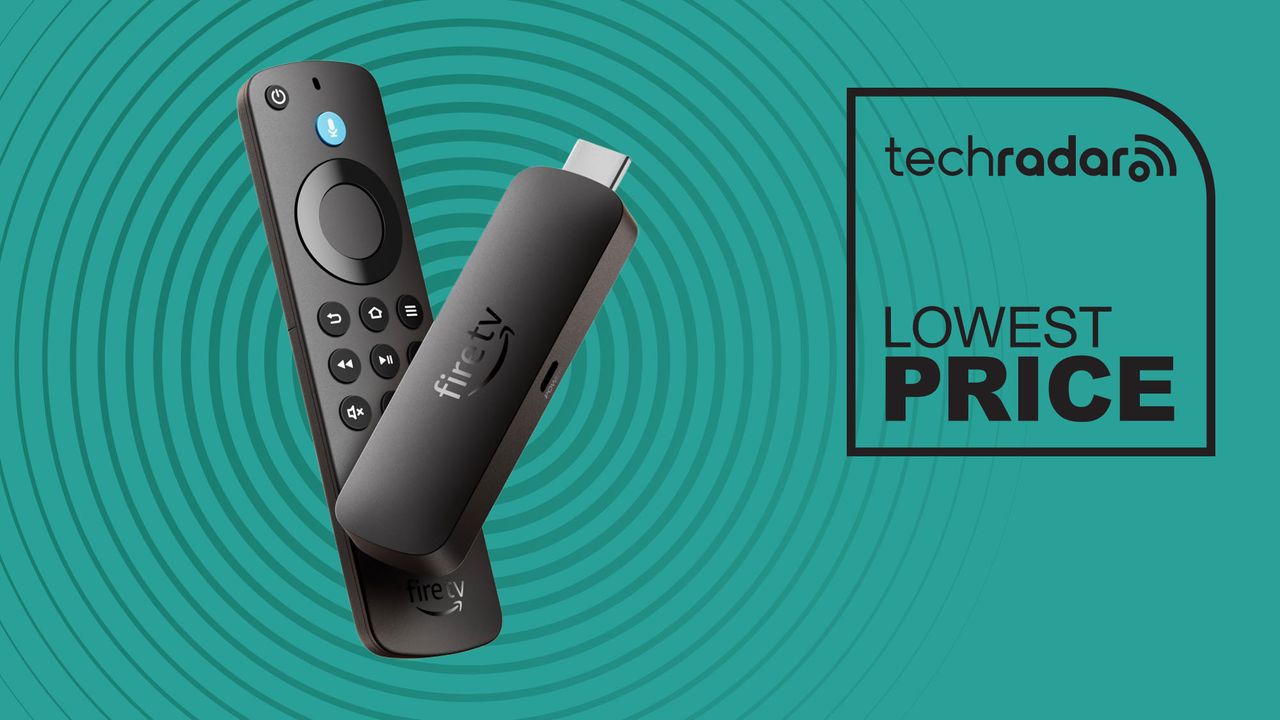


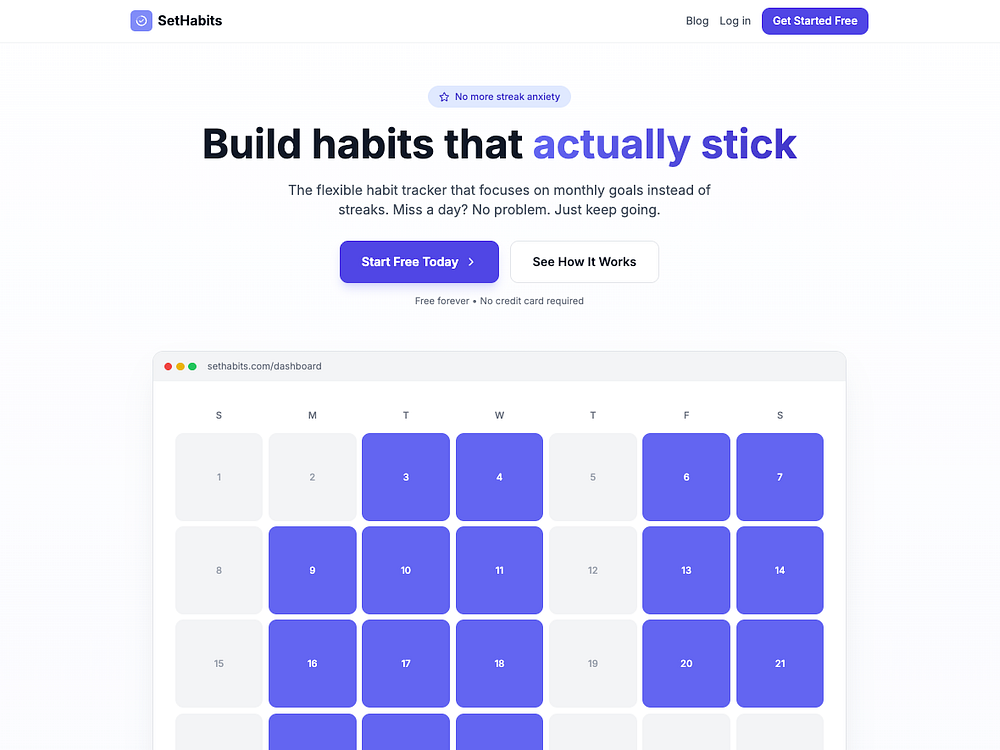


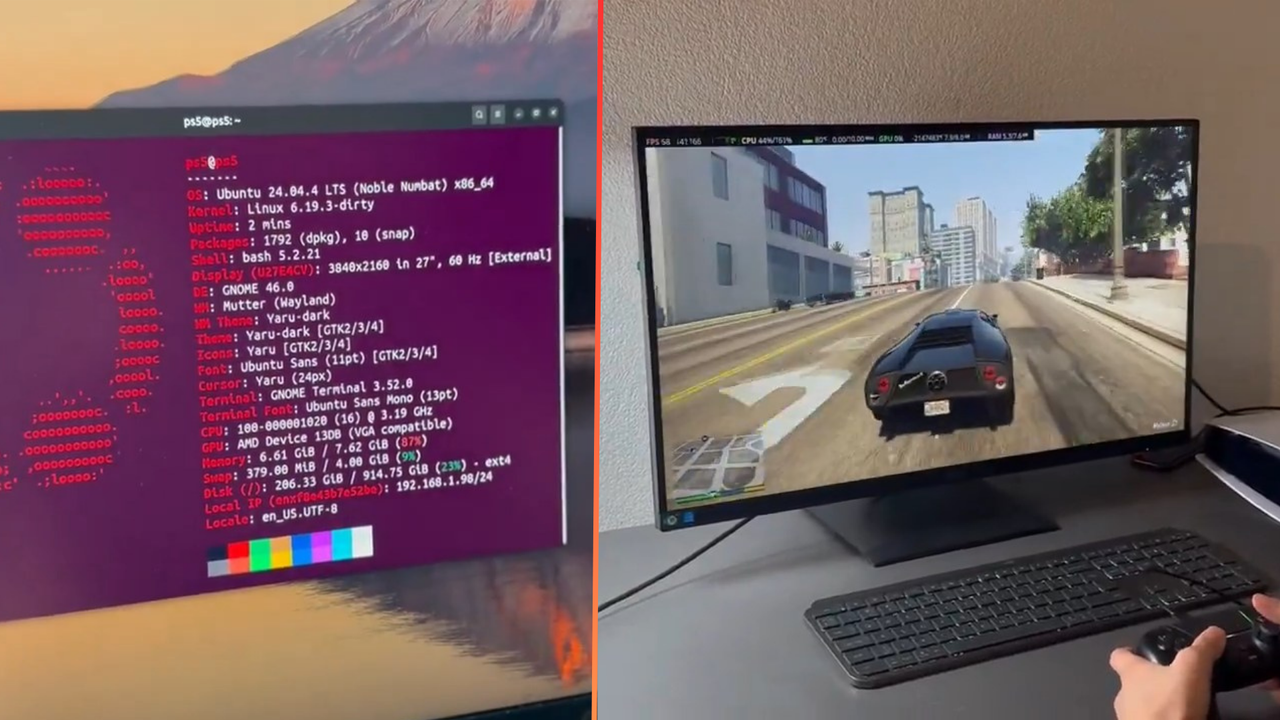
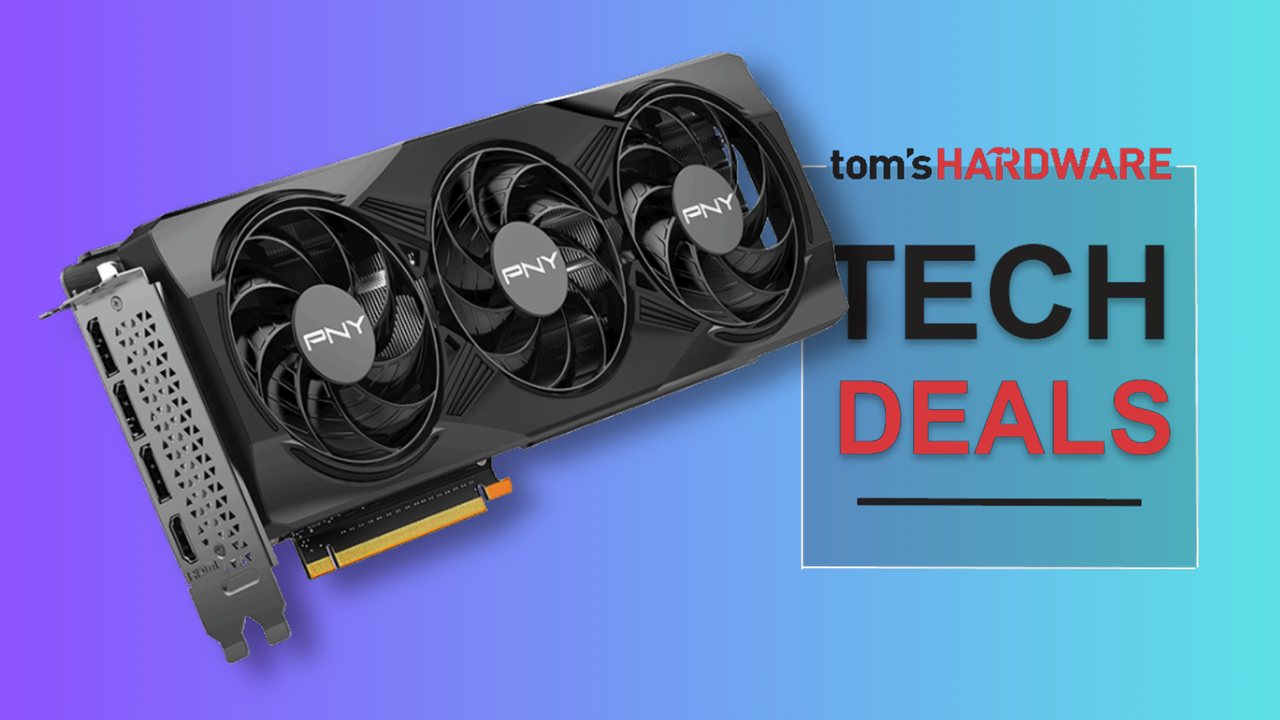
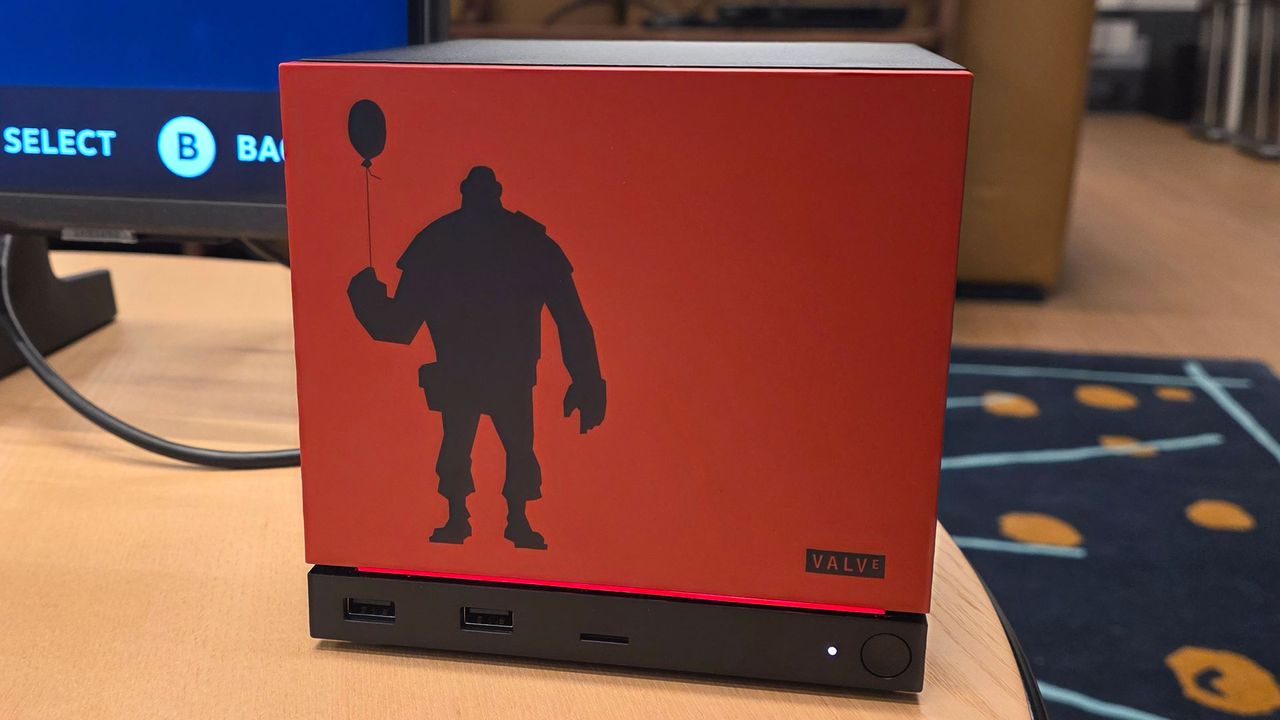

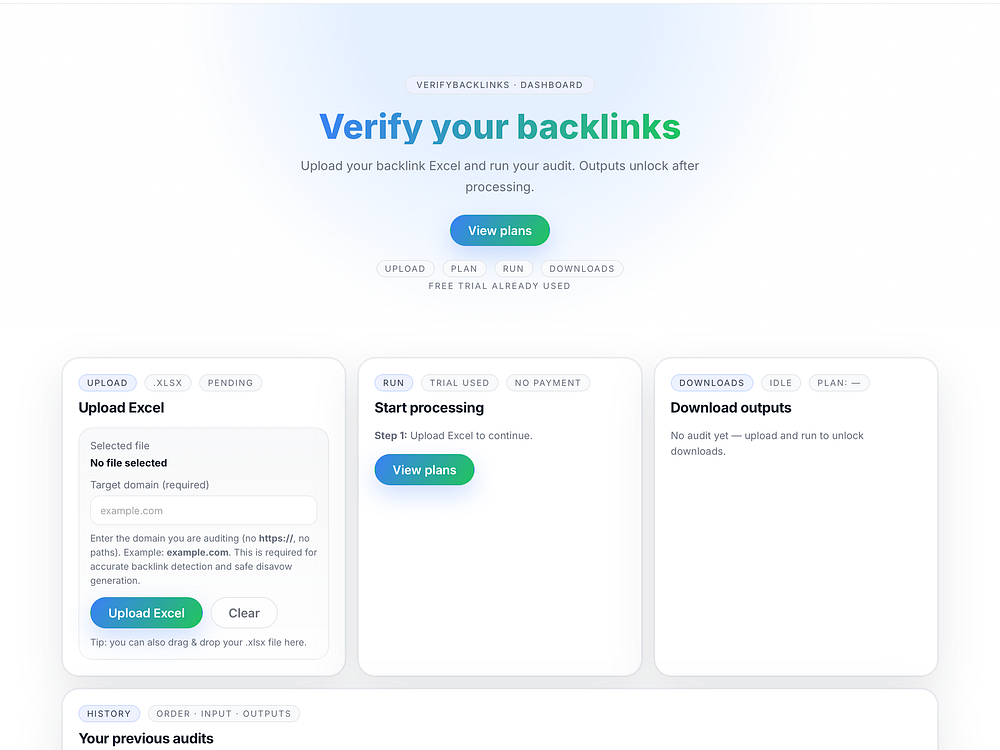
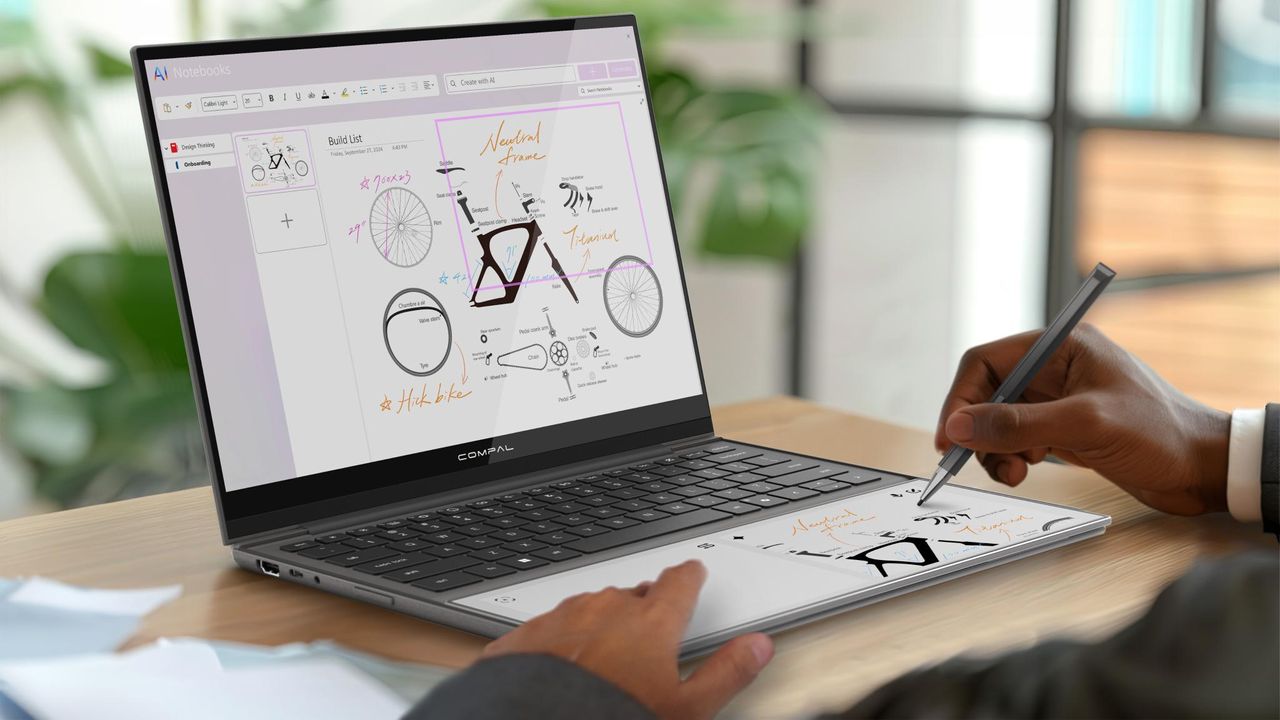















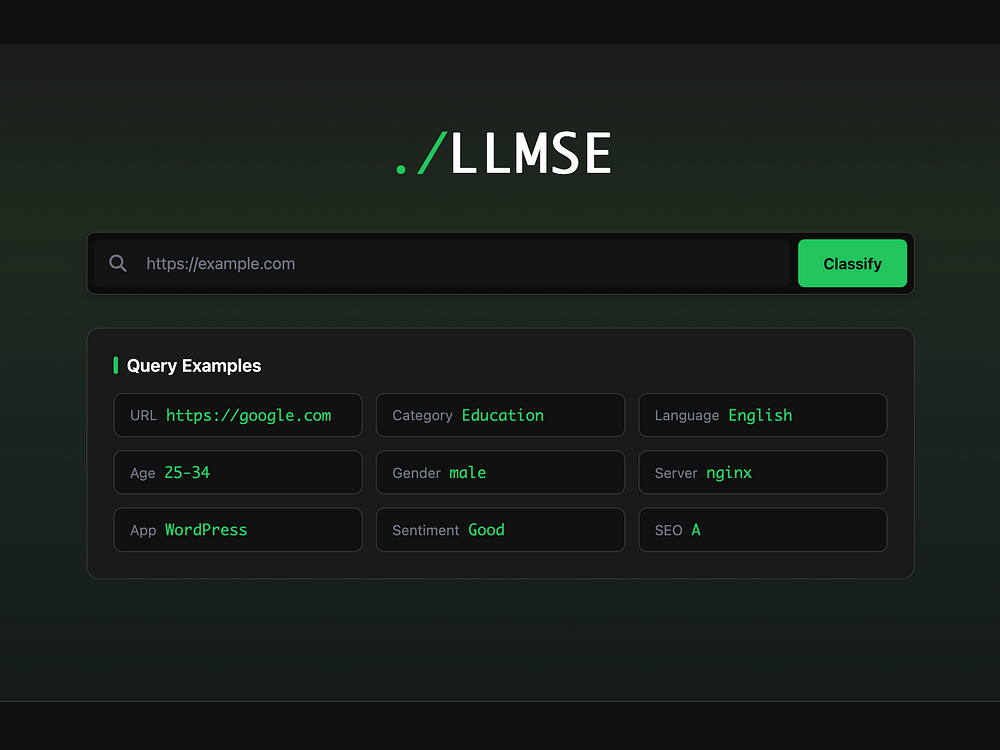














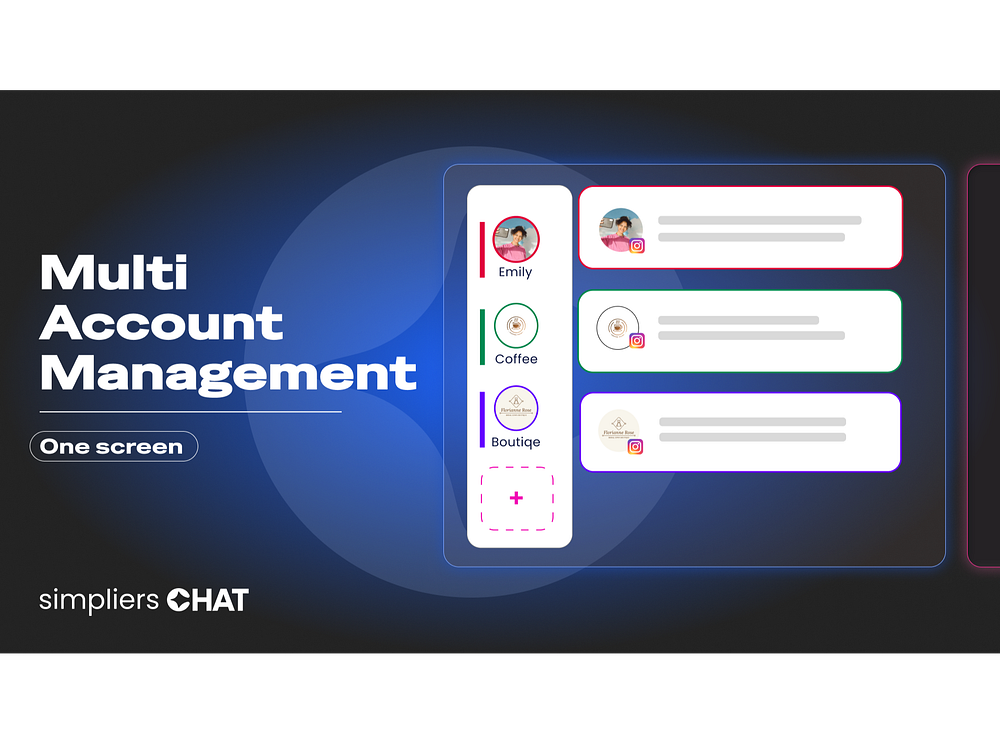

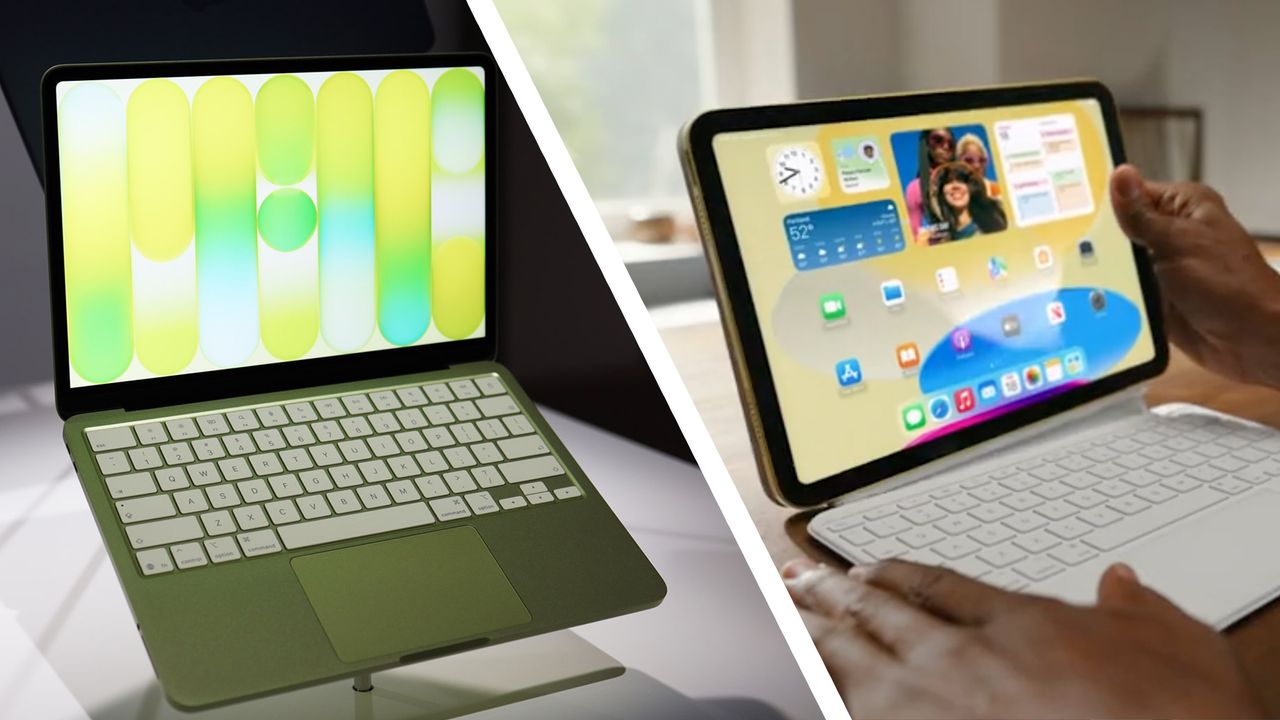


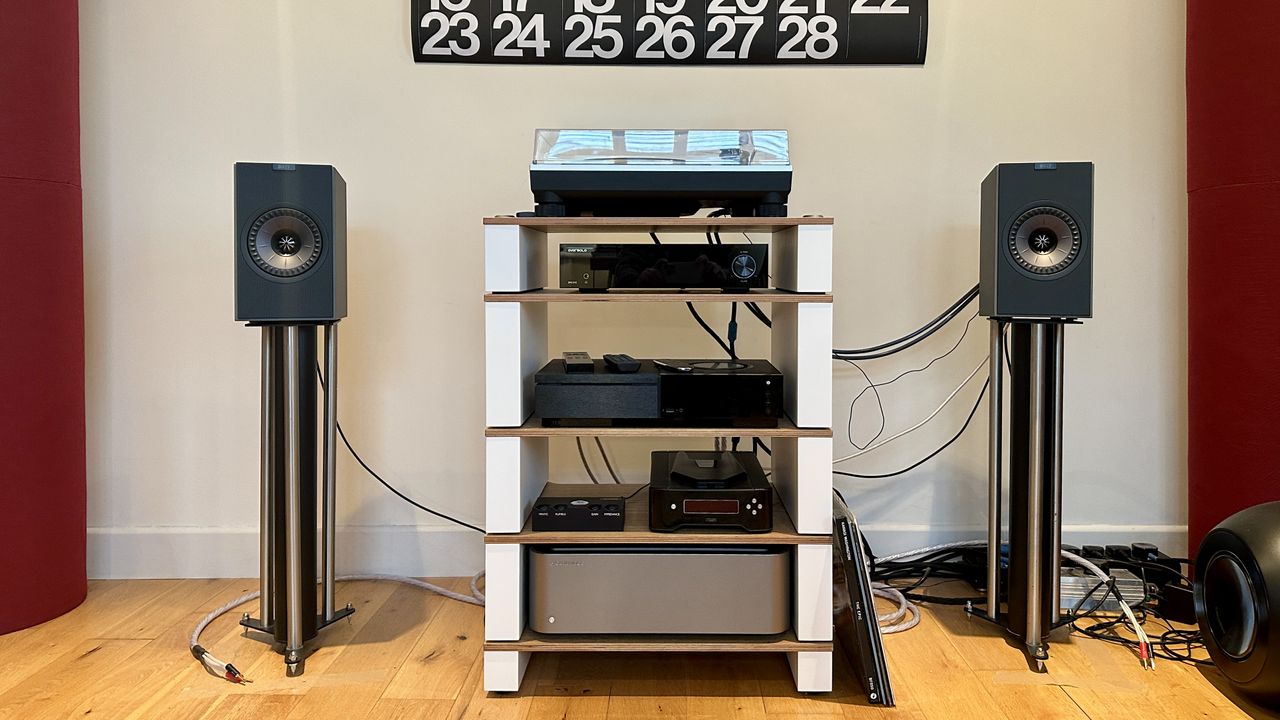


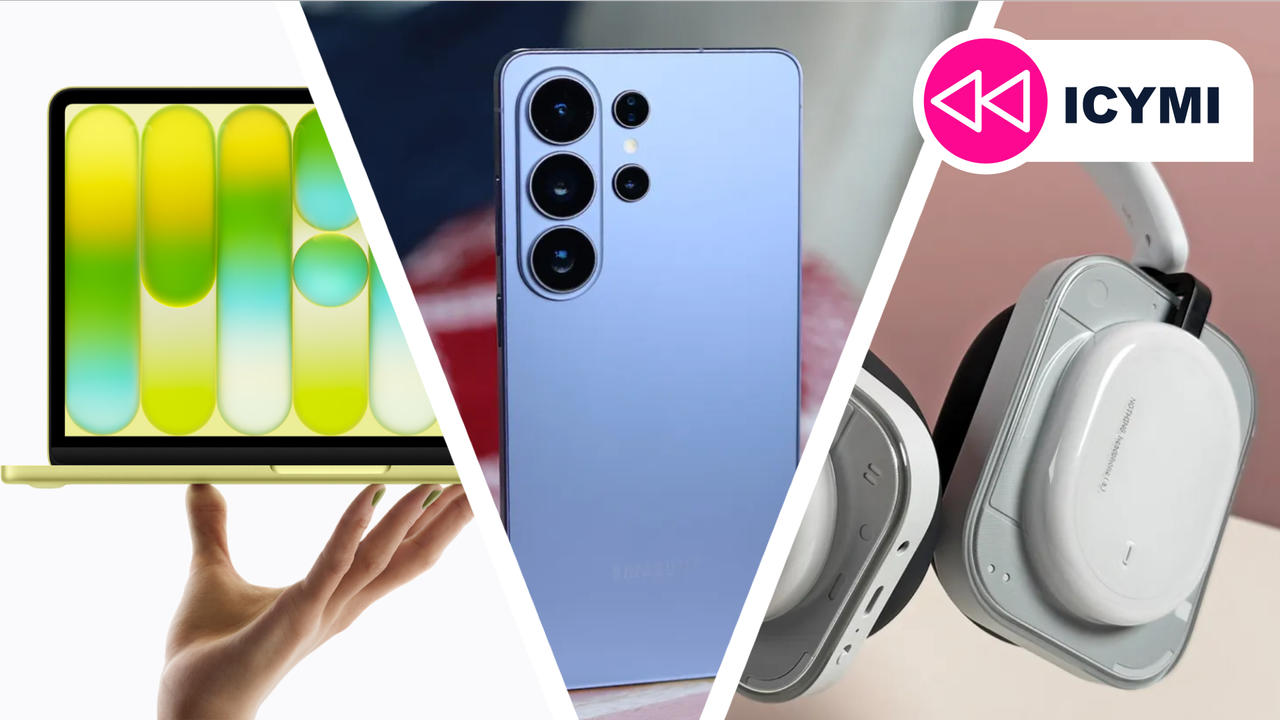




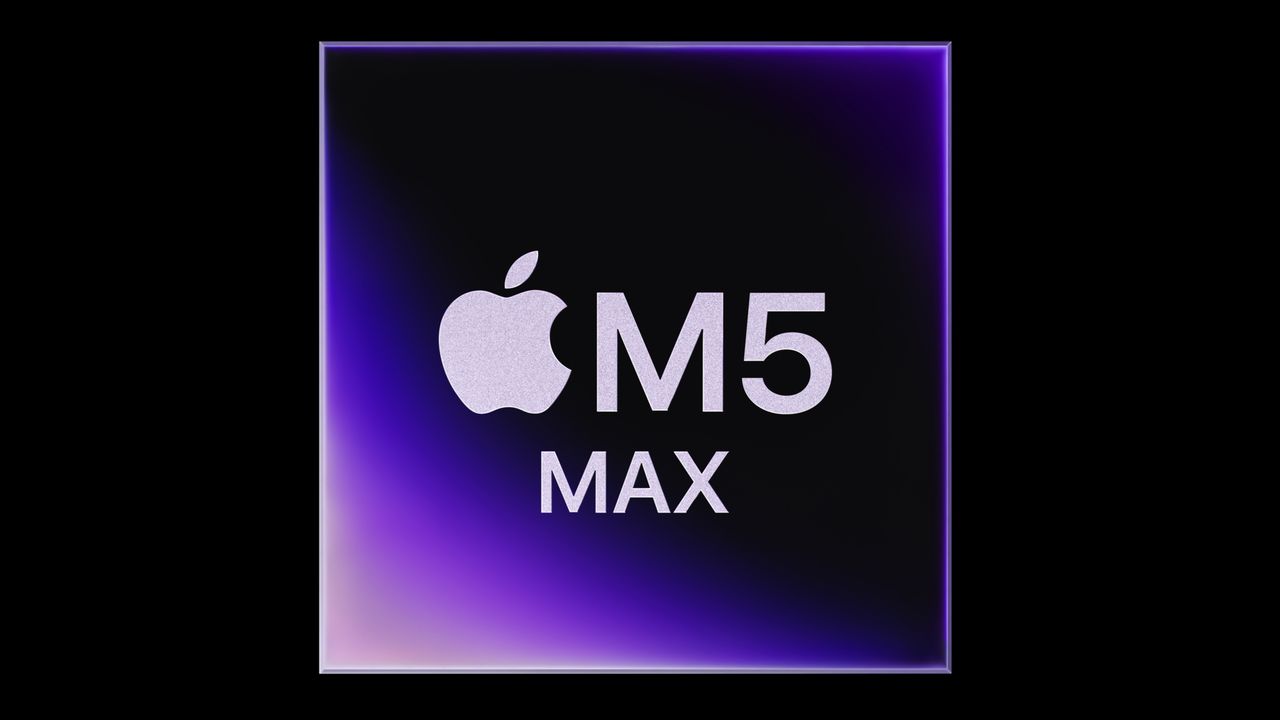






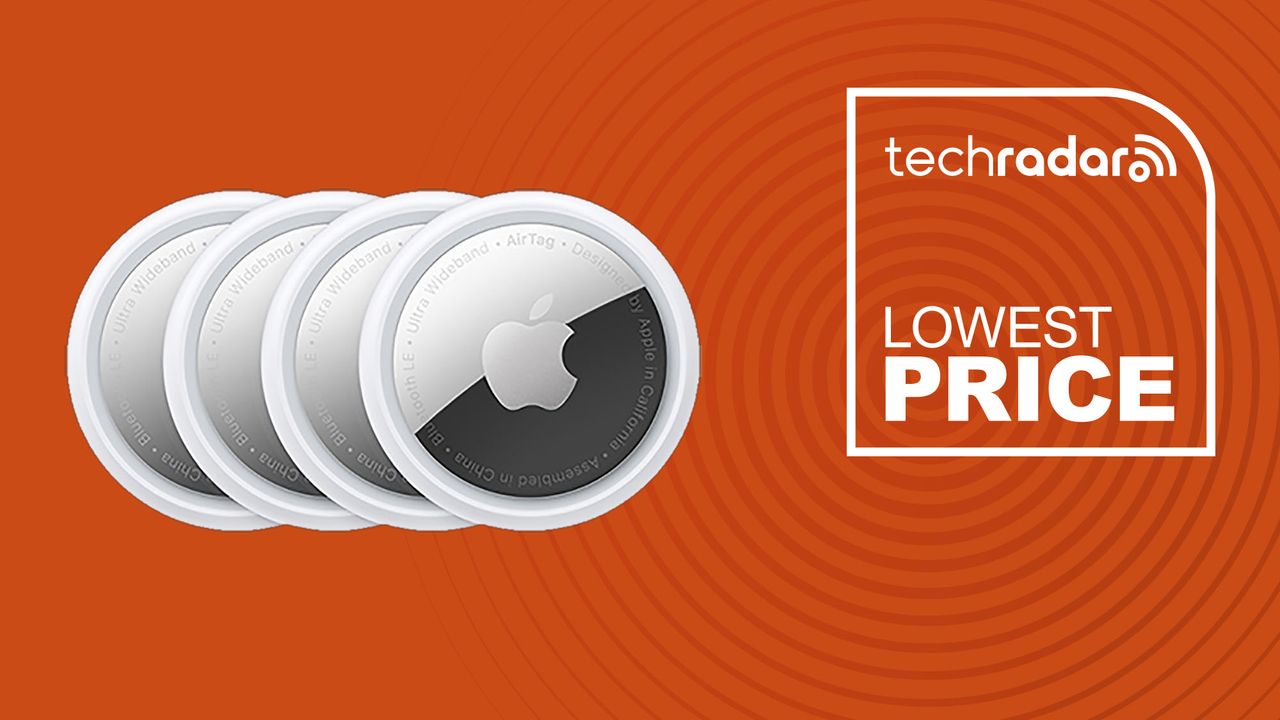
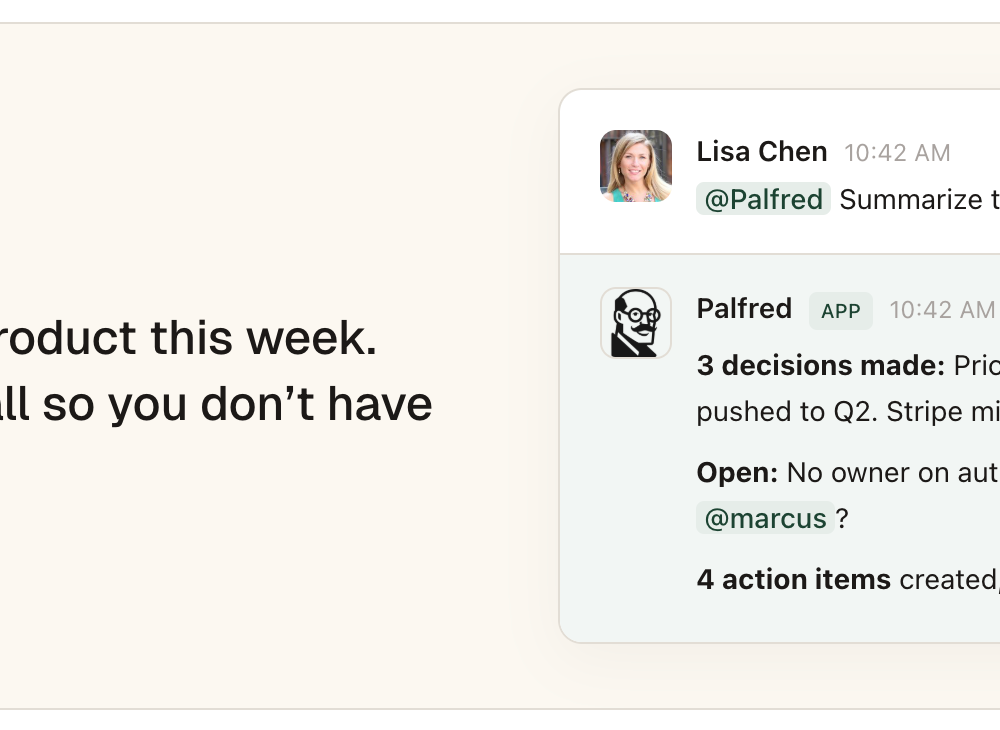



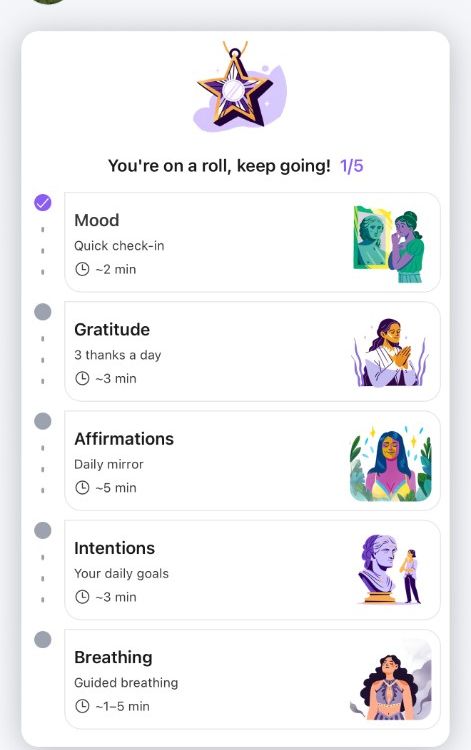


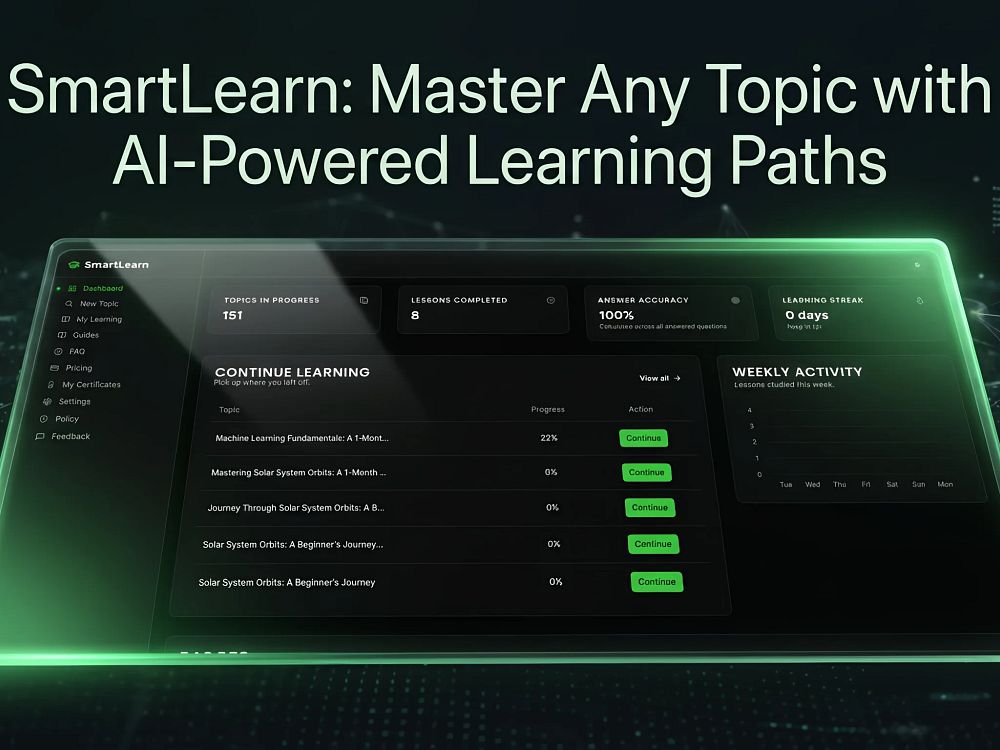

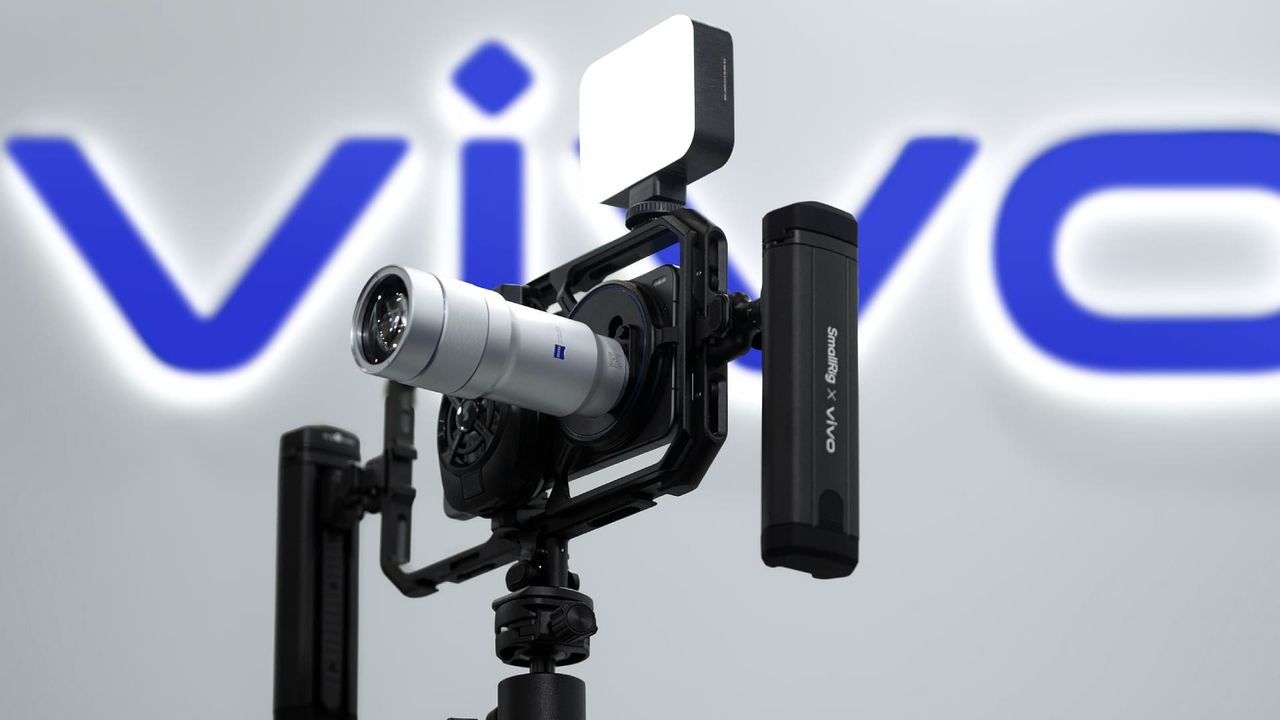

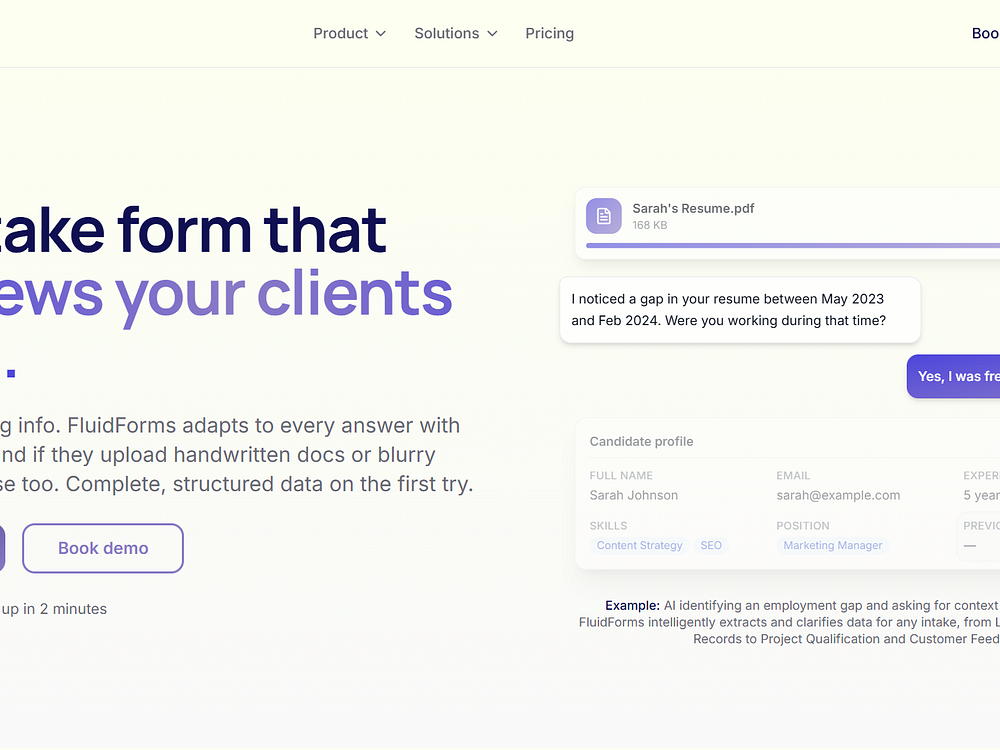
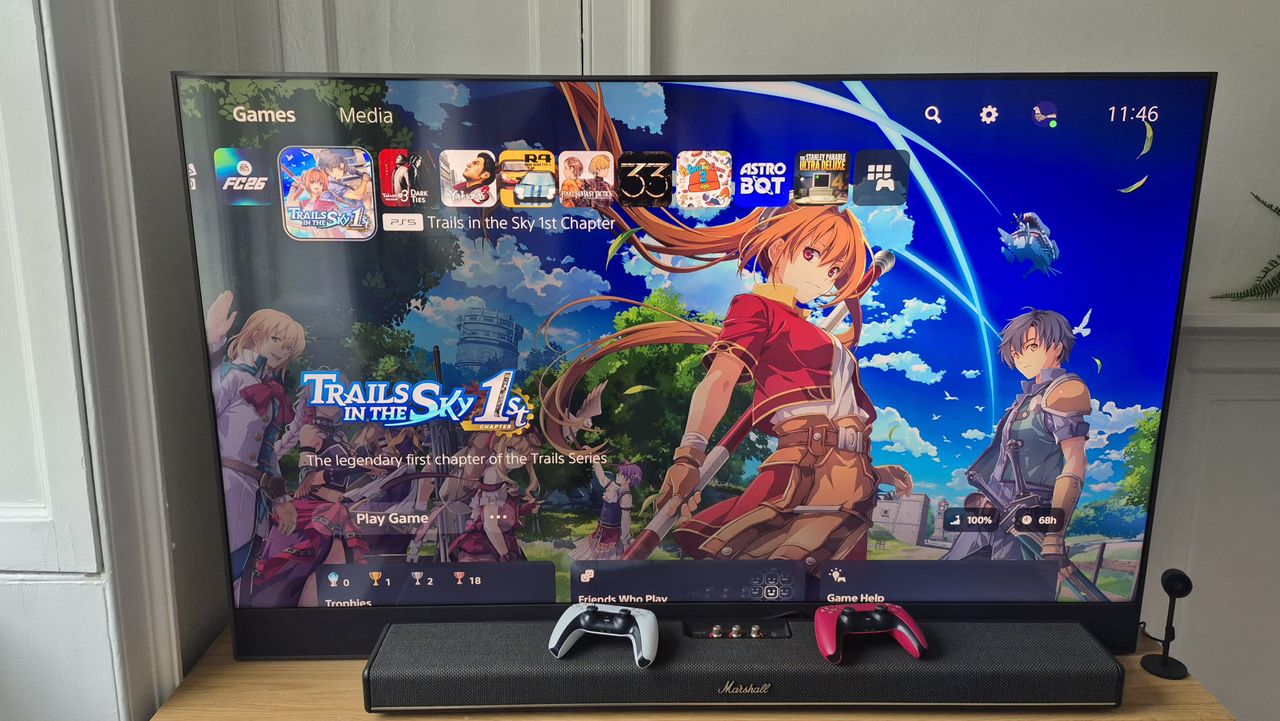

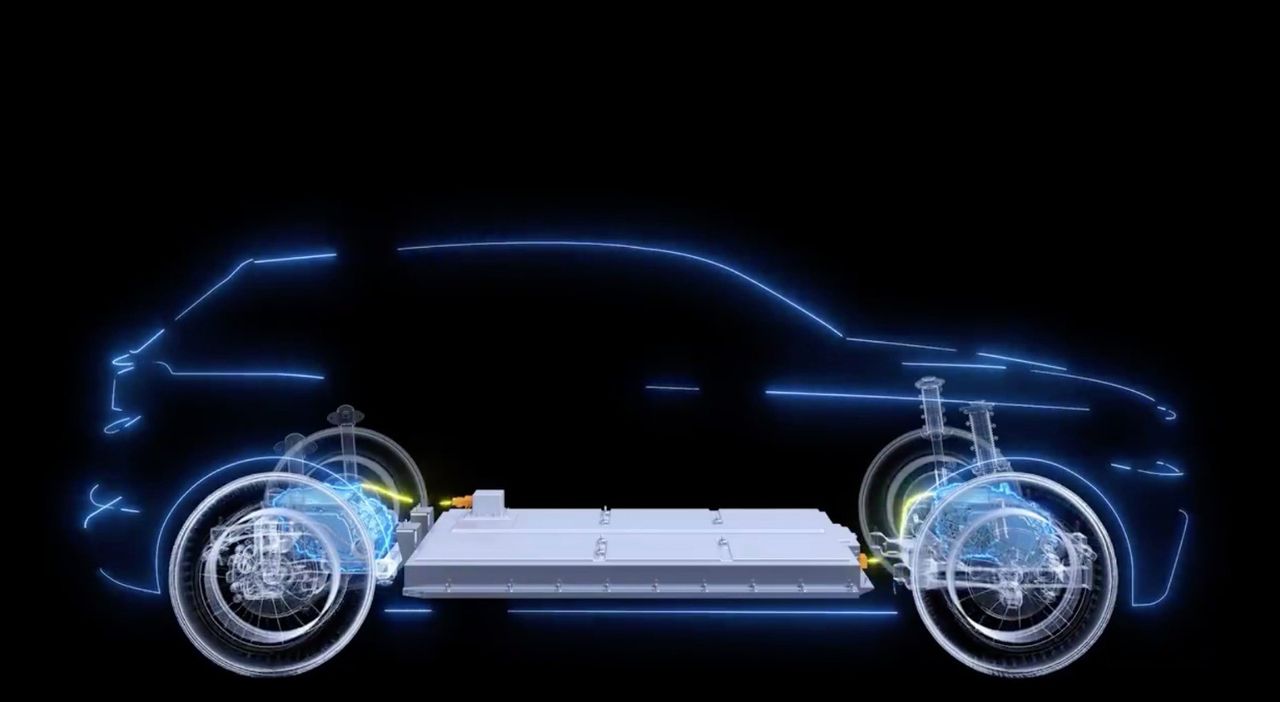
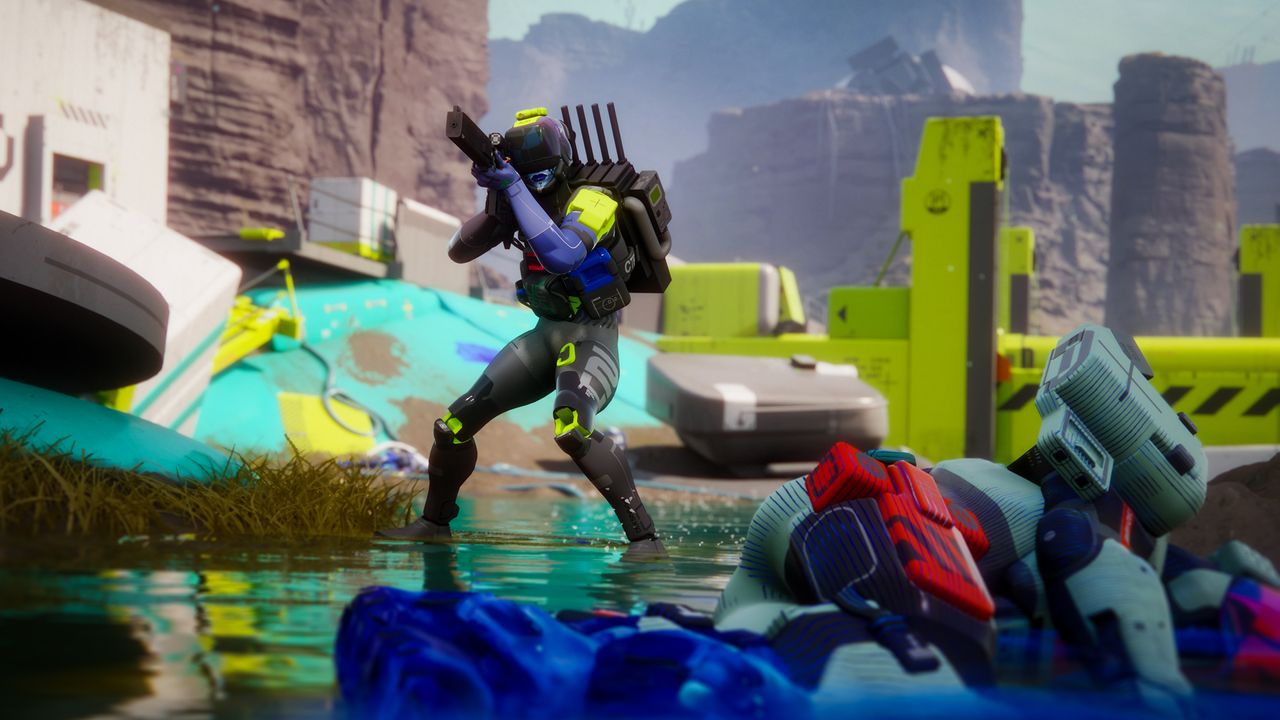
















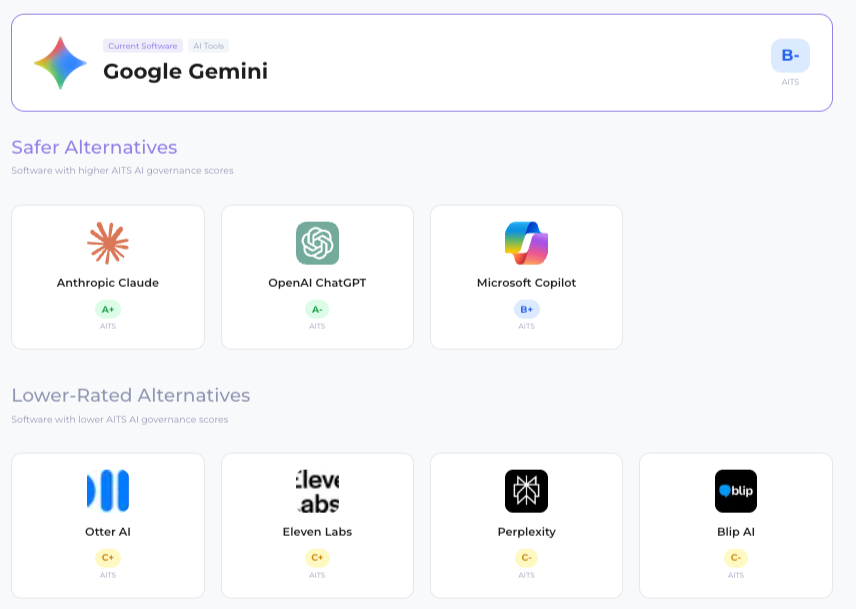
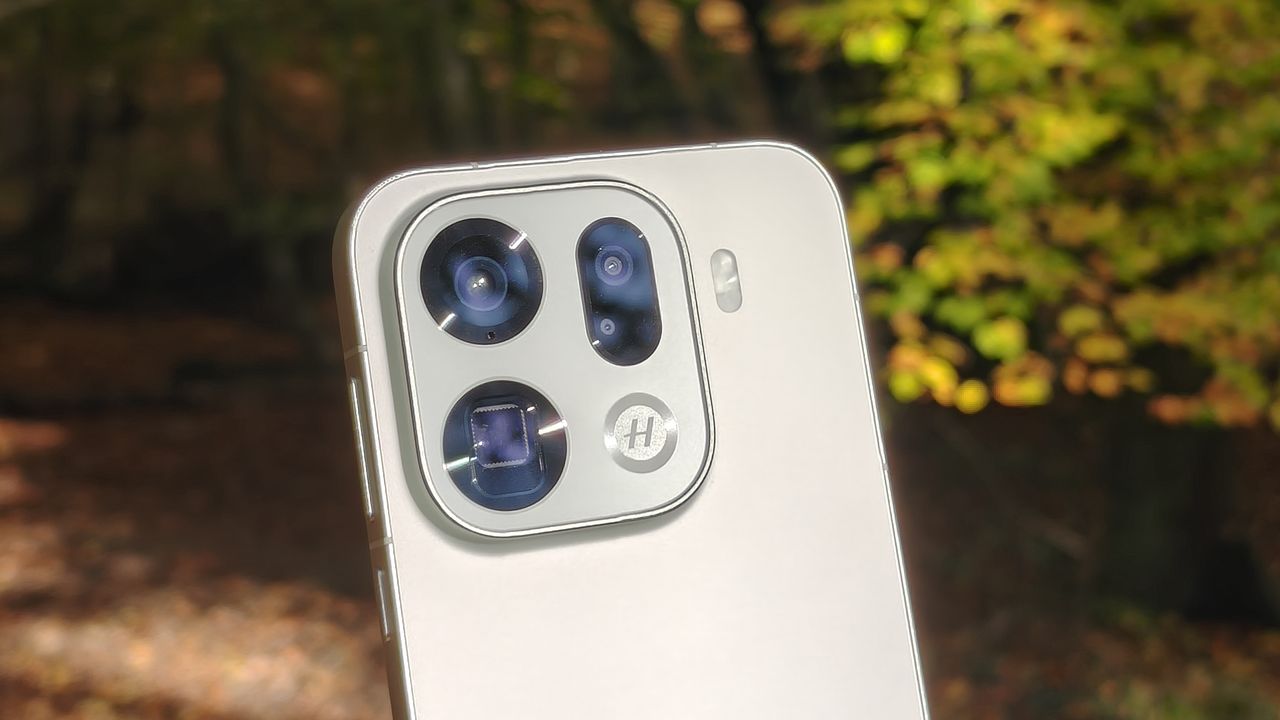


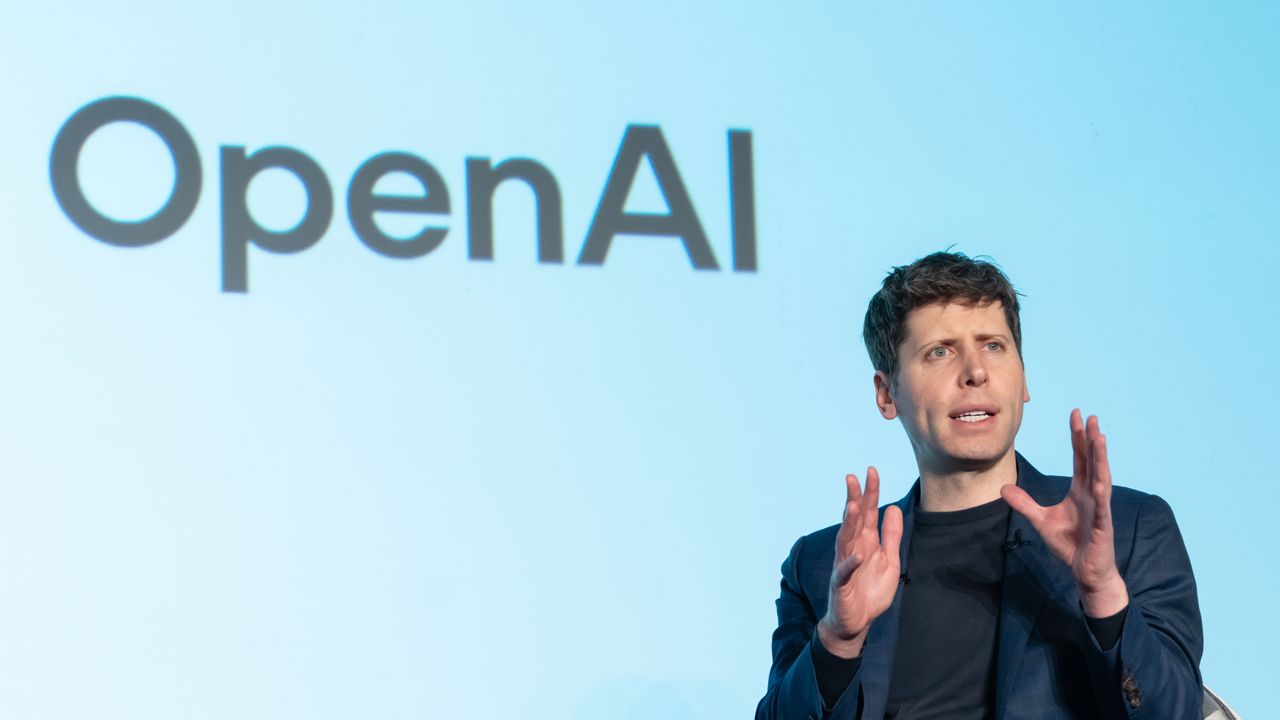


 An overview of SpeciesNet, our open-source AI model that is helping people around the world protect and conserve wildlife.








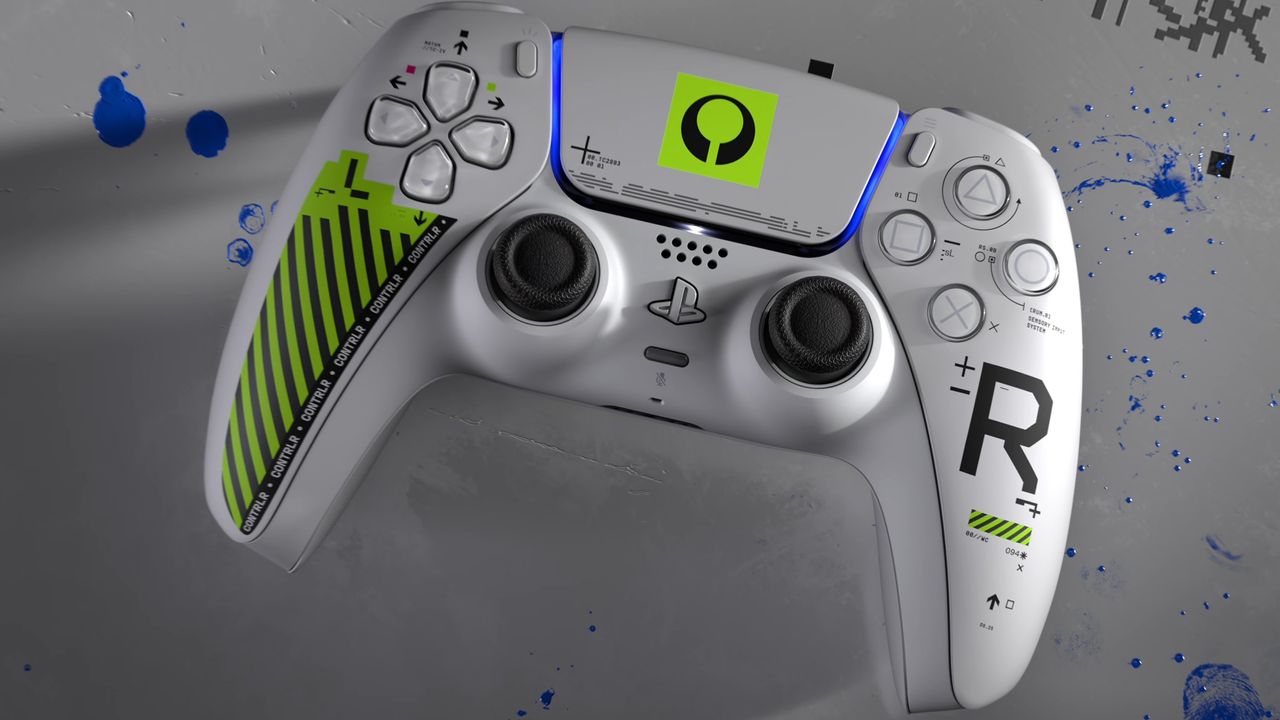
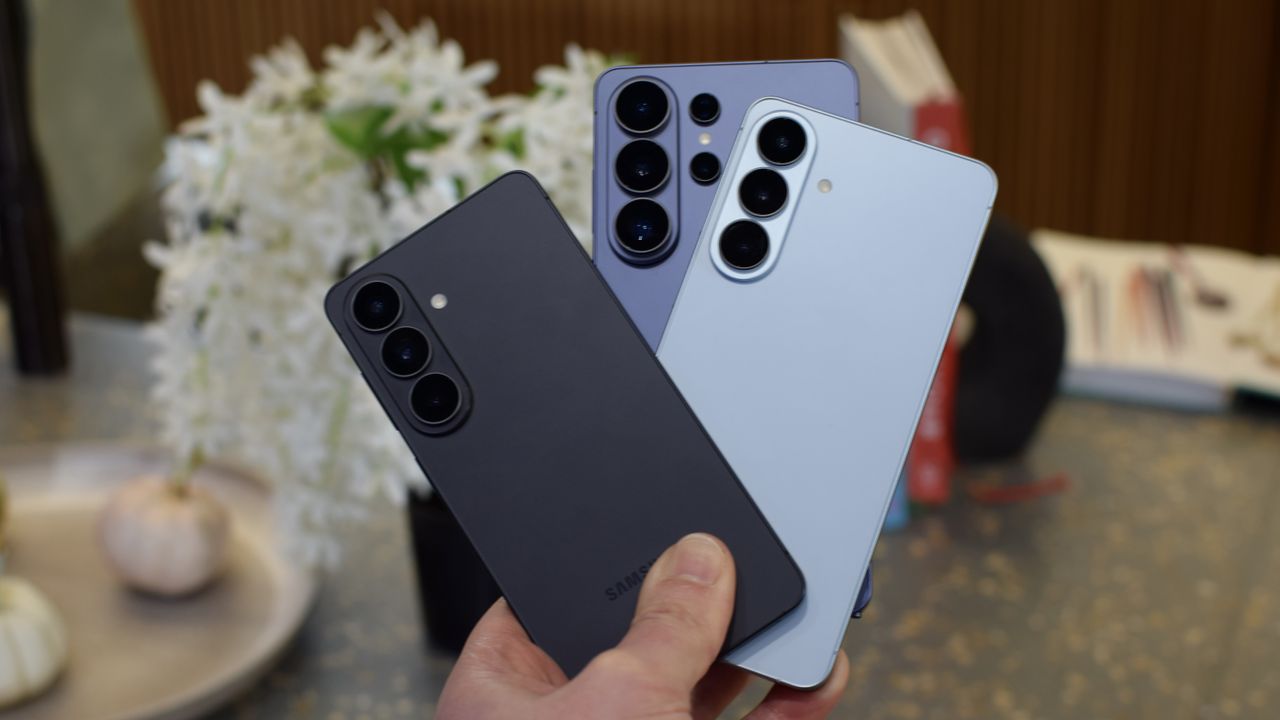






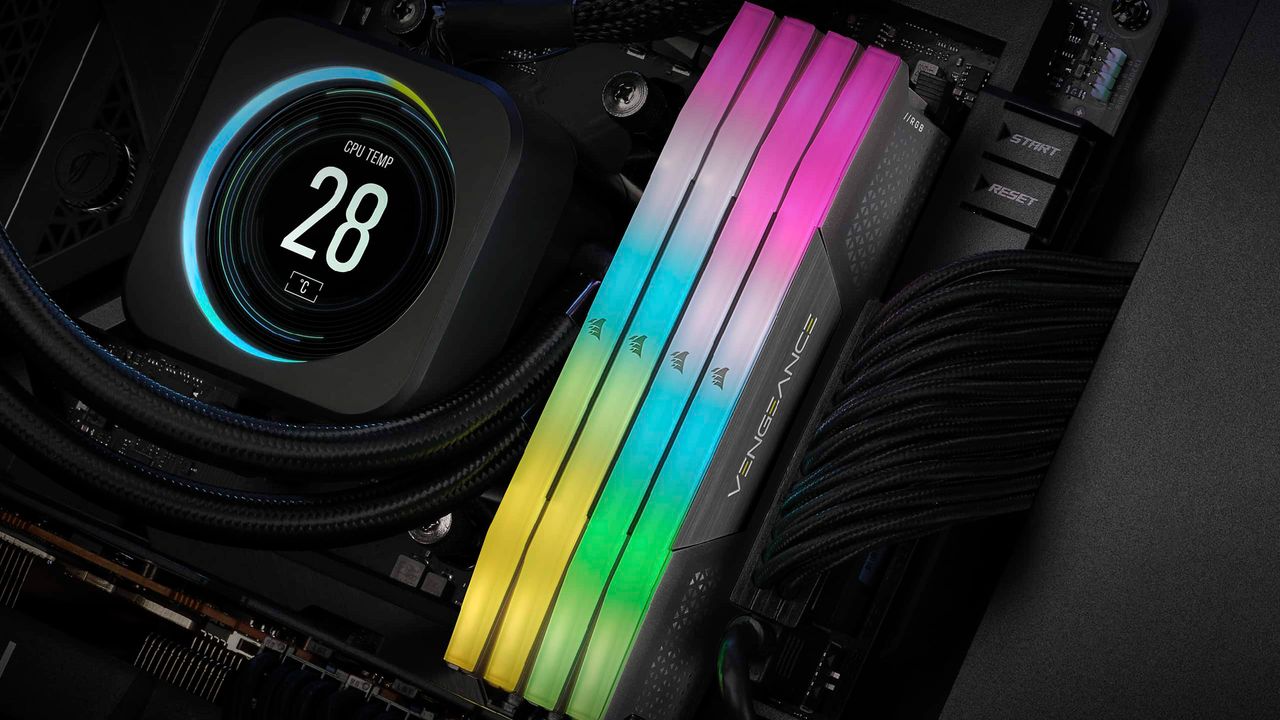




















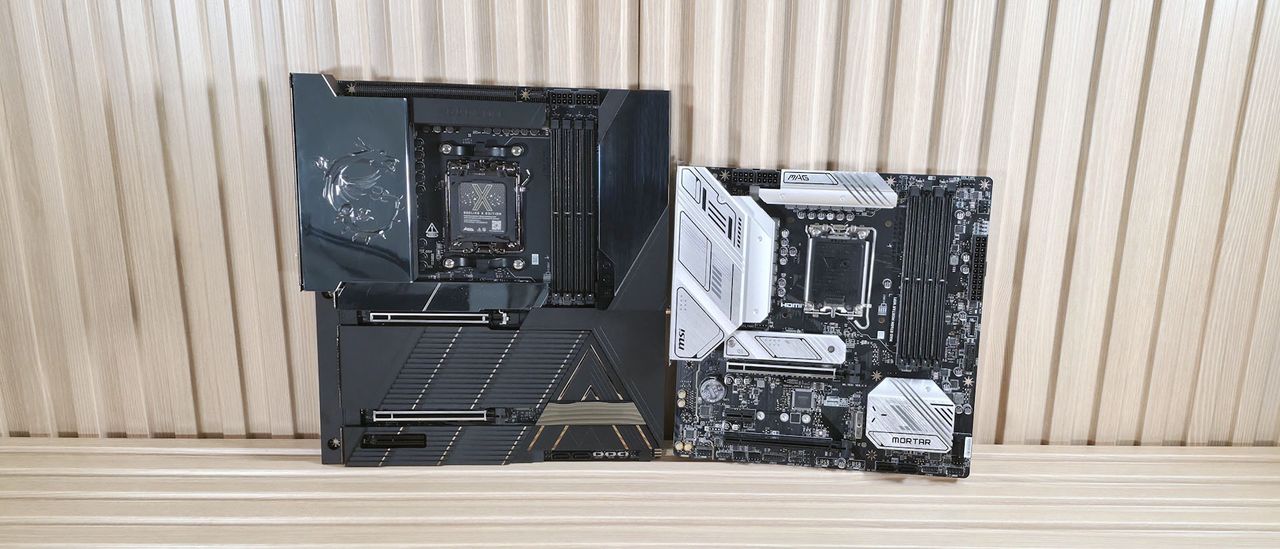
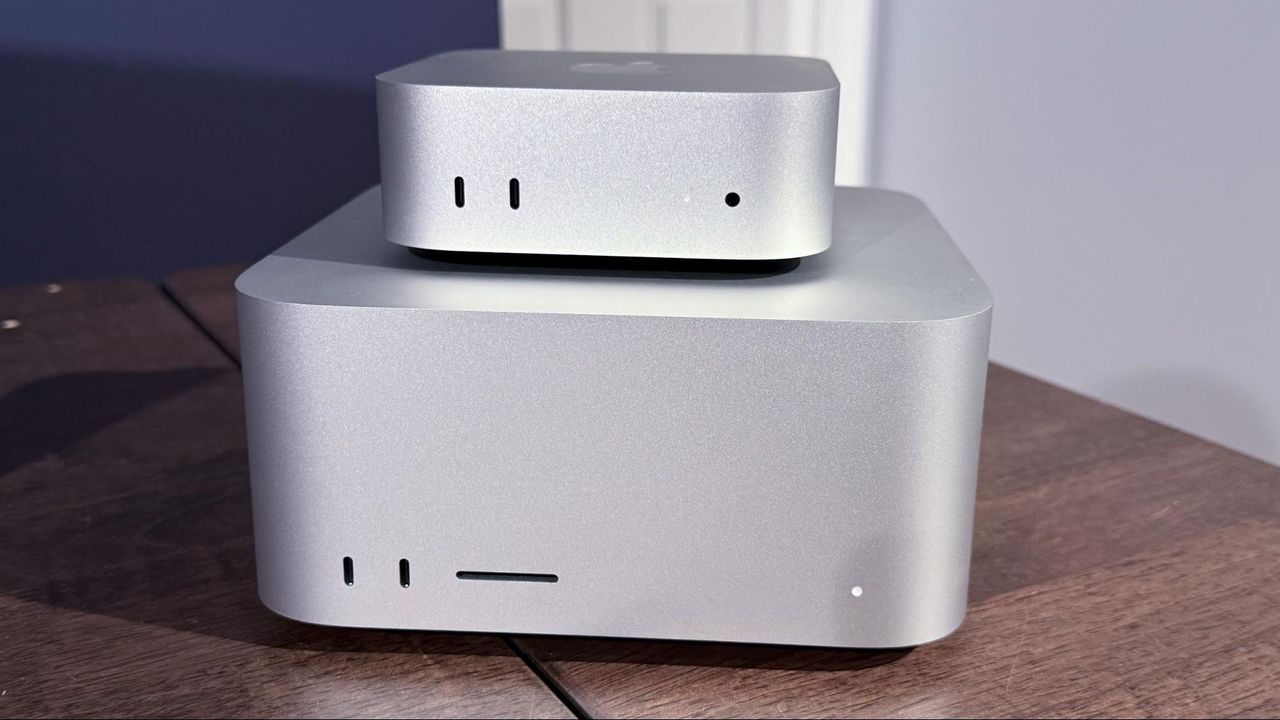


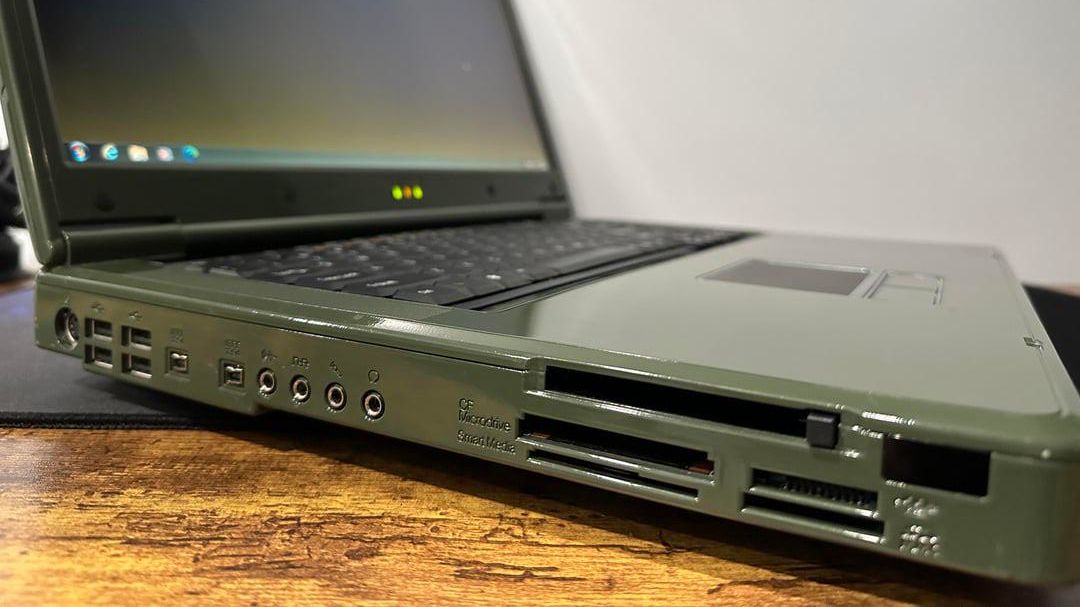




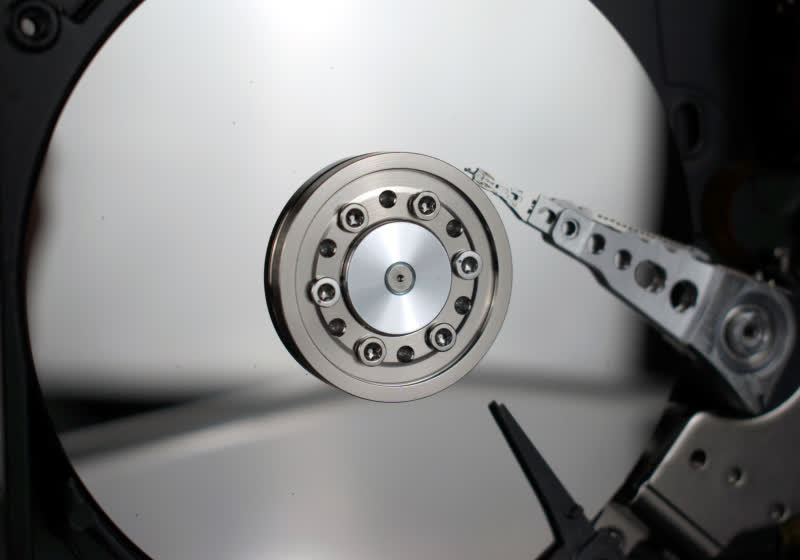

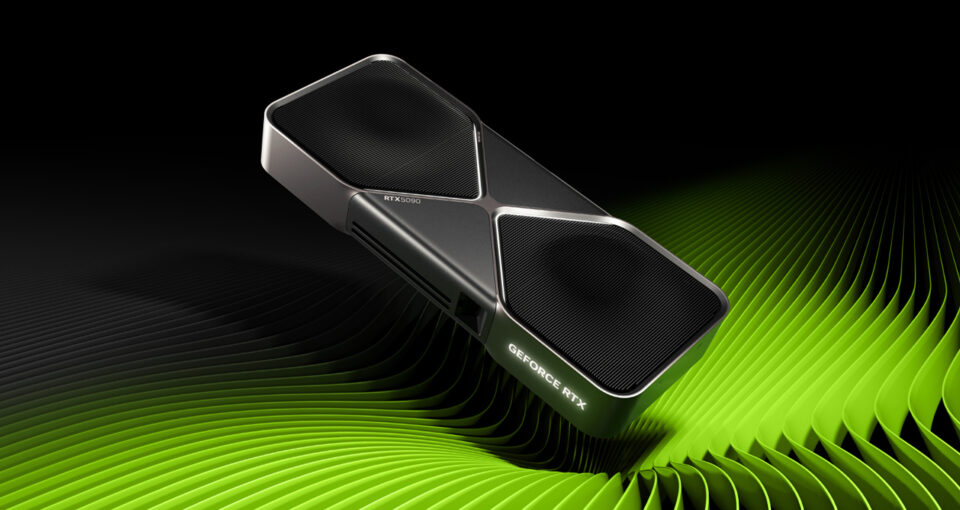

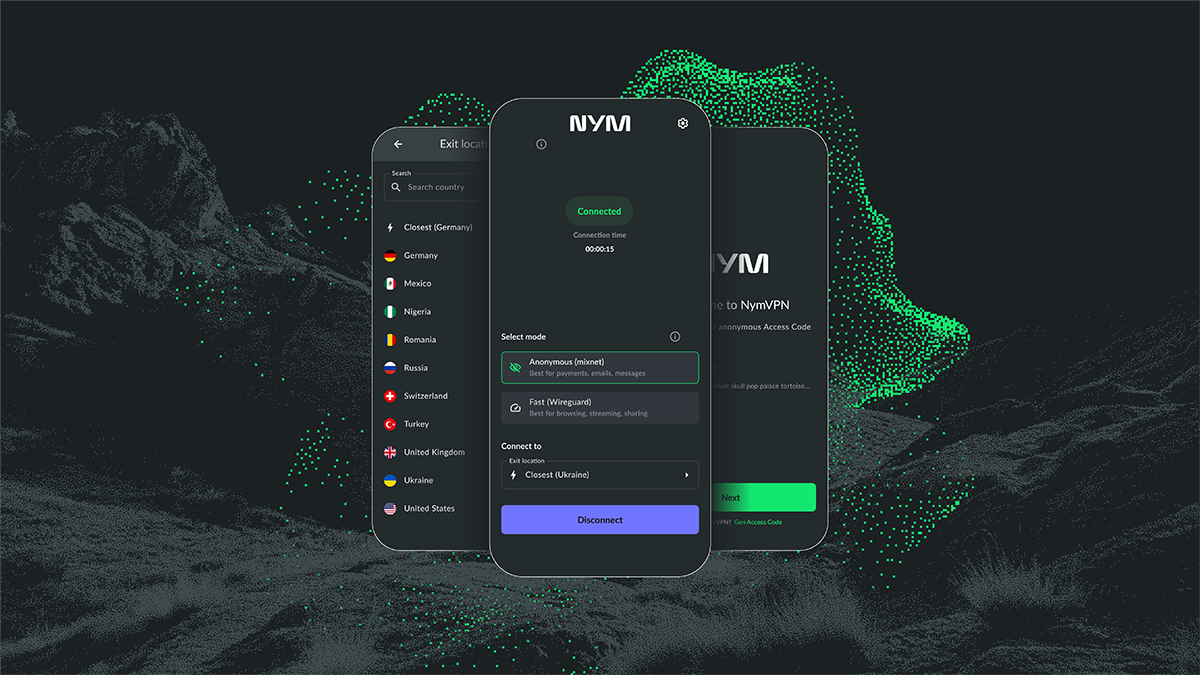







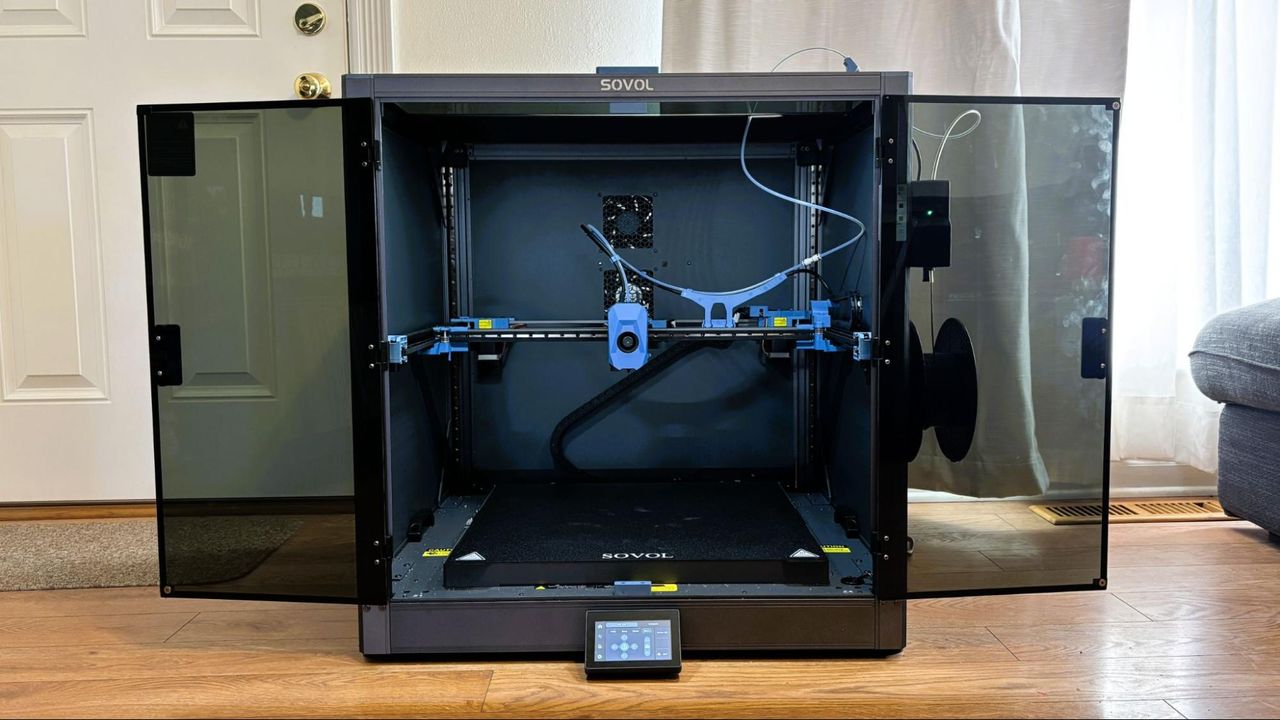







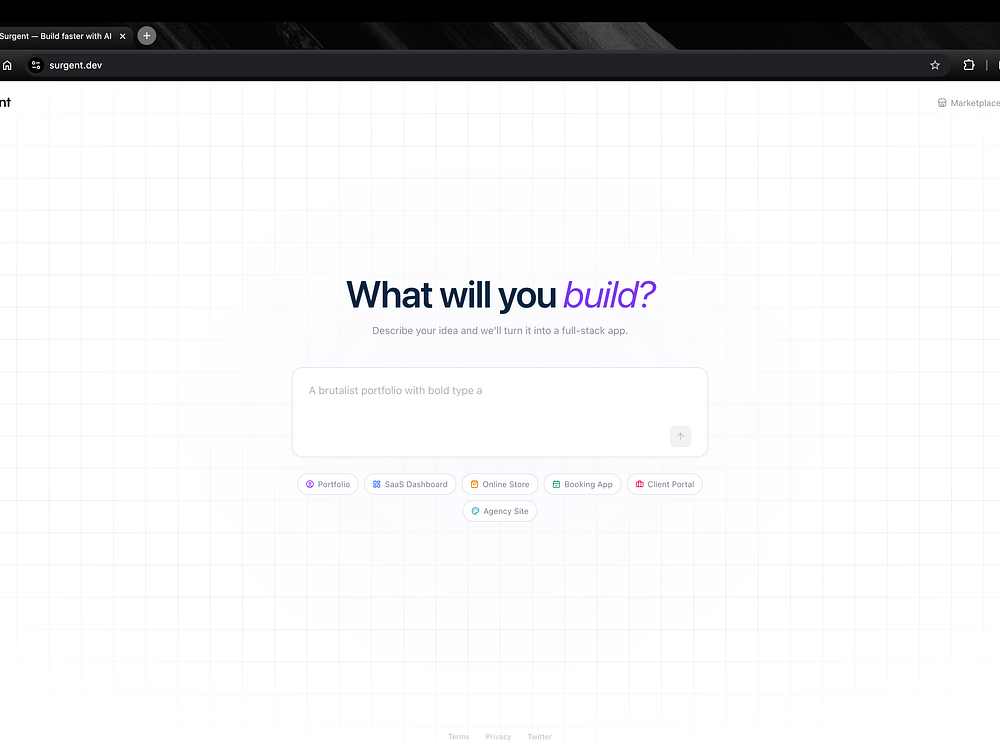



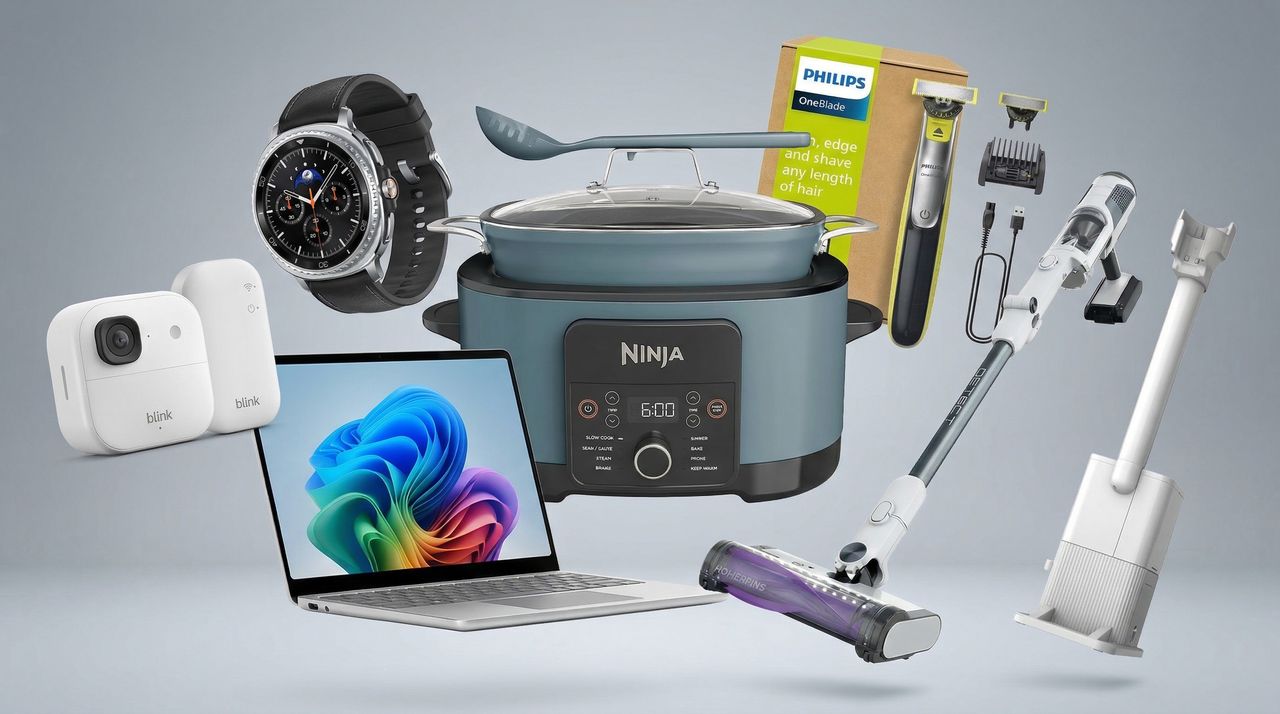












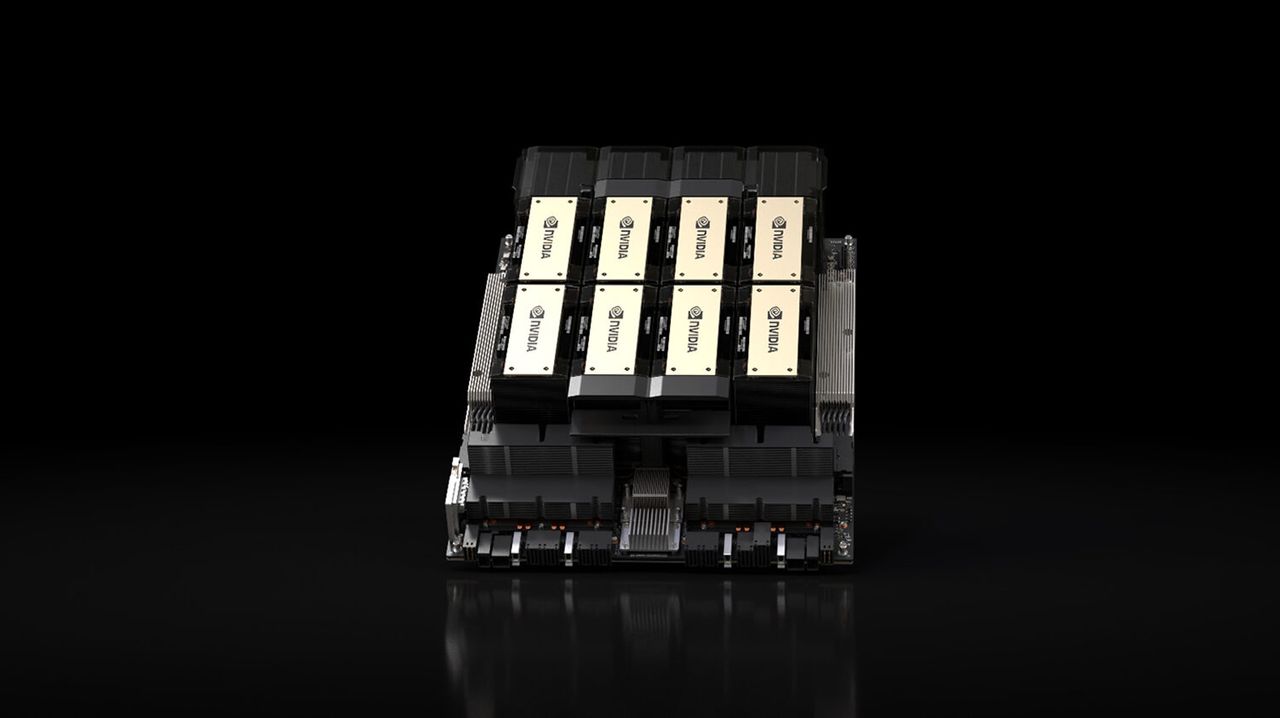
















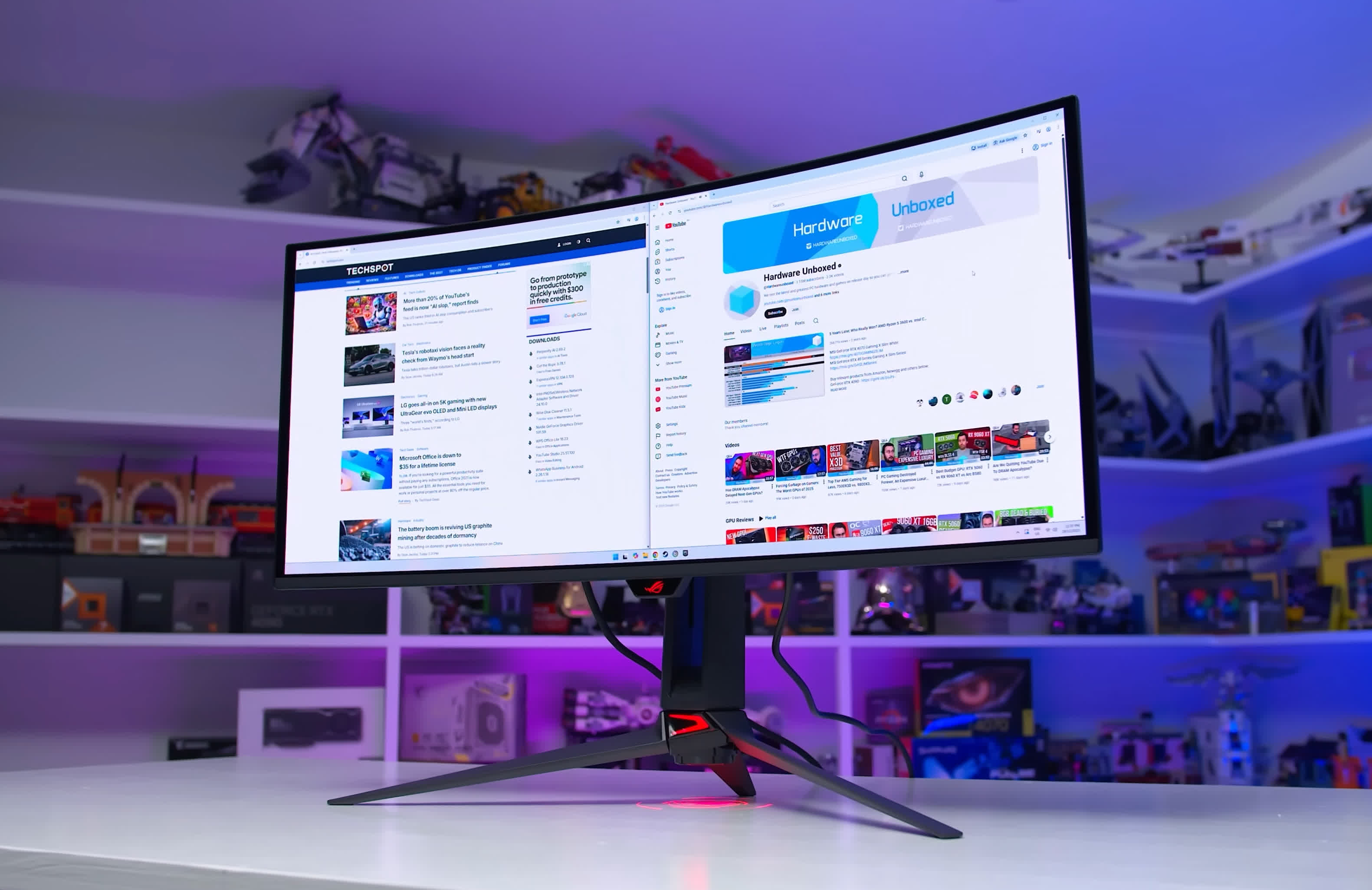





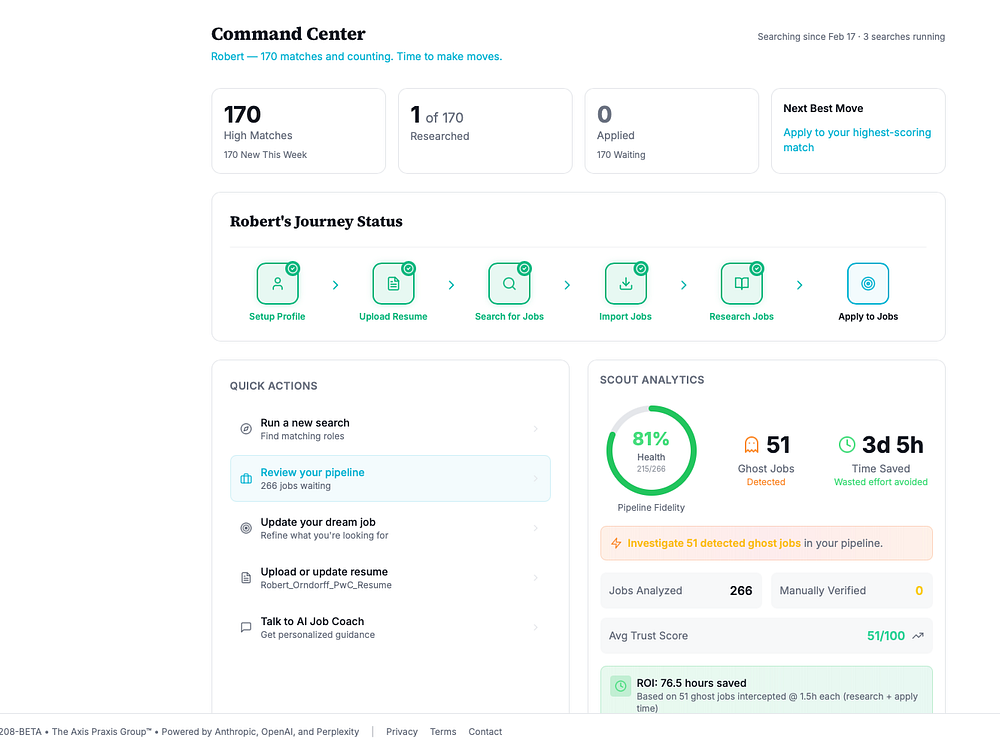









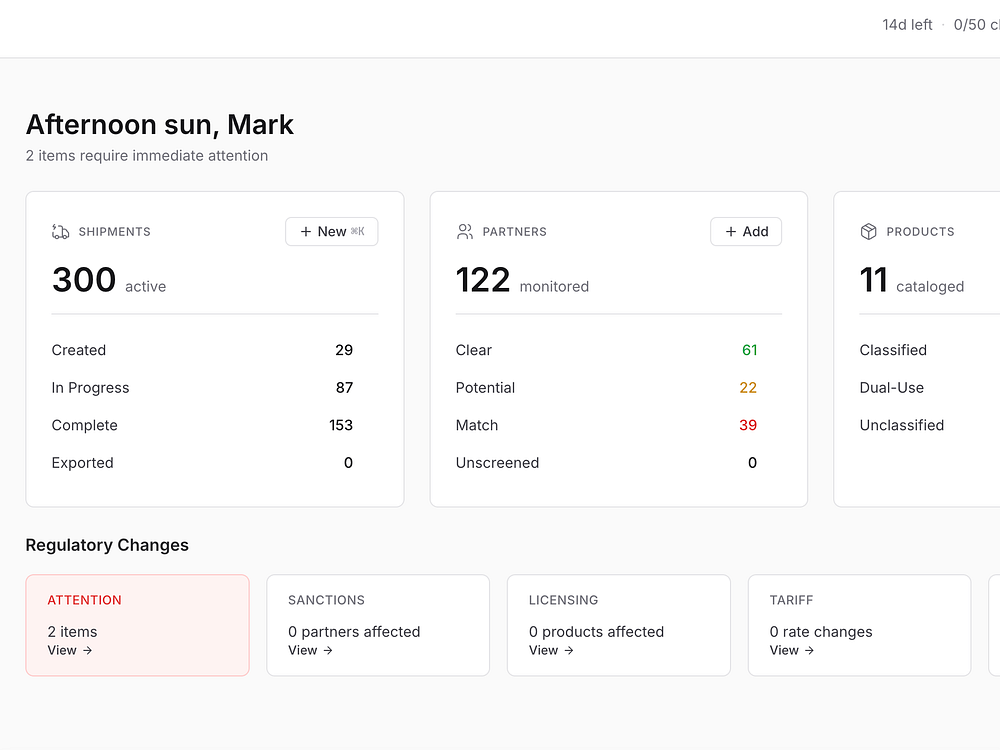
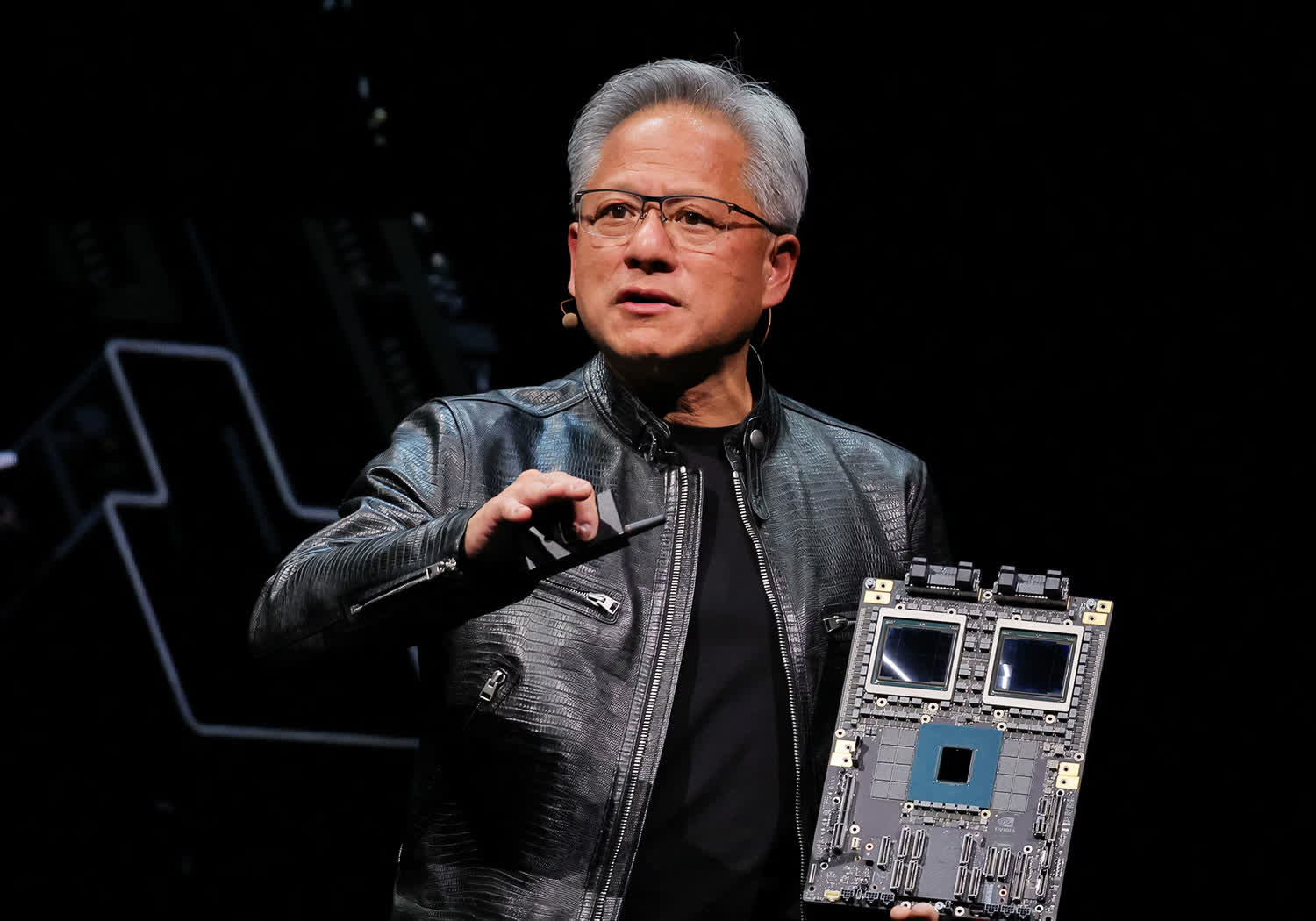











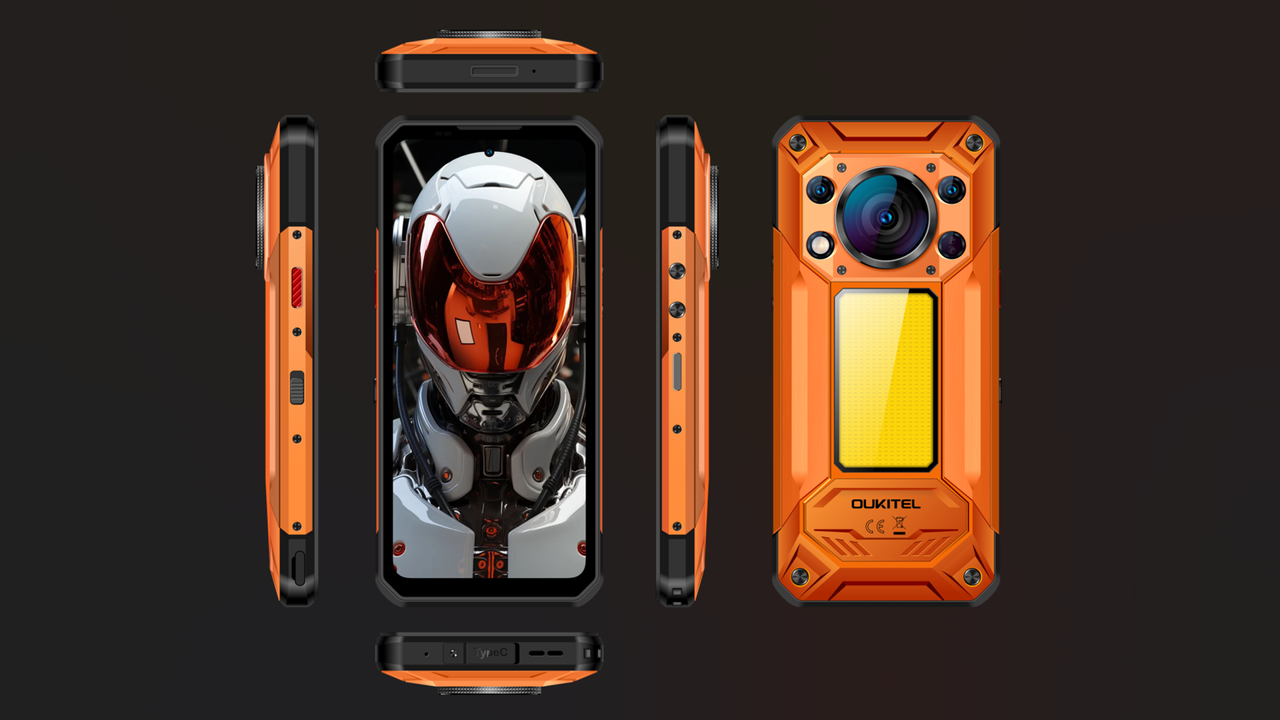




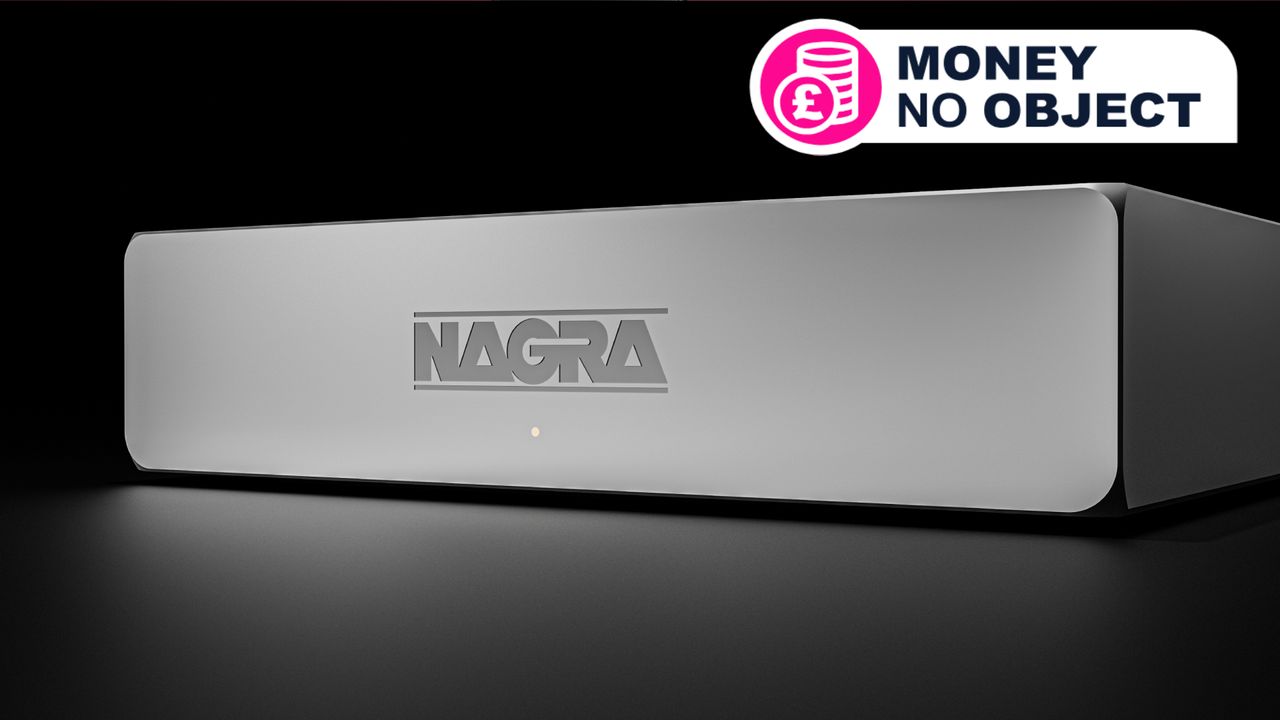


 For this year’s I/O Save the date, we’re showing how anyone can build incredible games with help from Gemini.




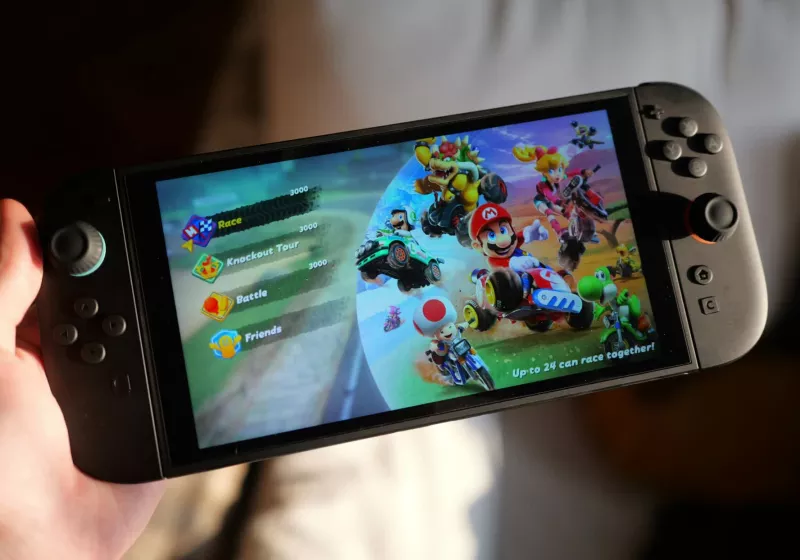
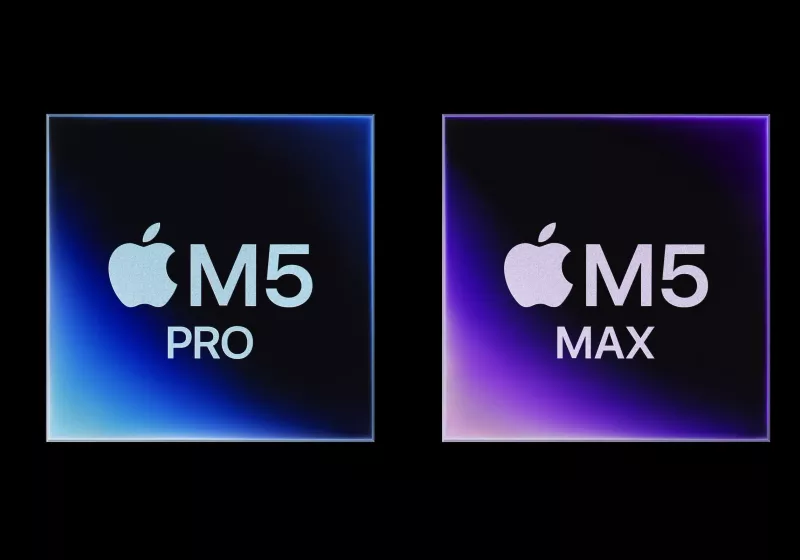
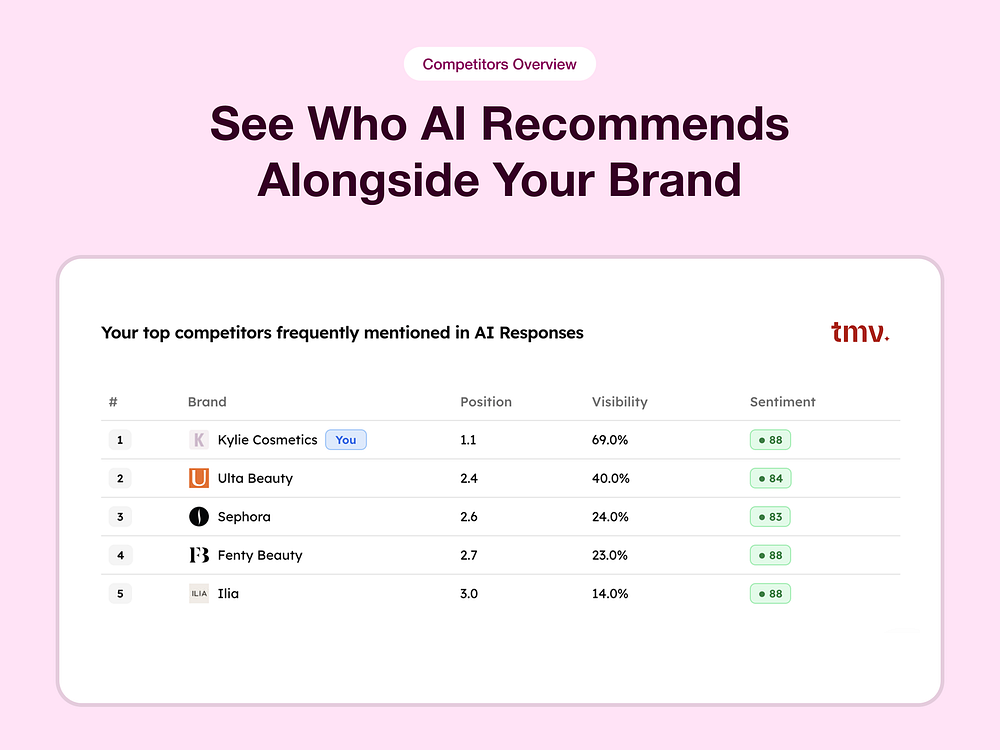


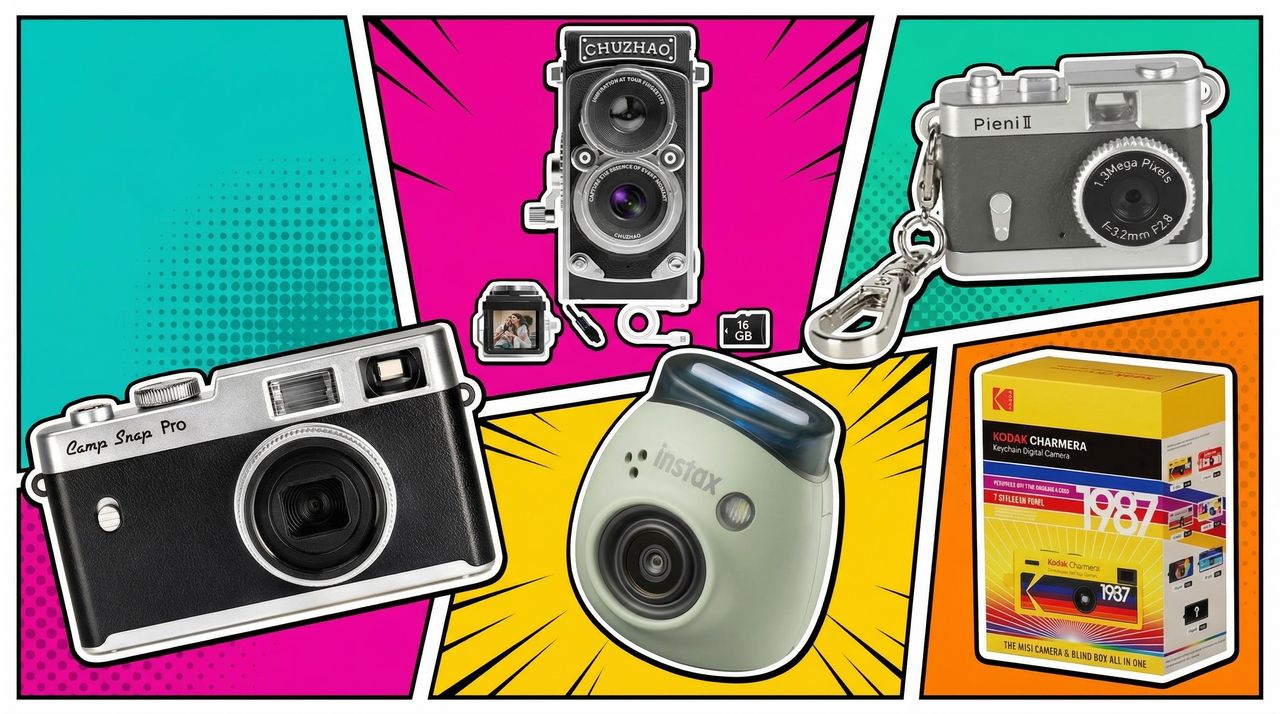


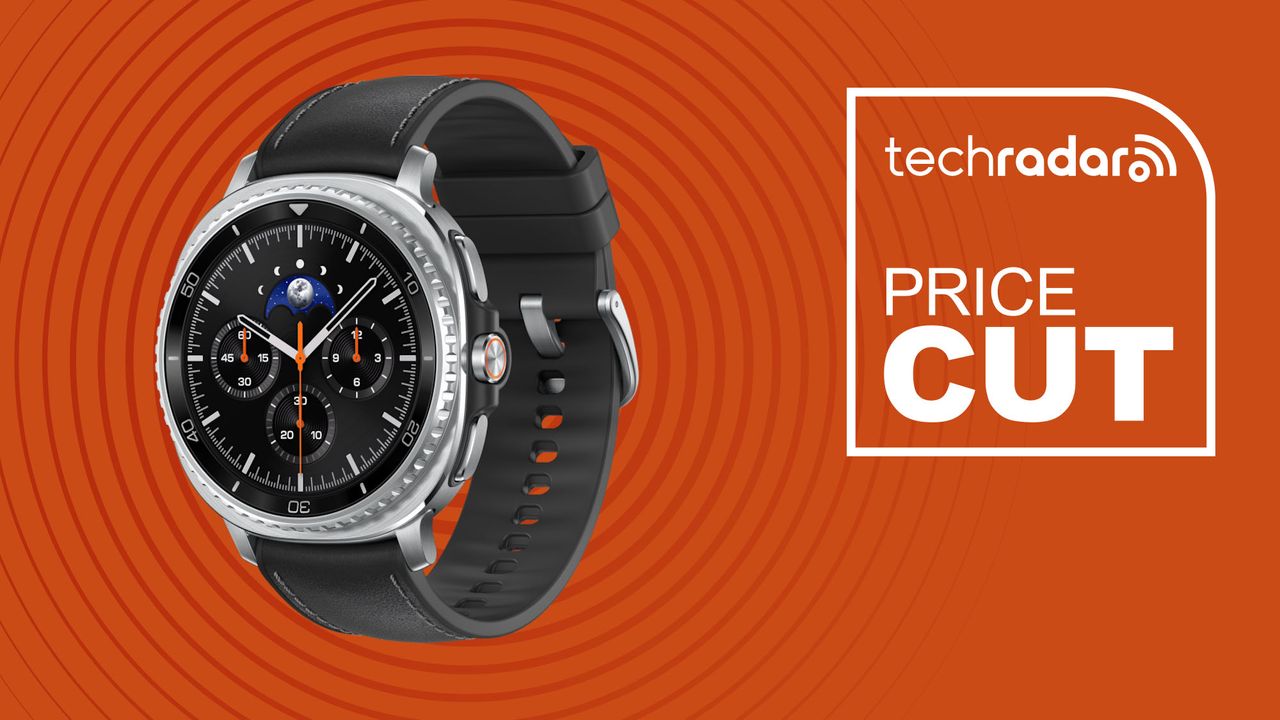





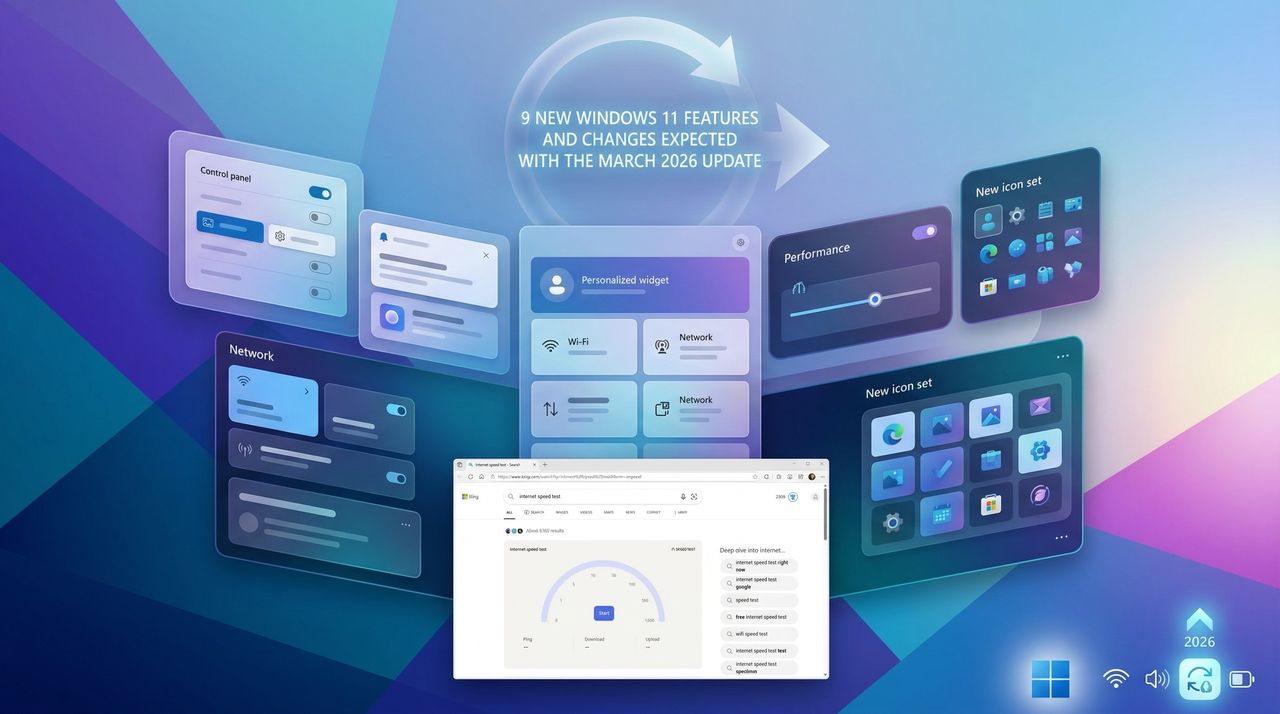















 Learn more about AI Mode in Search’s query fan-out method for visual search.
  This new unboxing video from Google shows off the Pixel 10a’s sleek, durable design and brand new Berry color.







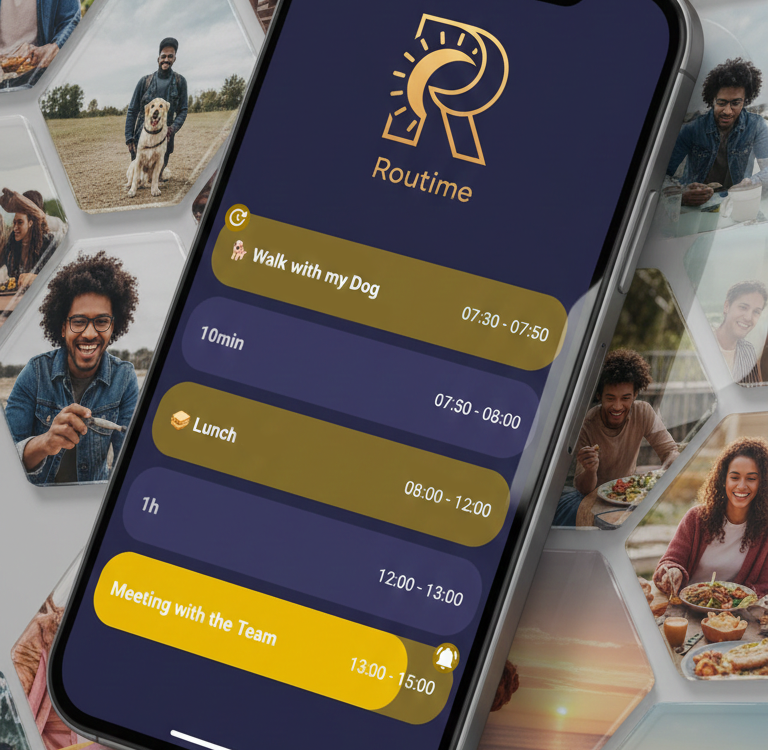
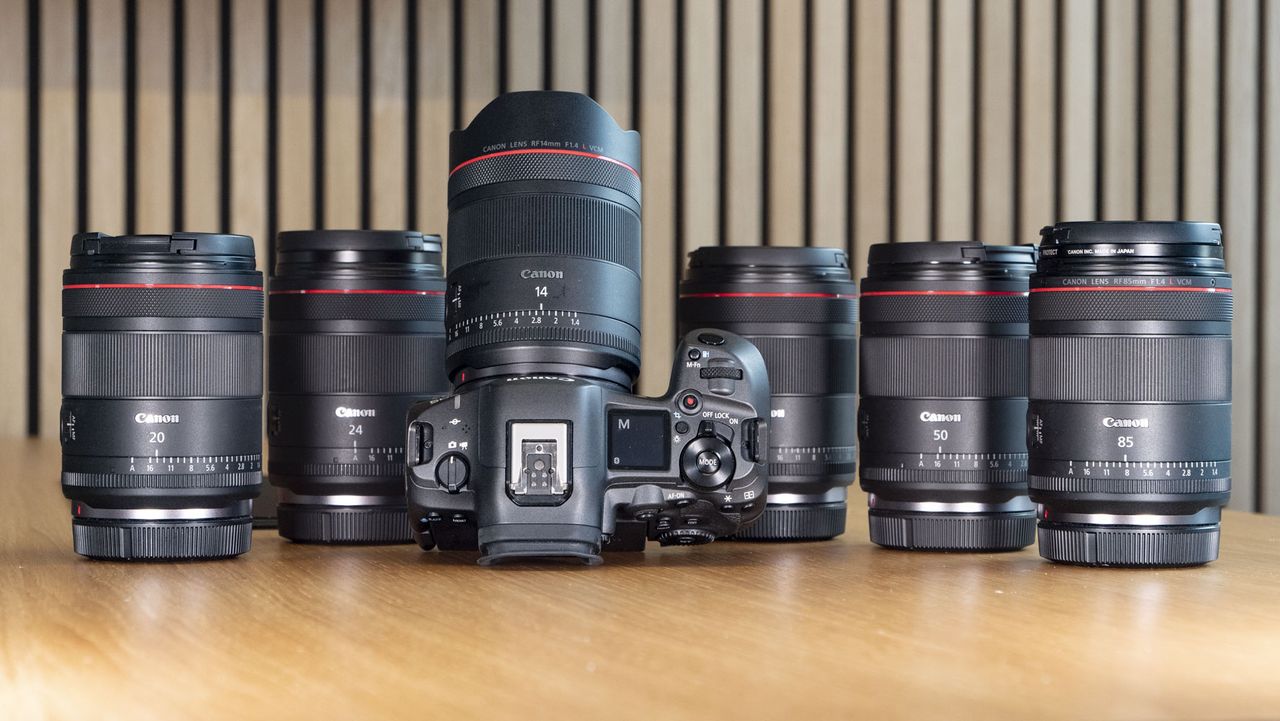

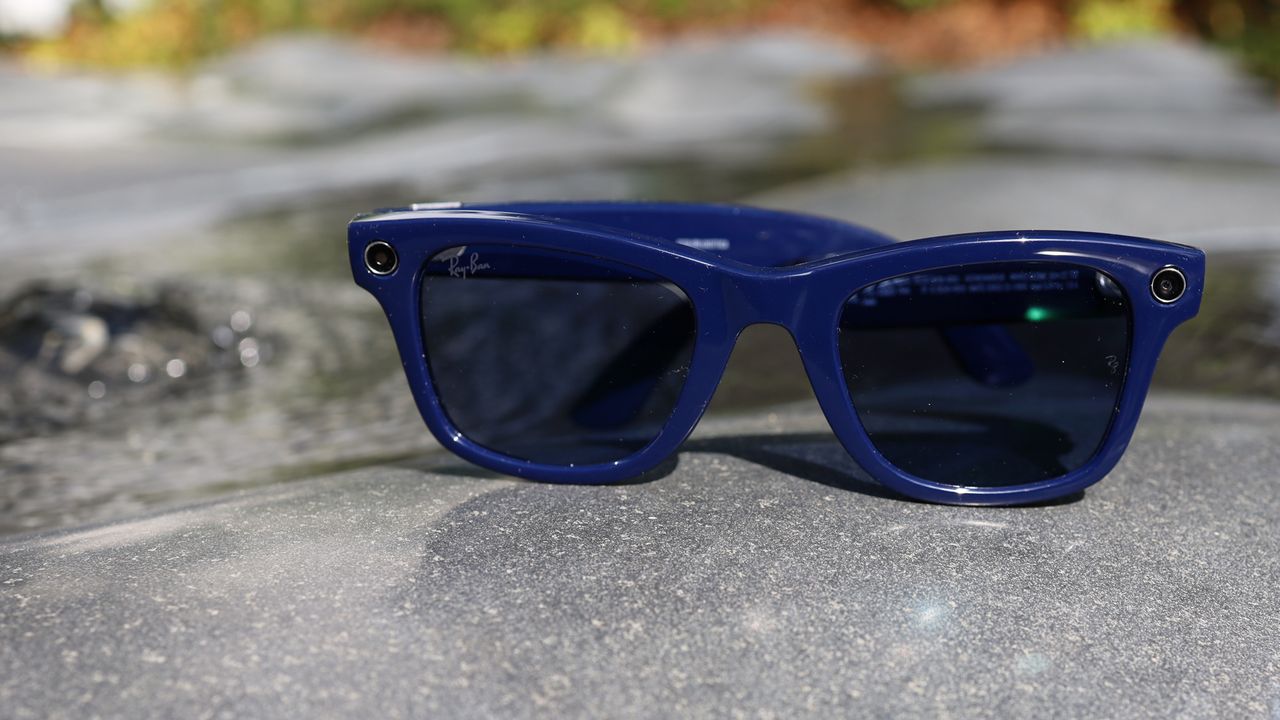


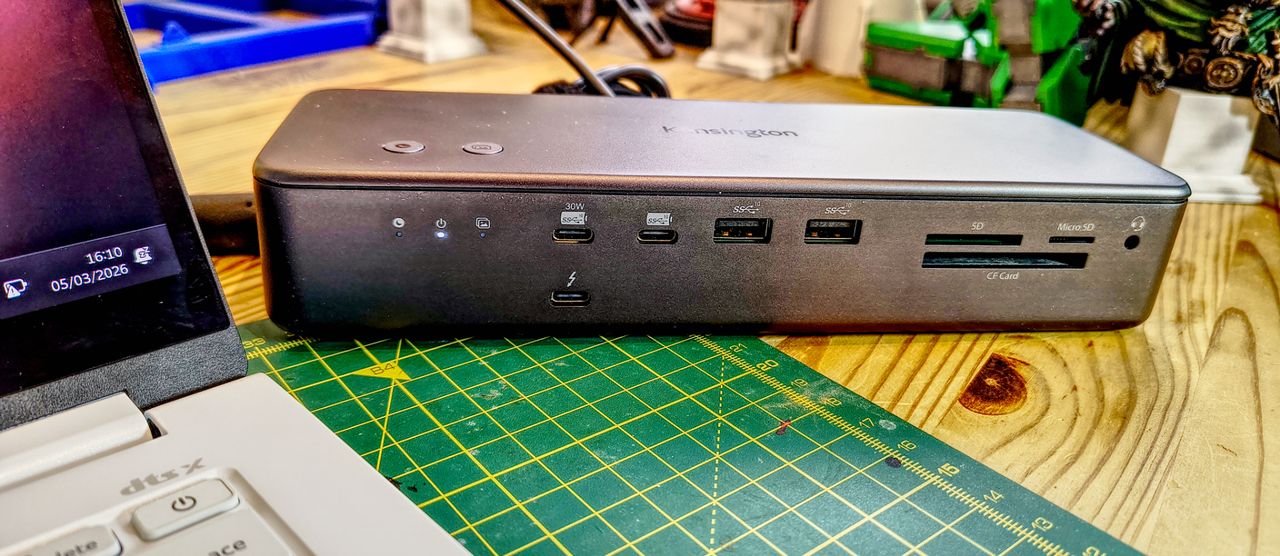



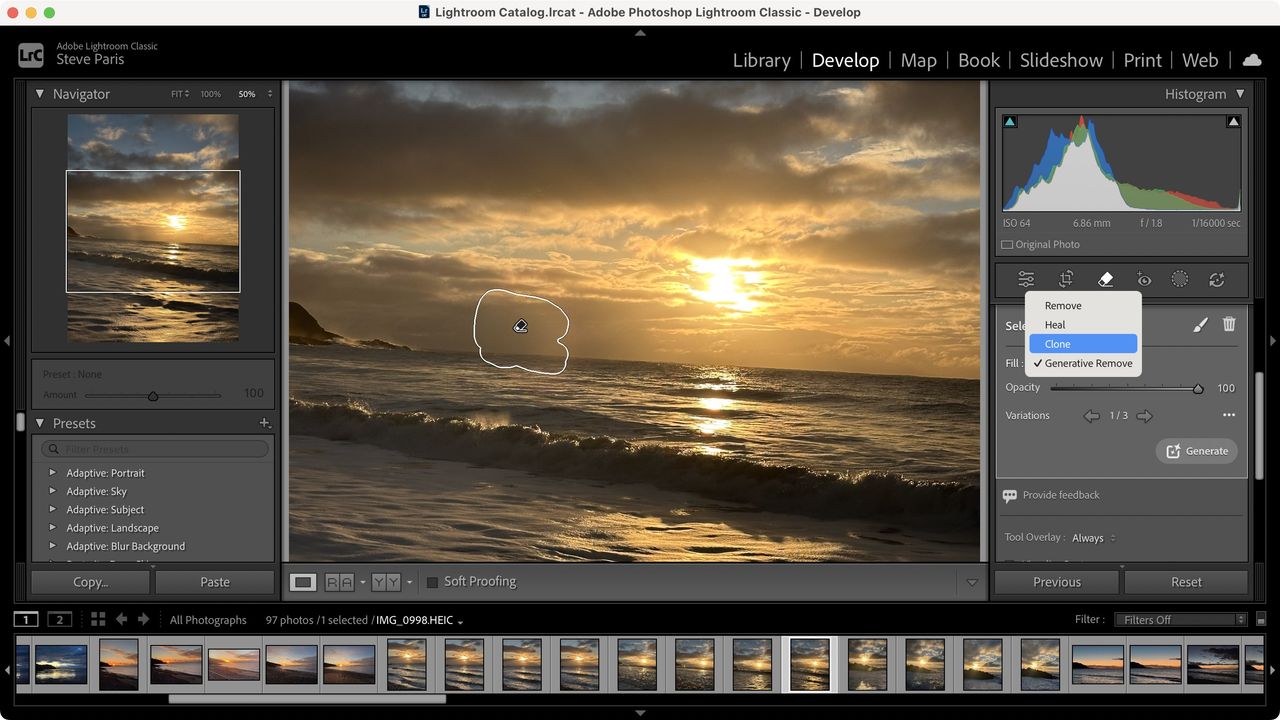


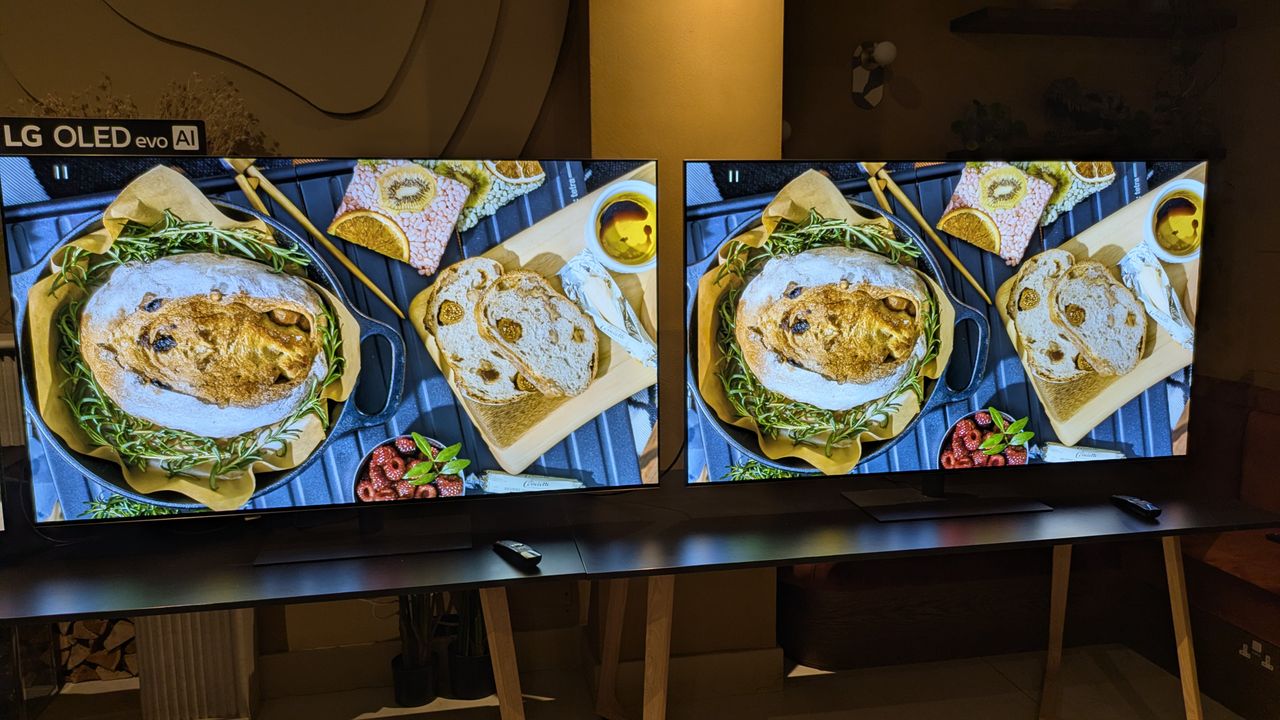

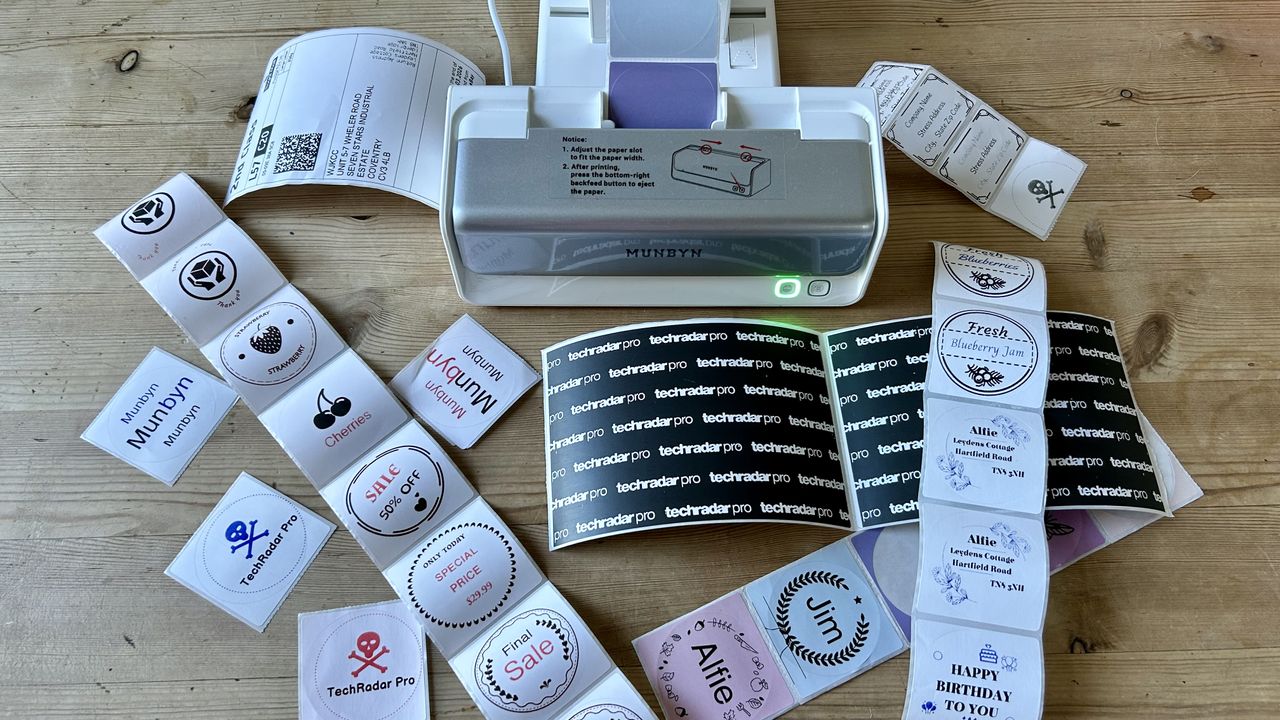



 Here are Google’s latest AI updates from February 2026











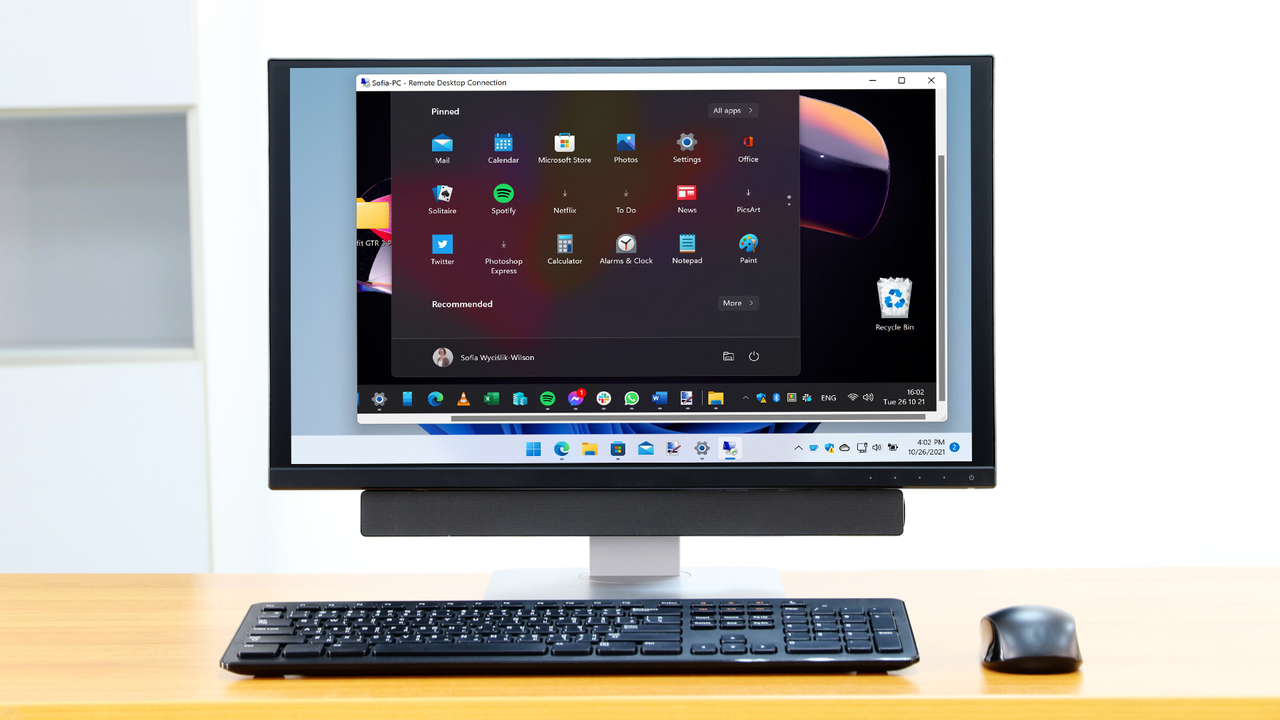



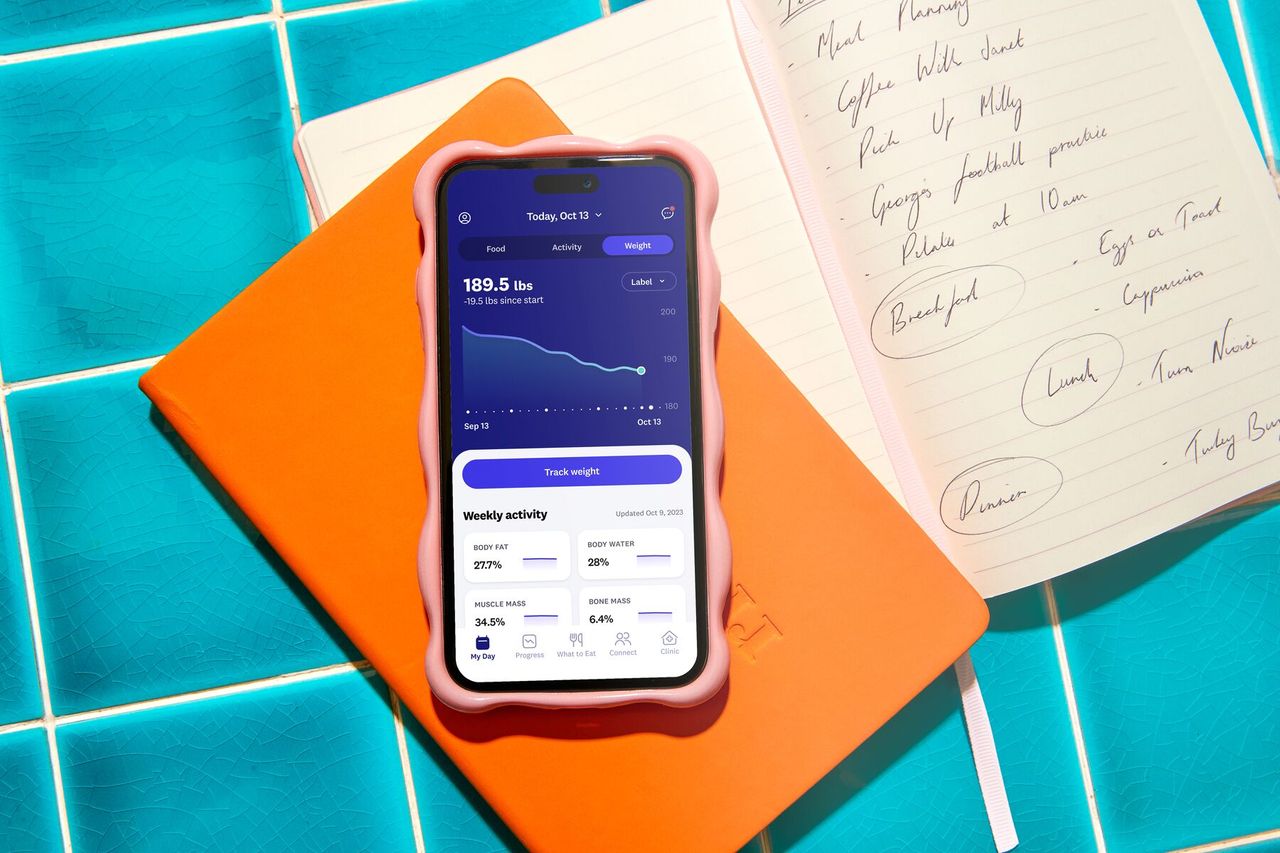



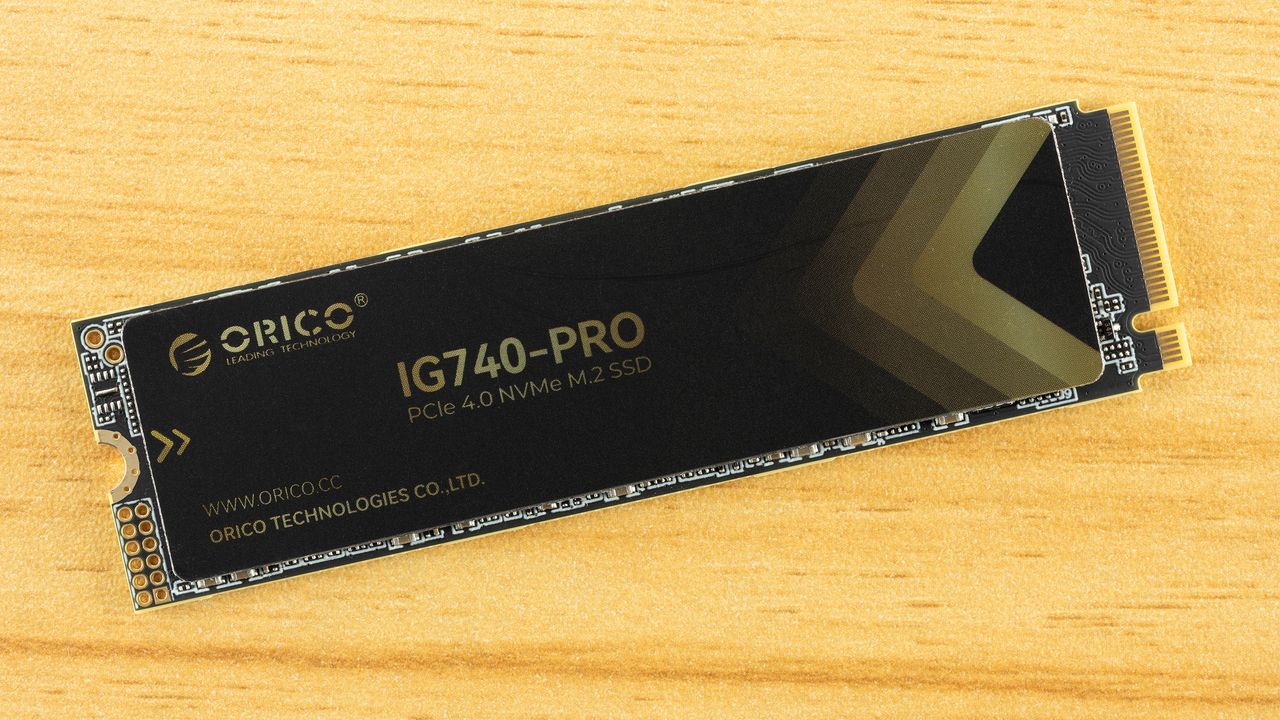

 Superpollutants have been responsible for close to half of planetary warming, and without action they’ll continue to warm the planet rapidly in the decades to come.That’…