A group of hacktivists have claimed responsibility for a distributed denial-of-service attack, which has affected several Ubuntu and Canonical websites, and prevented users from updating the Linux-based operating system.
Resident Evil’s getting a new live-action film The Resident Evil series is incredible, at least when it comes to video games. When it comes to movies, especially live-action ones, the series is very hit-or-miss. This year, a new live-action Resident Evil movie is in the works, directed by Zach Cregger, the director of the critically […]
I’ve built 10+ SEO agent skills in 34 days. Six worked on the first try. The other four taught me everything I’m about to show you about the folder structure most LinkedIn posts about AI SEO skills gloss over.
What makes these agents reliable isn’t better prompts. It’s the architecture behind them. Here’s how to build an agent from scratch, test it, fix it, and ship it with confidence.
Why most AI SEO skills fail
Here’s what a typical “AI SEO prompt” looks like on LinkedIn:
You are an SEO expert. Analyze the following website and provide a comprehensive audit with recommendations.
That’s it. One prompt. Maybe some formatting instructions. The person posts a screenshot of the output, gets 500 likes, and moves on. The output looks professional. It reads well. It’s also 40% wrong.
I know because I tried this exact approach. Early in the build, I pointed an agent at a website and said, “find SEO issues.” It came back with 20 findings. Eight didn’t exist. The agent had never visited some of the URLs it was reporting on.
Three problems kill single-prompt skills:
No tools: The agent has no way to actually check the website. It’s working from training data and guessing. When you ask, “Does this site have canonical tags?” the agent imagines what the site probably looks like rather than fetching the HTML and parsing it.
No verification: Nobody checks if the output is true. The agent says, “missing meta descriptions on 15 pages.” Which 15? Are those pages even indexed? Are they noindexed on purpose? No one asks. No one verifies.
No memory: Run the same skill twice, you get different output. Different structure. Different severity labels. Sometimes different findings entirely. There’s no consistency because there’s no template, no schema, no record of past runs.
If your skill is a prompt in a single file, you don’t have a skill. You have a coin flip.
Every agent in our system has a workspace. Think of it like a new hire’s desk, stocked with everything they need. Here’s what the workspace looks like for the agent that crawls websites and maps their architecture:
agent-workspace/
  AGENTS.md          instructions, rules, output format
  SOUL.md            personality, principles, quality bar
  scripts/
    crawl_site.js    tool the agent calls to crawl
    parse_sitemap.sh tool to read XML sitemaps
  references/
    criteria.md      what counts as an issue vs noise
    gotchas.md       known false positives to watch for
  memory/
    runs.log         past execution history
  templates/
    output.md        expected output structure
Six components. One prompt file would cover maybe 20% of this.
AGENTS.md is the instruction manual
I wrote thousands of words of methodology into AGENTS.md. Instead of “crawl the site,” I laid out the steps: “Start with the sitemap. If no sitemap exists, check /sitemap.xml, /sitemap_index.xml, and robots.txt for sitemap references.
Respect crawl-delay. Use a browser user-agent string, never a bare request. If you get 403s, note the pattern and try with different headers before reporting it as a block.”
Scripts are the agent’s tools
The agent calls node crawl_site.js –url to analyze website data. It doesn’t write curl commands from scratch every time. That’s the difference between giving someone a toolbox and telling them to forge their own wrench.
References are the judgment calls
This contains criteria for what counts as an issue. Known false positives to watch for. Edge cases that took me 20 years to learn. The agent reads these when it encounters something ambiguous.
Memory is institutional knowledge
Here I keep a log of past runs:
What it found last time.
How long the crawl took.
What broke.
The next execution benefits from the last.
Templates enforce consistency
This is where I get specific about the output I want: “Use this exact structure. These exact fields. This severity scale.” Output templates are the difference between getting the same quality in run 14 as you did in run 1.
Walkthrough: Building the crawler from scratch
Let me show you exactly how I built the crawler. It maps a site’s architecture, discovers every page, and reports what it finds.
Version 1: The naive approach
I provided the instruction: “Crawl this website and list all pages.”
The agent wrote its own HTTP requests, used bare curl, and got blocked by the first site it touched. Every modern CDN blocks requests without a browser user-agent string, so it was dead on arrival.
Version 2: Added a script
I built crawl_site.js using Playwright. This version used a headless browser and a real user-agent. The agent calls the script instead of writing its own requests.
This worked on small sites, but it crashed on anything over 200 pages. Because there was no rate limiting and no resume capability, it hammered servers until they blocked us.
Version 3: Introducing rate limiting and resume
I added throttling with a two requests per second default and never every two seconds for CDN-protected sites. The agent reads robots.txt and adjusts its speed without asking permission. I also added checkpoint files so a crashed crawl can resume from where it stopped.
This worked on most sites, but it failed on sites that require JavaScript rendering.
Version 4: JavaSript rendering
This time, I added a browser rendering mode. The agent detects whether a site is a single-page app (React, Next.js, Angular) and automatically switches to full browser rendering.
It also compares rendered HTML against source HTML, and I found real issues this way: Sites where the source HTML was an empty shell but the rendered page was full of content. Google might or might not render it properly. Now we check both.
This version worked on everything, but the output was inconsistent between runs.
Version 5: Time for templates and memory
For this version, I added templates/output.md with exact fields: URL count, sitemap coverage, blocked paths, response code distribution, render mode used, and issues found. This way every run produces the same structure.
I also added memory/runs.log. The agent appends a summary after every execution. Next time it runs, it reads the log and can compare results, like “Last crawl found 485 pages. This crawl found 487. Two new pages added.”
Version 5 is what we run today. Five iterations in one day of building.
THE CRAWLER'S EVOLUTION

  v1: Raw curl           → blocked everywhere
  v2: Playwright script  → crashed on large sites
  v3: Rate limiting      → couldn't handle JS sites
  v4: Browser rendering  → inconsistent output
  v5: Templates + memory → stable, consistent, reliable

  Time: 1 day. Lesson: the first version never works.
The pattern is always the same: Start small, hit a wall, fix the wall, hit the next wall.
Five versions in one day doesn’t mean five failures. It means five lessons that are now permanently encoded. I’ve rebuilt delivery systems four times over 20 years. The process doesn’t change. You start with what’s elegant, then reality hits, and you end up with what works.
Tip: Don’t try to build the perfect skill on the first attempt. Build the simplest thing that could possibly work. Run it on real data and watch it fail. The failures tell you exactly what to add next. Every version of our crawler was a direct response to a specific failure. Not a feature we imagined. A problem we hit.
This is the most important architectural decision I made.
When you write “use curl to fetch the sitemap” in your instructions, the agent generates a curl command from scratch every time. Sometimes it adds the right headers. Sometimes it doesn’t. Sometimes it follows redirects. Sometimes it forgets.
When you give the agent a script called parse_sitemap.sh, it calls the script. The script always has the right headers, always follows redirects, and always handles edge cases. The agent’s judgment goes into WHEN to call the tool and WHAT to do with the results. The tool handles HOW.
Our agents have tools for everything:
crawl_site.js: Playwright-based crawler with rate limiting, resume, and rendering
parse_sitemap.sh: Fetches and parses XML sitemaps, counts URLs, detects nested indexes
check_status.sh: Tests HTTP response codes with proper user-agent strings
extract_links.sh: Pulls internal and external links from page HTML
The agent decides which tools to use and what parameters to set. The crawler chooses its own crawl speed based on what it encounters. It reads robots.txt and adjusts. It has judgment within guardrails.
Think of it this way: You give a new hire a CRM, not instructions on how to build a database. The tools are the CRM. The instructions are the process for using them.
Progressive disclosure: Don’t dump everything at once
Here’s a mistake I made early: I put everything in AGENTS.md. Every rule. Every edge case. Every gotcha. Thousands of words.
The agent got confused. It had too much context and it started prioritizing obscure edge cases over common tasks. It would spend time checking for hash routing issues on a WordPress blog.
The fix: progressive disclosure.
Core rules that affect the 80% case go in AGENTS.md. This is what the agent needs to know for every single run.
Edge cases go in references/gotchas.md. The agent reads this file when it encounters something ambiguous. Not before every task. Only when it needs it.
Criteria for severity scoring go in references/criteria.md. The agent checks this when it finds an issue and needs to decide how bad it is. Not upfront.
This is the same way a skilled employee operates. They know the core process by heart. They check the handbook when something weird comes up. They don’t re-read the entire handbook before answering every email.
If your agent output is inconsistent but your instructions are detailed, the problem is usually too much context. Agents, like new hires, perform better with clear priorities and a reference shelf than with a 50-page manual they have to digest before every task.
The 10 gotchas: Failure modes that will burn you
Every one of these lessons cost me hours. They’re now encoded in our agents’ references/gotchas.md files so they can’t happen again.
Agents hallucinate data they can’t verify
I asked the research agent to find law firms and count their attorneys. It made every number up. It had never visited any of their websites.
Only ask agents to produce data they can actually fetch and verify. Separate what they know (training data) from what they can prove (fetched data).
Knowledge doesn’t transfer between agents
This fix I figured out on day one (use a browser user-agent string to avoid CDN blocks) had to be re-taught to every new agent. Day 34, a brand new agent hit the exact same problem.
Agents don’t share memories. Encode shared lessons in a common gotchas file that multiple agents can reference.
Output format drifts between runs
The same prompt can result in different field names: “note” vs. “assessment.” “lead_score” vs. “qualification_rating.” If you run it twice, get two different schemas.
The fix: Create strict output templates with exact field names. Not “write a report.” “Use this exact template with these exact fields.”
Agents confidently report issues that don’t exist
The first three audits delivered false positives with total confidence.
The fix wasn’t a better prompt. It was a better boss. A dedicated reviewer agent whose only job is to verify everyone else’s work. The same reason code review exists for human developers.
Bare HTTP requests get blocked everywhere
Every modern CDN blocks requests without a browser user-agent string. The crawler learned this on audit number two when an entire site returned 403s.
All it required was a one-line fix, and now it’s in the gotchas file. Every new agent reads it on day one.
Don’t guess URL paths
Agents love to construct URLs they think should exist: /about-us, /blog, /contact. Half the time, those URLs 404.
My rule is: Fetch the homepage first, read the navigation, follow real links. Never guess.
‘Done’ vs. ‘in review’ matters
Agents marked tasks as “done” when posting their findings. Wrong. “Done” means approved. “In review” means waiting for human verification.
This small distinction has a huge impact on workflow clarity when you have 10 agents posting work simultaneously.
Categories must be hyper-specific
“Fintech” is useless for prospecting because it’s too broad. “PI law firms in Houston” works. Every company in a category should directly compete with every other company.
My first attempt at sales categories was “Personal finance & fintech.” A crypto exchange doesn’t compete with a budgeting app. Lesson learned in 20 minutes.
Never ask an LLM to compile data
Unless you want fabricated results. I asked an agent to summarize findings from five separate reports into one document. It invented findings that weren’t in any of the source reports.
Always build data compilations programmatically. Script it. Never prompt it.
Agents will try things you never planned
The research agent tried to call an API we never set up. It assumed we had access because it knew the API existed.
The fix: Be explicit about what tools are available. If a script doesn’t exist in the scripts folder, the agent can’t use it. Boundaries prevent creative failures.
Build the reviewer first
This is counterintuitive. When you’re excited about building, you want to build the workers. The crawler. The analyzers. The fun parts.
Build the reviewer first. Without a review layer, you have no way to measure quality. You ship the first audit and it looks great. But 40% of the findings are wrong. You don’t know that until a client or a colleague spots it.
Our review agent reads every finding from every specialist agent. It checks:
Does the evidence support the claim?
Is the severity appropriate for the actual impact?
Are there duplicates across different specialists?
Did the agent check what it says it checked?
That single agent was the biggest quality improvement I made. Bigger than any prompt tweak. Bigger than any new tool.
The human approval rate across 270 internal linking recommendations: 99.6%. That number exists because a reviewer verifies every single one.
I’ve seen the same pattern with human SEO teams for 20 years. The teams that produce great work aren’t the ones with the best analysts. They’re the ones with the best review process. The analysis is table stakes. The review is the product.
BUILD ORDER (WHAT I LEARNED THE HARD WAY)

  What I did first:     Build workers → Ship output → Discover quality problems → Build reviewer
  What I should have done: Build reviewer → Build workers → Ship reviewed output → Iterate both

  The reviewer defines quality. Build it first. Everything else gets measured against it.
Tip: If you’re building multiple agents, the reviewer should be the first agent you build. Define what “good output” looks like before you build the thing that produces output. Otherwise, you’re shipping hallucinations with formatting. I learned this across three audits that were embarrassing in hindsight.
The validation standard (Our unfair advantage)
The reviewer catches technical errors. But there’s a higher bar than “technically correct.”
We have a real SEO agency with real clients and a team with 50 years of combined experience. Every agent finding gets validated against one question: “Would we stake our reputation on this?”
Would we actually send this to a client, put our name on the report, and tell the developer to build it?
Below are four tests we use for every finding:
The Google engineer test: If this client’s cousin works at Google, would they read this finding and nod? Would they say, “Yes, this is a real issue, this makes sense”? If the answer is no, it doesn’t ship.
The developer test: Can a developer reproduce this without asking a single follow-up question? “Fix your canonicals” fails. “Change CANONICAL_BASE_URL from http to https in your production .env” passes.
The agency reputation test: Would we defend this finding in a client meeting? If I’d be embarrassed explaining it to a technical CMO, it gets cut.
The implementation test: Is this specific enough to actually fix? Not “improve your page speed” but “your hero video is 3.4MB, which is 72% of total page weight. Serve a compressed version to mobile. Here’s the file.”
This is our unfair advantage. We’re not building agents in a vacuum. Most people building AI SEO tools have never run a real audit. They don’t know what “good” looks like. We do. We’ve been delivering it for 20 years with real clients. That’s why our approval rate is 99.6%.
Sandbox testing: Train on planted bugs
You don’t train an agent on real client sites. You build a test environment where you KNOW the answers. We built two sandbox websites with SEO issues we planted on purpose:
A WordPress-style site with 27+ planted issues: missing canonicals, redirect chains, orphan pages, duplicate content, broken schema markup.
A Node.js site simulating React/Next.js/Angular patterns with ~90 planted issues: empty SPA shells, hash routing, stale cached pages, hydration mismatches, cloaking.
The training loop:
Run agent against sandbox.
Compare agent’s findings to known issues.
Agent missed something? Fix the instructions.
Agent reported a false positive? Add it to gotchas.md.
Re-run. Compare again.
Only when it passes the sandbox consistently does it touch real data.
Think of it like a driving test course. Every accident on real roads becomes a new obstacle on the course. New drivers face every known challenge before they hit the highway.
The sandbox is a living test suite. Every verified issue from a real audit gets baked back in. It only gets harder. The agents only get better.
Consistency: The unsexy secret
Nobody writes about this because it’s boring. But consistency is what separates a demo from a product.
Three things that make output consistent:
Templates: Every agent has an output template in templates/output.md: Exact fields, structure, and severity scale. If the output looks different every run, you don’t need a better prompt. You need a template file.
Run logs: After every execution, the agent appends a summary to memory/runs.log. Timestamp, site, pages crawled, issues found, duration. The next run reads this log. It knows what happened last time. It can compare and provide outputs like, “Found 14 issues last run. Found 16 this run. 2 new issues identified.”
Schema enforcement: Field names are locked: “severity” not “priority,” “url” not “page_url,” “description” not “summary.” When you let field names drift, downstream tooling breaks. Templates solve this permanently.
If your agent output looks different every run, you need a template file, not a better prompt. I cannot stress this enough. The single fastest way to improve quality for any agent is a strict output template.
The stack that makes it work
A quick note on infrastructure, because the tools matter.
Our agents run on OpenClaw. It’s the runtime that handles wake-ups, sessions, memory, and tool routing. Think of it as the operating system the agents run on. When an agent finishes one task and needs to pick up the next, OpenClaw handles that transition. When an agent needs to remember what it did last session, OpenClaw provides that memory.
Paperclip is the company OS. Org charts, goals, issue tracking, task assignments. It’s where agents coordinate. When the crawler finishes mapping a site and needs to hand off to the specialist agents, Paperclip manages that handoff through its issue system. Agents create tasks for each other. Auto-wake on assignment.
Claude Code is the builder. Every script, every agent instruction file, every tool was built with Claude Code running Opus 4.6. I’m a vibe coder with 20 years of SEO expertise and zero traditional programming training. Claude Code turns domain knowledge into working software.
The combination: OpenClaw runs the agents. Paperclip coordinates them. Claude Code builds everything.
This process resulted in 14+ audits completed with 12 to 20 developer-ready tickets per audit, including exact URLs and fix instructions. All produced in hours, not weeks.
We have a 99.6% approval rate on internal linking recommendations on 270 links across two sites, verified by a dedicated review process.
We completed more than 80 SEO checks mapped across seven specialist agents. Each check has expected outcomes, evidence requirements, and false positive rules. Every finding is specific (i.e., “the main app JavaScript bundle is 78% unused. Here are the exact files to fix”).
That level of specificity comes from the skill architecture. The folder structure. The tools. The references. The templates. The review layer. Not the prompt.
If you want to build SEO agent skills that actually work, stop writing prompts and start building workspaces. Give your agents tools, not instructions. Test on sandboxes, not clients.
Build the reviewer first. Enforce templates. Log everything. The first version will fail. The fifth version will surprise you.
This is how you turn agent output into something repeatable. The same system produces the same quality — whether it’s the first audit or the 14th — because every step is structured, verified, and encoded.
Not because the AI is smarter. Because the architecture is.
Over the past few years, Performance Max has gone from an opaque experiment to a more capable — though still imperfect — campaign type for B2B marketers.
The fundamentals haven’t changed: skepticism still matters, first-party data is critical, experimentation is non-negotiable, and actionable reporting drives optimization. What has changed is how much better Google has gotten at operationalizing those inputs.
That means your Performance Max strategy needs to adapt. Here are five best practices for running more effective PMax campaigns for B2B today.
1. Guide AI with the right inputs
In 2022, given the automated nature of PMax campaigns and the aggressive way Google reps were pushing them, I predicted we’d see an accelerated move toward AI integration. That’s certainly played out, probably in part because of competitive pressures introduced by ChatGPT and the like.
AI Max for Search (launched in 2025) and PMax are both being prioritized by Google, and that’s not necessarily a bad thing since Google hasn’t deprecated standard Search campaign for B2B and has provided a slew of helpful updates that make PMax more viable for B2B.
Three updates worth using include:
Search themes, which are useful for more precise targeting.
Brand exclusions, which help minimize CPC inflation and over-investment on less-incremental queries.
Account-level channel reporting, which gives you a single dashboard look at performance across campaigns. For this feature, segment by conversion metrics to drill down on ROI by channel. You’ll quickly see overperformers where you can increase investment and underperformers that cry out for further optimization or reduced budget.
B2B lead quality in search campaigns has always been a challenge, and PMax’s relative lack of advertiser control makes that challenge tougher. I’ve pushed offline conversion tracking (OCT) since we’ve had that capability, but it’s an absolute non-negotiable for B2B campaigns.
Citing the phase-out of third-party cookies that still hasn’t happened (!), Google officially sunsetted Similar Audiences in 2023, which — well, it was a big loss for advertisers.
To compensate, understand and adapt according to the nature of PMax targeting, which is based on audience signals. Feed the AI high-quality first-party data (CRM lists) and let the algorithm find “lookalikes” through its own internal signals.
CRM lists for B2B are obviously critical, and this should give you even more incentive to clean up and segment CRM data, with audience lists closest to the point of revenue (e.g., SQLs or revenue if you don’t have enough closed-won data to send strong signals), especially valuable for finding high-value new users.
Creative is an important part of the puzzle for PMax. Good creative can prompt the right audience to engage, and great creative can deter the wrong audience from engaging.
Because YouTube is now a massive part of PMax campaigns, video — which has never been a B2B strength — should be prioritized more than ever for performance marketing.
Google has made this easier by adding the ability to build AI-generated assets right in the Google Ads interface. Just recently, they launched an important complementary feature in beta: PMax A/B creative testing to help advertisers understand which creatives are actually driving performance, and to use test-and-control structures to surface winning (and losing) elements.
A major source of frustration with PMax has been a lack of transparency into results. Over the last few years, Google has introduced reporting updates to address some of those concerns.
Search term insights and auction insights in the Insights tab provide more visibility into performance. Search term insights show how your ads perform for the queries users actually type, including how those ads are being matched and served. This added nuance makes optimization more precise.
Auction insights add competitive context, showing how your campaigns perform against others in the same auctions through metrics like impression share and outranking share.
Finally, asset-level reporting brings visibility to creative performance, with data on impressions, clicks, cost, and conversions for each asset.
Together, these updates give you a clearer view into what’s driving performance — and where to focus optimization efforts.
Taken together, recent updates make PMax more viable for B2B marketers than it used to be, especially for those with strong first-party data to train bidding algorithms and a need to find new customer pockets.
After more than 10 years in marketing, I still prefer having controllable levers — and I’m not willing to fully trust Google to act more in my (or my clients’) best interests than its own. Use everything at your disposal to make PMax campaigns work for you, and keep an eye out for new features Google releases that can give you more visibility and control over your account performance.
Roblox has introduced what it calls "Roblox Reality," and it's aiming to provide AI-powered, photorealistic upscaling akin to NVIDIA's DLSS 5. Here's how it won't require a heavy-duty gaming PC to run, if it ever makes it to market.
Although Xbox controllers work perfectly with Windows PCs out of the box, some prefer the feel of the PS5's DualSense. Without a wired connection, however, the DualSense lacks some features. That changes with this ingenious fix, requiring only a $7 Raspberry Pi to get going.
Researchers at the Chinese Academy of Sciences have developed an alkaline all-iron flow battery capable of more than 6,000 charge-discharge cycles without measurable capacity decay, according to a paper published in Advanced Energy Materials. The team estimates that performance is equivalent to around 16 years of daily use.
In one case, a patient came into the emergency department with a pulmonary embolism. The condition initially improved with treatment, then worsened. Doctors suspected the medication was failing. The AI model, using the same electronic health records available at the time, flagged a possible history of lupus – an autoimmune...
Kingdom Come: Deliverance makers Warhorse Studios is indeed working on its next project now that all of the DLC for Kingdom Come: Deliverance 2 is out the door. Unsurprisingly, it'll be another "huge immersive RPG" from the studio, according to the team's content director Ondřej Bittner in a Reddit AMA. But that doesn't totally tell us what the game is. The obvious guess is that it's just the next entry in the Kingdom Come series, but the other popular guess is that the team is working on an RPG set in the Lord of the Rings. That's a rumour that […]
JEDEC continues the development of DDR5 MRDIMM memory for next-gen datacenters, now offering increased bandwidth. MRDIMM DDR5 Memory is designed to meet the growing bandwidth & Capacity Demands of AI Datacenters & JEDEC just unleashed its fastest design yet Two years ago, the first DDR5 MRDIMM memory was announced, offering up to 256 GB capacities per module and 8800 MT/s speeds. Now, as AI & datacenter requirements continue to grow, JEDEC is advancing its MRDIMM roadmap ahead with faster modules that operate at speeds of up to 12,800 MT/s, marking a 45% uplift over the initial design. Press Release: JEDEC […]
The adoption of emergency features on smartphones is made possible thanks to the use of advanced modems, multiple sensors, and improved processing power, but despite Android handsets having access to all three, they are unable to offer the same life-saving additions as Apple quickly enough, which is adversely affecting their market share. According to the latest research, the iPhone maker leads the pack in satellite connectivity, which has become a strong base for getting people out of hairy situations, with the company currently sitting comfortably with a 71.6 percent market share. With nearly one in two smartphones expected to support […]
SoftBank is planning to launch an AI and robotics startup in the U.S. to build data centers. The firm is gunning for a $100 billion valuation and aims to list the startup this year.
Huawei is reportedly on track to become China’s top AI chip supplier as Nvidia faces export restrictions and customs delays. Analysts forecast China’s domestic AI chip market could hit $67 billion by 2030.
VoiceDash converts your speech into structured, edited text in real time so you can communicate at the speed of thought. It removes filler words, fixes grammar, and drops your text directly into any app. Use a hotkey, speak naturally, and see clean copy appear on Mac, Windows, Android, and iPhone. Pro features include unlimited words, a personal dictionary, and snippet libraries, with privacy-first design and a free trial to get started.
After ongoing attempts in Europe, Canada is the latest country pushing for "lawful access" to data for law enforcement. This, despite cybersecurity experts warning that breaking encryption would threaten everyone's privacy and security.
The 11th annual DJI and SkyPixel photo and video contest winners have been revealed, selected from over 95,000 entries, and you wouldn't believe what drone pilots are able to create with affordable gear
You can treat yourself to some top tech for less this weekend, thanks to the Amazon bank holiday sale, so I've hand-picked 21 of the best deals that are worth buying.
Runway Magazine nearly got bought out by an AI company in The Devil Wears Prada 2 ending — so I asked ChatGPT to work what would shake out if the deal happened in real life.
Want behind-the-scenes access to our TV test bench? Here’s your chance to ask our expert reviewers everything you want to know about the LG C6 OLED TV.
IO Interactive has addressed criticism of the design of the 007 First Light limited-edition DualSense wireless controller, confirming it's not what some fans think.
Nvidia’s RTX 3060 12GB will resume production in June, report claims According to a new post on Board Channels (via Videocardz), Nvidia’s RTX 3060 12GB graphics card could return to production in June. The report claims that Nvidia partners like Colorful, ASUS, MSI, and Galax plan to produce new RTX 3060 graphics cards, with mass production starting […]
Programmatic SEO (pSEO) has been viewed with suspicion by the market. For many SEOs, the term is synonymous with low-quality pages, duplicate content, and the old tactic of “find and replace” city names in static templates.
Google’s spam policies on scaled content abuse are clear: generating vast amounts of unoriginal content primarily to manipulate search rankings is a violation.
Modern pSEO replaces mass page generation with an infrastructure that answers thousands of specific search intents with local nuance and semantic depth at a scale that isn’t possible manually.
This blueprint shows how to evolve from syntax-based pSEO (swapping keywords) to semantics-based pSEO (meaning and context), using a methodology we’ve applied to major players in Brazil.
The fallacy of the static template vs. semantic granularity
The most common mistake when starting a pSEO project is starting with the template, not the data. The old mindset said: “I have a template for ‘Best Hotel in [City].’ I’ll replicate this for 500 cities.”
The problem? The search intent for “Best Hotel in [Las Vegas]” (focused on nightlife, casinos, and luxury) can be radically different from the intent for “Best Hotel in [Orlando]” (focused on family suites, park shuttles, and pools). The user priorities, amenities sought, and decision-making criteria change completely.
The semantic approach requires us to use AI to granularize content. Instead of just swapping the {{City}} variable, we use LLMs to rewrite entire sections of the page based on the specific travel intent of that destination.
We don’t want to create 1,000 pages that say the same thing. We want 1,000 pages that answer 1,000 unique travel needs while maintaining a scalable technical structure.
Before writing a single line of content, you must answer a critical question: Where do I have permission to rank?
Many pSEO projects fail because they try to cover topics where the domain lacks historical authority. The solution we developed involves a deep analysis of topic clusters based on real Google Search Console (GSC) data, not just third-party search volume.
The authority map methodology works in three stages:
Cluster audit: Identify which topics the domain already dominates, which are opportunities, and where semantic gaps exist.
Priority definition: pSEO should be used surgically to fill these gaps and strengthen topical authority, not to shoot in all directions.
Connection with the calendar: The pSEO strategy must be born from this data. If GSC shows you have growing authority in a topic like “Mortgage Credit,” that is where scale should be applied first.
From there, AI suggests themes and direction, taking into account seasonality and brand guide specifications. This approach transforms pSEO from a “gamble” into a tactic of territorial defense and expansion based on proprietary data.
Solving ‘brand hallucination’: Context governance
The biggest barrier to AI adoption in enterprise companies is brand consistency. How do you ensure that 500 AI-generated articles don’t sound generic or, even worse, hallucinate information outside the company’s tone of voice?
The answer lies in context governance. Instead of relying on isolated prompts, the pSEO architecture must include a brand guidelines layer that acts as a guardian before text generation. This means systematically injecting:
Brand persona: (e.g., “We are technical, but accessible”).
Negative constraints: (e.g., “Never use the word ‘cheap,’ use ‘affordable’”).
Proprietary data: Institutional information that AI doesn’t have in its training data.
By centralizing these guidelines in a digital brand guide that feeds all AI agents, we ensure that multiple sites within the same corporate group (such as a retail conglomerate) maintain their distinct verbal identities, even when producing content on the same topic (like Black Friday) simultaneously.
The AI stops being a “junior copywriter” and starts acting as a specialist trained in the company’s culture.
The architecture: The semantic mesh (internal linking)
You’ve created 1,000 excellent pages. How do you ensure Google finds and values all of them? The answer isn’t using “related posts” plugins that only look for matching tags. You need to create a strategy based on real data.
The end of the ‘dead end’
You don’t want the user to land on a page and leave. You want to offer the next logical step. Cross-reference search intent with the destination:
The practical example: If a user lands on the site searching for “What is a CRM,” they are in the discovery phase. If that page doesn’t link semantically to “Advantages of [your company’s] CRM,” the user journey “dies” there. The semantic mesh connects the question to the solution.
Strategic reasoning in practice
Instead of randomness, our analysis works based on semantic meaning. The AI identifies:
“I noticed you are about to write about ‘customer retention.’ We have an older article about ‘churn rate’ that complements this topic perfectly. Insert a link to it.”
The tool suggests links between these pages because the context is relevant, strengthening the site’s Topical Mesh.
In programmatic SEO projects, where site depth can grow rapidly, this automation via vectors is the only way to ensure no good page gets forgotten at the bottom of the index.
This closes the loop of topical authority, ensuring no page generated at scale becomes an orphan page.
Case study: Regionalization and seasonality at scale
Theory is nice, but seeing it in practice is even better. Let’s analyze the case of Ânima Educação, one of the largest private education players in Brazil, with about 310,000 students and 18 higher education institutions.
The challenge
The National High School Exam (ENEM) is the “Black Friday” of Brazilian education. Search volume explodes in a short period, competition is brutal, and search intents shift rapidly (from “how to study” to “what is my score good for”). Furthermore, Brazil has continental dimensions; the questions of a student in the Northeast are different from those of a student in the extreme South.
The execution
Using the semantic pSEO methodology and the brand governance mentioned above, it was possible to structure complete coverage of the candidate journey — from exam preparation to the release of grades.
We ensured that all 18 brands were positioned to answer student questions at the exact moment of the search, respecting local nuances.
The results
Scale with precision: During five months, hundreds of undergraduate course pages and articles were optimized or created with granular local relevance.
Business impact: Surpassed the organic revenue target by 110% during the critical ENEM season.
Omnichannel dominance: Visibility across Google Search, Google Discover, and AI Overviews, and LLMs like Gemini and ChatGPT.
Strategic shift: The SEO team transitioned from repetitive manual tasks to high-level strategic oversight.
The technical guardian: Conversational monitoring
Scaling content without scaling technical monitoring is a recipe for disaster. Publishing 500 pages that result in 404 errors, redirect loops, or poor Core Web Vitals (CWV) can destroy the site’s crawl budget.
Modern pSEO requires a layer of real-time technical SEO. It isn’t enough to wait for the monthly report. You need to connect data to the workflow.
The trend now is the use of technical SEO agents — conversational interfaces that allow the professional to ask the data: “Of the 200 pages published today, which ones have indexing issues?” or “Which clusters are suffering from high LCP?”
This closes the cycle:
Planning (authority map).
Execution (pSEO with brand governance and semantic linking).
Programmatic SEO has ceased to be about volume to become about relevance. Success won’t come from publishing 10,000 pages tomorrow, but from building an infrastructure that delivers genuine value at scale.
You can use this semantic pSEO roadmap to start your transformation:
Start with data, not templates: Use your authority map (GSC) to identify where you already have permission to grow. Don’t waste resources attacking territories where your brand has no history.
Implement context governance: Before scaling, create the “rules of the game.” Inject your brand guidelines and proprietary data into prompts to avoid generic content and hallucinations. The AI should sound like your best expert.
Build bridges, not islands: Ensure every new page is integrated into a robust semantic mesh. Use internal linking to transfer authority and guide the user toward conversion, avoiding dead ends.
Monitor with AI: Abandon sporadic manual audits. Adopt technical agents that monitor your site’s health in real time as you scale.
The future of SEO isn’t about who creates the most content. It’s about who can unite the scale of the machine with the sensitivity of the human to deliver the best answer, at the right moment, for each individual user.
Chinese Board Channels now confirm that NVIDIA's upcoming resurrection of the GeForce RTX 3060 12 GB edition will take place in June, with many of NVIDIA's existing add-in-card (AIC) partners assisting in relaunching this five-year-old GPU. Interestingly, there are rumors that the recently integrated GALAX within the Palit group will be among these partners. Other AIC partners include NVIDIA's usual launch partners like ASUS, Colorful, and MSI. It will be interesting to see whether these AIC partners design new PCBs for the GeForce RTX 3060 12 GB relaunch or use their older designs, which they probably stopped producing years ago. We have already reported that NVIDIA is reintroducing the GeForce RTX 3060 12 GB SKU with a 192-bit wide memory bus.
For this, NVIDIA will once again use Samsung's 8 nm DUV node, as it has in the past. The entire NVIDIA "Ampere" architecture lineup was produced on the 8 nm DUV node, and its return after several years was unexpected. We also reported that the rumored RTX 5050 9 GB edition is reportedly on hold, as NVIDIA is pausing the transition from its 8 GB RTX 5050 "Blackwell" version to a 9 GB model due to the reintroduction of the GeForce RTX 3060 12 GB "Ampere" GPU. Since both of these GPUs compete in the budget segment, the company will reportedly only release the older GeForce RTX 3060 12 GB SKU as its primary entry-level design.
The new claims come from the Chinese forum Board Channels. A user writes that production of the RTX 3060 12GB GPUs (as opposed to the 8GB variant) will resume in June before being allocated to add-in card manufacturers, with the retail (re)launch coming in July. The card was originally discontinued...
Roblox Reality combines the popular game creation platform's real-time graphics engine with an AI-powered video generator to dramatically increase the visual quality of user creations. The hybrid architecture does not yet run in real time, but Roblox aims to launch the first iteration in late 2026 or early 2027.
A blind test was conducted by Computer Base, which revealed that gamers often prefer DLSS 4.5 image quality to be superior to FSR 4.1. Out of Seven Games, NVIDIA DLSS 4.5 Wins Six Times in Blind Test Conducted by Computer Base, Suggesting Gamers Believe DLSS 4.5 is Superior to FSR 4.1 NVIDIA DLSS 4.5 is the leading upscaling technology from Team Green, while FSR 4.1 remains the flagship upscaler by Team Red. We have seen how incredibly powerful these upscaling technologies are in terms of visual quality. Unlike previous versions, both offer the best possible visuals through better sharpening, reduction […]
NVIDIA pulling out from China's AI market has boosted the share of domestic firms, with Huawei winning the biggest chunk. Huawei's China Market Share in AI to Reach 60% as NVIDIA CEO Confirms Zero Chip Share in China After US Policy Shift The US Government has moved to ban all leading-edge AI chip sales in China. NVIDIA, being the biggest name in the AI industry, has seen its share drop to zero after the policy shift, prompting an increased reliance on domestically produced chips in China. Currently, the situation has prompted China's AI chipmakers to double down on production and […]
One of the most popular RTX 30 series GPUs will arrive in nearly two months as NVIDIA's board partners prepare for the launch. MSI, Galax, ASUS, and Colorful to Receive RTX 3060 Chips Soon, As NVIDIA Prepares to Launch the Card in July to Tackle the Shortage As reported by Board Channels, NVIDIA is about to launch the Ampere-based RTX 3060 12 GB GPU in July, and it's not to clear the existing inventory, but to fulfill the current market demand due to GPU shortages. We know that the RAMpocalypse has caused a surge in GPU prices as well, and […]
This week, Roblox Corporation has unveiled Roblox Reality, an ambitious project that aims to deliver a DLSS 5-like AI powered model to level up the visuals available in the popular game creation platform. In the announcement blog post, Senior Vice President of Engineering Anupam Singh described Roblox Reality as a hybrid architecture that splits responsibilities between two components: the existing Roblox Game Engine (running on cloud servers), which handles all authoritative game logic like physics, collision, state synchronization, and player positions, while a new Video World Model (called "Super Upsampler") runs on edge infrastructure powered by H200/B200-class GPUs and handles the visual output, generating […]
NVIDIA's CEO has reaffirmed that AI will create hundreds of thousands of jobs, while reacting to the US's policy shift towards China. NVIDIA's China Share Has Dropped To 0, Says Jensen Huang, But Says That AI Will Bring Trillions Into The United States Economy Speaking at the latest episode of "Memos to the President", NVIDIA CEO Jensen Huang once again strengthened the fact that AI will bring a boost to the US economy, rather than destroying existing jobs. This follows Jensen's recent statements on how AI in the Industrial Era of the modern world will bring manufacturing jobs back to […]
ASML shipped 48 EUV lithography systems and 131 immersion DUV tools in 2025, generating €32.7 billion in total revenue and ending the year with a €38.8 billion order backlog.
Best Buy has slashed the cost of this Acer Predator Helios Neo 16S AI laptop with an RTX 5070 Ti, 32 GB of RAM, 240 Hz OLED display, and a Core Ultra 9 275HX processor, knocking it down to $1,799.99 and saving you $400.
The managed security services market is projected to grow from $38.31 billion in 2025 to $69.16 billion by 2030[1], with cybersecurity being the fastest-growing sector[2]. Despite this opportunity, many MSPs leave revenue on the table because their go-to-market strategy fails to connect technical expertise with business needs.
This execution gap is where most deals stall. MSPs often focus on
The U.S. Department of Justice (DoJ) on Thursday announced the sentencing of two cybersecurity professionals to four years each in prison for their role in facilitating BlackCat ransomware attacks in 2023.
Ryan Goldberg, 40, of Georgia, and Kevin Martin, 36, of Texas, were accused of deploying the ransomware against multiple victims located throughout the U.S. between April and December 2023.
EZ Grader is an online grading calculator for teachers that converts totals and wrong answers into percentages and letter grades in seconds. Enter the number of questions, track wrong responses with a +1 button or keyboard shortcuts, and see the score update instantly with a quick chart for fast reference. Use it on any device to speed through quizzes, tests, and assignments while reducing errors.
SportSignals delivers AI-driven football betting tips, match previews, live scores, and odds comparison across global leagues. It analyzes data to generate predictions and flag value bets, while rankings and a World Cup hub keep you up to speed. Dive into in-depth news, transfer coverage, and resources on odds and bankroll management. Explore player performance valuations in the Market and track results to refine your strategy.
Epic Games has released the roadmap for its month-long Fortnite x Star Wars Day celebrations, which includes a "galaxy of new Star Wars games" and more to keep fans busy.
Utah is set to become the first US state to penalize websites for failing to verify the age of users who mask their location with a VPN, sparking outrage from digital privacy experts.
A dramatic courtroom clash between Elon Musk and Sam Altman briefly turned into a stark warning about AI extinction risk — before the judge shut it down.
All the ways to watch UCI Mountain Bike World Series 2026 live streams online and from anywhere, as Valentina Höll and Jackson Goldstone defend their crowns.
The trial is live, limited to the U.S. for now, and moving faster than you likely expected. ChatGPT ads launched Feb. 9 for logged-in users on Free and Go tiers, with 600+ advertisers already in.
With 800 million weekly active users, a global rollout of ChatGPT ads is a matter of when, not if.
OpenAI has confirmed the next expansion to Australia, New Zealand, and Canada. The latest update from Adthena trialists suggests the UK could see ads as early as mid-May.
We’ve tracked ChatGPT ad placements since rollout. With an index of 50,000+ daily placements across B2B software, ecommerce, fintech, and consumer verticals, we’ve had a front-row view of how this format is evolving. Here’s what we’ve found.
What ChatGPT ads actually look like
ChatGPT ads appear inline within conversation responses. When you ask something with commercial intent like “best weekend getaway” or “top running shoes under $100,” a sponsored result can appear alongside the AI’s answer, clearly labeled “Sponsored.”
This isn’t a search bar. It’s a conversation. Users arrive already engaged, already researching, often close to a decision.
The format is tighter than traditional search: no sitelinks or extensions — just a headline, short body copy, and a destination.
But here’s what we didn’t expect. Our data shows what we’re calling the Adthena “Double Parked” phenomenon: a single brand appearing twice in the same response.
We spotted New Balance with two separate sponsored placements in one ChatGPT answer. This raises a key question around visibility, frequency, and what it means to own a conversation on this platform.
10 things we’ve learned from 50,000+ daily placements
If you move fast, this is a rare moment: a new format, an uncontested landscape, and data most competitors don’t have yet. Here’s what it shows.
Headlines follow a “Brand: Benefit” formula. A name, a colon, a value claim. Think “Betterment: 5.25% APY Cash Account.” Dominant across top performers.
Almost every ad leads with the brand name. Awareness thinking for a format where users are already deep in a conversation, not just entering a search bar.
Headlines average just 30 characters, with a ceiling around 36. The constraint forces hyper-concise messaging and every word earns its place.
Body copy runs around 19 words, structured as two tight sentences. One lead proof point, one offer or nudge. One reason to click.
Context mirroring is a defining feature. The strongest ads echo the user’s query directly. A running shoe ad referencing “the transition from 5k to 21.1k” isn’t a coincidence.
The $ symbol drives conversion. Specific dollar figures, precise APY rates, credit amounts. Concrete claims consistently outperform vague promises in intent-heavy environments.
Numbers dominate body copy. Specs, trial lengths, rates. Hard numbers feel more native and trustworthy than soft superlatives in a research-led environment.
“Free” is the most common conversion lever. It removes friction for users already in research mode and close to a decision.
CTAs are action-specific and generic “Learn More” is virtually absent. “Open Account,” “Shop Cell Phones,” “Claim Credits.” Every CTA names the brand, offer, or next step.
Tone is confident and measured. Exclamation marks are rare. The best ads mirror ChatGPT’s calm register—hype punctuation kills trust here.
What this means for your paid search strategy
Top-performing brands in ChatGPT don’t repurpose Google ad copy and hope for the best. They write for a conversational, intent-rich environment where users are already halfway through a decision before the ad appears.
Lead with your brand name. Anchor value in specifics. Make low-friction offers central to your creative. If you’re not thinking about context mirroring, you’re leaving performance on the table.
The bigger question is visibility. If your competitors show up in ChatGPT conversations and you don’t, you’re not just missing clicks — you’re missing the conversation.
See exactly what’s happening with Adthena’s ChatGPT Ads Intelligence
Knowing the trends is one thing. Knowing what your competitors are doing on your exact prompts is another. That’s the problem we set out to solve.
Right now, ChatGPT ads give you impressions and clicks — nothing more. No competitive context, no prompt-level visibility, no insight into who else appears in the same conversations or where you’re missing coverage. You’re optimizing blind.
Adthena’s ChatGPT Ads Intelligence changes that. Here’s what you get.
Your performance, in context
The Ads Performance tab gives you a live snapshot of your ChatGPT activity: ad presence rate, top-performing intent group, total impressions, average CTR, and unique competitors detected. The trend chart shows your presence over time so you can clearly see whether you’re gaining or losing momentum.
Know which topics you’re winning and where to close the gap
The Topics and Keywords Analysis view breaks down performance by intent group, showing your ad presence rate against the competitor average. Each group includes a built-in tactical recommendation, so you always know your next move.
See your own ads as users see them
The Ads Sampling tab shows all your ChatGPT creatives with their headline, description, image, and format. The insight panel highlights your top-performing creative and surfaces optimization opportunities, like pairing a price anchor with a time-limited offer.
Understand exactly what competitors are running
The Competitor Creative Analysis panel breaks down rival ads across your tracked prompts: the images they use, the dominant copy themes, and their format mix. No more guessing what your competition is doing.
Never miss a shift in the competitive landscape
The Ads Benchmarking tab shows who’s advertising on your prompts and how their presence changes week to week. The “What changed this week?” feed flags new entrants and share shifts in plain language before your next campaign review.
Find the gaps before your competitors do
The Competitor Gap Analysis table shows every prompt where competitors have presence and you don’t, flagged by intent group and competitor count. A clear, prioritized view of where to expand your ChatGPT coverage.
The first prompt is the new first click
We’re tracking early-stage data from a platform still in limited rollout. As OpenAI expands to new countries and the advertiser base grows, the competitive landscape will shift fast. Brands building their ChatGPT presence now — learning the format, testing creative, mapping competitive gaps — will have a meaningful head start over those who wait.
Don’t let competitors win the first prompt. Join the product waitlist to uncover your ChatGPT ads landscape.
In the meantime, get your ads ready with Adthena’s free ChatGPT AdBridge. Connect your Google Ads account and we’ll build your ChatGPT ads setup with AI-enriched campaigns and smarter negative keywords — delivered to your inbox, ready to import.
Xbox Mode has started rolling out to all Windows 11 PCs Microsoft has officially started rolling out “Xbox Mode” to all Windows 11 PCs, laptops, and tablets in selected regions. This new mode is what Microsoft originally called the “Xbox Full Screen Experience“, which provides a more console-like experience to PC gamers. This mode gives […]
During Microsoft's fiscal Q3 2026 earnings call, Nadella put consumer Windows front and center. As part of Microsoft's broader push to reconnect with users across its platforms, he framed the Windows strategy as a back-to-basics project around performance, quality and core UX. "When it comes to our consumer business, we...
In the past few years, we have seen the number of console exclusives shrink considerably. While Nintendo continued to keep its games confined to its systems, Sony and Microsoft began releasing their tentpole PlayStation and Xbox franchises to PC and other consoles, respectively, signaling that the era of console exclusives was coming to an end. However, both seem to be pivoting away from their multiplatform strategies, and the reason couldn't be clearer: for many gamers, exclusives are the main reason to get a console over another. As spotted by Idle Sloth on Bluesky, The Game Business' Chris Dring recently reported […]
With the development of Mortal Kombat 1 winding down, there was no doubt that NetherRealm Studios was hard at work on a new game. In the past, many, including voice actors for Superman and Green Lantern, suggested that the studio's next game would be Injustice 3, and earlier this week, a WB Games Artist listed the game among those they have worked on. However, it seems like the next game from the Mortal Kombat series developer may be more of a DC fighters of sorts, rather than a continuation of the series. Yesterday, known fighting games YouTuber Rooflemonger (who corroborated […]
According to reputable Hollywood online magazine TheWrap, the upcoming Battlefield movie is already locked in what could become the biggest bidding war of the year between almost all the major production studios: Netflix, Warner Bros. Discovery, Amazon MGM Studios, Sony, and Universal. The Battlefield movie adaptation was officially announced last week and already has two big names attached: recent Oscar-winning actor Michael B. Jordan, who will produce and potentially star in the film, and filmmaker Christopher McQuarrie, another Oscar winner who will write and direct. Jordan is known mostly for his roles in Black Panther, Creed, and last year's Sinners. […]
New Pentagon FY2027 budget documents reveal the Joint Laser Weapon System, a containerized 300kW+ laser weapon designed to intercept cruise missiles as part of the US military’s Golden Dome missile-defense initiative.
A new software supply chain attack campaign has been observed using sleeper packages as a conduit to subsequently push malicious payloads that enabled credential theft, GitHub Actions tampering, and SSH persistence.
The activity has been attributed to the GitHub account "BufferZoneCorp," which has published a set of repositories that are associated with malicious Ruby gems and Go modules. As of
AutoSift lets you search car listings and parts prices across major marketplaces in one place. Enter a year, make, model, and optional filters, and it fetches results from Autotrader, CarGurus, Cars.com, Carvana, TrueCar, Facebook Marketplace, and leading parts retailers like Amazon, eBay, AutoZone, RockAuto, Advance Auto, and O’Reilly. Compare options side by side, verify fitment for your vehicle, and click through to the best deal.
Vendors set deadlines, analysts warn of falling behind, and the rhetoric is relentless – much of it built on a misconception about what security and compliance actually require.
The cybersecurity industry has spent years talking about a talent and skills shortage. Turns out the talent and skills exist. It's just being recruited by the other side.
Microsoft’s Spring 2026 Xbox Game Dev update includes an “Introduction to Project Helix” Microsoft is hosting a new “Game Dev Update” event on May 7th, with Xbox calling this event their “first episode”, suggesting that there are more events to come. This developer-focused event will give developers a glimpse at the future of Xbox. This […]
Microsoft delivered another strong quarter with results that beat expectations, driven by cloud and AI demand. But an analyst says the key issue is whether Microsoft can turn its rising AI infrastructure spending into long‑term profit.
Austrian fan maker Noctua has published a technical blog explaining why it sometimes takes a long time for the company to release the dark-edition chromax.black fans after the initial beige and brown design is out. The company compares the level of engineering required for a new color code to painting a Formula 1 car, rather than a simple color change like you would typically do with a wooden fence. Noctua is known for its scientific testing, rigorous performance evaluations, highly detailed lab experiments, and more, which make its fans worthwhile. This has created a massive fan base within the enthusiast community over the years, who now eagerly await each new product release. When it comes to manufacturing, the company applies that same rigor everywhere, and a simple color change is not taken lightly. For example, Noctua produces its fans using injection molding, where plastic is melted and forced into a steel mold. However, when a new pigment is used, the entire calculation can be disrupted.
Noctua designs its fans with high precision to maximize airflow performance. This means that blade impellers have a tip clearance before hitting the fan frame of only a few tenths of a millimeter, about 0.5 mm for 120 mm fans and about 0.7 mm for 140 mm fans. Introducing any third-party pigment into this process could disrupt the structure of this fan tip clearance and potentially interfere with Noctua's Sterrox liquid-crystal polymer (LCP) material used in its fans. Specifically, color pigments have particles that directly affect how the injection mold behaves, as they carry their own particle imperfections. This negatively impacts the hundreds of thousands of performance tests that Noctua conducts in the lab and significantly delays the chromax.black product launch.
Earlier this week, Canonical VP Engineering Jon Seager unveiled the company's plan for integrating AI solutions into Ubuntu. The open source operating system, one of the most popular Linux distros for general desktop usage and cloud instances, is going to adopt many AI-based features for accessibility and other tasks. Users...
During Final Fantasy XIV Fan Fest 2026, Game Director and Producer Naoki Yoshida answered questions about the newly announced Nintendo Switch 2 version in a roundtable interview. As reported by IGN, Yoshida-san revealed the technical specs: the game will target 30 frames per second. I've already noticed some comments on the social channels talking about the specs and how does it compare to the other more robust systems… I want to be honest to you, we are really working hard on the optimization for the platform and we are striving to get the best performance. In towns, you may see […]
Prop24AI creates custom landing pages for real estate agents using AI, tailored to their city, property type, and target buyer. Each page is delivered as ready-to-use HTML in 24 hours.
Plans start at $59. We serve agents in Norway, the UK, Spain, and the USA. No templates, every page is built from scratch based on your brief.
Storyloft is a writing platform built for authors to draft, revise, design, and publish in one place. It pairs a manuscript editor with focus mode, voice-aware AI editing, notes, and research so you can keep momentum. Create illustrations and covers inside your manuscript, then export to print-ready PDFs and EPUBs with customizable themes. Track goals and streaks, invite beta readers, and manage characters and visuals to keep your book consistent.
UK organisations still run decade-old vulnerable systems as attackers exploit them relentlessly, driving millions of attacks and increasing successful breaches nationwide.
TellDone is a voice planning app for iPhone and Apple Watch. Speak naturally and it creates tasks, calendar events, and notes automatically, synced to Todoist, Notion, Things 3, Apple Calendar, Google Tasks, and Reminders. Say "finished the report" and the matching task gets checked off. It supports 60+ languages with mid-sentence switching. The free plan includes 50 notes per month. Paid plans add AI reports, webhooks, and MCP for AI agents.
Laddro helps European job seekers build ATS-optimized resumes, tailor them to job descriptions using AI, generate cover letters, and track applications. It works natively in eight languages. The platform is free to start, GDPR compliant, and built in Germany.
Meta has quietly ended its relationship with a vendor that helped train its generative AI systems using footage captured through Ray-Ban smart glasses. The contractor, Sama, subsequently announced the termination of 1,108 employees – some of whom alleged they were punished after coming forward about the sensitive nature of the...
ConateApp is a Windows chat platform built for gamers who don't want to sacrifice RAM. It uses about 5MB while idle and 120-150MB during active calls, compared to Discord's 781MB even when idle. Build communities with servers, channels, roles, and file uploads—all free. The closed beta launches in 2026, with mobile, macOS, and Linux versions to follow.
The UI is familiar, especially if you’ve used Discord, so you'll navigate easily. It has core features you need, and since it’s early, the developer is reachable. Feature requests are seen and acted on, not lost in a corporate backlog. If something’s missing, just reach out!
Shunshi.AI is an AI-powered BaZi (Chinese Four Pillars of Destiny) reading tool calibrated to true solar time for minute-level accuracy. Enter your birth date and time to get a full chart with plain-language insights on personality, career, wealth, relationships, and yearly fortune. It supports English, Traditional/Simplified Chinese, Japanese, and Korean. Free to start, results in seconds.
The Apple Watch Series 11 is a fantastic health and fitness addition to pair with your iPhone, offering plenty of insight into your activity levels – it's on sale now with a starting price of just AU$497.
LeadHunt is a lead intelligence and outreach platform for local markets. Choose a city and industry, and it scans businesses, runs a 29-point website audit, enriches contacts, and scores every lead from 0 to 100. Launch outreach via email, WhatsApp, SMS, and voice, and track deals in the built-in CRM.
LeadHunt also provides AI call coaching, branded SEO audit PDFs, and open infrastructure you can self-host or use in the managed cloud.
Windows 11's optional non-security preview update for April 2026 has finally been released, and includes a number of quality of life improvements and changes that are now rolling out.
Memory supply constraints aren’t the only problem that Apple is facing, as during its Q2 2026 earnings call, the company revealed it didn’t anticipate agentic AI use cases like OpenClaw would pick up in popularity, causing its Mac mini and Mac Studio stock to run out. Additionally, the company didn’t expect that its aggressive pricing strategy with the MacBook Neo meant that it would run out of advanced chip supply for its most affordable portable Mac. In short, the California-based giant is suffering from a problem its competitors wish they had, but that also means Apple has missed out on potentially millions […]
Key Person Insurance UK helps businesses compare and understand key person cover from specialist UK providers. Use the calculator to estimate the right cover amount, explore guides on costs, tax treatment, and industry-specific risks, and review life-only or life-plus critical illness options. The site is a comparison and information platform, not an insurer, designed to help directors and founders choose tax-efficient, appropriate protection and reassure lenders and investors.
Brightcast is a hope platform that tracks global progress and positive development across innovation, health, environment, and community. Every story is verified and scored by our proprietary Brightcast Impact Score (BIS). Your reading directly funds real-world projects through Hope Coins. Available on iOS, Android, and web.
The platform’s B2B marketing and artificial intelligence-powered recruiter tools helped drive business, while paid video posts grew nearly 30% year over year
The company will allow external providers to plug data into another system, such as Claude or ChatGPT, without using API setups or developer credentials.
Brad Lynch, the same VR industry insider who revealed that Valve was preparing for the Steam Controller launch just two weeks before the controller actually launched, has just revealed in a post on X that Valve may be preparing to launch the Steam Machine in the coming weeks. Like last time with the Steam Controller, it seems as though Valve has been receiving "a ton of 'Game Consoles'" in the US in recent weeks, according to recent shipping manifests. According to Lynch, Valve is stocking its US distribution warehouses, indicating that it is preparing whatever it is importing for an imminent batch of orders.
Admittedly, the shipping manifests simply list the imported hardware as "Game Consoles," so it could also be referring to something like the Steam Deck. However, there are no upcoming large-scale shopping, holidays, or regular discount periods, like Black Friday, that Valve would need to increase Steam Deck supply in order to prepare for. It's also entirely possible that this is around the time Valve had originally planned to ship the Steam Machine, and it is simply following the plan to make logistics and storage cheaper by keeping the hardware in its own warehouses where it already pays for space.
A new looter shooter set in an alternate timeline Wild West, titled "Far Far West," launched on Steam in Early Access, and, but a day after launch, the game has rocketed to second place in Steam's Top Sellers chart, which measures game performance based on revenue earned. That is in spite of its $19.99 launch pricing and 10% launch discount—or maybe it's because of the fairly aggressive pricing. According to SteamDB, the game has peaked at 30,288 concurrent players the day after it launched, which is solid performance for a mid-week launch of a new indie IP from a small studio. Far Far West also seems to sit well with gamers, with an Overwhelmingly Positive 98% review rating on Steam.
The game mixes traditional Western aesthetics and co-op looter shooter mechanics with fantasy elements, like magic and monsters. The game sees players, in teams of up to four, take on bounties to hunt down dangerous foes in the Far Far West. The game offers in-depth customization of weapons, spells, and abilities, and the developer's Early Access roadmap promises a healthy helping of new content in the coming months. The plans include new spells, weapons, melee weapons, in-game events, new objectives, improved replayability, and weekly challenges, among others.
With retail leaks revealing a new MSI Claw handheld slated to arrive soon with Intel's Arc G3 Extreme dedicated handheld CPU onboard, it's no surprise to see the CPU, and its Arc B380 iGPU, appear in early benchmarks. According to a recent PassMark run, the Intel Arc G3 Extreme will put up impressive numbers in terms of both CPU and GPU performance, with multicore CPU tests resulting in 29,622 points and single-core tests coming in at 4,288 points.
In comparison, the AMD Ryzen Z2 Extreme that has become ubiquitous in the handheld gaming space, manages 23,649 in multicore CPU testing and 3,964 points in single-core tests—just over 20% slower than Intel's upcoming chip. To be fair, the TDP of the 14-core Intel chip during the test is unknown, and performance at lower power has been one of Intel's weaknesses when it comes to gaming handhelds. GPU tests have not yet been recorded by PassMark, but the Arc B380 is slated to be built on the same 12-core Xe3 silicon with a minor 200 MHz decrease in GPU clock, so performance is expected to be quite similar to the Arc B390, which we tested to be significantly faster than AMD's Radeon 890M.
Microsoft has officially announced a Spring 2026 Game Dev Update event scheduled for May 7 at 18:00 UTC. This is a new event by Microsoft—likely part of its new initiative to make Xbox more welcoming to developers, as promised by CEO Asha Sharma recently—and the company will show off a host of updates to projects like DirectX, DirectStorage, Xbox developer tools, and the future of the Xbox Marketplace. Most importantly for consumers, though, Xbox will give us our next look at the upcoming Xbox Helix game console, slated to launch somewhere around late 2027 to 2028.
The Xbox Helix update will cover "details shared at GDC, offering a closer look at Project Helix and what it represents for the future of Xbox," so we may find out more about how Microsoft plans to integrate the more PC-centric features of the Xbox Helix. It seems unlikely that we'll hear anything material about pricing or exact hardware or performance at the event though. Further, Xbox may provide more details about how it plans to handle things like Xbox exclusives in future console generations. The event will be streamed on the Microsoft Game Dev YouTube channel.
Microsoft has so far been mum on the prospect of new Surface hardware featuring Intel's Panther Lake CPUs, although leakers have started reporting that that's exactly what is on the horizon, mere weeks ahead of the supposed launch date. Now, we have two Geekbench listings backing up those early leak and revealing two versions of an upcoming Microsoft Surface Pro 12 and a new Surface Laptop 8 (via Notebookcheck). The two Surface Pro 12 variants, which will be thin-and-light convertible devices, be available with both the Intel Core Ultra 5 325 and Core Ultra 5 335 CPUs, which are both eight-core chips with a small 100 MHz difference in clock speed. It also looks as though the Pro 12 will be available with up to 32 GB of memory.
According to the leaks, the new Surface Laptop 8 will follow the standard 13-inch laptop form factor we've come to expect from Microsoft and come with both the Intel Core Ultra X7 368H, with Intel's Arc B390 iGPU, and the Core Ultra 7 366H CPU, which features the much less powerful four-core iGPU. The now-removed Geekbench listing lists a single-core score of 2,833 points and a multicore score of 16,368 points, and the new Laptop 8 will feature 32 GB of LPDDR5-8532 memory. The same spec options are expected for the 15-inch version of the 8th-gen Surface Laptop 13. An exact release date has not yet been declared, but a mid-May launch seems likely, according to WinFuture.
Anthropic is asking investors to submit allocations for the AI company’s latest fundraise within the next 48 hours, according to sources familiar with the matter.
To no one’s surprise, Apple’s Q2 2026 earnings turned out to be an excellent quarter for the technology giant, but it might not always be sunshine and rainbows going forward, especially during the DRAM crisis, which threatens to crush the stability of the company’s prices, especially iPhones. During the quarterly earnings call, CEO Tim Cook warned that while the Cupertino firm will do its best to avert the problem, there’s a chance Apple may have to throw in the towel and pass the cost increases to customers. Still, the amount of resilience shown by the trillion-dollar entity is certainly praiseworthy. Tim […]
MaintainAbility helps homeowners stop guessing and start maintaining. It reads your calendar, checks your local weather forecast, and tells you exactly what to do and when, so nothing slips and nothing gets forced into a bad window. It unifies lawn and household tasks in one place, generates rolling supply lists so you're always prepared, and adapts to your home profile—grass type, climate zone, and home systems—so the plan fits your house.
Hogwarts Legacy is currently free on the Epic Games Store Until May 3rd, Hogwarts Legacy is available for free on PC on the Epic Games Store. This is a full-length RPG set in the Harry Potter Universe, offering gamers a wealth of content to explore. The game is set in the 1800s, long before the […]
New data shows that exclusive games are the "number one reason" people use consoles like Xbox, showing why Microsoft is considering bringing them back.
Microsoft has begun rolling out Xbox Mode on Windows 11, introducing a full screen, controller friendly interface designed to streamline PC gaming while reducing background system load.
World of Warcraft's housing system was a deep investment for the game, and is purely cosmetic offering no power or progression to players ... but, increasingly expensive additions have users questioning the value proposition here.
Microsoft has just announced a new set of features coming to the ASUS ROG Xbox Ally handheld gaming PCs, addressing game quality, docked mode quality-of-life, Game Bar improvements, and more. The most notable improvement coming to the ROG Xbox Ally is Auto Super Resolution, or Auto SR, which is now in Preview in the Xbox Game Bar. Auto SR, as the name suggests, is a similar to AMD and NVIDIA's FSR and DLSS, allowing game upscaling to increase frame rates without losing image quality. On the ASUS ROG Xbox Ally X, Auto SR is only available in docked mode for now, where it will automatically upscale the game's image to deliver a sharper image, fit for a bigger screen, when docked to something like a TV. This should effectively make for a smoother transition between gaming on the TV and in handheld mode, since you won't have to change resolution or upscaling settings when plugging the ROG Xbox Ally in. Microsoft has an in-depth blog explaining Auto SR in more detail.
Aside from Auto SR, the ROG Xbox Ally also gets the gamepad cursor we previously covered, streamlined controller pairing for docked play, a display widget in Game Bar, where you can quickly adjust display settings, and a handful of automatic enhancements for smart TVs. For starters, when players connect to an external display or TV, the ROG Xbox Ally will now turn off the built-in screen and default to the TV for output. If the connected TV happens to be a smart TV from Samsung, LG, or Vizio, the ROG Xbox Ally will automatically enable certain features on the TV, like Auto Low Latency Mode, Auto Game Mode, or Game/PC Mode. The library consolidation features we previously covered have also officially been added to the Xbox PC App, allowing you to use the ASUS ROG Xbox Ally in handheld mode exclusively if you would like to.
Not long after Subnautica 2 studio, Unknown Worlds, ditched Krafton as its publisher, the development outfit has officially announced the Early Access release date for Subnautica 2. According to a new Early Access release cinematic trailer, Subnautica will officially launch on May 14, 2026 in Early Access on Steam and Epic Games and in Preview on the Xbox Game Store, and pricing is set at $29.99 during the Early Access period, with regional pricing applicable, too.
The release date trailer also gives us a glimpse at some of the alien life that players will encounter in Subnautica 2, including giant carnivorous clams and airborne molluscs that hang in the air somewhat eerily. The announcement follows a long legal battle after Krafton attempted to wrest control of Unknown Worlds away from its CEO and founders, seemingly as part of a bid to avoid paying the studio a bonus for hitting its target launch date. So far, this legal battle has culminated in Unknown Worlds's CEO, Ted Gill, being reinstated and taking over the Subnautica 2 announcement. The Subnautica 2 Early Access Release date trailer follows.
Apple today announced financial results for its fiscal 2026 second quarter ended March 28, 2026. The Company posted quarterly revenue of $111.2 billion, up 17 percent year over year. Diluted earnings per share was $2.01, up 22 percent year over year.
"Today Apple is proud to report our best March quarter ever, with revenue of $111.2 billion and double-digit growth across every geographic segment," said Tim Cook, Apple's CEO. "iPhone achieved a March quarter revenue record, fueled by such extraordinary demand for the iPhone 17 lineup. During the quarter, Services achieved yet another all-time record, and we were excited to introduce remarkable new products to our strongest lineup ever. That included the addition of the iPhone 17e and the M4-powered iPad Air, along with the launch of MacBook Neo, which is captivating customers all around the world."
PMM, the mouse mod company, has announced the latest iteration of its Razer Viper V3 Pro mod, which replaces the shell of the Viper V3 Pro with a 3D printed, carbon fiber-reinforced nylon shell in order to bring the weight down. Like the original Zen mod, Zen 2.0 brings the weight down to as little as 33 g if you opt for the wireless version, but with the pre-built version of the Zen 2.0, the mod is also available with three different lightweight batteries, offering wireless connectivity for an additional 3-5 g. The PMM Zen 2.0 mod itself—that is to say, just the 3D printed shell with PTFE skates, grip tape, tools, a 150 mAh battery, and two carbon fiber reinforcement rods—comes in at $132, while the pre-built version starts at $317. The pricing obviously makes this something that appeals almost exclusively to enthusiasts and highly dedicated esports gamers.
The Zen 2.0 mod kit replaces the original Zen on the PMM store, and PMM claims to have addressed many of the shortcomings of the original Zen with the new version, including click quality, sturdiness, and platforms for the mouse skates. Zen 2 is also only available with the smooth, grippy UltraGrip 3.0 coating and with either solid sides and holes in the rest of the body or as an entirely solid shell, which again increases the weight by 2 g. This means that if you want a solid shell with a 150 mAh for wireless connectivity, you're looking at somewhere in the neighborhood of 38 g total weight, which is still an improvement over the Razer Viper V3 Pro's original 60 g weight.
The process relies on a patched vulnerability that allows the PS5 to boot into a Linux environment. It effectively turns the console into a temporary PC, with some obvious limitations. The modification is not permanent – every reboot wipes the setup, requiring users to reload Linux each time the system...
Apple was expected to continue to capitalize on its ongoing sales-related momentum during its second fiscal quarter of 2026, courtesy of the inordinately strong demand profile for the iPhone 17 lineup. And, in accordance with those expectations, Apple appears to have largely delivered via another record quarter. Apple earnings highlight for the second fiscal quarter of 2026 Here are the key highlights from Apple's latest quarterly earnings release: For the second fiscal quarter of 2026, Apple earned $111.18 billion in revenue, corresponding to a year-over-year increase of 16.6 percent relative to $95.36 billion that it earned in Q2 2025. Apple […]
As memory continues to dominate the AI hardware conversation, a research note from Korea Investment & Securities (KIS) outlines that prices might not drop. Since memory is directly tied to the productivity of an AI GPU, hyperscalers have placed long-term orders for capacity. KIS believes that even if this time period elapses, the impact of the shortage on memory prices might persist due to the chips' ability to drive key metrics of AI GPU performance. Memory Chips' Ability To Drive Up System Level Performance Could Keep Prices High, Says Research Firm The research note explains that since expanding memory capacity […]
LemonDash is a free mobile dashboard for Lemon Squeezy store owners. It tracks MRR, revenue, sales, and subscriptions in real time on iOS and Android, and sends instant push alerts on every purchase. Connect your API key to view interactive charts, monitor today’s sales, and browse transactions. Your key is encrypted and no sales data is stored.
The Site Book helps UK construction contractors create RAMS, Construction Phase Plans, COSHH assessments, site inductions, toolbox talks, and method statements in minutes. Enter your project details and it builds compliant documents aligned with CDM 2015 and HSE guidance, ready to download, share, and sign off.
It tracks worker certifications, records inductions, maintains an audit trail, and exports an audit pack. Use one plan for unlimited projects and connect with Google Drive, Xero, and Zapier to fit your workflow.
Attackers exploit trusted email platforms, user fatigue, and legitimate infrastructure to bypass defenses, making phishing attacks more effective and harder to detect.
Xbox Series X|S consoles and the Xbox on PC app just got big upgrades to customization and gameplay options, refining the user experience on these platforms.
Microsoft Flight Simulator adds PlayStation VR2 support on PS5 and PS5 Pro, highlighting Xbox’s continued absence from virtual reality and raising questions about missed opportunities.
Rivian has reworked its loan deal with the Department of Energy and now expects to borrow $4.5 billion to build its new factory in Georgia, down from the original amount of $6.6 billion.
"This quarter marks a fundamental inflection point for Sandisk—where our technology leadership is enabling a deliberate shift in our mix toward the highest-value end markets, led by Datacenter," said David Goeckeler, CEO of Sandisk. "We are also advancing to a new business model built on multi-year customer engagements backed by firm financial commitments. Together, this transformation is driving structurally higher and more durable earnings power," continued Mr. Goeckeler. "With a zero-debt balance sheet, strong cash generation, and a recently authorized share repurchase program, we are positioned to deliver substantial long-term value creation for our shareholders."
Western Digital Corporation (Nasdaq: WDC) today reported fiscal third quarter 2026 financial results for the period ended April 3, 2026.
"WD started calendar year 2026 with great execution, driving strong sequential and year-over-year revenue growth in all our end markets, while expanding gross and operating margins. Gross margin exceeded 50%, reflecting our continued delivery of innovation across an expanding set of customers. Given our confidence in the durability of our business, we are also announcing a 20% increase in the quarterly cash dividend on the company's common stock to $0.15 per share," said Irving Tan, CEO of WD. "The demand drivers are clear: Virtually every AI workload, from training, inference, agentic AI to physical AI, creates data that is stored persistently and cost-efficiently on HDDs."
Remedy Entertainment revealed Control Resonant near the end of 2025, later revealing that the sequel to the atmospheric, sci-fi, third-person action-adventure shooter would launch around Q2 2026. Now, presumably in the lead-up to the official launch of Resonant, Remedy has shown off some of what's to come in the game's New Game Plus gameplay. According to the PlayStation Blog post, Remedy will rely on more than just more power and increased damage counters for the New Game Plus gameplay, instead giving players more control over their builds in order to face off against more challenging enemies.
Instead, in Control Resonant, when players have finished the game and start a new playthrough in the same save, the game changes how the player and enemies interact, but players keep many of the upgrades they've earned—Aberrant upgrades, health improvements, supernatural abilities, talents, and artifacts will all still be there. "One of the goals for New Game Plus is to give players more room to experiment with builds that weren't possible during the first playthrough, as you cannot unlock everything in your arsenal in one go," Remedy explains. For starters, the player character has an extra artifact slot that allows for both increased damage output and more build diversity, and players will be able to equip more than one combat ability from the same boss for new synergies. The game also unlocks more artifacts and crafting options, making it easier to adapt builds to different scenarios and tougher enemies.
JEDEC Solid State Technology Association, the global leader in standards development for the microelectronics industry, today announced milestones from its JC-40 and JC-45 Committees for Logic and DRAM Modules: the publication of a new DDR5 multiplexed rank data buffer (MDB) standard; progress toward a multiplexed rank registering clock driver (MRCD) standard; and continued work on the DDR5 multiplexed rank DIMM (MRDIMM) Gen 2 roadmap to enable higher-bandwidth DDR5 MRDIMM designs.
Published: JESD82-552 (DDR5MDB02) Multiplexed Rank Data Buffer
In progress: MRDIMM Gen 2 module standard nearing completion
In development: Gen 2 DDR5 MRDIMM raw card designs targeting 12,800 MT/s and MRDIMM Gen 3 module standard development, with the underlying memory interface logic nearing finalization
Microsoft has officially released another significant piece of DOS history. The "Paterson Listings" include the earliest known source code related to the DOS platform ever discovered, the company explained, providing scanned listings and several transcribed portions that have been converted into compilable source code.
Microsoft has just commenced the rollout of its Gaming-Focused "Xbox Mode" across all Windows 11 PCs and devices. Windows 11 PCs Will Now Get A Snappier Gaming Interface With Xbox Mode, Now Rolling Out Across All Devices Today, Microsoft has started rolling out its Xbox Game Mode across all Windows 11 PCs, including laptops, desktops, tablets, and more. With Xbox Mode, Windows 11 users can enjoy a console-like gaming interface that is snappier and more intuitive. Xbox mode is designed for the moments when you want your games to take center stage on Windows 11 PCs and handhelds. Inspired by […]
Marathon, the new extraction shooter from Bungie and its first non-Destiny release since the first Destiny game launched in 2014, has had a middling start, to say the least. While it is praised by critics (myself included), it seemingly hasn't had the commercial success to match, and constant conversation about its concurrent player count on Steam seems to only fuel negative discourse around the game. But a new report has given us a bit more insight into how it's done on the sales charts. Firstly, it's worth noting that while we've seen estimates about how much Marathon has sold, we […]
Samsung has officially discontinued older LPDDR4 memory production while hinting at "worse" shortages throughout 2027. Samsung Pulled Out Older Memory Production To Focus On Newer Technologies Required For Agentic AI, But Still Expects Worse Shortages In 2027 We have been hearing about Samsung pulling out from the production of older DRAM technologies such as LPDDR4X and LPDDR4. Now, the company has officially confirmed that both of these standards have been discontinued. At its official webpage, Samsung lists both LPDDR4X and LPDDR4 as "Discontinued". This move was made as the company wants to pool in more capacity towards the more profitable […]
In just a few days from the time of this writing, players across the world will be able to get their hands on Valve's new Steam Controller when it launches on May 4, 2026. It's the first of the three devices Valve revealed last year to make it to players, and while we've previously heard that all three - the Steam Controller, Steam Machine, and Steam Frame - would arrive at some point in 2026, a new bit of information spotted by a reliable Valve insider points to the next device, possibly the Steam Machine, launching sooner than later. Known […]
OneLivePage offers privacy-first, real-time analytics for founders managing multiple apps. Track page views, scroll depth, sources, UTM campaigns, countries, devices, and funnels from visitor to payment without cookies or IP storage.
Add unlimited apps, auto-detect forms, logins, and payments, and run hero A/B tests from one dashboard. Start free with up to 5K events, fast setup, and GDPR-friendly tracking.
Jobs by Culture helps you discover companies where you'll thrive by showing roles through the lens of culture, not just titles. It features tech employers with culture badges, candid quotes, ratings, and locations so you can see how teams work before you apply. Browse remote-friendly and in-office options, compare values like engineering-driven, open source, or work-life balance, and go straight to roles at companies that fit your priorities.
Windows Phone 8 is seeing a surprising revival through community efforts like 8Marketplace, which restores app downloads, alongside patched apps that connect to modern services like Bluesky.
OpenAI is launching additional opt-in protections for ChatGPT accounts. The new security initiative includes a new partnership with security key provider Yubico.
BioticsAI CEO Robhy Bustami joined Isabelle Johannessen on Build Mode to discuss how the company has navigated a highly regulated space and kept the team motivated while cutting through all the red tape.
After rumors swirled, Spiders, the French game studio known for making GreedFall and its successor, GreedFall: The Dying World, has officially announced that it will close down under liquidation. The studio made the announcement in a recent post to Bluesky, confirming that the company will "cease our functions immediately," and that Nacon, the studio's former parent company, would be responsible for any future support inquiries for Spiders's games. Spiders also confirmed that Nacon would be releasing the final planned Peren's Black Mass DLC for GreedFall: The Dying World on May 14, but there will likely be no other development or content added to GreedFall: The Dying World after that. The full announcement by Spiders reads:
Hello everyone,
First off, we apologise for the silence over the past month - it's been a while.
We're going to cut straight to the chase so you're not left wondering: After a long period without clear answers, we have received confirmation that Spiders is being liquidated.
What does it mean? This means the company as a whole no longer exists. We'll cease our functions immediately. The planned DLC will release via Nacon, and then-- well, that's it.
We're sorry that it's come to this and would like to thank each and every one of you for your support over the years. If you have any questions or run into issues with your games, please contact Nacon directly as we'll no longer be able to reply.
One of the biggest pain points of the Nintendo Switch 2 is that it still uses the drift-prone conventional analogue joysticks in the Joy-Cons. Now, GuliKit has revealed that it is working on a set of replacement joysticks for the Nintendo Switch 2 Joy-Cons, utilizing TMR (tunnel magnetoresistance) tech instead of traditional potentiometers. GuliKit already makes joystick upgrades for the likes of the PlayStation 4 and 5, Xbox Series, and Switch Pro controllers, as well as for the original Switch Joy-Cons. The benefits of TMR include reduced wear, resistance to drift, and improved sensing accuracy. Pricing and a launch date for the upgrade kit have not yet been revealed, but GuliKit says that the upgrade kit is "coming soon."
Like the old Joy-Con upgrade kits, you will need to disassemble the Switch 2's Joy-Cons to install the upgraded TMR sticks. Fortunately, it will be a drop-in kit, meaning it will not require any soldering or specific tools other than what is necessary to tear down the Joy-Cons. Judging by the iFixit teardown of the Switch 2 Joy-Cons, you will need at least an opening pick and an electronics screwdriver set to open and install the GuliKit upgrade kit.
MSI's Claw line-up of gaming handhelds has gone from being overpriced and underperforming in the original Intel-powered Claw 8 A1M to being widely regarded as solid performers in both the new AMD- and Intel-powered variants. Now, however, an Italian retail listing on Ollo Store has tipped an updated version of the Intel-powered Claw handheld, this time appearing as the MSI Claw 8 EX AI+ for a price of €1,599, which is €300 more than the current-gen Claw 8 AI+ A2VM with the same memory and storage specs on the same site.
The new Claw 8 EX AI+ will feature Intel's new Arc G3 Extreme CPU, which has been reported to be a 14-core (2× P-Core, 8× E-Core, 4× LPE-Core) CPU. The G3 Extreme's graphics will rely on the Intel Arc B380 iGPU, which is slated to have 12 Xe3 cores at 2.3 GHz. The only real difference between the B390 and the B380 is the GPU core clocks, which are 200 MHz lower on the B380, so performance shouldn't be too far off what we've seen on the flagship Intel Core Ultra X9 388H in our recent Intel Panther Lake review. The rest of the Claw 8 EX AI+ looks to be pretty standard fare for MSI's gaming handhelds these days, with 32 GB of RAM, an 8-inch, 16:10 IPS display with 500 nits of brightness and 100% sRGB coverage, an 80 WHr battery, Wi-Fi 7, and an included carrying case.
The DMA, which took effect in May 2023, currently applies to companies including Alphabet, Amazon, Apple, Booking.com, ByteDance, Meta, and Microsoft. These firms are designated as "gatekeepers," a status that comes with rules intended to prevent them from using their scale to block competition.
With PC games growing increasingly complex nowadays — especially ones built on Epic Games's infamous Unreal Engine 5 — default/maxed-out graphics settings rarely (if at all) strike the optimal balance between visual fidelity and performance that most PC gamers seek, and early access sensation Windrose is no exception to this rule. As a demanding UE5 game, it should come as no surprise to many that the game's maxed-out Epic graphics settings will be very GPU-heavy and thus should require some tweaking to achieve better performance on most rigs, without completely sacrificing visual fidelity. This guide should hopefully help you strike […]
Weapons director Zach Cregger is set to make his mark on the Resident Evil franchise with his own cinematic take on the popular horror franchise, and today we got our first proper peek at what that'll look like with the film's first teaser trailer. The trailer reveal also arrived alongside Cregger diving a little more into his thought process on developing the film in different interviews, particularly answering why he didn't just try and adapt a pre-existing Resident Evil story. "I wanted to tell a story that could take place in the Resident Evil world, but wasn't telling a story […]
Choosing a CPU or a GPU used to be the most expensive part of building a PC from scratch or even for an upgrade. With RAMpocalypse that started in Q4 2025, everything changed. Building a PC became so difficult that the RAM and SSD alone now cost over half the combined cost of the rest of the parts, including CPU, GPU, motherboard, PSU, etc. Occasionally, we see some users getting a 10 or 20% discount, or if they get extremely lucky, they receive a free part or two with the bundle deals. Not everyone can wait for such luck, but […]
As Intel primes its 18A-P process technology at external customers, the company is sharing new insights into its enhanced performance & features. Intel's External Customer-Focused 18A-P Process Node Offers 9% Performance Boost or 18% Power Savings Versus 18A Intel's 18A process technology is ramping up well, with Panther Lake volume being increased significantly in the months ahead. As 18A becomes the standard for Intel's in-house chips, the company is also tuning its enhanced 18A-P node, which is a key technology aimed at attracting external Foundry customers. At VLSI, Intel will be sharing some more details about the features and enhancements […]
DomainDash watches the client websites you maintain and tells you when something breaks, before the client notices. Built for freelancers and small agencies tired of finding out about expired SSL certs and DNS issues from the people who pay them.
Checks uptime, SSL expiry, DNS changes, and domain registration across every site you manage. Alerts in plain English: Healthy, Slow, Down. Forward an alert to a non-technical client and they'll actually understand it. Email alerts on every plan; Slack and SMS on higher tiers. Free tier covers one site. Paid plans scale by site count rather than per-seat. Free public check tool at domaindash.io/check works without signup.
Lekh AI lets you run powerful AI models entirely on your Mac and iPhone, keeping data on-device. Chat with local LLMs like Llama, Qwen, Gemma, and Mistral, generate images and videos, make music, convert text to speech, and build audiobooks without the cloud. The Pro version adds a full creative suite with Flux image models, LTX video, and ACE-Step music. Use the Knowledge Hub for RAG, and enjoy Apple Silicon-optimized performance with MLX and GGUF support, Siri integration, and no tracking or analytics.
Google is trying to simplify one of its most complex products, helping advertisers and analysts get more value from Google Analytics without deep technical expertise.
What’s new. Google Analytics is rolling out Task Assistant, a guided workflow tool that surfaces tailored recommendations to improve property setup, data collection and reporting.
How it works. Available in the left-hand navigation, Task Assistant organizes recommendations into clear categories like connecting accounts, enhancing reporting and fixing data issues. Users can mark tasks as complete as they go or skip items that don’t align with their business goals, creating a more flexible setup experience.
Why we care. Google is making it easier to identify gaps in tracking and fix them quickly, which leads to more reliable data and better decision-making. Task Assistant helps ensure Analytics is properly configured without requiring deep expertise, reducing the risk of missed insights or inaccurate reporting. Ultimately, better data setup means more confident optimization of campaigns and budgets.
Between the lines. Analytics platforms are powerful but often underutilized due to poor configuration. Task Assistant is Google’s attempt to reduce that friction by turning setup into a step-by-step process rather than a manual audit.
The bottom line.Task Assistant aims to make Google Analytics more actionable, guiding users toward better data quality and more effective measurement with less guesswork.
In yet another software supply chain attack, threat actors have managed to compromise the popular Python package Lightning to push two malicious versions to conduct credential theft.
According to Aikido Security, OX Security, Socket, and StepSecurity, the two malicious versions are versions 2.6.2 and 2.6.3, both of which were published on April 30, 2026. The campaign is assessed to be an
A new critical severity vulnerability can give attackers full control over WHM servers, allowing them to steal data, upload malware, and delete websites.
AdGuard VPN for Mac v2.9 introduces accessibility improvements for users with visual impairments, along with a new dark app icon for better macOS integration.
If you're excited for Outlander season 8 episode 9 airing this week. Hold your horses... the latest installment of the hit Starz series has a new release date.
Samsung expects the memory shortage to get worse in 2027 The global memory crisis has seen Samsung’s memory profits soar. The company has seen its profits jump by almost 50X, from 1.1 trillion won to 53.7 billion won. For 2027, Samsung expects worsening conditions for the memory market, which is great news for them and […]
The promised auto super resolution features appear on Xbox Ally X today, with other major enhancements to the Xbox Ally connected TV experience. Here's what's new.
The new hub features dedicated college group chats and personalized feeds designed to help students stay connected with their campus communities, even while they’re away for the summer.
Razer today announced the availability of two new configurations of the Razer Blade 16, expanding its flagship ultraportable gaming laptop lineup with NVIDIA GeForce RTX 5080 and RTX 5090 Laptop GPU options paired with a new 64 GB memory tier. The new models join the previously announced RTX 5080 and 5090 32 GB configurations and are available now, exclusively at Razer.com and select RazerStores.
Pricing and availability for the new Razer Blade 16 (2026) configurations:
The new HUDIMM memory modules are expected to significantly reduce memory bandwidth and I/O throughput, but the change should not affect overall performance in gaming-focused systems. According to benchmark sessions recorded by YouTuber Bryan B., a "simulated" HUDIMM DDR5 module appears capable of competing with two standard DDR5 UDIMM sticks....
Earlier this year, YouTuber Simon Sörensen built a compact two-seat solar car using parts from two electric bikes. Instead of developing a full automotive platform, he reused existing e-bike drivetrains and built a lightweight vehicle around them. The approach keeps both cost and complexity down while making better use of...
The ROG Xbox Ally and Xbox Ally X handheld PCs just got a major update that addresses several elements of the experience that those who bought into the expensive new handhelds have gotten used to. When I reviewed the ROG Xbox Ally X at launch, one of the chief issues with it was how it lacked any kind of plug-and-play experience, and each update, including today's, has been another step towards giving it that console-quality convenience. The most significant parts of today's update are meant to make the experience as seamless as possible, particularly when you're docking the device to […]
There's a new media blowout for 007 First Light ahead of the game's launch, which is planned in less than a month on PC, PlayStation 5, Xbox Series S|X, and Nintendo Switch 2. IO Interactive's Global Brand Manager, Laurine Deschamps, was interviewed by Inven Global and revealed how combat and stealth in this licensed James Bond game differ greatly from the studio's HITMAN franchise: combat is not a failure, and returning to stealth is possible even after entering combat. We wanted to give players various opportunities to achieve their goals. That's why we designed stealth and combat to flow naturally […]
Intel's crucial EMIB technology has achieved a phenomenal yield rate, showing its readiness for upcoming adoptions in AI datacenter chips. Intel EMIB Is The Single Most Crucial Foundry Tech From Chipzilla, Which Will Set It As An Advanced Packaging Competitor to TSMC We recently discussed how EMIB is being eyed by AI firms for their next-generation AI chips. The tech has one simple purpose: to provide a cost-effective and scalable alternative to TSMC's CoWoS technology. The advanced packaging tech from Intel is set to be used by Google in its next-generation TPUs, and we have also cited NVIDIA using it […]
Samsung’s Galaxy S26 Ultra is currently equipped with two telephoto cameras, with the less capable one being a 3x unit that’s often criticized by tipsters like Ice Universe for its lack of imaging prowess when compared to rivals. Now, with Apple adopting variable aperture technology to the iPhone 18 Pro and iPhone 18 Pro Max, a drastic decision could be made with the Galaxy S27 Ultra involving the removal of the aforementioned camera. The 3x telephoto camera is rumored to disappear from the Galaxy S27 Ultra, but there’s no telling what will arrive in its place The tipster has been a […]
Pearl Abyss, the developer of the commercially successful open world game Crimson Desert (and also known for the MMORPG Black Desert), has announced its decision to sell EVE Online and its studio back to CCP Games CEO Hilmar Veigar Pétursson for around $120 million. A rumor about Pearl Abyss selling CCP Games originally circulated almost a year ago, though back then it suggested the goal was to shop the studio around. Clearly, that option failed, and selling back to the original owners was the most sensible choice. In a statement to Korean media Inven Global, a Pearl Abyss spokesperson explained: […]
Today, Funcom has announced that Update 1.4 for Dune: Awakening will arrive on May 19, alongside The Water Wars DLC, the final piece of the game's Season Pass. The free update adds two new Overland Map locations: Wind Pass, described as an old Harkonnen tech hub where players will encounter the Water Shippers faction, and The Old Quarry Testing Station, a scalable endgame area where a devious character named Dr. Jalanta awaits in a secret lab. Additional Landsraad Missions are also included, expanding the new endgame framework introduced in Chapter 3. Notably, Funcom has been upfront that Update 1.4 does […]
Unknown Worlds highly anticipated sequel to its beloved indie hit and the most wishlisted game on Steam, Subnautica 2, finally has an exact release date. It'll arrive in Early Access on PC in just two weeks from the time of this writing on May 14, 2026. The release date reveal arrives alongside a new cinematic trailer that teases a bit of what players can expect from Subnautica 2, as it looks to up the ante as far as the creatures you'll face in the uncharted alien waters and what mysteries could be lurking underneath and above the ocean. The news […]
ASUS has just broken three 3DMark World Records with its ROG Astral RTX 5090 GPU, breaking past 50K points in Port Royal. ASUS Secures Three World Records With Its OC-Ready ROG Astral RTX 5090 GPU You might have thought that ASUS would be breaking some world records with its ROG Matrix 5090 GPU, but the company has achieved three new world records in 3DMark, all using its second-best 5090 variant, the ROG Astral. We have seen the NVIDIA RTX 5090 breaking several world records. Most of the records are being set by variants such as MSI's Lighting, GALAX's HOF, and […]
Major firms are finding the rising costs of AI hard to manage, as human workers are now often more affordable alternatives to AI within certain contexts. With many platforms switching to per-token billing and rising model costs, we may be reaching an inflection point where human workers are a more efficient way to spend.
Gamers have reported that Windrose is consuming abnormally high disk I/O while playing, with up to 30 MB/s of constant read/write activity to the drive across most areas of the game world.
Bad weather has caused a shipwreck to shift from its original position on the seafloor, severing a crucial undersea link between Dongyin and Beigan islands. These two islands are strategically located near the Chinese coast and the northern mouth of the Taiwan Strait and reportedly have a heavy military presence of Taiwanese troops.
Flint lets you build AI-driven product recommenders, service suggesters, and quote calculators that capture qualified leads and deliver personalized results. Describe your use case to the Flint Assistant, import your knowledge base, and publish an on-brand tool in minutes with no code.
Flint embeds on your site or hosted page, integrates with HubSpot, Slack, and webhooks, and includes A/B testing, analytics, GDPR compliance, and automated follow-up emails so every submission reaches your CRM with rich, structured data.
Thanks to deep integrations with both your vehicle and your apps, Gemini in cars with Google built-in will help drivers do more safely while still focusing on the road.
Google is filling a key measurement gap between awareness and consideration, giving advertisers a clearer view of how their brand is actually perceived — not just remembered.
What’s new. Google Ads has introduced a new “Association” metric within Brand Lift Studies. Advertisers can define a concept, category or attribute, and Google will ask users a survey-style question: which brands they associate with that specific idea.
How it works. Instead of measuring simple recall, the metric evaluates whether audiences connect your brand to a desired positioning. That could mean “premium,” “sustainable,” or even a product category — offering a more nuanced read on brand perception.
Why we care. Google is giving you a way to measure brand positioning, not just awareness or recall. The new Association metric helps determine whether campaigns are actually shaping how consumers perceive a brand — a critical step between being known and being chosen. It also enables more strategic optimization of creative and messaging, especially for brands trying to own specific attributes or categories.
Between the lines. Brand Lift has traditionally focused on awareness, recall and consideration. Association sits in between, helping advertisers understand whether their messaging is shaping how people think about the brand, not just whether they recognize it.
The catch. There’s still a constraint: advertisers can only select three Brand Lift metrics per study, so adding Association means making trade-offs with existing KPIs.
The bottom line. Association gives advertisers a more strategic lens on brand building — measuring not just visibility, but whether campaigns are landing the intended message.
First seen. This update was first spotted by Google Ads expert, Thomas Eccel who shared the update on LinkedIn.
Reddit is quickly becoming a powerful platform shaping how people discover and perceive brands. As AI search engines increasingly surface Reddit threads and comments, these conversations now influence visibility.
To understand this shift, I analyzed 117 SaaS brands on Reddit. People reveal what they really think there, which doesn’t always match polished marketing.
As communities shape brand perception, Reddit is no longer optional.
Here’s my analysis, plus how you can use Reddit to your advantage.
How I analyzed 117 SaaS brands: The methodology
My analysis of 117 brands across the SaaS industry started with identifying the verticals to address:
Development and software development and IT operations (DevOps) (12 brands)
AI (12 brands)
Customer support and engagement (10 brands)
Analytics and data (10 brands)
Sales and revenue (8 brands)
Collaboration and communication (10 brands)
From there, I created a Google Spreadsheet with the brand names for each vertical. Then, I mapped out the following details for each brand:
Link: A direct link to the brand’s subreddit.
Brand subreddit: When the brand’s subreddit was created, the number of weekly visitors and the number of weekly contributors.
Subreddit features: The number of moderators and whether they were branded moderators.
Topics: Common topics in the subreddit, including tips, use cases, compliments, criticisms, and subscription cost.
Across all 117 brands, I analyzed over 300 Reddit threads, including brand mentions, sentiment, community engagement, and brand participation.
Let’s dive into the key findings.
1. Reddit rewards authentic brands
One thing became clear early on: people respond to people, not corporate brands.
Brands run by moderators who were helpful, honest, and non-promotional were received more favorably than those using a polished, corporate tone. Redditors tended to ignore or downvote obvious marketing copy.
In general, redditors don’t want to be marketed to. They want real opinions and real experiences.
As a result, peer recommendations felt more credible than brand messaging. When redditors asked questions or shared frustrations, the most authentic answers came from other users.
When brands stepped in with scripted or promotional responses, they often struggled to gain traction.
However, when brands answered directly, acknowledged limitations, and used conversational language, responses improved. In some cases, brand moderators even earned upvotes and thanks.
2. Brands not on Reddit are missing out
Redditors talk about brands, whether or not they’re present on the platform. In many cases, brands simply aren’t there.
Thirty of the 117 brands I analyzed have no Reddit presence. Another 23 are on Reddit, but their subreddits are abandoned.
In several instances, users asked direct questions like:
“Anyone here used this?”
“What should I use instead of X?
“Best alternative to X?”
They received responses from other redditors sharing experiences, opinions, recommendations, and problems.
When brands aren’t there, the conversation continues without them. Over time, their reputation on Reddit exists outside the brand’s control.
Other negative outcomes can follow. When brands aren’t present, others can take their place.
In one instance, I found a community using a popular brand name that had nothing to do with the brand. This shows how easily brand presence can be shaped or misrepresented.
Redditors are already discussing your brand. The only question is whether you’re part of that conversation.
3. Reddit is a customer research goldmine
Reddit is an incredible source of unfiltered customer insights.
If you want to know what drives people away, what people value, and how people compare tools, you’ll find the answers on Reddit.
Here are some ways Reddit helps with customer research.
Reddit captures feedback that traditional methods miss
On Reddit, you’ll find people asking questions and sharing:
Onboarding struggles.
Integration challenges.
Complaints about mobile usability.
Frustrations with AI features.
Confusion around updates.
Users building alternative tools.
Reddit users tend to say exactly what they think. This kind of honesty is hard to find anywhere else.
These insights are critical for improving SaaS products. Traditional feedback methods don’t always capture these comments — but Reddit does.
Reddit supports brand advocates
Your Reddit community is a good place for happy customers to advocate for your brand. For example, this Reddit post by Monday shares a brand ambassador program.
In the comments, some brand advocates share insights into their experience, helping elevate the post.
Some brands have self-sustaining Reddit communities
When discussing some community-led brands, redditors often highlight solutions to problems and help fill brand gaps. For example, I noticed users helped each other with troubleshooting, sharing fixes, and recommending integrations.
In some cases, these communities were almost fully self-sustaining, requiring little brand involvement.
Redditors highlight preferred competitor features and pricing frustrations
Across the topics I reviewed, redditors often expressed negative sentiment about pricing and suggested alternatives, especially for enterprise SaaS tools.
As a result, SaaS brands are often associated with soaring costs and limited pricing transparency, which can hurt perception. When users highlight competitor features, they surface gaps and alternative tools to consider.
Redditors share their actual use cases
Reddit attracts people who discuss how they use software. In my analysis, I observed that users shared:
Workflows
Screenshots and builds
Tutorials and guides
These posts and comments give brands insight into real use cases they can use to improve products.
Reddit is essential for brand visibility and perception
Reddit is no longer a side conversation. It’s where brand perception is shaped in real time.
Across the 117 brands I analyzed, conversations are happening on Reddit — even when the brand isn’t present. Increasingly, those conversations feed into AI search, influencing what people see, trust, and choose.
Smart brands shouldn’t ignore Reddit. They should track mentions, listen closely, show up where it matters, and treat Reddit as both a reputation channel and a product insight engine.
India's IT Ministry has issued a stern warning to VPN providers: block access to banned betting platforms like Polymarket, or risk losing crucial legal protections.
Volume-based pricing, real-time team editing, and a developer-friendly API make Mailjet a smart pick for SMBs and teams that care about deliverability.
Fuse Games has announced the release date for Star Wars: Galactic Racer, alongside a new trailer and preorder details for a very pricey collector's edition.
007 First Light is shaping up to be an excellent James Bond game that could win over Bond sceptics like myself - but can it escape the shadow of Hitman?
NordVPN's latest macOS update brings a major quality-of-life improvement, extending P2P support to all standard servers so you can torrent securely with just one click.
Rebel Wolves CEO and The Blood of Dawnwalker director Konrad Tomaszkiewicz has said players don't need to worry about the game's time-limit mechanic and will have plenty of time to explore.
Why does it take Noctua so long to release Chromax Black fans? Noctua is preparing to release its Chromax Black NF-A12x25 G2 fans, which will arrive around 10 months after the release of its standard brown/beige versions. Ahead of this release, Noctua has decided to give its fans a glimpse behind the curtain and explain […]
LIAN LI Industrial Co. Ltd., a leading manufacturer of chassis and PC accessories, announces the VECTOR V150 INF, a compact microATX chassis featuring a tempered glass infinity-mirror front panel, two pre-installed 140 mm ARGB PWM front fans, and a 120 mm rear fan. The V150 INF delivers both visual impact and effective cooling out of the box. A built-in hub enables fan and lighting control via standard motherboard software or Wireless mode, which, when paired with an L-Wireless controller (sold separately), allows full customization through L-Connect 3. Inside, a customizable side bracket offers a choice between additional cooling or expanded storage, while a pre-installed adjustable GPU anti-sag bracket ensures stable support for modern graphics cards. With support for standard and back-connect microATX motherboards, 400 mm of GPU clearance, and clean cable management, the V150 INF provides a refined and visually striking platform for compact gaming builds.
Infinity Mirror Design with Precision Airflow
The VECTOR V150 INF features a tempered glass front panel with a built-in infinity mirror, creating a strong, immersive visual effect. The panel includes precision-cutouts for the two pre-installed 140 mm front fans, ensuring direct airflow intake. These intakes are protected by removable mesh filters that can be easily detached by turning them left and pulling away, making maintenance simple and tool-free
StarTech.com, a global provider of performance connectivity solutions for IT professionals, announces the launch of its Driverless Dual 4K USB4 Universal Docking Station (208N-USB4-DOCK), an industry-first solution designed to deliver driverless dual-display support for MacBook users while enabling seamless compatibility across Windows and Linux laptops.
The new dock gives IT teams a single solution to standardize across their entire fleet. Native driverless compatibility removes the need for software installation, eliminating common deployment challenges and ensuring consistent performance across Mac, Windows, and Linux environments.
Star Wars: Galactic Racer, the high-stakes, runs-based Star Wars racing adventure, will be inviting budding pilots to shunt, slam, and takedown their rivals when the game launches on October 6th, 2026. Pre-orders open today, with digital Standard and Deluxe Editions, as well as a physical Collector's Edition, available across PlayStation 5 (PS5), Xbox Series X|S, and PC. Physical Standard and Deluxe Editions will also be available on PS5 and Xbox Series X|S. Pricing begins at an SRP of $59.99/£49.99/€59.99 for the Standard Edition.
Star Wars: Galactic Racer invites race fans to join the Galactic League, an unsanctioned racing circuit born in the lawless Outer Rim of the Star Wars galaxy. Step into the cockpit as mysterious pilot Shade in a thrilling singleplayer campaign where alliances will be forged, rivalries reignited, and old grudges will be settled. Experiment with your build strategies across three distinct styles of repulsorcraft to create your ultimate vehicle. Get behind the controls of podracers and put your skills to the test in this iconic vehicle class. Take your talents online in exciting multiplayer races to prove yourself as an elite racing pilot. No Force. No prophecy. Just skill, strategy, and the will to rise.
Hooded Horse, Unfrozen Studio, and Ubisoft are excited to share that the highly anticipated turn-based strategy game Heroes of Might and Magic: Olden Era is out now in early access for PC via Steam, the Microsoft Store (via Game Preview), and PC Game Pass.
The first new Heroes of Might and Magic game in over ten years, this next entry is made for series veterans and newcomers alike, built on the familiar foundations of one of the most critically acclaimed strategy series of all time. Engage in strategic empire building, epic turn-based tactical battles, and in-depth RPG mechanics, all while exploring a vibrant land brimming with secrets and dangers.
The trumpets of war ring out with praise for the latest instalment of the WWII real-time strategy game, Sudden Strike 5. Following the global release on April 23, the first wave of critics has hailed the game as a worthy successor, commending the development team at Kite Games for faithfully carrying forward the spirit of the series. Publisher Kalypso Media and Kite Games are proud to share these early reactions as players across the globe experience the game firsthand.
DualShockers commends the newest iteration of the franchise for preserving the Sudden Strike experience and carrying forward its long-standing tradition - "the Sudden Strike series has established itself as one of the best real-time strategy titles available, and Sudden Strike 5 keeps this legacy alive and well."
AV Access, a global leader in Pro AV and conferencing devices, proudly unveils the iDock B23, the newest flagship model in its iDock series. Engineered for competitive gamers and streamers who demand uncompromising visual performance, the iDock B23 delivers 8K @ 60 Hz output, triple-monitor support, and a 12-in-1 docking design—making it an all-in-one solution for high-refresh-rate gaming, live streaming, and seamless switching between devices.
"Professional gamers and creators often struggle with complex setups, cable clutter, and the need to switch between multiple systems," said Bill Liao, CTO of AV Access. "The iDock B23 solves these challenges by combining triple-monitor output, 8K clarity, and a full docking station into one streamlined device."
Today, HP Inc. announced new additions to its HyperX portfolio, designed to give players control, personalization, and comfort. Built for how you play, the new lineup introduces the HyperX Clutch Talon Controller, the HyperX Cloud Stinger 3 headset family, and enhanced HyperX NGENUITY software -empowering gamers to fine-tune their setup and perform their best across platforms.
HyperX solutions prioritize combining player experience and machine performance to unlock maximum potential. With a continued focus on performance, personalization and play, NGENUITY software and the latest peripherals deliver precision, flexibility, and reliability players need to stay competitive and connected.
Google says Wardrobe will be perfect for streamlining those "nothing to wear" mornings, evenings, and vacations. Essentially, the feature catalogs the clothes you're wearing in Google Photos to create a so-called digital closet.
Parents who gain access to usage logs can see just how much time their children spend inside YouTube's recommendation engine on school-issued devices. In Wichita, Kan., one seventh grader watched more than 13,000 videos on his school account from December 2024 through February 2025, according to data his mother, My...
Speaking to reporters at the Interactive Innovation video game conference in Las Vegas this week, Take-Two Interactive CEO Strauss Zelnick said the company aims to deliver value to its customers, adding that Grand Theft Auto VI will launch with a "very reasonable" price tag.
Another Intel Wildcat Lake CPU arrives on PassMark, showing equivalent performance to its smaller sibling. PassMark Reveals Intel Core 5 330 Delivers 4,215 Points in Single and 14,947 Points in Multi-Core Tests Some of the Intel Wildcat Lake CPUs have now appeared on popular benchmarking platforms like PassMark and Geekbench. We first saw a glimpse of the only 1+4 Core CPU, Core 3 304, on Geekbench, and then the Core 5 320 appeared a few days ago on the popular platform PassMark. We saw the Core 5 320 competing with the Apple A19 Pro in MT, but trailing in single-threaded […]
NVIDIA has revealed the games it plans to add to the GeForce NOW cloud streaming library for the month of May 2026, but what's arguably more significant this month is how NVIDIA is expanding the list of games that are classed as RTX 5080-ready. Beginning today, "across nearly the entire GeForce NOW Ready-to-Play library," players subscribed to GeForce NOW Ultimate can play their games with the power of an RTX 5080 behind them. It's a massive expansion of the list of RTX 5080-ready games, which had previously expanded in trickles of a select few games getting added to GeForce NOW […]
People find new ways of building PCs, but this one caught our attention as fitting regular-sized components in a CRT chassis is challenging. Redditor Builds a Whole PC Inside a CRT Monitor Using Desktop Parts; Replaces Display With a Laptop Panel and Deploys Several Case Fans Decades-old CRT display just became a fully functional computer, thanks to u/Discipline_Great, who, even though he couldn't revive the old CRT monitor, had some other plans. He says he picked it up from an e-waste, and it was already broken. So, he decided to turn it into a PC building project, which appears challenging, […]
Benchmarks of Intel's upcoming and fastest gaming handheld SoC, the Arc G3 Extreme, have been leaked, surpassing the Ryzen Z2 by 25%. Intel Packs Its Strongest Battlemage GPU, & 14 CPU Cores Inside the Arc G3 Extreme Gaming Handheld SoC We recently covered Intel's first Arc G3 gaming handheld, which has been listed by online retailers. While the retailer listing was void of details for the SoC itself, we now have more specs and even benchmarks of the upcoming chip & they look phenomenal. Starting with the CPU, the Intel Arc G3 Extreme is going to be the top offering […]
Yesterday, after reports that it would be shutting down, Greedfall and Steelrising makers Spiders, a studio that had survived in the video game industry for nearly two decades, officially closed its doors after its parent company Nacon failed to find a buyer after Spiders had filed for insolvency. While Nacon itself and three more of its subsidiaries have all filed for insolvency, Nacon continues to truck onward and reveals its Nacon Connect event will indeed return in May 2026, as it previously promised when the event was postponed earlier this year. The showcase event will premiere on May 7, 2026, […]
Samsung and SK hynix warn that severe AI-driven memory shortages could persist through 2027 as exploding HBM demand overwhelms supply, tightens the broader DRAM market, and fuels record profits
Get $239.98 off this Newegg Intel bundle - Score a Core Ultra 270K Plus, 32GB G.Skill Trident Z5 RAM, and an ASRock Z890 Pro RS motherboard for only $768.34
Spaiky is like Duolingo for AI learning: it teaches AI literacy through bite-size, gamified lessons on your phone. Explore modules like Mastering AI Prompts and How LLMs Work, and learn in five minutes a day with quizzes, analogies, and no jargon. Earn XP, keep streaks, and collect trophies while tracking progress across 80+ interactive lessons. The app is free to start and is available now on Android, with iPhone coming soon.
The Spool List is a peer-to-peer fabrication marketplace that connects buyers with verified makers in 3D printing, laser cutting, CNC, embroidery, metalwork, and more. Post a job, get fixed-price quotes or open bids, and pay securely through escrow. Track progress in real time, message your maker, and release funds only when satisfied. The platform supports card and USDC payments, has zero buyer fees, and includes dispute resolution, making it easy to source anything from a single prototype to small-batch production.
Google’s Preferred Sources now supports all languages, not just the English language. “Preferred Sources is now rolling out globally in all supported languages,” Google wrote on its blog this morning.
“This feature gives you more control over the news you see on Search by letting you choose the outlets and sites you want to appear more often in Top Stories,” Google added.
In December, Google rolled out preferred sources globally but it only supported English. Now it supports all languages globally as well.
Stats. Google added some interesting data including:
“Readers are twice as likely to click through to a site after marking it as a Preferred Source”
“People have already selected over 200,000 unique sites — from niche local blogs to global news desks”
Preferred Sources. Preferred Sources let searchers star publications in the Top Stories section of Google Search, and Google uses that signal to show more stories from those starred outlets. The feature entered beta in June, rolled out in the U.S. and India in August, and is now expanding globally.
How it works. You click the star icon to the right of the Top Stories header in search results. After that, you can choose your preferred sources – assuming the site is publishing fresh content.
Google will then start to show you more of the latest updates from your selected sites in Top Stories “when they have new articles or posts that are relevant to your search,” Google added.
Why we care. Traffic from Google Search is hard and if you can get your readers, loyal readers, to make your site a preferred source, that can help. Google said those users are twice as likely to click, which can help drive more traffic.
So add the preferred source icon to your site and encourage users to sign up. You can make Search Engine Land a preferred source by clicking here.
The difference between a 2% margin and a 20% margin increasingly comes down to whether you’re renting attention or owning the answer.
For years, search rewarded the ability to buy visibility. That model is weakening.
As AI systems increasingly resolve queries without a click, the value shifts from traffic acquisition to answer formation.
When you move from buying clicks to engineering answers (i.e., structuring content so it can be surfaced, cited, and trusted by AI systems), you change what you own. Instead of renting placement, you build answer equity: durable inclusion in the outputs that shape decisions.
The goal isn’t to turn off paid search. It’s to stop relying on it as your primary source of demand. Over time, this can lower acquisition costs and reduce volatility, because you’re not competing for every impression.
An atomic sandwich
To operationalize this shift, you need a content structure that maximizes what AI systems can extract. Think of it as an “atomic sandwich.”
An atomic sandwich content structure shifts the focus from chasing traffic to maximizing intent density. Here’s how:
The atomic fact (top bun)
Most organizations treat their search budget like a high-interest payday loan.
You keep pouring cash into the paid bucket for that immediate hit of traffic, and it feels like you’re winning.
But the moment you stop feeding the meter, your brand disappears.
The forensic proof (the meat)
For many organizations, this isn’t just marketing inefficiency — it’s an organizational risk.
In the emerging Answer Economy, your rented audience is evaporating. Data from Seer Interactive (Sept 2025) shows paid CTR on informational queries has dropped 68% when Google’s AI Overviews are present.
You’re not just paying for clicks. In many cases, your paid traffic contributes to awareness that AI systems can later satisfy without requiring a click.
The structural directive (bottom bun)
The “box” has changed.
Here’s the structural leak in your balance sheet: to survive 2026, you must stop buying a crowd and start engineering the answer.
If your brand isn’t among the trusted sources behind the machine’s answer, your visibility — and influence — shrinks significantly.
The new “box”: From librarian to forensic auditor
We’ve moved from a search engine that directs users to a generative engine that validates information. Every dollar you spend on ads to cover a lack of E-E-A-T is money you’re burning.
The data is clear: appearing in search results is no longer a viable model on its own.
The organic collapse: A SISTRIX (March 2026) analysis found that when an AI Overview is present, position 1 CTR drops from 27% to 11% — a 59% decline.
The global impact:Ahrefs (Dec 2025) found AI Overviews correlate with a 58% lower average CTR for the top-ranking page.
The goal is no longer just to rank in search, but to be consistently included among the sources AI systems rely on.
Without trust, you’re paying for ghost impressions.
In the old box, you could survive by being loud. In the new box, you survive by being certain.
The search addiction cycle (why your org can’t quit)
Most companies are in organizational denial.
You see the cost of rented clicks rising and quality falling, but you’re too afraid to stop because you’ve neglected your information architecture and have no foundation. That’s a balance sheet liability.
Stage 1 — the vanity hit: early paid search wins made you feel like a genius. You mistook traffic volume for business health.
Stage 2 — tolerance building: As the Answer Economy evolved, keywords got more expensive. Instead of fixing structural integrity, you upped the dose.
Stage 3 — the context-debt overdose: You’re paying for zombie facts — content an AI can summarize in seconds. Zero-click searches have surged to 69%. Your expensive awareness is consumed for free by AI.
Stage 4 — total dependency: Your marketing manager becomes a budget operator rather than a builder of durable demand. They aren’t building answer equity; they’re managing cash transfer to Google.
The forensic intervention: The 7-point organizational health check
Use this checklist in your next review to find where your Answer Equity is leaking.
The Information Gain test: Ask Gemini to summarize your page. If it adds nothing beyond common results, you’re in violation of Google’s Information Gain patent. You have a zombie fact with zero value.
The entity audit: Does your brand have a verified Google Knowledge Graph ID? Without it, you’re not an asset — you’re just text.
Source of ground truth: Are you cited in AI Overviews? BrightEdge (Sept 2025) shows that without a citation, your visibility is effectively zero.
The faucet test: If you cut PPC spend by 20%, does lead volume drop 20%? If so, you have no foundation — you’re renting revenue.
Schema and provenance: Are you using Schema.org/Person to link experts to your brand? Unverified content is untrusted noise to a retriever.
The “meat” ratio: Review your top 10 posts. Do they include primary research? If not, they’re fodder for the AI’s top bun with no reason to click.
Machine-readable graph adoption: Is your team moving toward W3C RDF-star (RDF 1.2) or ISO/IEC GQL standards? These are the 2026 blueprints for verifying Answer Equity.
The recovery plan: From rented clicks to owned authority
1. Purge the zombie facts (the information gain protocol)
Stop rewarding word count. Every piece of content must deliver a “meat” layer — information gain a retriever can’t synthesize from the rest of the web. That’s how you reclaim your margins.
2. Build your “E-E-A-T engine” (the trust infrastructure)
Stop treating schema as a technical extra. It’s your trust score on the digital exchange. Ensure your authors have strong provenance so AI retrievers can instantly crawl and confirm your expertise.
3. Measure ‘intent density’ (the scoreboard shift)
If your traffic drops but lead quality holds, you’re winning. Focus on users who bypass the summary because they need the deep, forensic expertise only you provide.
The shift from renting an audience to owning the answer is the most significant strategic pivot your organization will make this decade. It moves you from a marketing expense to a balance sheet asset.
The paid trap offers a temporary high but leads to a fiscal dead end. Every dollar spent there is consumable — used once and gone when the auction ends.
When you move that capital into your information infrastructure, you stop paying for the privilege of being ignored. You start building a digital entity that owns its facts, earns trust, and controls its future in the Answer Economy.
Your first step: don’t boil the ocean.
Take your top-performing paid landing page and run the seven-point health check. If it’s a “zombie fact” environment, engineer information gain back into the page.
Stop asking for a ranking report; start asking for an entity audit.
The 2026 organization isn’t defined by how much it spends to rent an audience, but by how much it proves it owns the answer.
You have the blueprints. You have the data. Now stop funding the payday loan and start building answer equity.
Across 90 prompts we tested in ChatGPT, commercial prompts triggered web searches 78.3% of the time. Informational prompts did so just 3.1%.
That gap changes what you should write if you want to appear in a ChatGPT answer.
ChatGPT doesn’t pull every response from the same place. Some answers come from training data; others use live web search — a behavior called query fan-out. The model expands your prompt into multiple background searches, then retrieves and synthesizes across those subtopics. If your page isn’t on those branches, it won’t be pulled in.
So the question is no longer just how to rank. It’s which pages open the fan-out door in the first place.
In our sample, informational pages didn’t. Read on to discover where the system went instead.
We tested 90 prompts across three industries: beauty, legaltech/regtech, and IT. We analyzed prompt intent, downstream query expansion, and the intent those expansions reflected.
Here’s the breakdown and the core finding: most queries aligned with commercial intent, not purely informational prompts.
Why this question matters now and how query fan-outs come into play
Query fan-outs change the content game because the system isn’t limited to the literal prompt.
It expands the request into multiple background searches, then retrieves and synthesizes across those subtopics.
Fan-outs trigger parallel web searches tied to the initial prompt, creating opportunities for retrieval, mention, and link citation.
Multi-query expansion is a core design pattern in modern generative search systems. Google describes AI Mode this way: it breaks a question into subtopics, searches them in parallel across multiple sources, then combines the results into a single response.
That raises a strategic SEO question: should you invest more in top-of-funnel educational content, or in lower-funnel comparison, shortlist, and recommendation content?
This experiment framed that problem.
The objective was to test, across selected industries, where fan-out appears by intent category: informational, commercial, transactional, or branded.
The initial hypothesis was direct: informational prompts wouldn’t trigger fan-out, while commercial prompts would, and those fan-outs would stay at the same funnel level or move lower.
We found that ChatGPT-generated fan-outs are overwhelmingly associated with commercial intent.
Disclaimer: This experiment measures observed prompt expansion behavior in ChatGPT. Google AI Mode is cited only as context to show multi-query expansion as a broader pattern in generative search, not as proof of ChatGPT’s internal architecture.
The setup: what we tested
The core sample includes 90 numbered prompts, heavily weighted toward informational intent.
Prompt intent
Prompts
Share of sample
Prompts with fan-out
Fan-out rate
Informational
65
72.2%
2
3.1%
Commercial
23
25.6%
18
78.3%
Branded
1
1.1%
0
0.0%
Transactional
1
1.1%
0
0.0%
The sample skews heavily toward informational prompts, with some commercial ones and minimal branded and transactional queries.
We structured the experiment around the sectors in the brief: beauty/personal care, legaltech/regtech, and IT/tech.
The result: commercial prompts triggered almost everything
The main finding is clear.
Out of 90 prompts, 20 triggered fan-out. Of those, 18 were commercial and 2 informational.
Informational prompts made up about 10% of fan-out triggers (2 of 20). When they did trigger expansion, they were rewritten into more evaluative, solution-seeking subqueries.
In other words, 90% of fan-out-triggering prompts in the core sample came from commercial intent.
The contrast is stronger than the raw totals suggest. Commercial prompts triggered fan-out 78.3% of the time; informational prompts did so just 3.1%.
This supports the working hypothesis: in this sample, fan-out was overwhelmingly a commercial phenomenon.
Those 20 prompts produced 42 fan-out queries — an average of 2.1 per triggered prompt.
Of those 42 fan-out queries:
39 were commercial.
2 were branded.
1 was informational.
Even when a prompt triggered expansion, the system usually shifted toward comparison, product evaluation, feature filtering, shortlist creation, or brand-specific exploration — not broad educational discovery.
Methodology: how we performed the analysis
The experiment used 90 prompts across three industries, mostly informational, with a smaller set of commercial prompts and minimal branded and transactional queries.
In the analysis, we have:
Selected a representative battery of prompts.
Identified the fan-outs.
Classified each fan-out by intent.
Observed distribution by prompt metadata.
The analysis then followed three steps:
Each prompt was classified according to prompt-intent labels.
We counted the prompts triggering fan-out (at least one).
We inspected the observed expansion queries and their assigned fan-out intent labels.
That produced two distinct but complementary views:
A prompt-level view, asking whether a given prompt triggered fan-out at all.
A fan-out-query view, asking what kind of intent the downstream expansion actually took.
That distinction matters: the first shows which prompts open the fan-out path, while the second shows where the system goes once it opens.
Interpreting the results: fan-out tends to move down-funnel
The cleanest interpretation is that, in this sample, fan-outs behave less like open-ended topic expansion and more like assisted decision support.
Commercial prompts almost always opened the door.
Once they did, fan-outs usually stayed commercial.
The system expanded into comparisons, feature-based filtering, product lists, pricing-adjacent queries, and brand-specific evaluations.
A few examples make that concrete.
“Suggest the best accounting software for small business and explain why” expanded into a commercial comparison query around features.
“What are the top AI document management systems for lawyers?” expanded into multiple product-oriented legaltech queries.
“What are the best products for skin care?” expanded into a shortlist-style query around product categories and reviews.
The two informational exceptions are even more revealing than the rule.
“I need an open-source document management system. What can you suggest?” was labeled informational at prompt level, but the resulting fan-out moved into solution recommendation.
“AI tools for legal research and document automation” also moved into a clearly commercial/evaluative downstream query.
So, even when the prompt starts broad, fan-out often translates that breadth into a lower-funnel retrieval path.
What this means for content strategy
The takeaway isn’t to stop writing informational content.
It’s this: informational content alone is unlikely to align consistently with fan-out expansion, at least in this dataset.
If your goal is visibility in AI answers tied to product selection, vendor discovery, or option narrowing, you need stronger coverage of pages and passages that match those downstream commercial branches.
In practical terms, your content model shouldn’t be just ToFU or BoFU, but ToFU with commercial bridges.
A broad article can still help, but it should include passages the system can easily reformulate into decision-support subqueries.
A purely educational piece that explains a category without naming products, tradeoffs, features, use cases, pricing logic, or selection criteria is much less likely to align with the fan-out paths seen here.
Put simply: Don’t just answer the obvious question — anticipate the next evaluative step the system is likely to generate in the background.
Limitations
This result is directional, not universal.
90 prompts reveal a pattern, but not a stable law of AI retrieval behavior.
The prompt mix is uneven. Informational prompts dominate the sample, while branded and transactional prompts are barely represented. That means those findings aren’t proof of absence.
The dataset spans industries but isn’t normalized by brand, wording style, or use case. Some sectors may be easier to express in product-discovery language.
This is an observational analysis of recorded fan-outs, not a controlled platform-level test. It shows what happened in this prompt set, not how ChatGPT always behaves.
Google’s description of fan-out provides context, but this isn’t a Google AI Mode test. It’s a ChatGPT-focused prompt and fan-out dataset. The takeaway is strategic, not architectural.
What to test next
The next version of this experiment should isolate the question more aggressively and expand the dataset.
A follow-up should map triggered fan-outs back to specific content formats.
The goal isn’t just to confirm that commercial intent wins. It’s to identify which page templates and passage structures best cover the fan-out branches AI systems prefer.
I keep hearing people say AI understands their brand. It doesn’t. Let’s get that out of the way first.
What it does is pattern-match at scale. It compresses your positioning, product, proof, and tone into a bundle of signals it can retrieve and remix at speed.
Those patterns come from two places:
Training: What the model absorbed historically.
Retrieval: What it can fetch at answer time from the live web and other sources.
So “AI SEO” isn’t a new channel. It’s a new representation problem: which version of your brand gets encoded, retrieved, and repeated.
Most brands are already in the game. They’re just not playing with purpose.
The internet is no longer a library
Classic SEO was a library problem. You publish a URL. Google indexed it. A human searched and found it.
AI search is a conversation that stretches out the demand curve. Head terms still drive the majority of visibility, but, ever so slowly, more volume is moving into context-heavy prompts.
“With these constraints”
“Like this competitor but cheaper”
“Which tool fits a team like mine with these requirements?”
“Given what you know about me, recommend…”
Your job is to be the most relevant match inside a model’s memory and retrieval pipeline.
Not by being ranked. But by being represented.
AI doesn’t run on opinions. It runs on associations.
From keywords to entities to embeddings
Classic SEO competed for keywords. Then it shifted to entities. AI systems go one layer deeper. They turn entities into vectors.
Your brand becomes a coordinate in dimensional space. Close to some concepts. Distant from others. Pulled by whatever your content and mentions repeatedly associate you to.
If your brand is consistently associated with “enterprise analytics”, “real-time dashboards” and “data governance”, your vector lives near those clusters.
If your messaging sprawls into adjacent territory because someone got bored of writing about the same things, the vector spreads. Precision drops. The model still has a position for you. It’s just fuzzier, less confident, and easier to swap for a competitor with cleaner signals.
Three layers of AI brand visibility
Before you “fix AI SEO,” identify which layer your brand is failing on. The same tactics don’t work everywhere.
Training layer
Your historical footprint. Press, blogs, documentation, reviews, every old thread on a forum you forgot existed.
You can’t fully control it.
But you can reduce fragmentation by finding and editing all possible past mentions (social profiles, directory listings, wikis, etc) to create a consistent identity across the internet.
Understand the training layer by asking an AI chatbot to describe your brand with web search turned off.
Retrieval layer
Your live surface area. Indexed pages, product feeds, APIs. This is where traditional technical SEO of crawling, indexing and rendering matter most. It defines what the AI system can access for citations.
Understand the retrieval layer by running branded intent and market category intents prompts daily using a LLM tracker and reviewing which sources are consistently cited.
Generation layer
That is the output seen in AI Overviews, AI Mode, ChatGPT or whatever your brand gets reassembled in front of an actual customer. Your brand will be written into the answer only if it’s a must.
So ask yourself, what unique, quotable, additive content forces the LLM to mention you?
Understand the generation layer by using the same LLM tracker data, but reviewing brand mentions within responses and their semantic associations.
Four mechanics that decide what AI says
Think of these as the forces quietly shaping your representation across the layers.
1. Consolidation (identity resolution)
AI systems merge different references to the same brand if it’s obvious they belong together.
Most brands don’t have one clear identity. They often have:
A brand name (spaced or cased inconsistently).
A legal name.
A domain name.
An abbreviation.
A legacy name.
Humans merge that automatically. Models don’t. They consolidate by pattern, not intent. Every inconsistent self-reference is a vote for fragmentation.
Allow your brand to be written five different ways and split your visibility signals five times.
2. Co-occurrence (association formation)
Models learn what appears together:
Brand + category
Brand + use case
Brand + audience
Brand + competitor
Repeat the right pairings, and the association strengthens. Be inconsistent, and it weakens. It’s genuinely that simple.
3. Attribution (who says it, where)
Models track who is being described, by whom, in what context.
Your own site is one layer. Third-party mentions are another. High-trust sources carry more weight.
Not because of “authority” in the classic SEO sense, but because they appear frequently inside reliable contexts in the training data and retrieval corpora. Similar outcome. Different mechanisms.
4. Retrieval weighting (what gets used in AI answers)
When generating answers, AI systems decide which information to use. That decision depends on clarity, relevance, uniqueness, and ease of extraction.
If key facts are buried in narrative copy, implied through metaphor, scattered across sections, the model will simply pull from somewhere else.
On the other hand, if you repeat them, structure them, and make them explicit, you are more likely to be chosen by the model.
You’re not writing poetry, you’re building a graph
In your content, on-page and off-page, make the core entities unmissable. Your brand. Your products. Your categories. Your audience. Your differentiators.
Craft a clear, consistent, canonical positioning that the machine can’t misread by creating a canonical brand bio:
[Brand] is a [market category] for [audience] who need [use case], differentiated by [proof].
Then, honestly ask yourself if your answer could also describe your competition. Or better, ask AI that question. If the answer is yes, rewrite it’s unmistakably you.
Then roll out that positioning everywhere. On-page with “retrieval-ready” chunks, in structured data, in “sameAs” references, industry publications, partner sites, user reviews, community discussions, social posts.
Repeat key associations deliberately across pages until it feels excessive. Reduce unnecessary variation in terminology. Then the associations strengthen. Are reinforced. Compound.
Beware brand drift,where inconsistencies allow misrepresentations, and a lack of information allows hallucination to creep in. Police all the edges. Consolidate or kill the pages that introduce conflicting descriptions of your brand.
This is not about gaming AI. It is about reducing entropy.
If that sounds boring, good. The brands that win the AI era are not going to win it with cleverness. They are going to win it with discipline.
Because if answers are inconsistent across sources, your brand won’t be cleanly encoded. And the version of you that AI systems are quietly passing along to customers won’t be the one you intended.
First 5 steps to AI brand visibility
Write your canonical brand bio: Lock-in spacing, casing, abbreviation rules for the brand name, and clear positioning.
Implement graph-based schema: Define relationships between your brand (consolidated by sameAs) and other key entities.
Make proof easy to quote: Ensure awards, benchmarks, customer numbers, policies, all notable brand information is explicit and extractable.
Fix historical identity fragmentation: Clean up past mentions and enforce canonical positioning everywhere possible.
Repeat key associations with intention: Brand + category, use case, audience, vs competitor. Not only on your own site, but also build coverage on high-trust third parties.
It’s not about you
If AI systems can’t confidently represent your brand, they will default to a safer option. Usually, it’s a competitor with cleaner signals. Not because that competitor is “better”. Because that competitor is easier for the machine to use.
AI doesn’t need to understand your brand perfectly. It needs to approximate it well enough to recommend you. Your job is to control that approximation through consistency, structure, and distribution.
Not by publishing more. By making your brand impossible to misunderstand.
Google is doubling down on AI-driven ads just as search behavior shifts toward conversational queries, giving advertisers more automation while trying to preserve control.
What’s new.
AI Max expands beyond Search: Now rolling out to Shopping campaigns and travel-specific formats, broadening reach across more advertiser types.
AI Brief (powered by Gemini): A new interface that lets advertisers steer AI using natural language inputs.
Text disclaimers + URL automation: Compliance-friendly updates to pair with automated landing page selection.
Why we care. Google is making AI Max a core layer across Search, Shopping and Travel, meaning automation will increasingly determine how ads are matched to user intent. This update expands reach into more conversational, high-intent queries that traditional keyword strategies miss, helping brands capture demand earlier in the journey.
At the same time, tools like AI Brief and new compliance features give advertisers more control over messaging and targeting, reducing the risk of fully automated campaigns feeling like a “black box.”
Shopping gets smarter. For retailers, AI Max for Shopping uses Merchant Center data to generate more adaptive ads that can respond to long-tail and exploratory queries, helping brands appear earlier in the discovery phase rather than only at the point of purchase. The rollout is positioned as a simple upgrade for existing Shopping campaigns, suggesting Google wants rapid adoption.
Travel gets consolidated. Travel advertisers get a consolidation play. Search Campaigns for Travel bring previously fragmented formats into a single interface with unified reporting and integrated AI Max capabilities. The move reduces operational complexity while reinforcing Google’s push toward centralized, AI-driven campaign management.
More control with AI Brief. The most notable addition is AI Brief, which attempts to solve a long-standing advertiser concern: lack of compliance control in automated systems. Advertisers can define messaging rules, specify which queries to prioritize or avoid, and shape how different audiences are addressed. The system then generates previews, allowing feedback before campaigns go live.
Automation meets compliance. Google is refining how traffic is directed to websites. Final URL expansion uses AI to select the most relevant landing page for each query, and the new text disclaimer feature ensures required legal messaging remains intact even when automation is active. This signals a push to make AI usable in more regulated industries without sacrificing compliance.
The internet is noisy this week. We are seeing some wild new tactics, like people using fake cell towers to send scam texts, while some developers are accidentally downloading tools that peek into their private files during a simple install. It is definitely a busy time to be online.
Security is always a moving target. Millions of servers are currently sitting online without any passwords, and
Cybersecurity researchers have disclosed details of a stealthy Python-based backdoor framework called DEEP#DOOR that comes with capabilities to establish persistent access and harvest a wide range of sensitive information from compromised hosts.
"The intrusion chain begins with execution of a batch script ('install_obf.bat') that disables Windows security controls, dynamically extracts an
Intro
A sophisticated, high-resilience malicious campaign was identified by Atos Threat Research Center (TRC) in March 2026. This operation specifically targets the high-privilege professional accounts of enterprise administrators, DevOps engineers, and security analysts by impersonating administrative utilities they rely on for daily operations. By integrating Search Engine Order (SEO)
The Currys bank holiday sale is here, with savings of up to 40% available across thousands of tech items, so I've looked through and picked out the 25 best deals on TVs, laptops, appliances, vacuums, headphones, and more.
OpenAI has given the web interface a rejig for Plus, Pro and Business users, making it easier to choose between Instant and Thinking when you talk to ChatGPT.
LG delivers ultra-sharpness with its 5K Hyper Mini LED 27GM950B monitor LG has officially released its new UltraGear Evo AI GM9 (27GM950B) 5K Hyper Mini LED monitor. This new 27-inch gaming screen boasts a 5K resolution with a maximum refresh rate of 165Hz. Furthermore, with Dual Mode, this screen also supports 1440p at up to […]
Spotify looks for an identifiable artist presence both on and off platform, like concert dates, merch, and linked social accounts on their artist profile.
Netflix is redesigning its mobile app and introducing Clips, a vertical video feed intended to help users discover new content by sharing highlights from original Netflix programming.
Aleyda Solis's Similarweb analysis of 10 markets shows that AI search clicks frequently redirect to local domains, with the distribution differing by industry.
Google adds AI Brief and text disclaimers to AI Max. See how new controls help regulated advertisers adopt automation while maintaining compliance and messaging accuracy.
Google expands AI Max to Shopping and Travel campaigns. Learn what’s changing, how it works, and what advertisers should prepare for ahead of broader rollout.
A Japanese developer behind Sakuna: Of Rice and Rain explains why the game is not on Xbox, citing limited manpower and the platform’s lack of retail presence in Japan.
After Warcraft 3: Reforged effectively ruined Warcraft 3 for so many players about six years ago, Blizzard has now added a "Legacy" version to Battle.net. Here's what you need to know.
LG Electronics USA today announced U.S. availability for its 2026 LG gram laptop lineup. All four new series of laptops—LG gram Pro, LG gram Pro 2-in-1, LG gram and LG gram Book—are now available at LG.com and LG-authorized retailers. To celebrate the 2026 lineup launch, LG is offering a 1-year Premium Care service plan on select LG gram laptops for only $1 until May 10, 2026.
Powered by next-generation Intel Core Ultra and AMD Ryzen AI processors, the 2026 gram lineup combines ultra-light portability, military-grade durability and Dual AI capabilities for professionals, creators, students and everyday users.
Samsung Electronics today introduced Galaxy Book6 Enterprise Edition, the first Galaxy Book designed specifically for an enterprise environment. Powered by the latest Intel Core Ultra Series 3 processors with Intel vPro, Galaxy Book6 Enterprise Edition combines the reliable performance, security and manageability required for modern enterprise environments.
"Galaxy Book6 Enterprise Edition marks an important step in expanding the Galaxy Book series into enterprise computing," said Andrew Chun, CVP & Head of B2B NPC Group, Mobile eXperience (MX) Business at Samsung Electronics. "We're excited to bring the connected Galaxy experience to enterprise IT environments to help enable seamless workflows across devices and businesses."
Samsung has reported a record quarterly profit for Q1 2026, with chip division operating income jumping to 53.7 trillion won ($36.15 billion), a 49% increase from the 1.1 trillion won ($745 million) posted in the same quarter last year. That figure accounted for 94% of the company's total operating profit of 57.2 trillion won ($38.7 billion), which itself was up from 6.69 trillion won a year prior. Overall revenue rose 69% year over year to 133.9 trillion won ($90.6 billion). Its record profit came mostly from the AI data center sector that pushed demand for advanced memory well beyond what Samsung and its peers can supply. The company has signed multi-year binding supply contracts with customers looking to lock in capacity, though it hasn't disclosed names or terms. Samsung's memory chief Kim Jaejune told analysts that supply is already falling well short of demand, and that based on orders already received, the gap in 2027 is expected to be even wider than in 2026.
On HBM specifically, Samsung said it began mass-production sales of HBM4 for NVIDIA's Vera Rubin platform in February and is on track to more than triple HBM revenue this year versus last. However, rising memory prices are affecting the profit of other Samsung businesses. Mobile and network division profit fell 35% to 2.8 trillion won, due to higher component costs, and the display division saw operating profit drop 20% to 400 billion won ($270 million). Reuters also reports the risk of a strike, with unions representing a large portion of Samsung's South Korean chip workforce considering work stoppages over pay disputes. For the rest of 2026, Samsung expects that increasing demand will keep pushing memory, foundry, and display businesses.
As data sovereignty and compute performance become strategic differentiators for enterprises adopting AI, the demand for private, on-premises AI infrastructure continues to grow. In response to this shift, QNAP Systems, Inc., a leading innovator in computing, networking, and storage solutions, today introduced the QAI-h1290FX, a next-generation Edge AI storage server designed to empower private deployment of large language models (LLMs), Retrieval-Augmented Generation (RAG) search engines, and generative AI applications.
Built with server-grade AMD EPYC processing, with support for NVIDIA RTX GPU acceleration, and twelve U.2 NVMe/SATA SSD slots, the QAI-h1290FX delivers a high-performance, on-prem AI infrastructure for organizations that demand low-latency inference, full data privacy, and operational control—without relying on the cloud.
According to The Texas Tribune, Abilene builder Gene Lantrip has seen his construction schedules slide since work began on the massive Stargate AI campus nearby.
Much of Alphabet's momentum is tied to AI, particularly inside Google Cloud. The division brought in $20 billion in revenue, ahead of the $18.4 billion analysts had projected, and showed what the company called a "meaningful acceleration in growth." Just as notable, its backlog – future revenue under contract –...
CEO Mark Zuckerberg said most of Meta's spending increase was due to higher component costs and additional data center costs to "support future-year capacity."
Sources have informed MacRumors that Apple has ceased development of the Vision Pro after last year's upgraded model failed to lift lukewarm sales. Apple reportedly cut production dramatically soon after launching the AR headset in 2024 and sold only a few hundred thousand units in total.
After a slip-up by Fuse Games spoiled the surprise a few days early, we officially learned today that Star Wars Galactic Racer will arrive on PC, PS5, and Xbox Series X/S on October 6, 2026. We also got a full breakdown of the different editions of the game that'll be available, and something that didn't leak, which was the full release date trailer with some incredible-looking fast-paced gameplay. After Fuse Games quelled any fears that Star Wars Galactic Racer wouldn't include pod racers, today's official release date trailer is sure to put the iconic vehicles front and center, with several […]
MSI's upcoming Claw 8 EX AI+ Gaming handheld, which will be powered by the Intel Arc G3 Extreme SoC, has been listed online. MSI's Next-Gen Claw Handheld Spotted At Italian Retailer: Features Intel Arc G3 Extreme SoC, 32 GB Memory & 1 TB Storage Intel will soon be introducing its next-generation handheld SoCs called Arc G3. These will come in two flavors: a standard G3 and a high-end G3 Extreme. The Arc G3 series is Intel's big entry into the gaming handheld through dedicated SoCs, similar to what AMD does with its Ryzen Z series SoCs. Now, the first handheld […]
The new flagship motherboard boasts an all-white design, boasting incredible VRM, powerful connectivity, and a powerful feature-set for high-end and flagship Ryzen CPUs such as Ryzen 9 9950X3D2 Dual Edition. ASRock Introduces An All-White X870E Taichi White Motherboard, Featuring 27 Power Phase VRM, PCIe Gen 5.0 Support, and Modern Connectivity Popular hardware manufacturer, ASRock, has debuted a new flagship motherboard for the high-end Ryzen CPUs called X870E Taichi White. The X870E Taichi White is the first-ever all-white flagship Taichi series motherboards that brings a new color scheme to the lineup. The motherboard uses fully white PCB, white heatsinks, and white […]
Atomfall, a very British take on games like Fallout or STALKER from Rebellion that landed on PC and consoles in March 2025, is the latest recent release to get its own adaptation. Two Brothers Pictures, the production company behind hit shows like Fleabag and The Assassin will lead up a TV show adaptation of the game, which also just took home the BAFTA for Best British Game two weeks ago. News of the adaptation comes via a report from Deadline, who add that the Two Brothers Pictures founders, Harry and Jack Williams, will also be creative leads for the adaptation […]
We've known since the game's announcement that The Blood of Dawnwalker would not be quite as large as The Witcher III: Wild Hunt. This makes perfect sense, as Rebel Wolves is smaller than CD Projekt RED was when it made its masterpiece. However, what exactly is the scope that players can expect in the full game? As reported by Gamereactor, Creative Director Mateusz Tomaszkiewicz revealed that The Blood of Dawnwalker turned out to be even bigger than the studio had originally planned. The goal was to target a 40-hour average playthrough, but now that all the content is in place […]
The supposed new DRM policy surrounding digital PS4 and PS5 games has been finally debunked by Sony. You don't need to check-in online every 30 days for your games to still be playable, rather, only one check-in is required right after the game has been downloaded to convert a temporary license into a permanent one.
An SaaS business got all its data back after its cloud data provider recovered critical databases that were ruthlessly wiped by an AI agent gone rogue.
PubQ is a scheduling tool built specifically for Substack Notes. Substack has no native scheduler for Notes, only for long-form posts. PubQ fills that gap: a Chrome extension captures your Substack session and posts your Notes automatically at your chosen time.
The workflow is simple: write your Notes in batches, set a schedule, and PubQ handles posting at peak times while you do other things. A free tier is available with no card required.
PRDFlow connects to your GitHub repo and auto-translates every code merge into stakeholder-ready updates, requiring no engineer effort. Founders see business impact like "Payment processing is live, start charging customers," PMs see roadmap progress such as "3 of 5 acceptance criteria met," and sales sees what's demo-ready like "SSO is live, safe to promise clients."
No more status meetings, Slack archaeology, or interrupting engineers in deep work. PRDFlow replaces the broken game of telephone between engineering and the rest of the company with a single source of truth pulled directly from the code.
AI may not see your brand the way you think it does, according to Scott Stouffer, co-founder and CTO at Market Brew.
Brands still publish content, optimize pages, build authority, and follow SEO best practices. But that may not be enough anymore.
Search has moved away from a simple battle over keywords, links, and page-level signals. It’s now shaped by meaning, intent, embeddings, and retrieval, Stouffer said during his SEO Week presentation.
In legacy SEO, a page could rank lower and still exist in the search results. In AI-driven systems, the first question isn’t whether you rank. It’s whether you’re ever retrieved.
“If you’re not retrieved, you do not exist to AI,” Stouffer said.
Your brand already exists inside AI systems as a mathematical object. You may call yourself one thing. Your homepage may say another. Your brand guidelines may promise a clear position. But AI systems build their own view of your brand from the content you have published.
That computed version of your brand may be different from the one you intended to build.
Retrieval now matters before ranking
AI visibility begins before ranking, Stouffer said.
In traditional SEO, marketers focus on positions — first, third, or tenth. But AI systems apply a filter earlier. Before anything is ranked, the system determines which content is eligible for consideration.
That is retrieval.
When a user asks a question, the system pulls a limited set of passages or chunks that best match the query. Those passages define the answer space.
If your content isn’t included, you get no impressions, no clicks, and no visibility at all, Stouffer said.
The real shift is moving from exclusion to inclusion.
“You don’t lose. You just never entered the game,” Stouffer said.
AI does not see pages the way SEOs do
AI systems don’t treat a webpage as one clean unit, Stouffer said. They don’t evaluate pages as whole objects or prioritize layout, structure, or formatting.
Content is broken apart. A page becomes chunks: passages, sections, and individual ideas.
Each chunk is evaluated independently. A paragraph deep in a guide can compete on its own. A single sentence can be selected if it aligns closely with the query.
This shifts competition from page versus page to passage versus passage.
Most of a page may never be considered. Only the most aligned chunks are evaluated.
Meaning becomes math
Each chunk is converted into a vector, Stouffer explained.
This vector represents meaning as a position in a high-dimensional space. It captures context and intent rather than exact wording.
Two pieces of content can use different words but sit close together if they express the same idea. Others can share keywords, but sit far apart if they represent different meanings.
“It’s comparing meaning, not wording, measuring distance, not keyword overlap,” Stouffer said.
Relevance is determined by proximity. The closer a chunk is to a query in this space, the more likely it is to be retrieved.
Your content forms clusters
As chunks are mapped into this space, they group together.
Content with similar meaning forms clusters, even across different pages. These clusters reflect how AI systems understand topics.
This understanding comes from how content naturally groups by meaning, not by site structure or labels, Stouffer said.
If content is consistent, clusters become dense and clear. If content is scattered, clusters become fragmented.
What matters is not what a brand intends to say, but what its content actually communicates.
The centroid is your brand to AI
Within these clusters, there is a center point — the centroid, Stouffer said.
The centroid represents the average position of all related content. It reflects the site’s core meaning.
Every page and paragraph influences that position. Consistent content creates a clear, stable centroid. Inconsistent content dilutes it.
That centroid is how AI understands your brand.
Not your homepage. Not your messaging. Not your brand guidelines.
Your centroid is the combined signal of everything you have published, Stouffer said.
“Your centroid doesn’t care about intent. It reflects the math of everything you’ve ever published,” Stouffer said.
Alignment beats isolated optimization
This changes how content should be evaluated.
The key question isn’t whether a page is optimized in isolation. It’s whether it aligns with the rest of the site.
Each page either strengthens the centroid or pulls it in a different direction.
“Optimization without alignment creates drift, and drift is what breaks consistency,” Stouffer said.
As drift increases, the site becomes harder for AI systems to interpret and retrieve.
“You don’t write pages, you project meaning,” Stouffer said.
Retrieval starts with proximity
When a query is entered, the system converts it into a vector, Stouffer said.
It then searches for the closest matches in meaning space.
This includes both individual chunks and the centroids that represent broader content clusters.
If your content is close enough, it enters the candidate set. If it is too far away, it is excluded.
Only after this stage do traditional ranking signals apply.
Content quality, links, and structure matter — but only if the content is first retrieved.
If not, those signals are never evaluated, he said.
Most brands look too similar to AI
Many brands follow similar strategies, use the same sources, and produce similar content.
As a result, their centroids converge in the same region, Stouffer said.
He described this as cluster collision.
When multiple brands occupy the same space, AI systems don’t select all of them. They choose a few and ignore the rest.
“They’re not failing best practices. They’re colliding with everyone else using them,” Stouffer said.
Distinct meaning is the new advantage
Producing more content or improving existing content isn’t enough. If content remains similar in meaning, it remains in the same space.
“You need a distinct centroid,” Stouffer said.
A clear, separate position in meaning space reduces competition and increases the likelihood of retrieval.
SEO becomes a control loop
This is not a one-time adjustment.
Every piece of content shifts the centroid.
That requires an ongoing process of measurement and adjustment, Stouffer said.
Teams need to monitor alignment continuously and correct drift as it occurs.
Over time, this creates a more stable system where new content reinforces the existing structure.
The visibility problem is really an observability problem
Most teams can’t see how their content exists in this system.
They can’t see clusters, centroids, or distances — or why content is excluded.
So they rely on trial and error, Stouffer said.
They publish, optimize, and wait for results. When nothing changes, they try something else.
Without visibility into the system, they react to outcomes rather than understanding causes.
Is AI seeing the brand you think you’ve built?
Your brand already exists as a mathematical object inside AI systems, Stouffer said.
You do not get to choose that.
You only choose whether to measure and control it or let it drift.
AI does not see your brand the way you describe it. It sees the aggregate meaning of your content.
“If you control your centroid, you control your visibility,” Stouffer said.
For more than two decades (nearly as long as I’ve been in SEO), backlinks have been core to SEO. Google’s PageRank changed search by using backlinks as a proxy for trust.
A link wasn’t just a pathway; it was a vote. The more votes you had and the more authoritative the voters were, the higher you ranked.
But as Google and AI systems matured, entity-based understanding emerged. AI models became better at understanding content, context, and credibility without always needing a hyperlink as a crutch.
Today, visibility isn’t driven solely by links. It’s strengthened by the broader signals your brand has earned: how often it’s mentioned, cited, and trusted across authoritative sources.
Search engines and AI platforms now prioritize these signals.
AI’s role in reducing reliance on links alone
Modern AI systems can evaluate trust and expertise in ways that were impossible a decade ago. AI has changed how authority, trust, and expertise are measured. It can now assess authority through signals once approximated mainly by backlinks.
AI can:
Identify entities and map their relationships across the web.
Interpret sentiment and contextual relevance.
Detect manufactured link patterns with near-perfect accuracy.
Understand brand prominence without a single hyperlink.
Evaluate reputation signals from reviews, mentions, and citations.
Cross-reference information across multimodal sources.
A brand mention in a reputable publication—even without a link—reinforces entity authority. Consistent expert citations validate expertise. These signals can’t be faked.
The result is a new era where links still matter, but they’re no longer the only star. Authority is now a network of signals.
The rise of entity‑first SEO
As Google relies less on raw link signals, something else has increased: entities — the people, brands, organizations, and concepts behind the content. Google increasingly showcases brands based on who they are and how they’re discussed across the web, alongside their backlink profile.
At its core, entity-first SEO means Google and LLMs are mapping relationships: identifying brands, understanding what they’re known for, and evaluating how they’re referenced in trusted sources.
For example, an outdoor gear company with a modest backlink profile began appearing in AI Overviews for “best hiking backpacks” after repeated mentions in Reddit threads, YouTube reviews, and a few expert roundups. Only some mentions included links, but the brand appeared consistently in trusted, topic-relevant conversations. Google interpreted those unlinked mentions as proof of real-world relevance.
If your brand consistently appears in a positive light in topic-related conversations, AI sees that as proof you’re relevant and trusted. The brands that win now have the strongest entity presence.
PR‑style links + editorial = off-page powerhouse
PR-style links and editorial coverage are earned mentions in reputable publications — the kind that signal real-world authority, not algorithmic manipulation.
Why editorially earned links outperform volume-based link building
Old-school, volume-based link building is less effective as AI improves at detecting manufactured patterns. But high-quality, relevance-driven link building—especially when paired with PR signals—is more valuable than ever.
Editorial PR links from journalists, analysts, and industry voices who choose to reference a brand because it’s newsworthy or authoritative reflect genuine credibility. They’re the digital equivalent of a trusted expert saying, “This brand matters.”
Authority-Based Link Building
Volume-Based Link Building
Strong editorial context
Thin or generic content
High topical relevance
Limited relevance
Natural language anchors
Over‑optimized anchors
Trusted authors and publications
Sites with weak editorial oversight
Clear entity associations
Obvious link‑selling footprints
AI doesn’t just look at the presence of a link; it evaluates the context around it. Models are trained to reward authenticity. Search aims to reward the most authoritative entities.
Creating multi‑signal authority
The real power comes from a combination of signals. As search has evolved, quality has become more powerful than quantity.
Now AI is driving another shift. You can grow traditional, relevance-focused links alongside new brand signals.
Secondary coverage as other sites pick up the story.
This is multi-signal authority — holistic credibility that AI systems are designed to reward. It tells Google and LLMs: you’re known, trusted, and relevant. You need to be part of the conversation.
As powerful as PR signals are, they’re only one part of a larger authority ecosystem. AI evaluates brands through a multi-signal trust profile that determines visibility.
Breaking down the new authority stack
Authority is now defined by the breadth and consistency of signals that validate who your brand is across the web. It’s evaluated as humans do: reputation, recognition, expertise, and prominence.
Authority is no longer a single metric tied to links. It’s a network of signals, including:
Brand strength: Rising branded search volume, navigational queries, and direct traffic patterns that signal real-world recognition.
Entity validation: Consistent NAP details, schema markup, and unified profiles help confirm your brand and connect references back to the same entity.
Topical authority: Depth of content, subject-matter experts, and external collaboration to show your brand is genuinely knowledgeable about the topics you discuss.
Reputation signals: Reviews, citations, third-party mentions, and sentiment patterns that reflect trustworthiness.
PR signals: News coverage, interviews, podcast appearances, and industry mentions that reinforce your brand’s relevance.
Together, these signals create a holistic authority profile that AI can interpret. The brands that win have the strongest multi-signal authority footprint.
Brand strength is the silent factor
Brand strength quietly outweighs other signals. The data shows it: brands in the top 25% for web mentions average 169 AI Overview citations, while the next quartile averages just 14.
That’s not a small gap.
This aligns with Ahrefs’ analysis of ~75,000 brands. The strongest correlations with appearing in AI Overviews were branded web mentions, branded anchors, and branded search volume—all signals of real-world brand presence.
Consider two competing fitness apps. One has thousands of backlinks from generic listicles. The other is frequently mentioned in Reddit threads, YouTube reviews, and TikTok “day in the life” videos. The second app appears consistently in AI Overviews because AI sees it as part of the real-world fitness conversation, not just the link graph.
The brands dominating AI Overviews have the strongest brand presence, supported by consistent links, mentions, citations, and contextual relevance.
Predictions for 2027 and beyond
By 2027, link building will undergo radical change. The shift from a numbers game to a confidence game will become the norm, and Share of Authority or Voice will be the new metric.
Here are my top three predictions for what’s next.
Prediction 1: Visibility will be measured by a “Share of Model” metric. AI rewards signal density, not link density.
Link building will expand to include “seeding” information in AI training hubs. Instead of mass outreach to low-tier blogs, strategies will target user-preferred sources like Reddit, LinkedIn, Substack, and GitHub, which LLMs use for high-quality, human-led data.
Brands that appear most often in training data, trusted sources, and high-authority conversations will earn visibility. This is the next step in a world where signals determine authority.
Traditional Metric
Predicted Metric
Why the Change
Backlink Count
Entity Citation Frequency
AI values brand mentions as much as links
Domain Authority (DA)
Source Reliability Score
Focus on the trustworthiness of the source
Anchor Text
Semantic Context
AI reads the intent around the link, not just the text
PageRank
Share of Model (SoM)
Success is being the AI’s preferred answer
Prediction 2: Brands will act as primary newsrooms as proprietary data generates the strongest authority signals.
As AI systems rely more on multi-signal authority, proprietary data becomes one of the most powerful assets a brand can produce. Data isn’t just content — it’s a signal engine. It naturally earns the signals AI trusts most:
PR coverage.
Citations.
Mentions.
Social discussion.
Co‑occurrence with authoritative entities.
Long‑tail references in future content.
Traditional link building still provides foundational authority, but data-driven assets are the accelerant. They create high-trust, high-context signals that AI models weigh heavily.
On a platform where visibility depends on how often your brand appears in authoritative contexts, proprietary data is the most scalable way to increase your Share of Authority.
Prediction 3: Unlinked brand mentions will become one of the most valuable authority signals
Traditional contextual links will continue to build the foundation. But beyond that, search engines will track every time your brand appears alongside specific topics. Links will need “semantic context.”
Every mention of your brand in news, podcasts, reviews, forums, social posts, and roundups becomes a signal that strengthens your entity.
AI isn’t replacing link building — it’s expanding it
The future of off-page SEO isn’t a battle between traditional link building and AI-driven signals. It’s the realization that links were always just one signal. Now search engines can understand dozens more.
Traditional link building still matters. It provides the foundational authority, crawl paths, and topical relevance every site needs.
AI has widened the field. It can read context, interpret sentiment, understand entities, and evaluate brand presence.
These signals don’t replace links — they amplify them.
Ask any paid search manager who has tried to get an AI agent to do something genuinely useful with a Google Ads account and you will hear a version of the same story. They exported performance data, pasted it into a chat window, got a solid answer, and then did the exact same thing the next day.
Exporting, pasting, repeating — that isn’t automation. That’s the same manual work you were doing before, performed in a different window.
The AI tools are not the problem. Any of the major ones can do solid analysis when the right data is in front of them.
The problem is getting that data to them live, current, and without a human in the middle copying it across. It’s the reason most PPC accounts in 2026 still run almost exactly the way they did before anyone started talking about agents. Call it the data wall.
The problem hiding behind “we just need better prompts”
Every ad platform is a silo by default. Google Ads records a conversion. Your CRM records whether that lead is qualified. Your inventory system records whether the product behind that click is still on the shelf. None of them talk to each other without deliberate plumbing.
PPC managers have bridged that gap manually for years: weekly exports, cross-referenced spreadsheets, dashboards that were stale by Monday morning.
That was workable when a human was doing the bridging on a set schedule. It becomes a structural problem the moment you hand execution over to an agent that must act in real time.
Take a keyword showing healthy volume, an acceptable CPA, and a CVR in range — all according to Google Ads. In HubSpot, those same conversions are tagged as disqualified leads: wrong territory, no budget, wrong company size entirely. The agent has no way to know. It keeps bidding. The budget keeps spending. And the problem doesn’t surface until someone runs the monthly review.
That is a data access problem, not a prompting problem. Better prompts don’t fix it. But a better pipeline does.
MCP gives your AI agent access to data and skills
The Model Context Protocol (MCP) is an open standard that lets AI clients connect to external tools and data sources without a custom integration for each one. Before MCP, getting an agent to read from Google Ads, your CRM, and an inventory system meant building and maintaining three separate connectors, with the burden compounding every time you added a source.
MCP standardizes the handshake. A platform publishes an MCP server once, and any compatible AI client — Claude, ChatGPT’s agent mode, your team’s custom agent — can connect to it.
Google has already open-sourced its Ads API MCP server on GitHub, which allows agents to run Google Ads Query Language (GAQL) queries directly against live account data. The infrastructure problem that has blocked most real-world agentic PPC work is finally being addressed at the platform level.
What opens up when data finally flows
The CRM gap closes first. An agent connected to both Google Ads and HubSpot can pull last month’s conversions, cross-reference them against CRM disposition, identify the keywords producing disqualified leads, and lower bids on those sources — on a schedule, without a human compiling the report. A loop that used to swallow half a day runs automatically.
Inventory creates the same kind of blind spot. An agent connected to Shopify can check stock levels before weekend campaigns go live. When an SKU drops below the threshold, the corresponding product group is paused before traffic hits a page that no longer converts.
Even the data-pipeline work itself gets faster.
On a recent “PPC Town Hall“ episode, Lars Maat — a PPC expert and agency founder in Rotterdam — described building a Python pipeline with no prior Python experience, connecting the Google Maps API, Google’s Things To Do feature, and Ahrefs to generate optimized landing pages for a parking client to identify nearby attractions, check search volumes, and feed the content to a generator.
The whole thing was live in two weeks. The only constraint was getting the right data in front of the AI and not what it could do.
Access without guardrails is its own problem
Here’s where things get interesting, and where most of the MCP hype is skating past a real issue.
Write access to a live Google Ads account, in the hands of a probabilistic language model, without institutional constraints, is a new category of risk. An agent that can pause a campaign needs defined parameters: what threshold triggers the action, who gets notified before it fires, which campaign types require human sign-off. Those parameters don’t exist inside the AI tool. They have to be built around it.
Advertisers can grant granular permissions to the Optmyzr MCP to stay in control of what the connector is allowed to do on its own, what it can never do, and what it can do with human approval.
Advertisers can grant granular permissions to the Optmyzr MCP to stay in control of what the connector is allowed to do on its own, what it can never do, and what it can do with human approval.
On another “PPC Town Hall“ episode, Ann Stanley — founder of Anicca Digital and one of the UK’s most experienced paid media practitioners — described effective AI deployment as a sandwich: humans at the front who understand the goal and can give precise instructions, humans at the back who review the output and decide what ships, and AI handling execution in the middle. The quality of what comes out depends on the quality of what goes in and on whether the middle layer has any constraints at all.
This is where raw API access stops being enough.
Google’s open-source MCP server is a good piece of infrastructure. But it is not a safety net. It will happily run any GAQL query and any mutation the agent constructs, and if the agent hallucinates a campaign ID or picks the wrong lookback window, the ad account absorbs the consequences.
LLMs are probabilistic. Ad platform APIs are not. So, something has to sit in between.
Why Optmyzr built its own MCP
We have spent over a decade encoding how Google Ads actually behaves — not just what the API exposes, but the interdependencies between settings, the edge cases around campaign types, the nuances of what makes a “duplicate keyword” a true duplicate versus a false positive. That work lives inside Optmyzr as a business intelligence layer. Our MCP connector is how we let your AI agent borrow it.
When Claude, ChatGPT, or your team’s custom agent connects to the Optmyzr MCP, it gains access to the same Sidekick capabilities your team uses inside Optmyzr: pulling PPC performance reports with rich filtering and segmentation, surfacing configured and triggered alerts, creating and editing alerts, retrieving merchant feed details, summarizing portfolio health across every active account, and — this is the one most people miss — generating and executing a full Rule Engine strategy from a plain-English description of what you’re trying to accomplish.
That matters for three reasons most DIY setups miss:
Strategy from a sentence, executed inside Optmyzr. The MCP’s Rule Engine function takes a natural-language instruction (“find campaigns where CPA has drifted 20% above target over the last 14 days and draft a bid-adjustment strategy”), generates the corresponding Rule Engine strategy, runs it against your account, analyzes the results, and returns recommendations. The LLM writes the intent. Optmyzr’s deterministic Rule Engine does the work. That is the execution and control layer that raw ad-platform MCPs don’t have.
Cross-account, portfolio-scale analysis. Sidekick, inside the Optmyzr UI, is brilliant at single-account, single-page context. The MCP is where you go when the question is “which of my 80 accounts has negative-keyword waste trending upward this month?” An AI client connected to the Optmyzr MCP can fan out across every account on your profile in a single prompt. This is the single biggest reason agencies plug their agents into the Optmyzr MCP rather than a raw Ads API connection.
Guardrails inherited from Sidekick. Every action taken through the Optmyzr MCP runs under the same permissions and workflow logic as using Sidekick directly. The agent analyzes, strategizes, alerts, and composes proposed changes; humans or existing Optmyzr approval flows ship the changes. That is the “safety sandwich” Stanley described, baked into the product rather than bolted on.
The end result is an AI agent that operates across your portfolio with the reach of an API, the judgment of a platform that has been in this space since before AI agents were a category, and a safety posture that doesn’t require you to build your own circuit breakers.
A practical starting point
If you want to experiment with read-only access across raw ad platforms, Windsor.ai and Zapier’s MCP integration are the fastest on-ramps. If you’re comfortable managing your own guardrails, Google’s open-source Ads API MCP server on GitHub gives you precise GAQL control at the cost of building the safety layer yourself.
If you run client accounts where a misfire is unaffordable — or you just want your AI agent to think across your whole portfolio with the judgment of a senior PPC strategist — the Optmyzr MCP is the fastest path to an agent that is actually safe to give the keys to. It works with Claude Desktop (via custom Connectors or manual config), Claude Code, ChatGPT (via Developer Mode apps), and any MCP-compatible client. And, you can set it up in minutes: generate an API key from the MCP Integration panel in your Optmyzr settings, paste the server URL into your AI client, and your agent is operating across every active account on your Optmyzr profile.
When Cloudflare goes down, a significant amount of the internet falls with it. Services stalled, platforms froze, find out why a single outage causes so much difficulty.
ASRock expands its AM5 motherboard lineup with its new X870E Taichi White model ASRock has officially launched its new X870E Taichi White motherboard, a high-end offering ready for AMD’s Ryzen 9 9950X3D2 Dual Edition and other future AMD Ryzen CPUs. On the hardware side, the X870E Taichi White features a robust 24+2+1 phase VRM, a […]
Microsoft confirms a shift to a “quality” focus within its consumer business During Microsoft’s Q3 2026 earnings call, the company’s CEO, Satya Nadella, confirmed that they are doing “foundational work” within its consumer business. Microsoft plans to “win back fans” of Windows, Xbox, Bing, and Edge. By shifting its focus to quality and serving its […]
The Logitech MX Vertical is $45 off at Amazon and remains the ergonomic mouse I rely on for long workdays. Its vertical design keeps your wrist in a natural position, which makes a noticeable difference if you deal with stiffness or strain.
Xbox CEO Asha Sharma has acknowledged that player and revenue growth are falling short of expectations following Microsoft’s latest earnings report, offering a candid response as fans react.
Alphacool International GmbH from Braunschweig is a pioneer in PC water-cooling technology. With one of the most comprehensive product portfolios in the industry and over 20 years of experience, Alphacool is once again expanding its portfolio with the new Apex Grip Fittings & Adapter. The new Alphacool Apex Grip Fittings are based on a modular system that enables flexible and customized connection solutions for modern custom water-cooling setups. Combined with the refined Apex design, high-quality workmanship, and user-friendly handling, the series is ideal for demanding systems.
A key feature is the integrated silicone surface on the outer grip area of each fitting. It provides improved grip when tightening by hand and makes installation easier, especially in confined spaces. This gives users greater comfort and control during assembly. Made from high-quality brass, the fittings offer excellent stability and long-term durability. A premium coating helps prevent paint chipping while emphasizing the elegant appearance of the series.
Clean lines, powerful cooling, uncompromising looks: With the Steel Shark, Sharkoon presents a stylish dual-chamber ATX case that combines modern design with an especially clean interior layout. Tempered glass on the front and side panel, four pre-installed ARGB PWM fans, extensive cooling options, and BTF support make the Steel Shark the ideal foundation for powerful and visually impressive gaming systems.
Neat Dual-Chamber Design
Thanks to its well-thought-out dual-chamber design, the Steel Shark clearly separates the hardware area from the power supply and cable management. This results in an extra tidy look in the main chamber, while cables, drives, and the power supply can be discreetly housed at the rear.
The latest quarter marks the third in a row in which Xbox content and services revenue has fallen. Microsoft writes that the 5% YoY fall was partly due to the strong performance of first-party games during the same quarter a year ago. The company is likely referencing the continuing driving...
The update replaces the current Google Assistant experience with a more advanced system designed to handle natural-language interactions. GM described the update as "one of the largest deployments of Gemini in the industry," adding that "customers will notice an upgrade from the current Google Assistant to a smarter, more intuitive...
The PlayStation 5 DualSense controller features have been put to great use to enhance immersion in Saros, but for many players, adaptive triggers are only delivering frustration. The default configuration uses this feature on L2: a half-press activates Alt-Fire, while a full press through the resistance triggers your Power Weapon. In the heat of combat, it is incredibly easy to accidentally press too hard and waste your Power Weapon when you only intended to use an Alt-Fire ability. If you are struggling with these pressure levels, there is a much more reliable way to play. Separating Alt-Fire from the Trigger […]
While some of the shotguns are very solid weapon choices in the early game thanks to their powerful Alt-Fire modes, there comes a point in Saros where staggering an enemy is no longer enough. To clear the endgame biomes, defeat the final Overlords, and clear the game with ease, you will need the absolute best weapon: the Ripsaw Chakram. The Ripsaw Chakram is a high-skill, high-reward weapon that functions differently from anything else in Arjun’s arsenal. Once you "unwire" your brain from using the other more traditional weapons in the game, you will realize this is arguably the most powerful […]
Reports suggest Apple may be shifting focus away from the Vision headset, despite ongoing hiring tied to its Vision Products Group, possibly implying otherwise.
Snag this premium 4-item combo from Newegg featuring the Ryzen 9 9950X3D2, 32GB of Corsair Vengeance RGB RAM, 2TB WD SN7100 M.2 SSD, and an overclocking-focused Crosshair X870E Apex motherboard for $2,048.99. The $398.98 off gets the RAM and storage for only $406
A PC gaming enthusiast has shared a video demo of the new DS5Dongle which unlocks the full gamut of Sony DualSense controller features for Windows users who prefer wireless.
BlockABot protects your website from scrapers, login attacks, and automated scanners. Add one script and start blocking malicious traffic in under a minute. No DNS changes, no downtime. See live threats, reduce server load, and keep your admin panels and APIs safe.
Cybersecurity researchers have disclosed details of a Linux local privilege escalation (LPE) flaw that could allow an unprivileged local user to obtain root.
The high-severity vulnerability tracked as CVE-2026-31431 (CVSS score: 7.8) has been codenamed Copy Fail by Xint.io and Theori.
"An unprivileged local user can write four controlled bytes into the page cache of any readable file on a Linux
Sony has finally responded to the ongoing PlayStation licensing issue, confirming that a constant internet connection won't be required to play digital games.
AMD’s “bridge die” tech could be revolutionary for Zen 6 AMD aims to deliver a “latency revolution” with Zen 6, at least according to the leaker “Moore’s Law is Dead”. With a “fundamentally better memory controller” and “bridge die” technology, AMD aims to greatly lower memory latencies and boost inter-CCD communication speeds. This addresses the […]
Gigabyte Technology Co. Ltd, a leading manufacturer of motherboards, graphics cards, and hardware solutions, today announced an unprecedented achievement: the X870 AORUS STEALTH ICE, X870E AORUS XTREME X3D AI TOP, X870E AORUS MASTER X3D ICE, and X870E AERO X3D WOOD winning Red Dot Design Awards 2026 in Product Design—one of the most coveted international distinctions in design excellence—across its major motherboard lineup. This milestone underscores Gigabyte's unwavering commitment to innovation and design excellence, further cementing its distinguished legacy in product design.
These four award recipients each received recognition for their unique fusion of bold aesthetics, precision engineering, and user-centric innovation. From the connector-reverse minimalism of the STEALTH ICE to the organic warmth of the AERO X3D WOOD, these four boards demonstrate that performance hardware and inspired design are not a compromise—they are one and the same.
LG Electronics (LG) is rolling out its new UltraGear evo GM9 5K gaming monitor (model 27GM950B) powered by Hyper Mini LED technology. First unveiled at CES 2026, the 27GM950B reinforces LG's commitment to delivering high-performance gaming monitors combining next-gen display technology with advanced gaming features.
LG's latest UltraGear evo model meets growing demand for 5K gaming monitors offering precise, dynamic visuals. The 5K resolution (5,120 x 2,880) comes together with the company's Hyper Mini LED technology to supply greater clarity, depth and realism, making gameplay more immersive and lifelike.
Gigabyte Technology Co. Ltd, a leading manufacturer of motherboards, graphics cards, and hardware solutions, today announced a comprehensive BIOS update rollout for its Intel 800, 700, and 600 series motherboards, adding full support for the newly introduced HUDIMM (One Sub-channel DDR5) memory standard. The move reflects Gigabyte's ongoing commitment to empowering users at every budget level, particularly as global DDR5 memory prices remain elevated amid continued supply constraints.
Lowering the Cost of Building on DDR5
One Sub-Channel is a new DDR5 memory specification that utilizes a single 32-bit sub-channel instead of the dual 32-bit sub-channels found in standard UDIMM modules. By adjusting the DRAM chip count per module, HUDIMM (One Sub-channel DDR5) enables memory manufacturers to provide DDR5 sticks at significantly lower price—making modern DDR5 platforms more accessible to mainstream users, system integrators, and entry-level builders who have previously been priced out of the DDR5 ecosystem.
MSI IPC announces the launch of the MS-CF27, a compact 3.5" single board computer designed to deliver reliable computing performance, wide voltage power input, and versatile connectivity for industrial and embedded solutions.
The MS-CF27 is a newly introduced 3.5" single board computer from MSI IPC that integrates Intel Alder Lake N, Twin Lake N, and Amston Lake processors to deliver efficient performance for industrial computing. Designed for fanless and ultra low power environments, the platform supports processors such as Intel Alder Lake N97, Intel Alder Lake N305, Intel Twin Lake N150, and Intel Amston Lake x7433RE, offering performance levels suitable for both PC client and embedded applications.
ASRock, the global leading manufacturer of motherboards, graphics cards, mini PCs, gaming monitors, power supply units and AIOs, today announced the launch of the X870E Taichi White, the first pure-white motherboard in its flagship Taichi series. Featuring a futuristic, digital-inspired white design, the X870E Taichi White introduces a bold new look to the Taichi family. In addition to its eye-catching appearance, it is built with flagship-level hardware to deliver both refined aesthetics and outstanding performance. Designed to pair perfectly with the newly launched AMD Ryzen 9 9950X3D2 Dual Edition processor, the X870E Taichi White reflects the growing popularity of white PC builds while redefining flagship style and performance in a pure-white form.
The X870E Taichi White introduces a futuristic, all-white design inspired by a digital sci-fi aesthetic. While staying true to the Taichi series' philosophy of balance, it reinterprets that identity through a more modern and refined visual language. Blending premium craftsmanship with an elegant new look, it brings a fresh dimension to the Taichi flagship.
As Nintendo is unlikely to ever release its games on PC, emulation has been the only way for users to enjoy them on hardware other than the original consoles for a long time. However, over the past few years, we have seen the rise of native PC ports, including ports of Zelda: Ocarina of Time and Majora's Mask, which offer advanced features over emulated versions, such as support for higher resolutions. The latest of these is a native port of the original Super Smash Bros., which also serves as an example of the magnitude of what AI can achieve for a project like this, […]
The Exynos 2600 will eventually be replaced by the Exynos 2700, as Samsung expands its 2nm GAA chipset portfolio later this year with the introduction of a successor. Until now, we have only heard about rumors and leaks surrounding the SoC. However, during the Korean giant’s Q1 2026 earnings call, it was the first time that the company publicly revealed that it’s developing the Exynos 2700 and intends to extend its market share with the latter’s release. Exynos 2700 to make up a higher percentage of Galaxy S27 shipments, as Samsung looks to reduce dependency on Qualcomm and its Snapdragon family […]
Ever since the system's release in late 2020, developers have been hard at work expanding the PlayStation 5's functionality beyond what Sony intended, helped by leaks that could lead to permanent jailbreaks. Now, over five years since the console's release, those with an older phat system still running older versions of the system software can turn Sony's current generation into a highly capable Linux PC, and take advantage of its Zen 2 8 CPU cores and RDNA 2 GPU to run emulators and Steam games with impressive fluidity thanks to a new loader released online by Andy Nguyen a.k.a. TheFl0w. […]
It's been almost a year since Studio Asobo and Focus Home revealed Resonance: A Plague Tale Legacy, the third game in the peculiar action/adventure series. After a long silence, the French studio has shared a lot of info about this prequel, including its development status, in a fresh devblog. There's good news on that front, as Resonance: A Plague Tale Legacy is in the final production phase with the last recording sessions and the final notes of the score wrapping up. The blog post teases that "the release is almost here", suggesting it will be released this year, possibly ahead […]
Housing construction projects in Texas are facing delays of up to two months as contractors are having a harder time finding and keeping electricians. Data center projects are pricing out housing projects from the labor force as they offer 75% higher salaries and more benefits.
AIKissfiy turns one or two photos into realistic kissing videos and GIFs. Upload clear face images, click Generate, and get results in 10–30 seconds. The platform supports JPG, JPEG, WEBP, and PNG, and lets you download MP4s to share on TikTok, Instagram, or Snapchat. Use it for romantic surprises, social content, character reimagining, or avatar interactions. Images are processed over encrypted connections and deleted within 24 hours.
URL to Video converts Shopify, Amazon, TikTok Shop, and Etsy product pages into ready-to-run video ads in minutes. It analyzes a product URL, extracts content, generates scripts, and assembles creatives using proven ad frameworks. You can access a library of winning ads to replicate styles, add UGC-style AI avatars, voice cloning, and text-to-speech, then export platform-ready MP4s. Ecommerce brands, dropshippers, and performance marketers use it to scale variations and launch campaigns faster.
Inquir is a serverless platform to deploy AI agents, REST APIs, cron jobs, and webhooks without managing infrastructure. Write functions in Node.js, Python, or Go, click deploy, and get a live endpoint with an API gateway, schedules, secret management, and observability built in. Hot containers keep frequent routes warm, isolation improves security, and predictable per-invocation pricing helps control cost. Teams can ship AI pipelines, Stripe webhooks, and backend tasks quickly and easily.
Destination World Cup 2026 follows three international stars in the build-up to this summer's tournament in North America. Here's how to watch the series for FREE from anywhere in the world.
Secret Mode has removed Denuvo from Star Wars Galactic Racer It looks like Denuvo has been removed from Star Wars Galactic Racer, the upcoming Star Wars-themed high-speed racing experience. All references to the controversial anti-tamper technology have been removed from the game’s Steam page. This suggests that the game’s publisher has decided against using Denuvo. […]
A Sony spokesperson has finally provided an official response to the PlayStation Online DRM controversy. Gamespot received the following statement after asking for some much-needed clarification: Players can continue to access and play their purchased games as usual. A one-time online check is required to confirm the game's license, after which no further check-ins are required. The controversy began in late April when several PlayStation users noticed a 30-day countdown timer appearing on the license information page of newly purchased digital games on PS4 and PS5. The timer displayed a "Valid Period" start and end date, along with "Remaining Time," […]
A French retailer is now selling defective RTX 5090 GPUs starting at €1499, but once purchased, you can't even return them for a refund. Defective RTX 5090 GPUs Cost Half As Much As A New RTX 5090, But You'll Be Lucky To Get One Running LDLC, a French retailer, has started selling defective NVIDIA GeForce RTX 5090 GPUs. The term defective could mean a lot of things, but to make things simple, LDLC says that none of the cards work, and it's up to buyers to figure out a way to get them to work. The two variants that have […]
TrackinV helps you track your full investment portfolio across multiple brokers in one dashboard. Import transactions via CSV or manual entry and see time-weighted returns, benchmark comparisons to S&P 500, MSCI World, and European indices, FX impact, and dividend income. Use portfolio analytics to view sector and geographic allocation, top and bottom performers, and realized vs unrealized P/L. The default currency is EUR but it supports any currency worldwide, so you can compare performance and make better decisions faster.
Google has addressed a maximum severity security flaw in Gemini CLI -- the "@google/gemini-cli" npm package and the "google-github-actions/run-gemini-cli" GitHub Actions workflow -- that could have allowed attackers to execute arbitrary commands on host systems.
"The vulnerability allowed an unprivileged external attacker to force their own malicious content to load as Gemini configuration,"
Following a rather successful launch in mid-April, the development studio behind Windrose, the co-op pirate survival game, has announced an early roadmap to give players some sense of what to expect from the game in the next few months. The first order of business, and likely the most important for most players, is the announcement that Kraken Express will be focusing on improving the experience and delivering quality of life updates for the foreseeable future. Specifically, the developer has an update planned for sometime in early May that will improve connectivity issues, reduce CPU usage on idle clients and servers, address SSD load during gameplay, and improve performance and stability. The update will also introduce over 40 new building pieces and over 50 other fixes and quality of life changes.
In addition to the announcement of the bug fixes and minor changes, Kraken Express also revealed that it will start actively working on the game's first major content update as soon as the aforementioned fixes have shipped, but it also asked the community for patience because it will take "at least six months to deliver" the new content update. The upcoming update will introduce the game's first additional biome, called Ashlands, which will likely feature new enemies and crafting opportunities, but other than that, not much is known about the new content planned. Regarding the update, the developer says that "Our philosophy now is to enrich the current gameplay systems, instead of only adding new biomes with the respective content, so even before we have the full details, it's safe to say the game will not just grow in size - it will also evolve." Kraken Express was also careful to reiterate on the game's official Discord server that it does not plan to do wipes at any point in time, so no progress will be lost with the introduction of major content updates, like Ashlands.
The Linux community's response to the advent of LLMs and generative AI has been very mixed, but Ubuntu has more or less made its stance clear in a recent project discussion thread about the future of AI in Ubuntu. The gist of it is that, starting with Ubuntu 26.10 Stonking Stingray in October 2026—the next major release after 26.04—Ubuntu will start to get new AI features scattered throughout the operating system. The project's technical lead, Jon Seager, states that in 2026, Ubuntu has started encouraging its developers to use AI internally, incentivizing engineers to "go deep" and effectively figure out what works and what doesn't by measuring output. As internal adoption increases, Canonical will be integrating AI into the OS, but he notes that "responsibility and transparency are at the core of our approach."
This approach means that, instead of stuffing ChatGPT into every nook and cranny of Ubuntu, Canonical will prioritize open source models and offline, local inference wherever possible. Canonical will also pay special attention to the terms of the model, as opposed to simply considering whether the weights are open. The AI implementations will come in the form of what Seager describes as implicit and explicit features—implicit being features that integrate directly into the OS and enhance its standard operation, like speech-to-text and OCR, while explicit features are AI-centric features, like agentic and AI-automated workflows. "Implicit AI features will improve what Ubuntu already does; explicit AI will be introduced as new features." The full statement on how Canonical will implement AI in Ubuntu follows.
The ongoing DRAM shortages are now apparently compelling Apple to aggressively water down its ambitions for the upcoming A20 chip that is slated to power the base iPhone 18, clearly illustrating that even Apple is not entirely immune to the vagaries of the DRAM market these days. Apple's upcoming A20 chip is unlikely to leverage the new WMCM packaging tech that unlocks an unprecedented level of versatility Up until recently, Apple's upcoming A20 chip was expected to make a switch from TSMC's InFO (Integrated Fan-Out) packaging tech, which integrates components like the AP and DRAM onto a single die without […]
ClientProfit helps solo consultants and freelancers track billable and non-billable hours, reimbursable expenses, and overhead to show real profitability per client. It calculates effective hourly rates, allocates overhead automatically, and ranks clients by profit so you know where to focus. You can log expenses, generate invoice-ready reports, and view multi-client dashboards. Start free for up to 2 clients, then upgrade for unlimited clients and advanced insights.
PayAnchor is a paycheck-first budgeting app for workers paid on any schedule. It shows you exactly what is left after every bill — your cushion — and how much is safe to spend each day until your next payday. No bank connection is required; you enter your pay and bills manually and see your cushion instantly. Free to start, Pro at $4.99 per month.
Thick as Thieves, an upcoming stealth co-op game from Deus Ex creator, Warren Spector, has been out in the open for a while now, with a release date set for May 20, and it was revealed long ago that it would be a stealth PvE co-op experience, but OtherSide Entertainment and Megabit Publishing, the studios behind the game, have just divulged more information about the game. First off, the price has been set at a very inoffensive $4.99/£4.99/€4.99, although it's likely that there will be regional pricing at play in other markets. Secondly, a gameplay walkthrough has been published to Megabit Publishing's YouTube channel, giving players a fairly in-depth look at the stealth, traversal, and progression mechanics, among others. Thick as Thieves is designed to be played as a single-player game or in a team of two players, and the game is set in an alternate history version of the early 20th century that features everything from magic and early technological innovation to eldritch horrors. The game will launch on Steam on May 20, 2026.
Thick as Thieves will drop players into Kilcairn as a stranger just joining the thieves' guild and looking to make a name for themselves. There are two playable characters, each with their own specific abilities, strengths, and weaknesses, although only one will be available to players with the other hidden behind an in-game unlock. The core gameplay, as you may have already guessed, revolves around players taking on and completing heists in the town of Kilcairn. In order to complete these heists, players will need to sneak through highly patrolled areas, solve environmental puzzles, and pick locks to gain access to forbidden areas. The gameplay walkthrough showed off a number of interesting mechanics, like the dynamic stealth and detection systems that force players to think on their feet and avoid making too much noise, and the various ways players can manipulate their surroundings and enemy NPCs to misdirect and trick them in order to get past—including distracting guards and shrouding the room in darkness by turning off lights, or using gear to lure the guards away entirely. The gameplay is designed to be highly replayable, with each heist offering players different choices and routes to explore. The Thick as Thieves gameplay walkthrough follows.
Samsung has broken all records with its financial and operational performance in the first quarter of 2026, as the relentless AI-driven benevolent tailwinds show no sign of losing momentum. To get an idea of just how wild Q1 2026 was for Samsung, consider that its semiconductor operating profit surged by an unbelievable 48x year-over-year on record-breaking demand for memory products, with total operating profit exploding by 756 percent on an annual basis. Samsung Electronics Q1 2026 earnings highlights Here are the main highlights of Samsung's latest earnings disclosure: Commentary Do note that Samsung had pre-released its quarterly sales and total […]
QueryPlane is an AI-native workspace for querying data, building dashboards, and shipping internal apps on top of your databases. Connect PostgreSQL, MySQL, MongoDB, and warehouses, then generate SQL from plain English, scaffold charts, and compose forms and tables with a drag-and-drop builder. Run it self-hosted to keep data in your infrastructure, enforce role-based access, and track changes with version history. Ship secure, schema-aware tools in hours instead of weeks.
Unless you've been living under a rock, you've seen the numerous issues Windows users have faced, from poor performance to experience-breaking bugs and updates, and AI oversaturation in the OS. While Microsoft has previously announced that it intends to address many of these complaints levelled by Windows users, a new report out of Windows Central purports to have insider information about what the publication calls "Windows K2." K2 isn't a specific version of Windows or a new update that's on the horizon; instead, it's a new initiative within Microsoft that fundamentally changes how the software giant develops Windows and its features.
According to inside sources, Windows K2 is based on three core tenets: performance, craft, and reliability, and it will effectively serve as a reboot for the user experience and the development standard operating procedures. Going forward, Microsoft will be using Insider feedback, user telemetry analytics, and customer focus groups to ensure that Windows 11 is performant, thoughtfully designed, and stable. The biggest shift, however, is away from a focus on agility, which used to be a top priority for Windows development, to an emphasis on quality. Effectively, this means users may see fewer updates and fewer features in those updates, but also fewer bugs. One of the other main driving forces behind K2 is chasing the performance of SteamOS, and the K2 team believes that "foundational changes" that are being made to Windows in the coming months will be able to put Windows on par with SteamOS within the next year or two. File explorer is another major focal point where Windows K2 seeks to improve navigation, search, and file processing performance.
PromptArch helps you build, score, and optimize prompts and context files through guided workflows. Choose from domain-specific builders for agents, coding, marketing, and more, then generate model-tailored instructions with quality scoring and a reusable library. It also creates ready-to-use configuration files for tools like Claude Code, Cursor, Windsurf, Copilot, and ChatGPT. Teams can deploy it company-wide with shared credits and custom domains using pay-per-use pricing.
Shake It On lives in your Mac menu bar and keeps your computer awake by subtly moving the cursor with organic, human-like motion. You can set the shake distance and intervals, and control exactly when it runs with smart conditions like audio playing, CPU load, app matching, Wi‑Fi, or display status.
It pauses automatically on battery, when the screen locks, during Focus or camera use, and can follow a schedule. You can launch it at login, toggle it with a global shortcut, and forget about it. Pay once for lifetime updates, with no subscription.
Satya Nadella has commented on recent announcements around Windows and Xbox that are working to rebuild trust and positive sentiment around its consumer offerings.
Pre-orders for the recently announced Morph 2K analog-to-digital video converter open on June 1, starting at $199. The device is essentially a budget version of Pixel FX's earlier Morph 4K, dropping support for 4K output.
Galax announced the original news via a message on its Brazilian website and advised customers to contact Palit's official channels for all support and service inquiries. The company did not provide further details, instead emphasizing that both Galax and Palit are authorized Nvidia partners, adding that the restructuring would ensure...
Listo is a shared memory app for you and your friends. The problem is that the best nights out disappear into scattered photos and old group chats. Listo lets you discover local events, see which friends are going, and automatically build a visual timeline of every experience you've shared together. It creates a living record of your social life. You can add any experience to your timeline in seconds, collaborate with friends and family to crowdsource photos and videos, share with everyone or custom groups, or keep it just for yourself. You can also see which friends were interested in the same events.
A new short-form video creation app called Divine offers an open-source, artificial intelligence-free platform with an archive of more than 500,000 restored Vines.
The e-commerce giant is making more money than expected from AWS but it's also spending a lot, and will continue to do so in the near term, its chief executive said.
The maker of Claude has received multiple preemptive offers at valuations in the $850 billion to $900 billion range, according to sources familiar with the matter.
Elegoo launches multicolour Canvas add-on for its Centauri Carbon 3D printer Better late than never. Over a year after the Centauri Carbon’s launch, Elegoo has officially released their Canvas multicolour add-on for their Centauri Carbon 3D printer (see our review here). This comes after the launch of Elegoo’s Centauri Carbon 2, a new 3D printer […]
Super Smash Bros’ first unofficial PC port has arrived Native PC ports of Nintendo 64 classics have become increasingly common, and it was only a matter of time before Super Smash Bros got an unofficial PC version. Using AI, a developer called JRickey has created a working PC version of Super Smash Bros called “BattleShip“. […]
Qualcomm Incorporated (NASDAQ: QCOM) today announced results for its fiscal second quarter ended March 29, 2026.
"We are pleased to deliver results in line with our guidance, reflecting solid execution as we navigate a challenging memory environment," said Cristiano Amon, President and CEO of Qualcomm Incorporated. "We are in a period of profound industry transformation—the rise of AI agents is reshaping our roadmap across every platform we develop. We are equally excited by our entry into the data center, where a leading hyperscaler custom silicon engagement is on track for initial shipments later this calendar year. We look forward to providing an update on our growth initiatives, including opportunities in Data Center and Physical AI, at our Investor Day on June 24."
Microsoft Corp. today announced the following results for the quarter ended March 31, 2026, as compared to the corresponding period of last fiscal year:
Revenue was $82.9 billion and increased 18% (up 15% in constant currency)
Operating income was $38.4 billion and increased 20% (up 16% in constant currency)
Net income was $31.8 billion and increased 23% on a GAAP basis, and increased 20% (up 18% in constant currency) on a non-GAAP basis
Diluted earnings per share was $4.27 and increased 23% on a GAAP basis, and increased 21% (up 18% in constant currency) on a non-GAAP basis
Non-GAAP results exclude the impact from investments in OpenAI, explained in the Non-GAAP Definition section below
"We are focused on delivering cloud and AI infrastructure and solutions that empower every business to eval-max their outcomes in the agentic computing era," said Satya Nadella, chairman and chief executive officer of Microsoft. "Our AI business surpassed an annual revenue run rate of $37 billion, up 123% year-over-year."
Microsoft PowerToys is an oft-recommended utility that makes Windows 11 much more user-friendly by adding new features and UI tweaks to Microsoft's desktop OS. In an update not too long ago, PowerToys got a nifty dock, and before that a Command Palette, just like KDE's Krunner and macOS's Spotlight. Now, in an April update, version 0.99, Power Toys is getting a handful of new features that make Windows a little more like Linux and macOS. The first notable feature is Grab and Move, which allows you to hold Alt and left click to grab and move a window without having to aim for the border. Holding Alt and right click lets you resize a window from the nearest edge. If you're not familiar with Linux, this is exactly how most Linux desktop environments, like KDE Plasma and Gnome, work, except they generally use the System or Windows key as a modifier.
The other new addition to PowerToys 0.99 is Power Display, which allows you to change external display settings, like the source, power state, brightness, and contrast, from a taskbar fly-out menu. Users can also create specific display profiles that can be displayed and selected from the task bar menu. There are also minor changes to the keyboard layout editor, which now has support for selecting keys that are not physically available on your keyboard when setting up shortcuts and chords. The Command Palette also now features a compact dock option for those with limited screen space, and it has received several new features, including persistent calculator history and options for how applets pin to the dock and how the dock interacts with windows—you can choose to keep the dock above all windows, and there is a new dialogue to choose where apps pin to the dock.
The latest PowerToys update brings new tools like Power Display for multi-monitor brightness control and Grab and Move for simpler window handling, along with refinements to modules like Command Palette and Keyboard Manager.
TRIODE CFC is a live visual programming tool for building automation, smart-home logic, and connected device systems without getting buried in code. Wire nodes together, watch your program run in real time, troubleshoot visually, control it from web and mobile dashboards, and let AI draft logic you can inspect and edit on the grid.
Flynomi helps travelers find business and first class flights for less by comparing discounted cash fares, award seat availability, and buy-miles routes in one search. It checks each option against public retail pricing so travelers can quickly see which routes actually save money. Bookings are fulfilled through an IATA-accredited travel agency, and Flynomi also shows award and buy-miles options even when it does not earn a fee.
A critical DotNetNuke vulnerability allows attackers to upload malicious SVG files, execute XSS, and gain server control through authenticated user actions.
Google Cloud topped $20B in quarterly revenue for the first time, fueled by surging demand for AI. But capacity constraints mean it could have grown even faster.
It sounds like Apple is giving up on virtual reality, at least for now According to a report from MacRumors, Apple has “given up” on its Vision Pro VR headset following disappointing sales. The outlet called the VR headset’s recently released M5 version a “flop”, stating that the model “failed to revitalise interest in the device”. Apple’s […]
Windows 11 Insider builds for the last half of April 2026 introduce major updates, including Windows Update overhaul, Xbox mode, and Point-in-time Restore.
The Razer Raiju V3 Pro is an expertly crafted gamepad for PC and PlayStation 5 with fast and responsive controls, wide customizability, and a lightweight yet sturdy build. If you fancy this high-end controller, Amazon's currently selling it for a 23% discount for Amazon Gaming Week.
A modder has demonstrated Halo Combat Evolved running on Nintendo Switch using an ARM64 build of the Xemu emulator, showing early but unimpressive results without cloud streaming.
Not long after EA announced that it was being acquired by a group of private investors, the company's new management announced an AI pivot that would see the company cut operating costs significantly. As it turned out, though, workers at EA would later reveal that the company had been pushing AI hard internally long before the takeover, and that the AI push was causing more harm than good and ultimately costing them time. Now, EA CEO, Andrew Wilson, has pushed back on this notion during a recent talk at the Iicon gaming event in Las Vegas.
According to Wilson, "almost all, like 85%, of our quality assurance is done with some kind of machine learning or AI-driven algorithm." However, he also adds that EA's QA hiring is at an all-time high. His argument is that AI has been "almost entirely augmentation," and not a replacement for human workers. According to the CEO, AI is doing mundane checks, like "turn the box on, turn the box off, boot it up, shut it down, does it crash, all these things." Despite these claims, there is evidence of AI-generated assets in Battlefield, and the company has partnered with Stability AI to work on generative AI tools.
According to sources close to MacRumors, Apple is abandoning the development of the next-generation Vision Pro headset after the product failed to capture significant market share. With sales of "only" 600,000 units, Apple has not seen this product line take off as its other products have. Launched in February 2024, the Vision Pro headset debuted with a steep $3,499 price tag. In October 2025, about a year and a half later, Apple updated the Vision Pro with its latest 3 nm M5 SoC, typically used in MacBooks, but even this refresh failed to generate significant interest and orders from users. Although the system offers a technically impressive solution, the market has reacted poorly, particularly due to the high price point Apple set.
Technically, the headset features a micro-OLED 3D display system with 23 million pixels and weighs between 750-800 grams, depending on the headband choice. However, users have complained about the device's weight and distribution, especially around the nose area, which often feels heavy on a single pressure point. No headband choice has been able to completely alleviate this issue. Additionally, the price point is too high for consumers, especially for a technology that is relatively new to the Apple ecosystem. As a result, MacRumors tipsters suggest that Apple is close to completely abandoning the project.
Update 29/04/2026: Following the publication of the earnings and this article, Xbox CEO Asha Sharma commented on the revenue decline, saying the division knows "we have work to do to earn every player today and into the future." "Xbox earnings today. While we have made progress expanding the business and our margins, player and revenue growth has not yet met our ambition. We know we have work to do to earn every player today and into the future." Original Story: Microsoft reported its fiscal year 2026 third-quarter earnings today, and when it comes to Xbox revenue, while new chief executive […]
Vaultmate lets you compare Steam libraries, reveal hidden stats, and discover your best co-op options. Connect with Steam, share a unique link, and instantly see overlap, combined hours, compatibility scores, and games ranked by what you both actually play. Explore personalized recommendations based on real playtime and keep your data private while you find the next game to enjoy together.
Allontas is a budgeting app that helps you plan before you spend, not after. It compares grocery prices across nearby stores using your actual shopping list, lets you plan upcoming expenses like birthdays and holidays before they hit your budget, and gives AI-powered insights into where your money is going.
You can connect your accounts to reconcile real transactions against your plan, set preferred stores for routine shopping, and see weeks ahead instead of reacting after the fact. Build a baseline with income and recurring bills, then adjust with confidence as the month unfolds.
SpaceX warns investors that orbital AI data centers face unproven technology risks, harsh space conditions, and economic challenges that may prevent viability.

 Login
Login











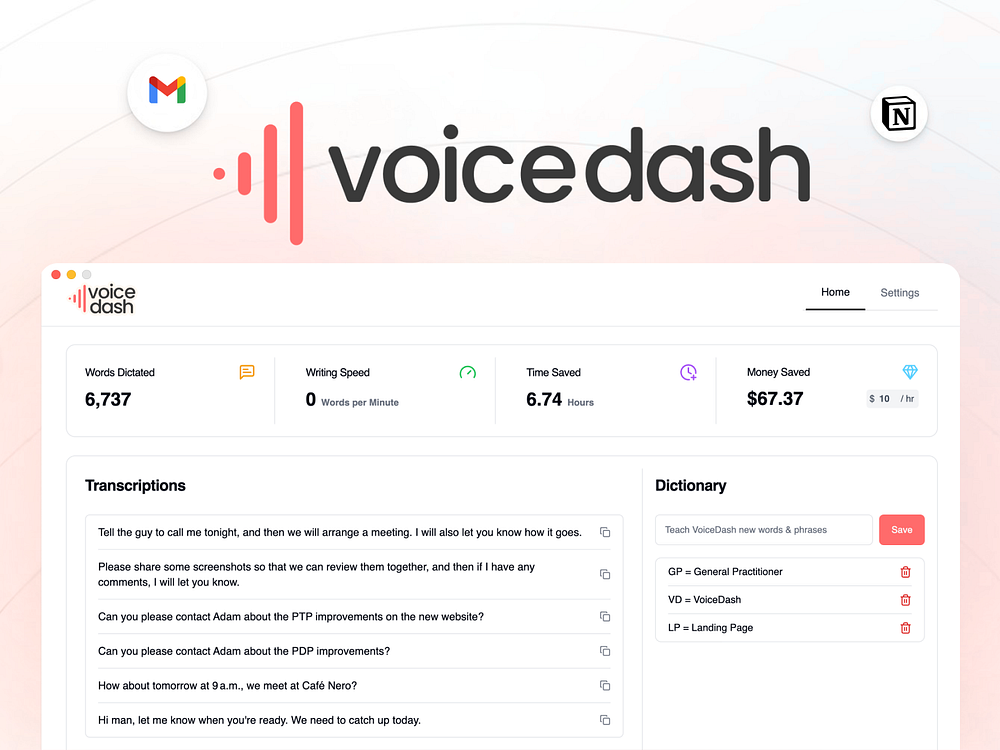









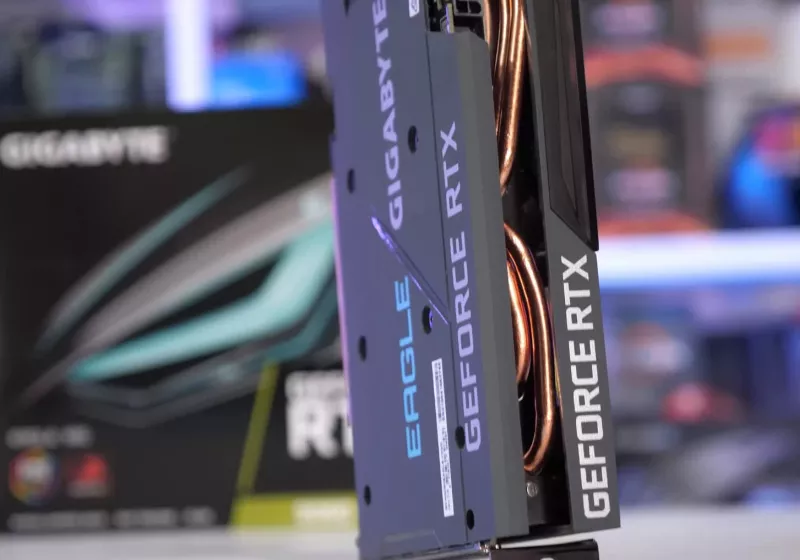
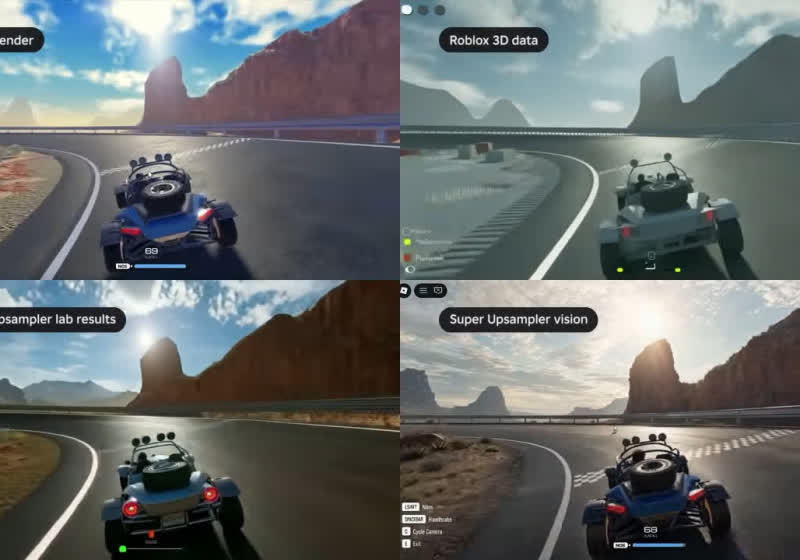



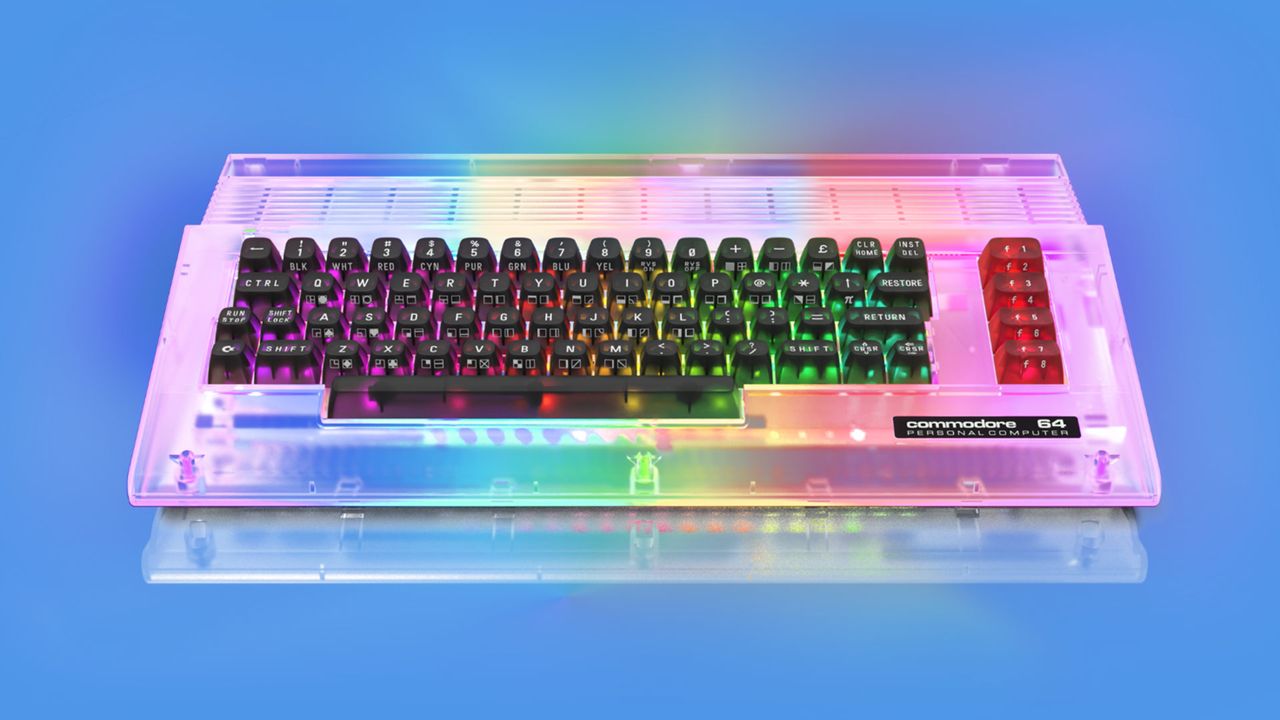
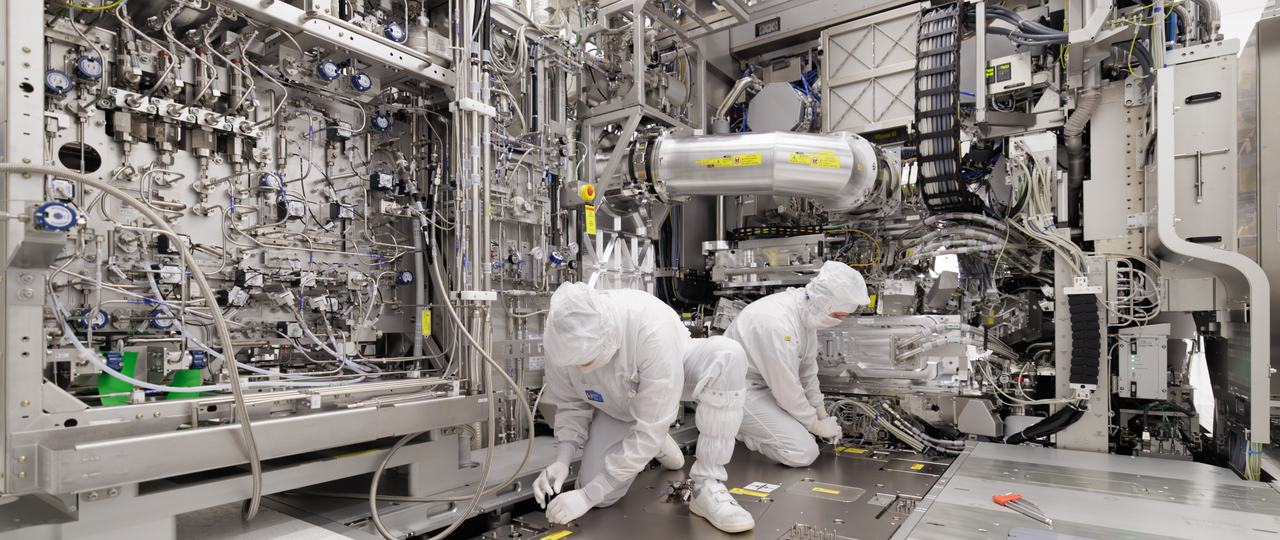


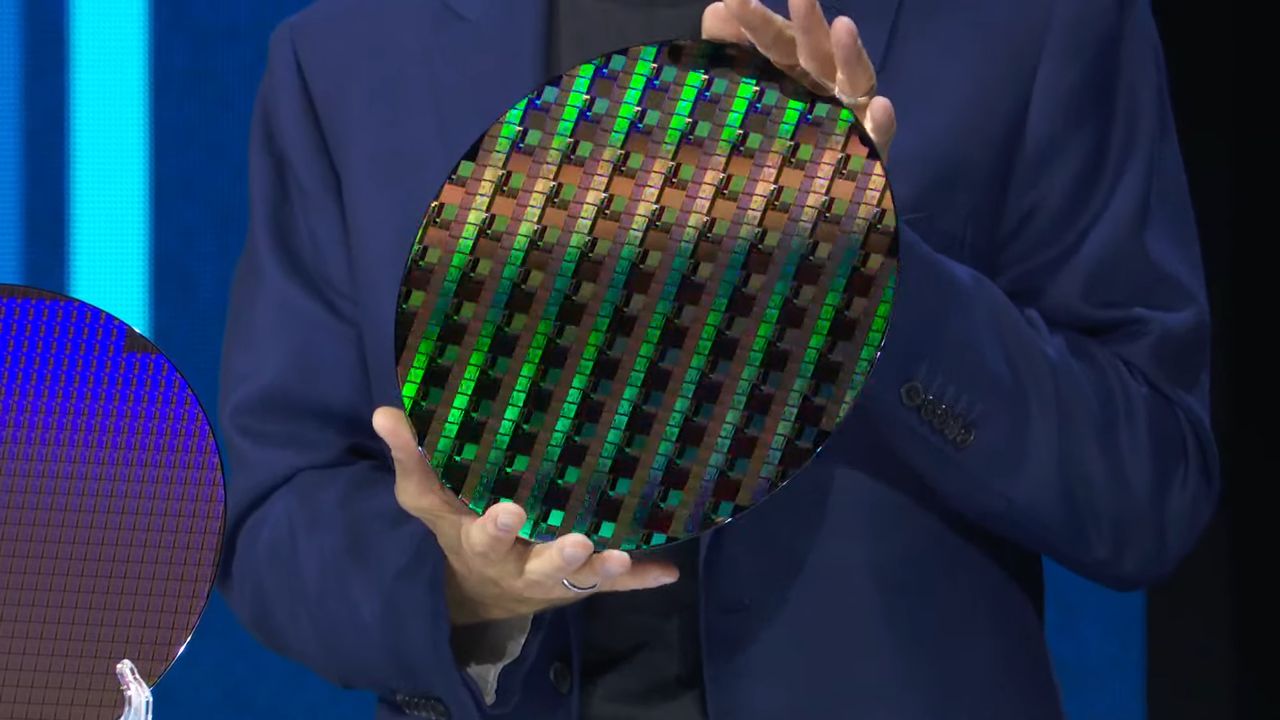


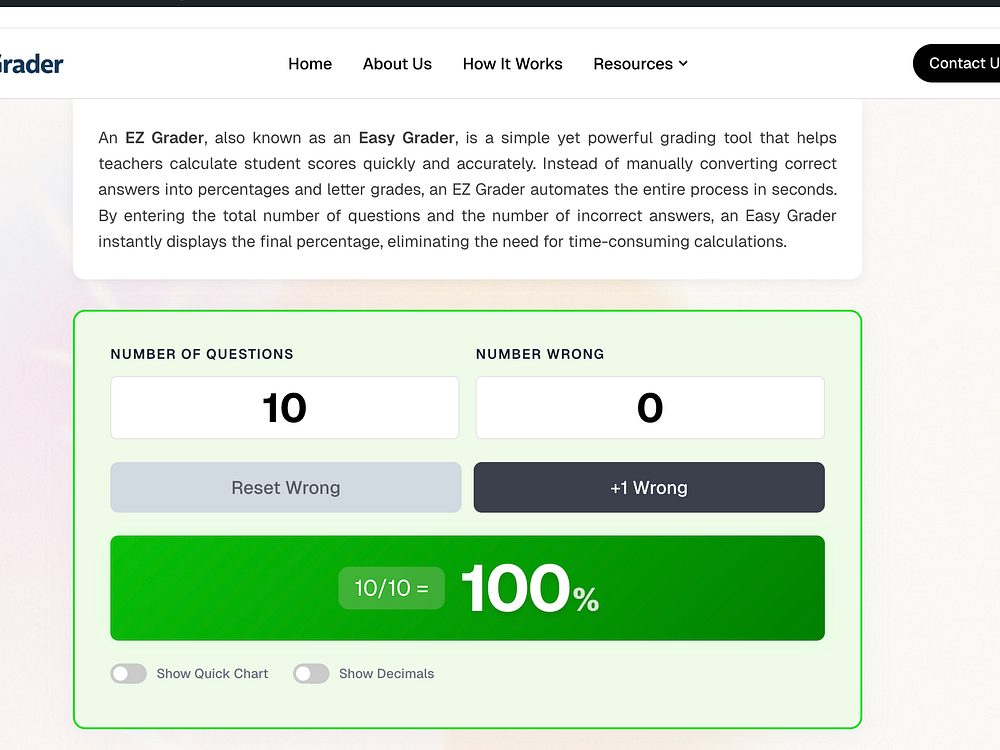
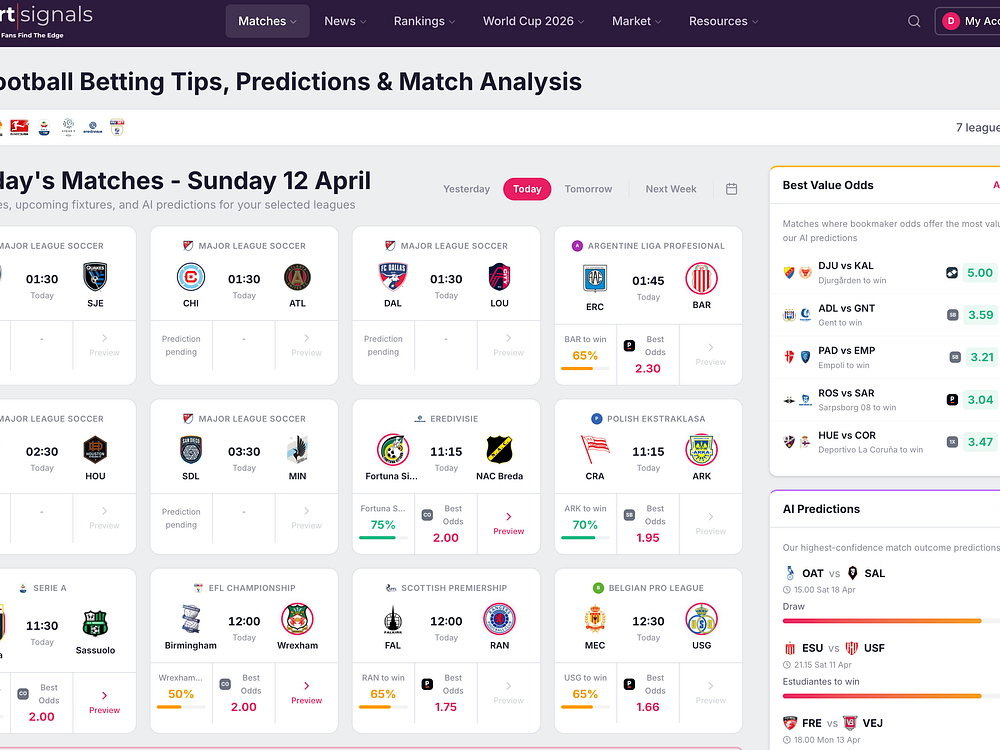
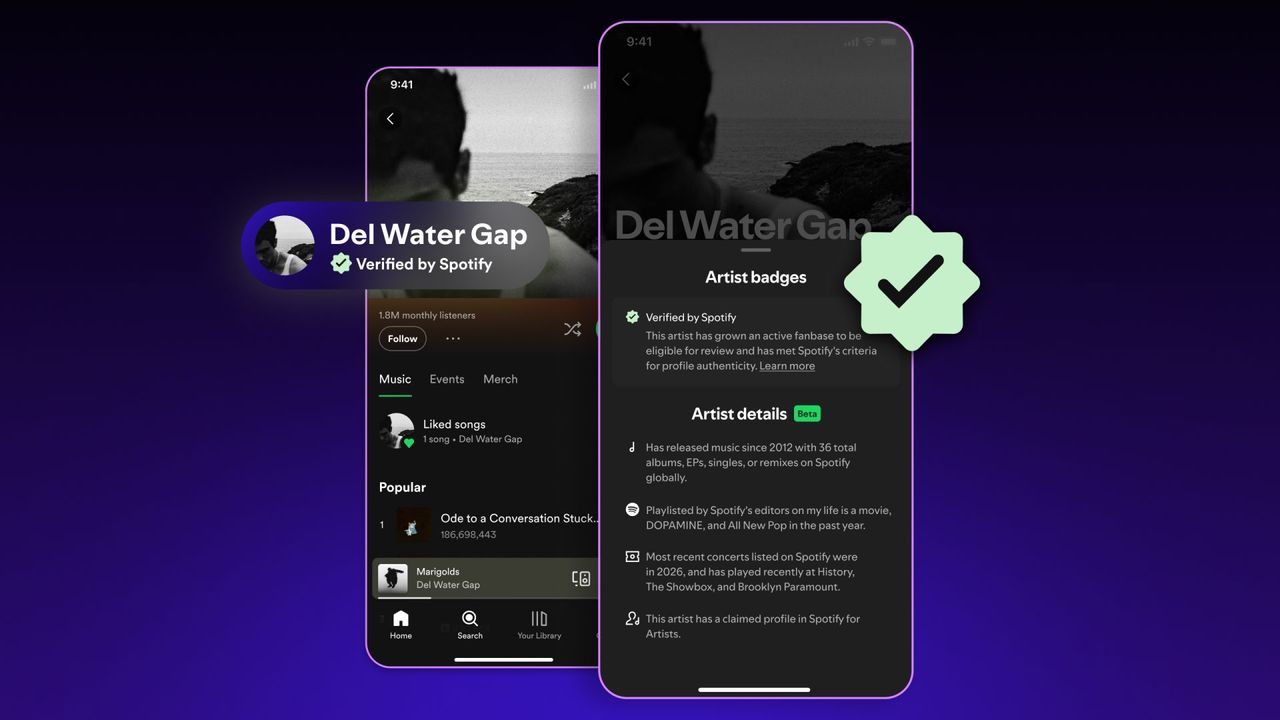
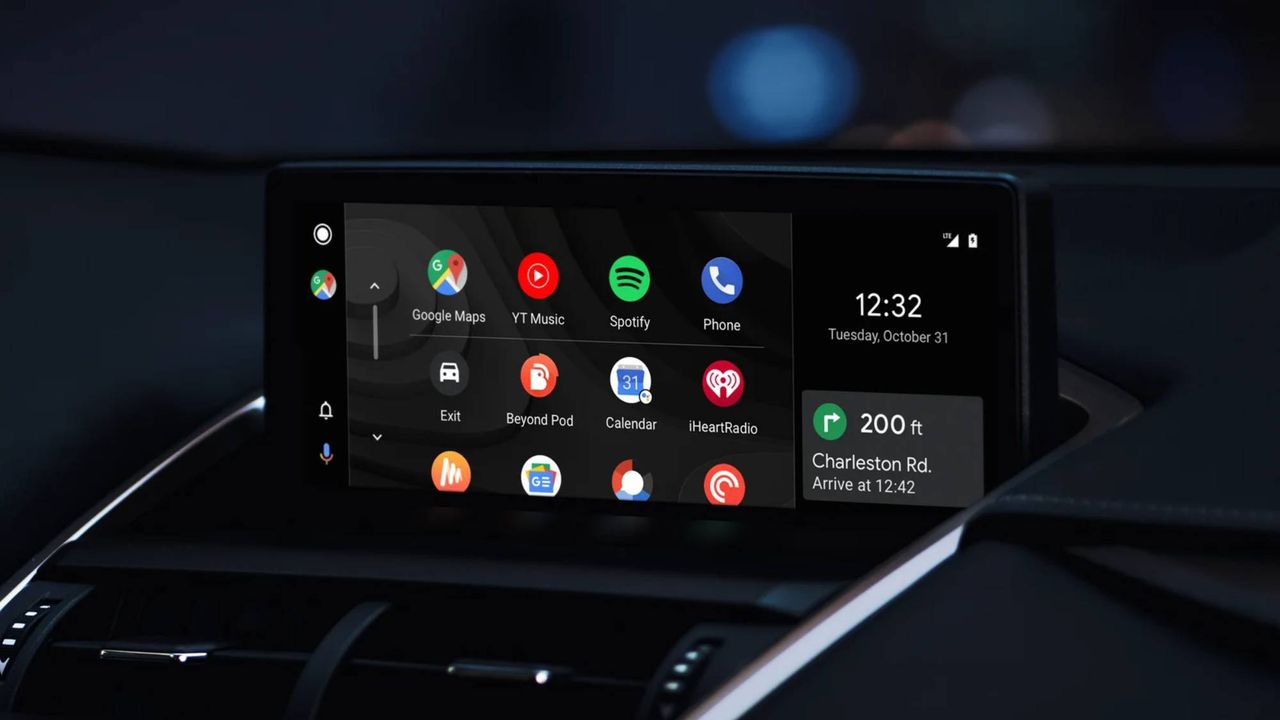
















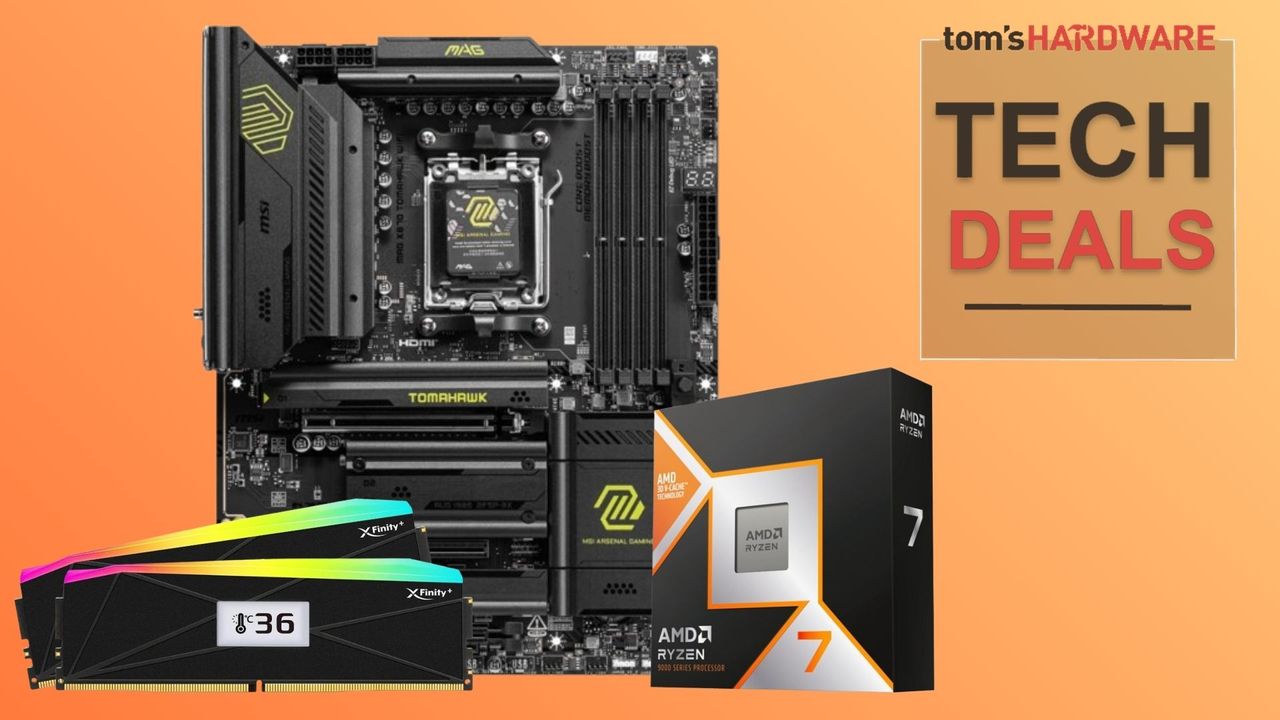
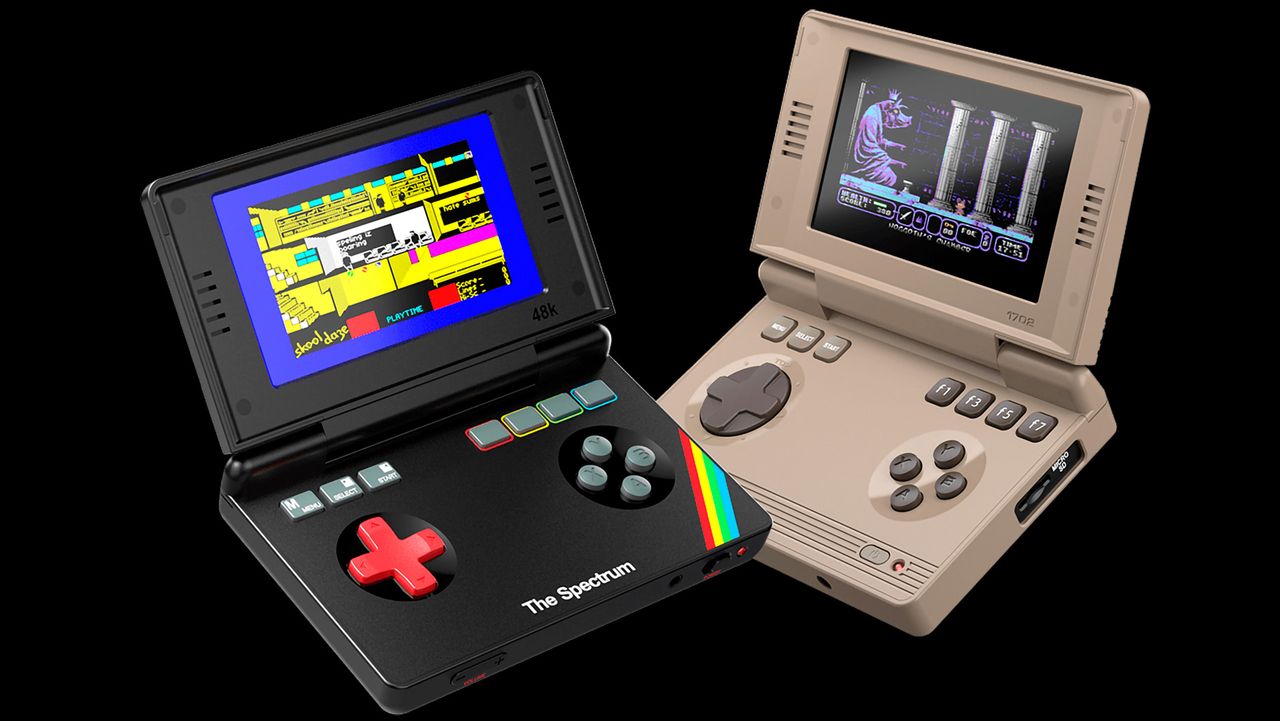



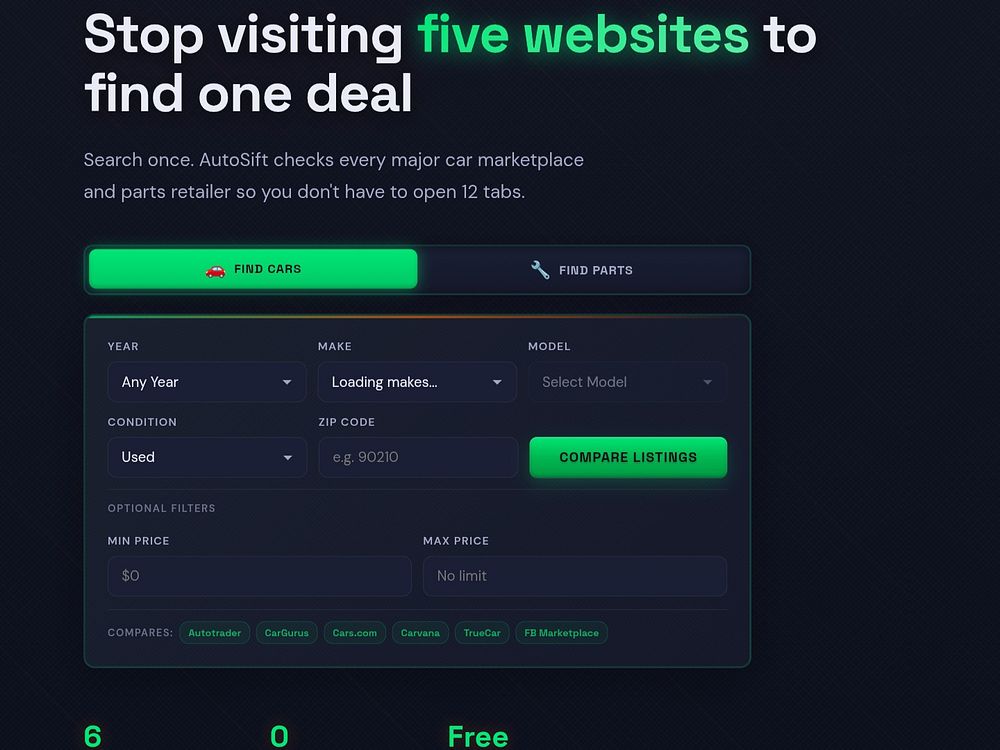

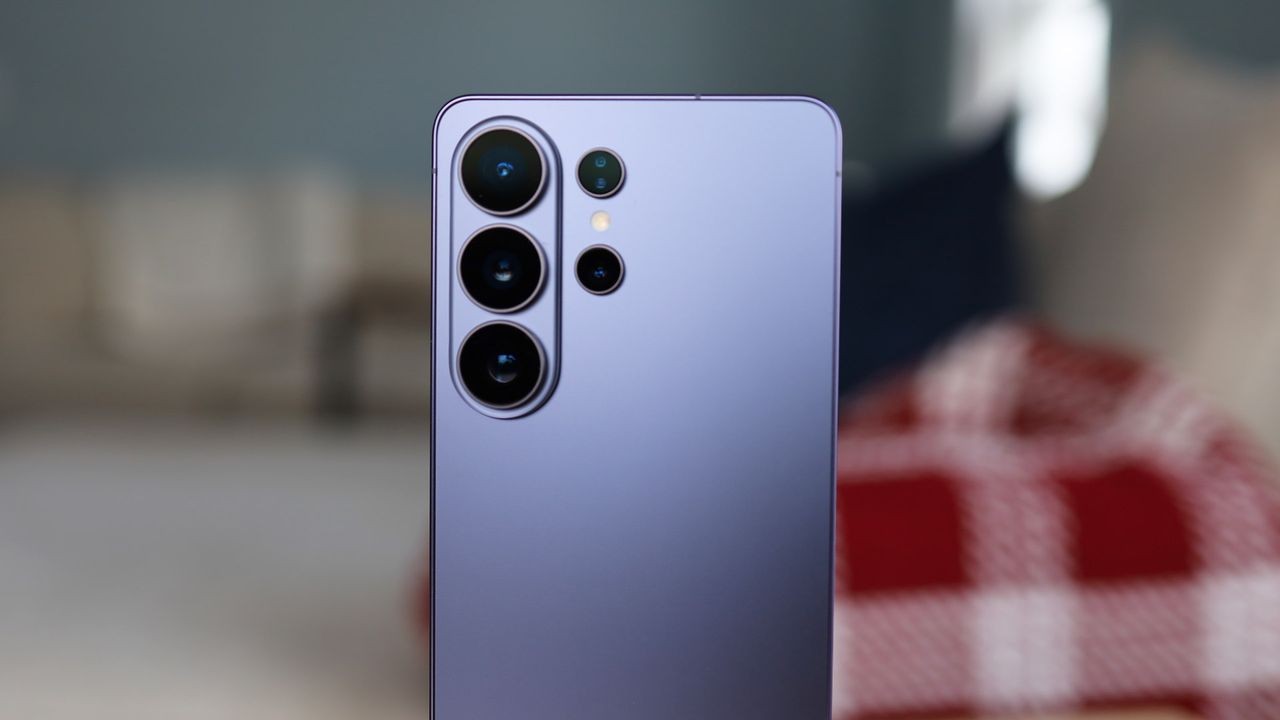


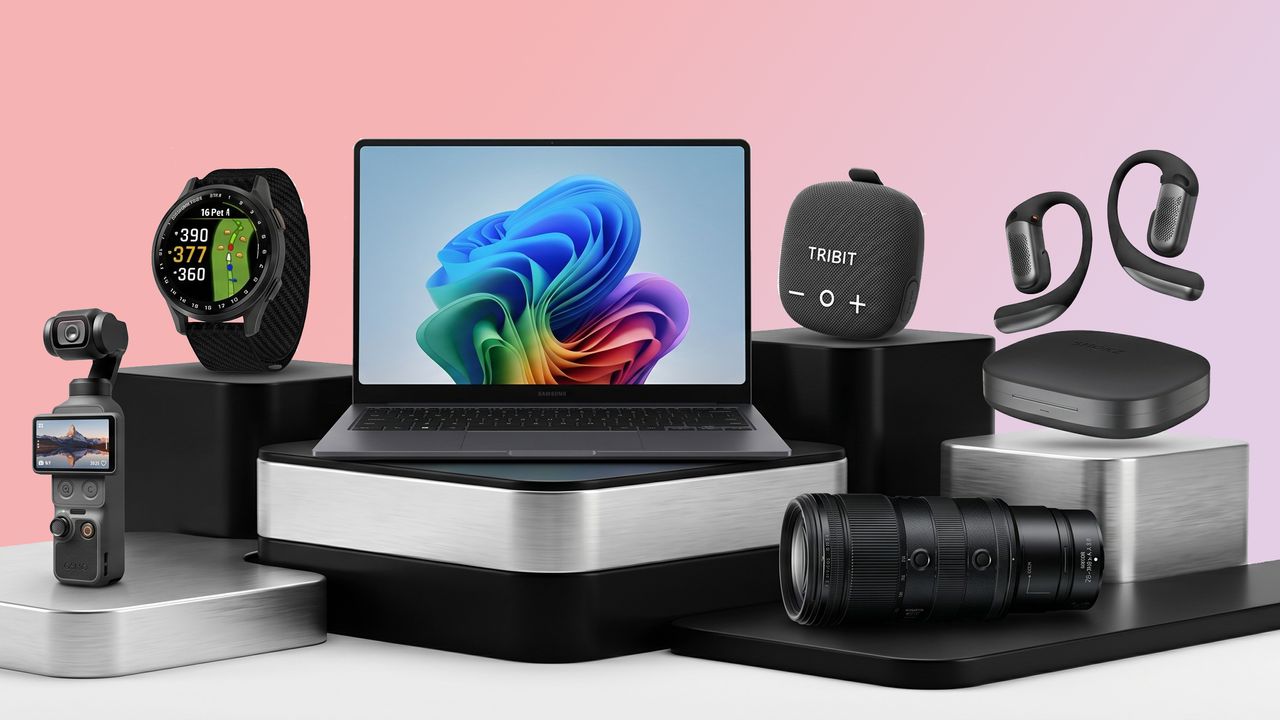









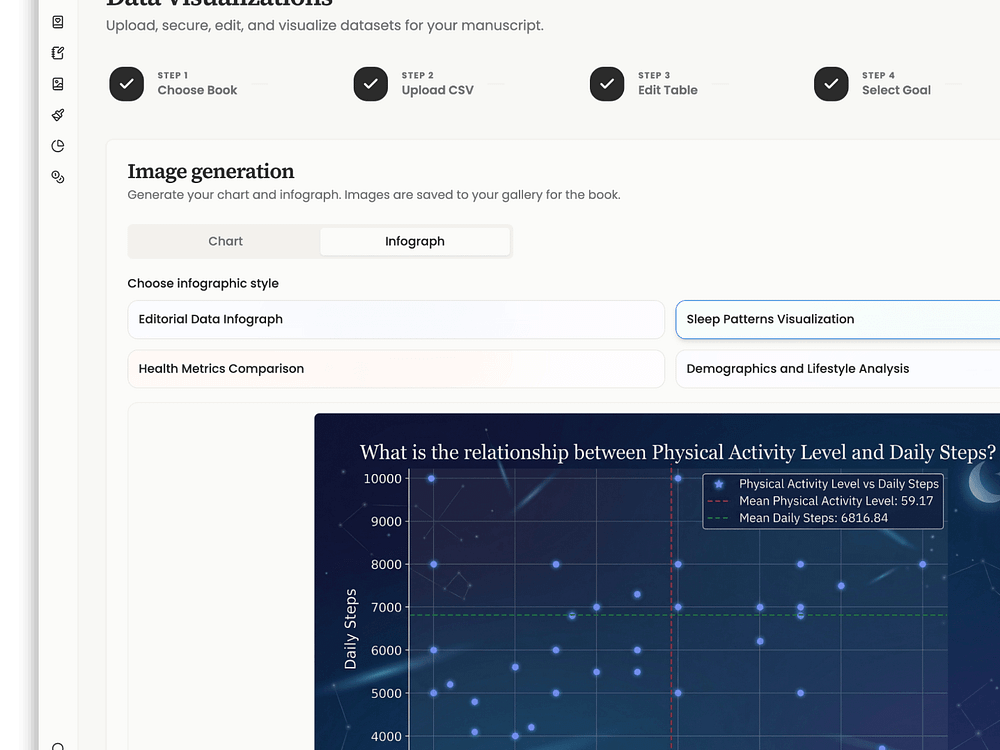






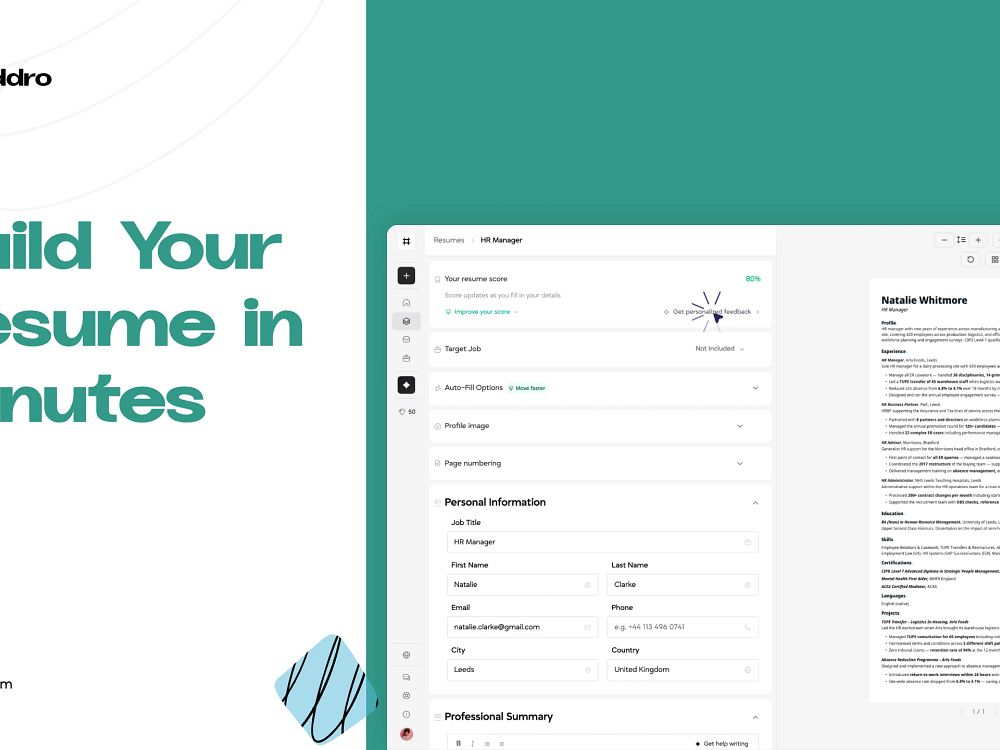


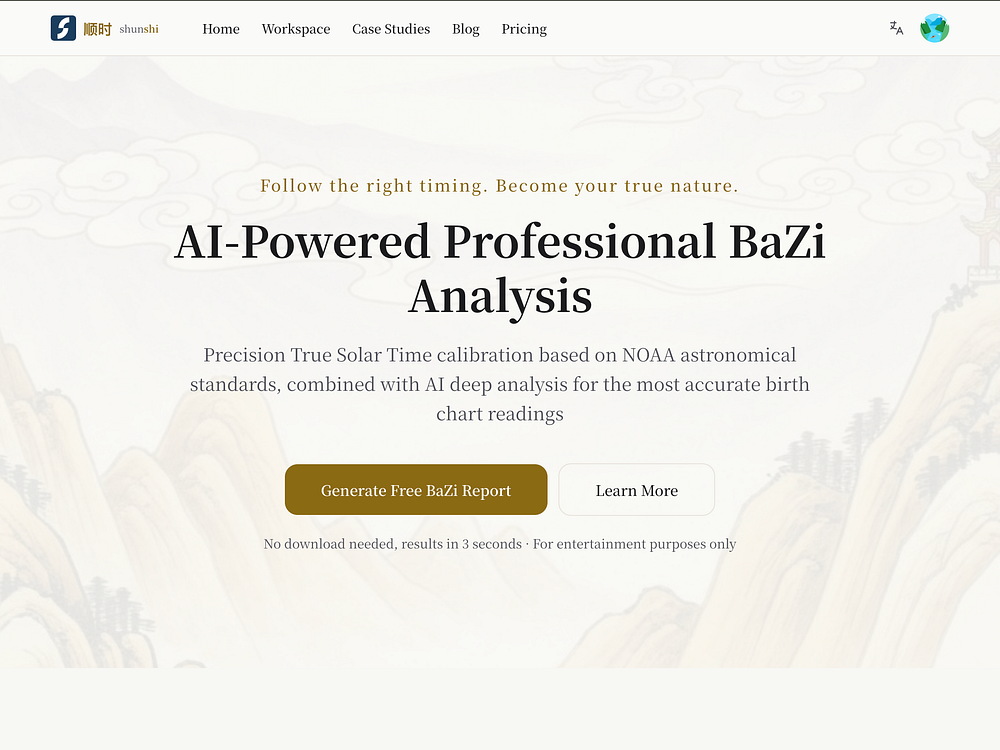
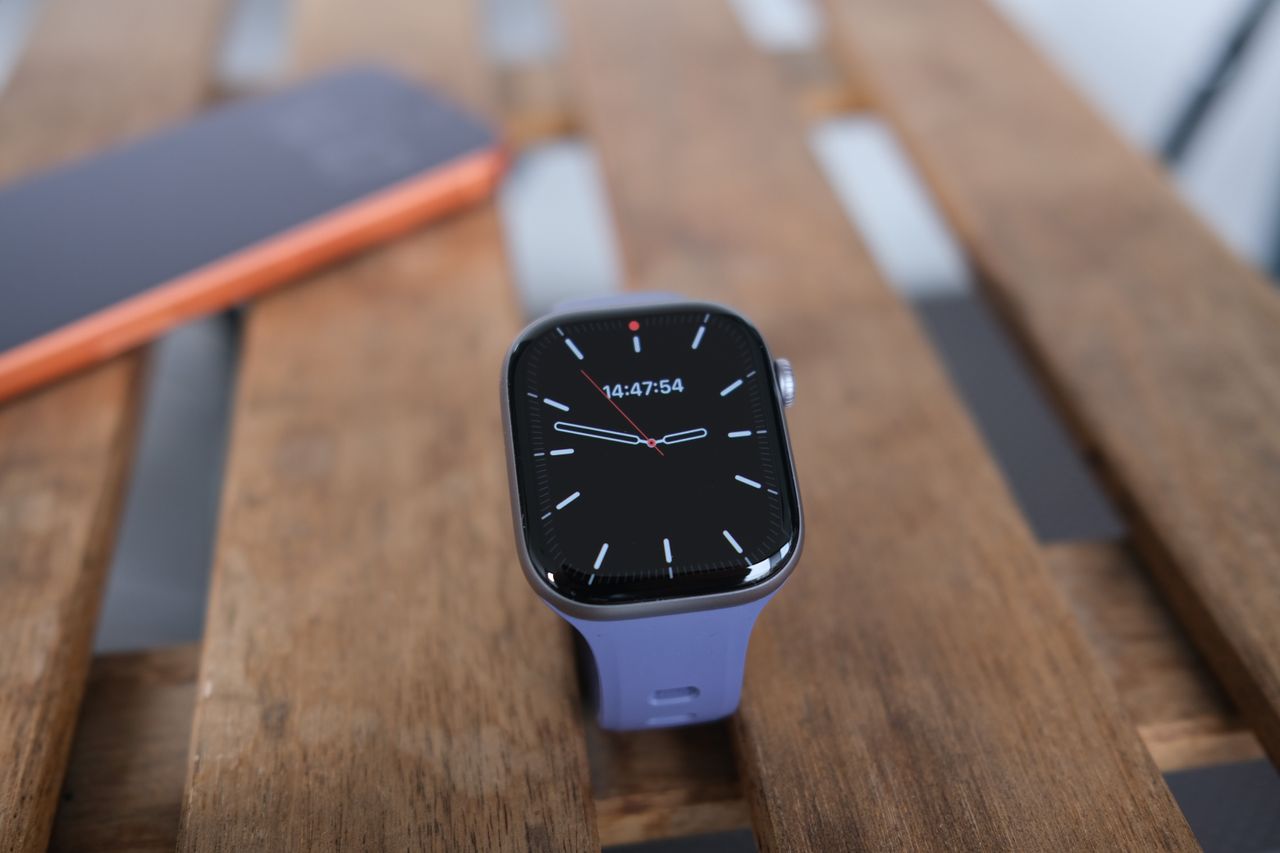
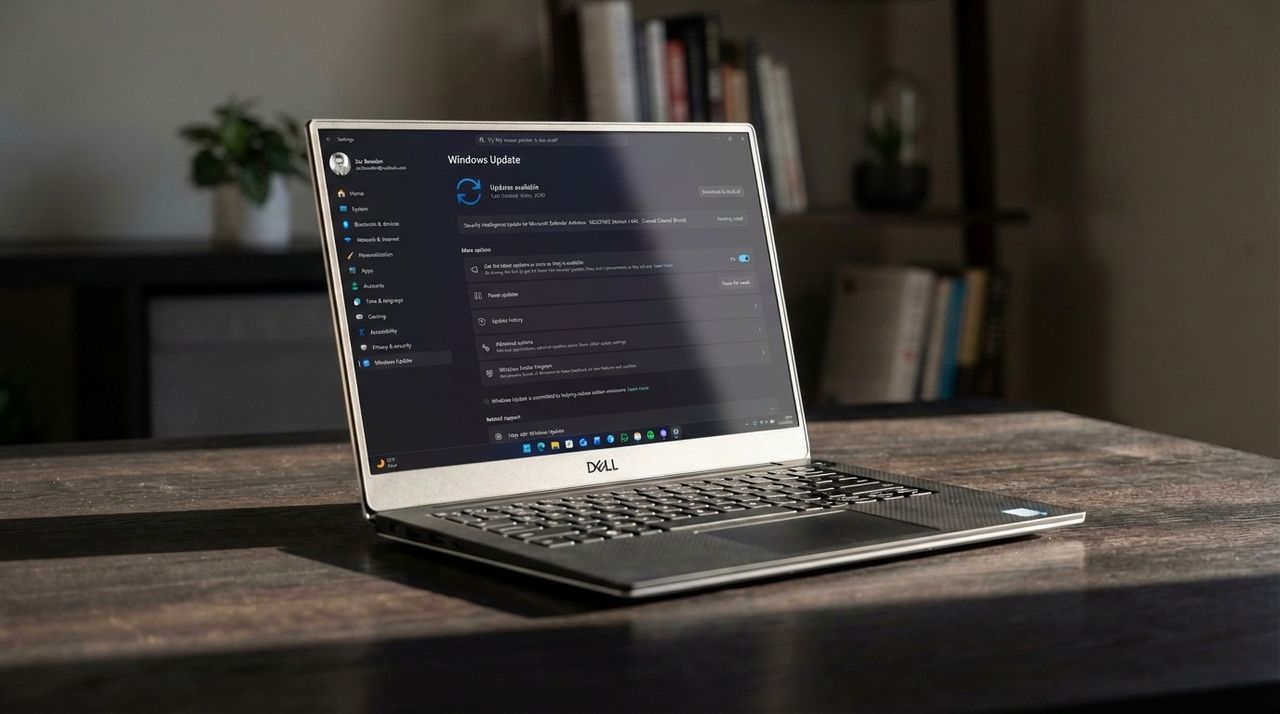





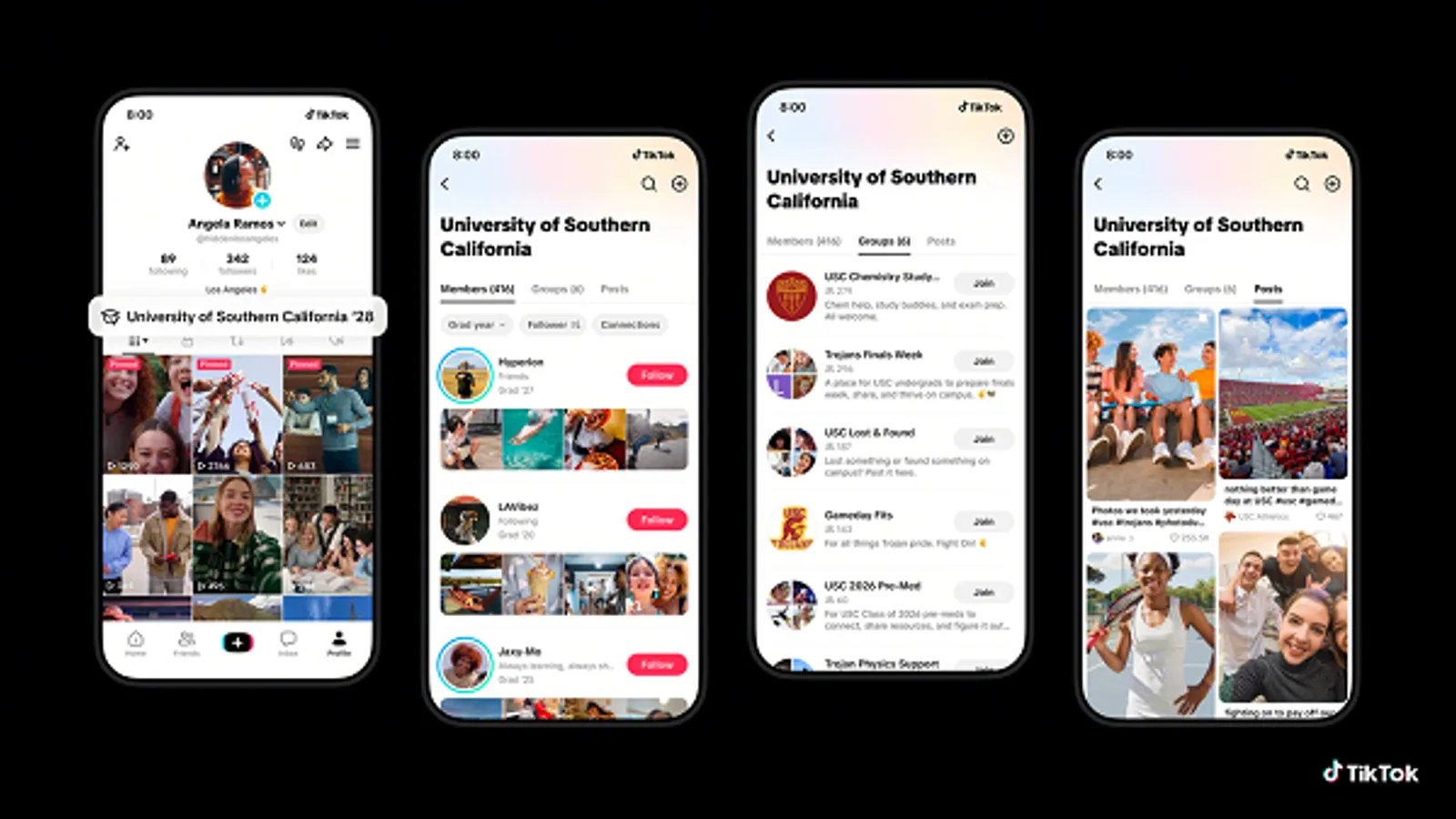



























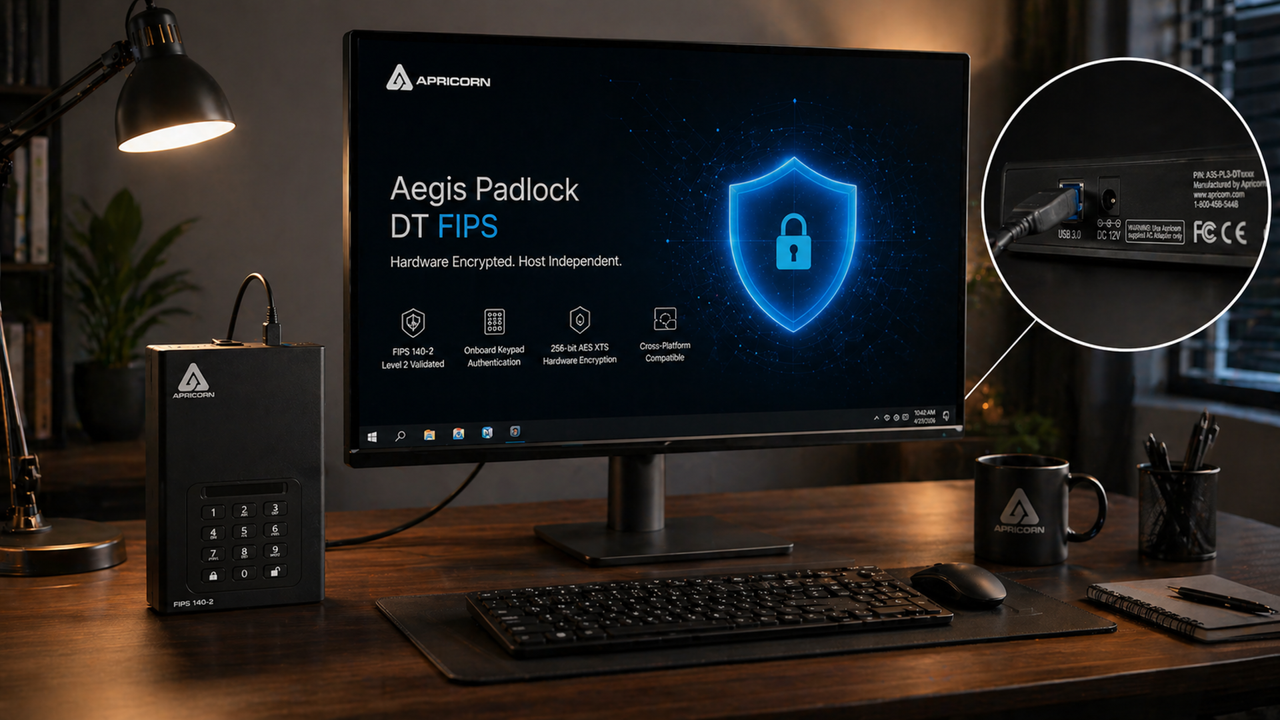

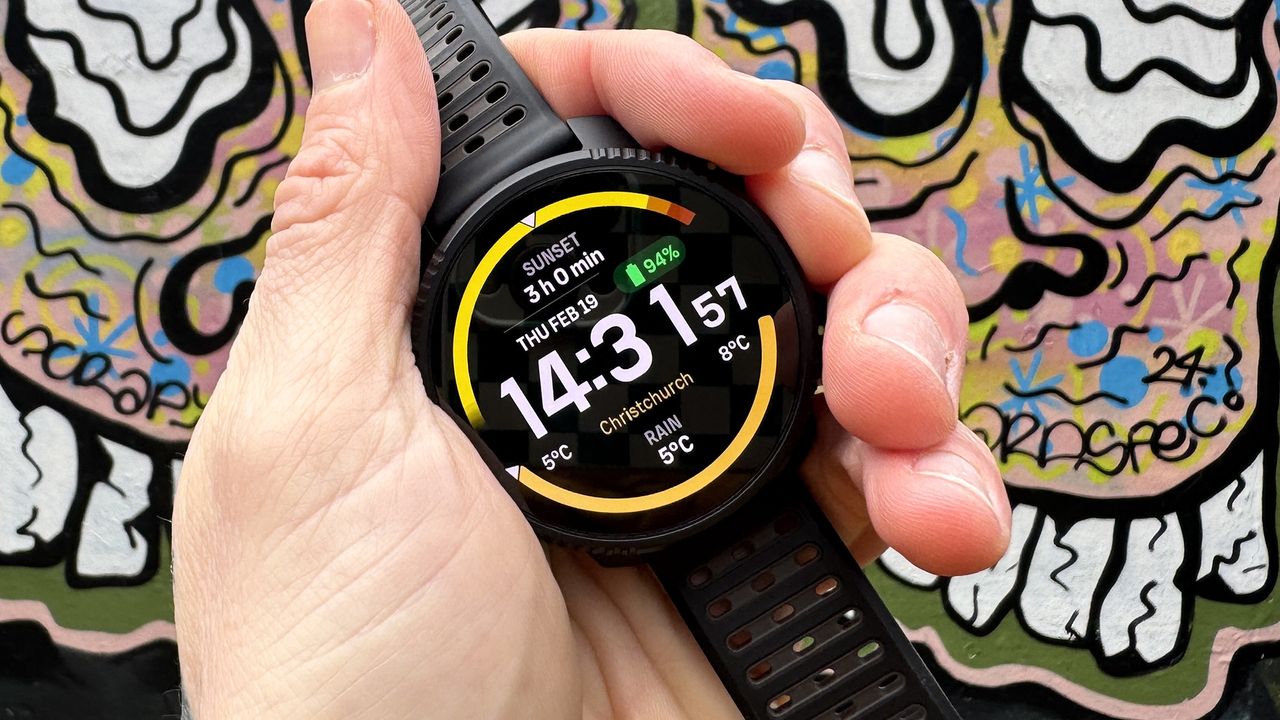






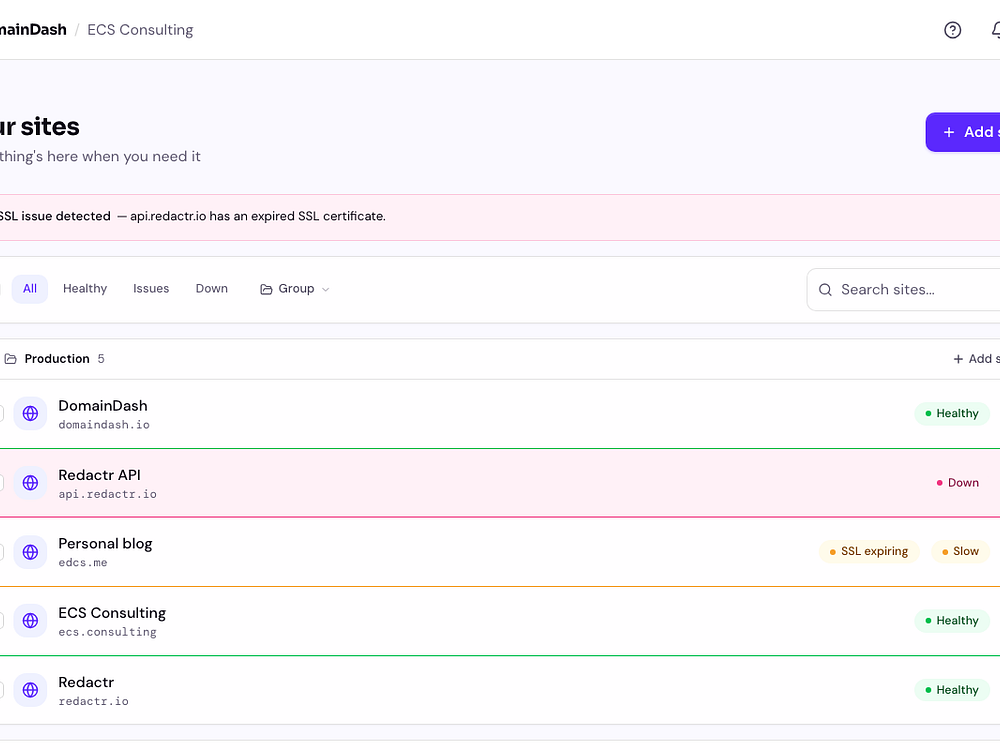



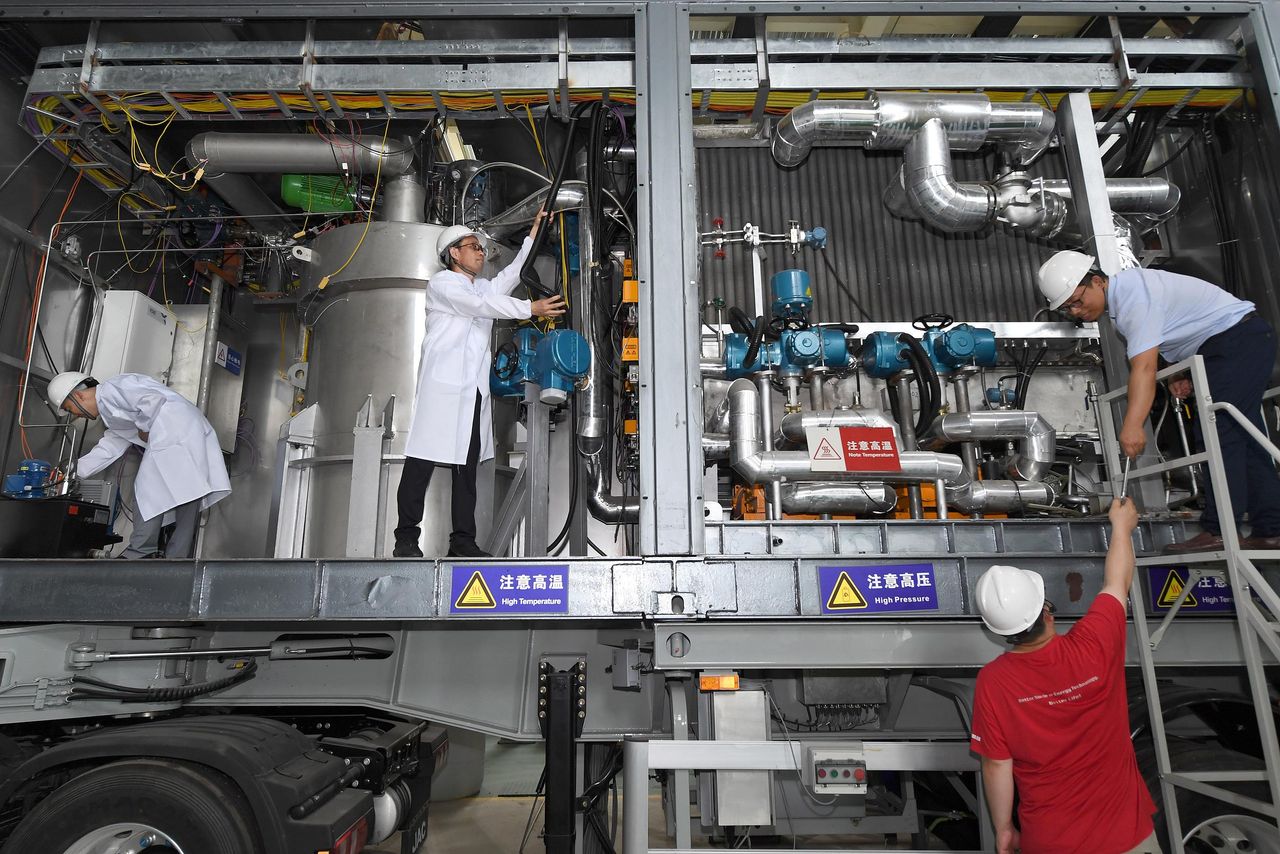
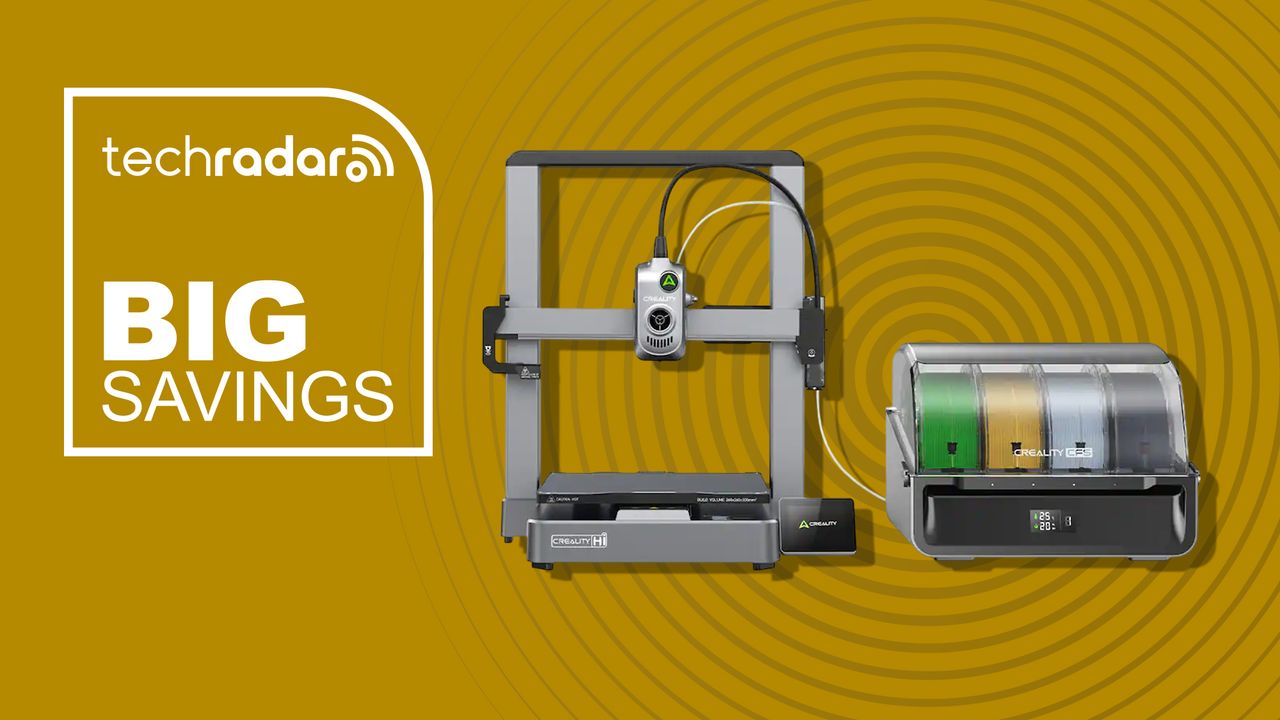








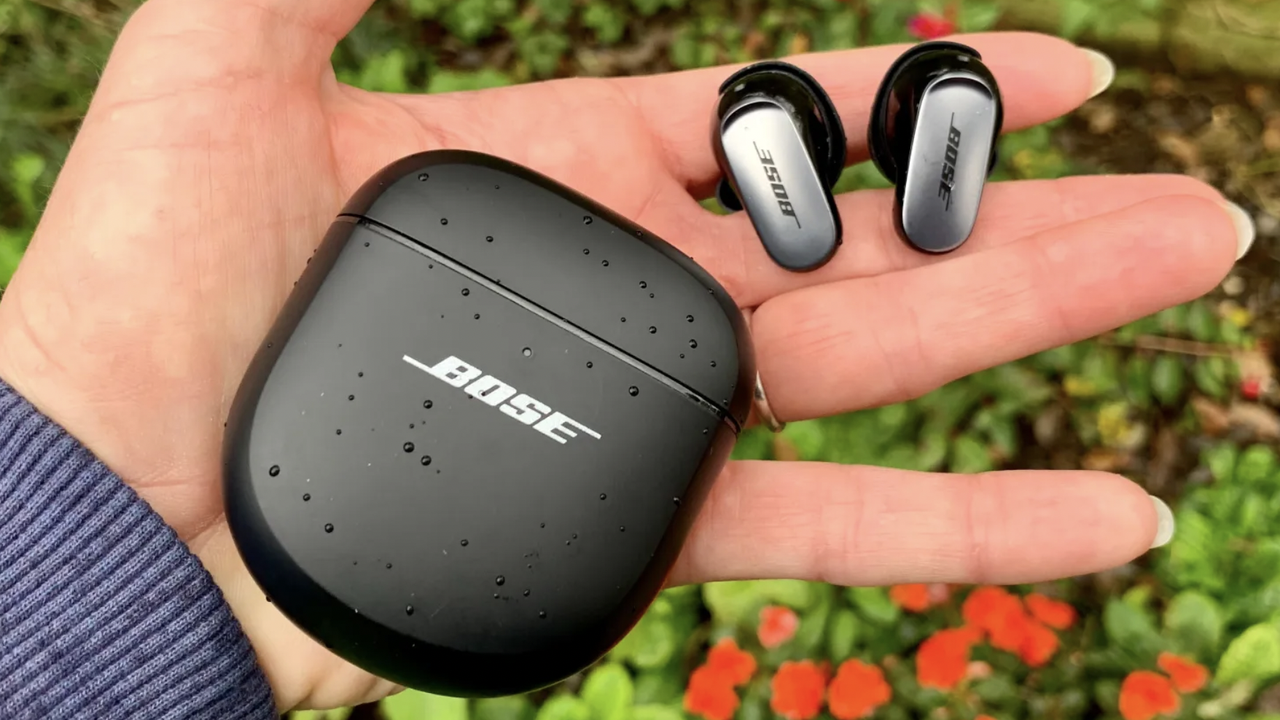


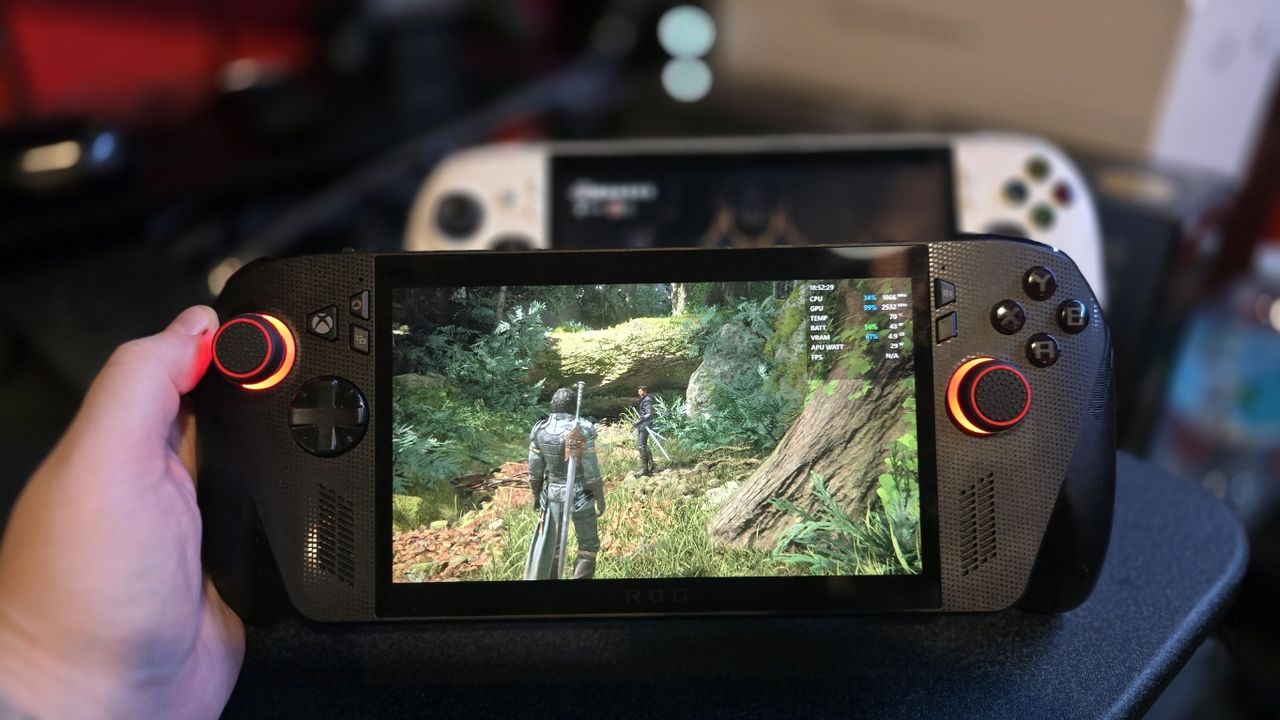


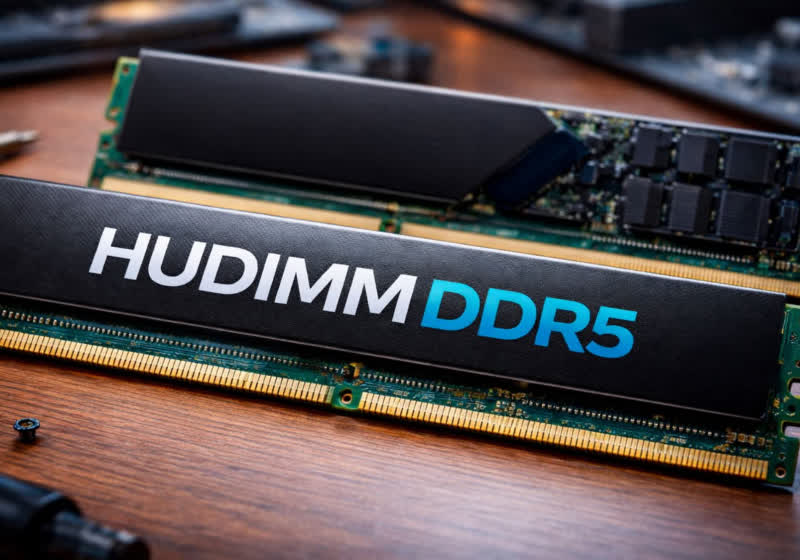






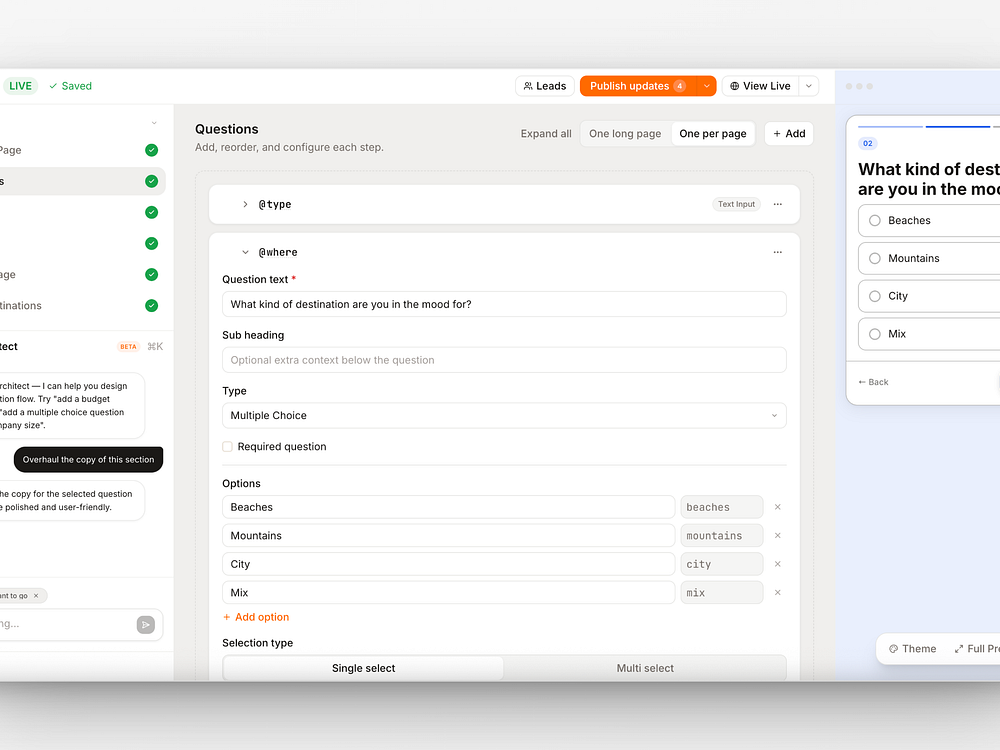
 Thanks to deep integrations with both your vehicle and your apps, Gemini in cars with Google built-in will help drivers do more safely while still focusing on the road.
  Sundar Pichai is on the cover of Time magazine for its 100 most influential companies issue for 2026.











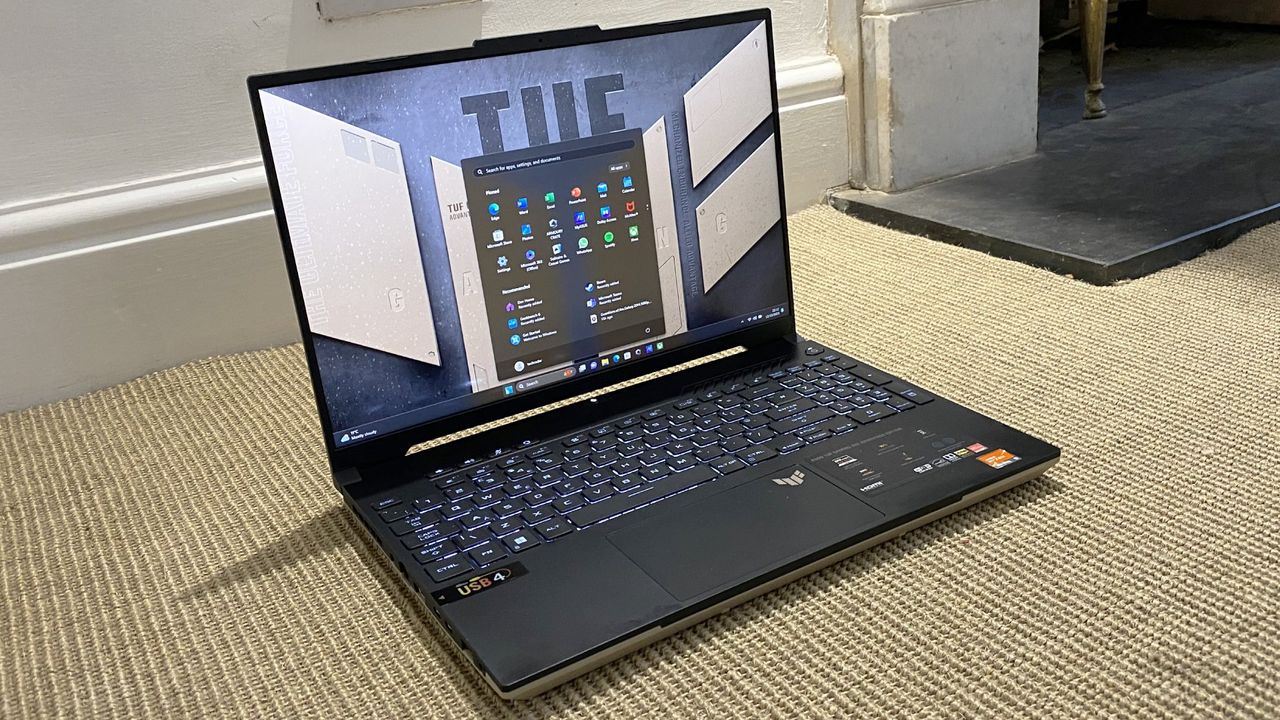








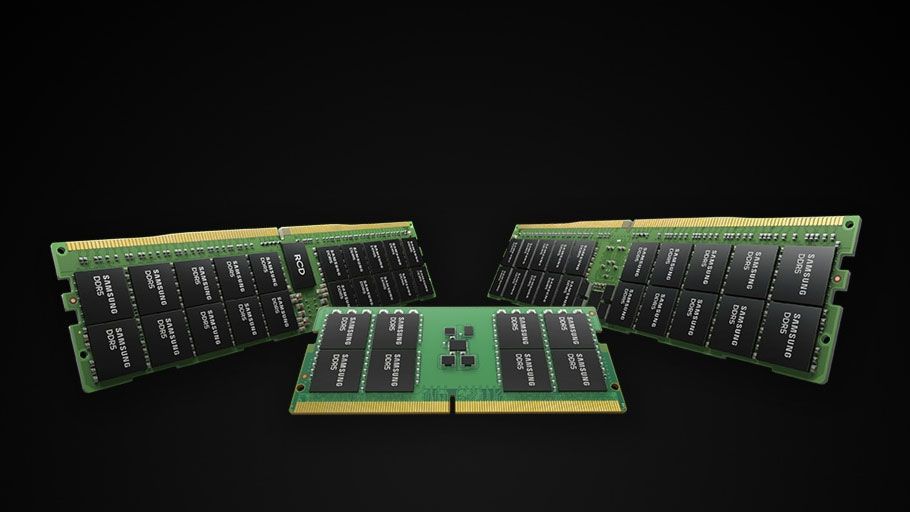

 In celebration of Route 66’s 100th anniversary, Google Maps is rolling out two new ways to help you explore it, virtually or IRL.
 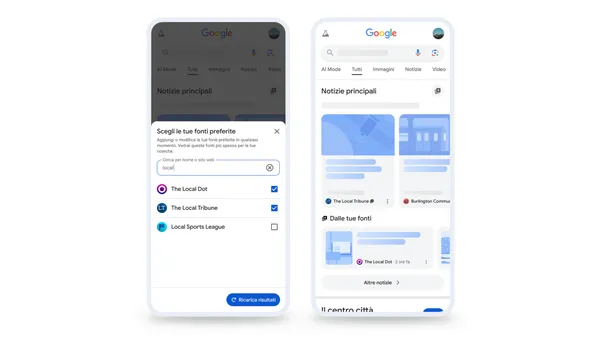 Preferred Sources is now rolling out globally in all supported languages, giving users more control over the news they see on Search.
  Built for the next generation of Search, AI Max for Shopping campaigns helps retailers reach shoppers the moment discovery begins.
  Upgrade to AI Max to simplify your workflow and access our most advanced tools.
  As AI Max turns 1, we’re helping you capture even more opportunities in the expanding Search universe.




















 A new agreement between Google and OG&E to protect energy affordability in Oklahoma.