
 Login
Login
Global Tourism Economy Forum in Harbin Explores New Future, Focusing on the Innovation, Sustainability and Cross-Border Cooperation in China

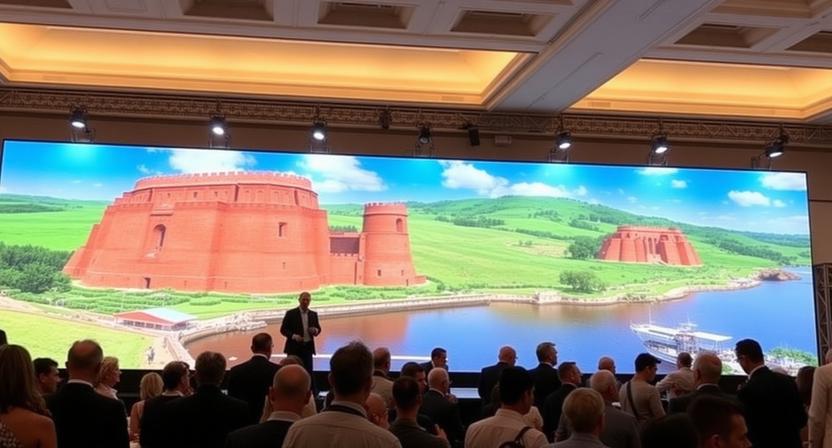
The second edition of the Global Tourism Economy Forum (GTEF) being staged in Harbin, China, is making way for a bright future in this sector, with a major thrust on innovation, sustainability, and quality growth. The event will take place from December 15-17, with a total of 2,500 delegates, including government and industry leaders, and representatives from all over the world, making it a milestone event in this sector.
The event this year marked not only the first time it took place outside of Macau but also highlighted how tourist activities can transform in order to fulfill new requirements, taking into consideration challenges presented by climate change, economic realities, and other consumer behavior. The theme, “New Quality Productive Forces: Powering the Global Tourism Economy,” embodied what would be necessary for future expansion in this industry.
Innovative Strategies for High-Quality Tourism Growth
The forum centered around four core pillars that represent the evolving future of the industry: Ice-Snow Economy and Industrial Innovation, Cultural Empowerment and Brand Building, Investment Leadership and Project Development, and Cross-Border Collaboration and Cooperation Opportunities. These pillars reflect the increasing importance of innovation, technological integration, and sustainable practices in driving the growth of tourism on a global scale.
One of the most prominent discussions was the role of the ice-and-snow economy, with Harbin being a prime example of how winter tourism is shifting toward year-round economic growth. Experts discussed how low-carbon operations and the legacy of the Beijing Winter Olympics are expanding winter sports beyond seasonal limits, providing long-term benefits to both tourism economies and the local environment.
Future of Connectivity and Cultural Collaboration
The summit also highlighted how digital connectivity and cultural collaboration are redefining global tourism. Abdulla Bin Touq Al Marri, Minister of Economy and Tourism of the United Arab Emirates, emphasized how tourism’s expanding role in economic diversification and job creation is reshaping the global tourism economy. He also discussed the growing importance of cross-border engagement and how countries are leveraging digital infrastructure to improve connectivity and create a more inclusive tourism ecosystem.
The ministerial dialogue, moderated by Anita Mendiratta, Special Advisor to the Secretary-General of UN Tourism, brought together officials from Brazil, Indonesia, Iran, and Zimbabwe to discuss how cultural tourism is evolving through improved transport links and digital platforms. This future-oriented discussion set the tone for how digital infrastructure and connectivity will shape the tourism sector in the years ahead, with countries seeking to create more seamless travel experiences for international tourists.
Technology and Innovation: Key Drivers of Future Tourism Growth
The forum also spotlighted technology as a critical driver of future tourism growth. Jane Sun, CEO of Trip.com Group, discussed how the future of cross-border tourism is becoming increasingly digitized, with global partnerships and digital platforms playing a central role in reshaping the traveler journey. The key takeaway was the growing need for a seamless travel ecosystem that can cater to both millennials and Gen Z, who expect personalized and digitally integrated travel experiences.
With 350 million jobs already supported by the global tourism sector, and forecasts predicting an additional 90 million jobs by 2035, the need for innovation and adaptation will be essential to maintaining long-term competitiveness in the industry. As technology and mobility transformations continue, the future of tourism will depend on companies that can innovate and embrace change, ensuring the sector remains resilient to future challenges.
Cultural Empowerment: Redefining Tourism Demand
Cultural empowerment remains a major focus of the summit, particularly as it relates to the future of tourism consumption. The forum highlighted how cultural experiences are becoming a core element of tourist demand, influencing both destination appeal and business models across the industry. With cultural content increasingly promoted through digital platforms, there’s growing potential for countries to diversify their tourism offerings by integrating local culture and heritage into their tourism marketing strategies.
This emphasis on cultural empowerment marks a significant future trend in tourism, where travelers seek deeper connections with local traditions, stories, and art forms. The integration of technology will play a major role in this transformation, enabling more interactive and immersive cultural experiences that appeal to the growing demand for authentic travel.
Investment and Sustainability: Preparing for Future Tourism Trends
Investment in tourism infrastructure and sustainable growth are also at the forefront of the future of the industry. With tourism investments expected to continue growing, the forum focused on how capital flows are shifting and how technology is being used to drive returns in a rapidly changing market. Sustainable tourism models, particularly in eco-tourism and low-carbon operations, are becoming essential components of future travel offerings.
Macau also showcased its tourism investment strategies during the forum, focusing on how the region is diversifying its tourism offerings. This includes integrating digital platforms and new tourism models that enhance global appeal while also promoting sustainable practices.
Future Impact: How Innovation Will Shape the Future of Tourism
Looking to the future, innovation and sustainability will remain the key drivers of the tourism industry. The global tourism economy is transitioning from recovery to a new growth phase, one that will be led by digital technologies, sustainable practices, and cross-border cooperation. The growing demand for experiential tourism and cultural engagement will shape the future of tourism, with a focus on personalization and inclusive growth.
The Global Tourism Economy Forum in Harbin has underscored the importance of cooperation across nations, industries, and sectors to ensure that tourism continues to be a force for economic growth while maintaining environmental and cultural integrity. The 2025 edition sets the stage for future tourism trends, where technology, sustainability, and innovation will be pivotal in driving the industry forward.
The Road Ahead for Global Tourism
With the tourism industry poised to grow from a state of recovery into a new wave of expansion, the Global Tourism Economy Forum in Harbin is charting a progressive course by making innovation and sustainability integral to the future of global tourism. Through their focus on cultural engagement, technology, and sustainability, organizers of the event have emphasized the role of tourism in continuing to fuel global economic expansion, all in an effort to improve cultural exchange and environmental sustainability. Ideas and approaches ratified by the event will go a long way in shaping the future of this very dynamic industry.
The post Global Tourism Economy Forum in Harbin Explores New Future, Focusing on the Innovation, Sustainability and Cross-Border Cooperation in China appeared first on Travel And Tour World.



 Fang Cheng Bao delivers over 35,000 units for the first time.
  Voyah cracks the 20,000 monthly sales milestone.









































 2024 and 2025 Mexican data is now available for Geely.










 The Tata Nexon is the best-selling vehicle in India for the 3rd straight month.
 The VinFast Limo Green is by far the best-selling vehicle in Vietnam in November.


 Renault sales double year-on-year in November.
 The GWM Poer is the 2nd best-selling vehicle in Ecuador in November.


 The BYD Atto 1 confirms its status of instant best-seller in Indonesia.
 First Top 20 finish for the Mitsubishi Colt.
 The Jeep Avenger ends the month just 3 sales off a maiden Top 10 finish.
 The Tesla Model Y holds 18.3% of the Norwegian market in November.
 BYD is now among South Korea’s Top 10 brands.

