Our final position preview ahead of the 2026 college baseball season focuses on the pitchers, all 21 of them on Florida's official roster.
The Gators return perhaps the most talented 1-2 punch in the SEC in Liam Peterson and Aidan King. Both are expected to be among the top draft pitchers selected in the next two MLB drafts, but who will take over the all-important Sunday spot in the rotation? The trio of Luke McNeillie, Russell Sandefer (UCF) and Cooper Walls (Hawaii) presents three viable options and a ton of depth should injuries strike.
With Jake Clemente drafted over the summer, Florida needs a new closer and setup man. Two returners, Christian Rodriguez and Joshua Whritenour, appear primed to man those roles. The Gators have many long-relief options behind all those named above and more lefty specialists than last year. Finally, a quartet of freshmen will look to carve out roles in the bullpen early on in their careers.
Let's take a look at the 2026 Florida pitching staff.
Friday starter: No. 12 Liam Peterson (Jr.)
Leading the pitching staff is junior Liam Peterson, who has been a part of the starting rotation since his freshman year in 2024. He's played with Team USA, earned multiple preseason All-America nods and figures to be one of the first college arms drafted this summer.
As a freshman, Peterson started 15 games and appeared 17 times for Florida. He worked a 6.18 ERA over 62 2/3 innings while striking out 76 batters. He lowered that ERA to 4.28 last year and elevated his K% from 25.7% to 31.5%. Peterson has elite stuff, but he gets harder than most top-end pitchers do.
When he's on, he might be the best pitcher in the SEC. It's consistency that eludes, but he's improved with each season. If that trend continues, he'll be a first-round pick come June. D1Baseball ranks him No. 20 among starting pitchers heading into the season.
Arsenal: Peterson has a four-pitch mix that features both a slider (mid-80s) and a curveball (high-70s). His fastball runs up to 99 mph, often sitting around 96-97. Both breaking balls are above average, earning a 55 grade from MLB scouts, but he uses the slider more. His changeup (mid-80s) is also usable, albeit not a plus pitch at this point.
Saturday starter: No. 47 Aidan King (So.)
Aidan King started the 2025 season coming out of the bullpen, as most freshmen do. An injury to Pierce Coppola thrust him into a long-relief role early on and he quickly claimed the No. 2 spot in the starting rotation. Since then, he's been considered one of the top arms in the 2027 class.
His 2.58 ERA was the lowest of any Florida pitcher over a full season since Brady Singer in the 2018 season (2.55), and he finished the year just under 10 strikeouts per nine innings with a 7.6% walk rate. King induced groundballs 44.3% of the time last year and had a line-drive rate below 20%. He rarely gives up home runs, too. Avoiding a sophomore slump is always difficult, especially now that there's more tape for teams to study, but King has everything else going in the right direction.
Arsenal: King's fastball averaged 93 mph a year ago, but a year of college workouts should bring that number up. He flashed 97 at one point, so the mid-90s is a reasonable expectation now that he's a year older. That velocity increase should help his high-80s changeup become more effective as well, which means even more groundballs. His slider clocks in around 82-83 mph with some sharp, late break. That's the swing-and-miss pitch against righties and has the makings of a plus pitch.
Sunday starter: No. 38 Cooper Walls (So.)
Hawaii transfer Cooper Walls will get the starting role on Sunday to open the season. He won Big West freshman pitcher of the year honors last year after working a 3.73 ERA and 45 strikeouts over 60 1/3 innings. While the strikeout rate doesn't appear too impressive, he had a 3.02 strikeout-to-walk ratio and a 5.6% walk rate. Walls' groundball rate of 48.7% was even higher than King's last season, too. D1Baseball ranks him No. 46 among transfer portal pitchers.
Arsenal: Walls worked in the low 90s with his fastball, averaging 89.5 mph last year, but he's capable of reaching 98 mph. Expect him to fall somewhere around 93-95 this year. His mid-80s slider is a true swing-and-miss pitch, which generated a 47% whiff rate over the fall. He'll mix in a mid-to-high 70s curveball, but Walls is still developing a true third pitch.
Midweek starters: No. 17 Russell Sandefer (Jr.)
Russell Sandefer transferred to Florida after a year with the UCF Knights. He spent his freshman year at Division II St. Leo. He appeared primarily in relief with UCF last season but made six starts in 18 appearances. His 3.38 ERA and 49-to-19 strikeout-to-walk ratio over 50 2/3 innings are solid, but he didn't impress enough over the fall to lock down a spot in the weekend rotation. A 48.1% groundball rate is promising, but that was against Big 12 bats, not SEC.
Still, if Walls struggles early, Sandefer appears to be next up in the rotation. He should get plenty of midweek starts to prove himself, too. D1Baseball ranks him No. 118 among college draft prospects, No. 128 among starting pitchers and No. 24 among impact transfers.
Arsenal: Sandefer has a mid-90s fastball that has touched 98-99, albeit with a more typical top-end around 96. He rounds out his arsenal with a low-to-mid-80s slider that generated a 47% whiff rate, a high-80s cutter, and a low-to-mid-80s changeup with a 49% whiff rate.
X-factor: No. 9 Luke McNeillie (Jr.)
The third starting option is third-year Gator Luke McNeillie, who has made four starts over 54 appearances over the last two seasons with Florida. He enters the year as Florida's most reliable option out of the bullpen. Expect McNeillie to work as a high-leverage, multi-inning reliever, but he could wind up starting more games this year if Walls and/or Sandefer struggle. He could also serve as a closer, if needed.
McNeillie threw 35 2/3 innings over 26 appearances as a freshman in 2024, posting a 7.07 ERA with 43 strikeouts and 21 walks. All of those numbers improved in 2025, as McNeillie lowered his ERA to 4.82 over 52 1/3 innings (28 appearances) with 72 strikeouts and 24 walks. The K% and BB% are promising and 2.77 SIERA bodes well for him heading into his junior year. He held opponents to a .230 batting average last year,
Arsenal: He's mostly fastball and slider with a fairly even split between the two. The heater sits in the mid-90s with good carry/ride, and his release helps it look even faster. The slider is in the mid-80s with two inches of vertical break and generates a 46% whiff rate. He trusts it, and it's a potential plus pitch. A lack of a true third pitch is what keeps him from starting games, but he does flash a changeup every now and then. Command is also an issue at times.
Late-inning arms: No. 15 Joshua Whritenour (R-Fr.) and No. 8 Christian Rodriguez (R-So.)
If McNeillie isn't closing out the game, Florida has two reliable late-inning arms to lean on in Christian Rodriguez and Joshua Whritenour.
Both missed their freshman year with Tommy John, but Rodriguez saw some action last year before breaking out in the Cape Cod League over the summer. His 5.32 ERA over 23 2/3 innings last season was slightly inconsistent, but he should be better a year removed from injury. In high school, Rodriguez ramped it up to 97 mph, making his "Bugs Bunny," high-70s changeup an elite weapon. He also has a high-70s slider. Rodriguez was one of the best relievers in the CCL, posting a 0.93 ERA over 19 1/3 innings. If he can replicate those numbers, he'll be a key member of the bullpen for Florida.
Whritenour is coming off an injury, but he has the look of a modern-day closer. He can run the heater up to 100 mph, often sitting in the high-90s, and his high-80s slider generates a 48% whiff rate. The lack of experience could lead to growing pains, however. He didn't get a taste of Division I ball last year like the rest of his class.
If Florida is going to run the closer by committee, these are the top two options.
Long-relief options: No. 23 Billy Barlow (R-Sr.), No. 22 Jackson Barberi (So.) and No. 37 Matthew Jenkins (Jr.)
Florida needs more than one long relief option in McNeillie and that's where Billy Barlow, Matthew Jenkins and Jackson Barberi come in.
Barlow and Jenkins transferred in last year with hopes of starting games. Both pitched primarily out of the bullpen, but Barlow got seven starts and Jenkins got four. Neither are expected to start much this year, barring injuries, but their ability to throw multiple innings should help out whenever a starter gets an early hook and McNeillie isn't available.
Barlow's 6.26 ERA over 46 innings in his first year with Florida is higher than his career 5.16 ERA over 155 1/3 innings. He was much better as a starter for Clemson and will hopefully return to form. He was much better in the second half of last season. The experience is an obvious plus, and he has a four-pitch mix that features a low-90s fastball, a low-80s slider, a high-80s cutter and a low-to-mid-80s changeup. He can be very effective at times, but it's important for Kevin O'Sullivan to recognize when he doesn't have it early on in an outing.
Jenkins transferred from JUCO Sante Fe in Gainesville and never really found his footing. He gave up 15 earned runs in 14 innings, leading to an elevated 9.64 ERA. His strikeout rate was impressive at 34.8%, but the walk rate was up near 16%, too. If he can find some more control, Jenkins will be an effective long reliever for Florida this year. He throws a low-90s fastball, a low-80s slider with a 40% whiff rate over the fall, a mid-70s curveball with a 57% whiff rate and a high-80s changeup.
Barberi made five spot starts for Florida last year as a true freshman and posted a 4.45 ERA over 32 1/3 innings. He has a fastball that can touch 100 mph and averages around 96, and both his mid-80s slider and mid-to-high-80s changeup generate swing-and-miss. Because of the starts, Florida could use him in a long relief role, but the stuff also poises him to pitch multiple days in a week in high-leverage situations.
Right-handers: No. 31 Ricky Reeth (R-Sr.), No. 20 Schulyer Sandford (R-Fr.), No. 21 Caden McDonald (R-So.) and No. 27 Blaine Rowland (So.)
Ricky Reeth spent the last three years at Notre Dame, posting a 5.00 ERA over 111 2/3 total innings. He has a strikeout-to-walk ratio above 3.0 for his career and was approaching 4.0 last season. His 21.6% strikeout rate and 6.0% walk rate were also impressive in 2025. The question is how well is stuff will play against SEC bats. His fastball sits in the low-90s, his slider is in the low-80s and his changeup is a consistent 82 mph. There's potential for Reeth to eat a lot of innings if he can remain consistent.
Schuyler Sandford was one of the more highly anticipated arms in the 2025 freshman class, but an injury kept him out for the entire year. At 6-feet-6-inches, Sandford has the size and length to reach the upper-90s with his heater, but it was around 92-93 against Georgia Southern and peaked at 96 this fall. He also has a mid-80s slider. His outing against Georgia Southern wasn't too impressive, but there's bound to be growing pains after Tommy John surgery.
Caden McDonald will be a two-way threat for Florida this year. While plenty of people are excited about his bat, he's a fine option on the mound. McDonald posted a 5.14 ERA over 28 innings (20 appearances) out of the bullpen last year. Opponents hit .280 off him, and that number needs to come down. But remember that he was coming off Tommy John, similar to Rodriguez. A year removed from the injury, he's bound to take a step forward, assuming the two-way role doesn't affect him.
McDonald posted a 3.51 ERA over 25 2/3 innings over the summer in the Cape Cod League. He has a four-pitch mix that features a low-90s fastball, a low-80s slider, a high-70s curveball and a mid-80s changeup.
Blaine Rowland posted a 3.21 ERA over 14 innings in eight appearances last year, but he hasn't been talked about much since the 2025 campaign ended. He didn't throw during the fall or the preseason, so there could be an injury that's unknown at this point. He's a 90-91 mph fatball guy with a slider that moves a ton. This might be a redshirt year for him, though.
Southpaws: No. 33 McCall Biemiller (So.), No. 44 Ernesto Lugo-Canchola (Gr.) and No. 32 Rivers Kurland (Fr.)
Left-handers are always important in baseball, and Florida has five on its roster. However, three of them are freshmen, so don't expect them all to get innings.
McCall Biemiller is the only returning southpaw on the staff. He had a 5.93 ERA over 13 2/3 innings (11 appearances, one start) last season. Command was an issue for him, as he walked (17) nearly as many batters as he struck out (18). Still, opponents only hit .224 off him, his strikeout rate was above 27% and his groundball rate was 48.4%. Biemiller needs to show more consistency this season, but he should be the first lefty out of the bullpen for Florida. He has a low-90s fastball, a low-80s slider with a 40% whiff rate over the fall, a mid-70s curveball with a 57% whiff rate and a high-80s changeup.
Ernesto Lugo-Canchola was brought in from Division II Northwest Nazarene (Idaho) to give Florida more depth in this role. He's like a left-handed version of Reeth, in that he'll eat innings when needed. Lugo-Canchola struck out 103 batters over 94 2/3 innings last year. At 6-foot-5 and 230 pounds, his low-90s fastball looks a bit faster thanks to the downhill action, and he pairs it with a low-80s slider. He had a 2.00 ERA last year and opponents hit just .164 off him, but it's a big jump from DII to the SEC.
Rivers Kurland is the younger brother of second baseman Cade Kurland, but this isn't a case of nepotism. The younger Kurland improved dramatically during his high school years and looked like a legitimate ace as a senior when Gators Wire saw him at the FHSAA State Championships. He's a bit undersized at 5-foot-11, but has that action that throws hitters off. His fastball will likely clock in under 90 mph, and his breaking ball is in the mid-70s, yet both are effective. Maybe Kurland belongs in the nextsection, but it's hard to pick which freshmen will get chances on an SEC ball club.
Freshmen: No. 34 Eli Blair (Fr.) and No. 35 Jackson Hoyt (Fr.) and No. 45 Minjae Seo (Fr.)
Florida's other three freshmen arms are Eli Blair, Jackson Hoyt and Minjae Seo.
Blair and Hoyt are both lefties with mid-90s fastballs. Blair is 6-foot-8, which is as projectable as it gets, but he might need some more development before being trusted in Division I action. The same goes for Hoyt, who is 6-foot-3. However, with only a handful of left-handers on the roster, they could get playing time.
Seo is the only righty, but he won't pitch this year with an injury.
Follow us @GatorsWire on X, formerly known as Twitter, as well as Bluesky, and like our page on Facebook to follow ongoing coverage of Florida Gators news, notes and opinions.
This article originally appeared on Gators Wire: Previewing Florida baseball's 2026 pitching staff

 Login
Login







 The Daihatsu Gran Max Pikap is the best-selling vehicle in Indonesia for the first time.
 The VinFast Minio Green has landed in its home charts.
 The Mitsubishi L200 is the most popular vehicle in Chile in January.
 The Suzuki Alto holds 30.7% of the Pakistani market in January.







 NightThursday, May 14 vs. Giants
![[US, Mexico & Canada customers only] Feb 12, 2026; Milan, Italy; Bo Horvat of Canada scores their third goal past Lukas Dostal of Czechia in a men's ice hockey Group A match during the Milano Cortina 2026 Olympic Winter Games at Milano Santagiulia Ice Hockey Arena. Mandatory Credit: David W Cerny/Reuters via Imagn Images](https://media.zenfs.com/en/the_hockey_news_vancouver_canucks_articles_867/9d44c2807d532ed925e7bfb2cc08035c)























 Tony Stewart returns to NASCAR in rare media form






 , which will convert the historic Los Angeles Memorial Coliseum into a lively gathering space filled with screenings, entertainment, and cultural showcases in June 2026. Further programming details are scheduled for release closer to the event.
:max_bytes(150000):strip_icc():format(jpeg)/marigot-bay-st-lucia-CARIBMISTAKES0321-bd225009f7844852ae86432bf6414b27.jpg "Getty Images")



































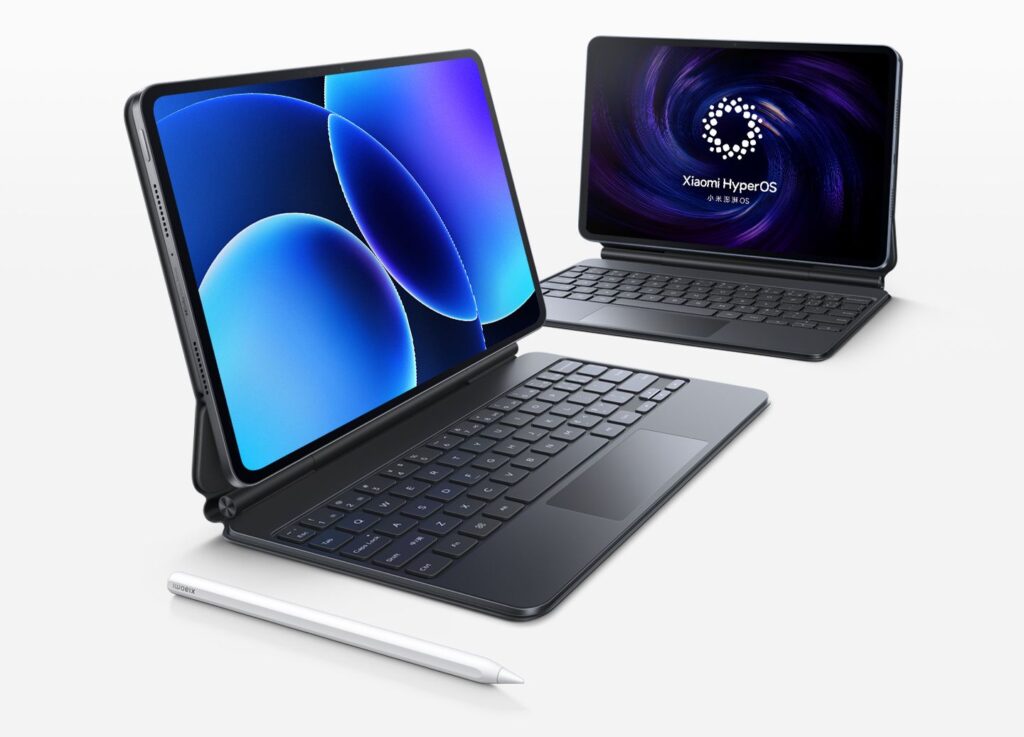

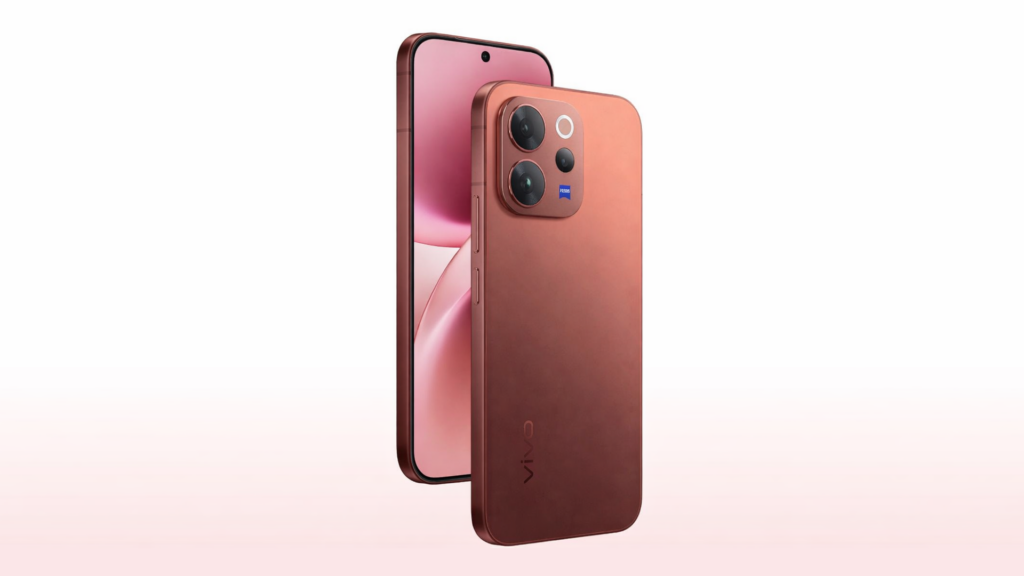


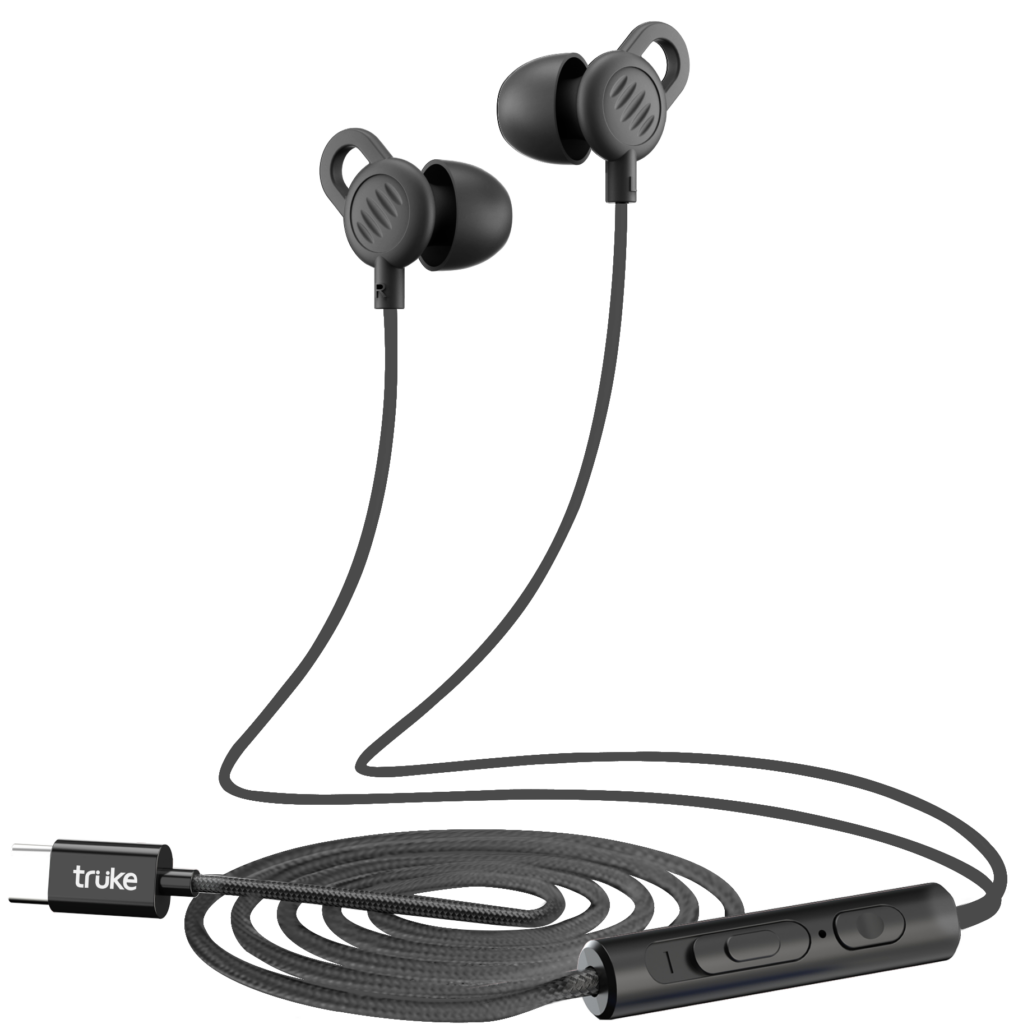
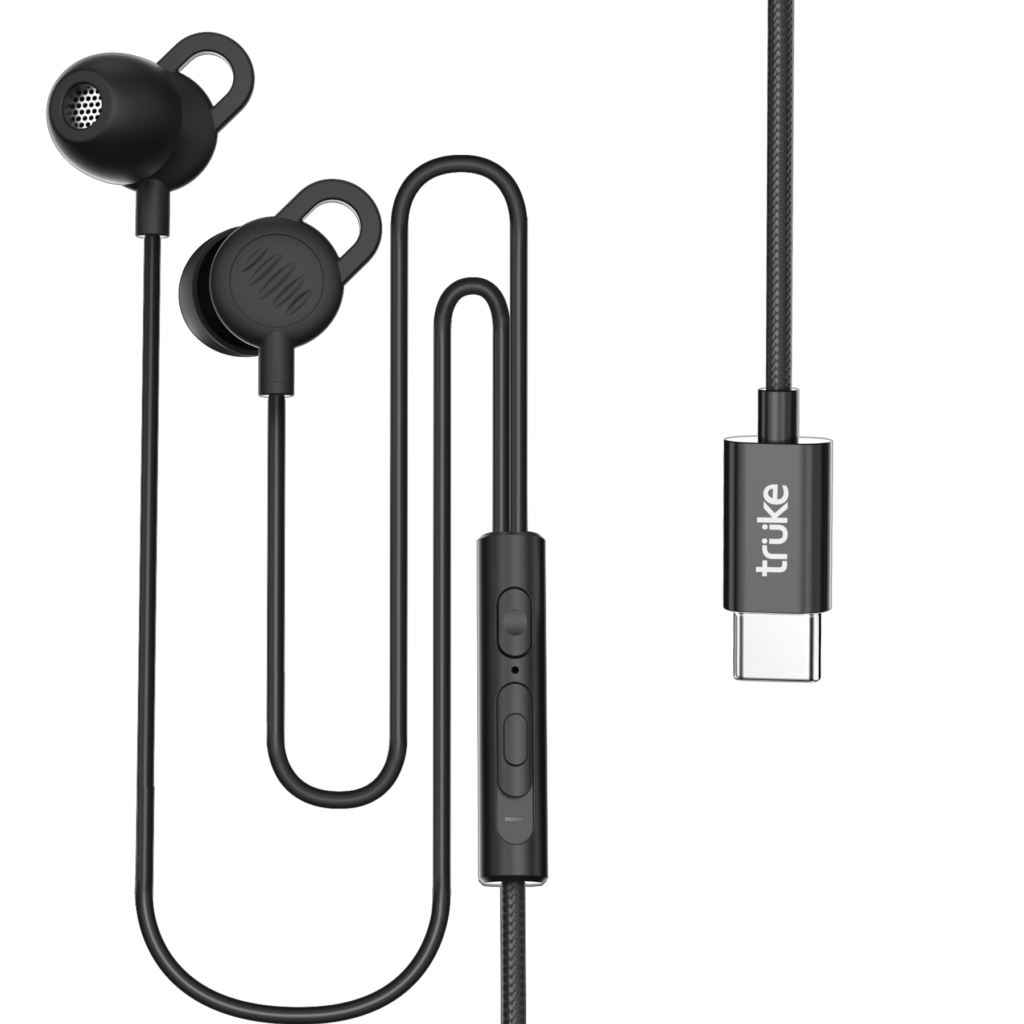


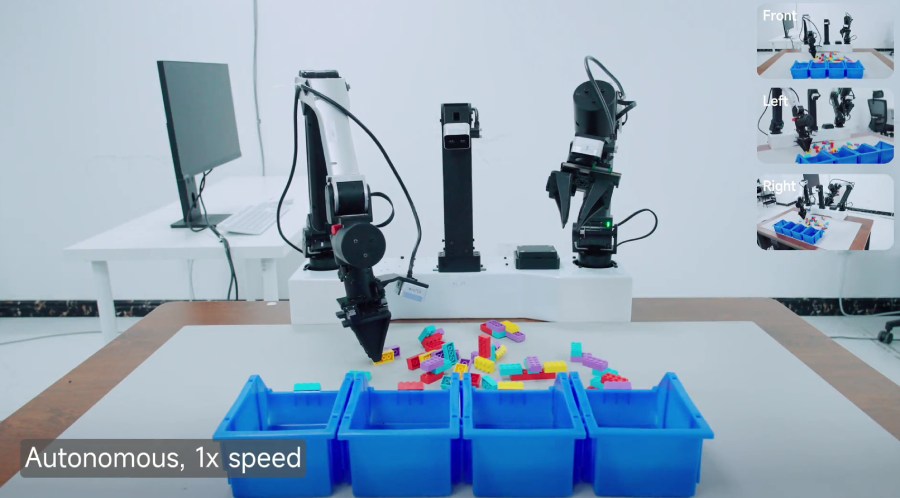
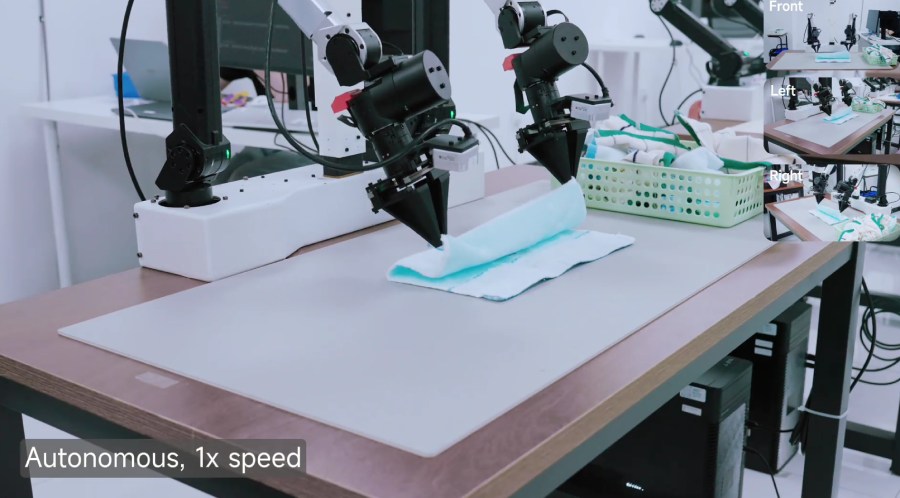

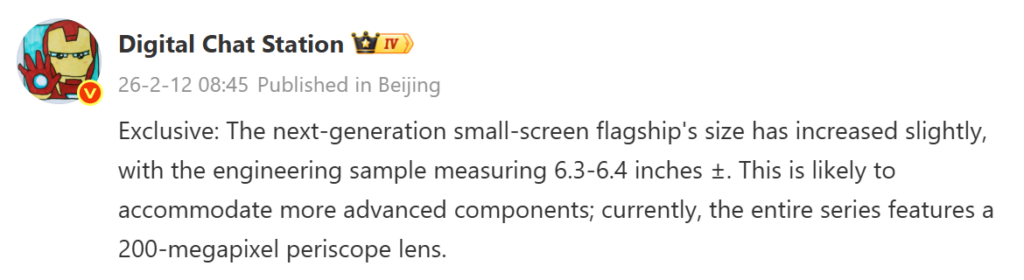

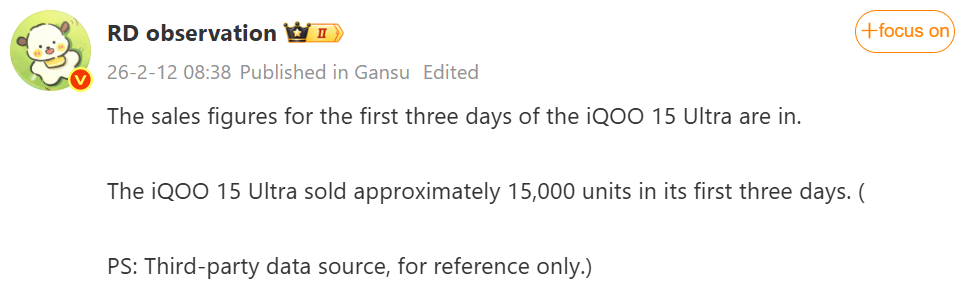

















 Citroen sales almost double in Luxembourg in January.















 Shai Gilgeous-Alexander
 Nikola Jokic
 Cade Cunningham
 Luka Doncic
 Jaylen Brown
 Victor Wembanyama
 Anthony Edwards
 Jalen Brunson
 Tyrese Maxey
 Donovan Mitchell
 Denver Nuggets
 Philadelphia 76ers
 Milwaukee Bucks
 Houston Rockets
 Golden State Warriors


